Raphy Dallèves
Born in 1878.
Died in 1940.
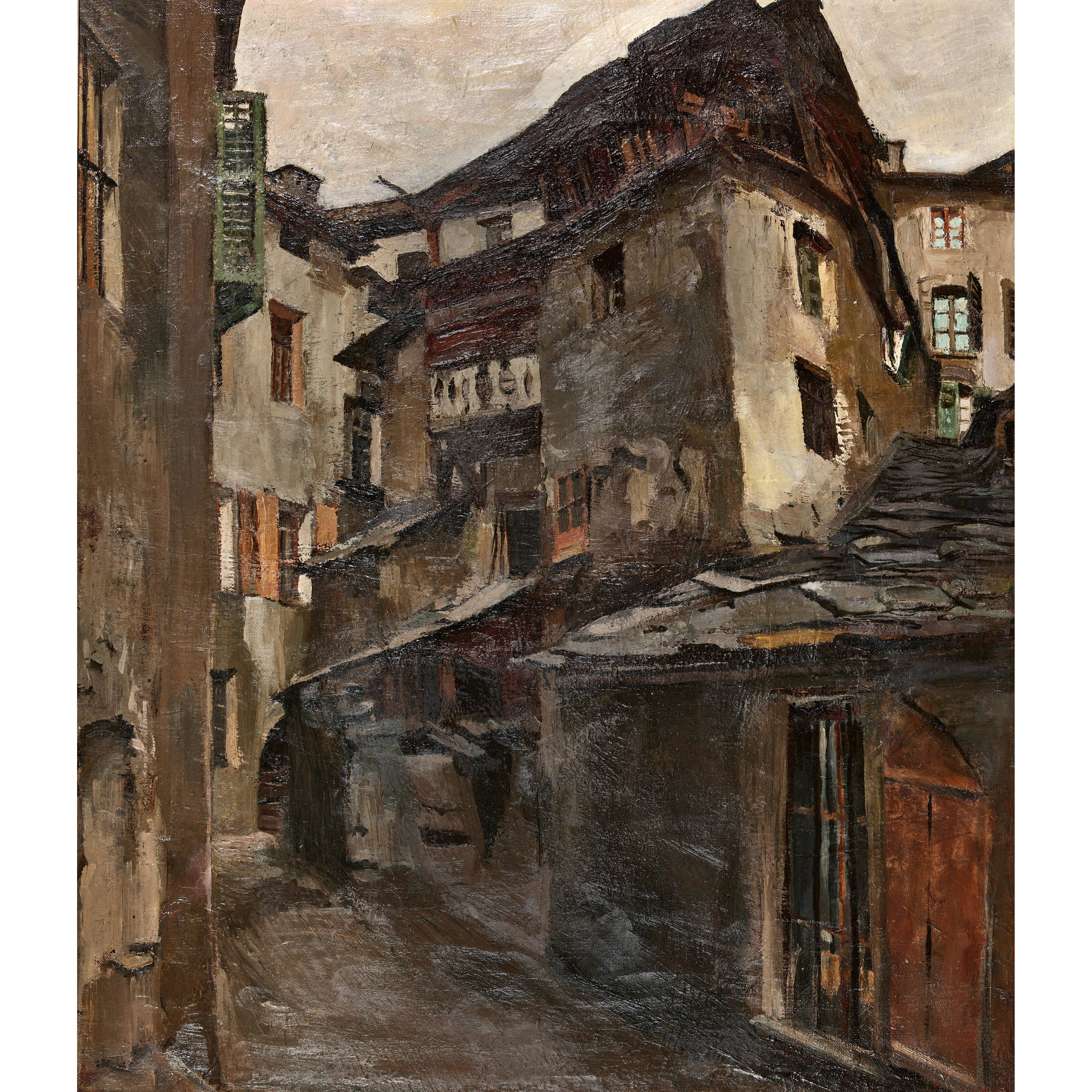
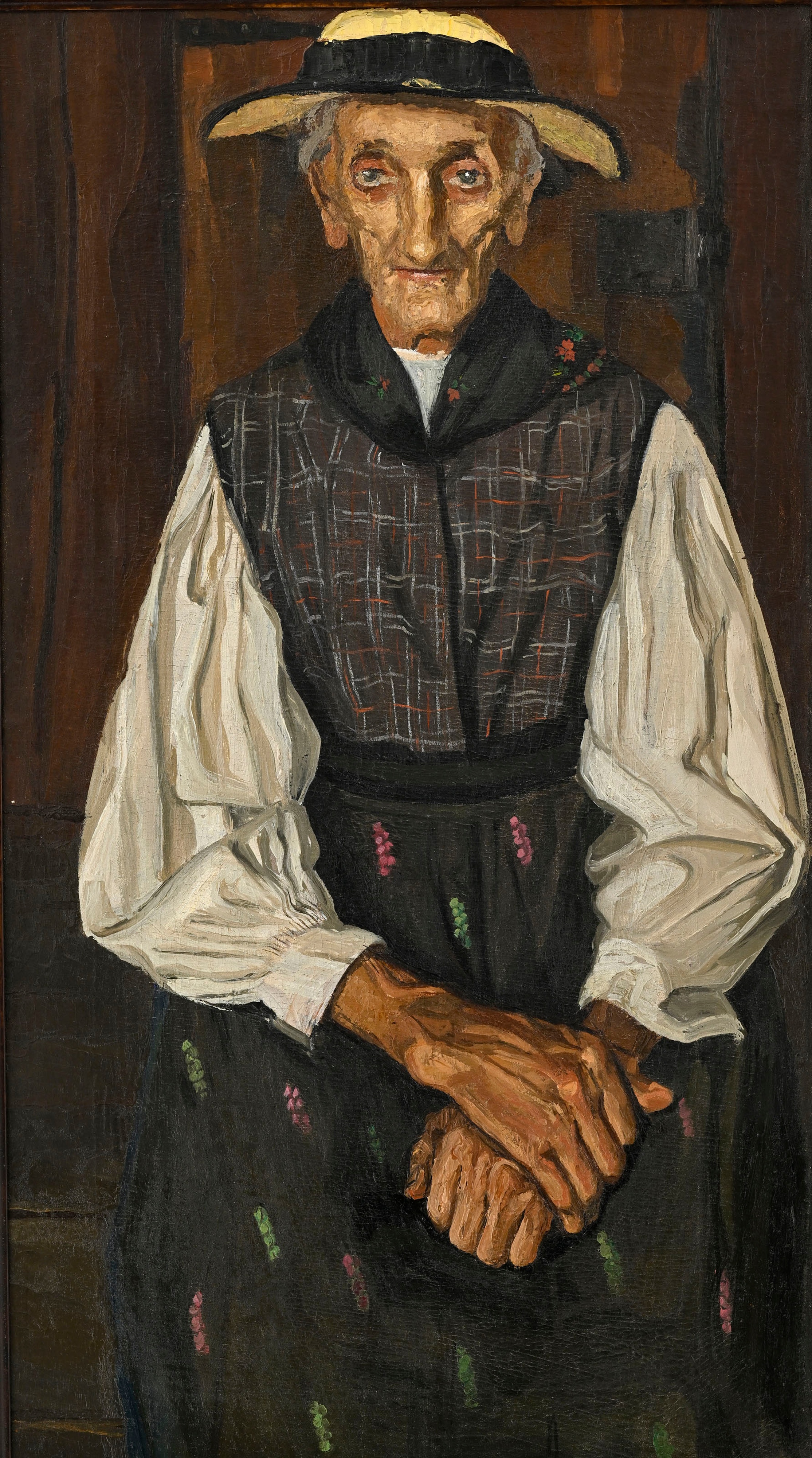
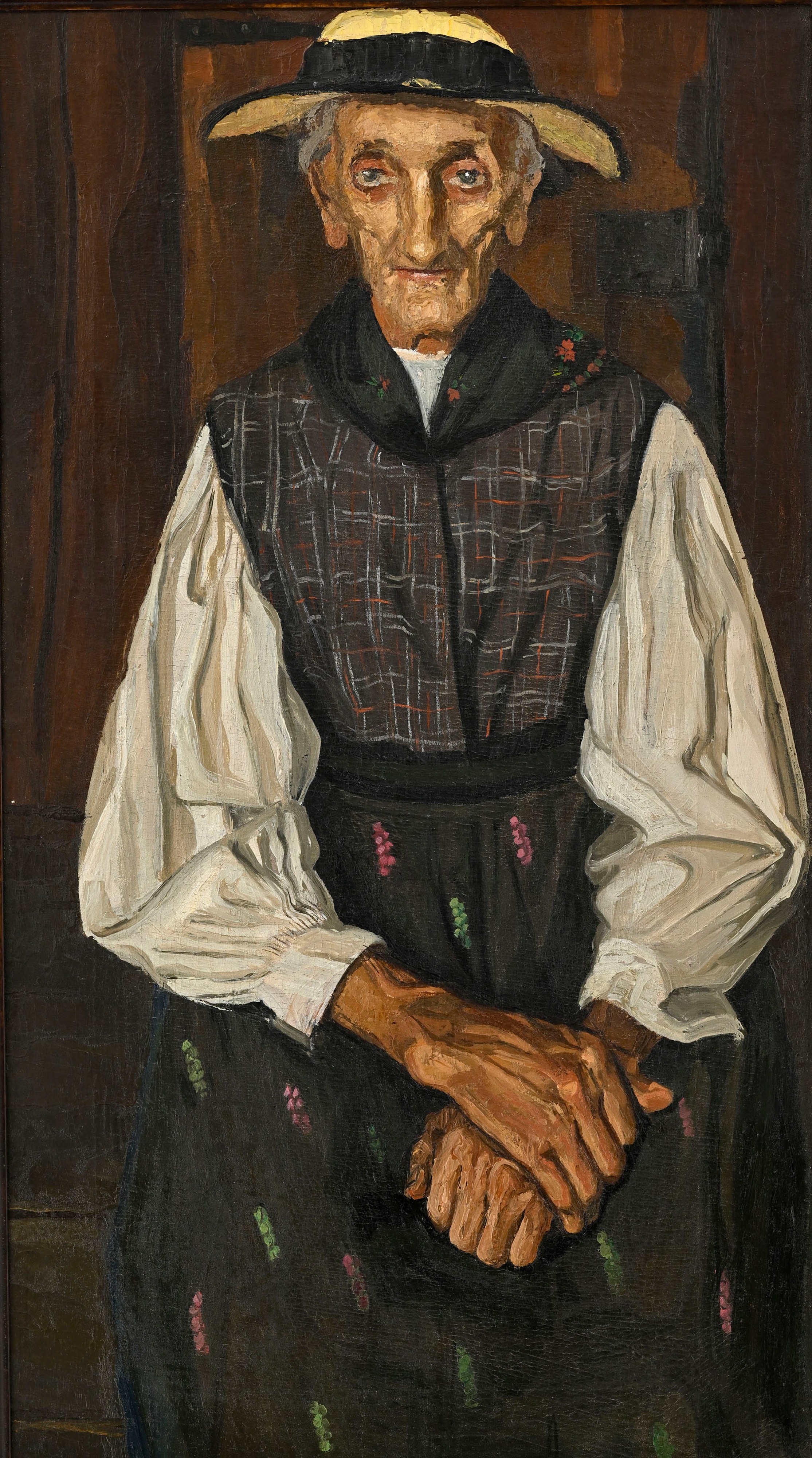
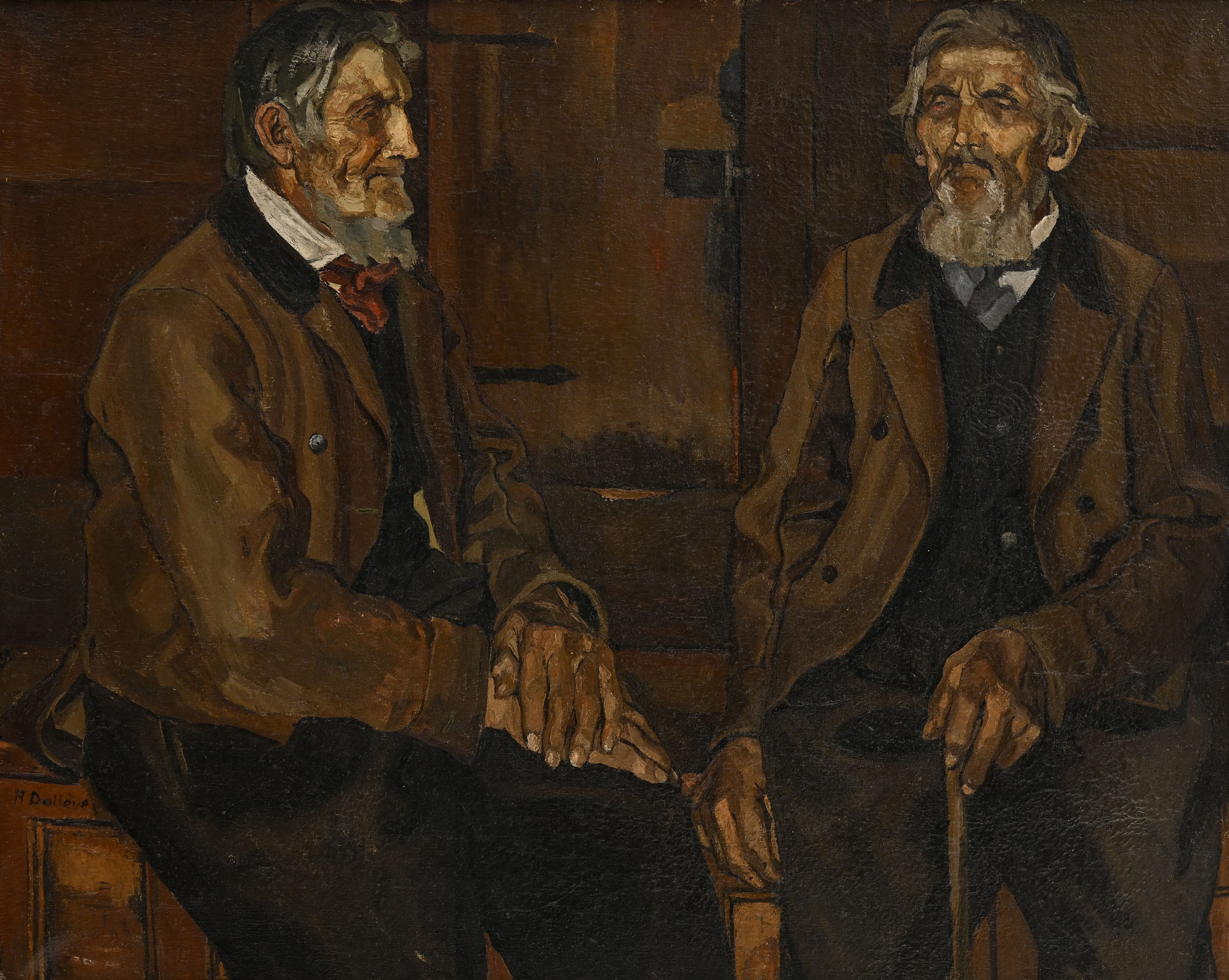
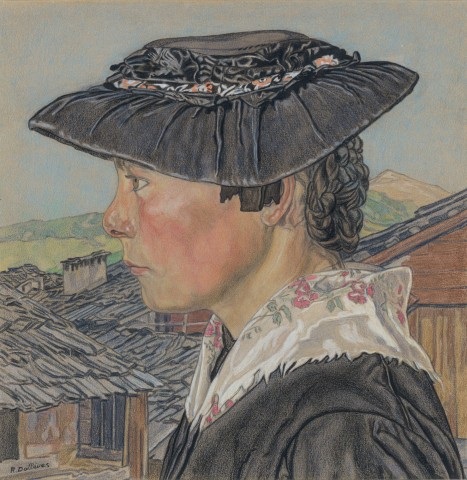
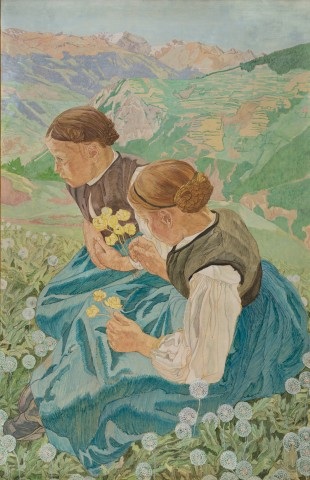
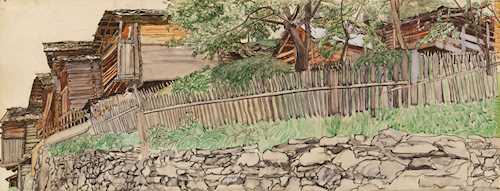
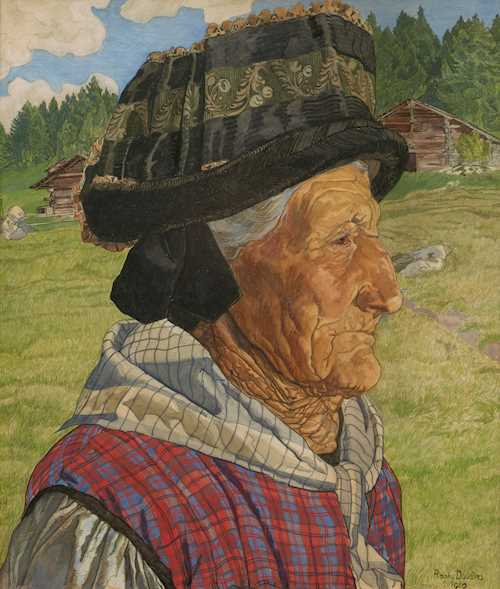
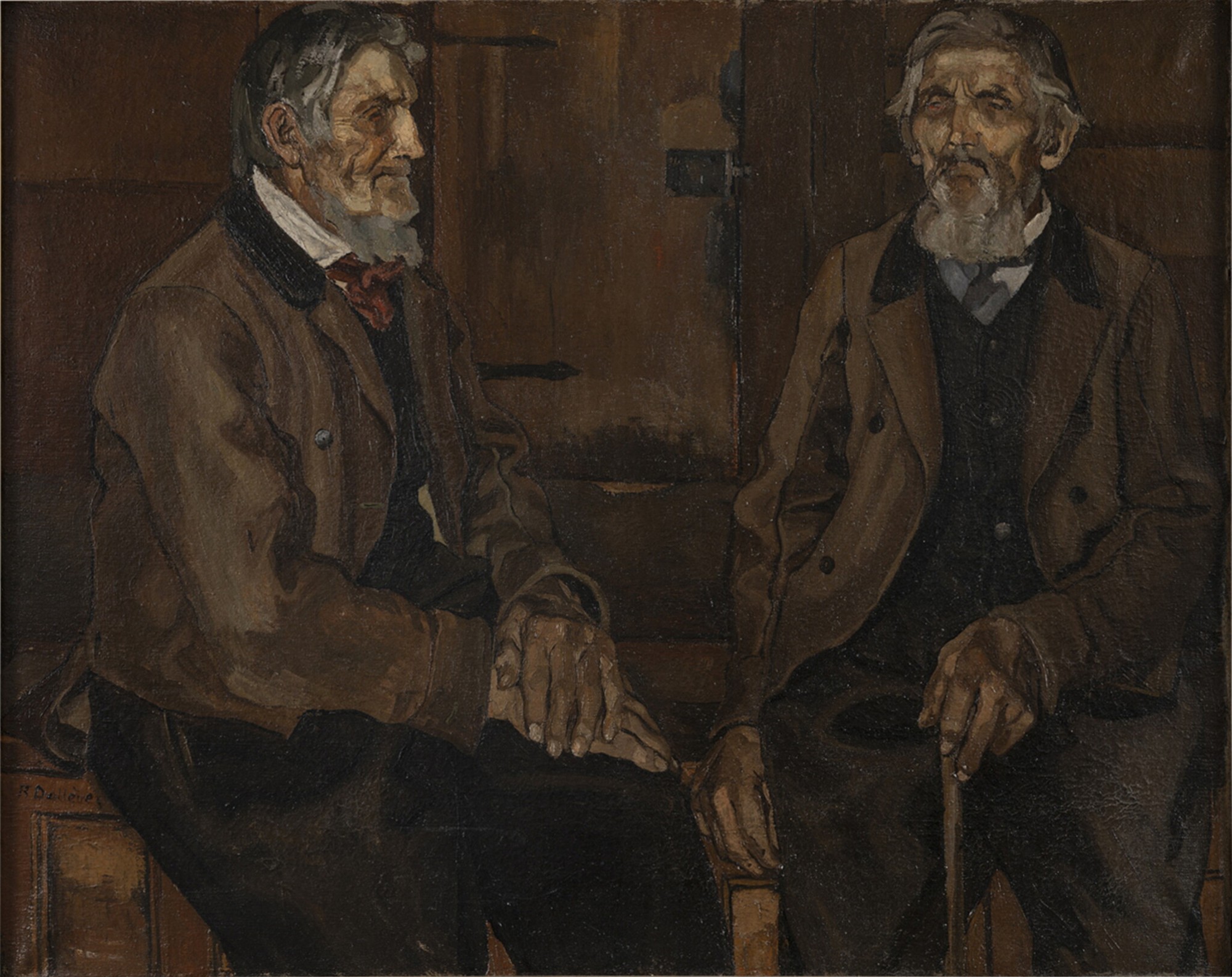
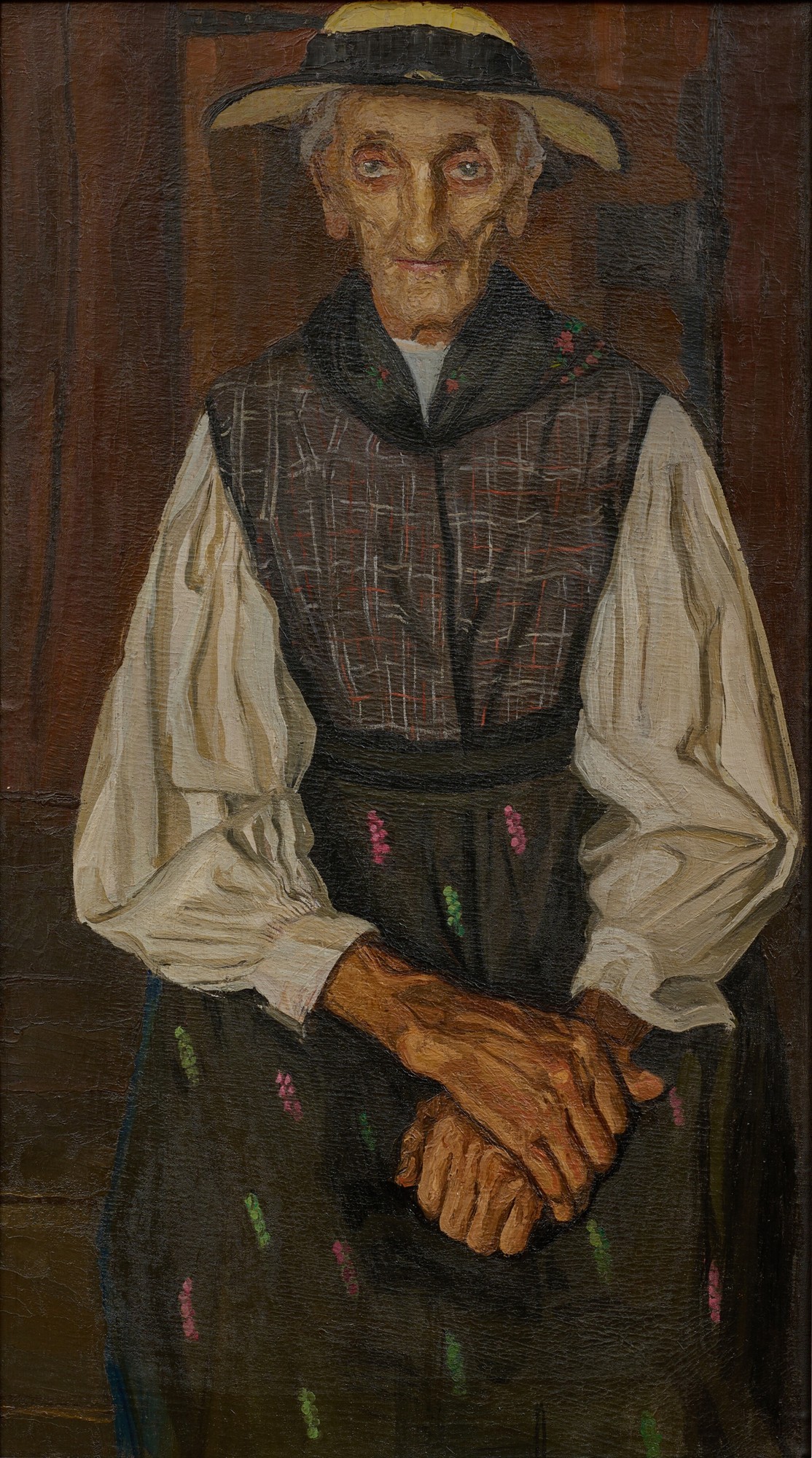
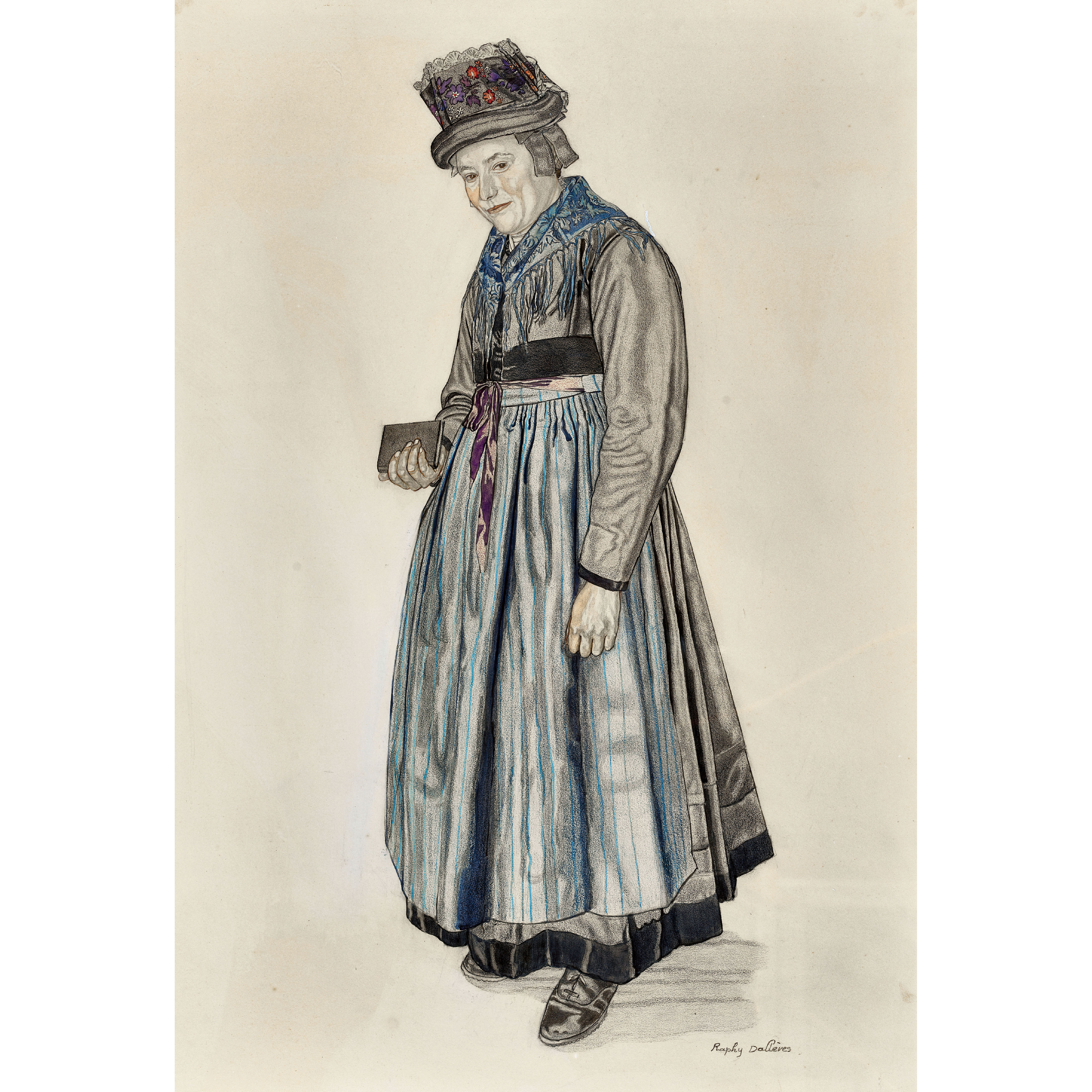
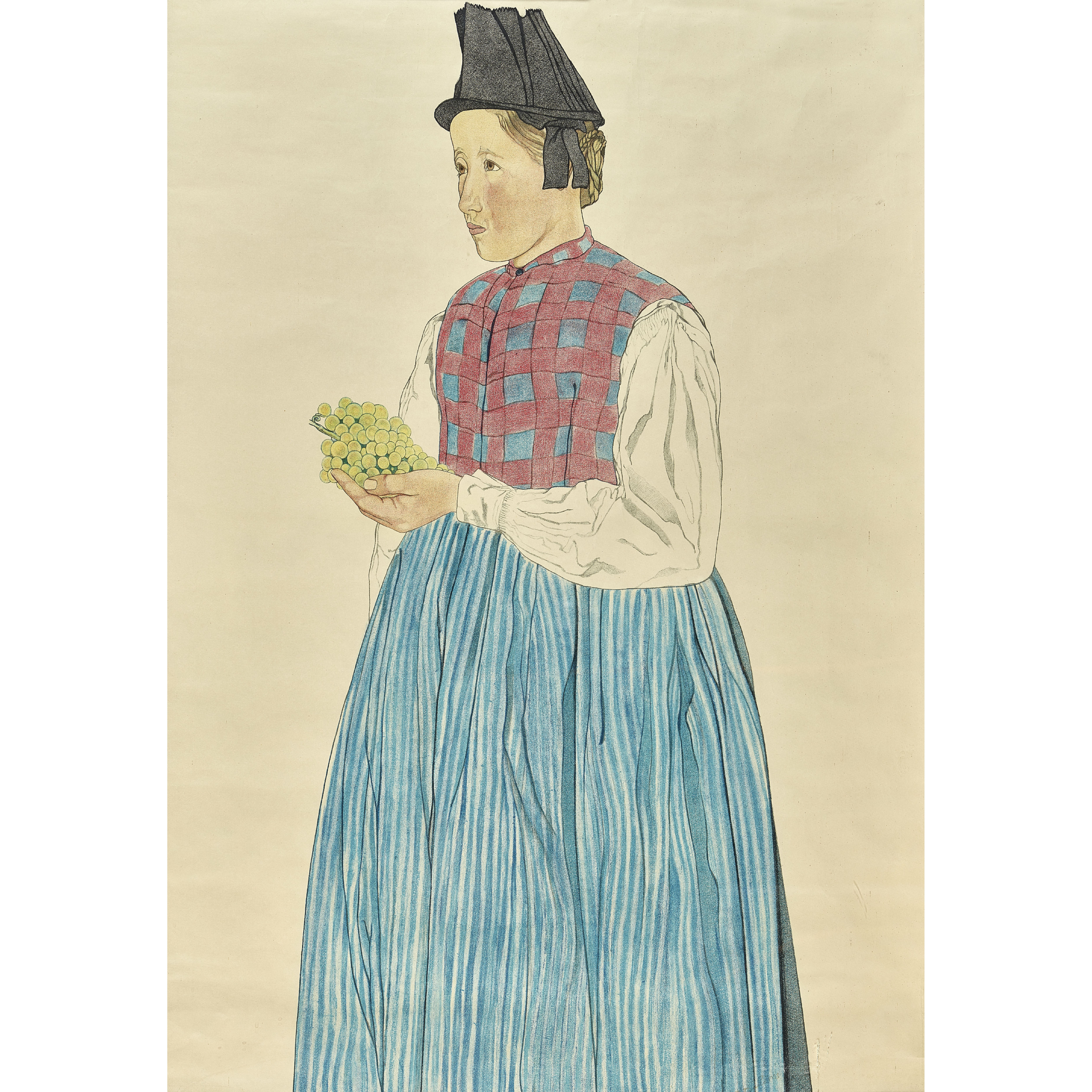
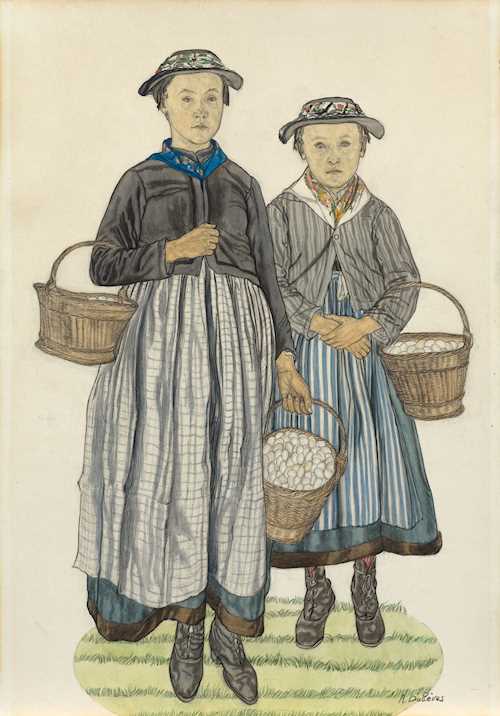
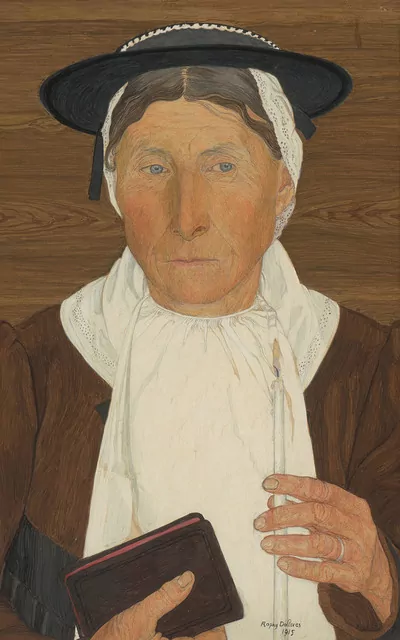
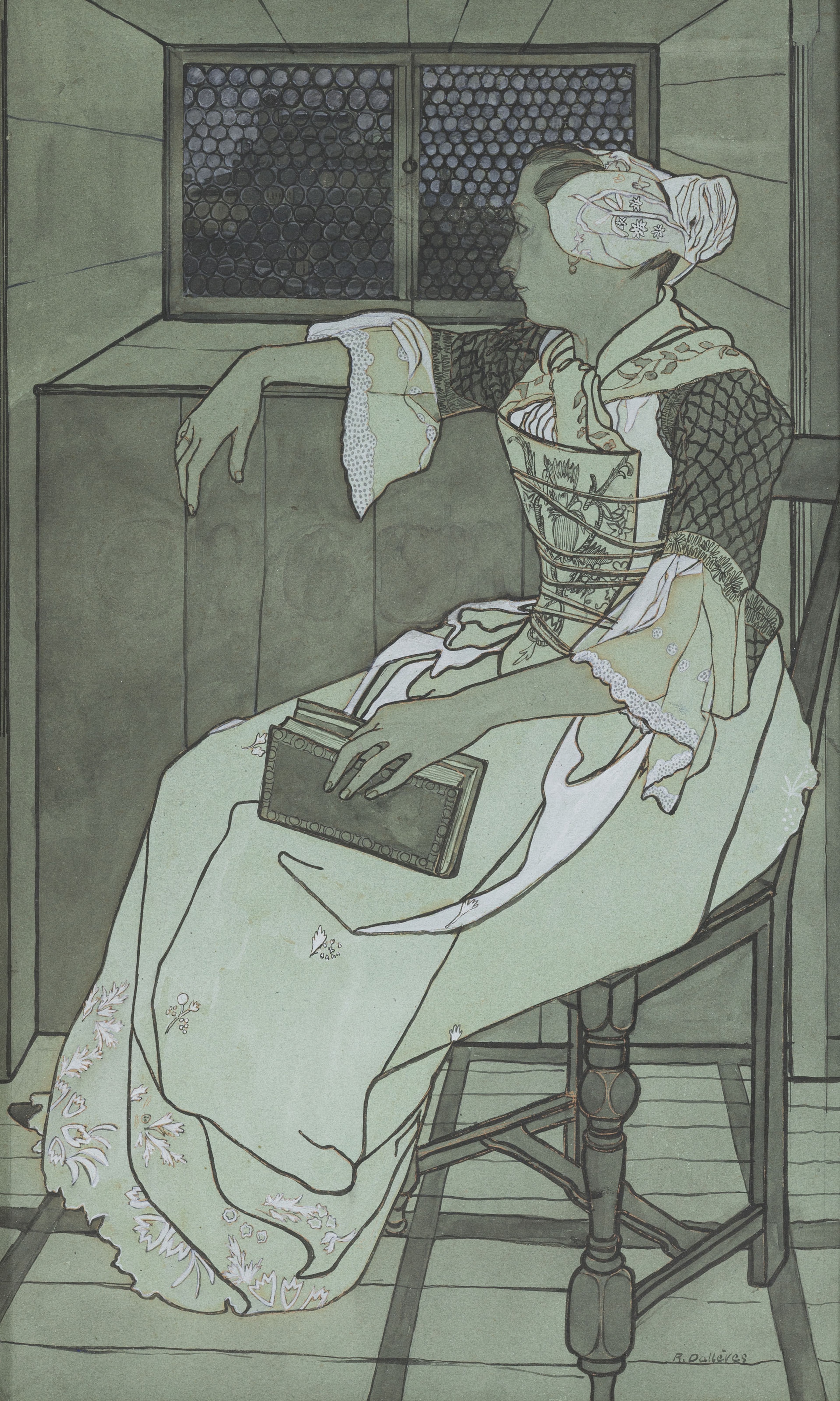
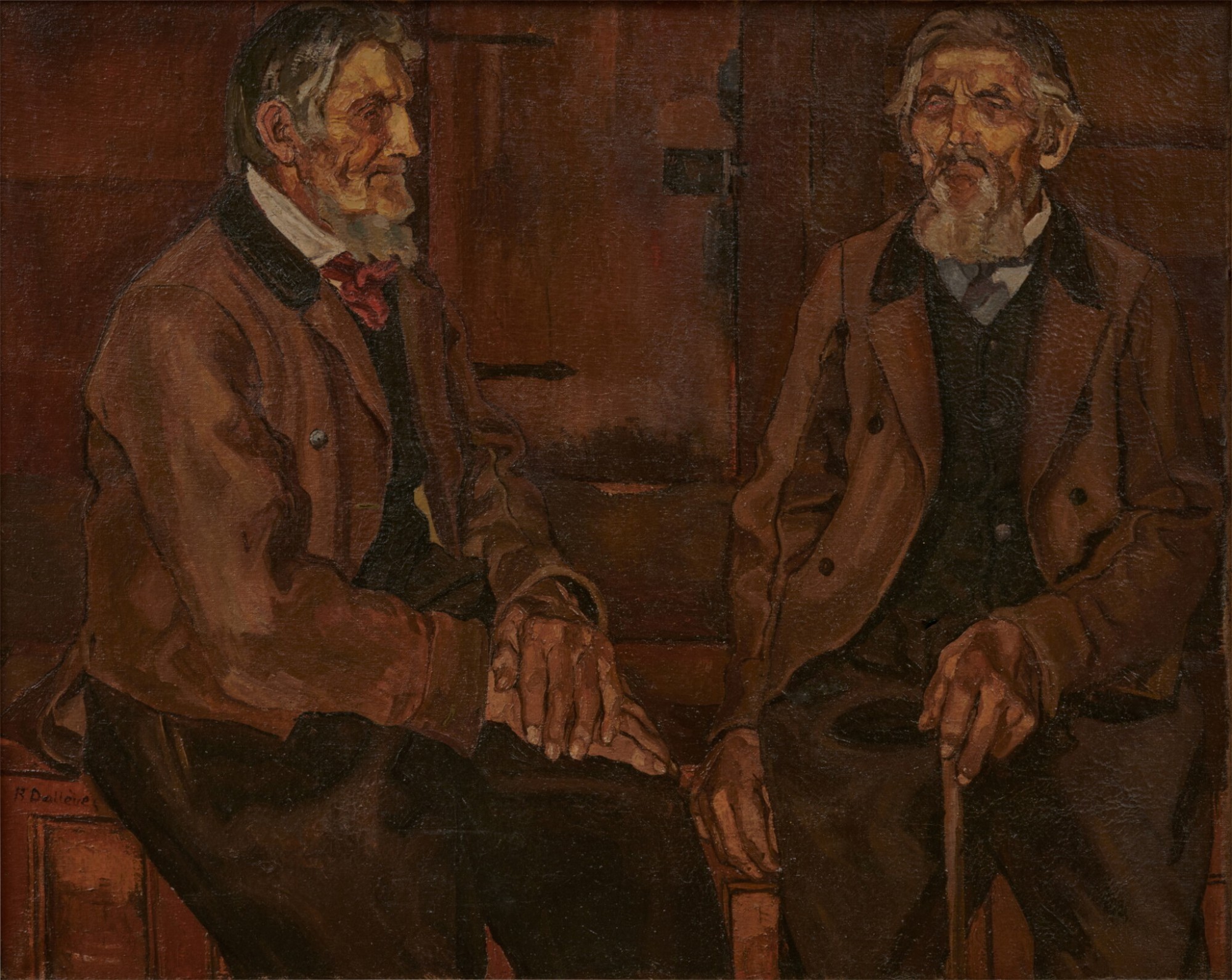
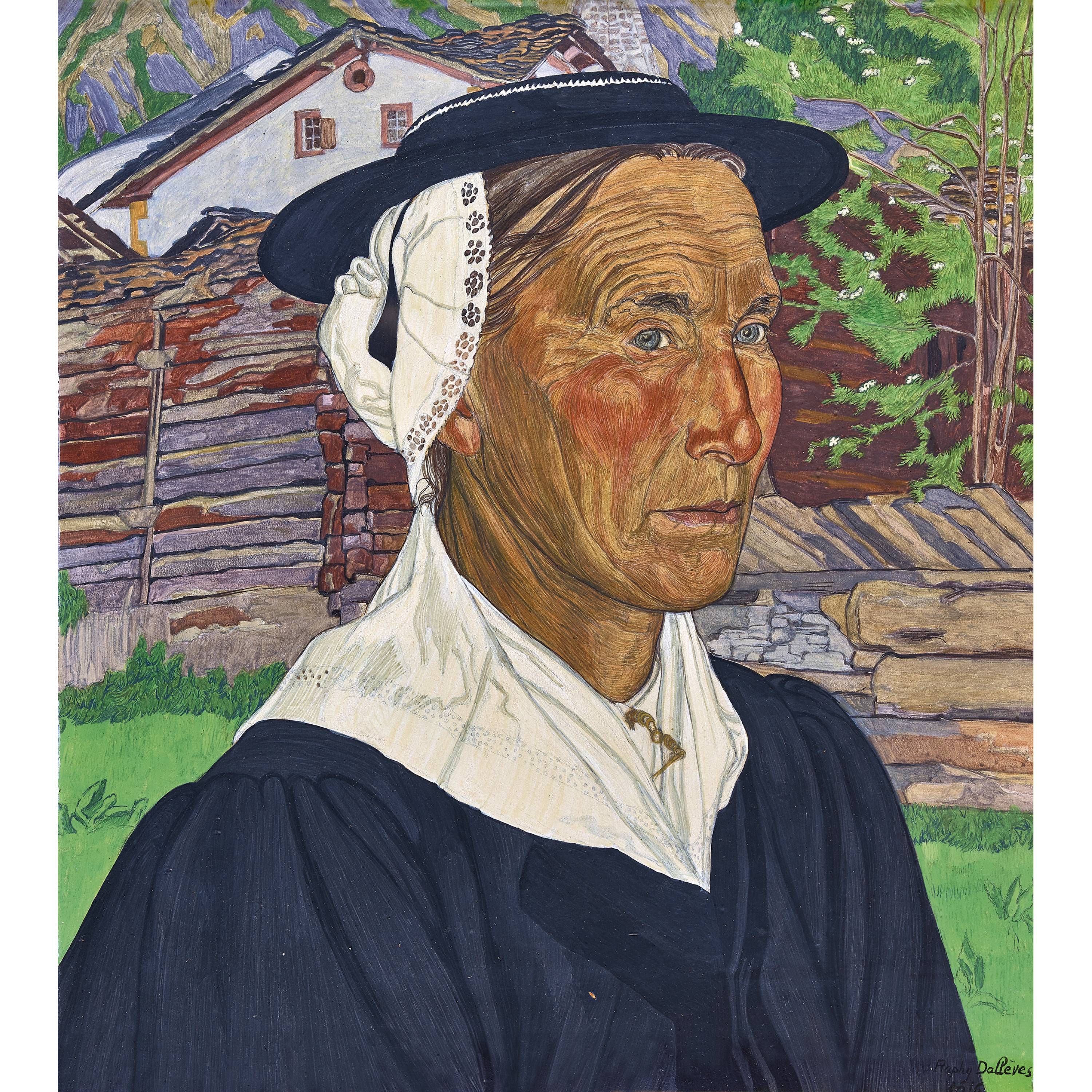
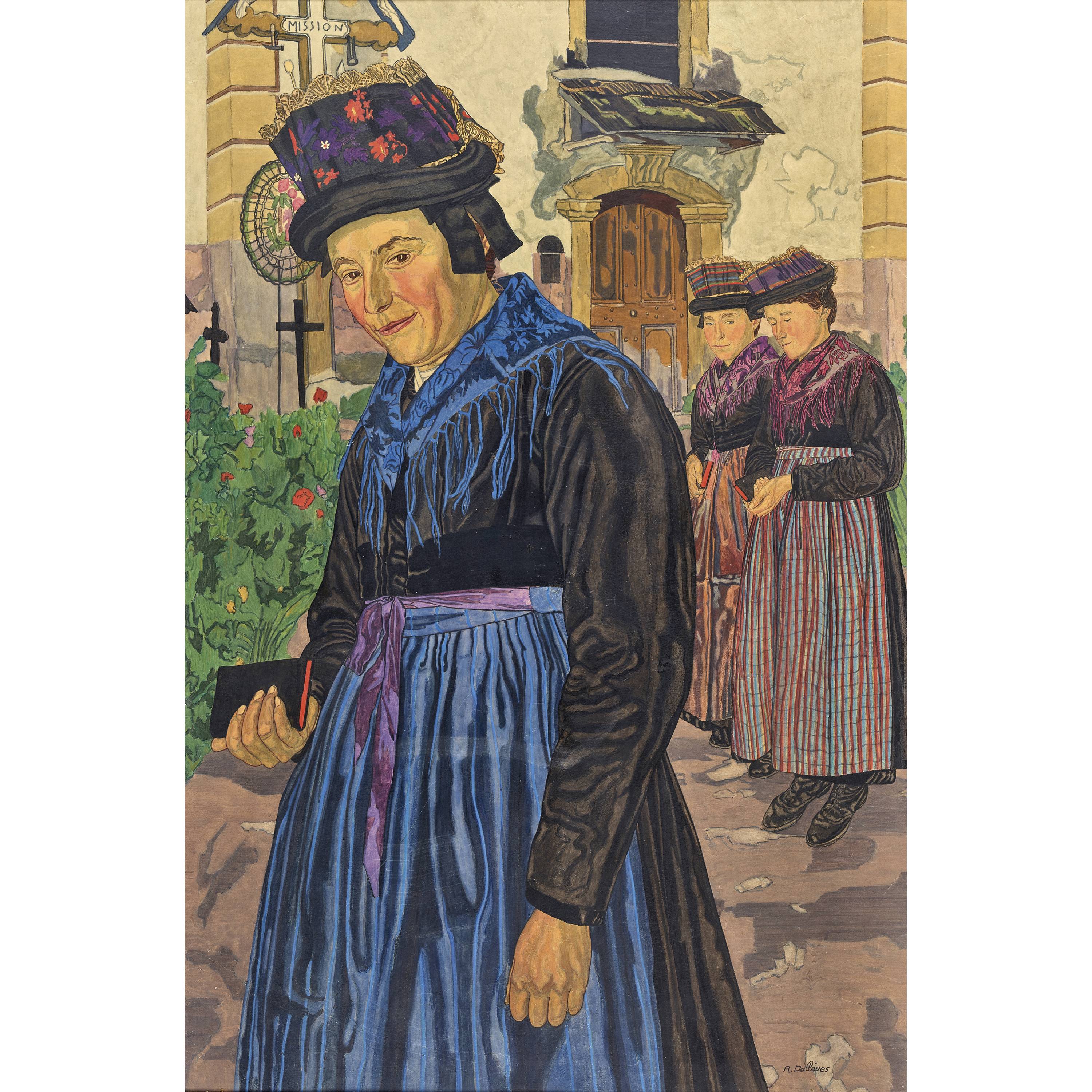
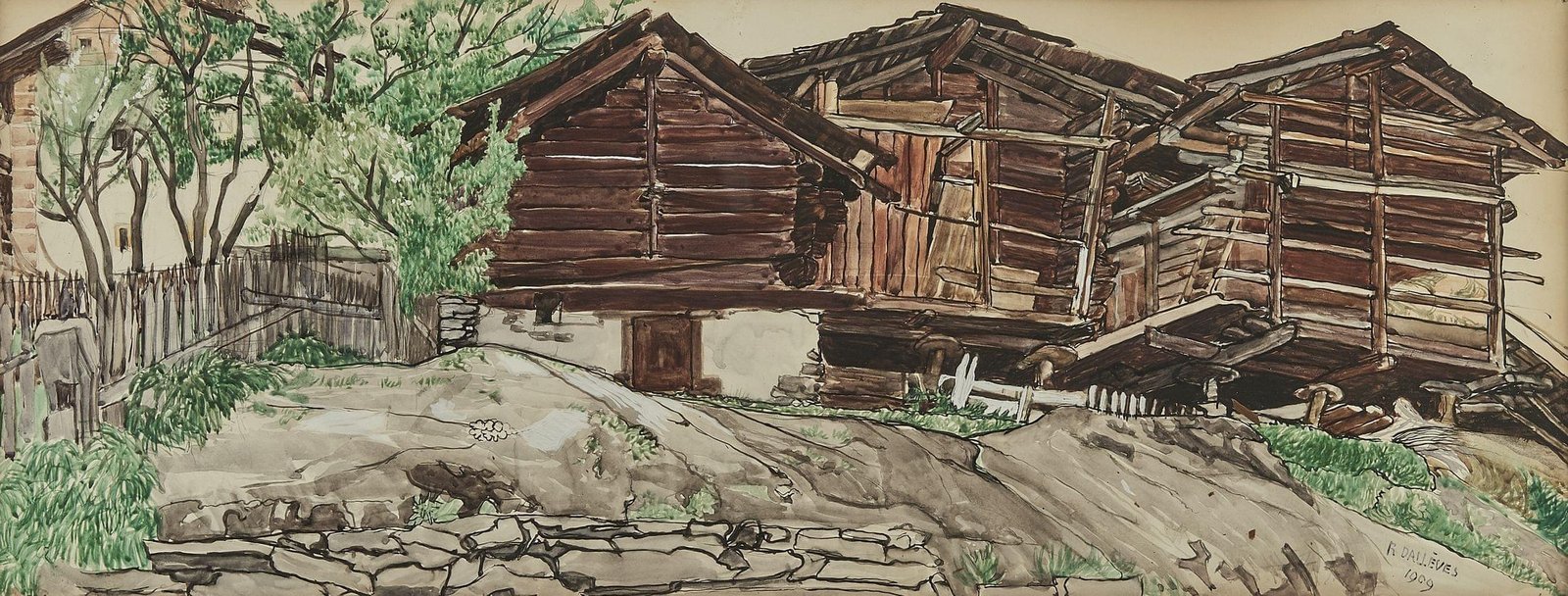
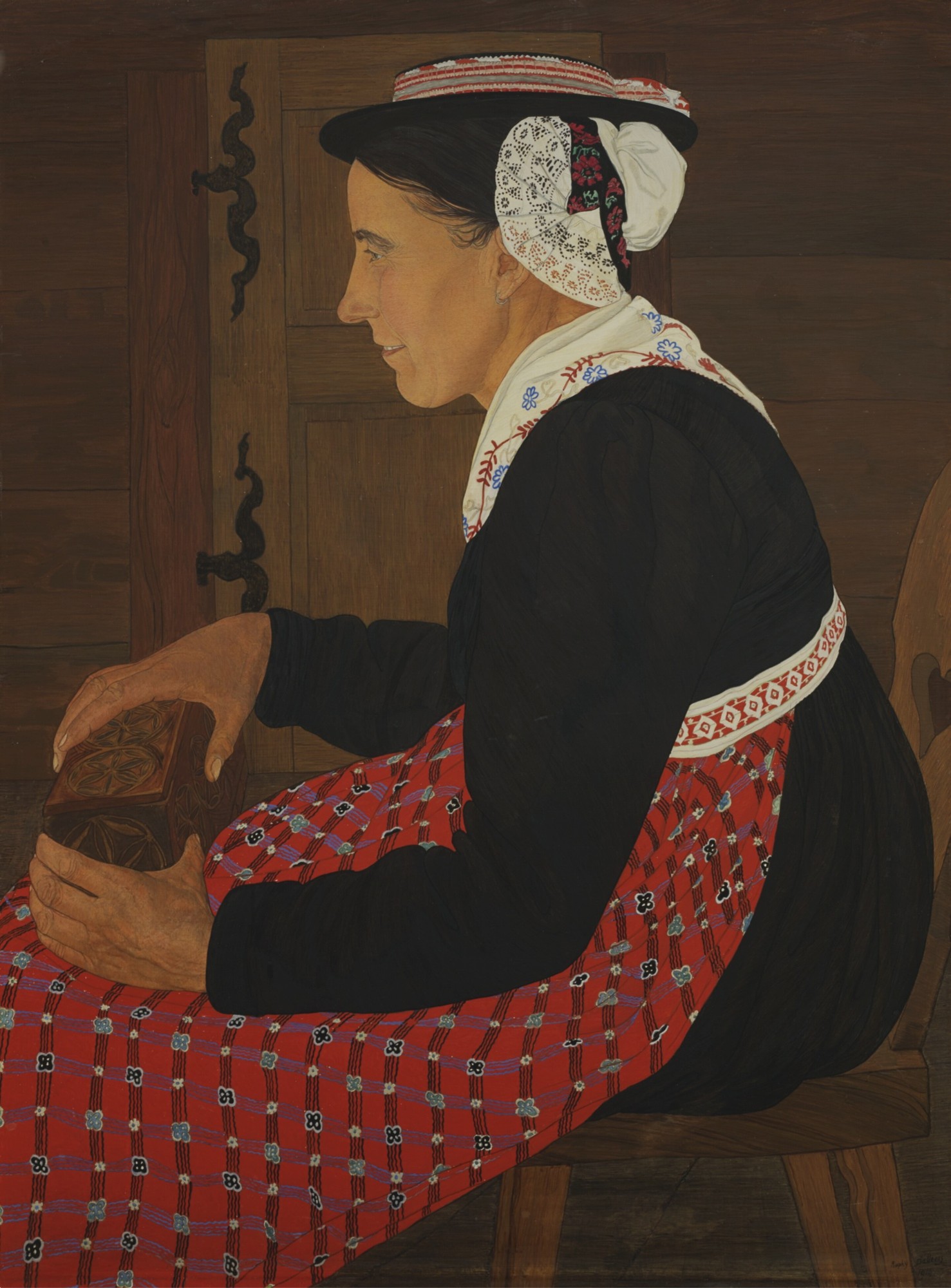
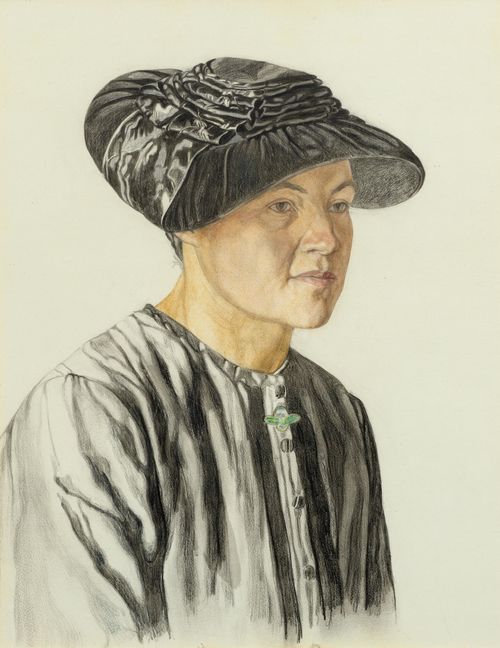
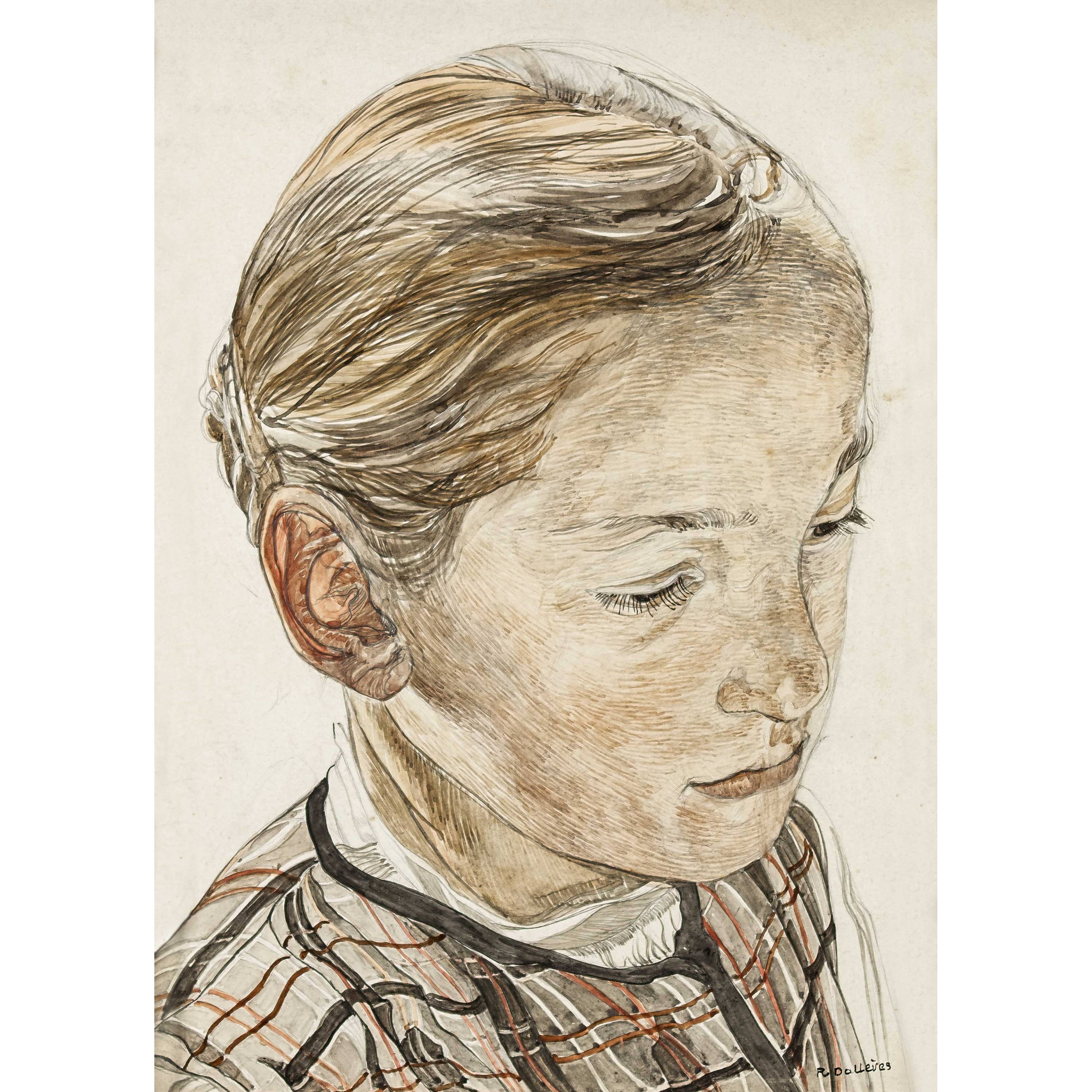
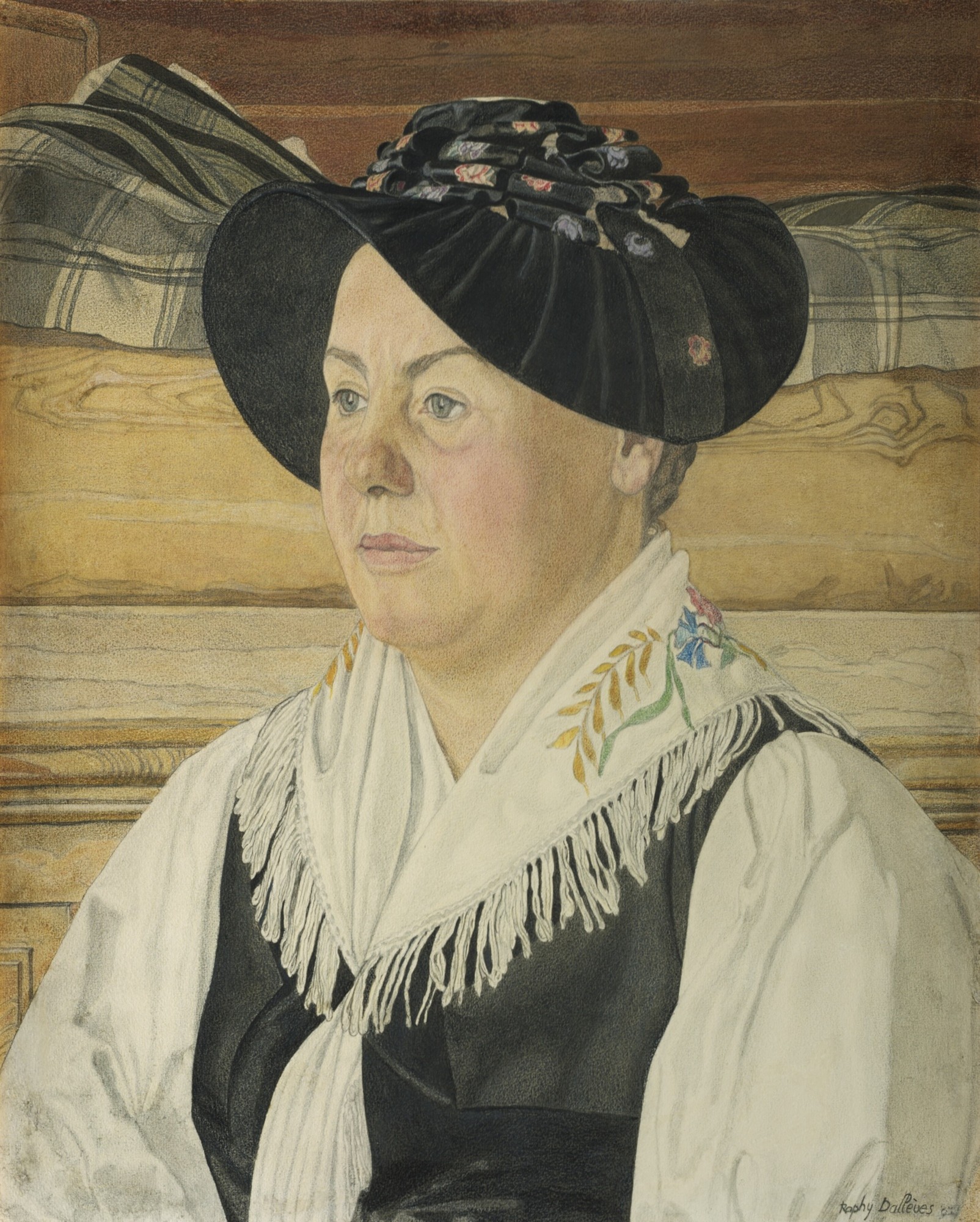
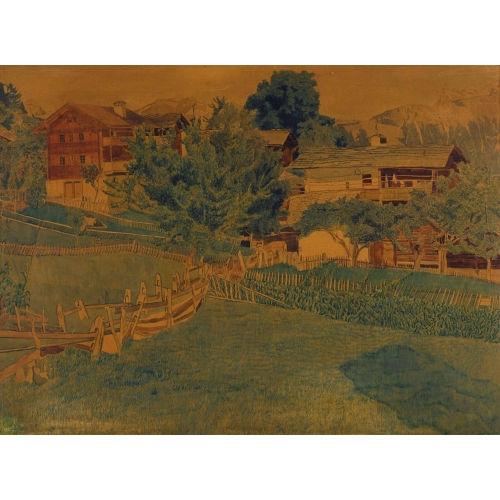
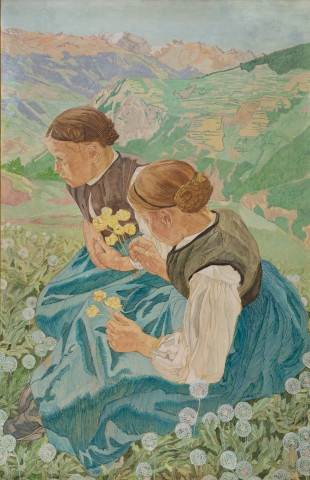
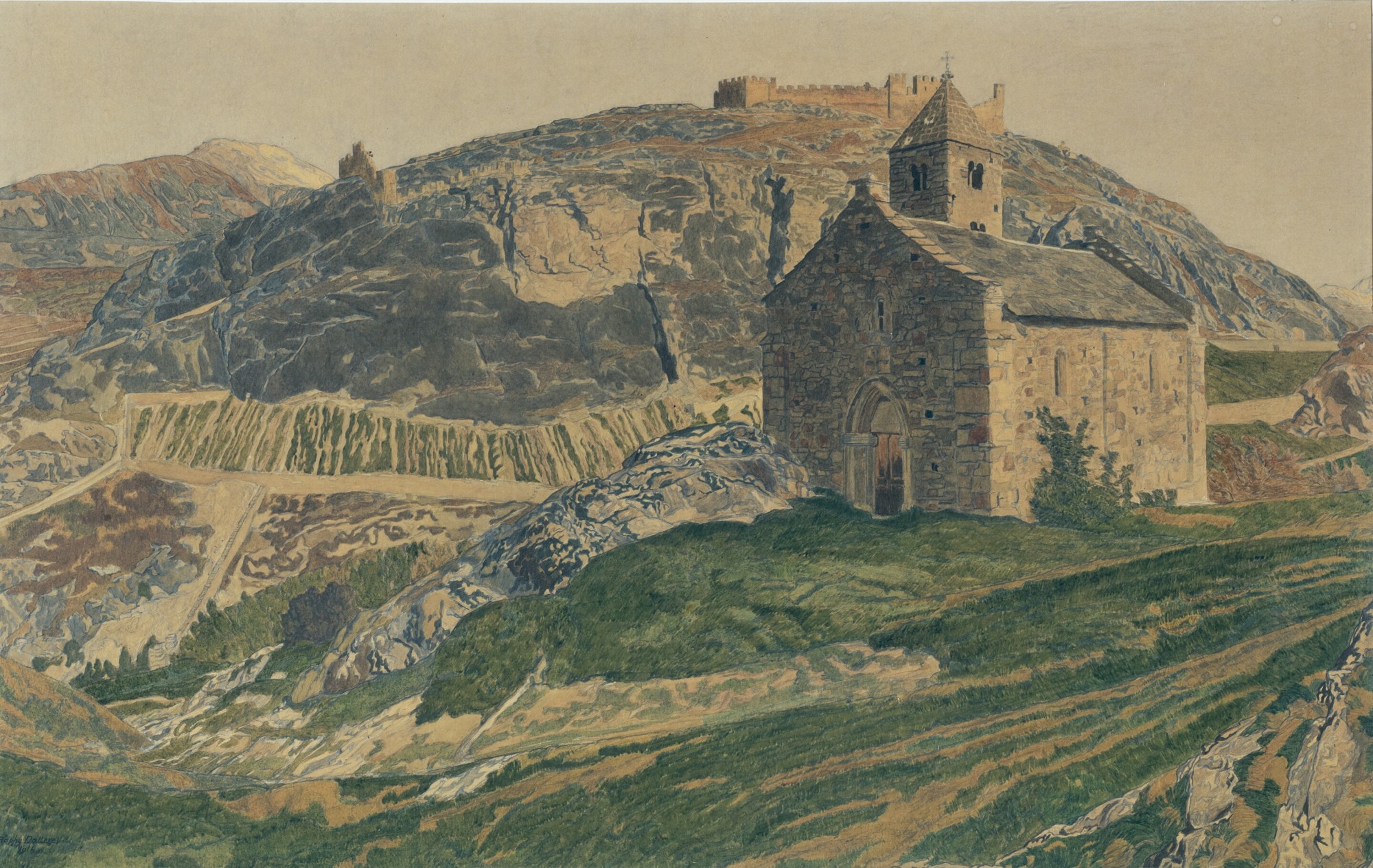
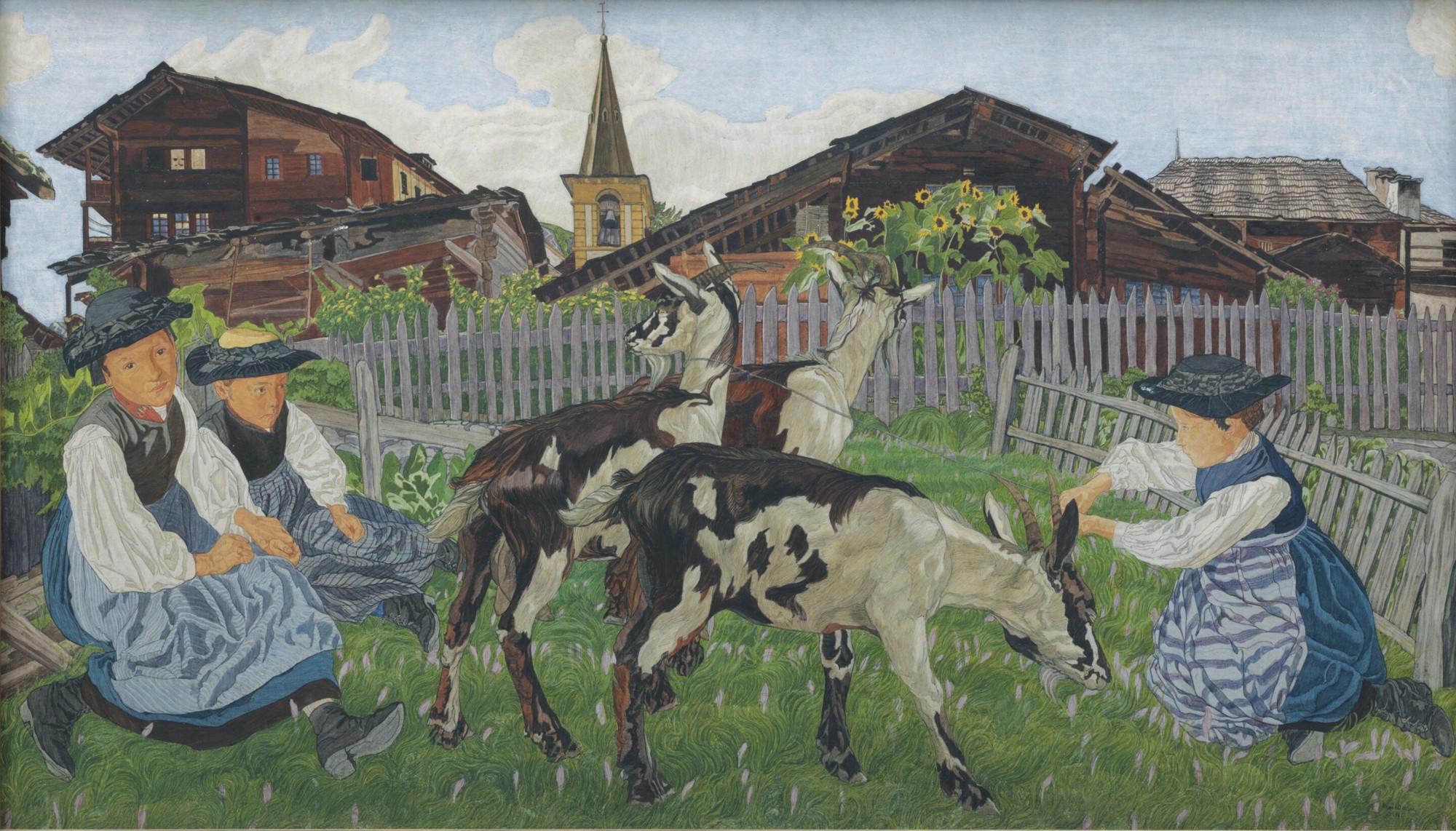
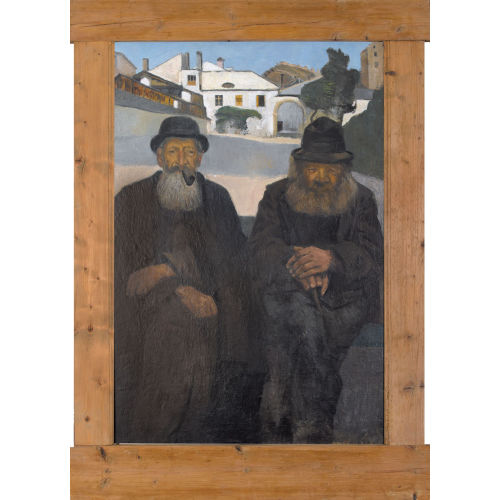
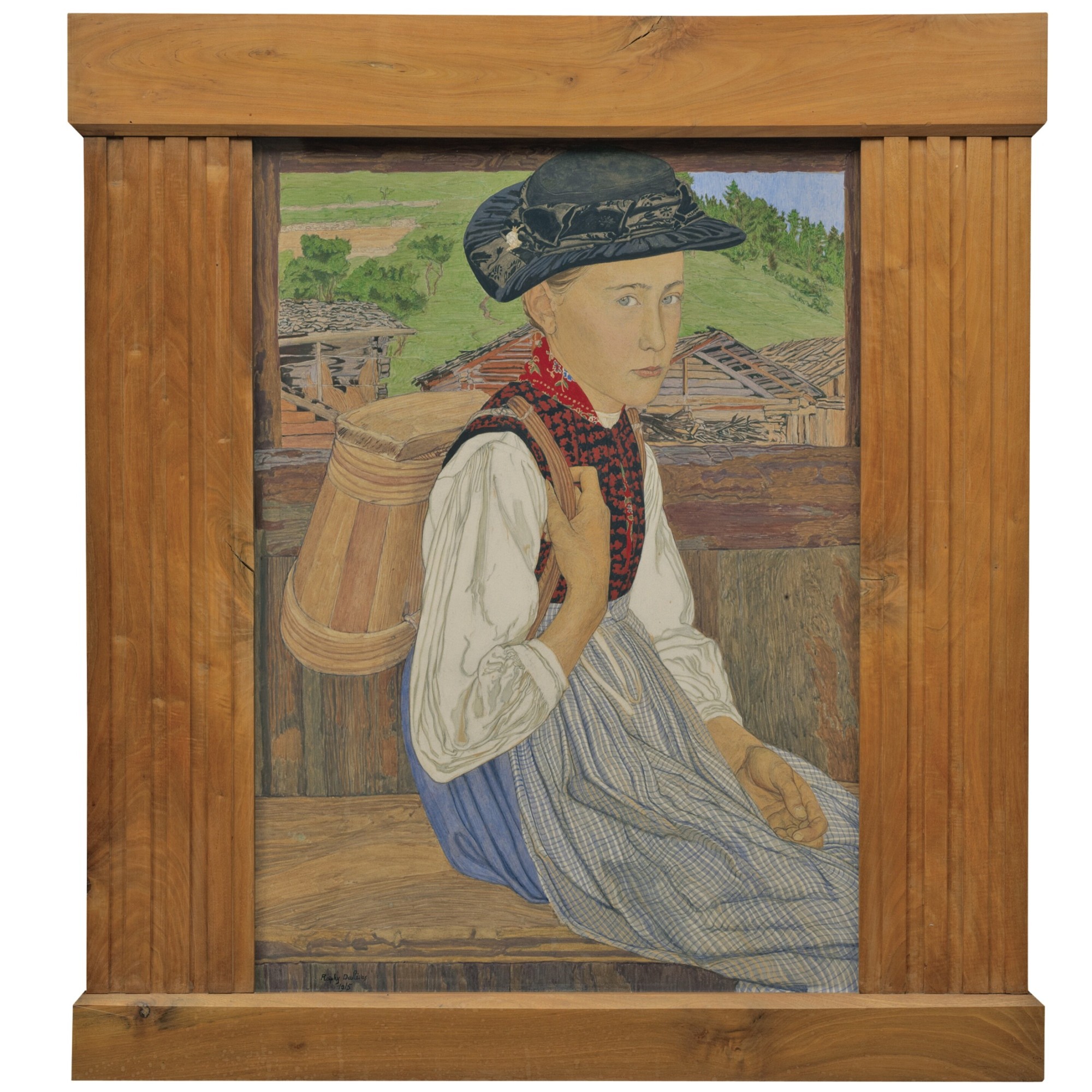
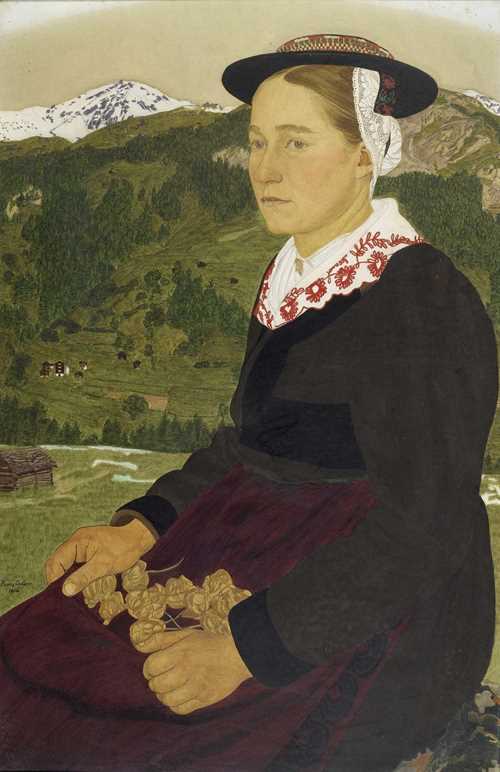
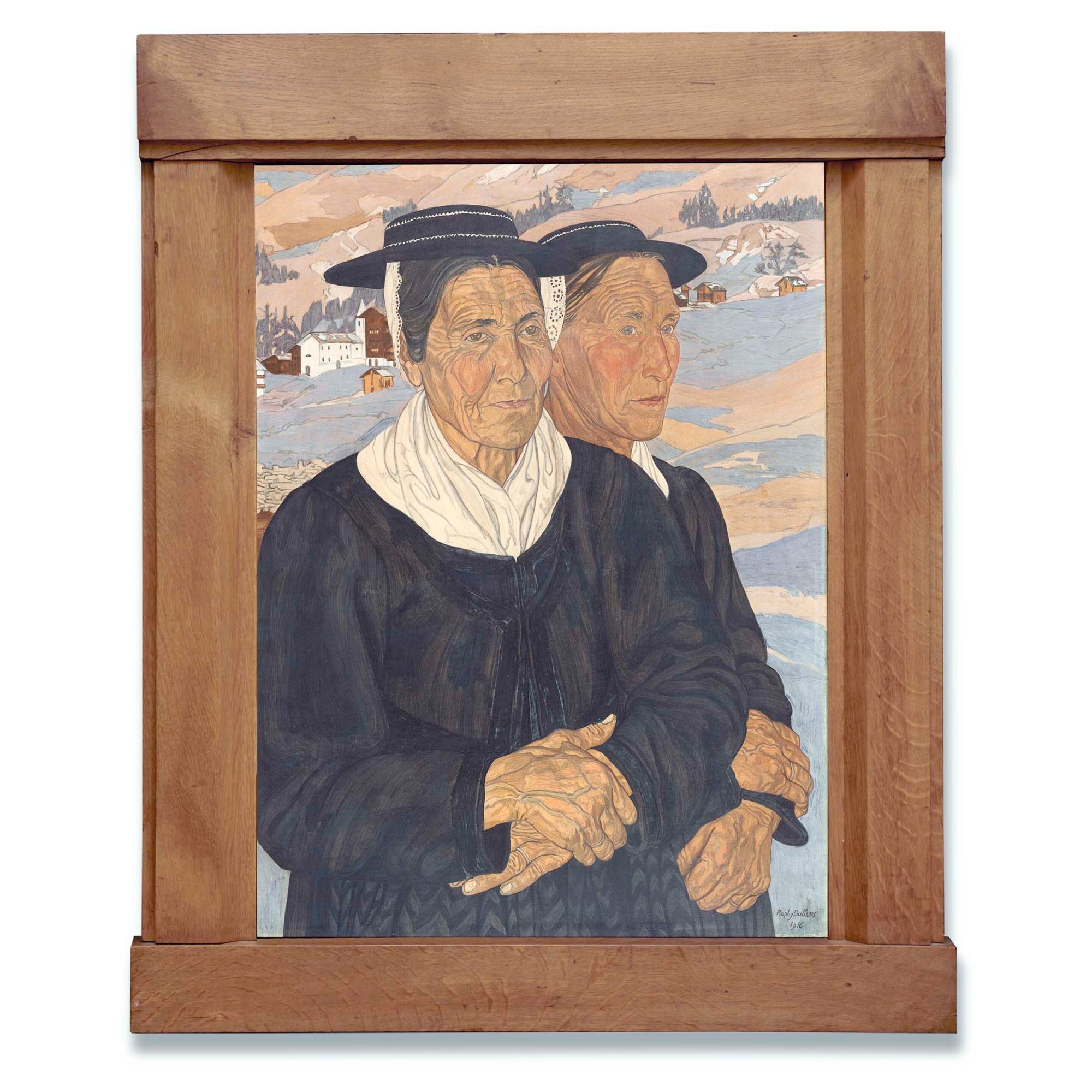
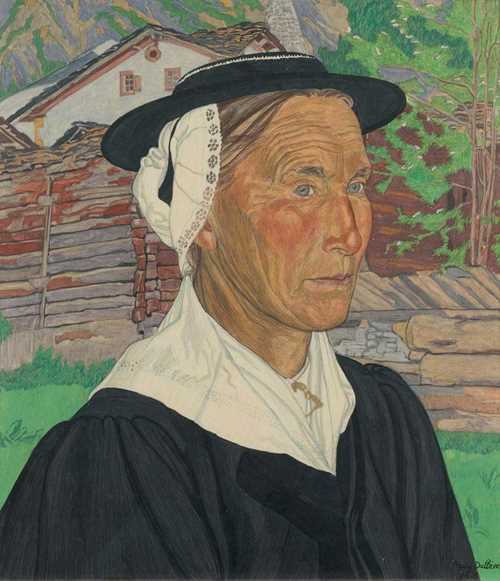
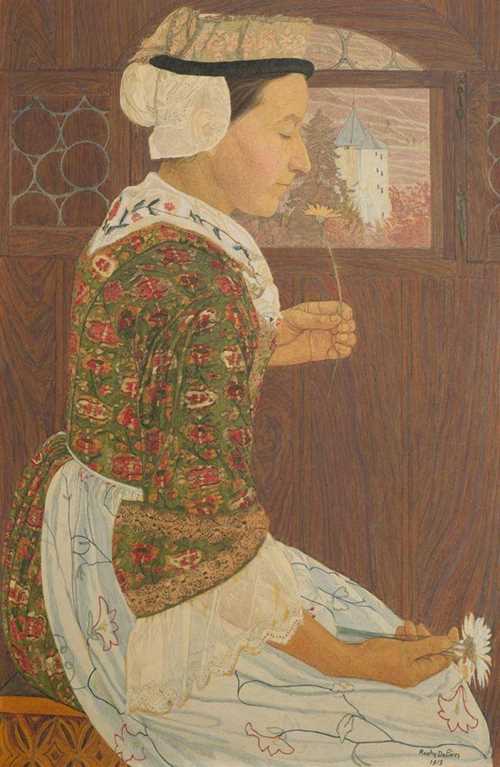
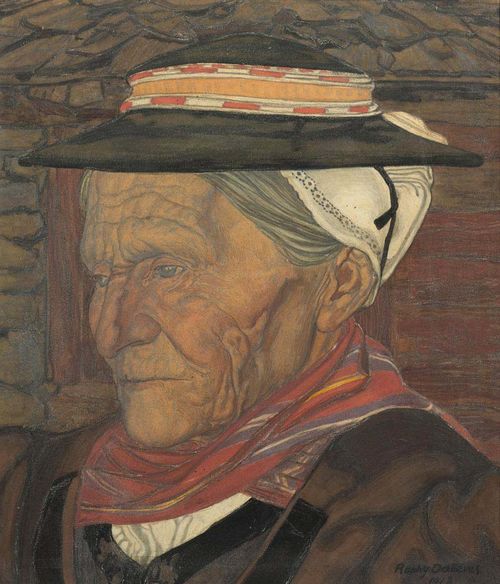
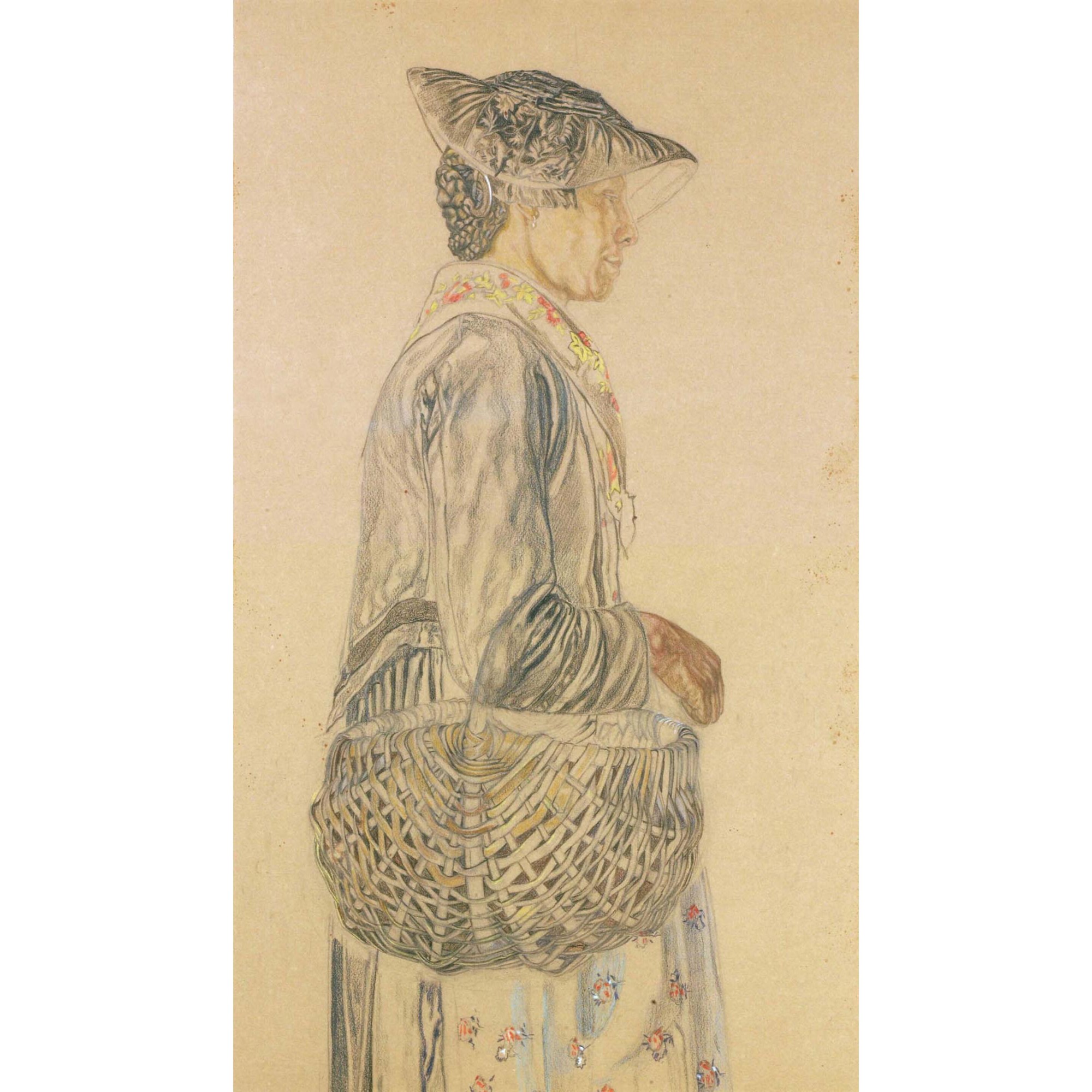
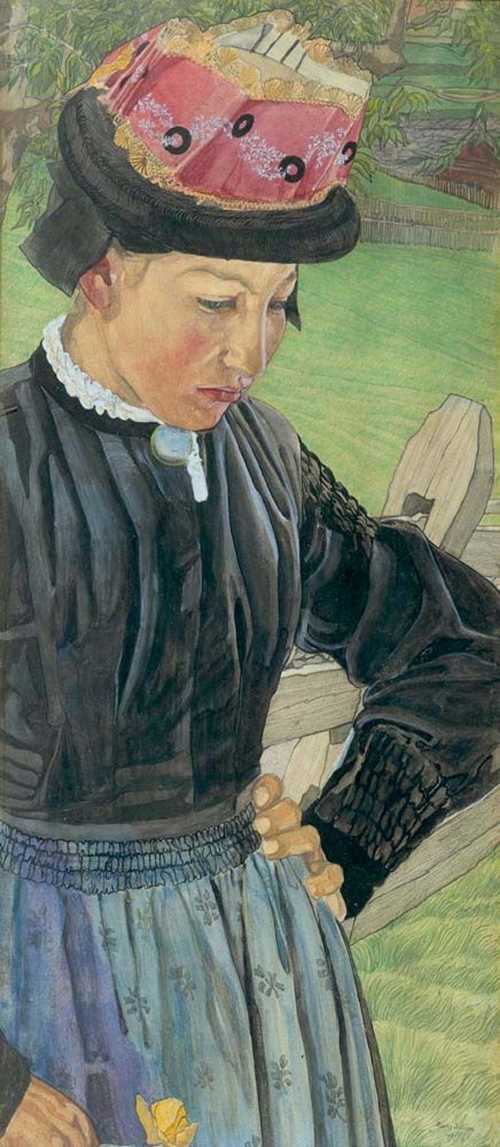
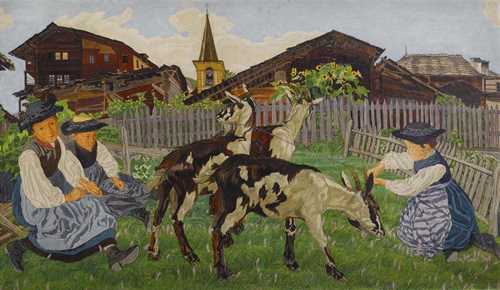
Raphy Dallèves (1878–1940) was a genre painter associated with the École de Savièse, whose work focused primarily on the peasant world of Valais.
After studying in Paris, he returned permanently to his native city in 1905. Before this return, in 1903, he was among the founders of the Savièse section of the Société des peintres et des sculpteurs suisses and took part in the creation of the Société des traditions valaisannes. Later, in 1937, he was appointed a member of the cantonal commission for historic monuments.
The last known public event during his lifetime dates from 1936, when Dallèves exhibited in the Casino hall in Sion. At his death, he bequeathed the majority of his work to the City of Sion and the State of Valais; the will referred to the intention of establishing a museum dedicated to him.
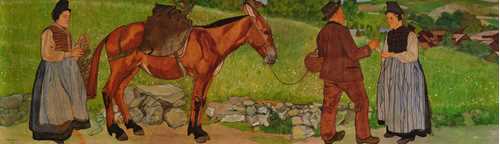
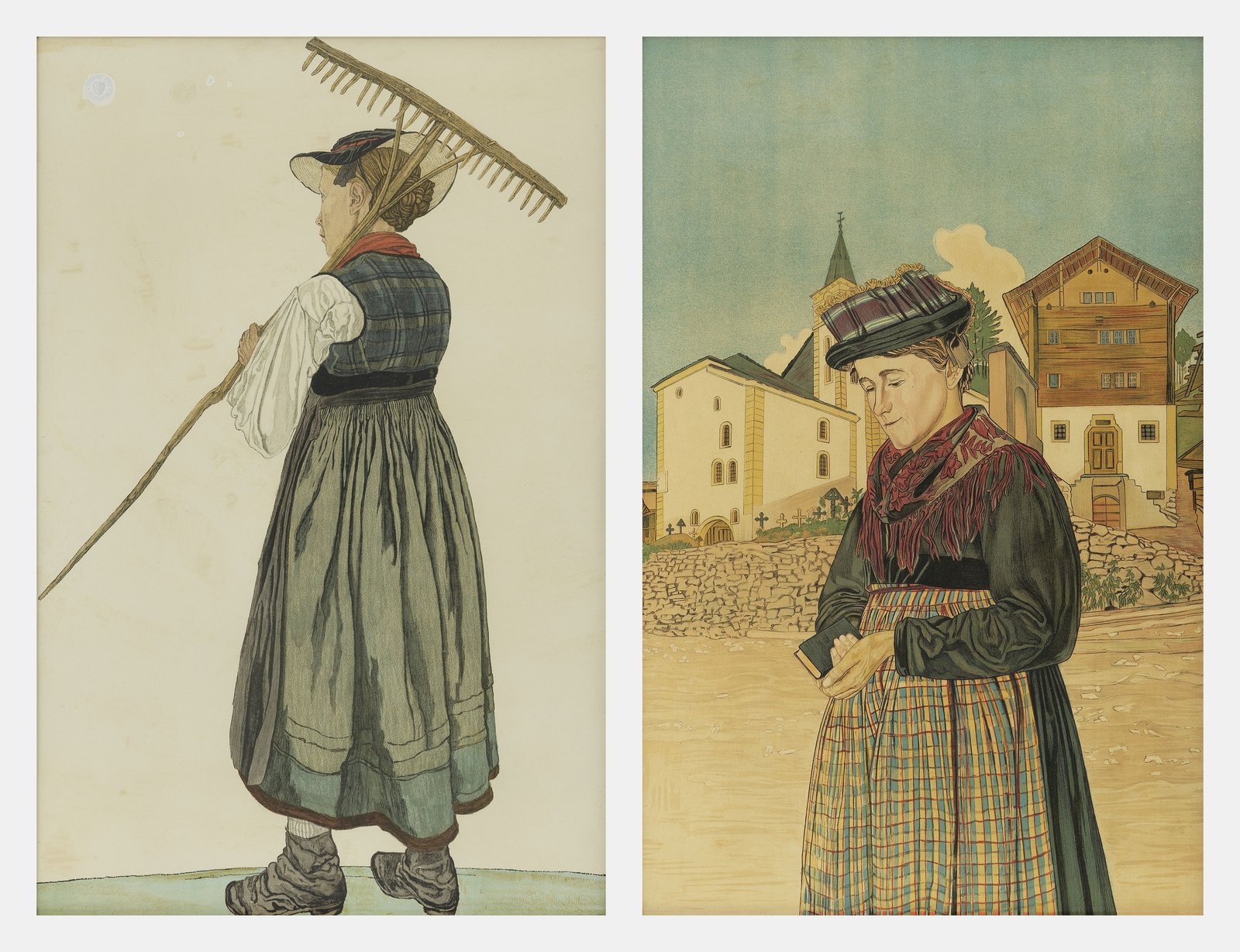
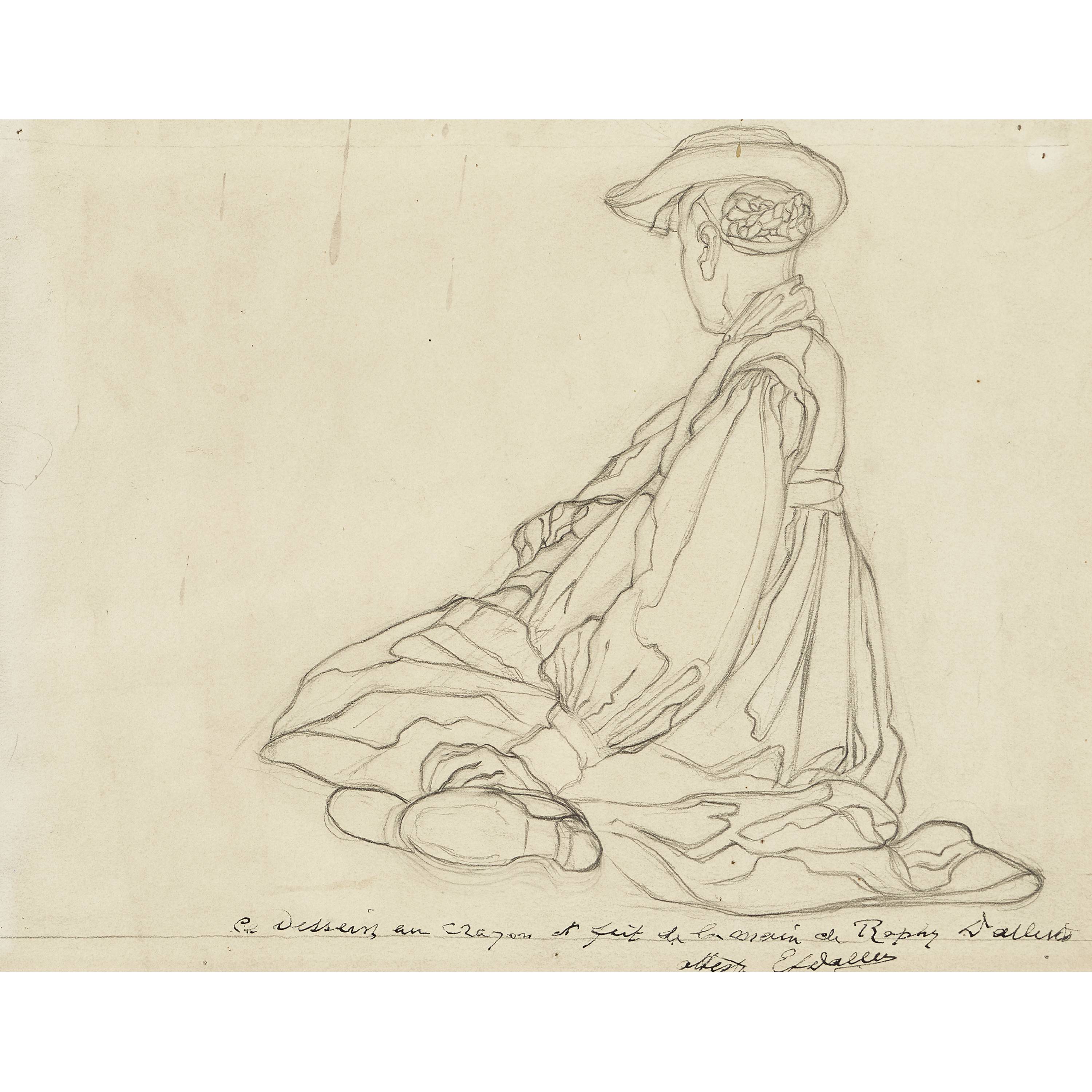
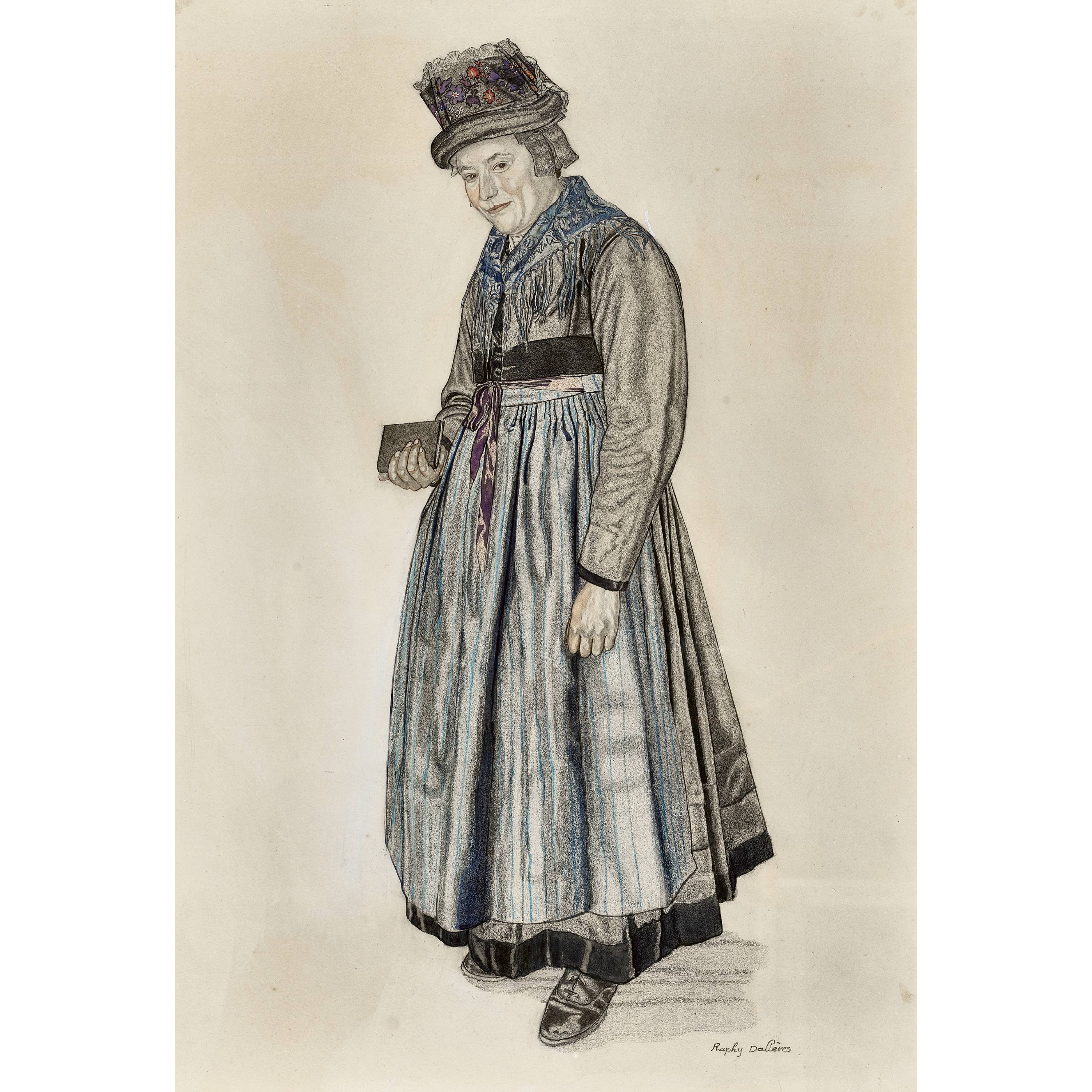
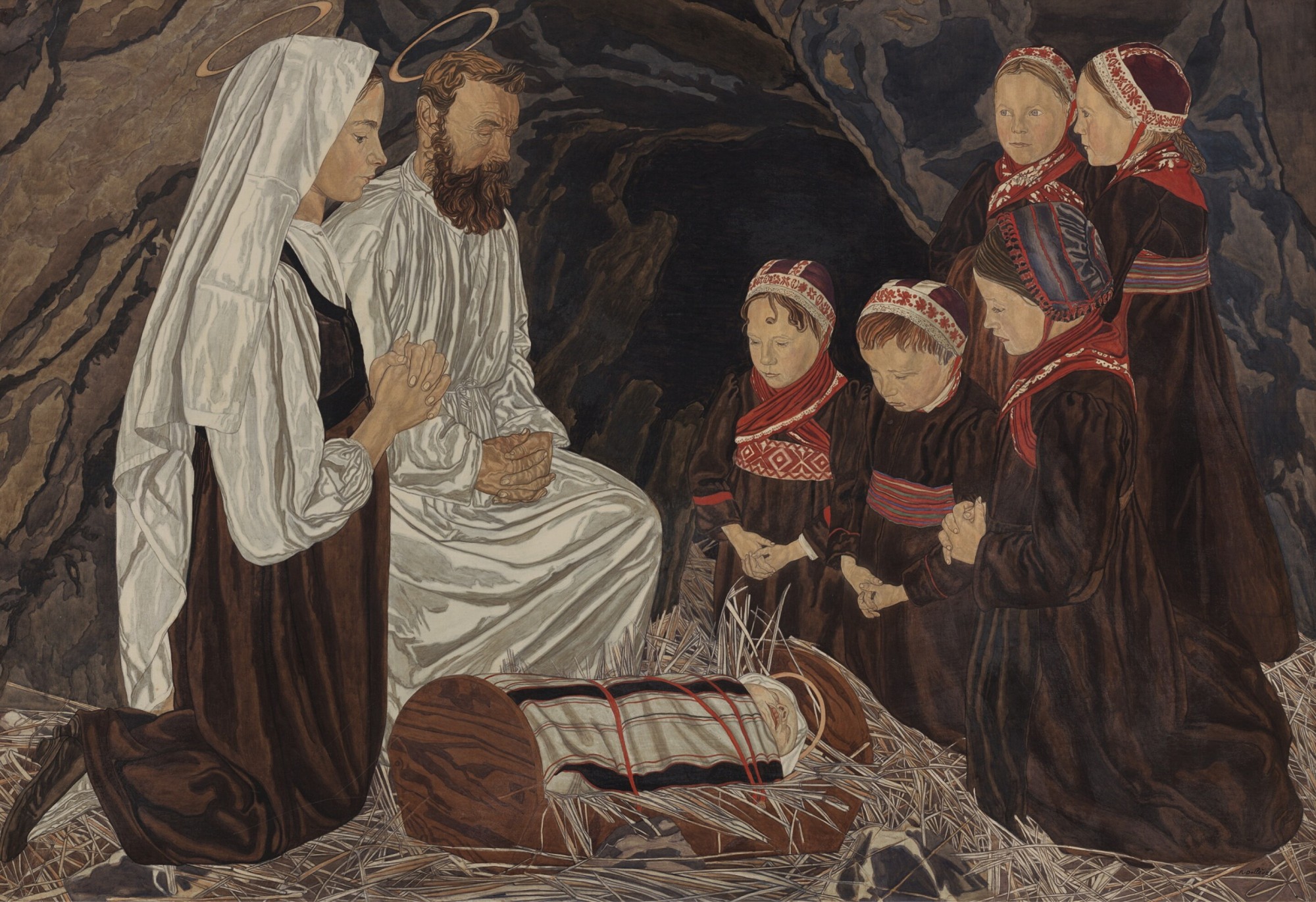
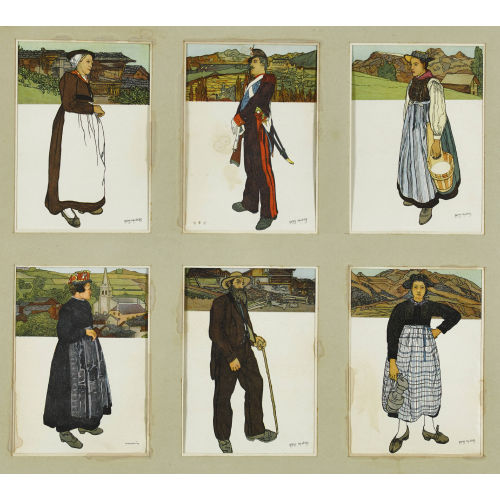
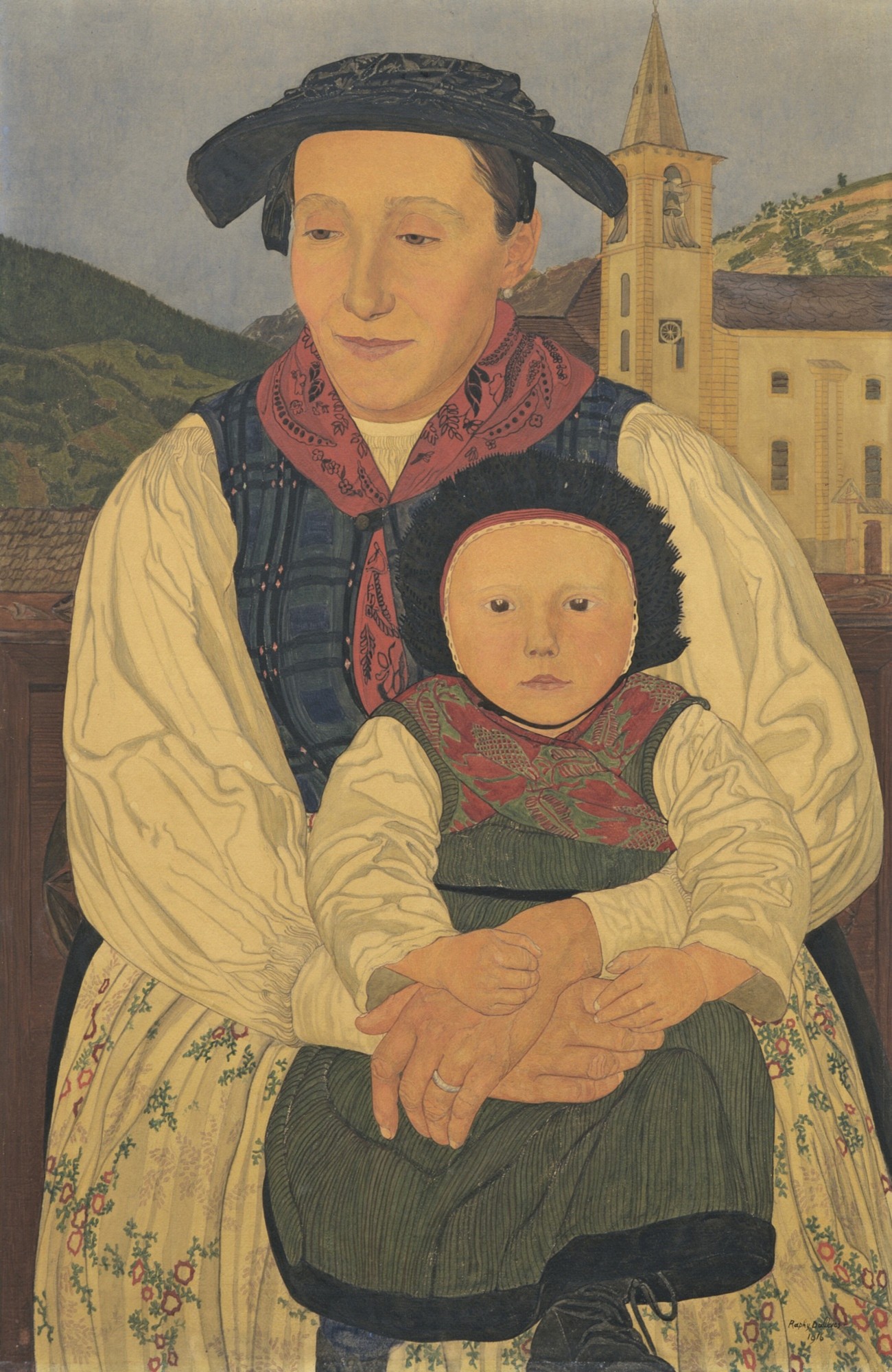
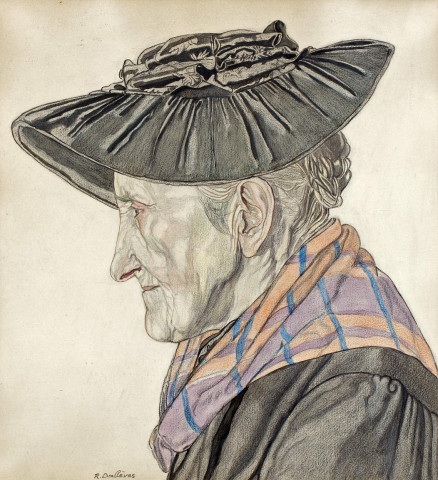
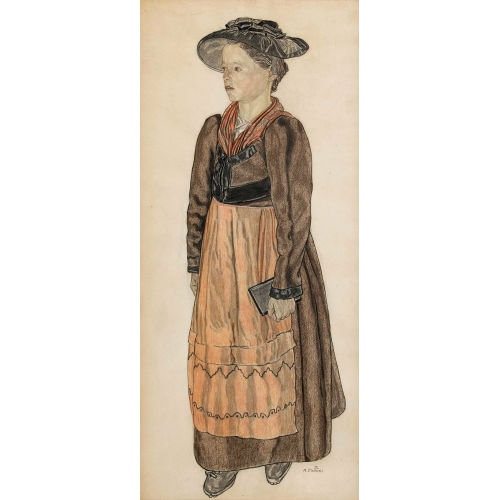
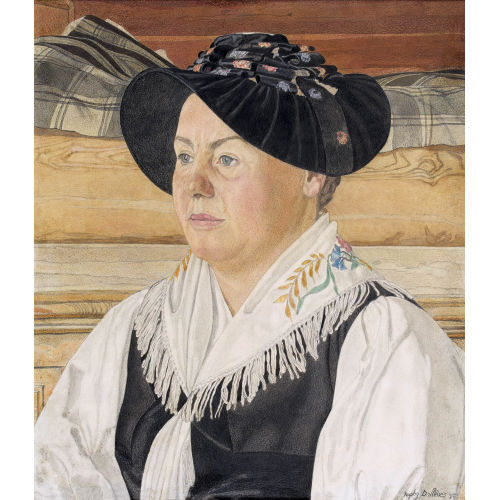
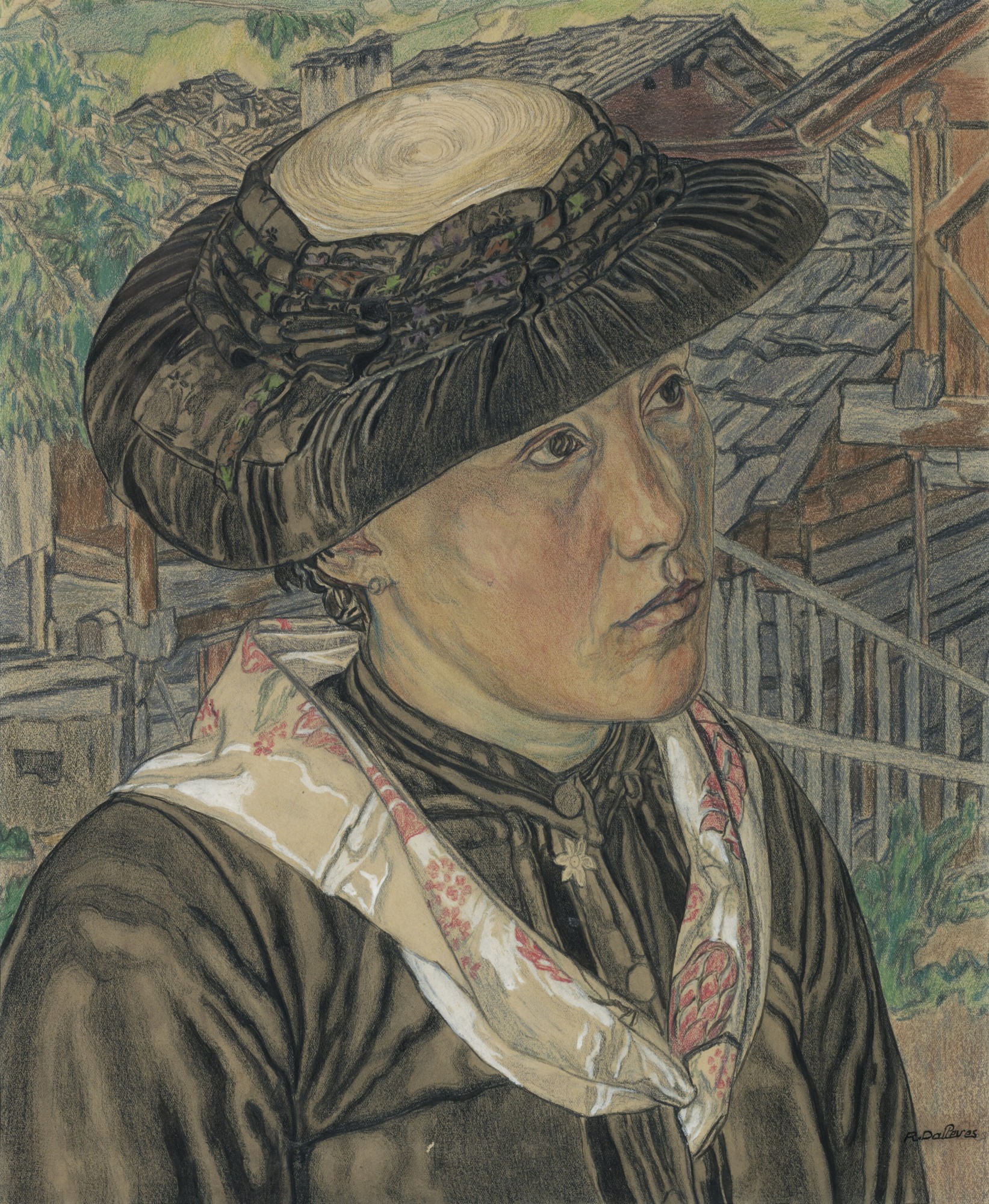
A specialist in portraiture and the gestures of everyday life, he devoted his work to the inhabitants of Valais—particularly those of Savièse, Hérémence and Évolène—whom he often depicted in traditional costume. This local focus links him to the École de Savièse, while his exhibition activity extended beyond regional borders, with documented participation in group exhibitions in Munich, Berlin and Rome. The reception of his work was reassessed after the war: a retrospective organised in 1999 at the Manoir de la ville de Martigny brought together approximately eighty works, and he is also included in the exhibition “Welcome to Paradise.
L'École de Savièse” at the Musée d'art du Valais (2024–2025). Bibliographically, a monograph by Louis Buzzini (1941) and a study by Frédéric Elsig (1999) constitute key reference works devoted to his oeuvre. The presence of his works in public collections is connected with the bequest mentioned in his will, which directed their preservation at municipal and cantonal level.
Dallèves thus emerges as a painter attentive to the human landscape and the sartorial customs of Valais, whose body of work documents faces and village practices at the turn of the nineteenth and twentieth centuries.