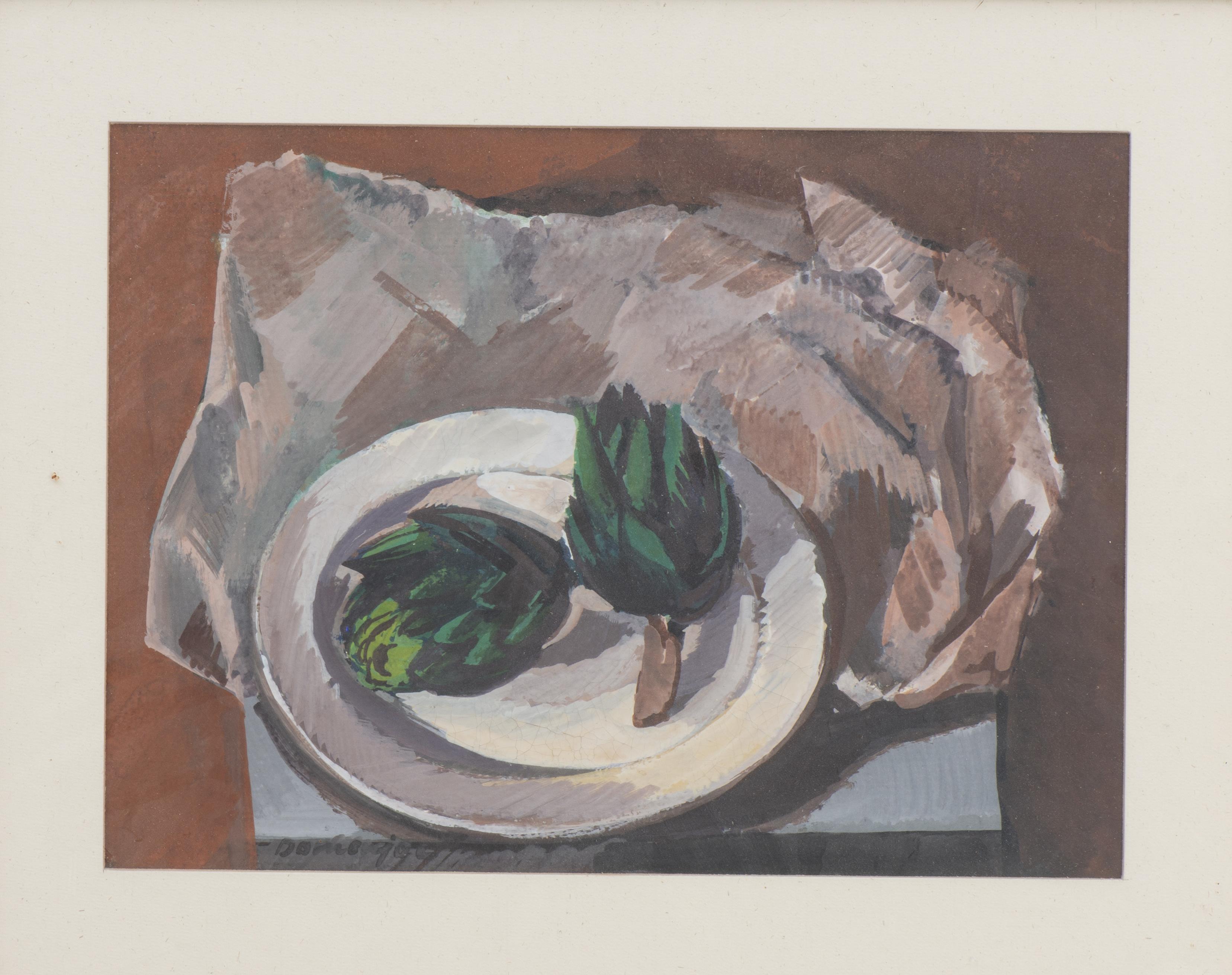
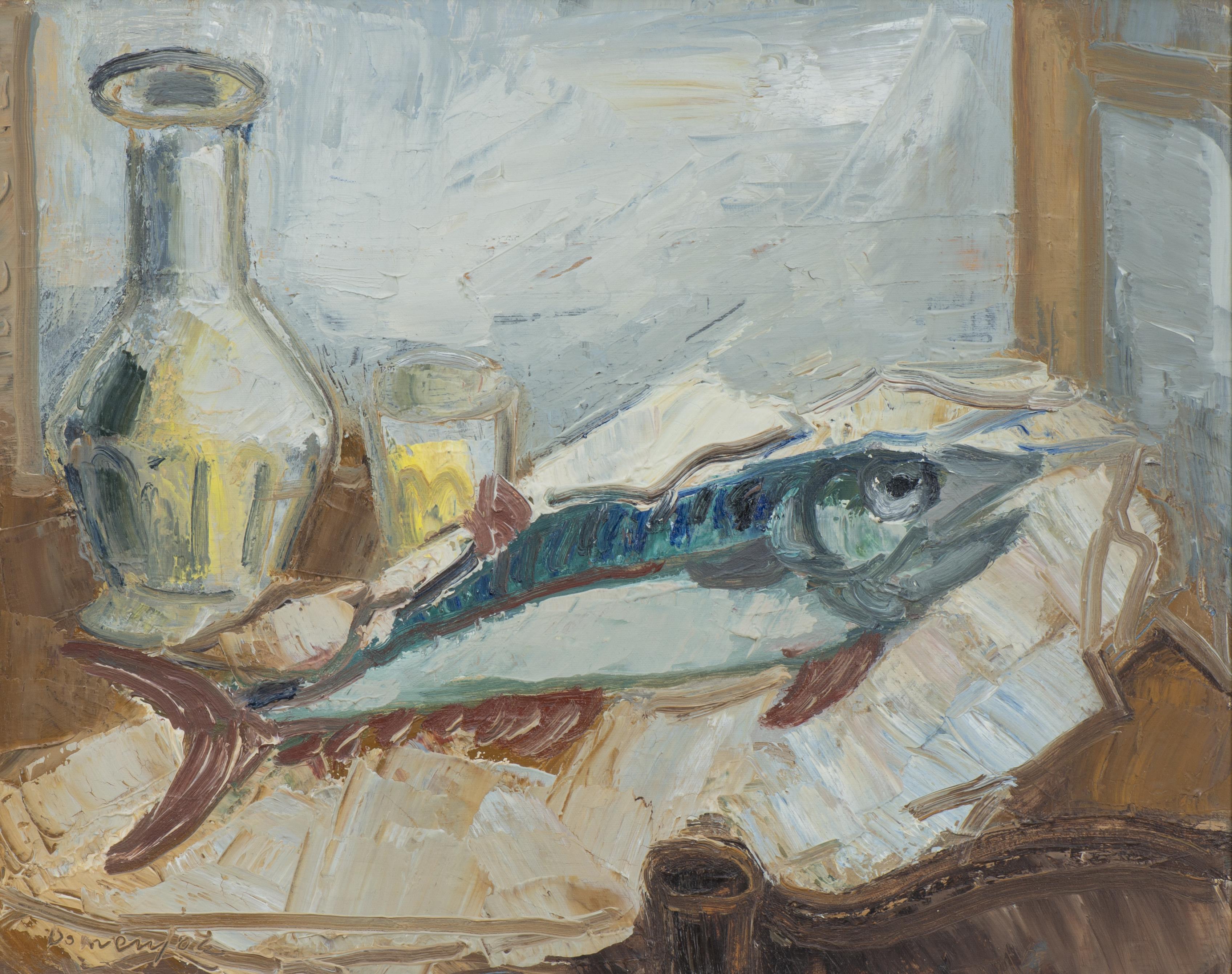
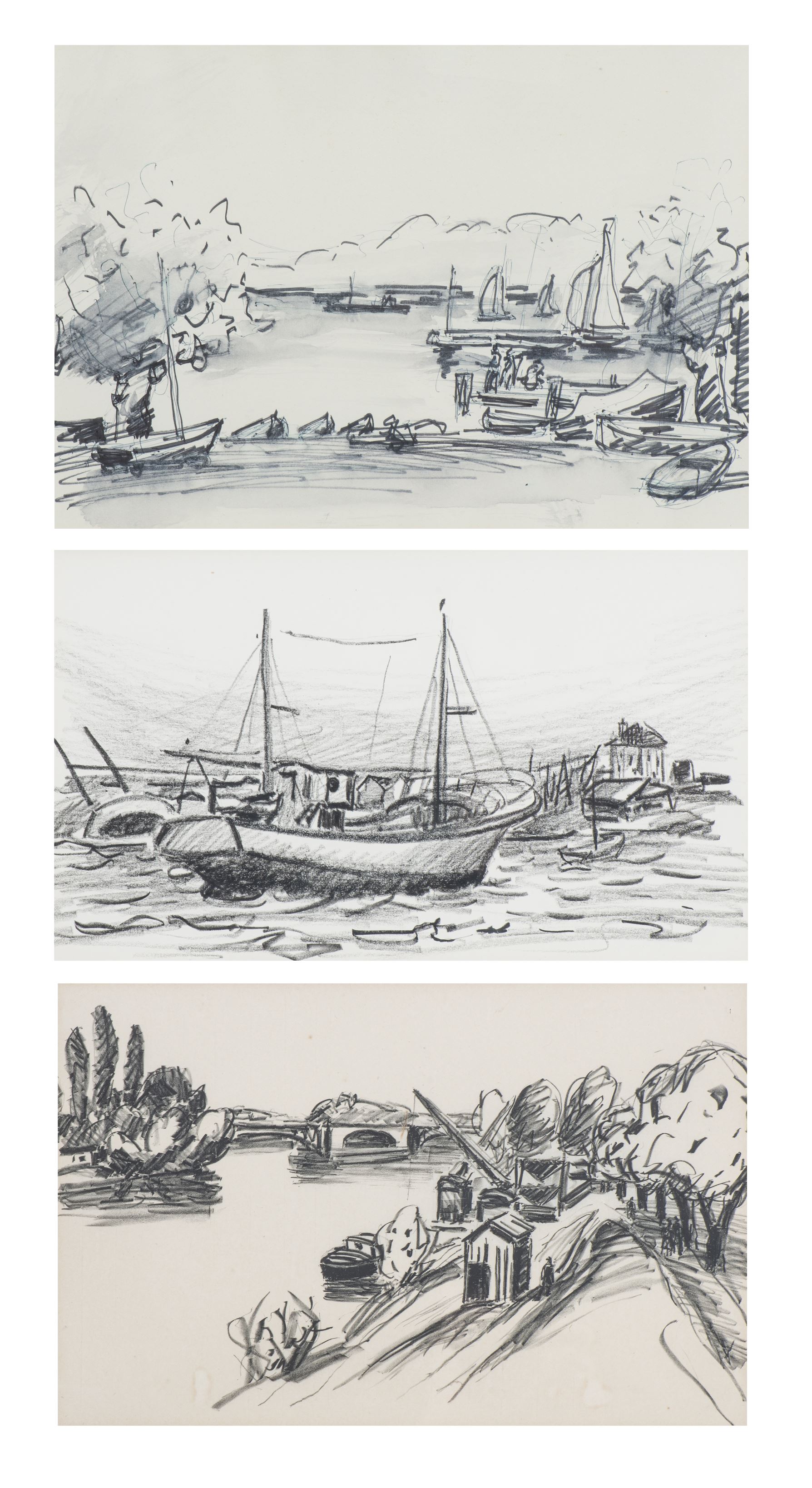
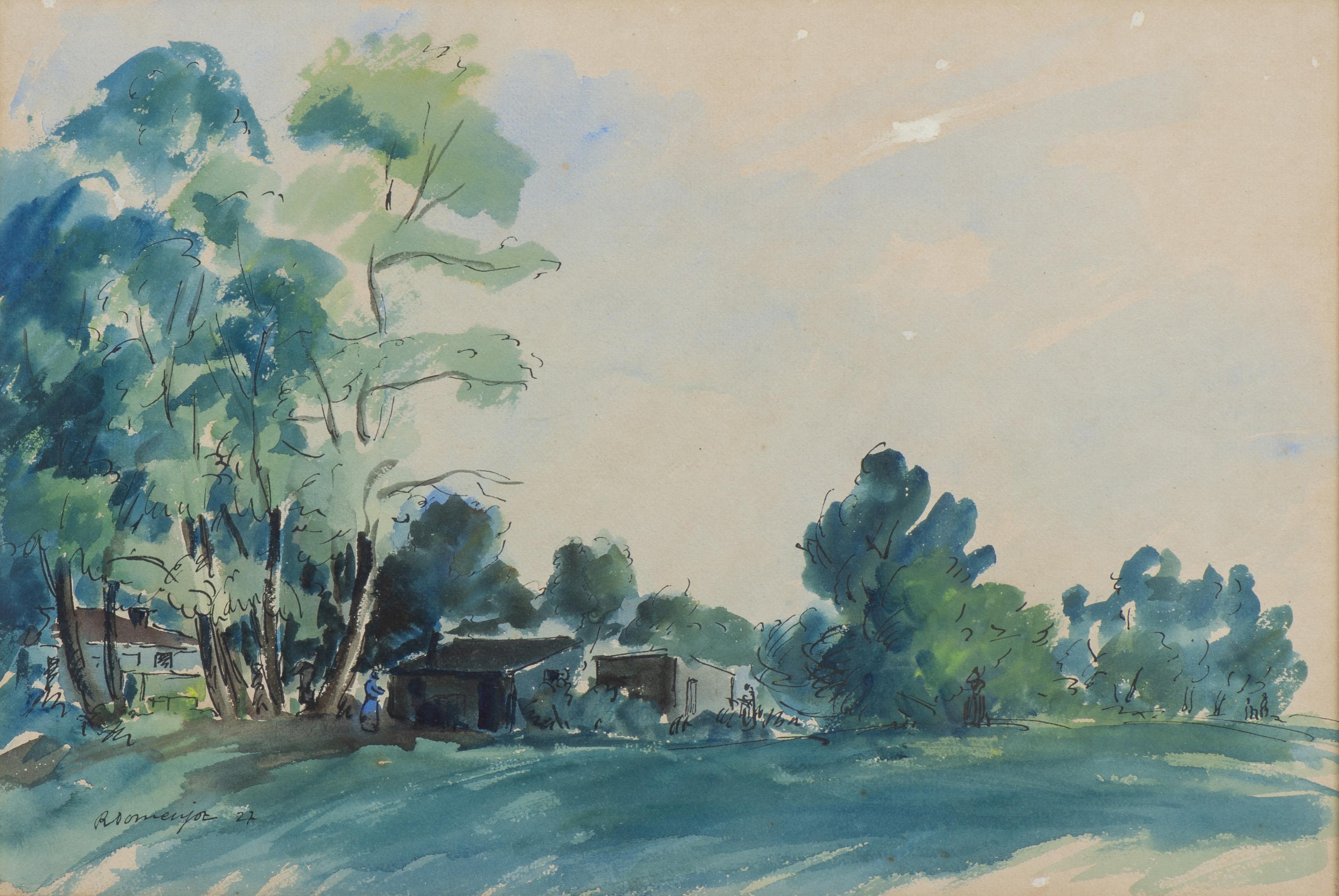
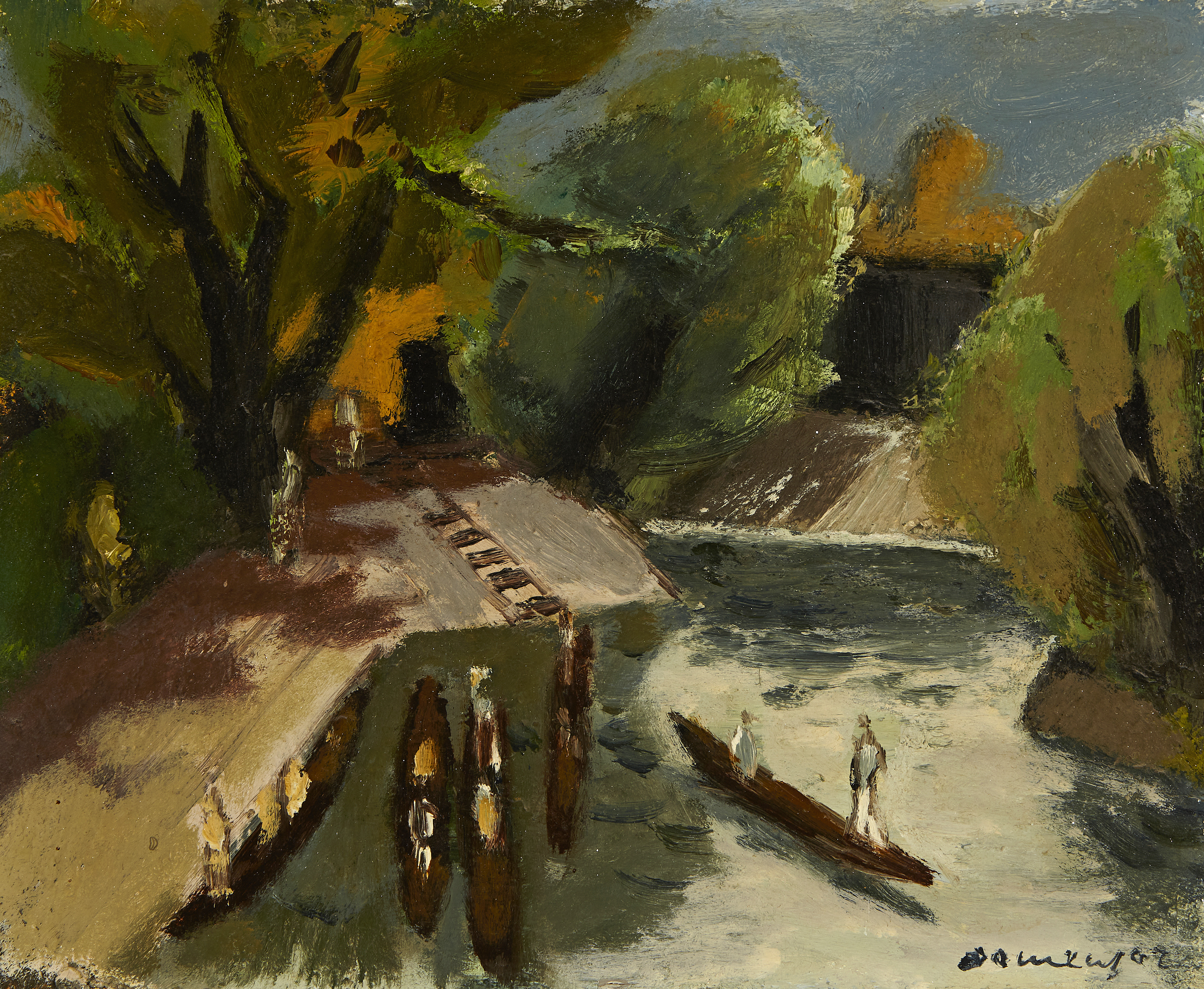
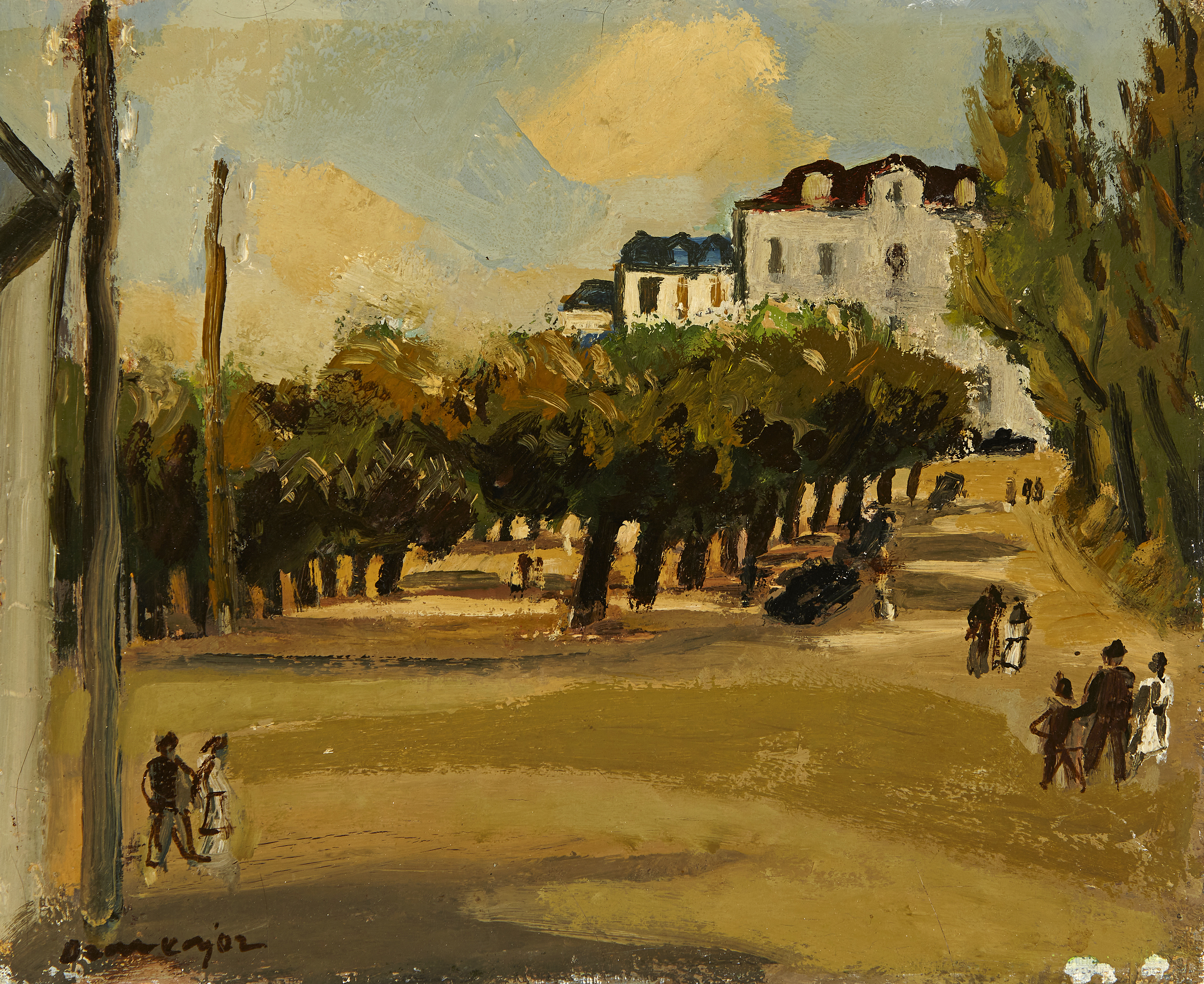
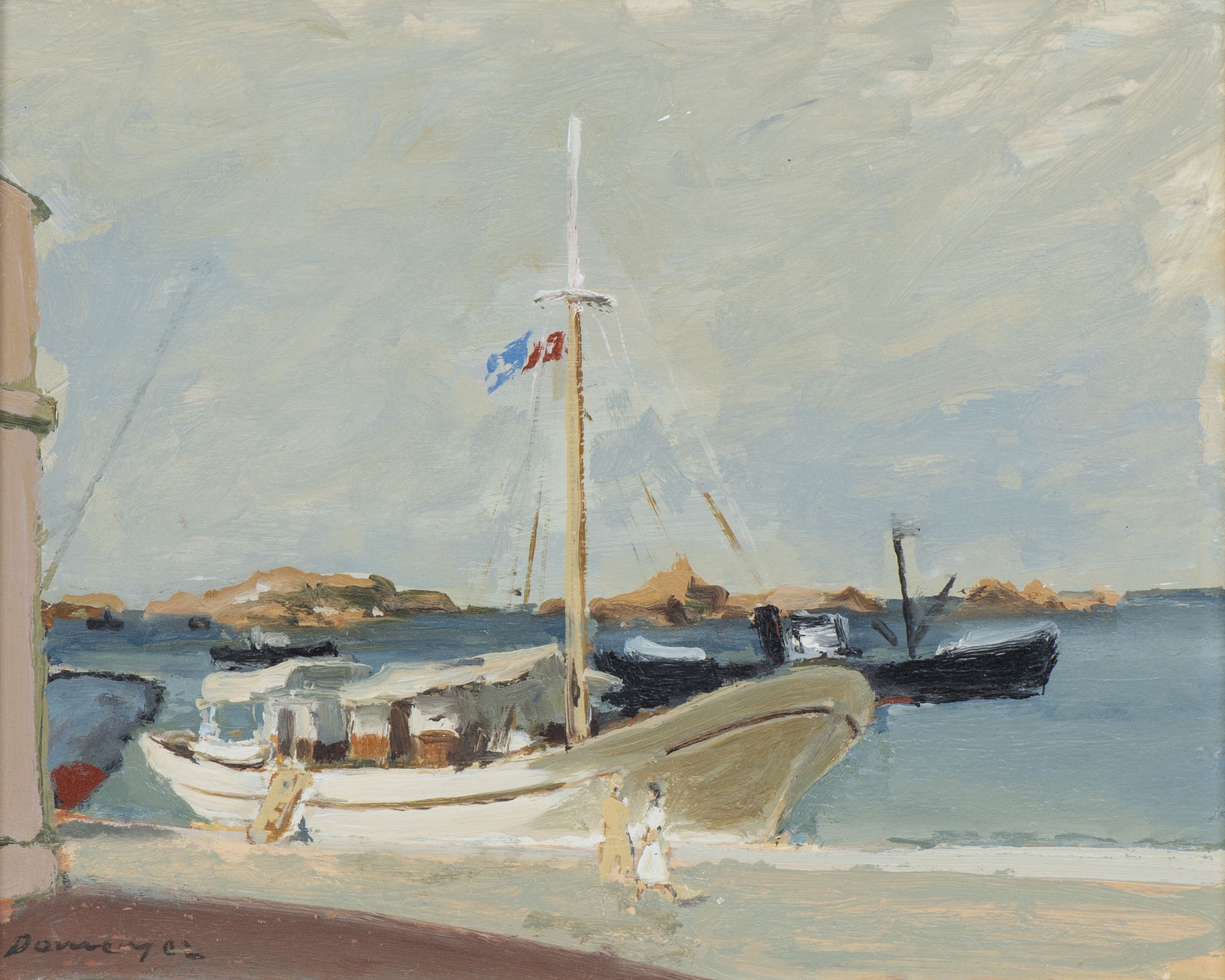
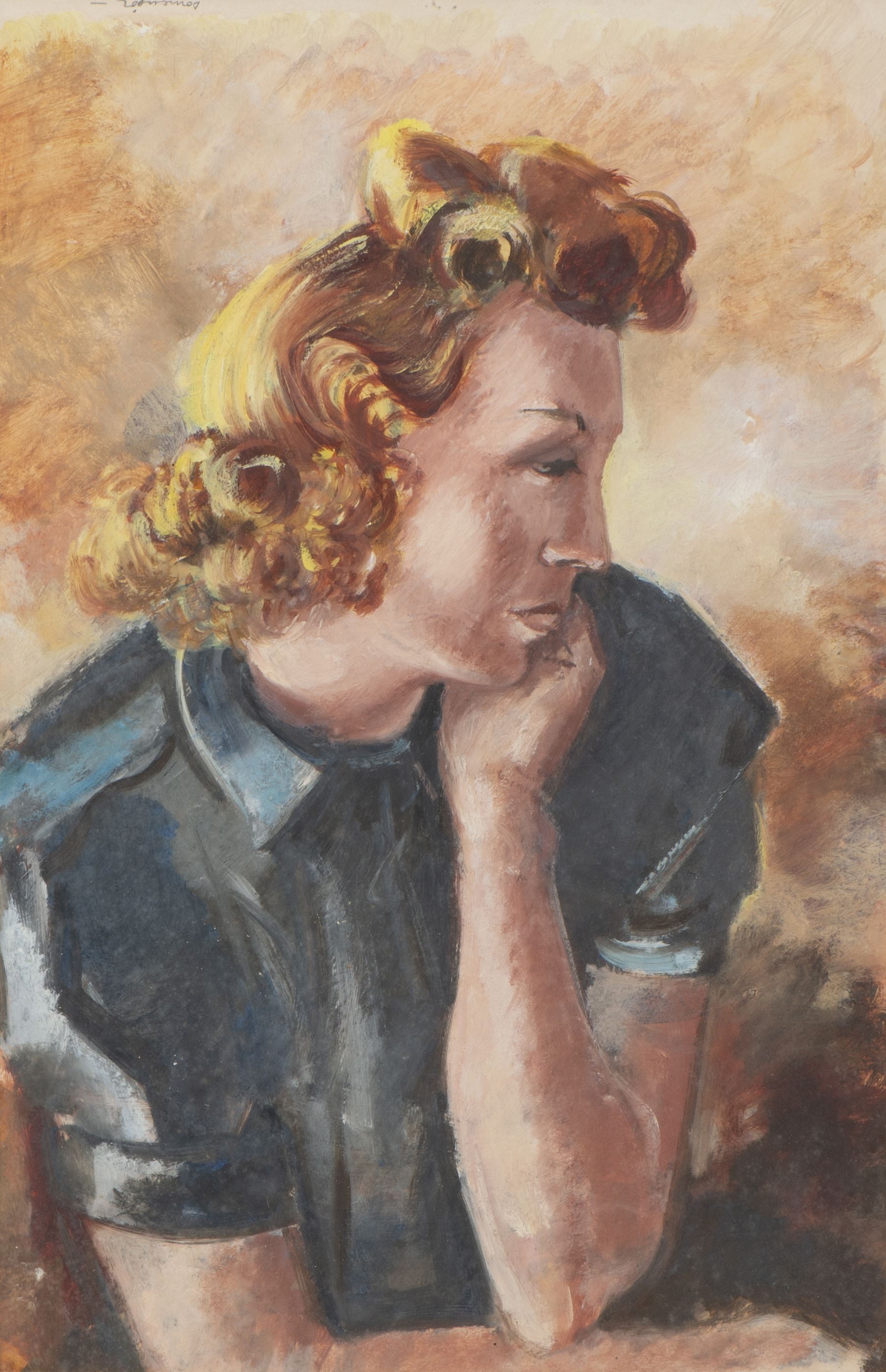
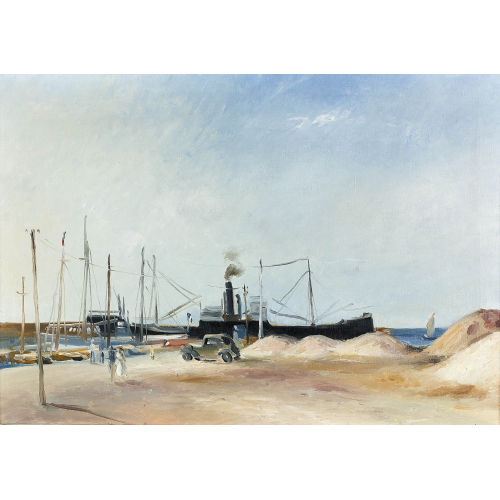
Raoul Domenjoz
Born in 1896.
Died in 1978.
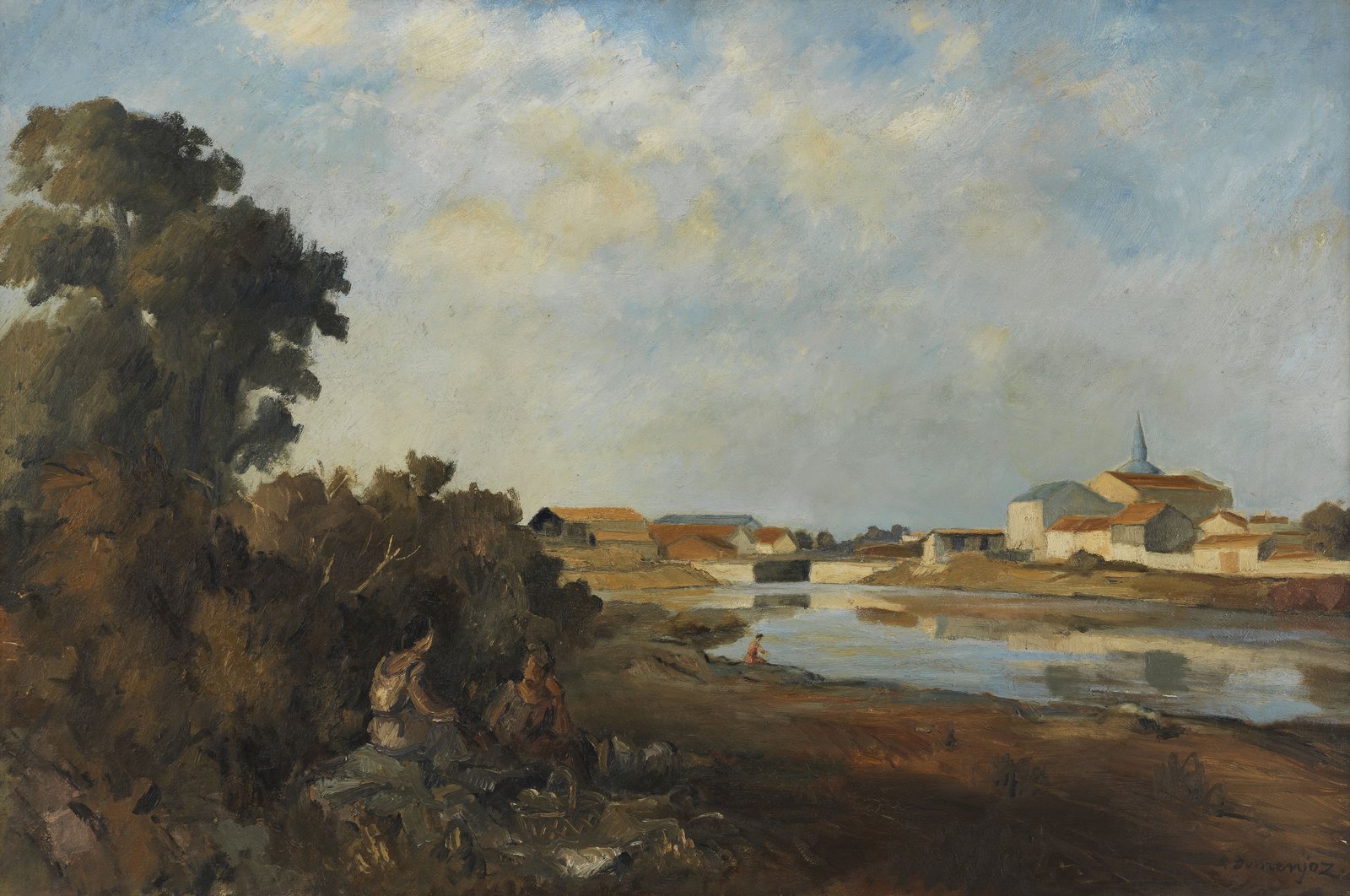
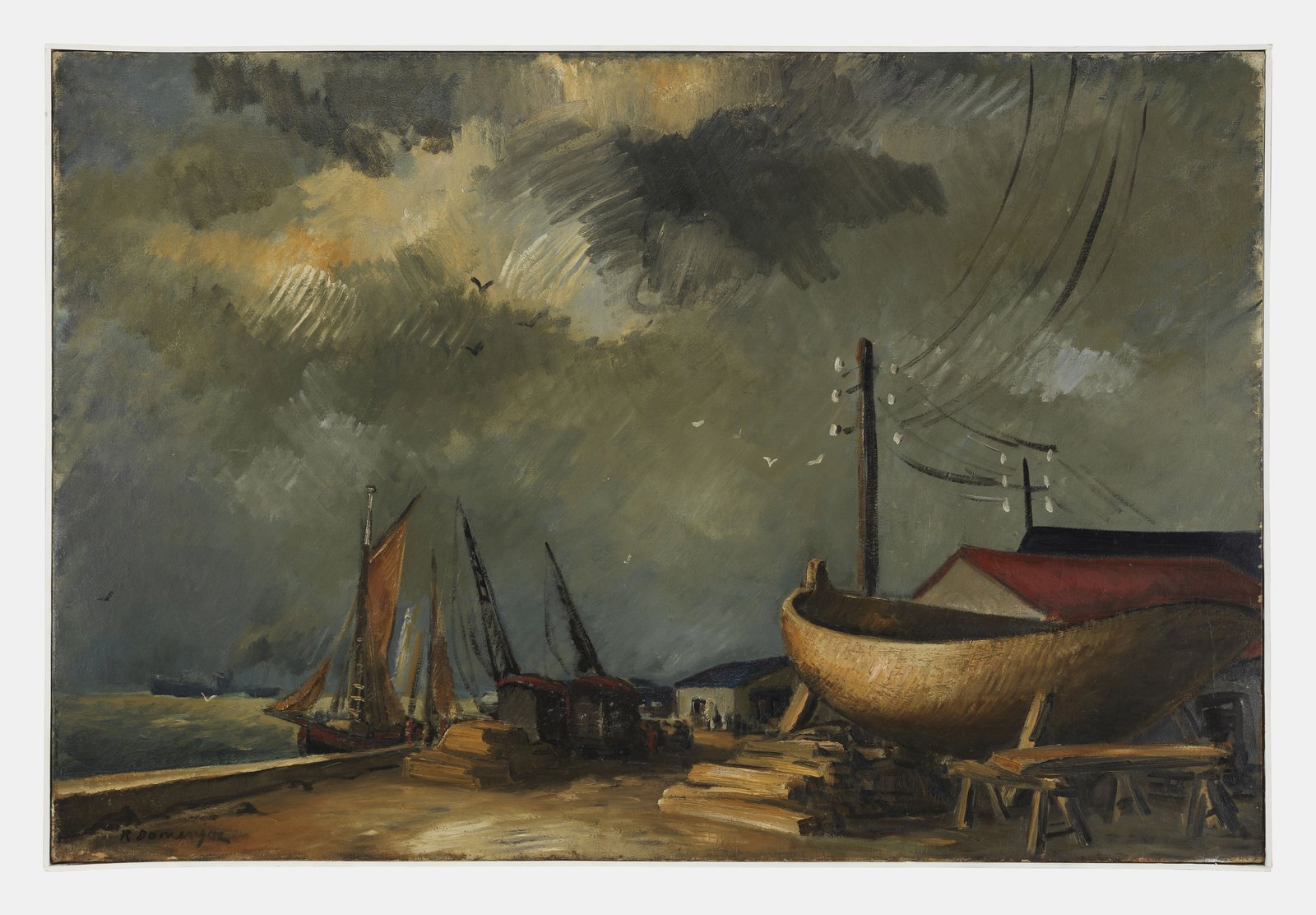
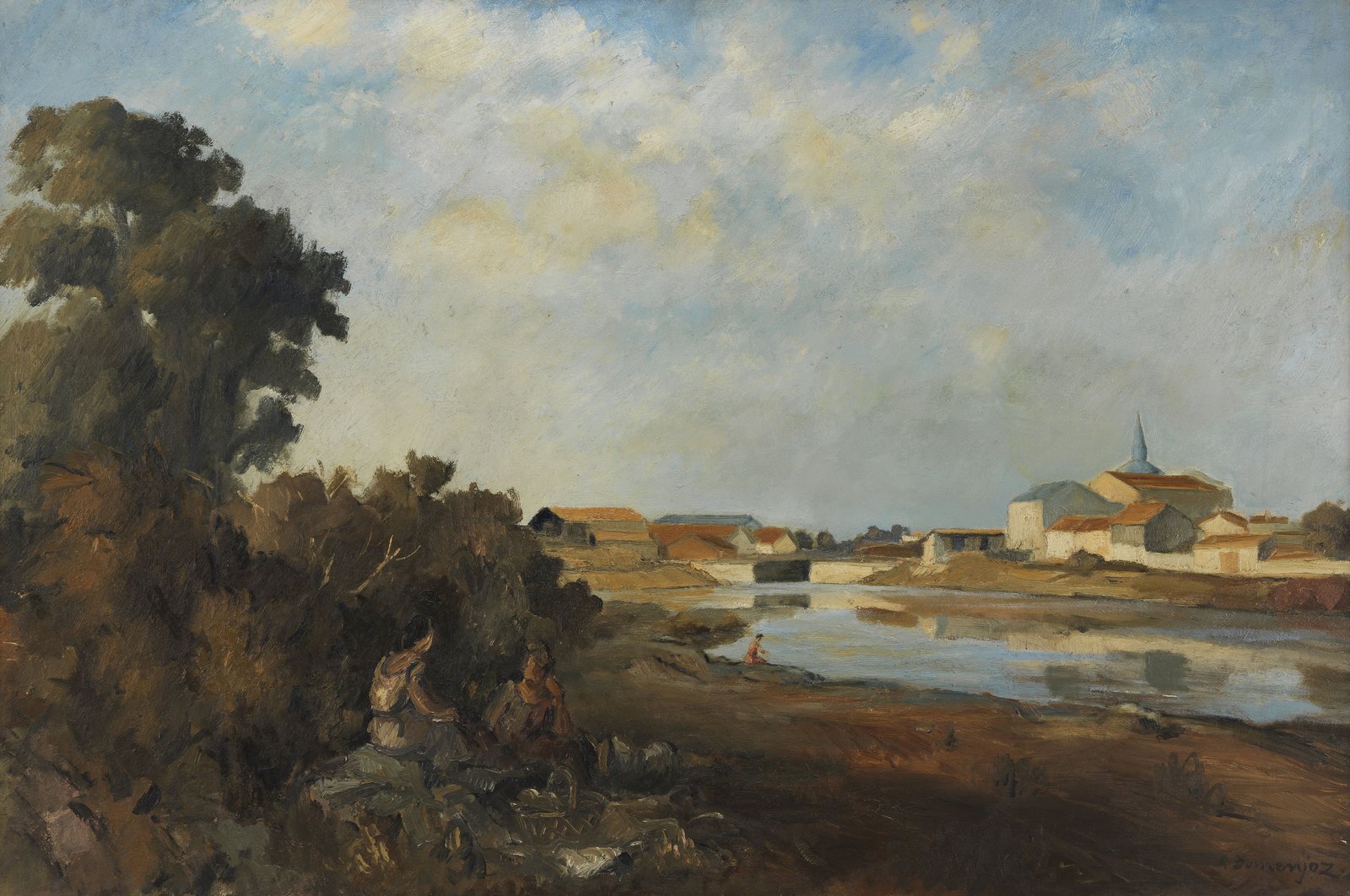
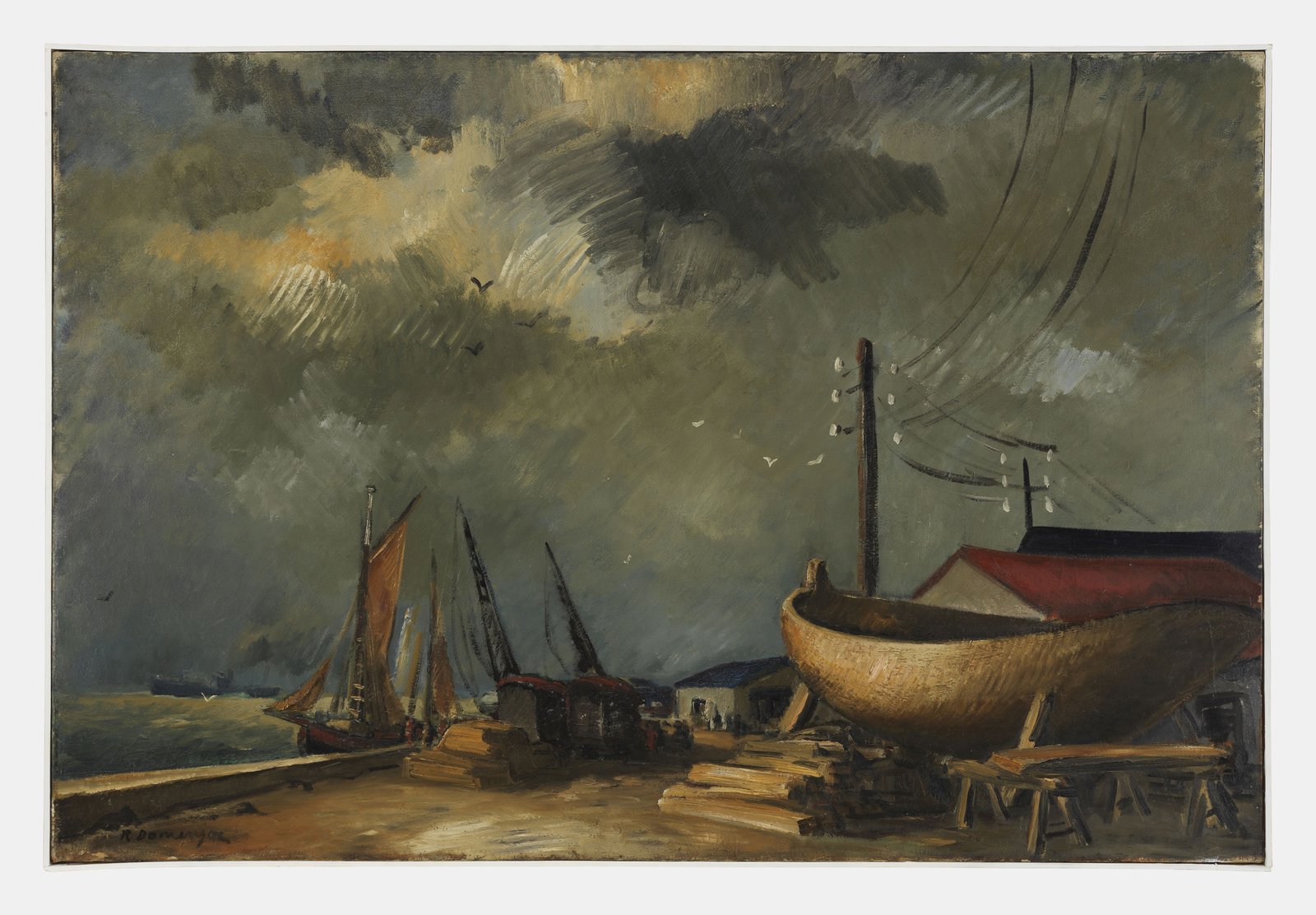
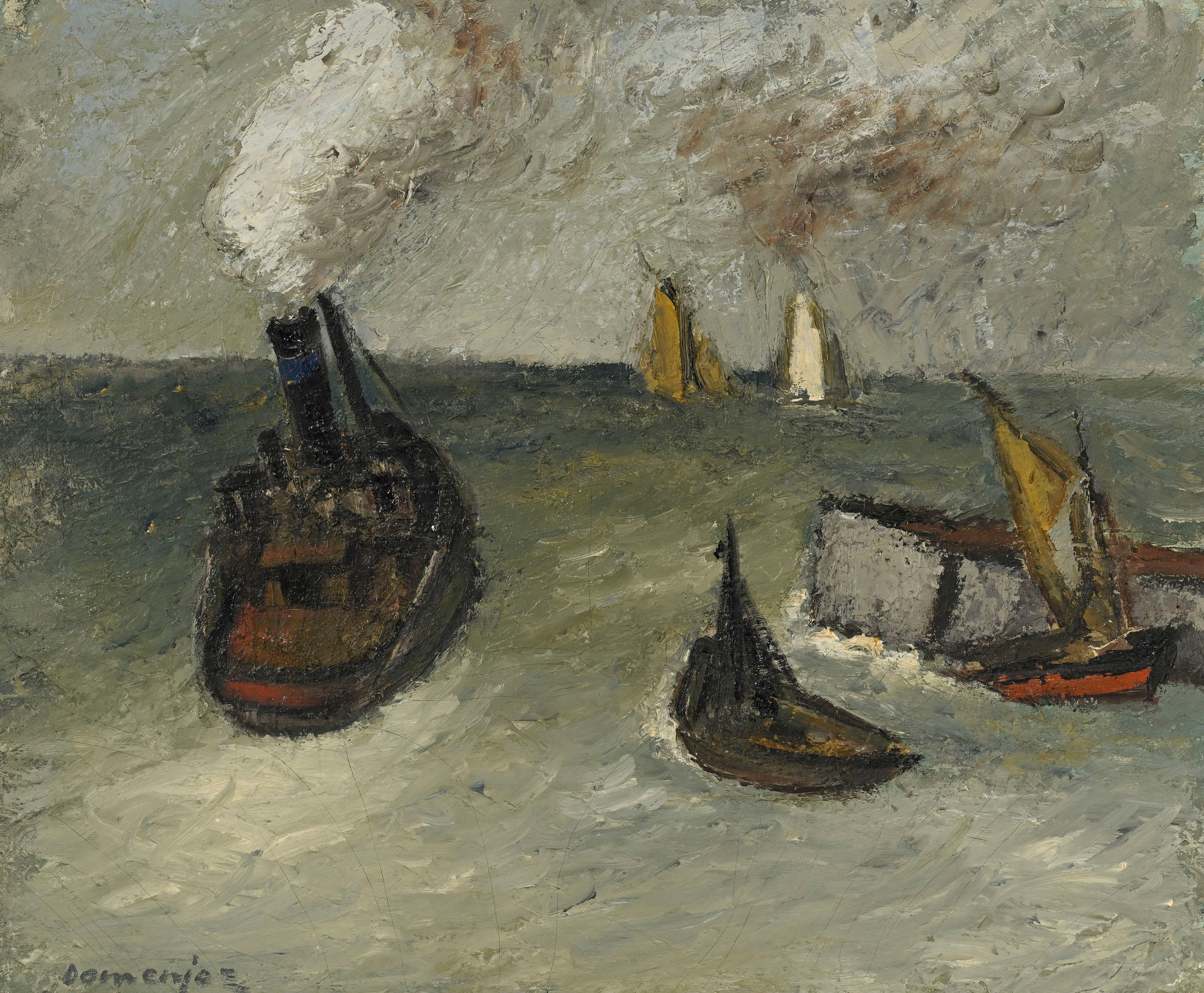
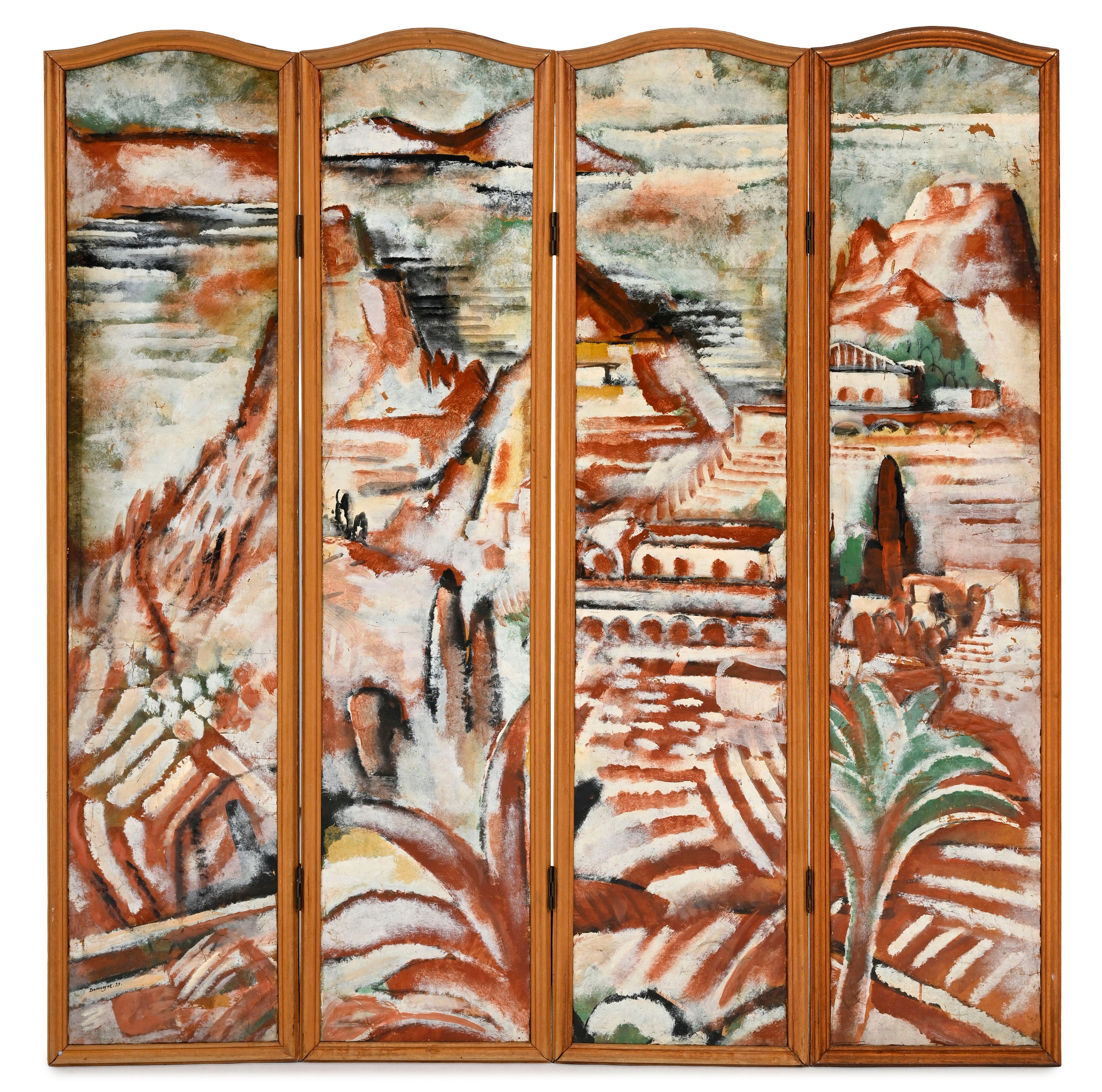
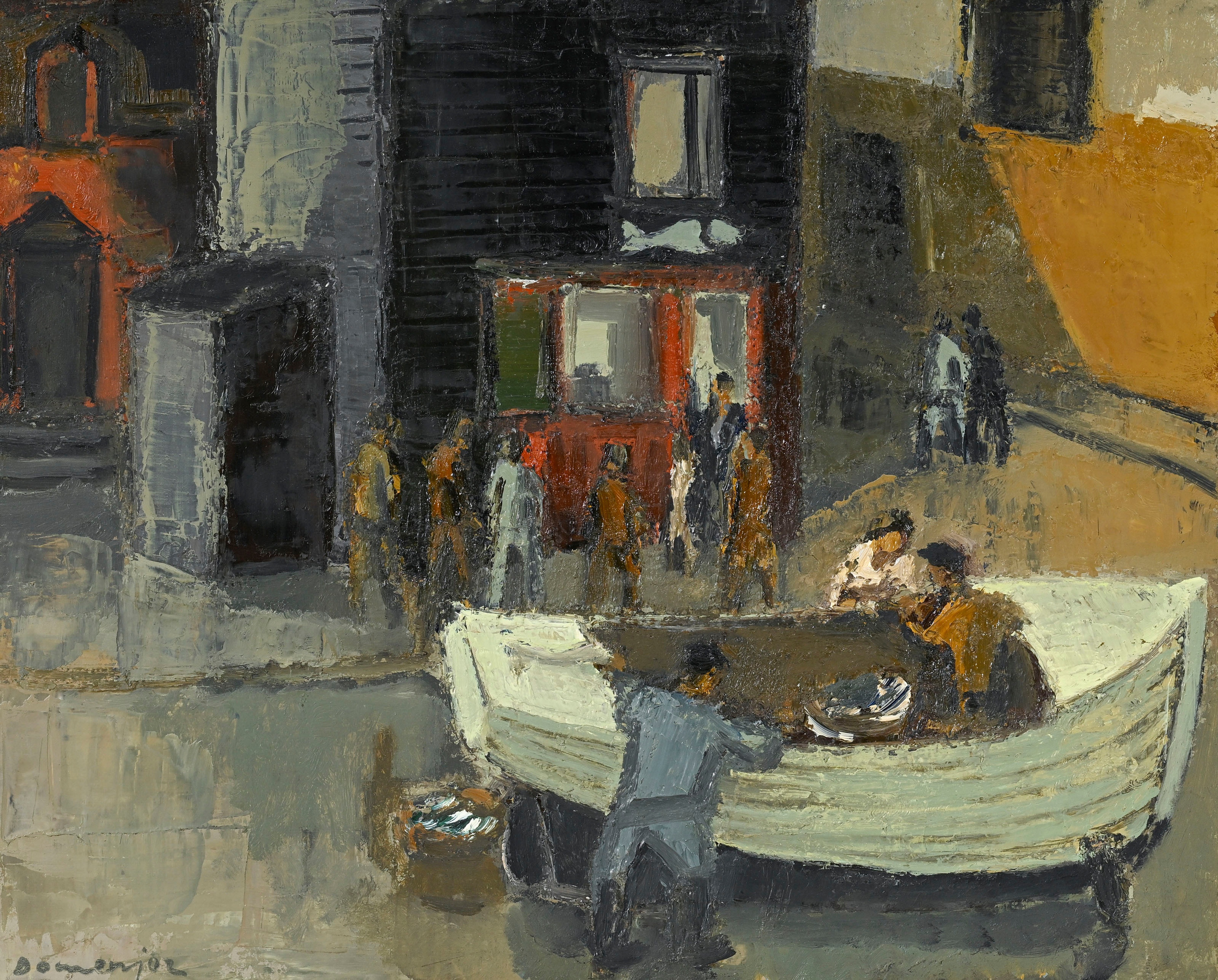
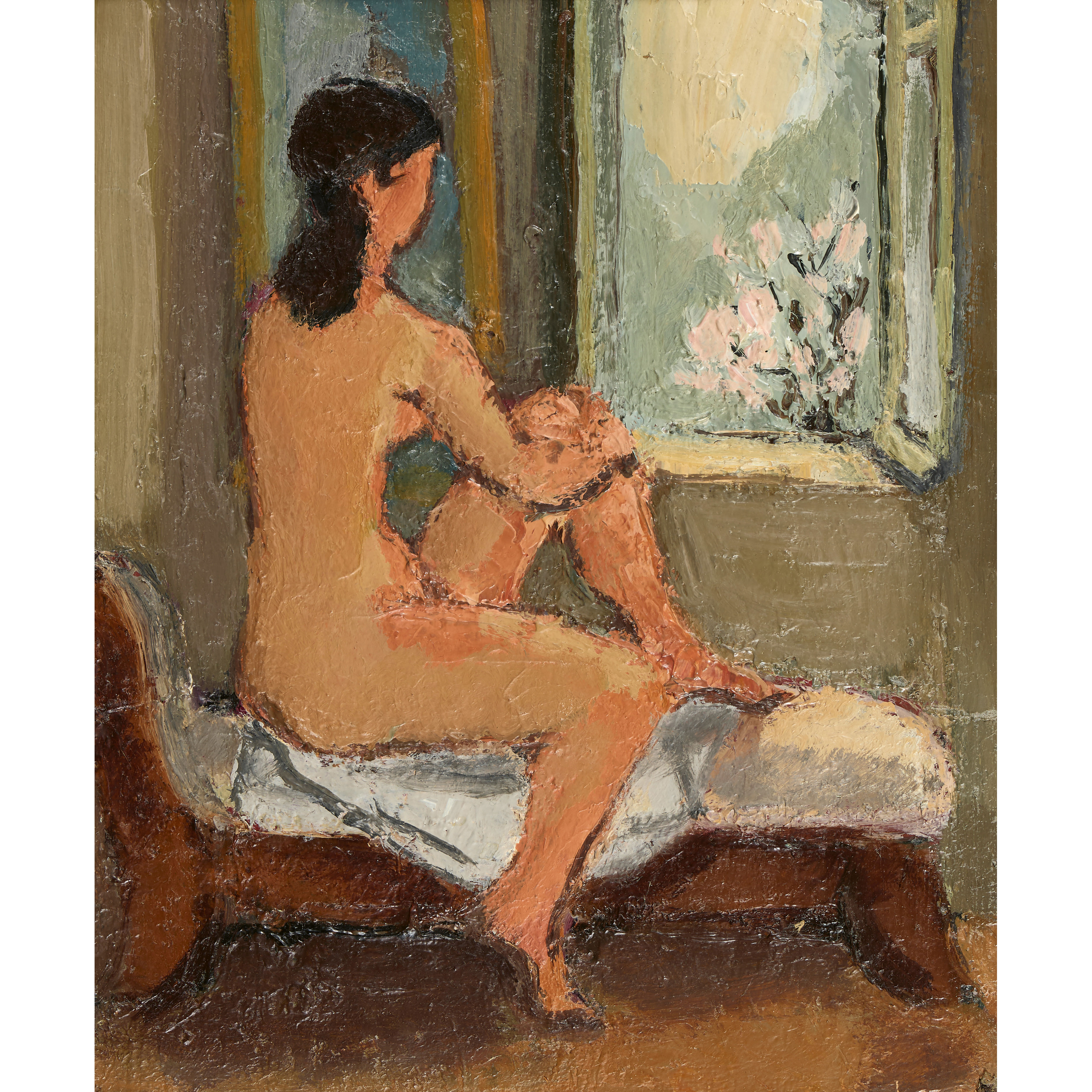
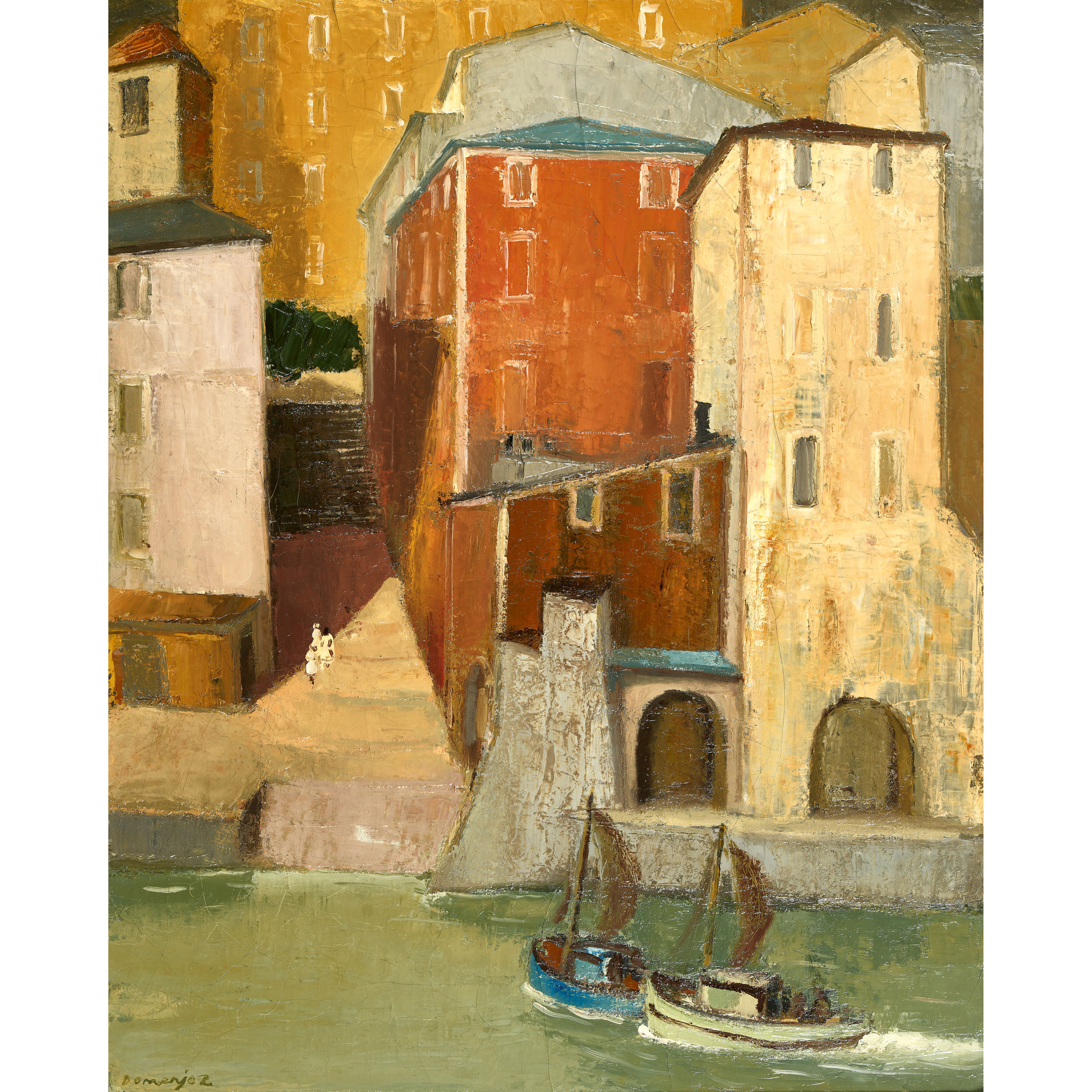
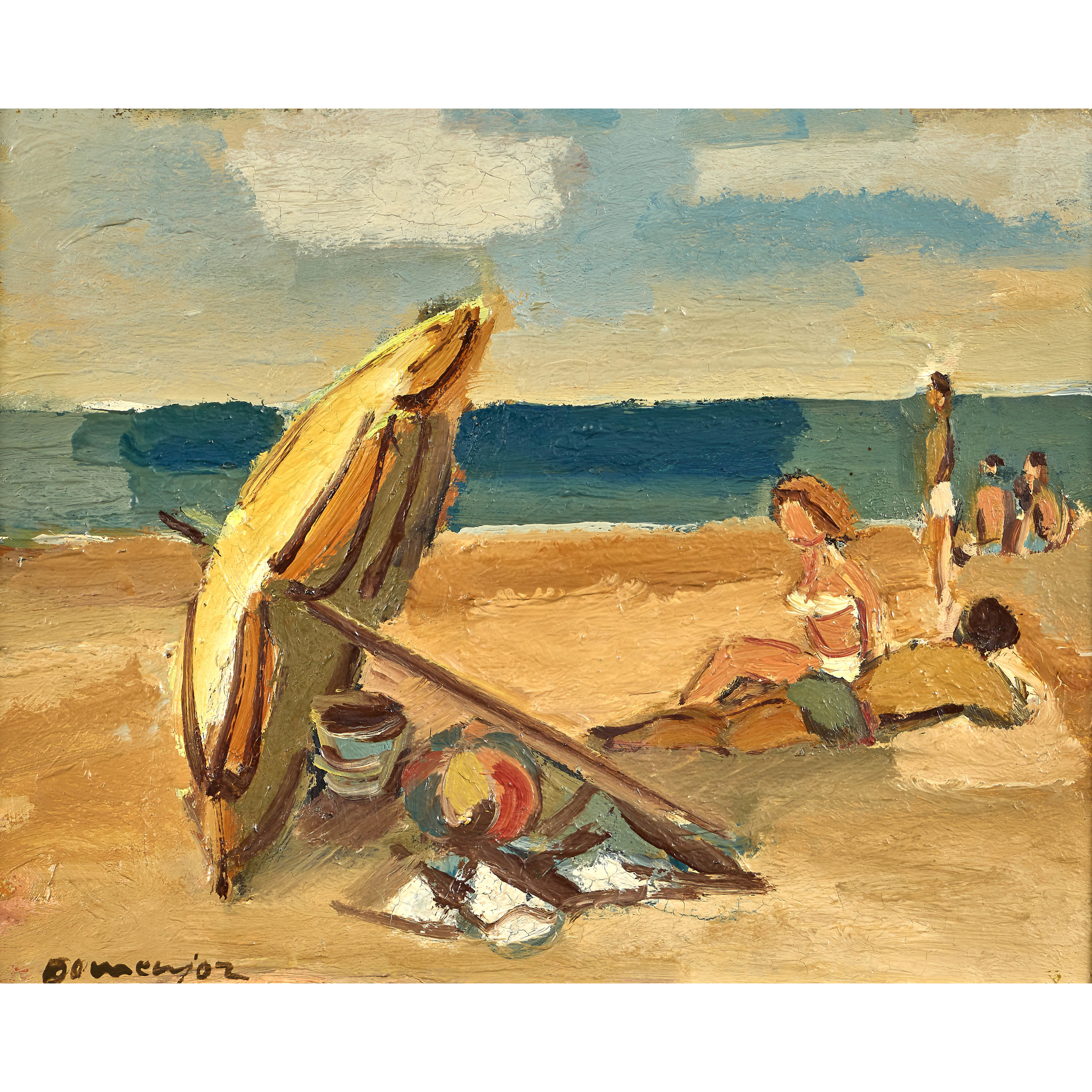
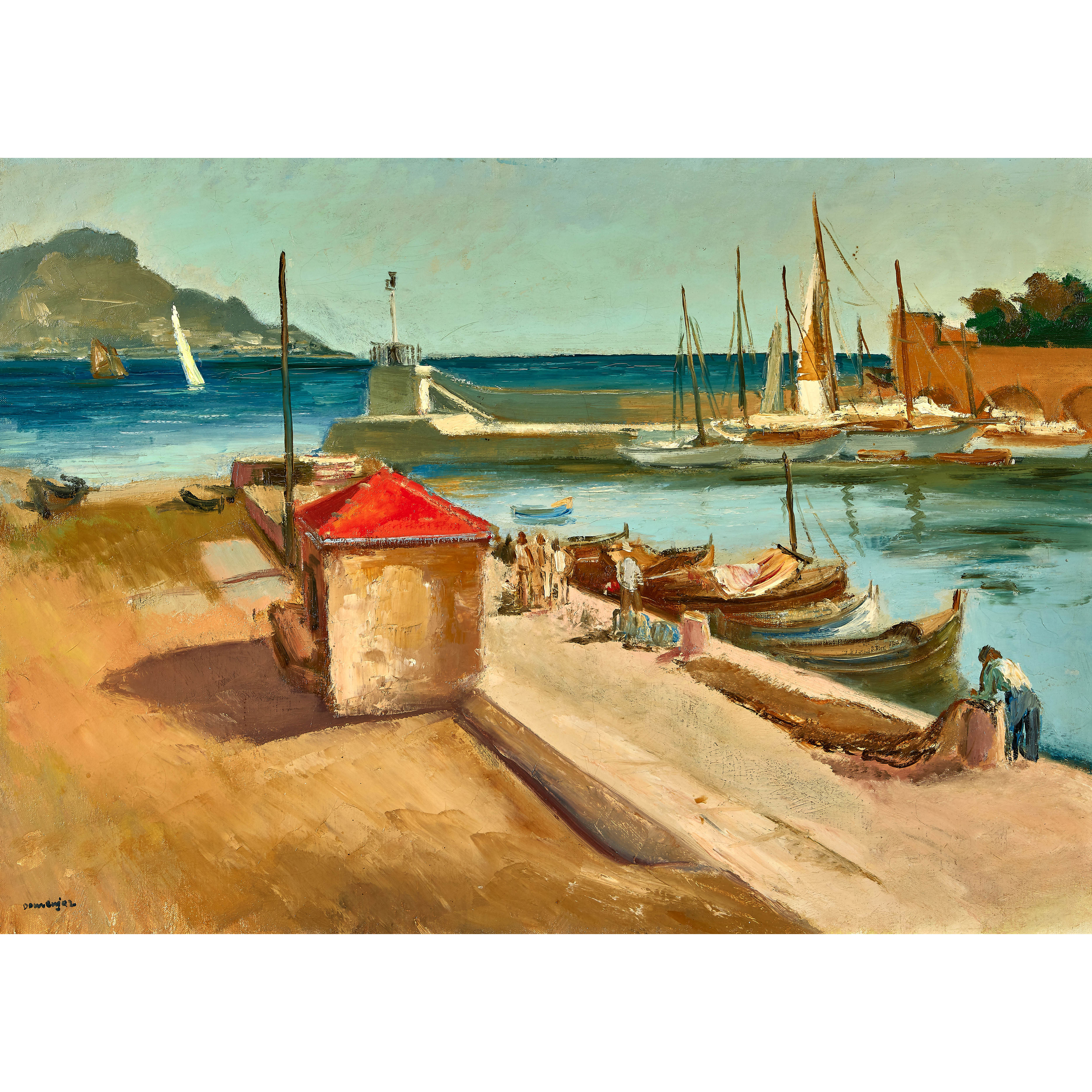
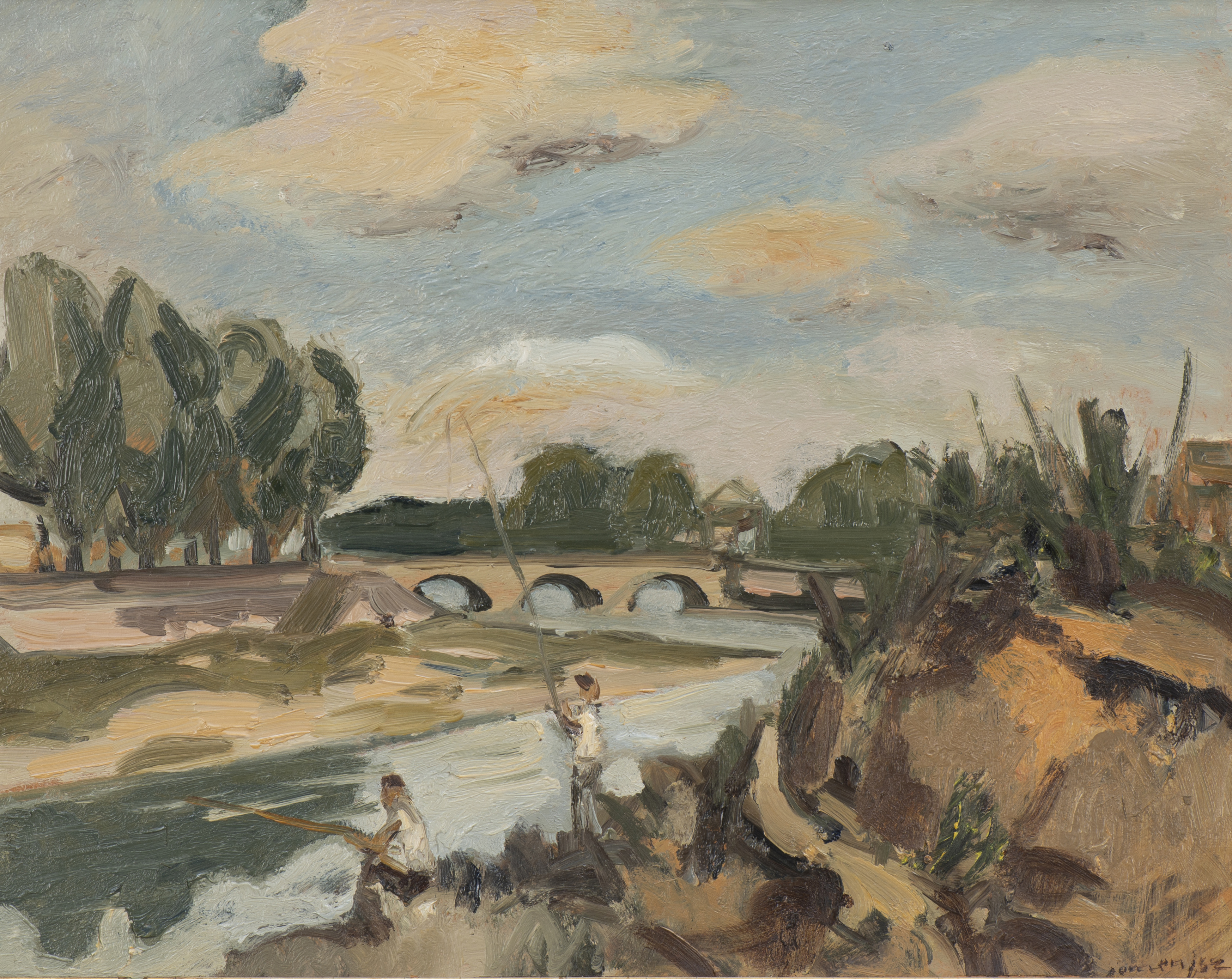
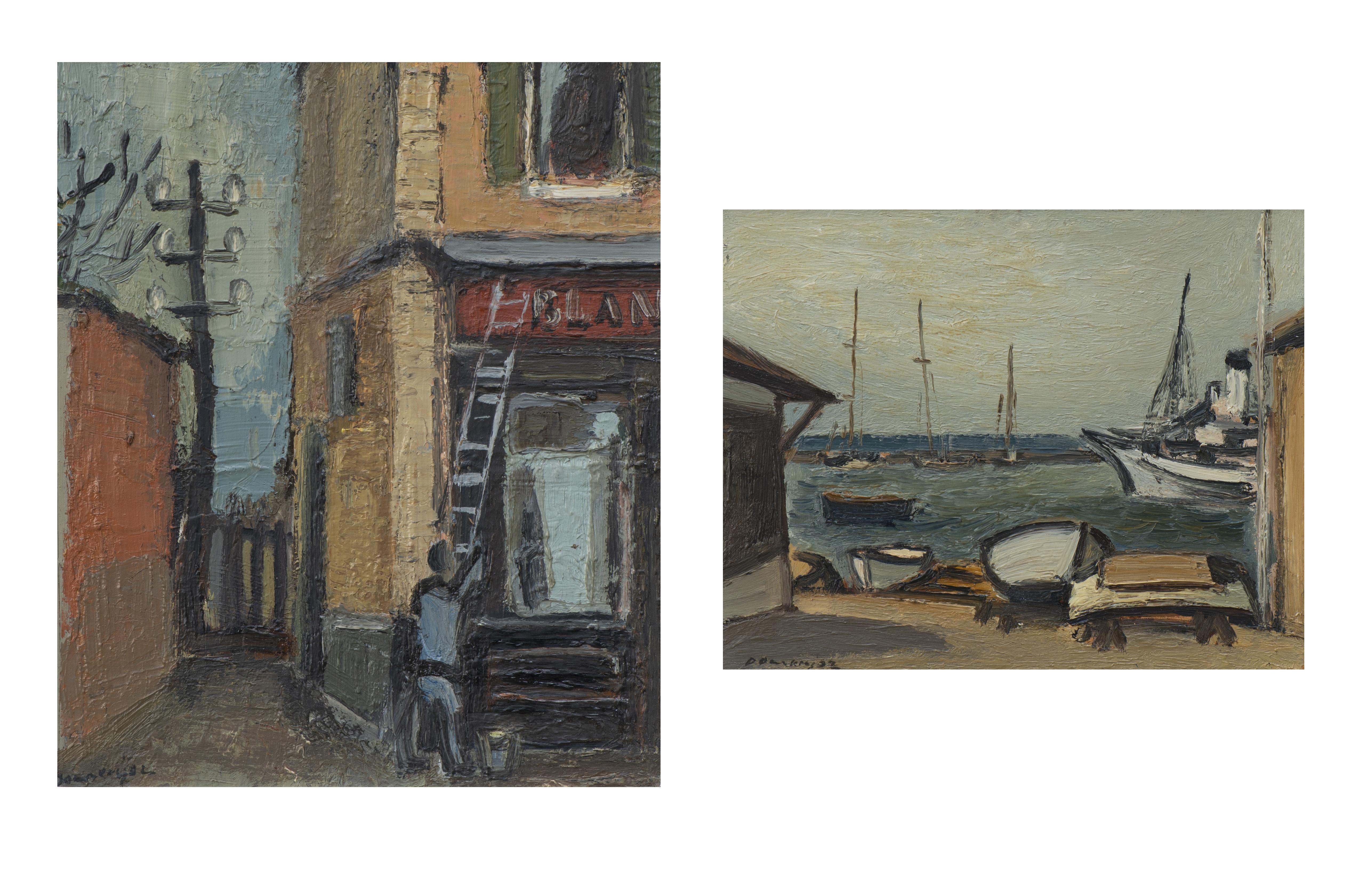
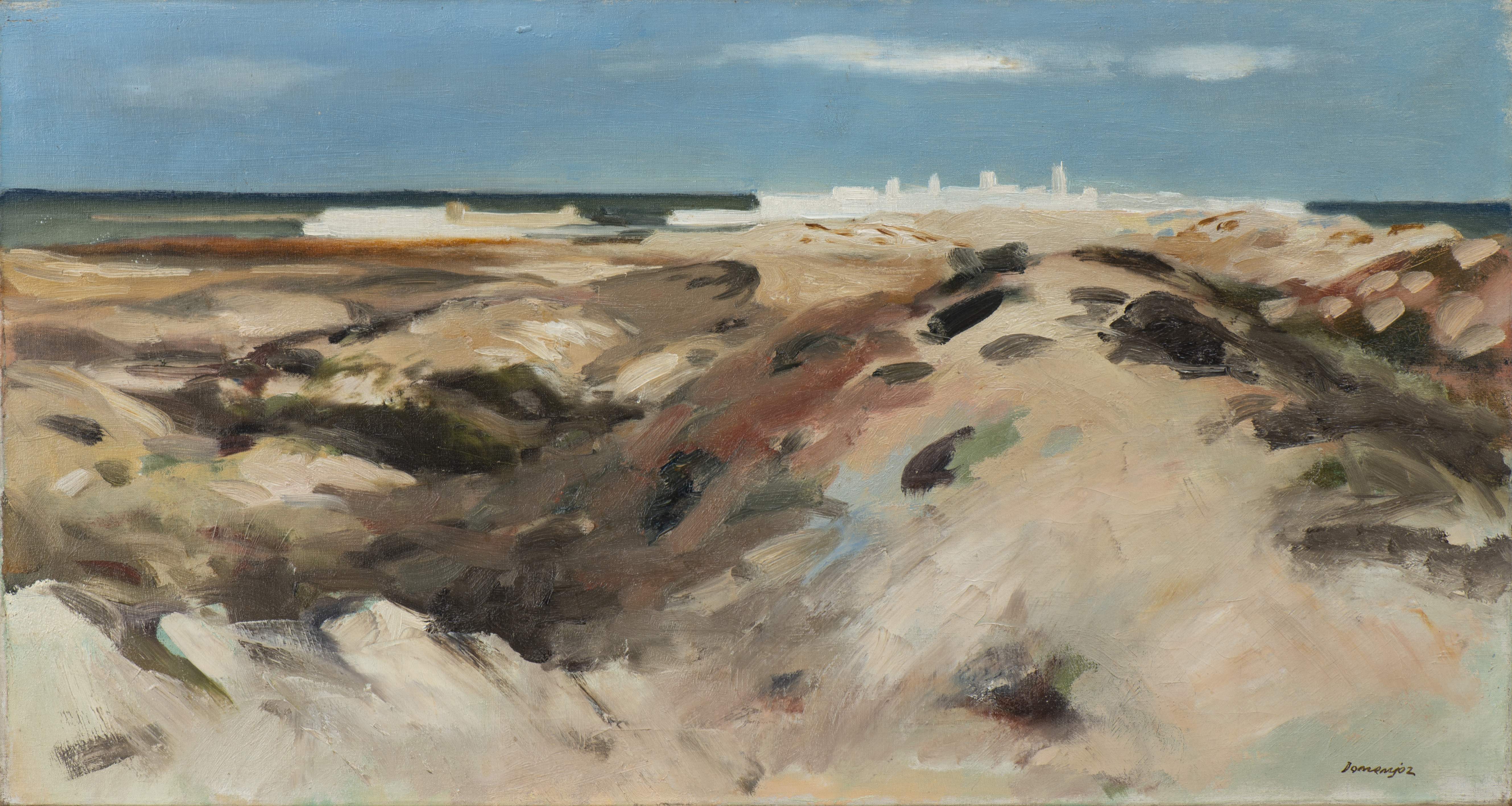
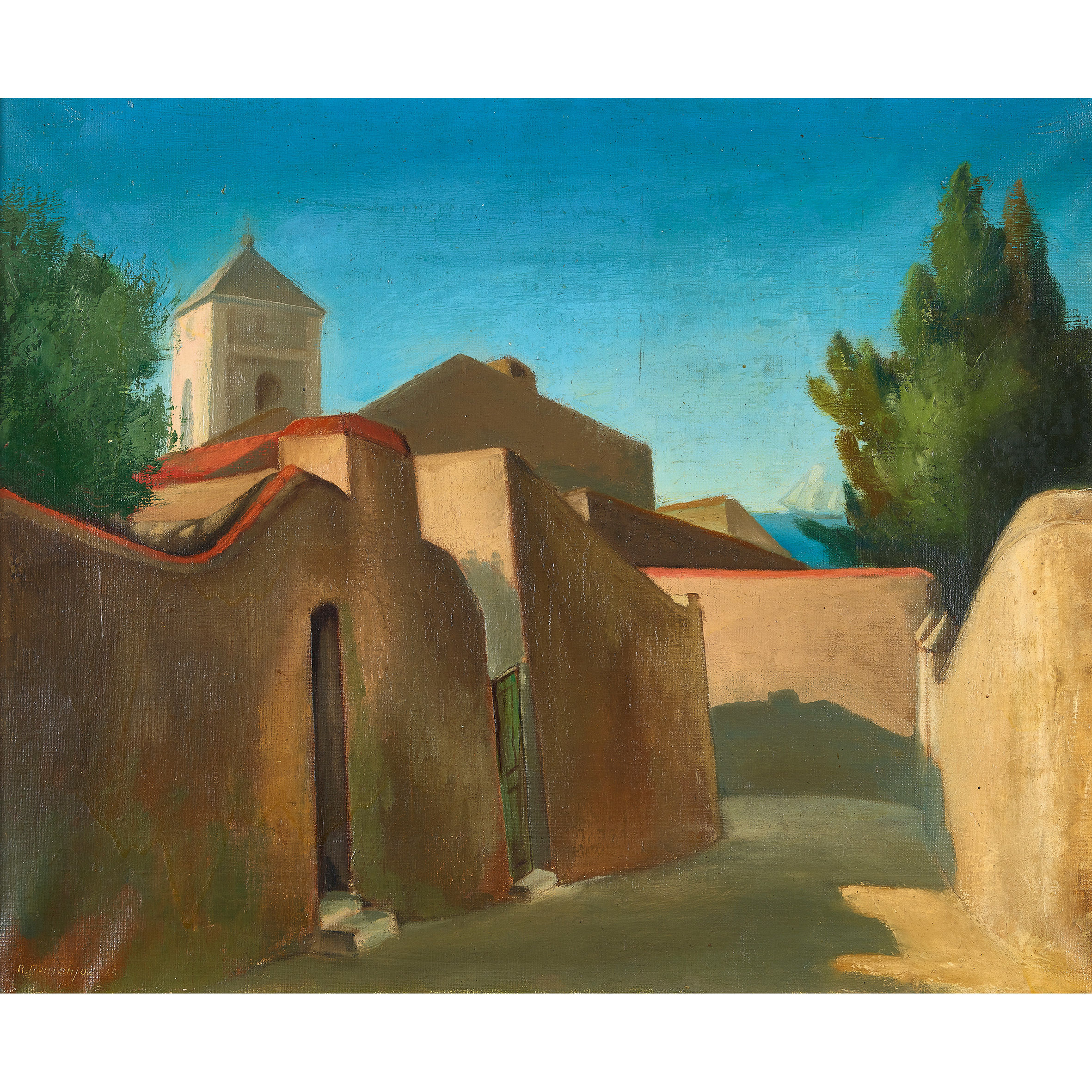
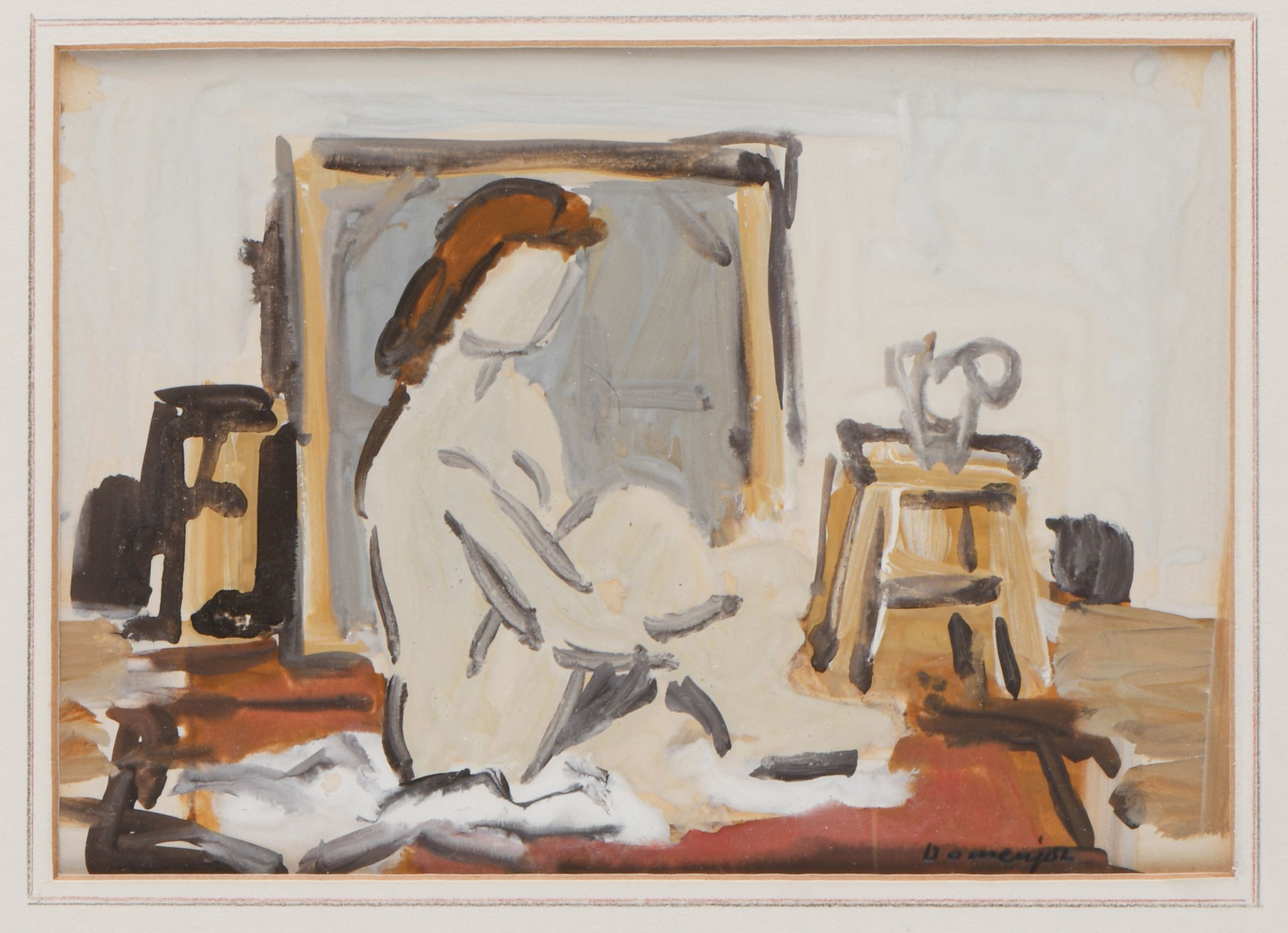
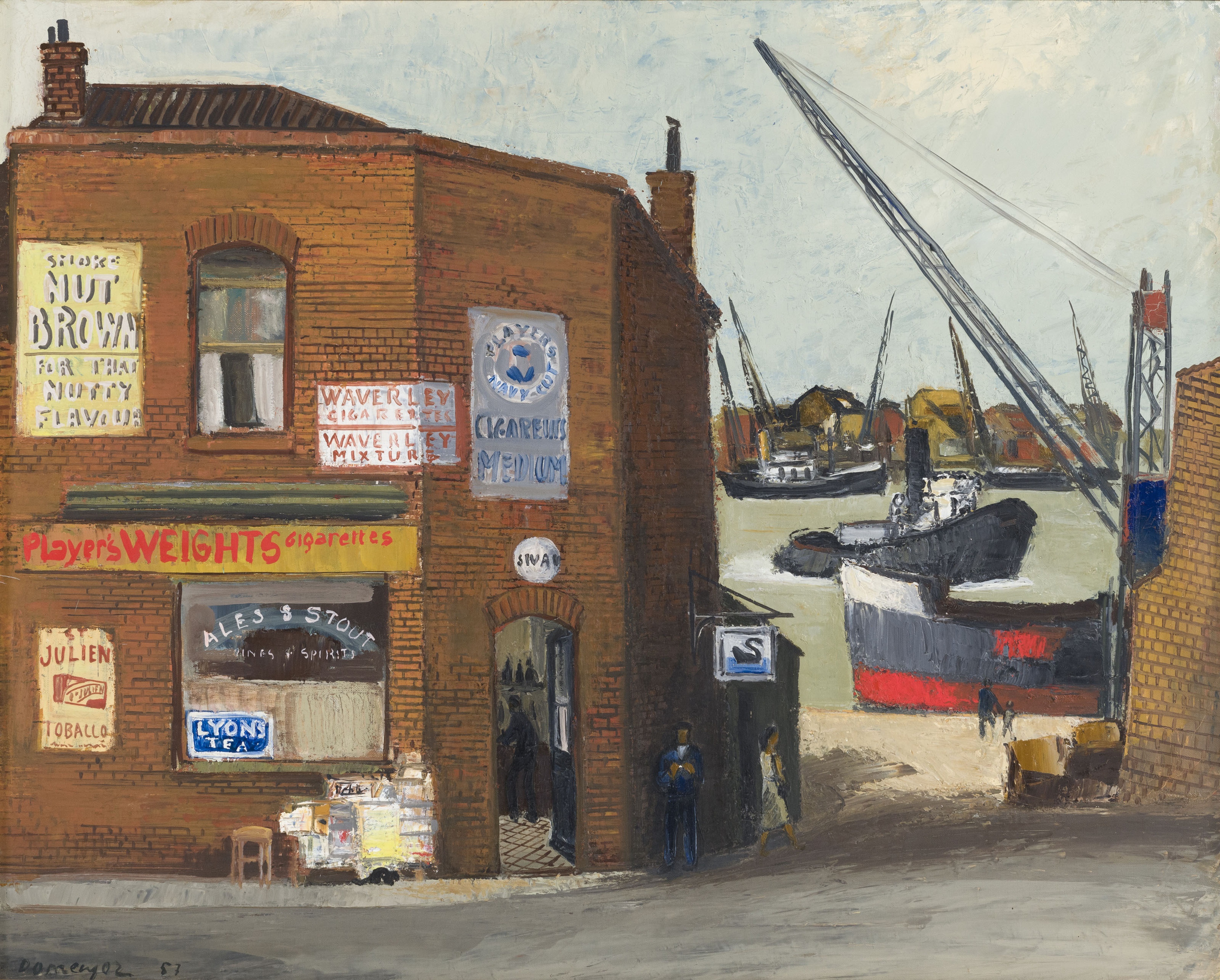
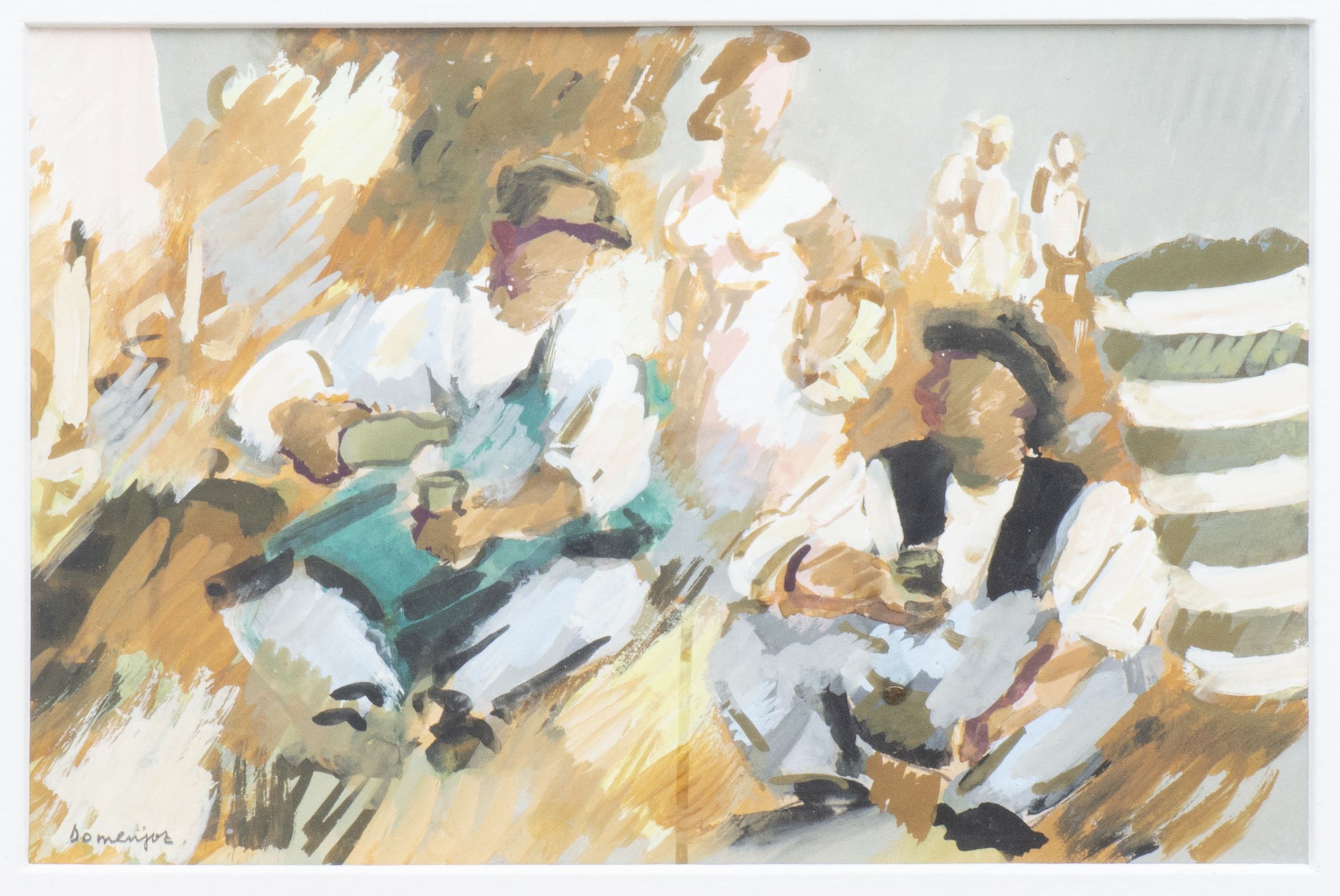
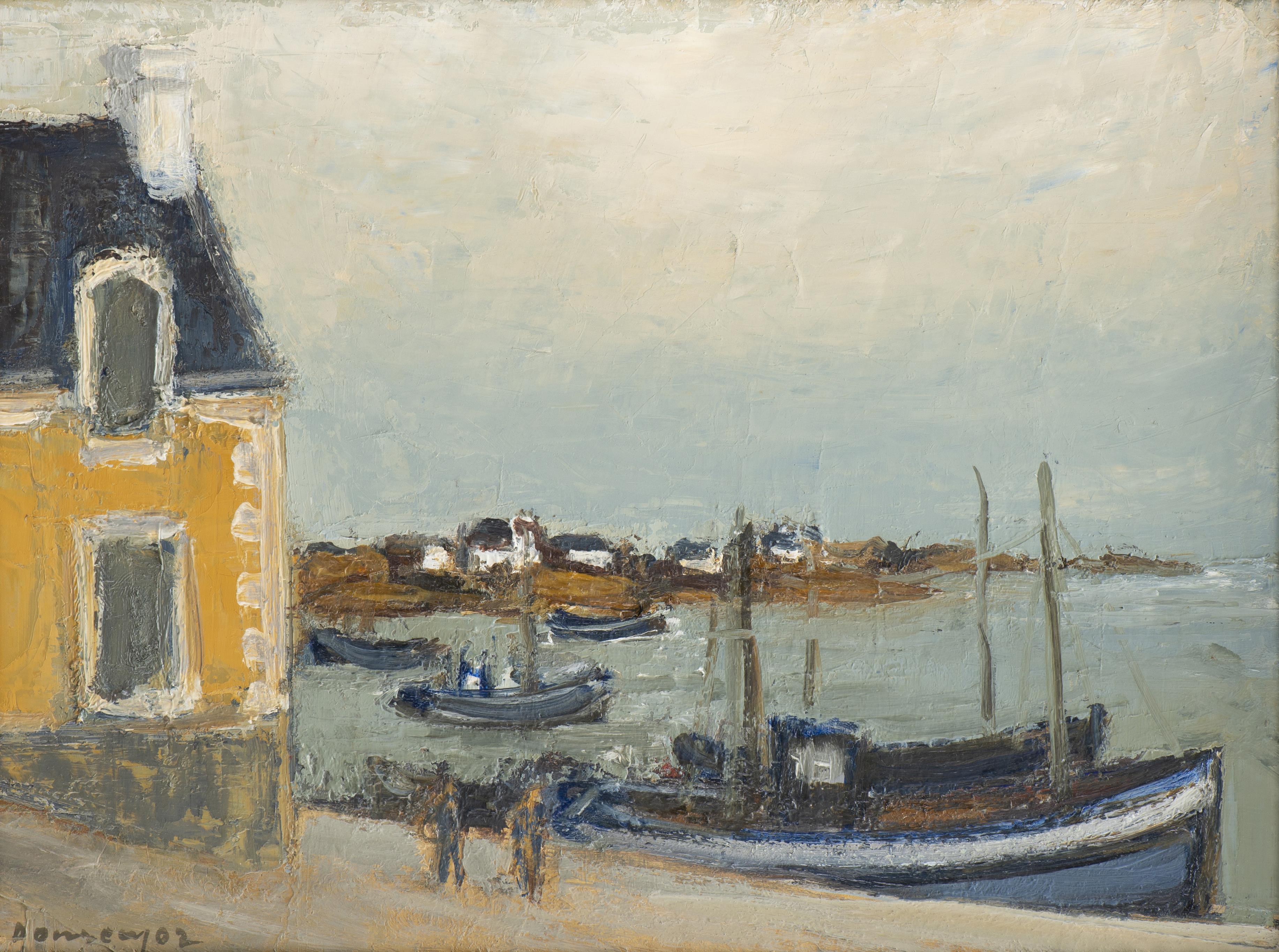
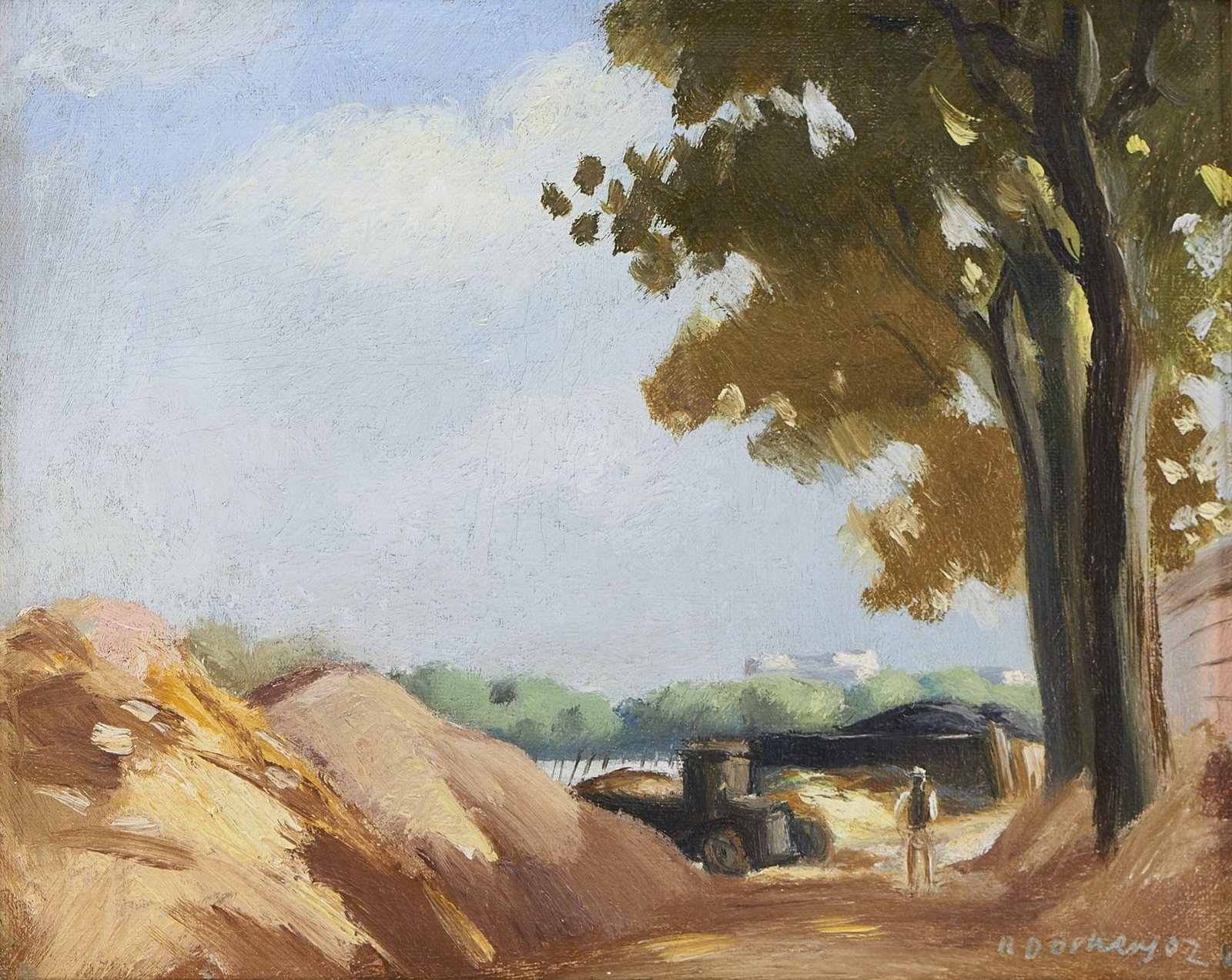
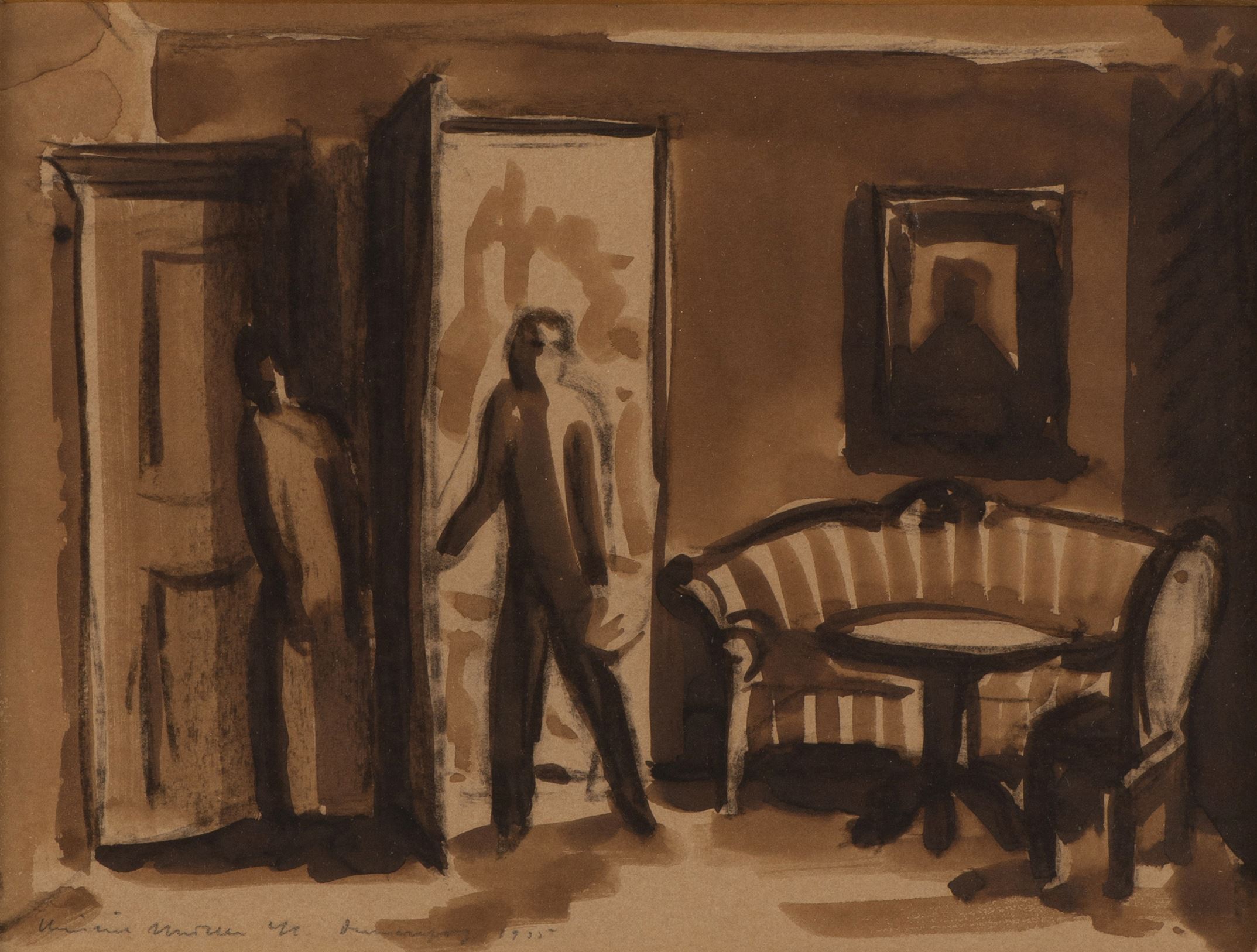
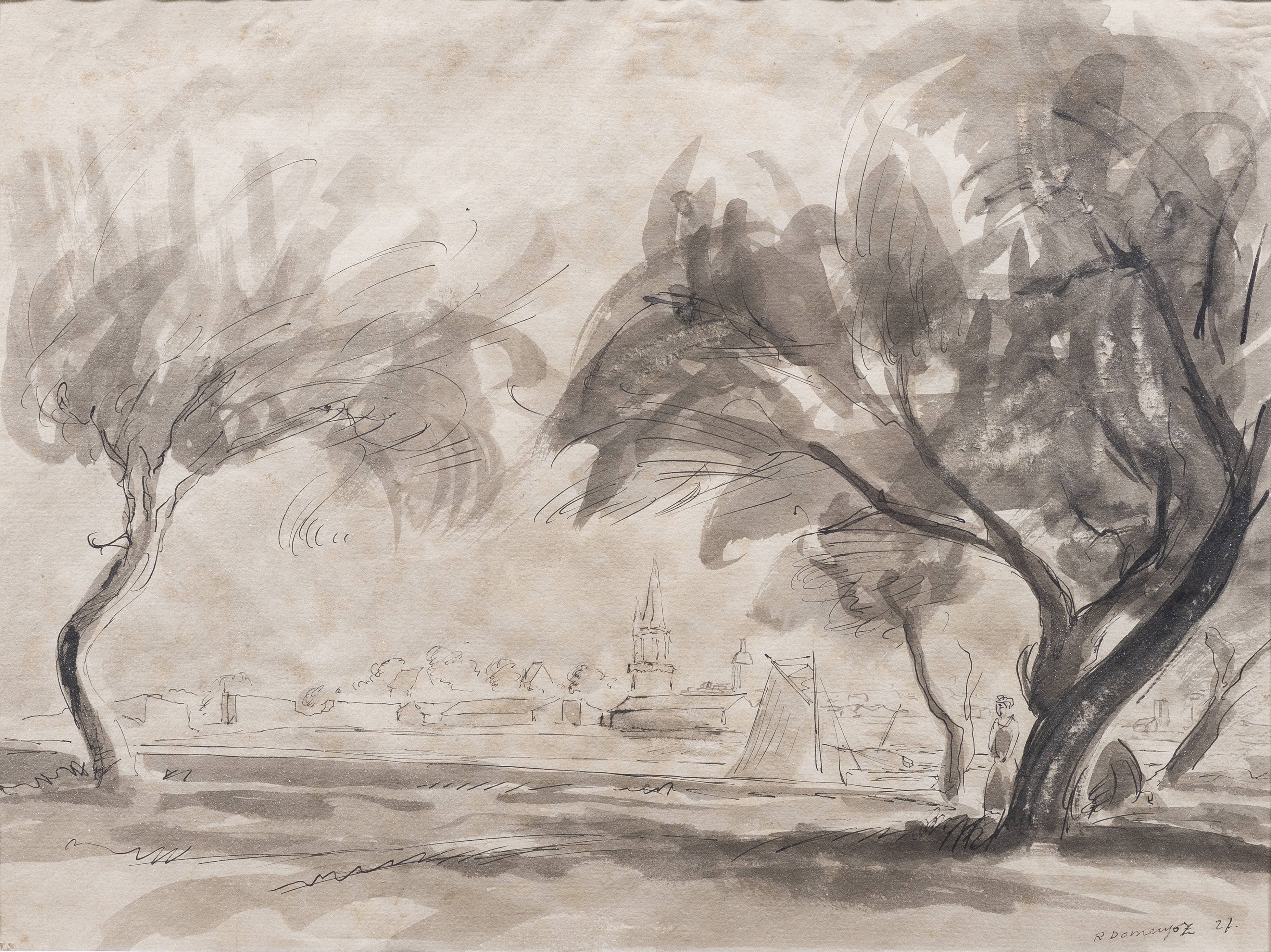
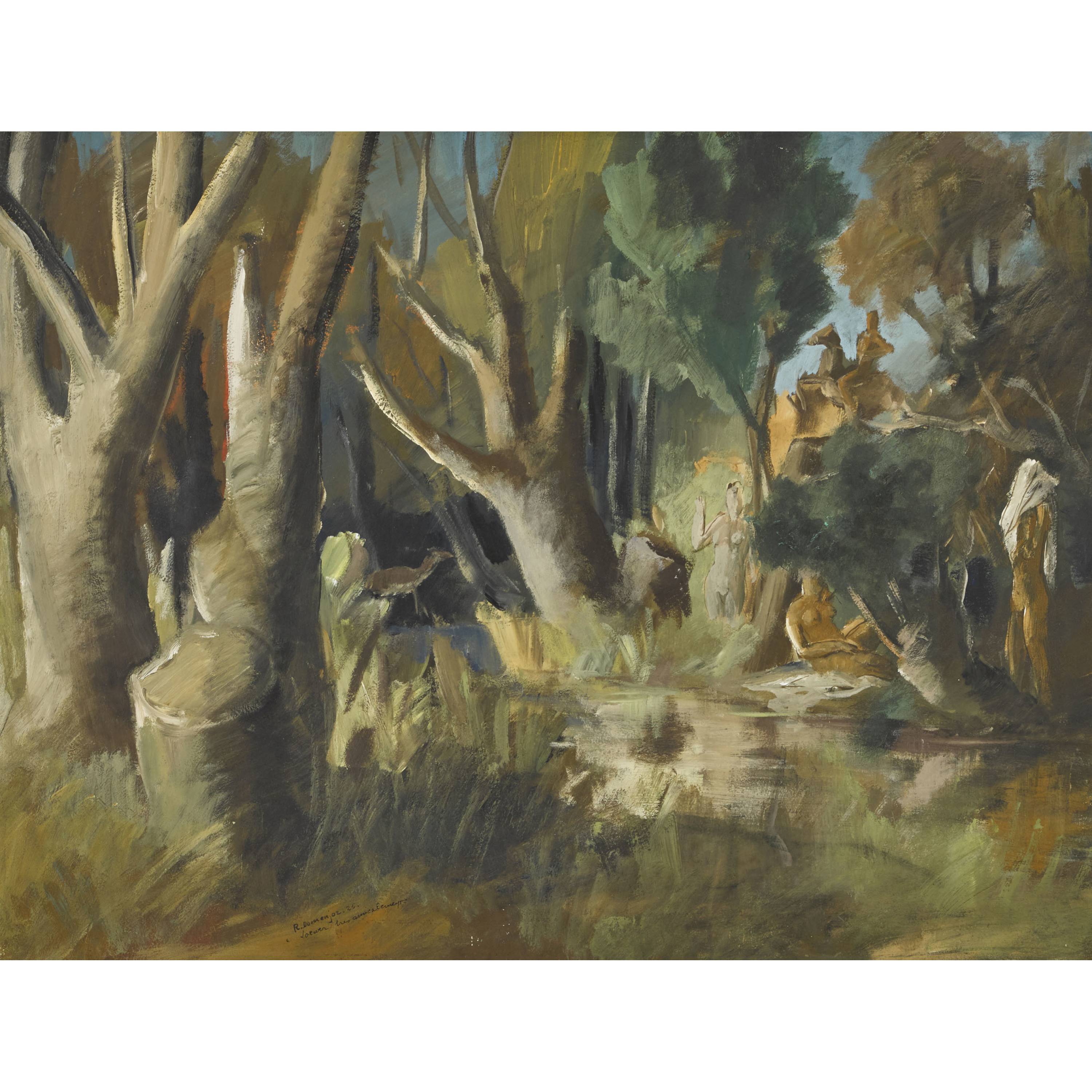
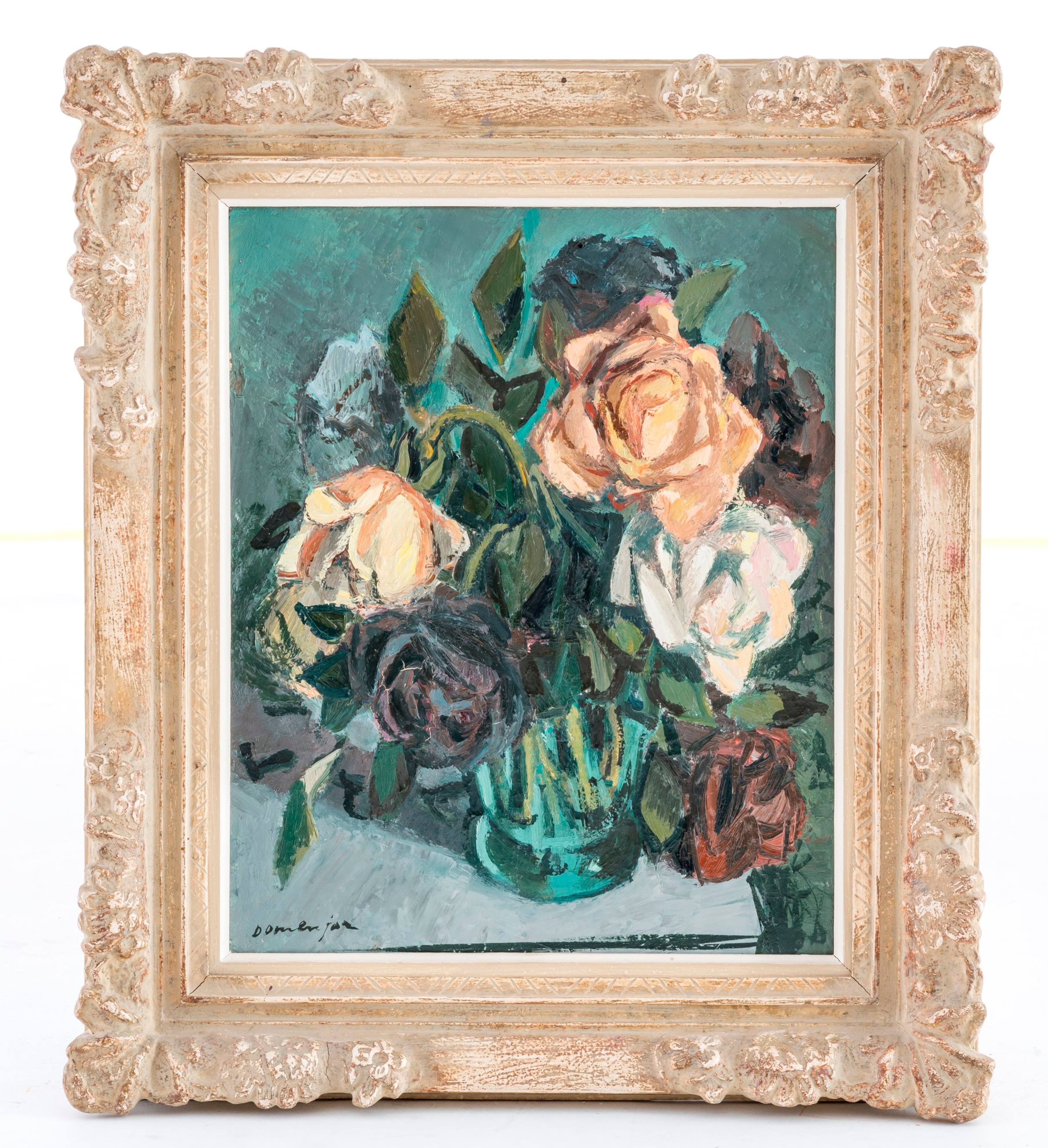
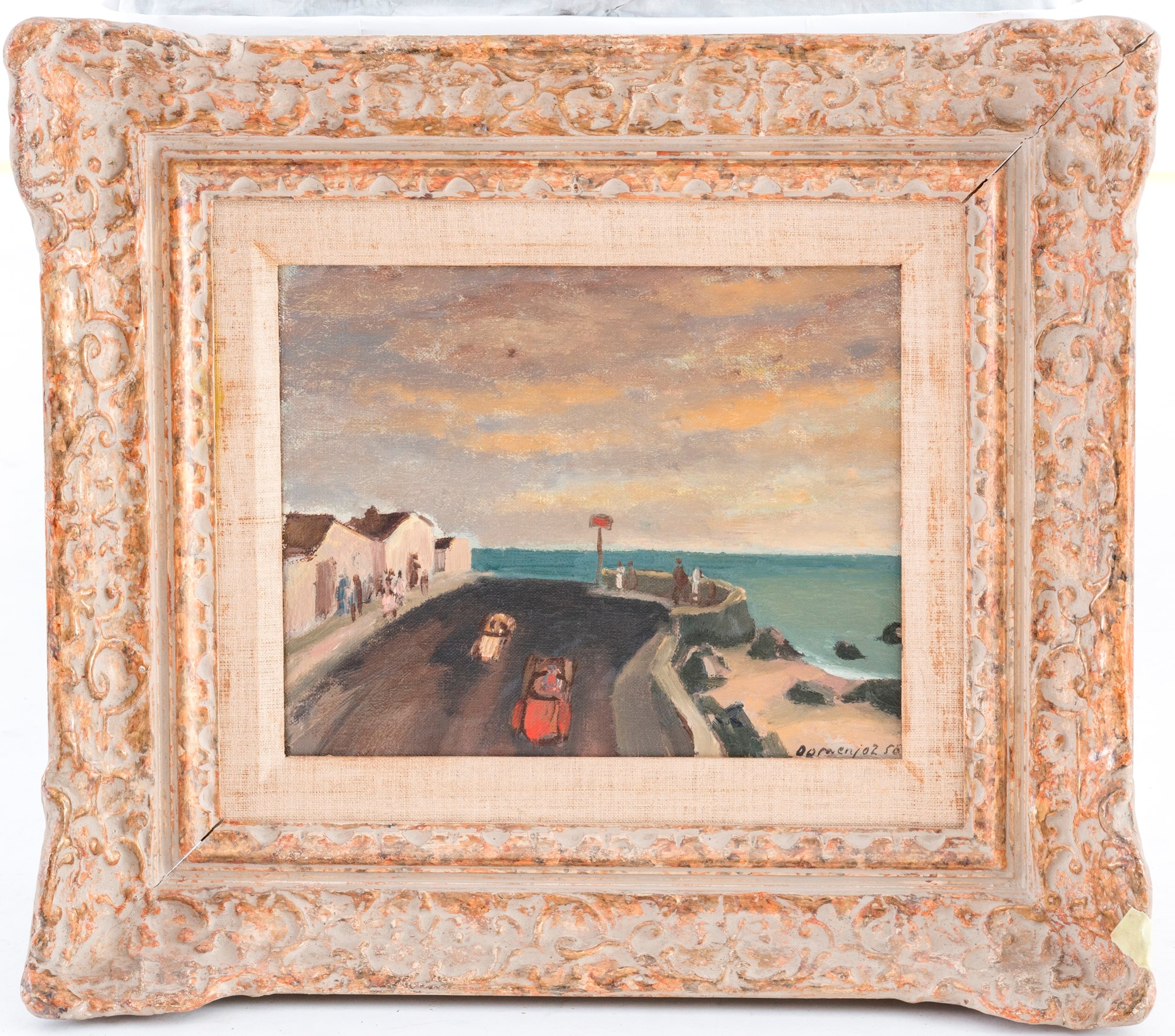
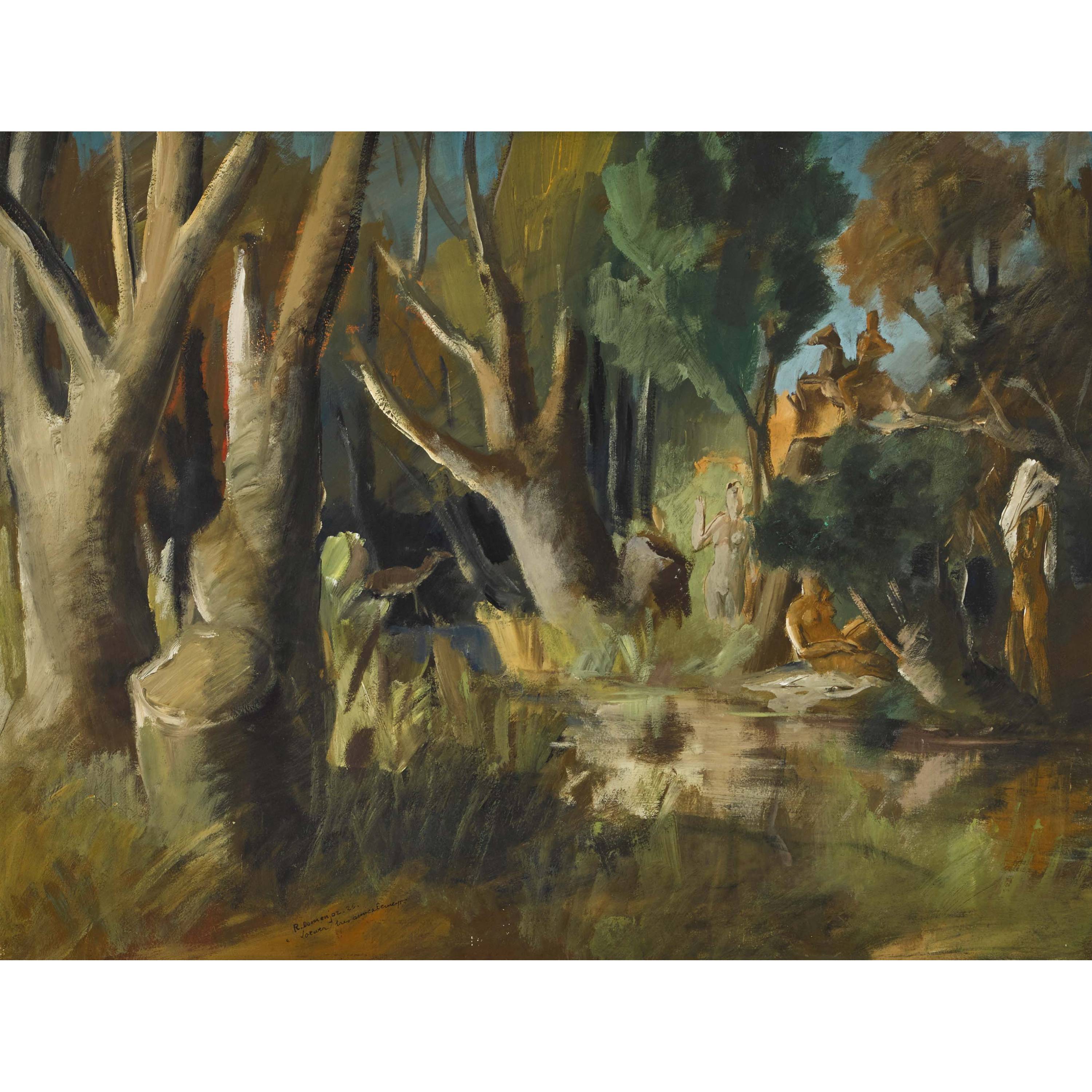
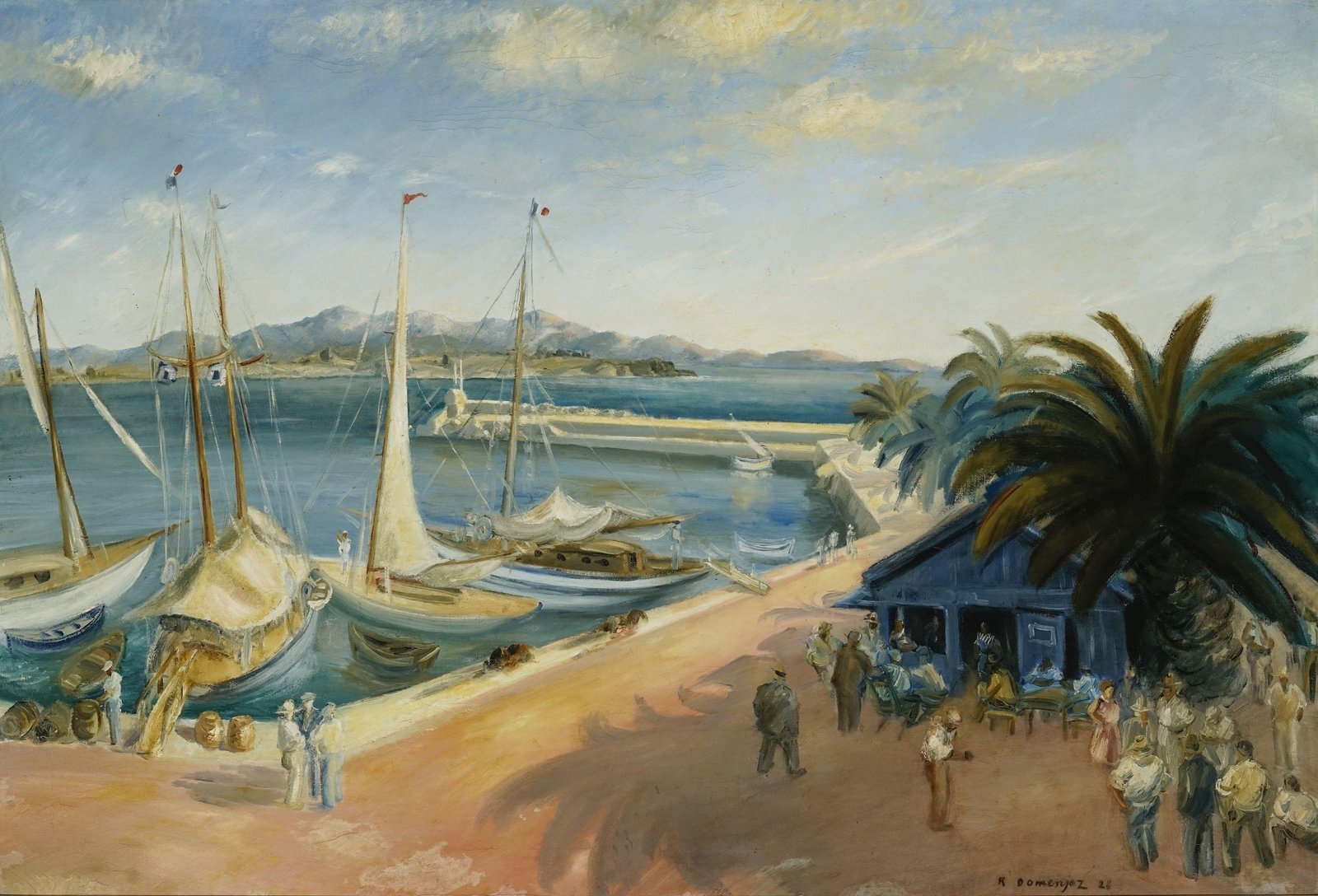
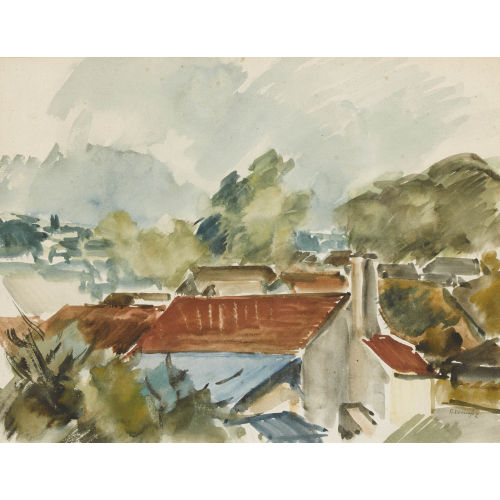
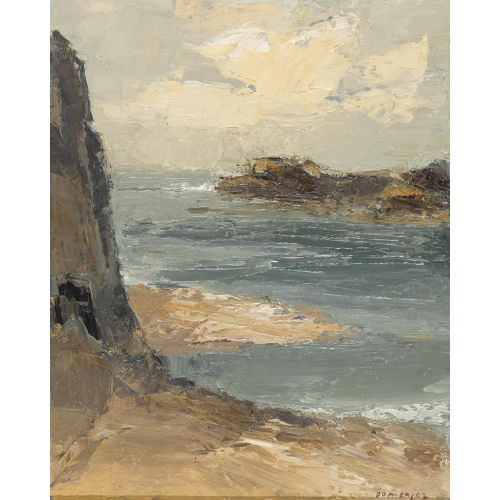
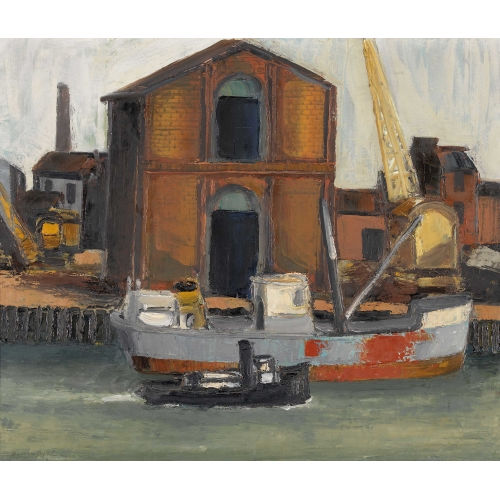
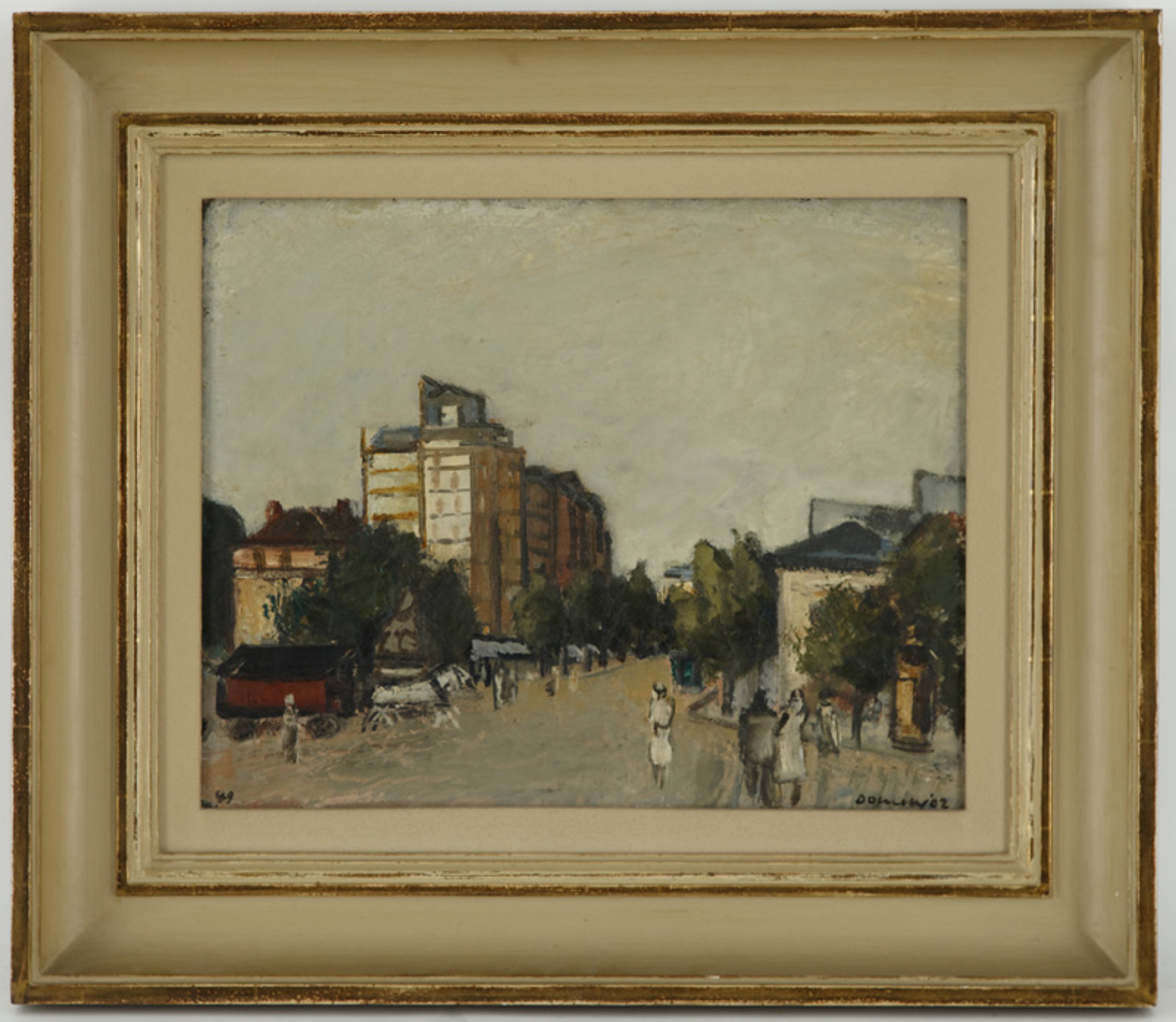
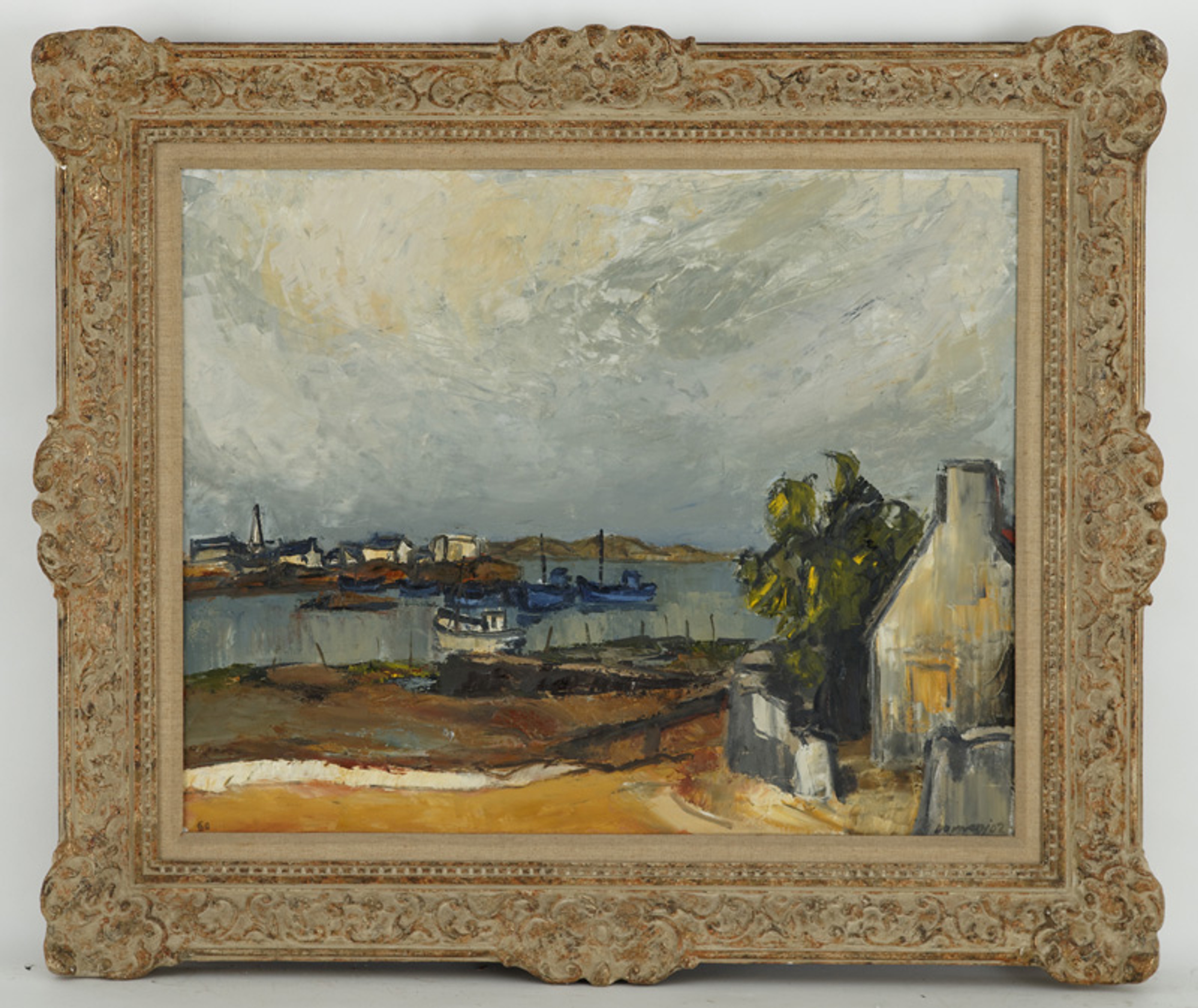
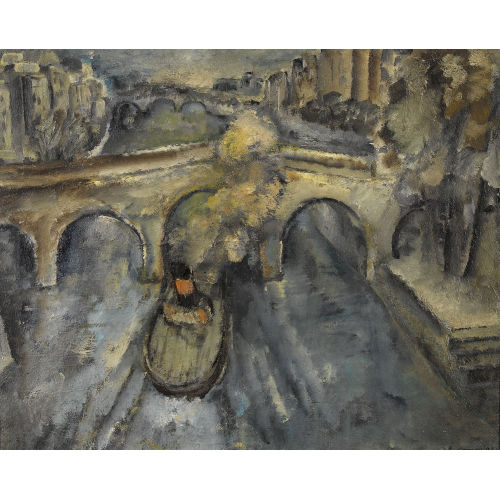
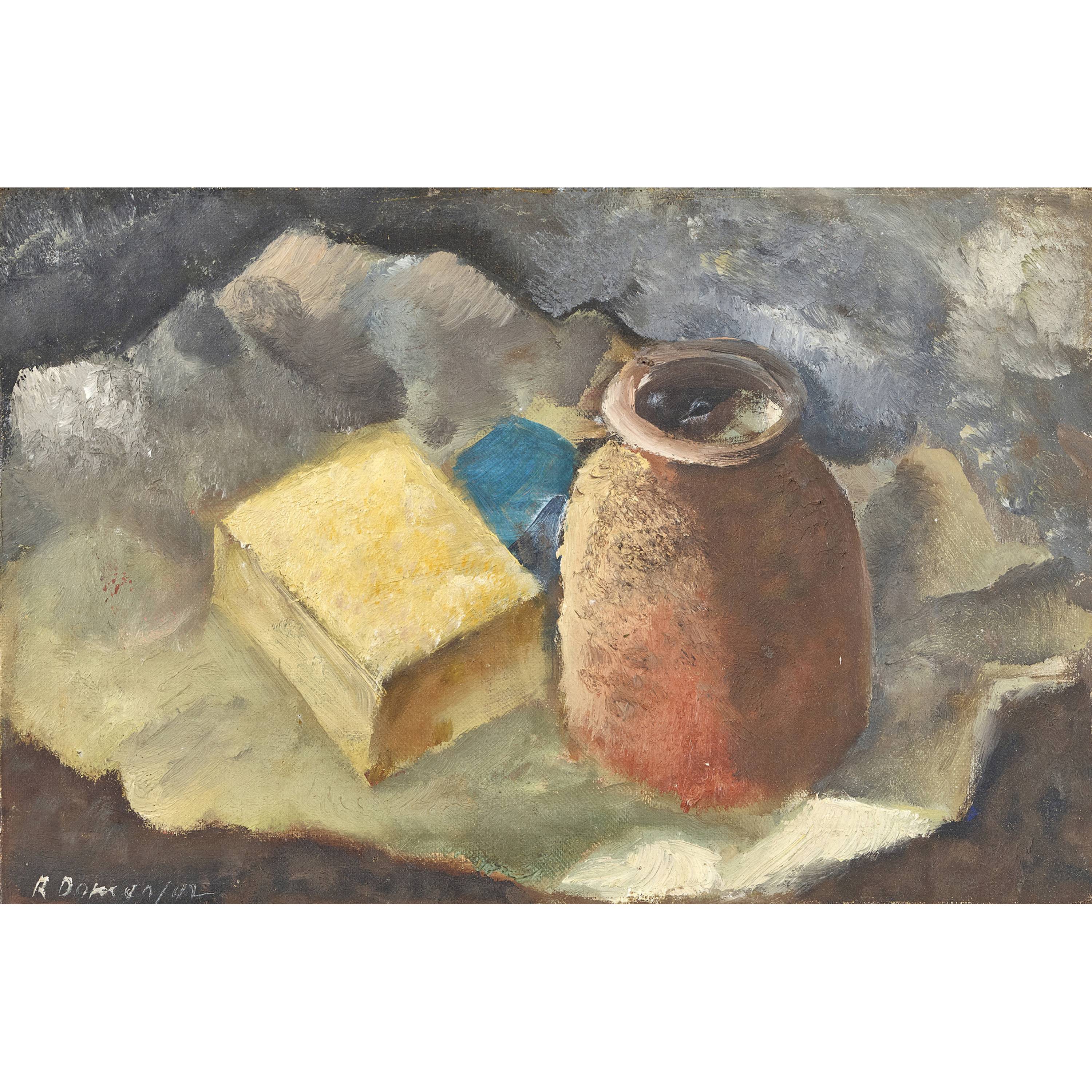
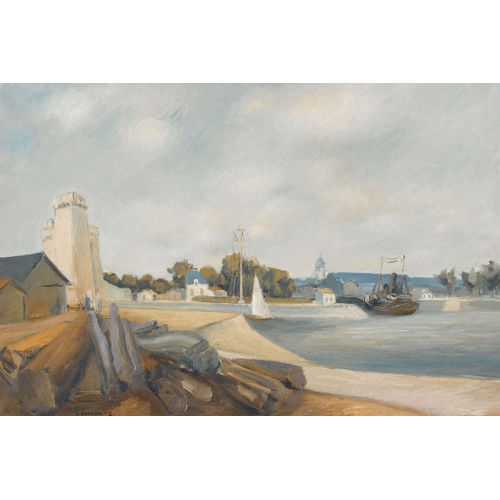
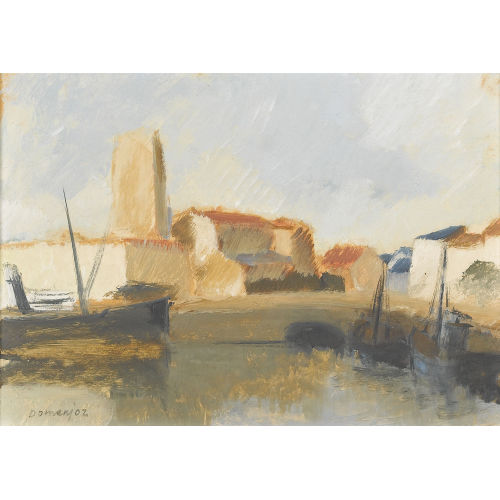
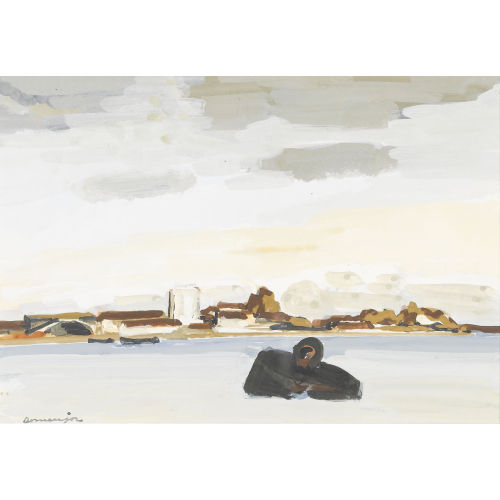
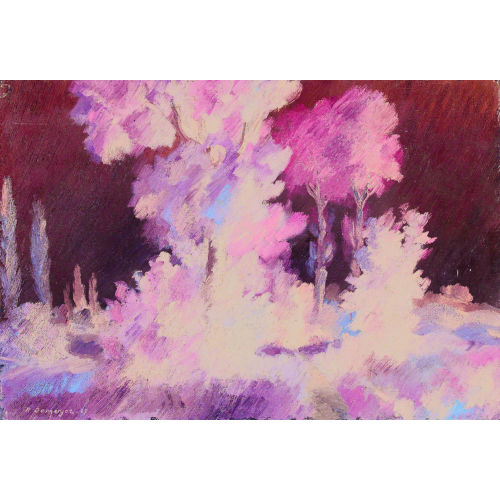
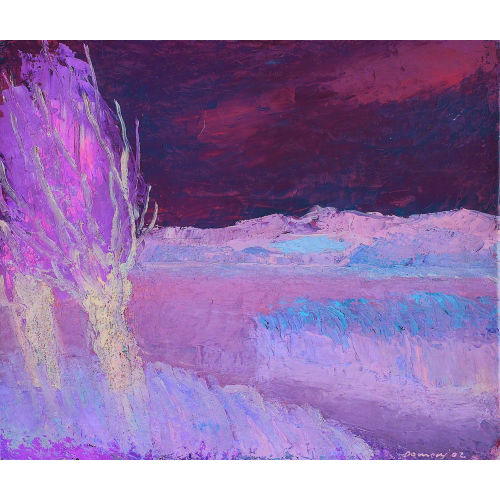
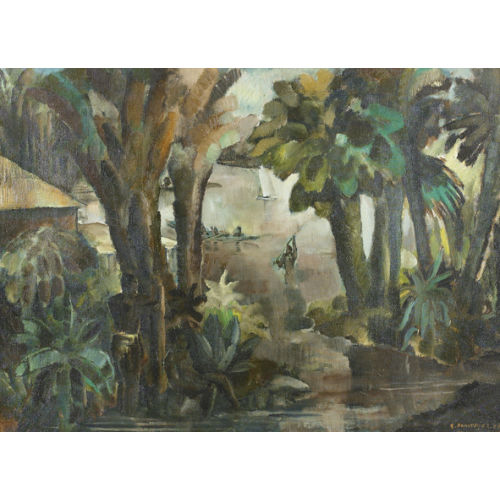
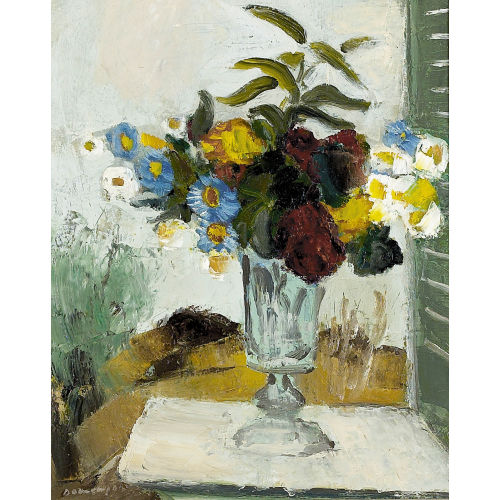
Raoul Domenjoz (1896–1978) was a painter from the canton of Vaud who was also active as a lithographer and draughtsman.
After completing compulsory schooling, he began an apprenticeship in an architectural office, but did not complete it. In 1916 he completed his recruit school and was then mobilised; during this period he went to Senegal as a commercial employee and was repatriated in 1917 following an attack of malaria.
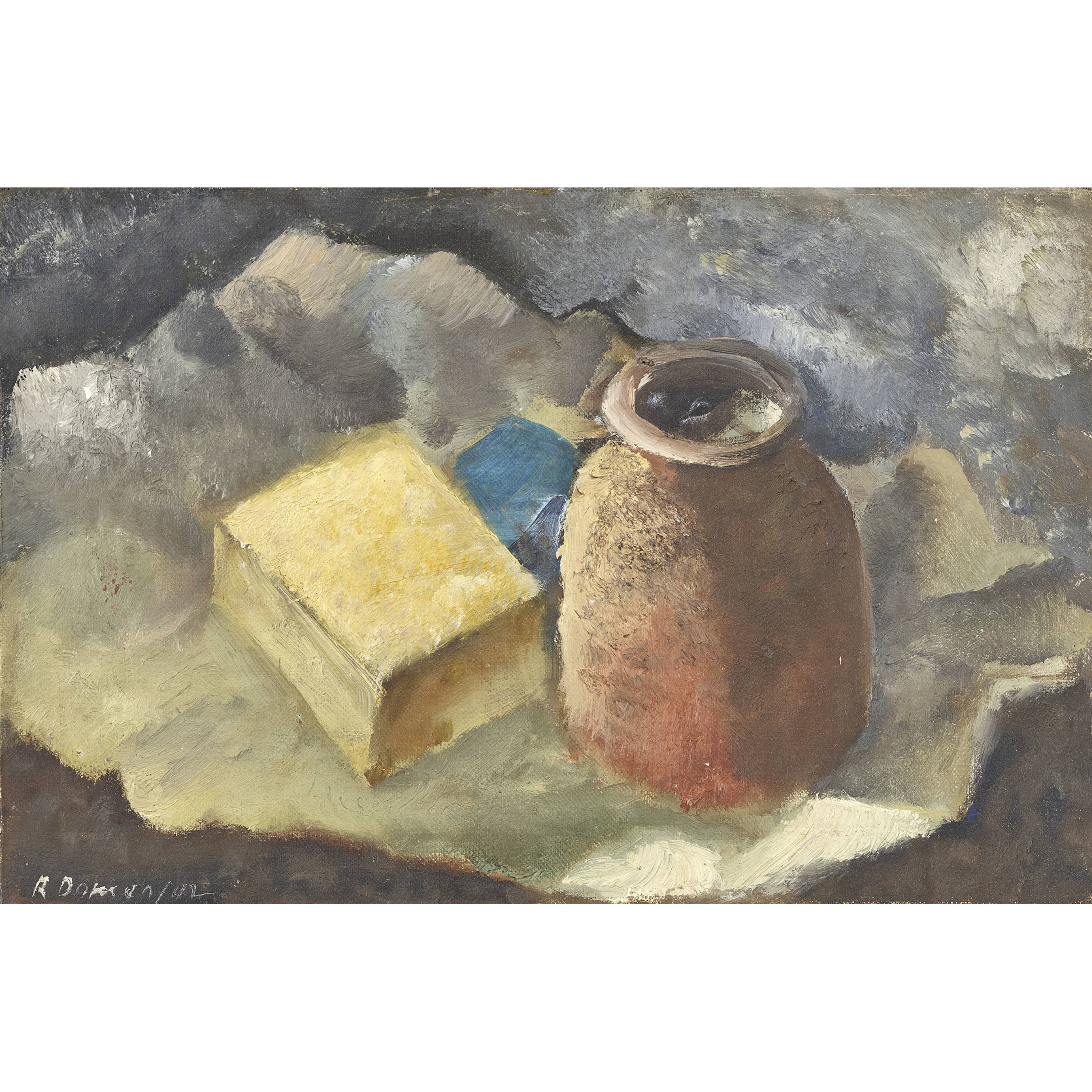
Back in Switzerland and settled into civilian life, he began practising drawing as a self-taught artist in 1919, together with his brother Gottofrey. In 1920 he moved to Paris, where that same year he organised his first solo exhibition at the Galerie Pierre. During his early Paris years he briefly experimented with Cubism (around 1920–1924), and his works were accepted for the first time at the Salon des Indépendants in 1924.
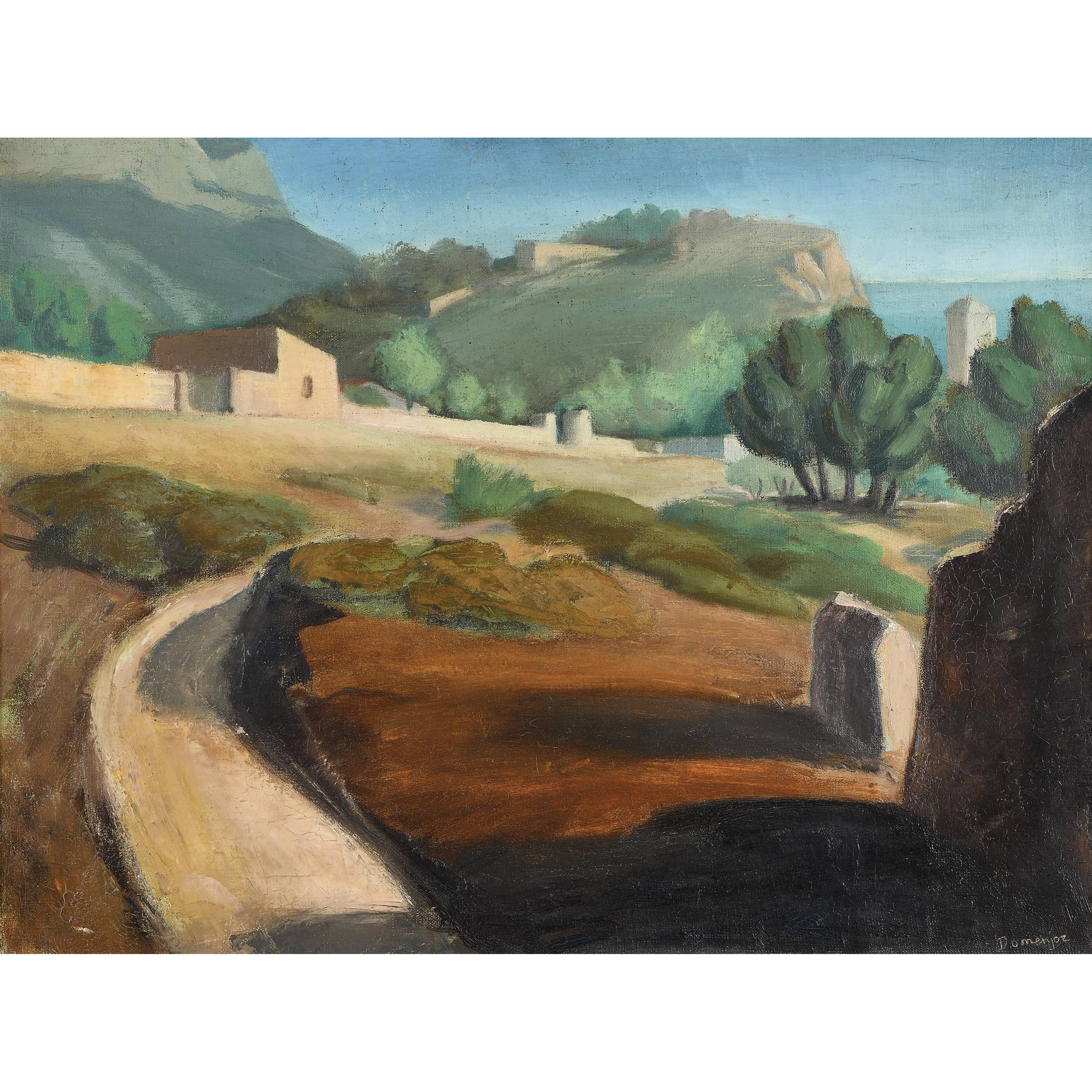
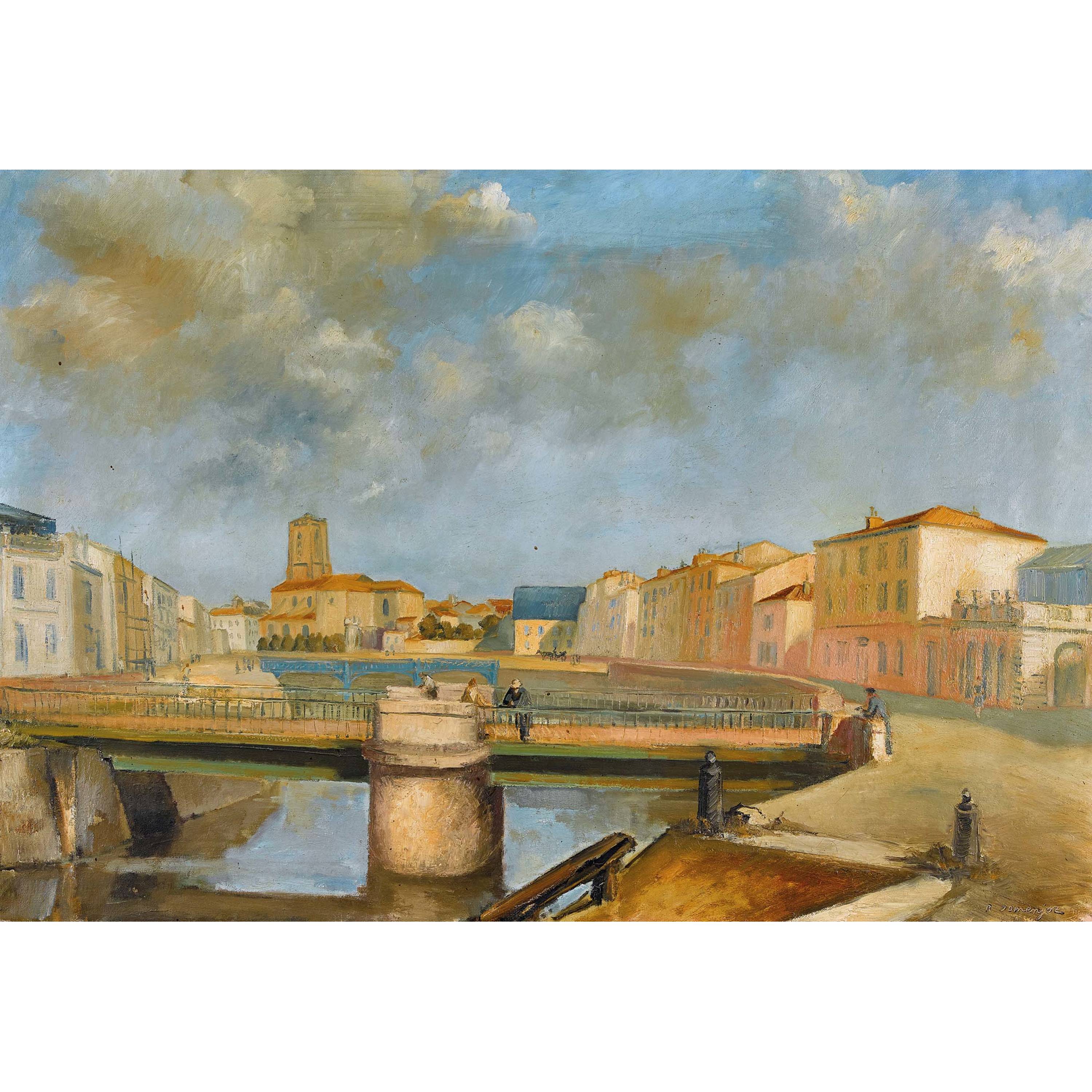
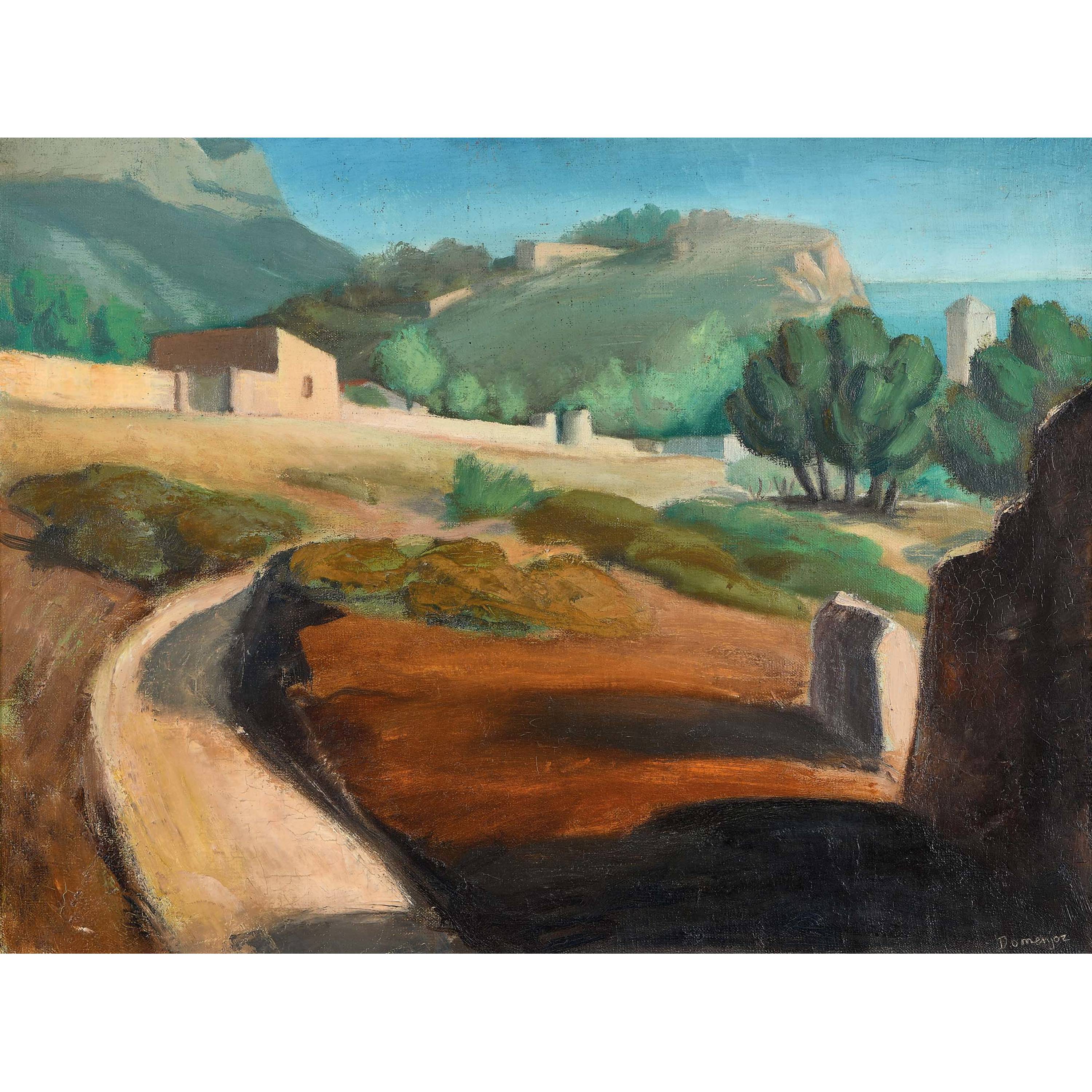
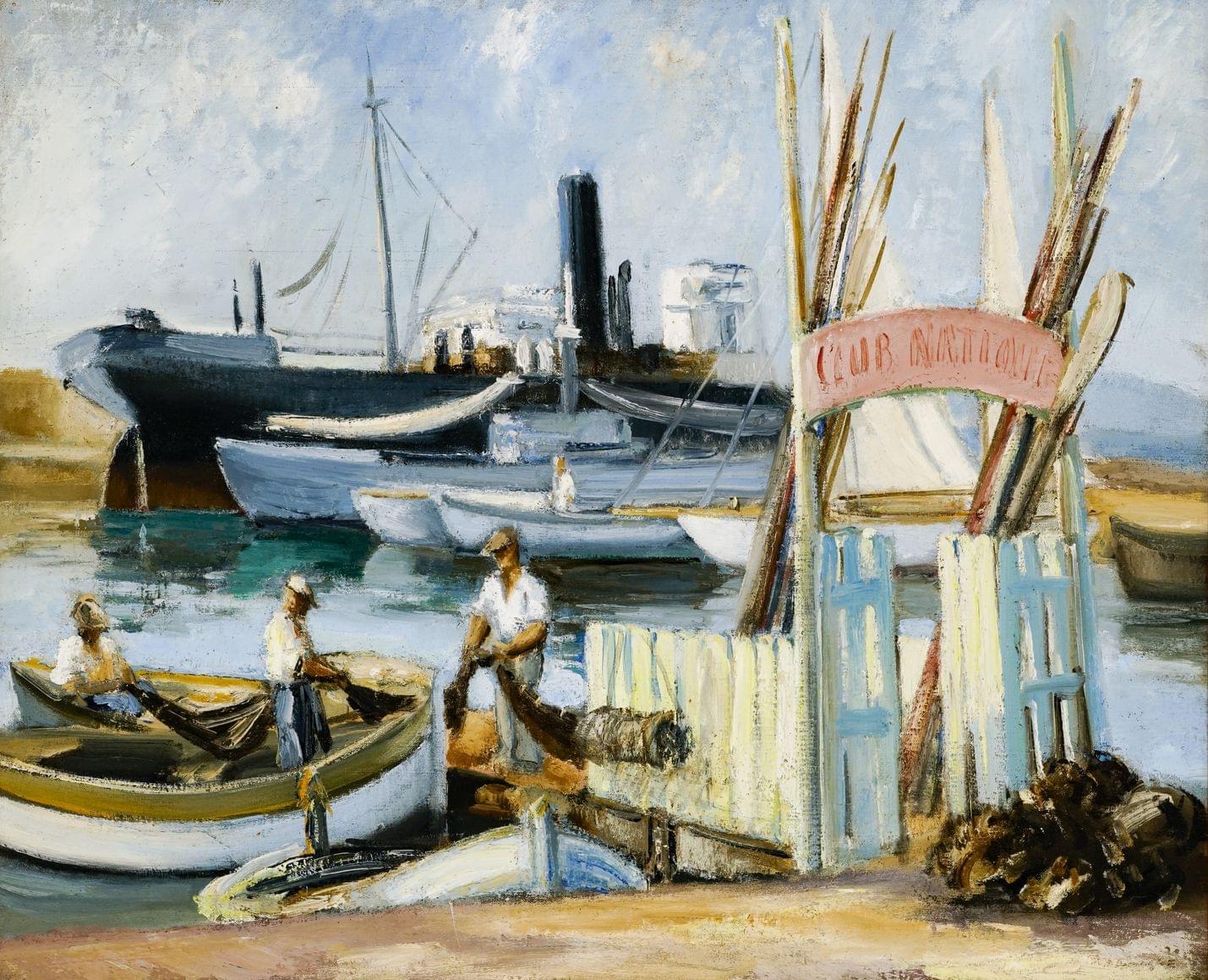
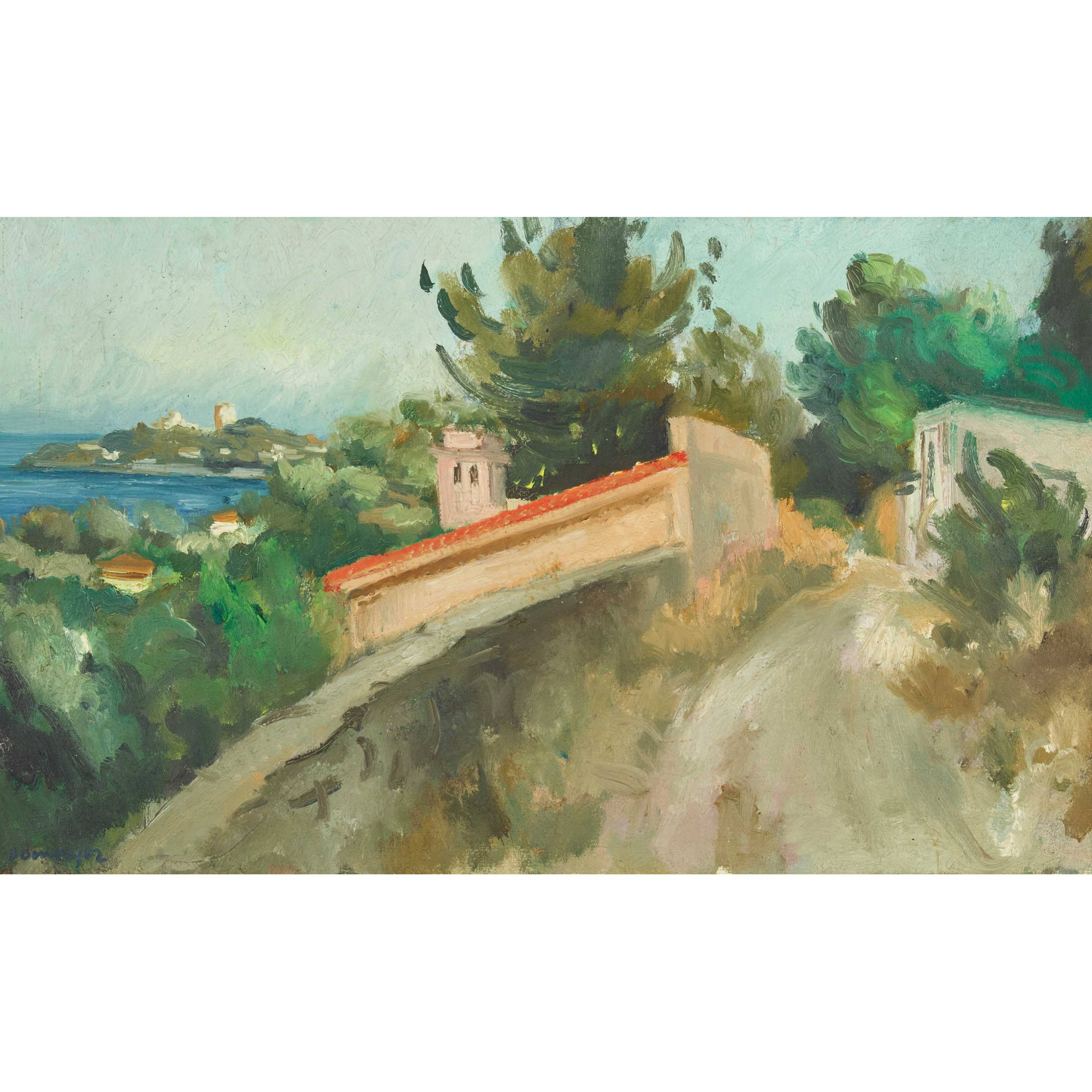
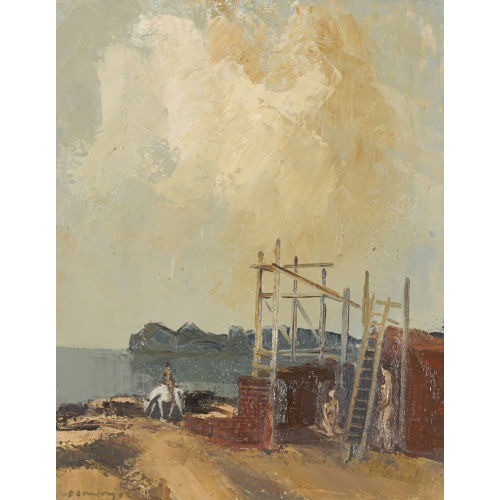
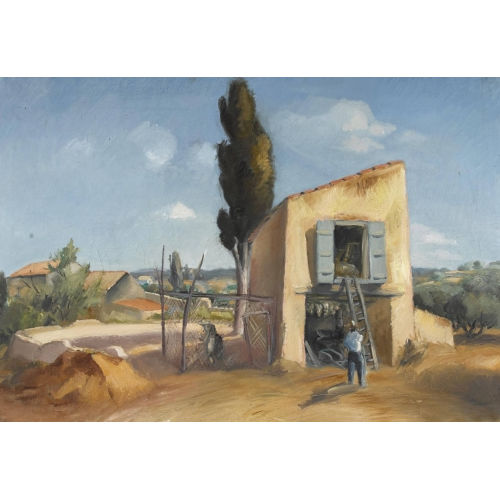
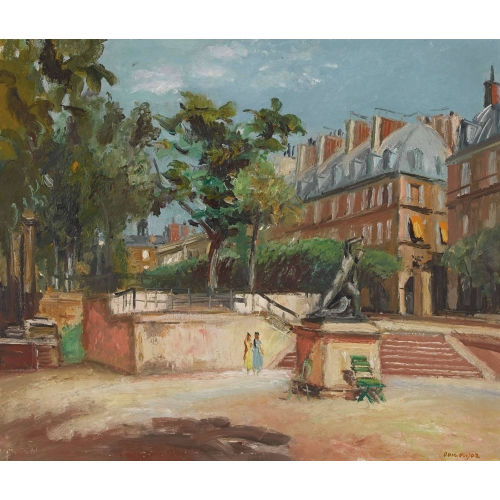
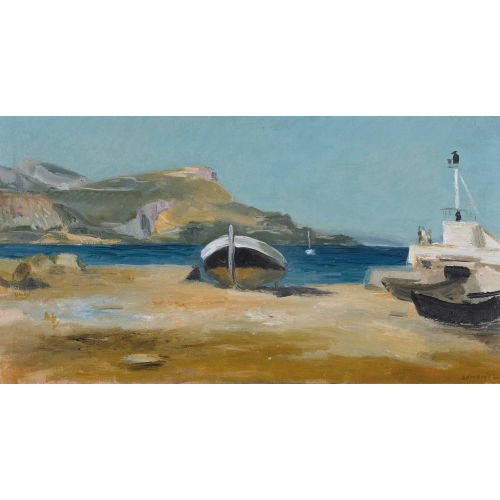
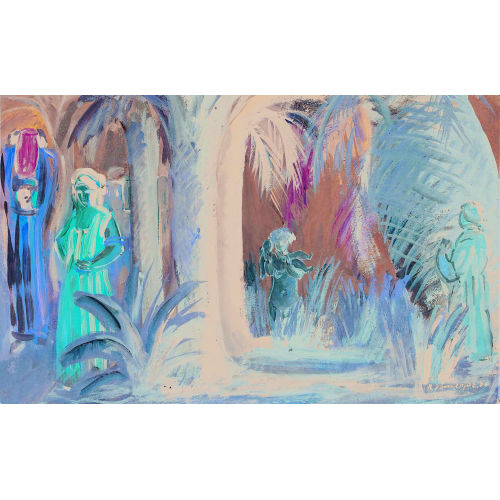
His Paris period lasted approximately from 1925 to 1935, punctuated by journeys to the Midi – notably a stay in Cassis, where he became acquainted with Maurice Savin and Marcel Sauvage – and by stays in La Rochelle. He also travelled to several European countries (England, Spain, France, Italy and Holland), spent time in Morocco in 1936 – often referred to by the place name Mogador – and visited Italy; his first exhibition in Switzerland, devoted to his stay in Mogador, took place at the Musée Arlaud in Lausanne.
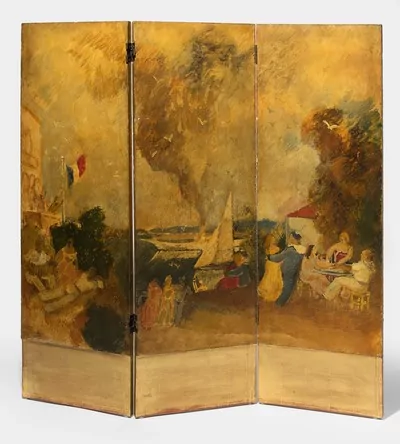
In terms of official exhibitions, he became a member of the Salon d’Automne in 1927 and began participating regularly in the Salon des Tuileries in 1928. Mobilised in 1939 as a medical orderly, he then produced mural decorations for establishments converted into hospitals, notably the hall of the collège in Vevey, and painted a canvas in Montreux that was later transferred to the Hôpital de la Source in Lausanne. Subsequently, he executed further public decorations, including the entrance hall of the Feuille d’Avis de Lausanne and that of the Montchoisi primary school.
The Fondation Wilhelm Gimmi awarded him a prize in 1970; he definitively ceased his artistic activity in 1976. The bibliography includes at least one substantial study (Georges Peillex, Raoul Domenjoz), which documents aspects of his career and supplements the biographical notices established on the basis of local archives.