Plinio Colombi
Born in 1873.
Died in 1951.
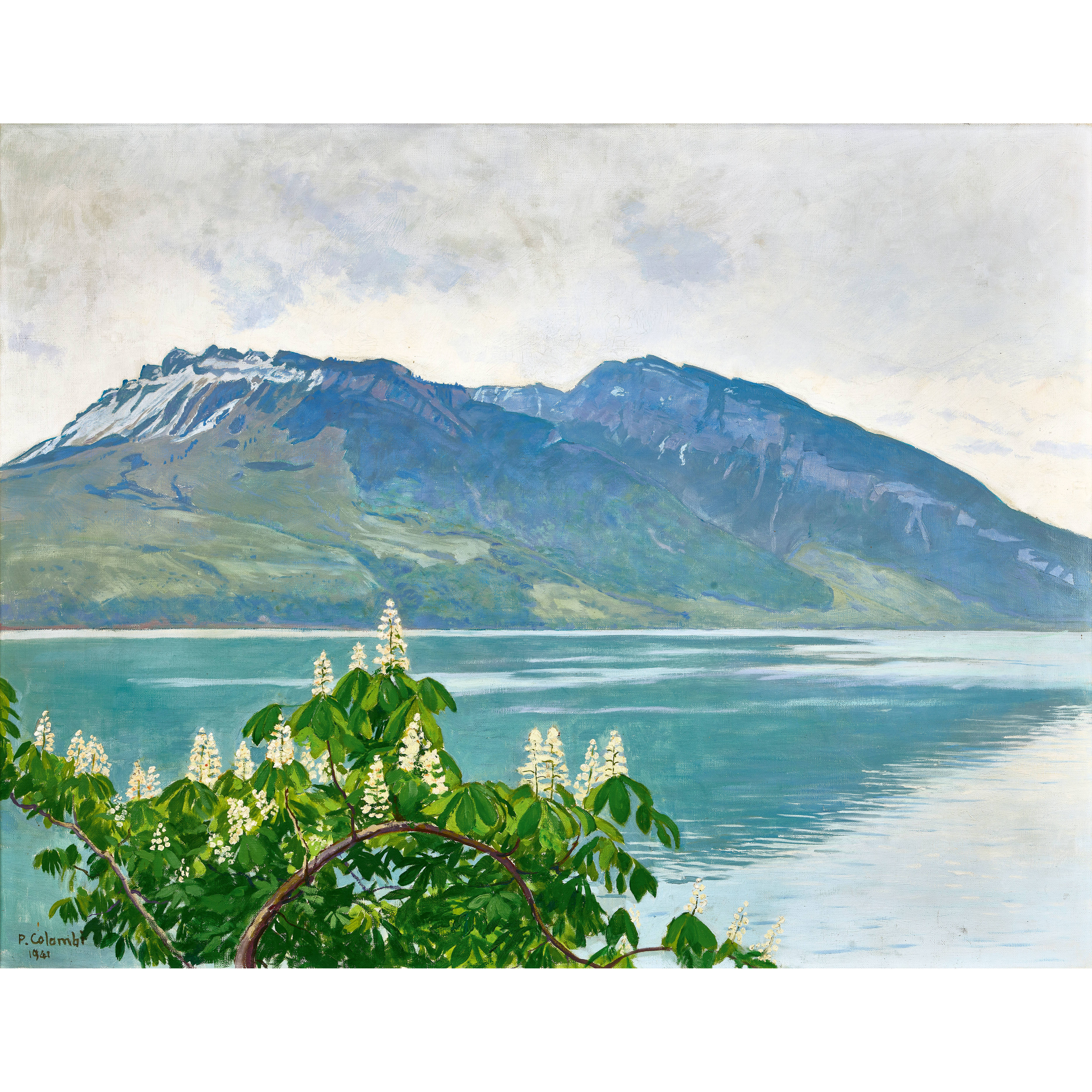
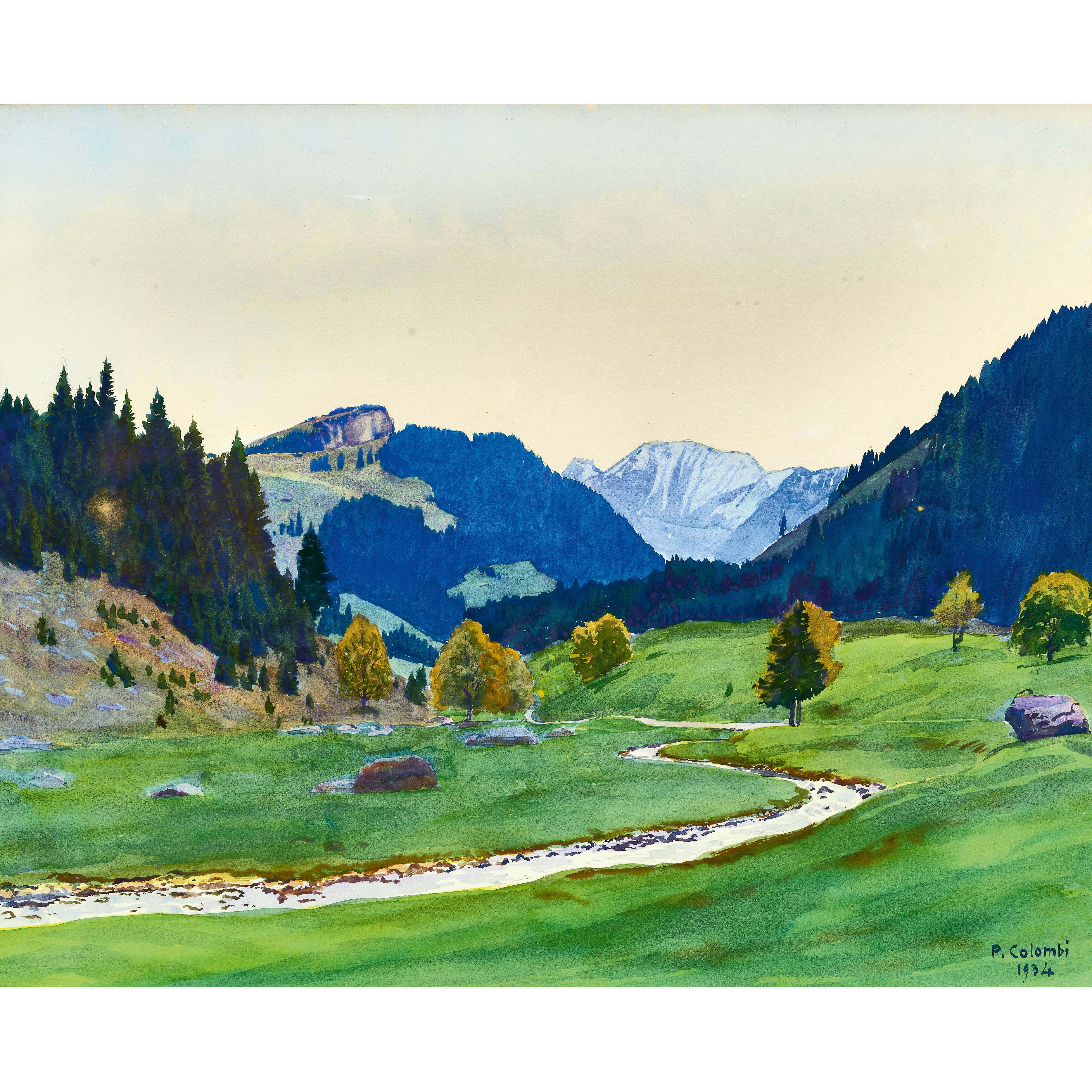
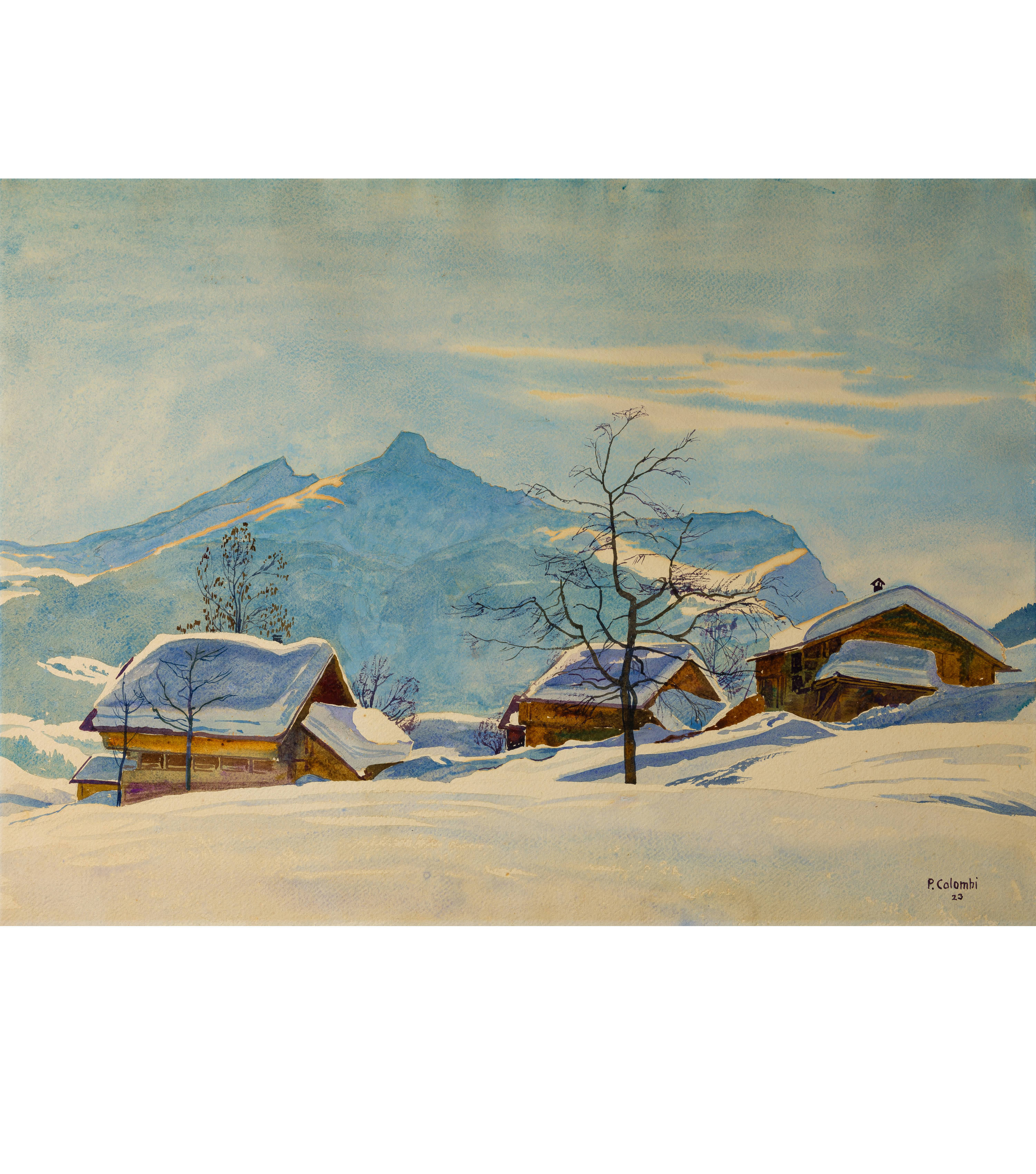
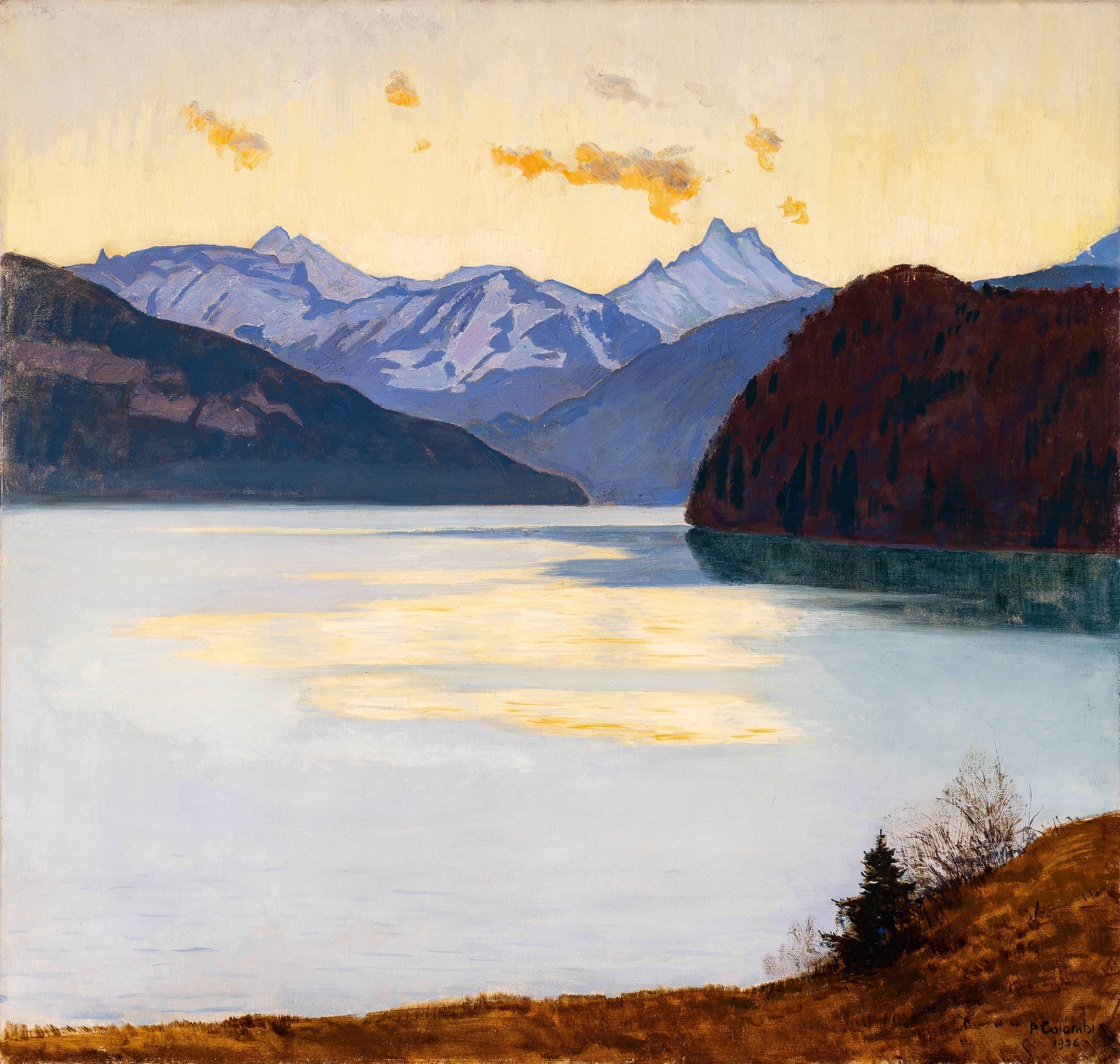
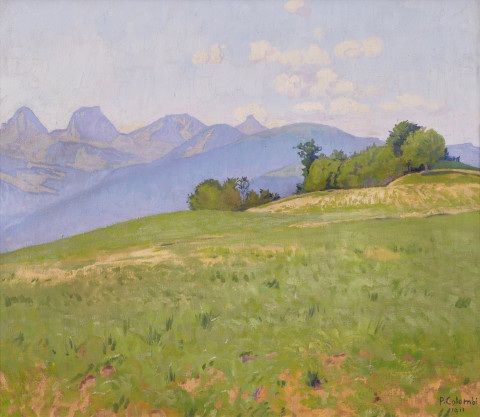
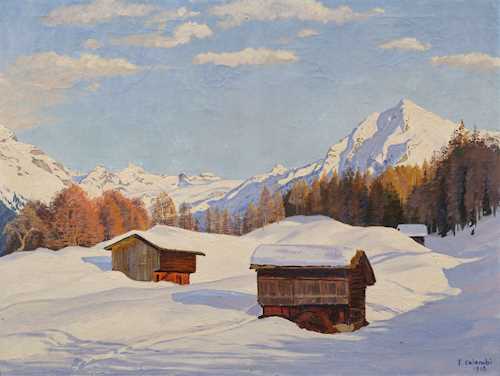
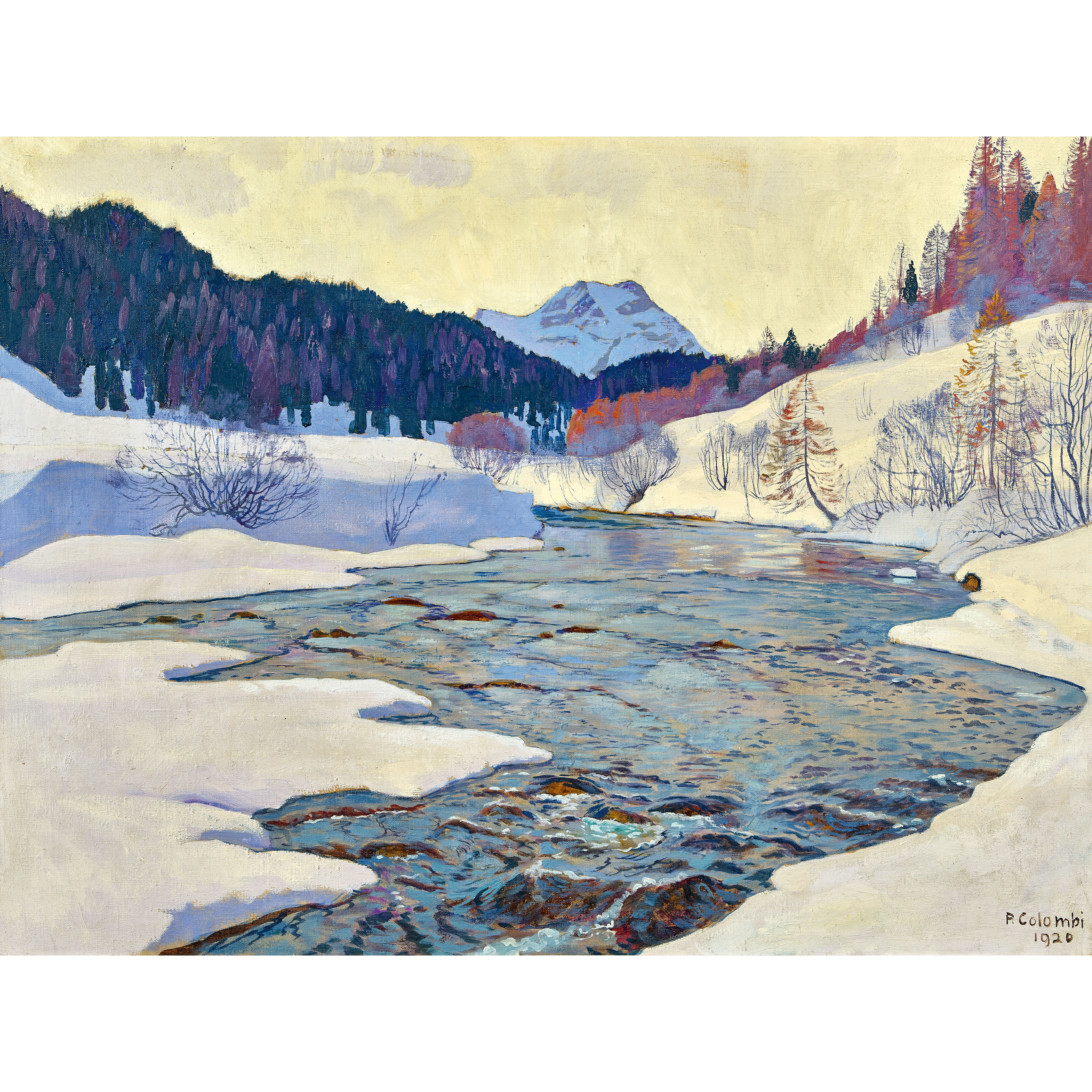
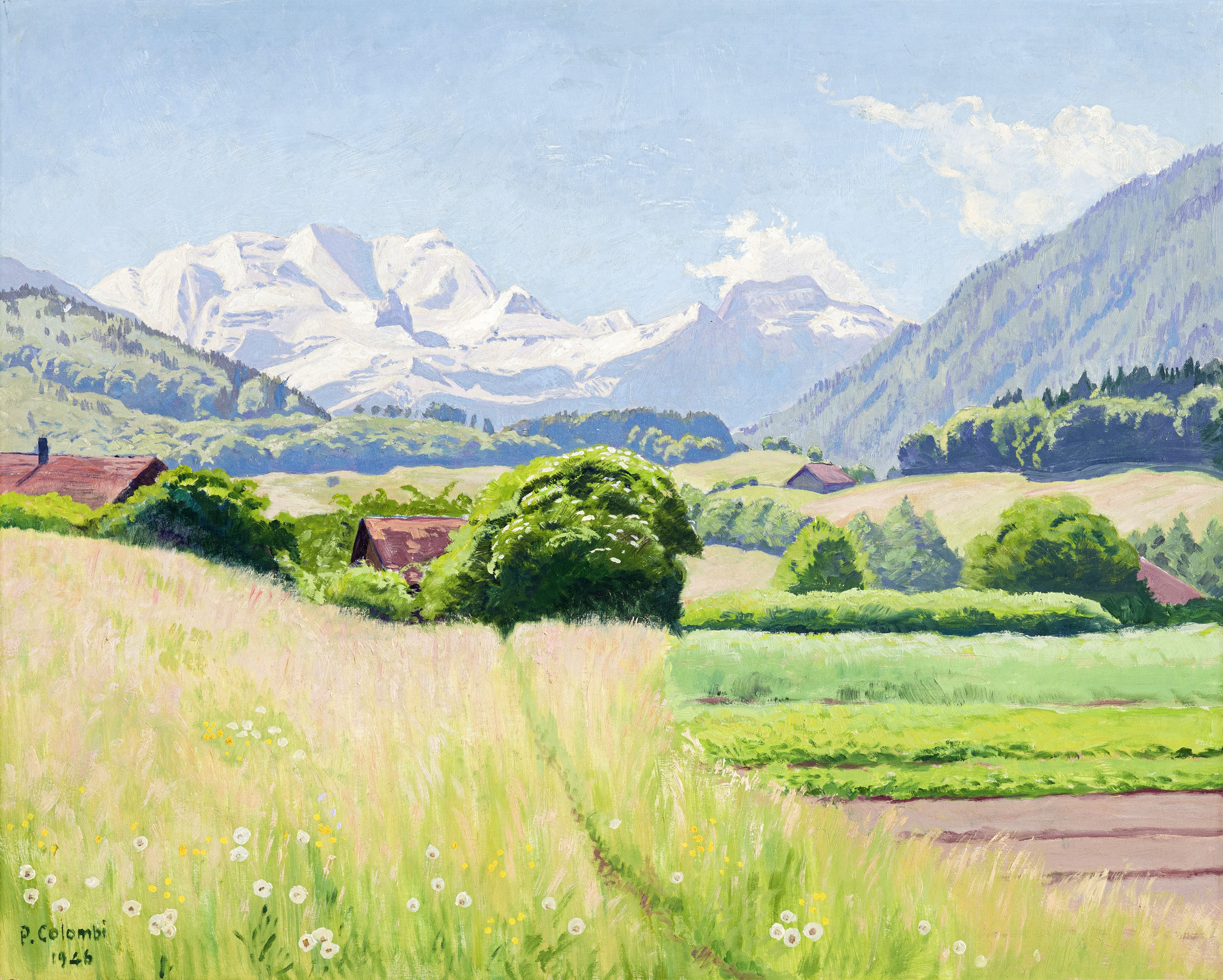
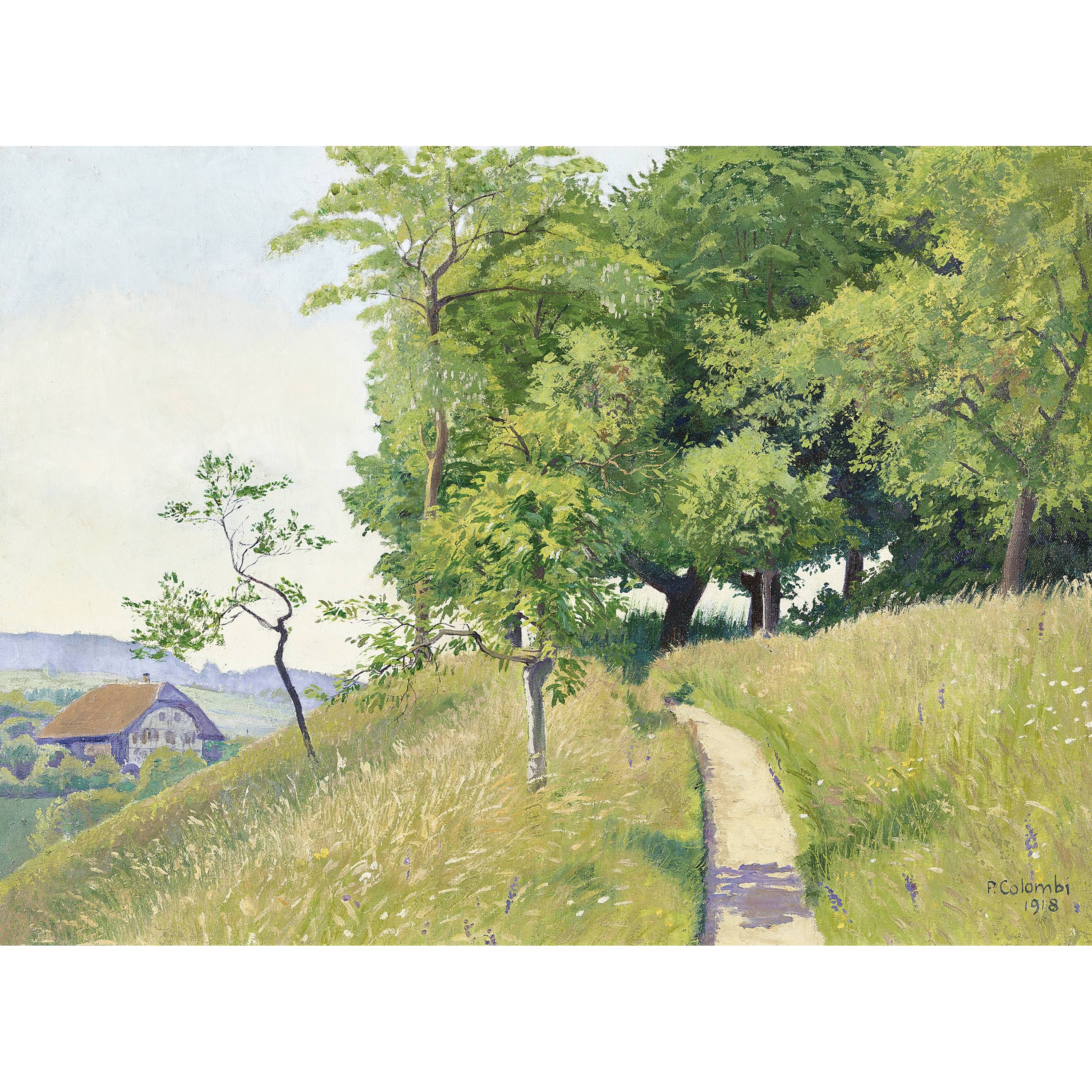
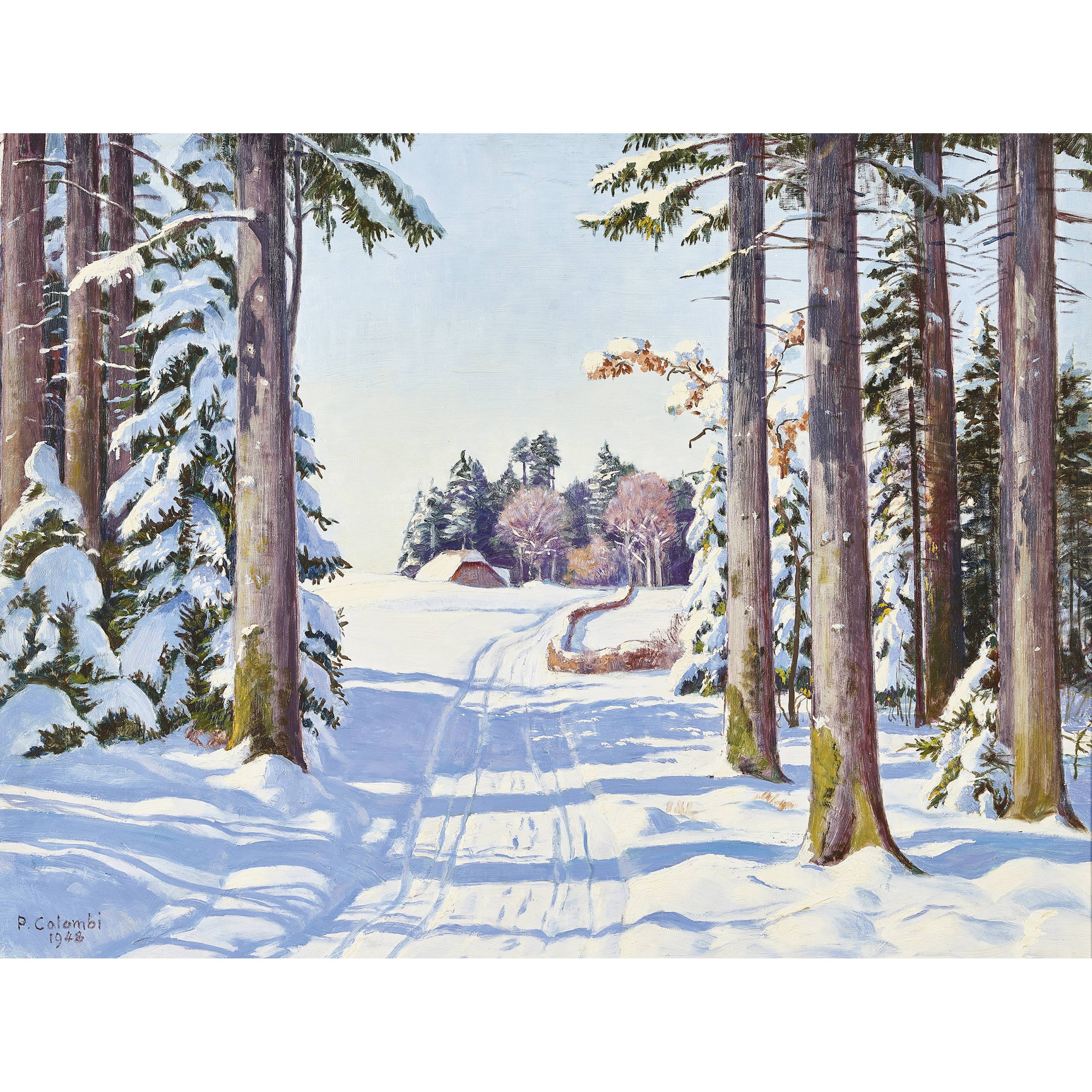
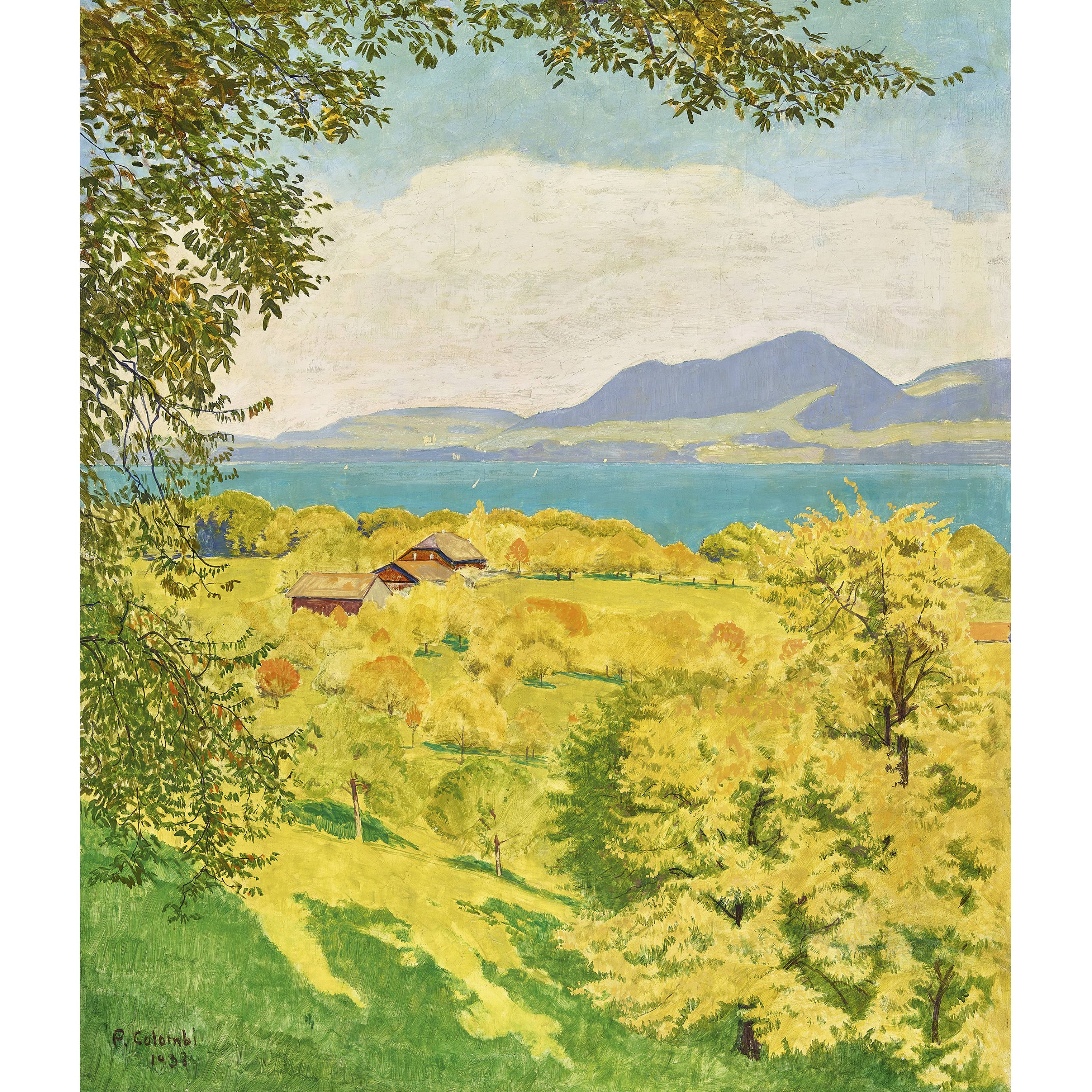
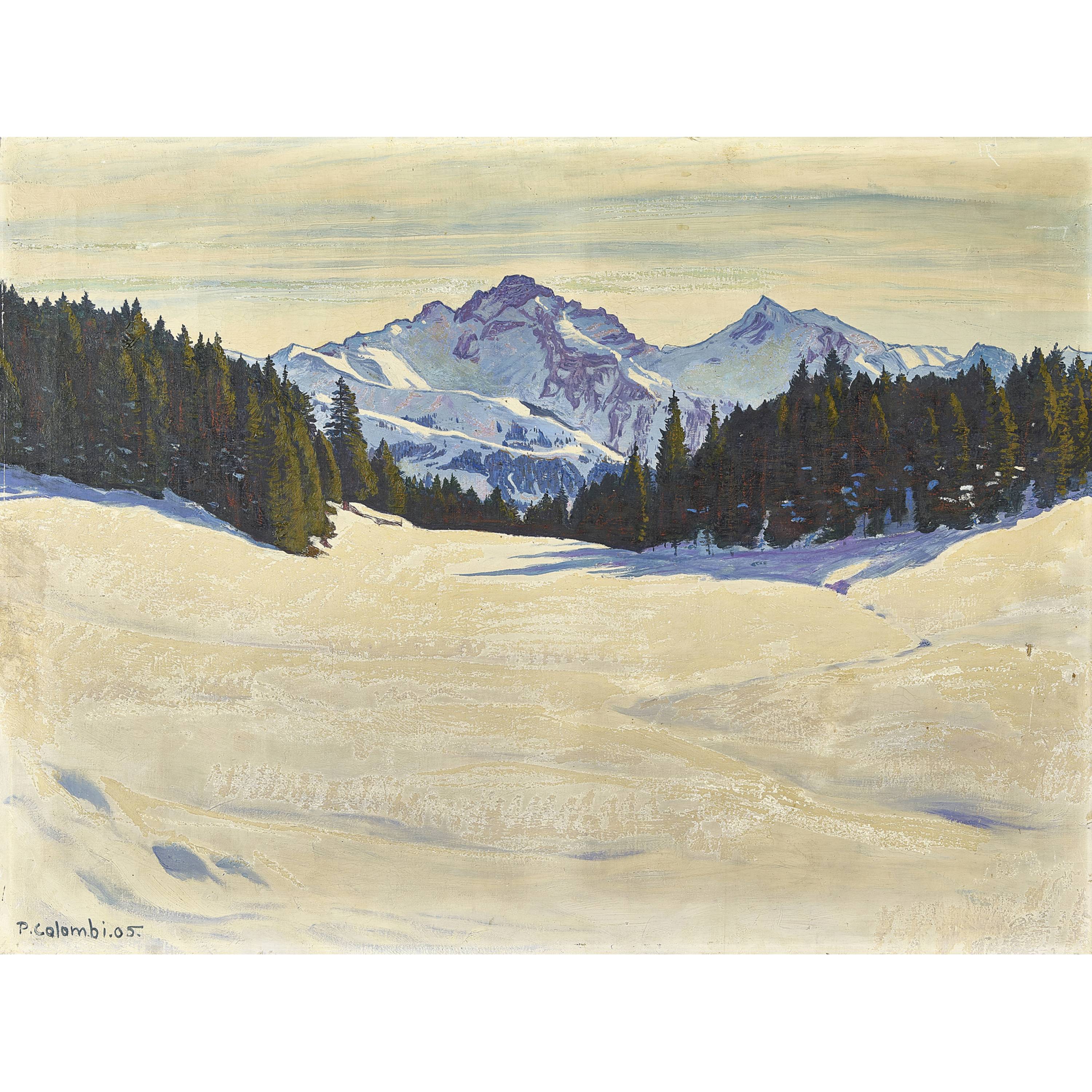
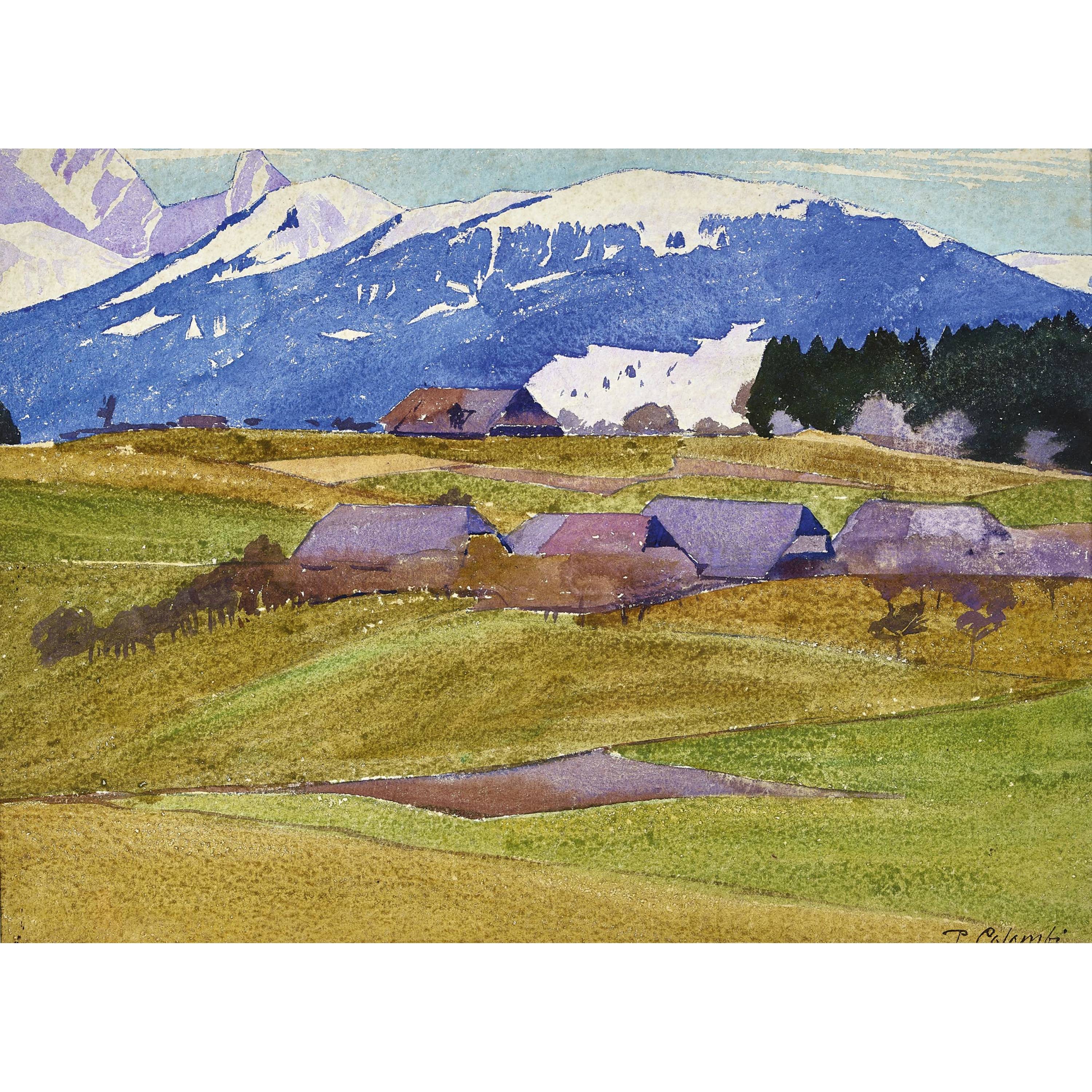
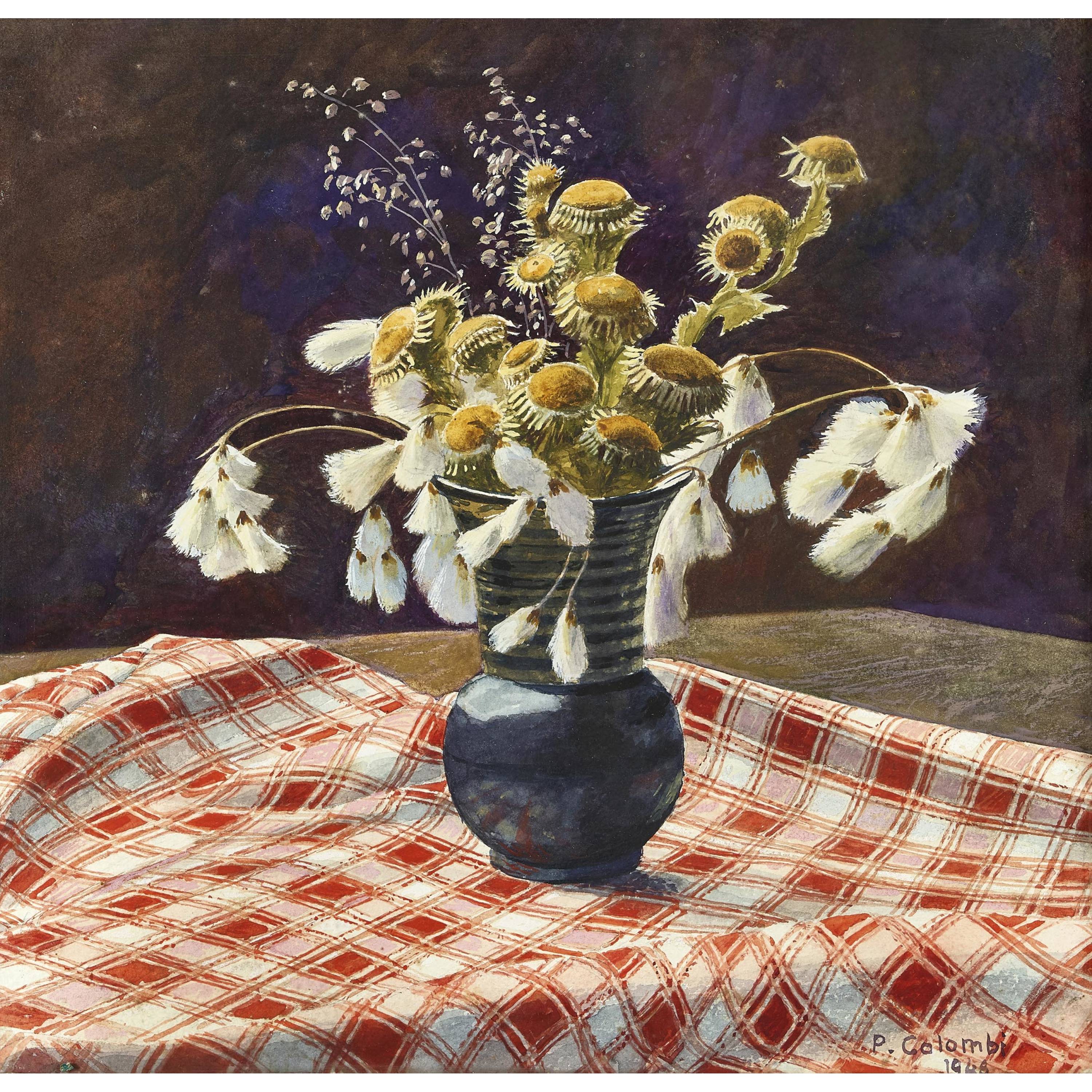
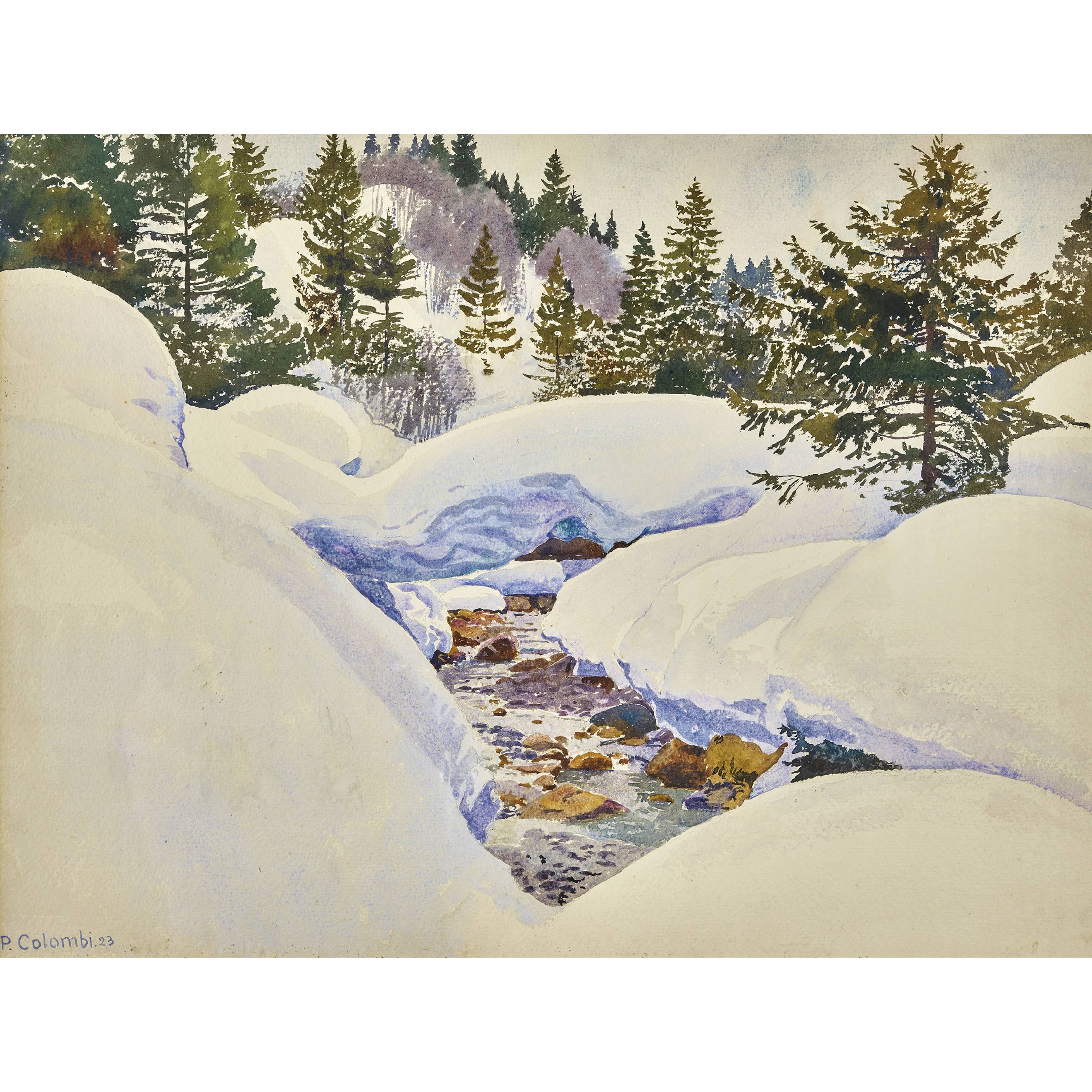
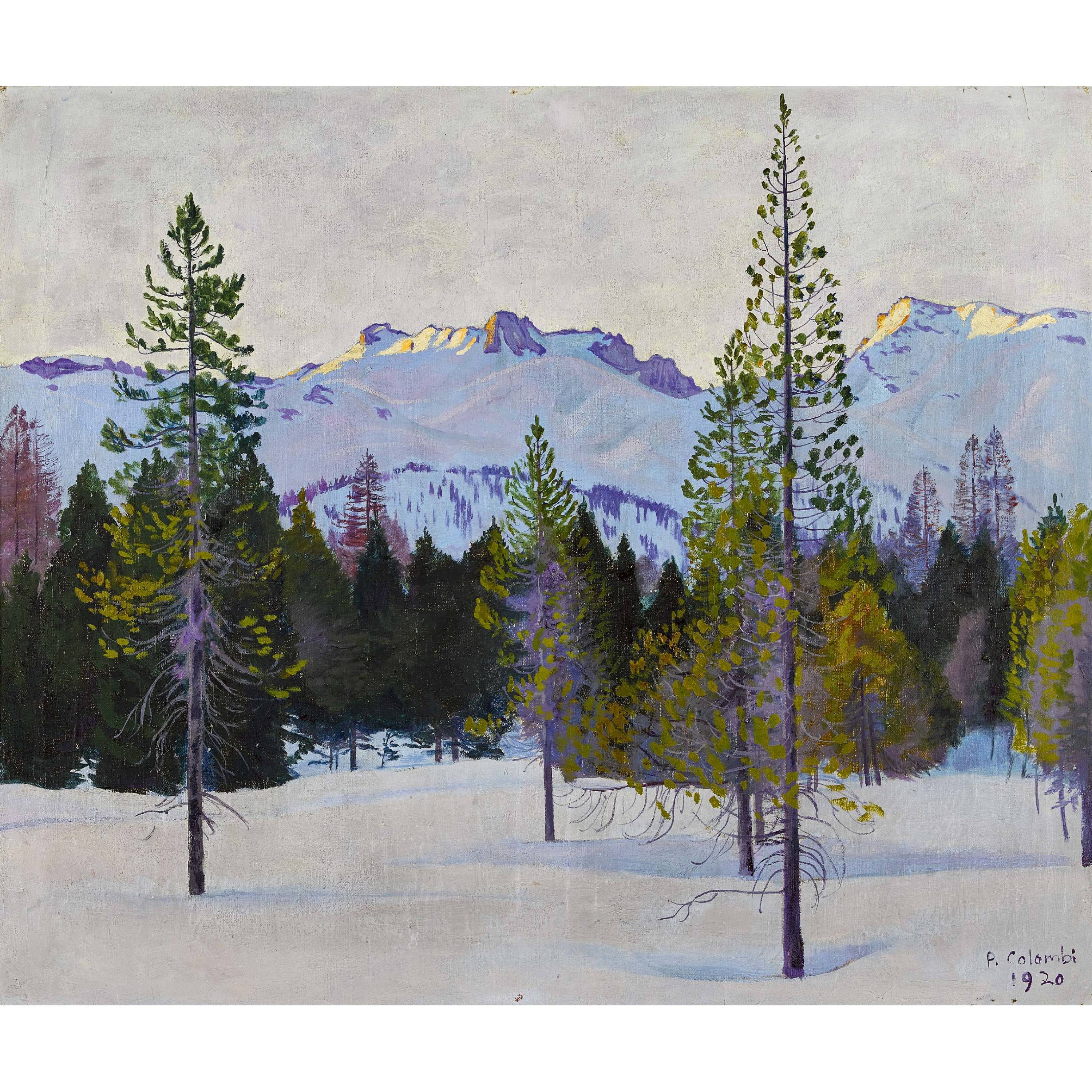
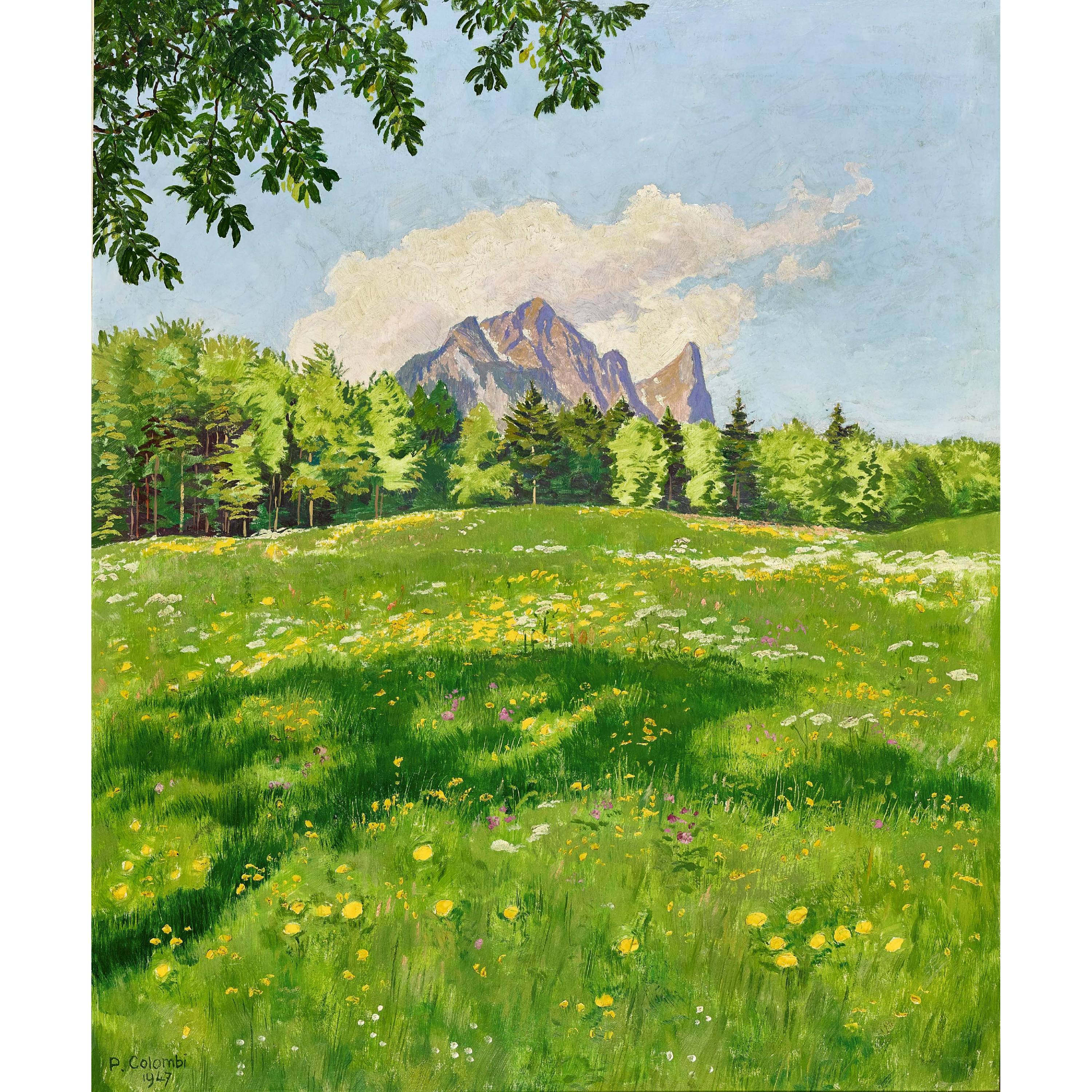
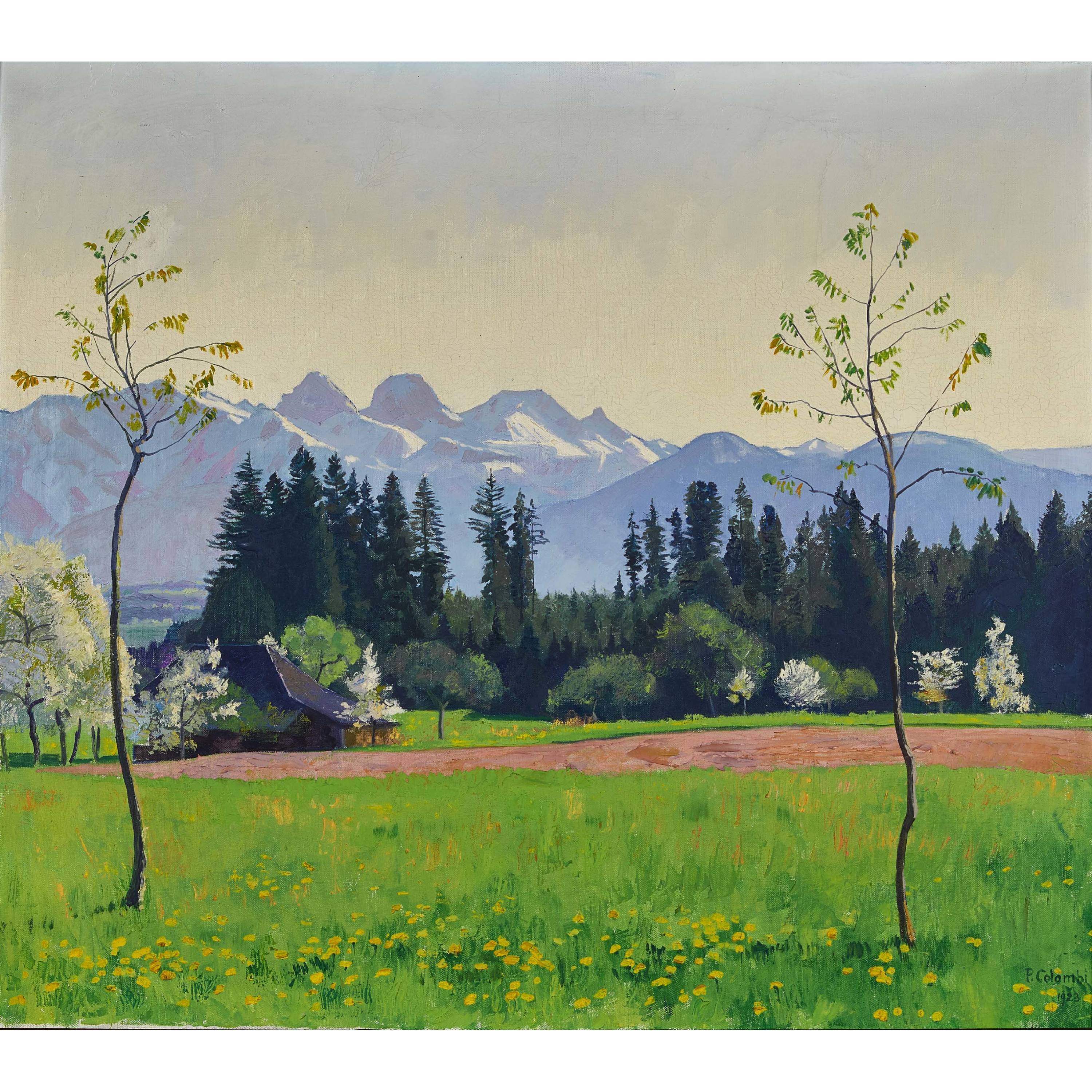
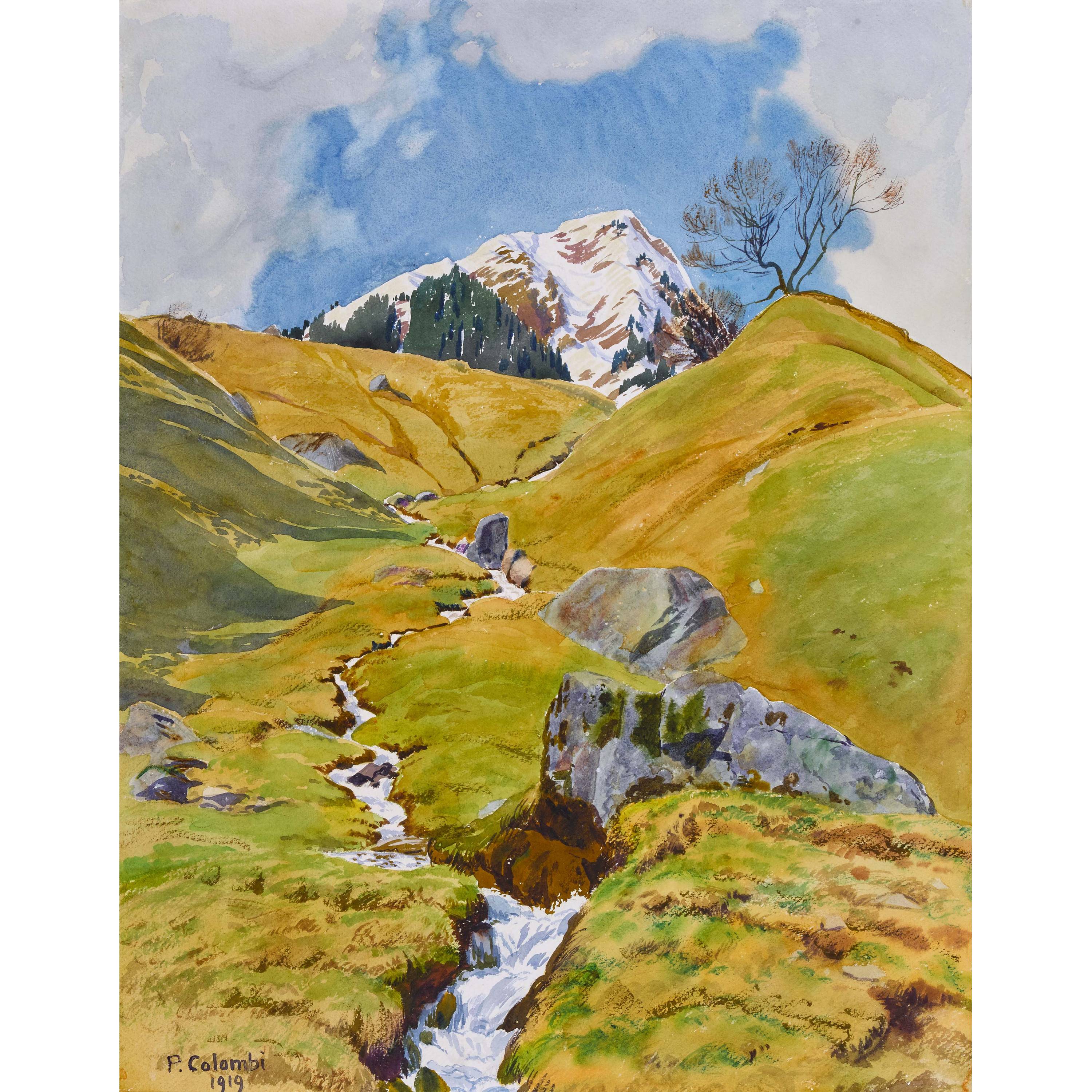
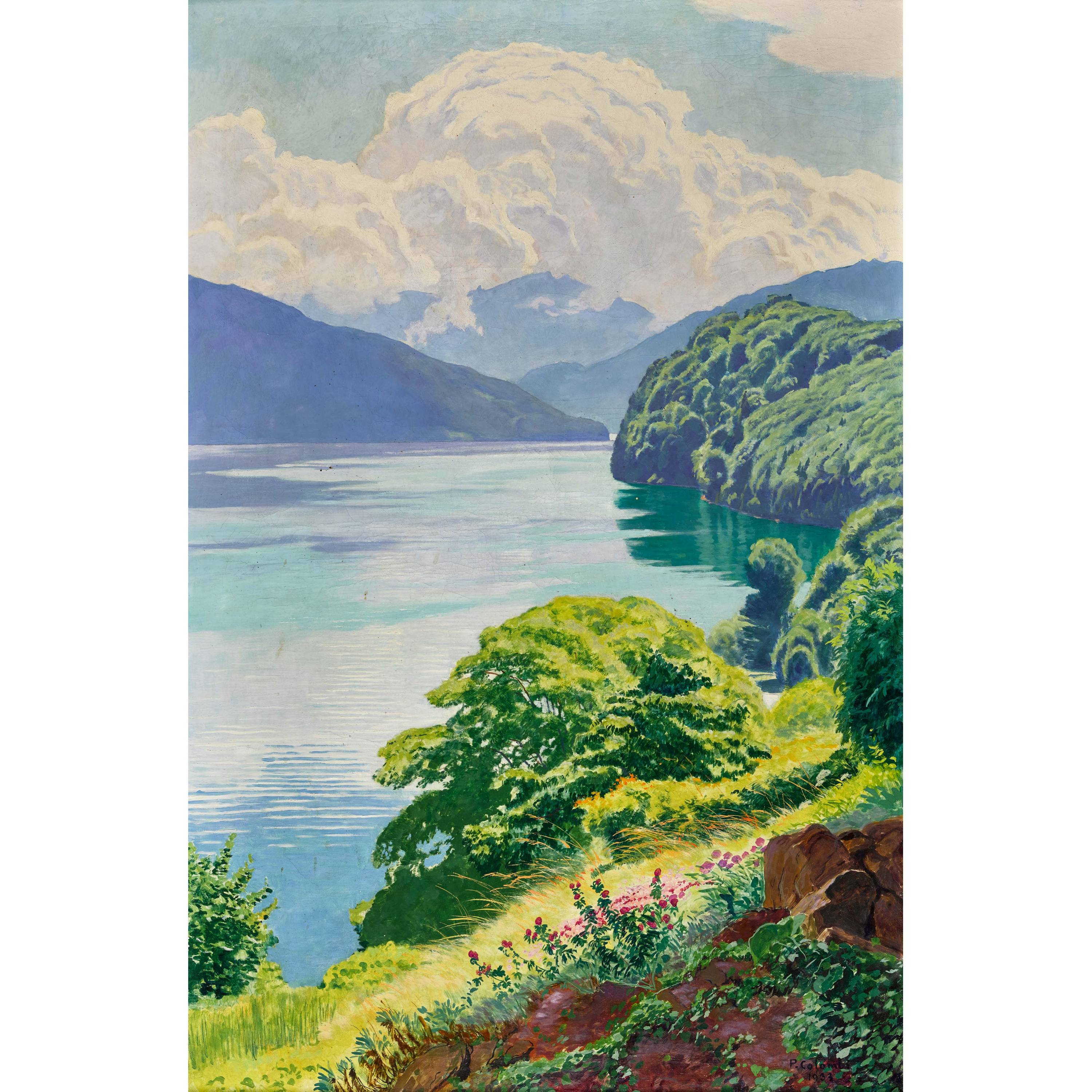
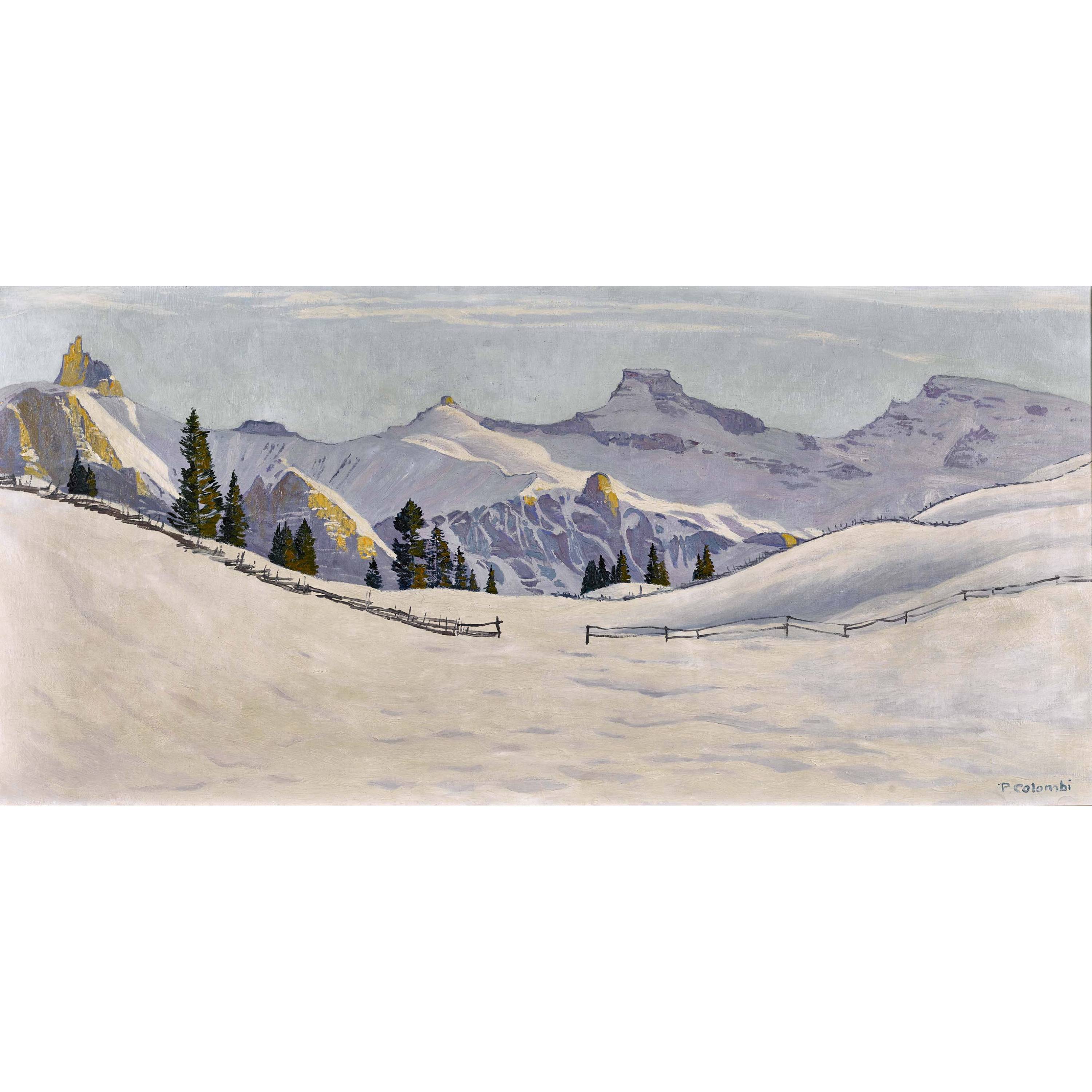
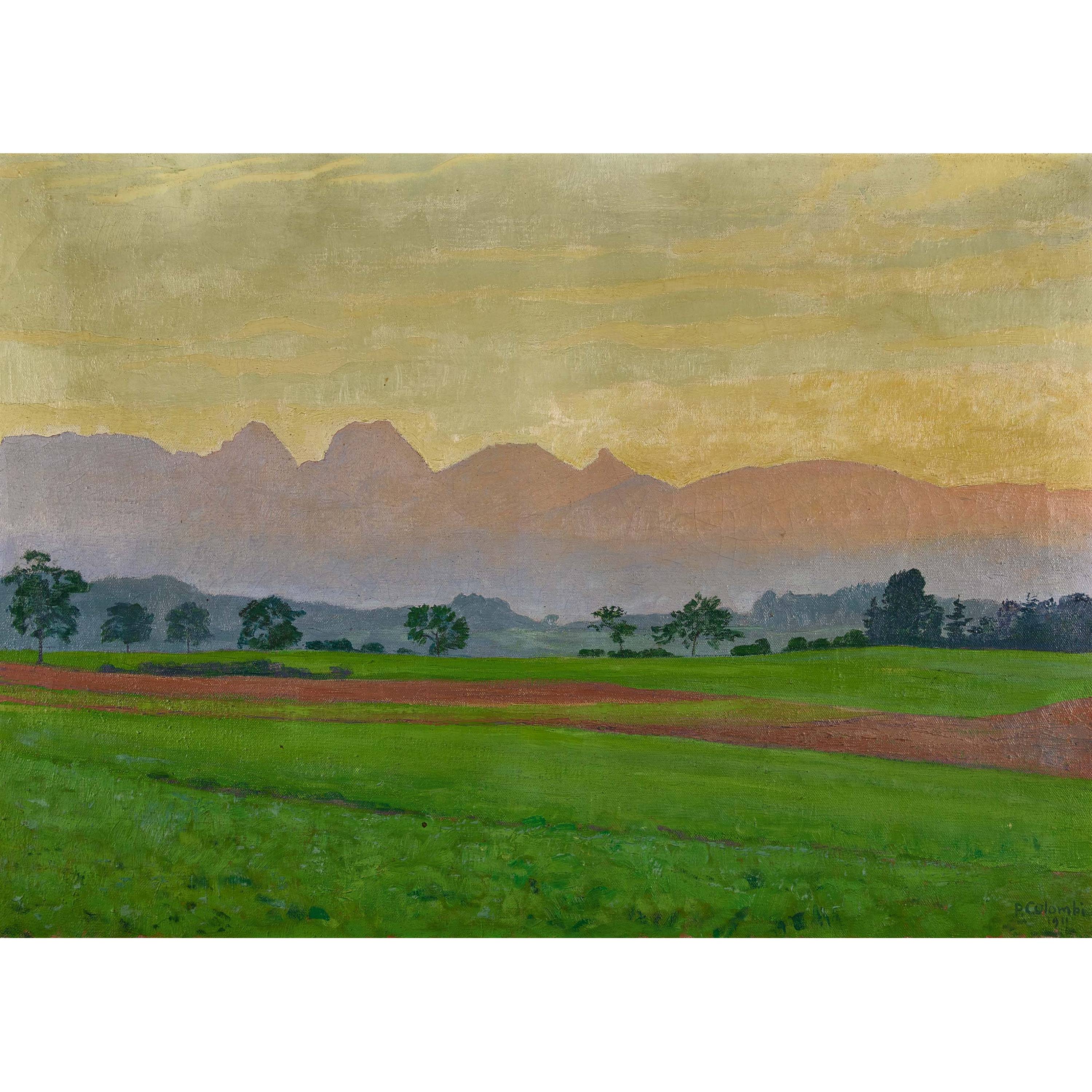
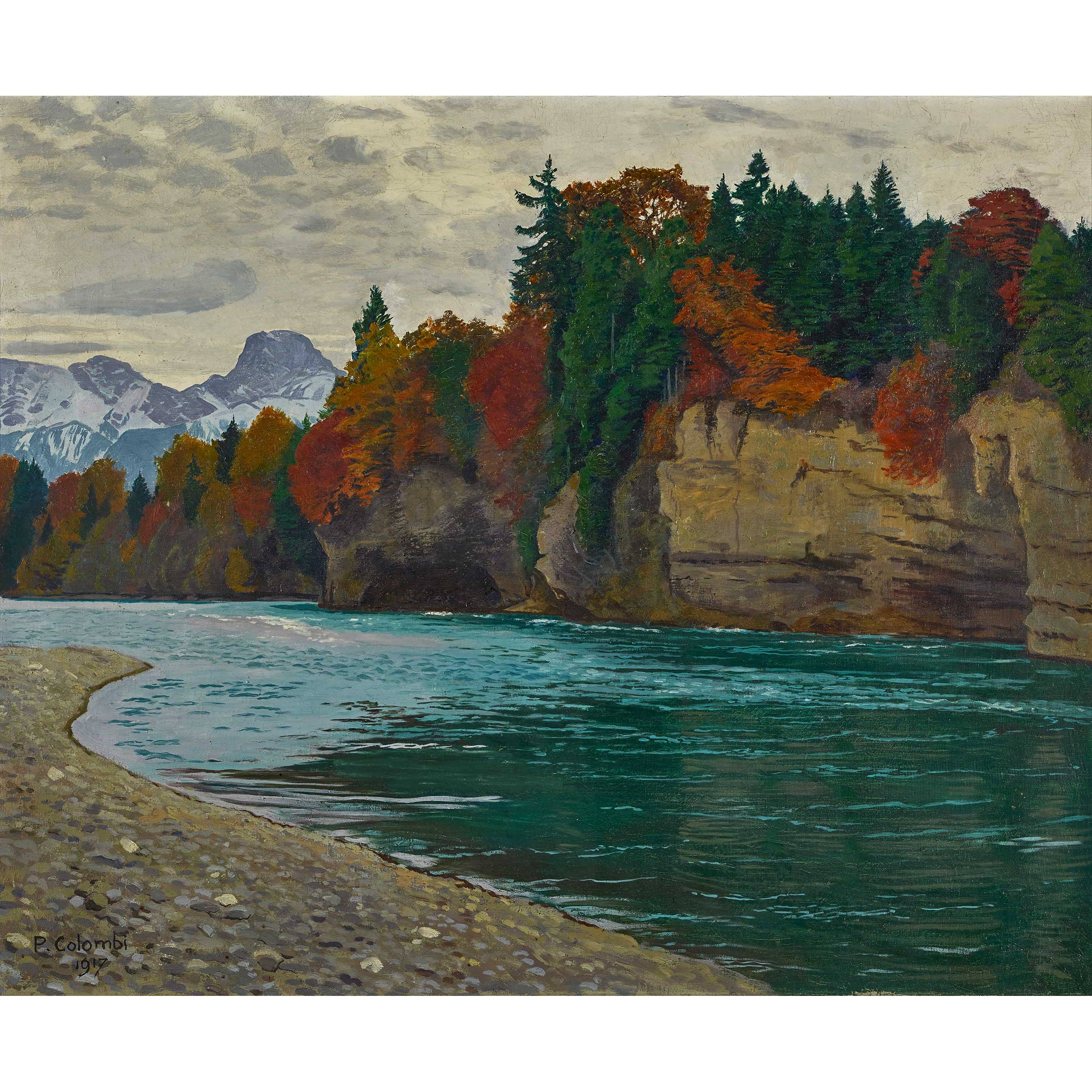
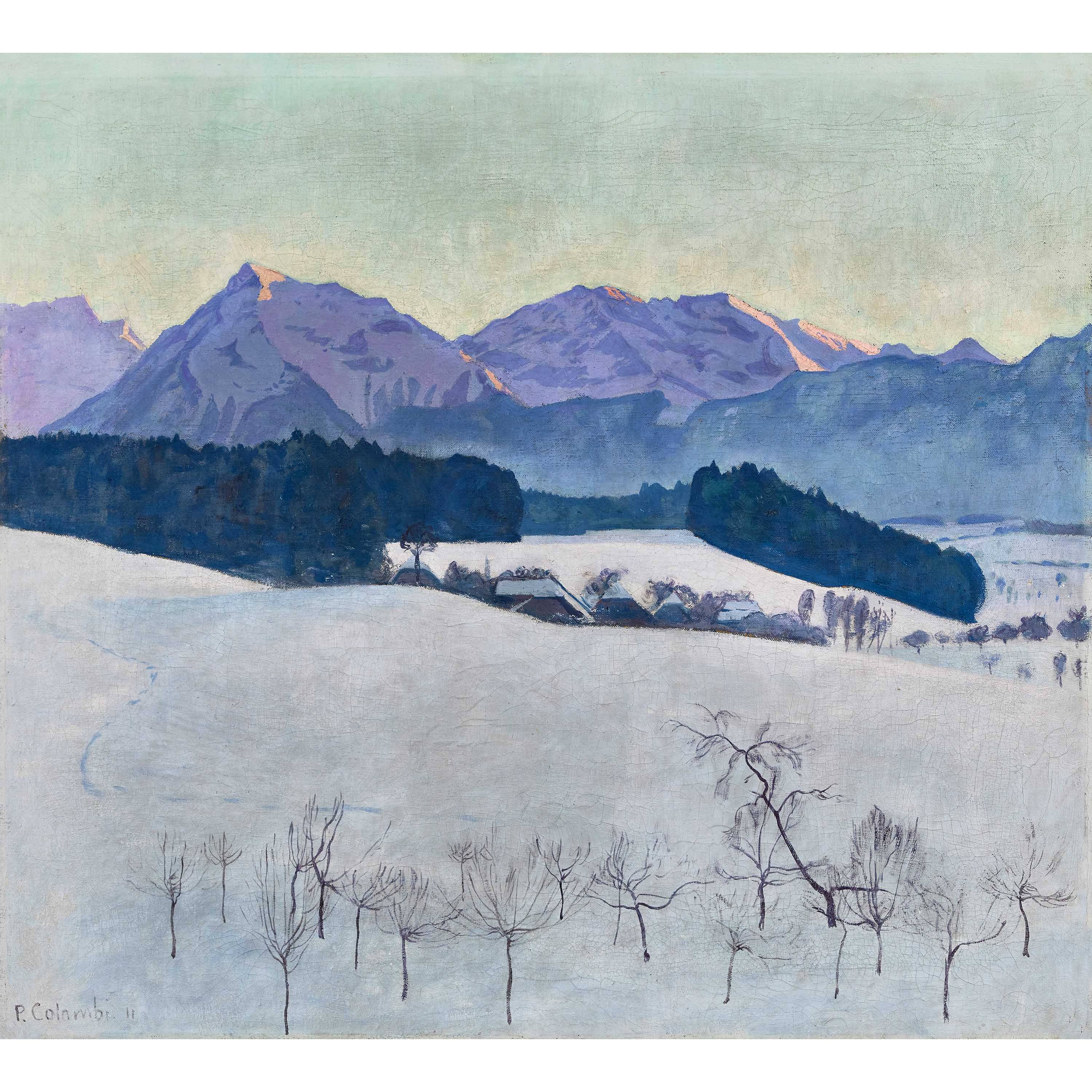
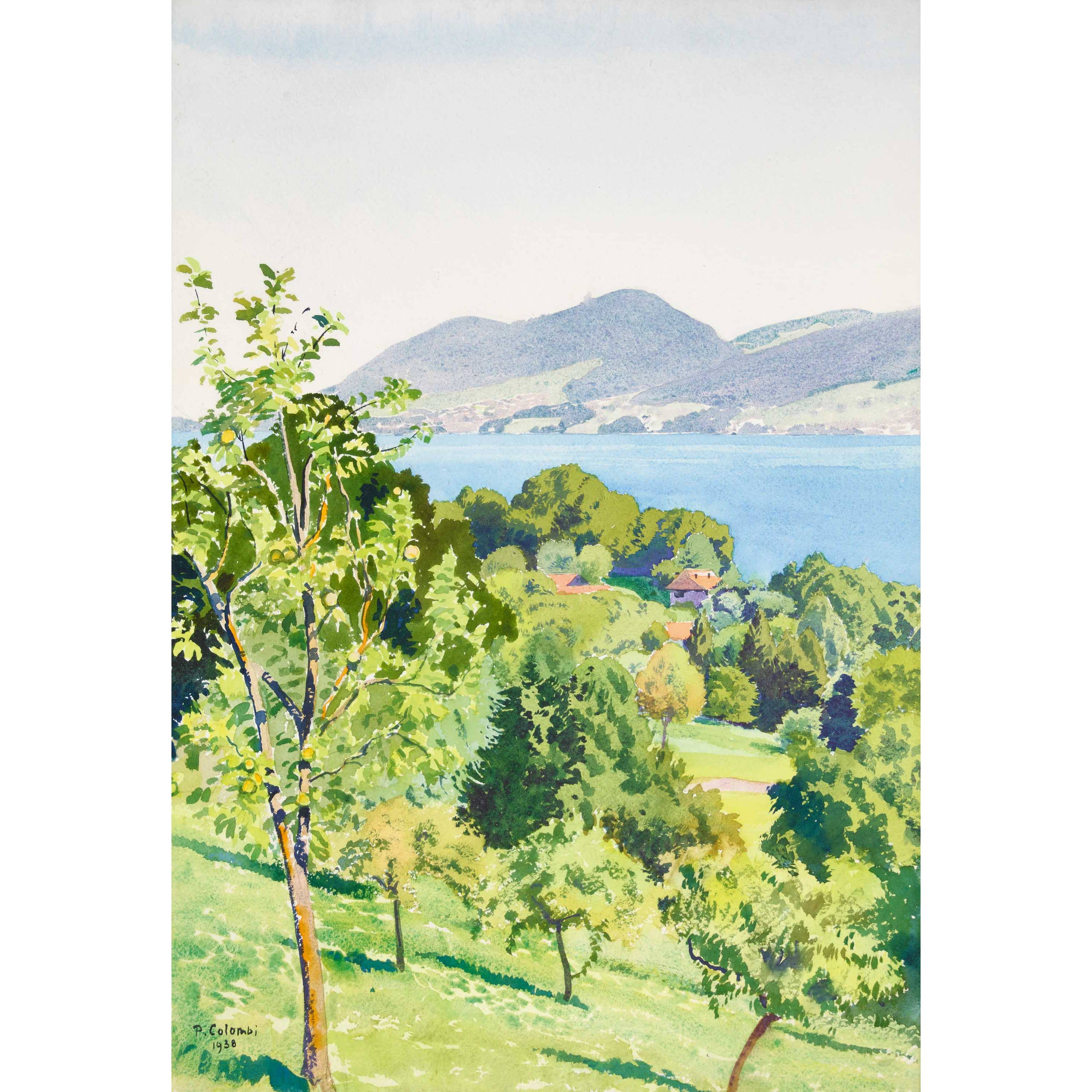
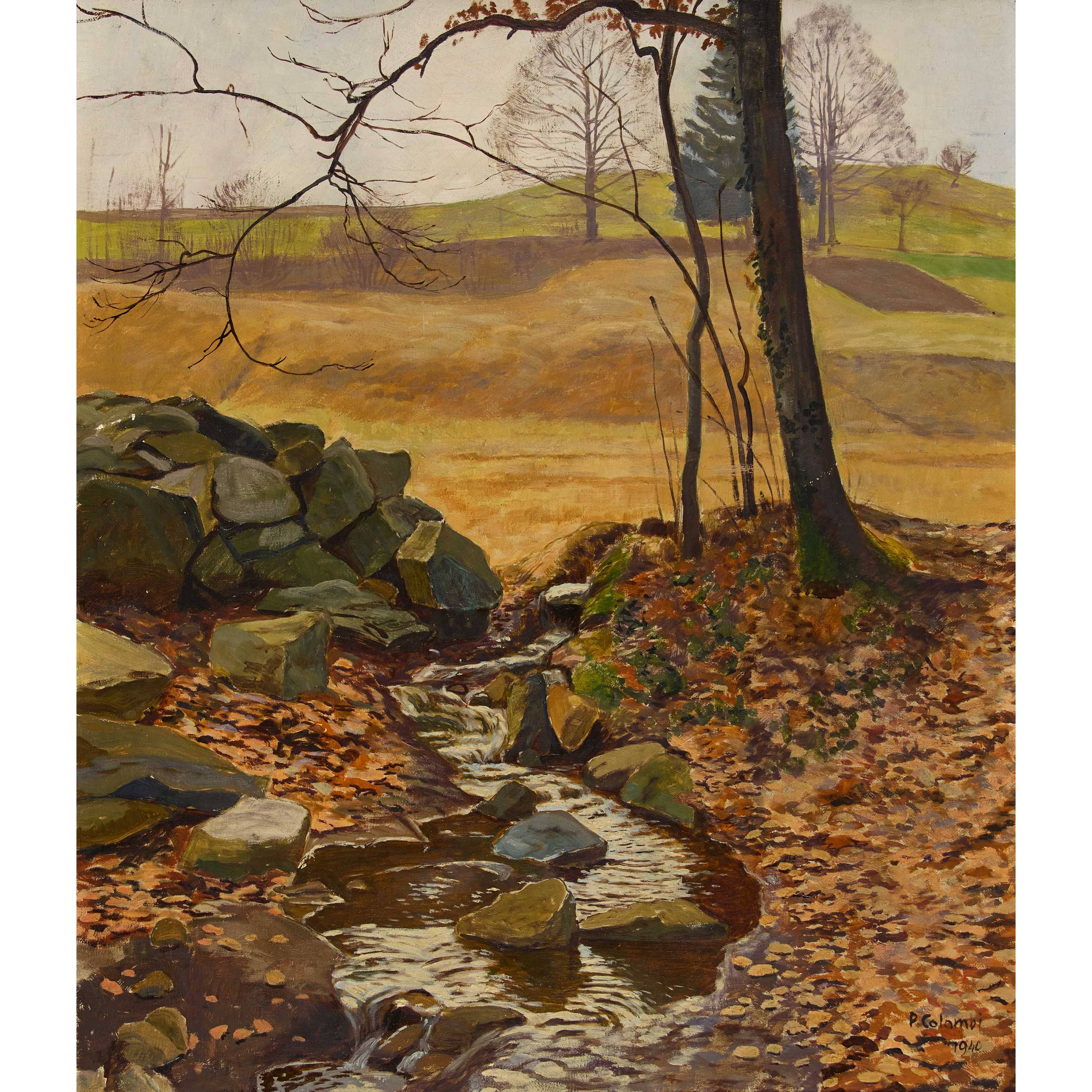
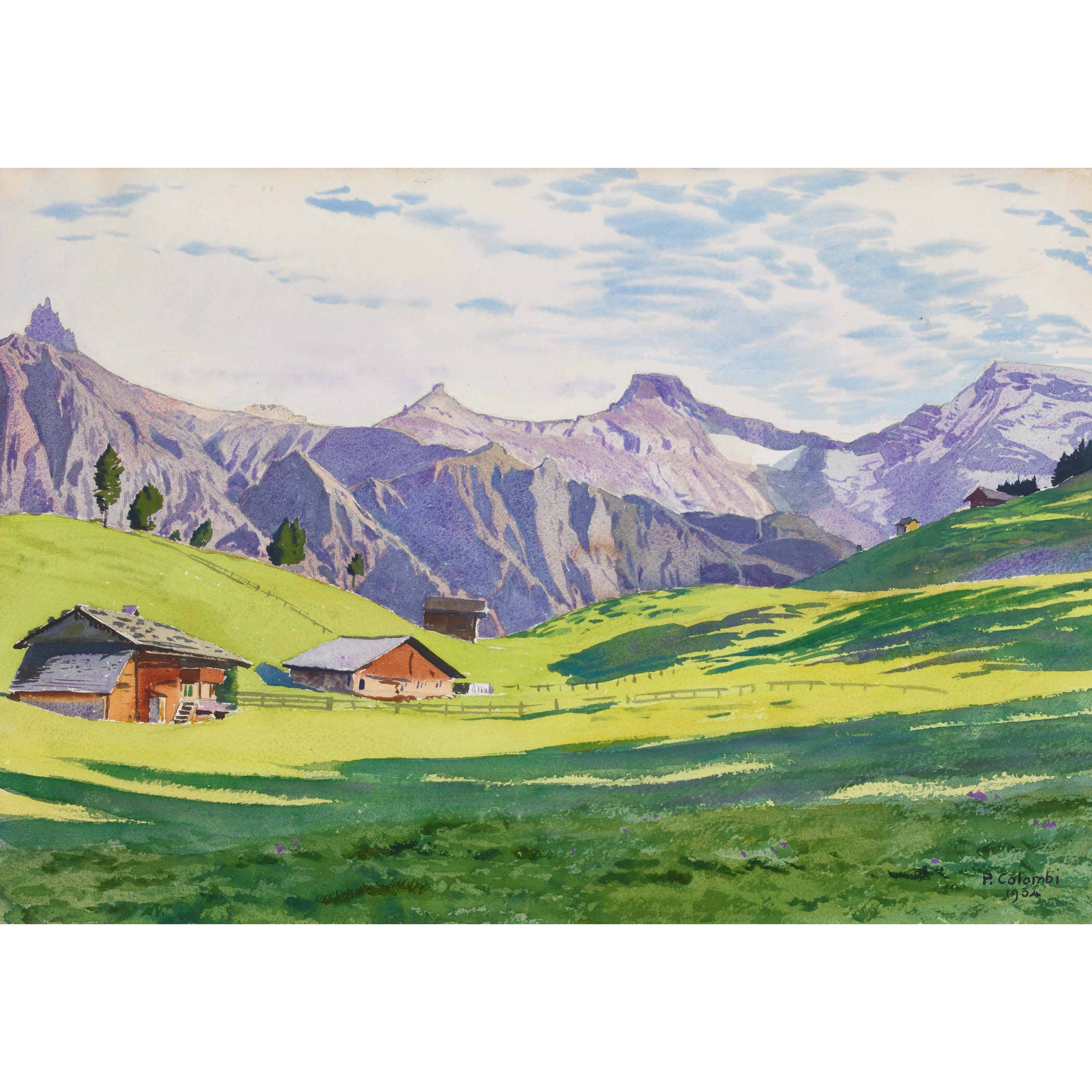
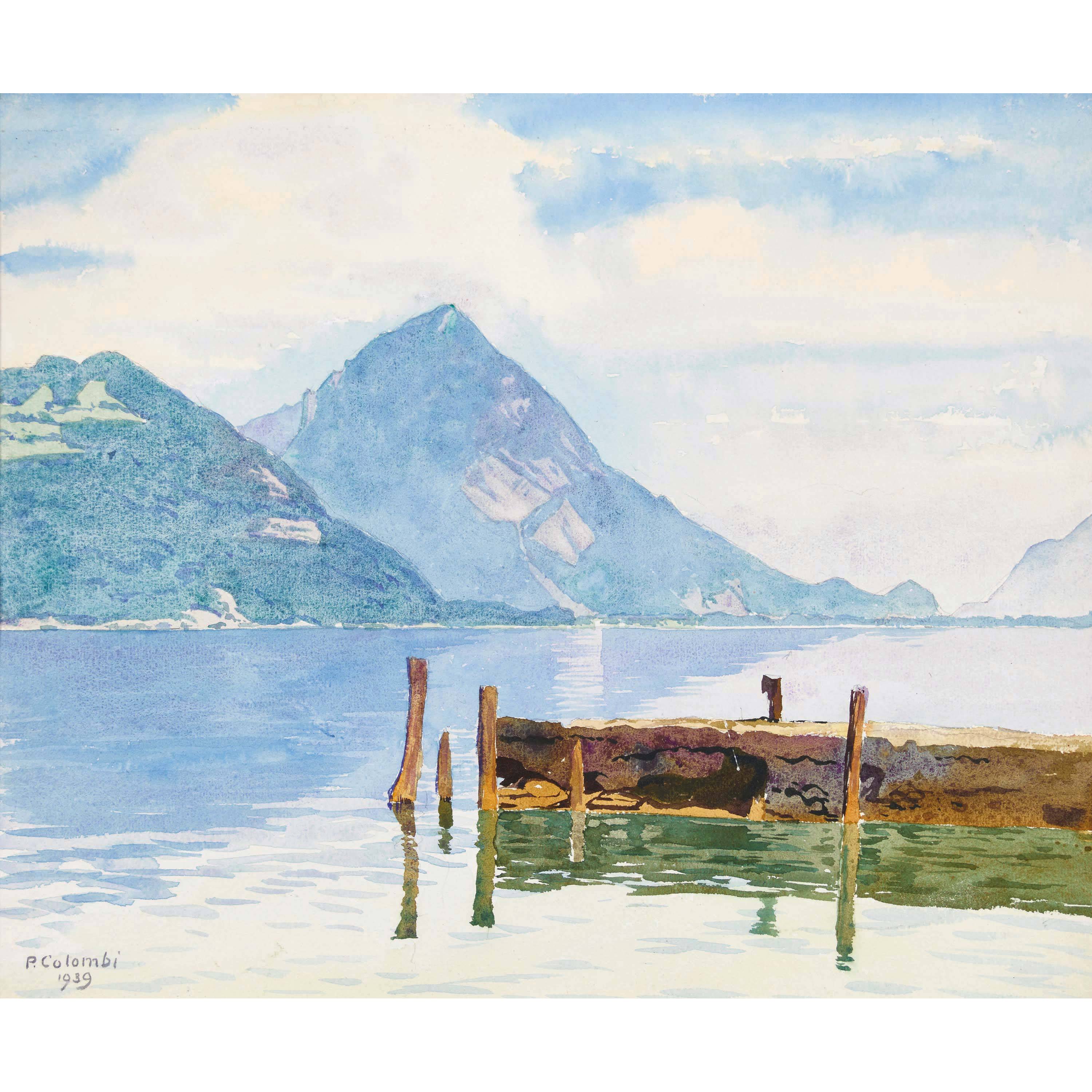
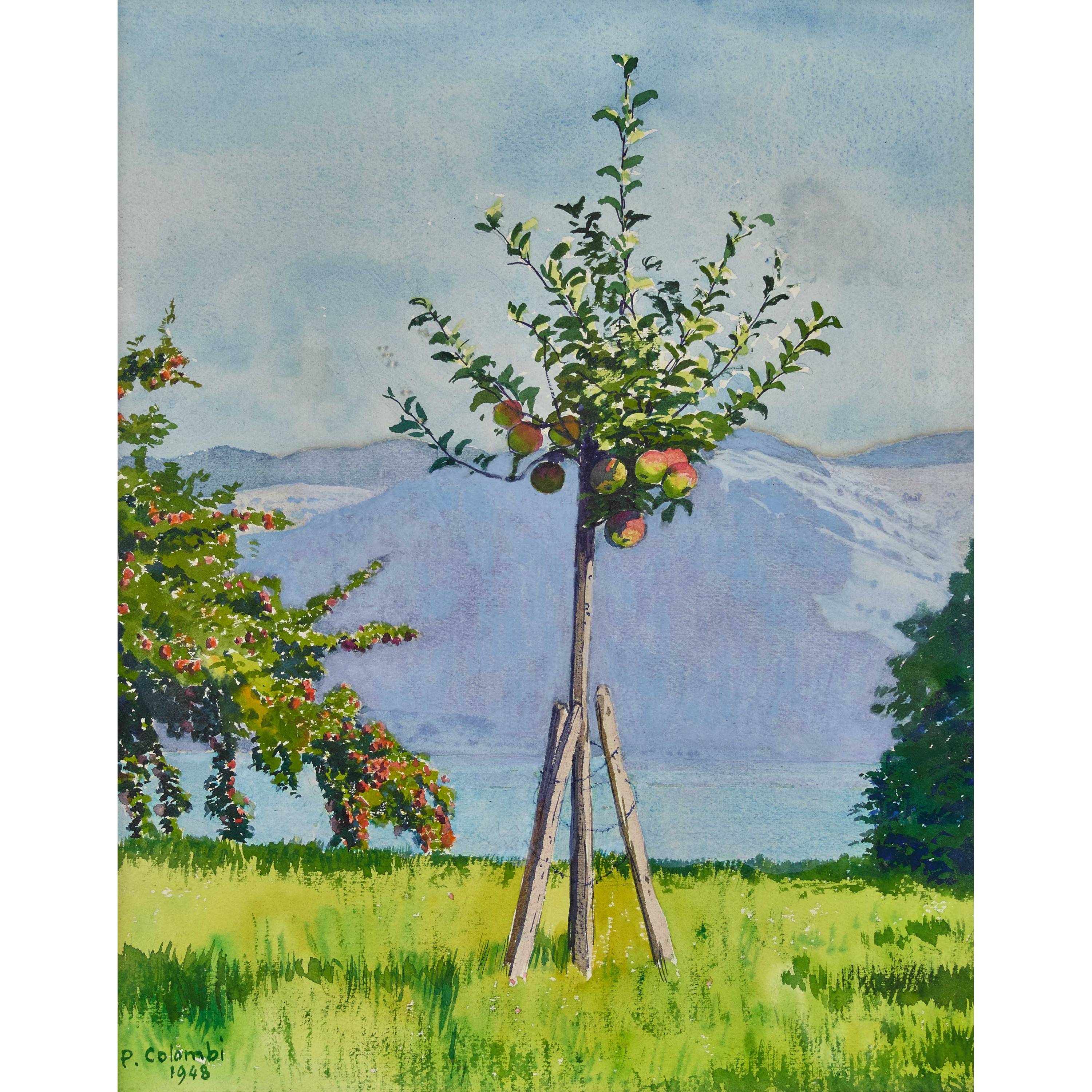
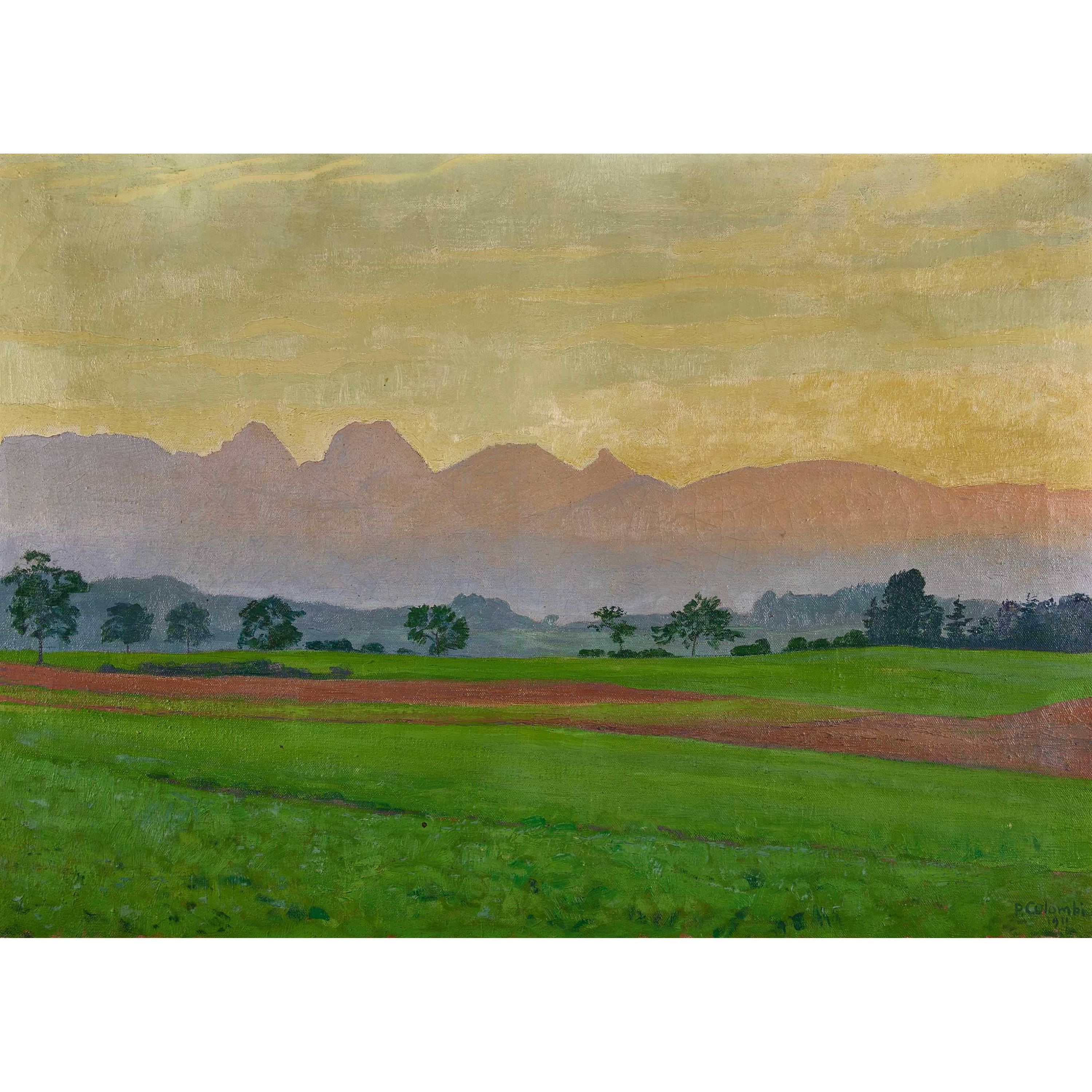
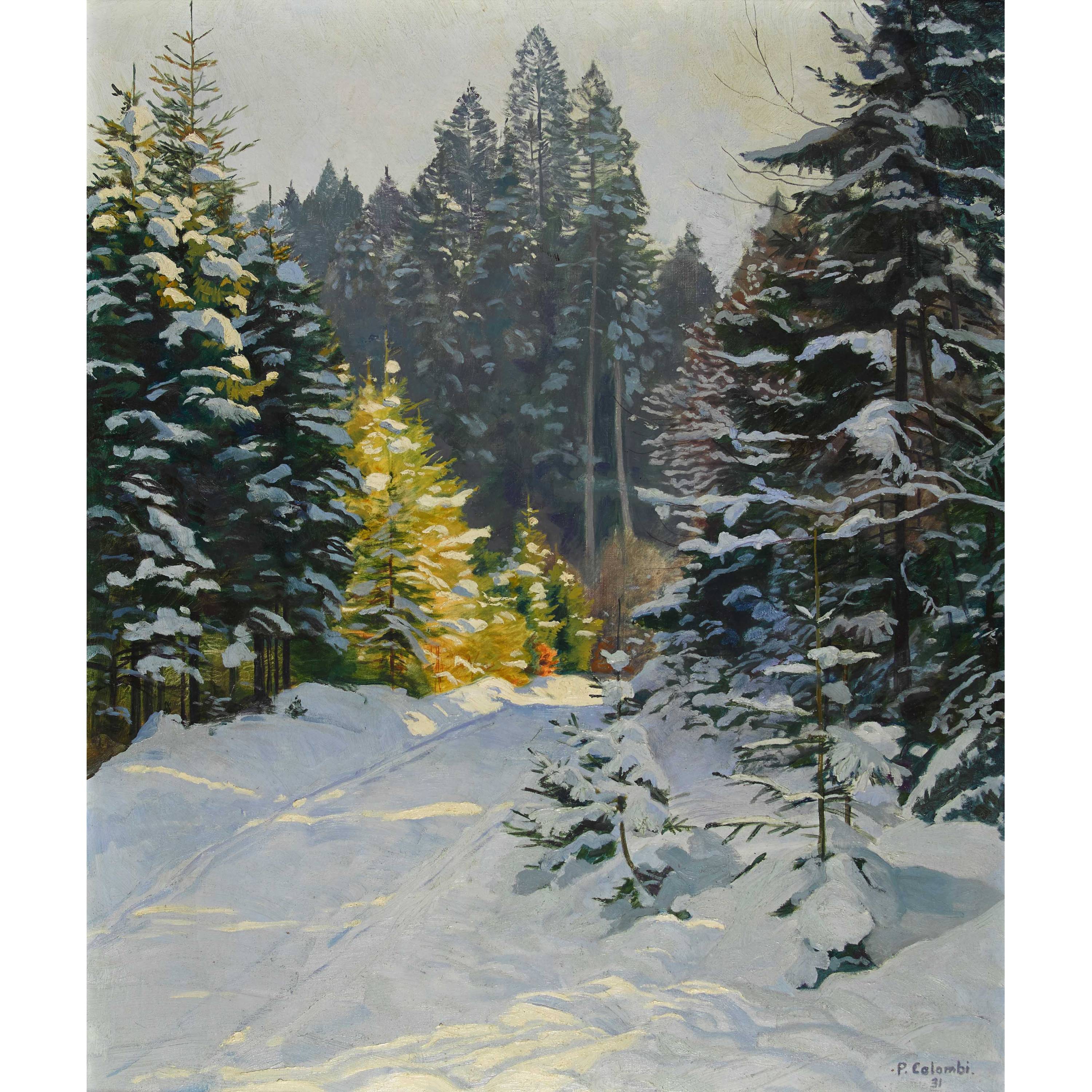
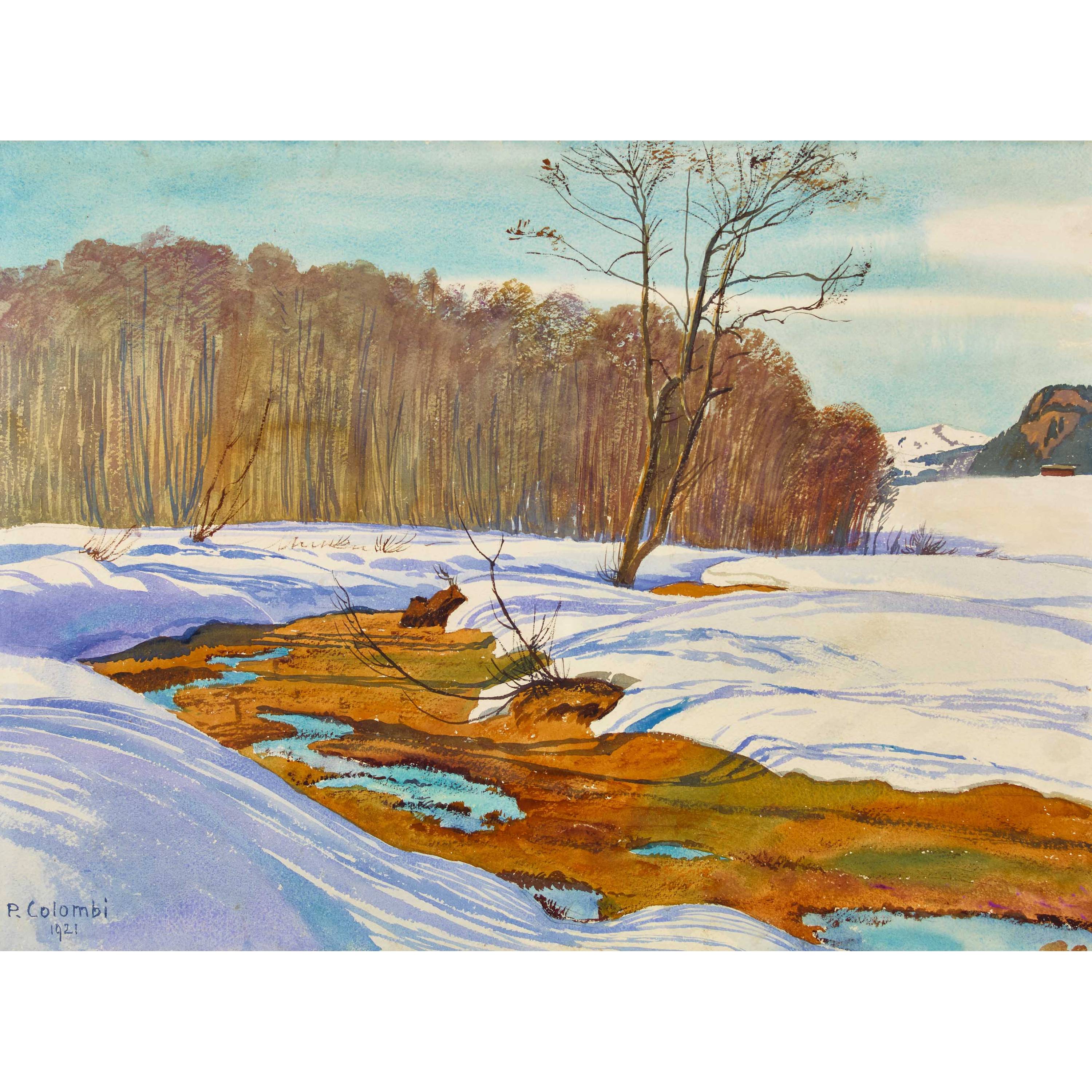
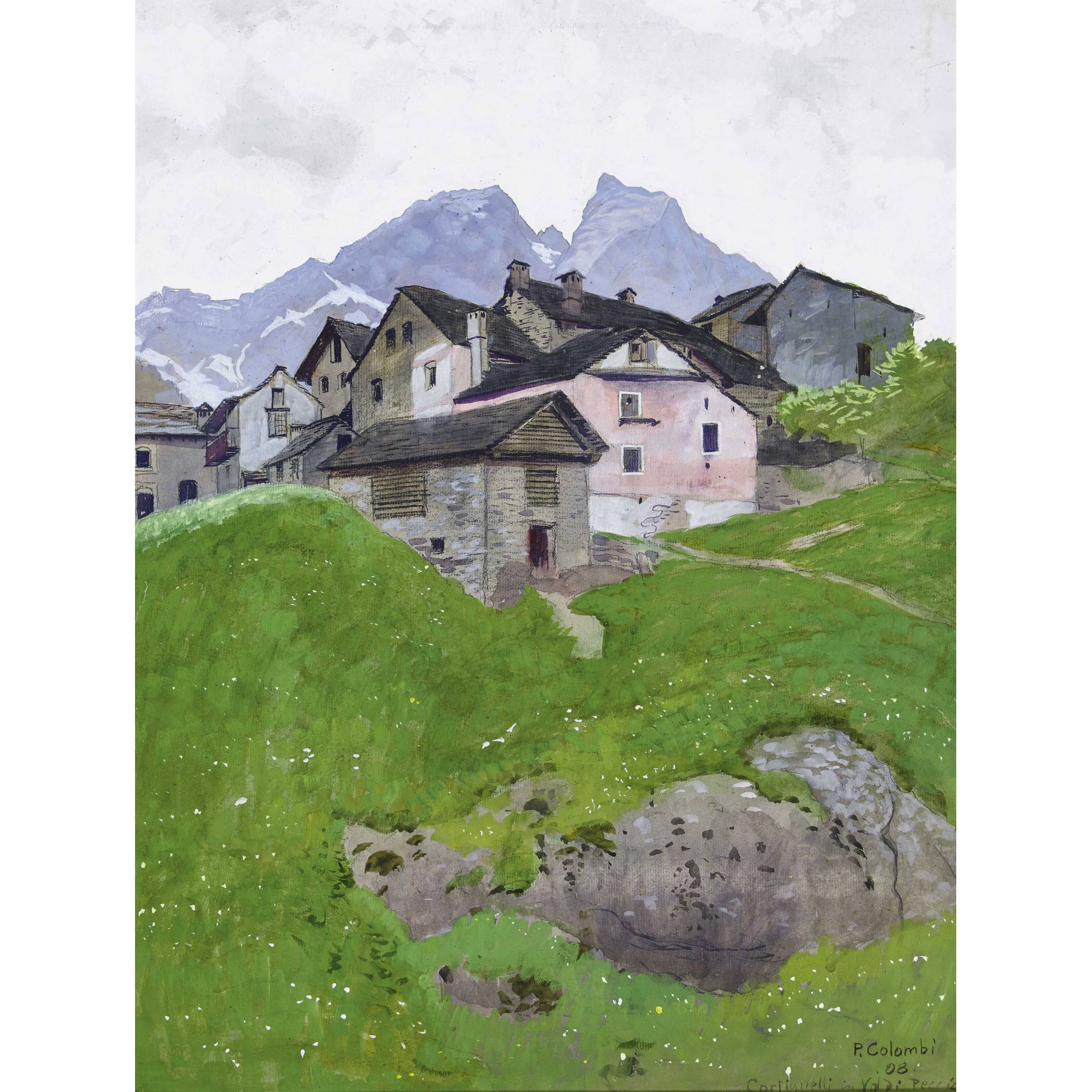
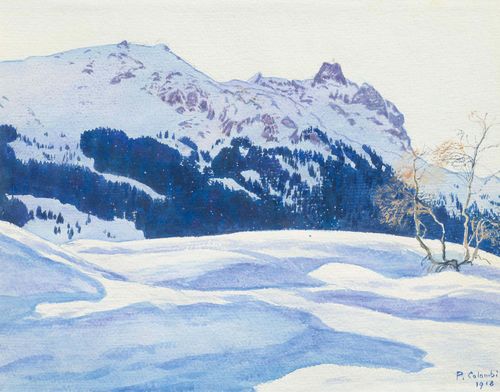
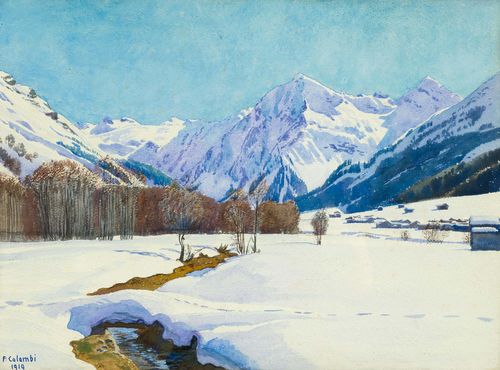
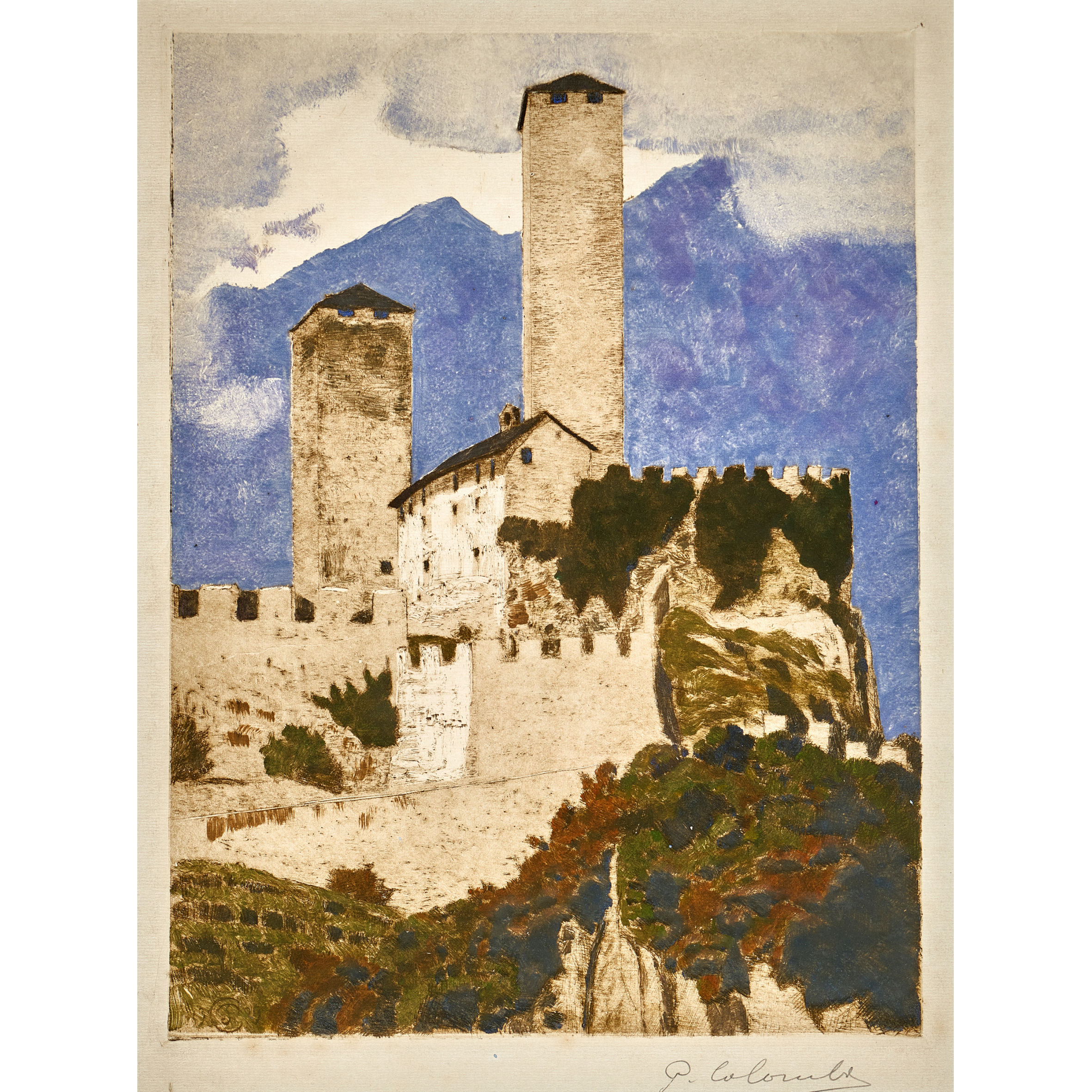
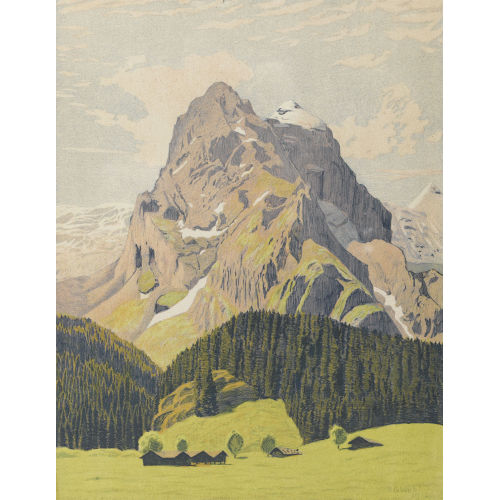
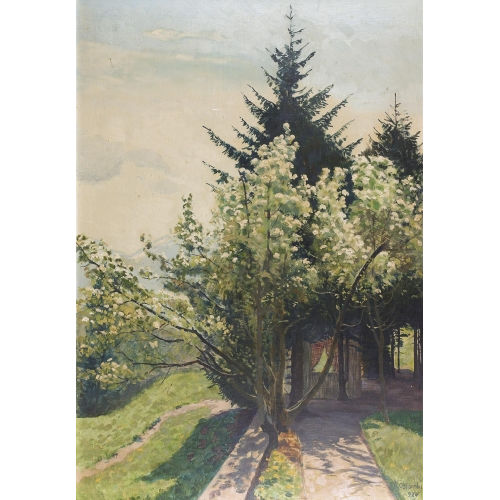
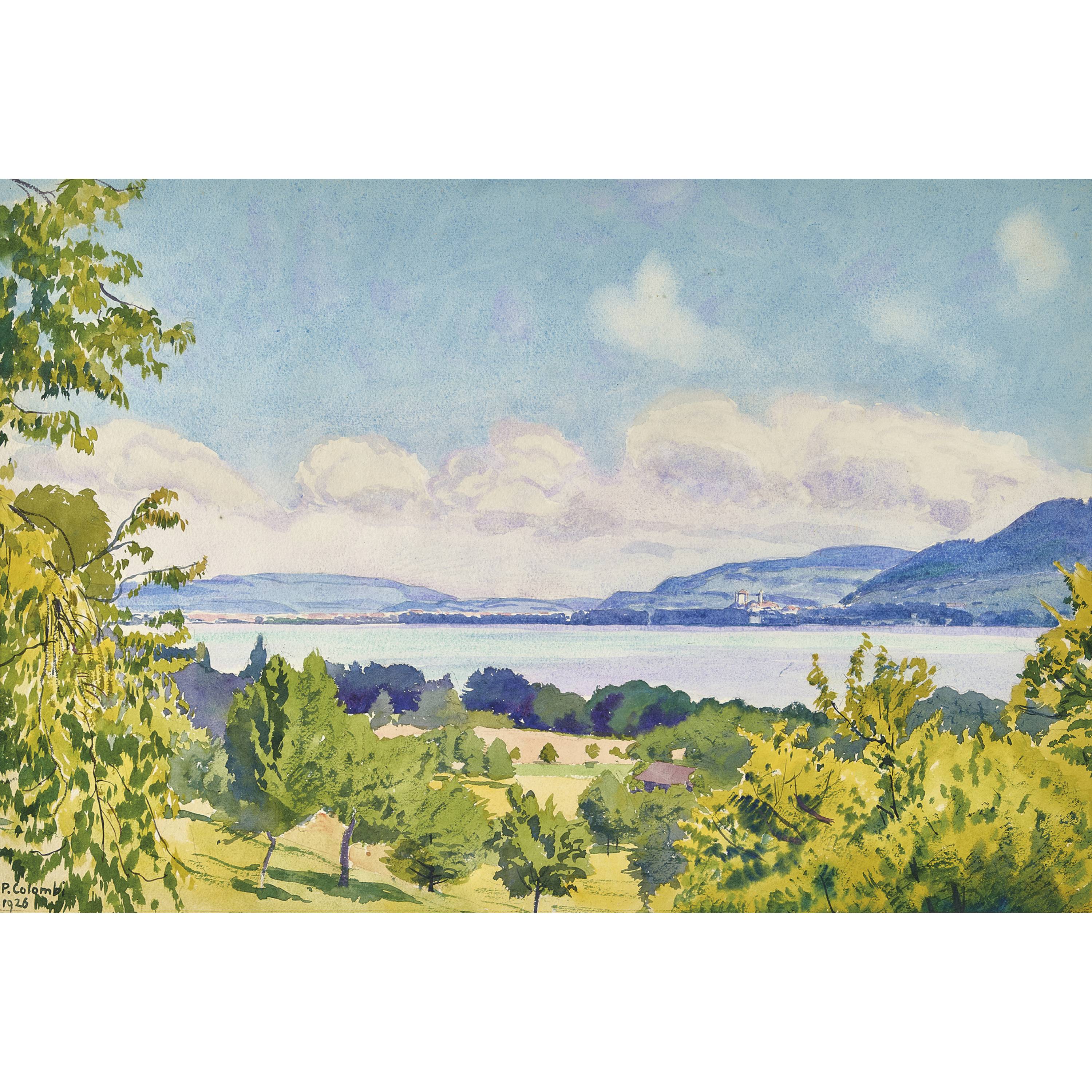
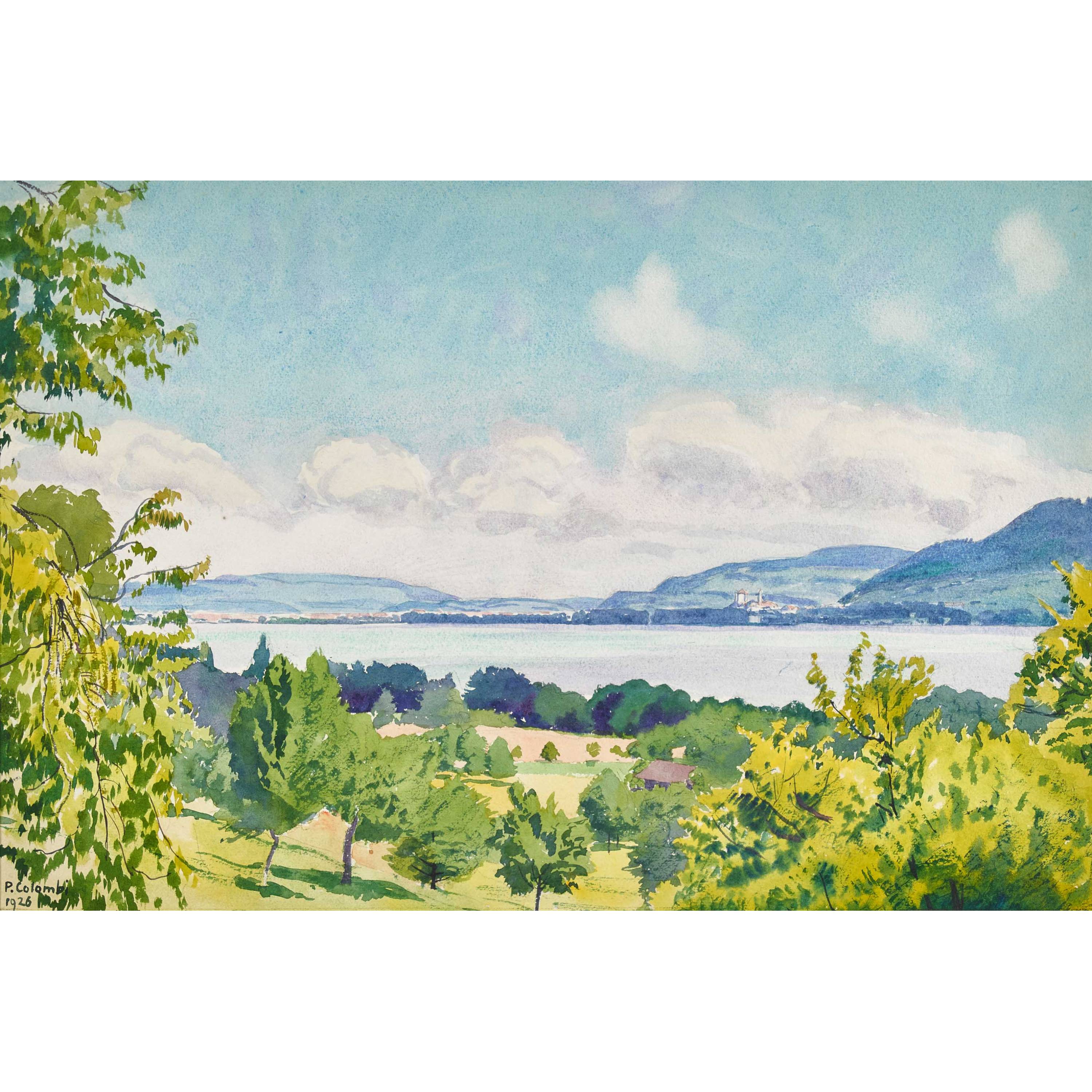
Plinio Colombi (Bellinzone, 1873–1951) was a Swiss painter whose work focused primarily on the landscapes of the Bernese Alps. After completing his secondary education in Lausanne, he initially turned to architecture and then to the applied arts at the Higher Technical School in Winterthur. A stay in Paris in 1897 preceded his move to the canton of Bern the following year; from 1899 onwards, he worked as an independent painter.
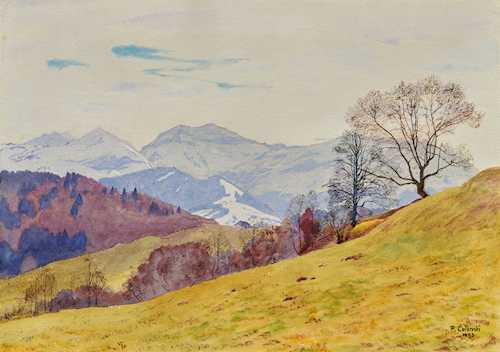
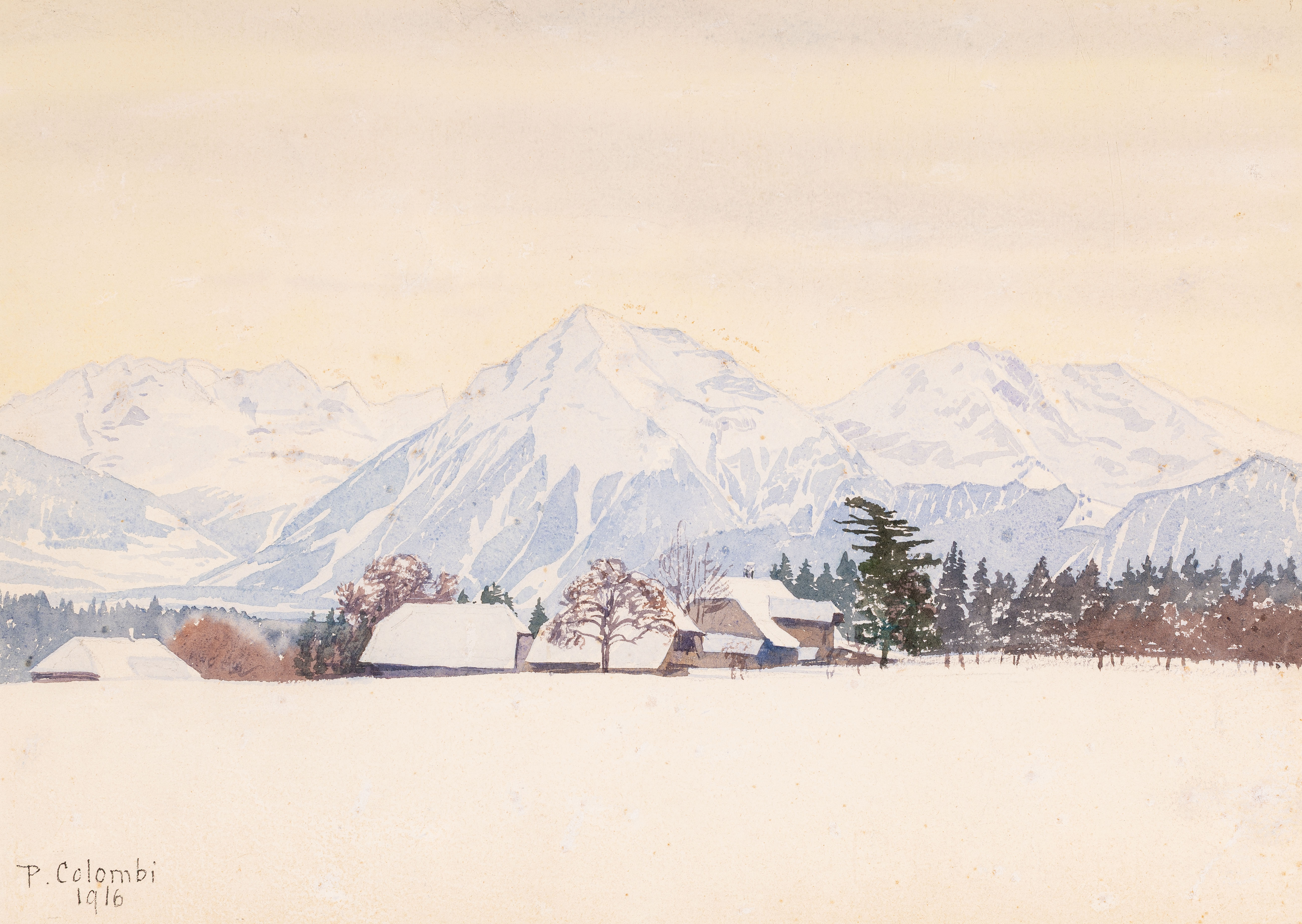
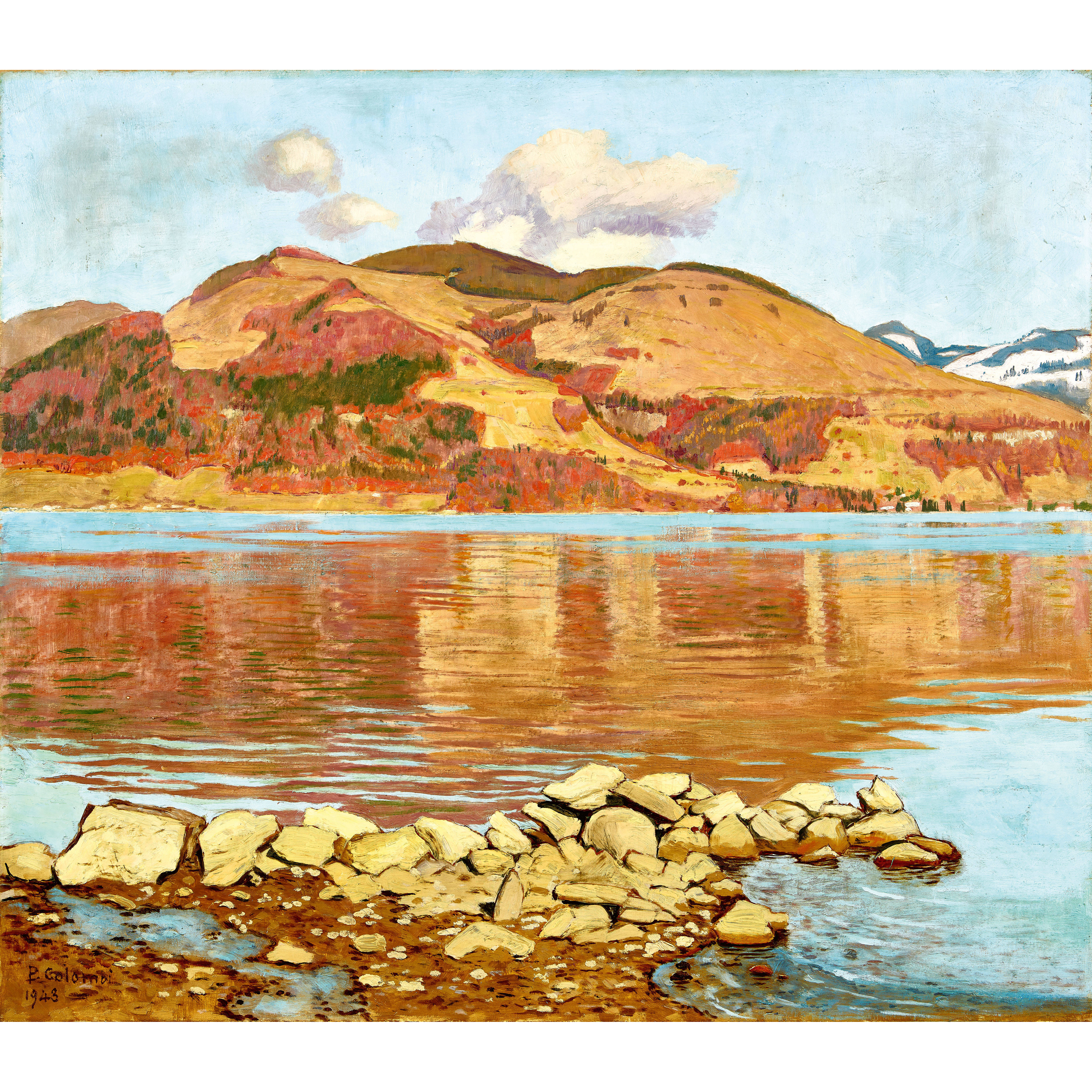
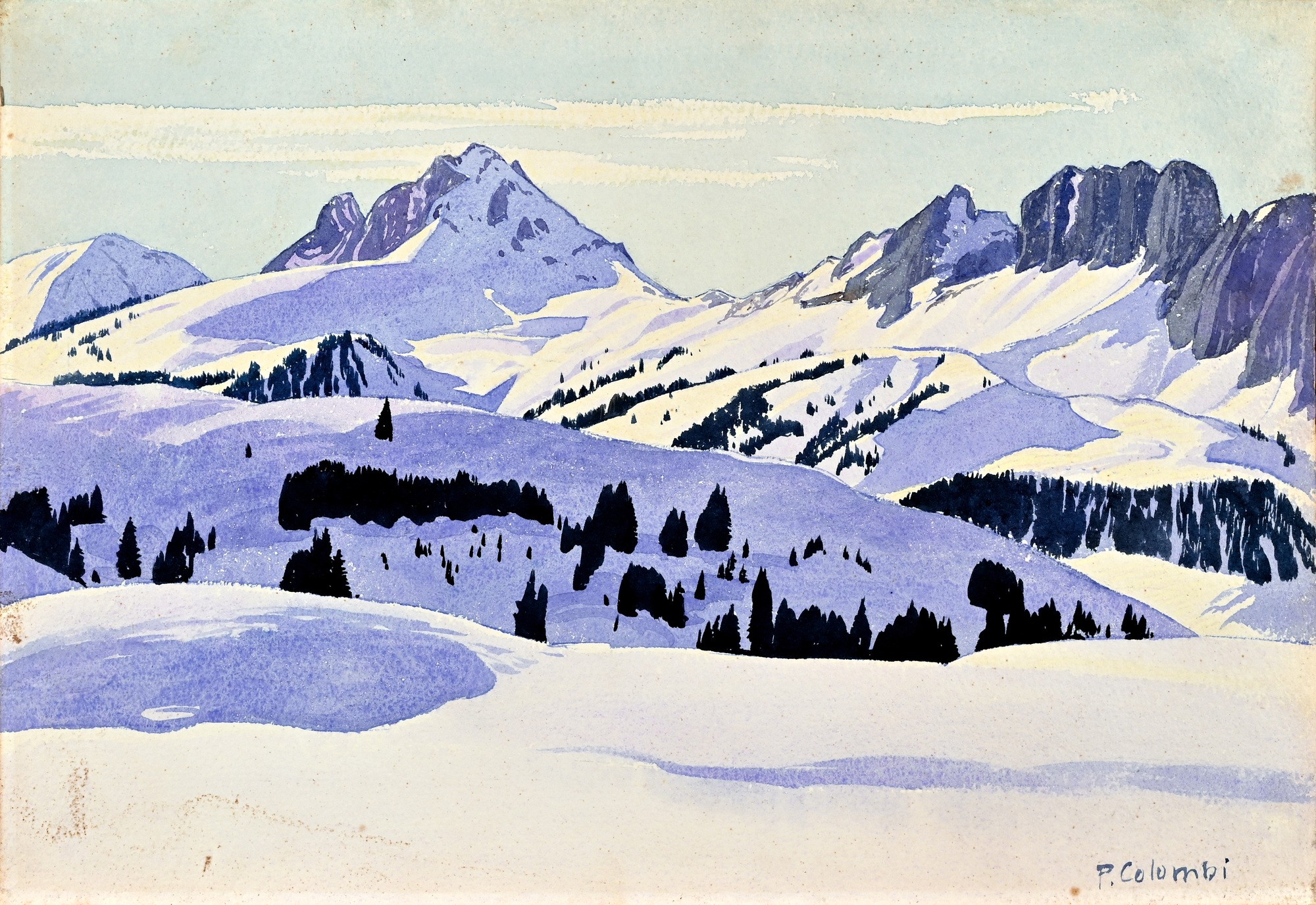
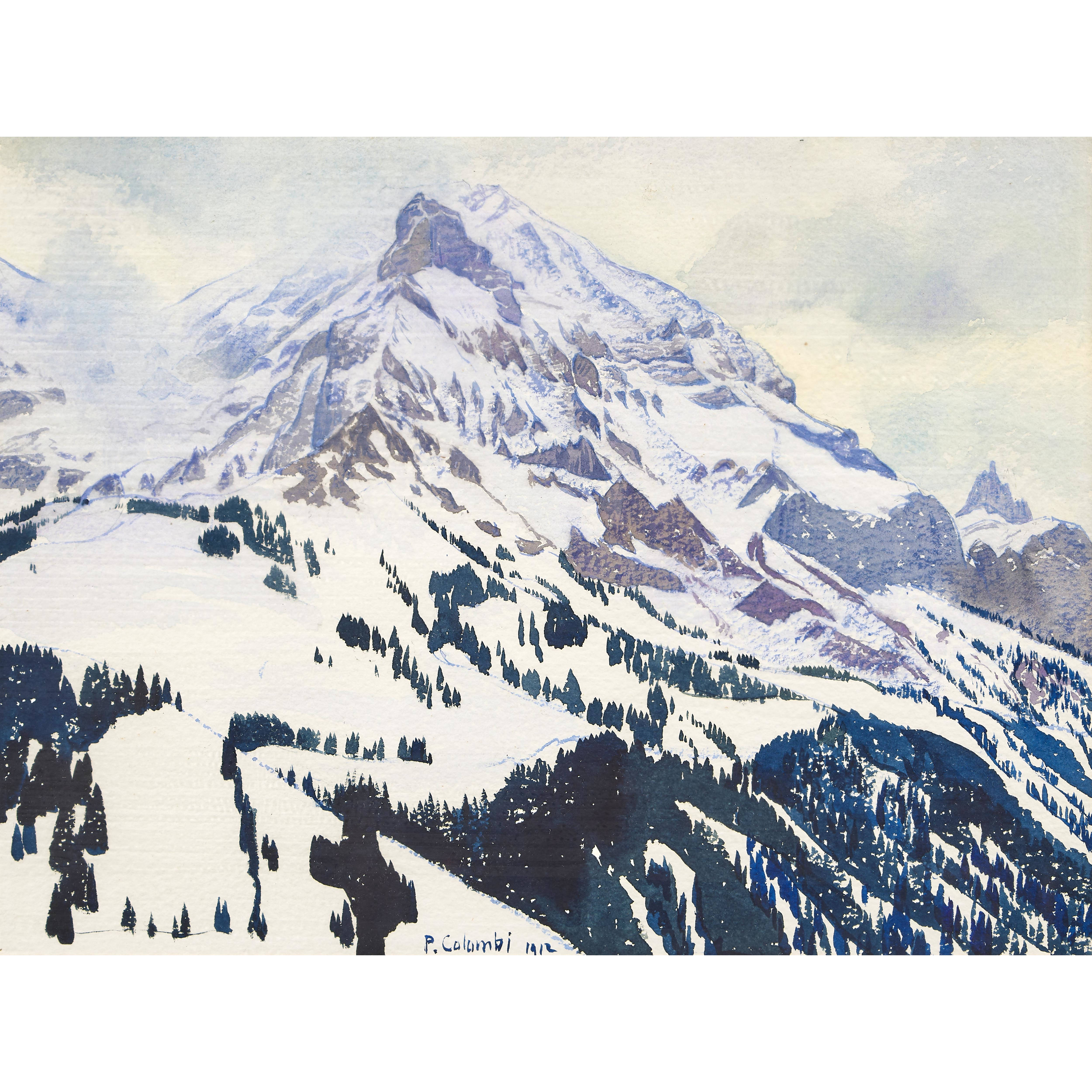
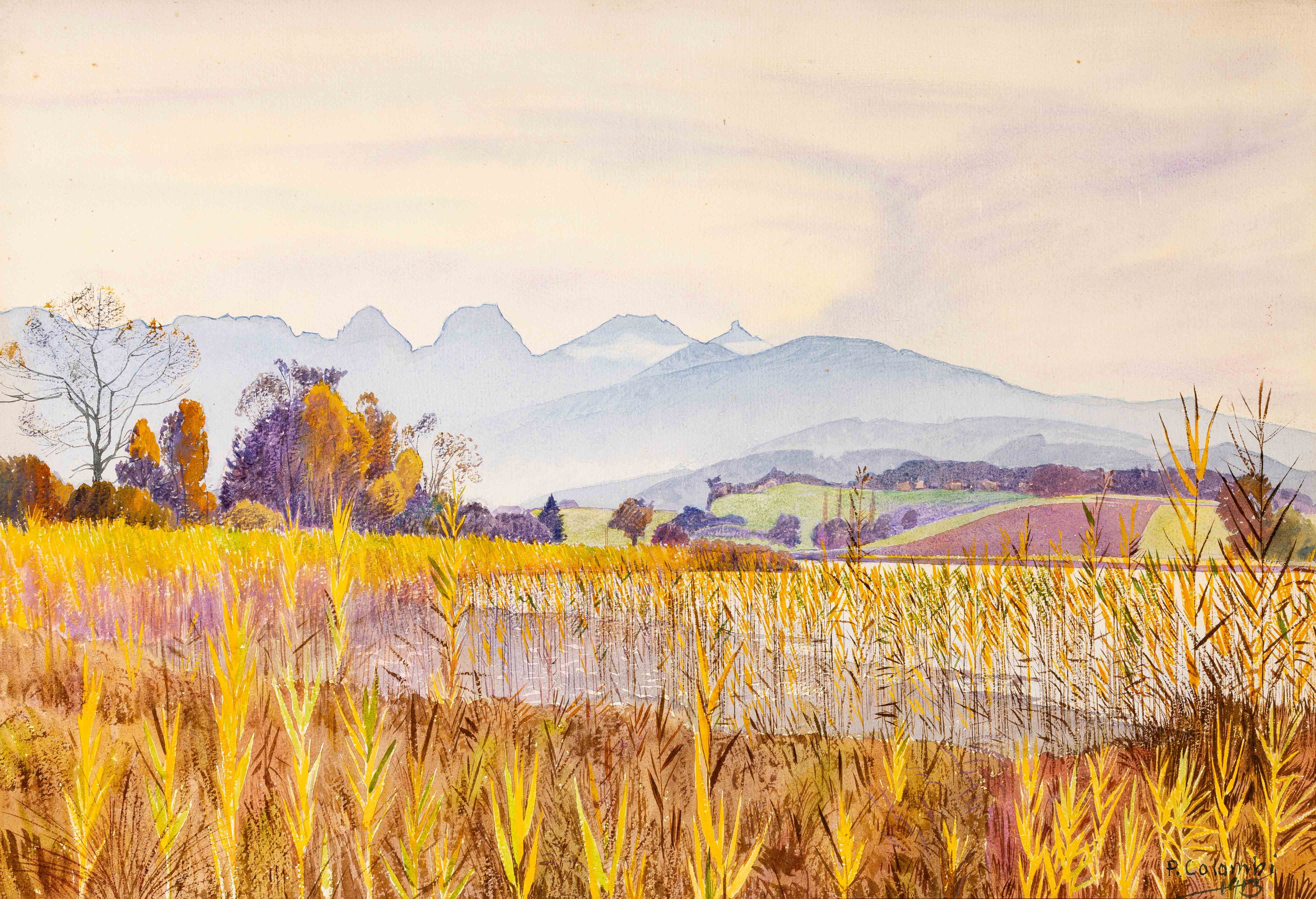
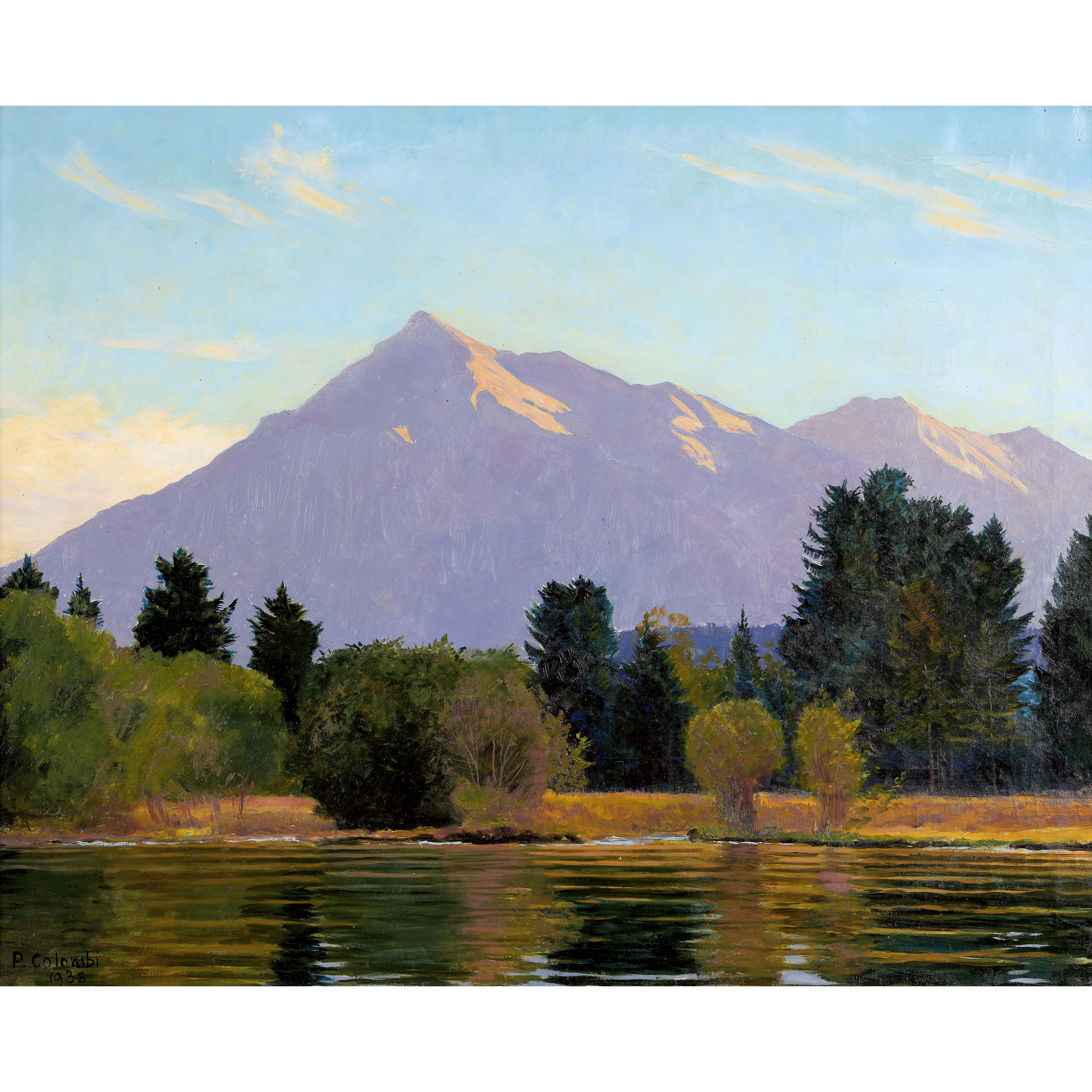
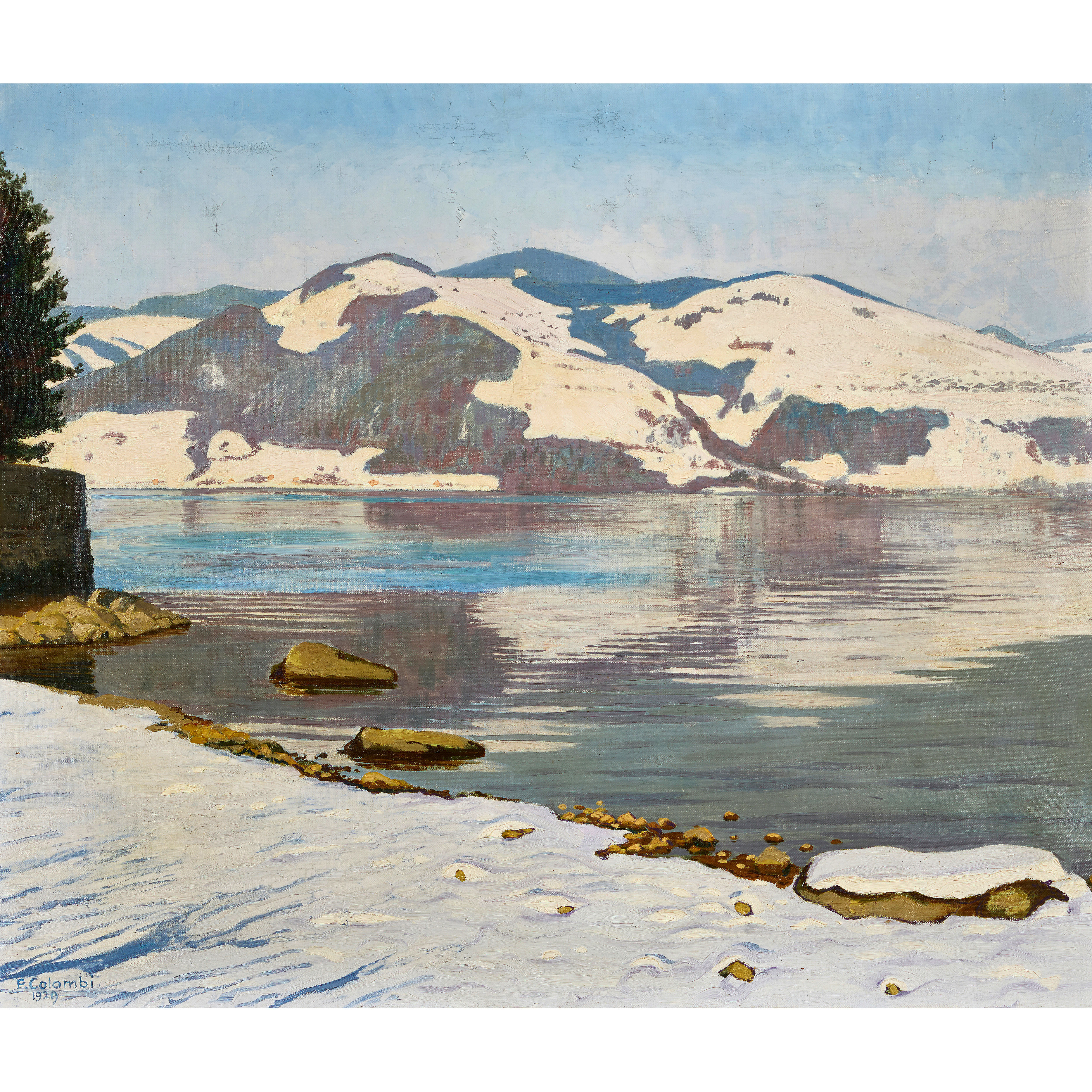
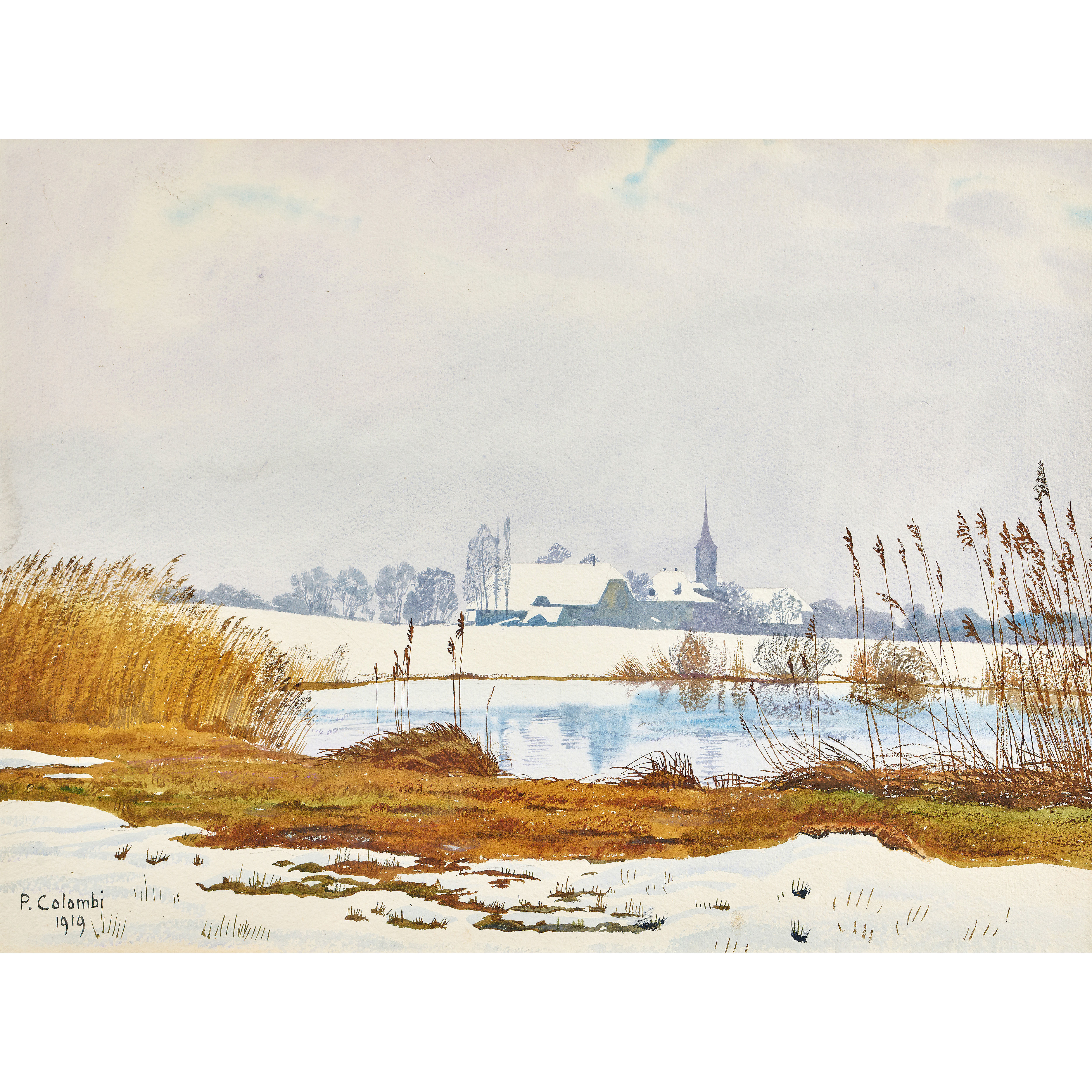
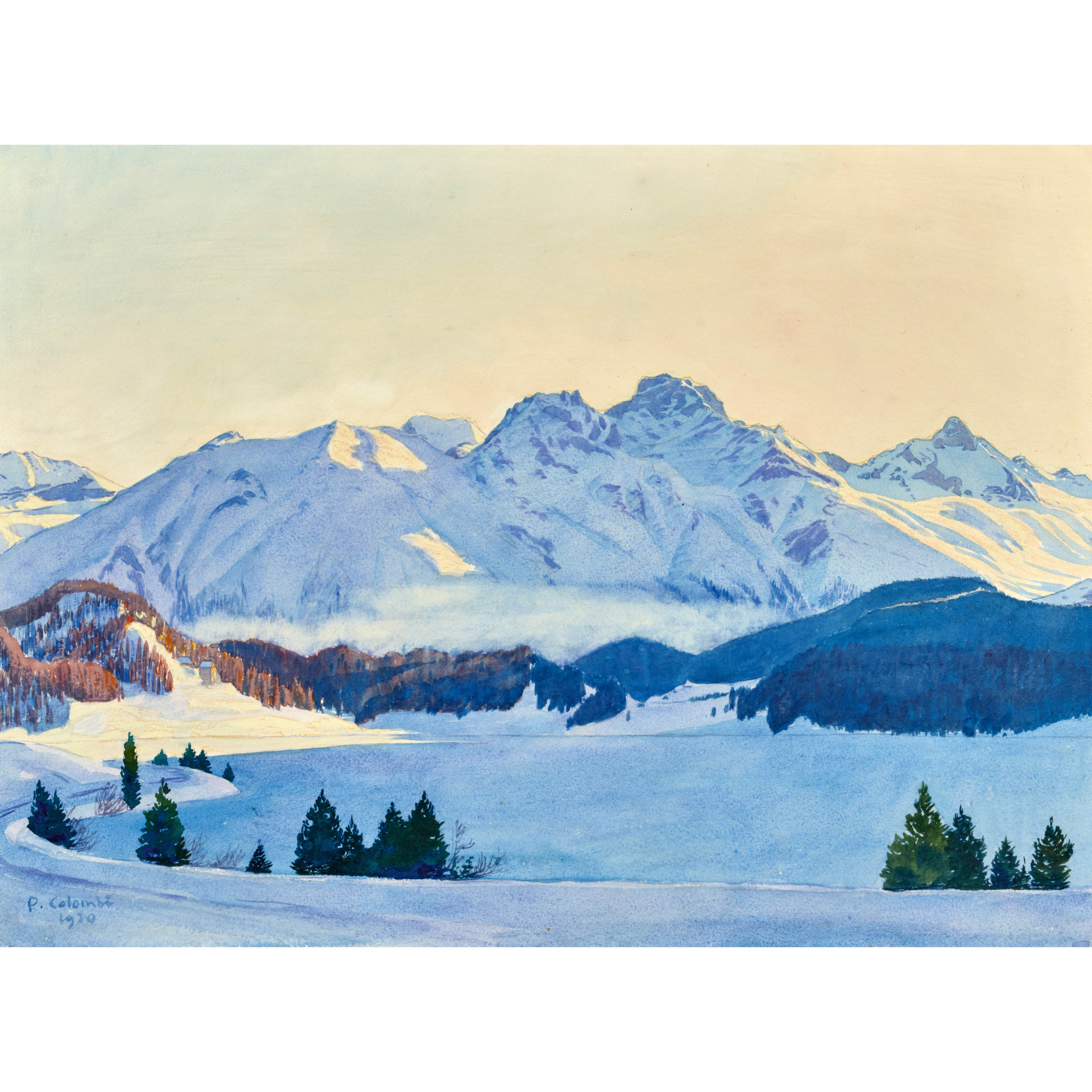
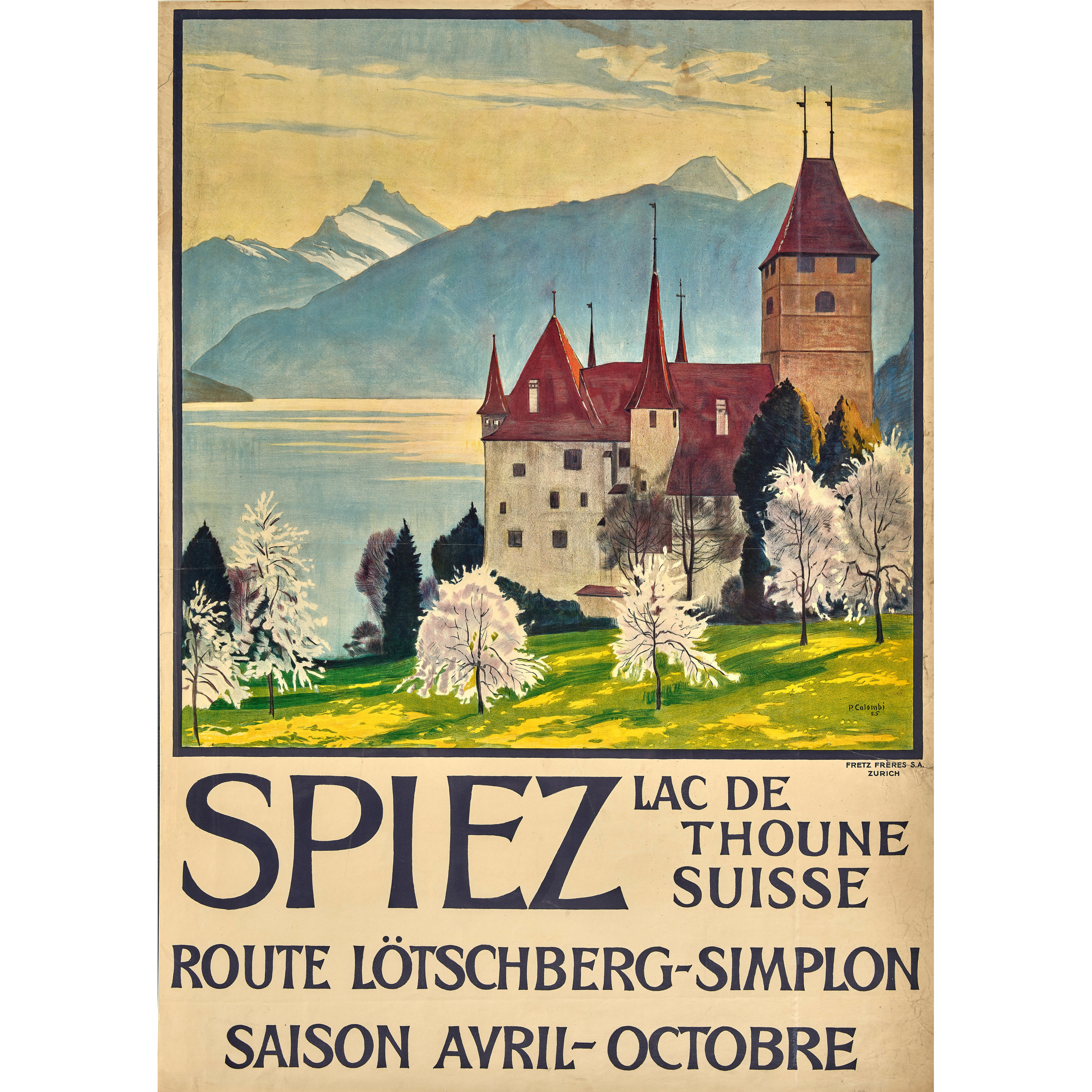
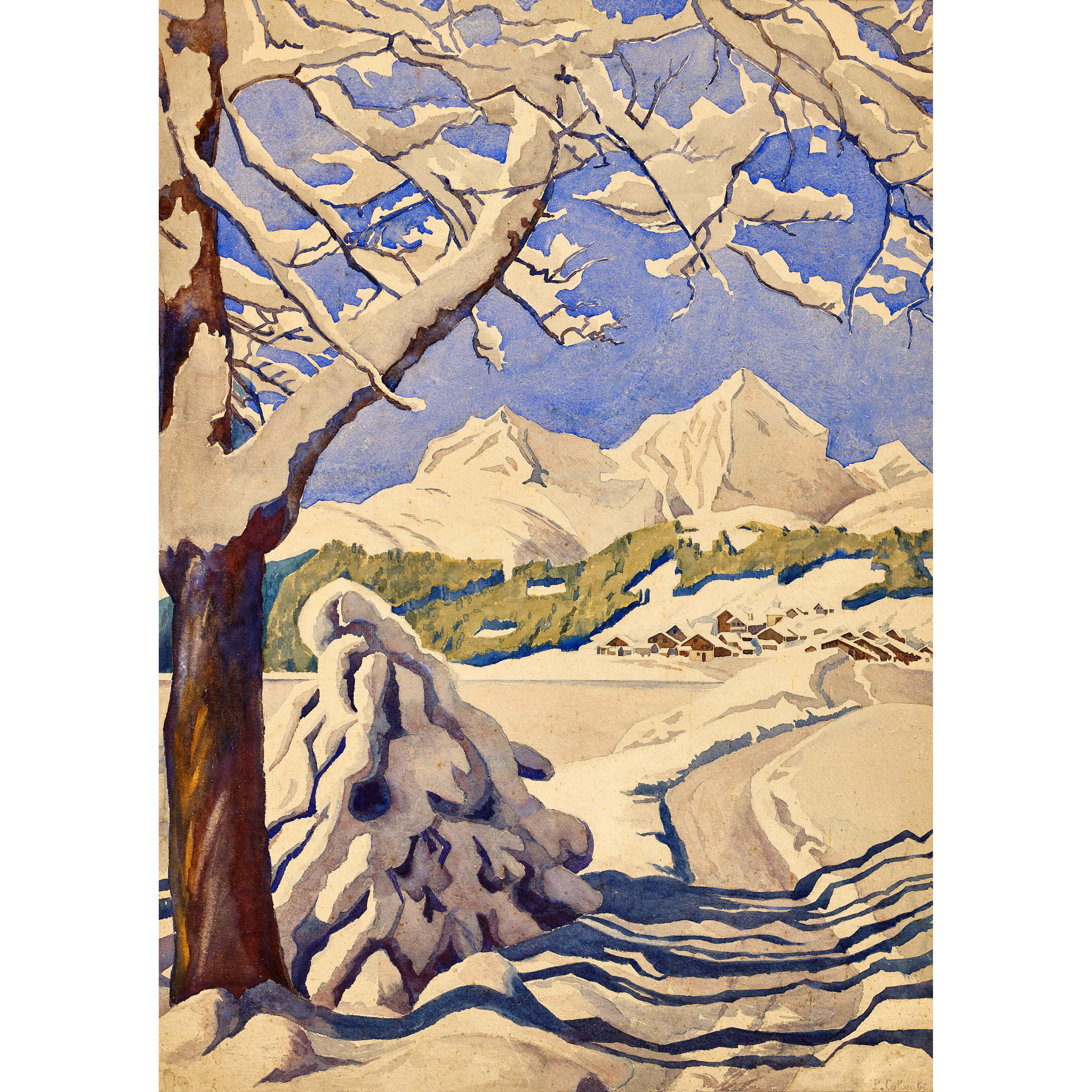
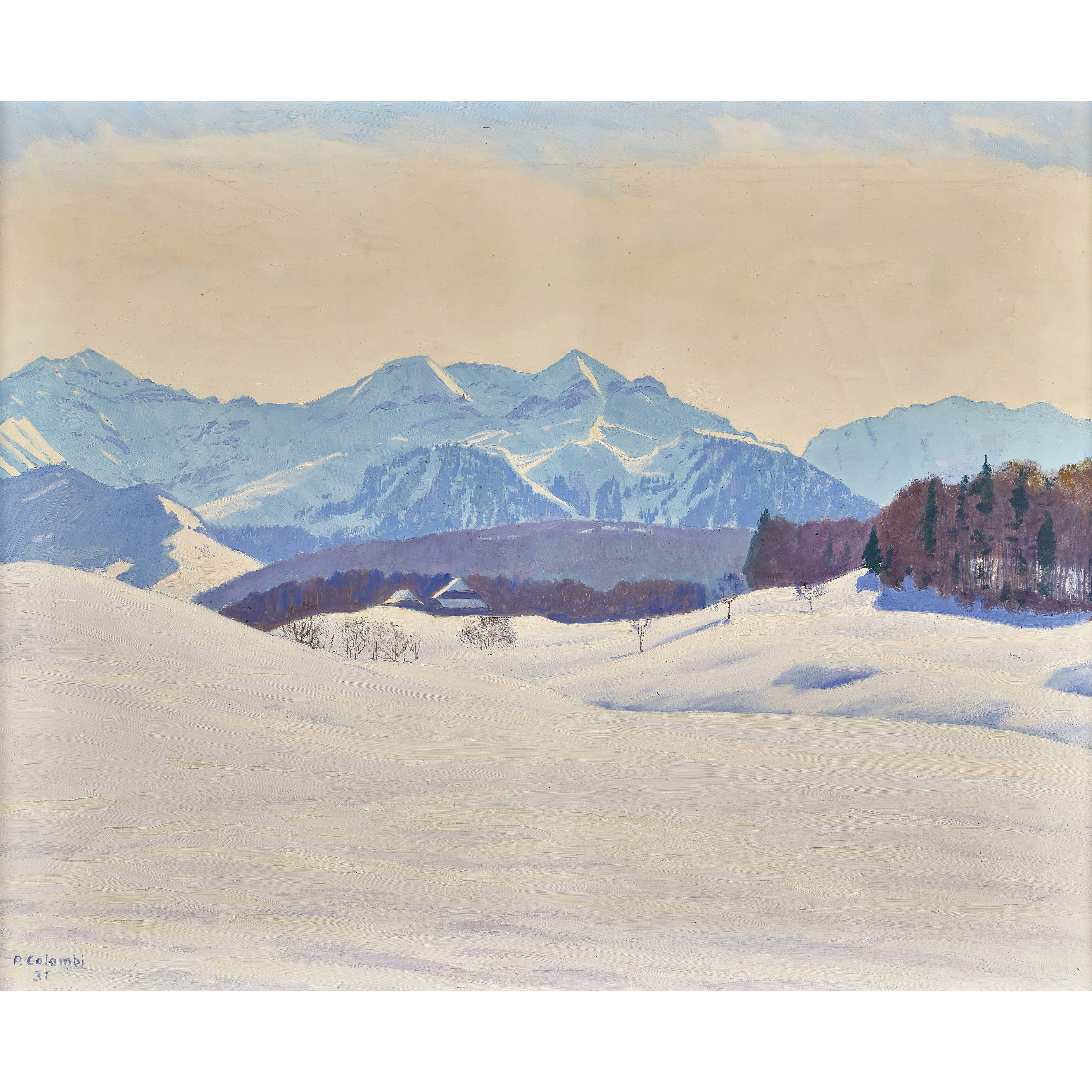
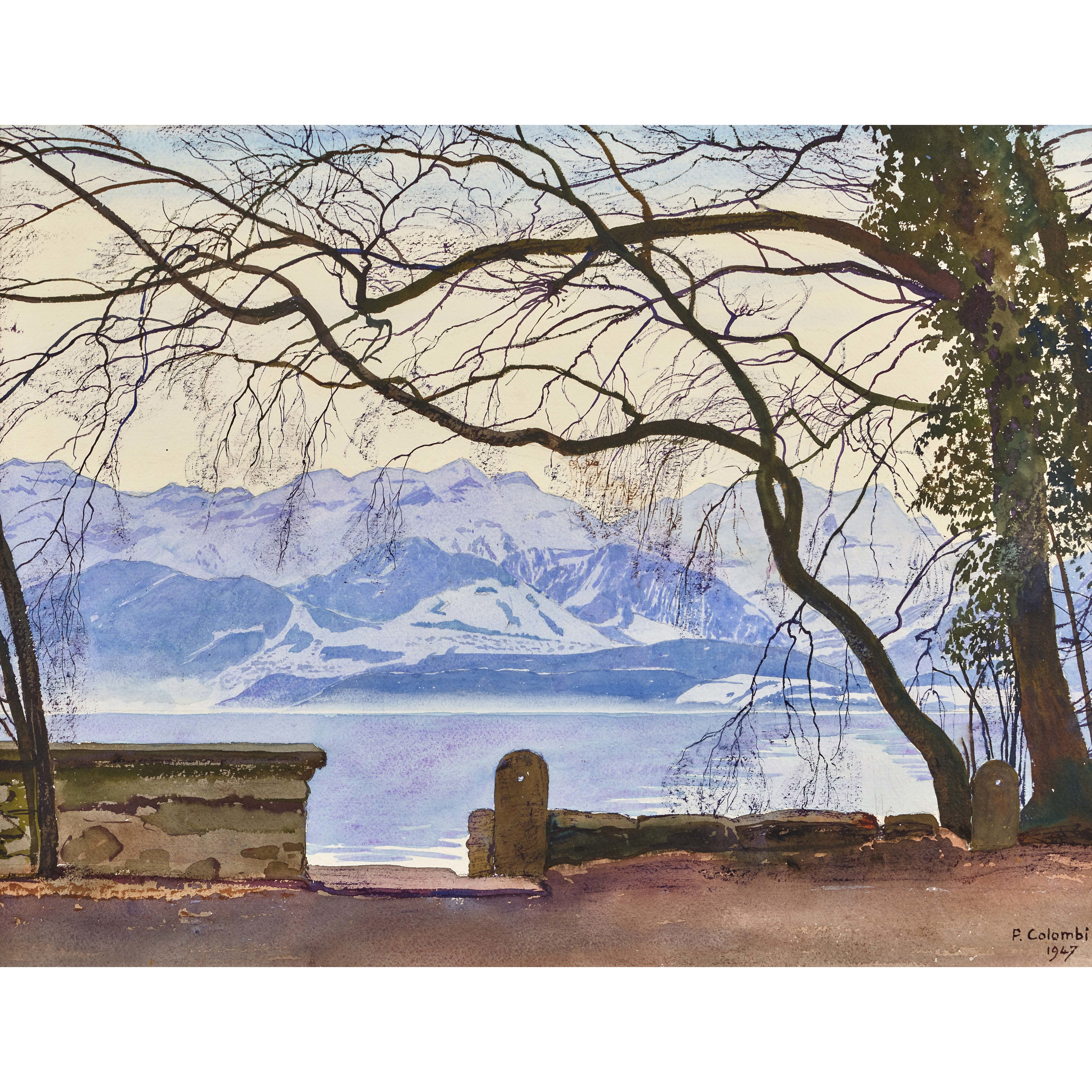
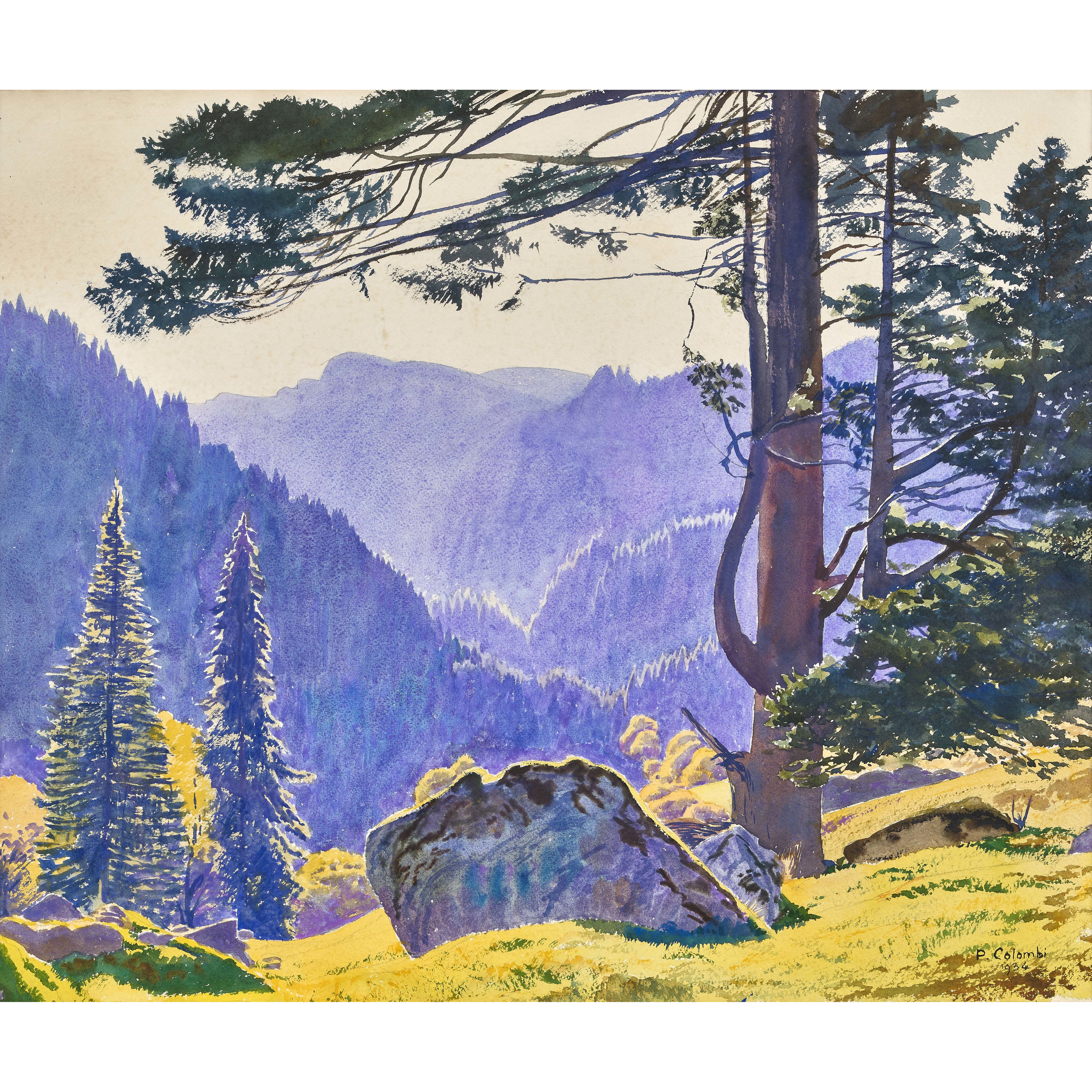
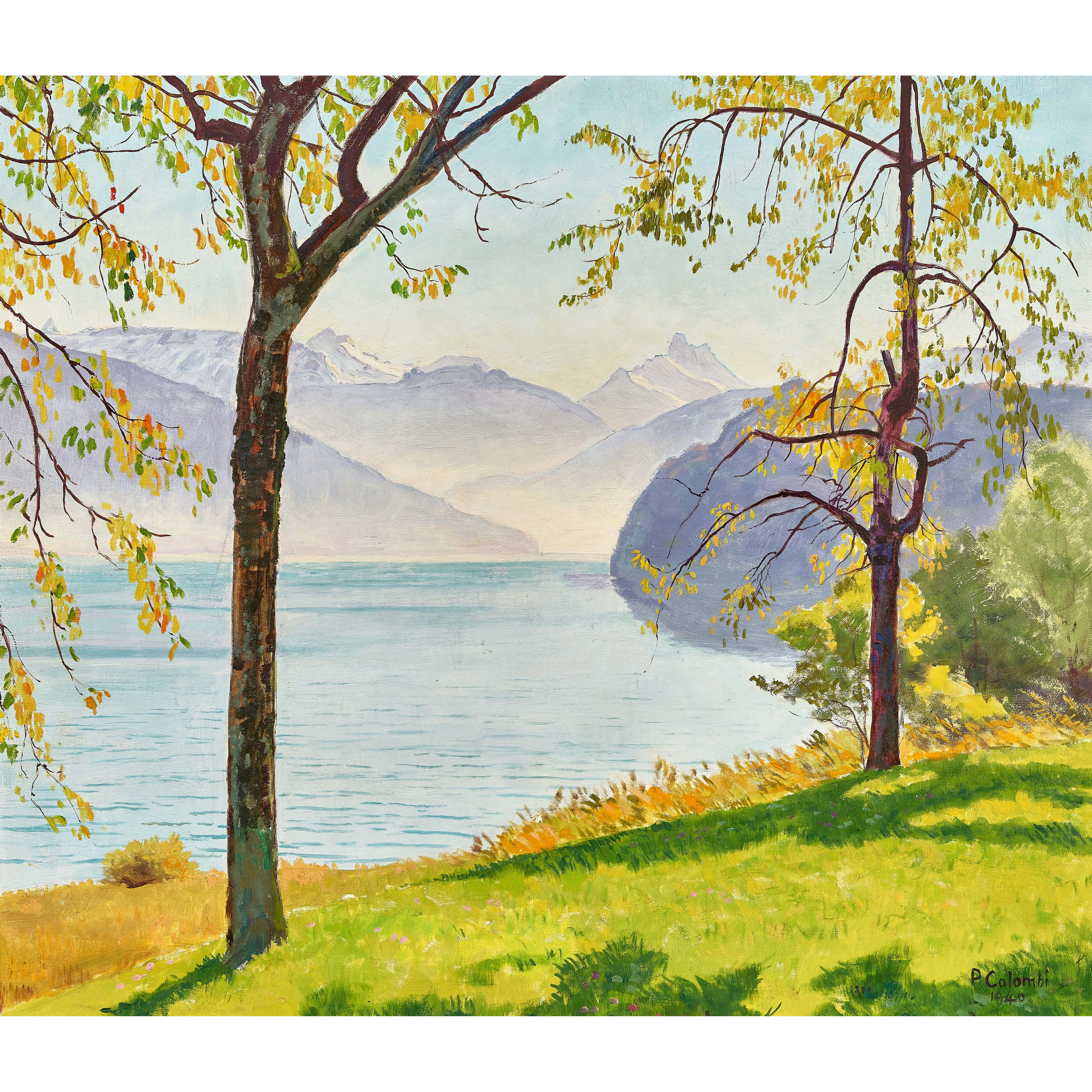
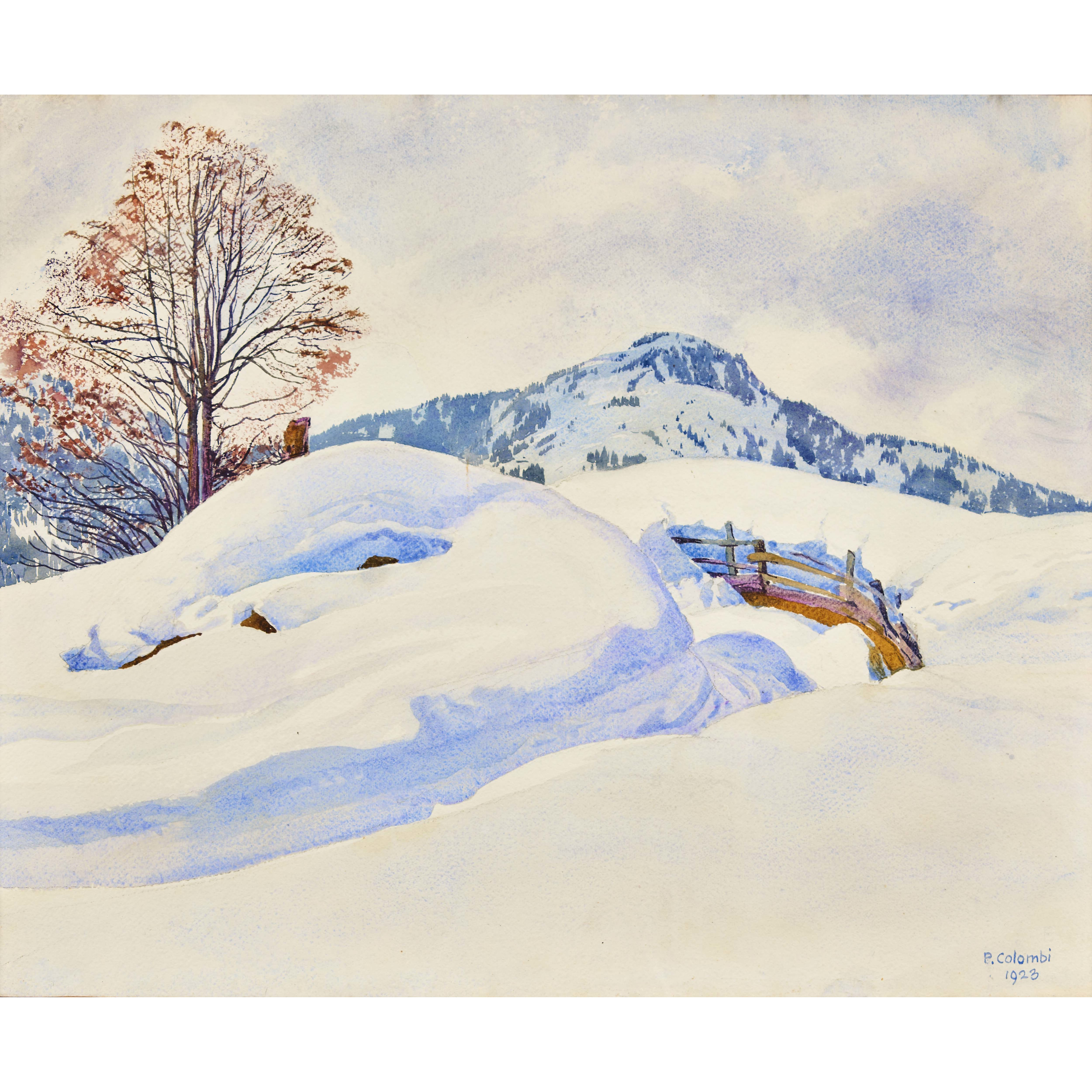
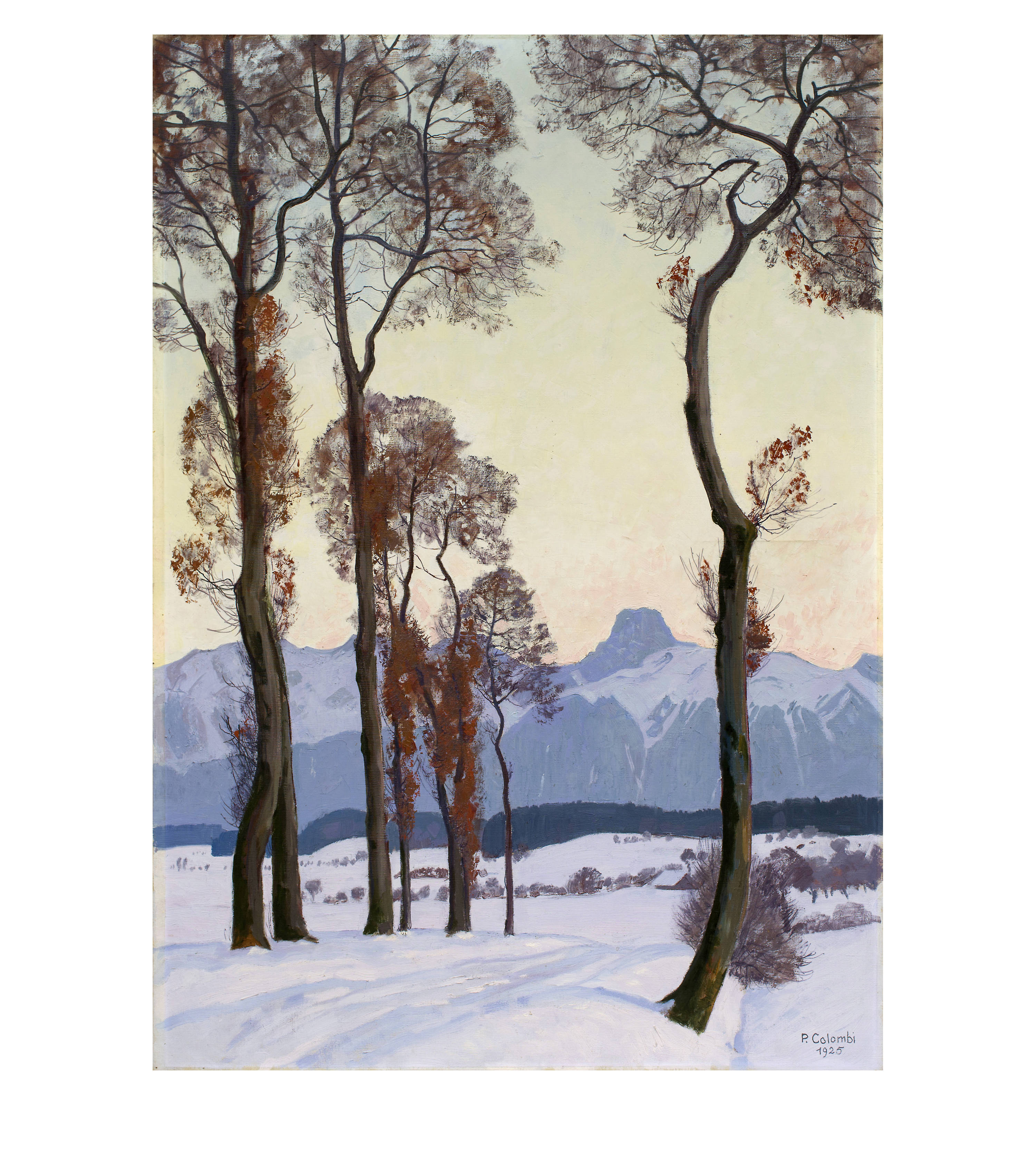
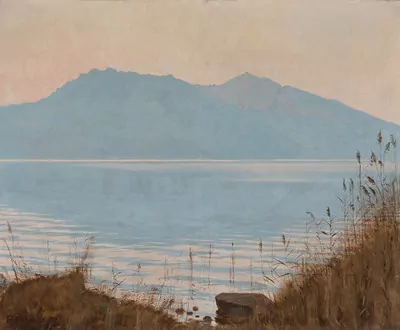
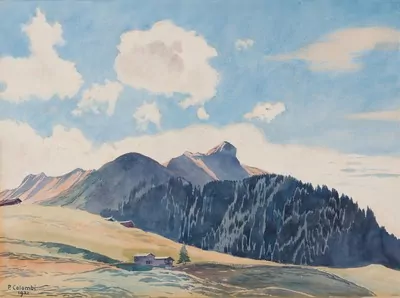
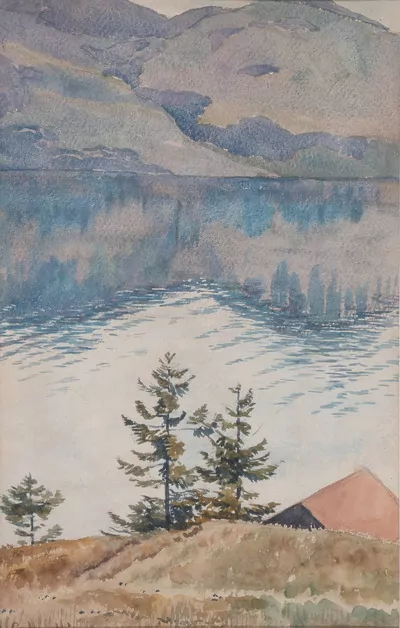
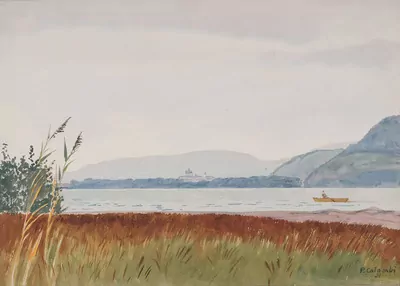
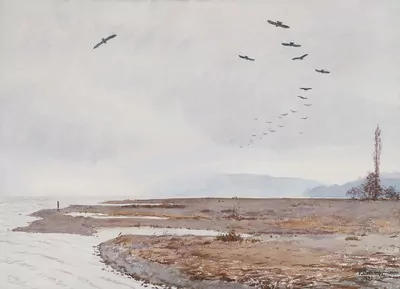
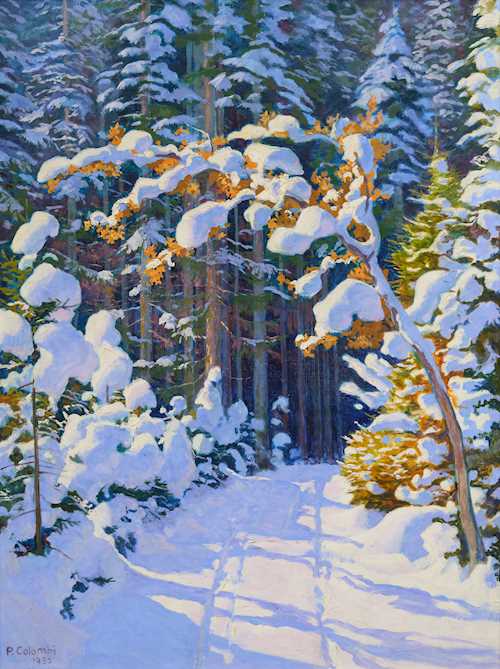
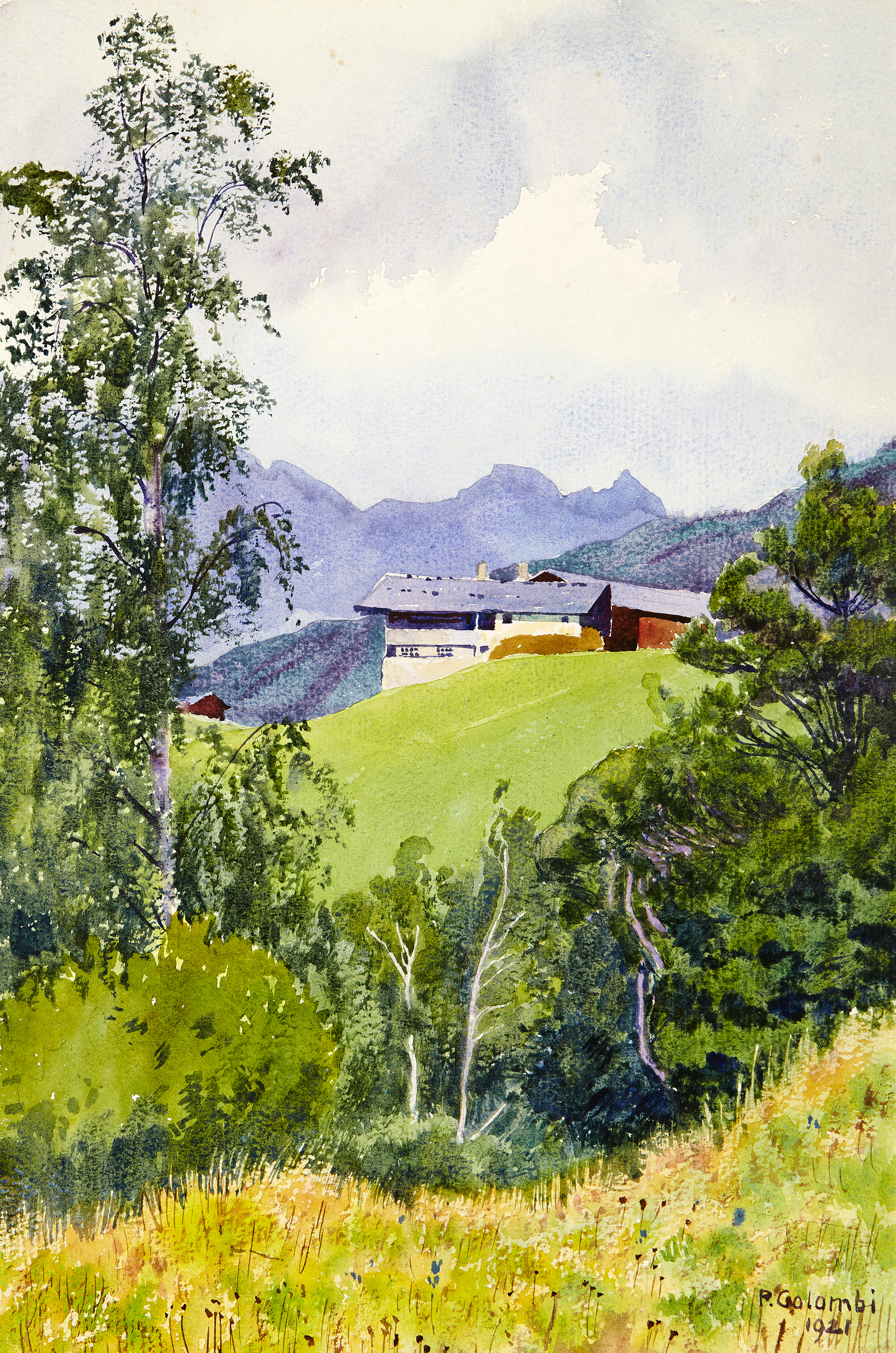
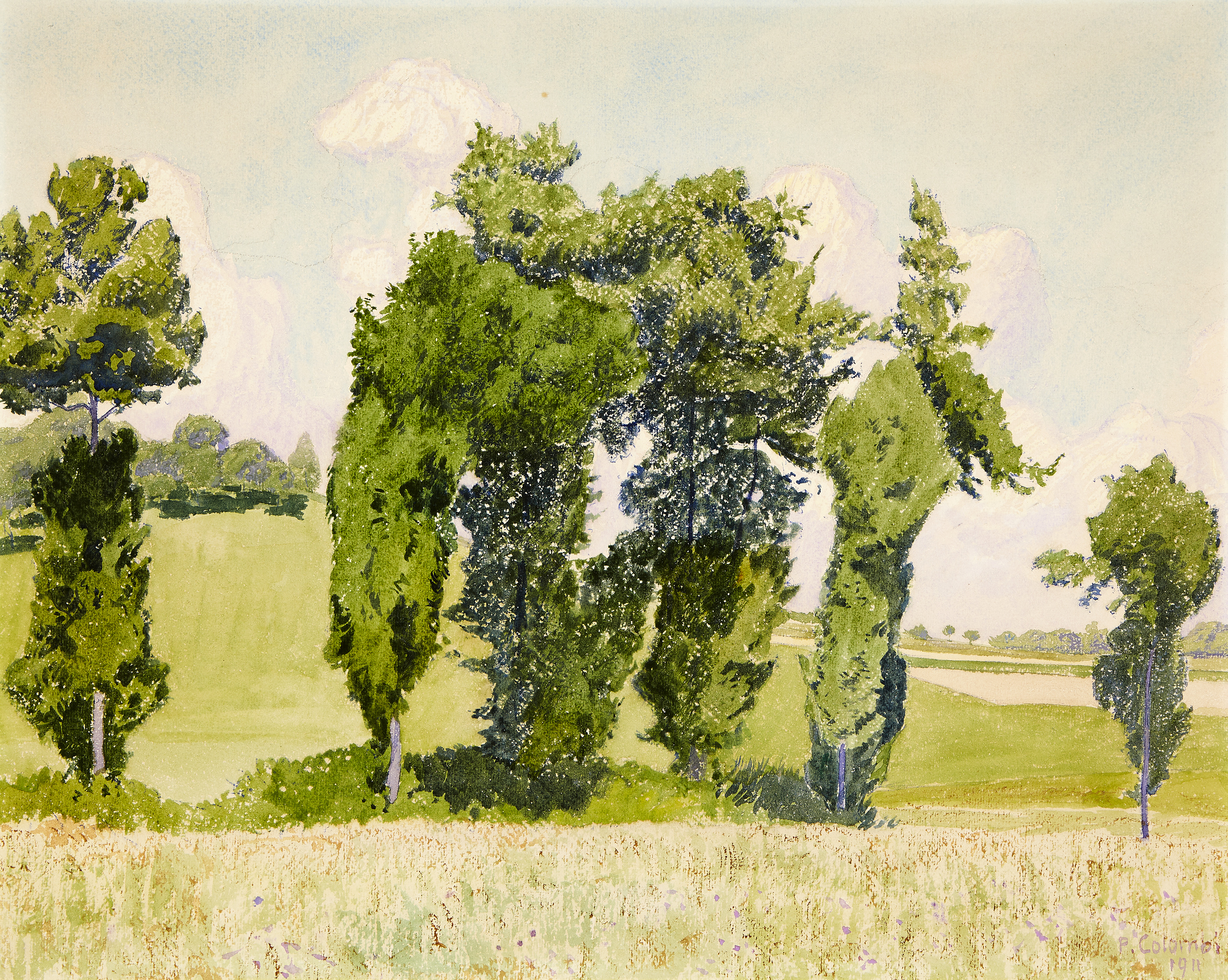
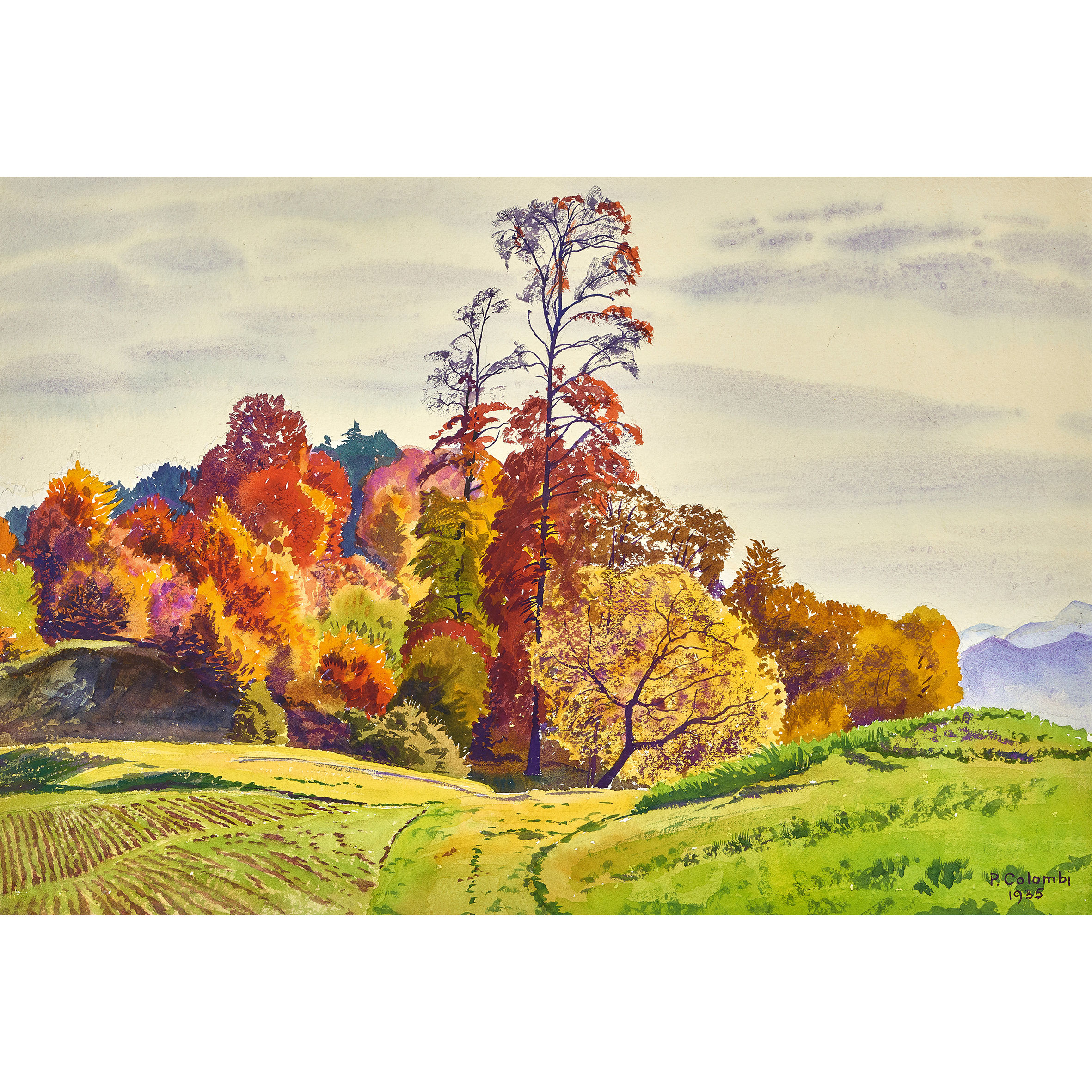
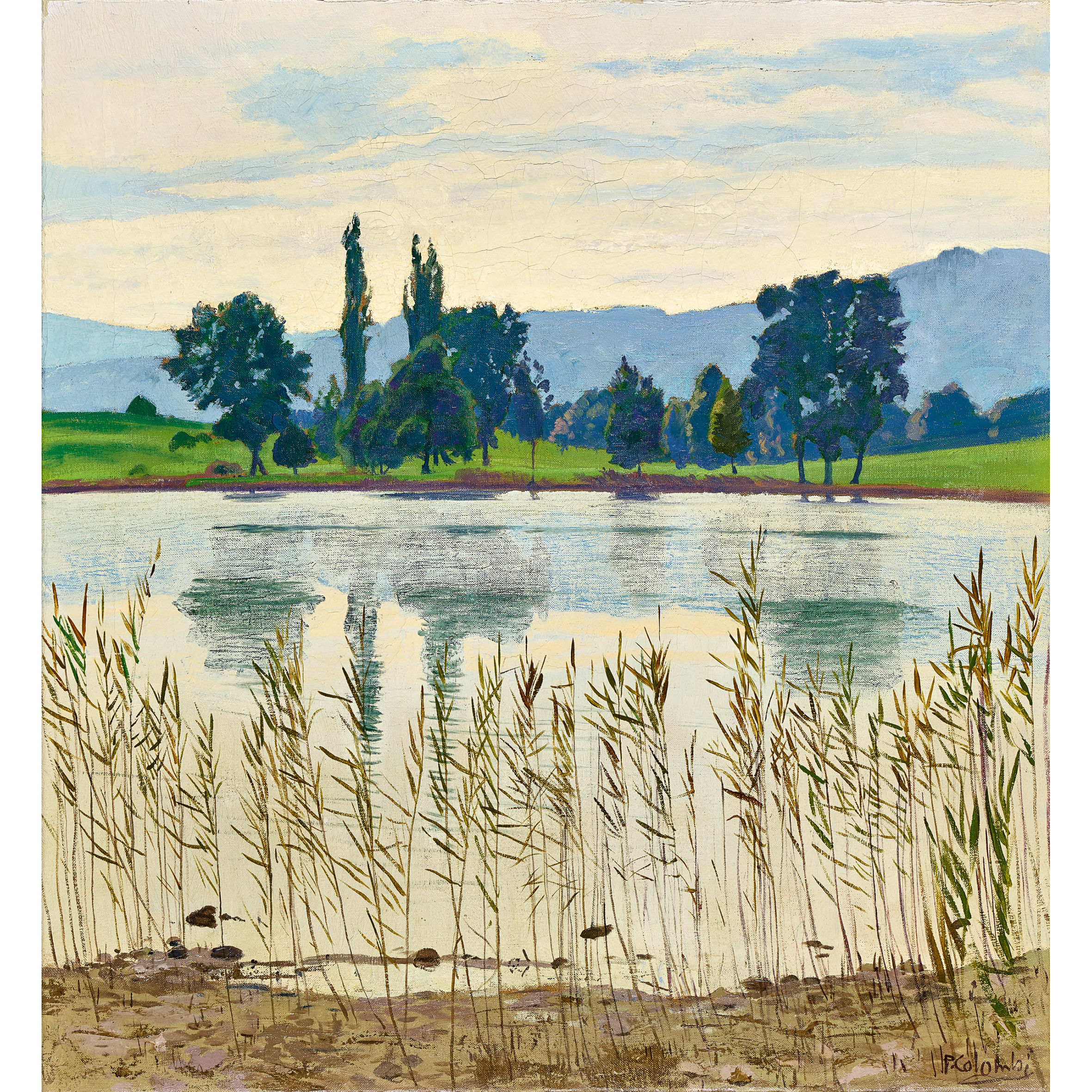
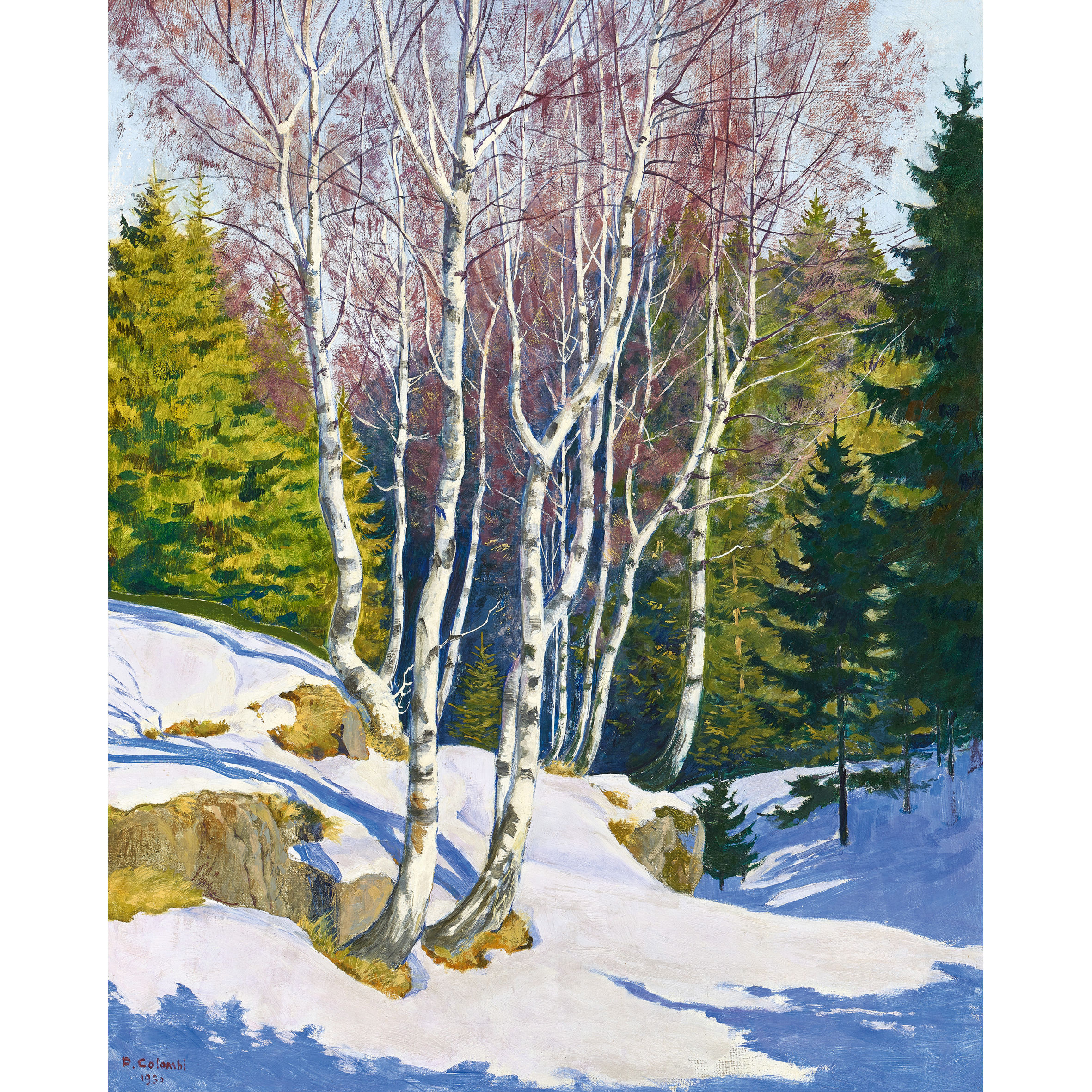
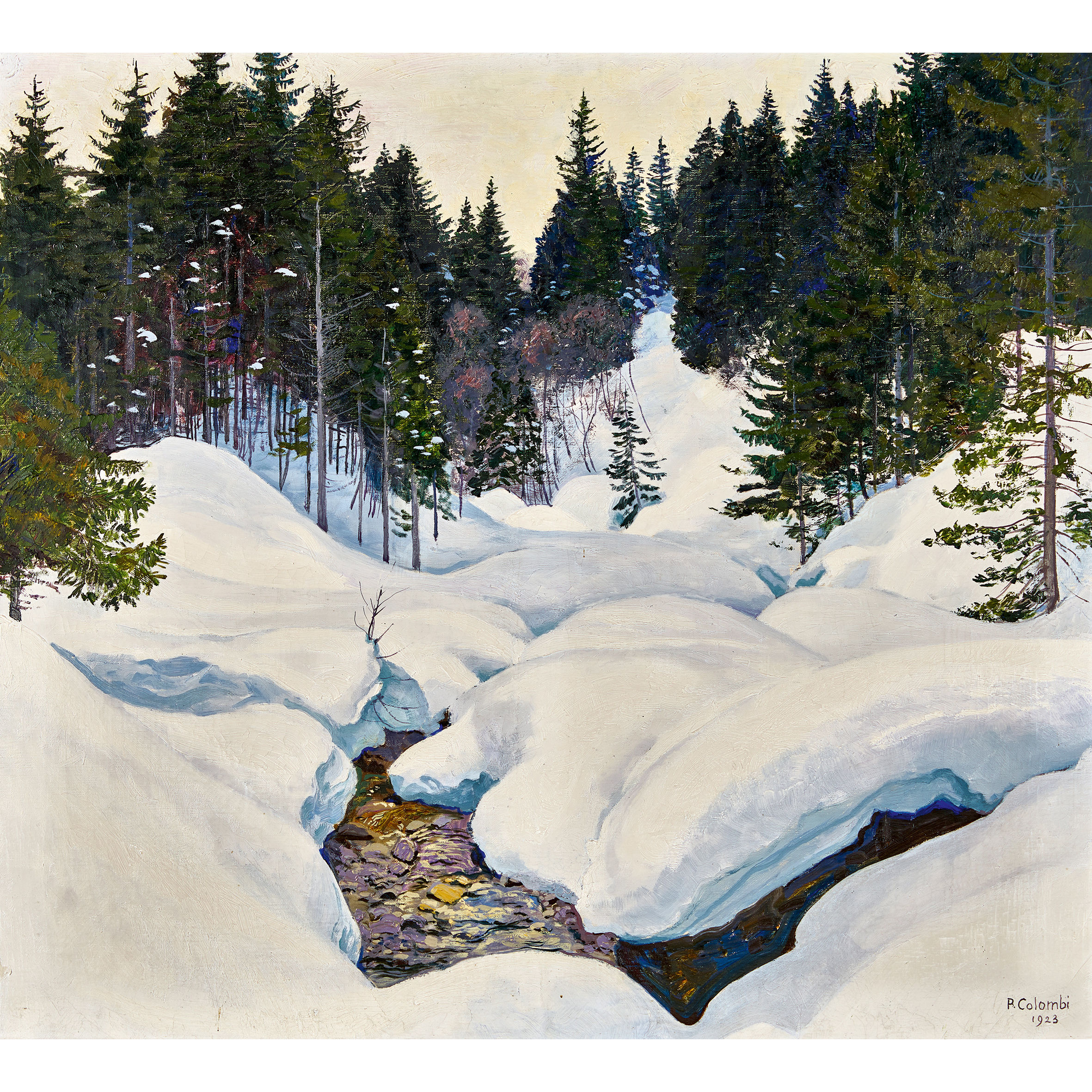
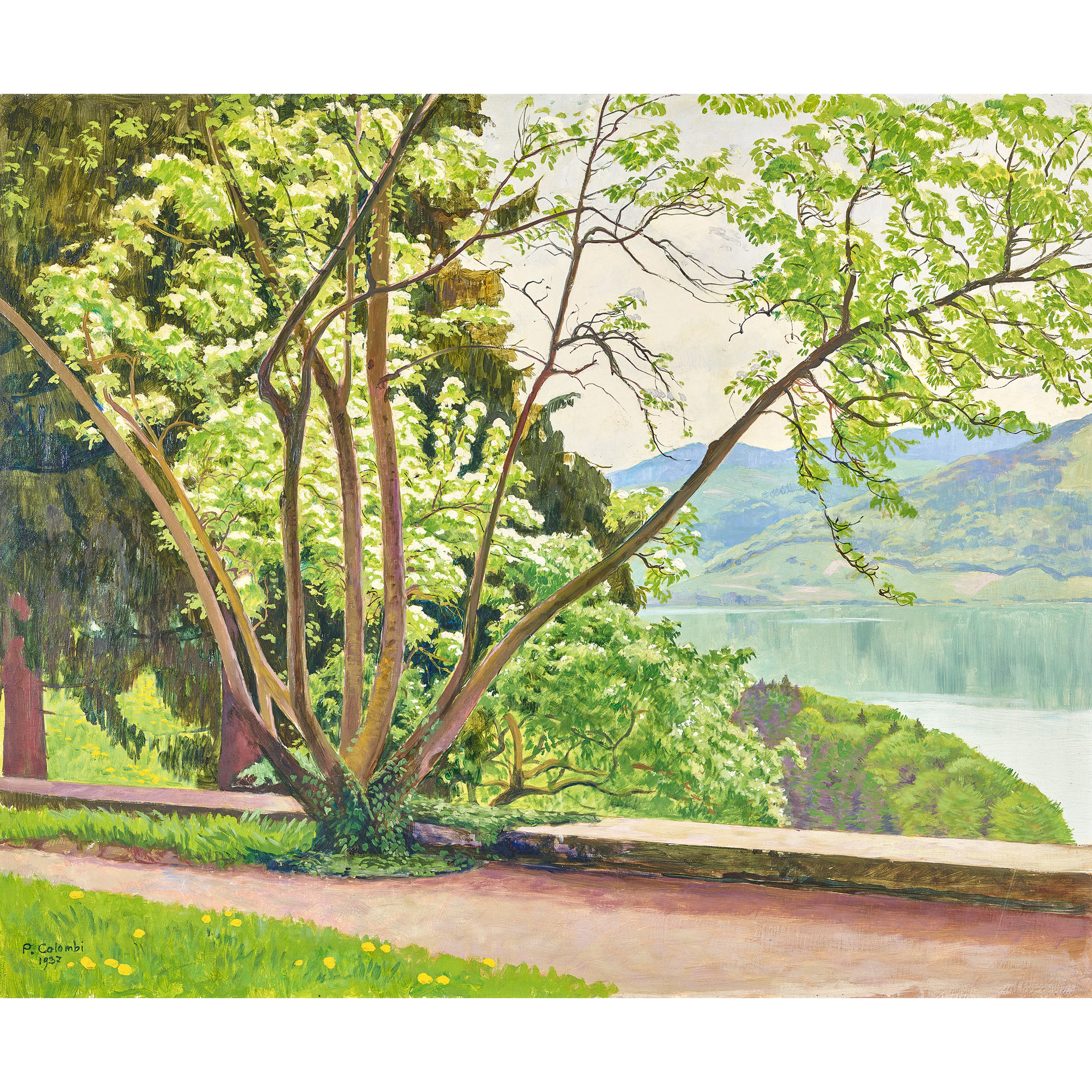
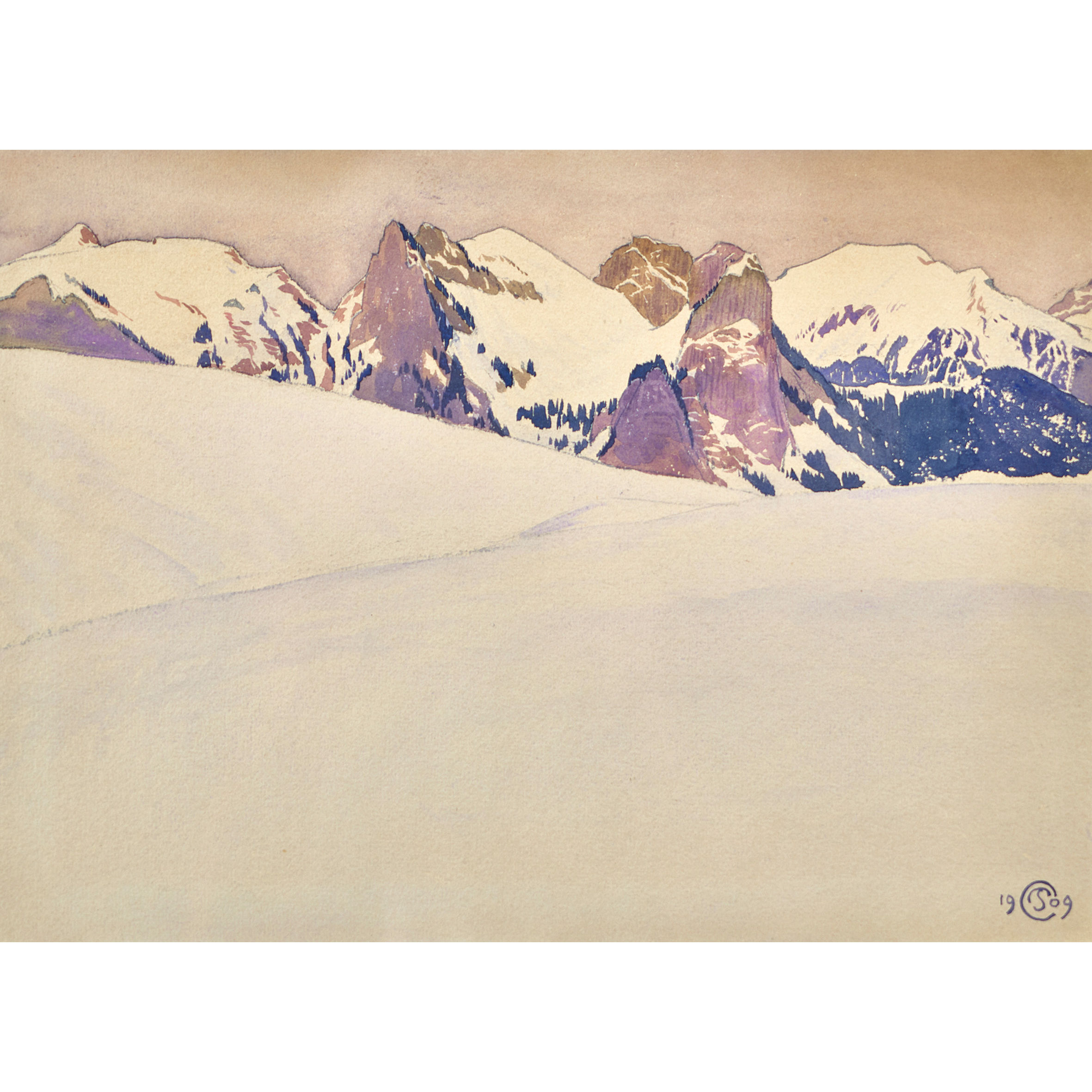
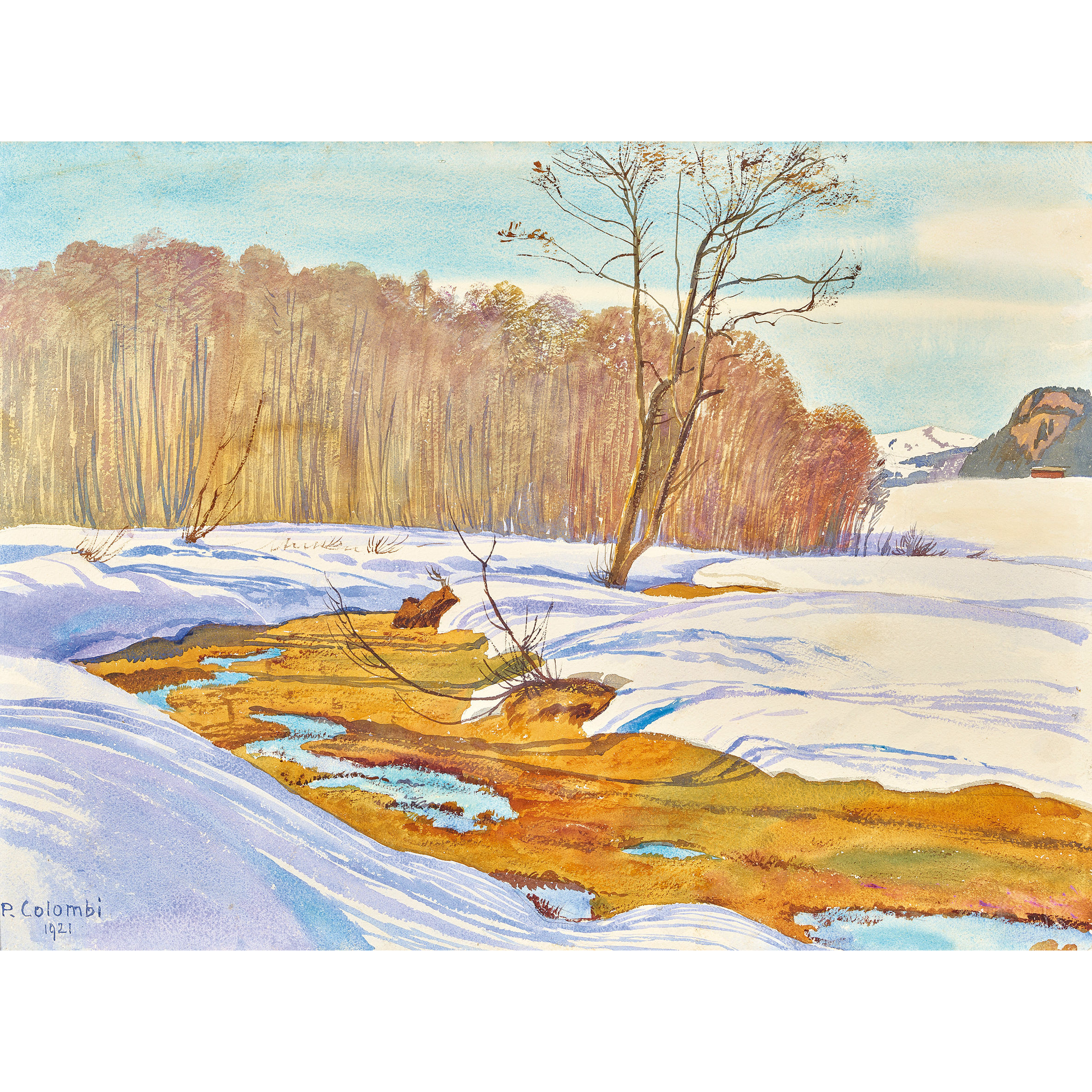
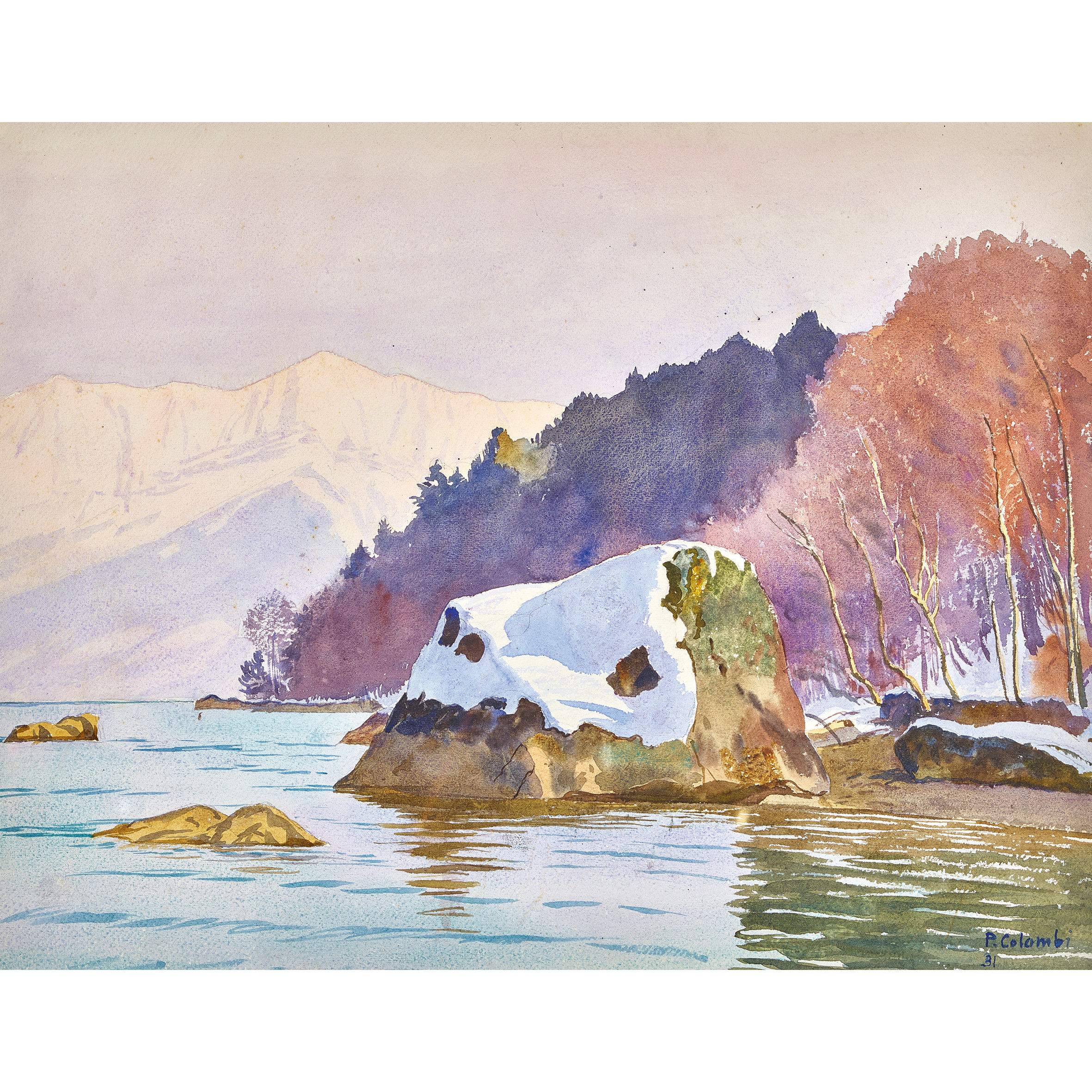
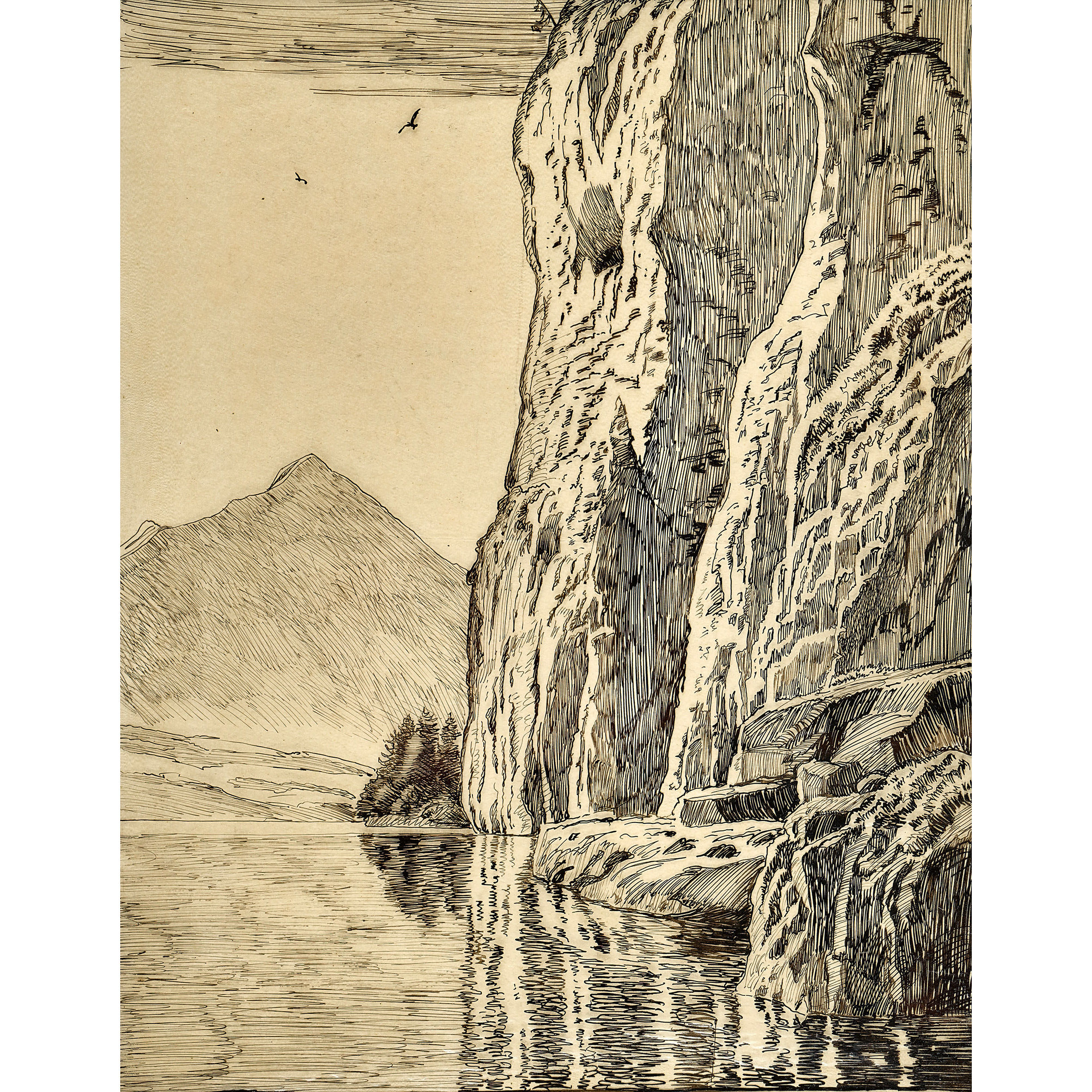
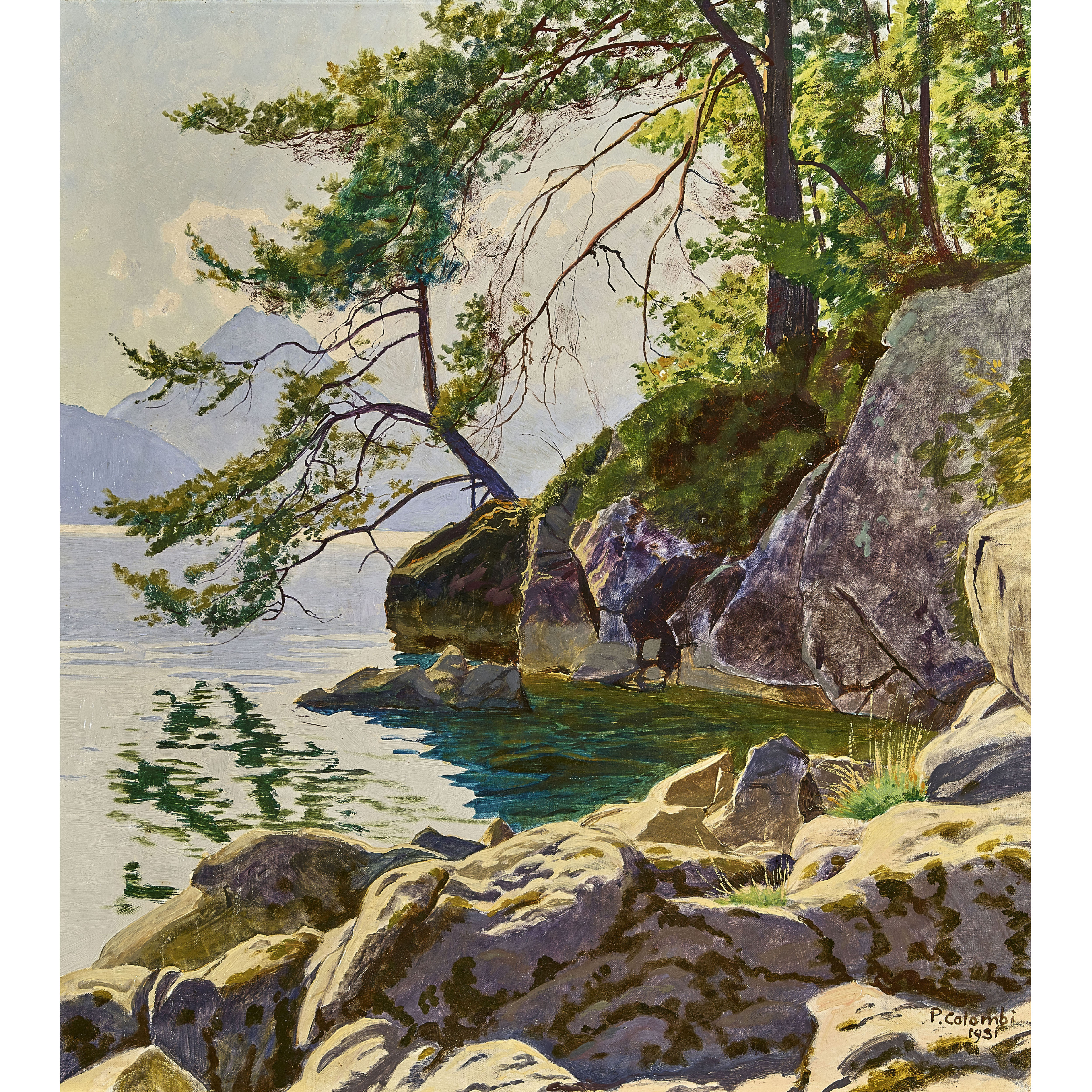
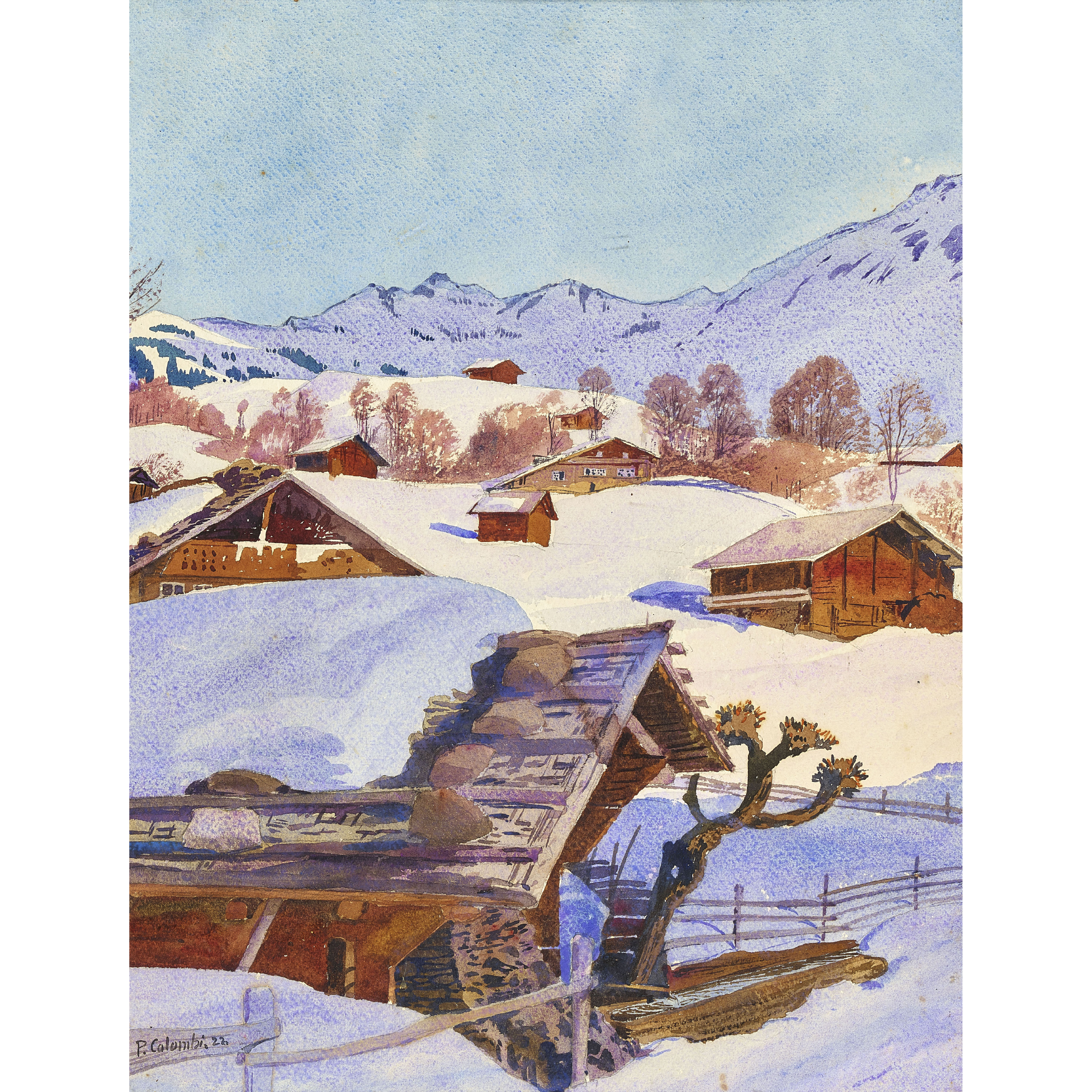
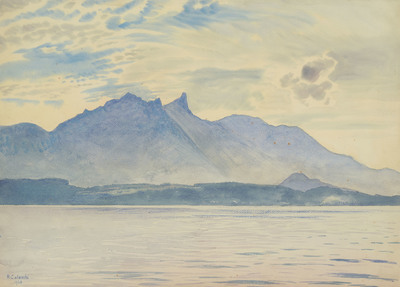
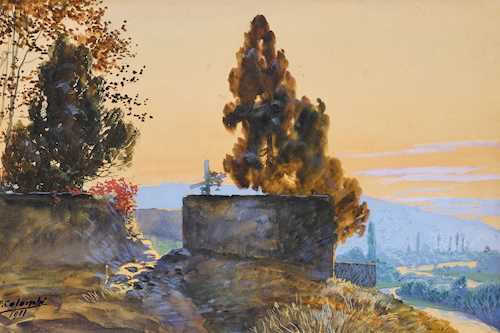
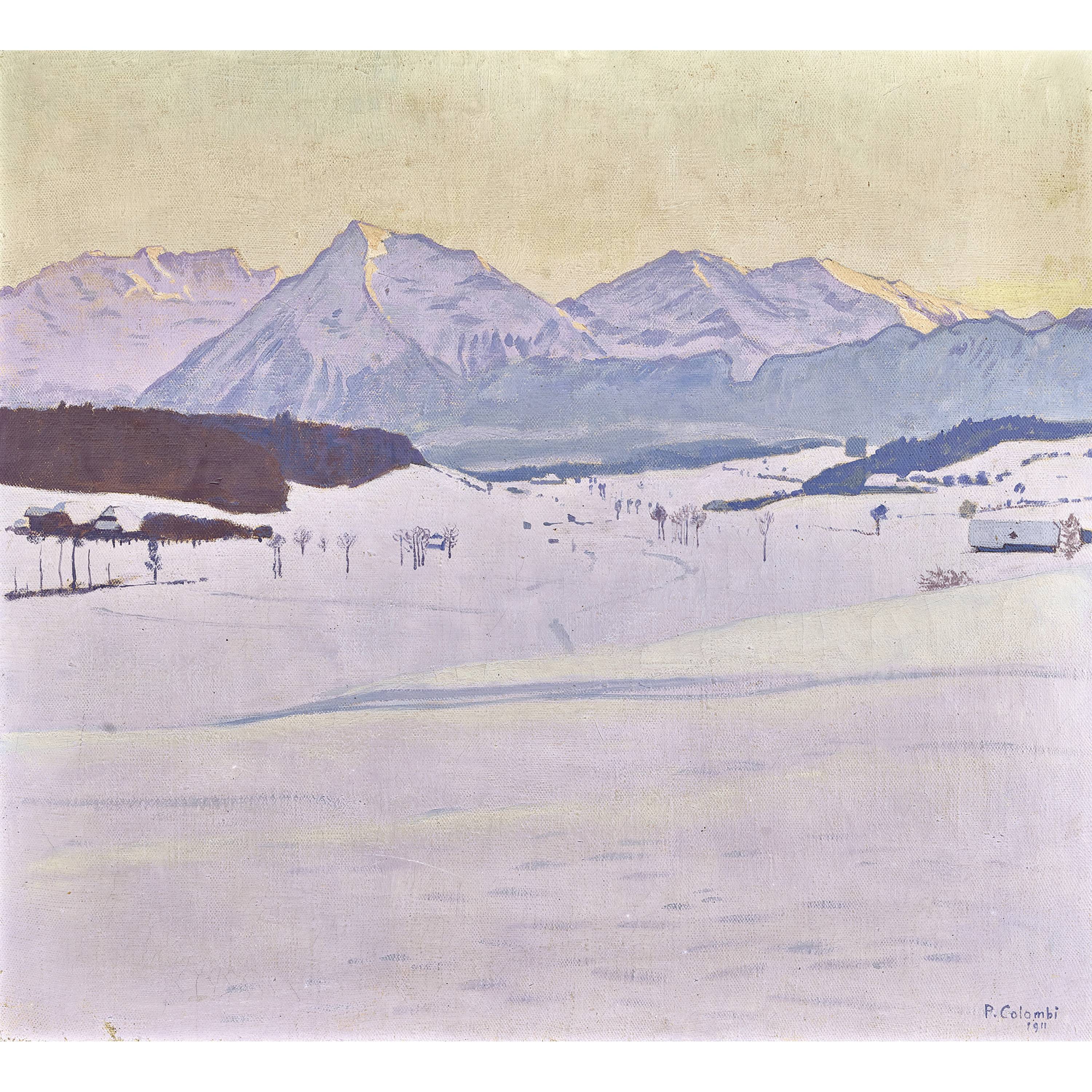
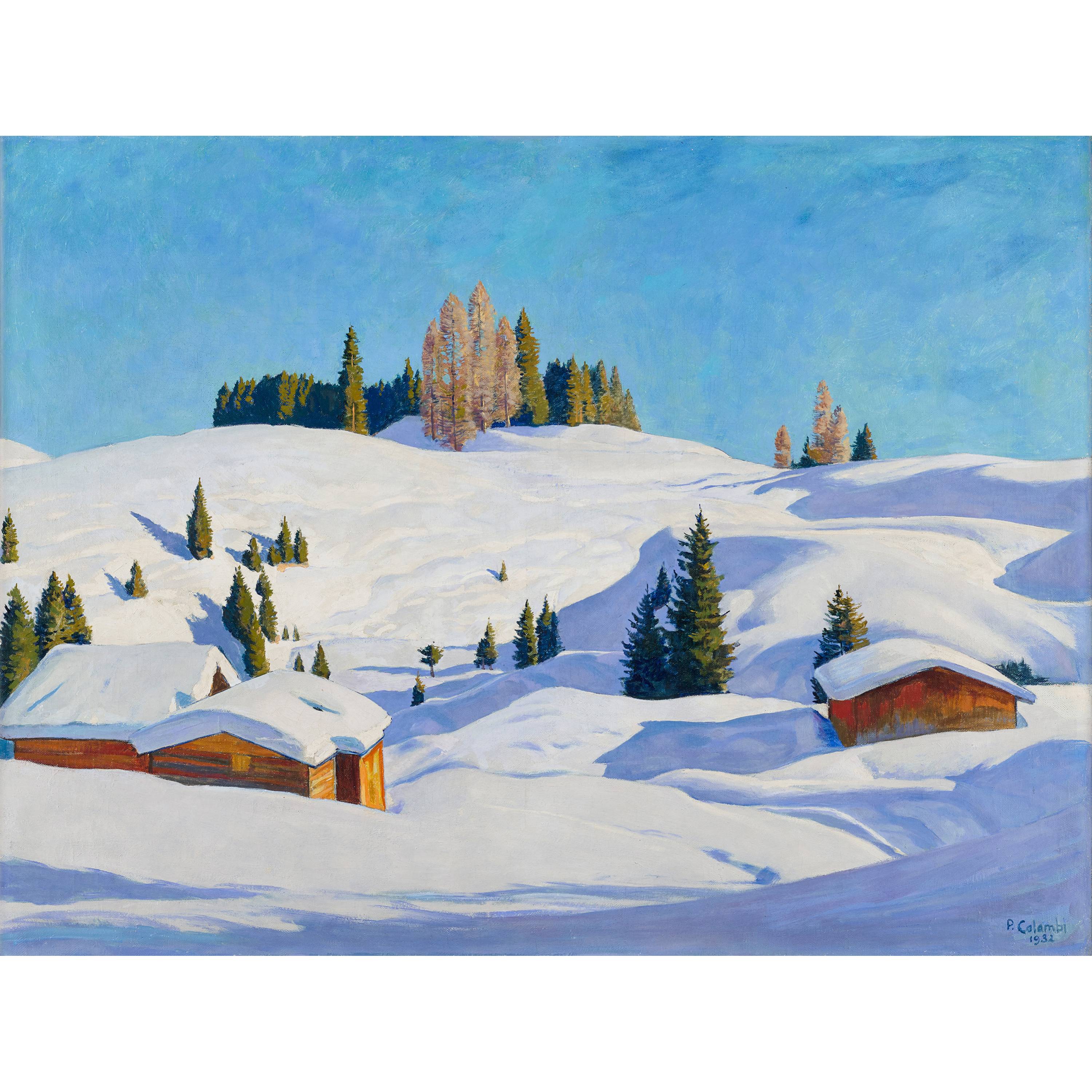
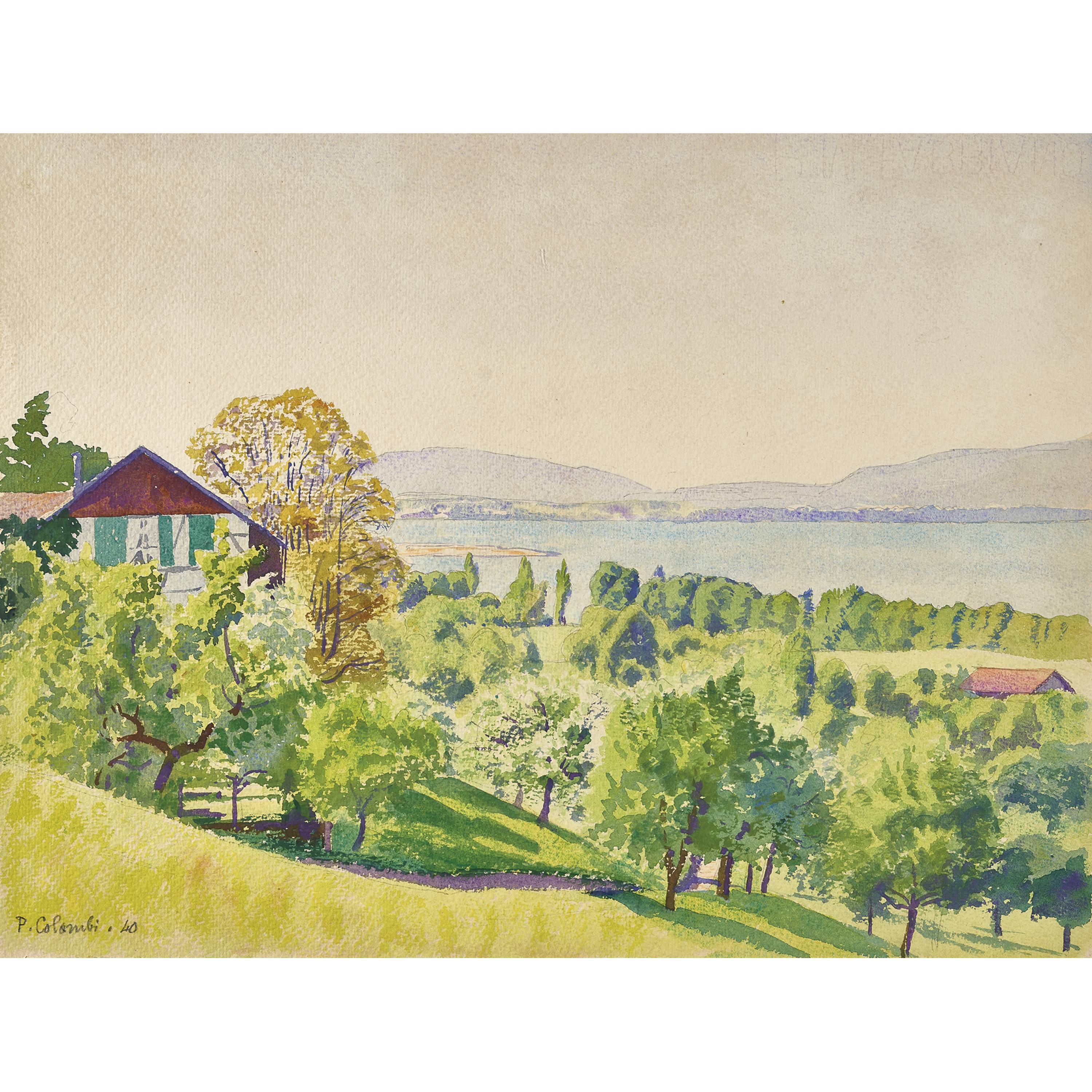
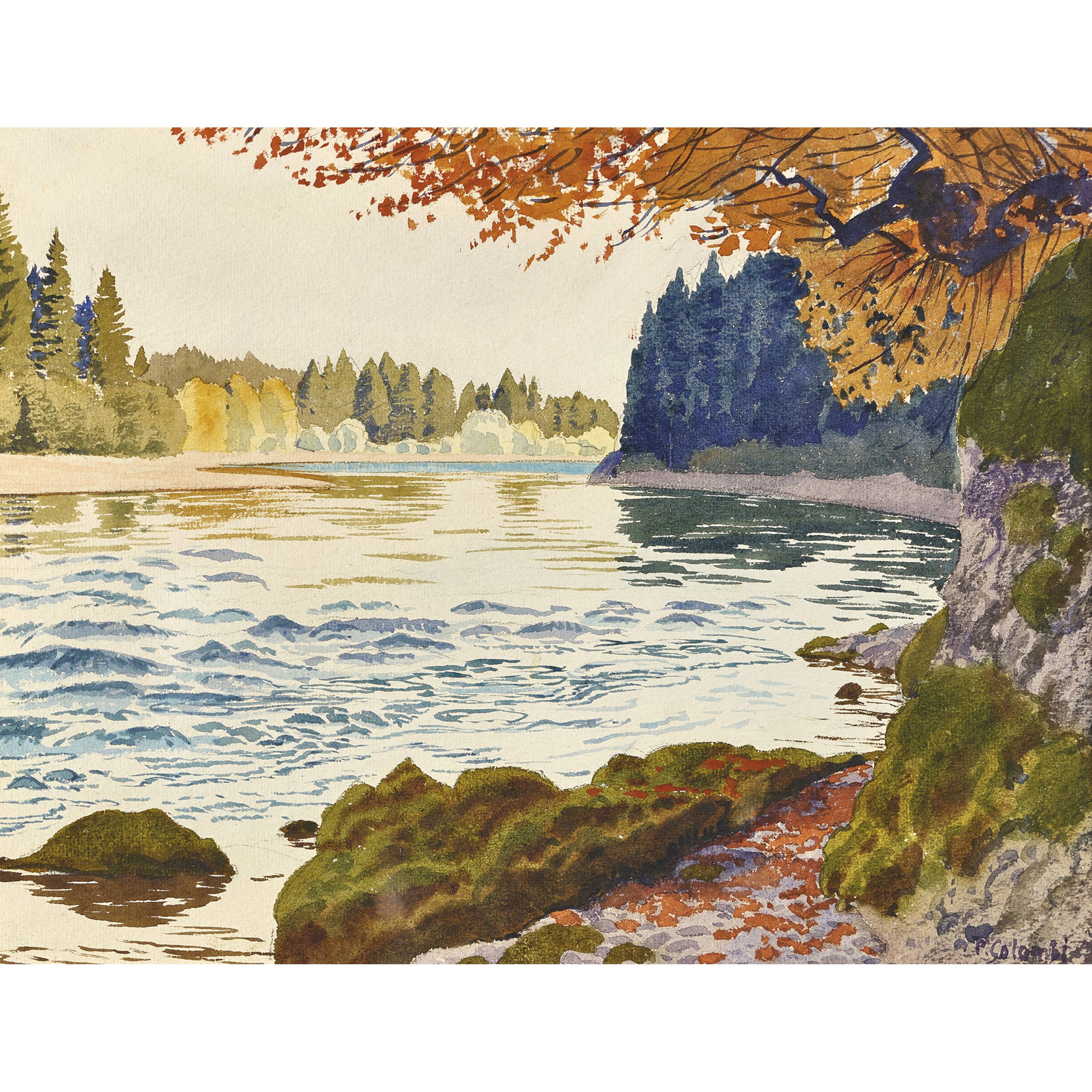
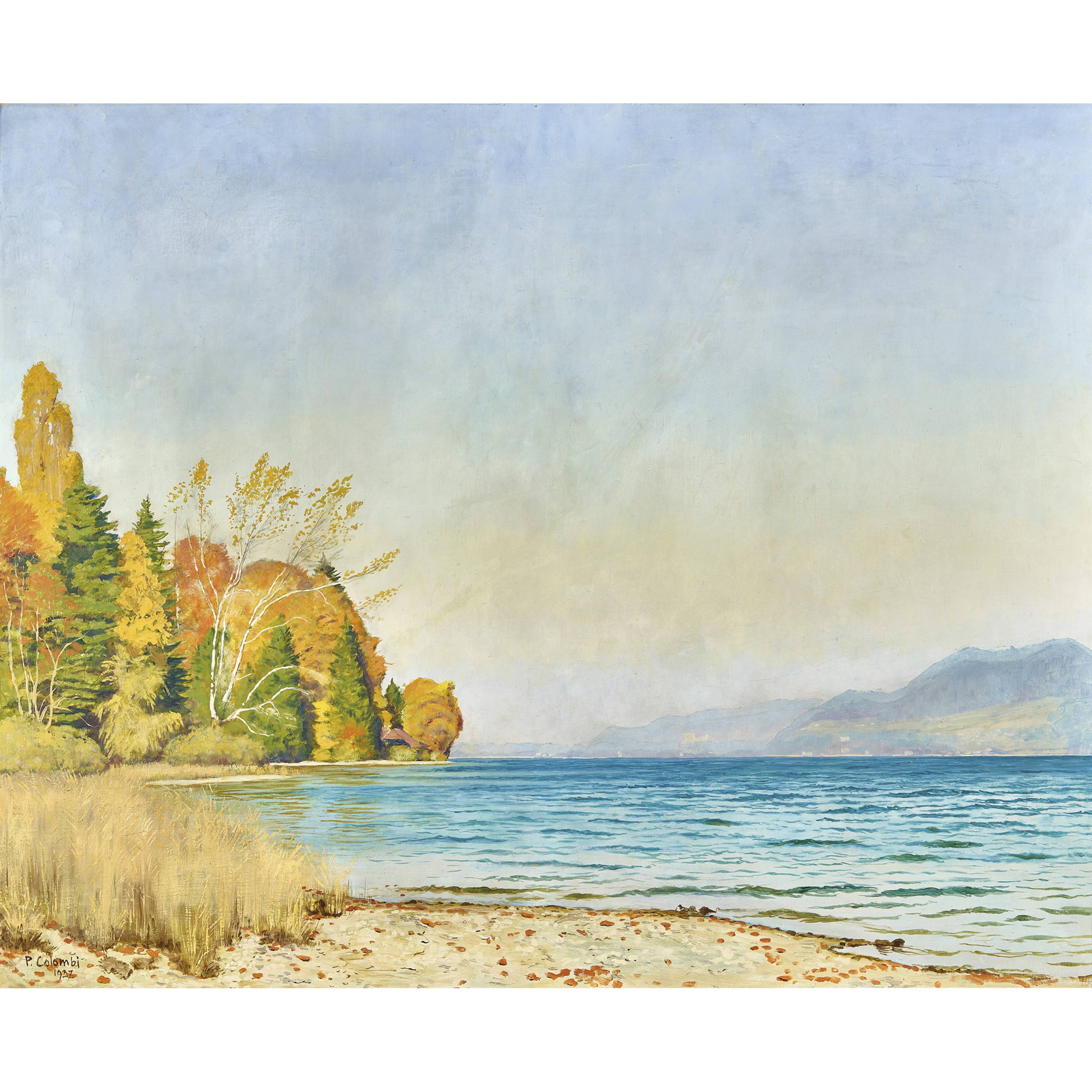
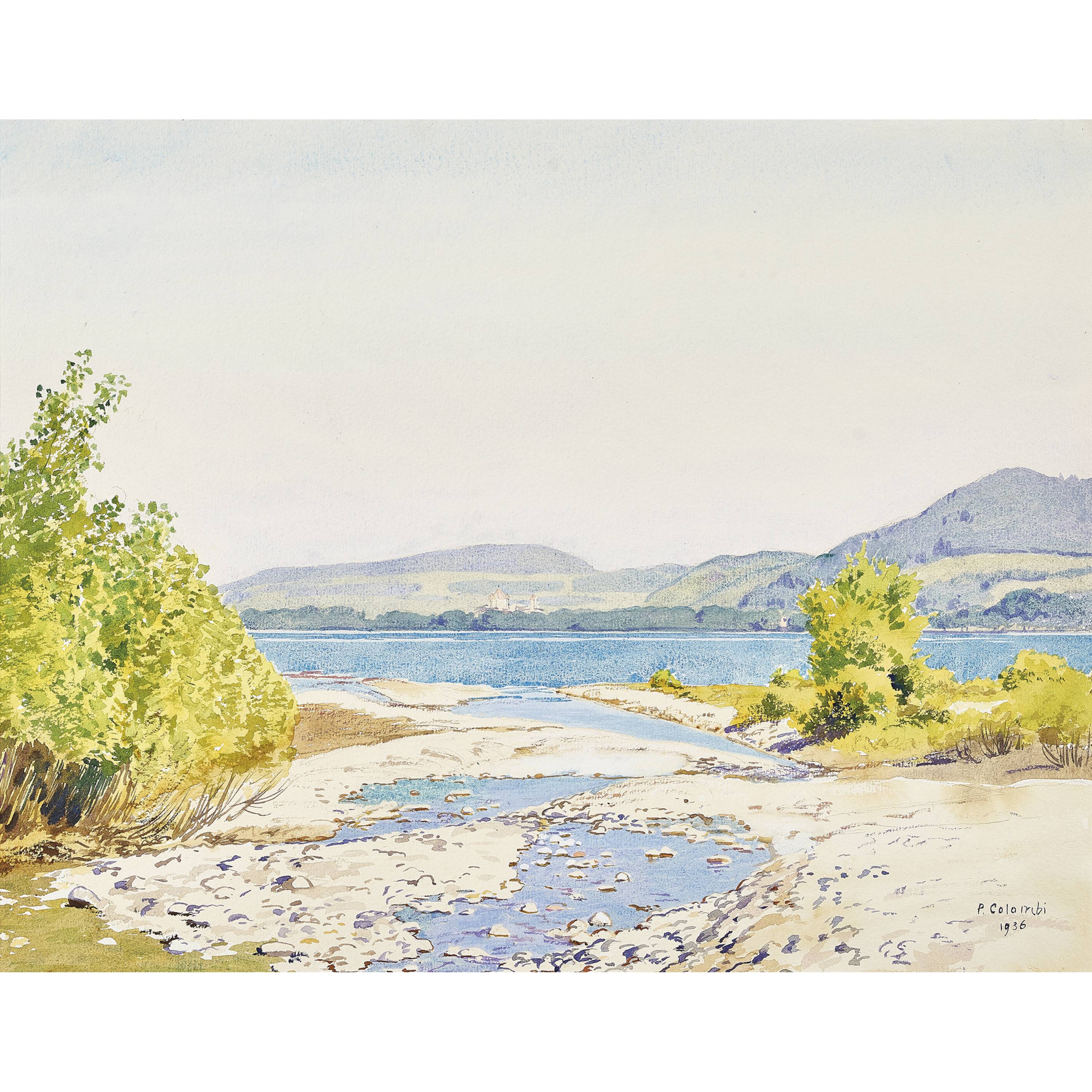
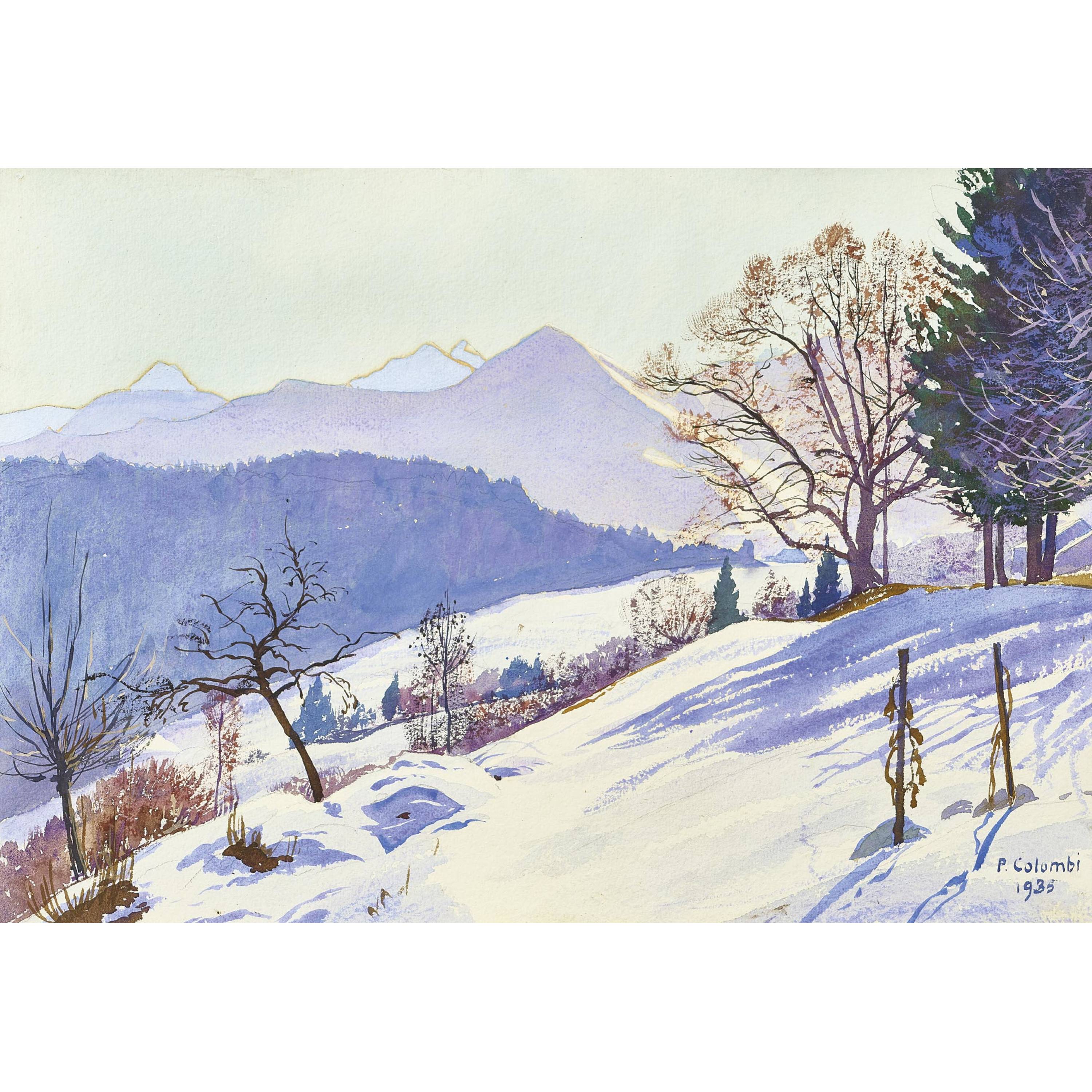
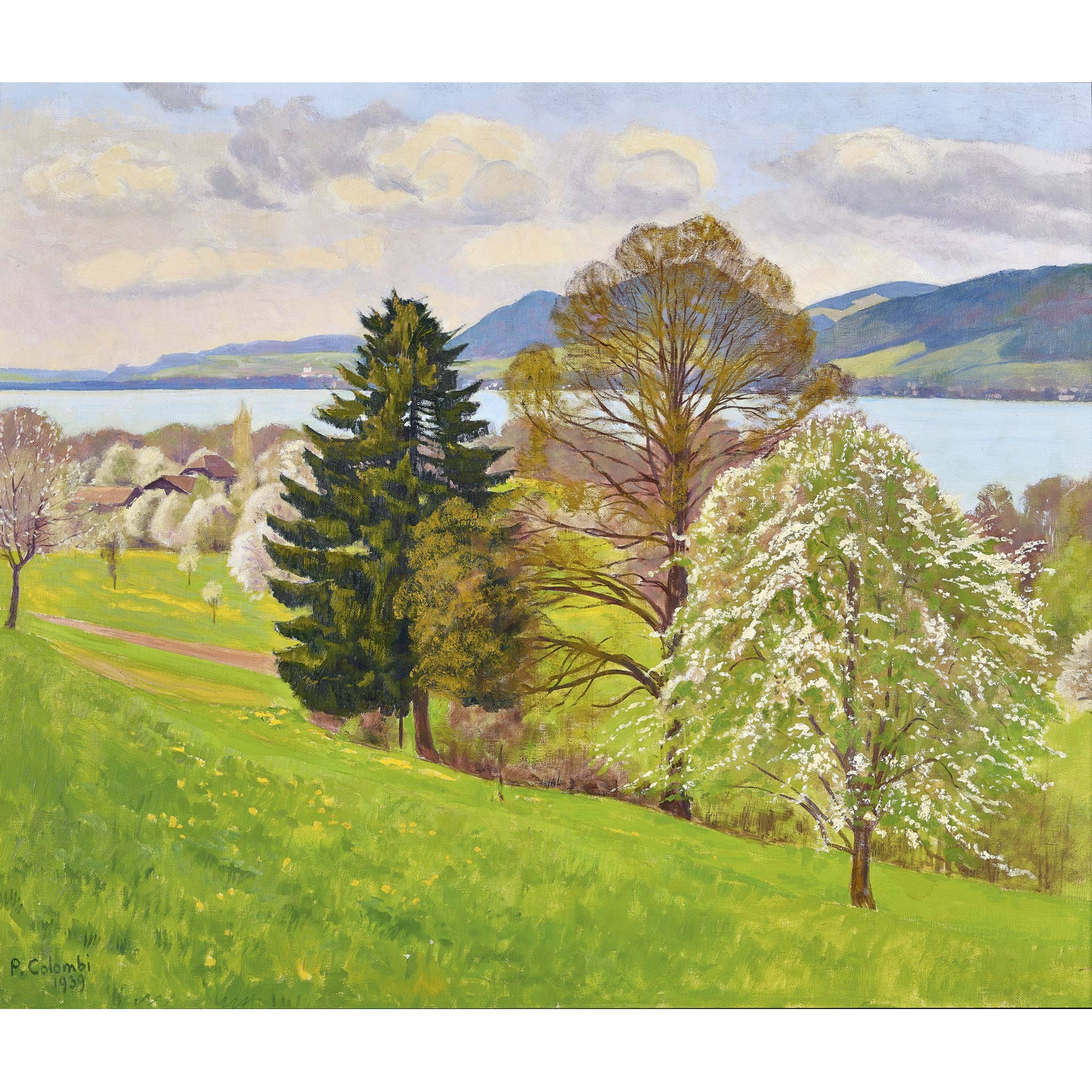
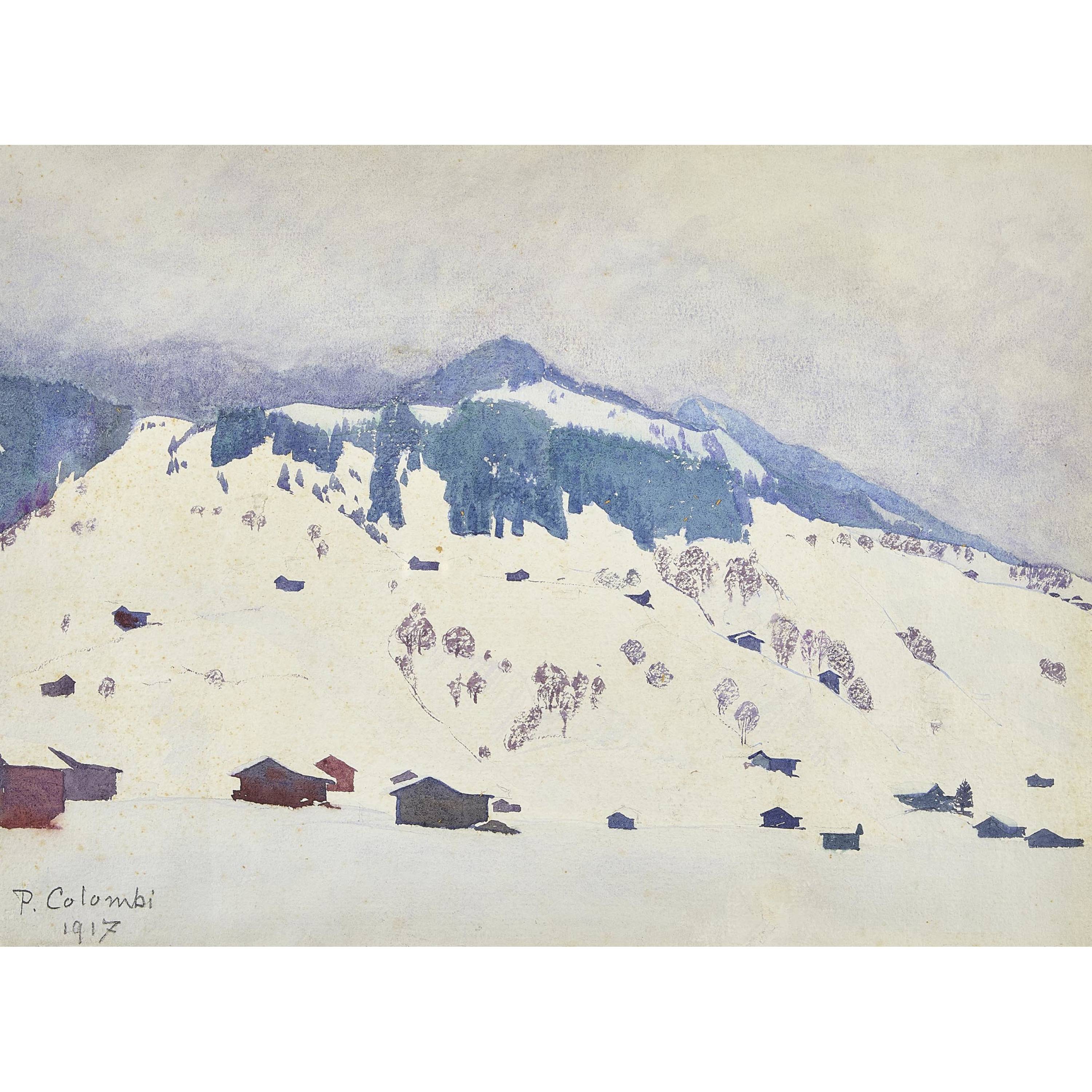
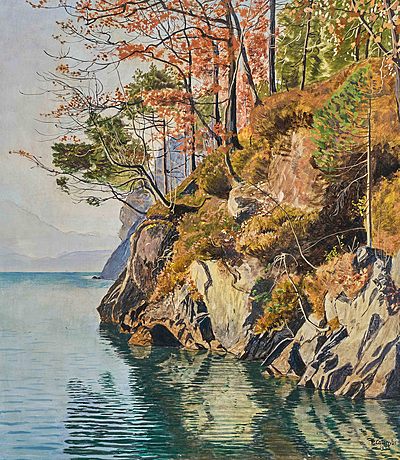
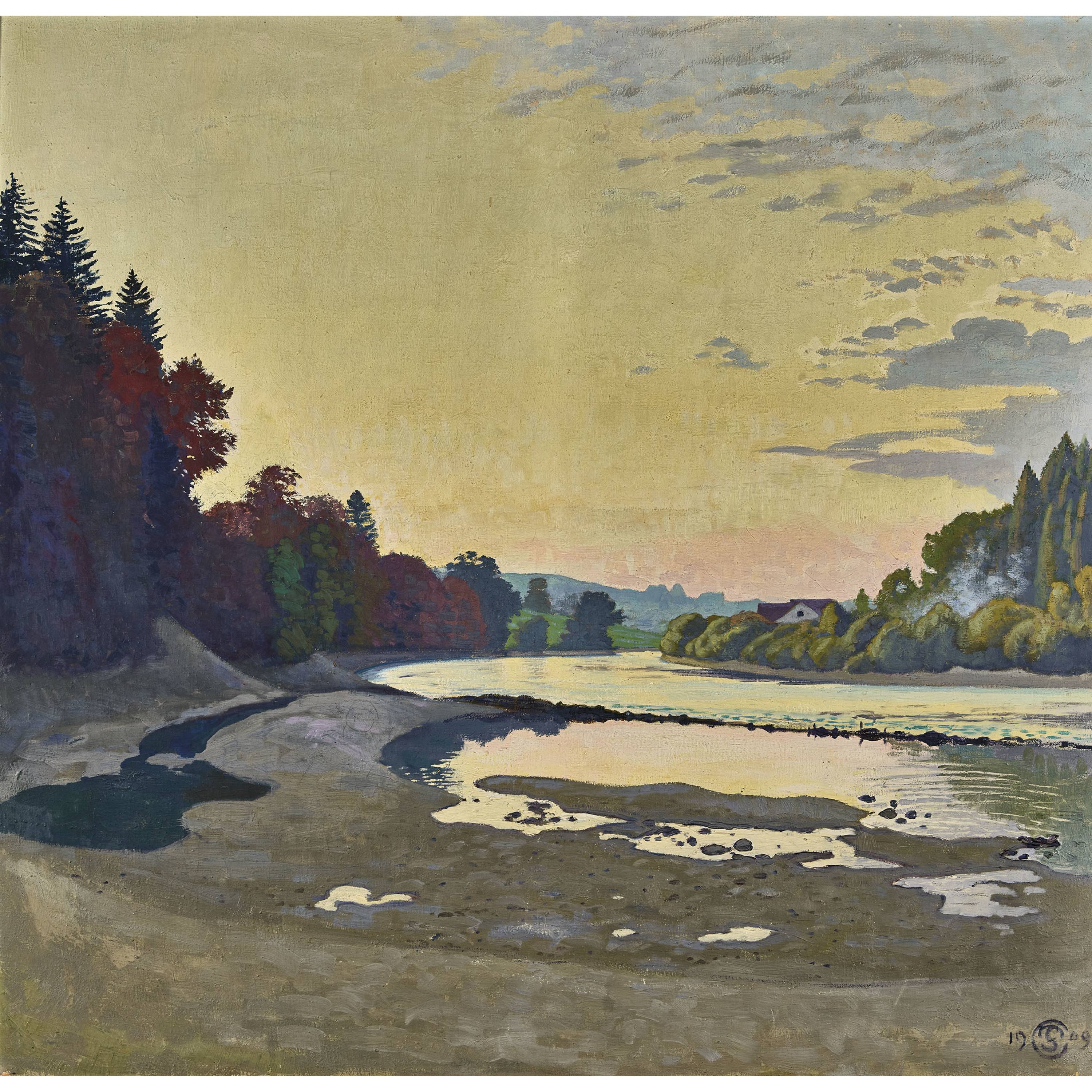
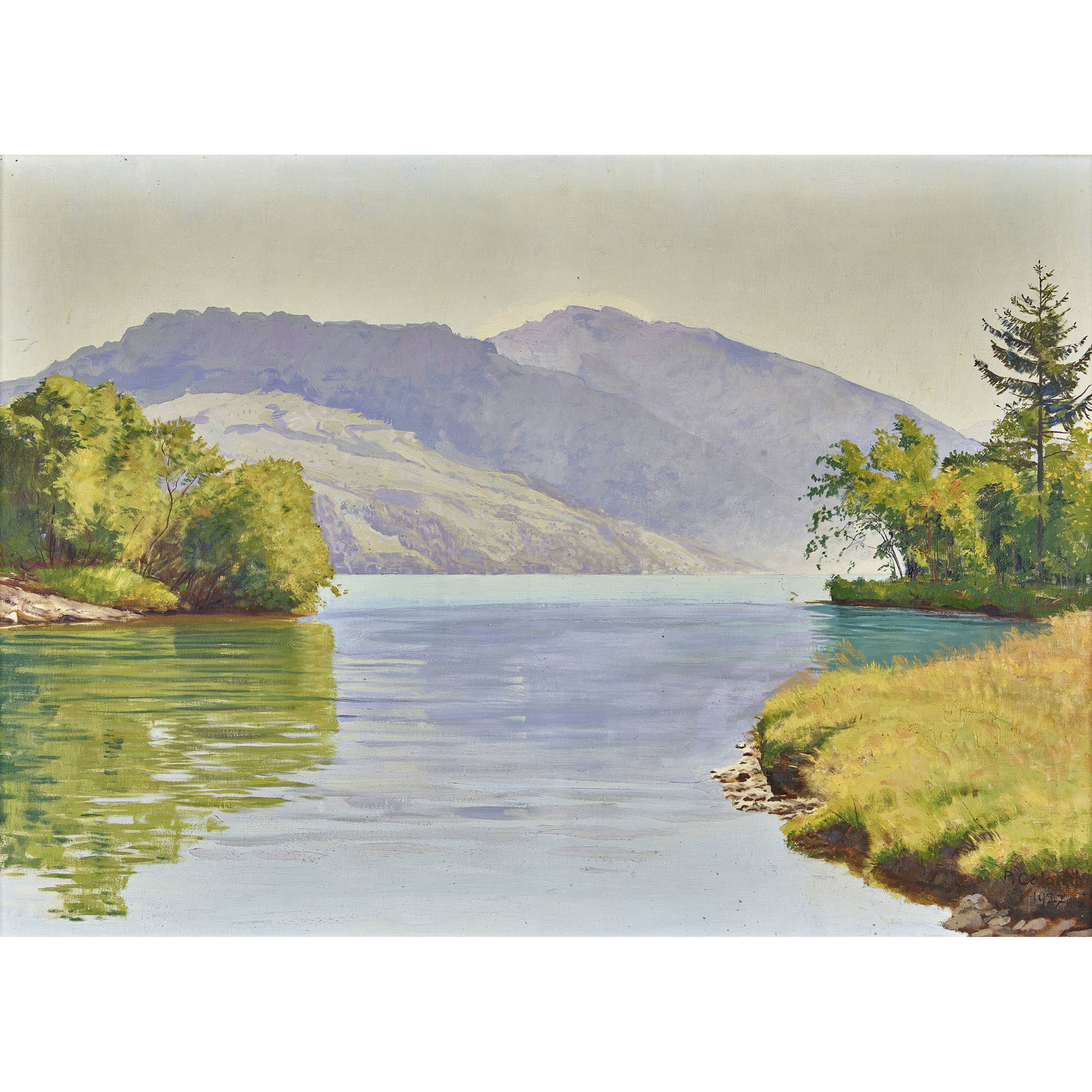
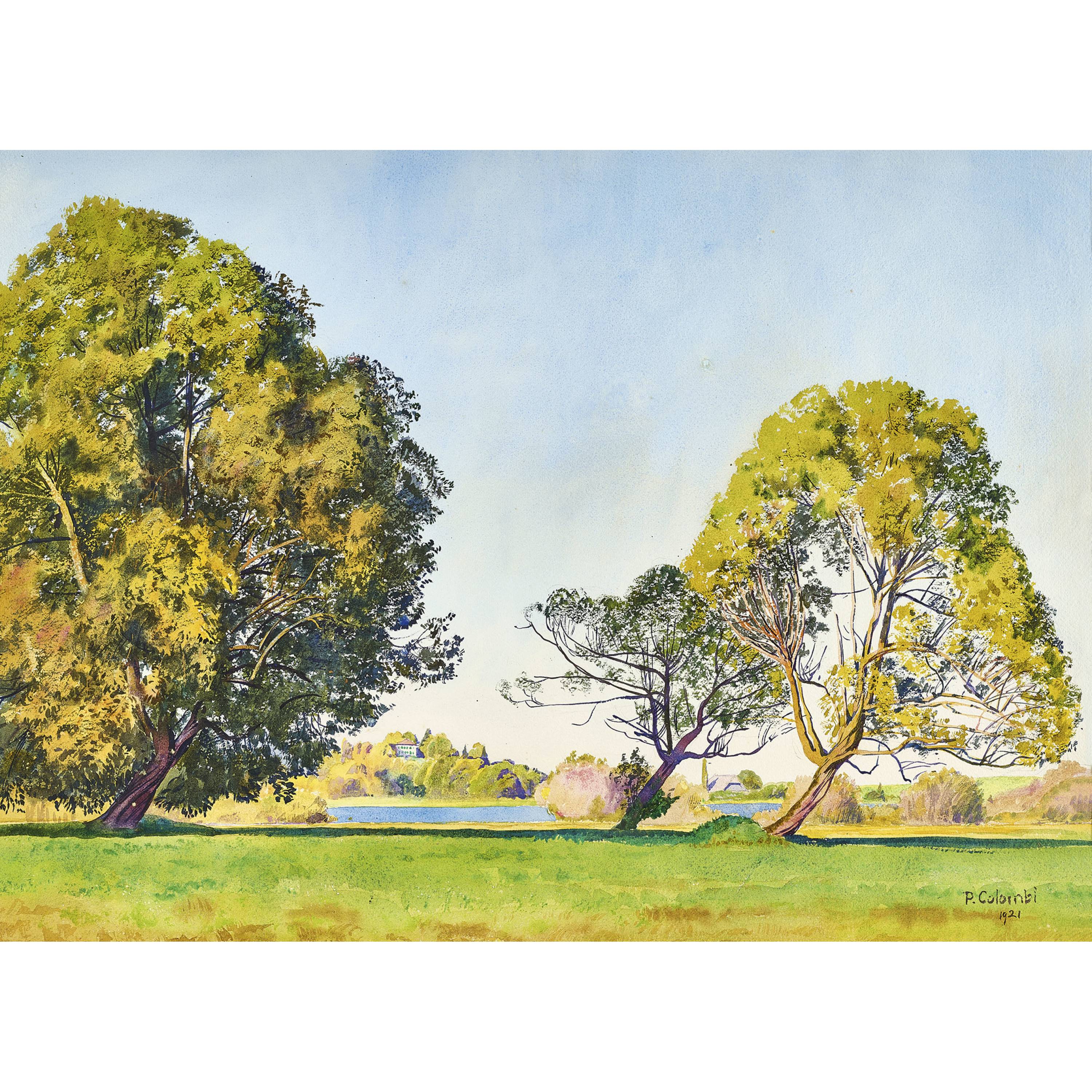
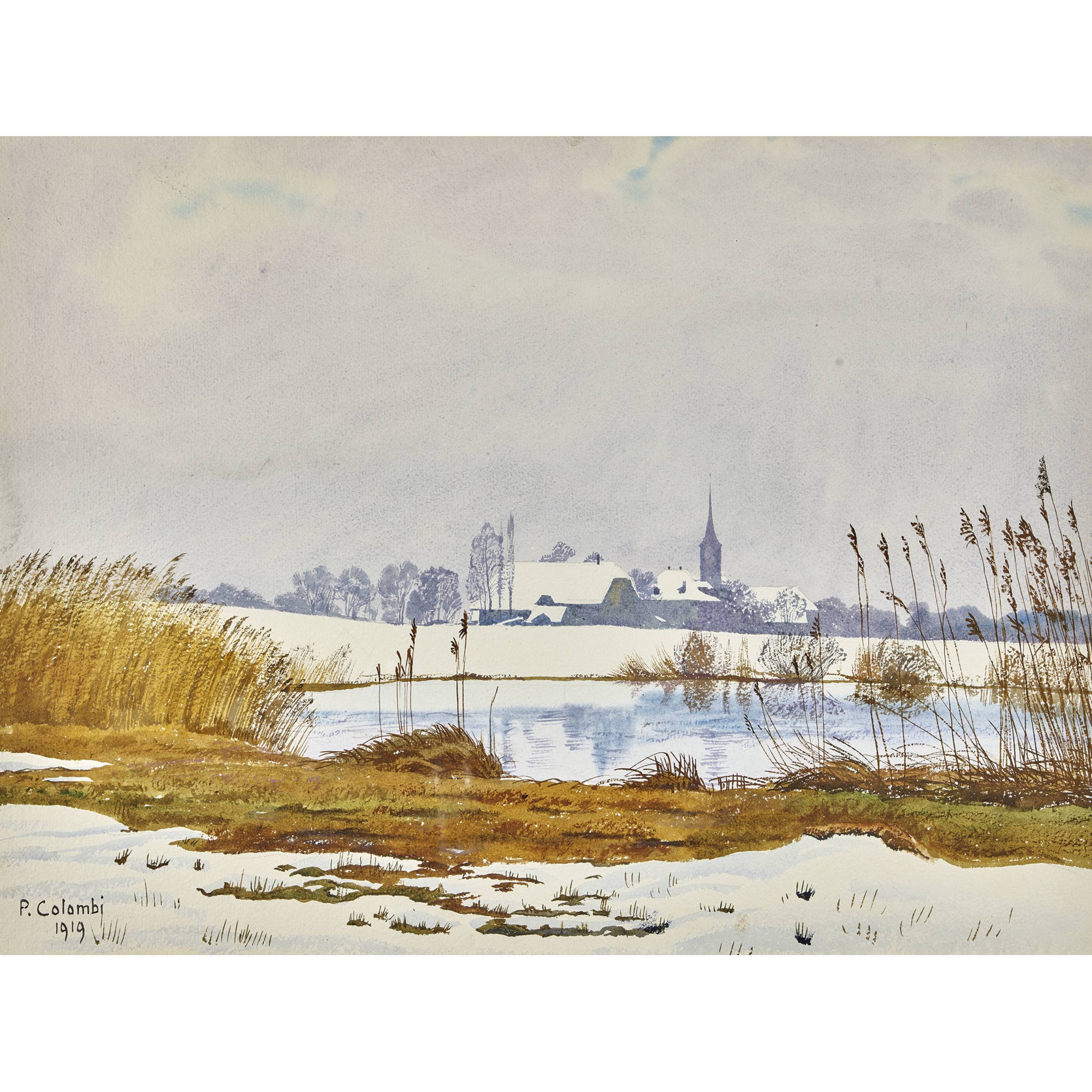
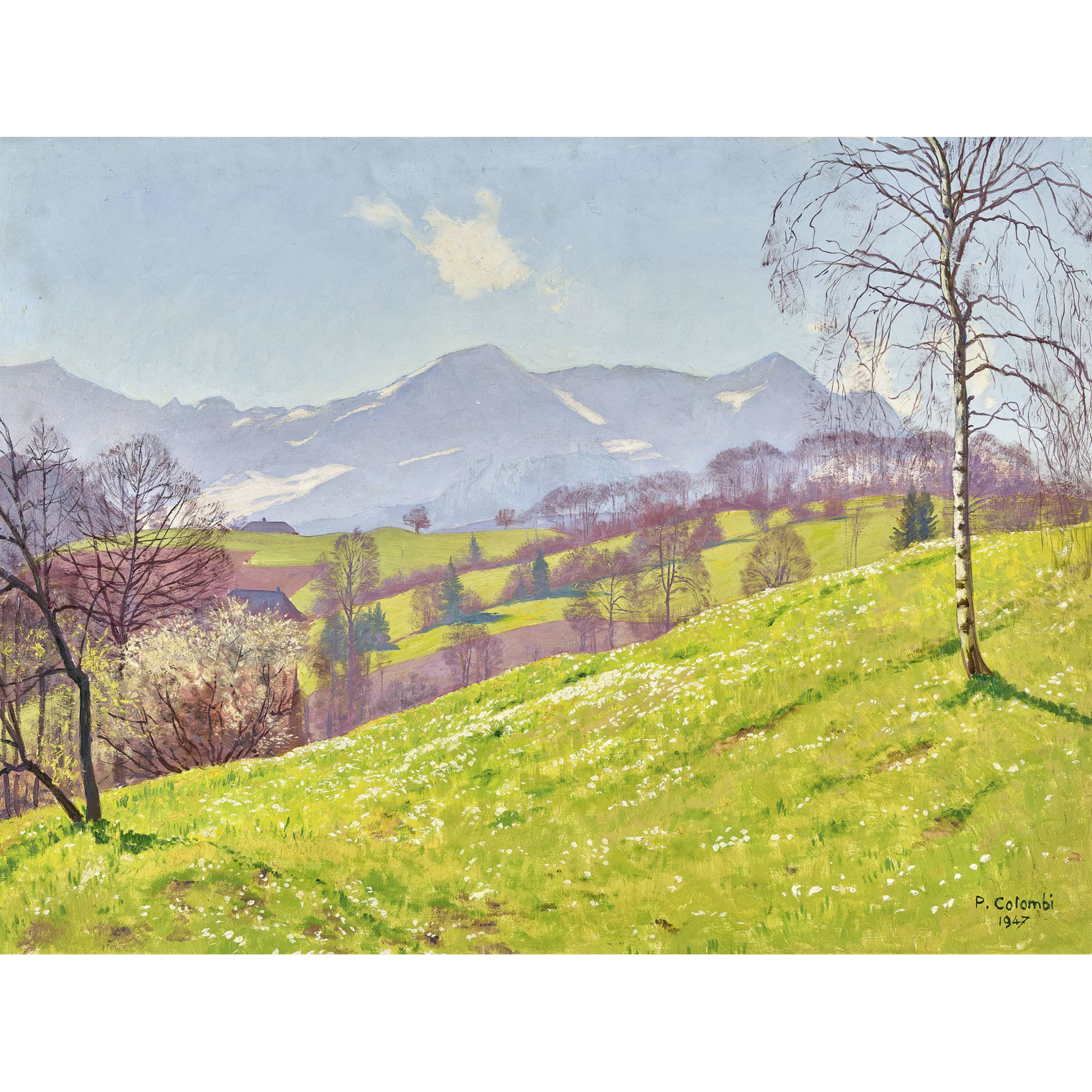
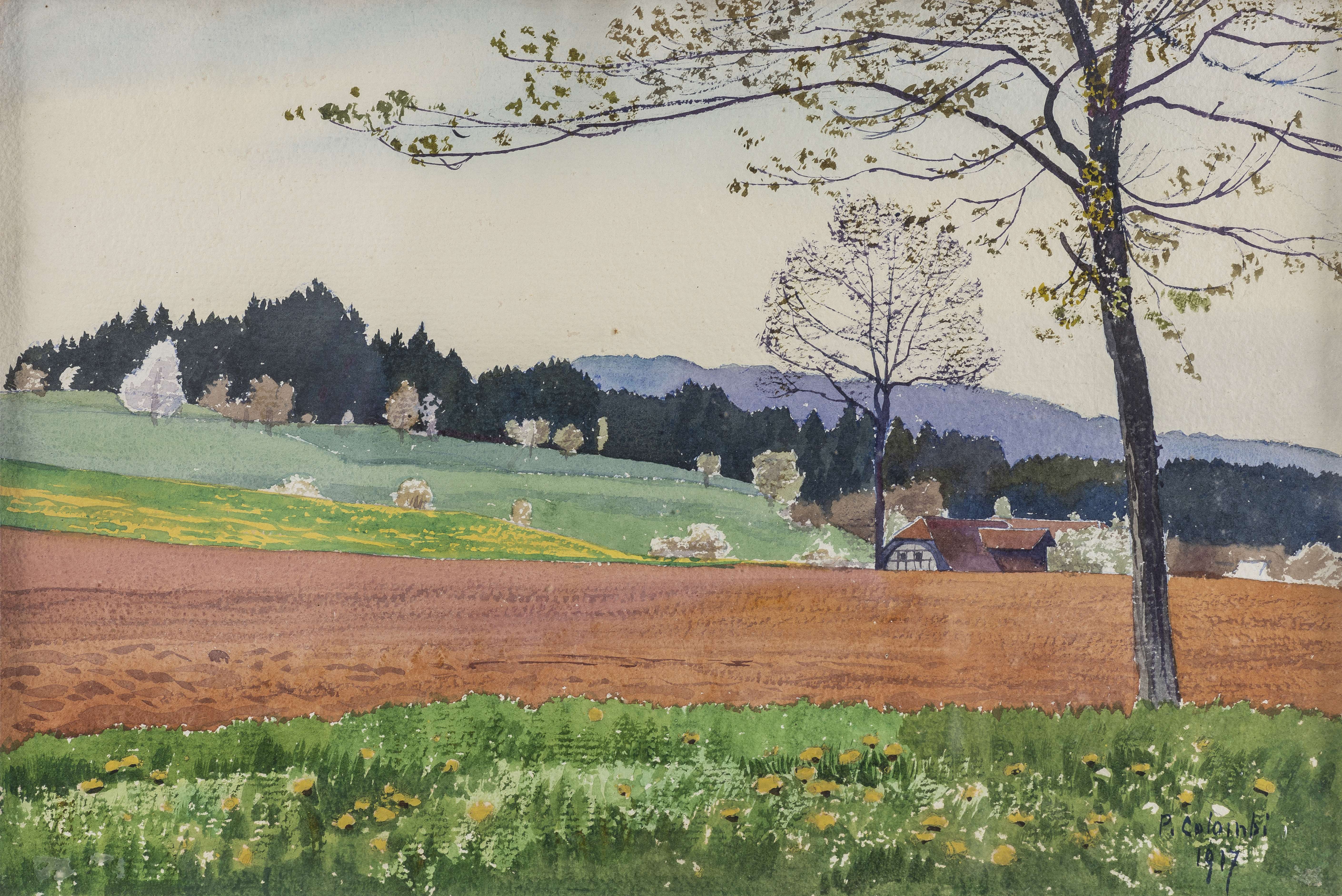
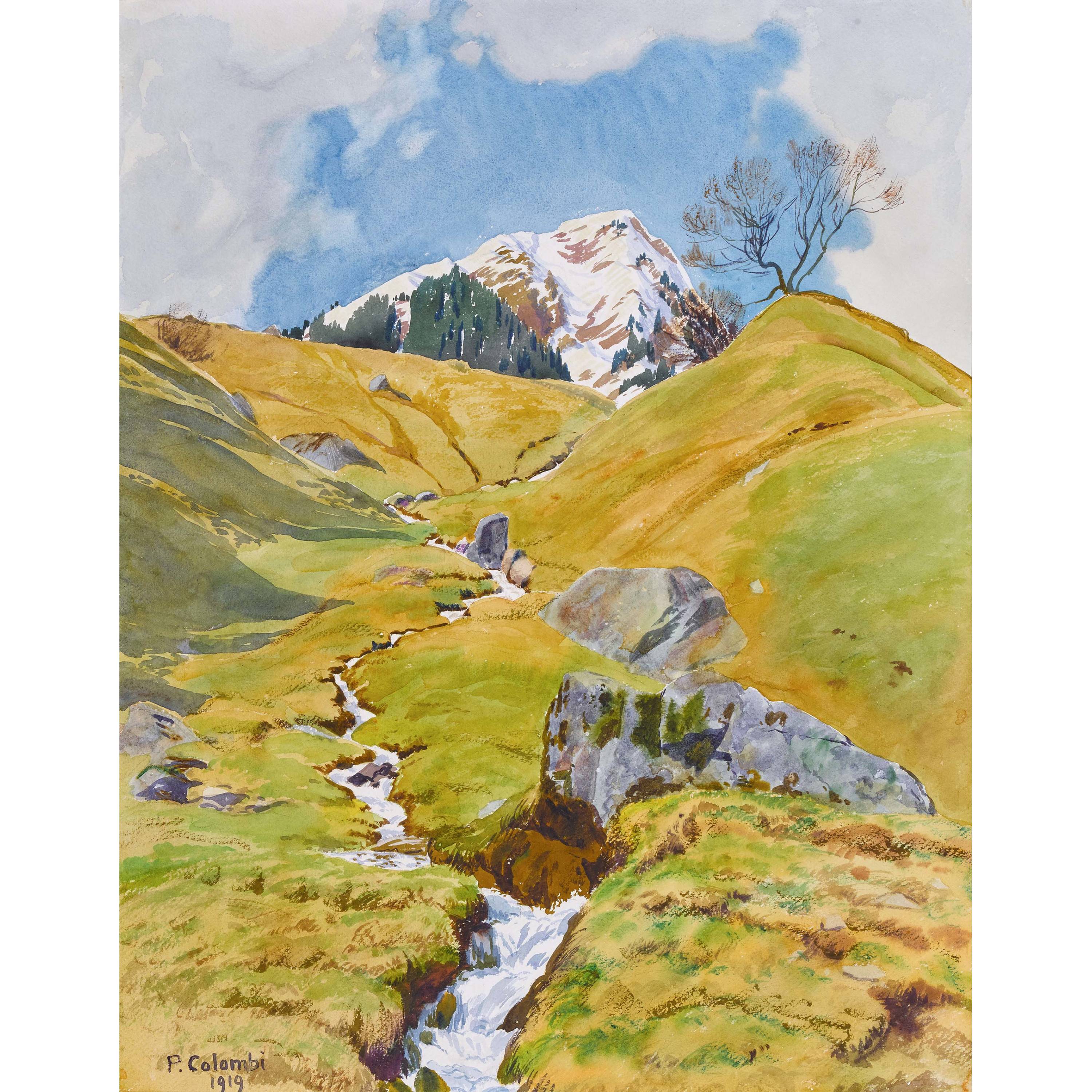
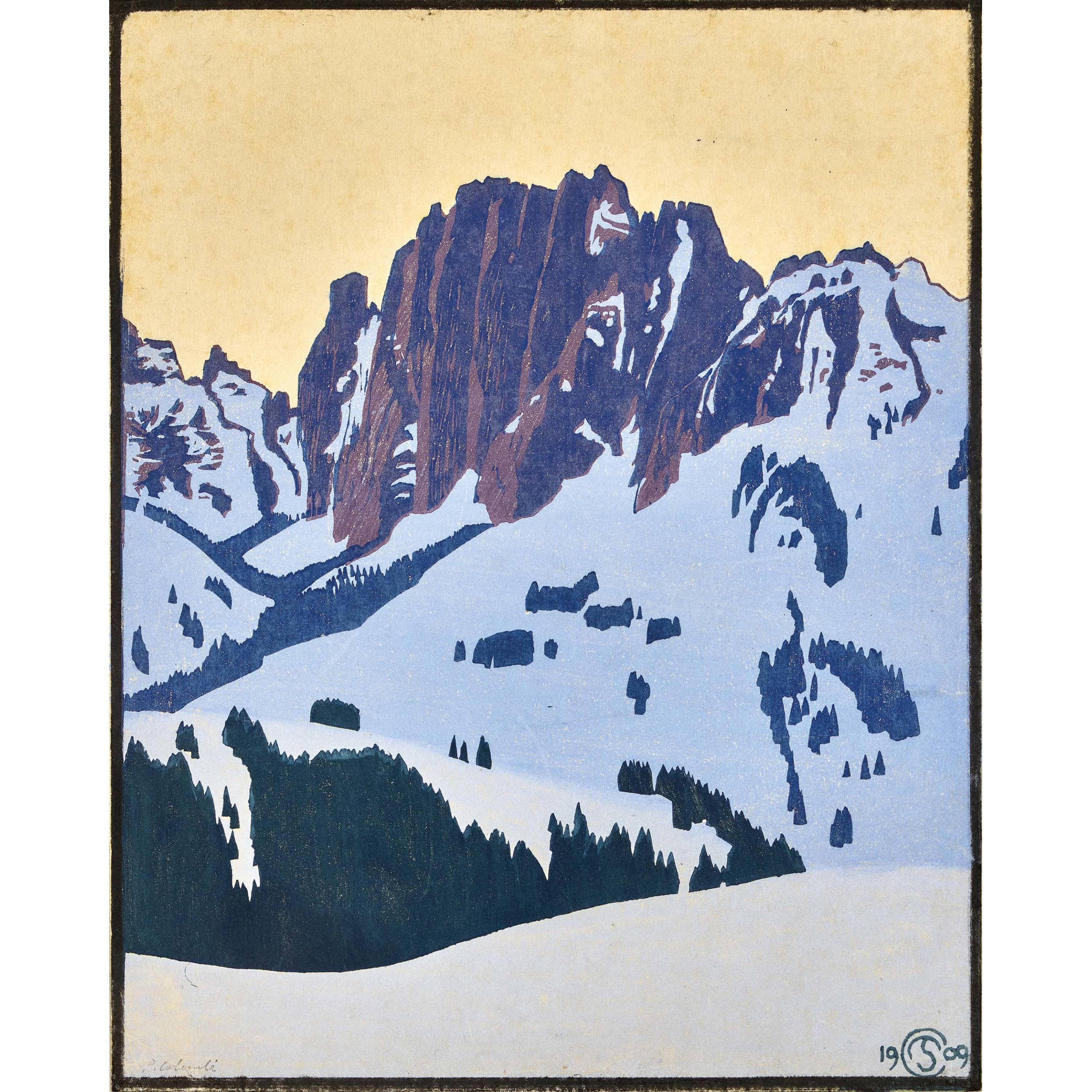
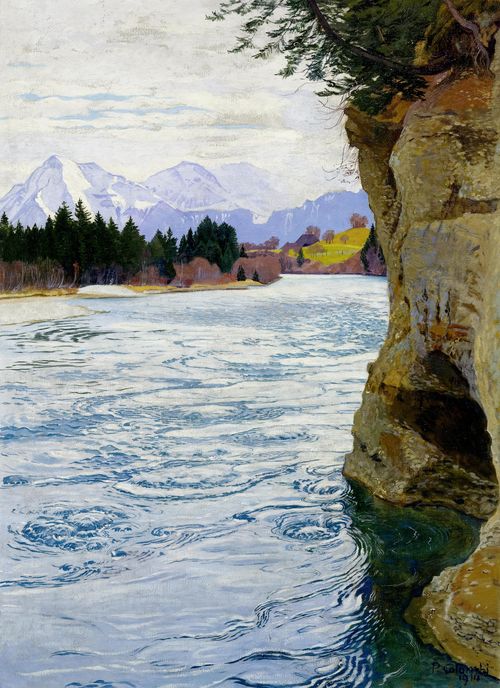
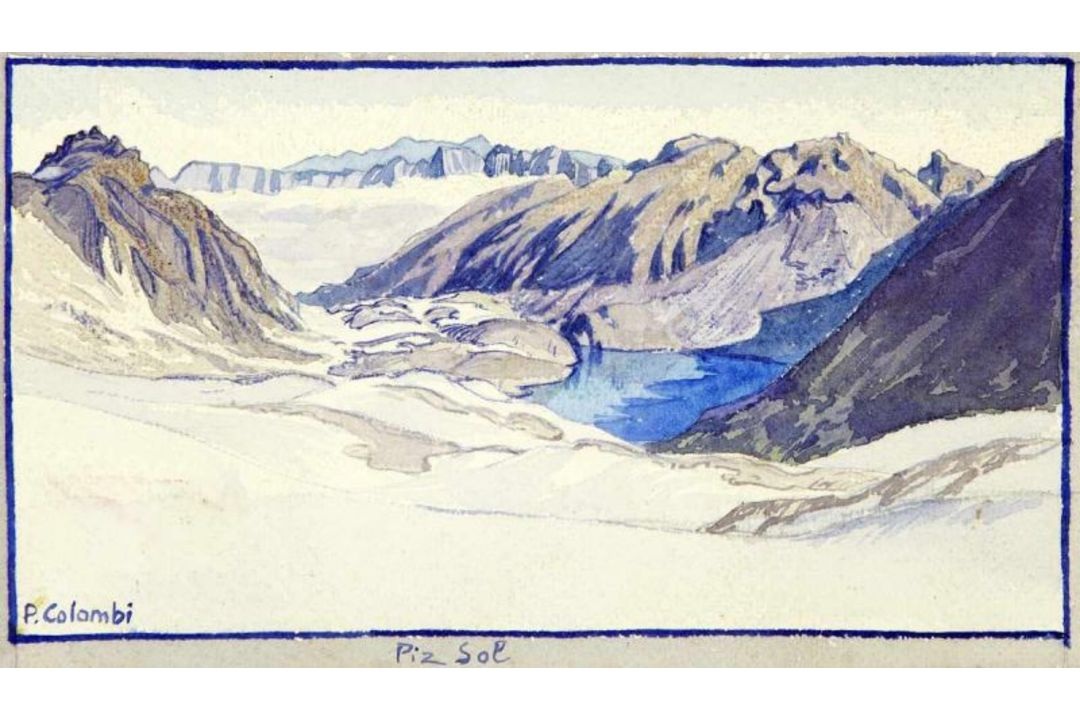
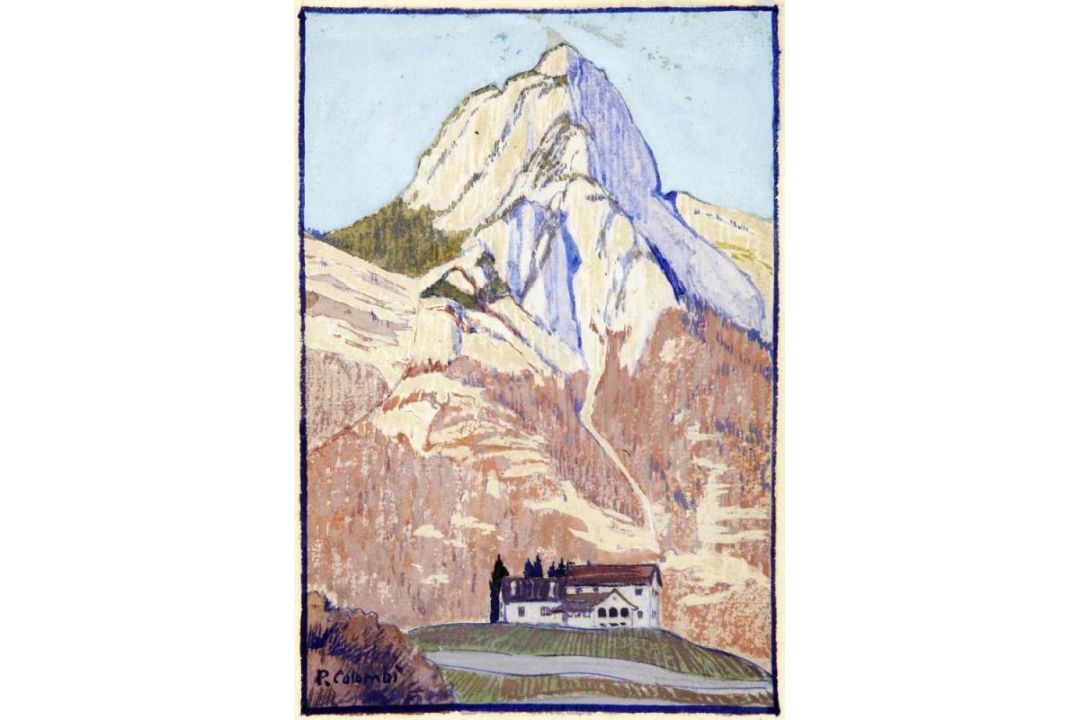
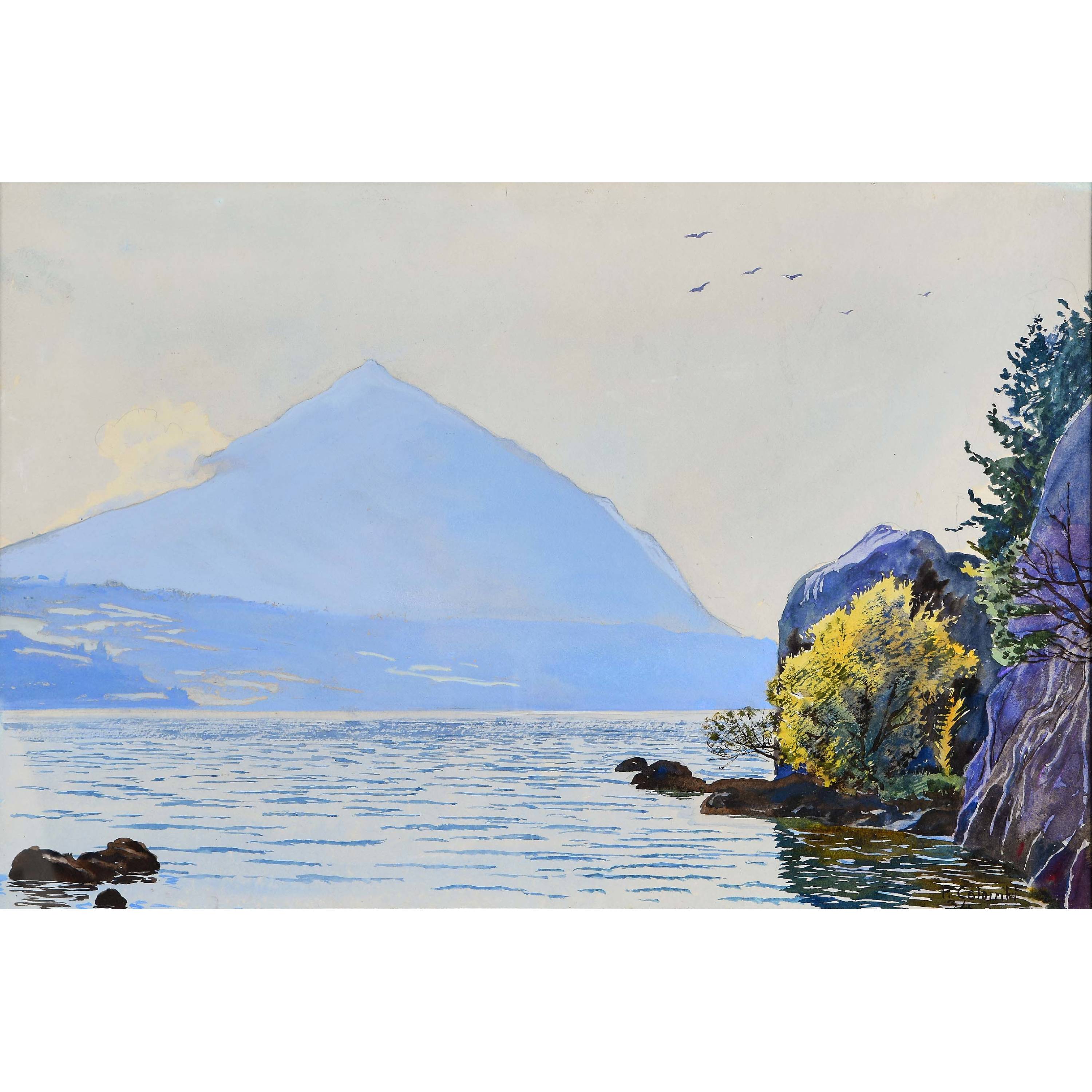
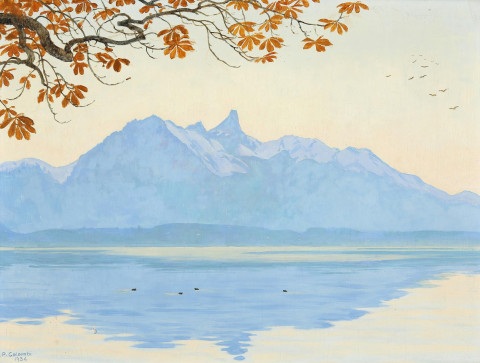
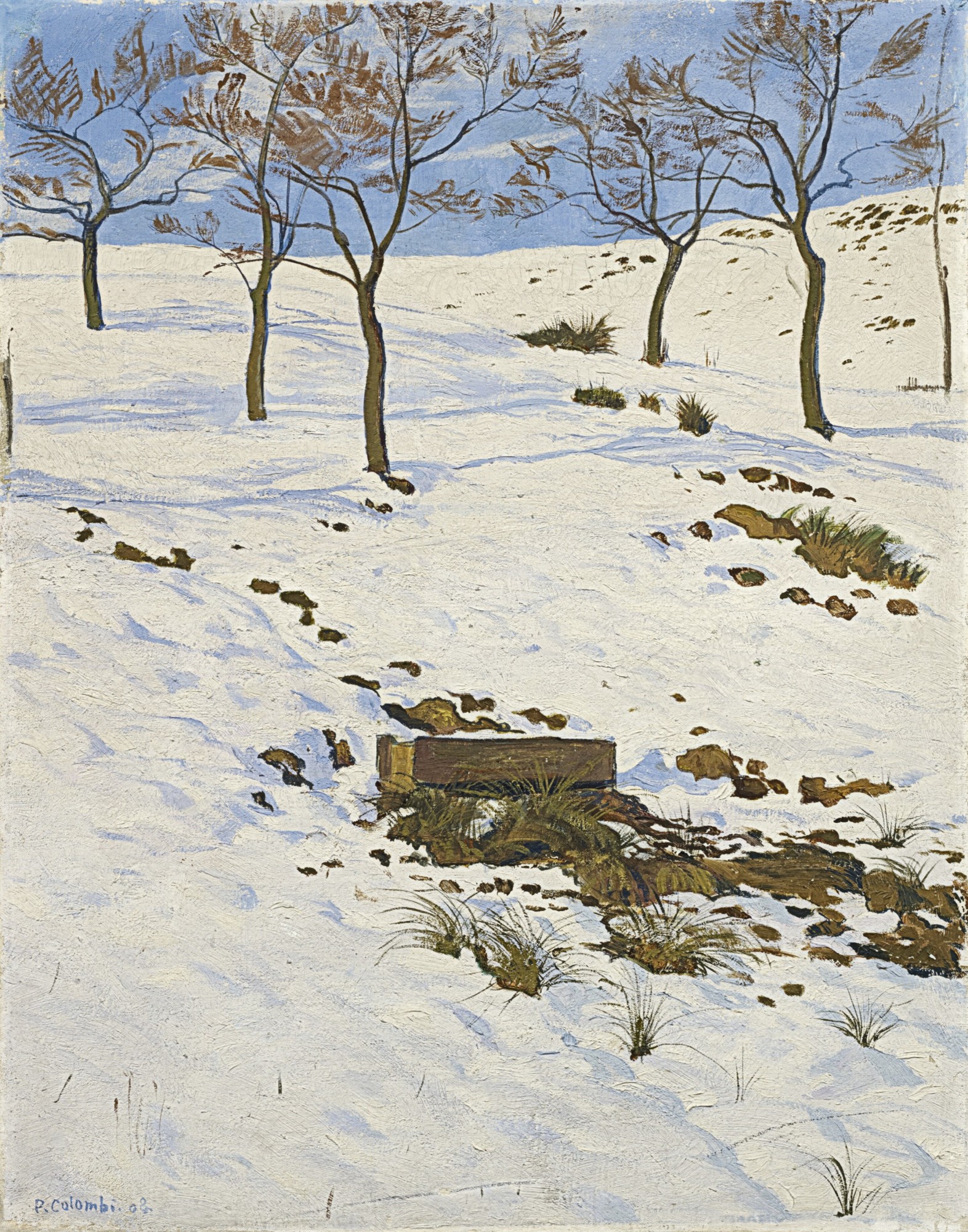
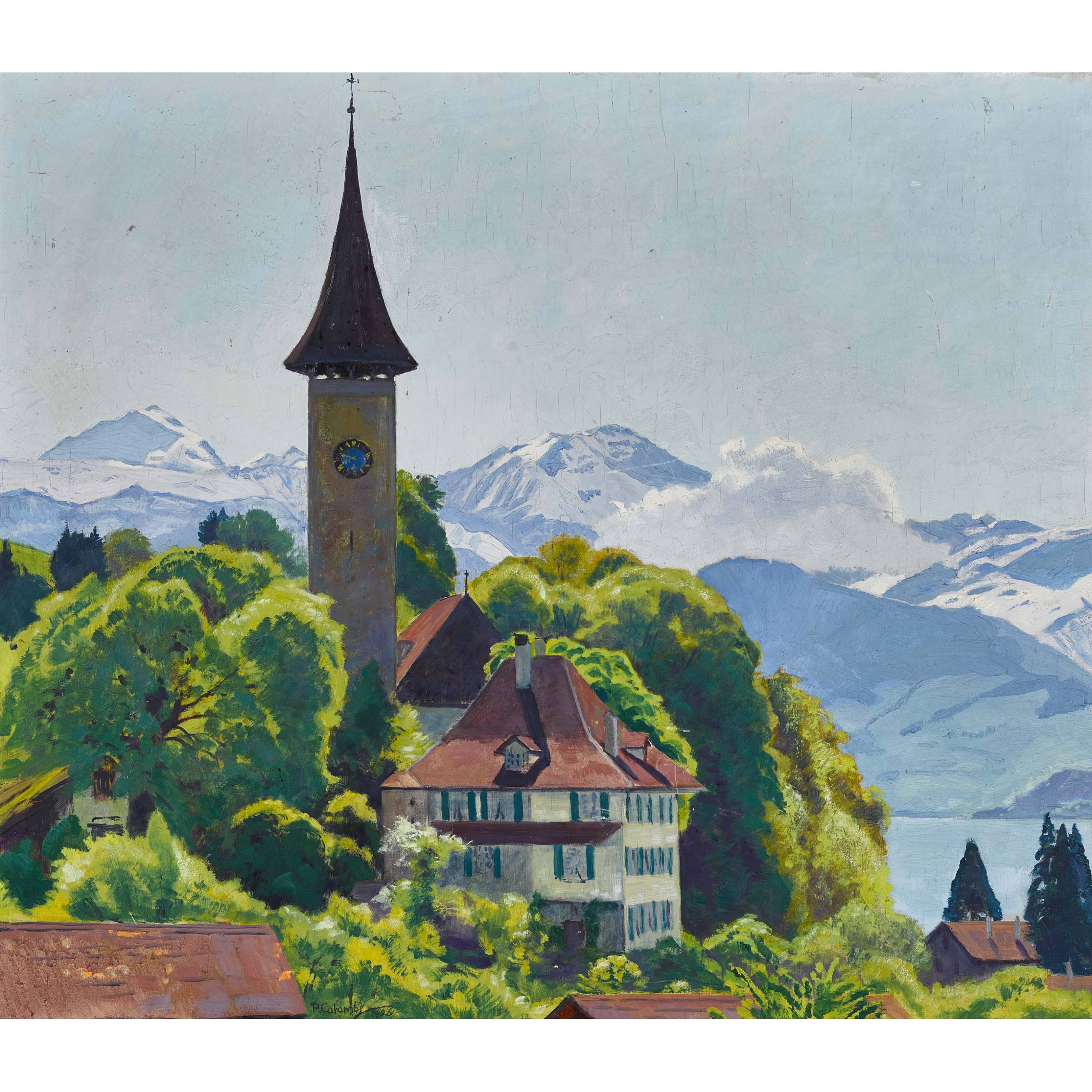
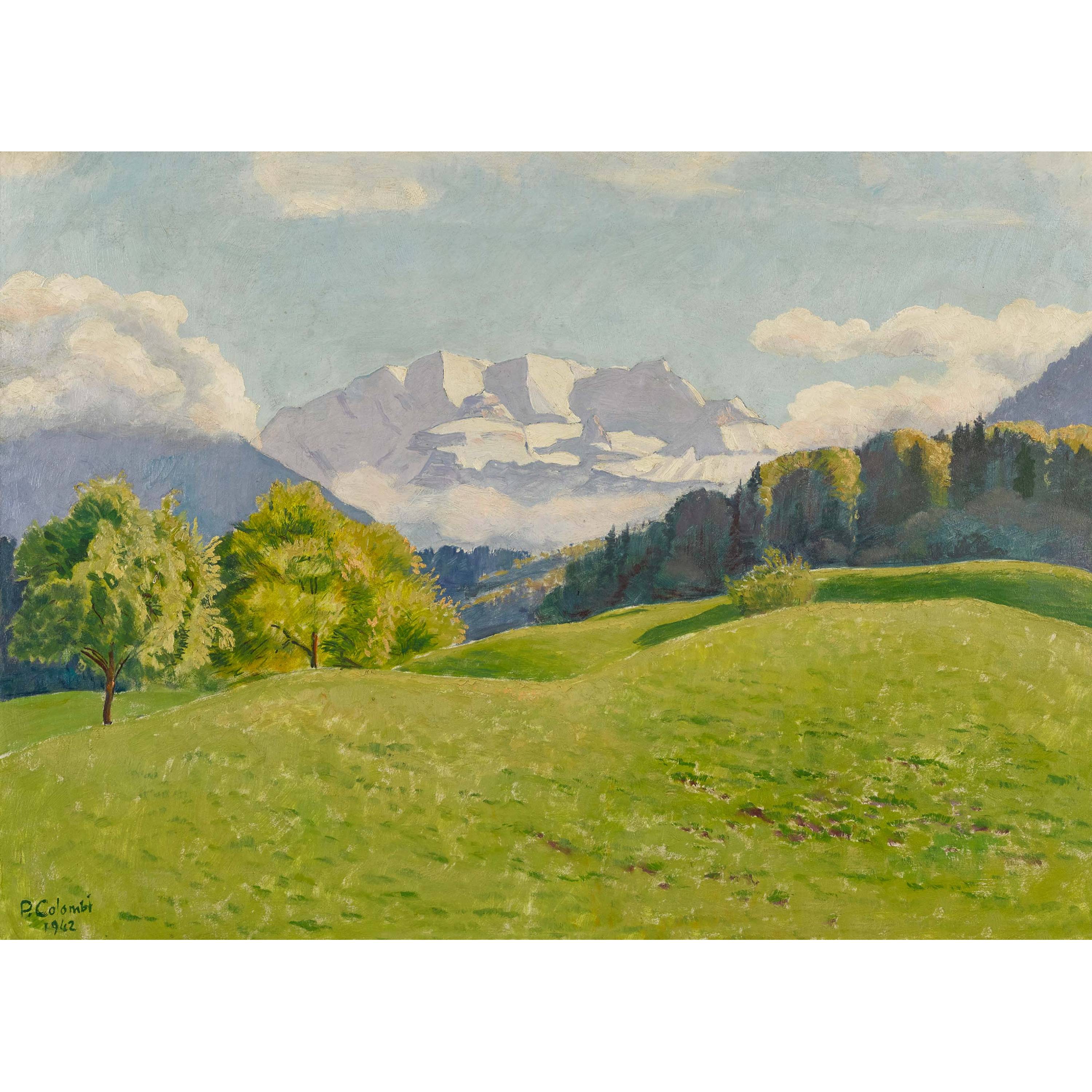
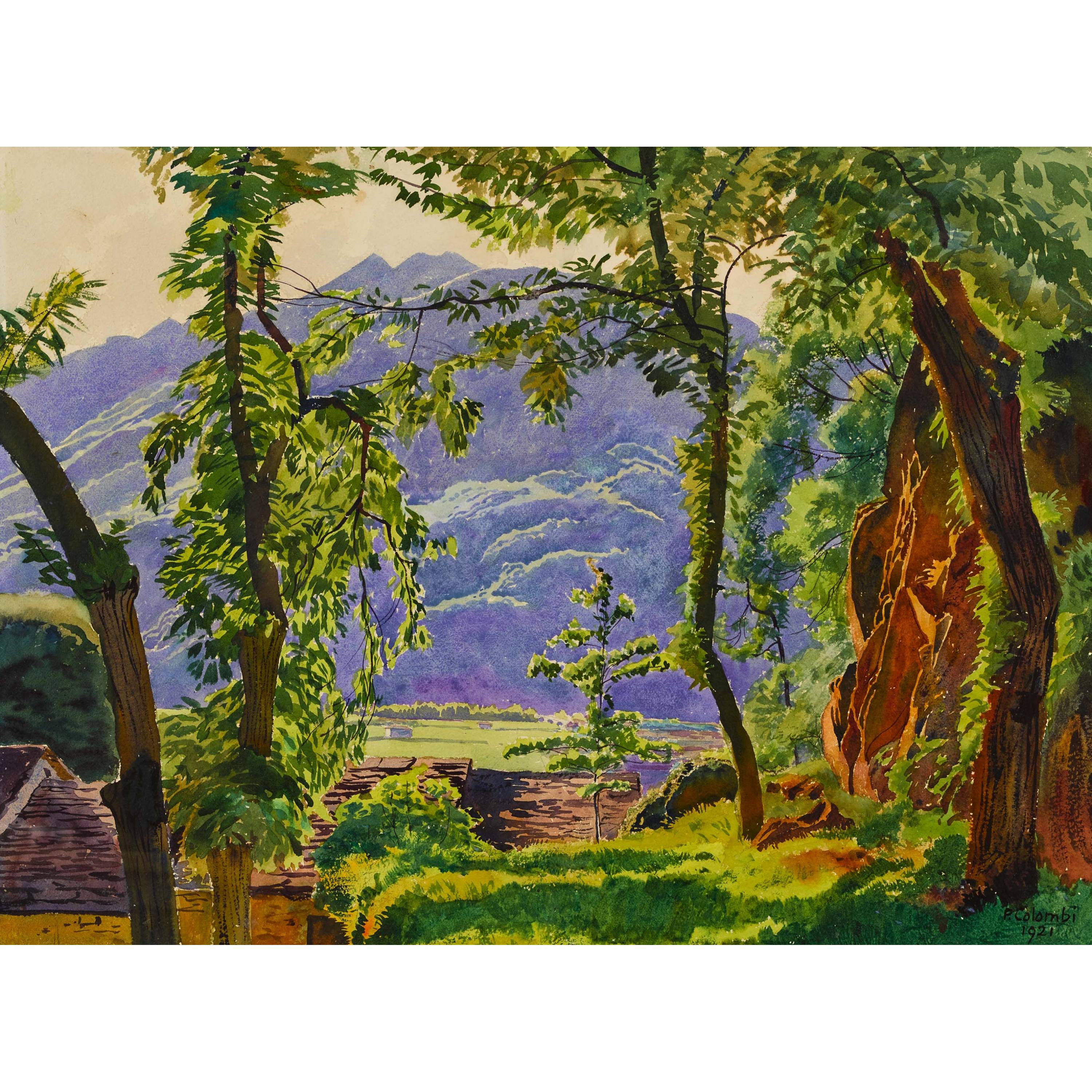
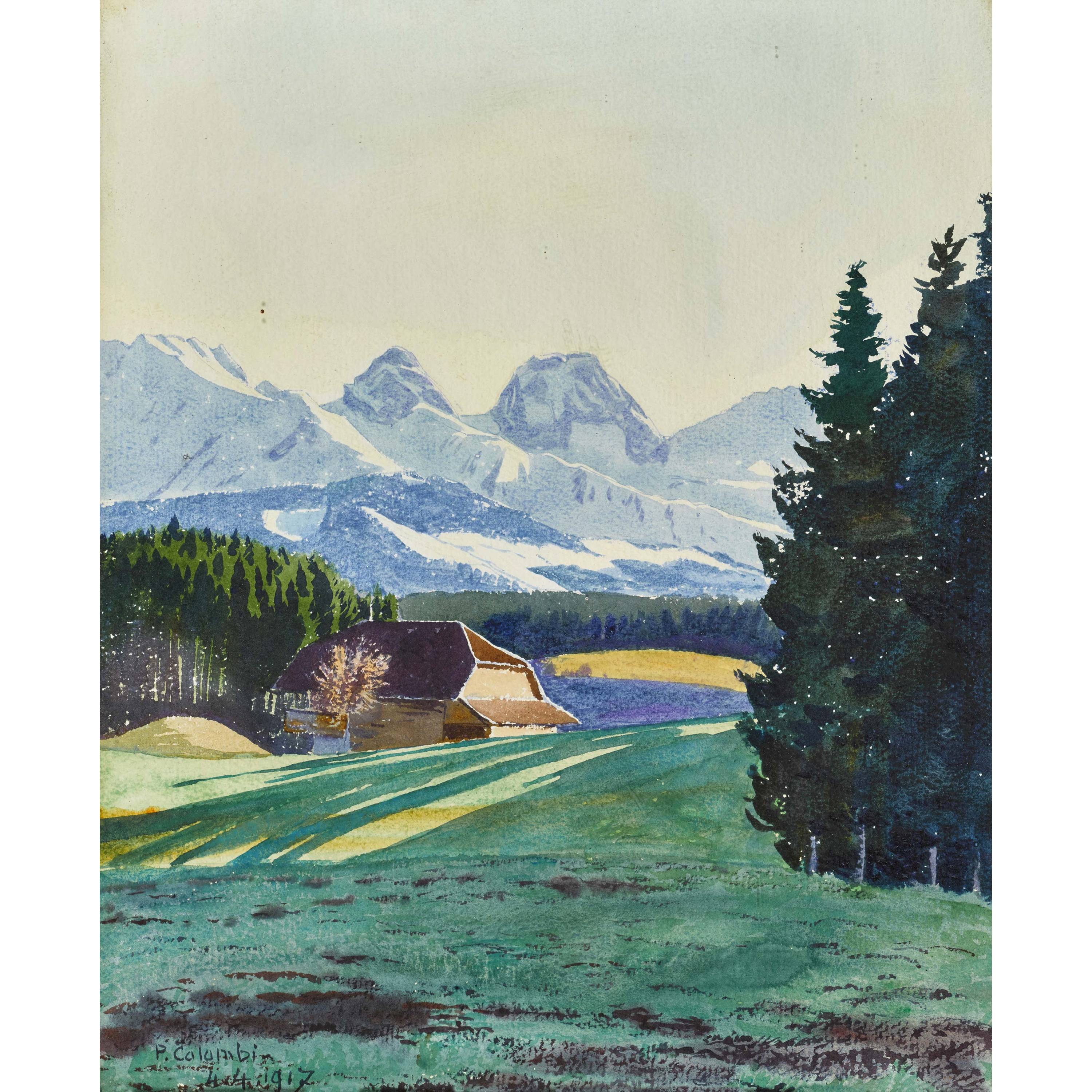
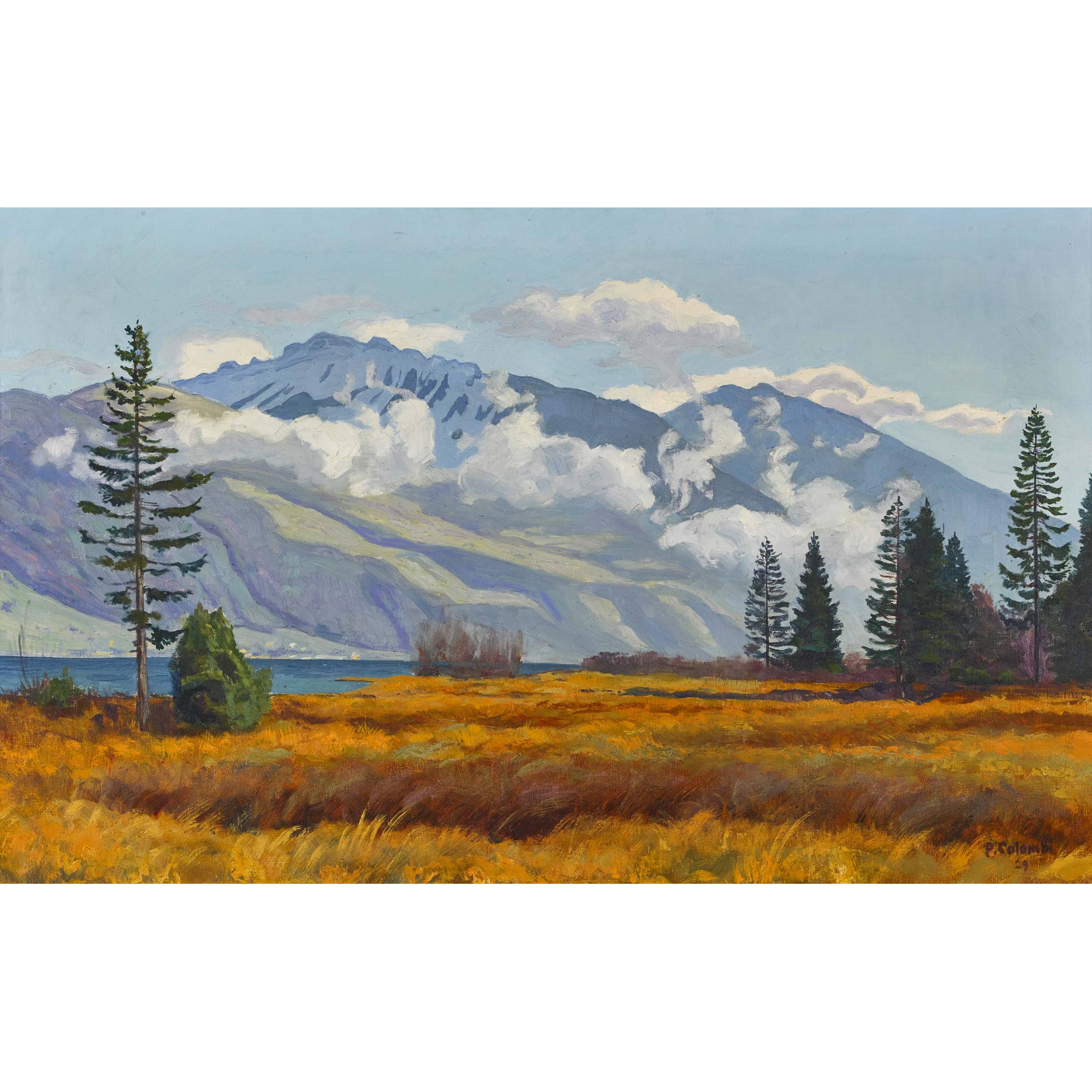
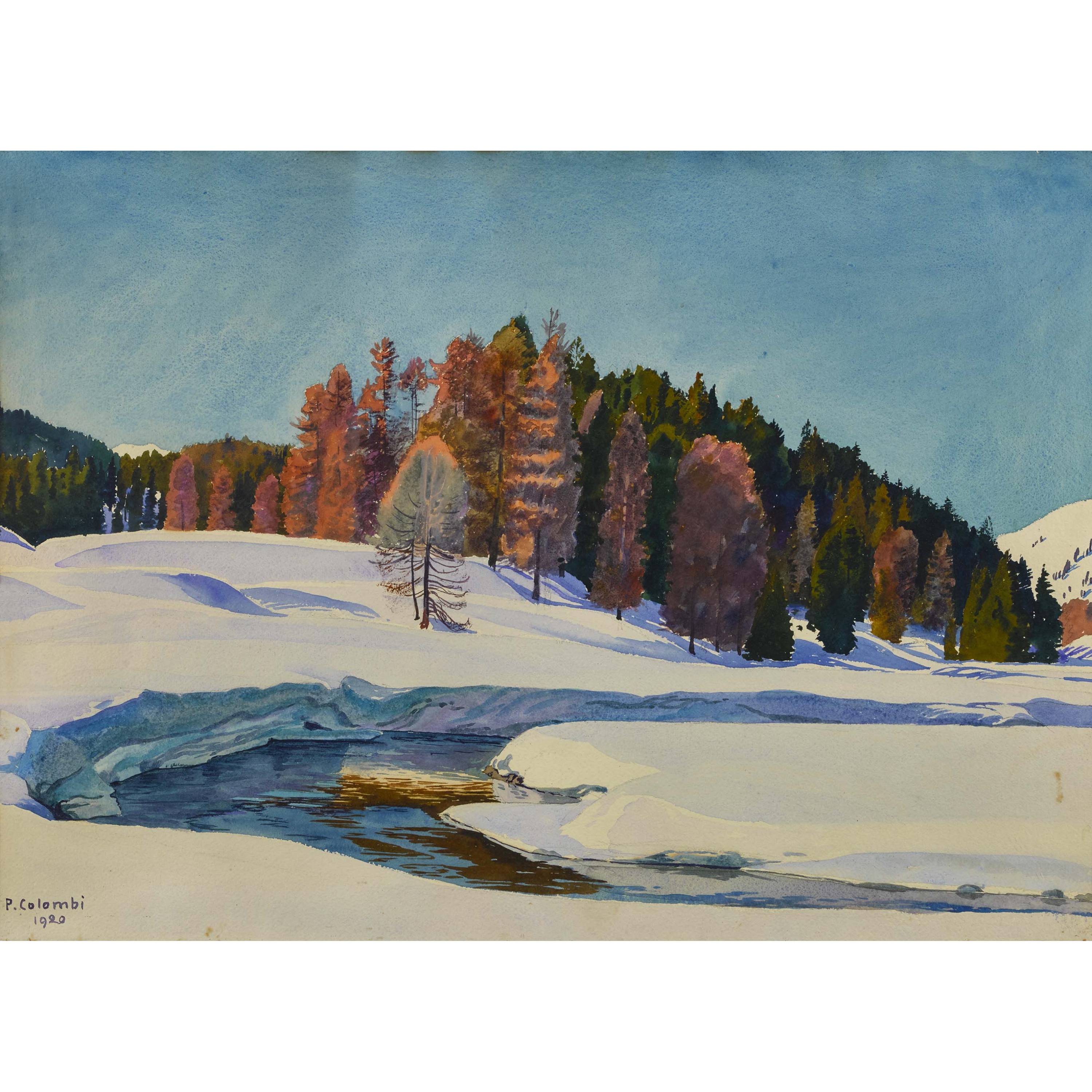
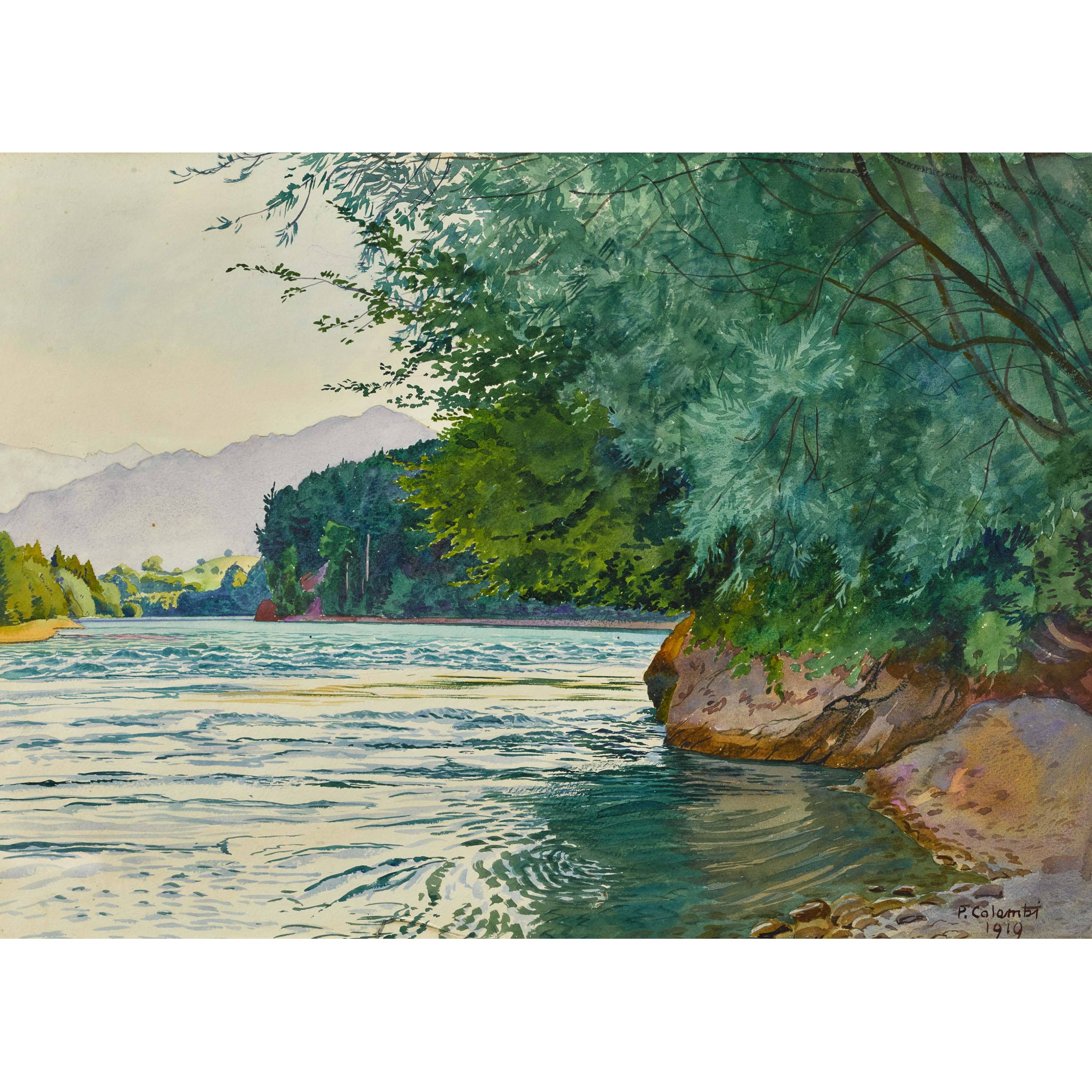
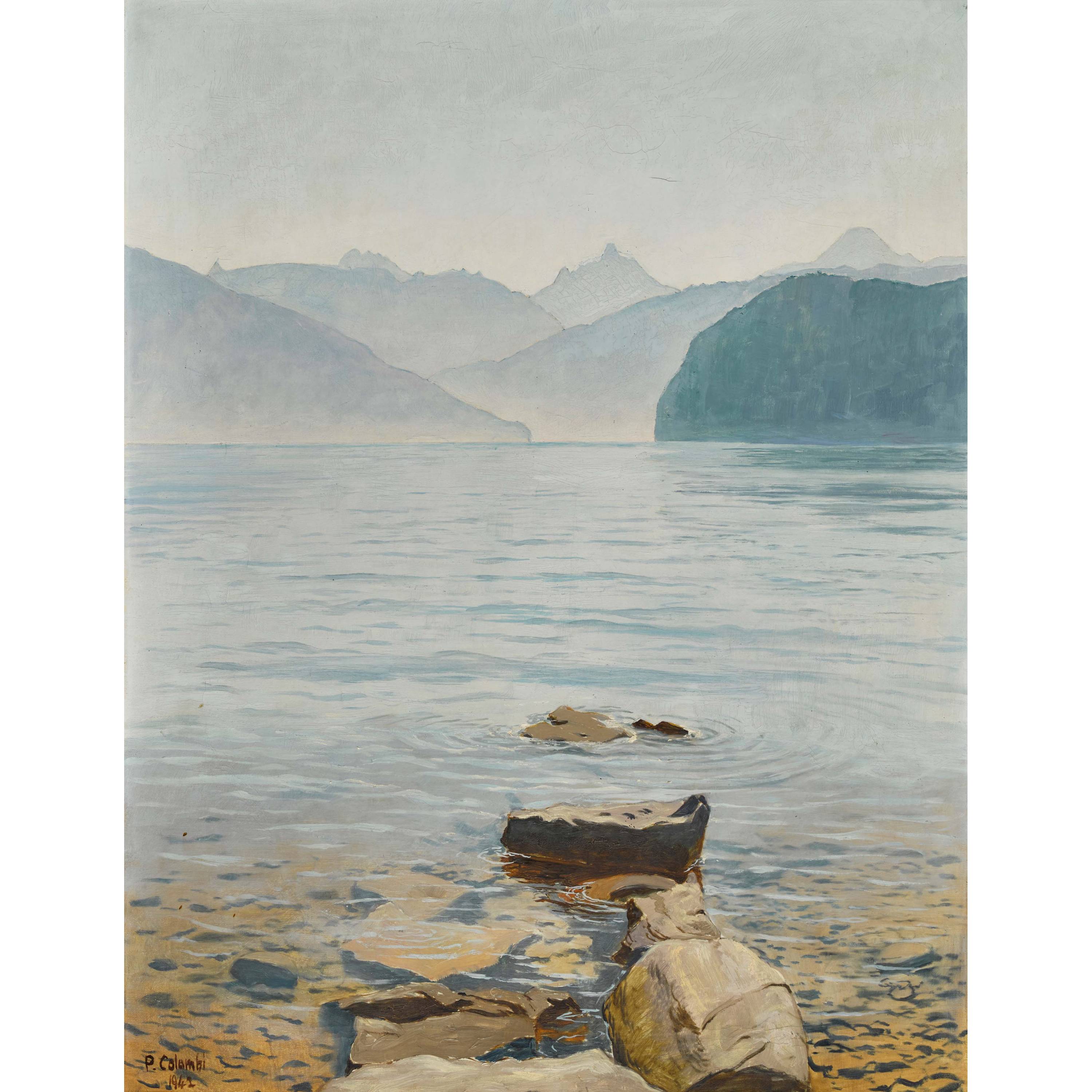
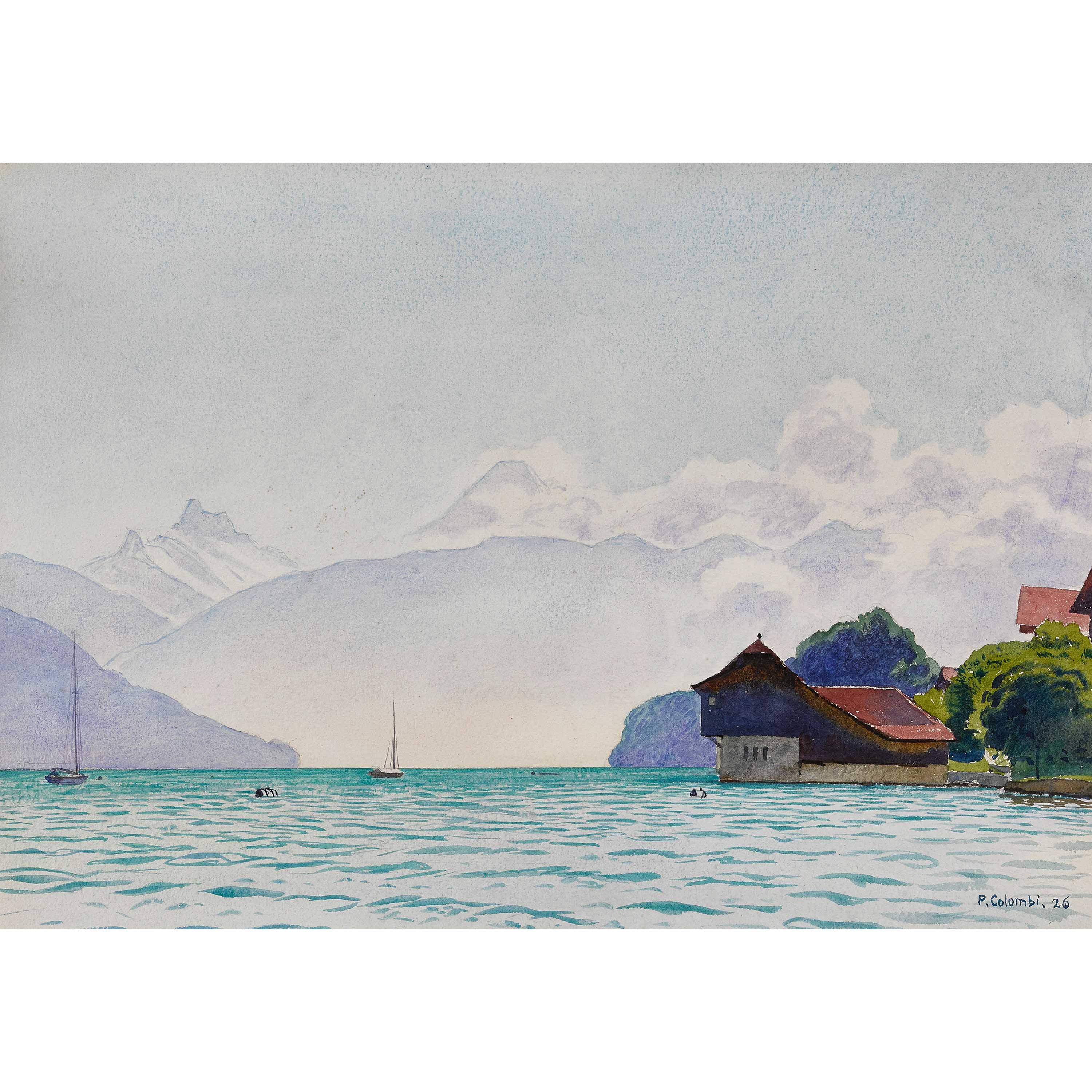
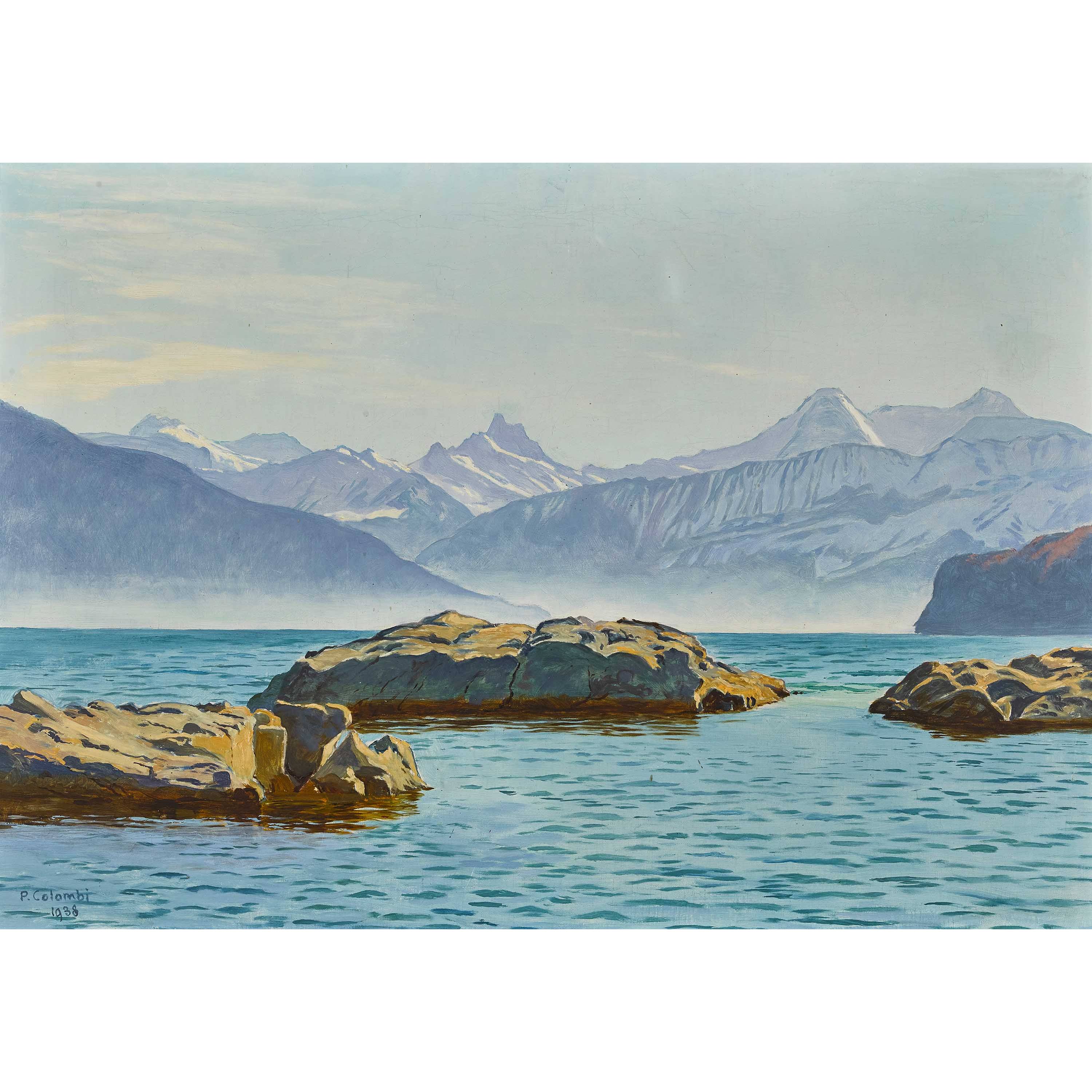
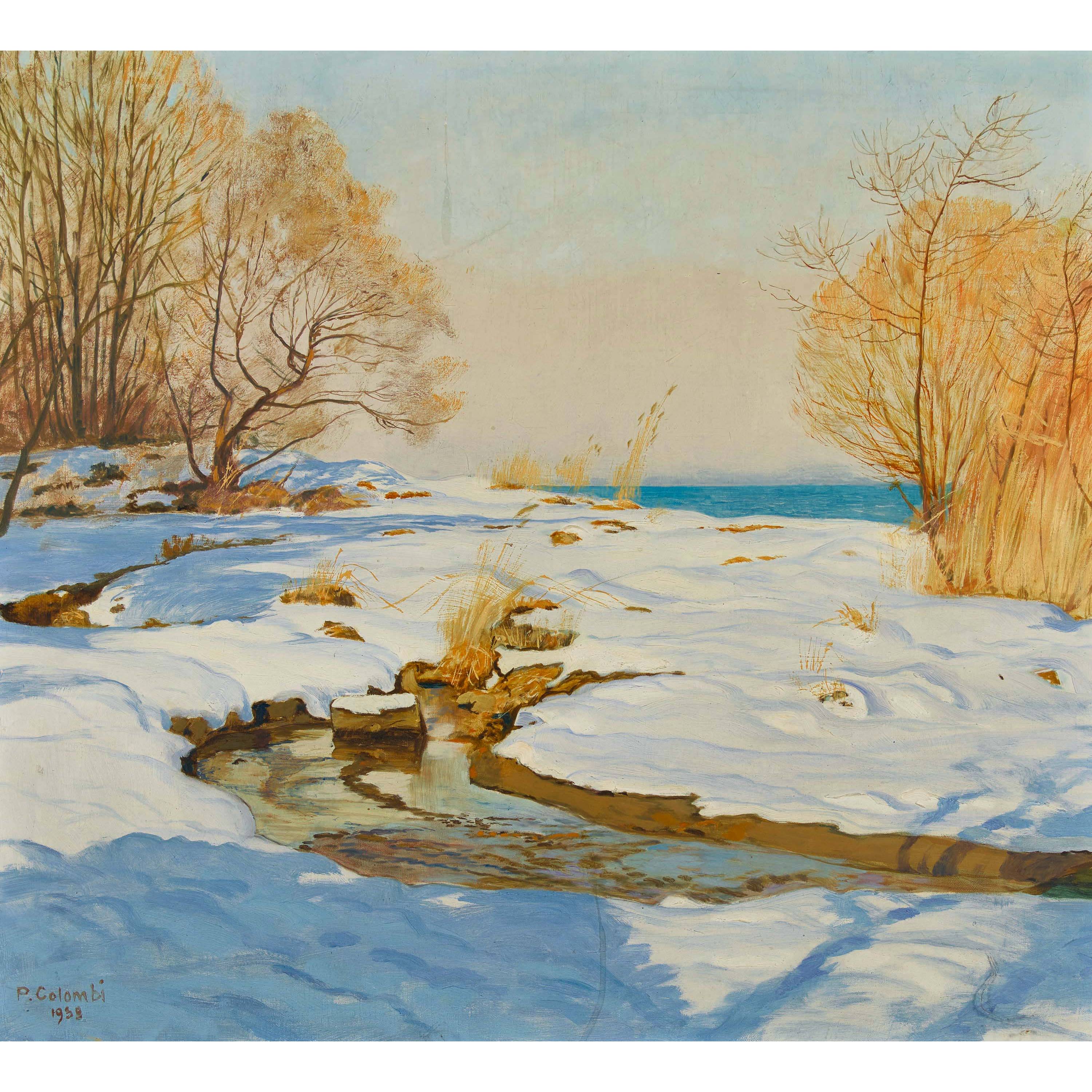
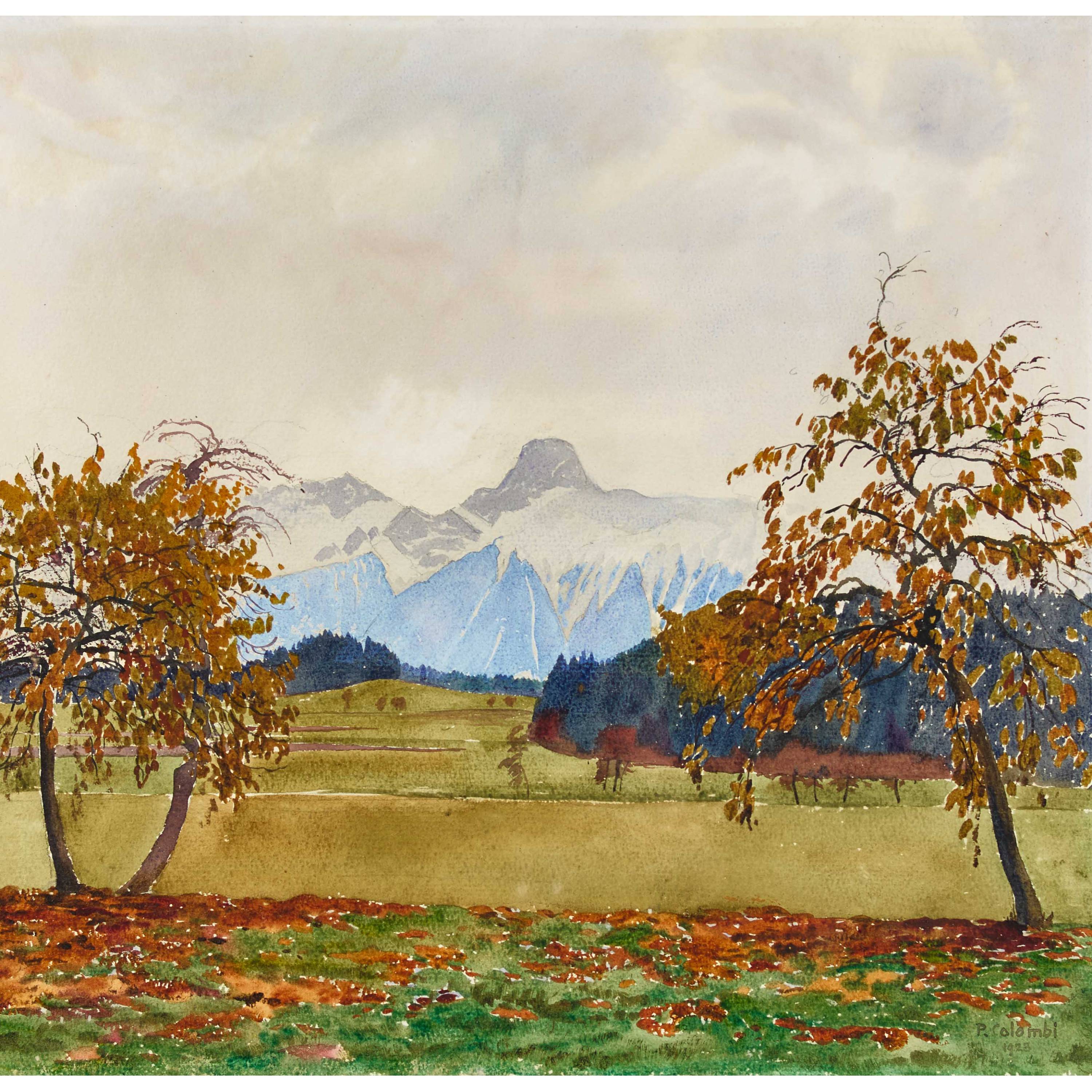
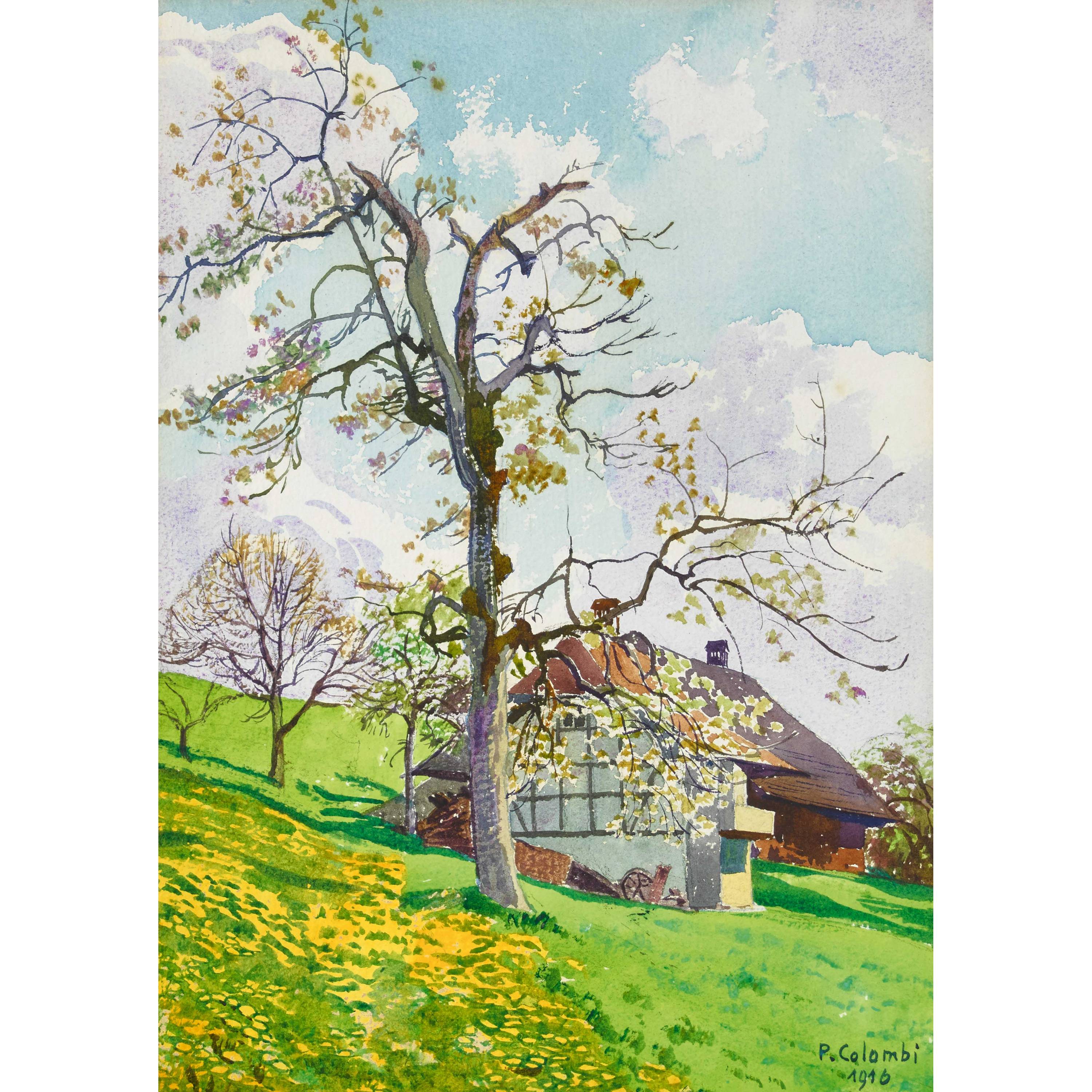
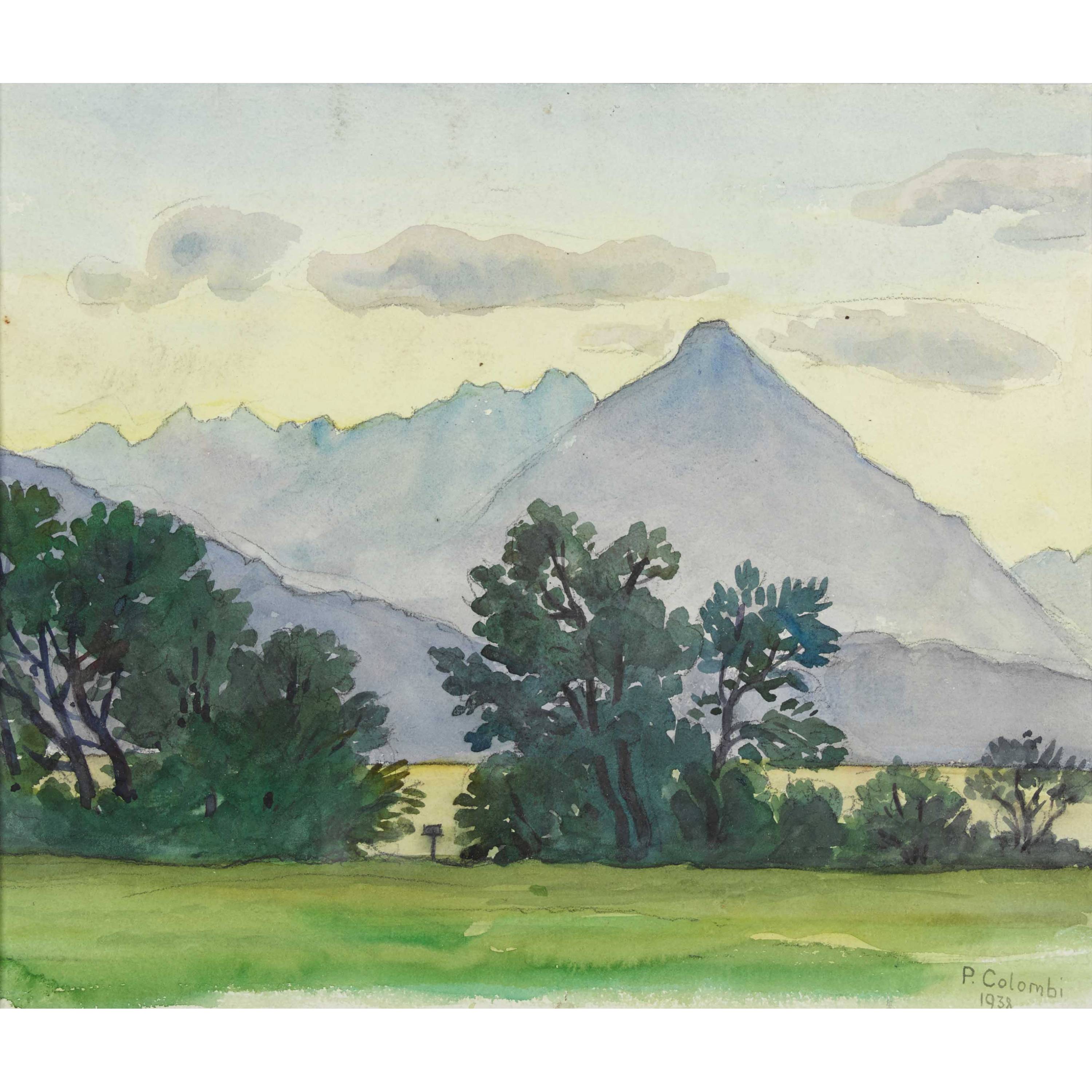
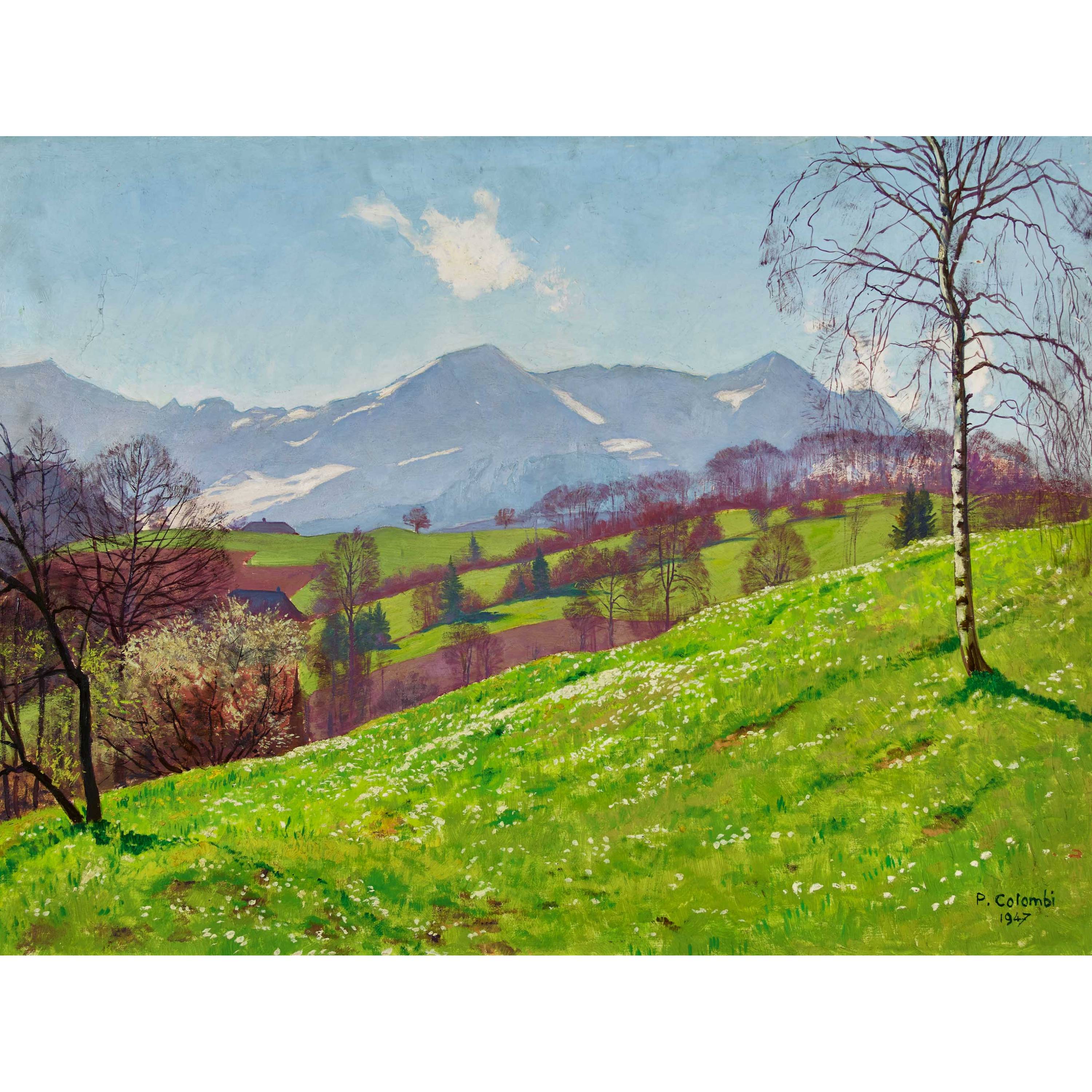
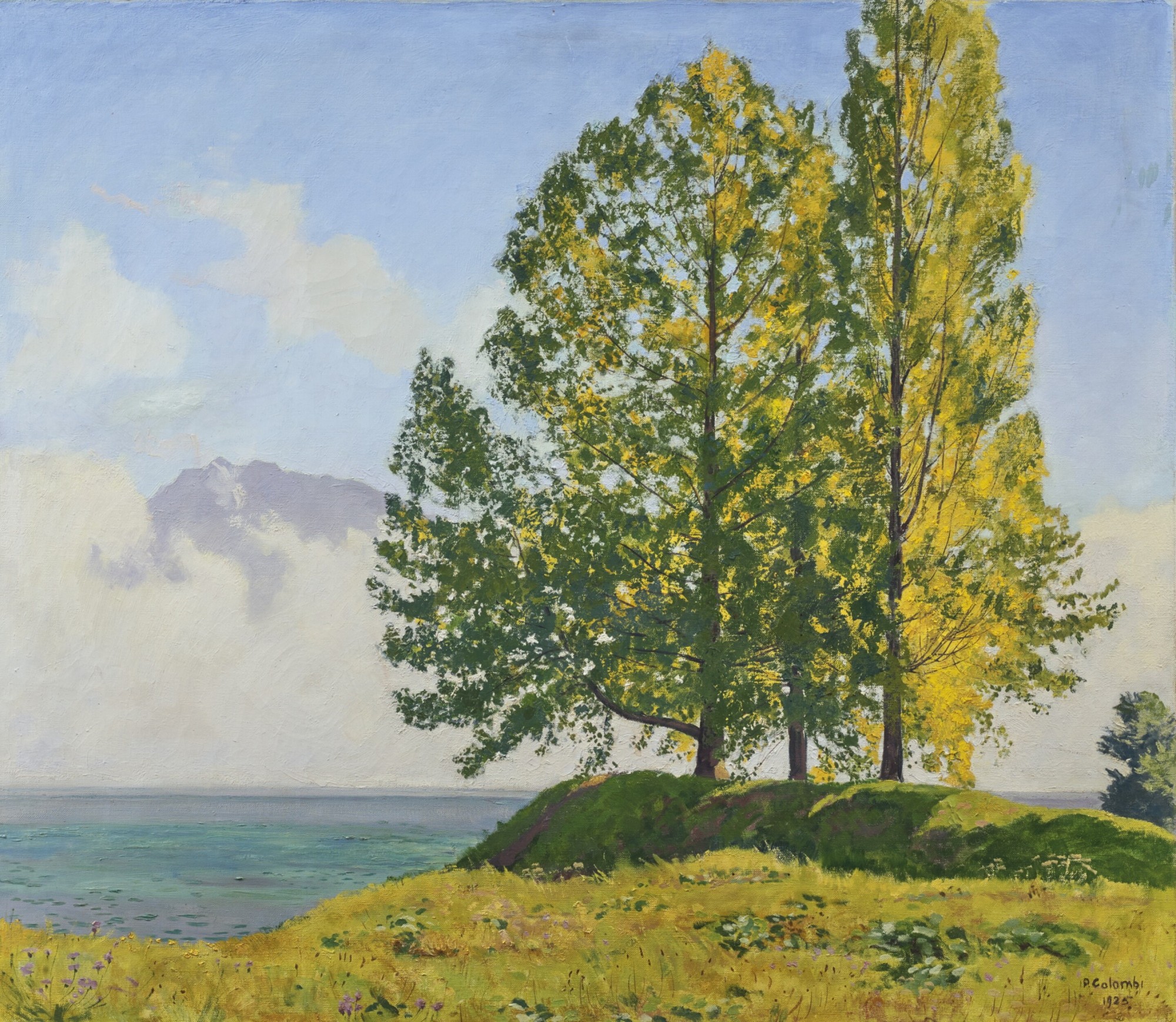
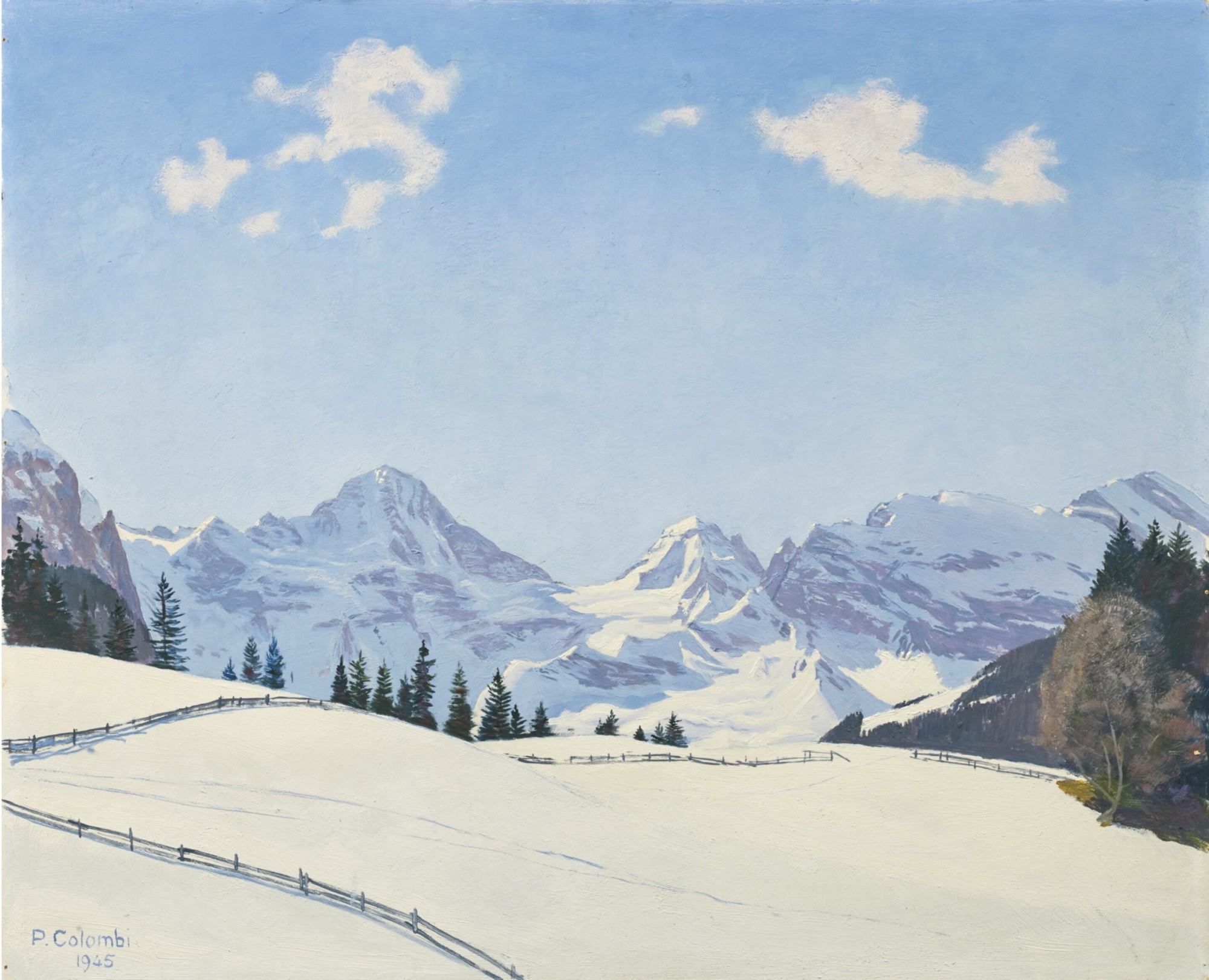
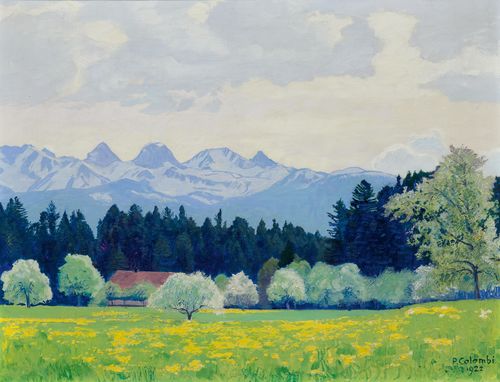
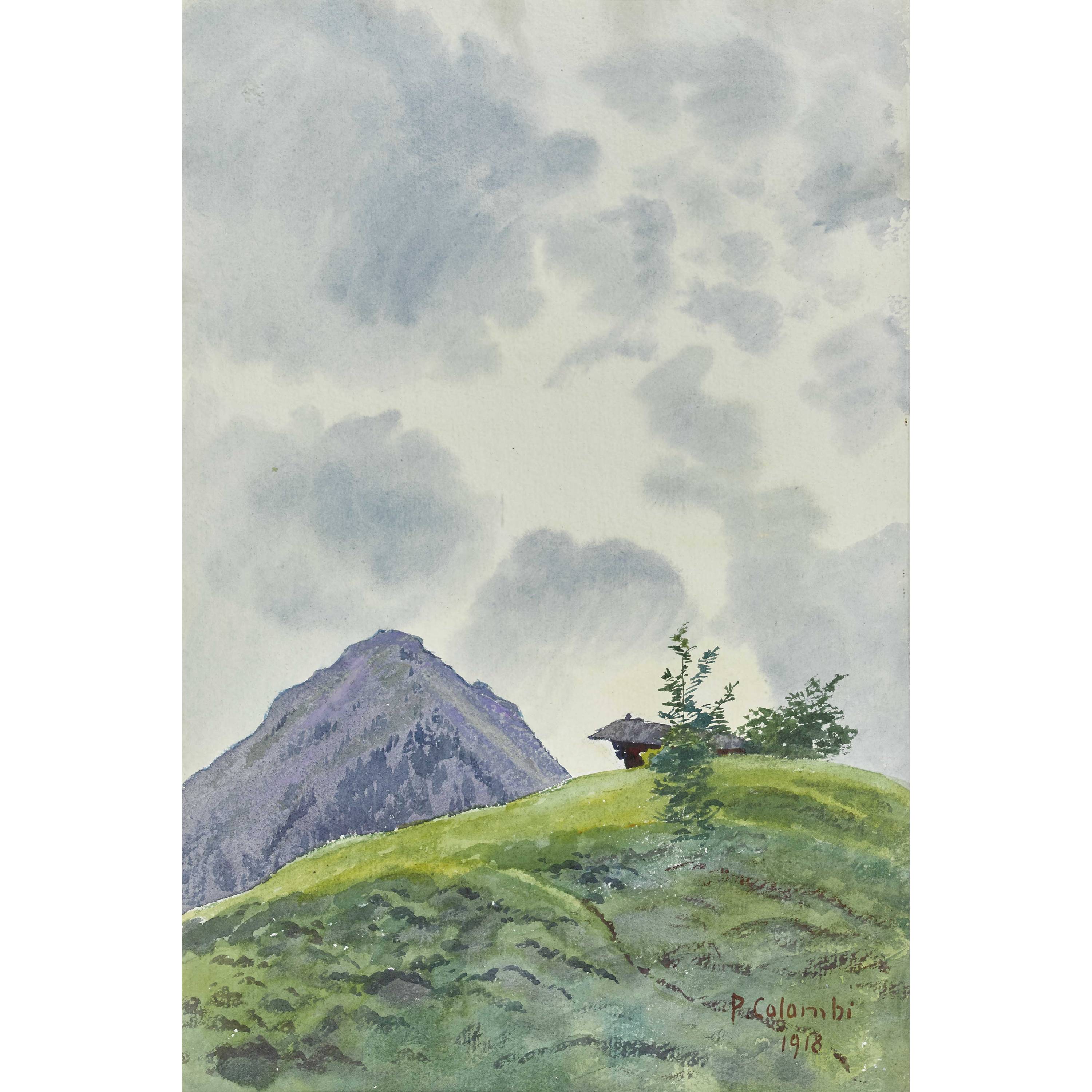
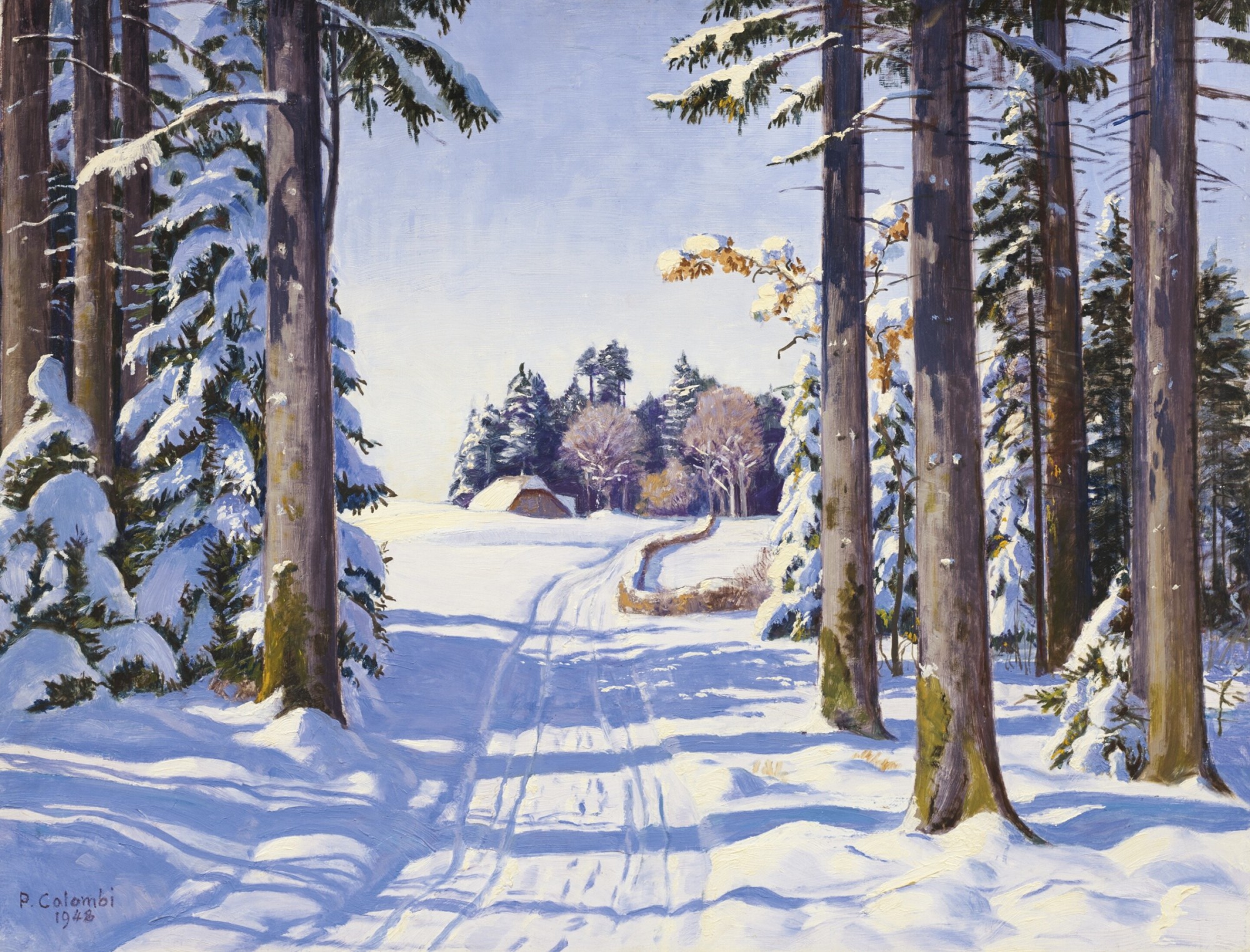
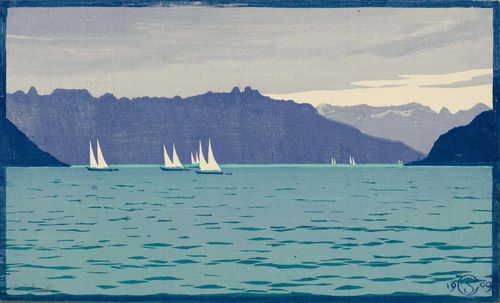
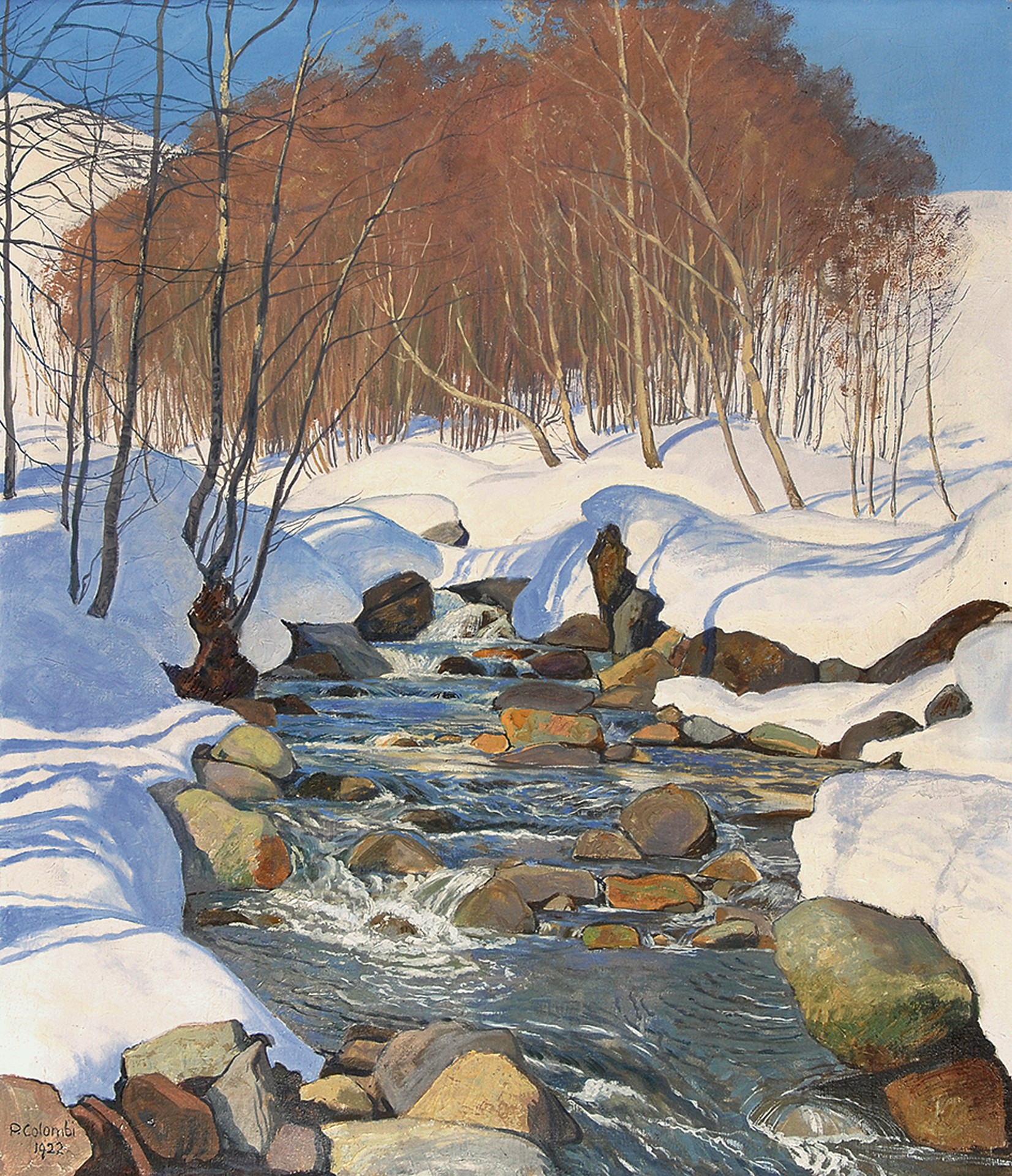
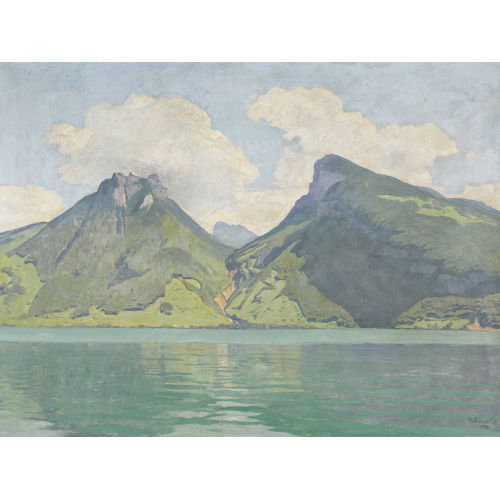
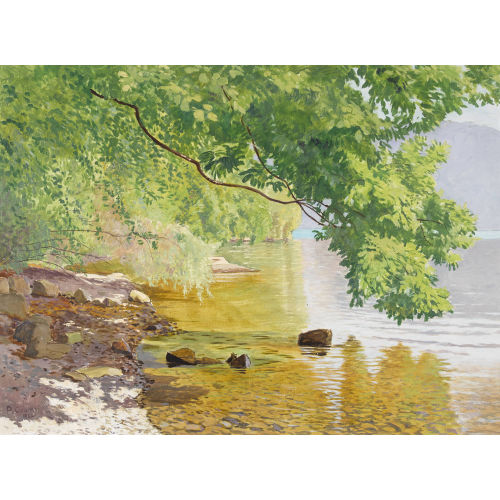
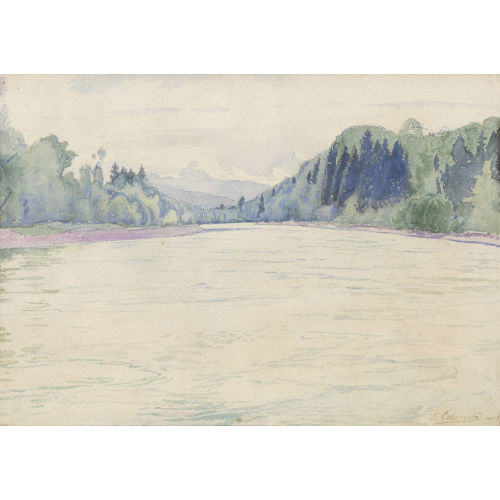
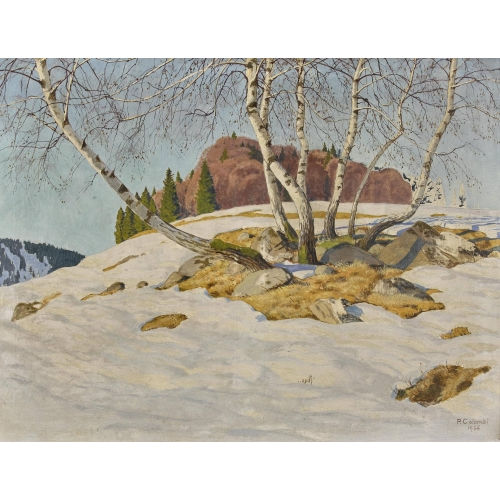
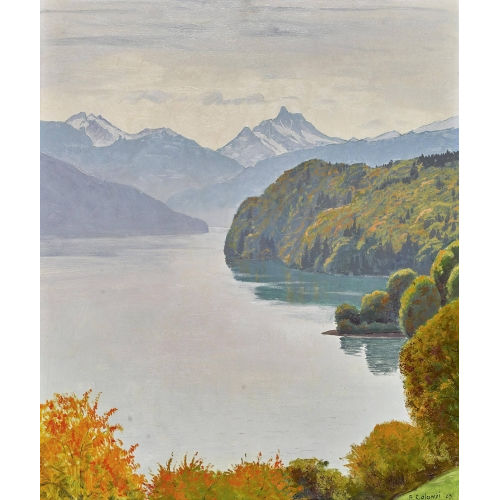
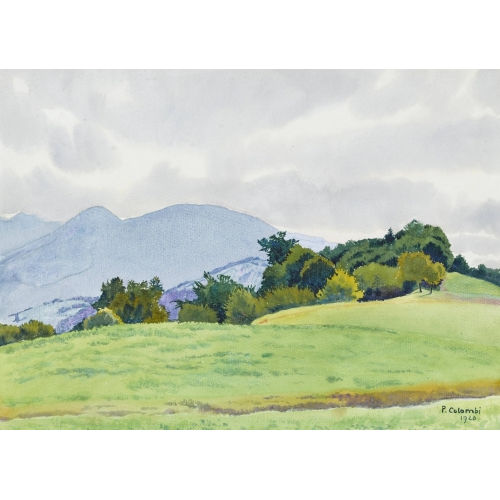
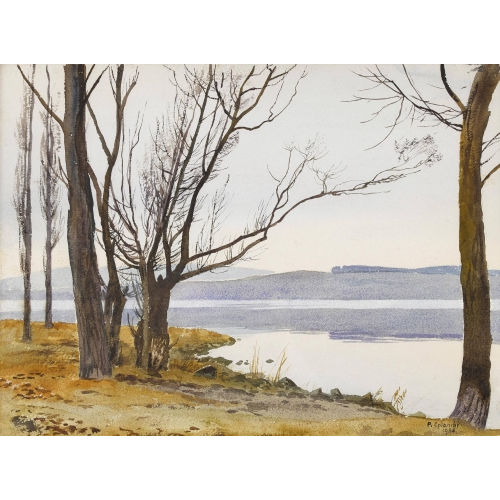
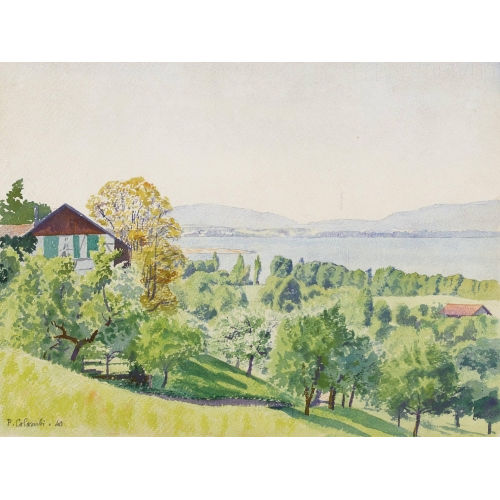
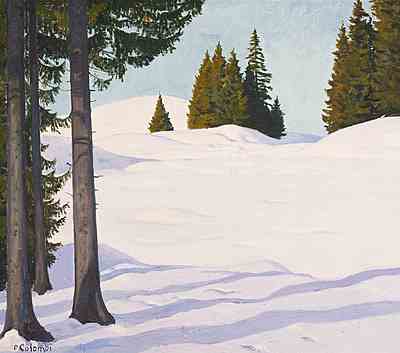
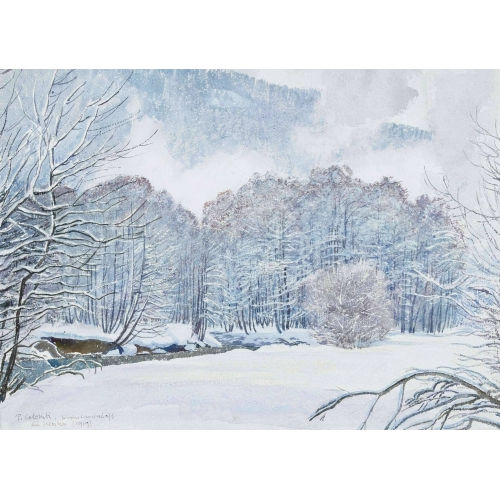
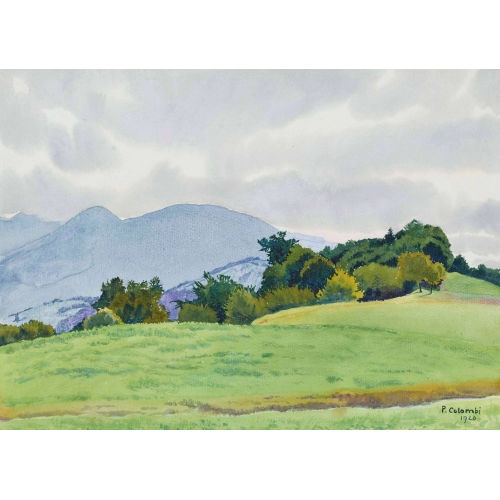
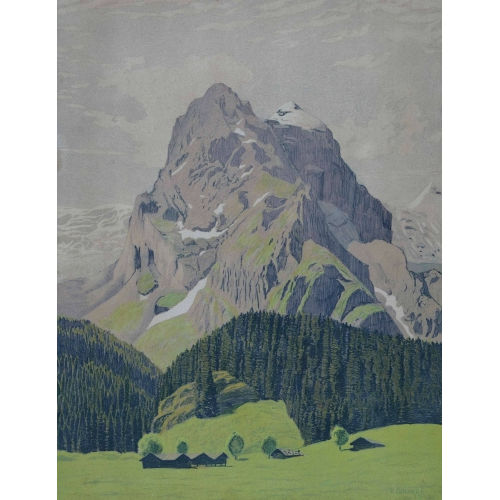
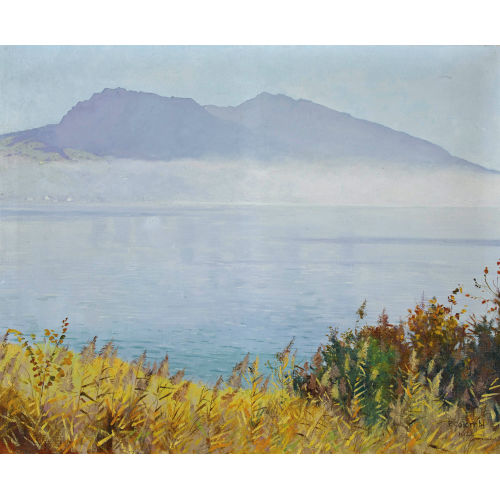
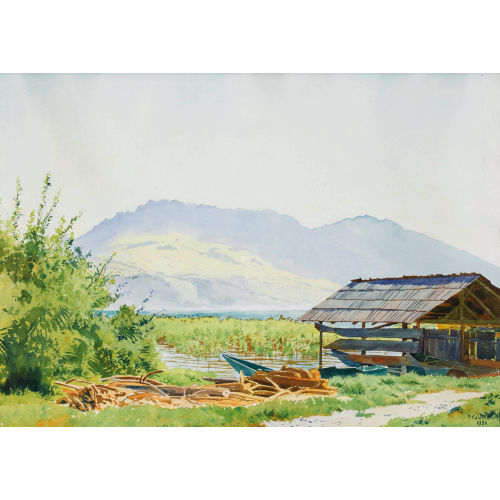
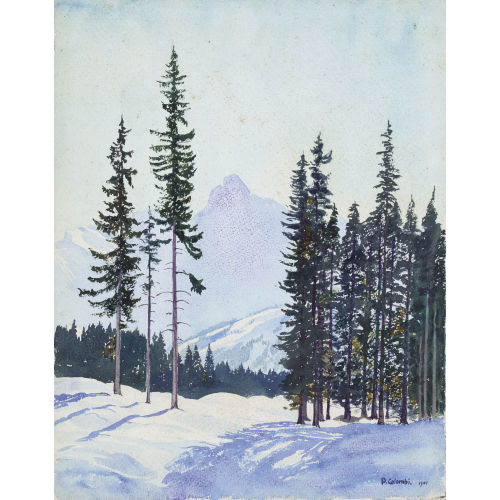
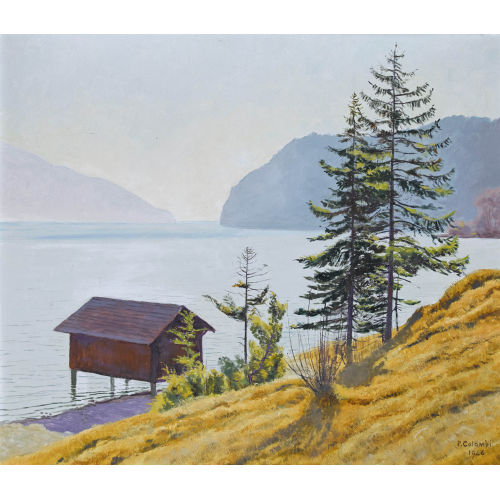
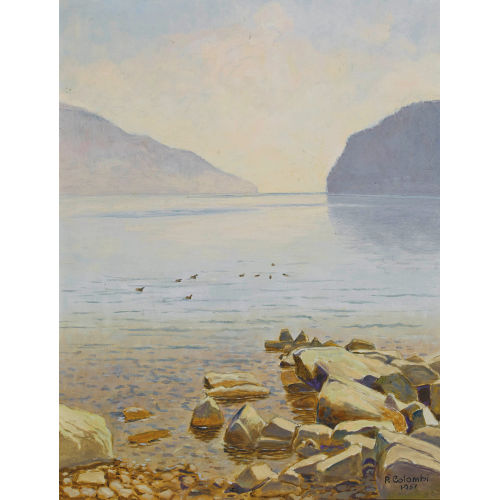
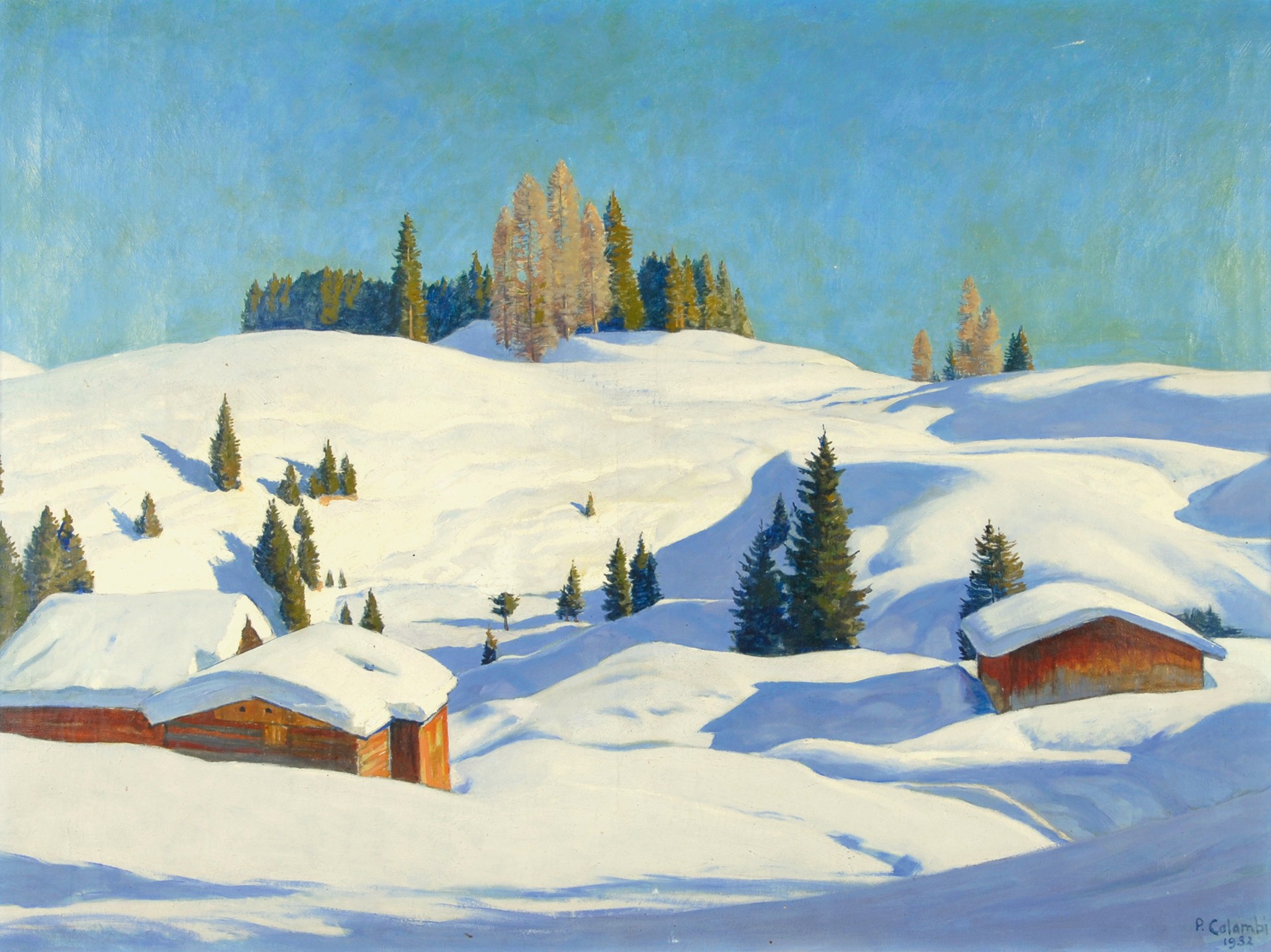
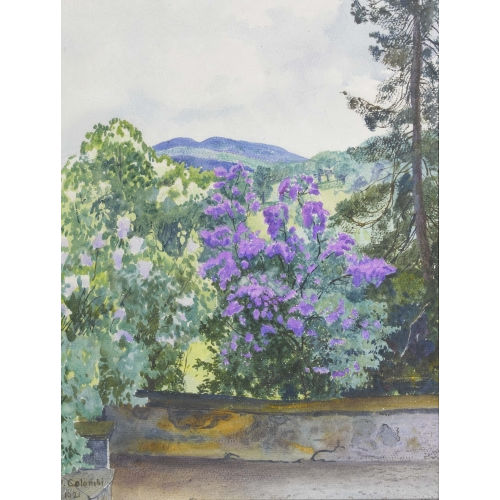
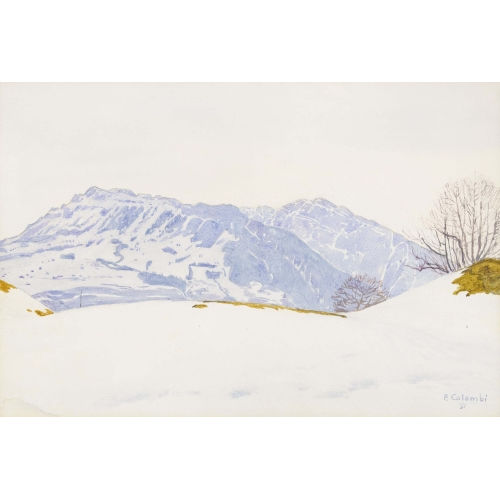
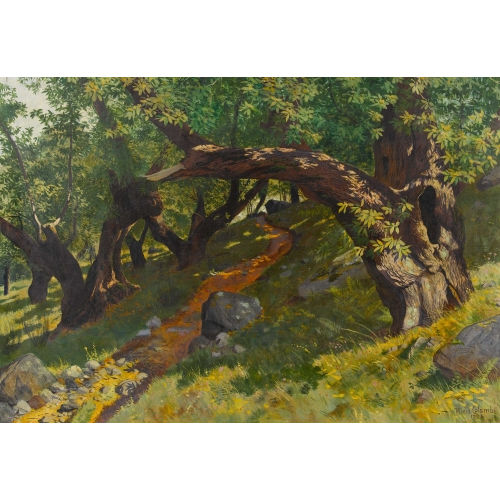
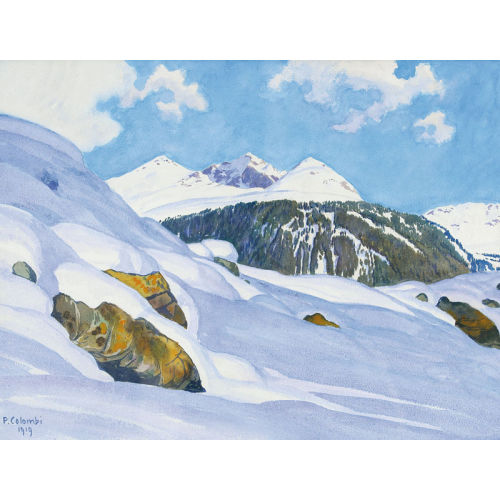
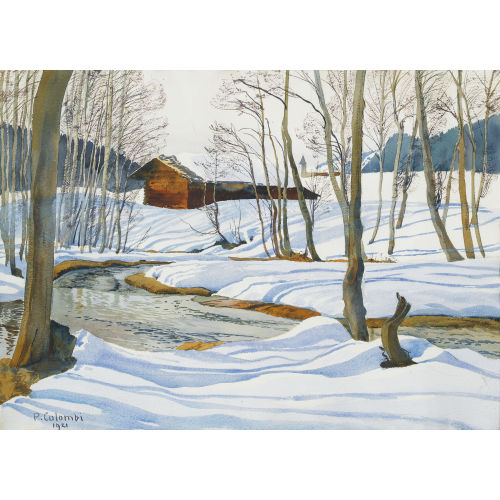
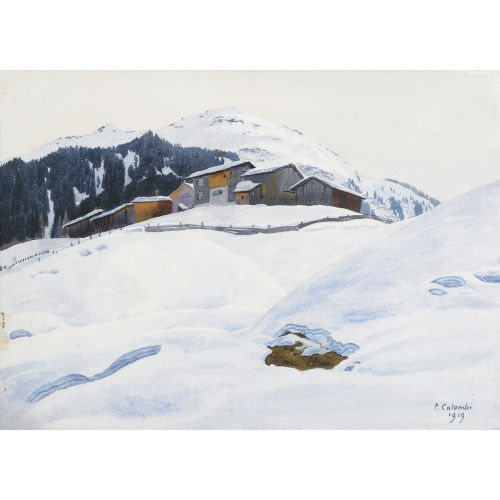
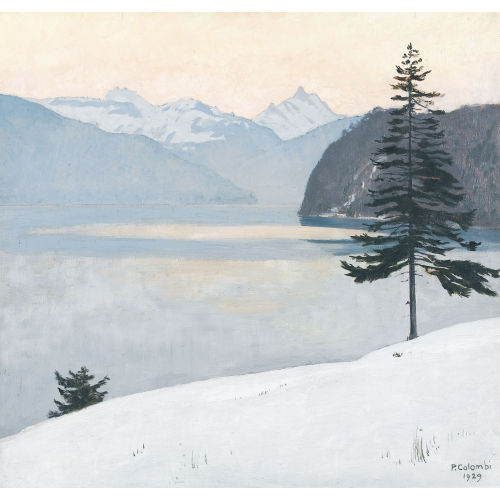
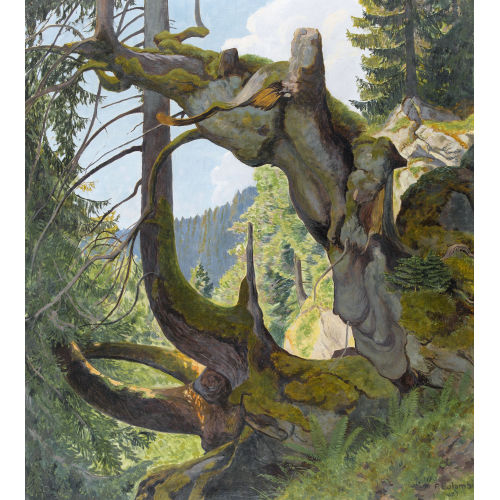
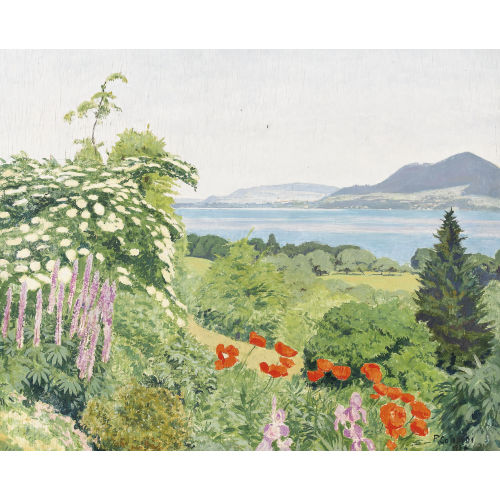
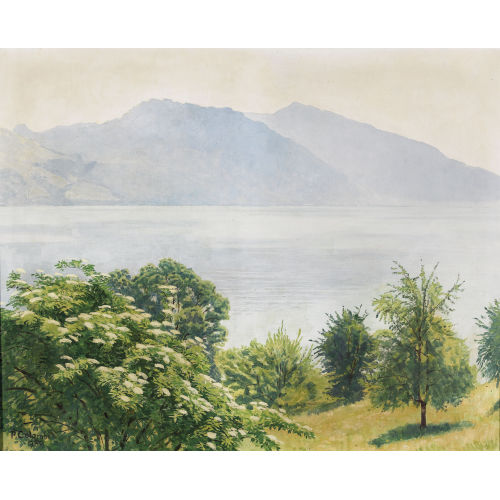
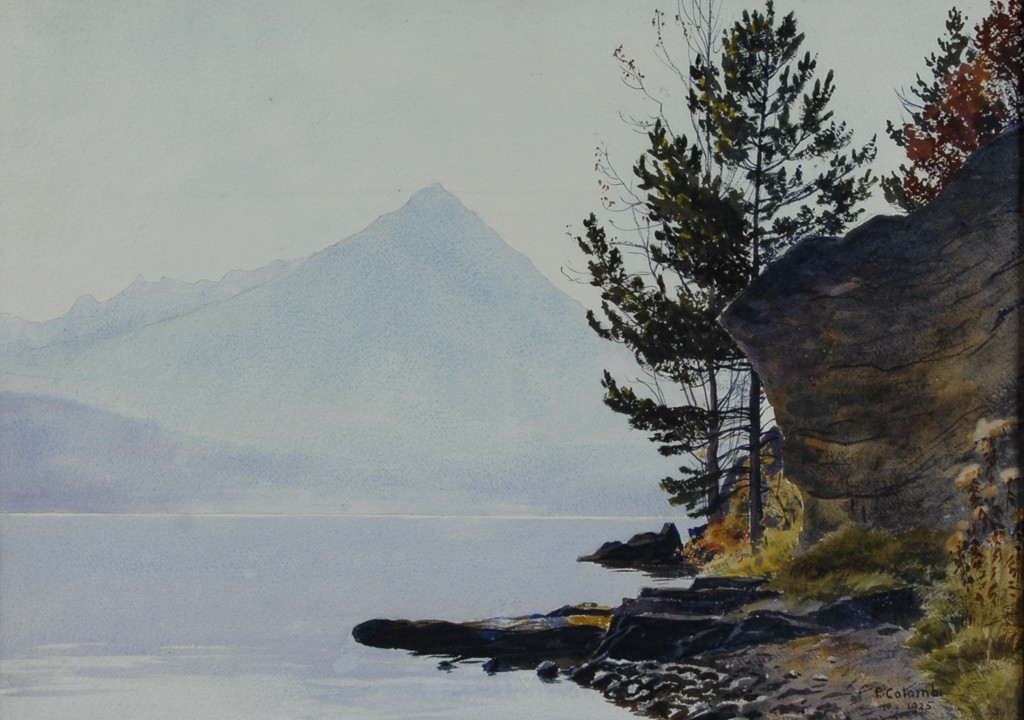
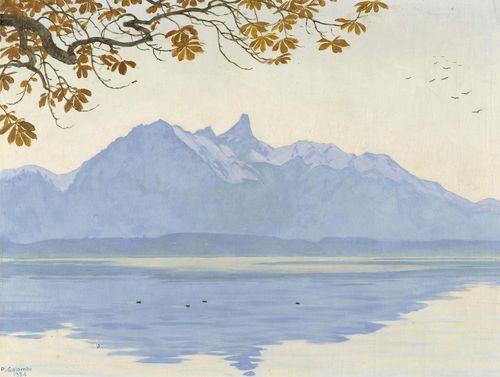
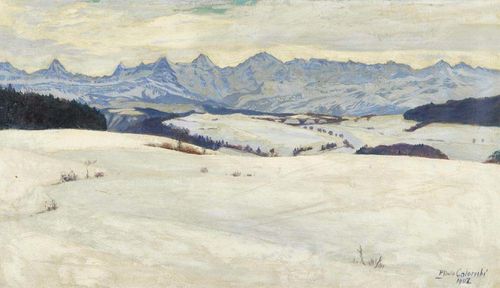
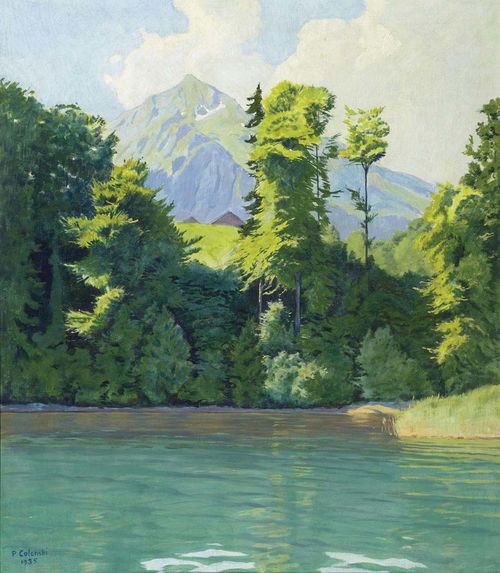
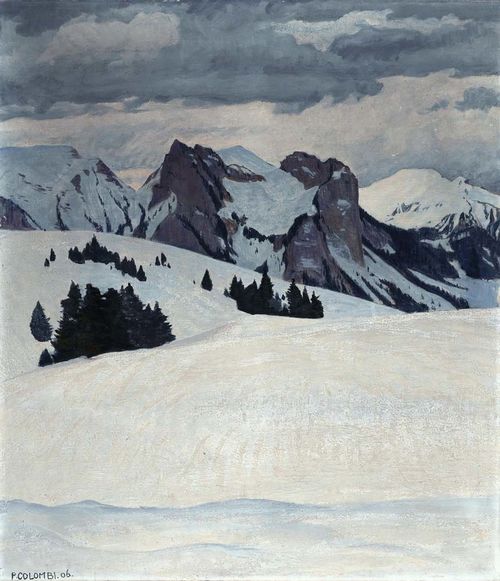
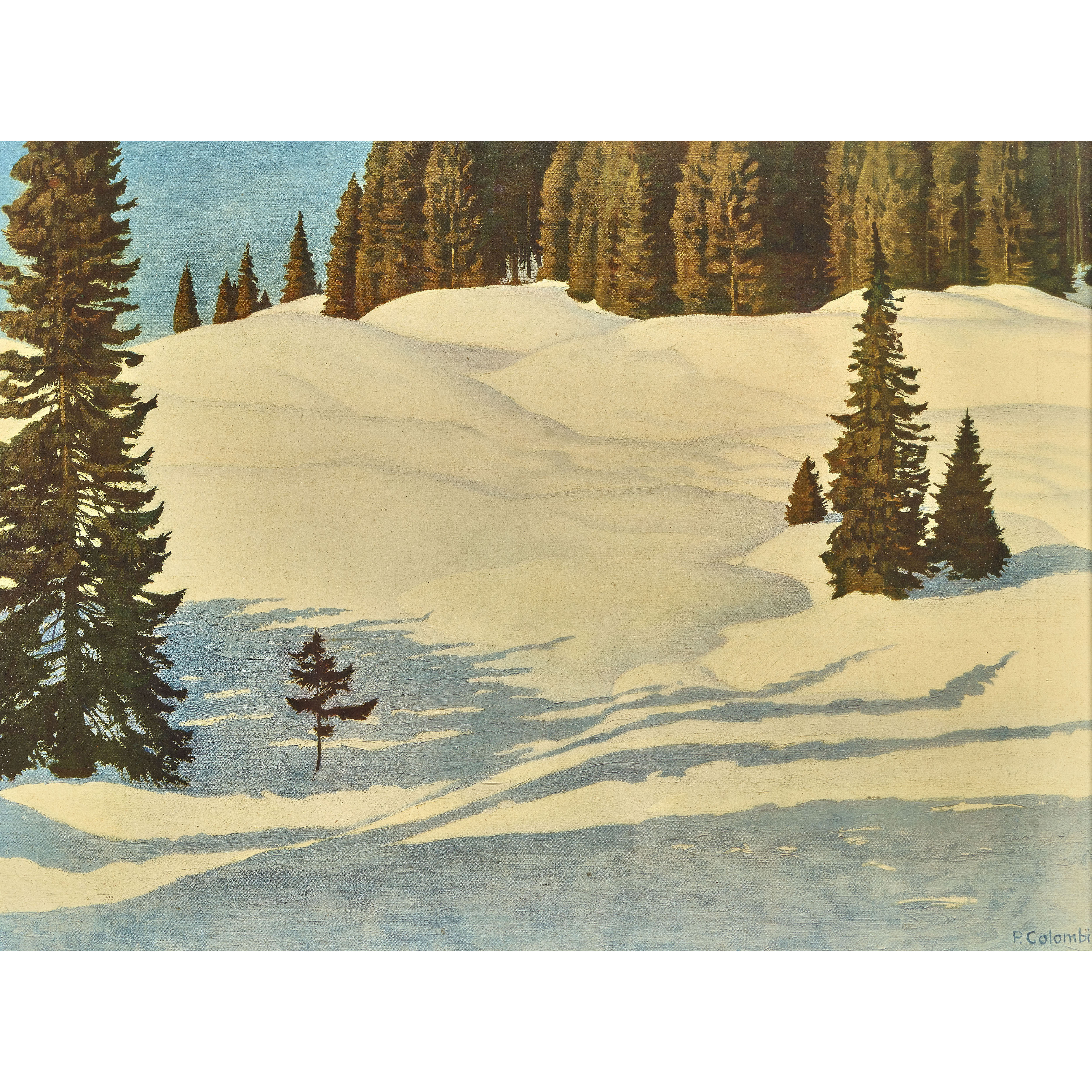
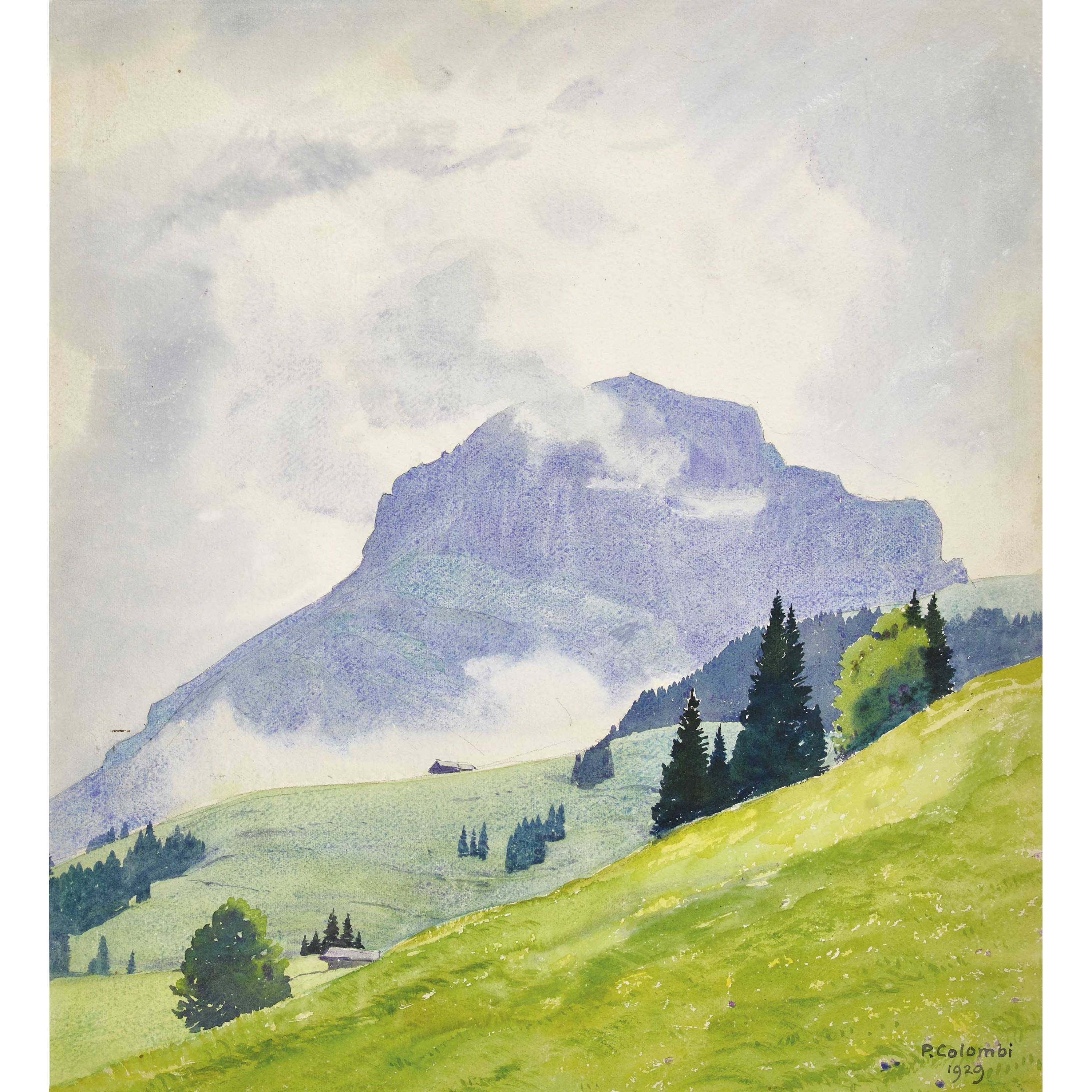
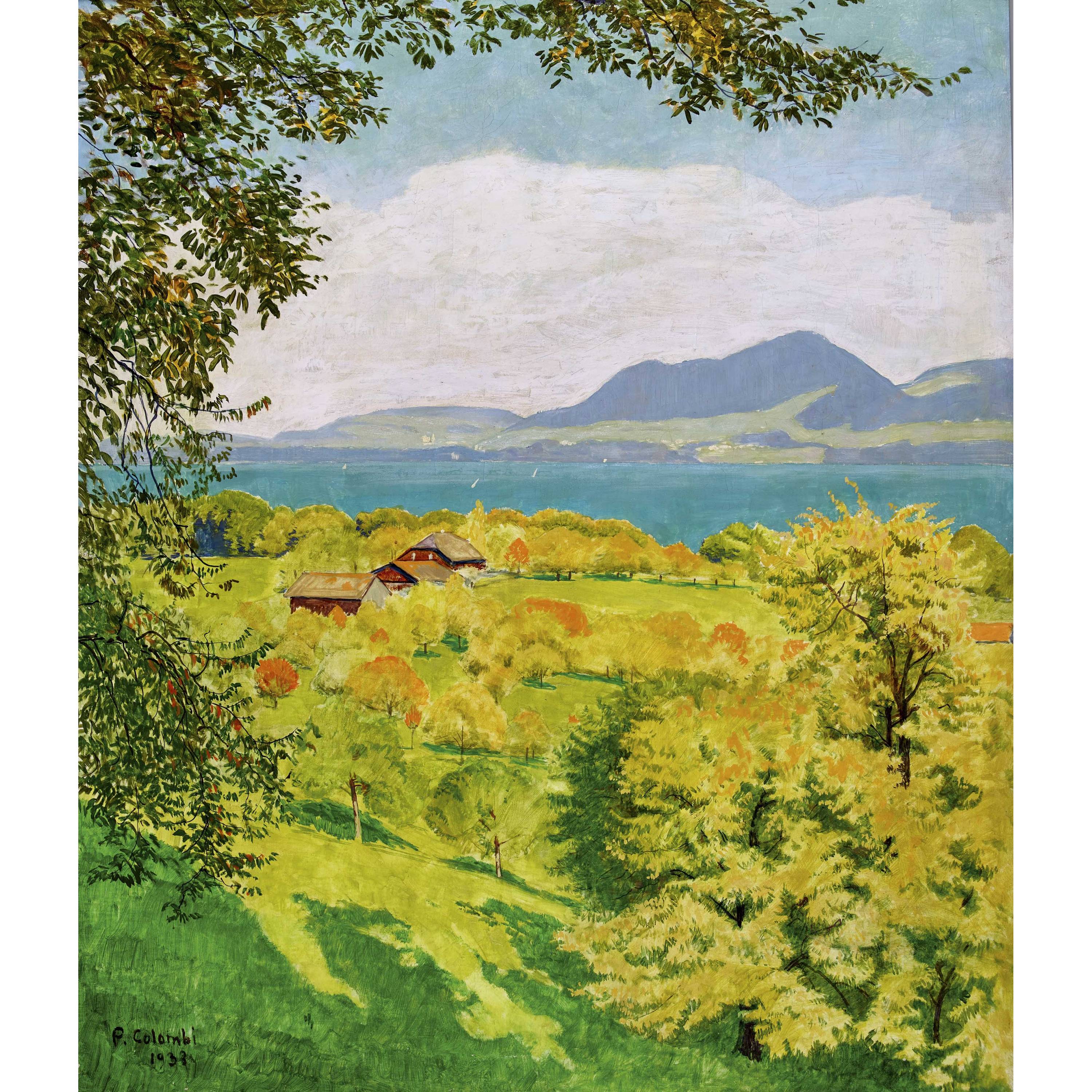
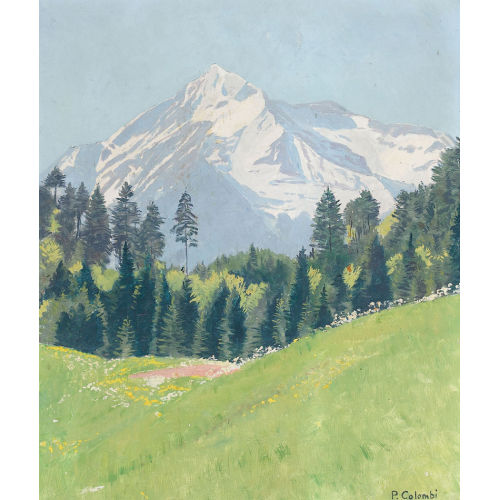
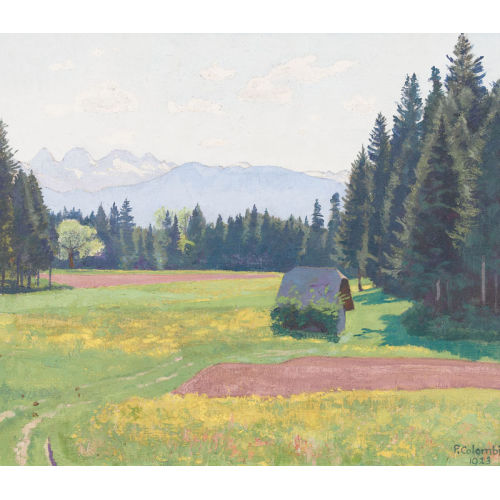
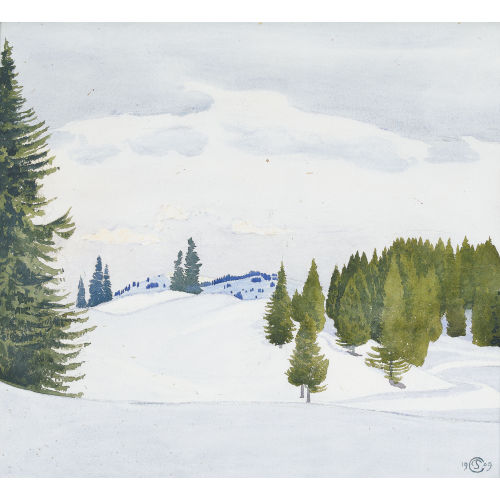
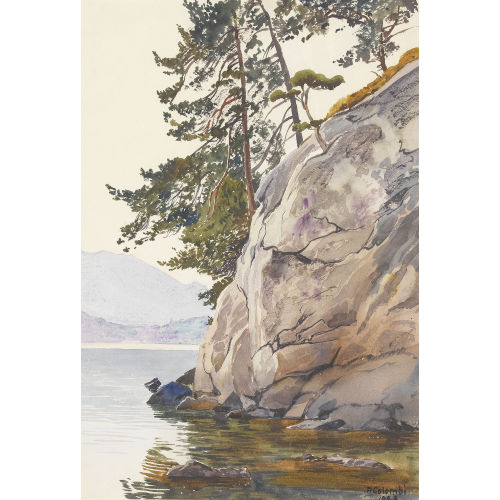
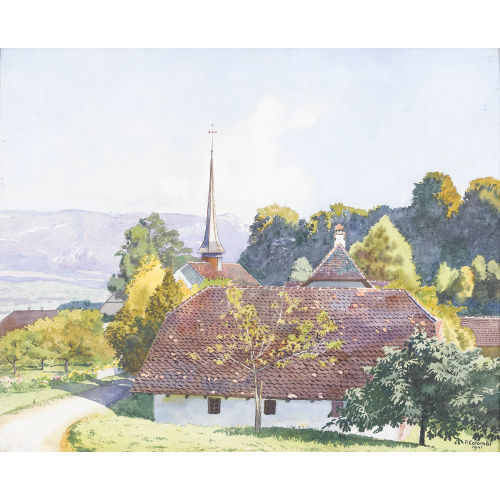
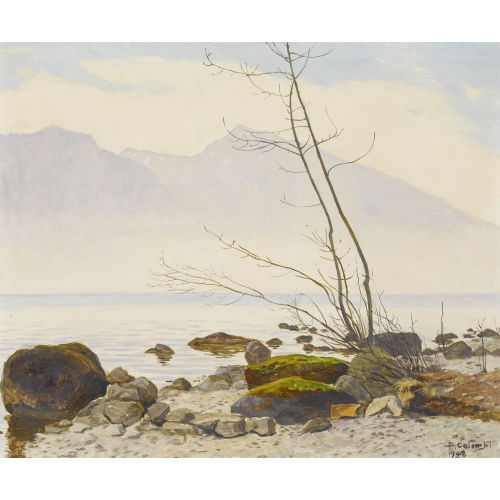
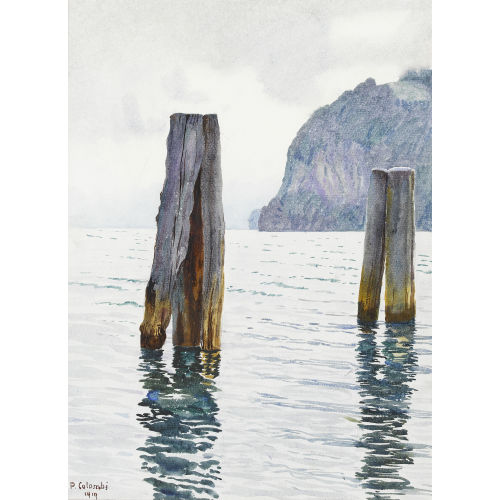
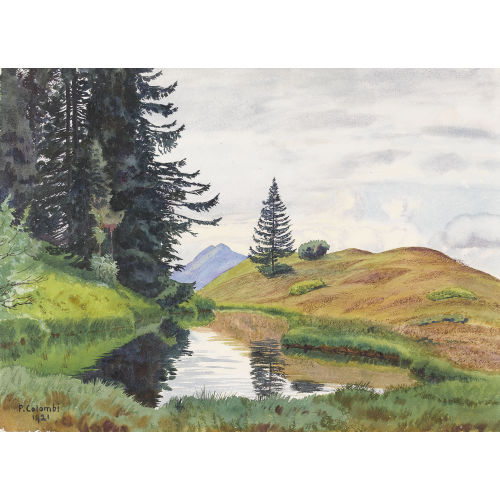
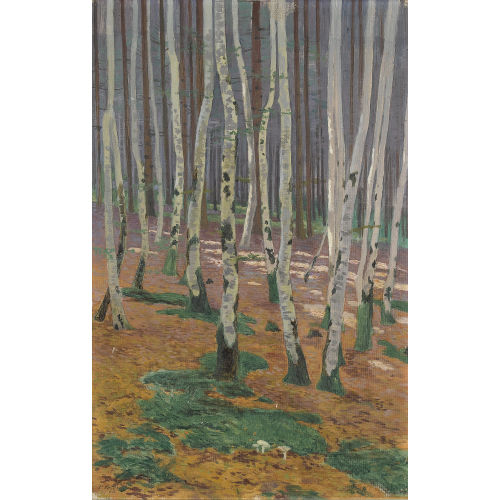
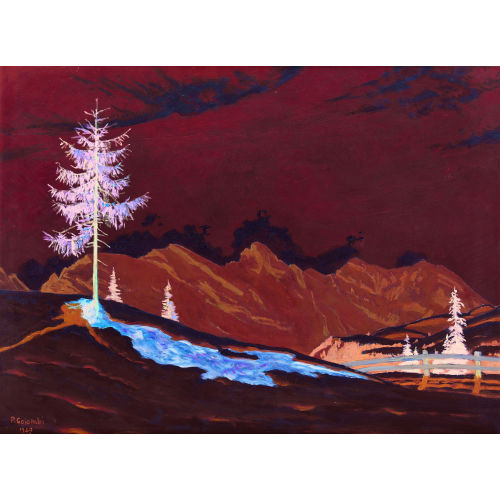
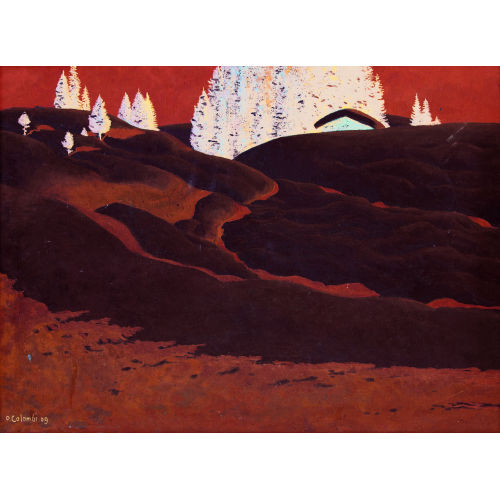
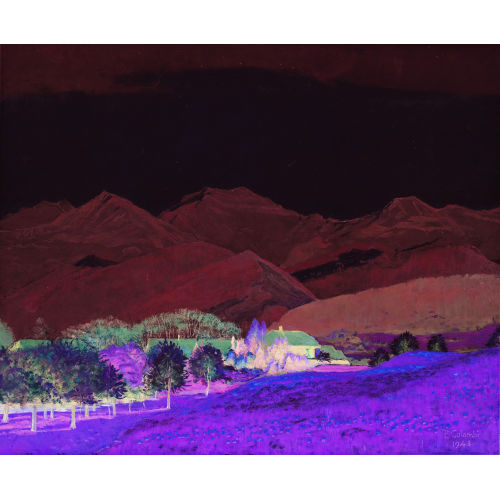
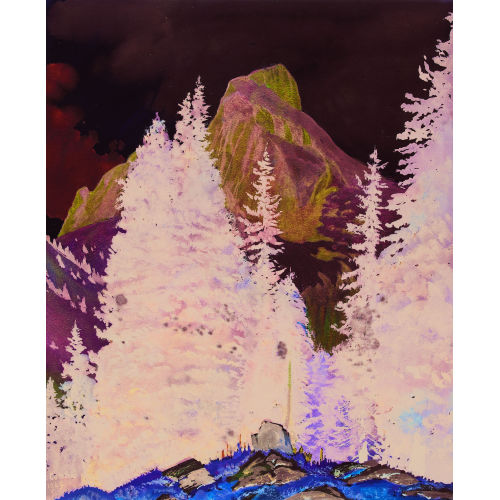
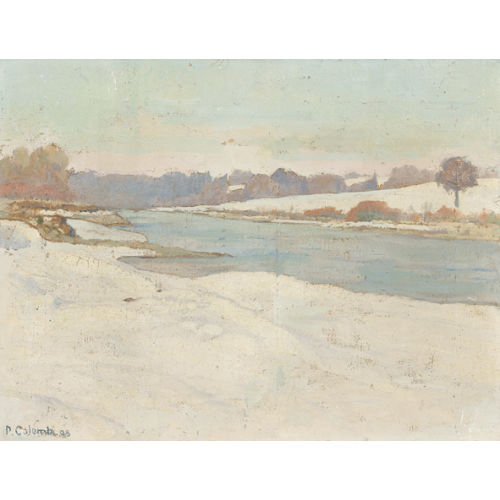
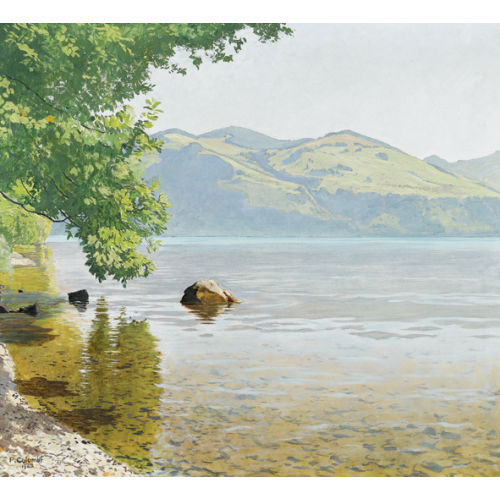
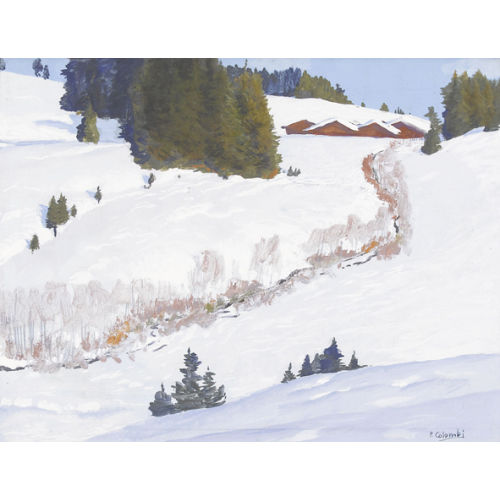
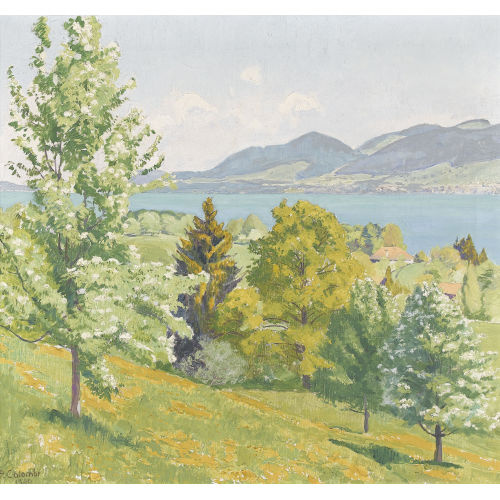
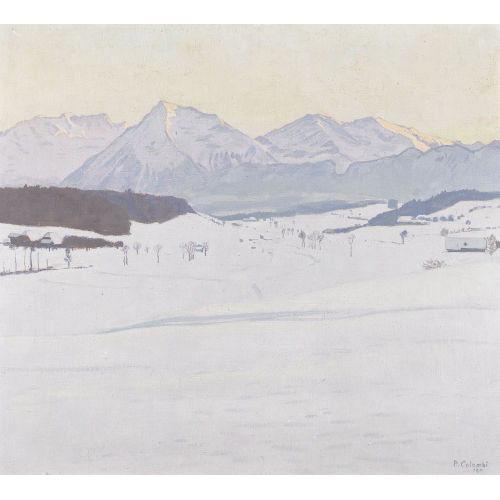
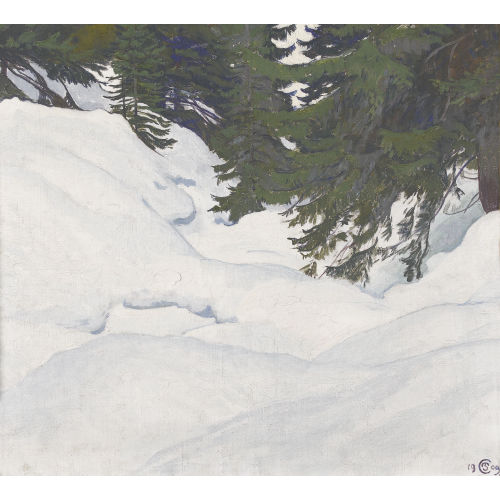
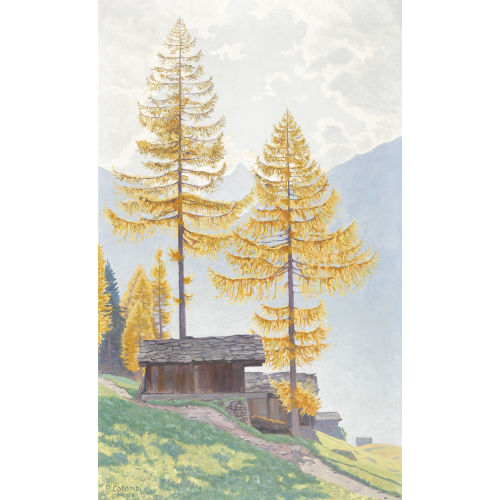
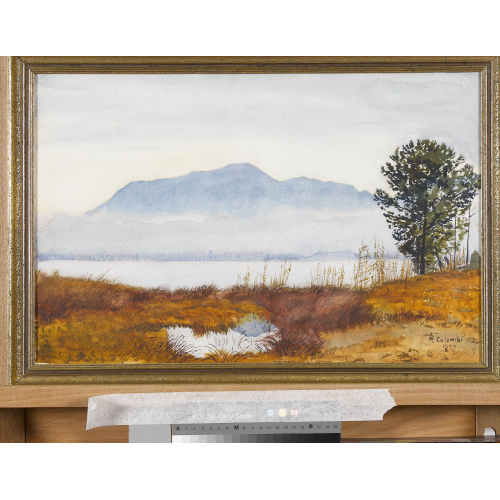
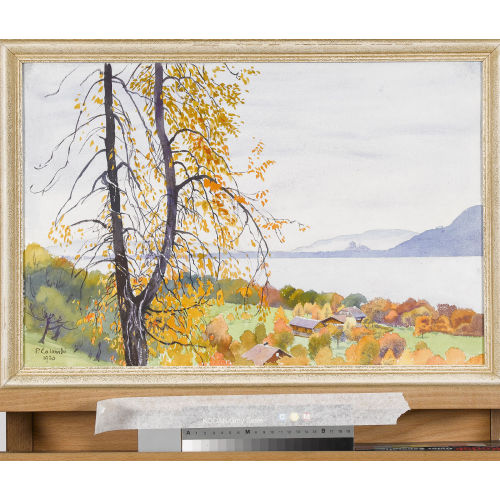
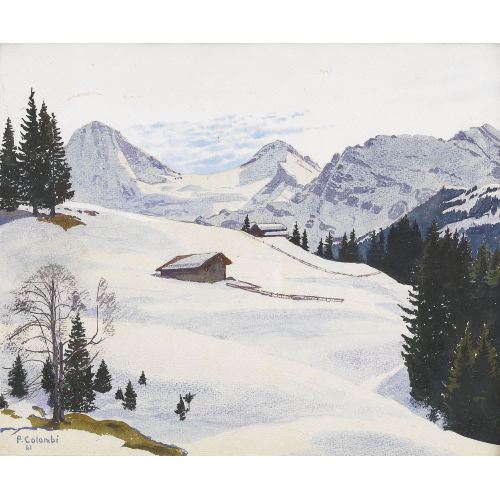
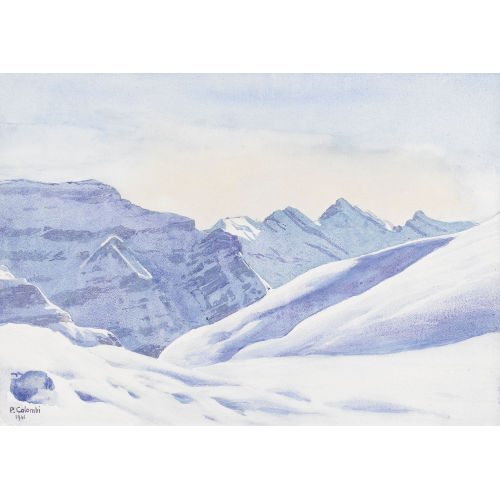
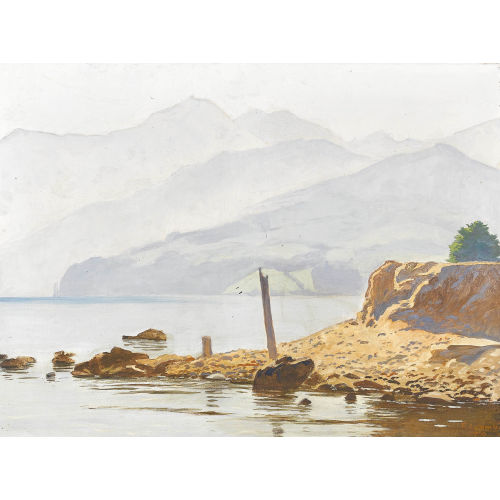
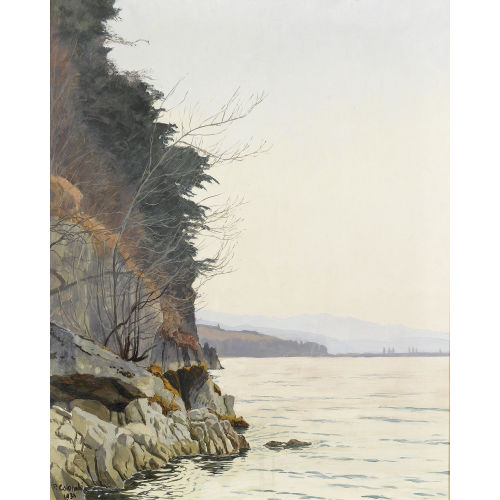
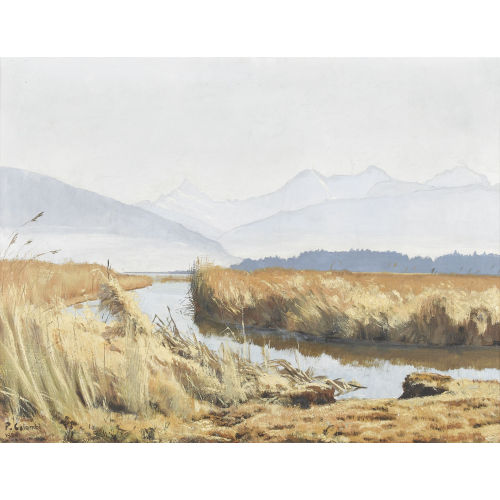
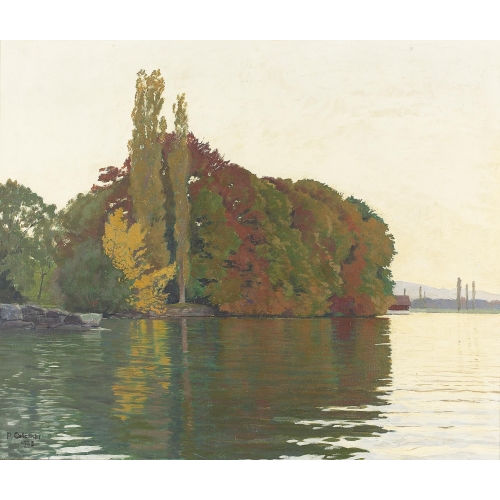
The mountains became the centre of his vision. Colombi specialised in winter and high-altitude landscapes, inspired by the Bernese Alps and the Lake Thun region. His naturalist approach favoured clear light, precise lines and a pared-down composition.
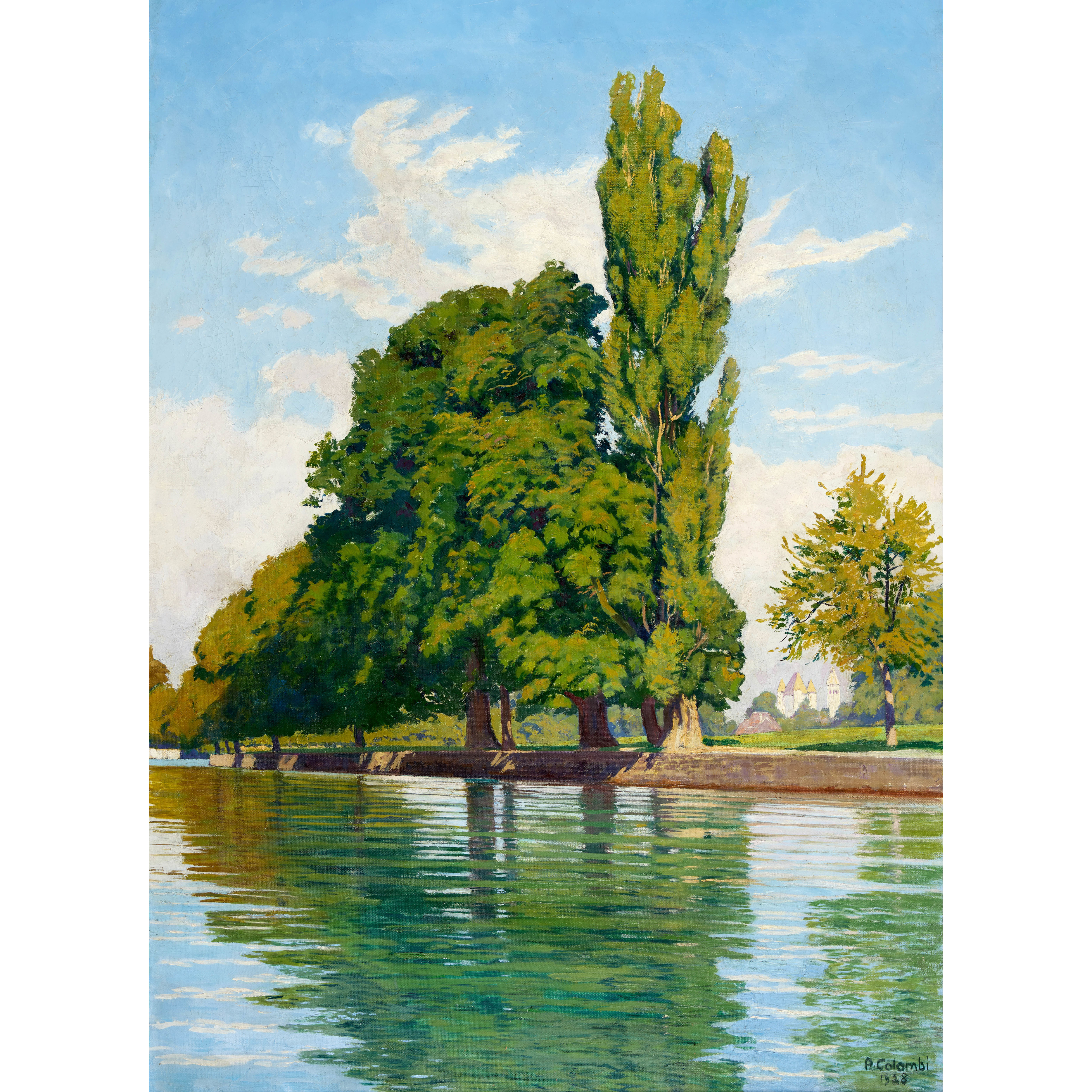
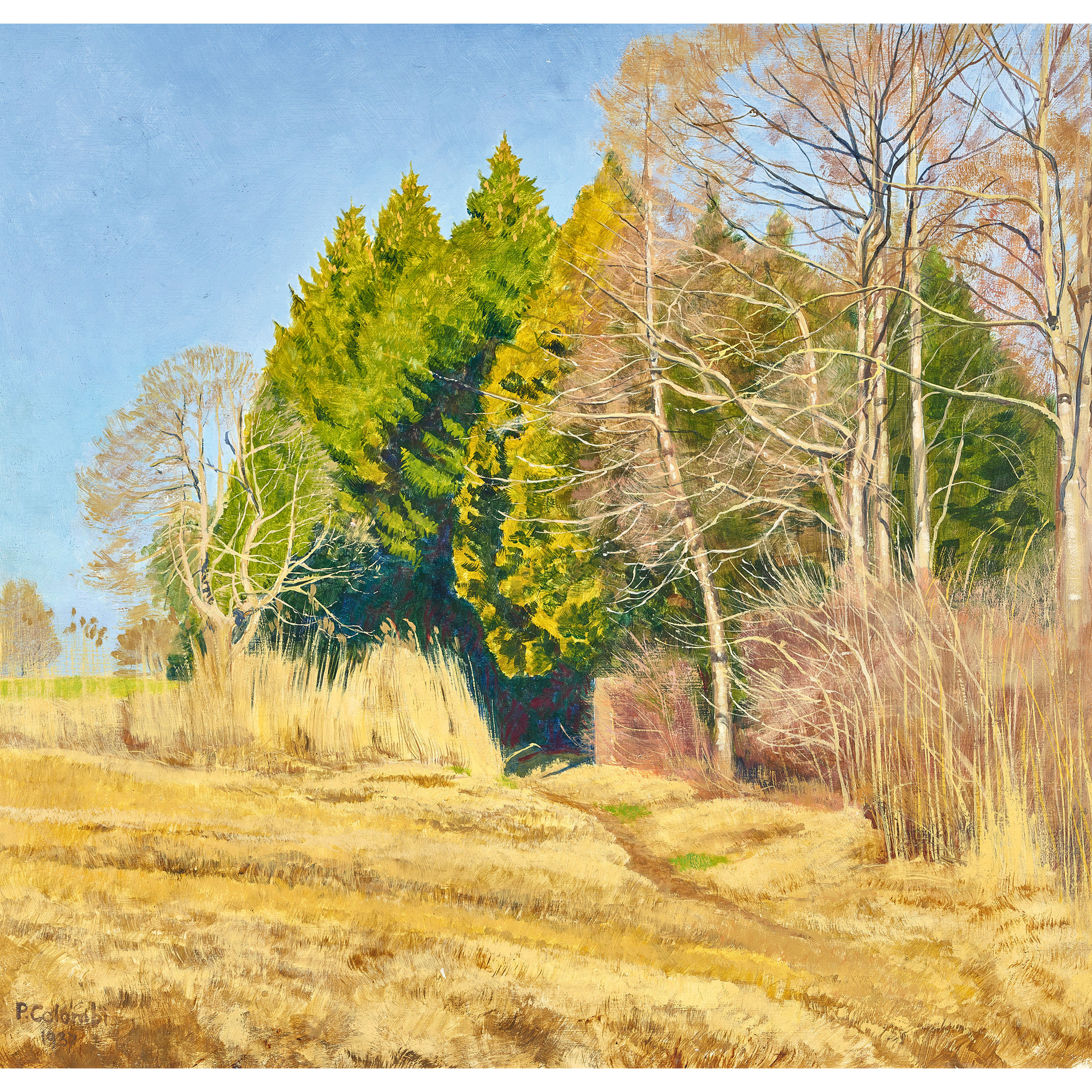
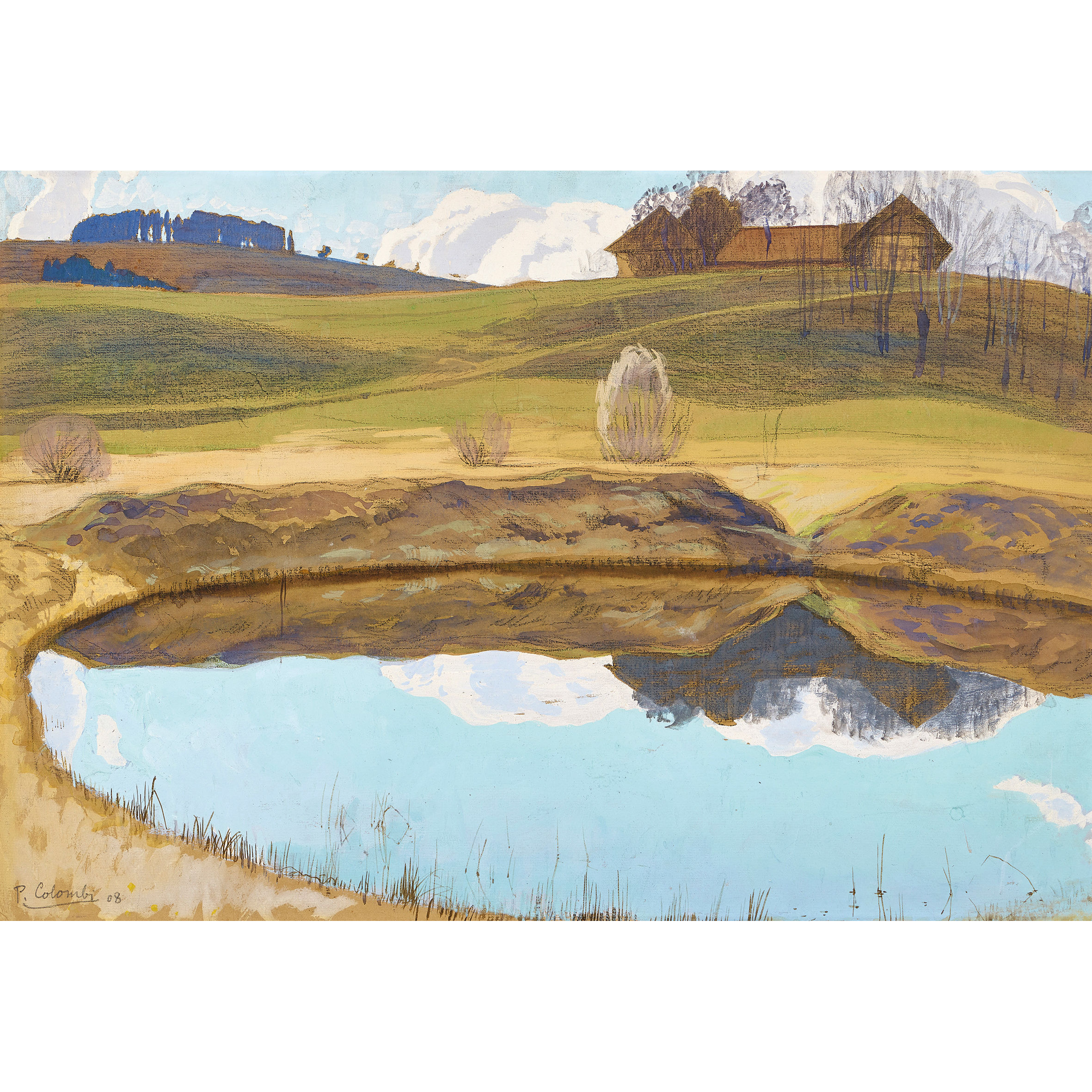
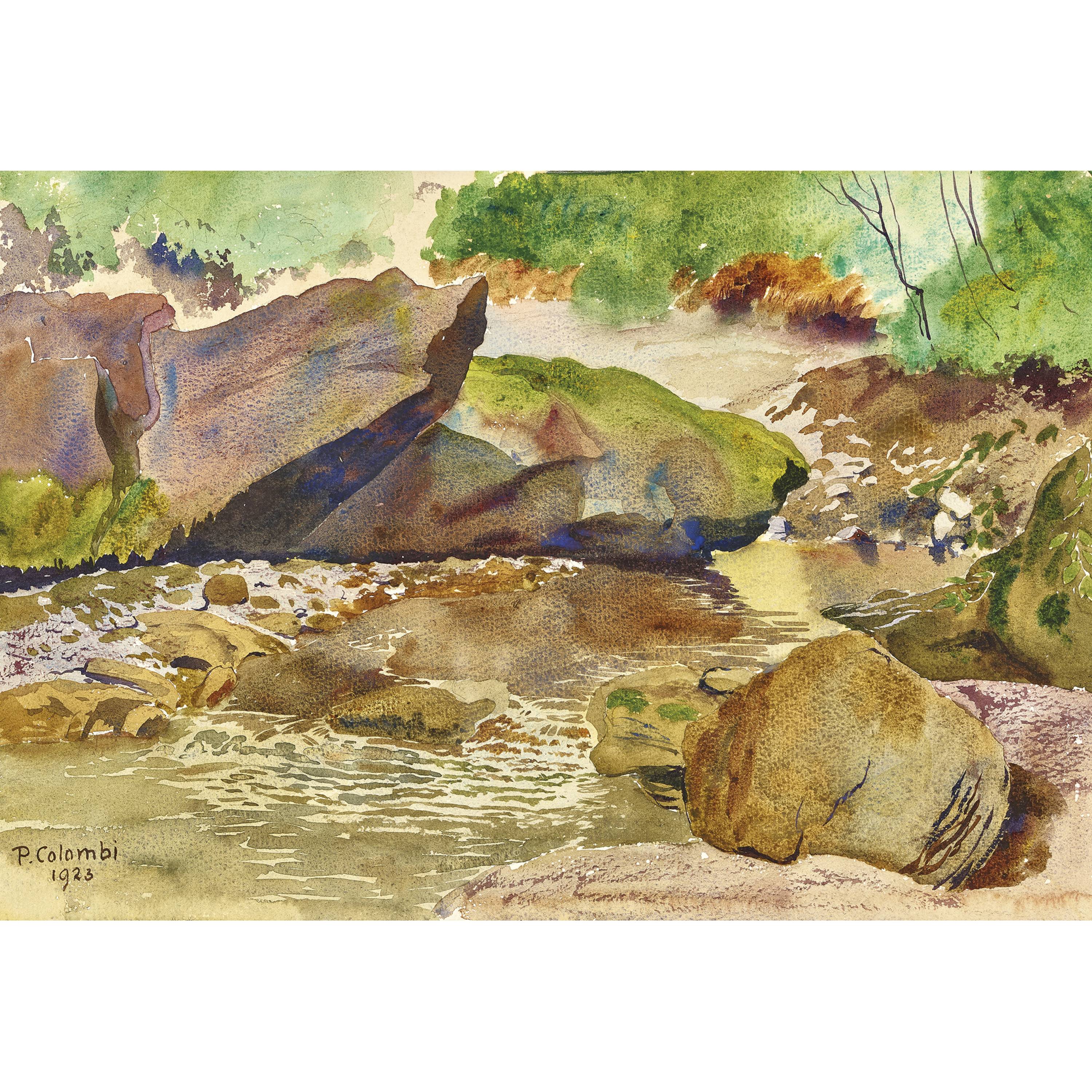
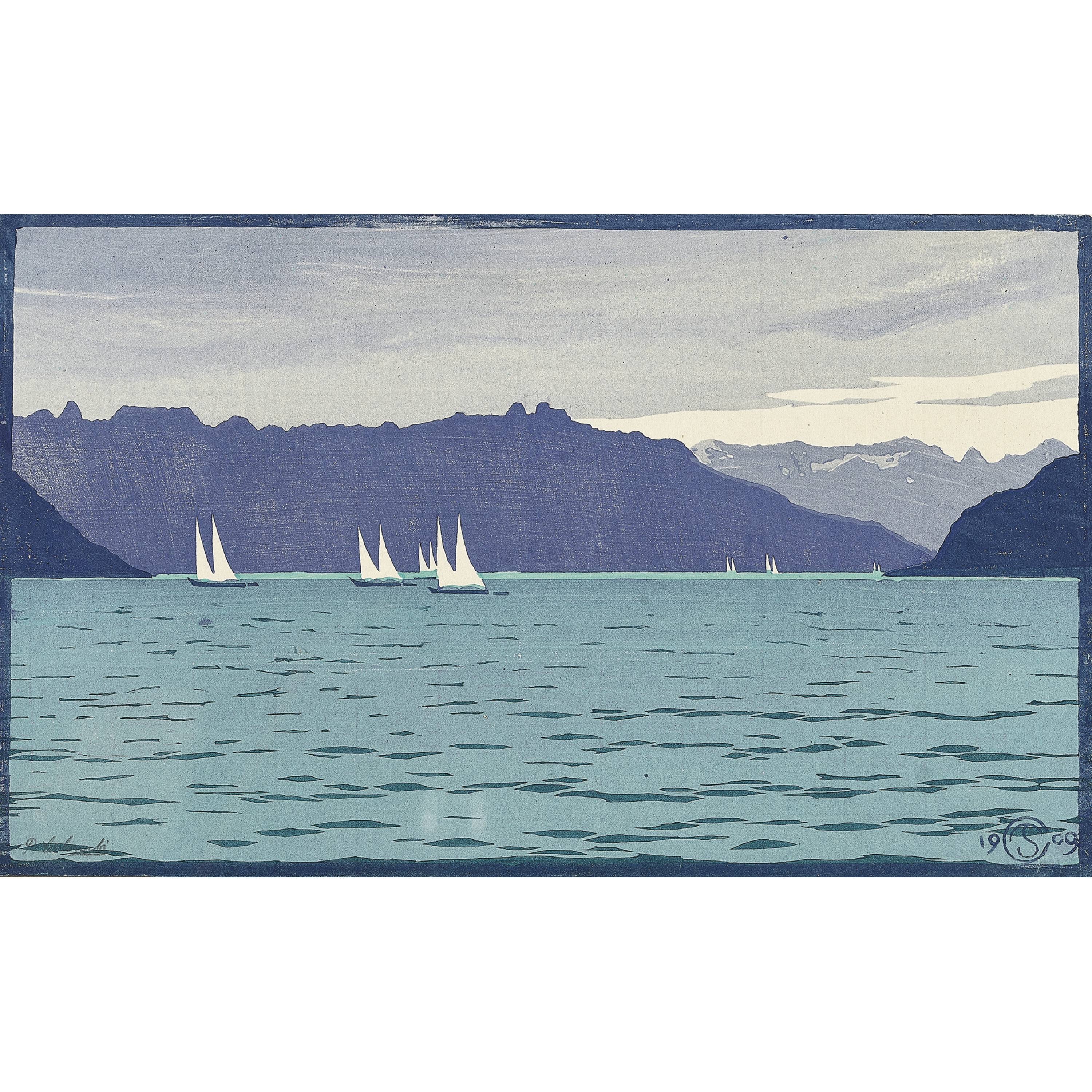
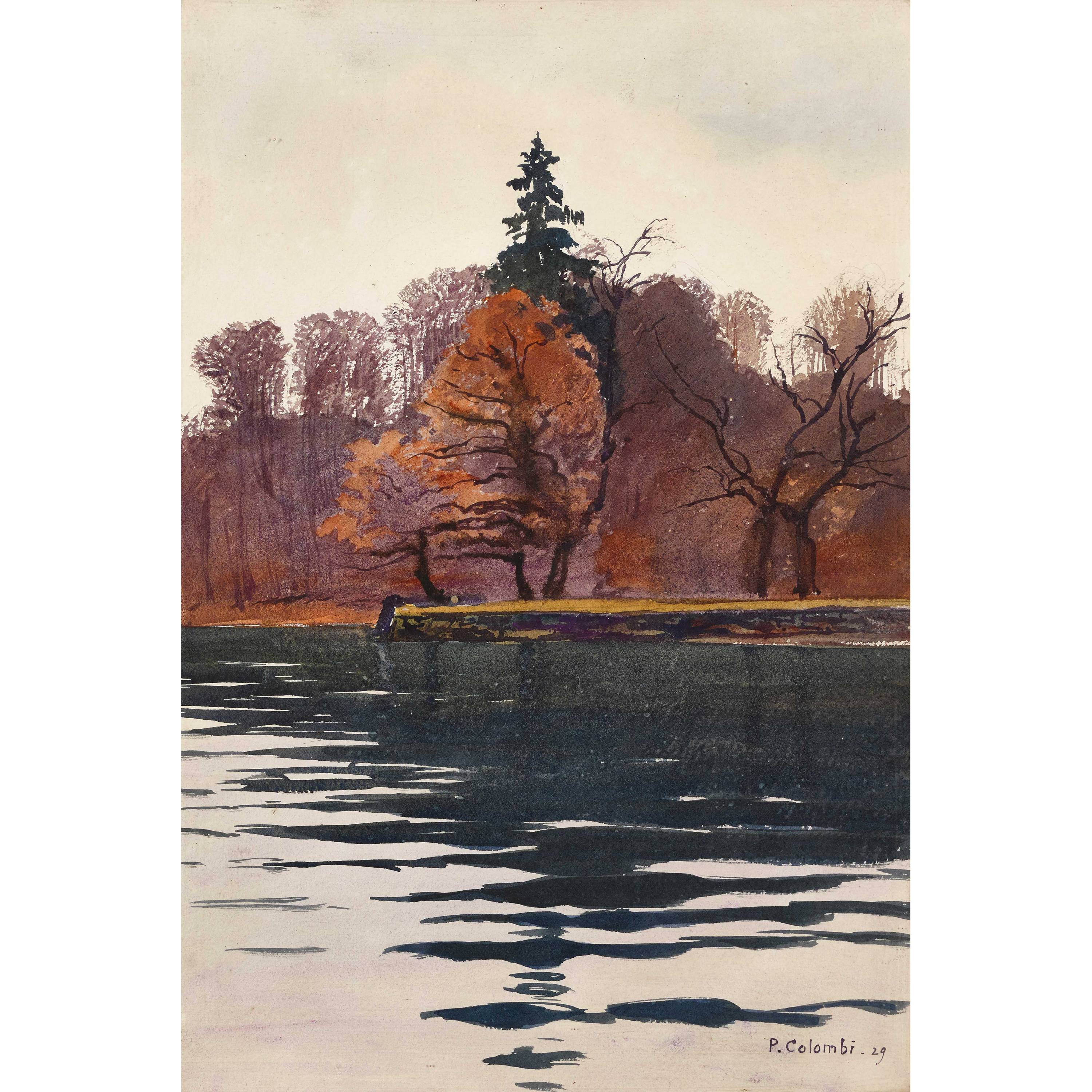
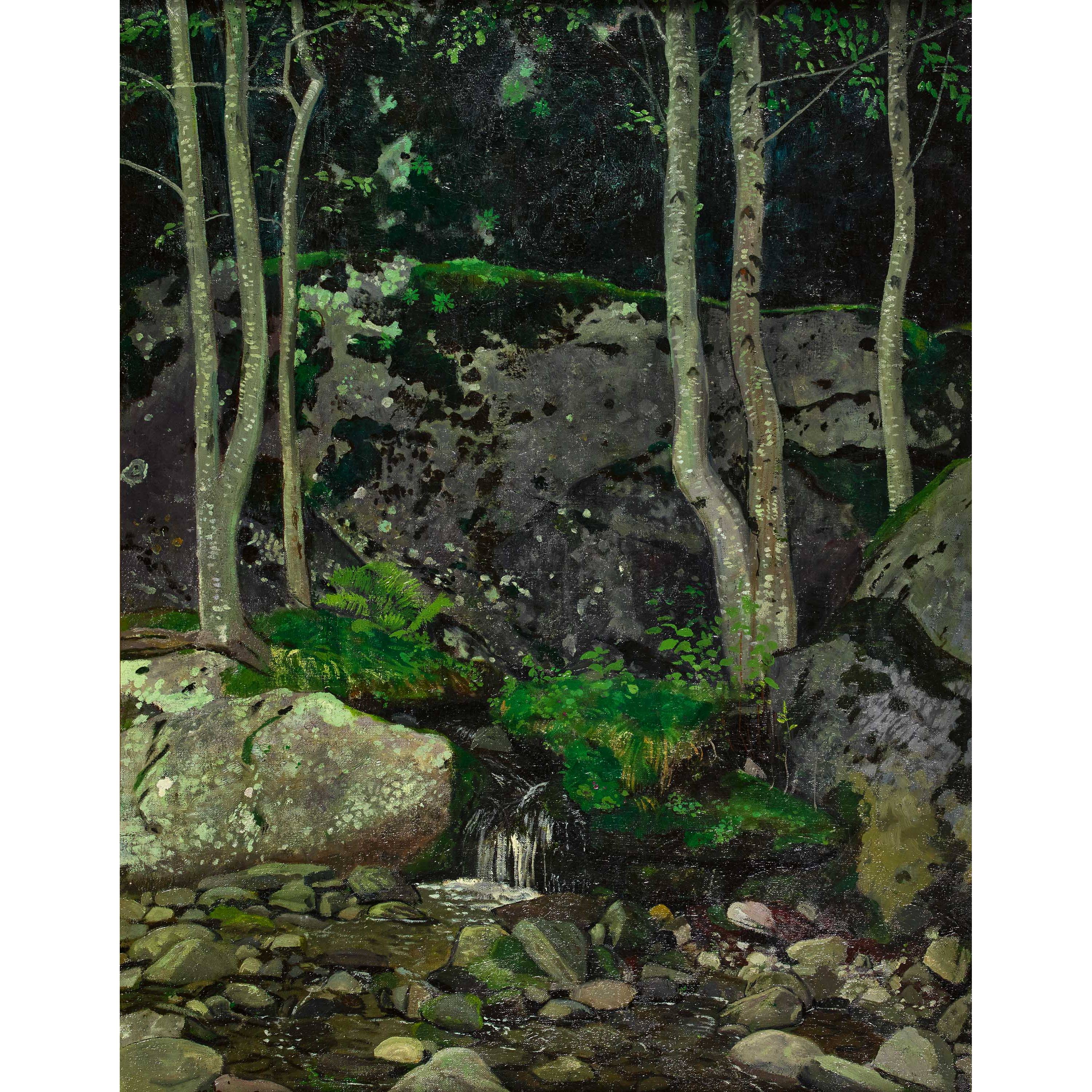
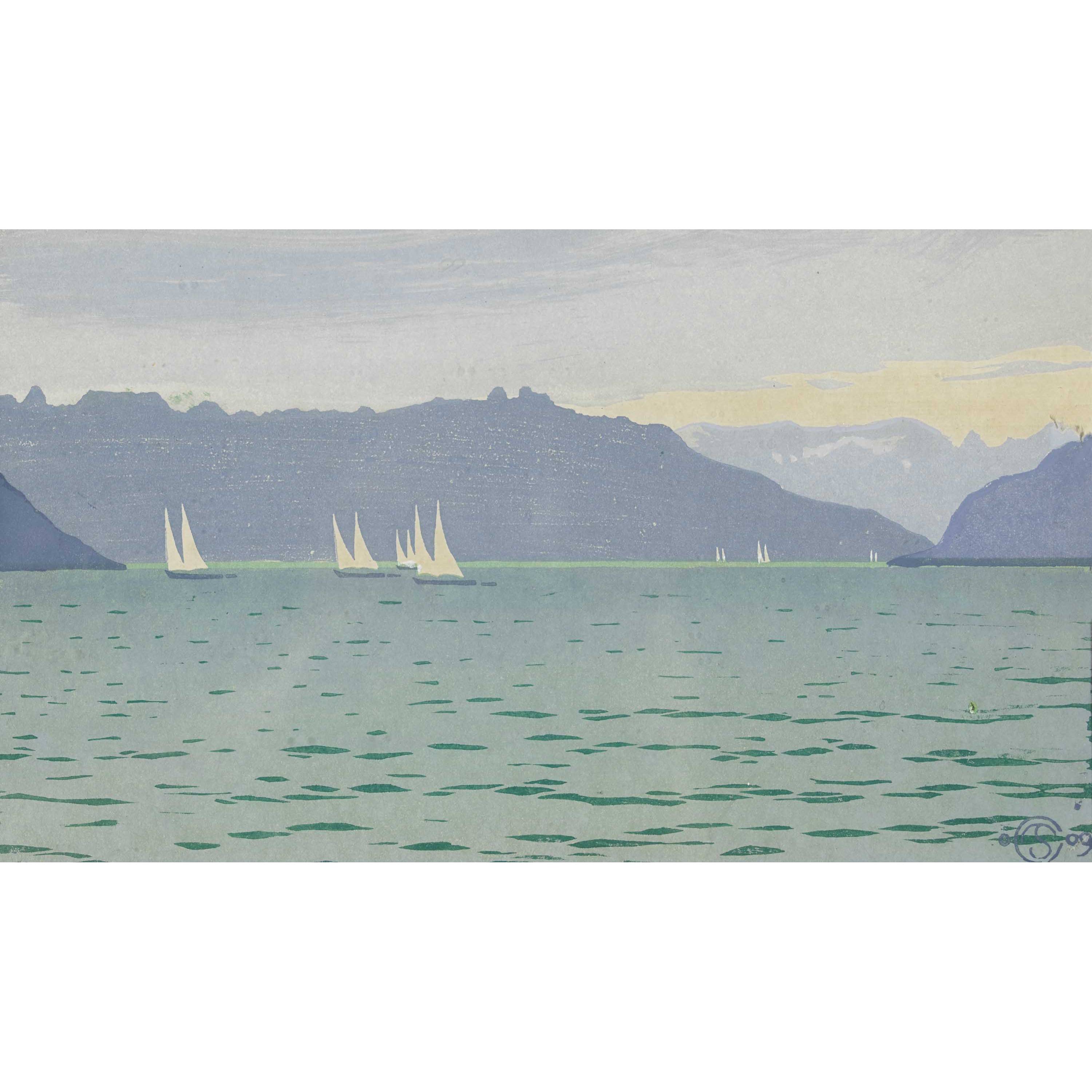
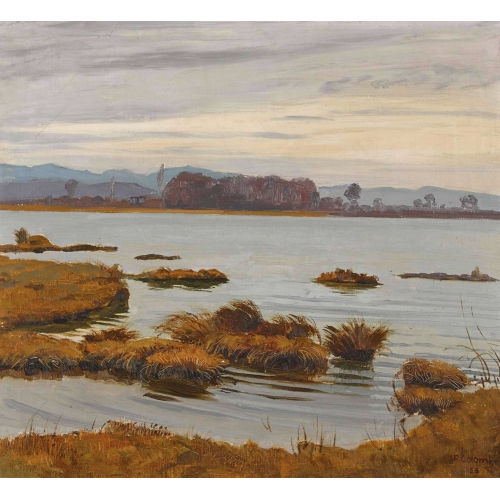
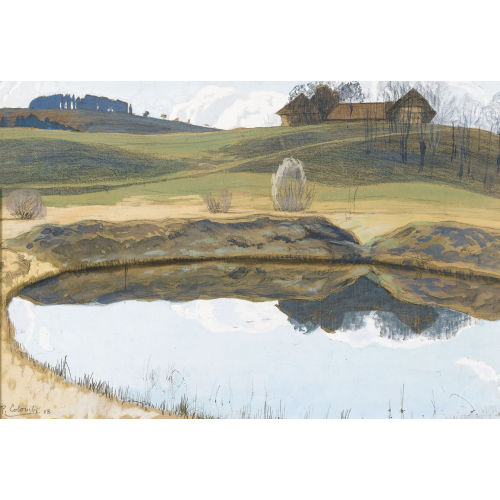
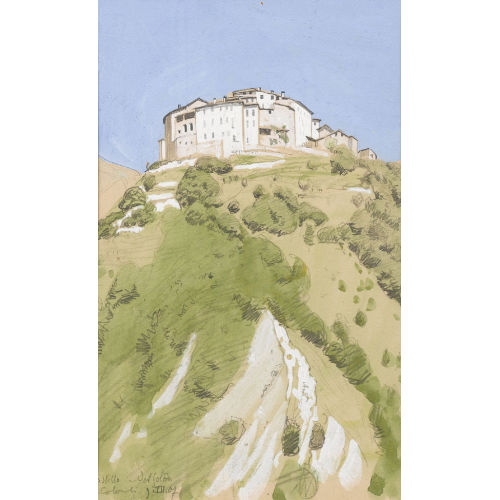
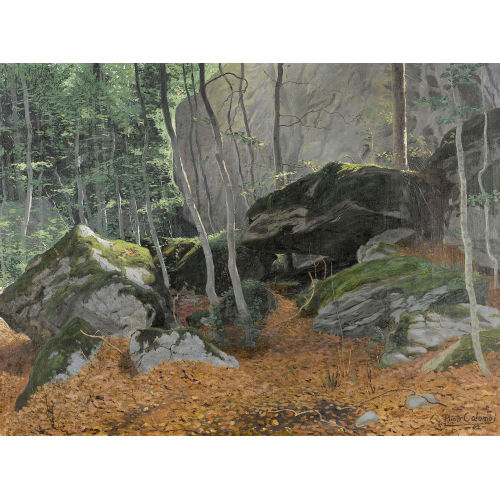
The elements of the landscape are arranged in clearly legible planes, giving the scenes a decorative quality without erasing their rootedness in the places observed.
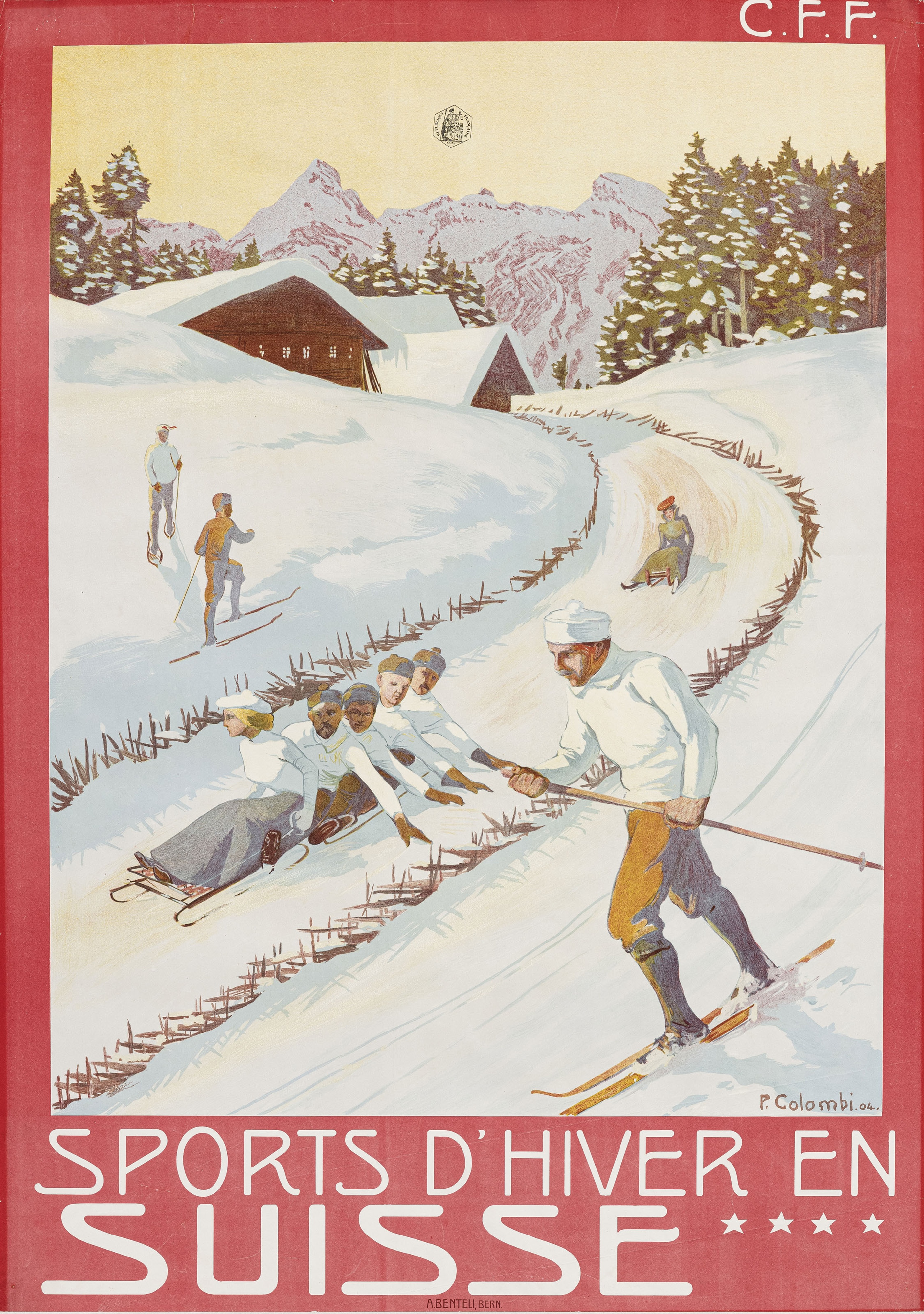
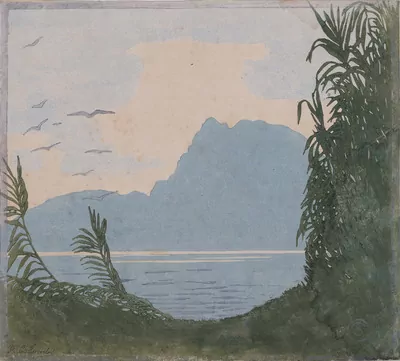
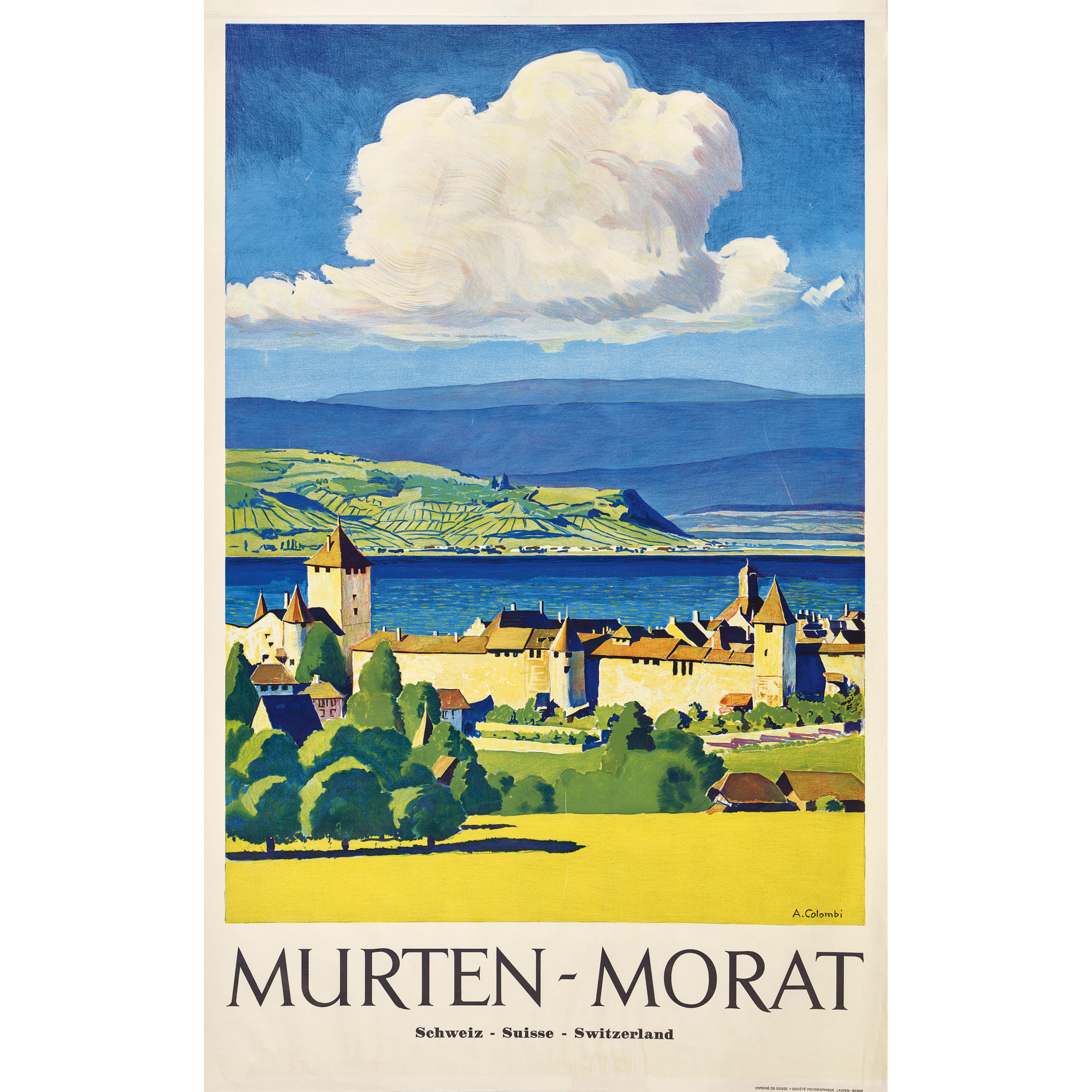
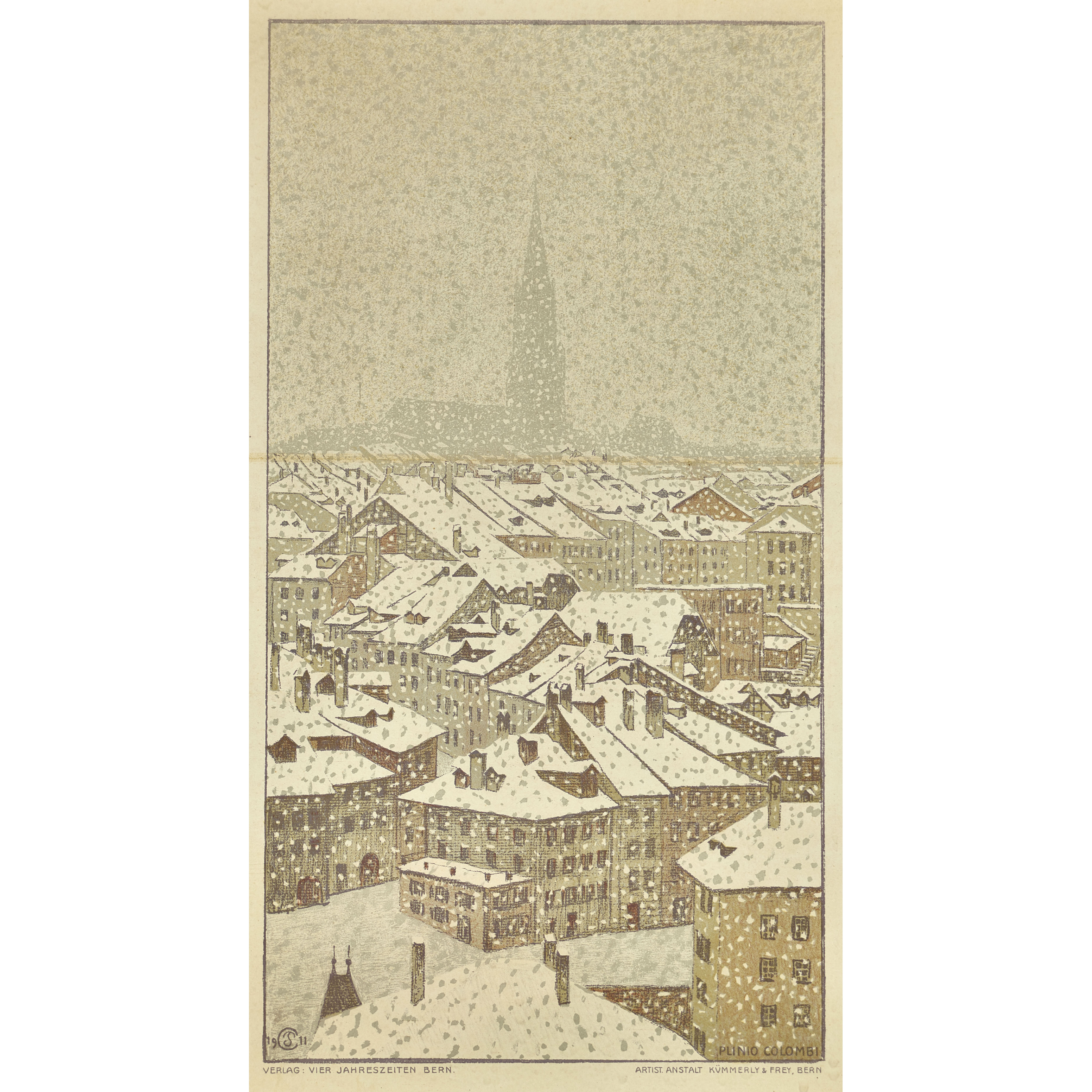
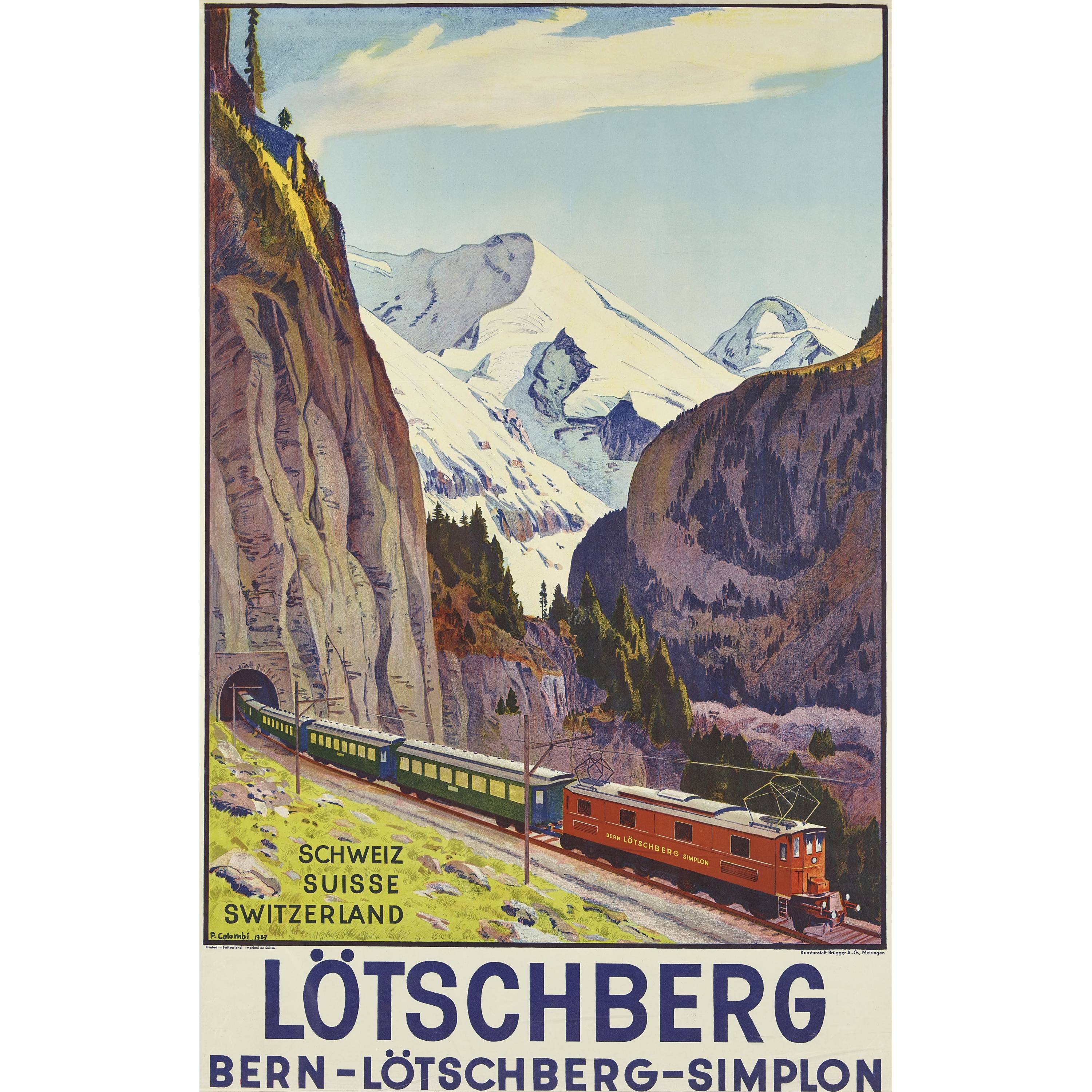
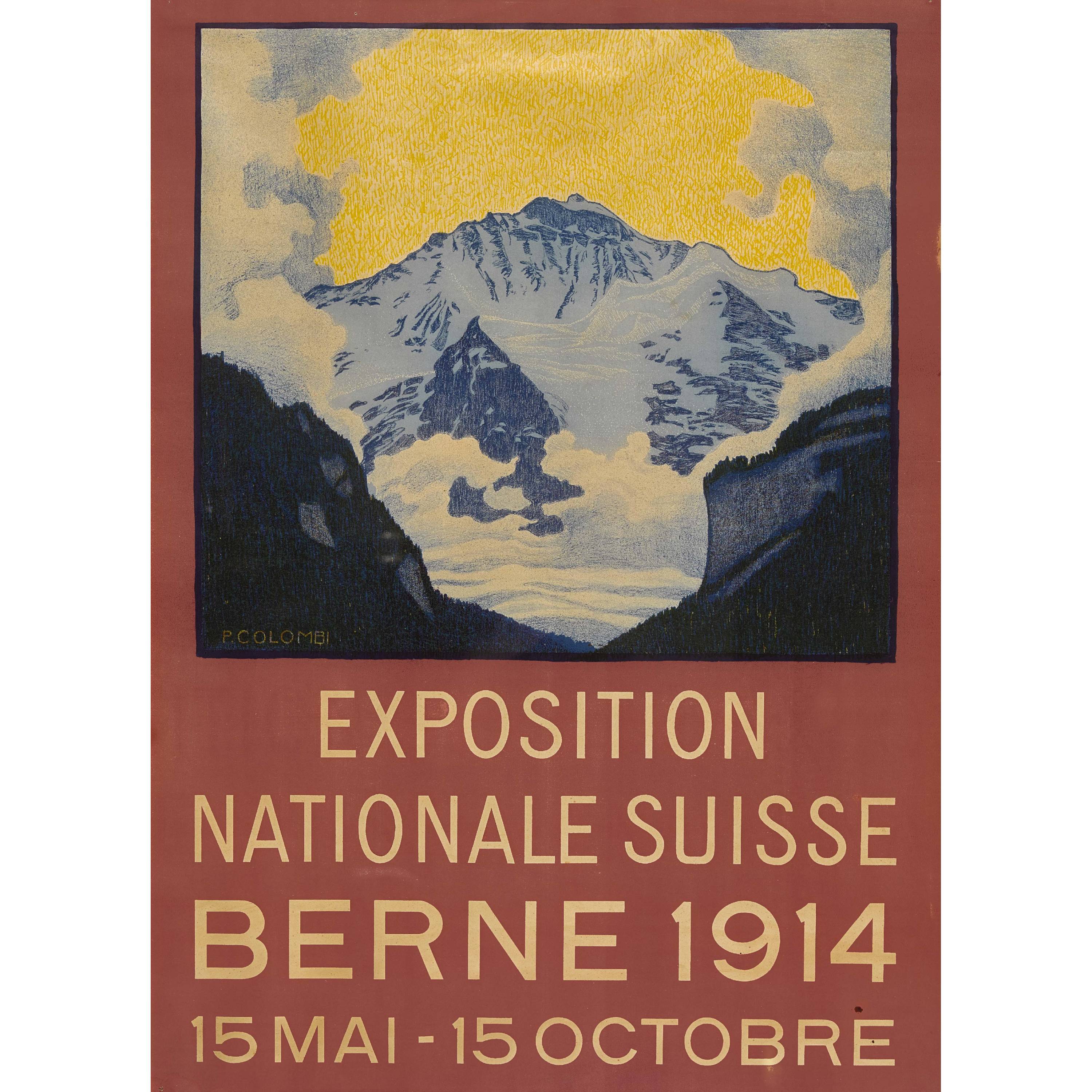
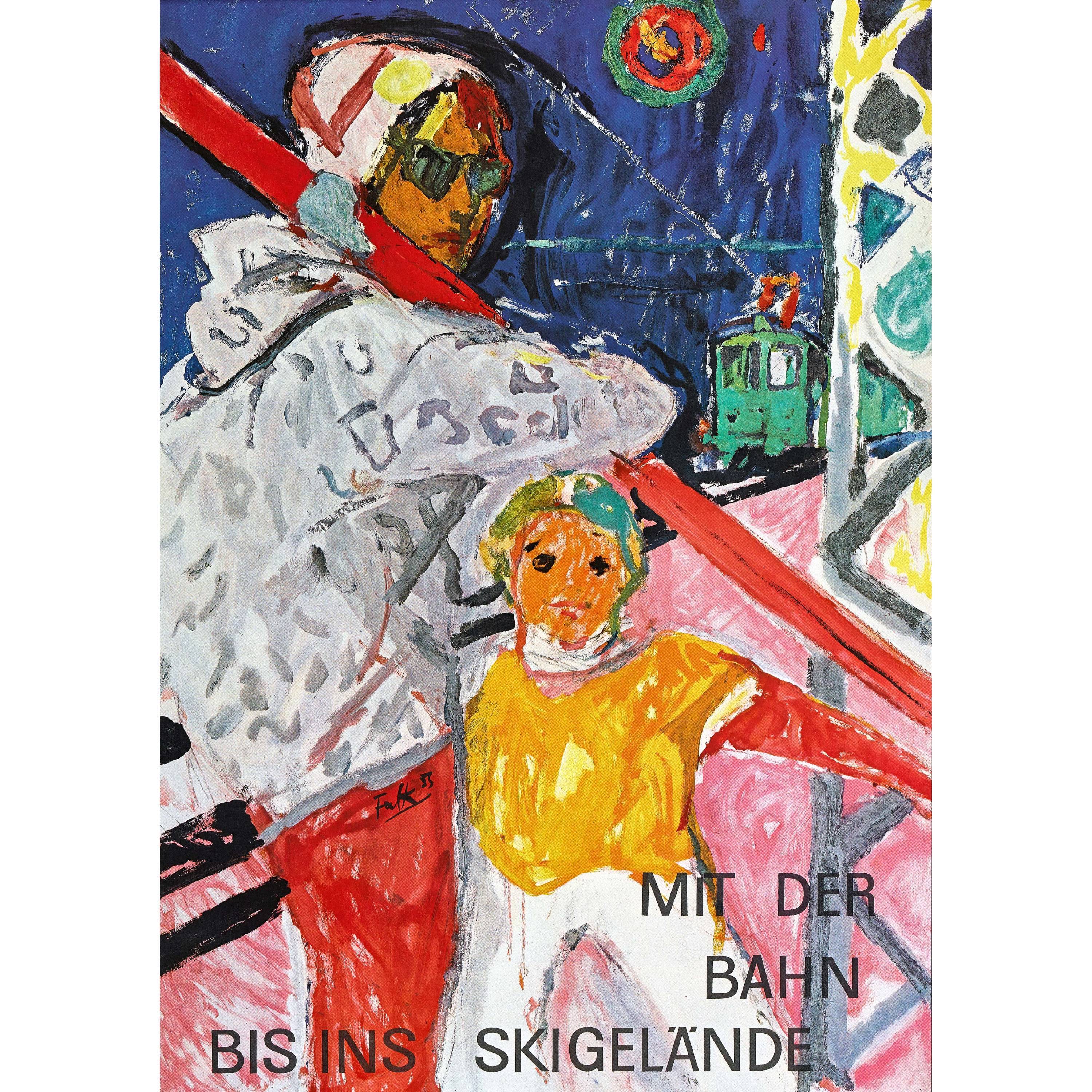
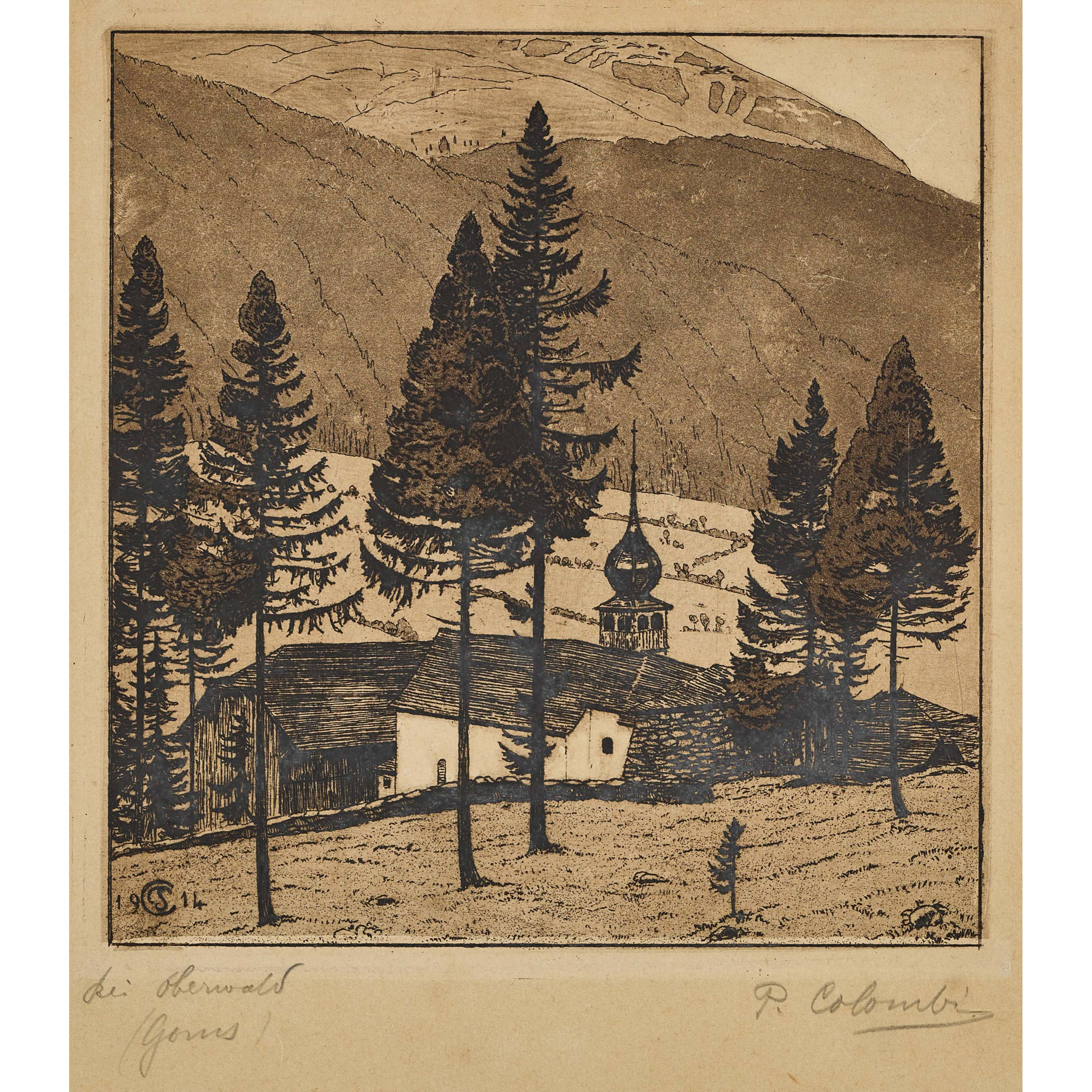
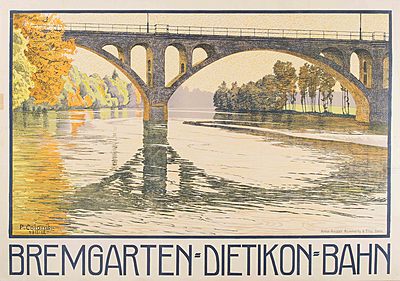
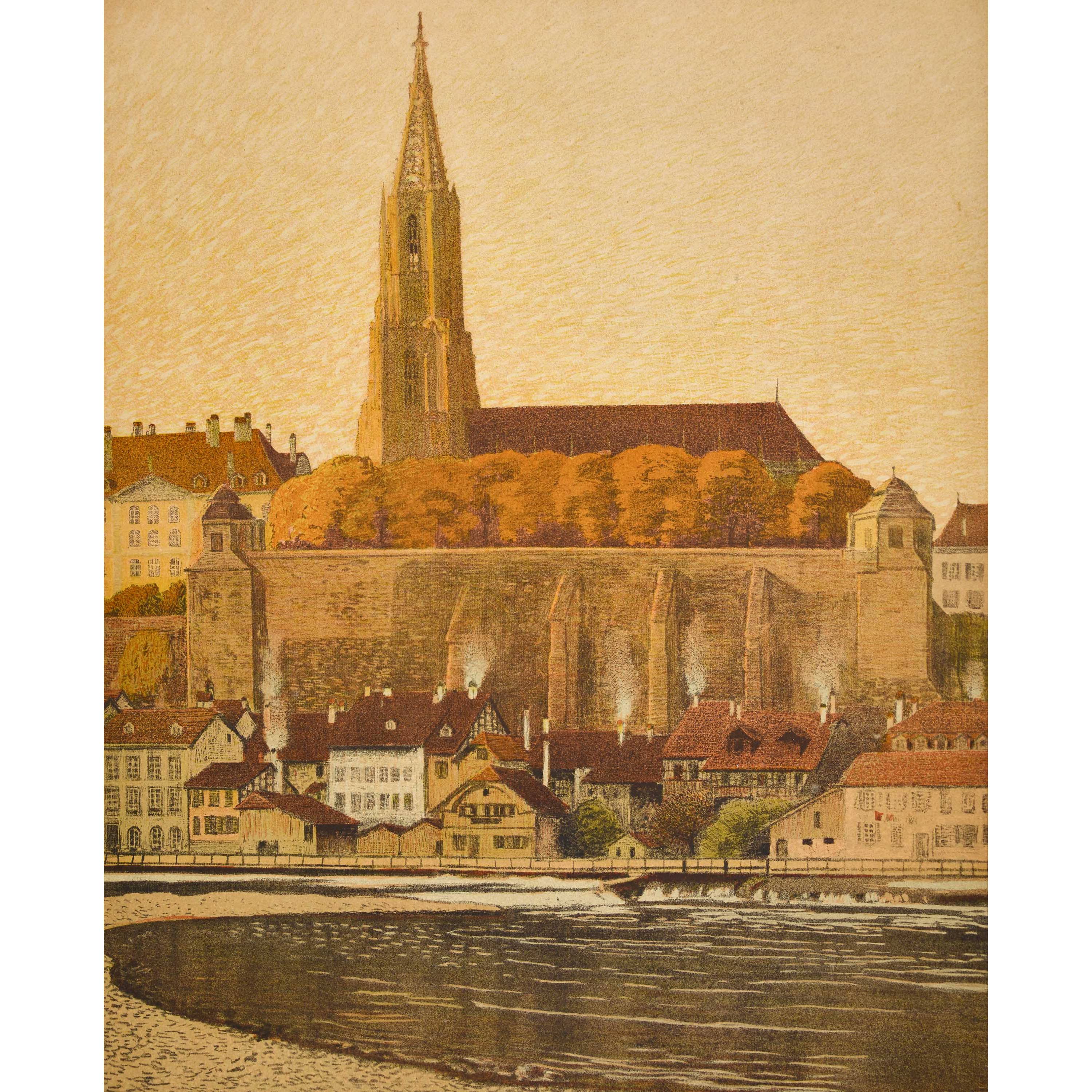
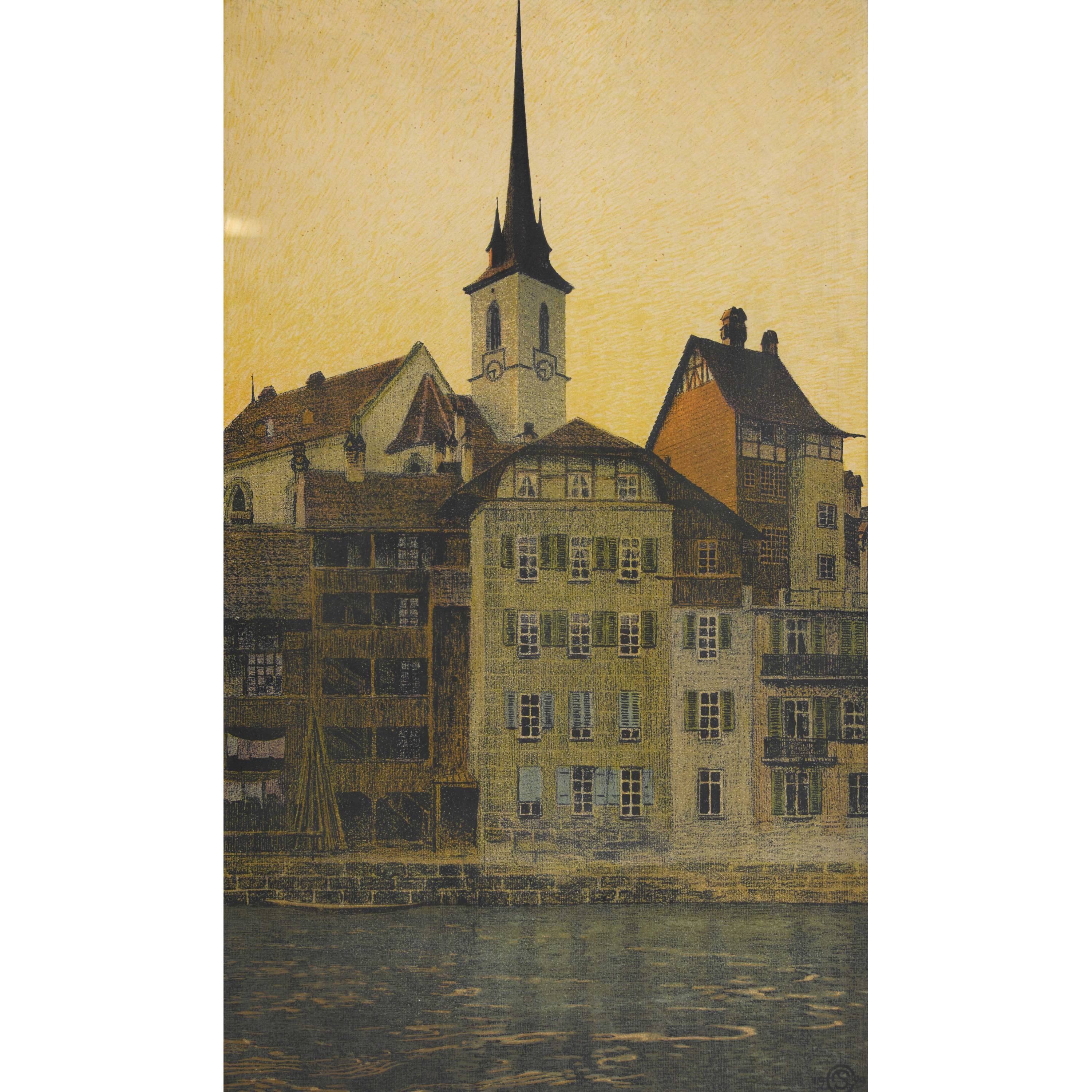
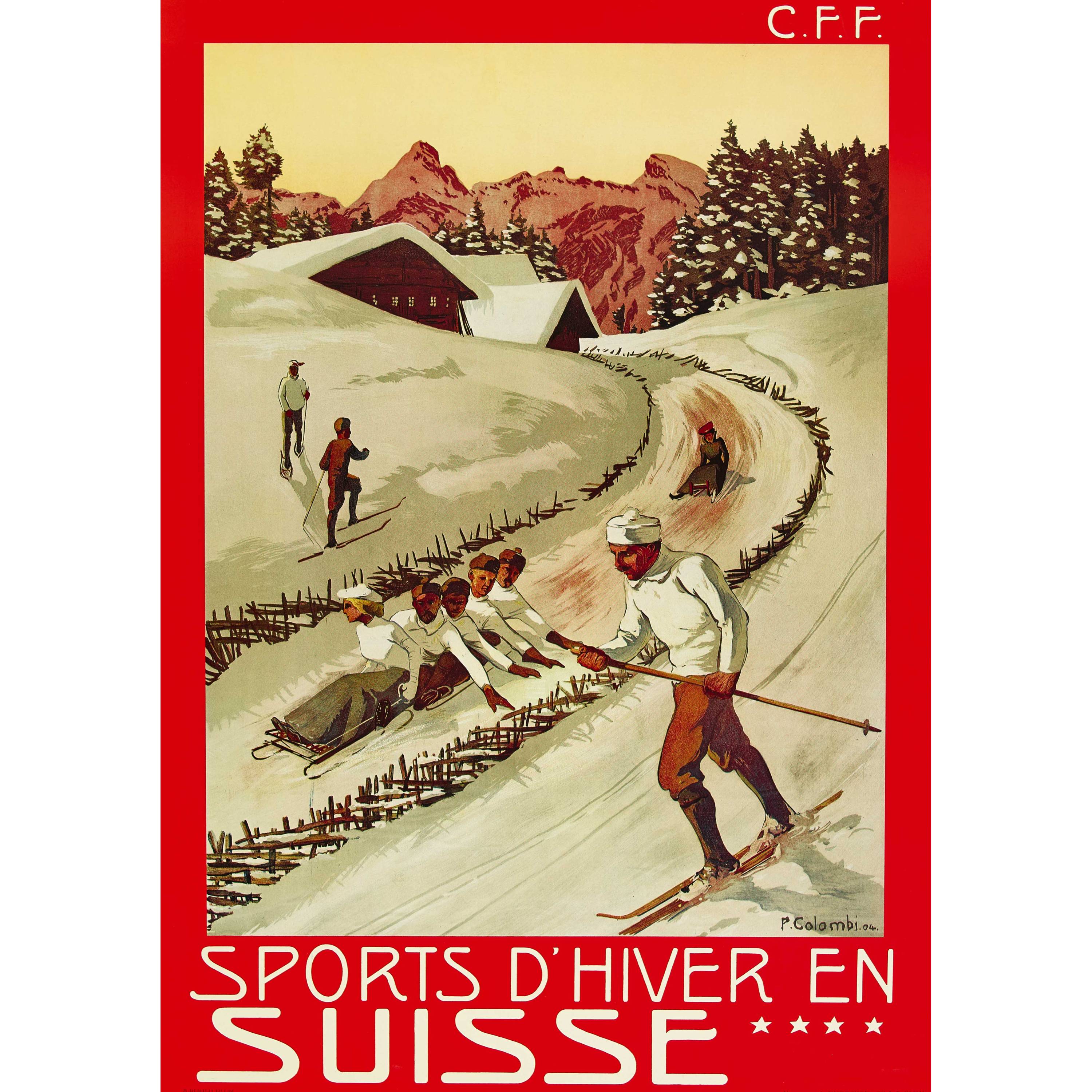
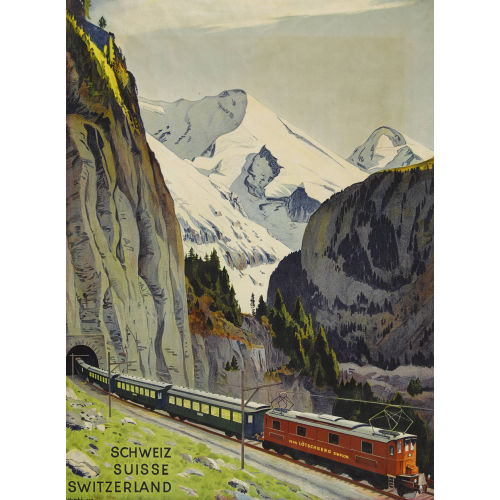
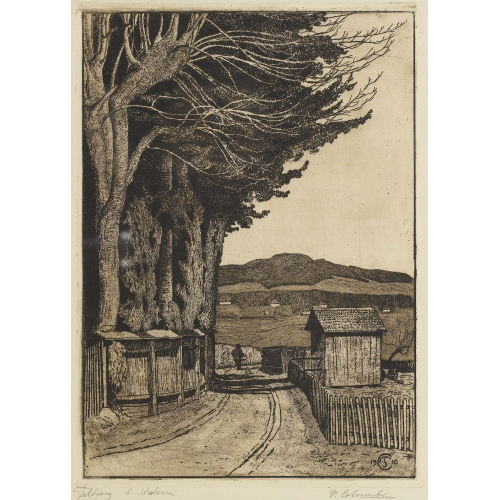
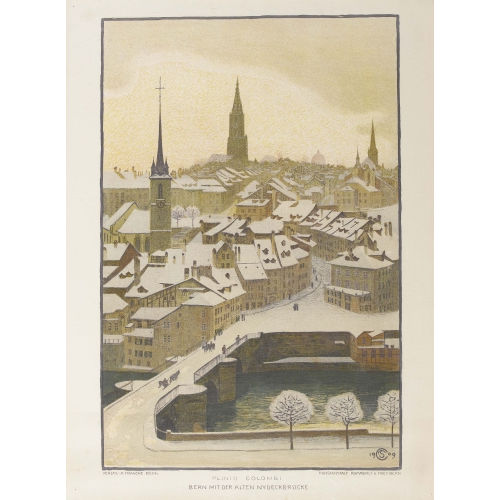
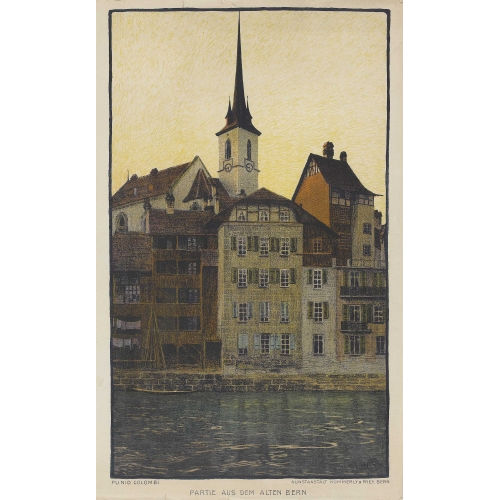
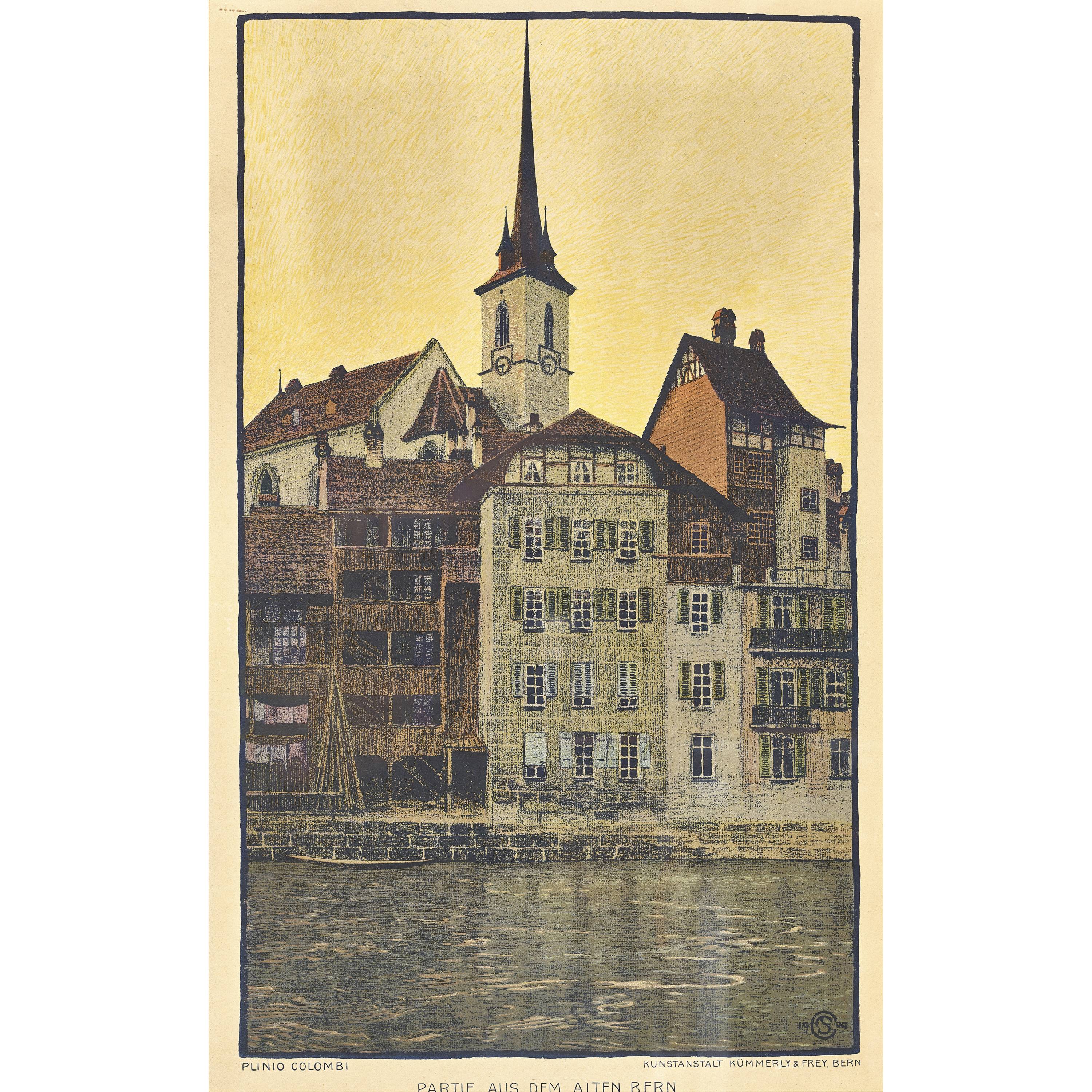
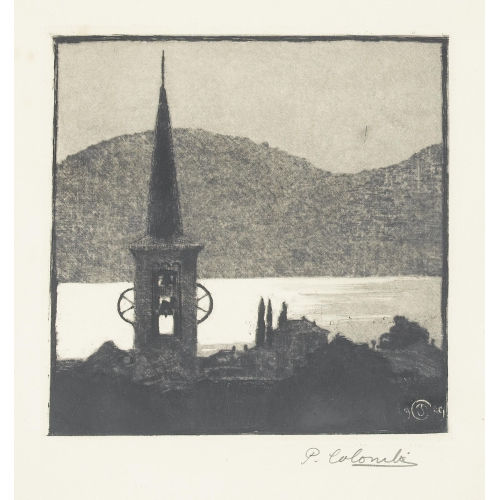
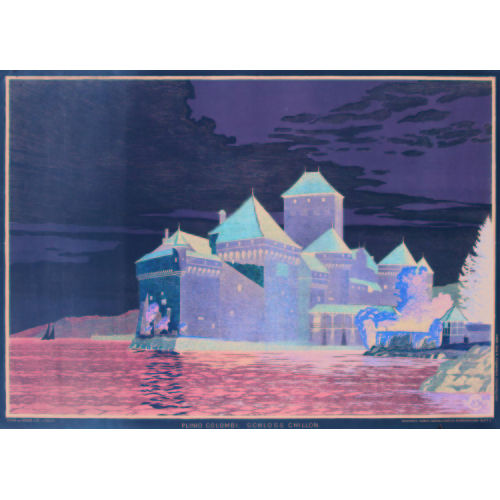
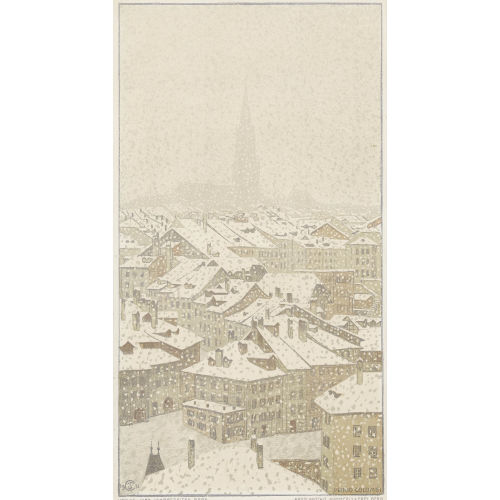
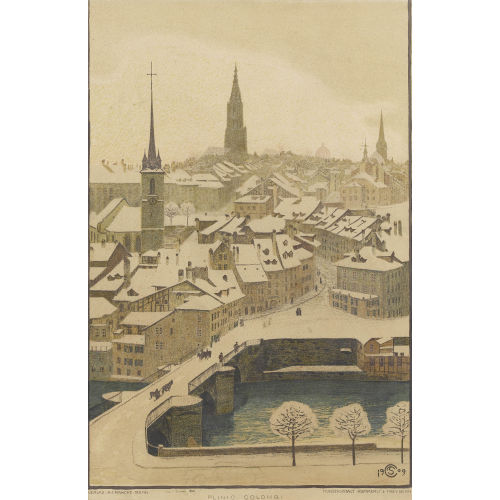
His practice was not limited to easel painting. Interested in printmaking and poster design, he explored graphic techniques and took part in the major national exhibitions of his time. The Historical Dictionary of Switzerland points out that his luminous, linear naturalism led him towards these investigations.
His career thus connects the tradition of Swiss landscape painting with a broader visual culture, in which the printed image played an increasingly important role.
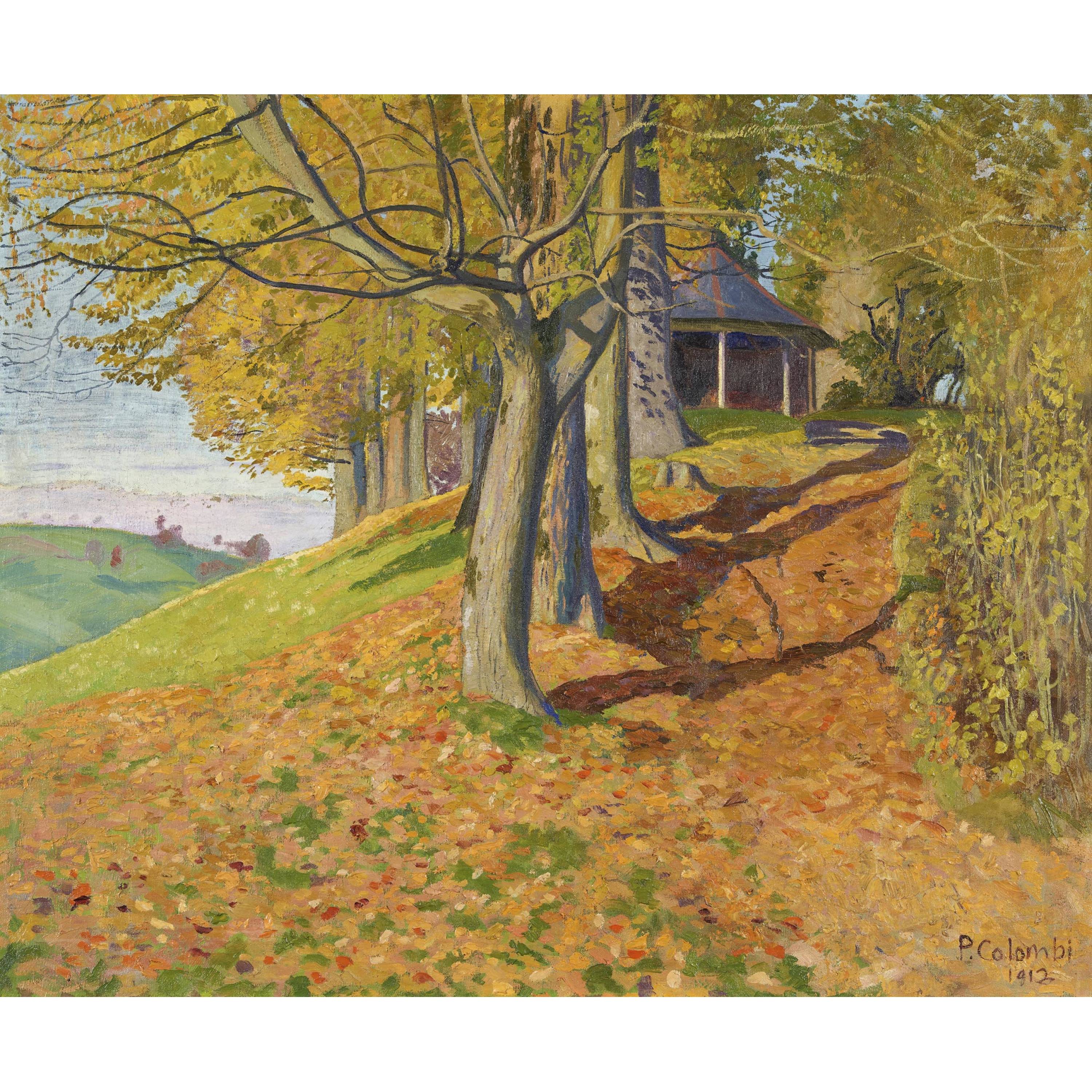
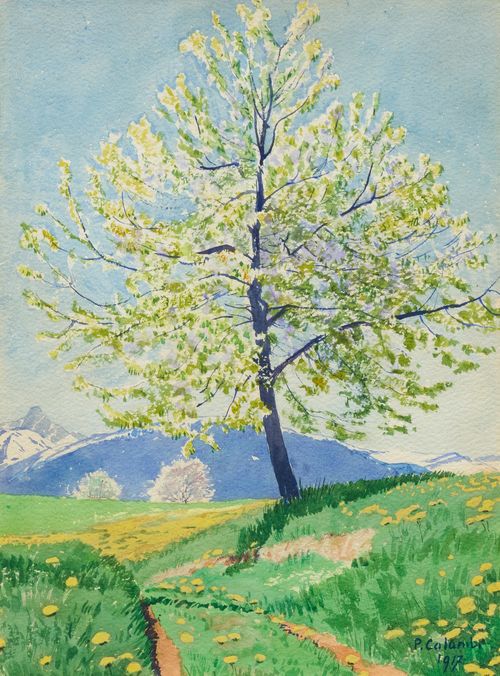
The Kunstmuseum Bern holds Vorfrühling (1902), an oil on canvas shown in its collection display. This work places Colombi among those Swiss artists whose landscapes take seasonal change and the perception of the land as their subject. His career, pursued mainly in the canton of Bern, also retained a link with his native Ticino, although the Historical Dictionary of Switzerland notes that his contacts with Ticino’s cultural life remained sporadic.
The contrast between these two regions sheds light on the distinctiveness of a painter who made the Bernese Alps his principal open-air studio.