Otto Wyler
Born in 1887.
Died in 1965.
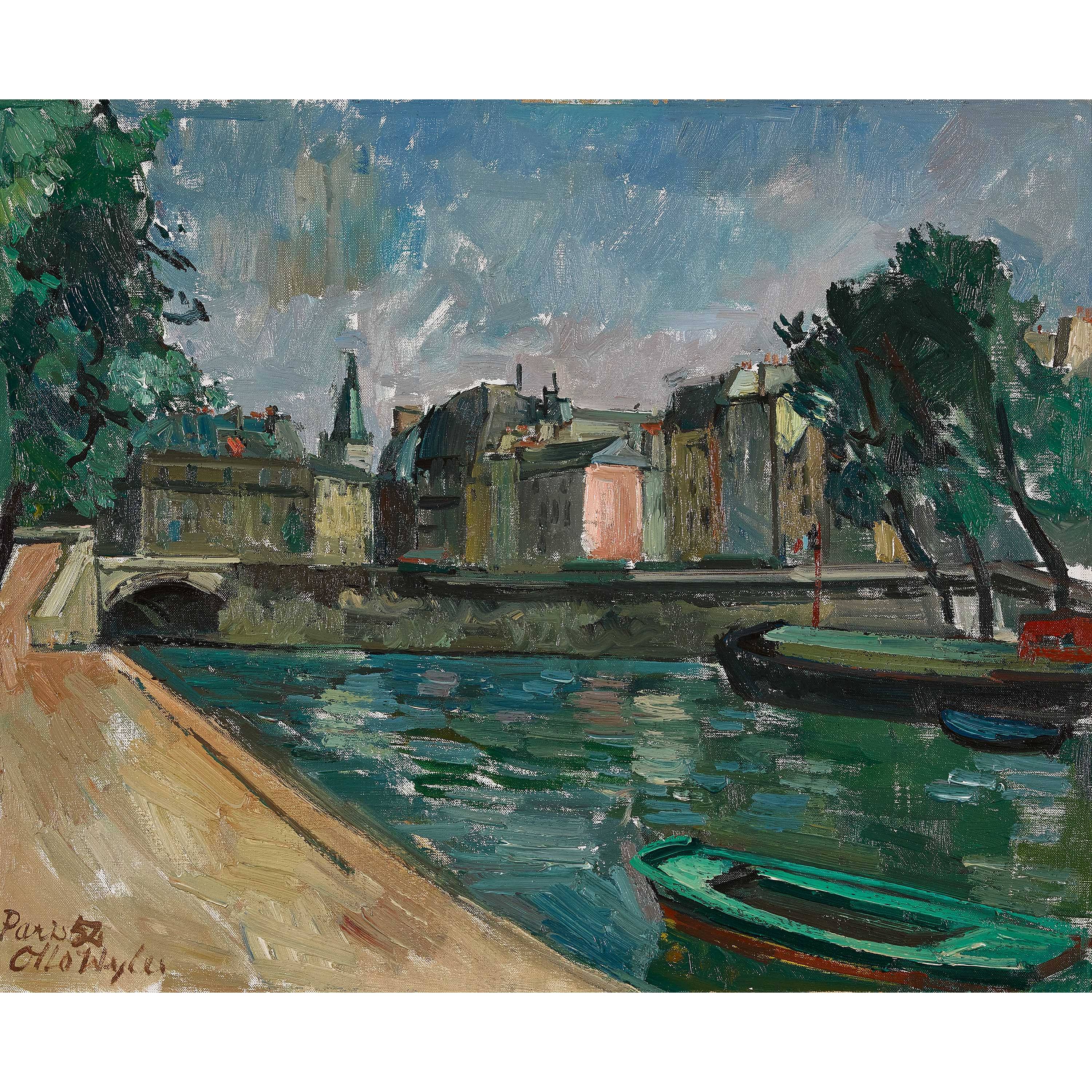
Trained in drawing and decorative painting in Aargau, he continued his studies in Paris and Munich, notably under Heinrich Knirr and Jacques-Émile Blanche. From 1908 onwards, he exhibited at the Kunsthaus Zürich. The acquisition of La Guitariste by the Wallraf-Richartz Museum in Cologne, followed by a gold medal awarded in Munich in 1913, marked his early recognition.
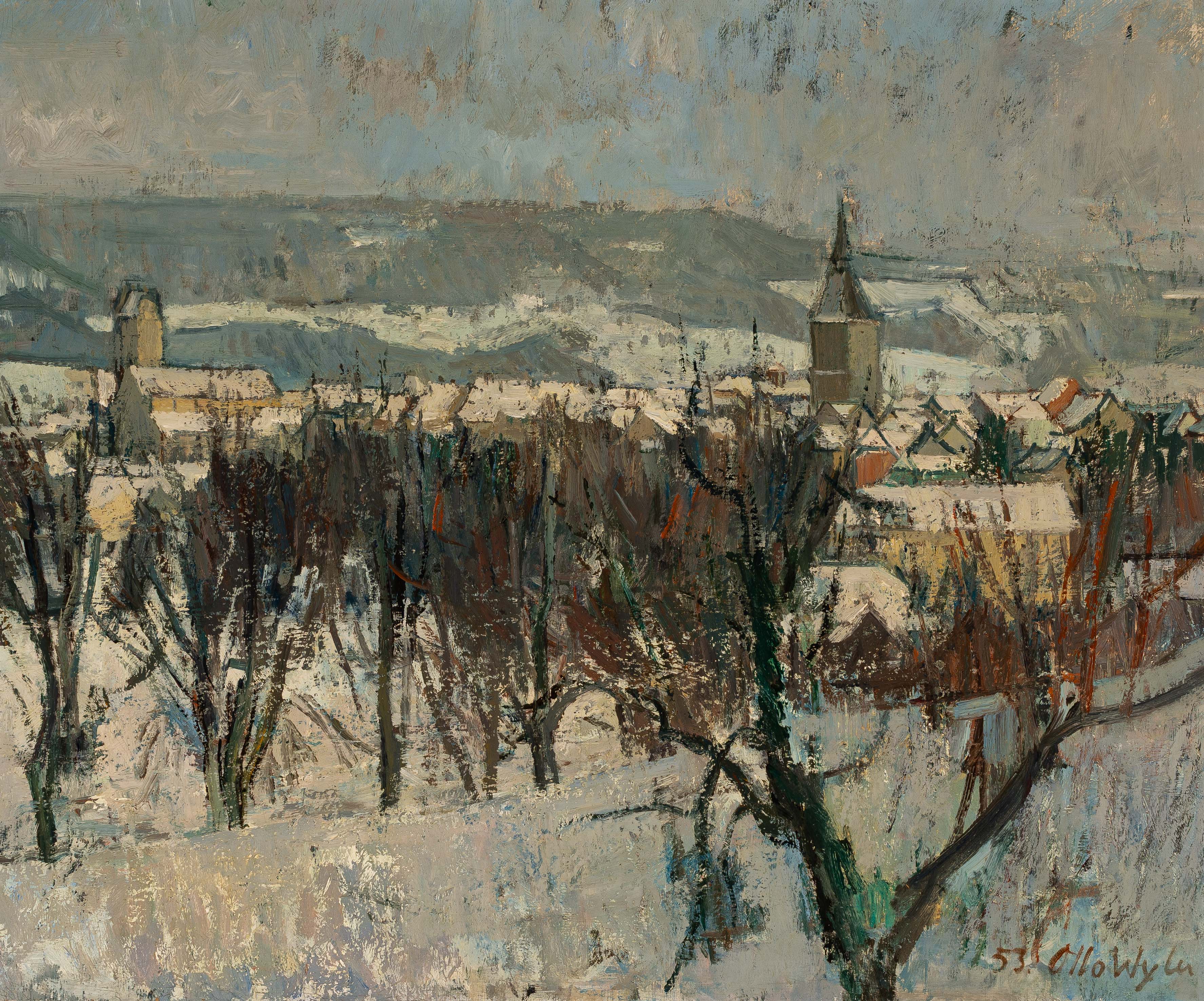
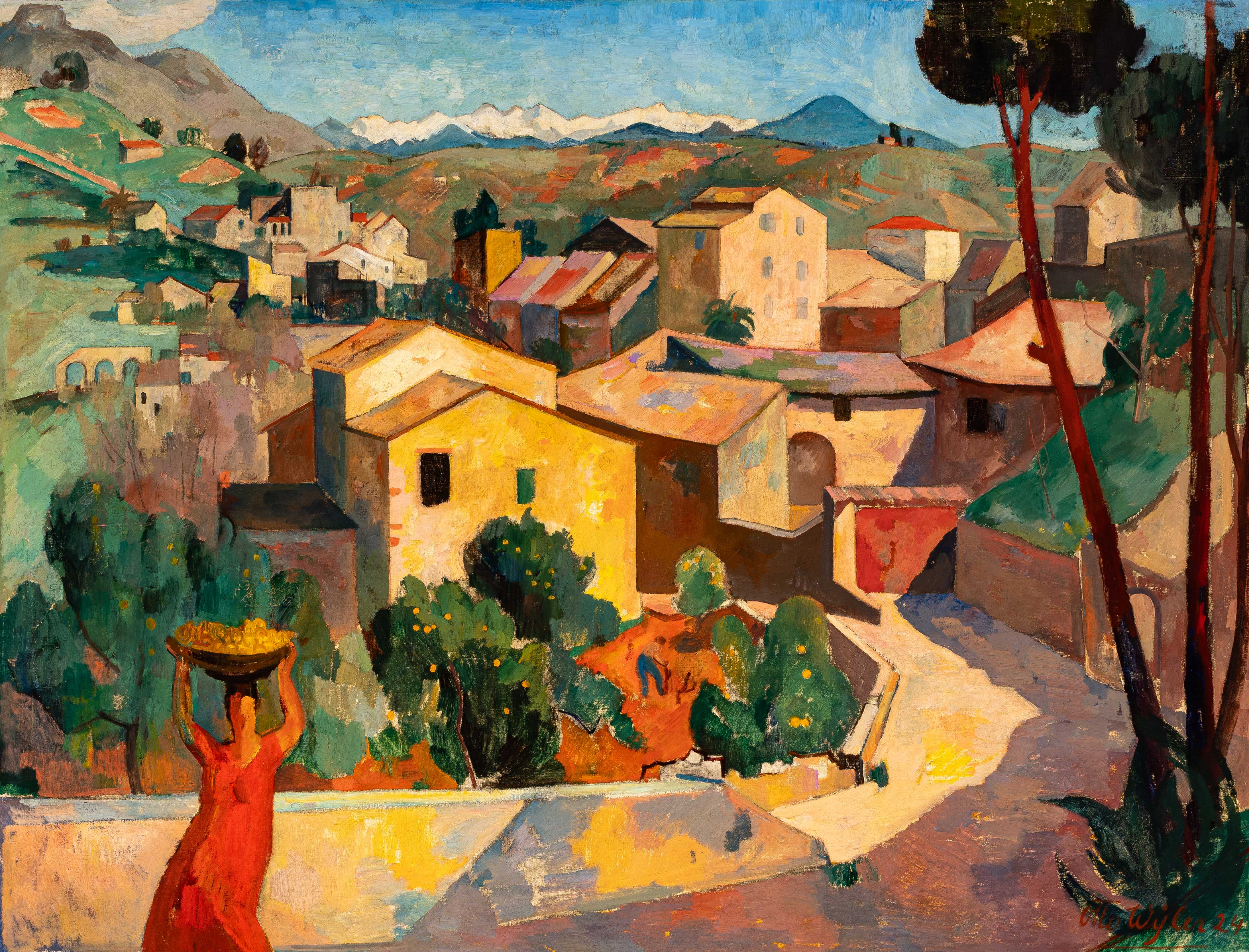
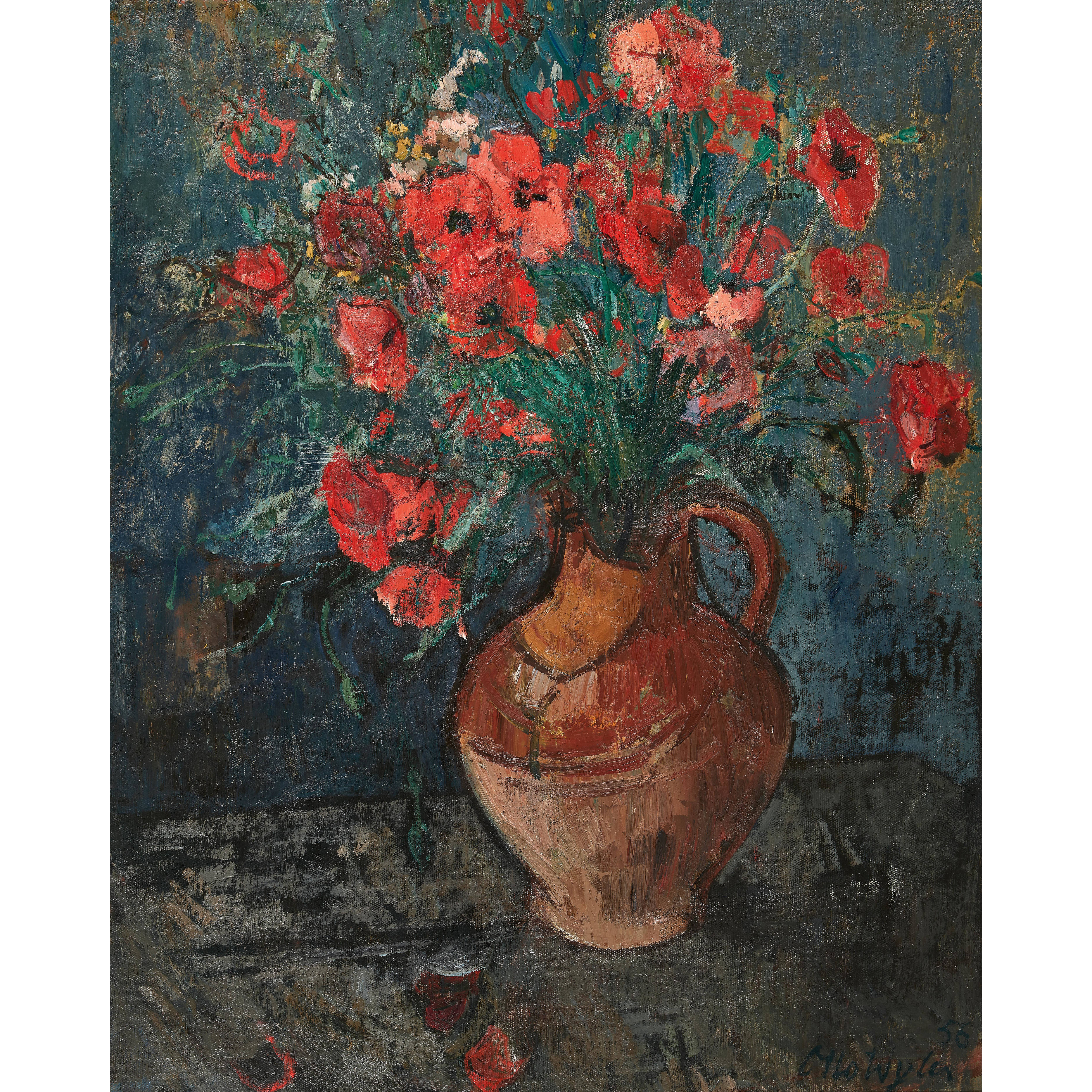
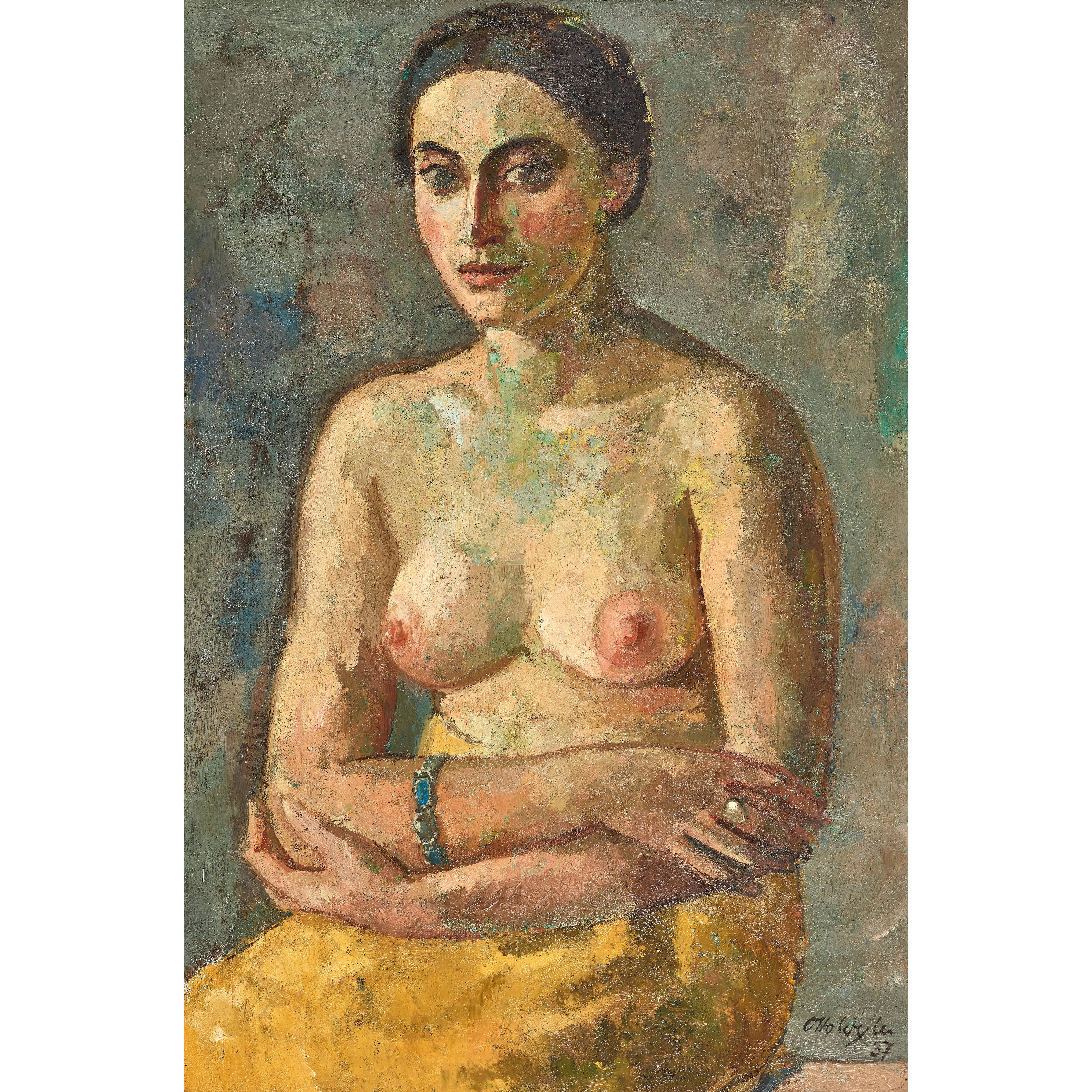
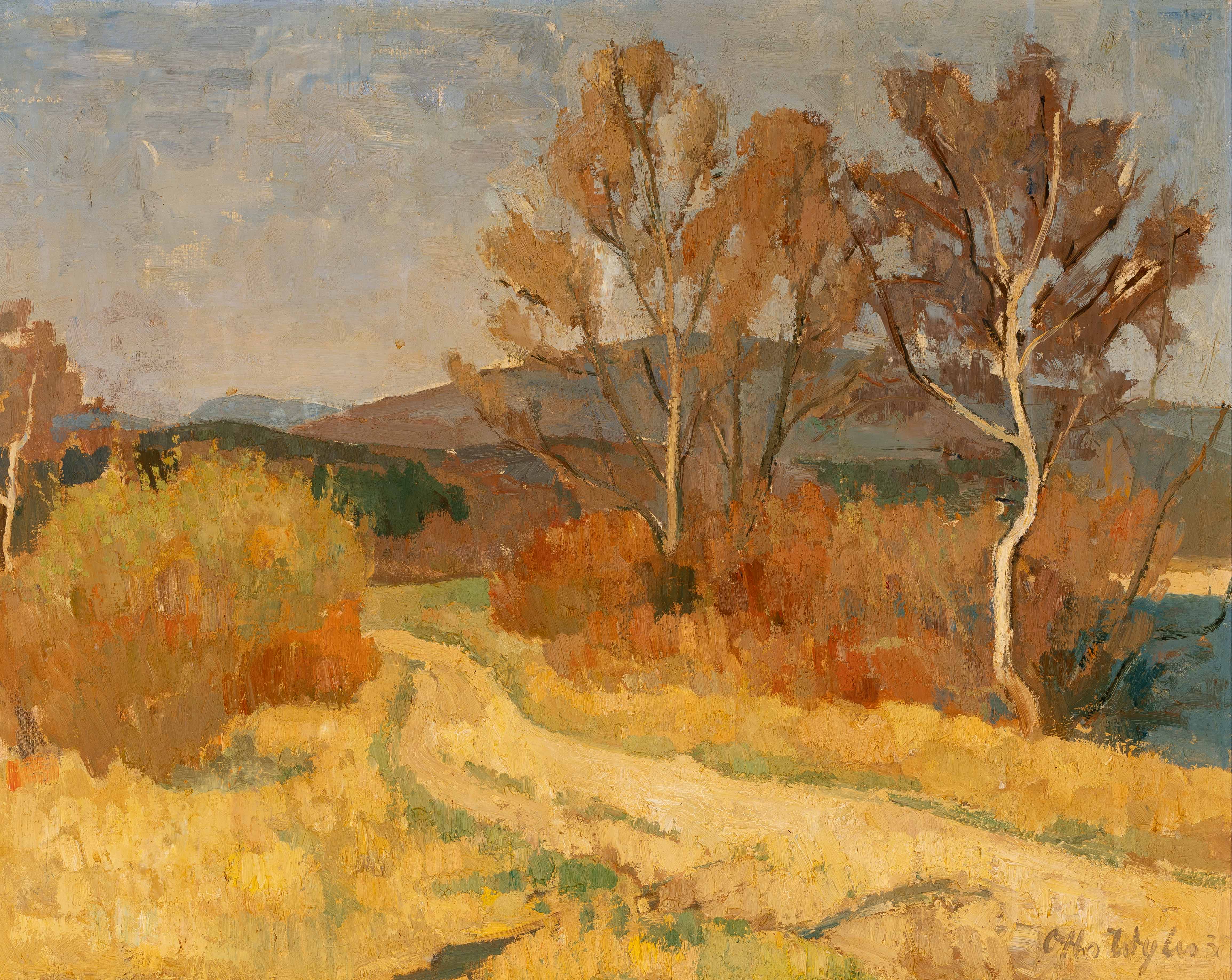
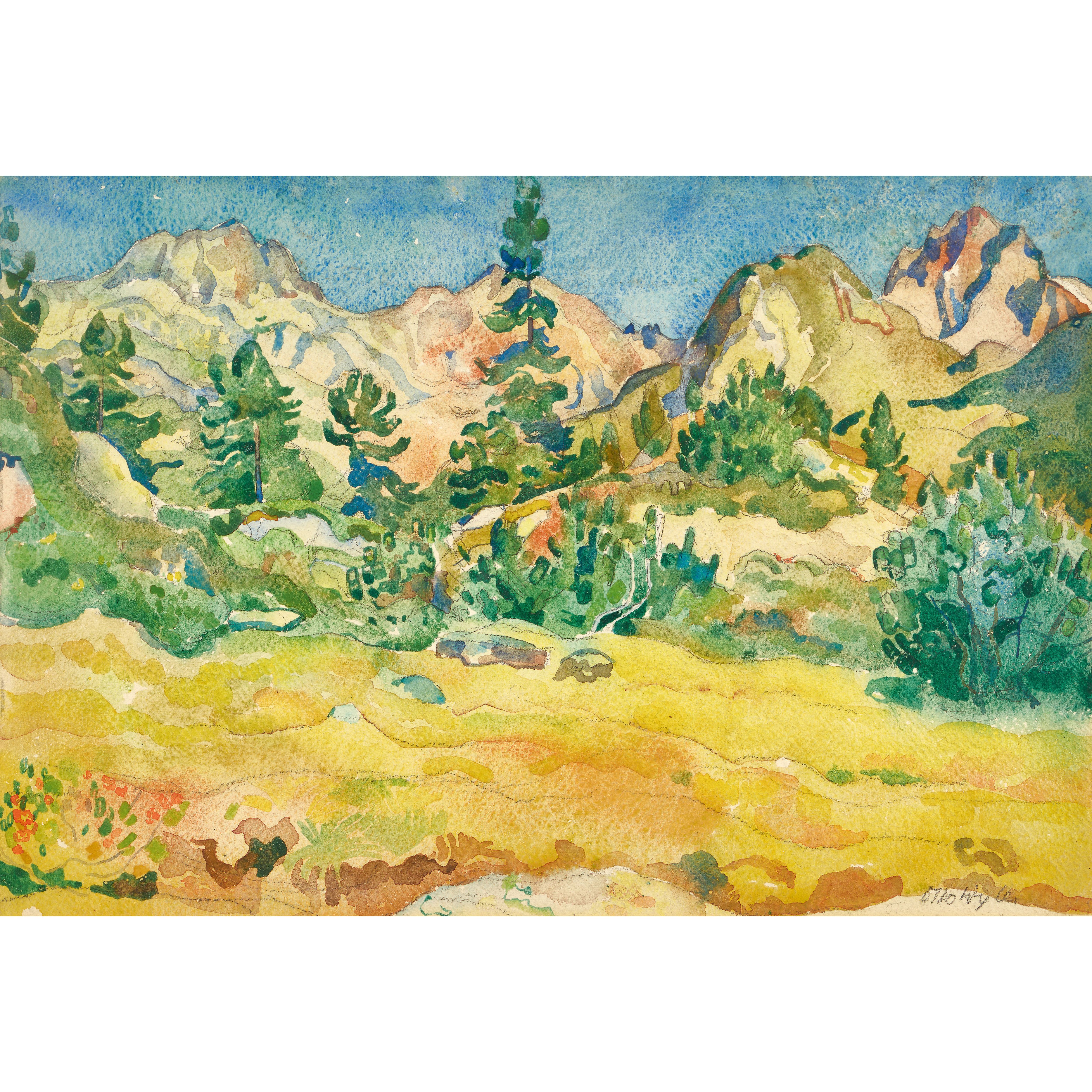
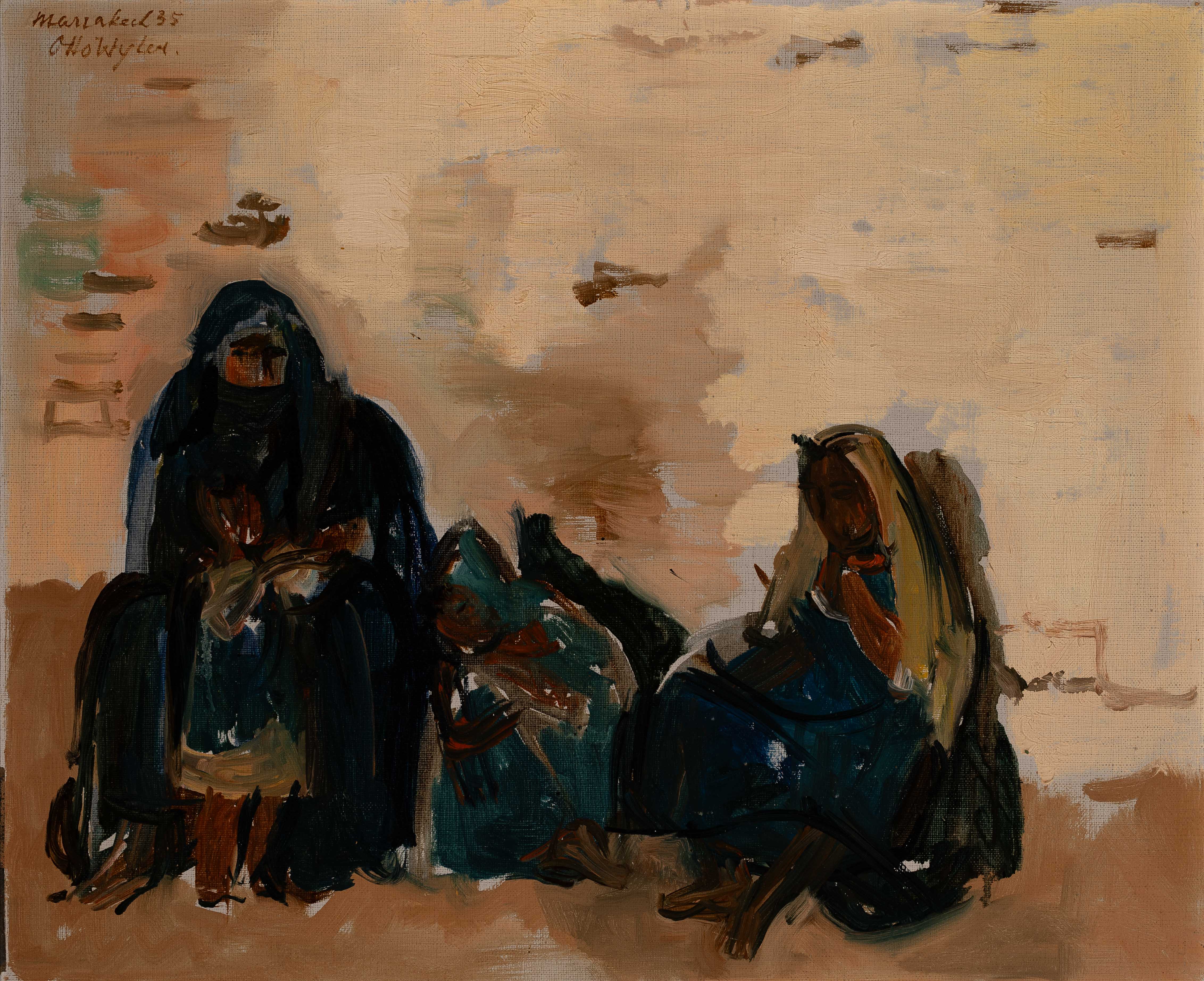
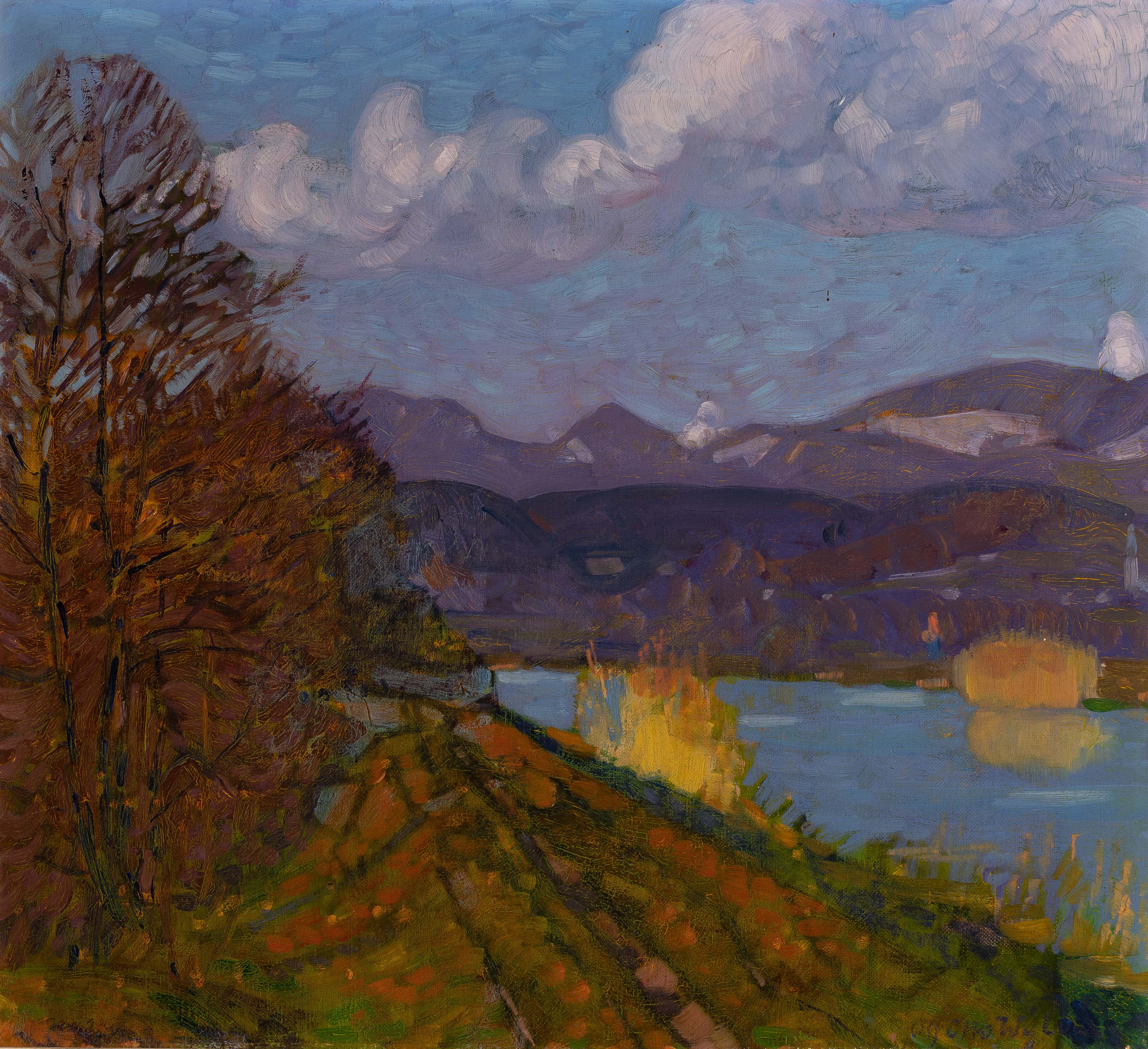
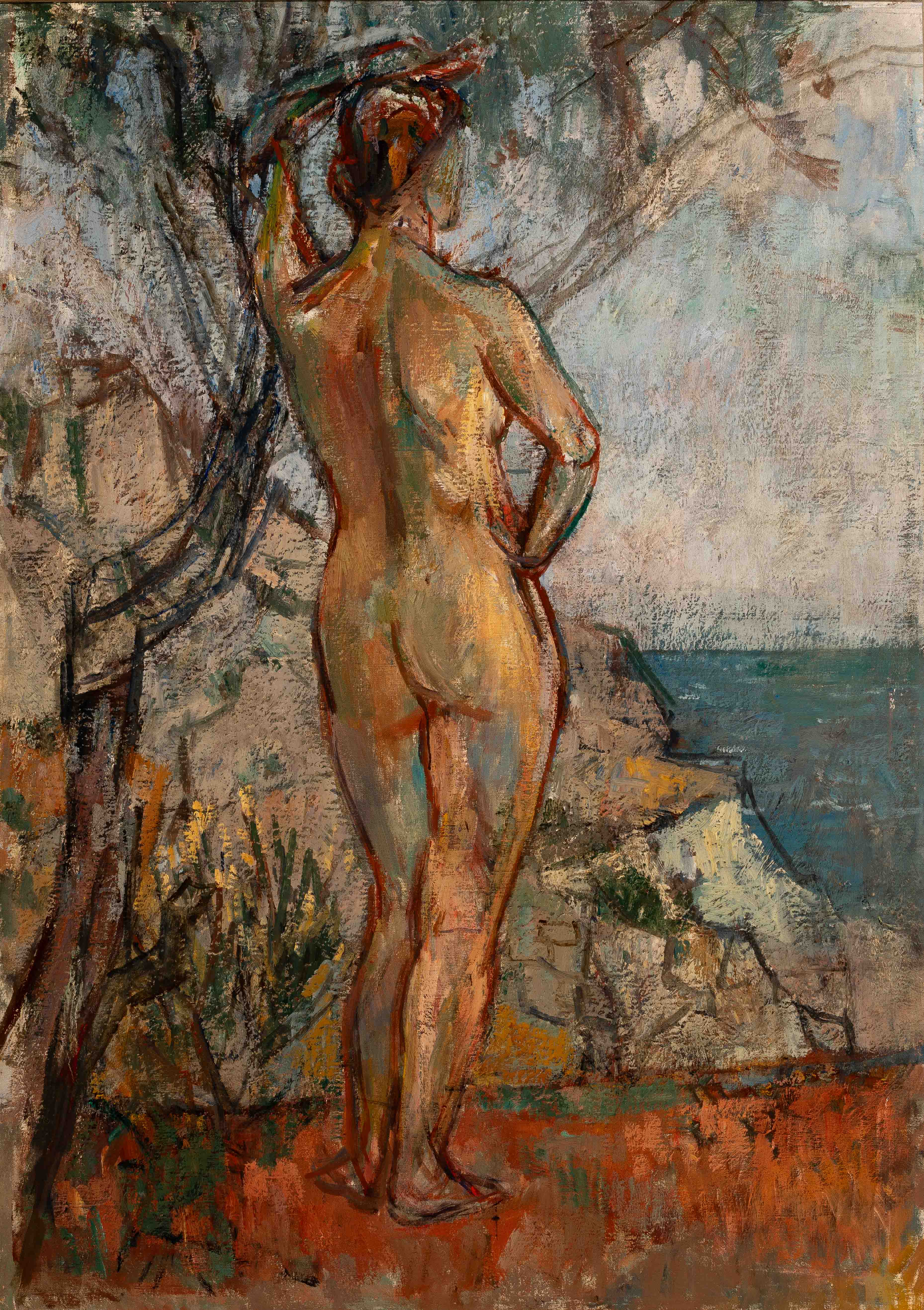
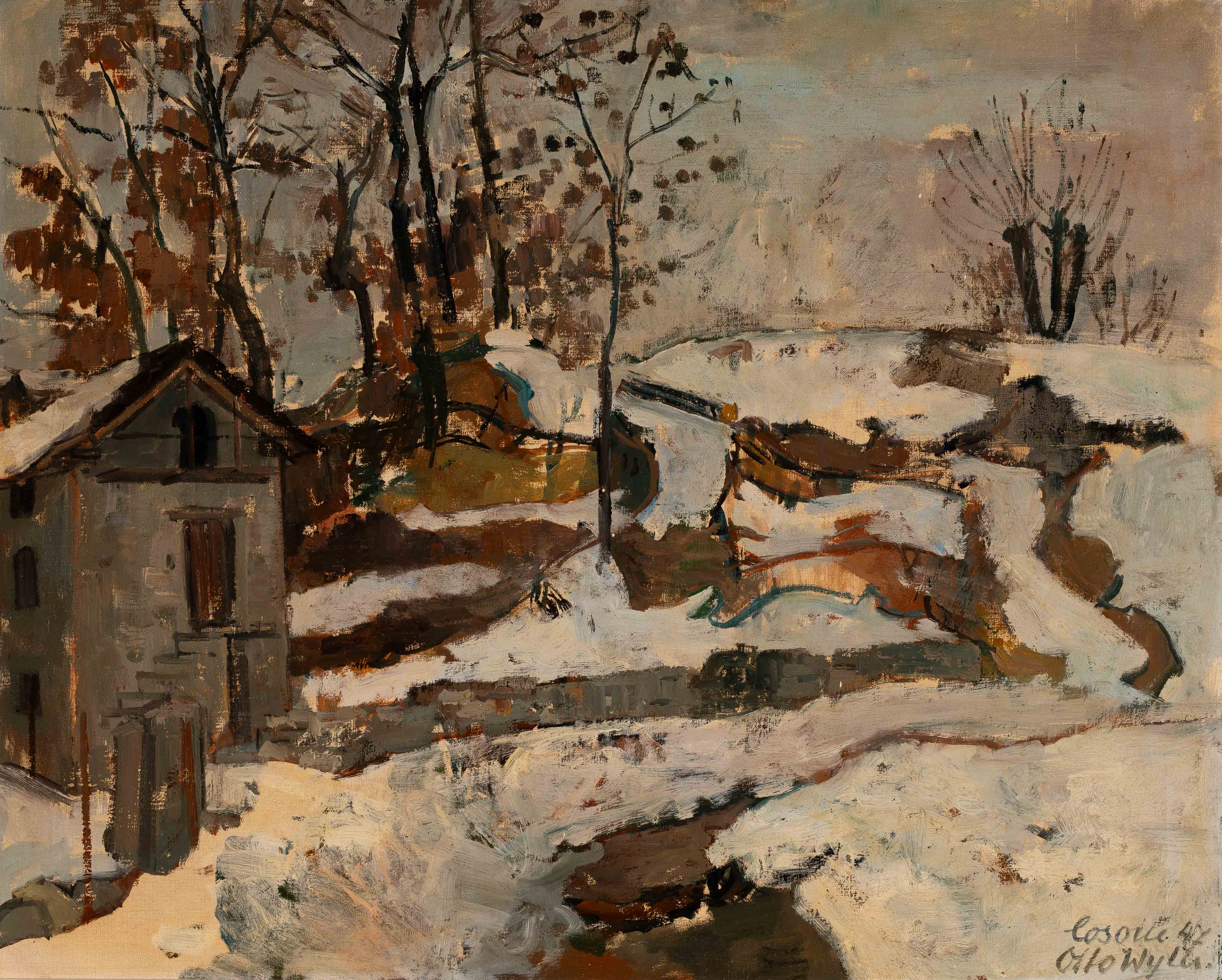
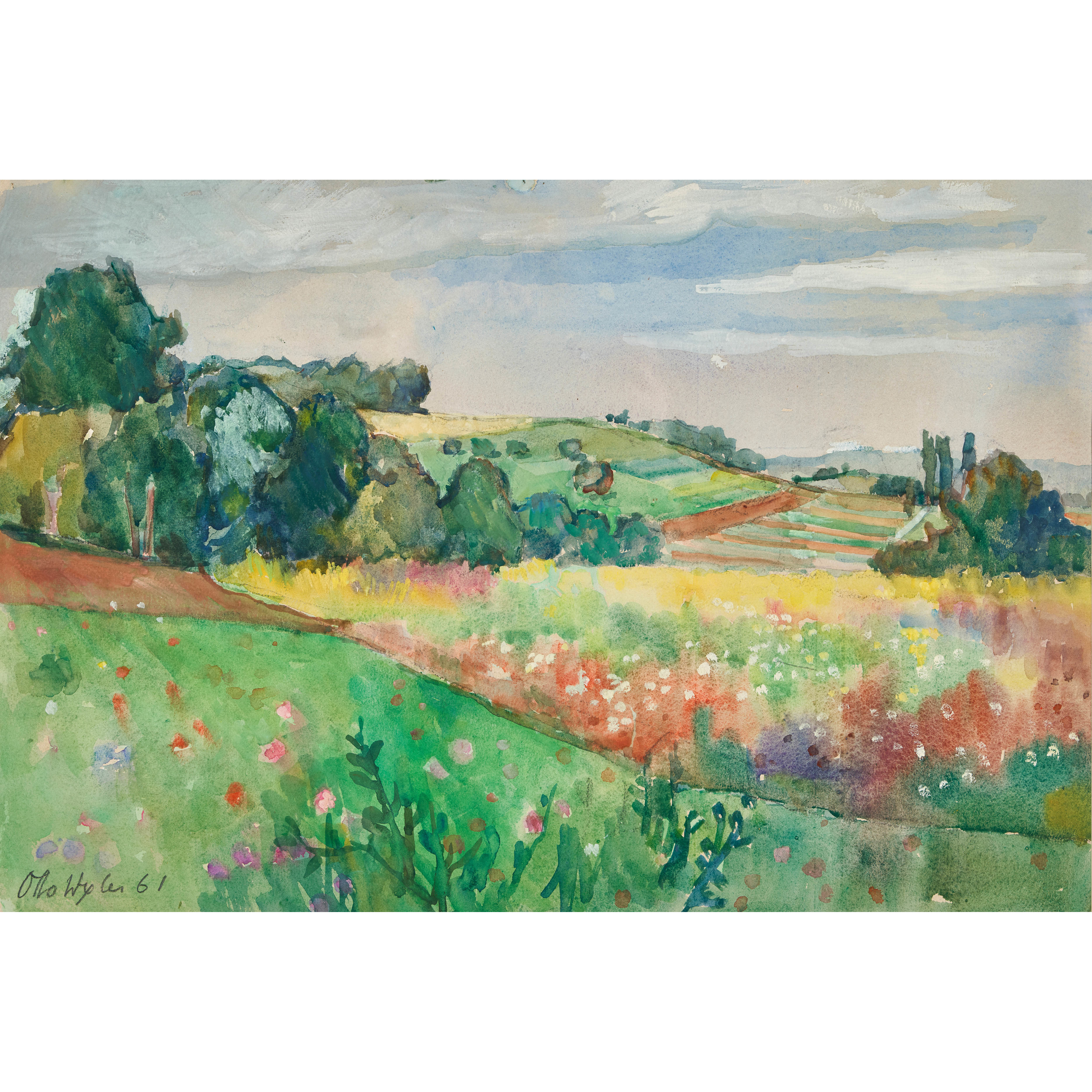
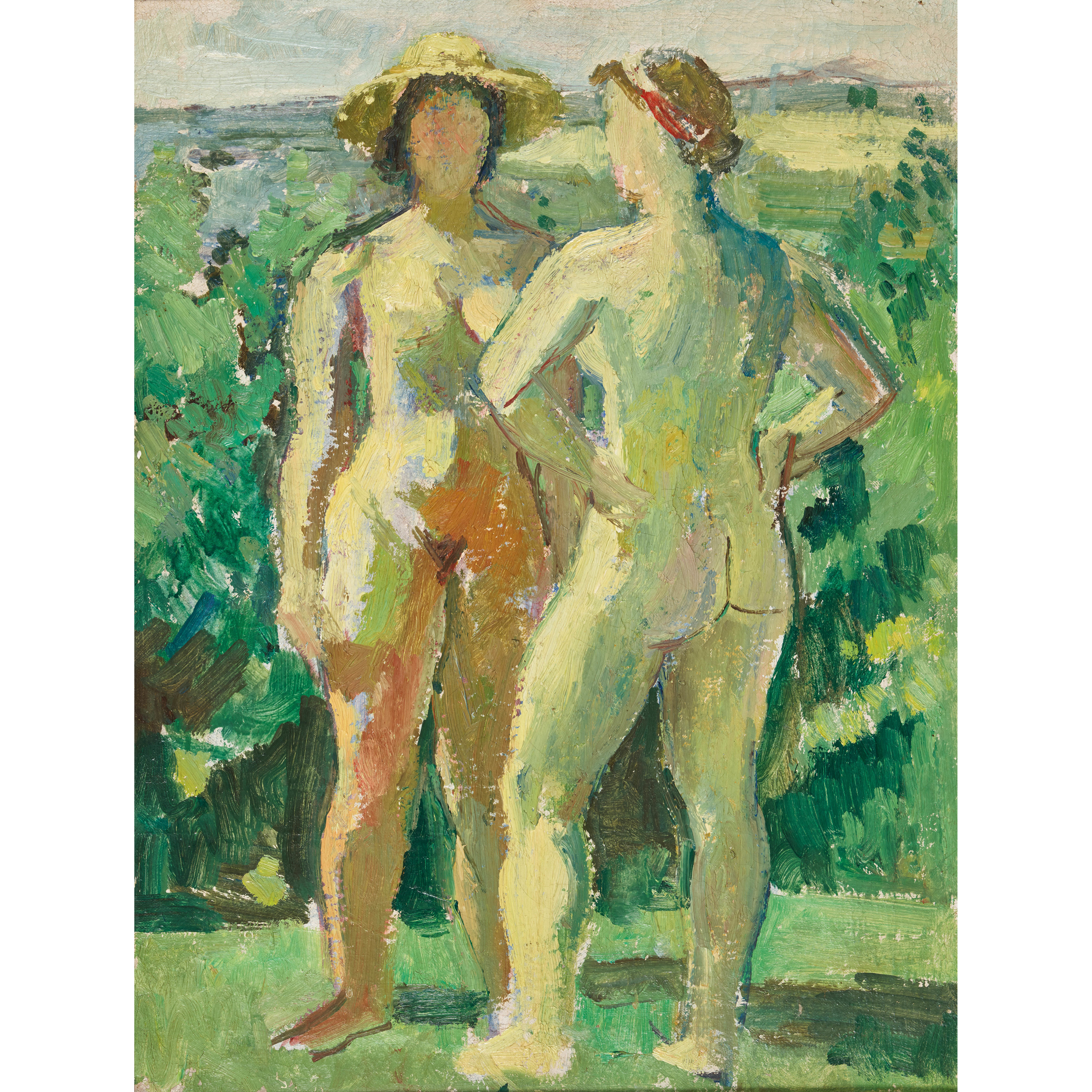
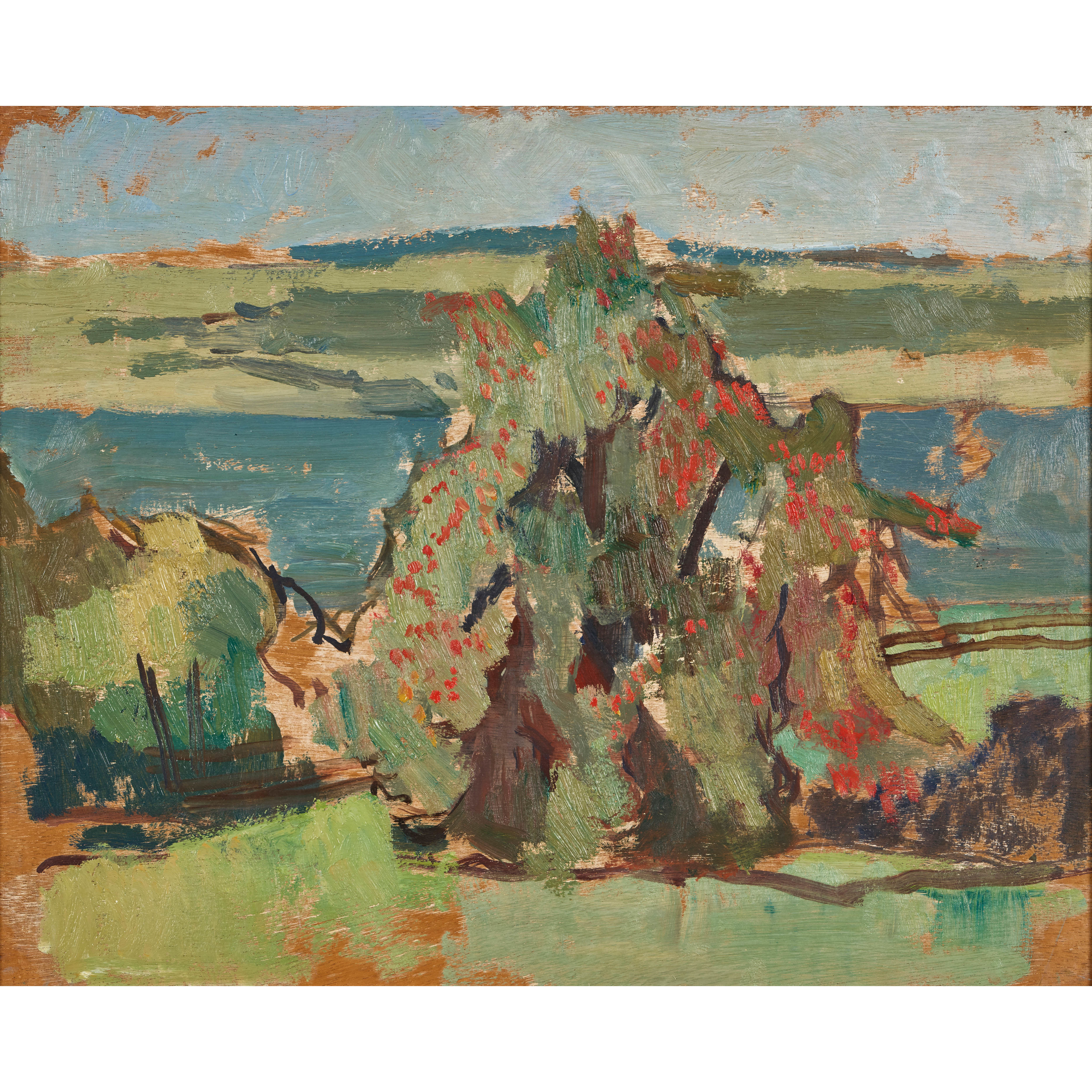
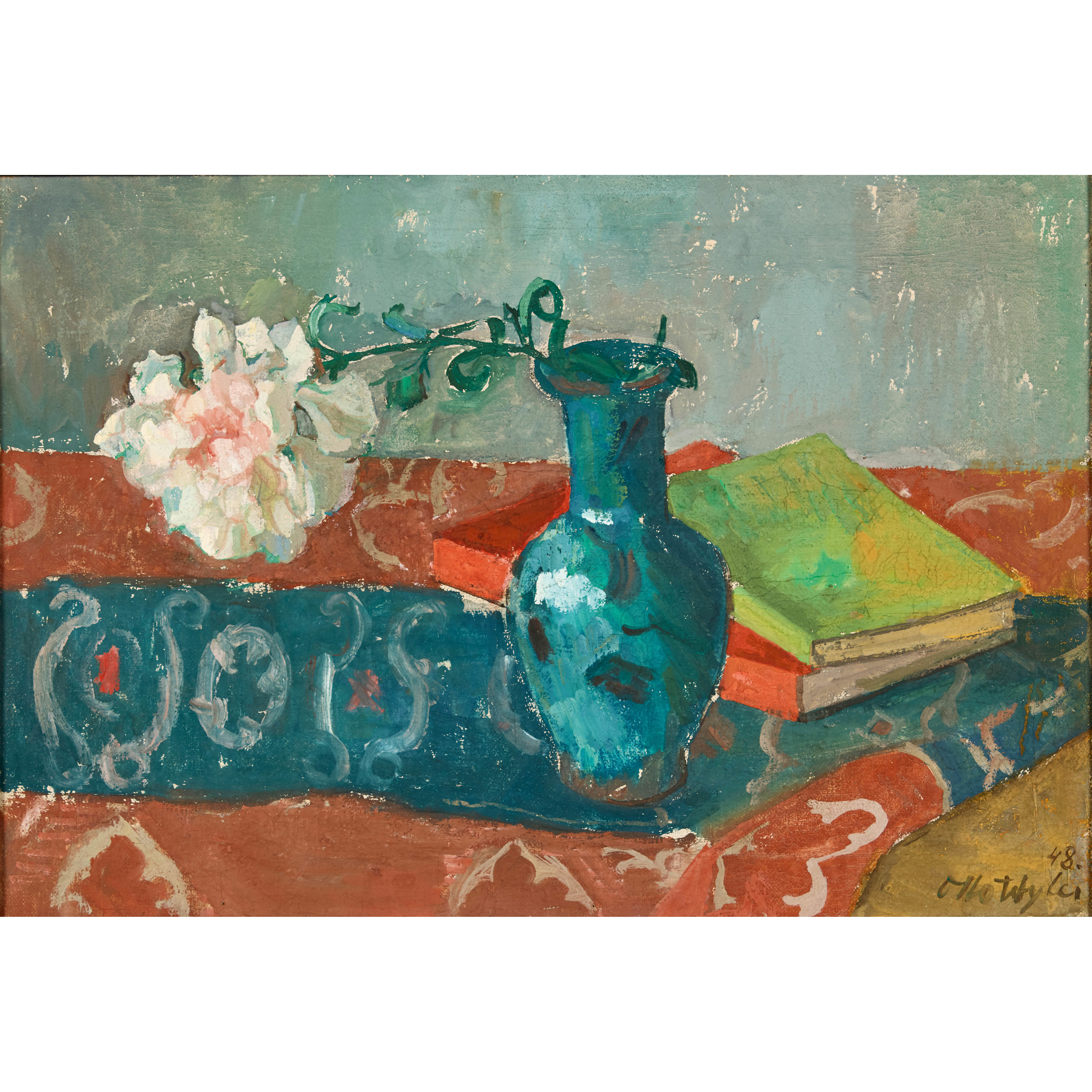
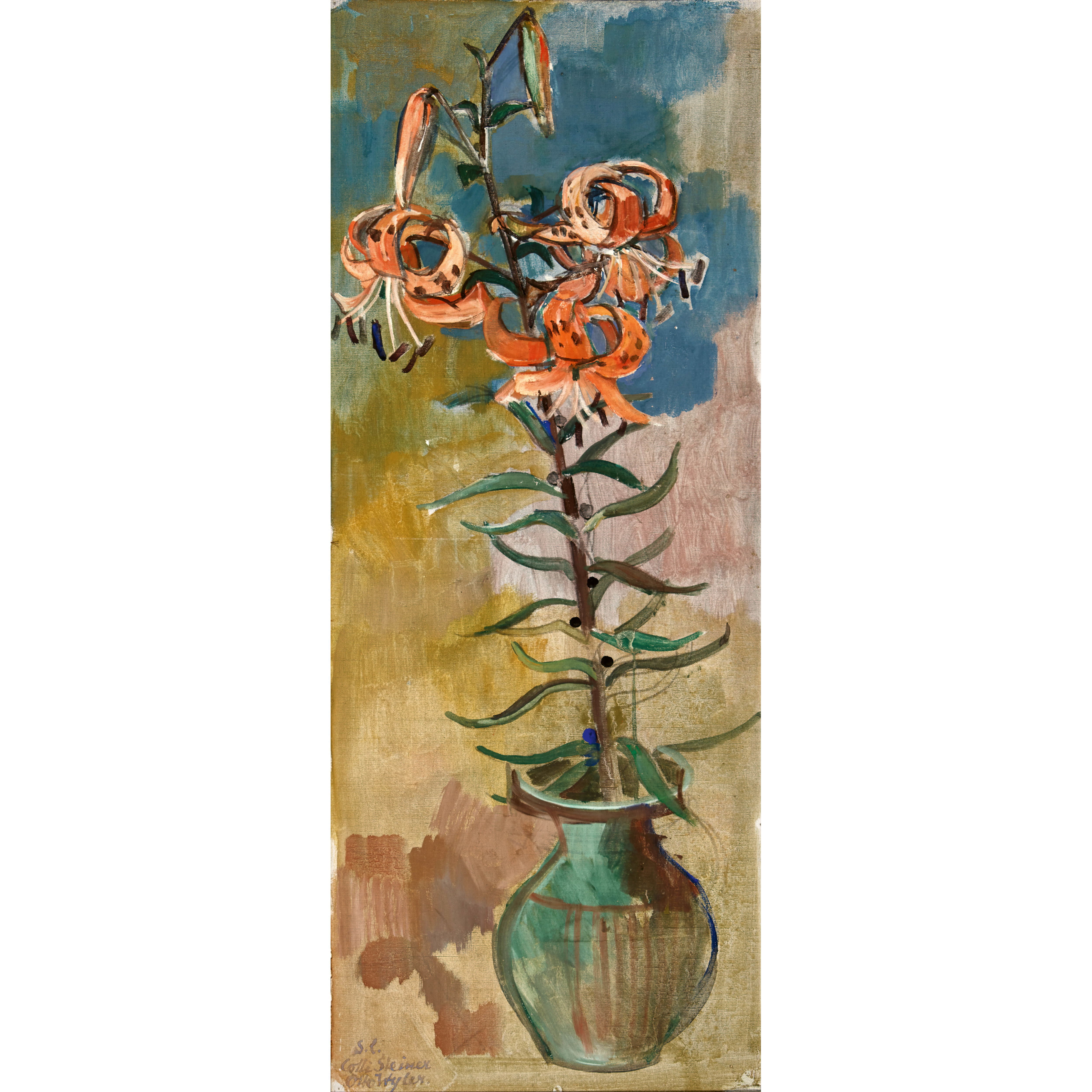
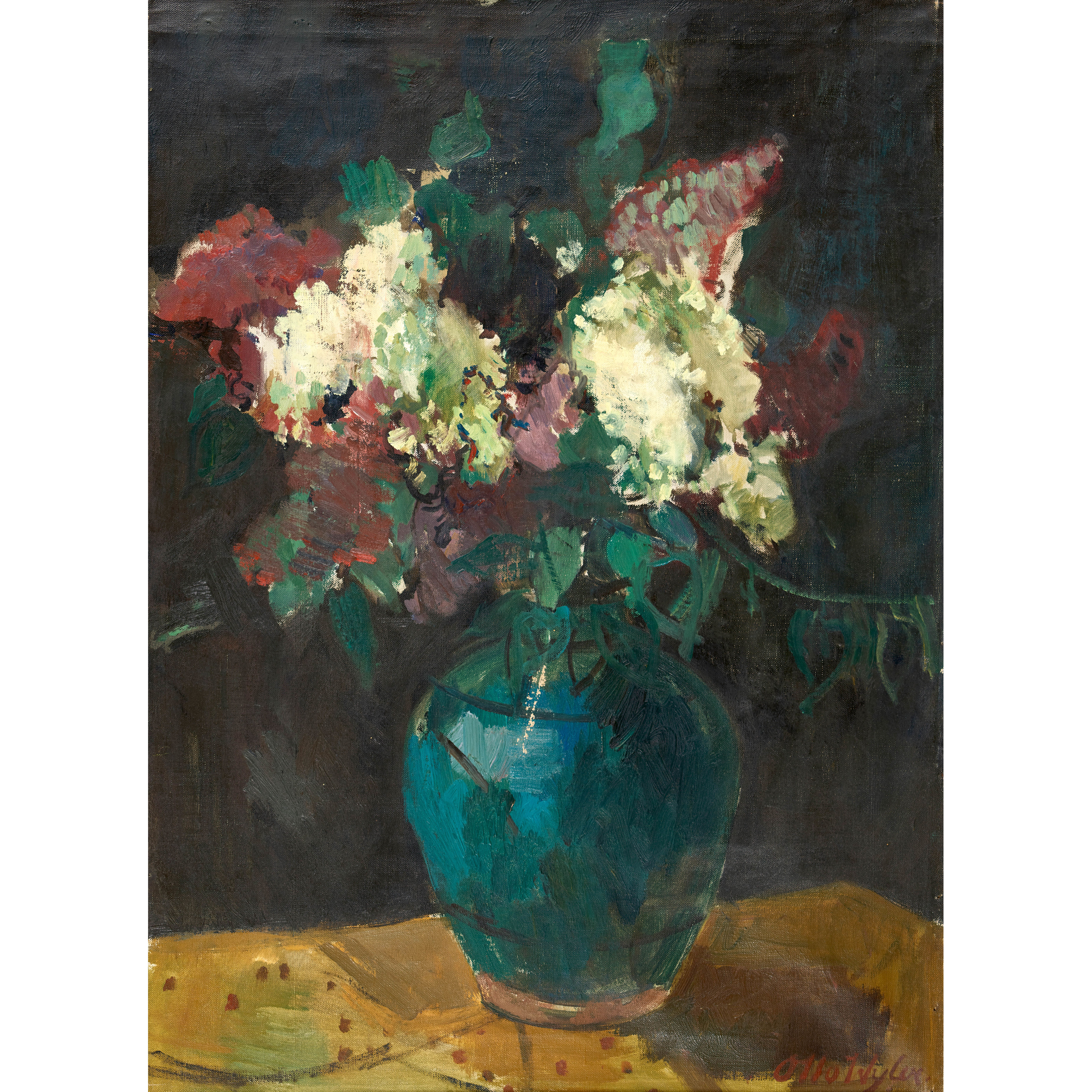
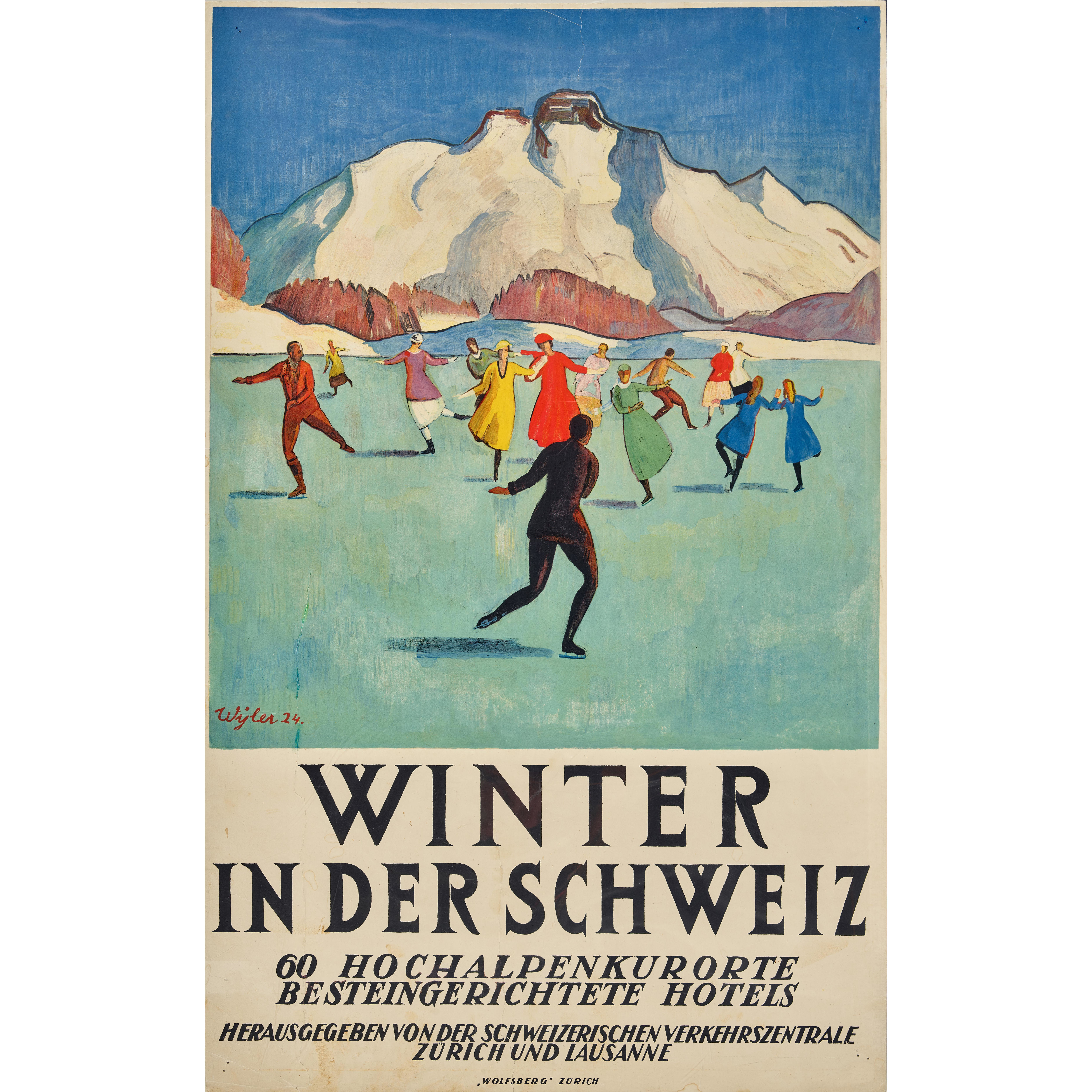
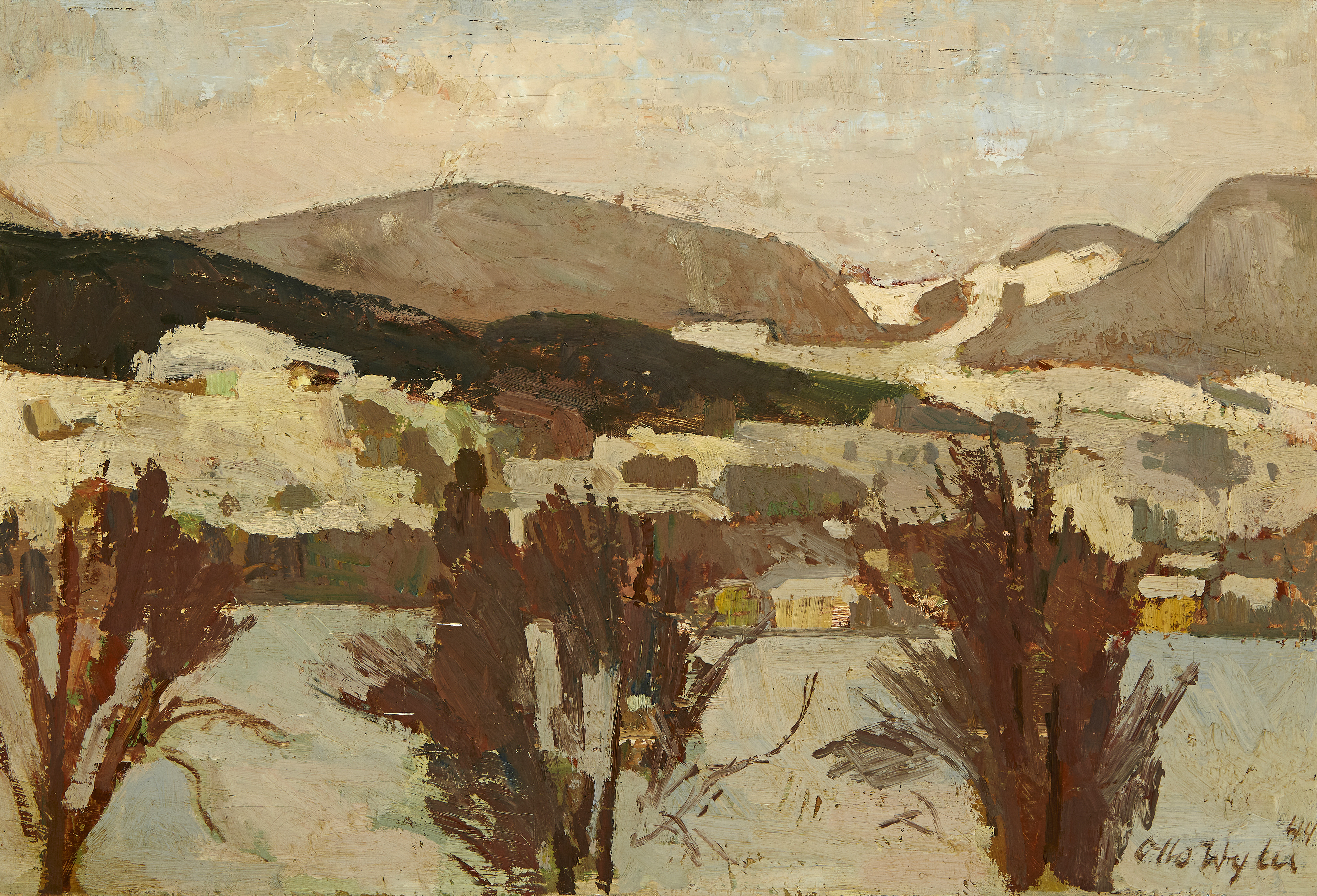
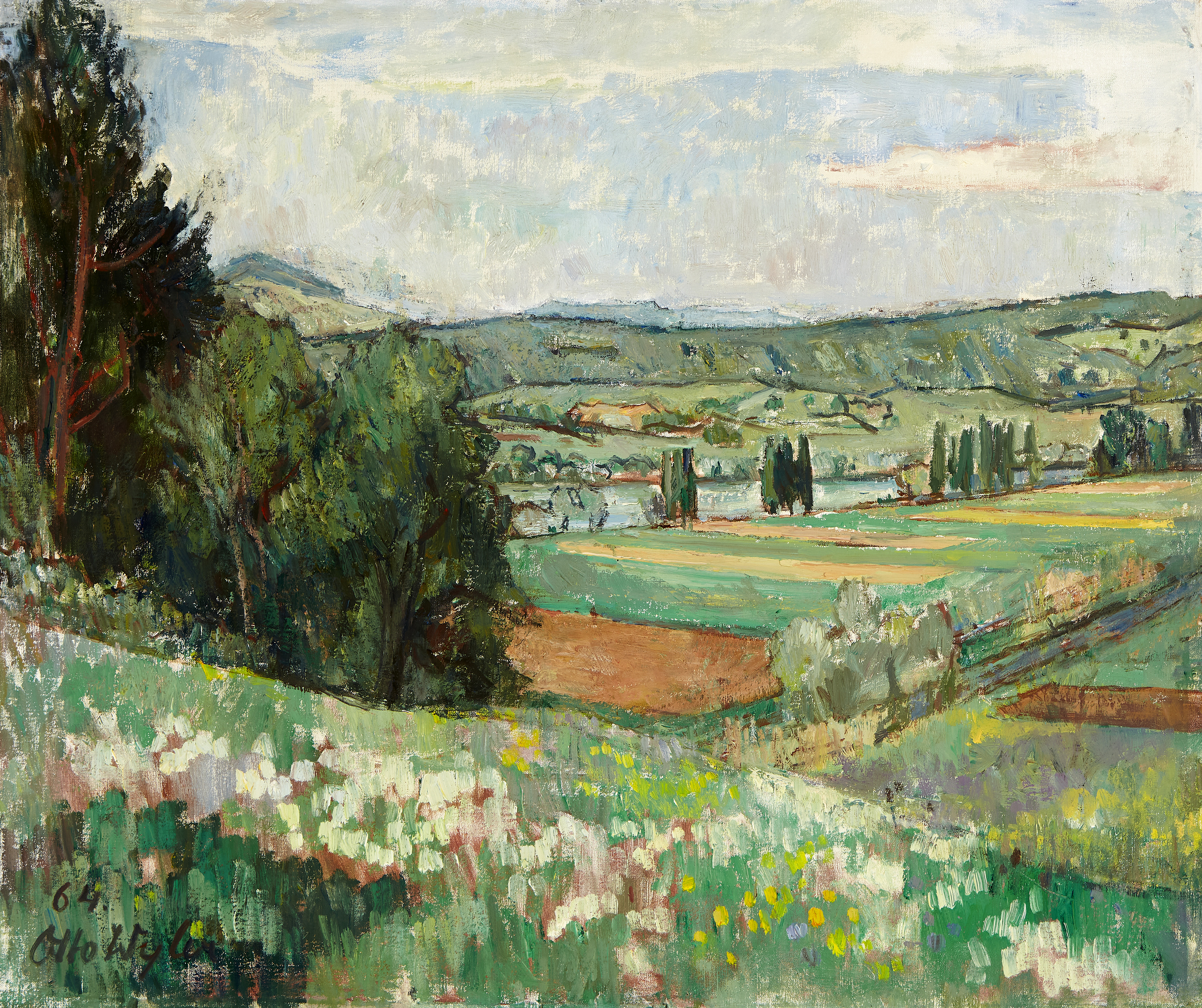
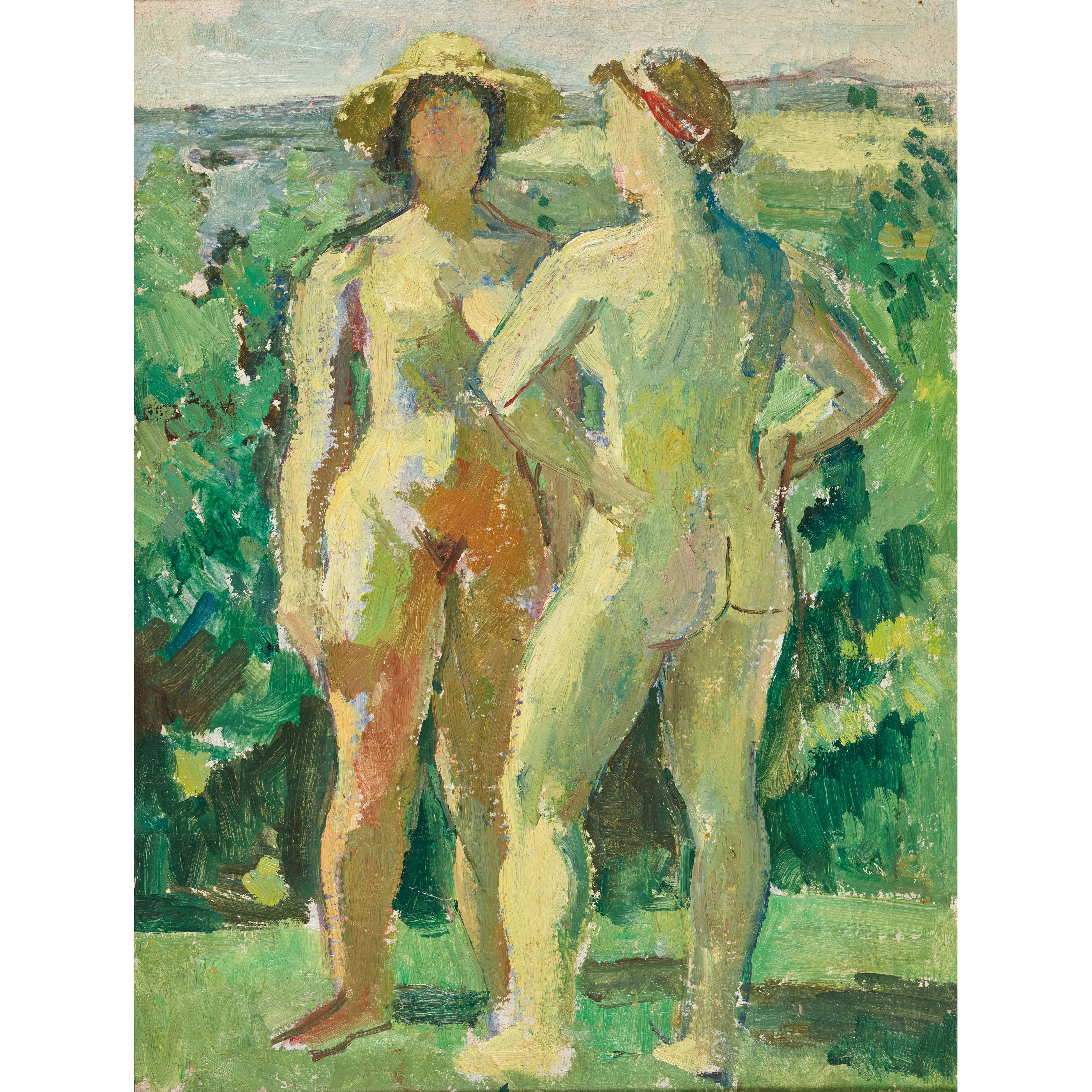
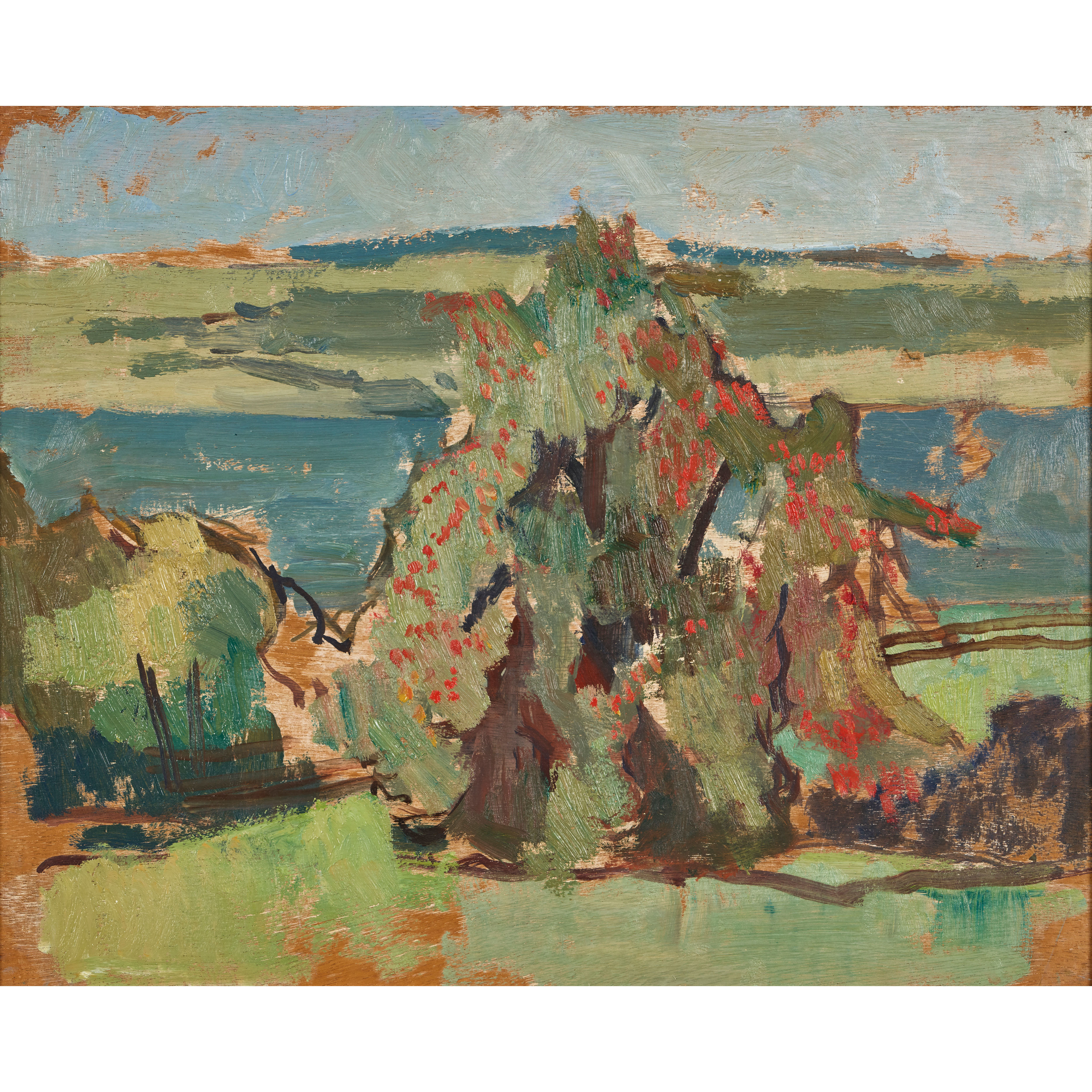
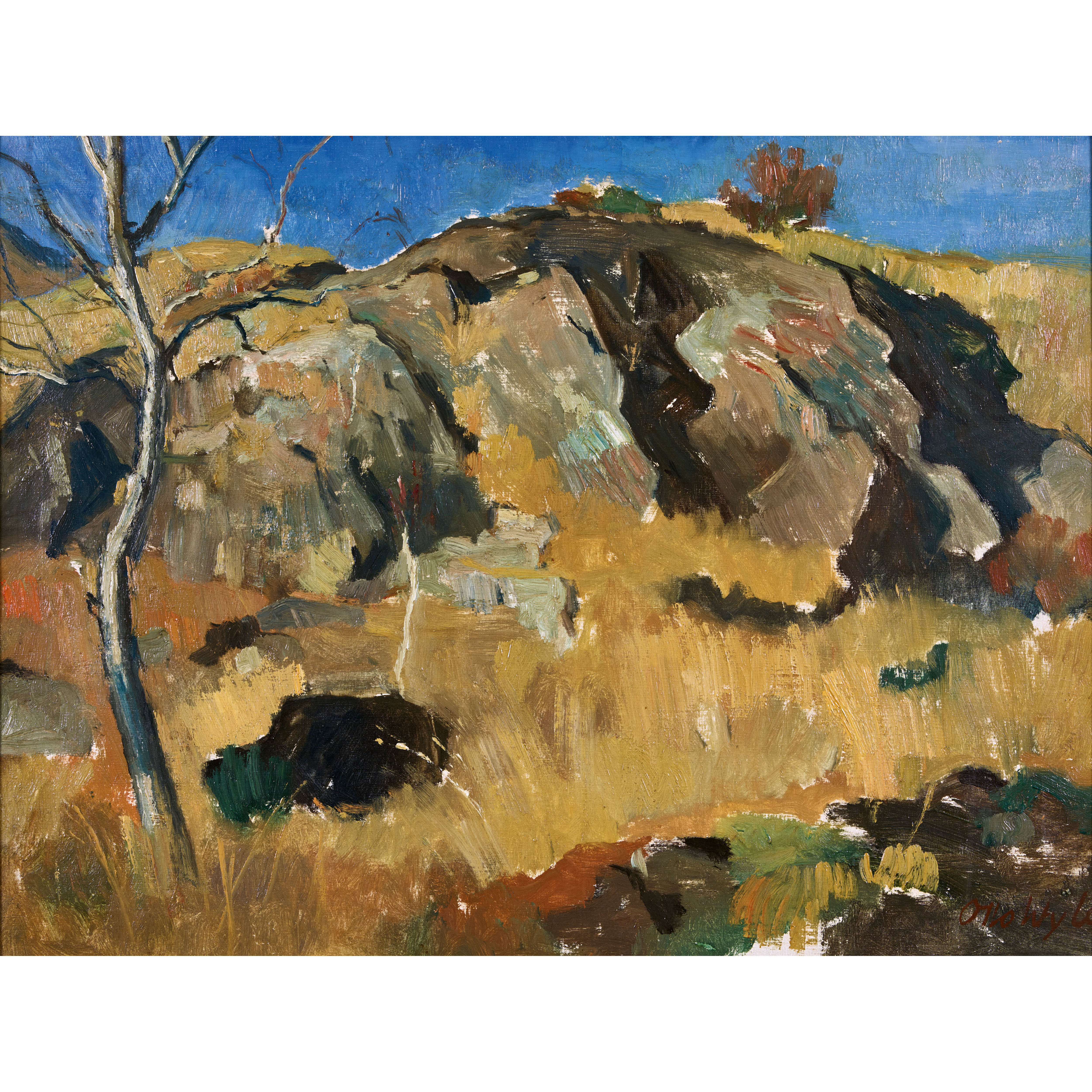
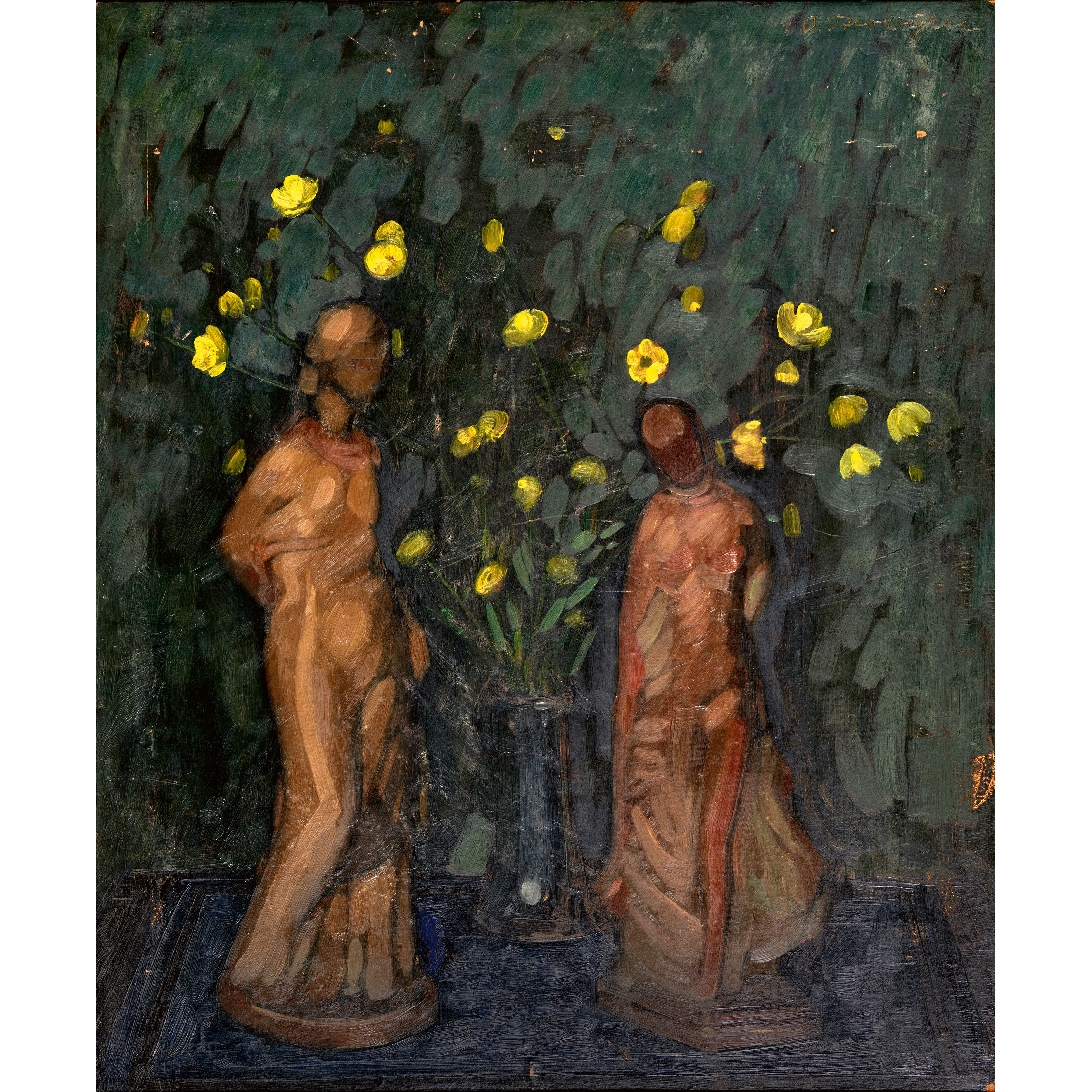
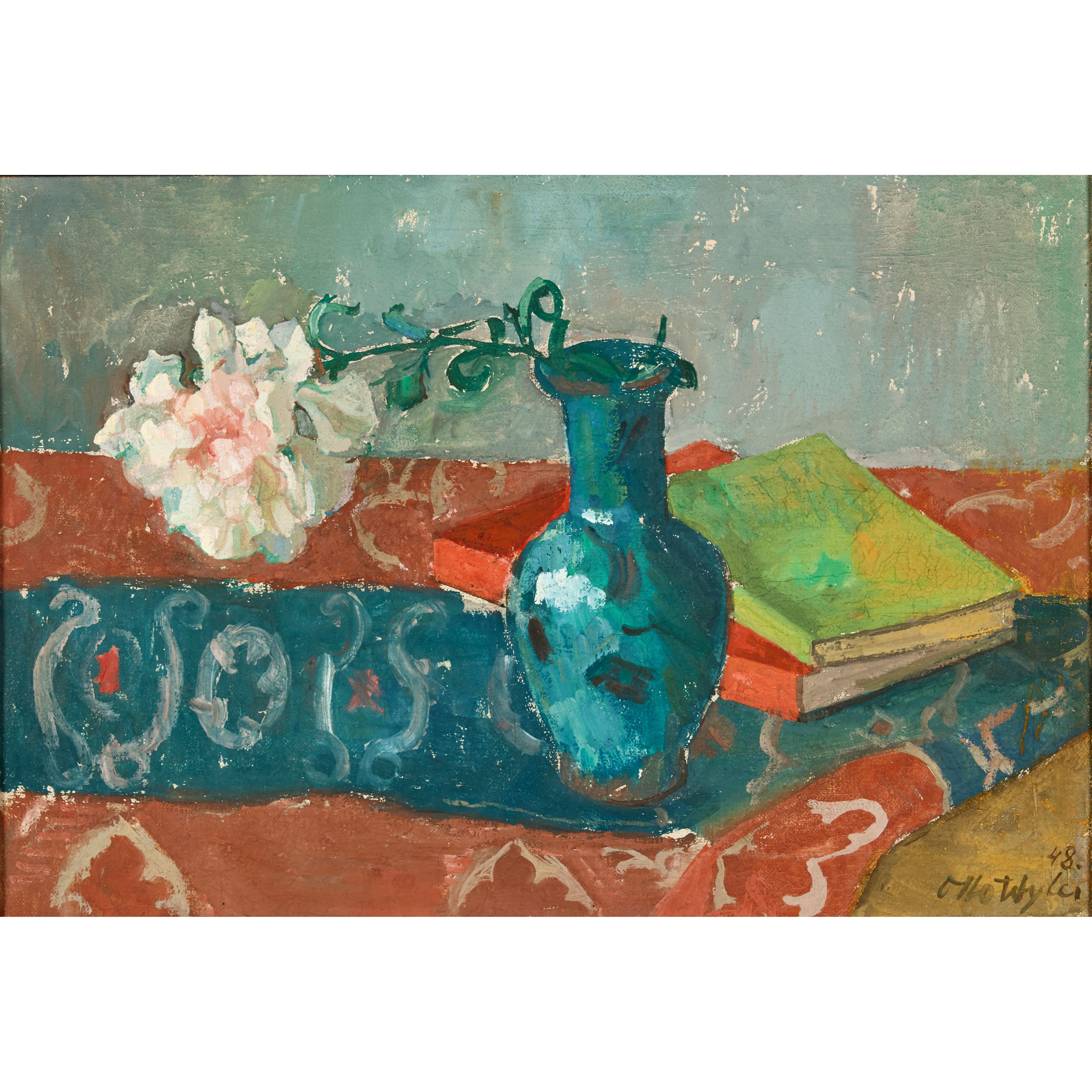
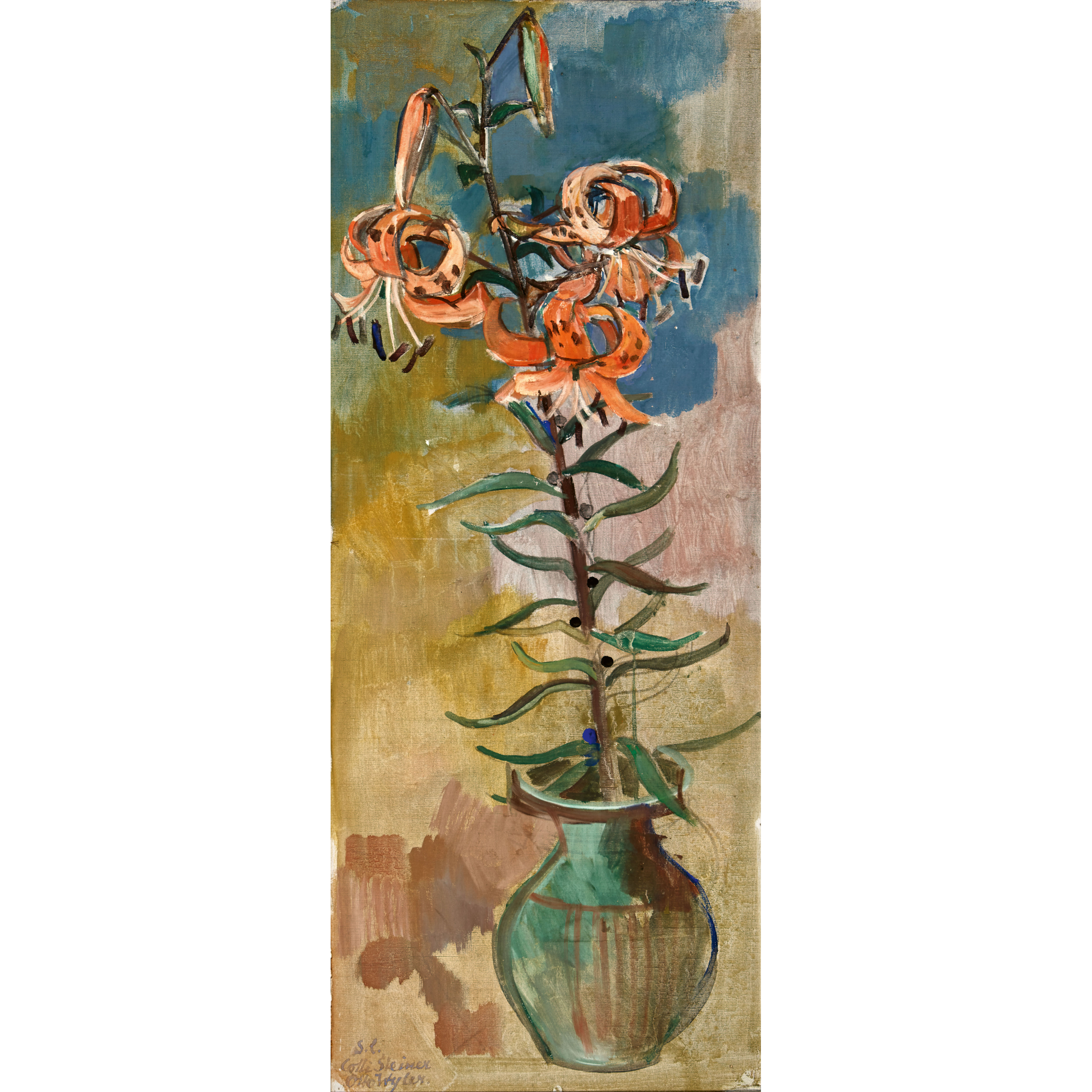
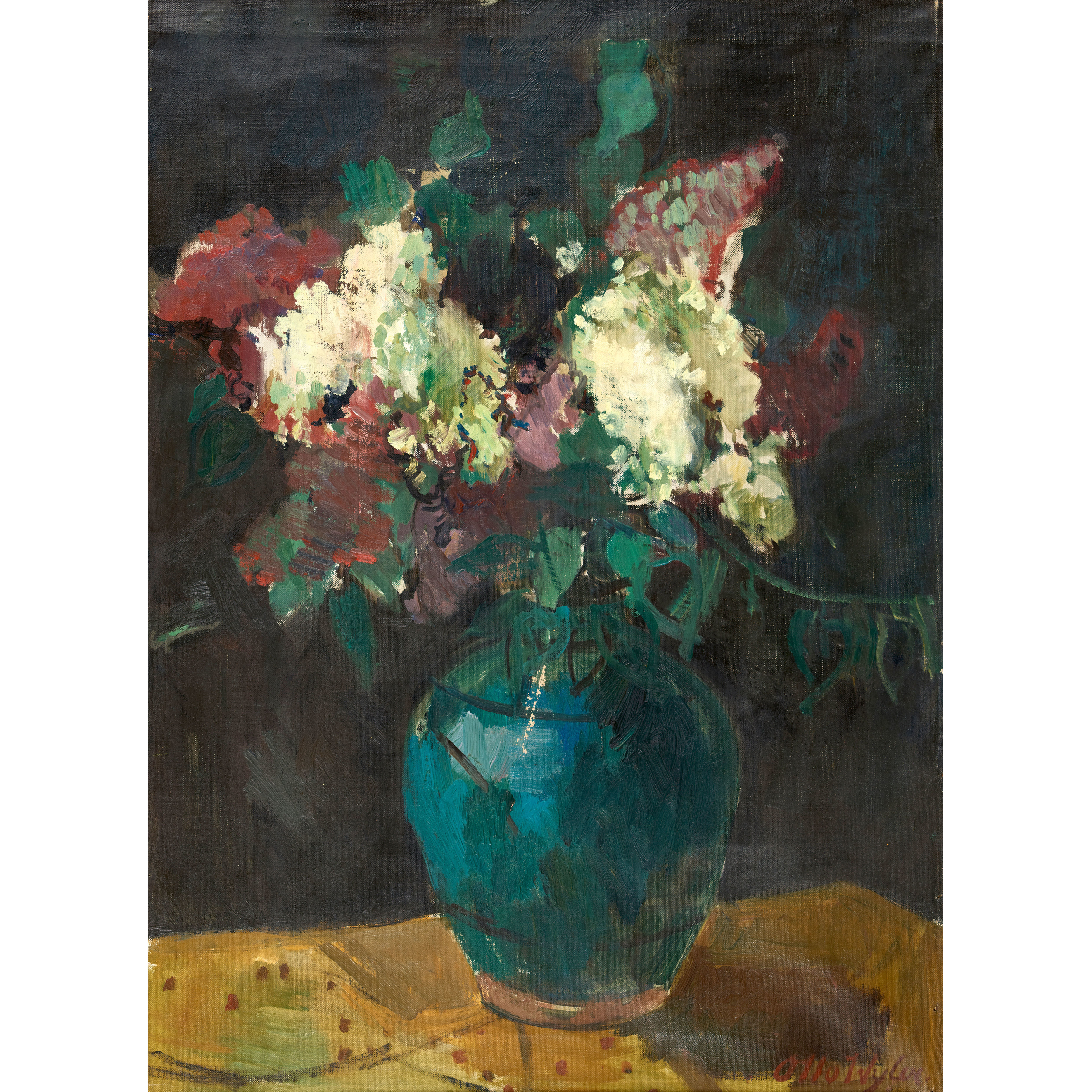
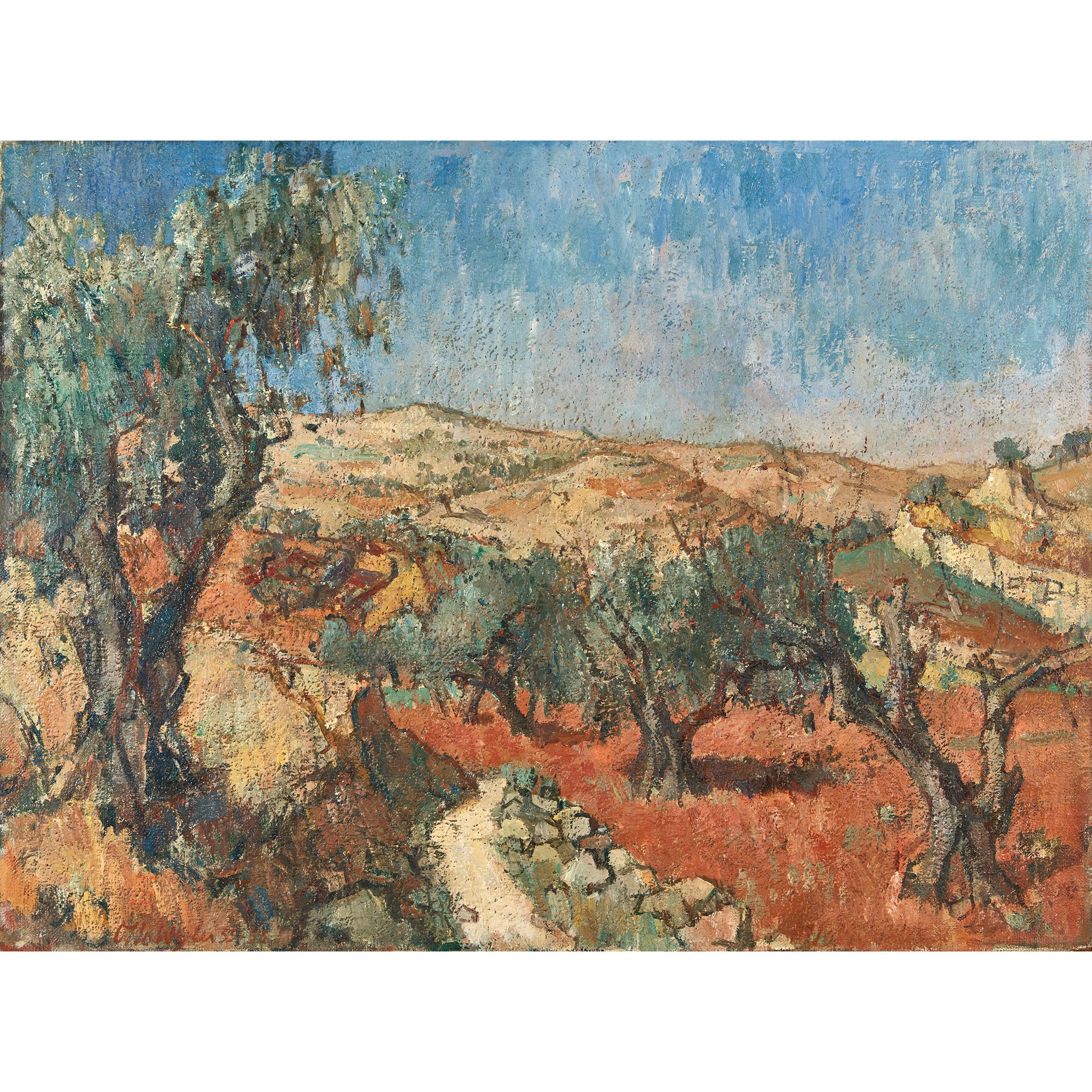
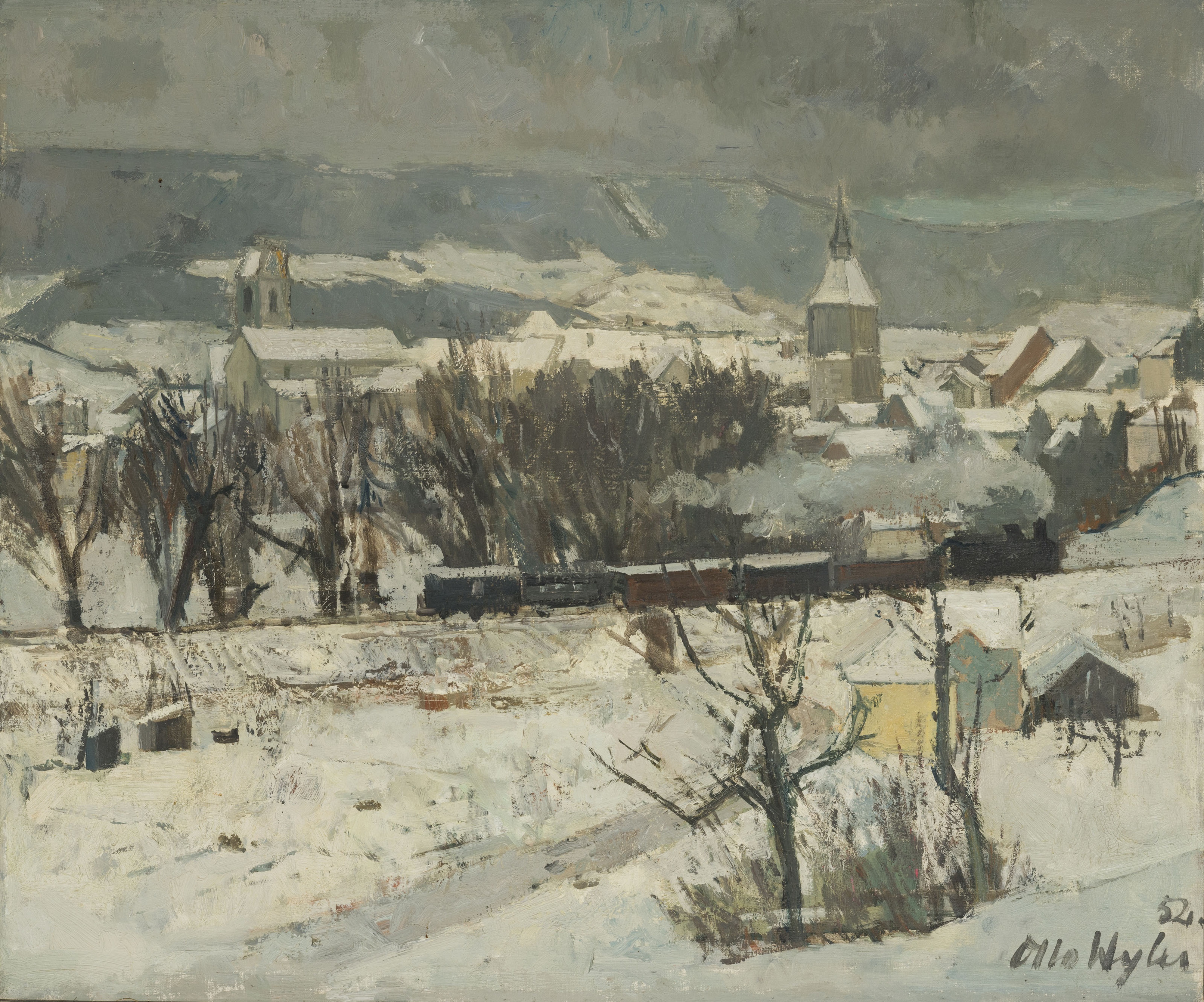
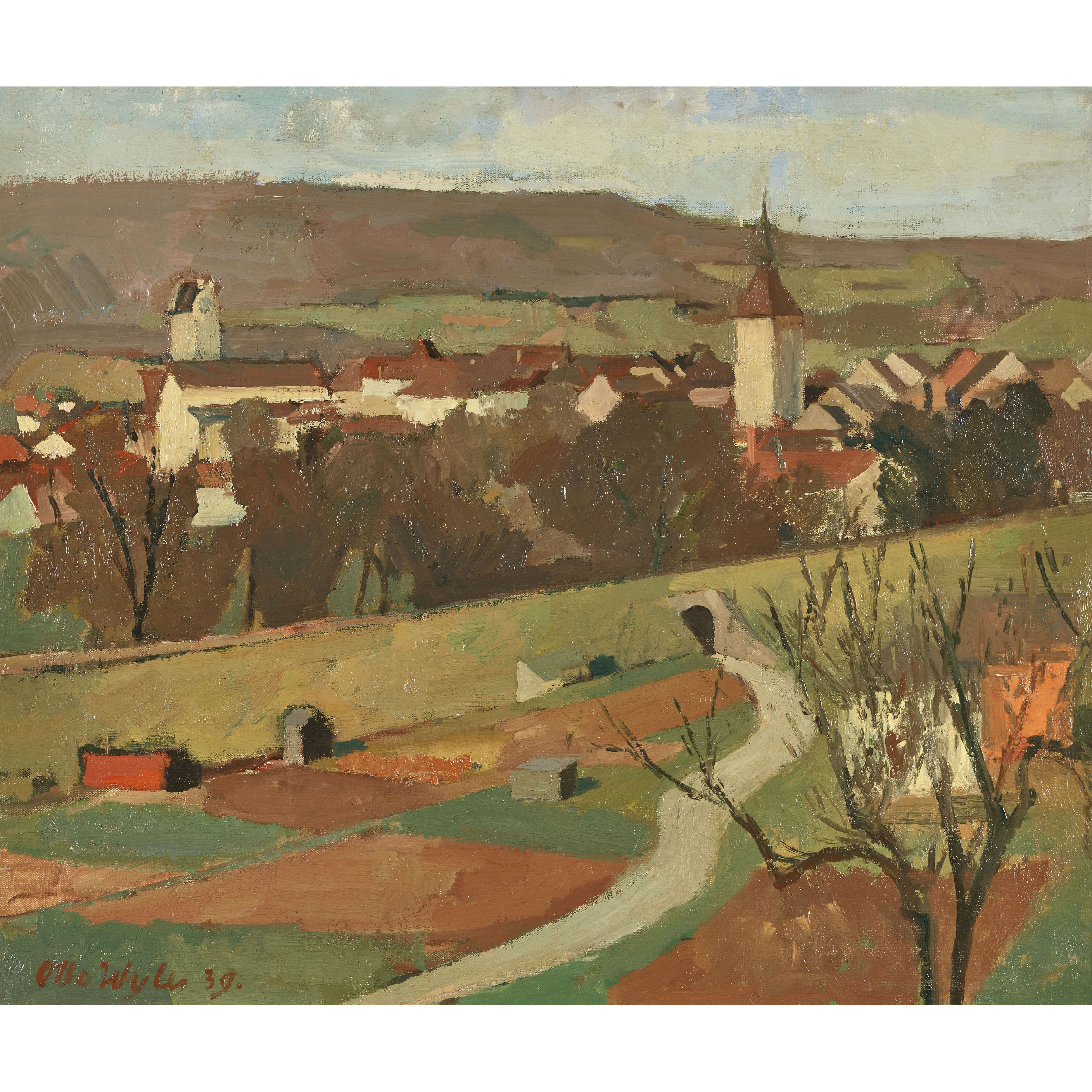
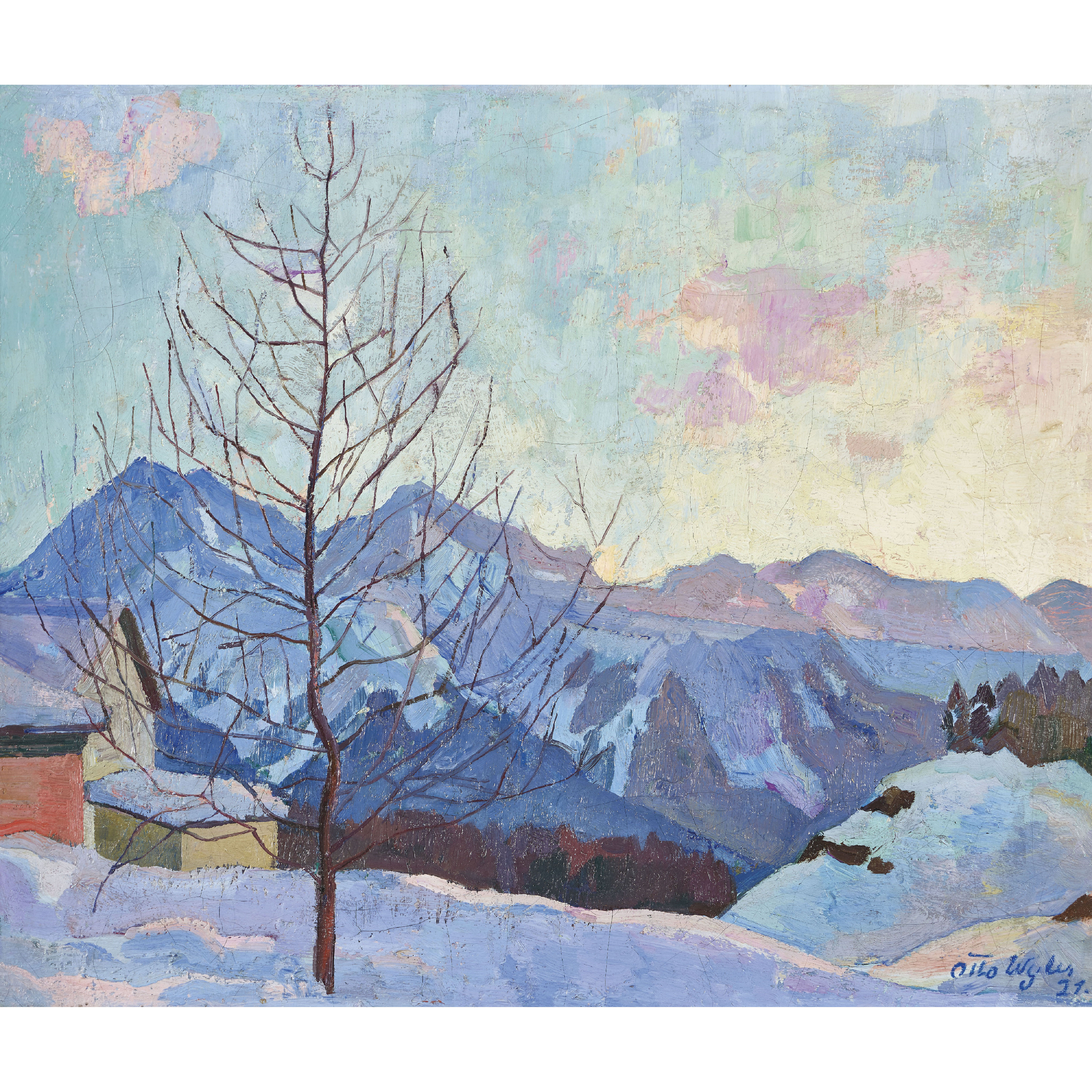
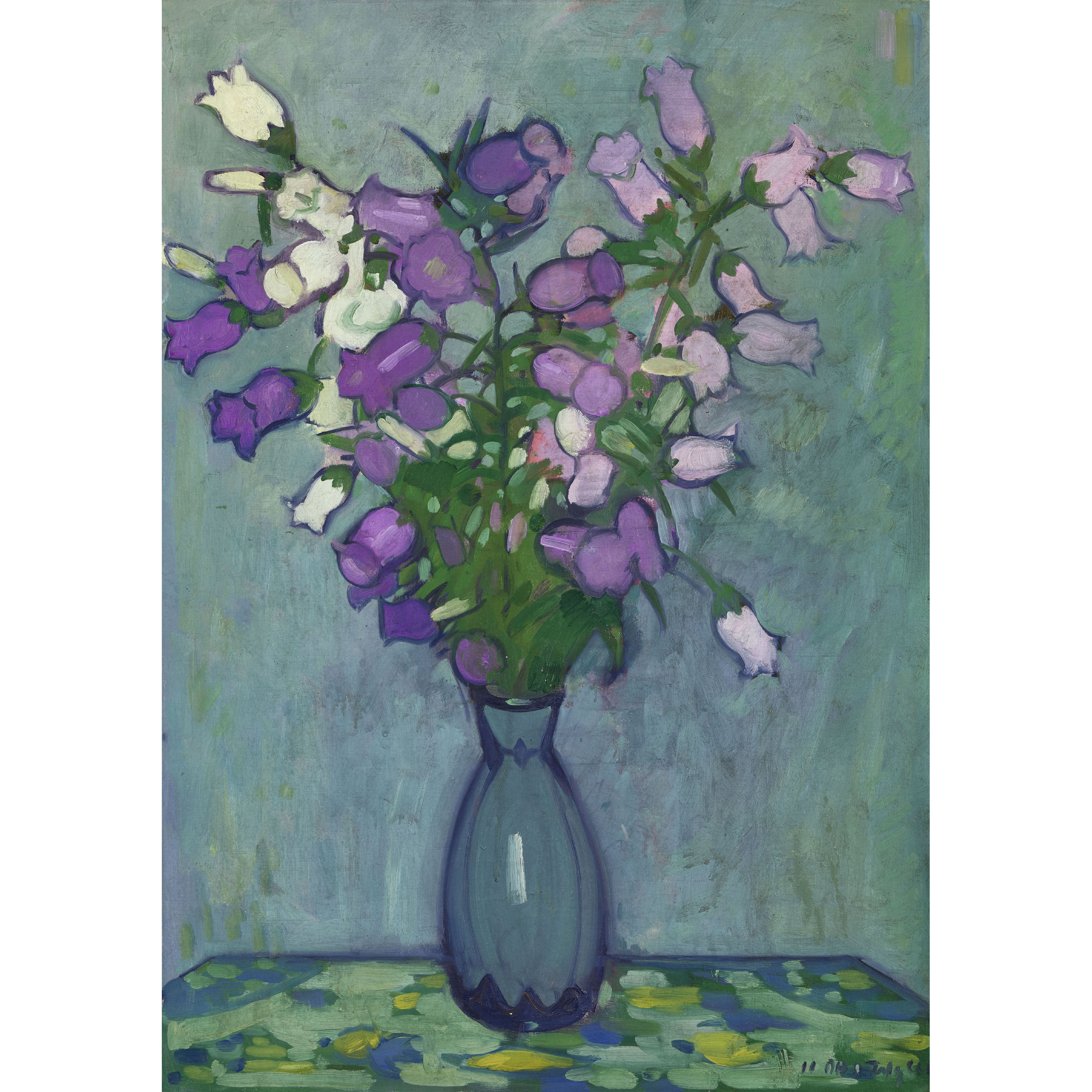
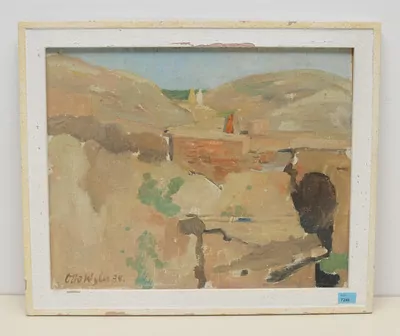
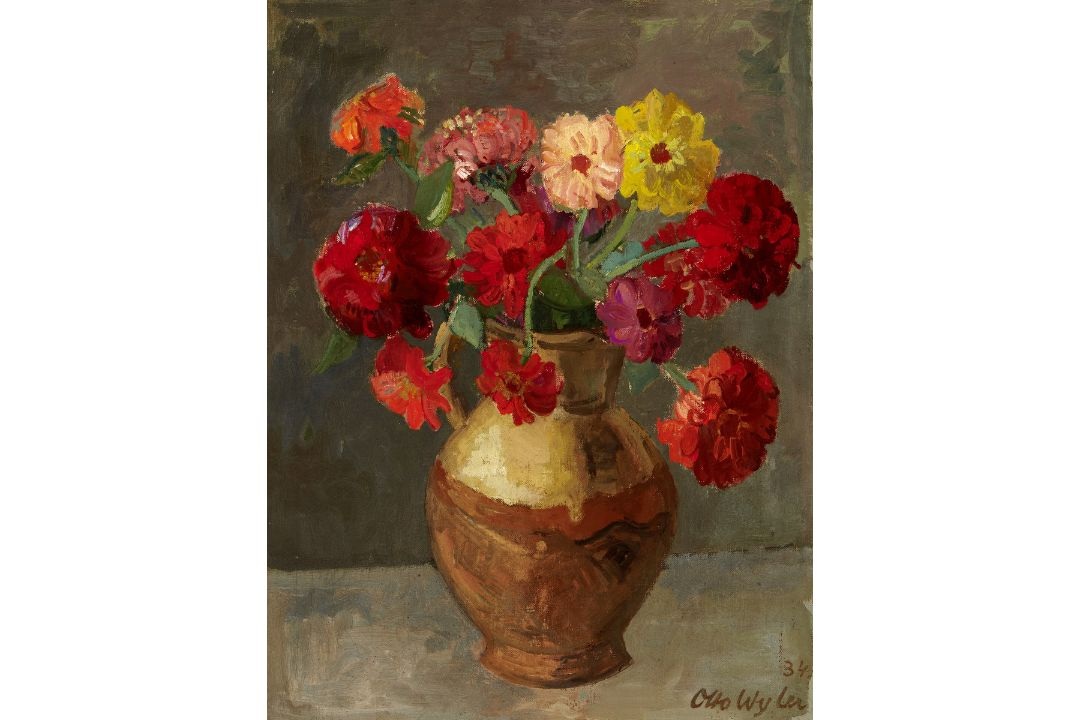
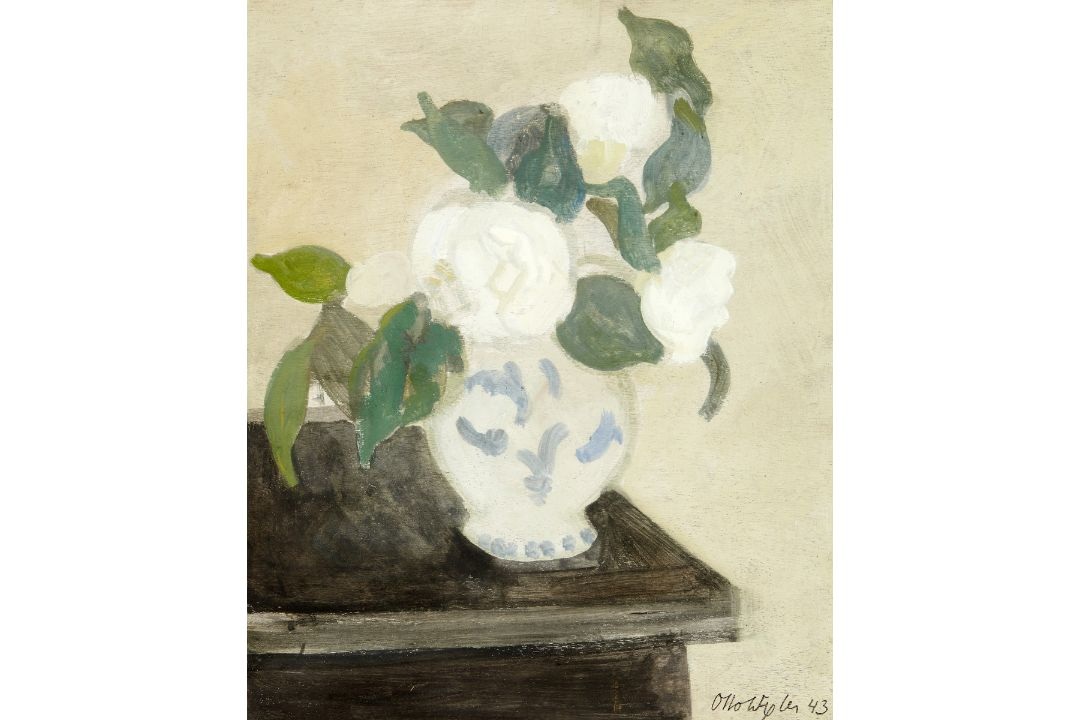
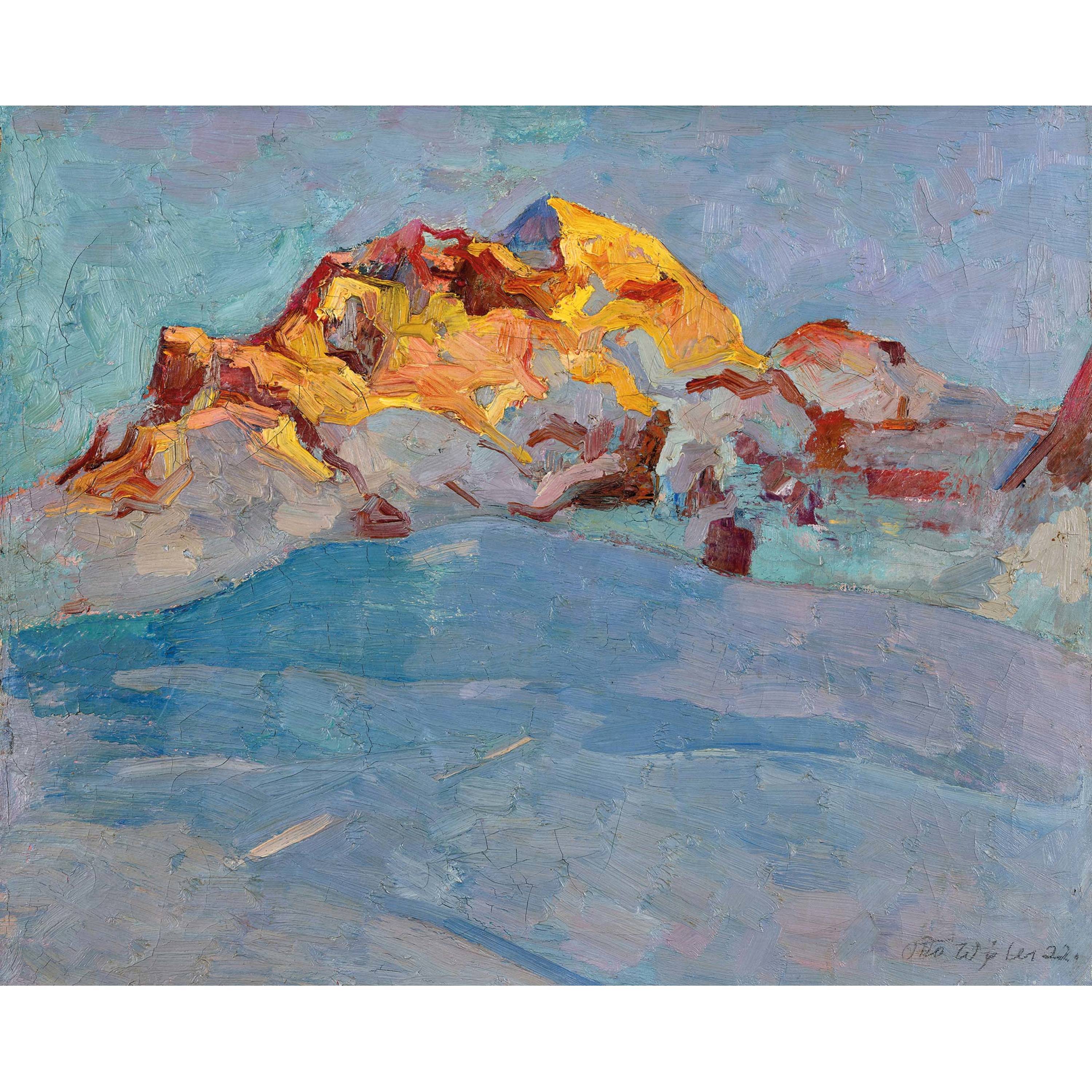
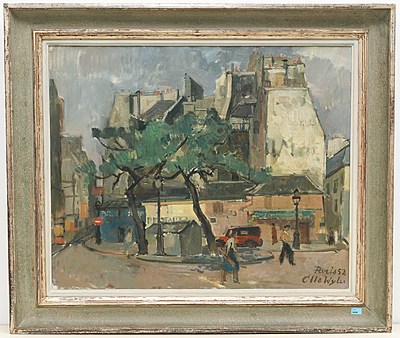
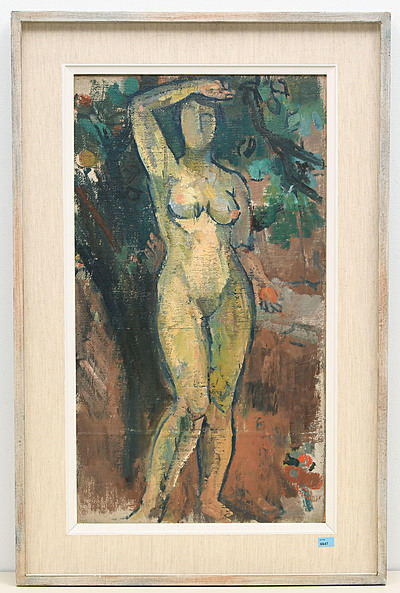
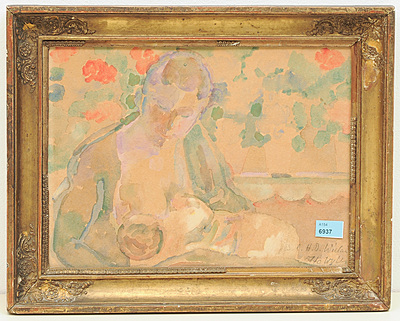
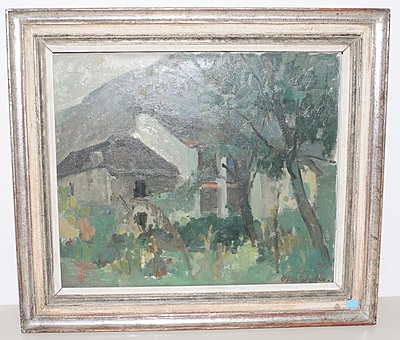
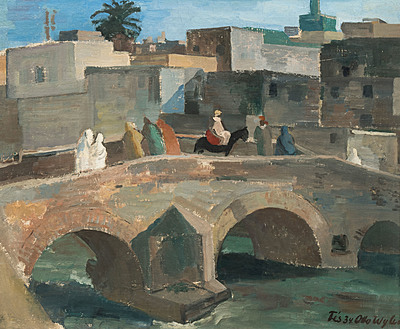
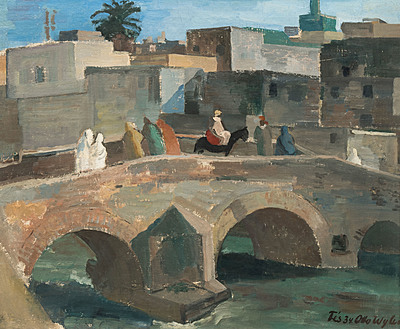
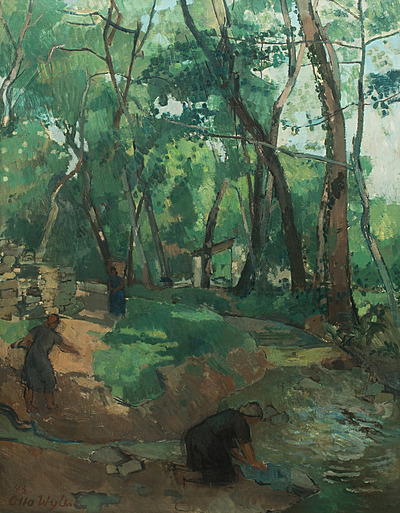
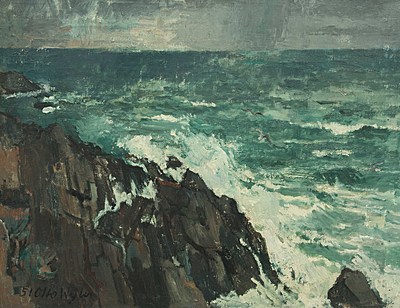
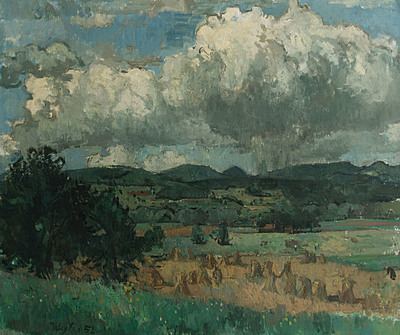
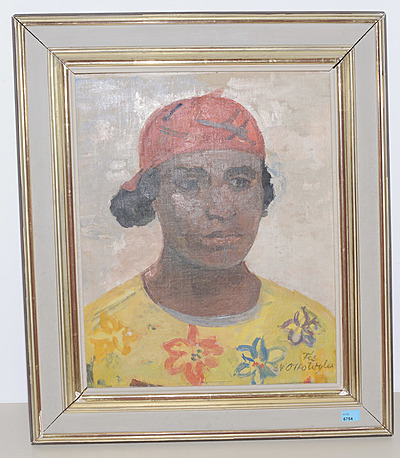
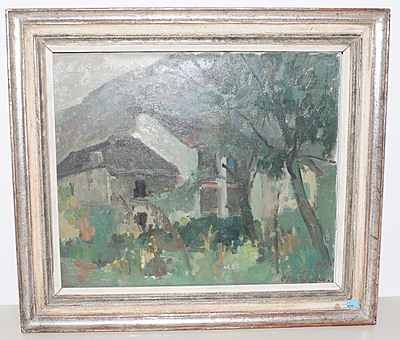
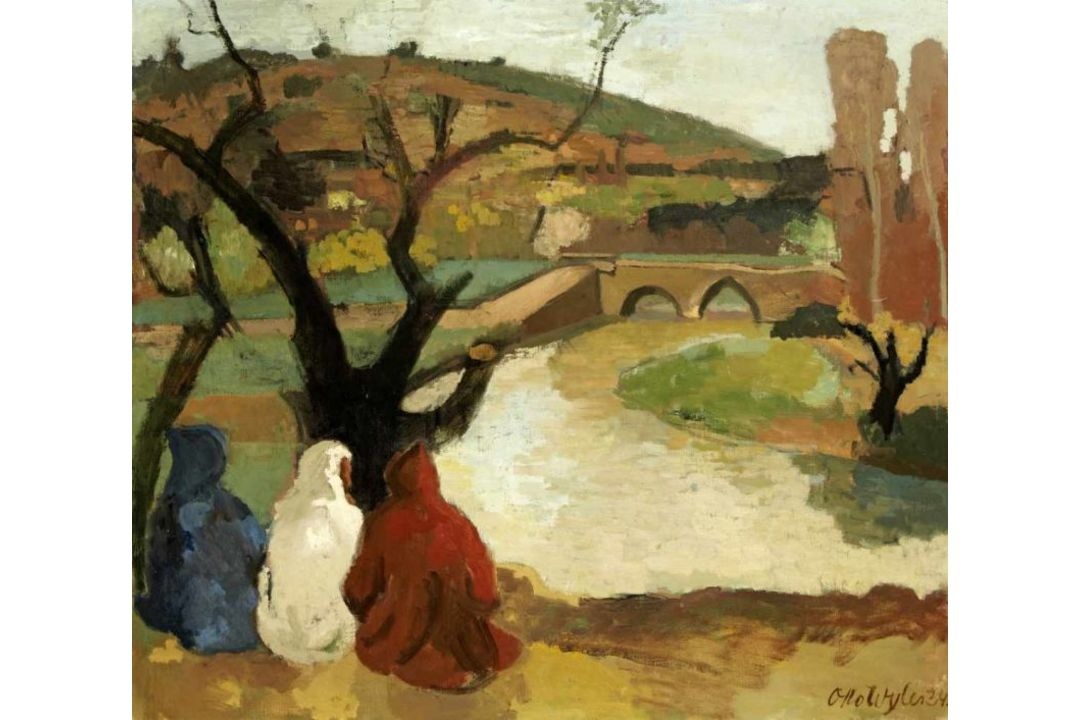
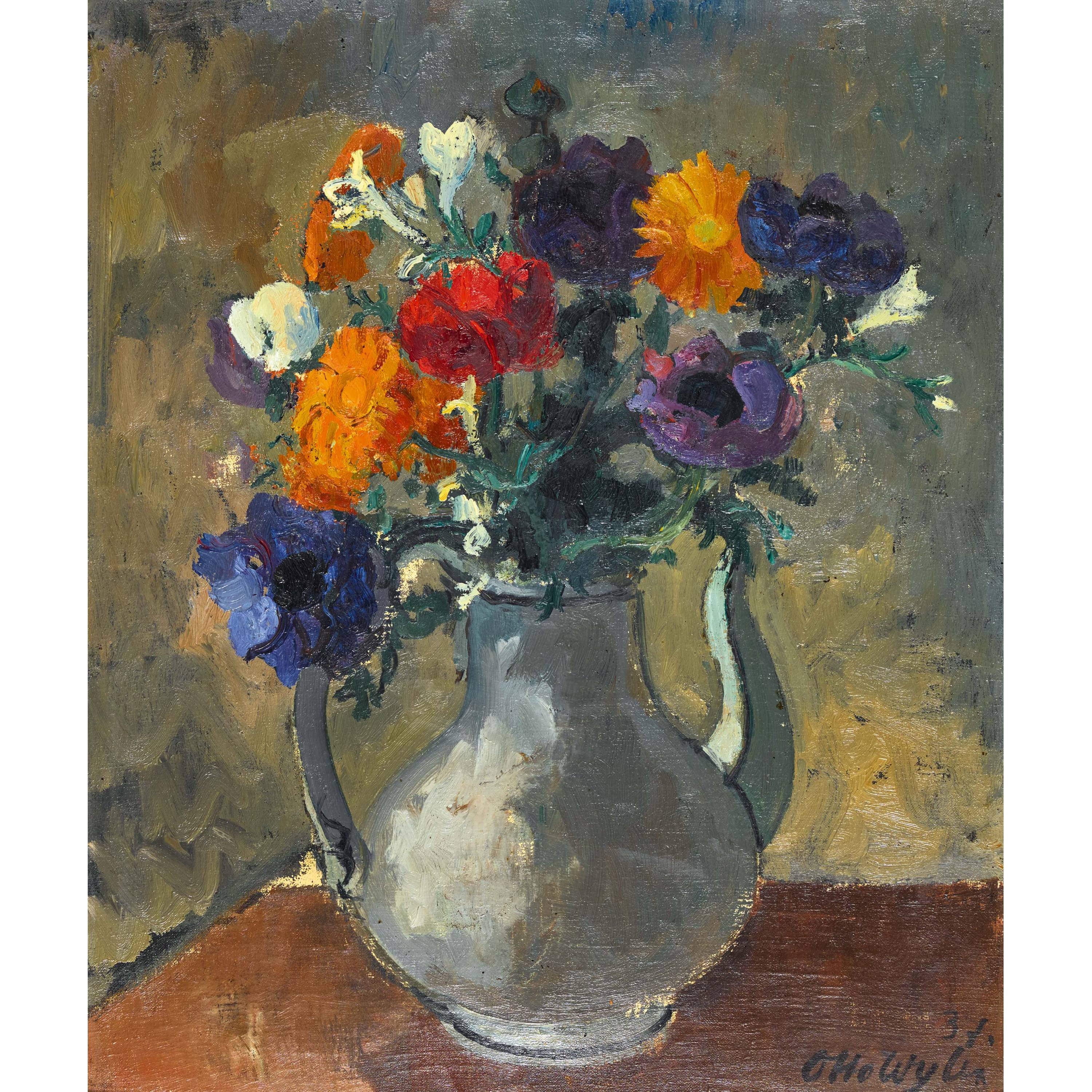
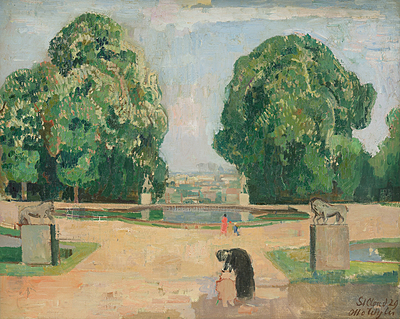
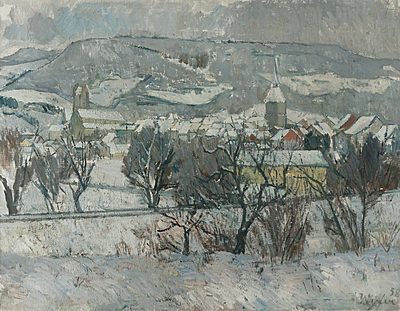
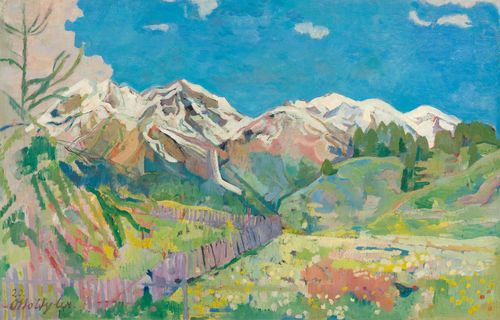
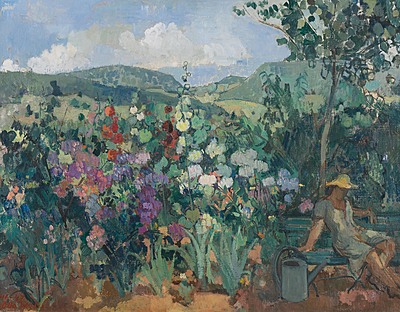
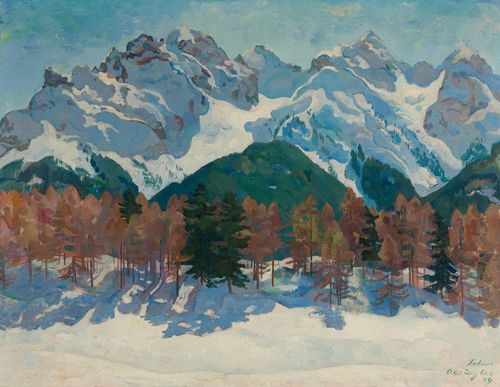
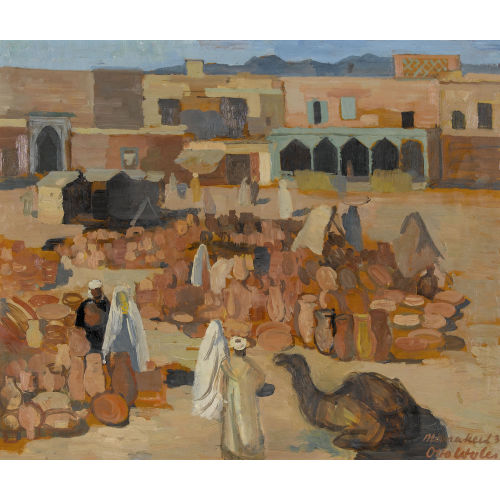
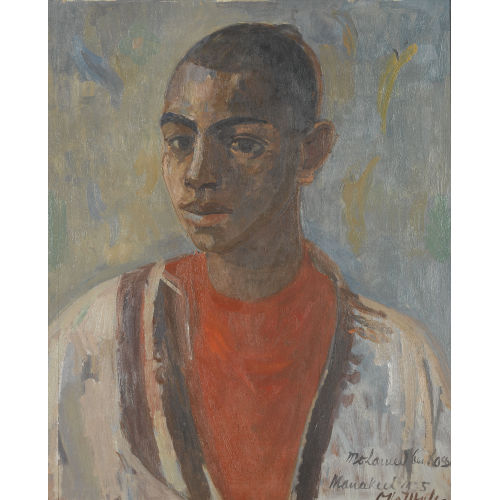
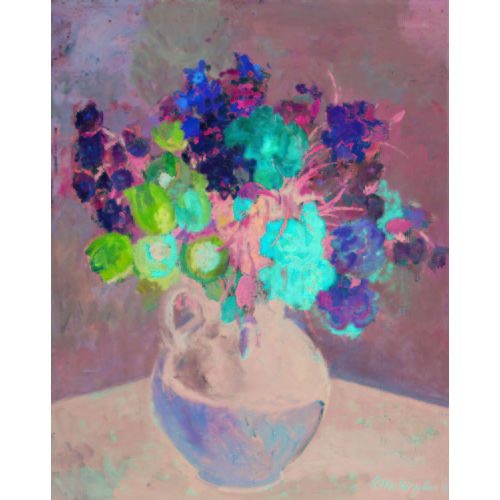
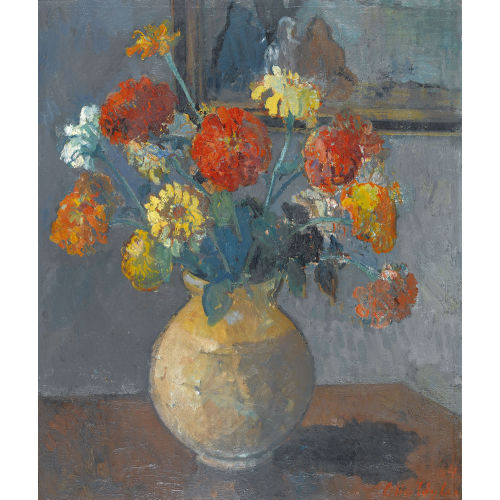
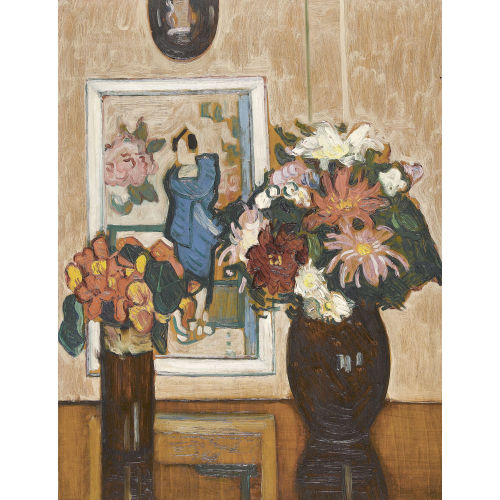
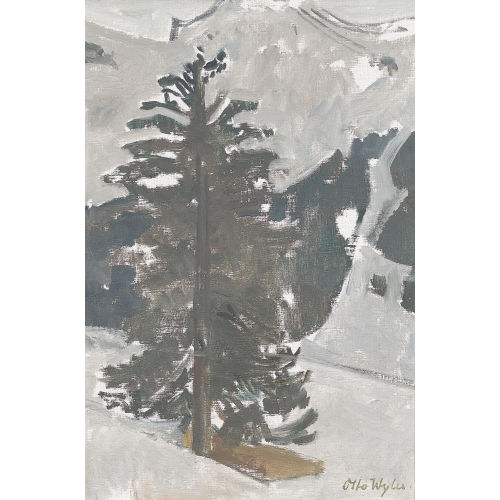
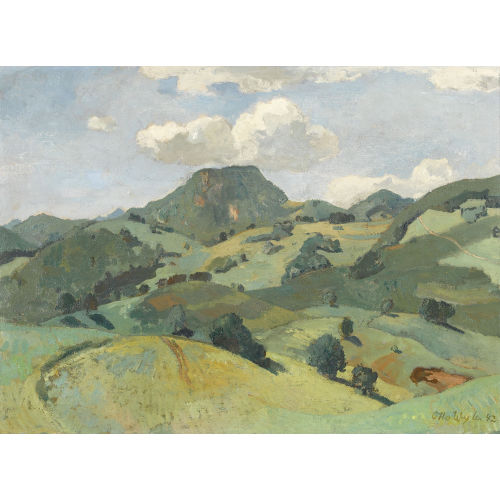
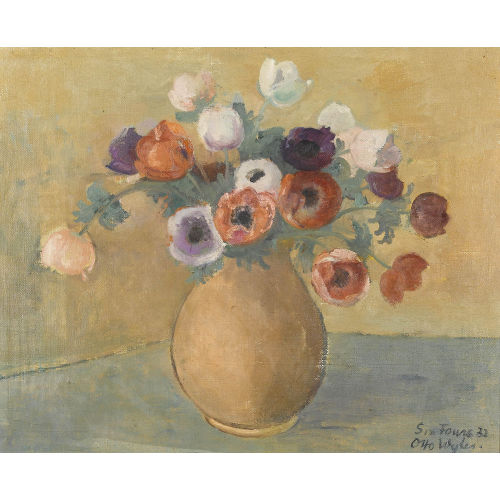
Landscape occupies an essential place in his oeuvre, but Wyler did not allow himself to be confined to any one genre: portraits, nudes, figure scenes and still lifes accompanied his artistic investigations. The Engadine, where he lived in Ftan from 1917, offered him motifs of snow and mountains; Aarau, to which he returned in 1923, remained his point of reference. His stays in the south of France, in Morocco in 1934 and 1935, and later in Greece further broadened his repertoire.
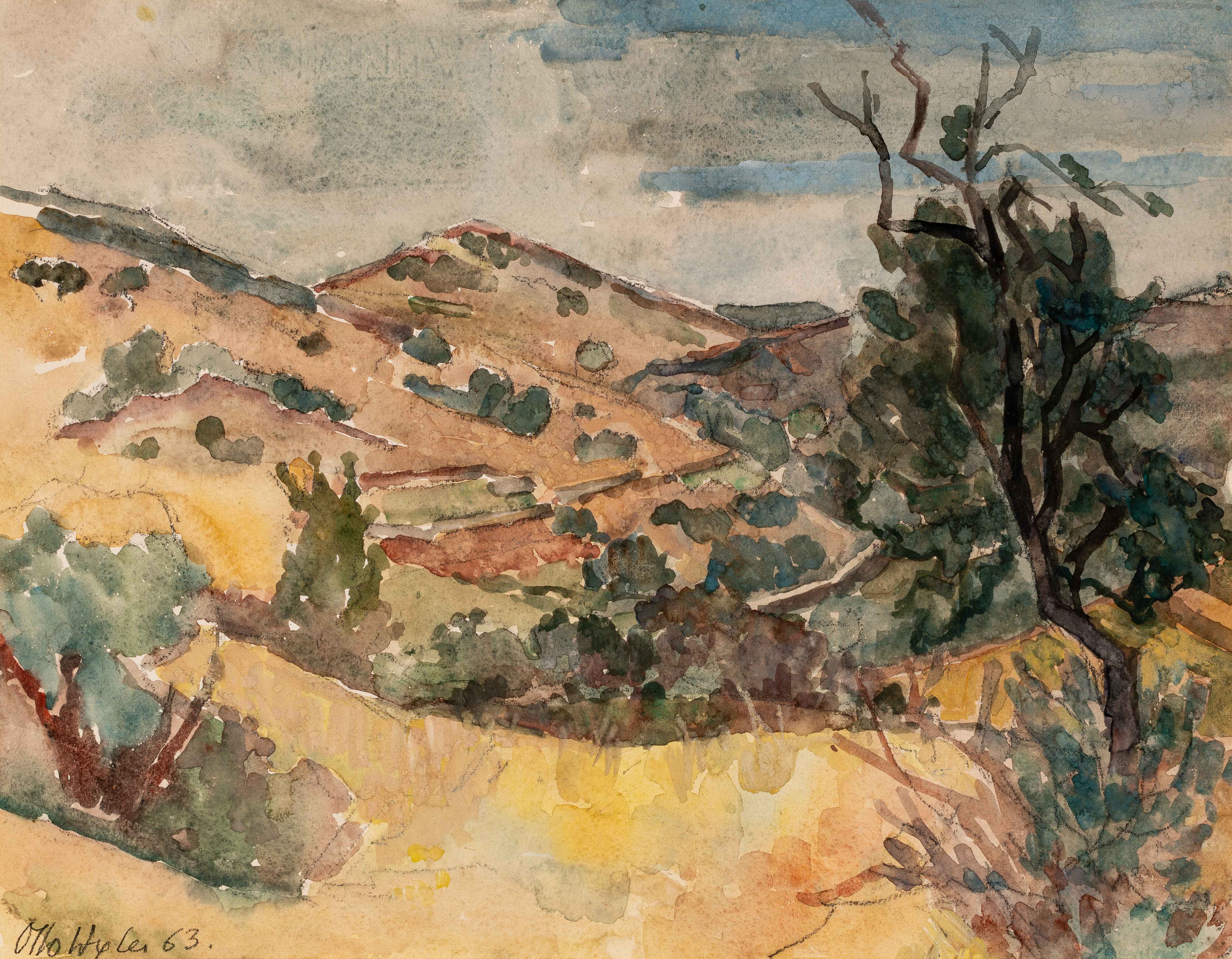
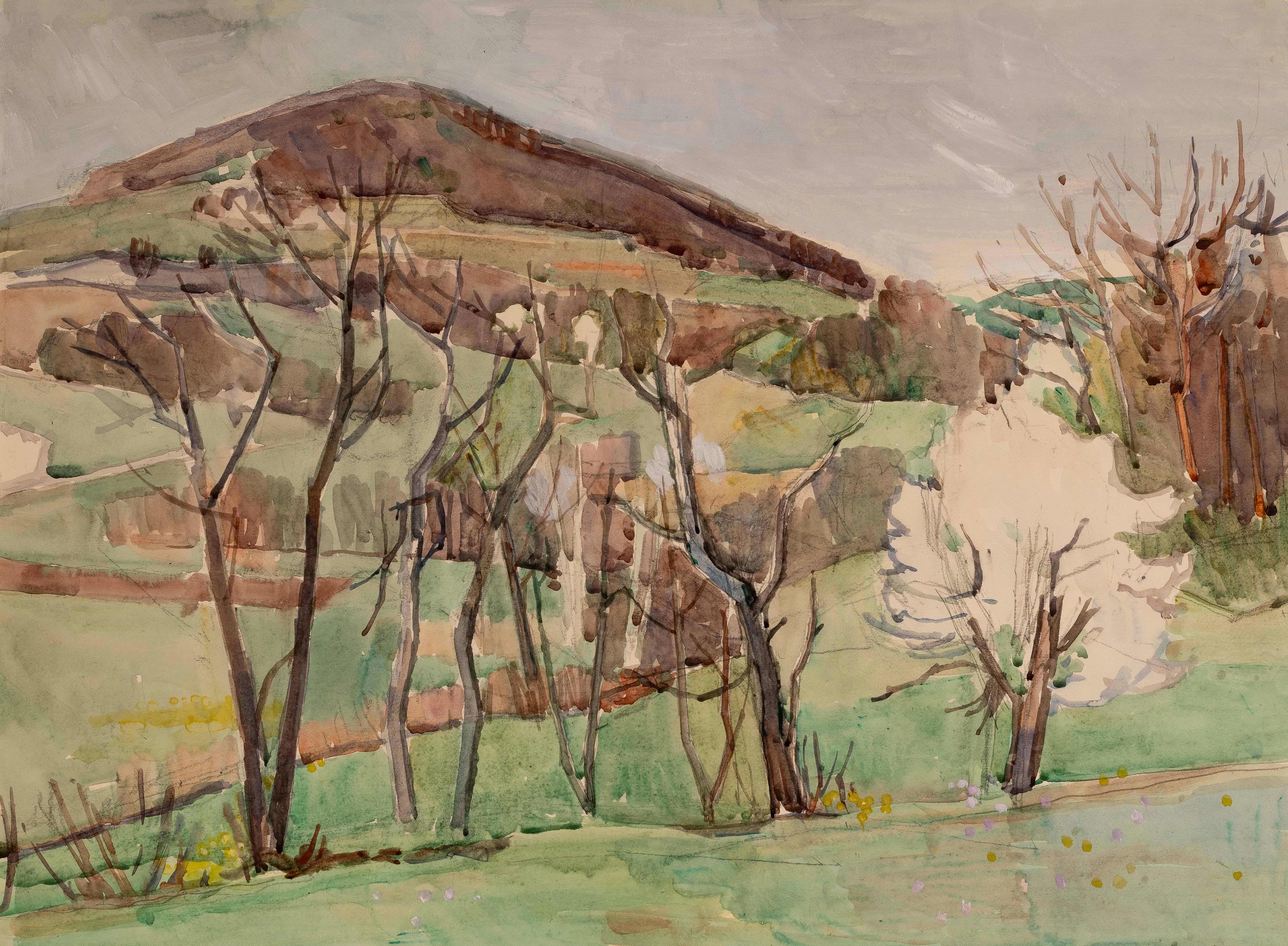
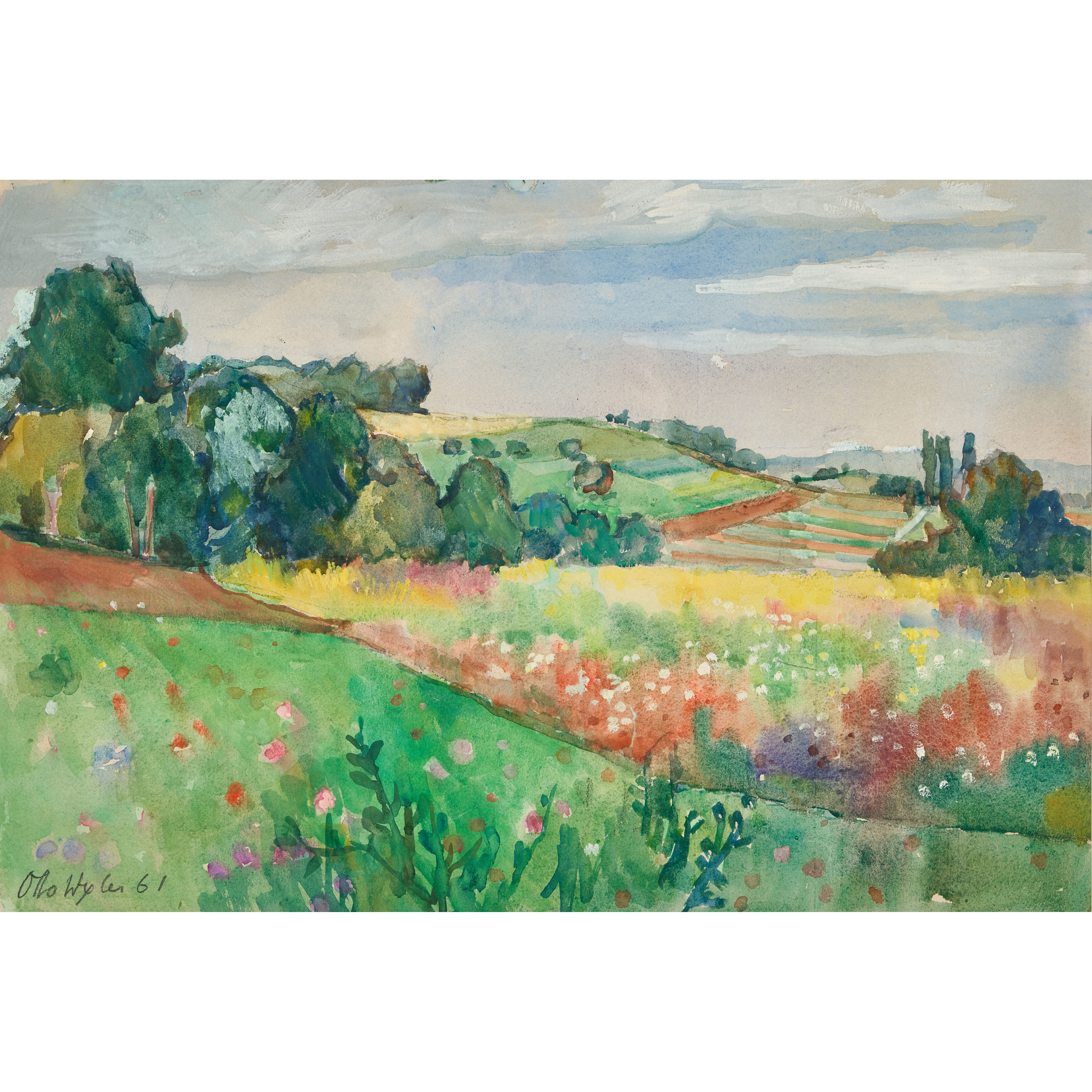
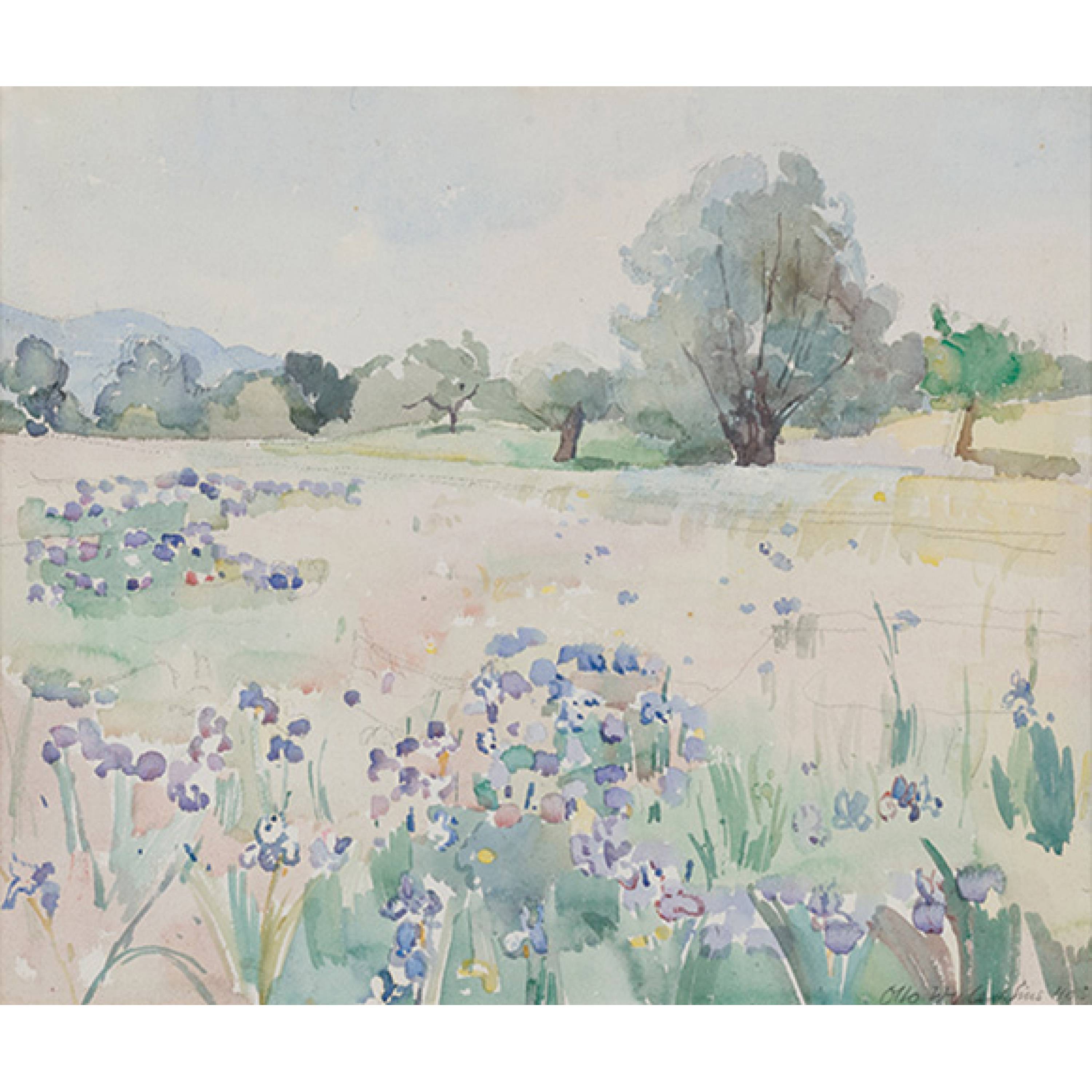
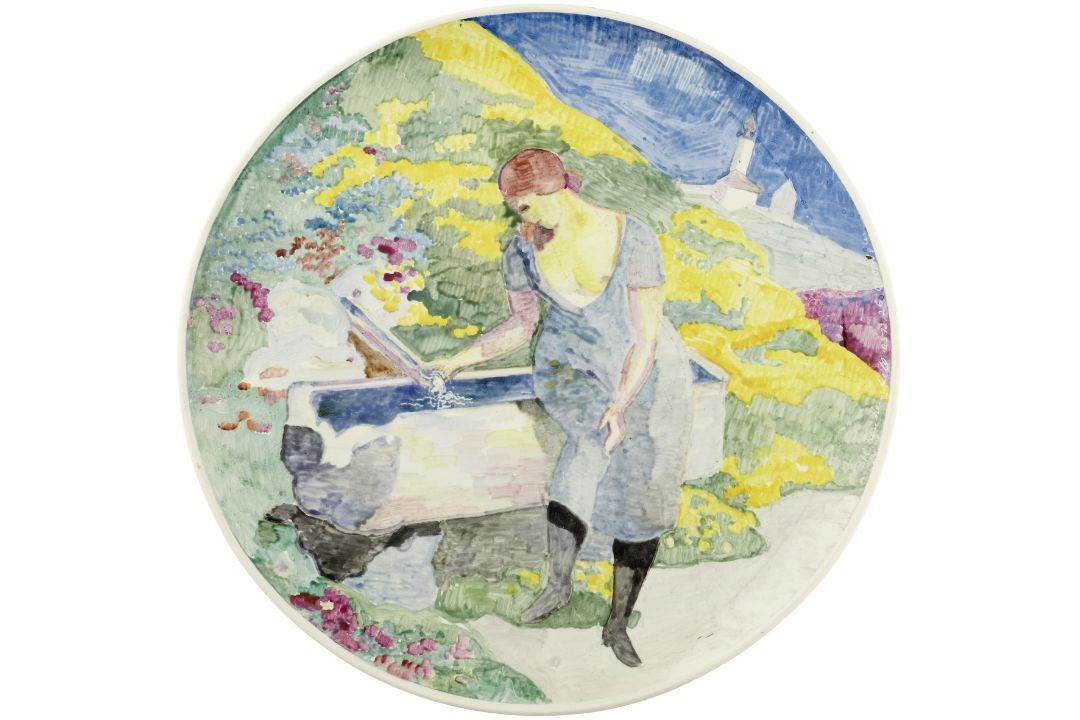
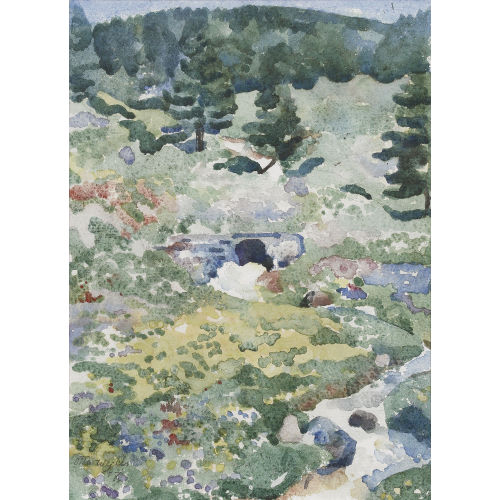
He also worked in watercolour, drawing and printmaking, and created frescoes for his city.
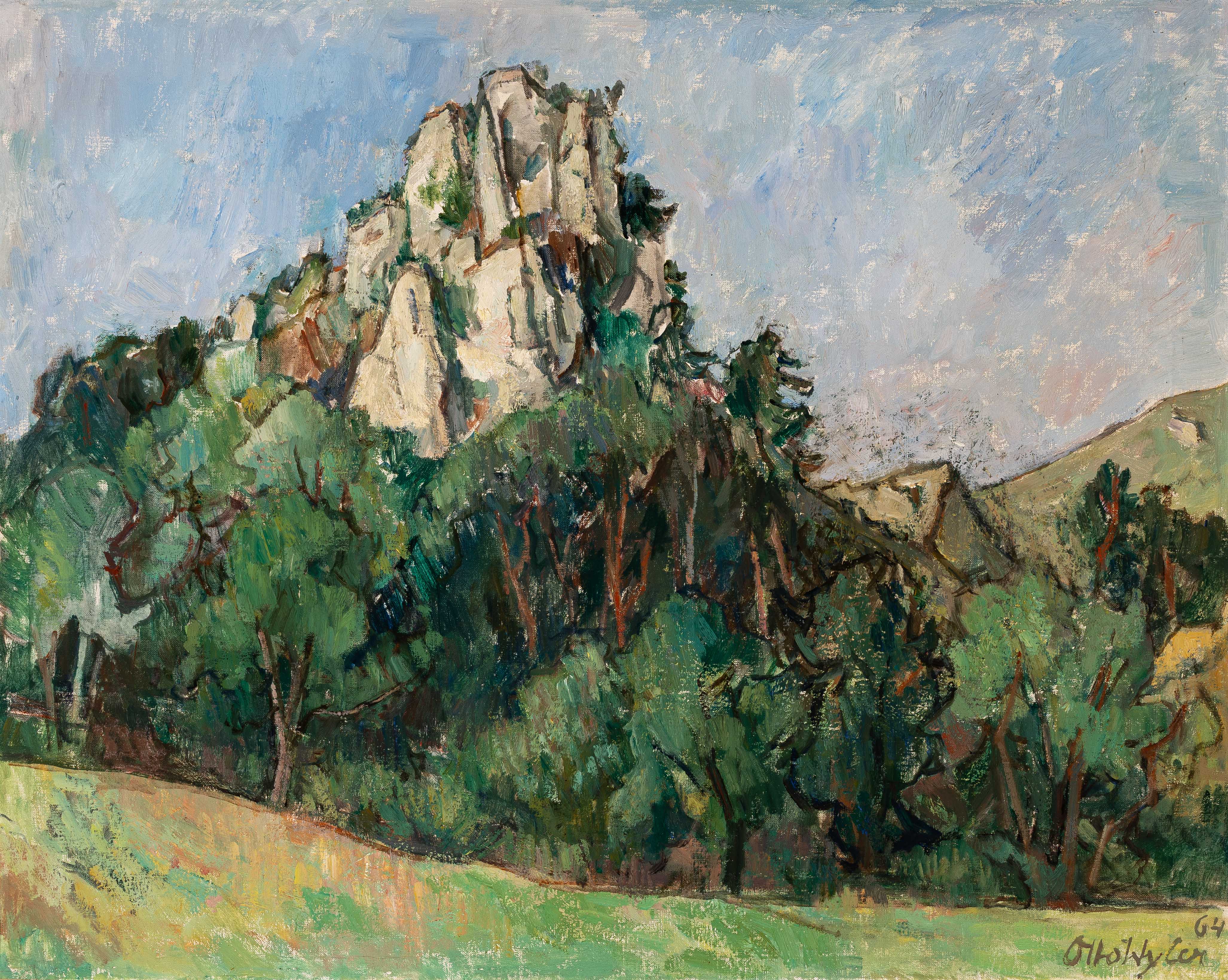
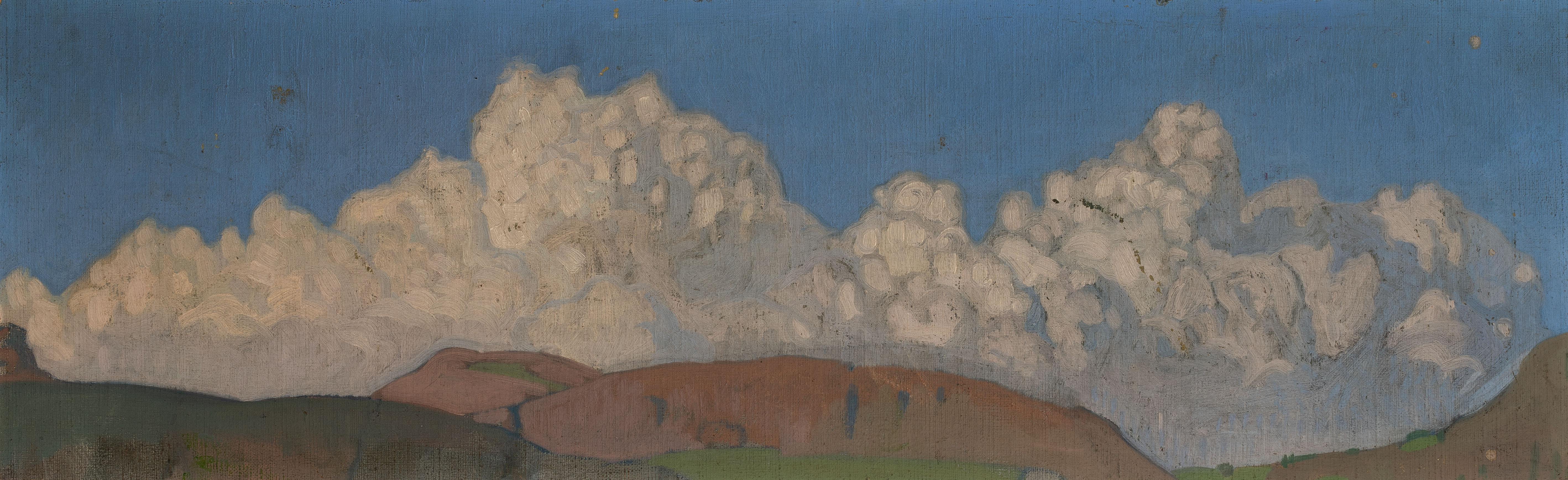
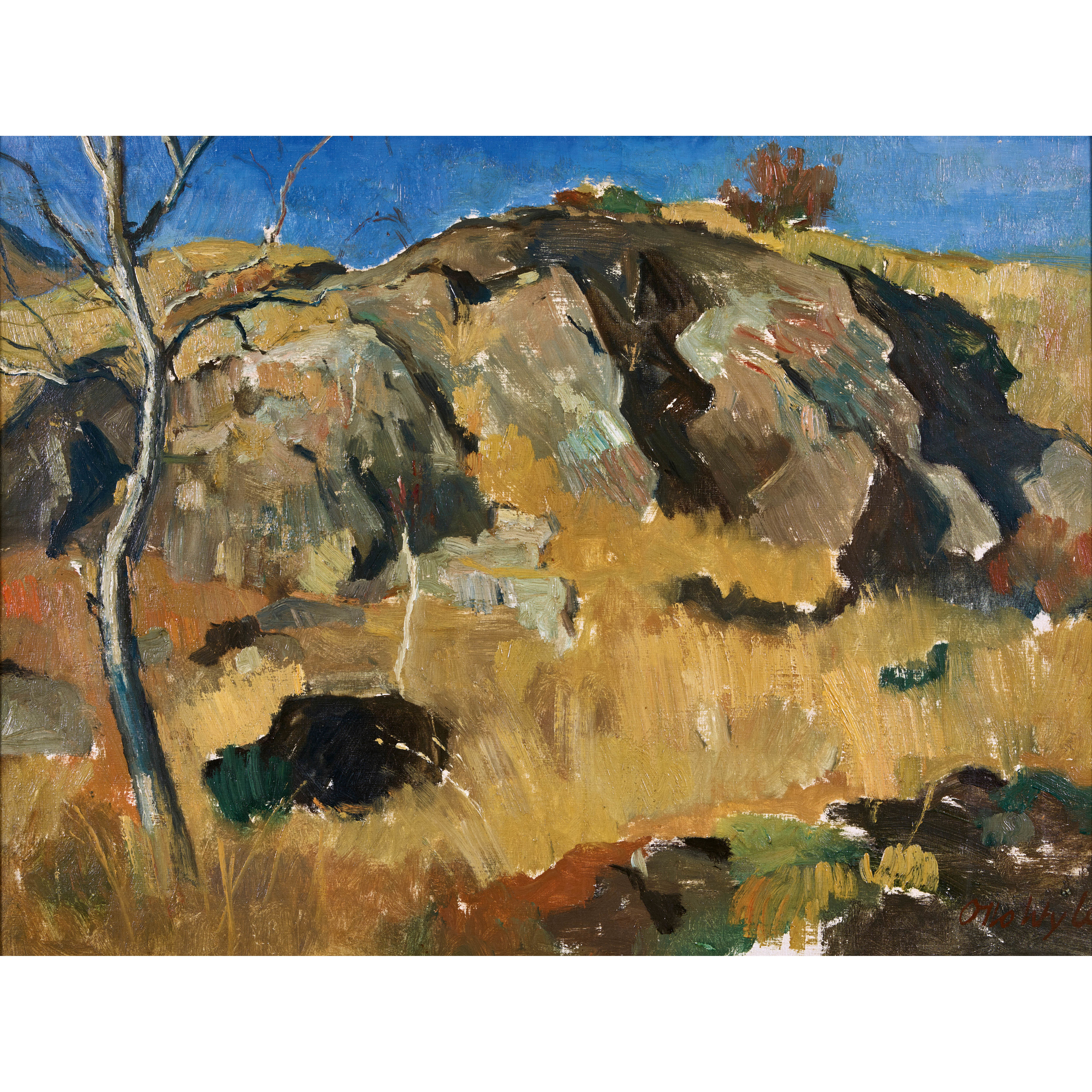
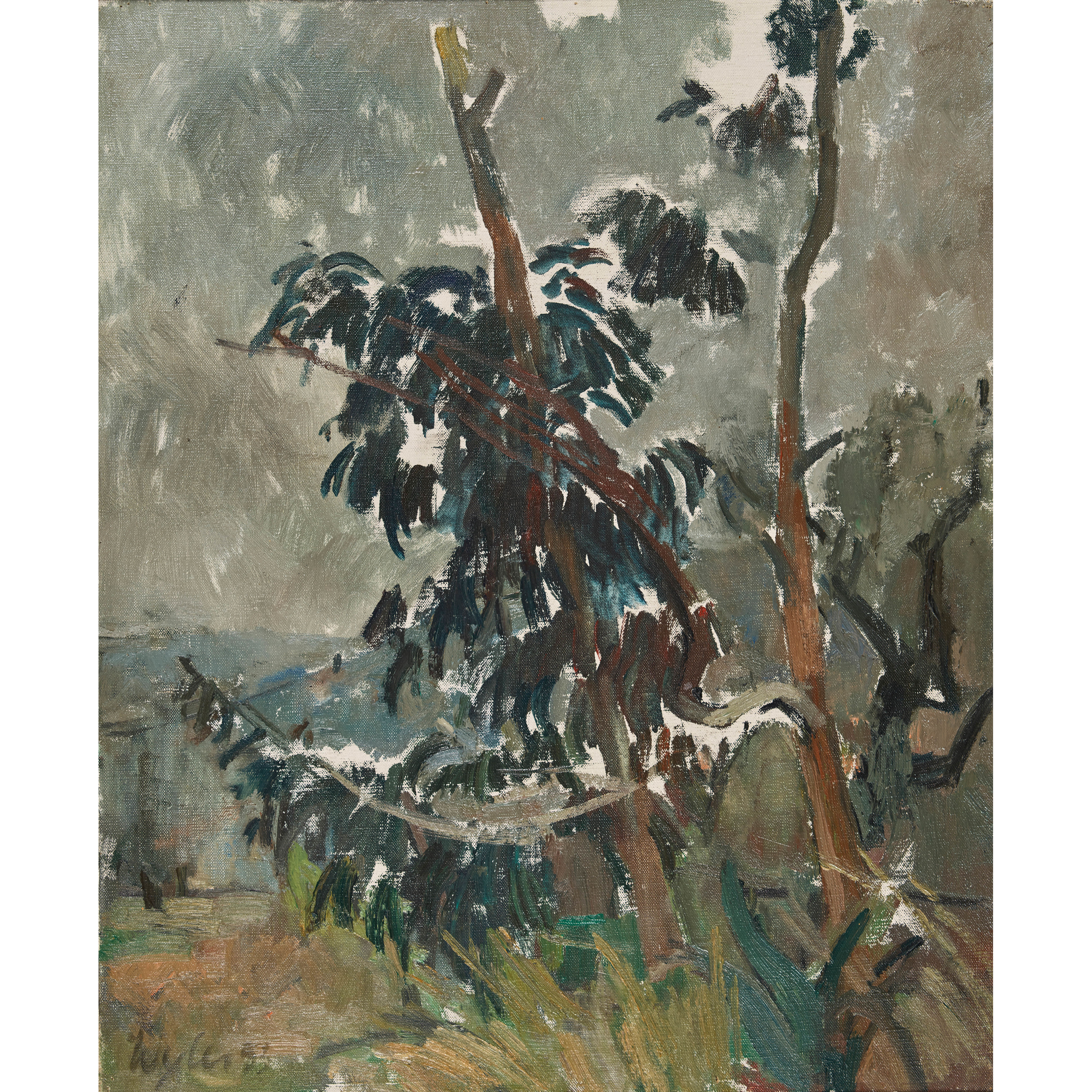
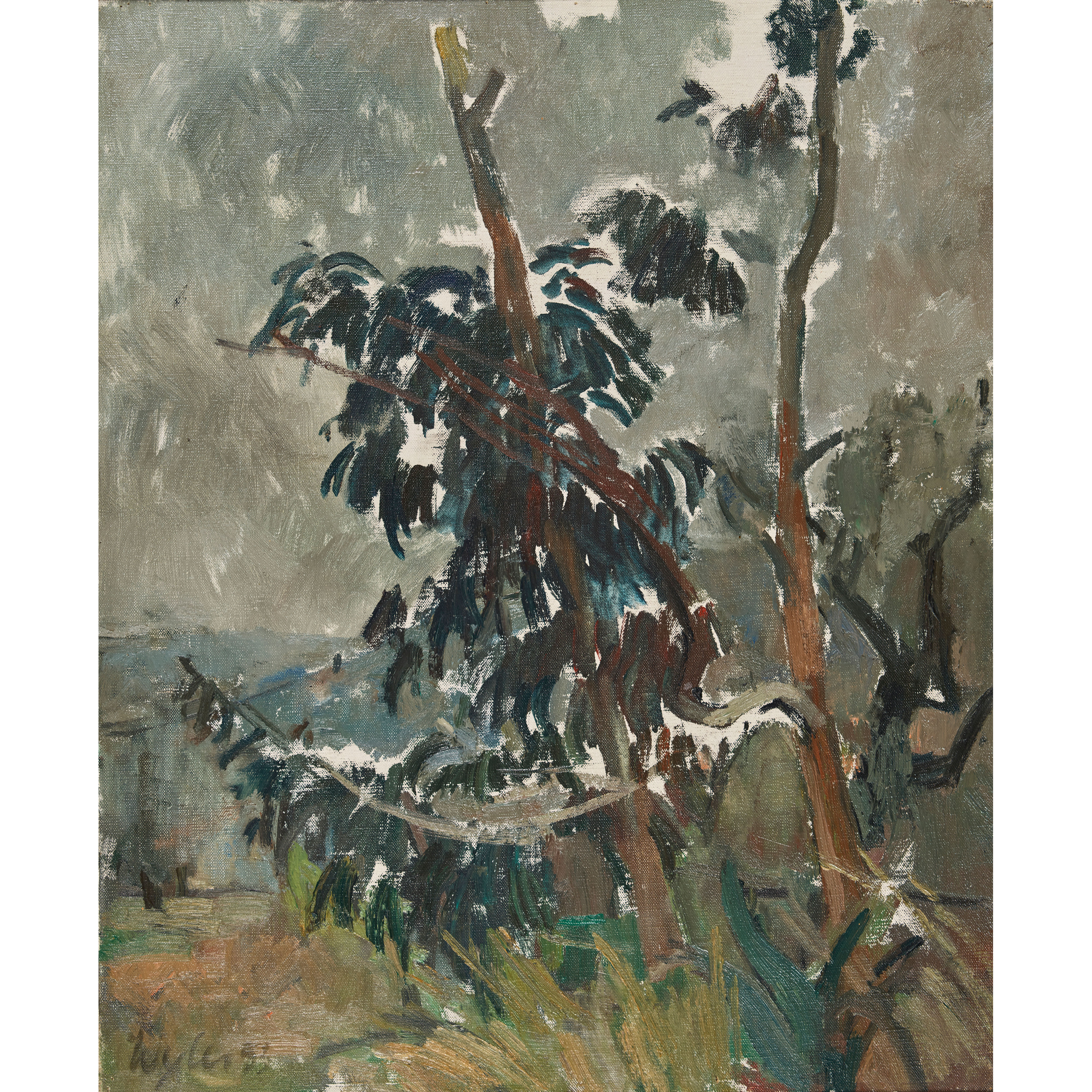
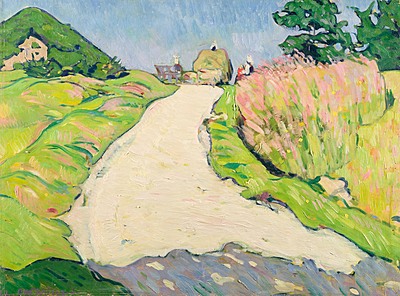
His painting brings figure and nature into dialogue with the modern currents he encountered in France and Germany. The influences of Cuno Amiet, Giovanni Giacometti and Paul Cézanne can be discerned in it without exhausting the individuality of his approach: colour, contour and surface changed roles over the decades. The portraits and winter landscapes of the 1910s gave way, particularly in his later years, to more rugged landscapes and powerful trees.
A major exhibition at the Museum Franz Gertsch in 2021–2022 made it possible to trace this evolution, from the early canvases to the works of the 1960s.