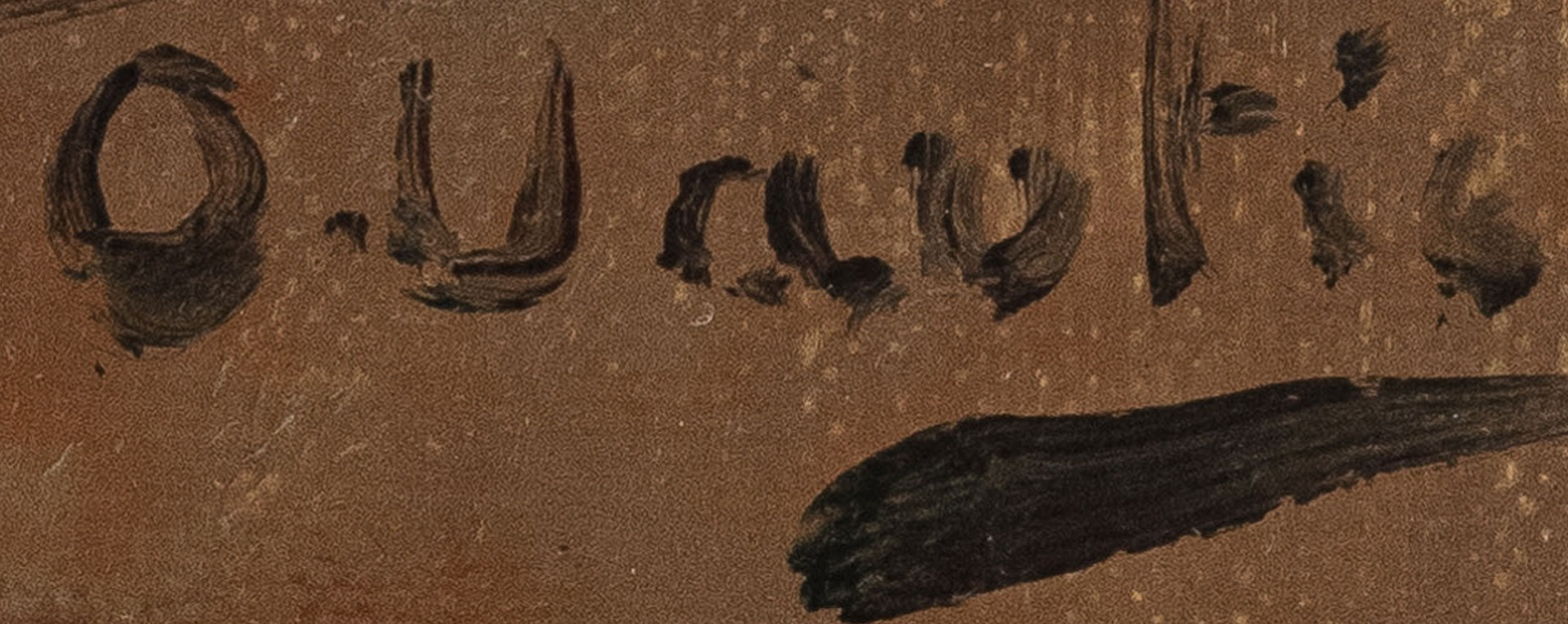
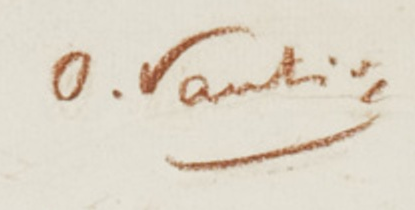
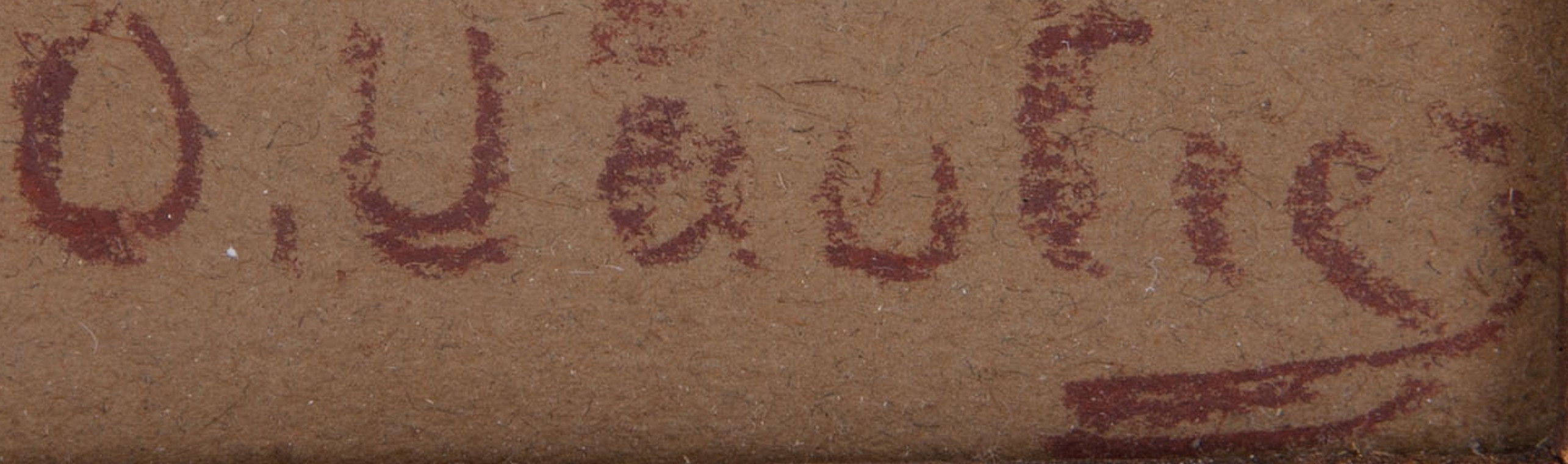
Otto Vautier
Born in 1863.
Died in 1919.
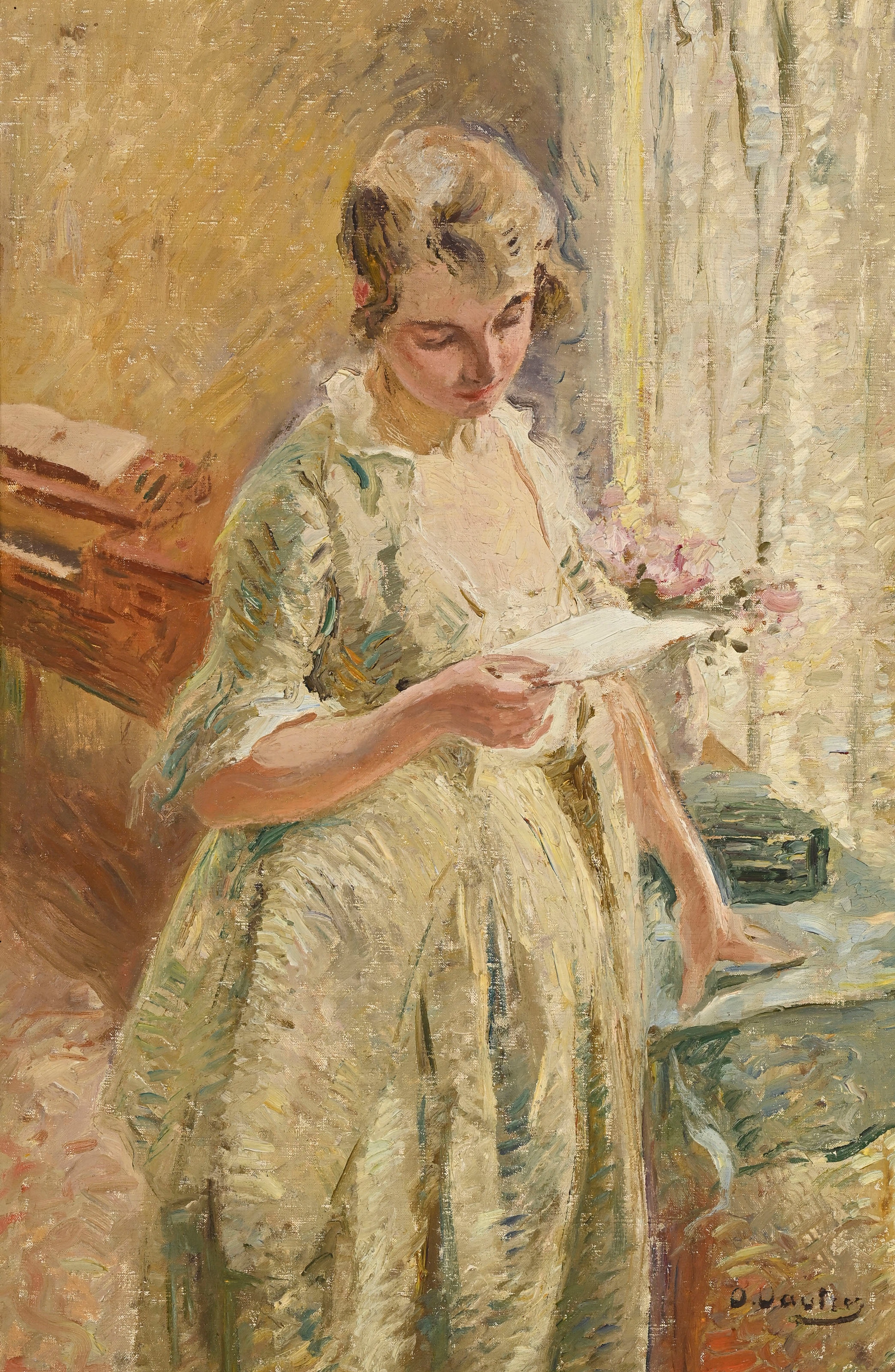
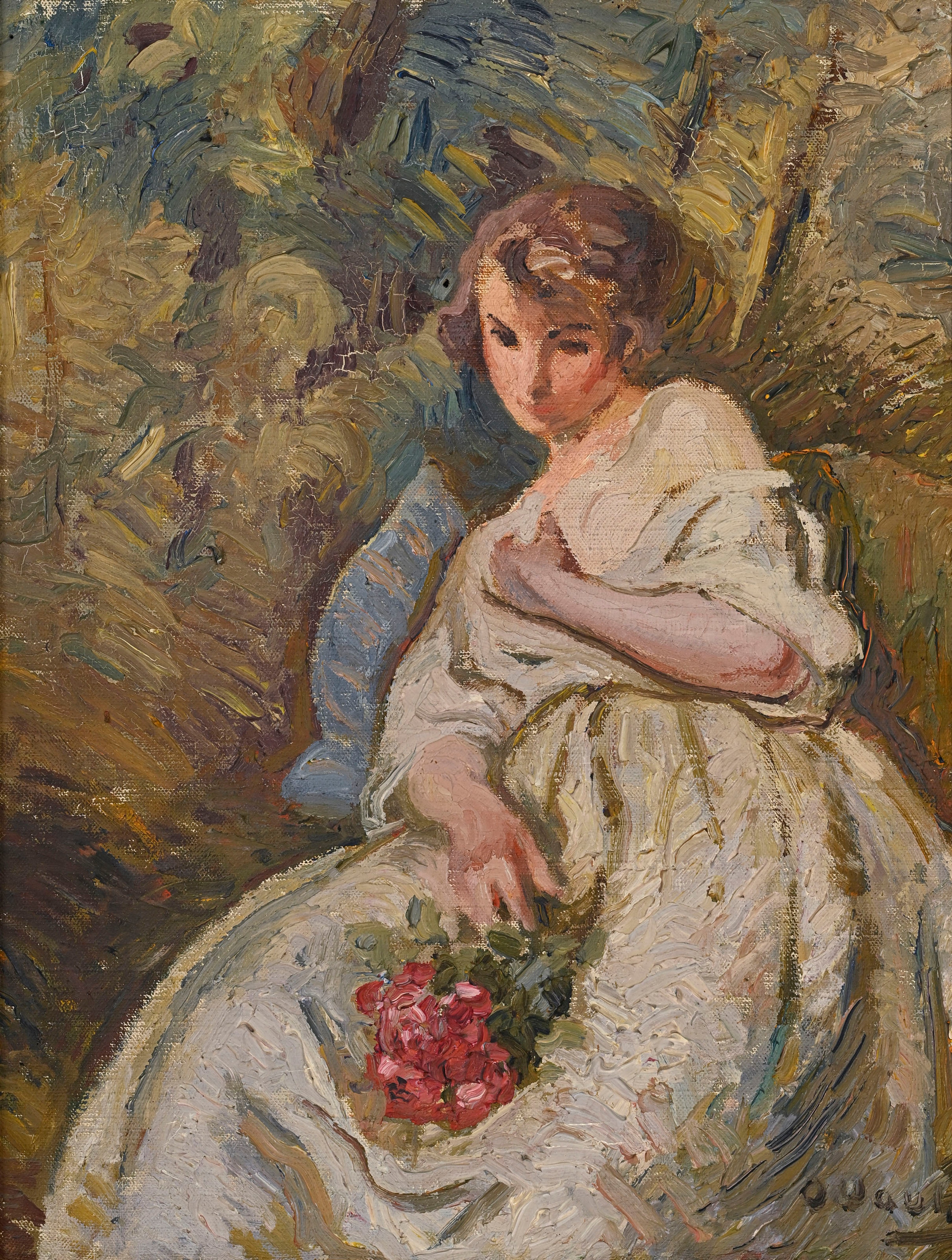
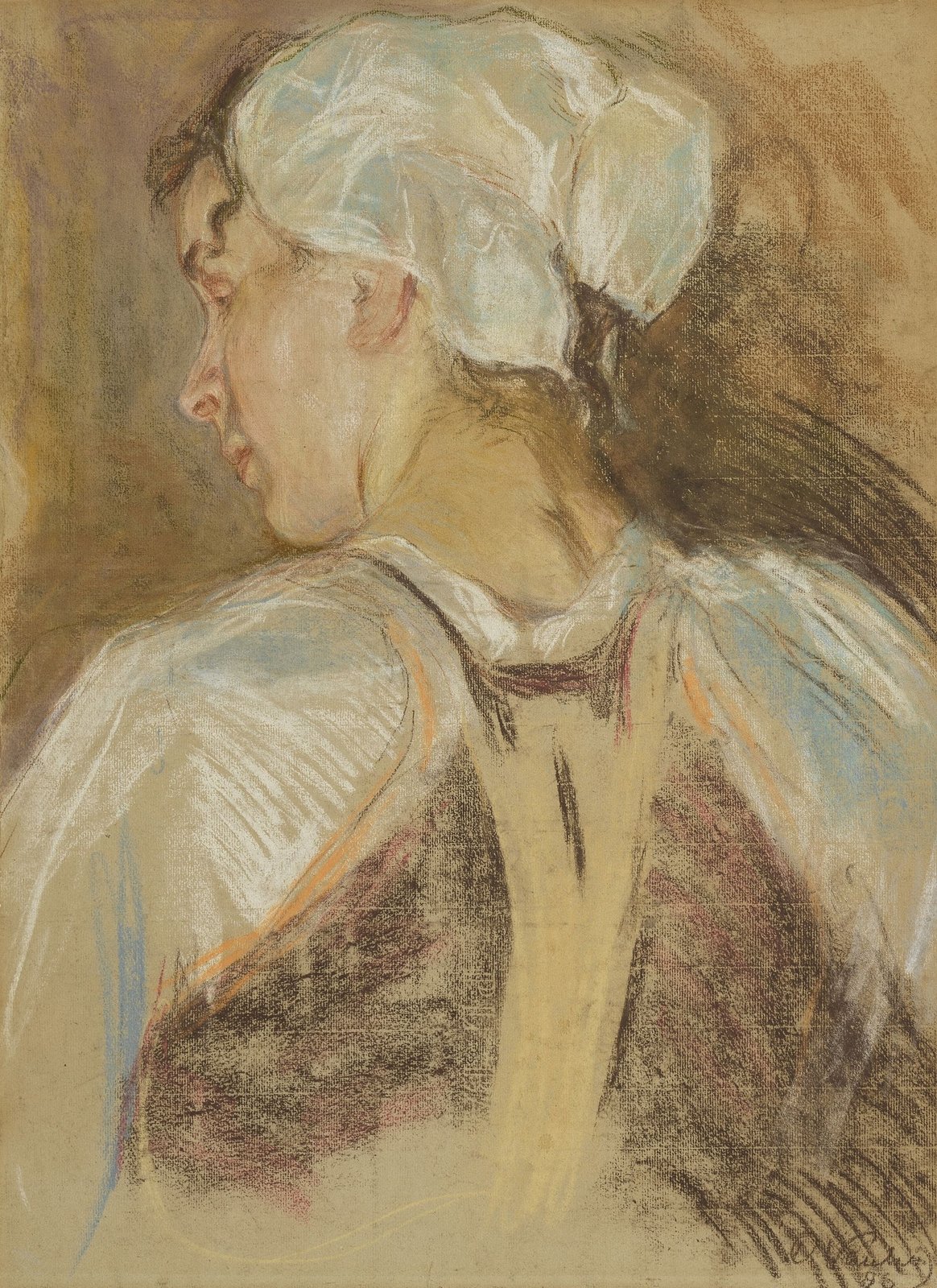
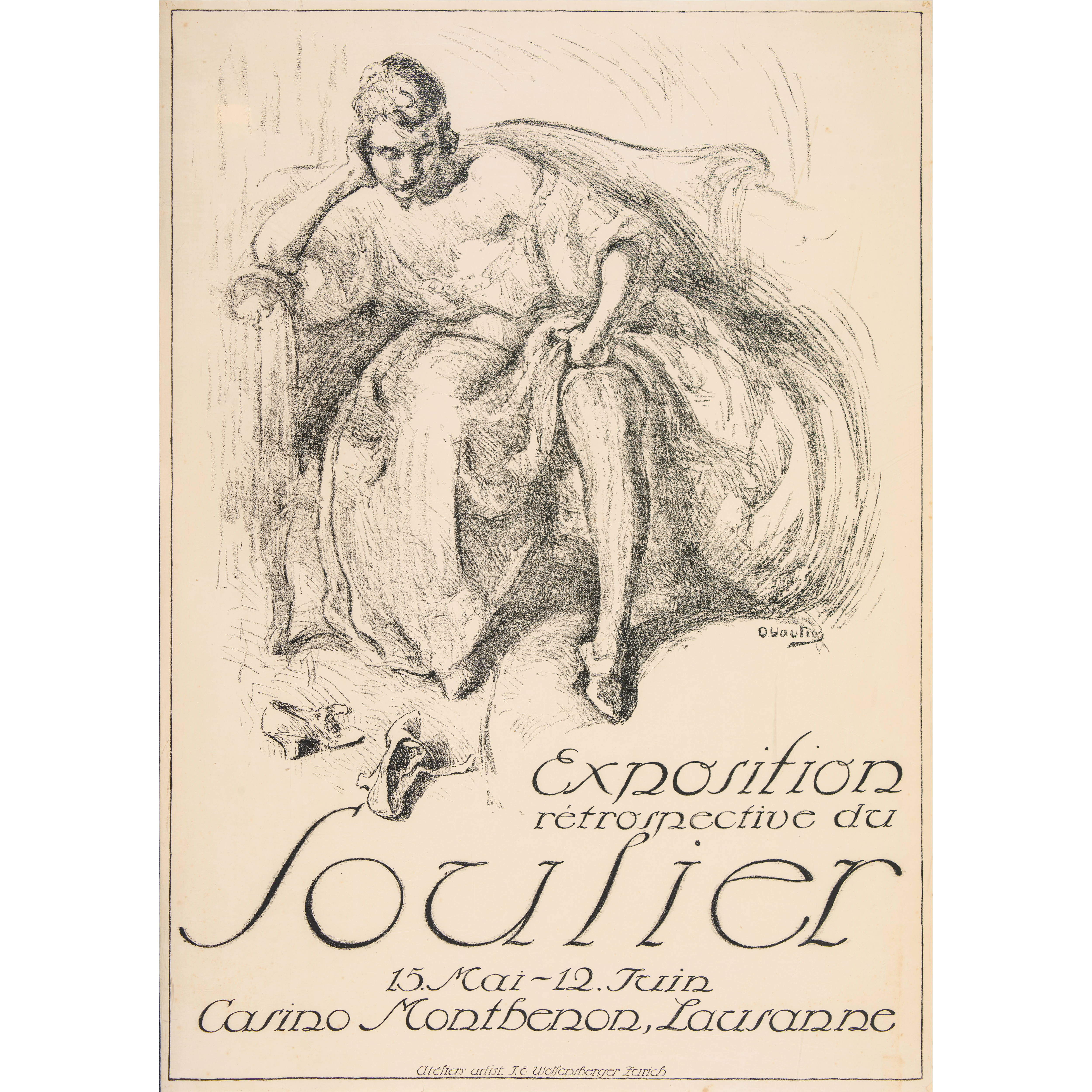
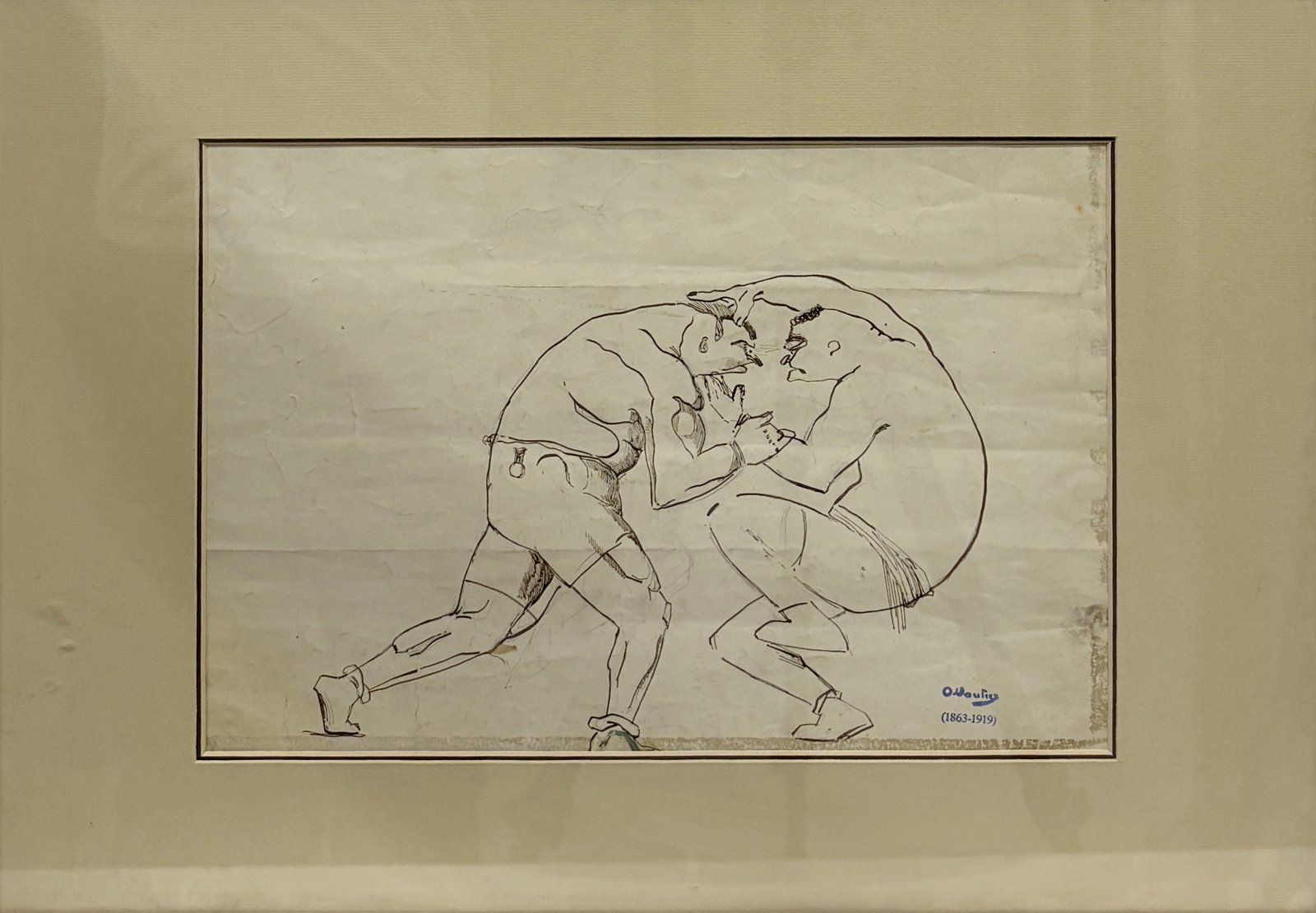
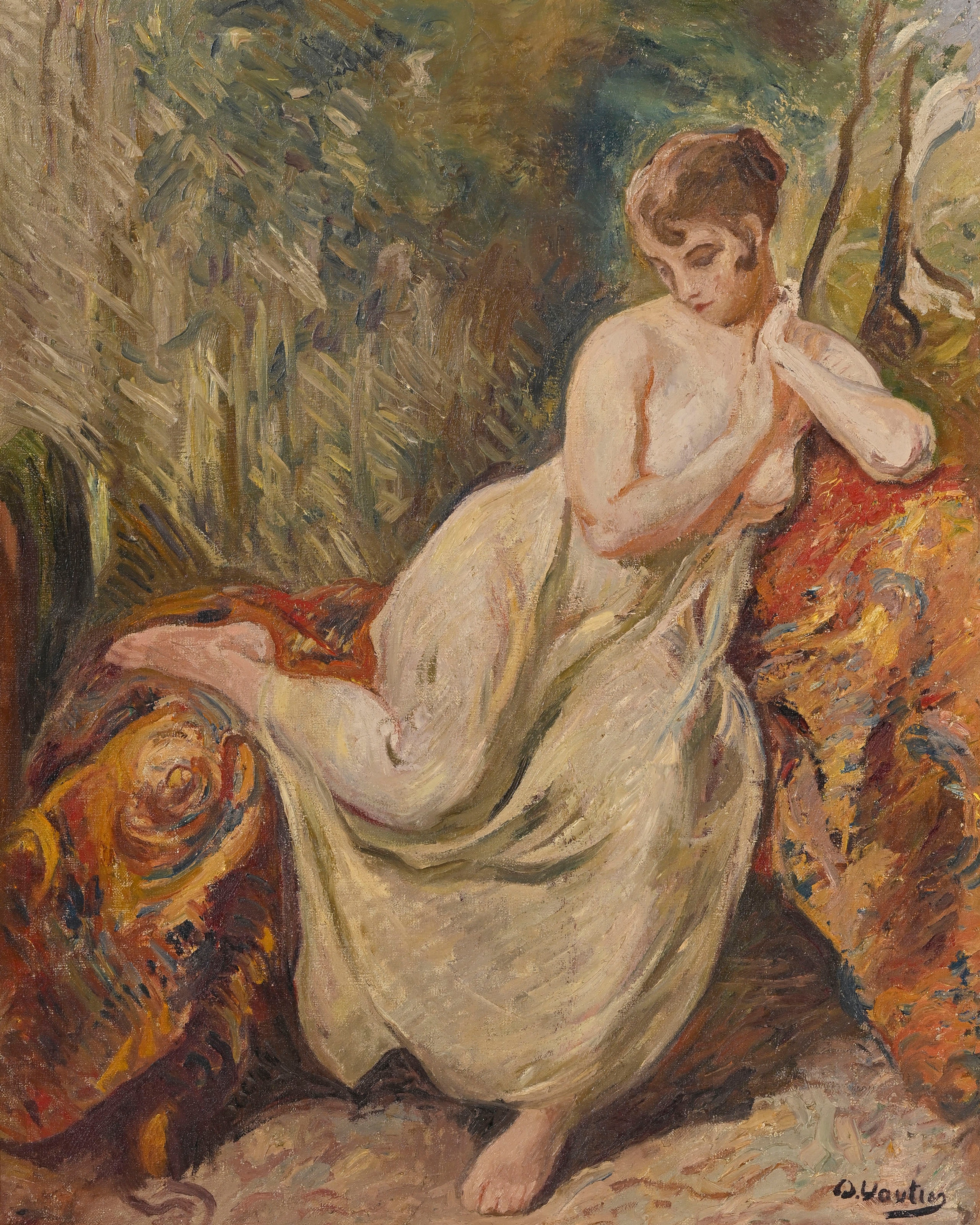
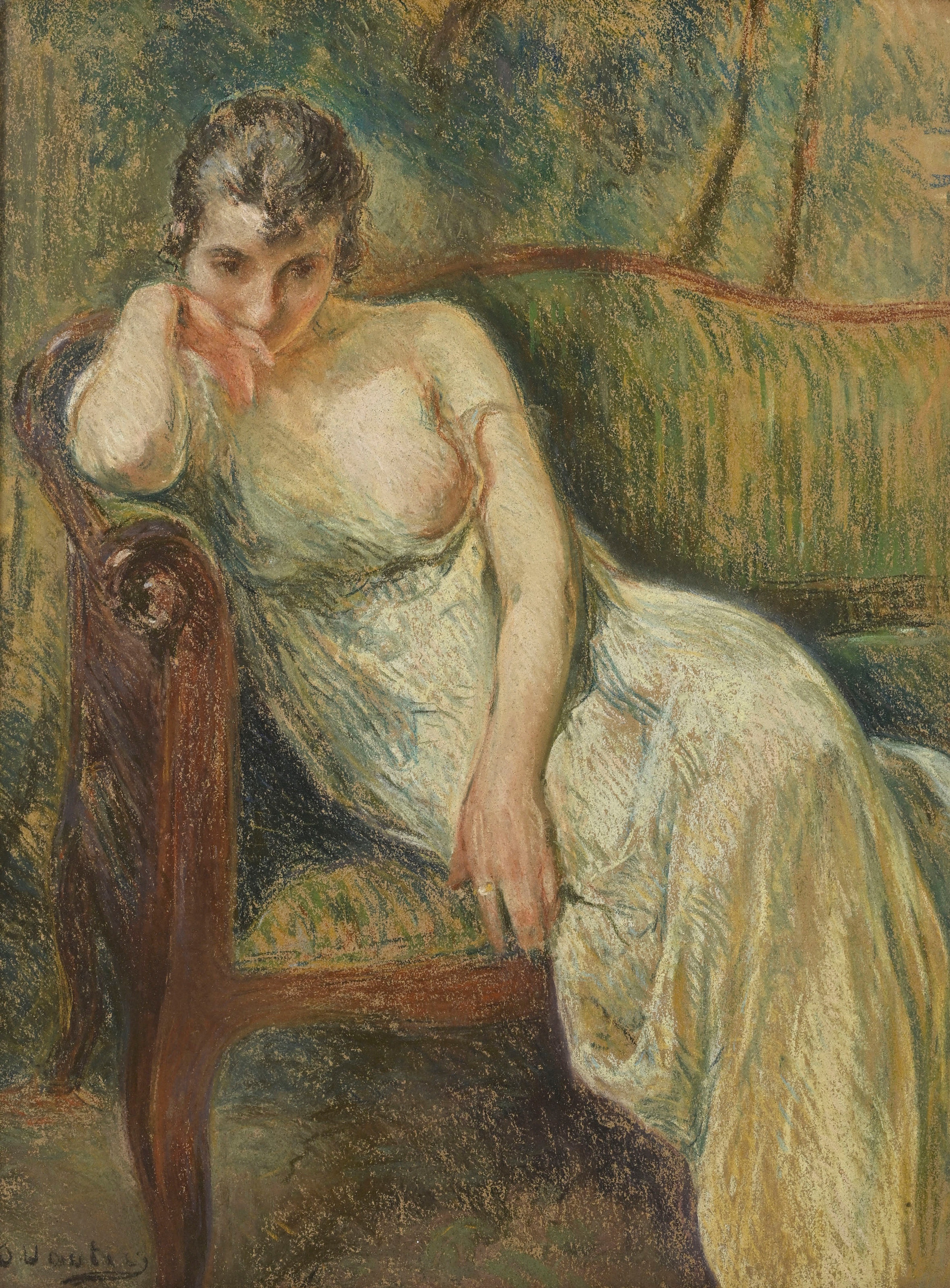
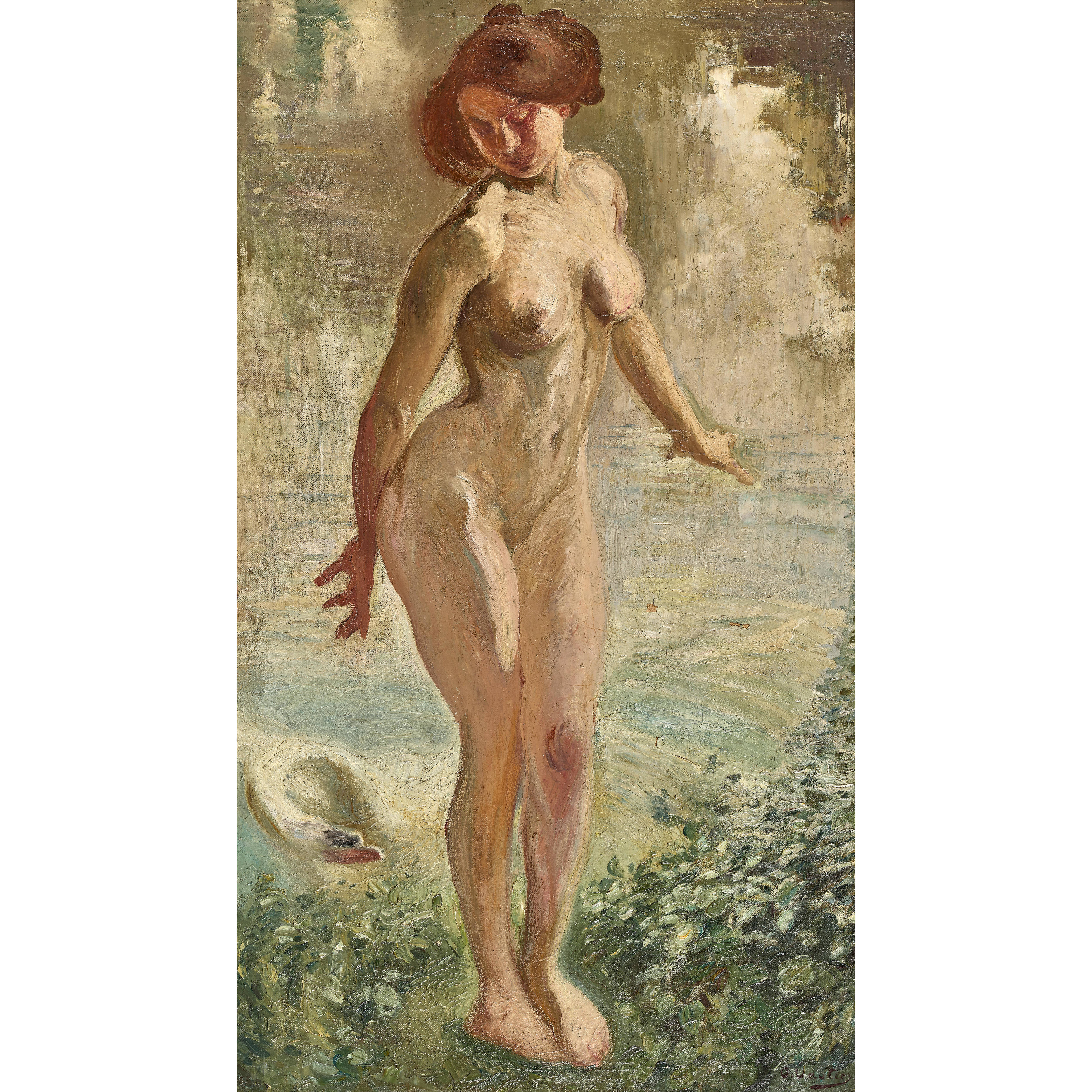
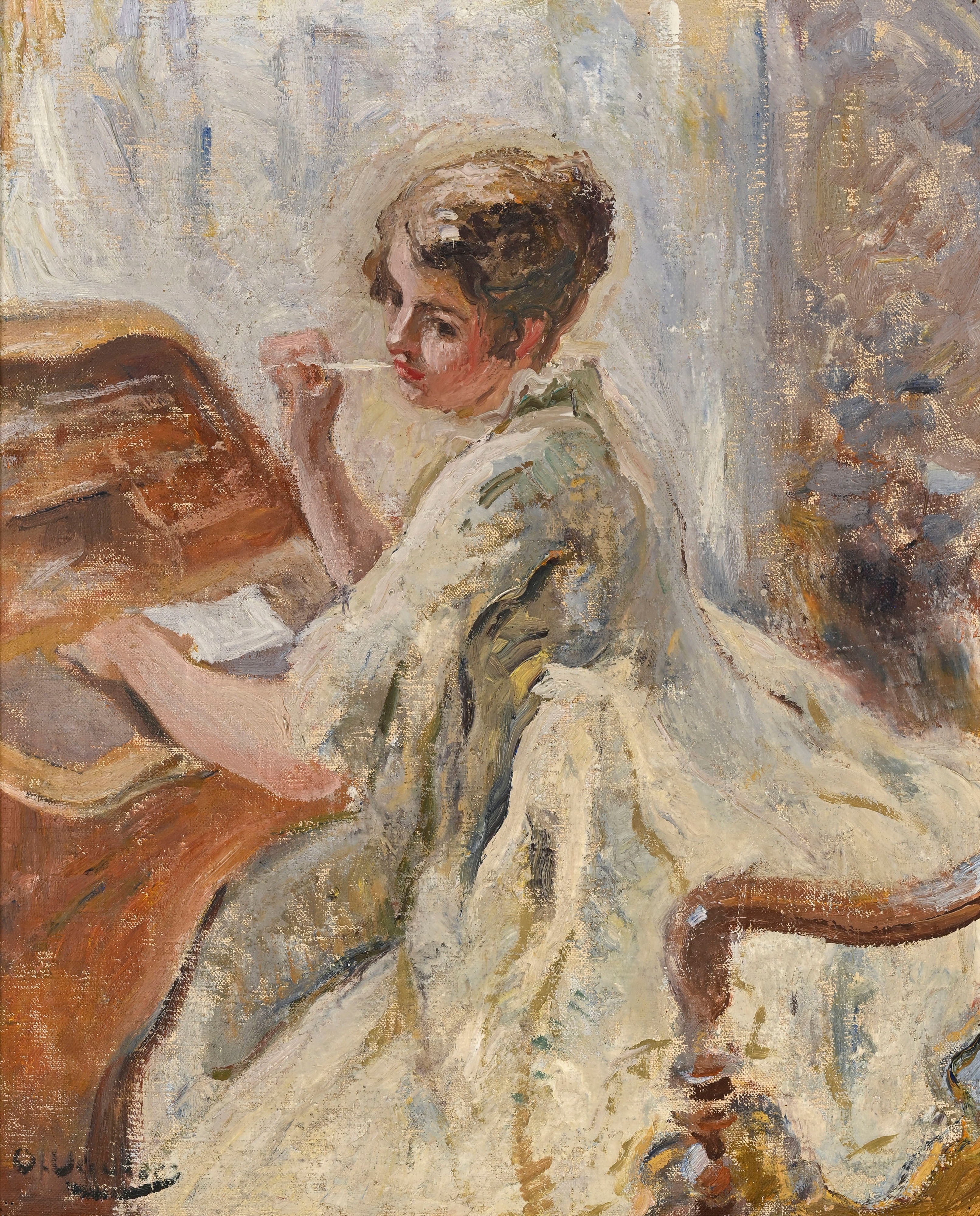
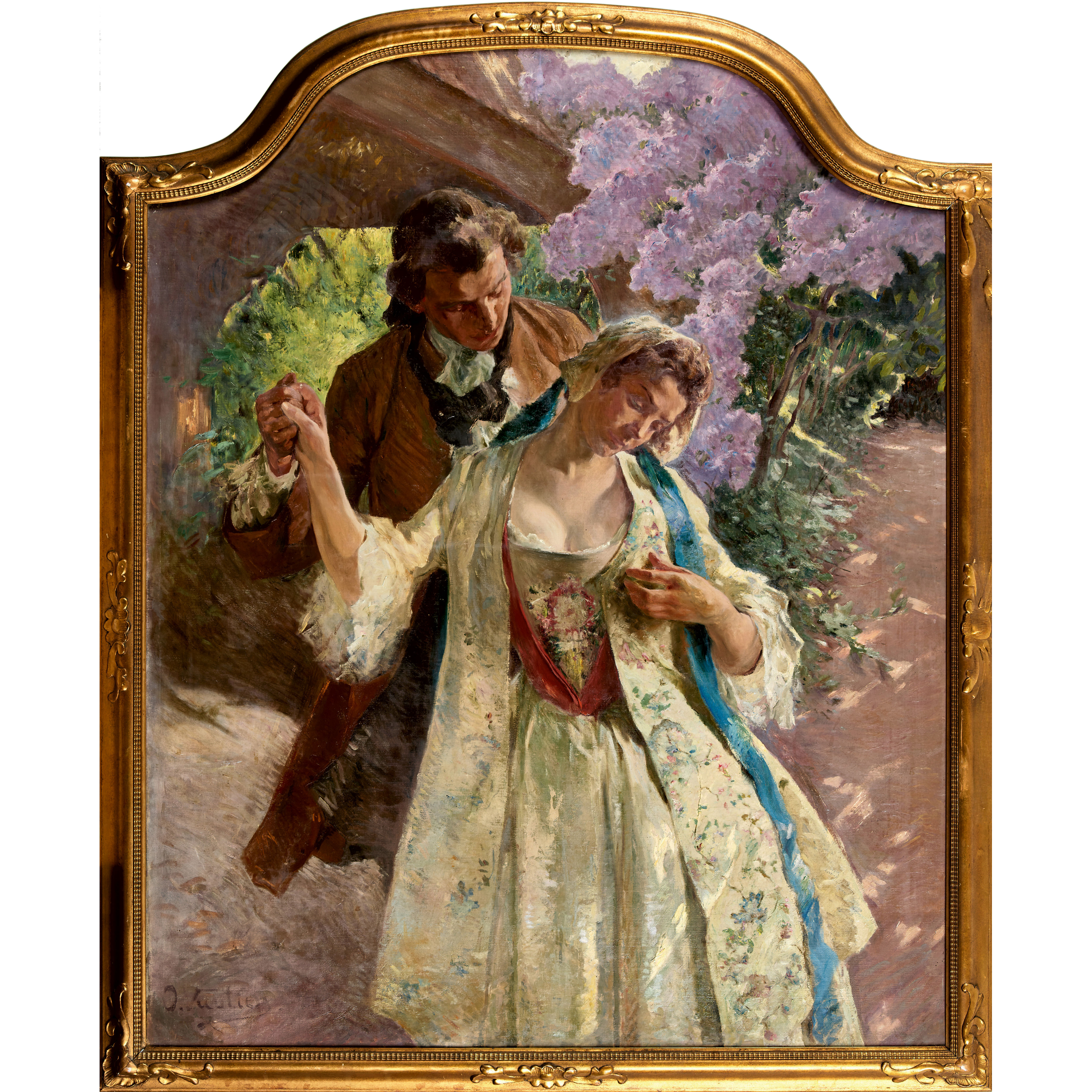
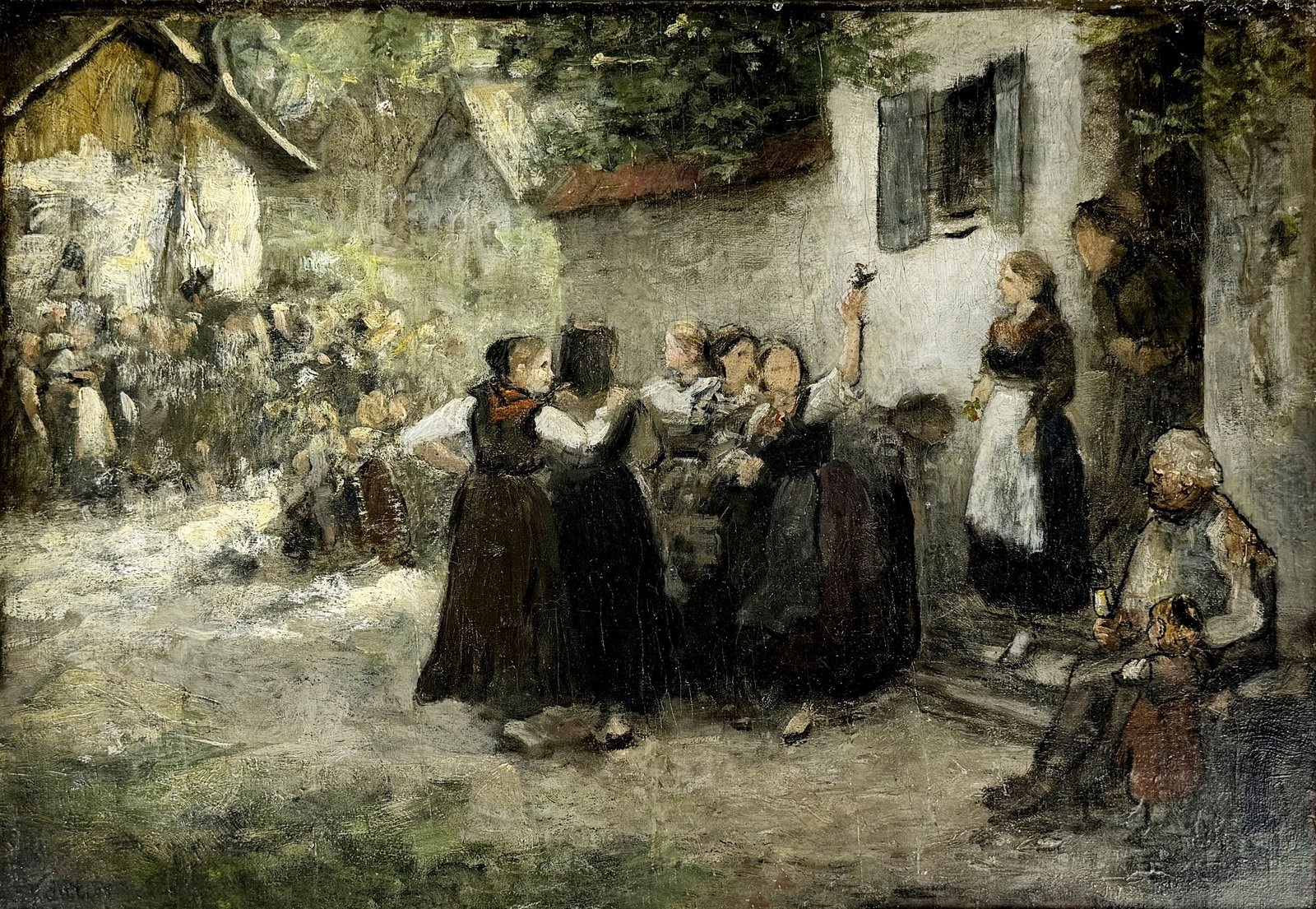
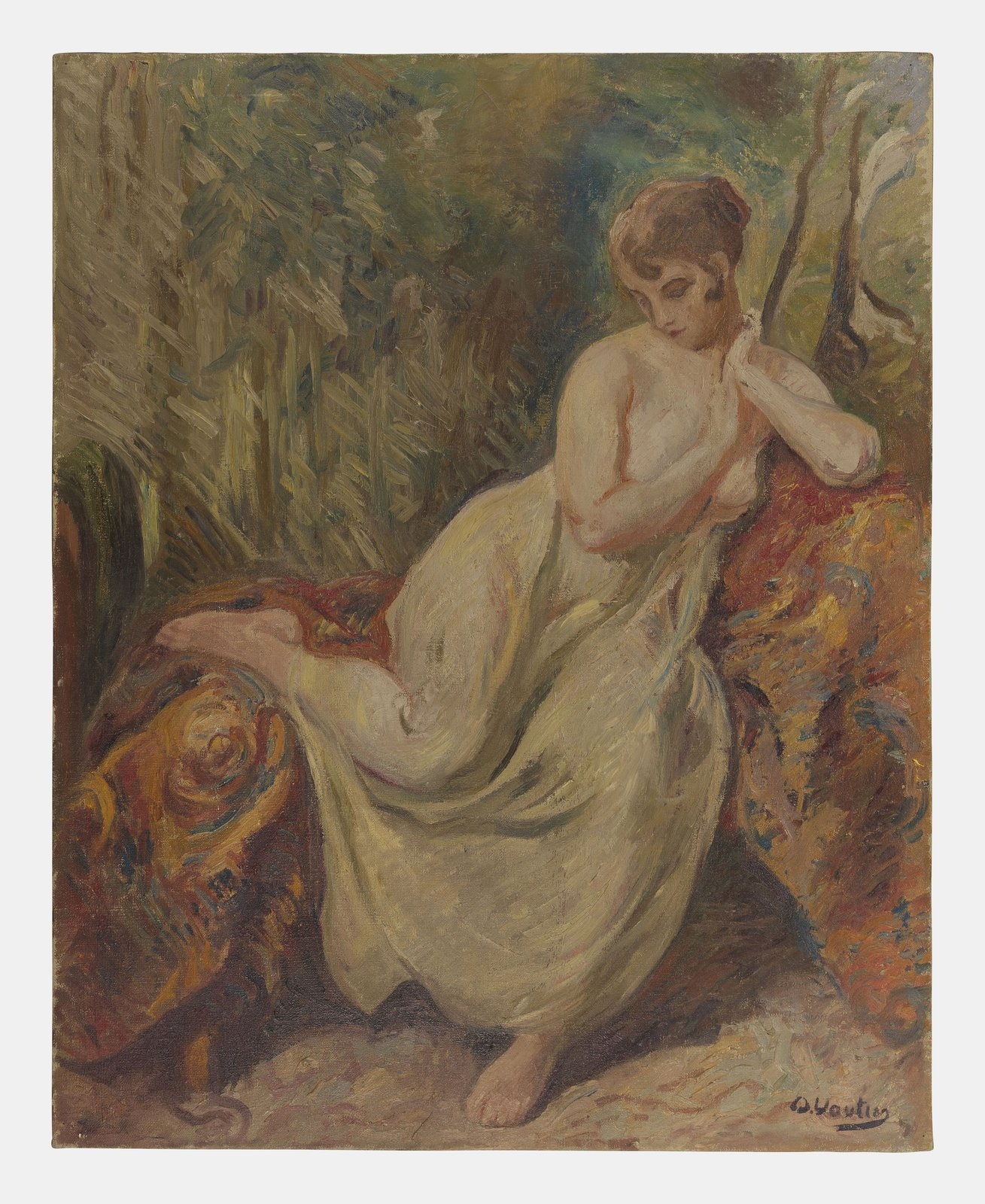
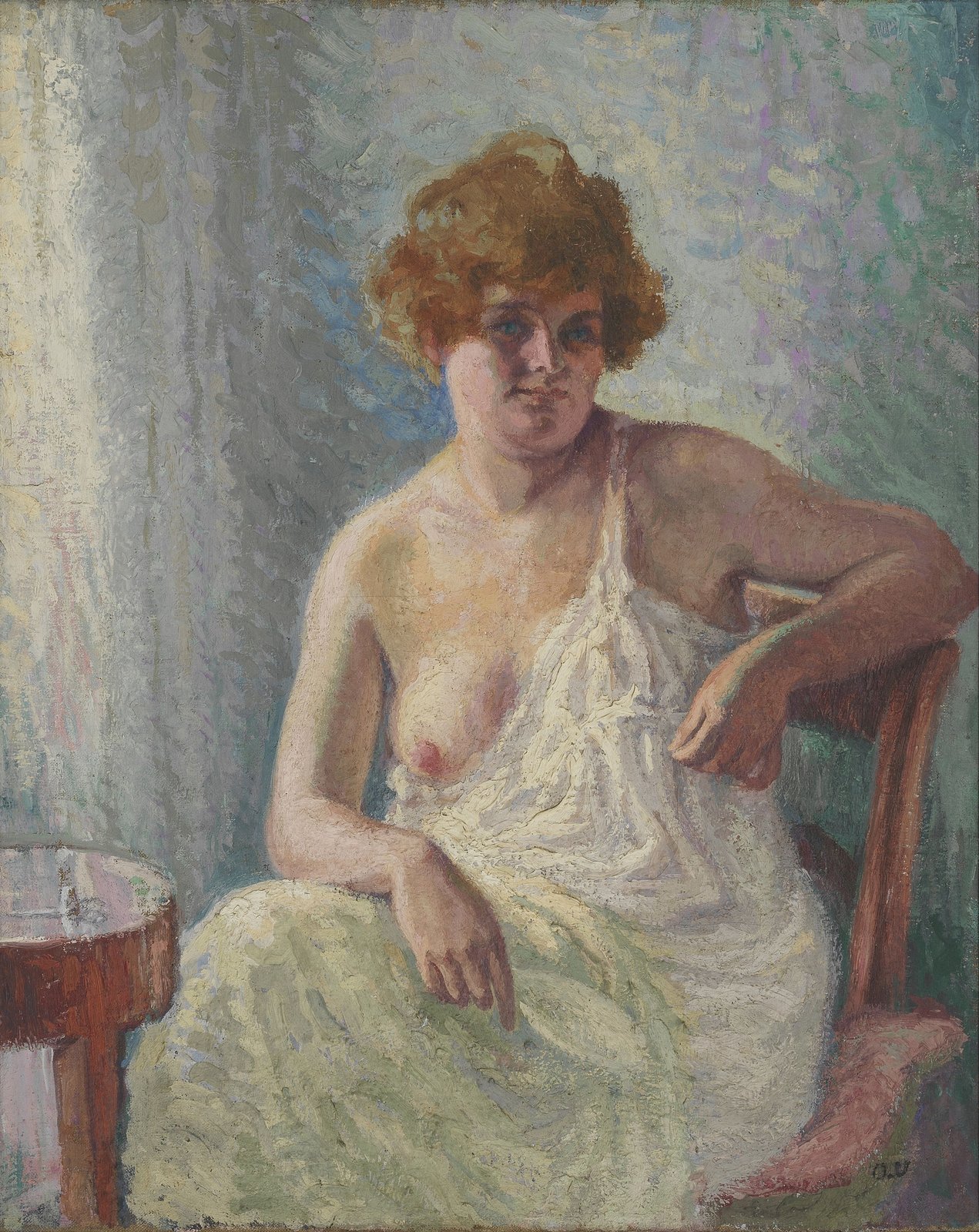
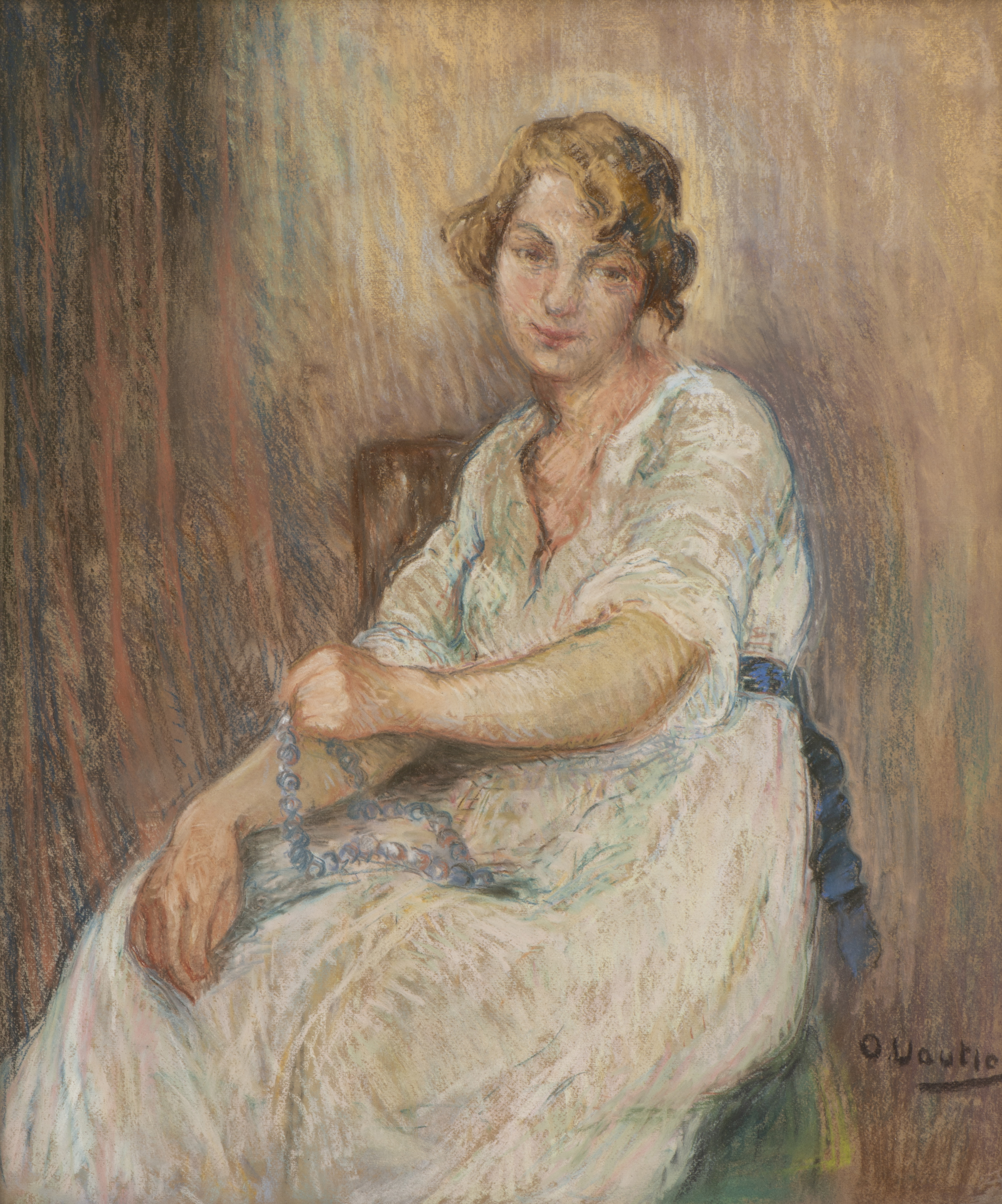
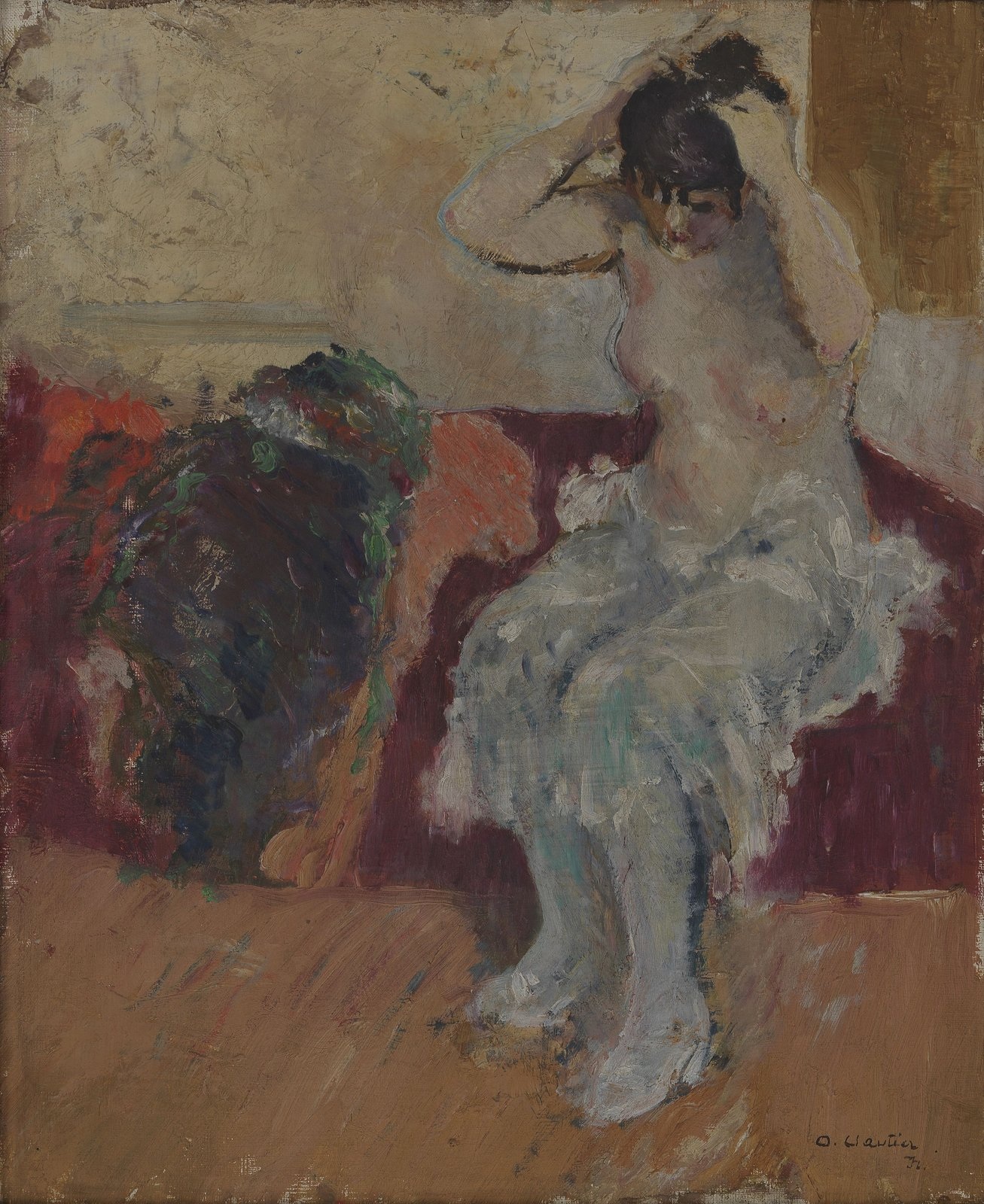
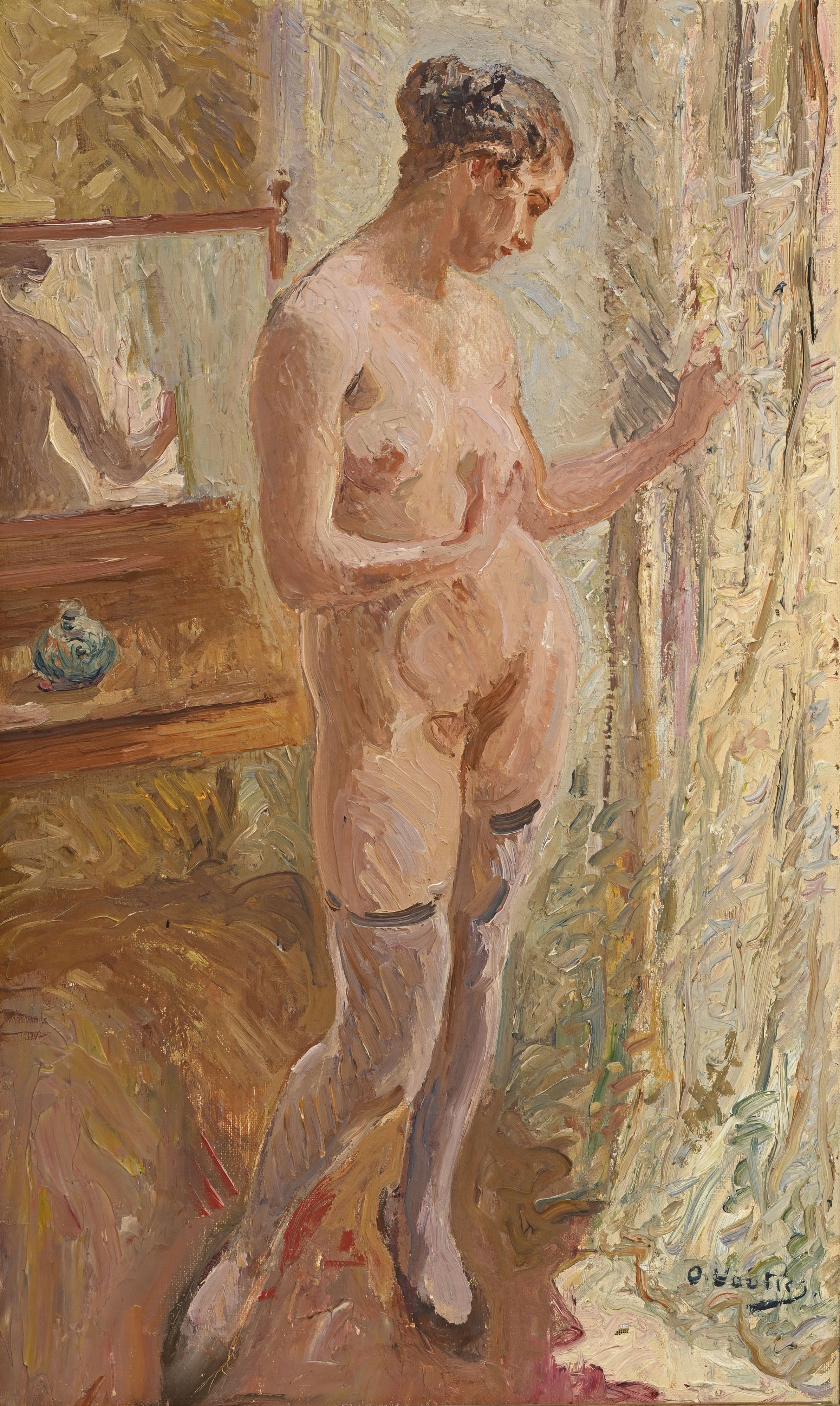
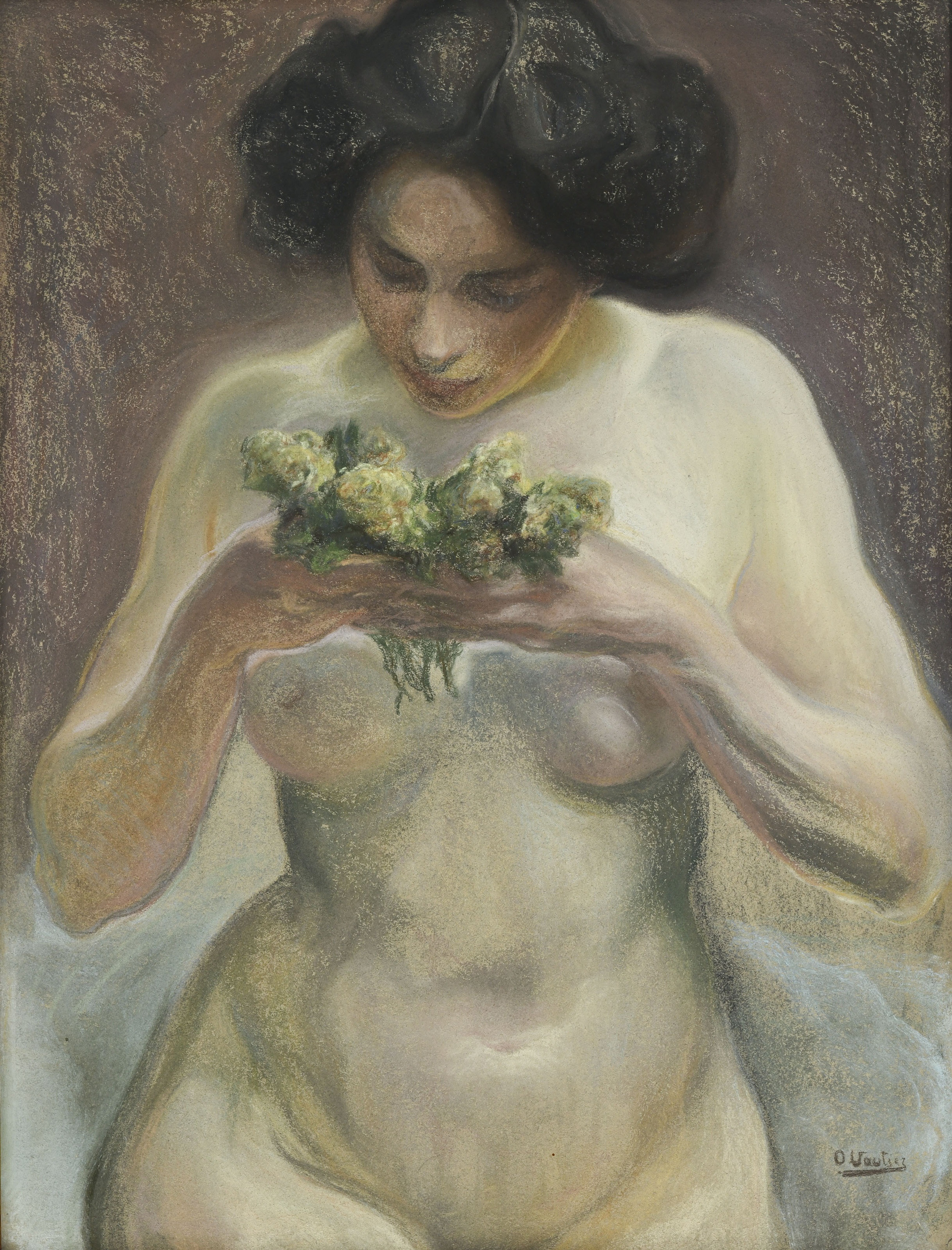
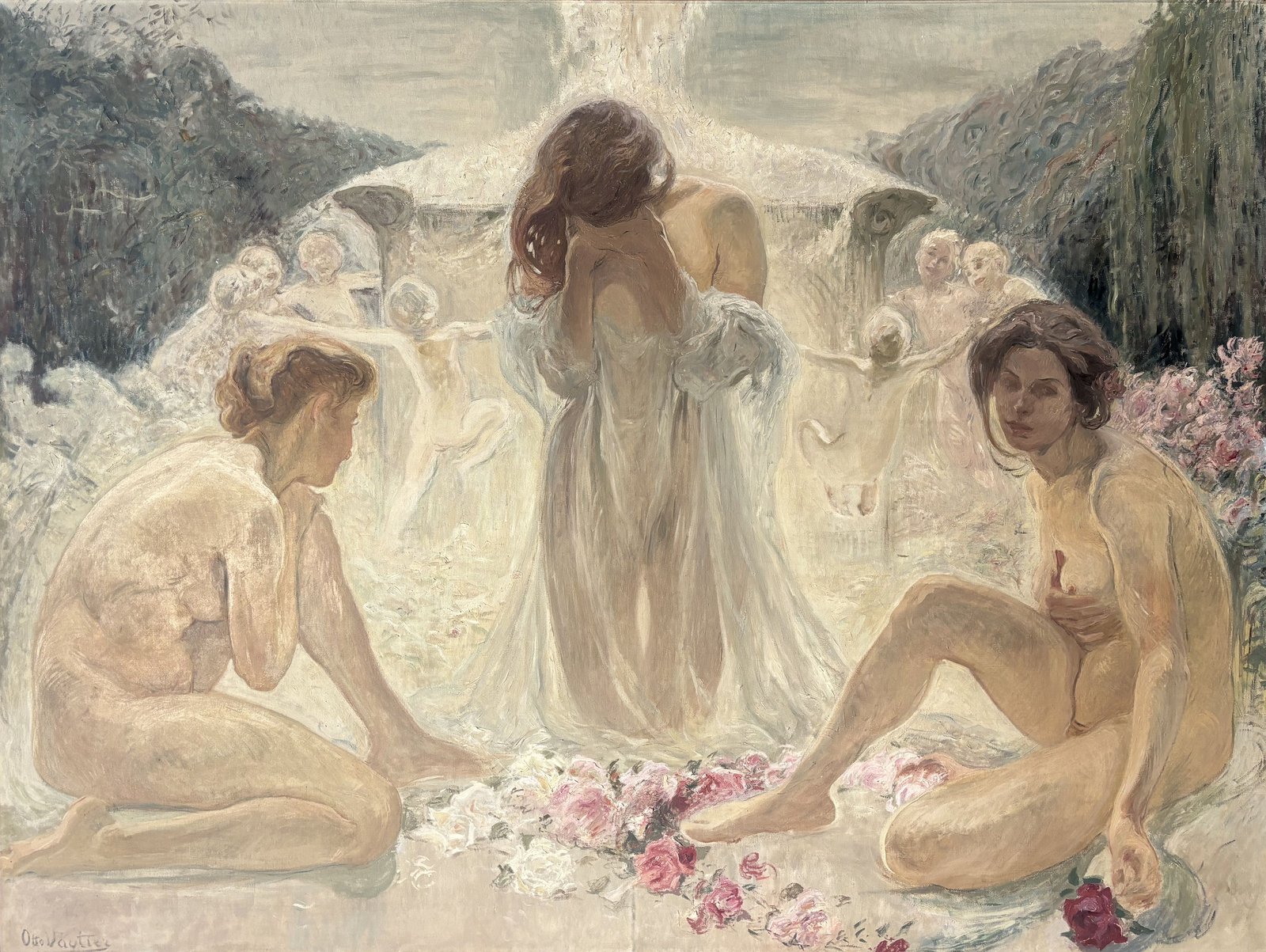
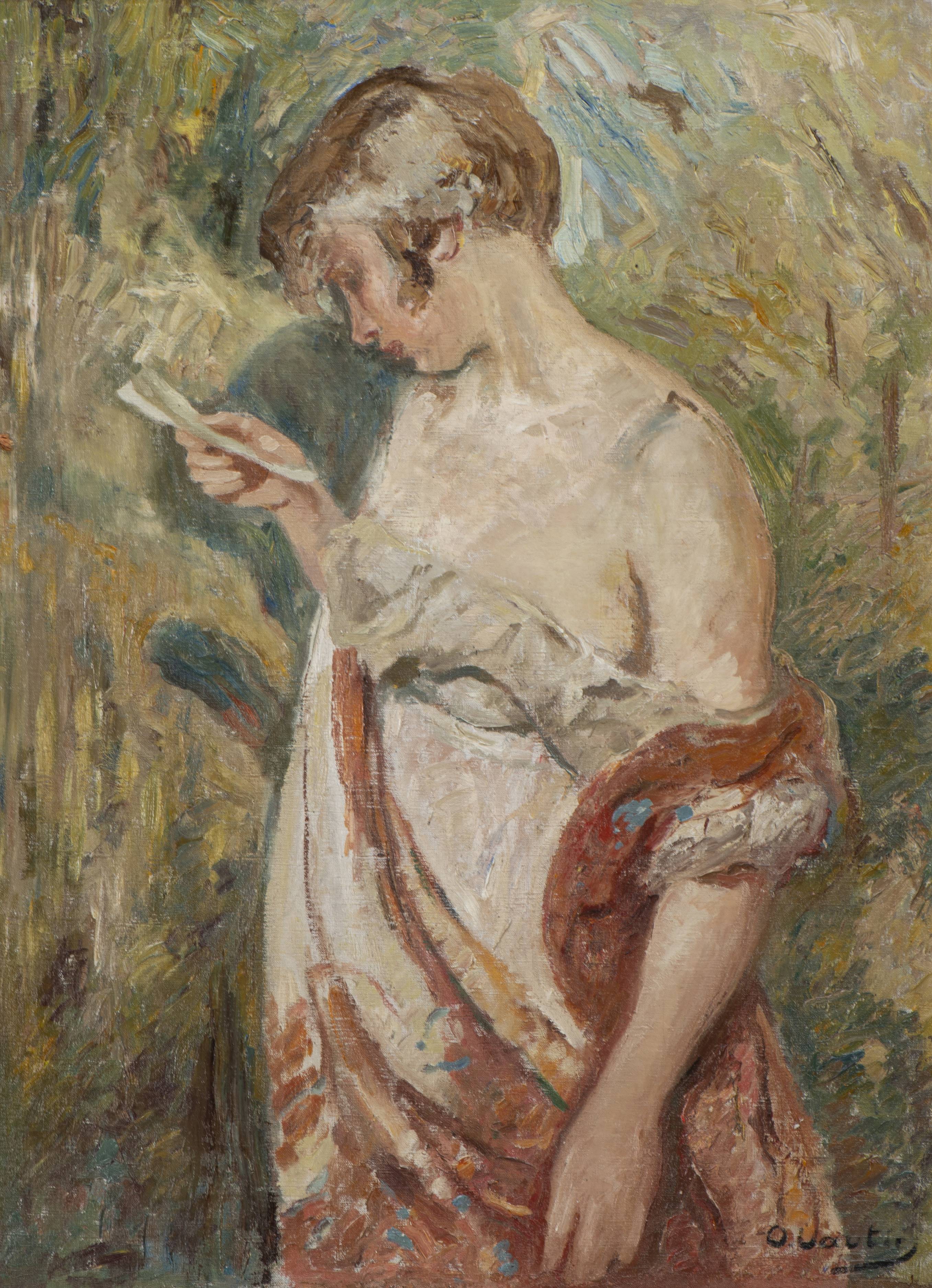
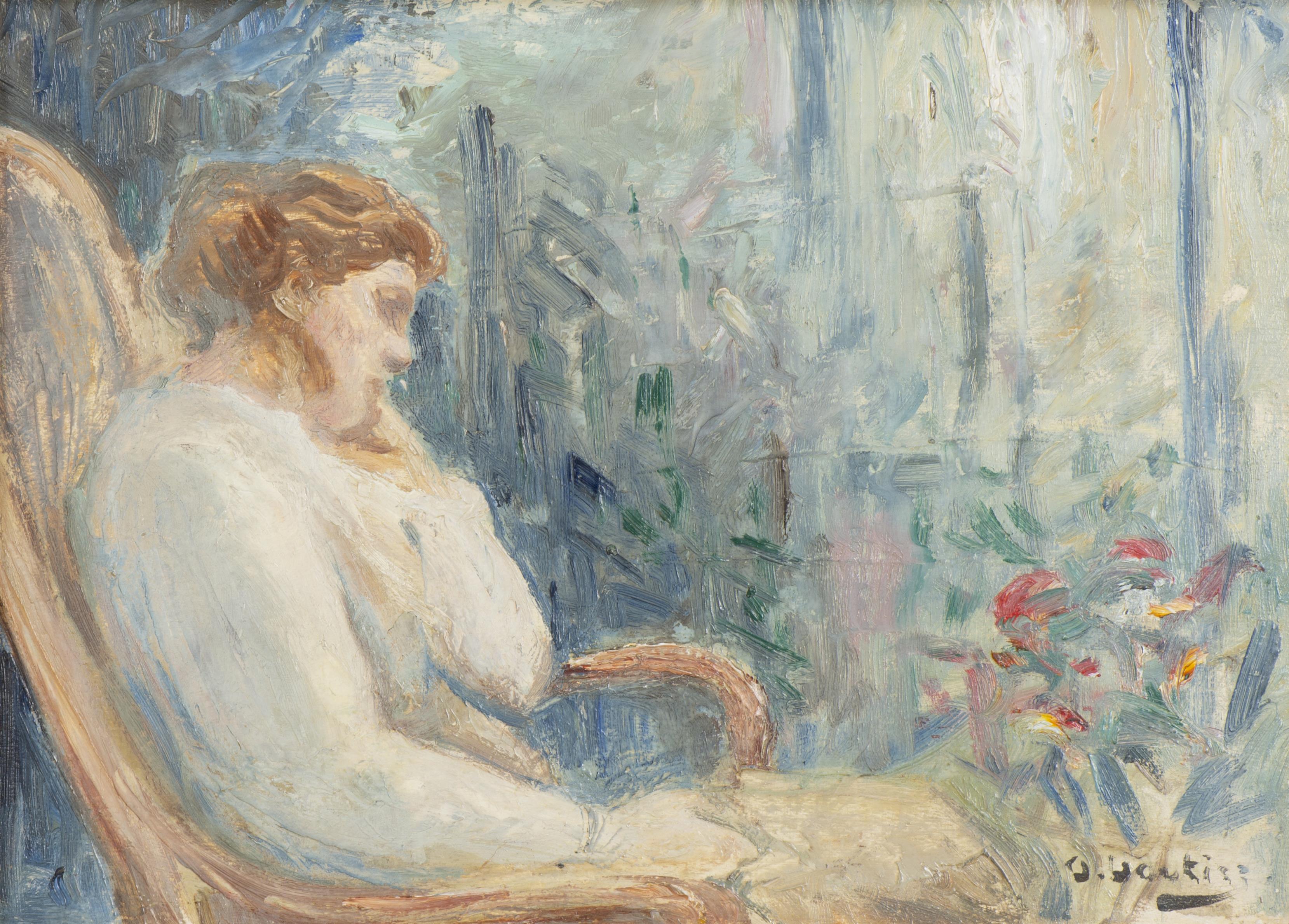
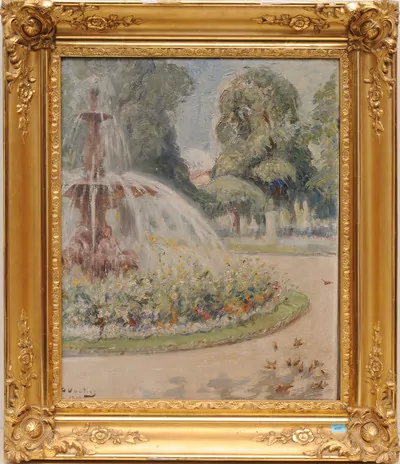
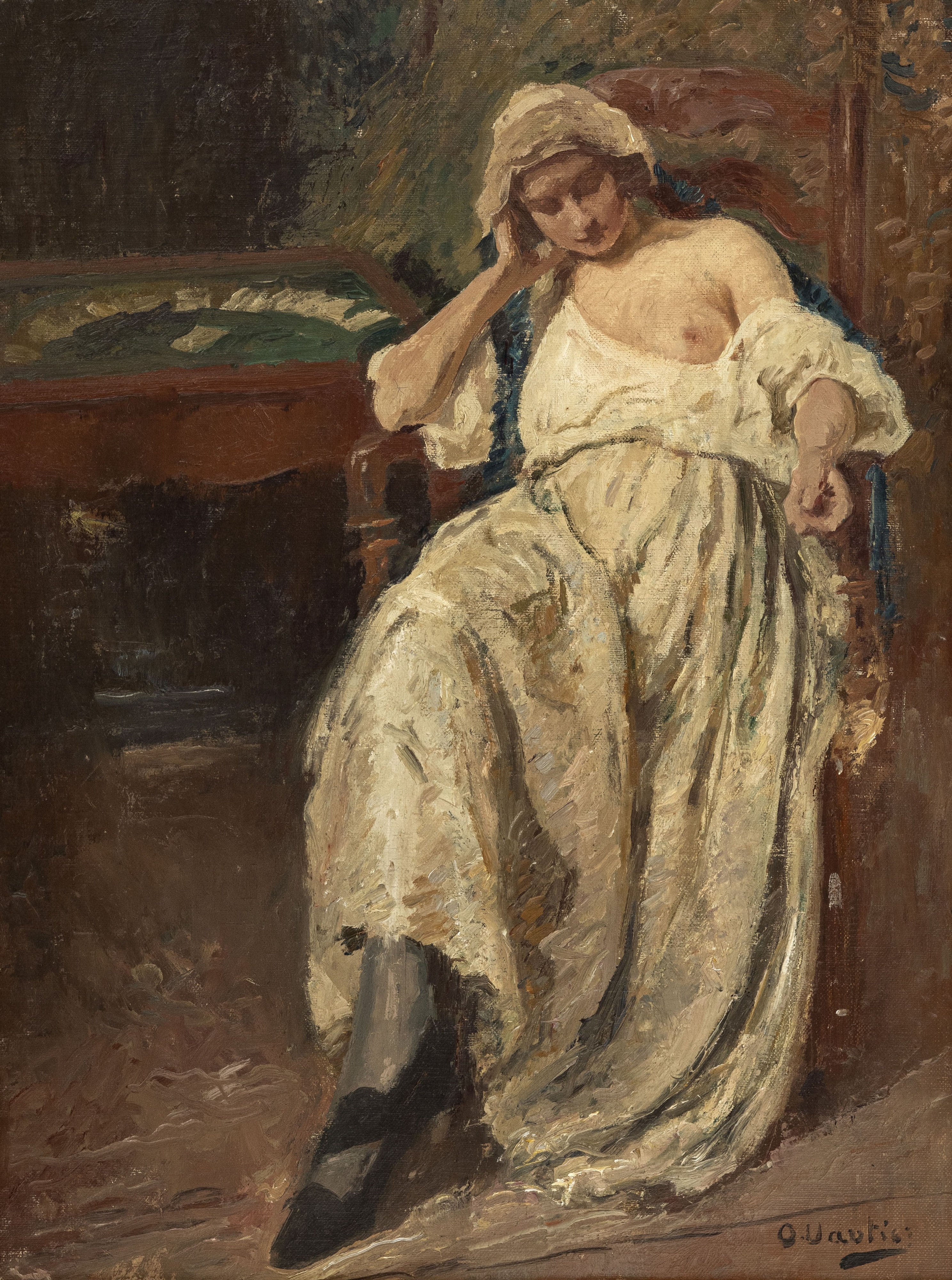
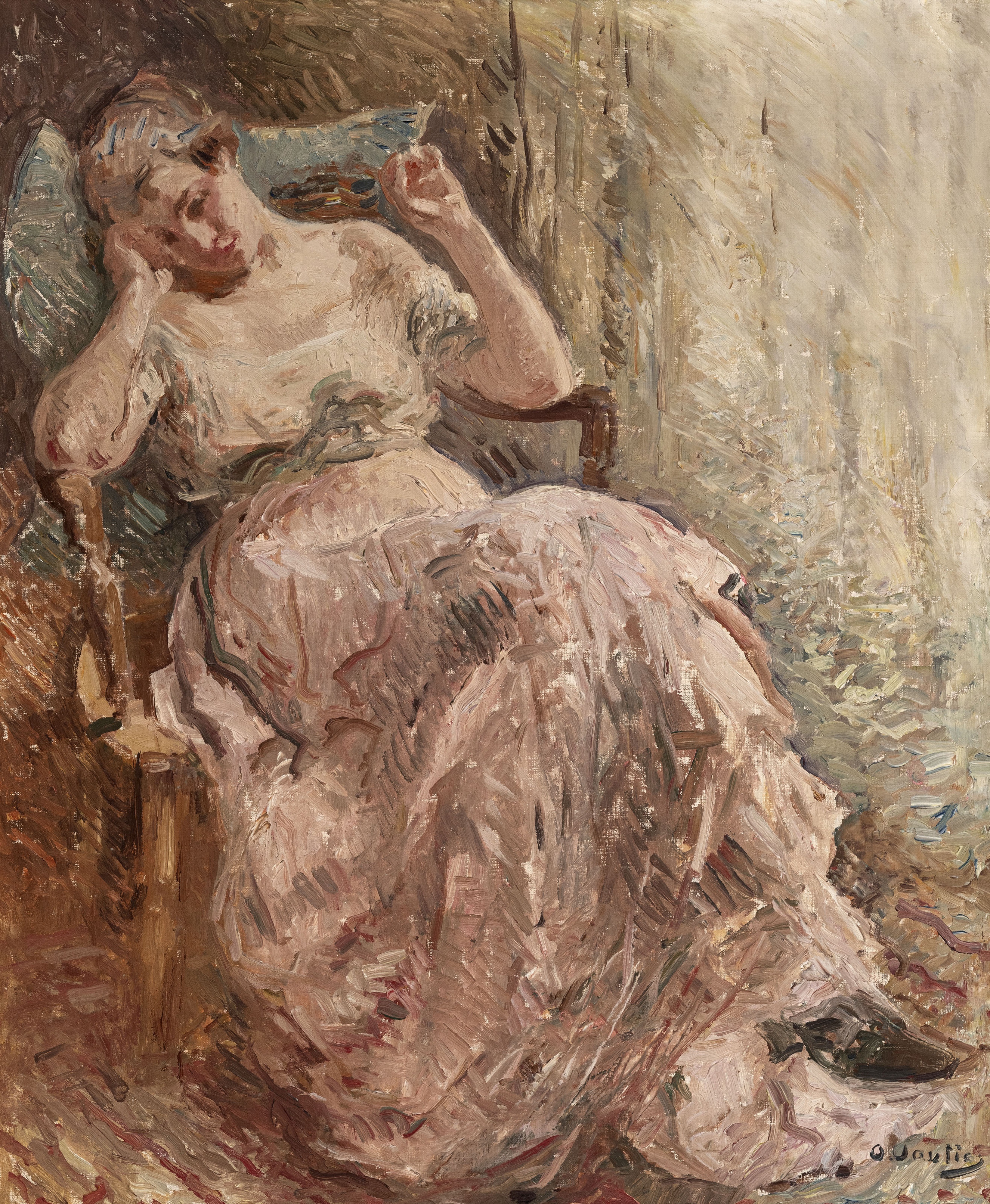
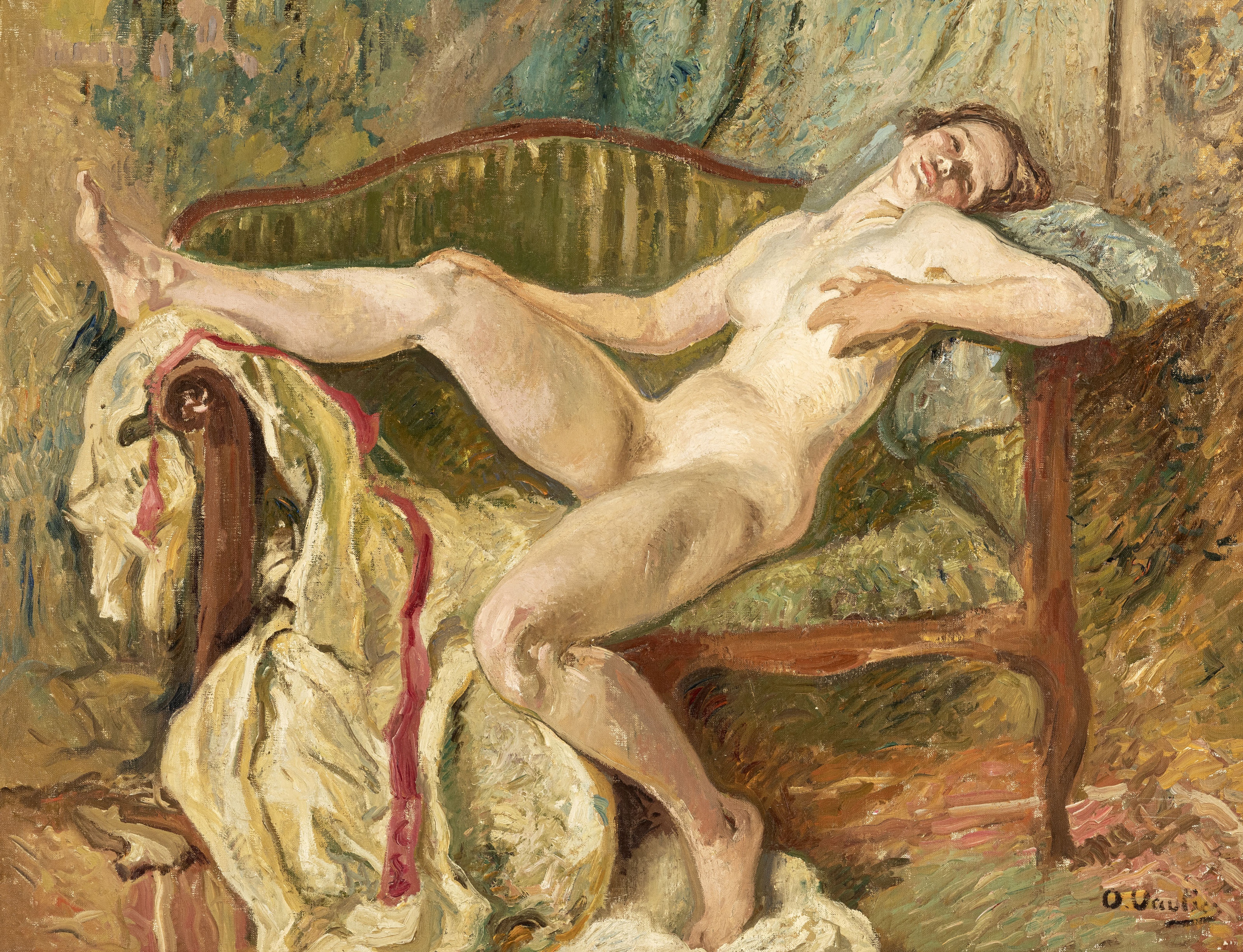
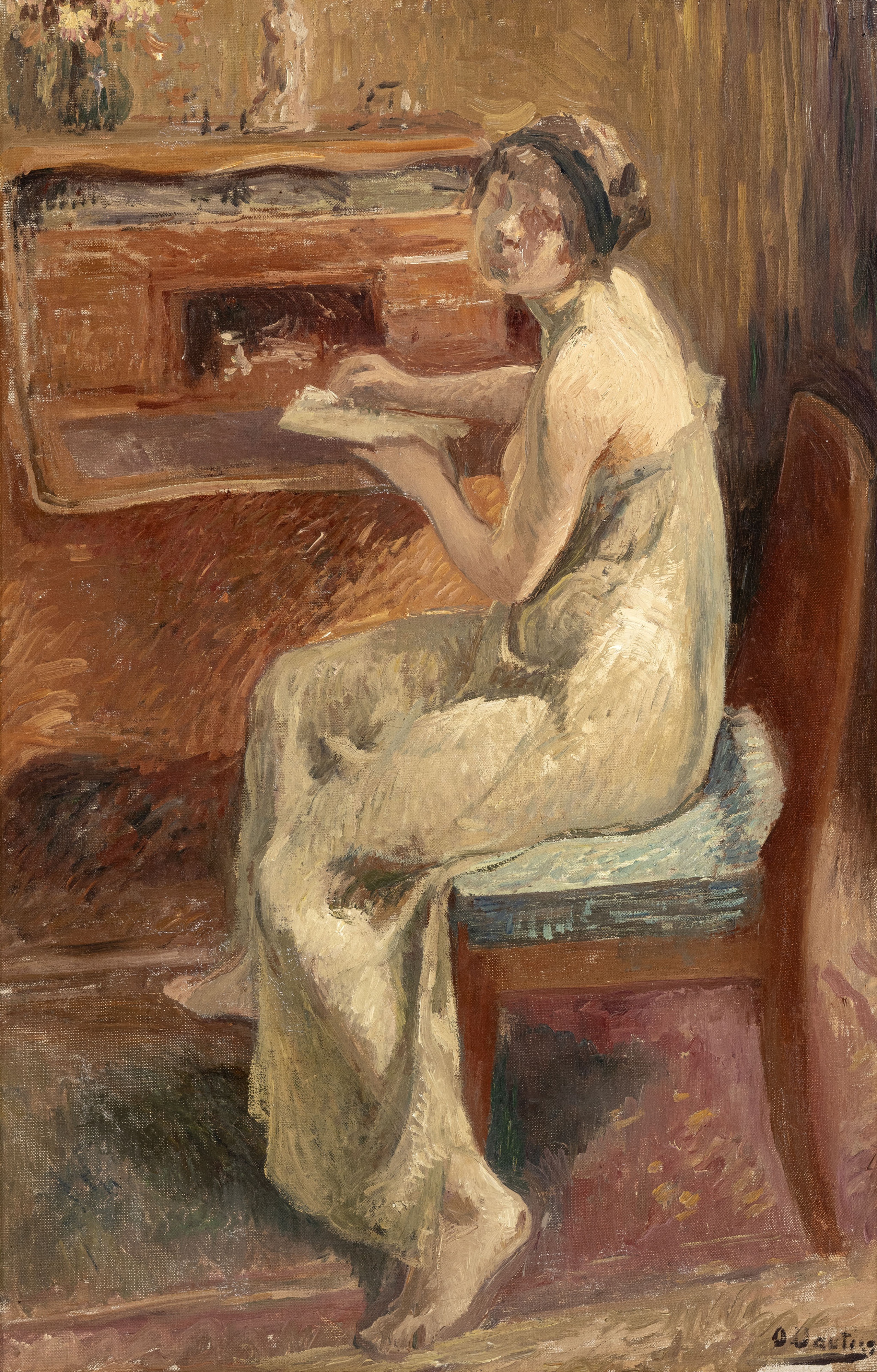
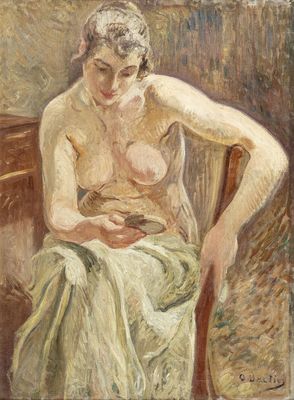
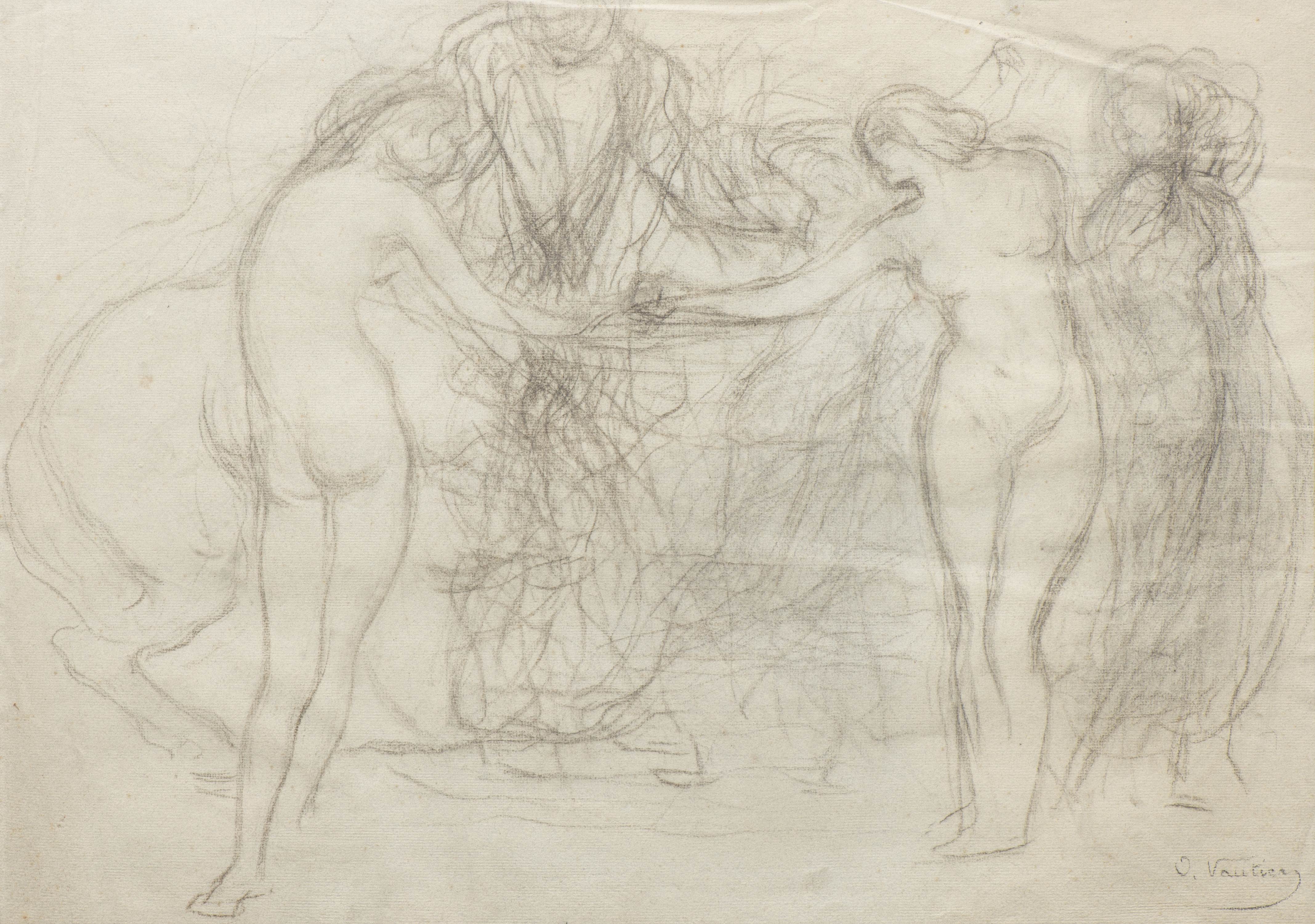
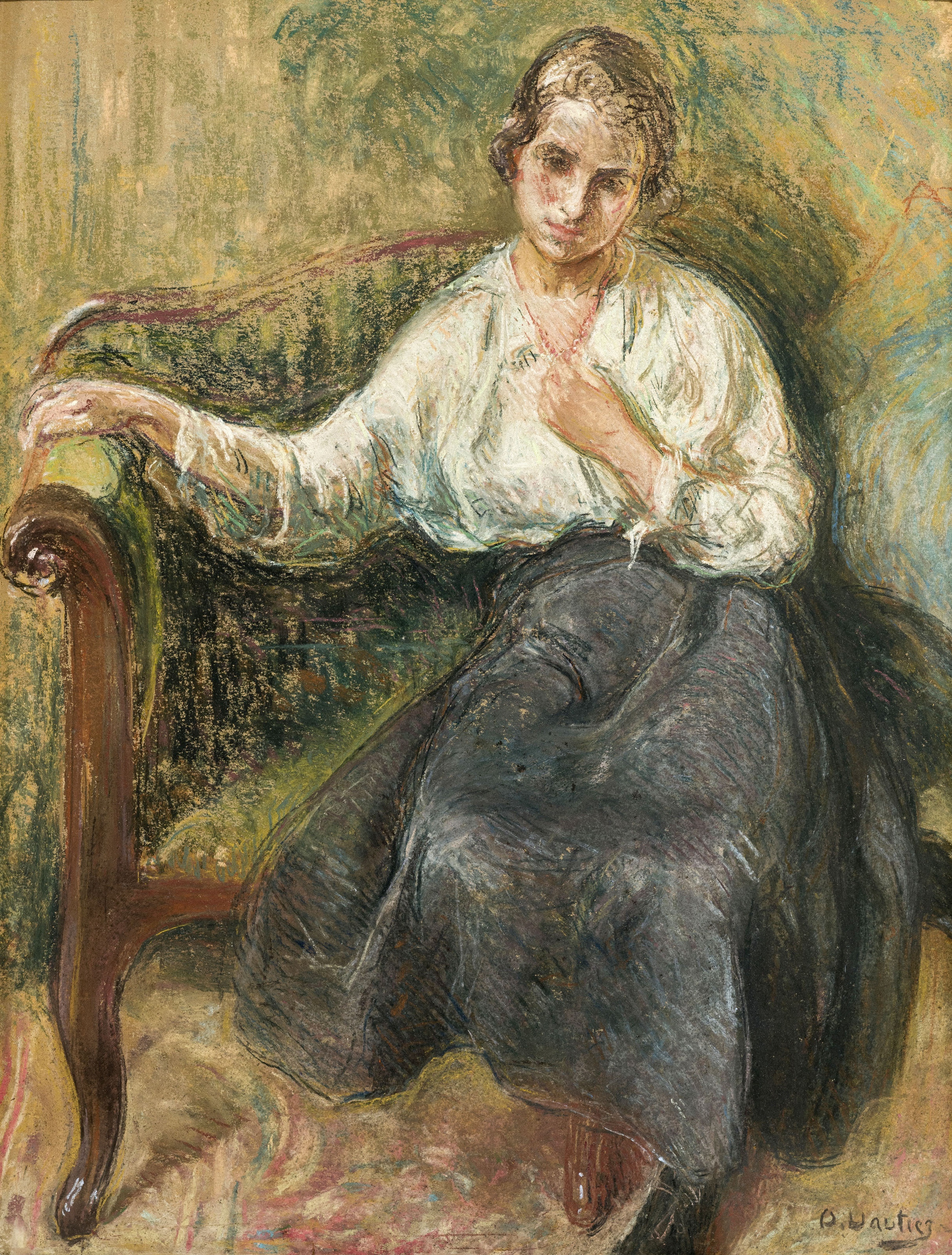
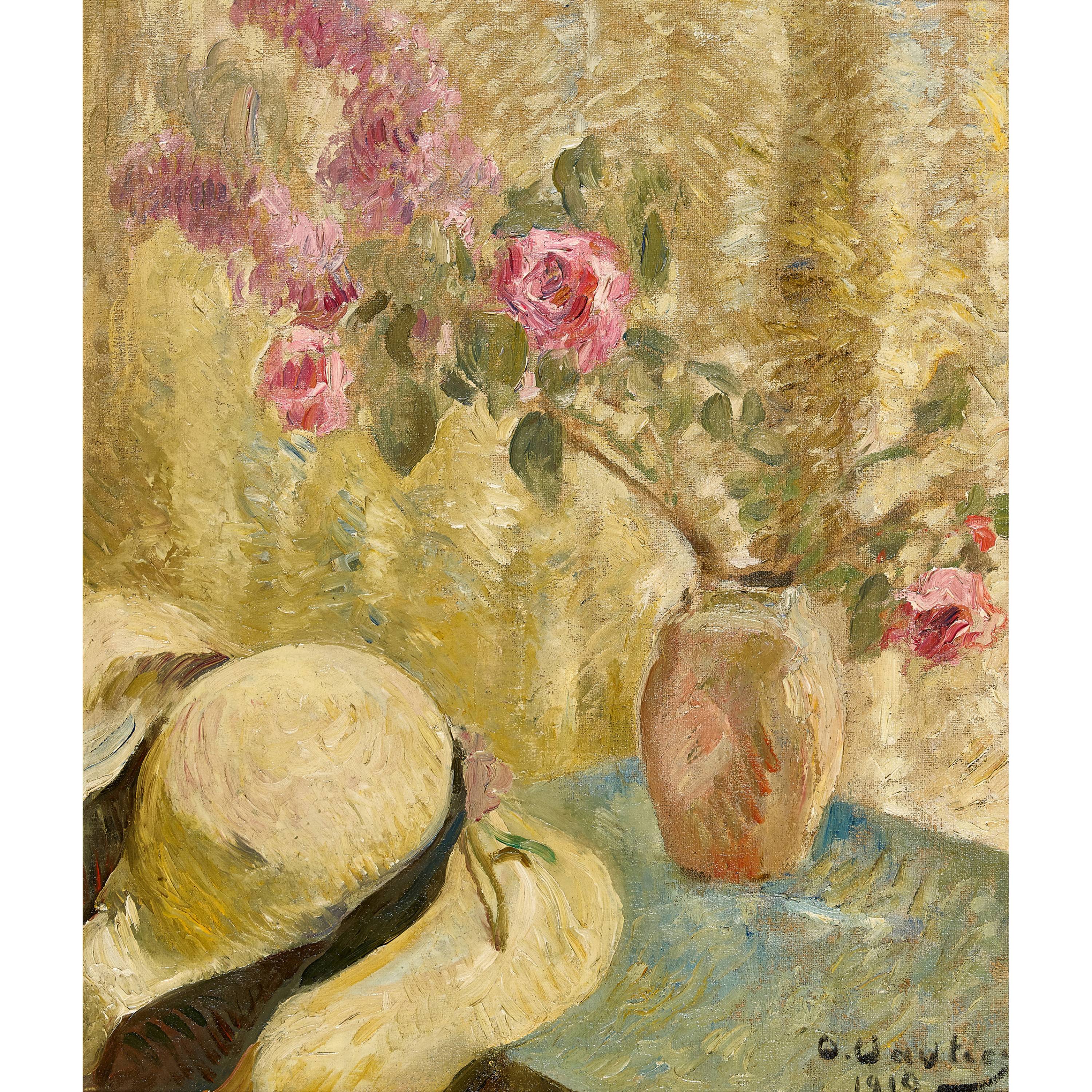
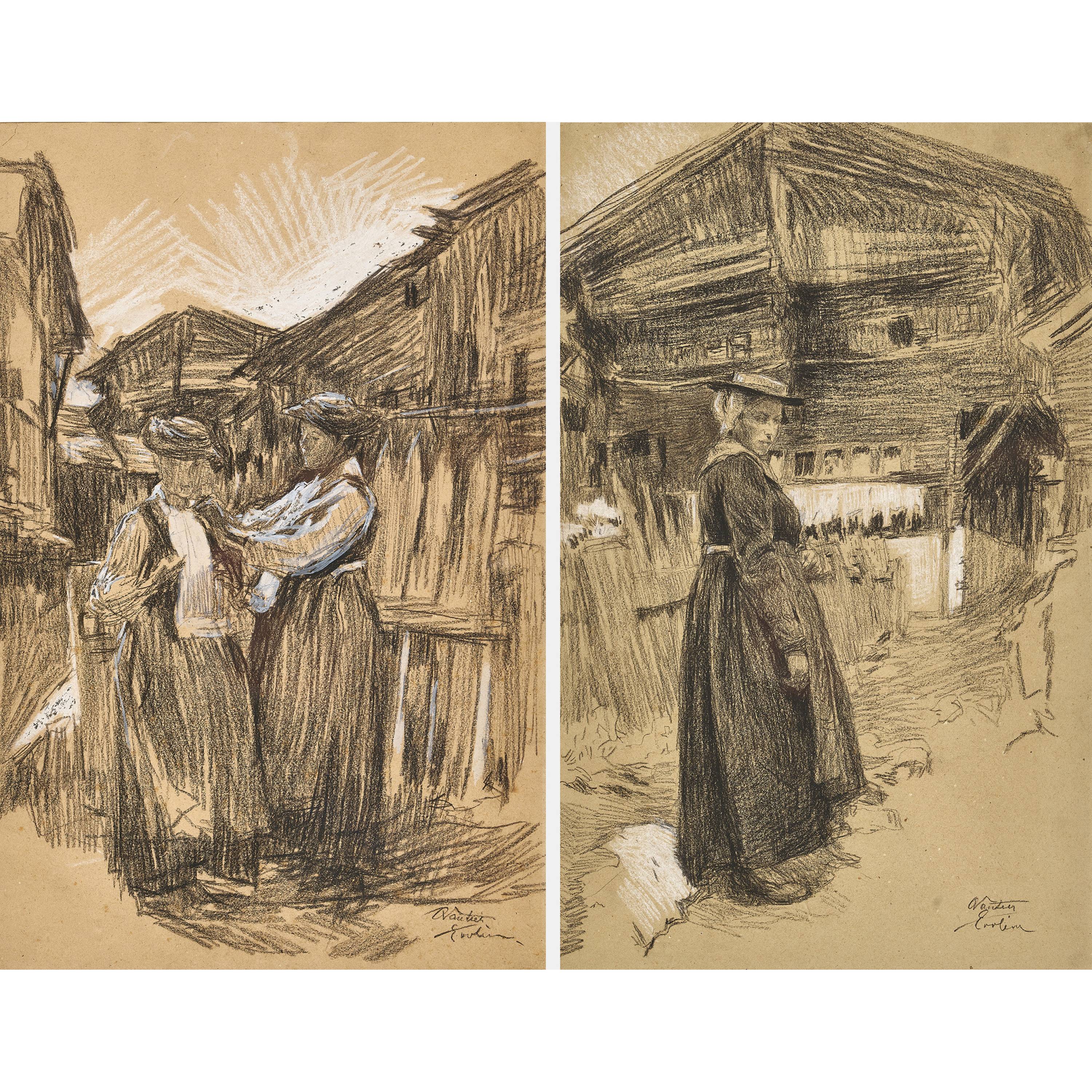
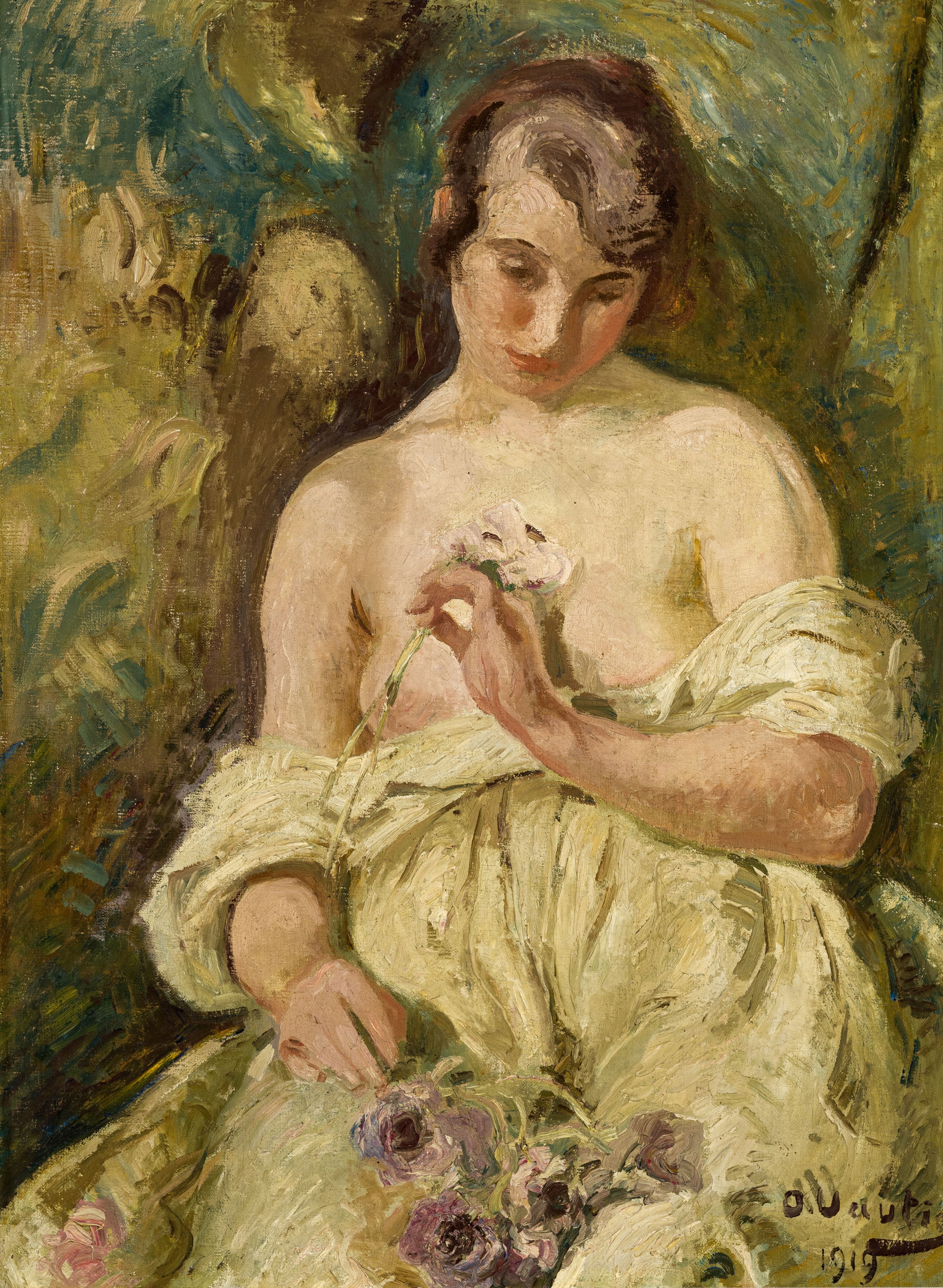
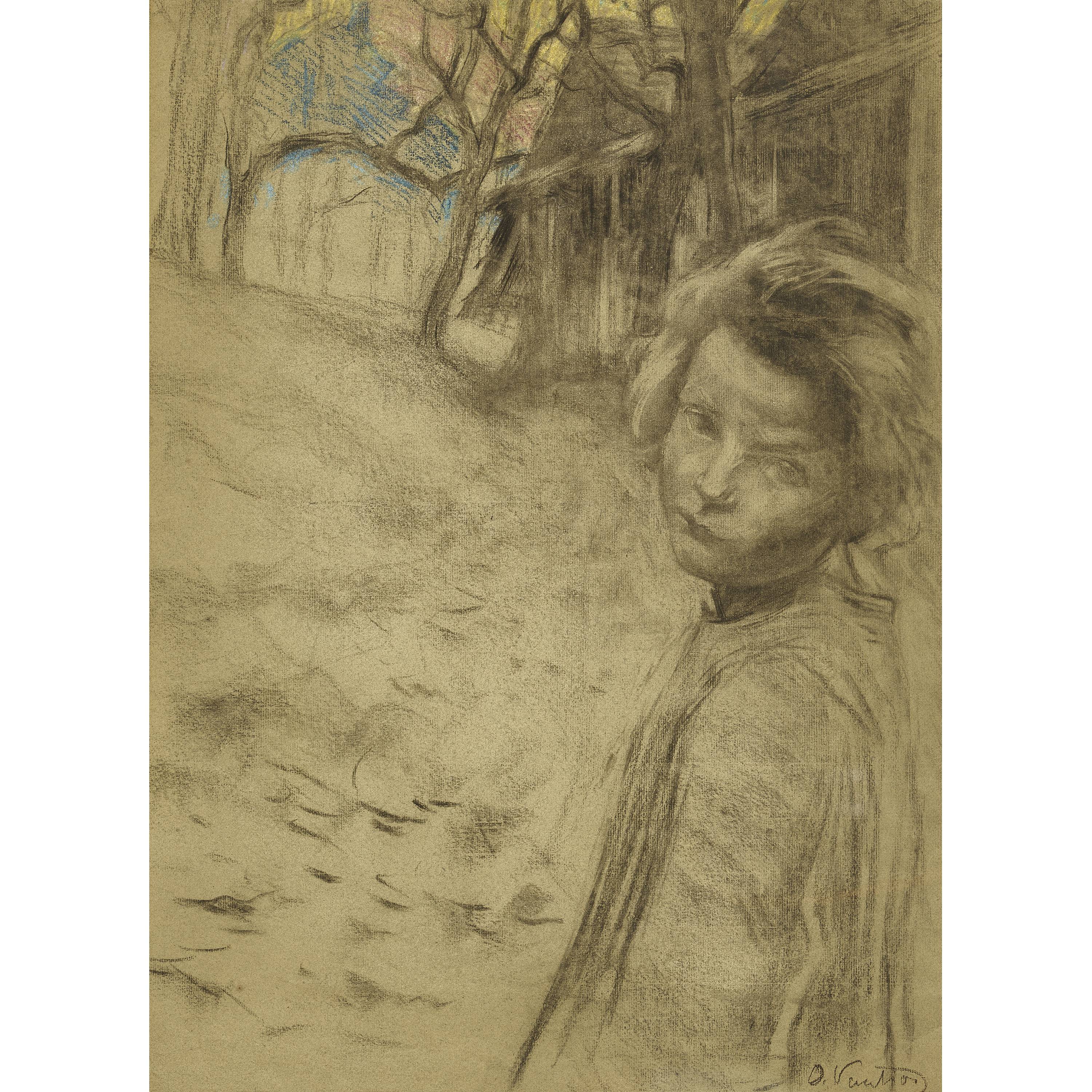
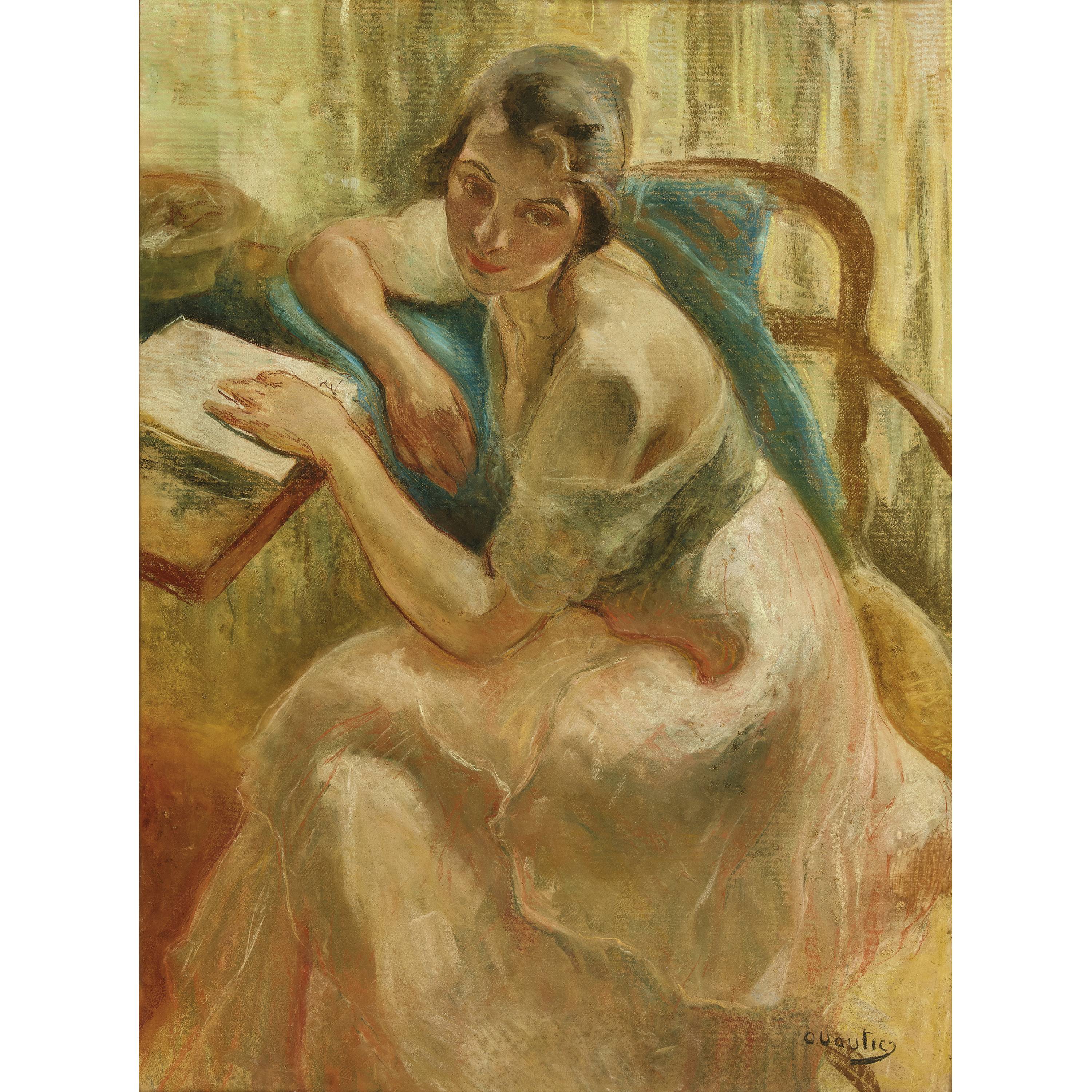
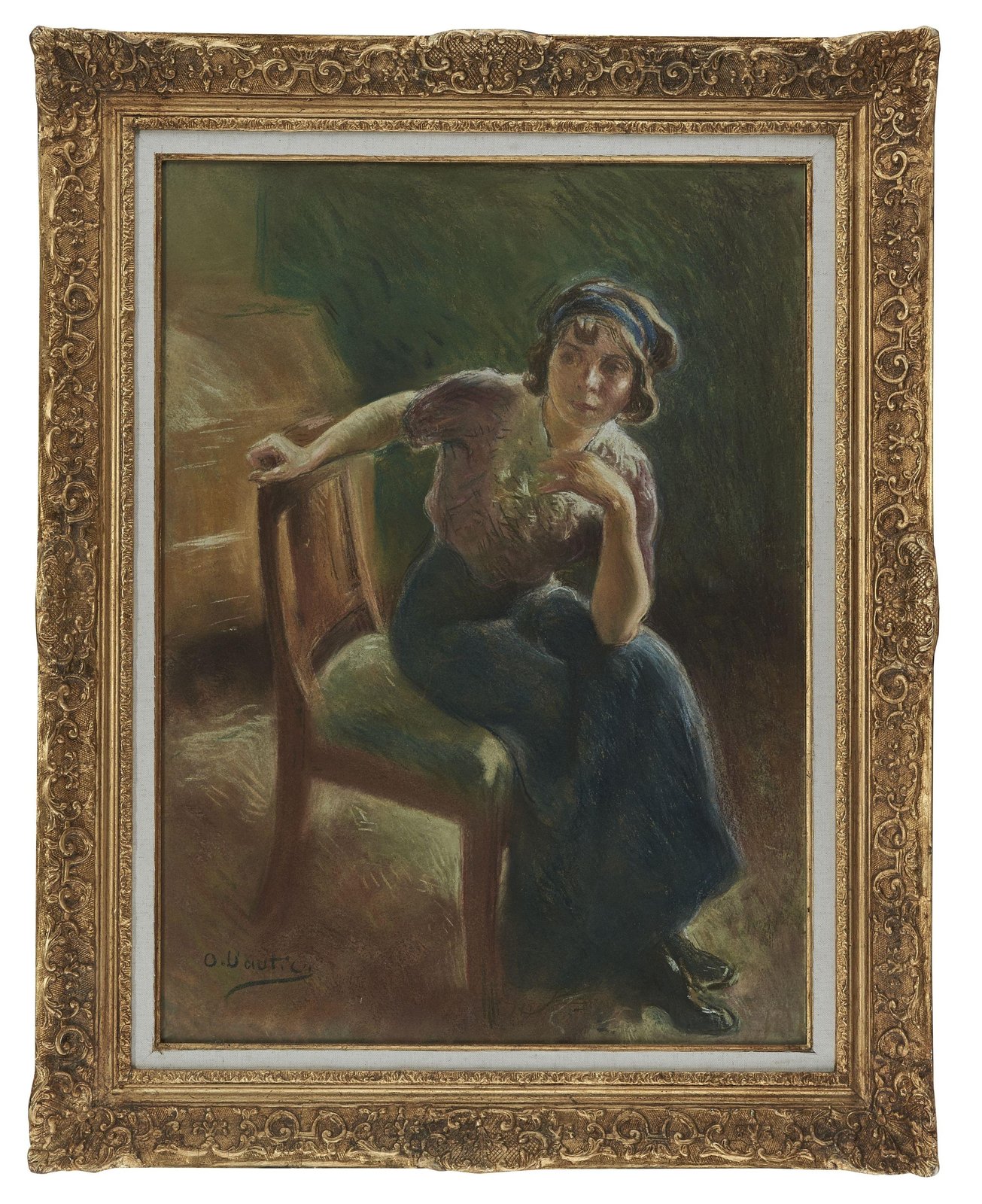
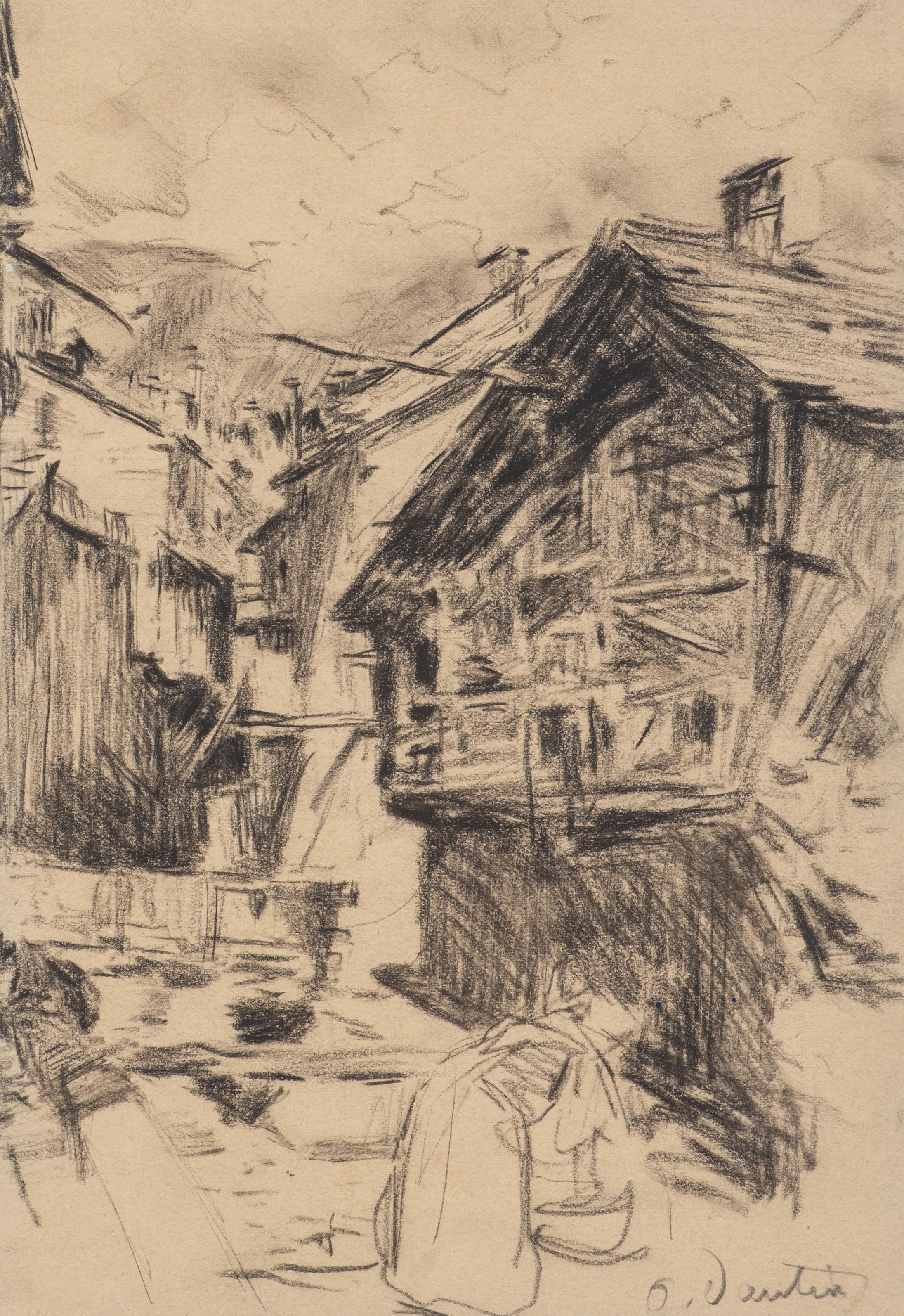
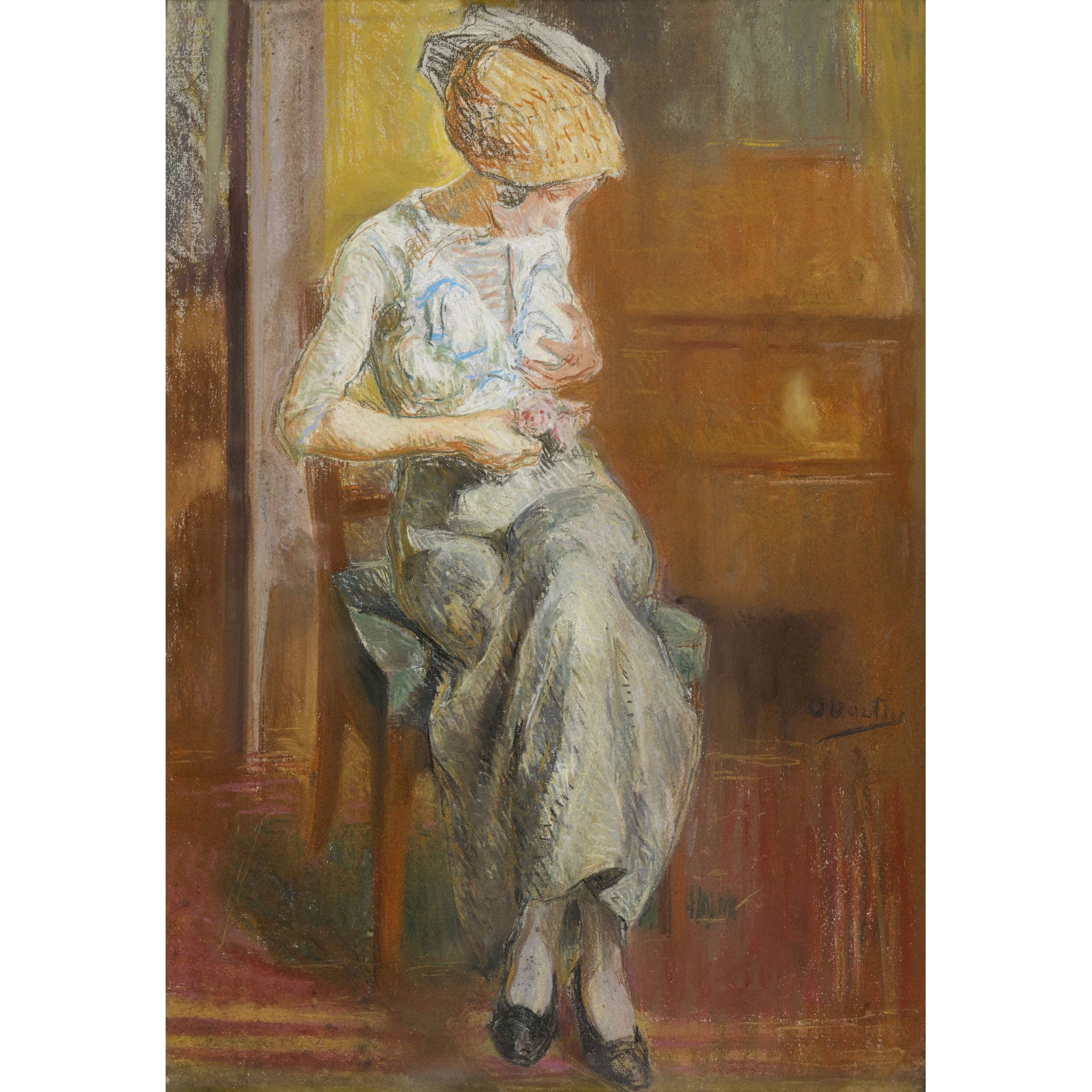
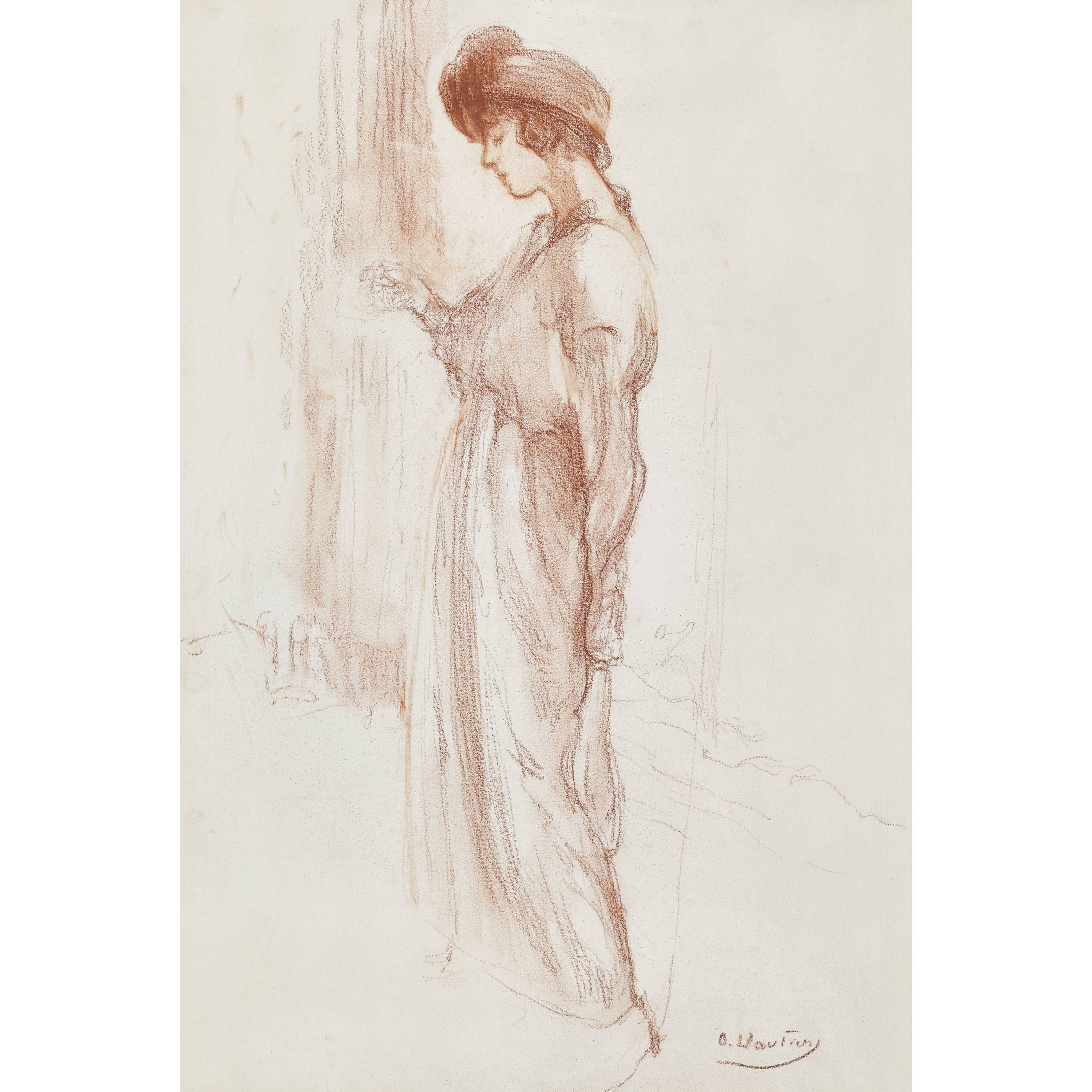
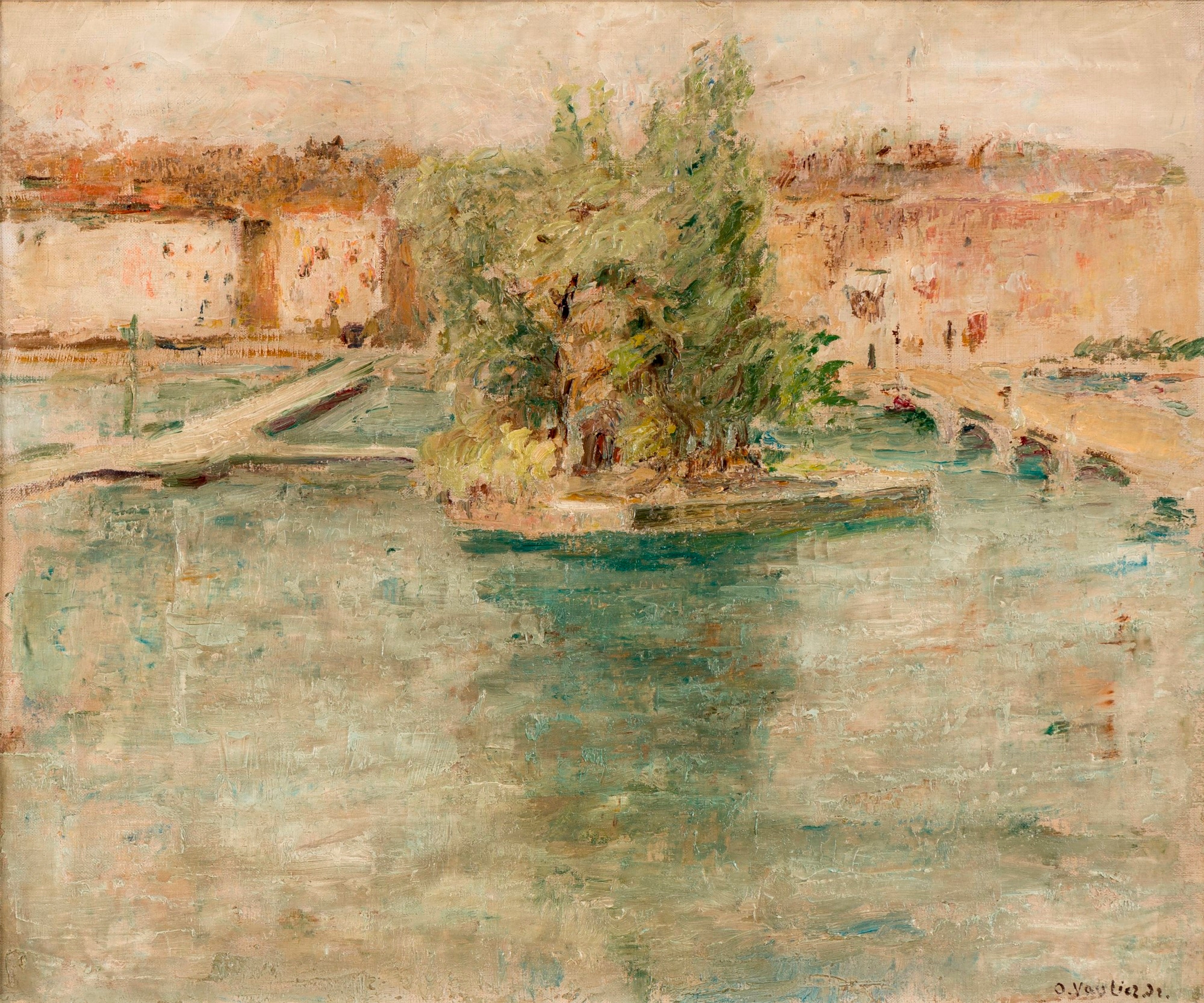
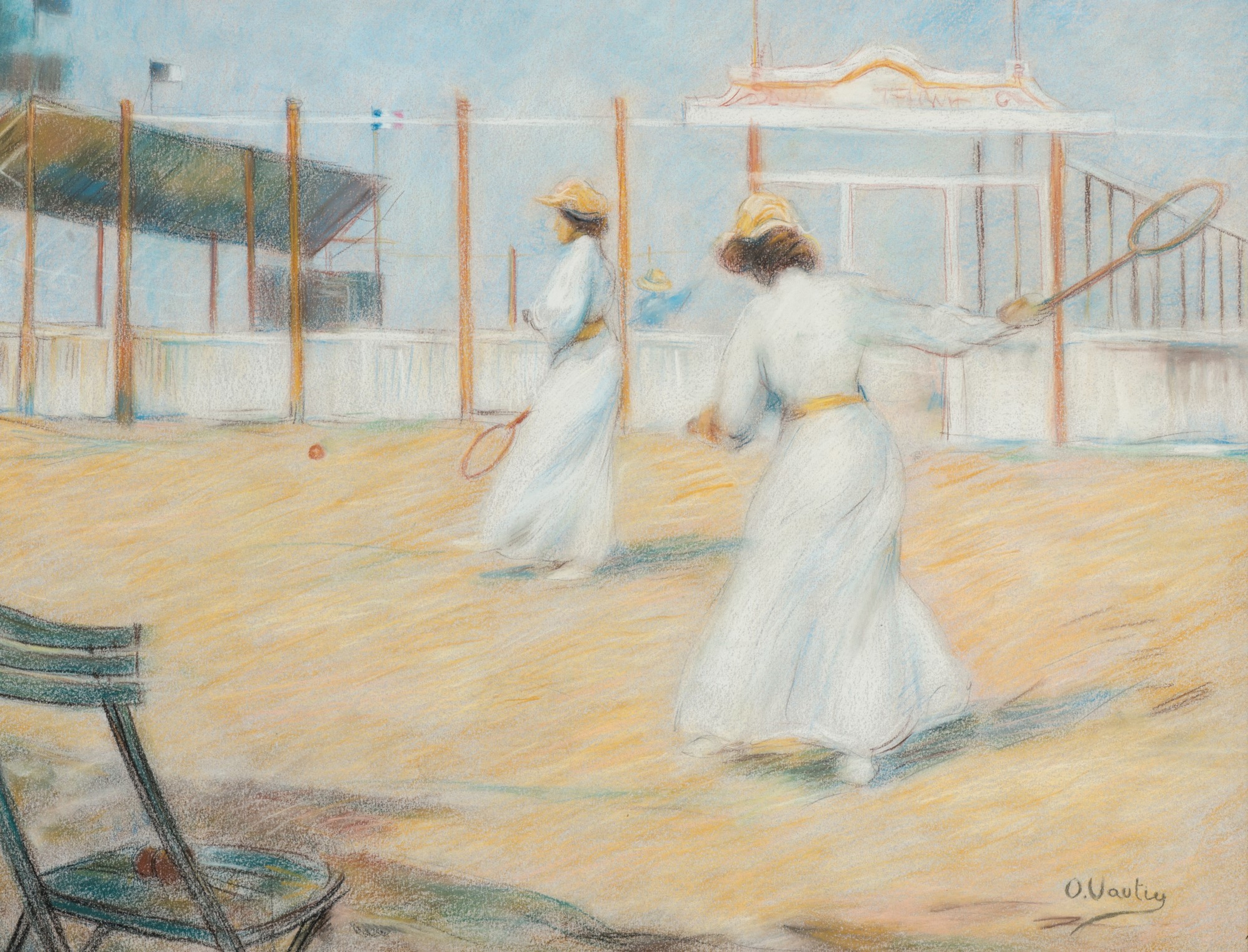
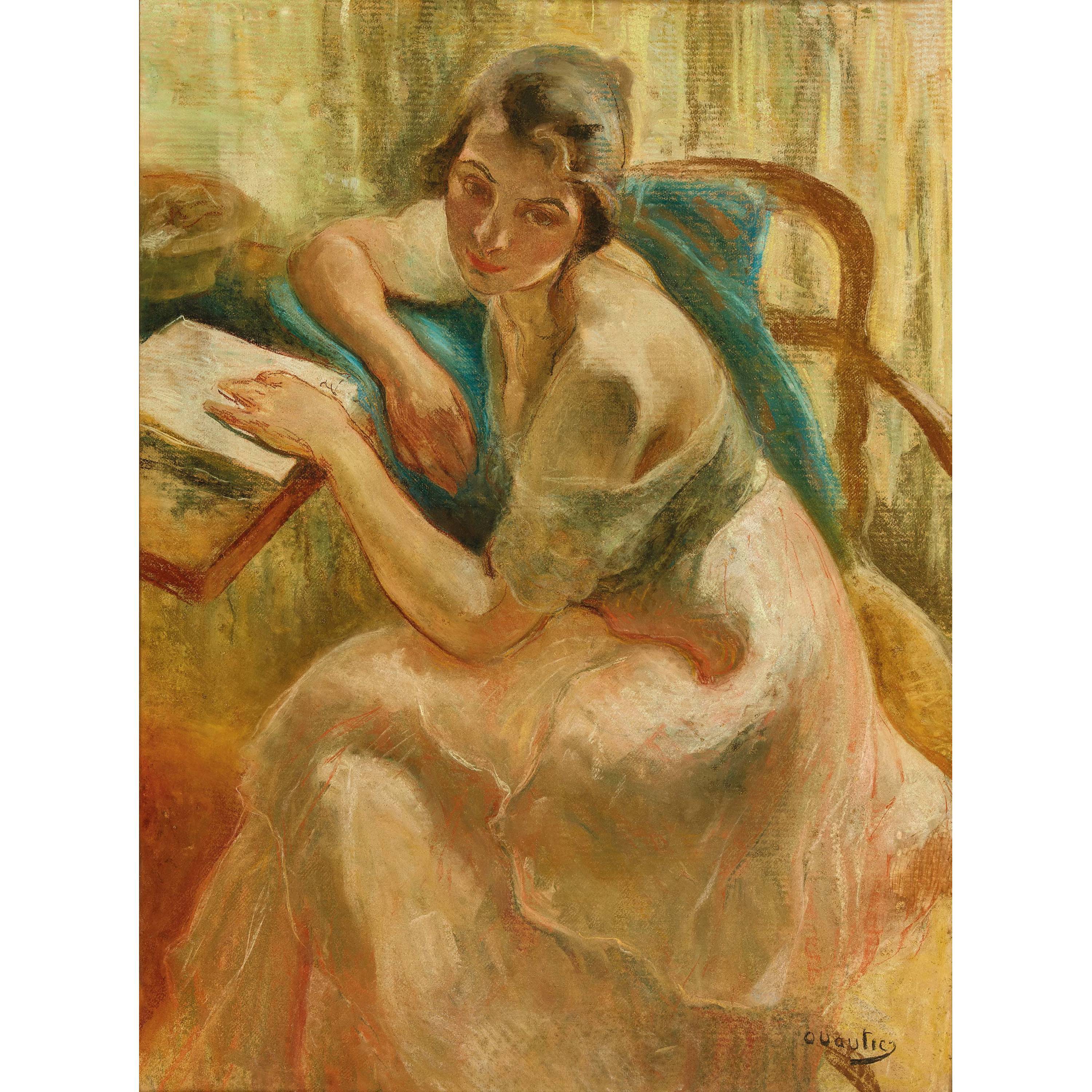
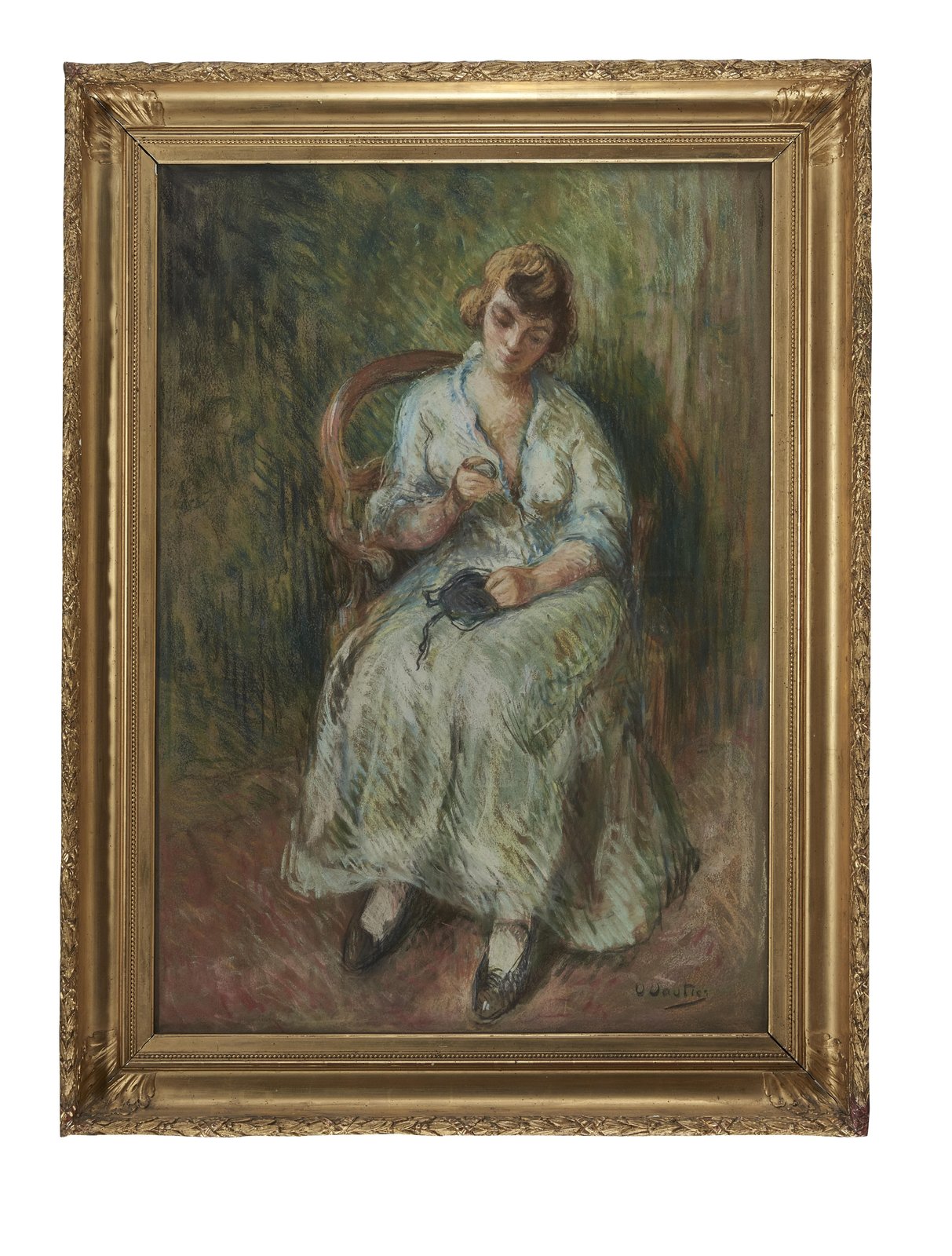
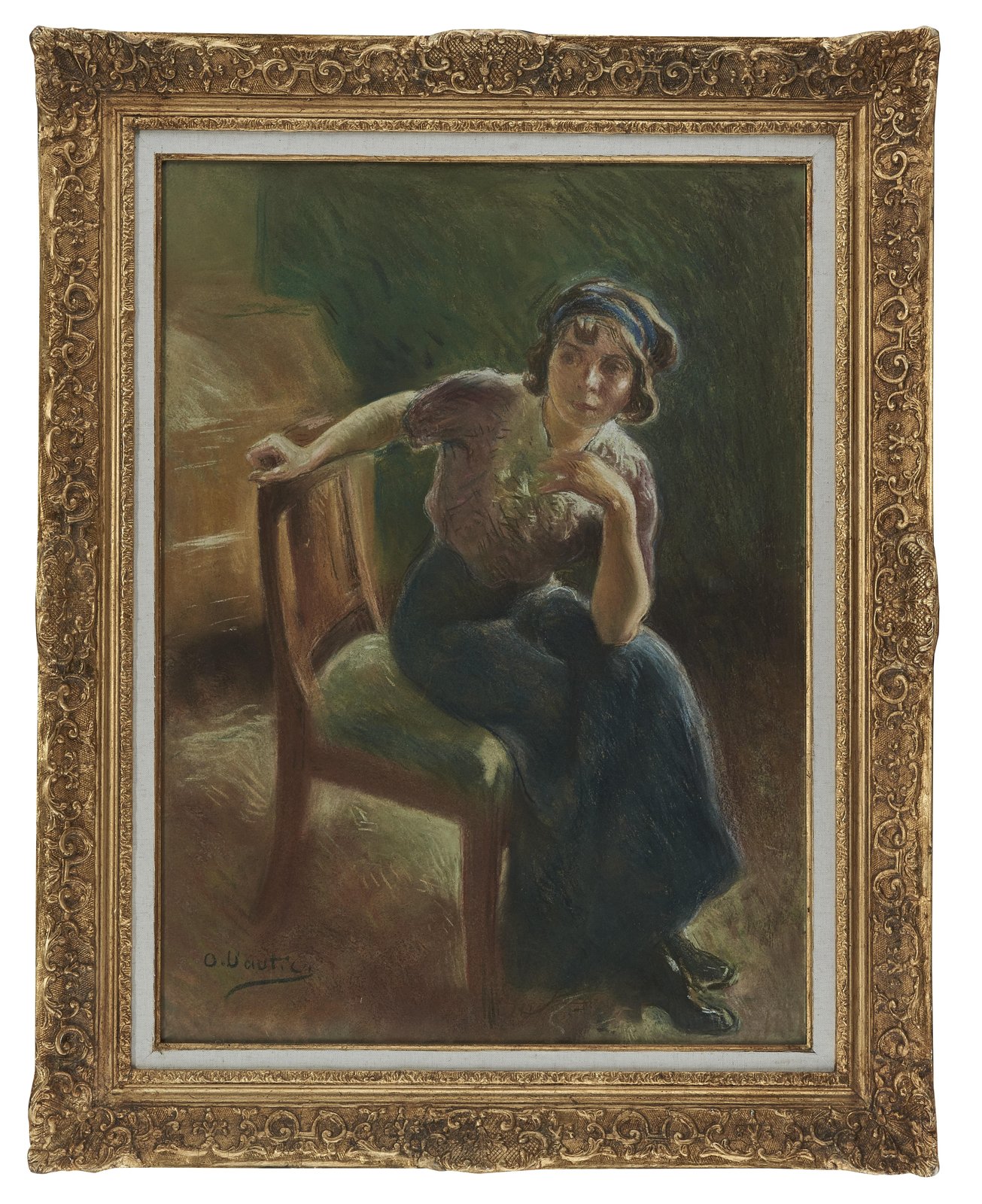
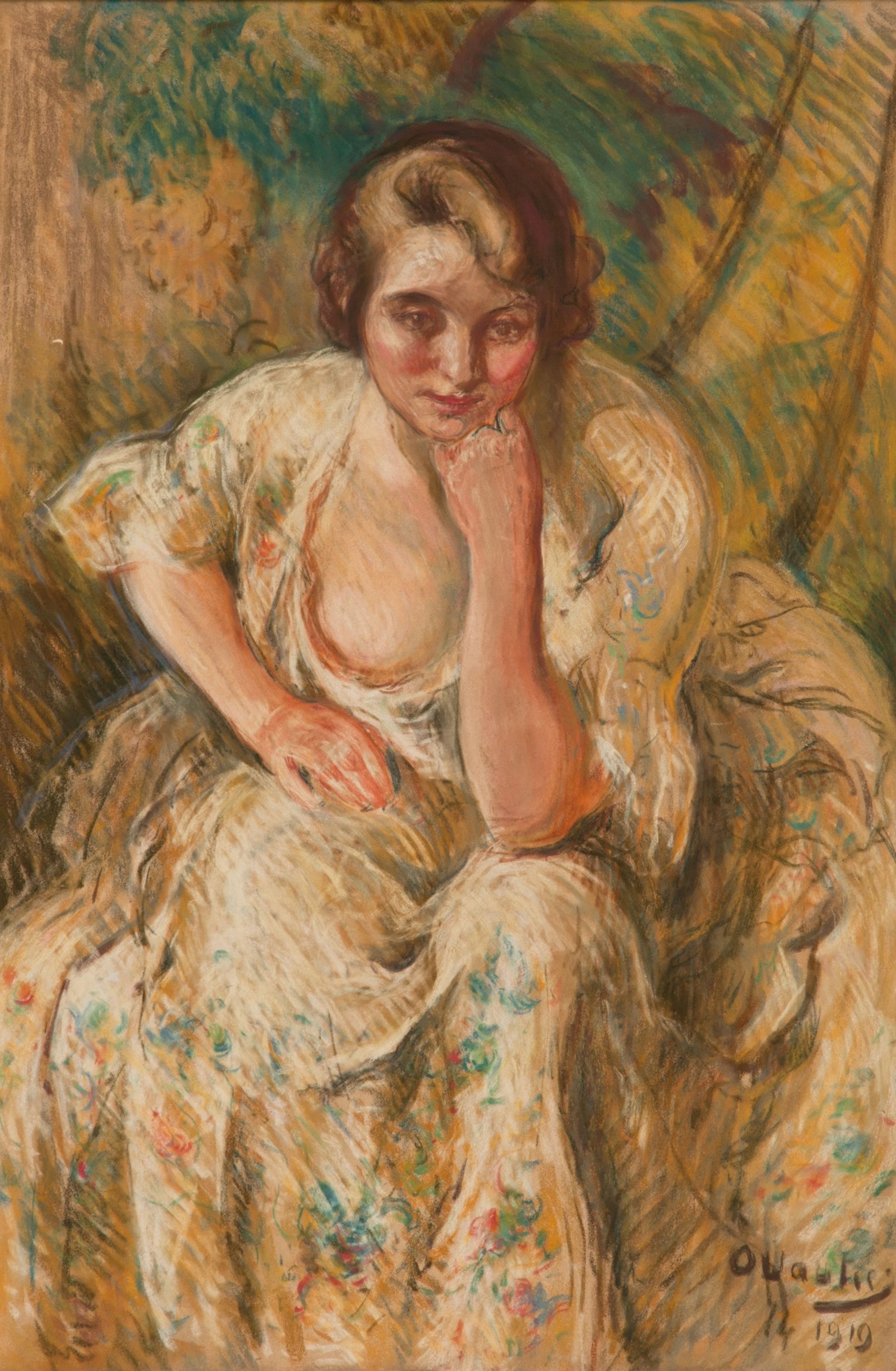
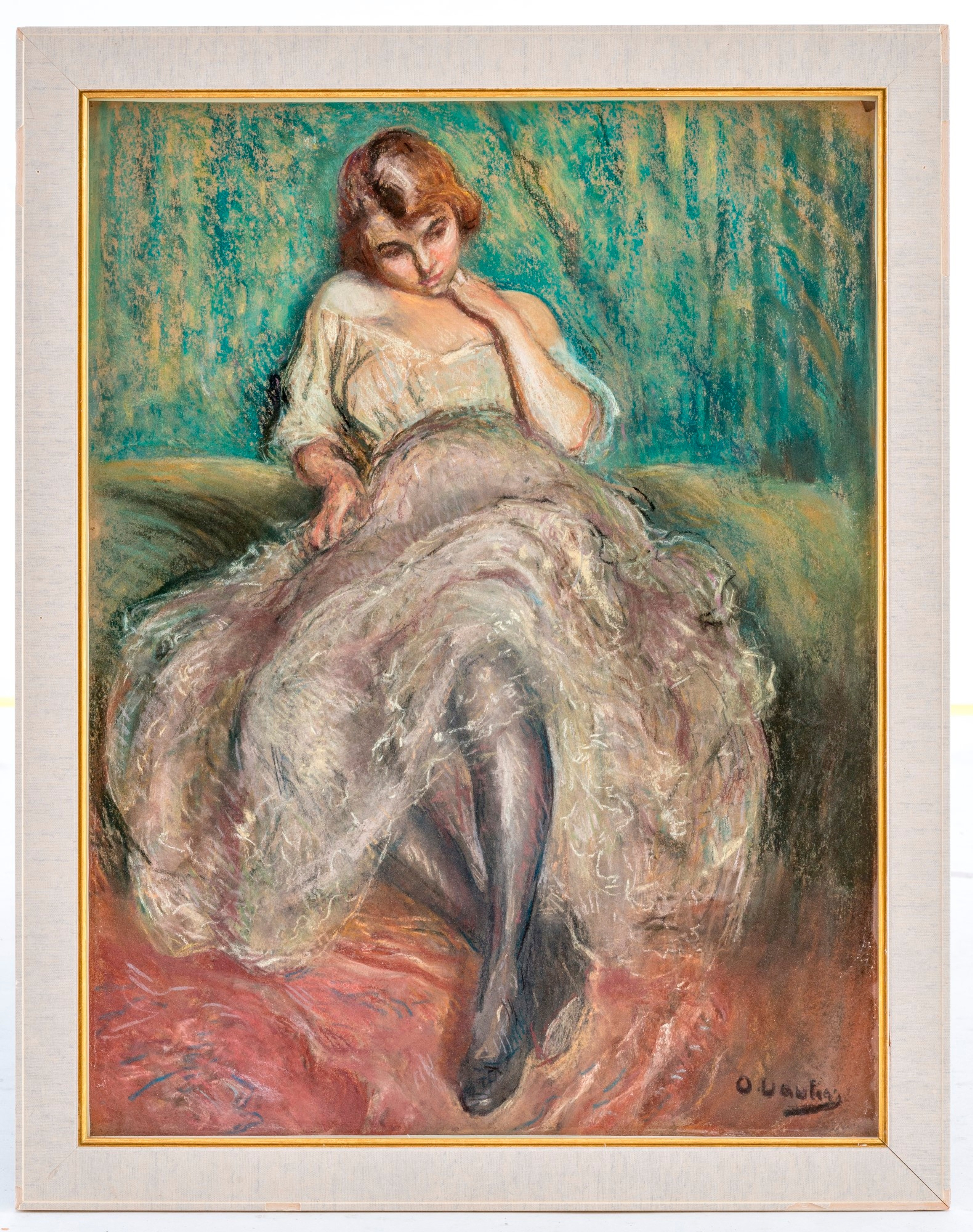
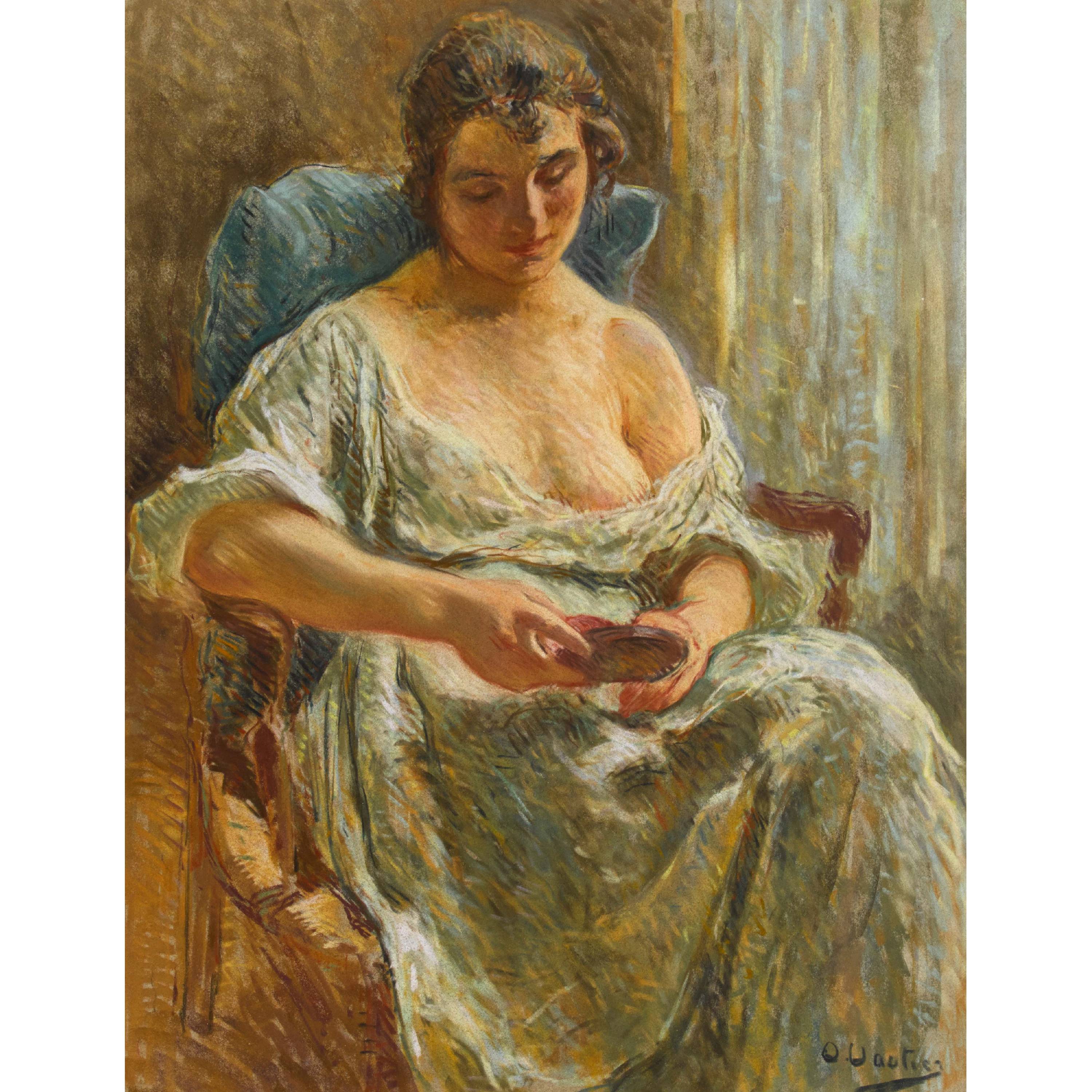
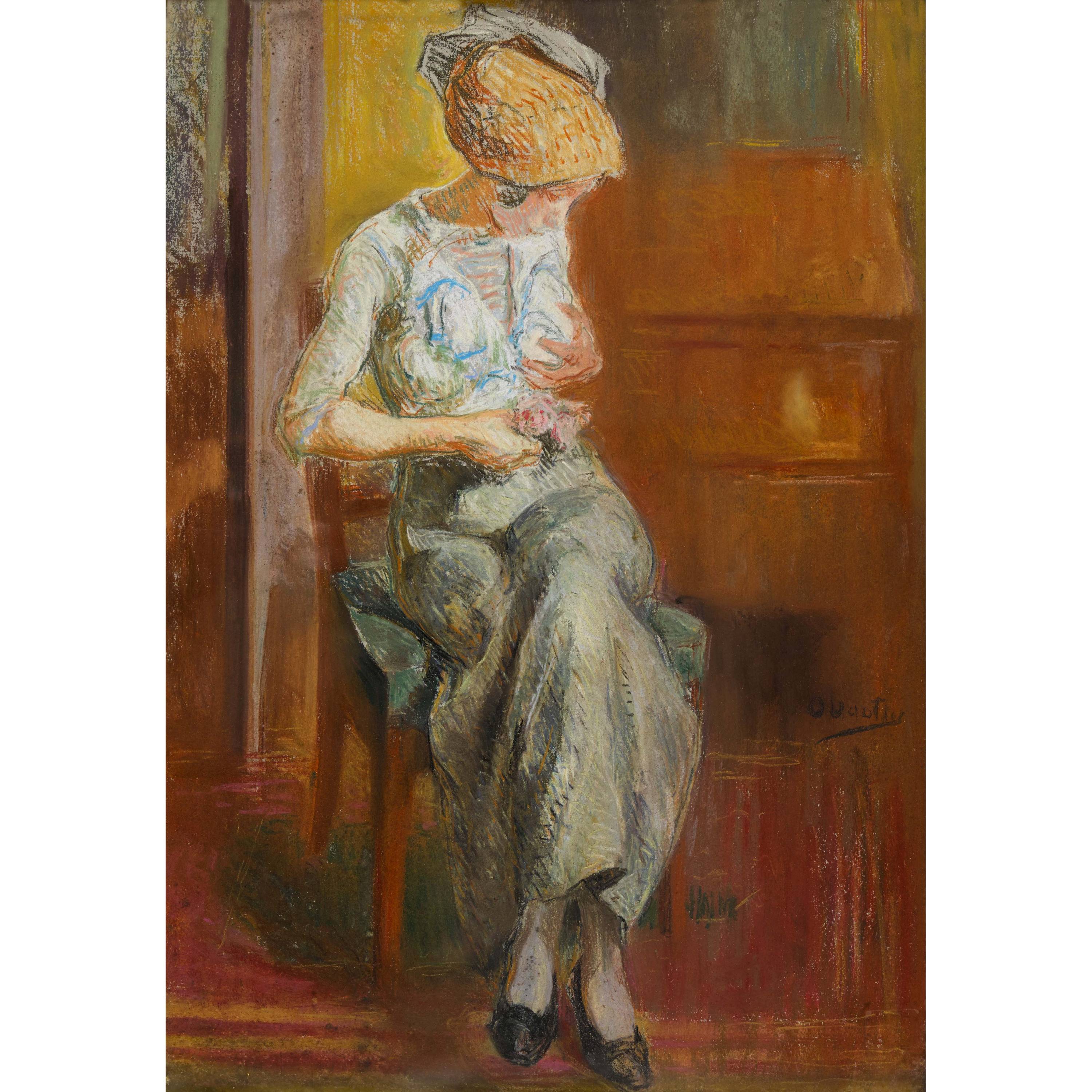
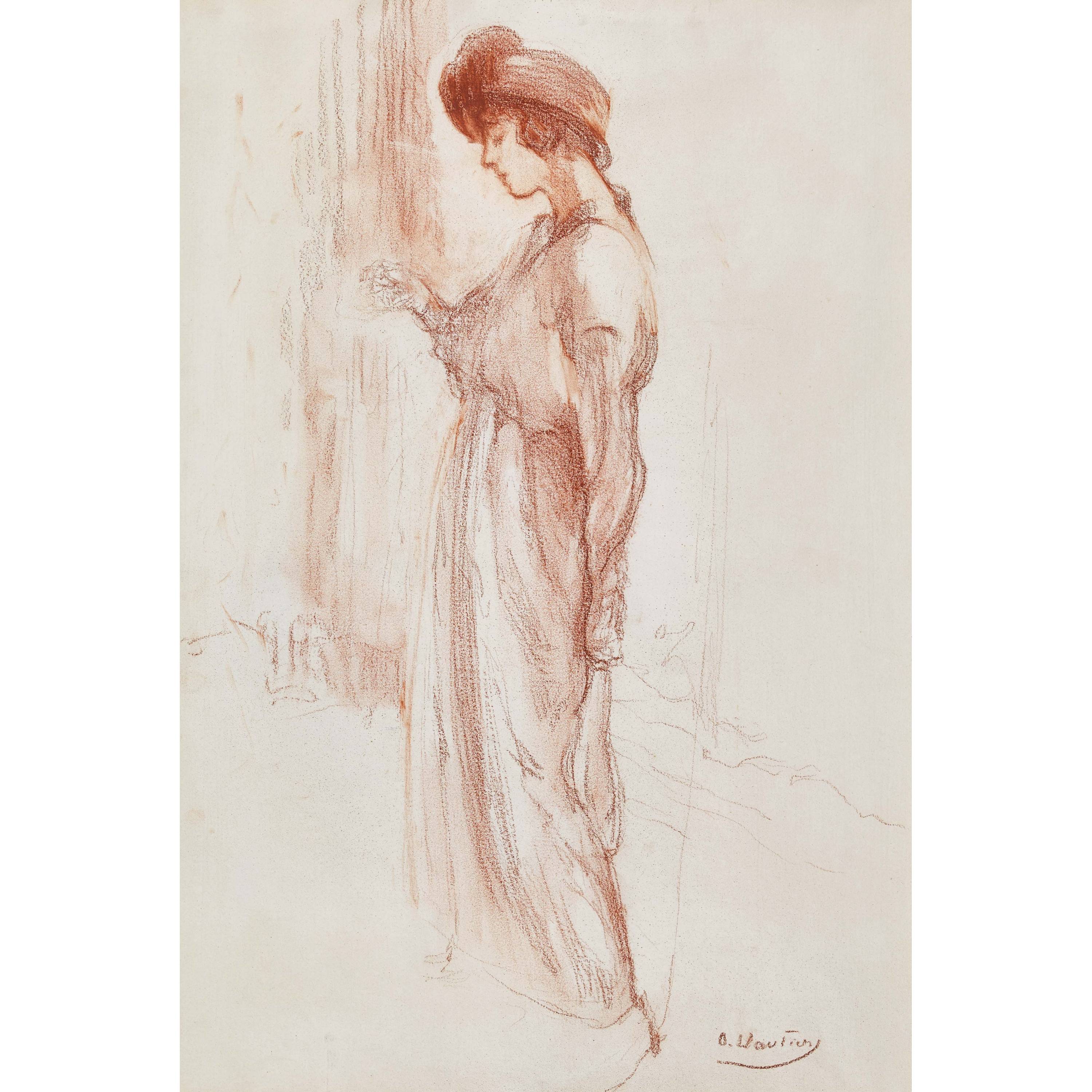
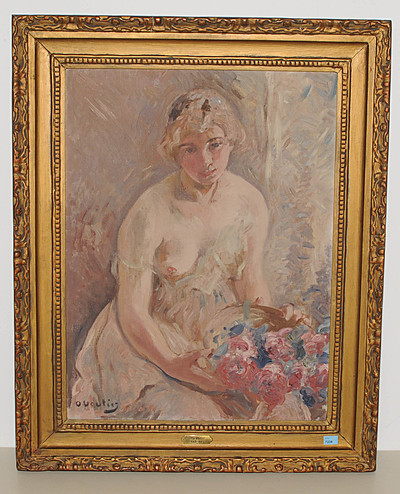
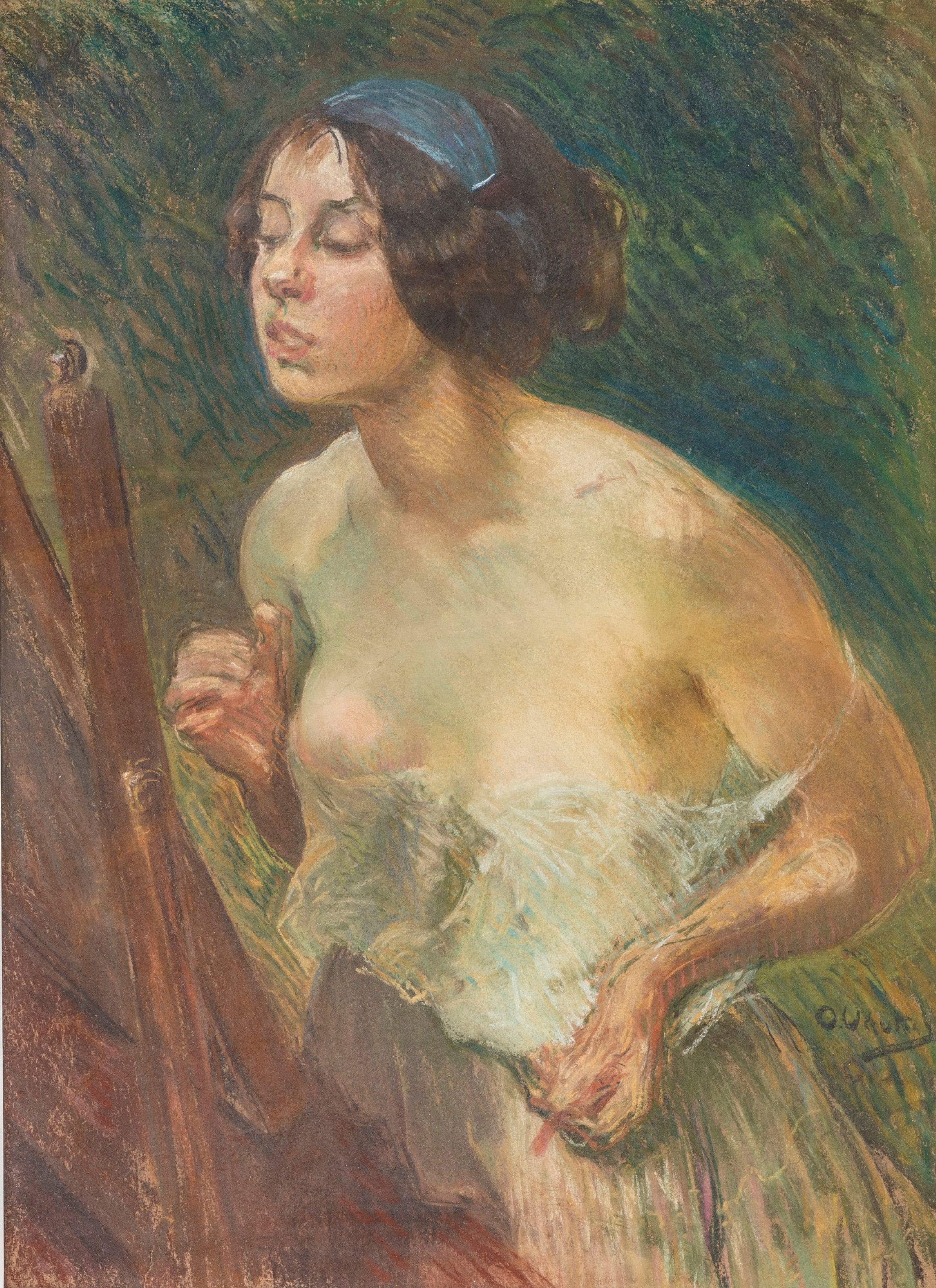
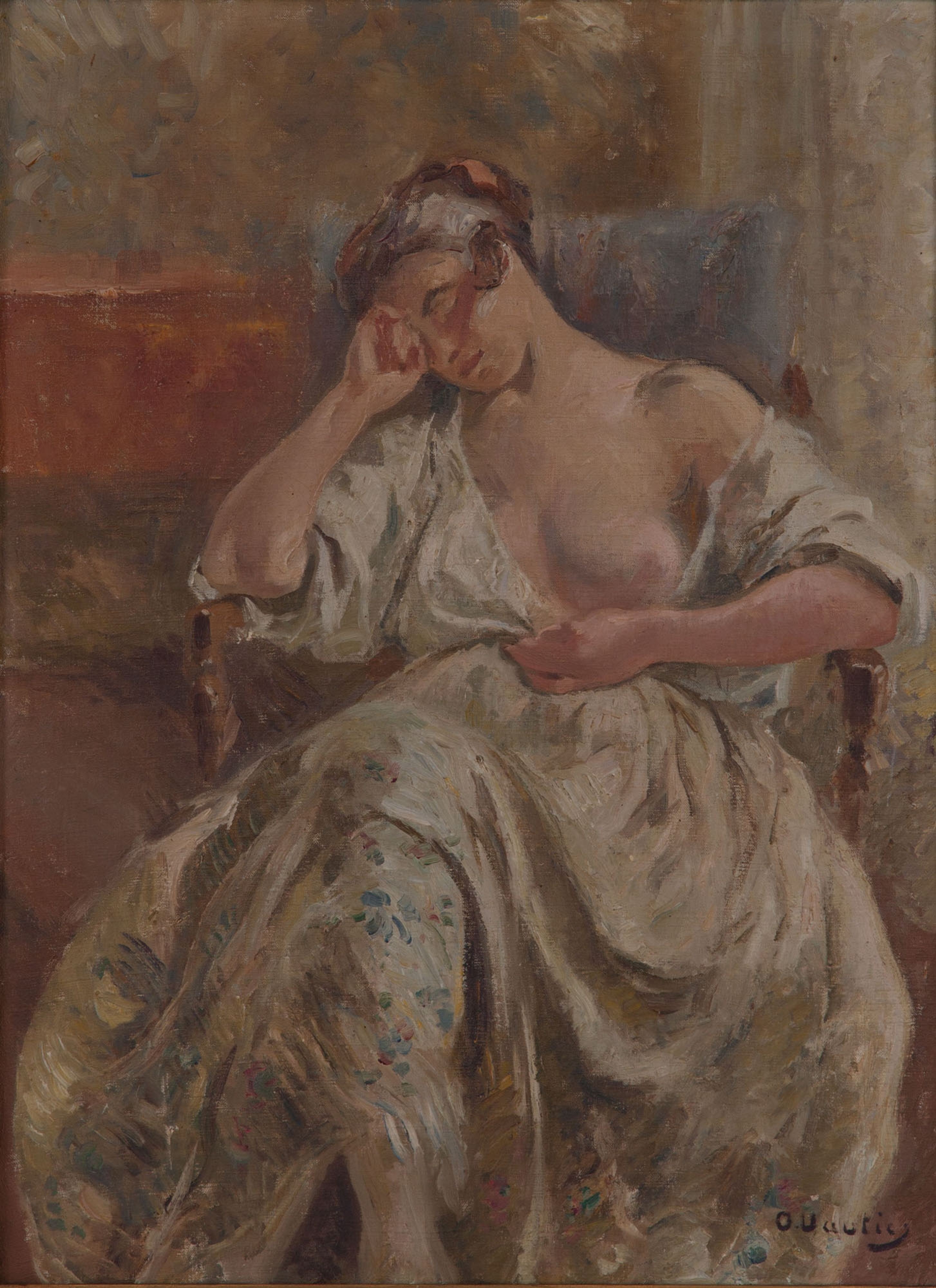
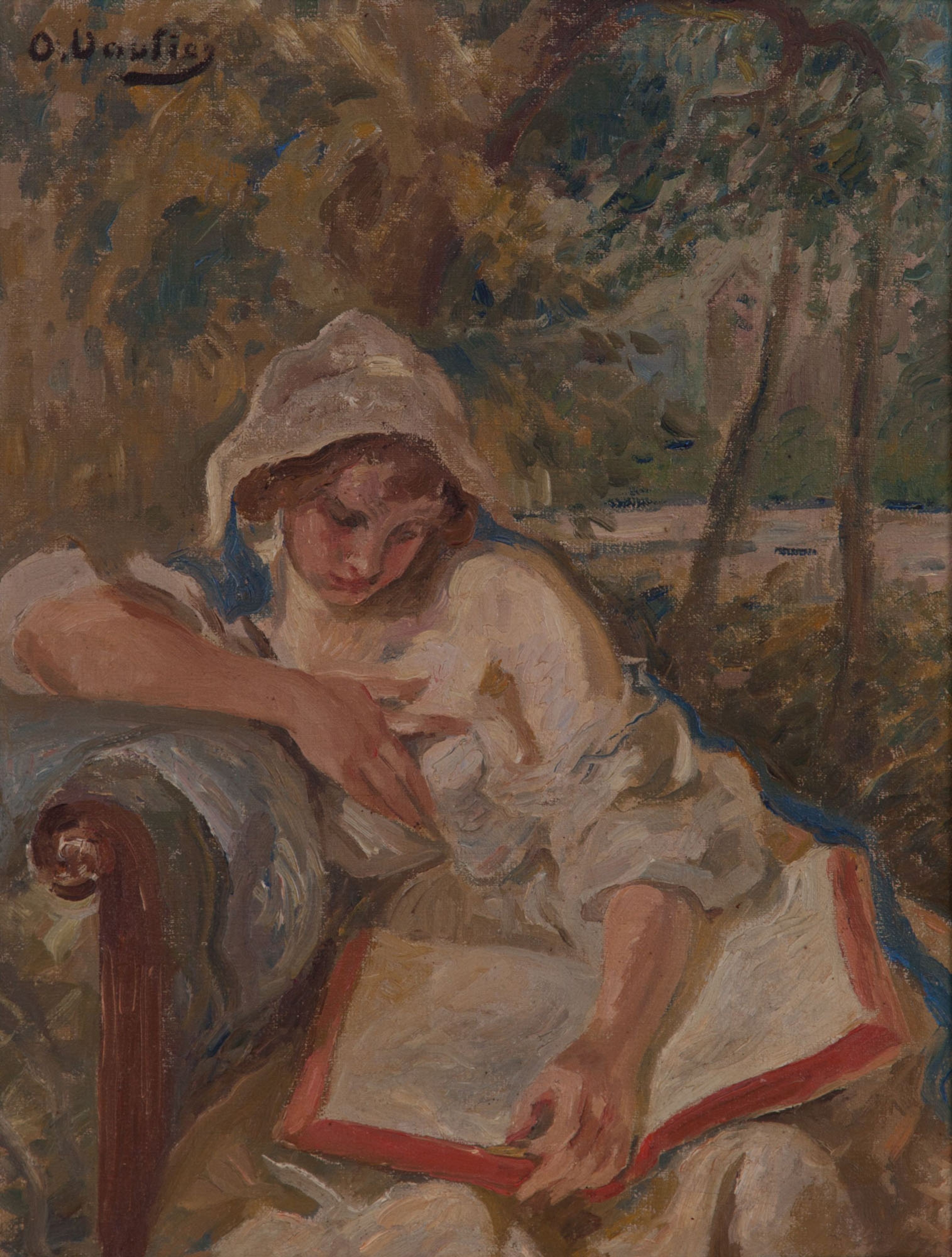
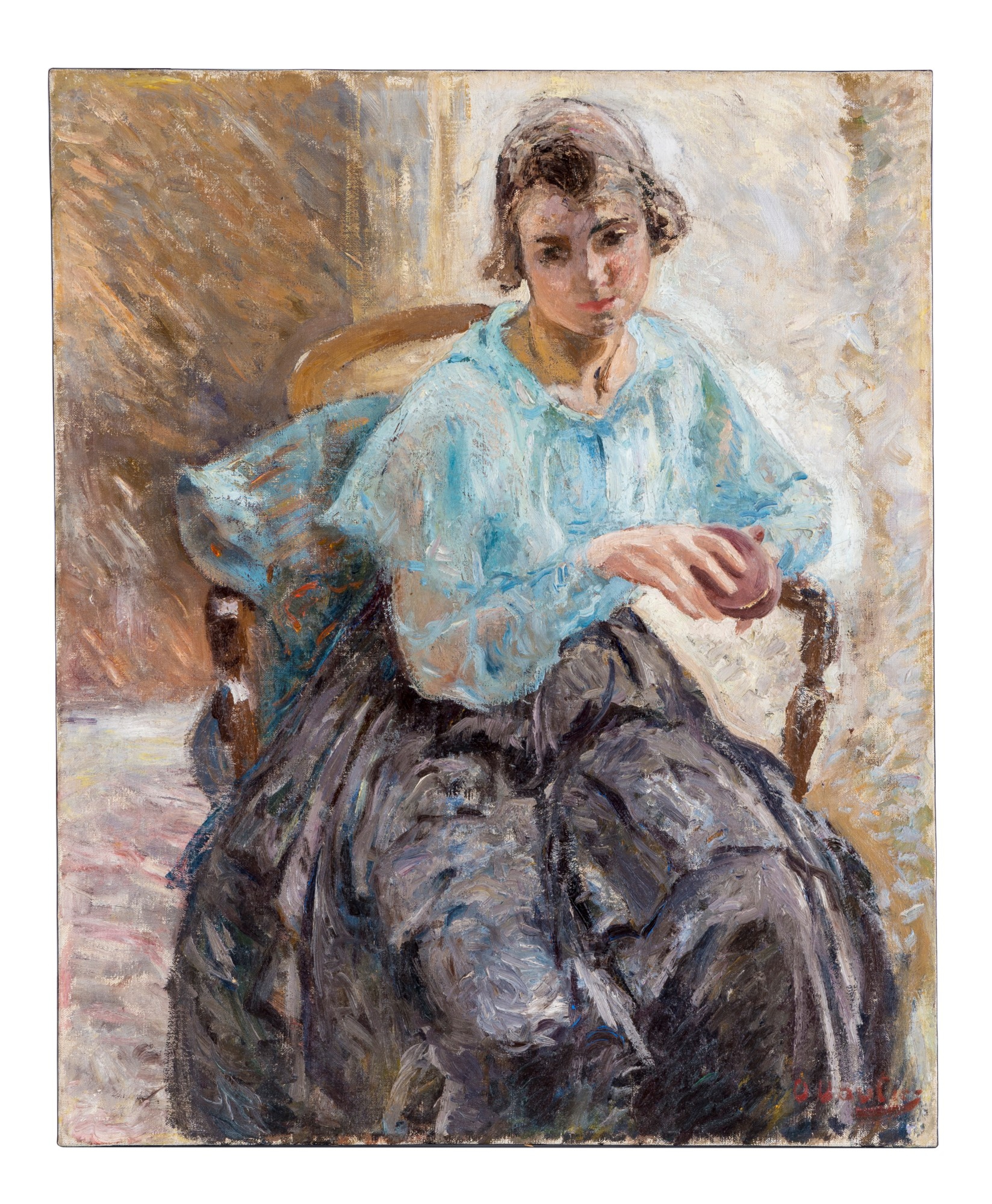
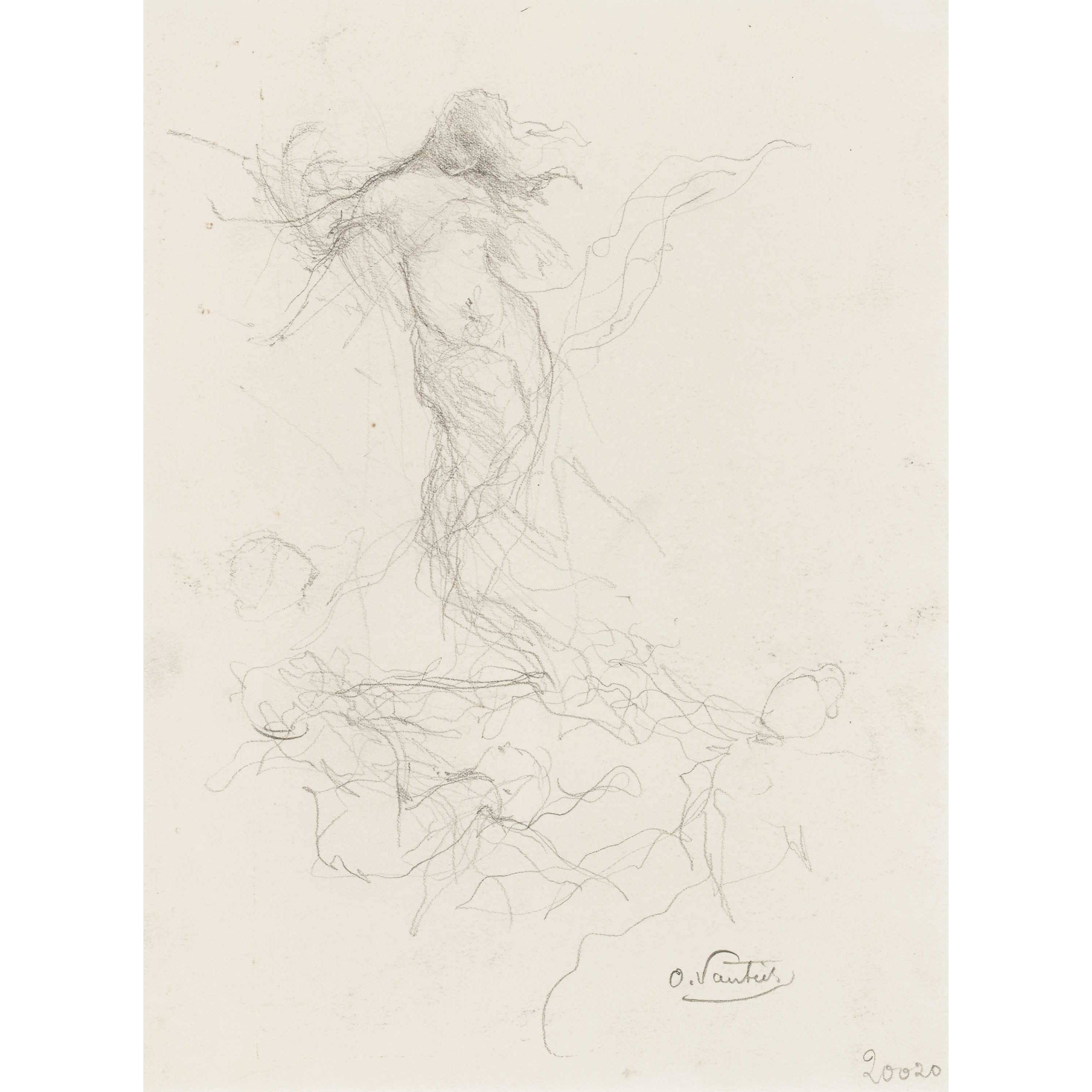
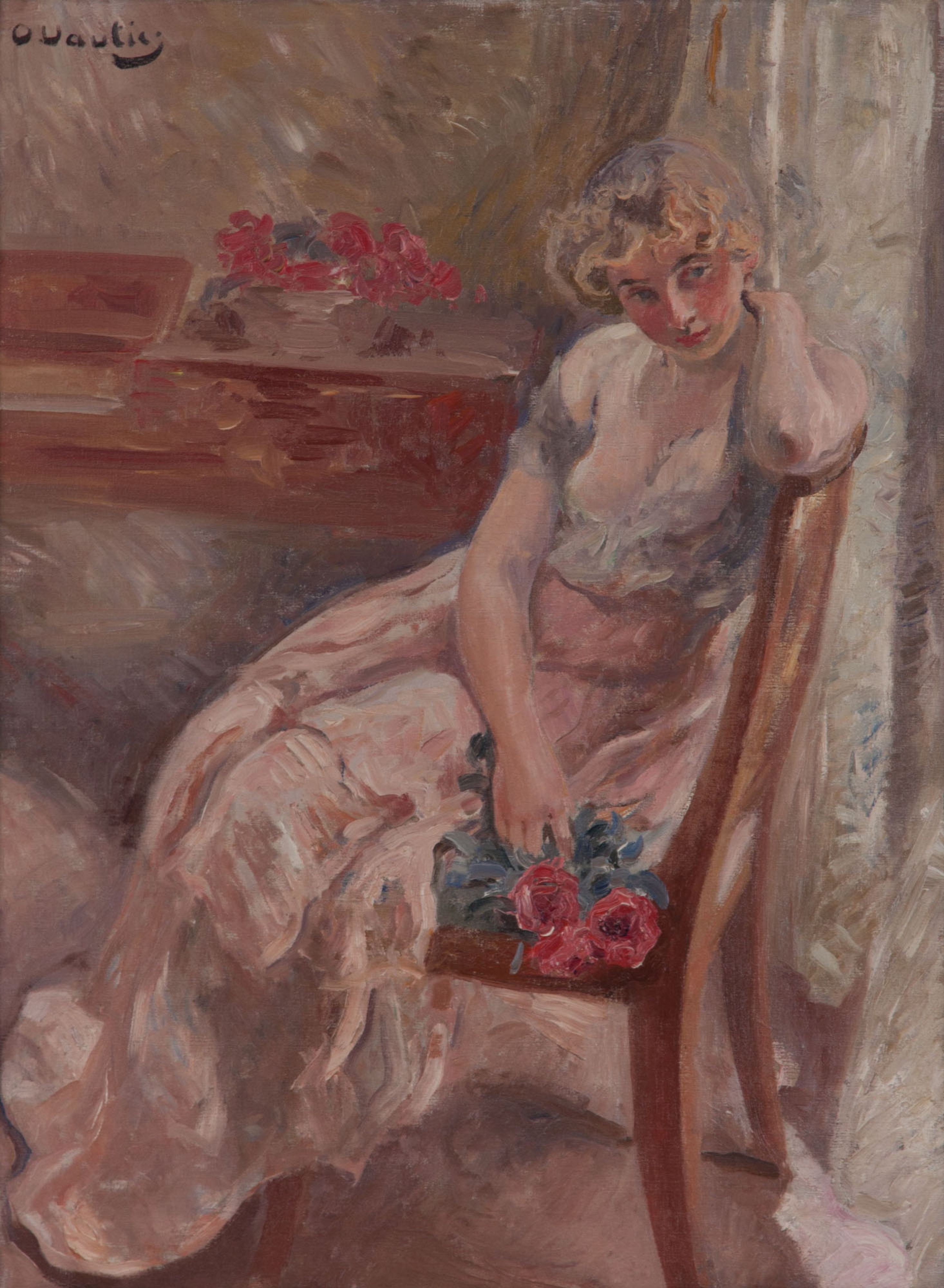
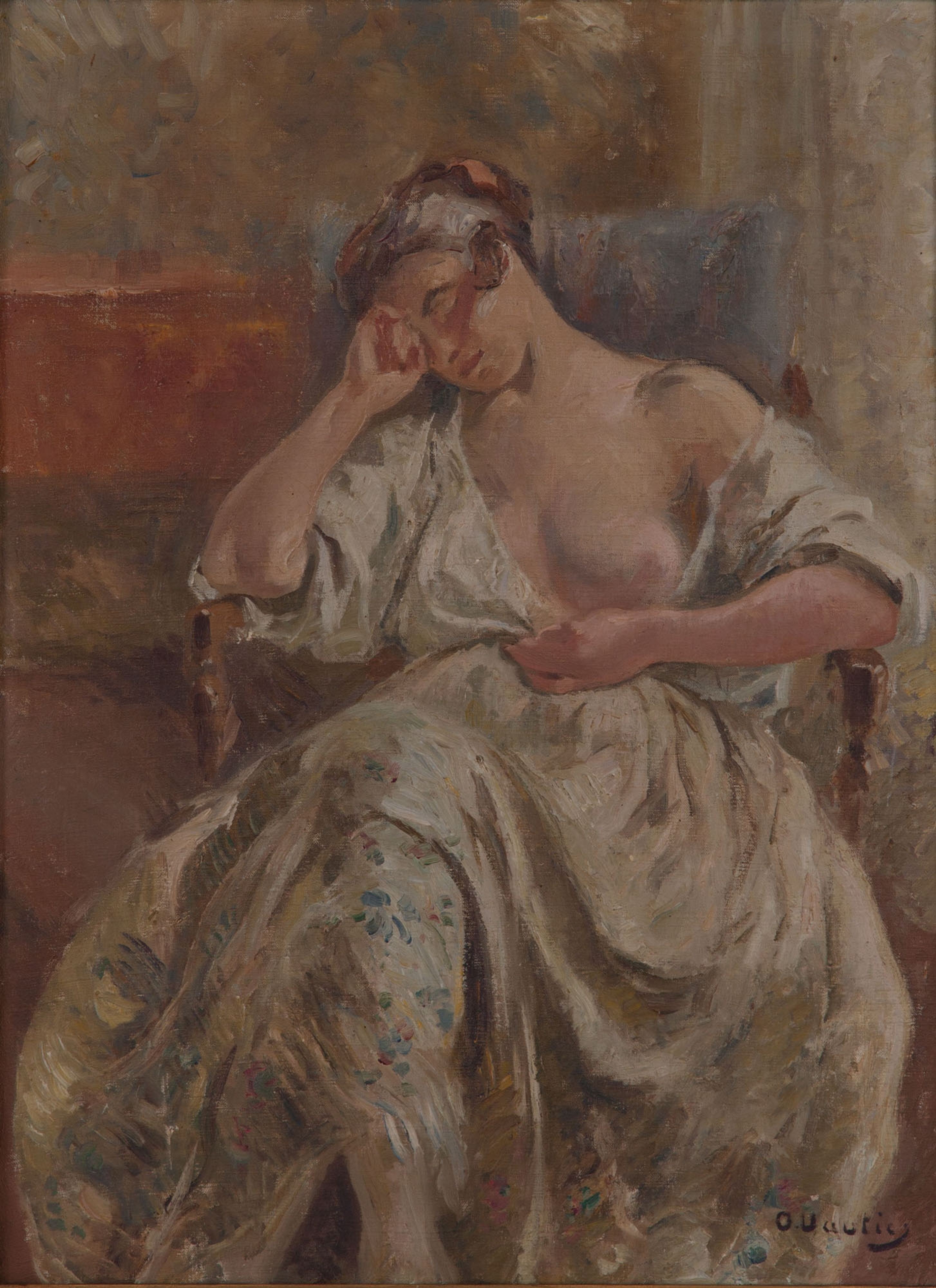
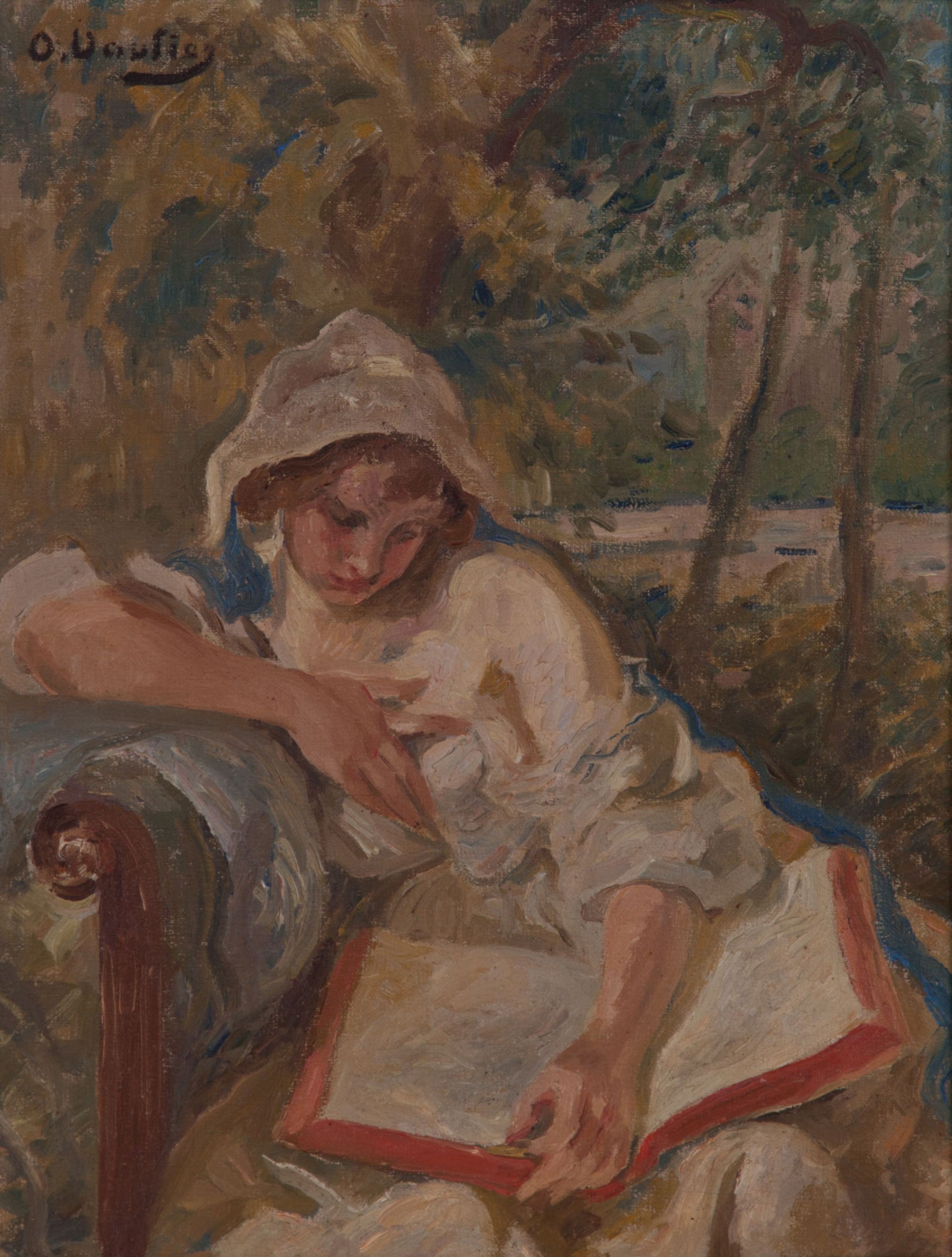
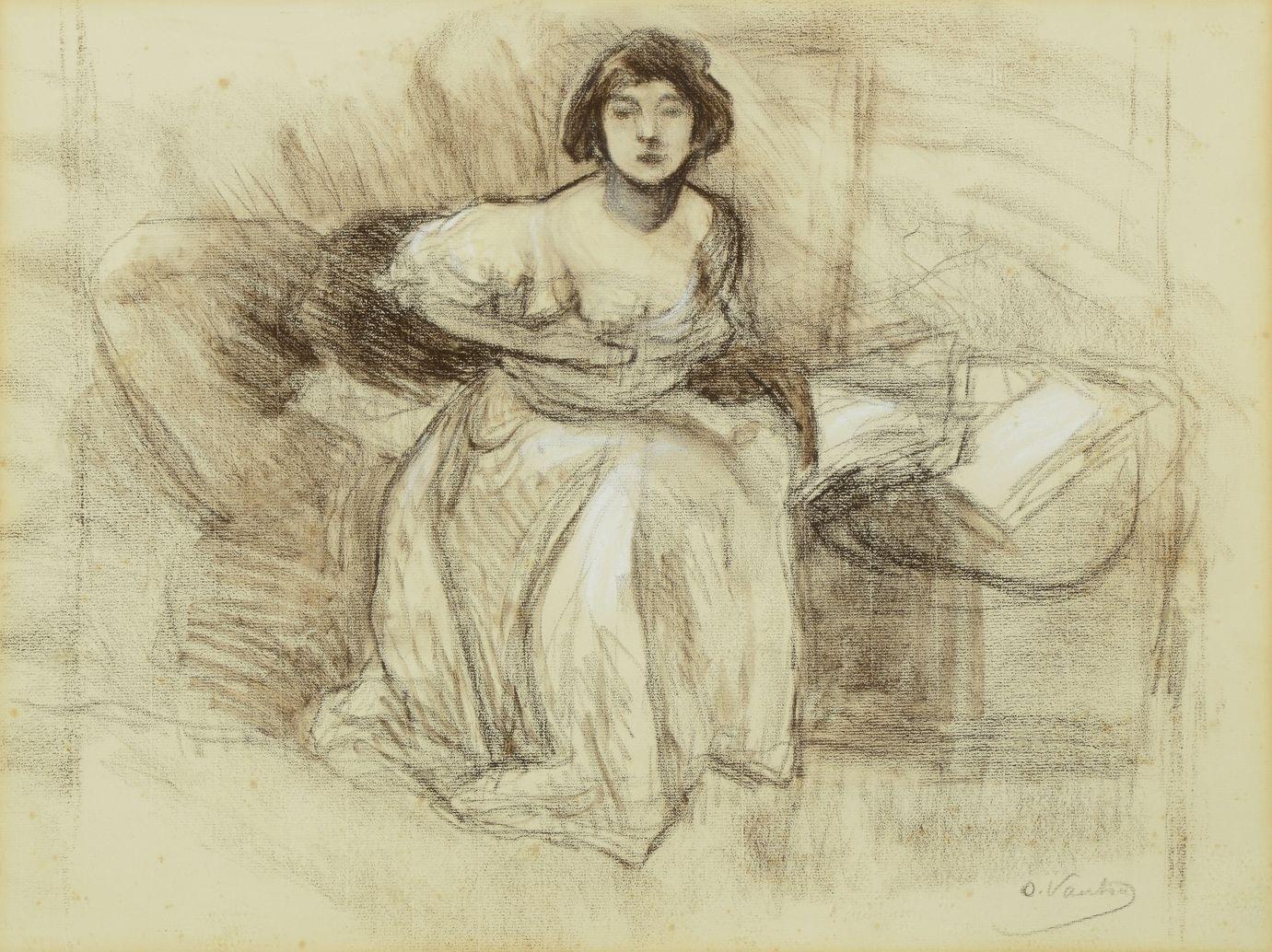
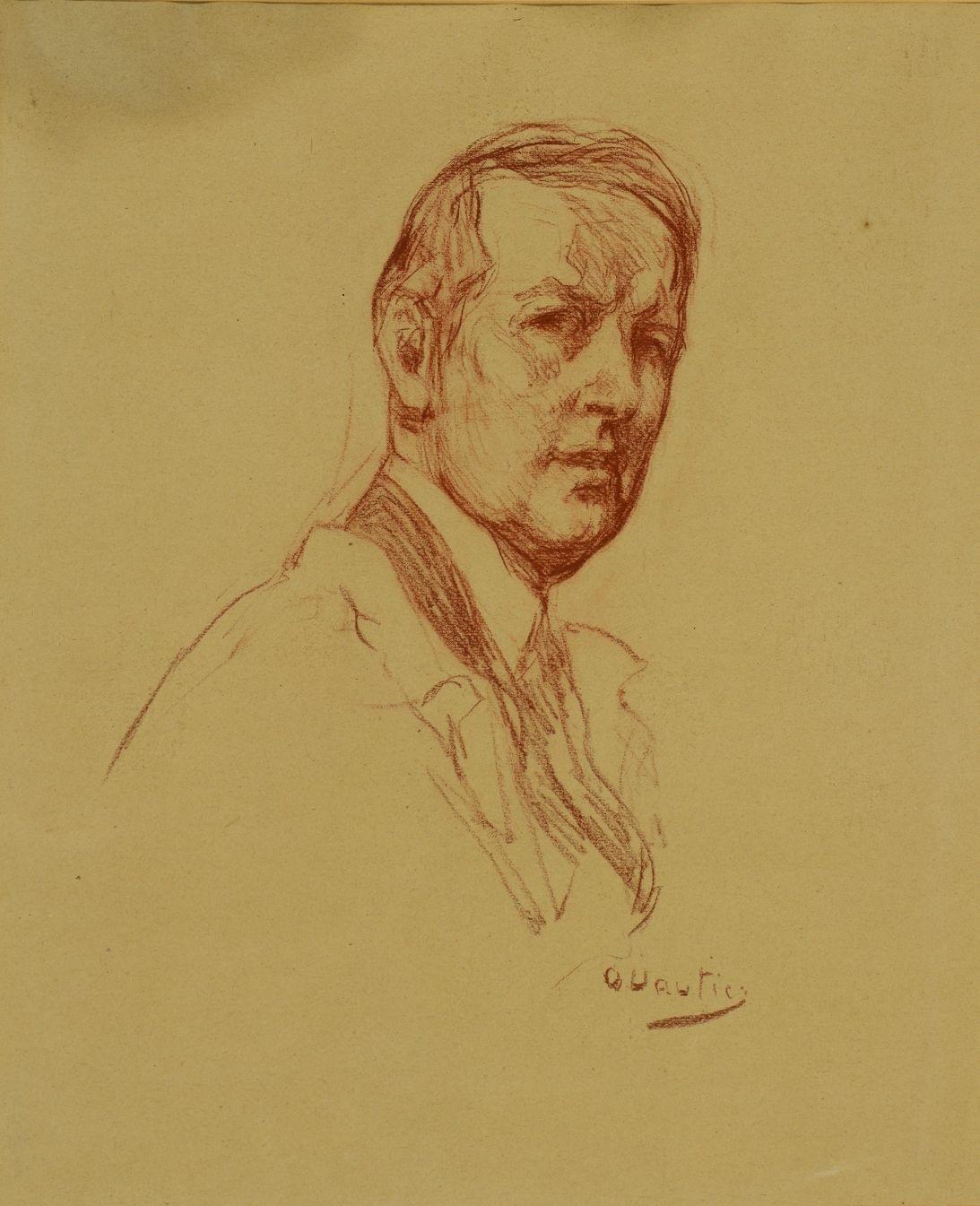
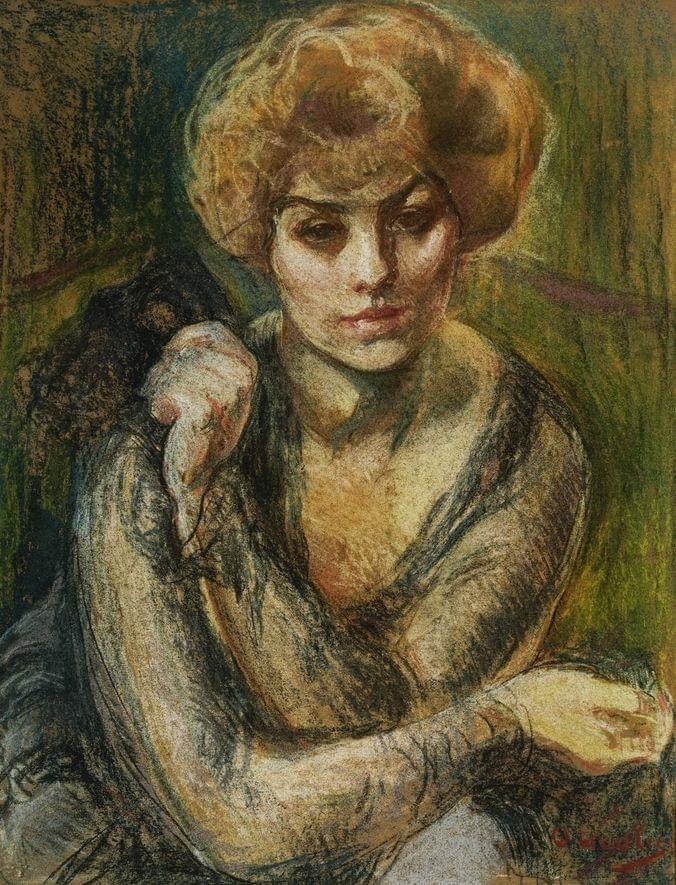
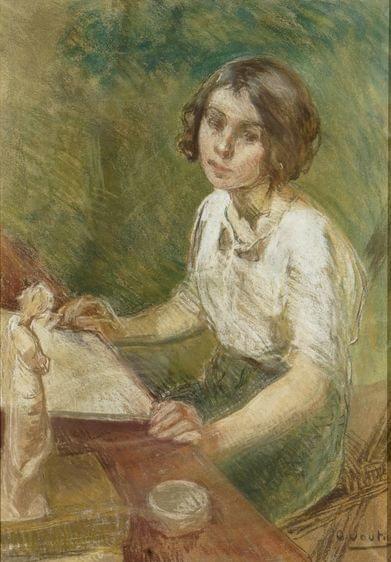
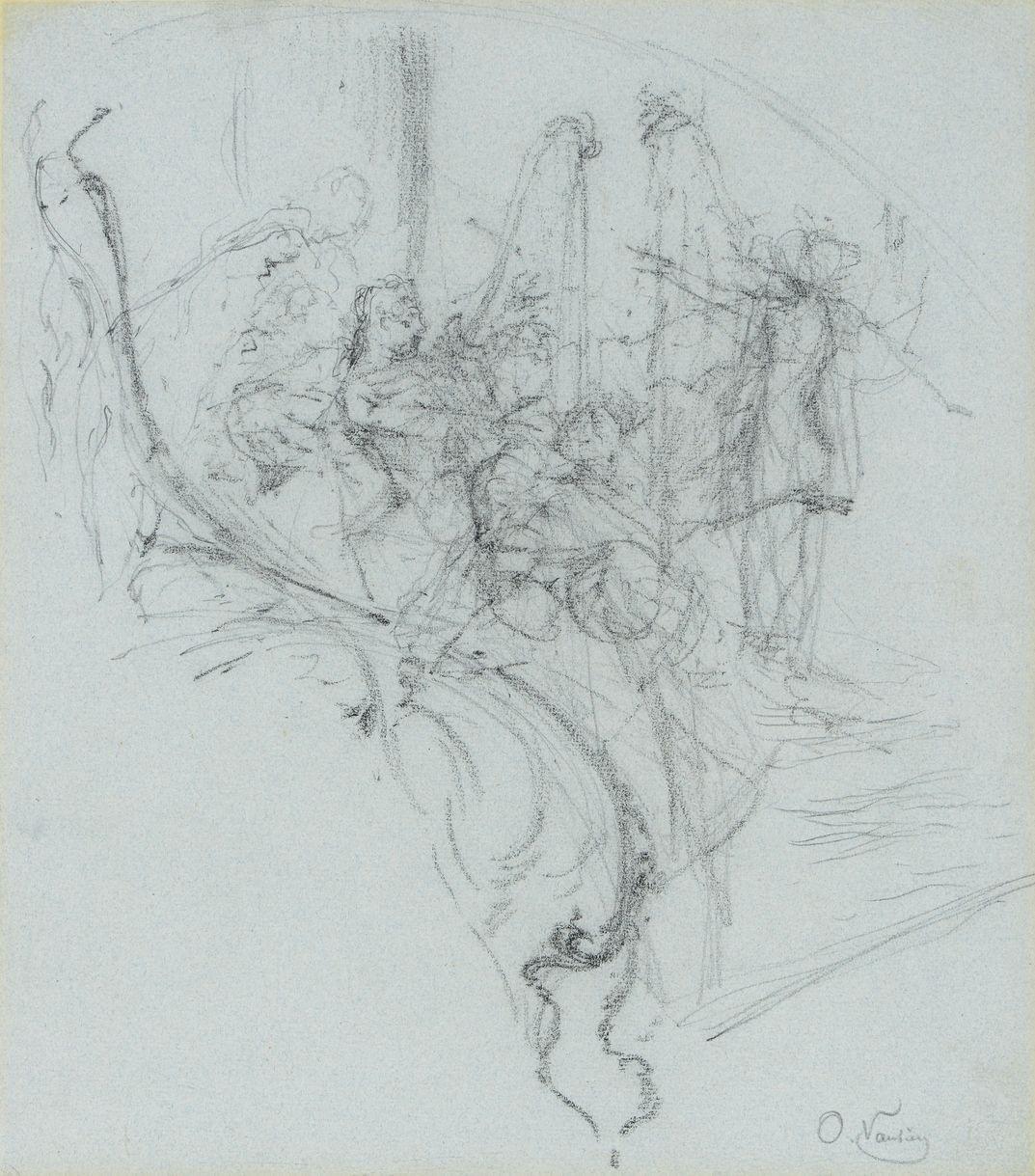
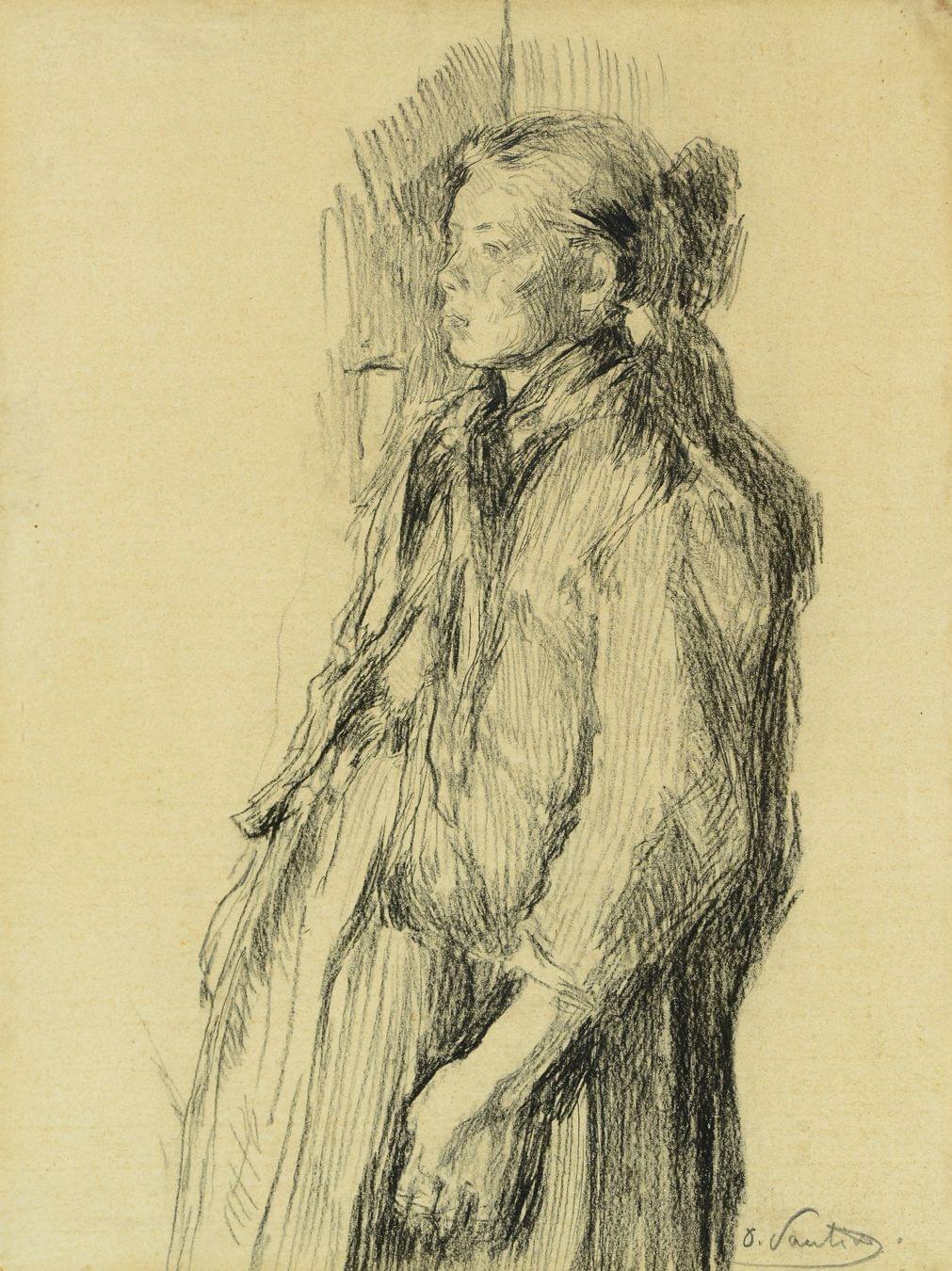
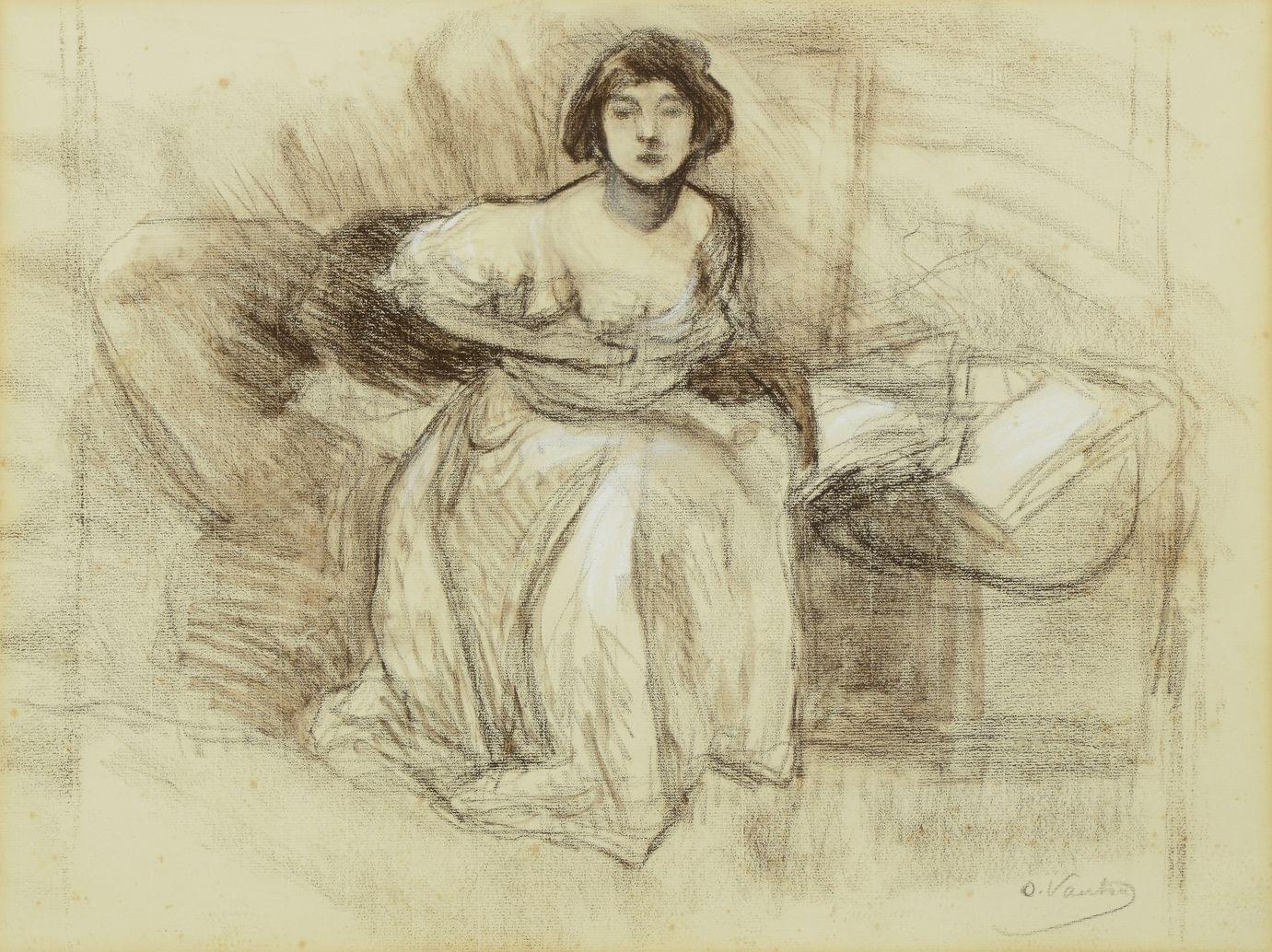
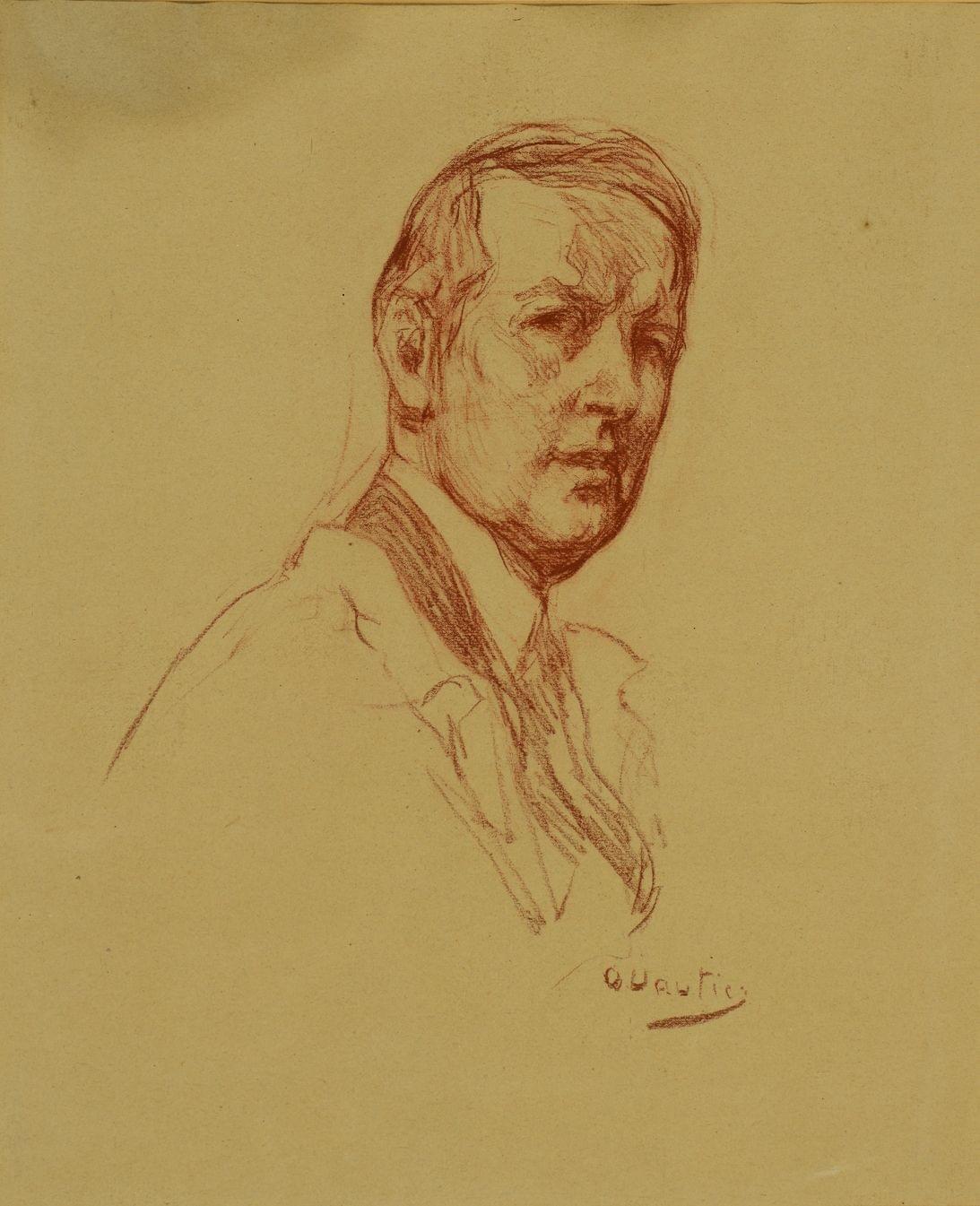
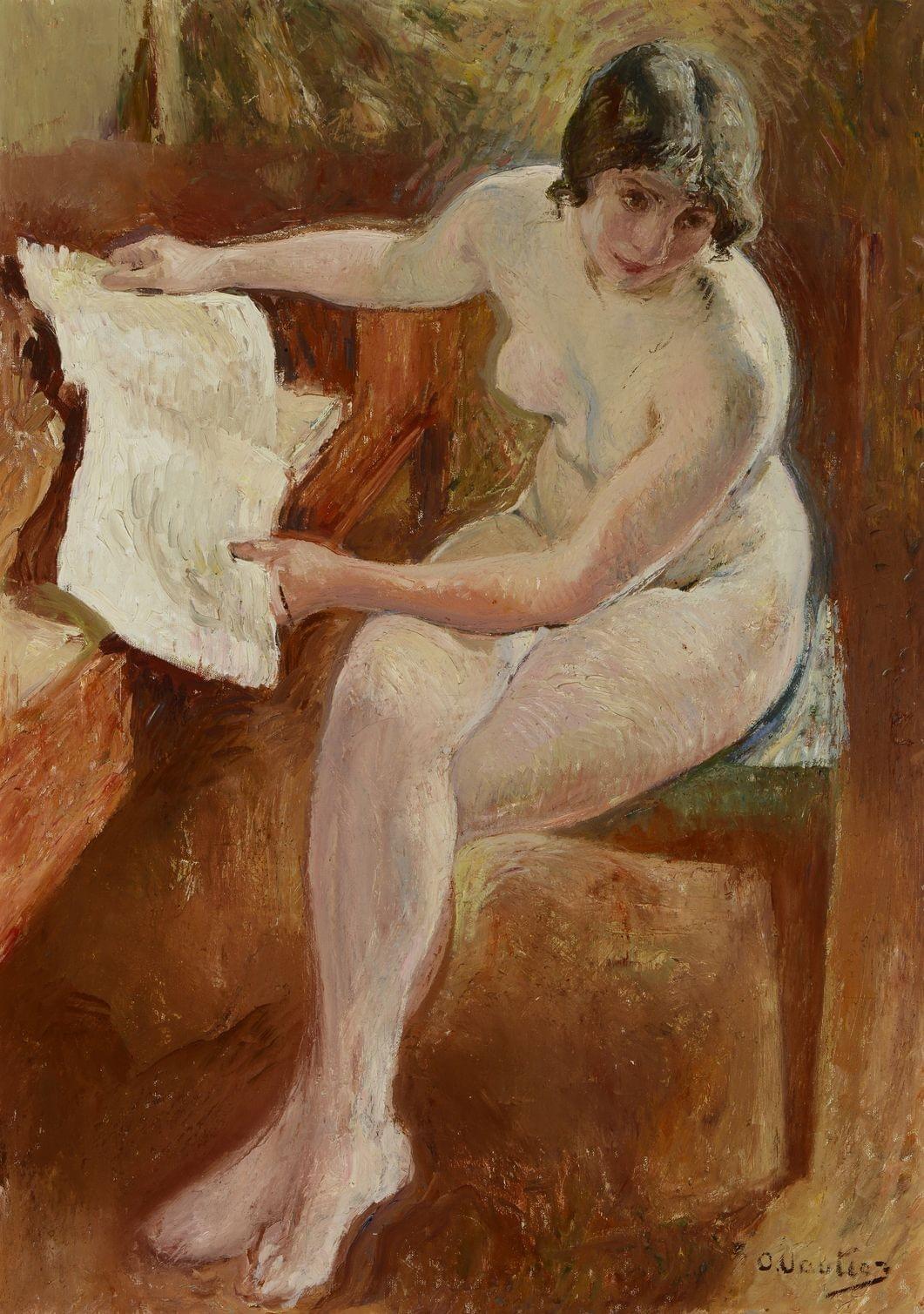
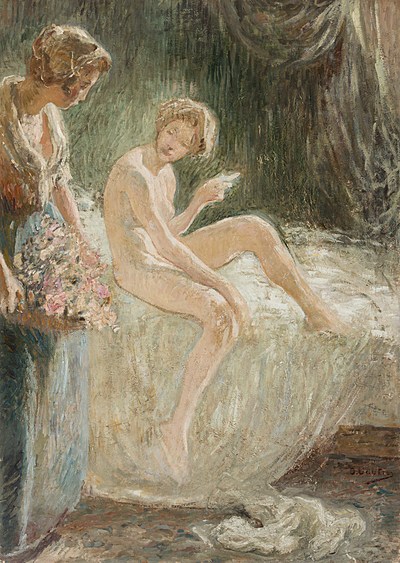
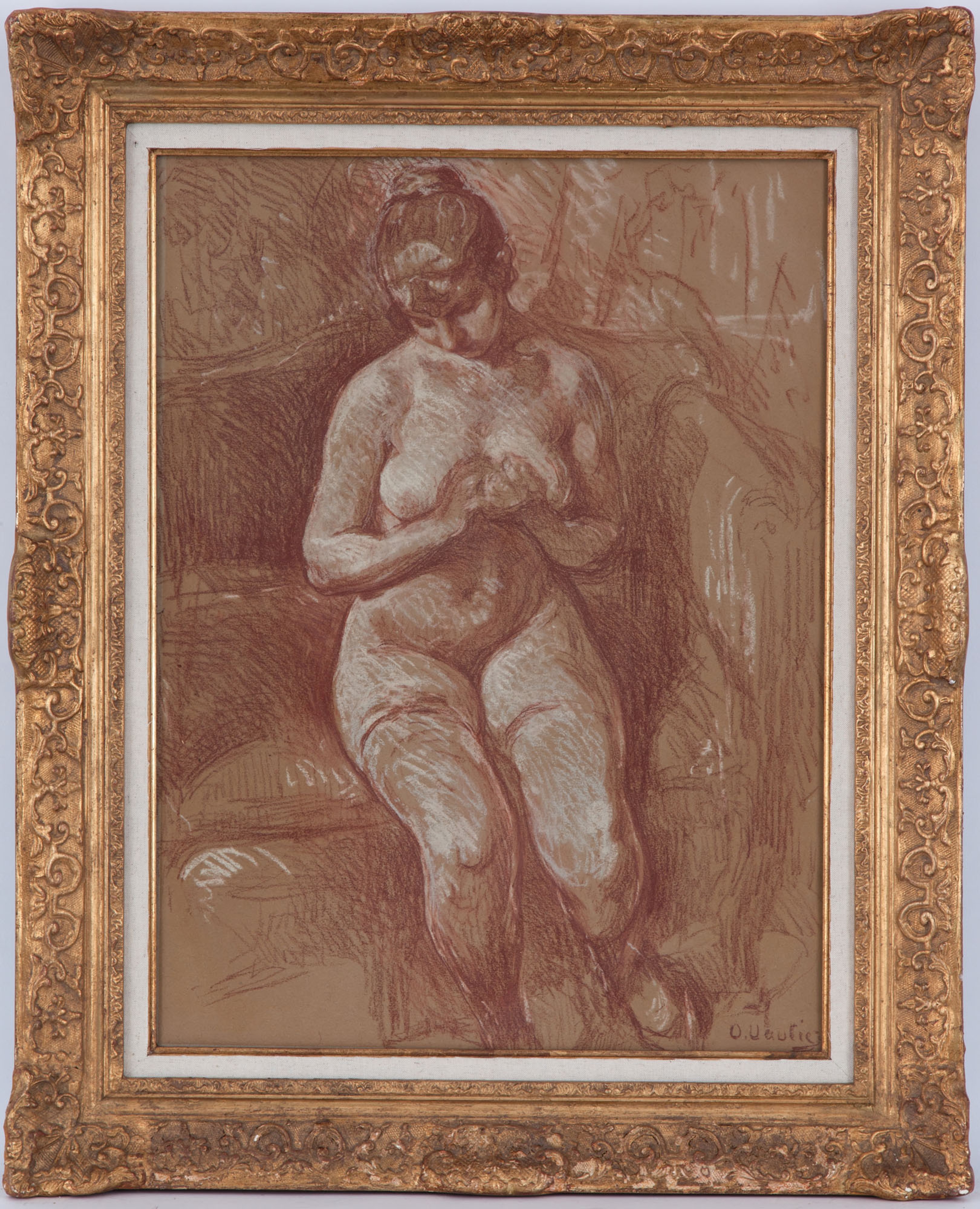
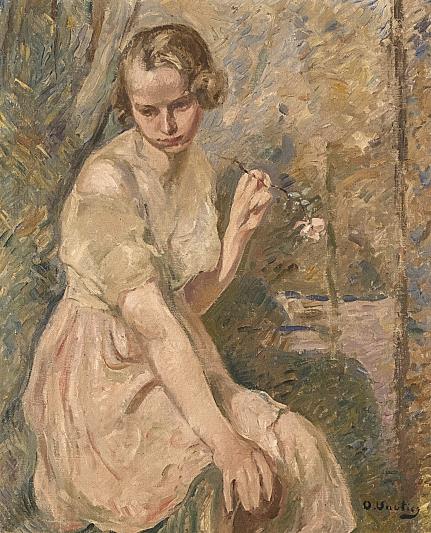
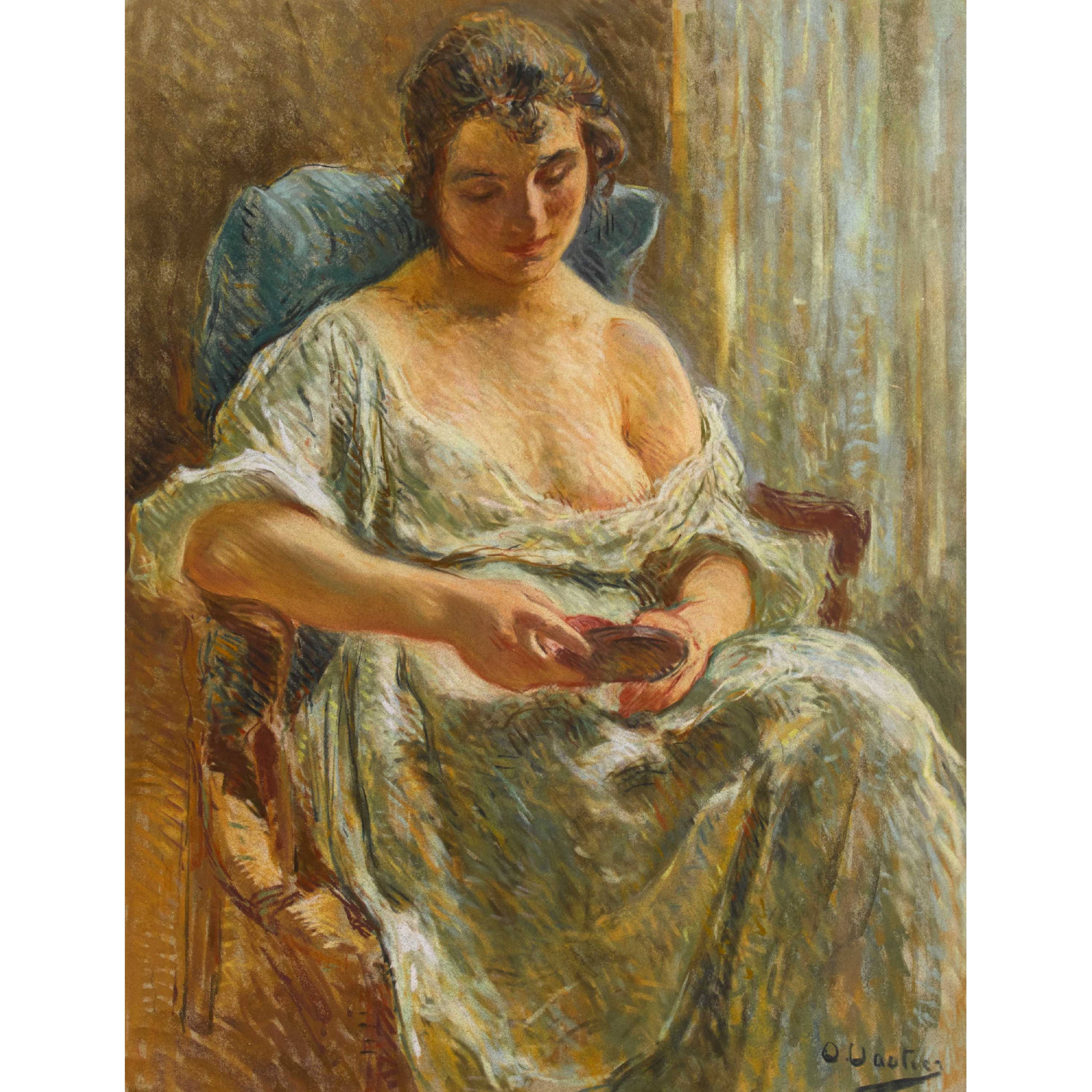
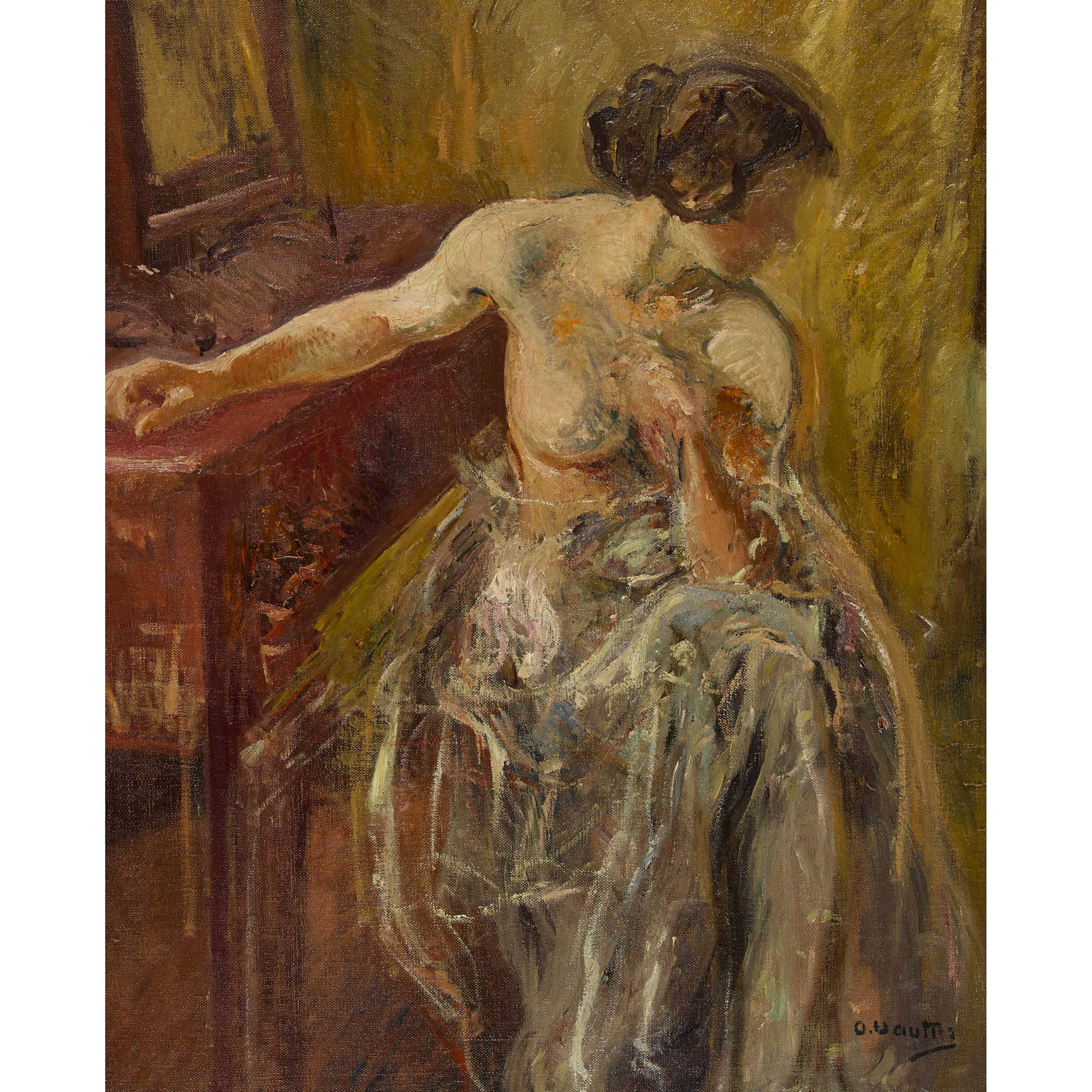
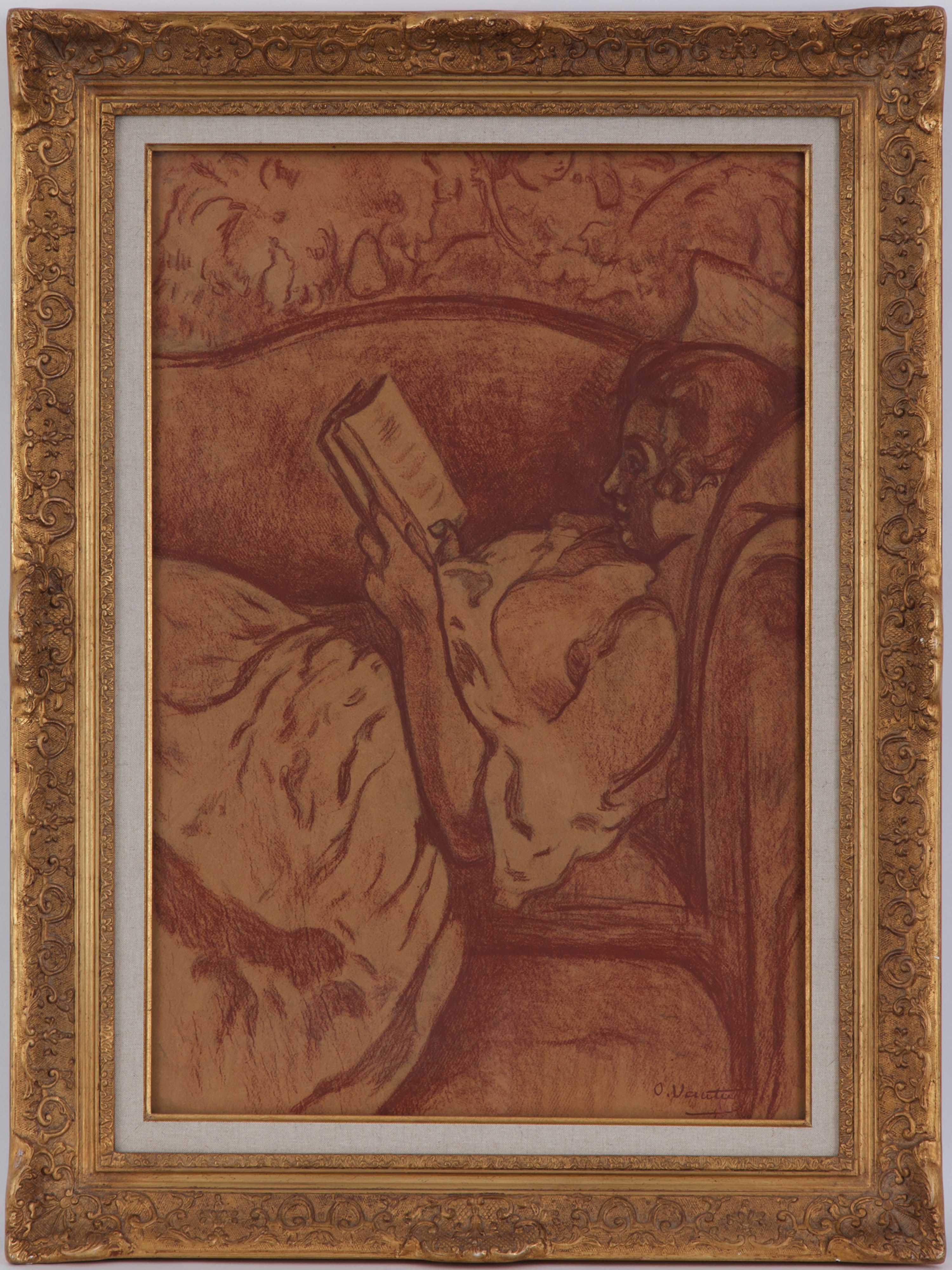
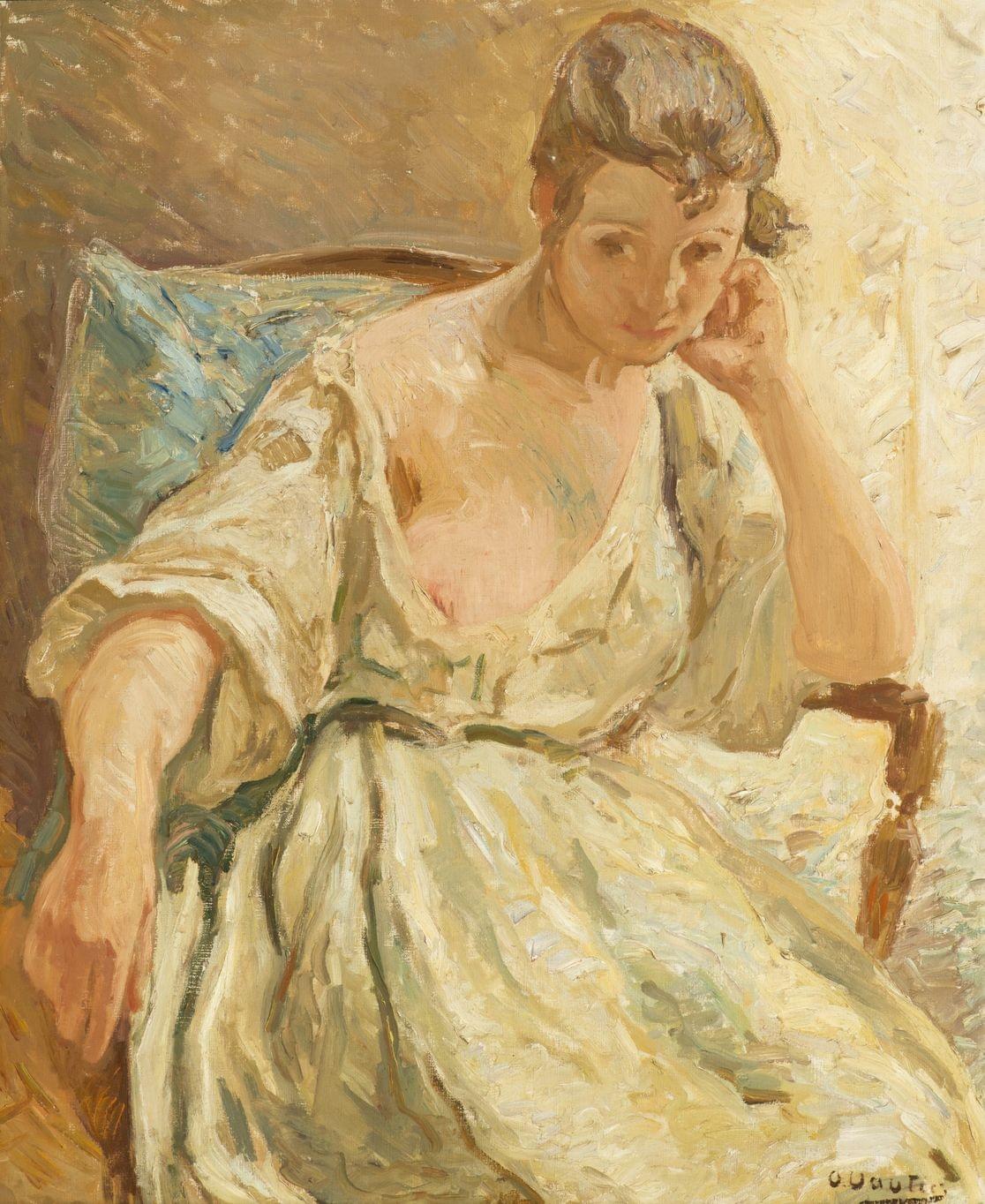
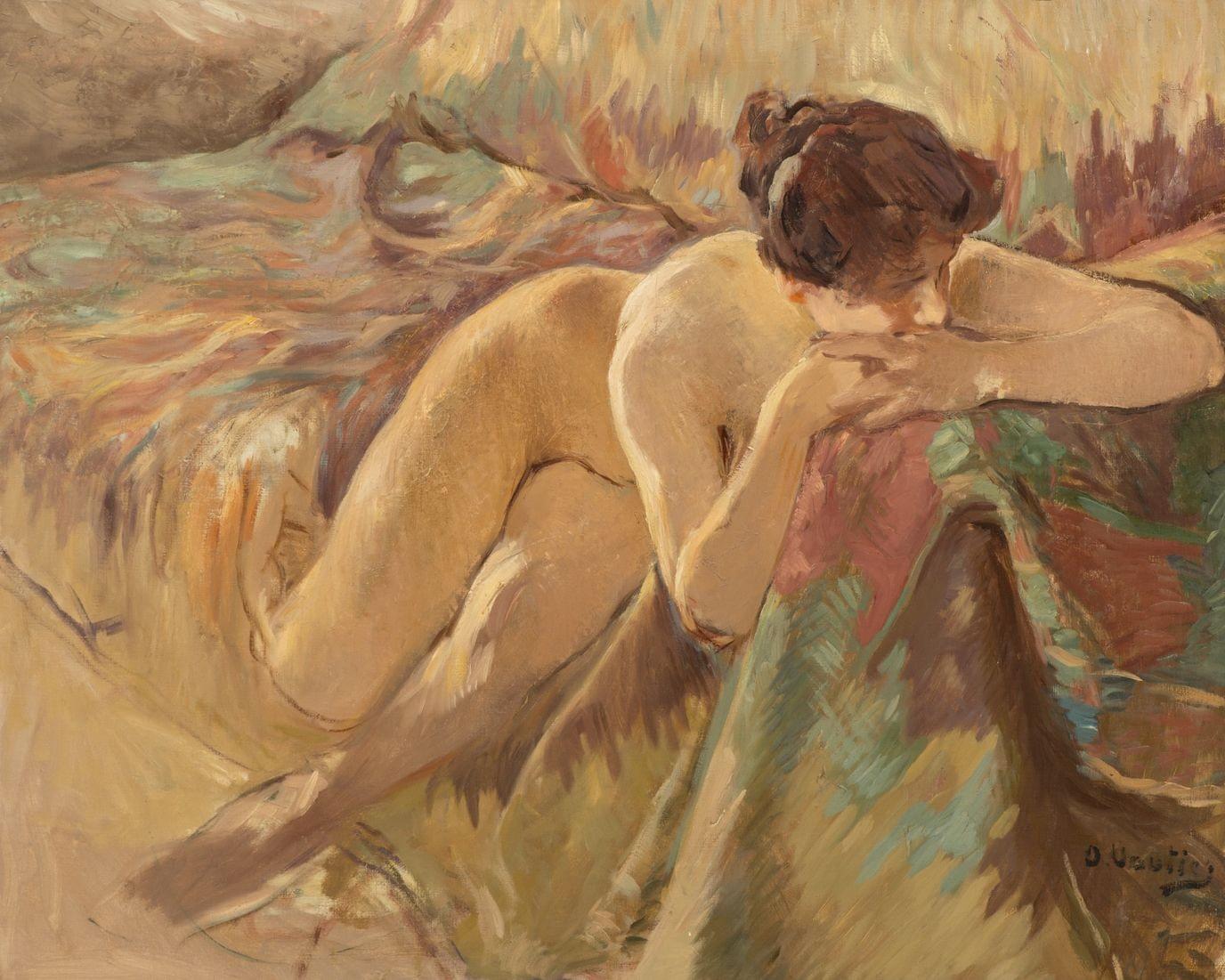
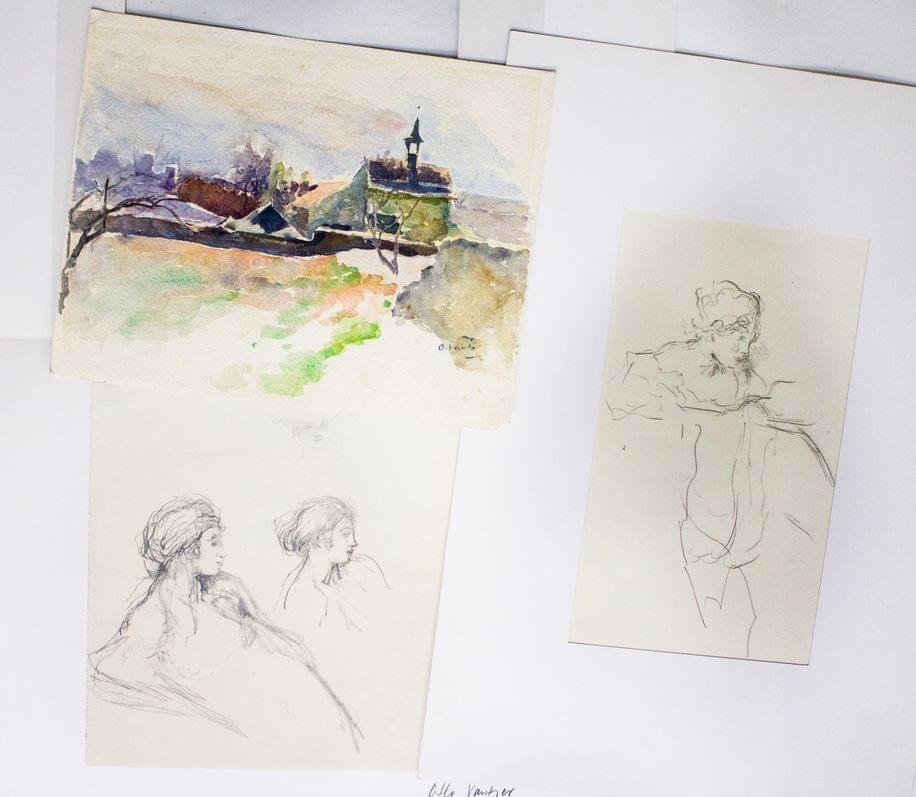
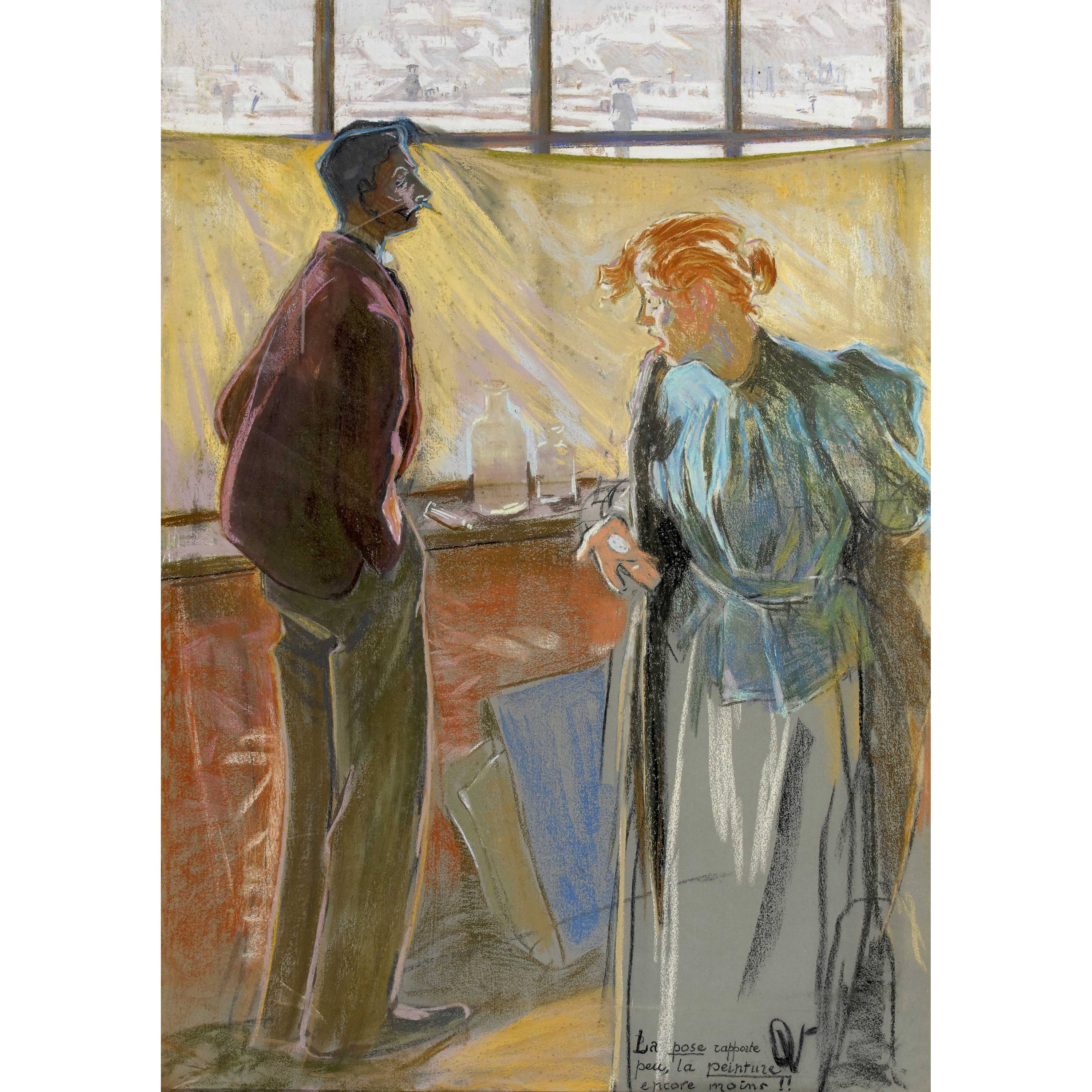
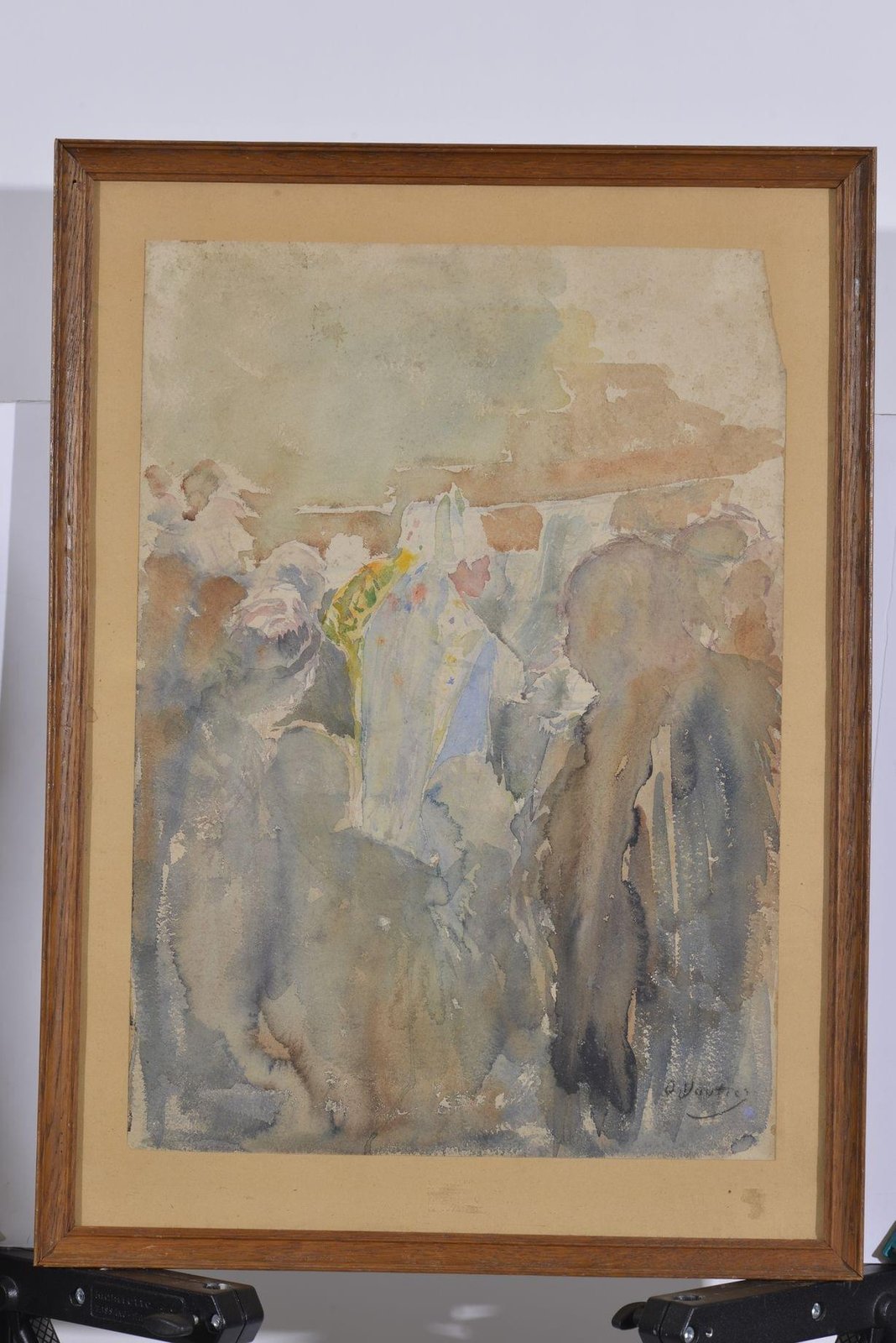
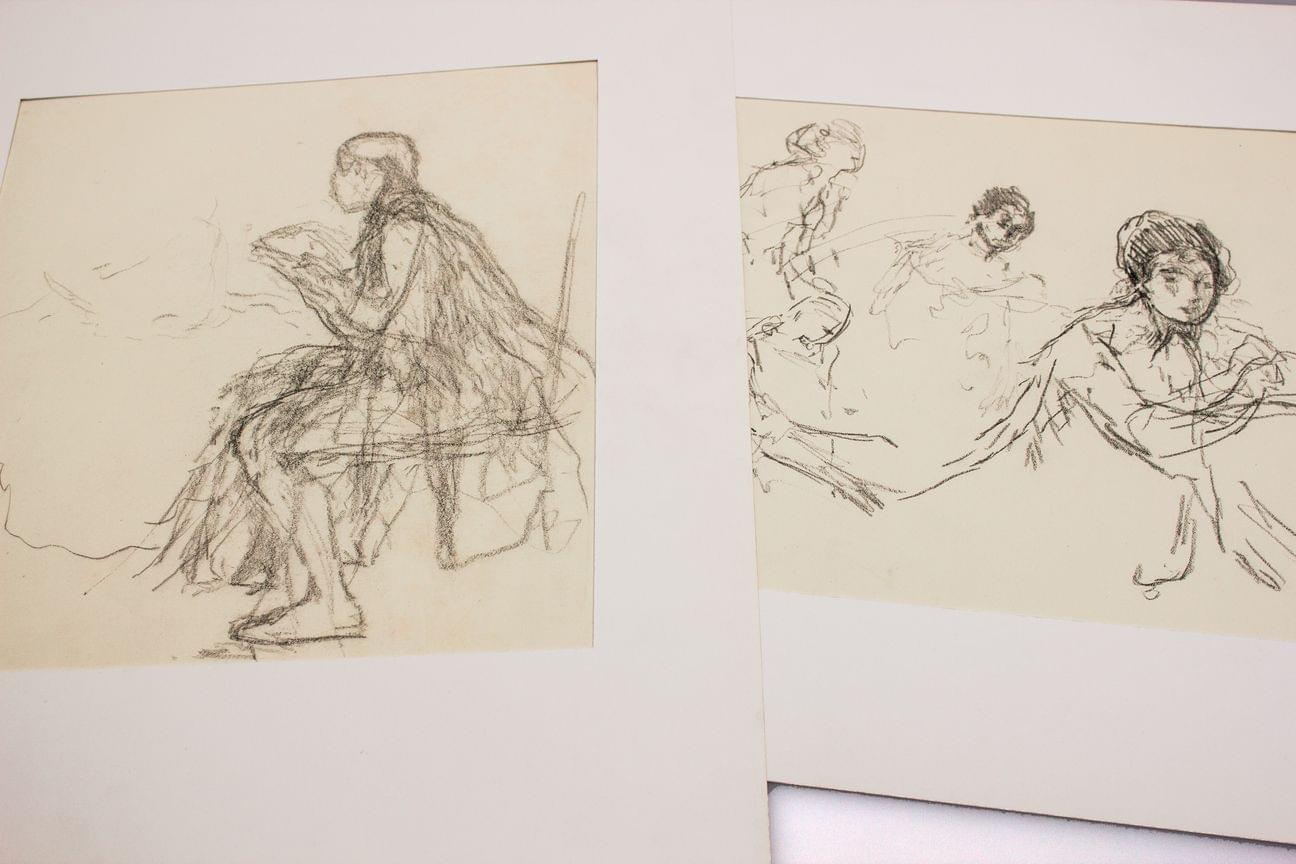
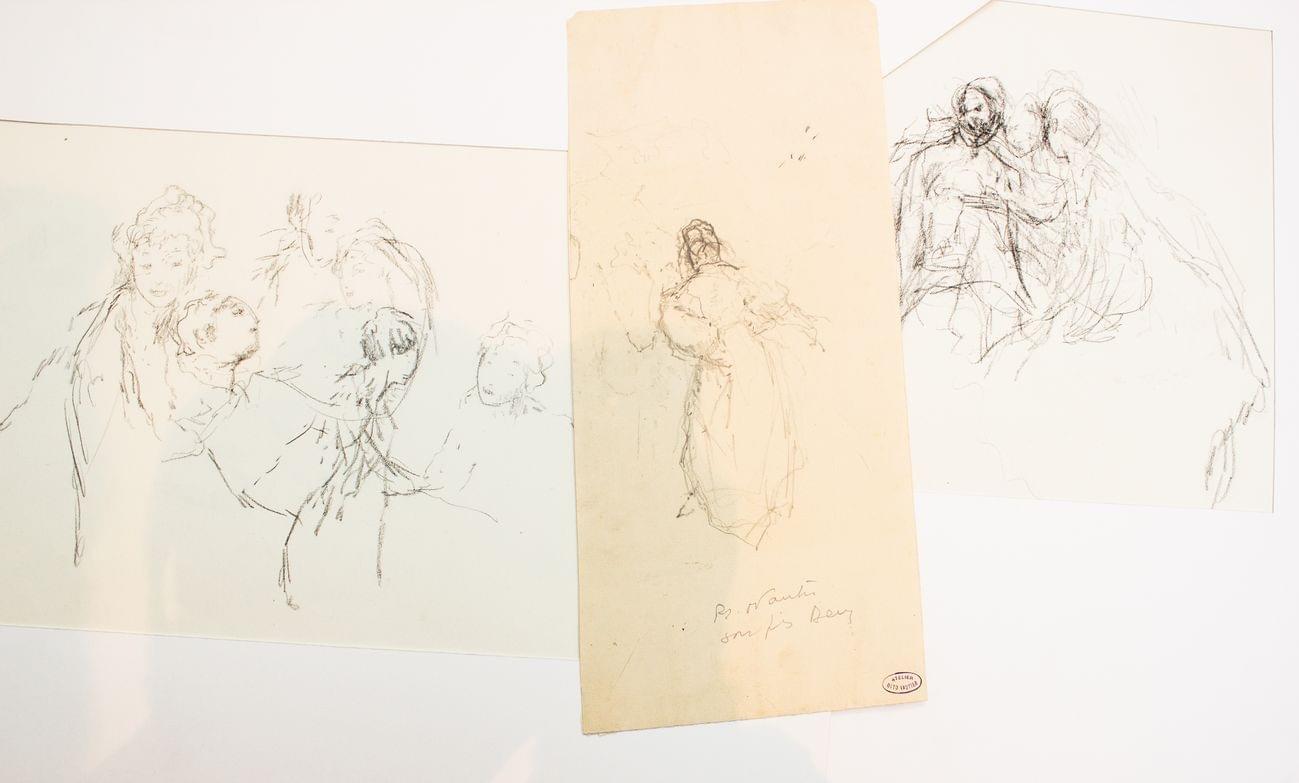
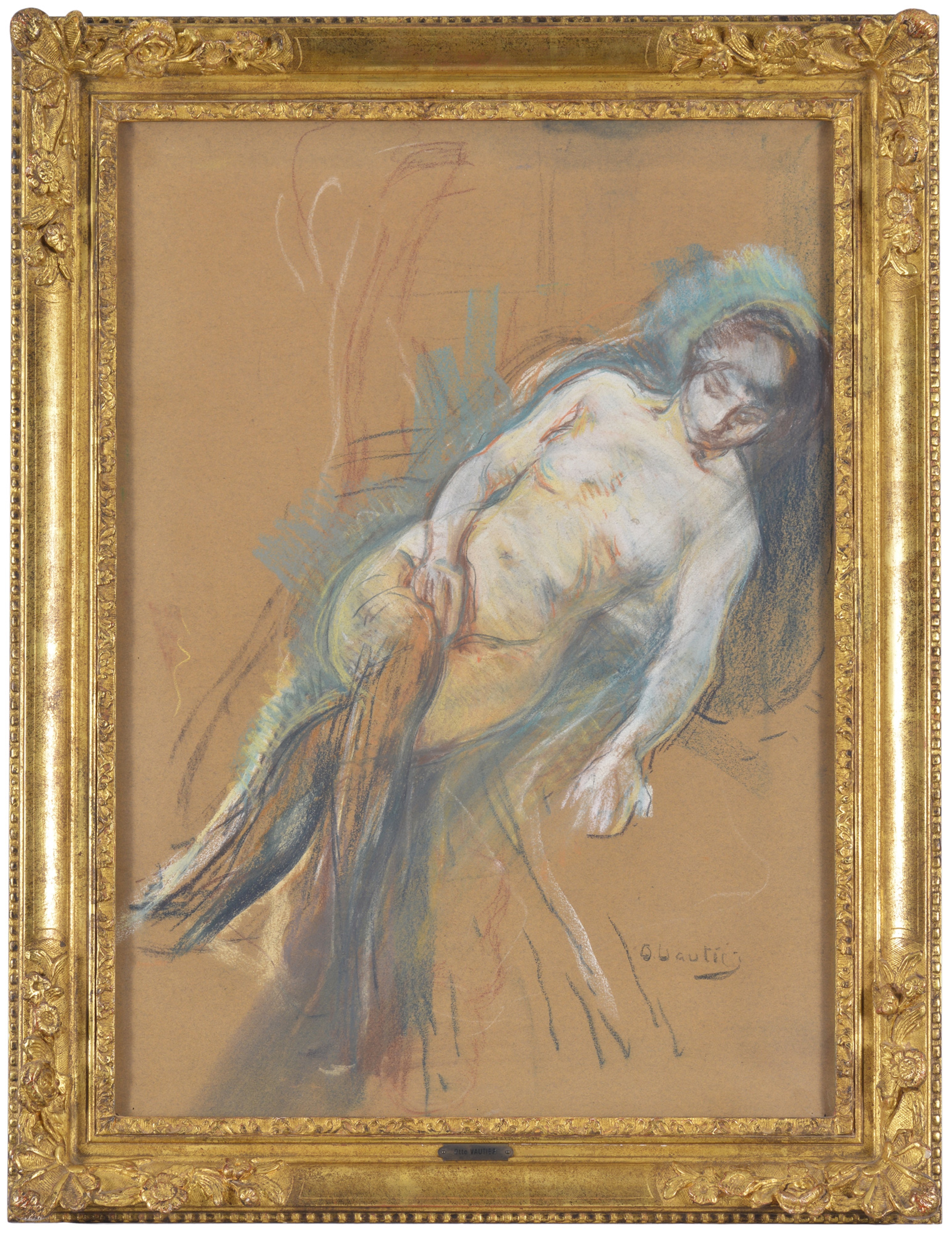
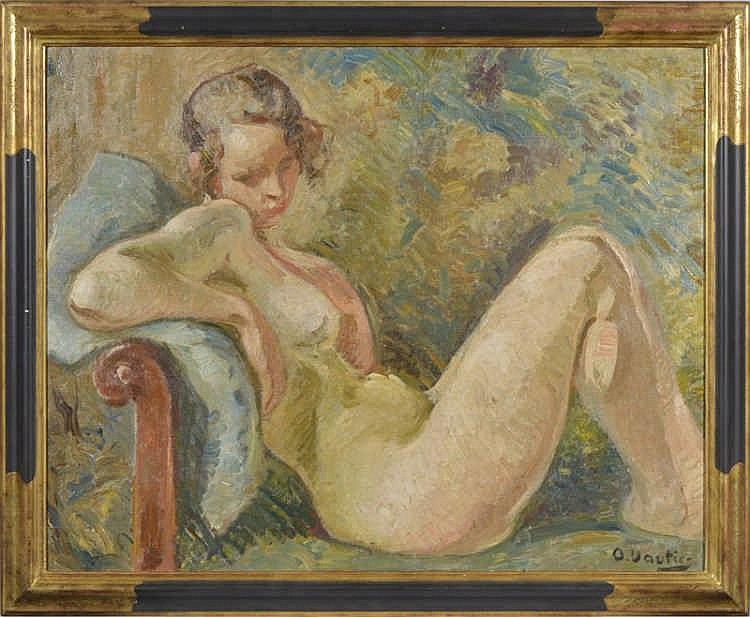
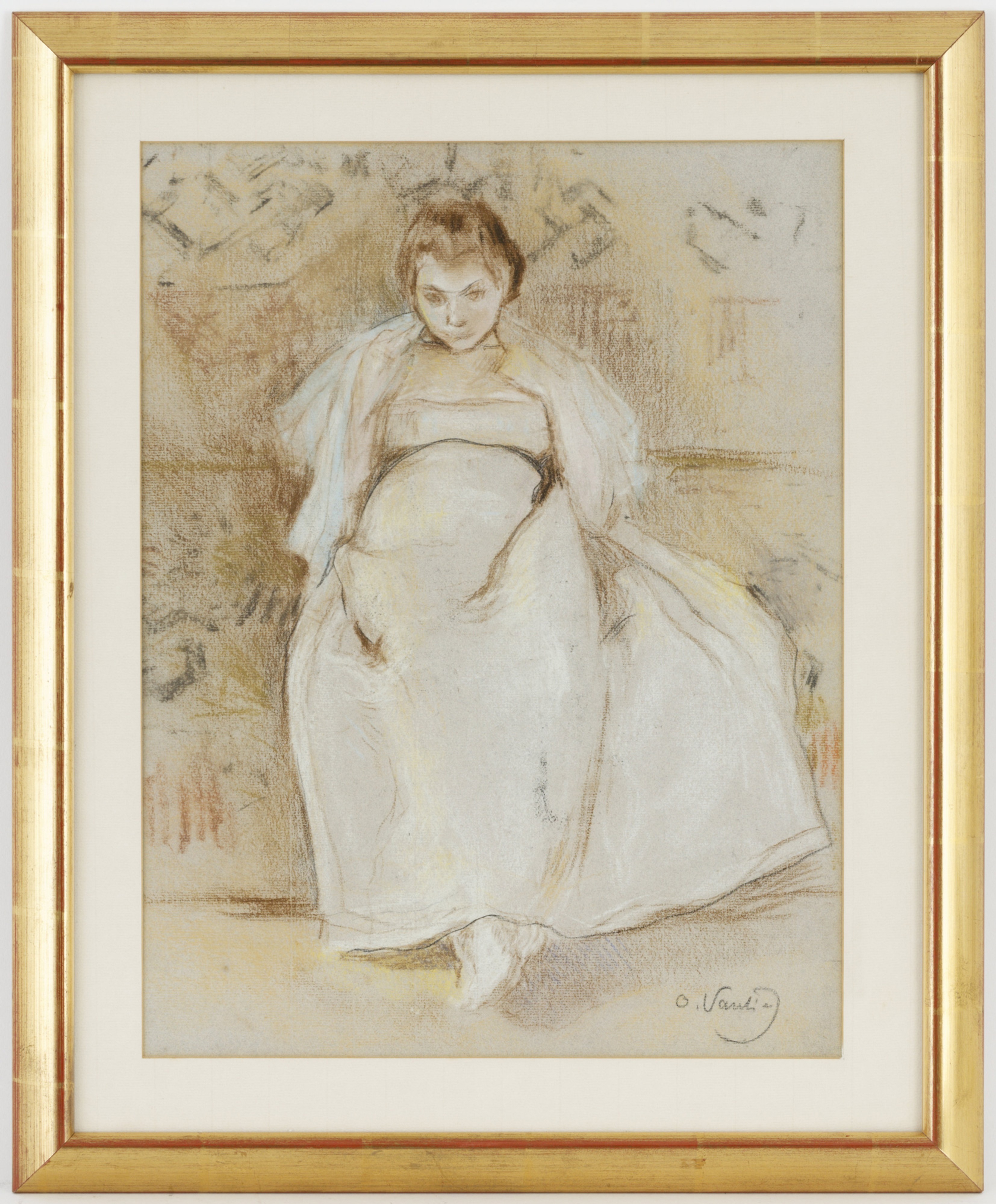
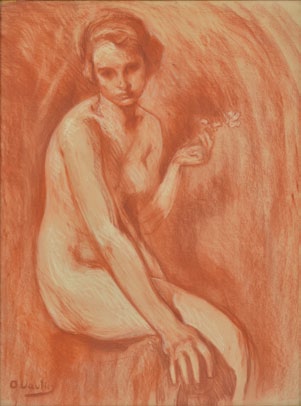
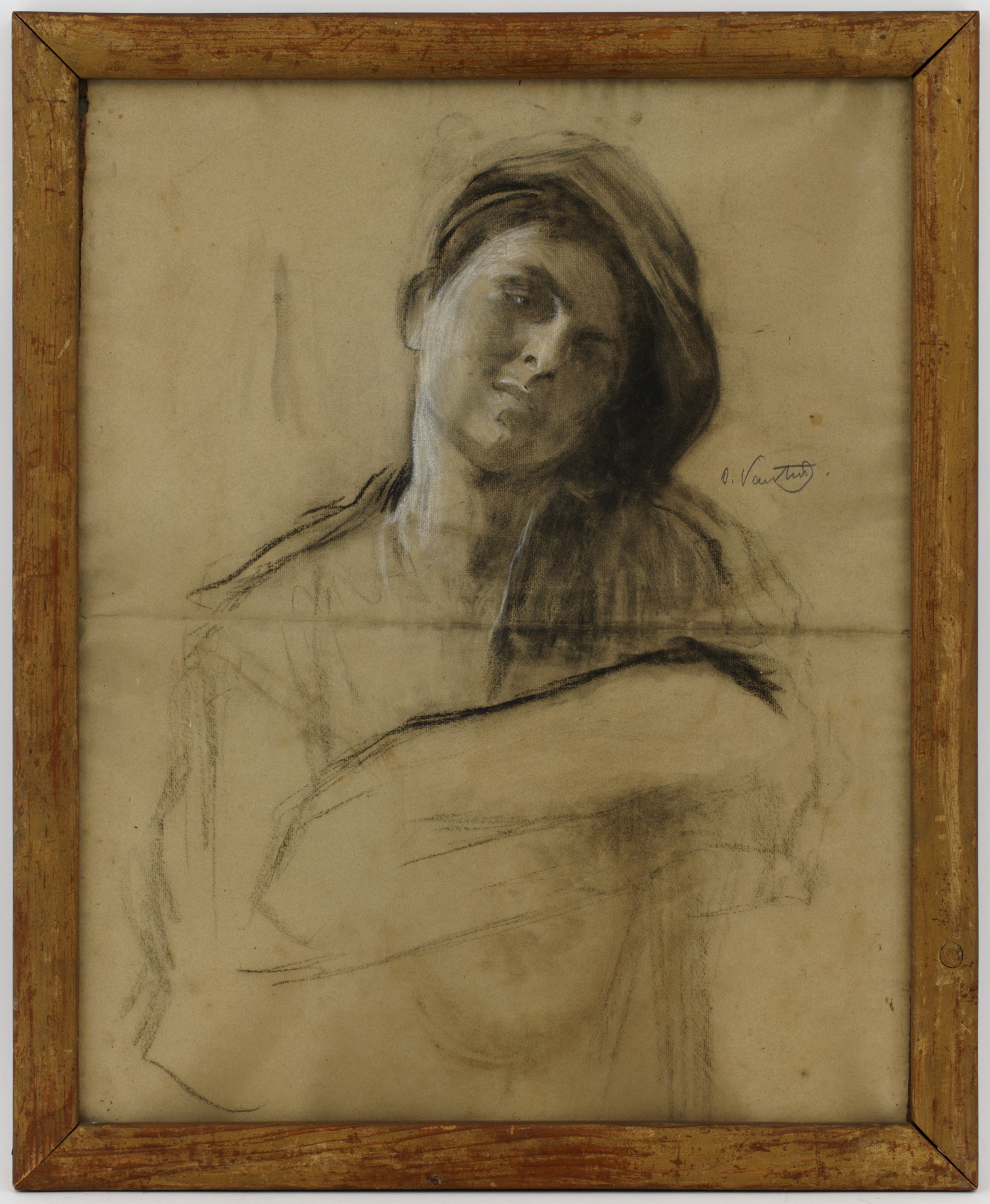
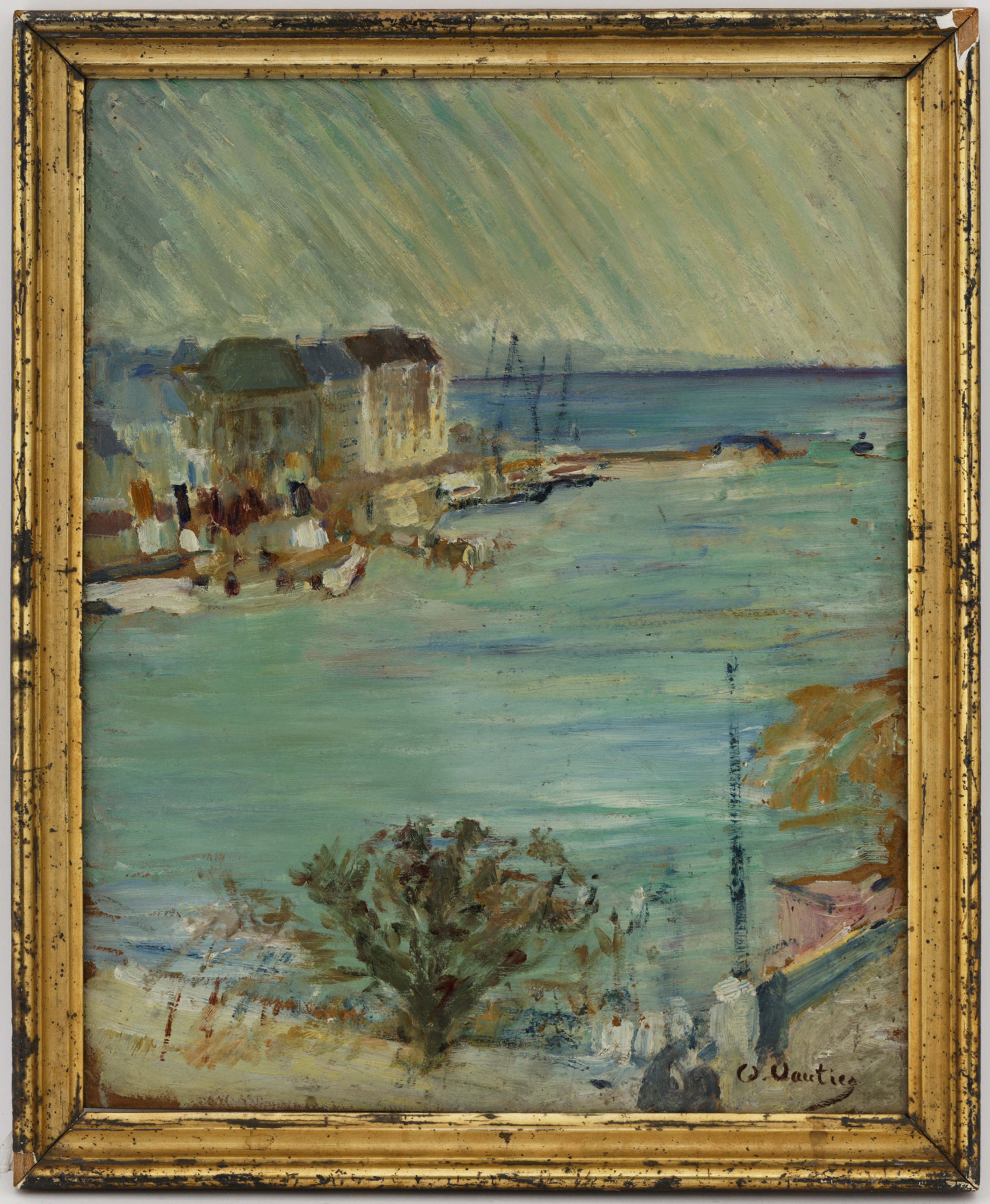
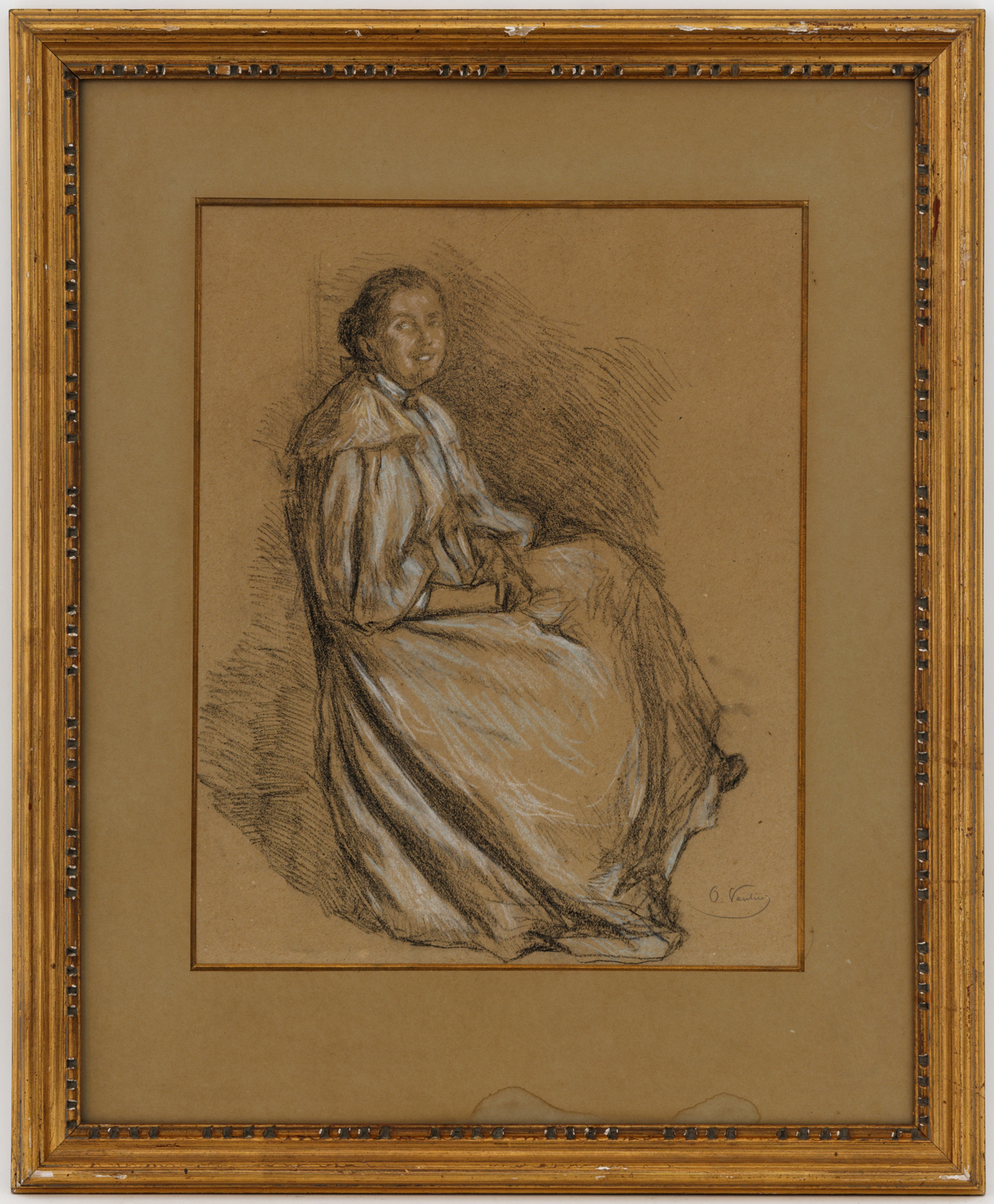
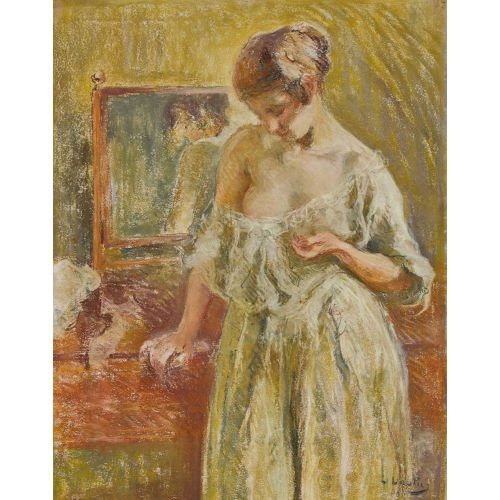
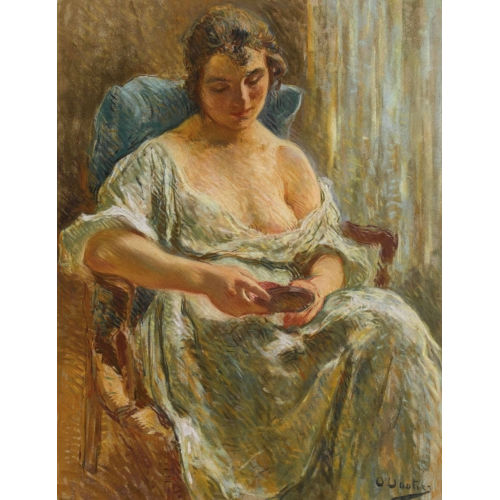
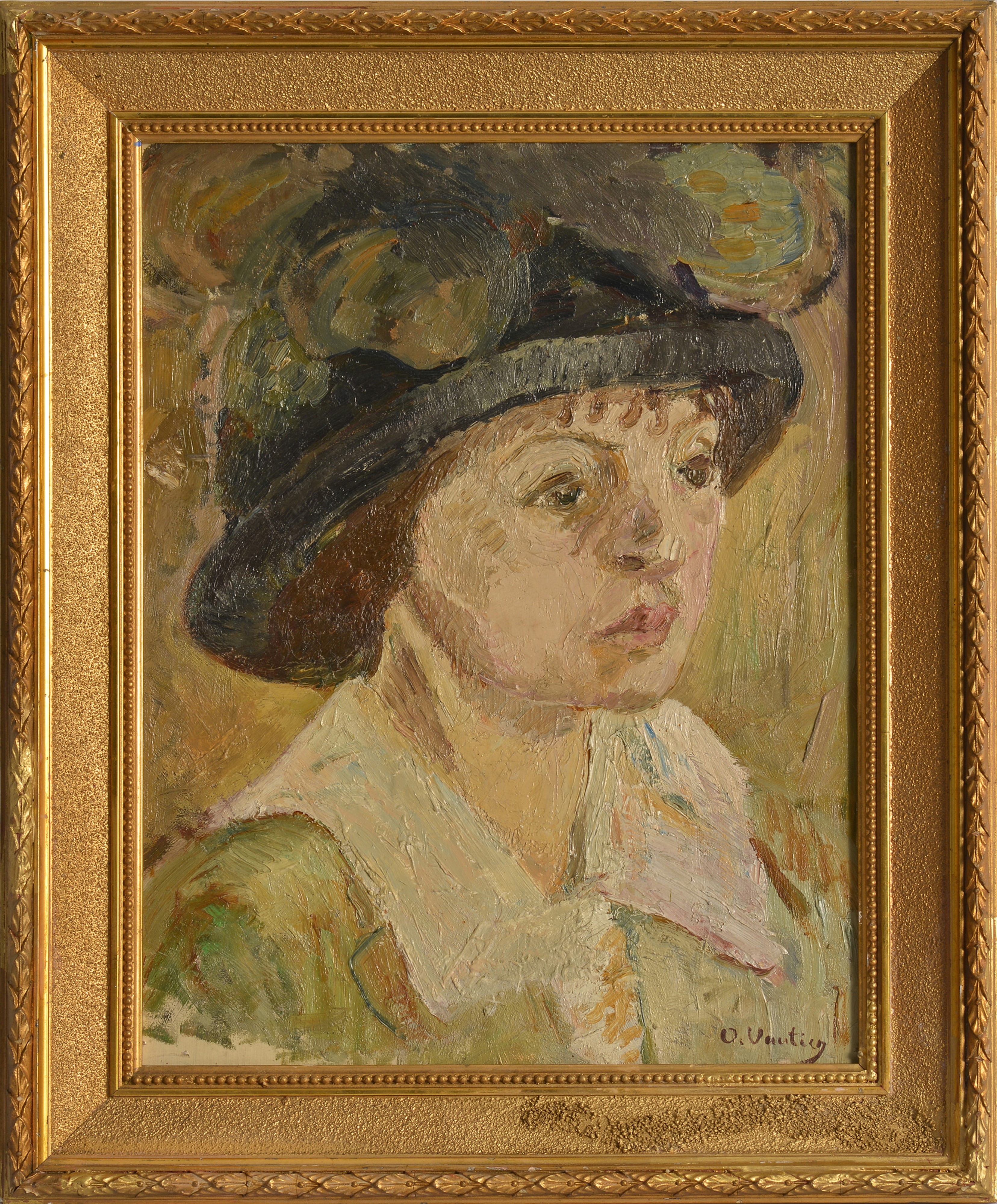
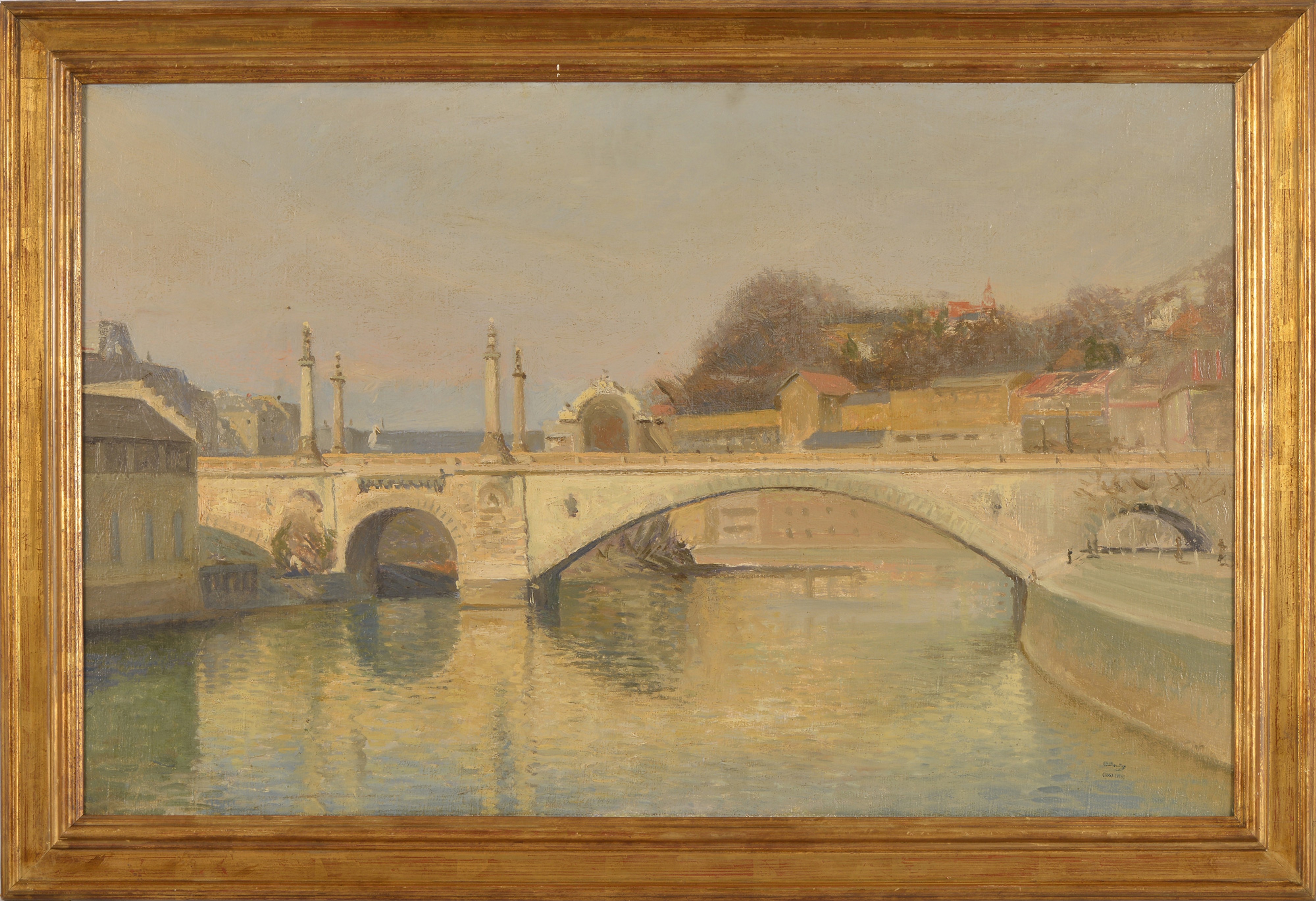
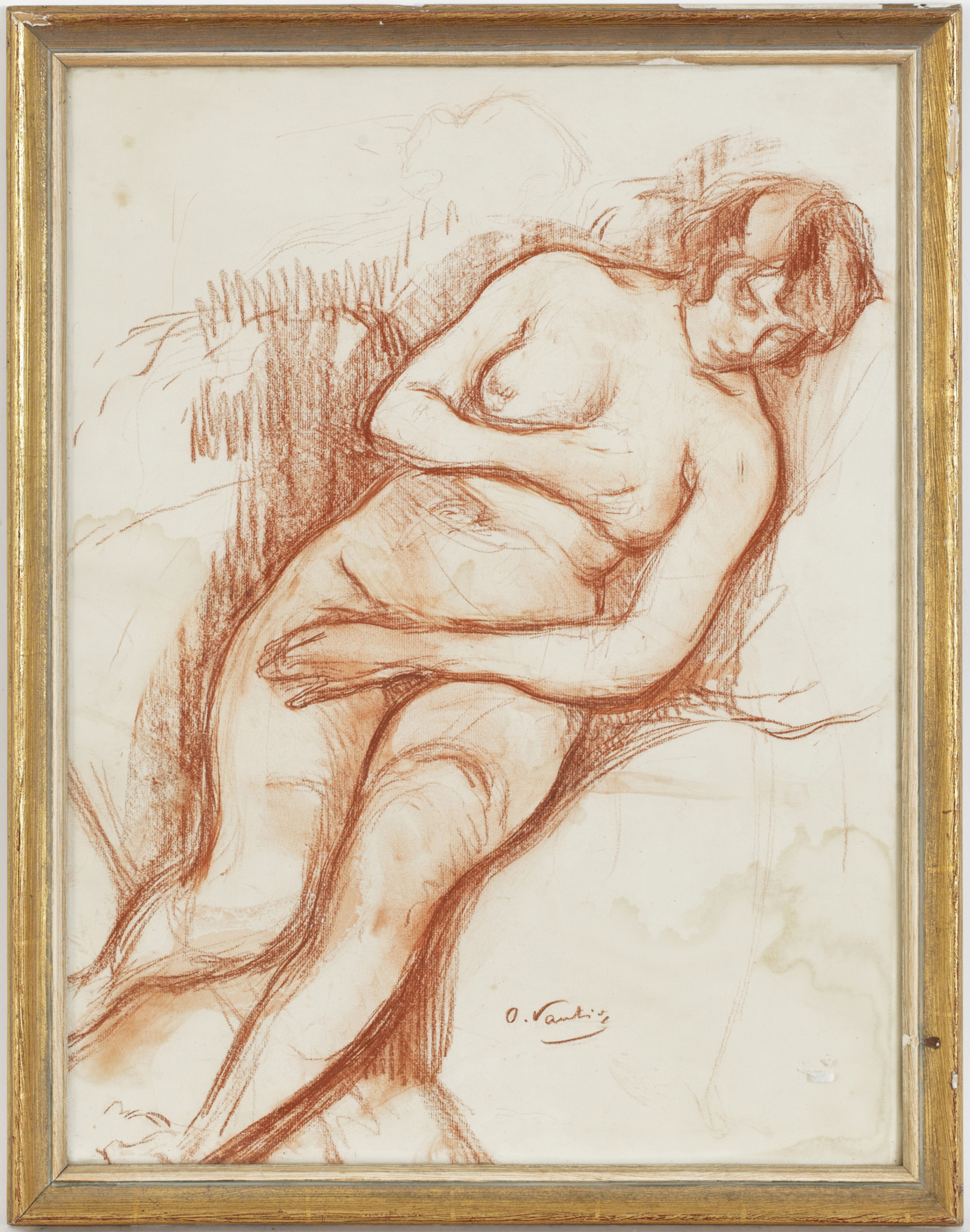
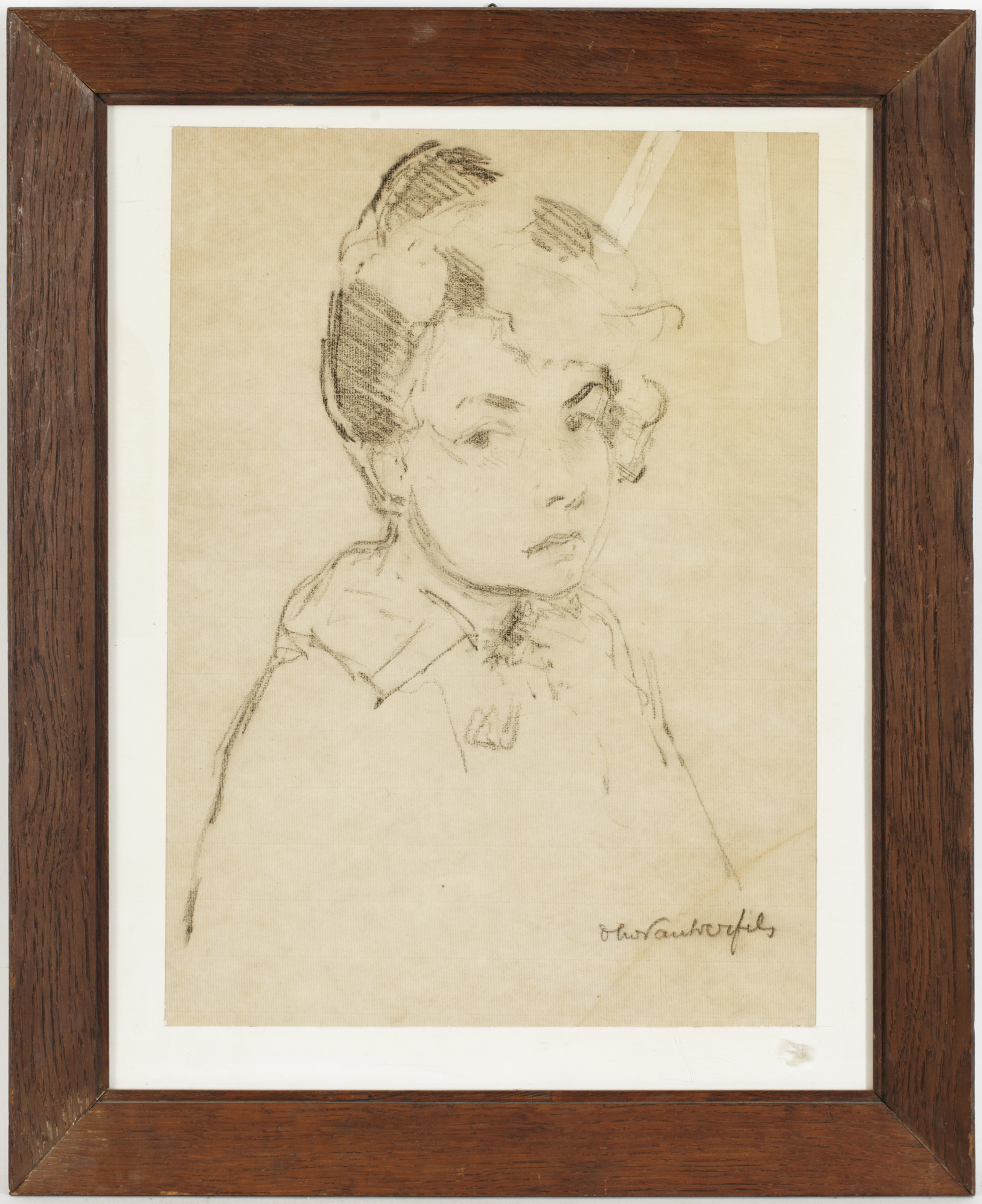
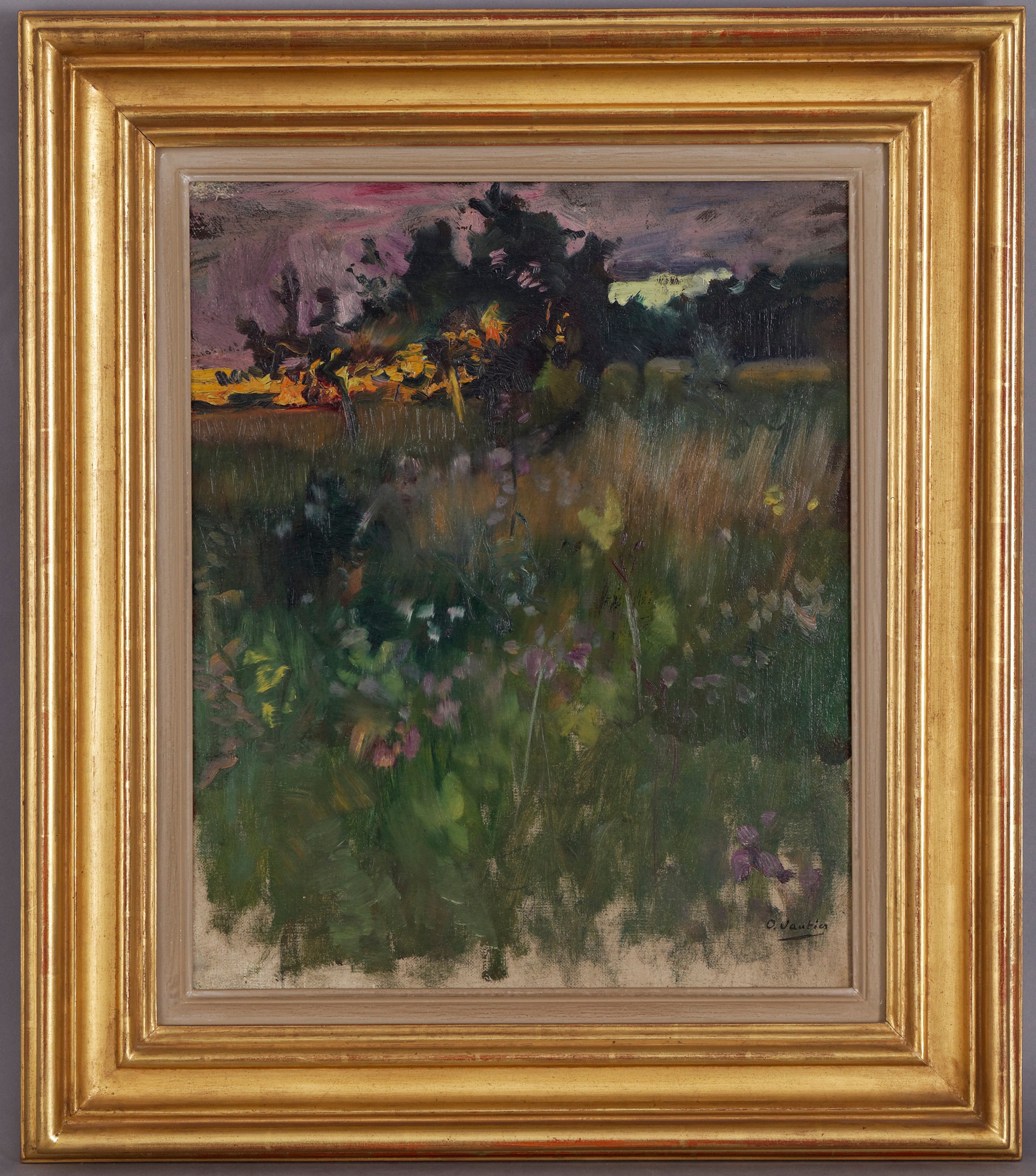
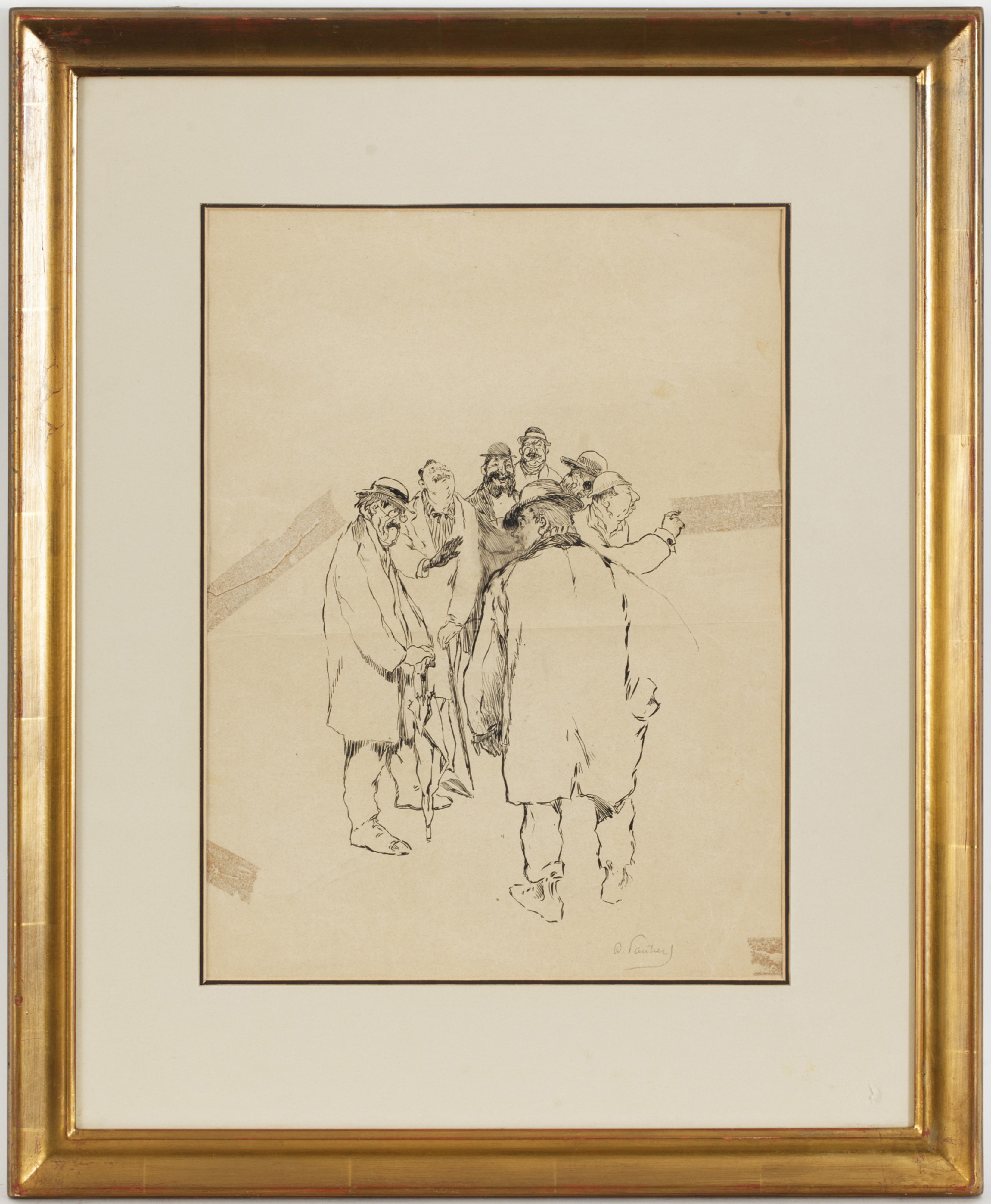
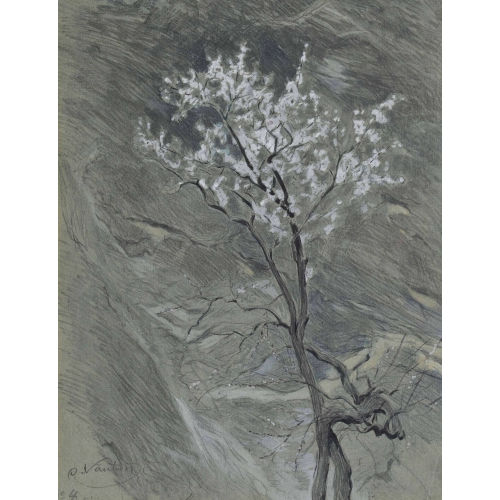
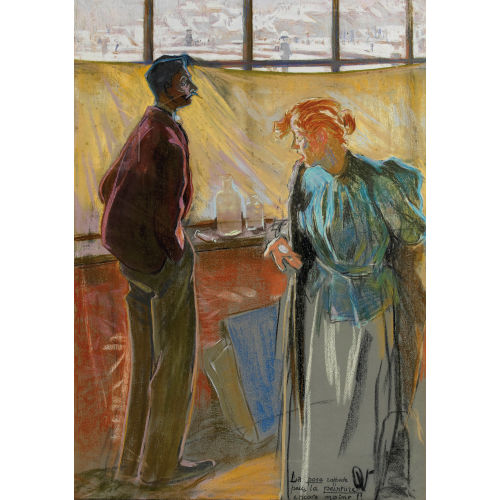
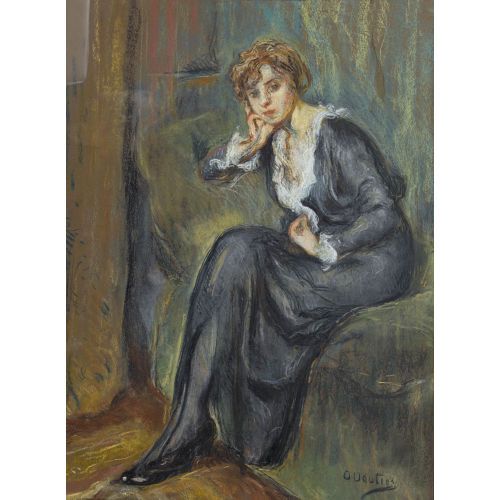
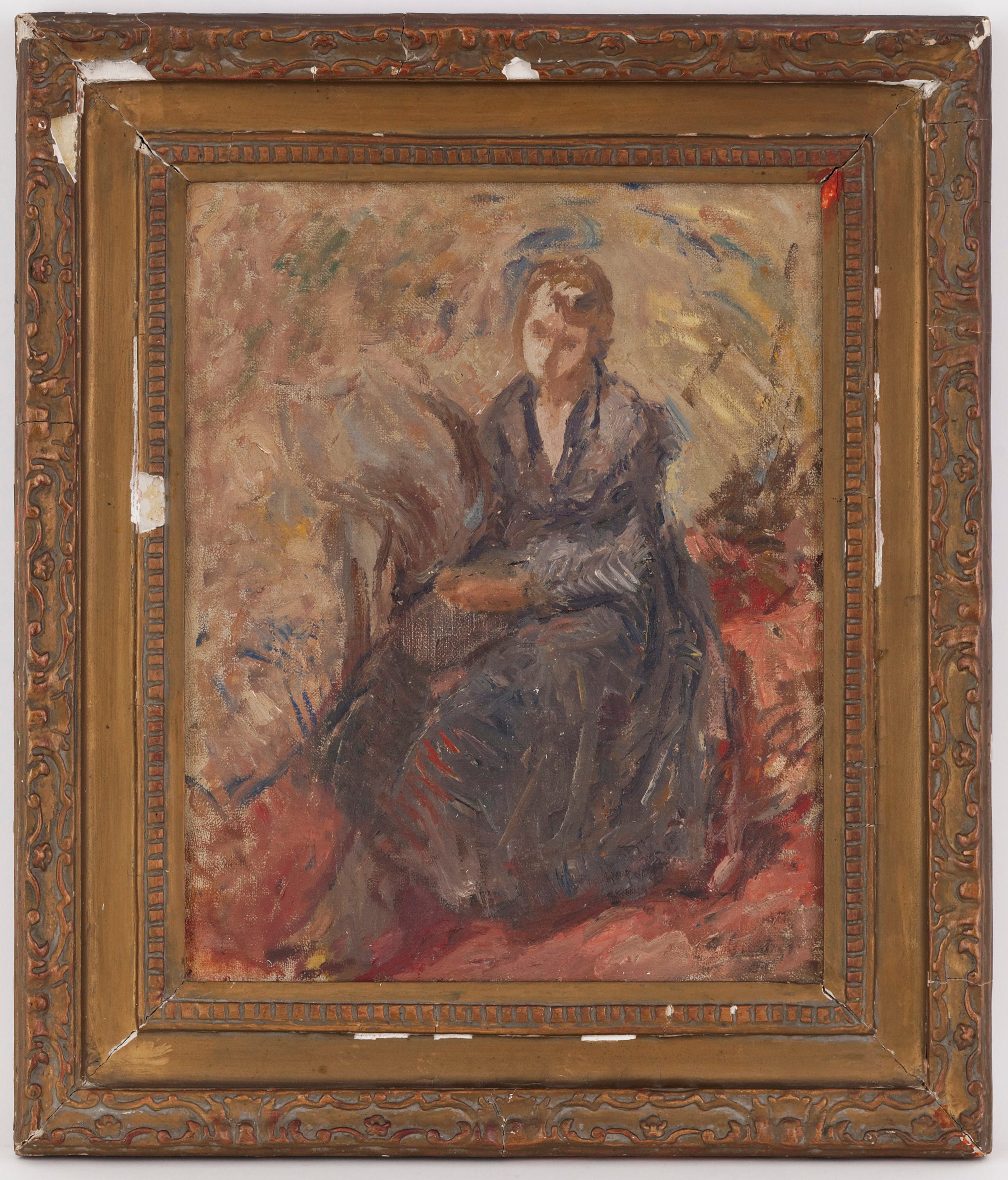
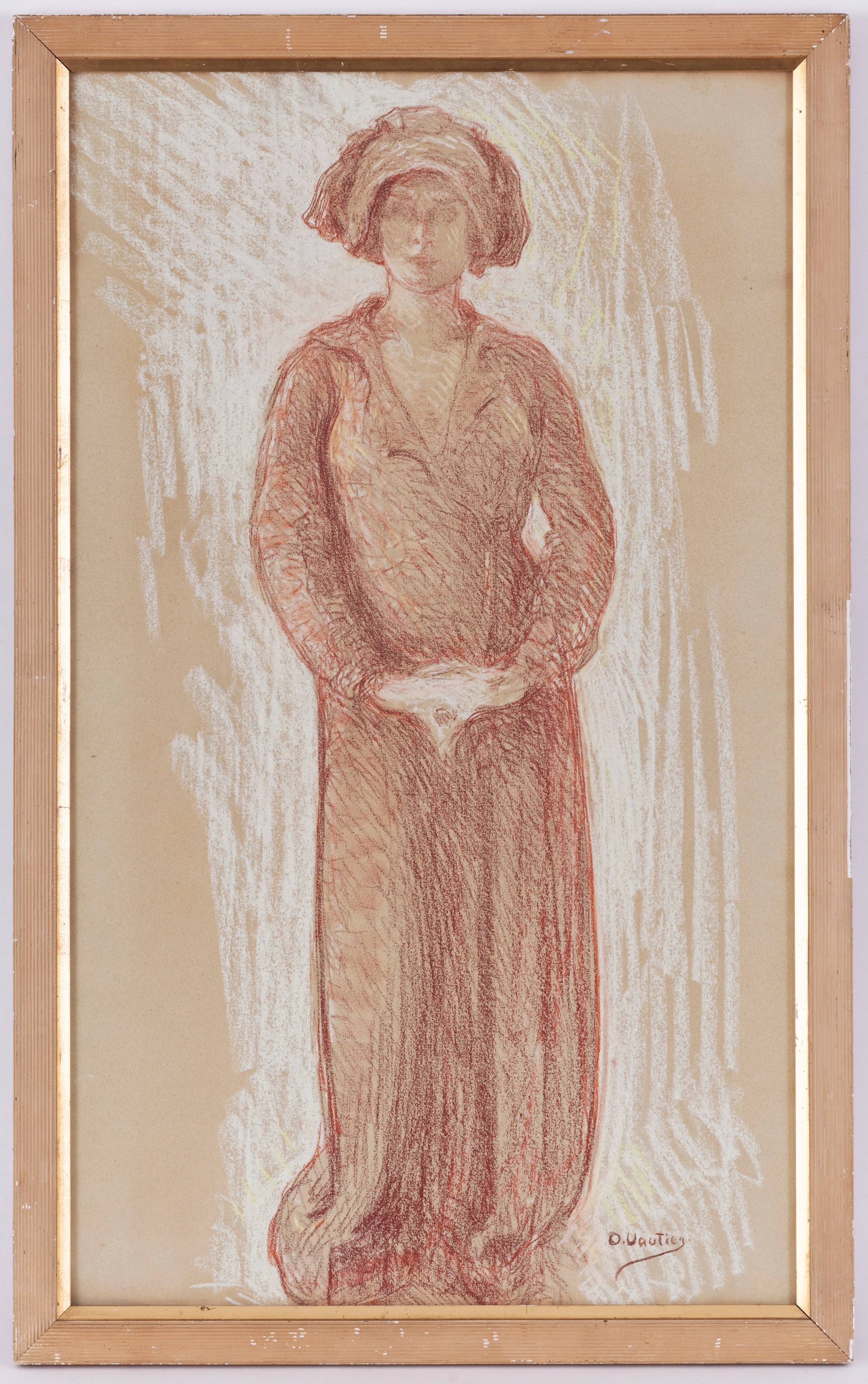
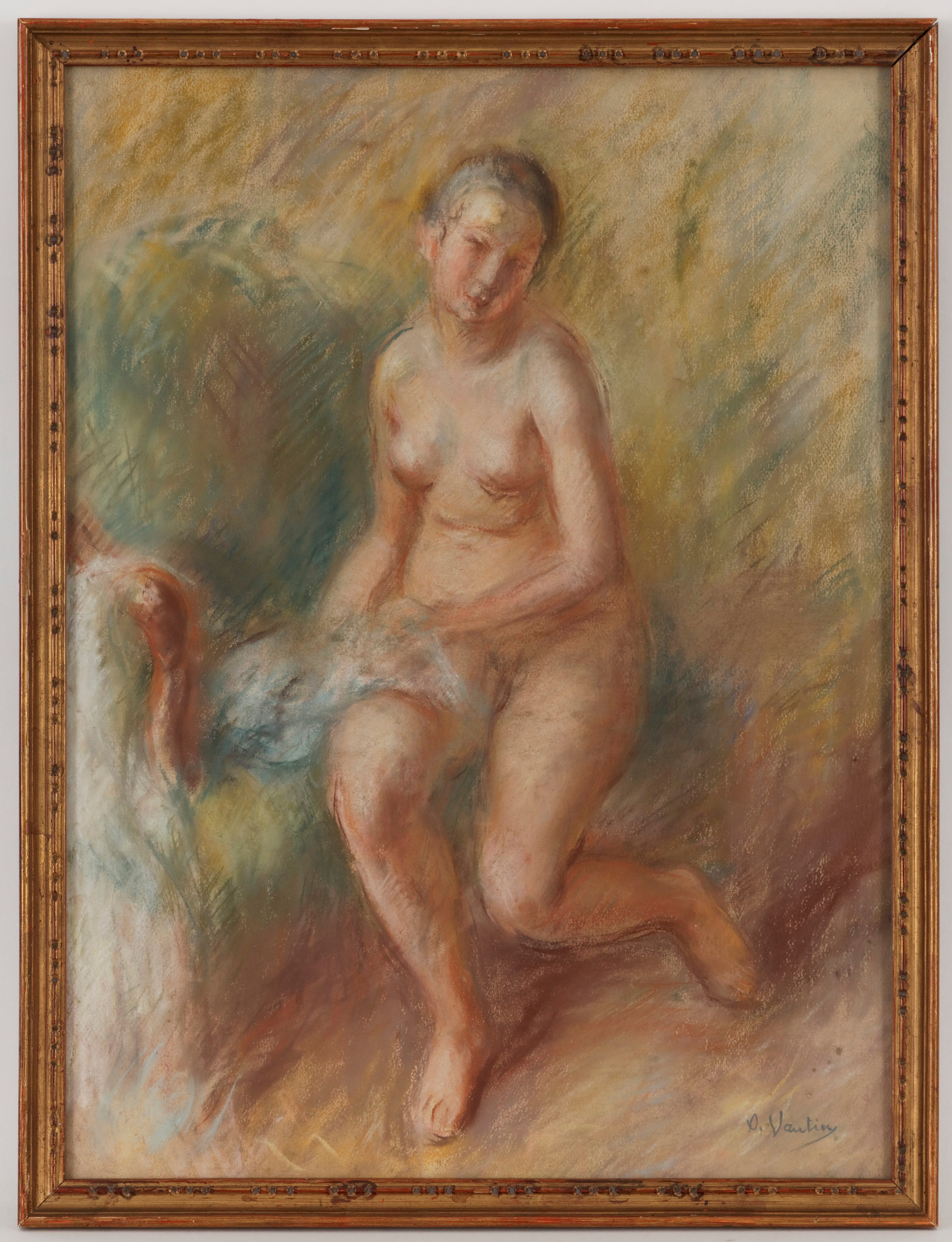
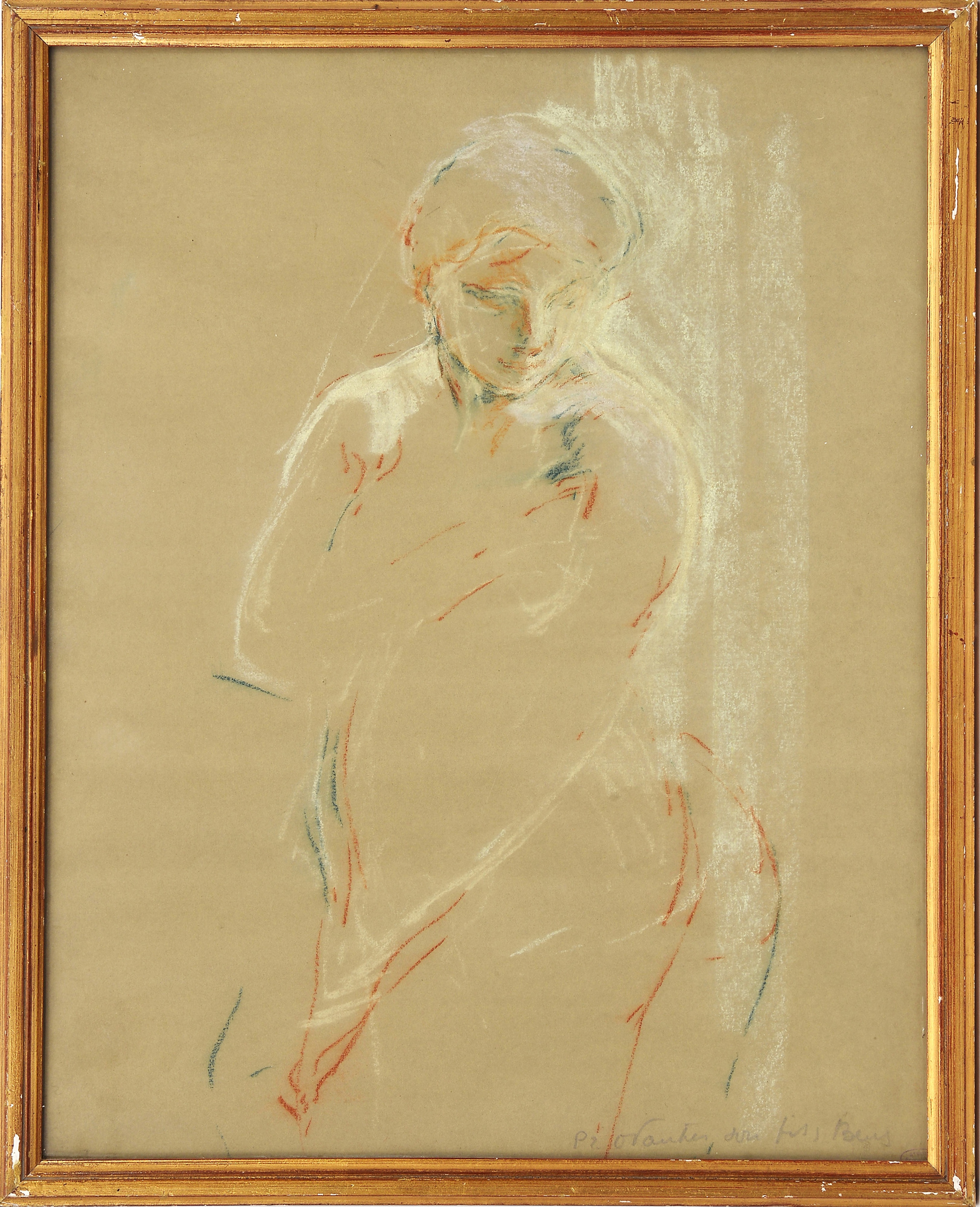
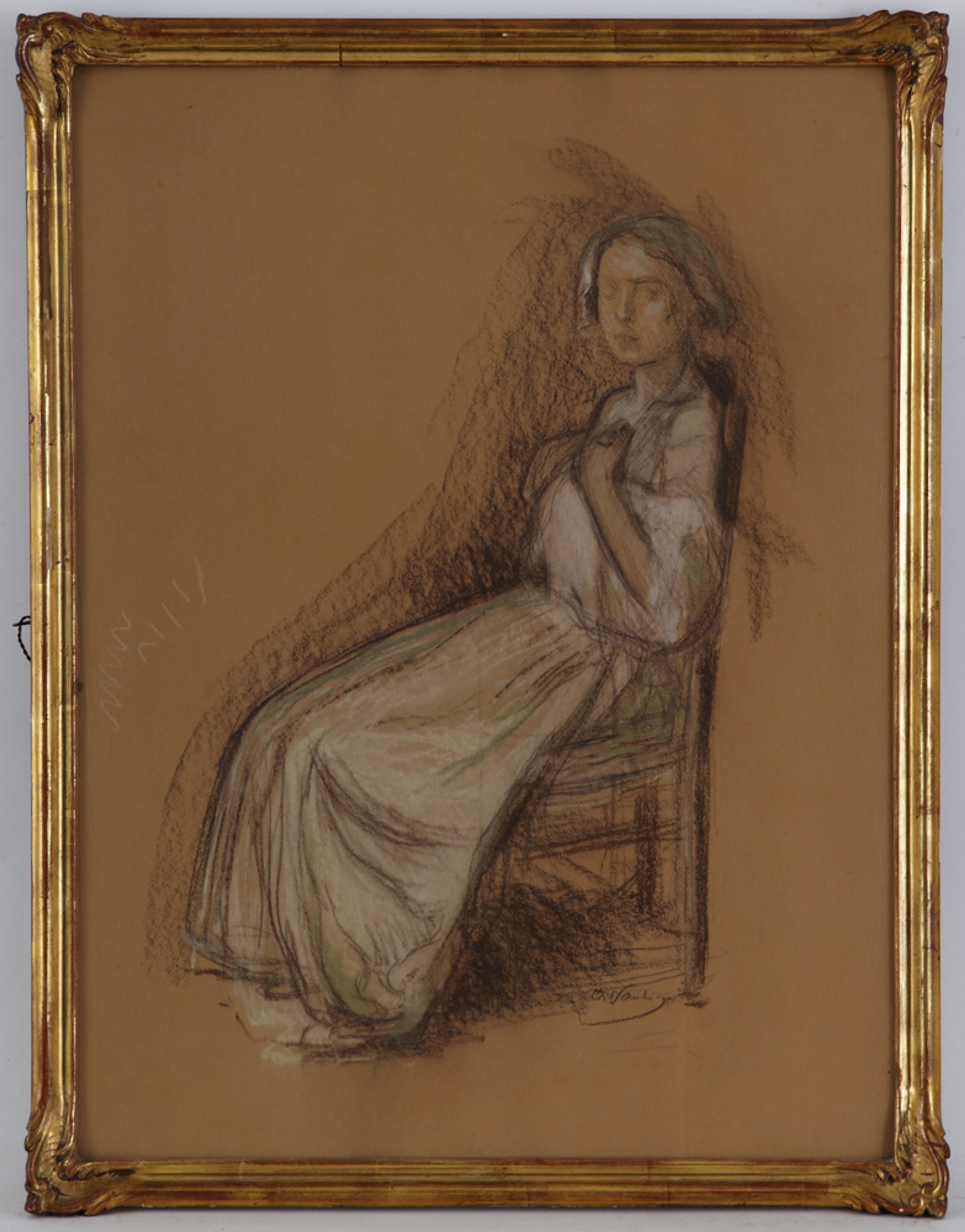
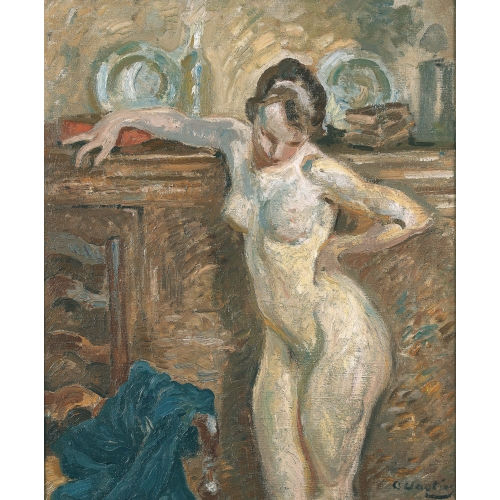
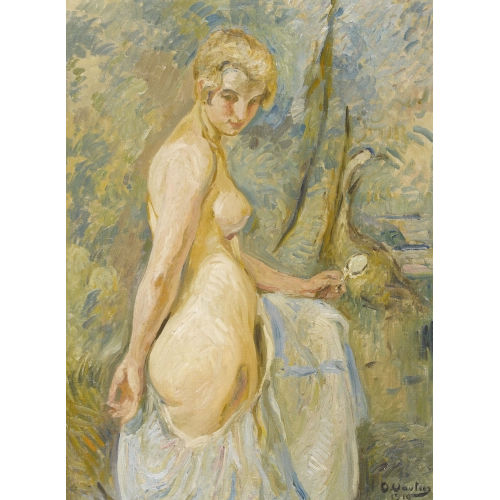
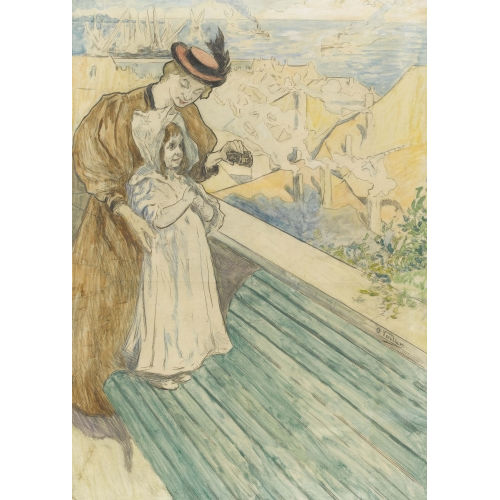
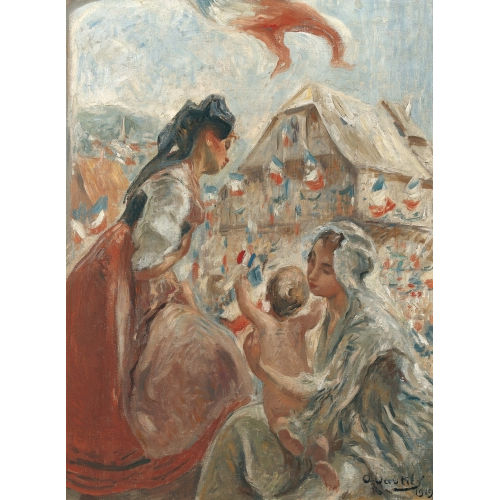
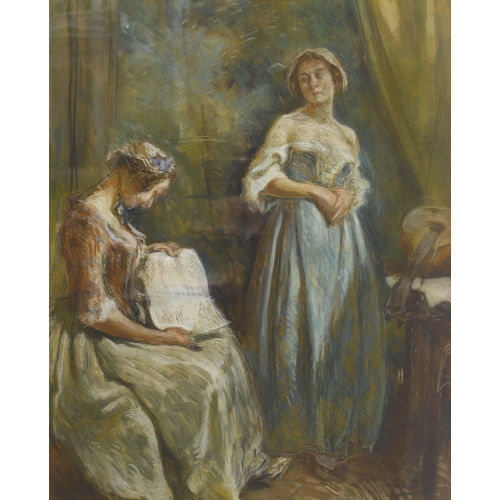
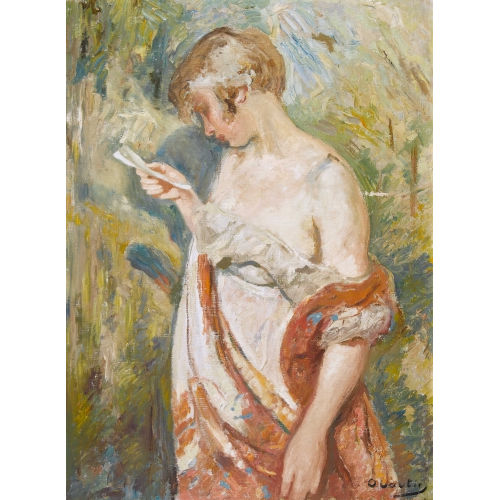
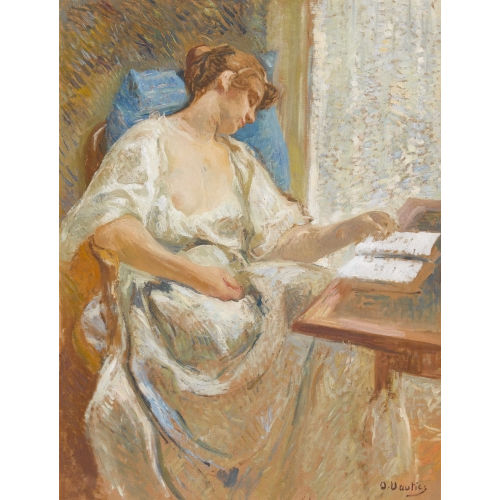
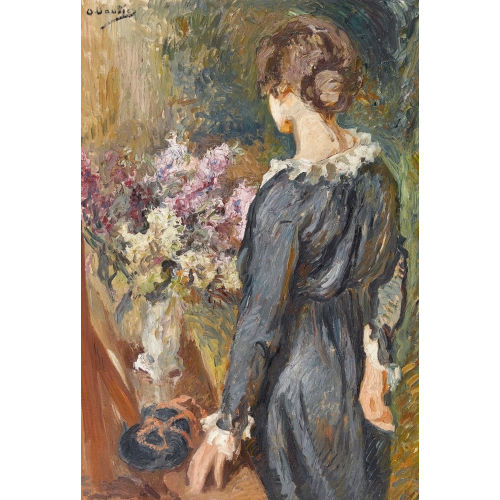
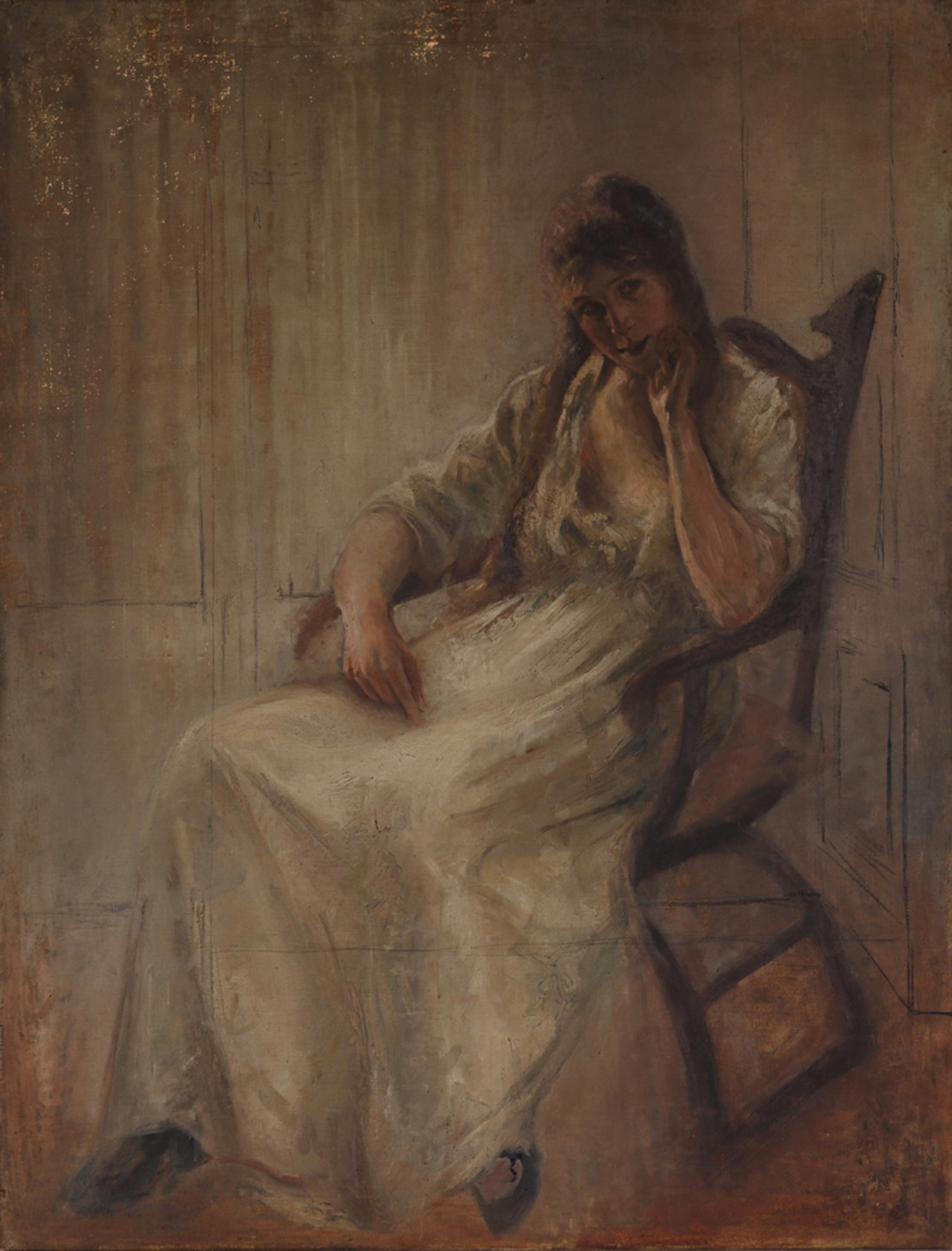
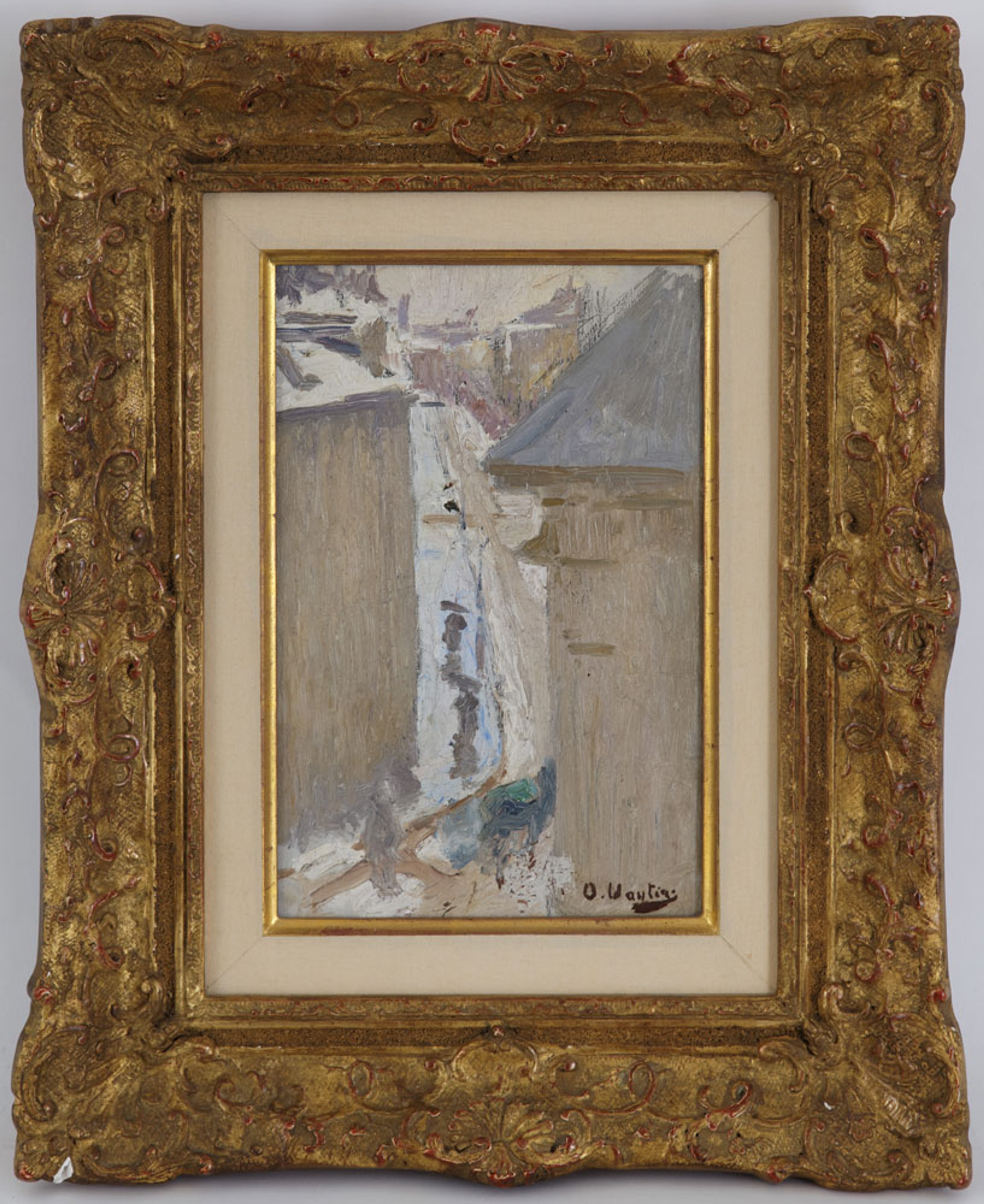
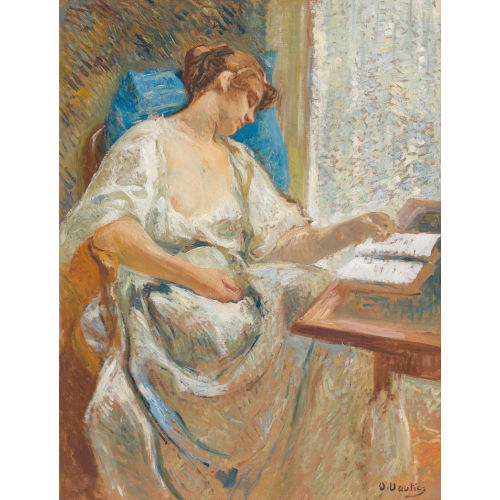
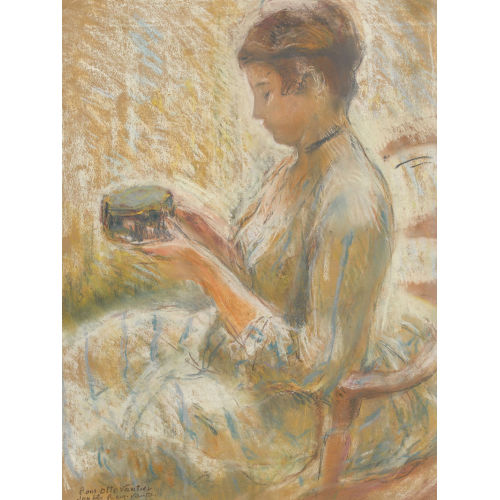
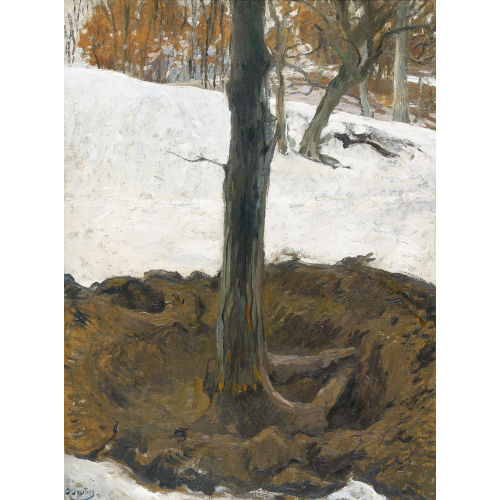
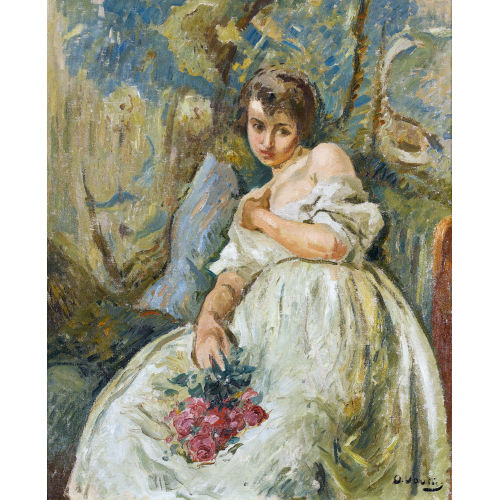
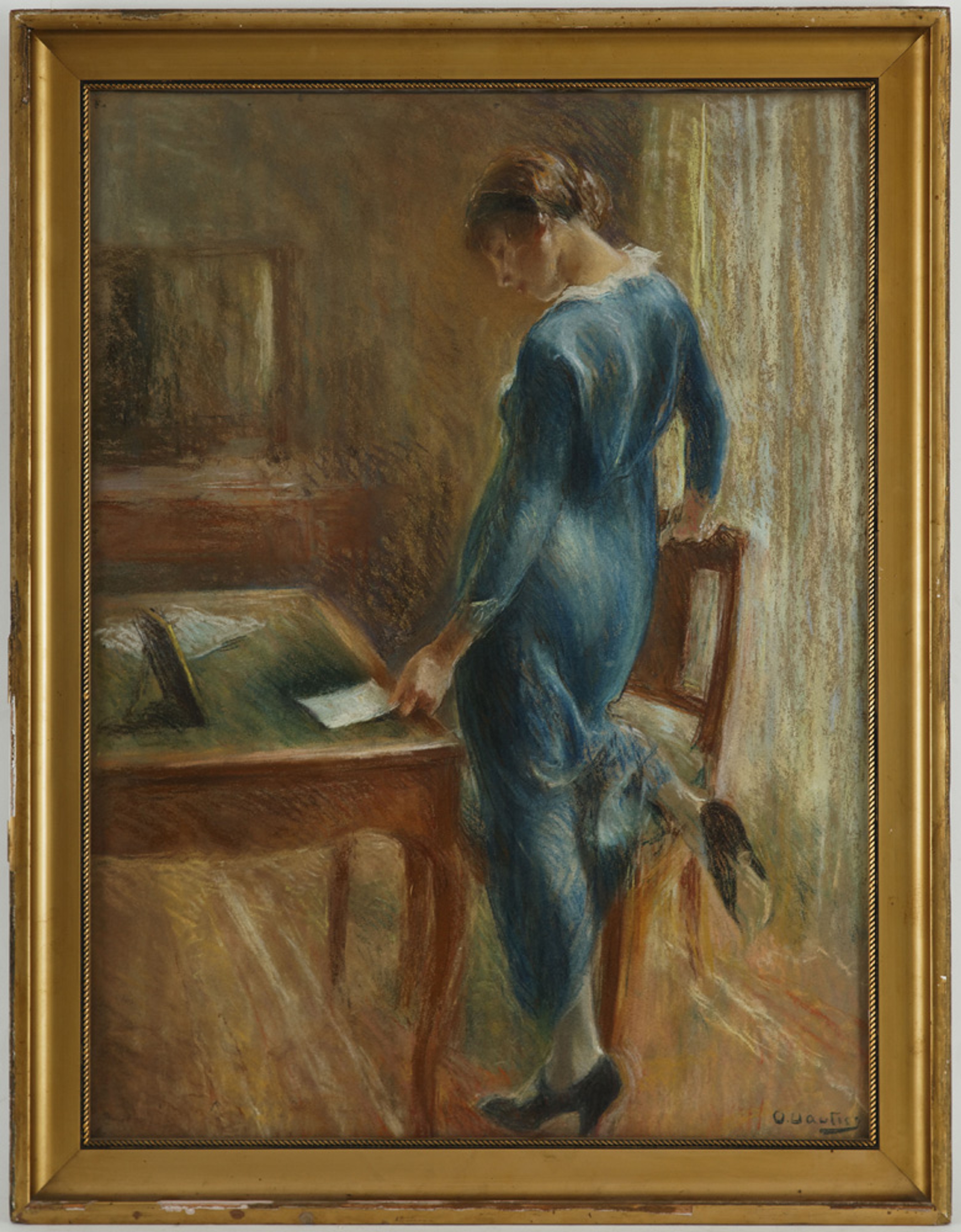
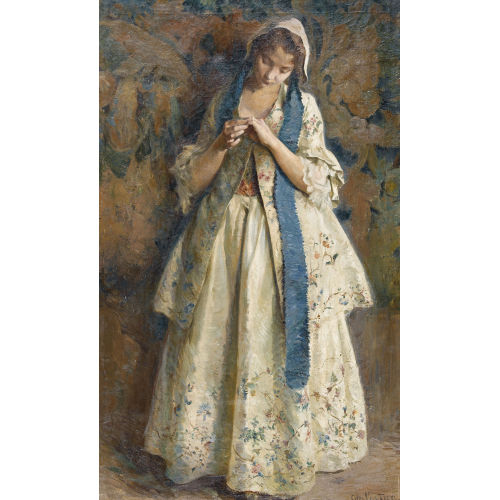
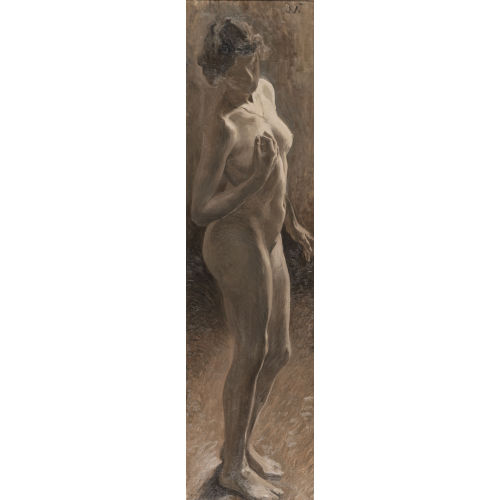
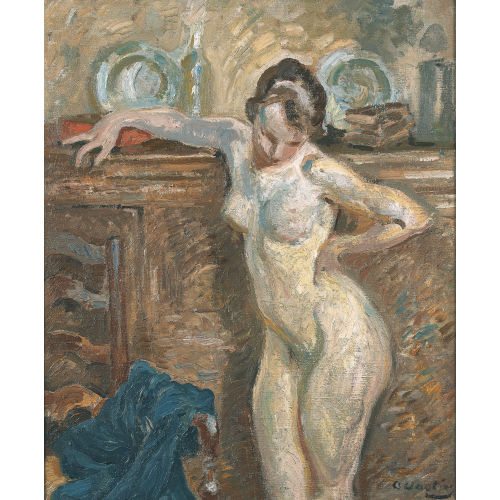
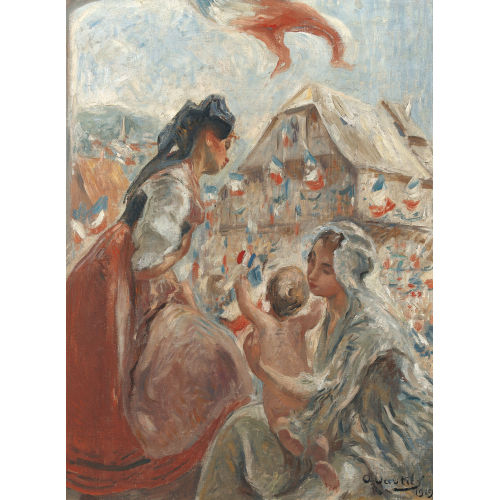
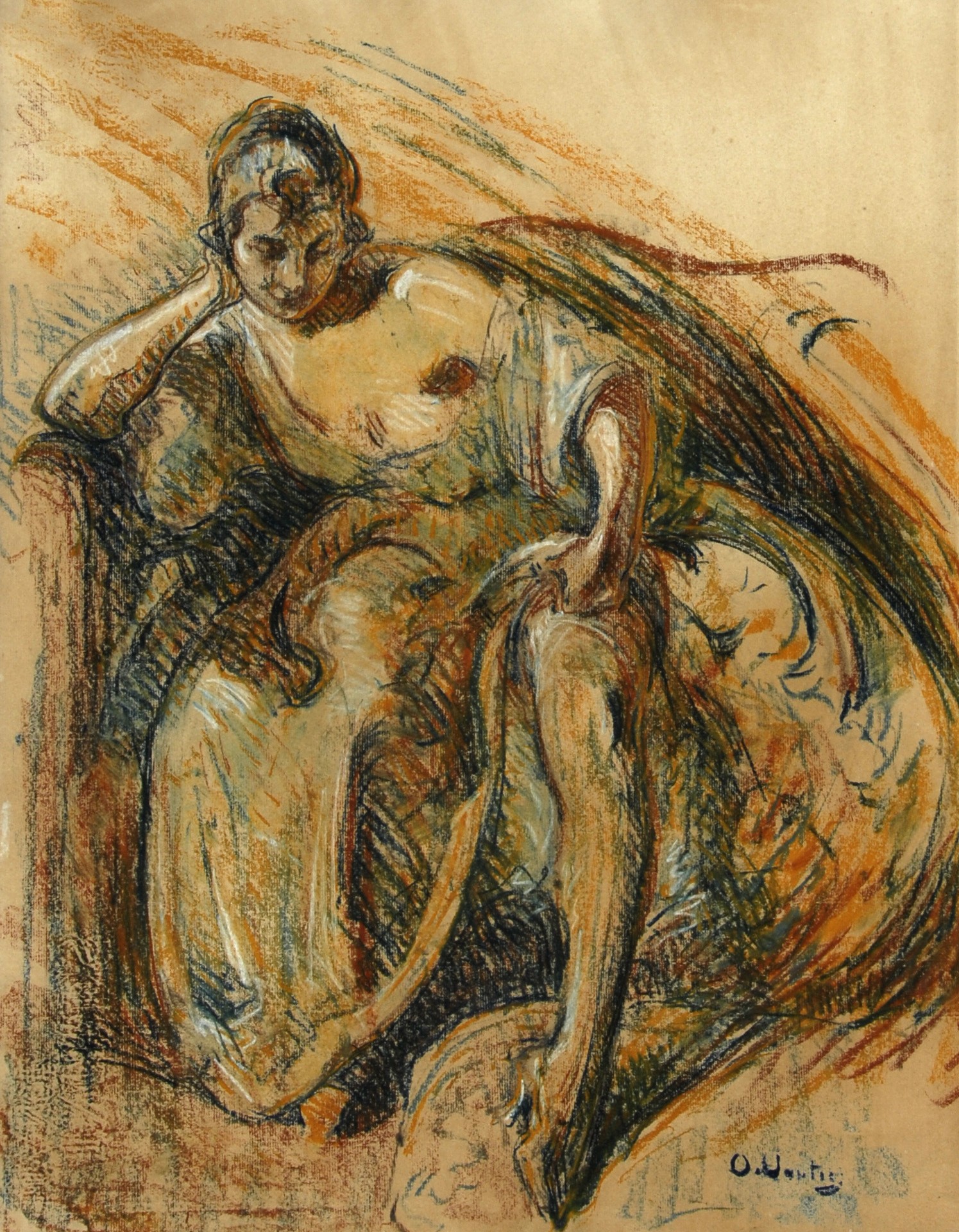
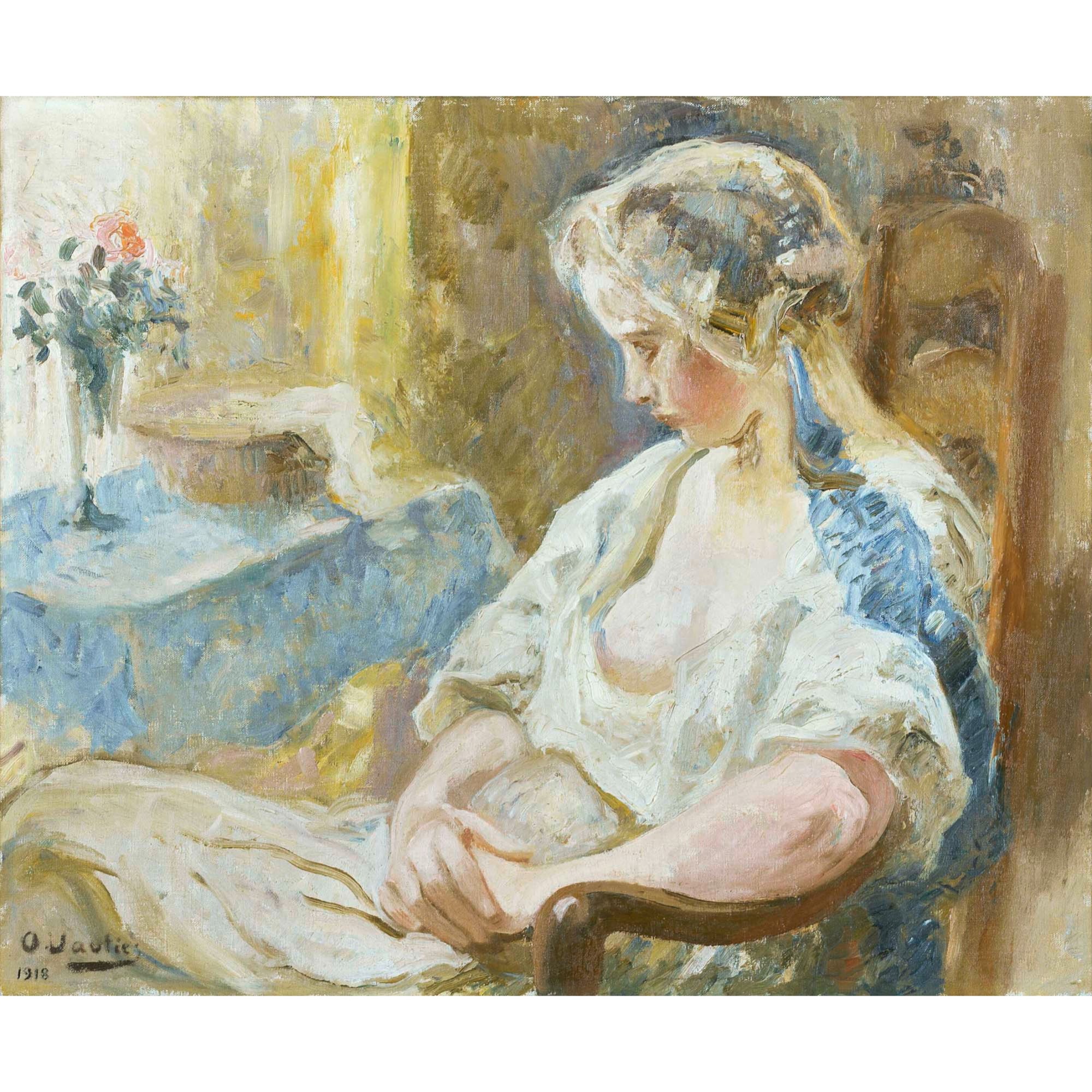
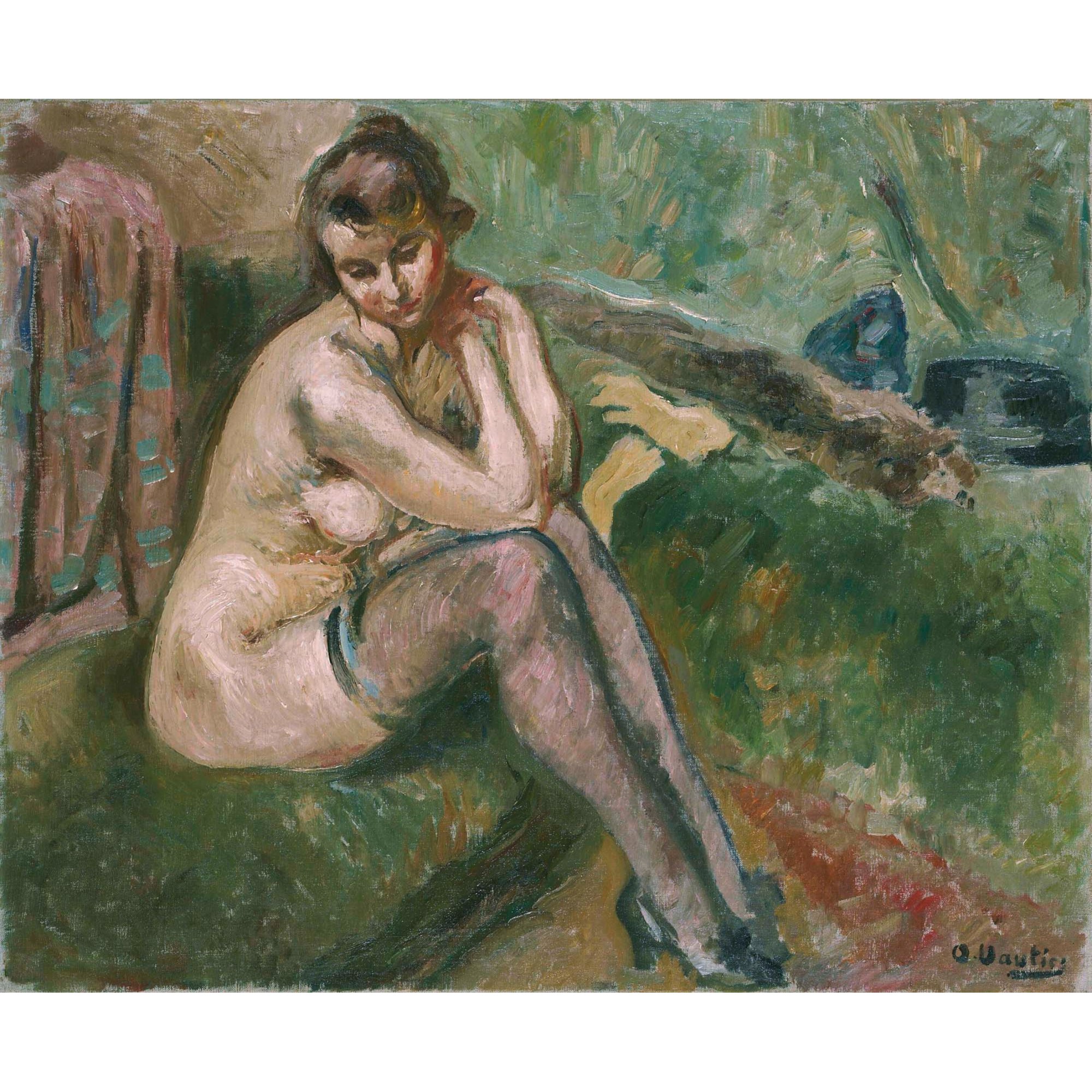
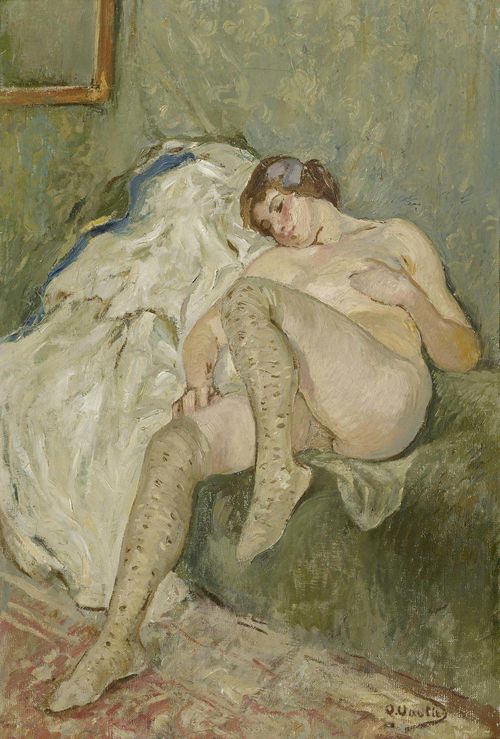
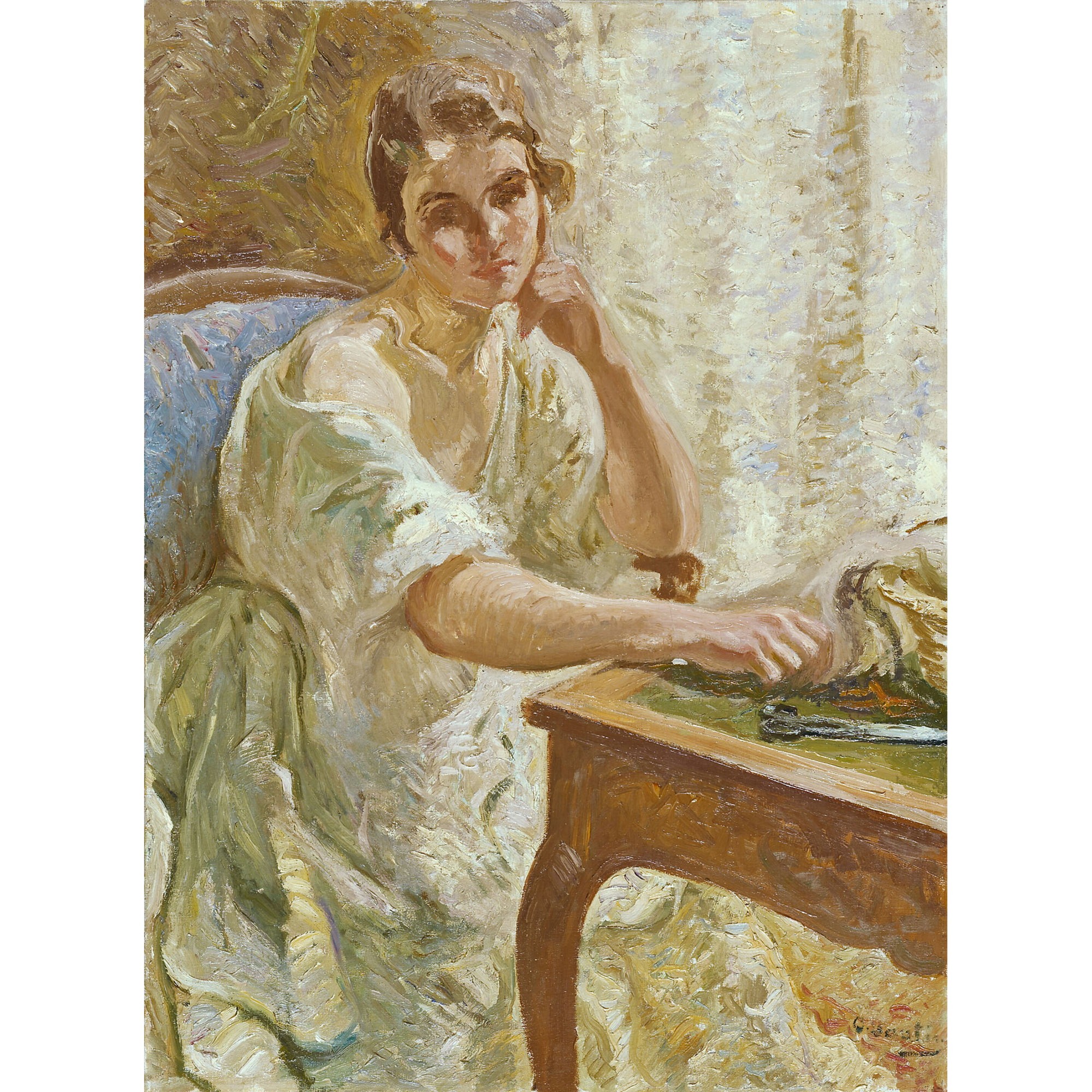
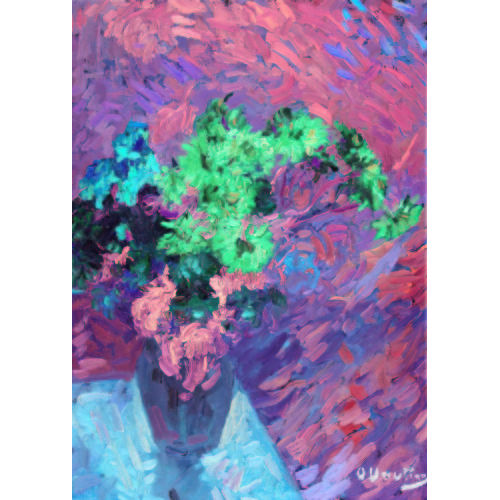
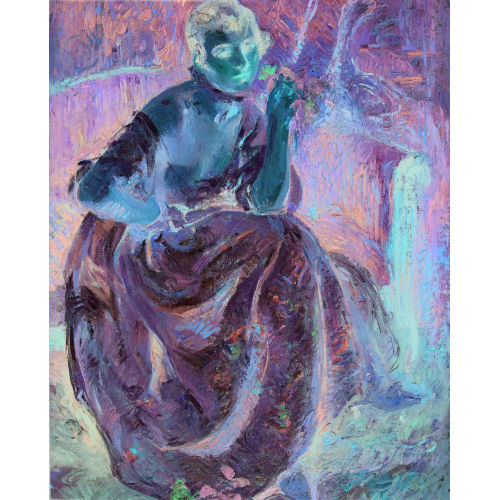
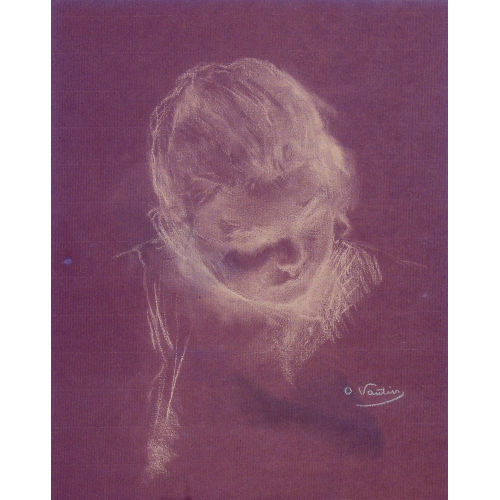
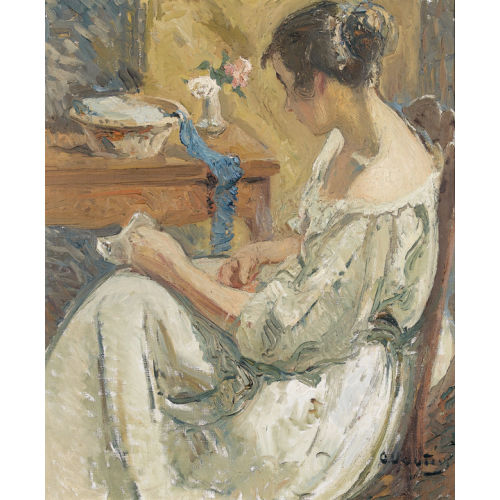
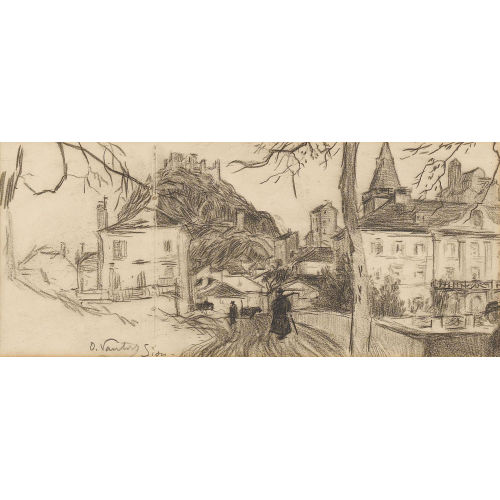
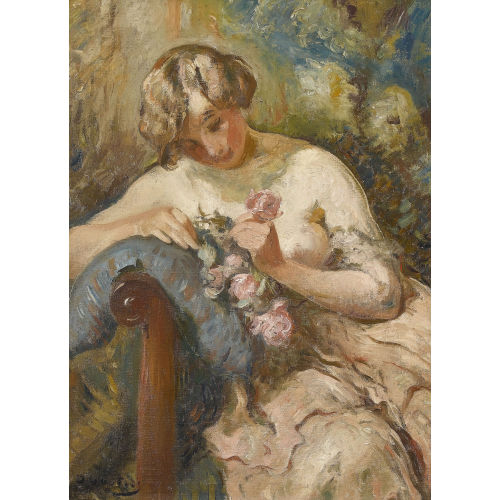
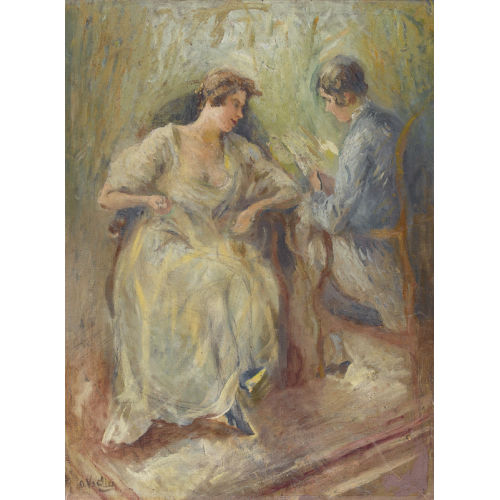
A fleeting light, a feminine presence, the bluish shadow of a tree: Otto Vautier developed a painting sensitive to variations in the visible. Known above all for his figures, he was also a landscape painter, whose stays in Valais reveal another facet of his talent. His career brought together German training, exchanges with Paris and the artistic life of French-speaking Switzerland.
After his initial studies in his native city, he trained as a painter in Munich. The influence of Fritz von Uhde and his contact with the artistic circles of Dachau accompanied this period. He subsequently stayed in Paris and Valais, where he became particularly close to Alfred Rehfous and John-Pierre Simonet.
He settled in Geneva in 1906 and died there in 1919.
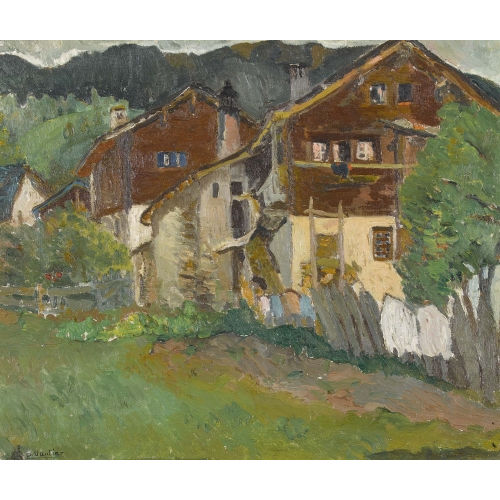
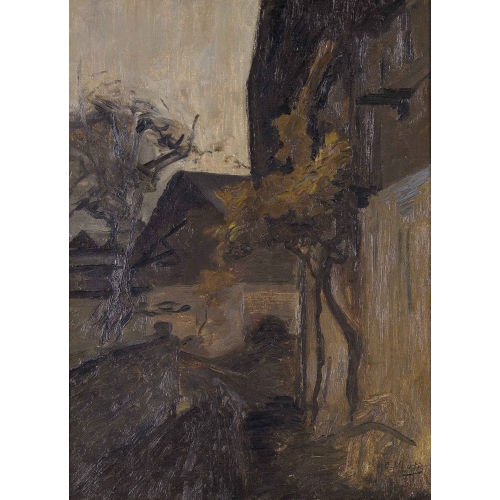
Les Noyers à Savièse, in the collection of the Banque cantonale du Valais, invites us to discover his vision of the landscape. The trees in the foreground and the more distant houses structure a view in which human activity remains discreetly present. Cool blues respond to browns warmed by the light; the whole suggests the transition from the end of winter to spring.
The rural motif thus becomes a search for atmosphere.
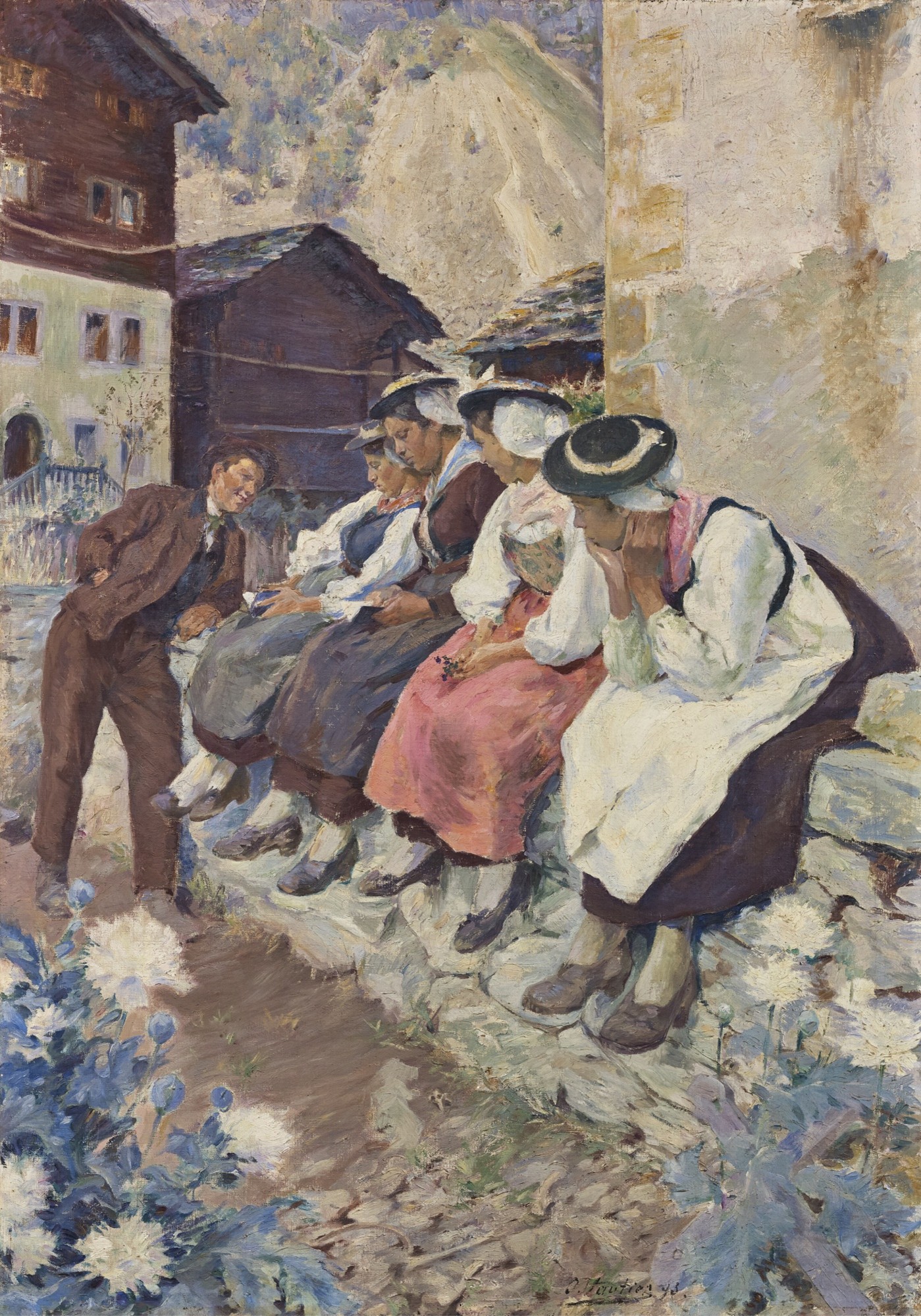
This vision belongs to the context of the École de Savièse, whose artists selected and idealised certain aspects of the peasant world. It is best viewed as a pictorial interpretation rather than as an exhaustive account of a society.
Vautier exhibited in Geneva, Zurich and Paris, received a bronze medal at the 1900 Exposition universelle and executed murals for the Pâquis school. In approaching his work, observing how the light connects the forms makes it possible to move from identifying the.