Otto Plattner
Born in 1886.
Died in 1951.
Otto Plattner (1886–1951), a painter and draughtsman trained at the Basel School of Arts and Crafts, the École des beaux-arts in Geneva and through further studies in Paris and Munich, is notable in the field of fresco painting for a practice that often draws its motifs from local and national history. The son of Wilhelm, a merchant, and Marie Strübin, he came from a bourgeois family background; his professional career combined decorative skills with academic training.
After an apprenticeship as a decorative painter and courses at the Basel School of Arts and Crafts, his training extended to fine arts and led him to employ a range of techniques in both mural and easel painting. His marriage to Frida Lüdin in 1912 is documented, and he is recorded as living in Liestal from 1913. This geographical context partly explains his frequent choice of regional subjects.
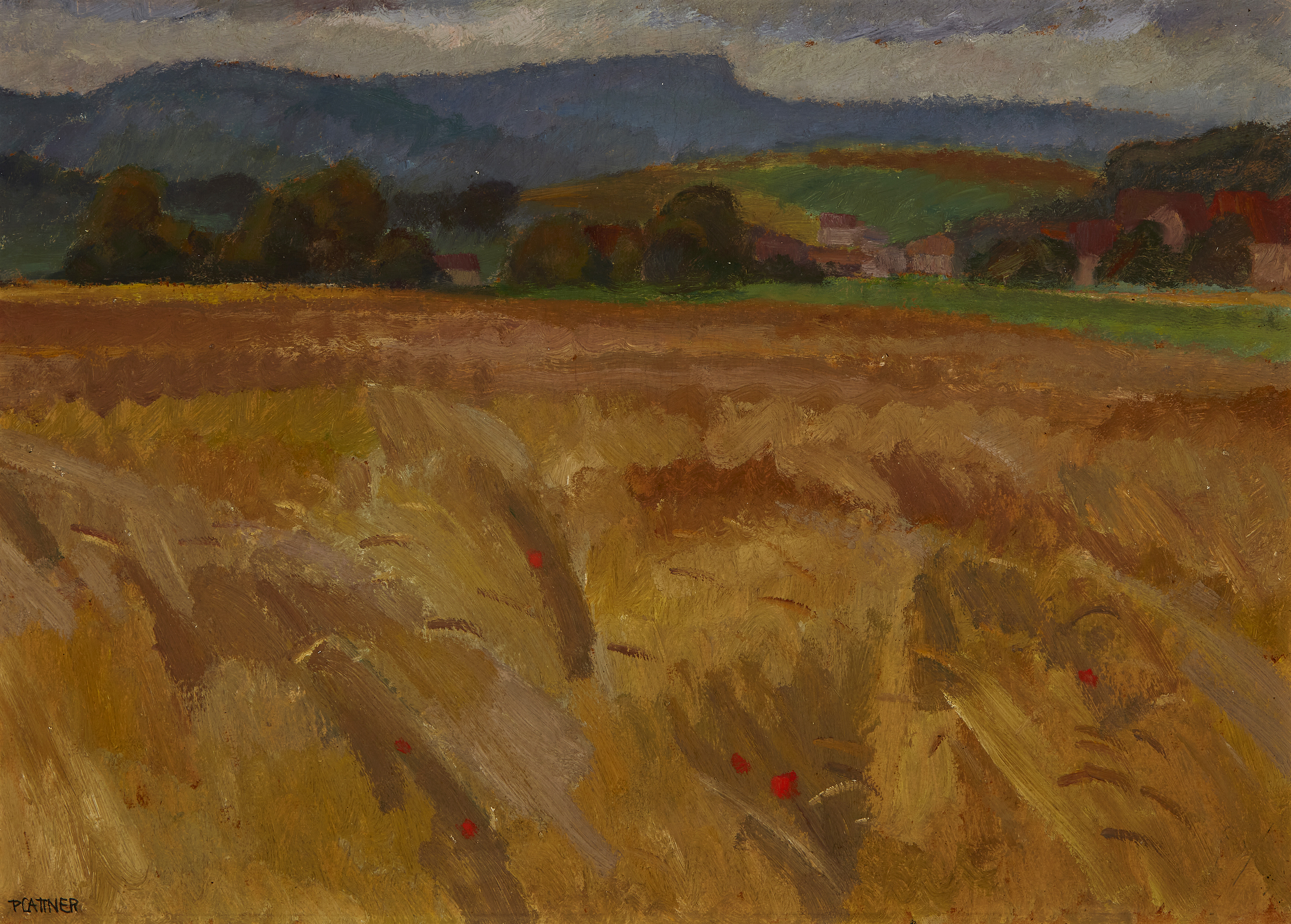
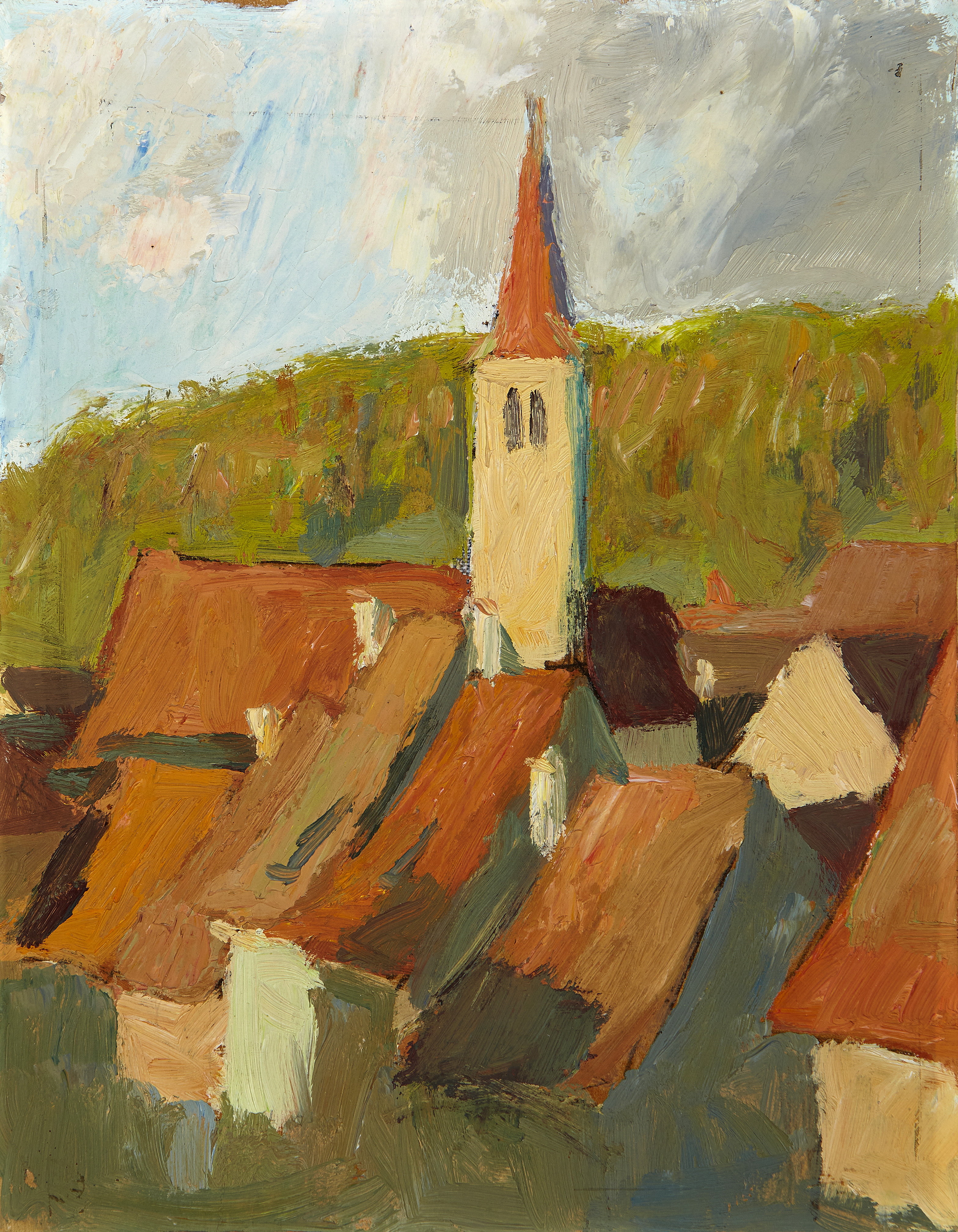
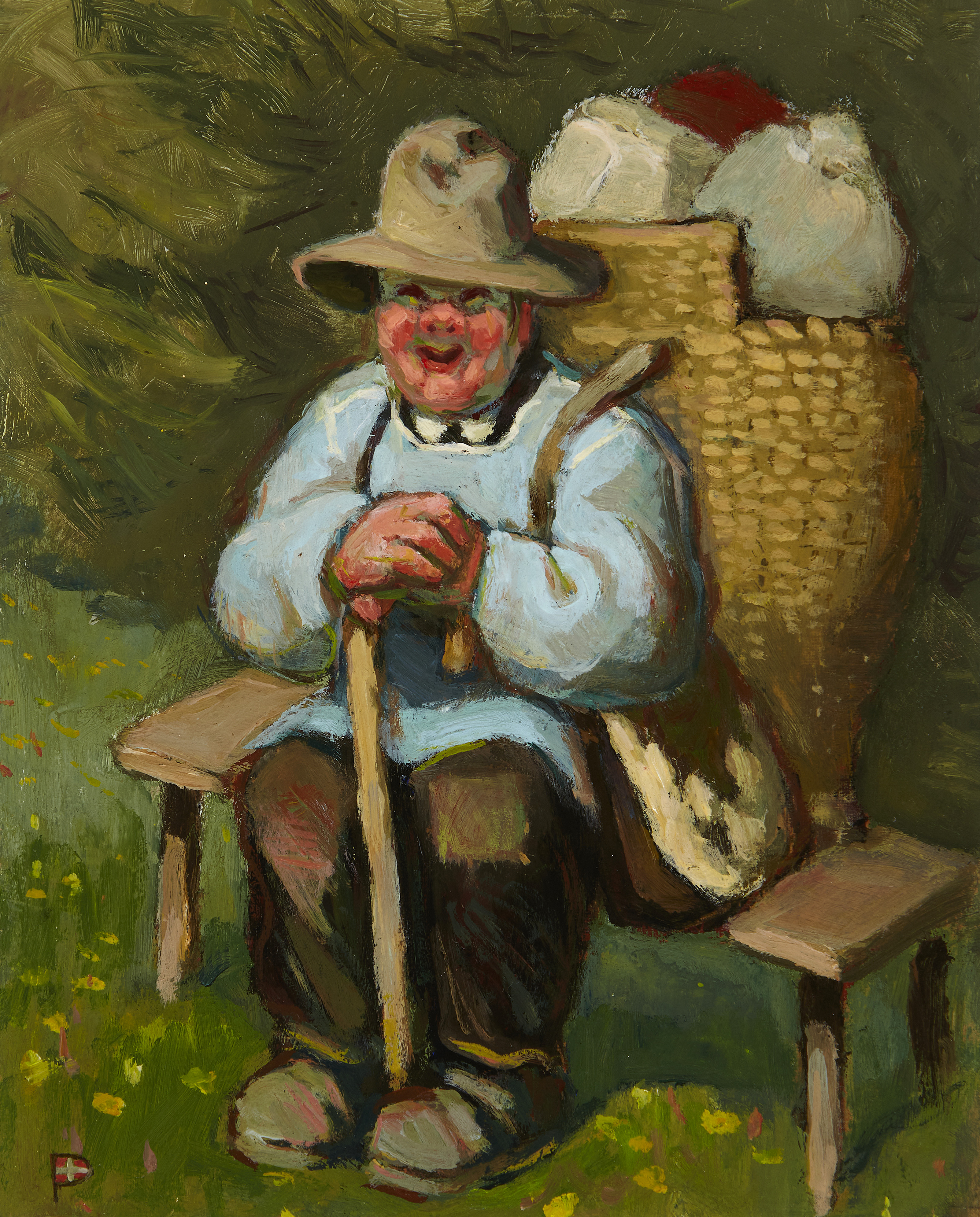
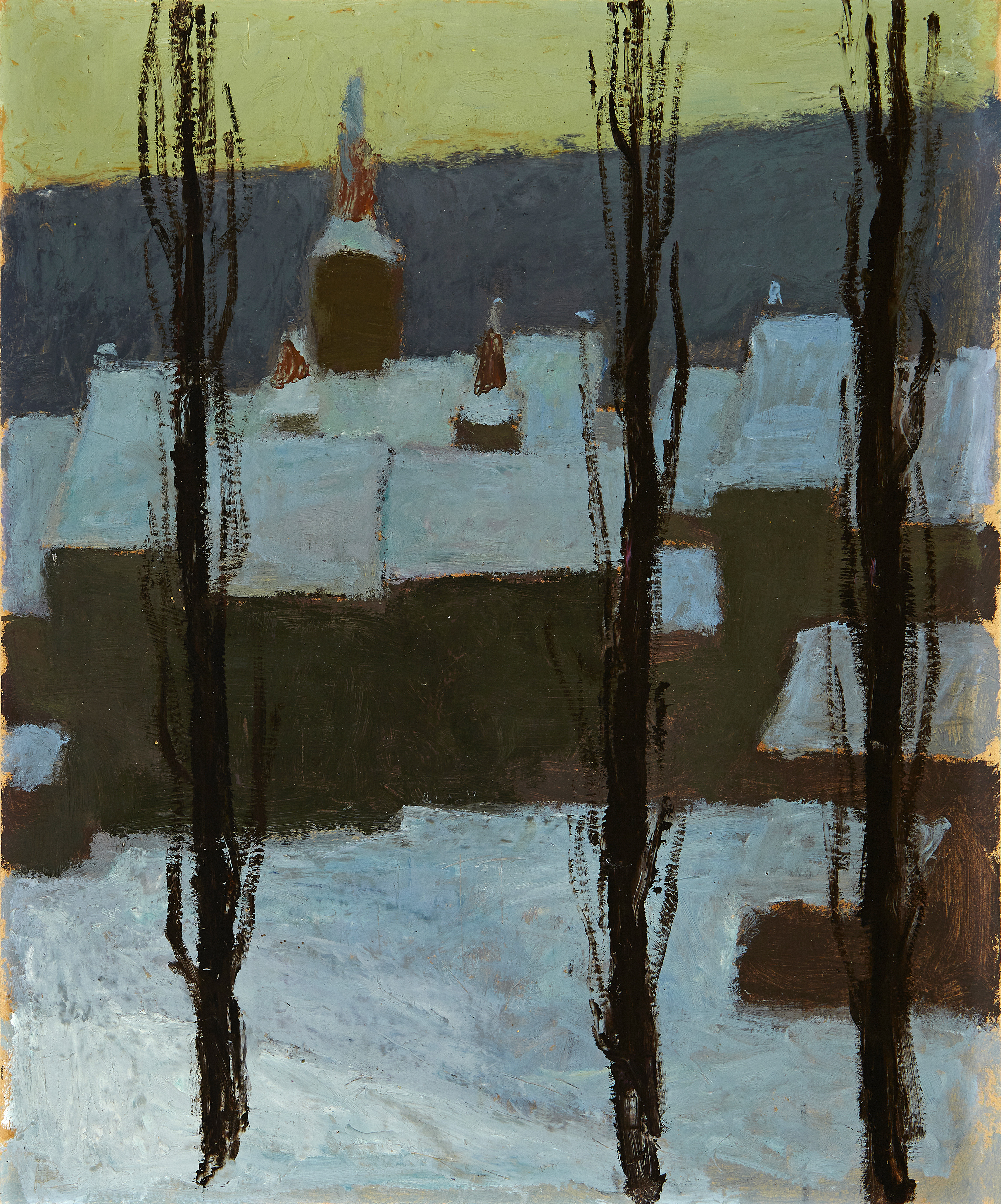
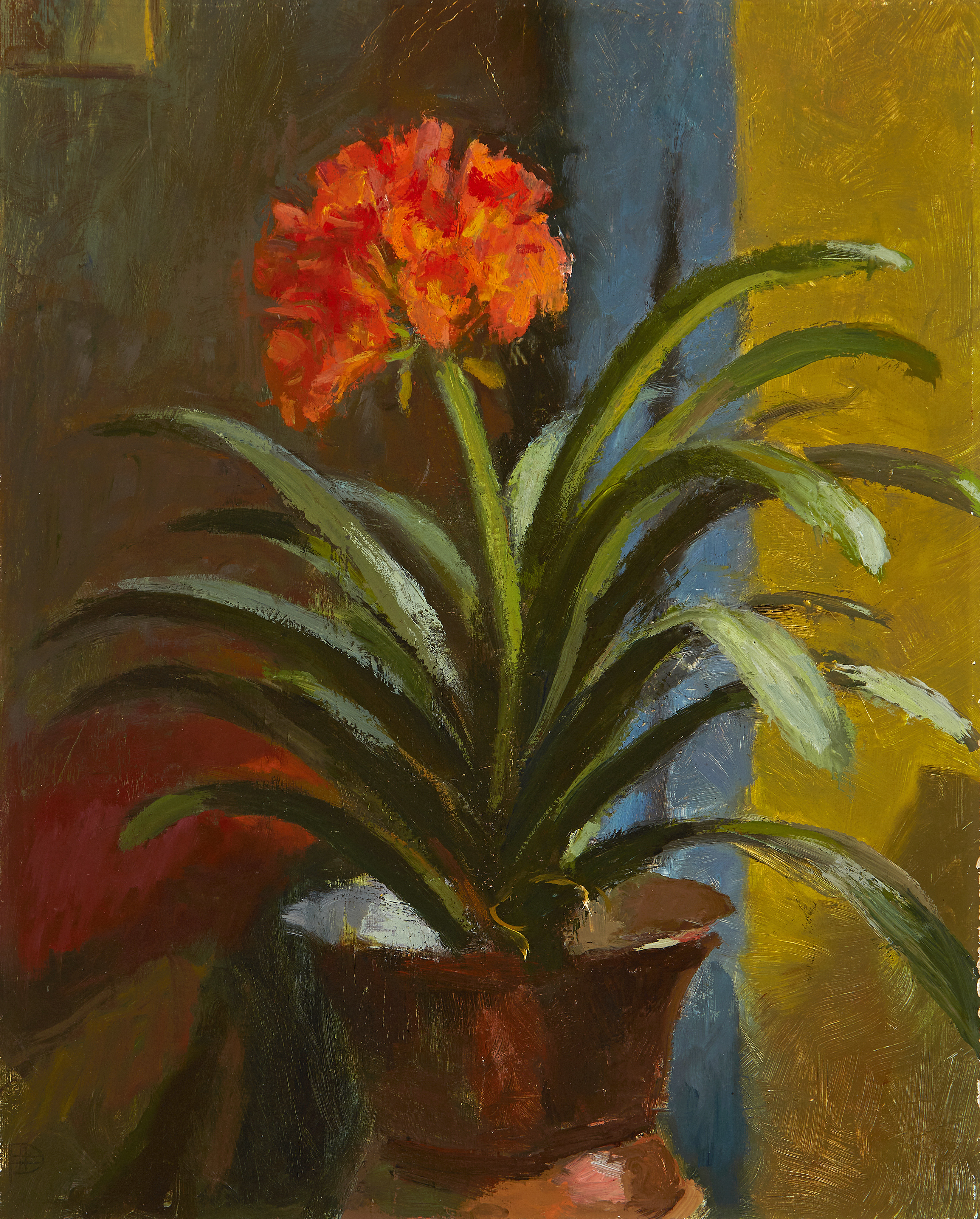
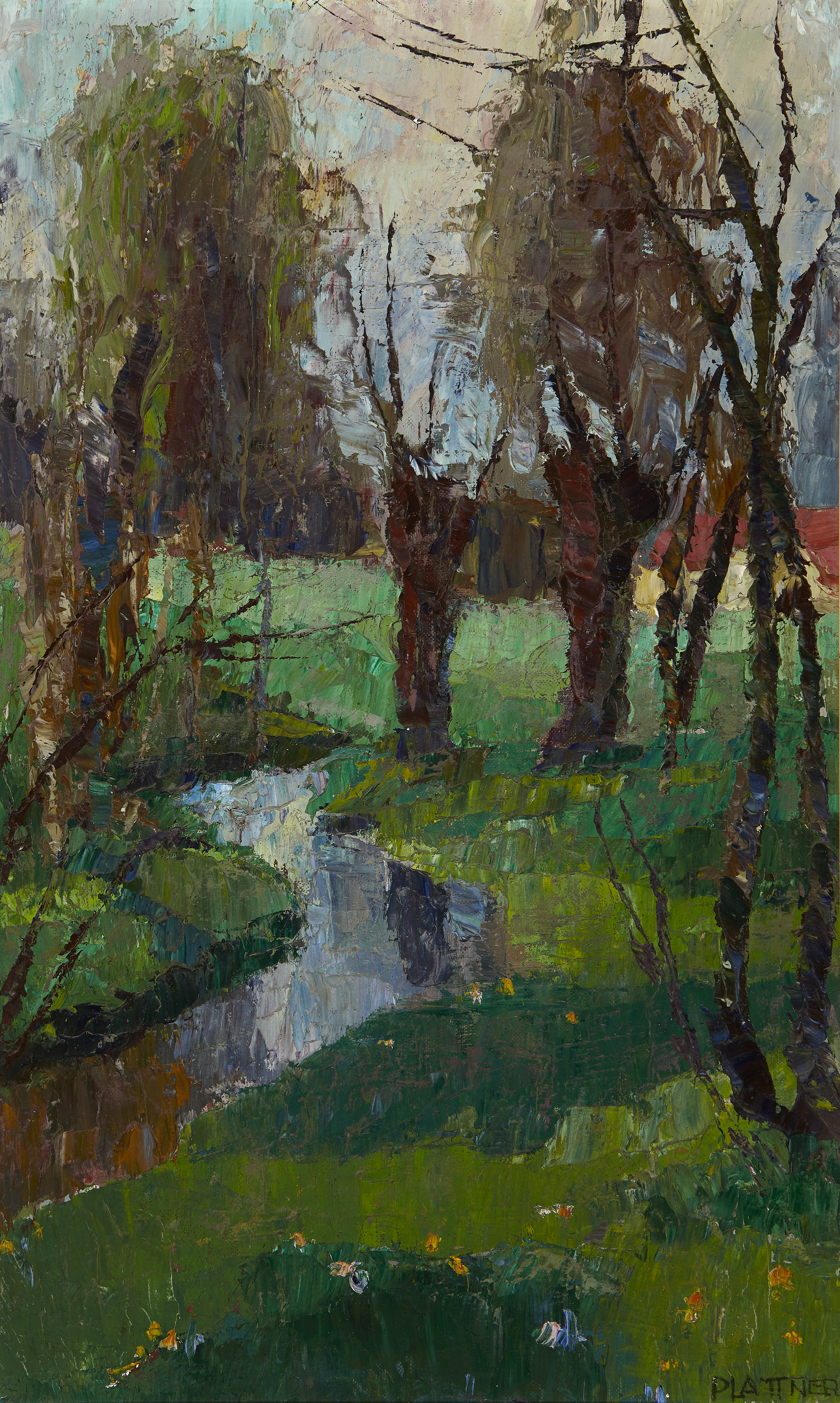
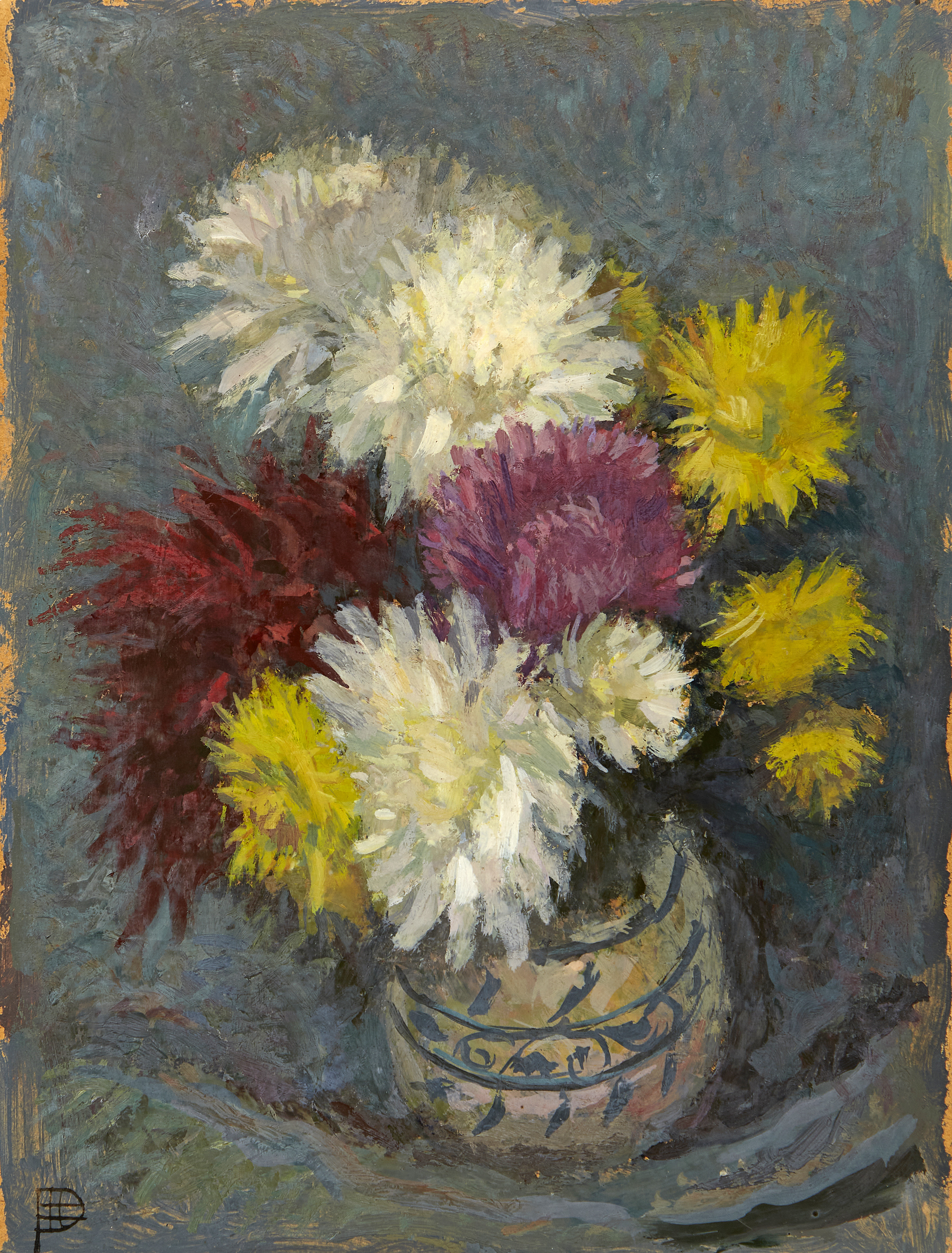
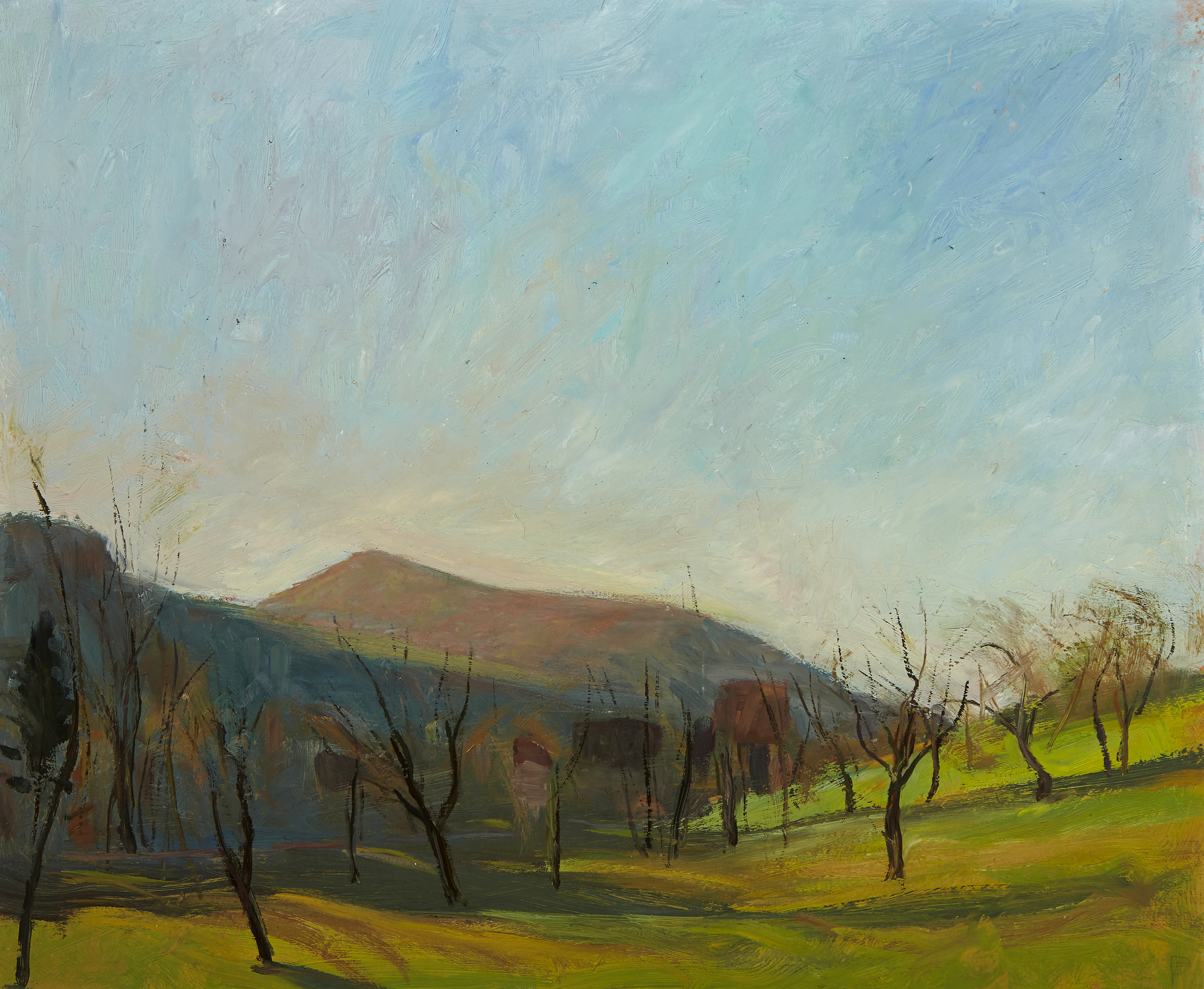
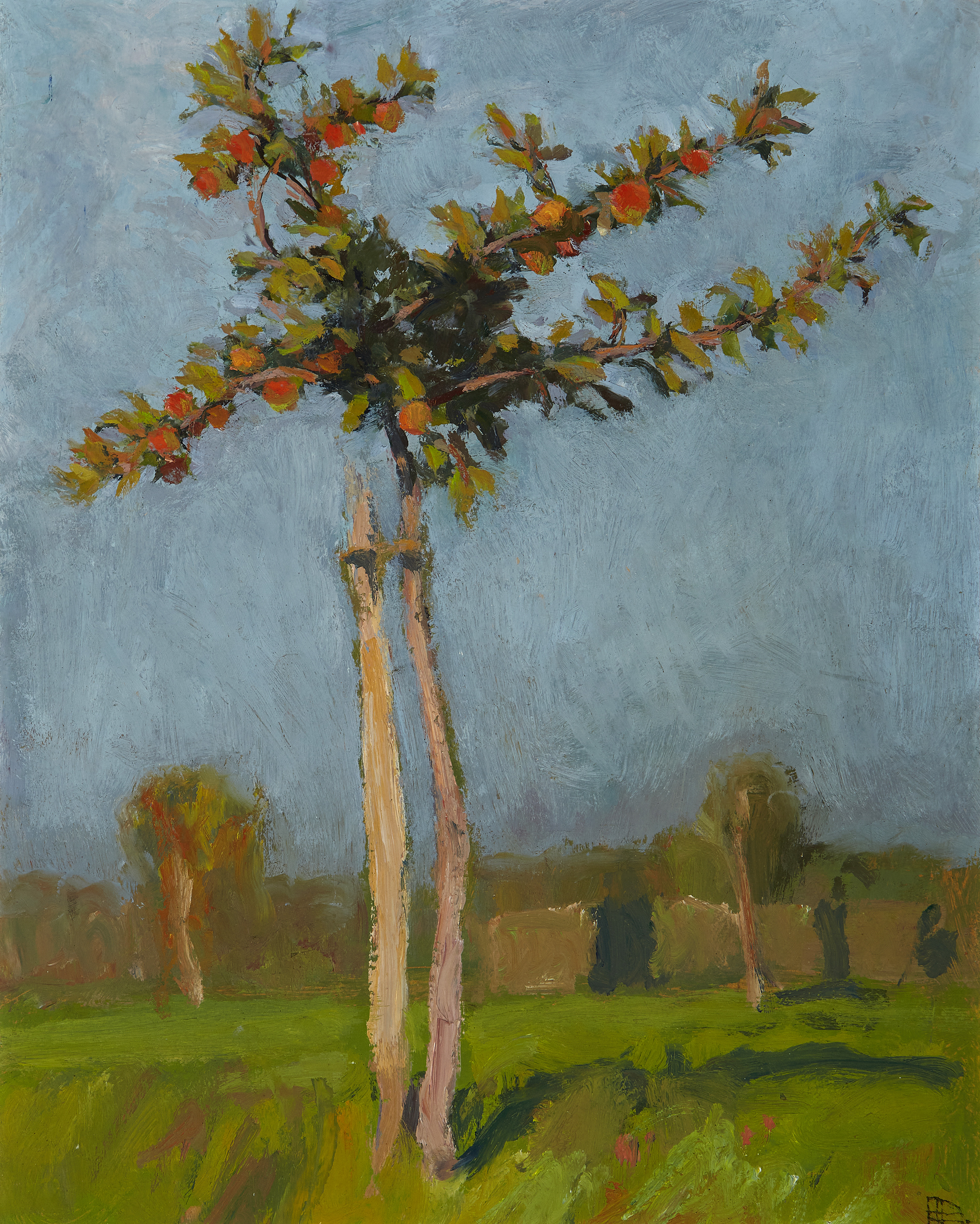
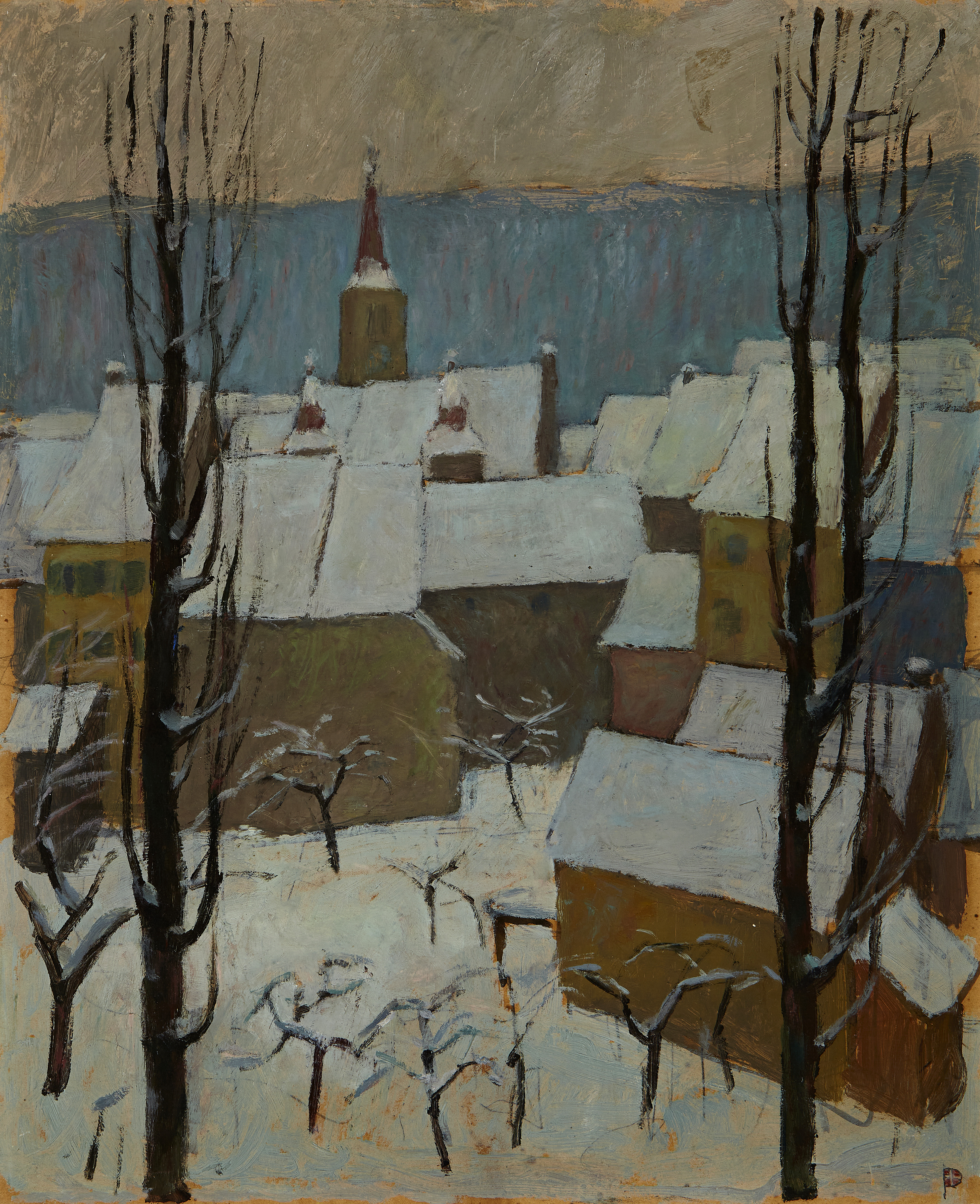
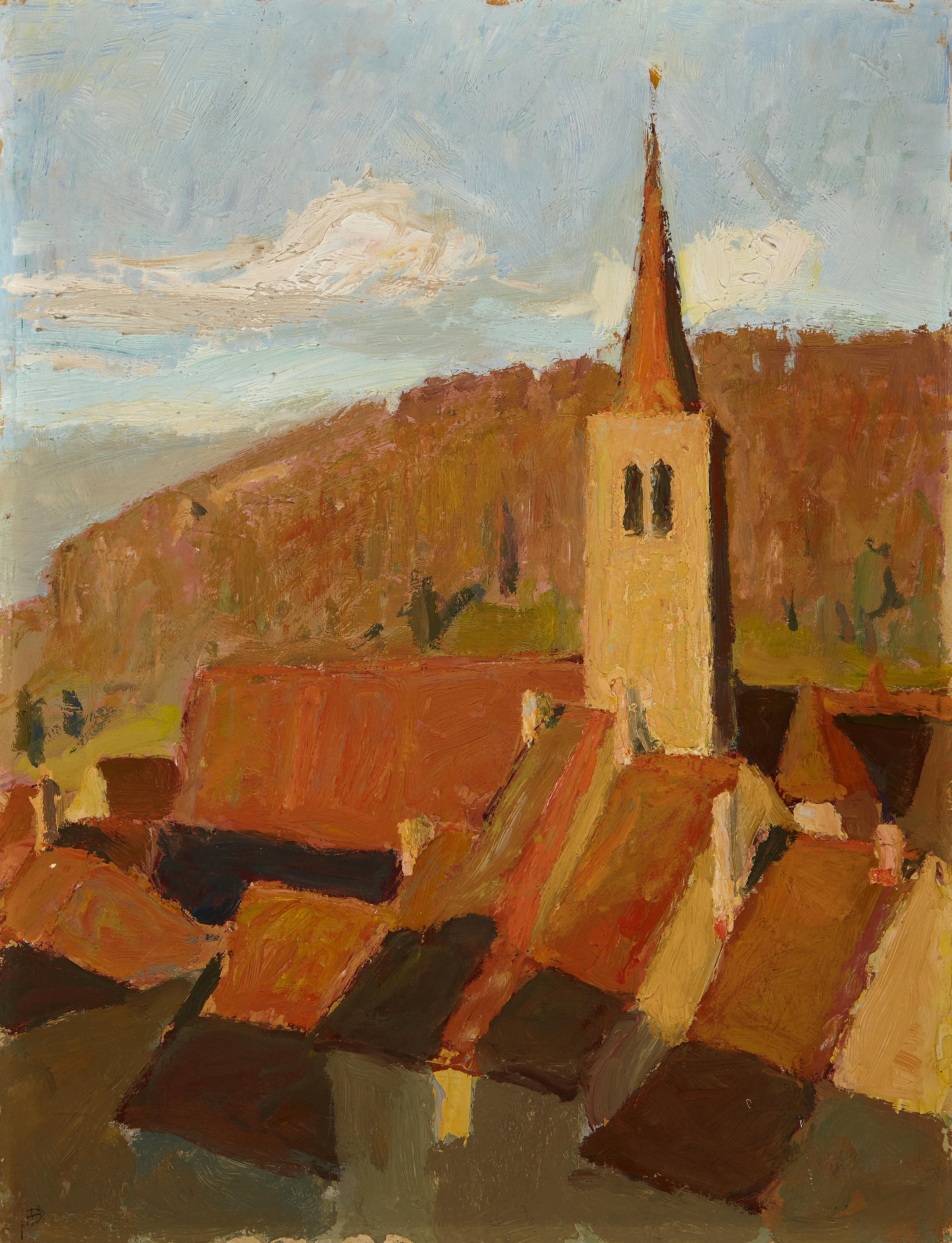
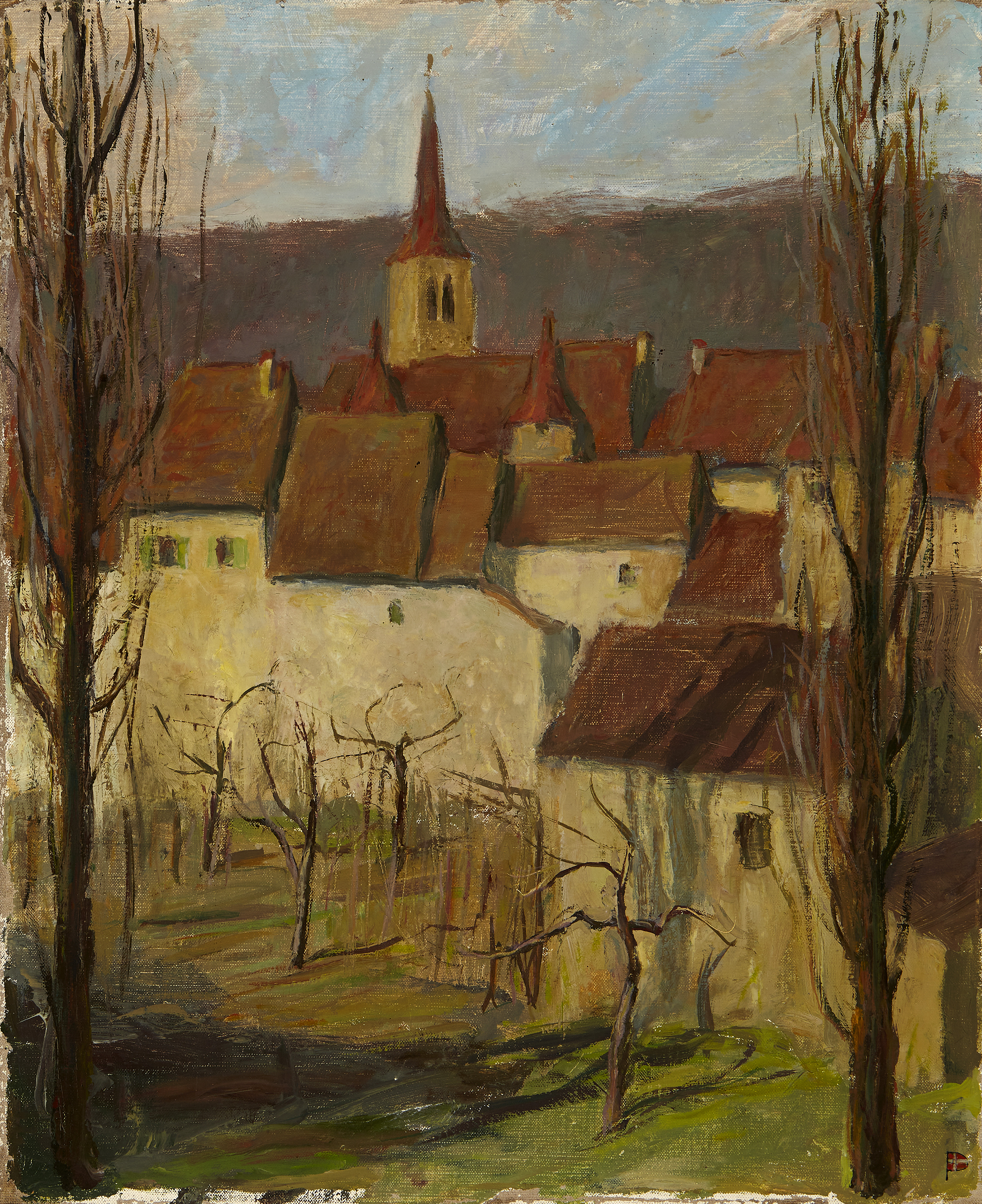
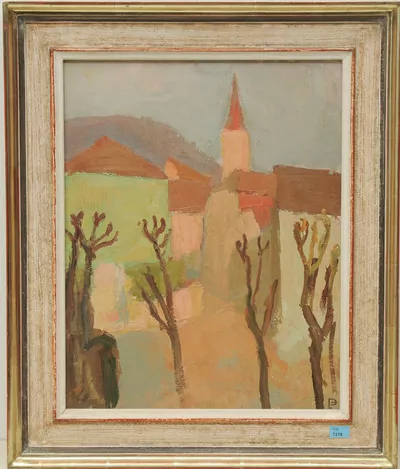
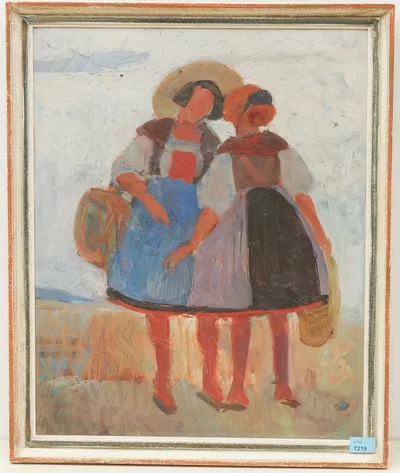
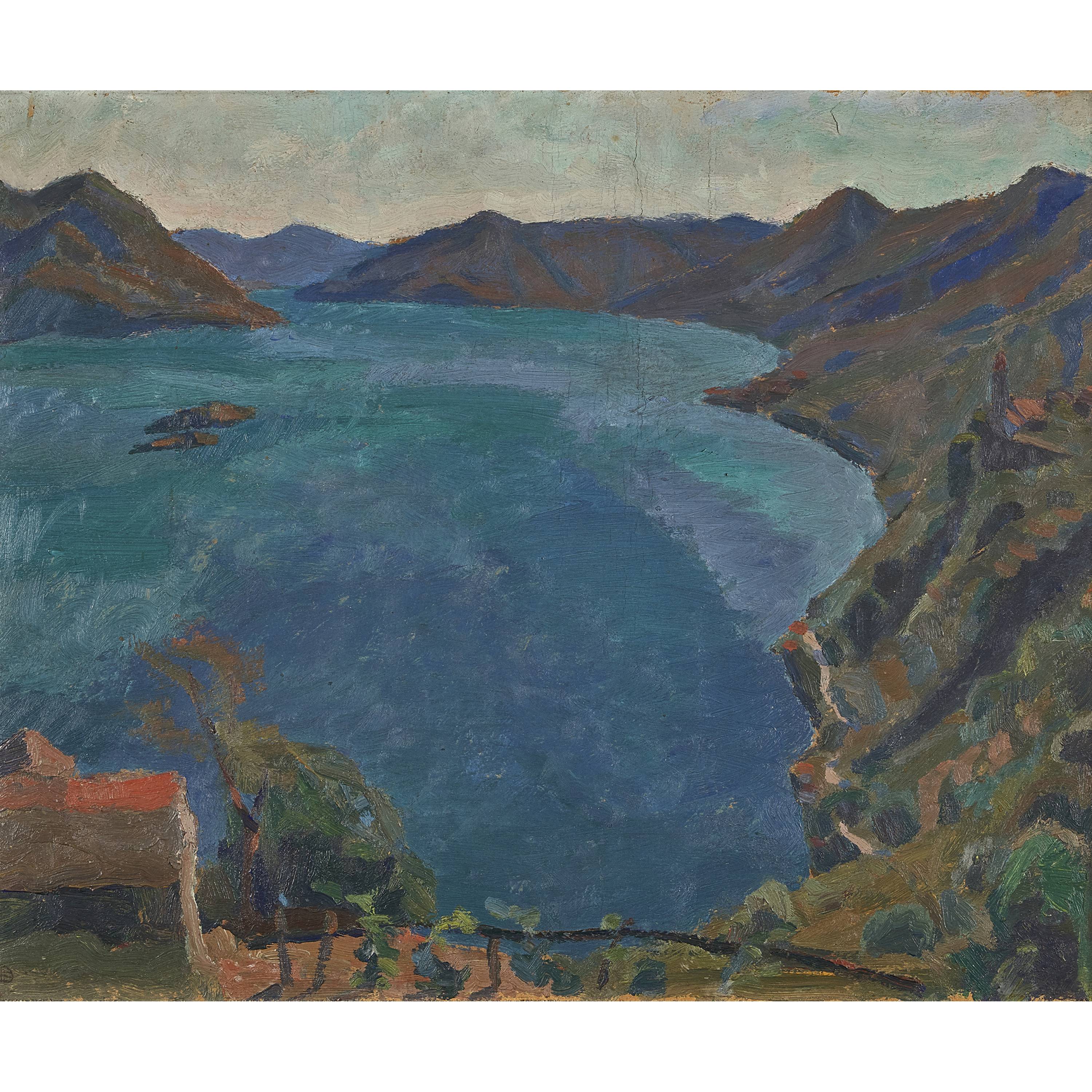
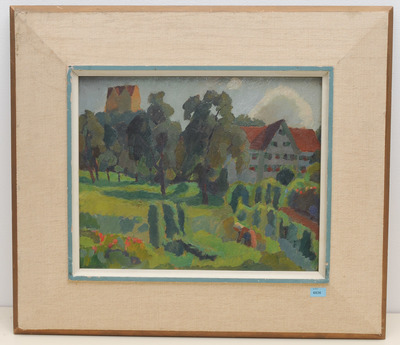
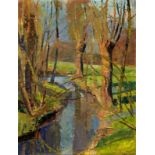
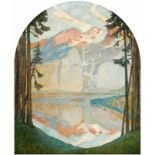
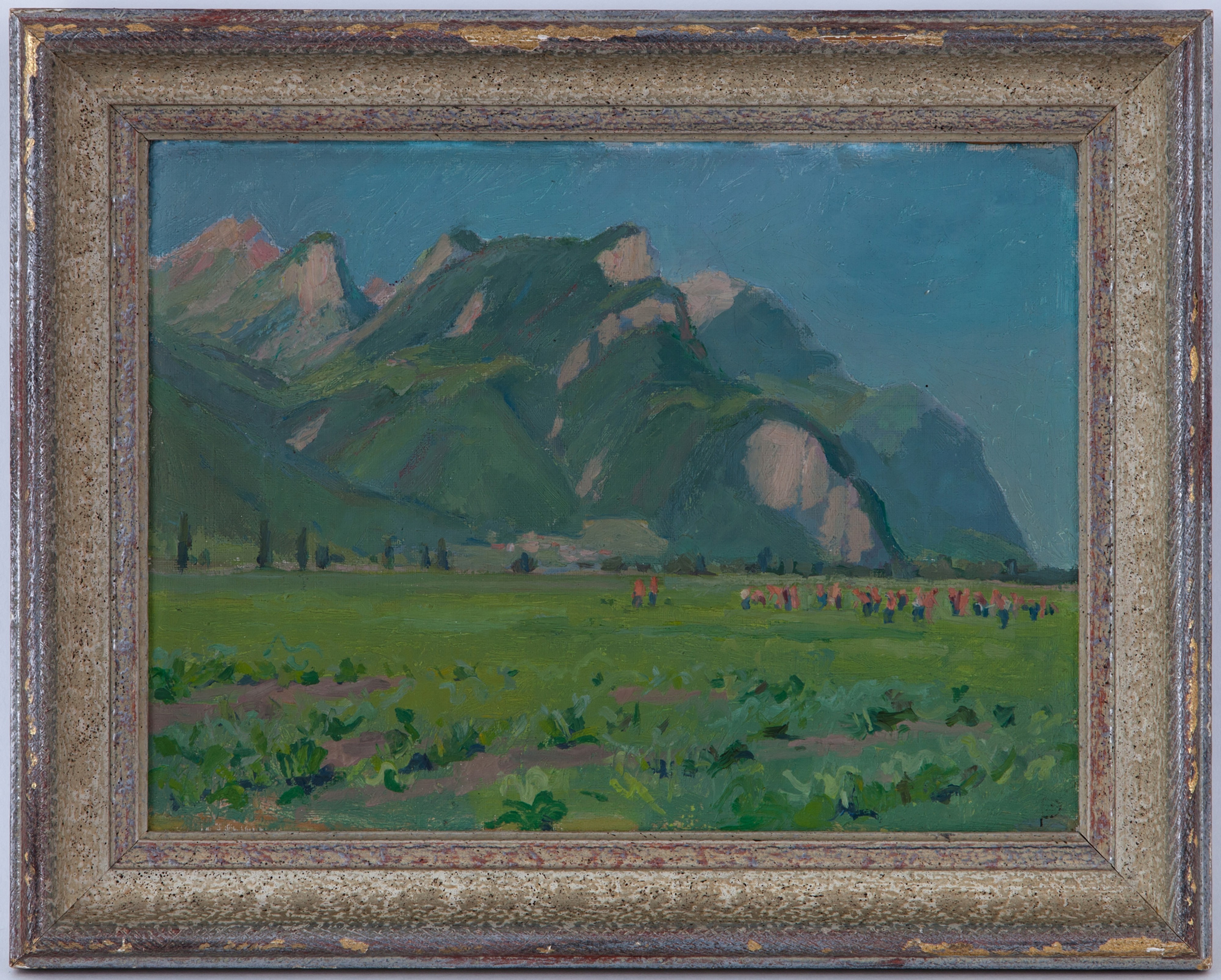
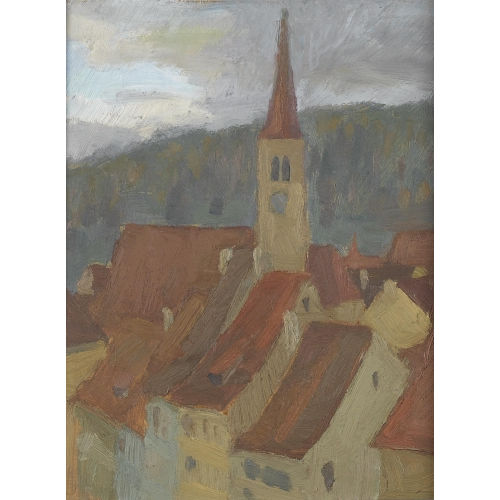
Plattner executed several public frescoes — notably for the Upper Gate and town hall in Liestal, as well as for the Lower Gate in Laufen — and created mural compositions for public buildings and residential properties in Basel, often devoted to historical or patriotic themes. Patriotic motifs and the iconography of Swiss history recur in his decorative work. Alongside these mural commissions, he produced portraits and landscapes, including views of the Jura; landscape is cited as his preferred subject for easel painting.
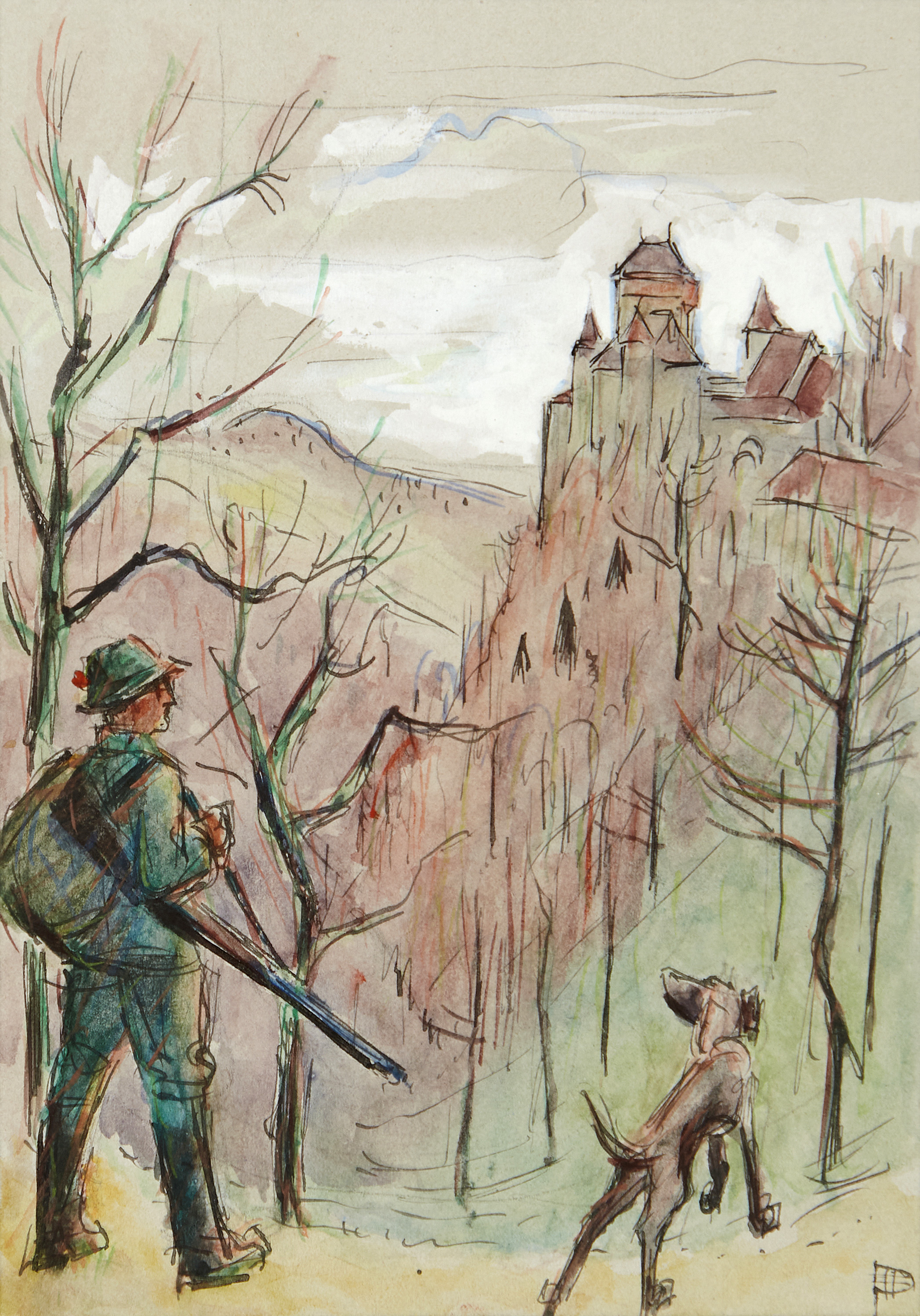
His practice also extended to graphic design and heraldry: posters, flags, coats of arms, diplomas and festive cards are among the objects he designed.
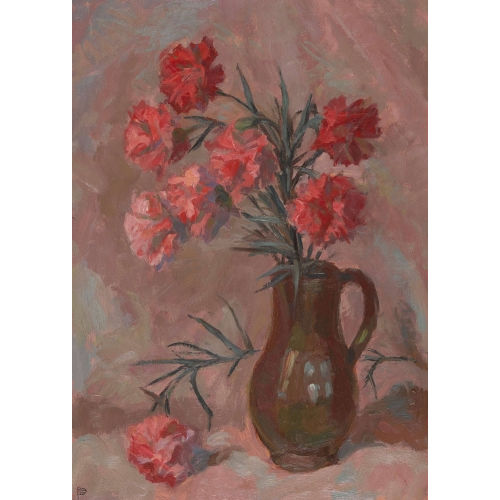
Taken together, these activities — monumental frescoes, easel painting, and decorative and graphic work — attest to a technical versatility noted in the sources. The principal documentation cited on Otto Plattner includes a monograph by A. Rueff (1986), the entry in the Personenlexikon des Kantons Basel-Landschaft (1997) and the SIKART record, which brings together biographical data and typologies of works.