Otto Morach
Born in 1887.
Died in 1973.
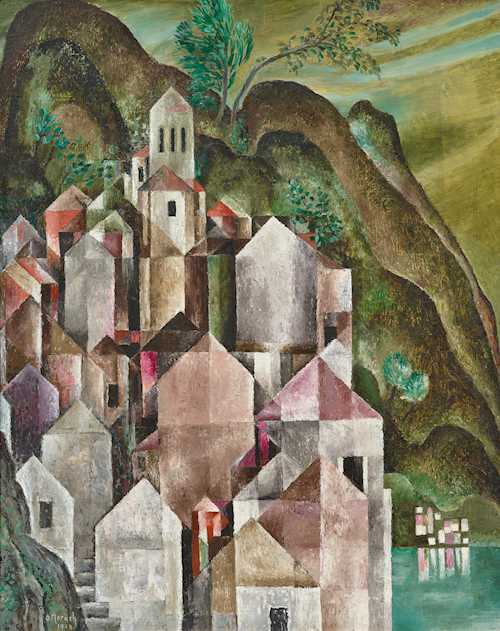
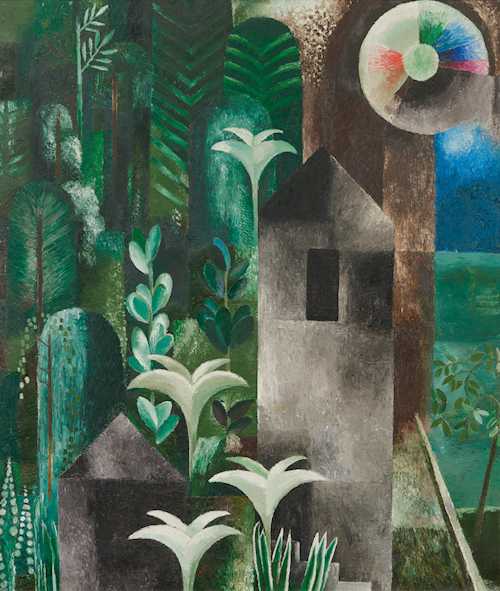
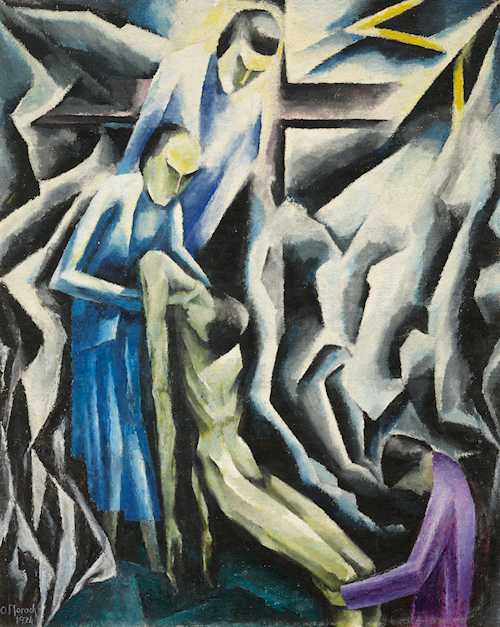
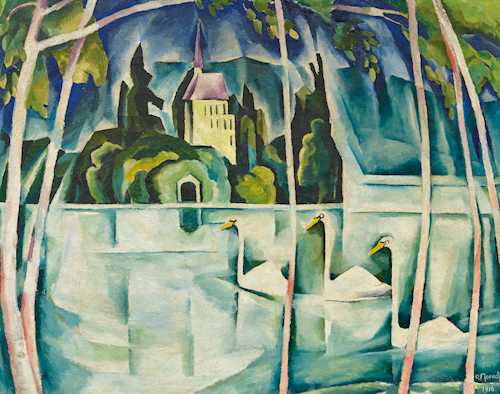
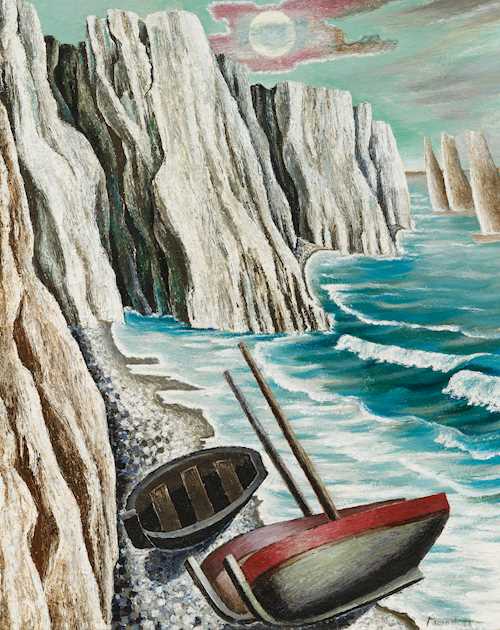
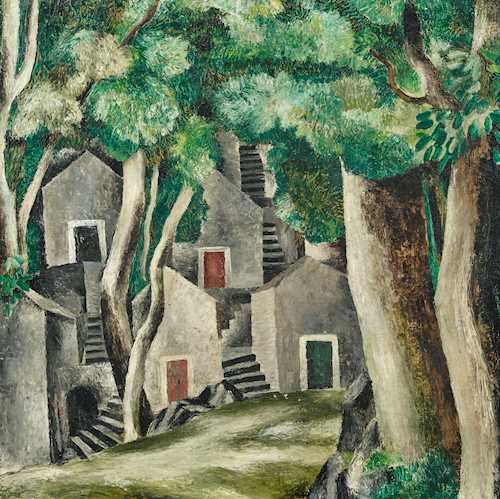
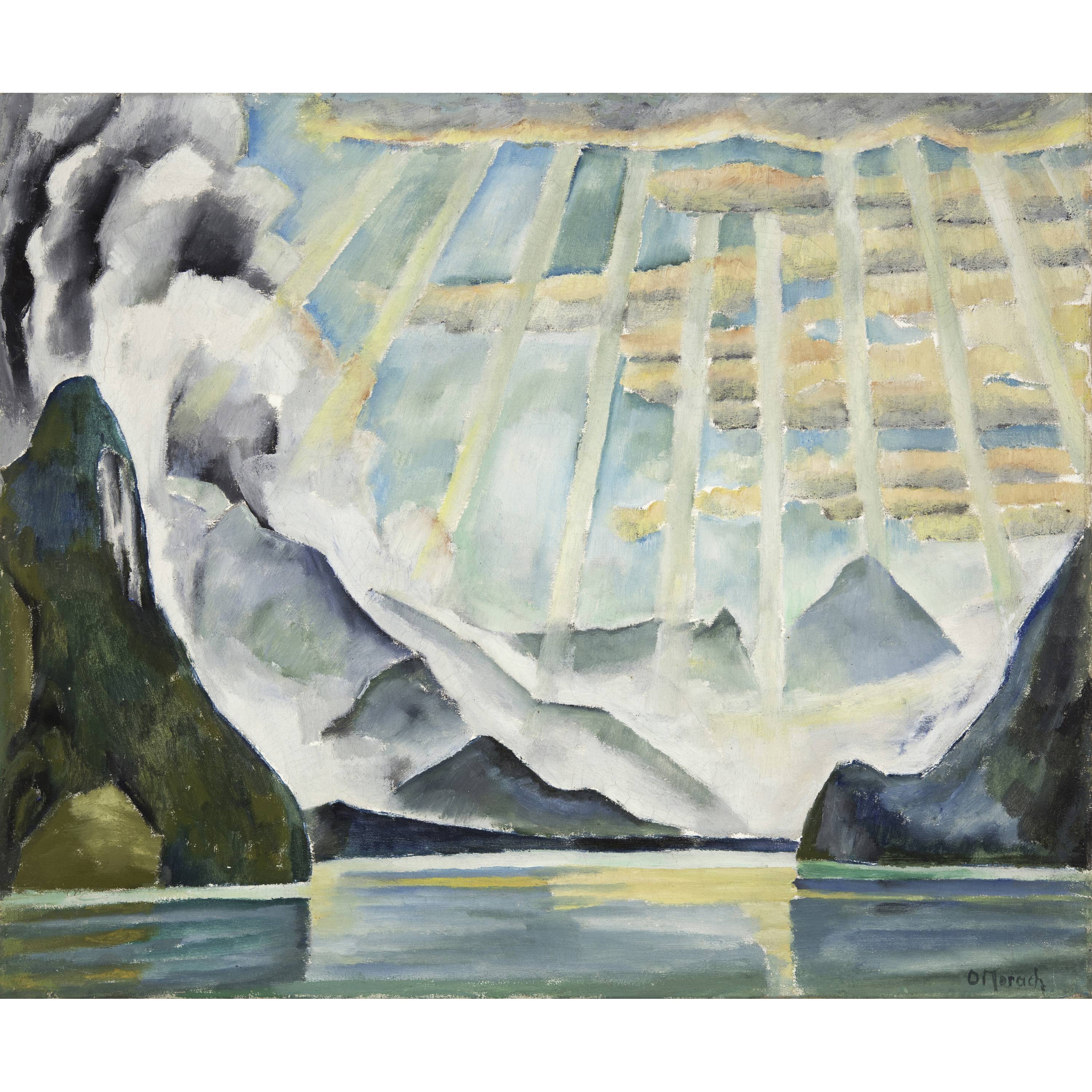
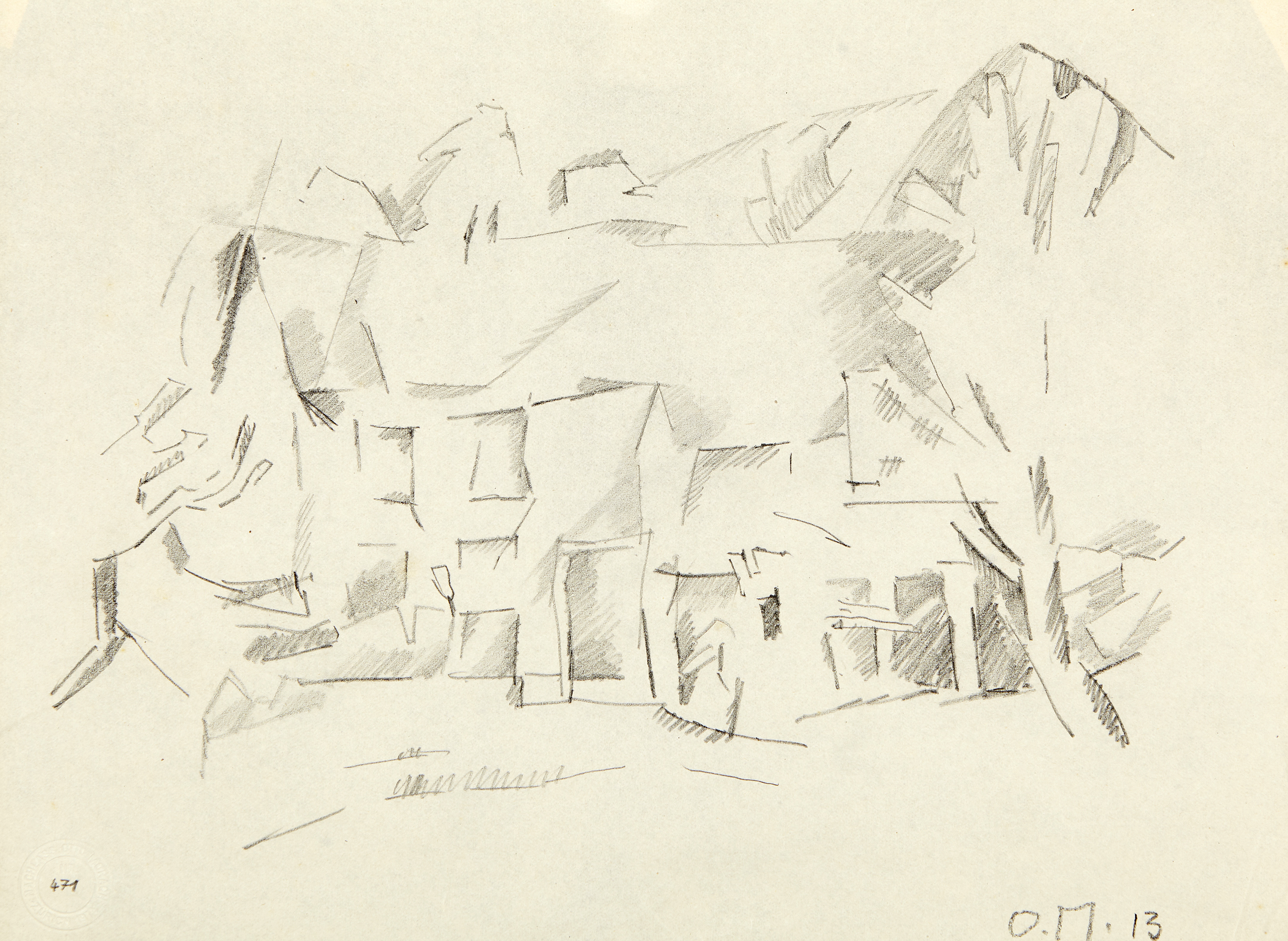
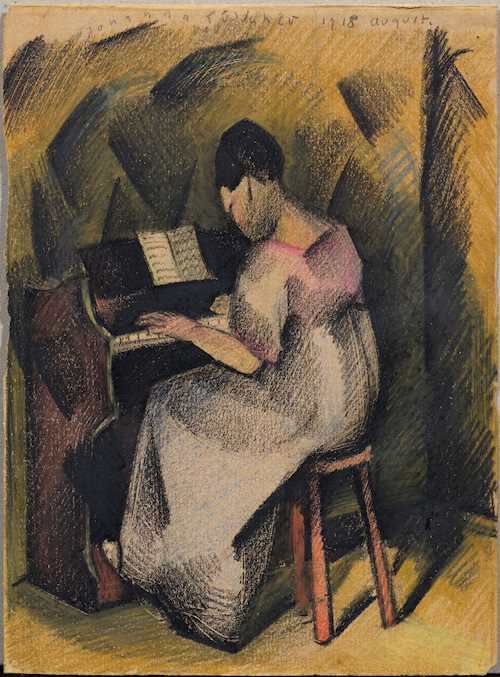
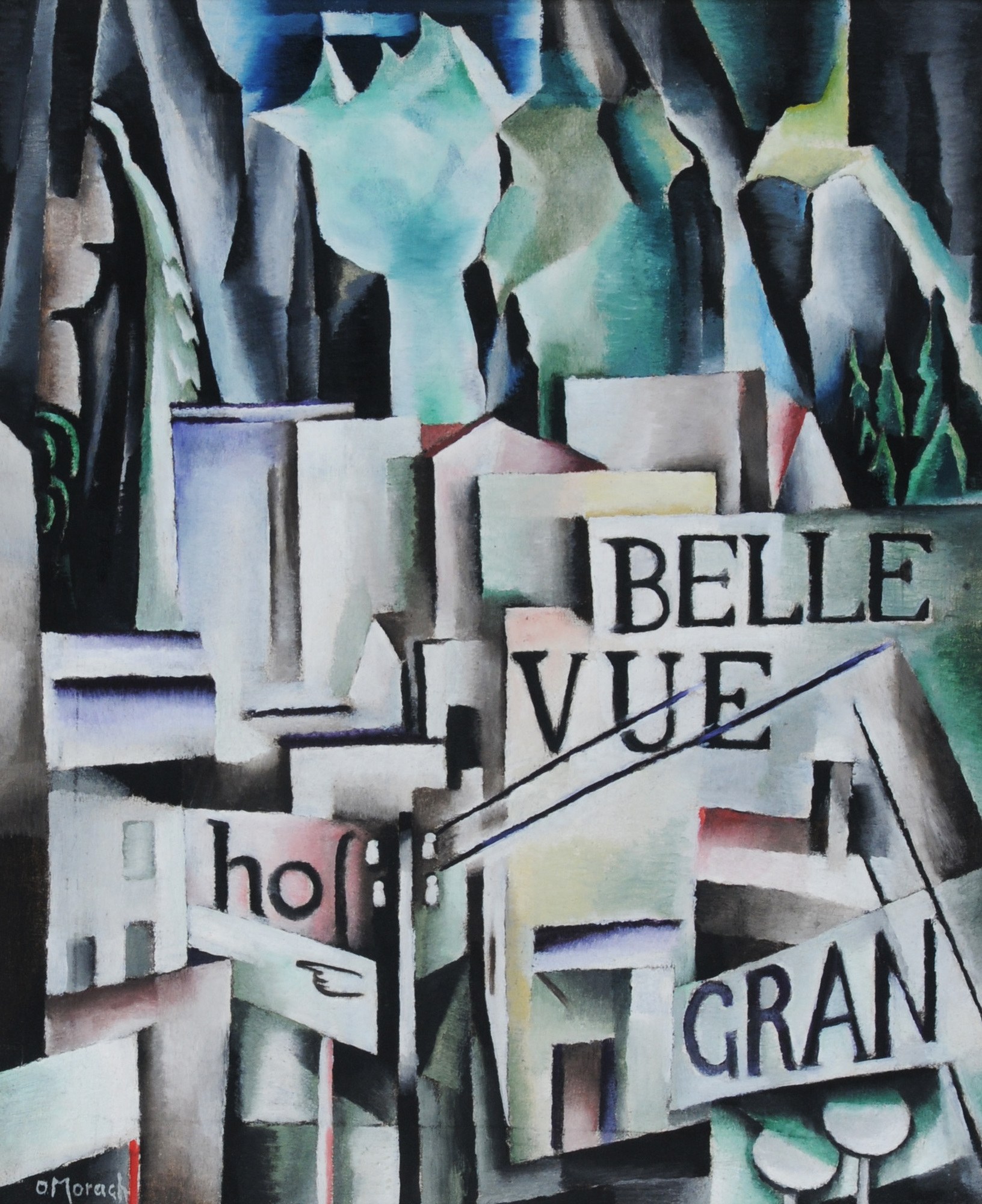
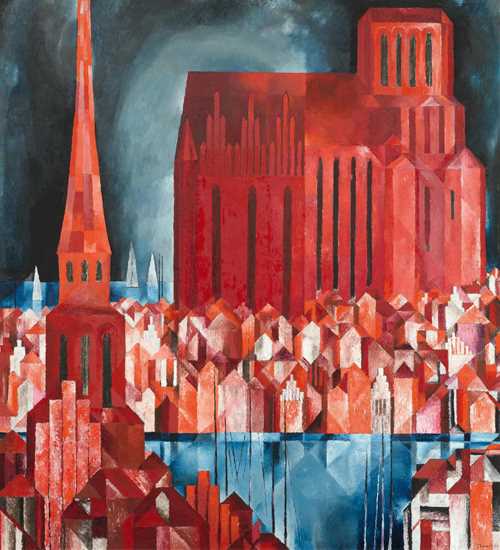
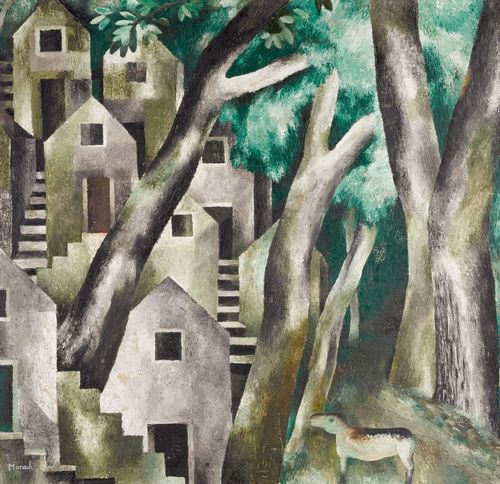
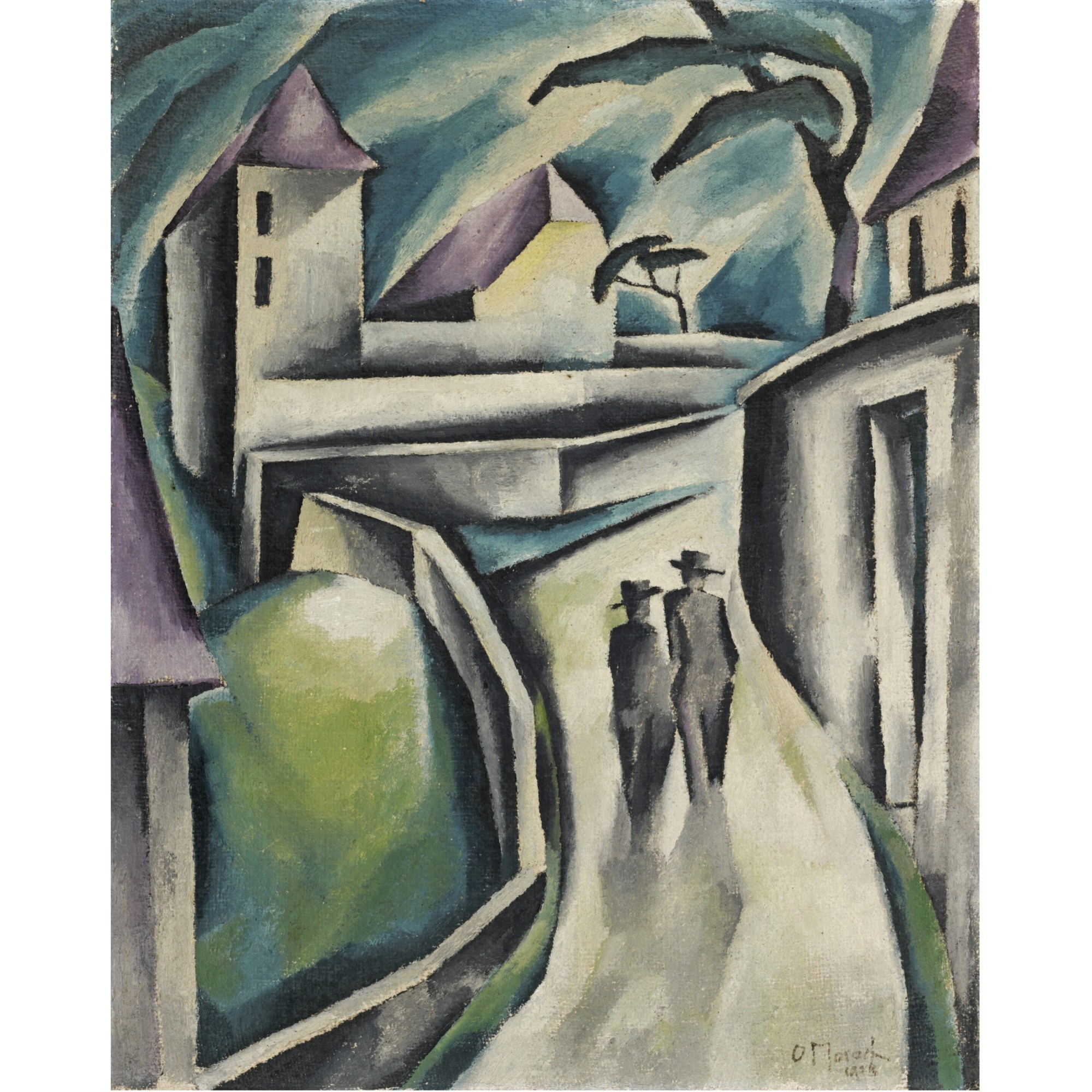
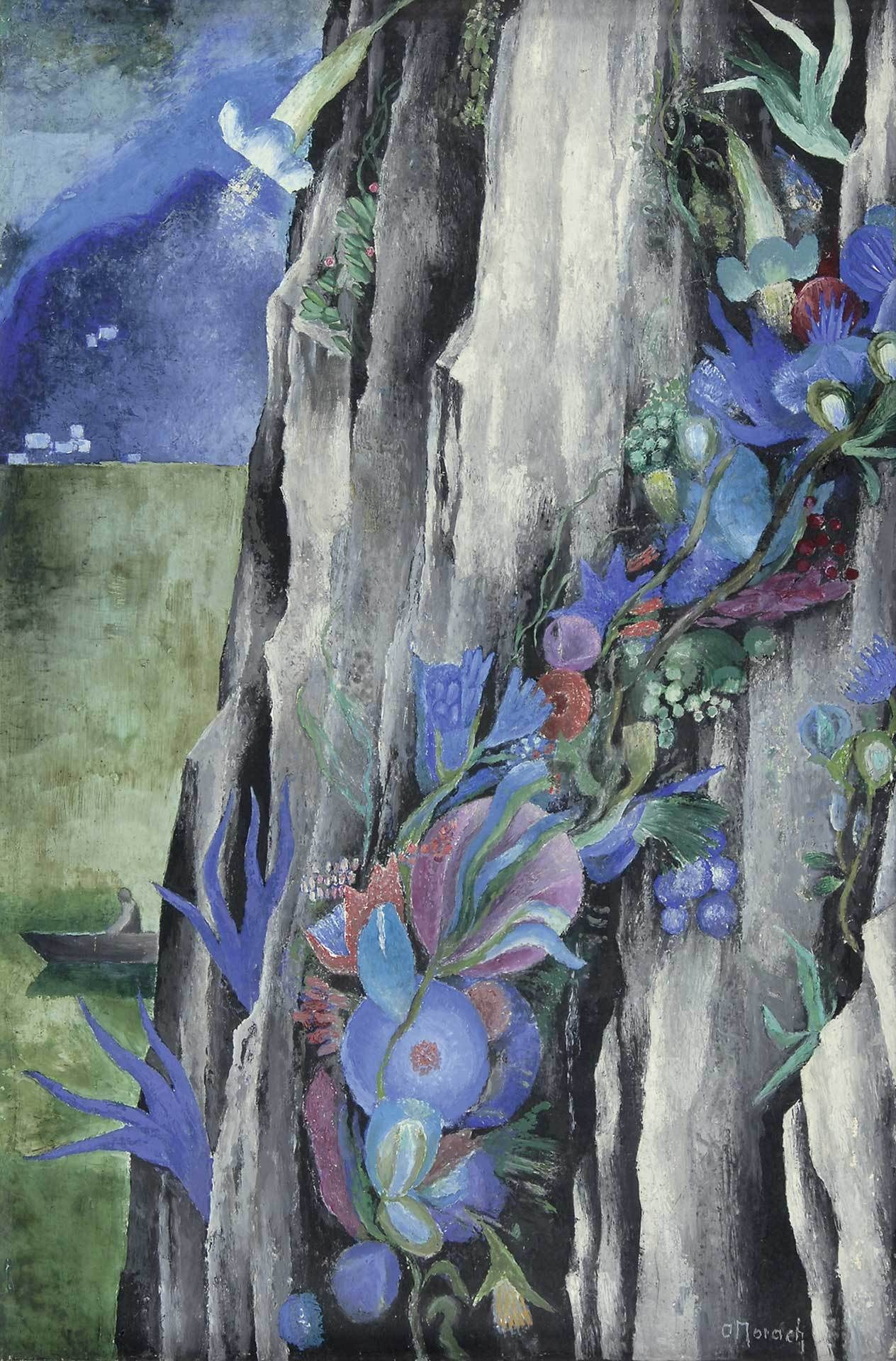
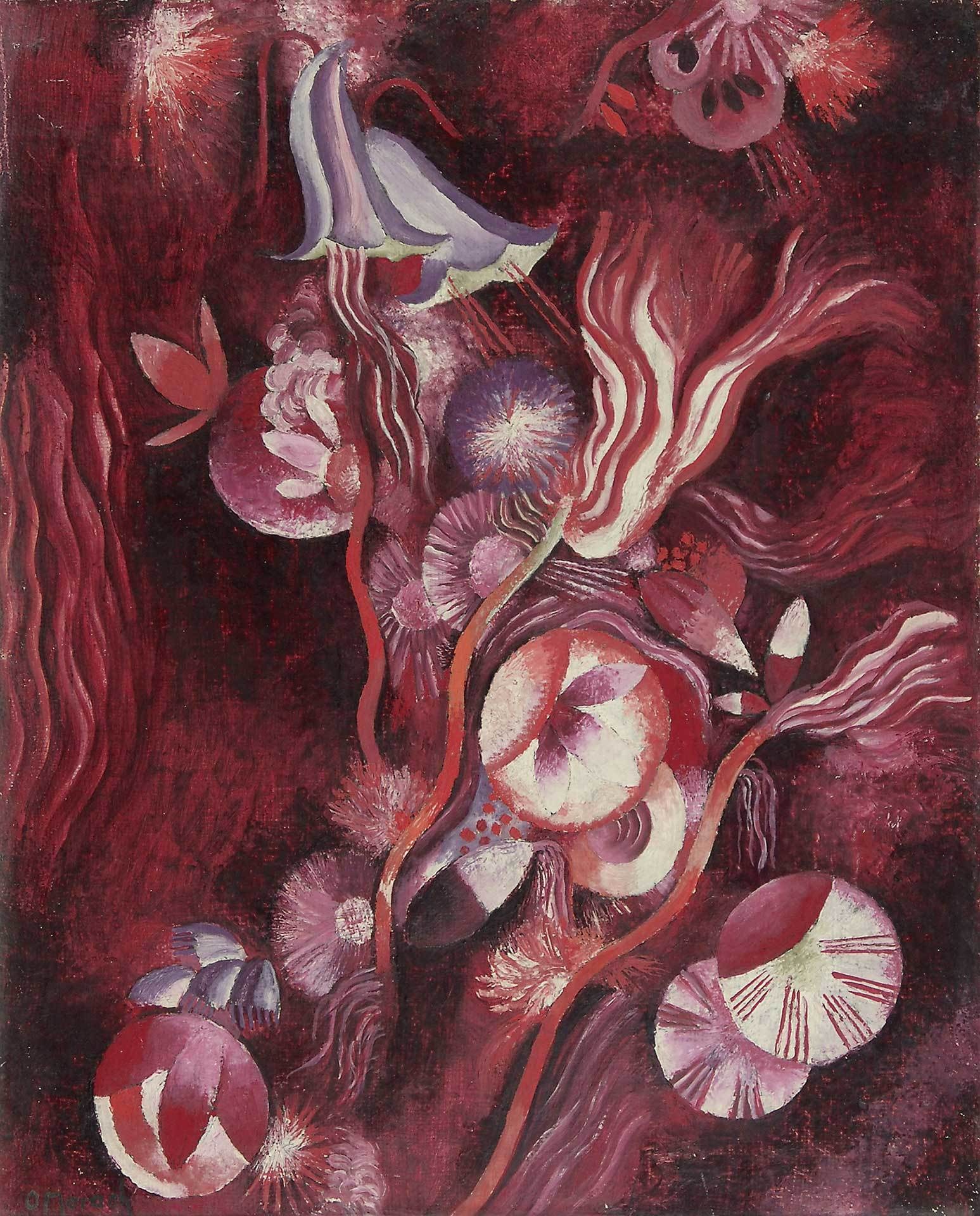
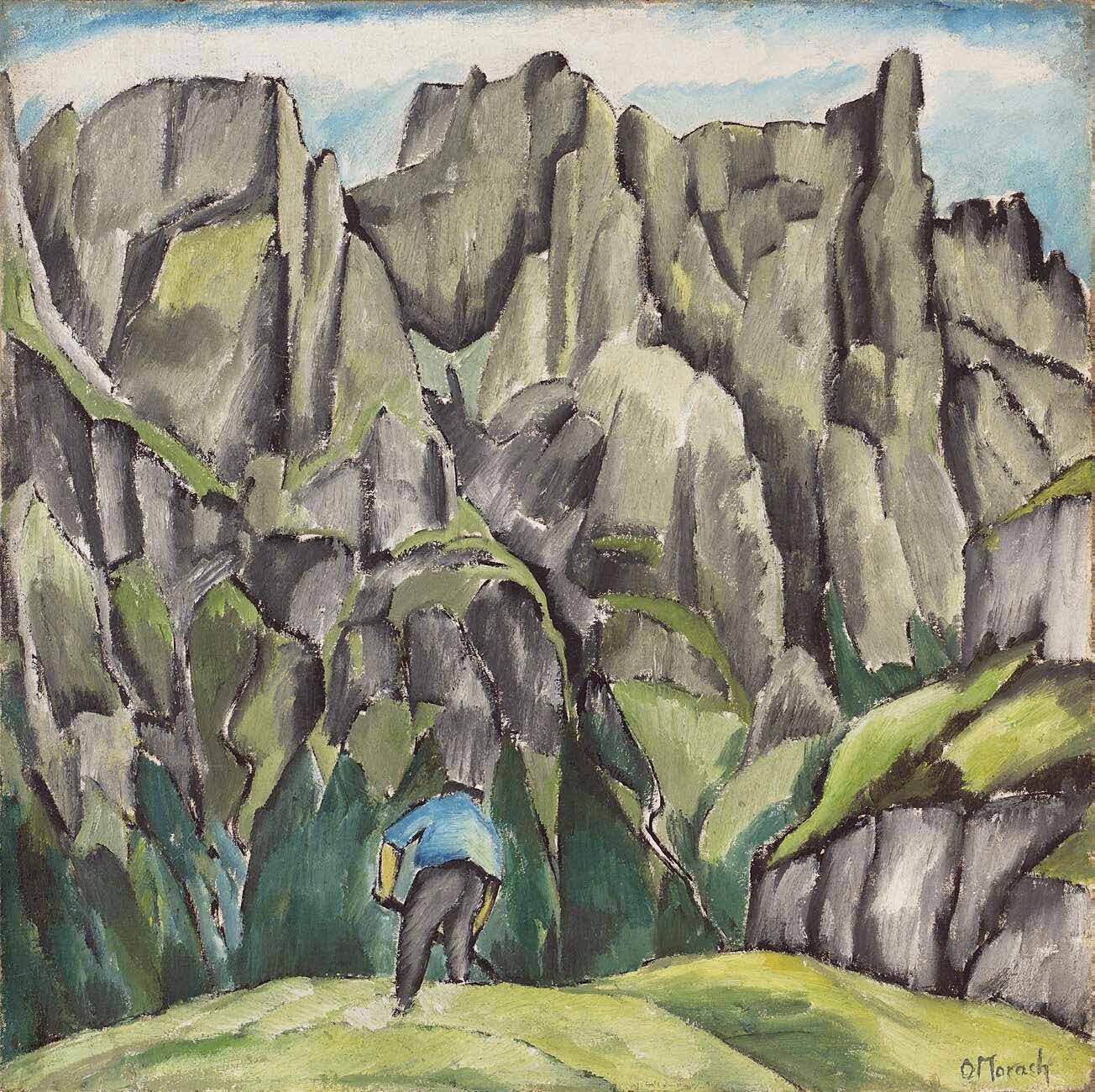
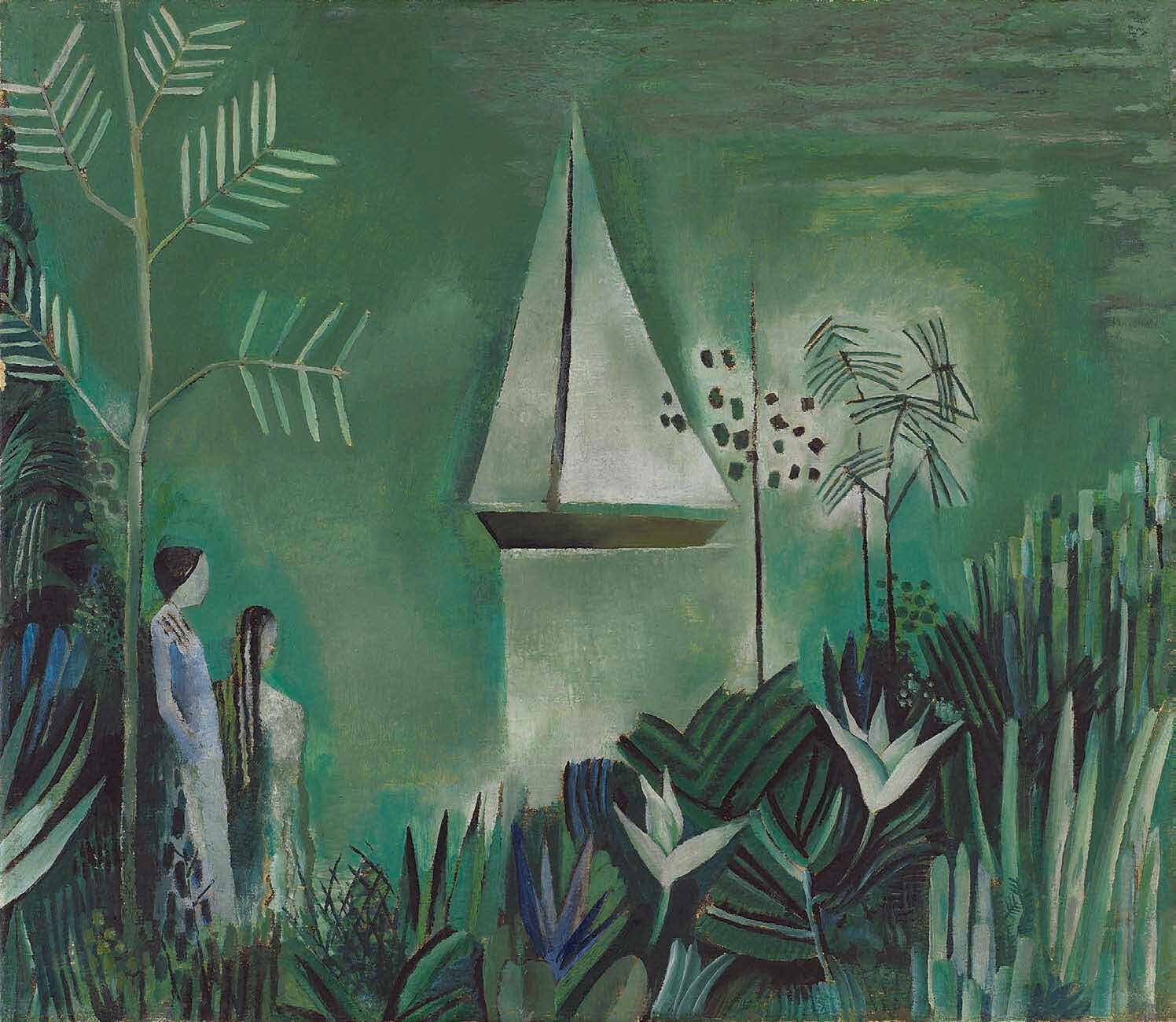
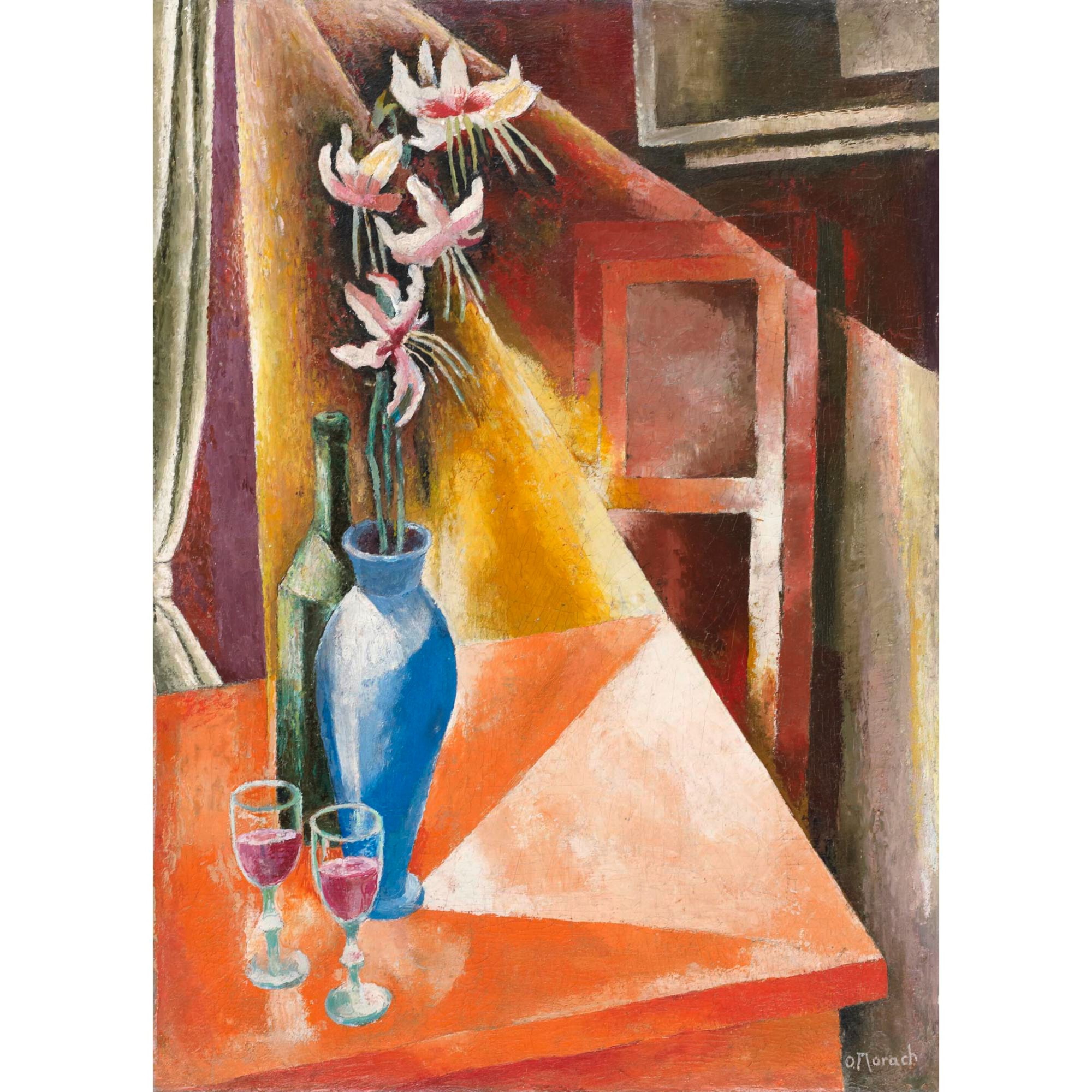
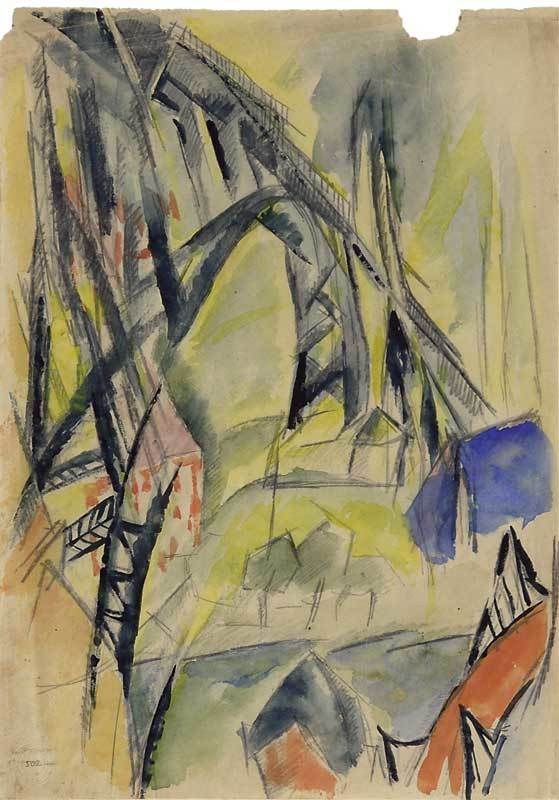
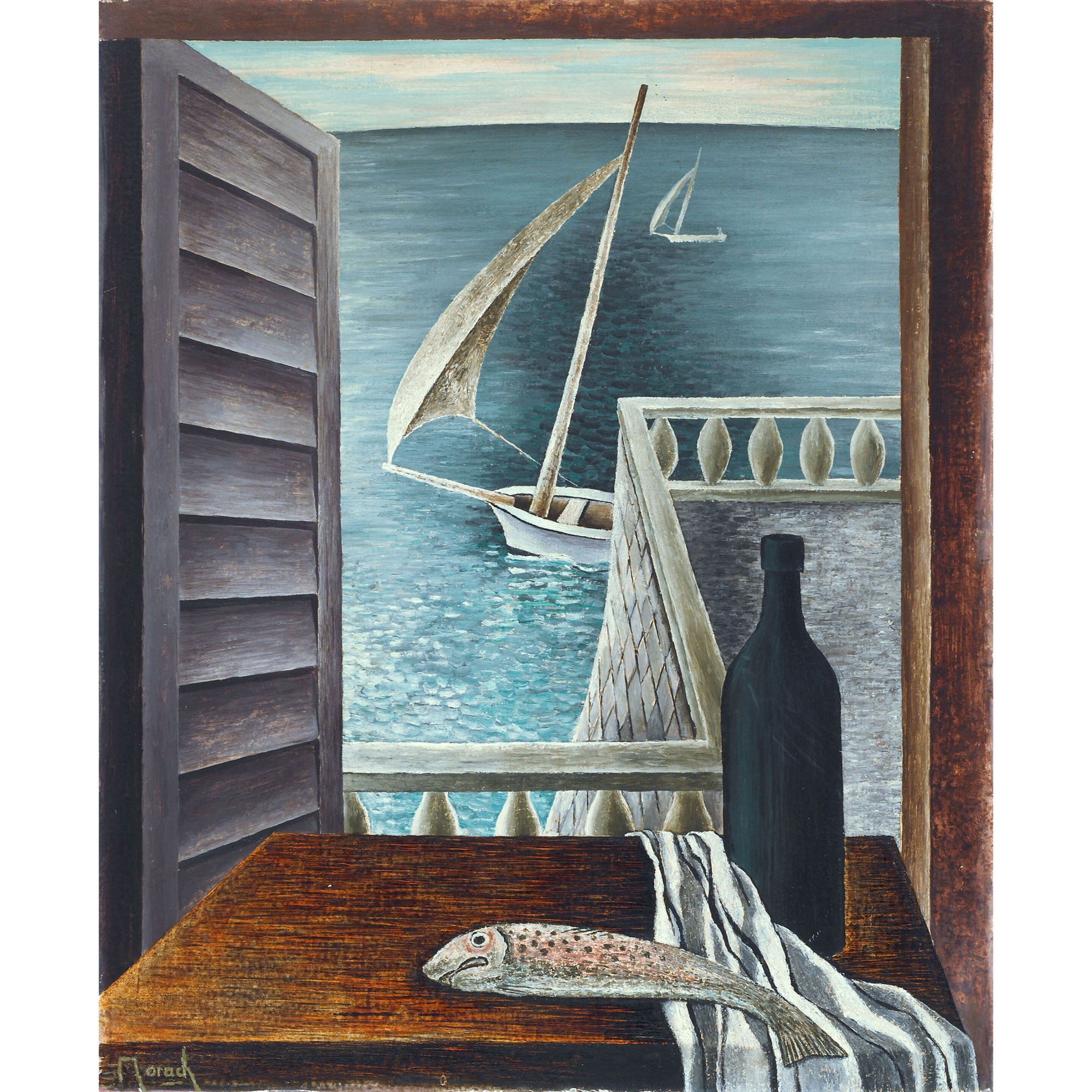
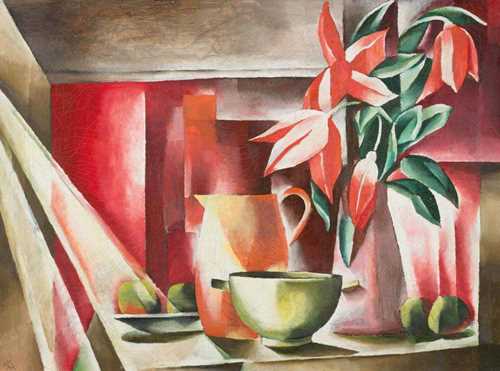
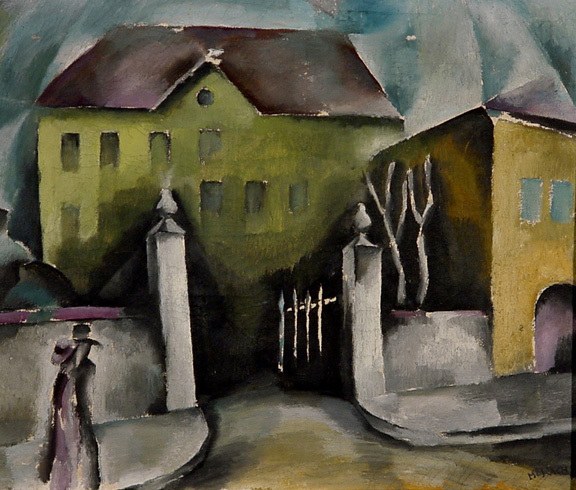
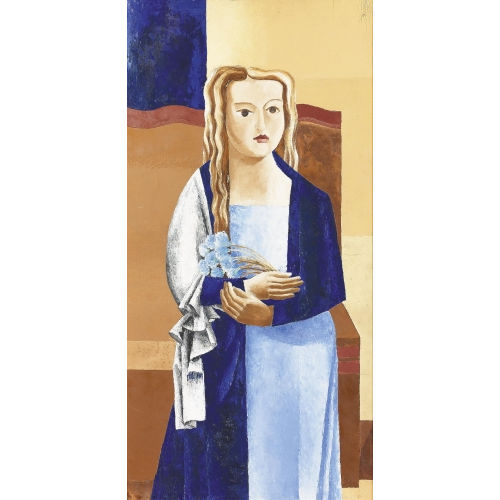
Otto Morach (1887–1973) is one of the most inventive figures of Swiss modernity. Born in Hubersdorf, near Solothurn, he initially studied natural sciences in Bern and obtained a teaching certificate before turning to drawing and painting. His stays in Paris between 1910 and 1913 brought him into contact with Cubism and Futurism.
From them he retained the freedom to fragment forms and suggest movement, without relinquishing a deeply personal imaginary world.
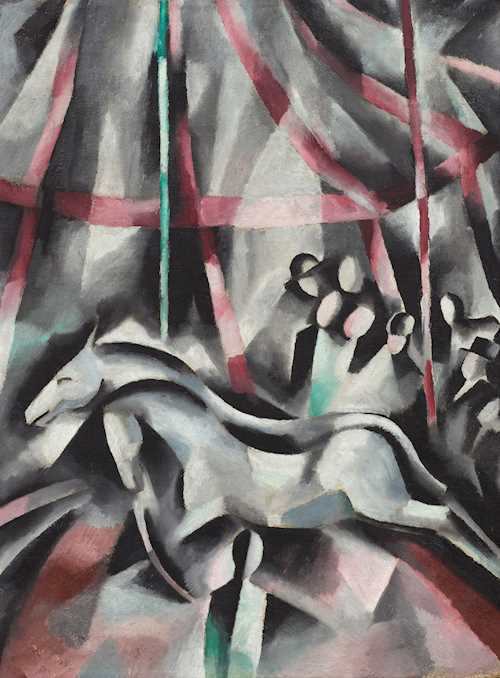
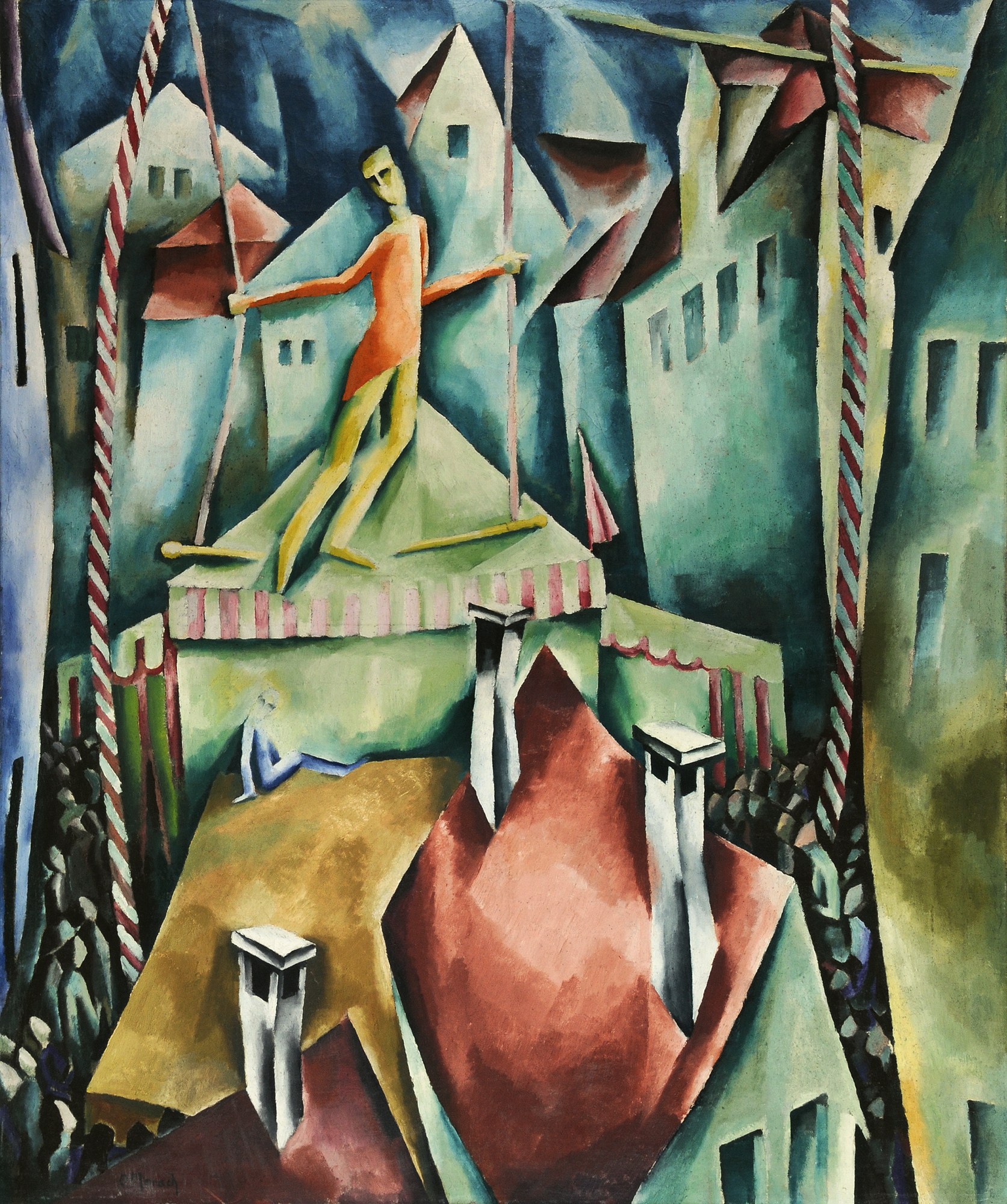
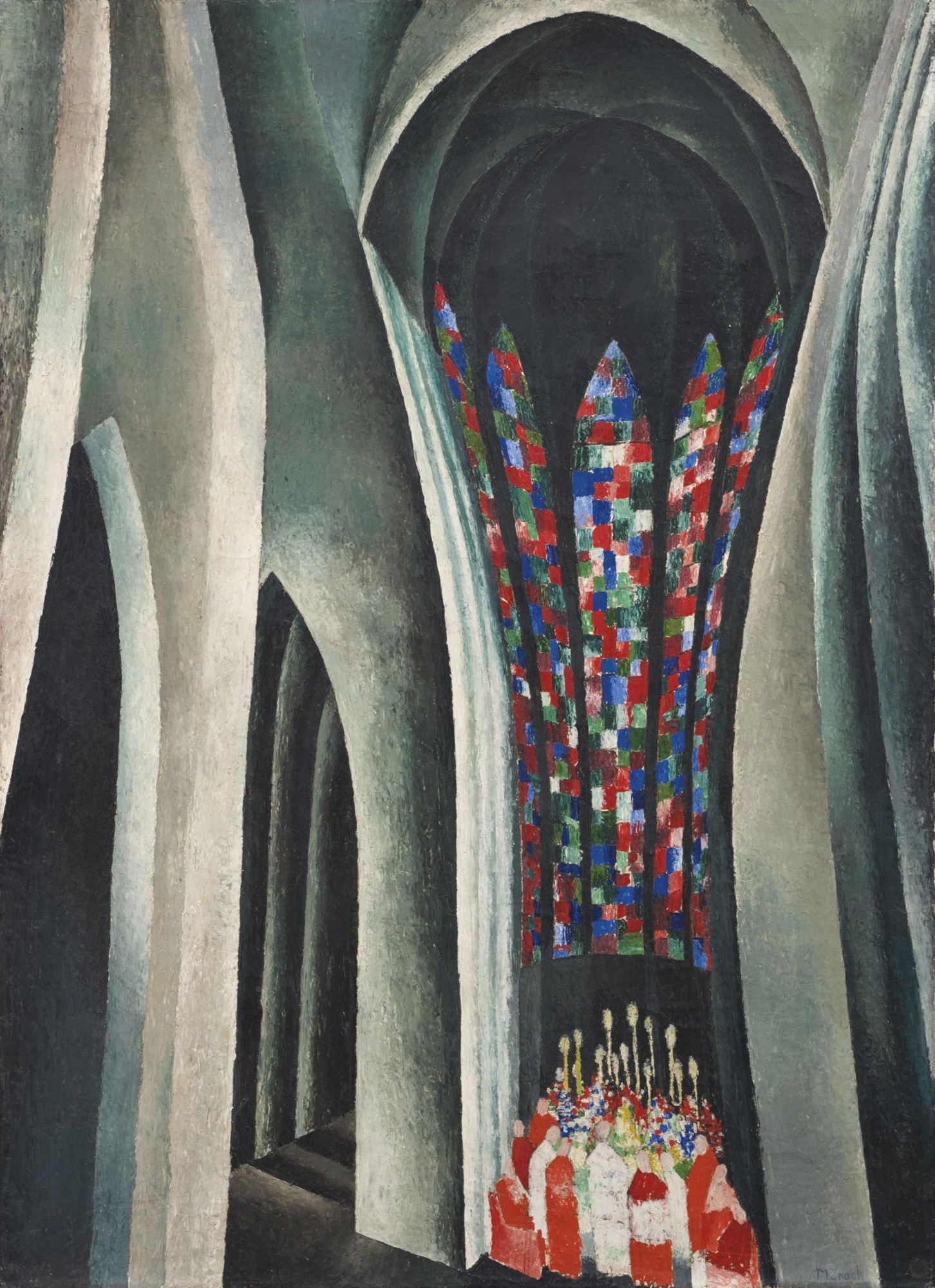
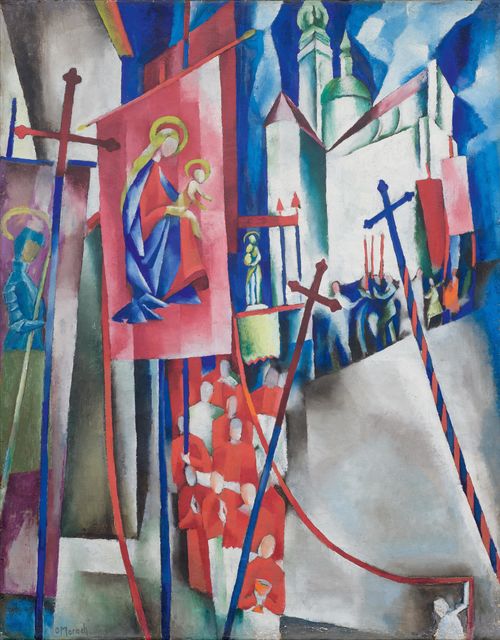
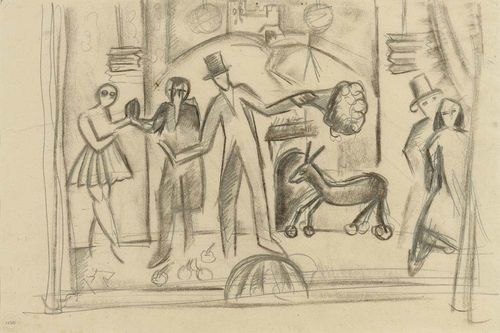
Between 1914 and 1918, his painterly explorations reached a particular intensity. In Solothurn, where he taught drawing while working as an independent artist, Morach maintained links with Dada and the Cabaret Voltaire; in 1918 he joined the group Das Neue Leben. The painting Pferdedressurnummer im Zirkus, dated to around 1915 and held by the Kunstmuseum Solothurn, recalls his interest in spectacle.
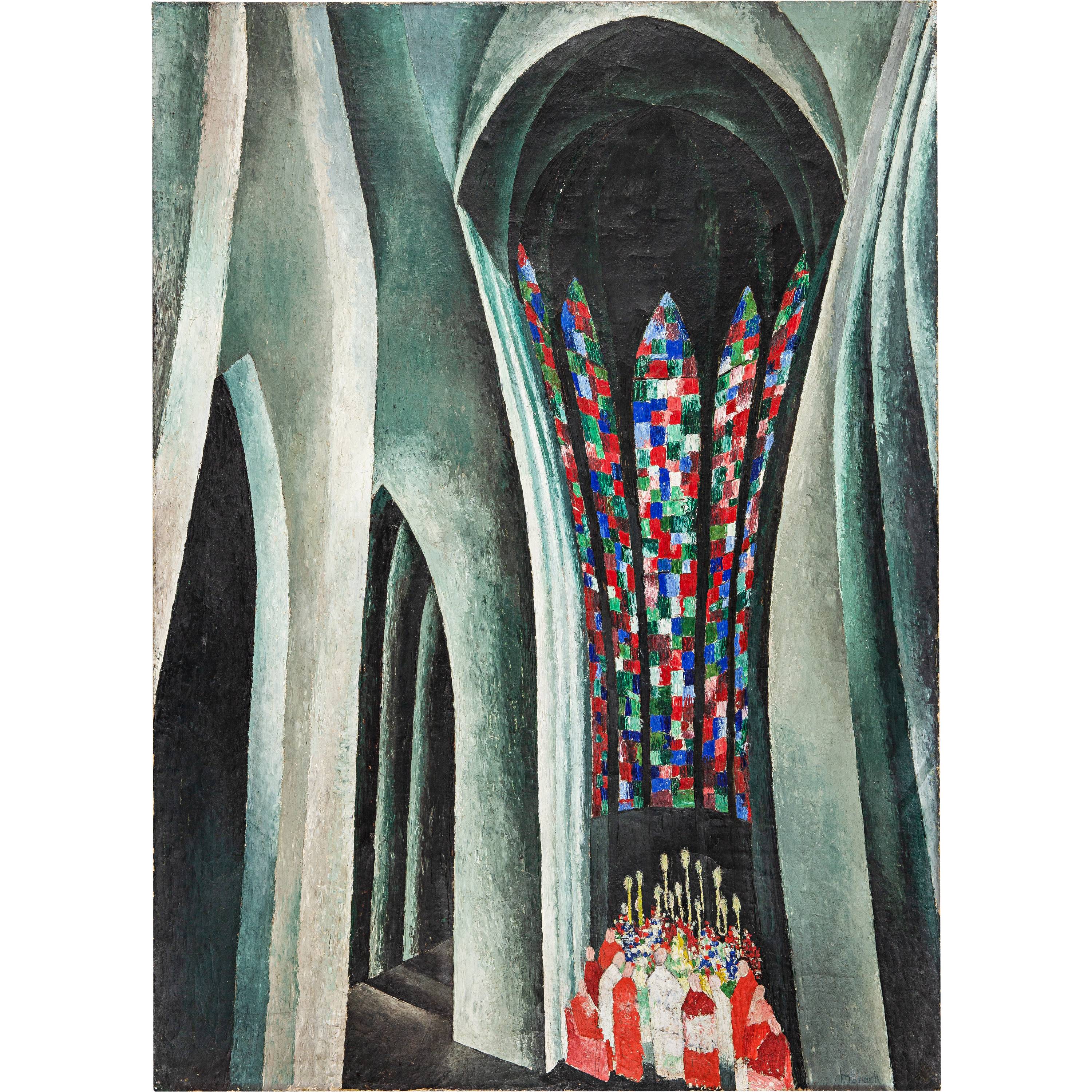
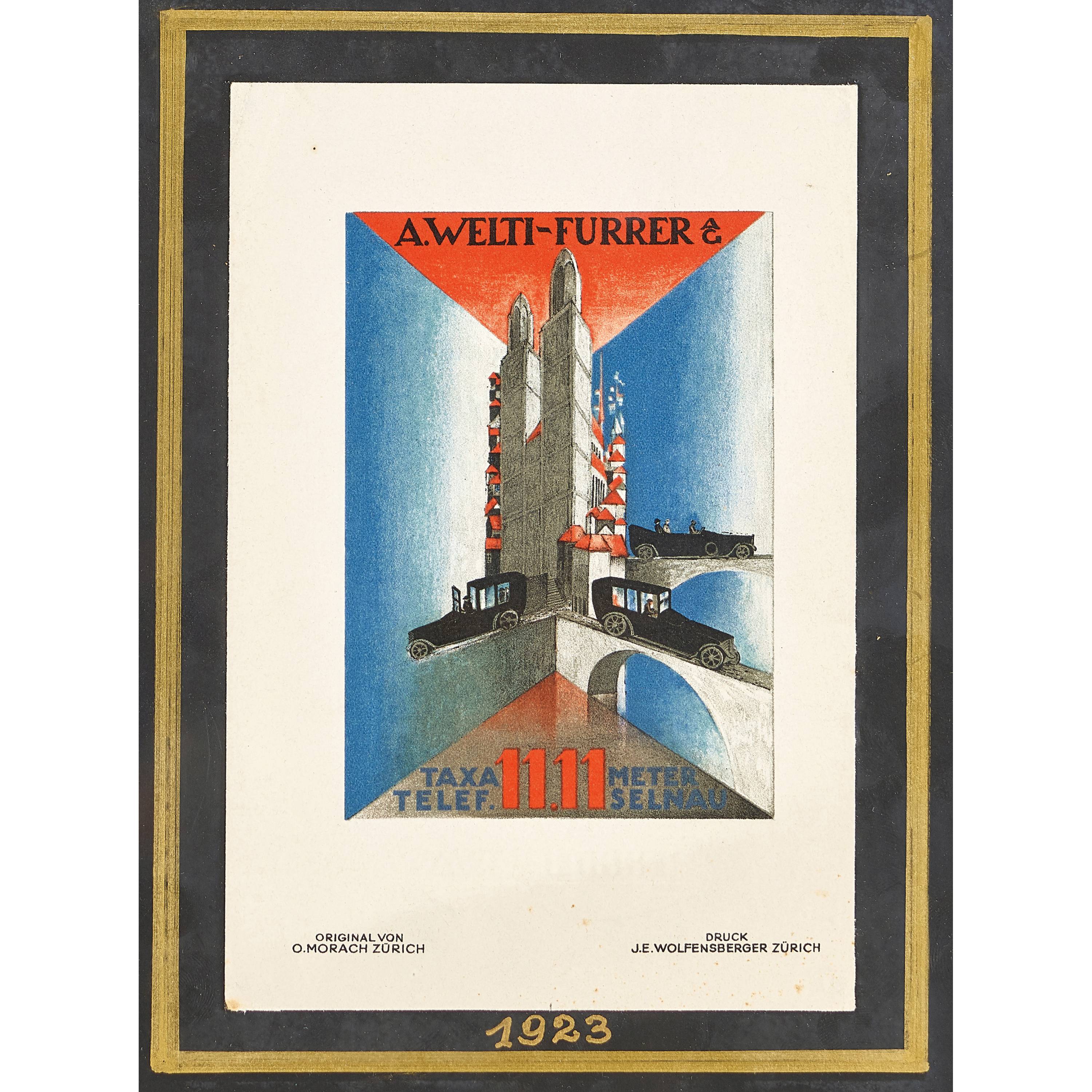
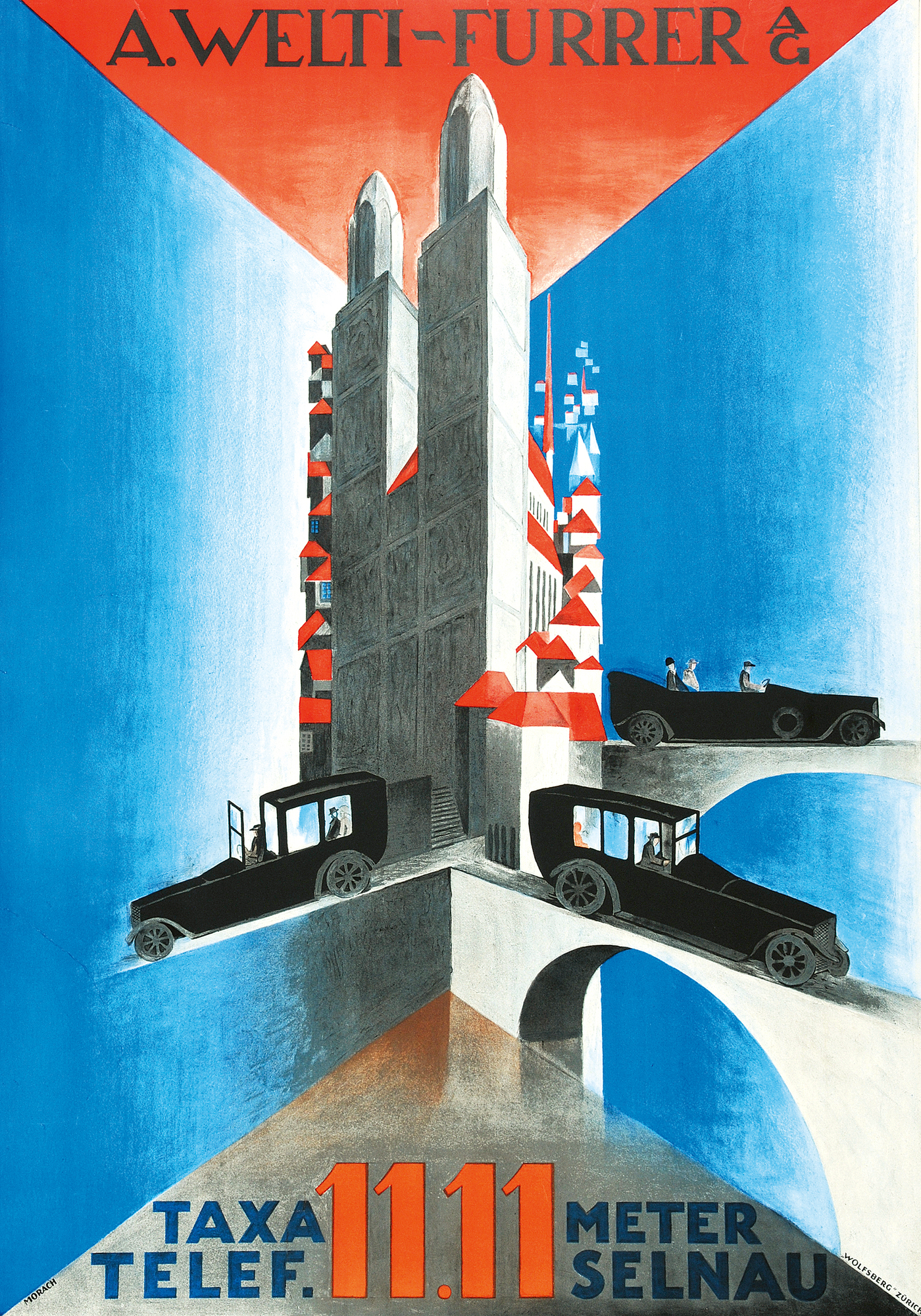
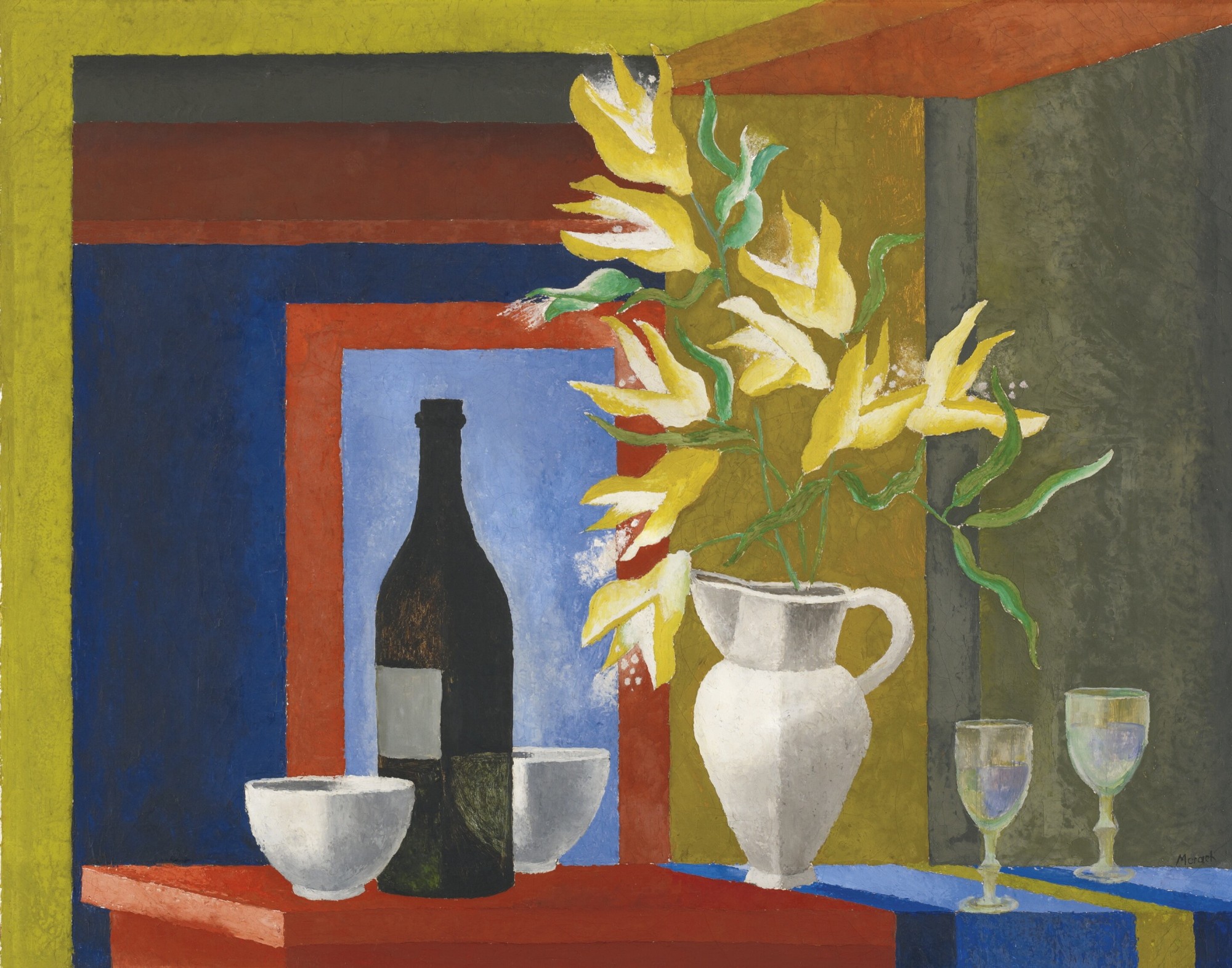
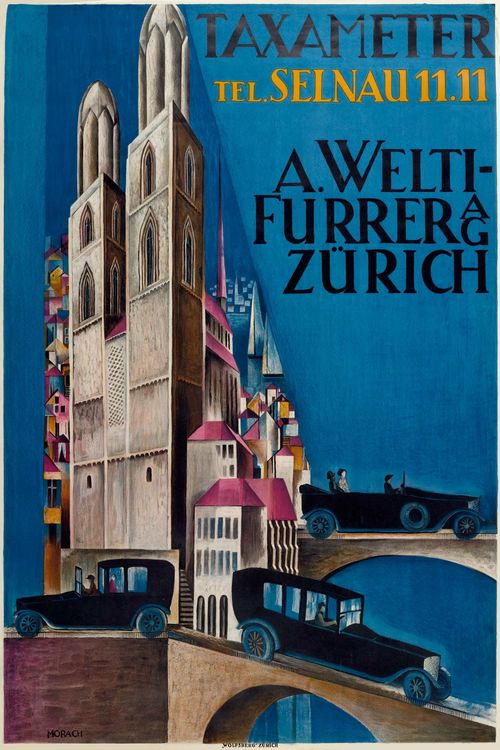
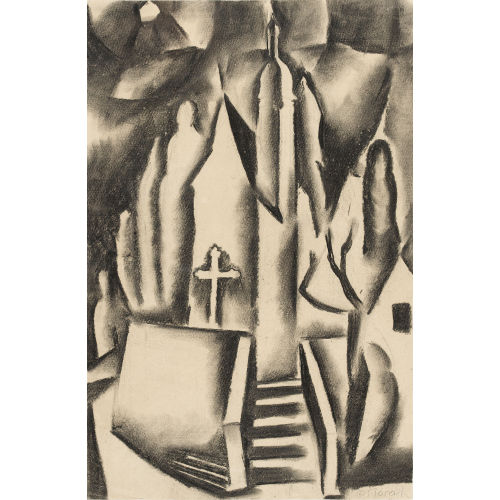
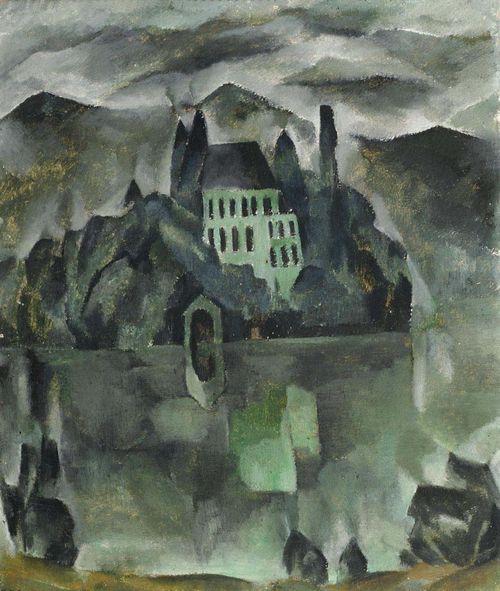
His work also encompasses the city, still life and abstract composition. In Stadtbild Zürich, analysed by the Mobilière Collection, the Grossmünster becomes an expressive nocturnal vision: familiar architecture is transformed into a luminous apparition.
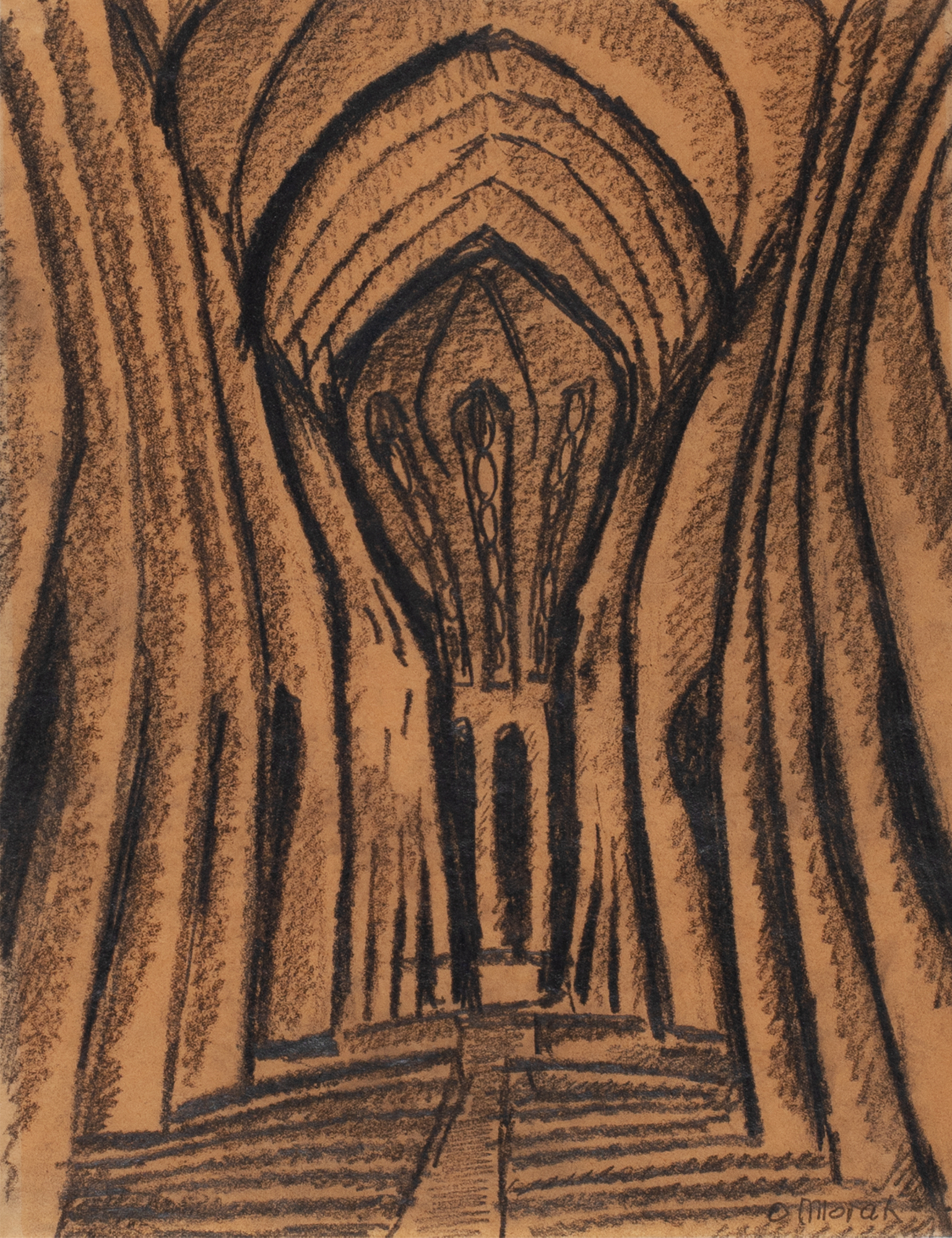
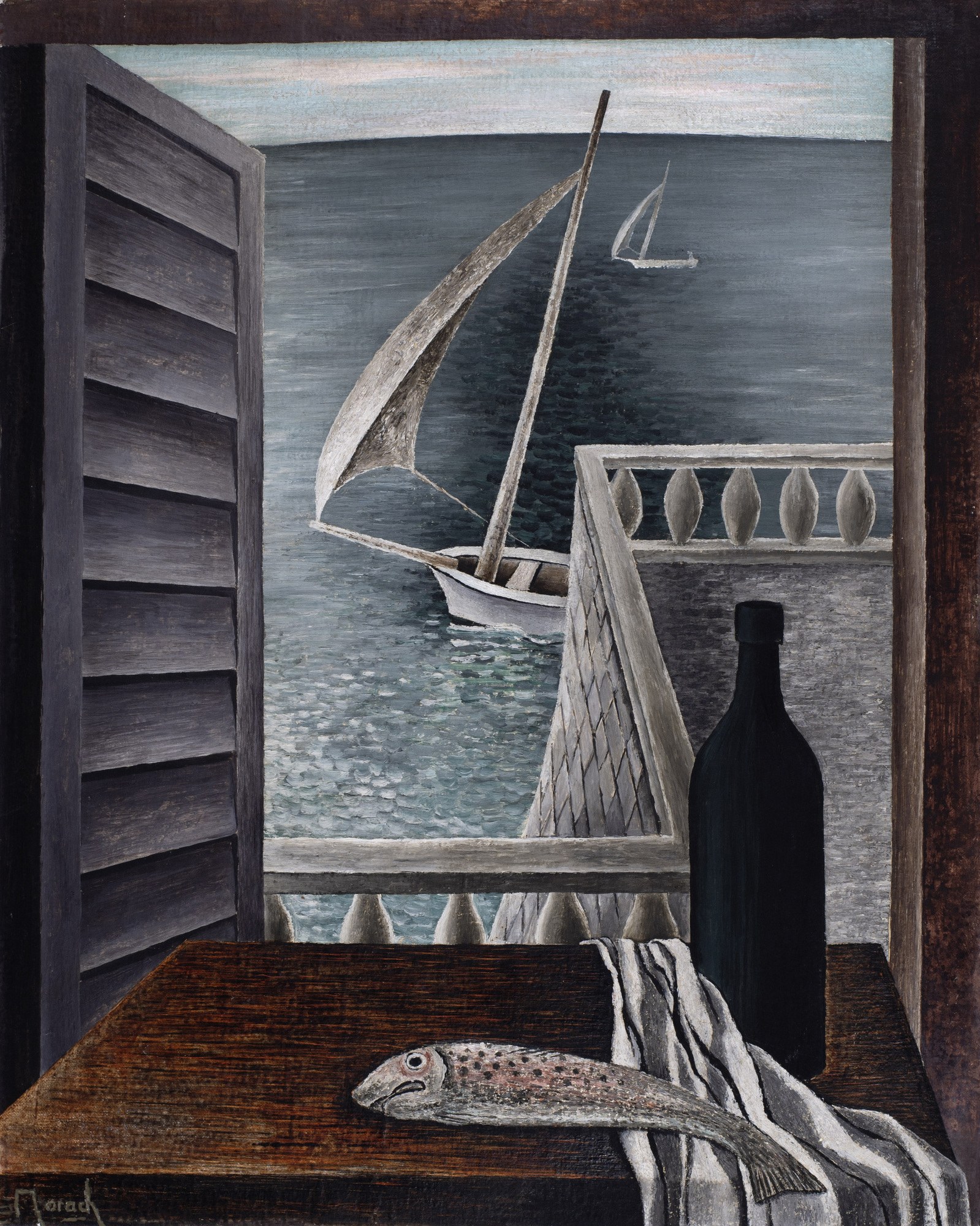
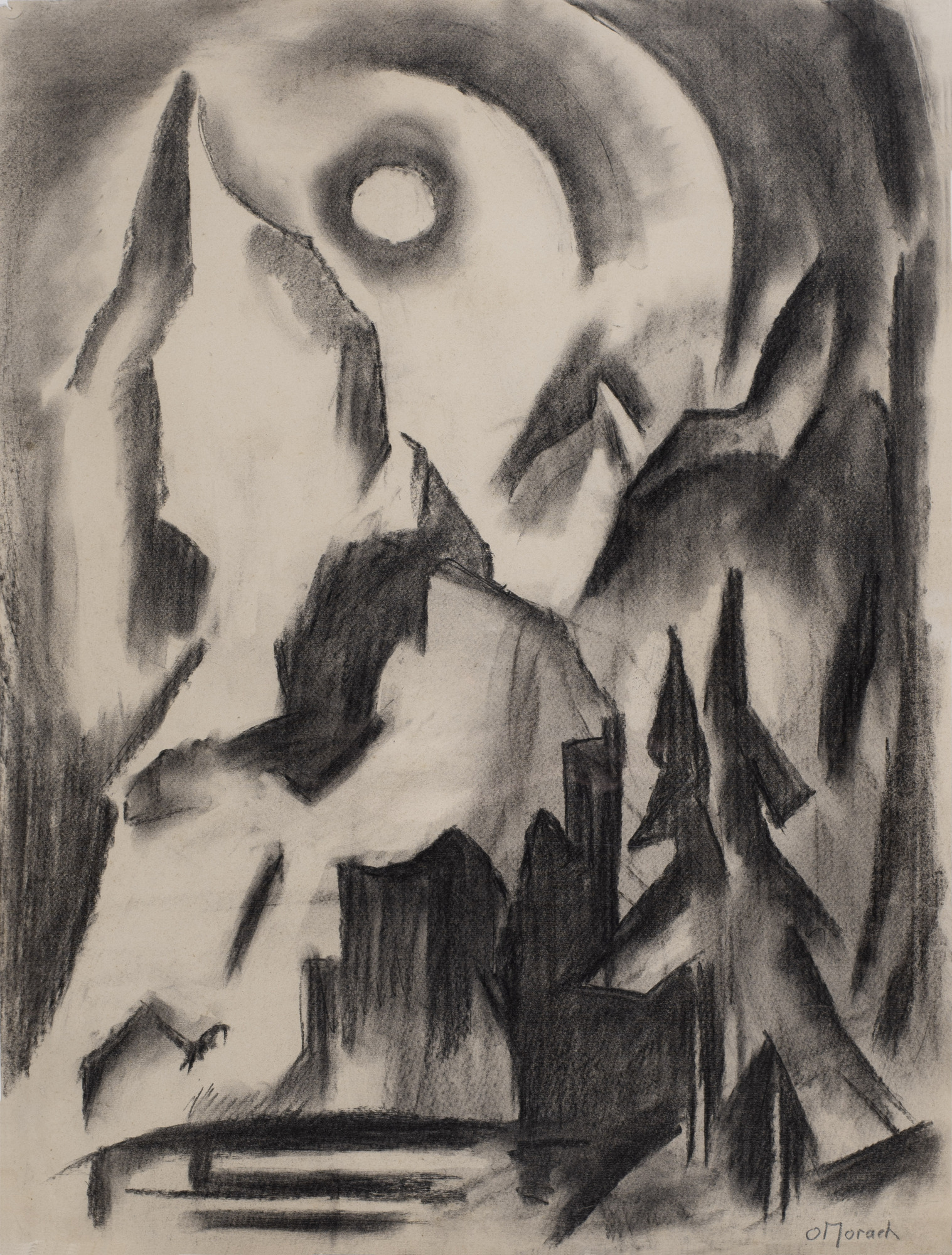
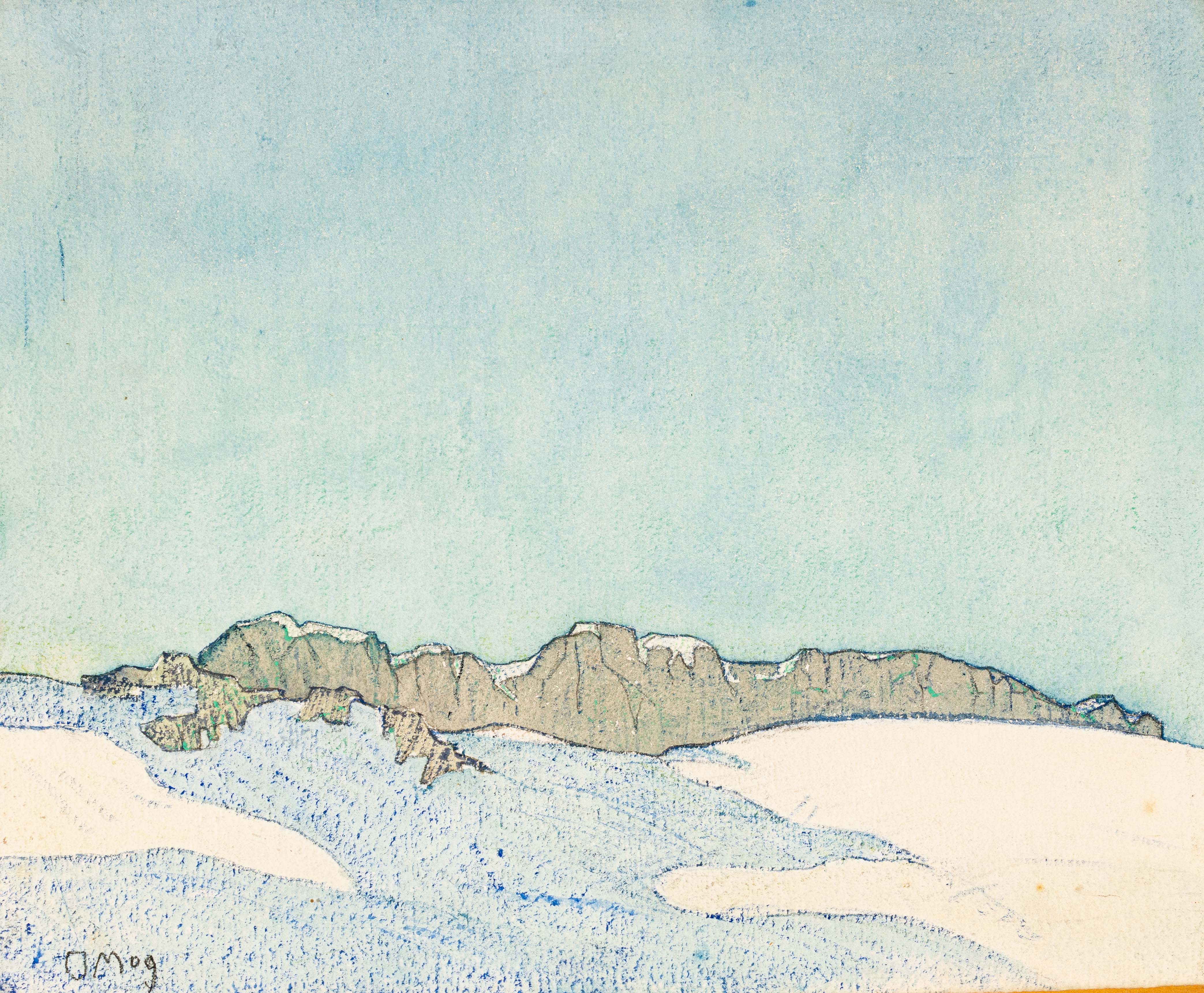
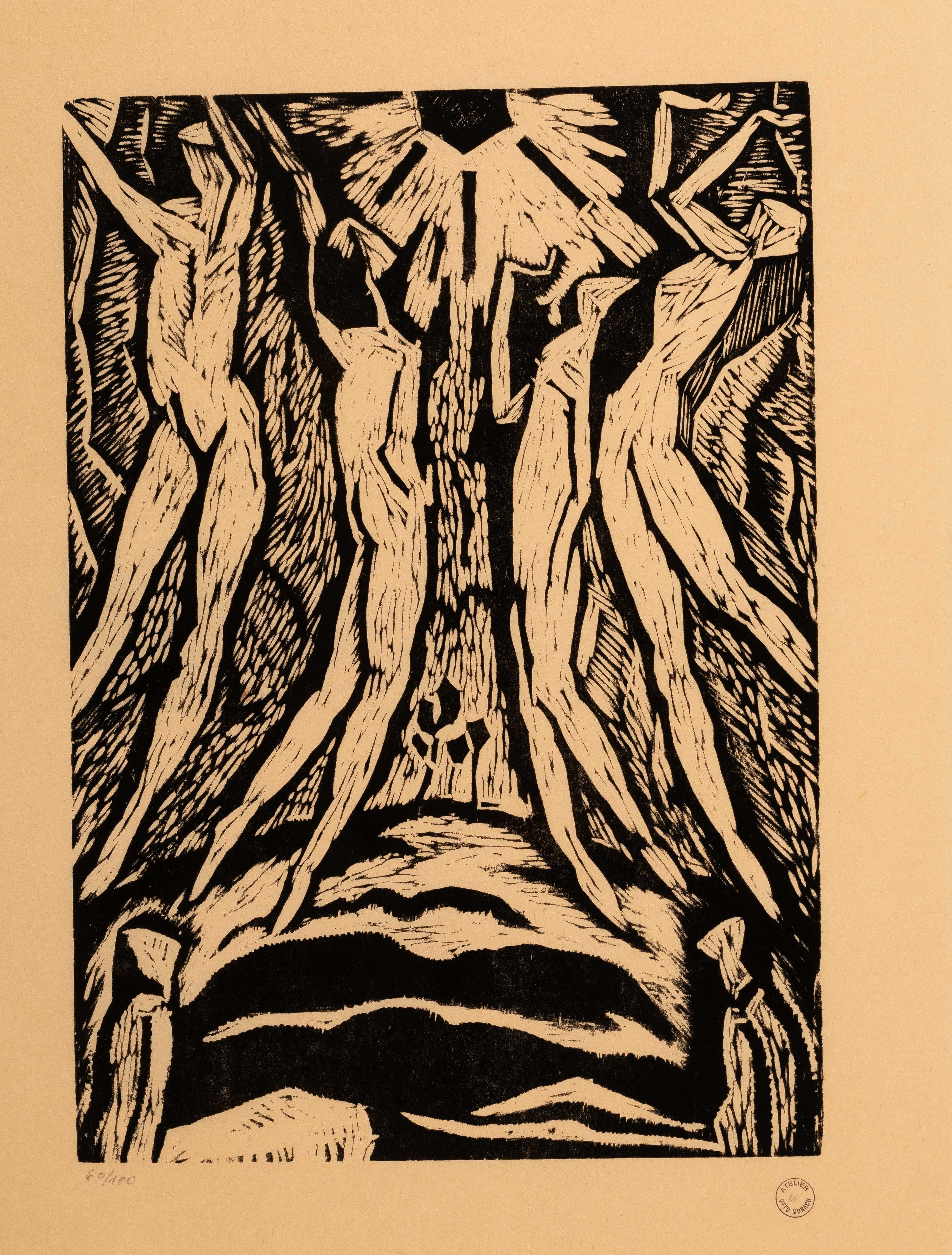
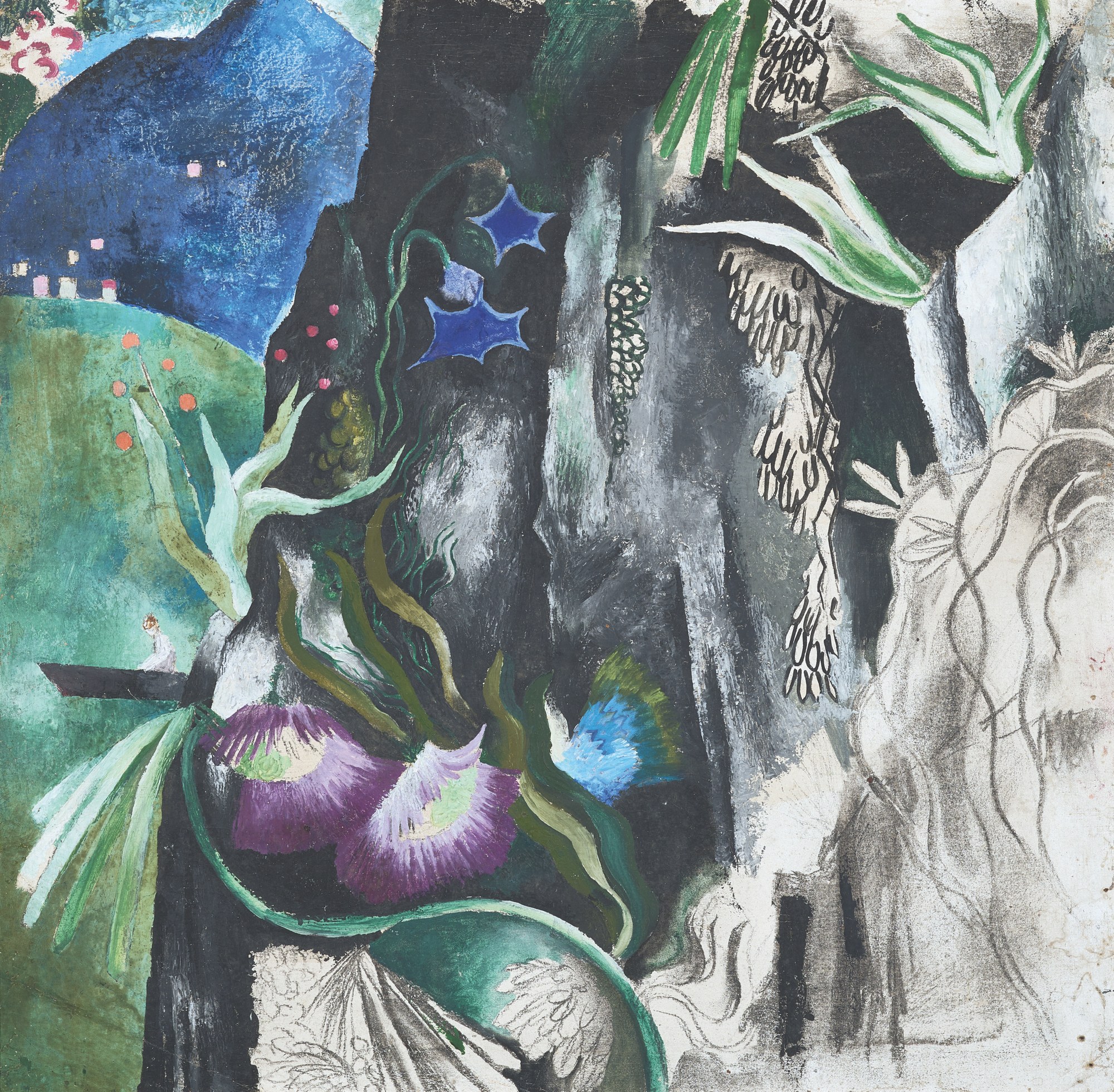
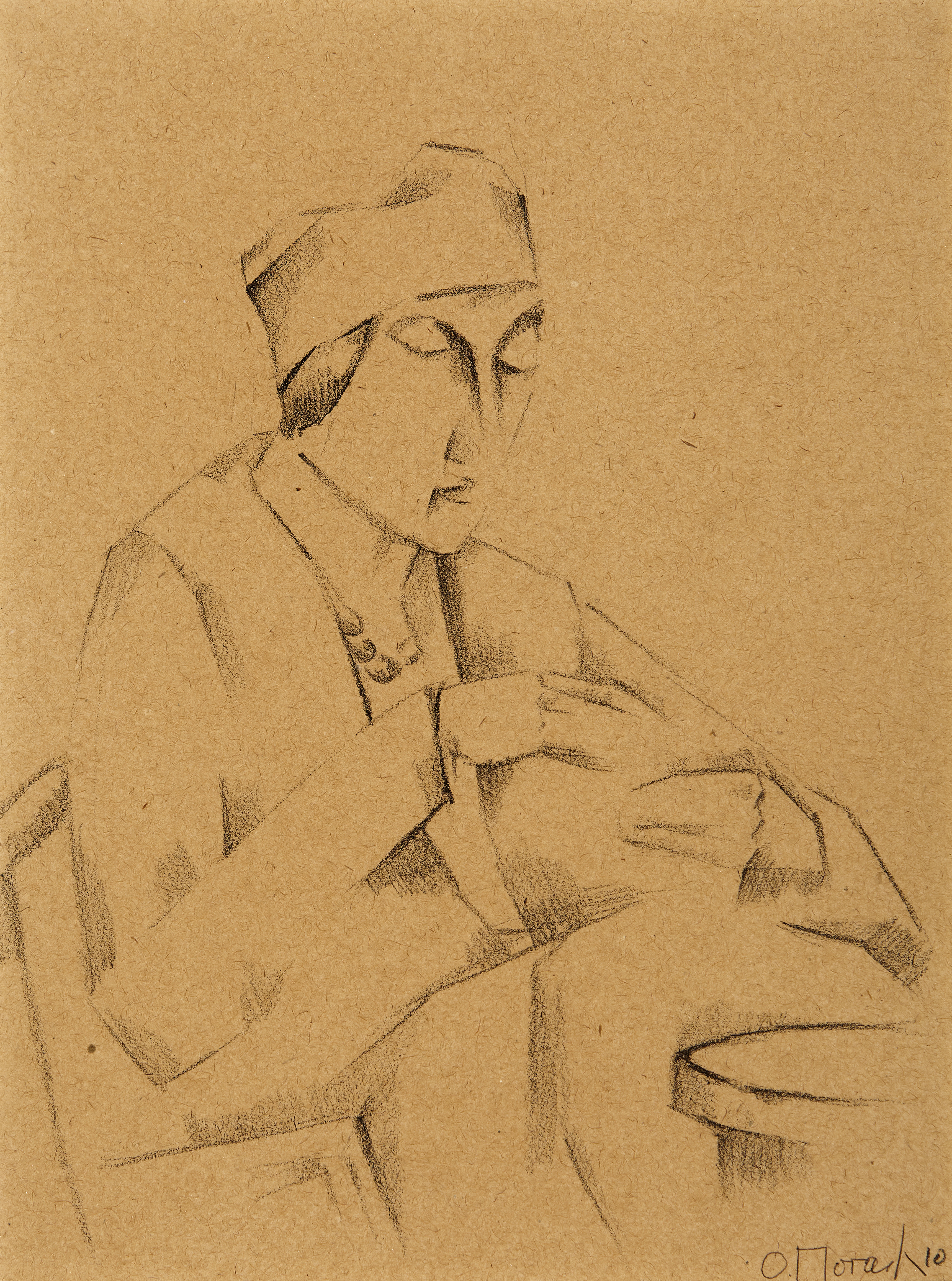
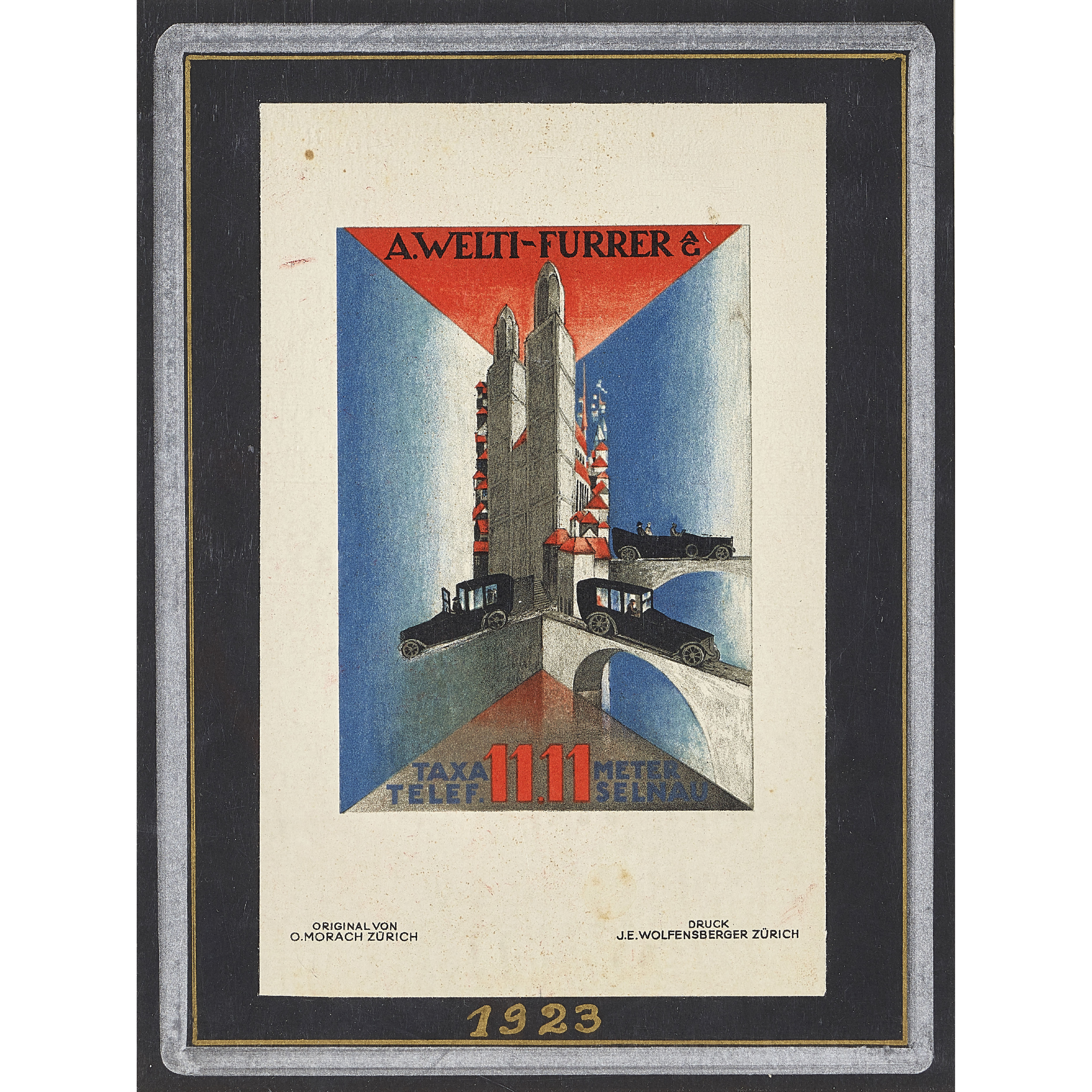
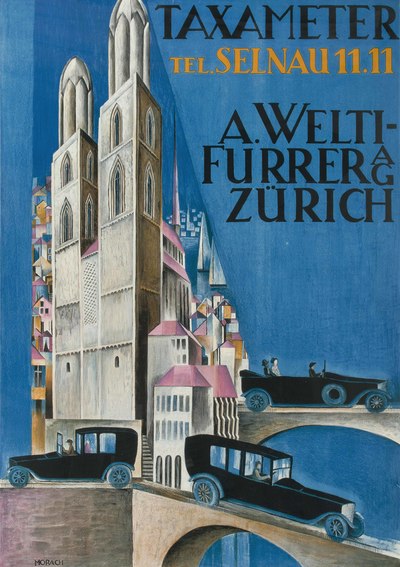
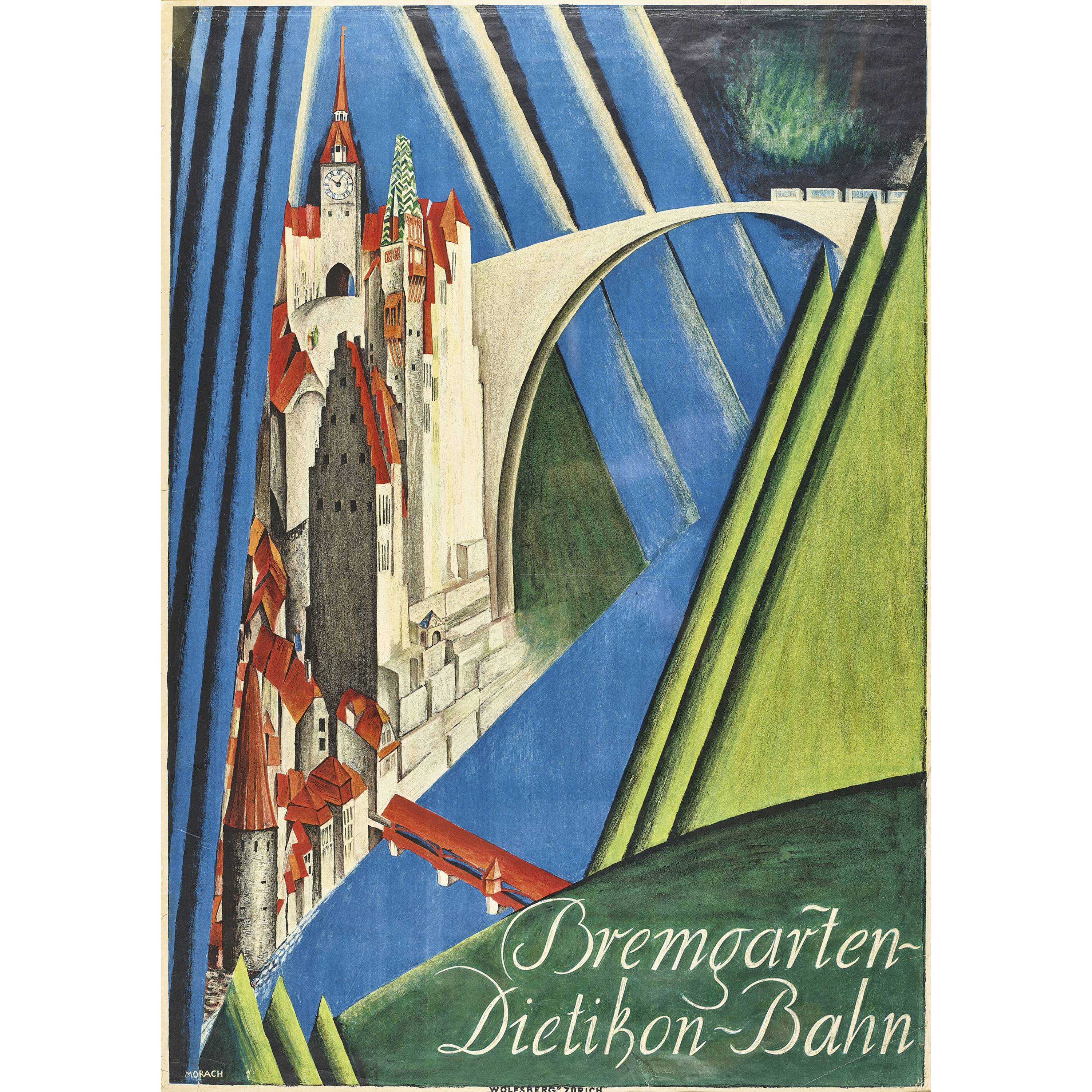
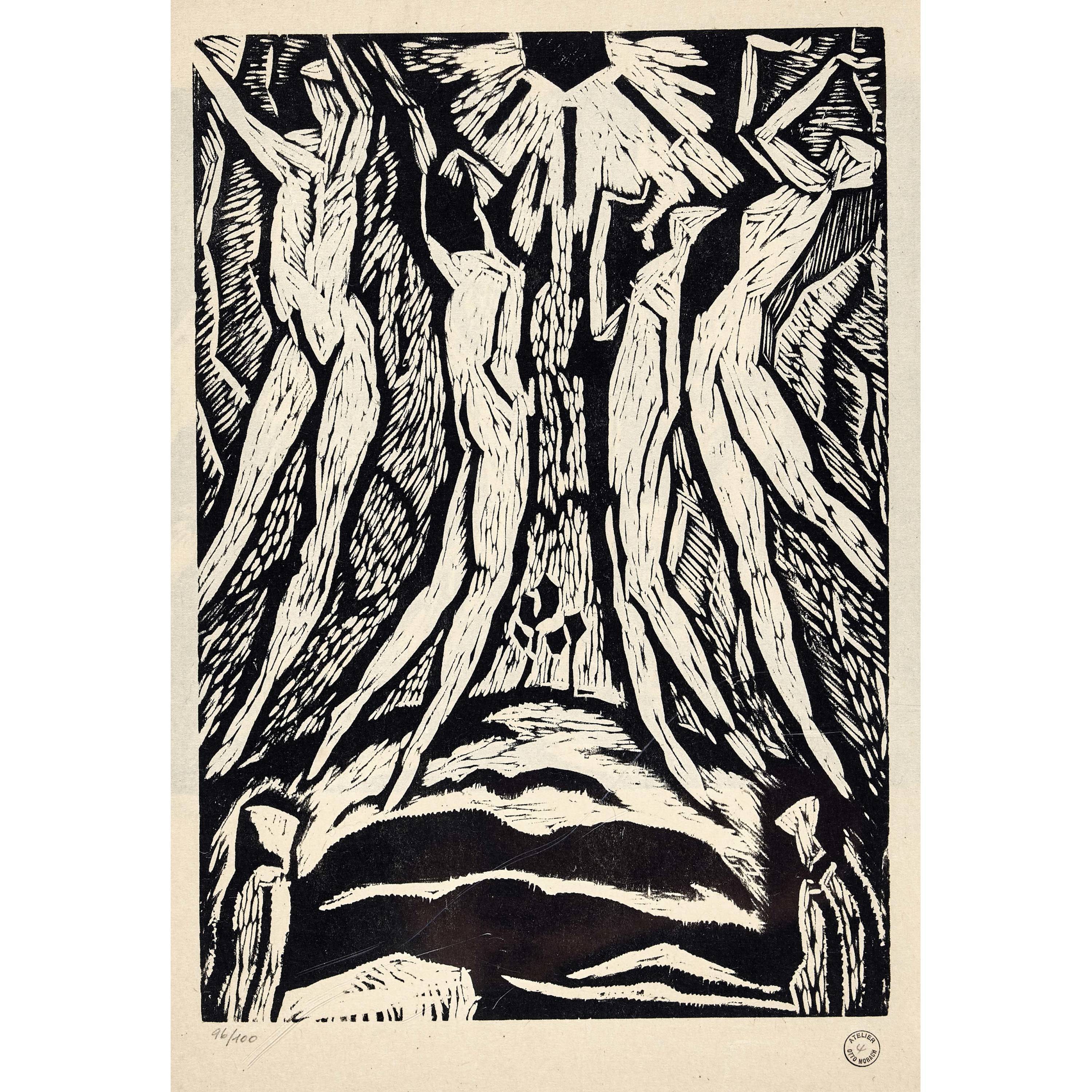
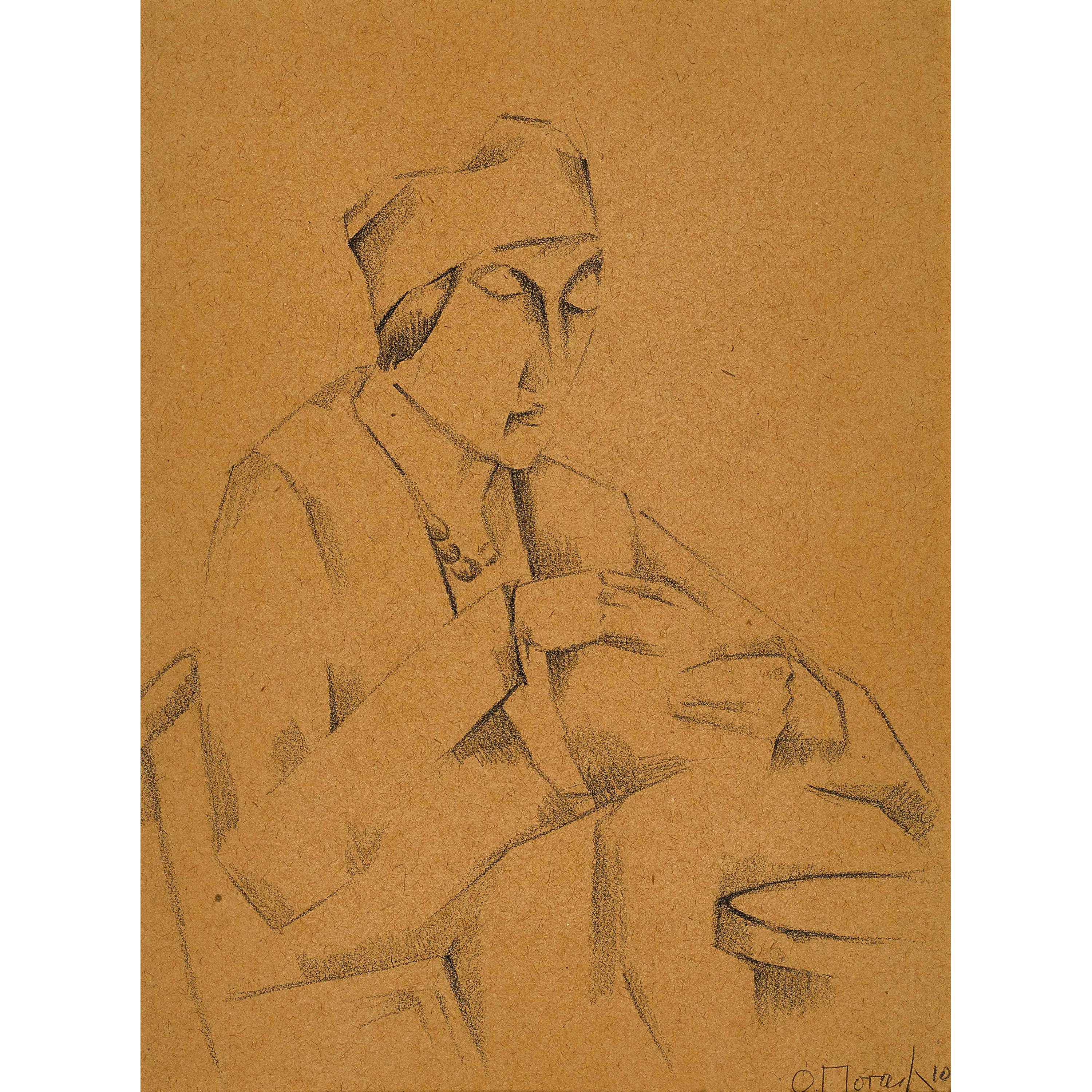
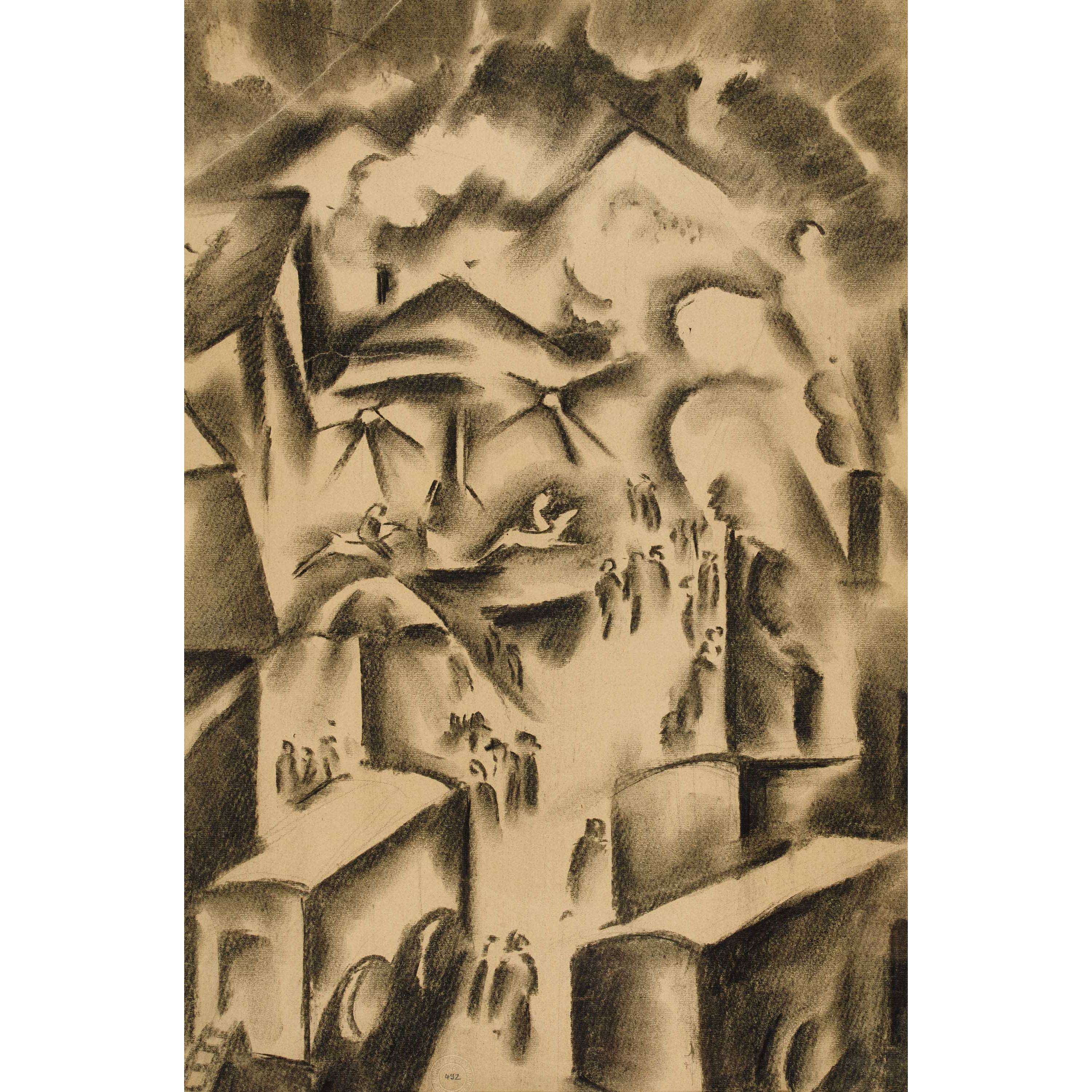
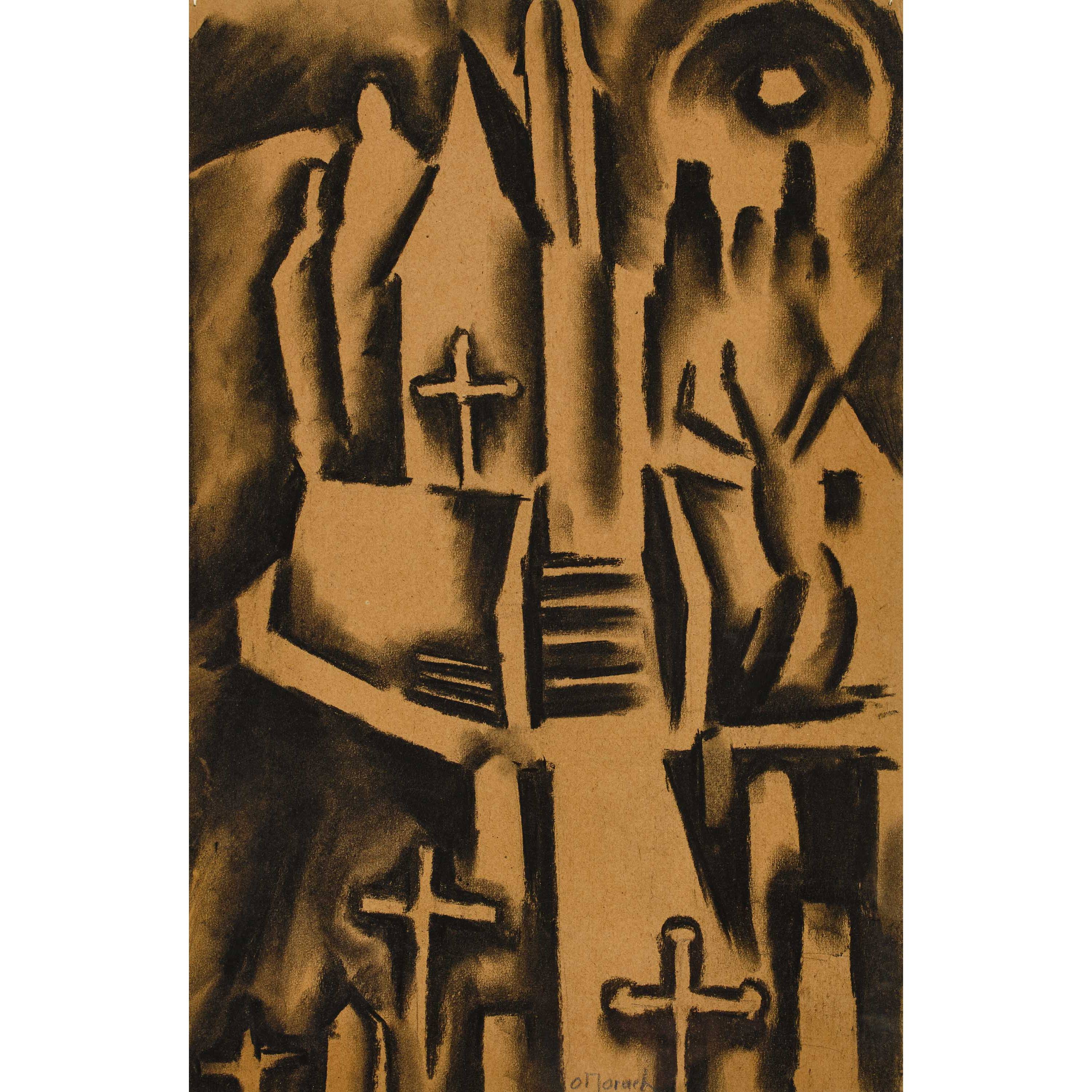
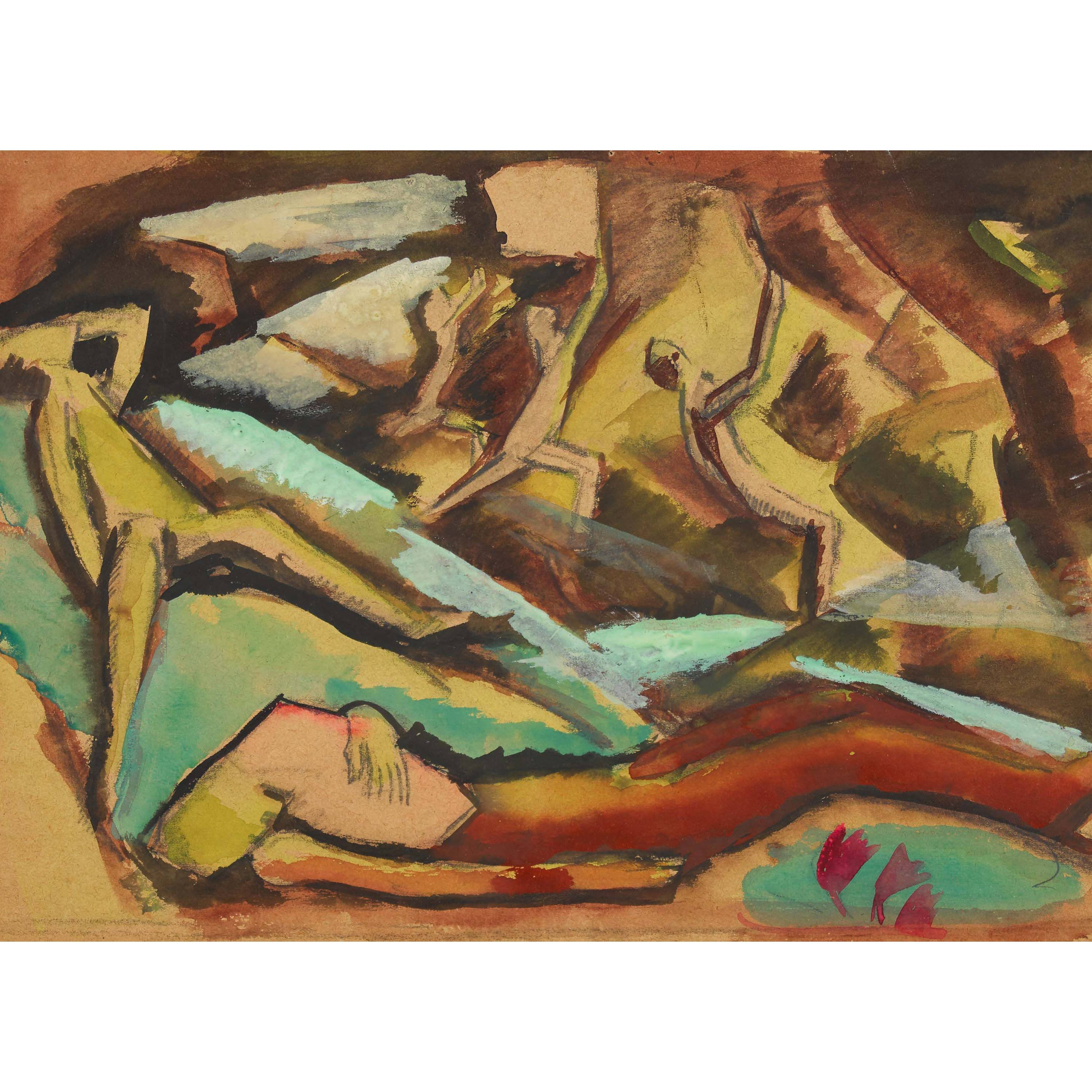
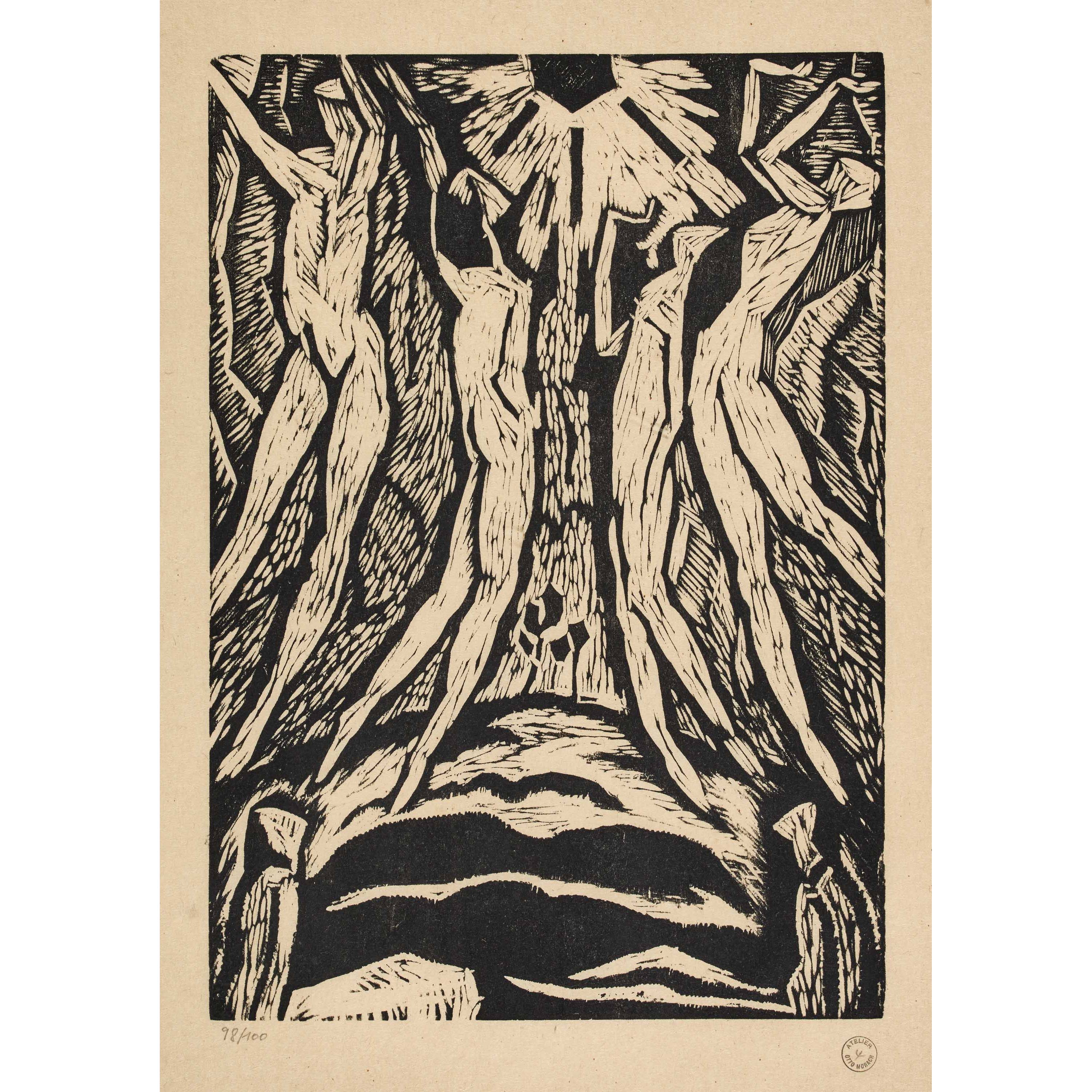
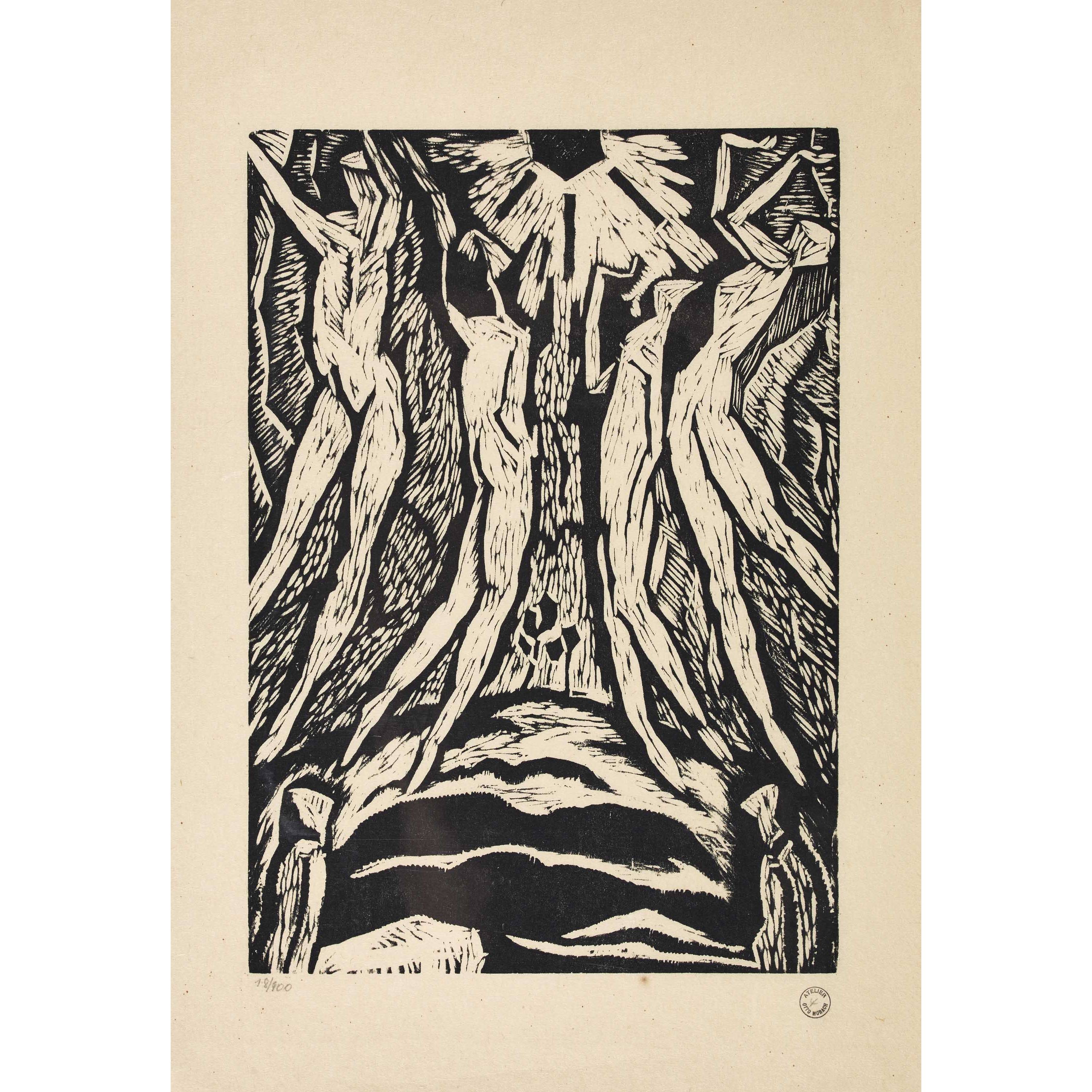
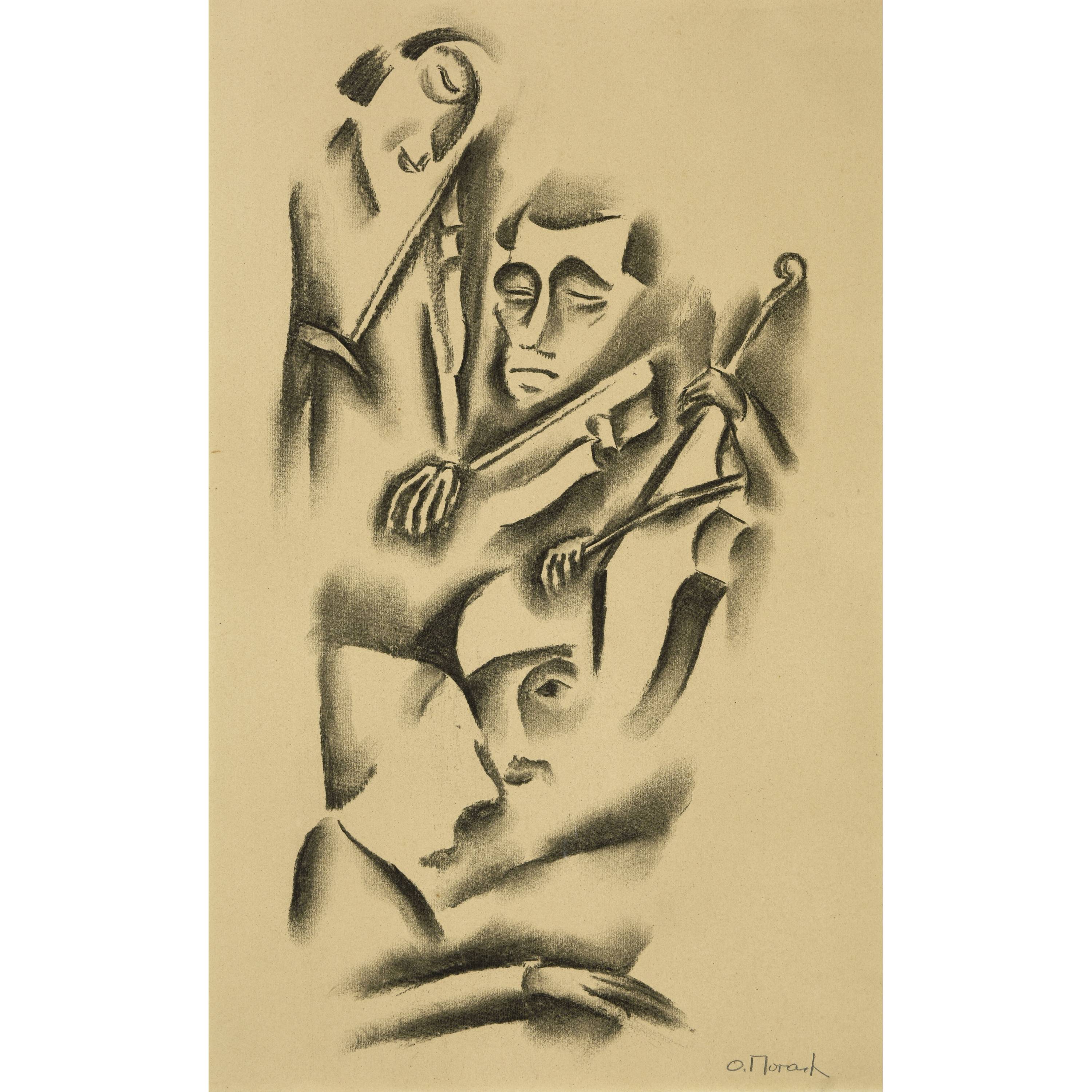
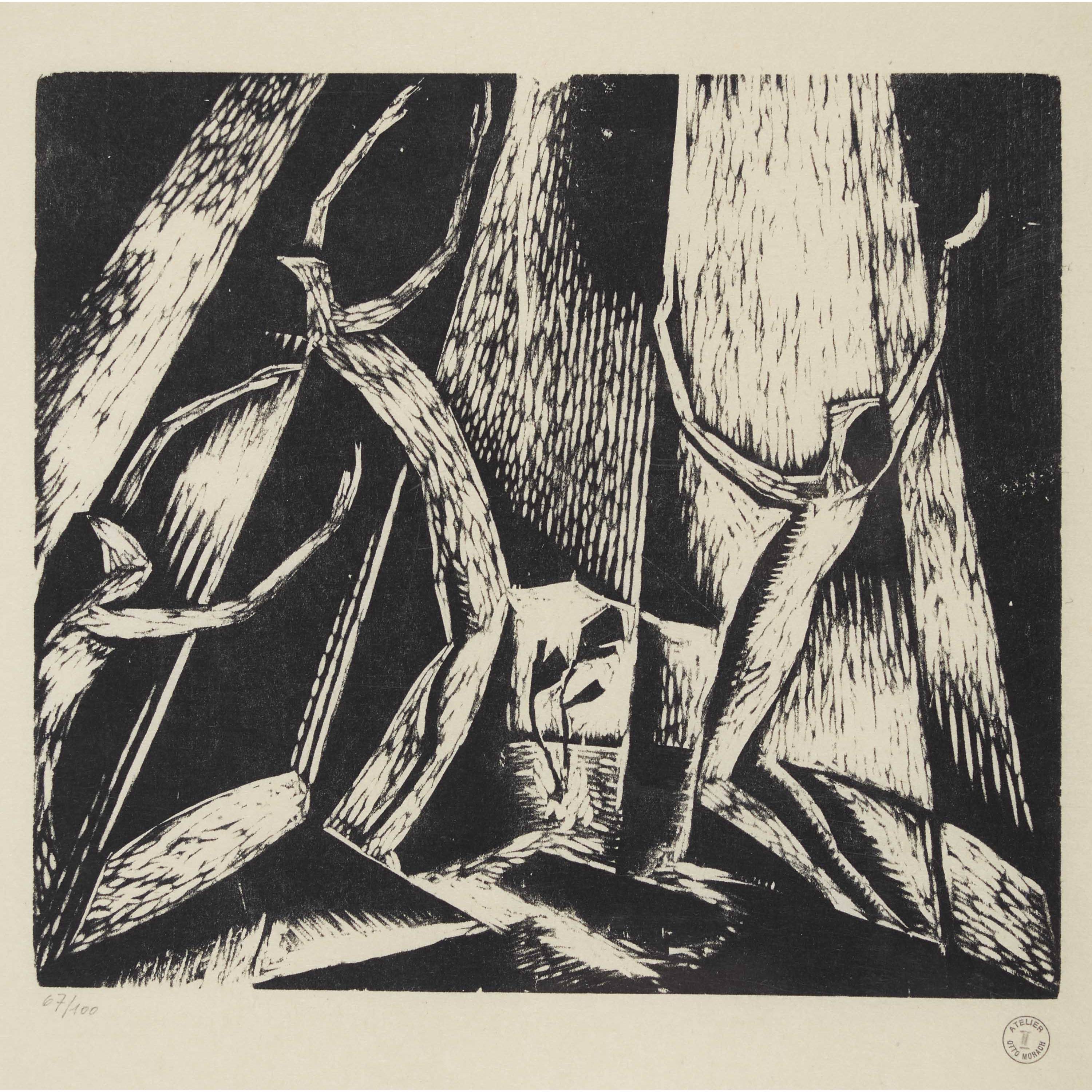
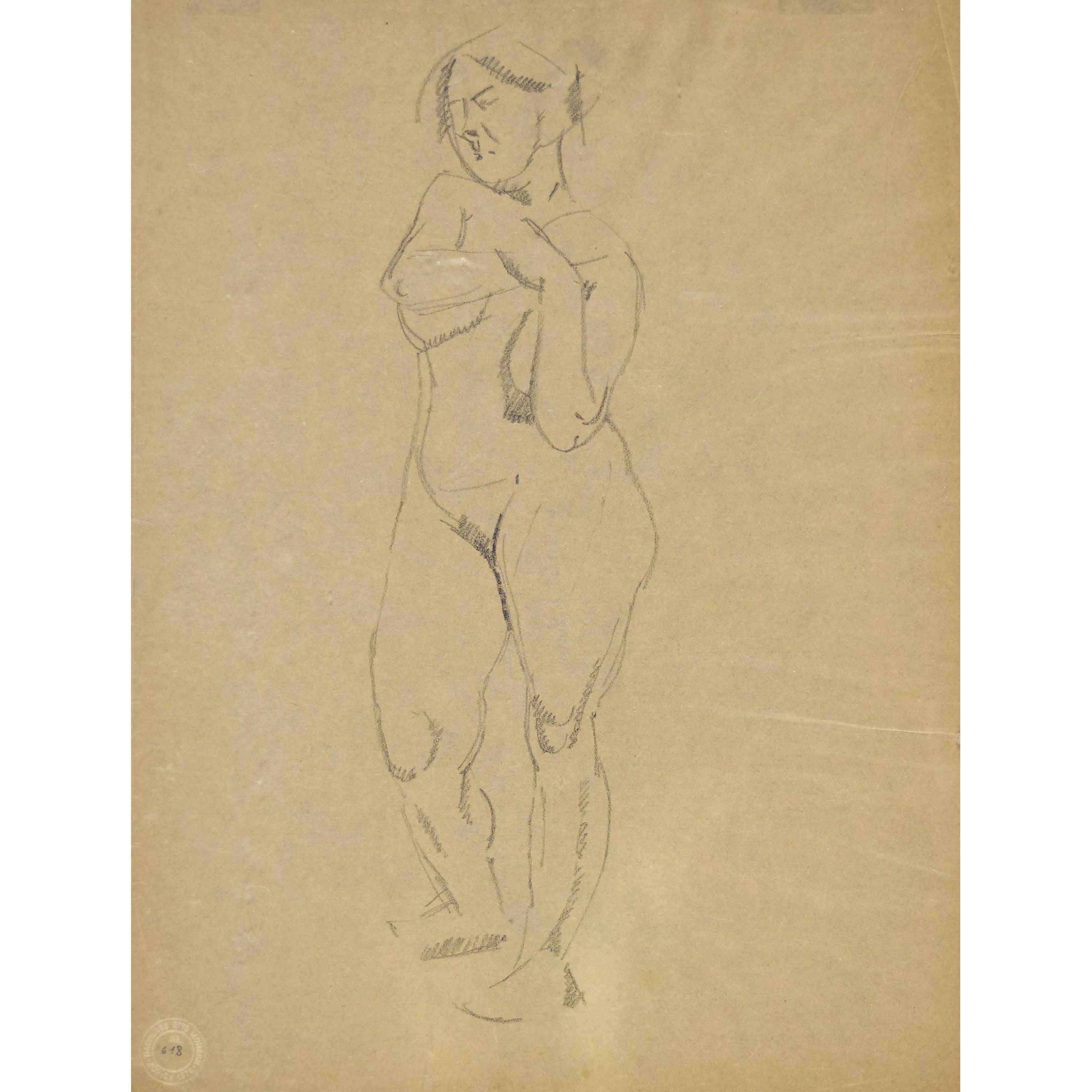
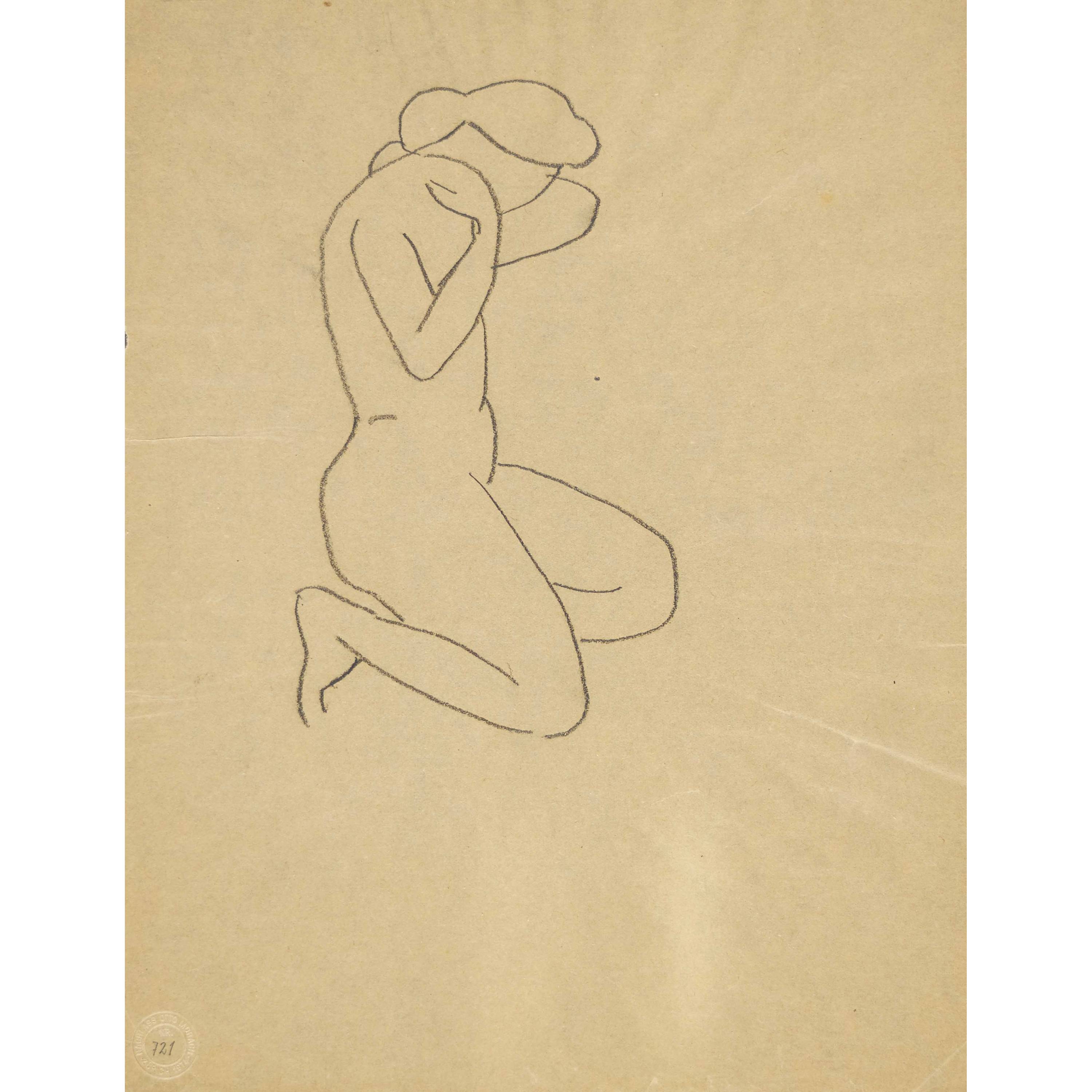
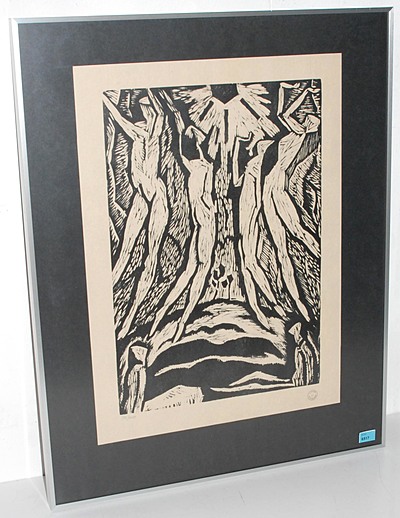
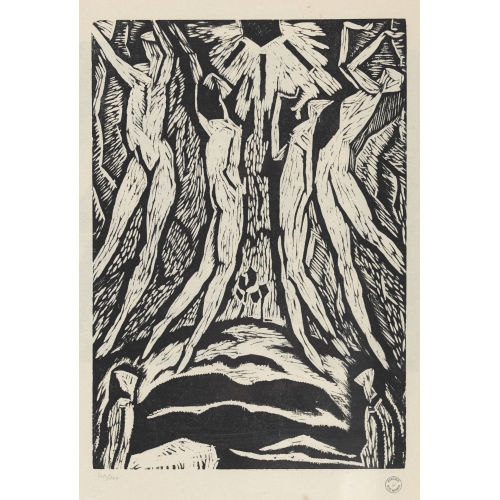
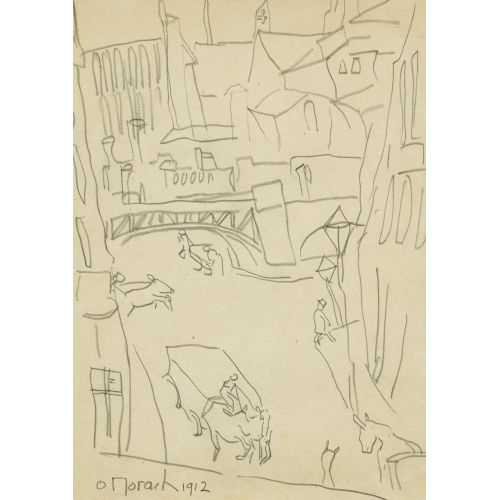
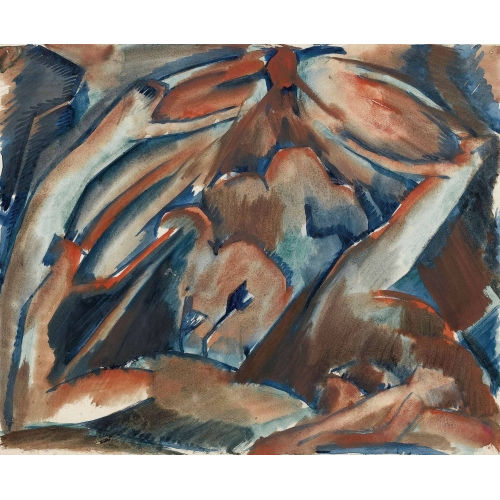
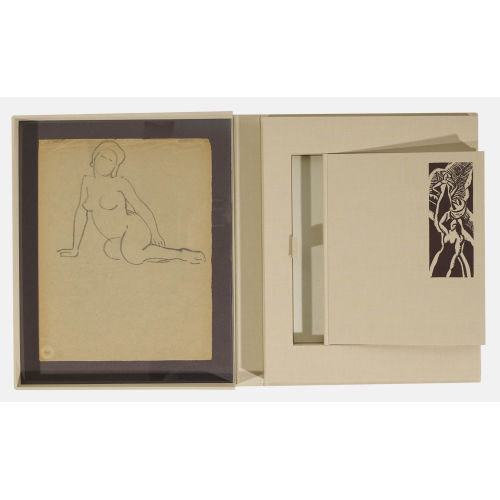
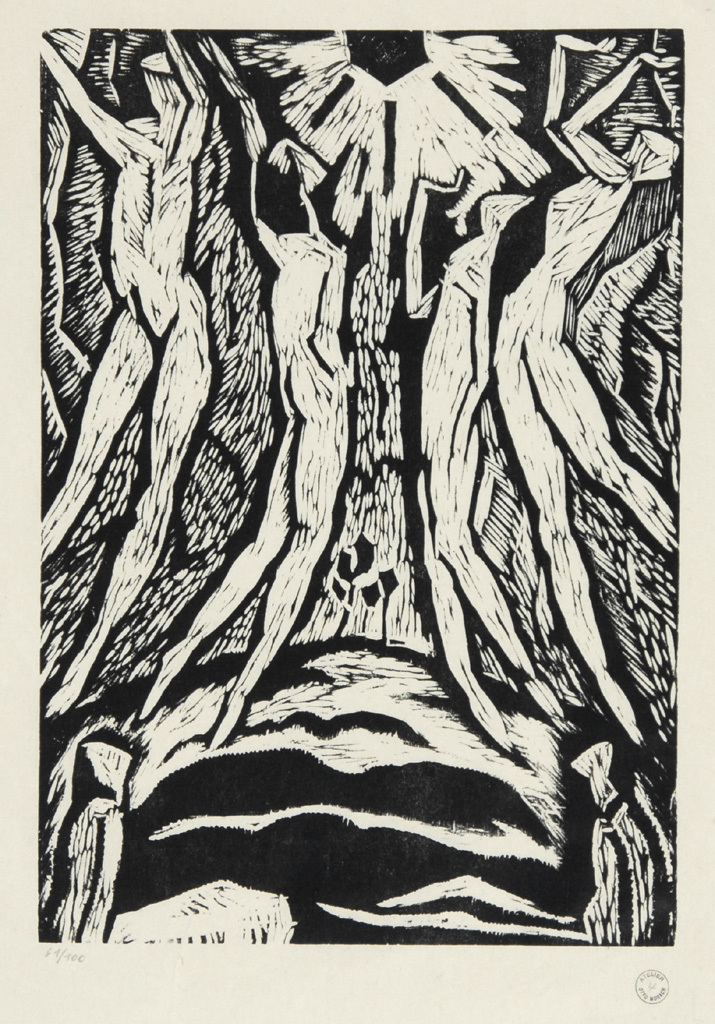
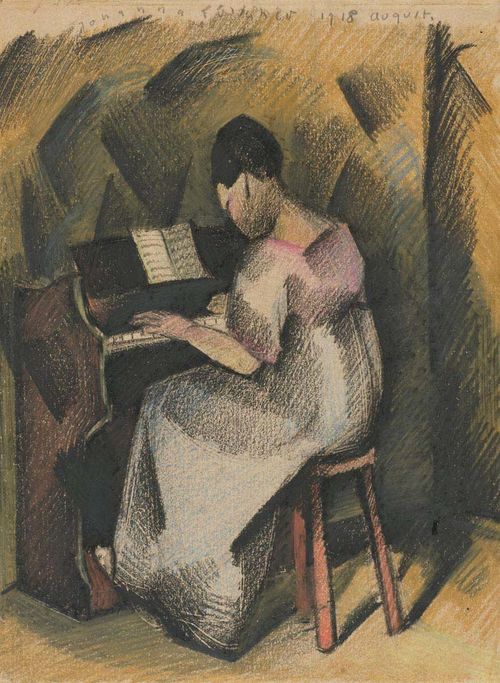
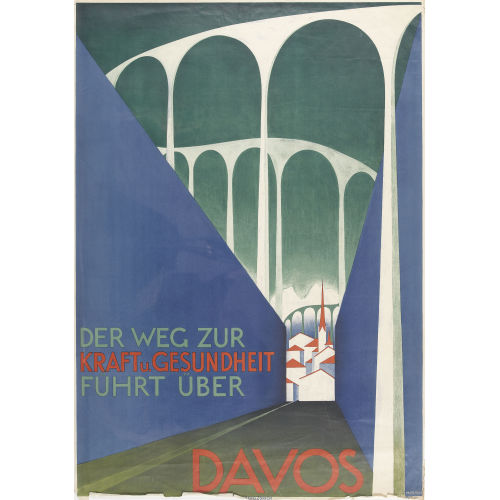
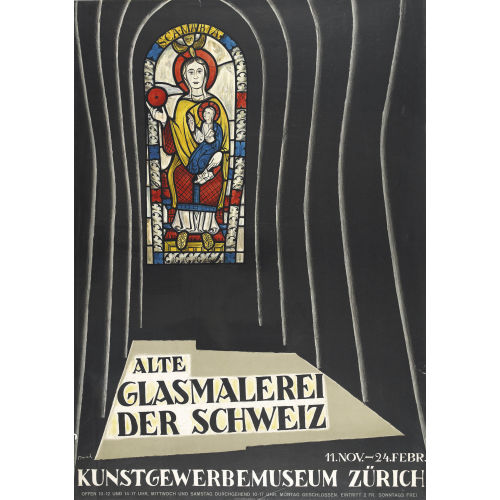
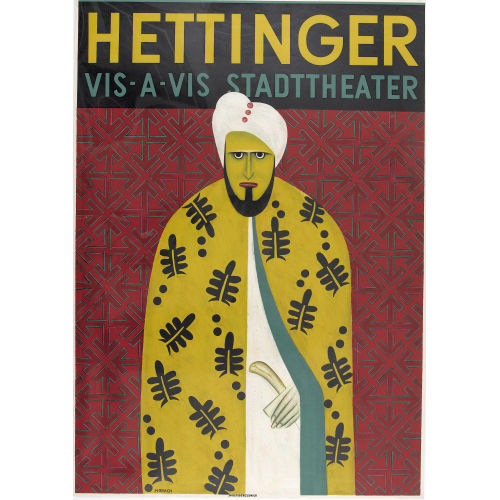
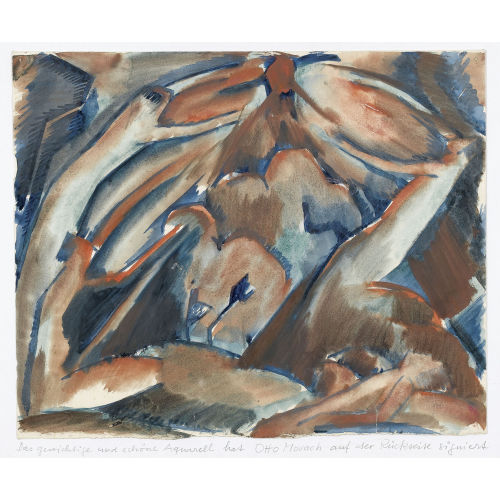
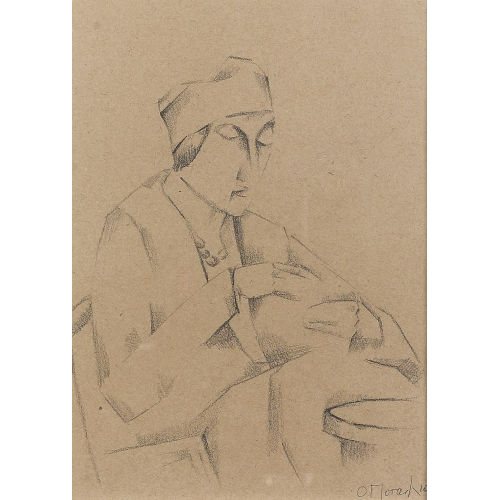
Settling in Zurich in 1919, Morach taught at the school of applied arts until 1953. Painting, however, did not exhaust his practice. He designed posters, theatre sets and murals; on paper, he worked in gouache, watercolour, charcoal, pencil, pen and woodcut.
His studies of puppets for La Boîte à joujoux, made in 1918, demonstrate how stylisation could move from the stage into the image. For Morach, the avant-garde is not a single style but a way of exploring new forms of perception from one medium to another.