Niklaus Stoecklin
Born in 1896.
Died in 1982.
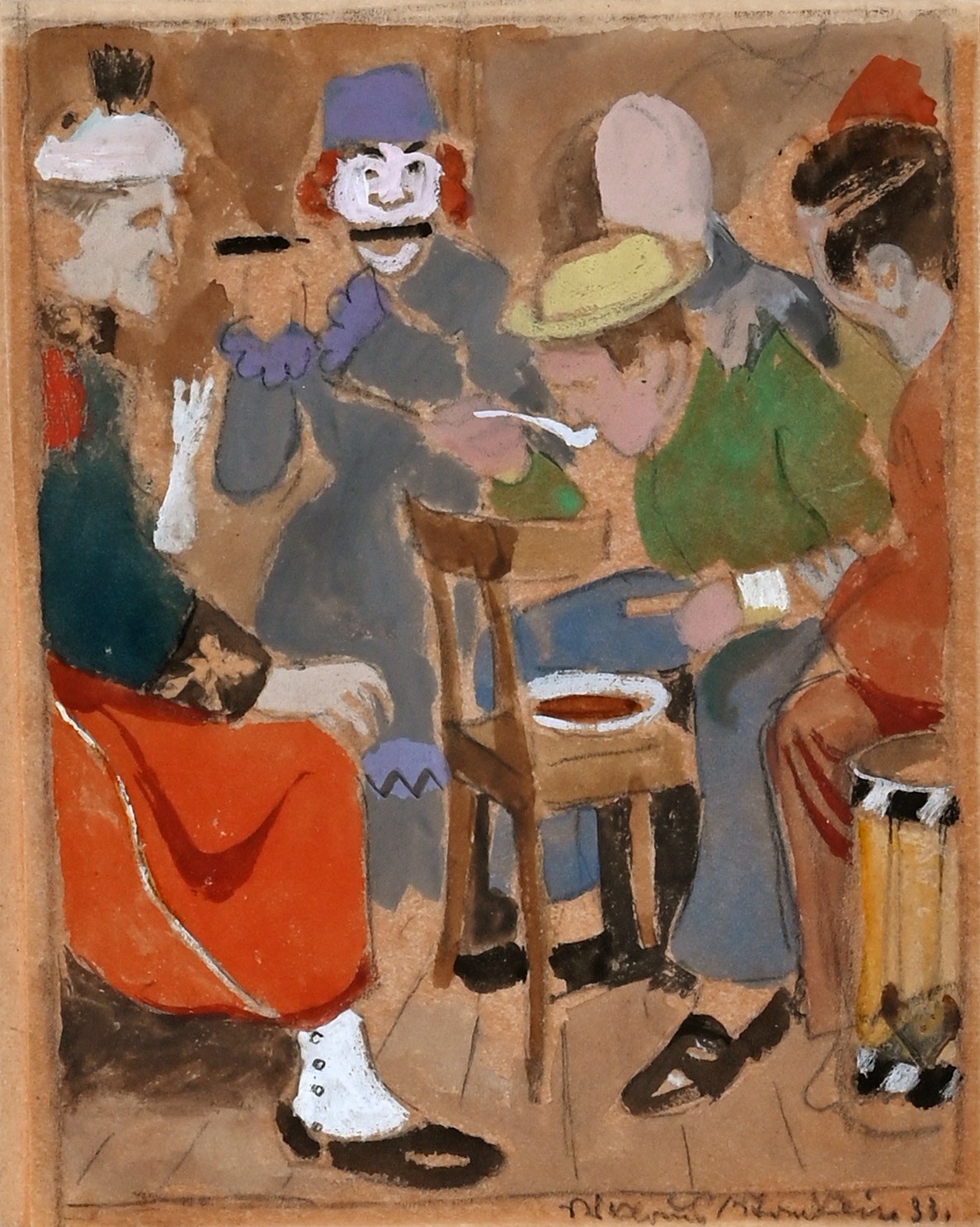
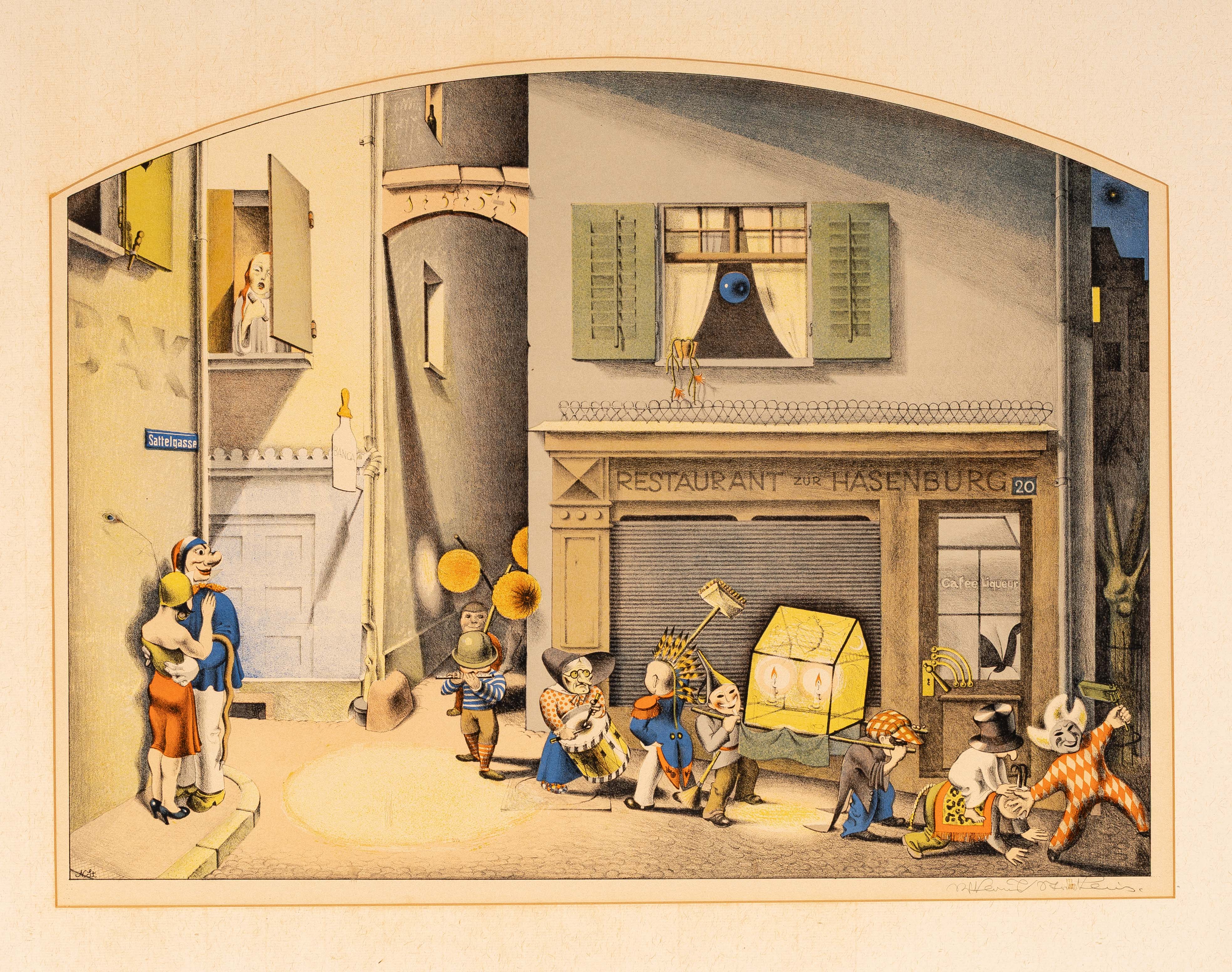
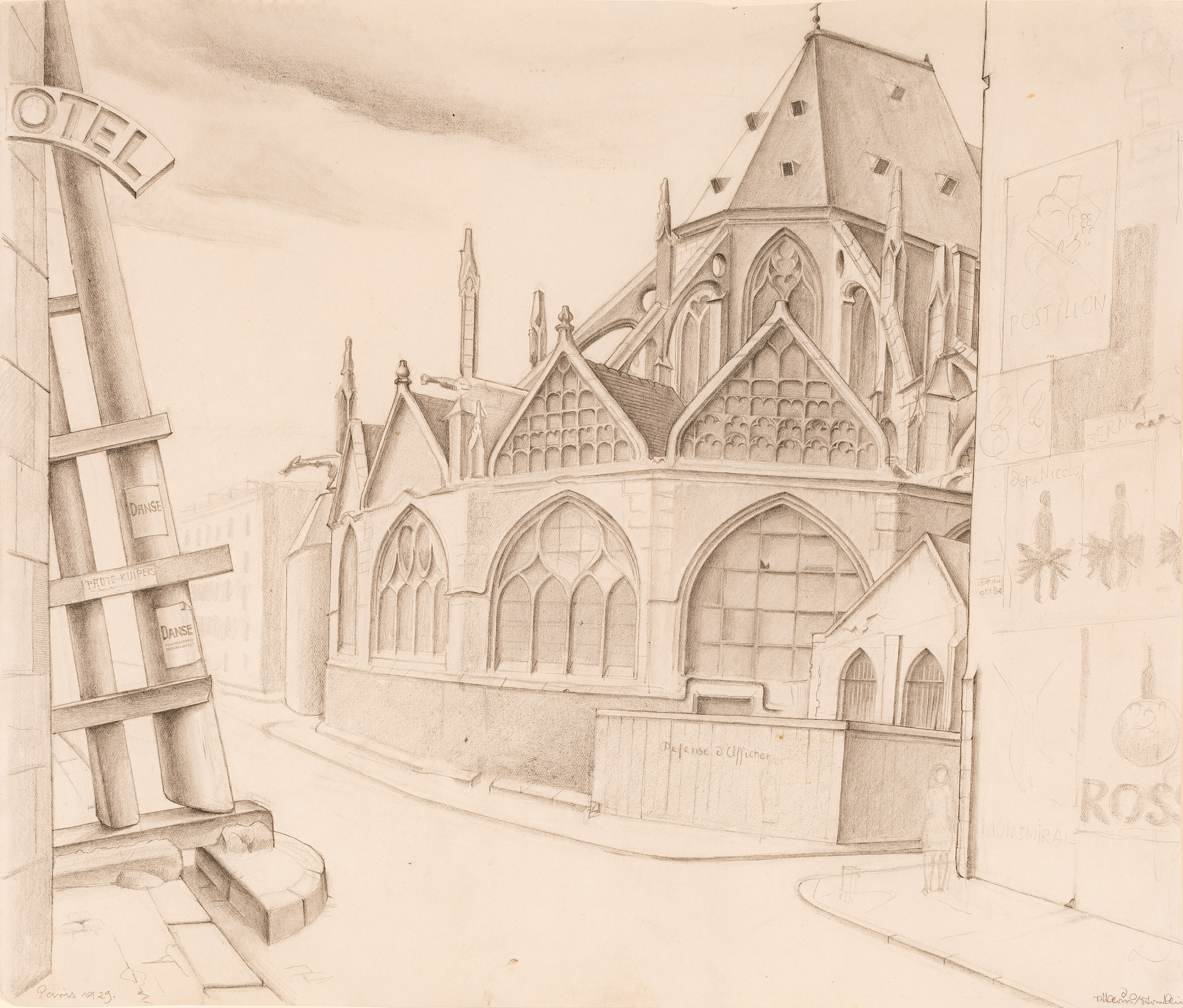
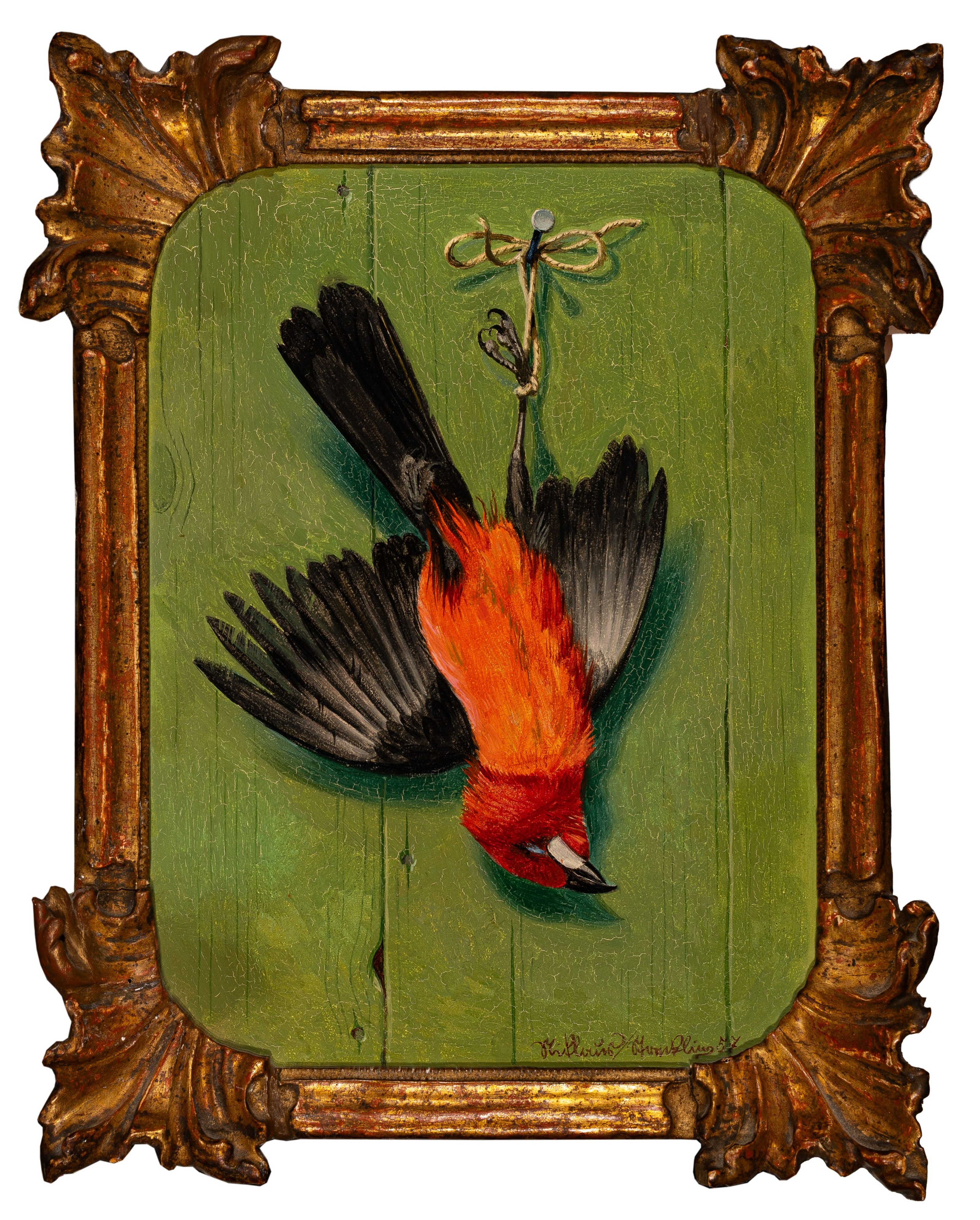
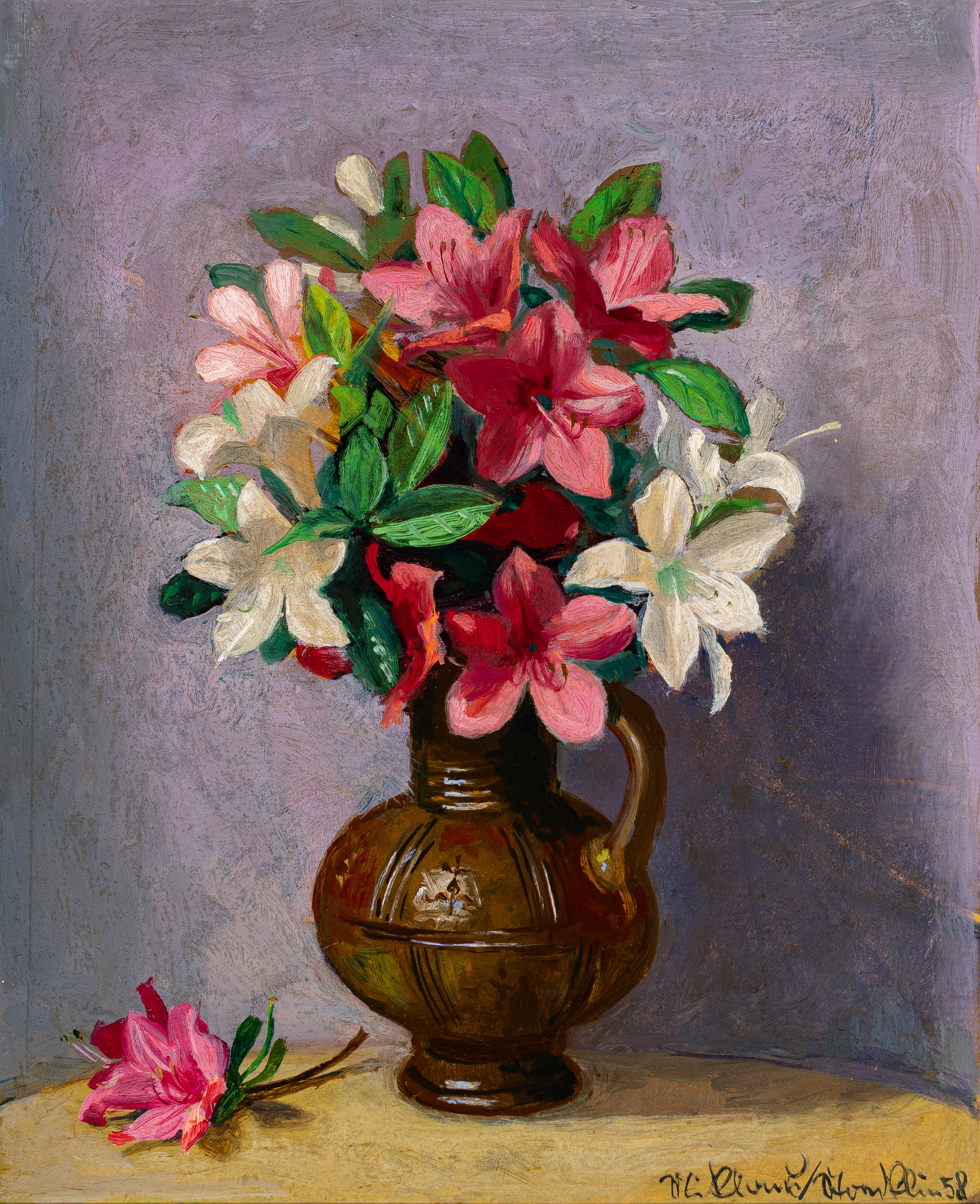
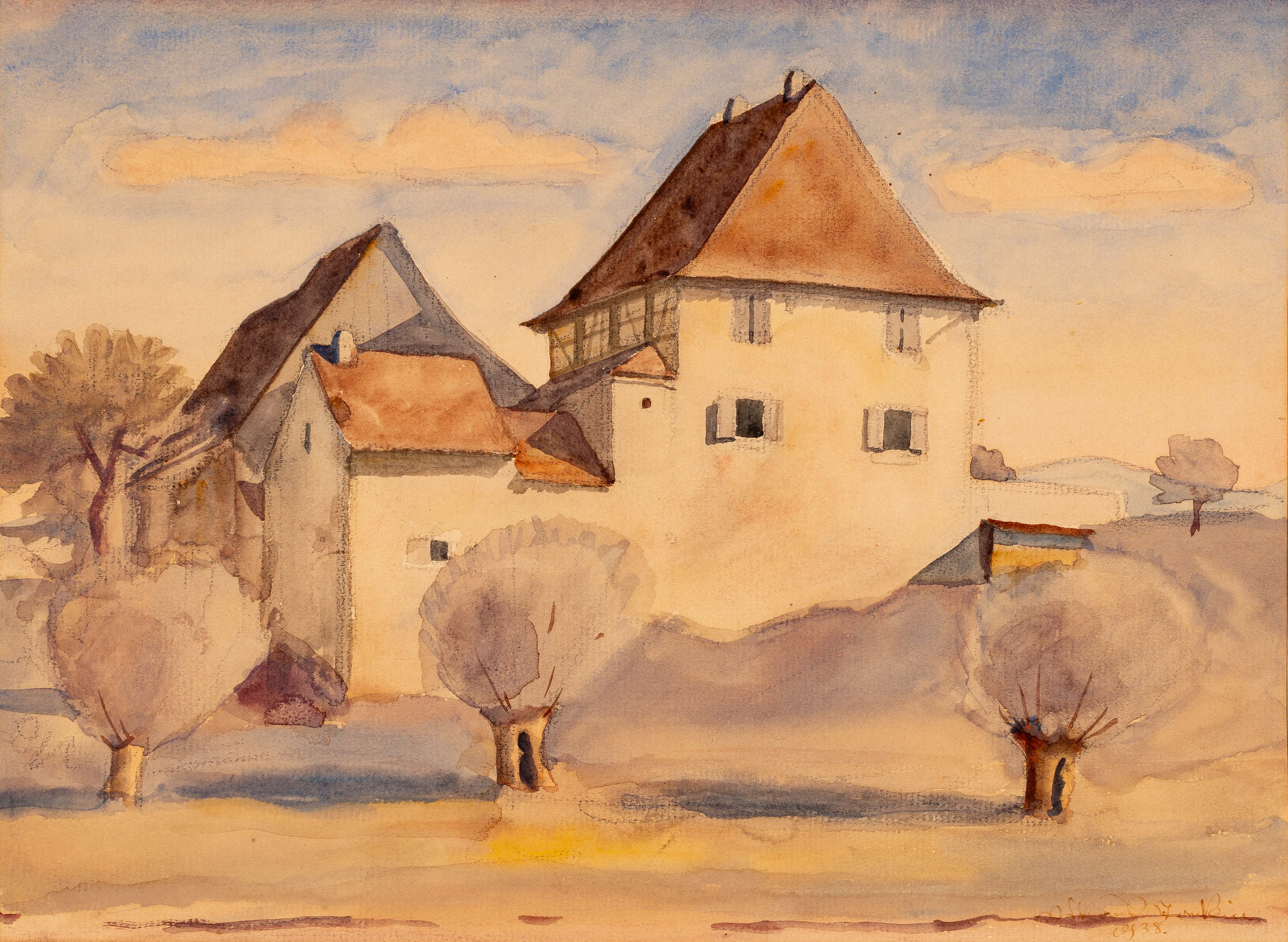
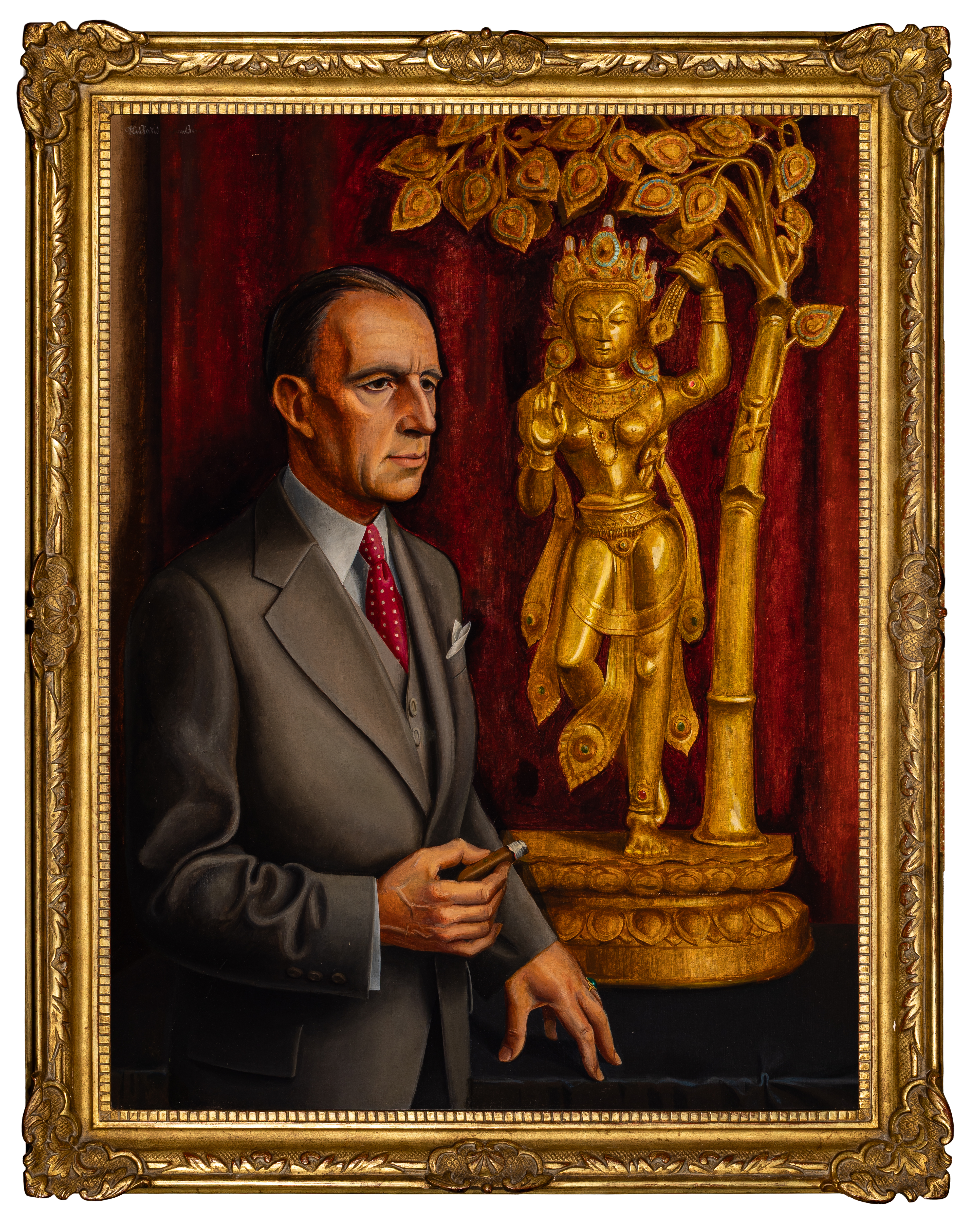
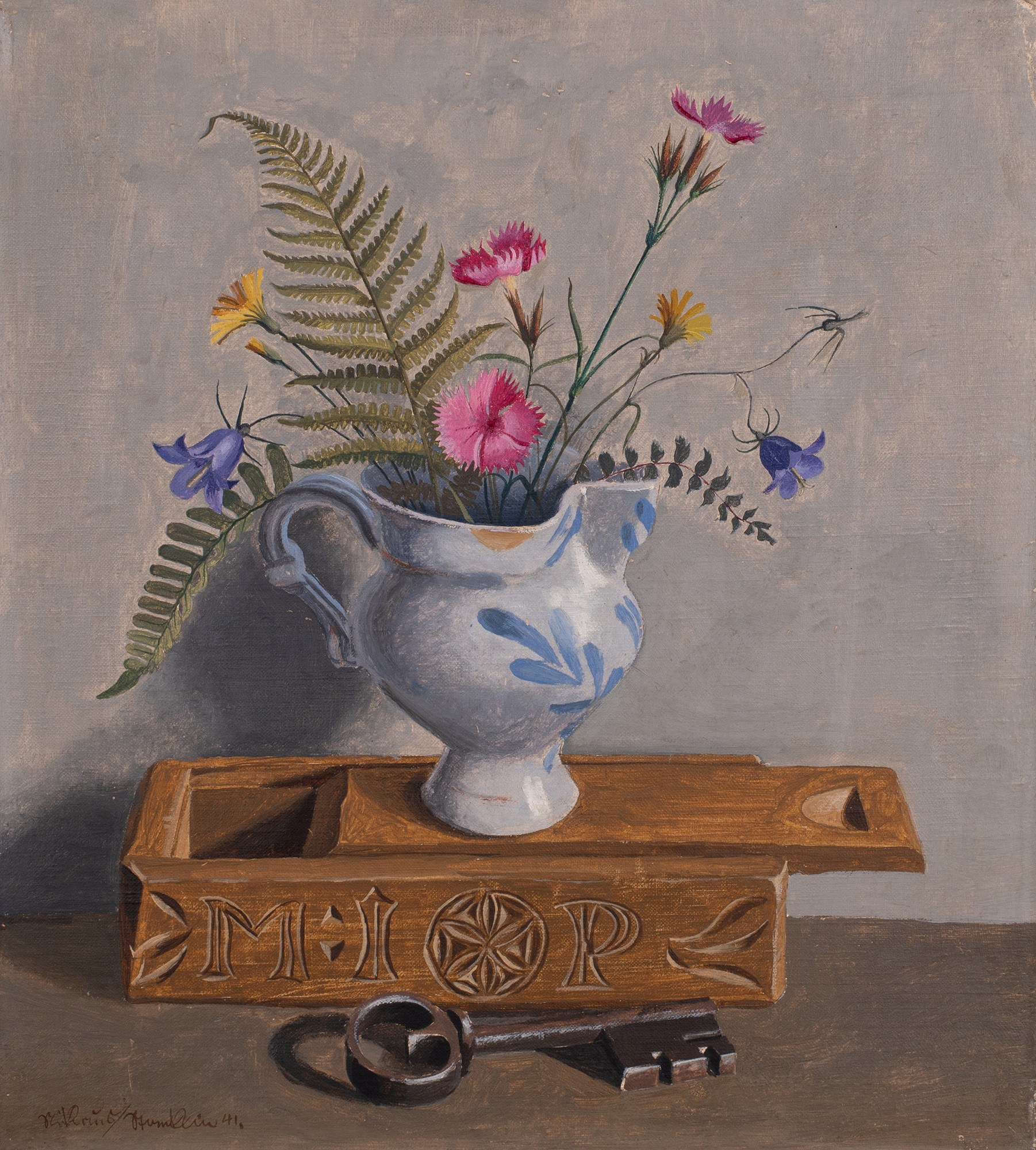
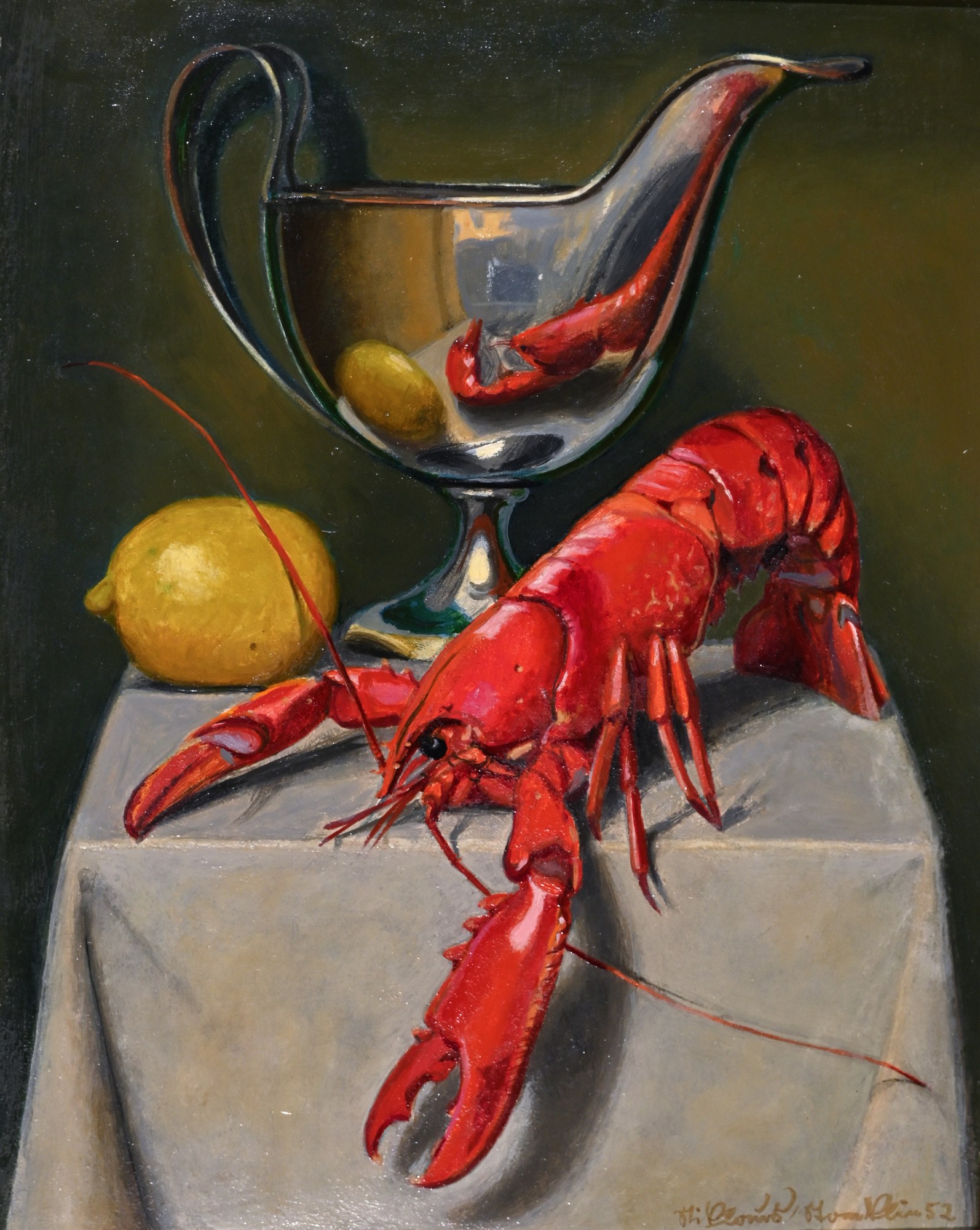
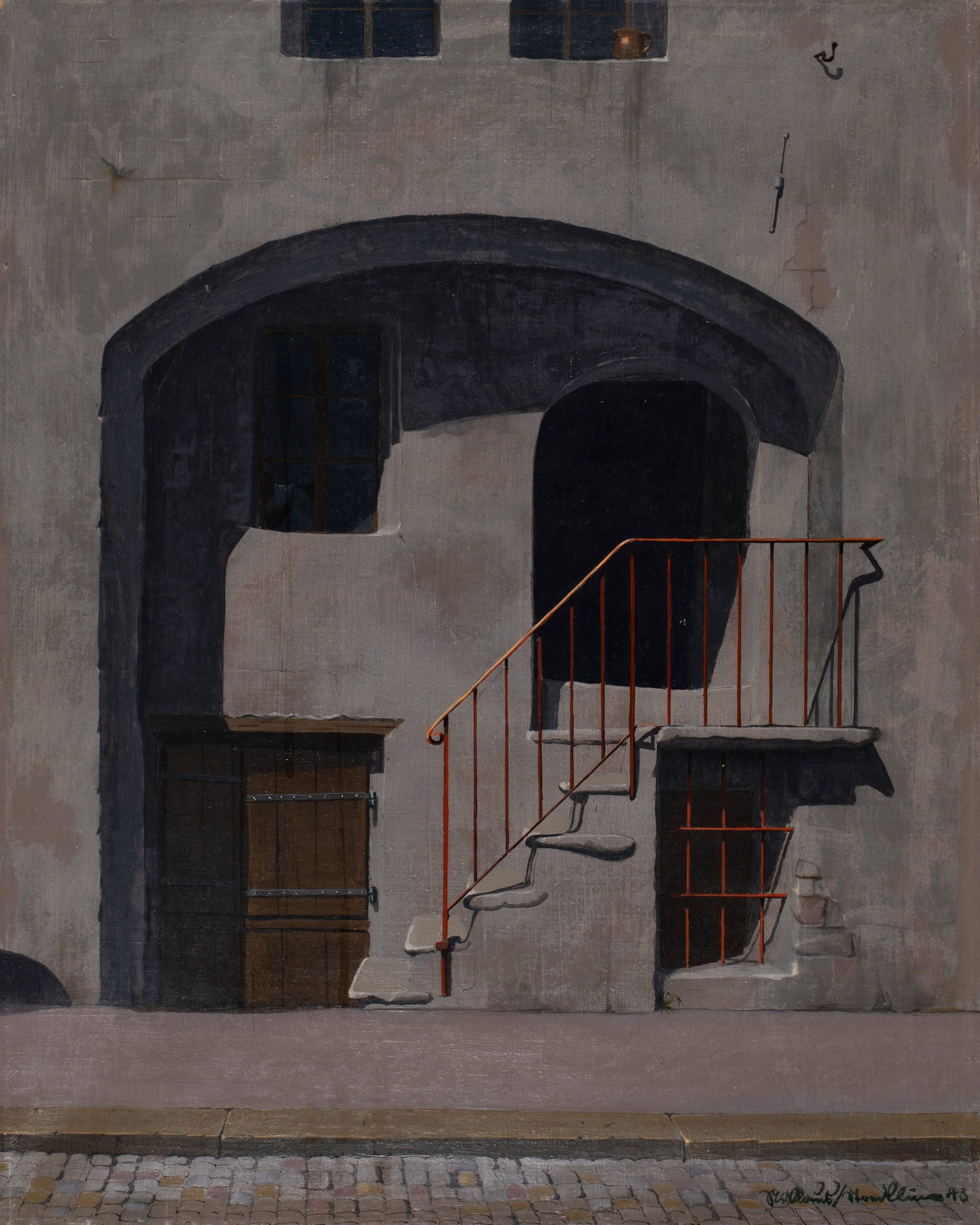
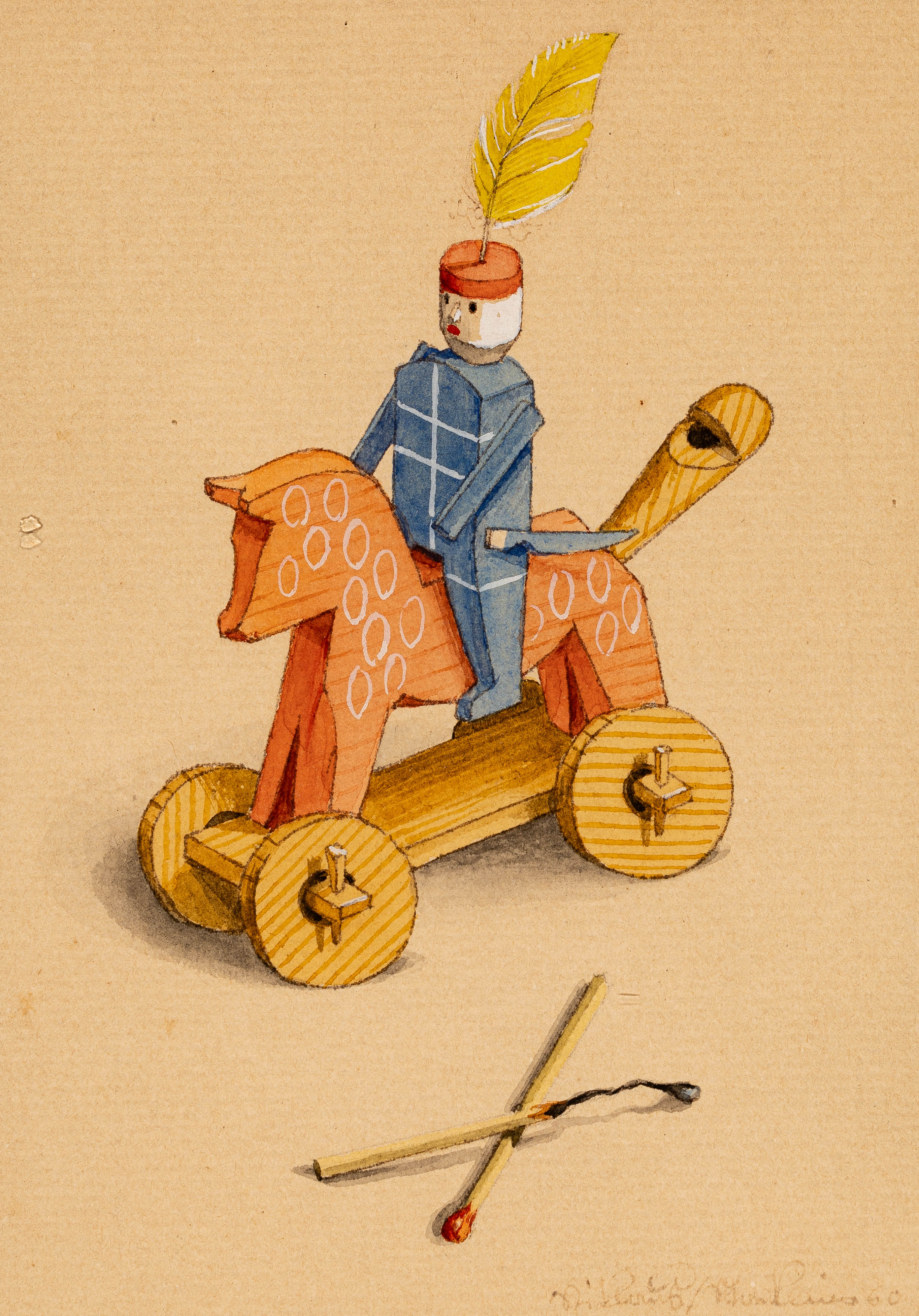
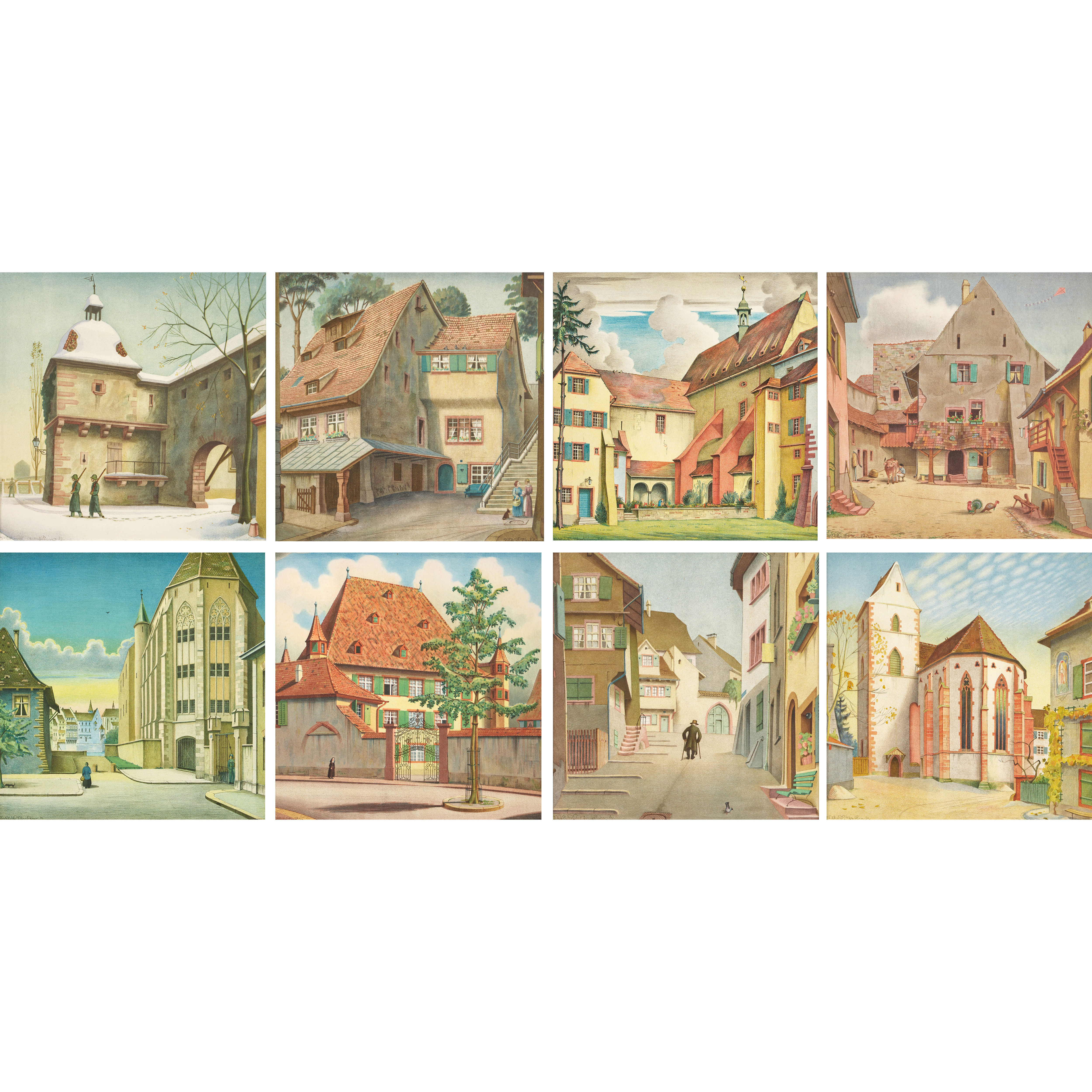
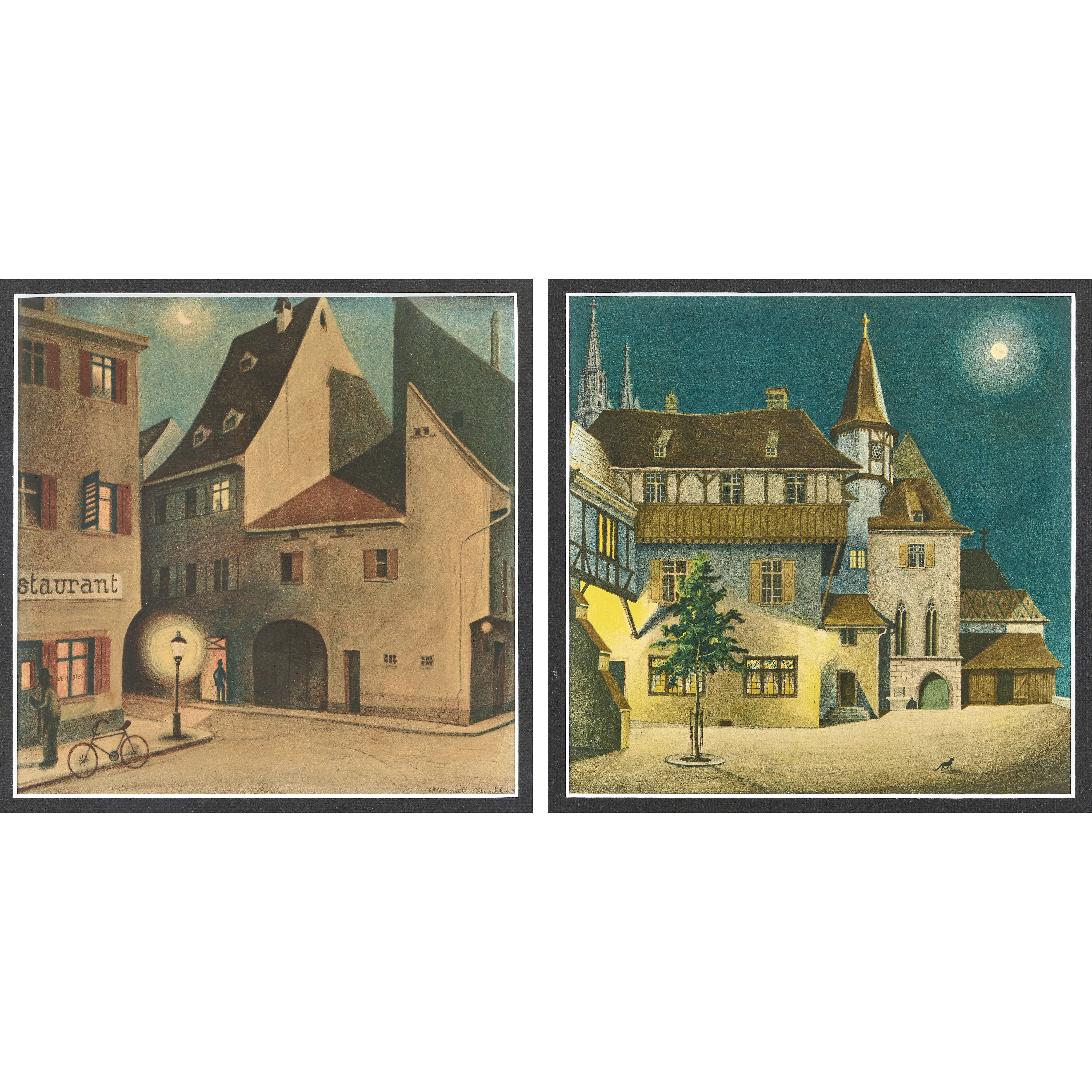
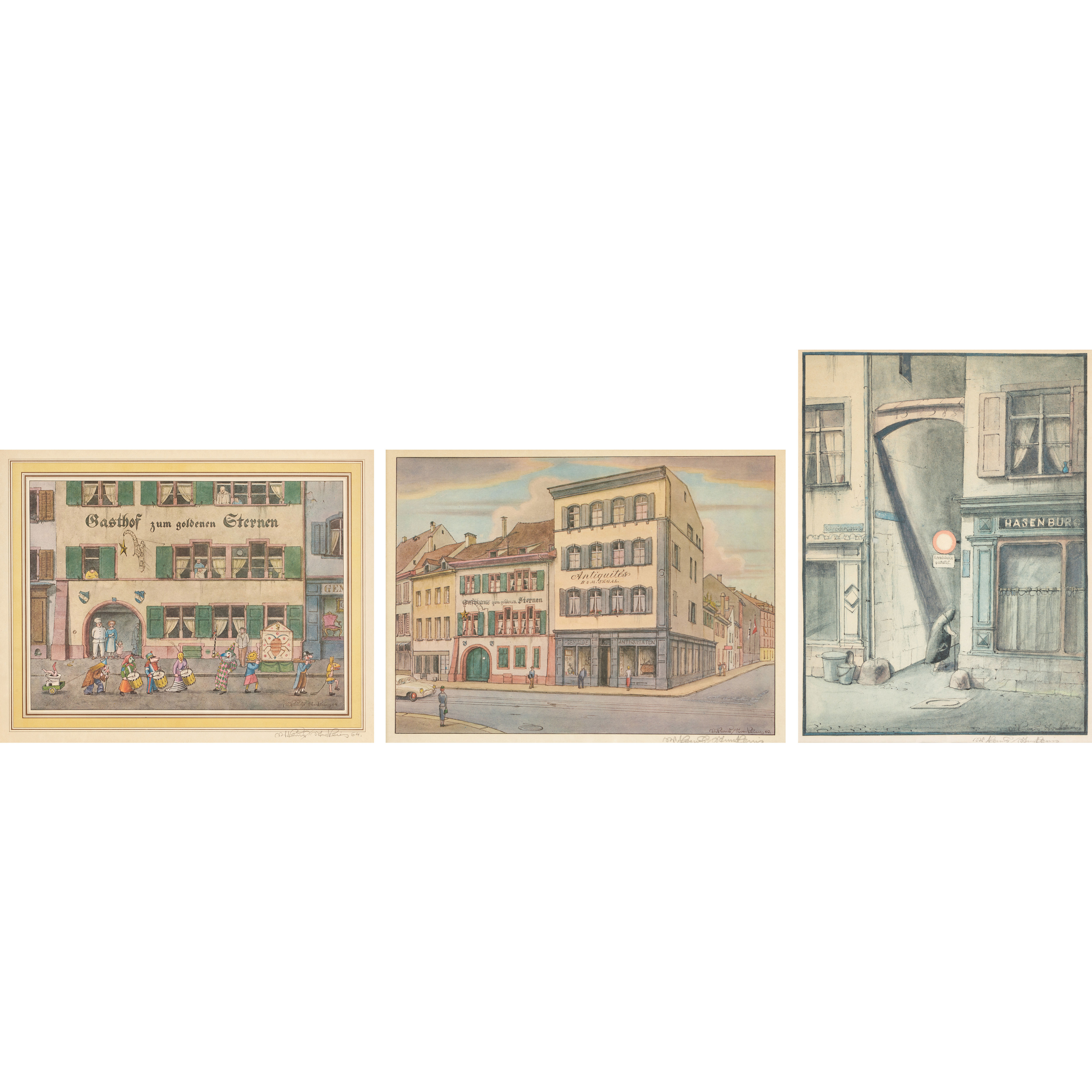
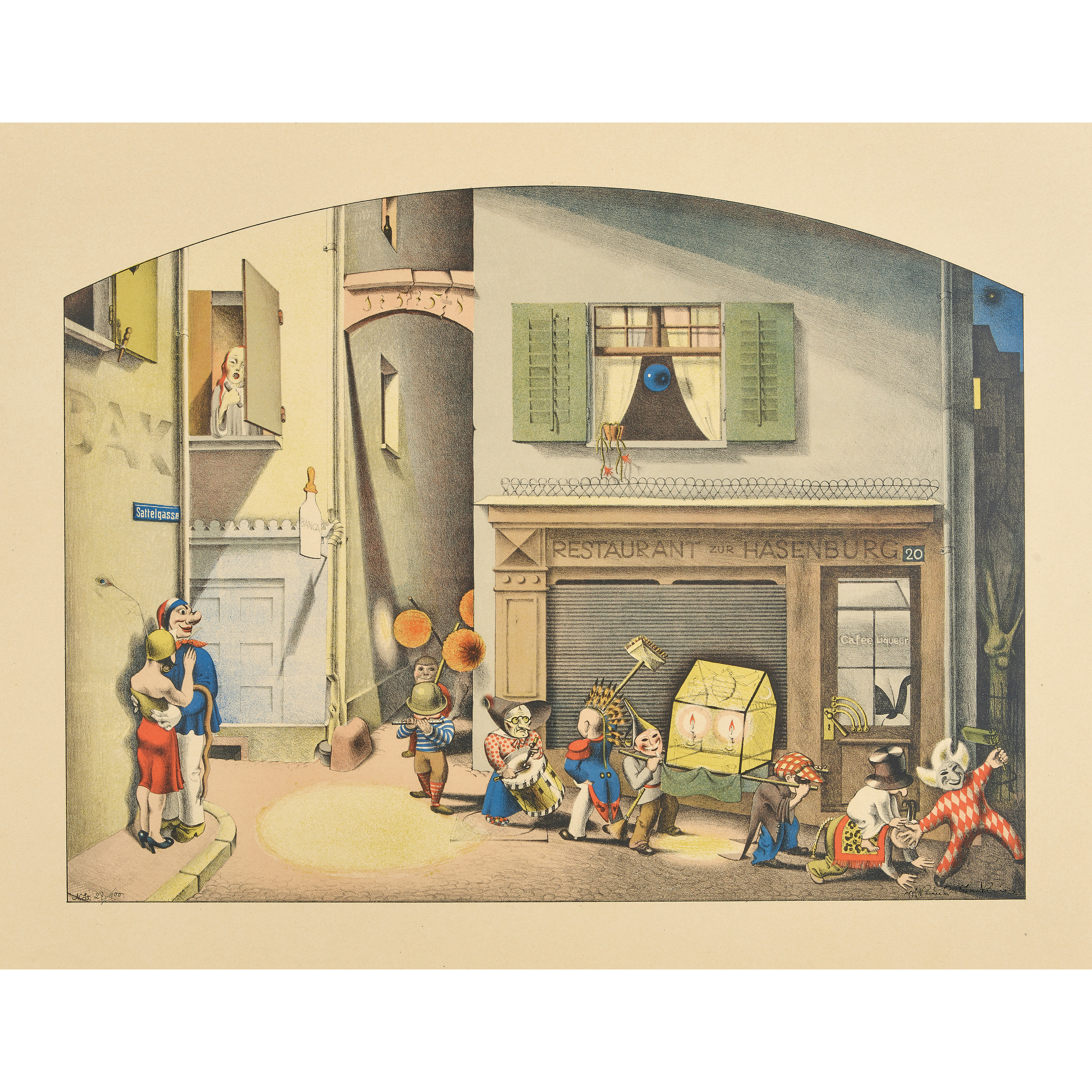
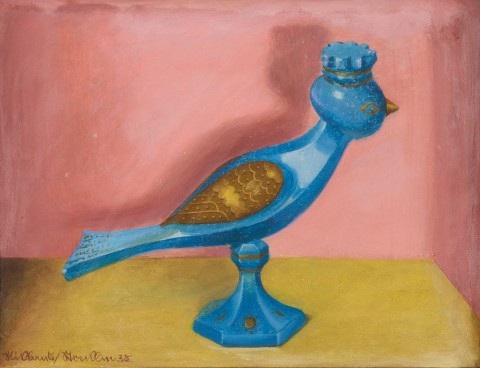
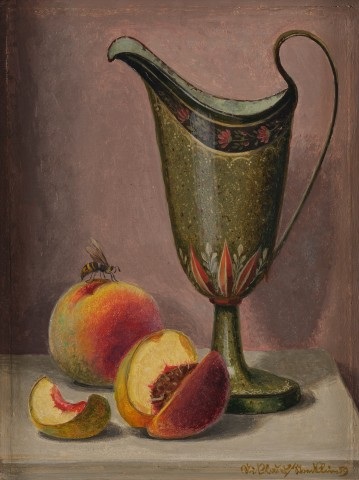
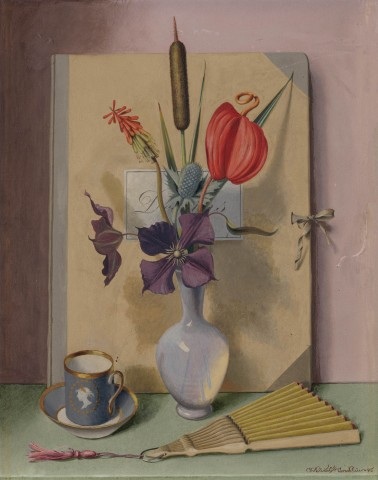
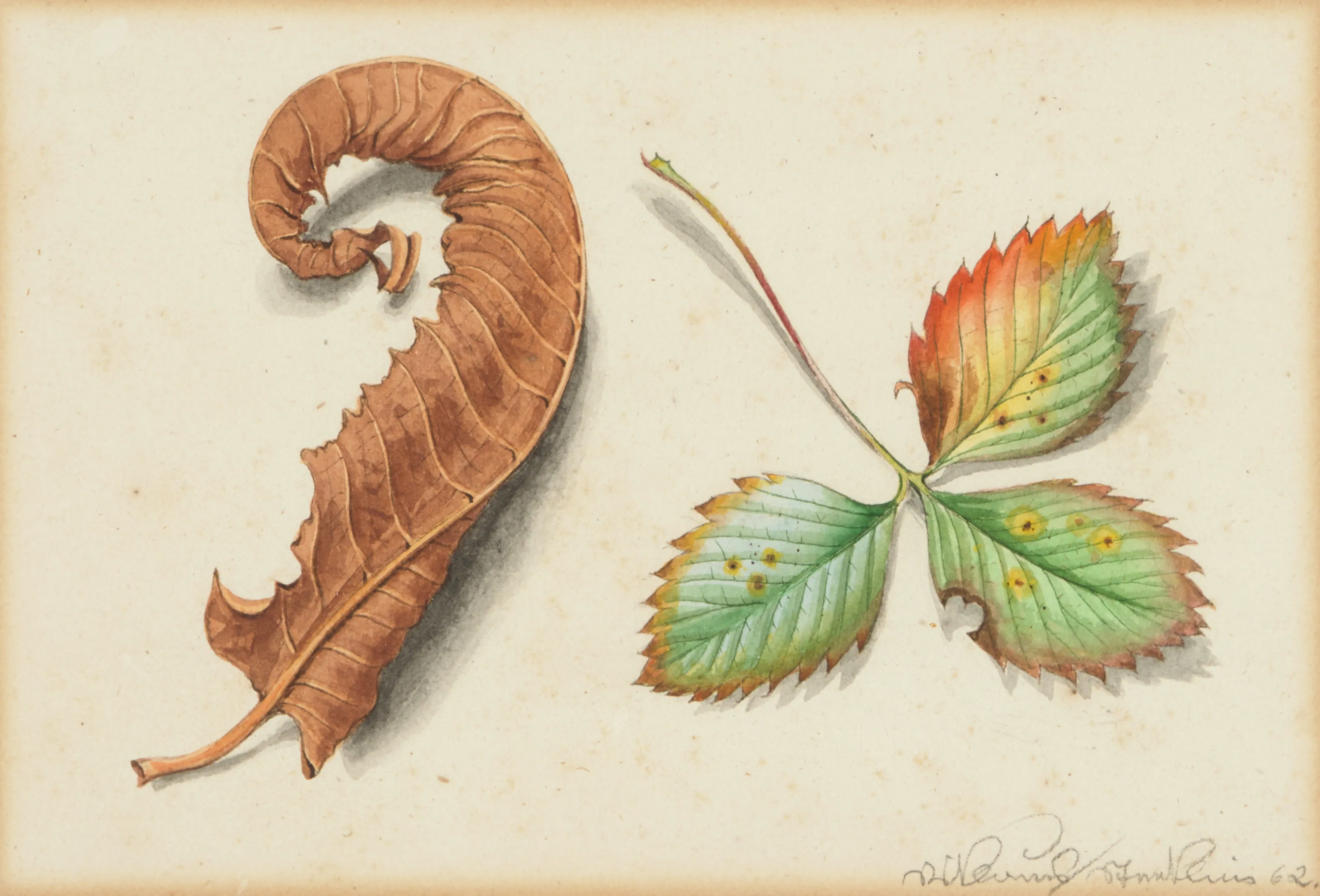
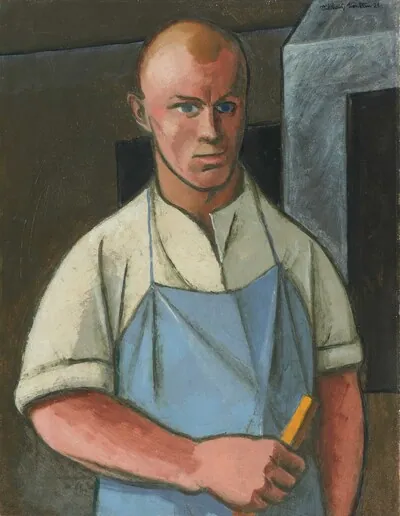
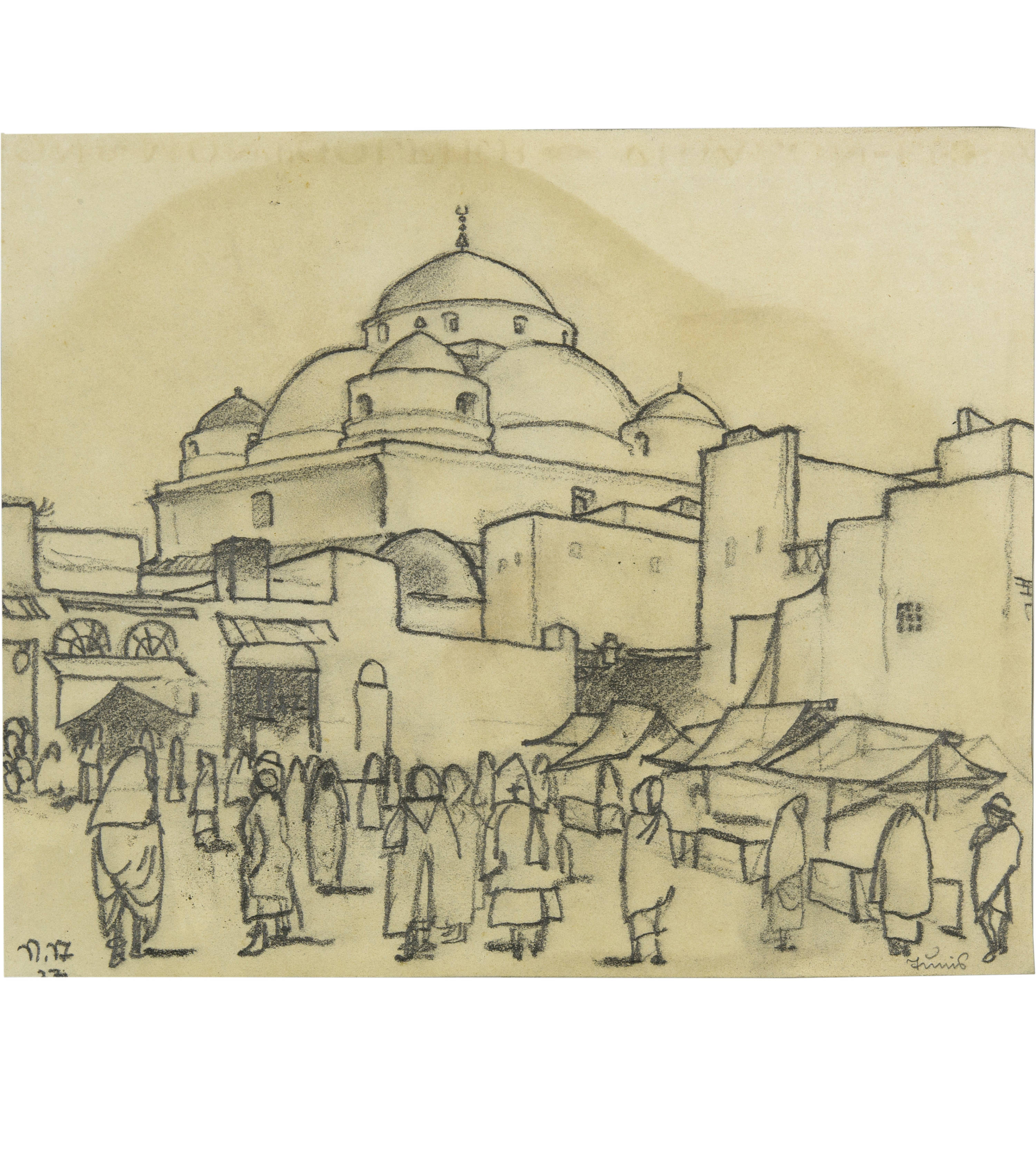
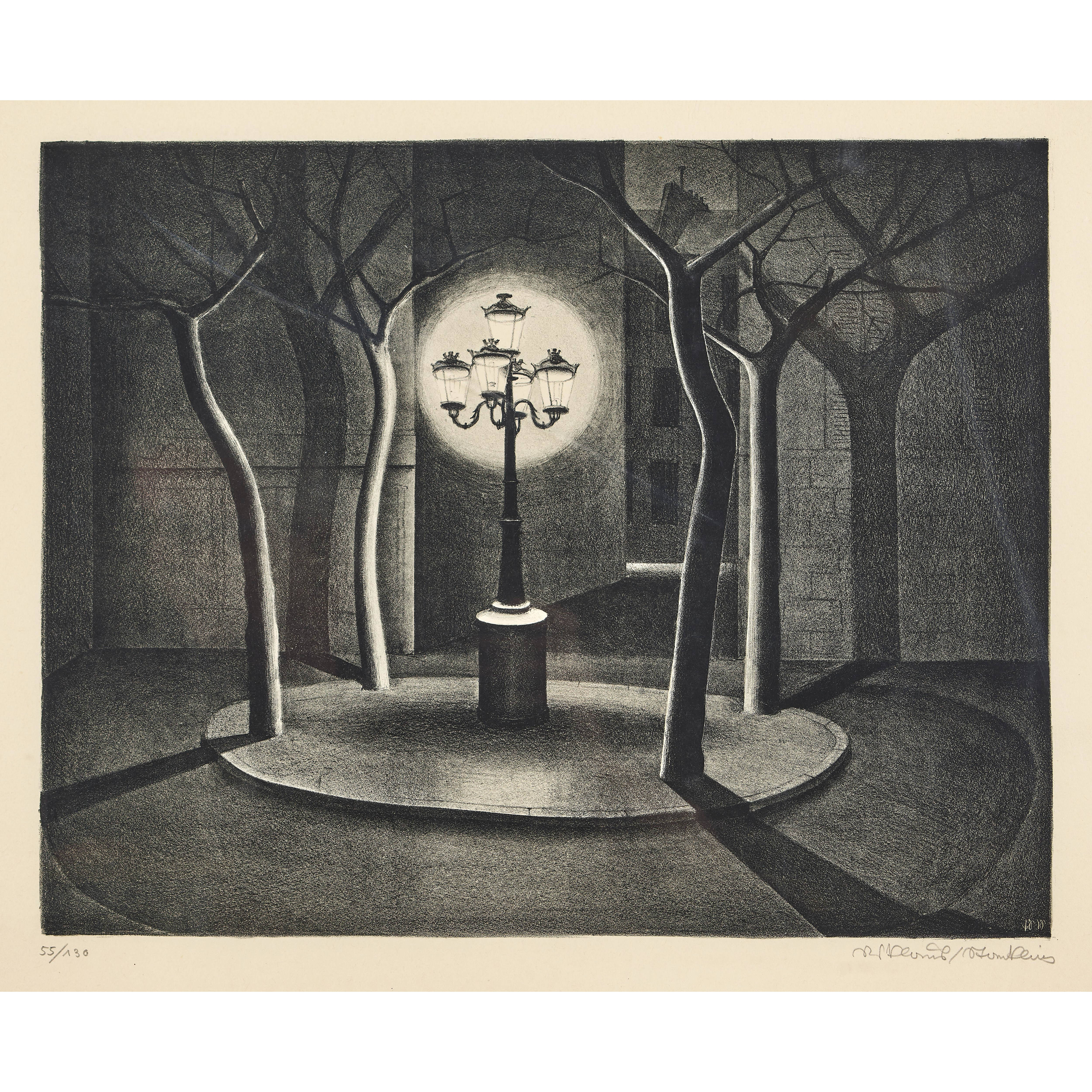
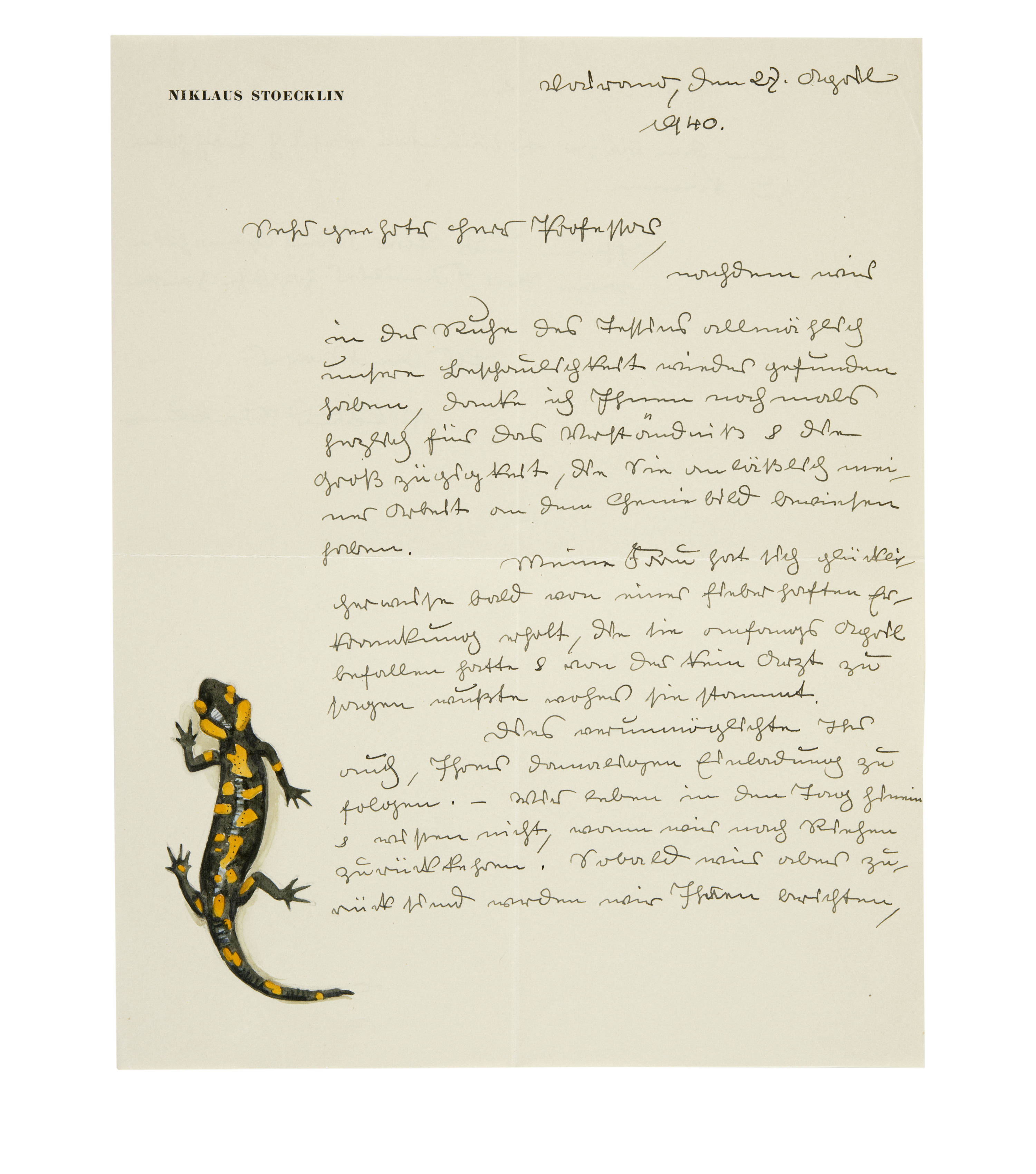
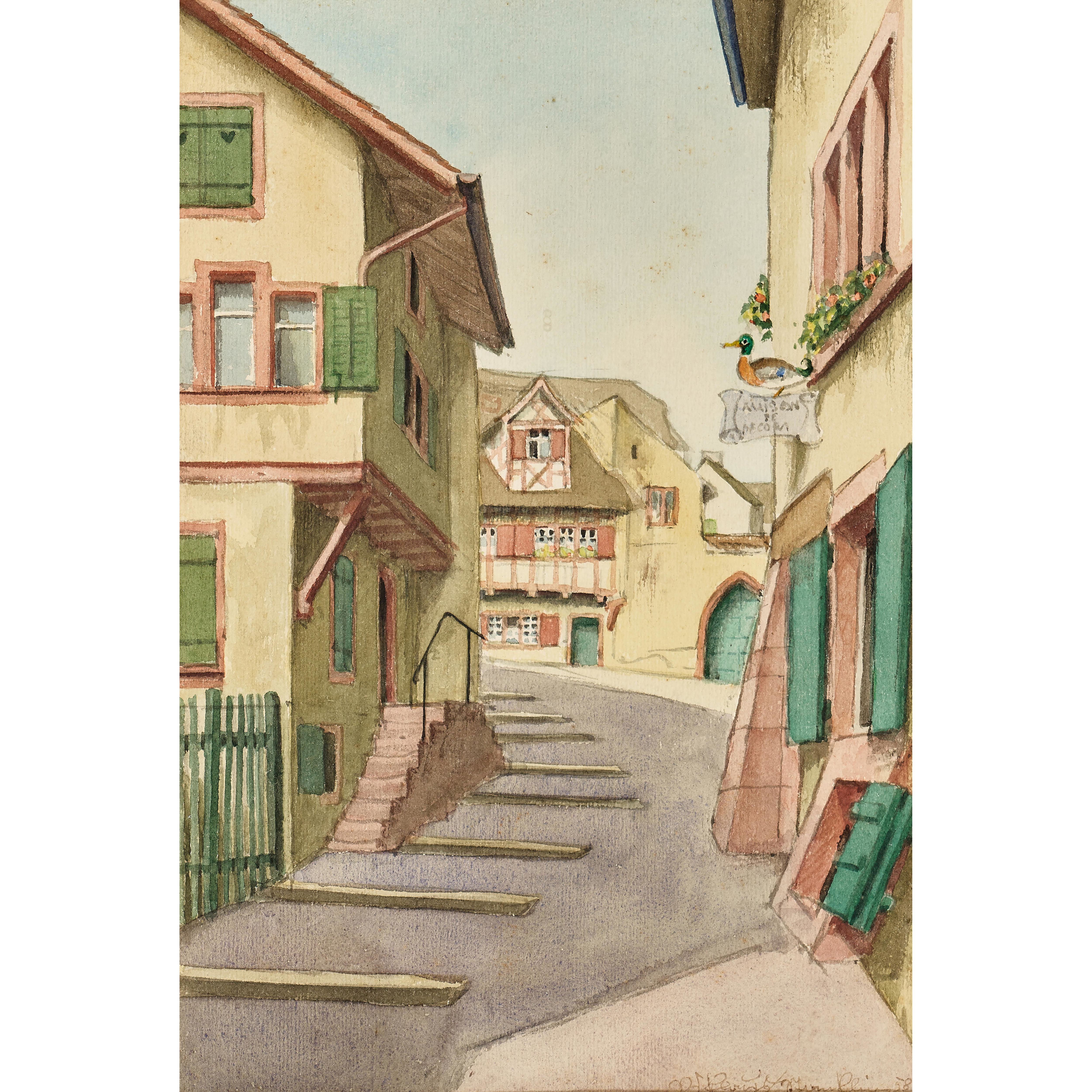
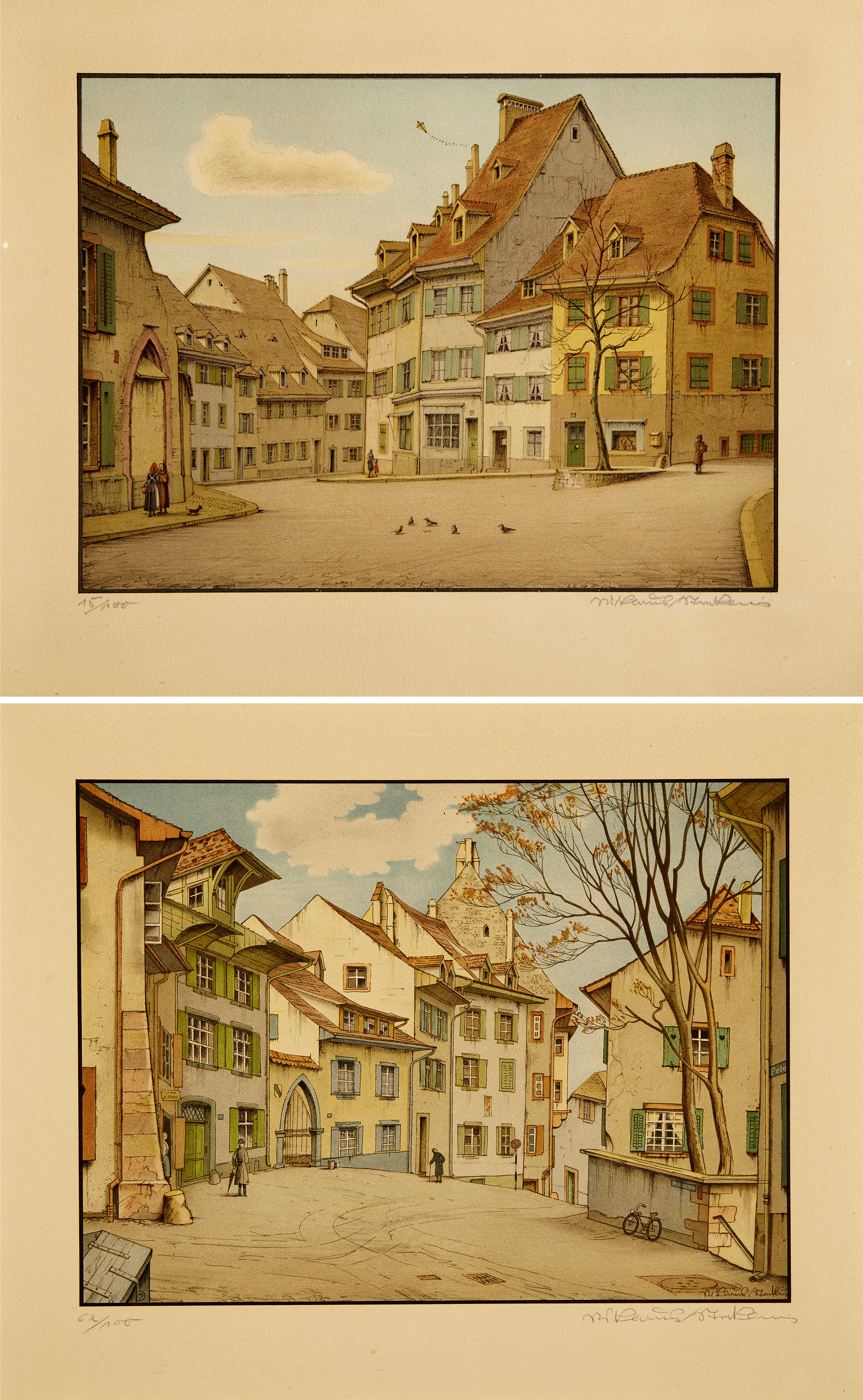
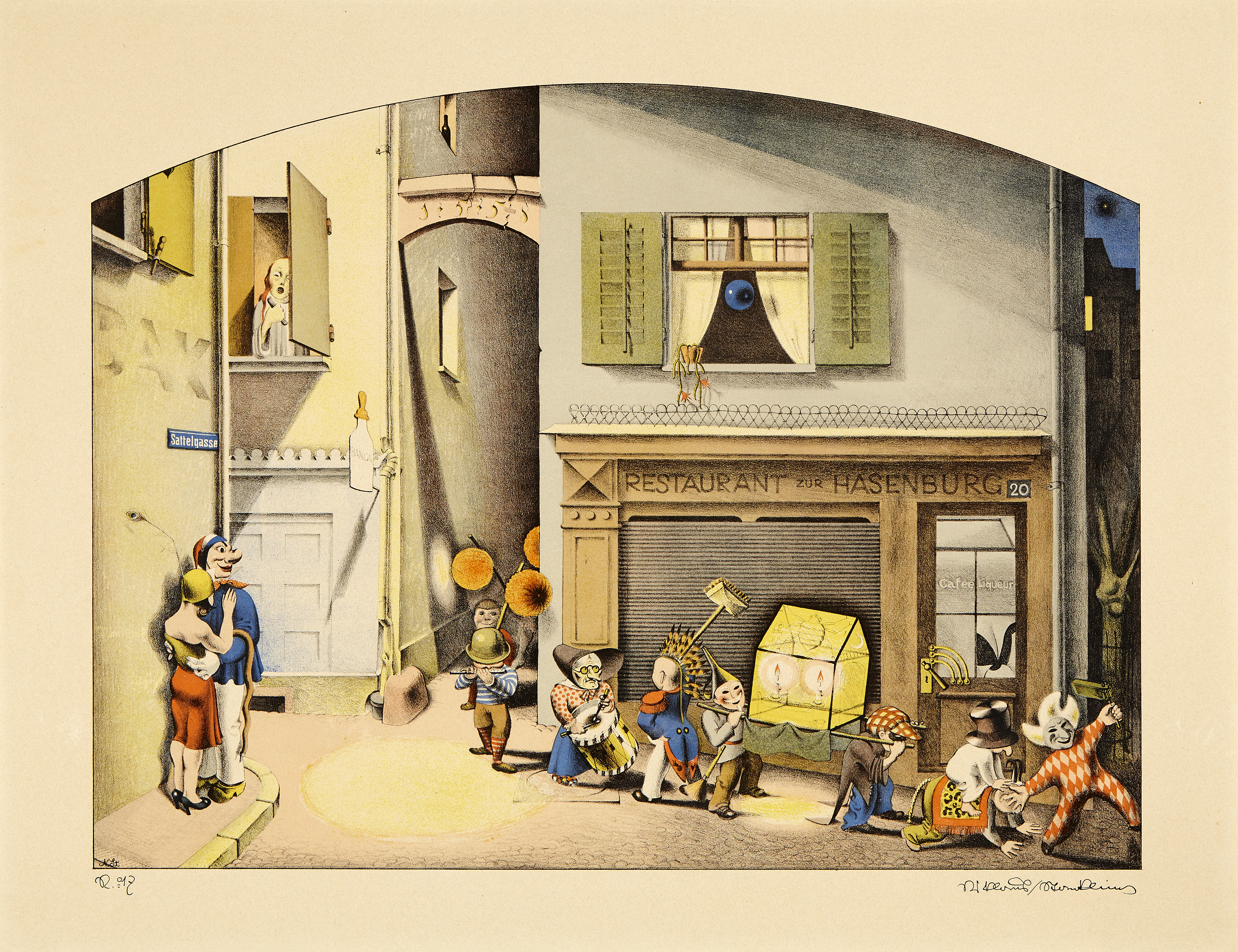
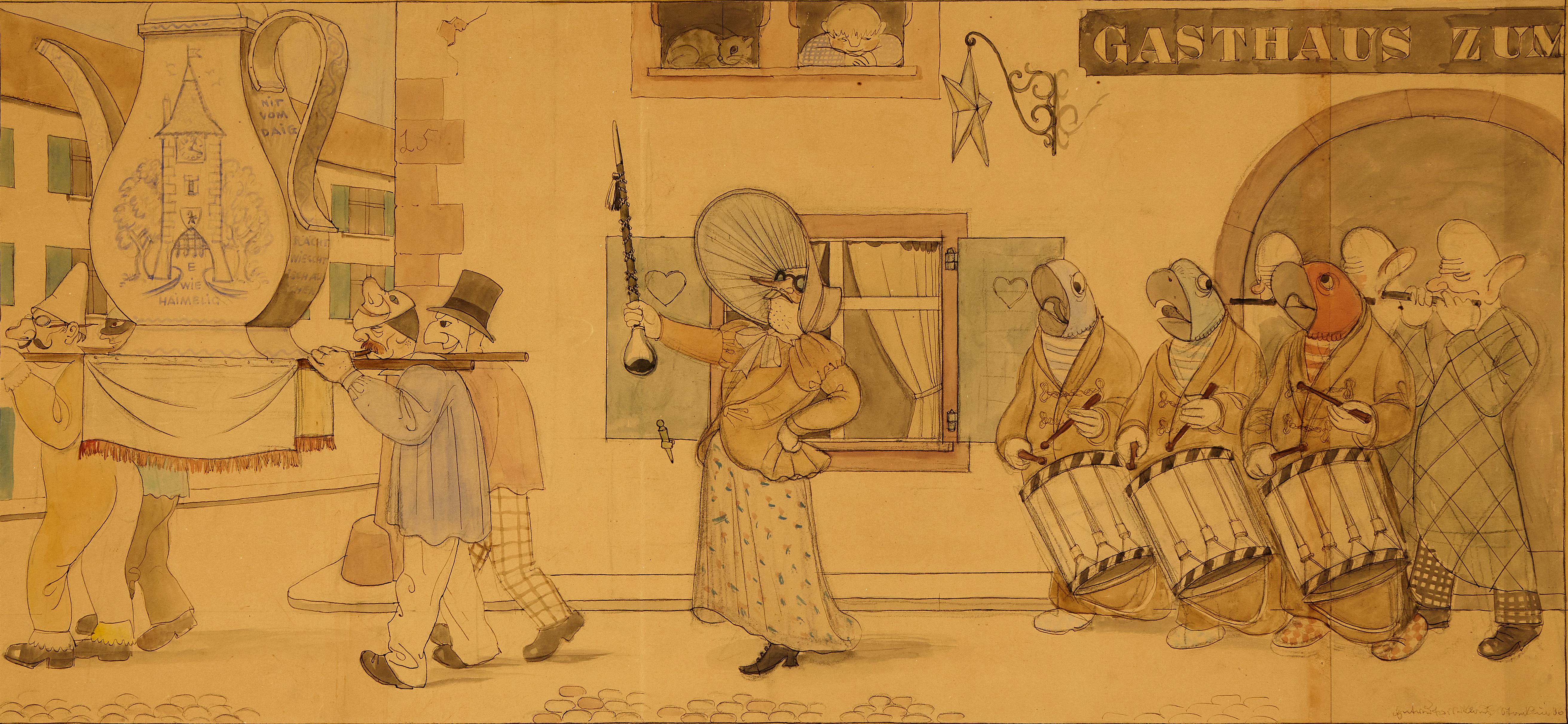
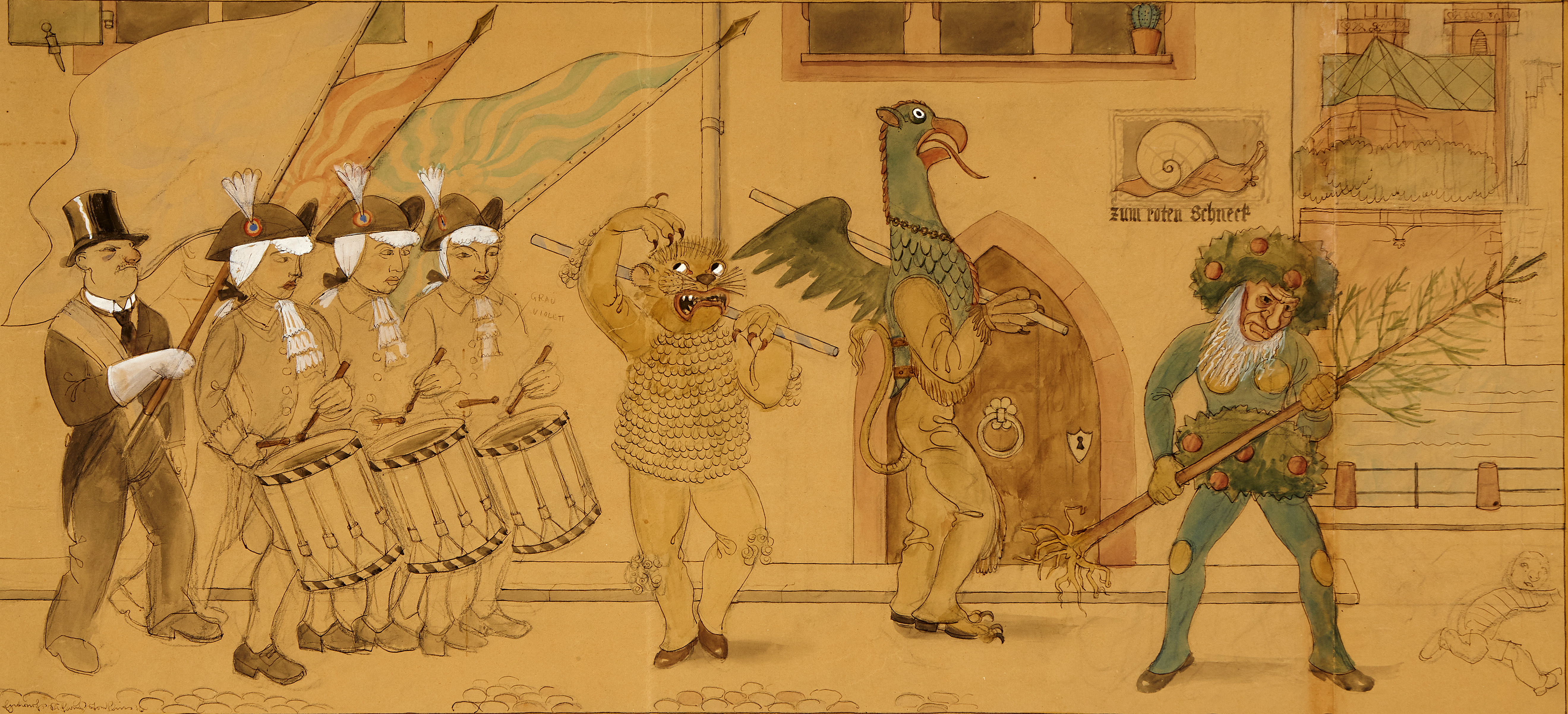
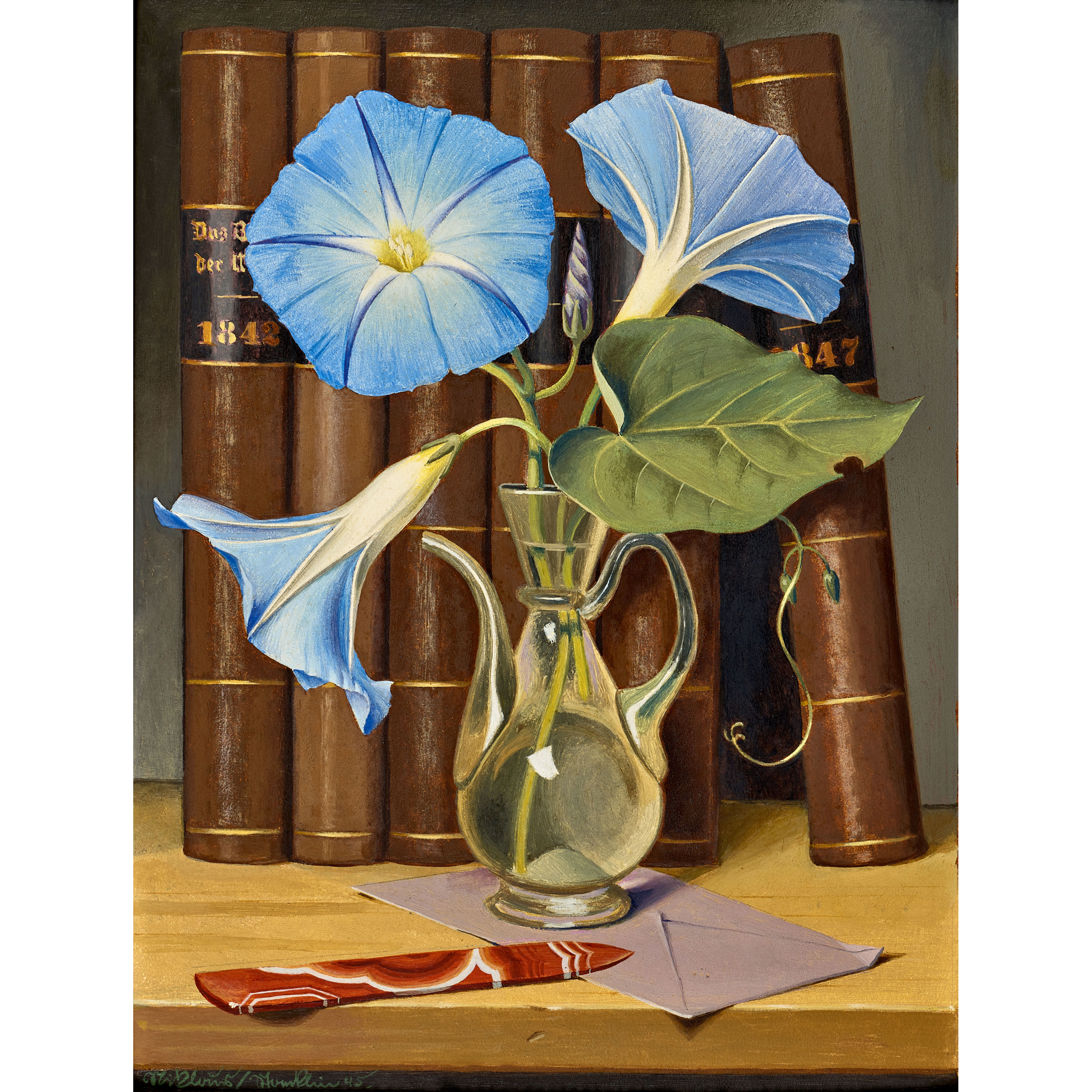
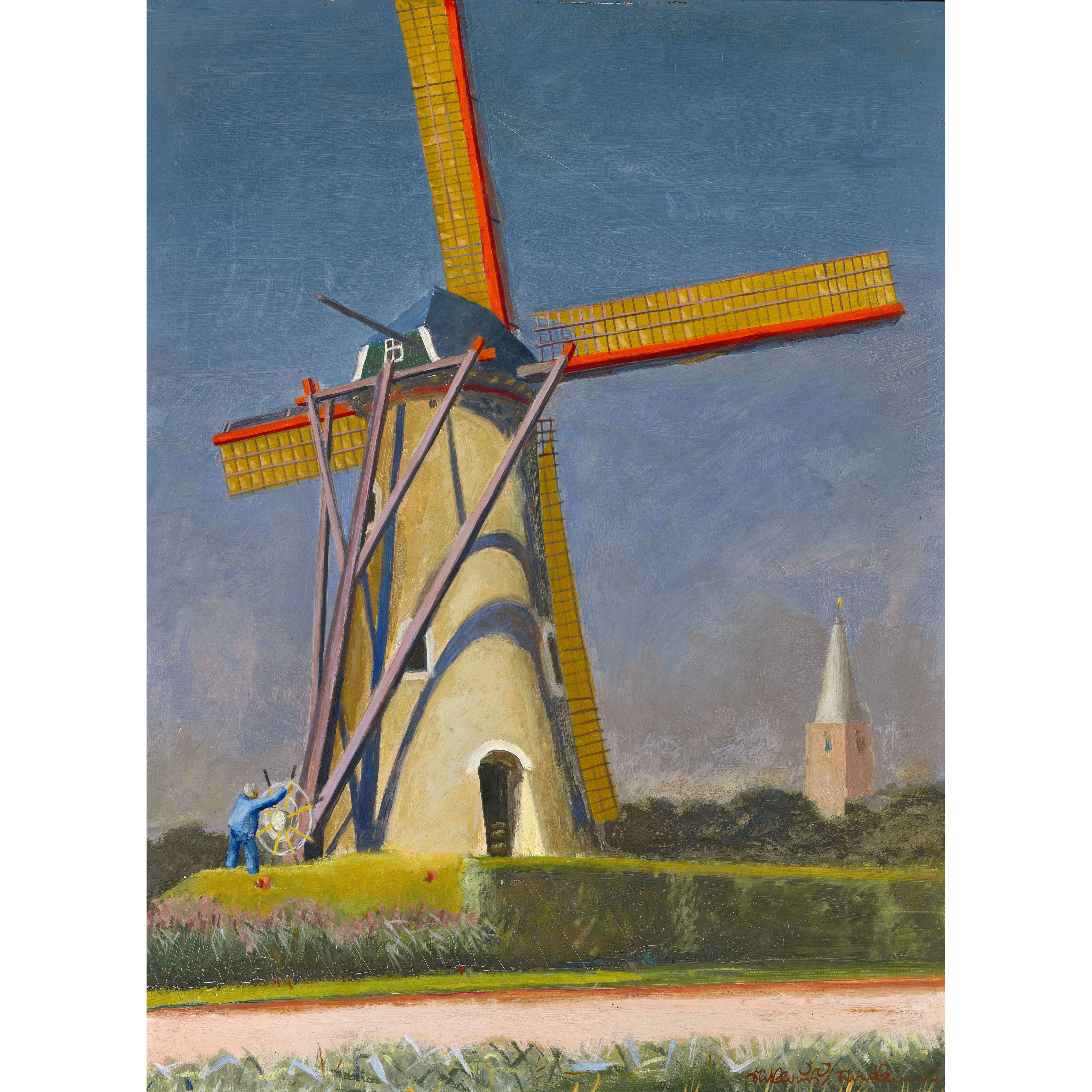
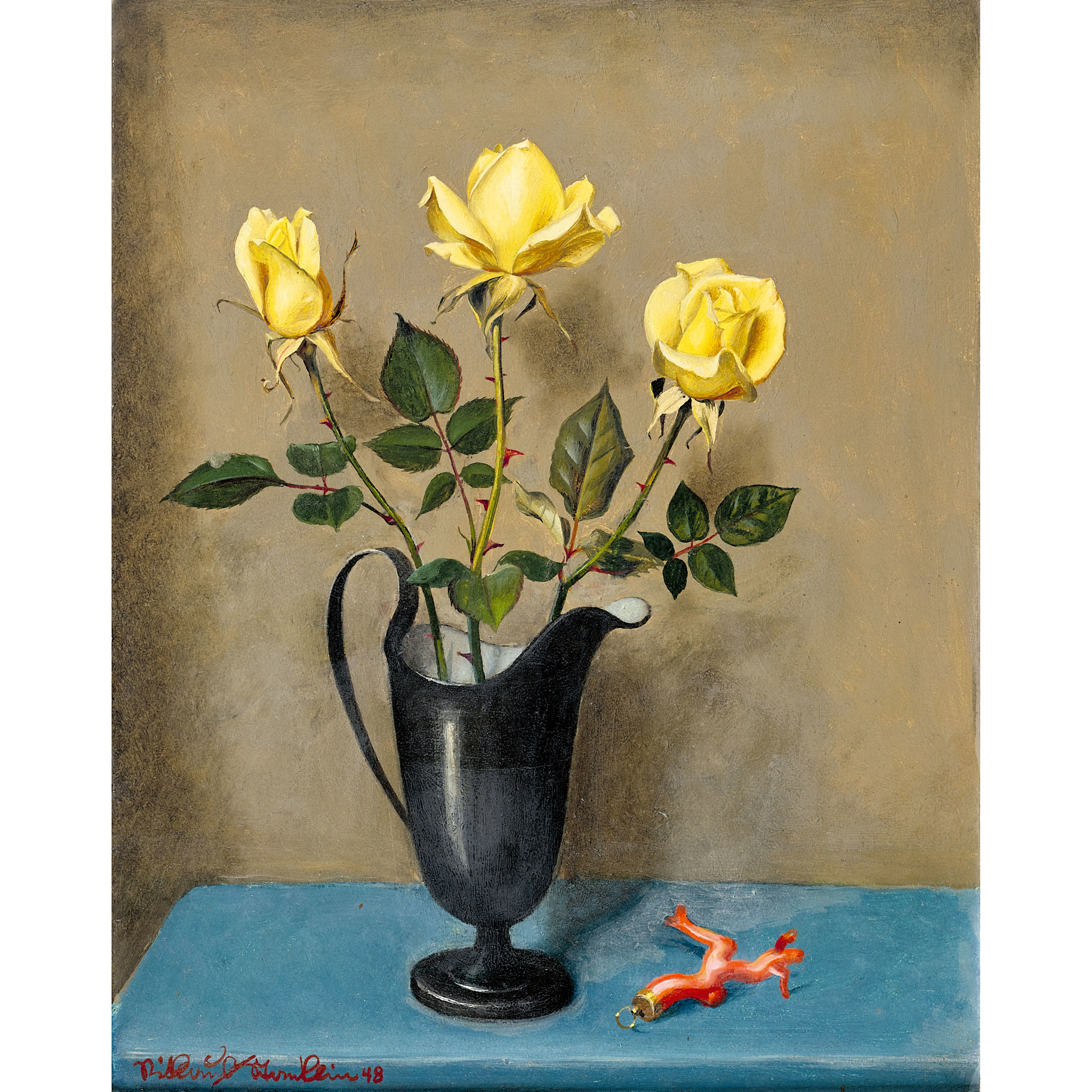
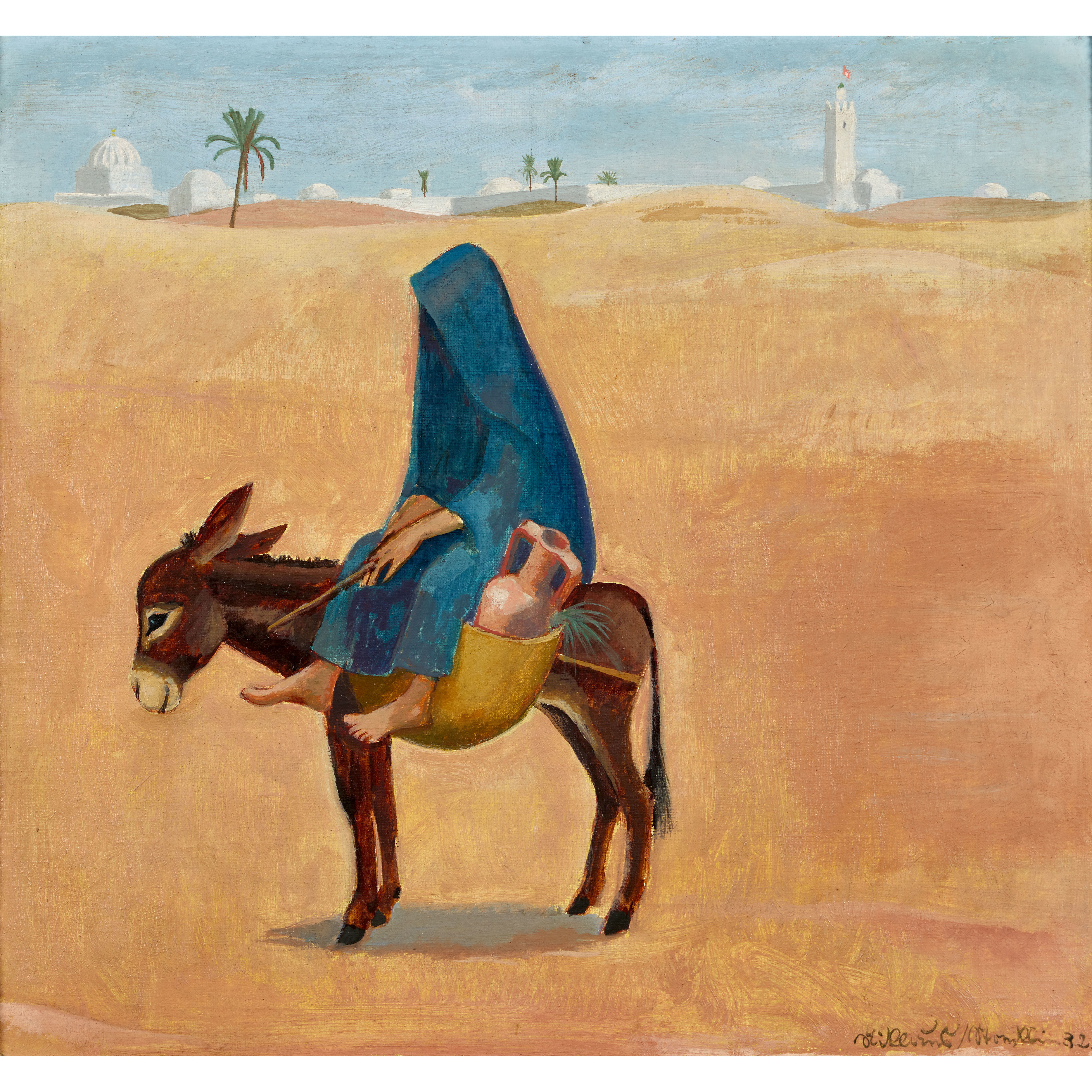
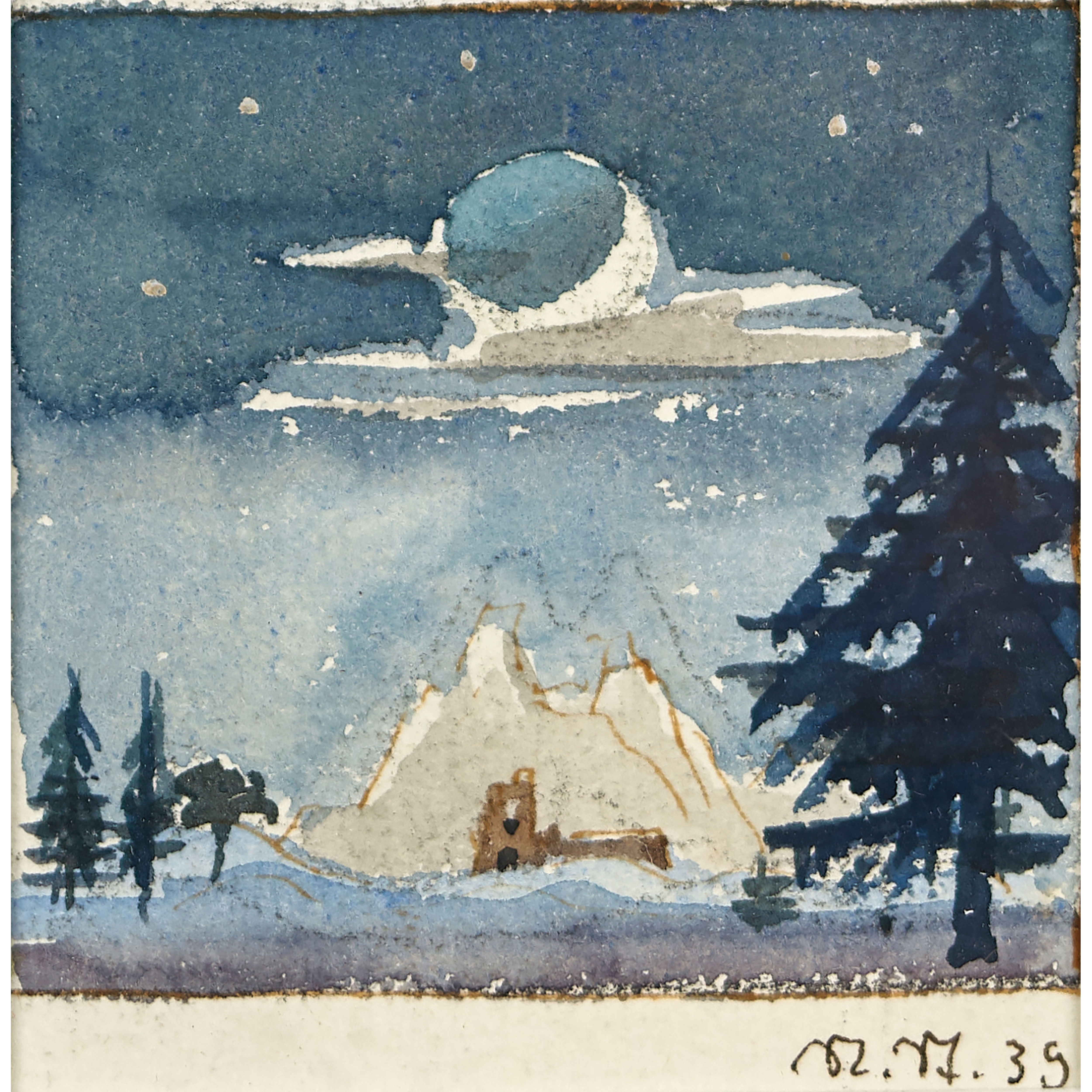
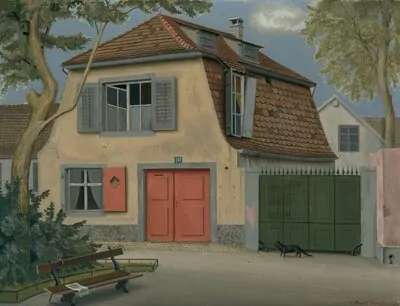
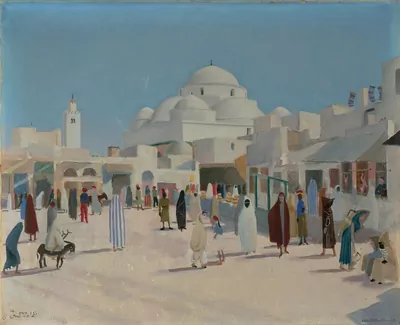
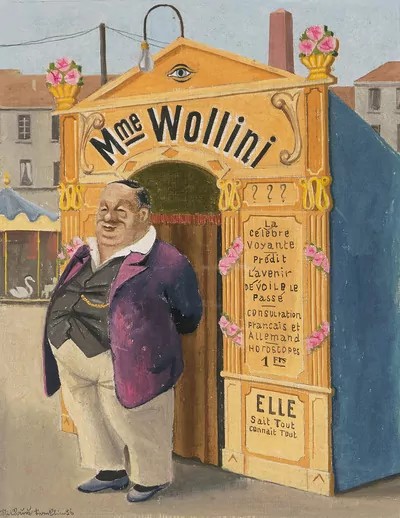
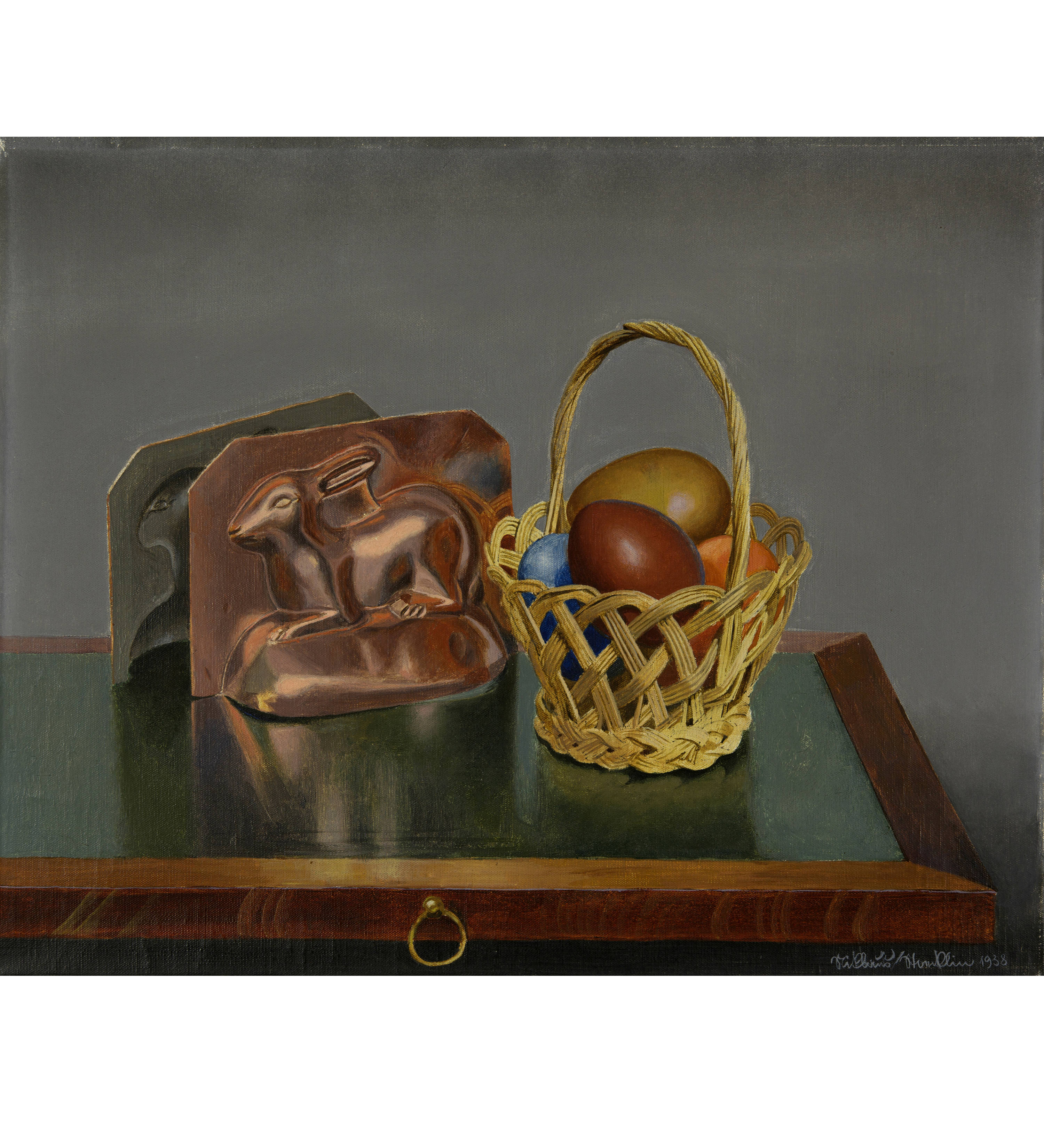
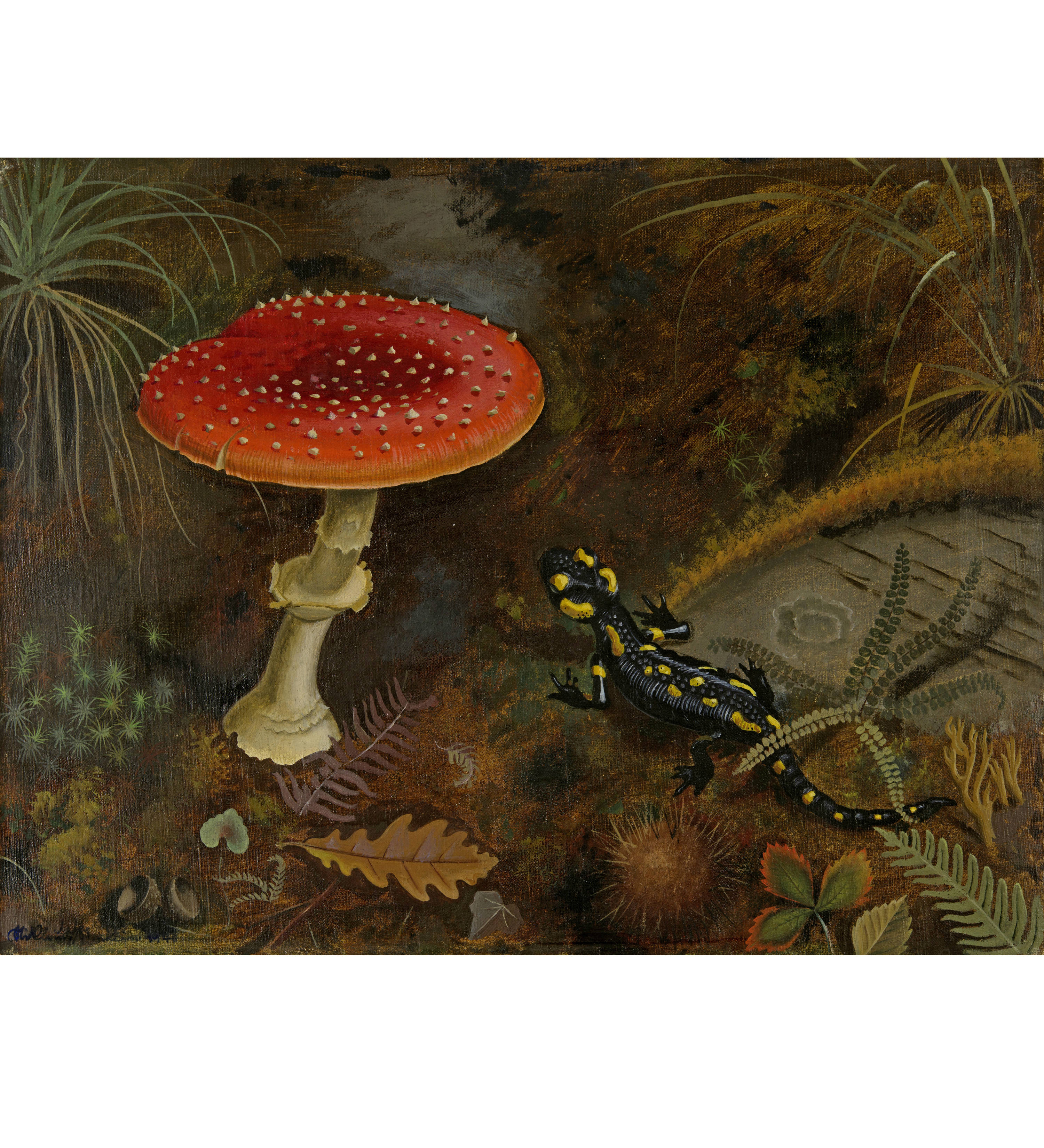
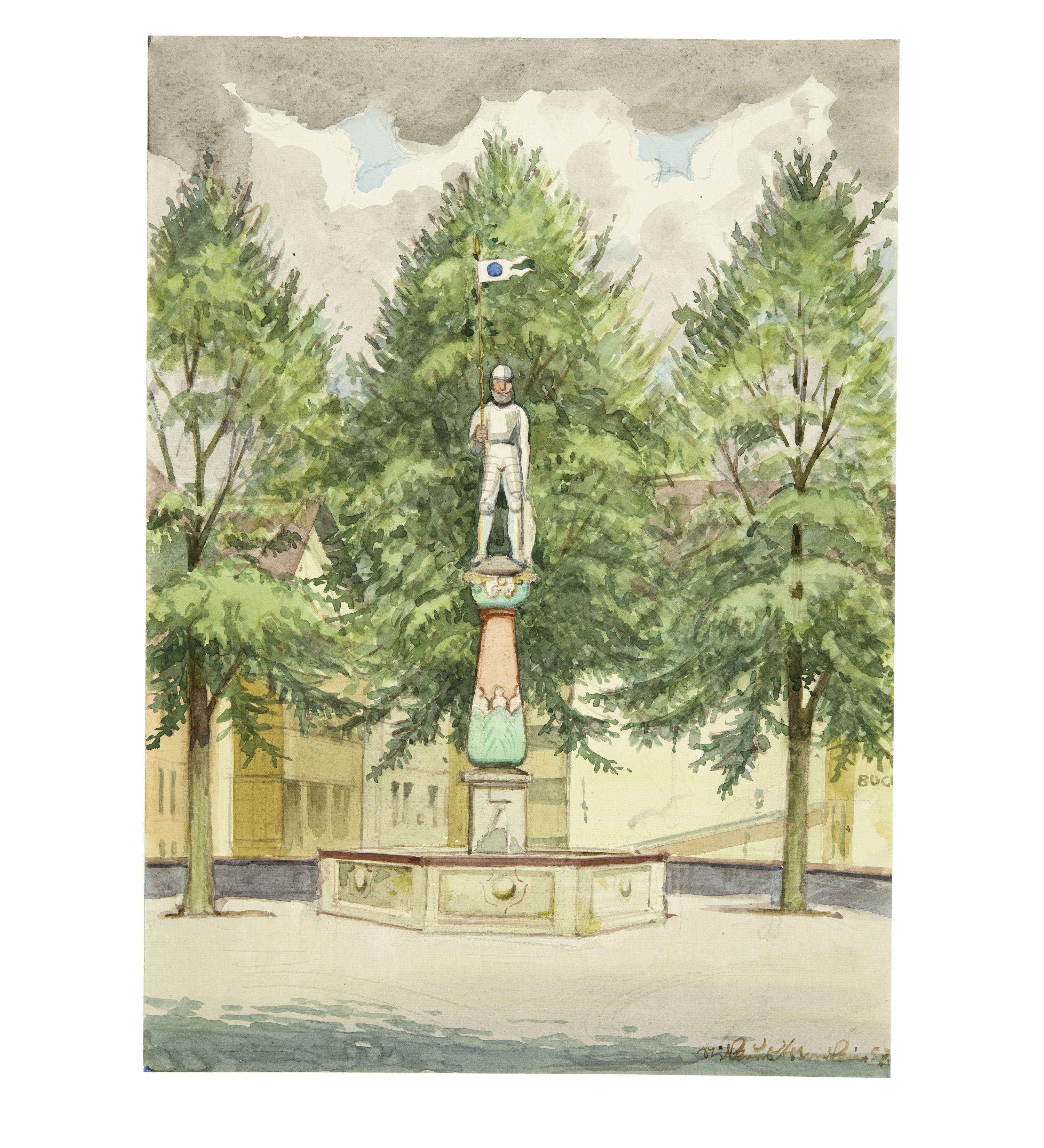
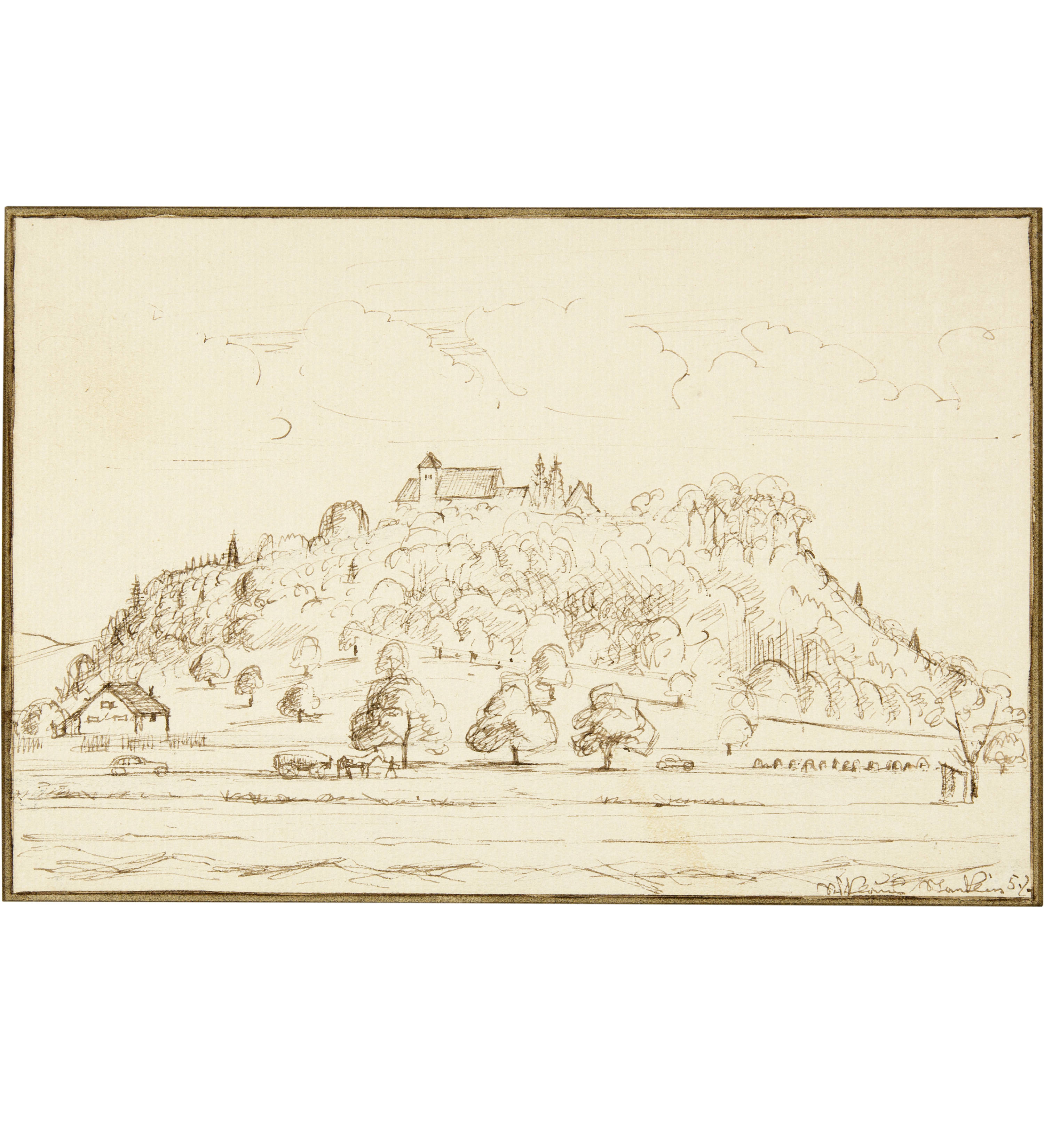
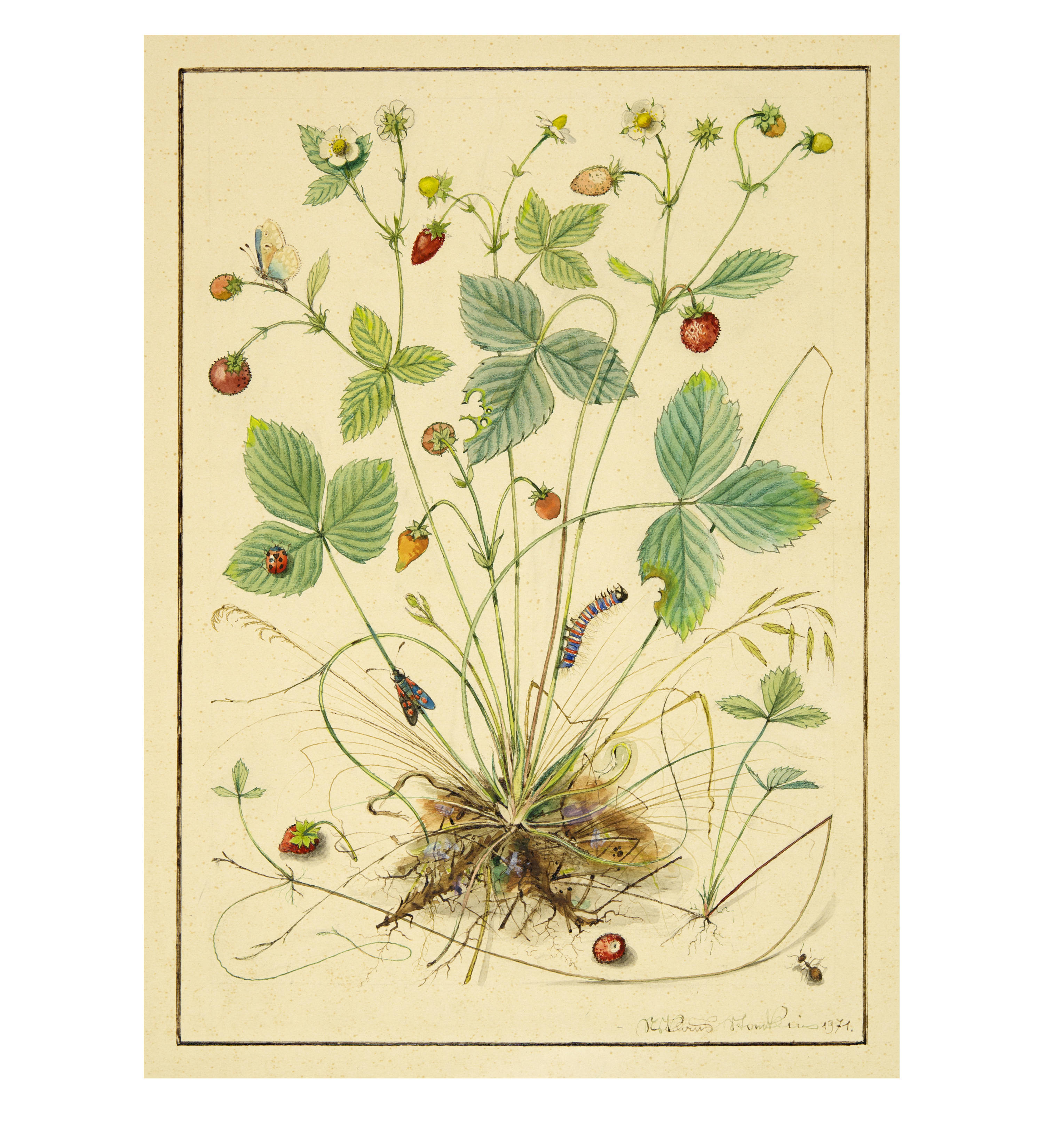
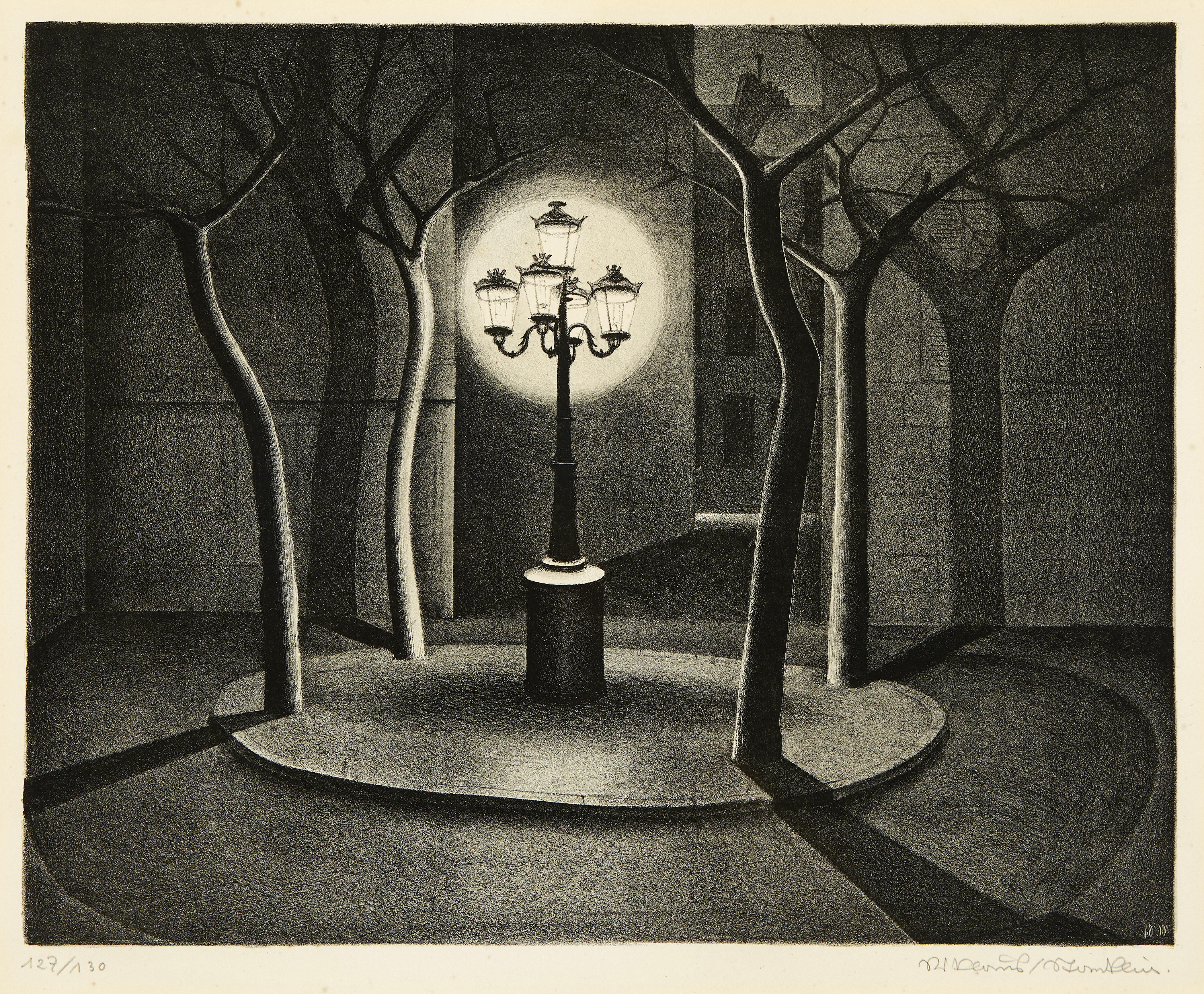
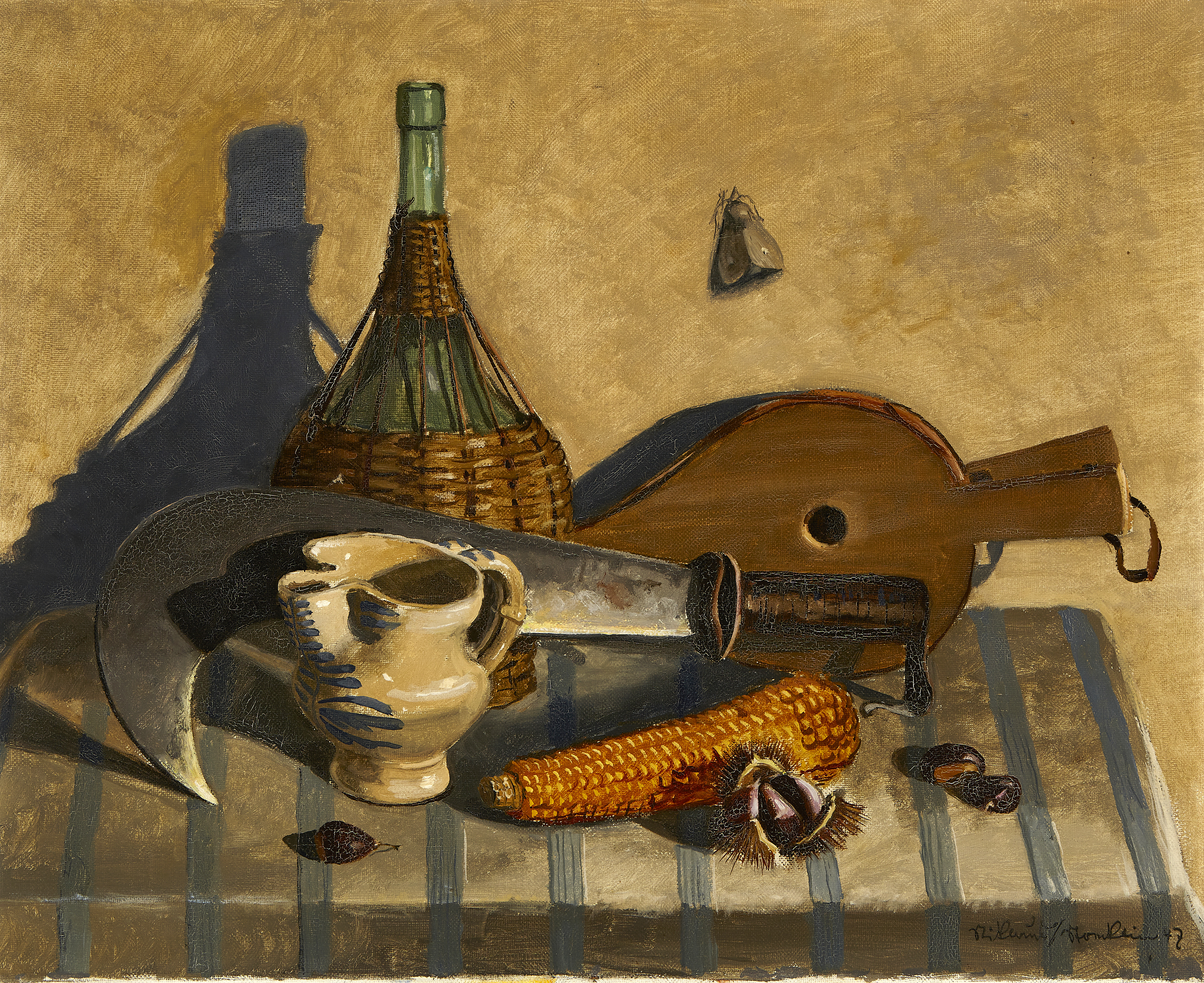
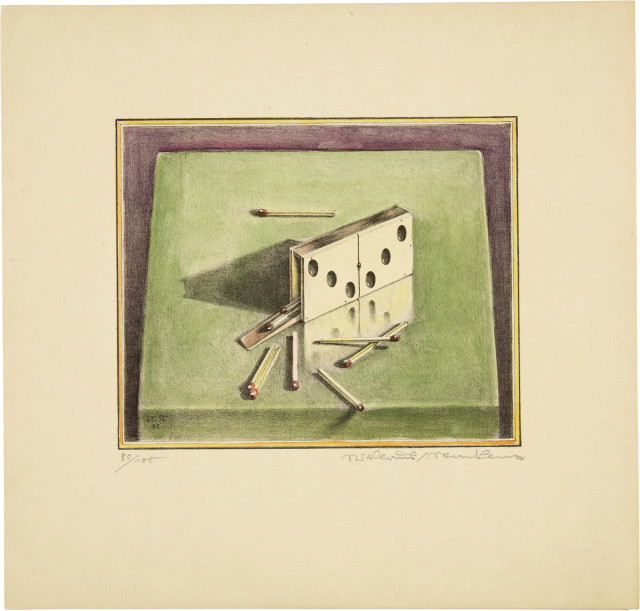
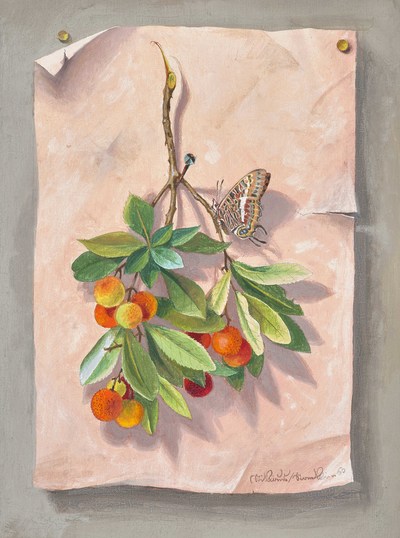
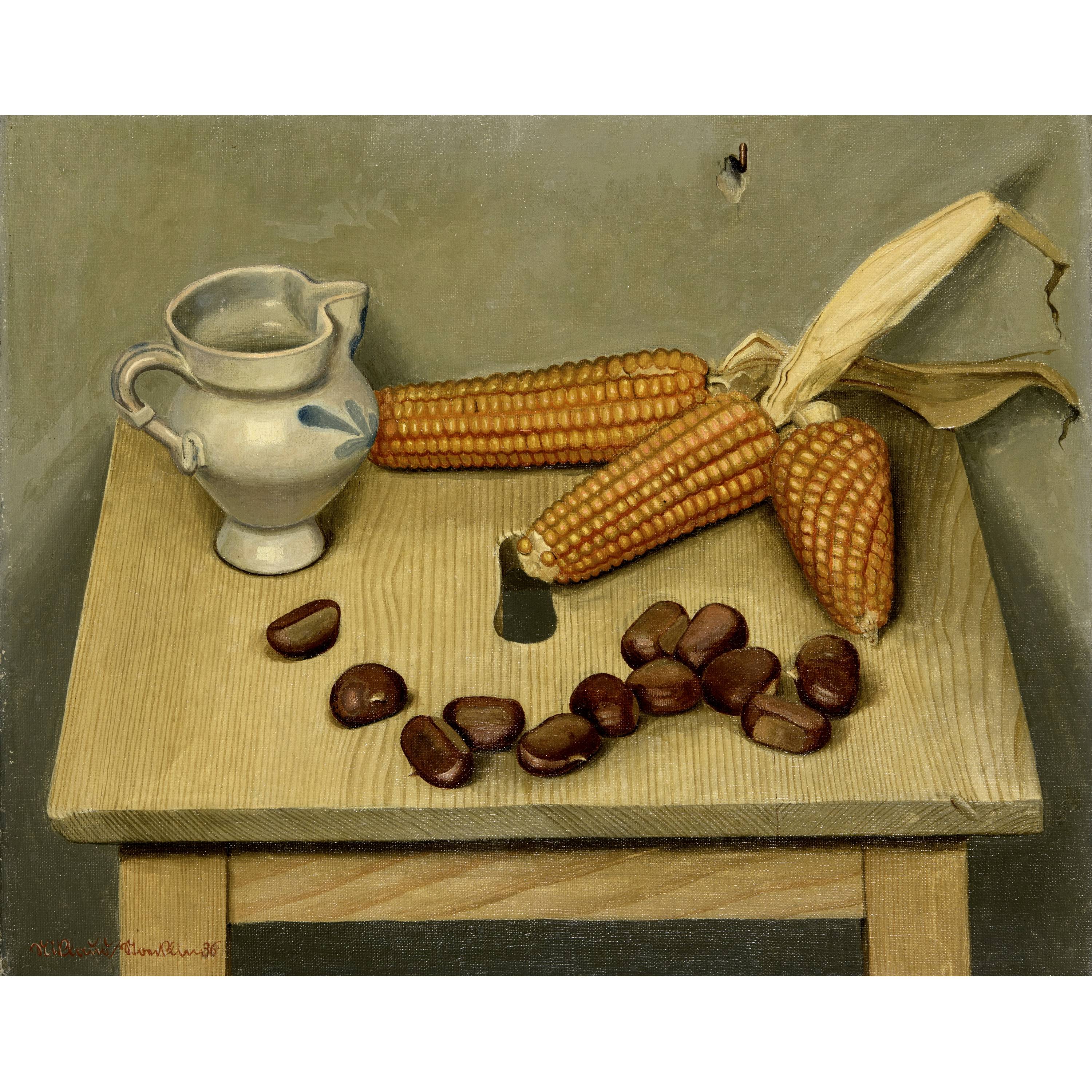
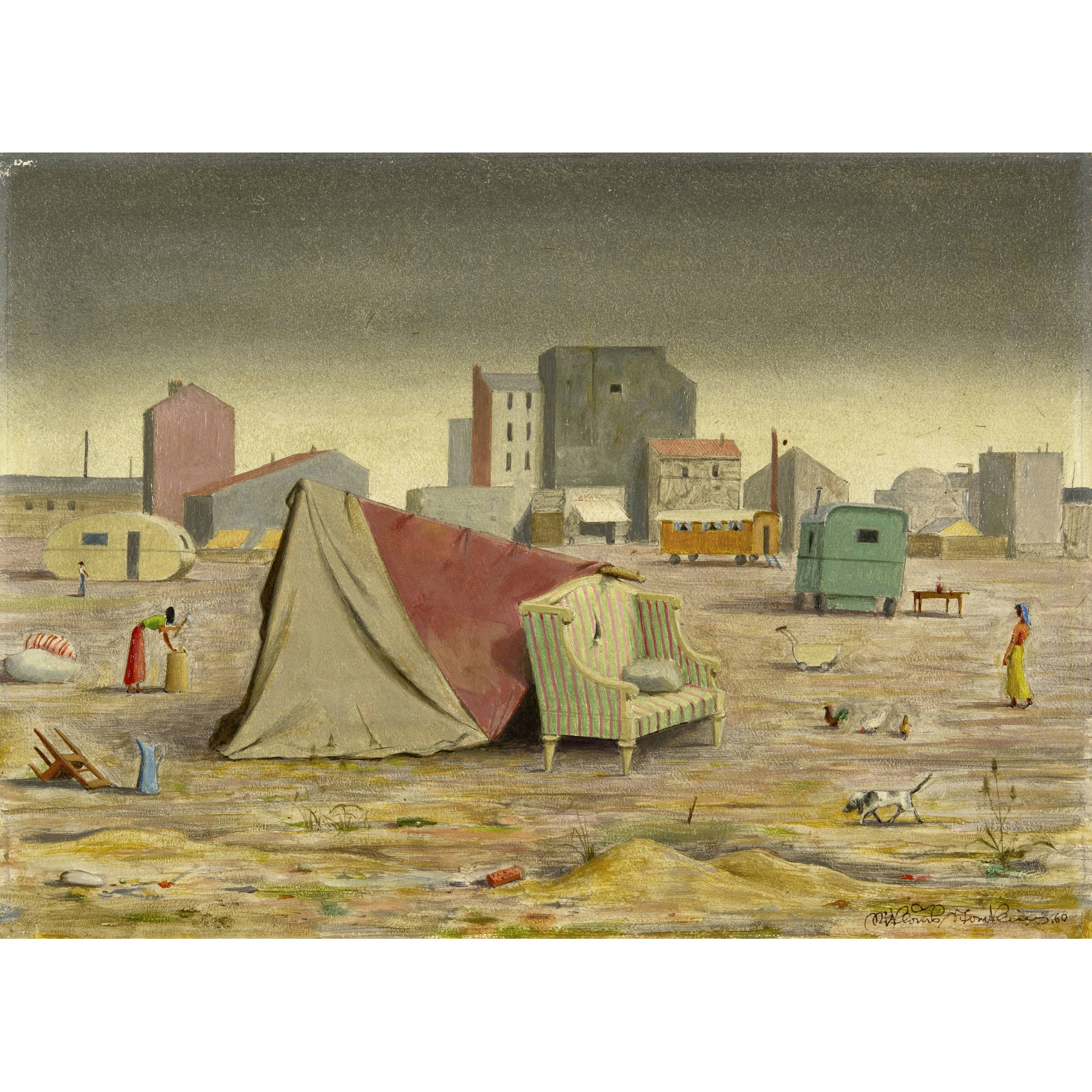
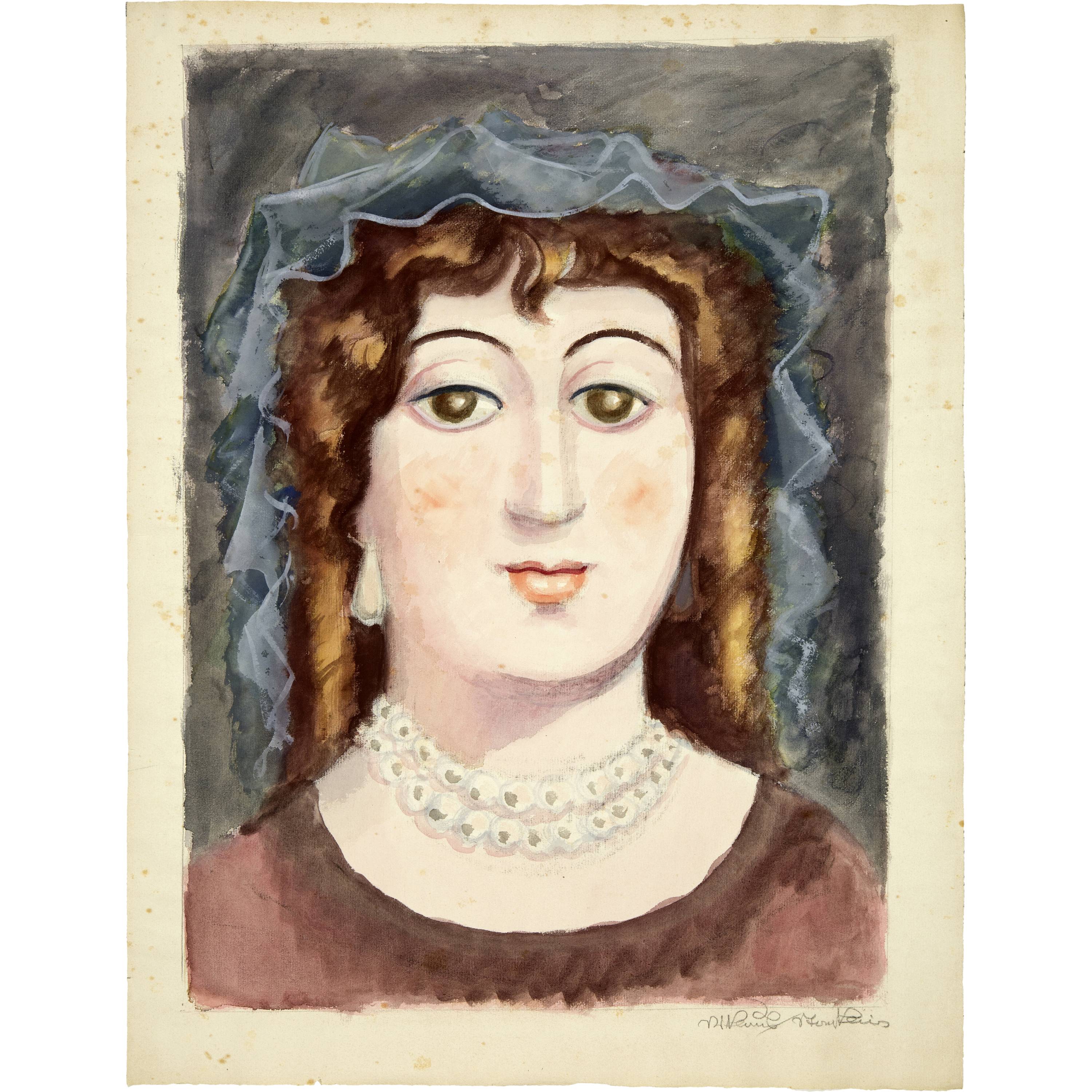
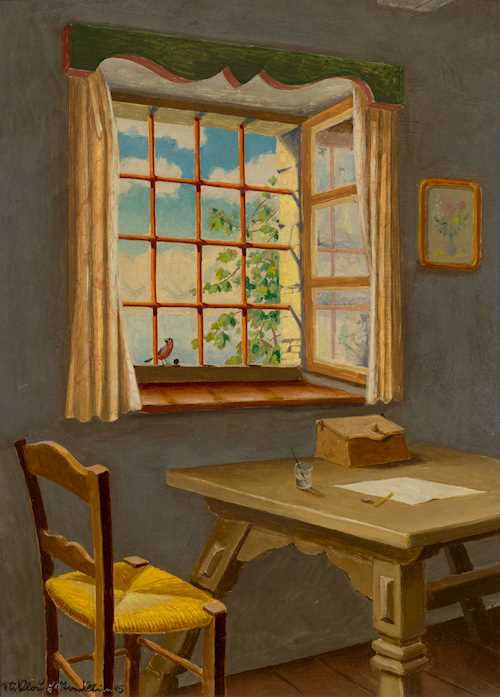
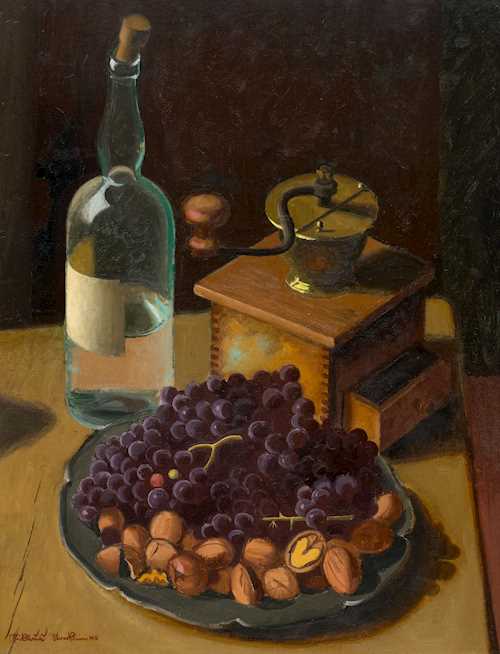
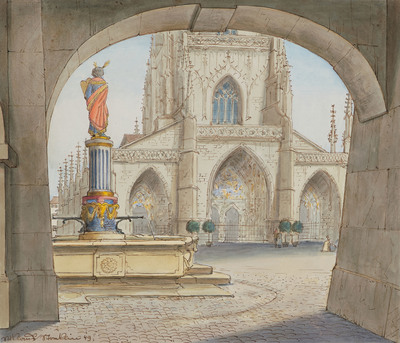
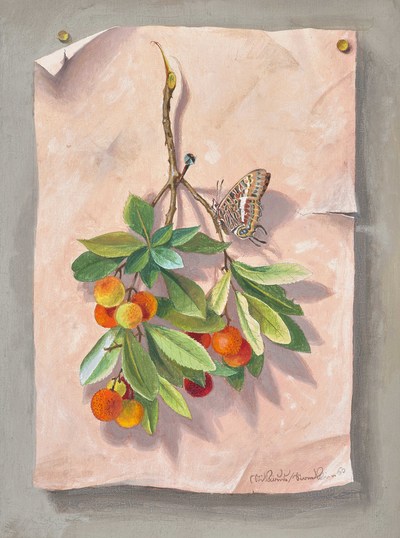
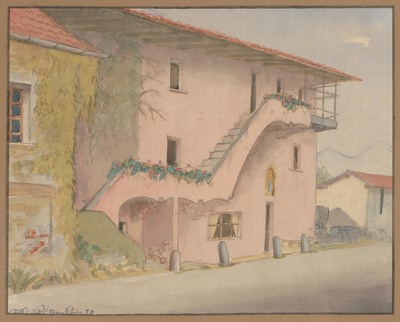
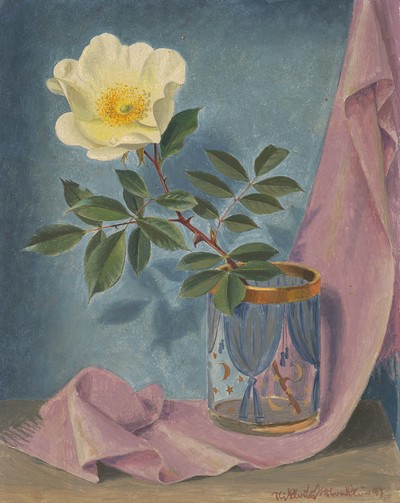
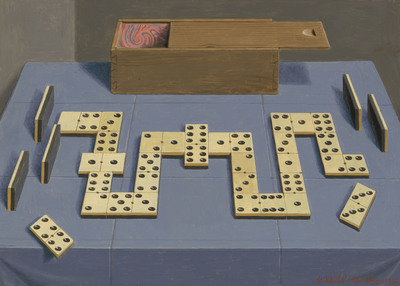
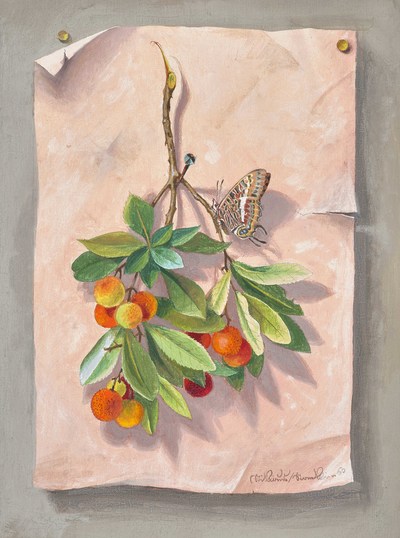
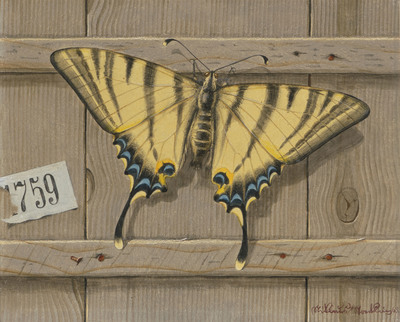
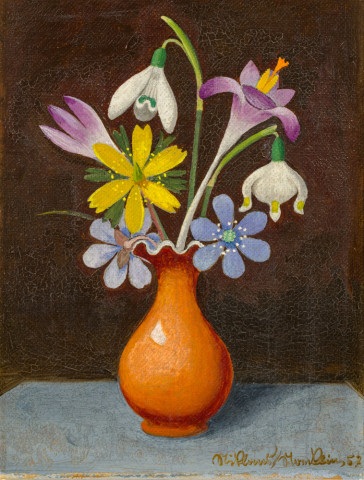
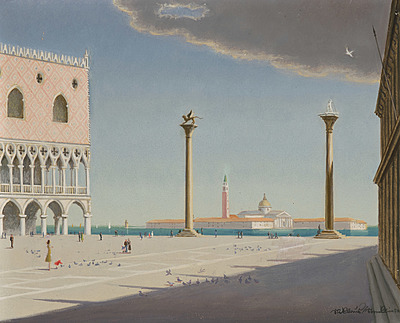
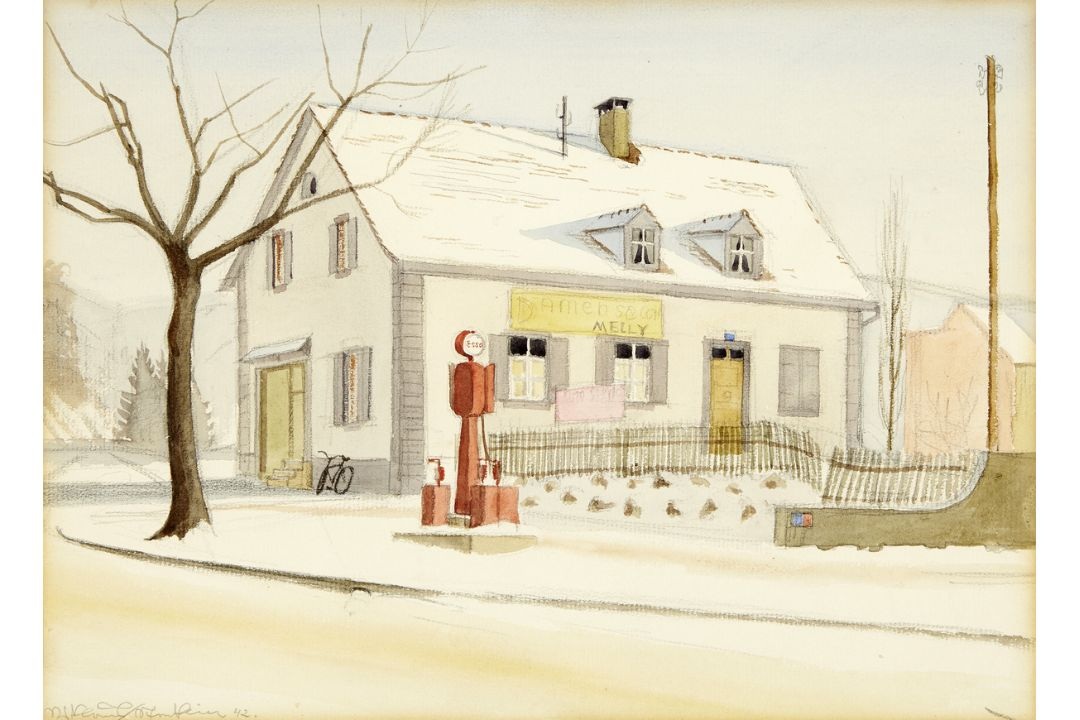
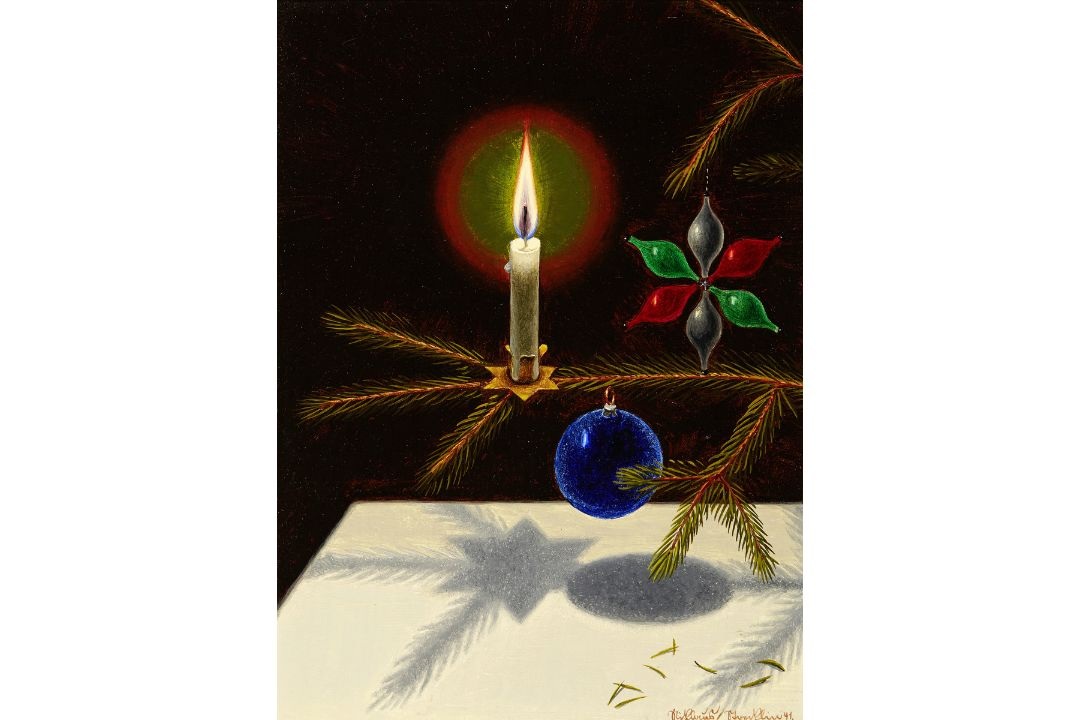
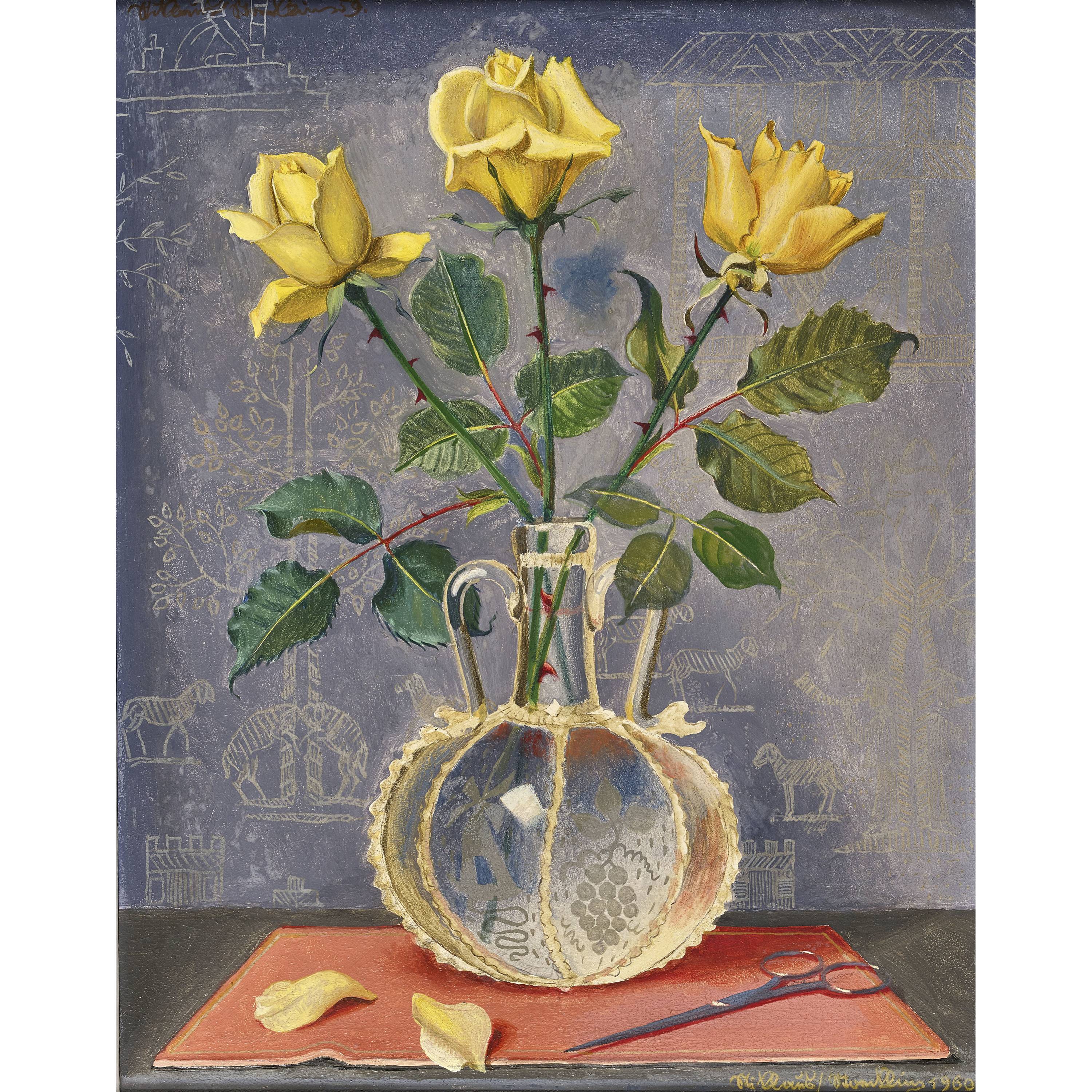
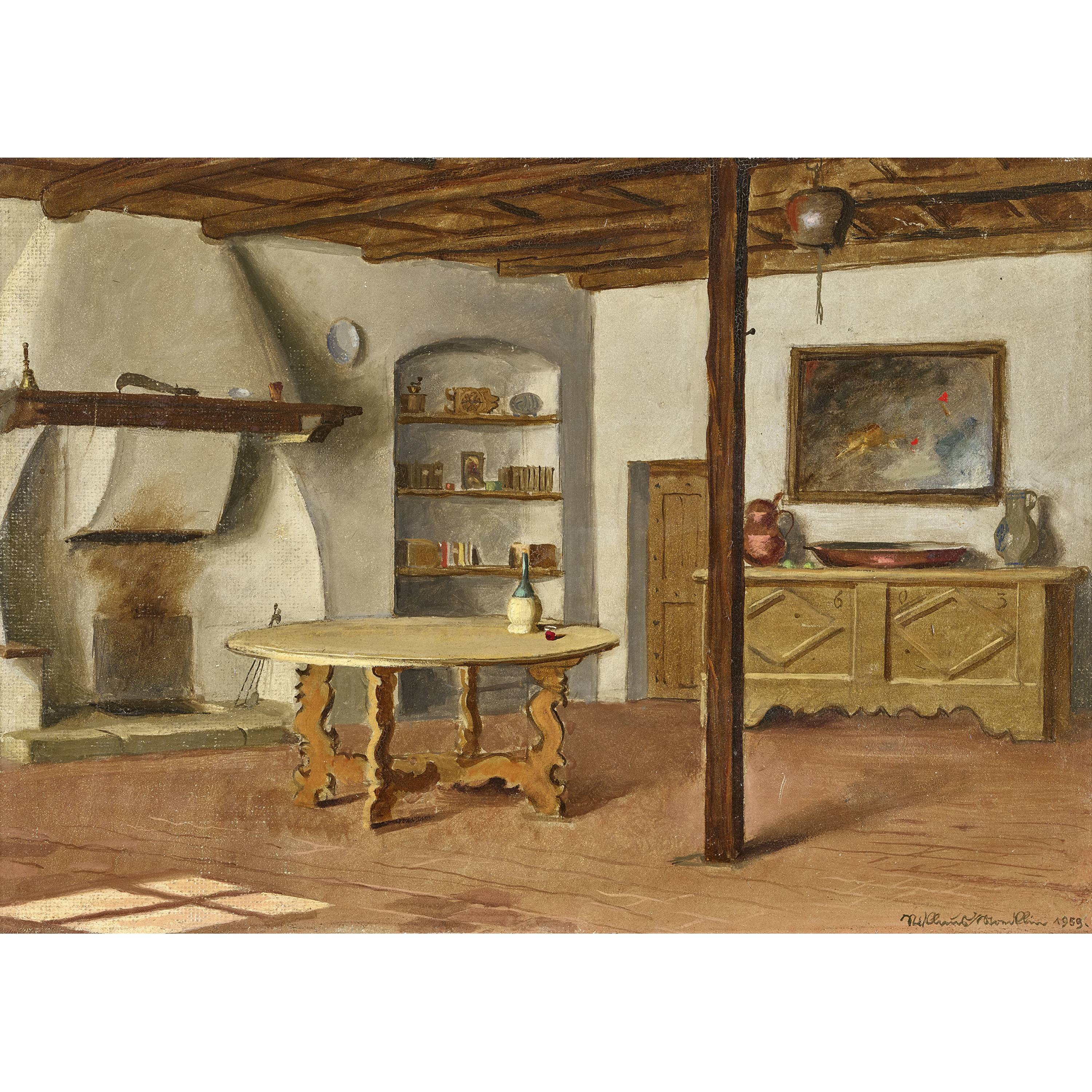
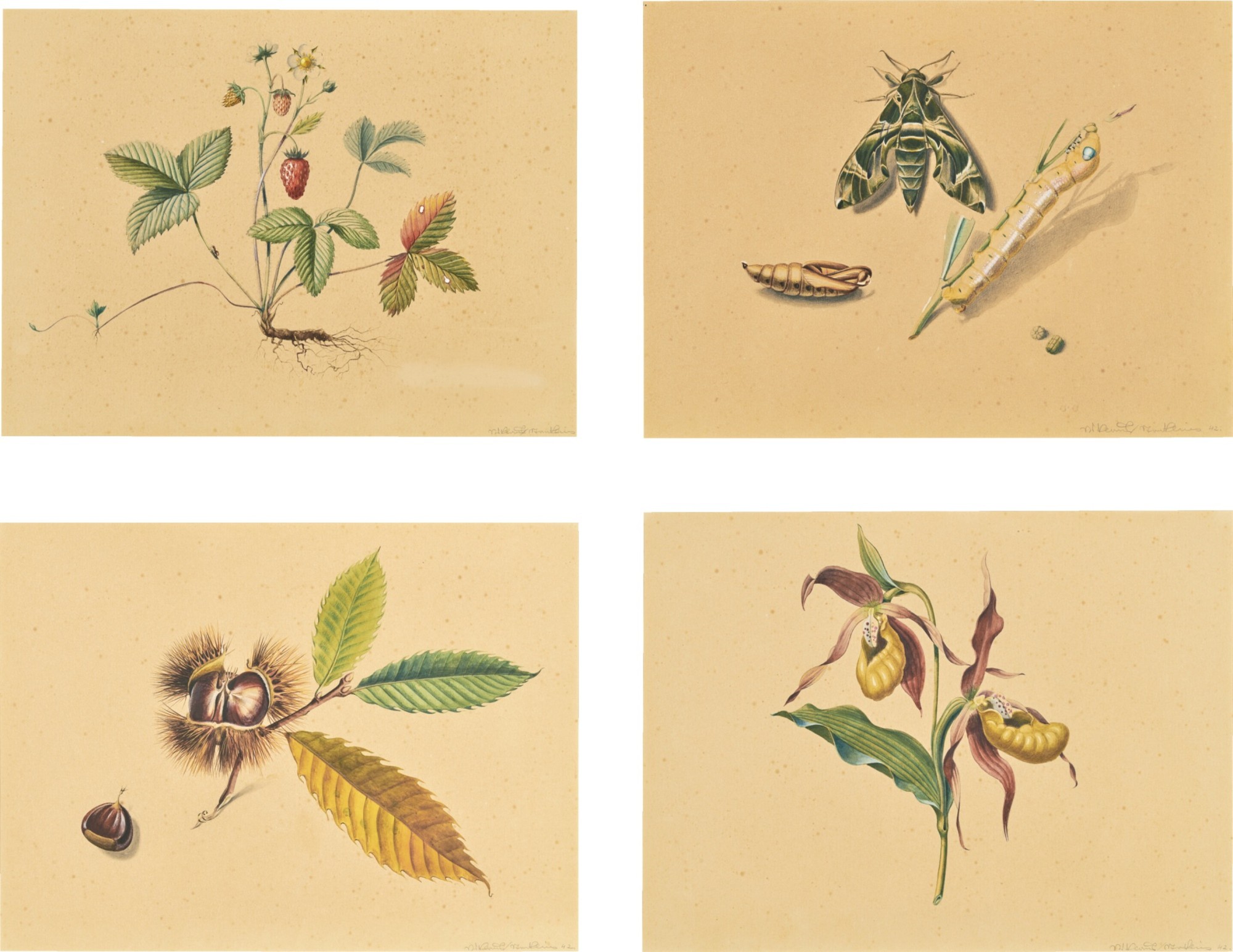
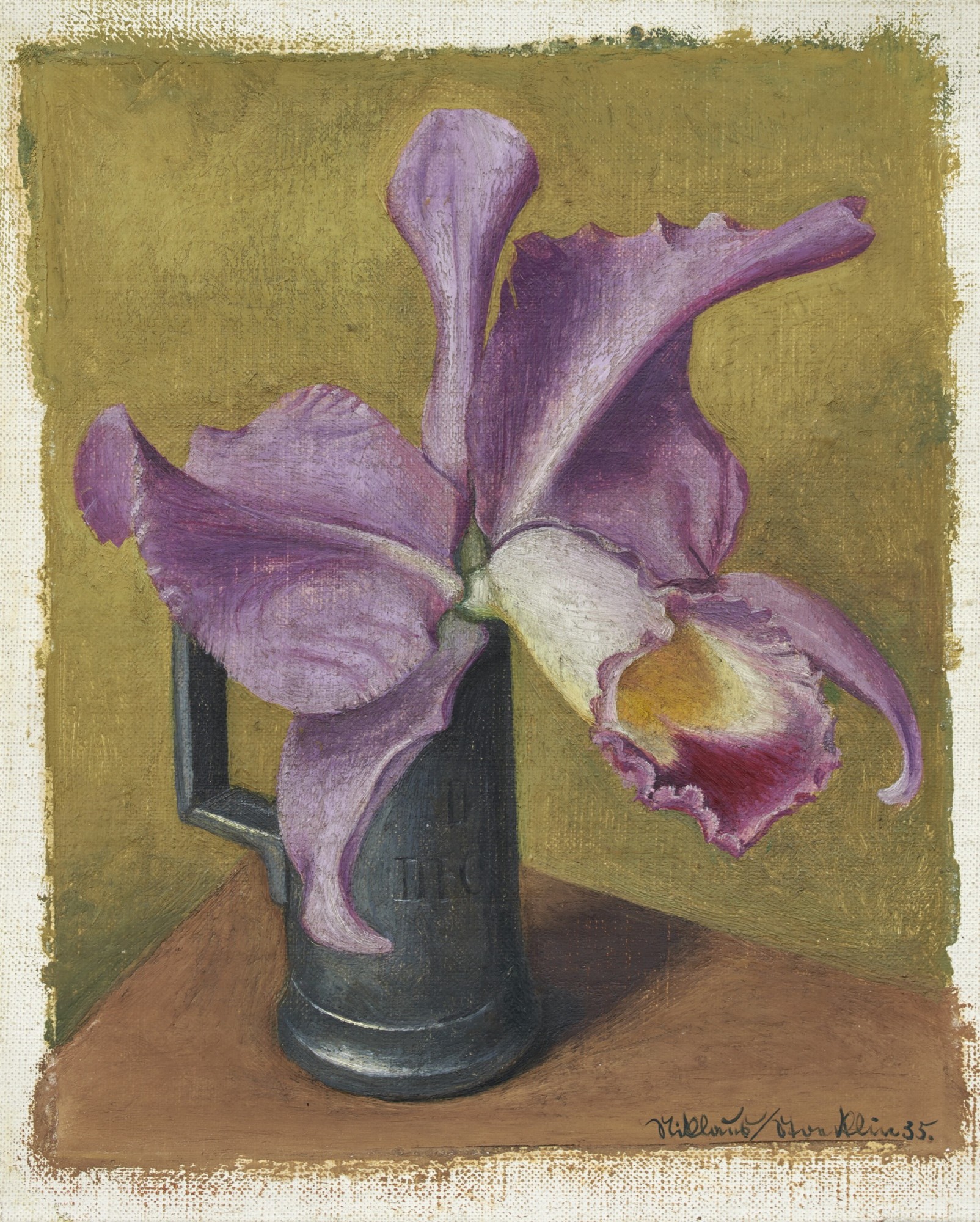
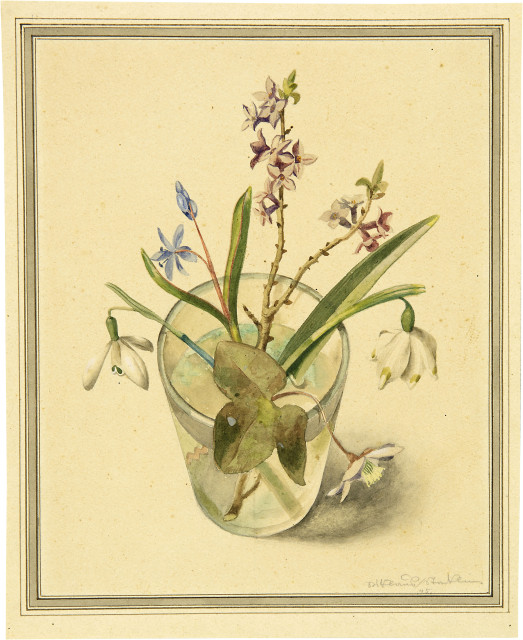
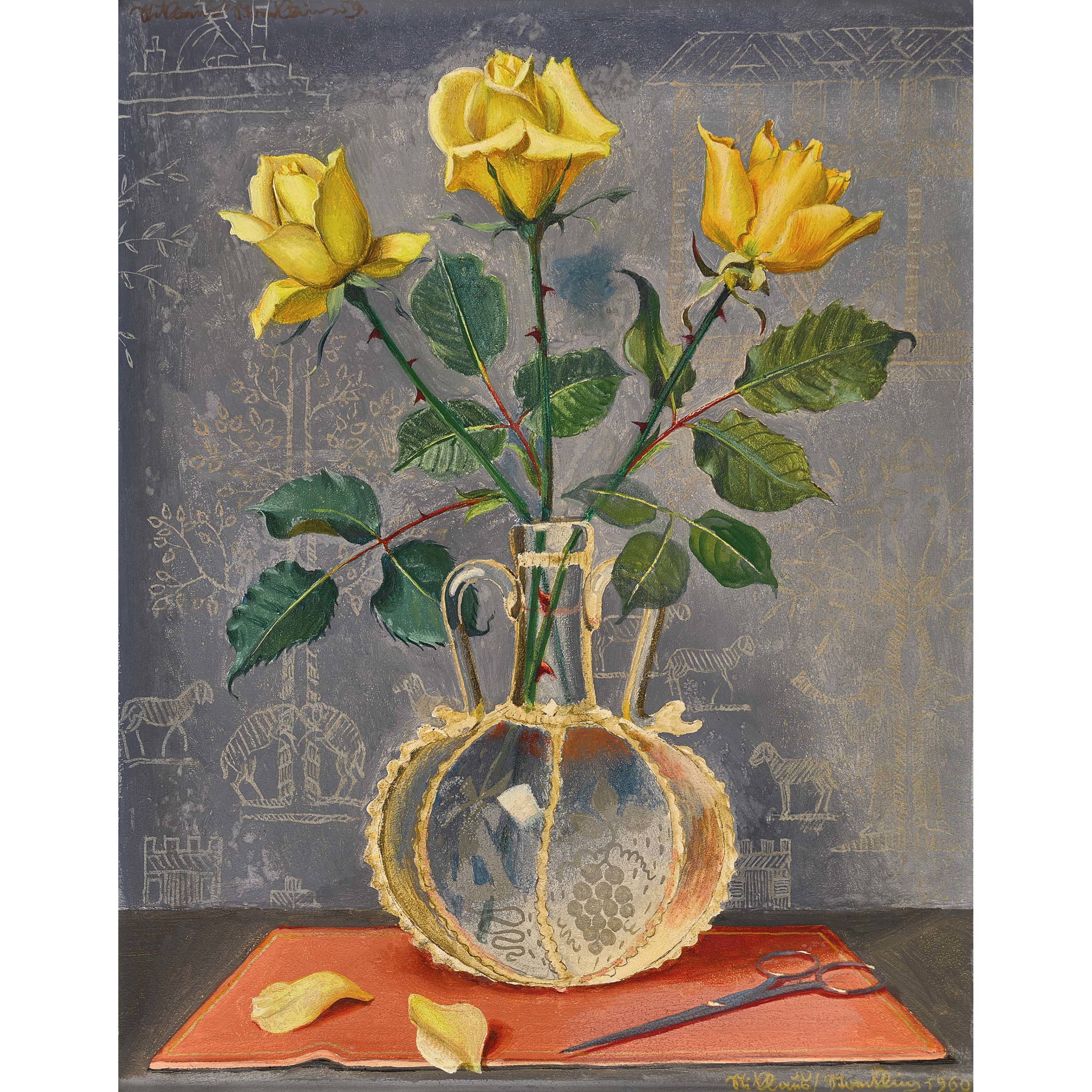
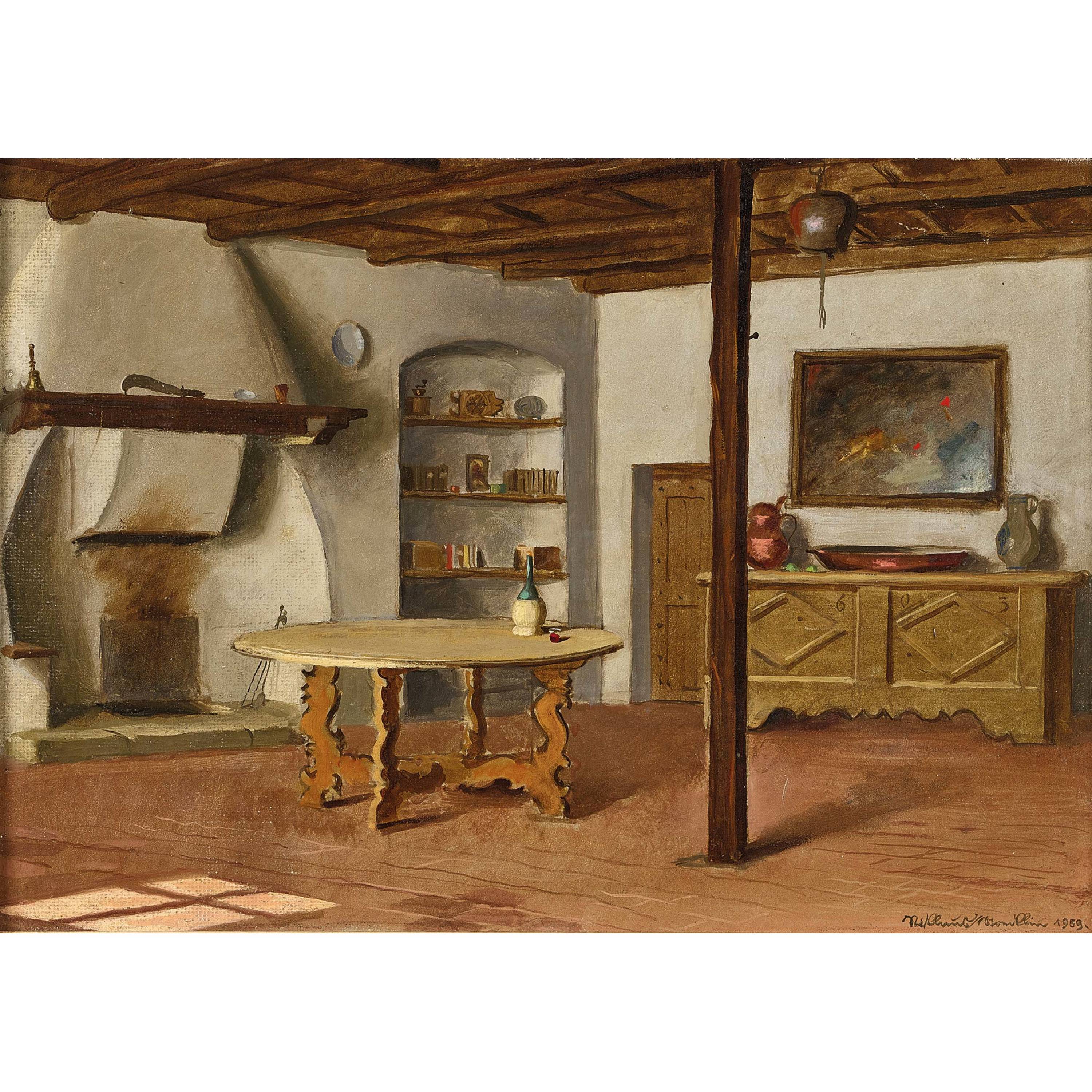
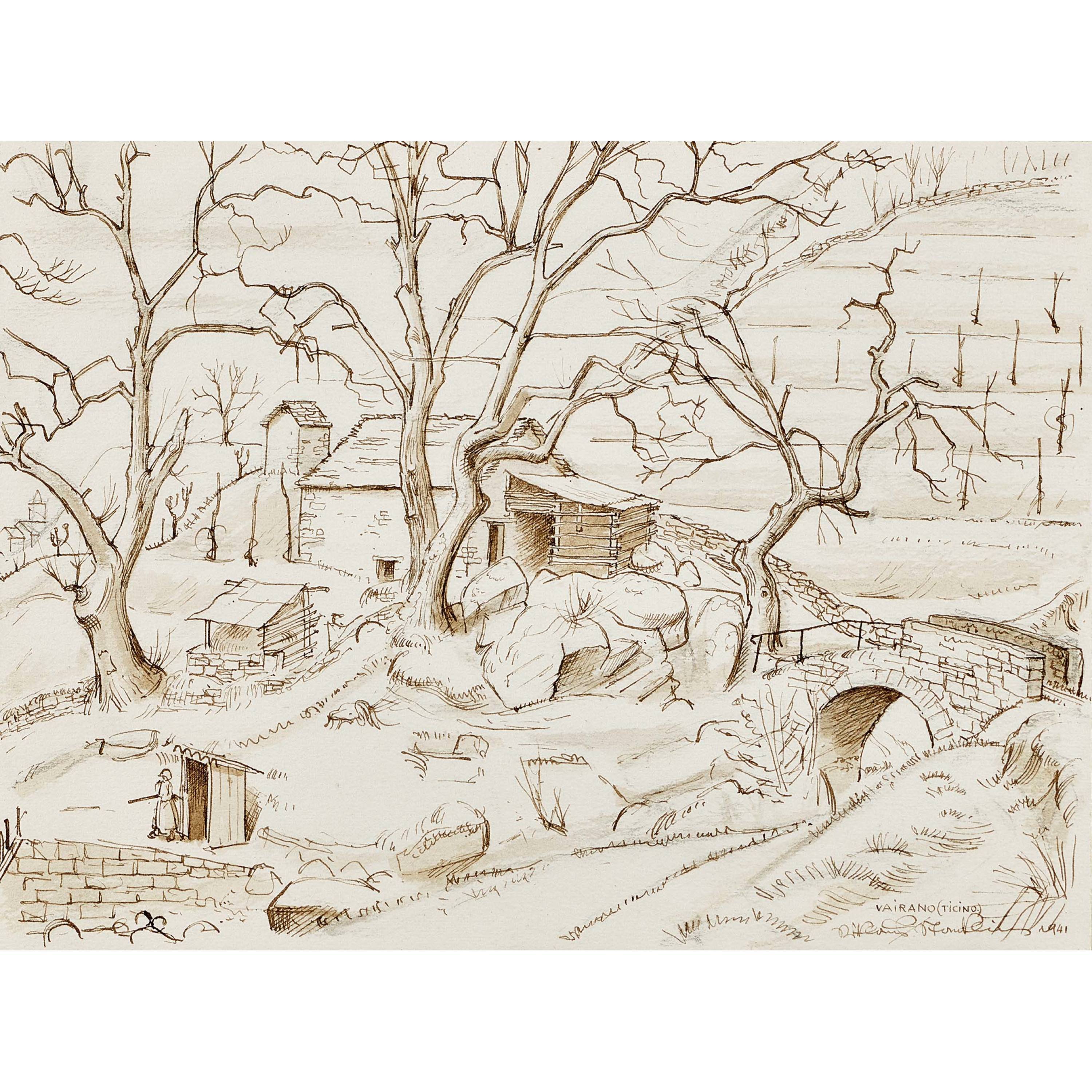
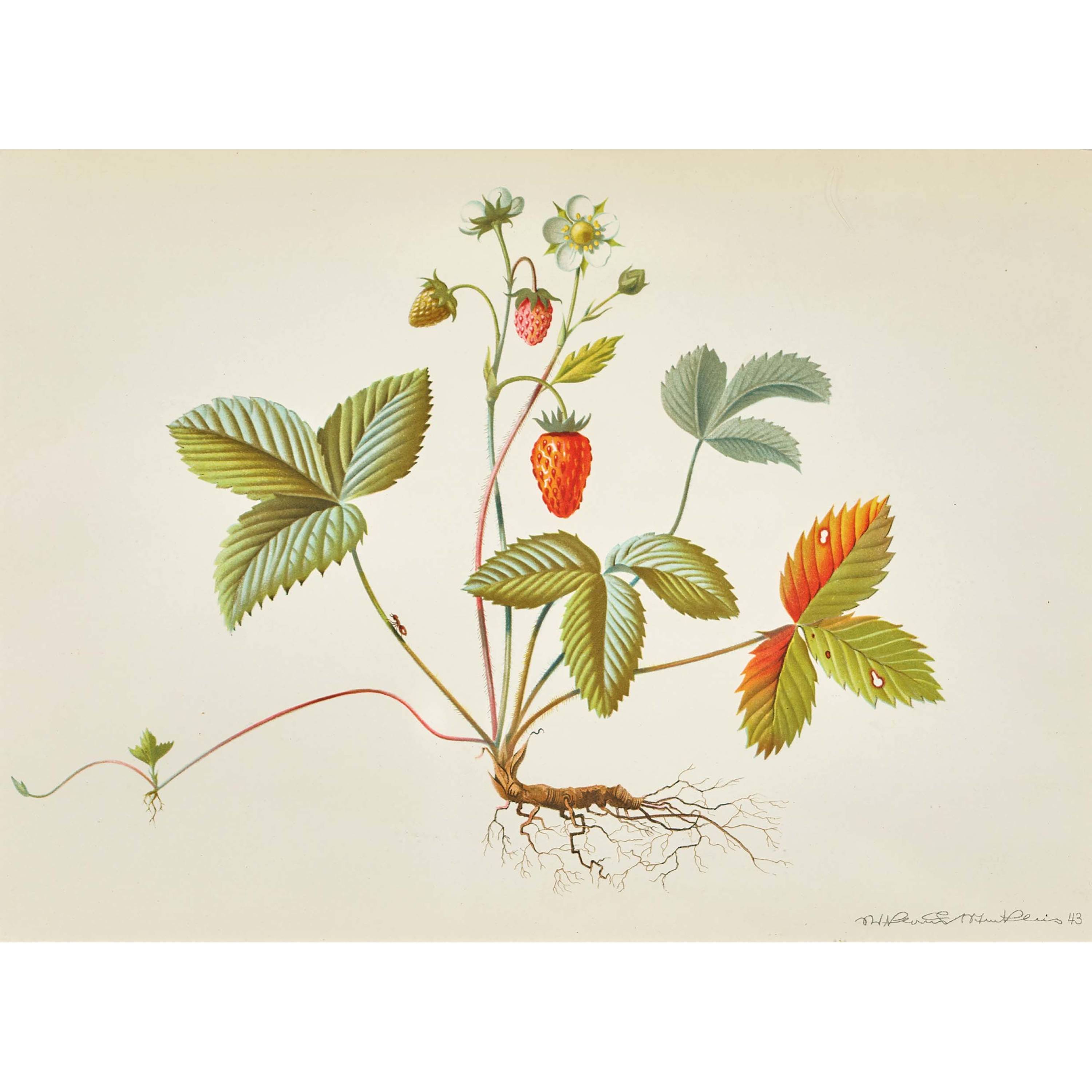
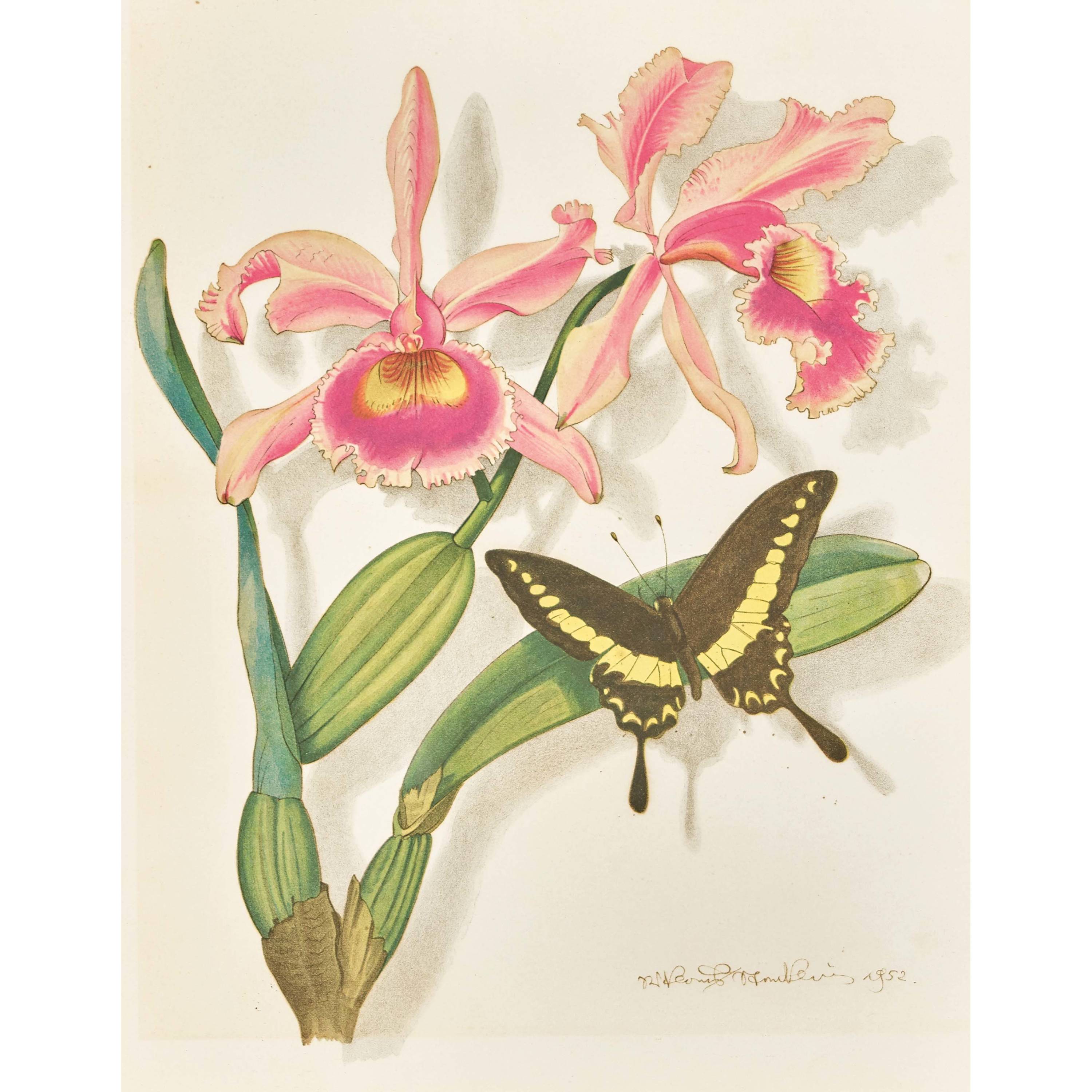
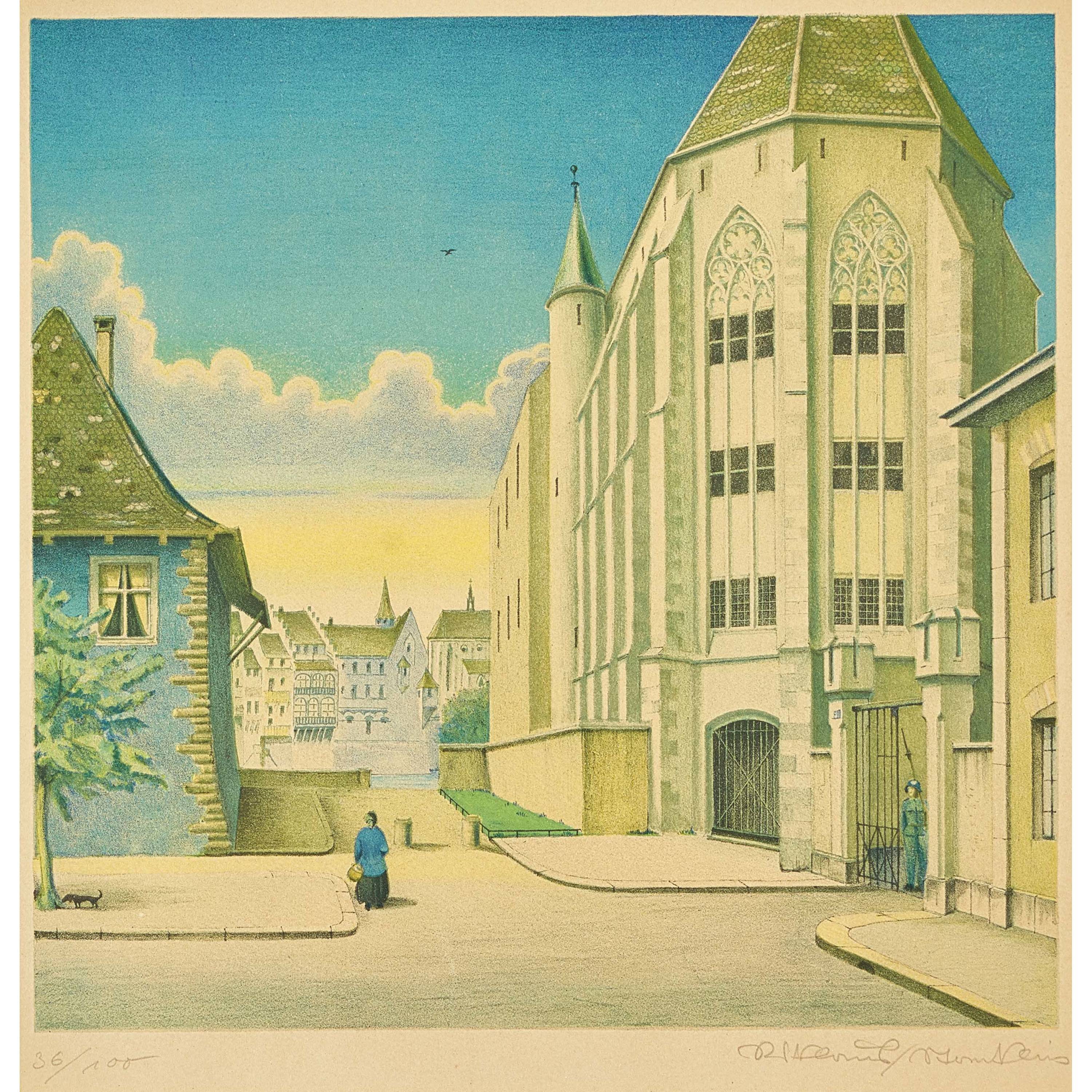
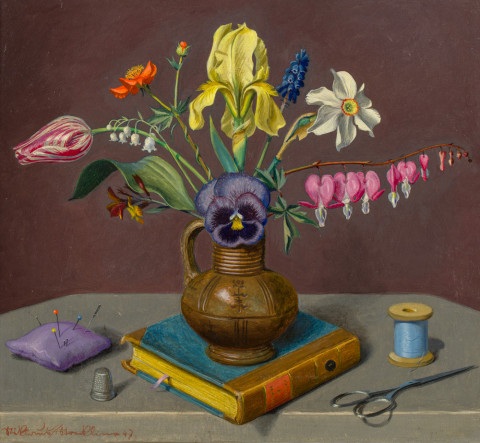
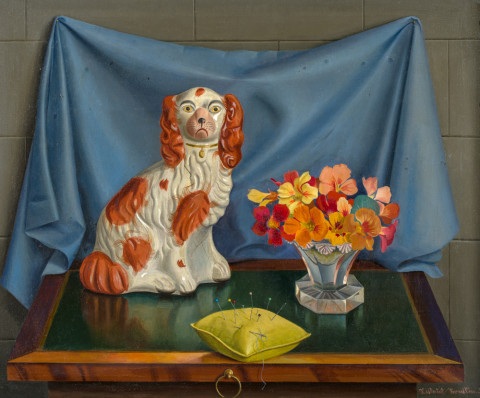
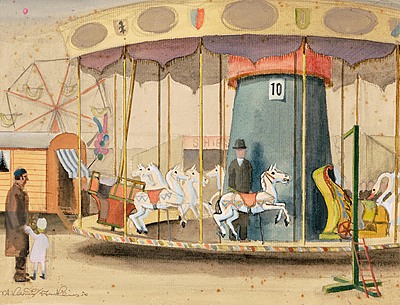
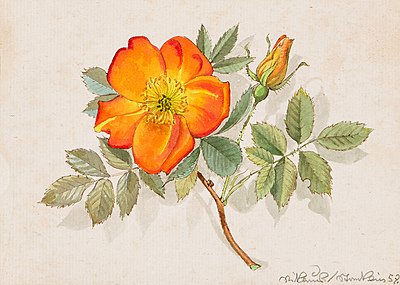
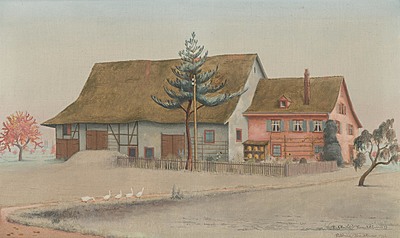
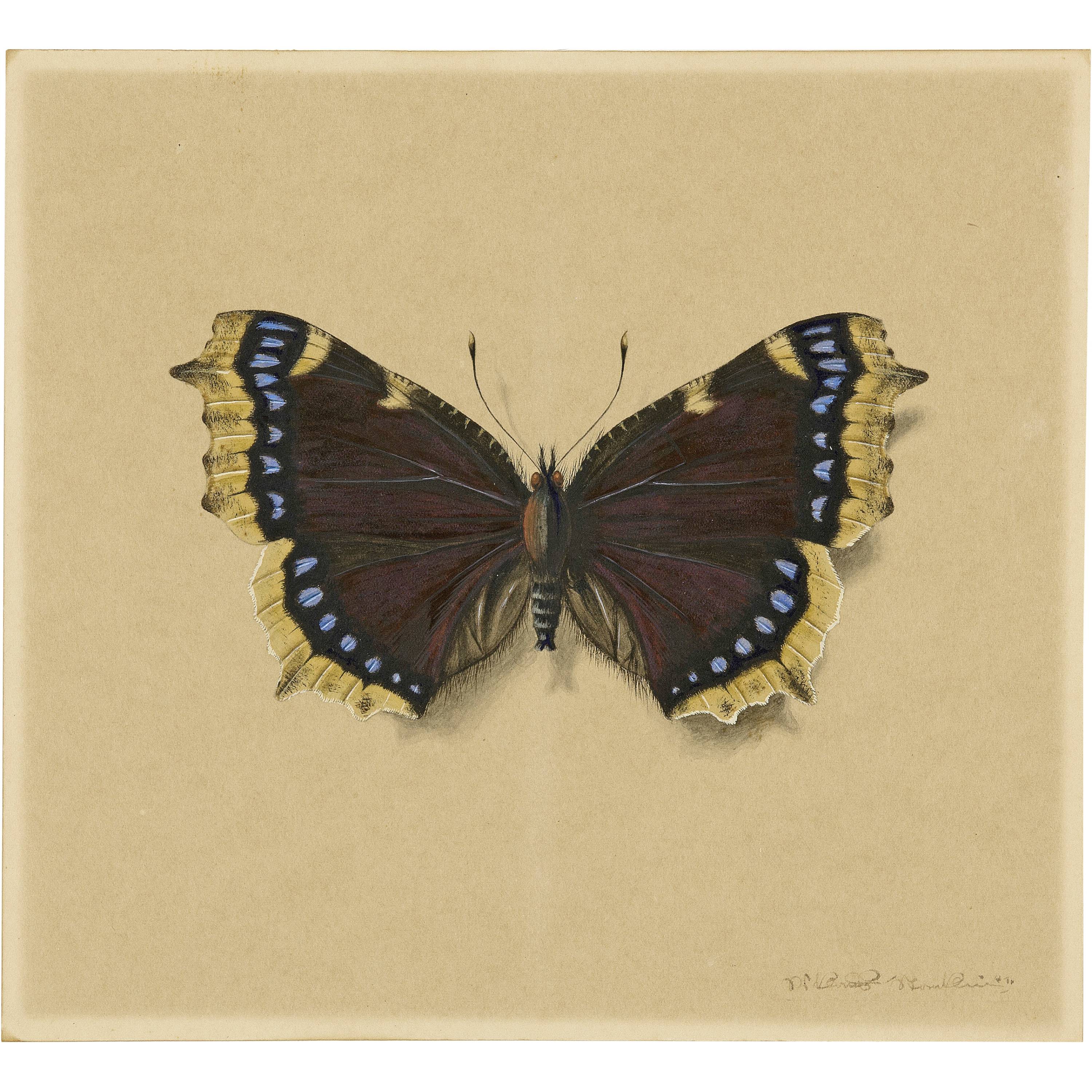
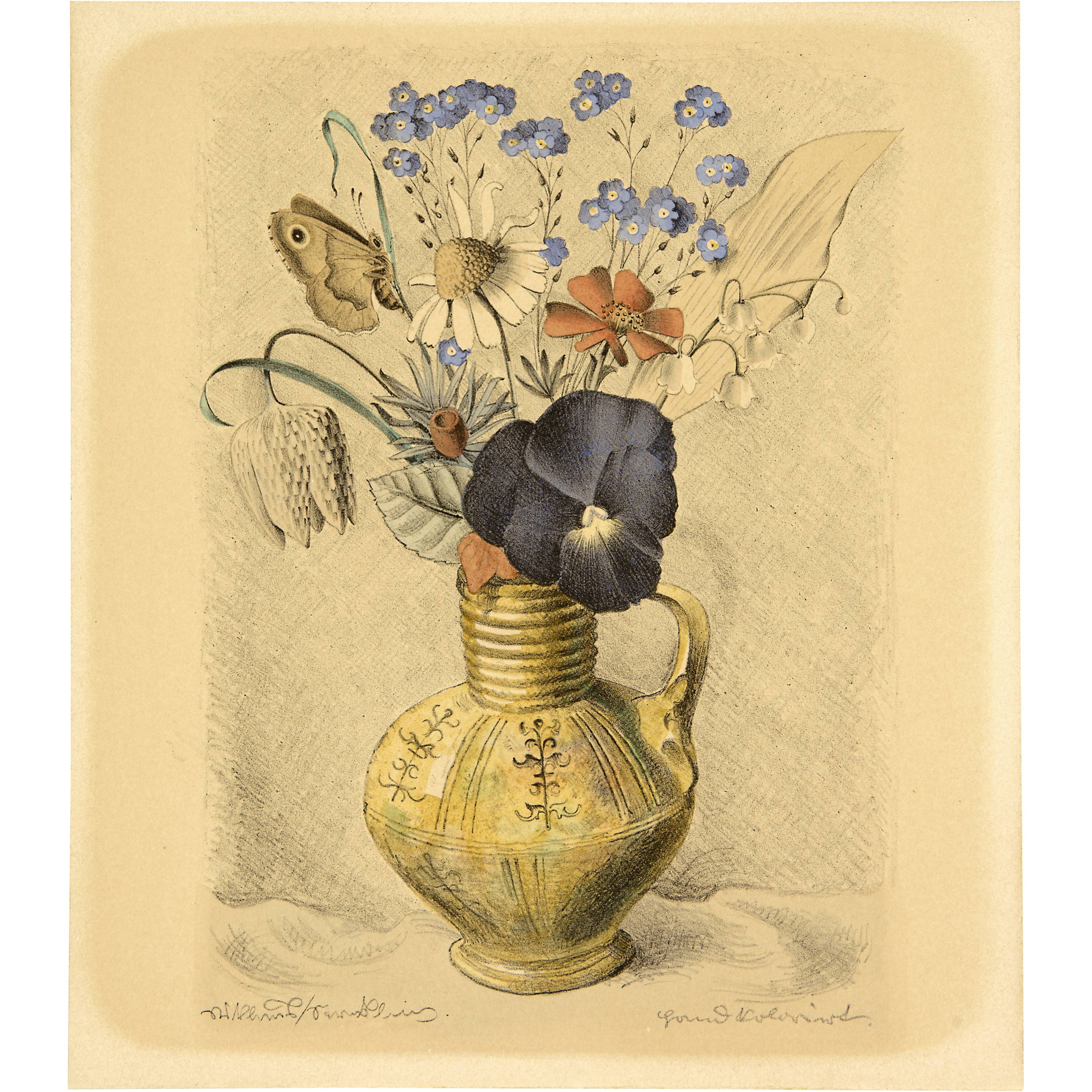
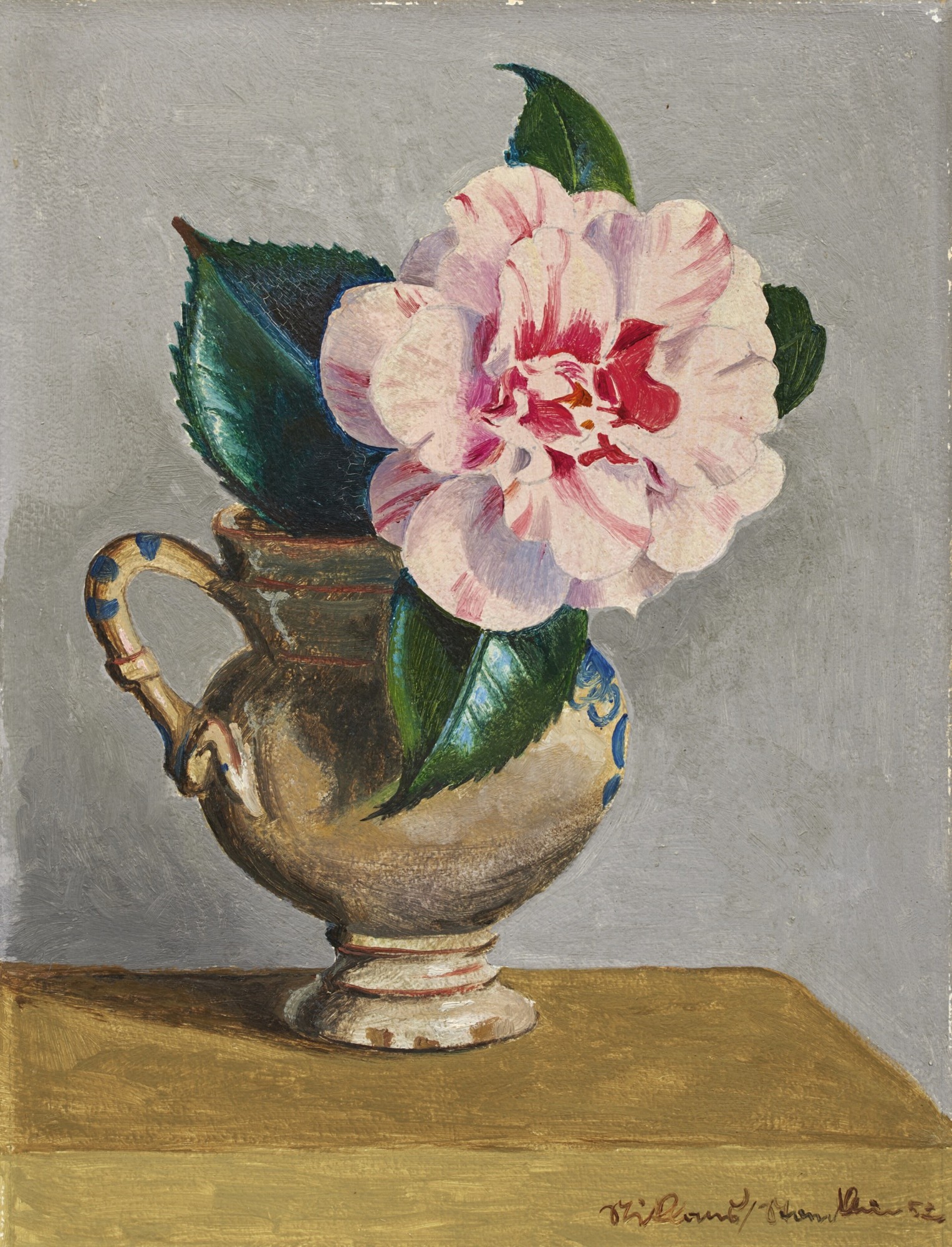
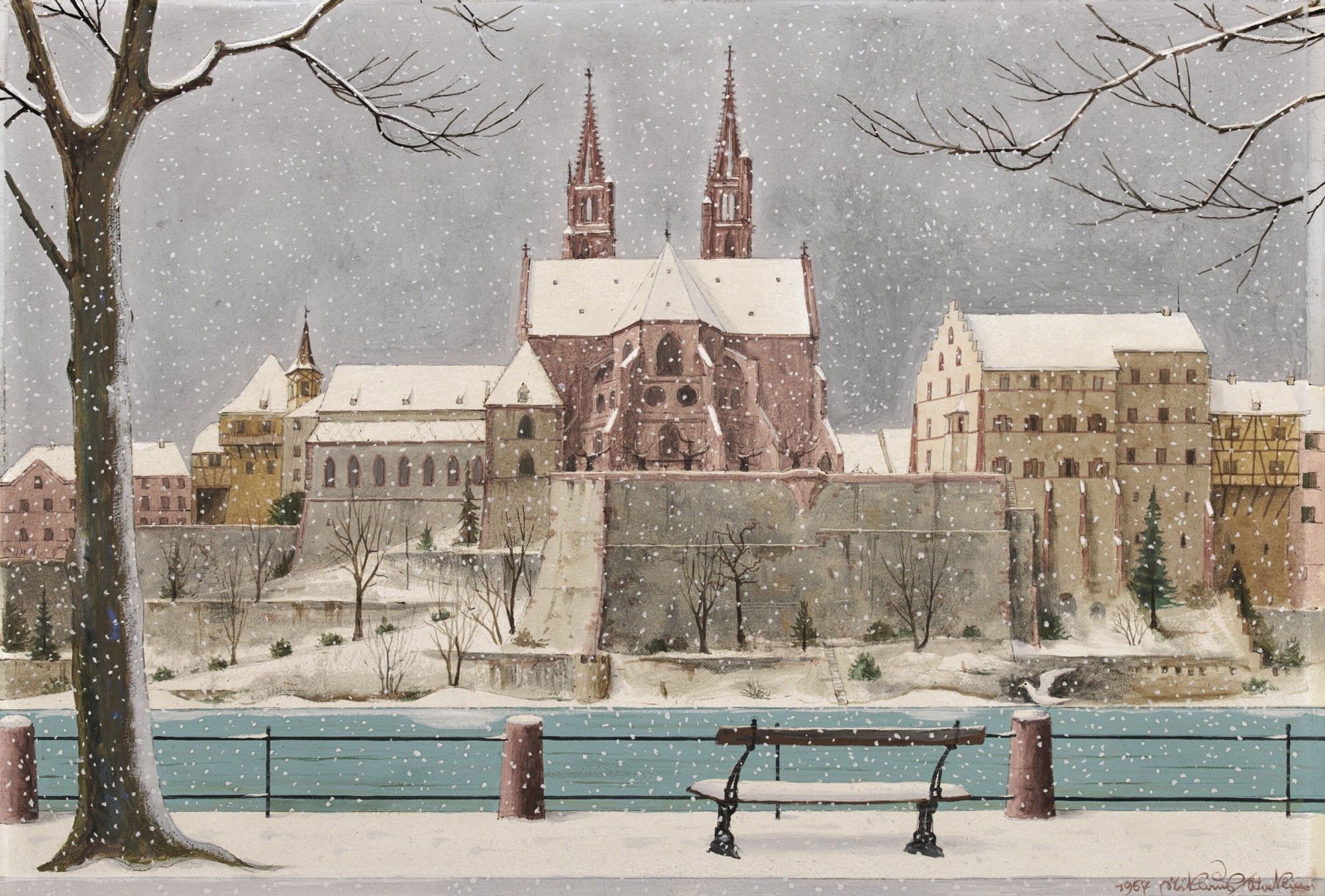
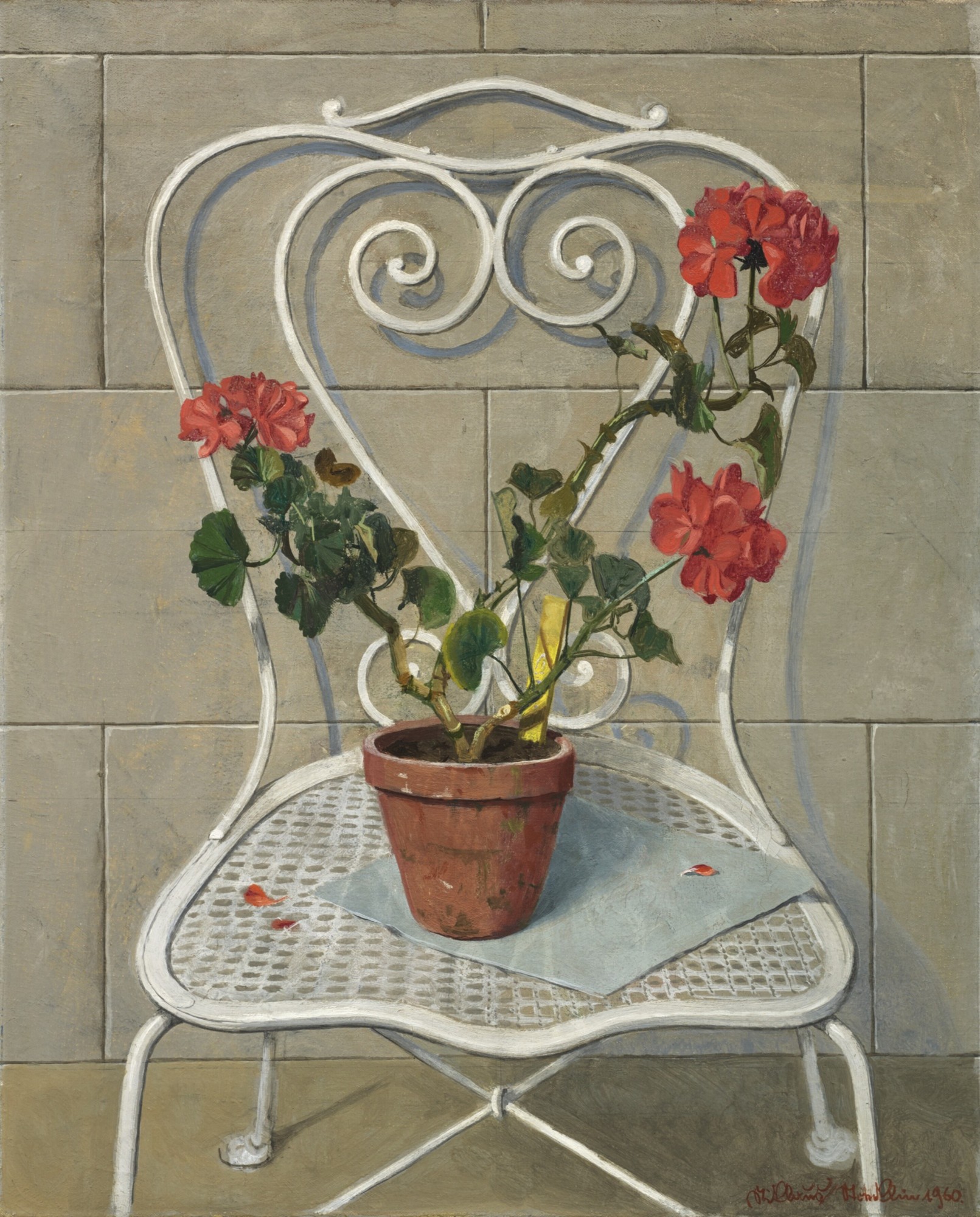
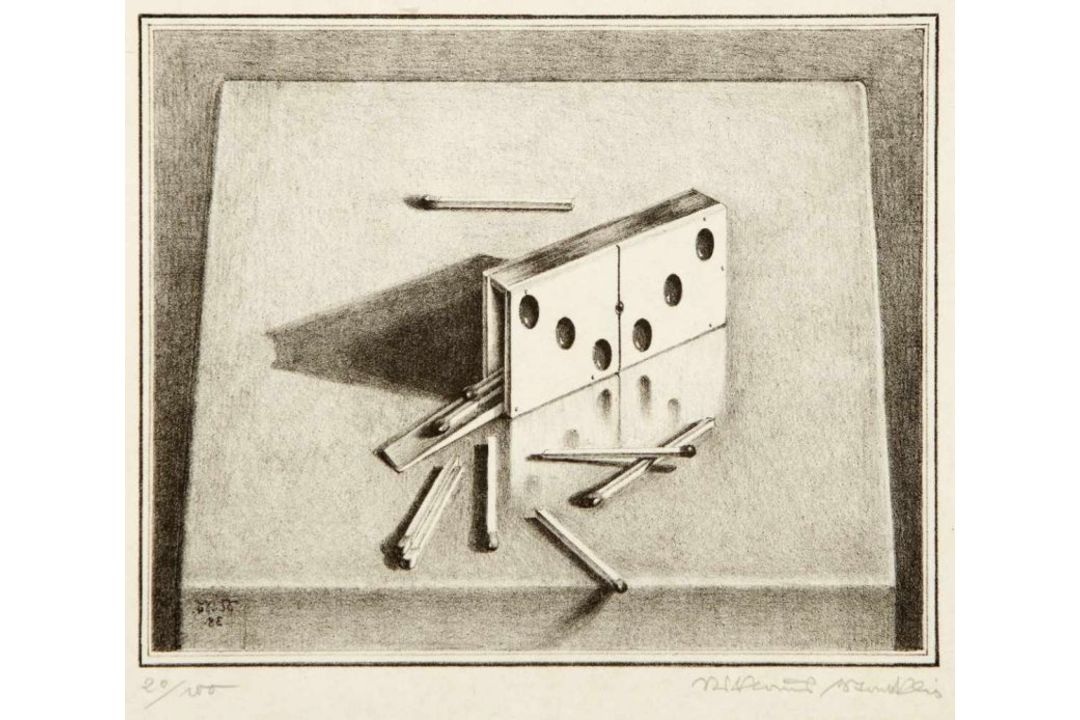
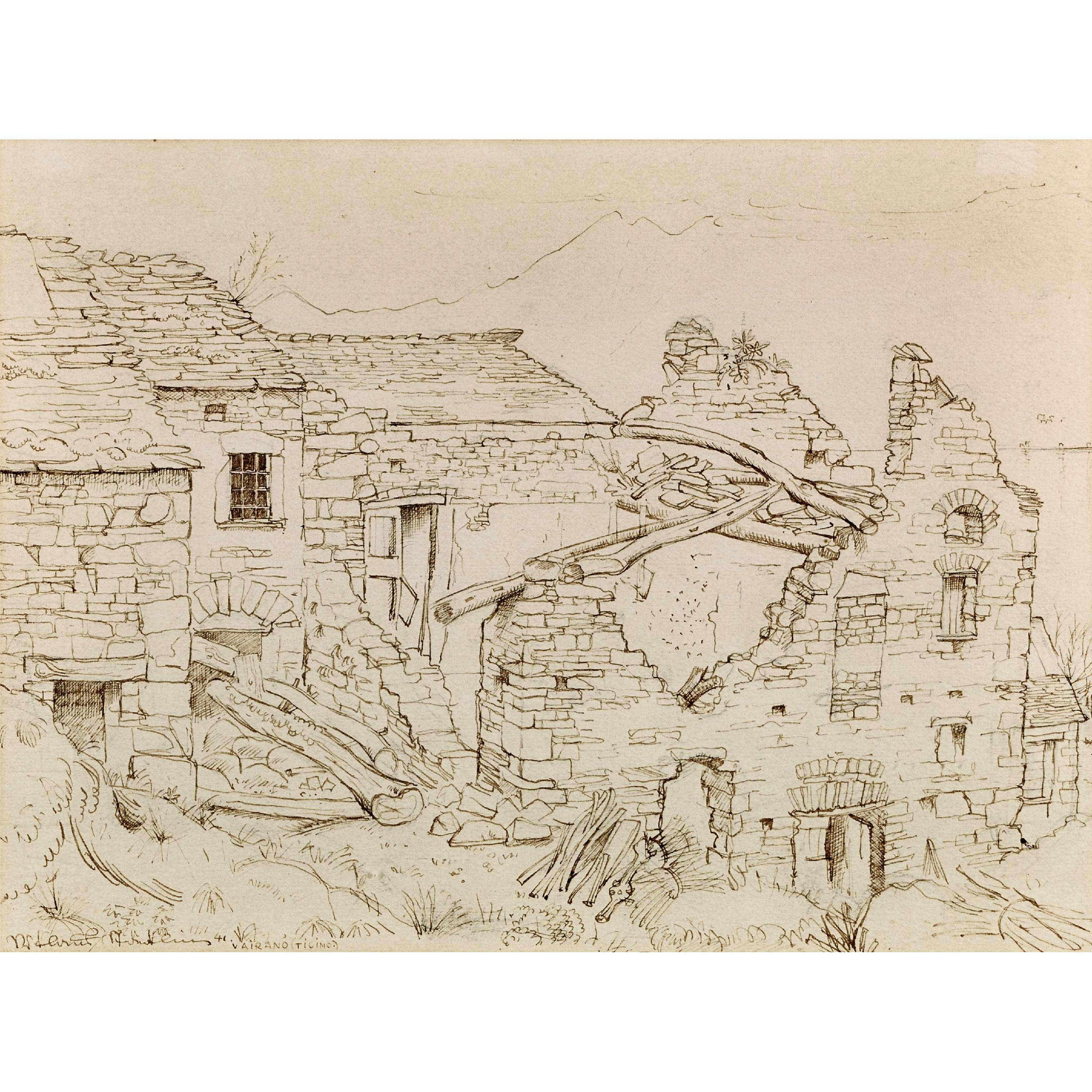
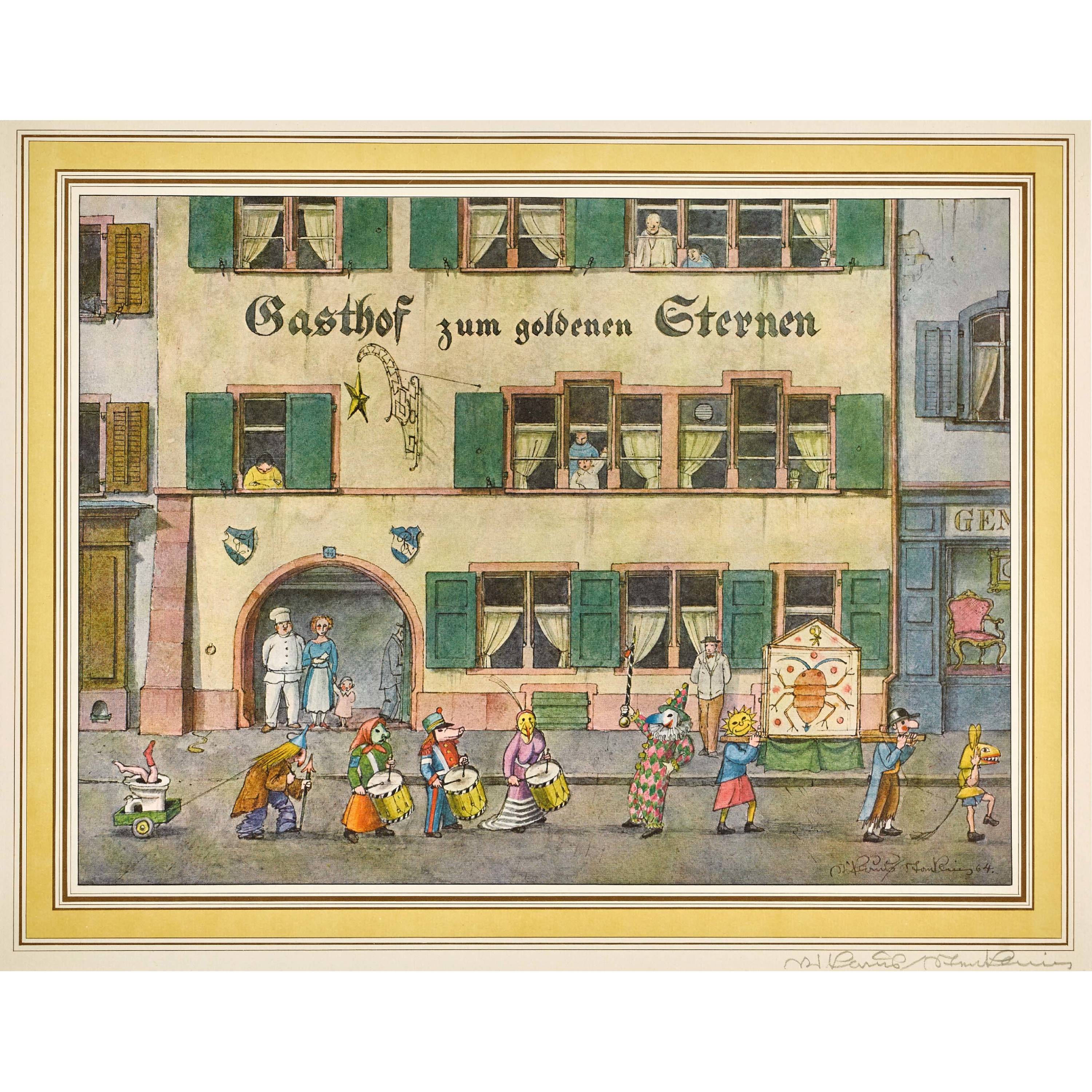
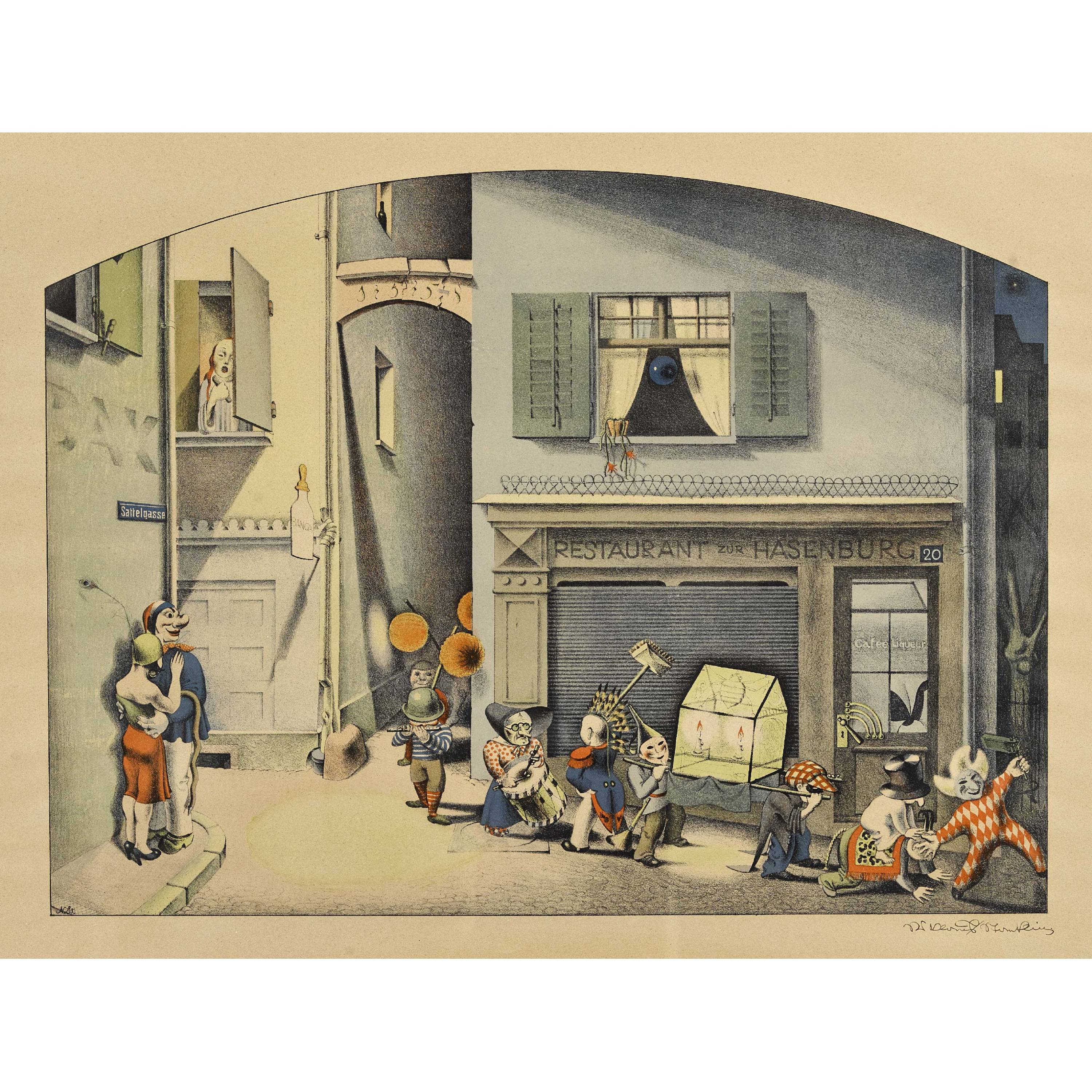
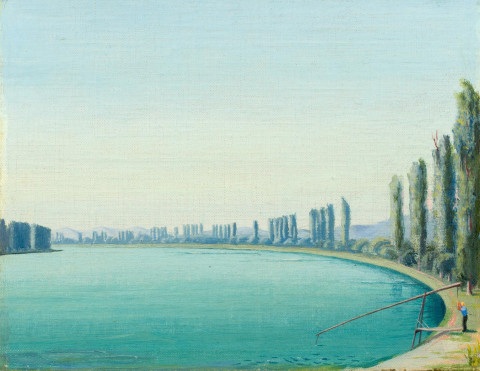
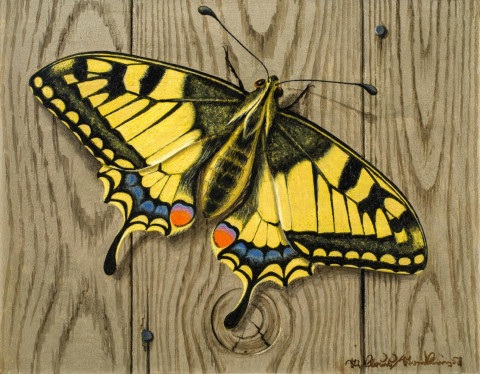
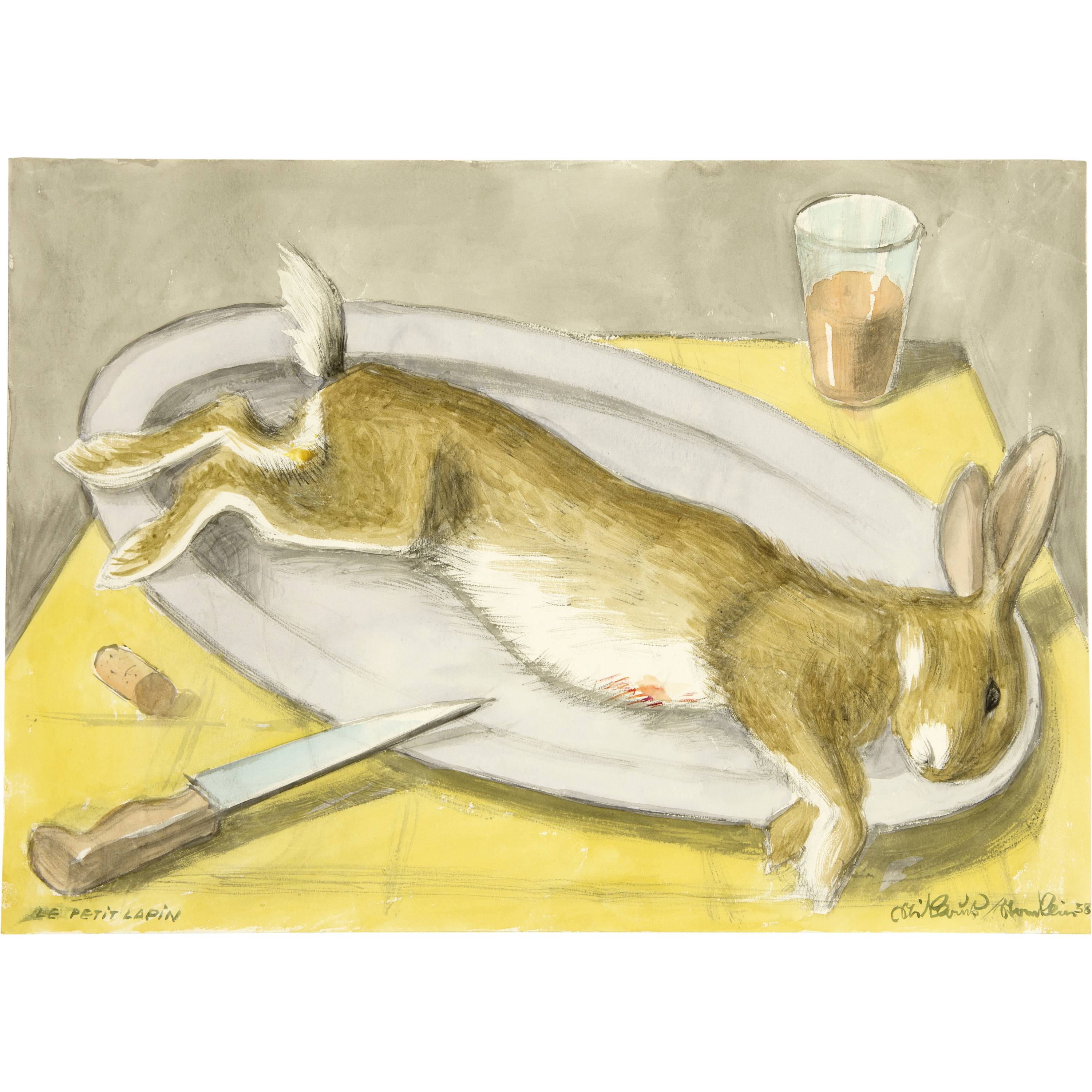
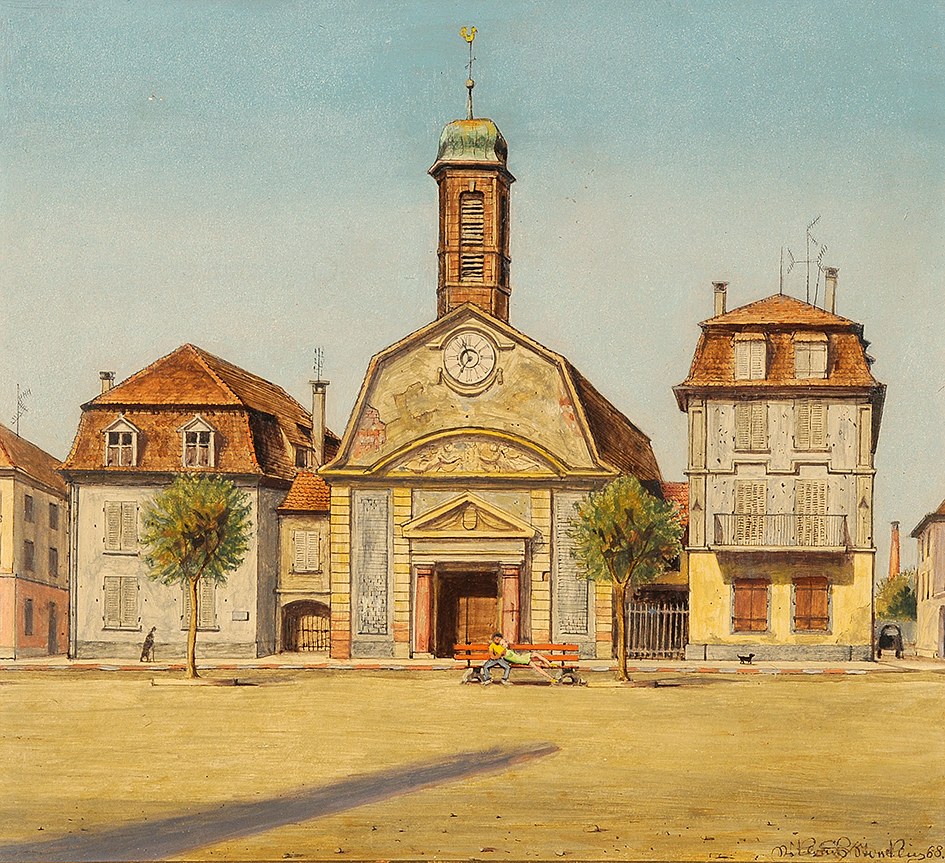
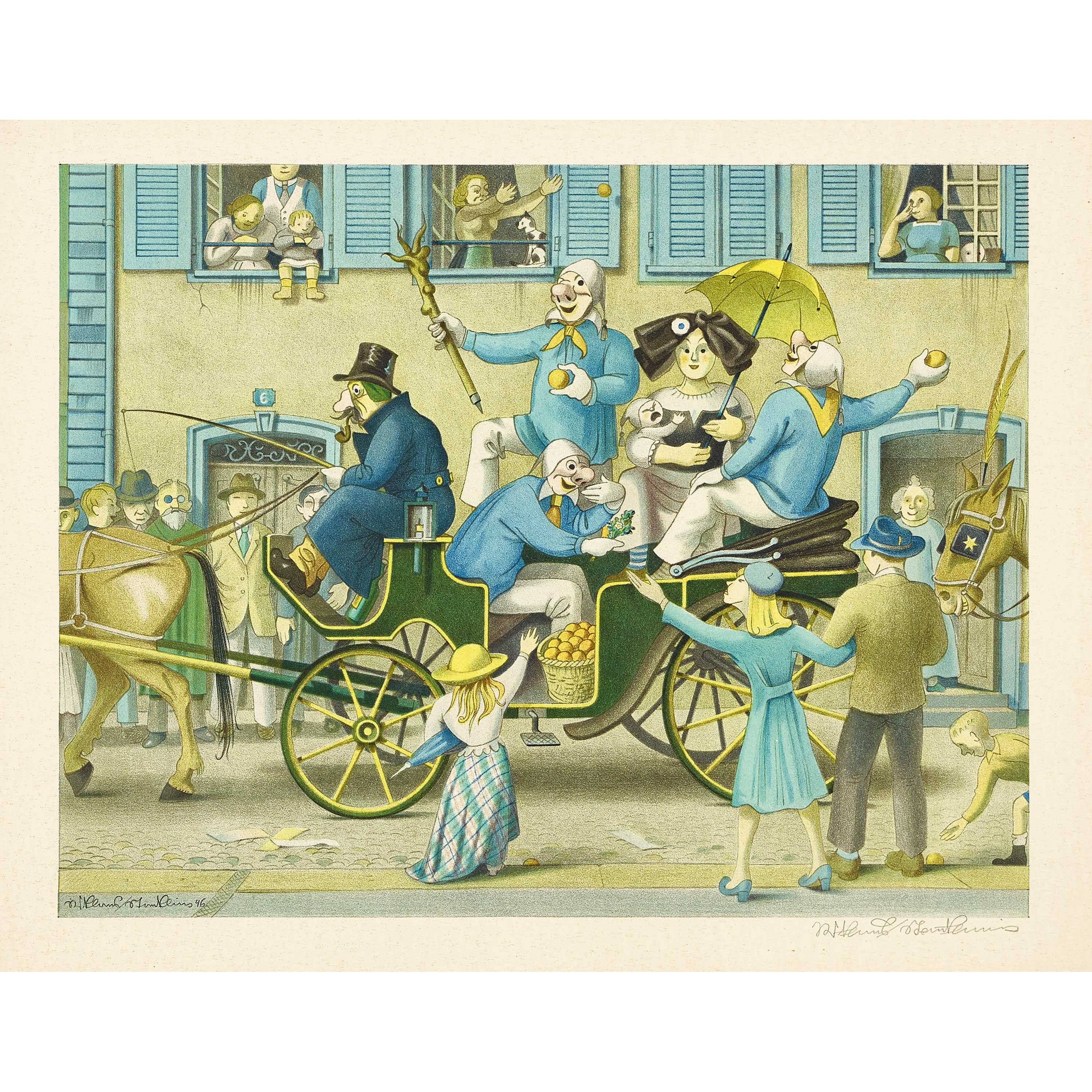
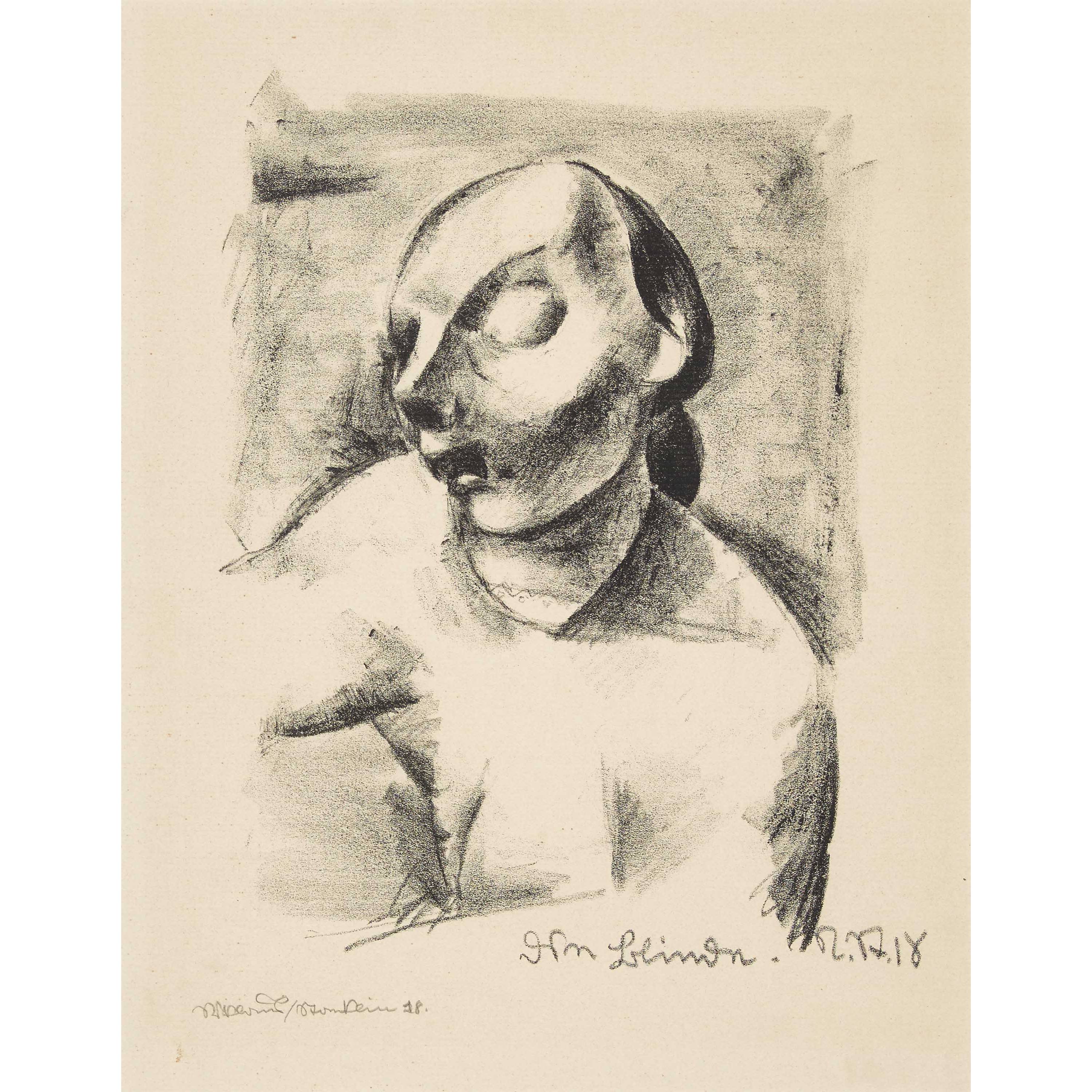
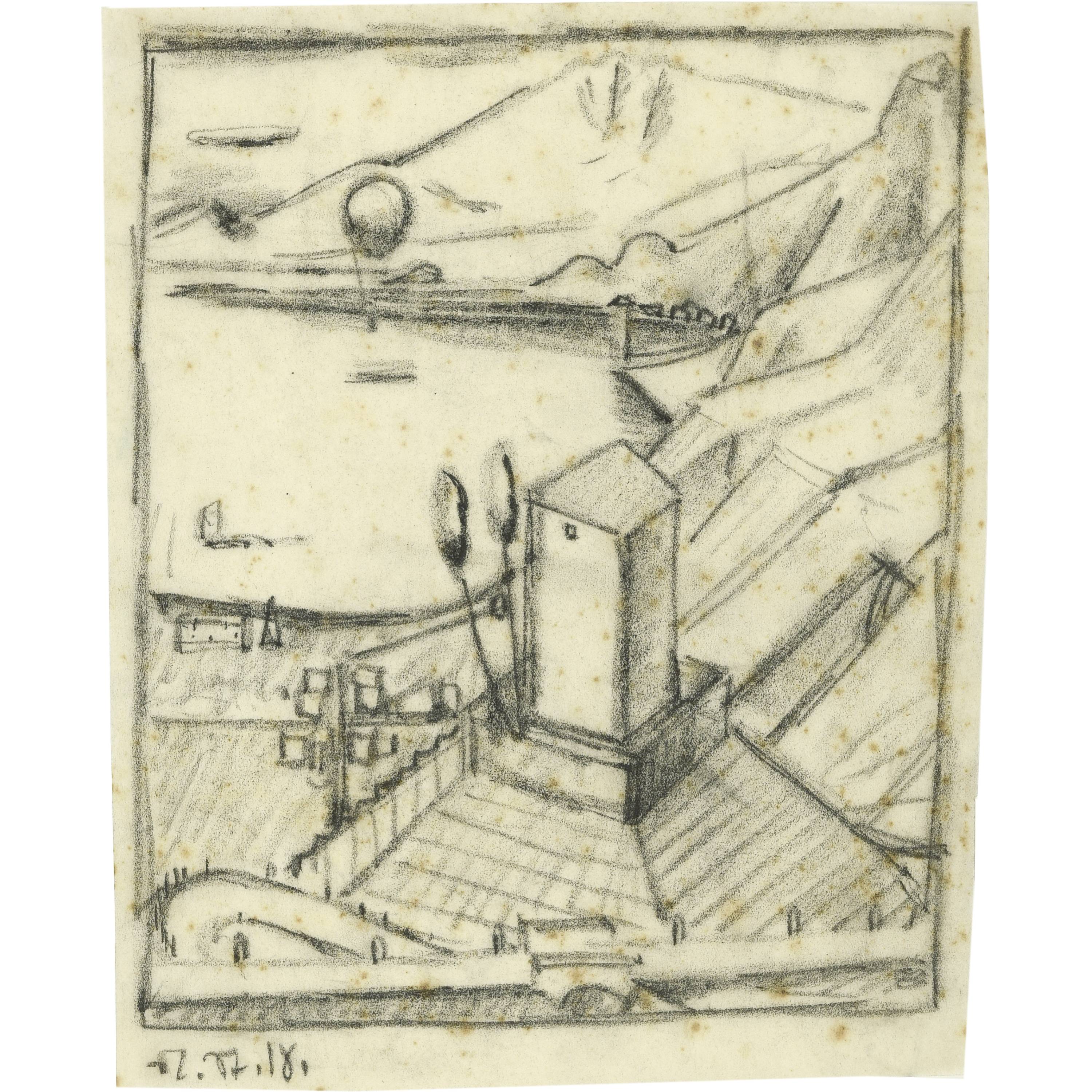
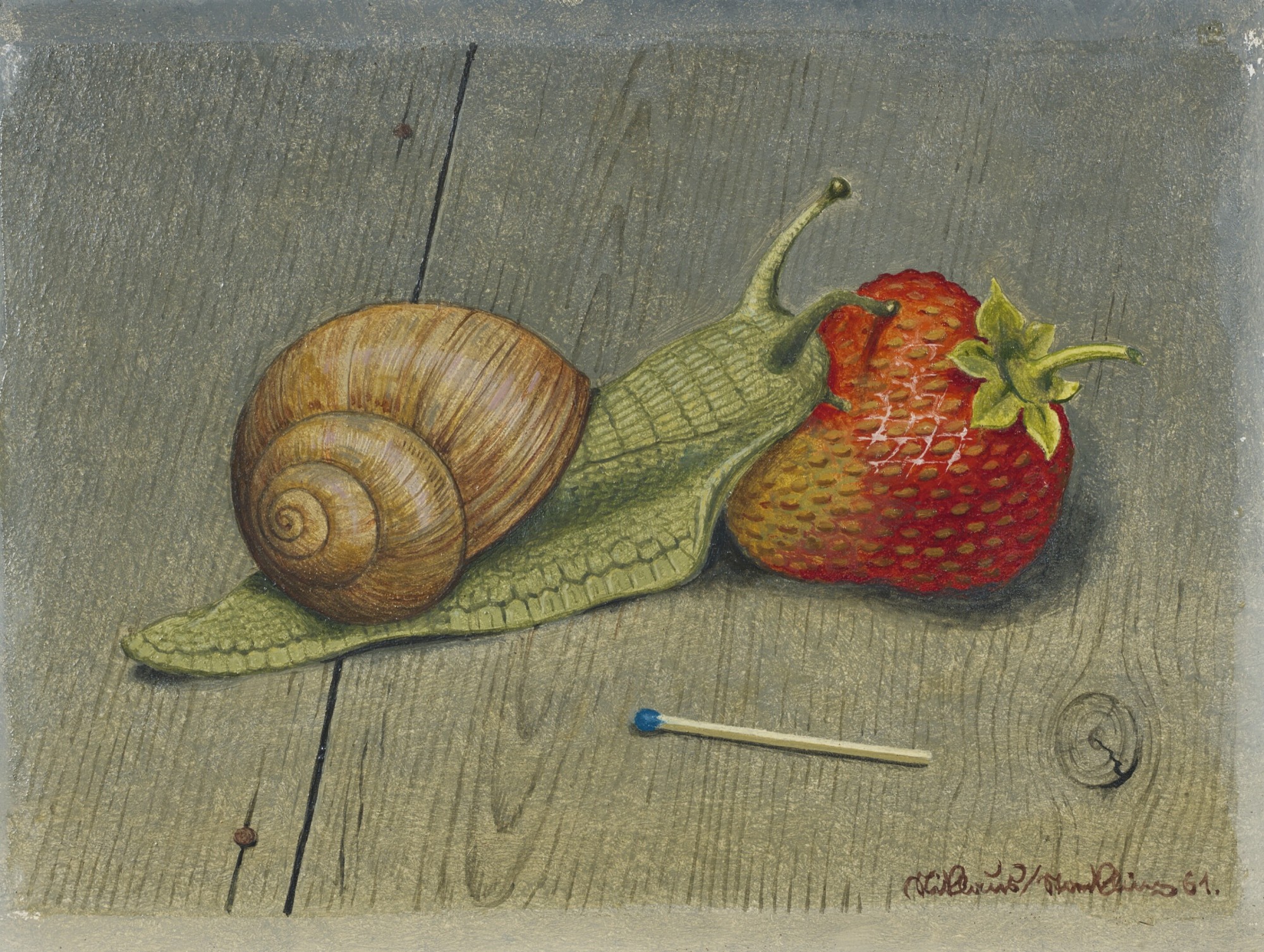
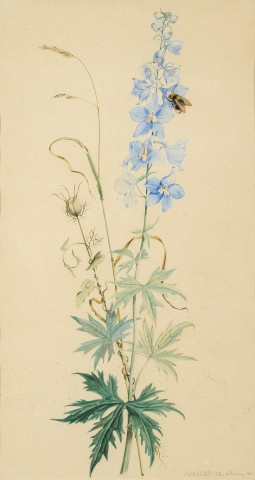
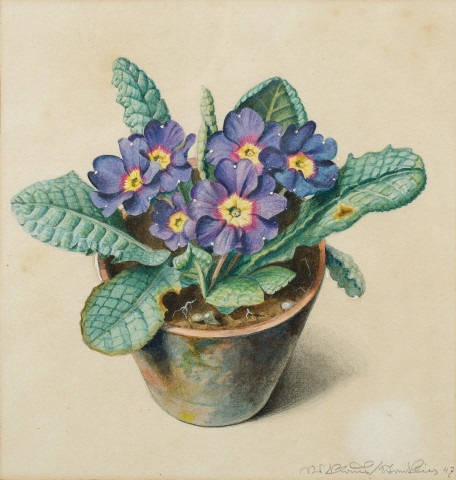
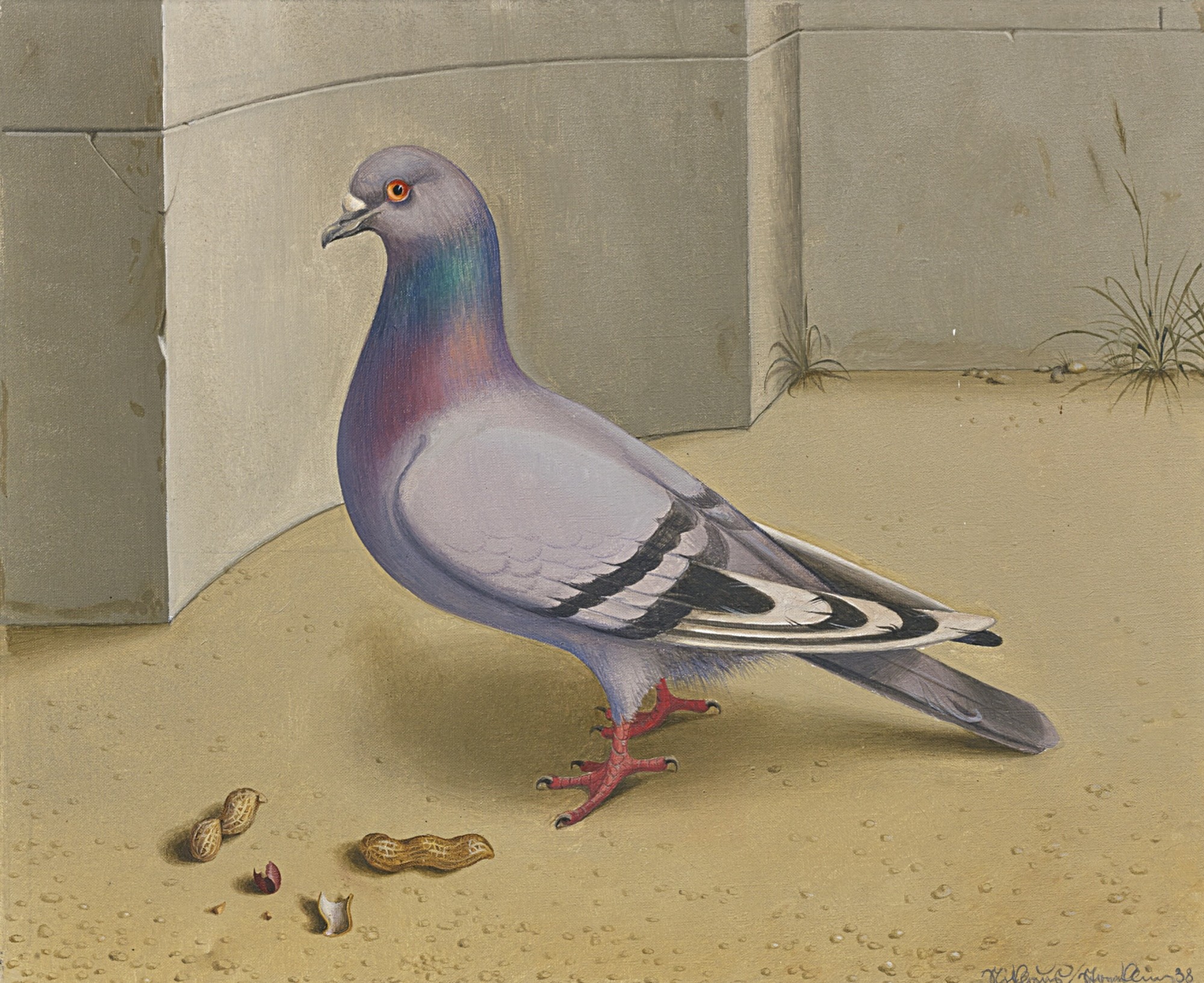
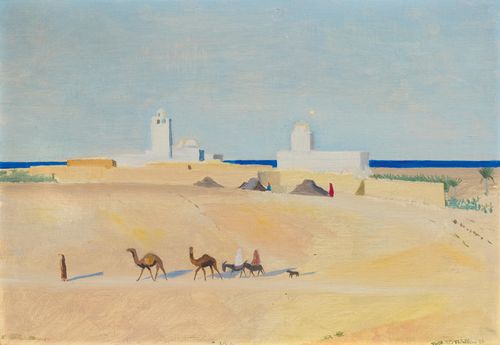
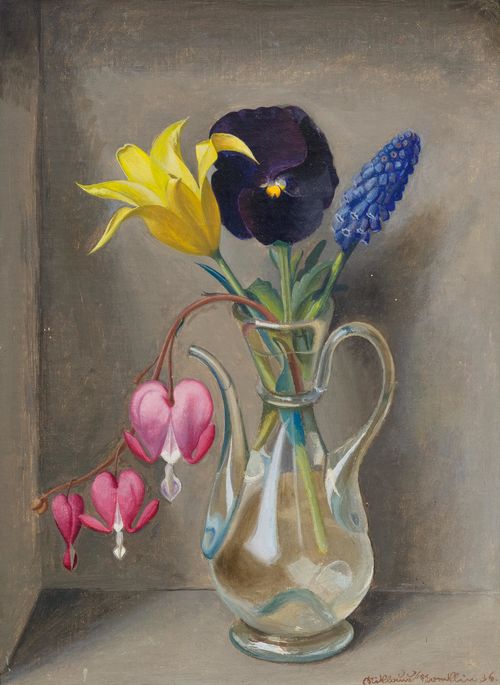
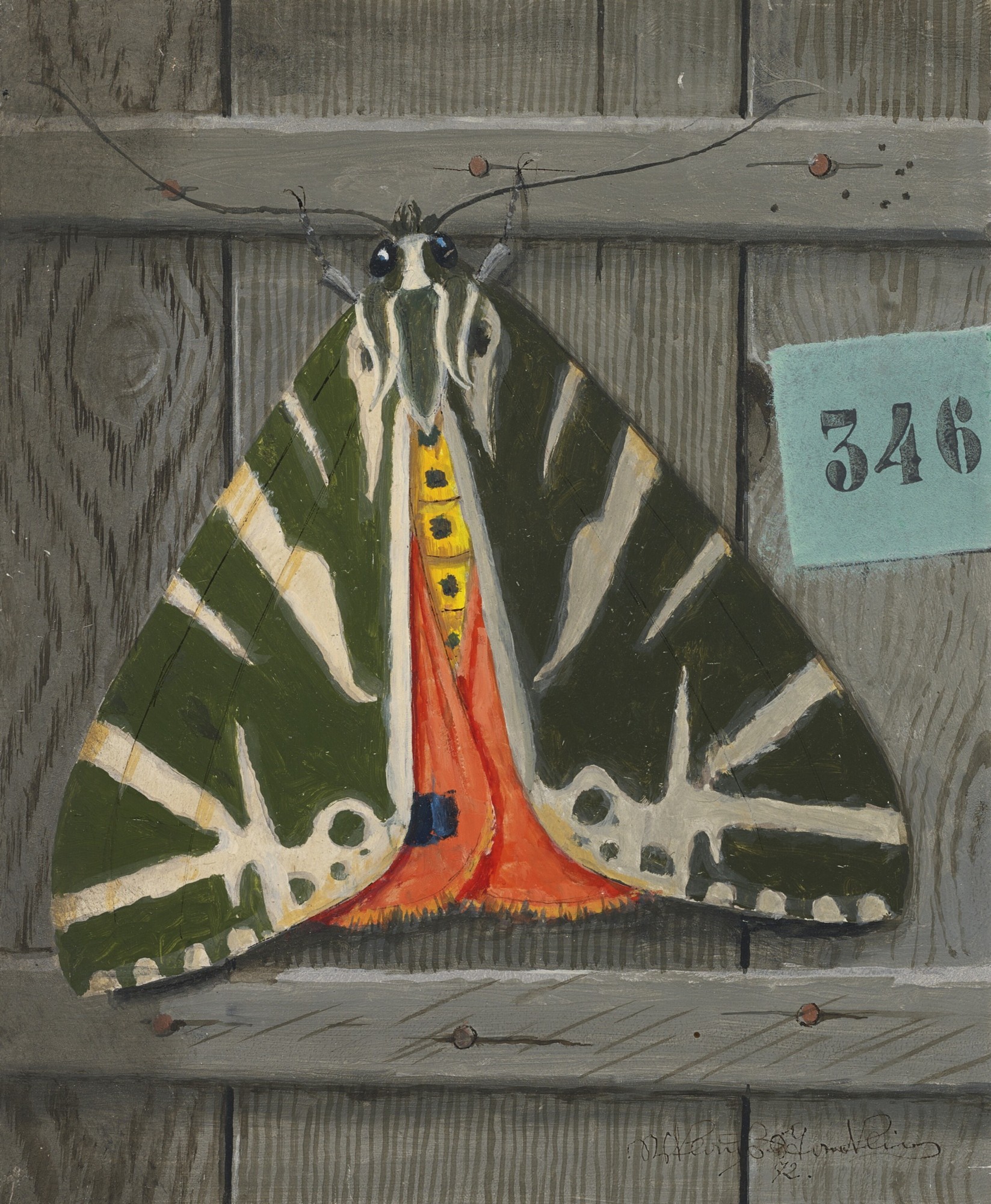
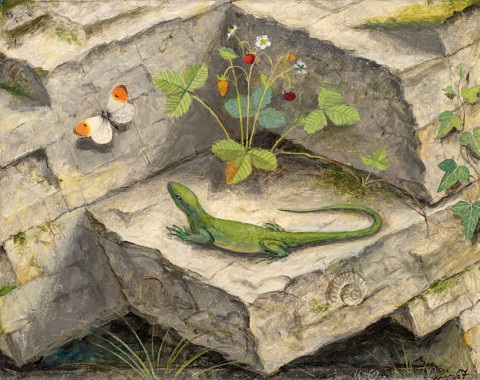
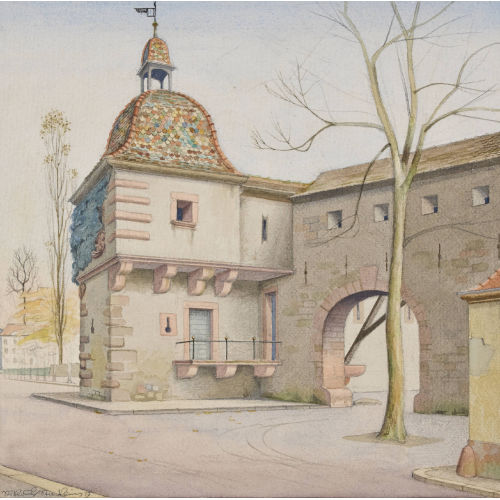
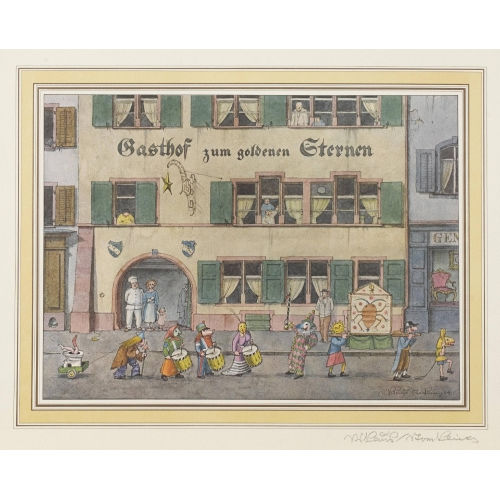
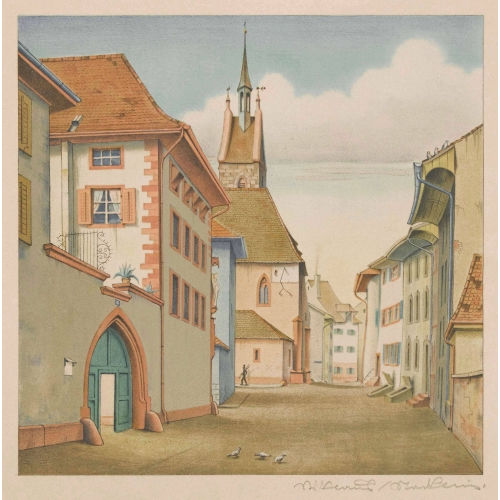
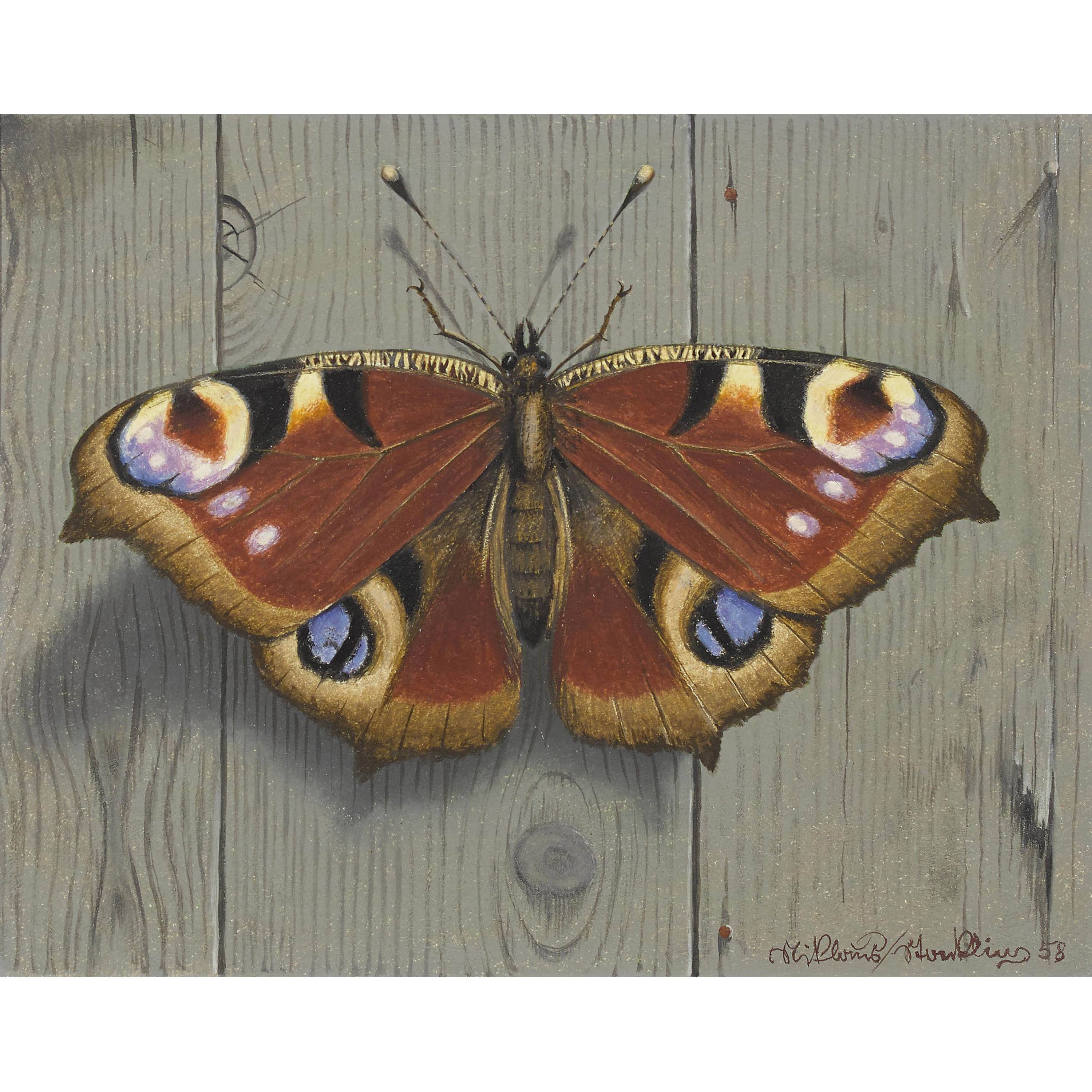
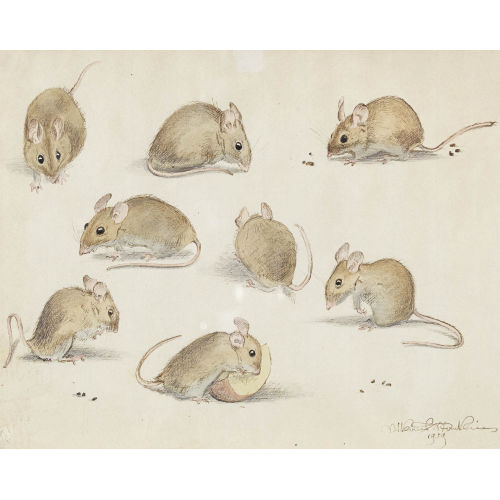
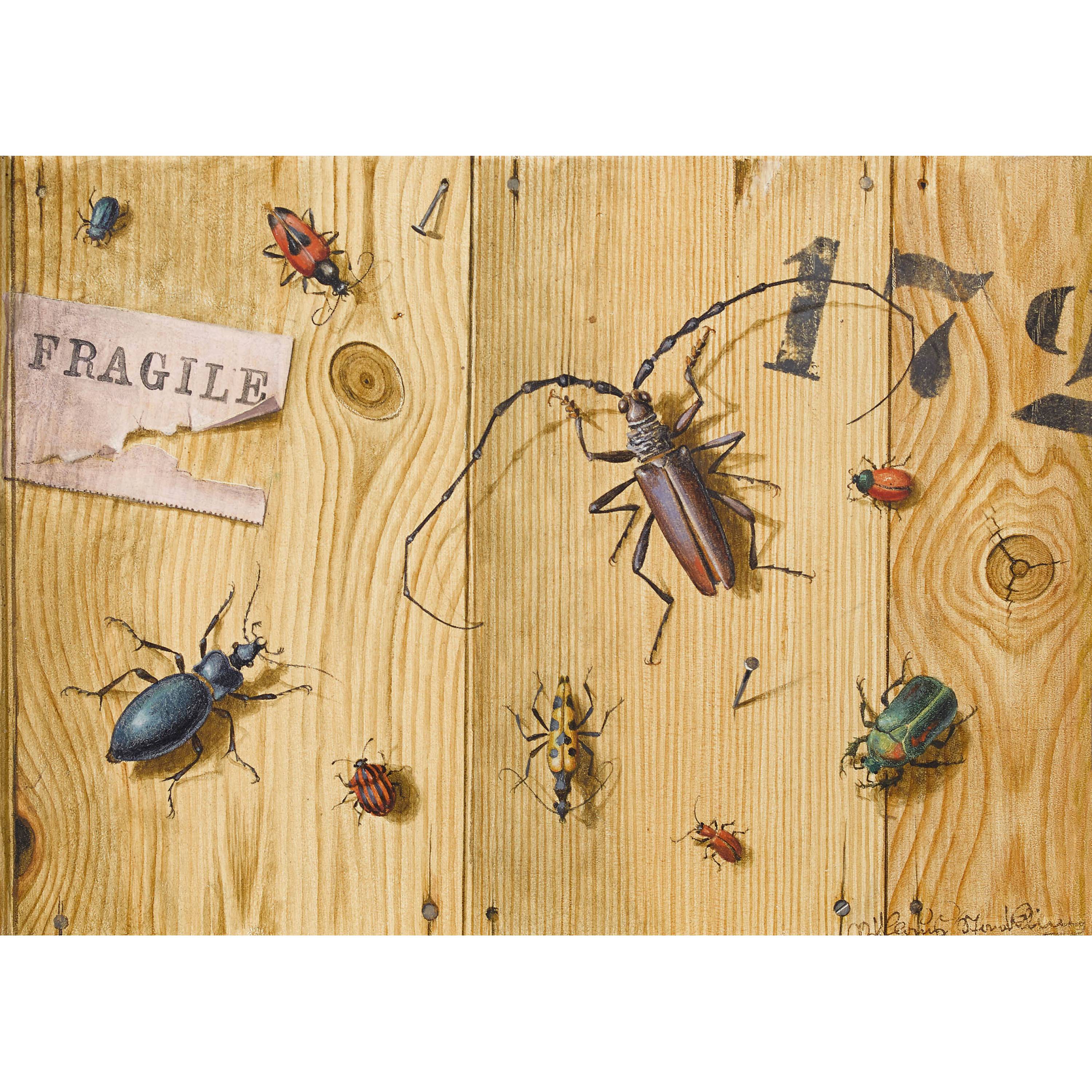
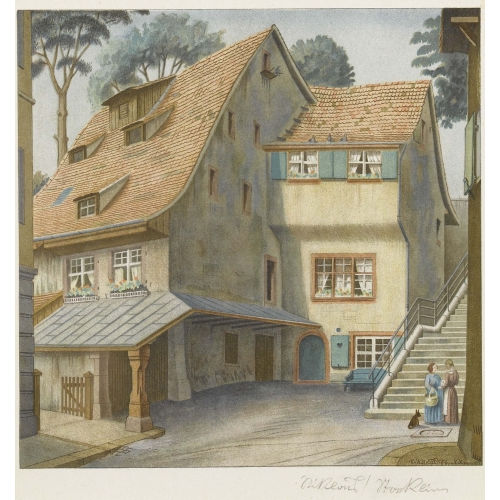
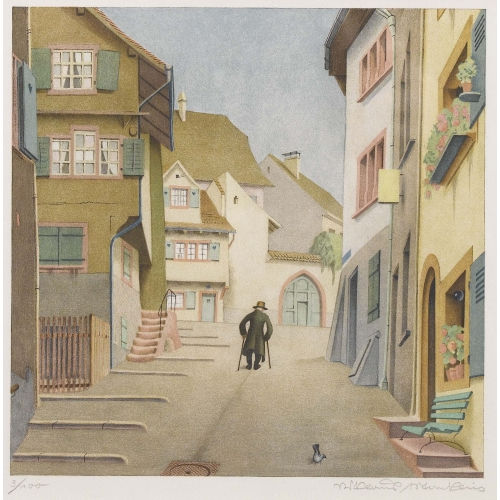
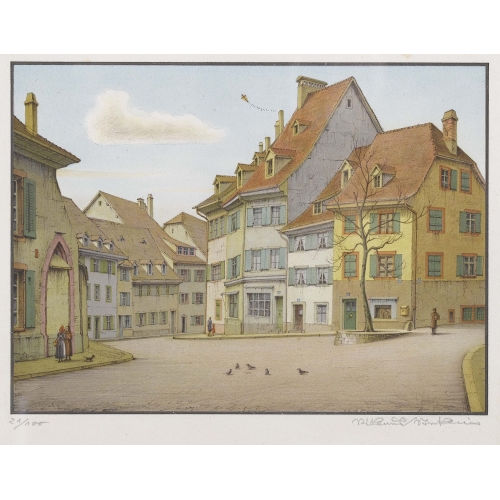
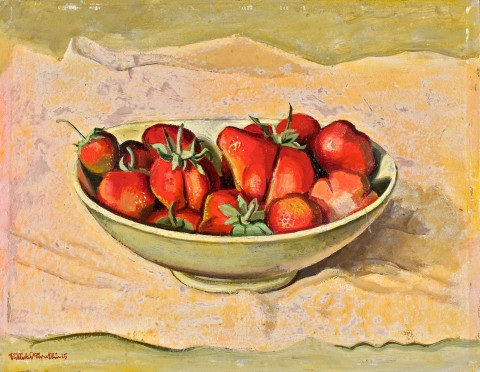
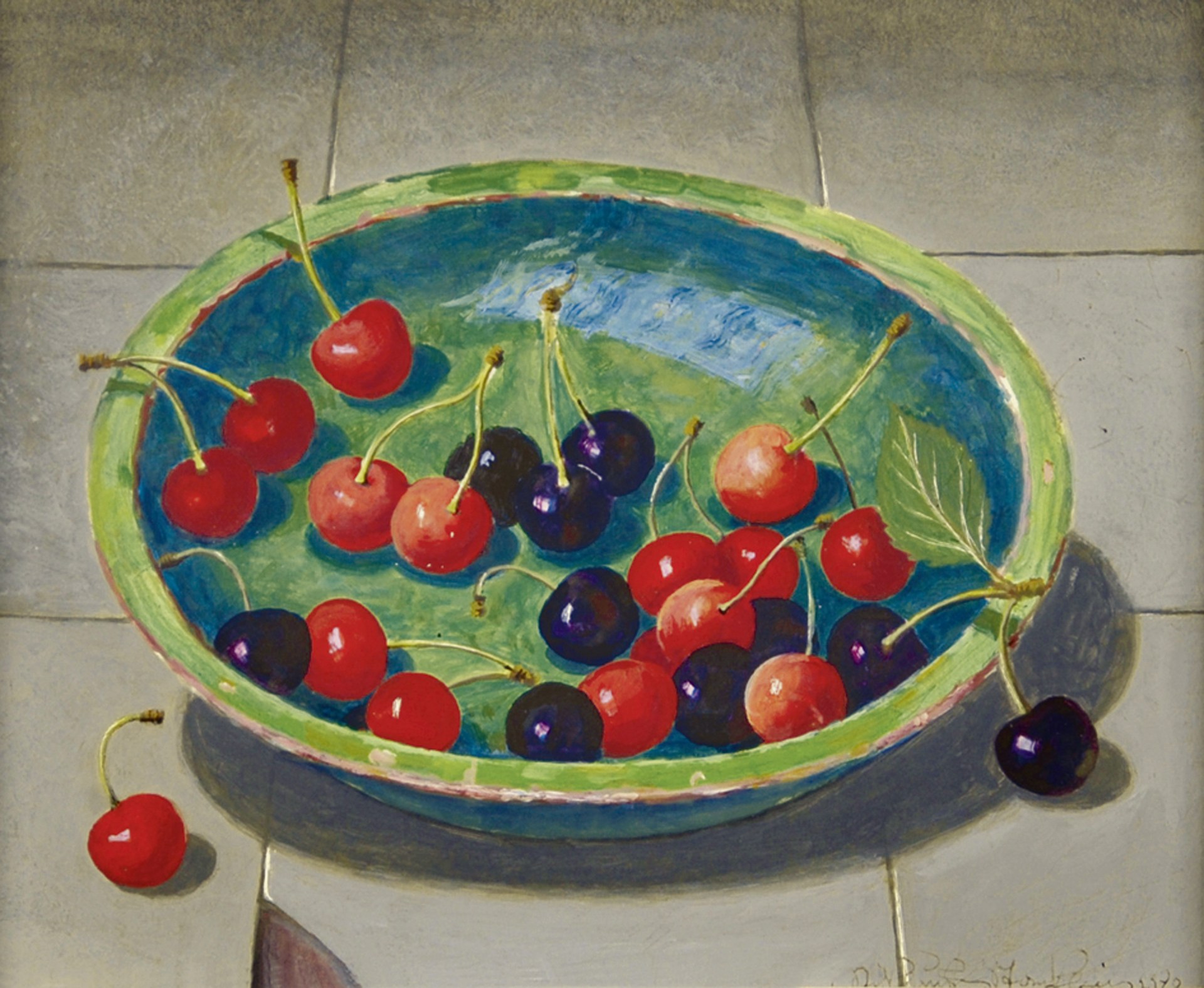
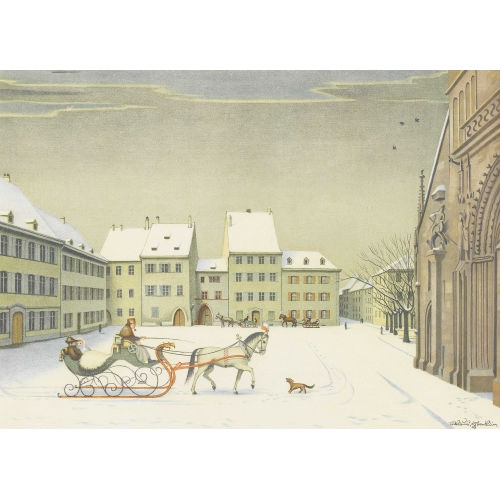
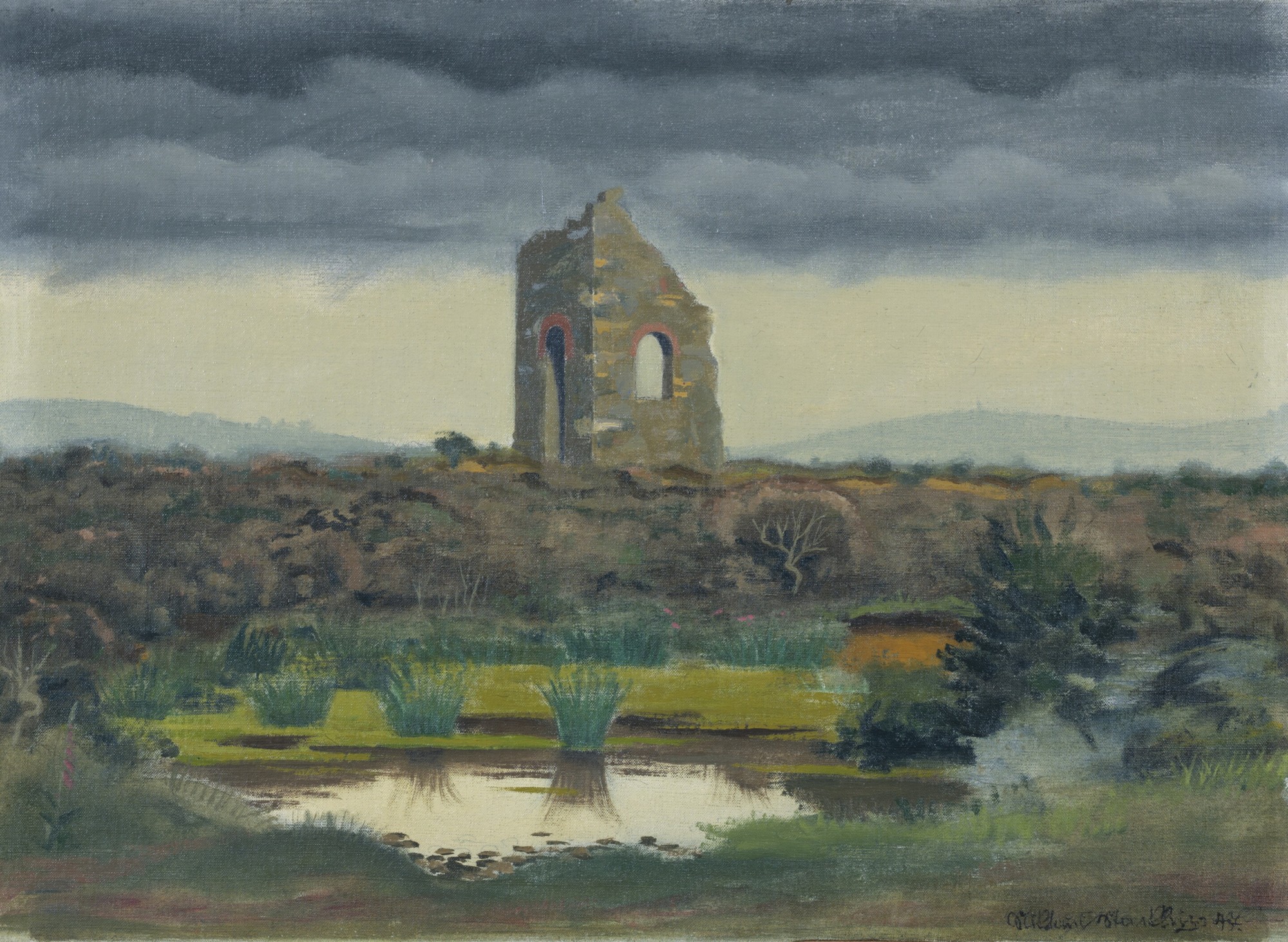
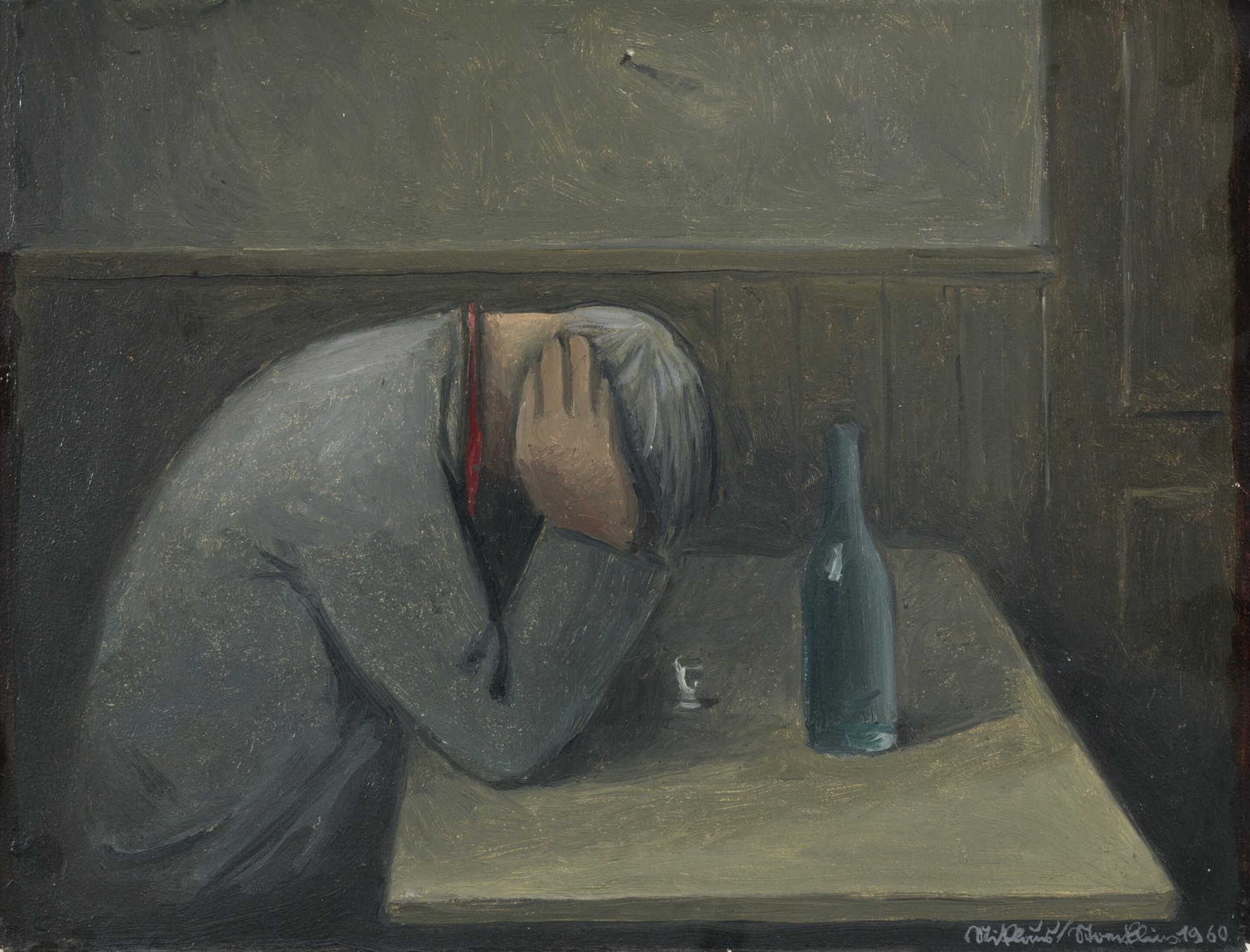
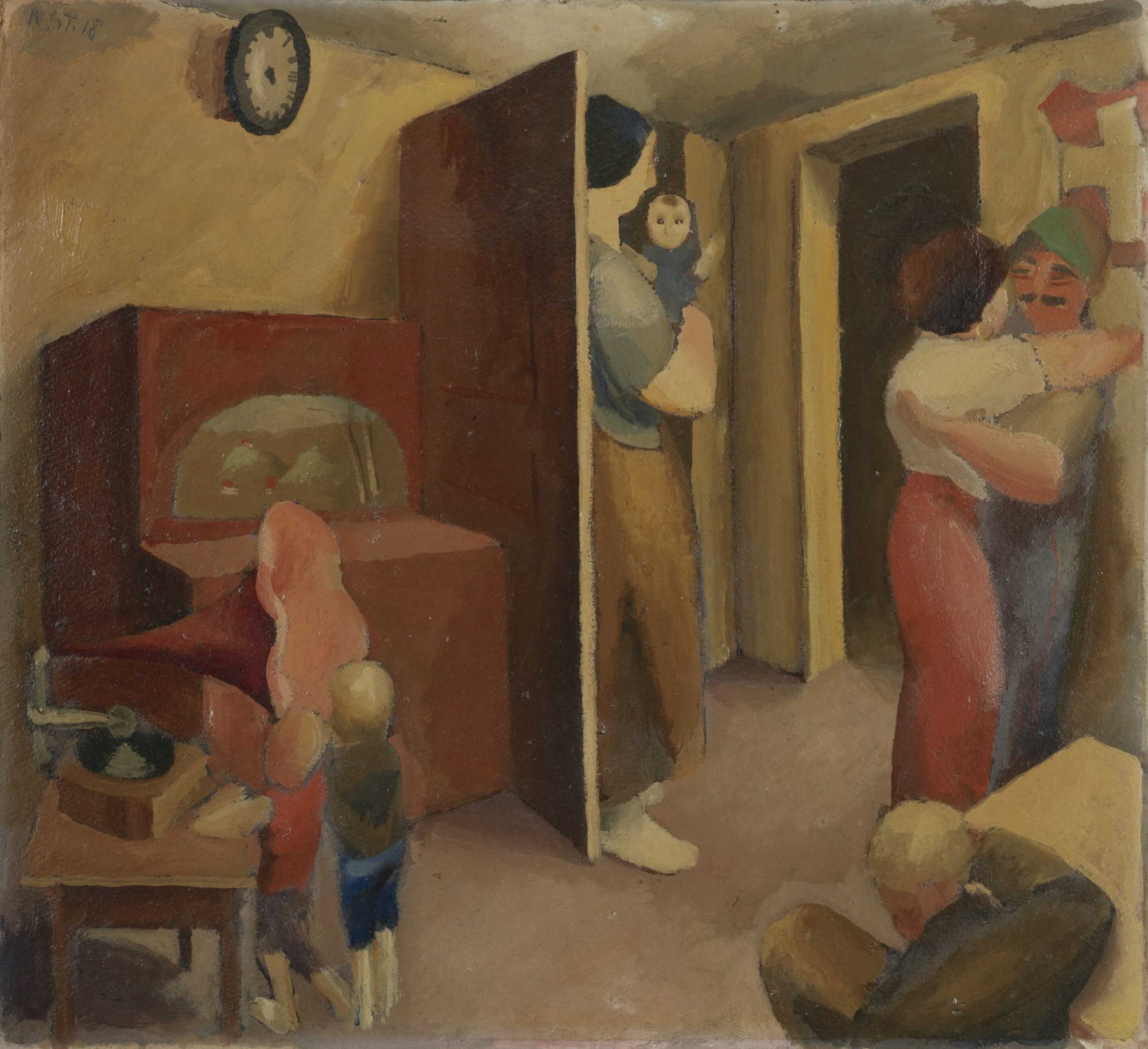
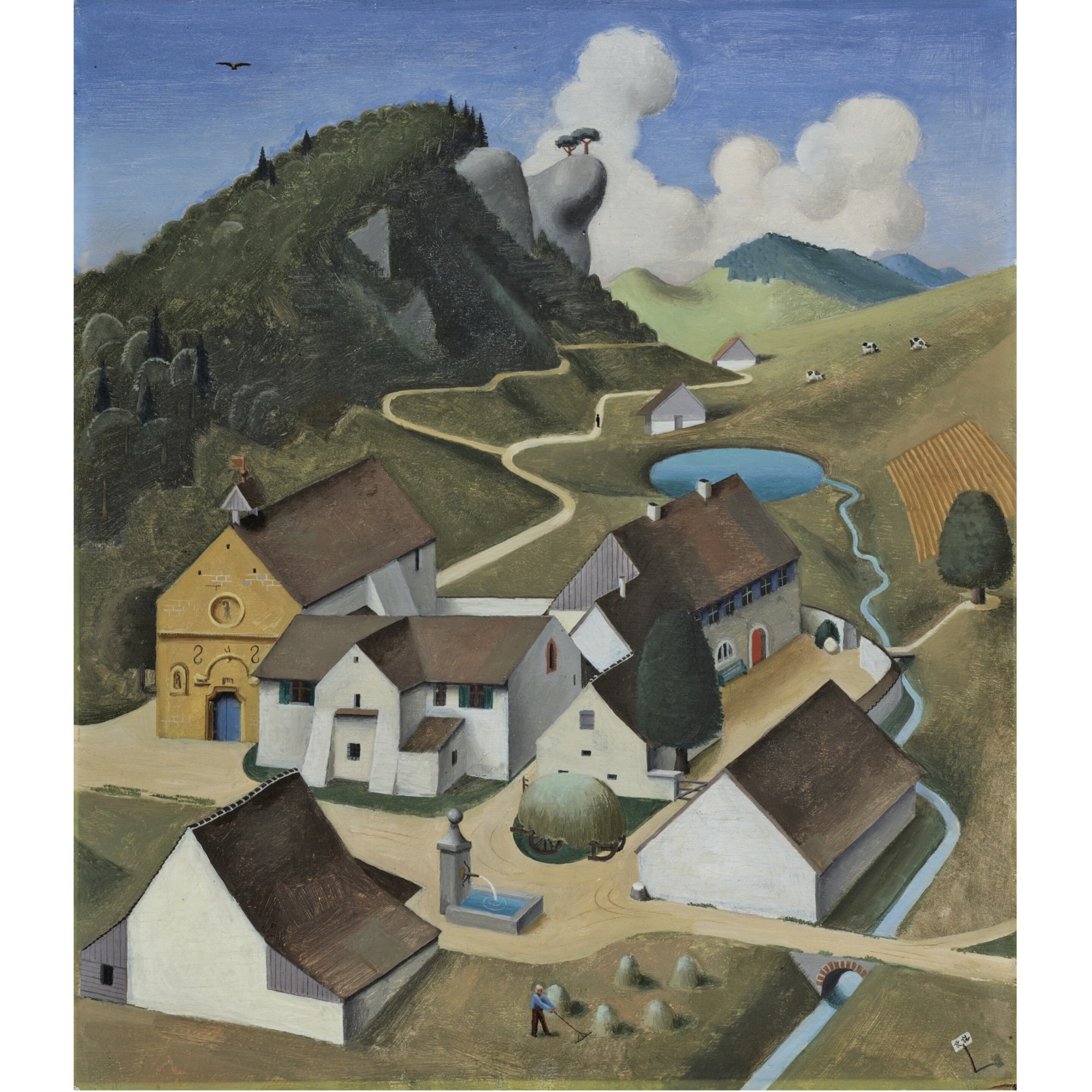
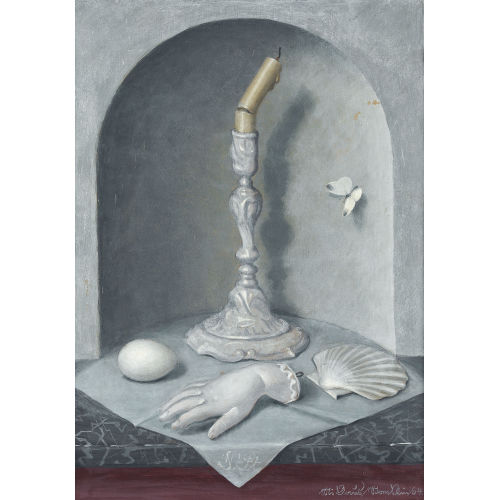
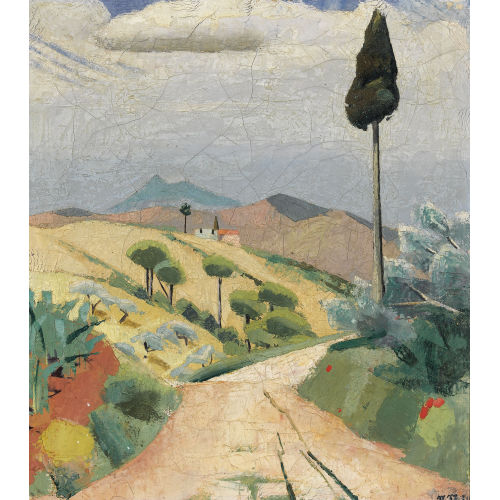
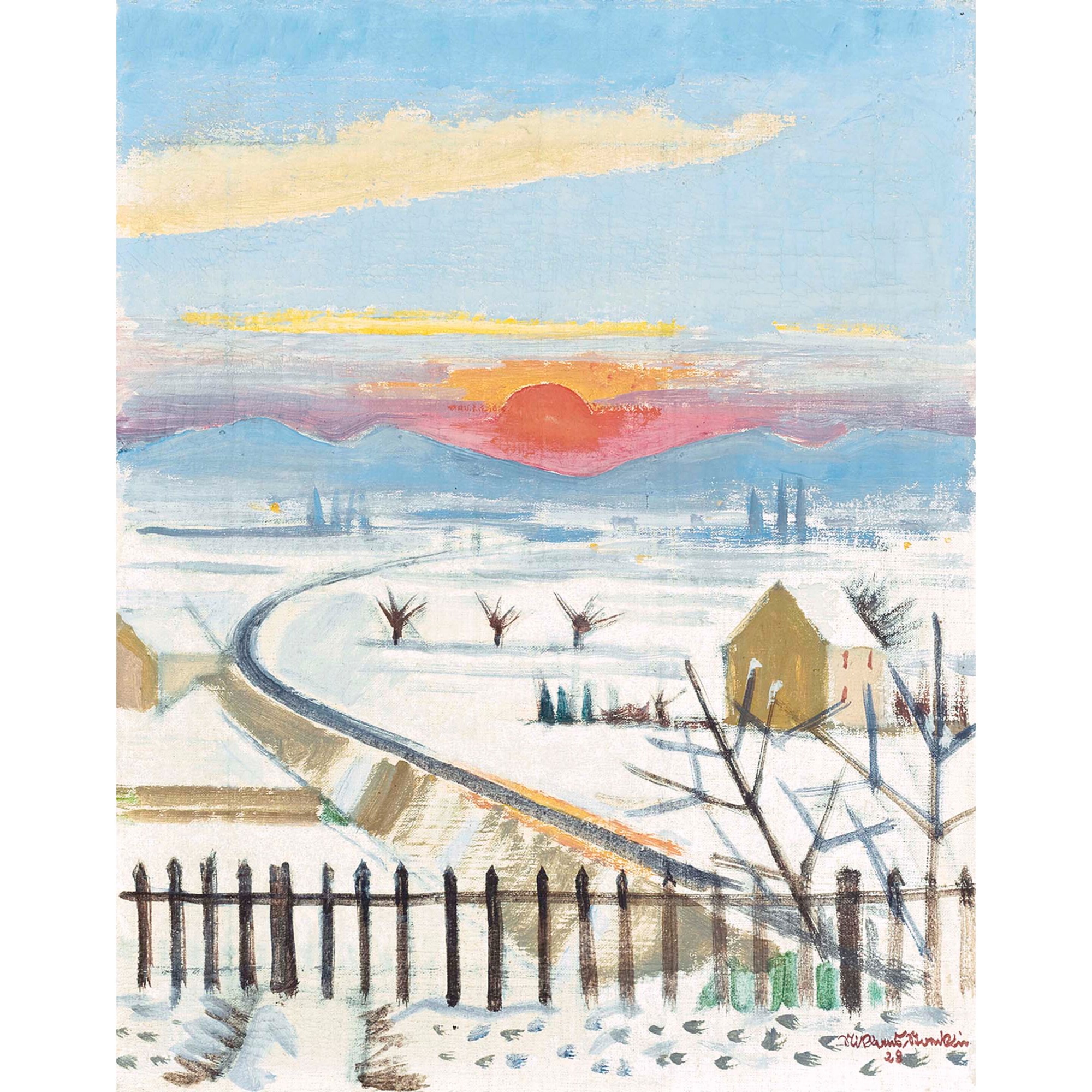
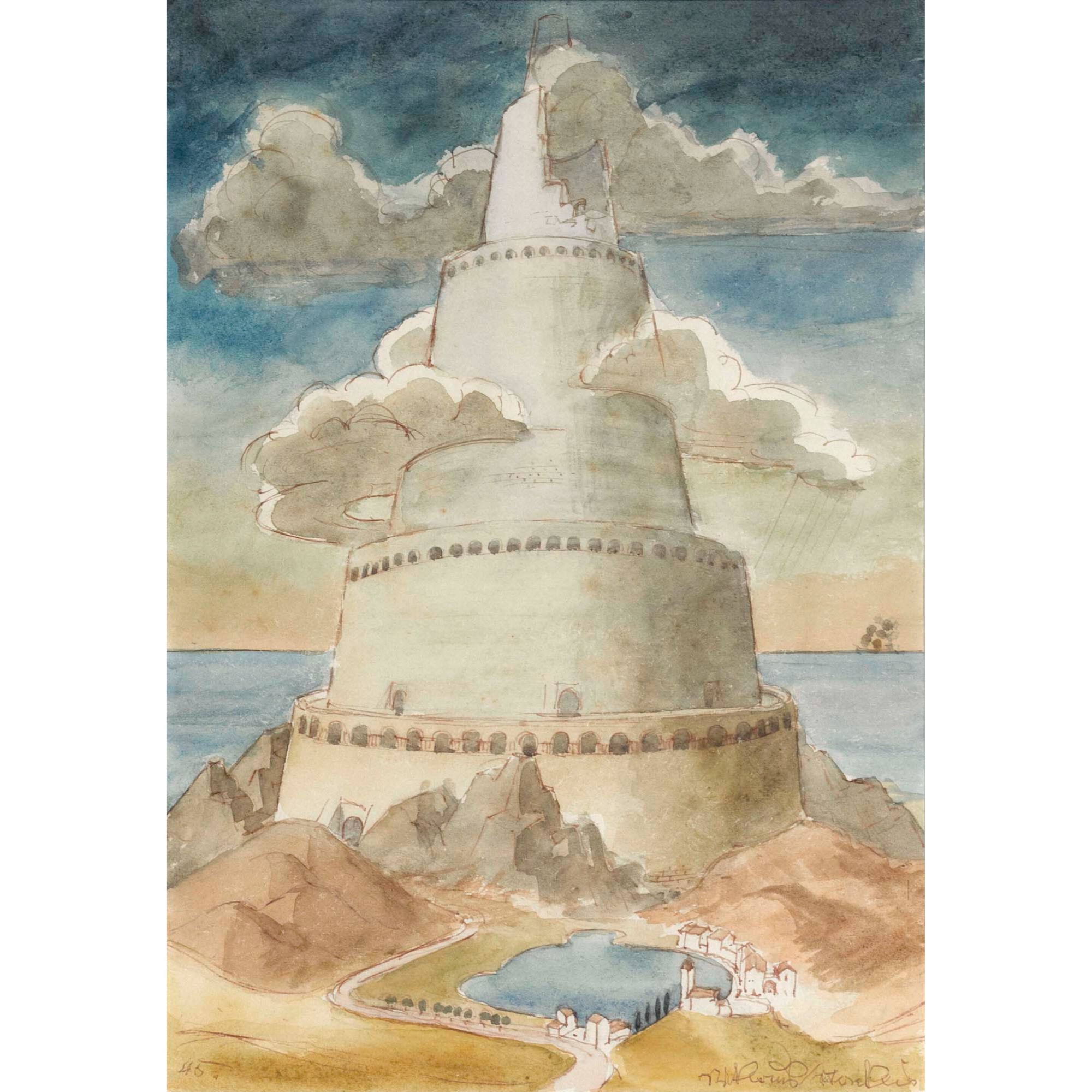
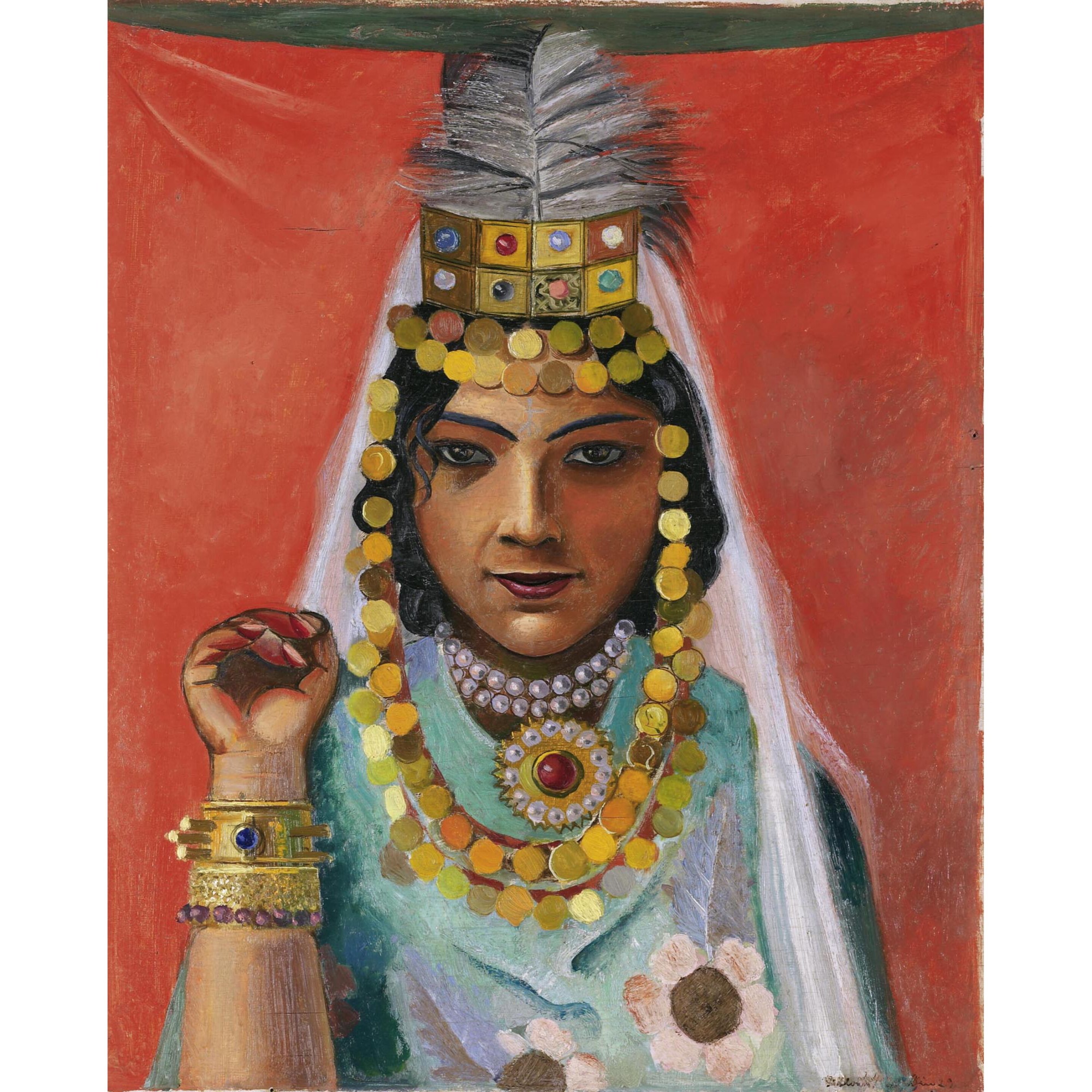
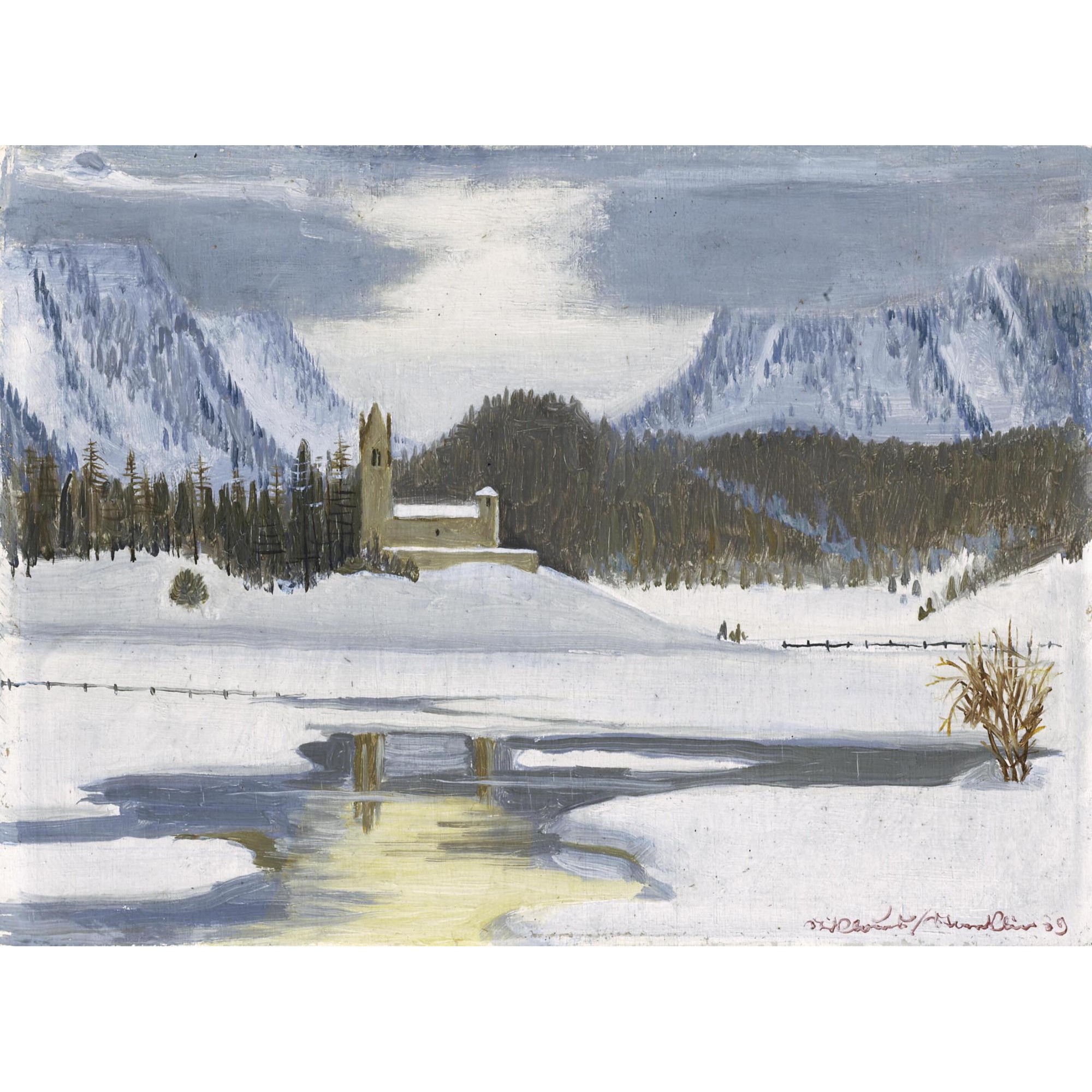
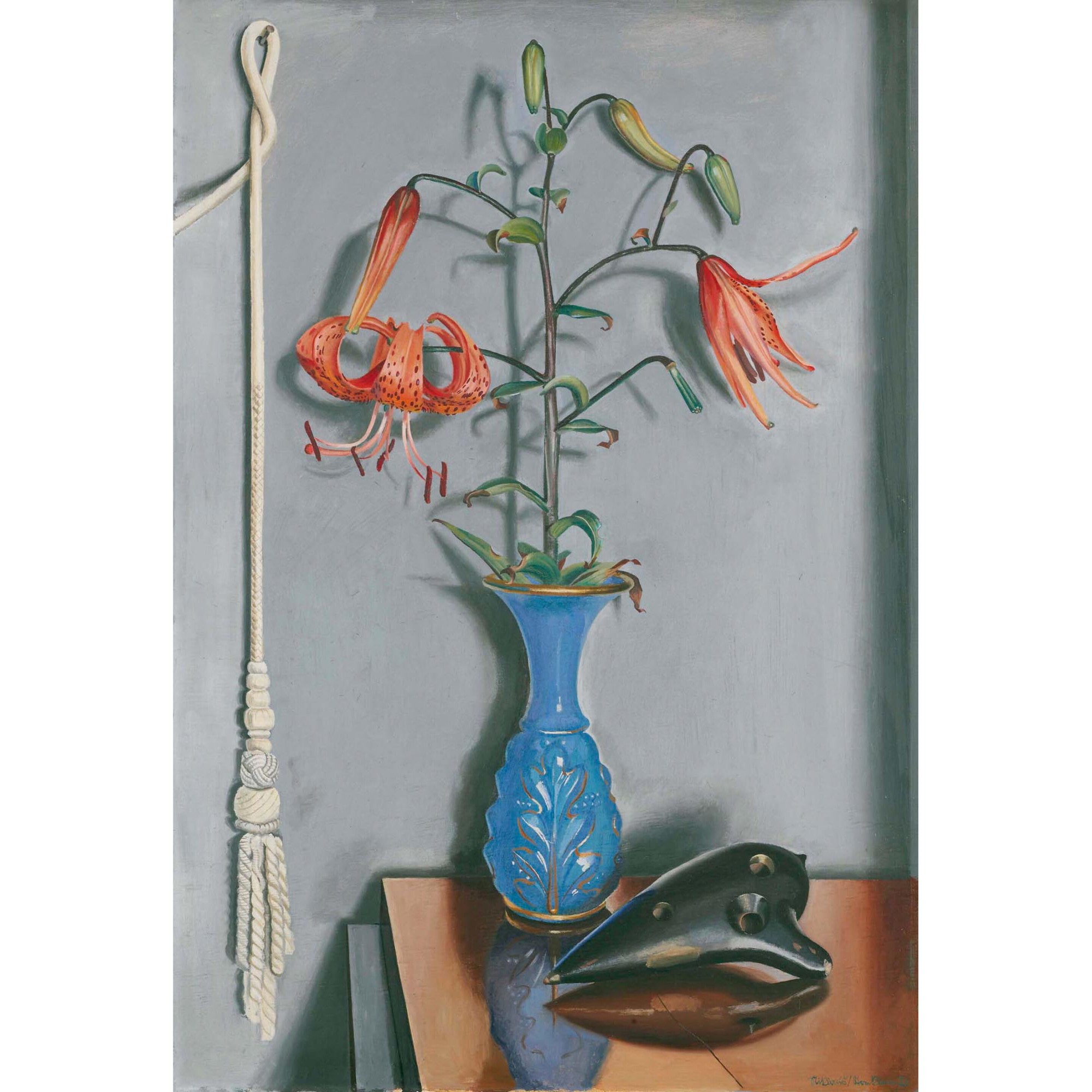
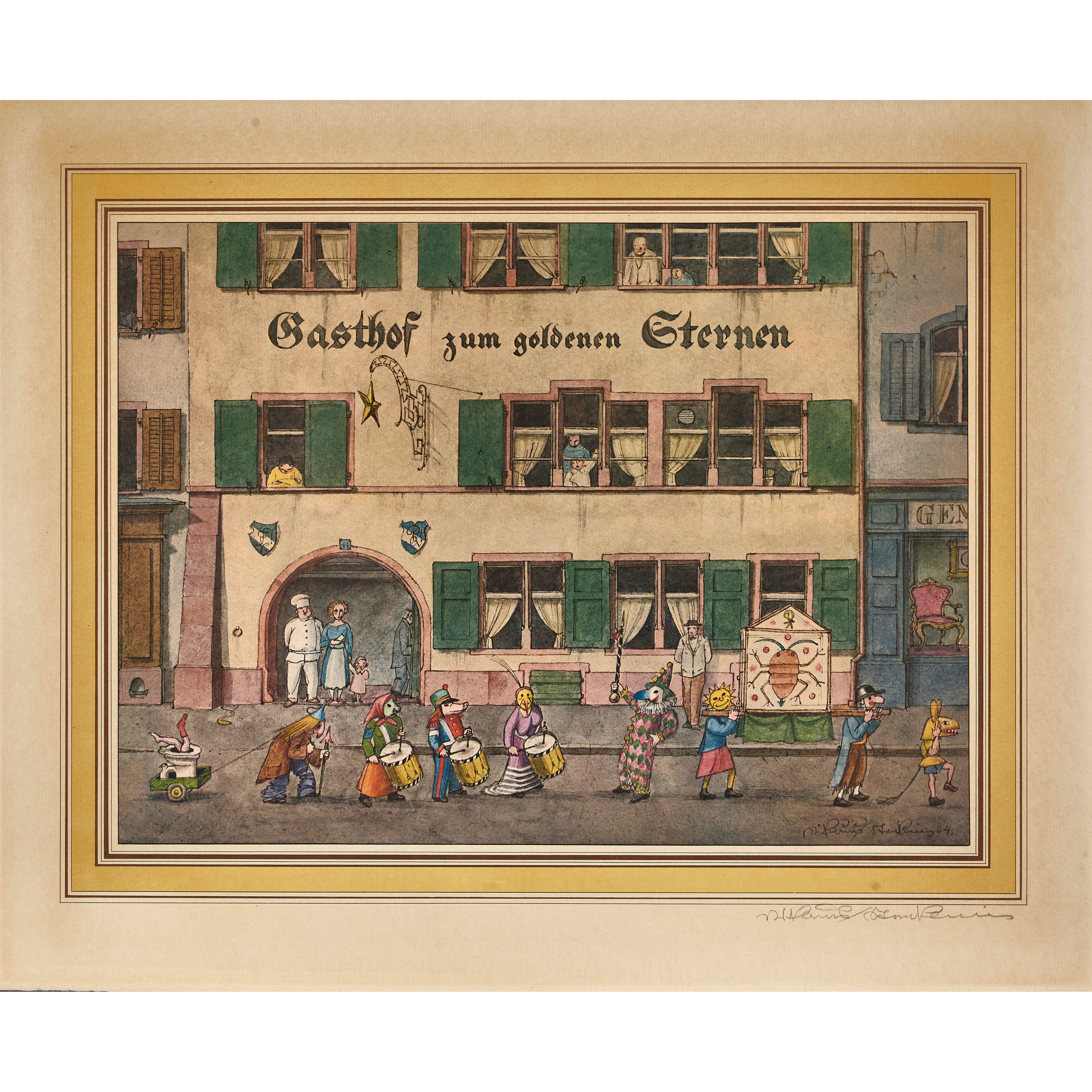
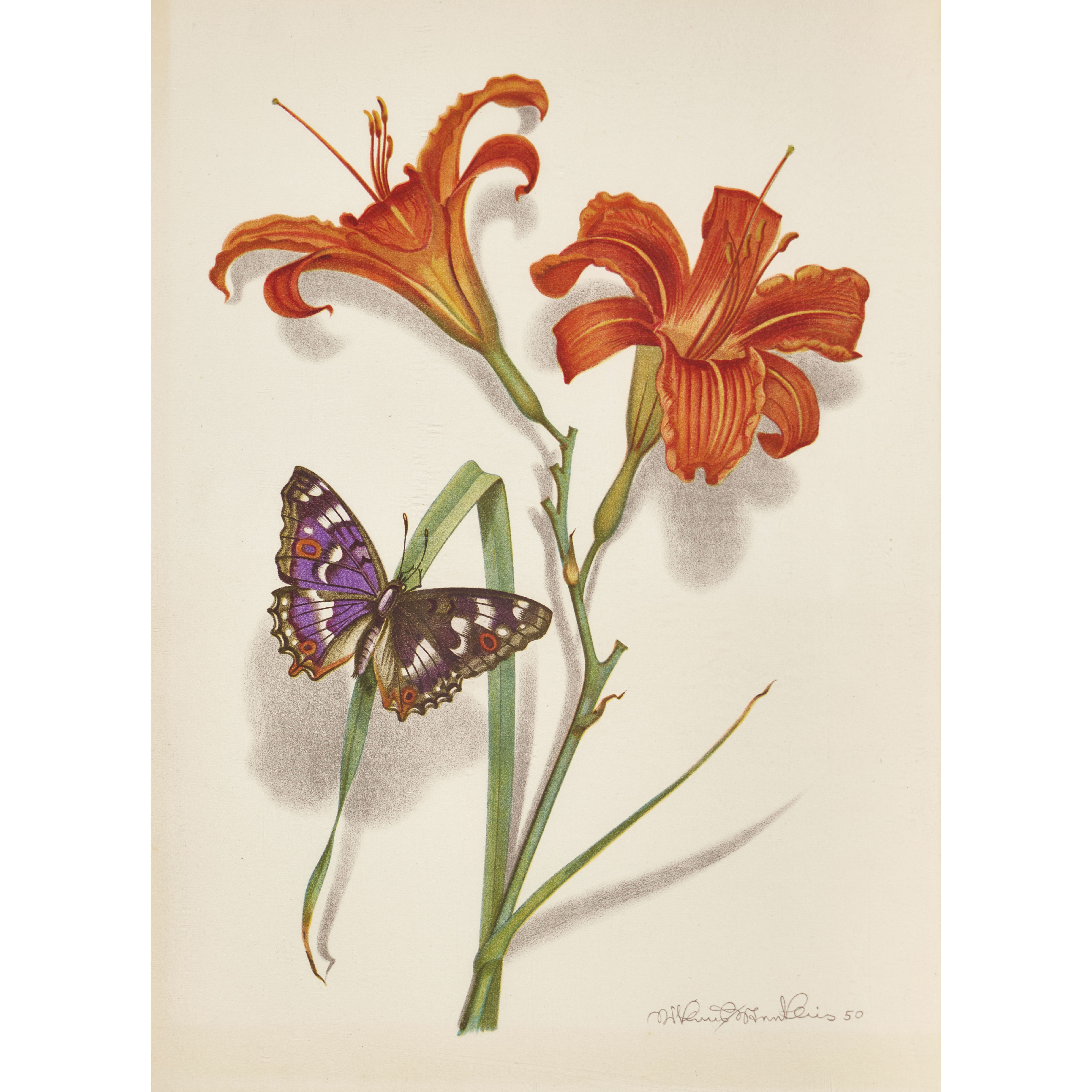
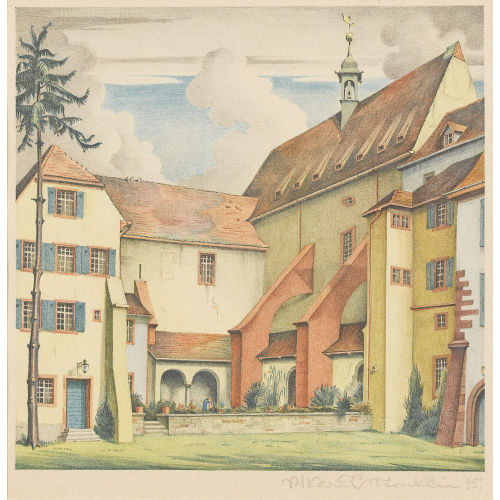
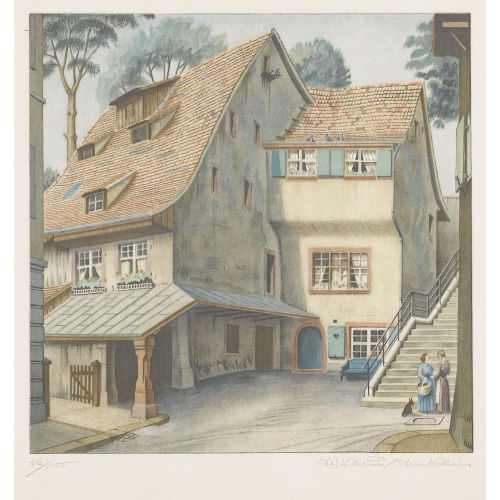
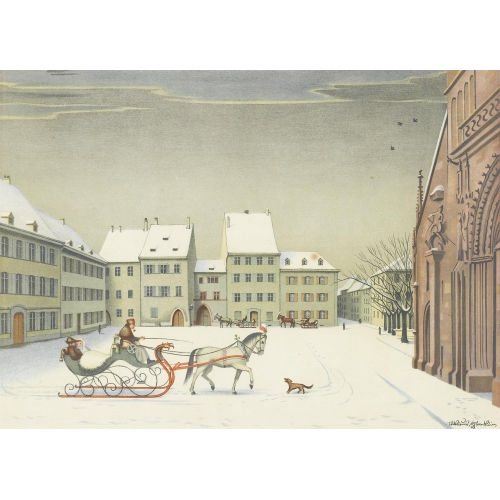
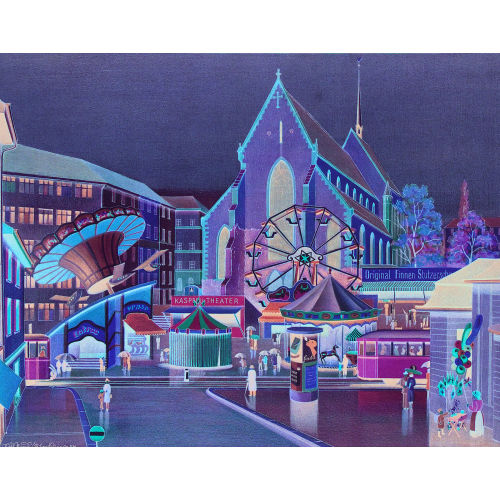
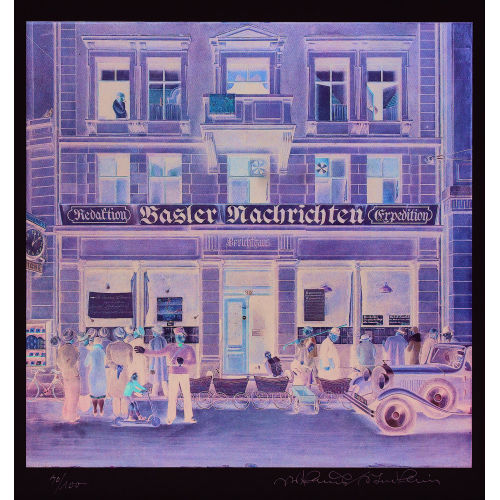
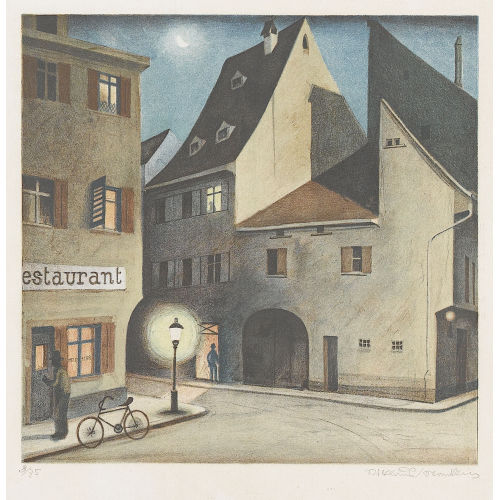
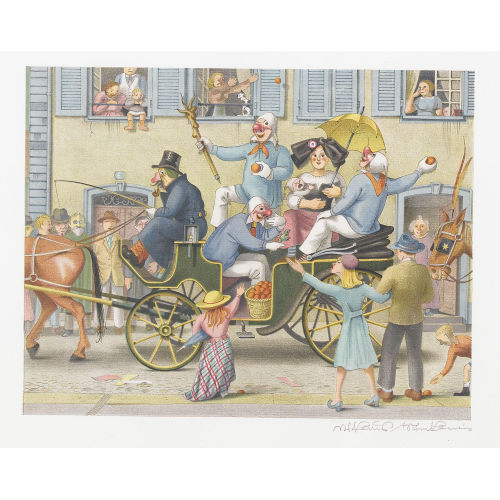
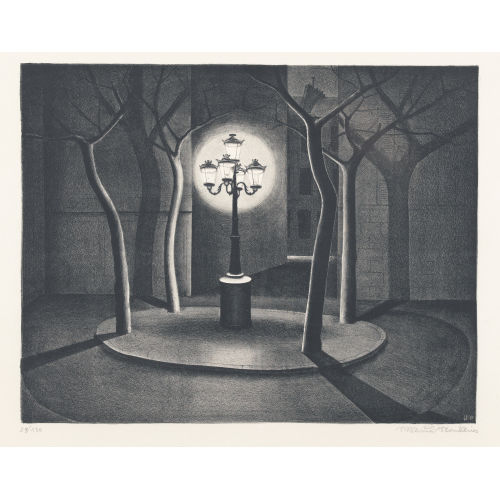
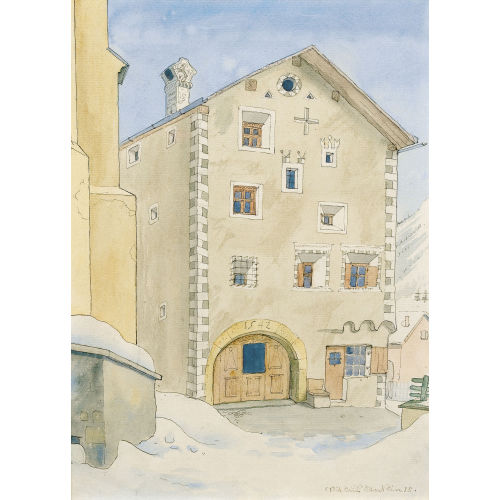
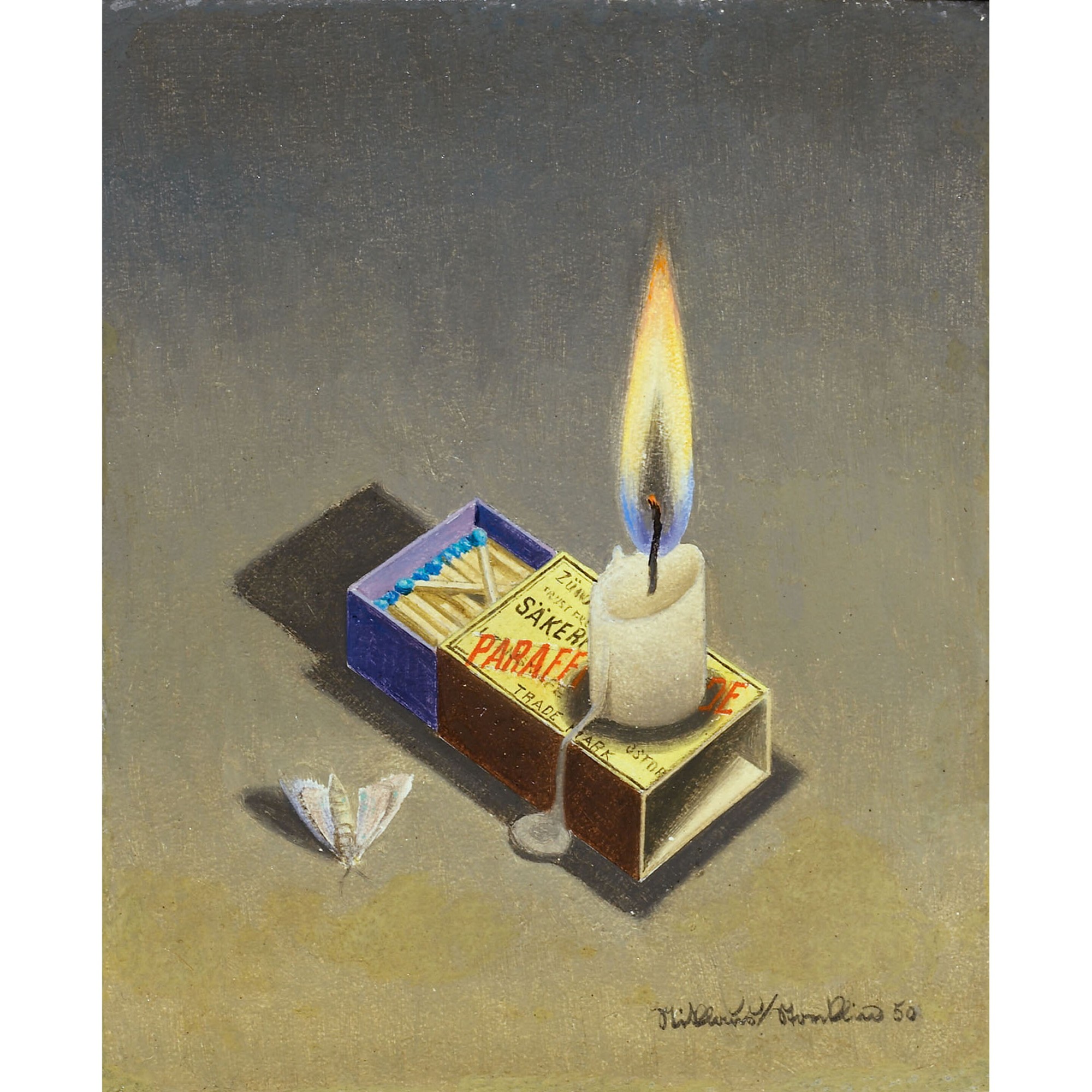
Niklaus Stoecklin (Basel, 1896 – Riehen, 1982) lends familiar things a presence of singular intensity. His urban landscapes, still lifes and figurative scenes combine precise observation with an occasionally enigmatic atmosphere. In this painting, the sharpness of the contours does not dispel the mystery; on the contrary, it invites us to examine what is taking place behind the apparent self-evidence of the visible.
After a brief artistic training in Basel and Munich, Stoecklin began exhibiting at the Kunsthalle Basel as early as 1914. In 1925, he was the only Swiss artist represented in the exhibition Die Neue Sachlichkeit, organised by Gustav Friedrich Hartlaub in Mannheim. This participation placed him in the history of New Objectivity, a movement to which his work contributes a personal tone close to magical realism.
Vorstellung, a painting from 1920–1921 held at Kunst Museum Winterthur, offers an approach to this complexity. A barrel-organ player observes a sleeping woman through an opening. The landscape, the fantastic creatures and the division between interior and exterior form a narrative whose meaning remains open.
The museum’s notice highlights the affinities between this spatial construction and Late Gothic painting, particularly that of Konrad Witz.
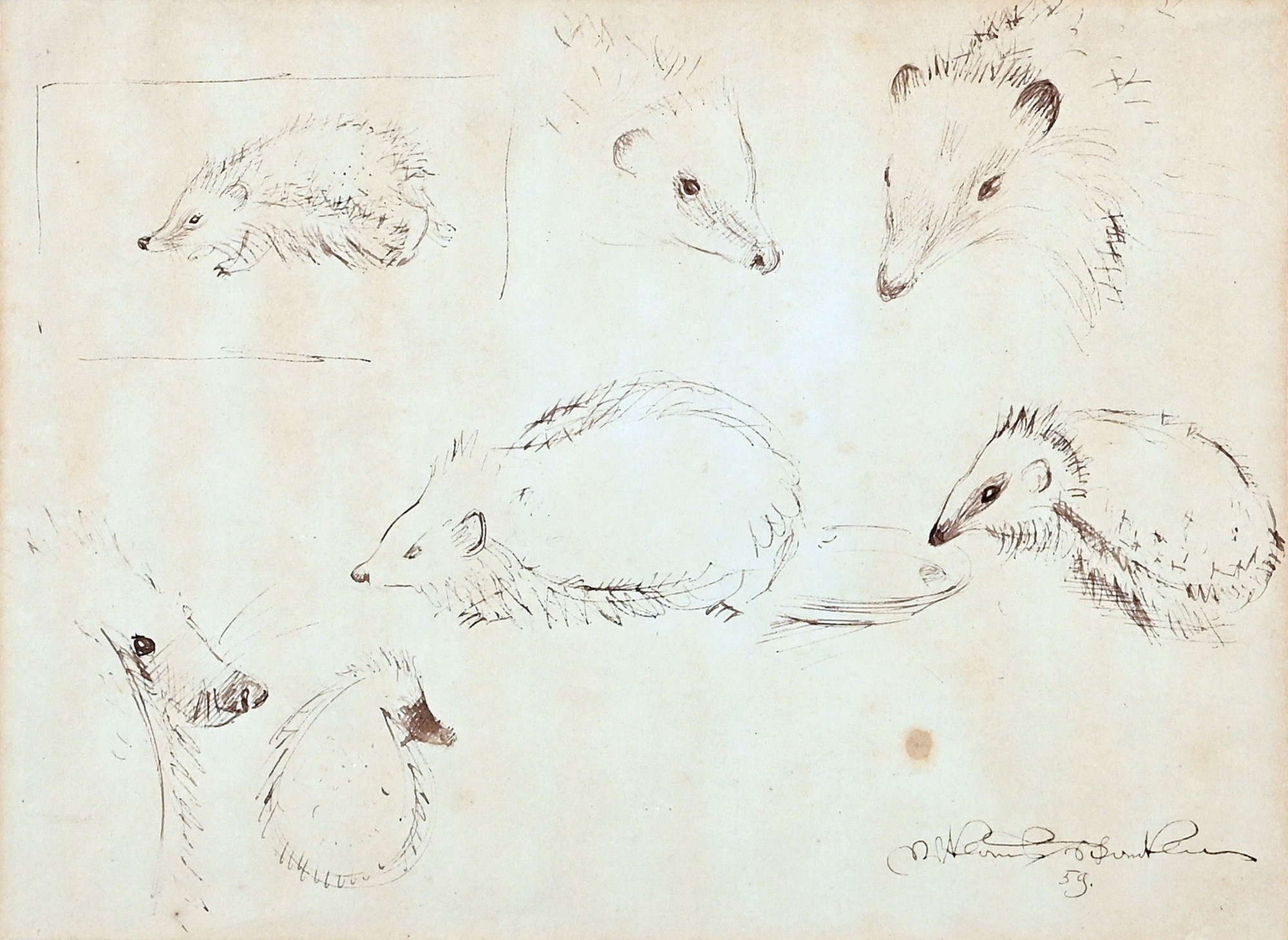
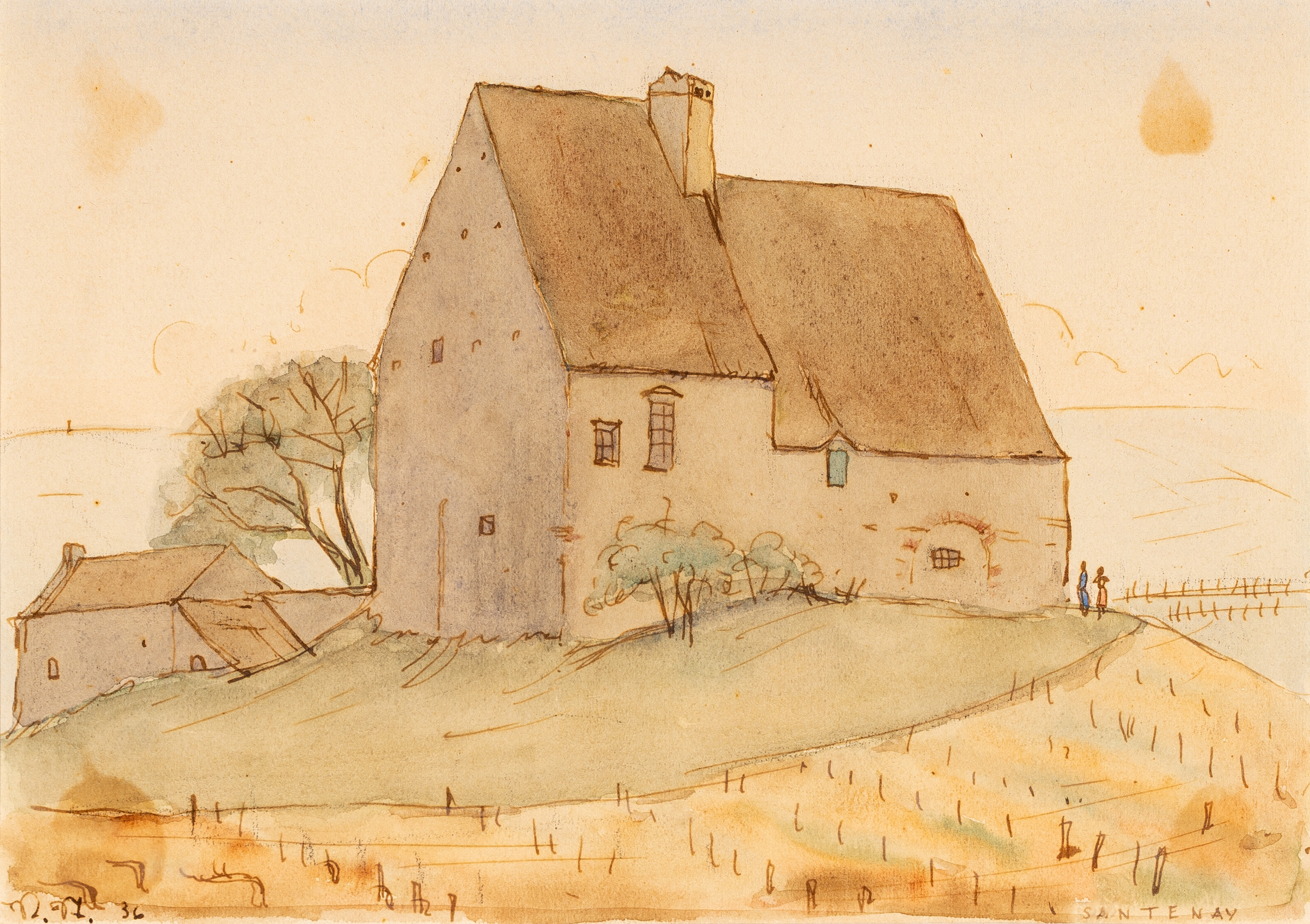
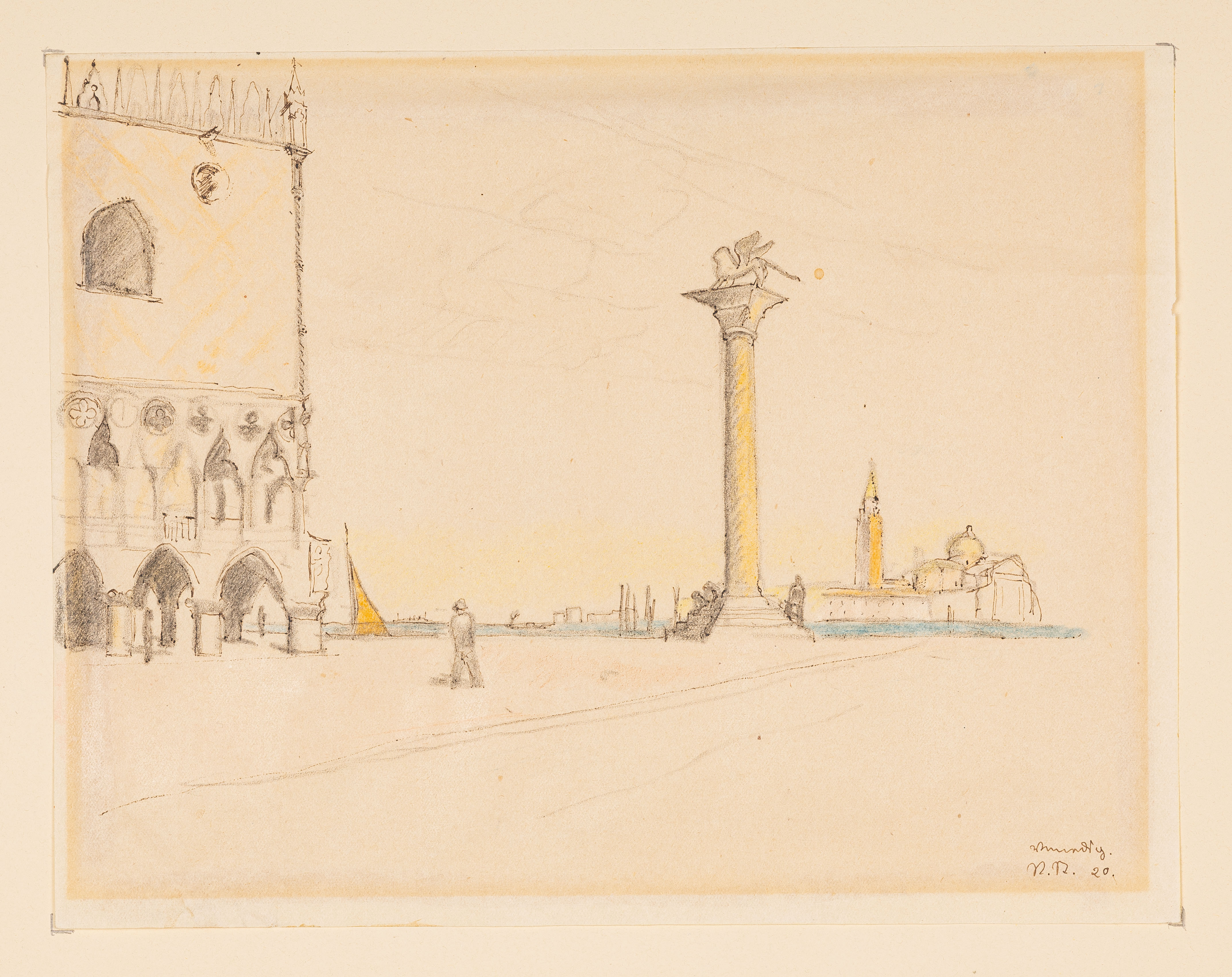
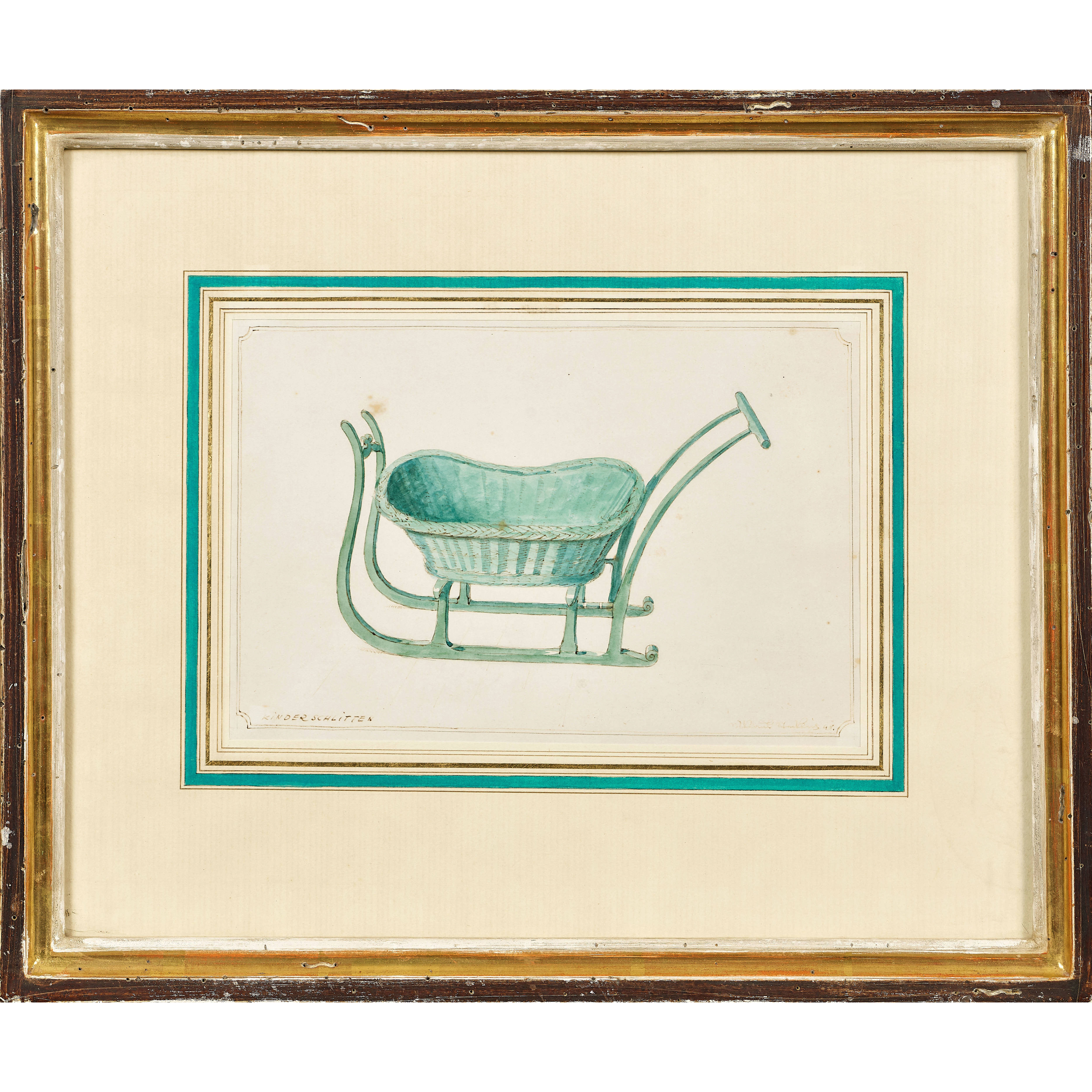
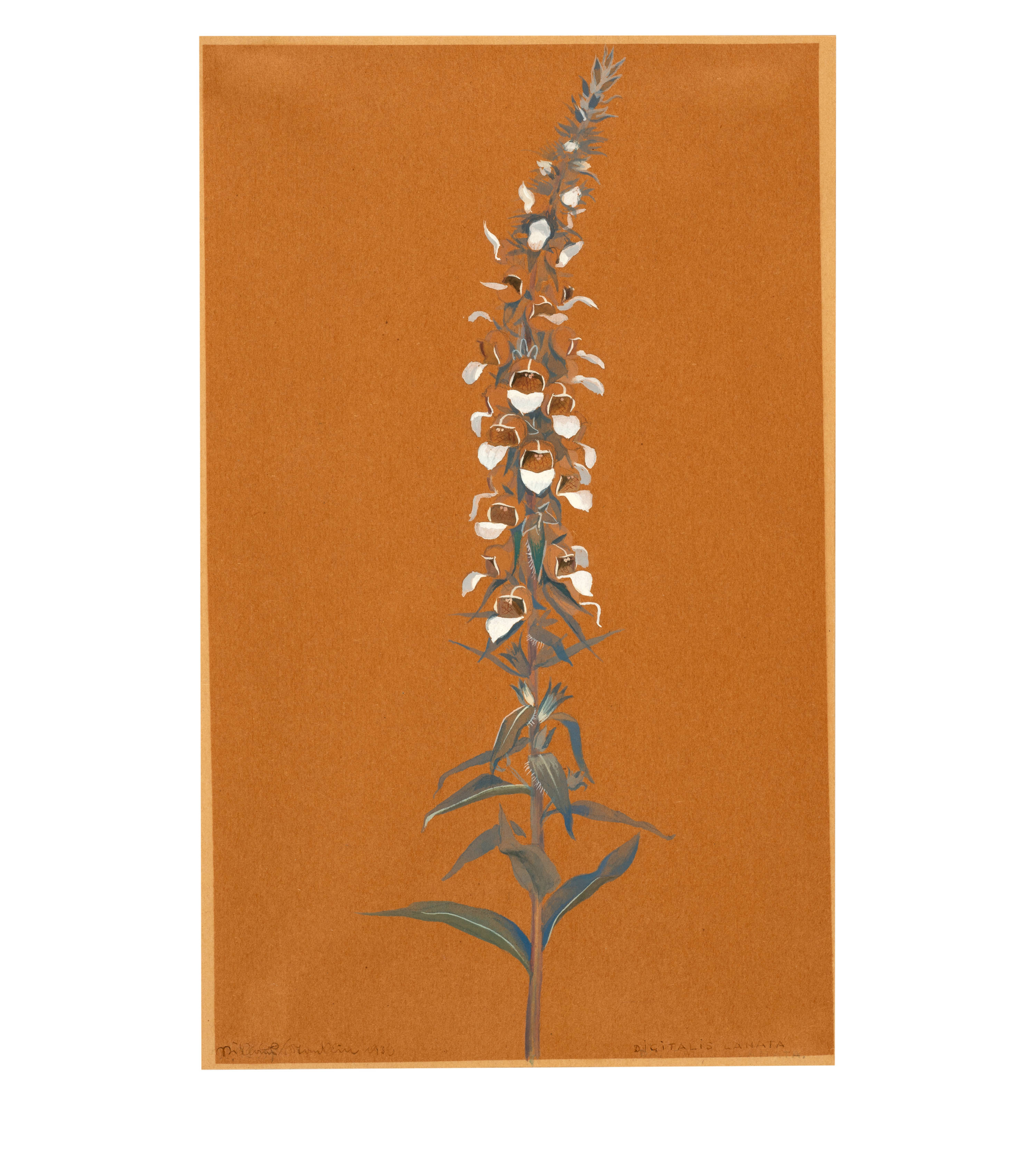
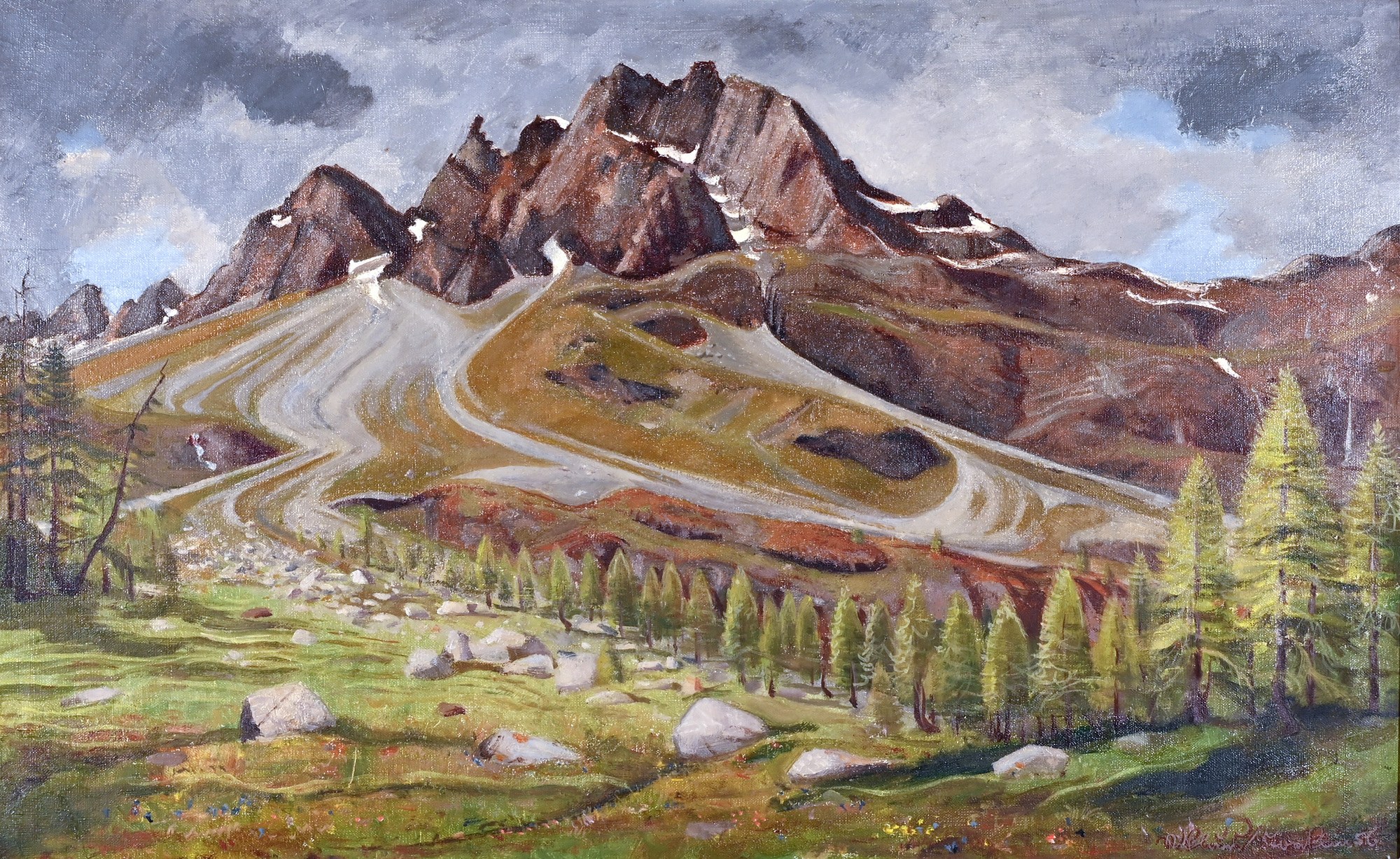
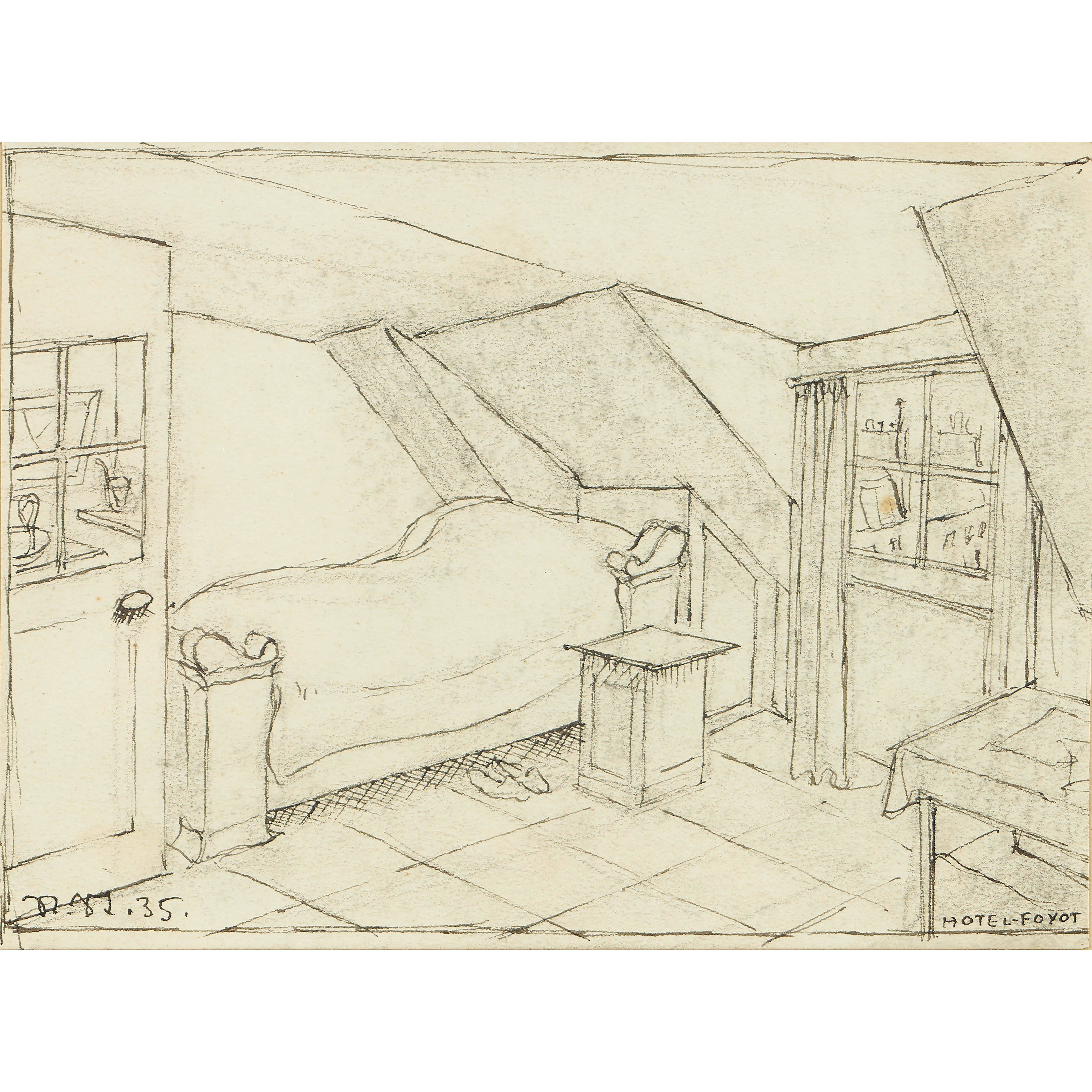
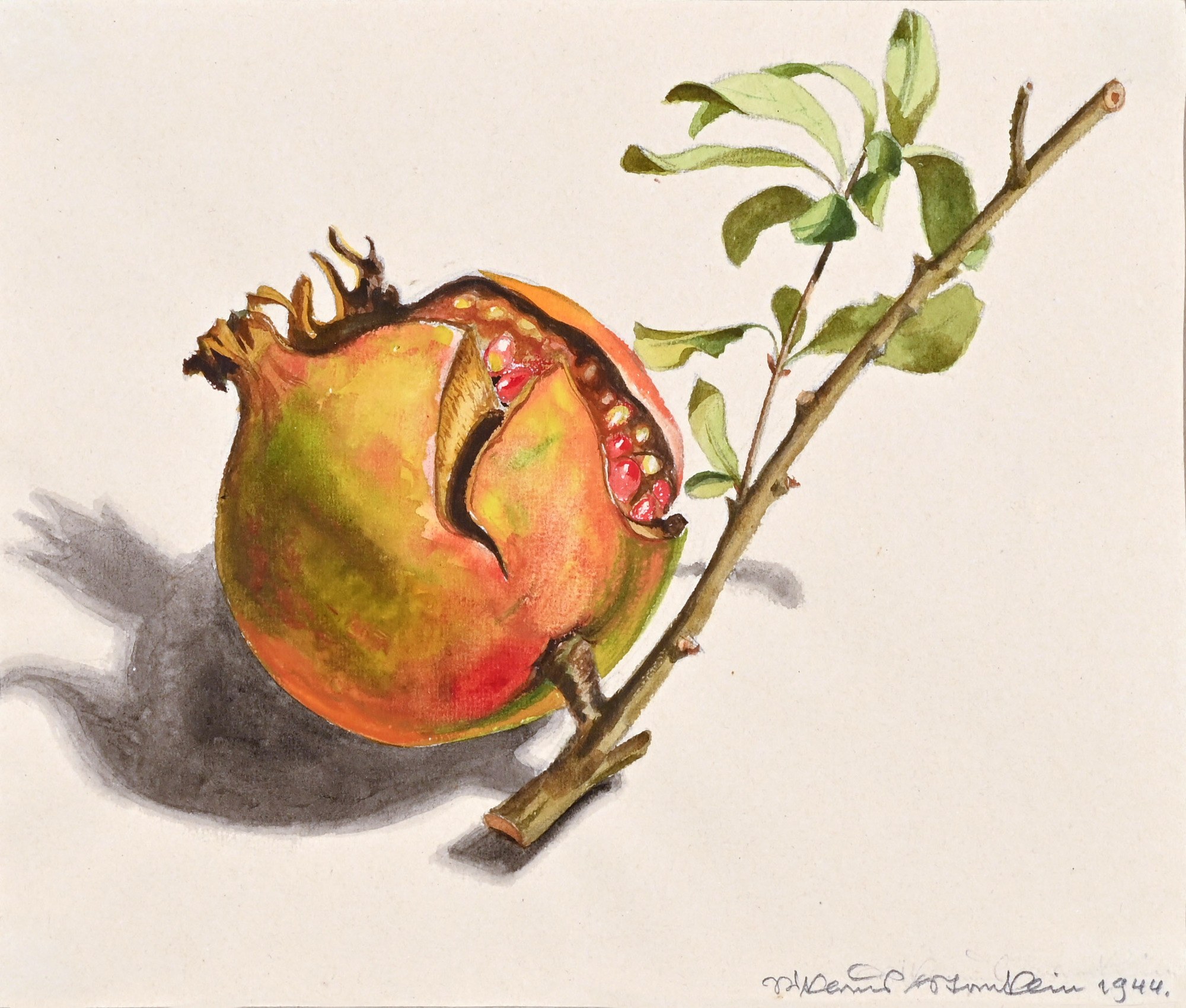
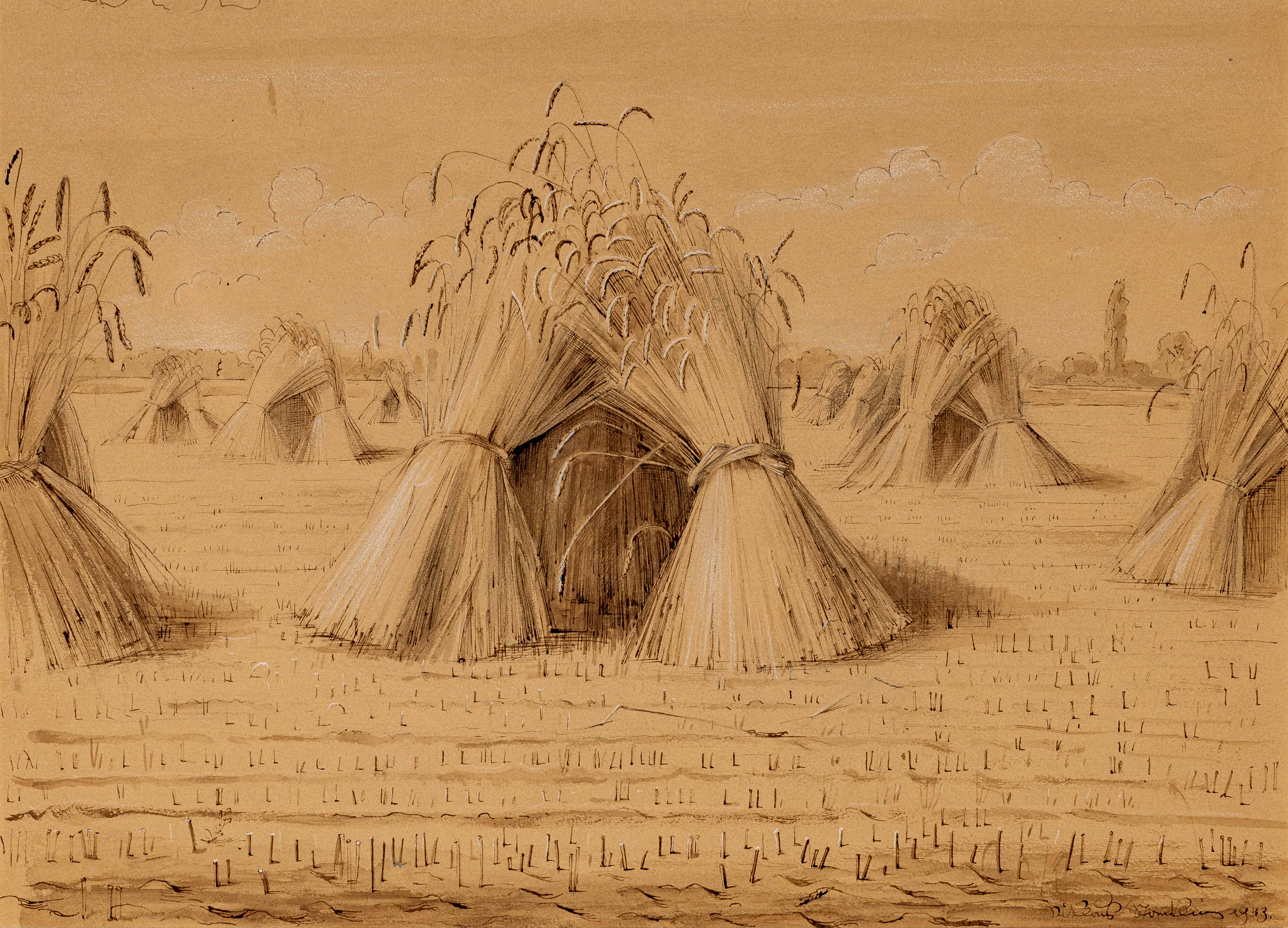
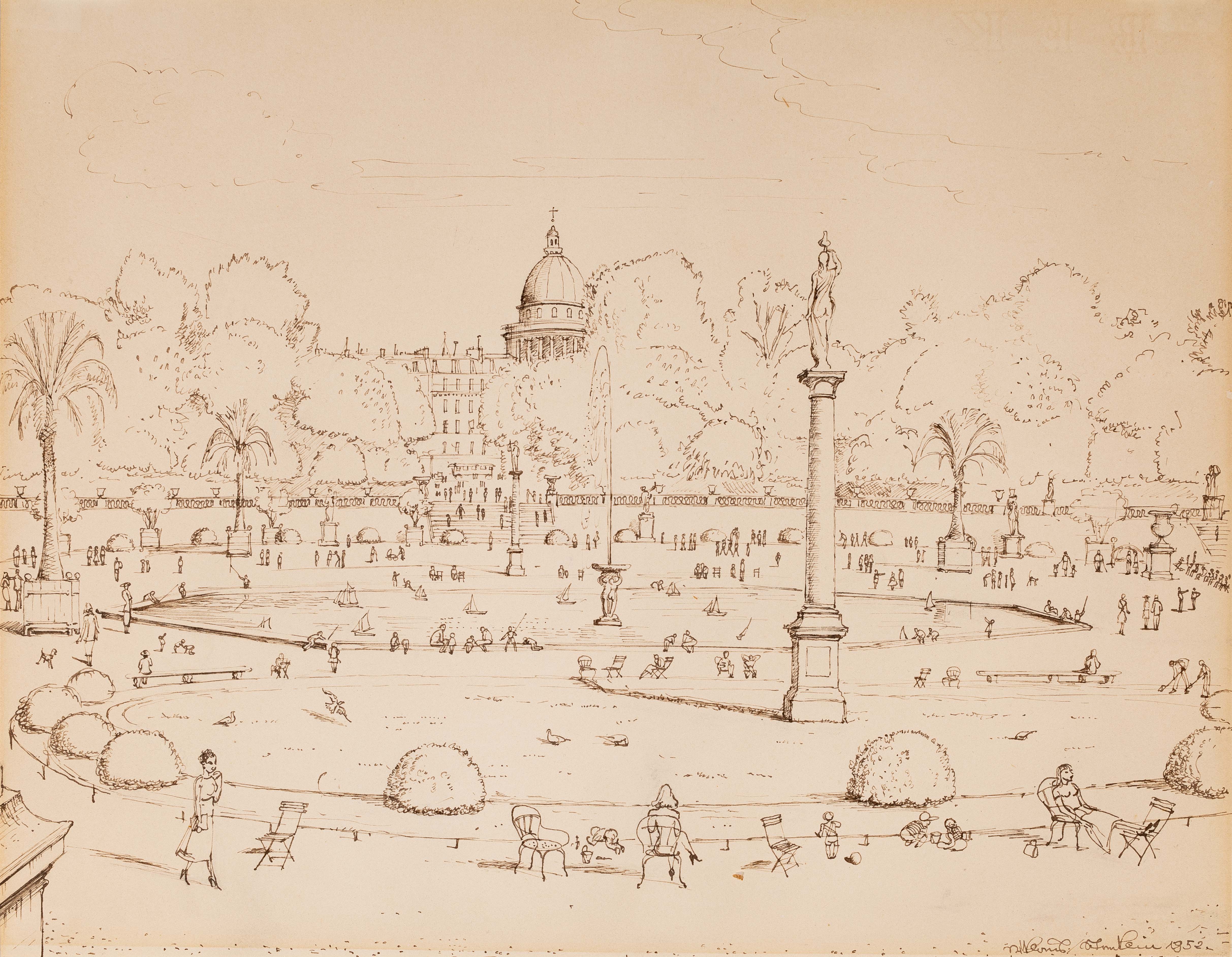
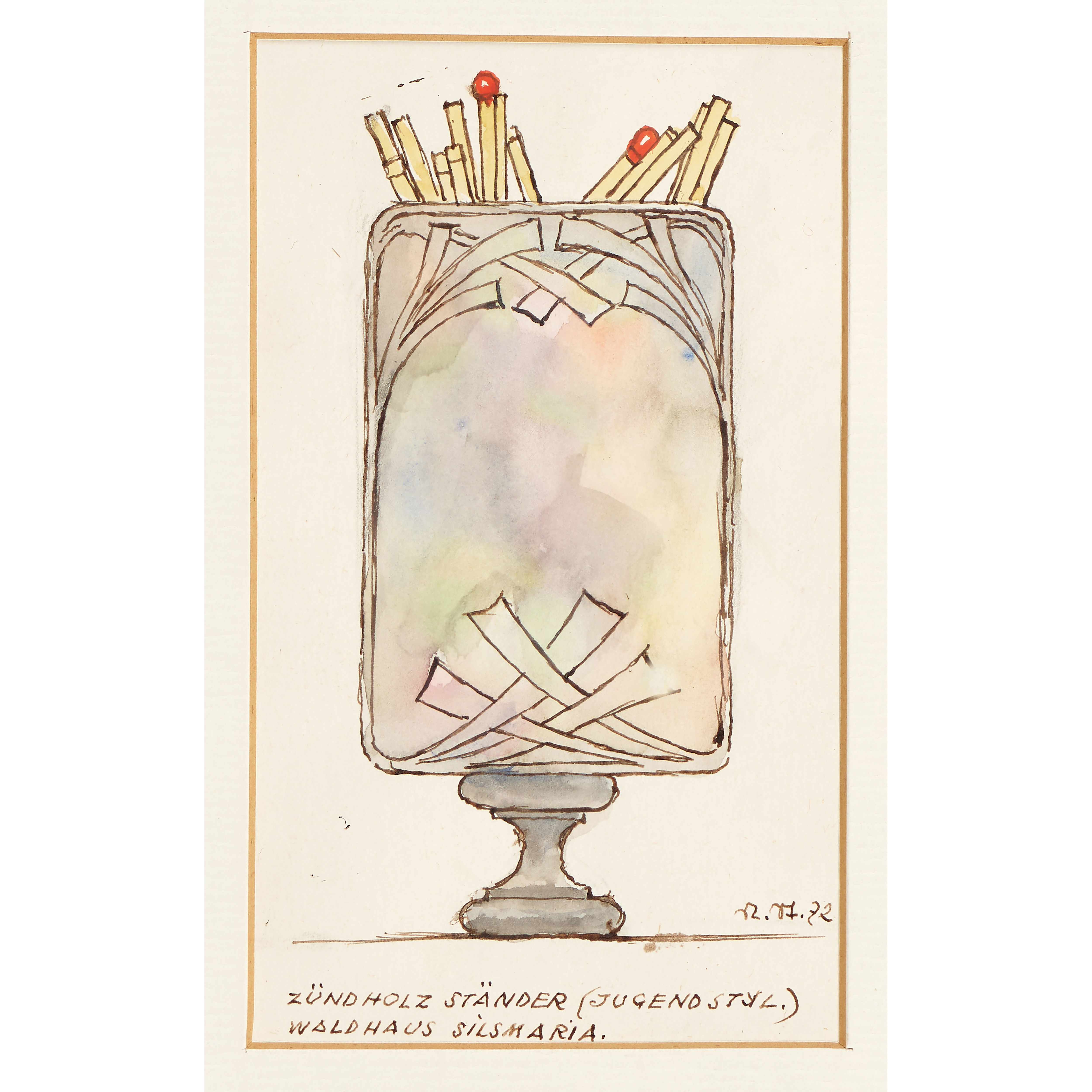
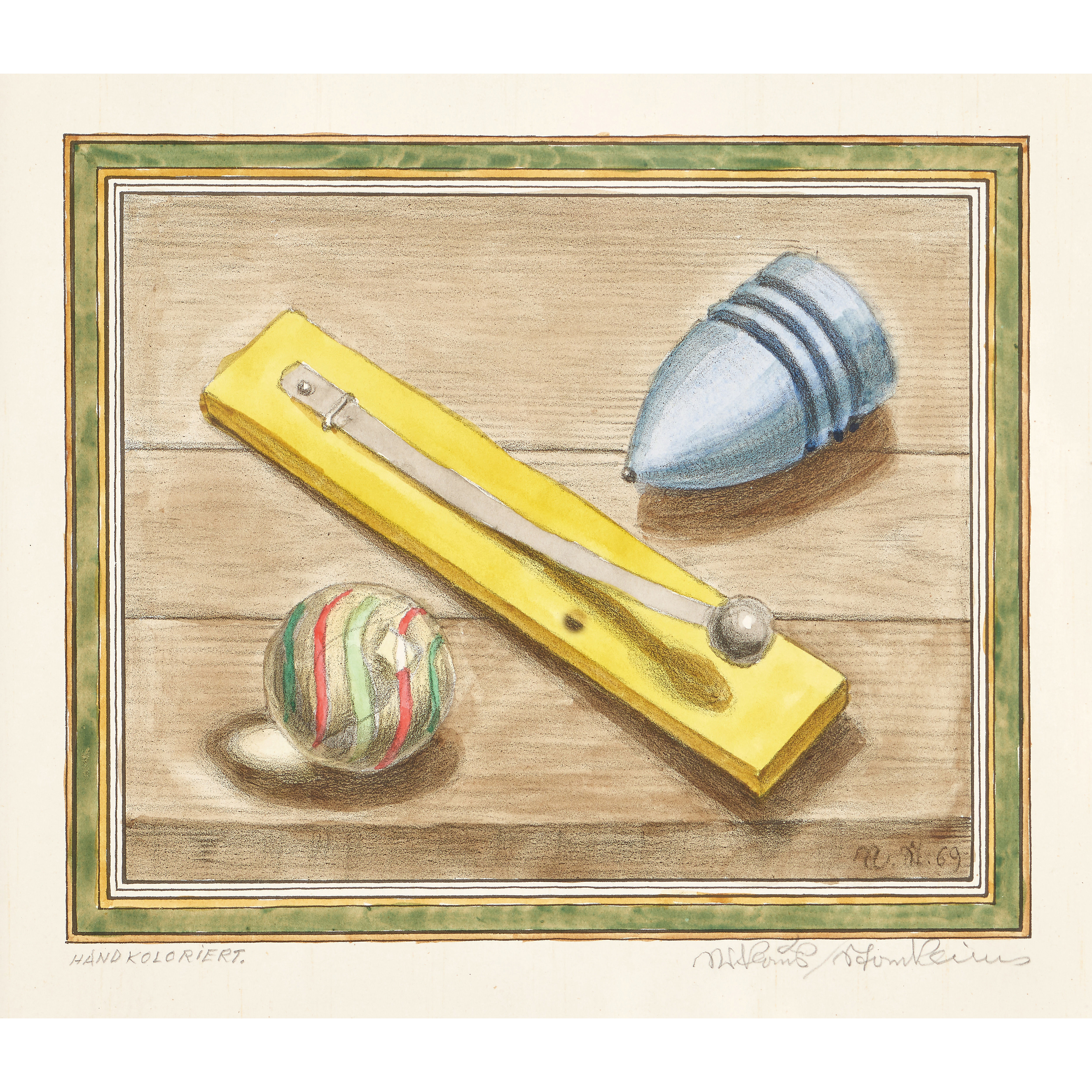
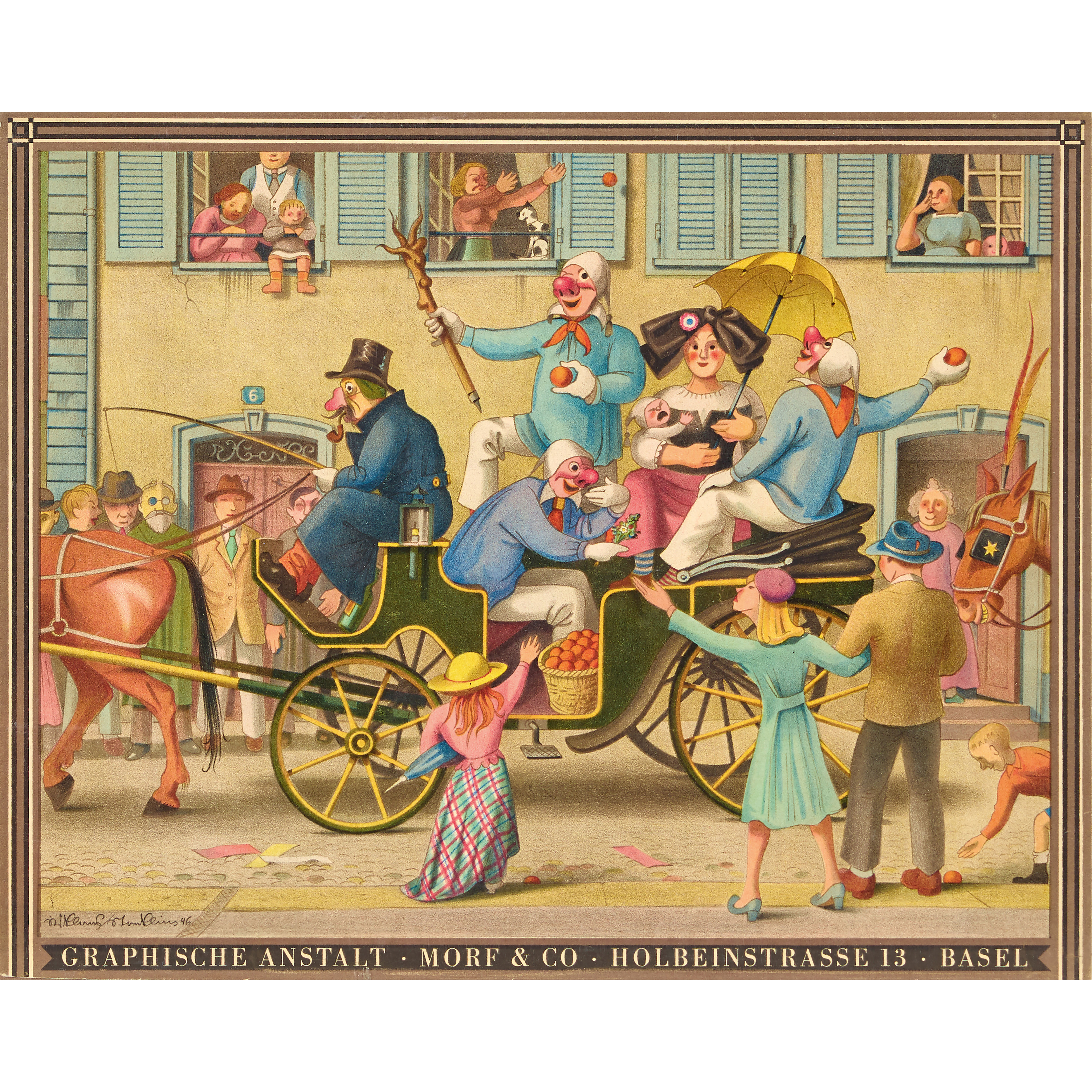
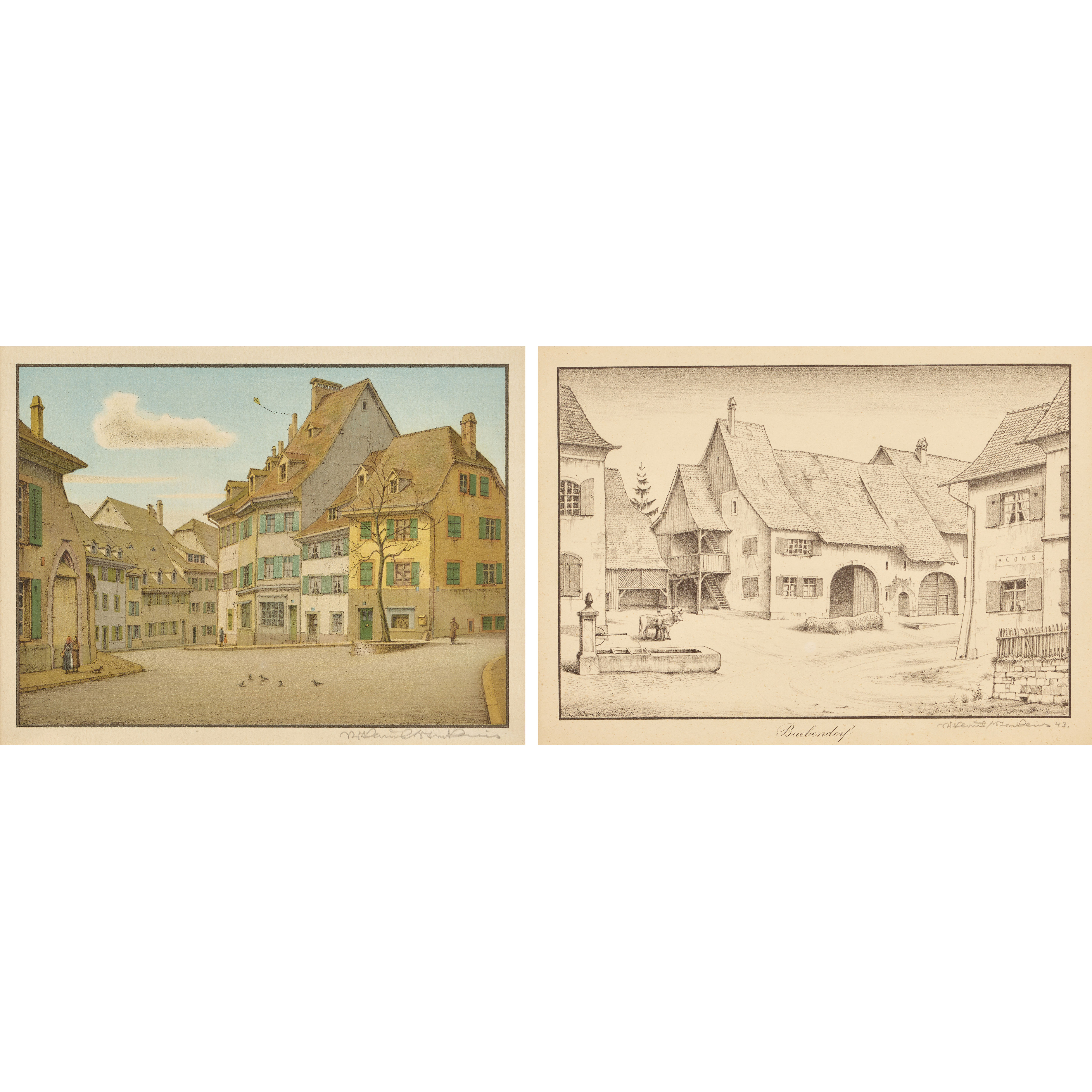
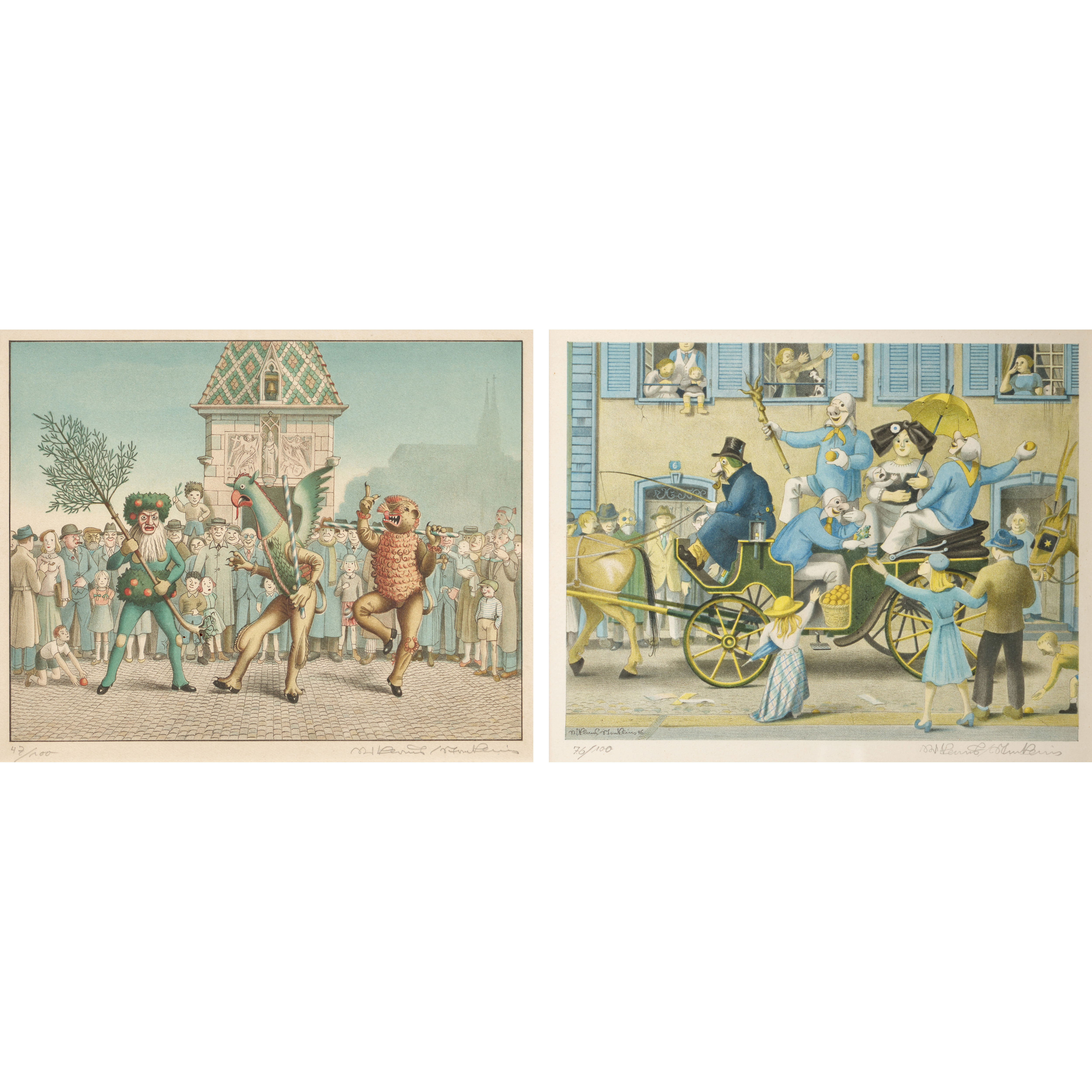
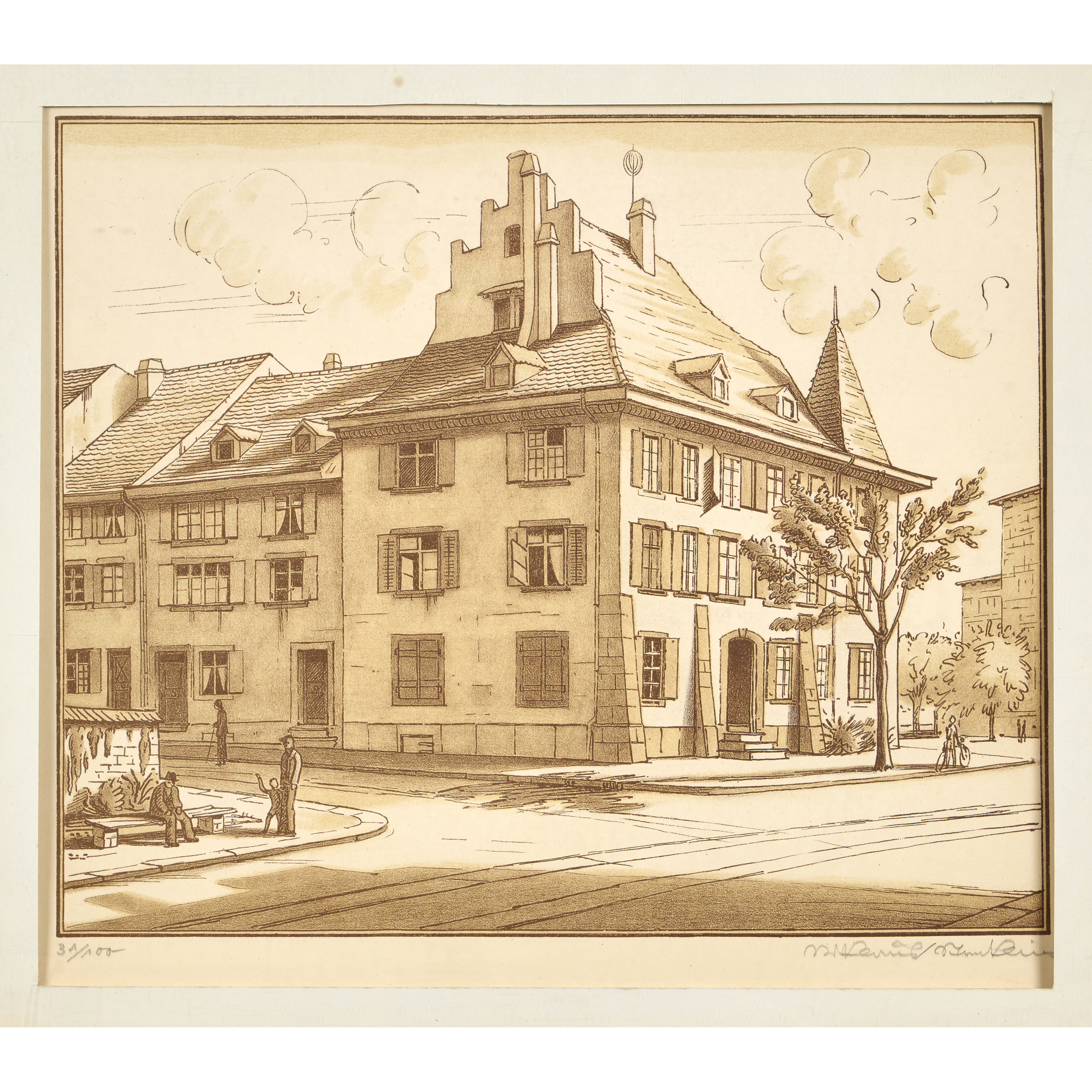
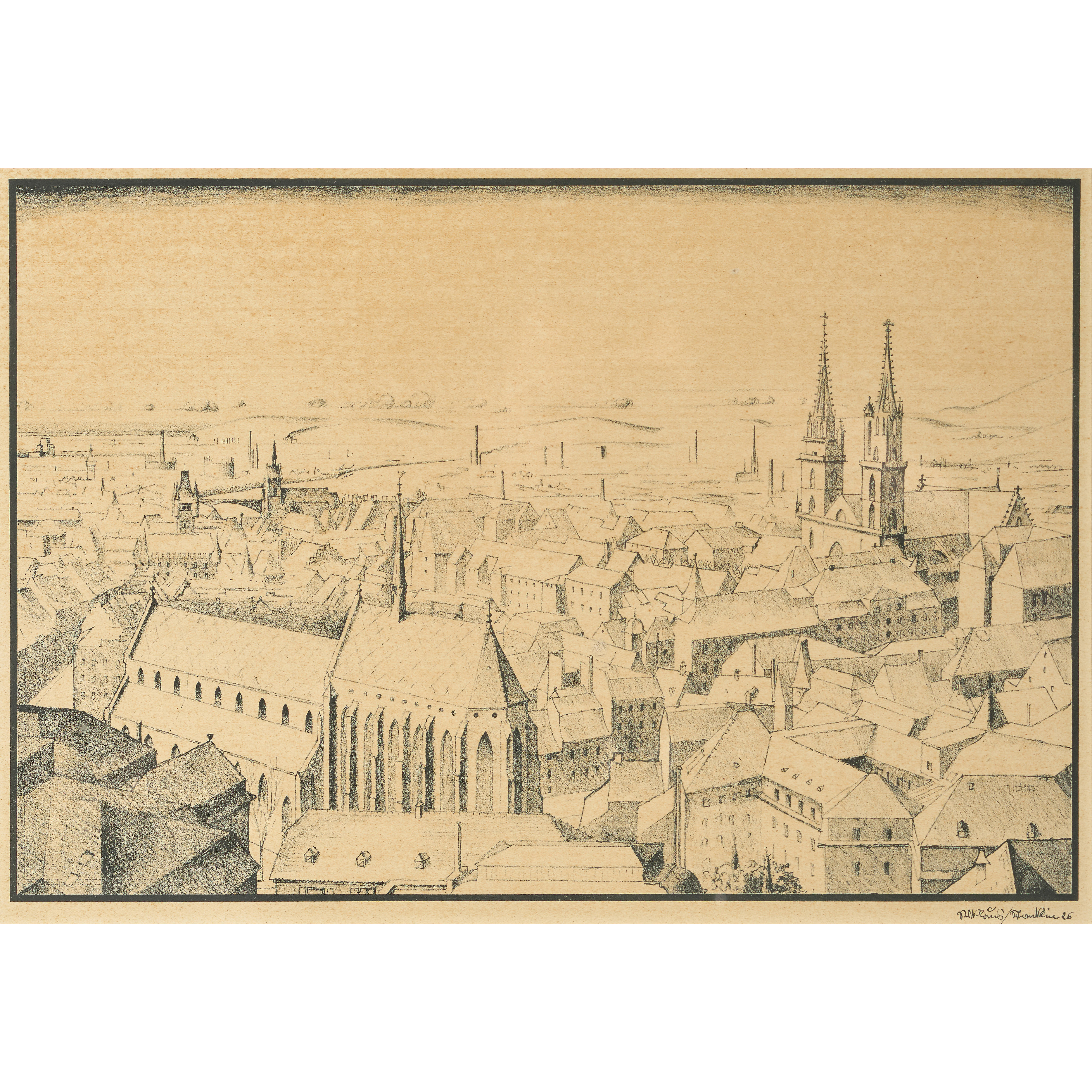
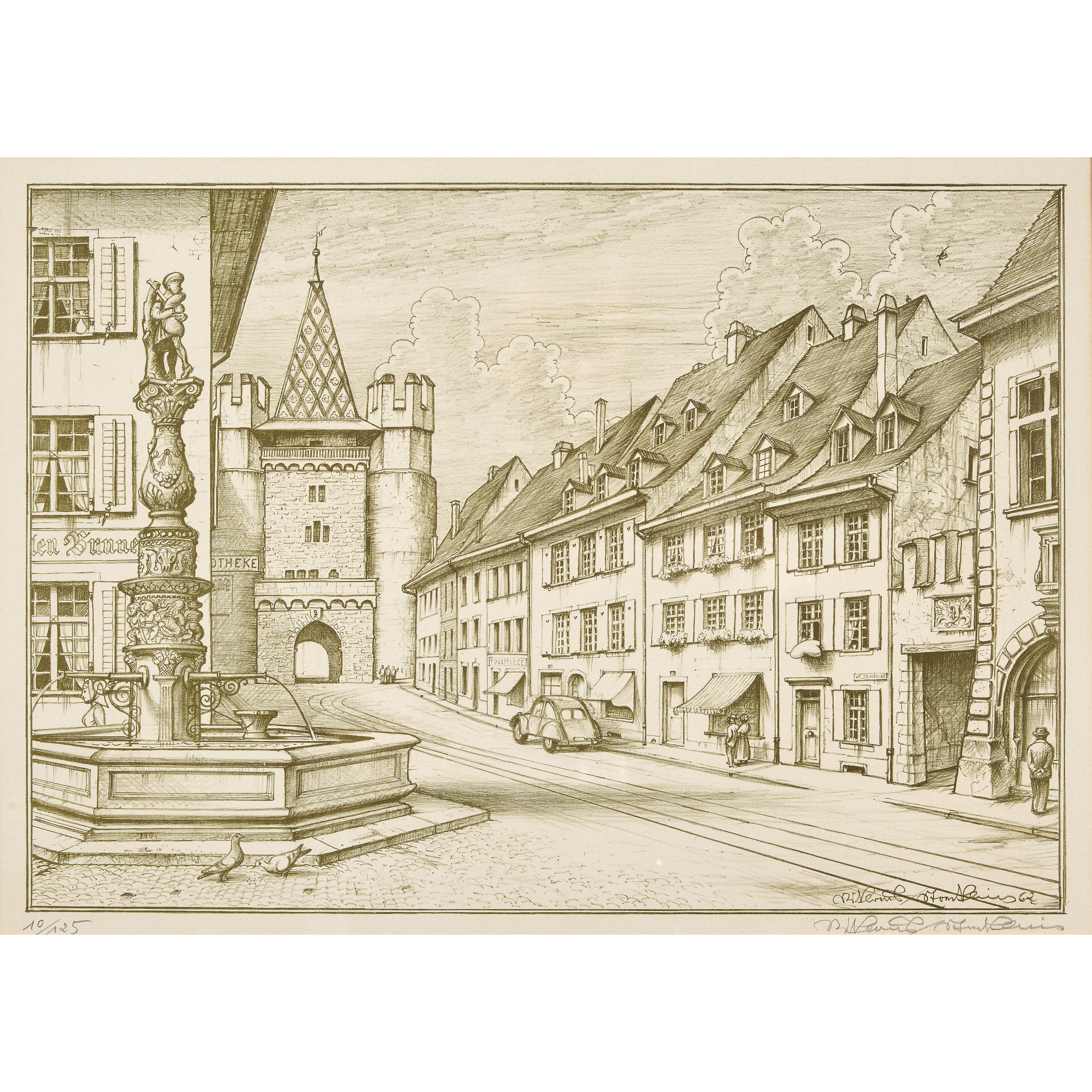
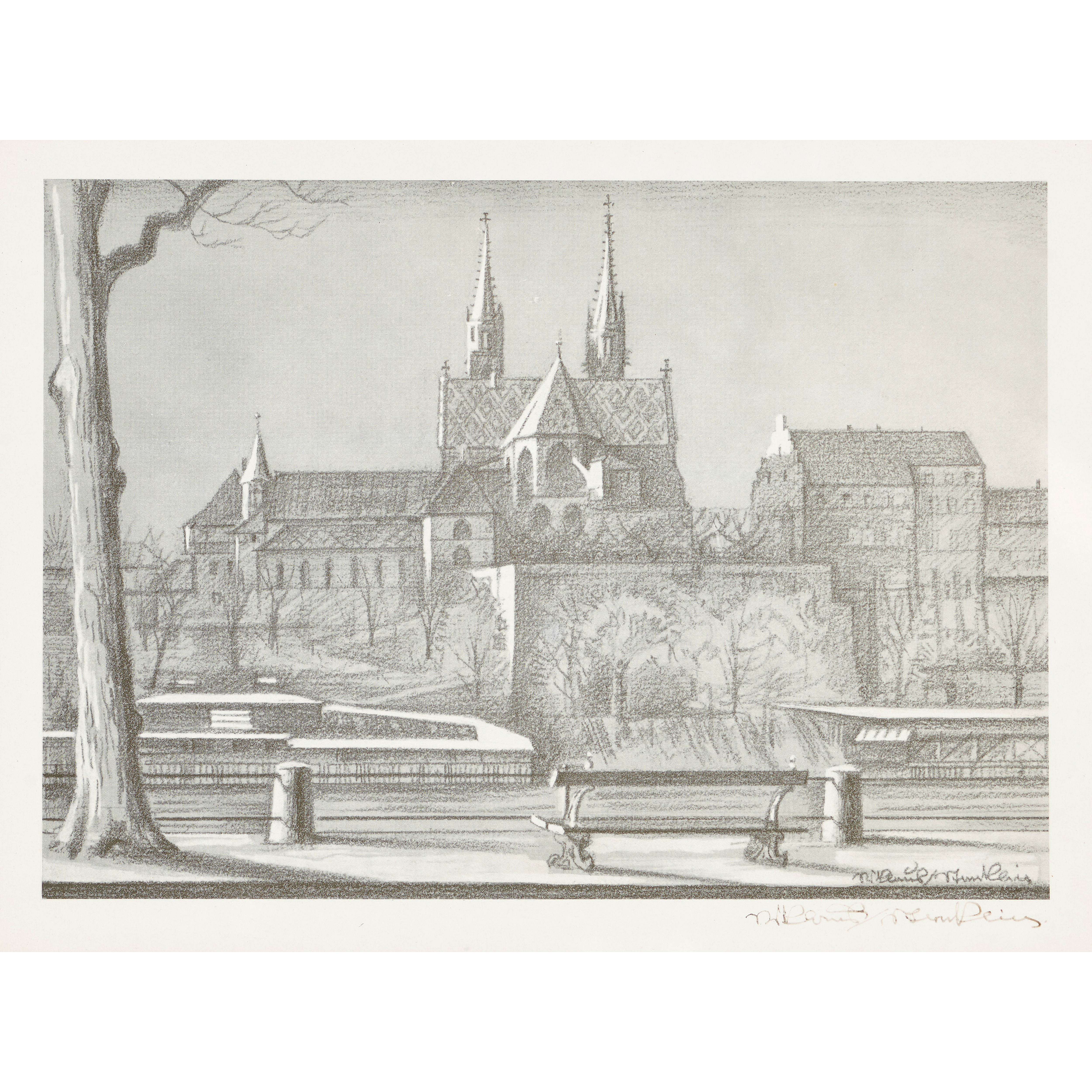
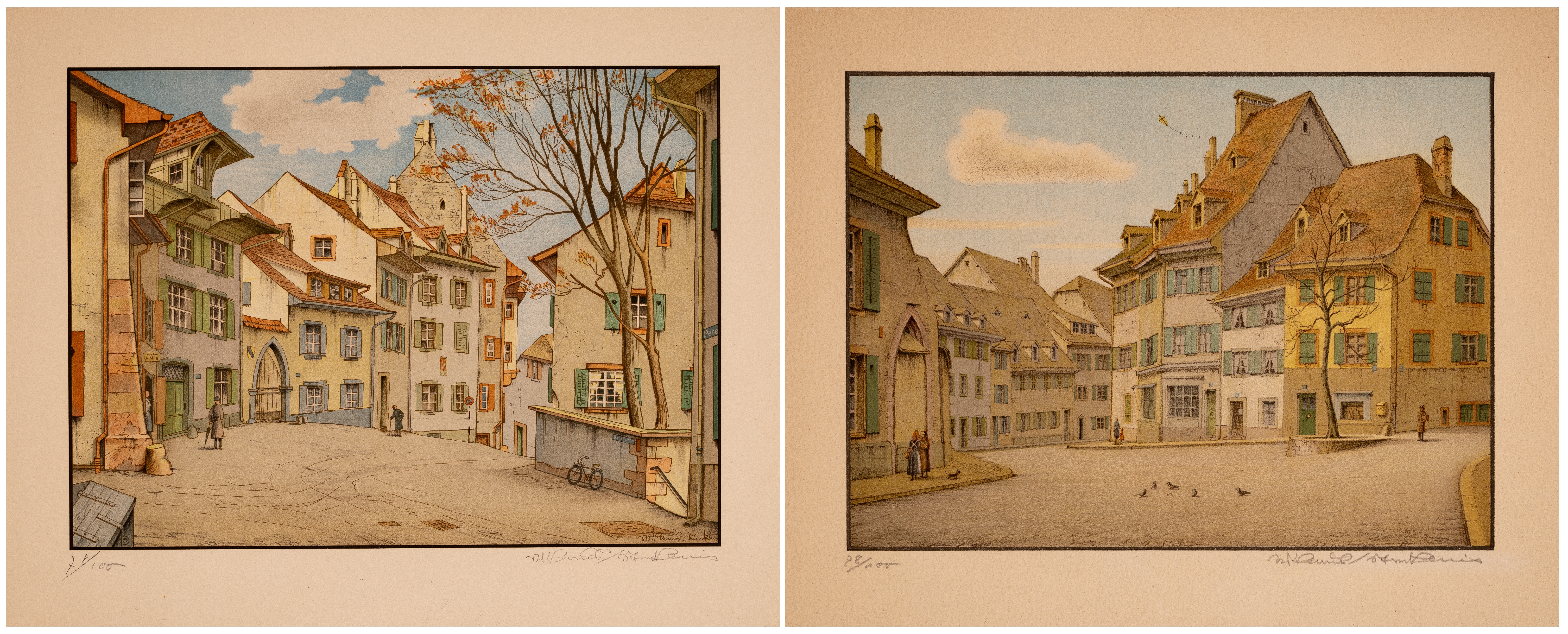
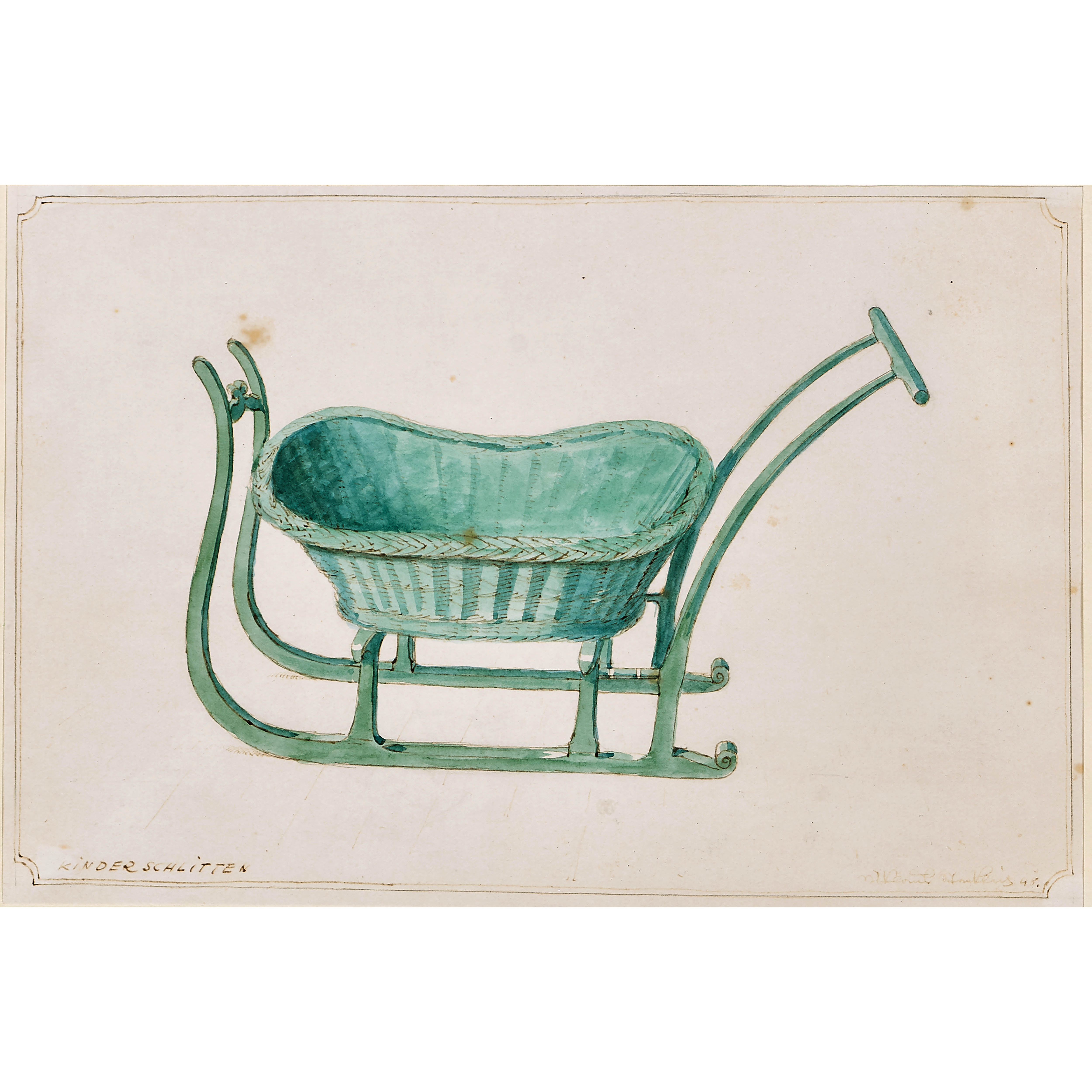
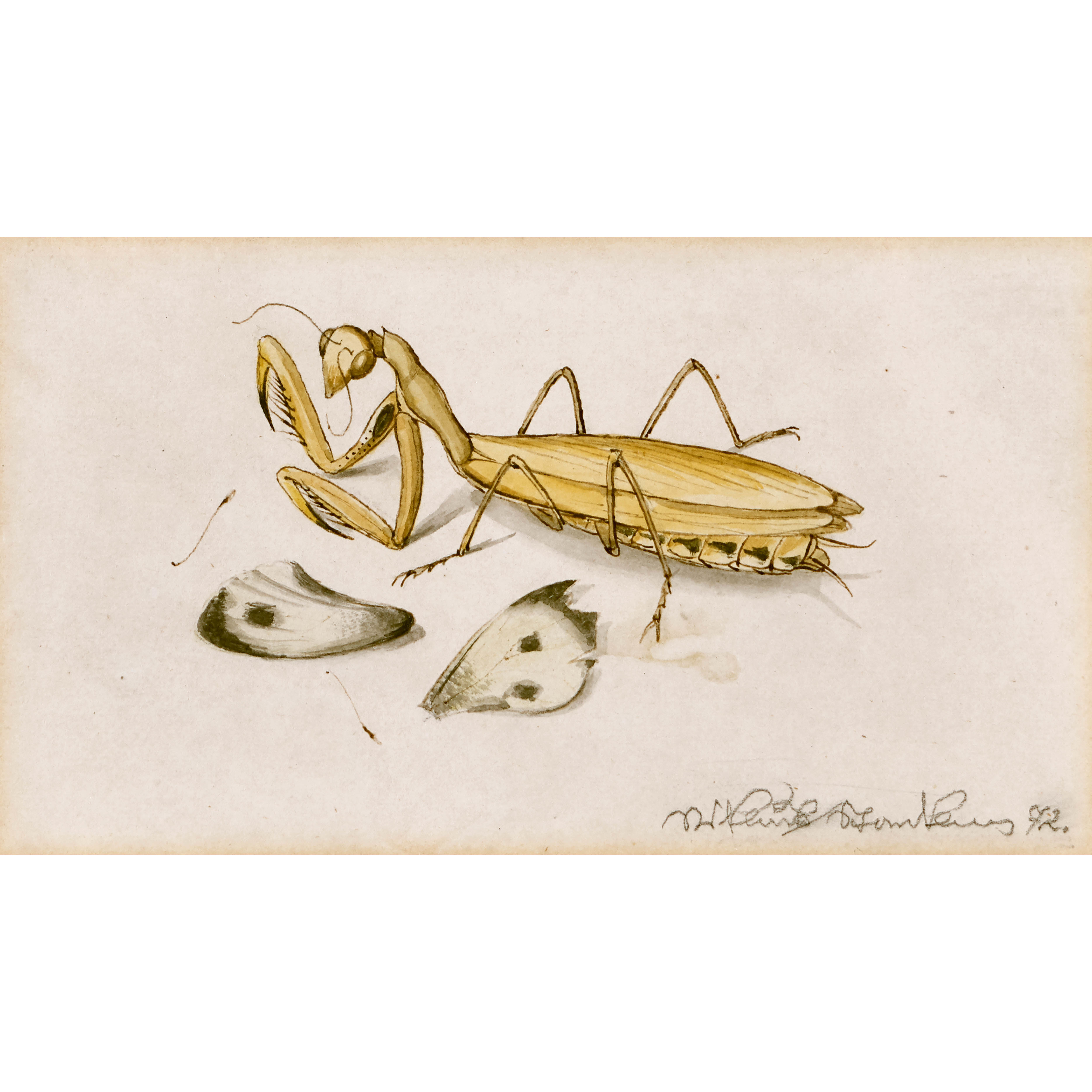
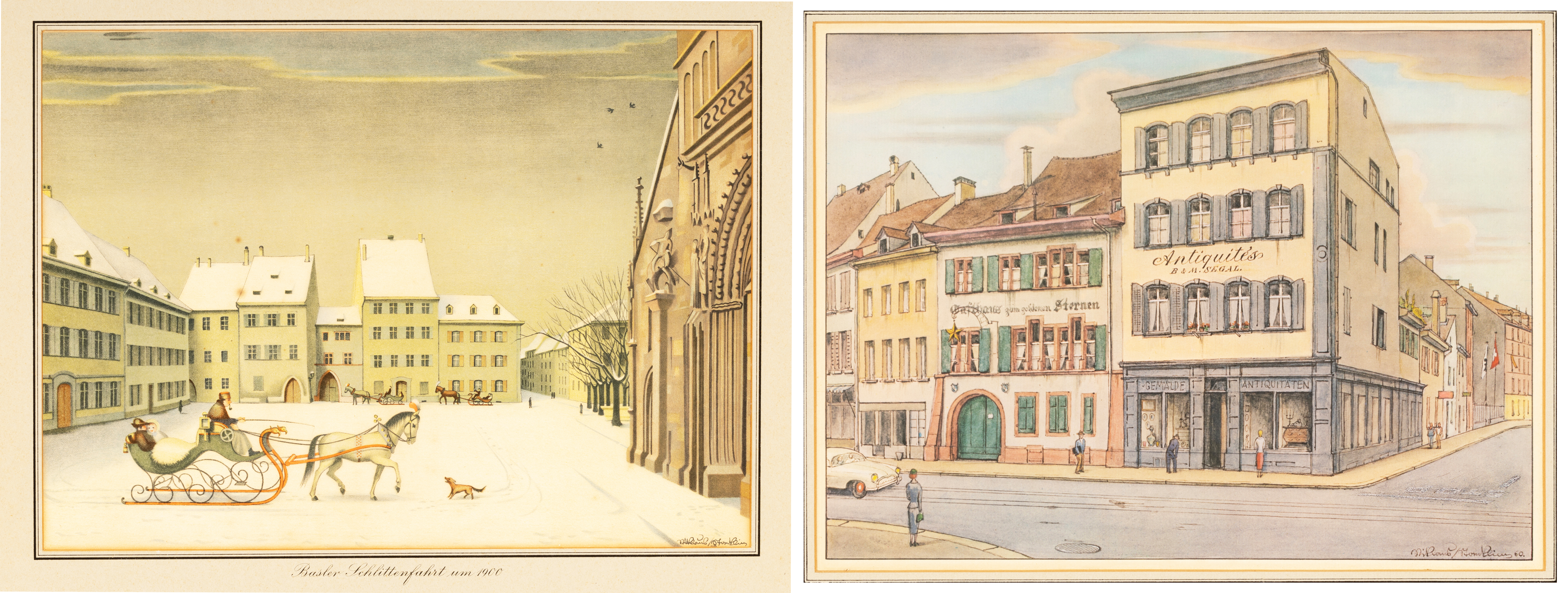
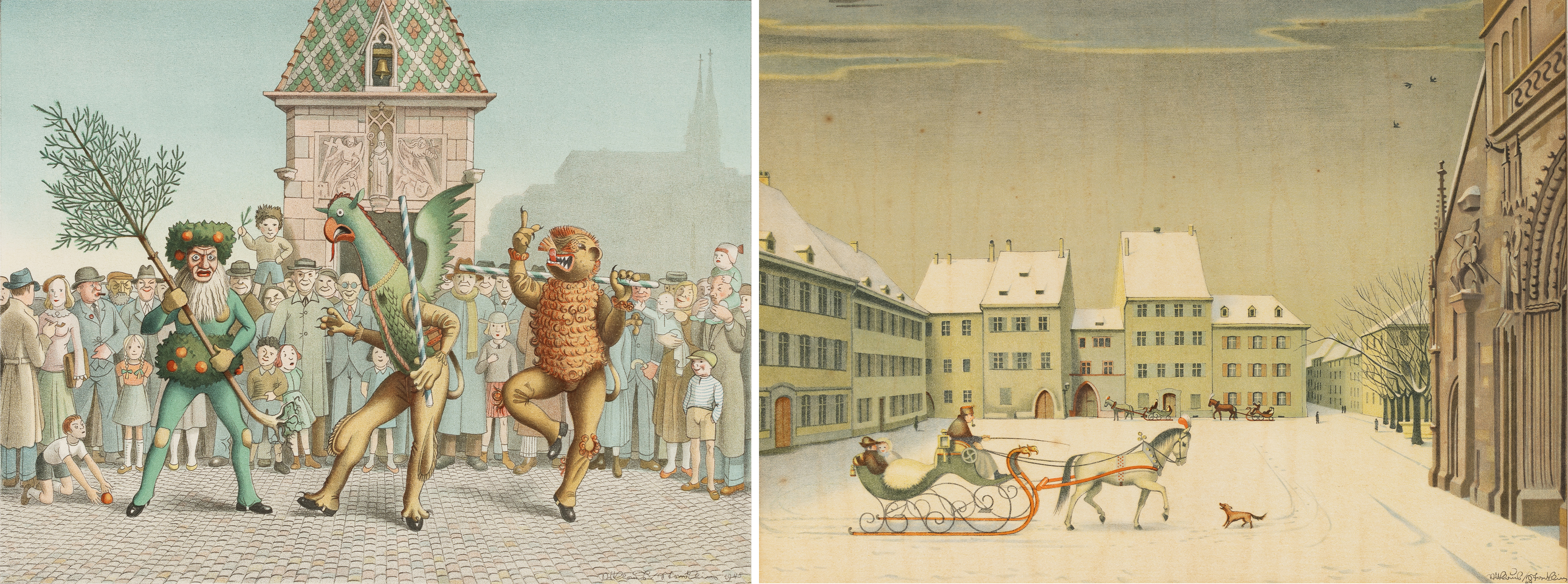
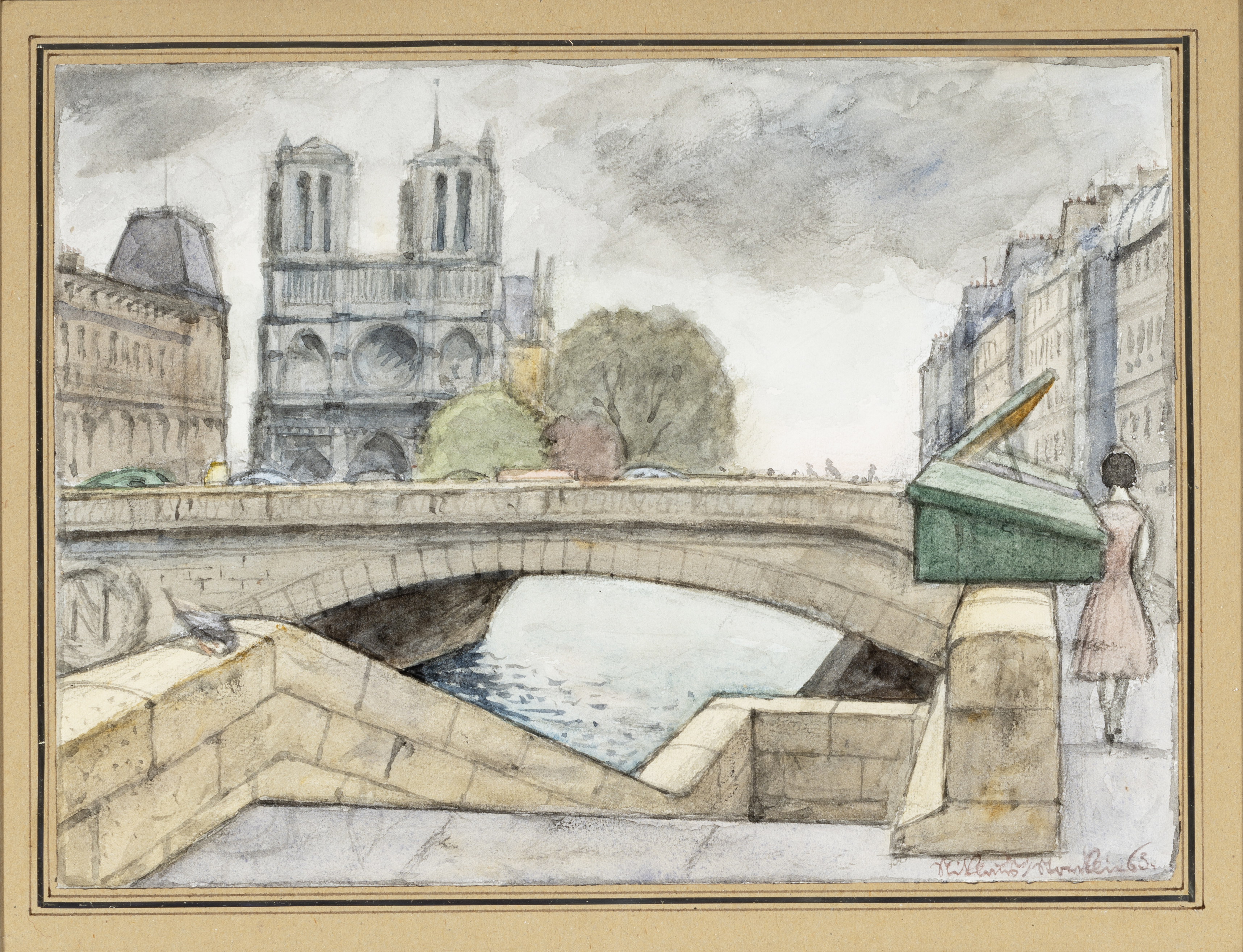
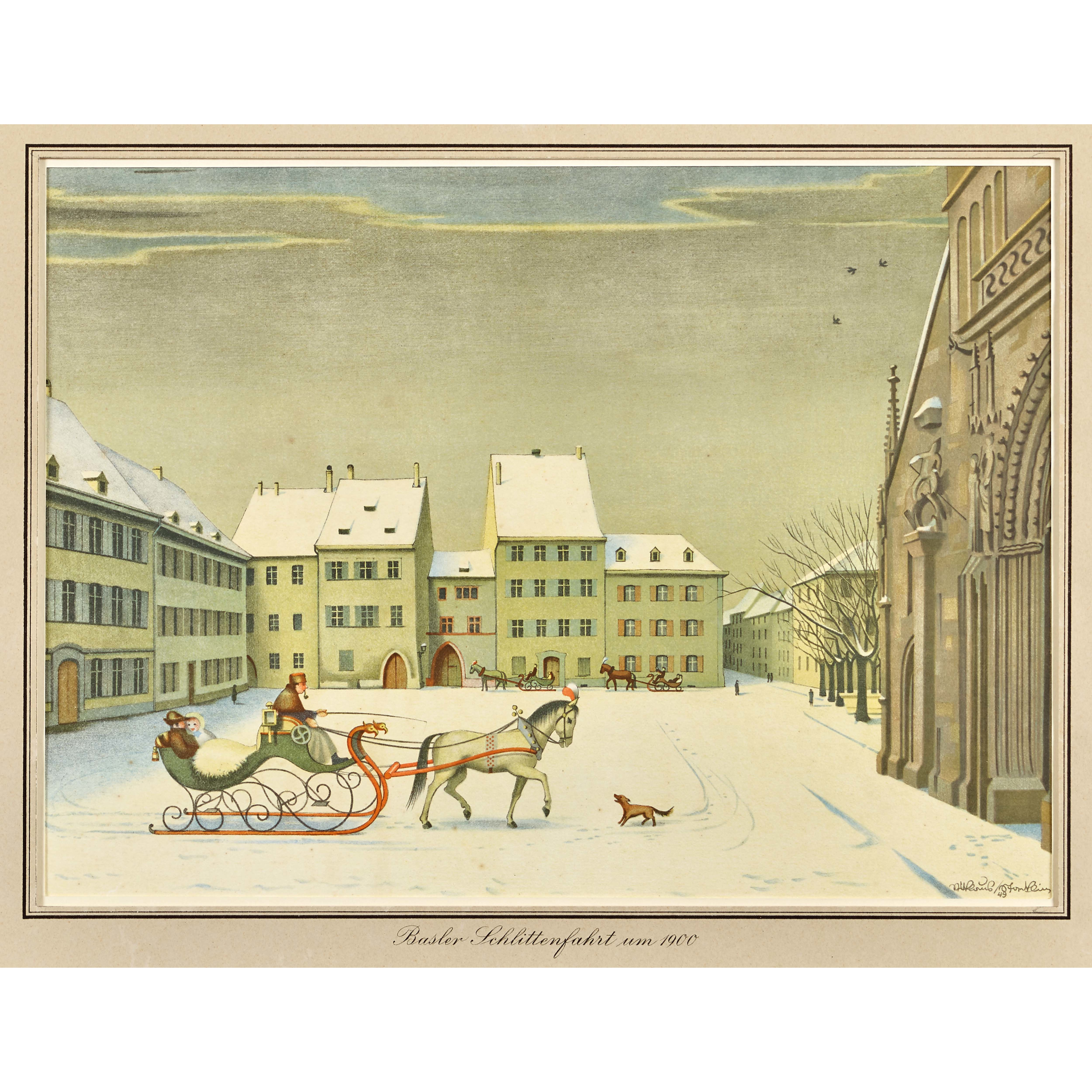
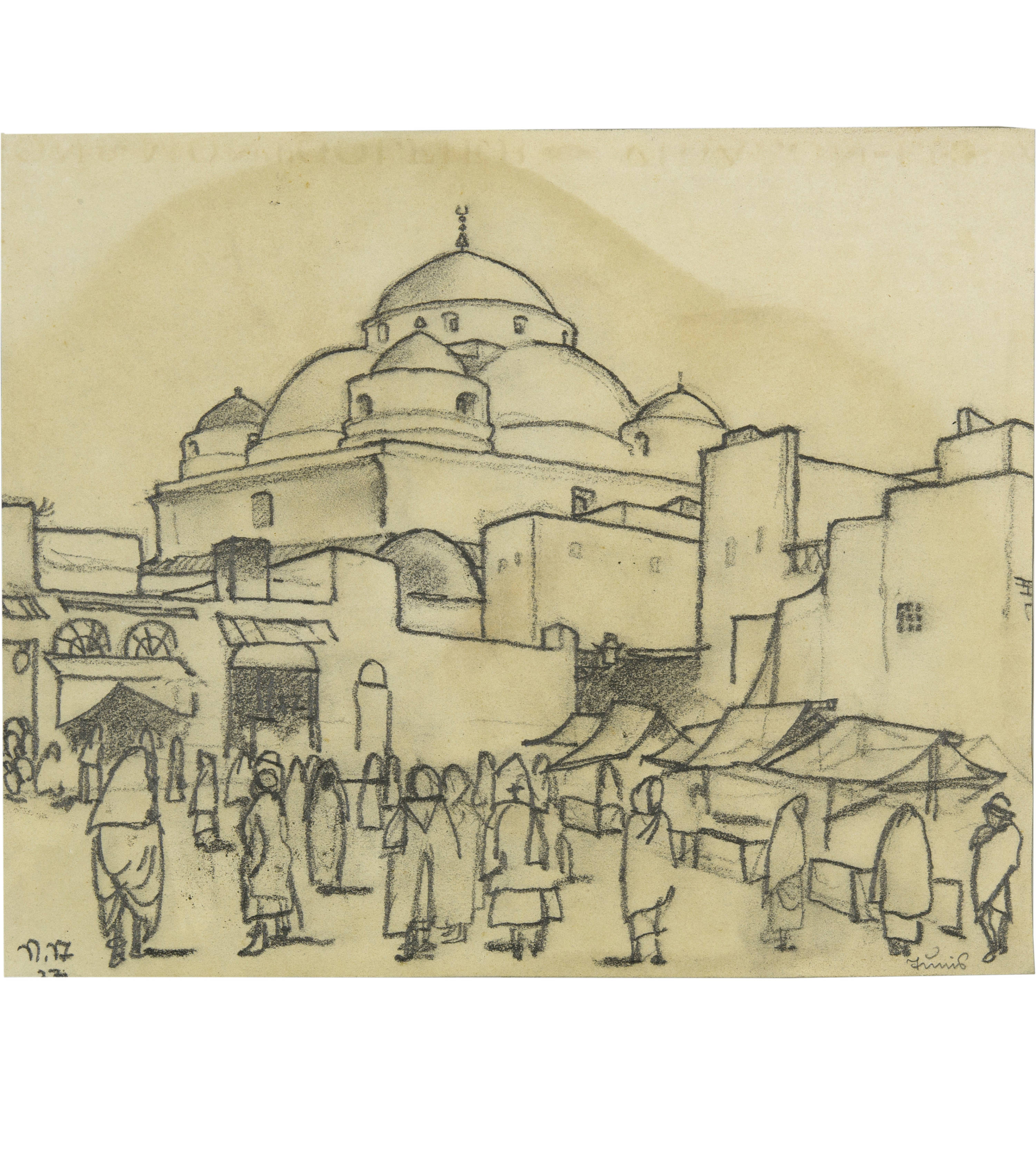
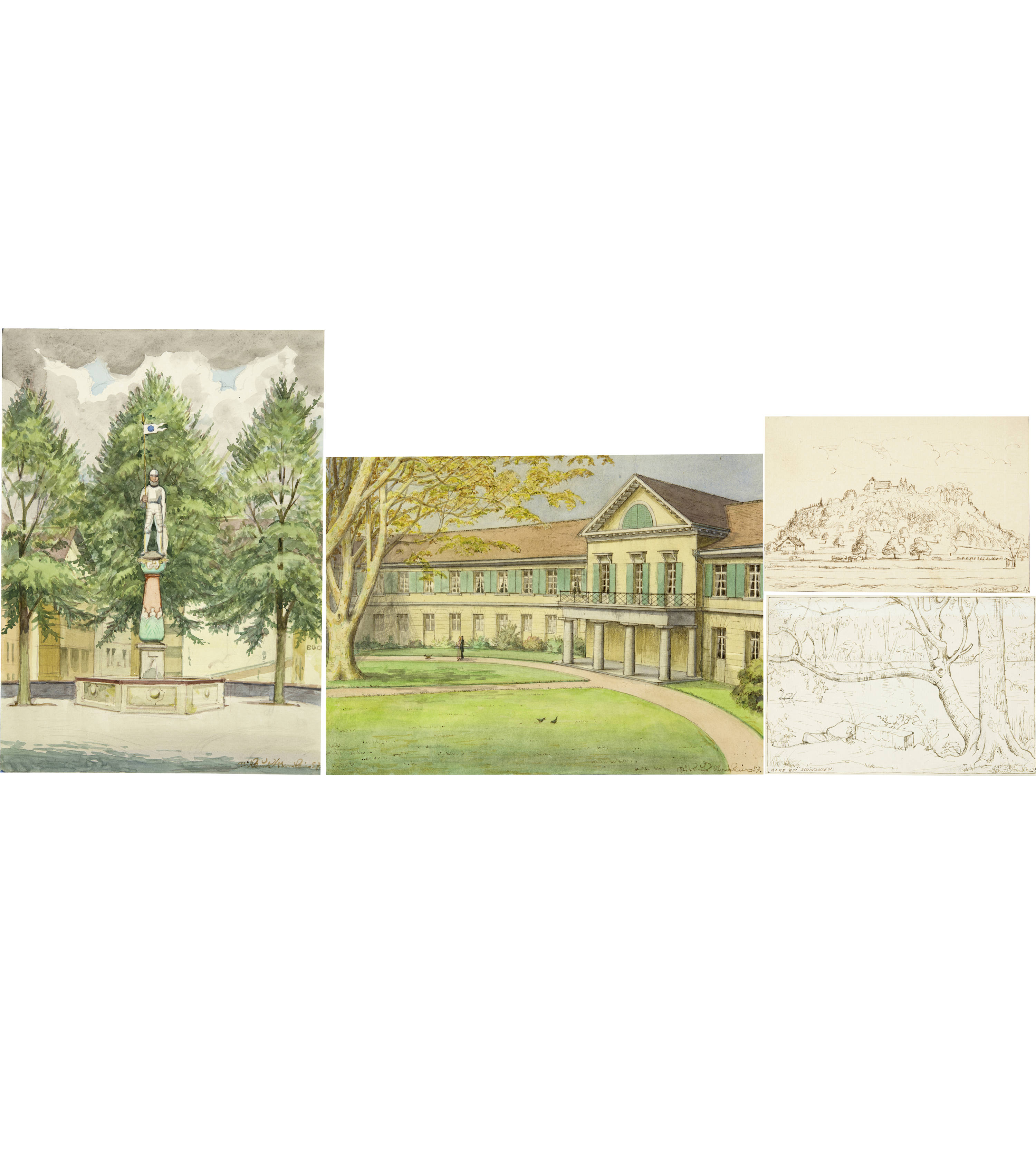
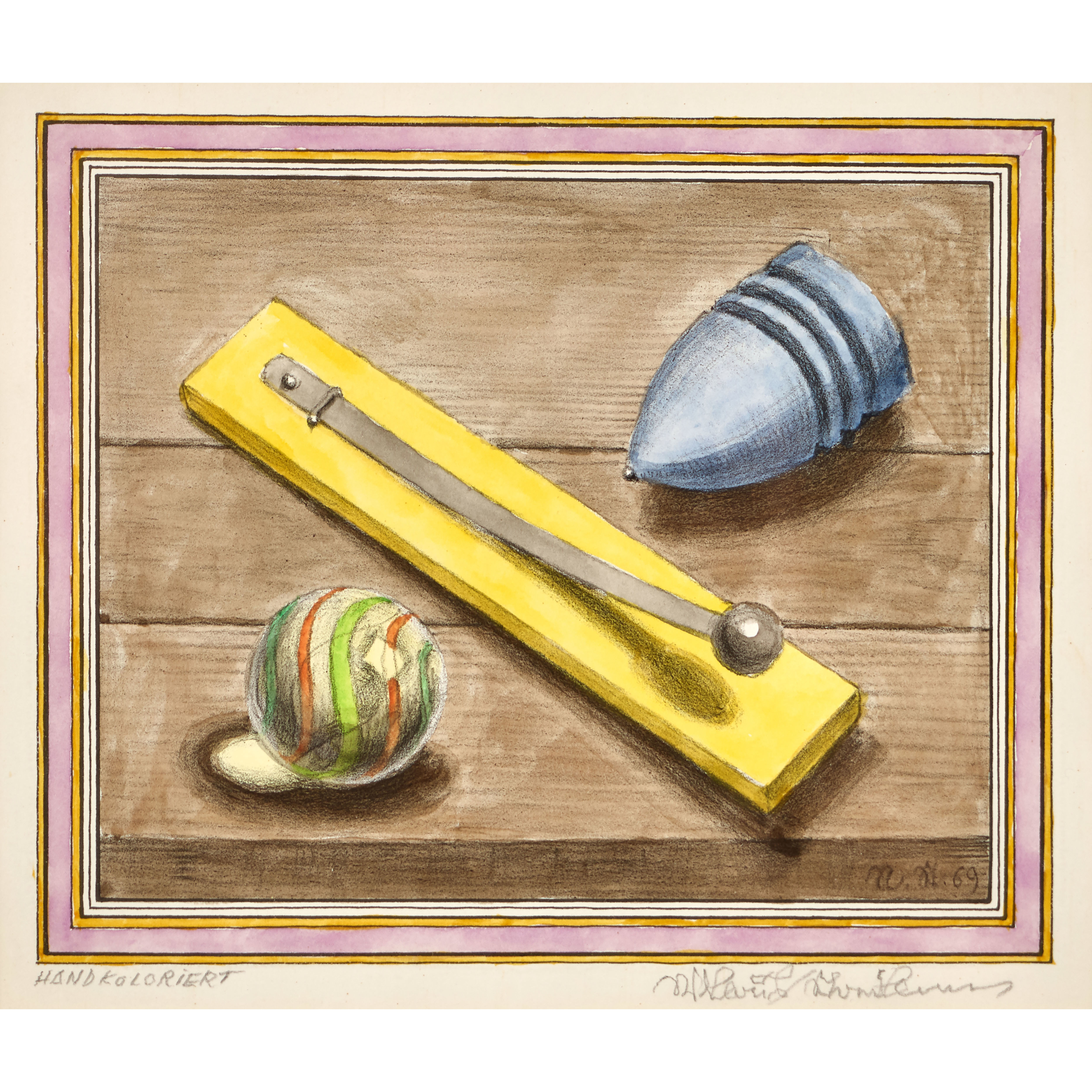
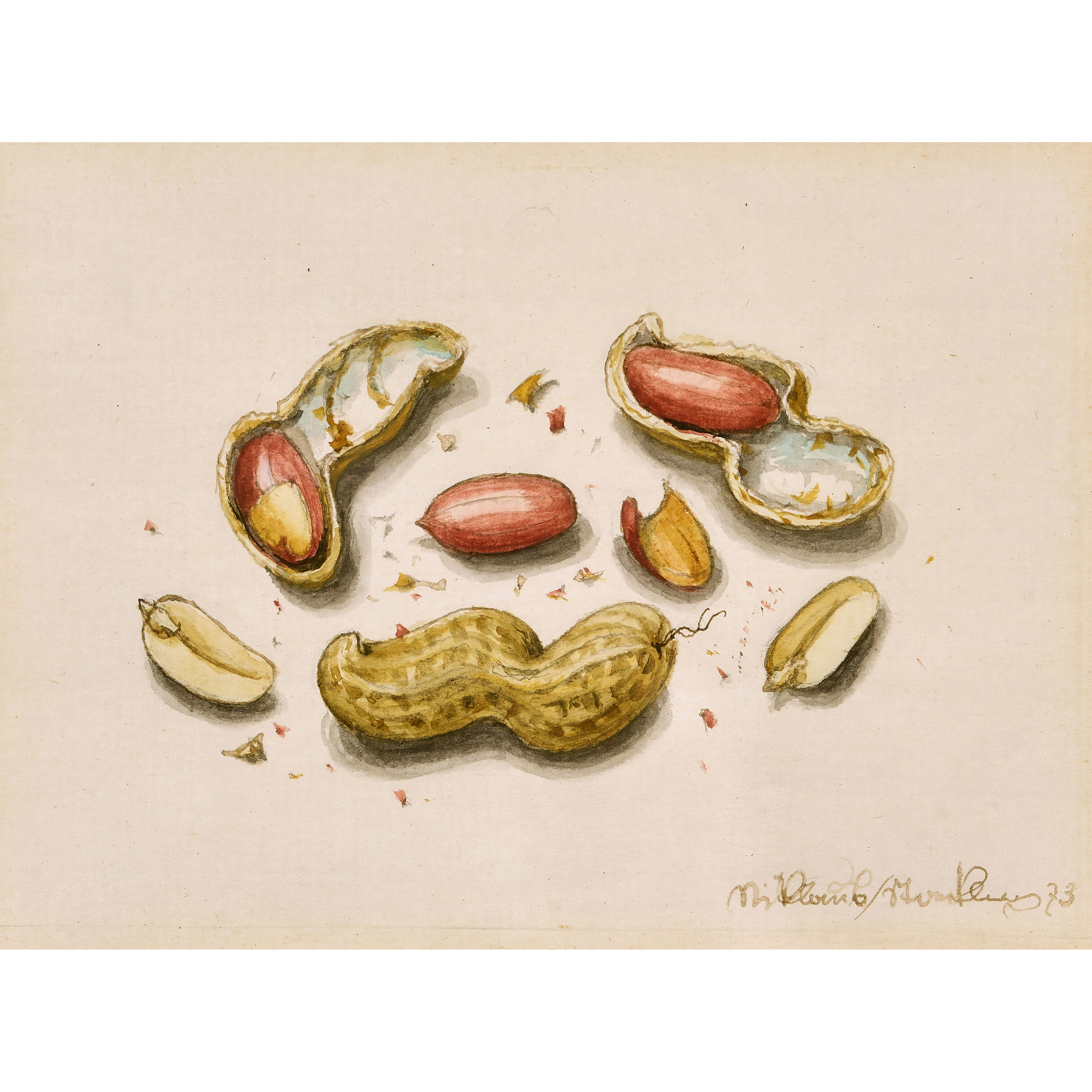
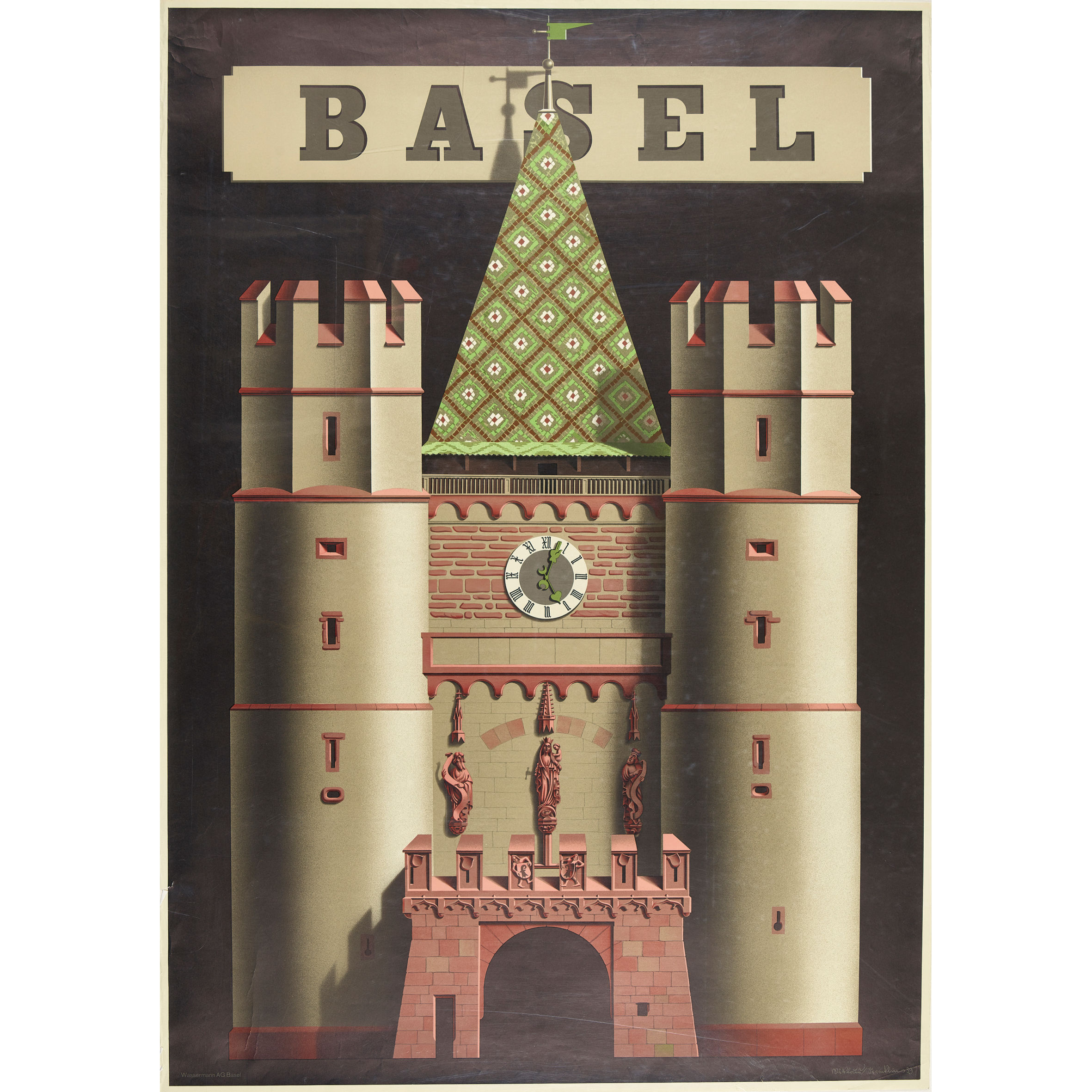
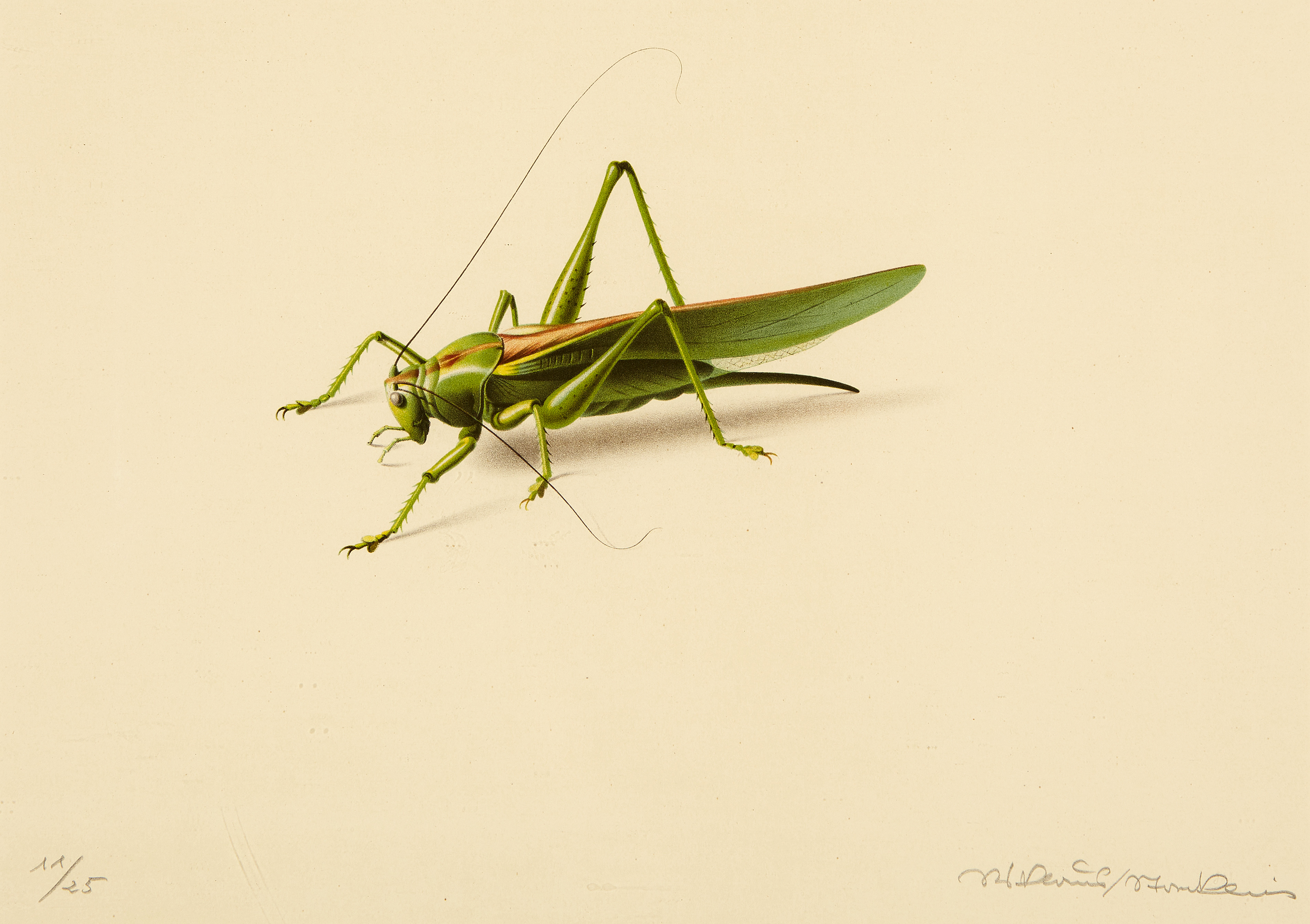
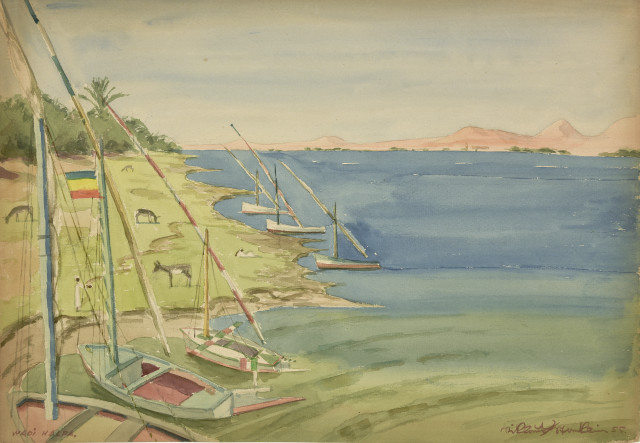
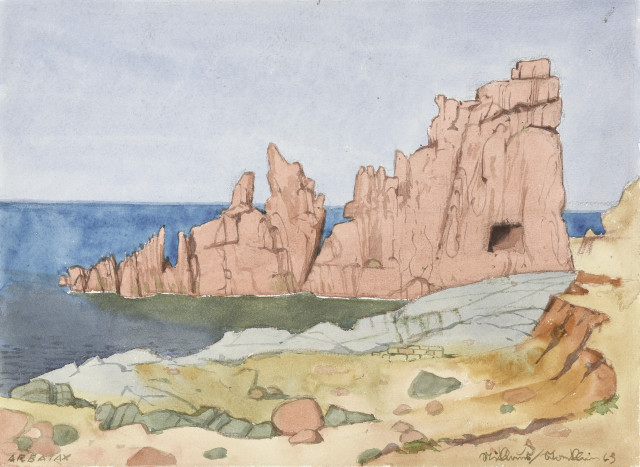
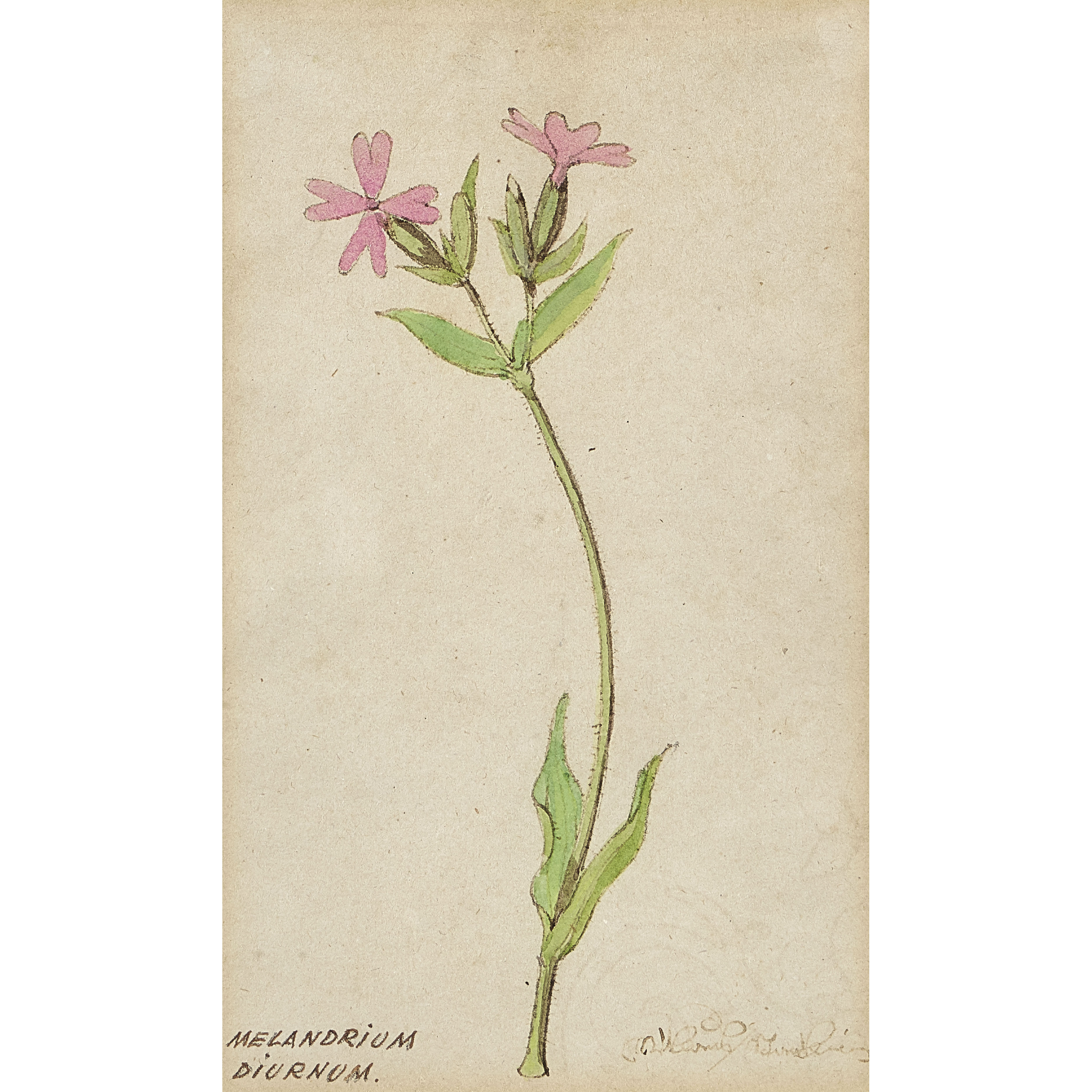
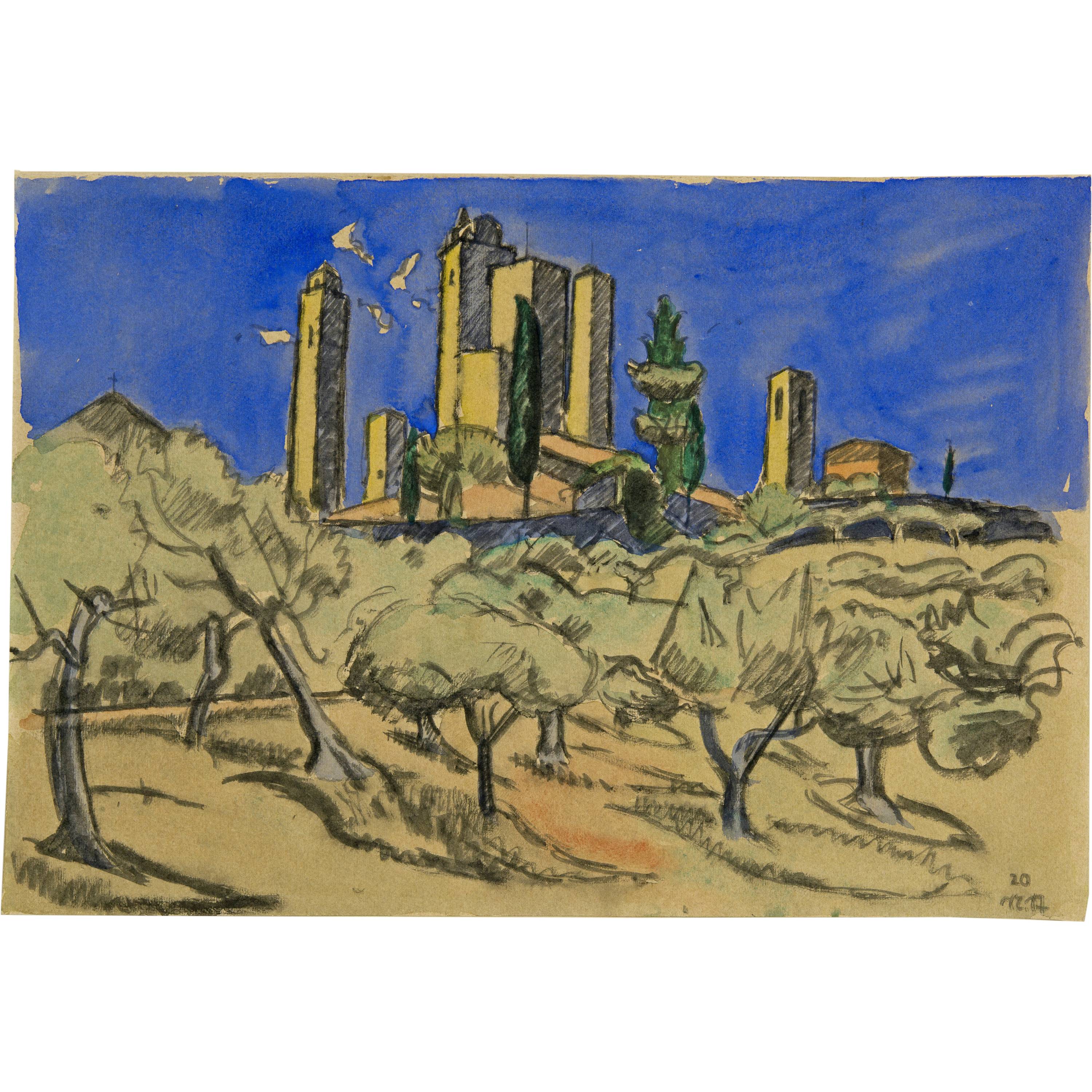
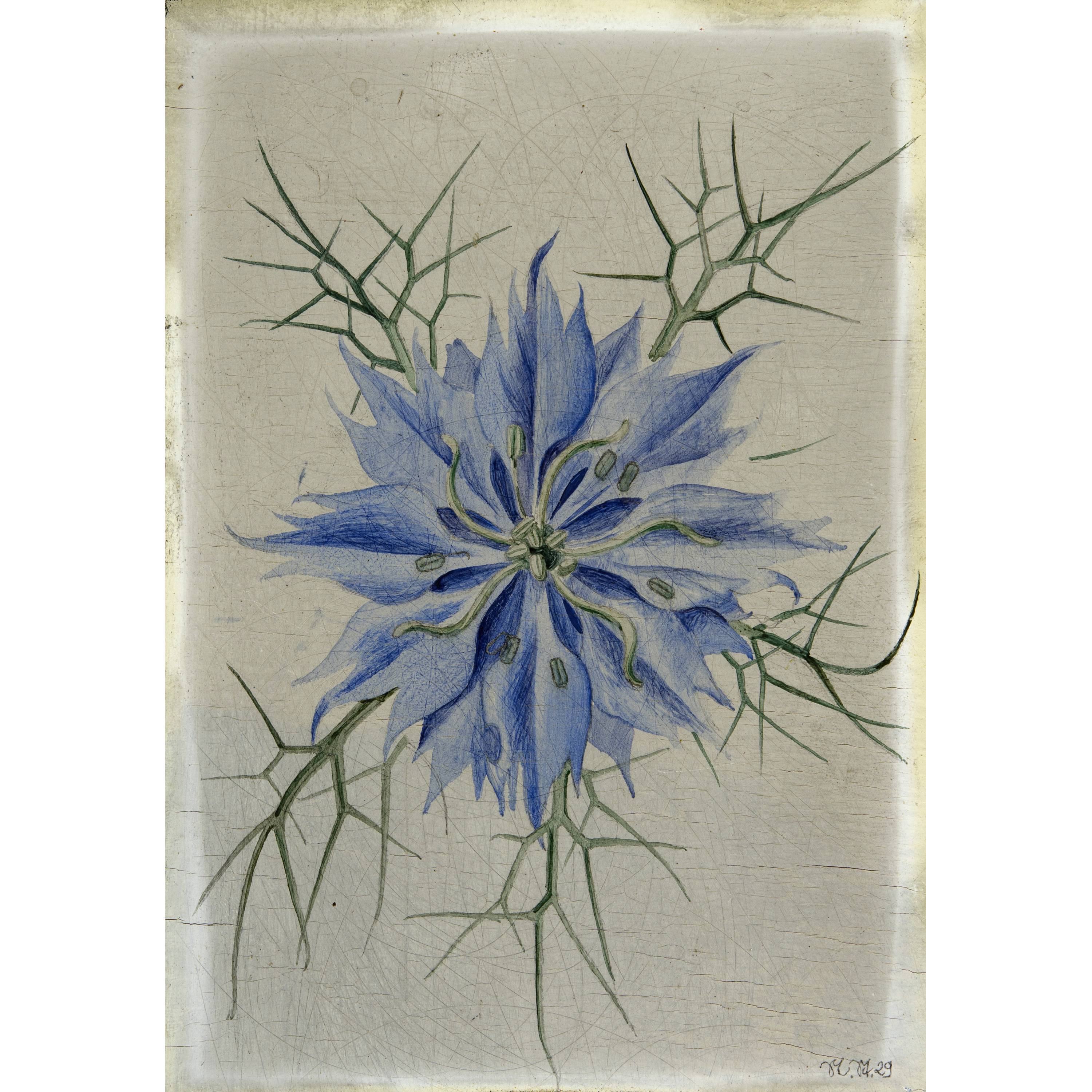
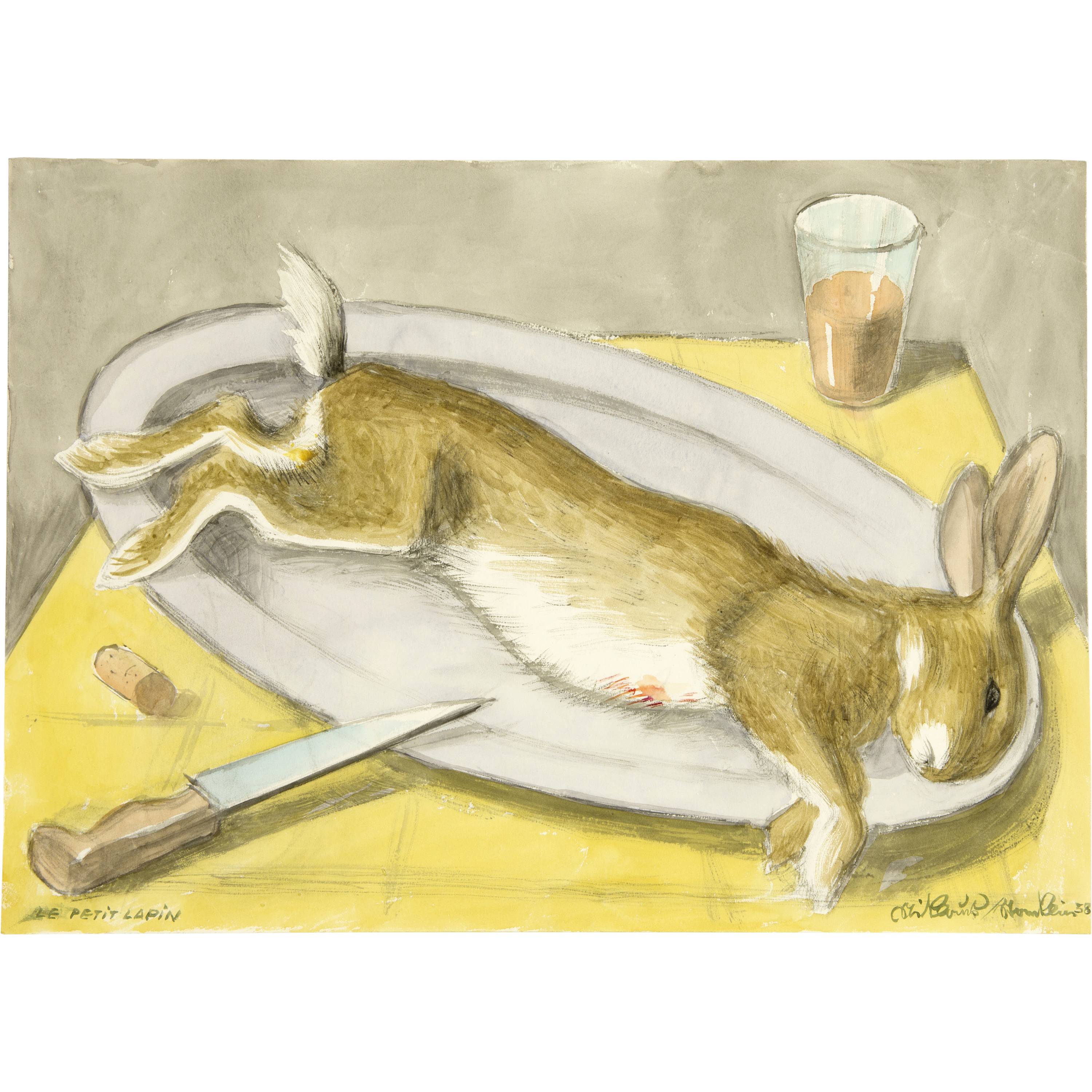
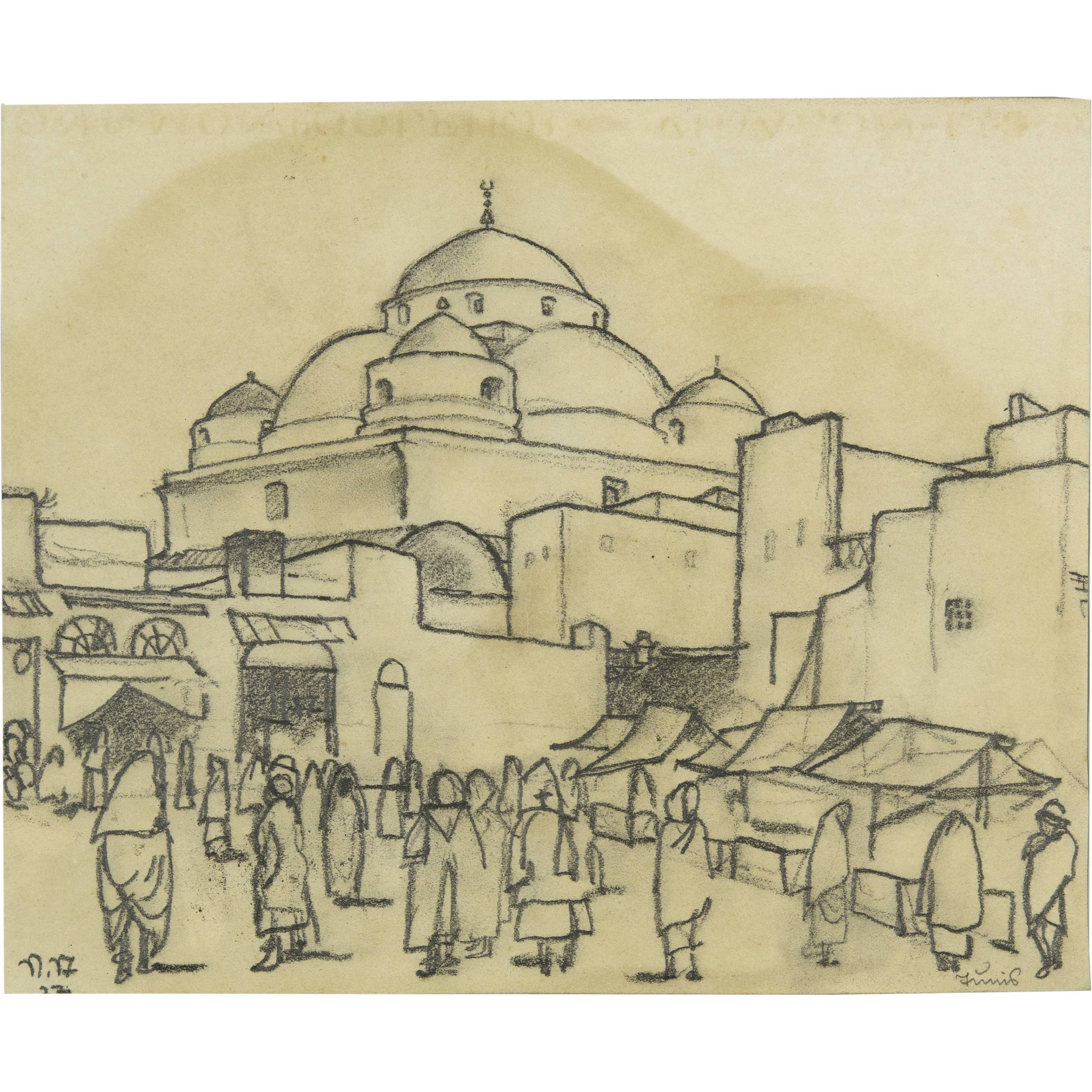
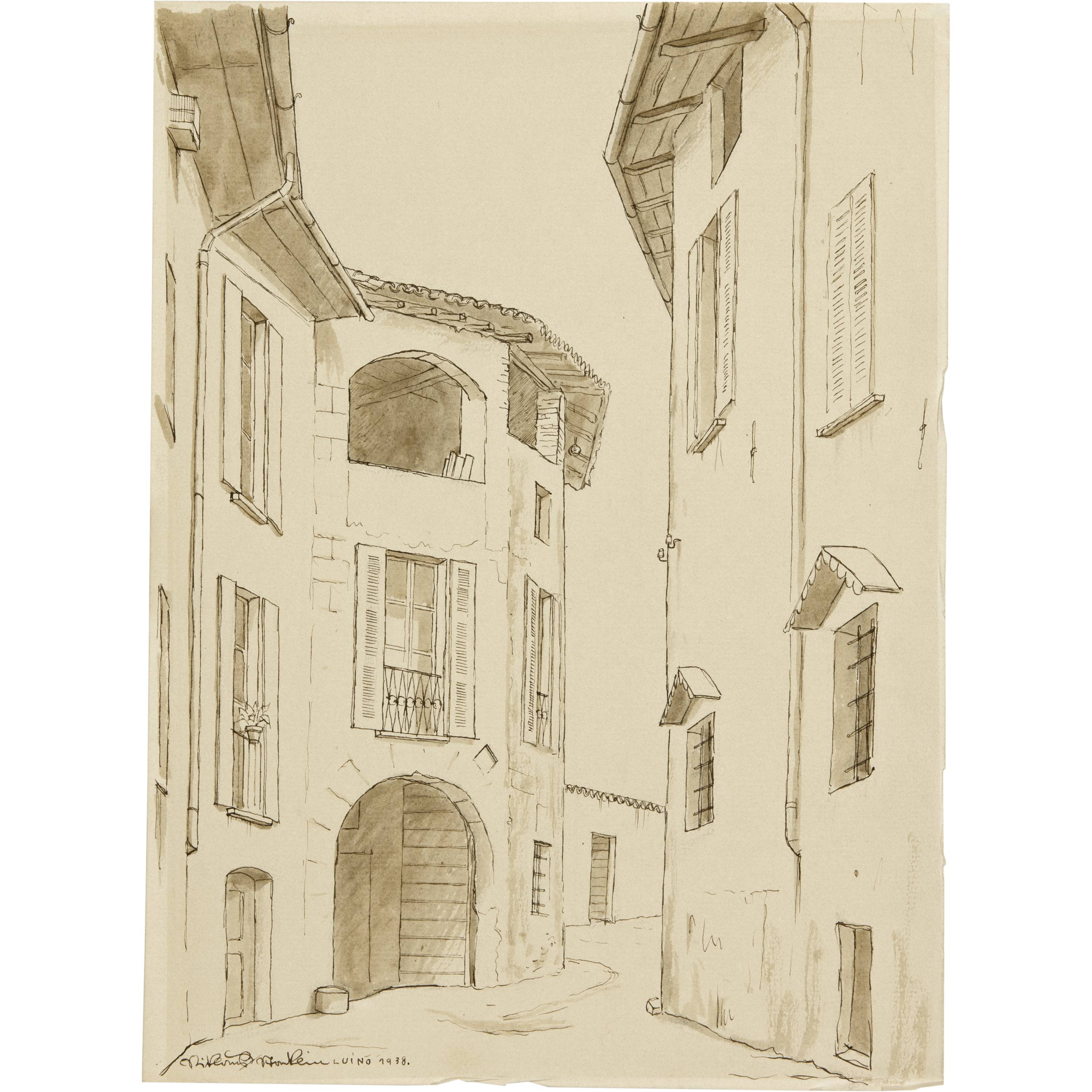
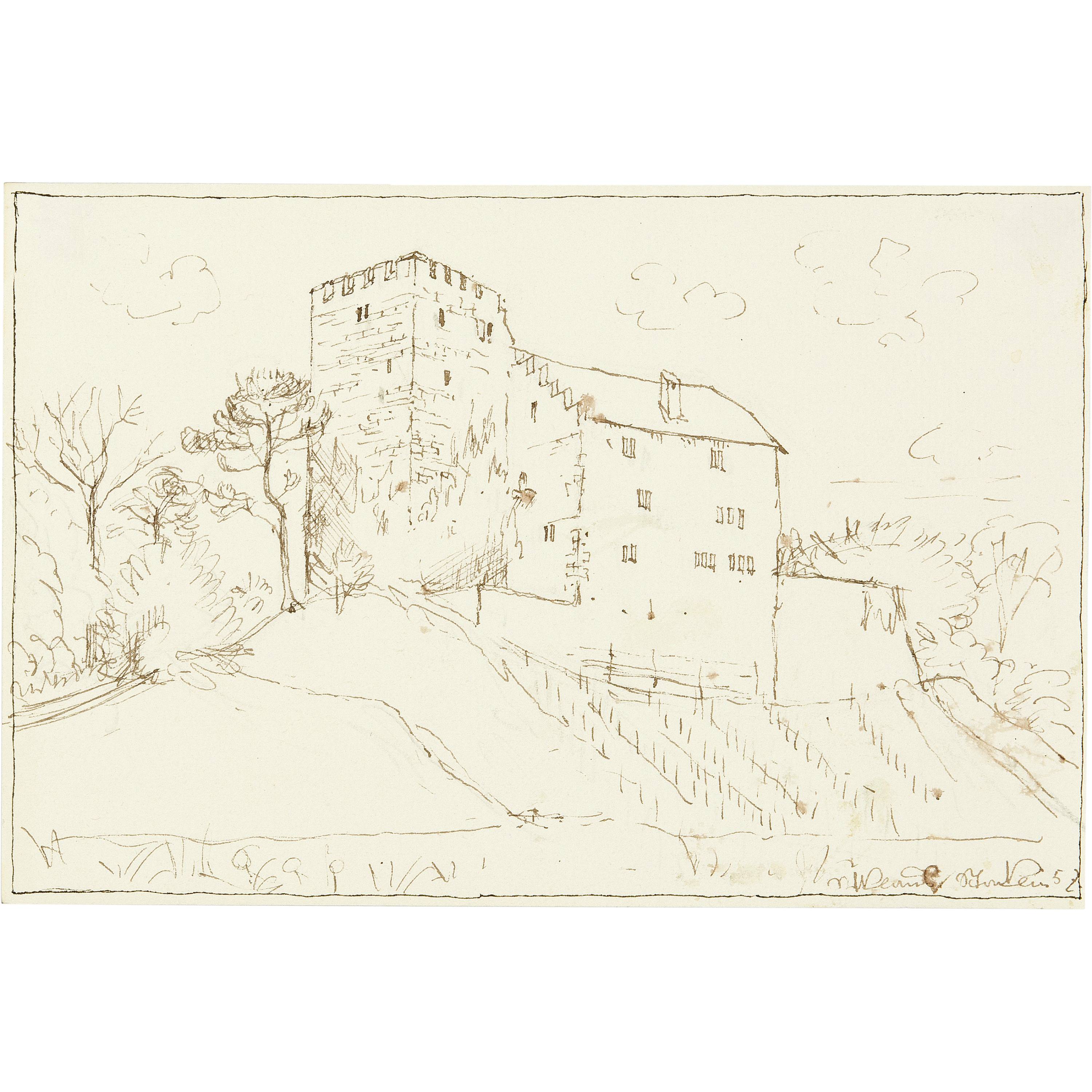
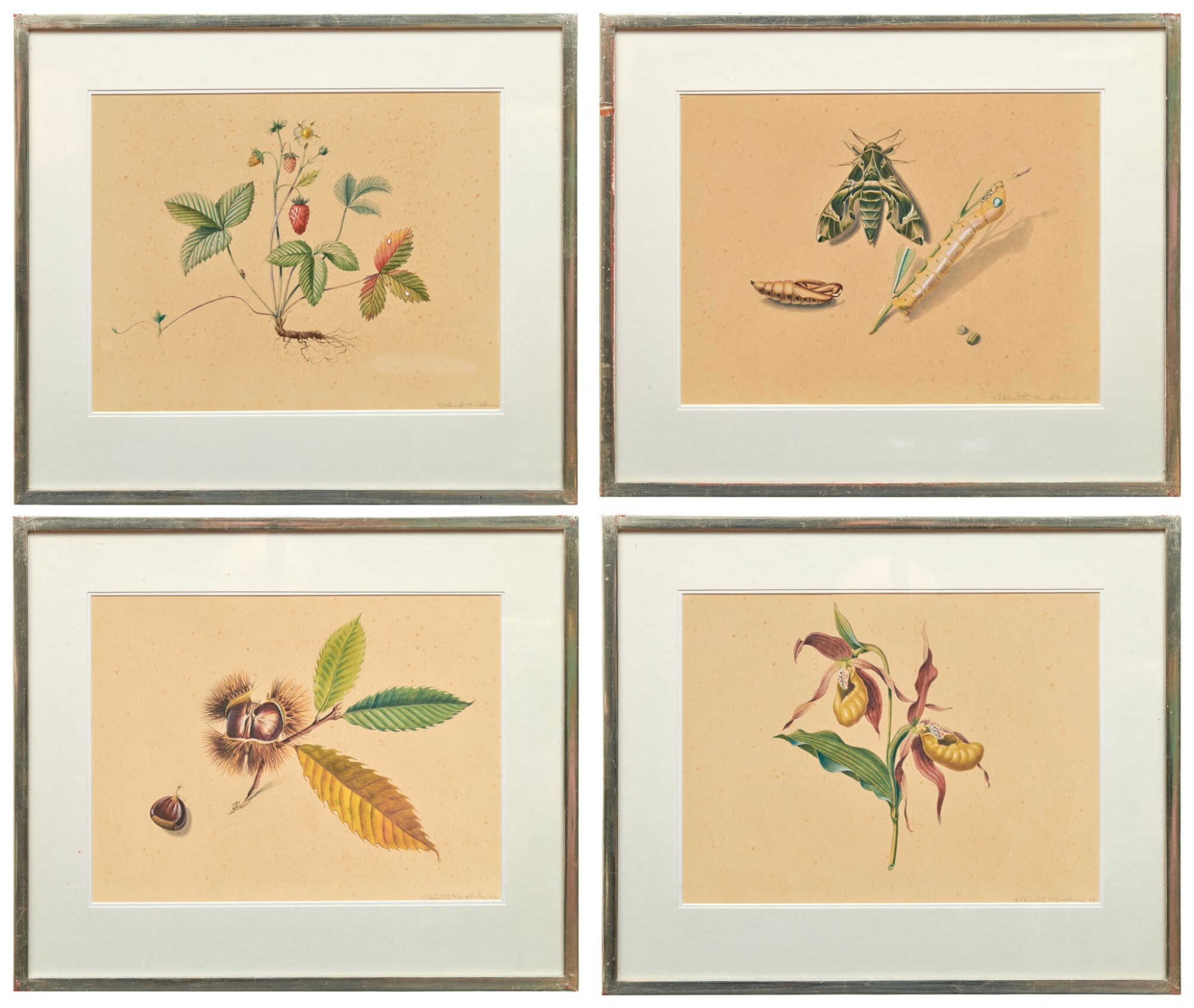
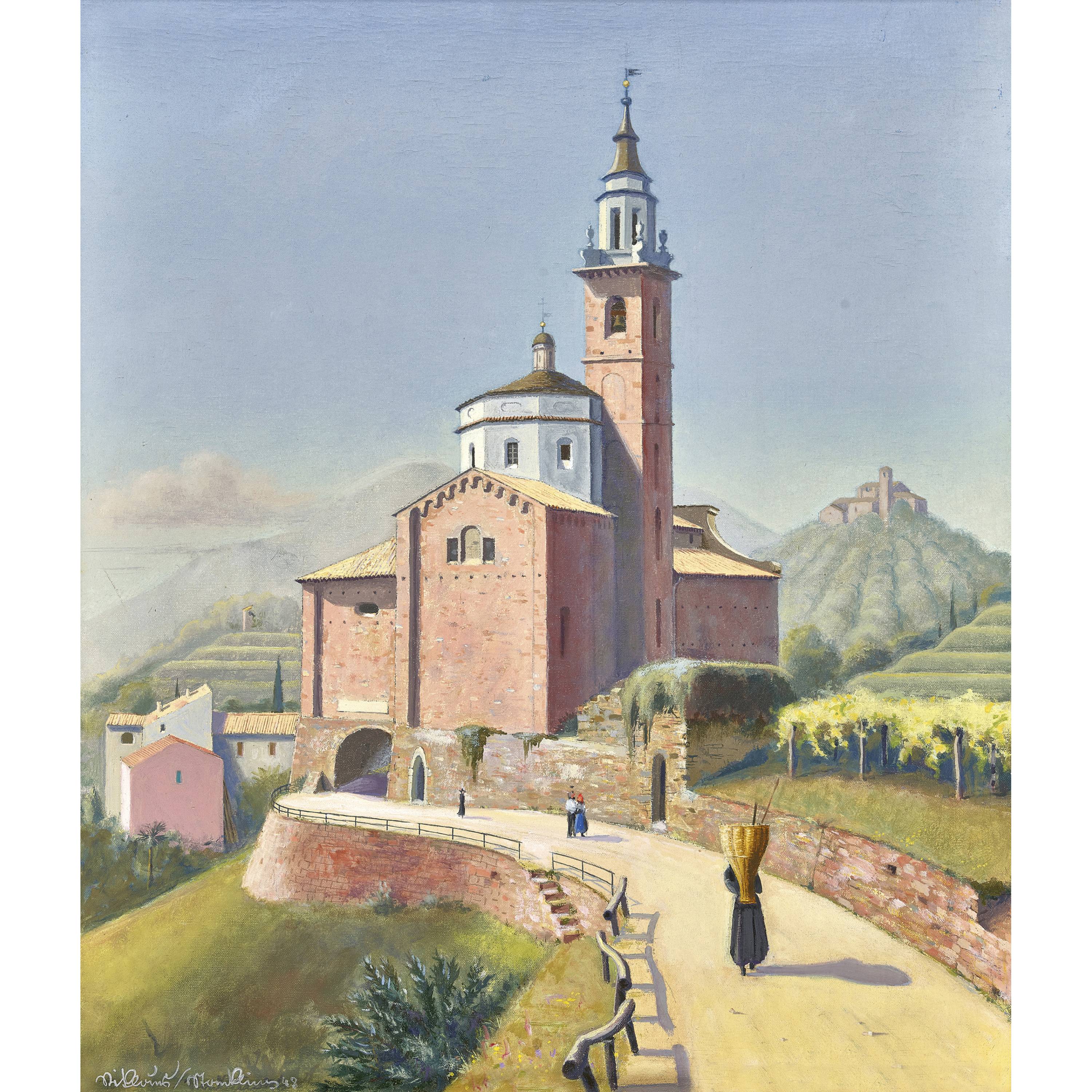
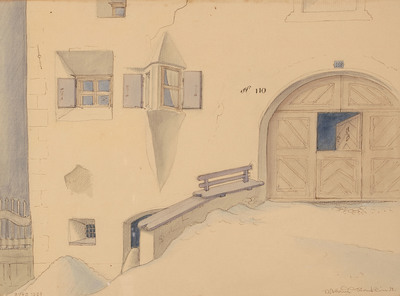
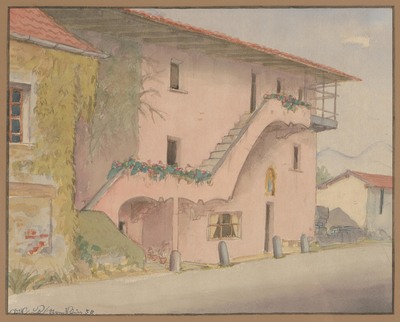
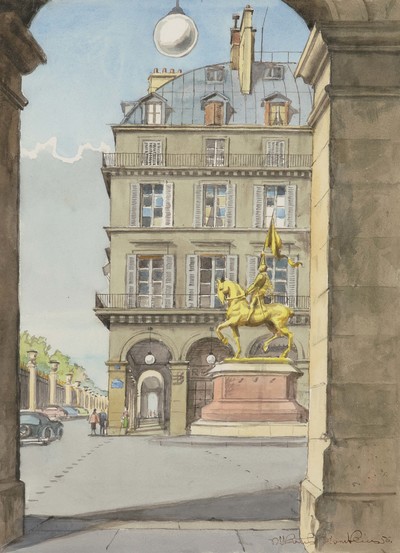
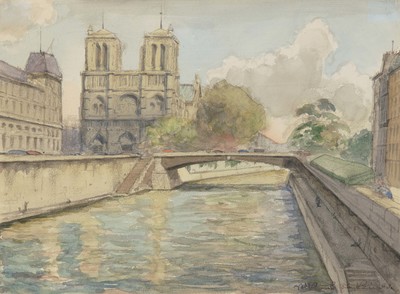
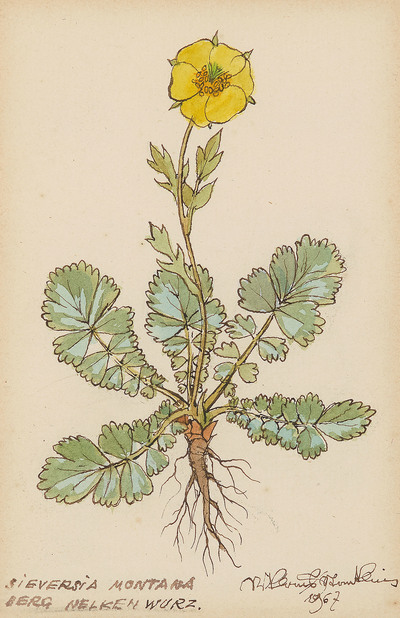
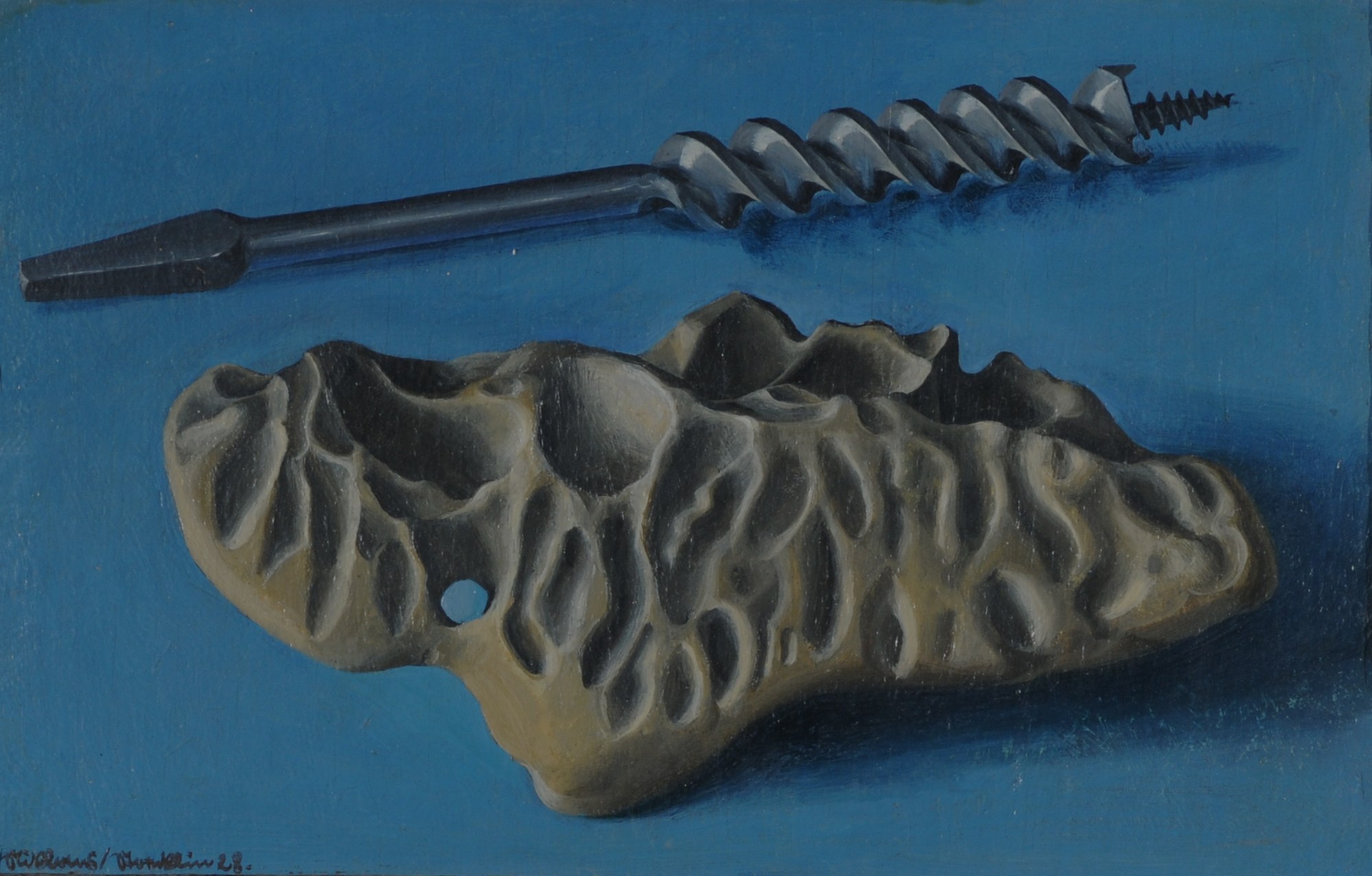
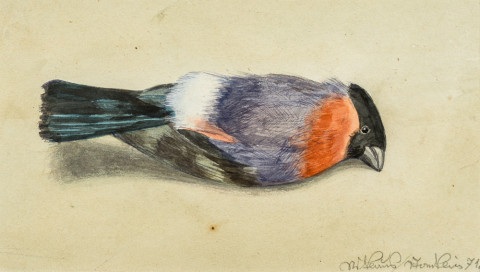
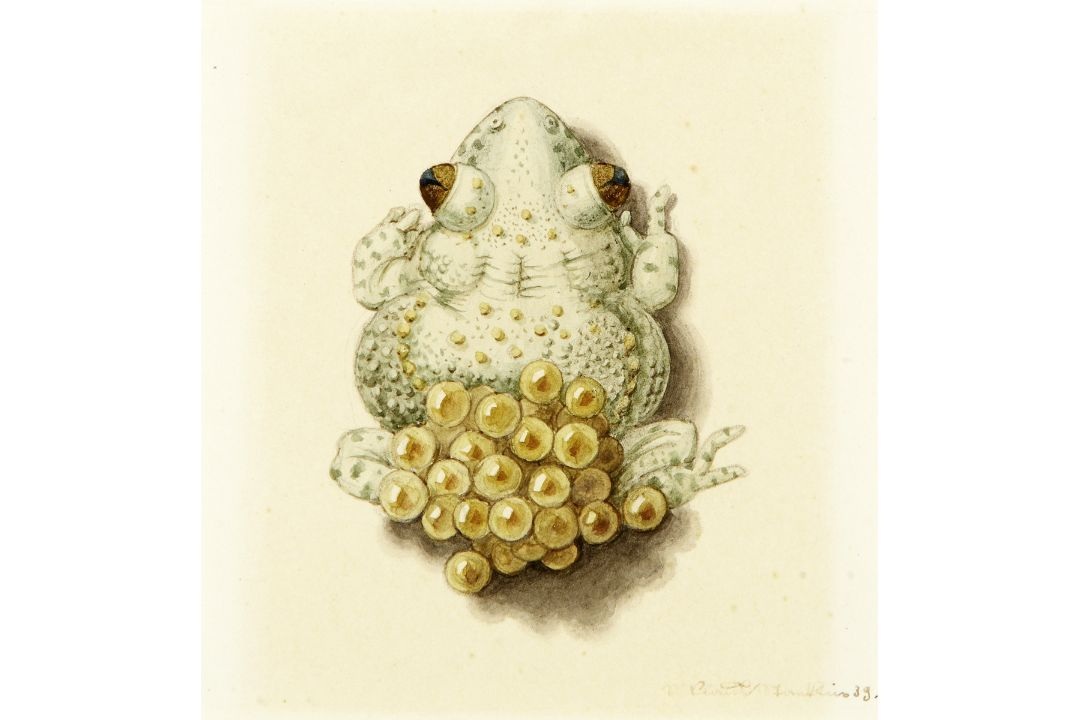
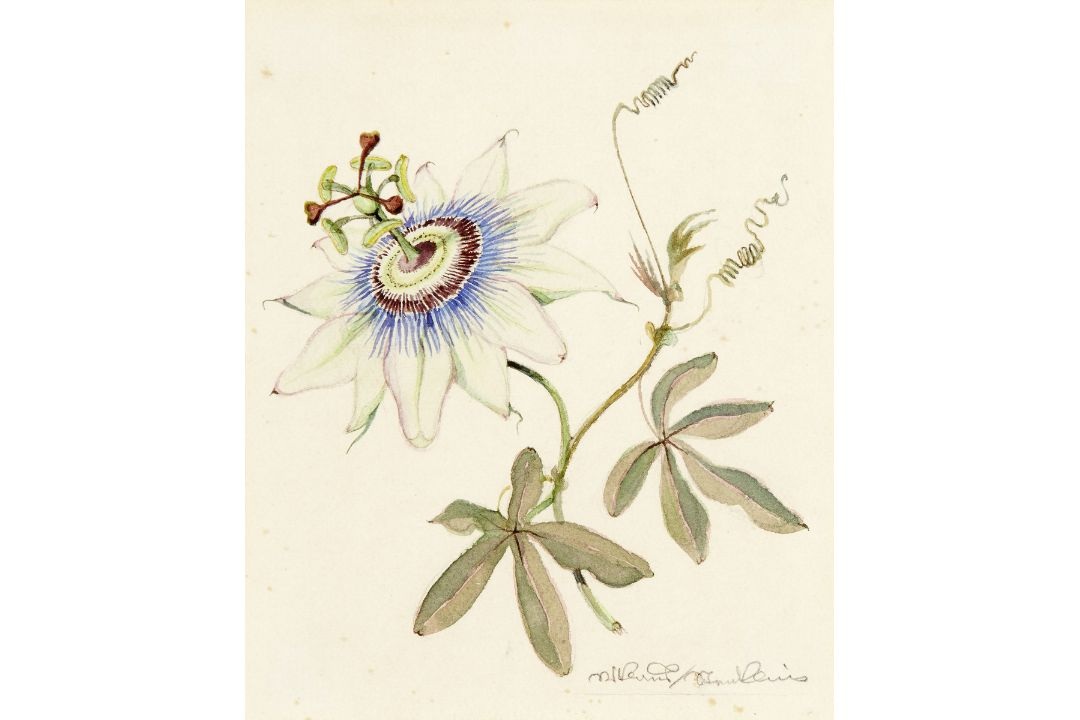
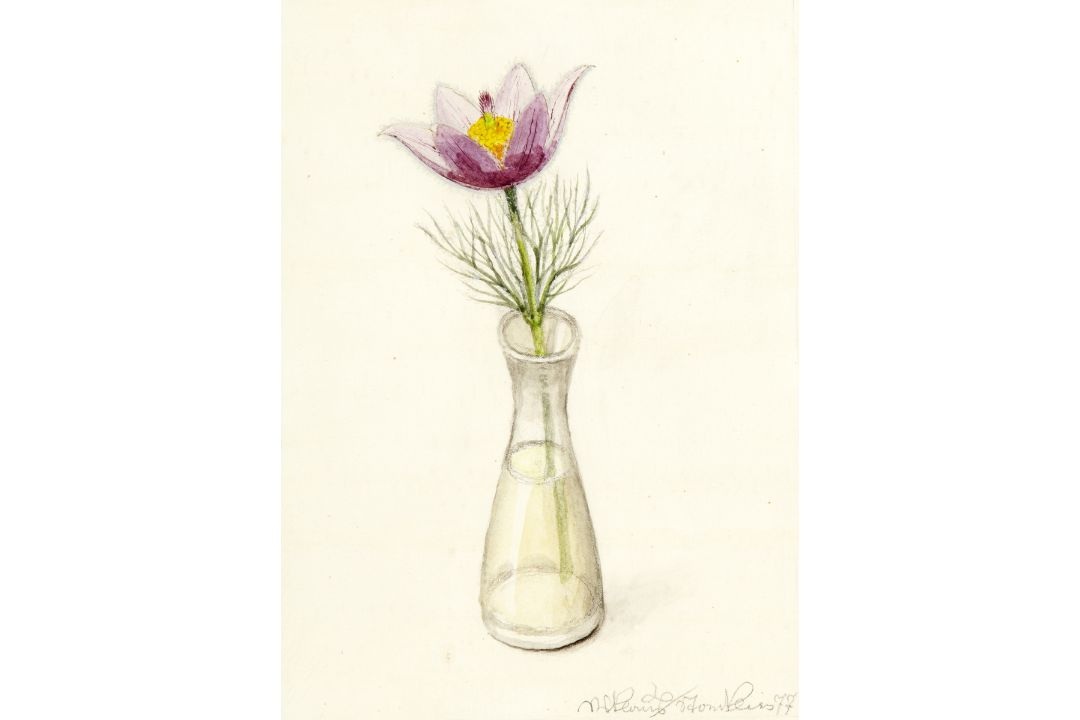
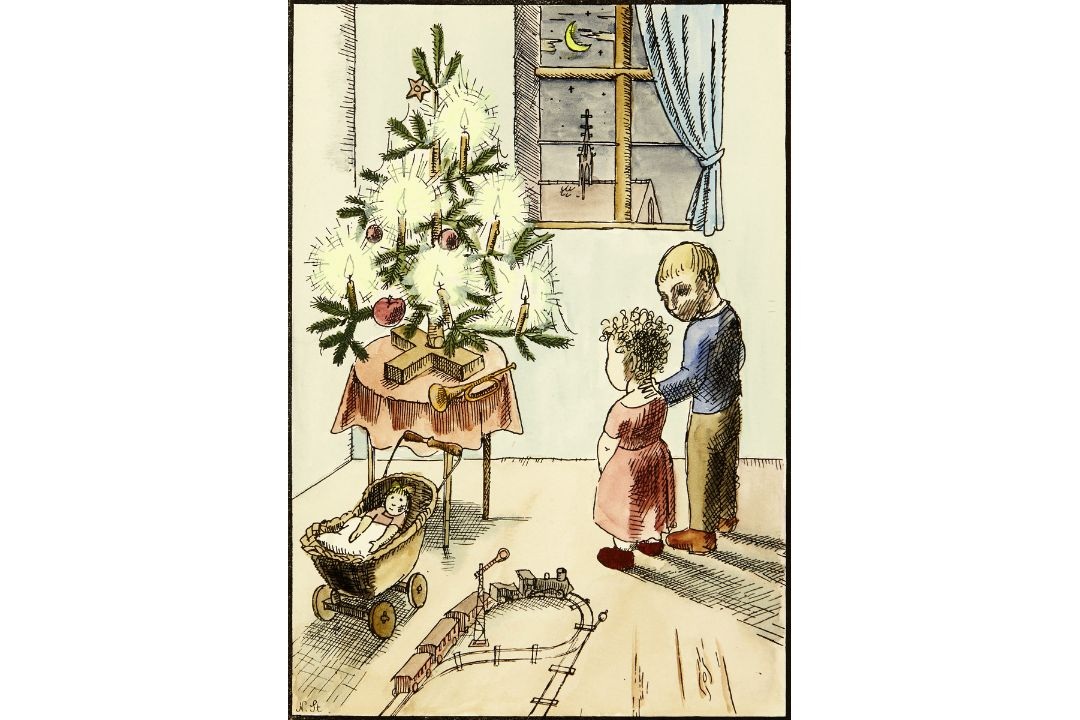
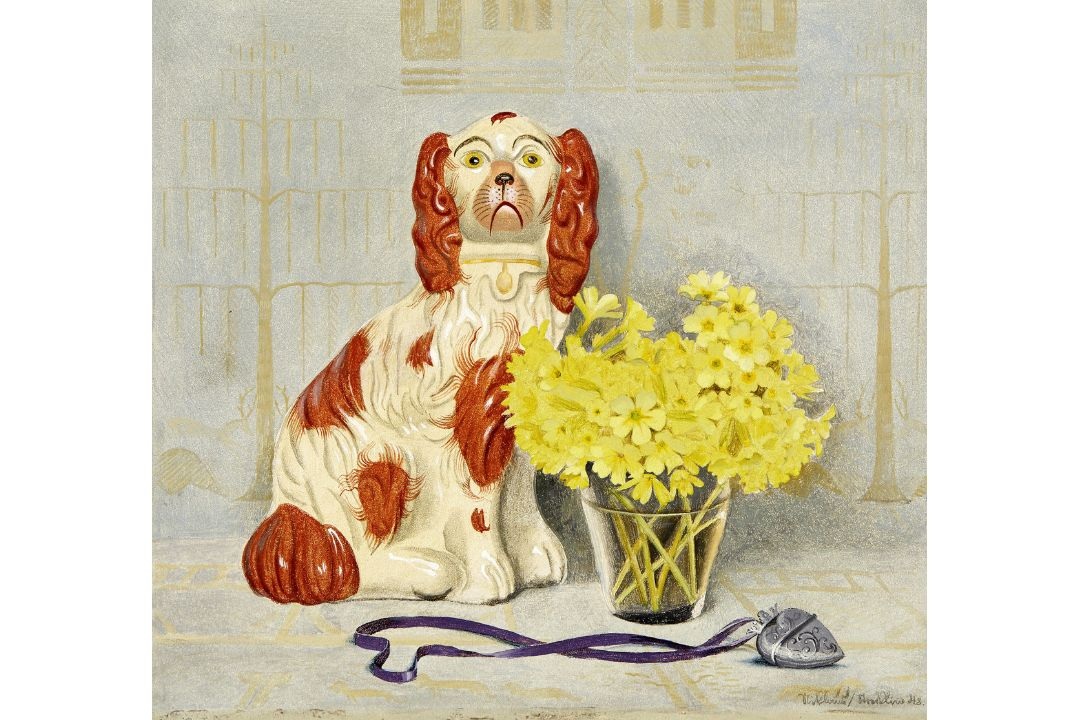
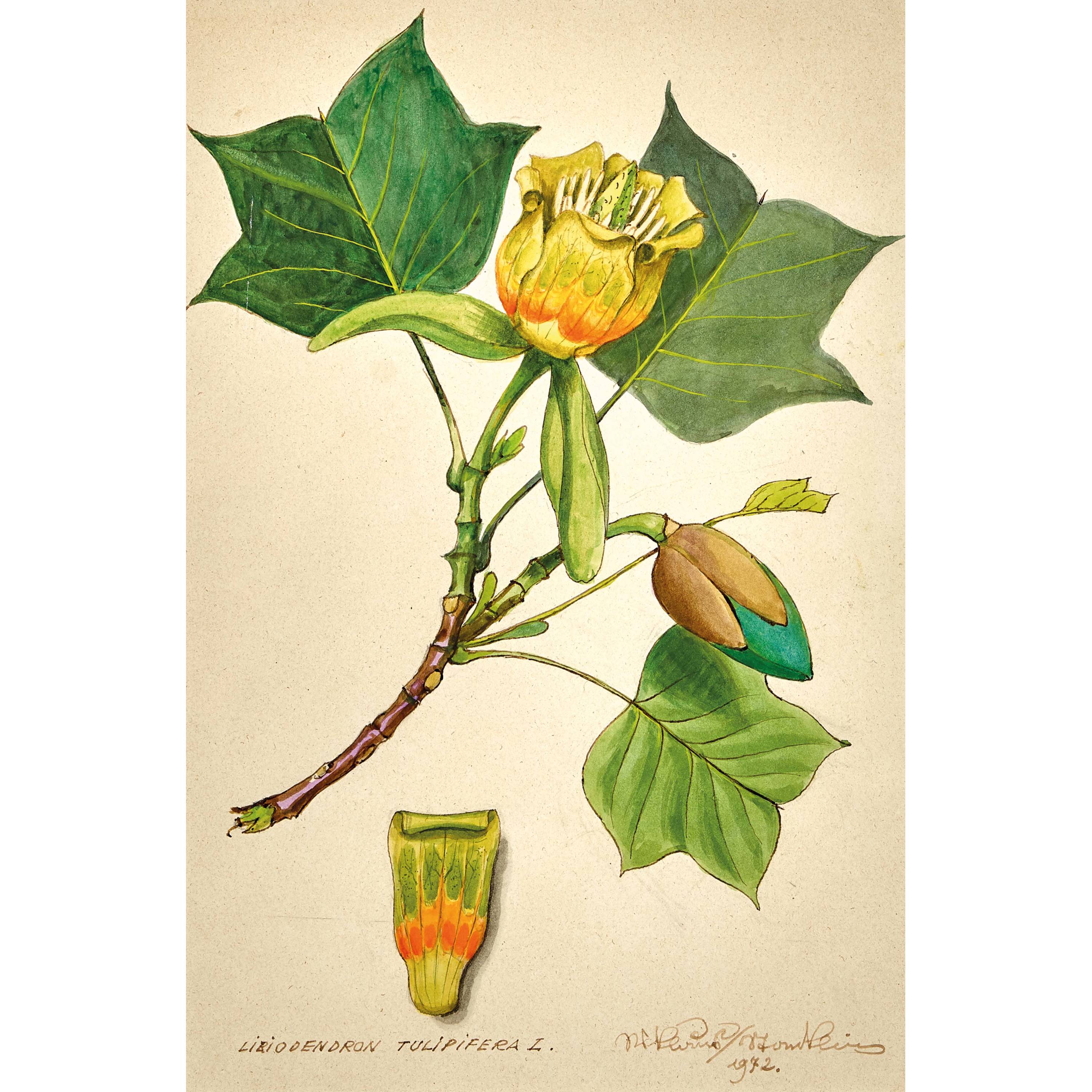
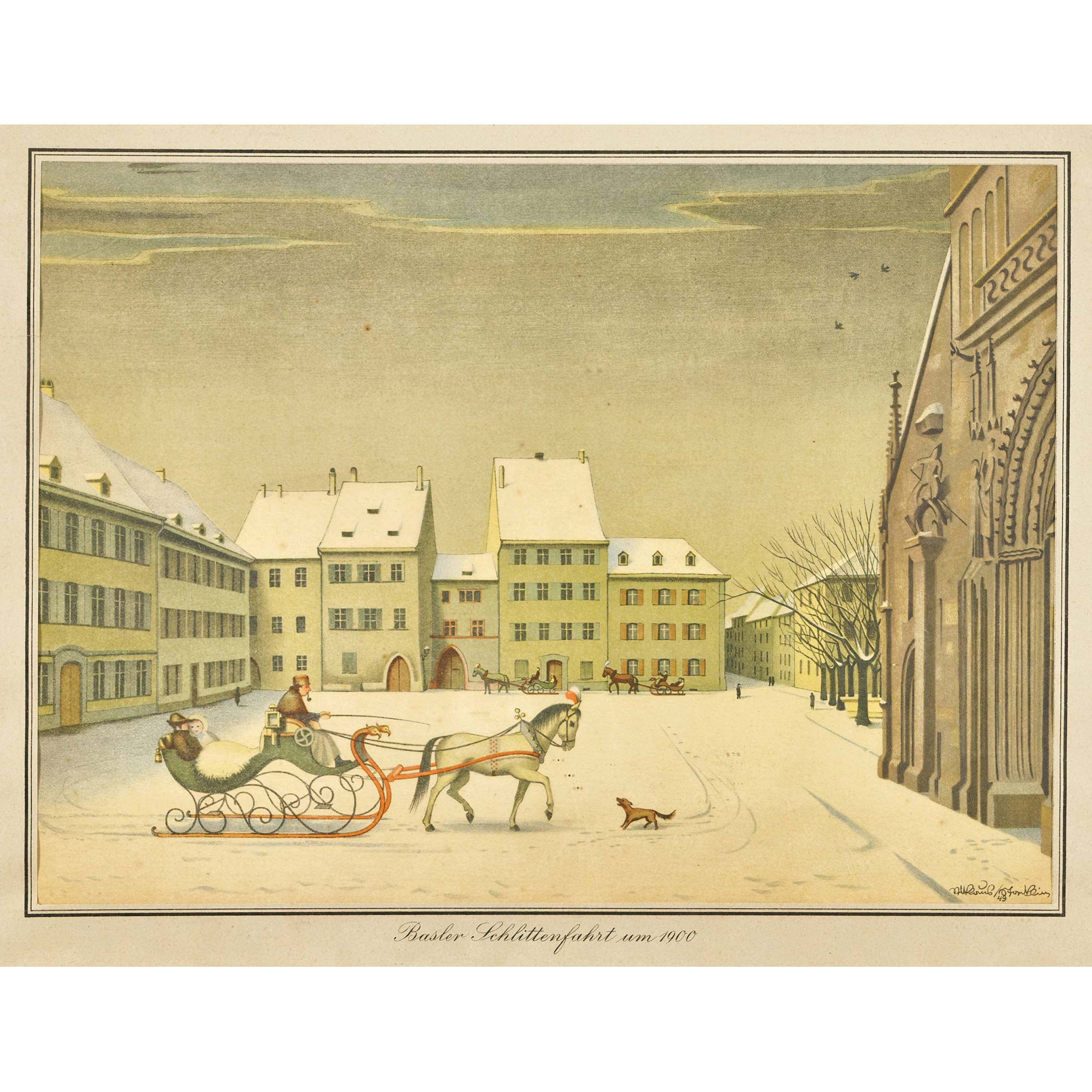
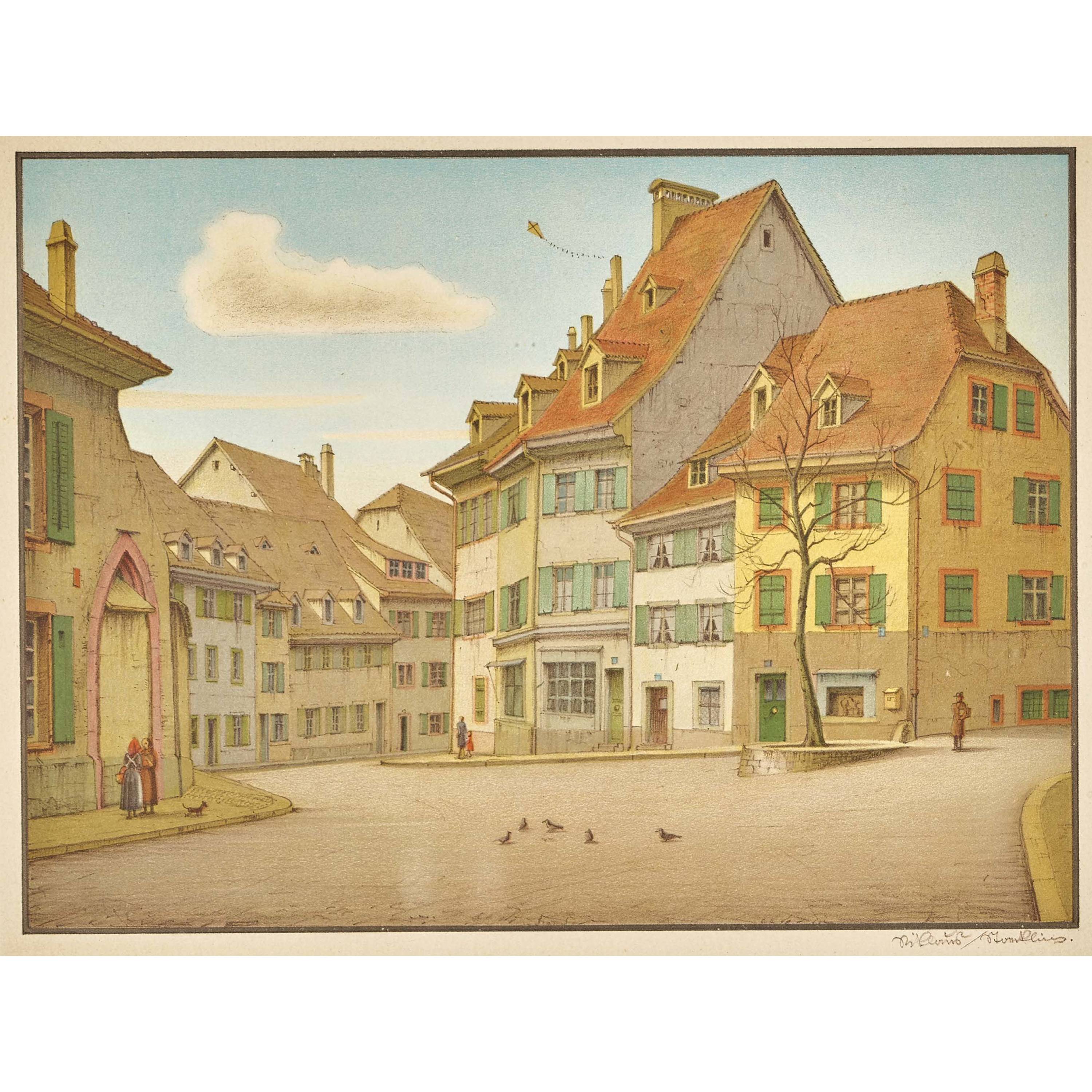
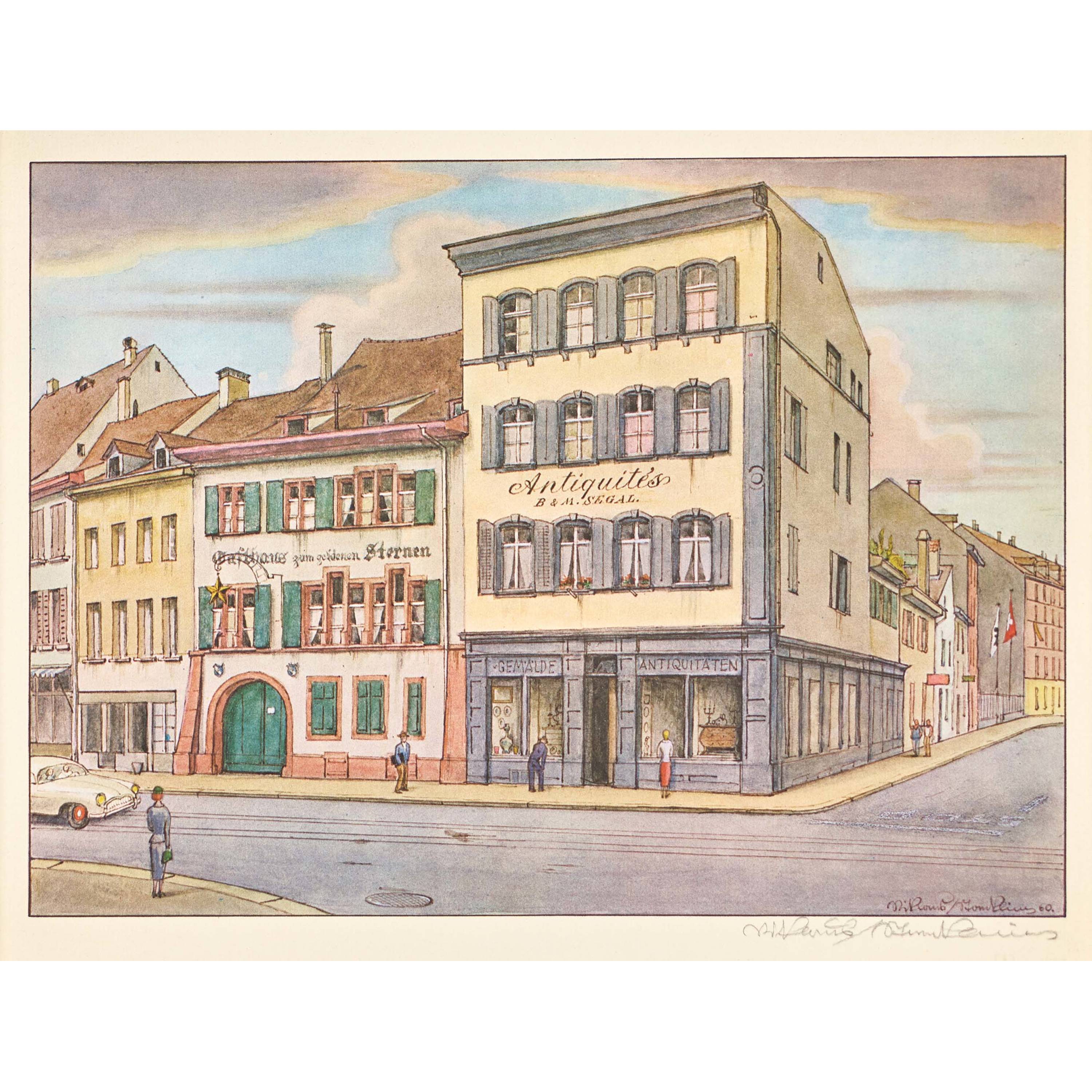
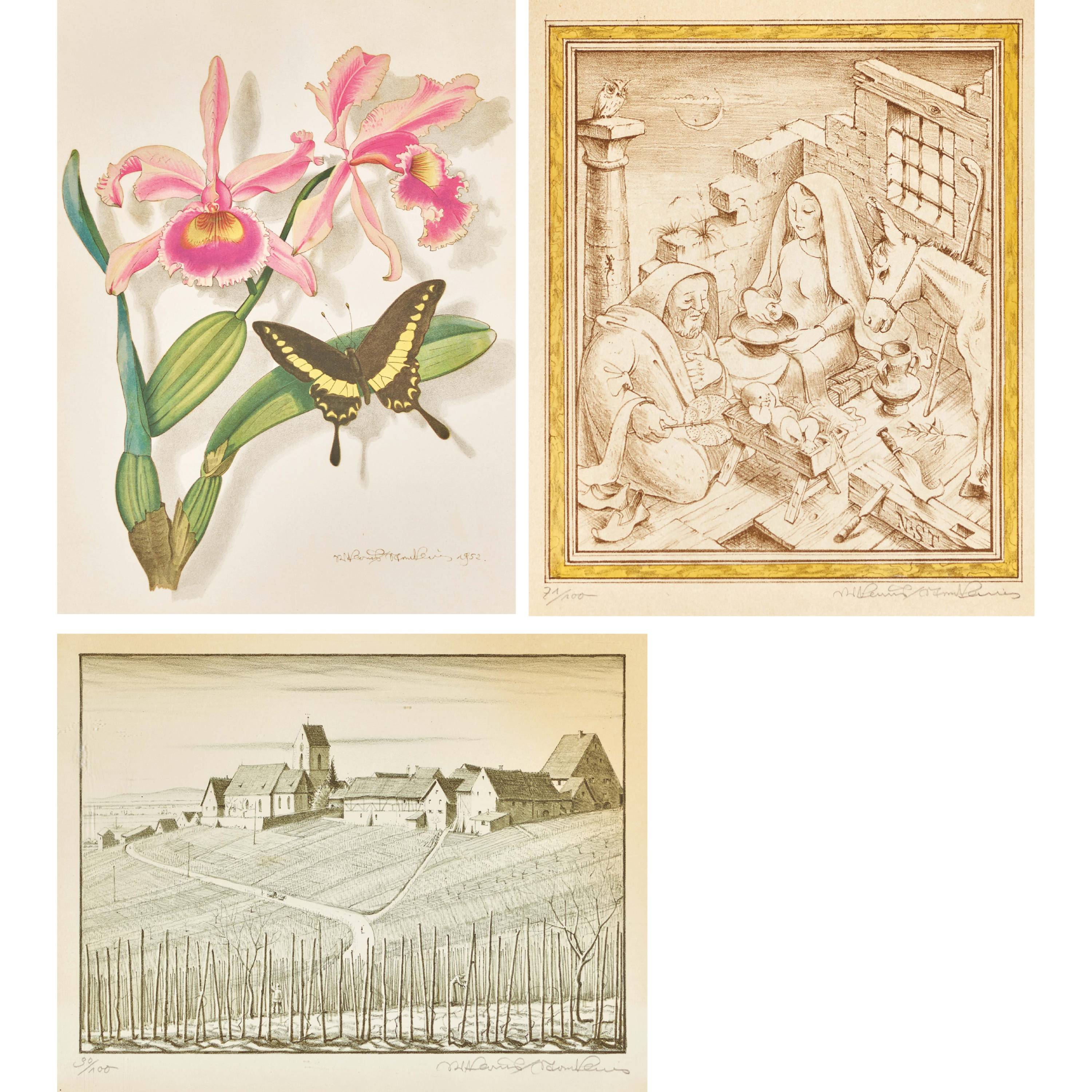
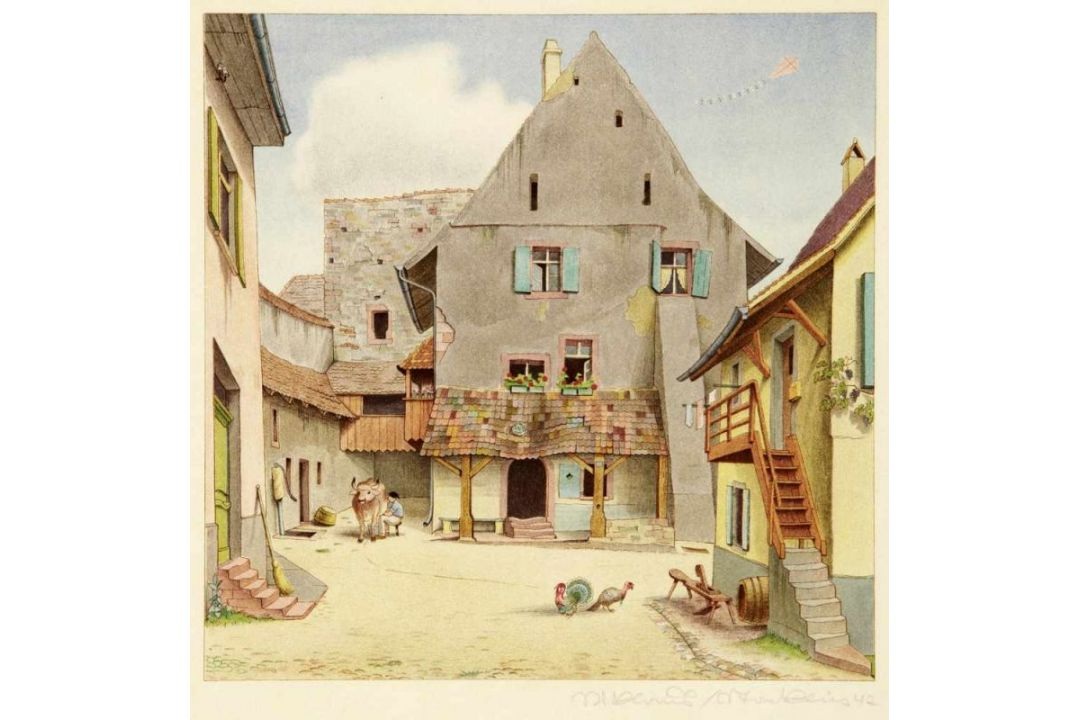
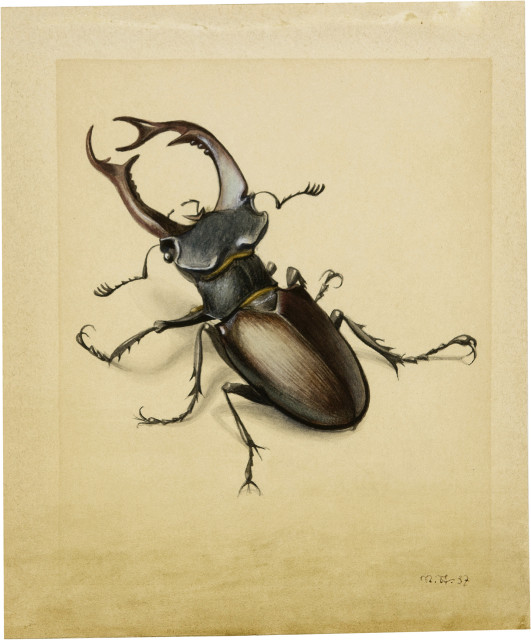
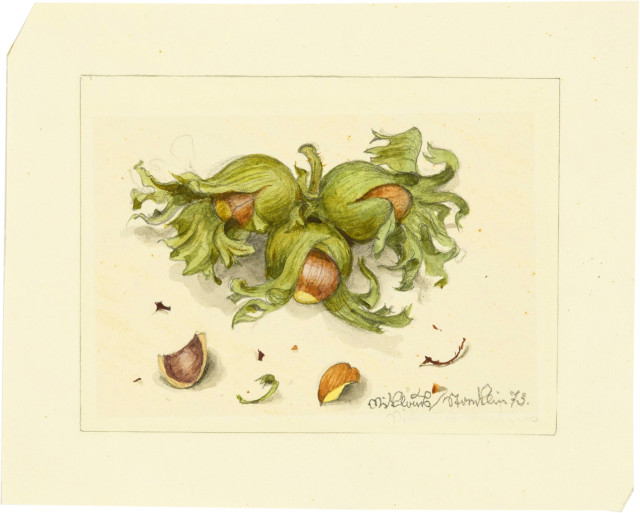
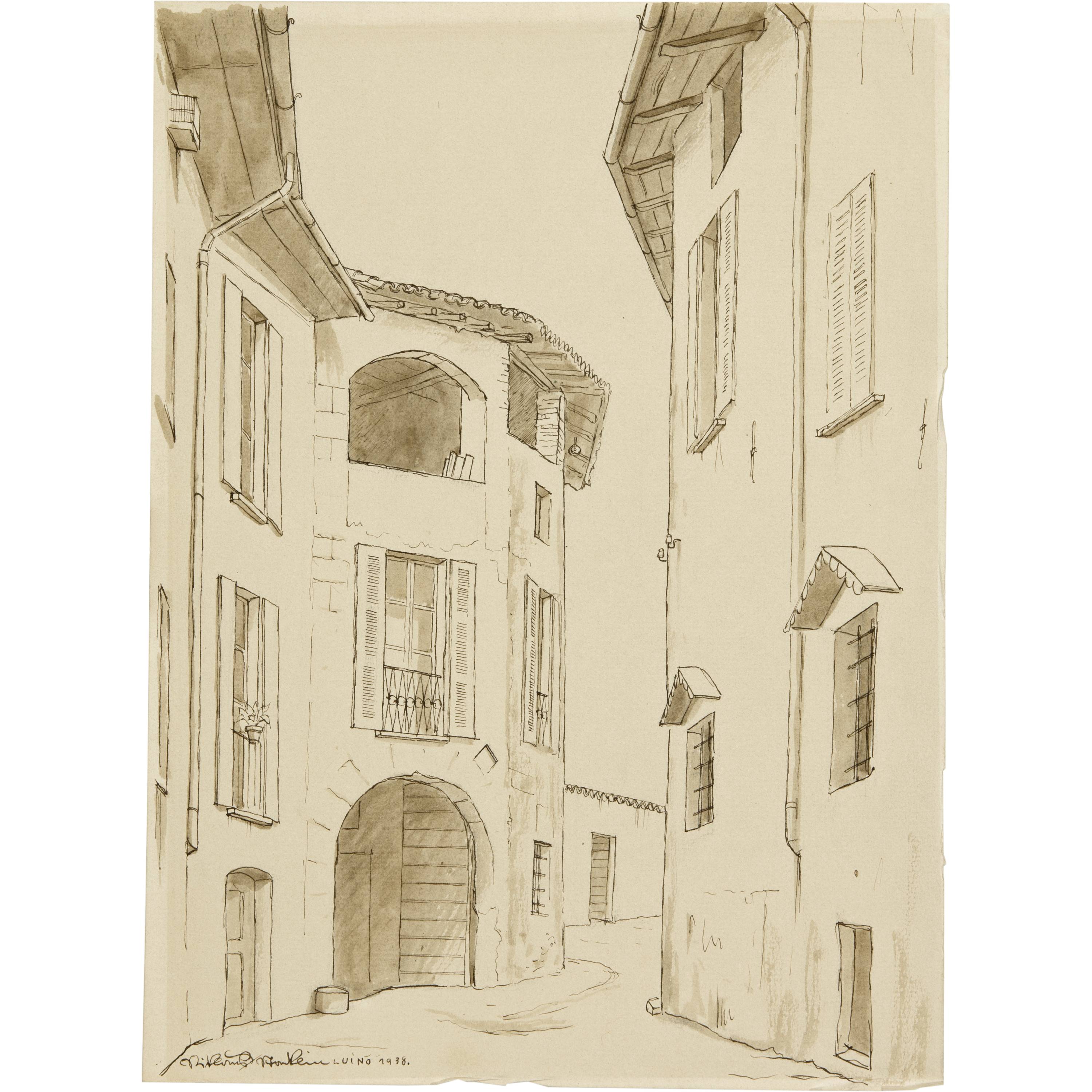
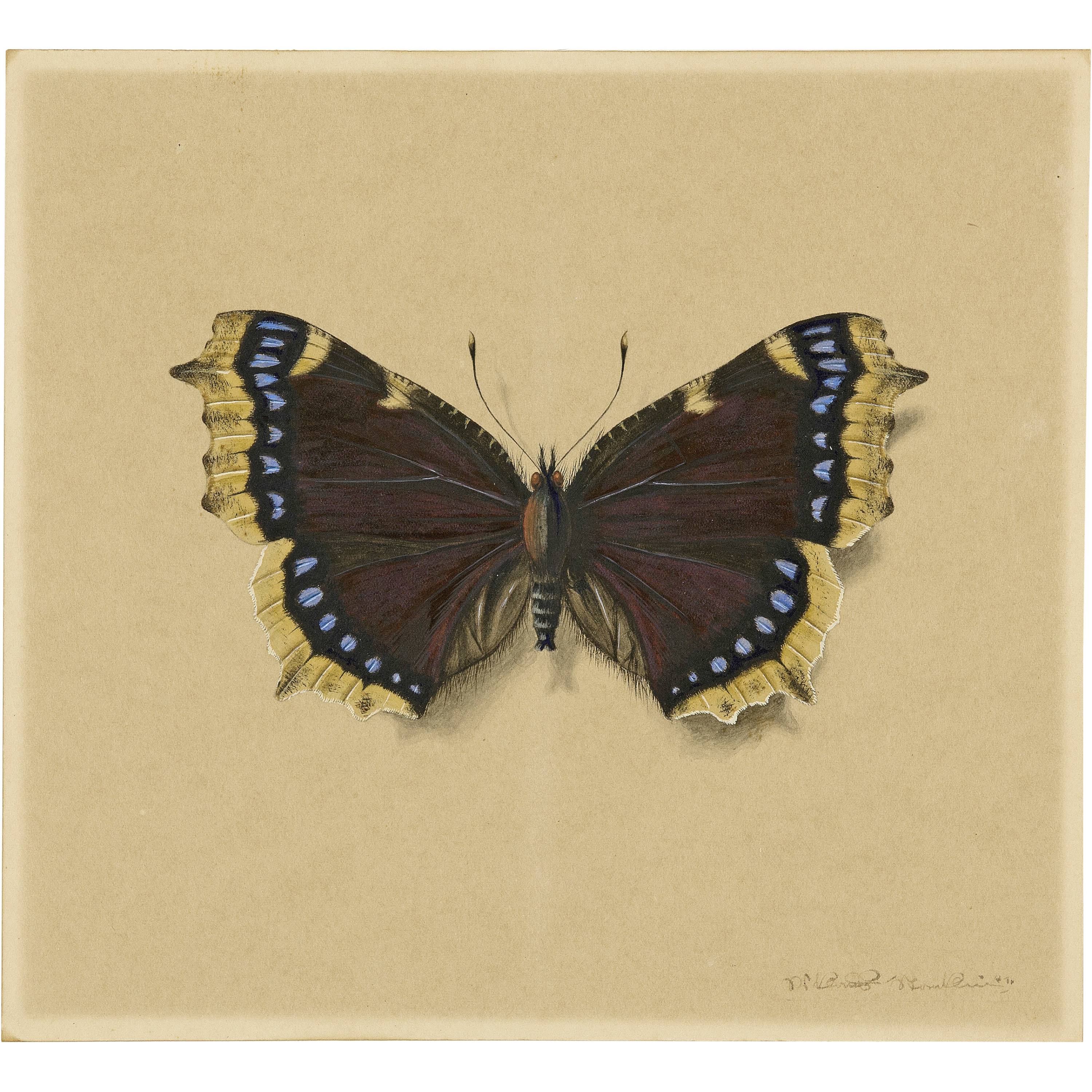
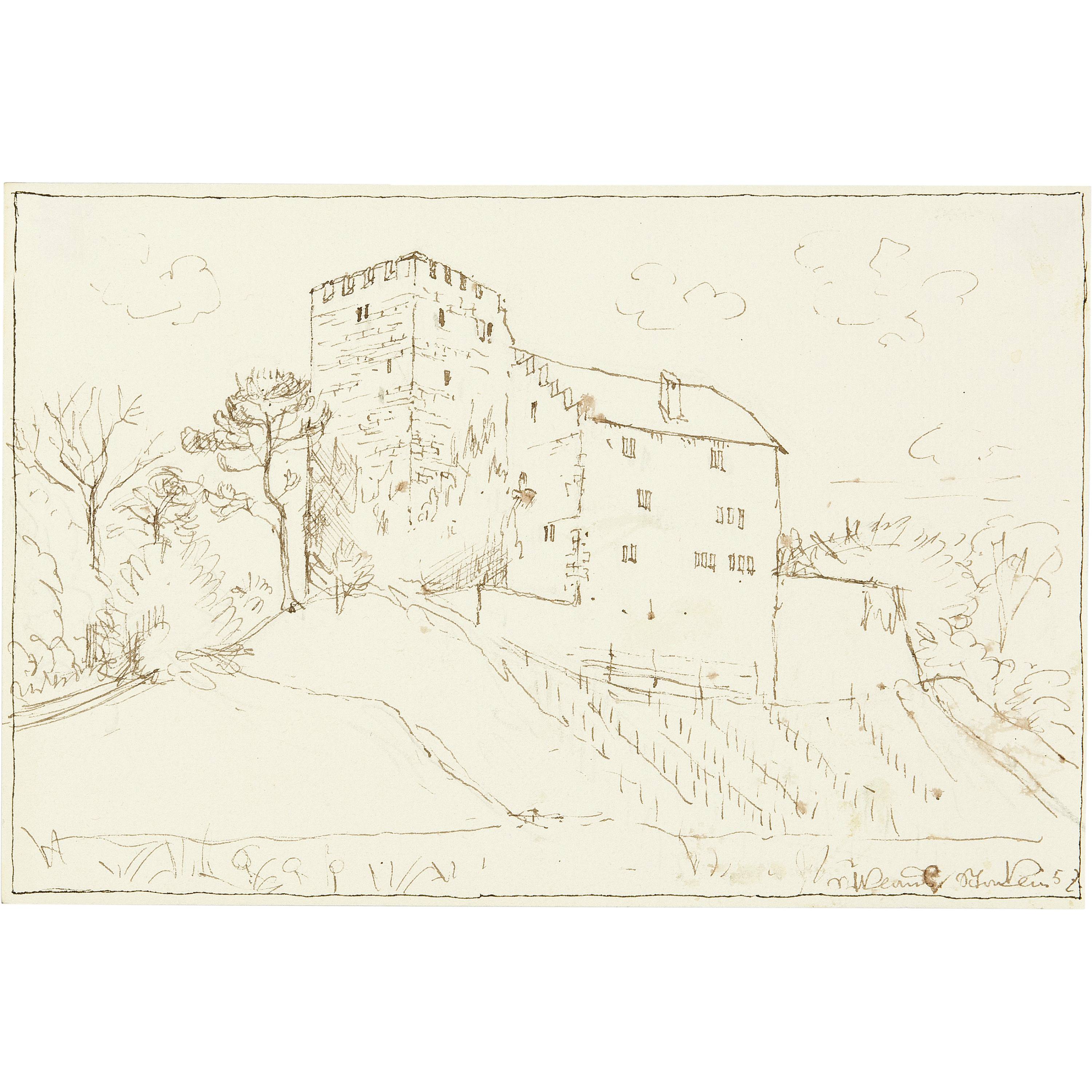
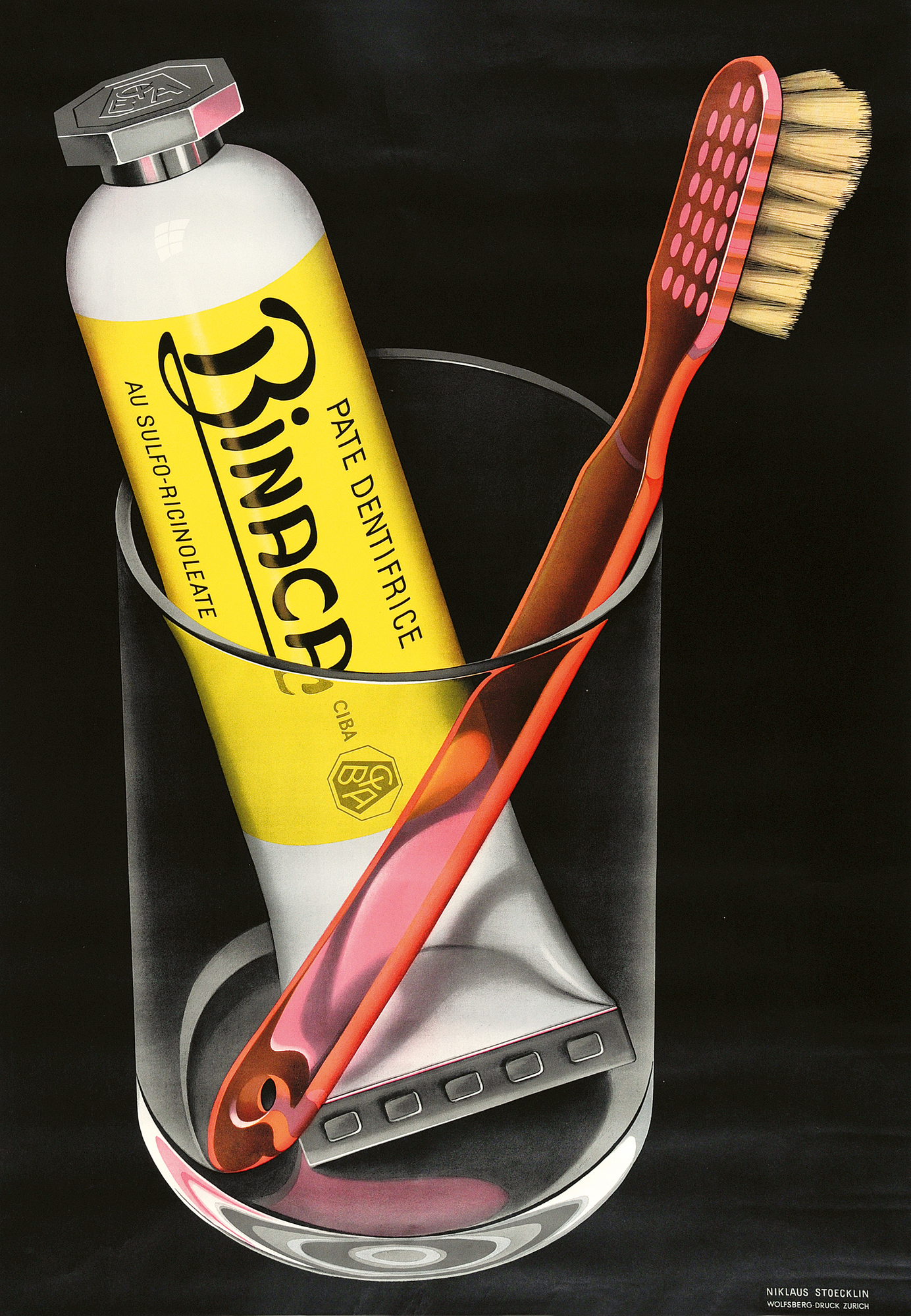
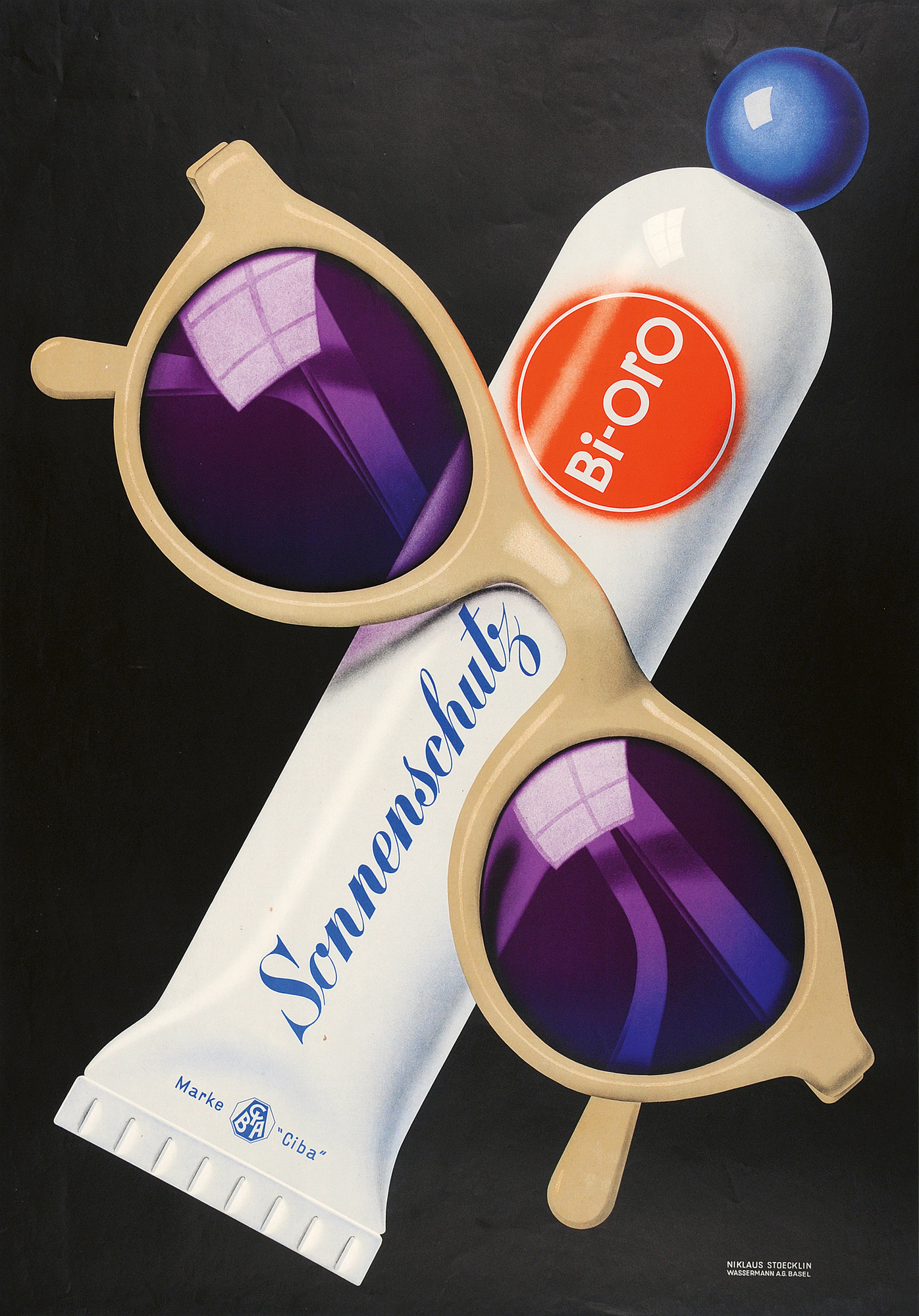
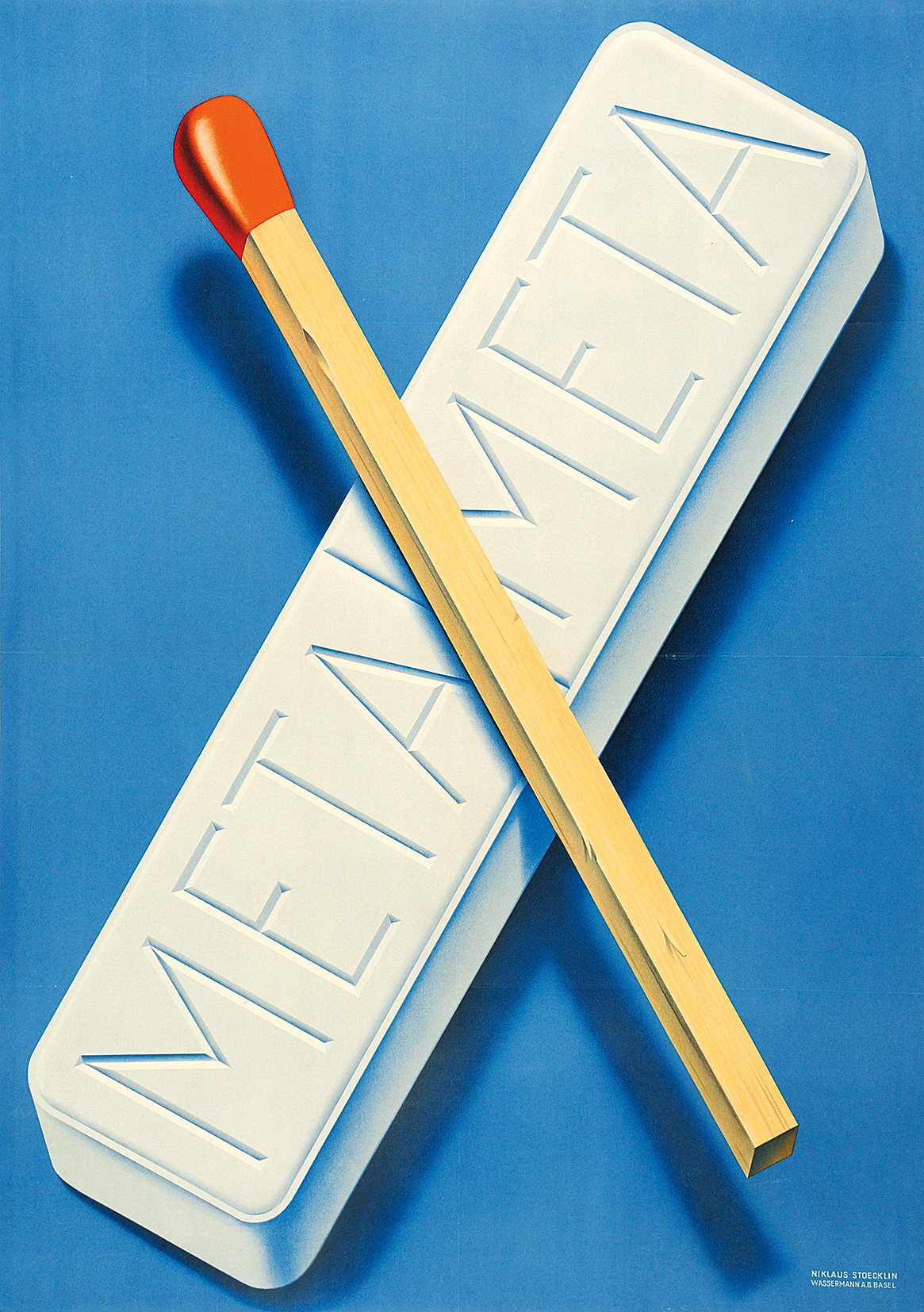
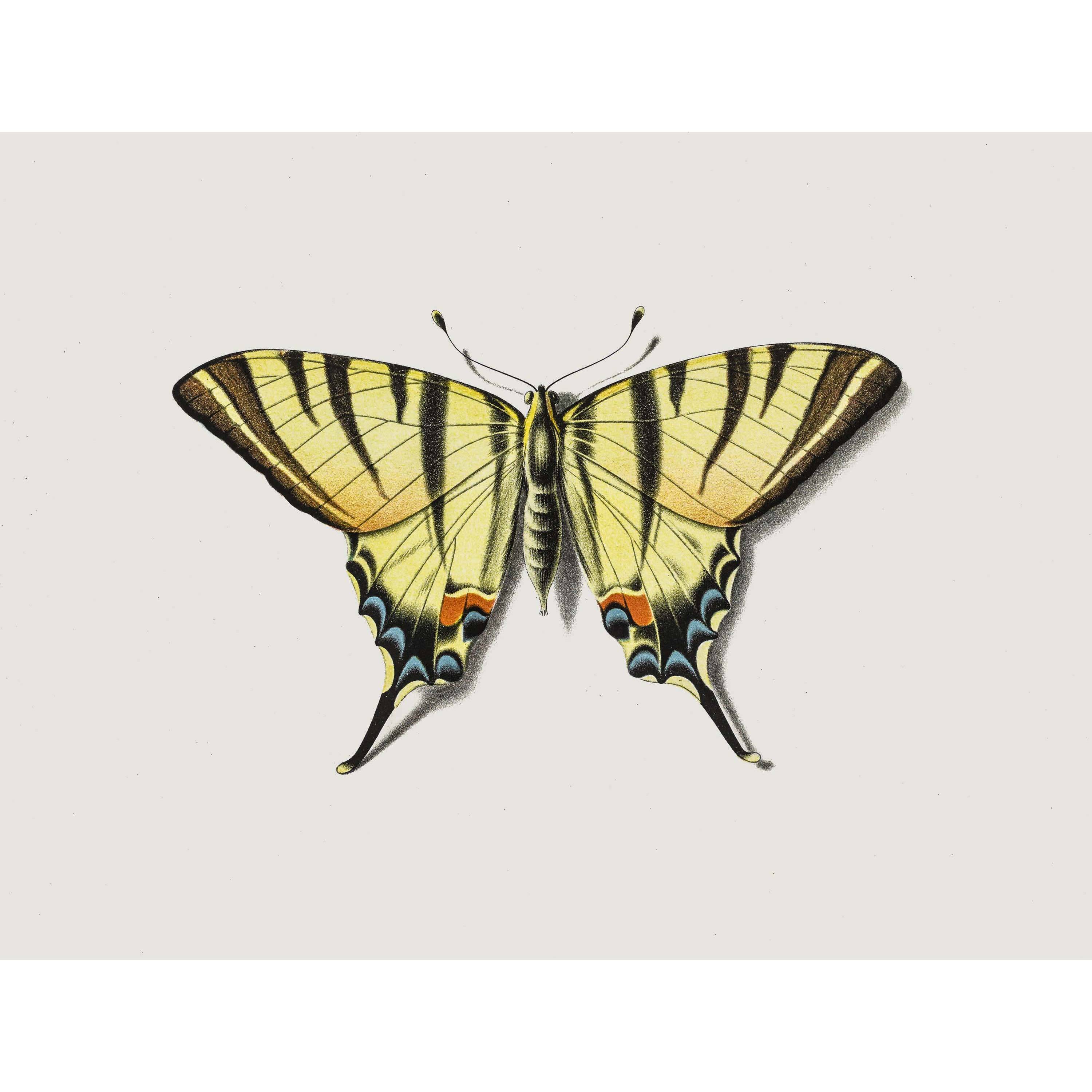
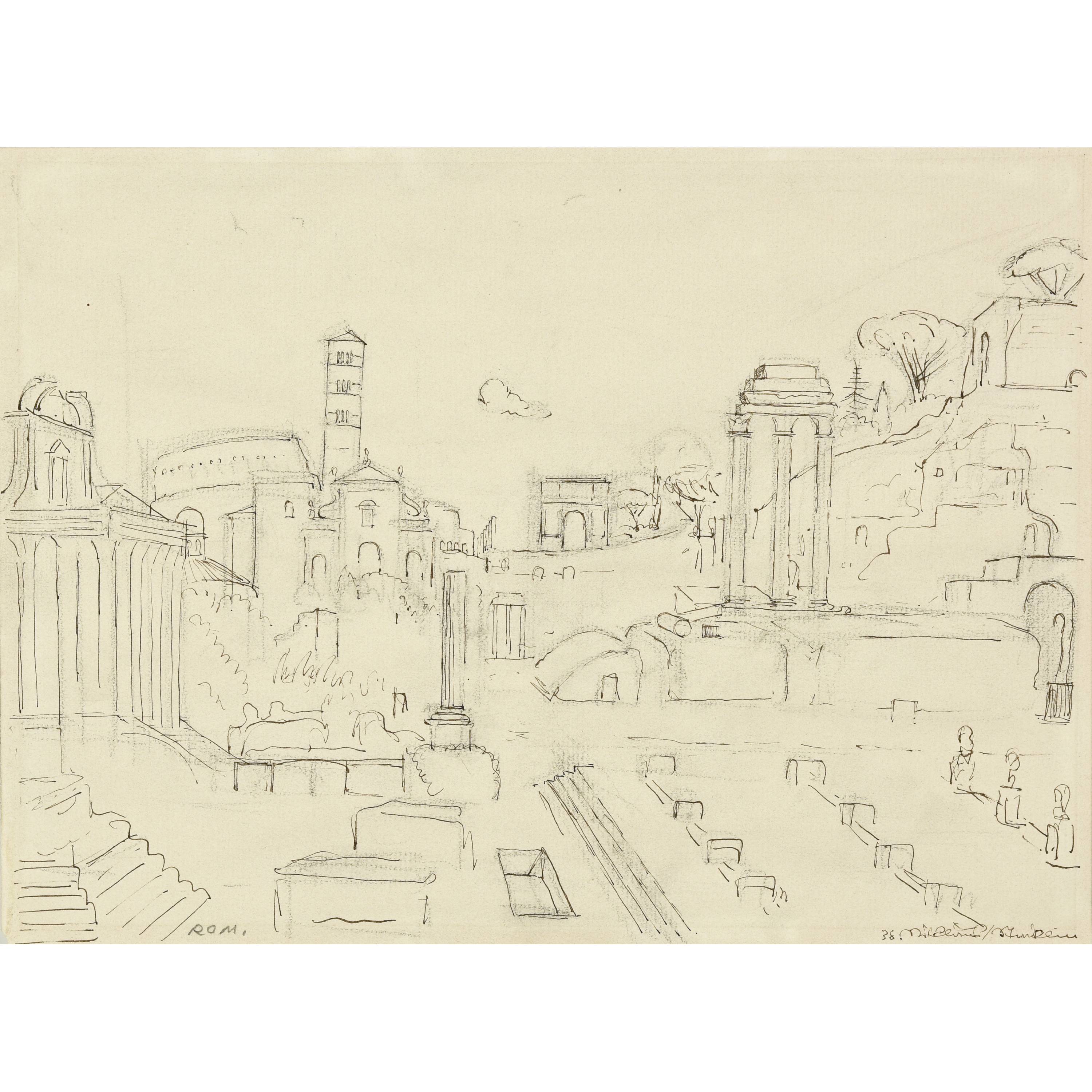
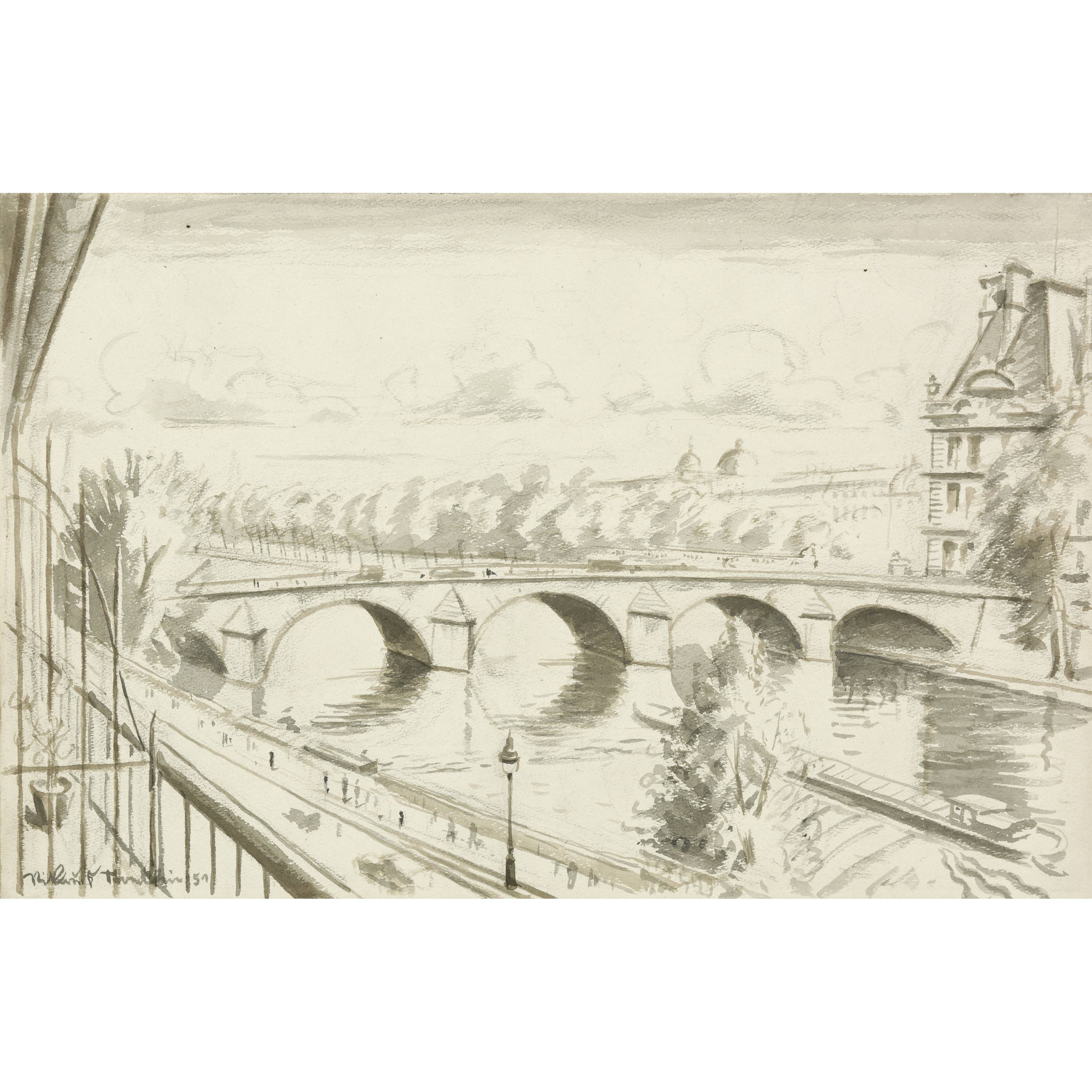
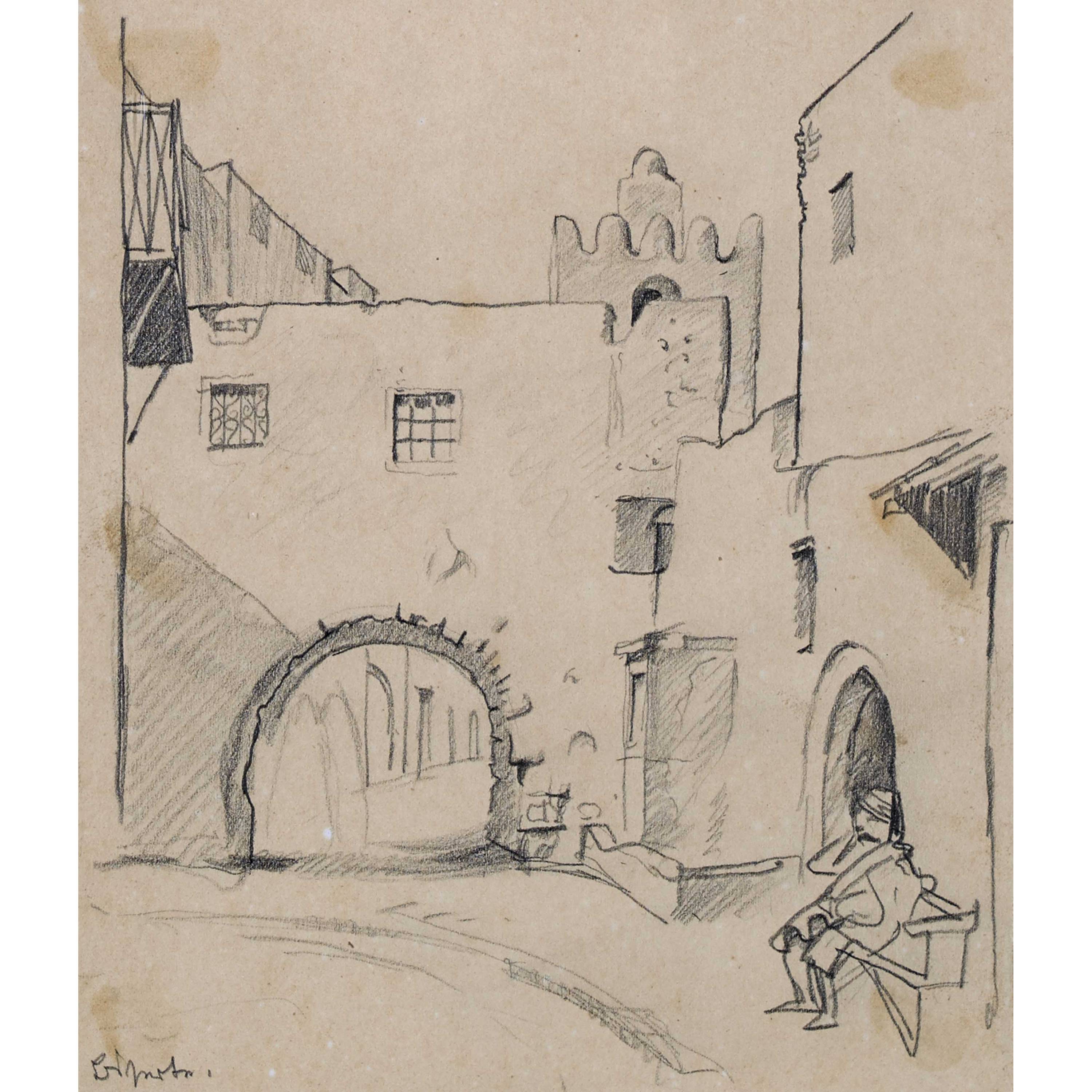
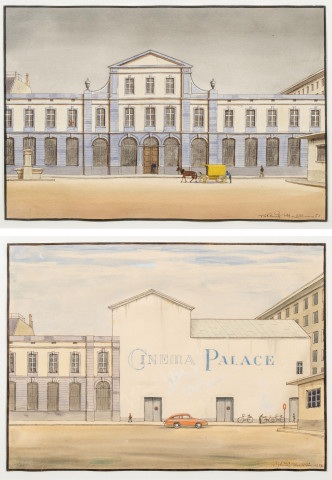
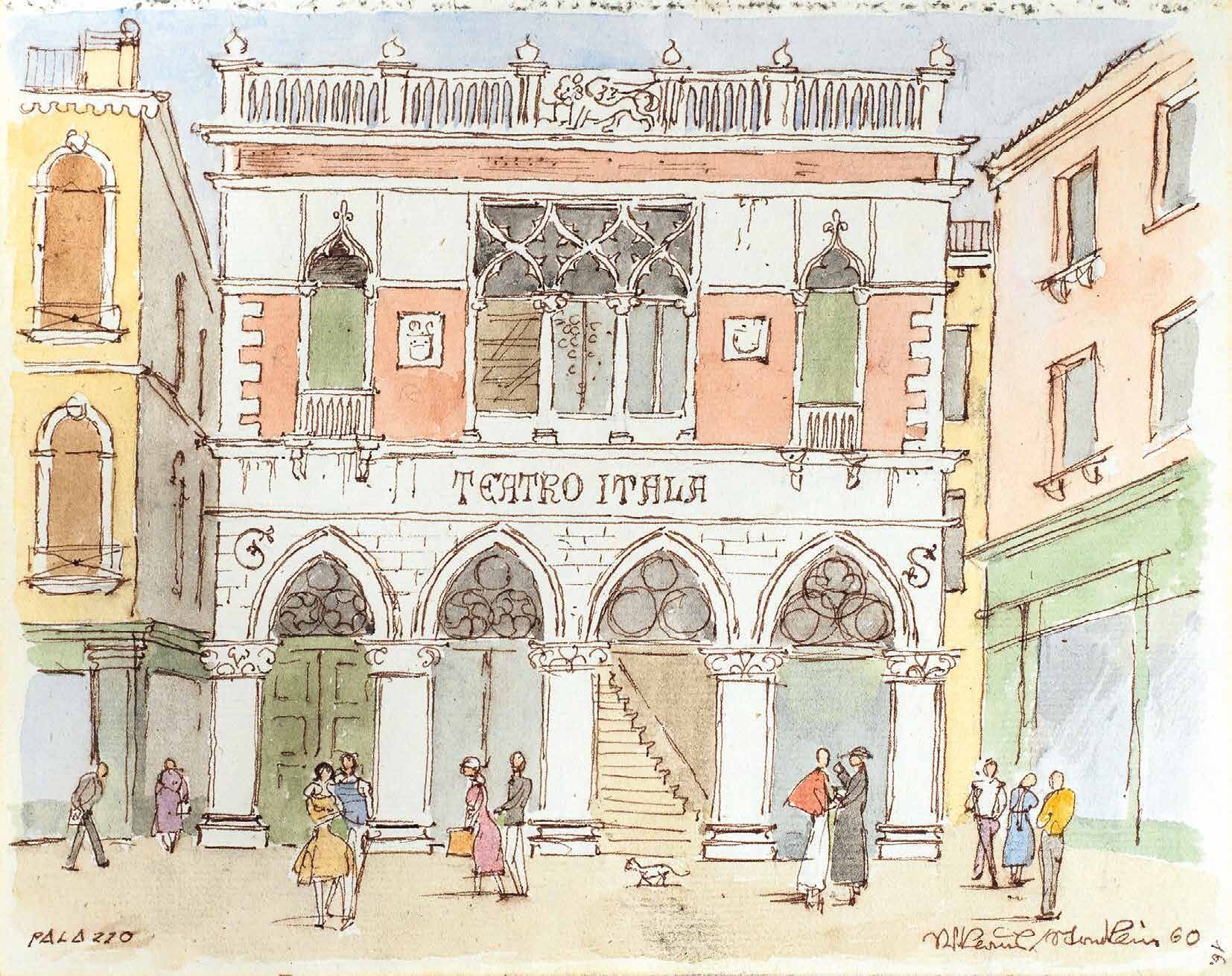
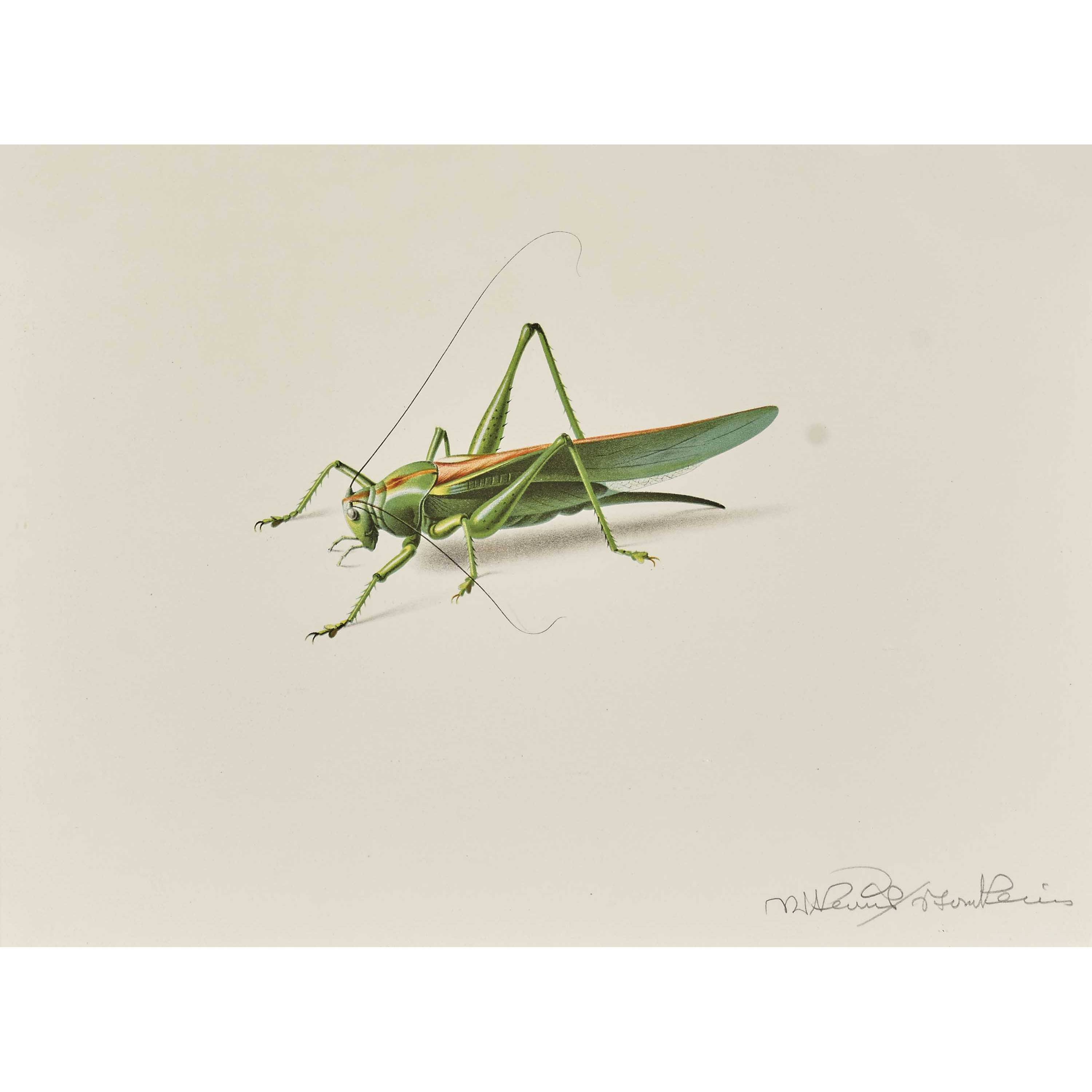
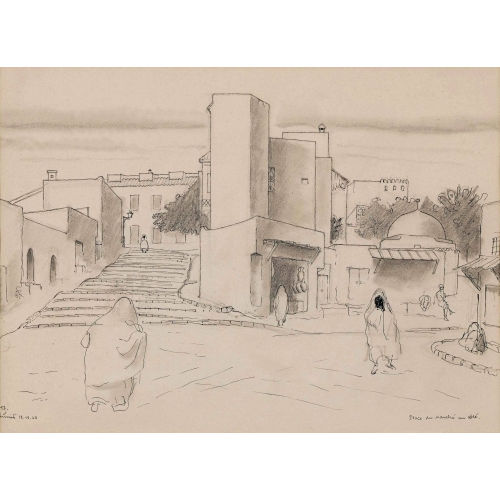
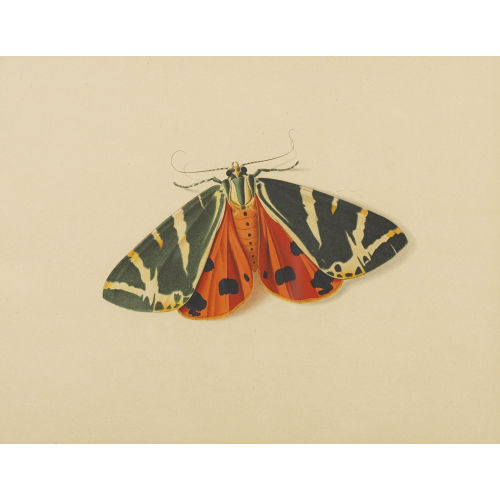
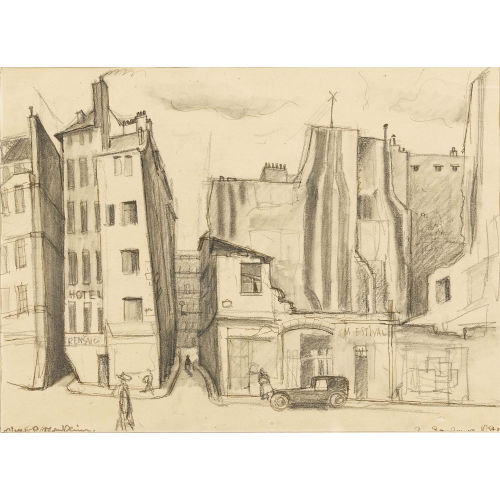
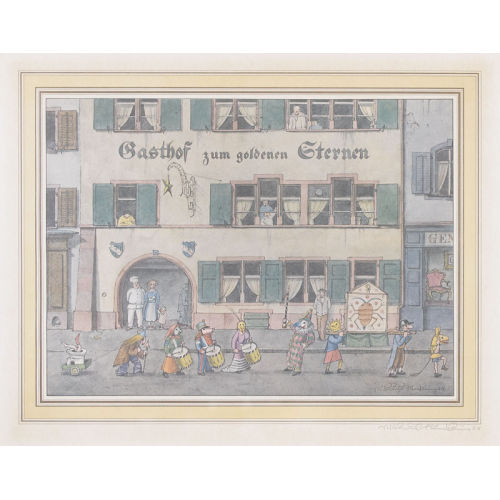
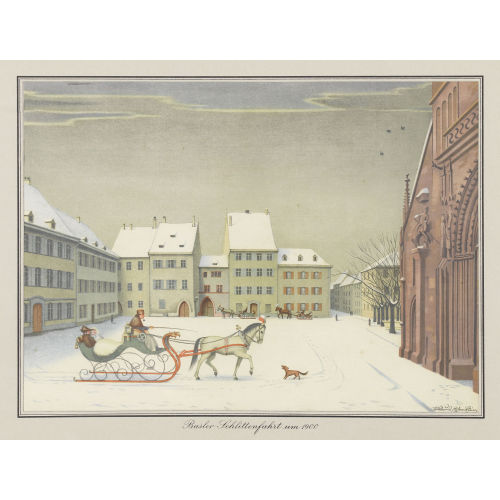
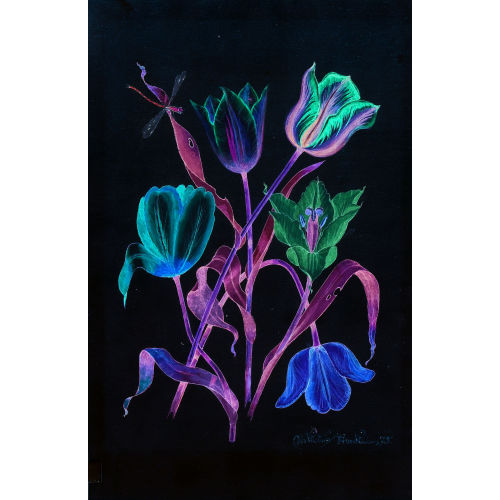
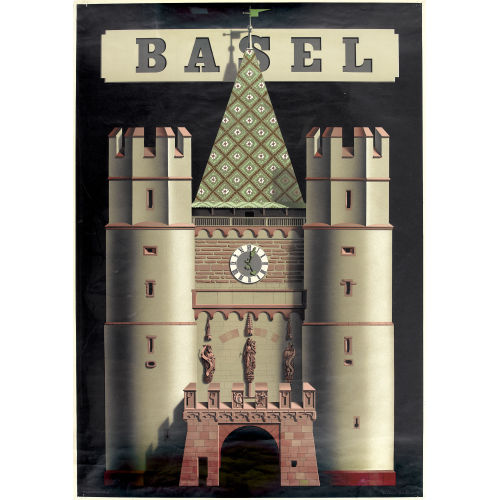
Stoecklin’s universe, however, is not limited to imaginary scenes. Views of Basel and Paris, as well as everyday objects, nourish a varied repertoire. His gaze selects, isolates and organises motifs with an attentiveness that transforms their ordinary presence.
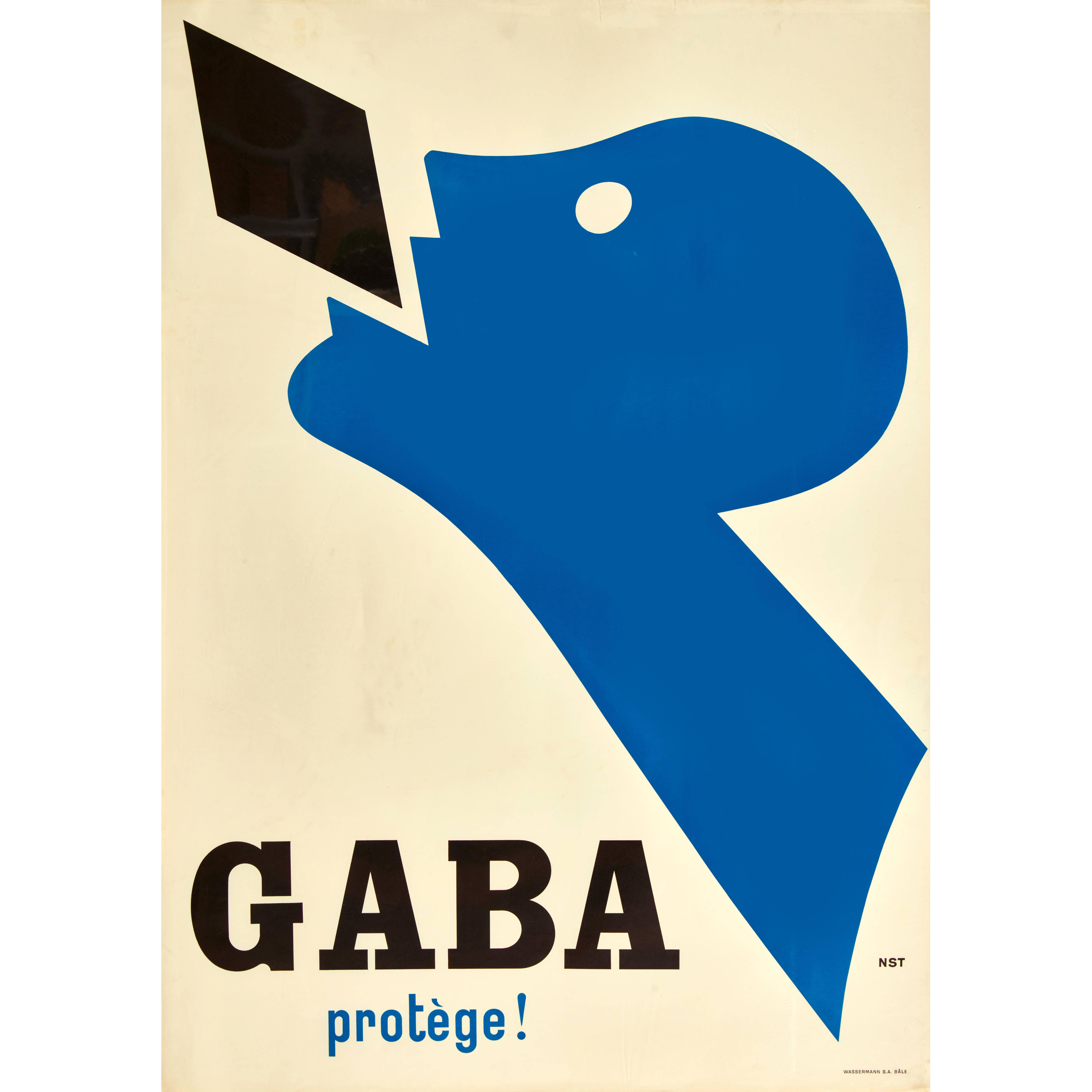
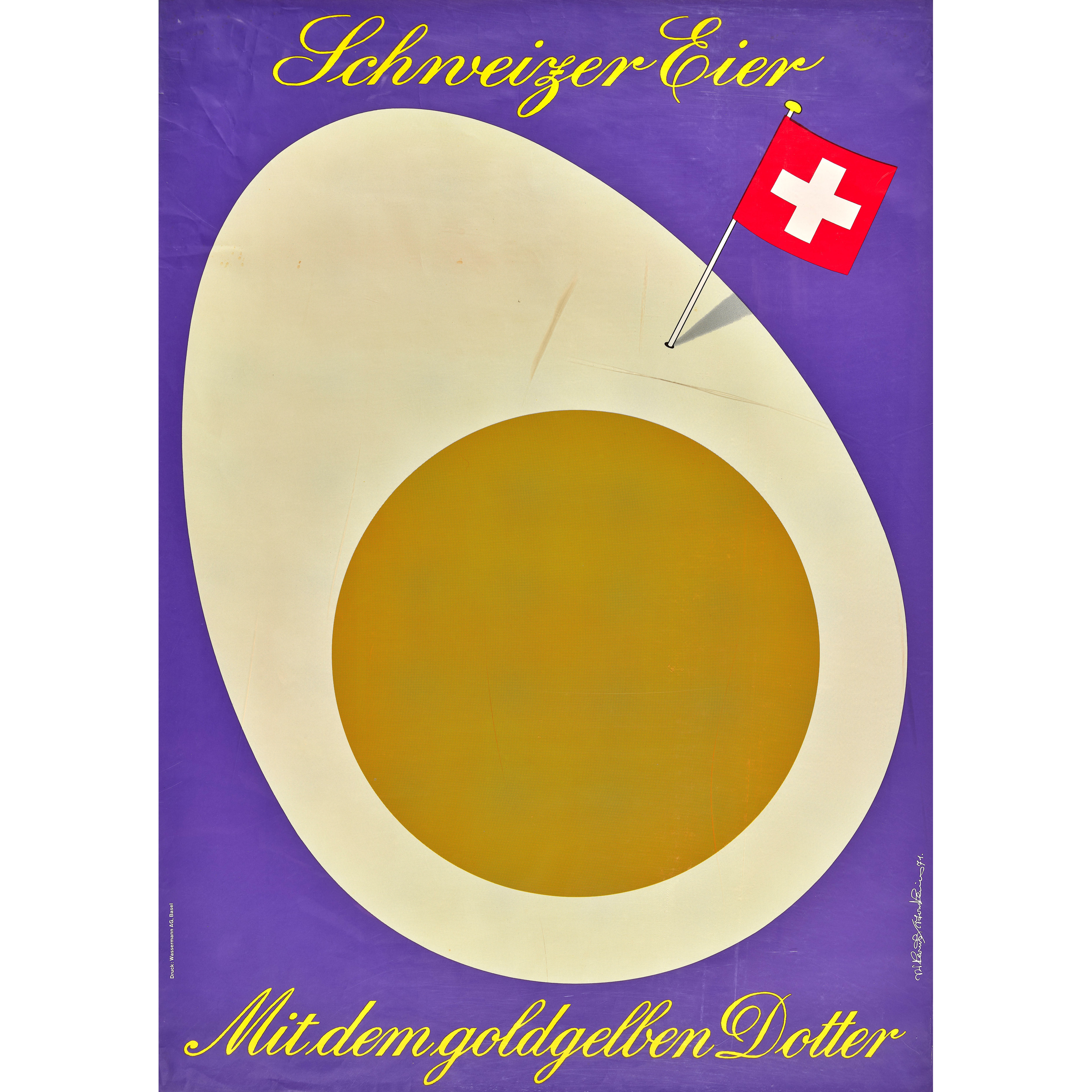
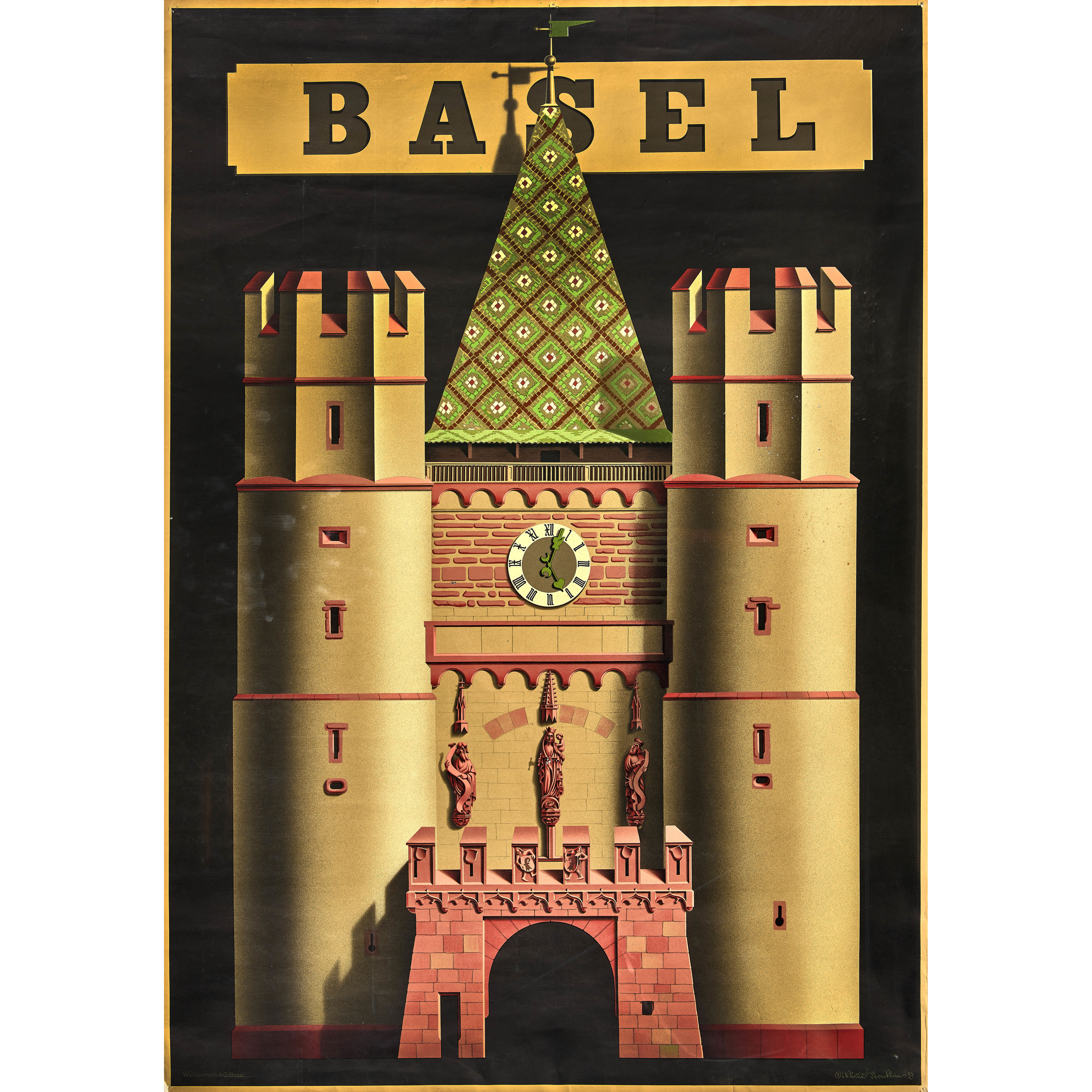
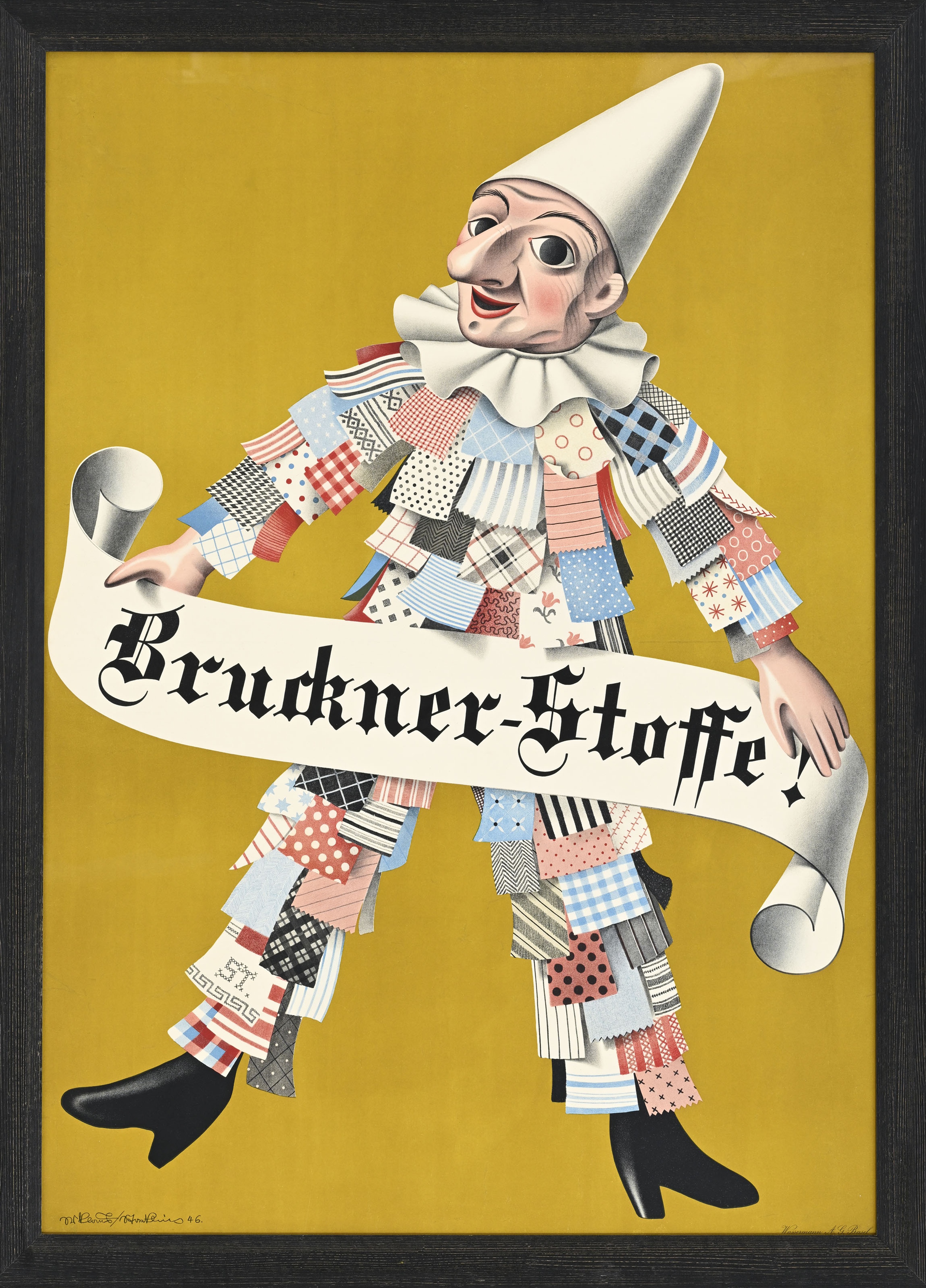
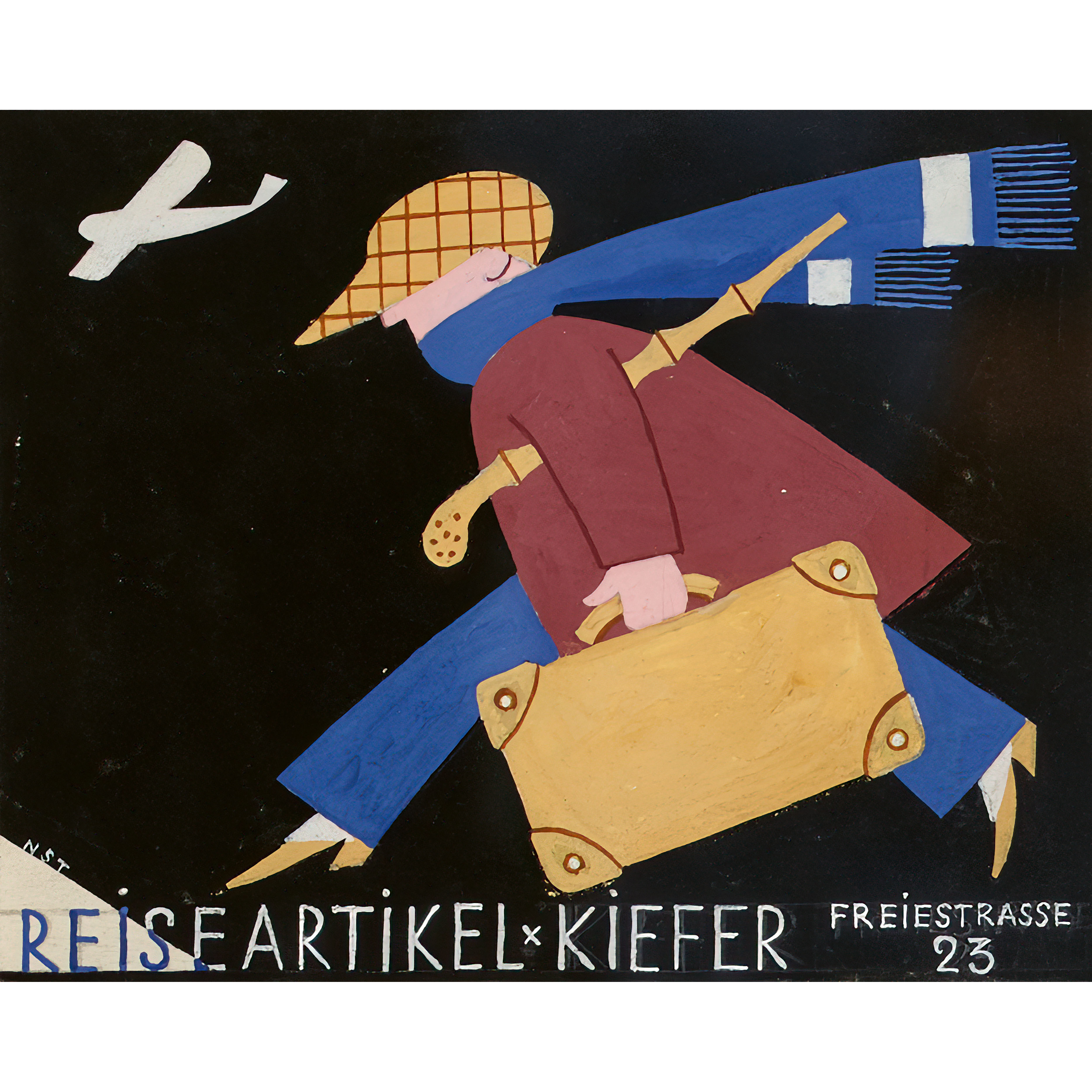
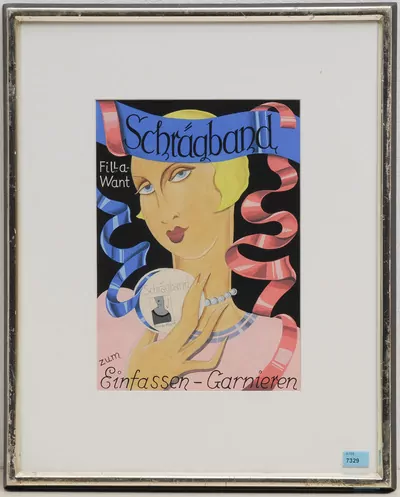
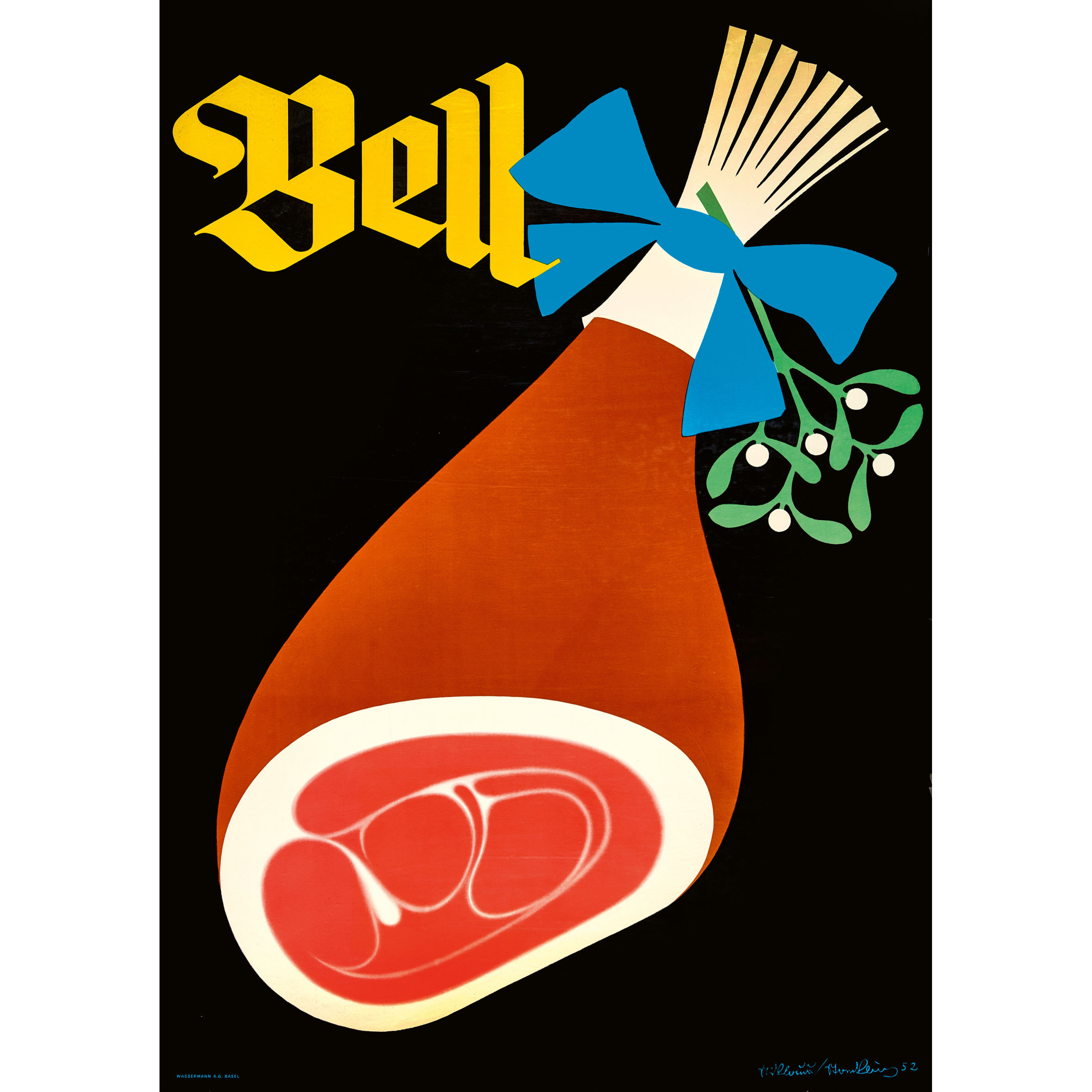
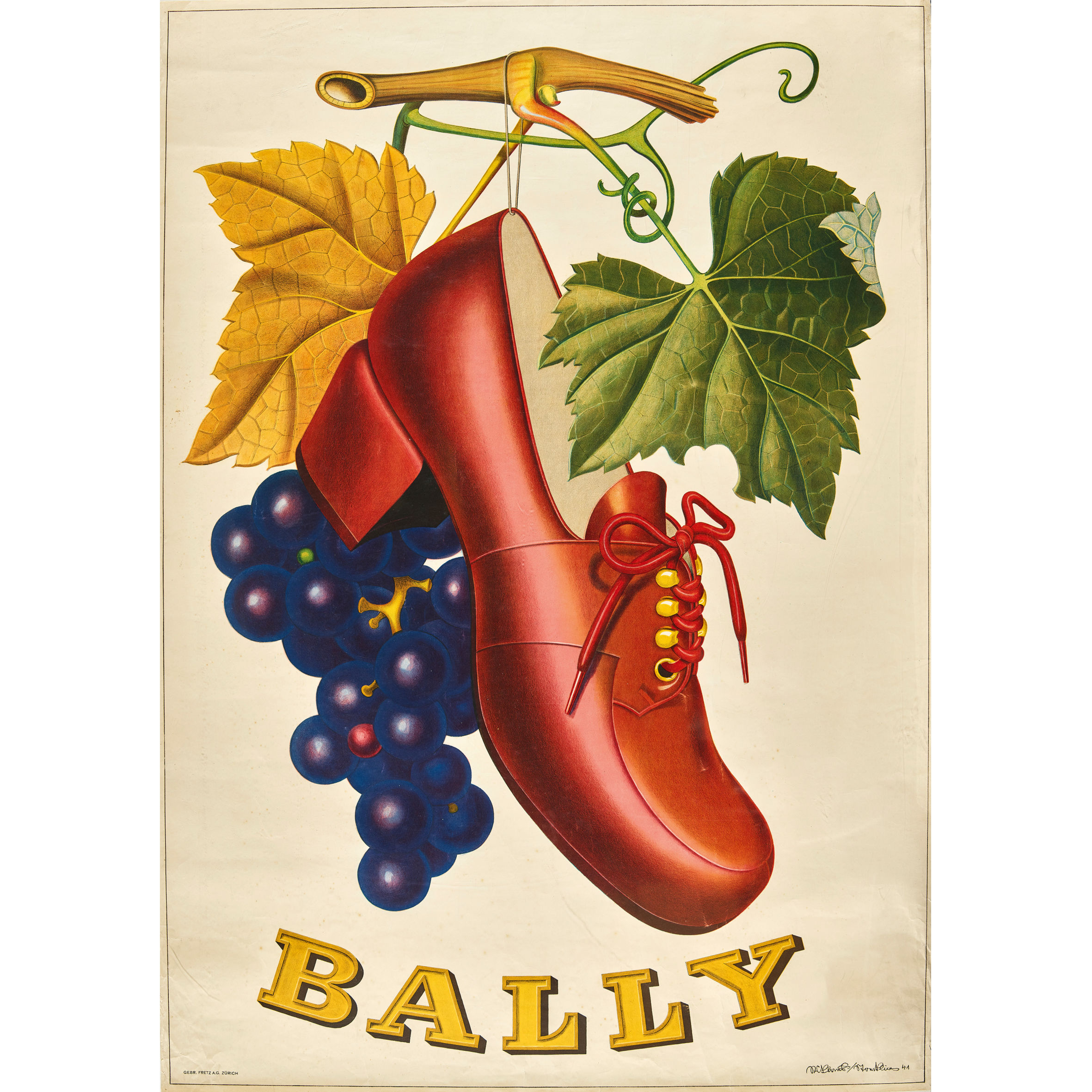
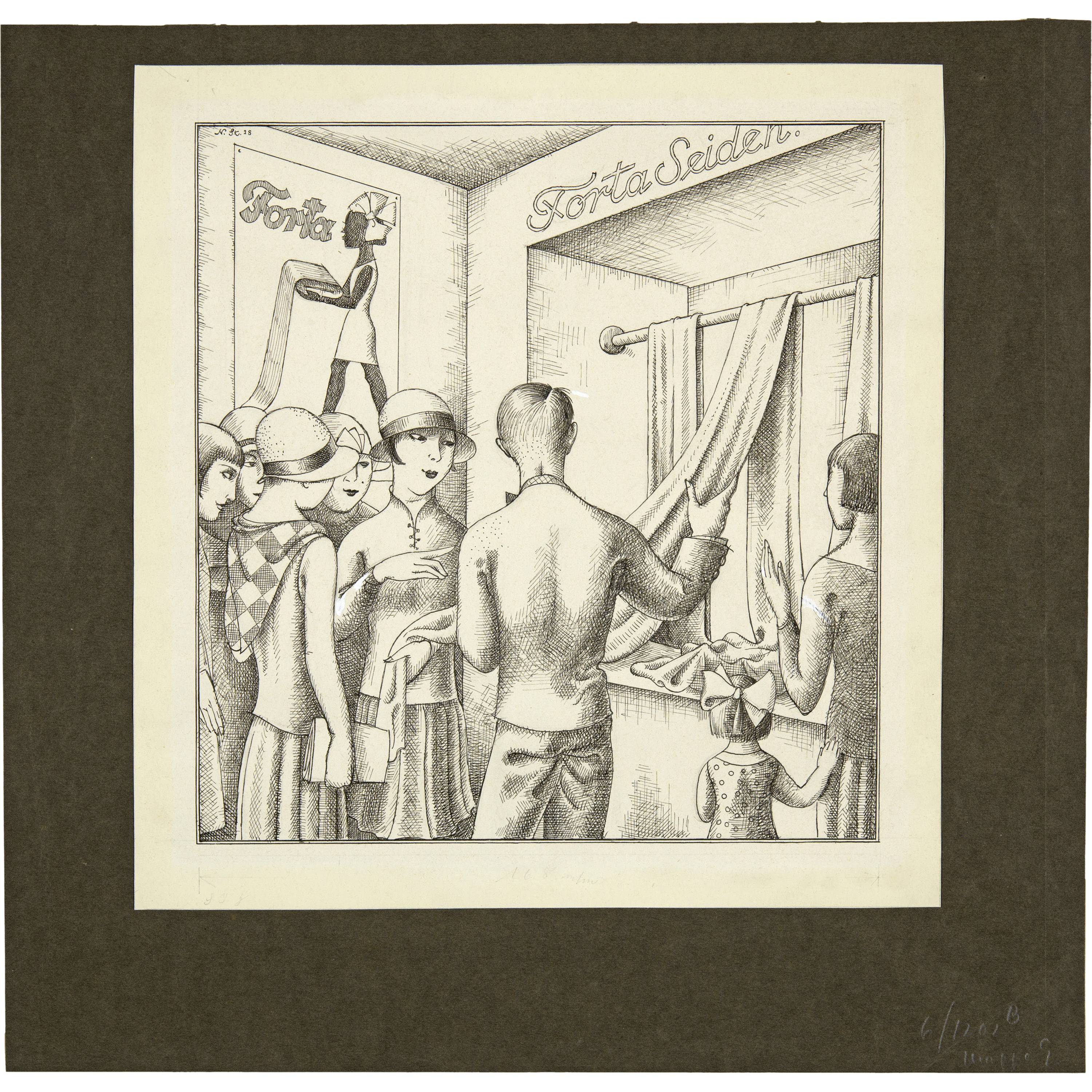
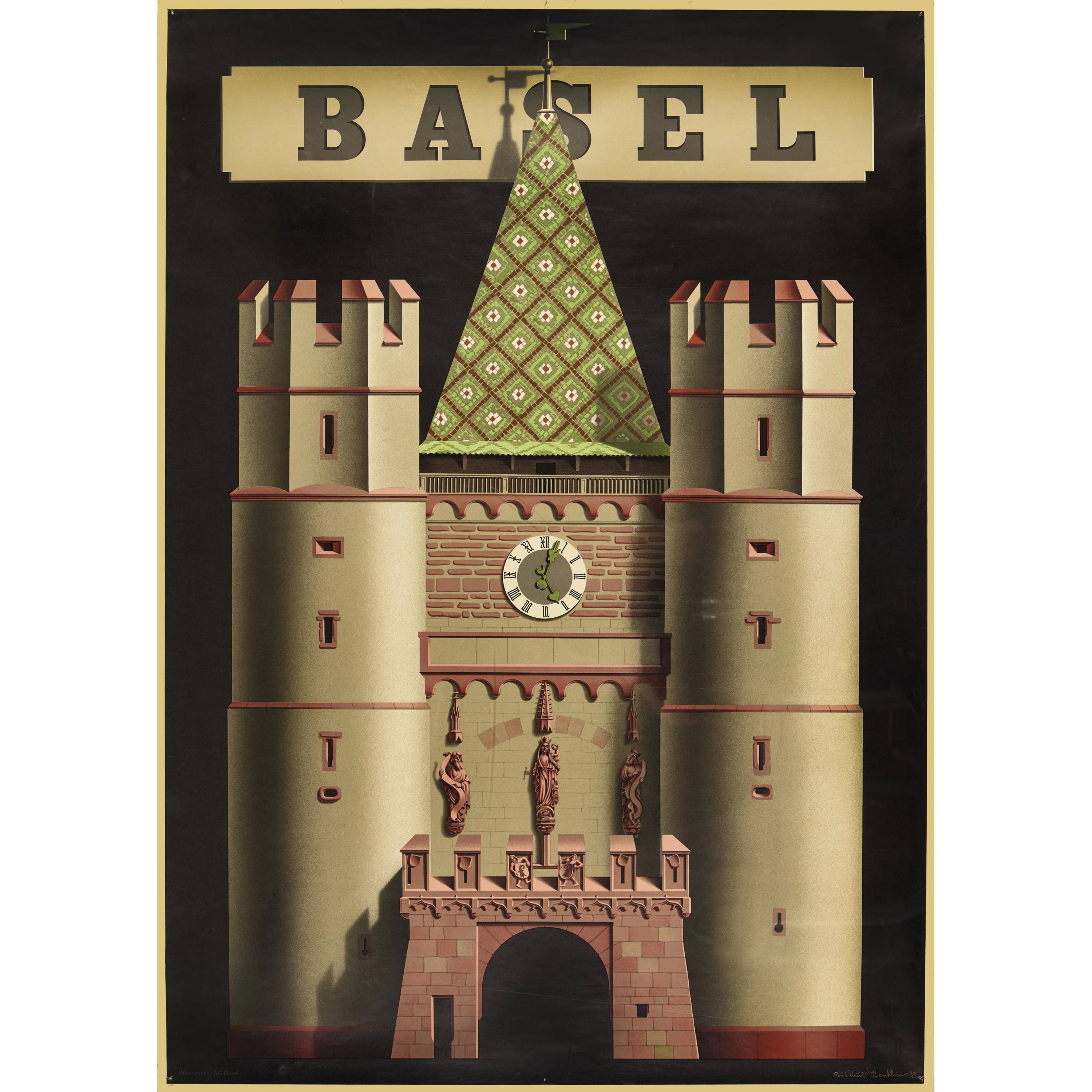
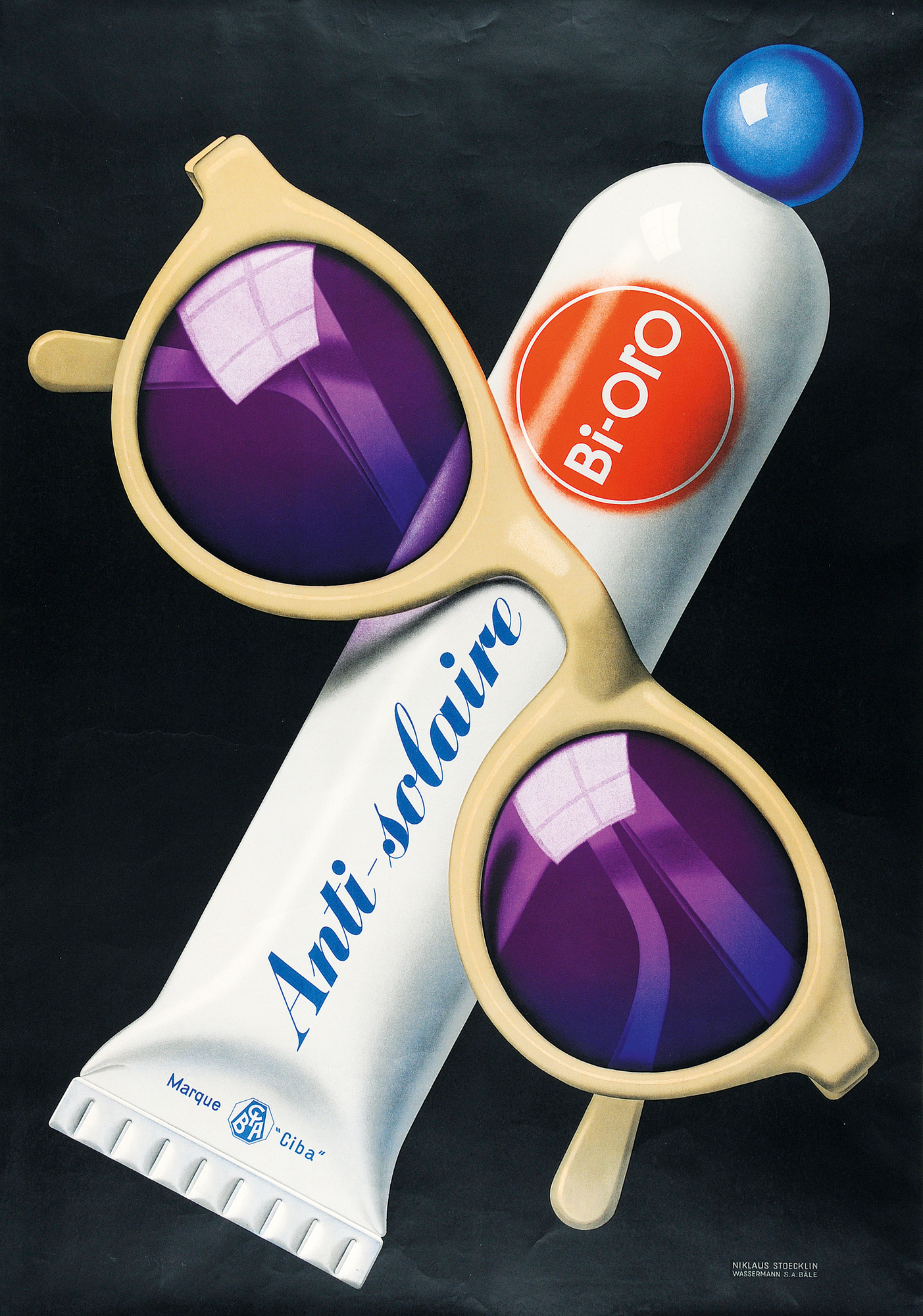
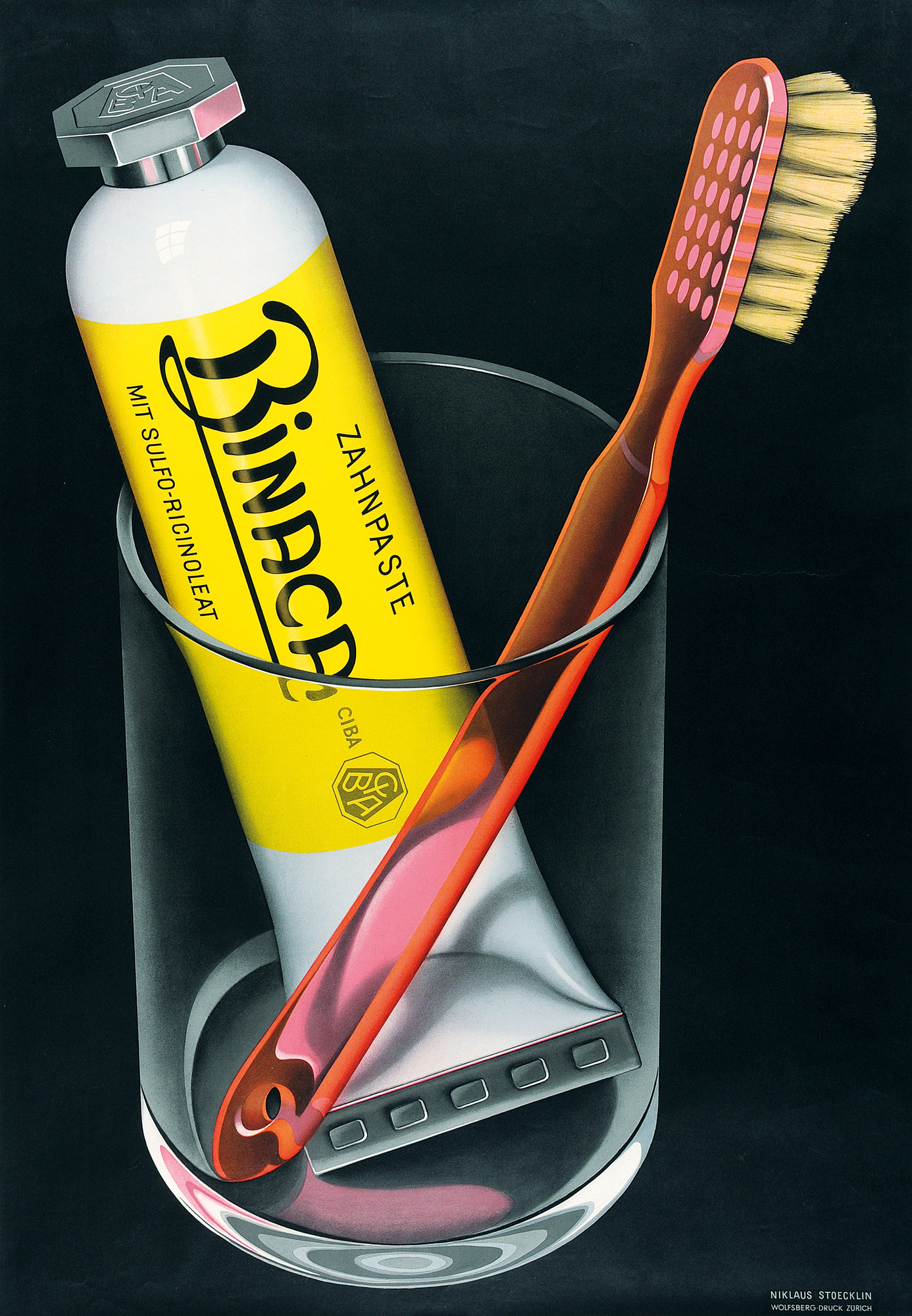
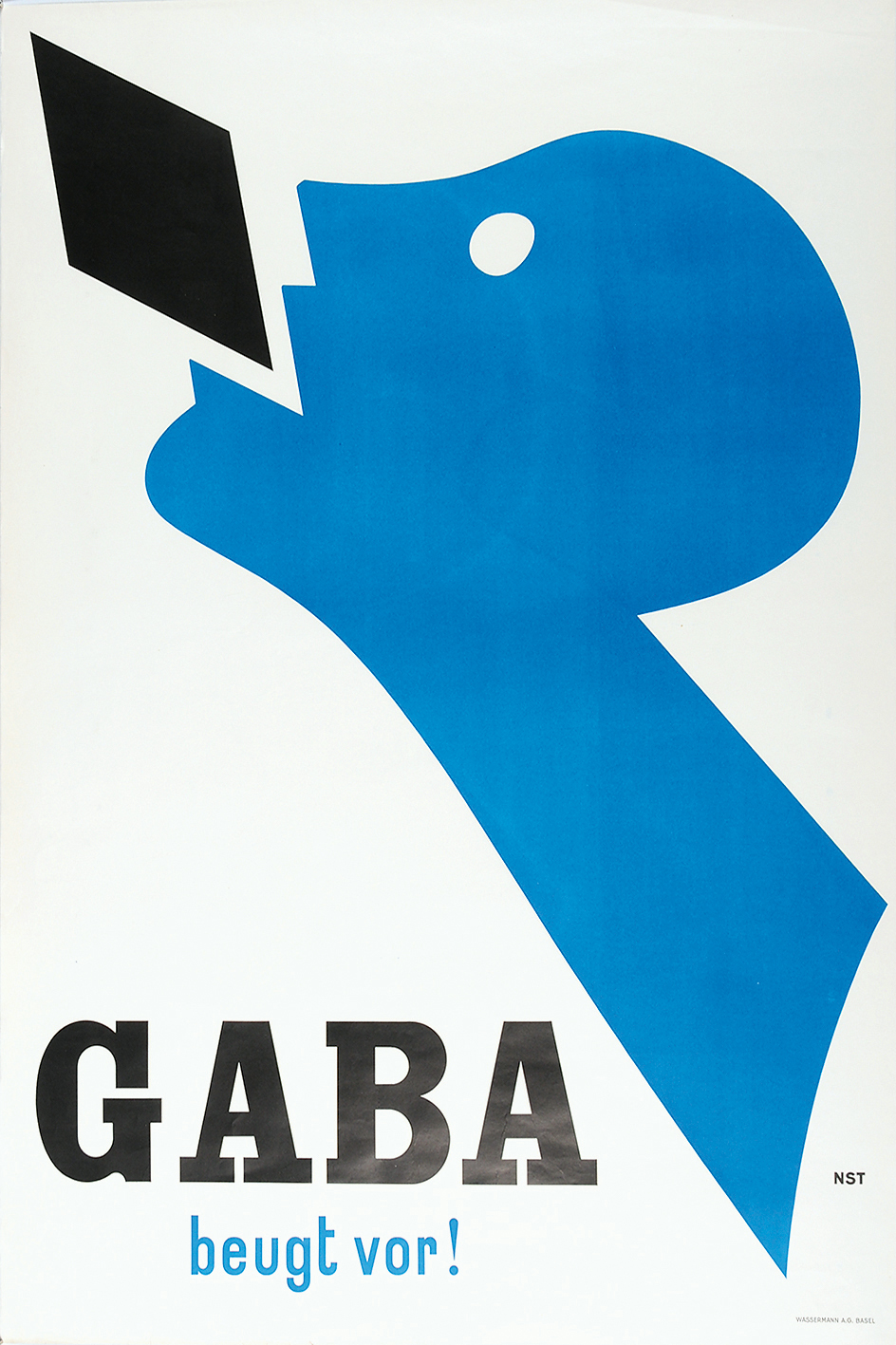
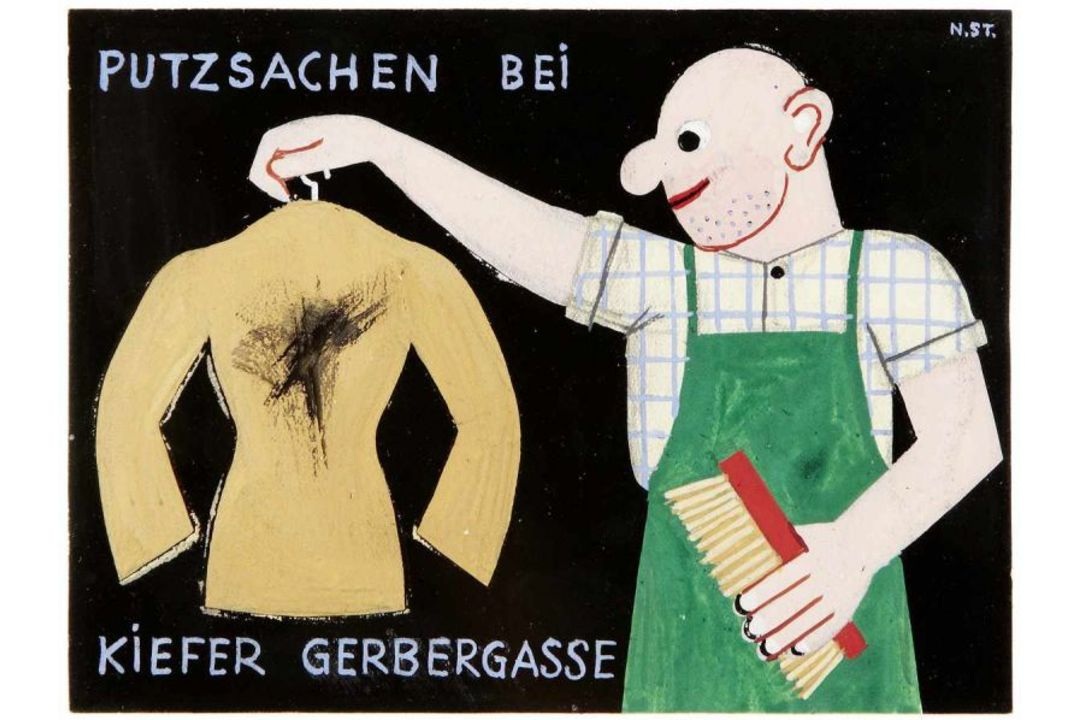
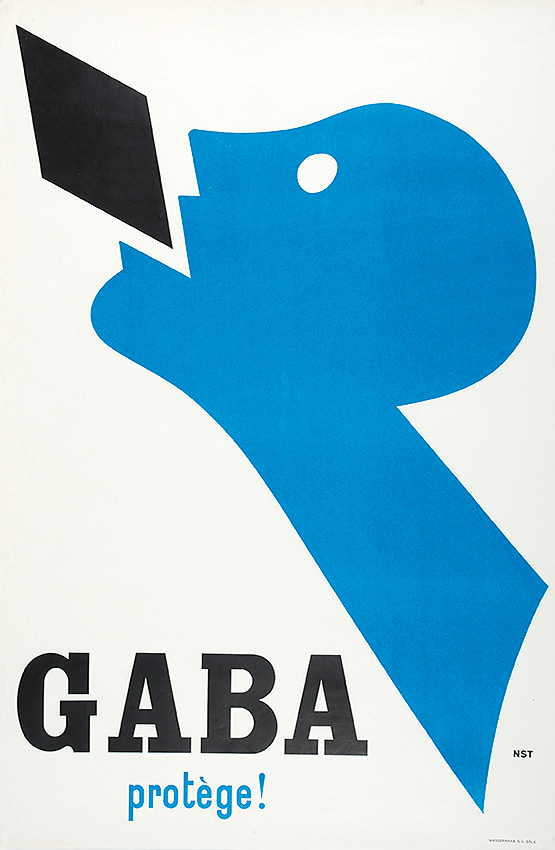
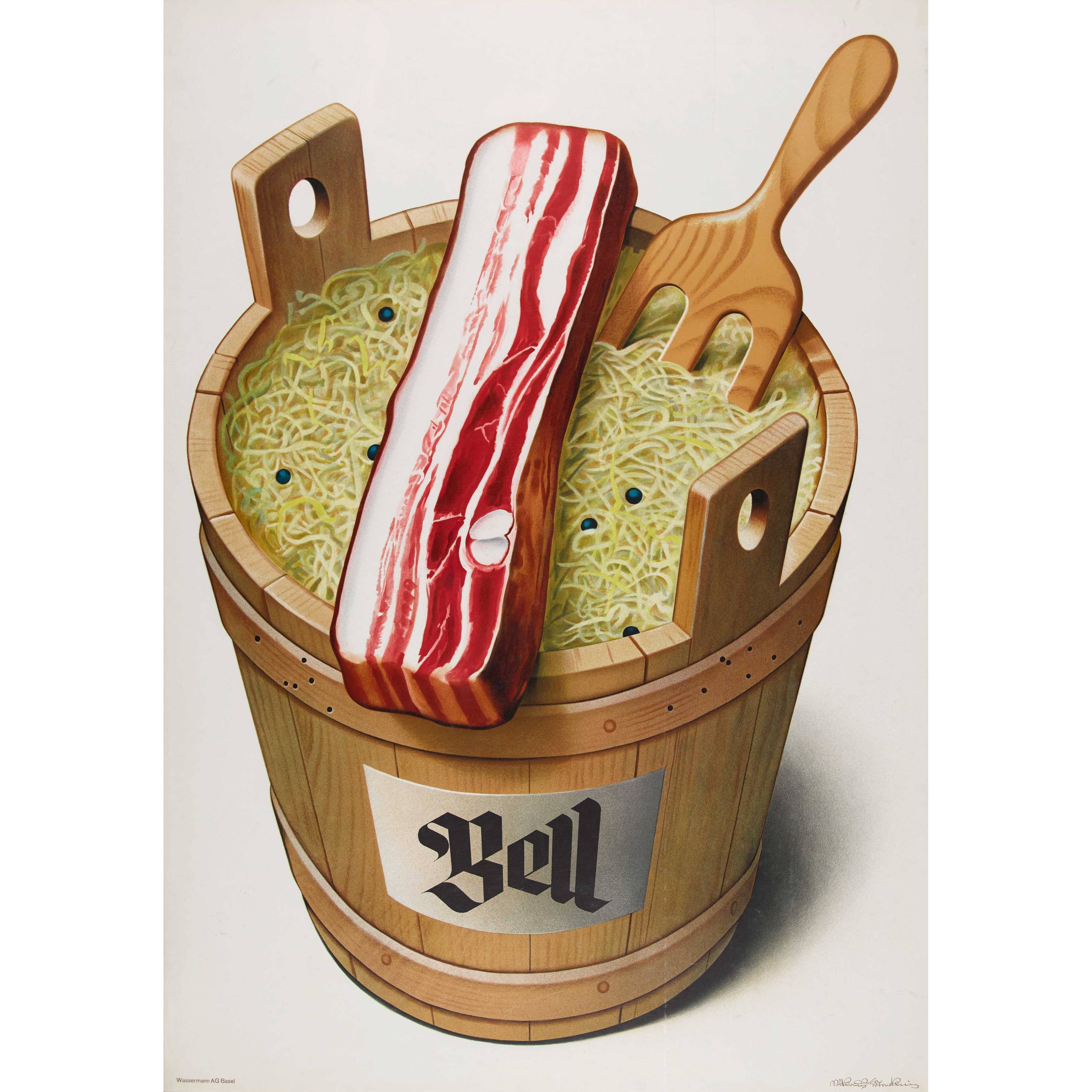
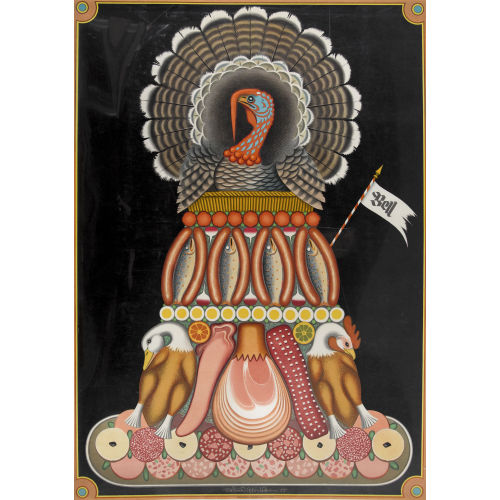
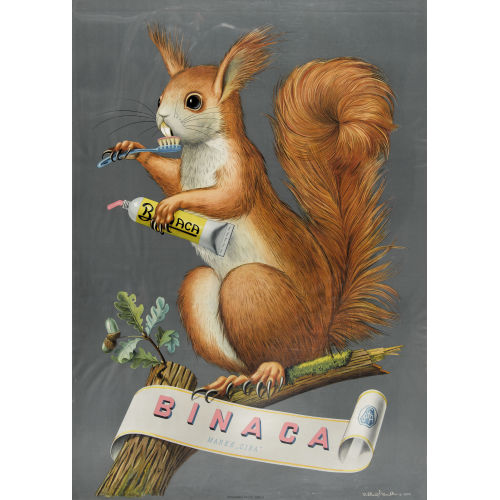
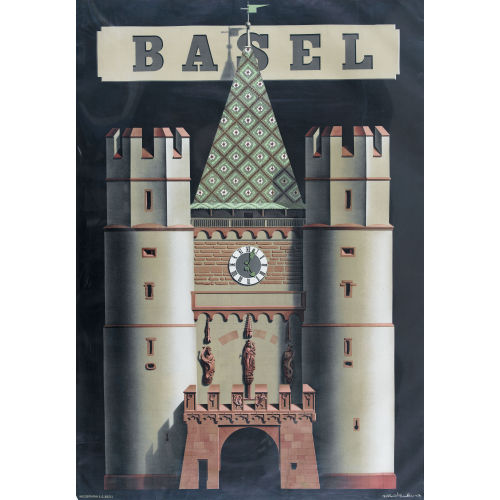
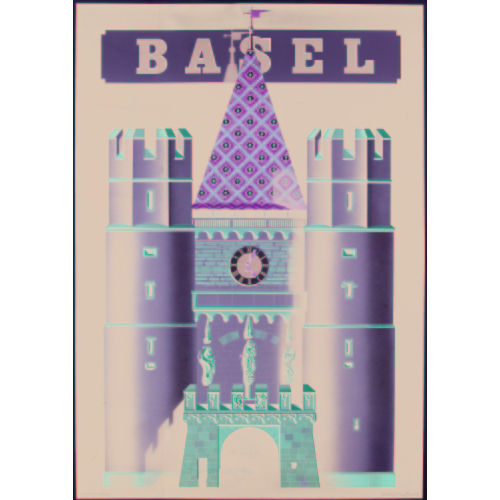
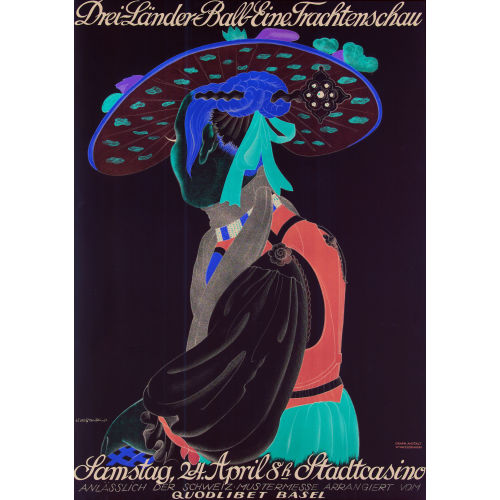
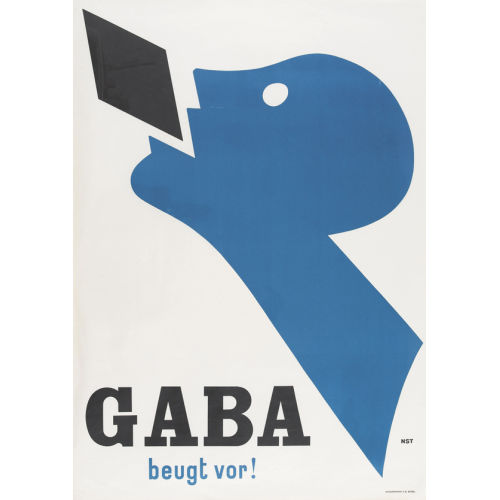
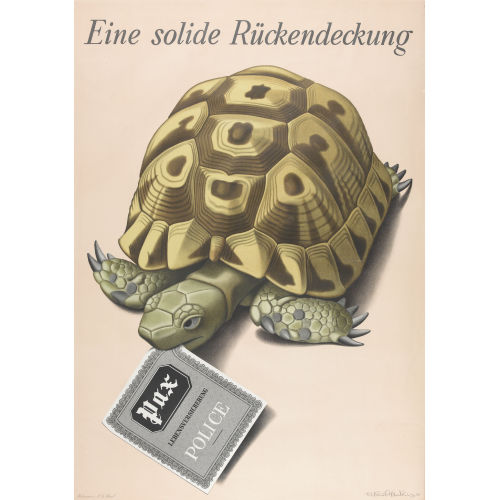
His posters also earned him international recognition, while his public commissions maintained a lasting connection with Basel.
His works are held, among other places, in the collections of the museums of Basel, Winterthur, Lausanne and Zurich. Discovering them invites us to slow our gaze, follow a line or question a detail: in Stoecklin, the precision of representation often opens onto a question rather than a certainty.