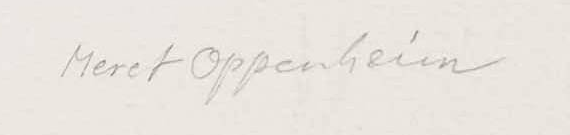
Meret Oppenheim
Born in 1913.
Died in 1985.
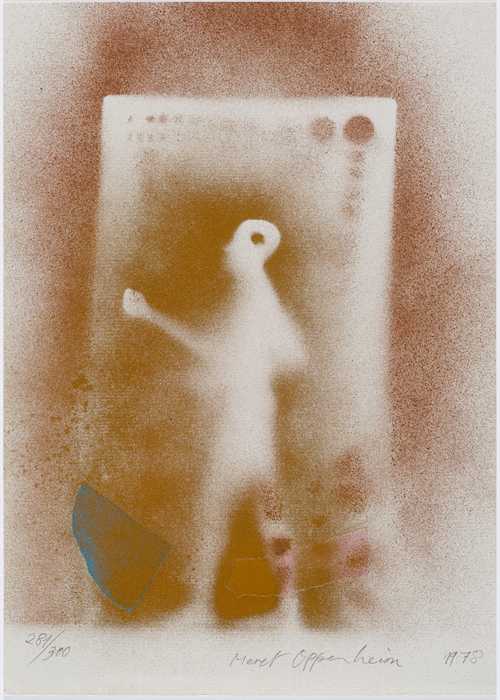
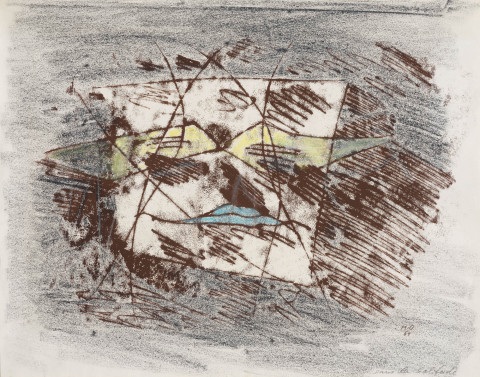
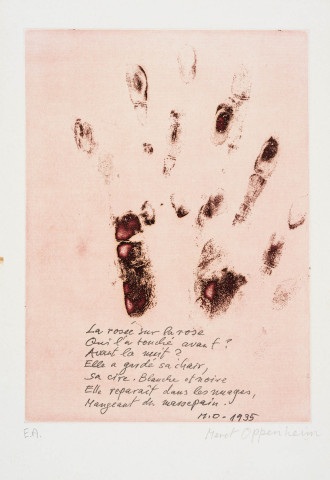
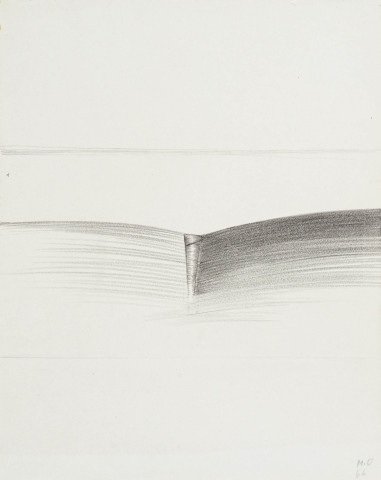
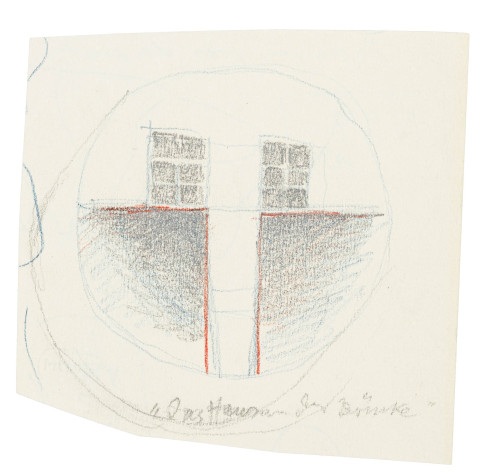
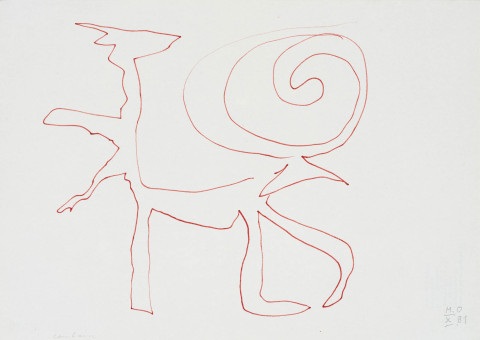
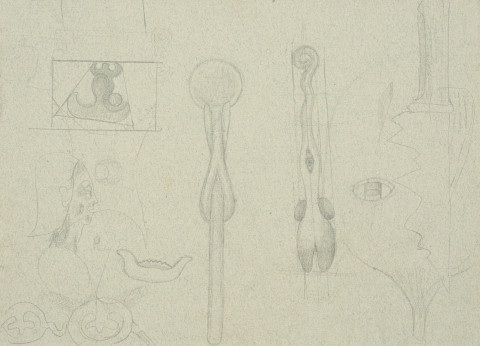
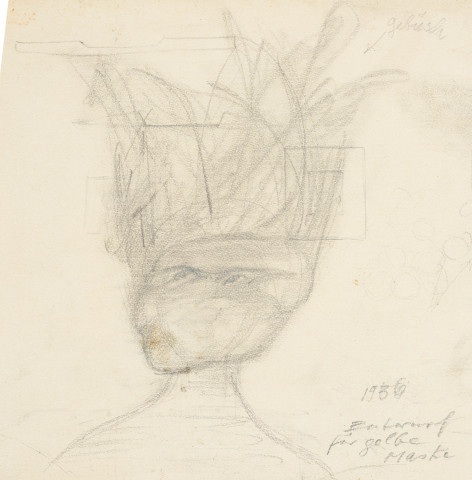
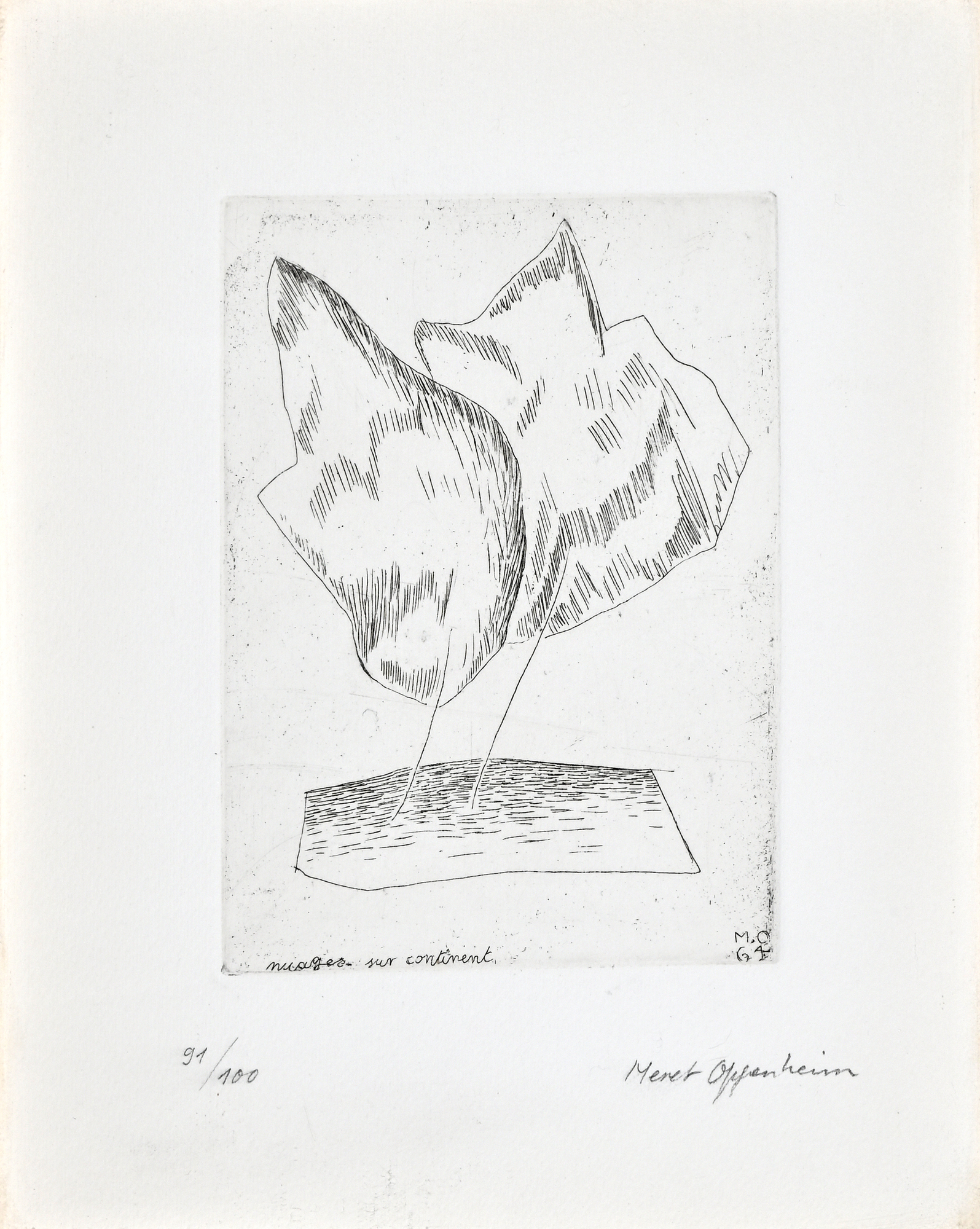
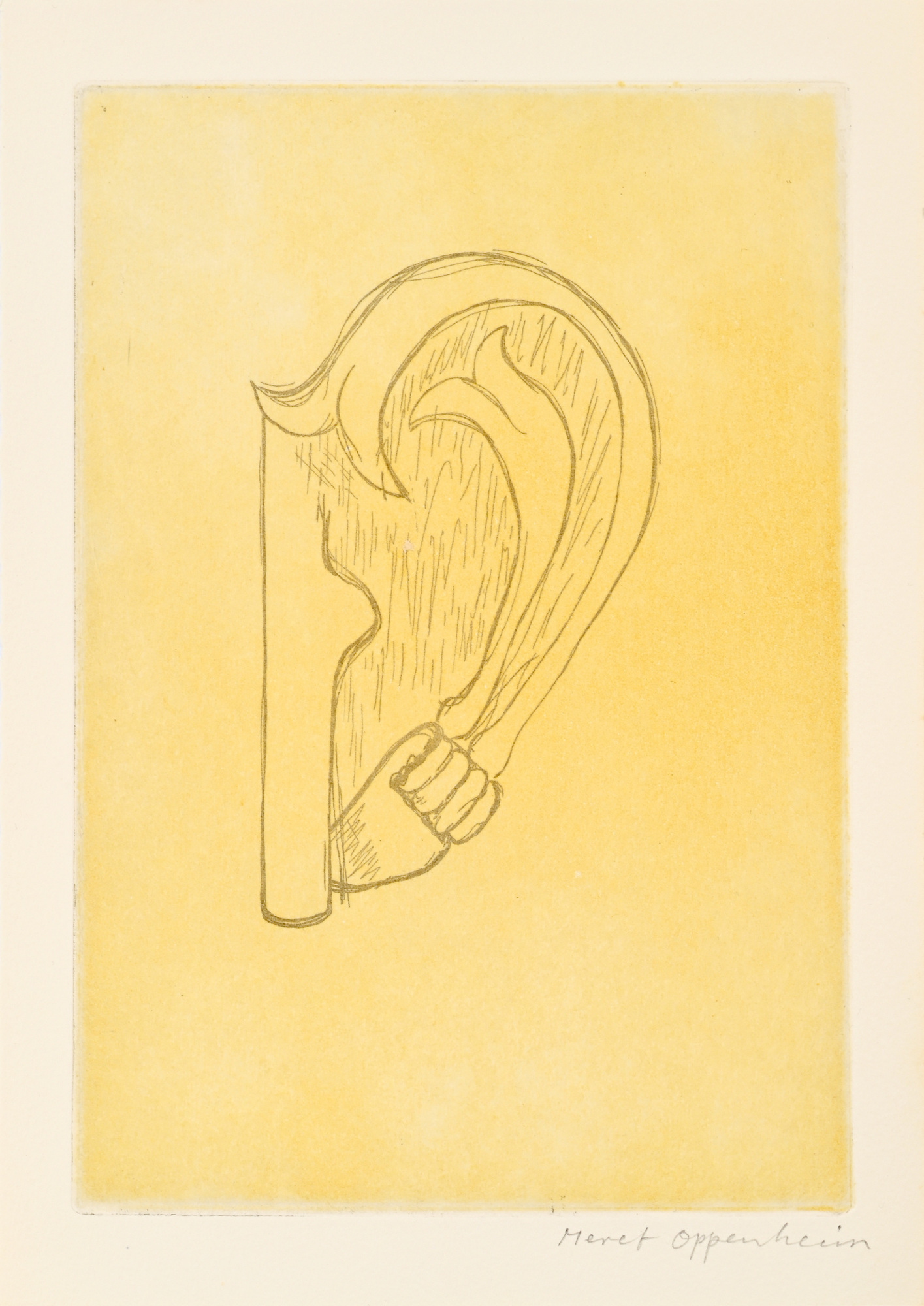
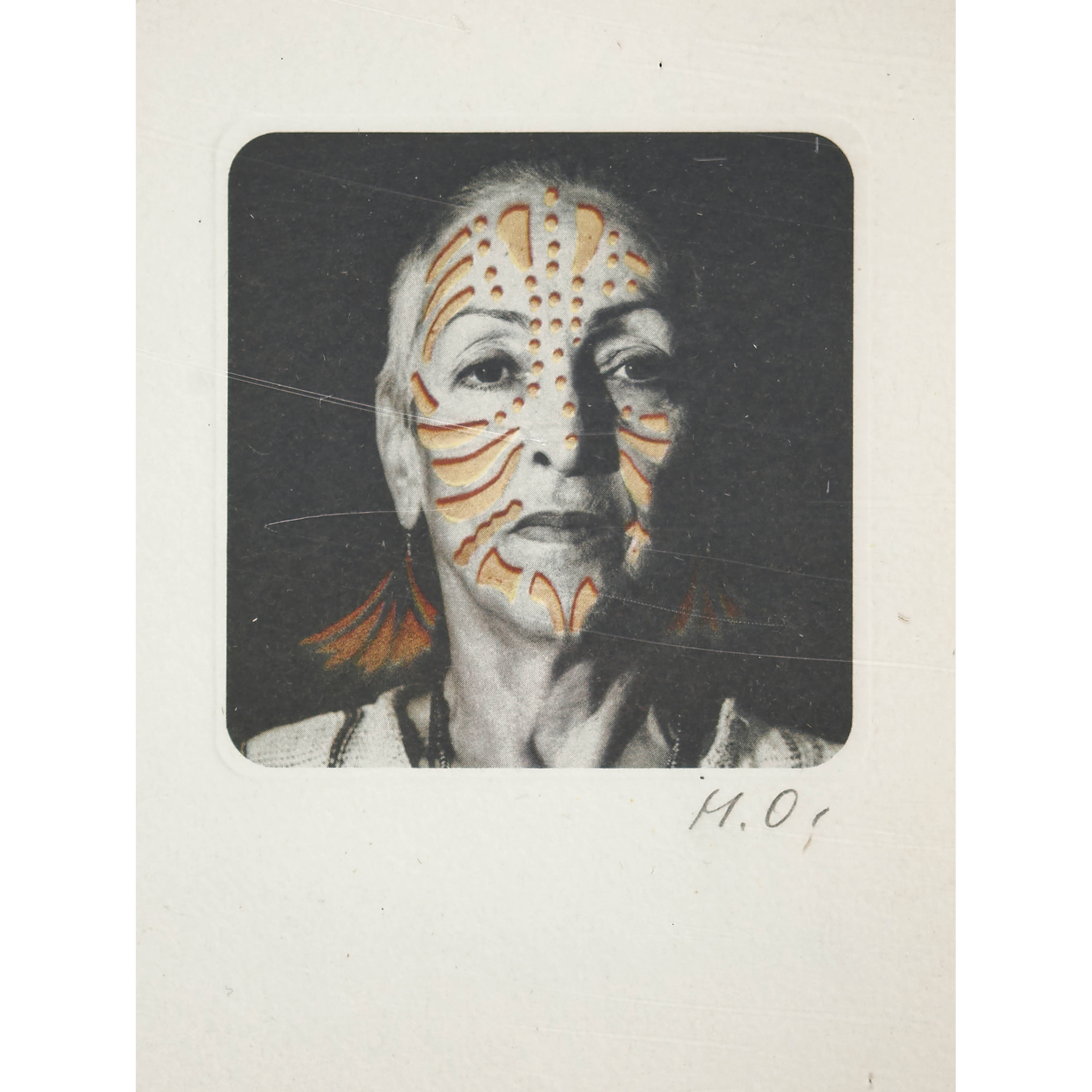
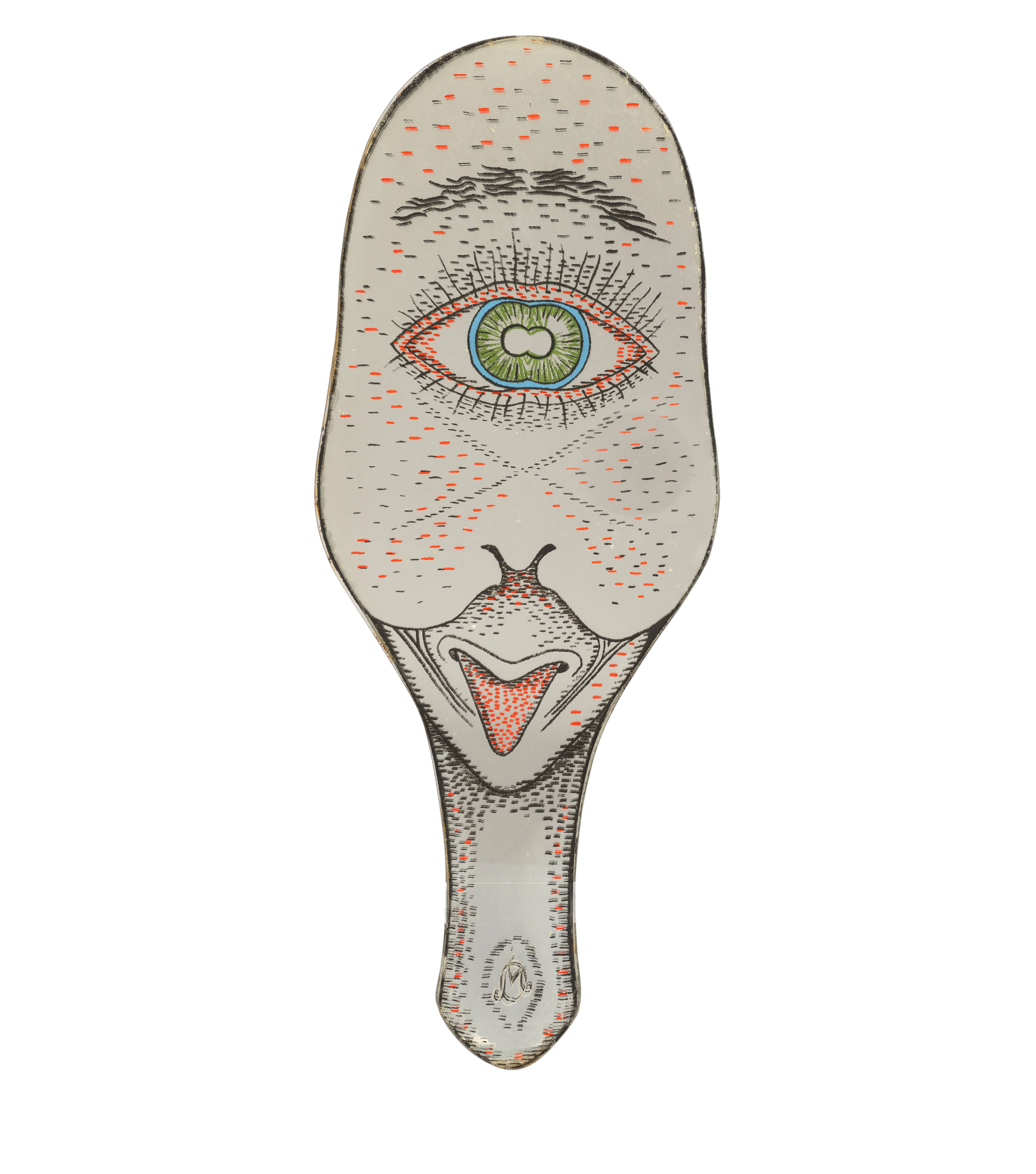
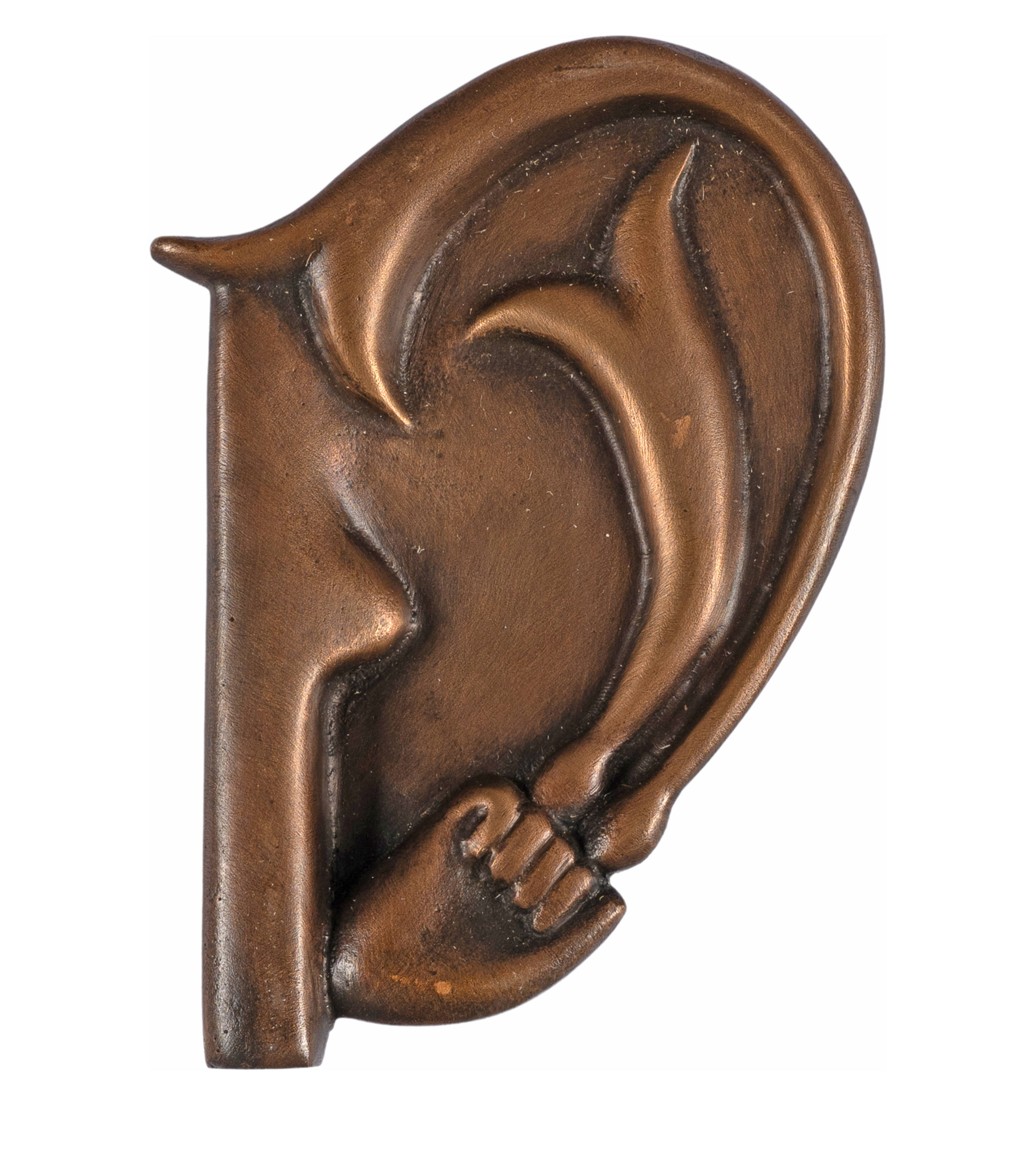
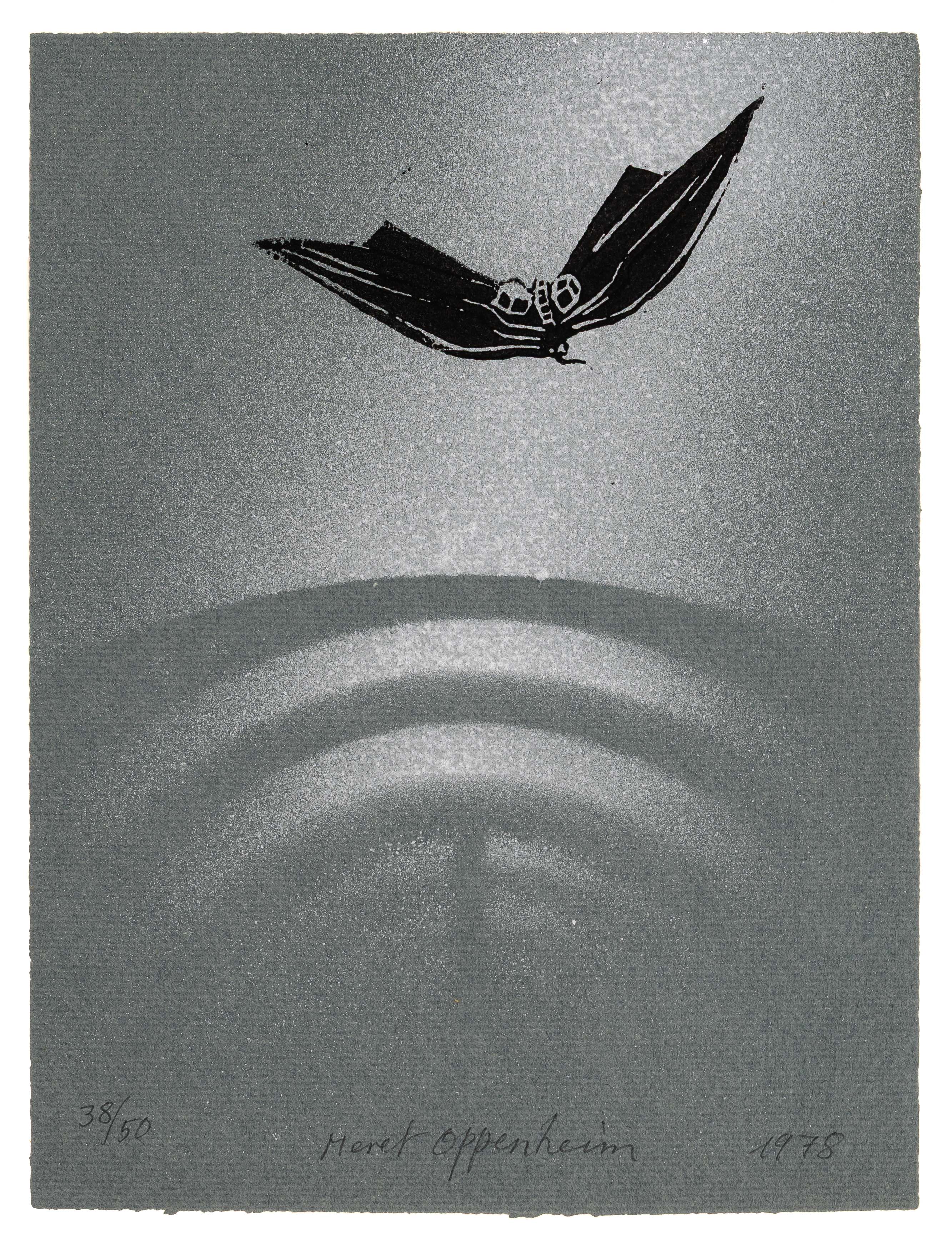
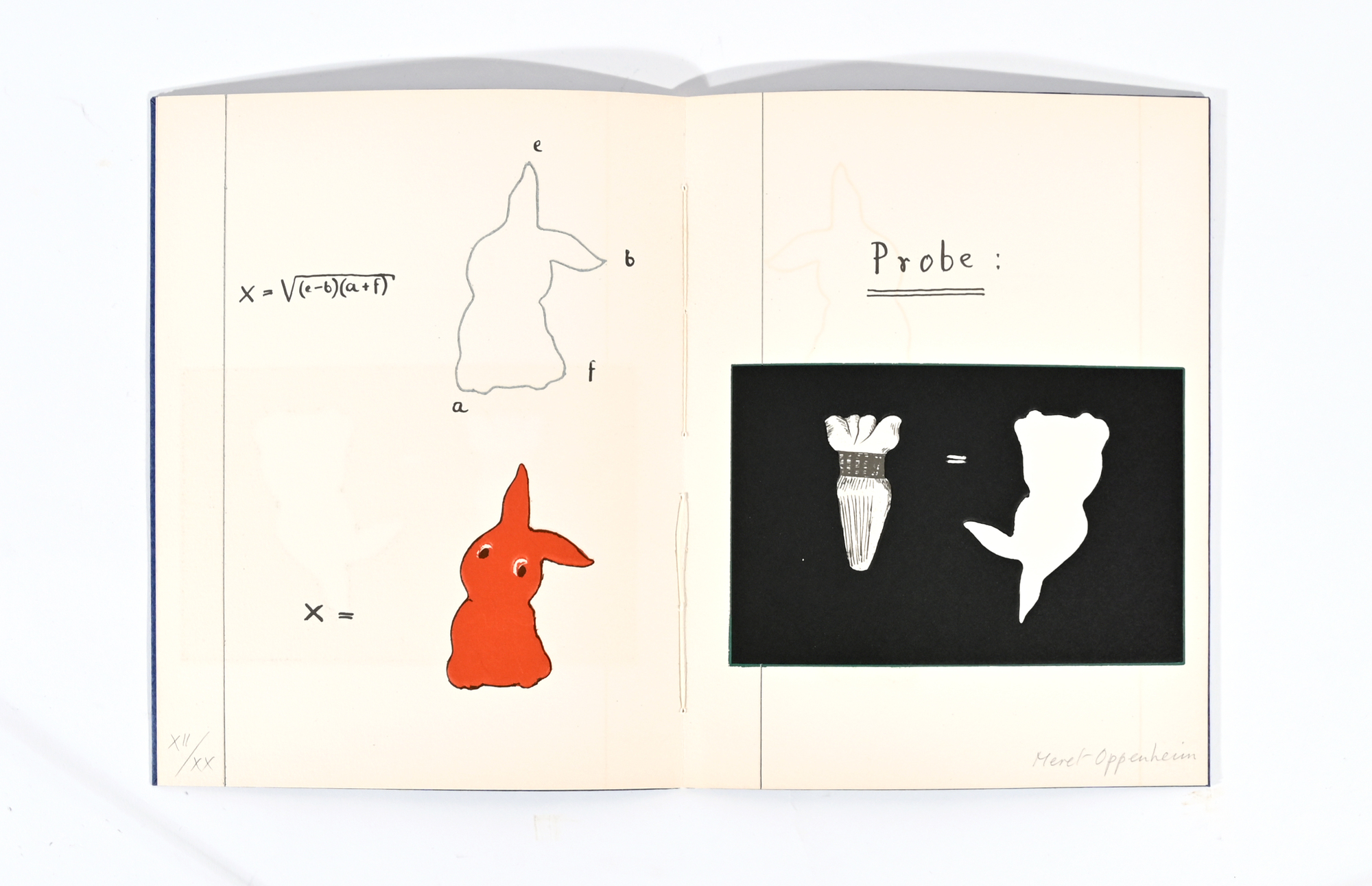
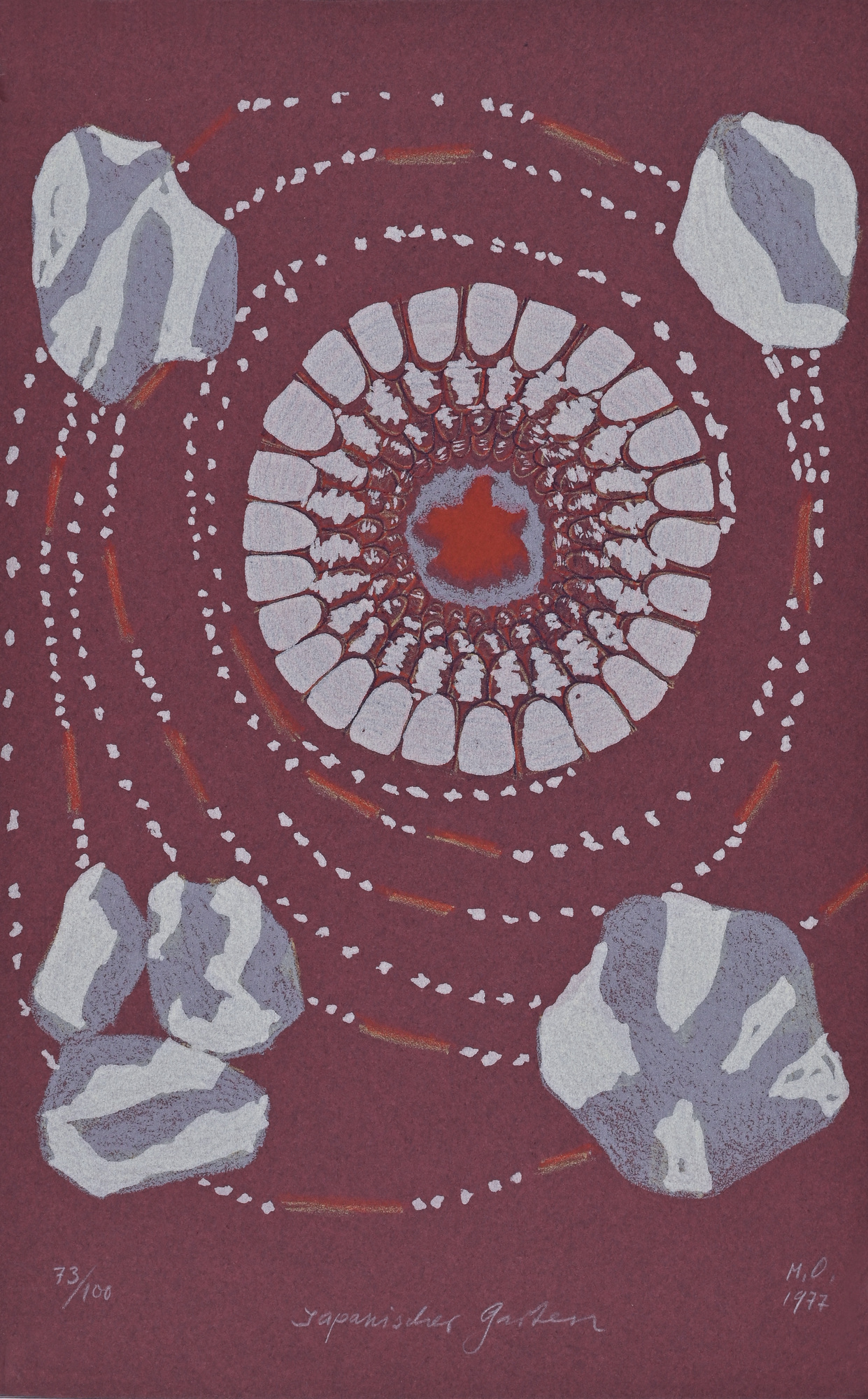
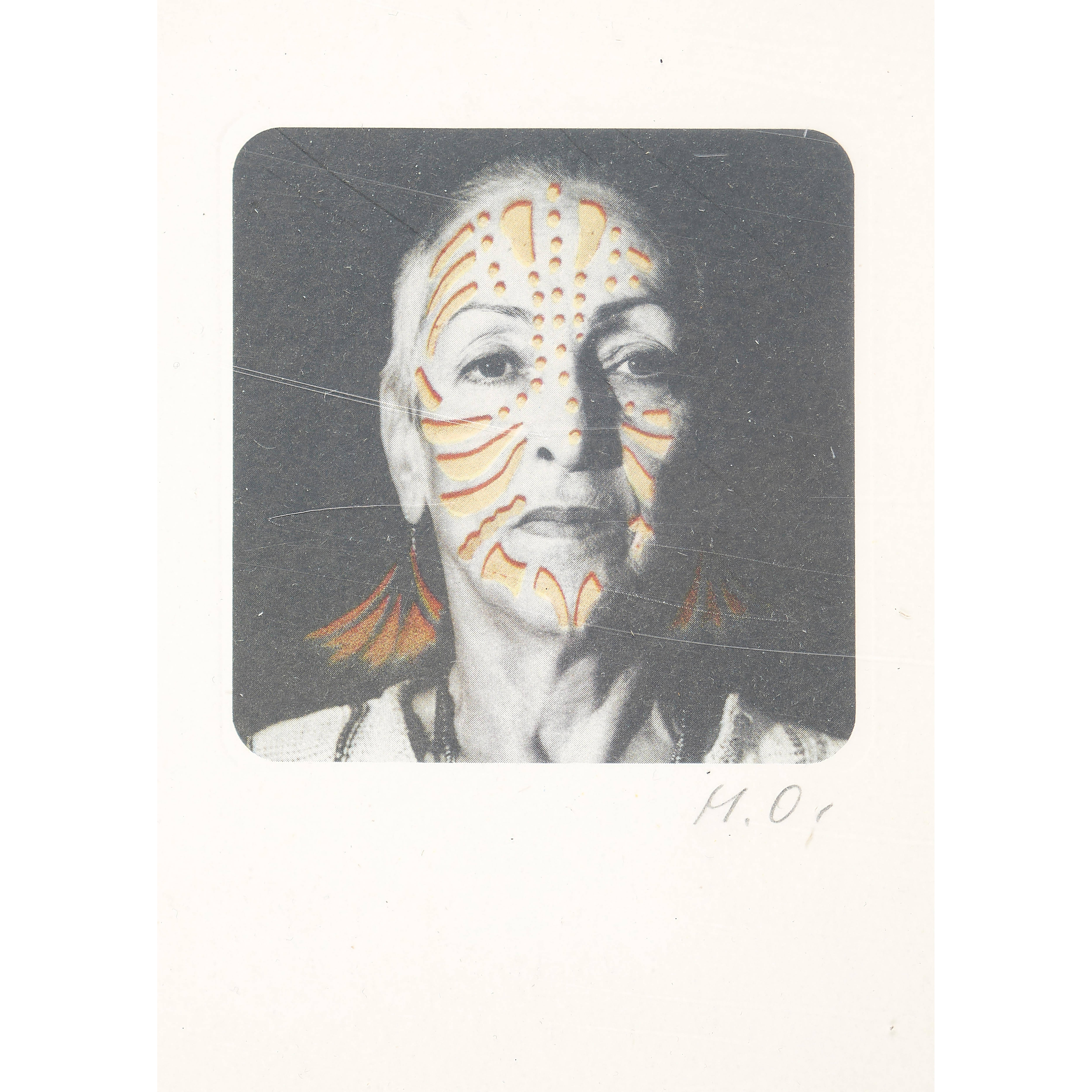
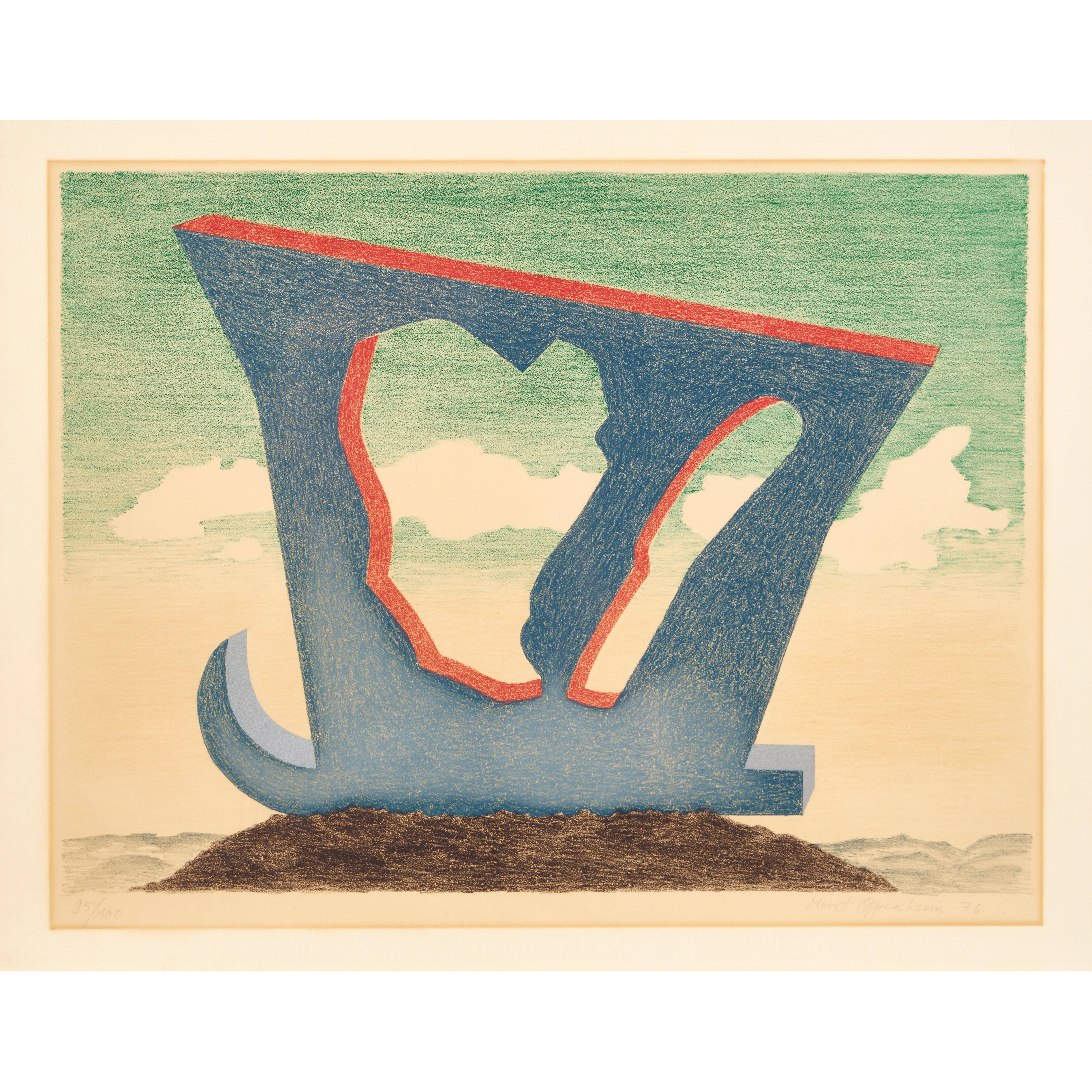
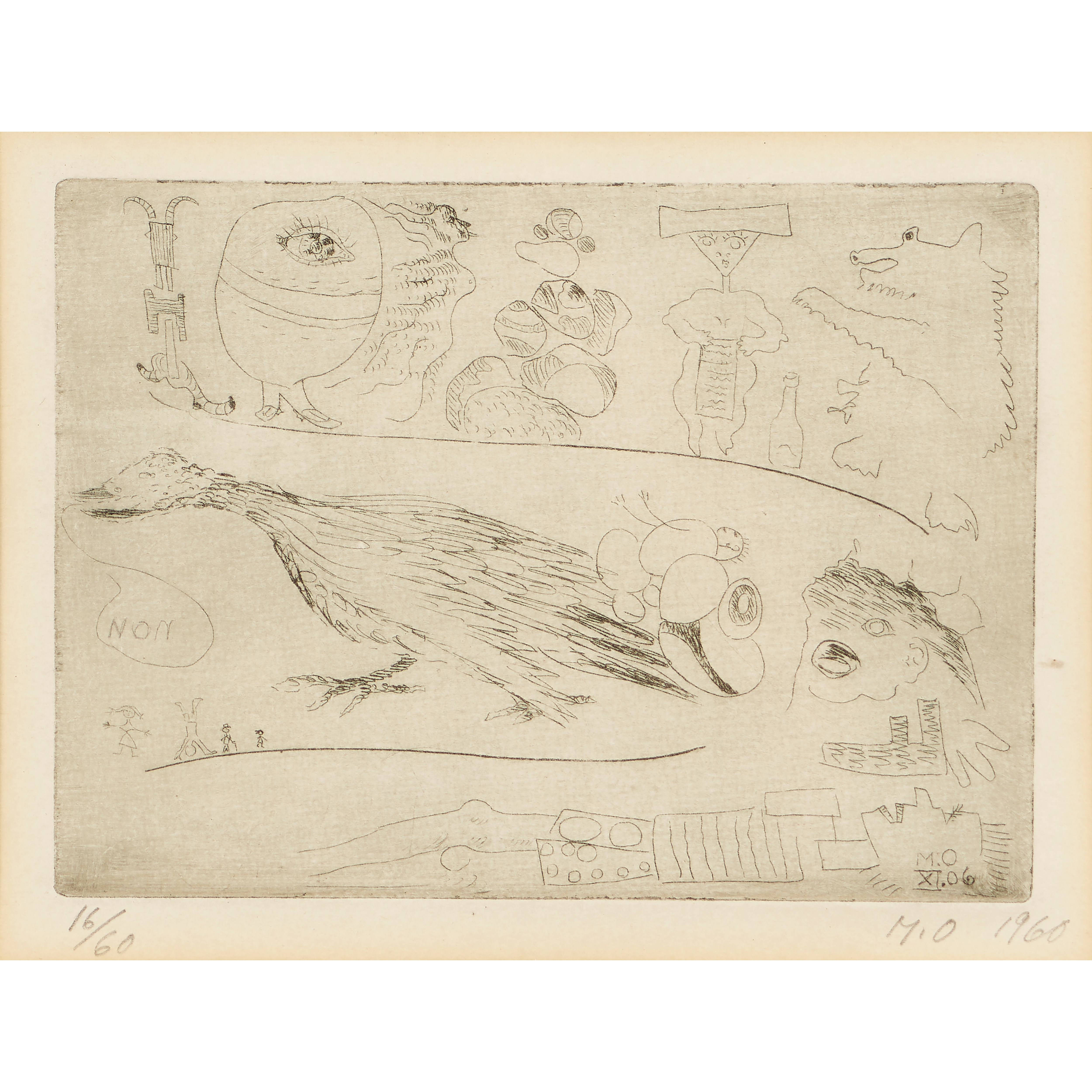
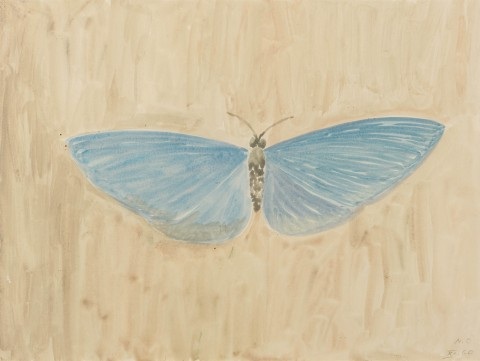
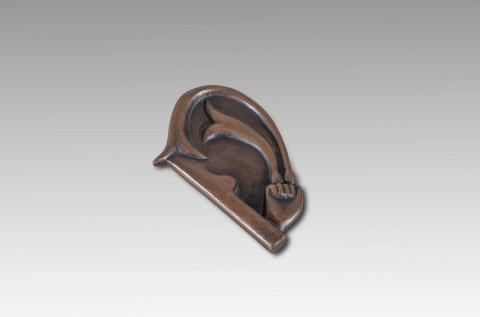
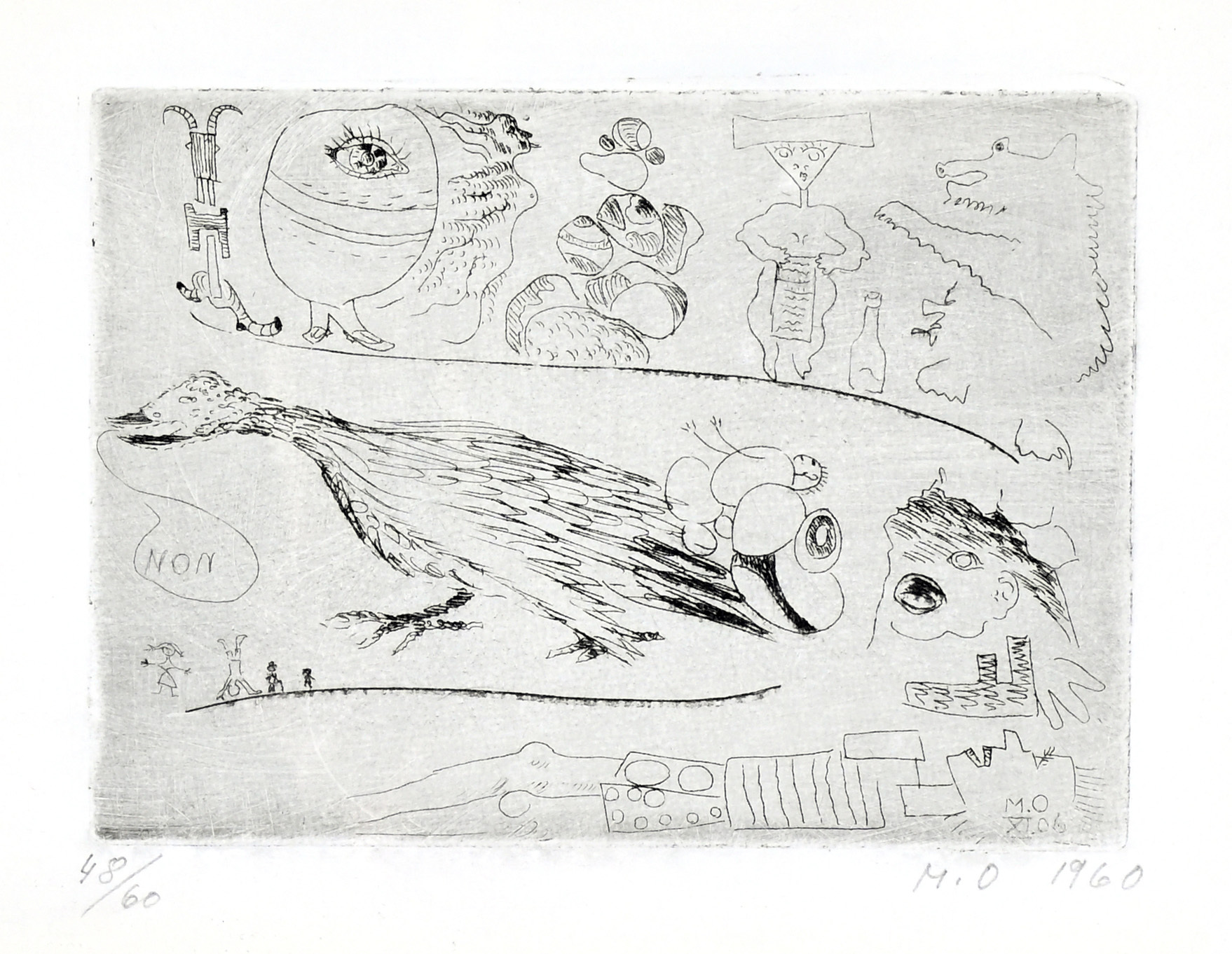
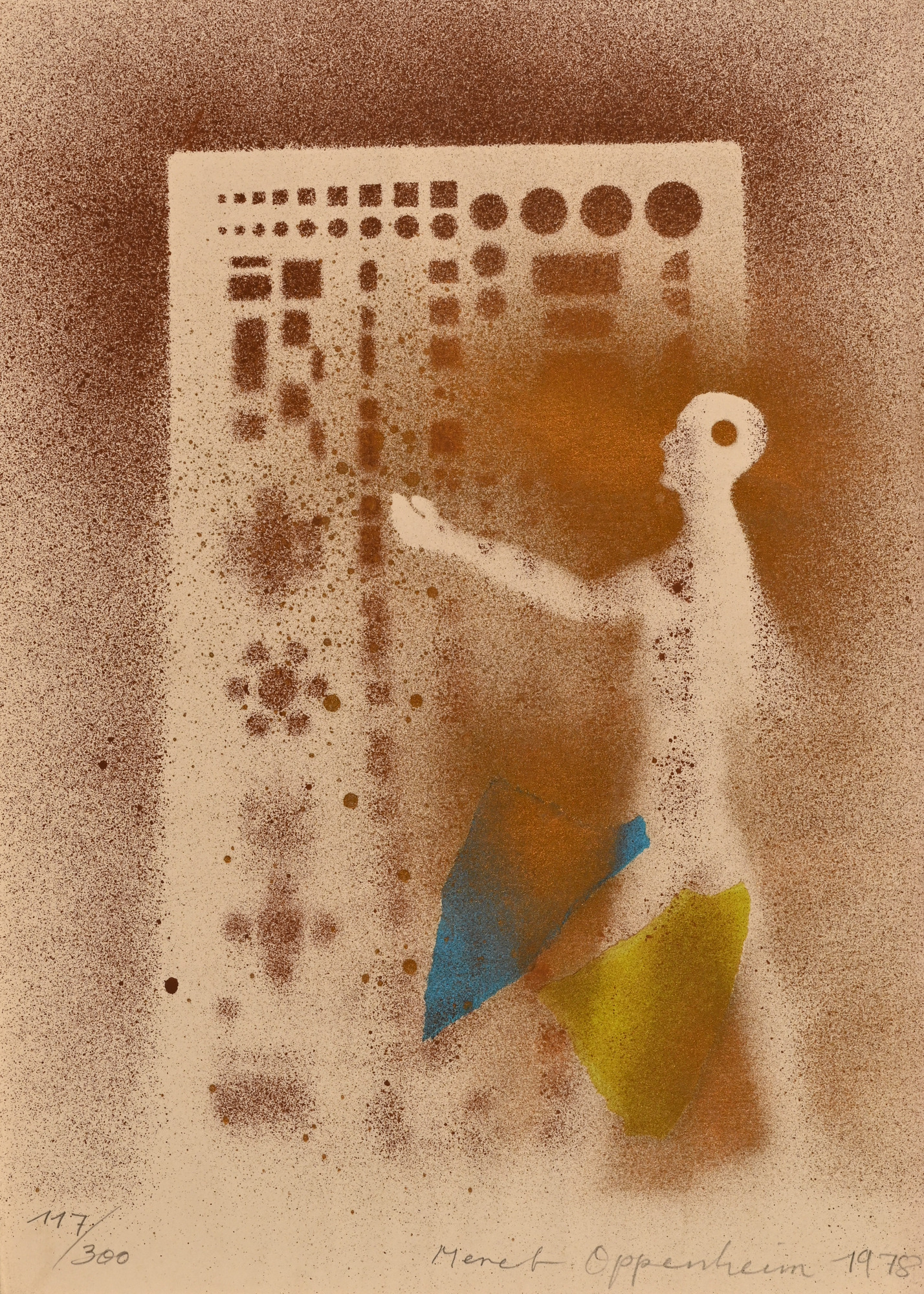
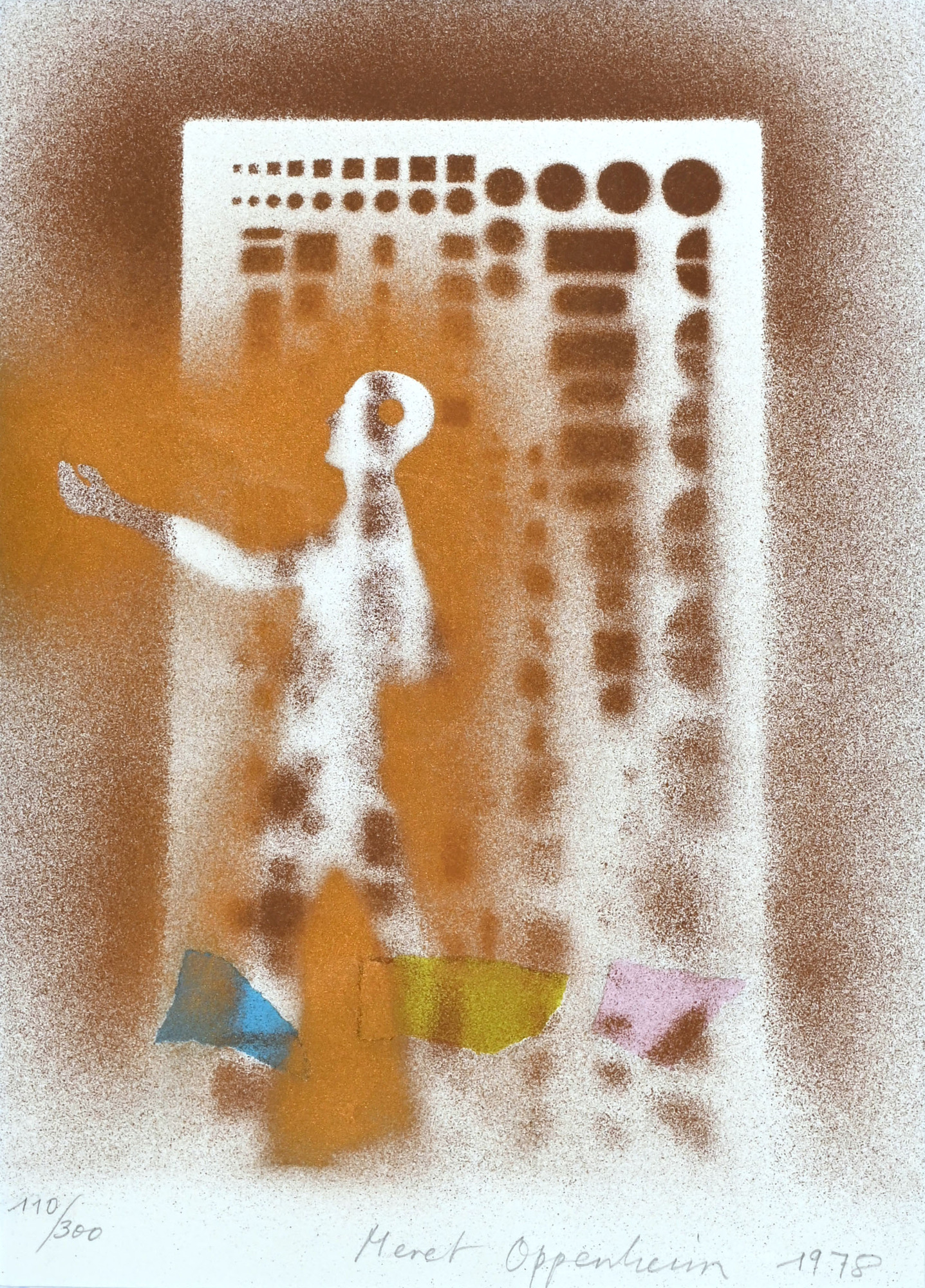
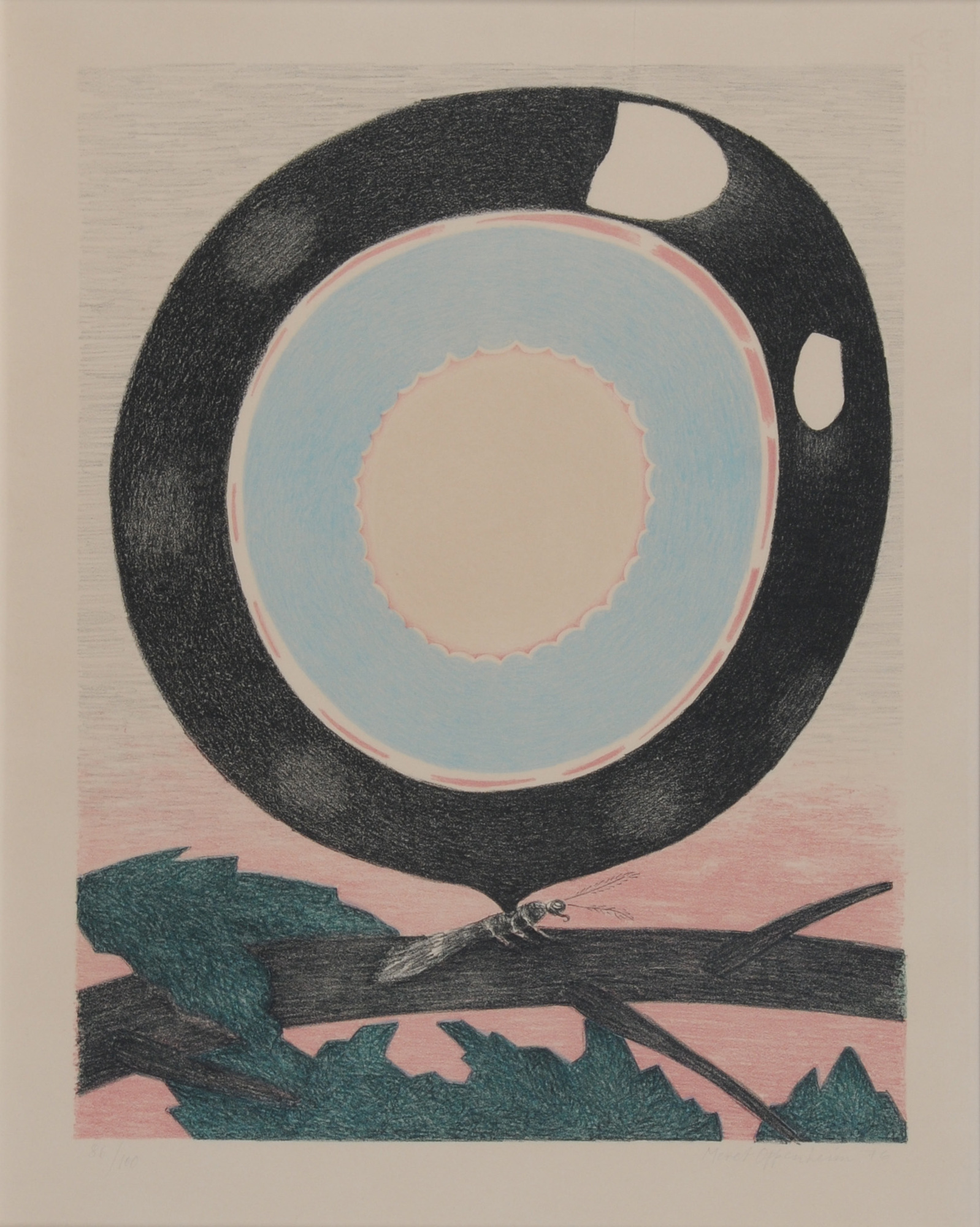
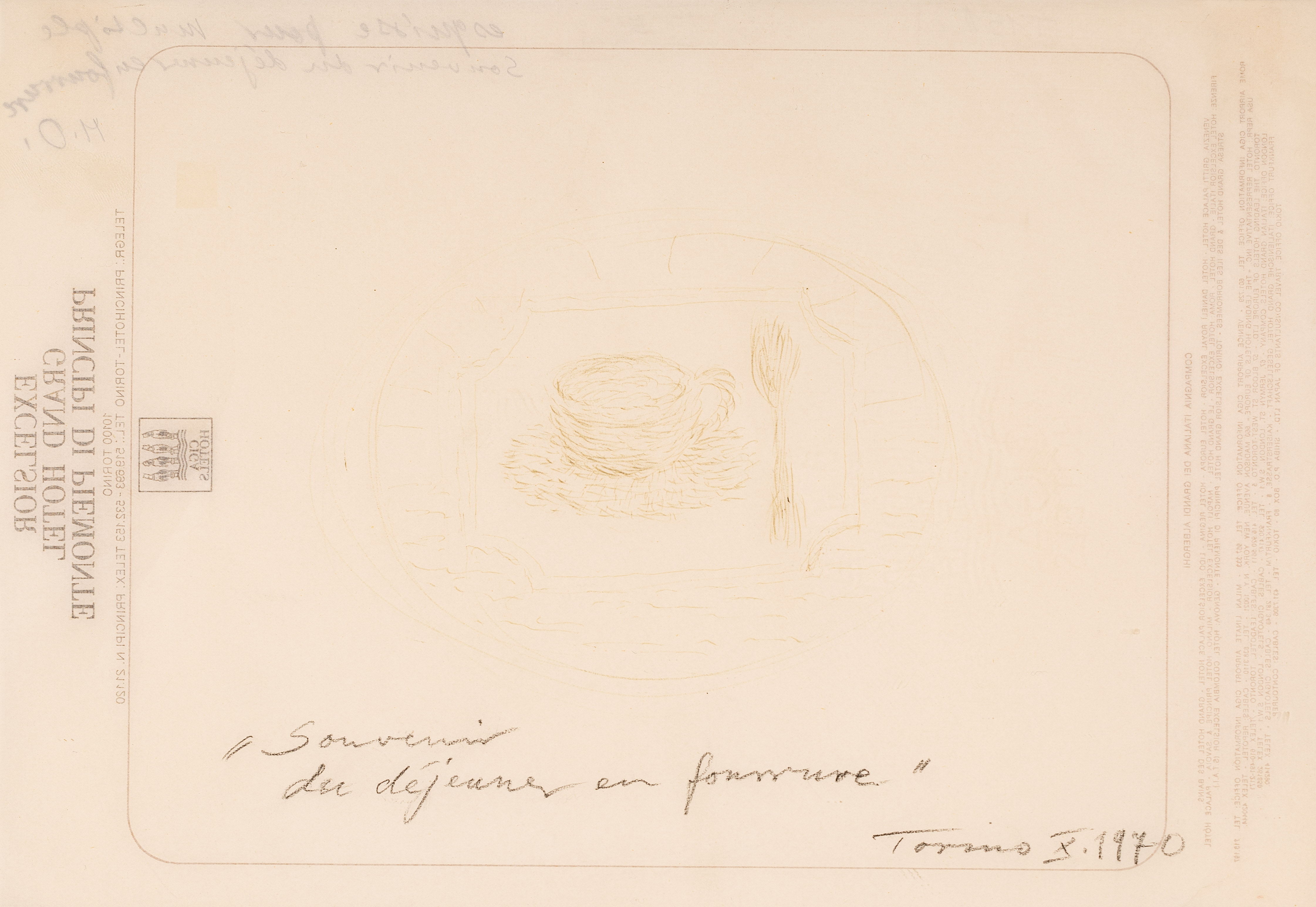
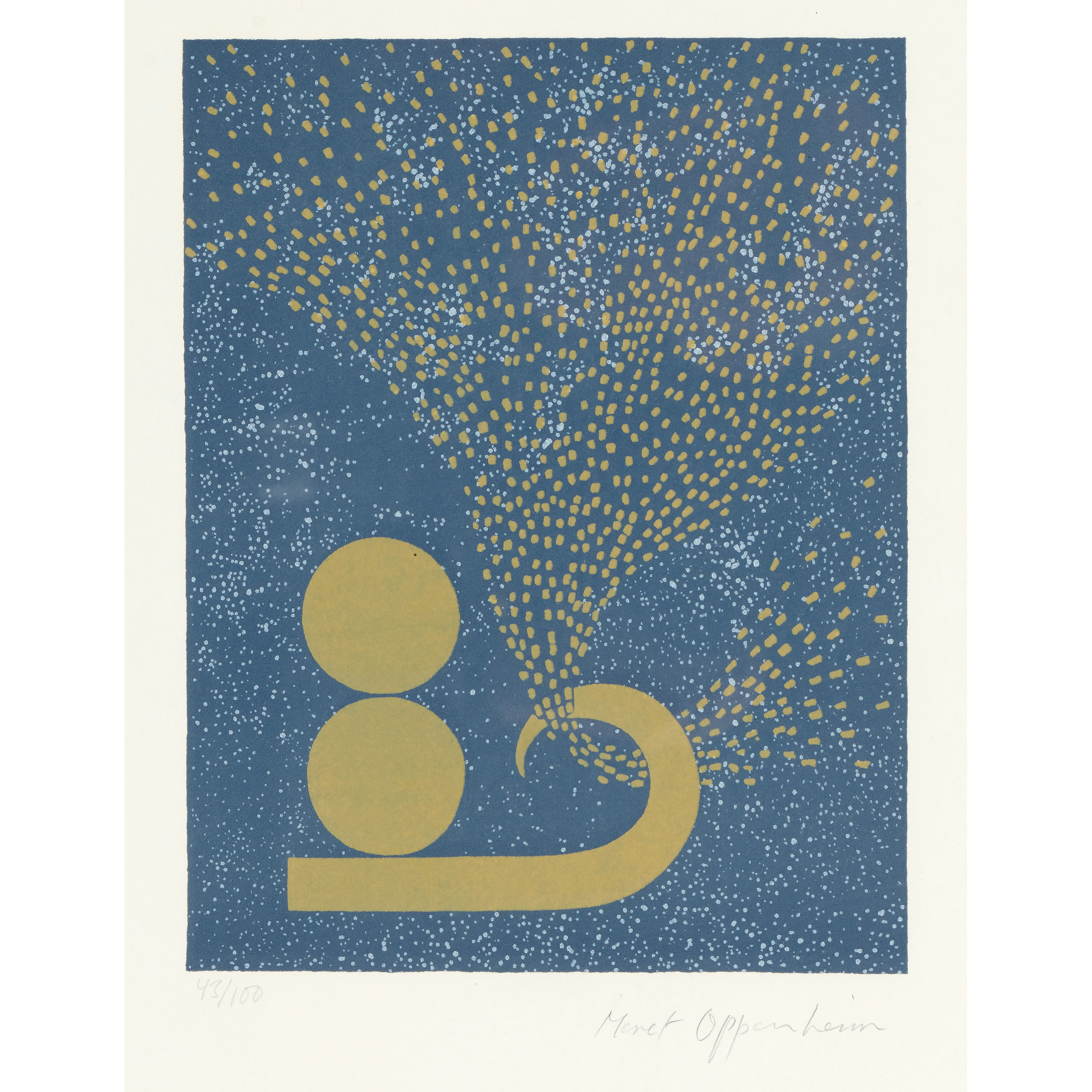
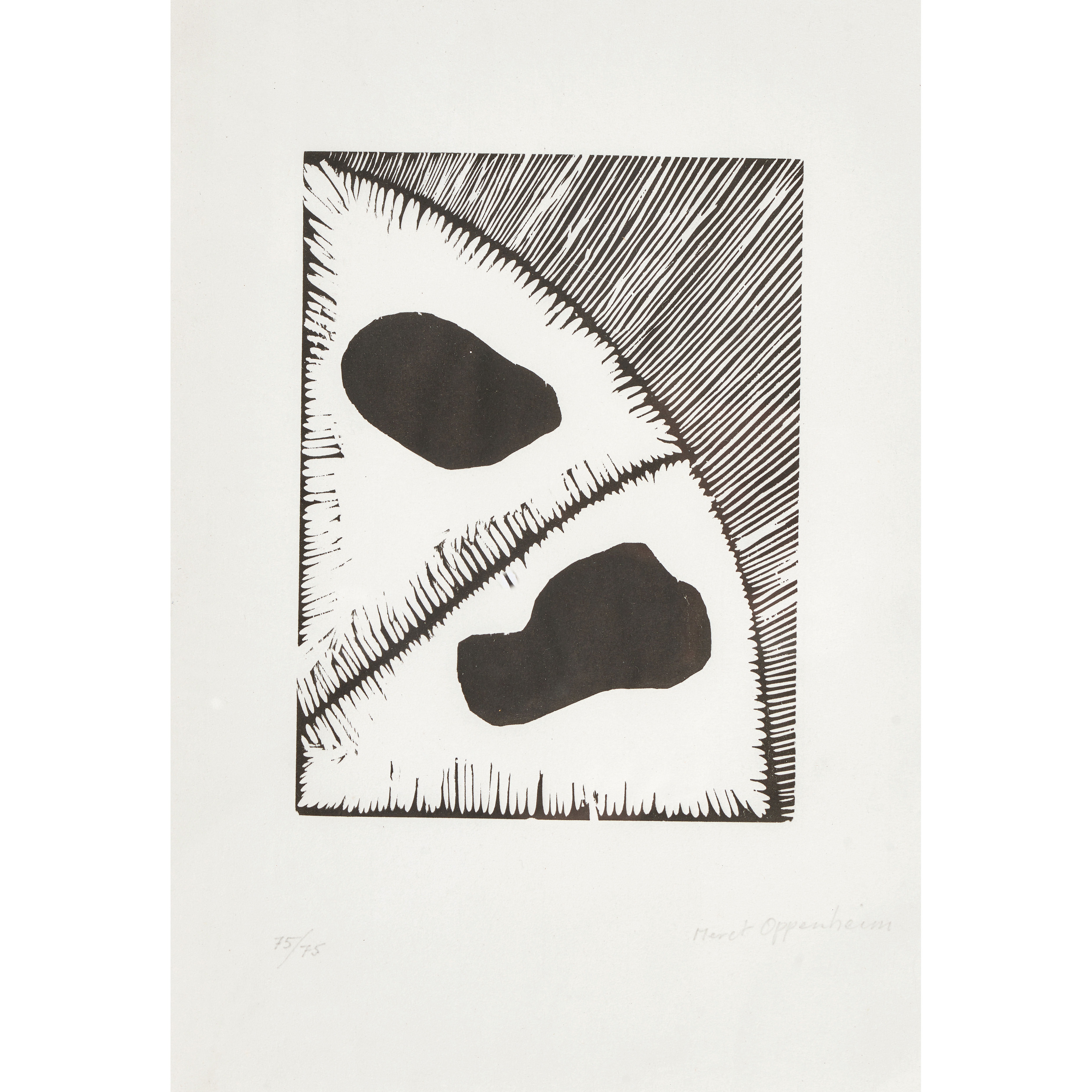
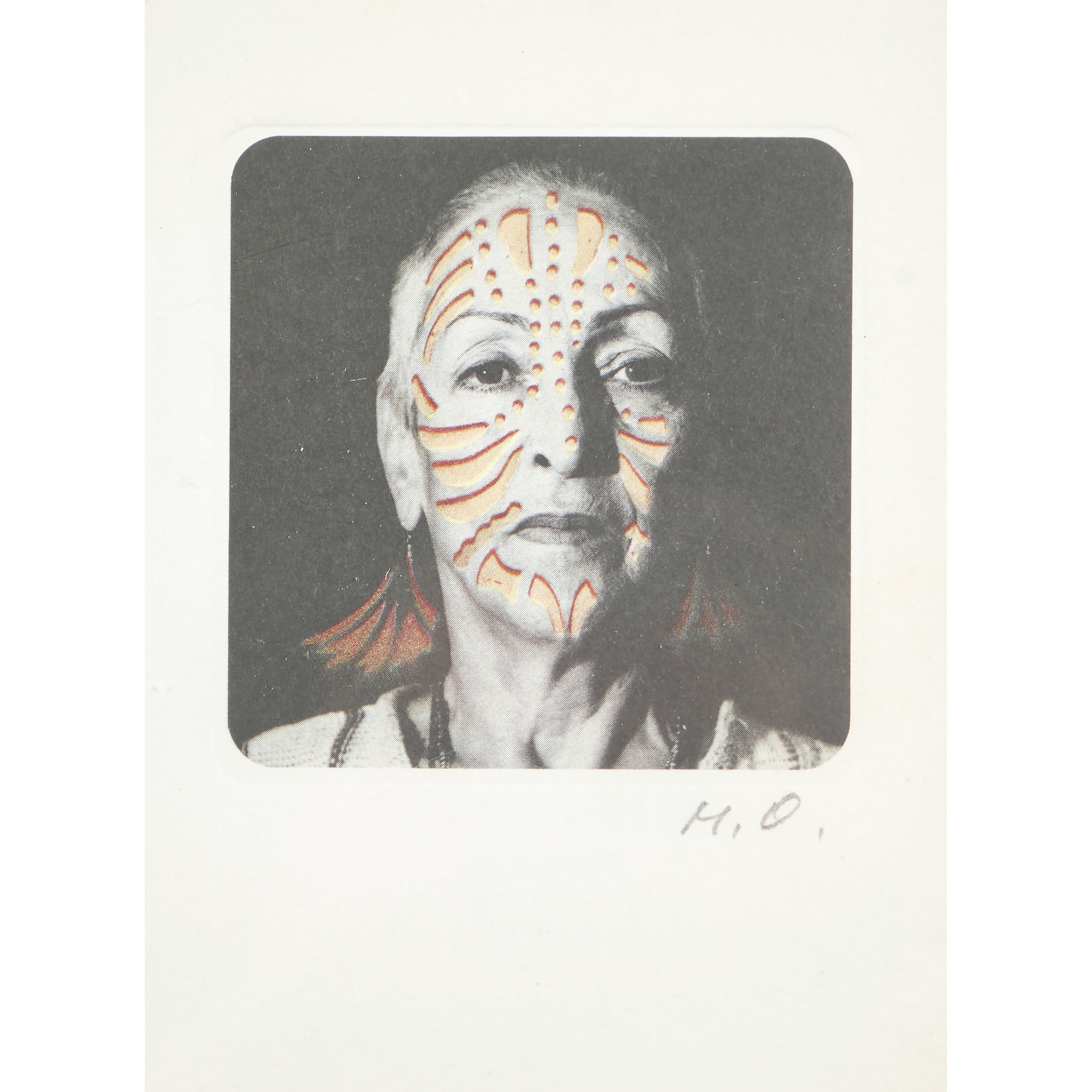
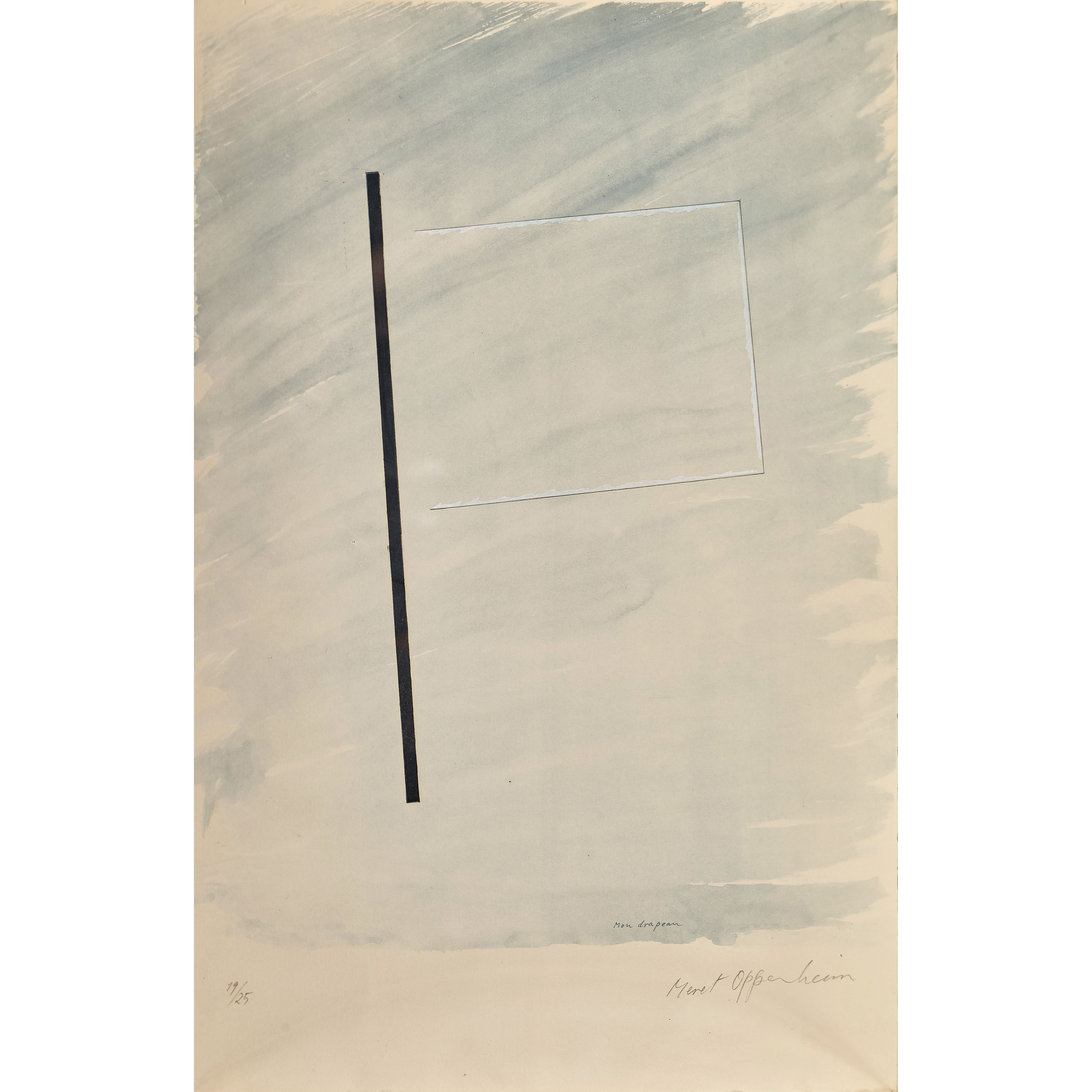
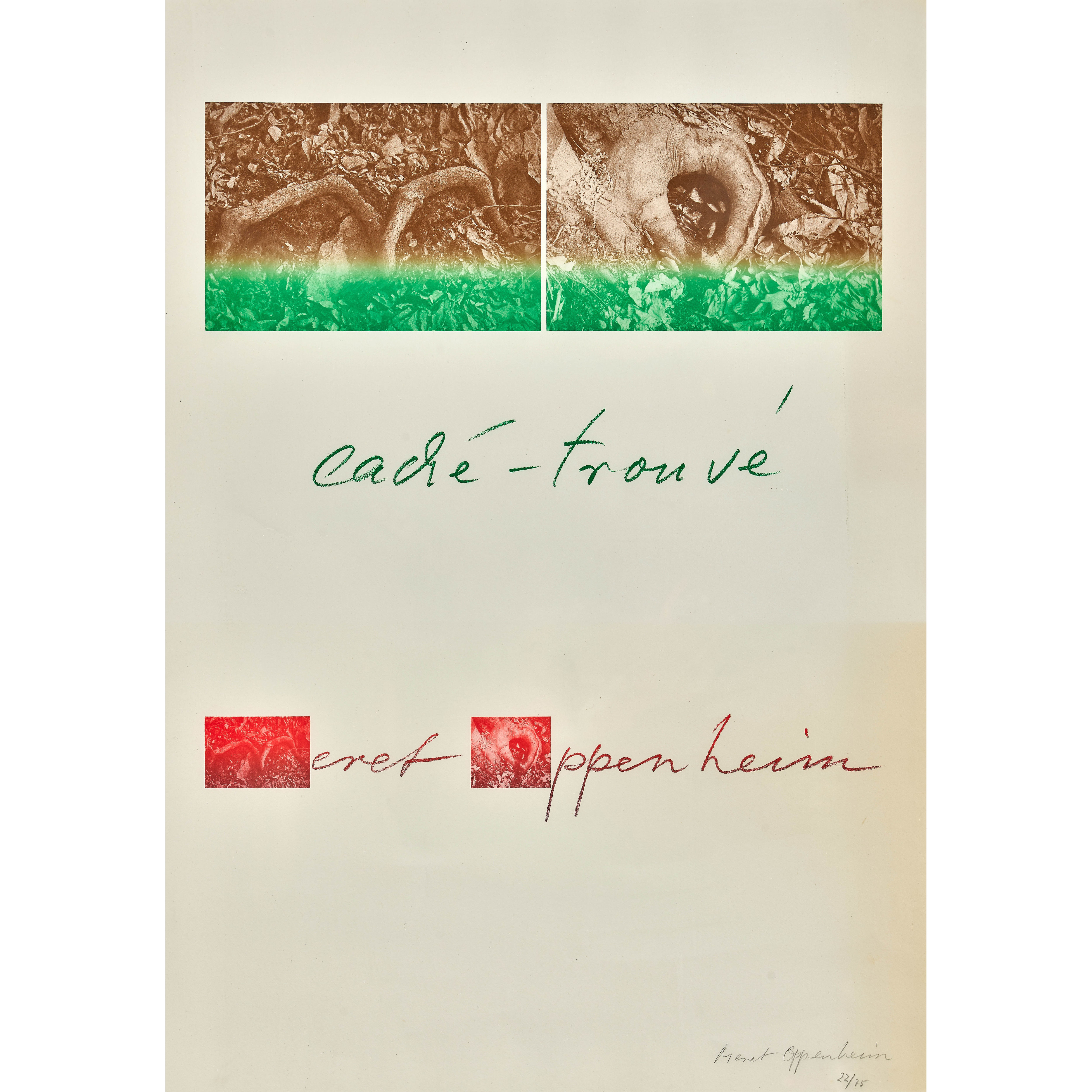
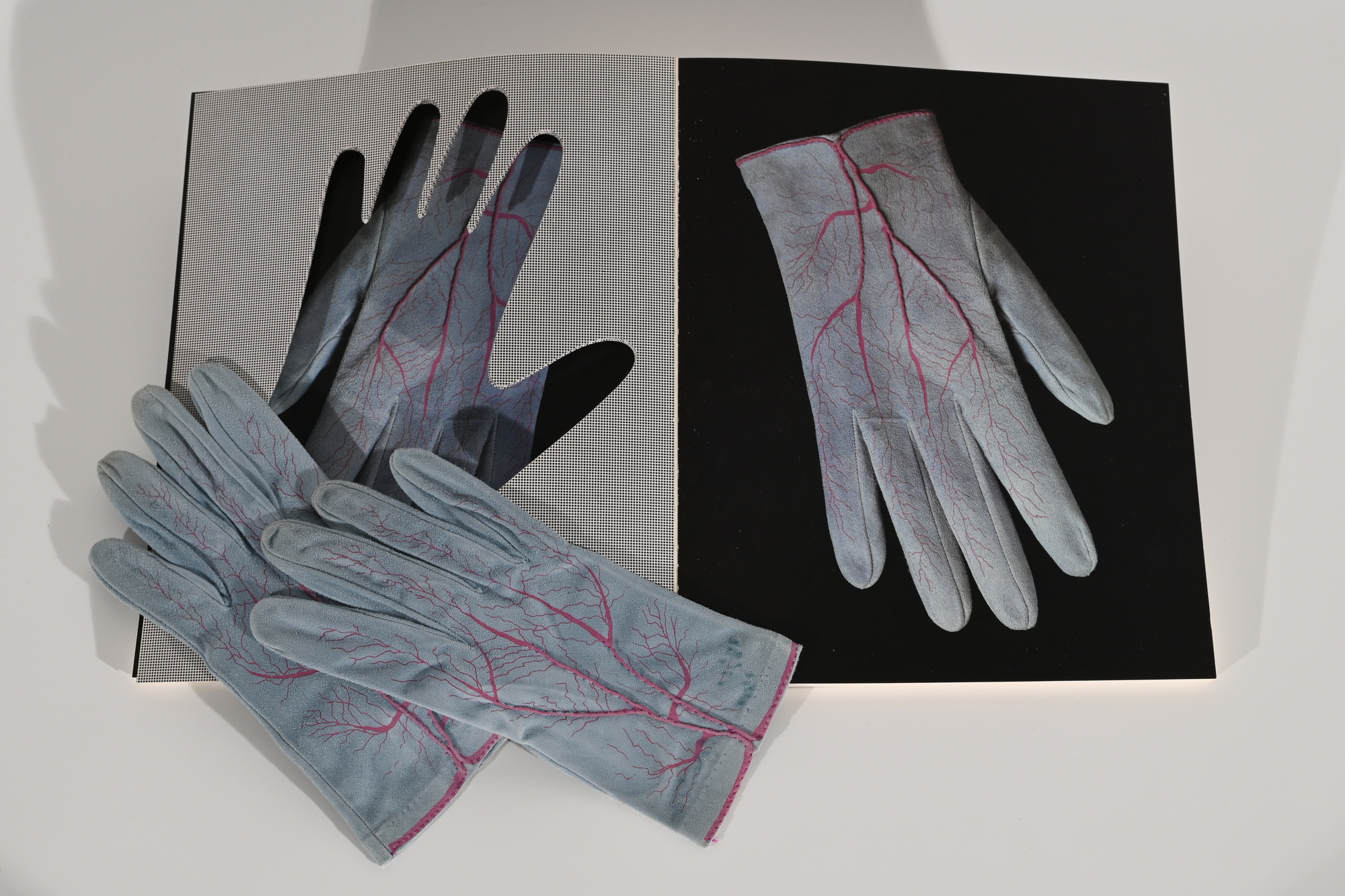
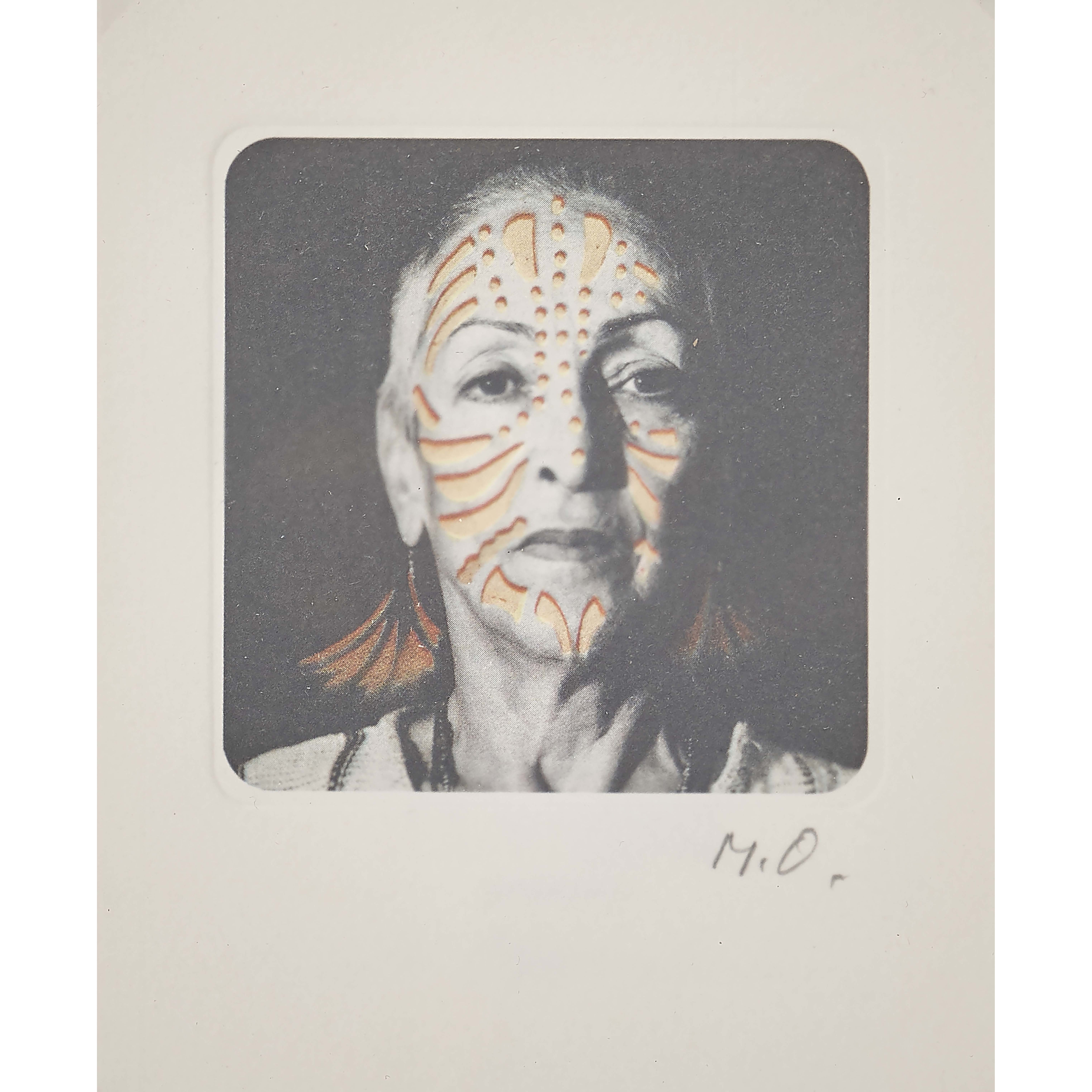
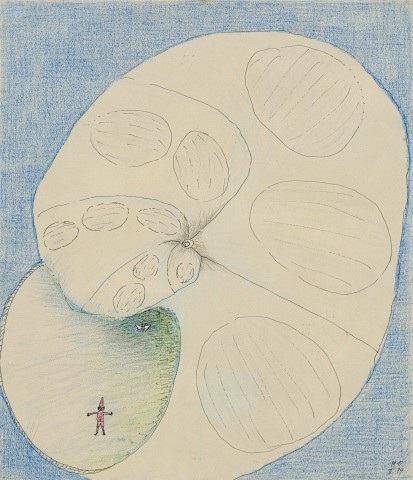
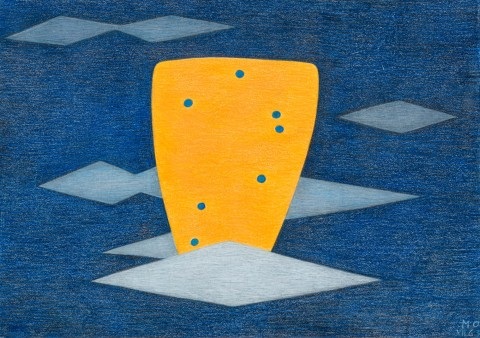
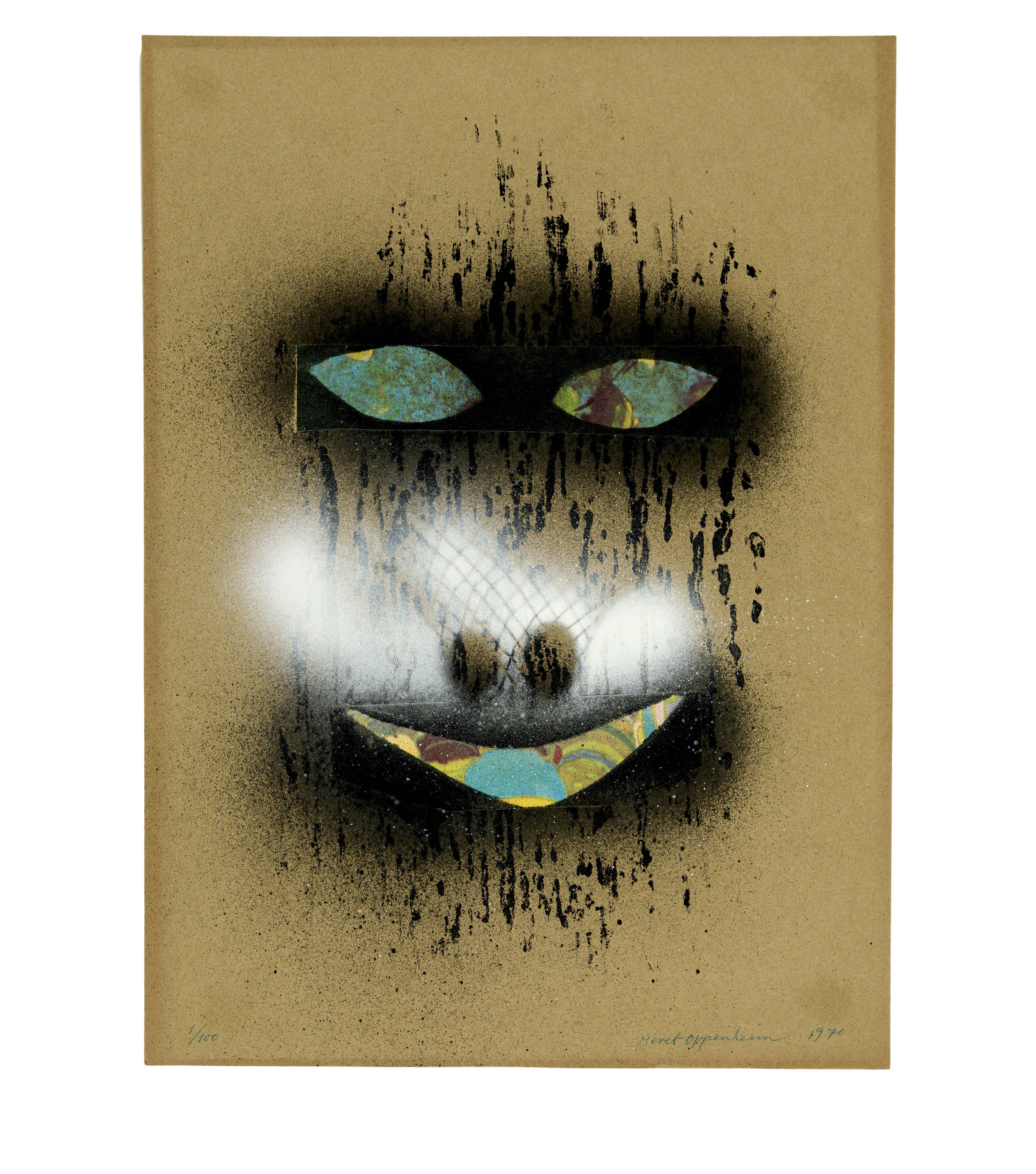
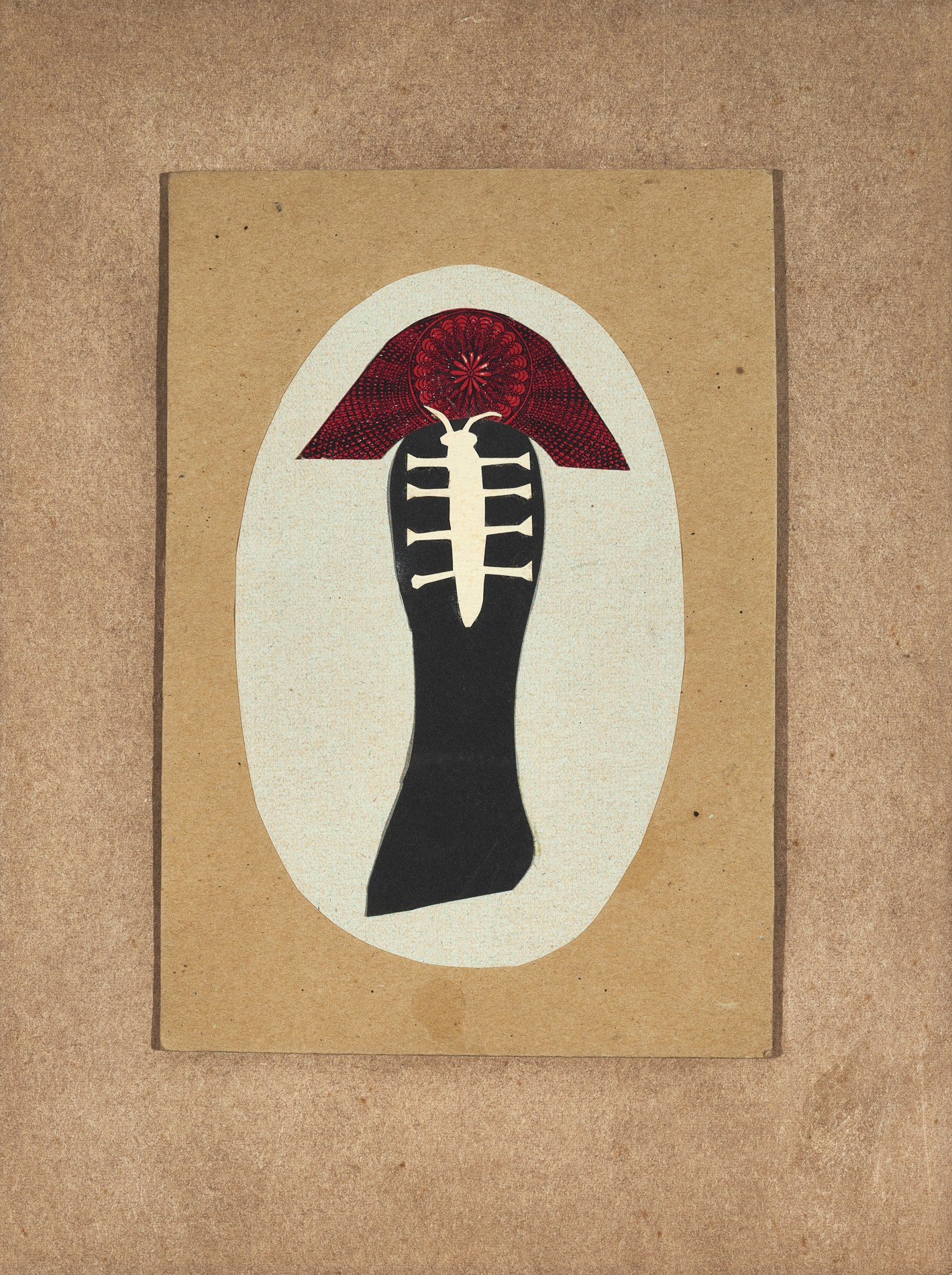
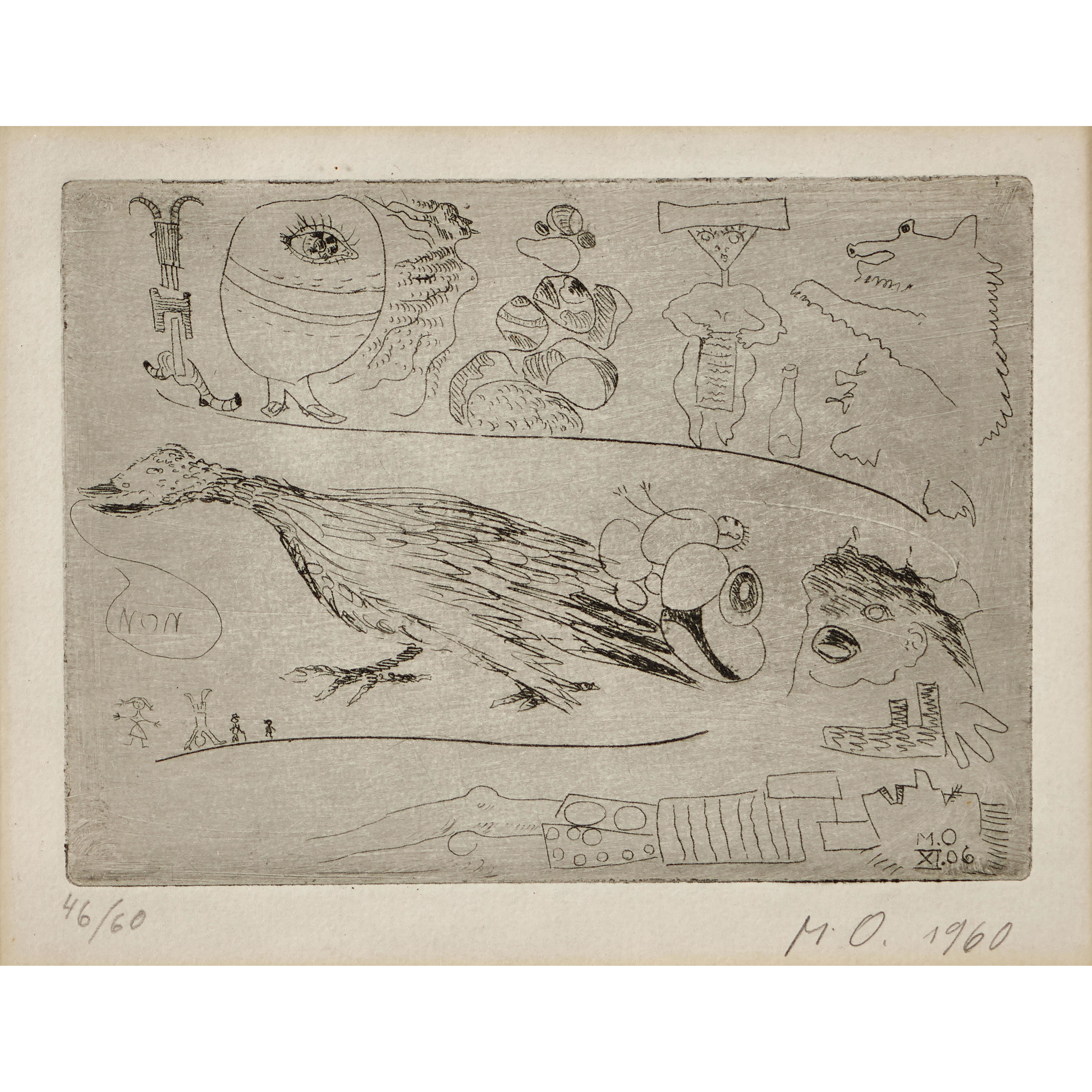
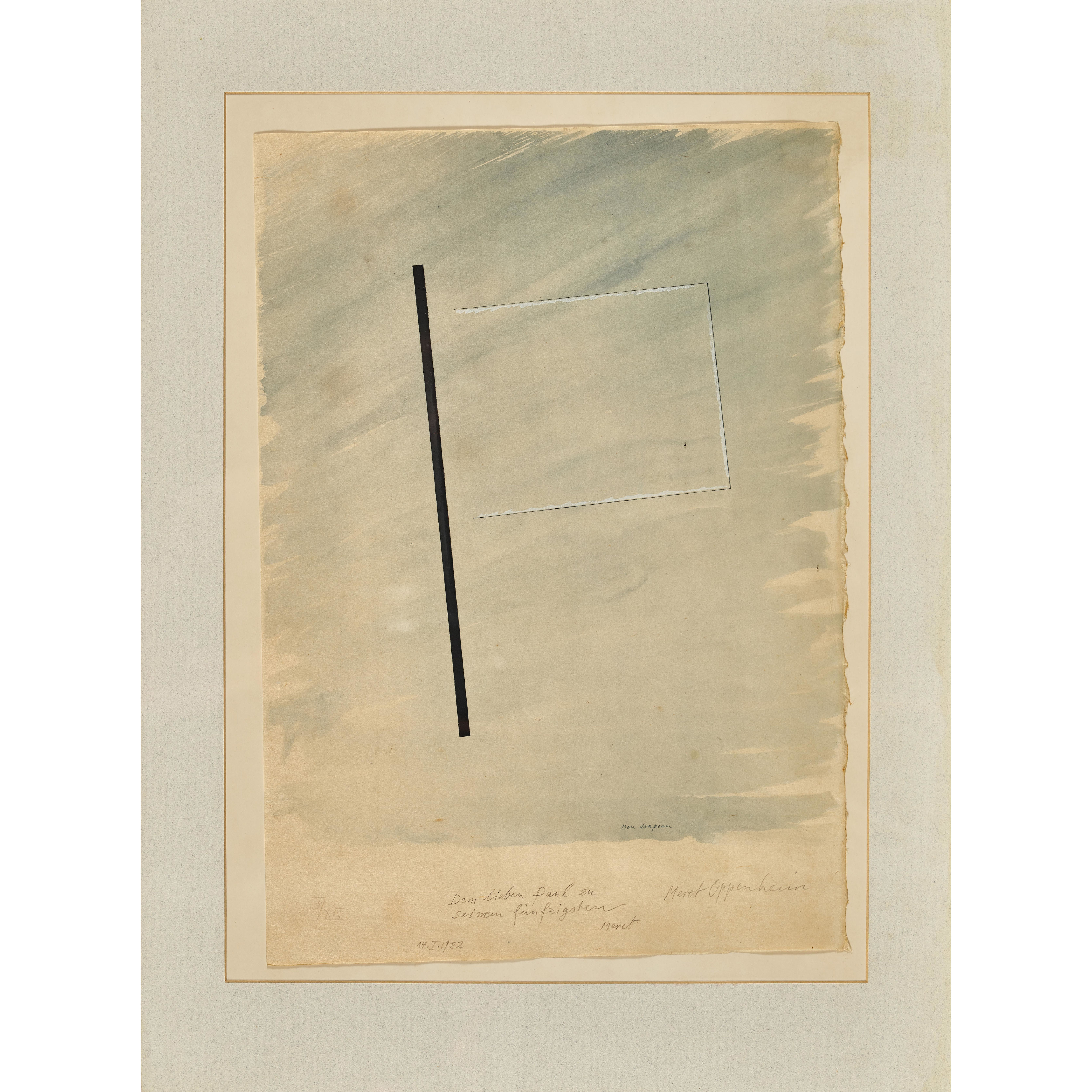
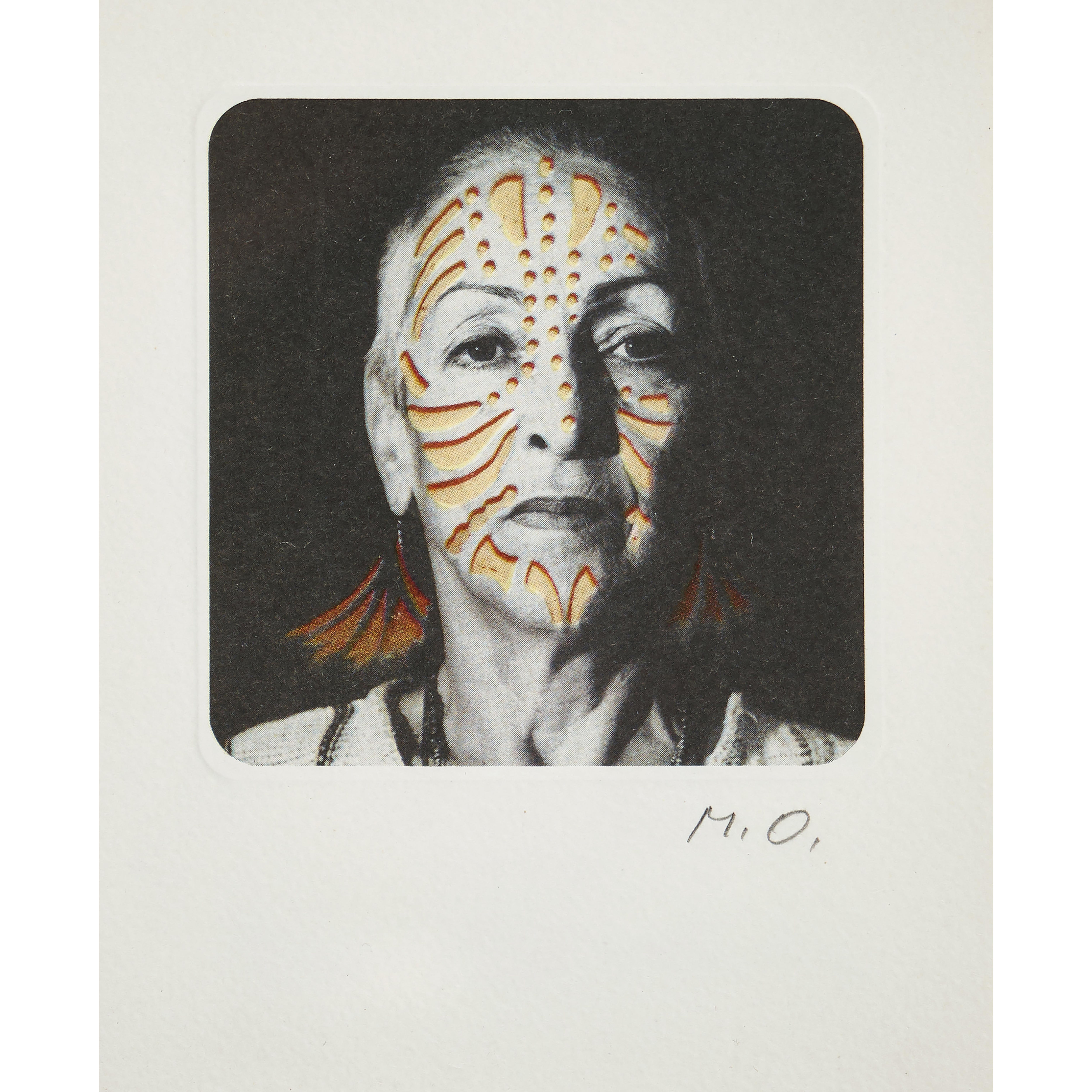
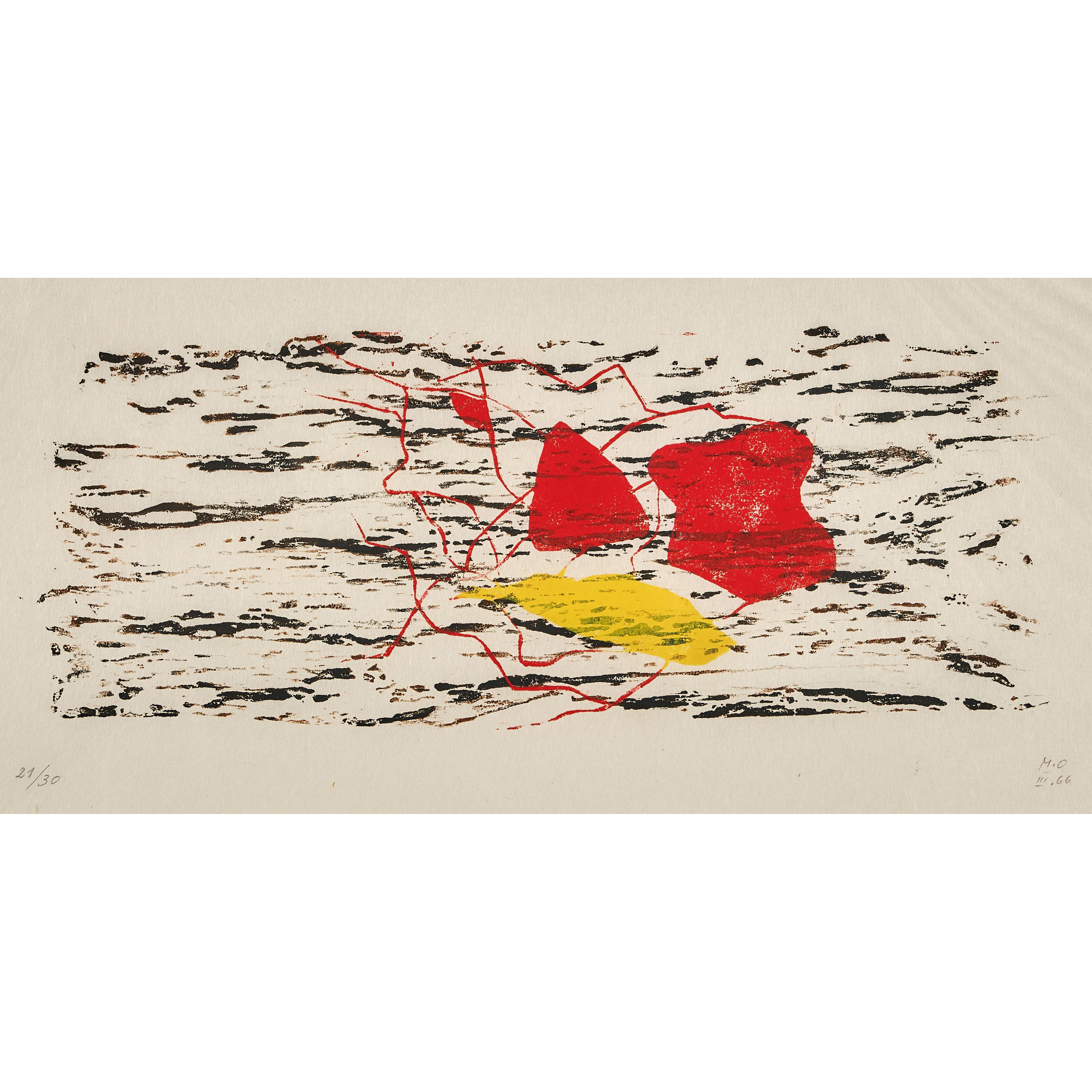
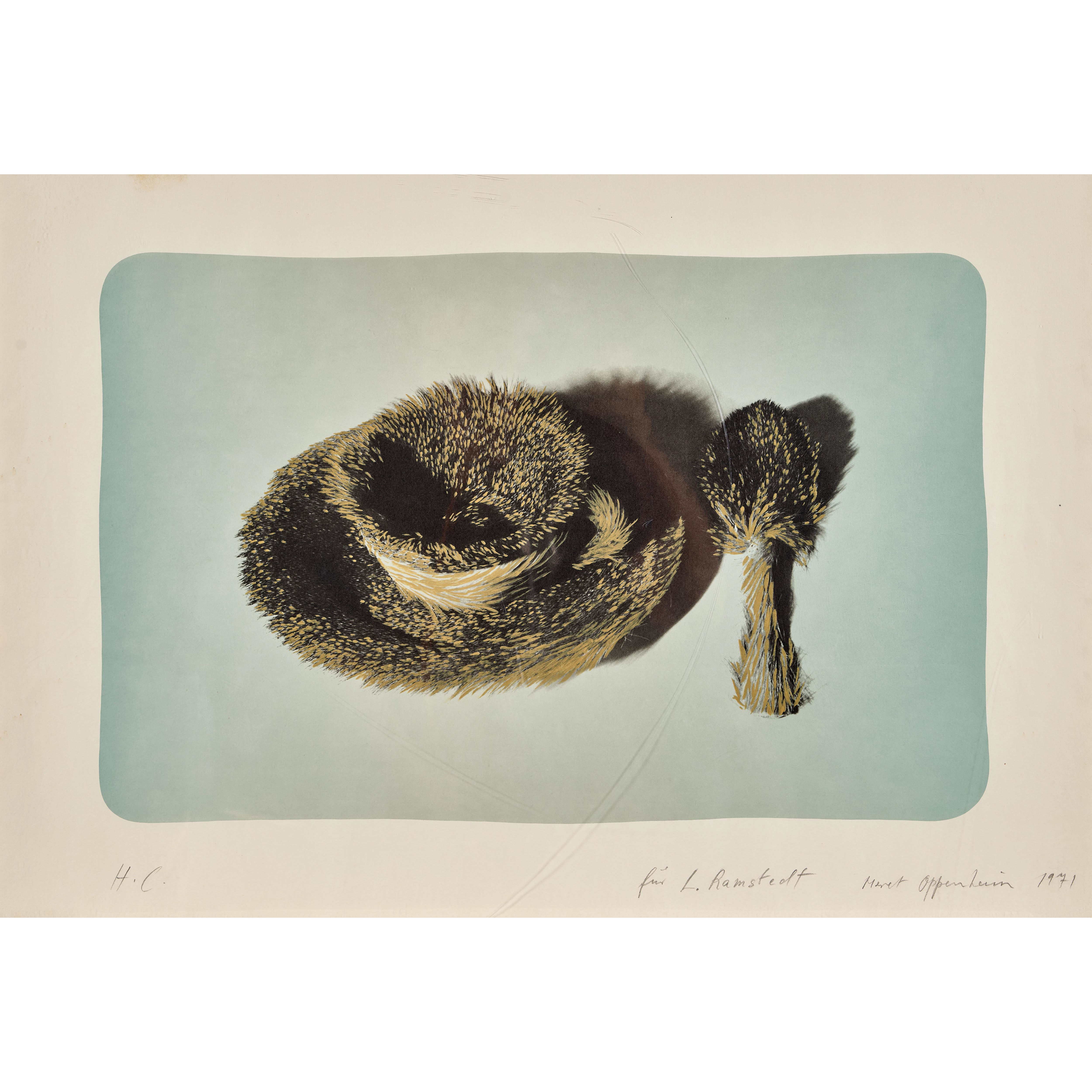
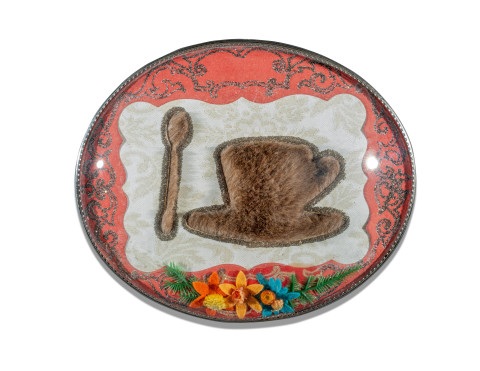
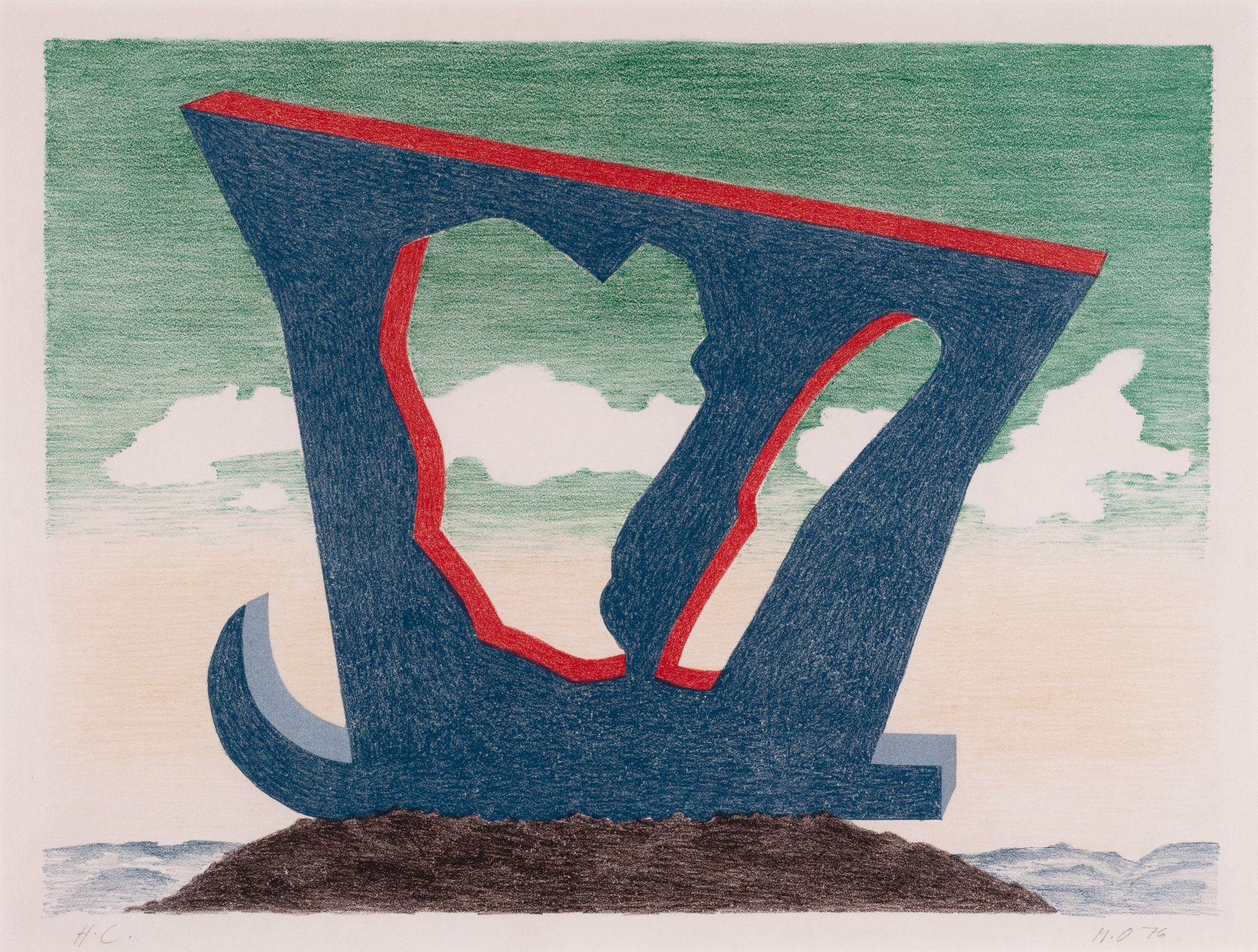
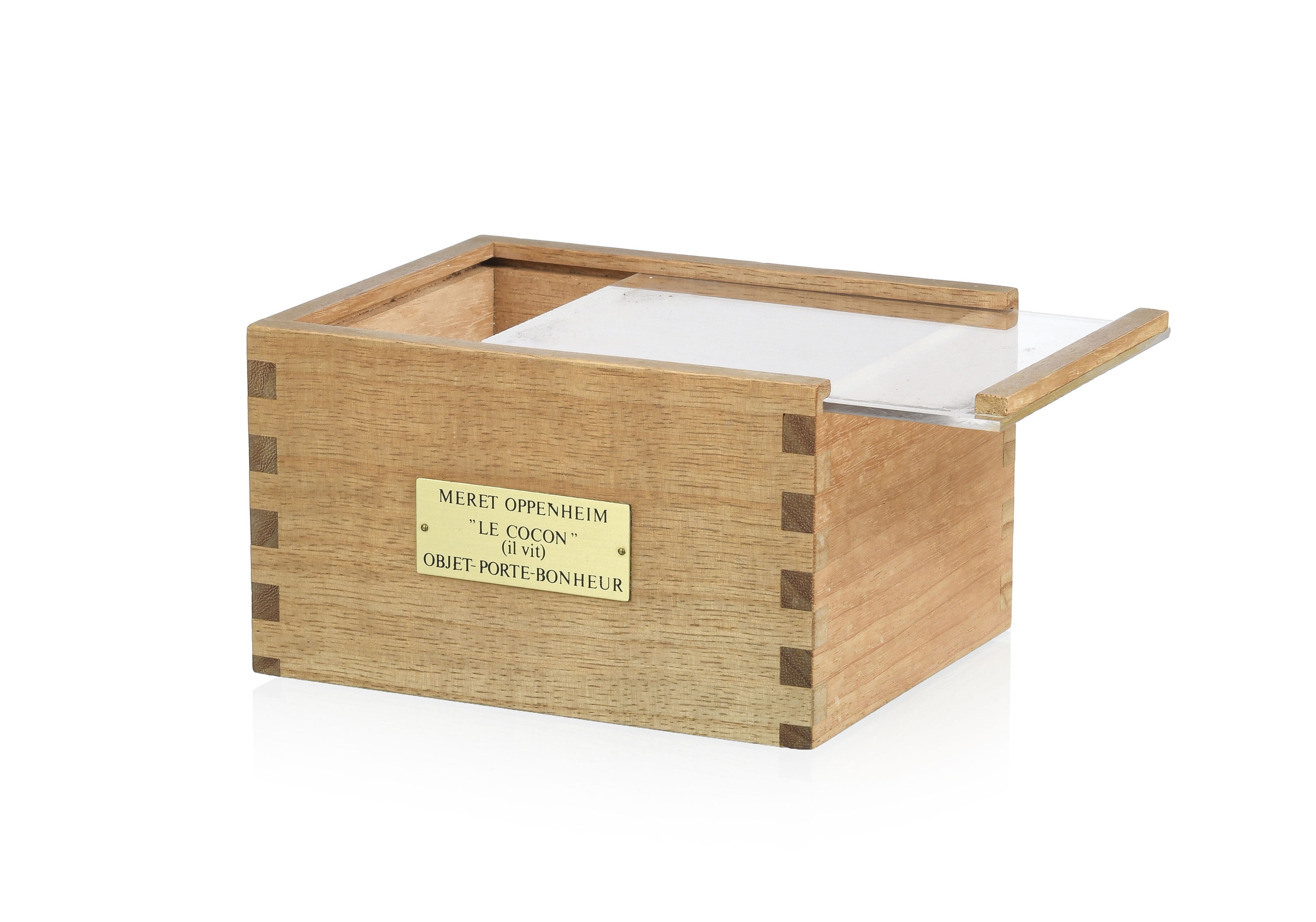
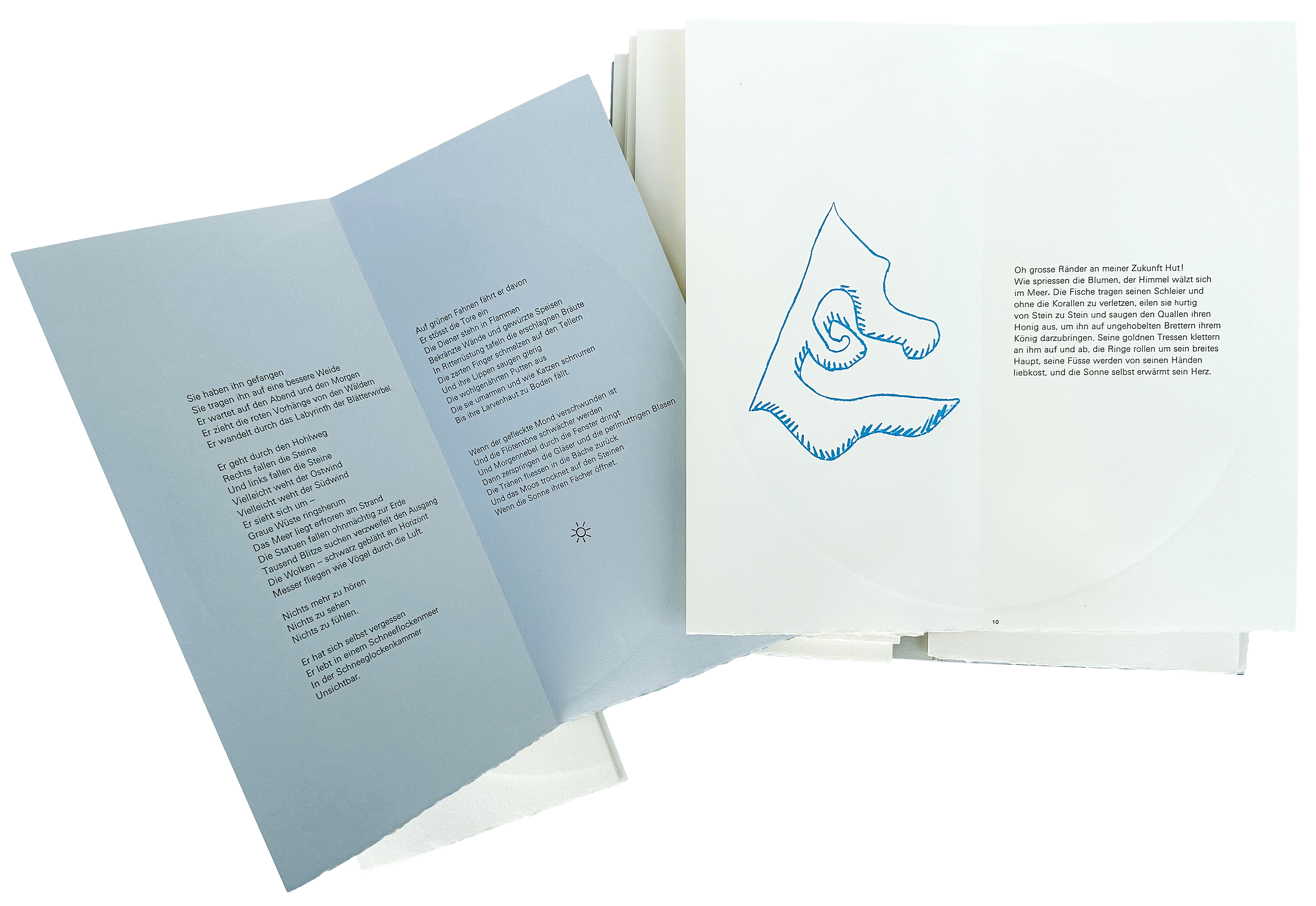
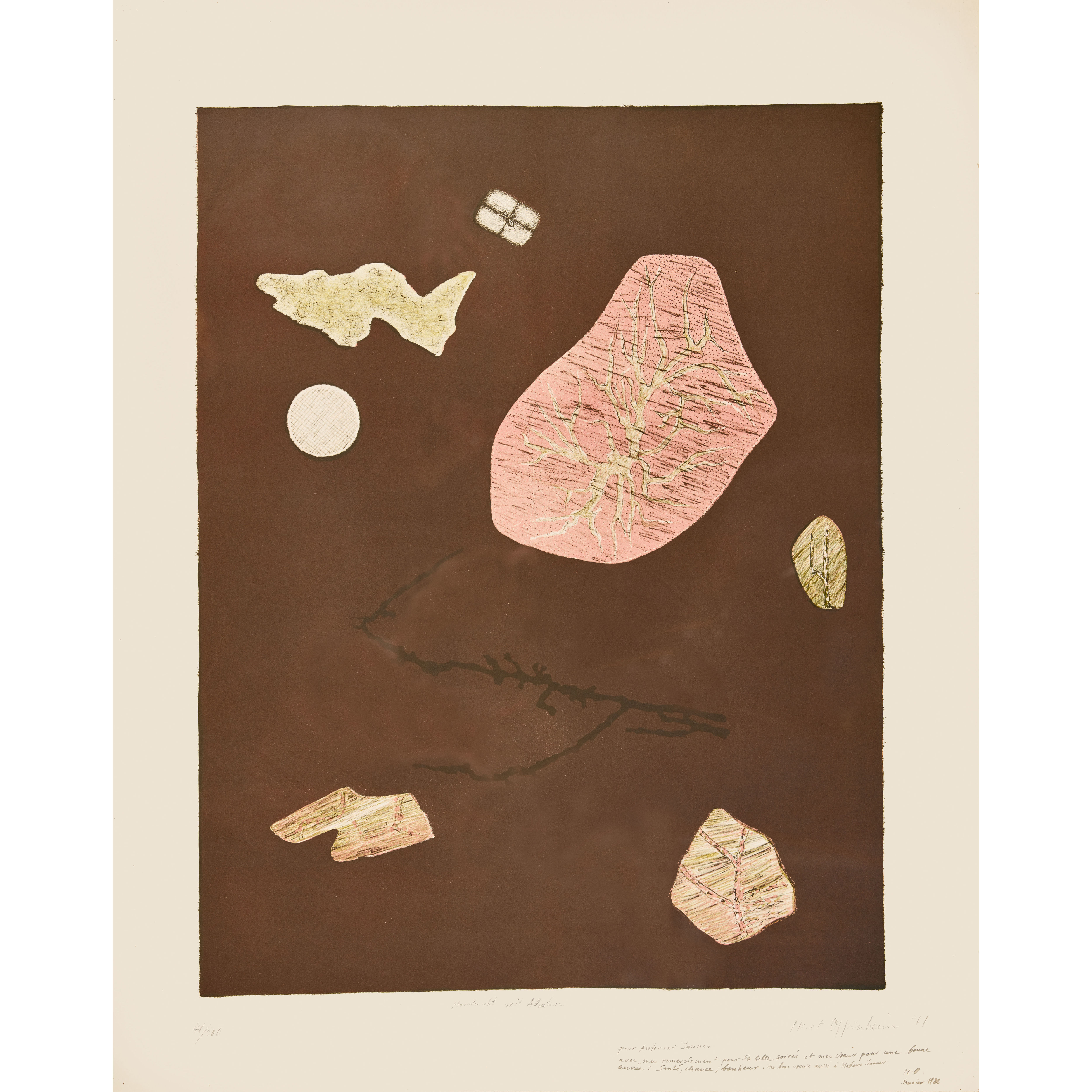
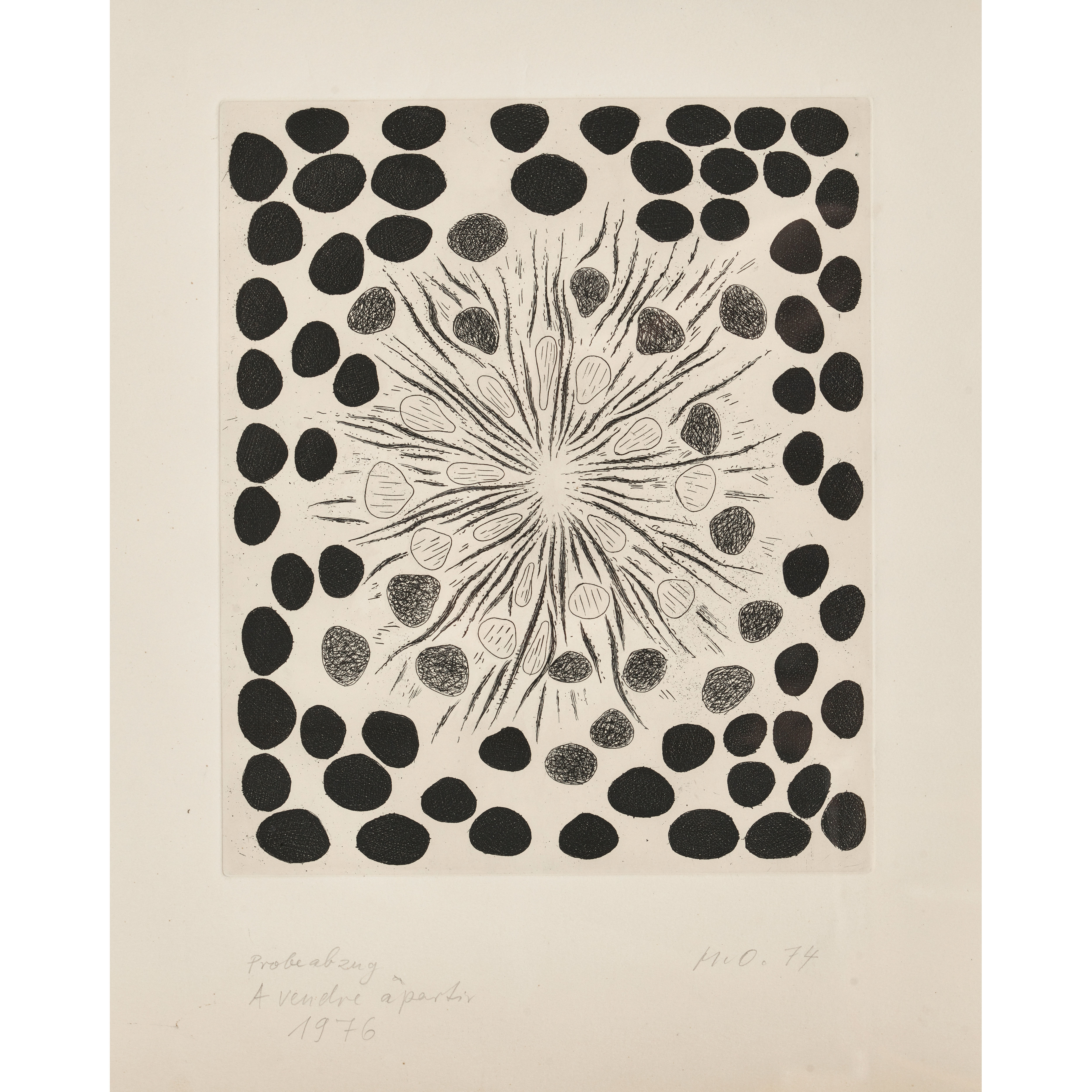
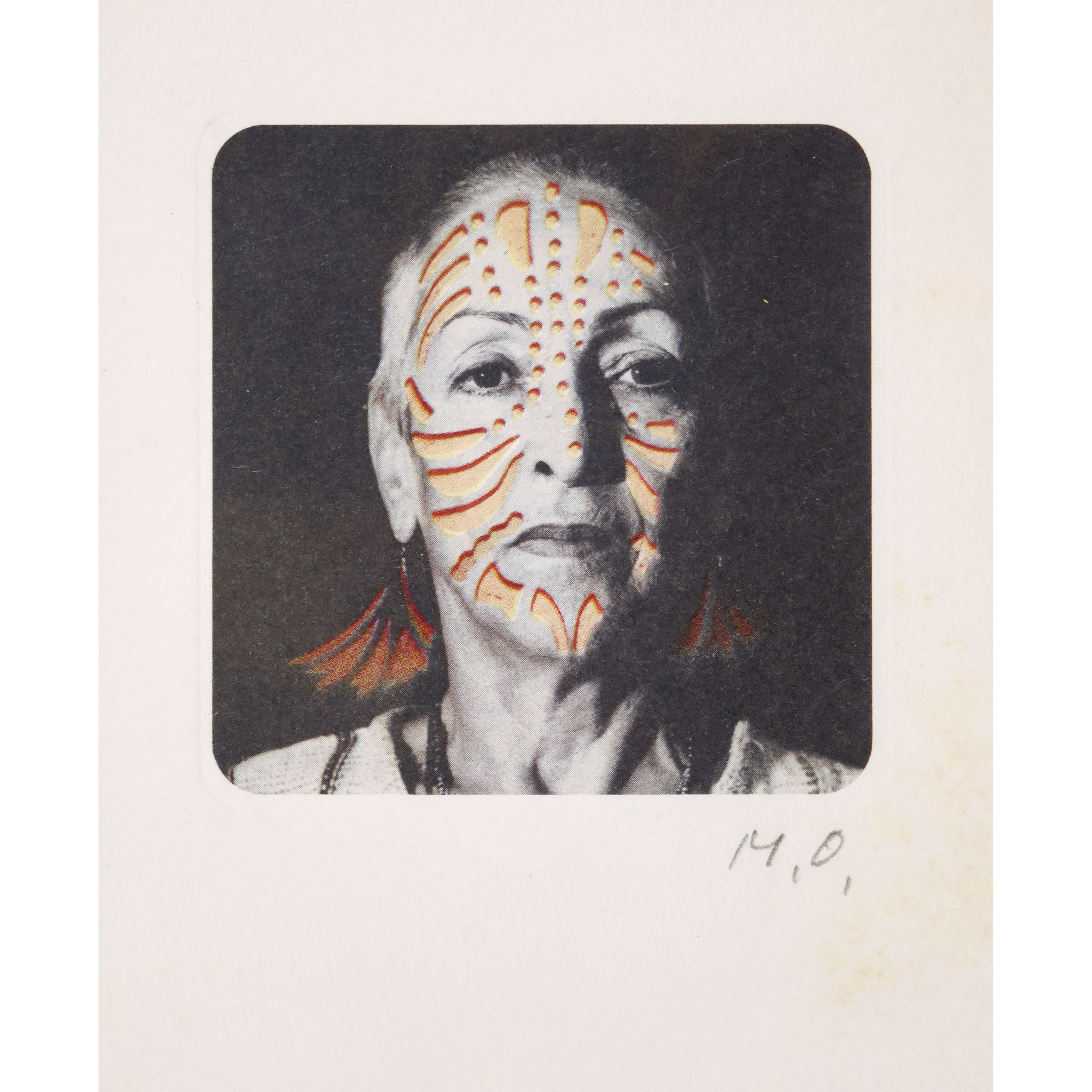
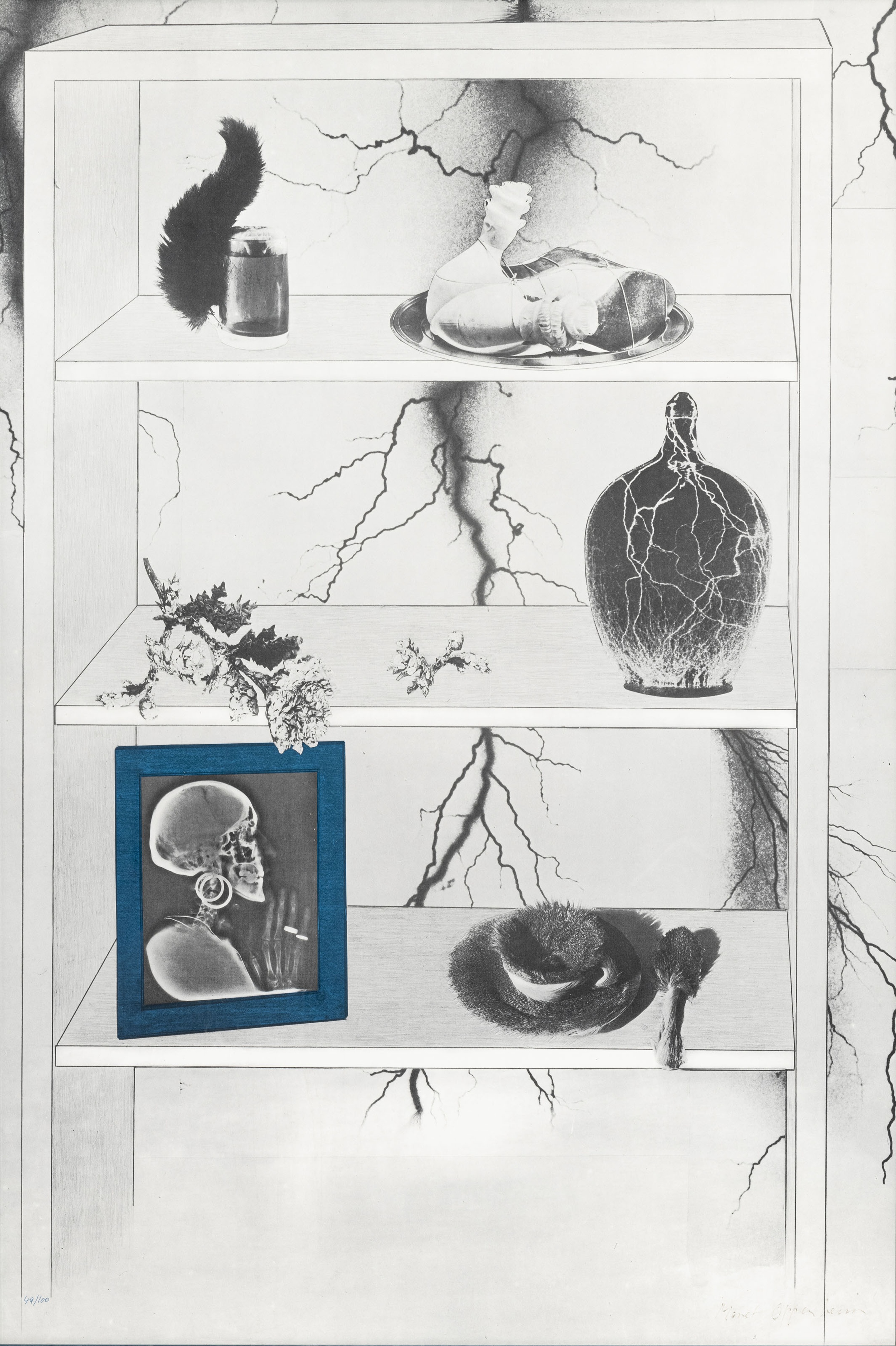
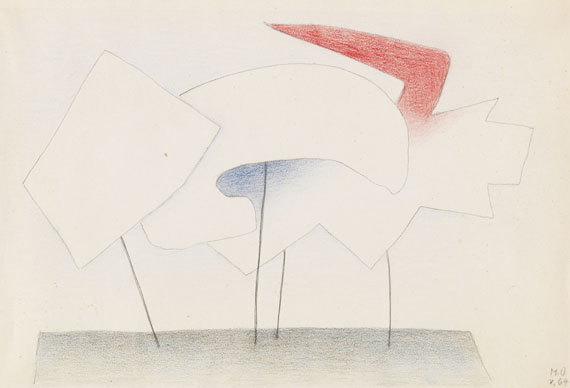
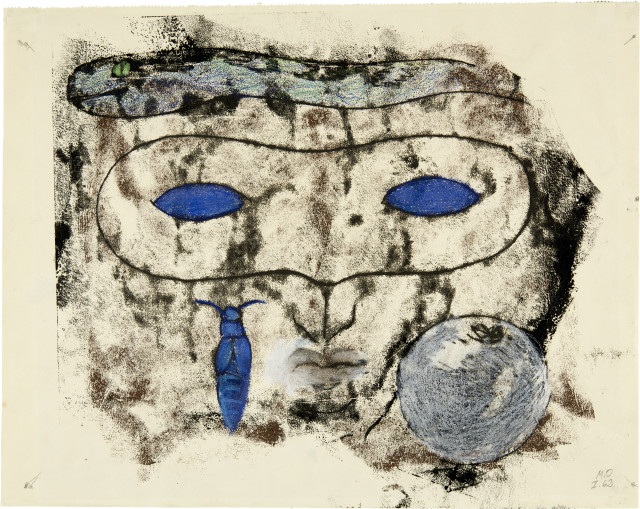
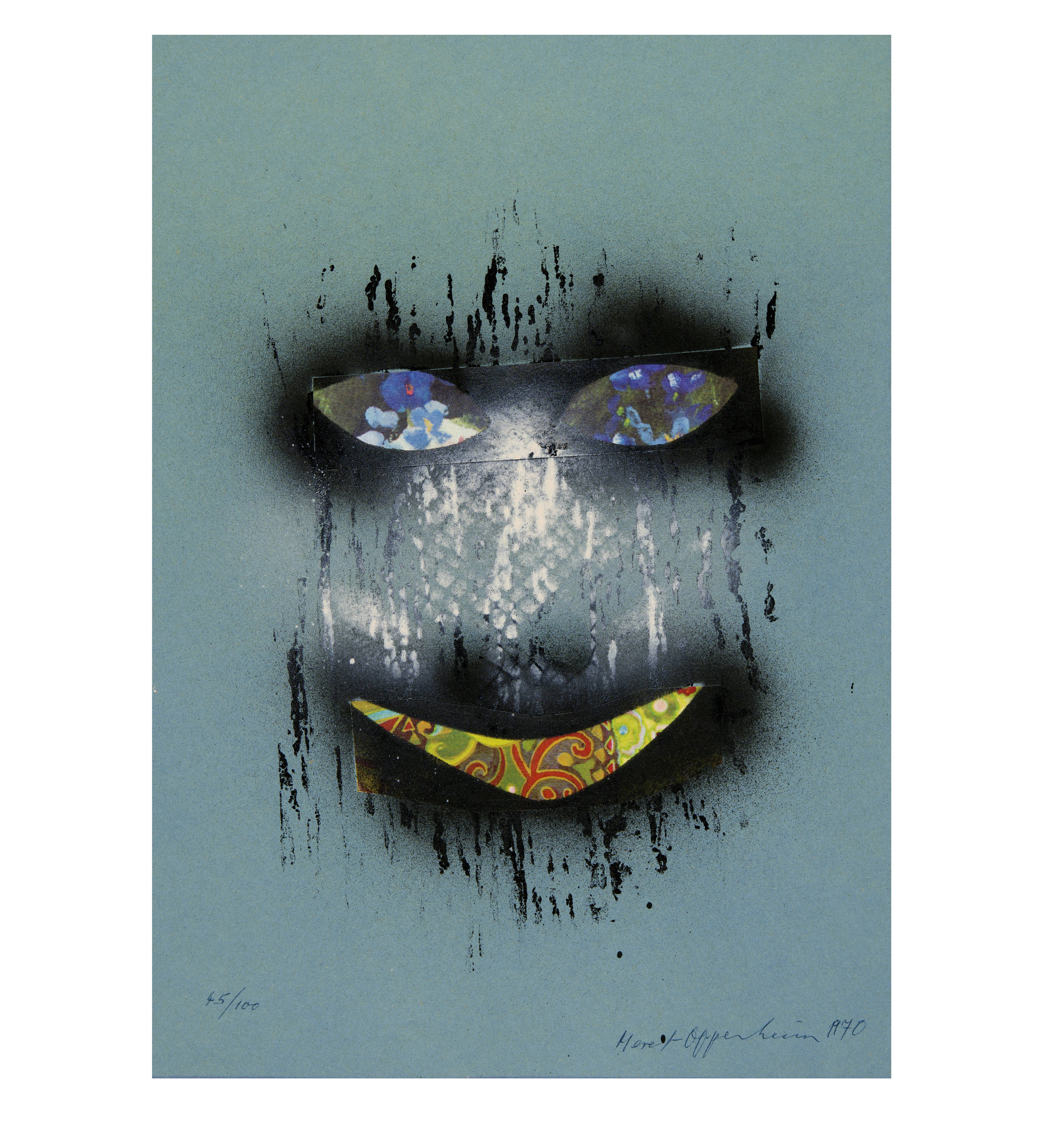
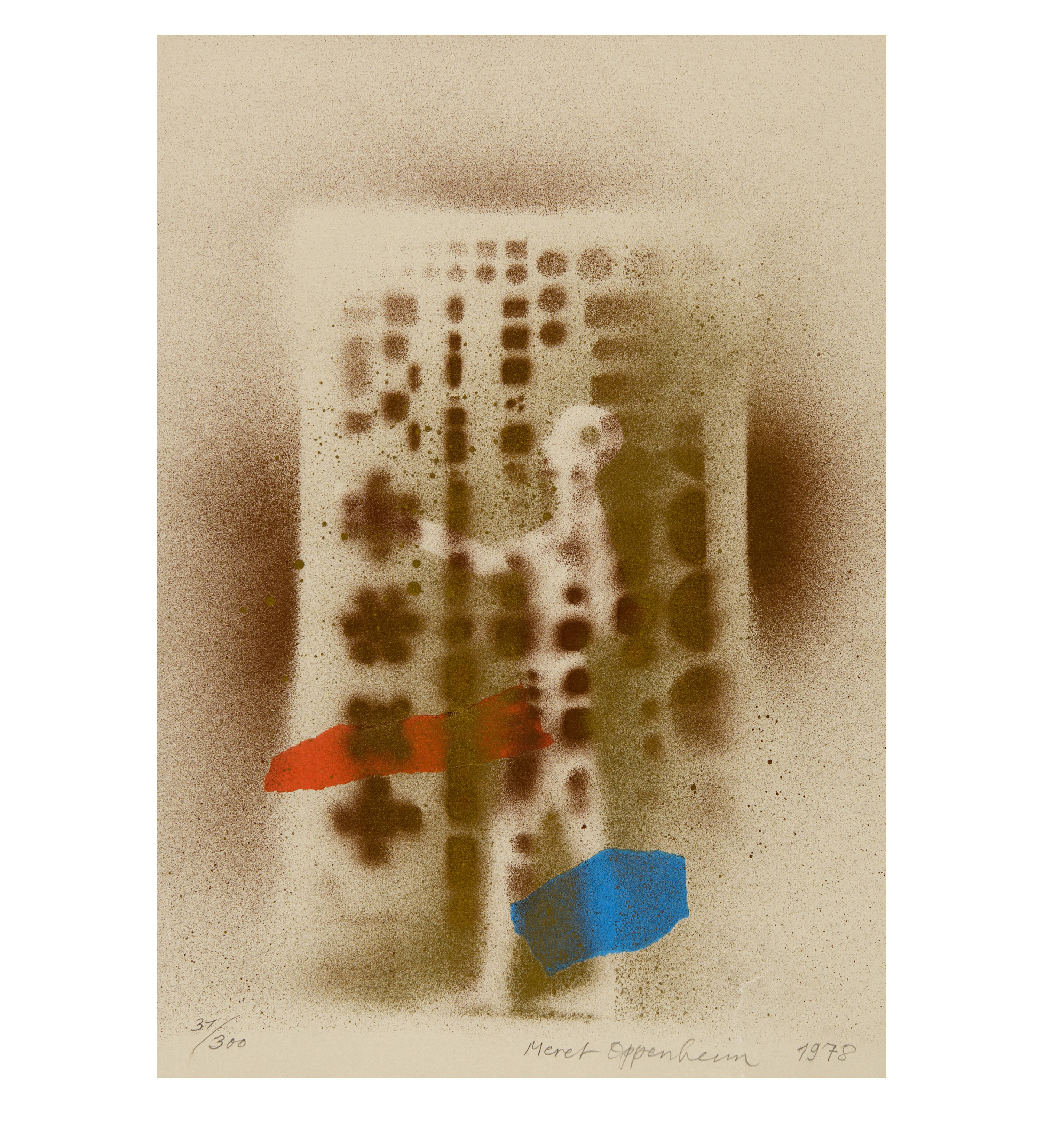
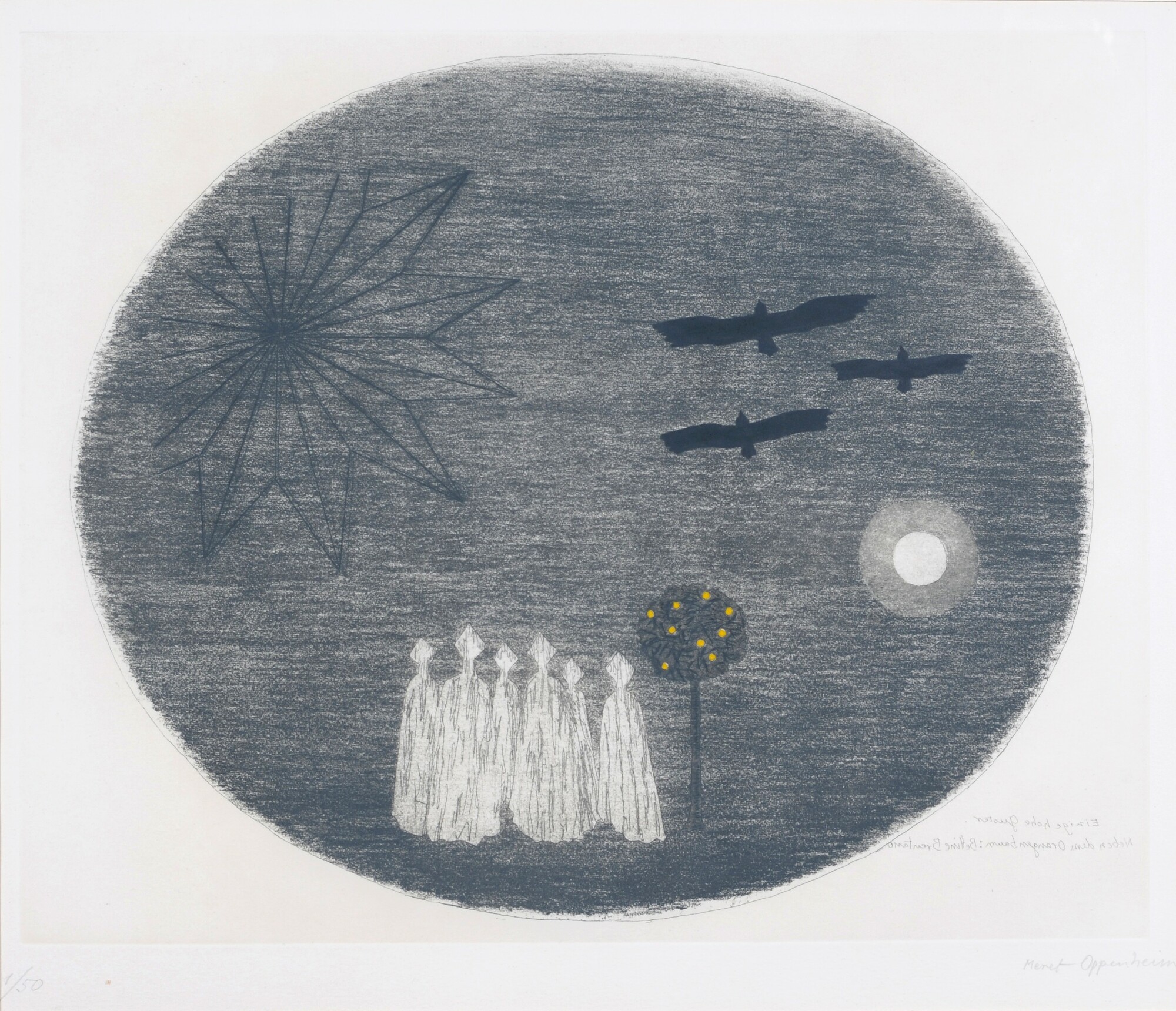
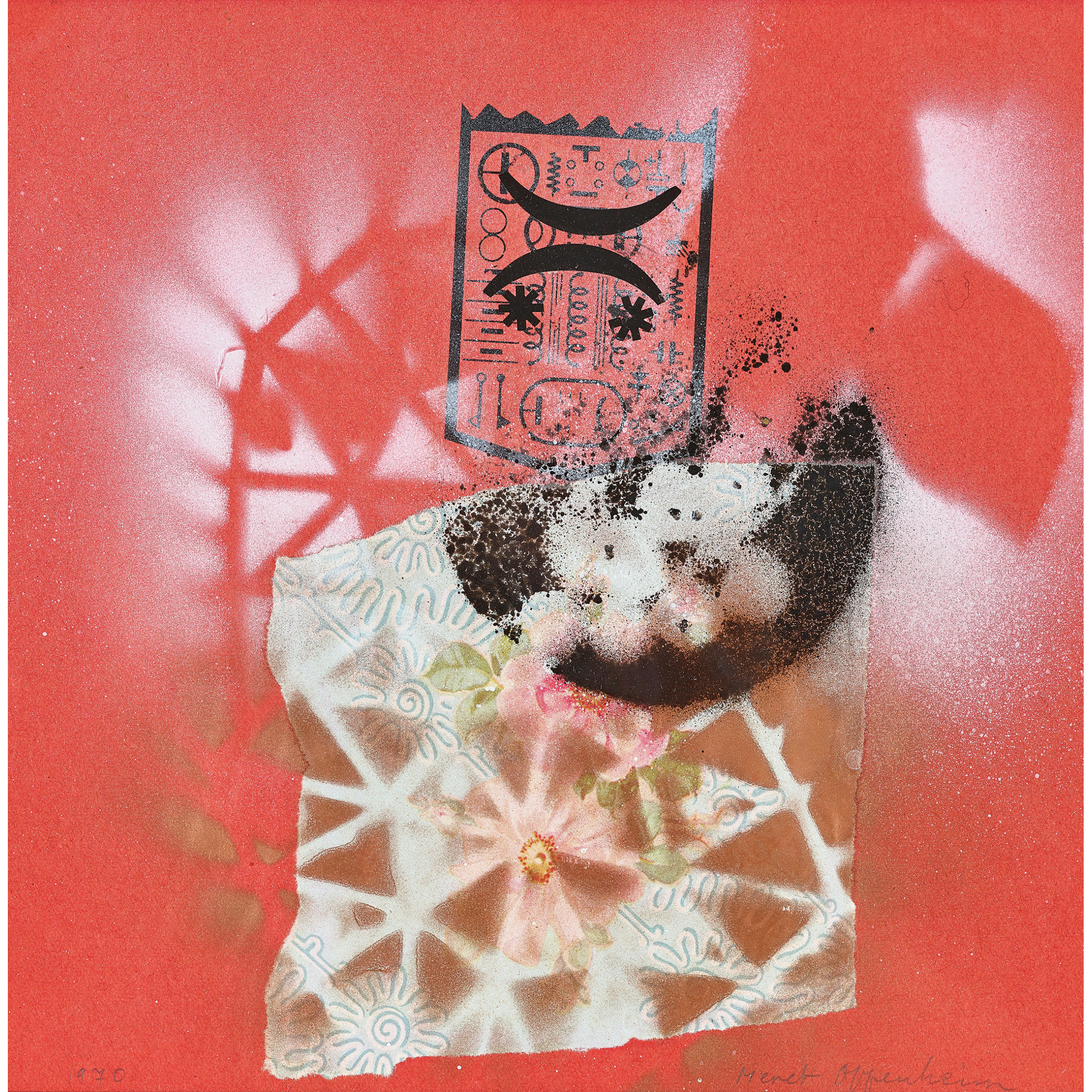
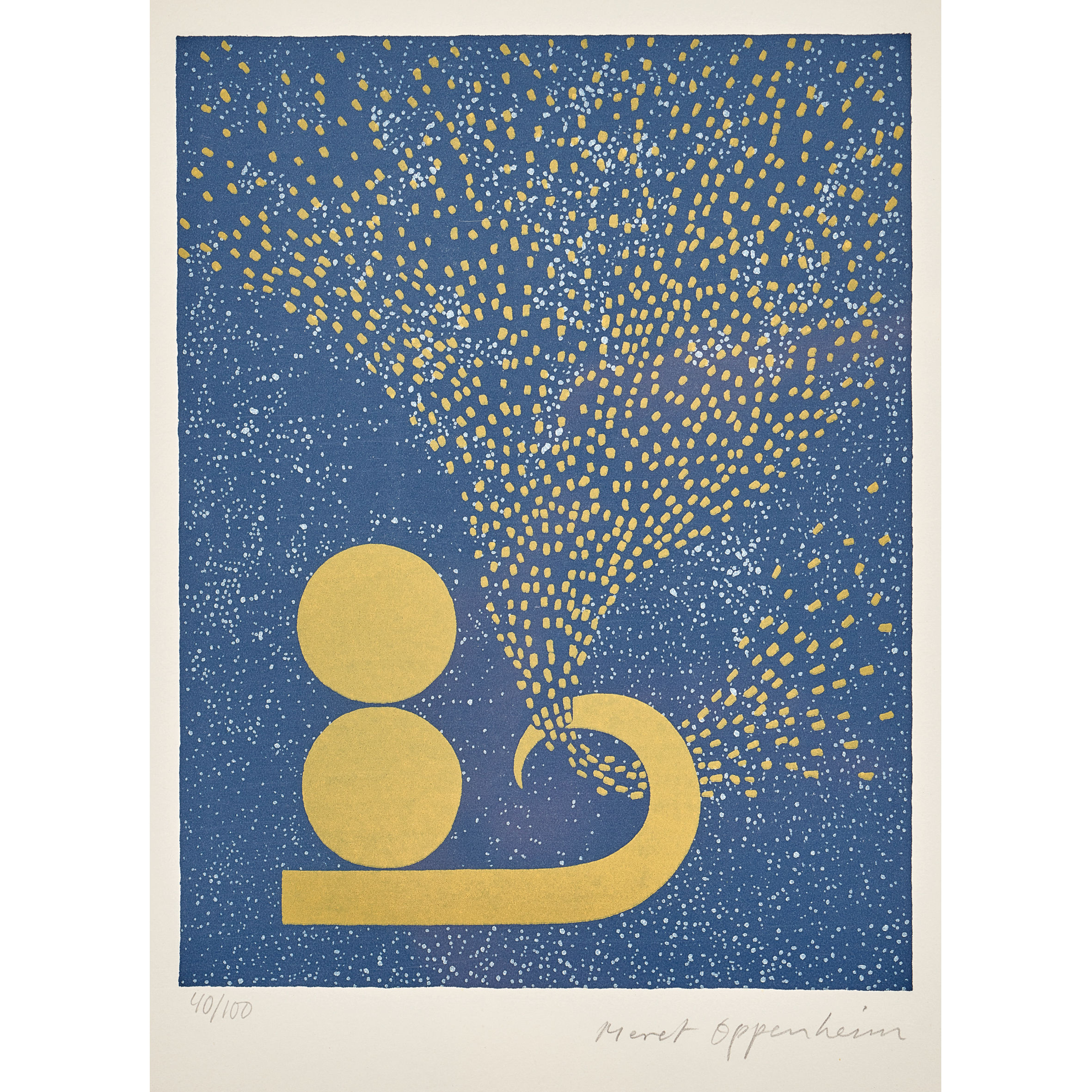
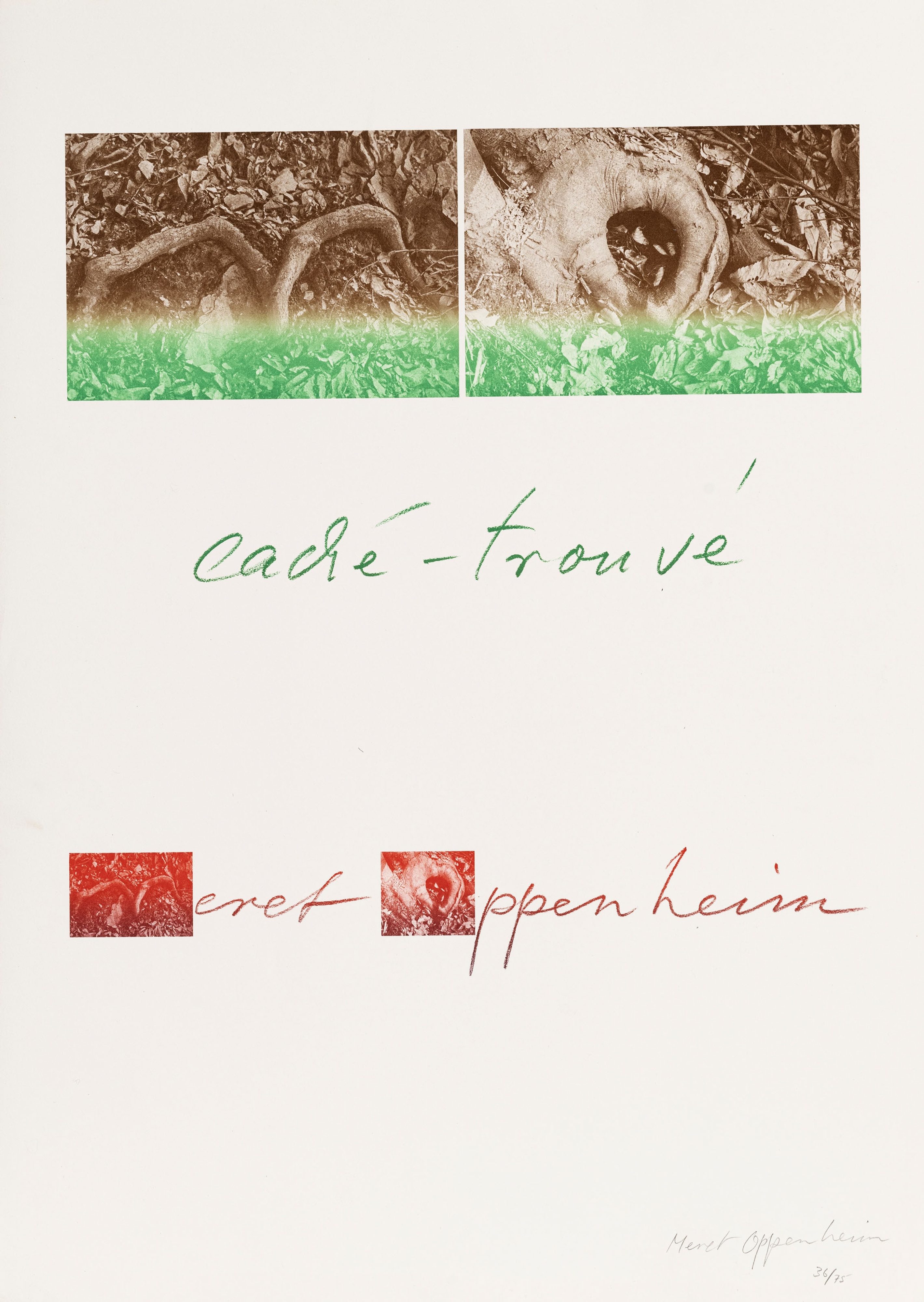
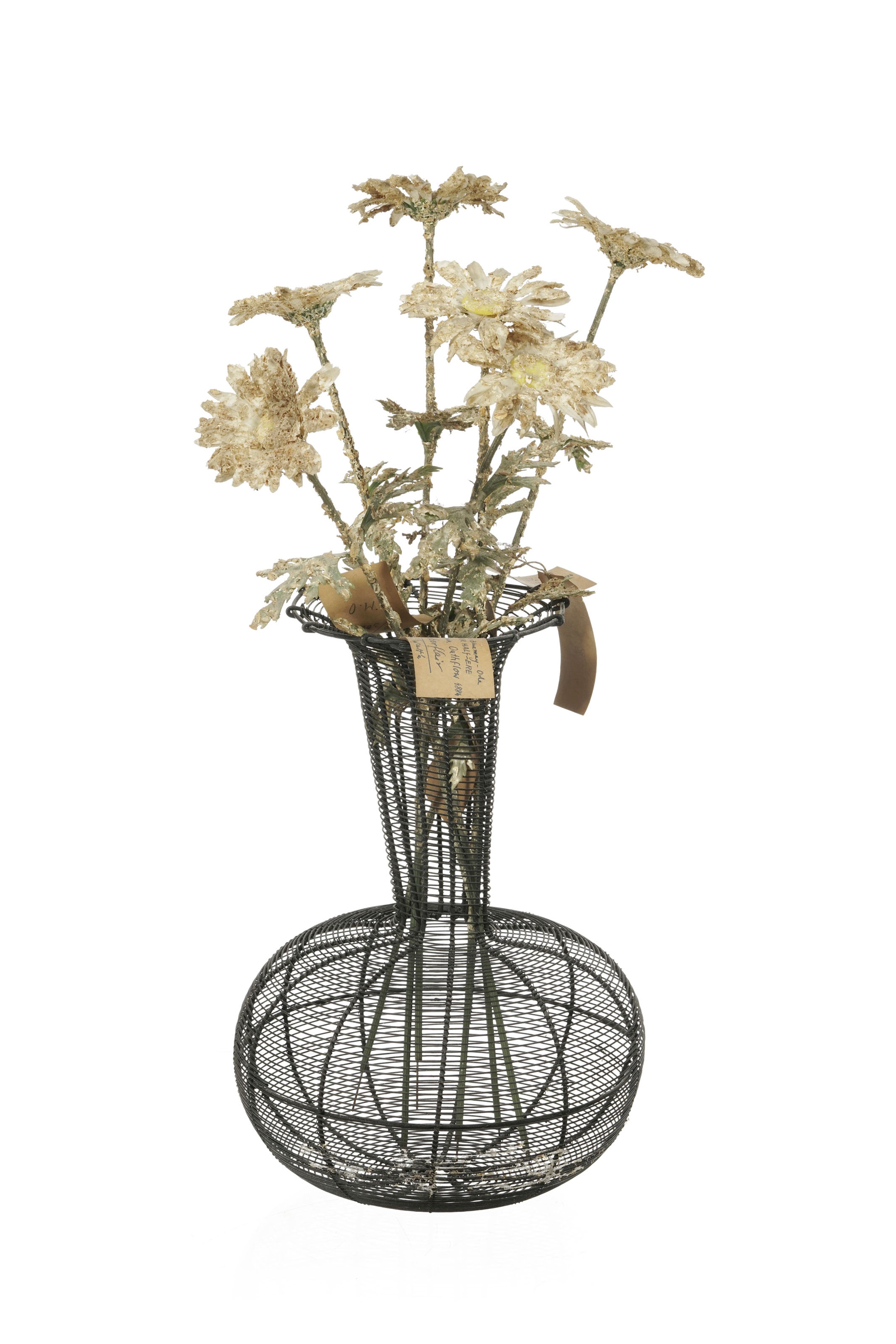
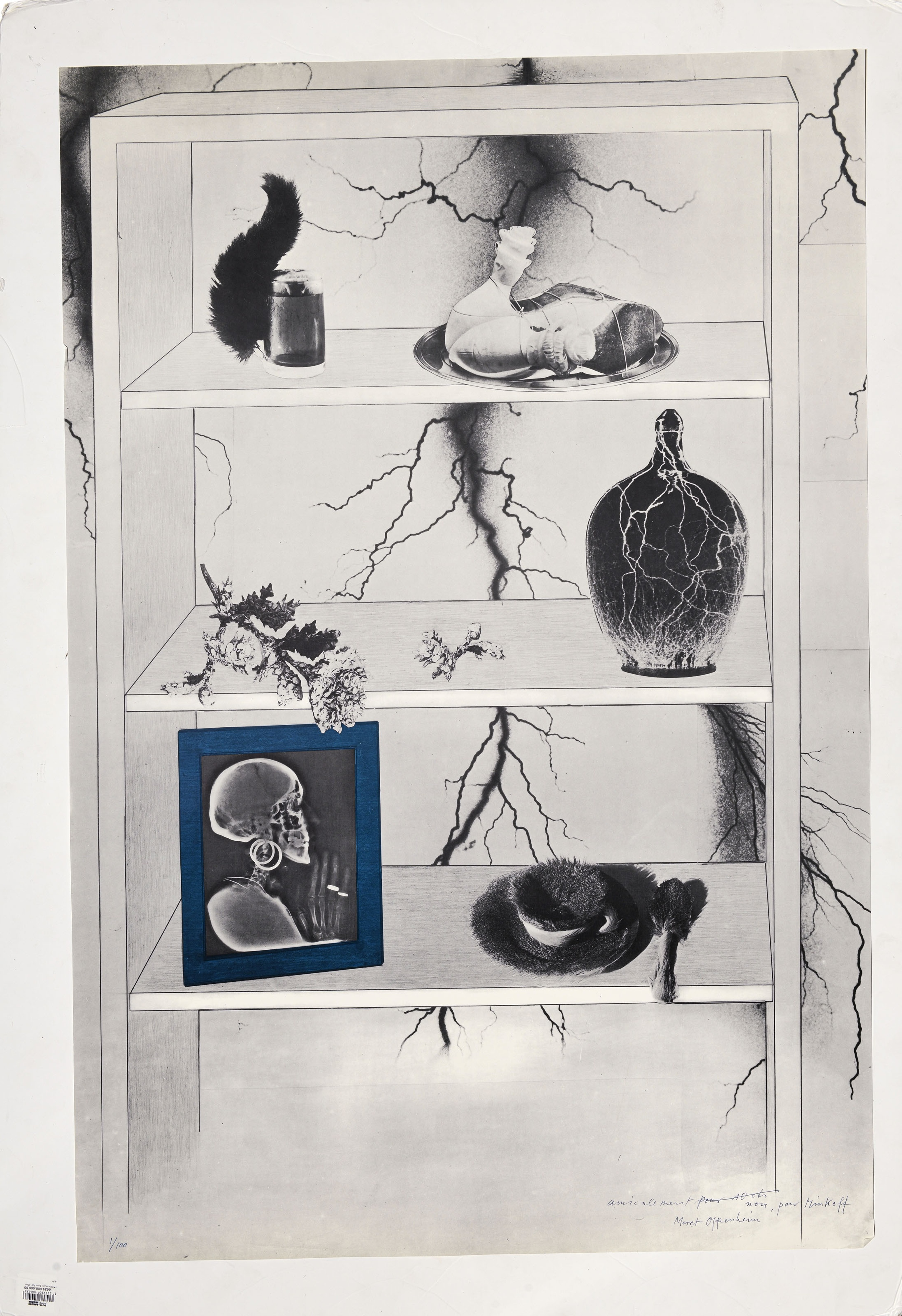
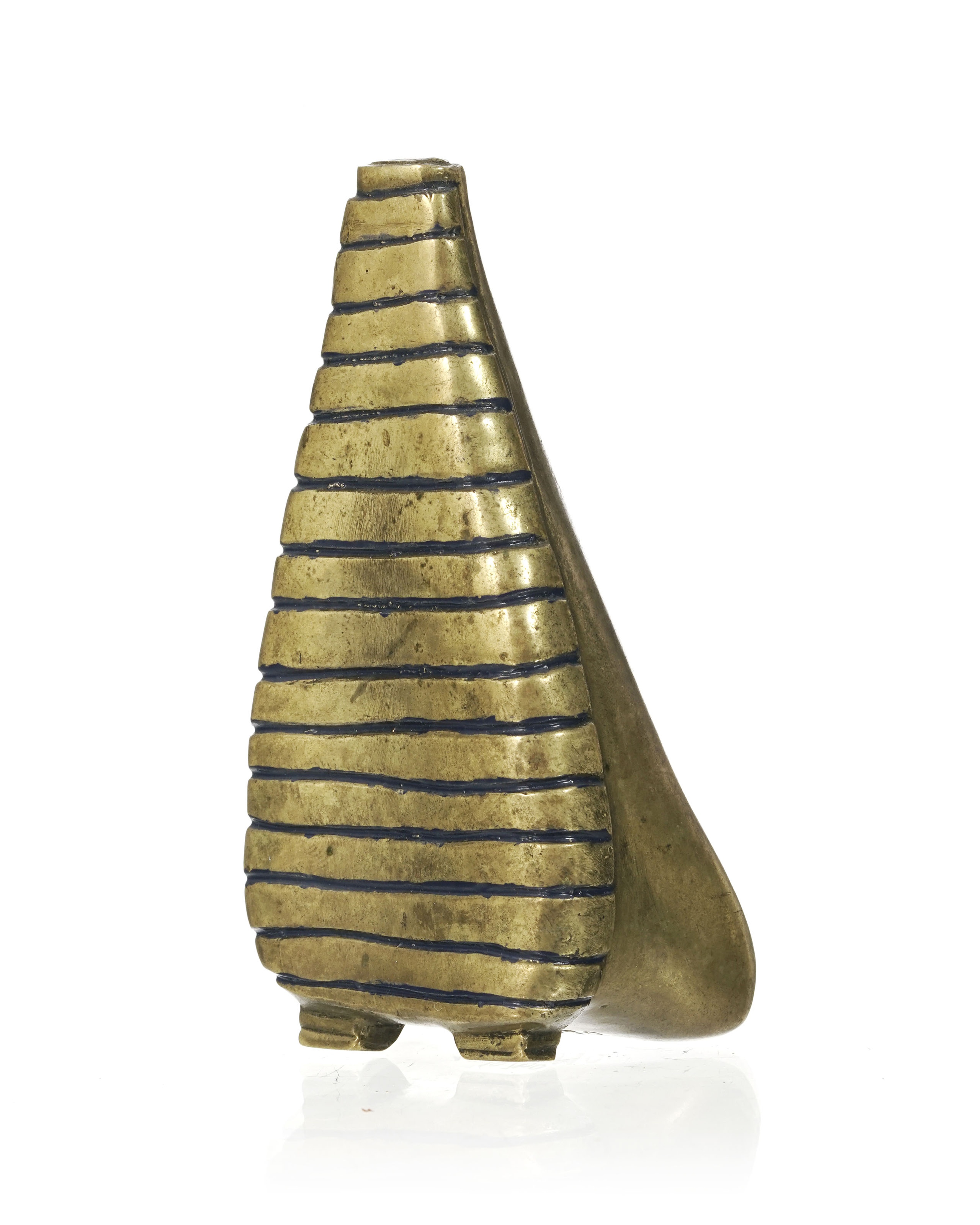
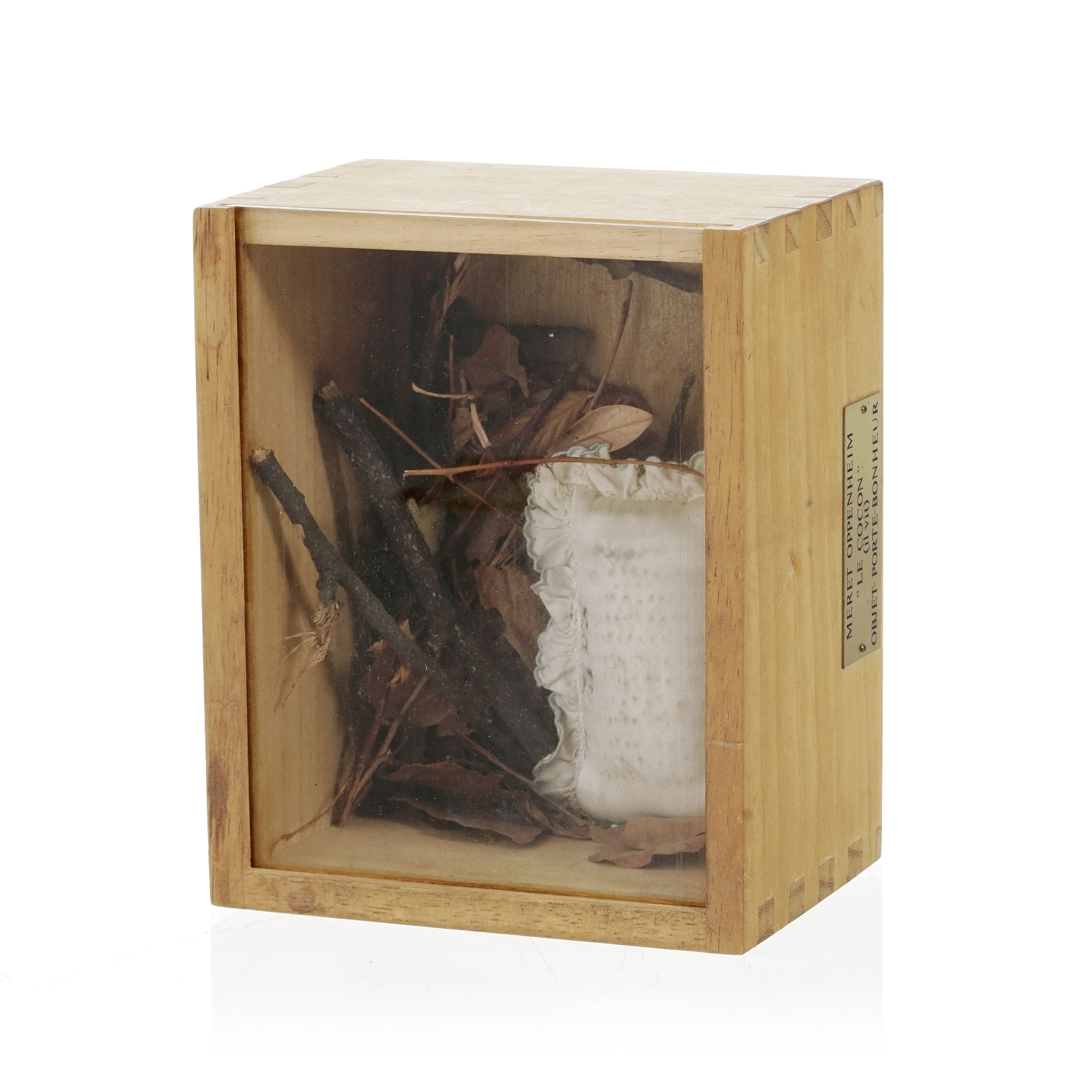
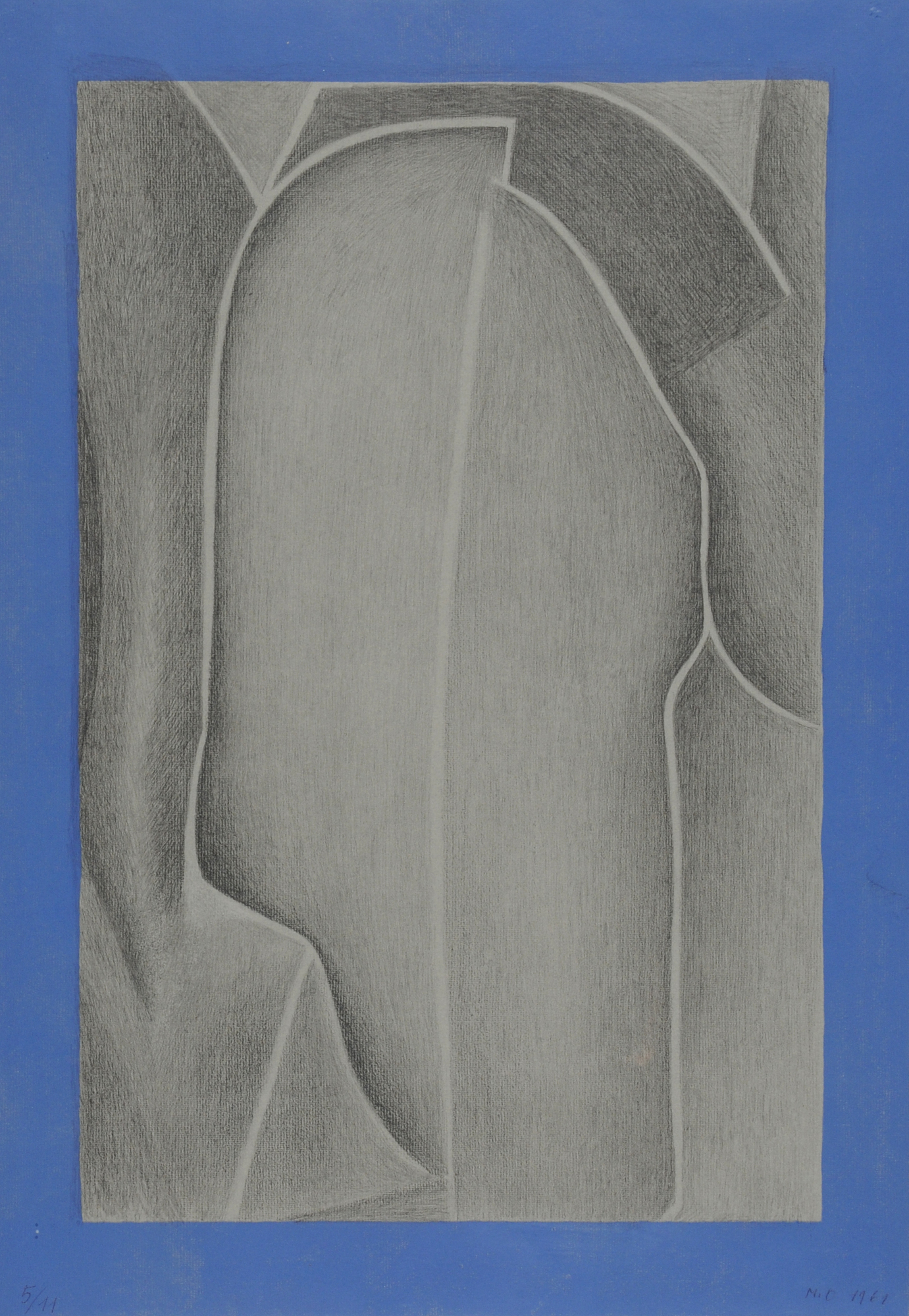
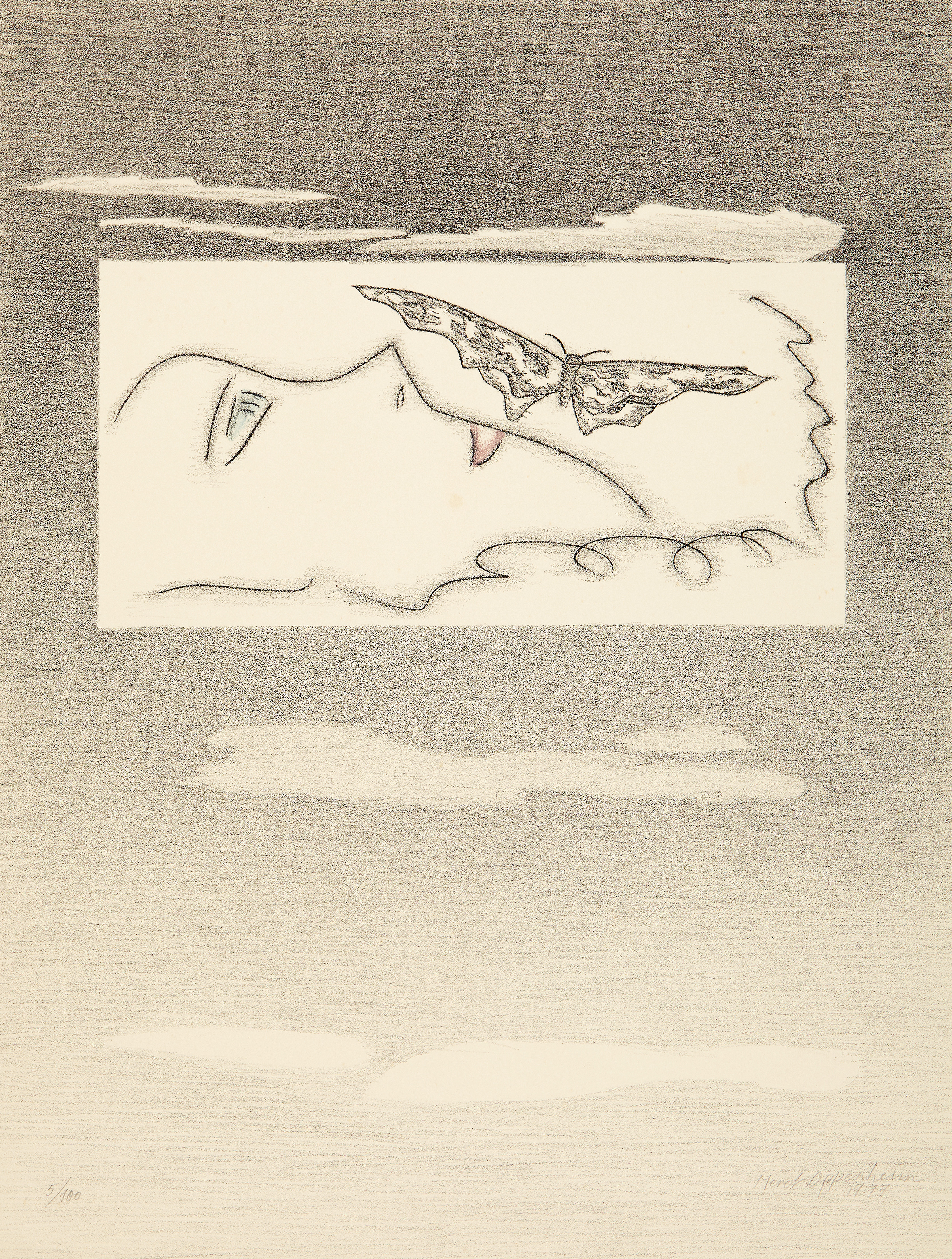
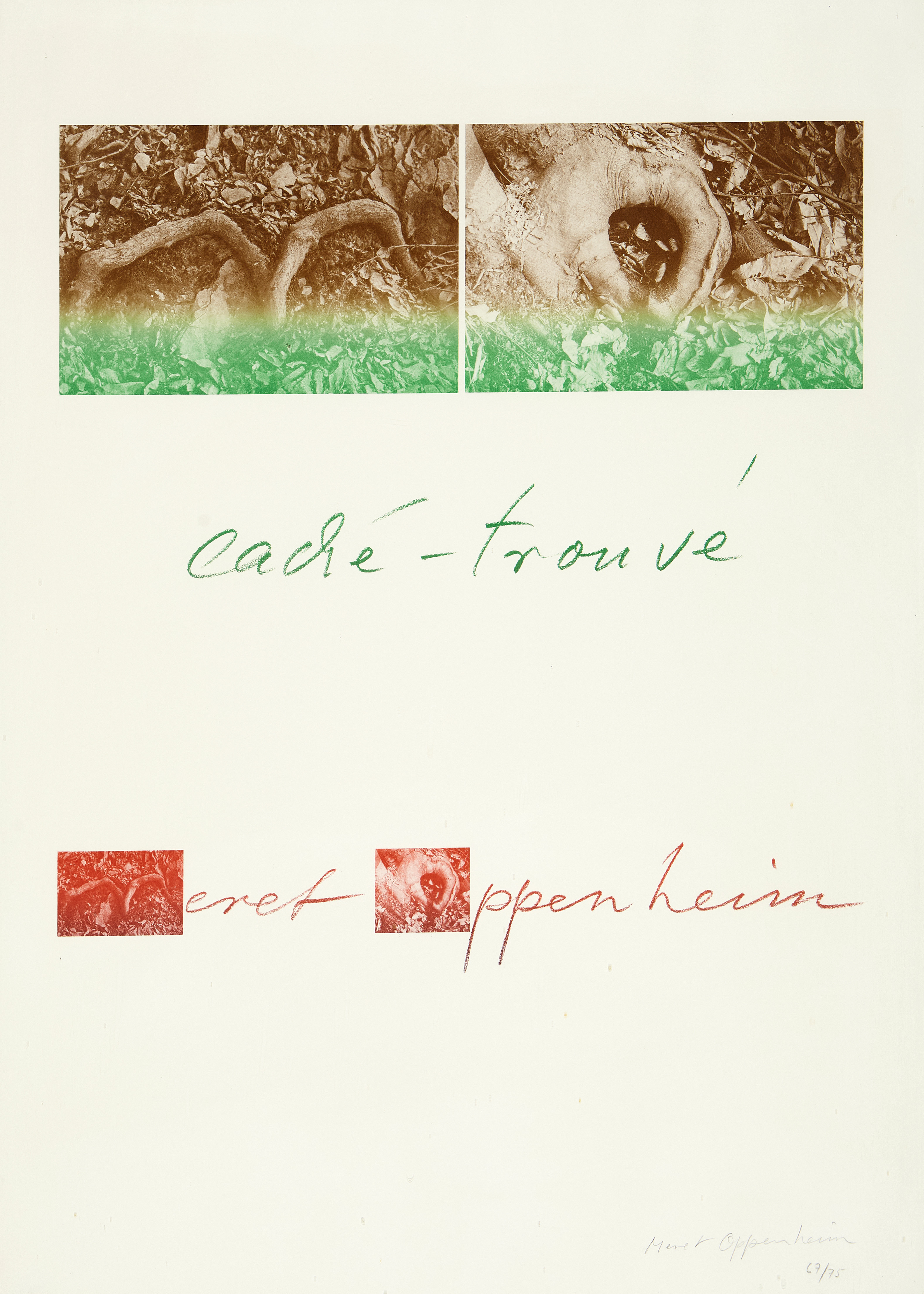
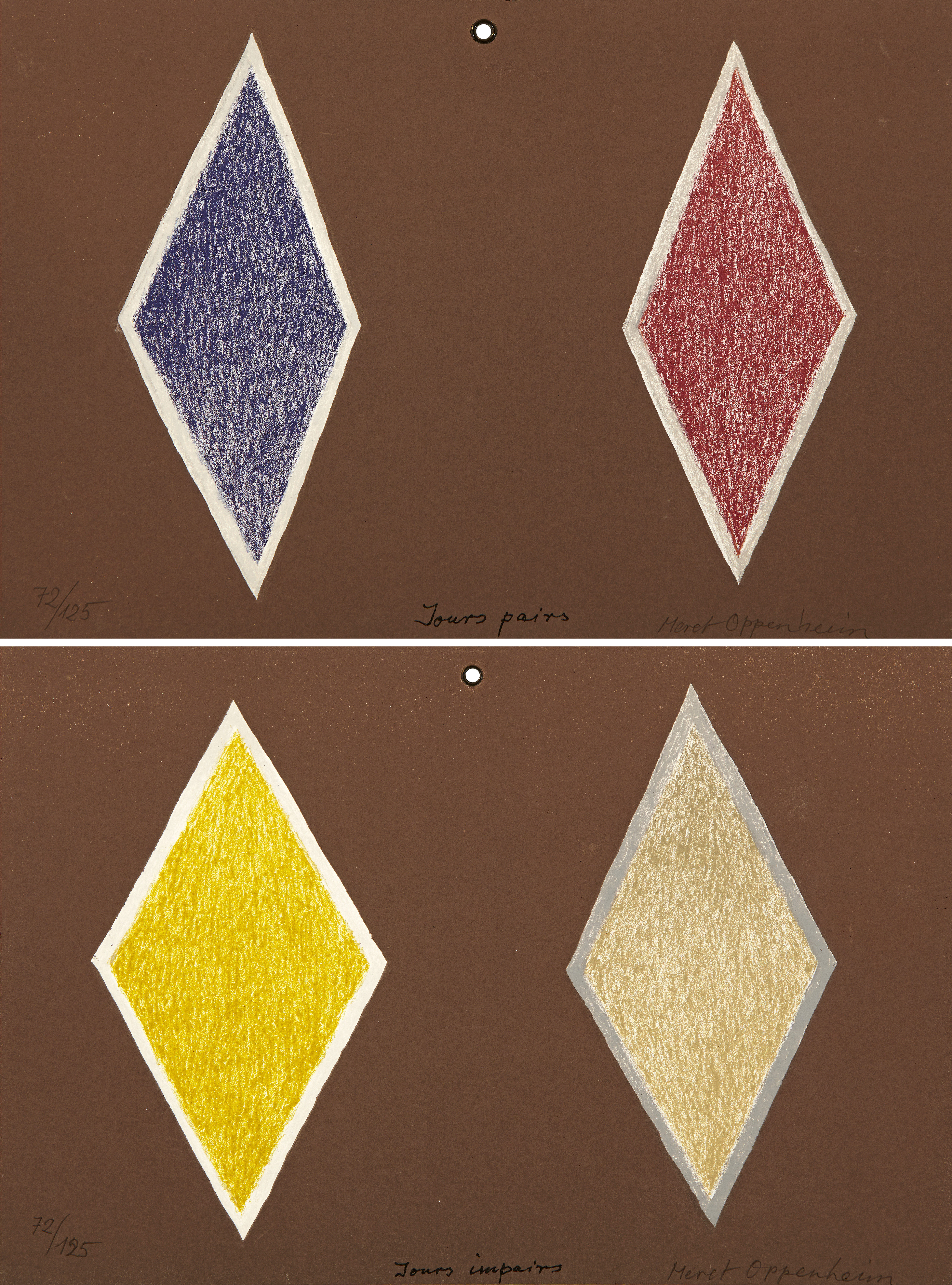
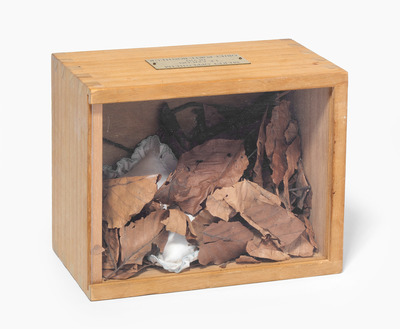
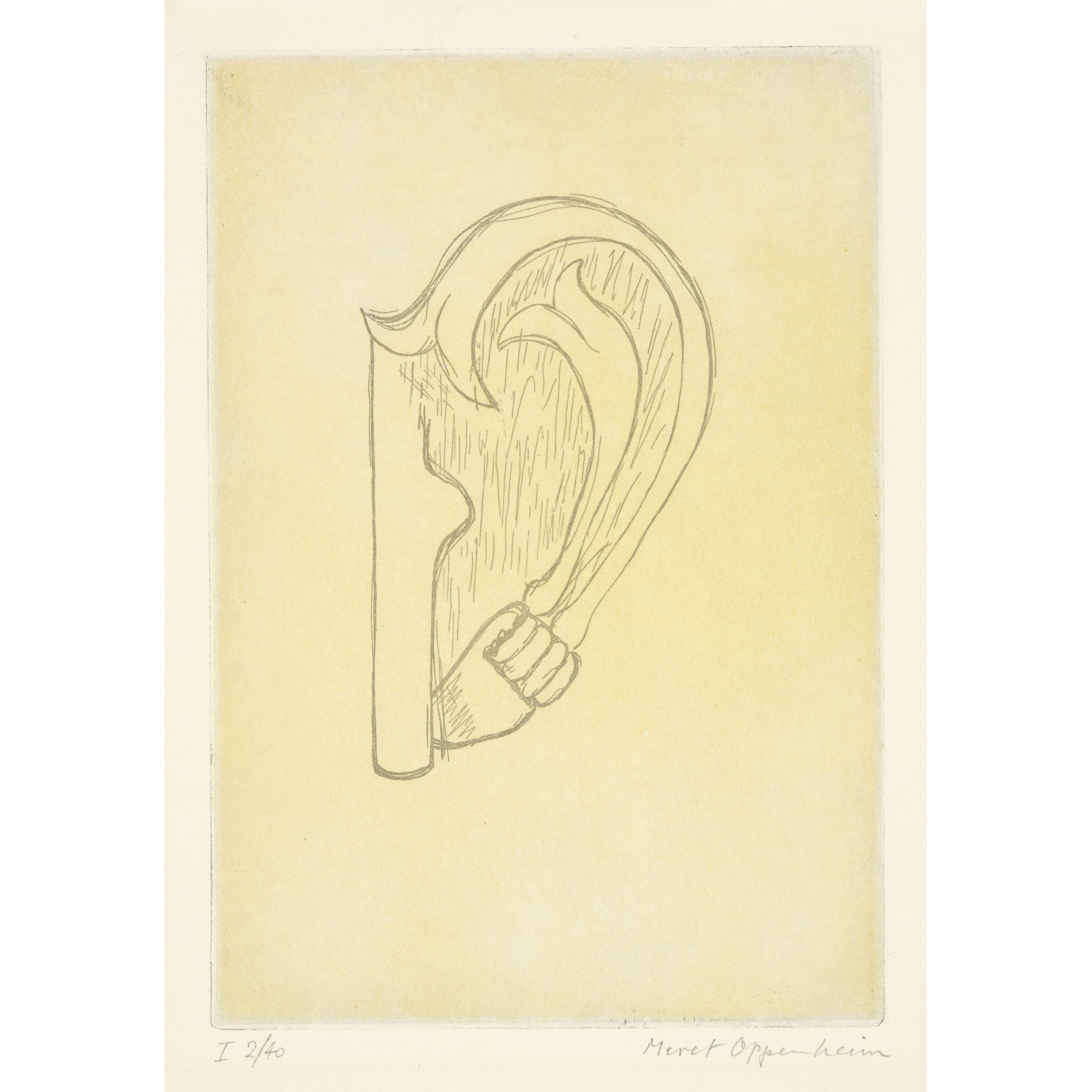
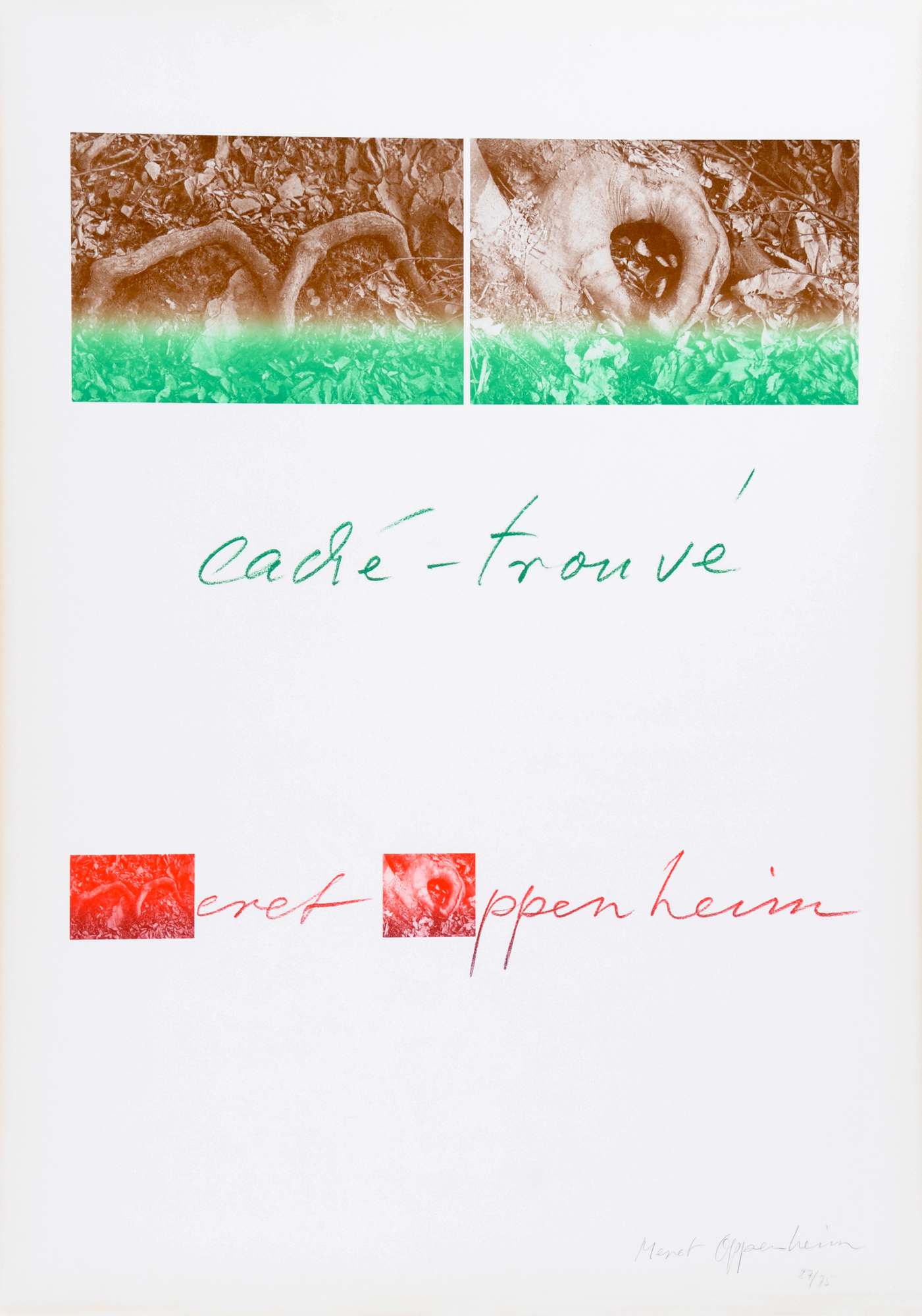
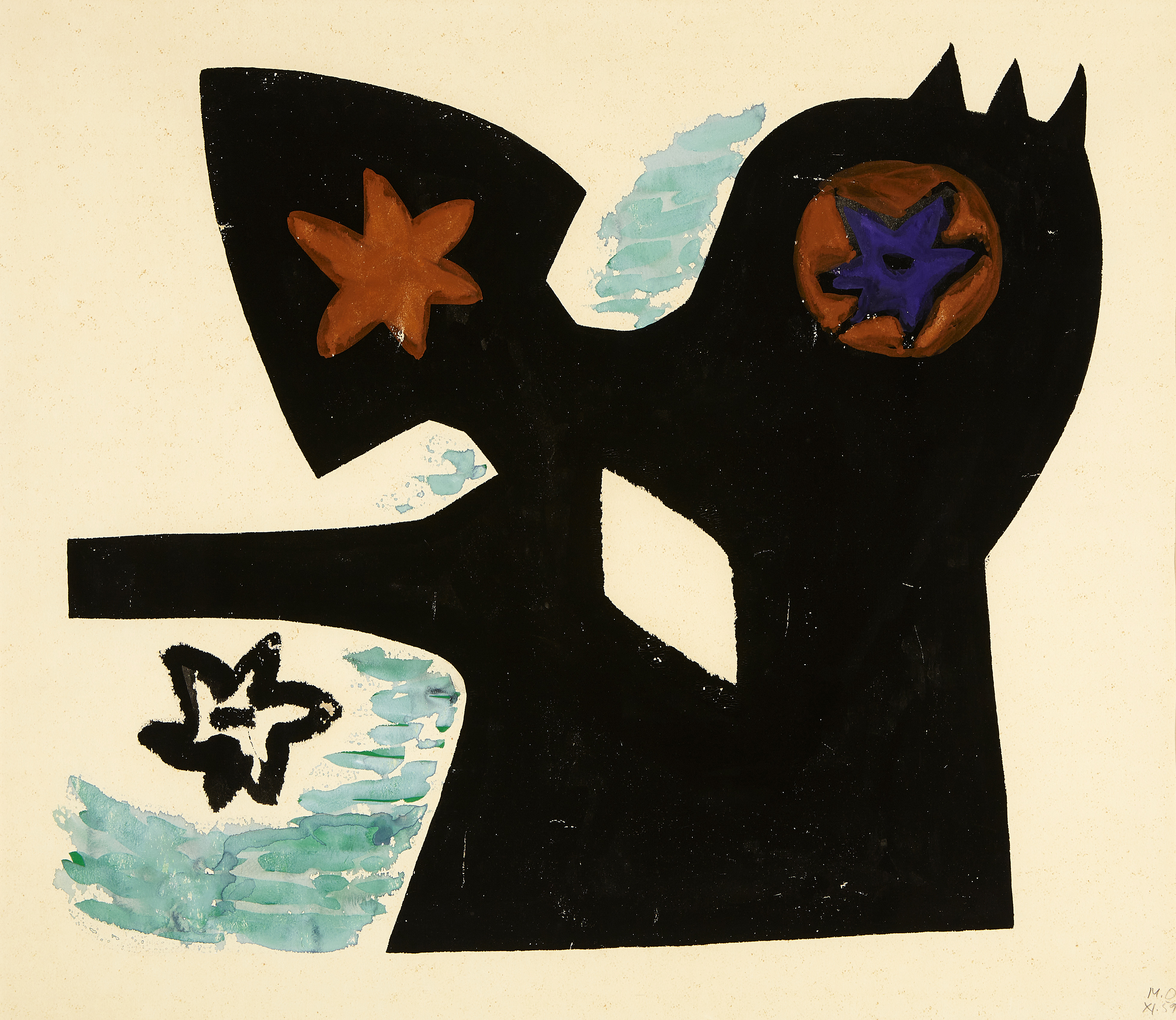
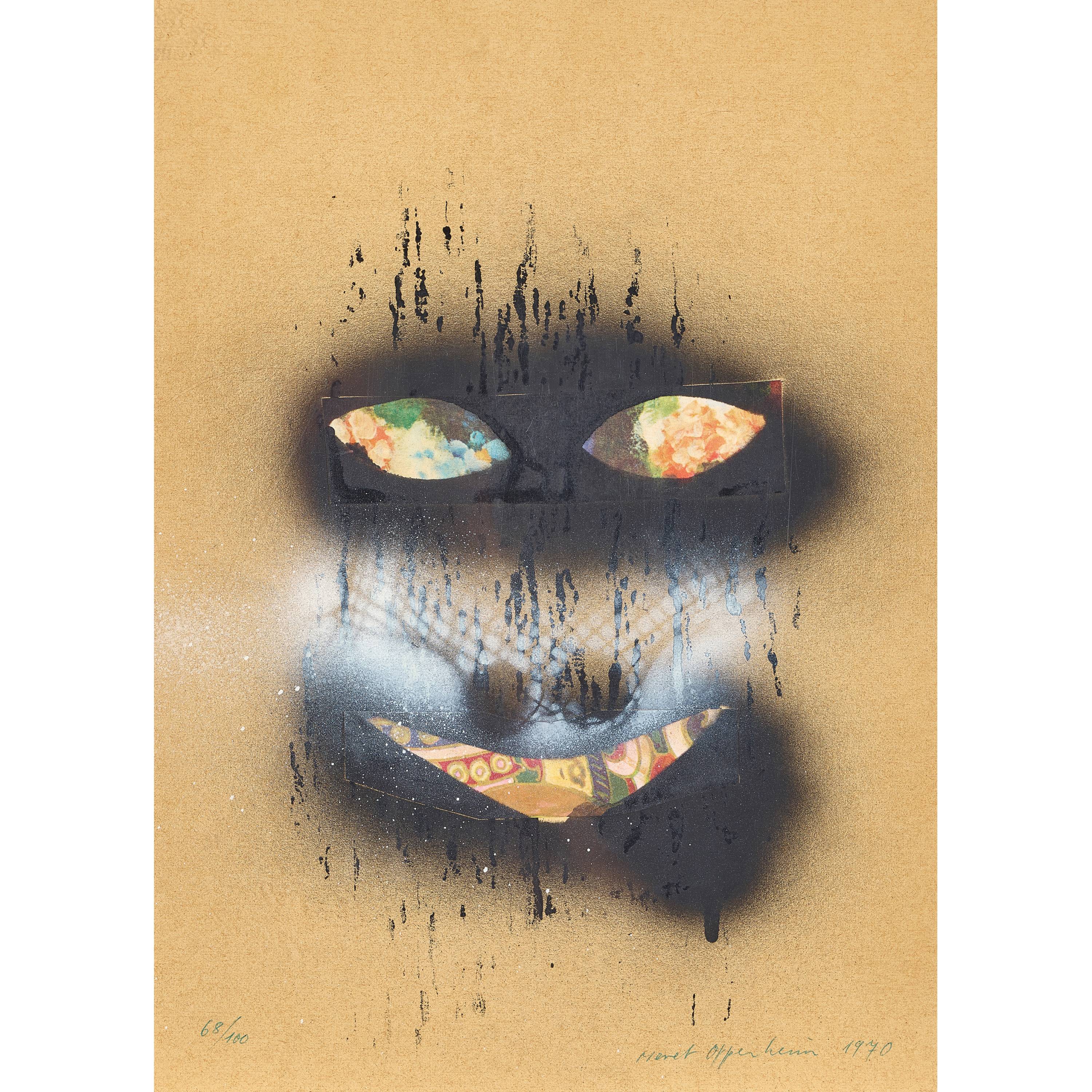
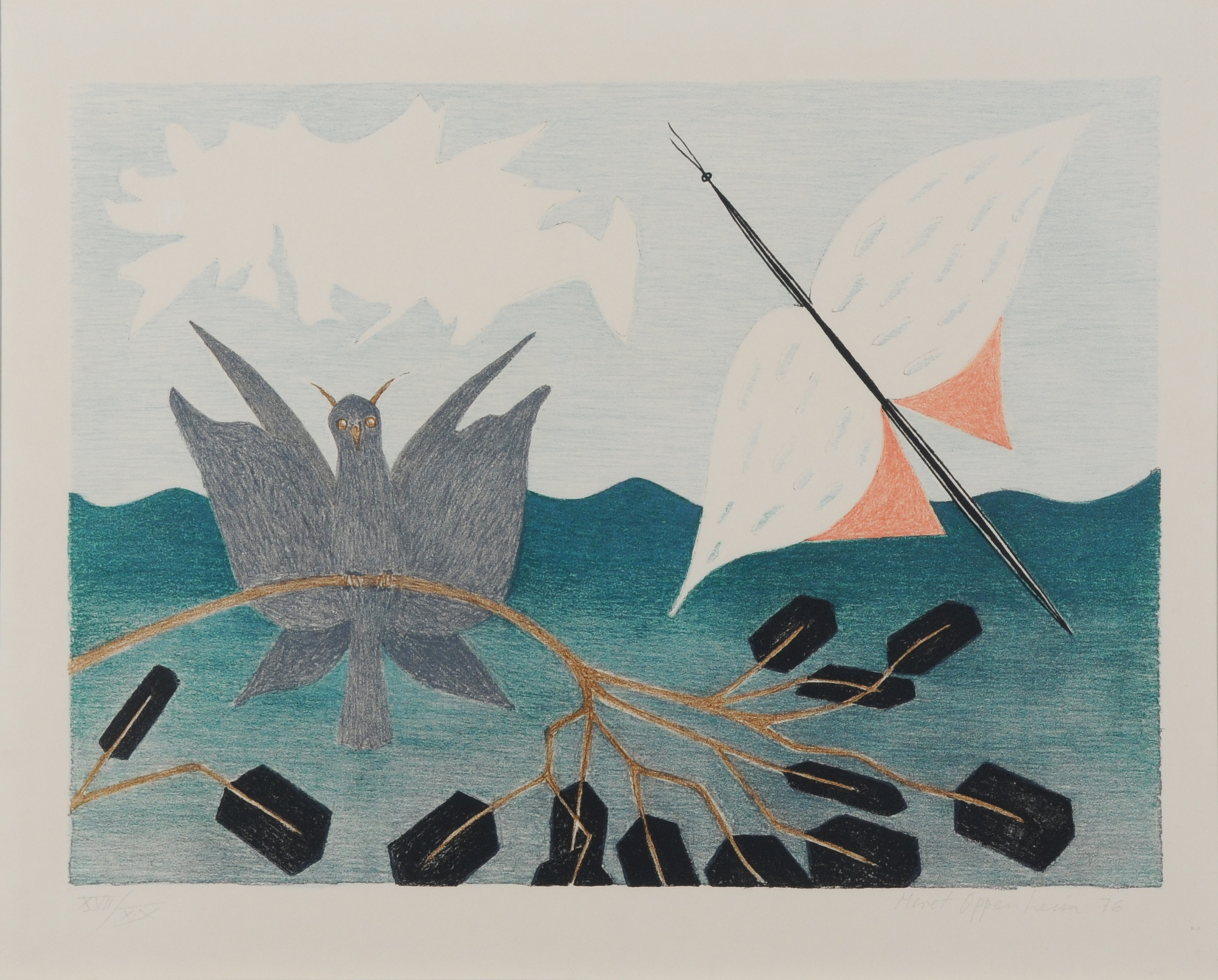
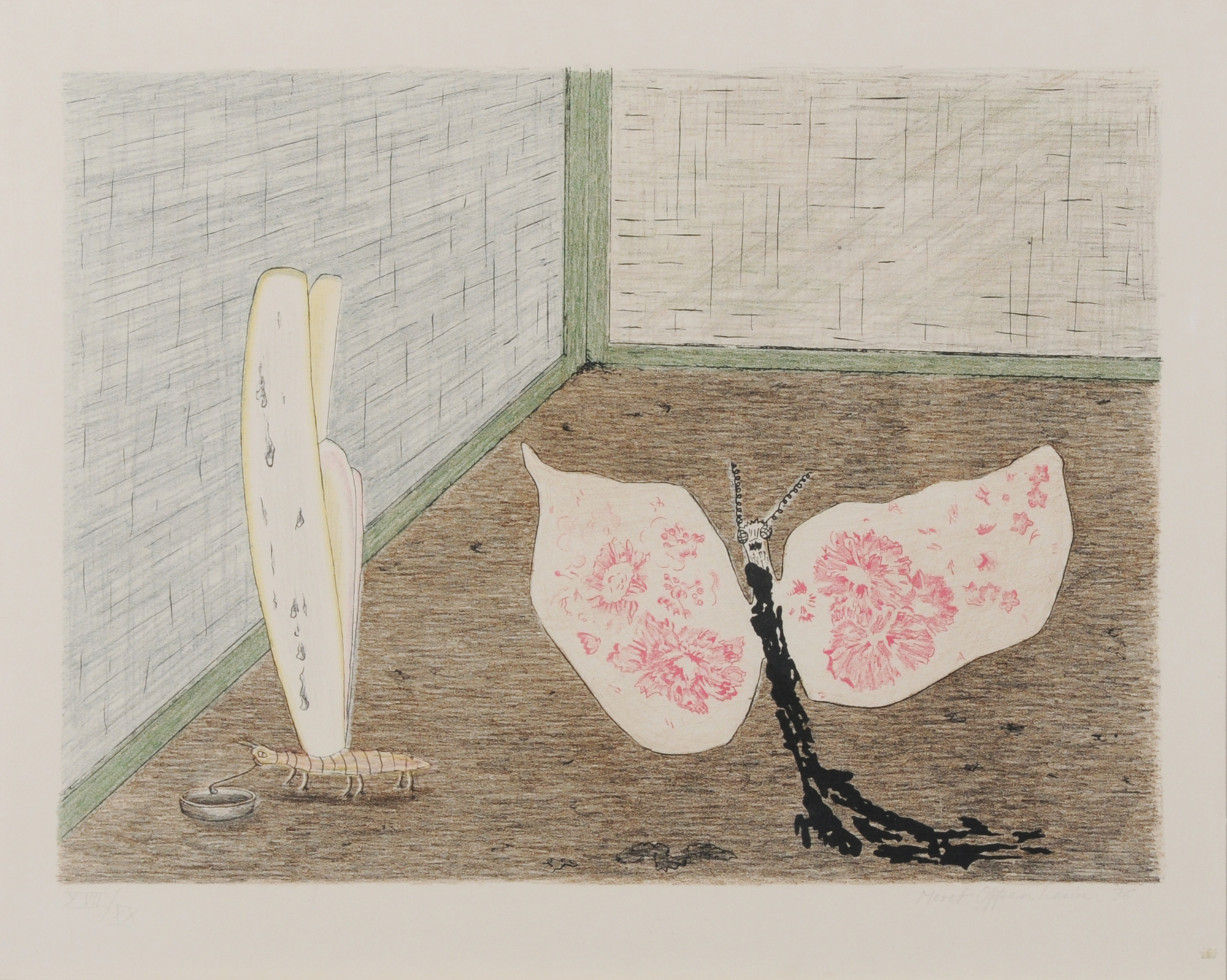
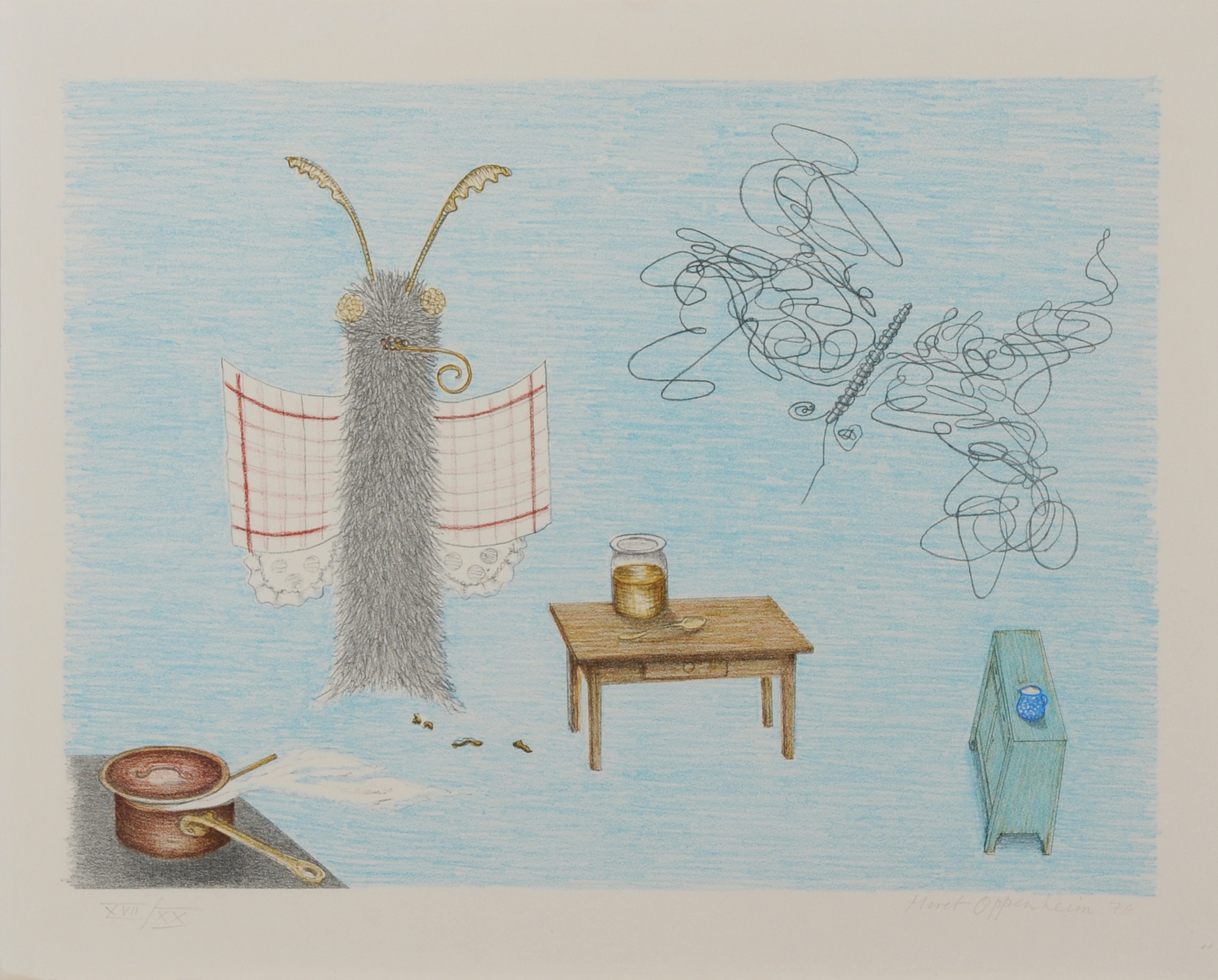
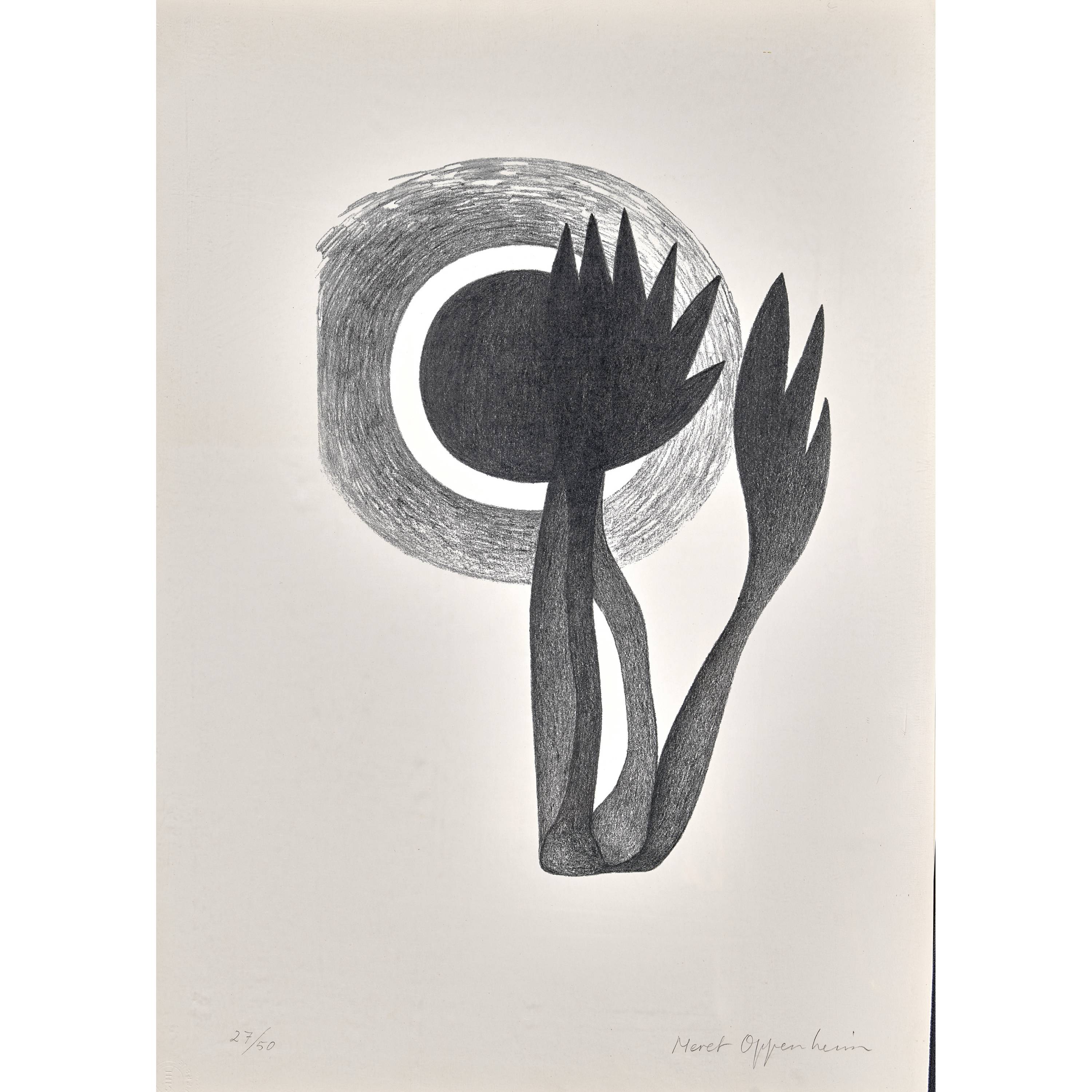
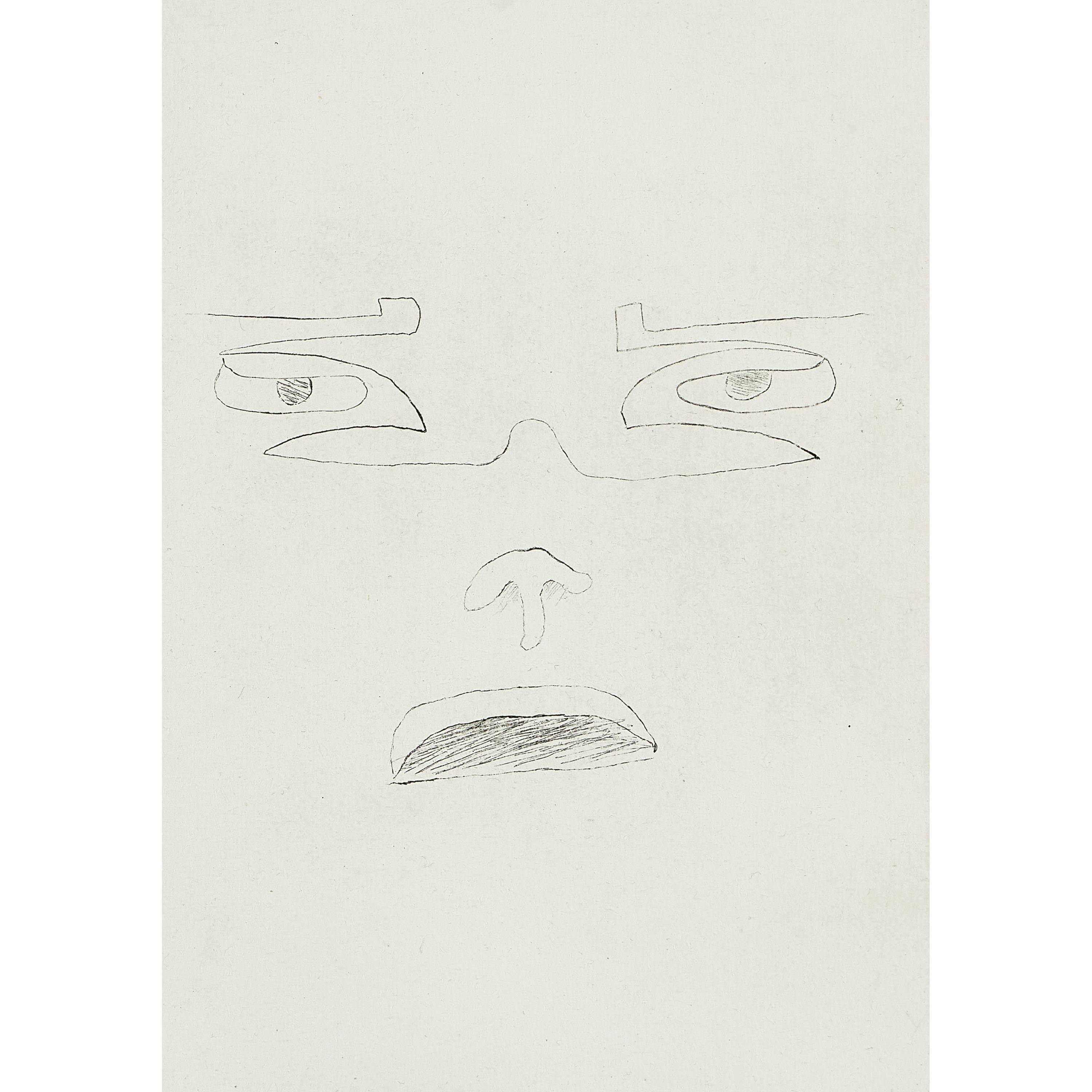
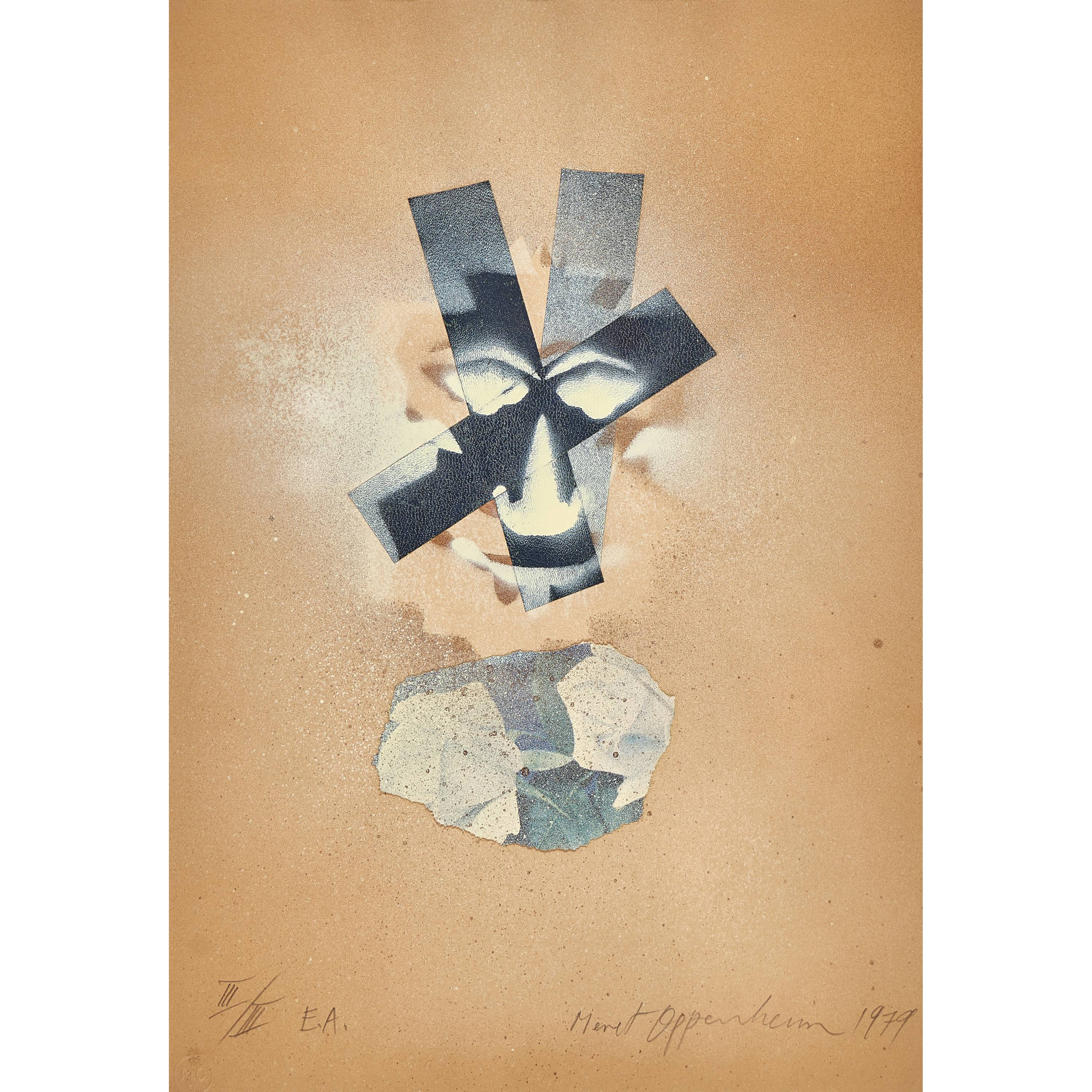
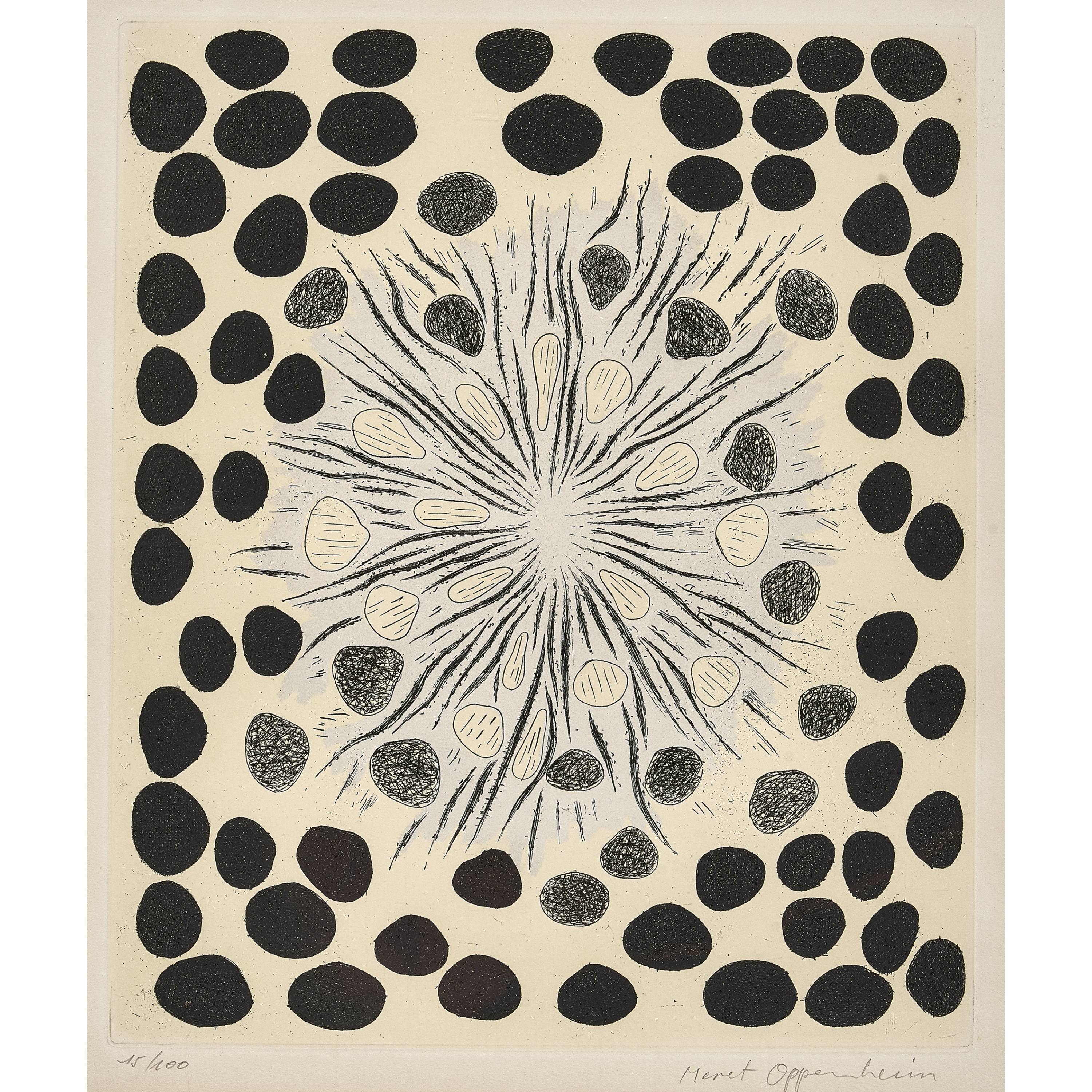
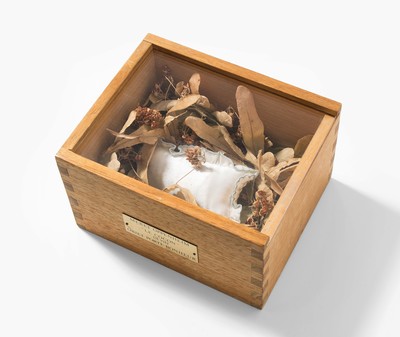
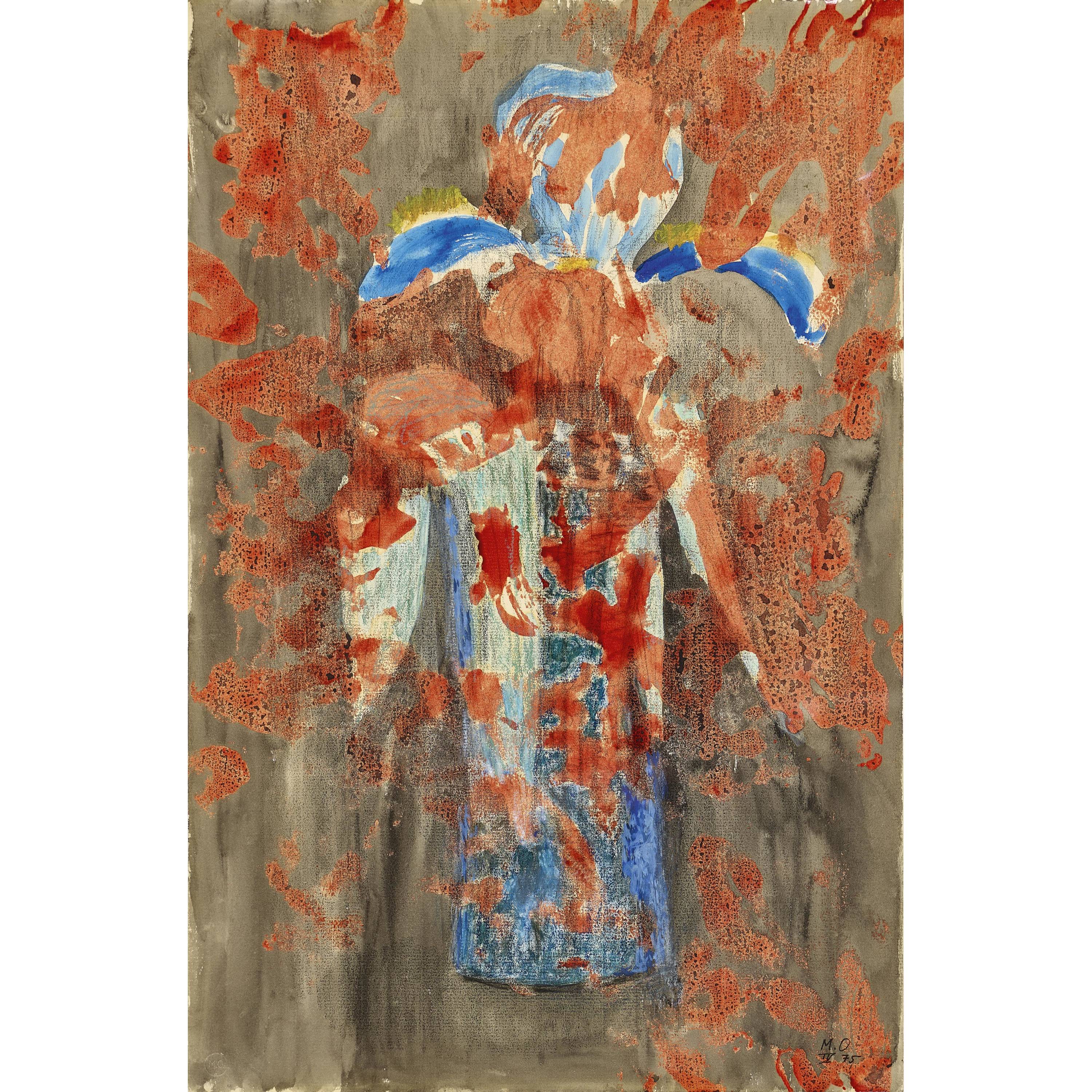
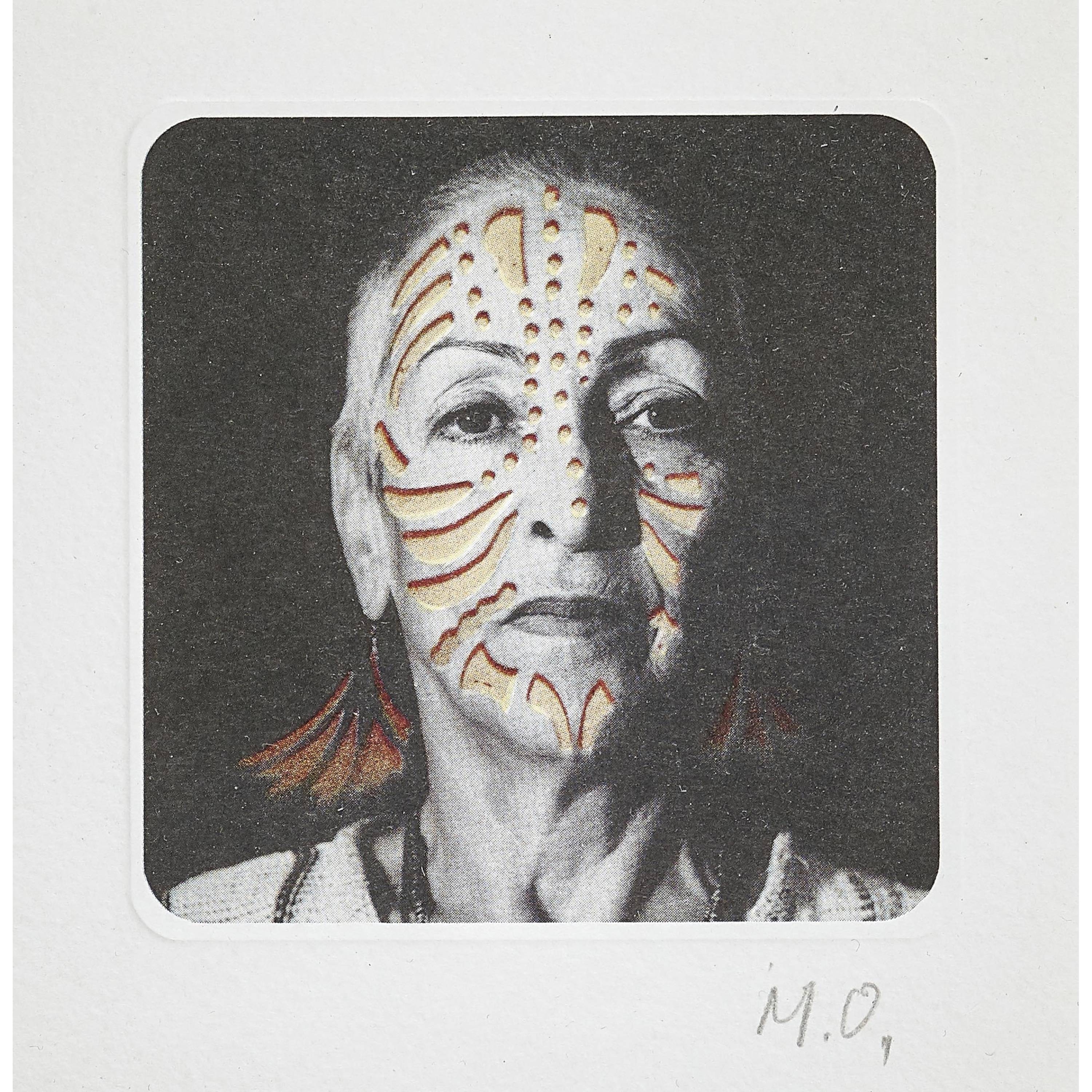
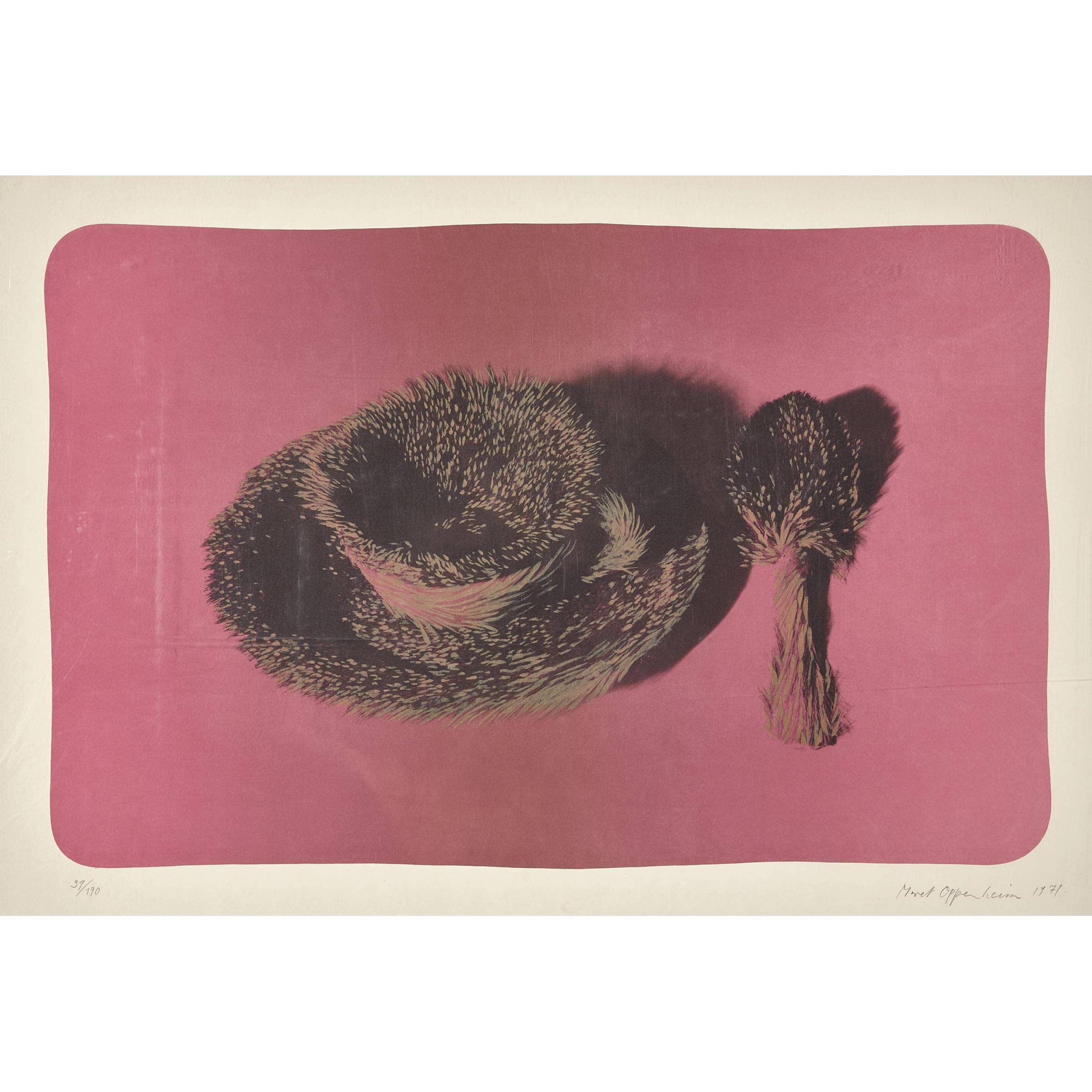
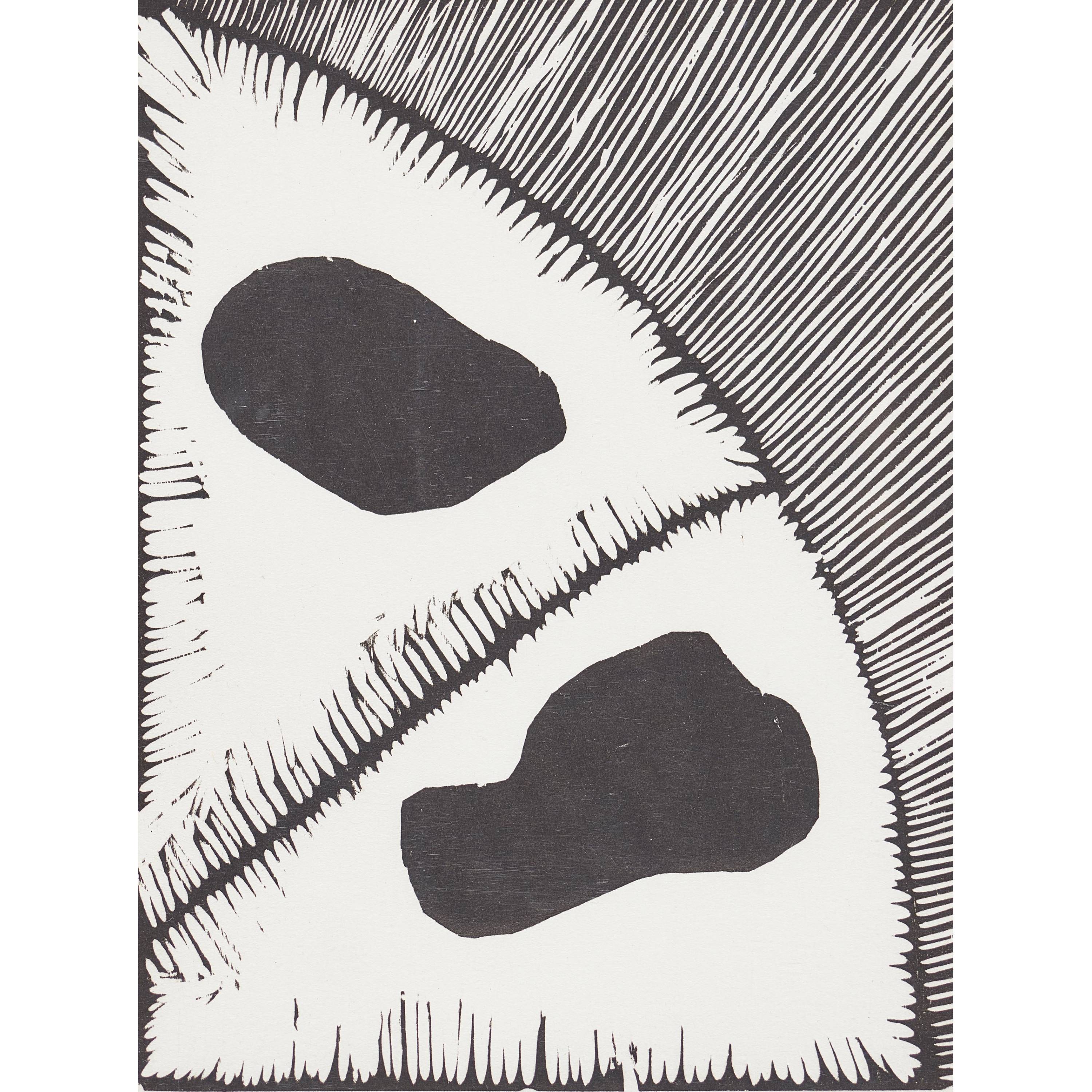
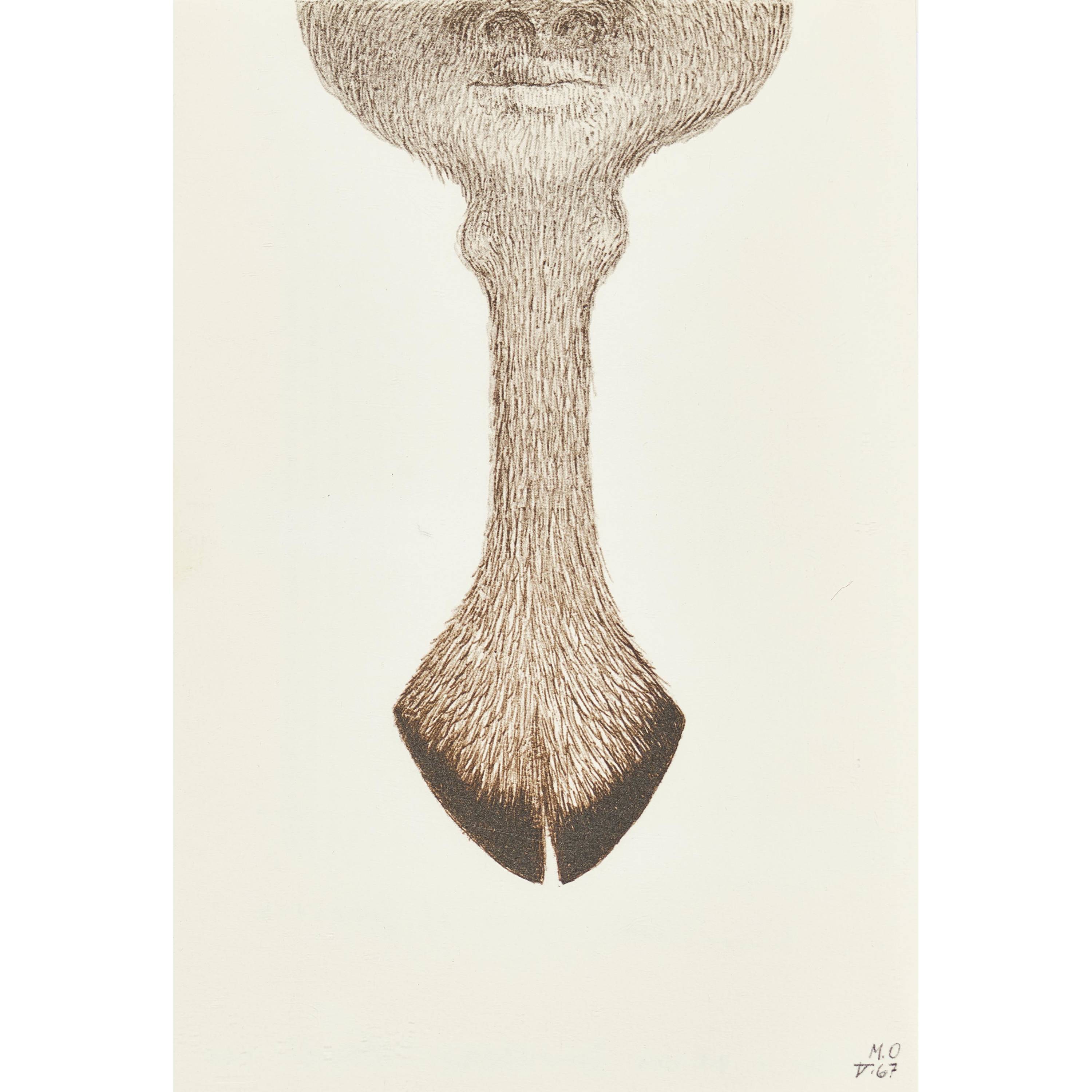
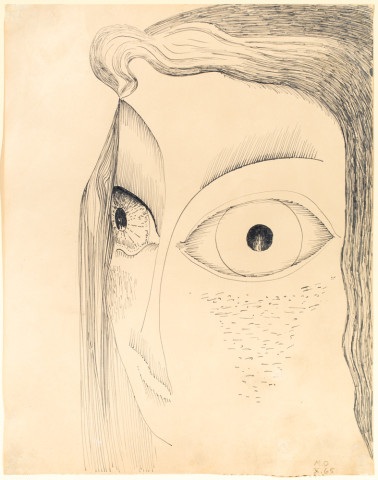
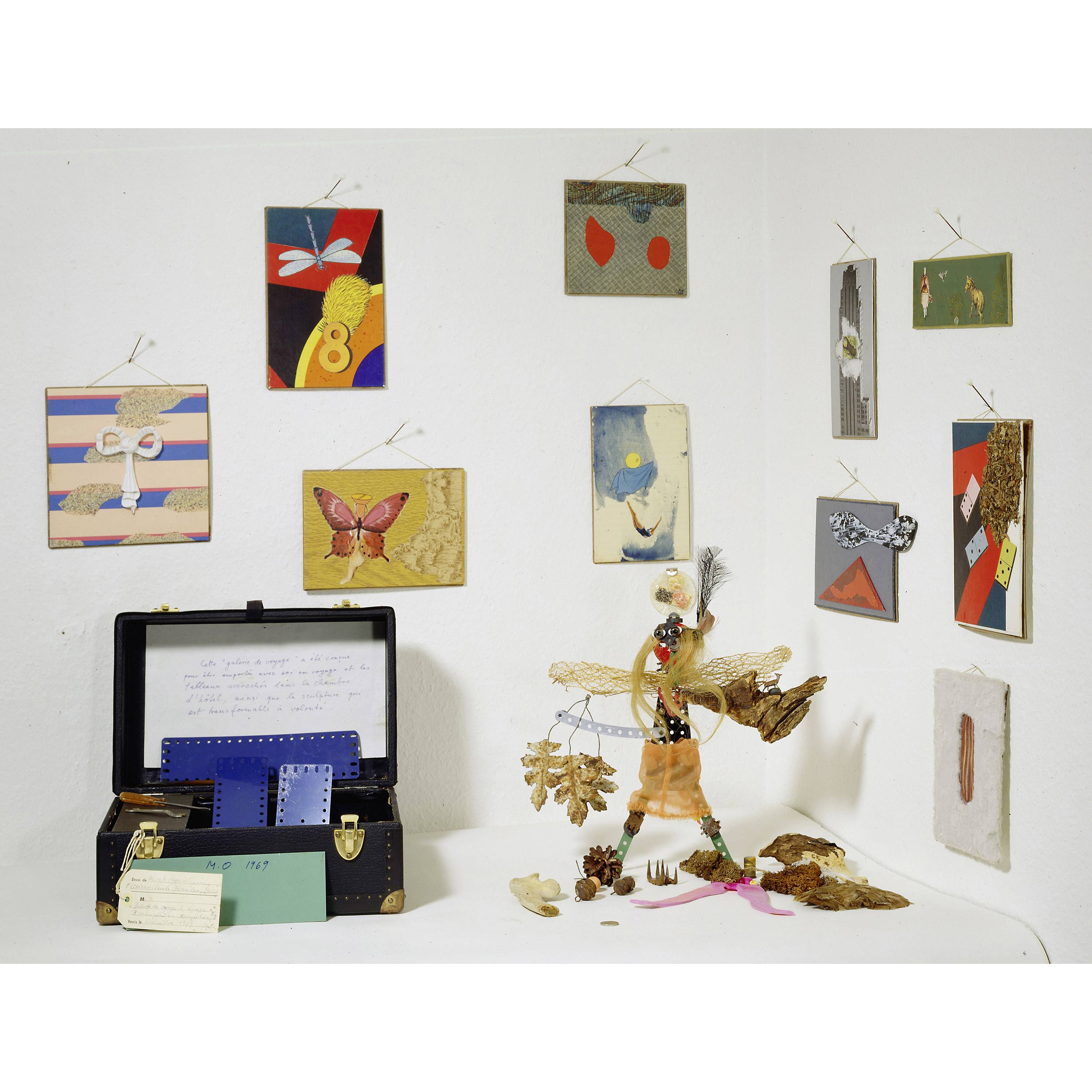
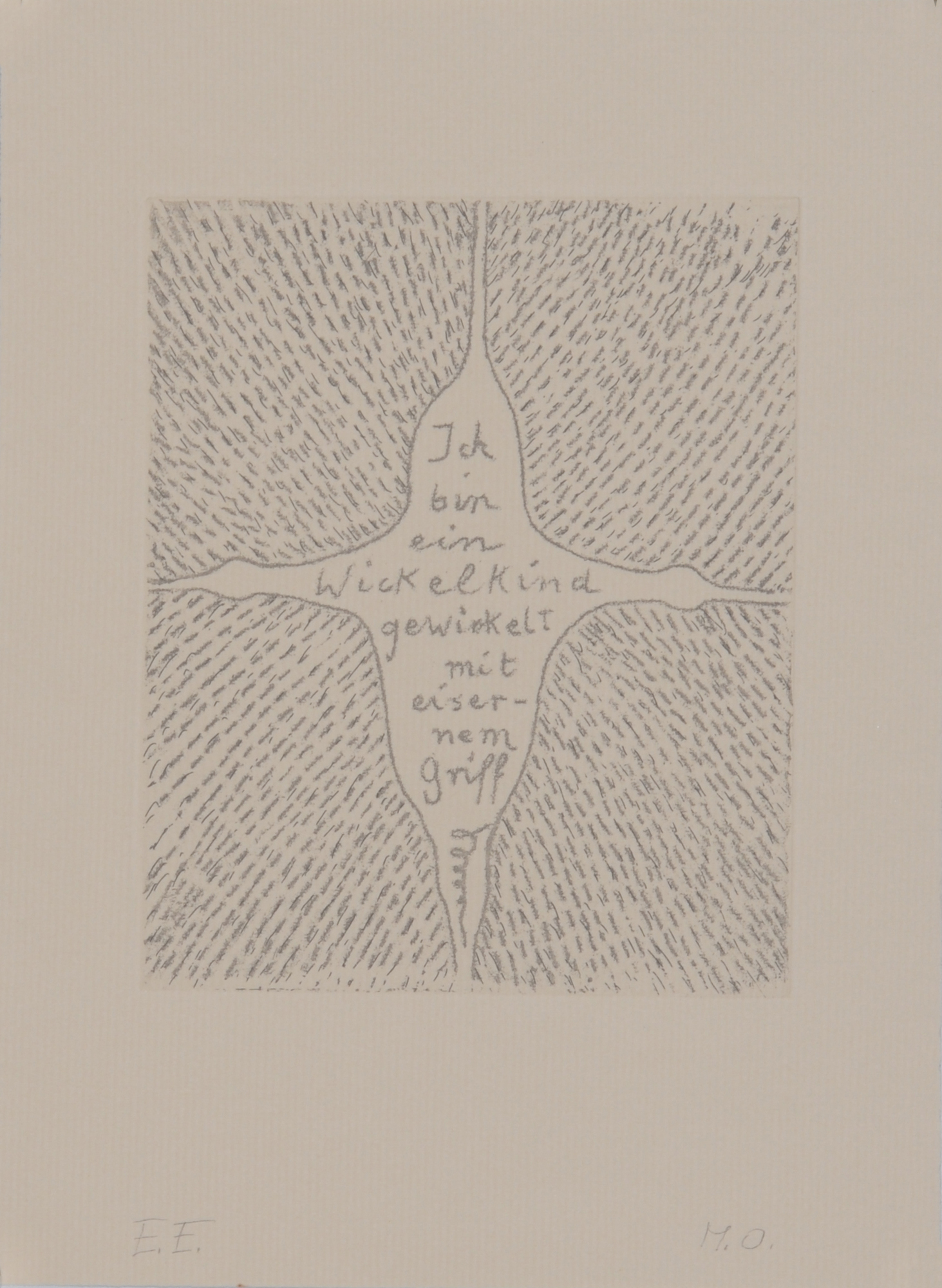
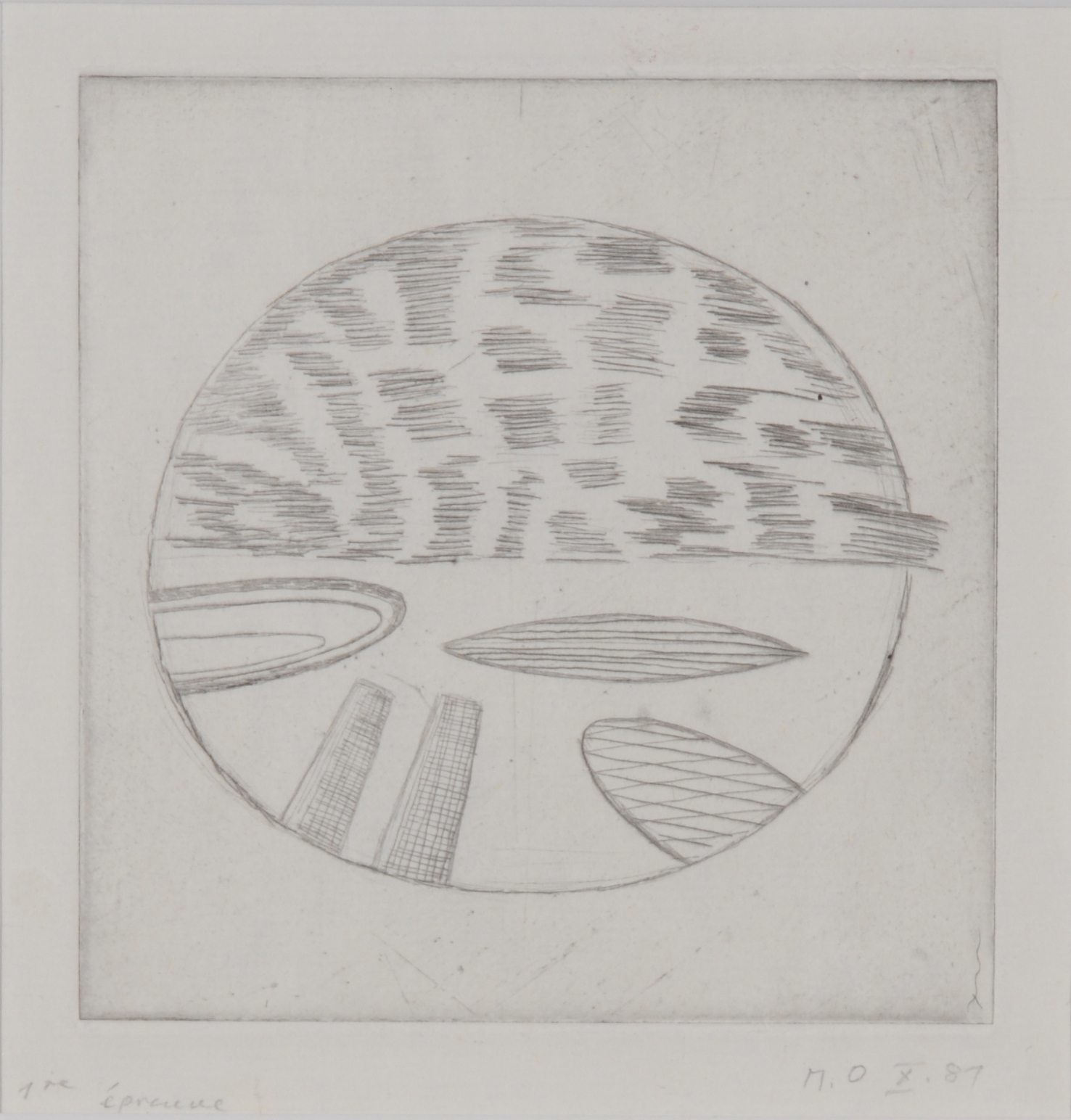
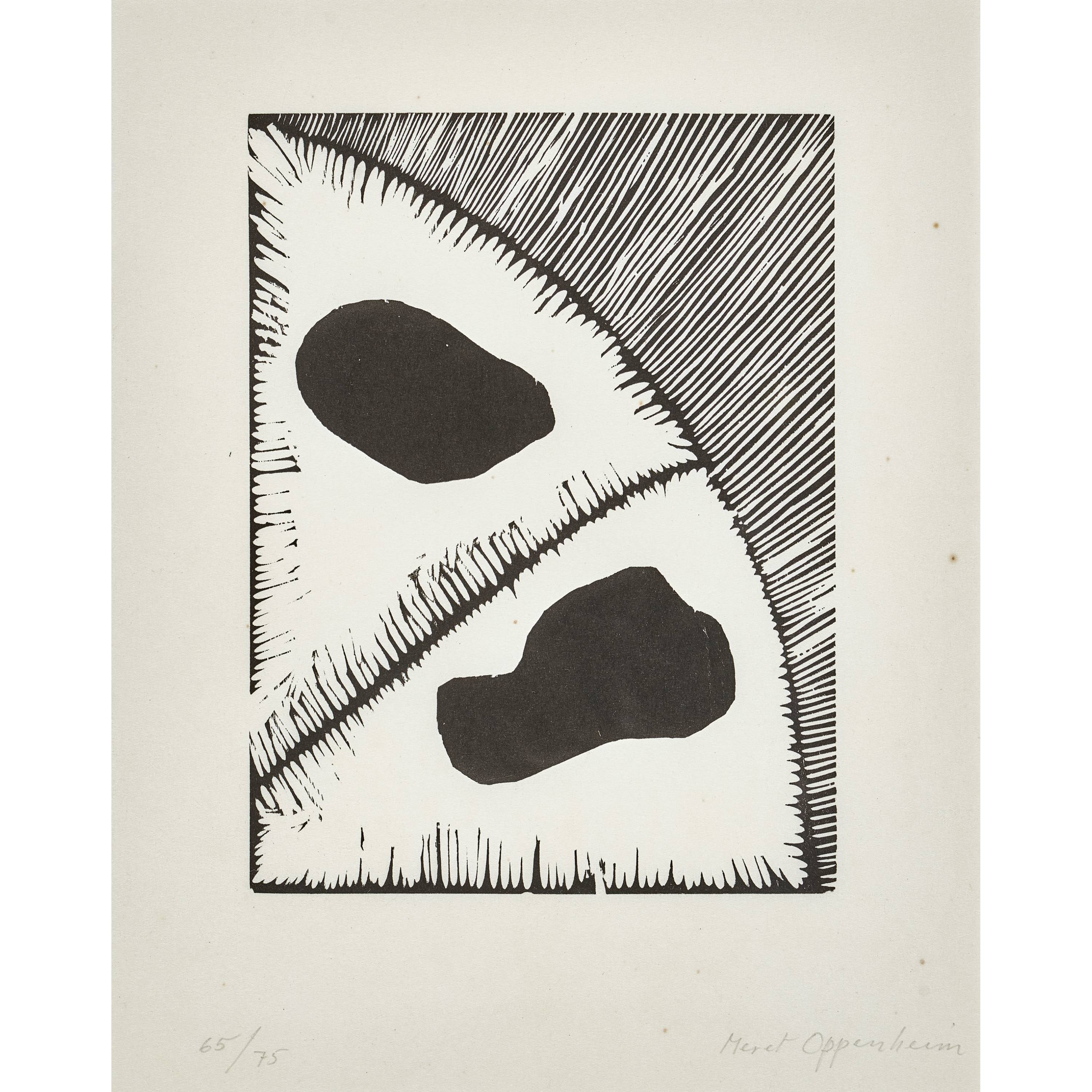
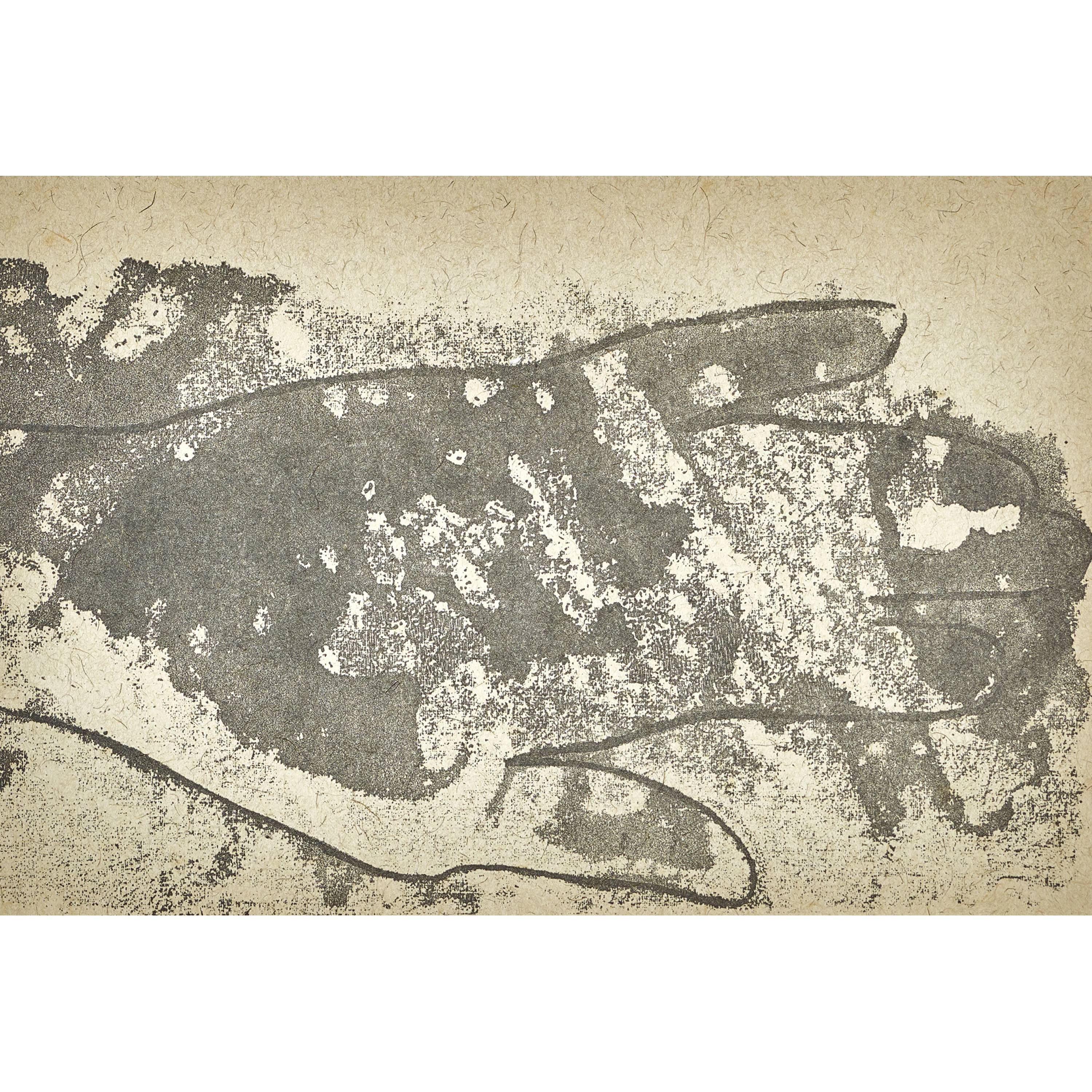
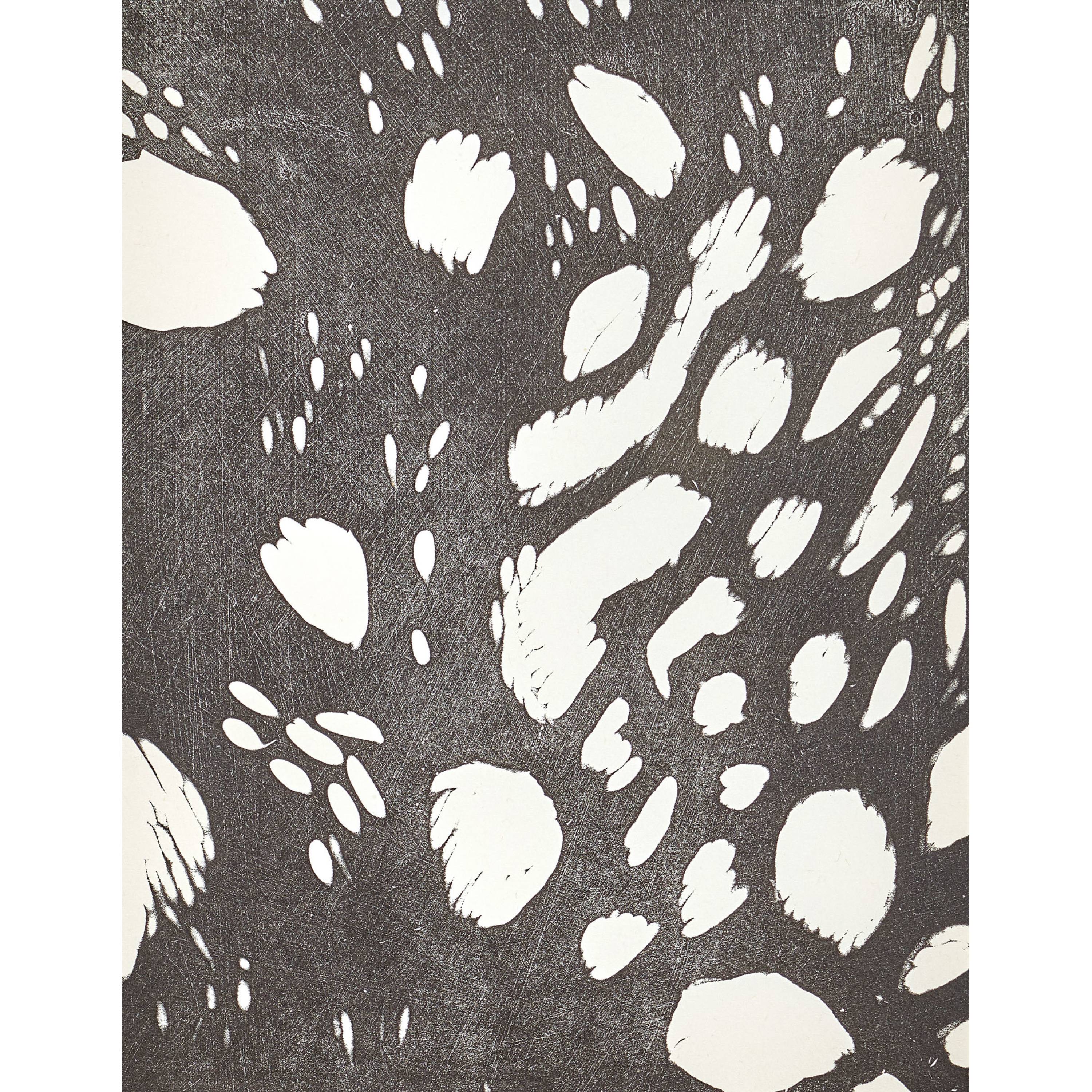
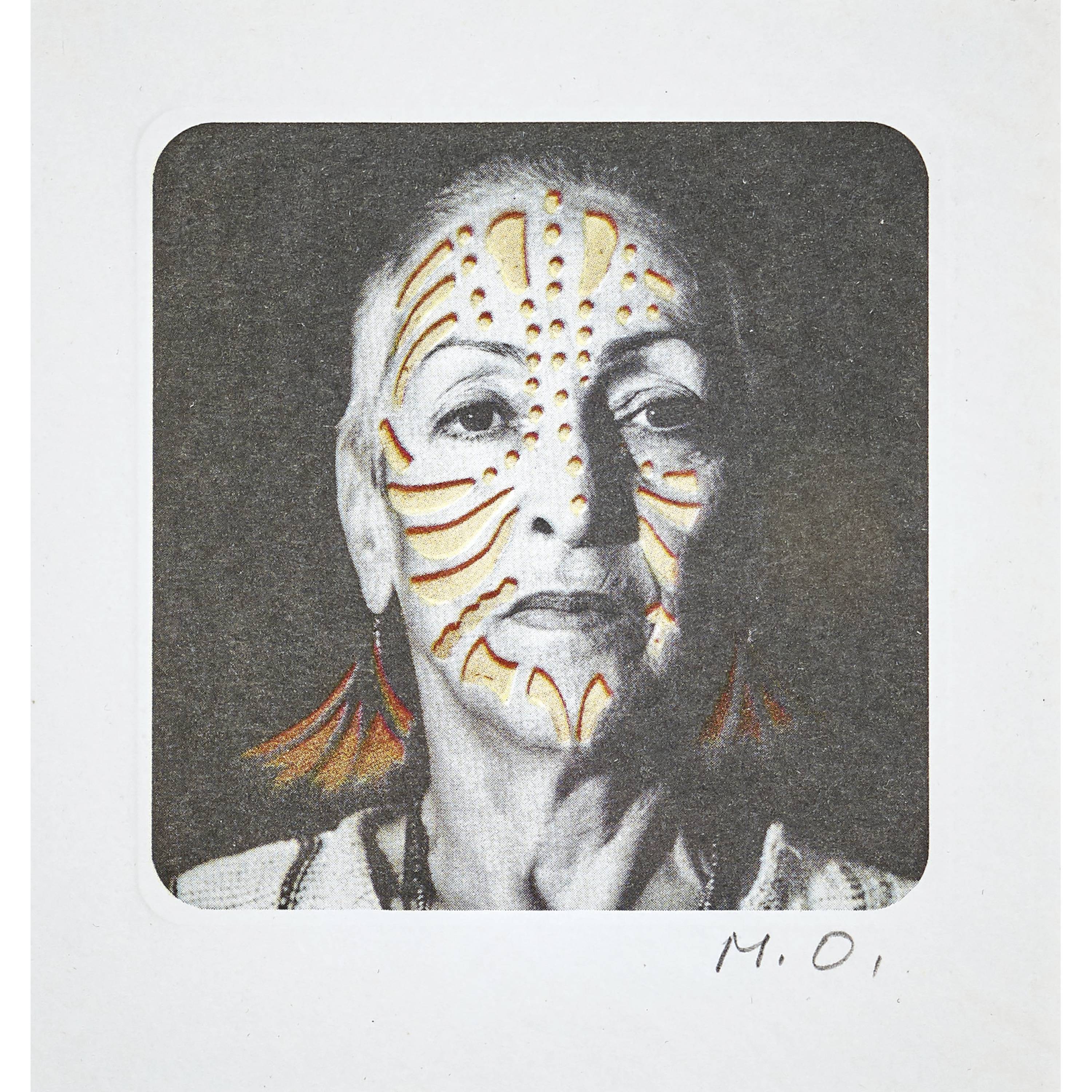
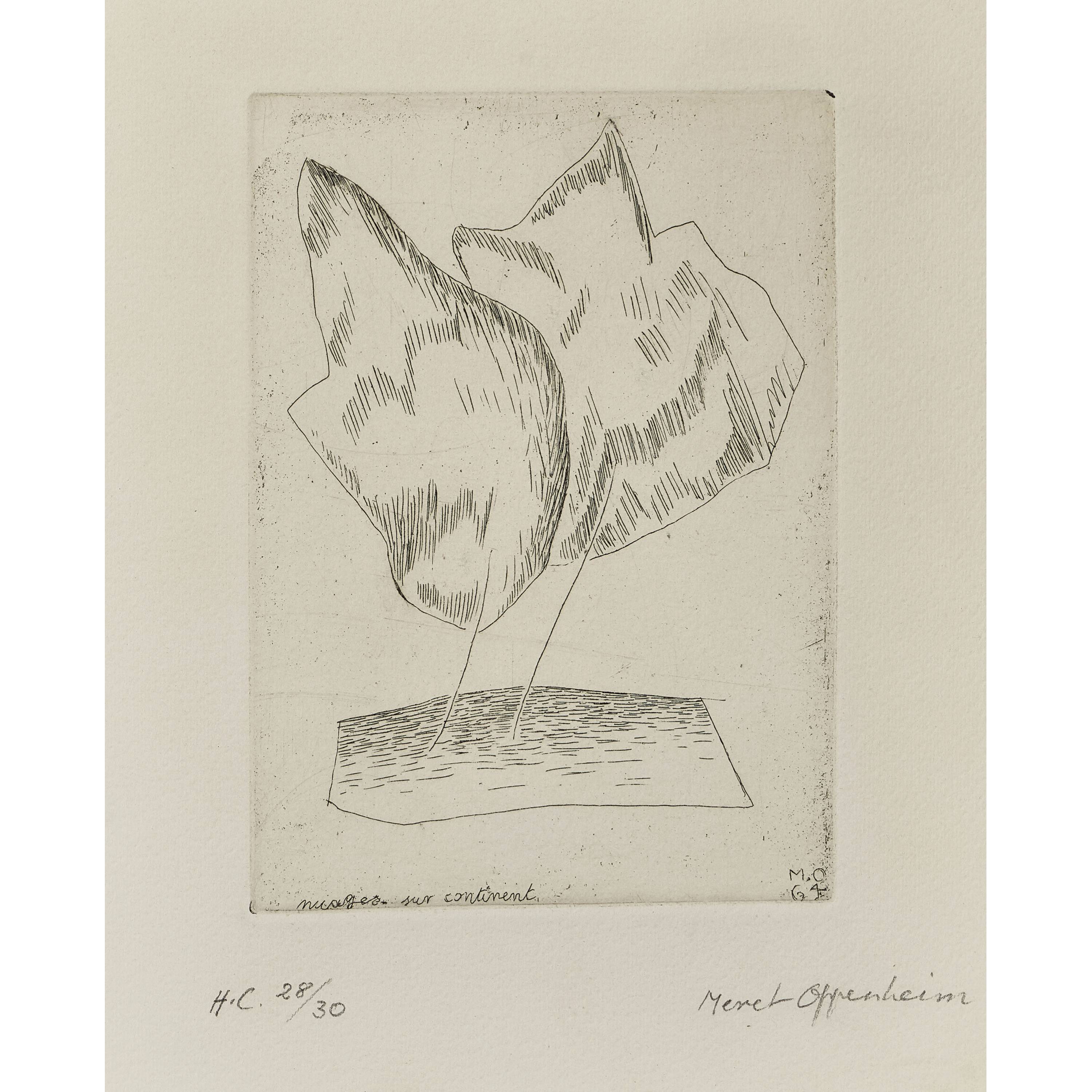
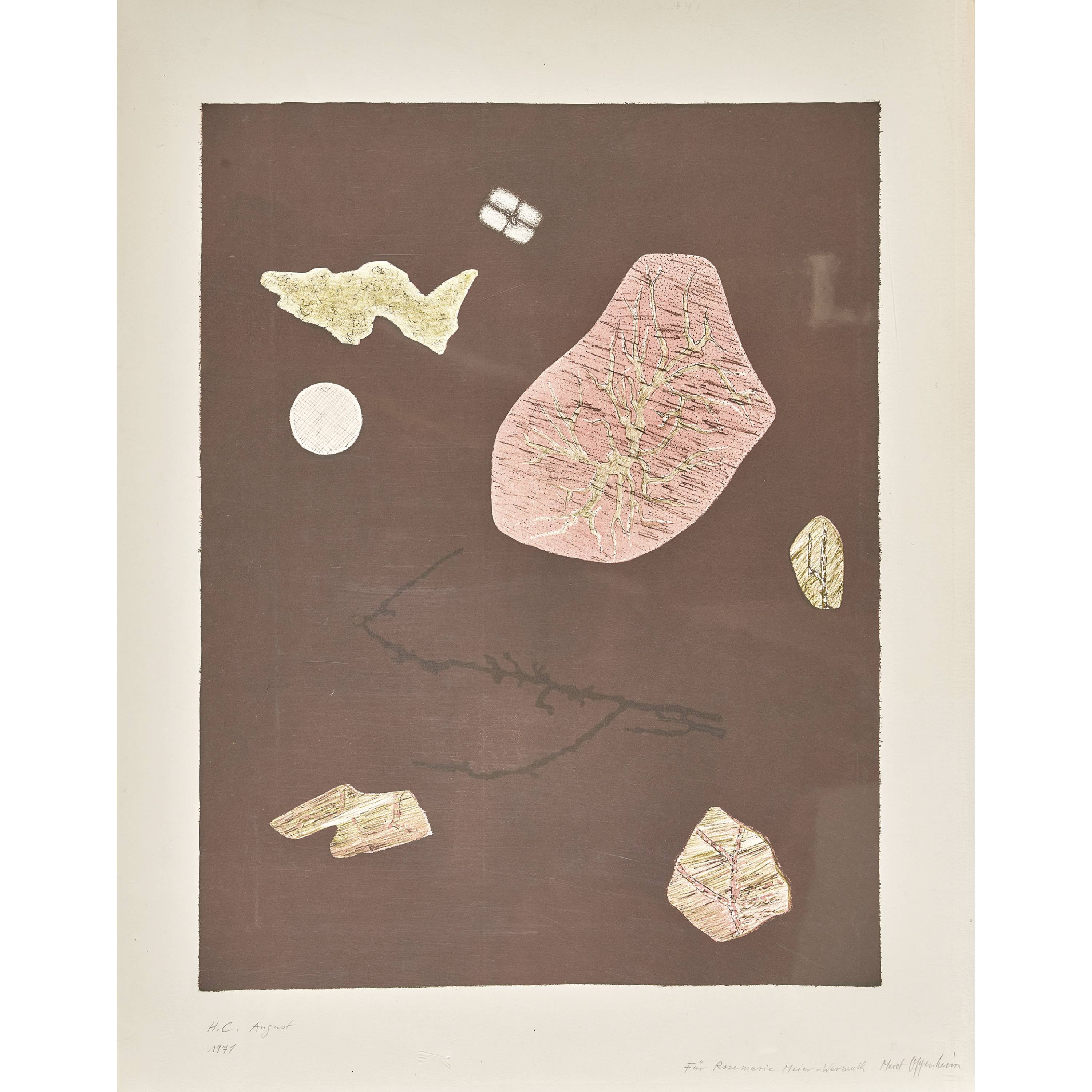
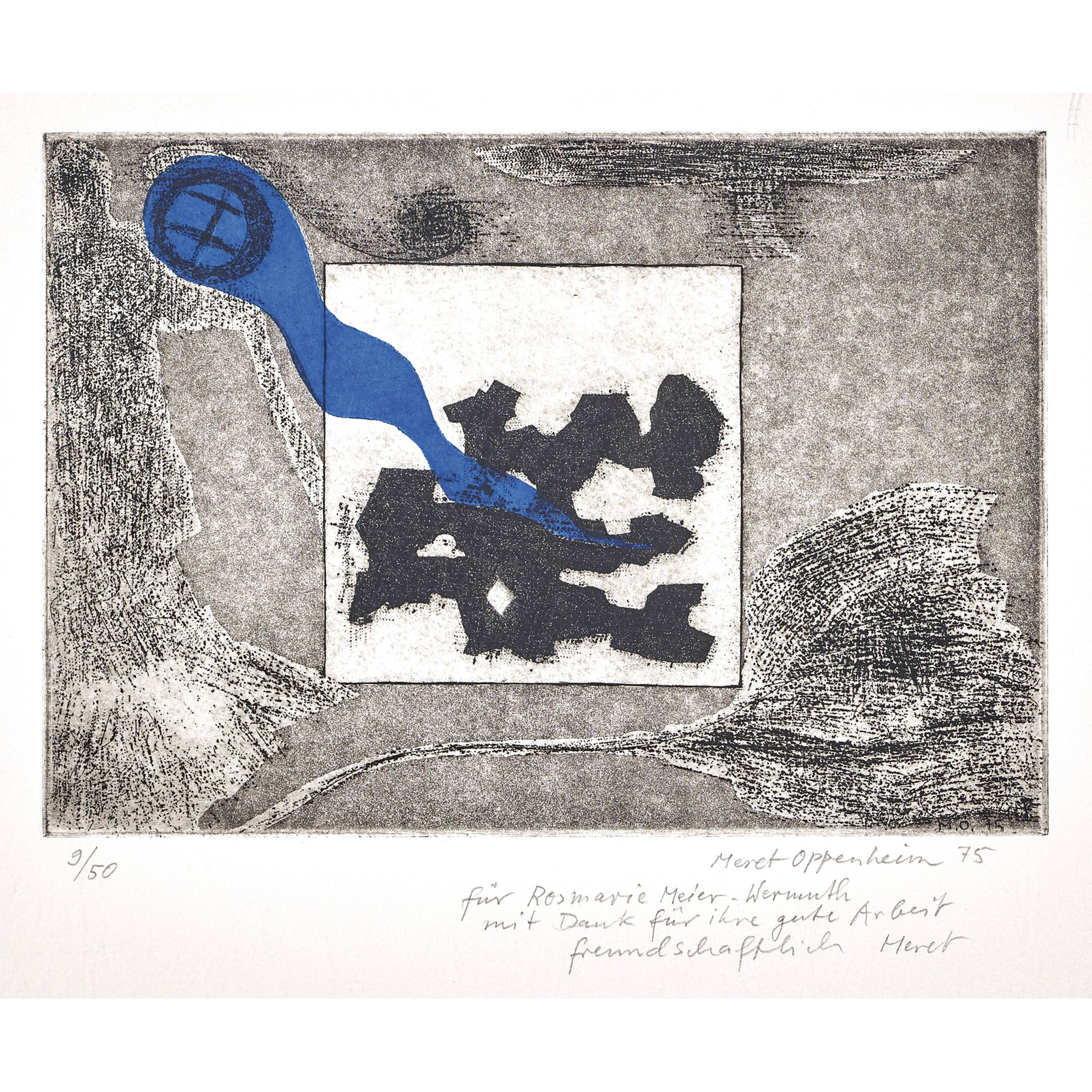
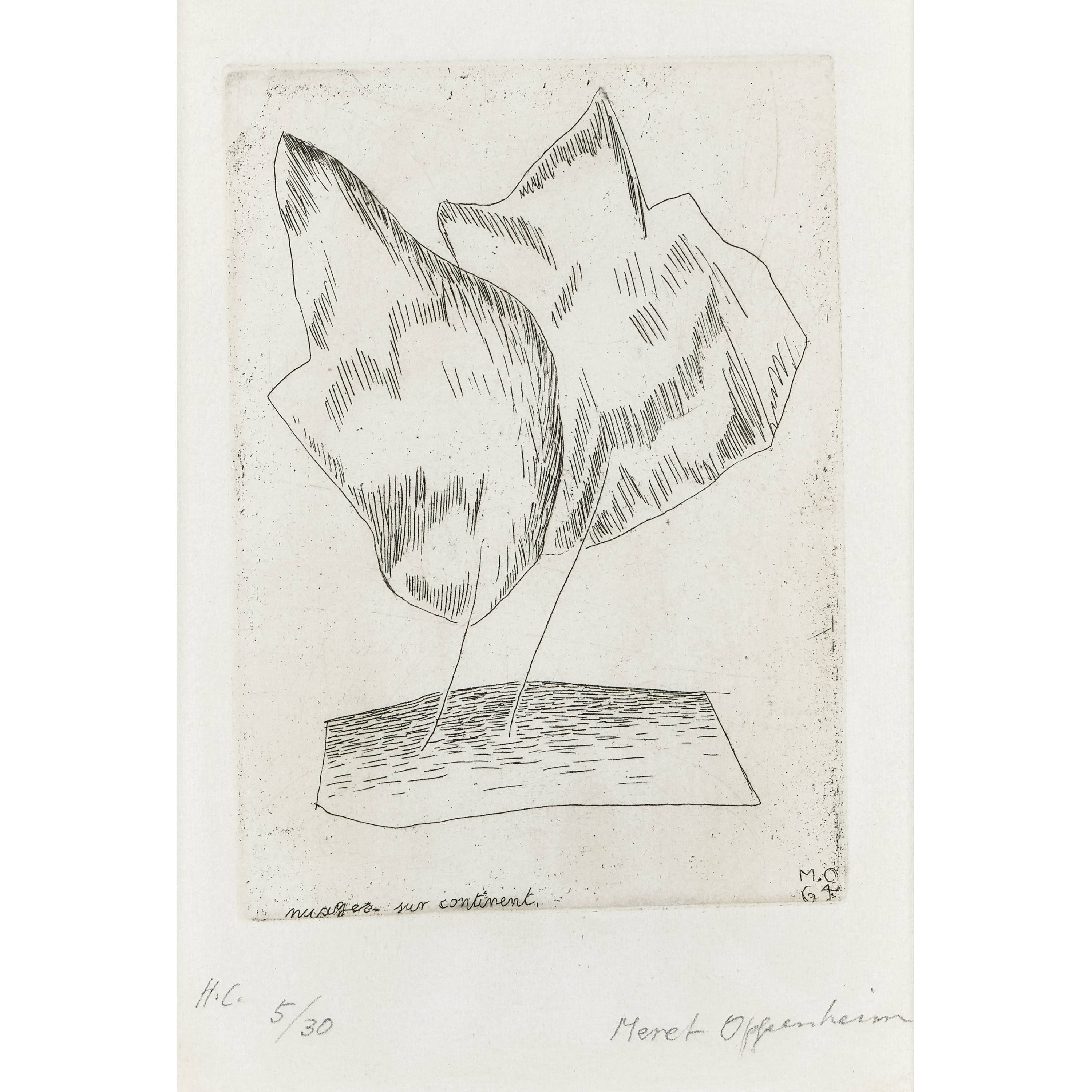
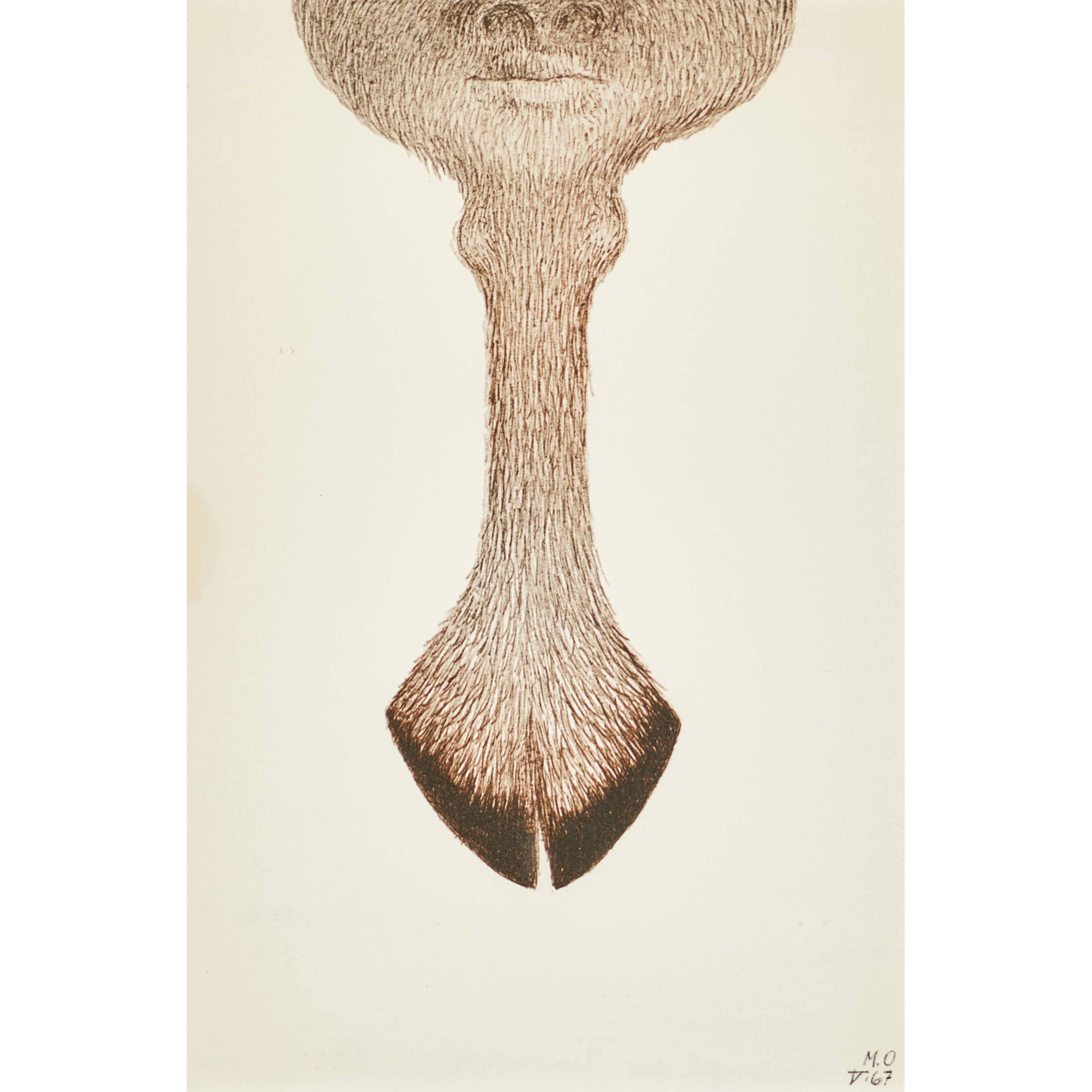
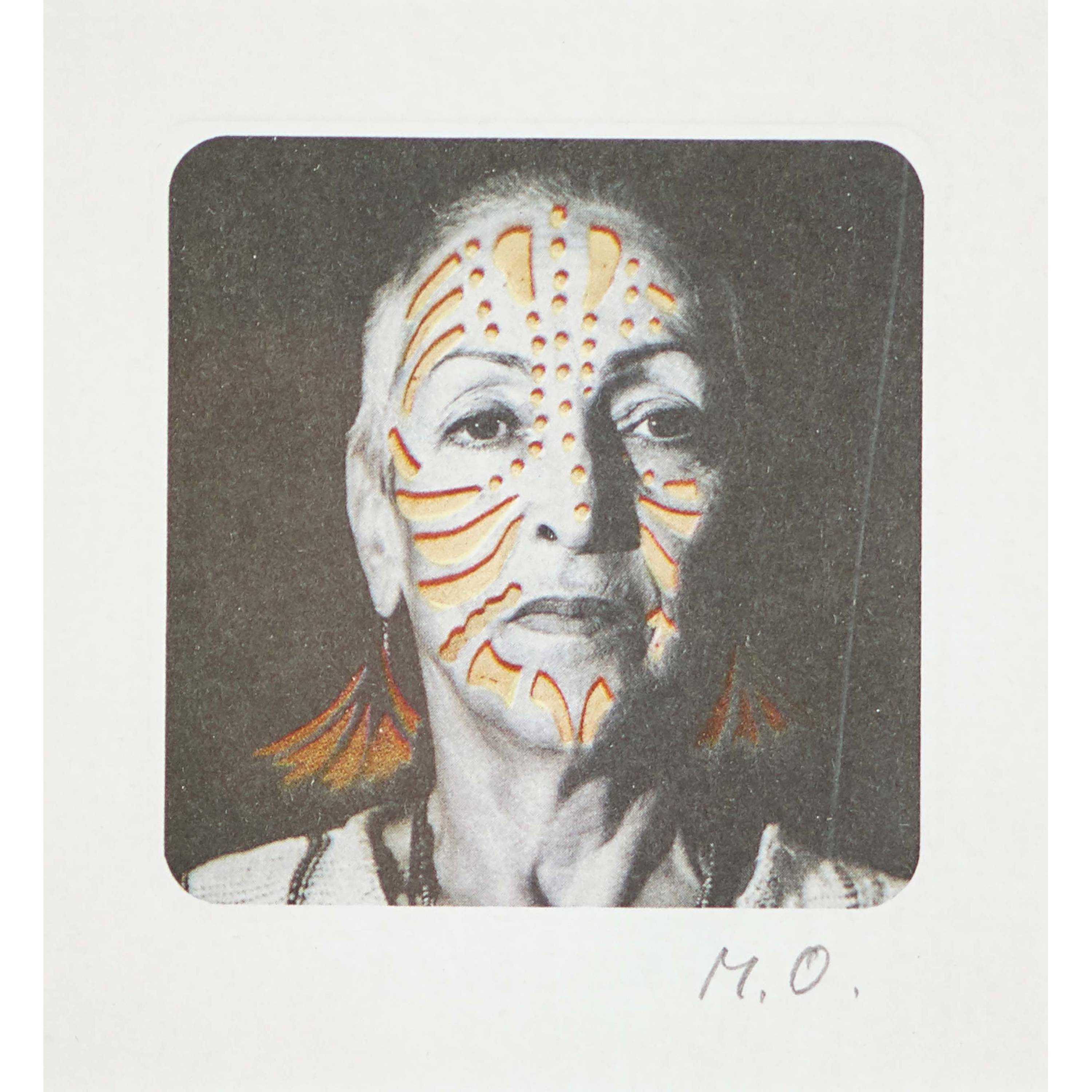
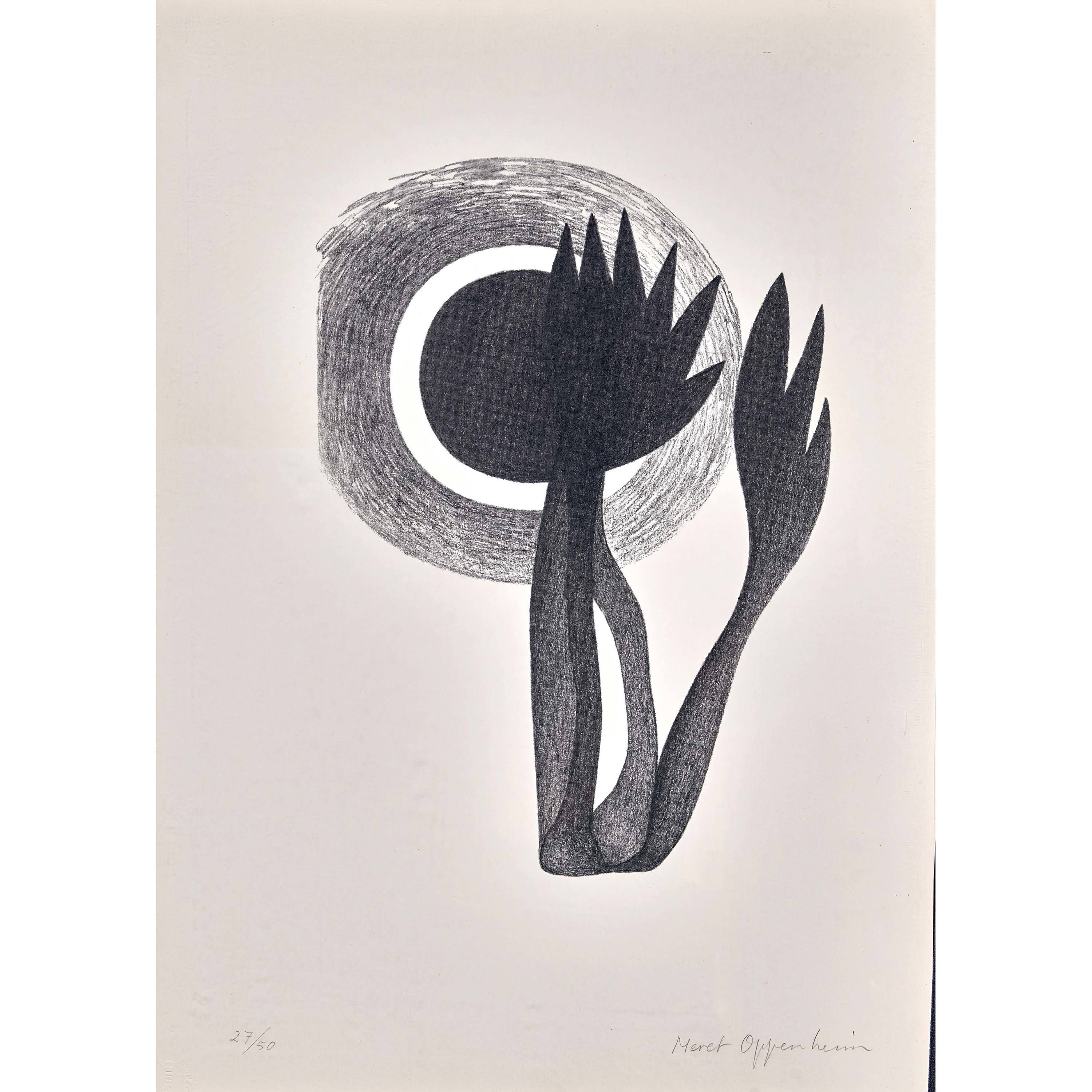
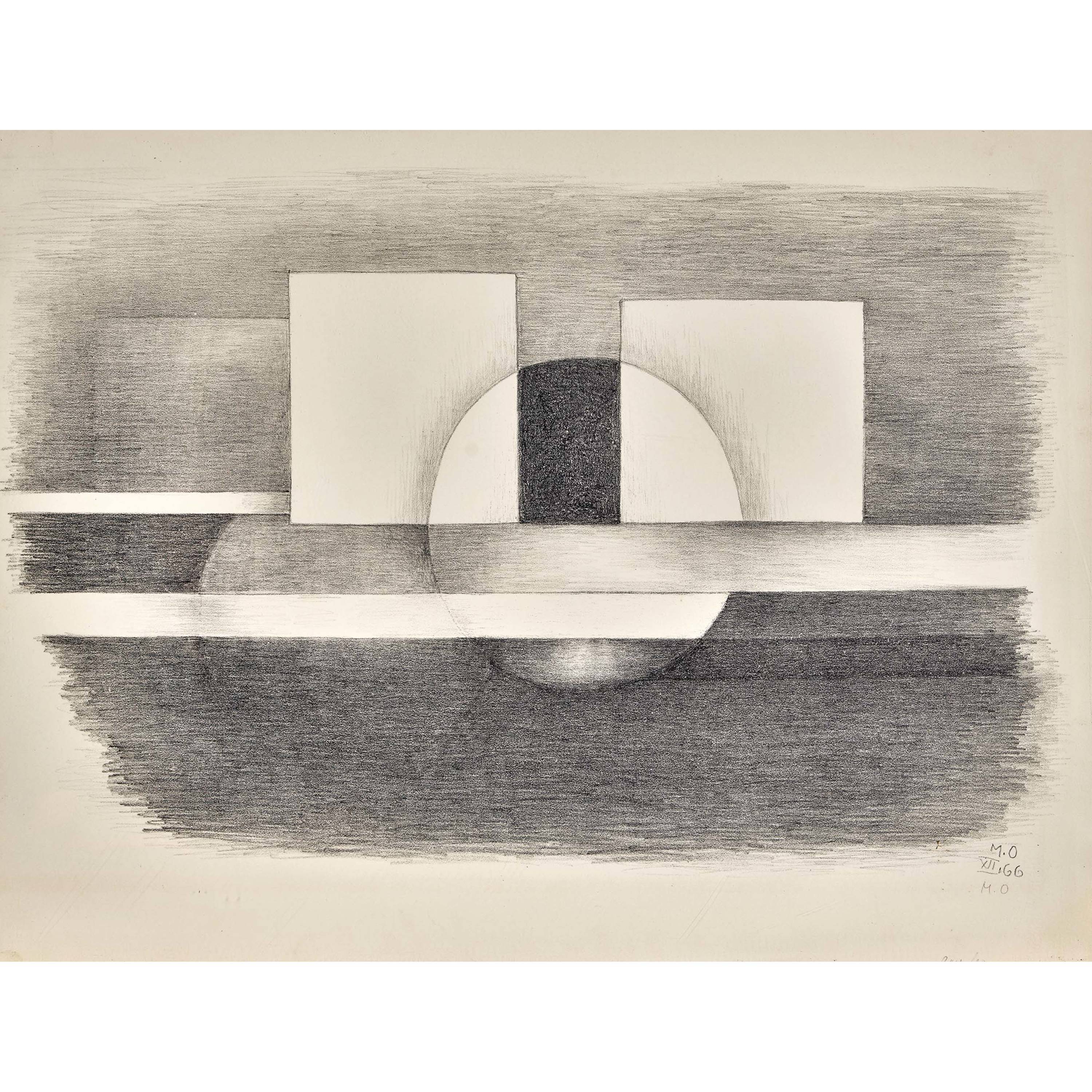
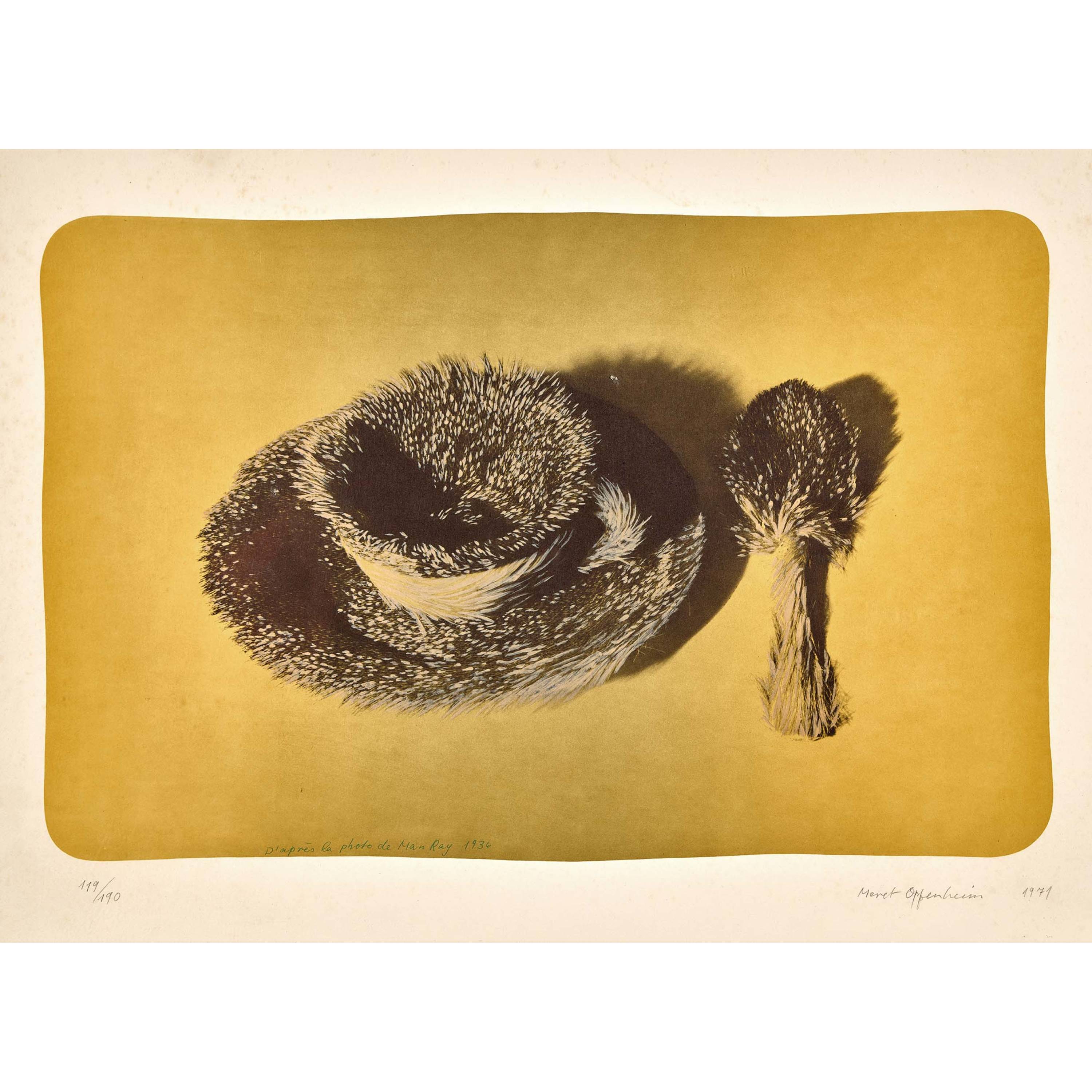
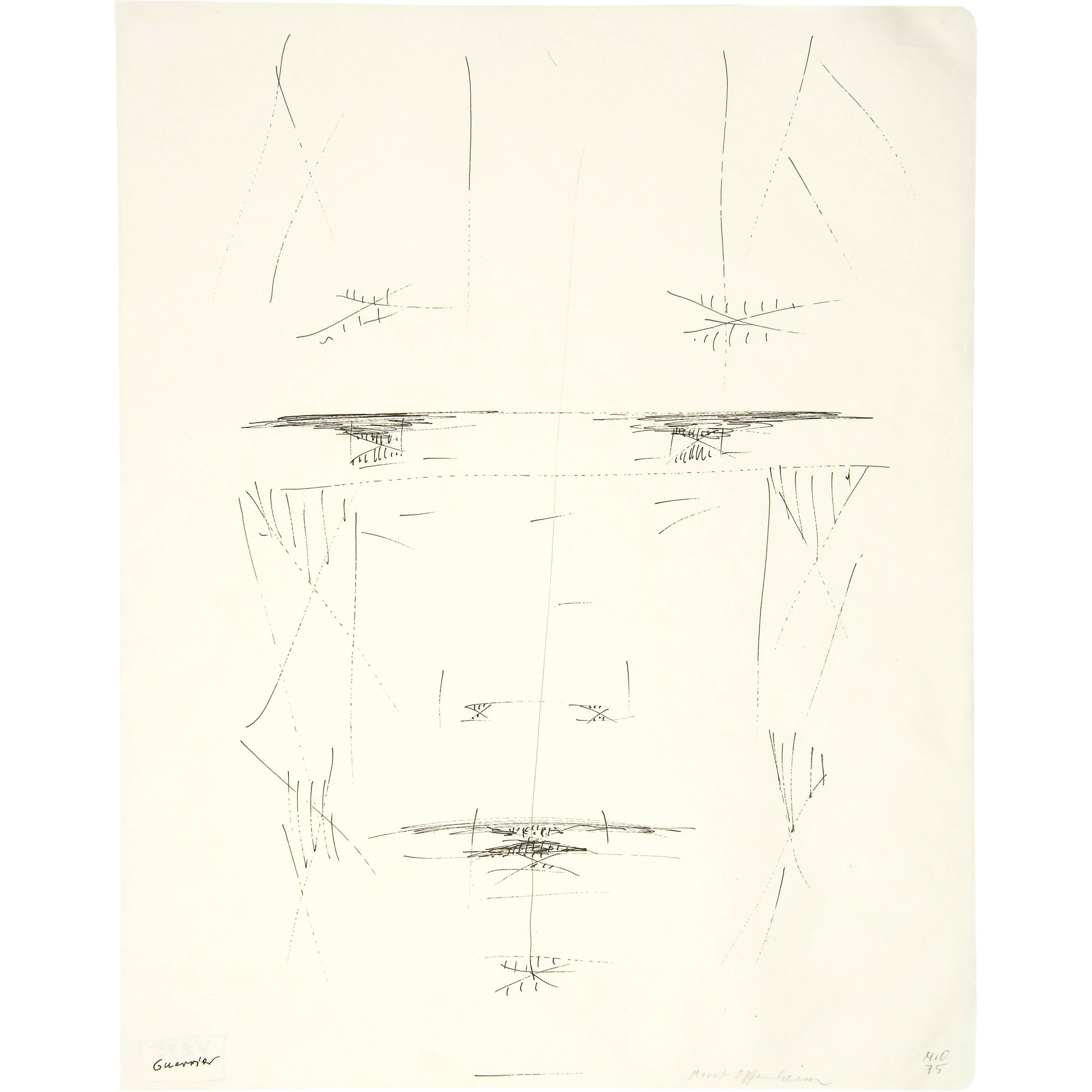
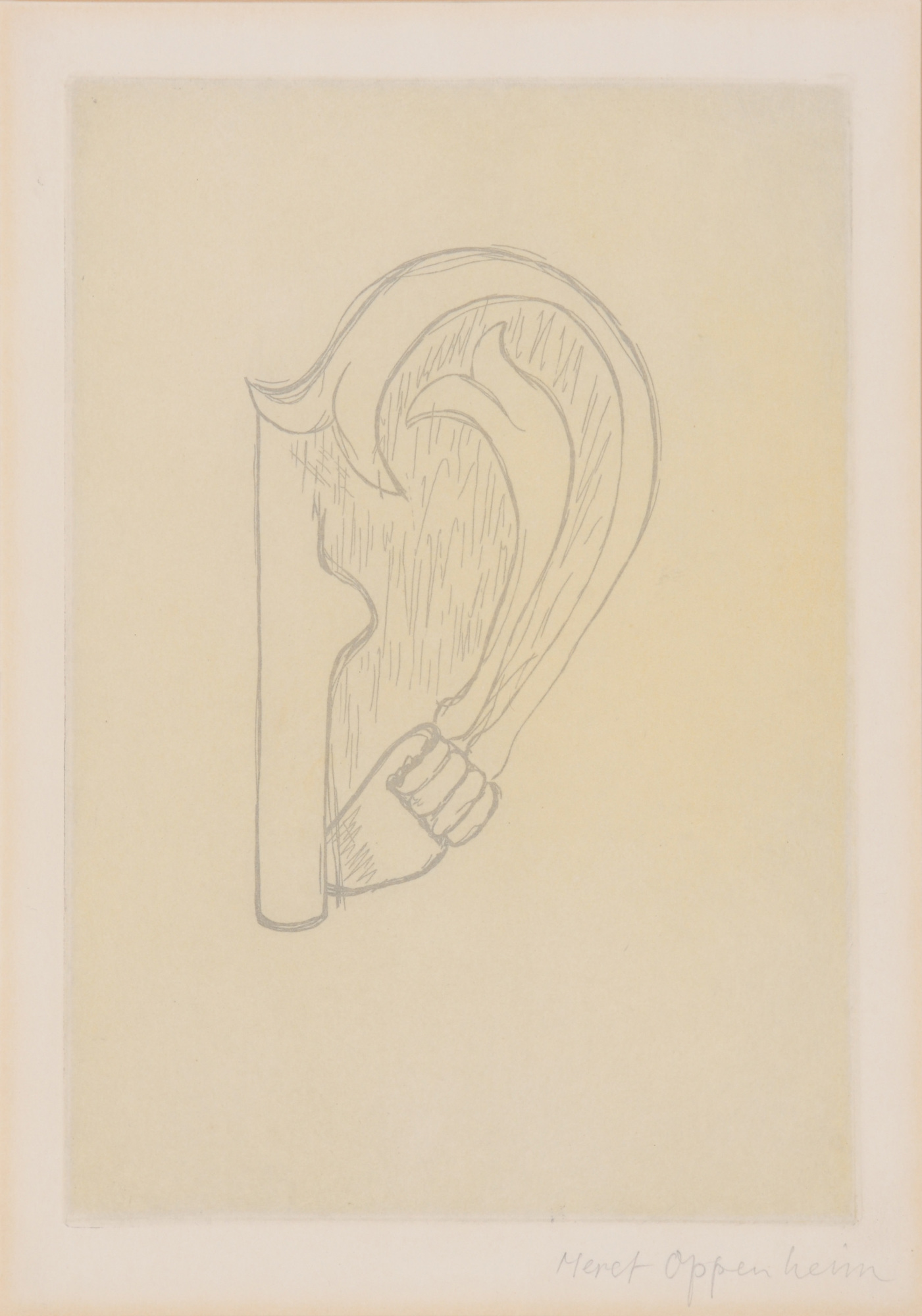
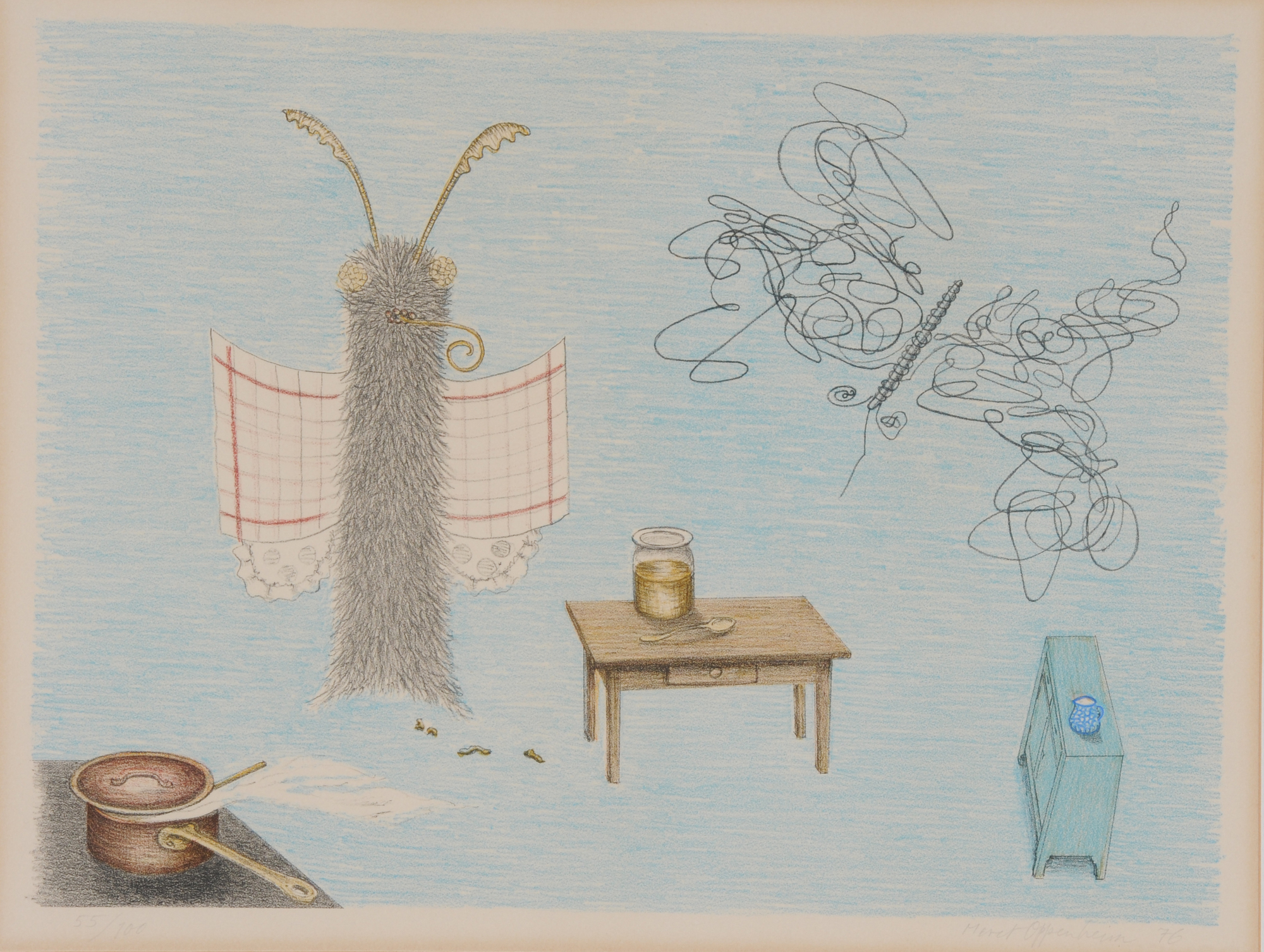
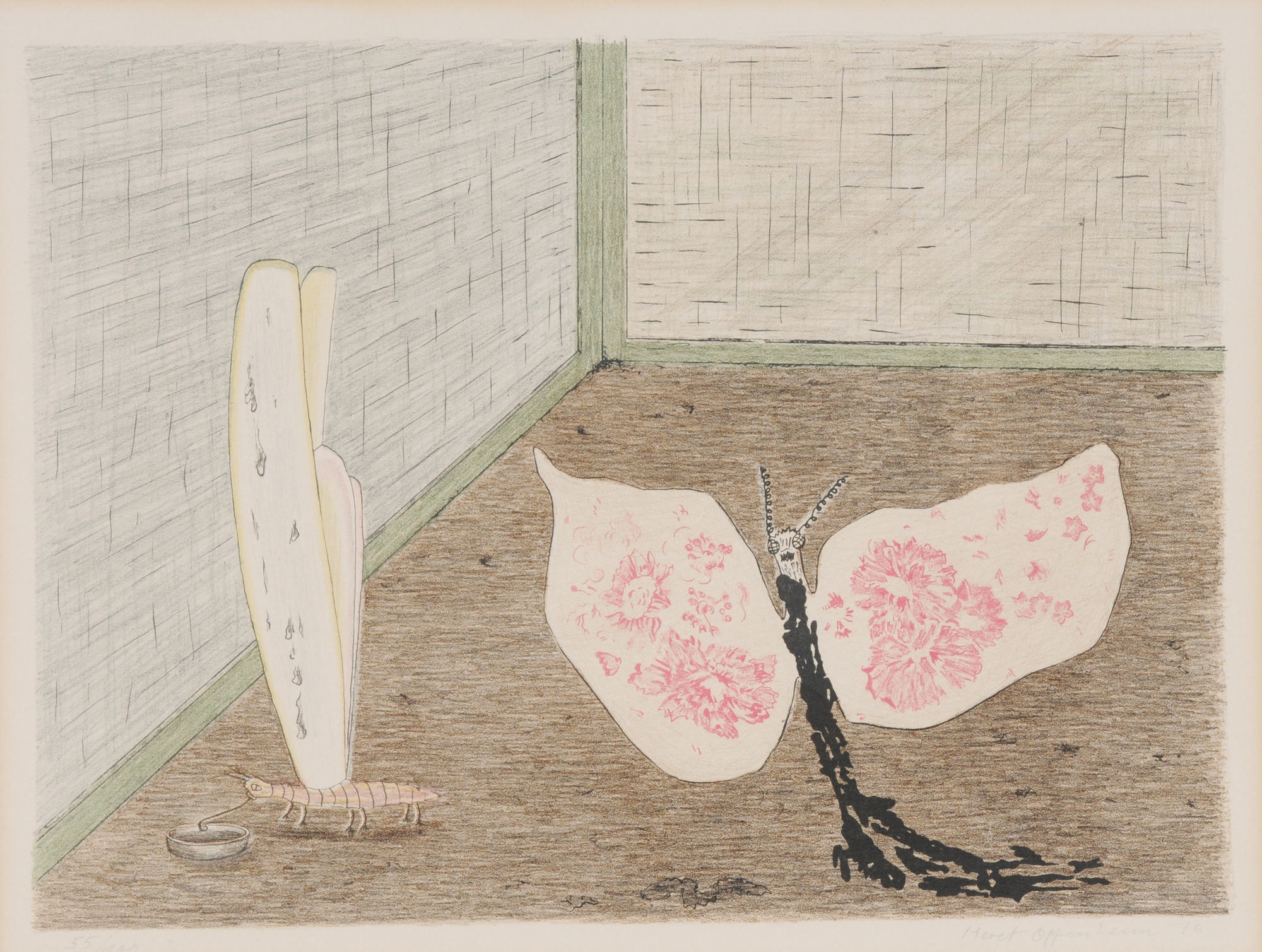
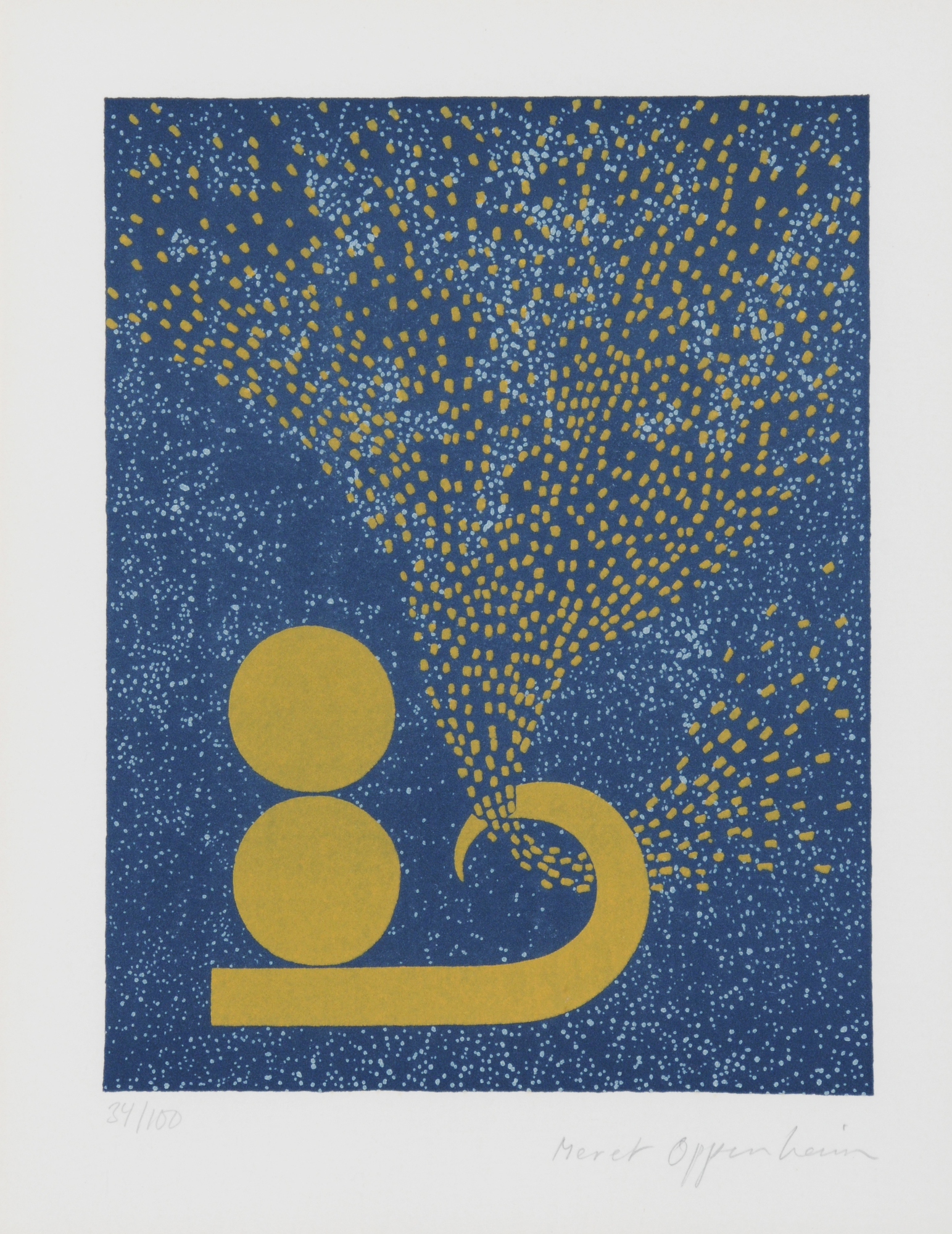
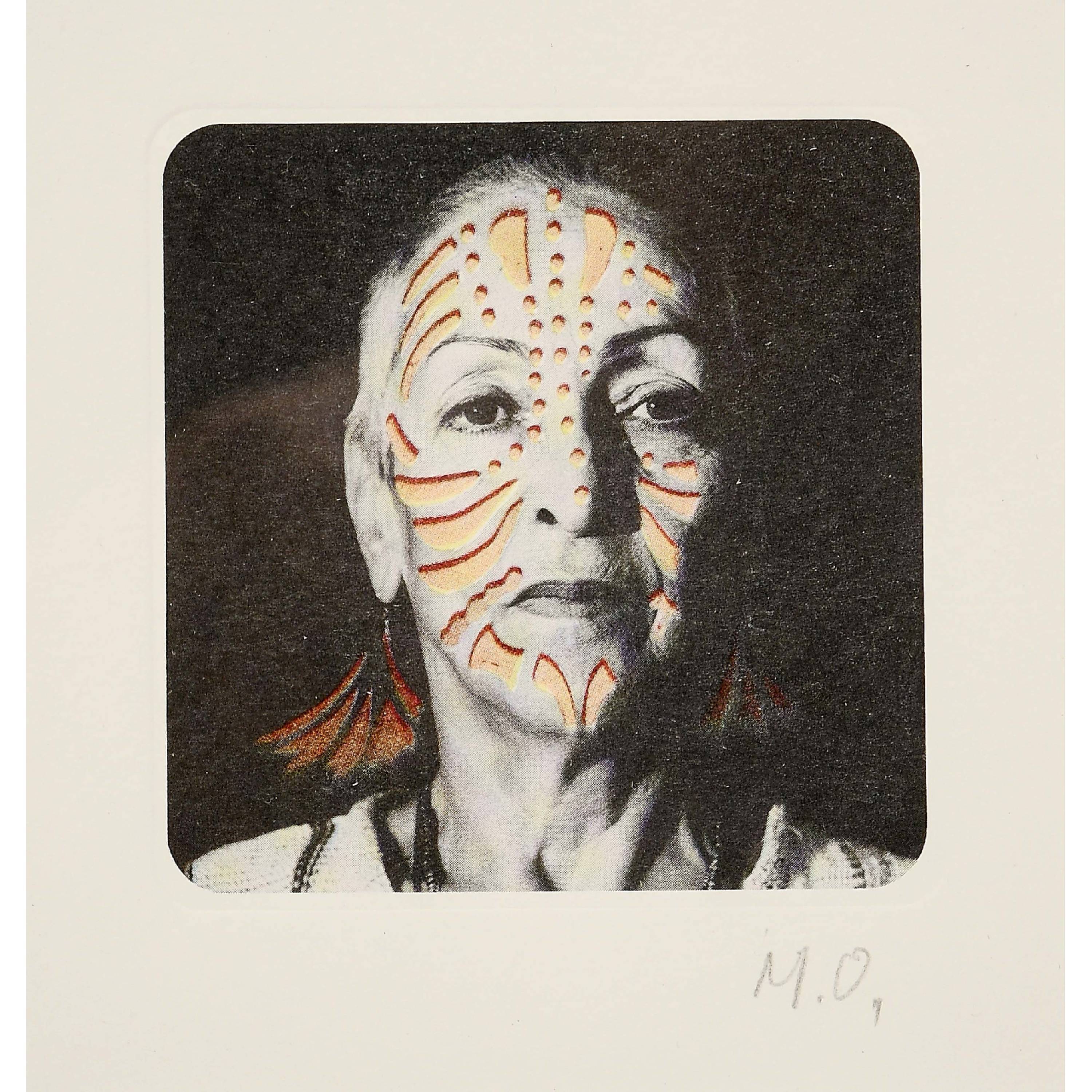
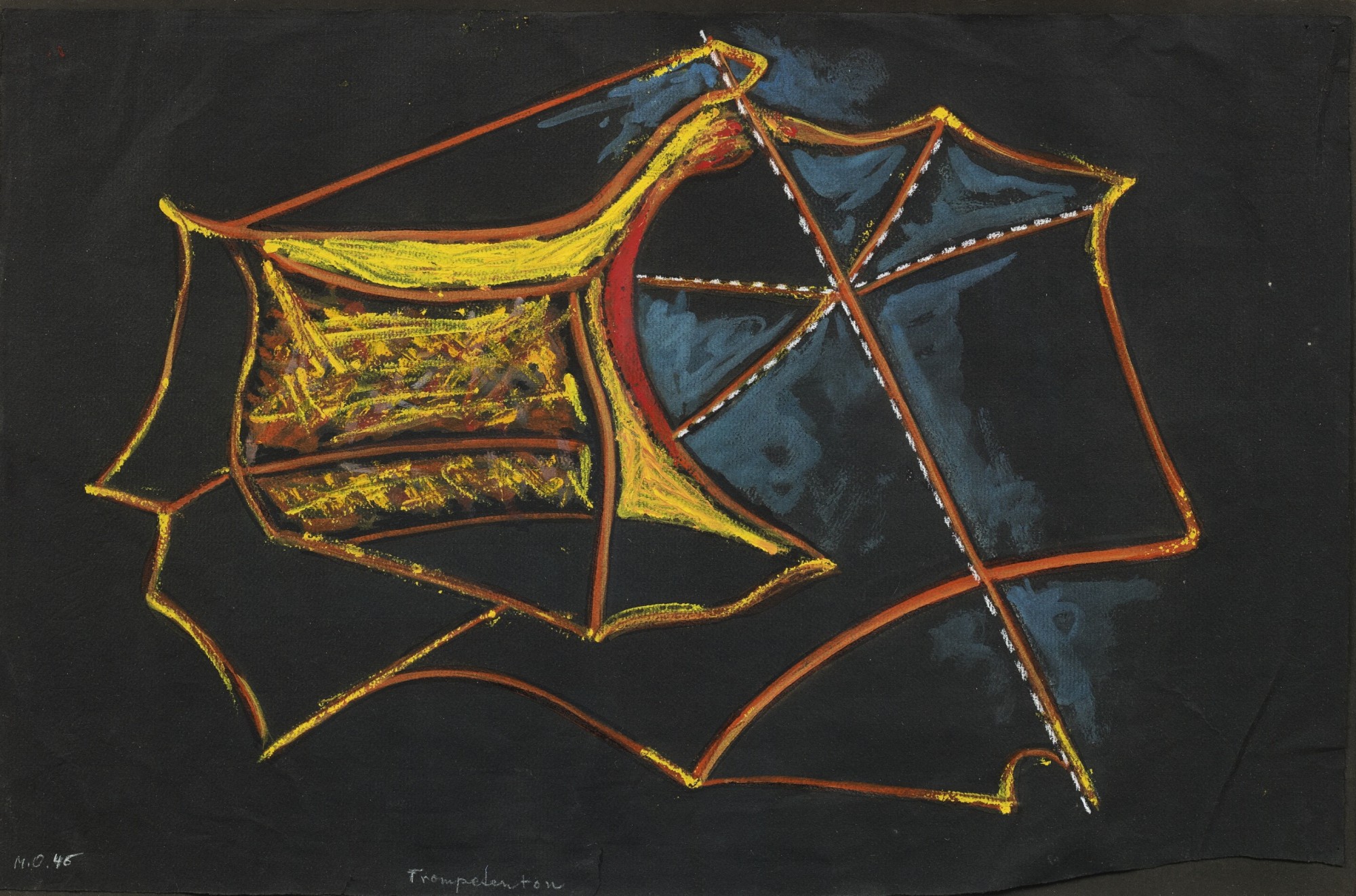
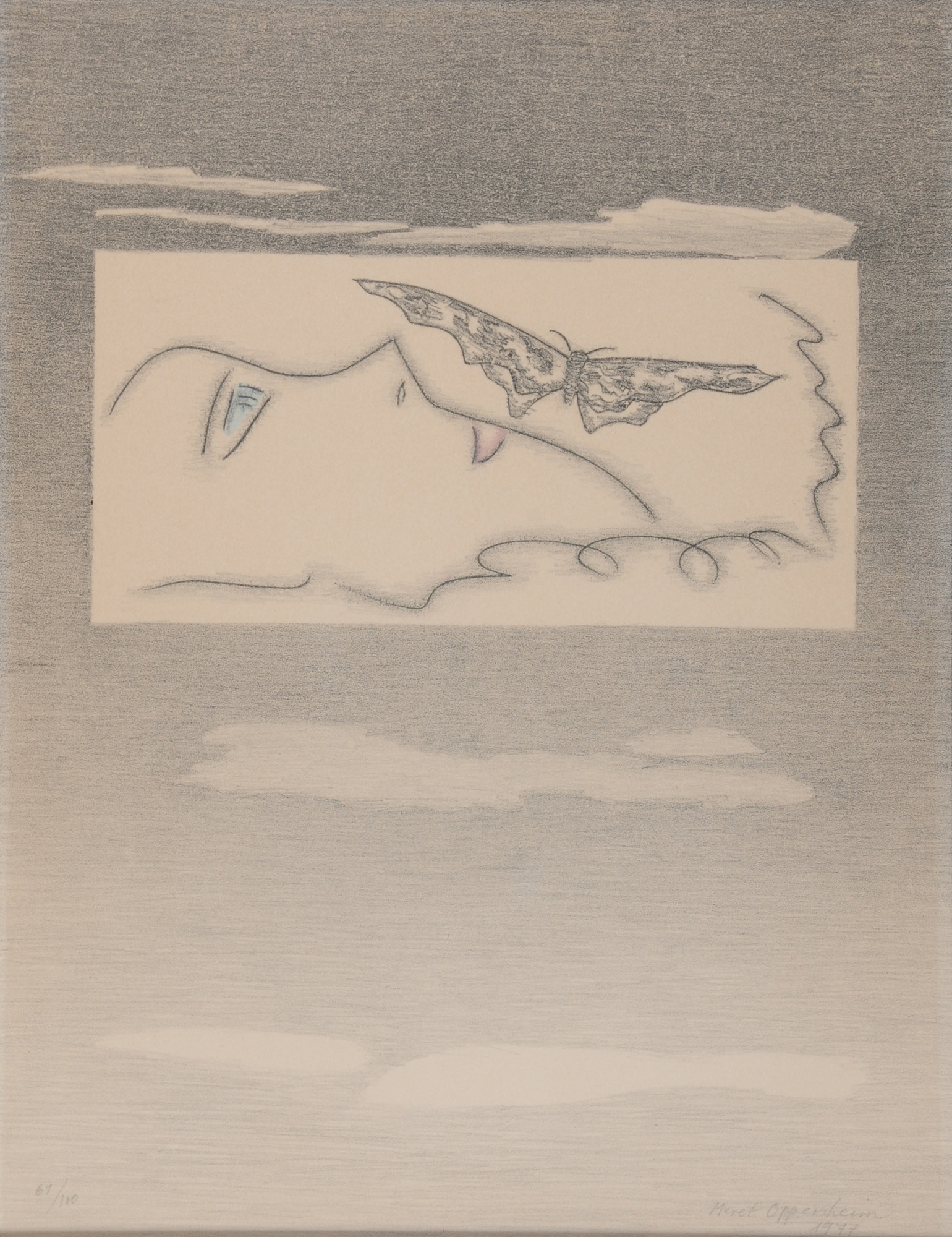
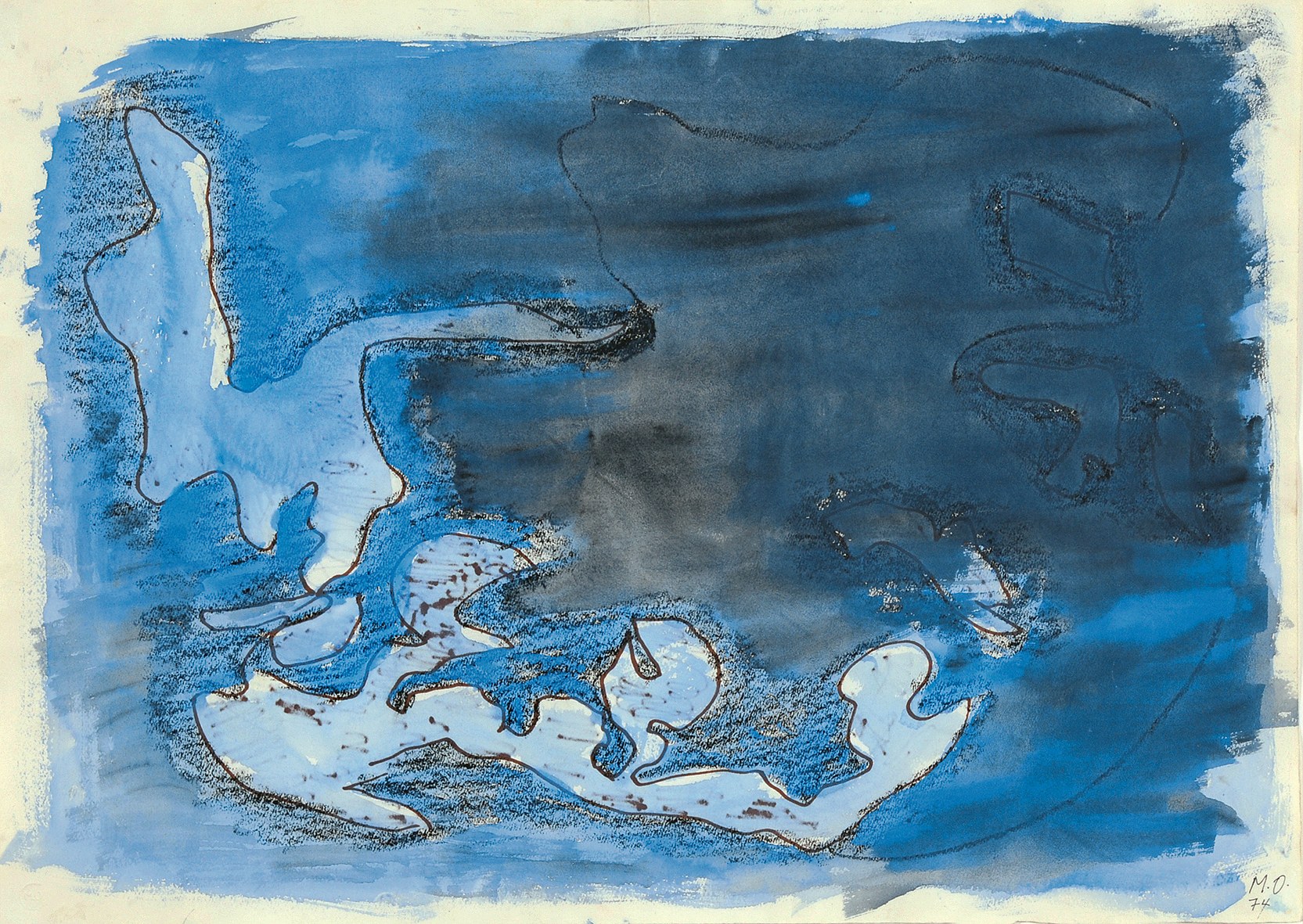
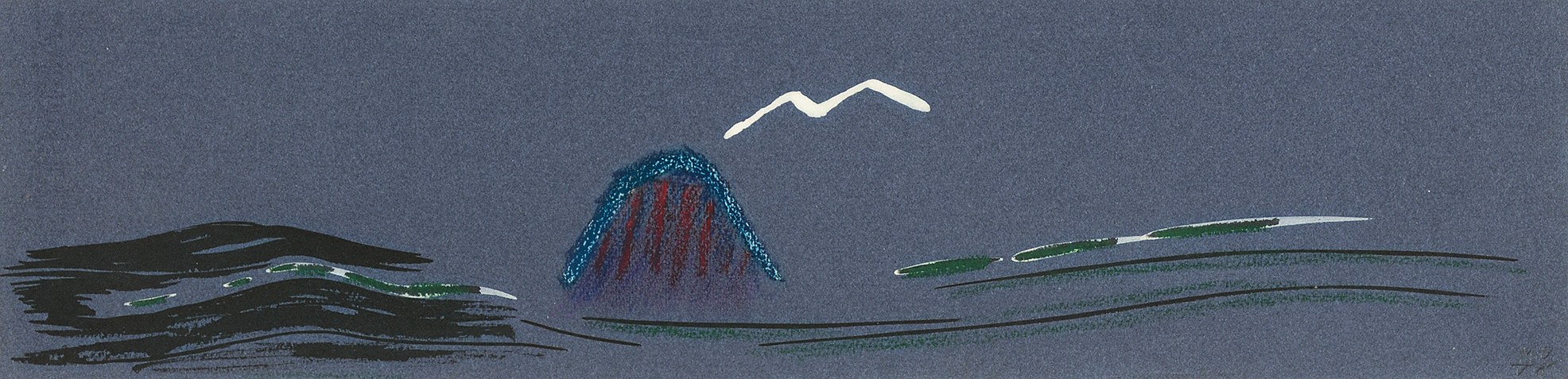
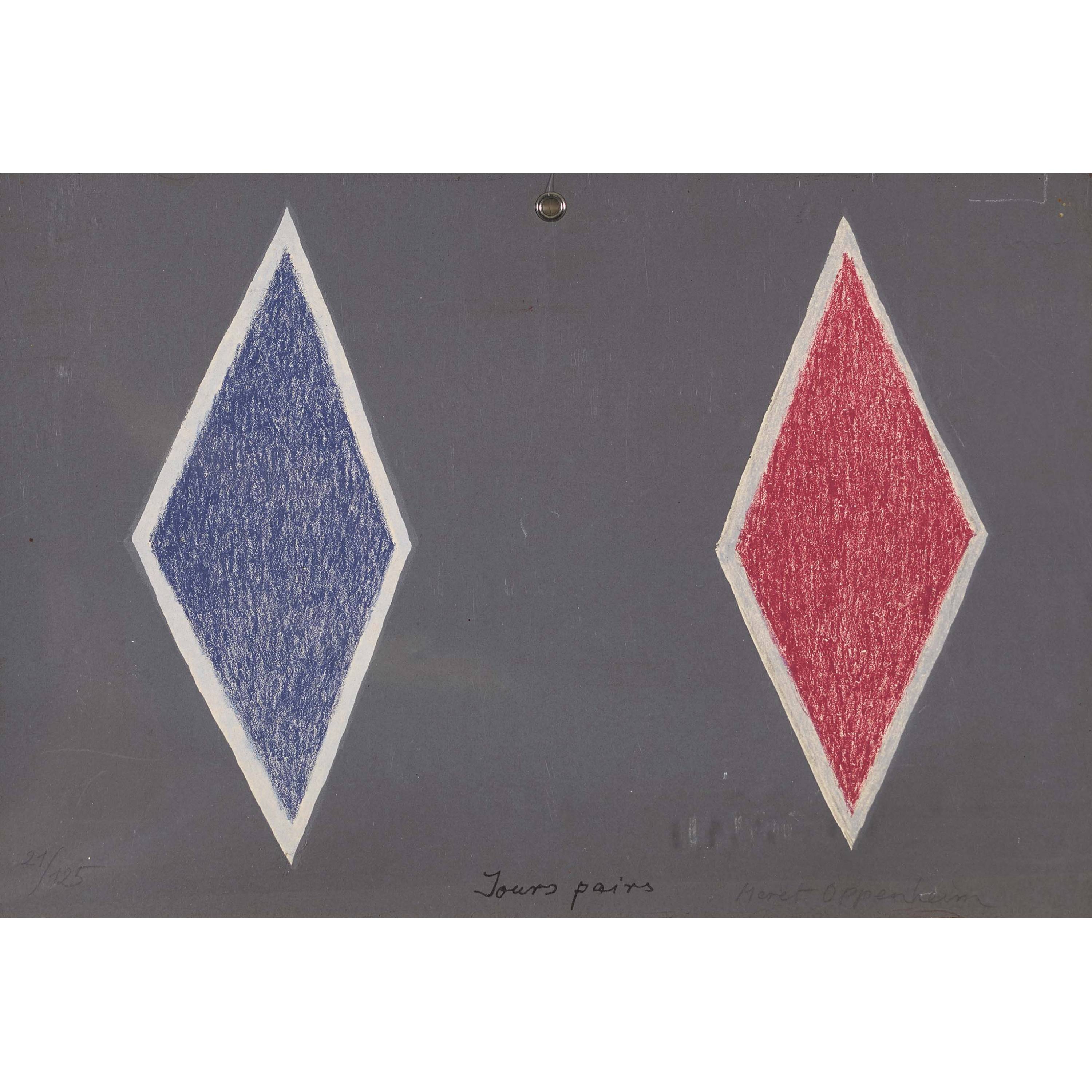
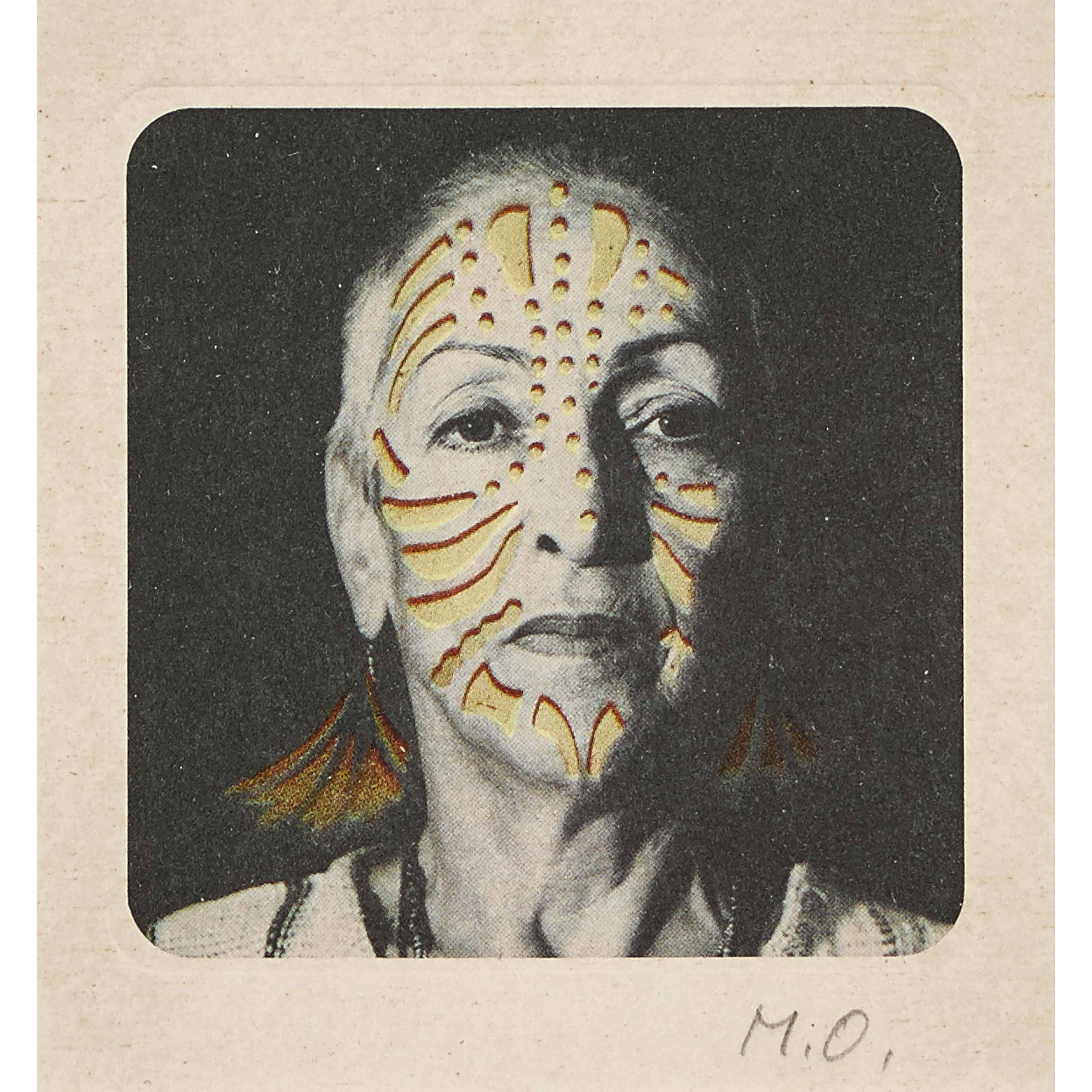
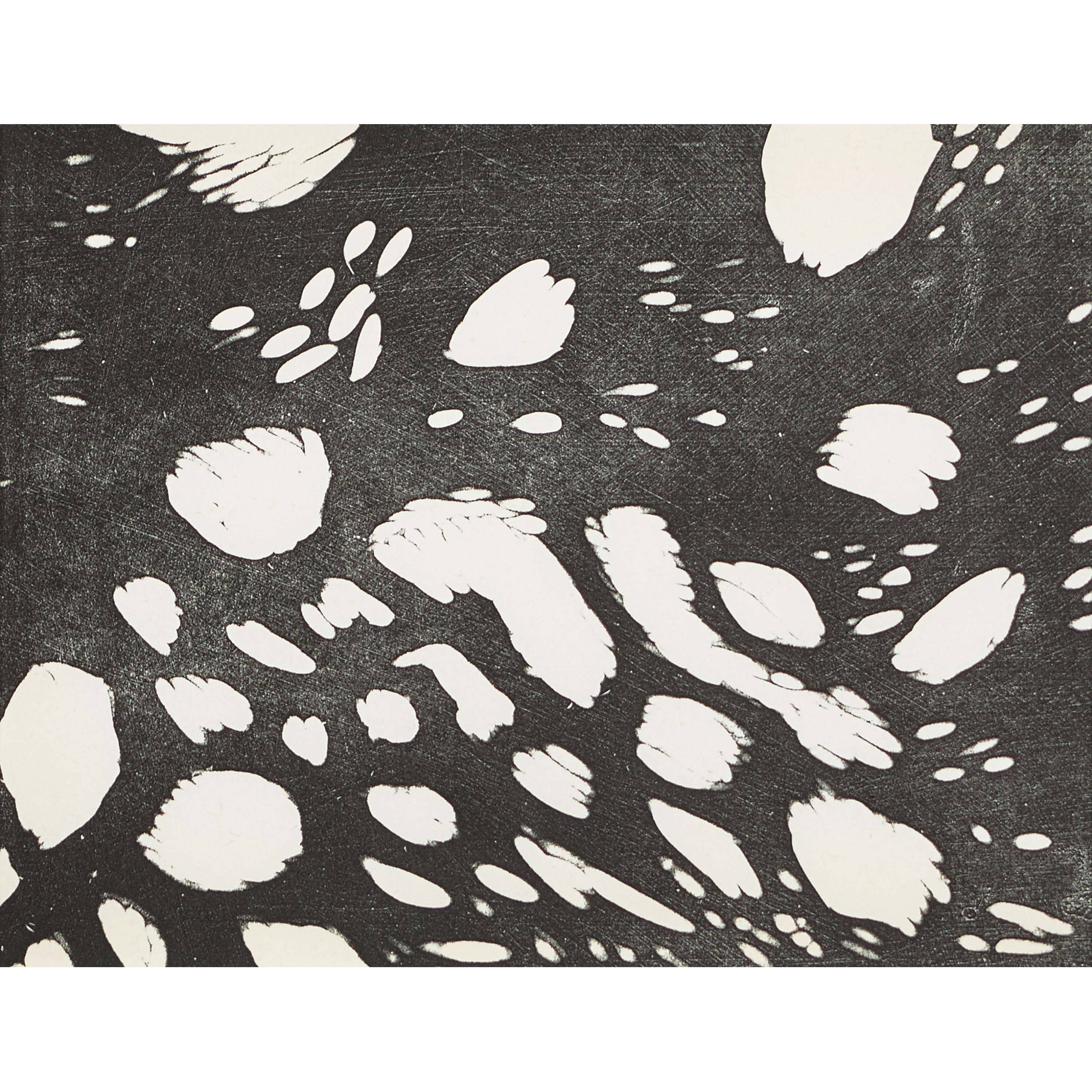
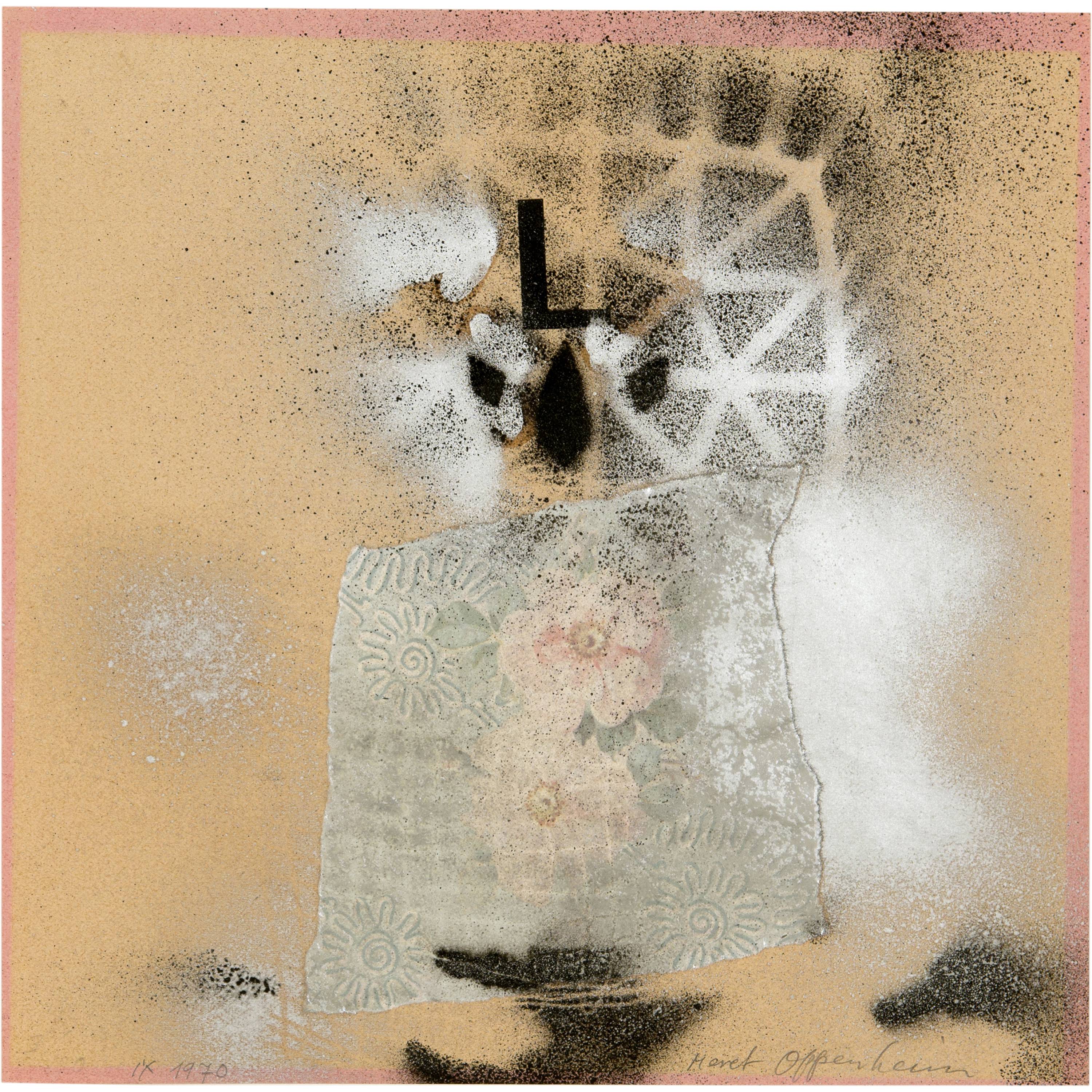
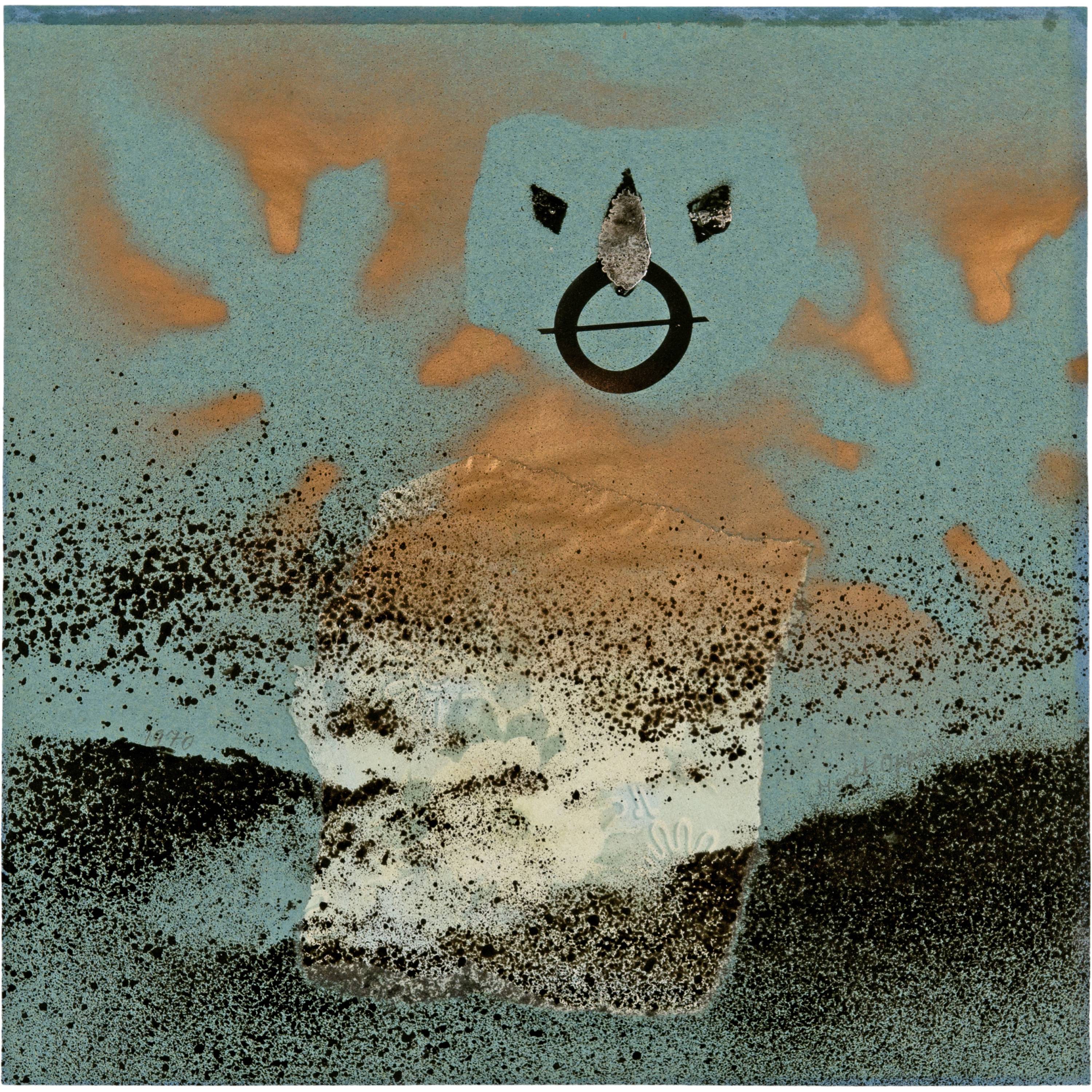
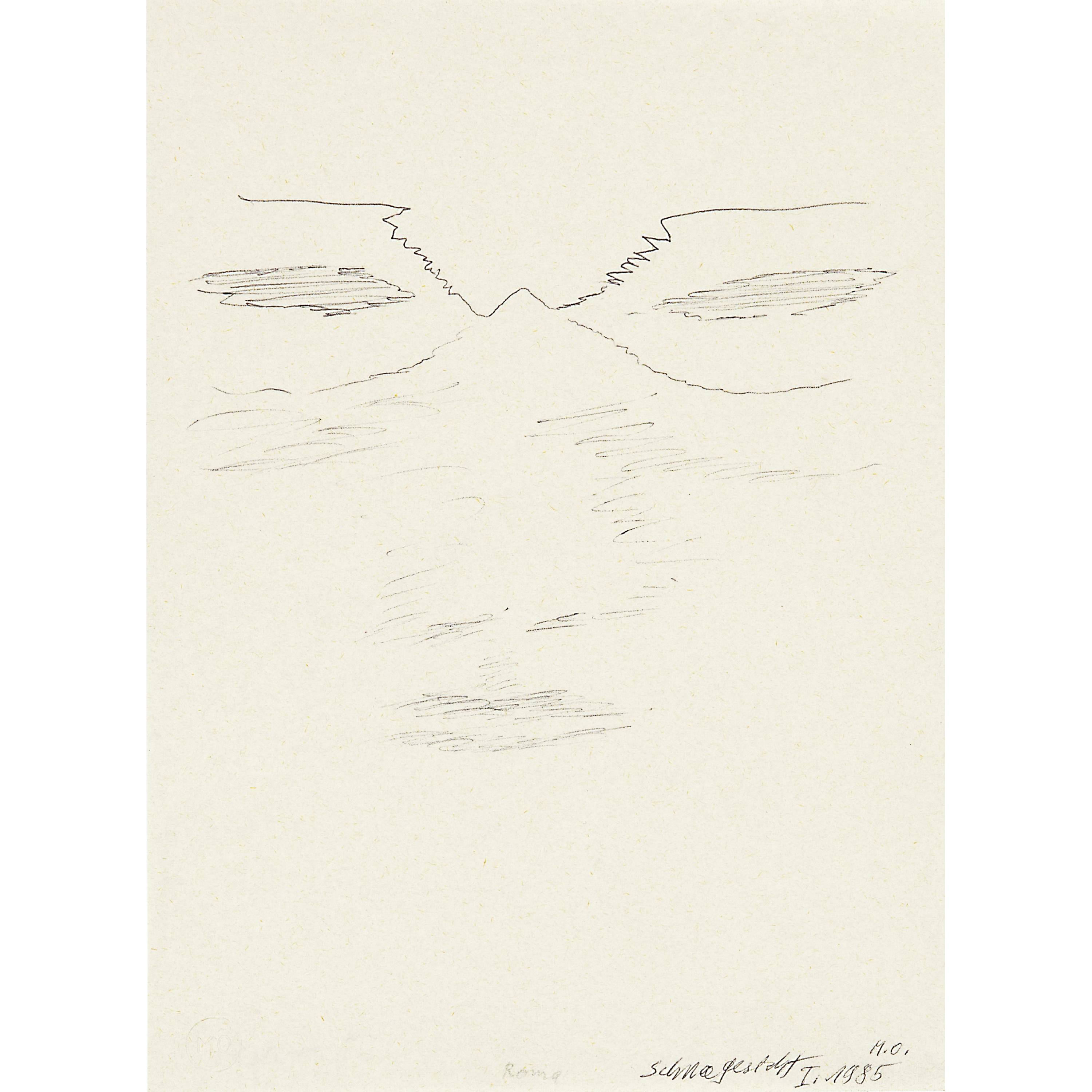
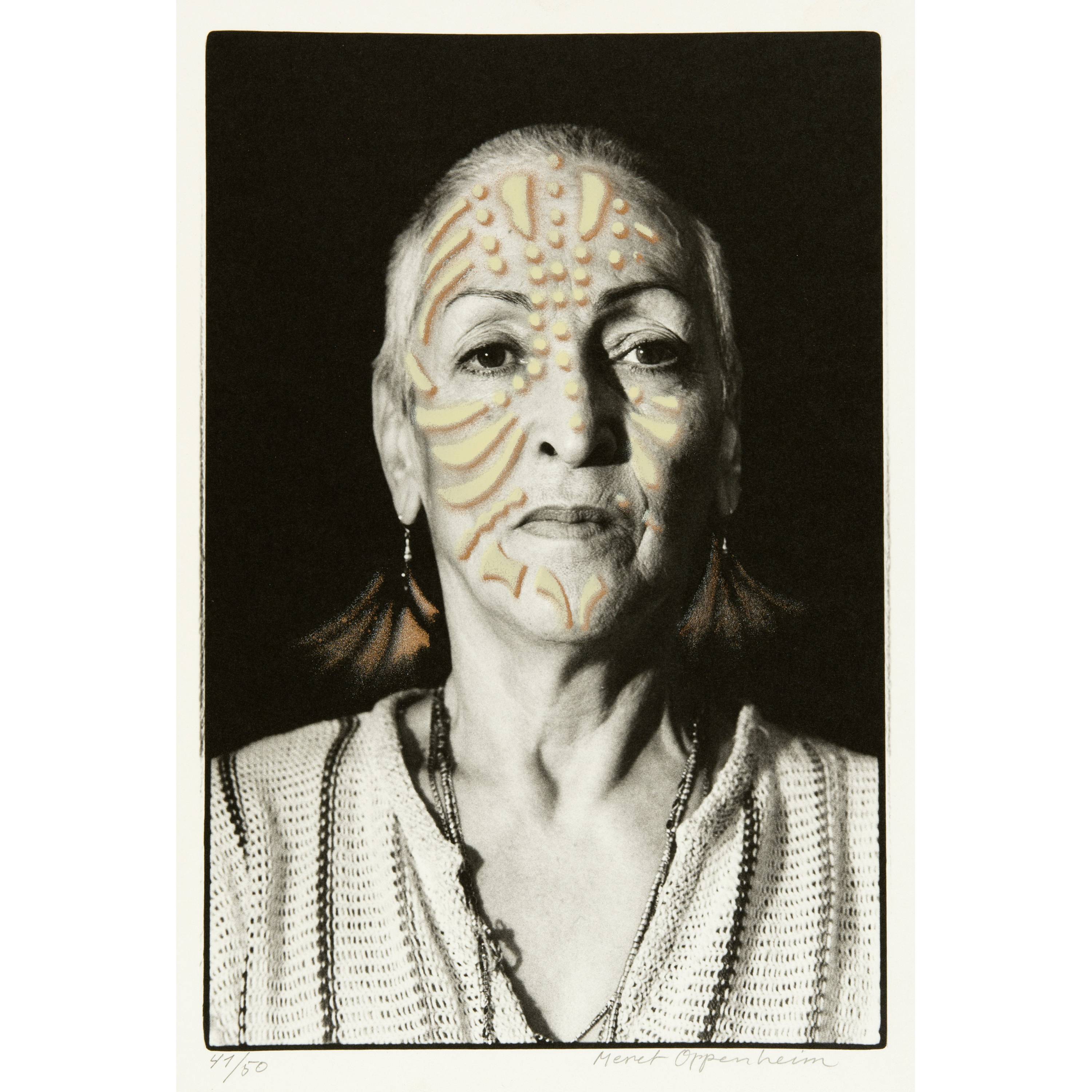
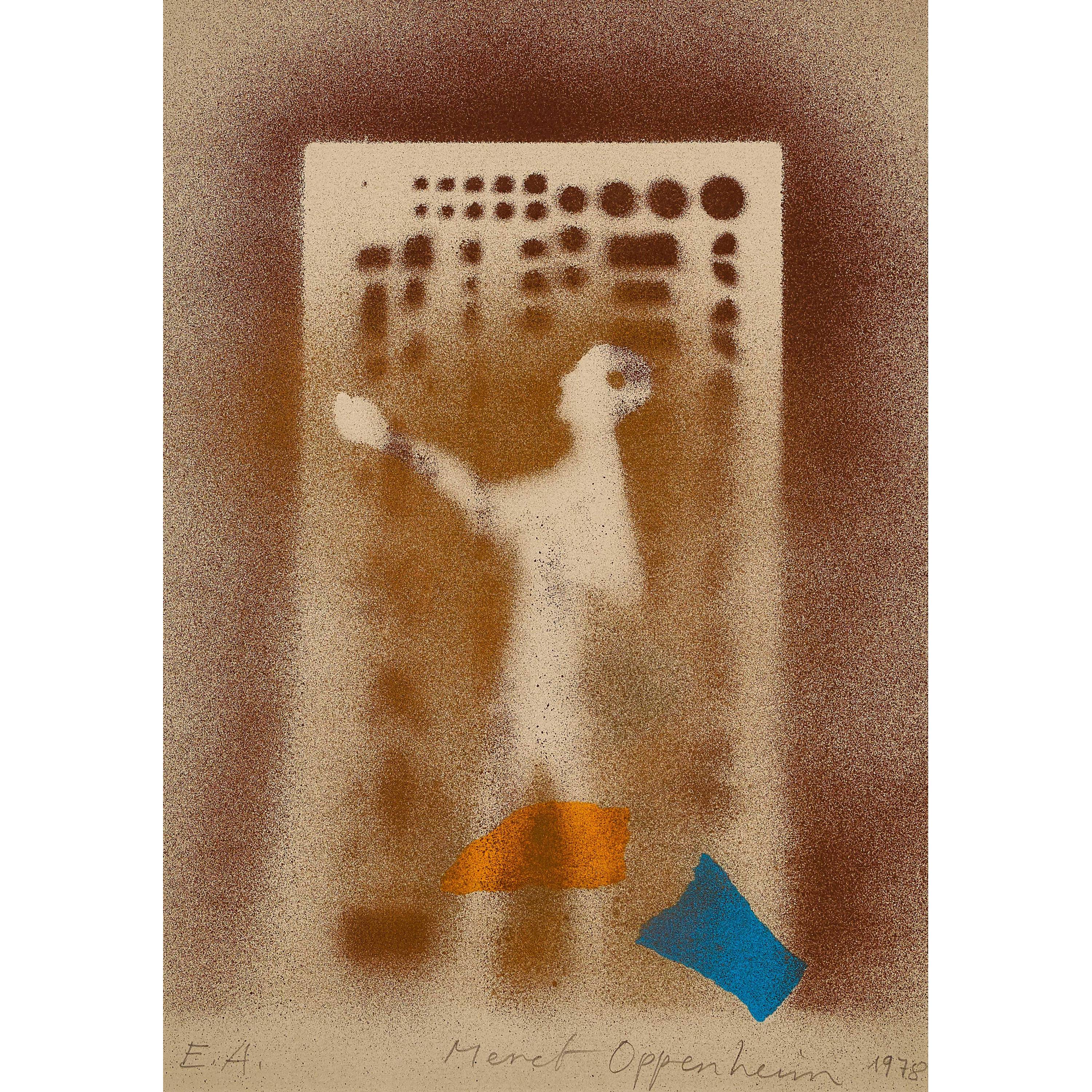
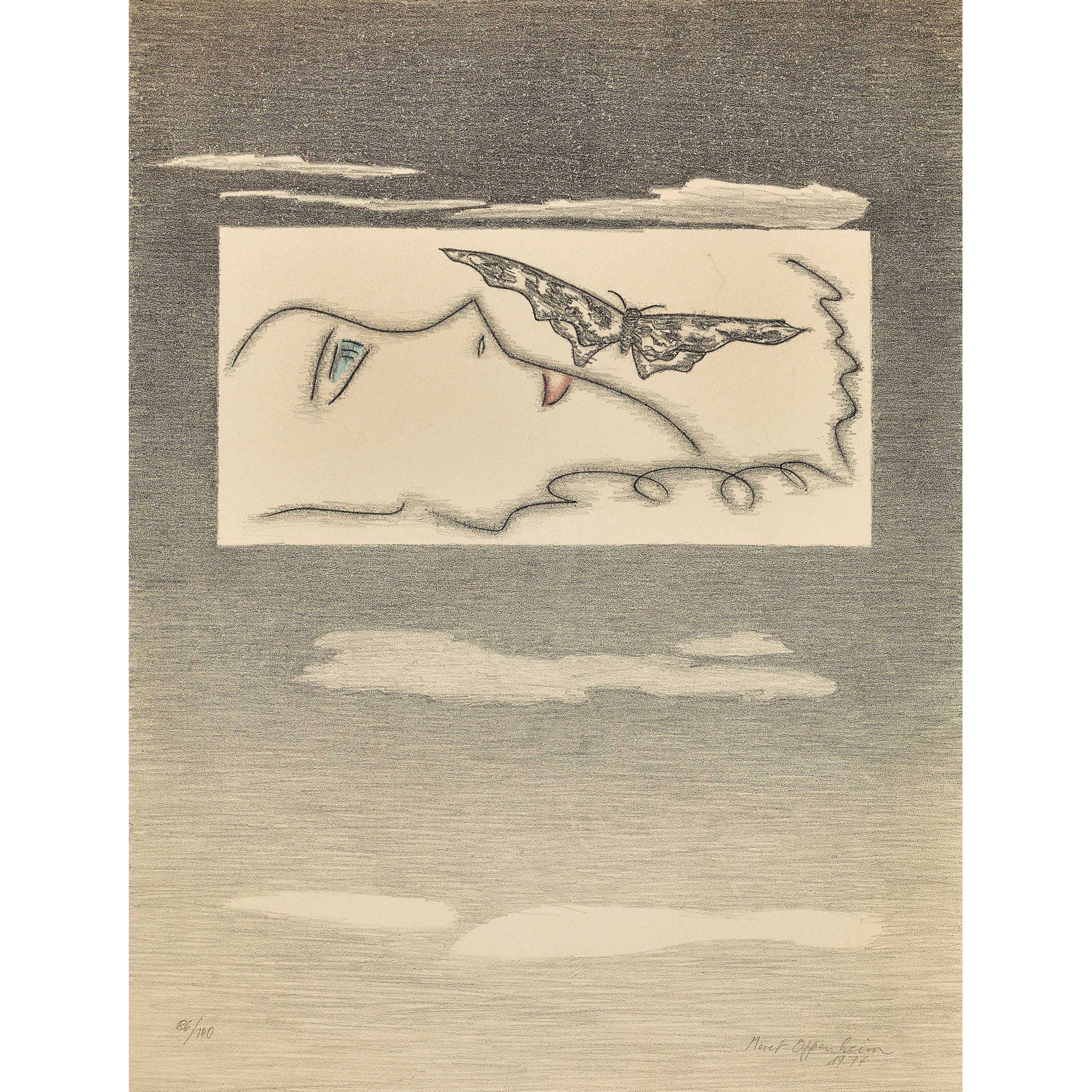
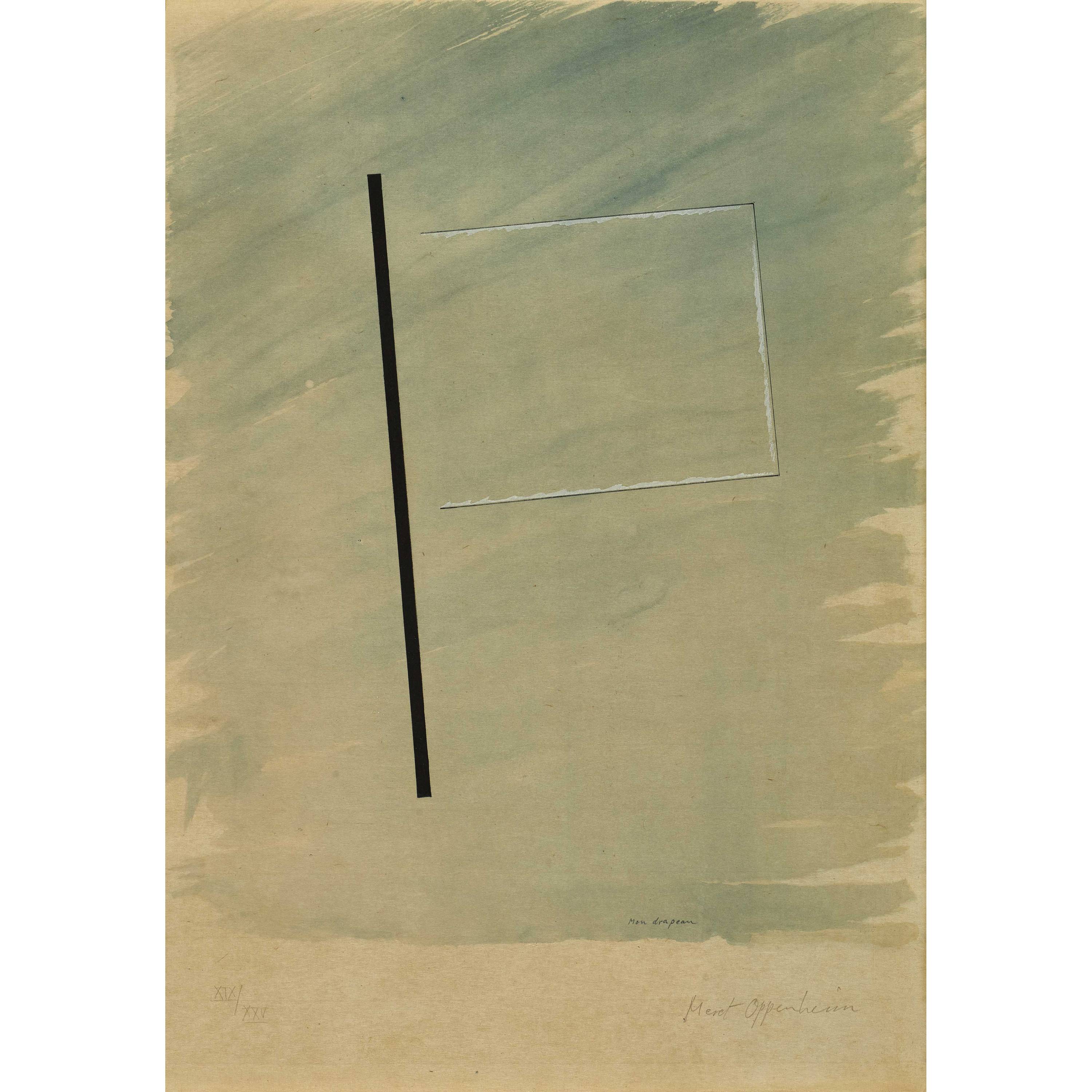
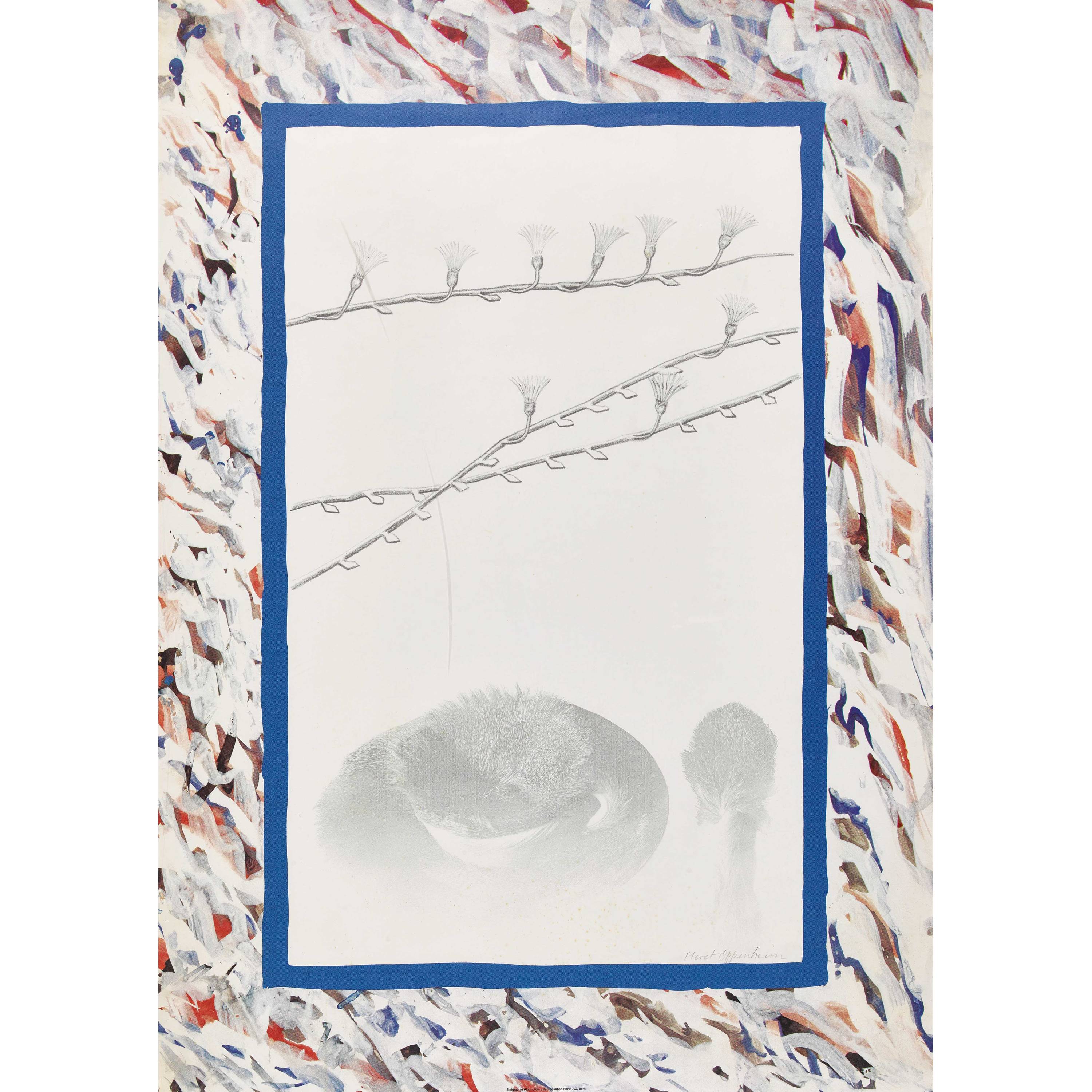
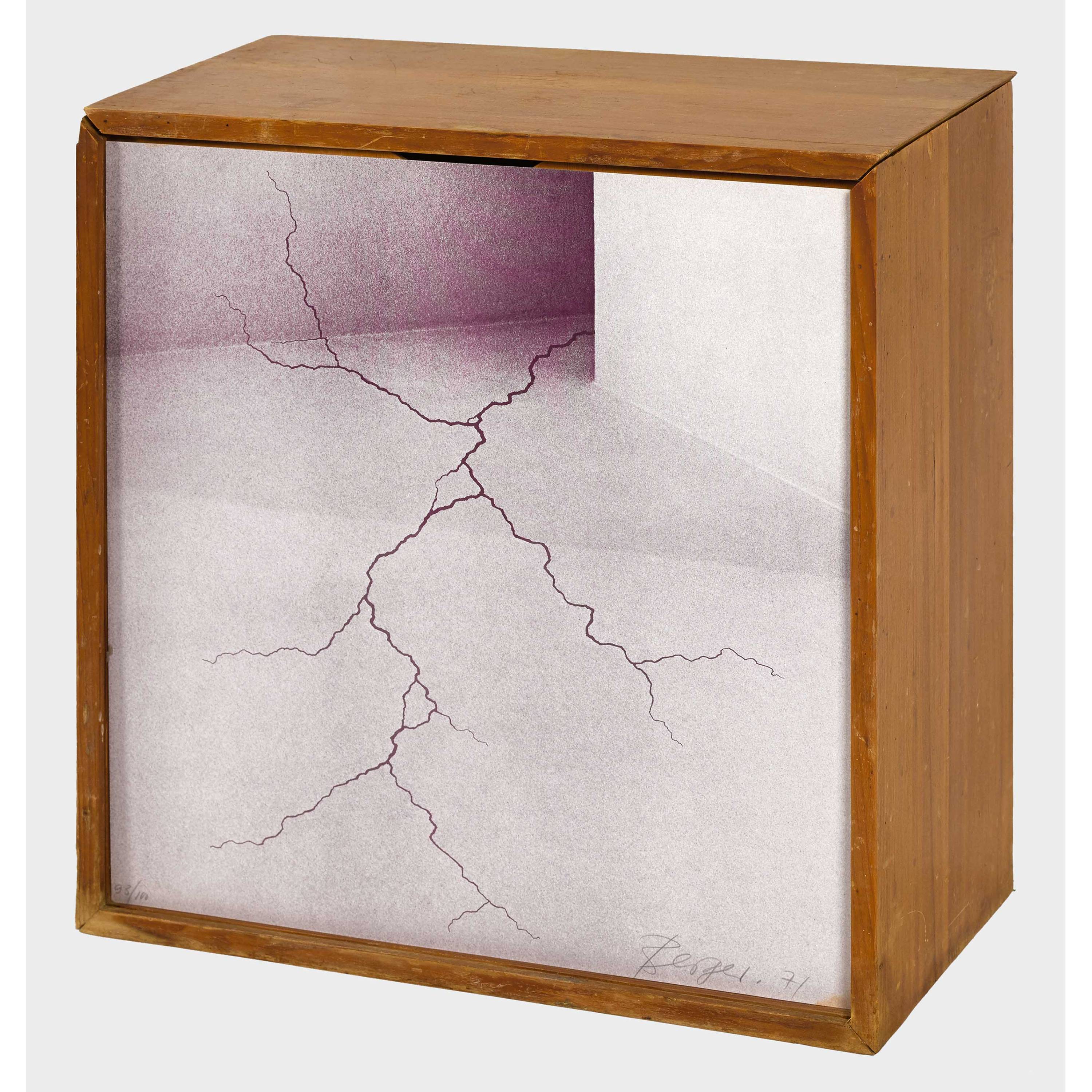
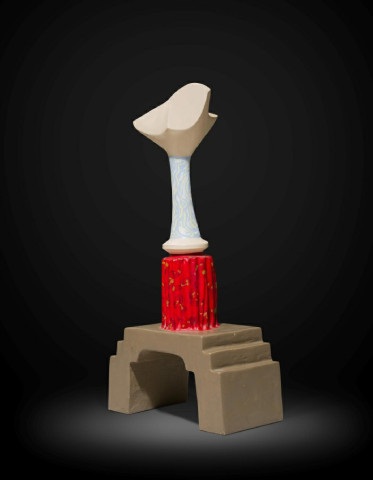
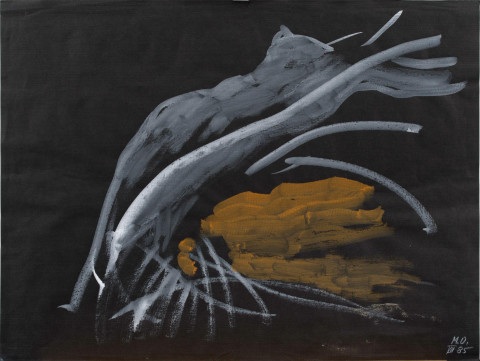
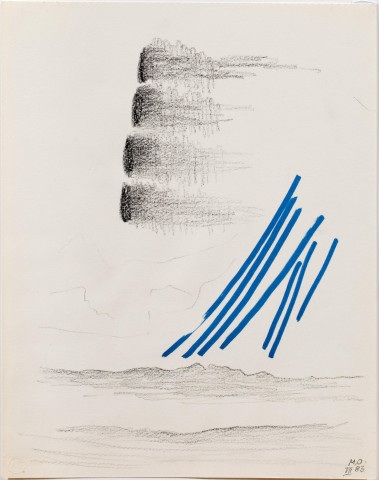
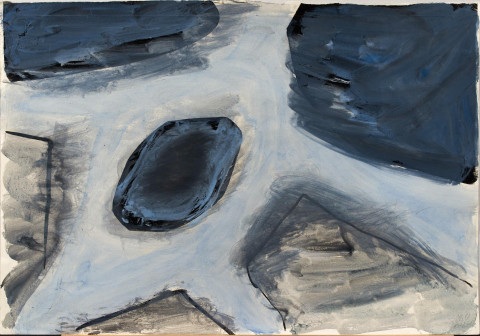
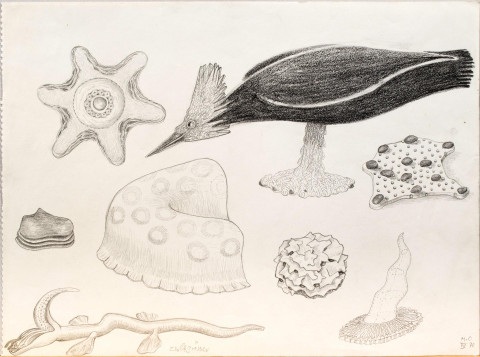
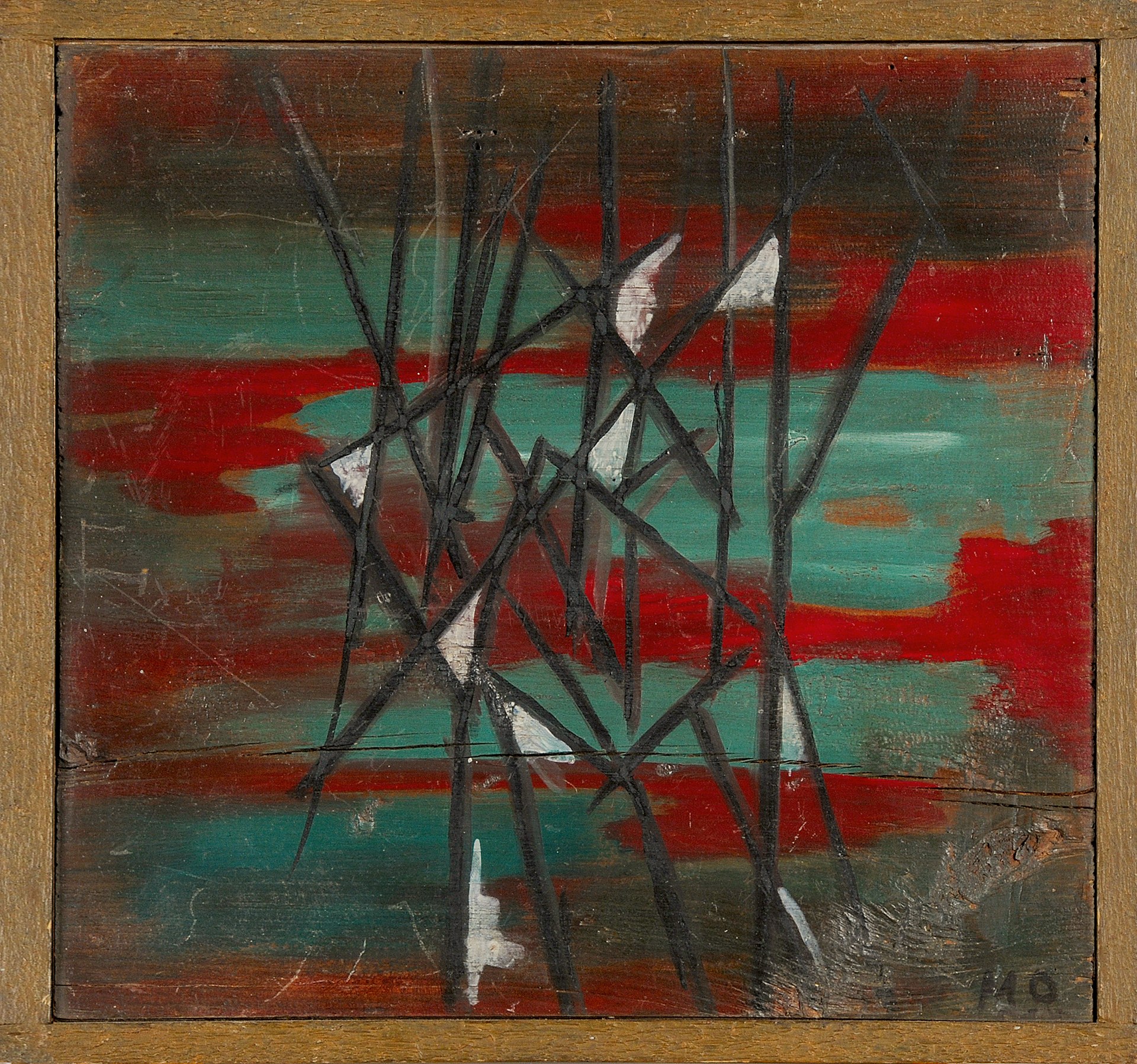
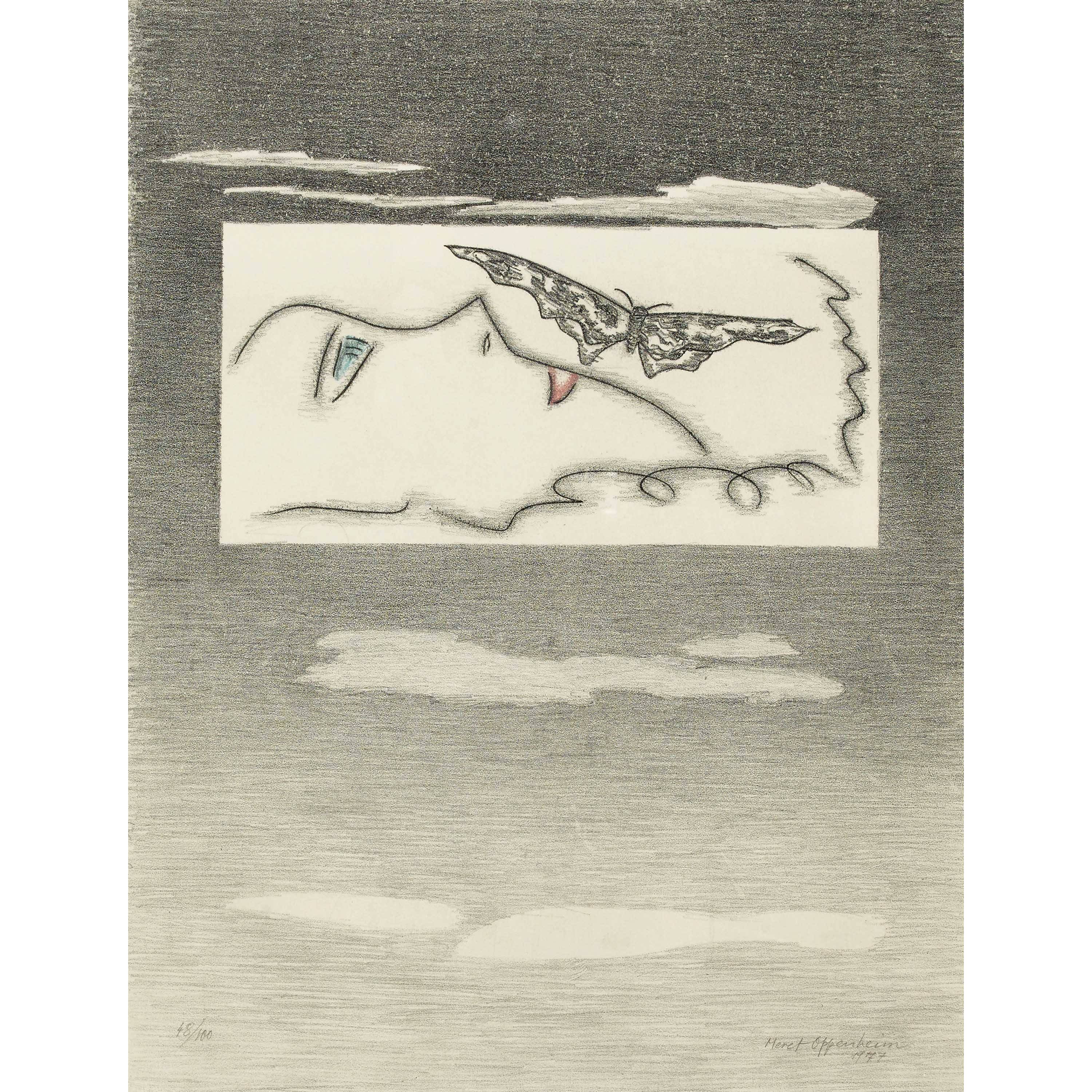
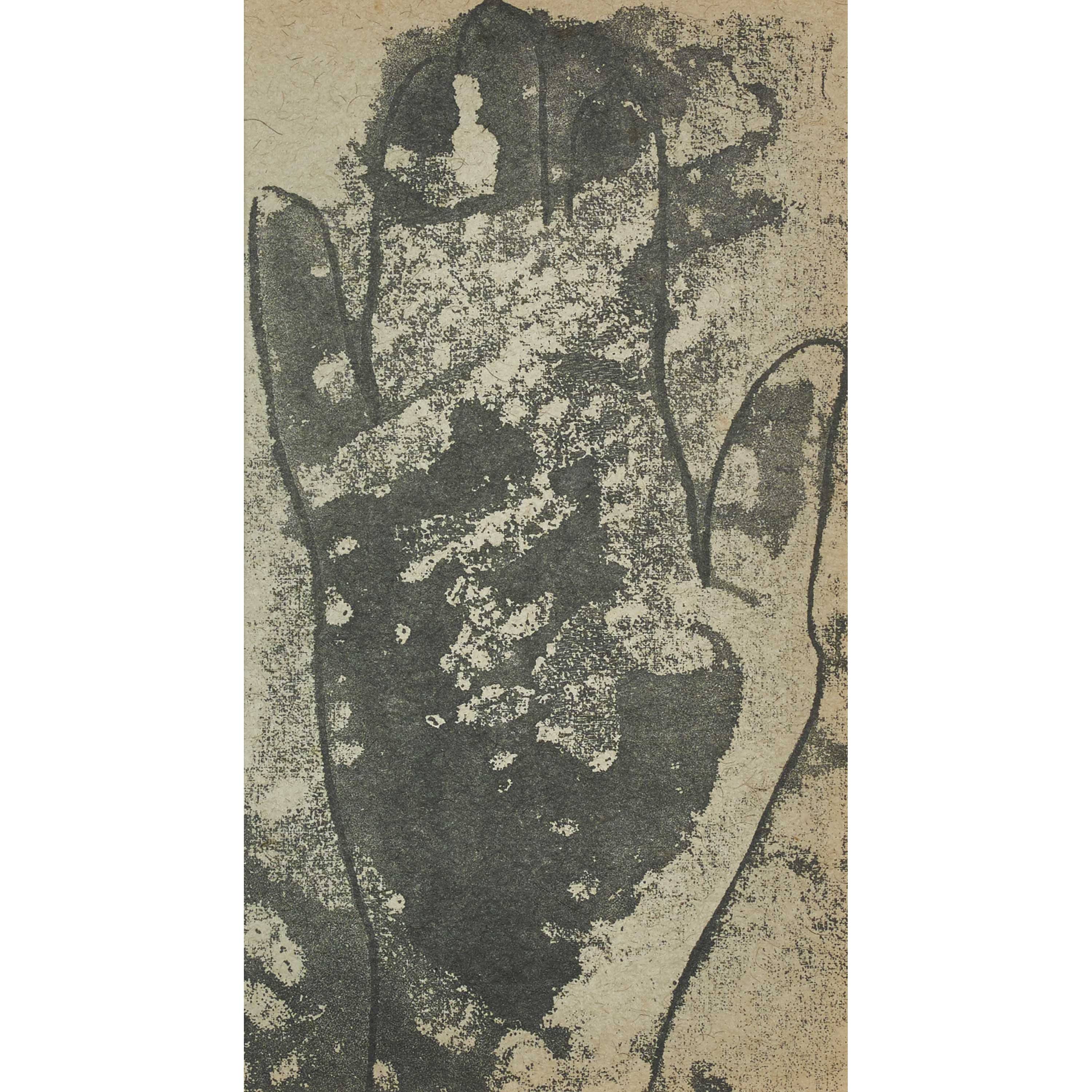
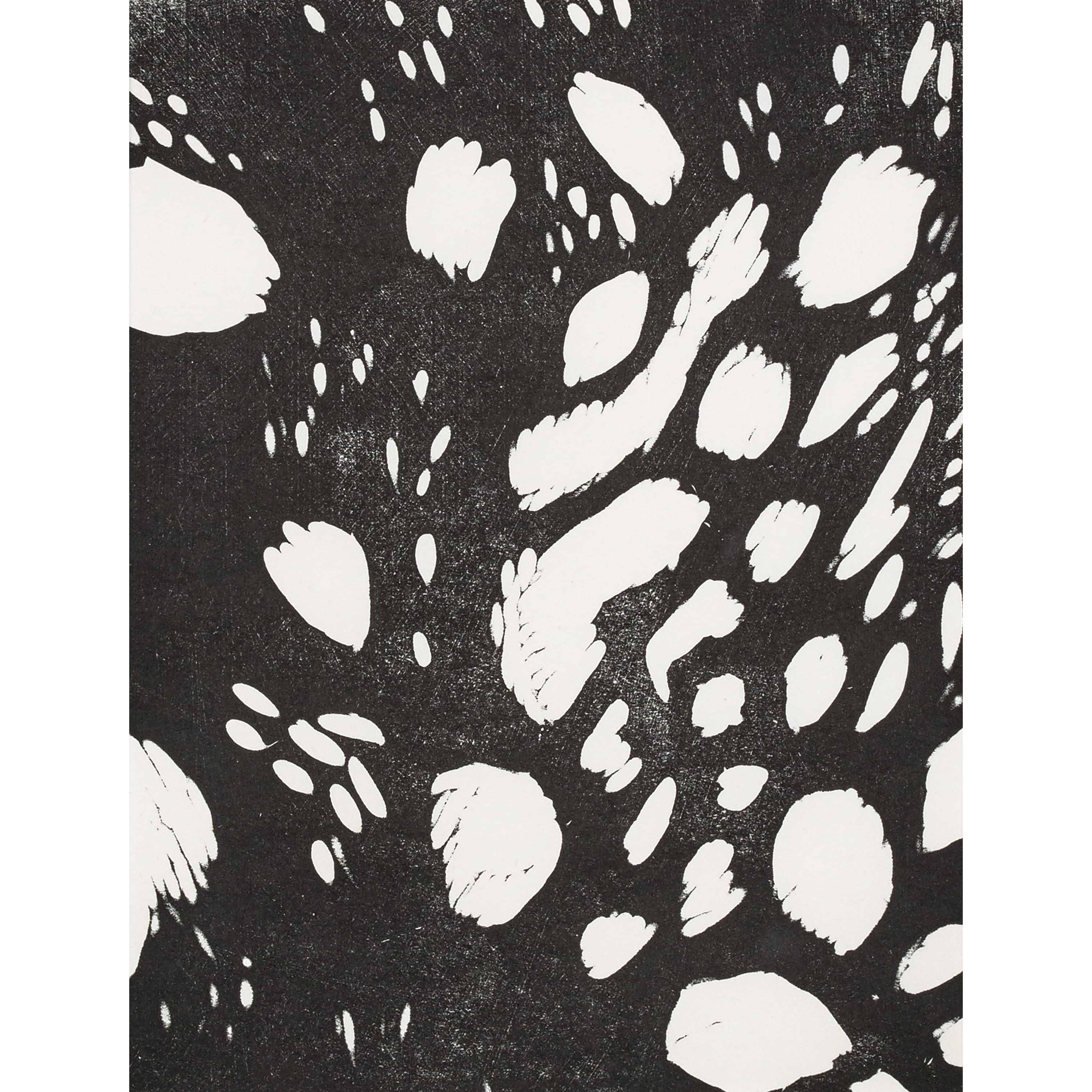
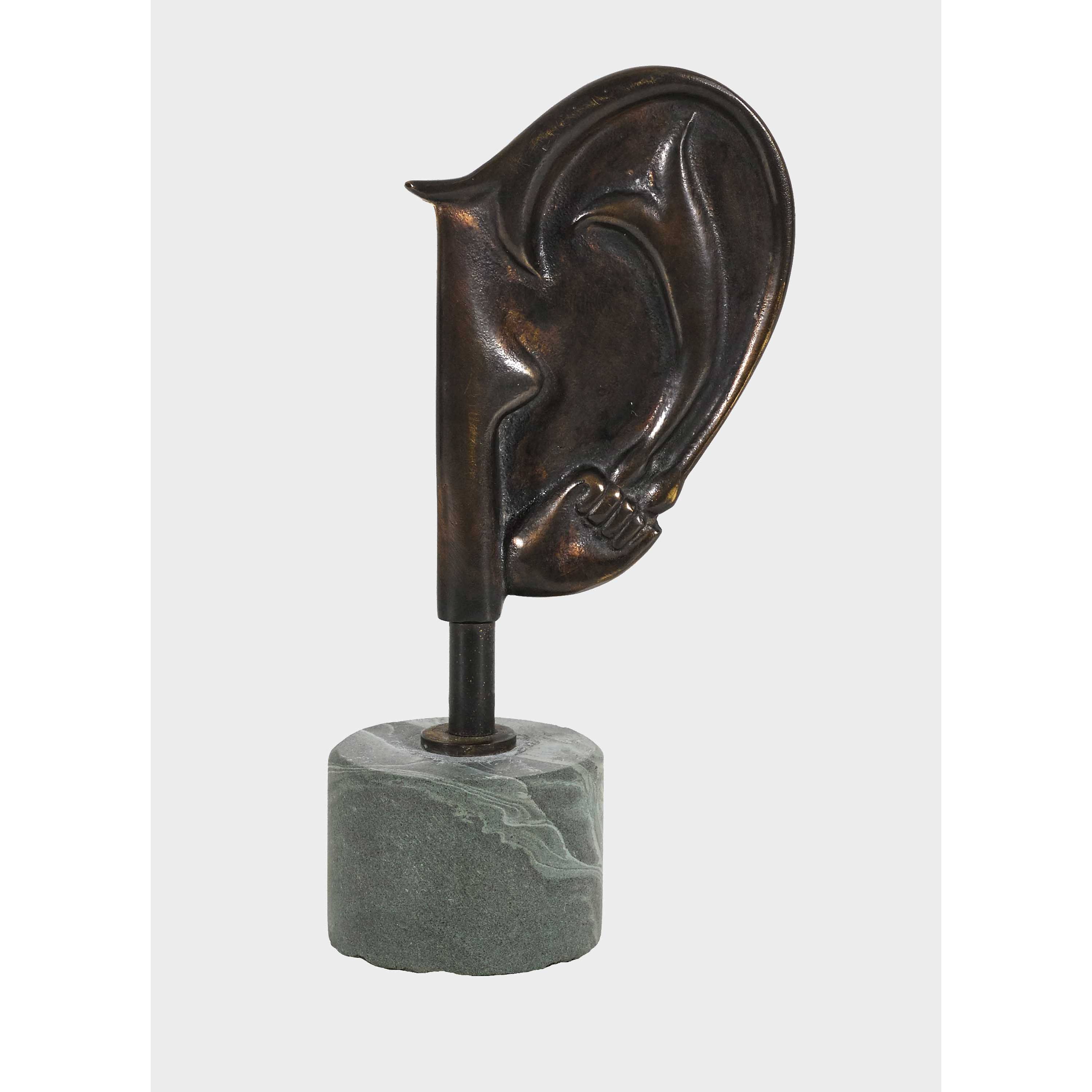
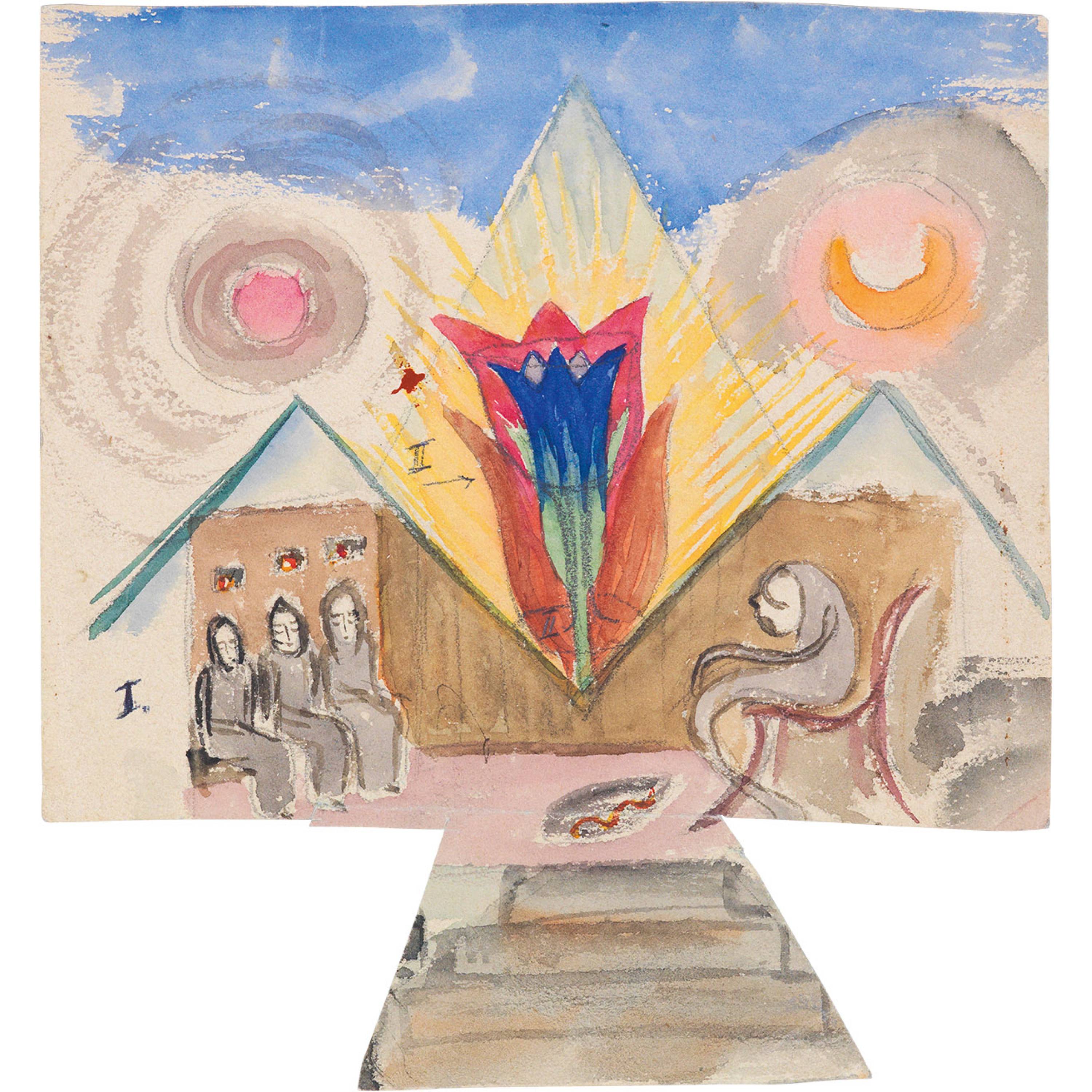
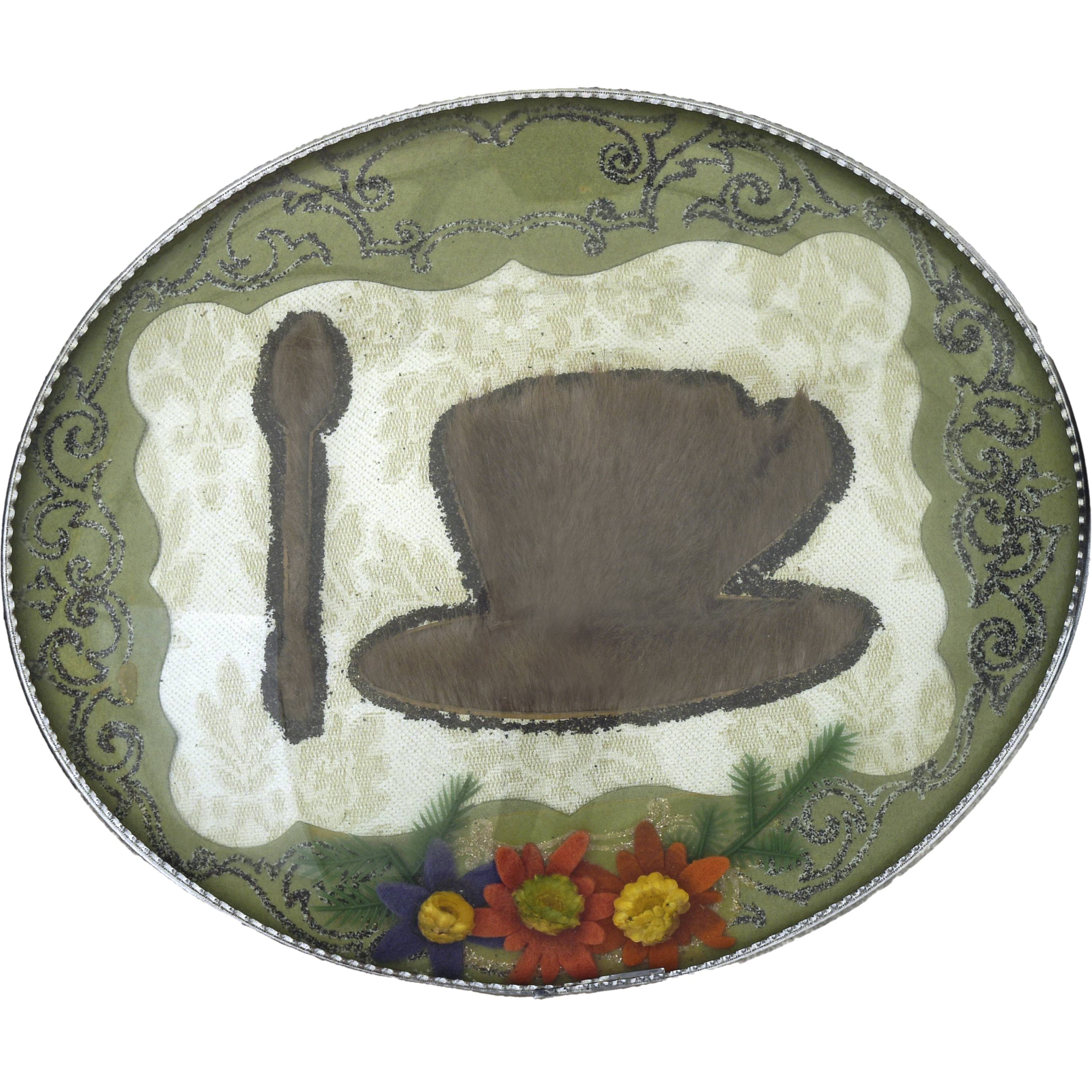
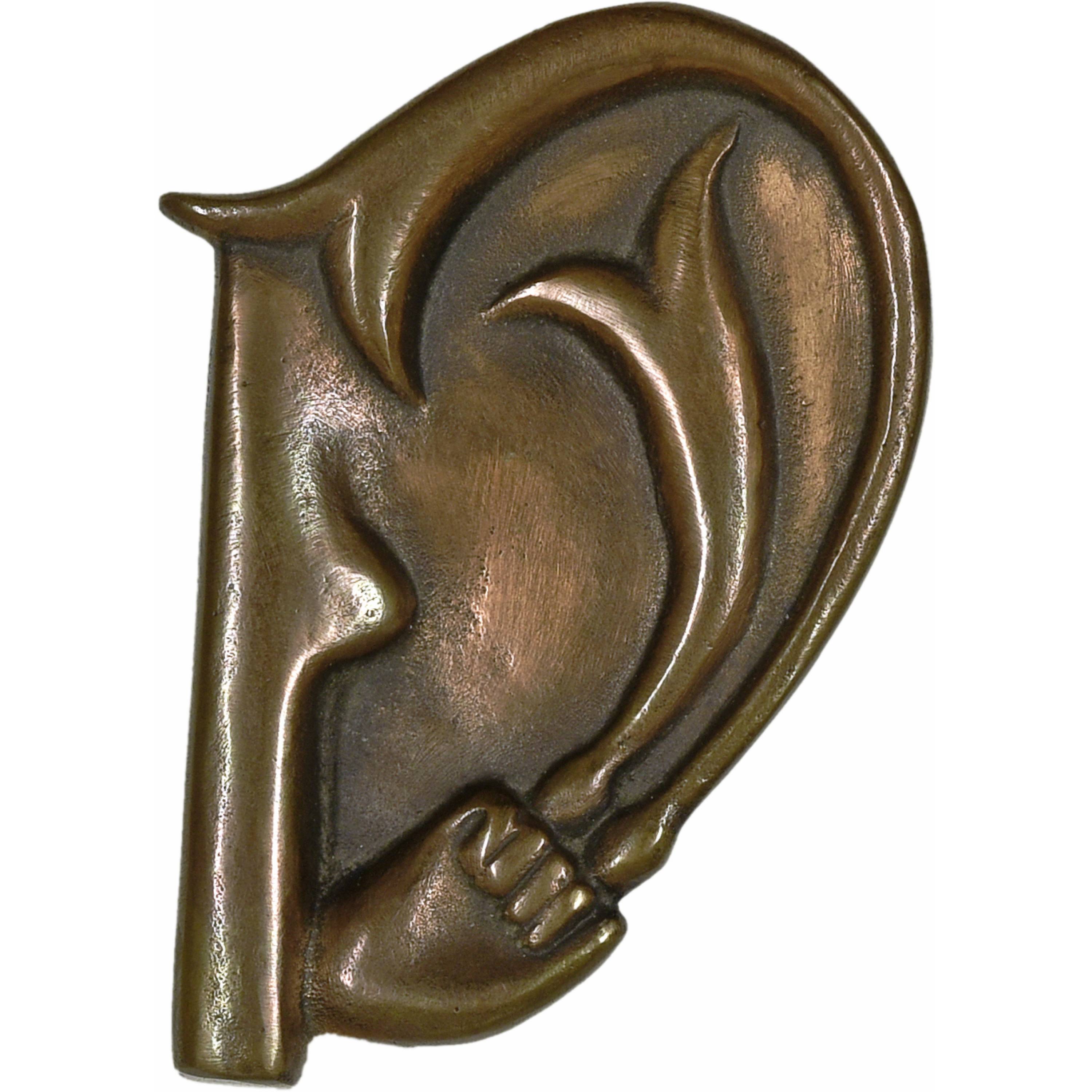
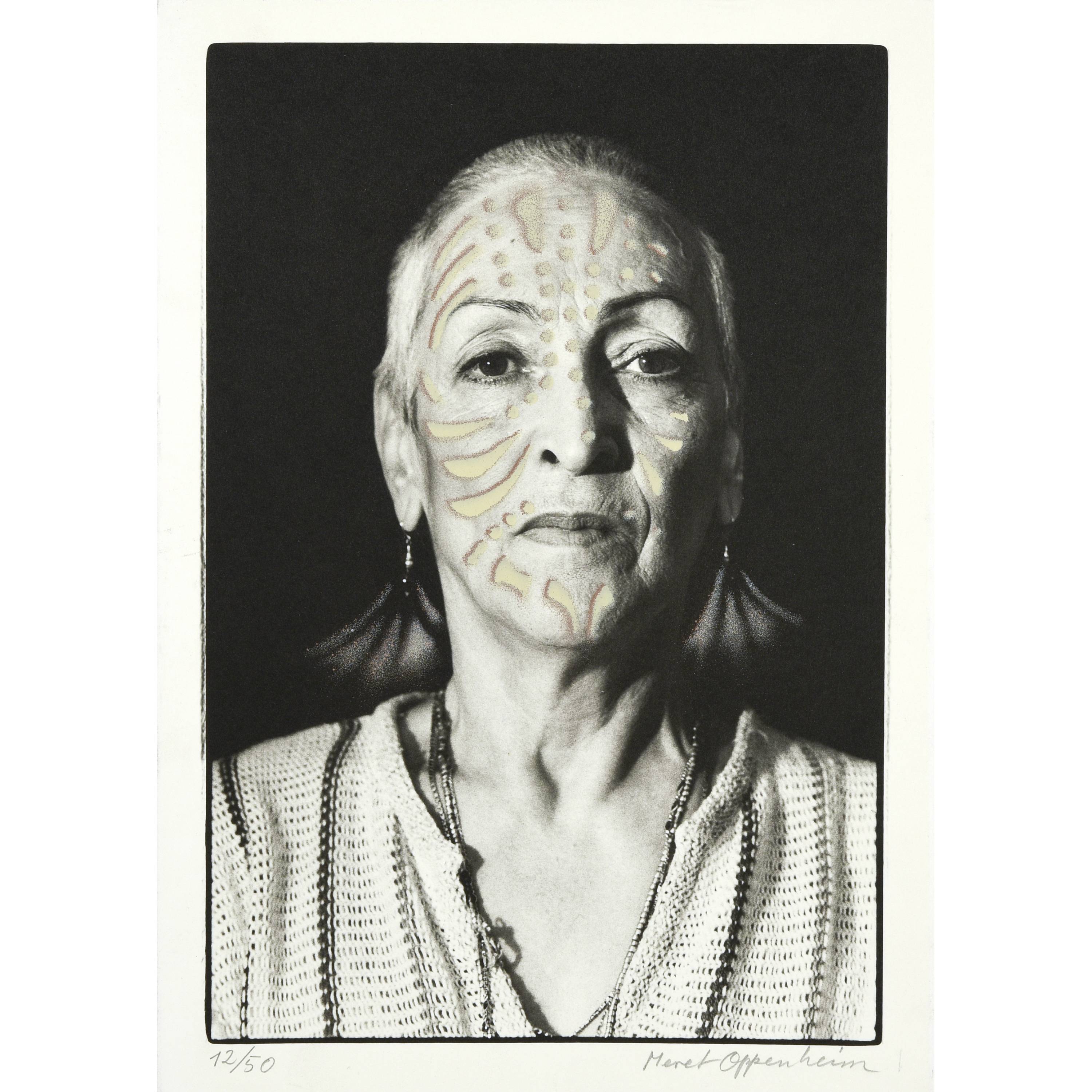
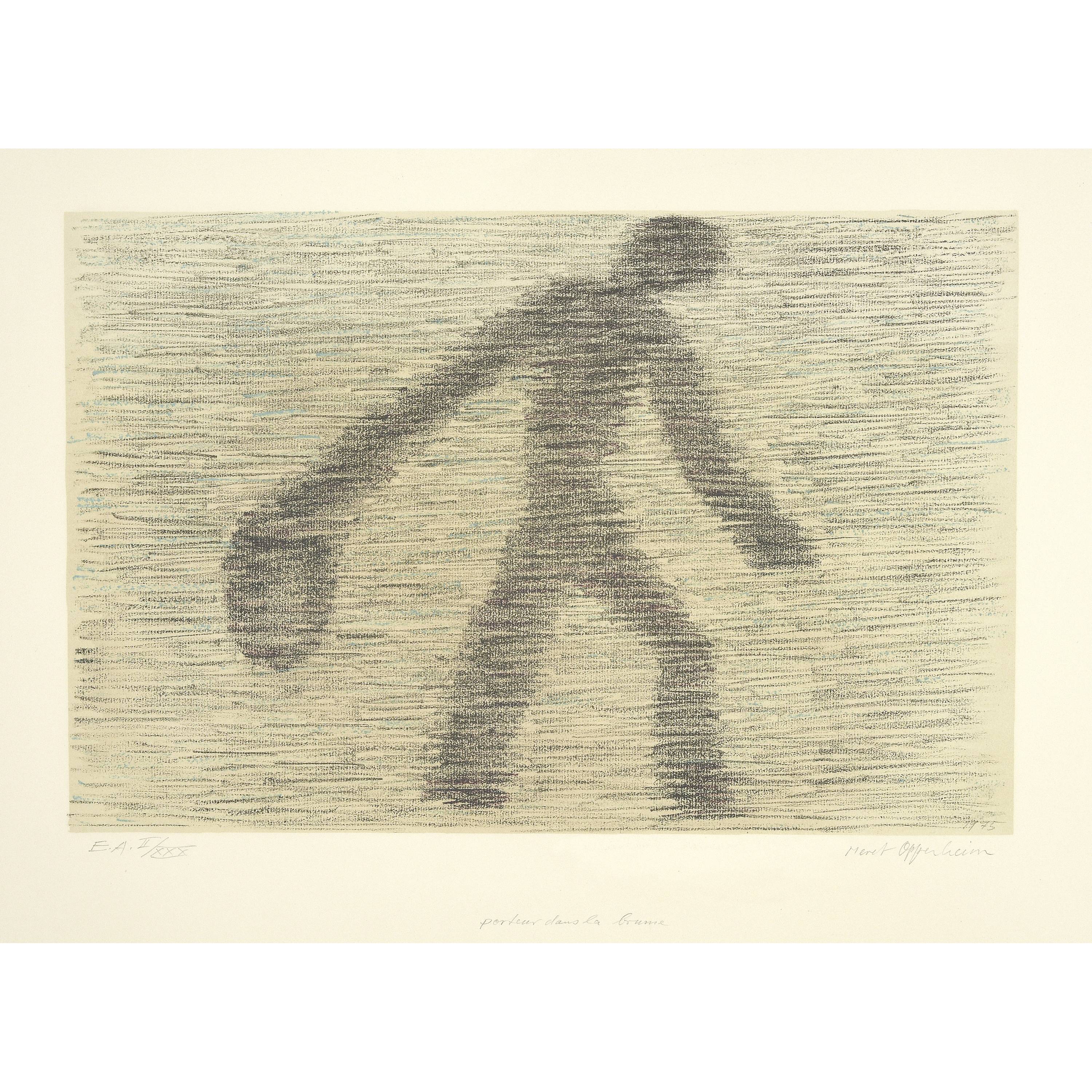
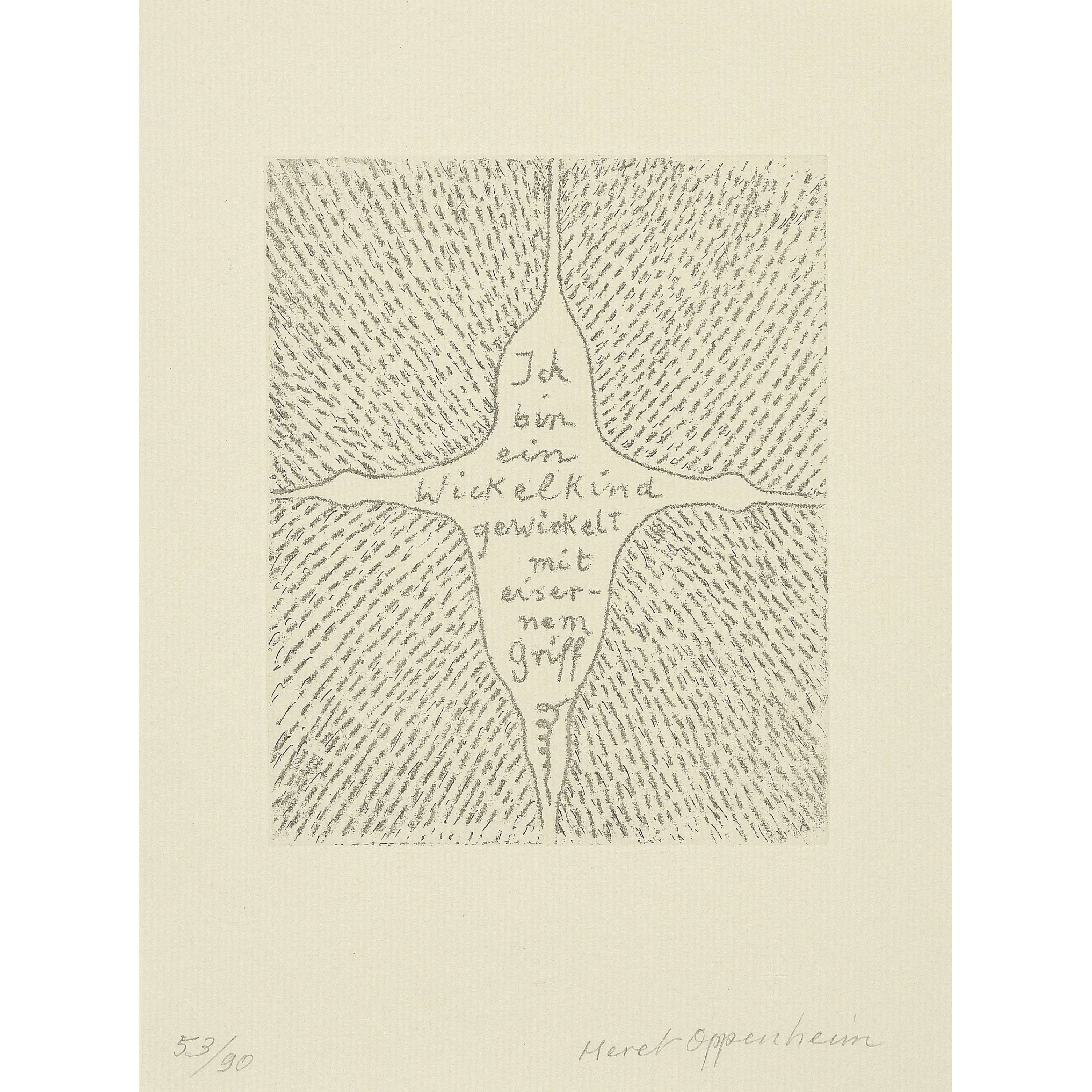
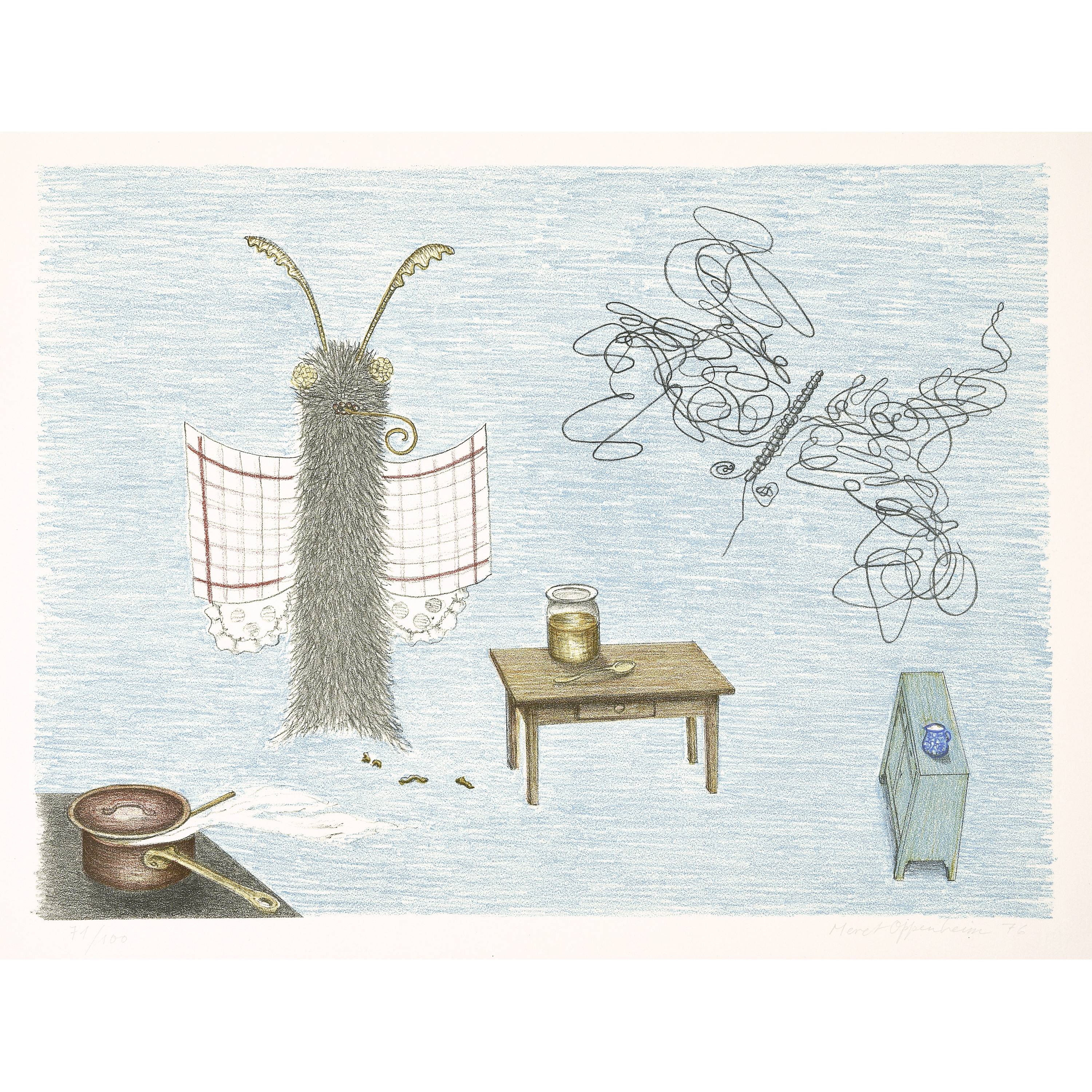
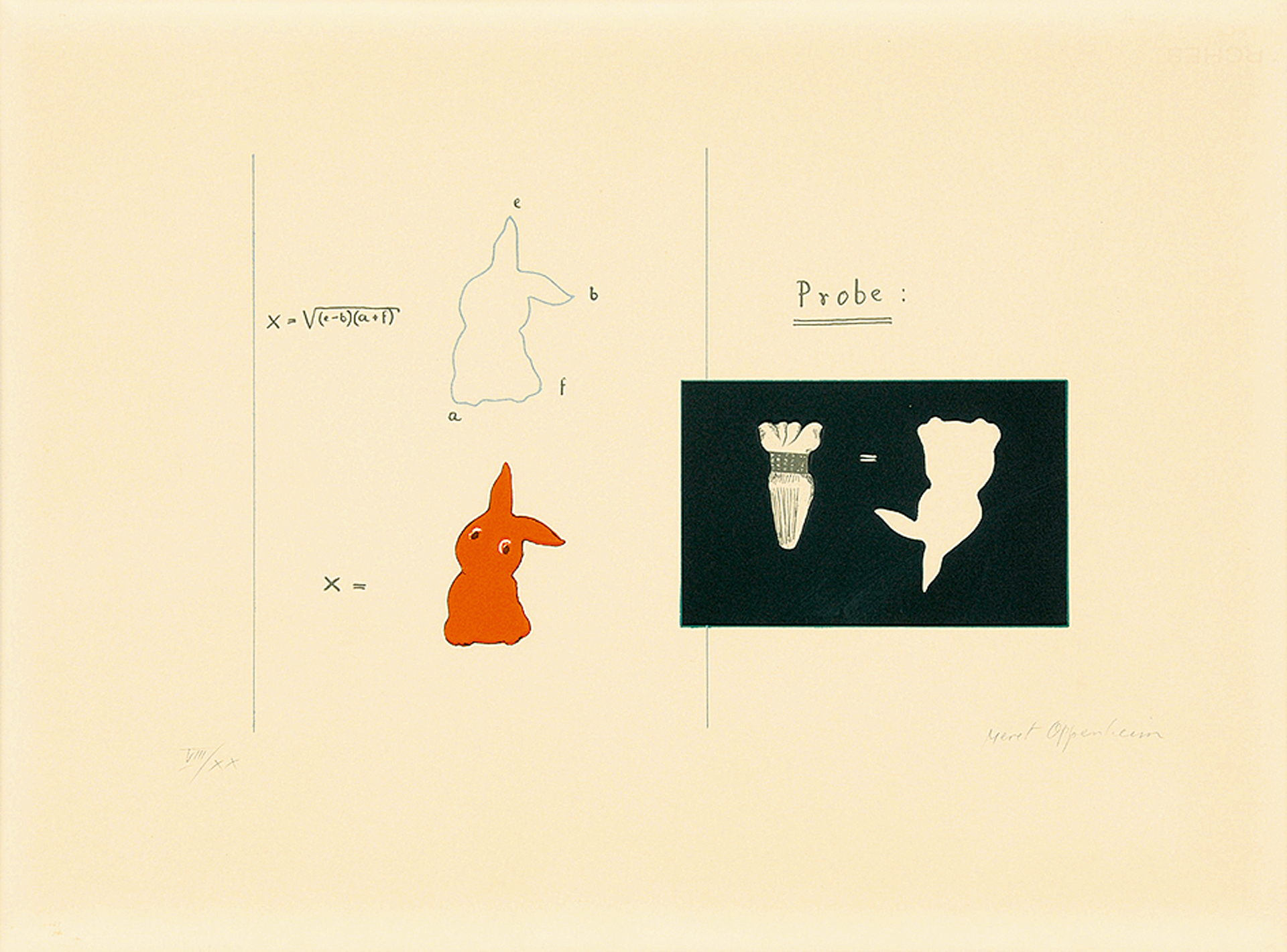
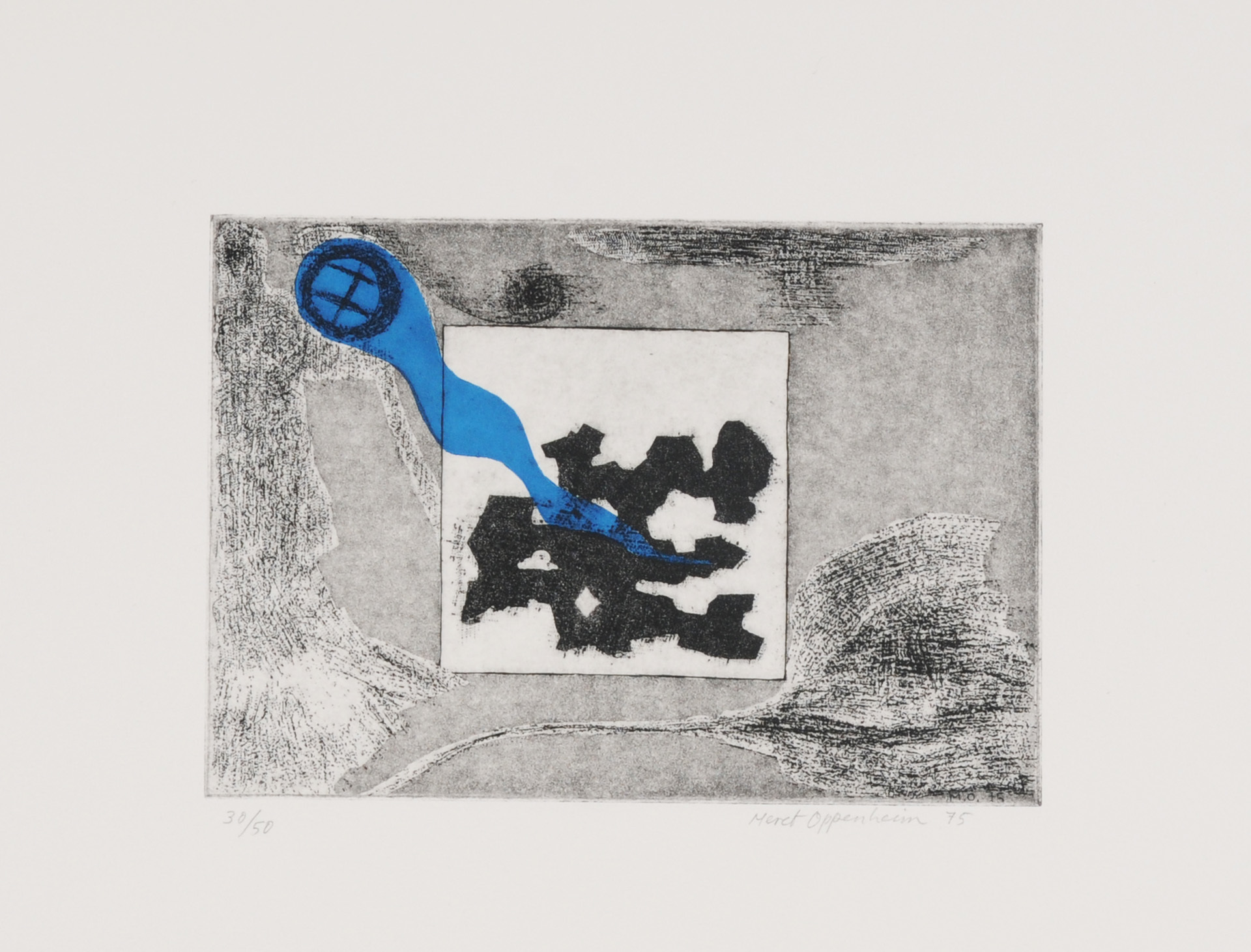
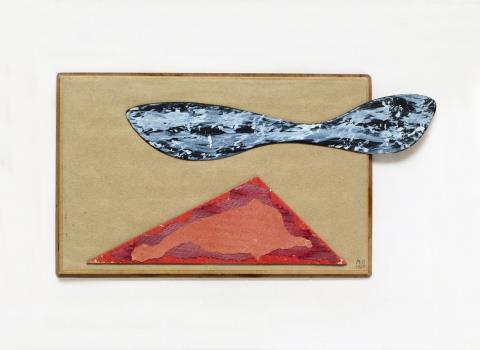
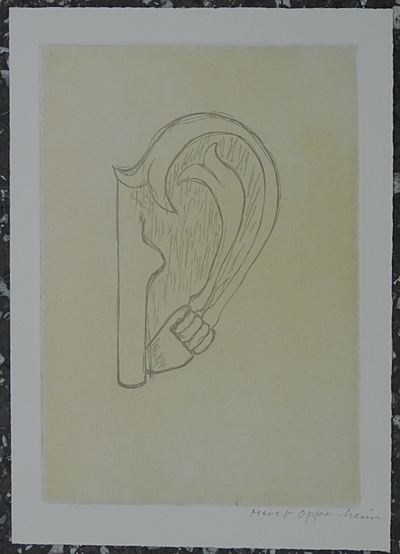
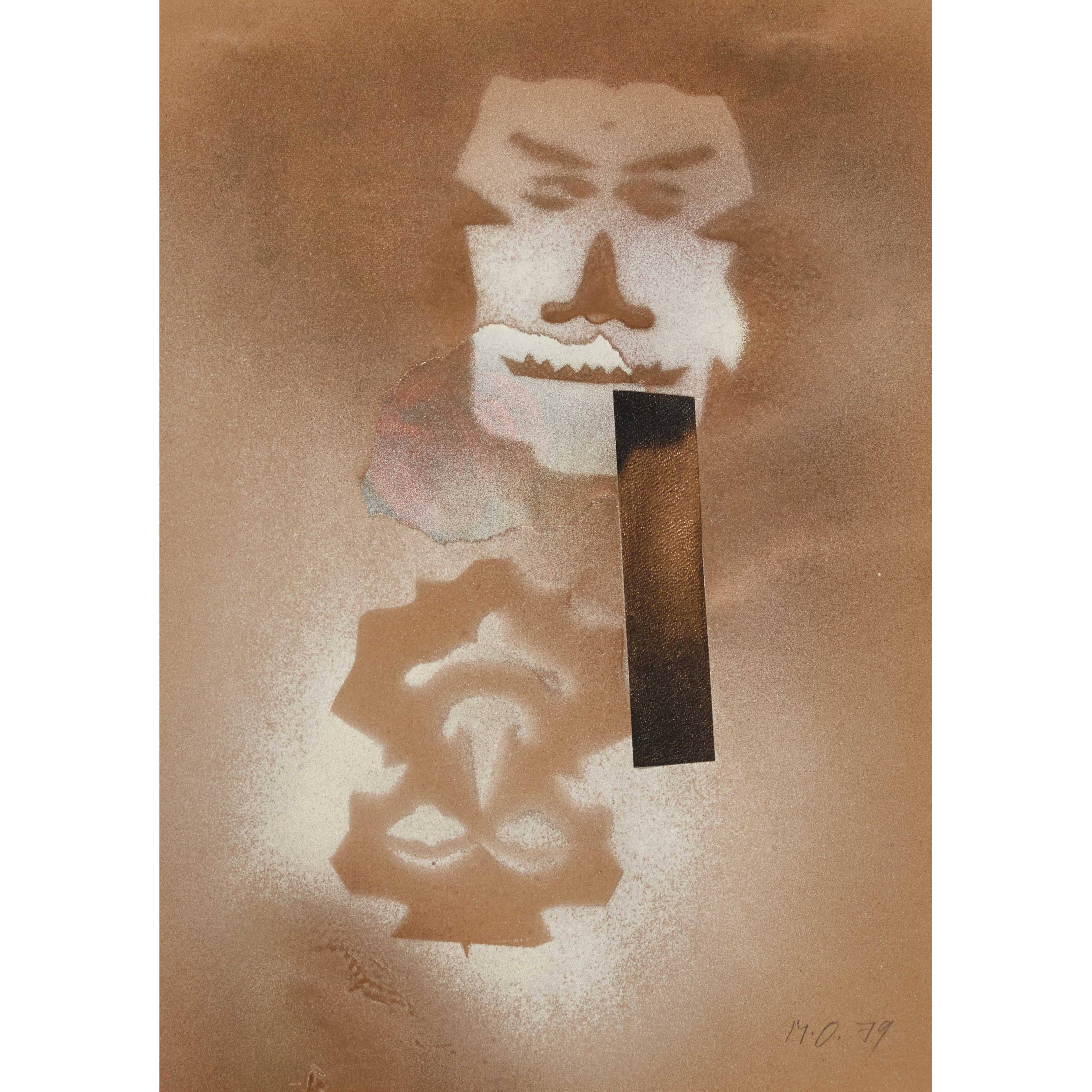
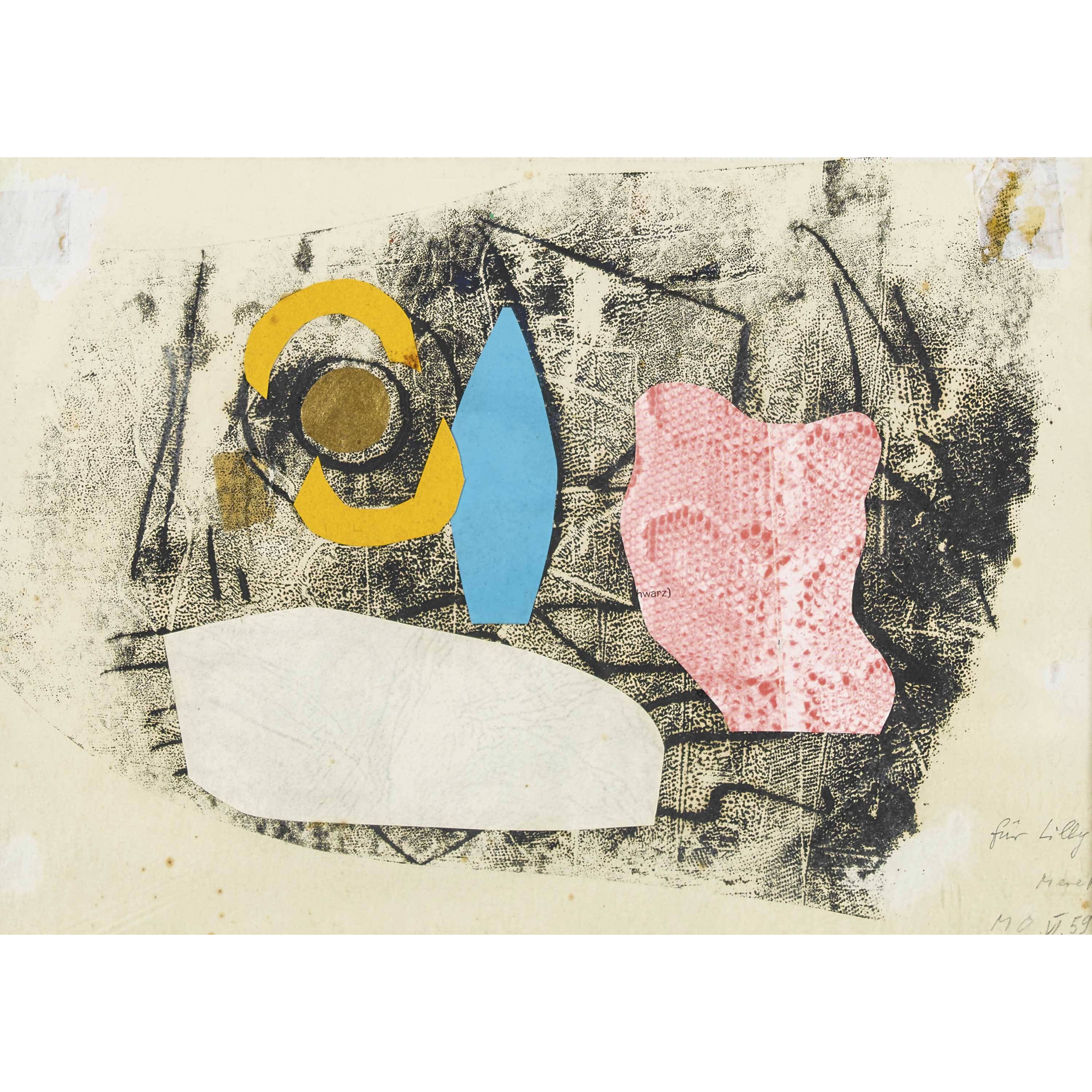
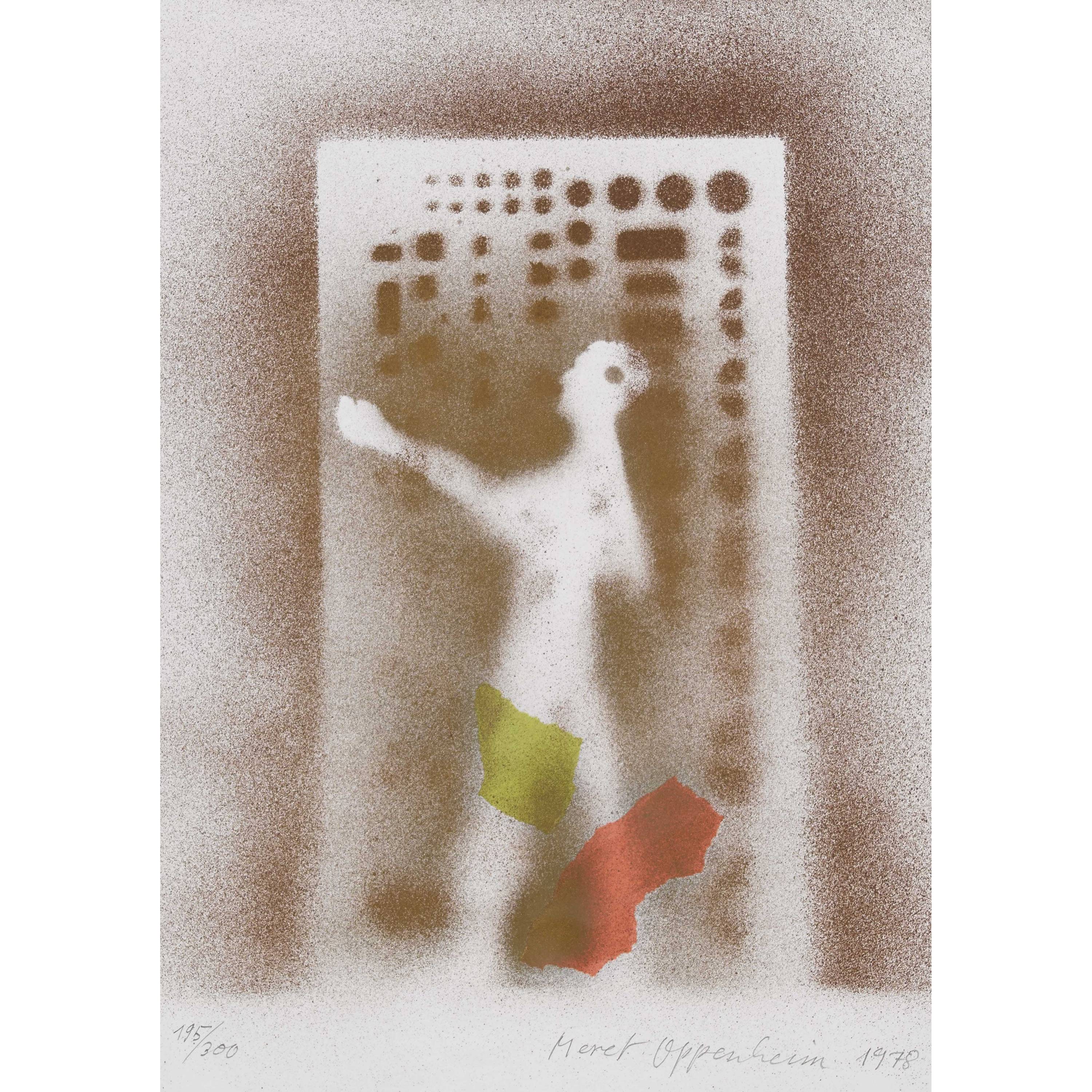
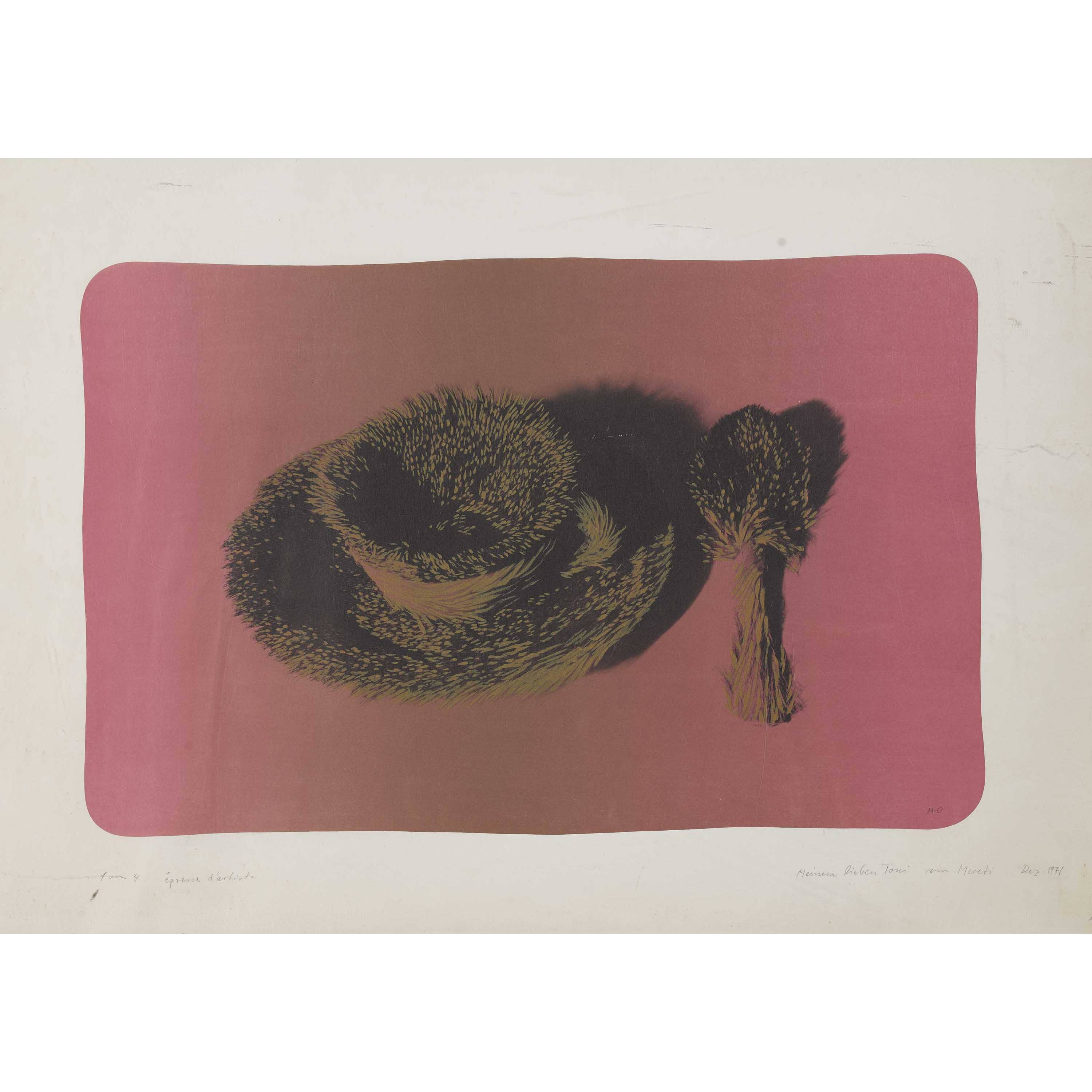
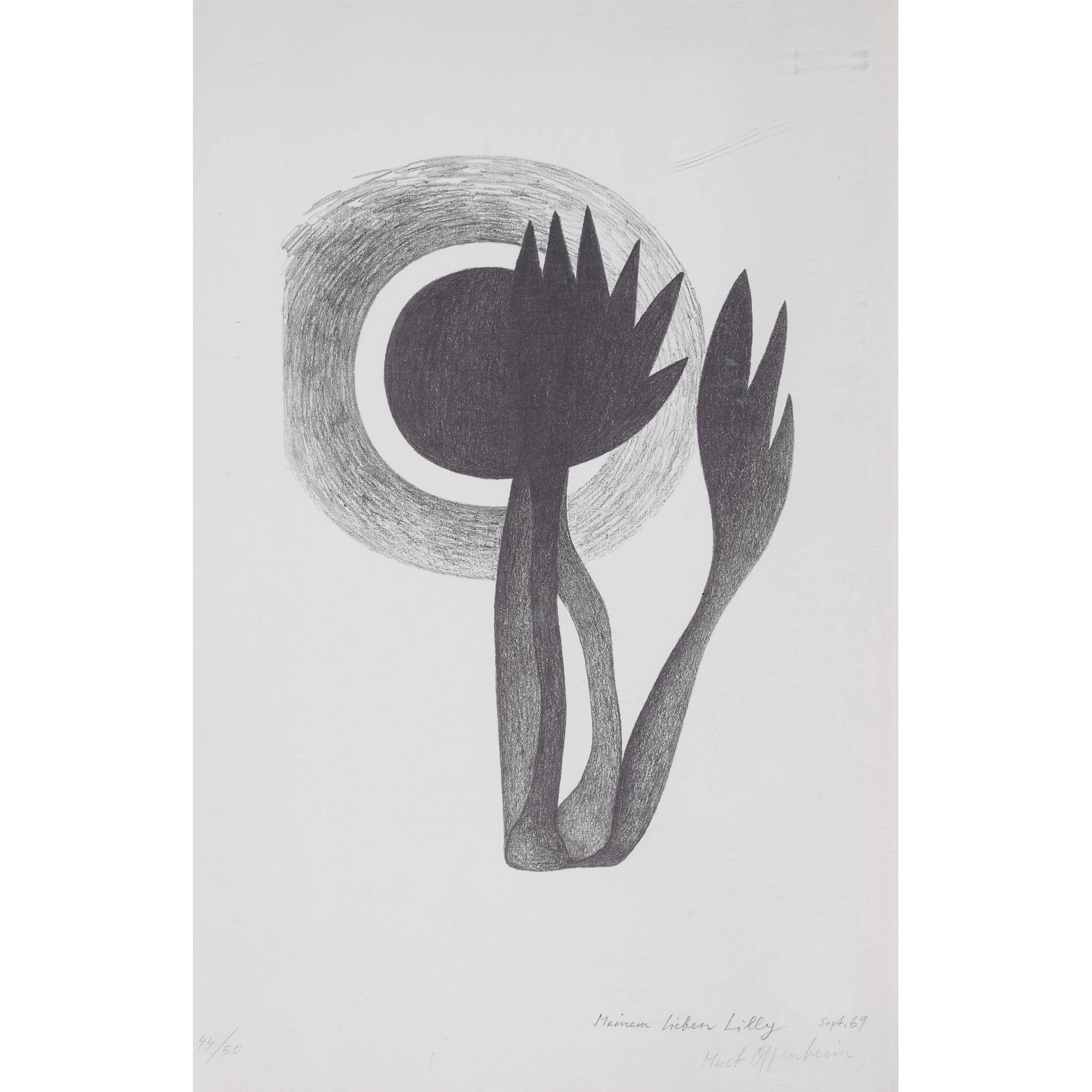
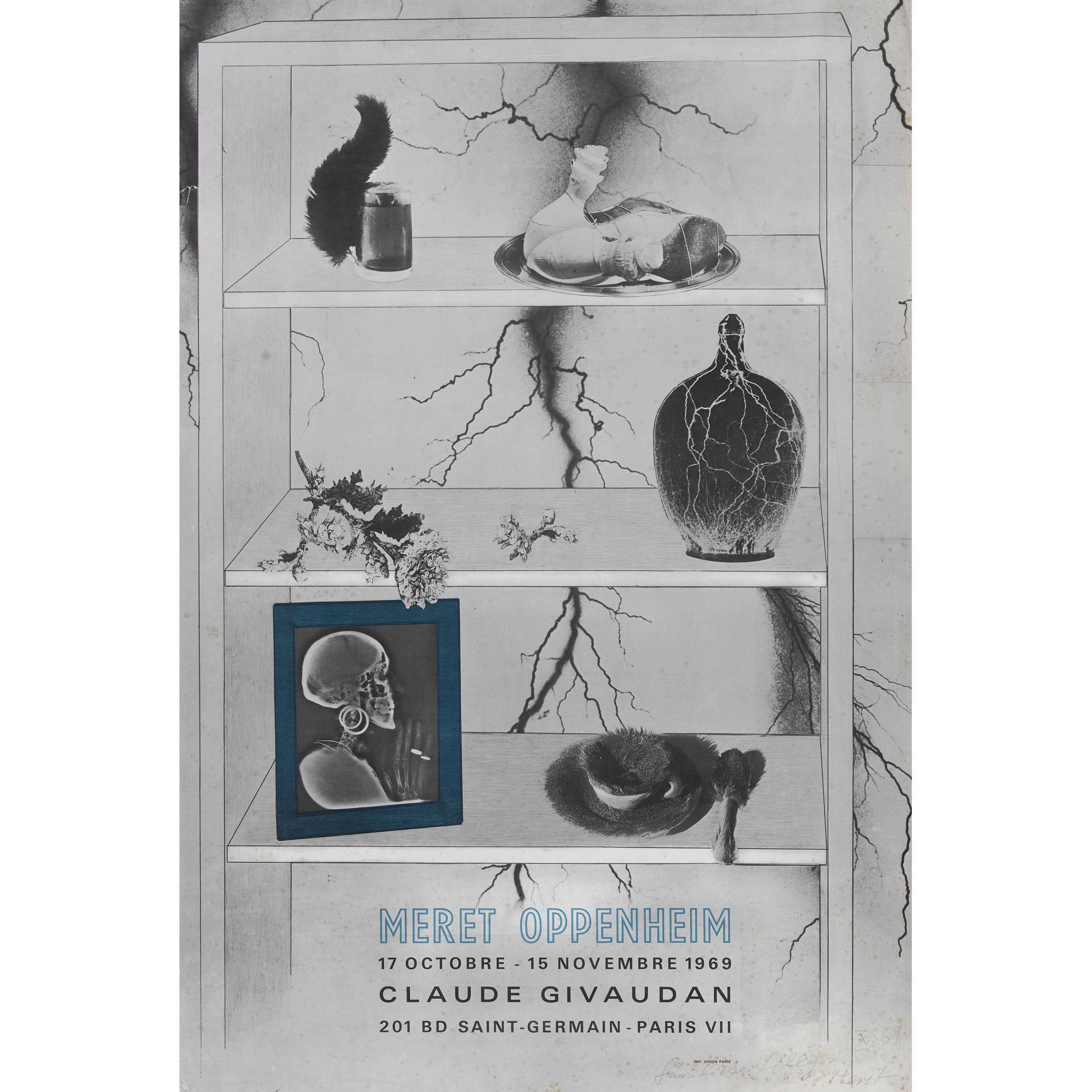
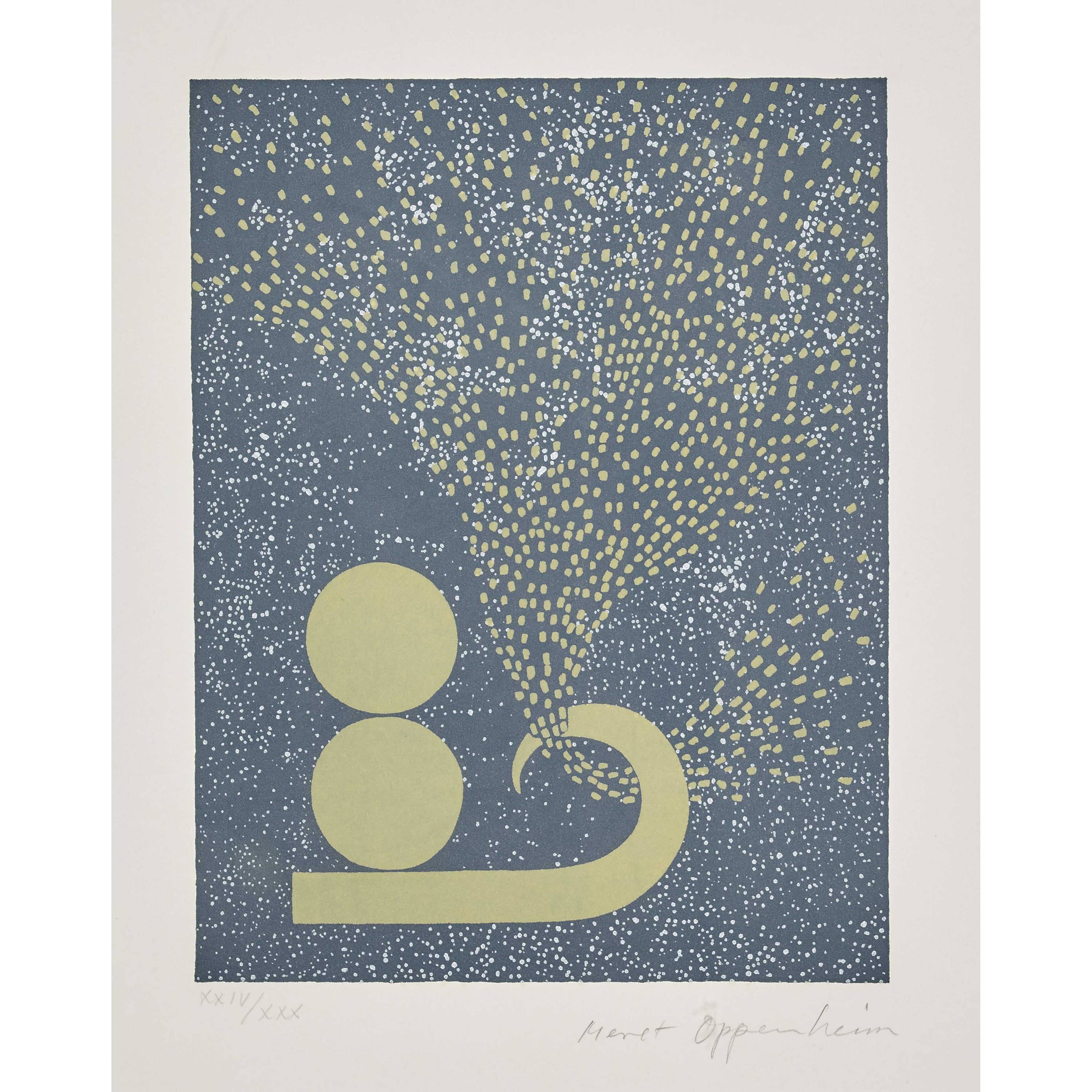
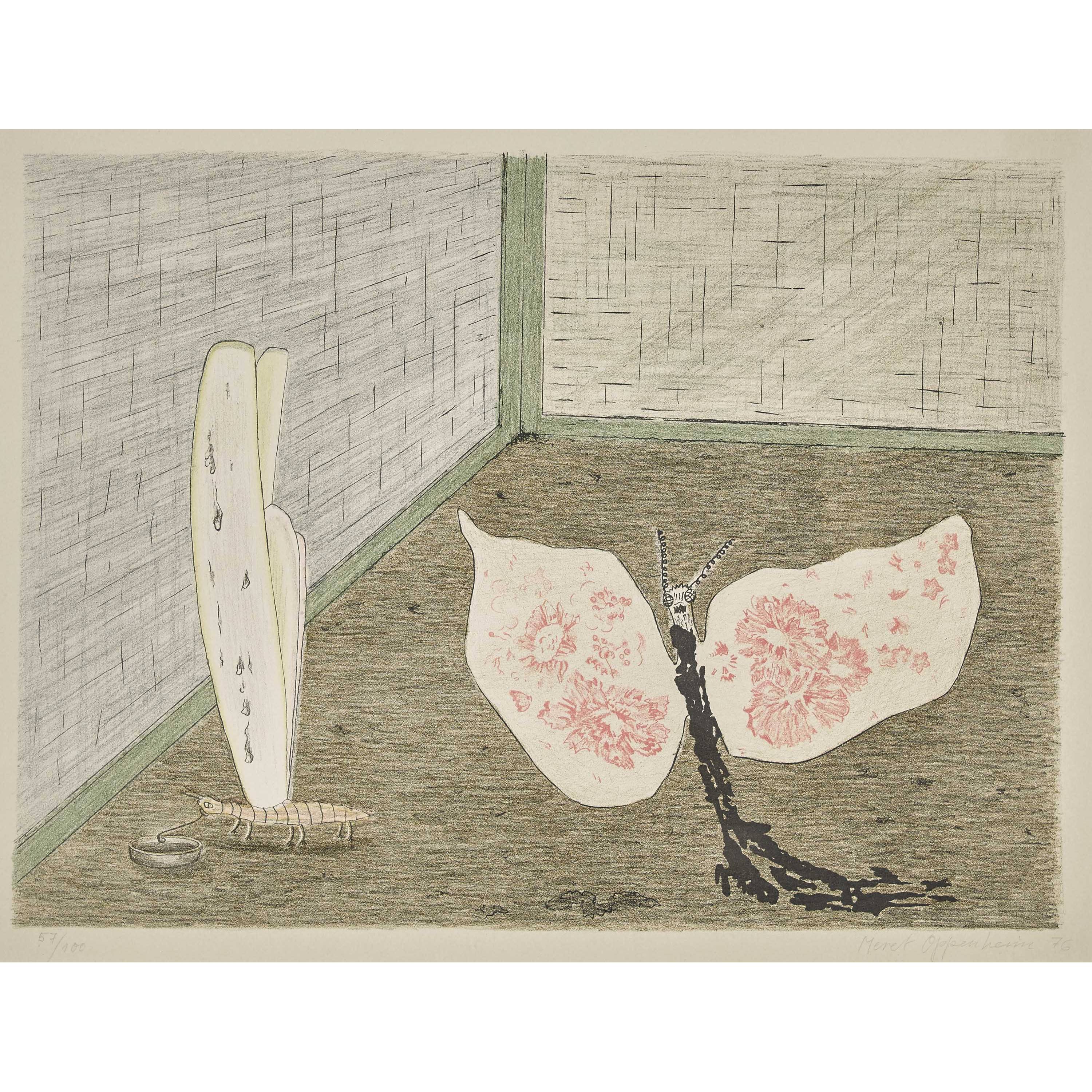
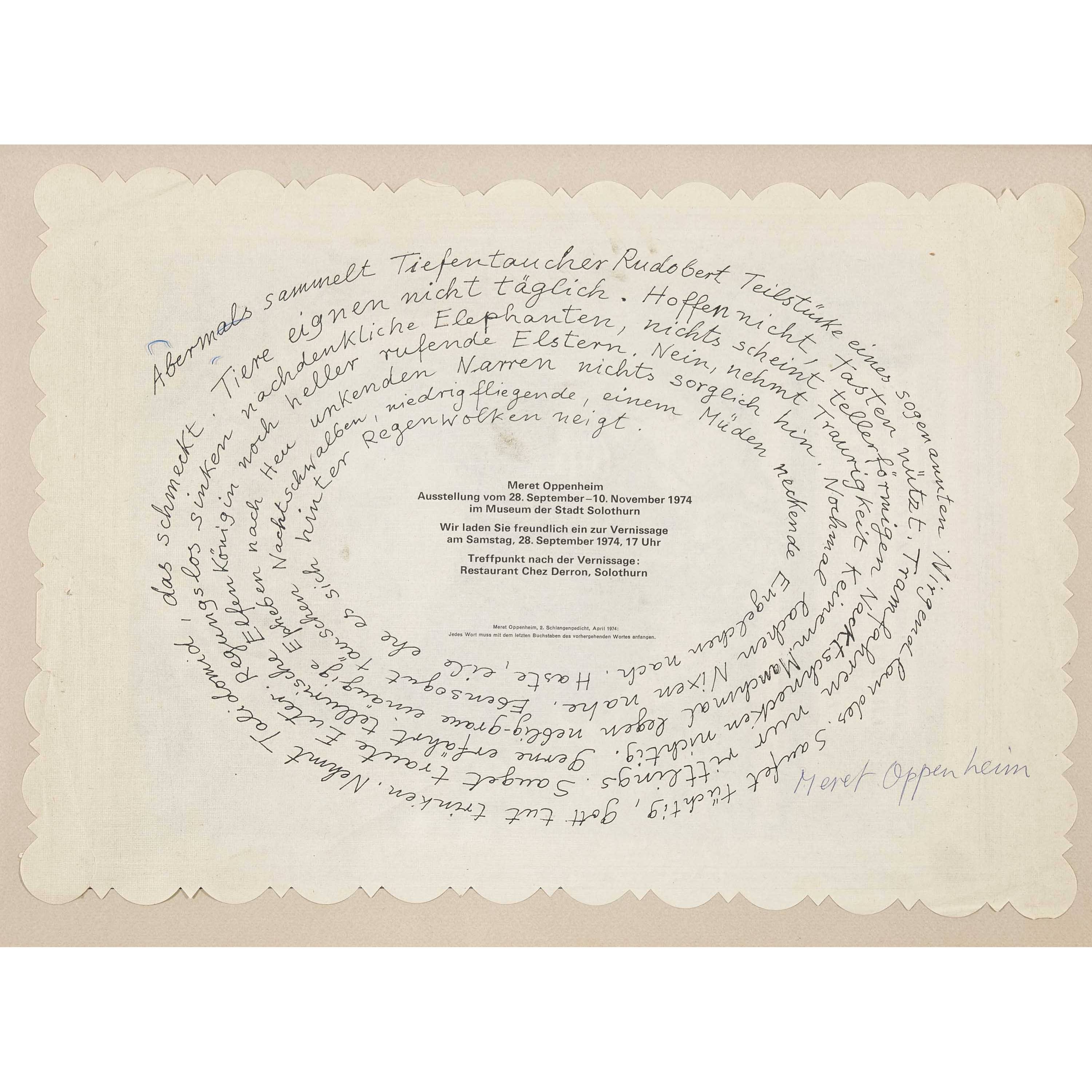
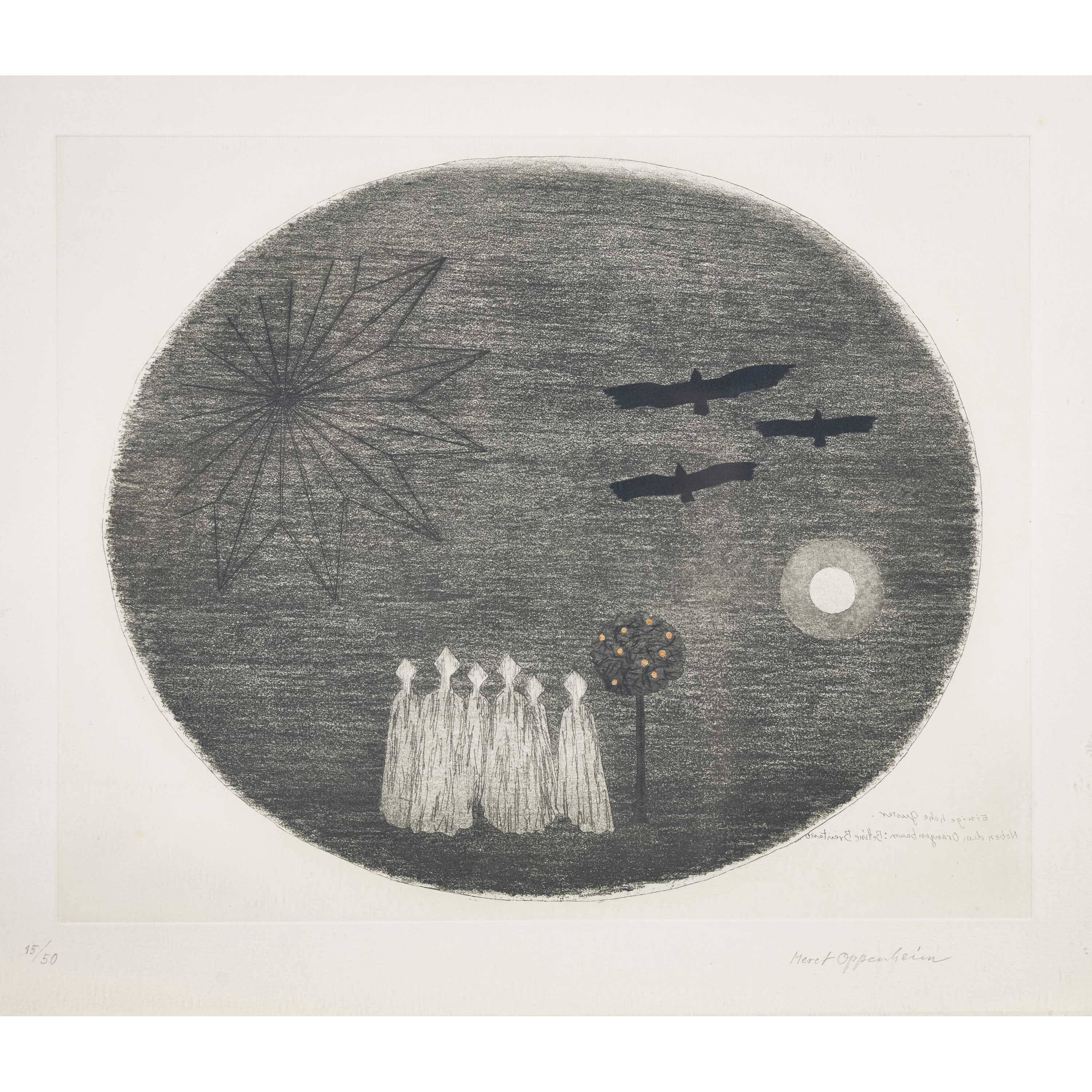
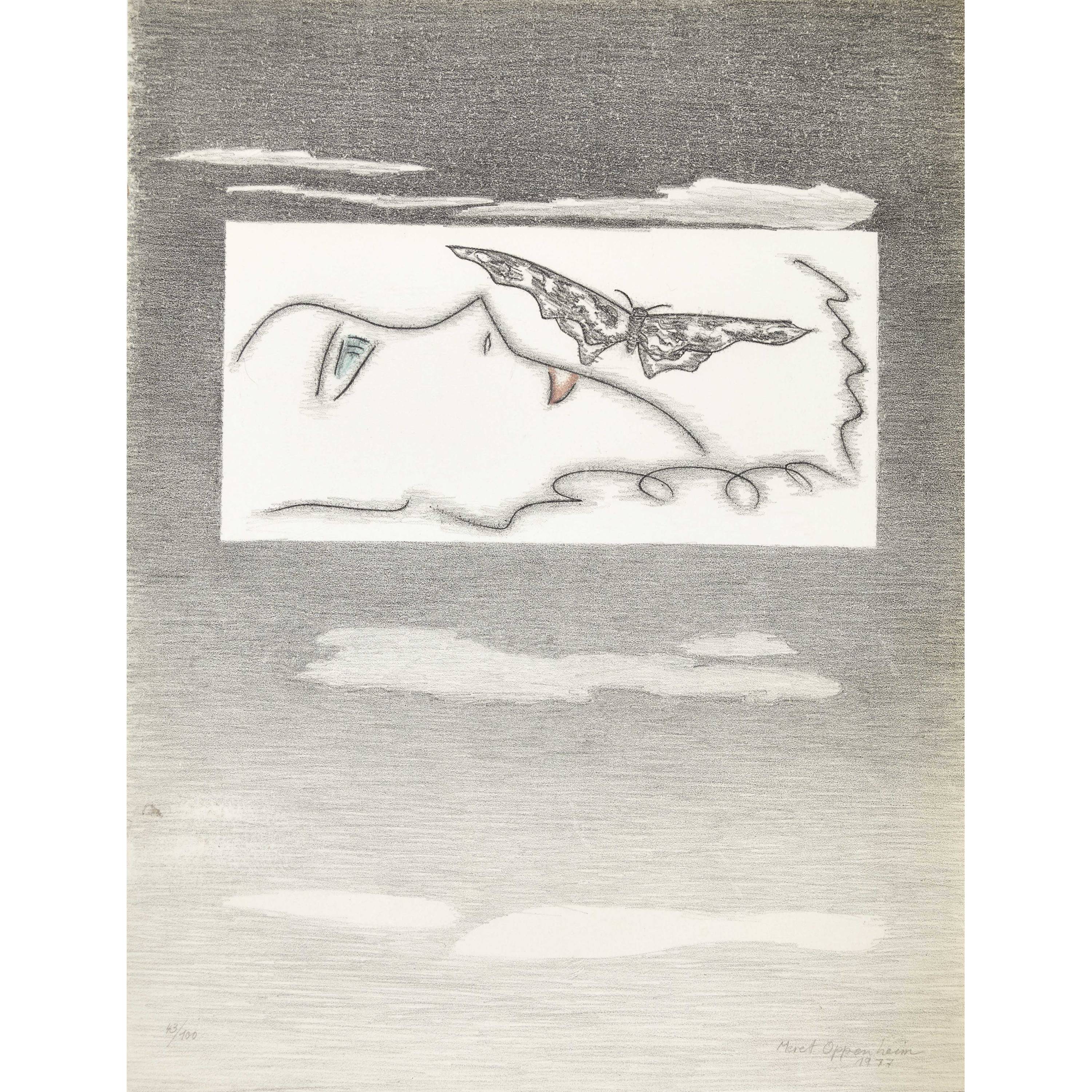
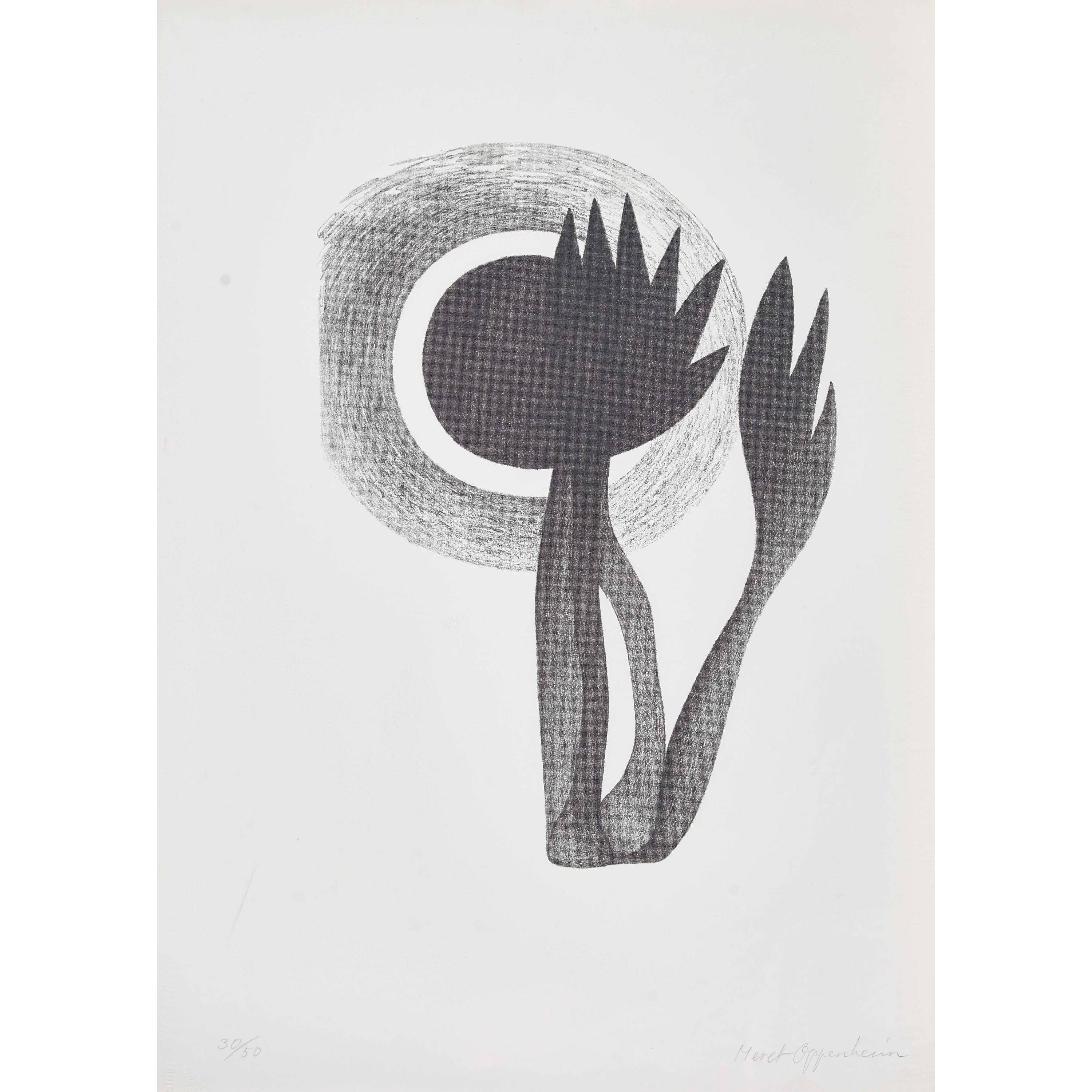
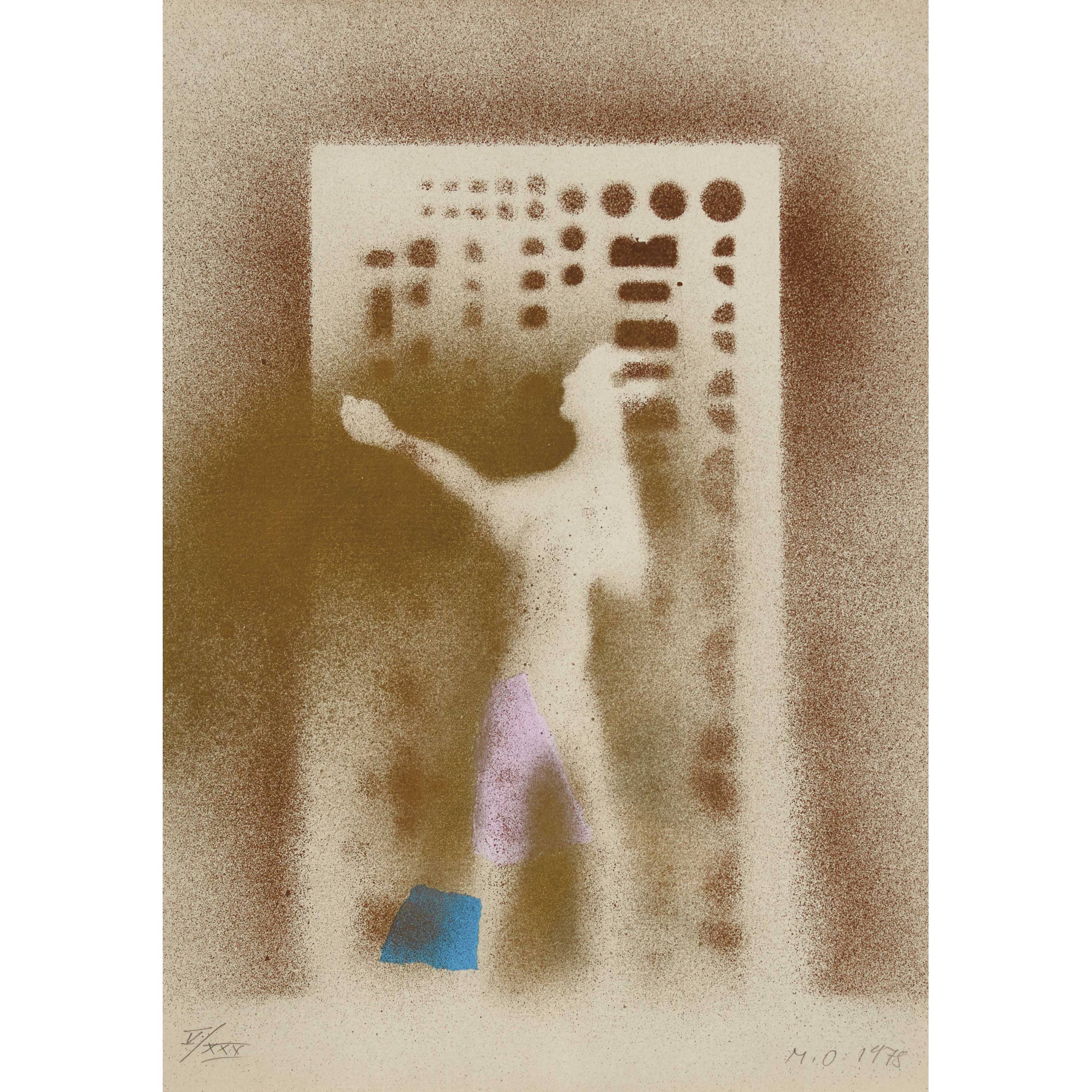
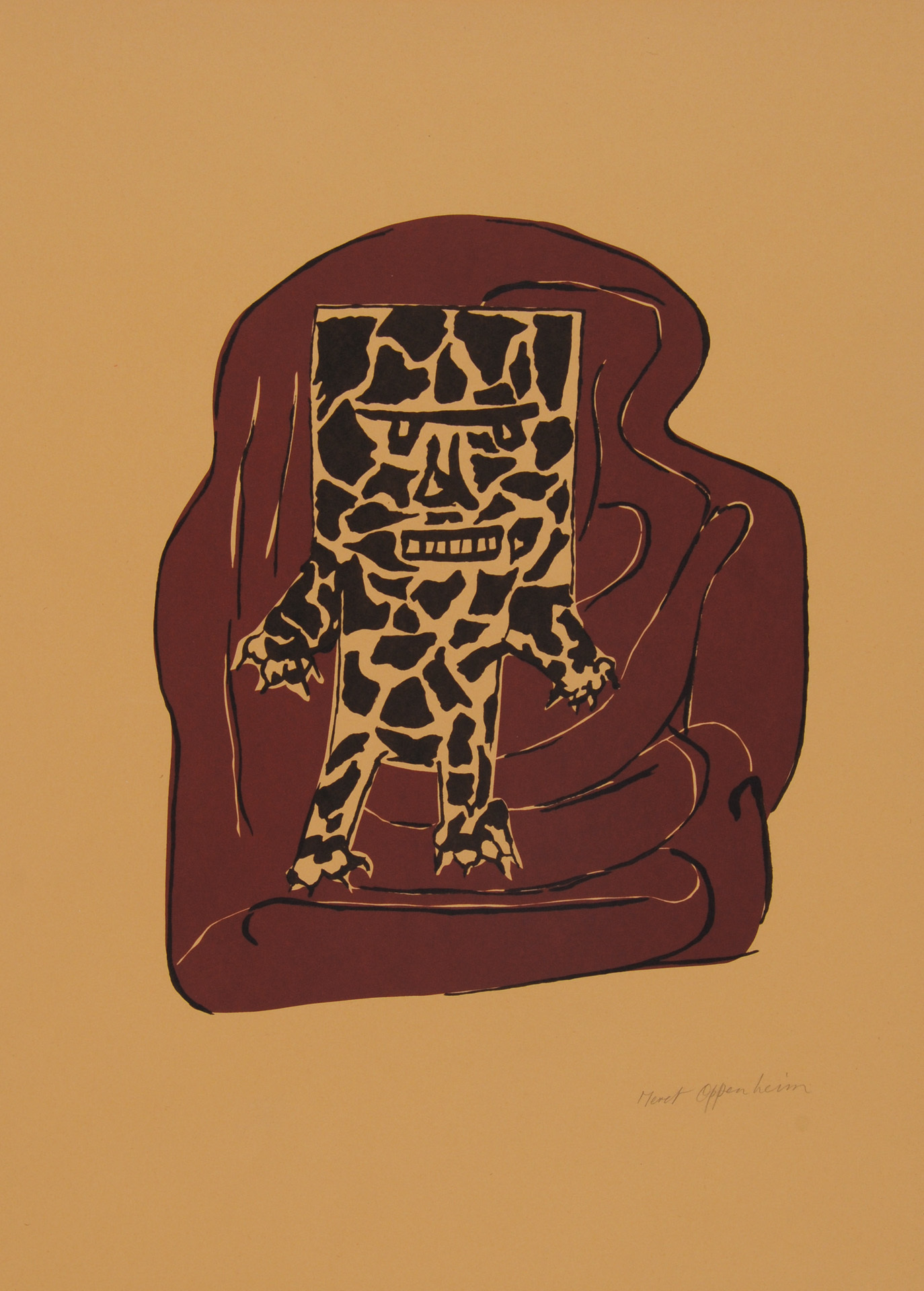
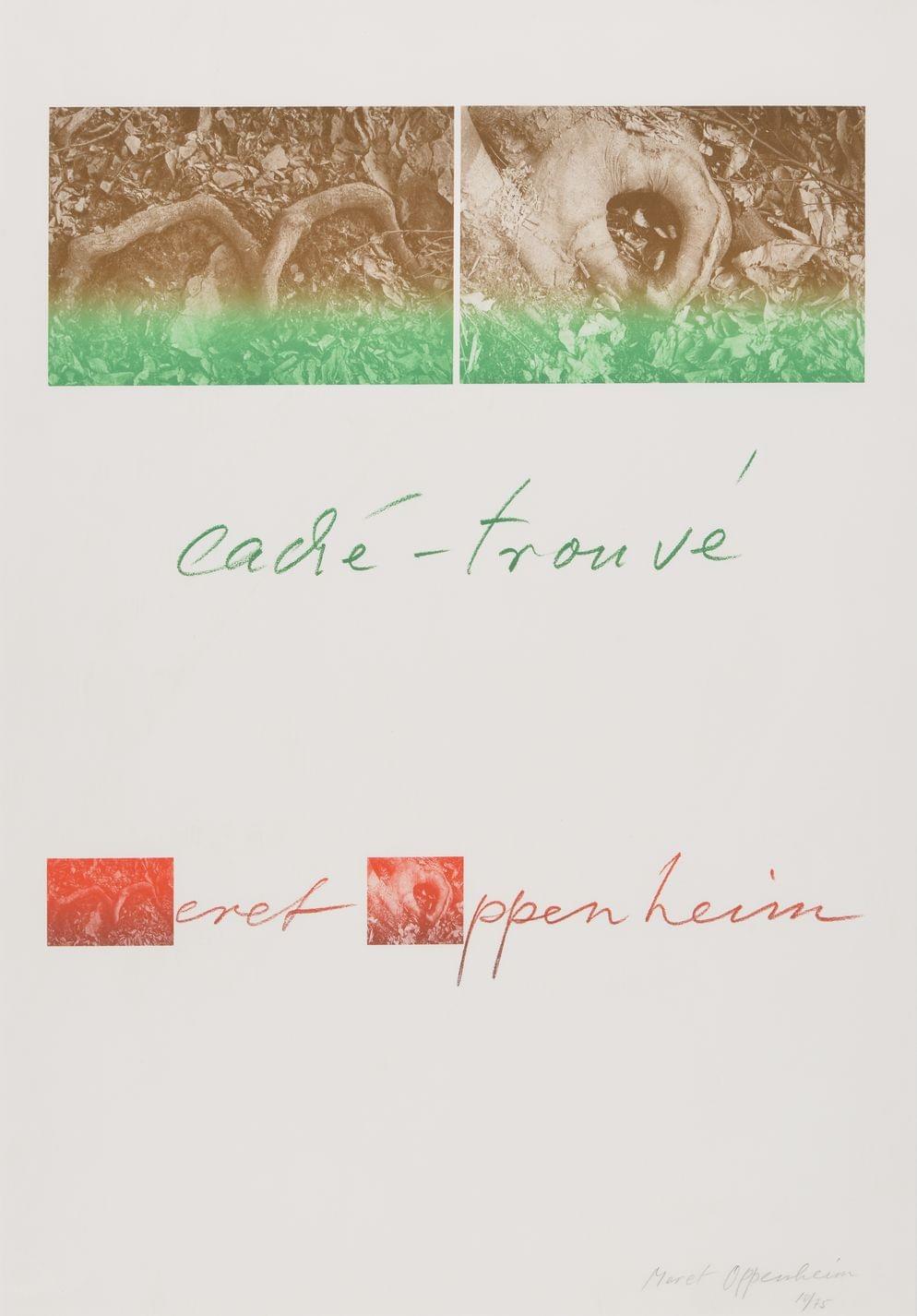
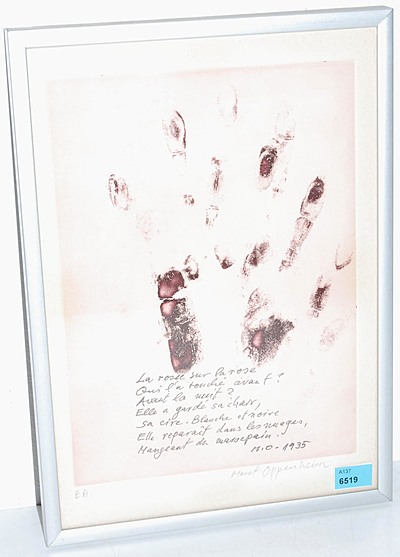
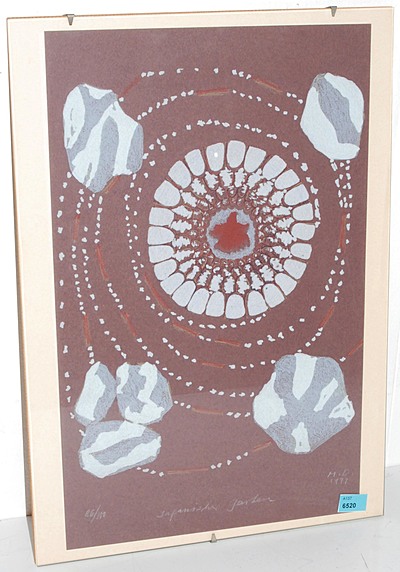
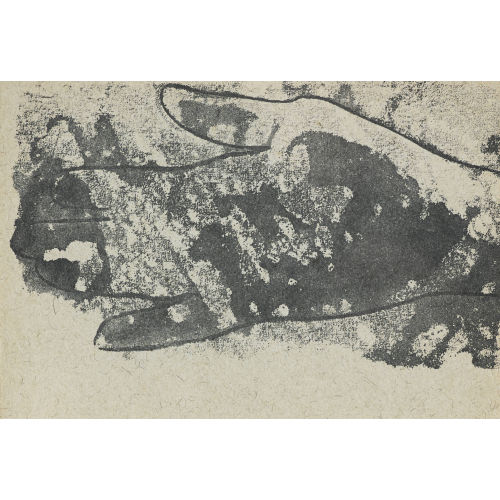
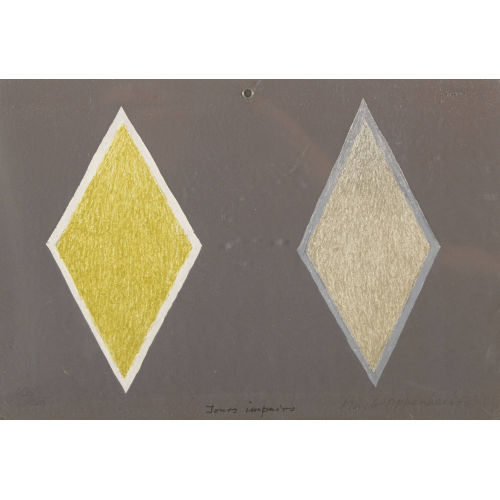
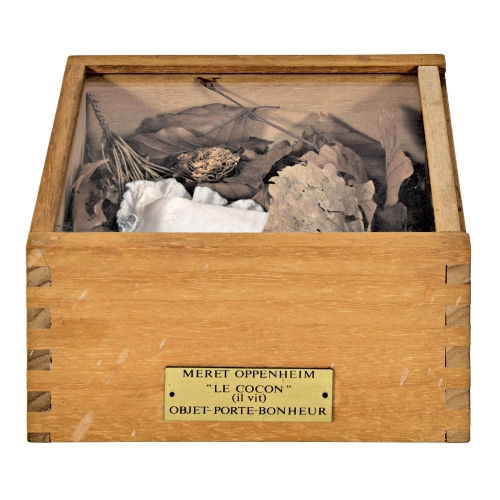
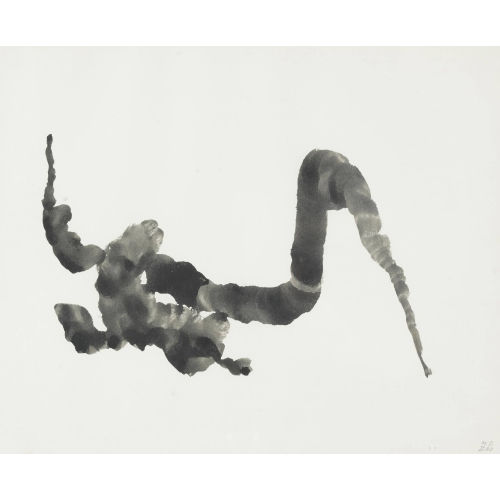
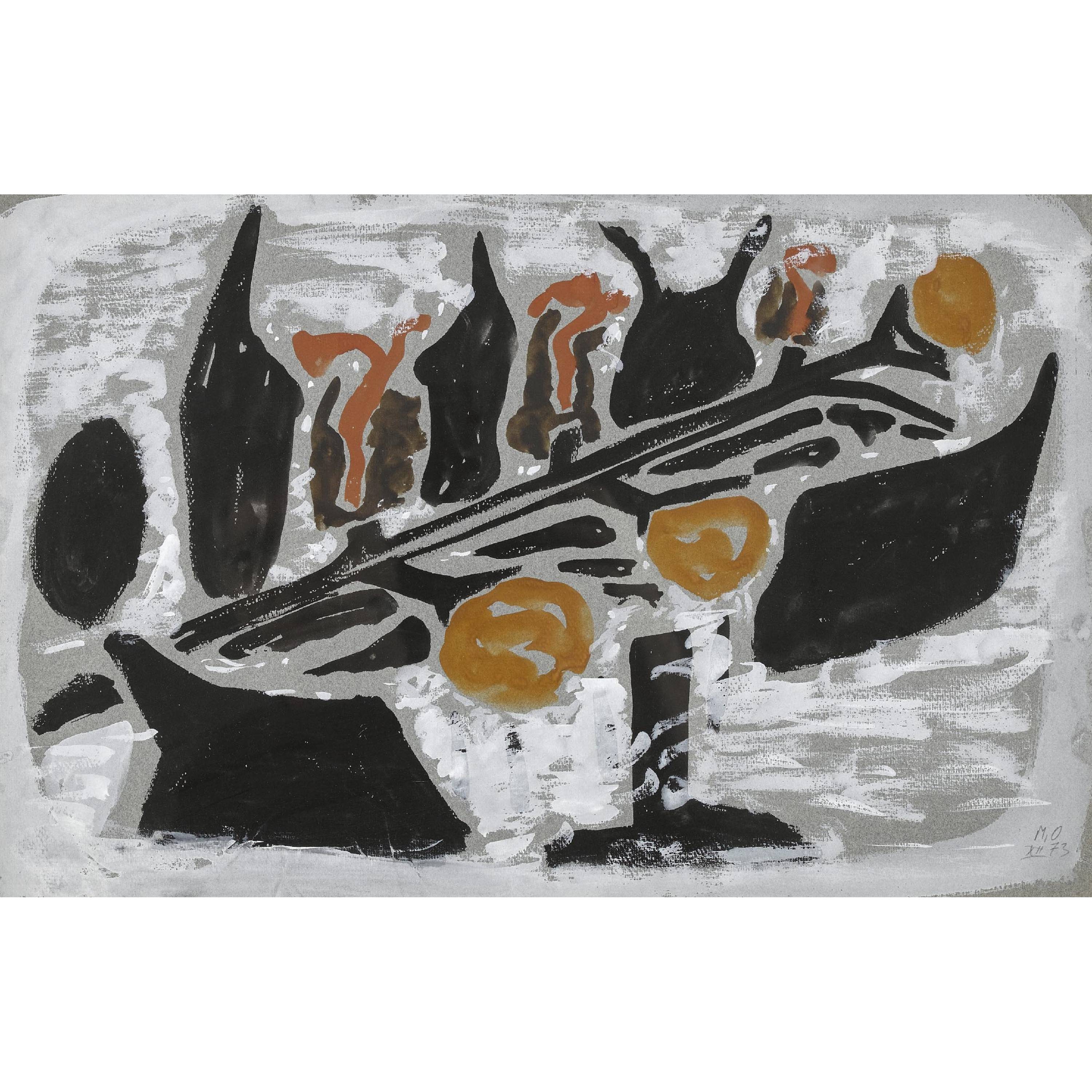
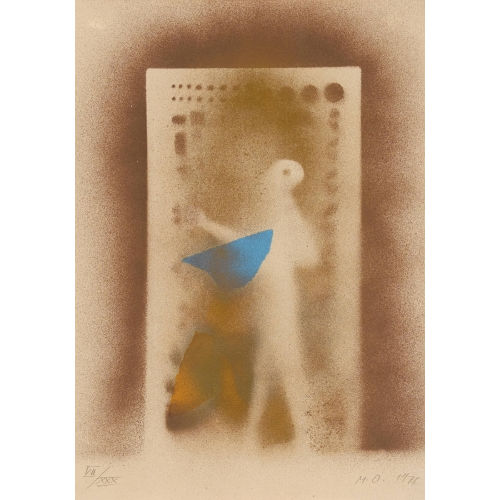
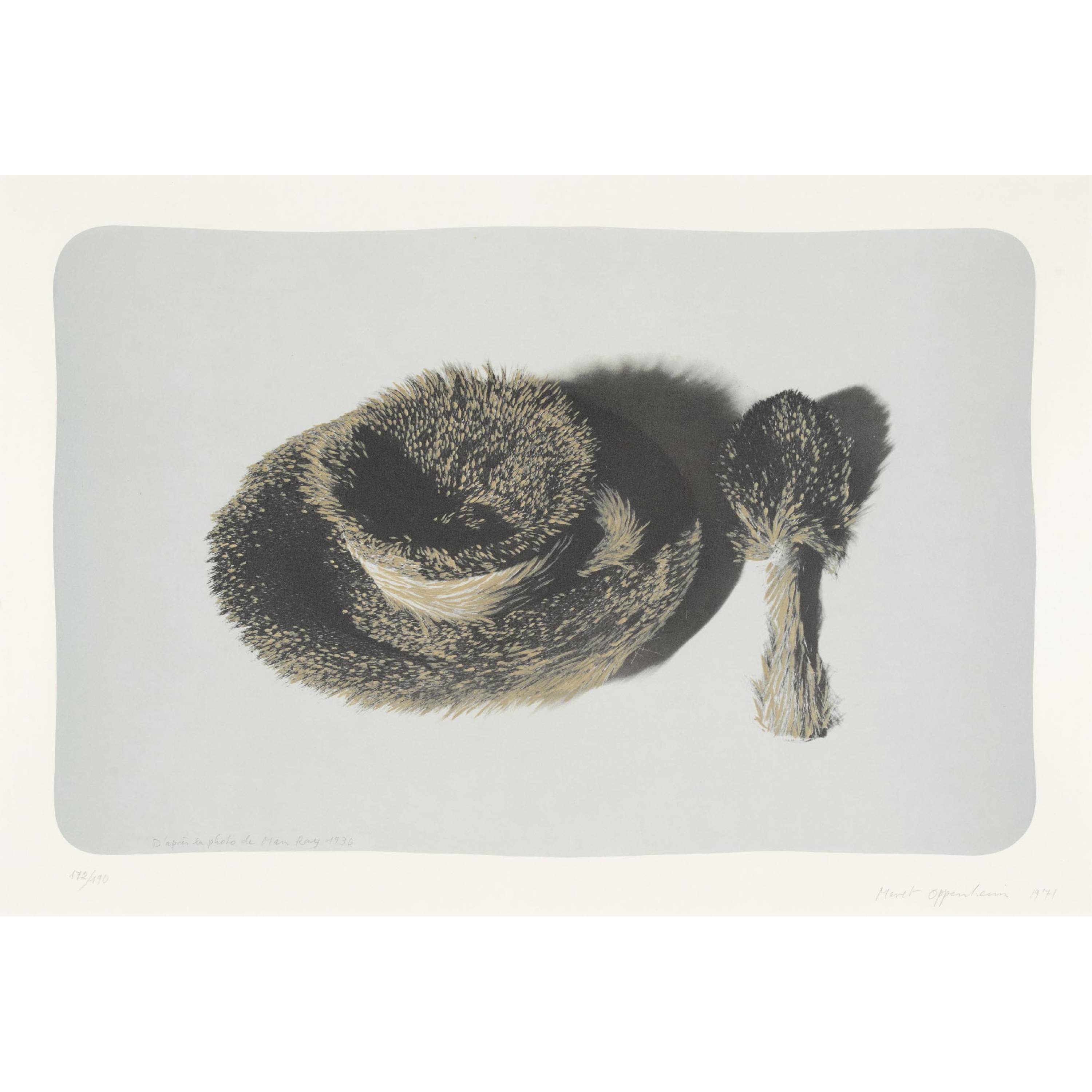
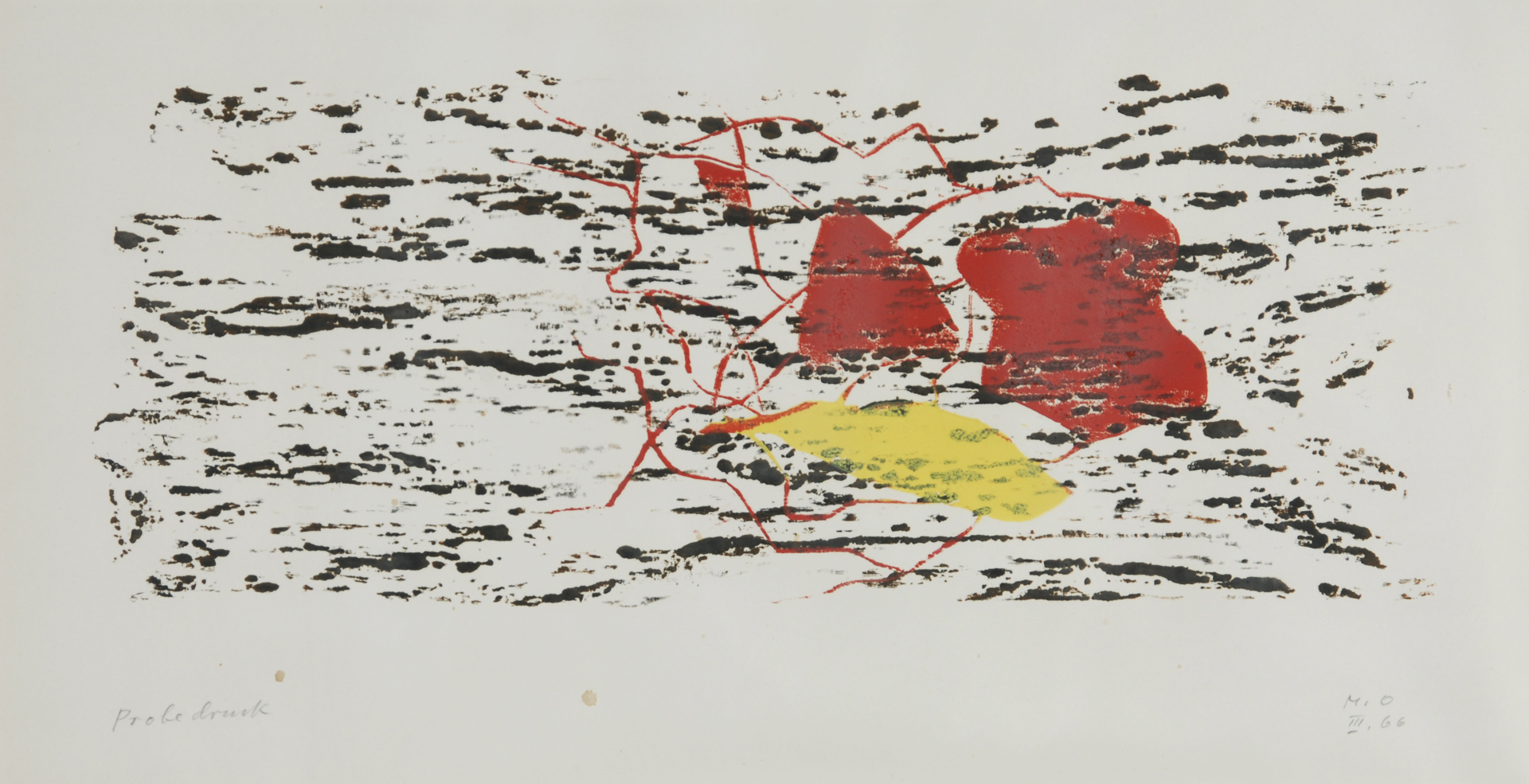
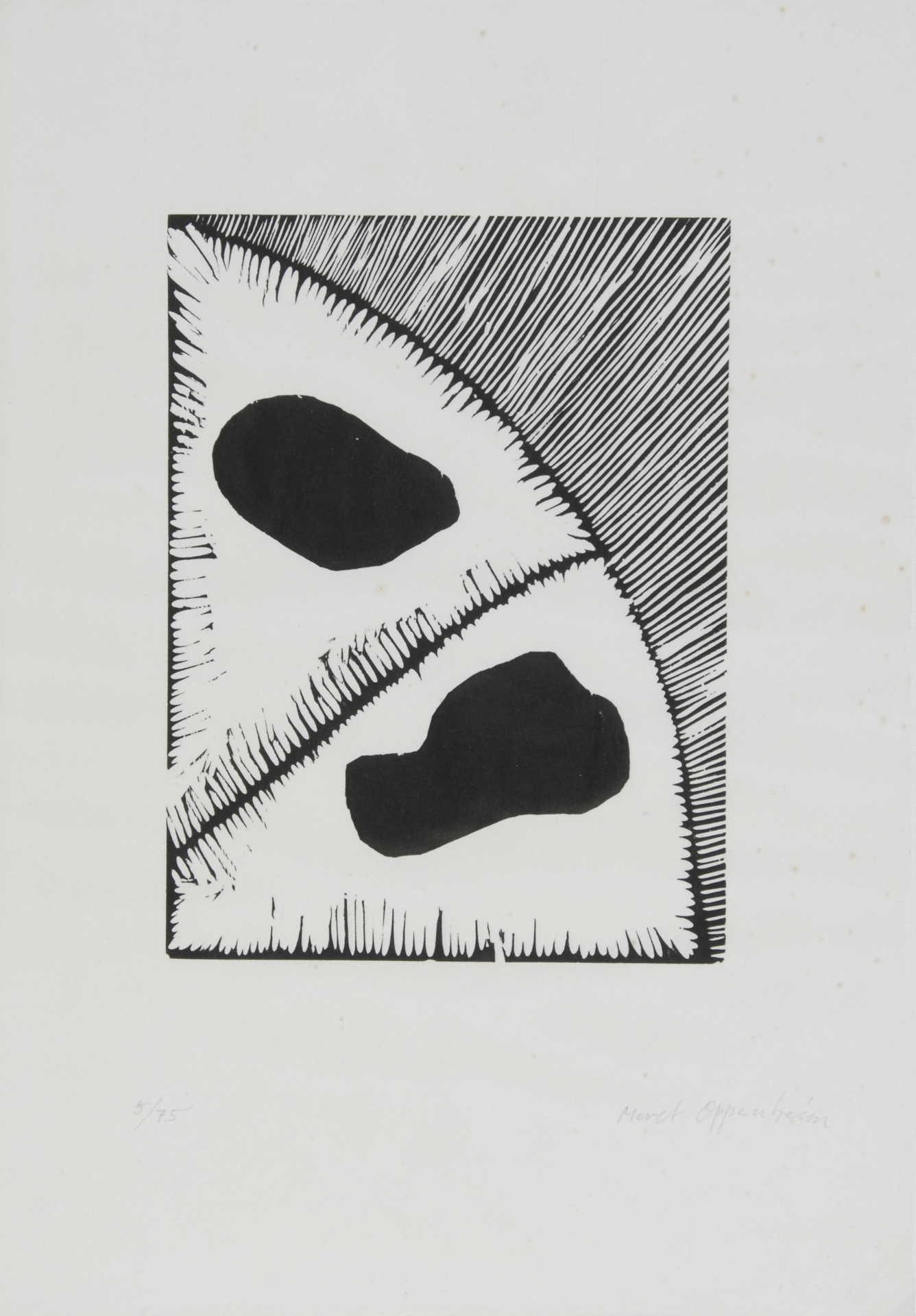
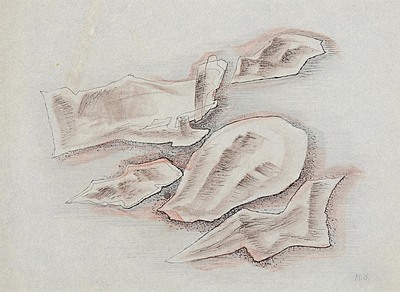
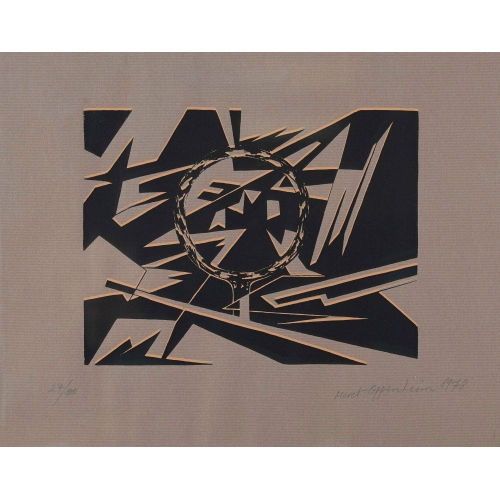
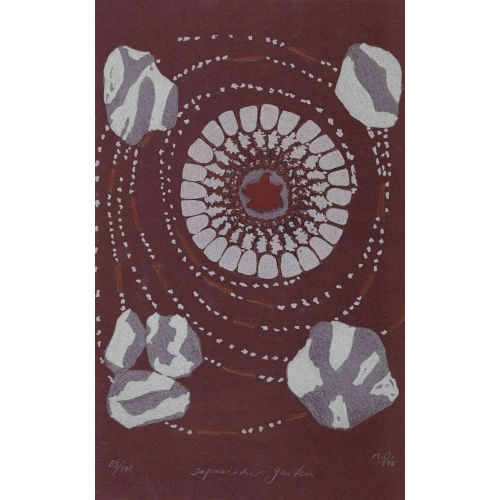
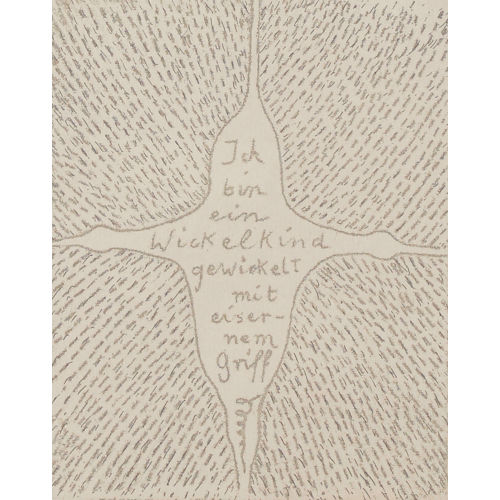
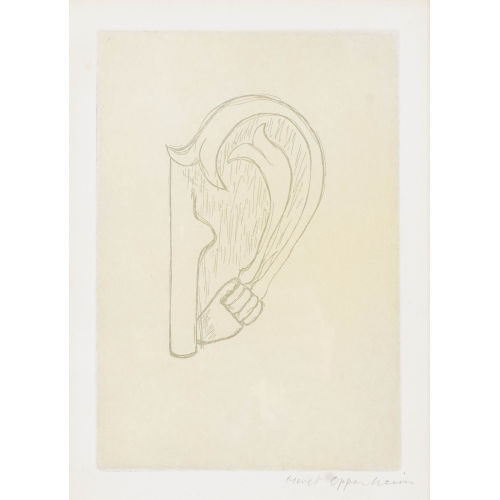
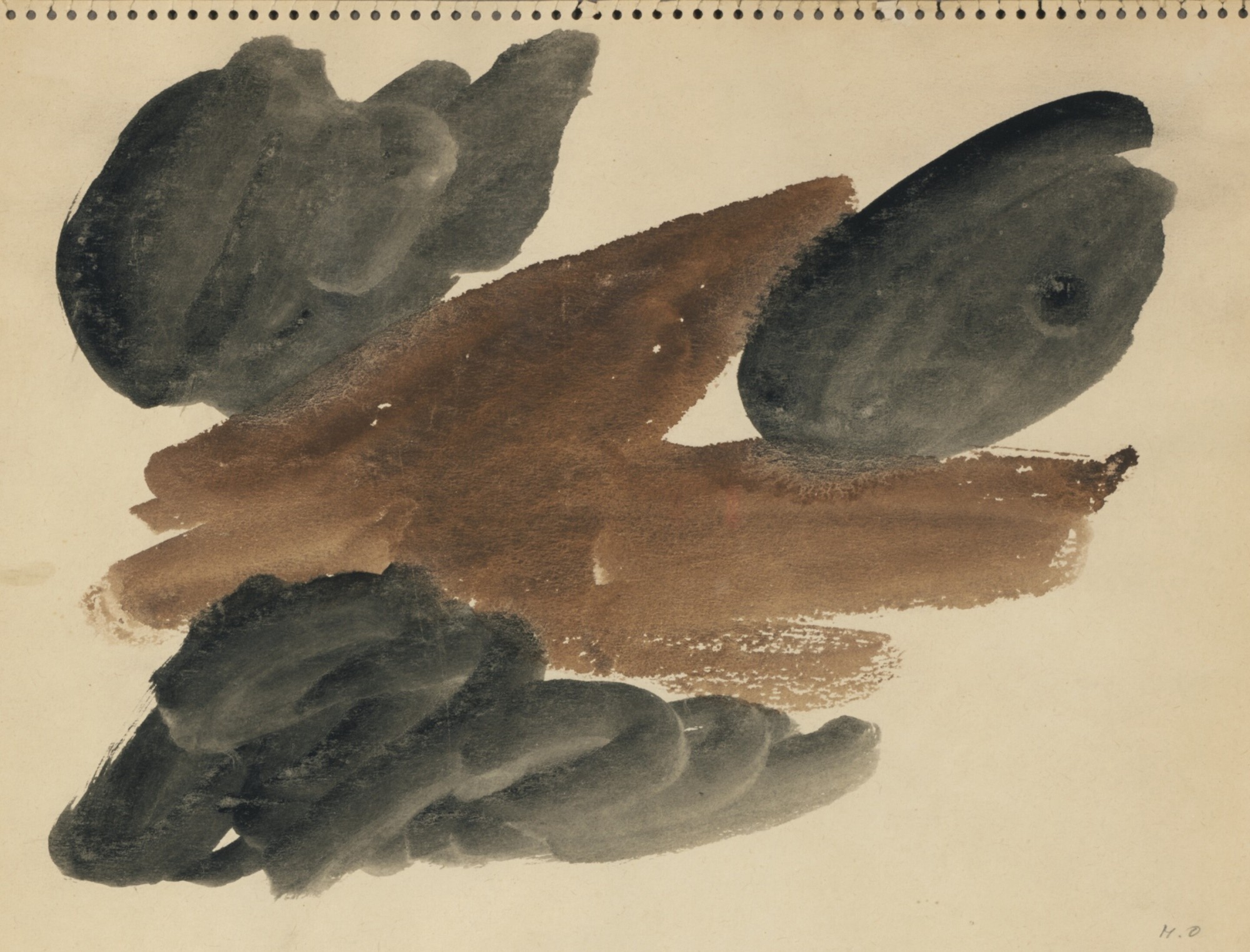
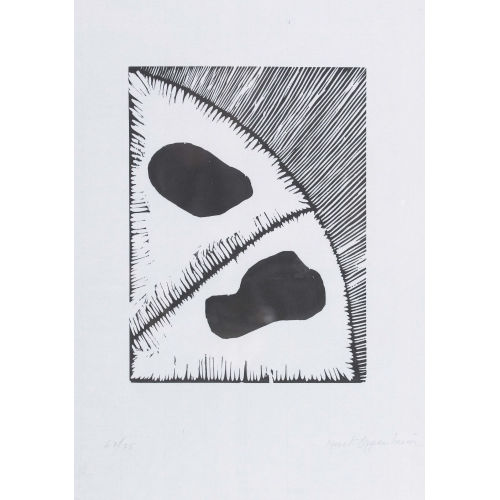
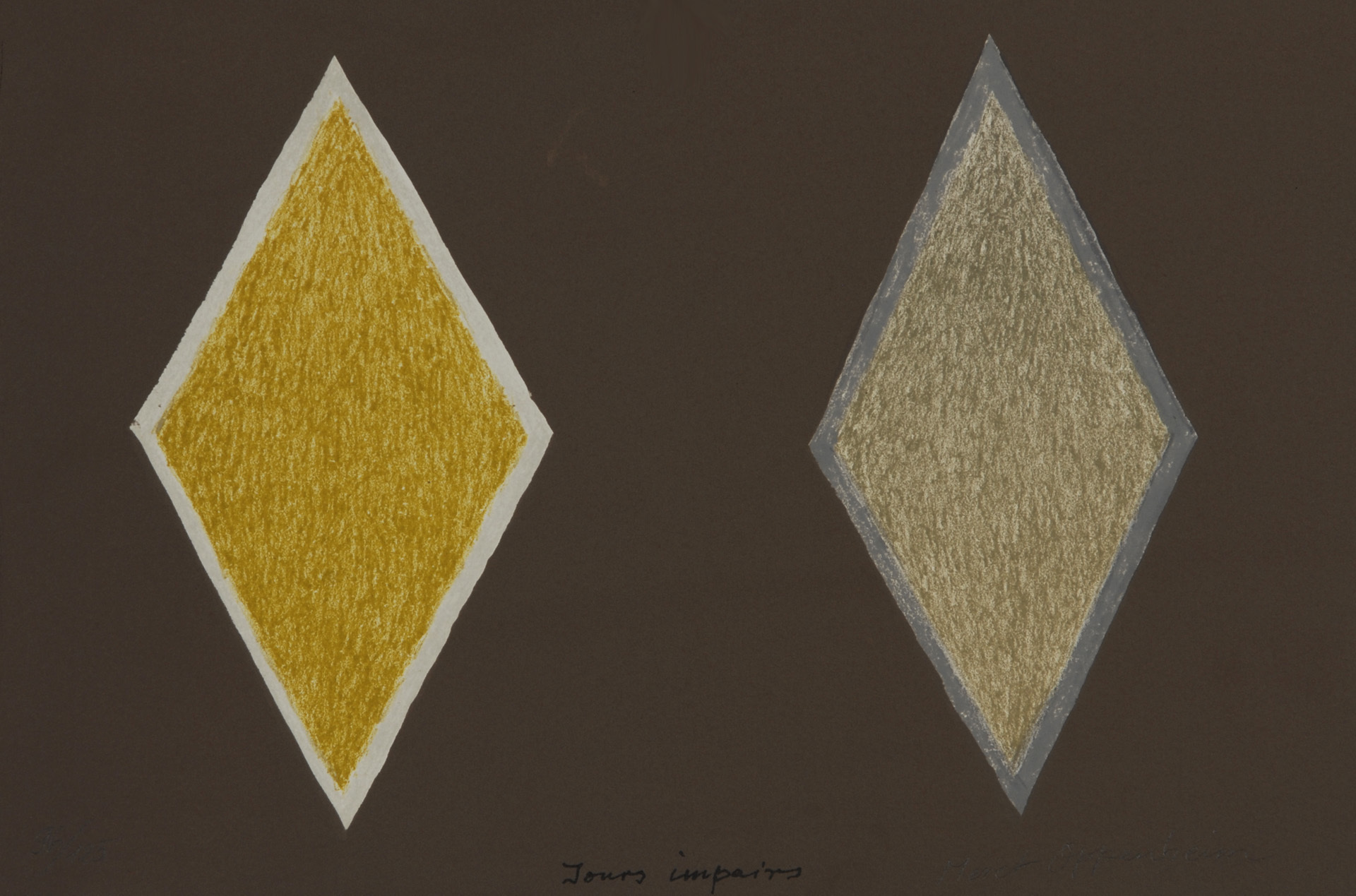
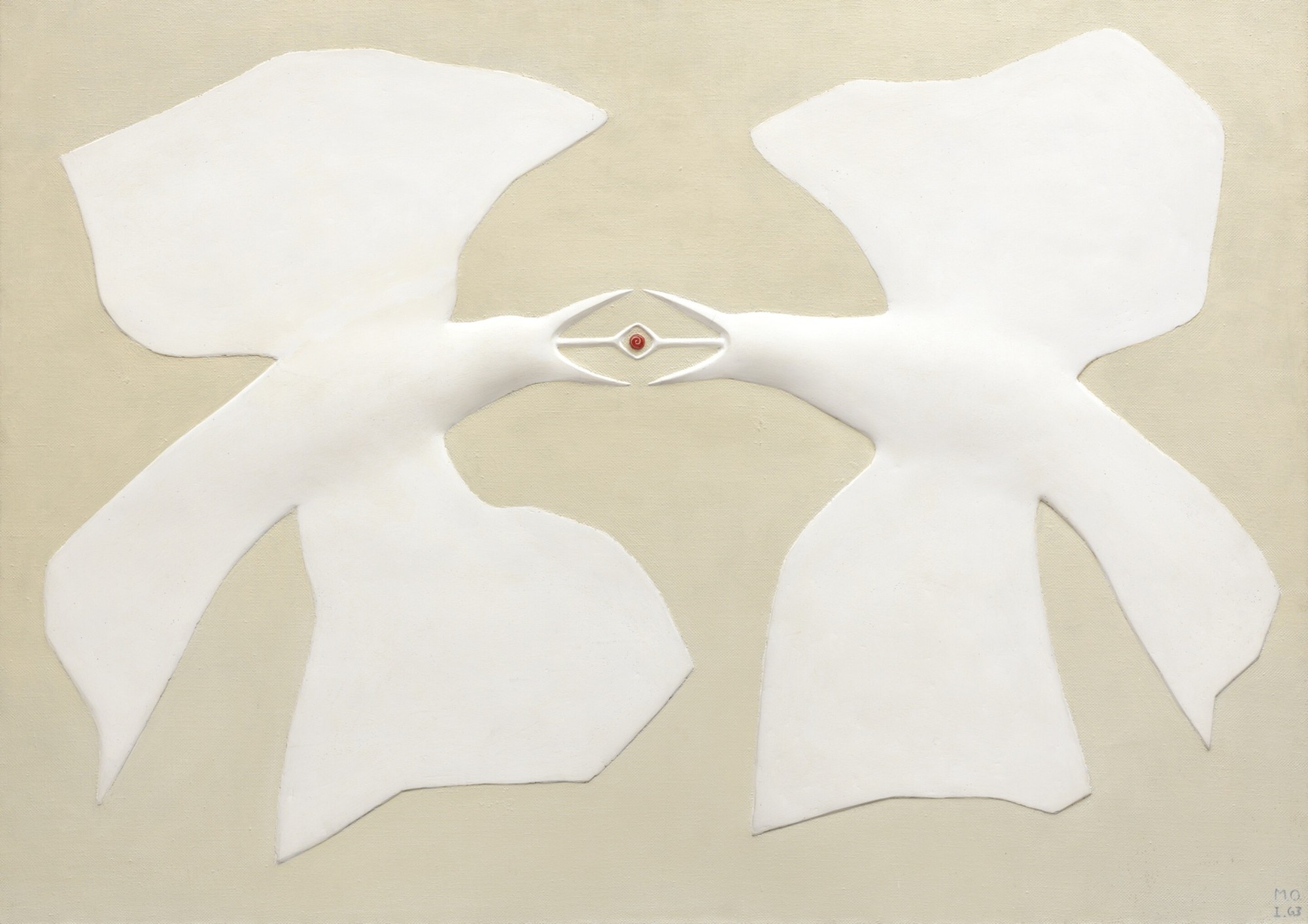
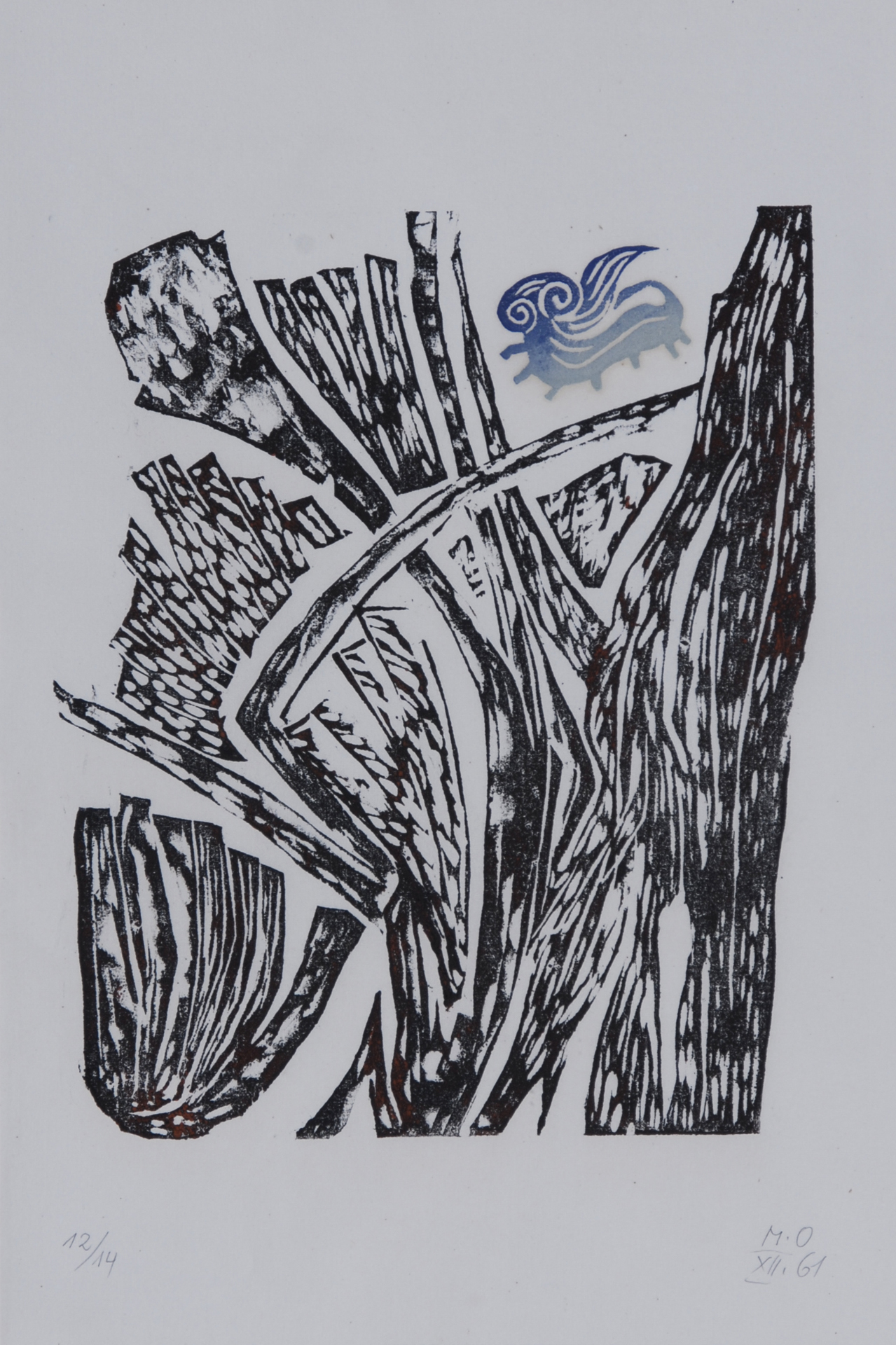
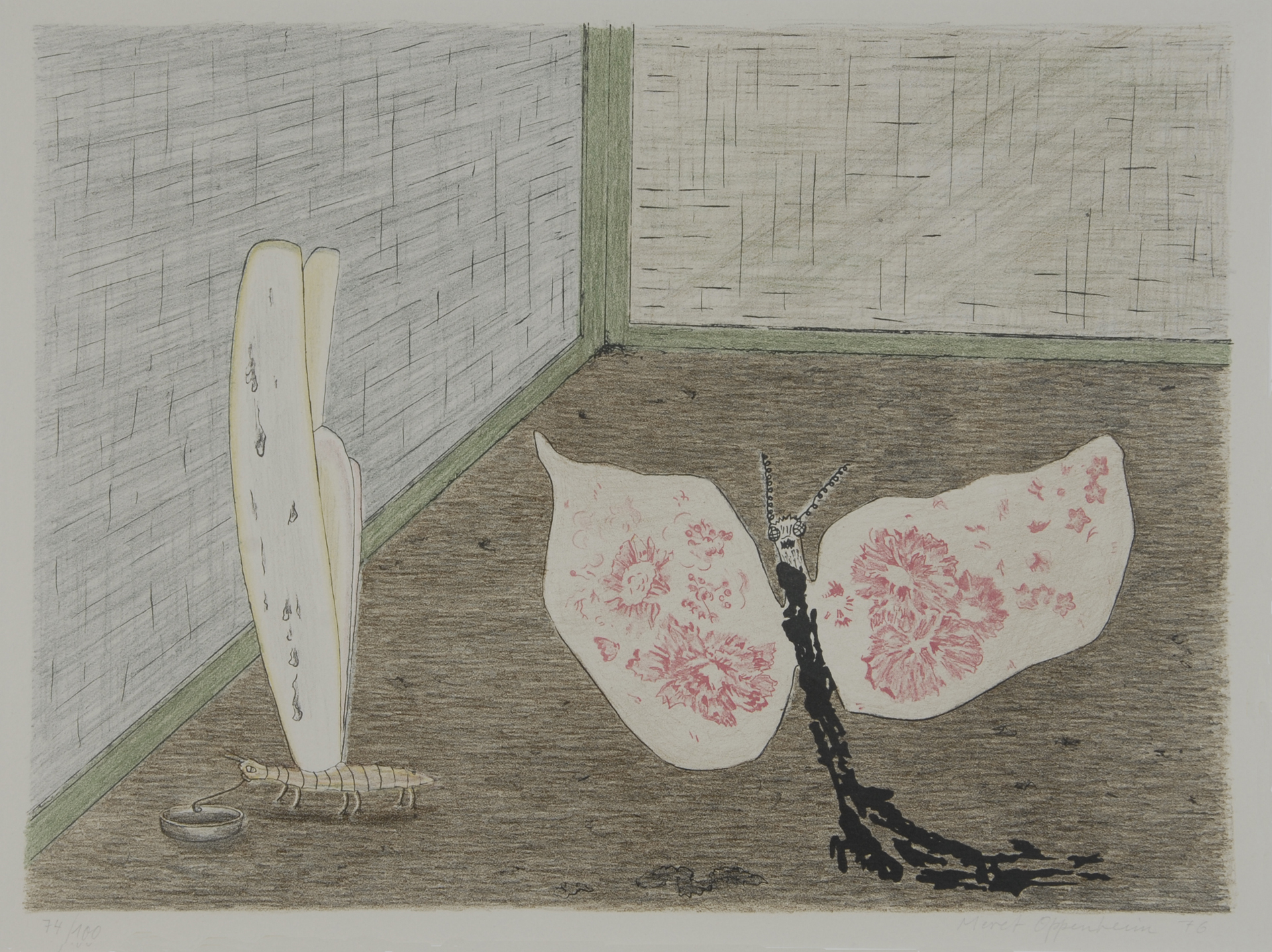
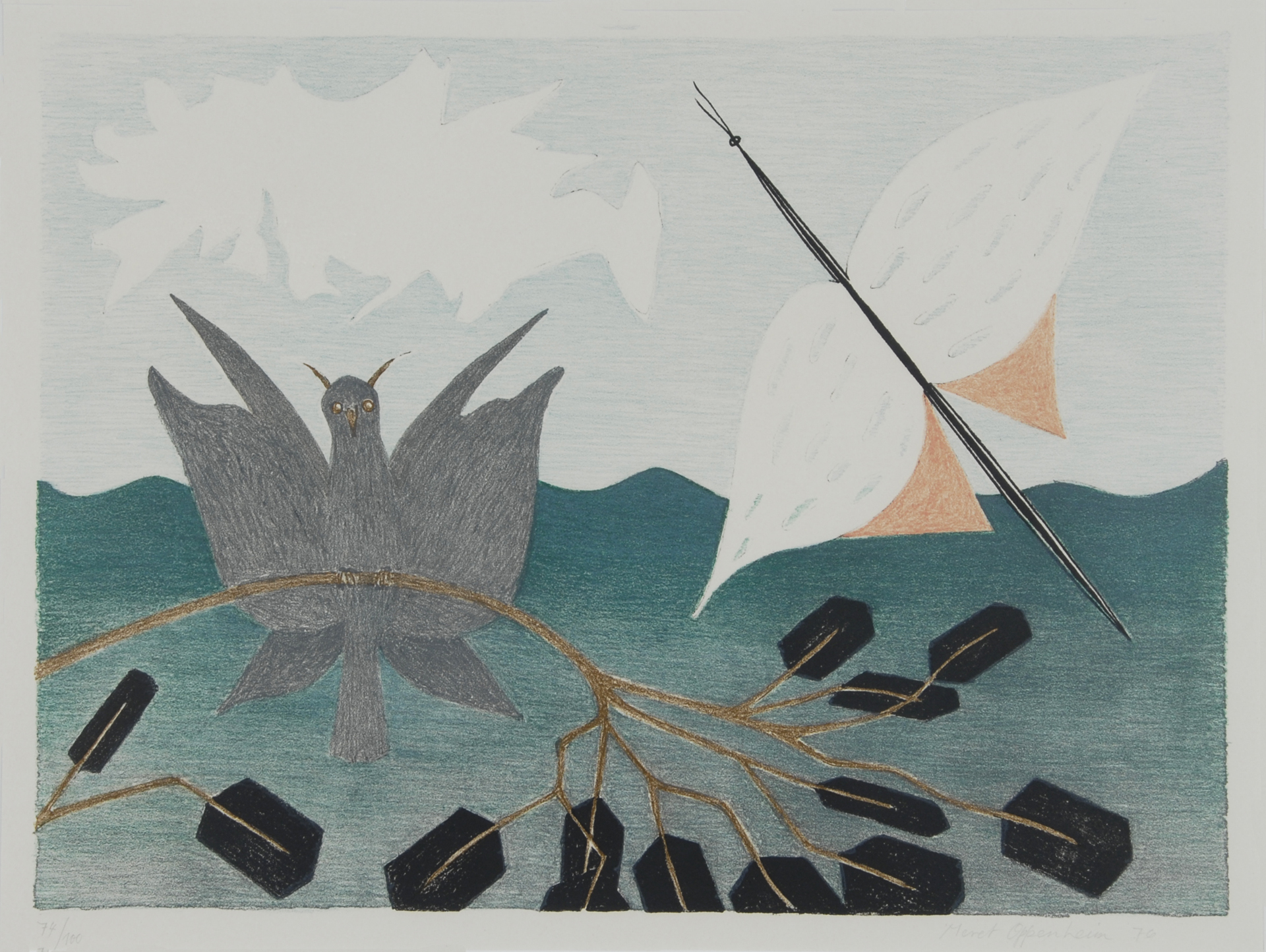
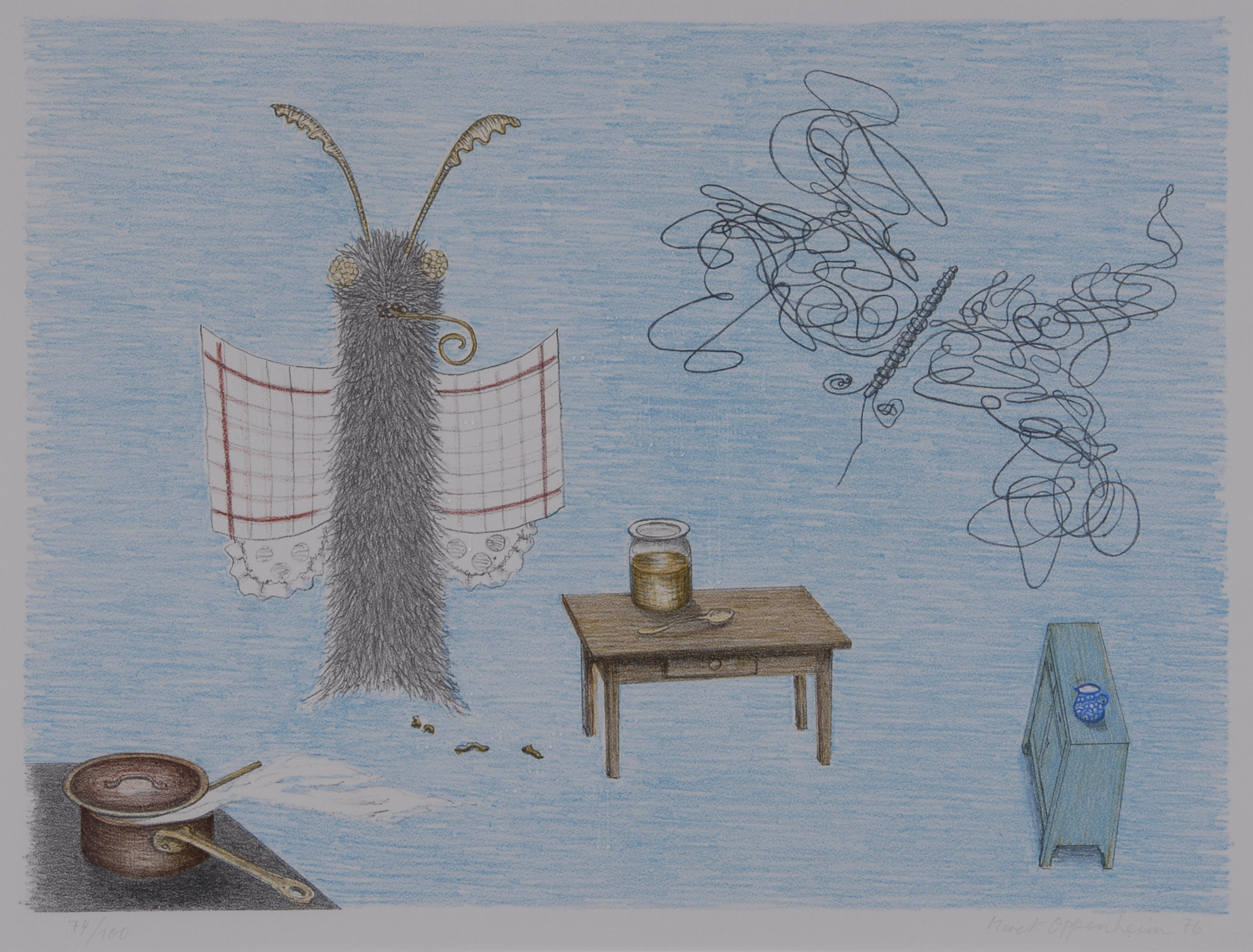
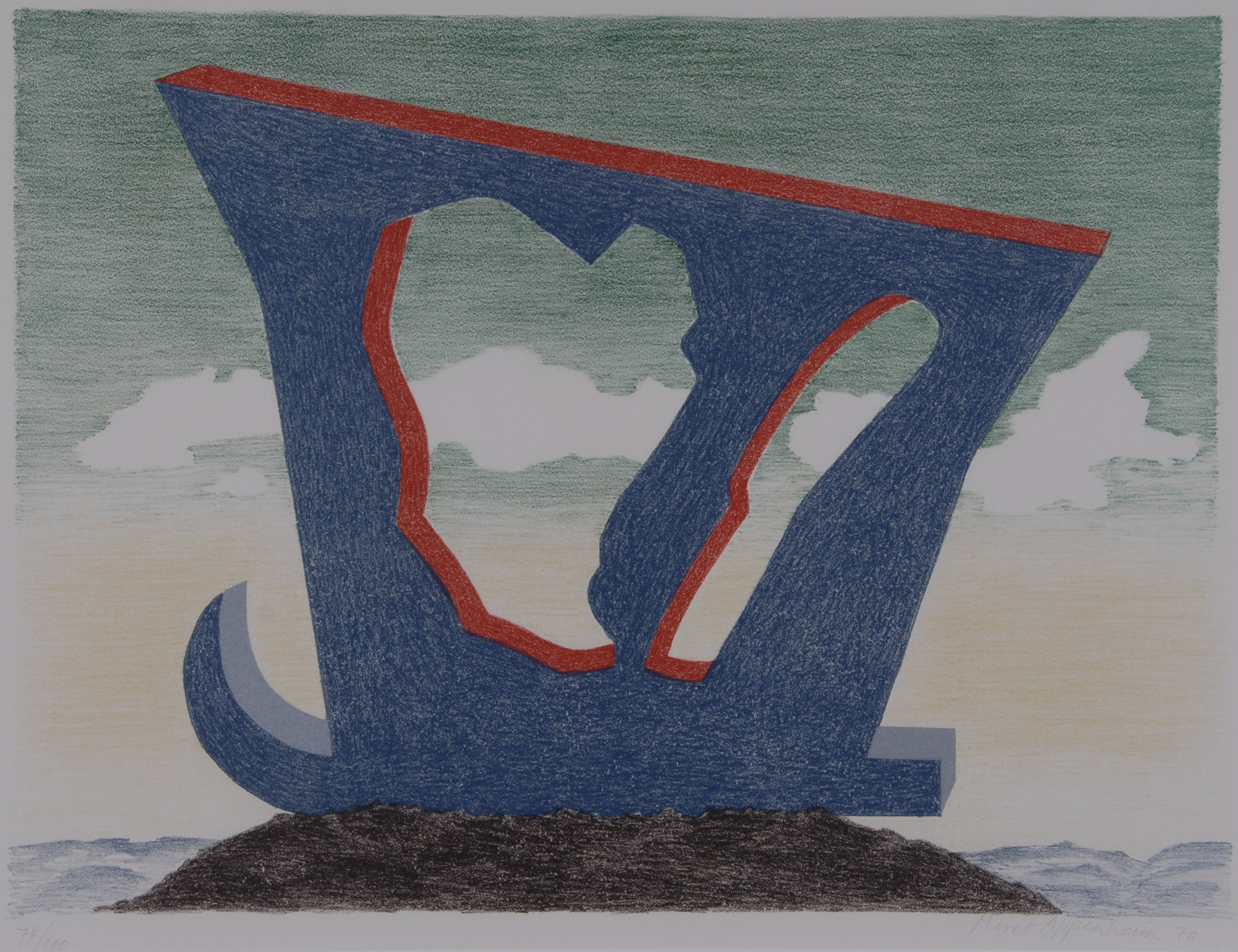
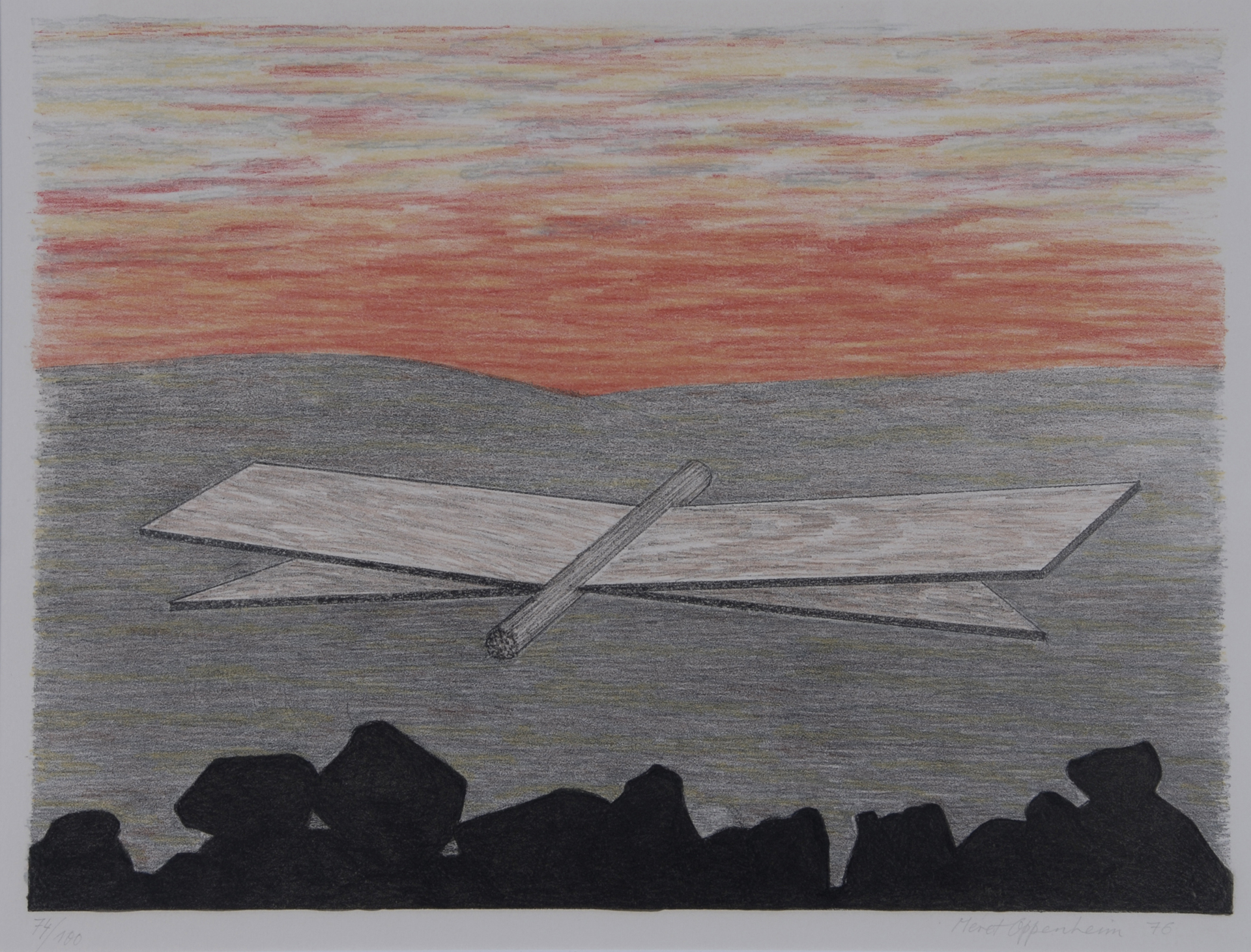
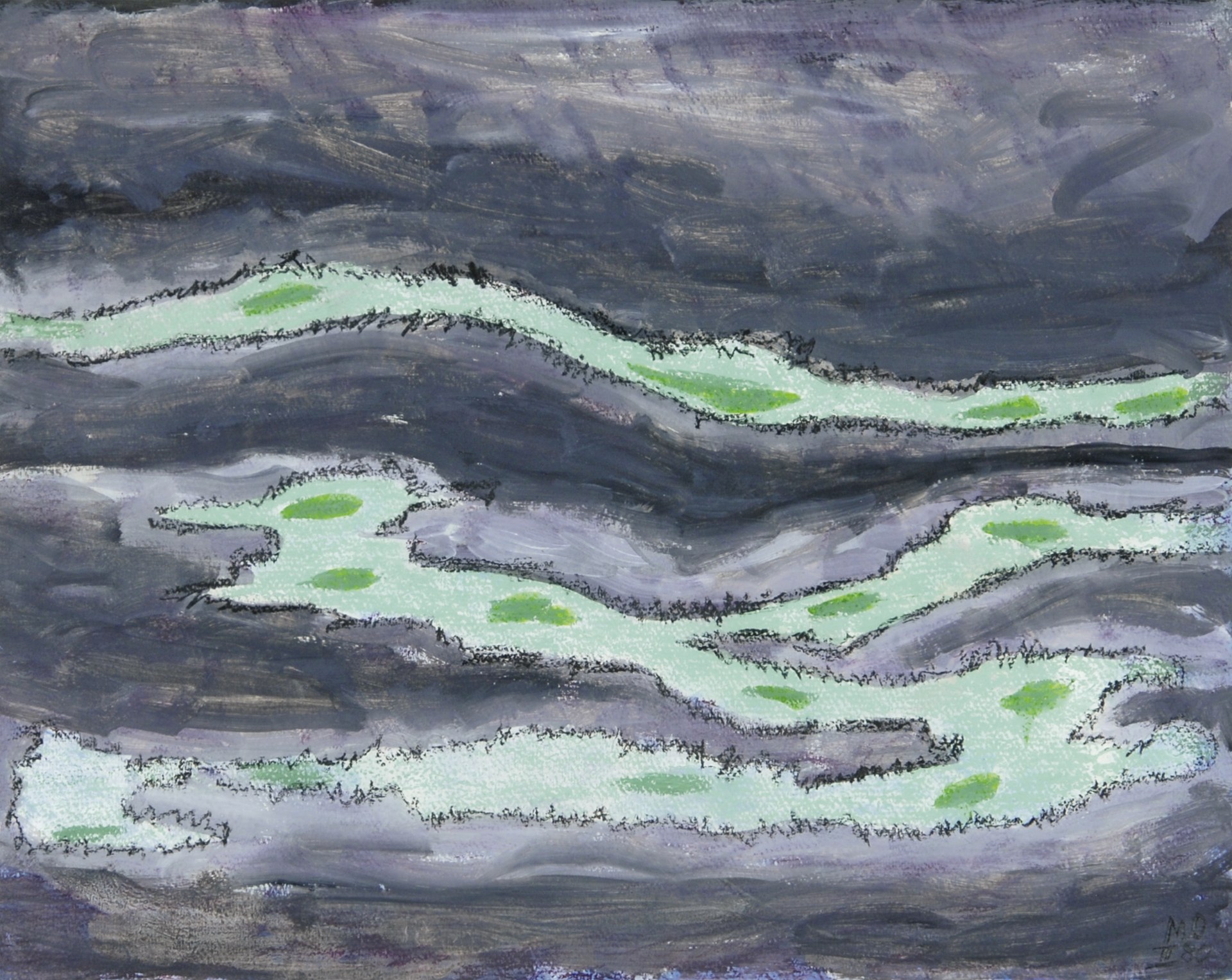
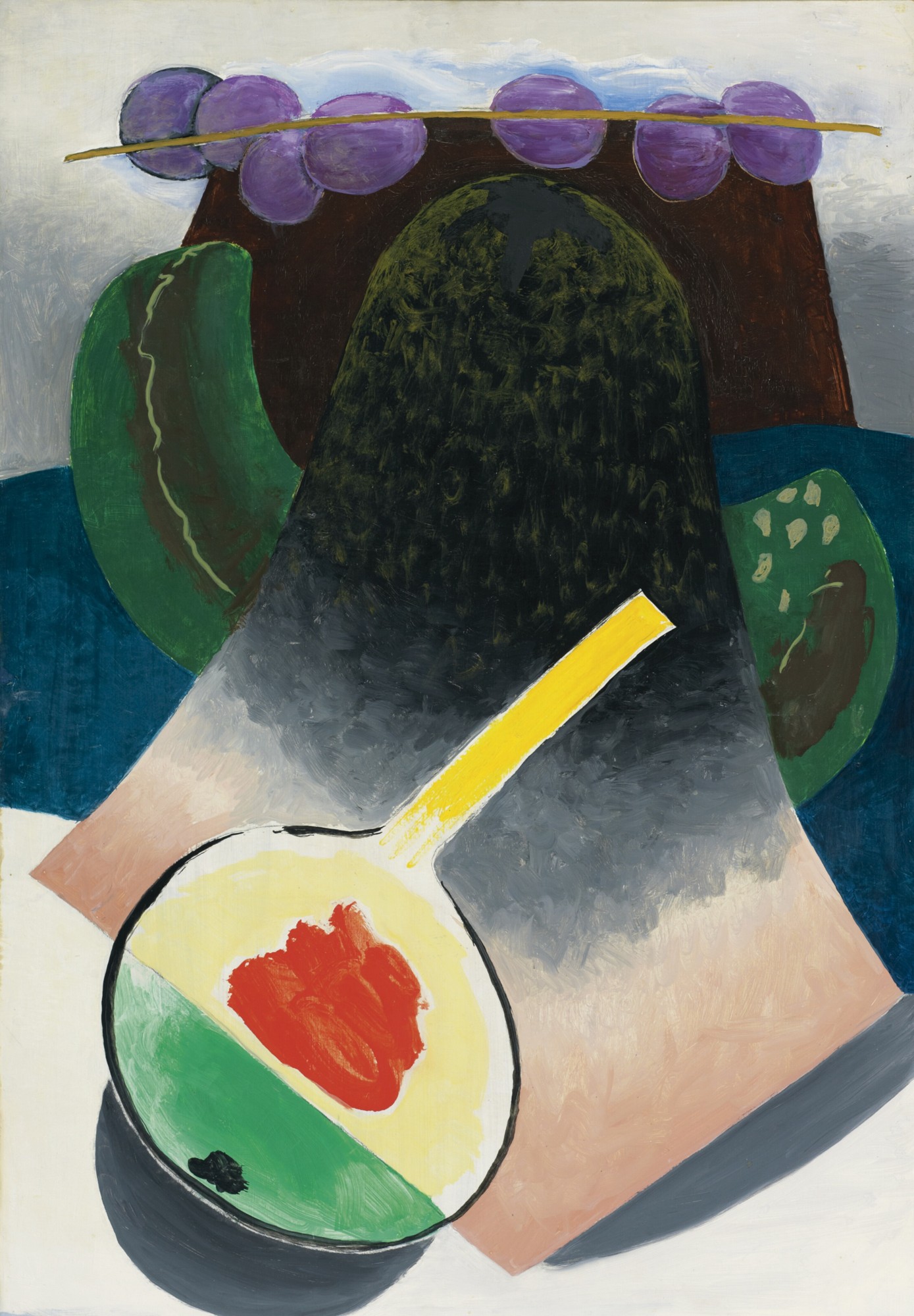
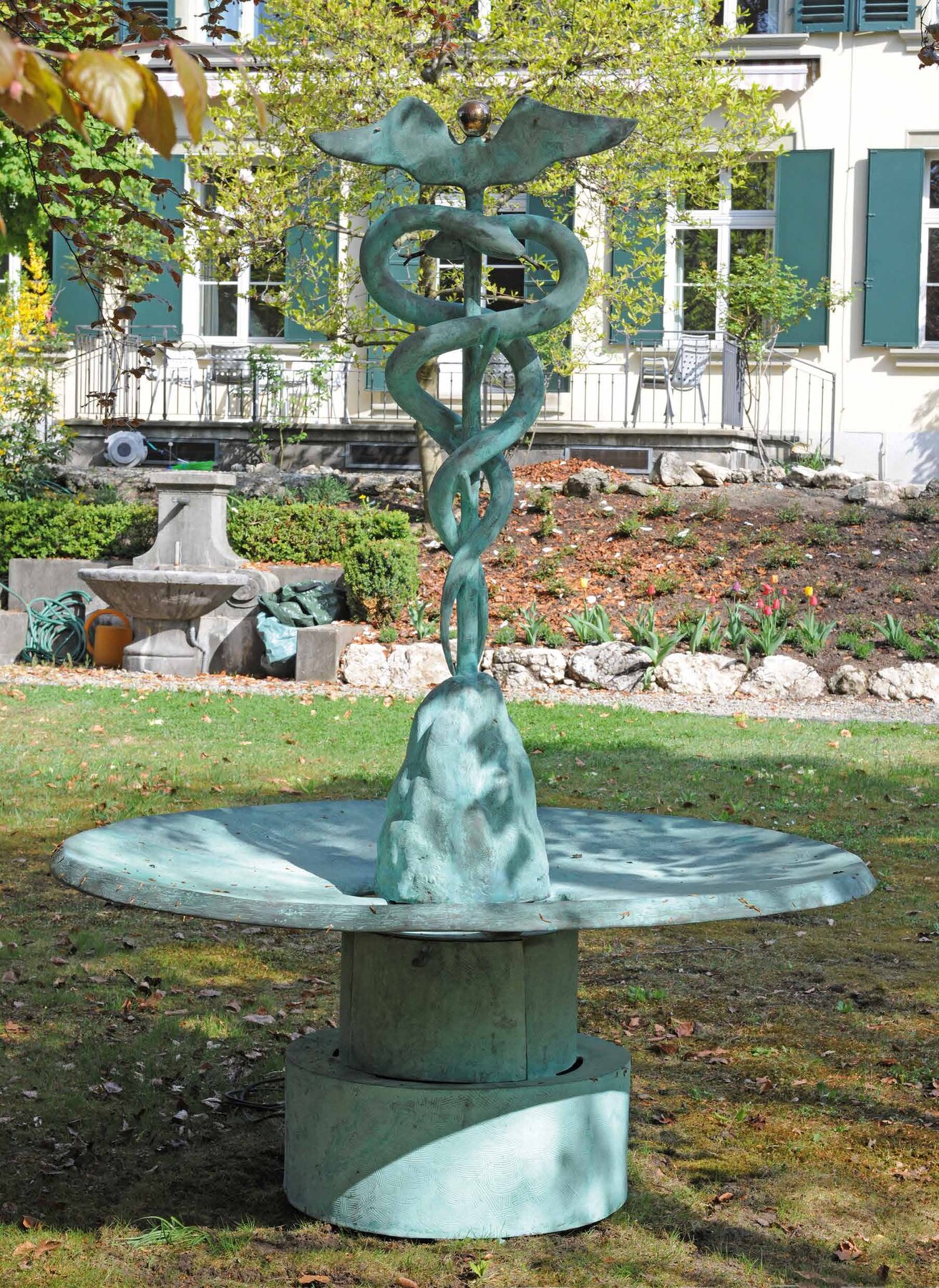
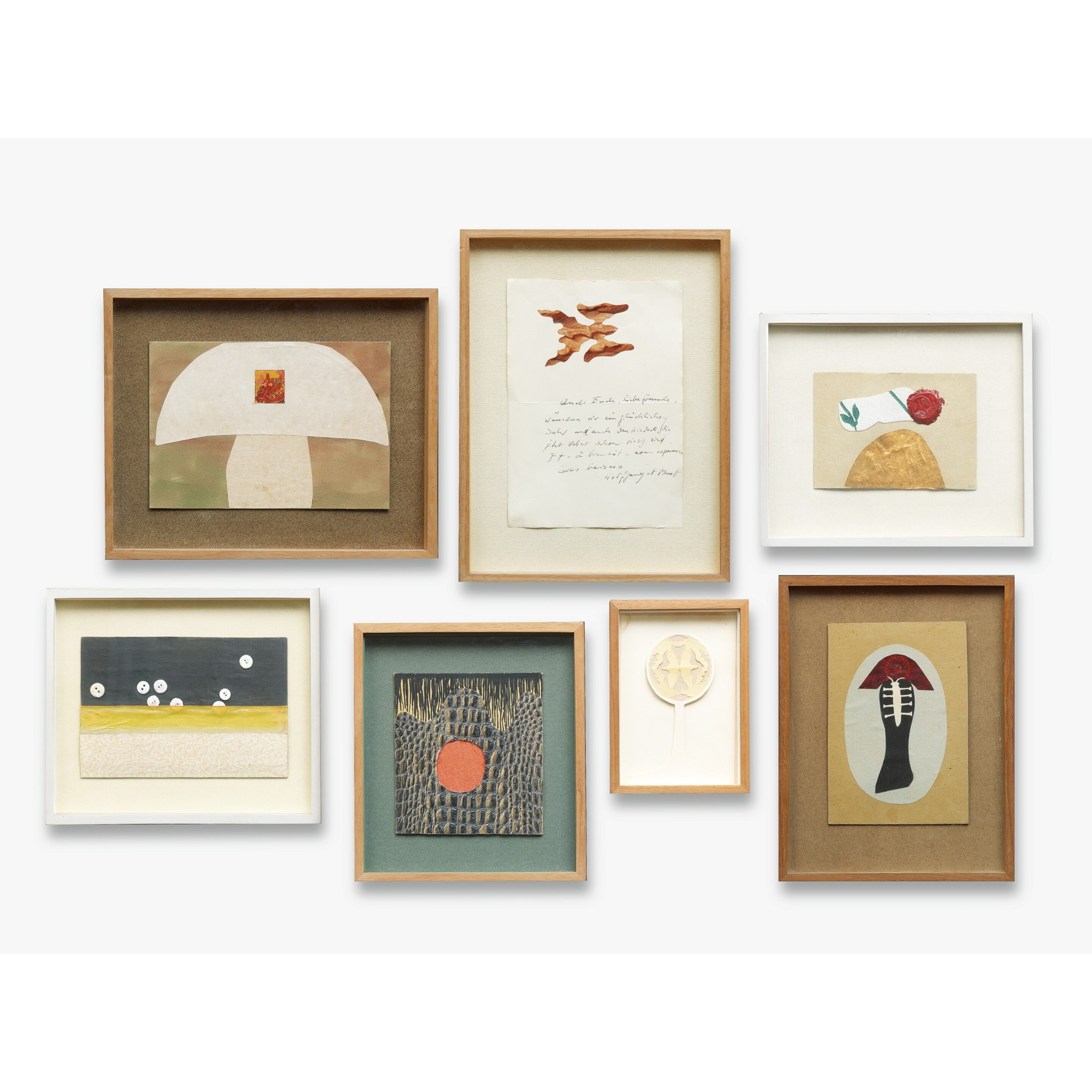
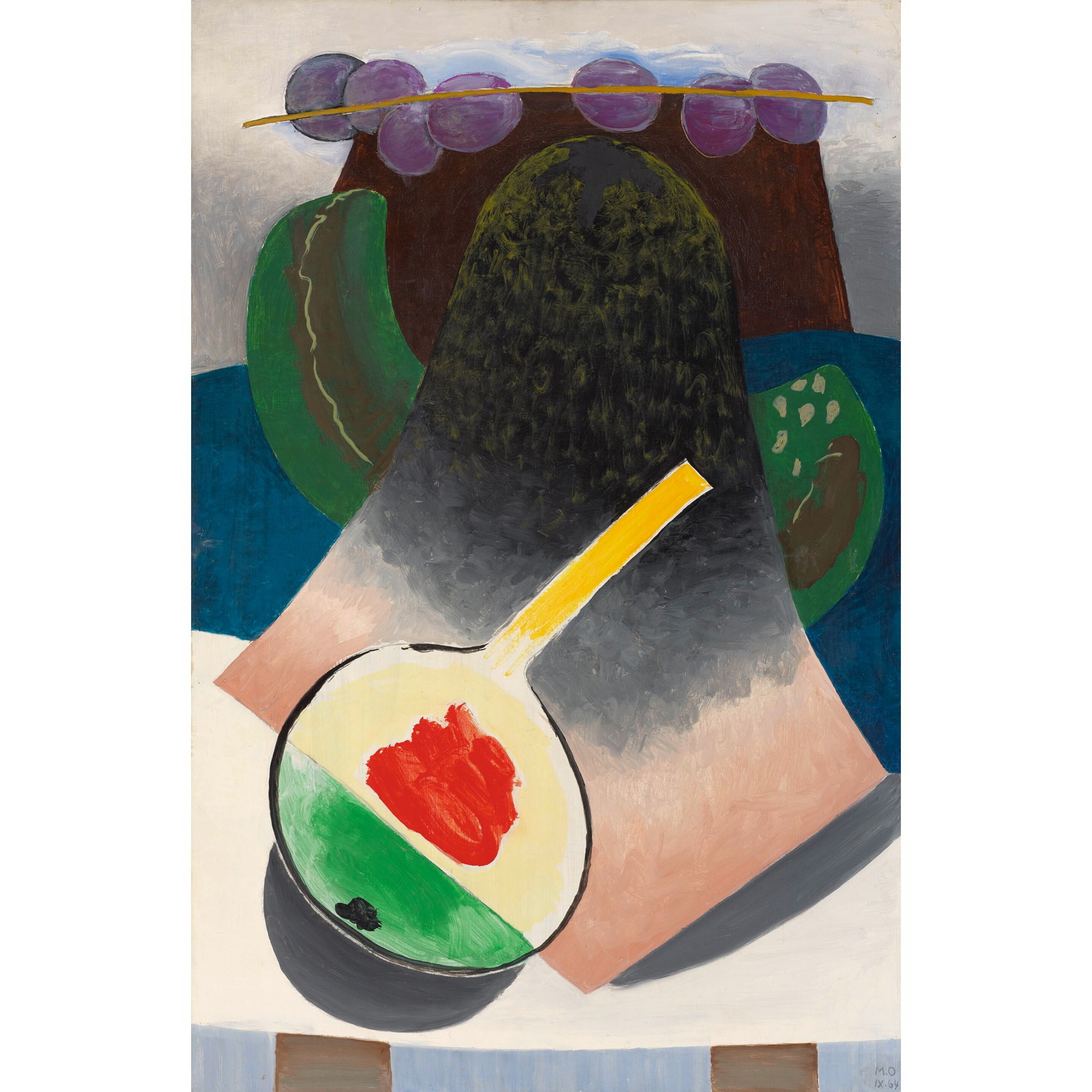
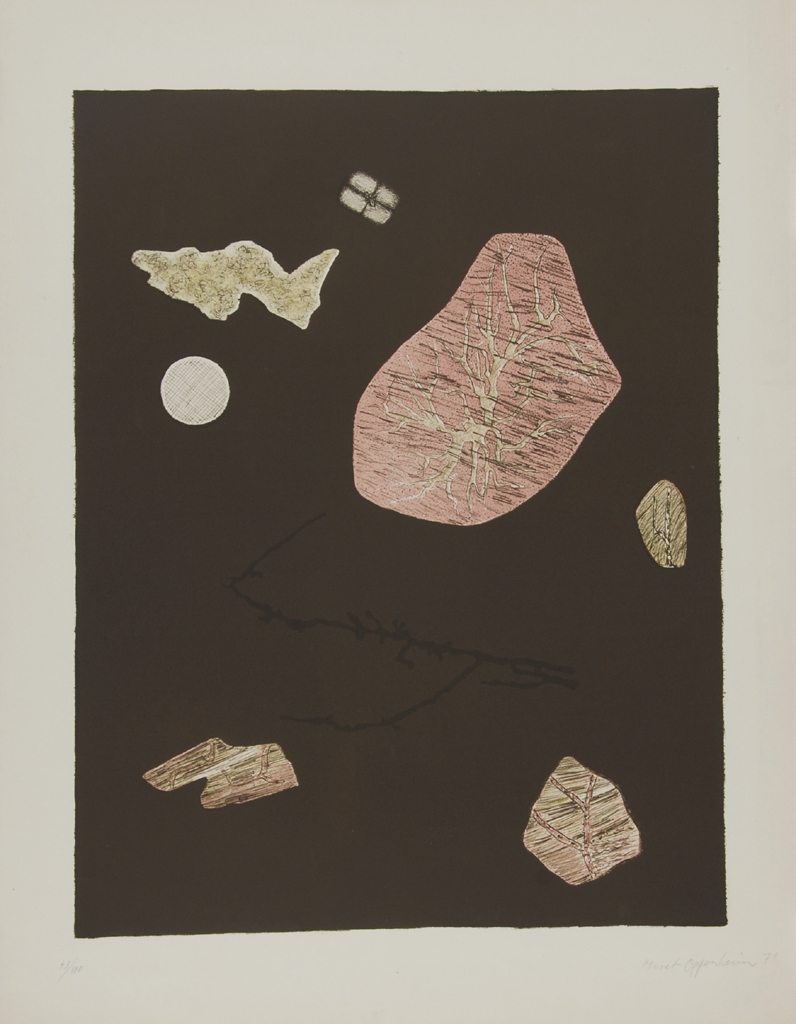
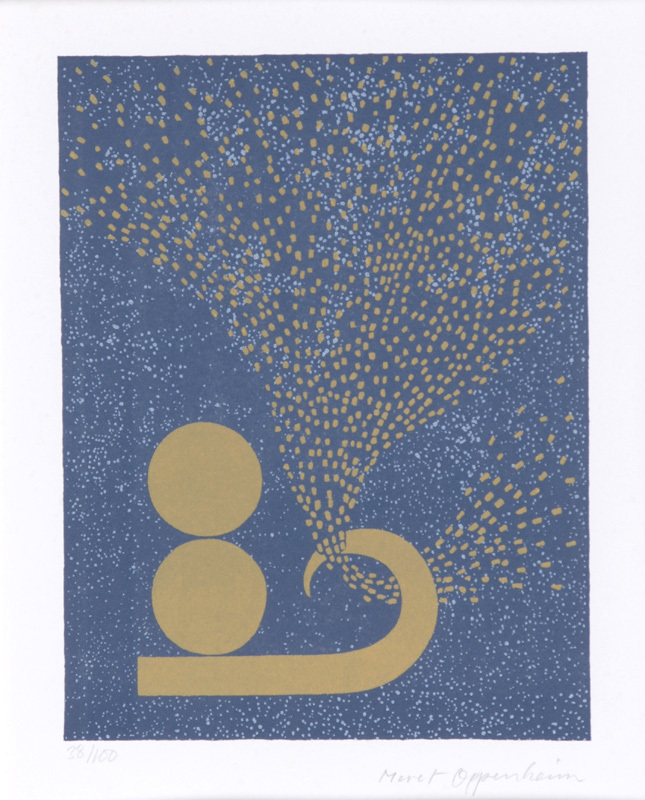
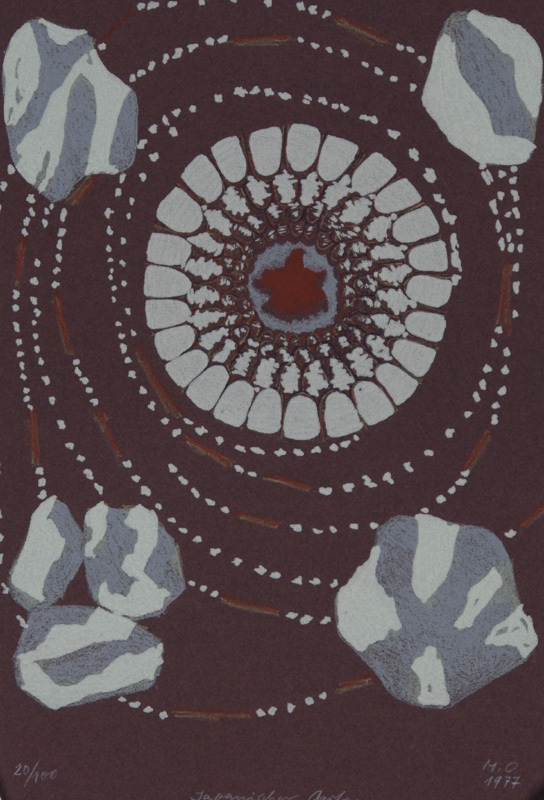
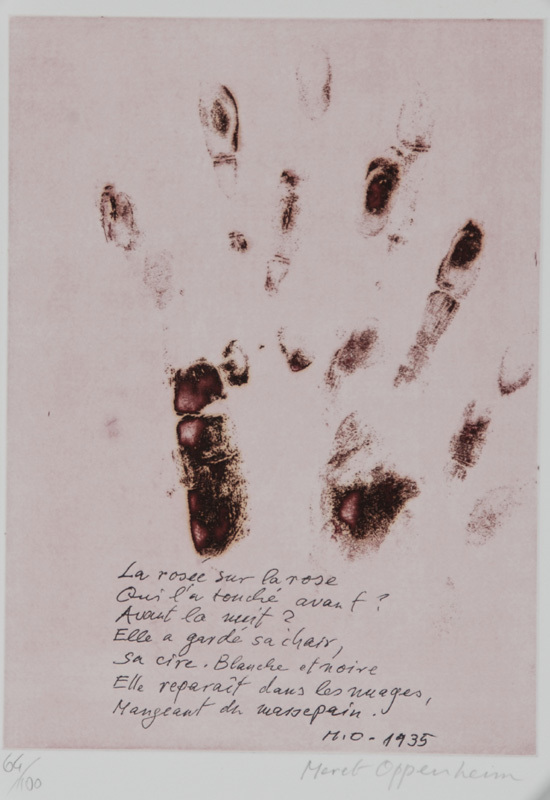
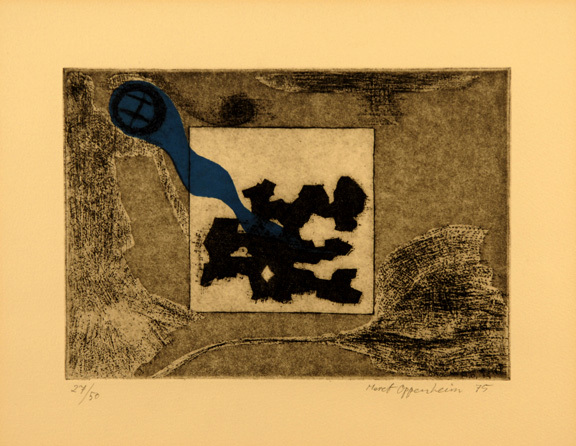
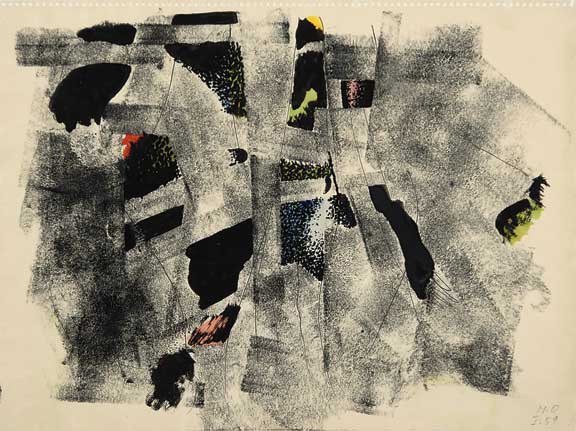
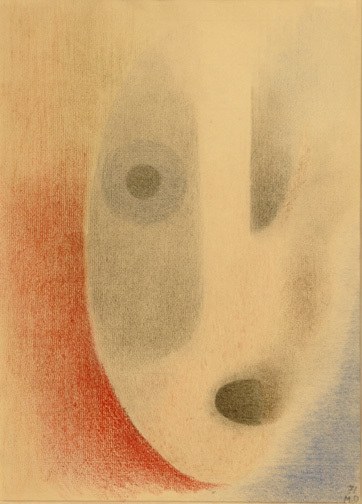
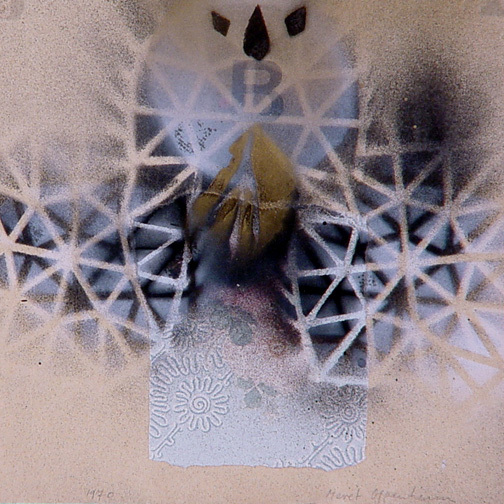
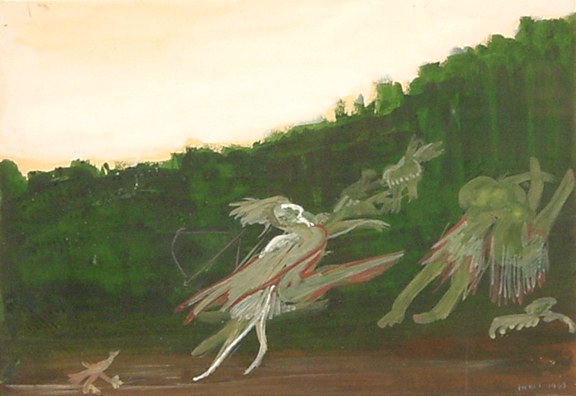
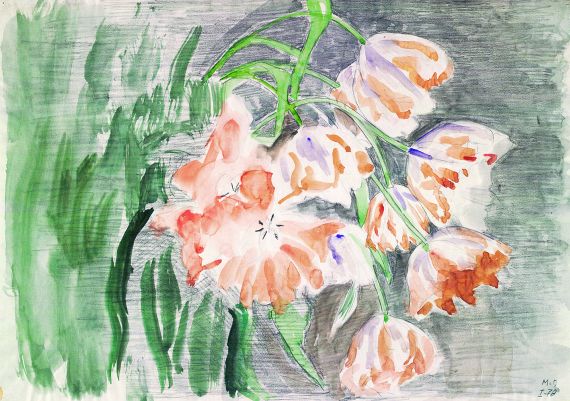
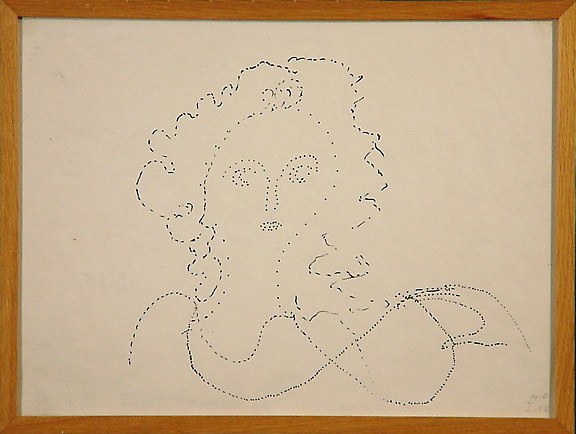
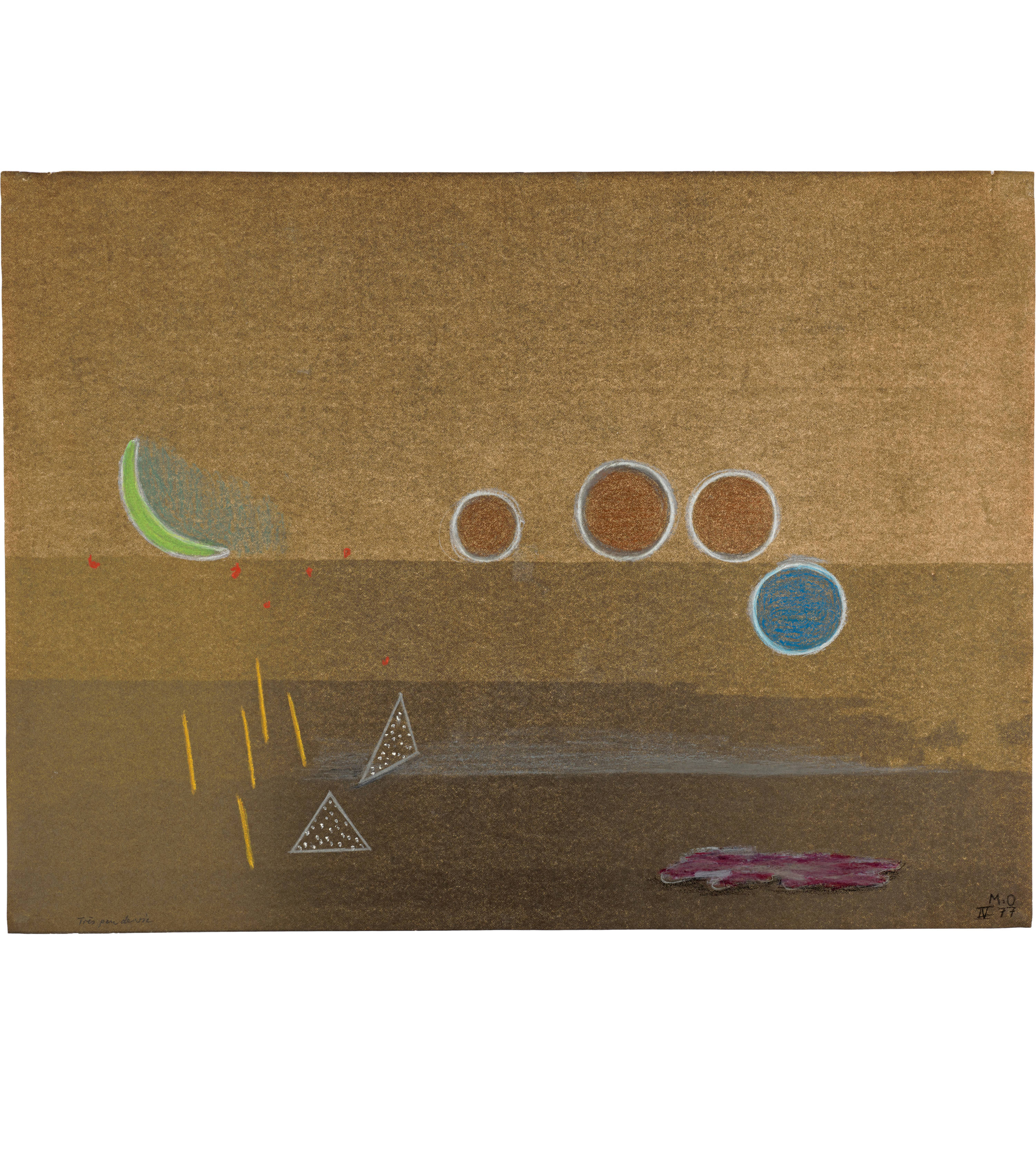
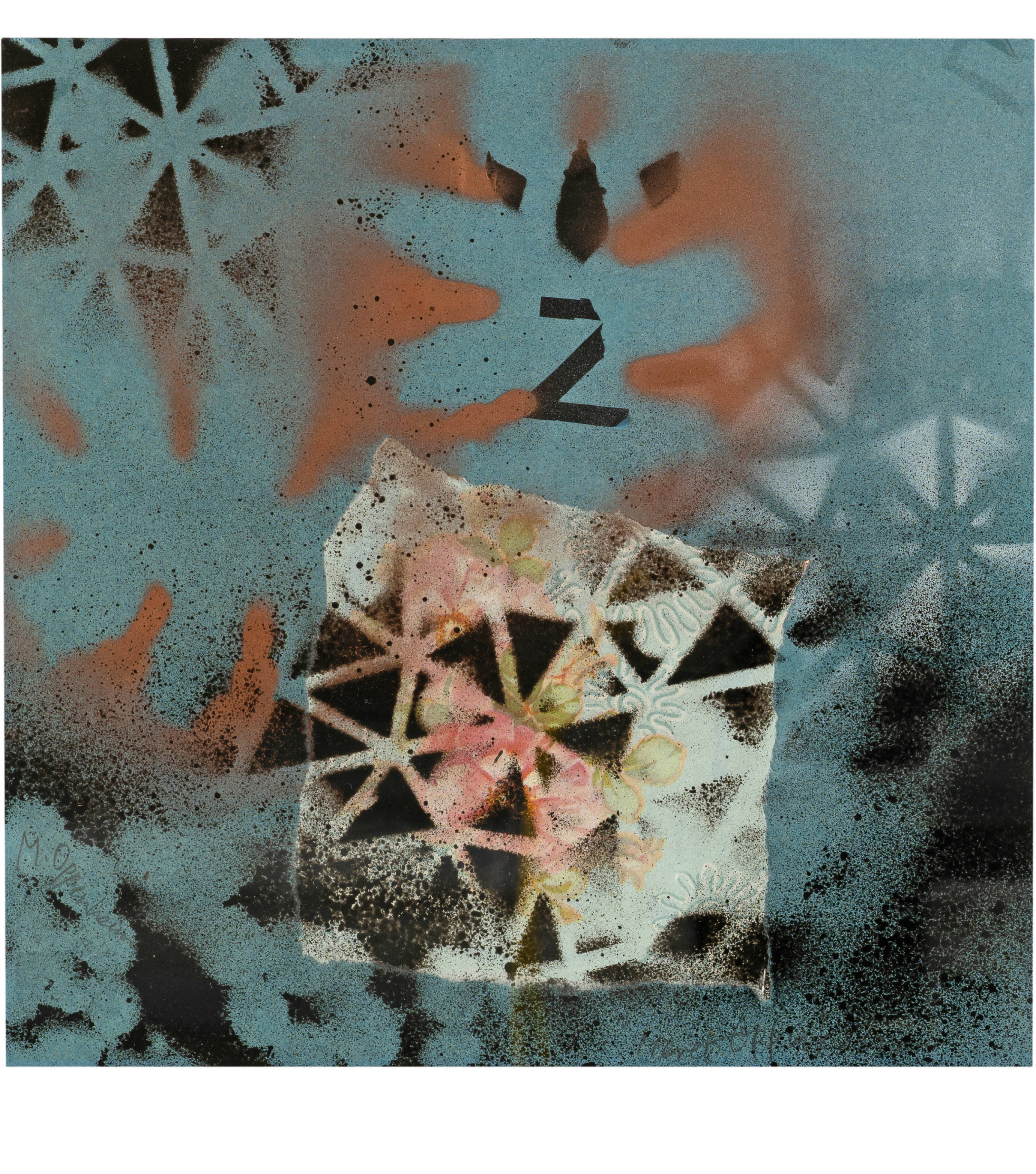
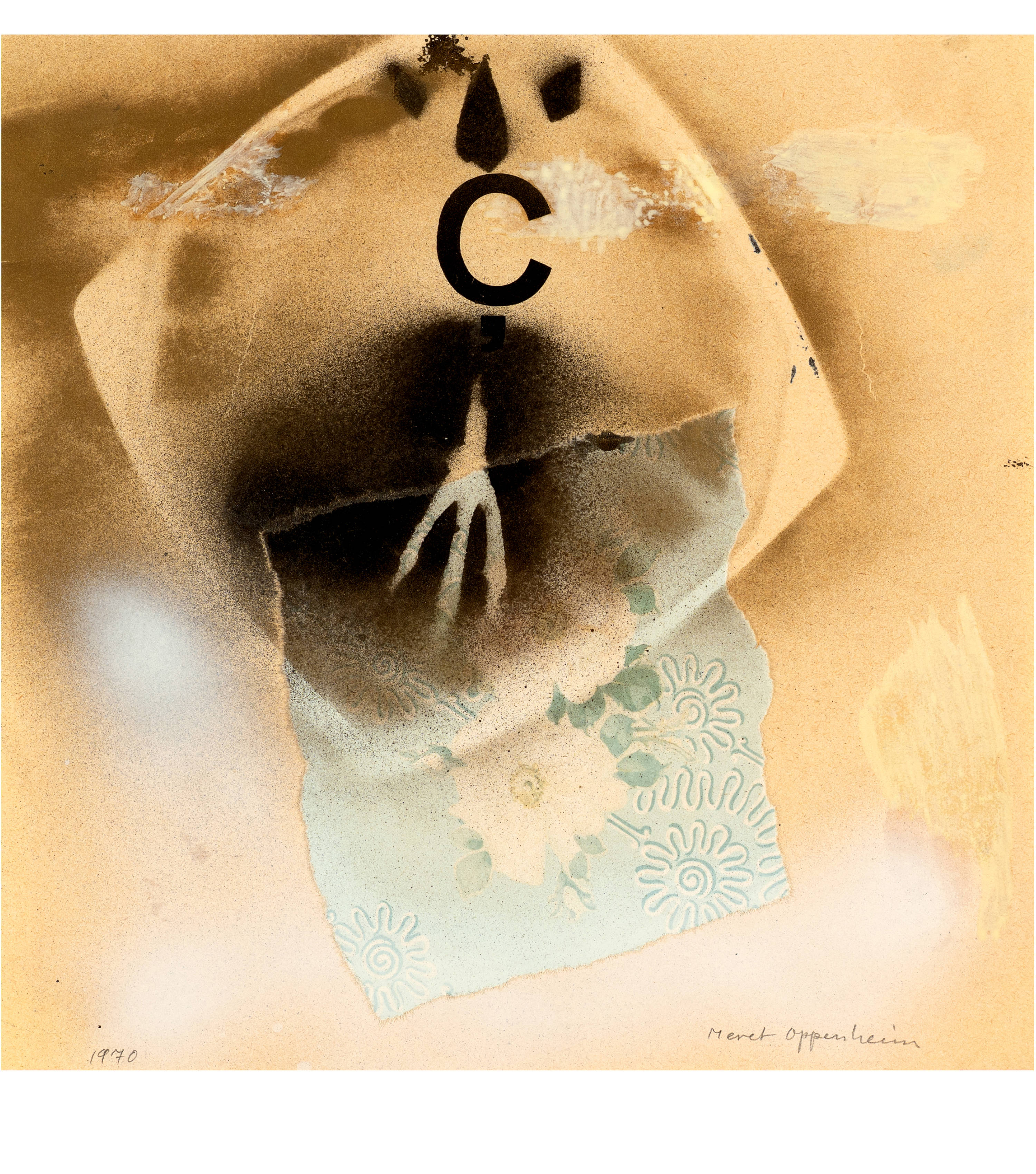
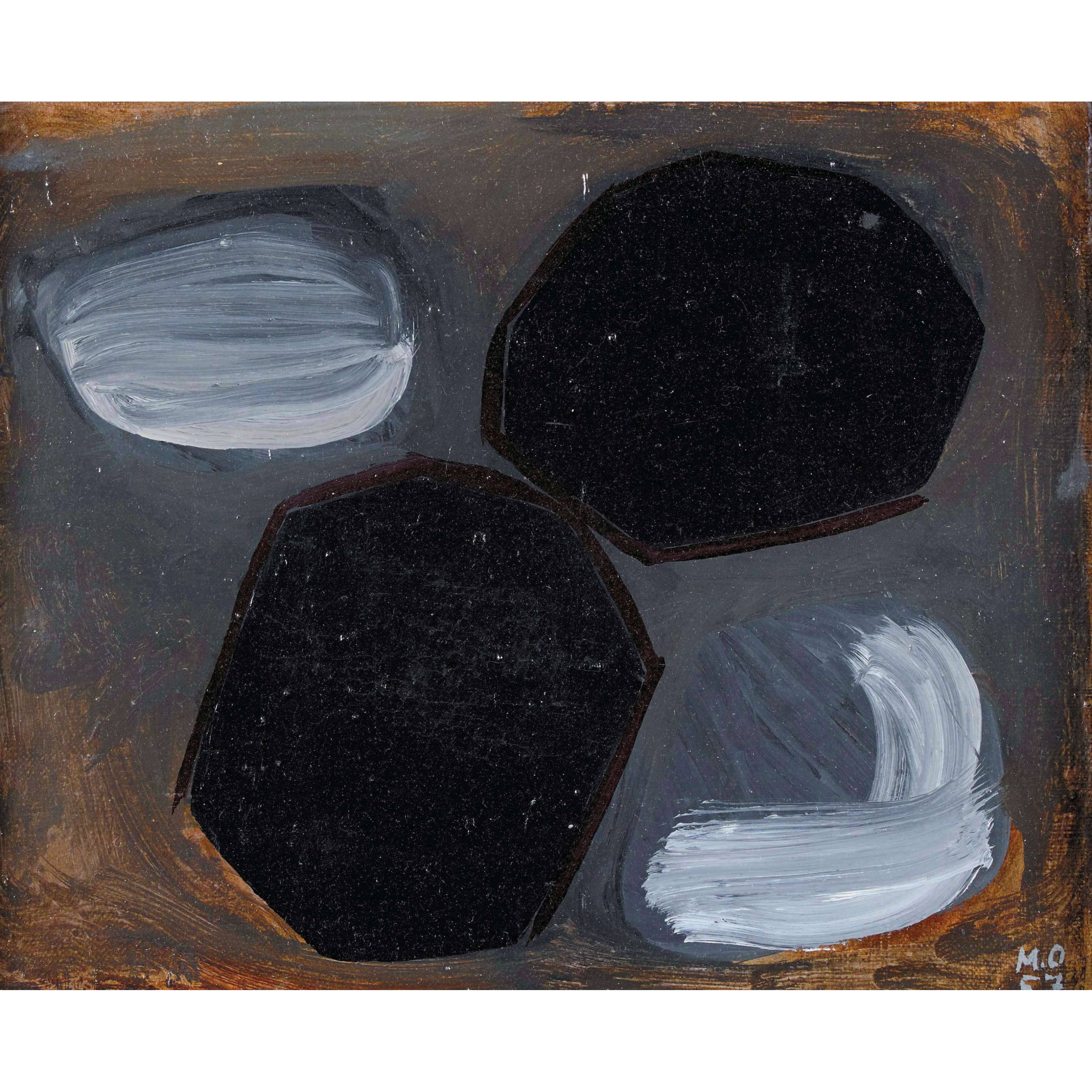
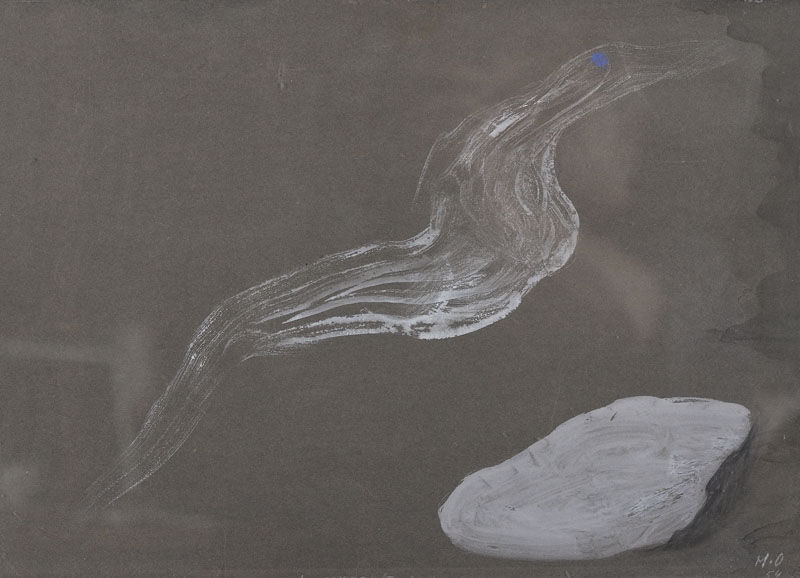
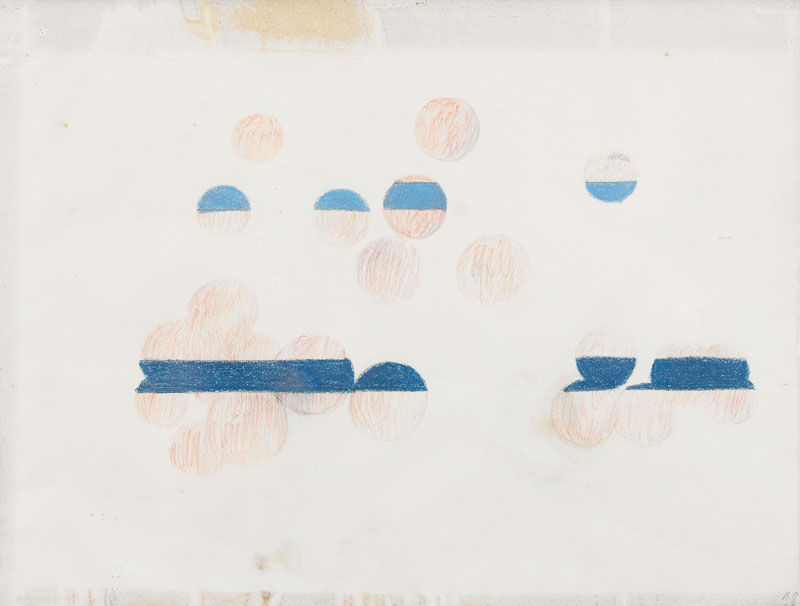
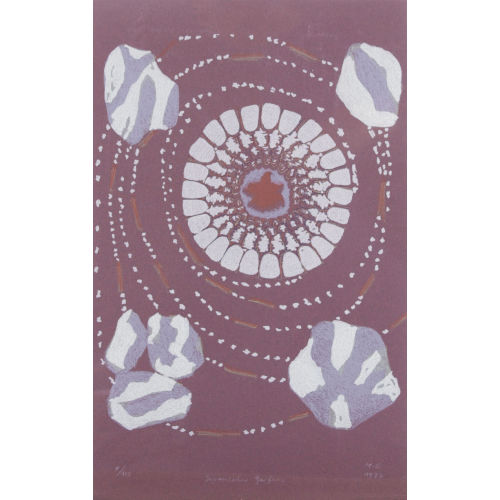
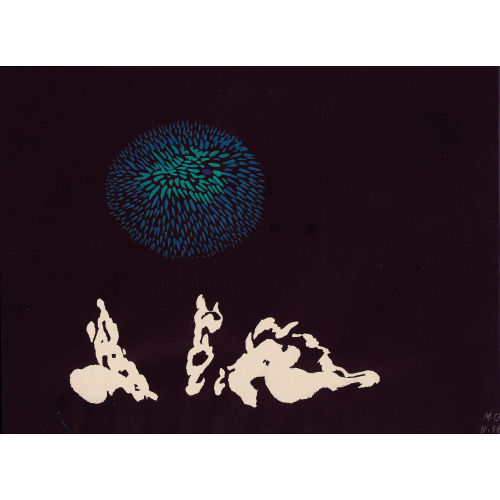
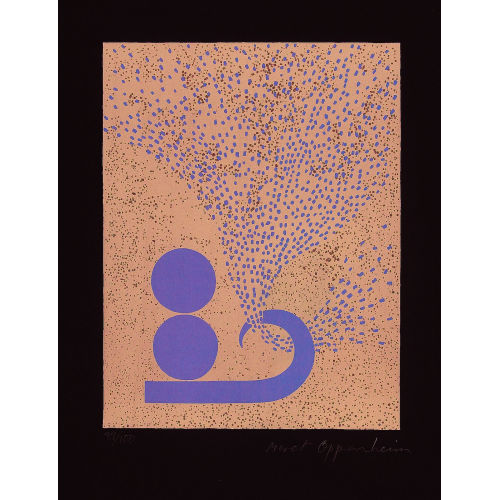
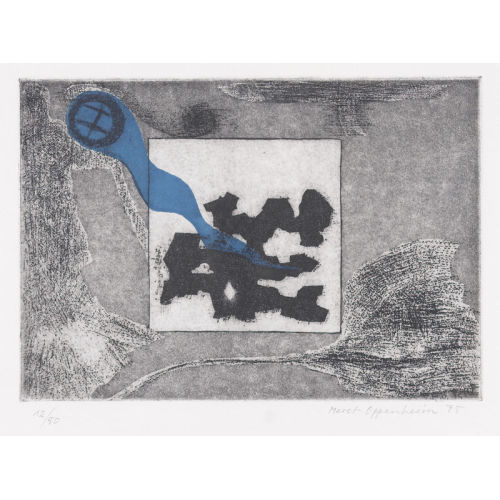
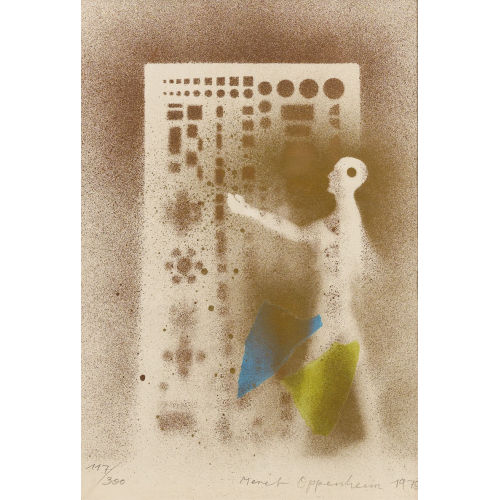
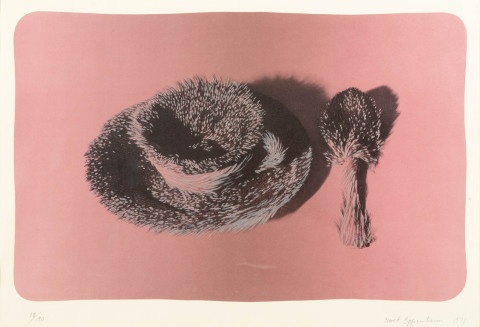
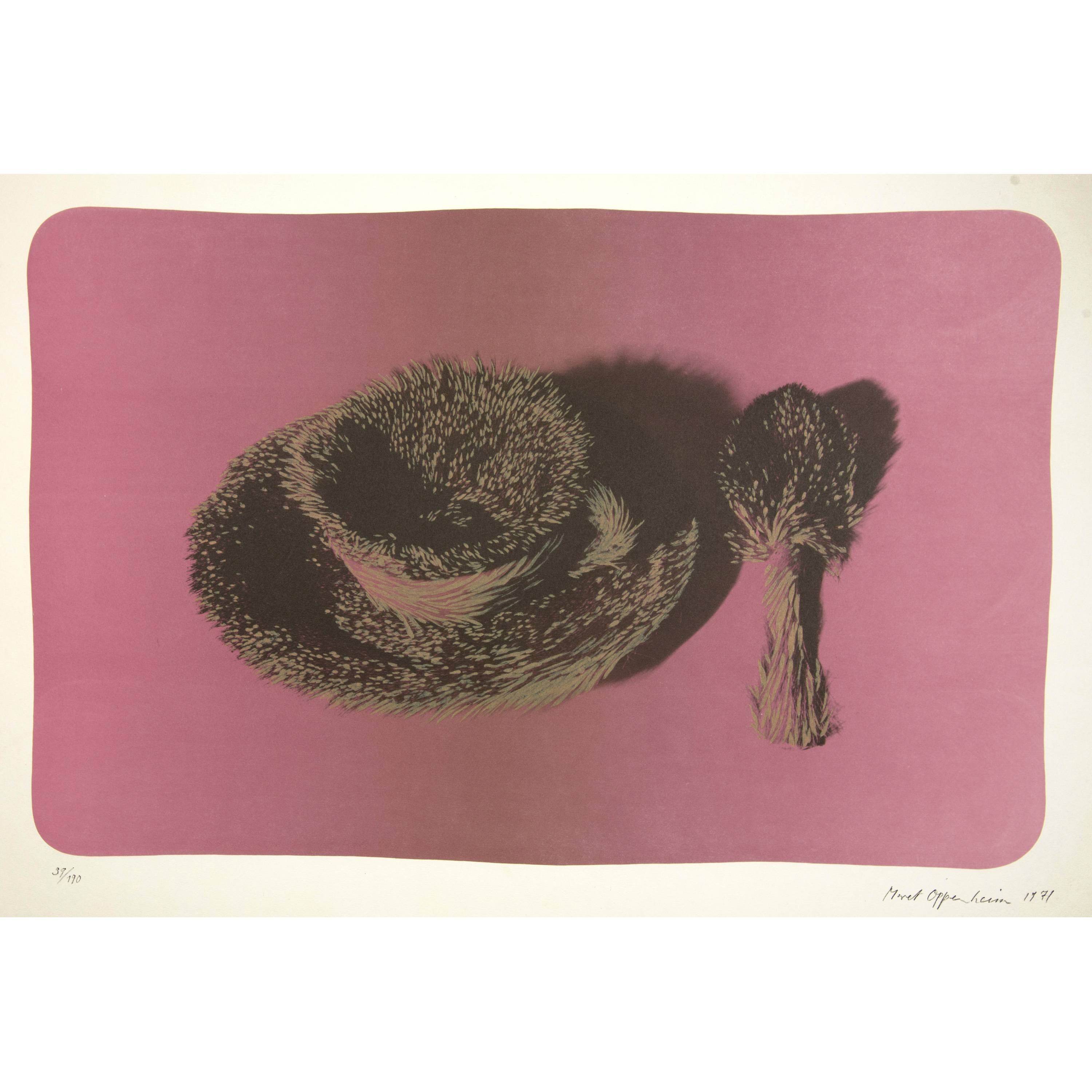
A fur-covered cup is enough to make the most familiar gesture seem strange. With Object, made in 1936 and held by the Museum of Modern Art in New York, Meret Oppenheim creates one of the emblematic images of Surrealism. Yet her work opens onto a much broader field: paintings, drawings, objects, poetry and creations intended for public space bear witness to an imagination that freely changes its language.
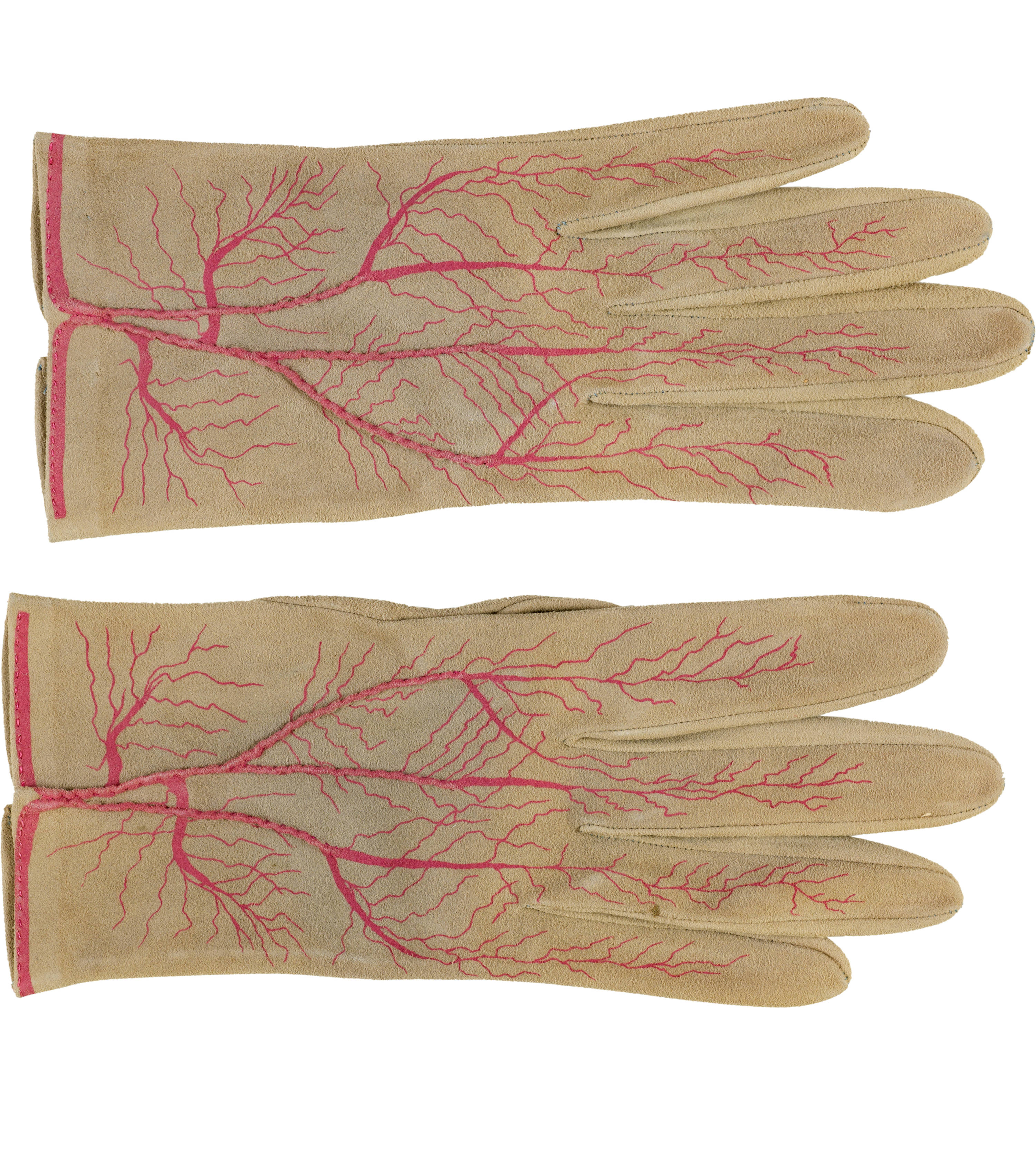
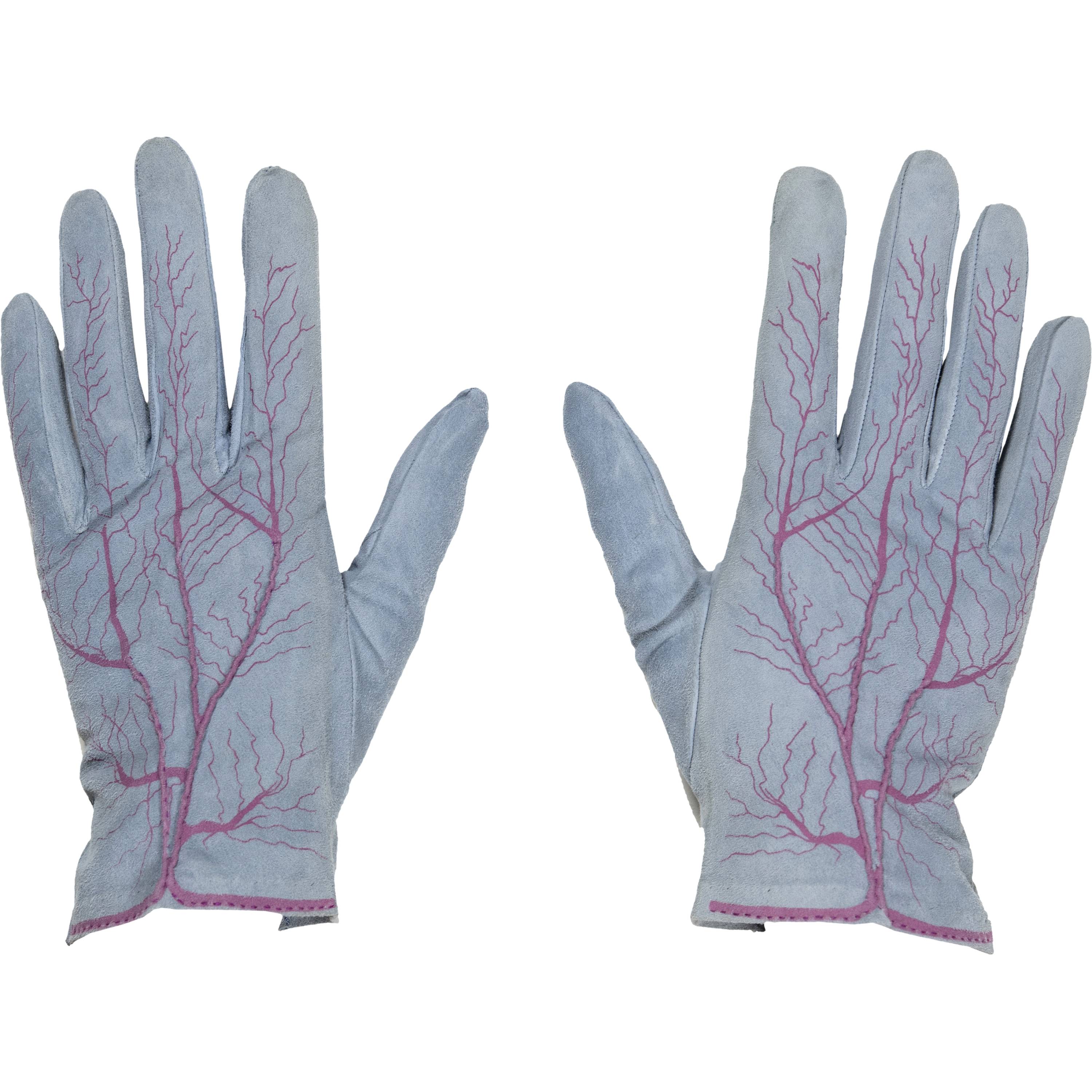
In 1932, she left for Paris with the artist Irène Zurkinden. The following year, Alberto Giacometti and Jean Arp invited her to exhibit with the Surrealists at the Salon des Surindépendants. Her investigations also extended to jewellery, furniture and fashion, fields in which unexpected associations become instruments of creation.
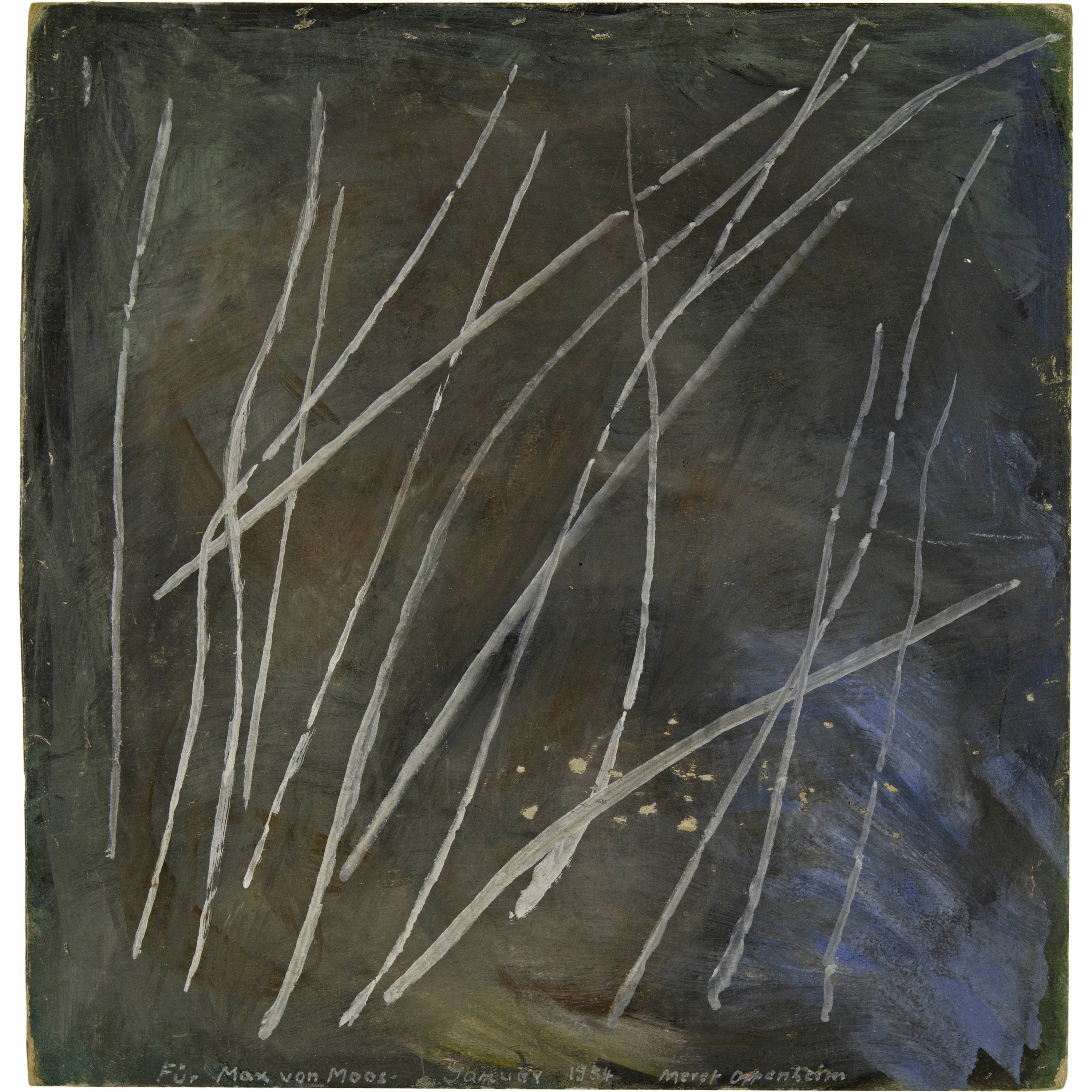
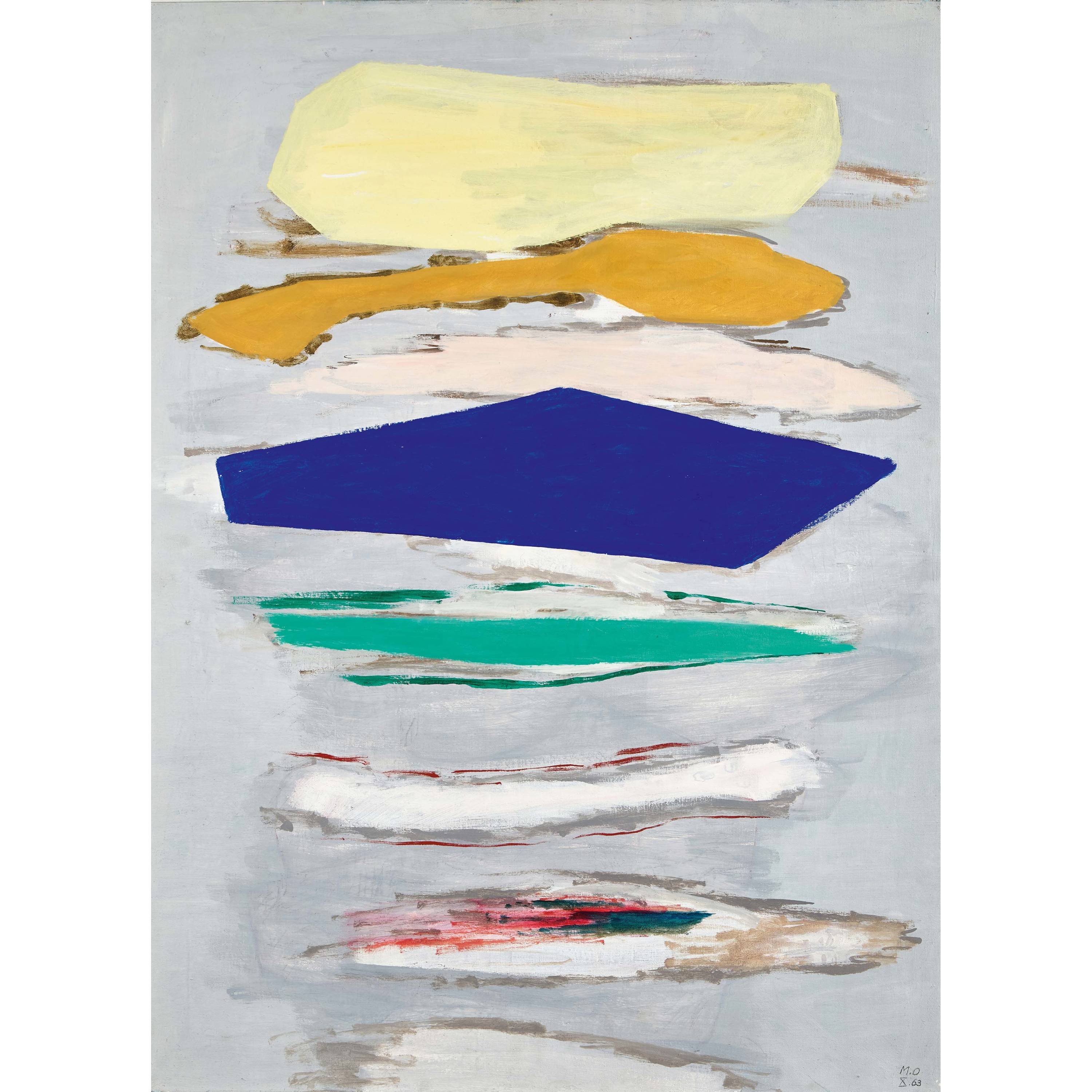
A long personal and artistic crisis accompanied her return to Basel in 1937. She nevertheless continued to work, learned restoration techniques and deepened her practice of colour. The establishment of a studio in Bern in 1954 marked a new, fruitful phase.
Her first major retrospective, organised at Moderna Museet in Stockholm in 1967, underscored the breadth of a career that extends far beyond the youthful object that became famous.
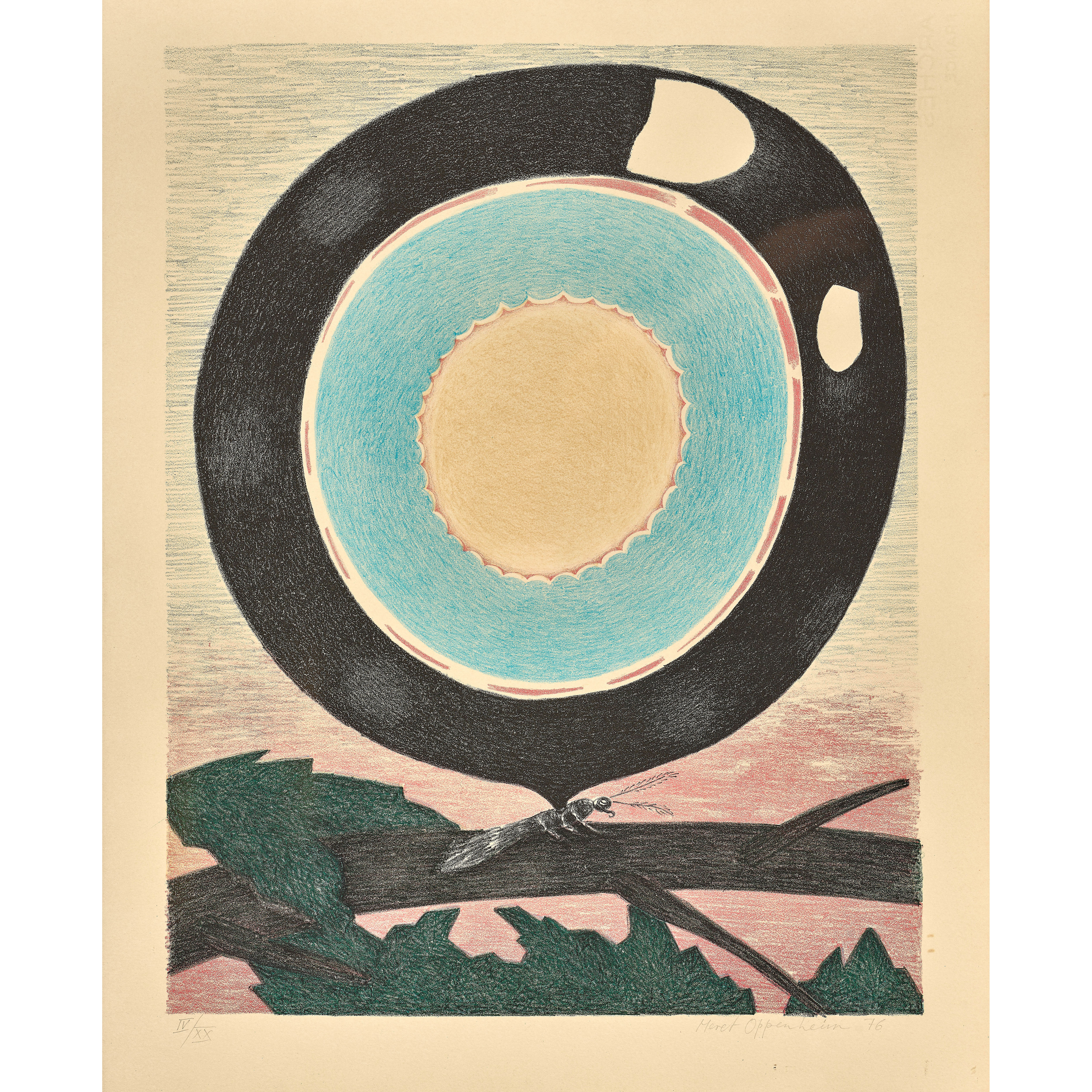
In Le Secret de la végétation, an oil painting from 1972 held by Kunstmuseum Bern, an old dream is transformed into an abstract vision of nature. A clear vertical form and luminous foliage compose a space in which the inner world and vegetal energy respond to one another. Dreams nourish her imagination without constituting a uniform recipe.
To discover Oppenheim, one might begin by asking what has changed in an object, a material or a silhouette. The familiar then tips into the unknown: this capacity for displacement gives her works their poetic power.