Max Buri
Born in 1868.
Died in 1915.
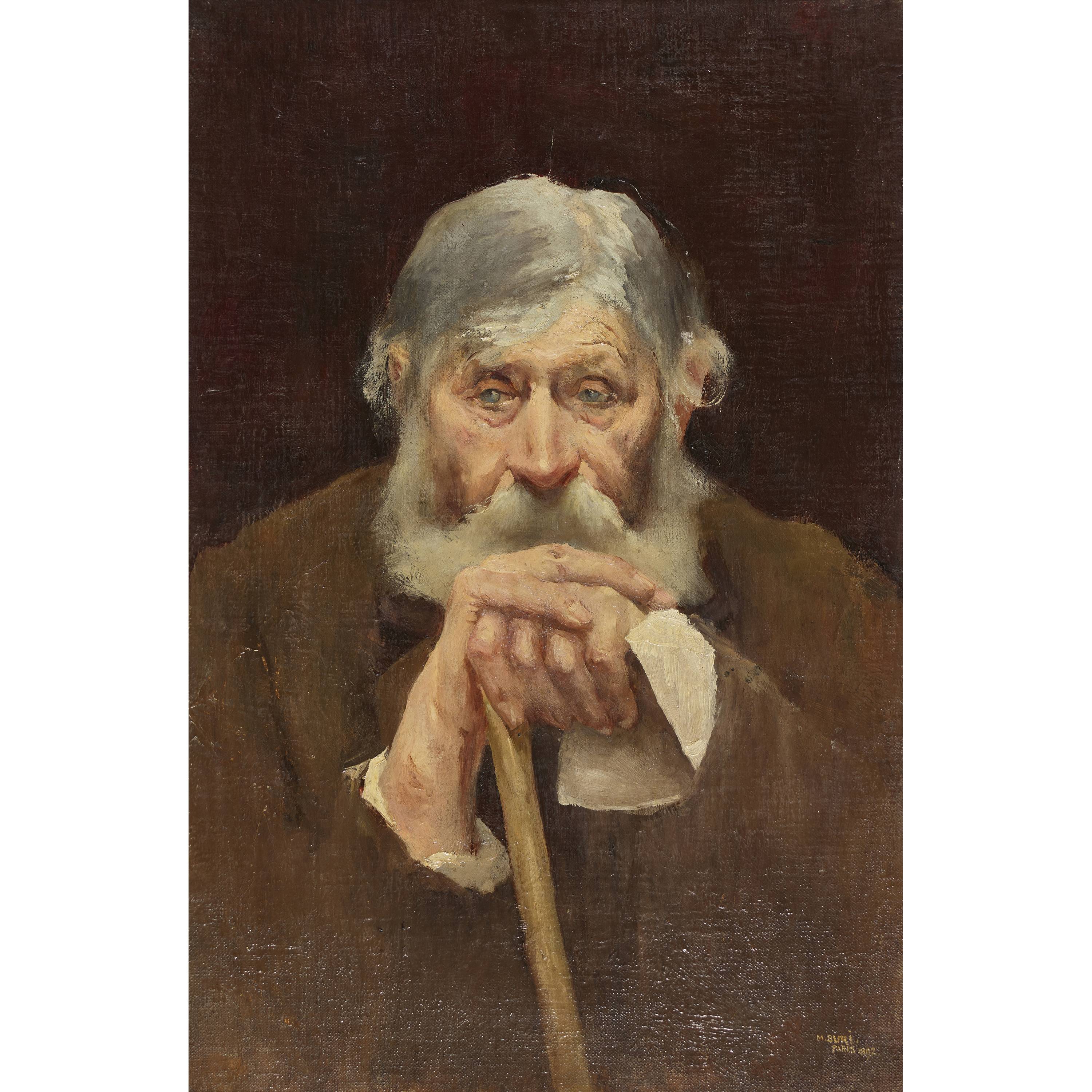
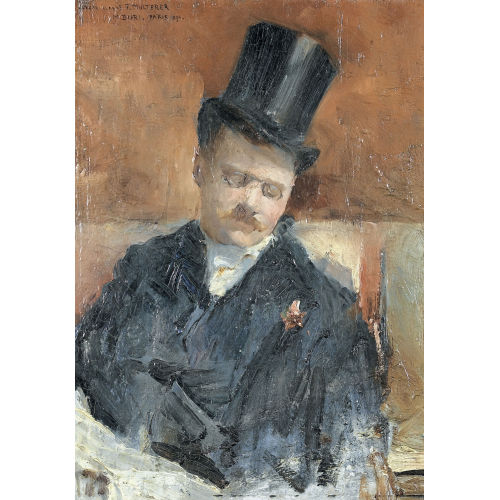
Max Buri (Burgdorf, 1868 – Interlaken, 1915) was a Swiss painter associated with the renewal of Swiss painting around 1900. After an initial artistic training in Bern and Basel, he studied in Munich and then at the Académie Julian in Paris. He subsequently spent time in several European cities and in North Africa.
These experiences shaped a career that unfolded between the major artistic centres and the landscapes of his native region.
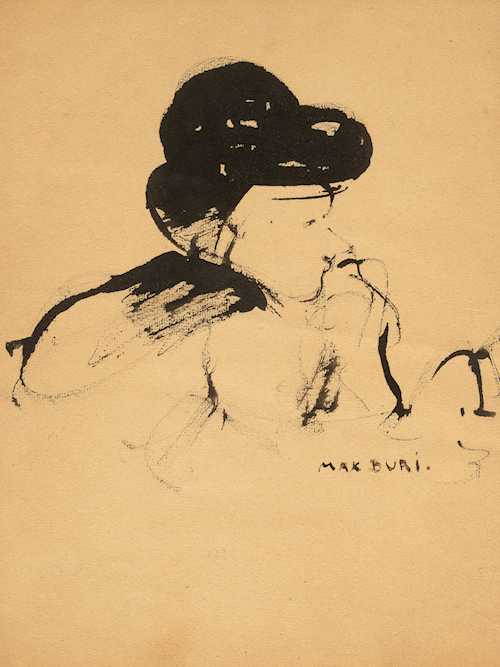
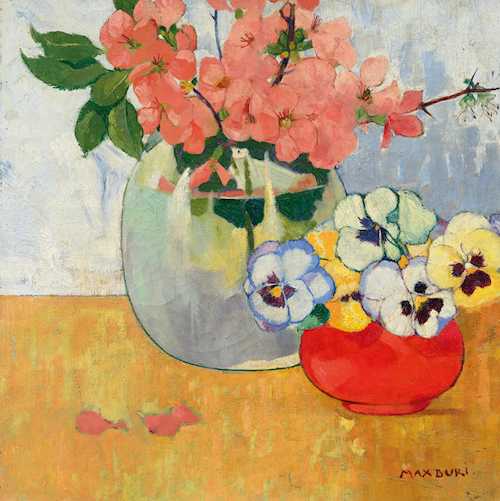
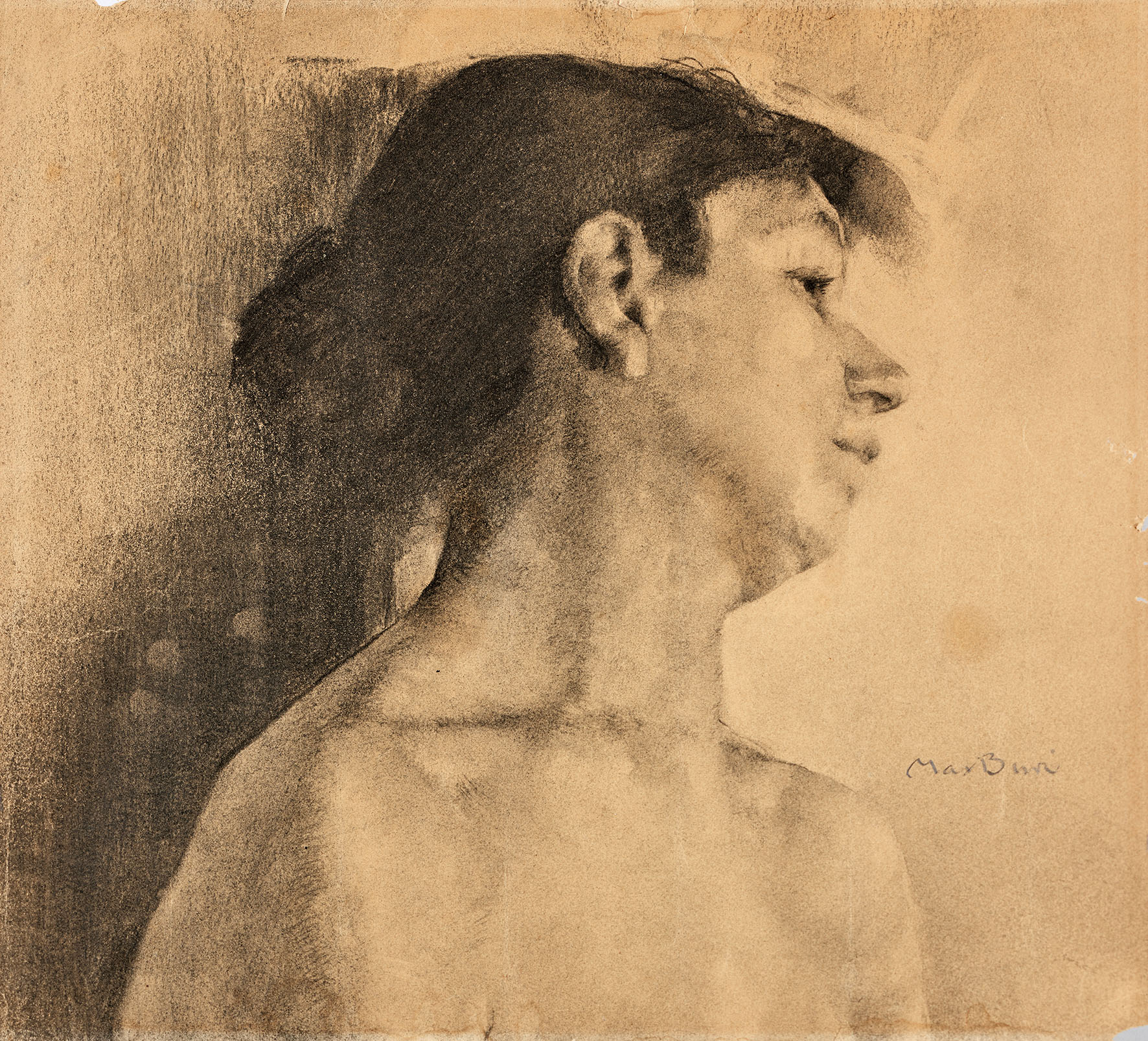
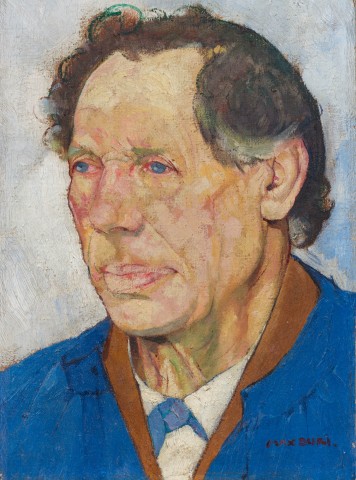
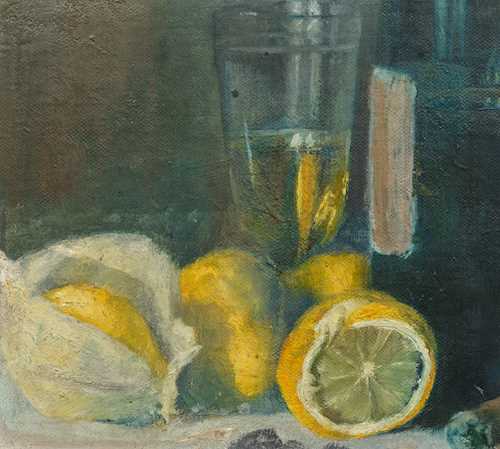
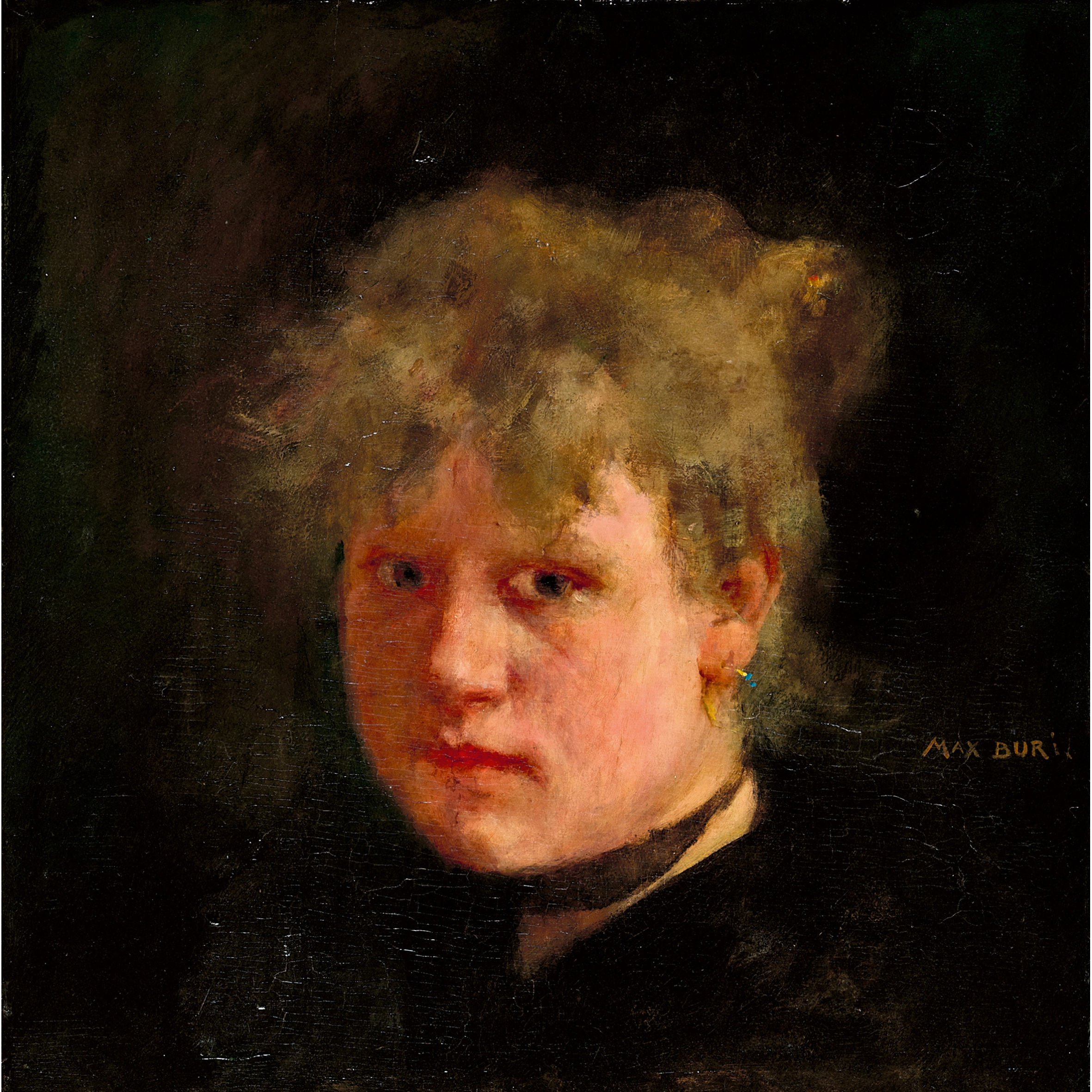
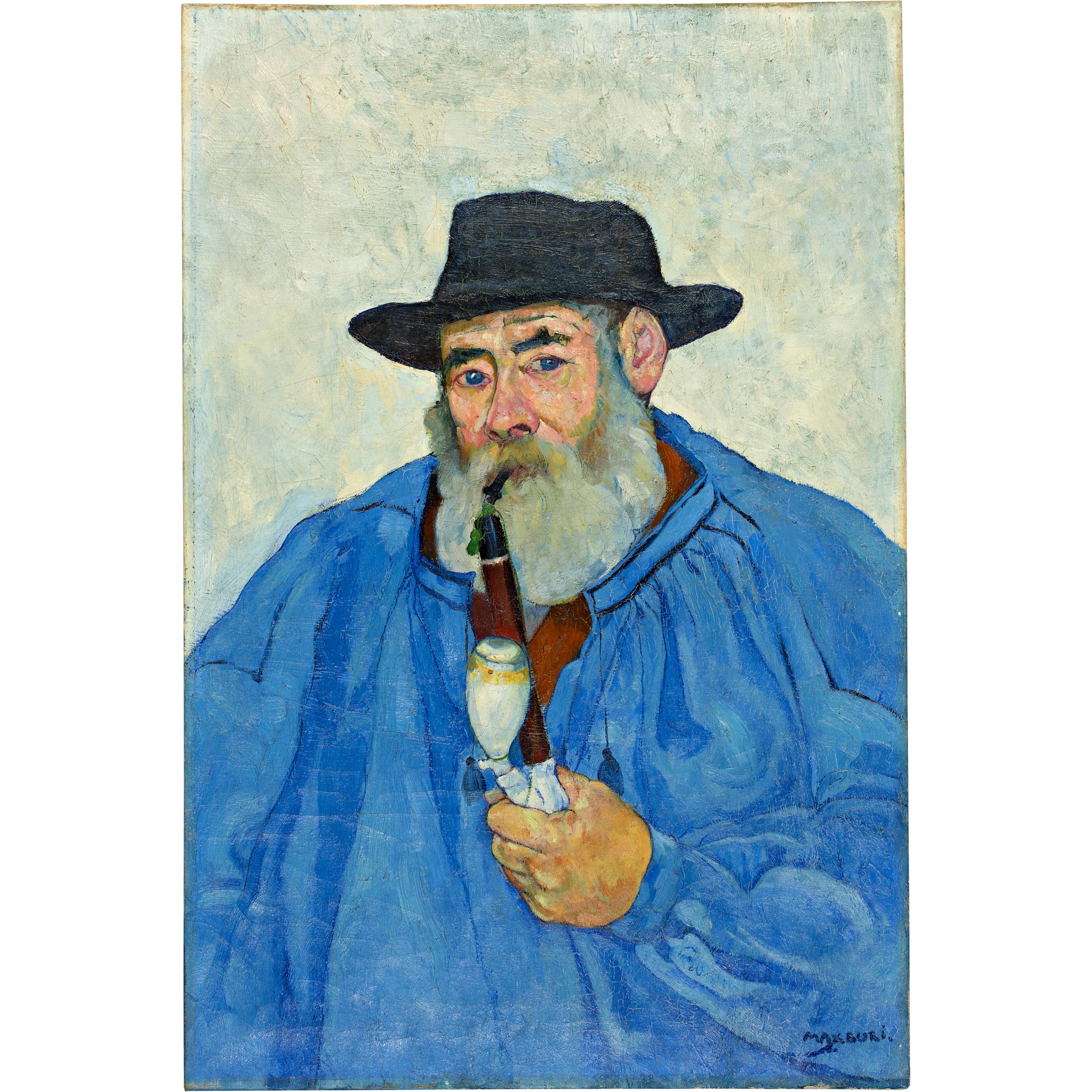
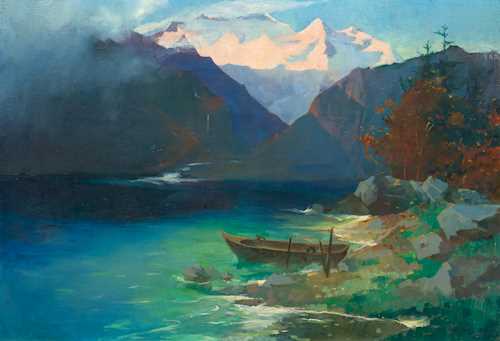
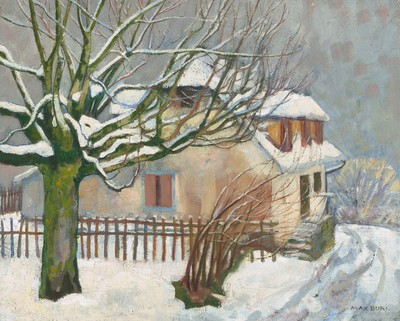
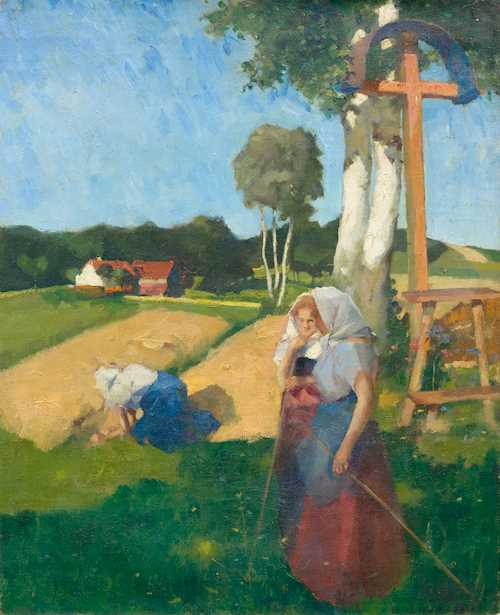
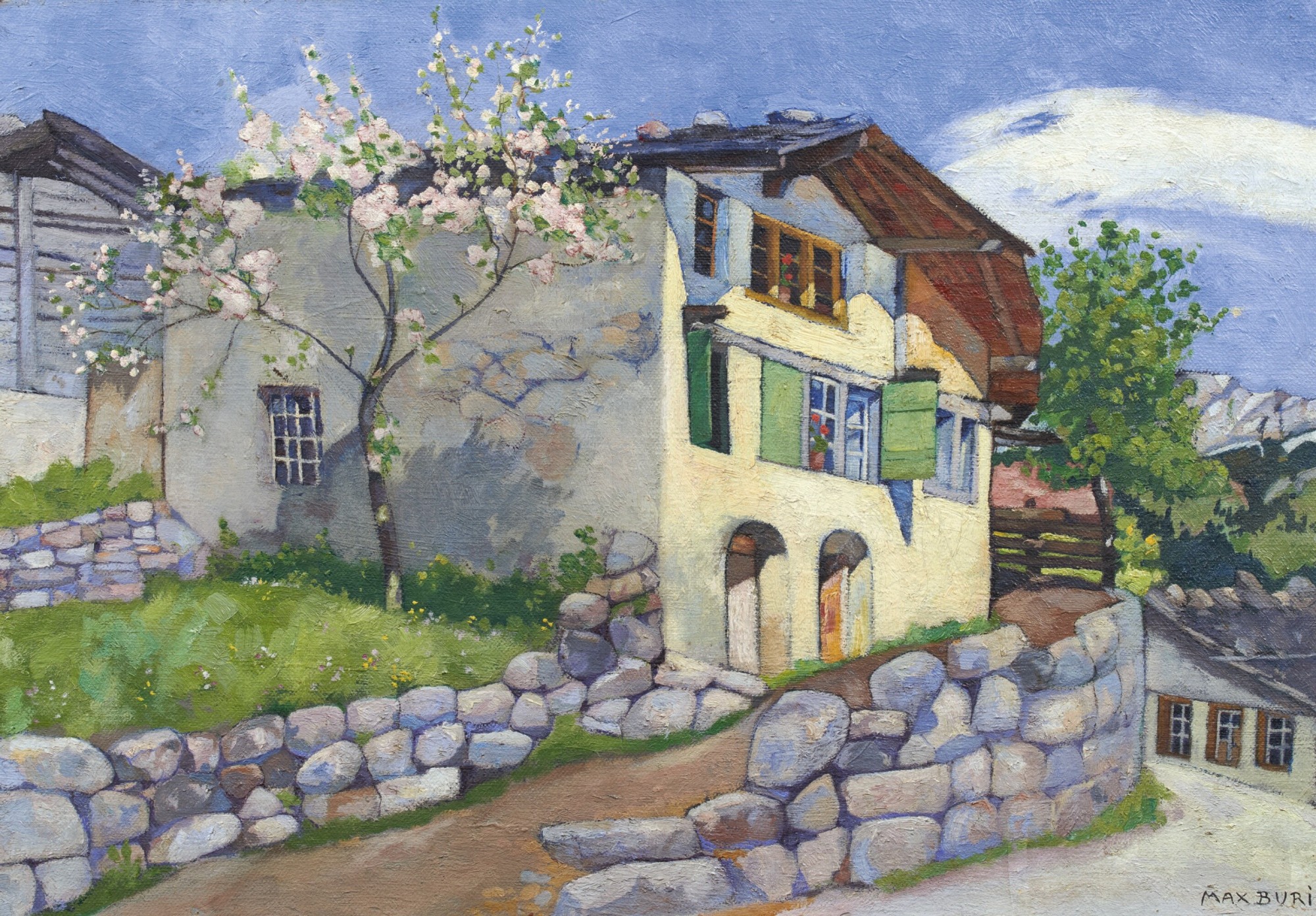
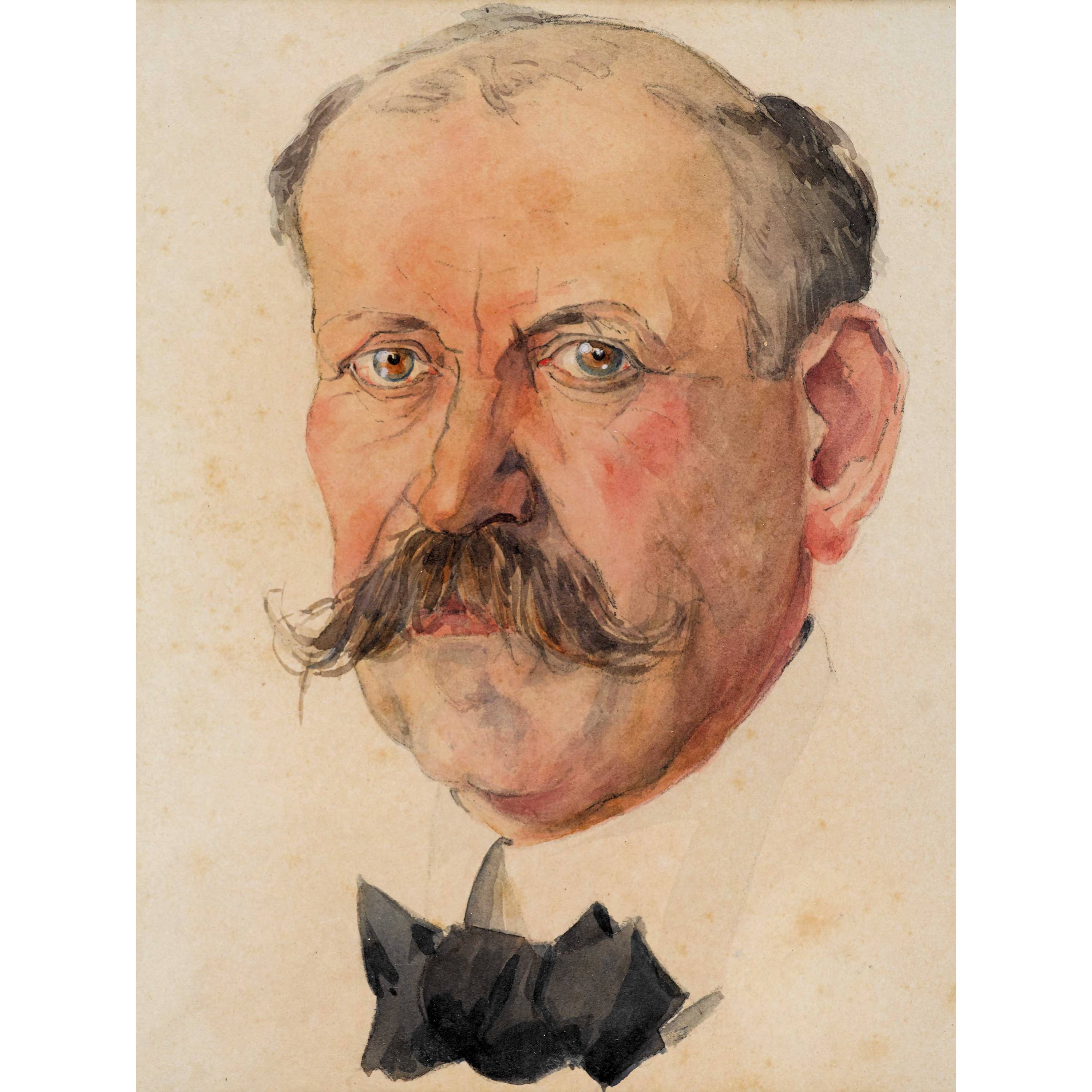
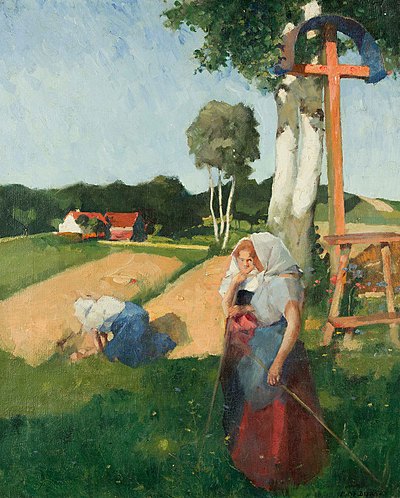
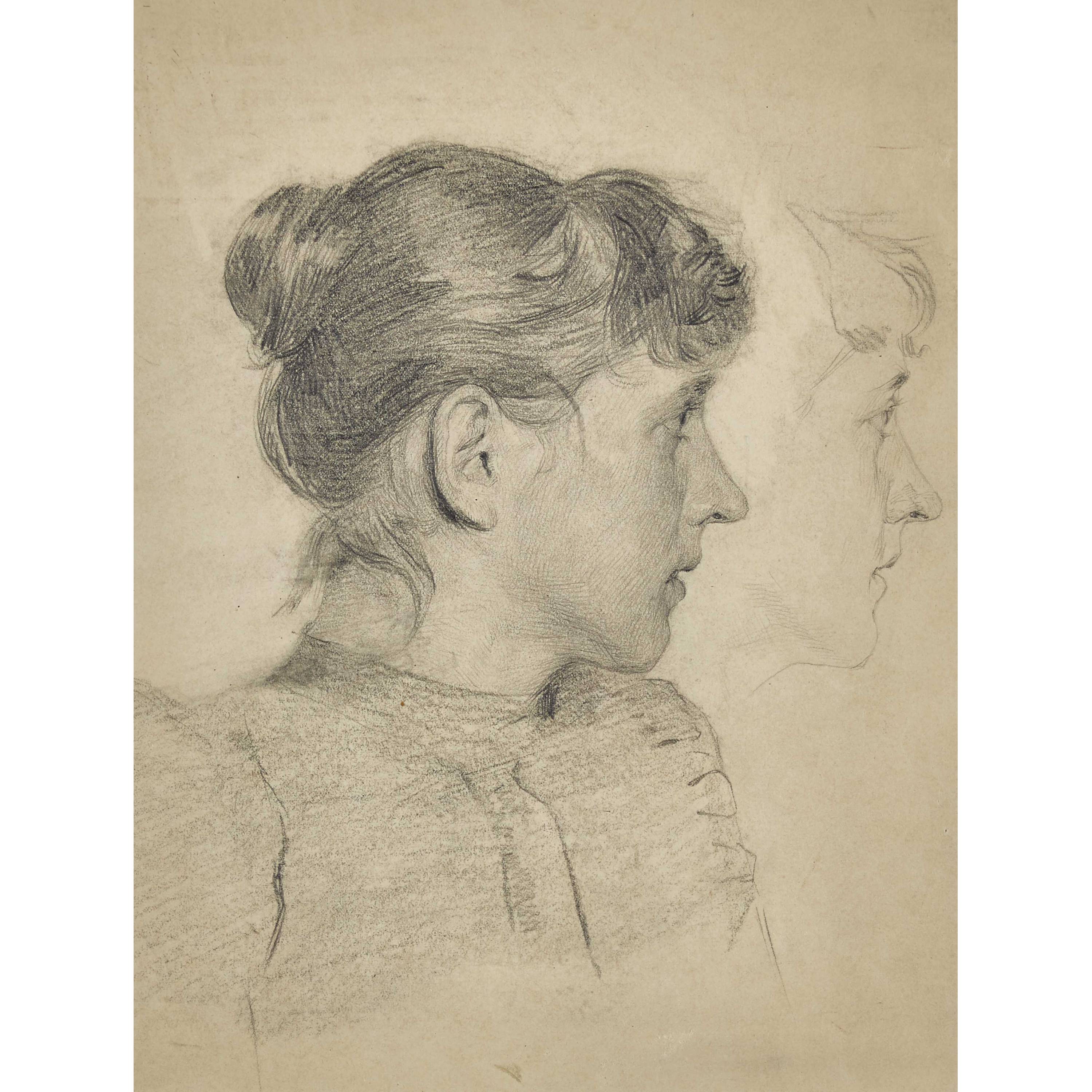
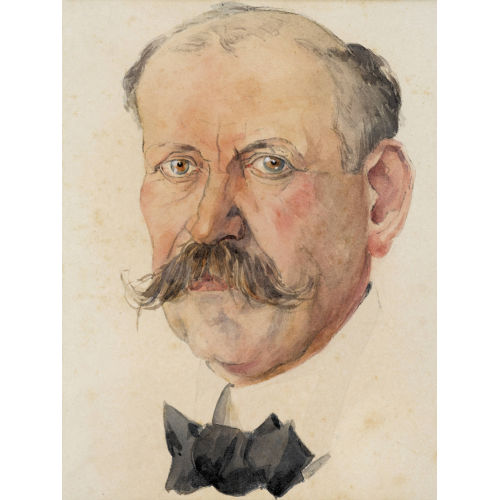
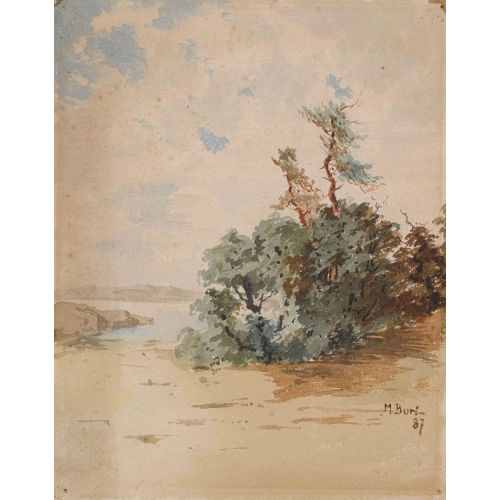
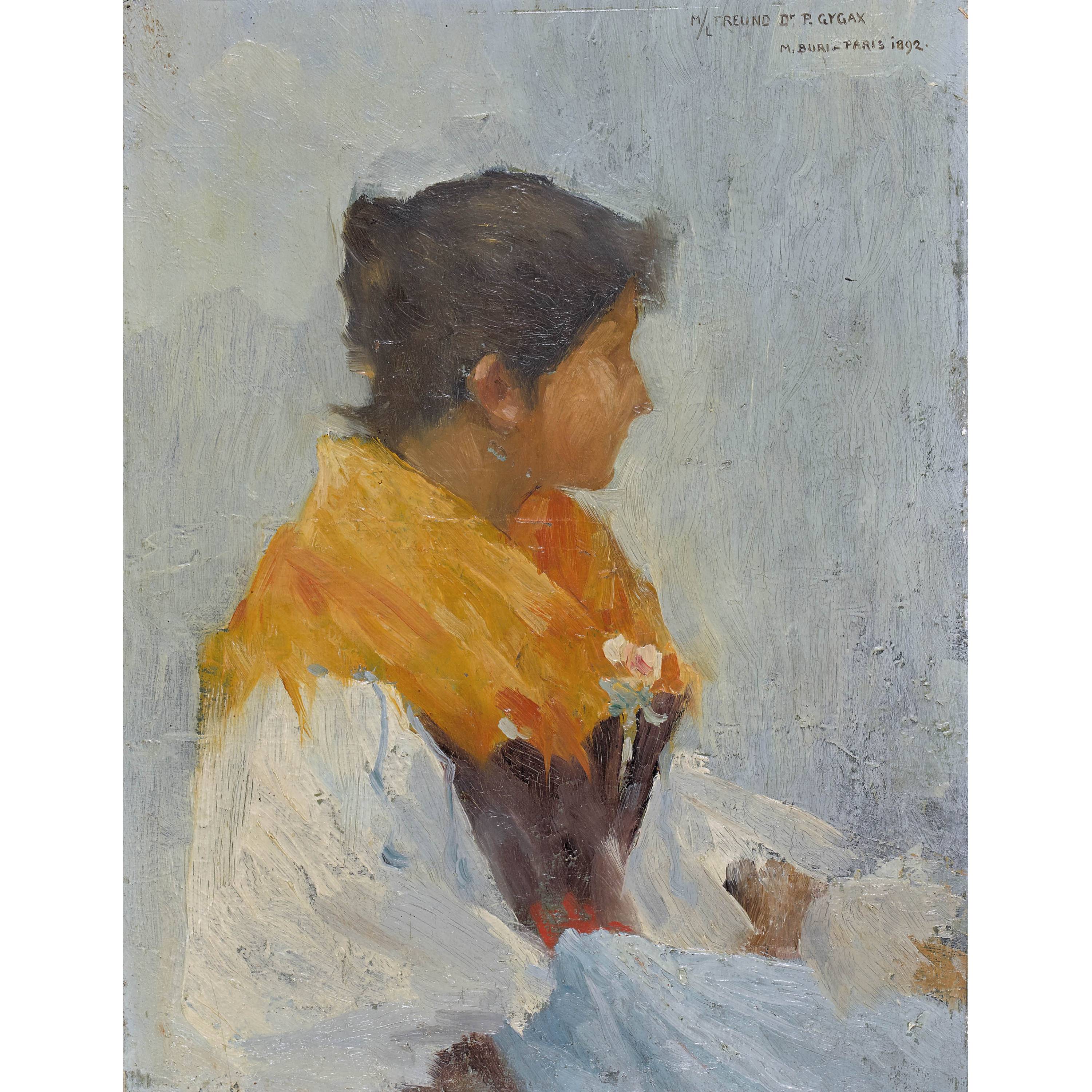
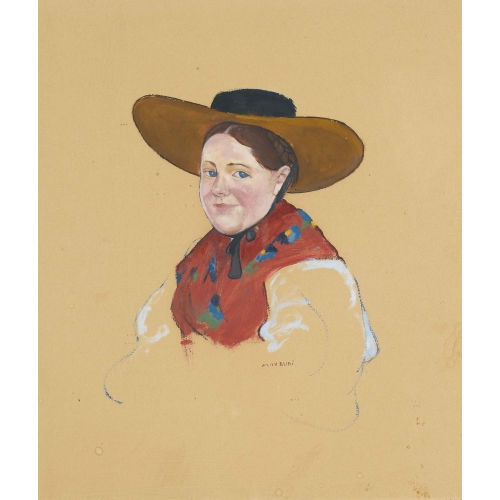
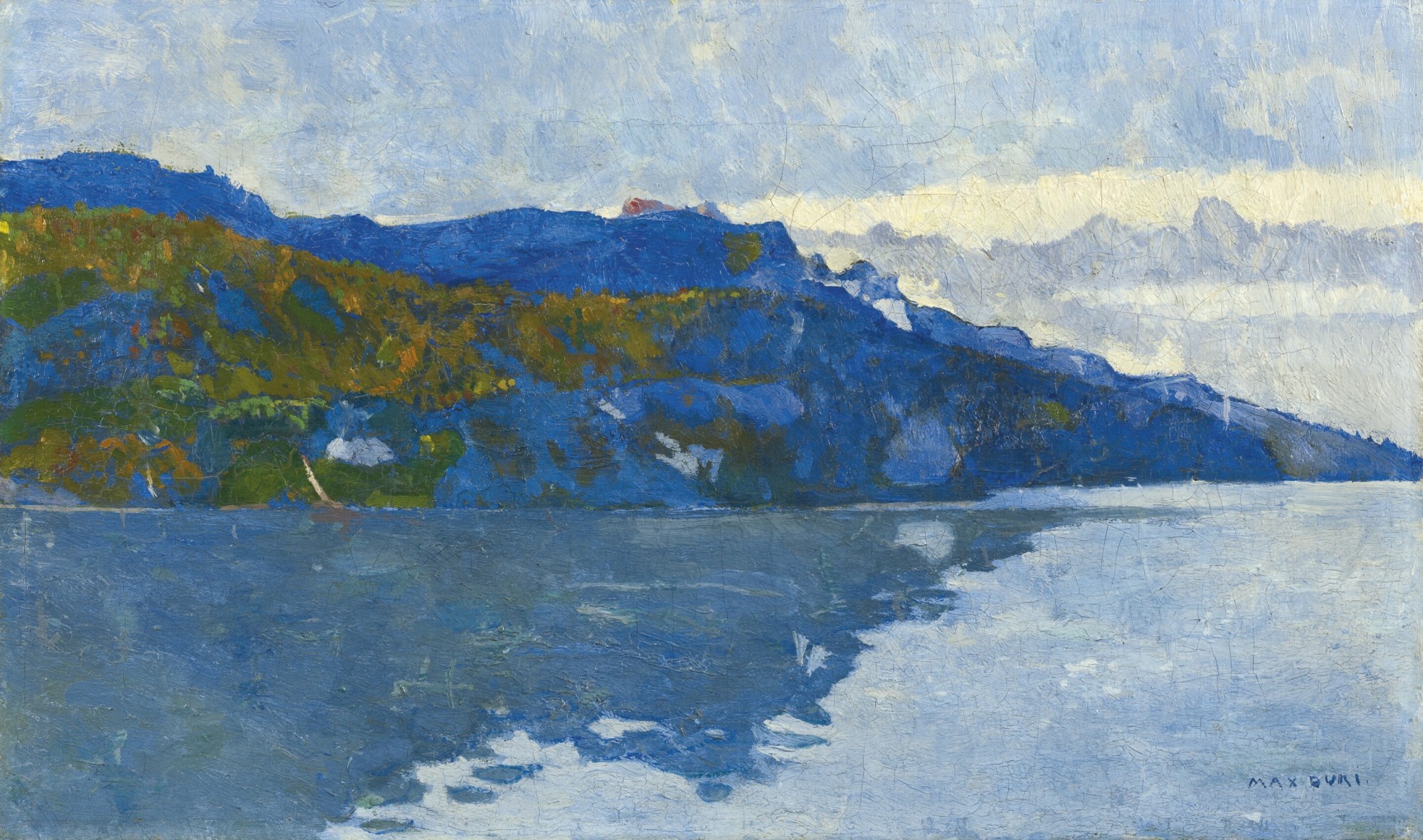
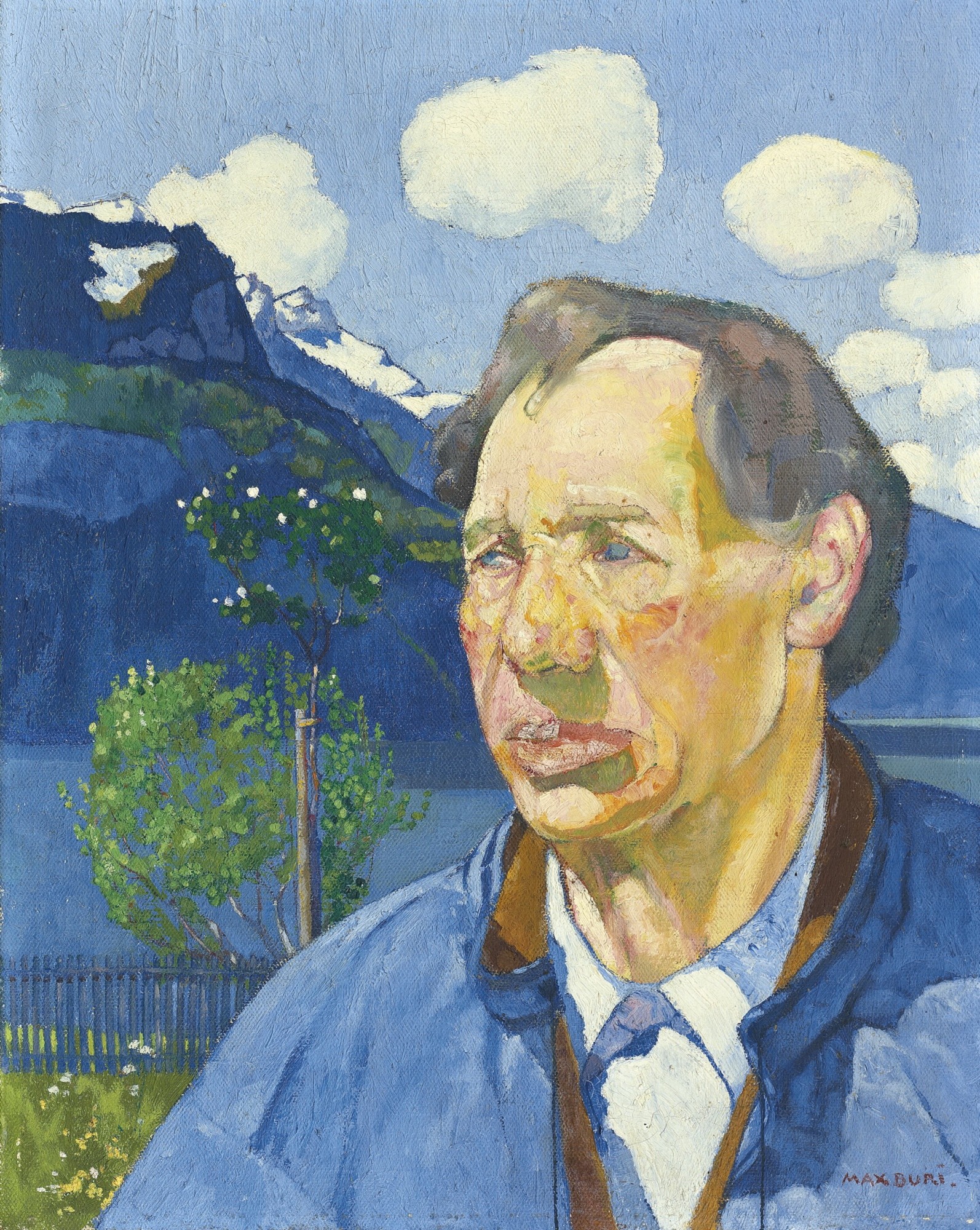
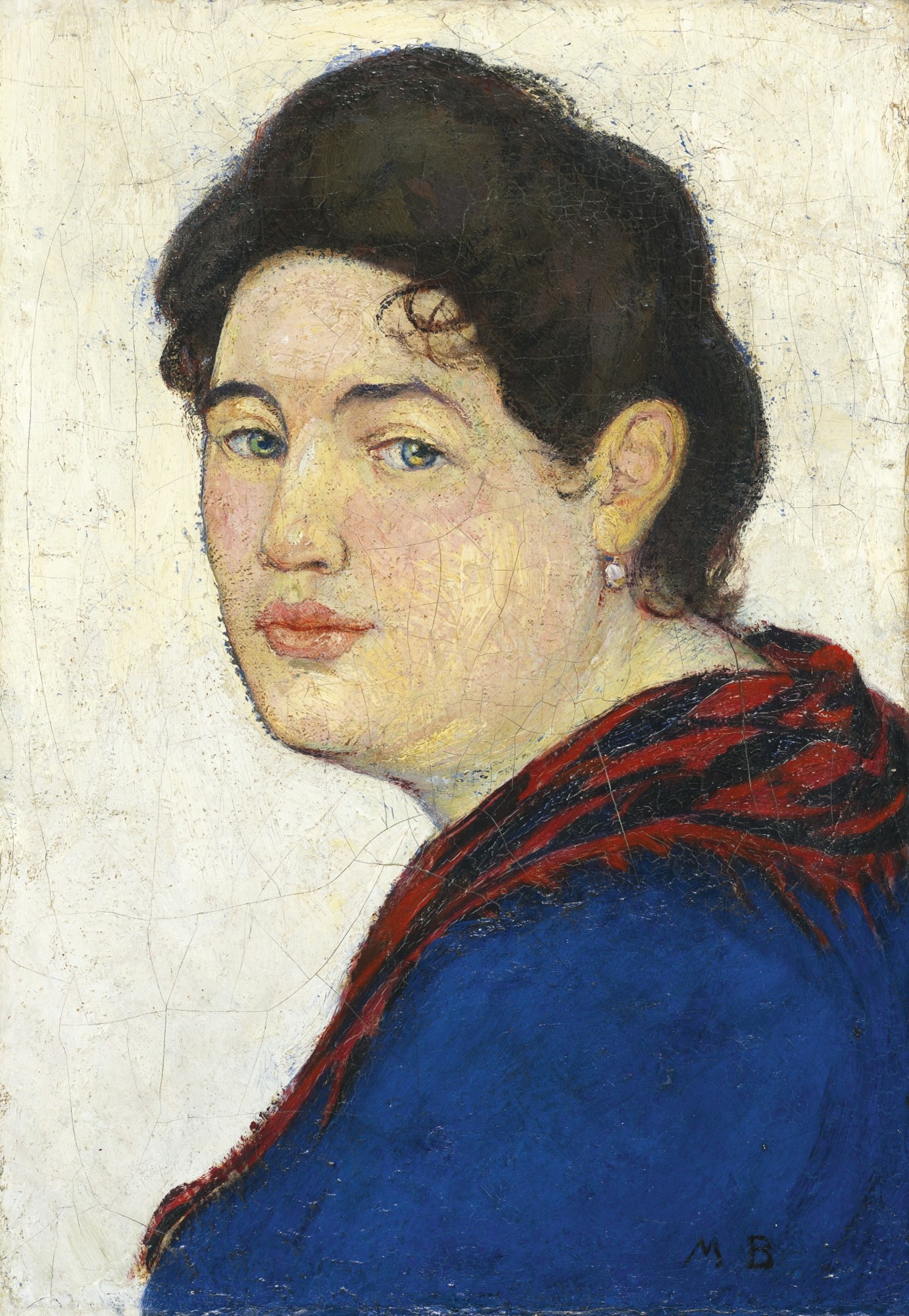
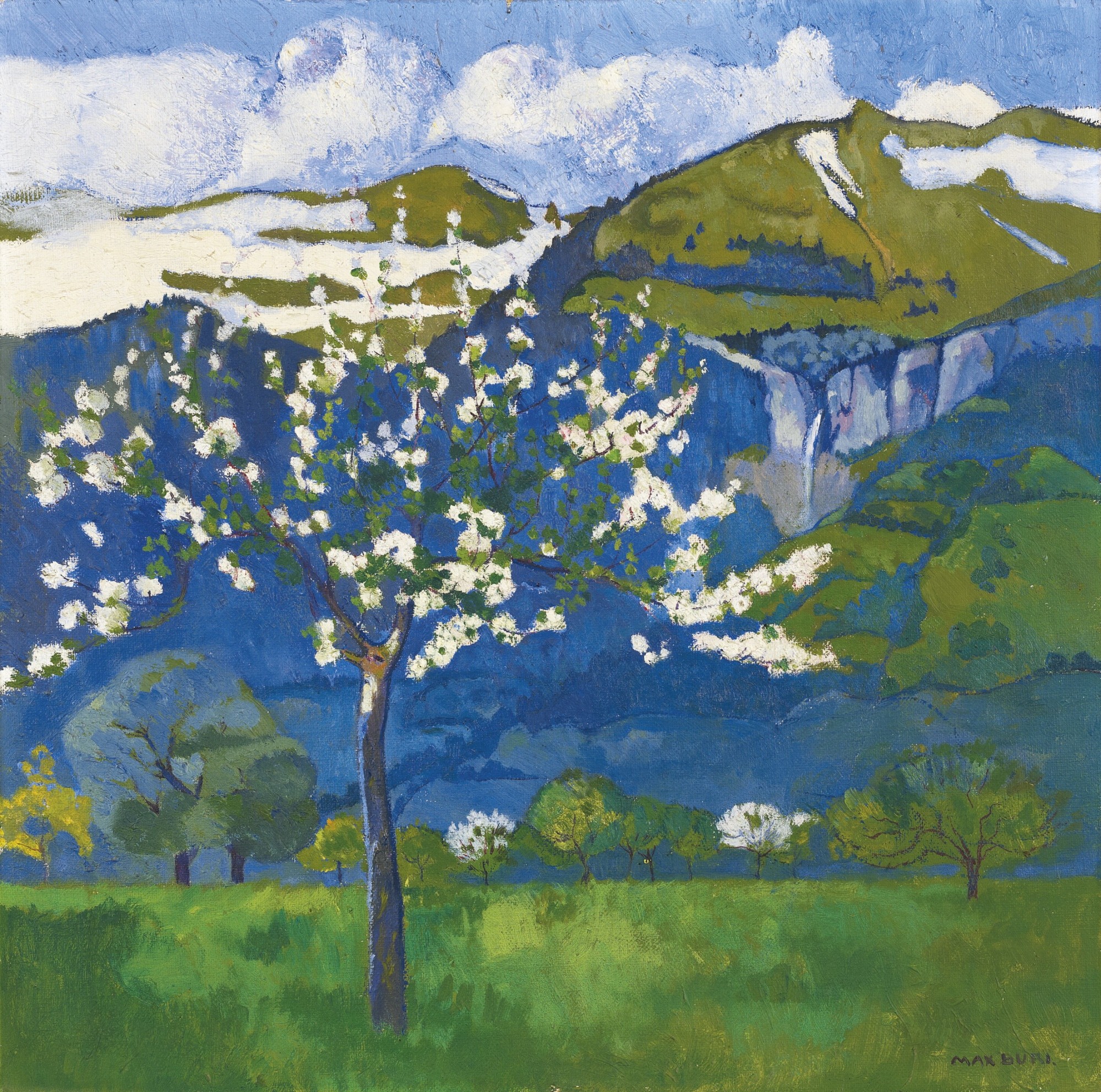
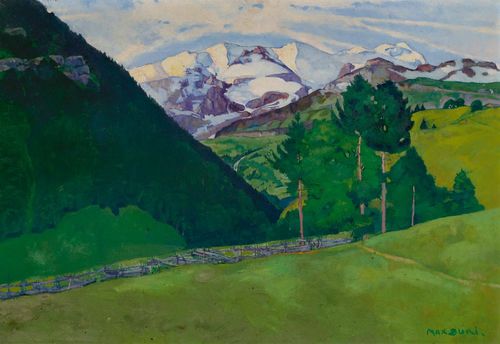
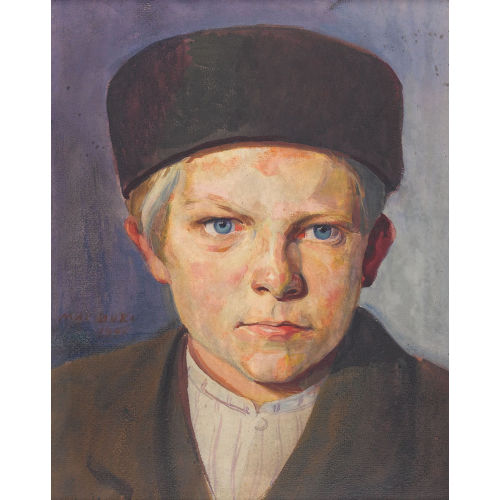
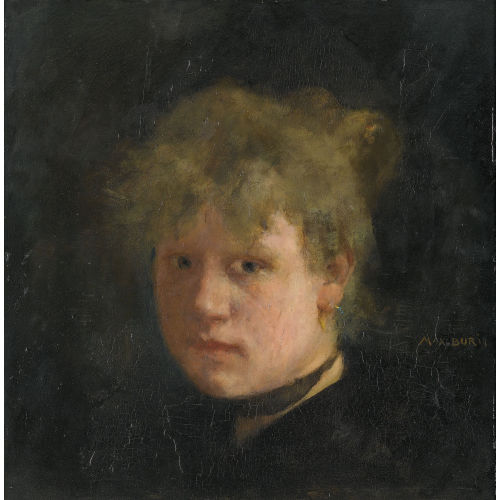
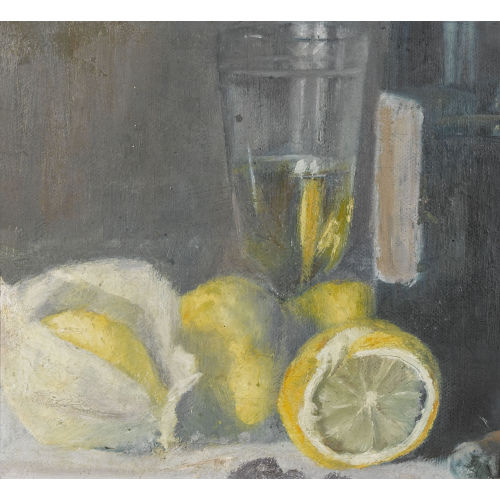
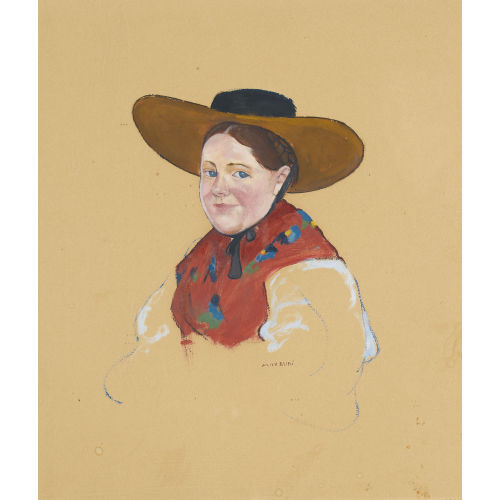
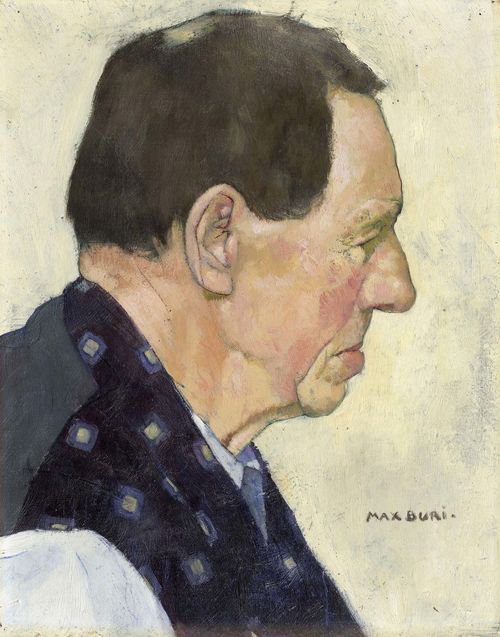
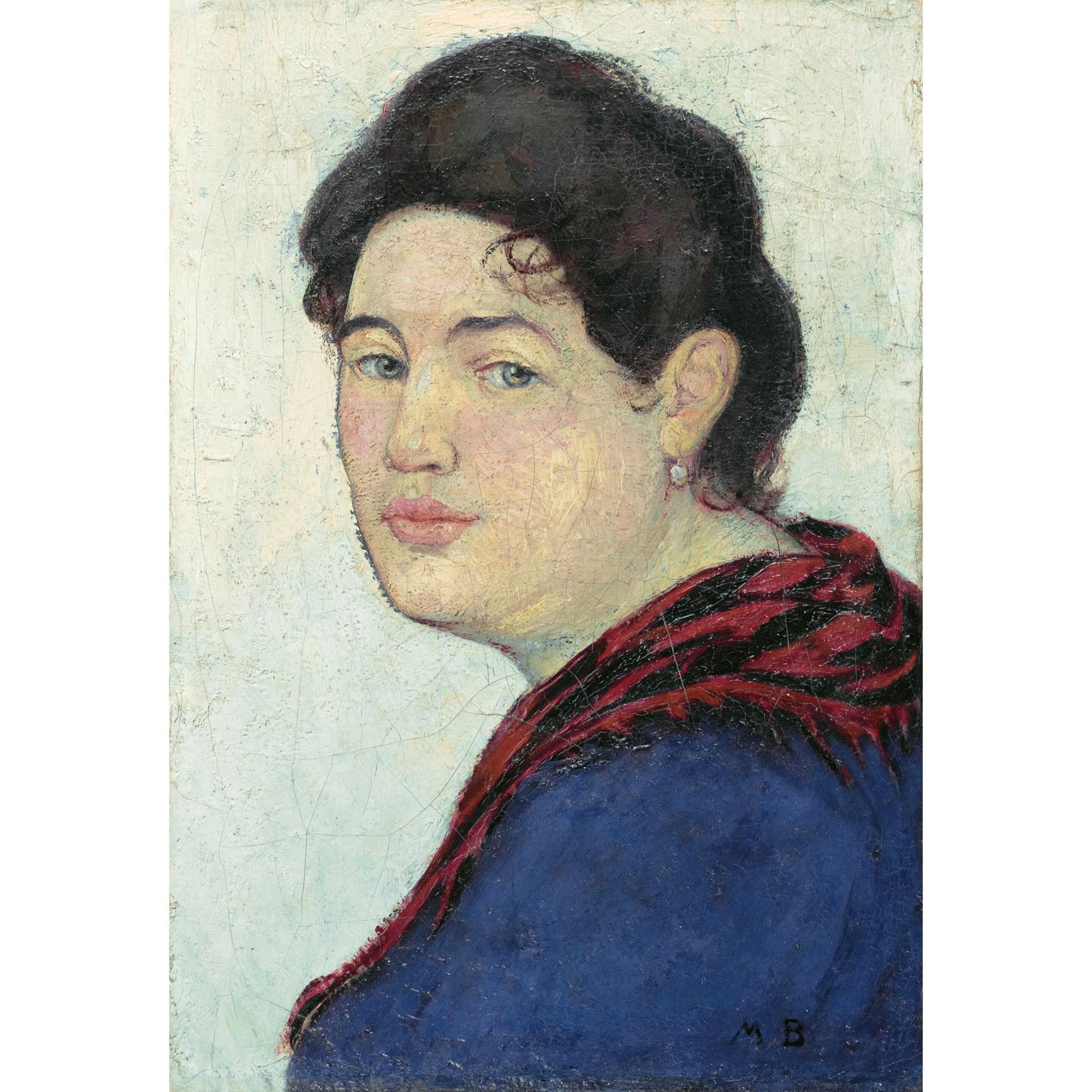
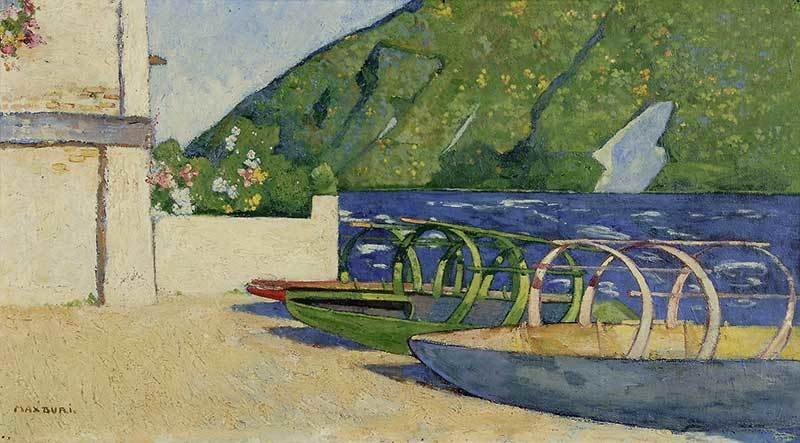
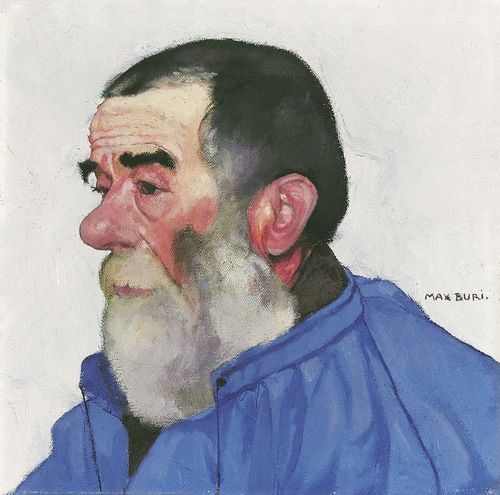
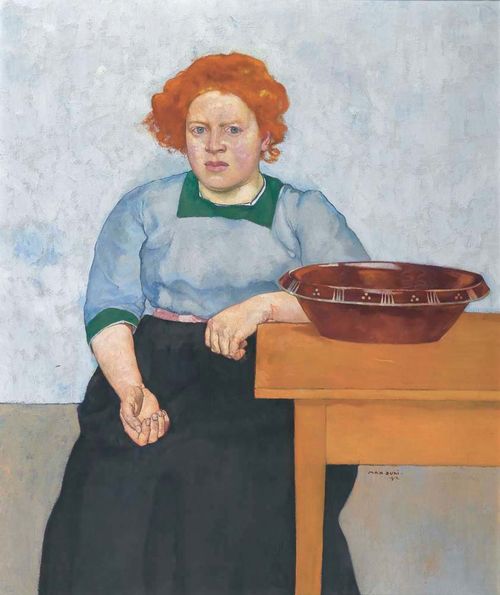
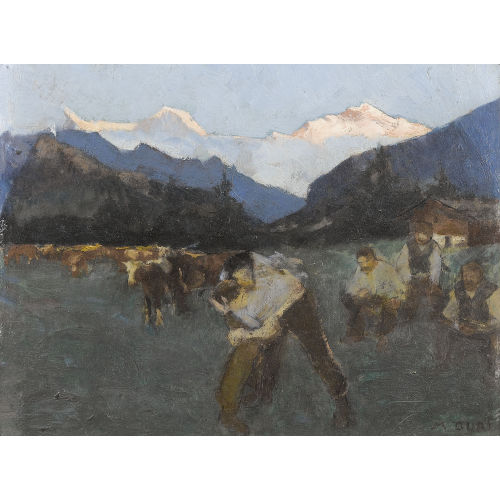
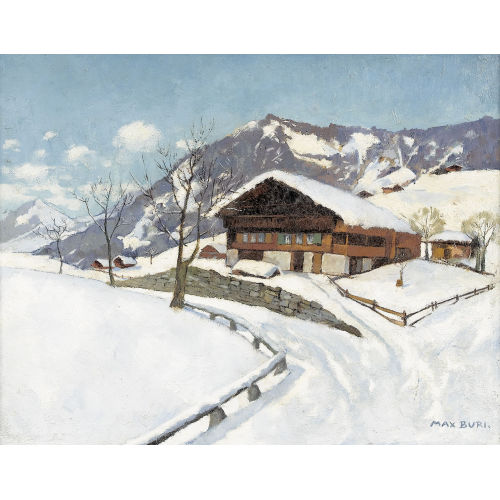
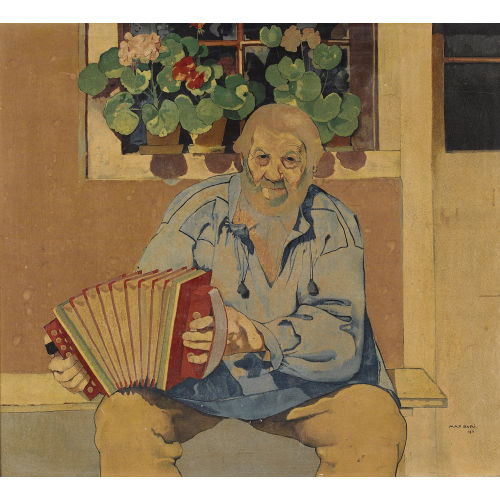
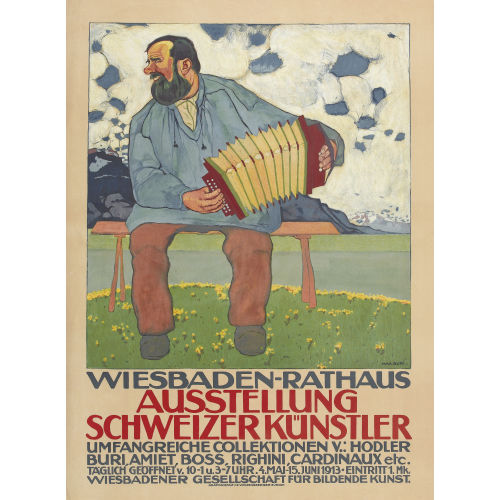
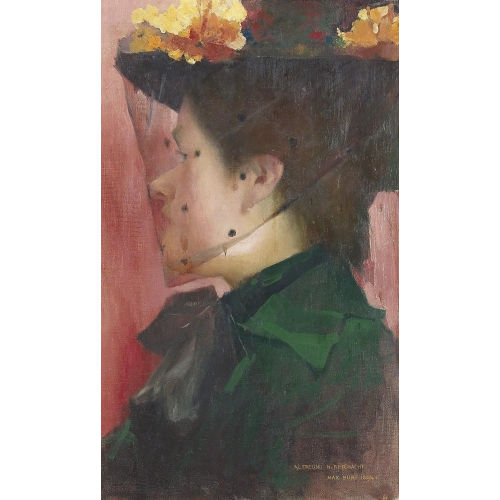
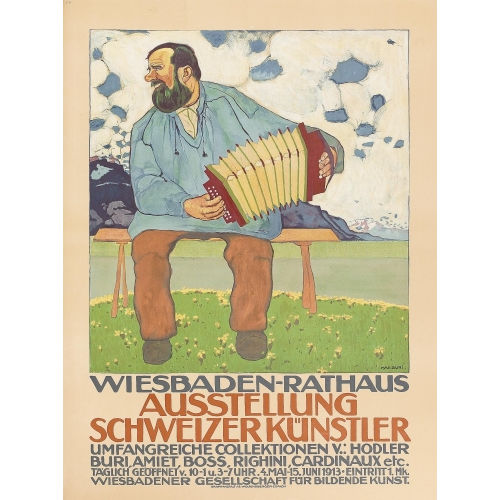
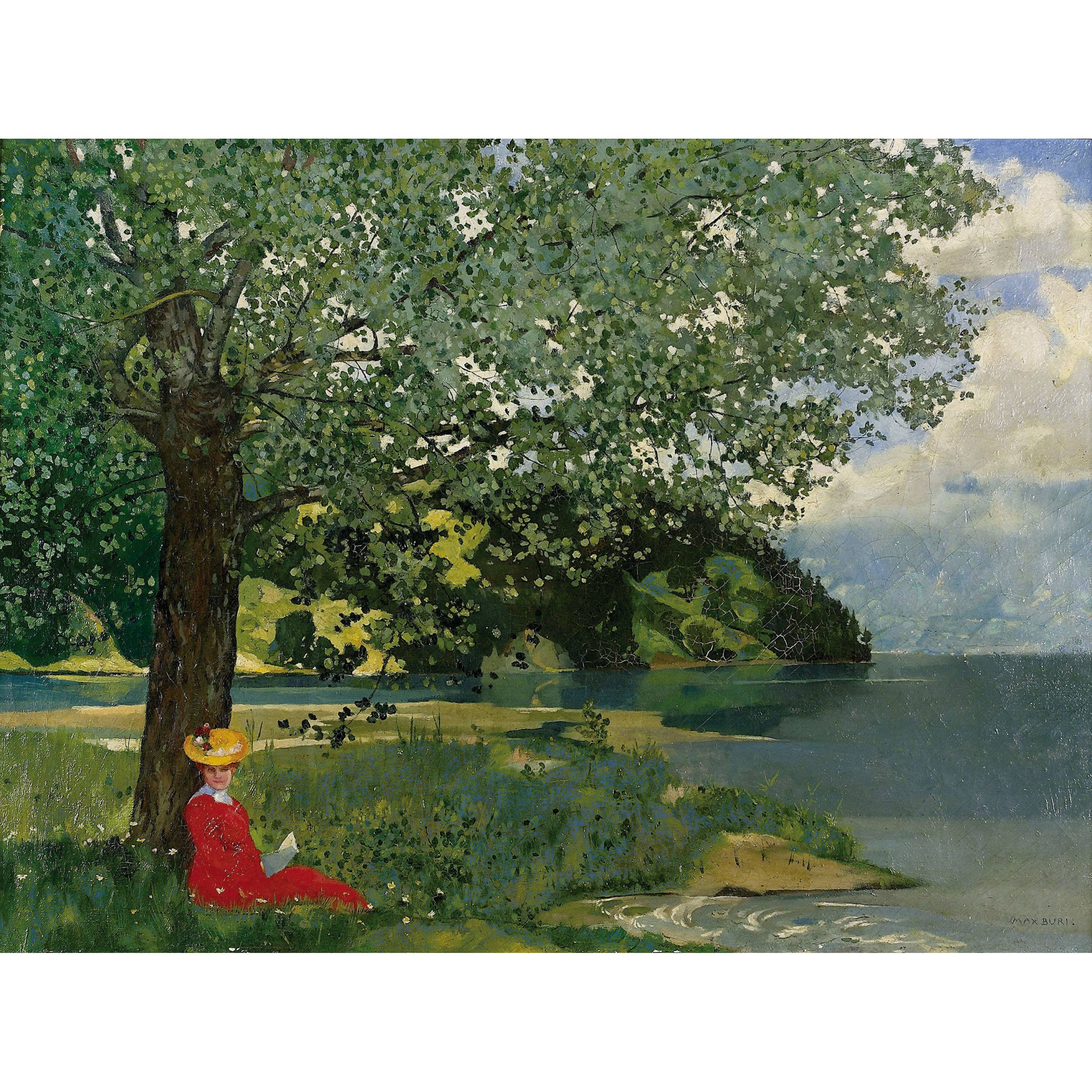
After returning to Switzerland, Buri worked in Langnau and then in Lucerne before settling in Brienz in 1903. The village and the landscape of the Bernese Oberland became the central subjects of his work. He painted scenes of rural life, the inhabitants of Brienz, portraits, light-filled landscapes and still lifes.
His compositions give a prominent place to figures and everyday objects, while the mountains often structure the background.
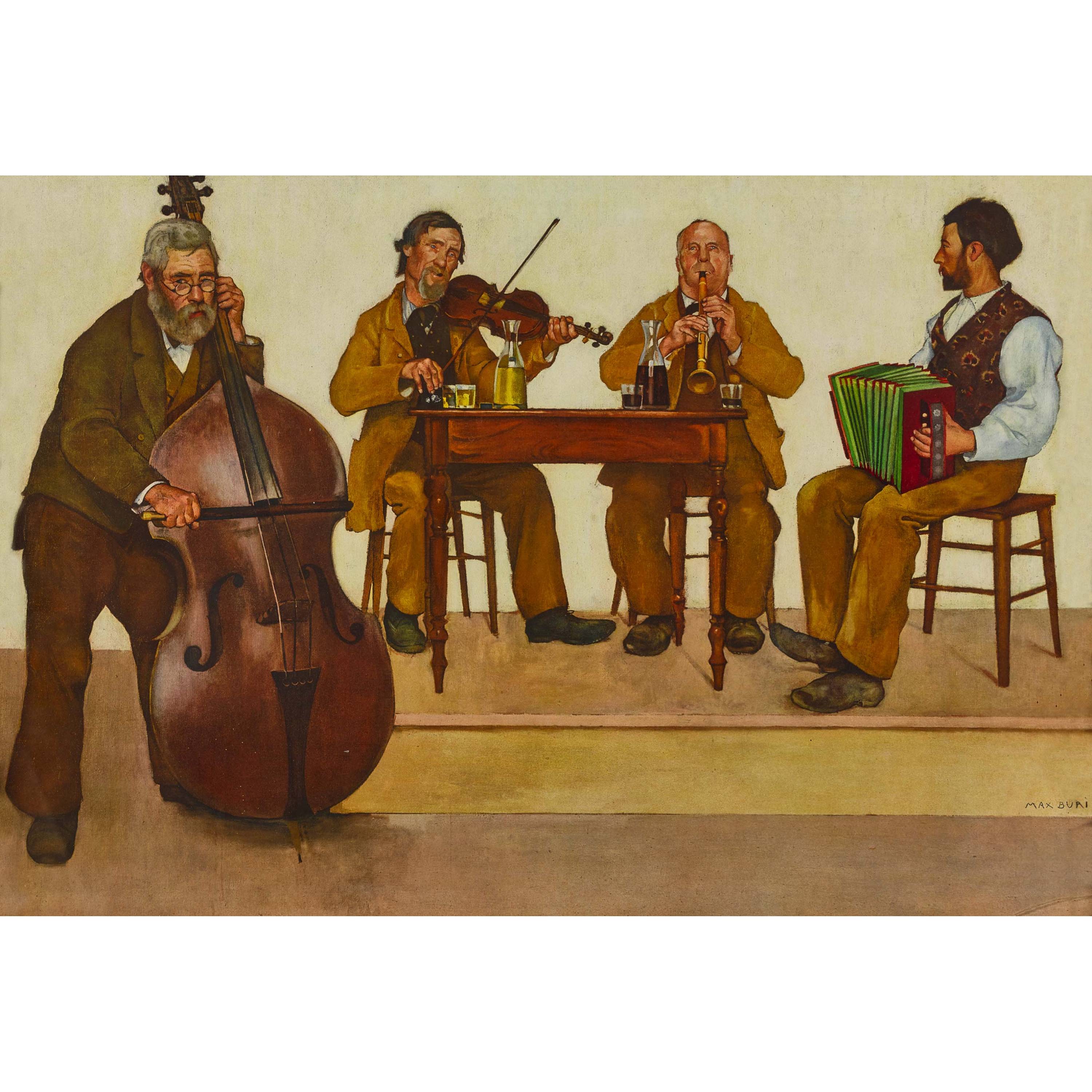
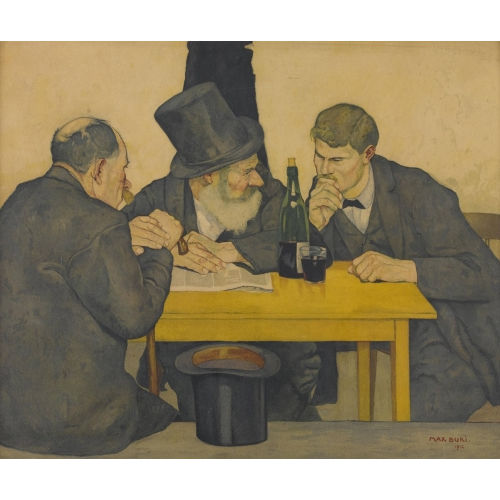
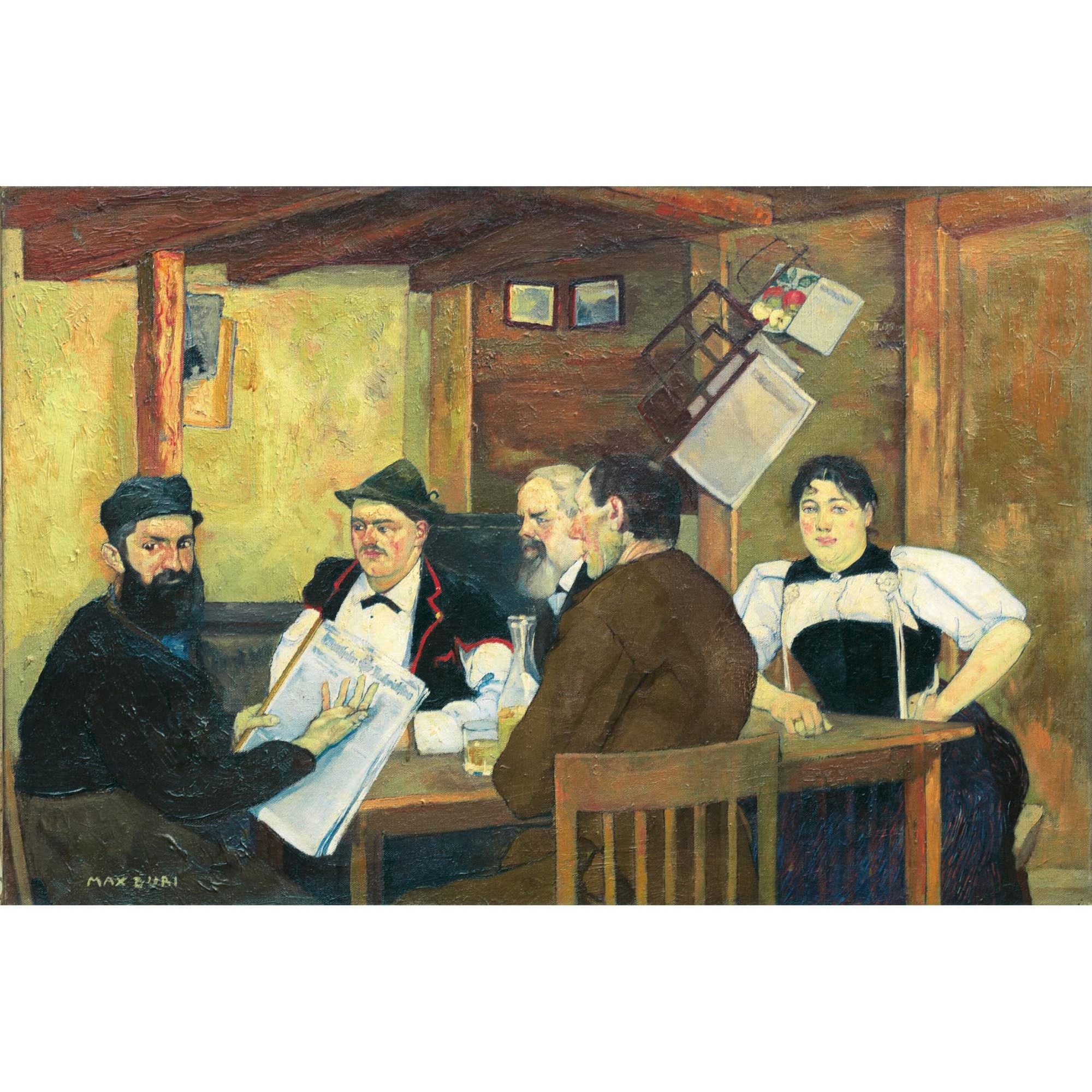
The Saner Foundation highlights the development of his palette: in Brienz, his visual language became more expressive, and his colours rapidly gained intensity. Buri organised his paintings through clearly delineated forms and contrasting areas of colour. The groups of figures, particularly in village scenes, are carefully constructed; gestures and glances lend the exchanges a theatrical dimension, at times tinged with humour.
This personal approach engages in a dialogue with the legacy of Ferdinand Hodler without being reducible to it.
In 1904, his painting Die Dorfpolitiker was acquired by the Confederation for the Kunstmuseum Basel, an important milestone in his recognition. The Saner Foundation places him alongside Hodler and Albert Anker among the important Swiss painters of the early twentieth century. The Kunstmuseum Bern likewise includes Buri in its panorama of Swiss art, notably through the genre scenes in its collection.
He died at the age of 47, leaving an oeuvre in which the everyday life of the Bernese Oberland became an ambitious subject for painting.