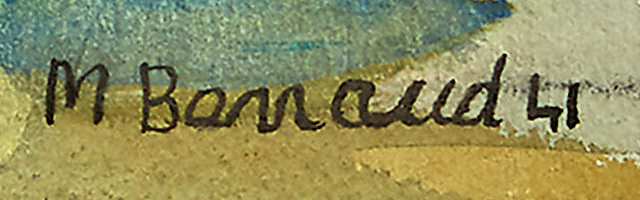
Maurice Barraud
Born in 1889.
Died in 1954.
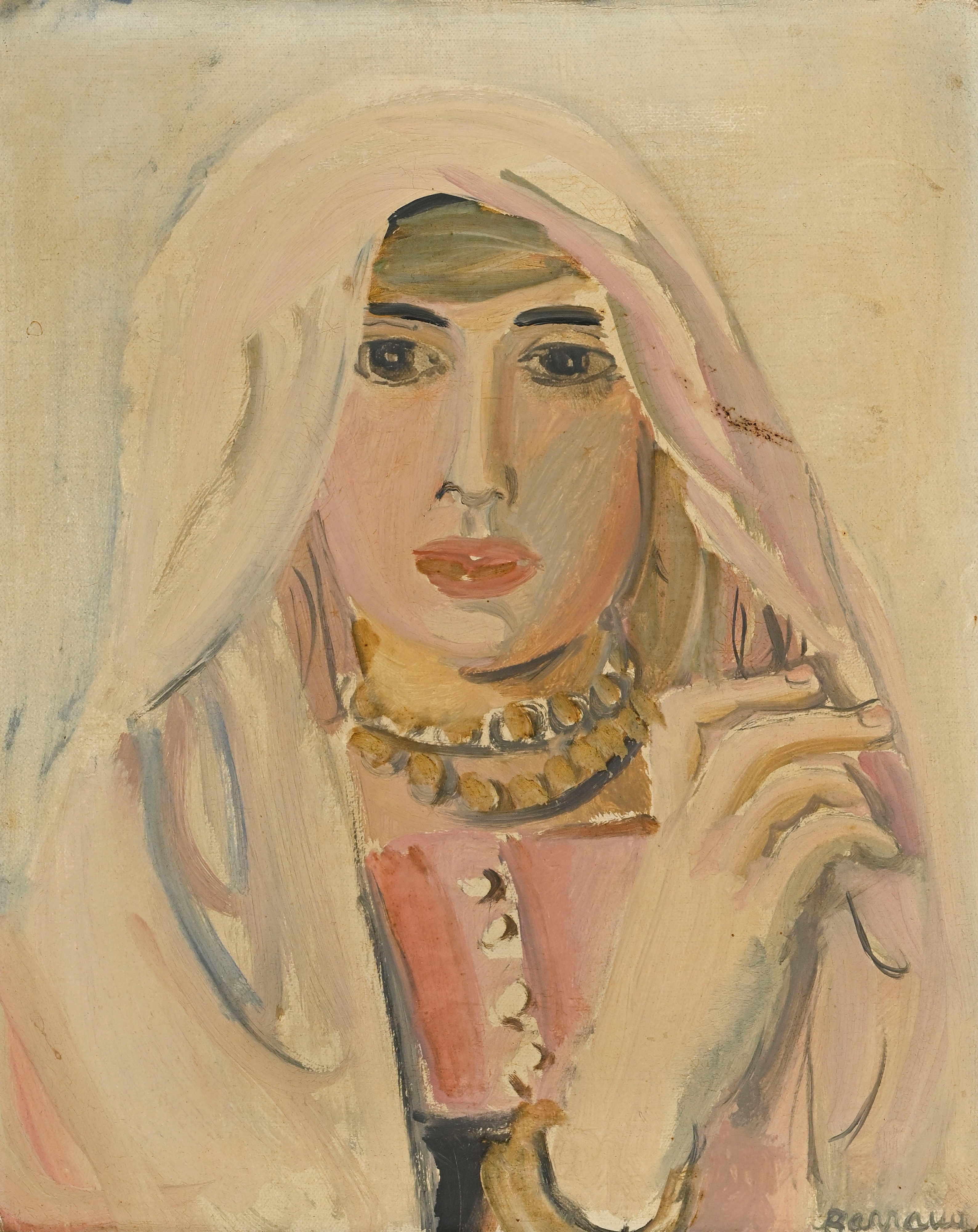
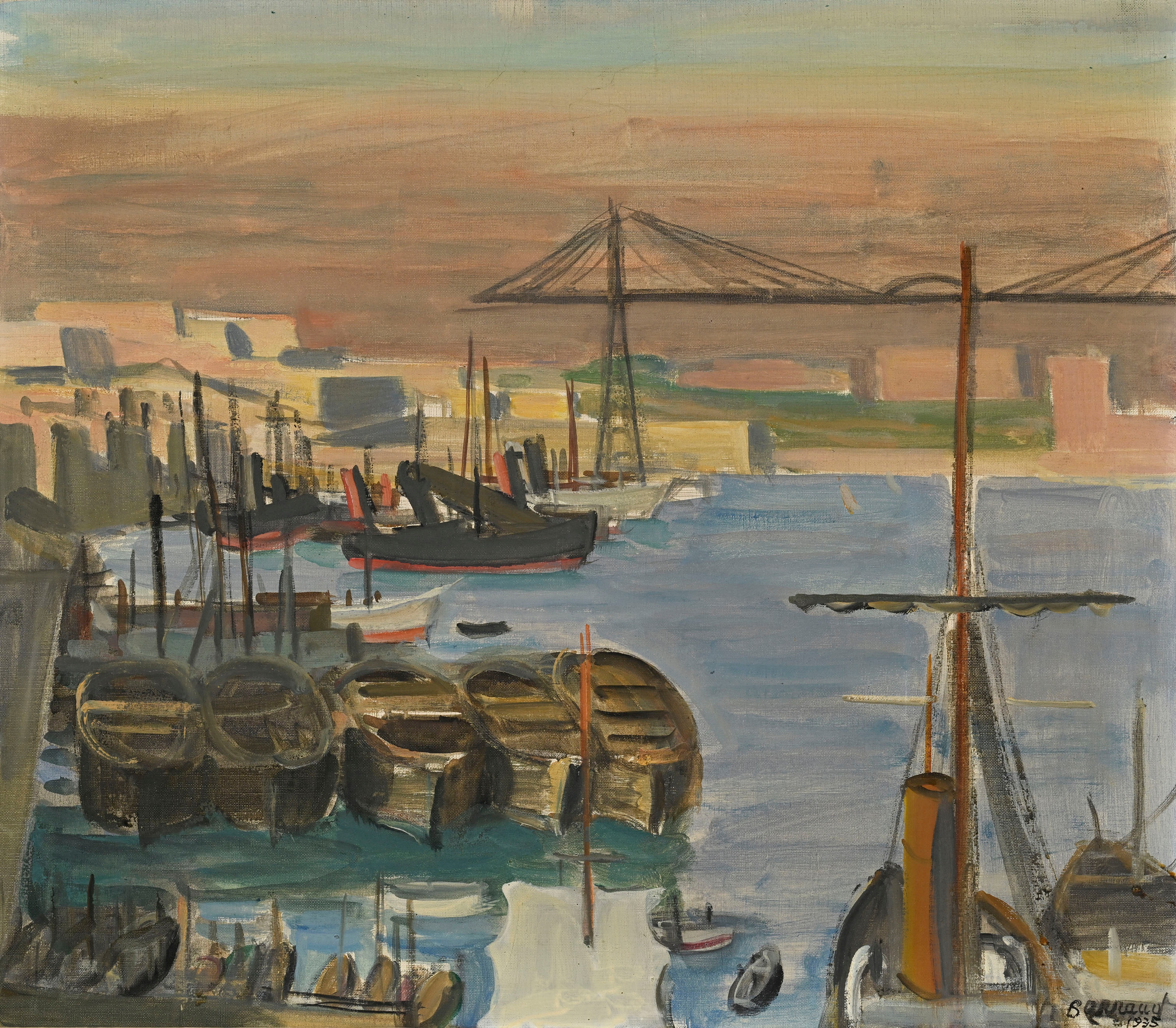
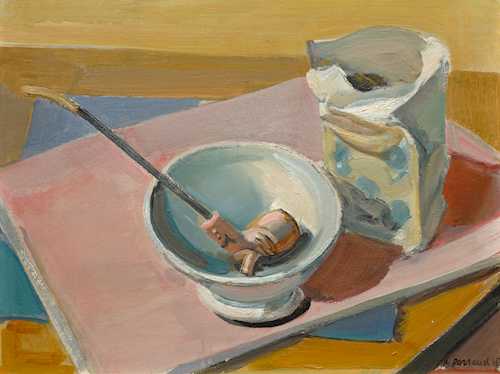
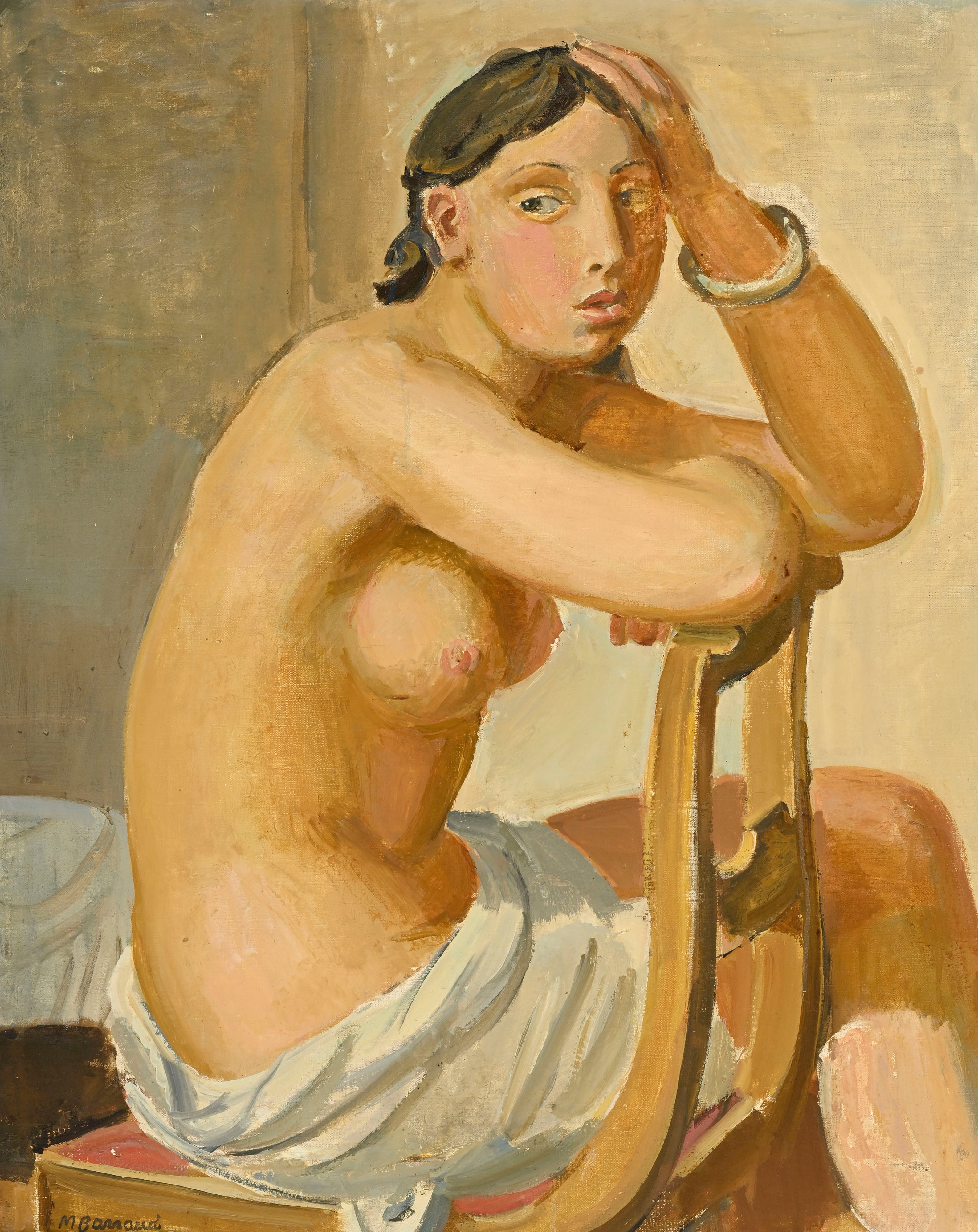
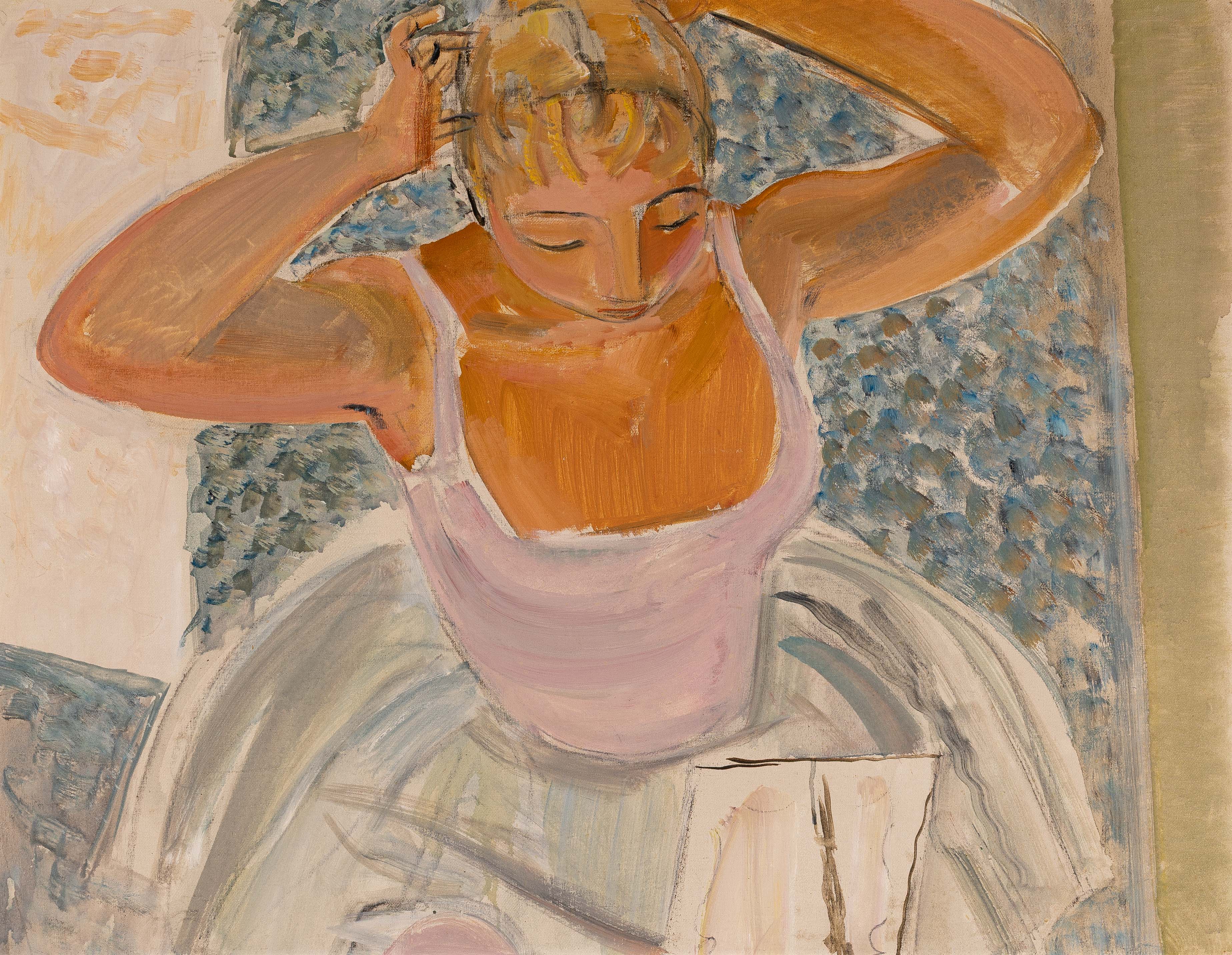
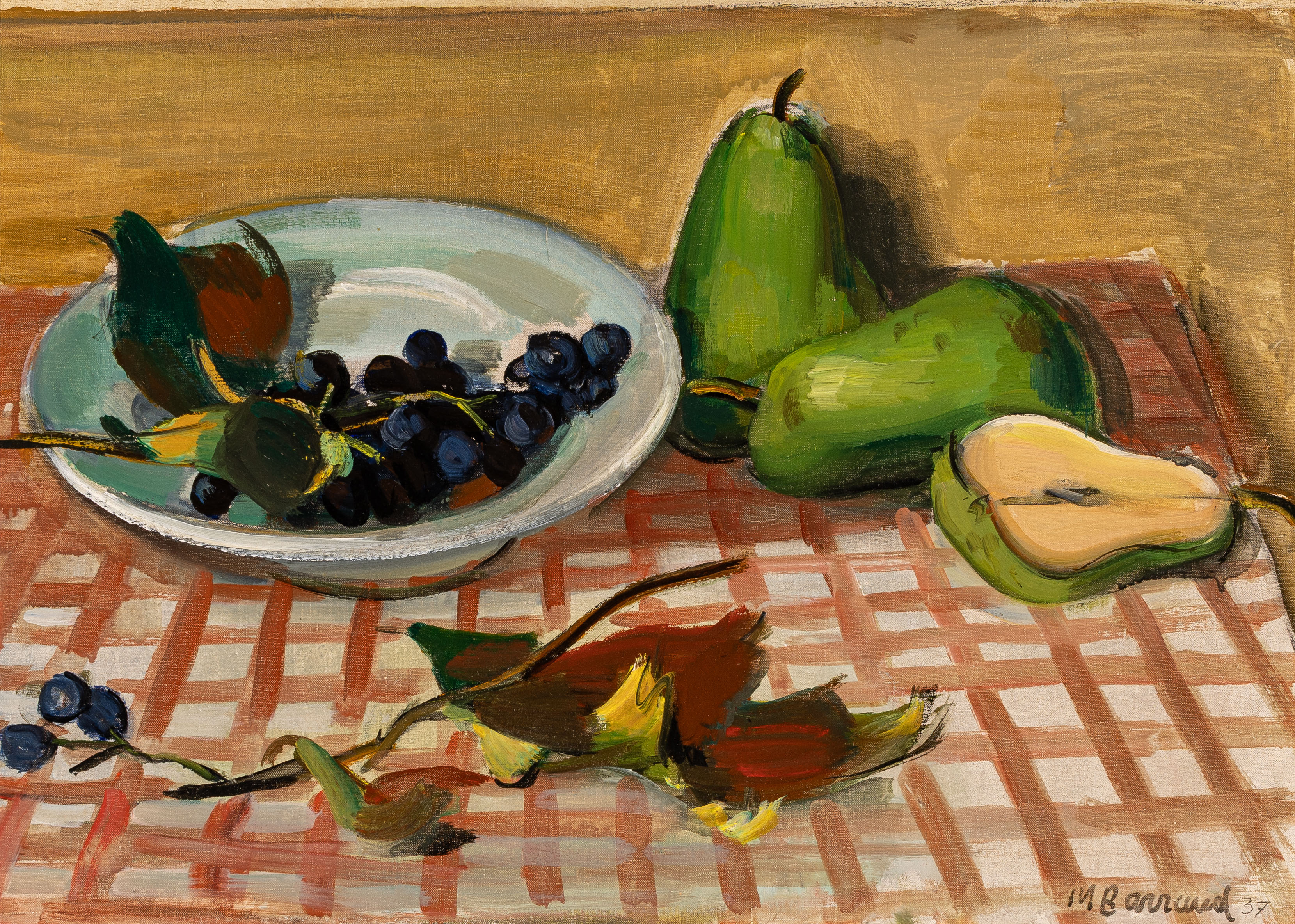
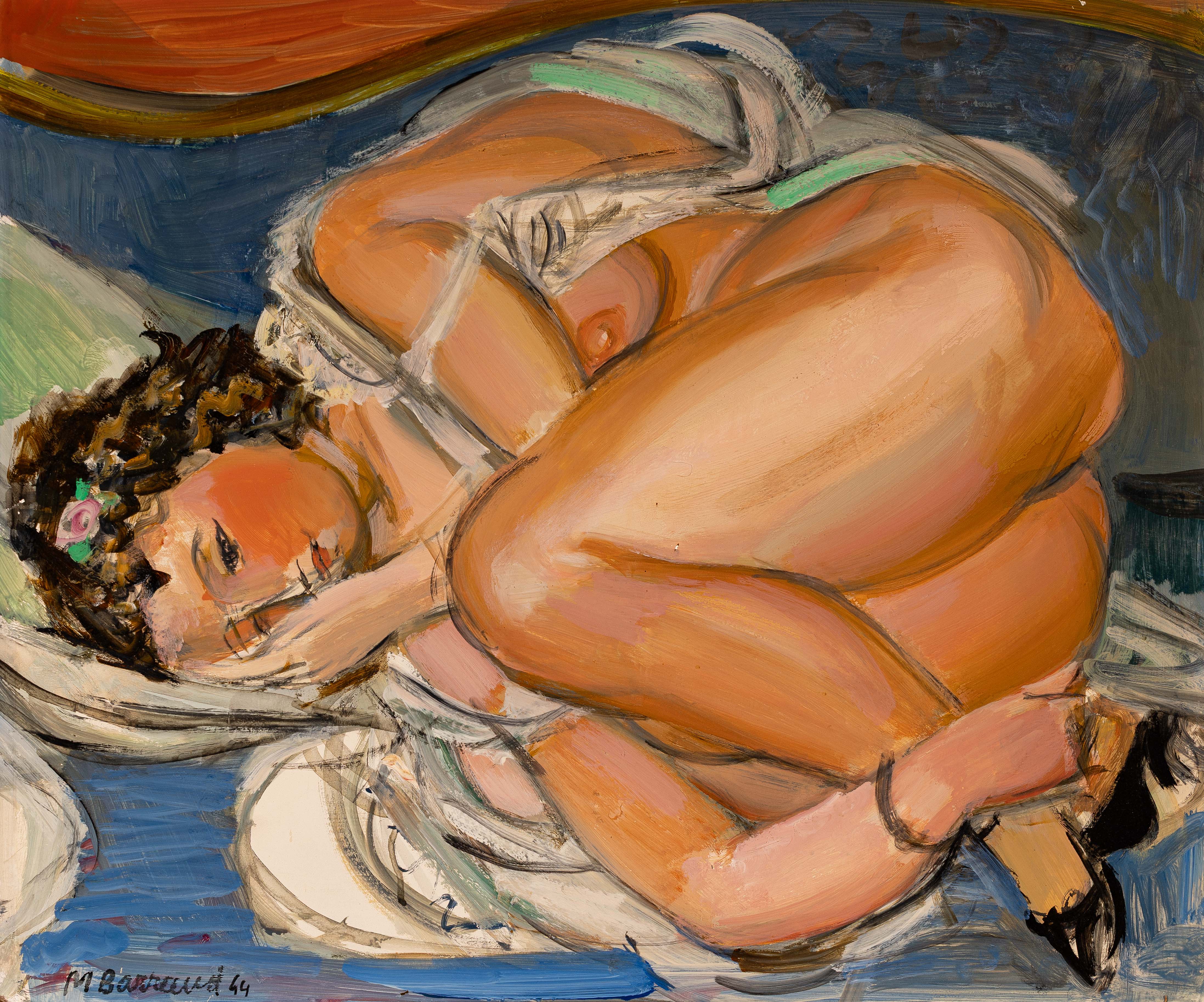
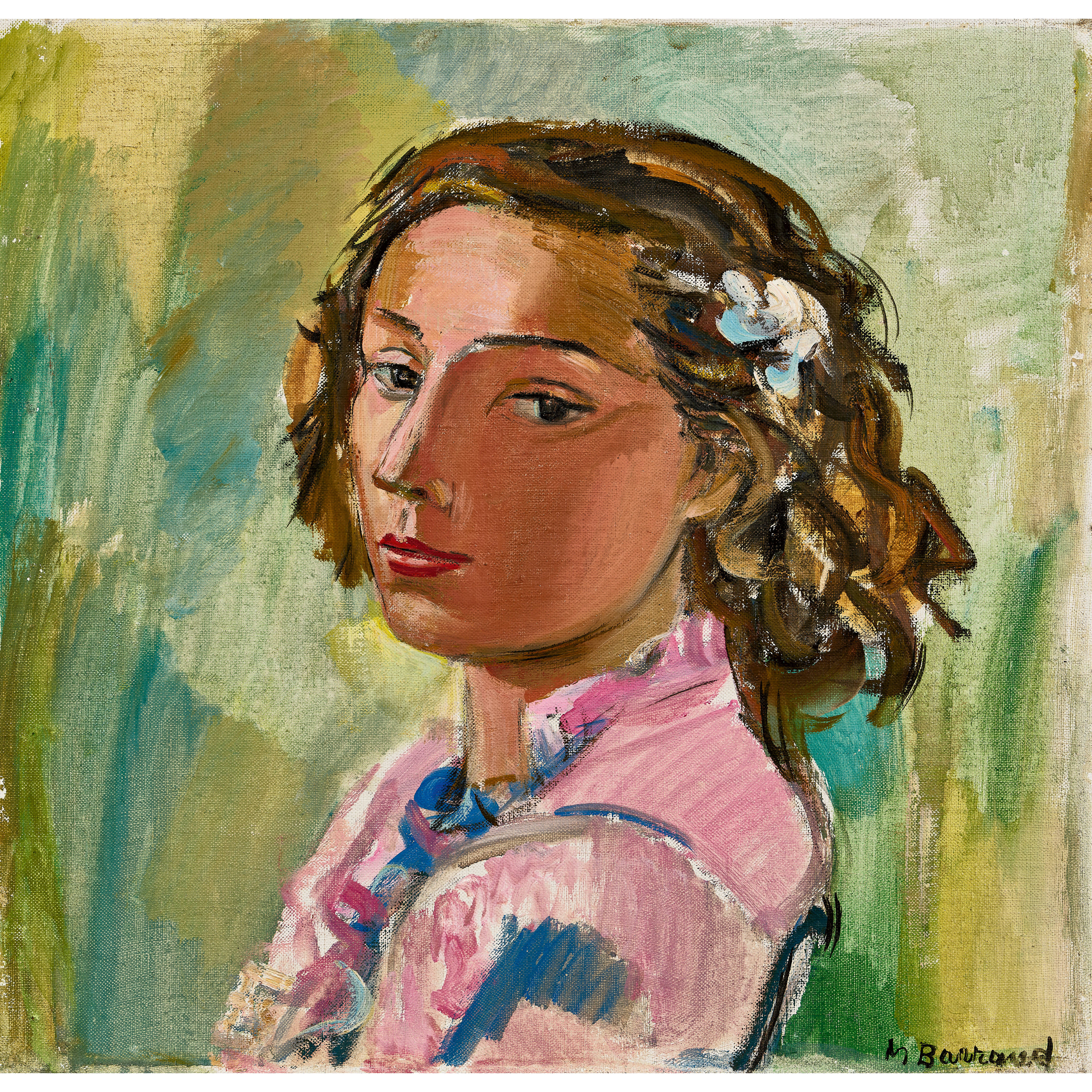
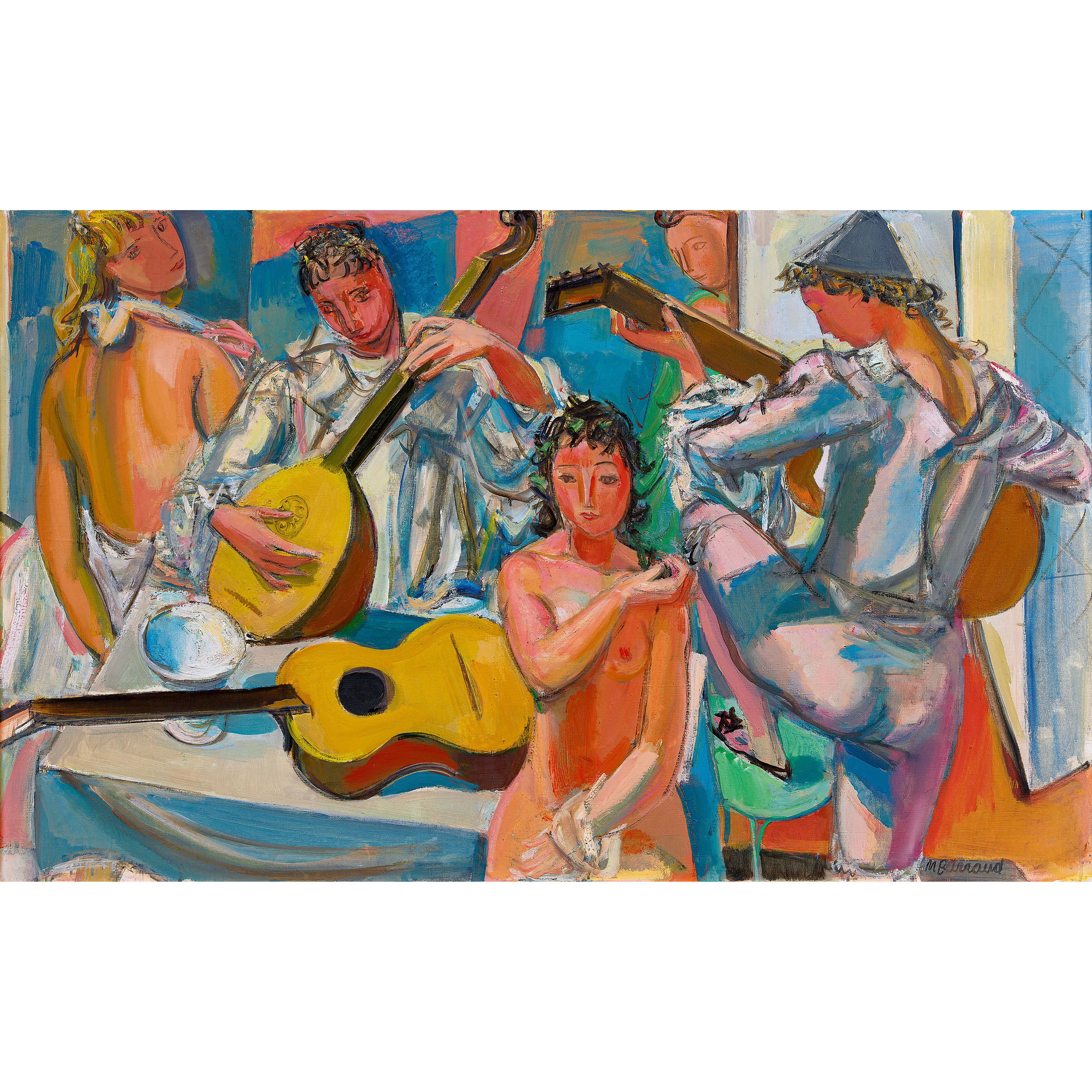
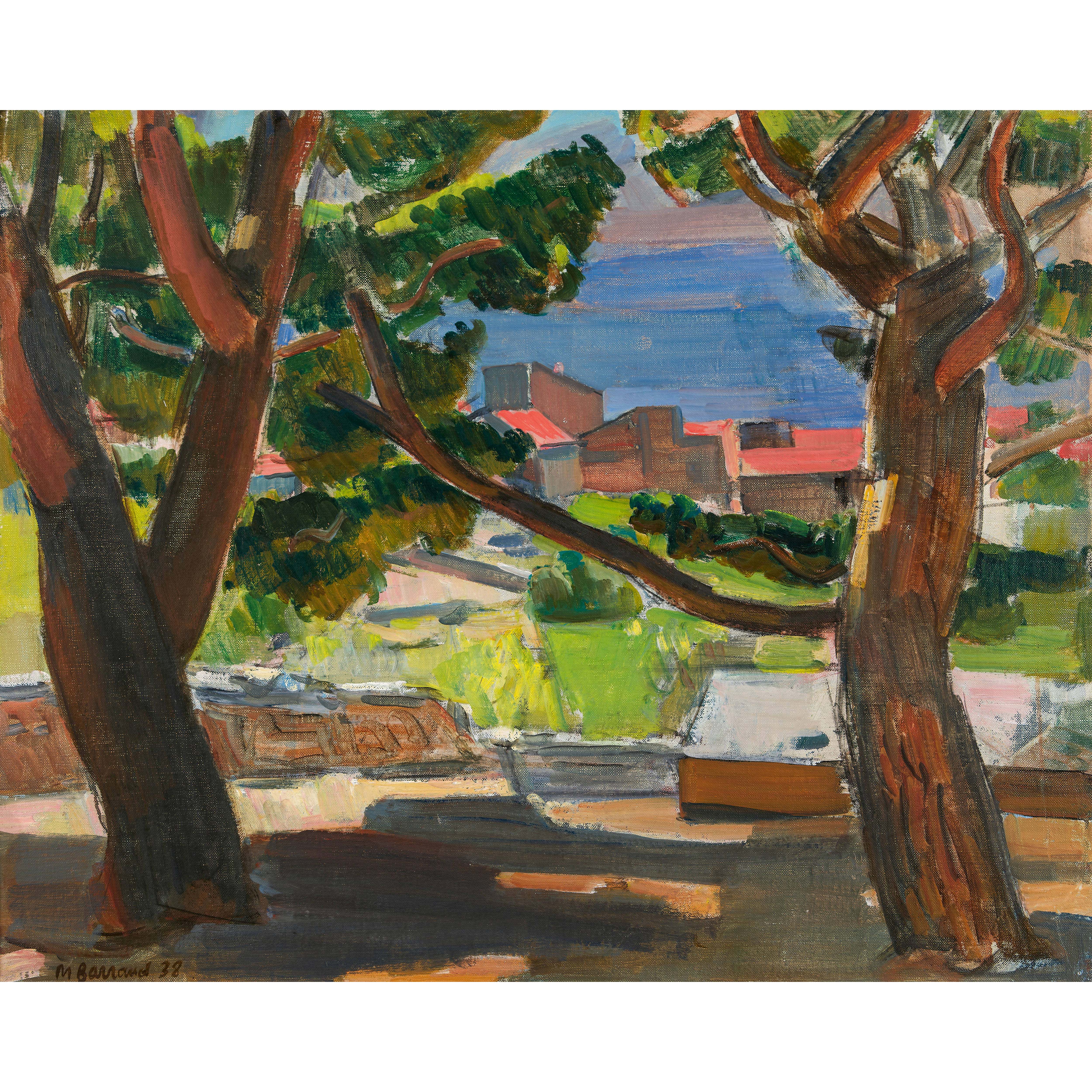
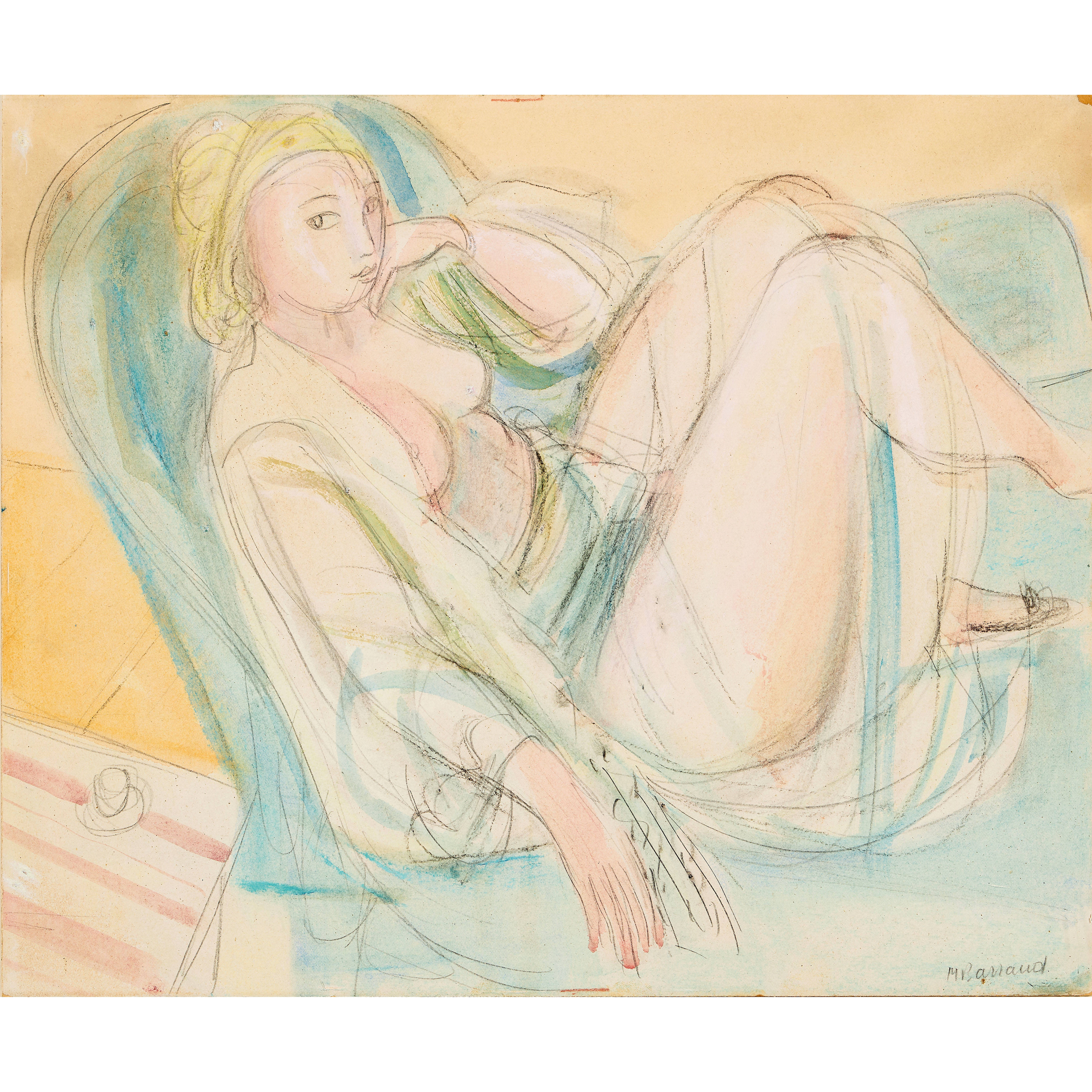
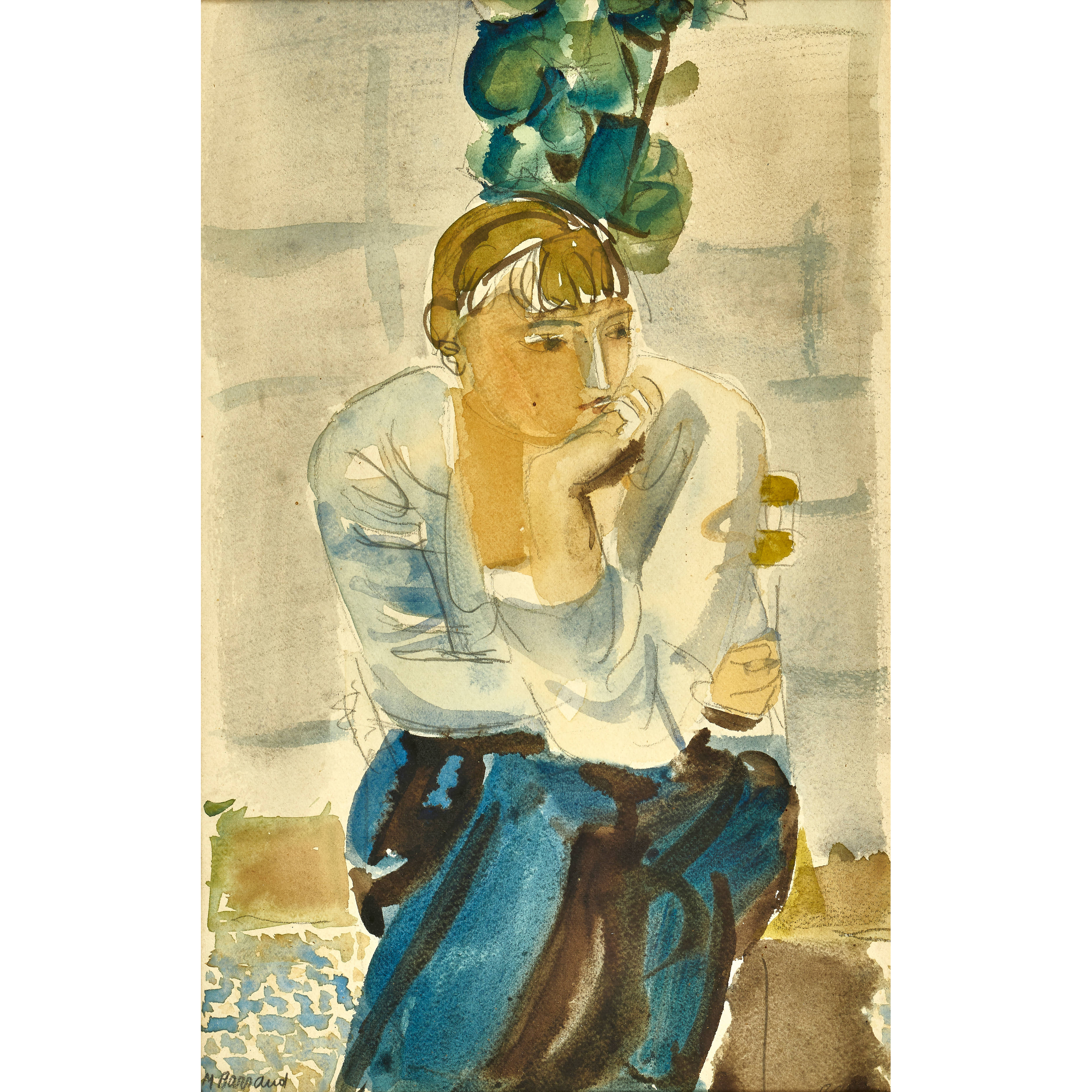
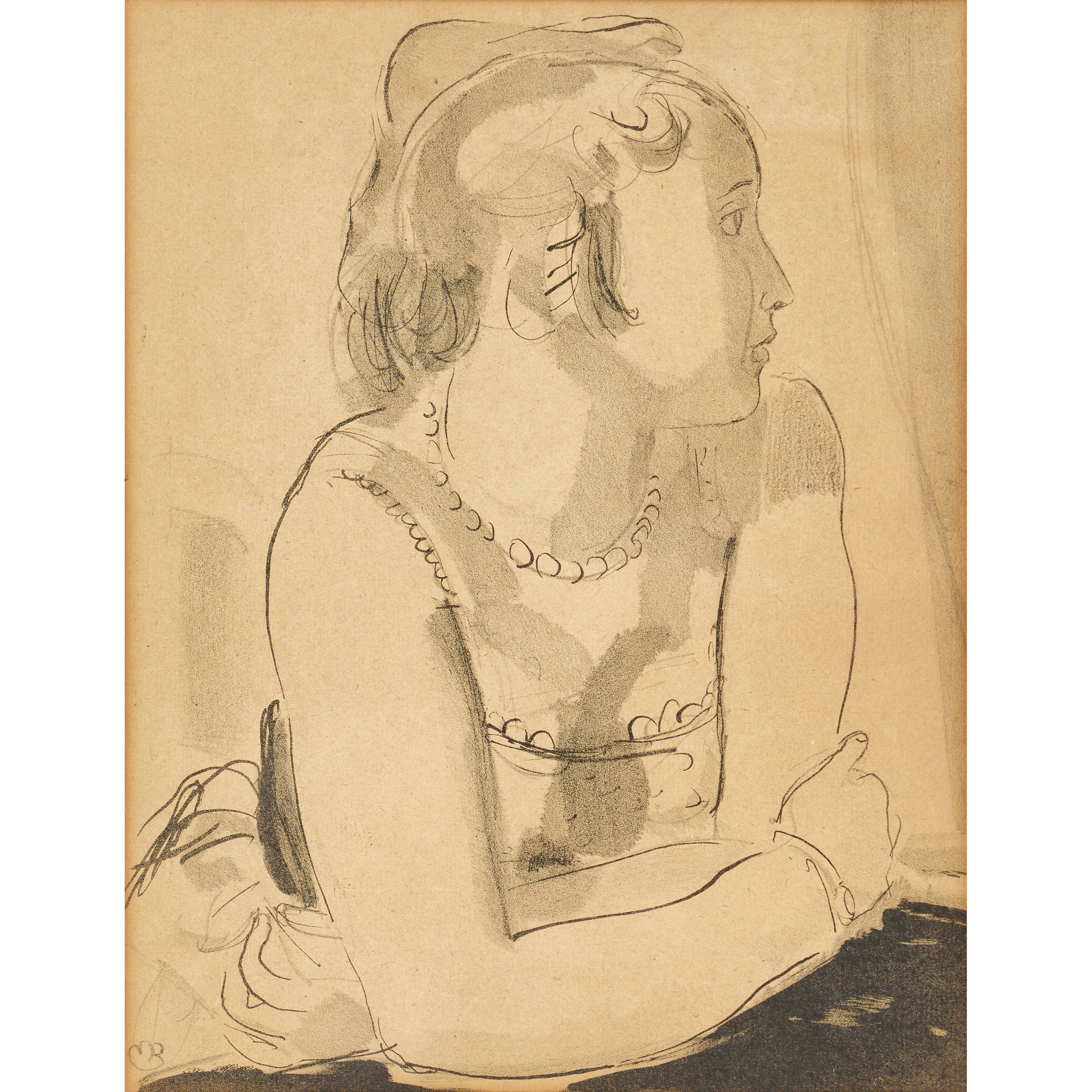
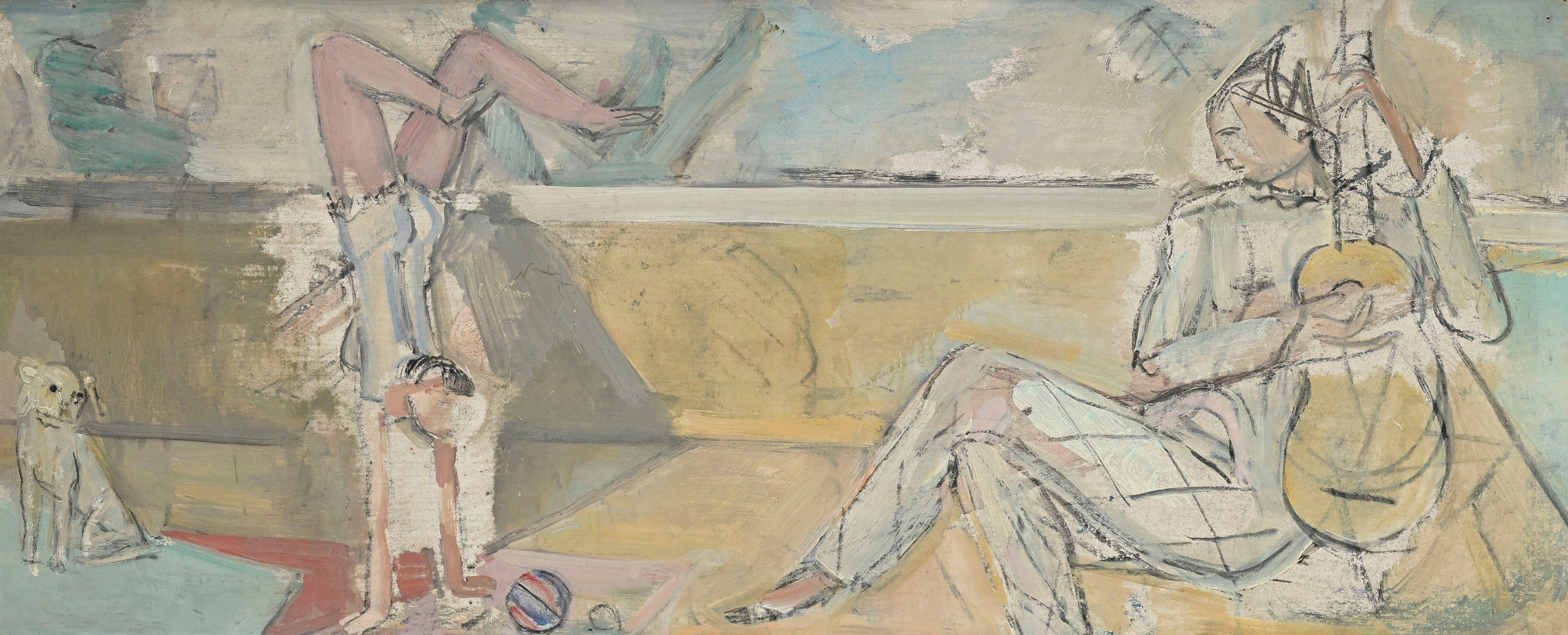
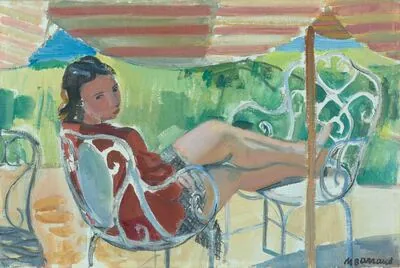
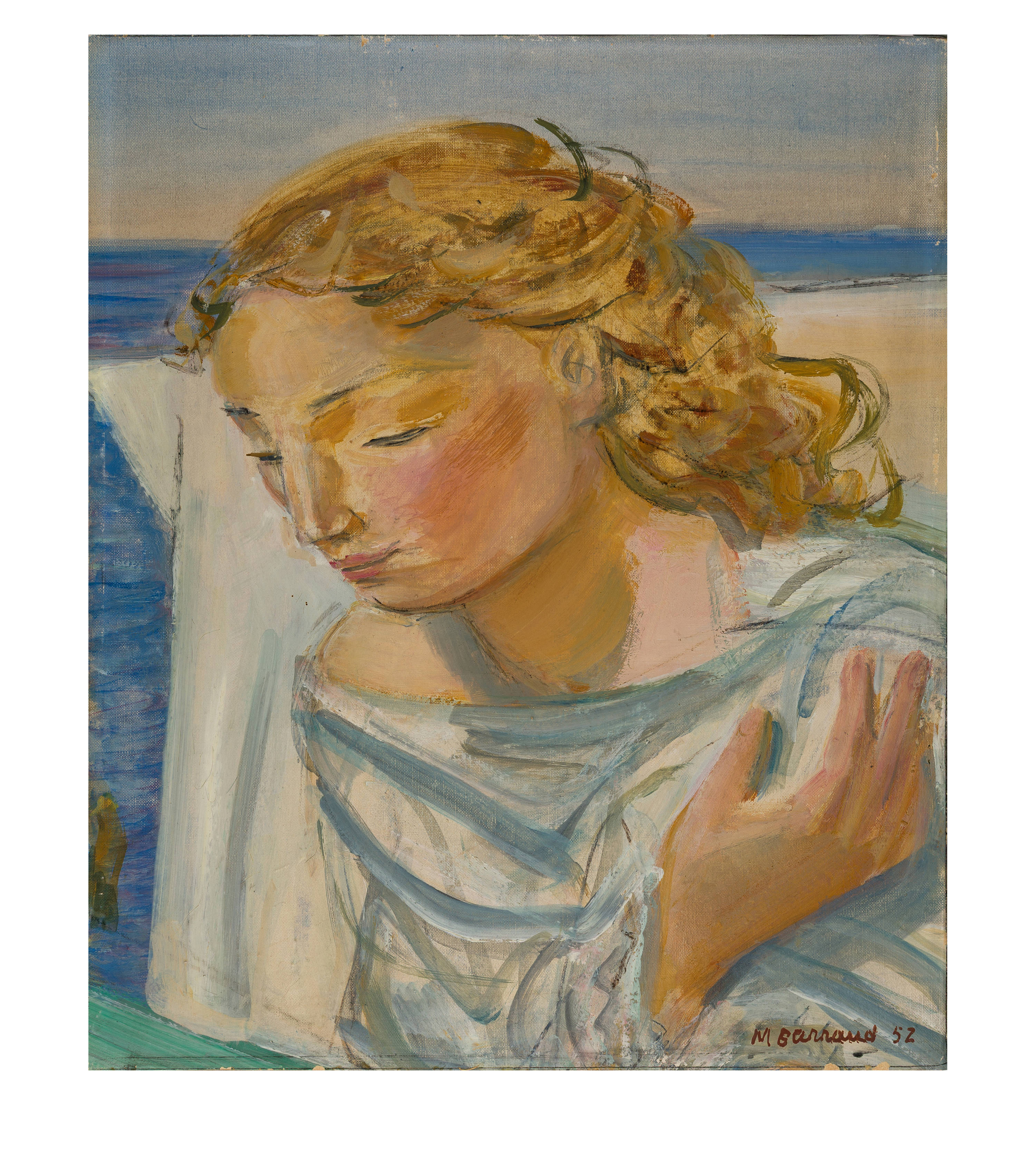
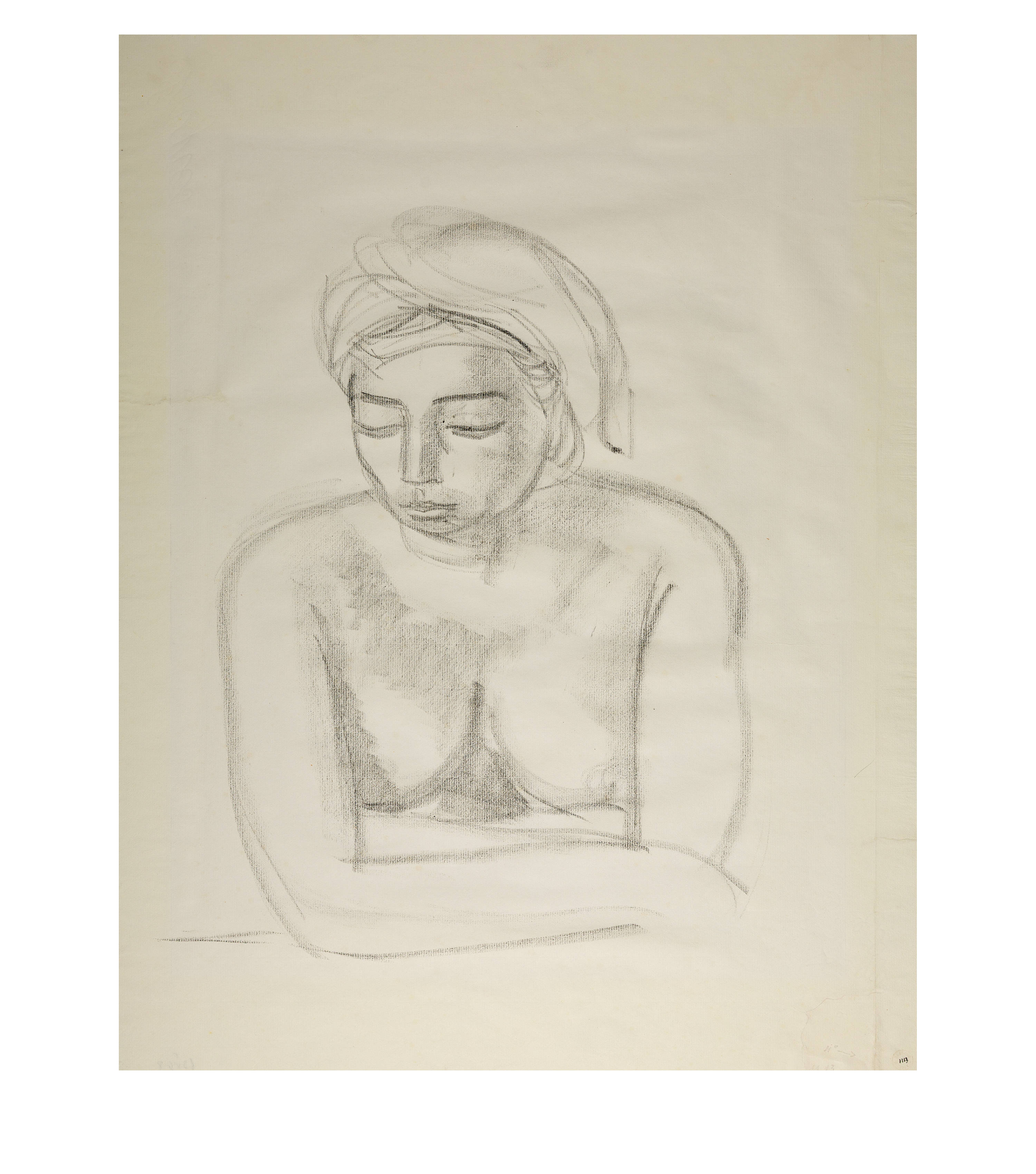
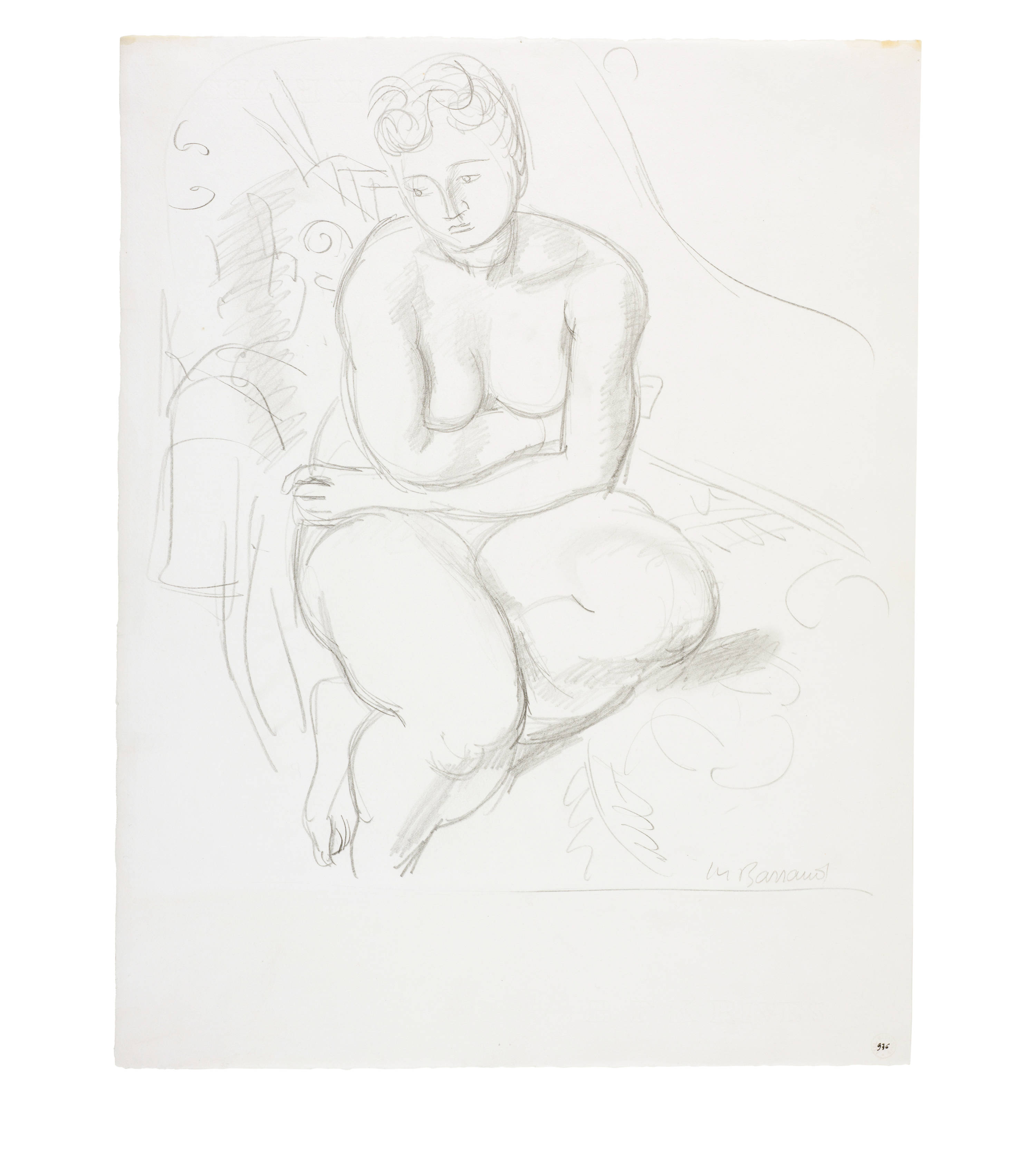
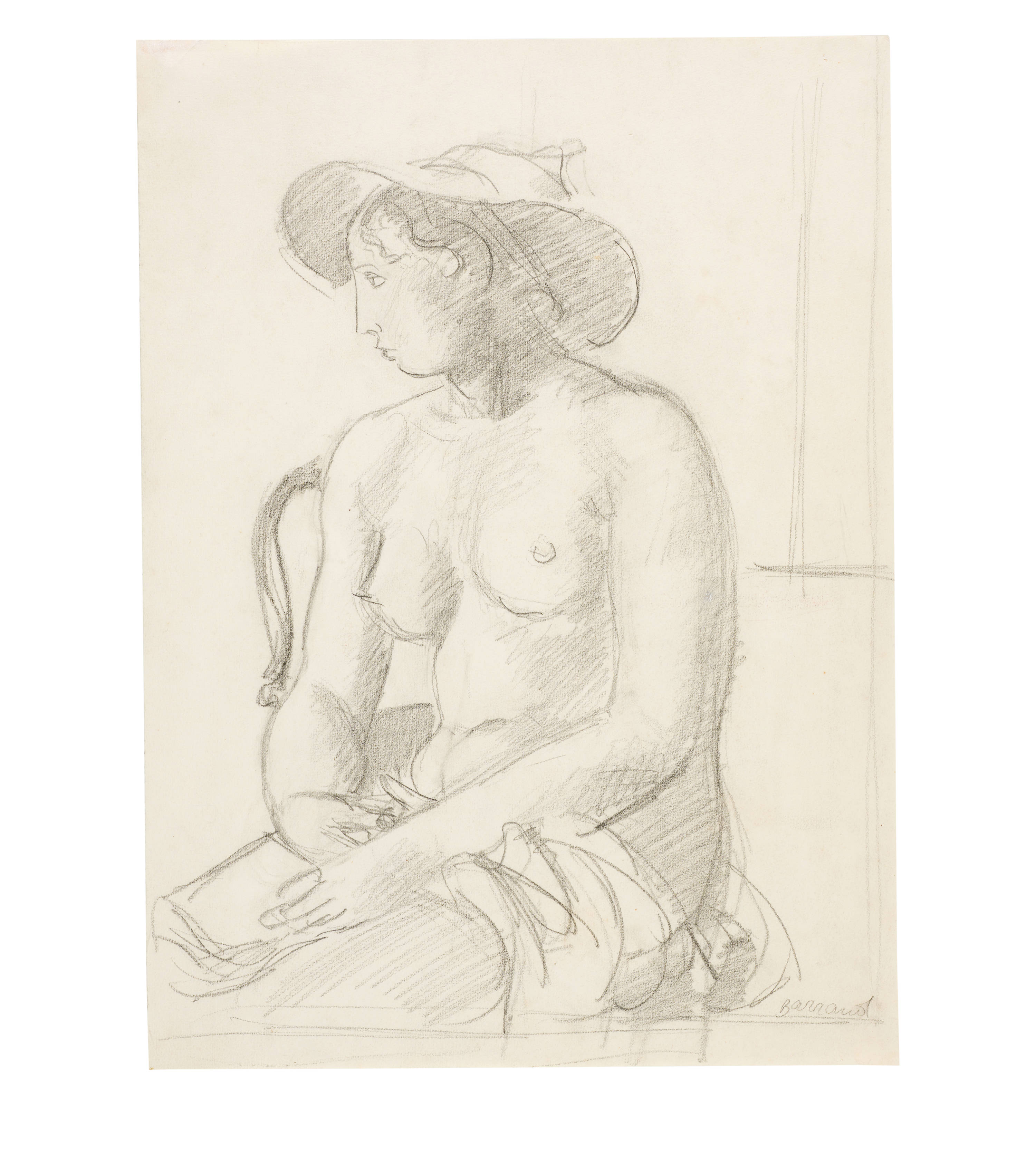
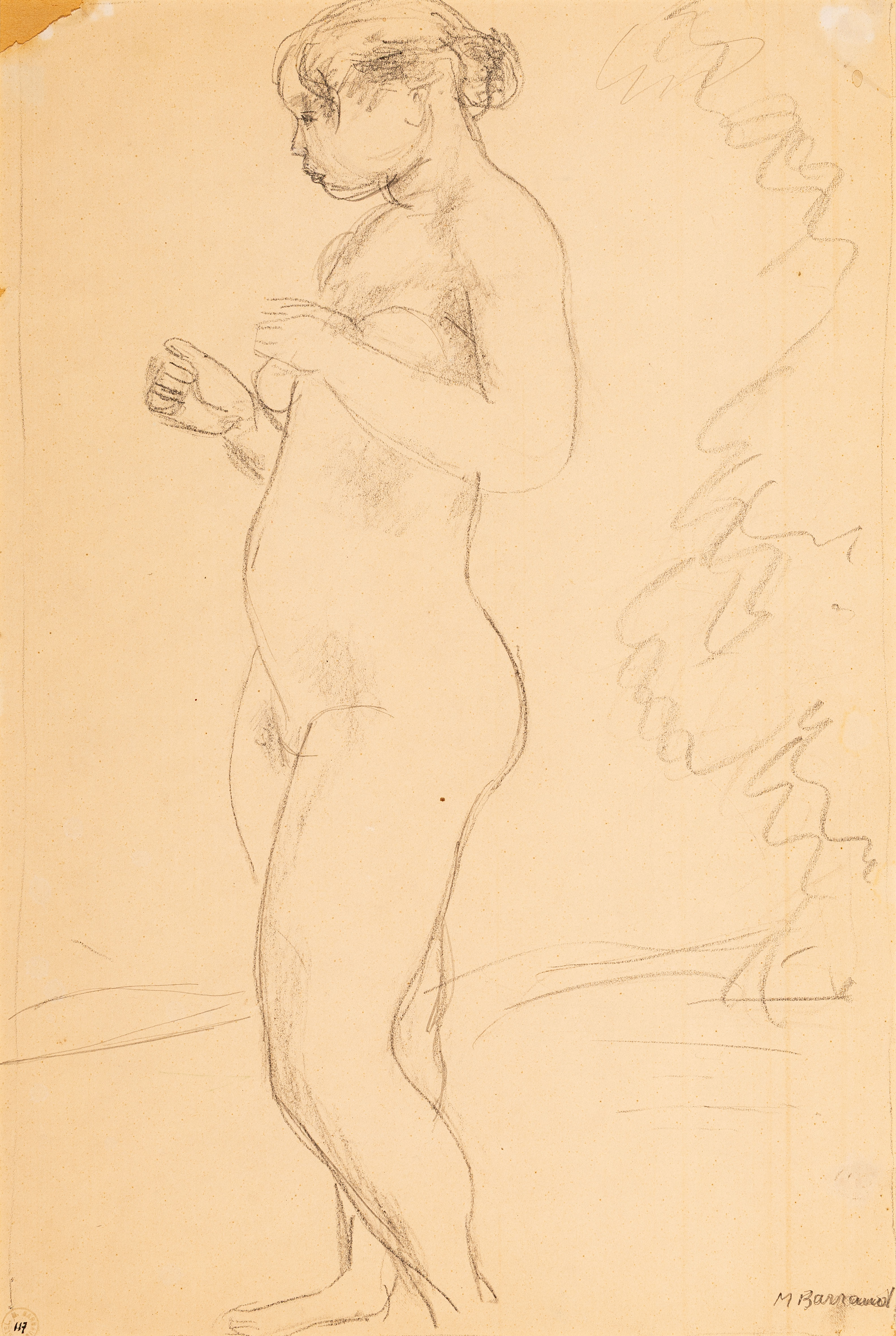
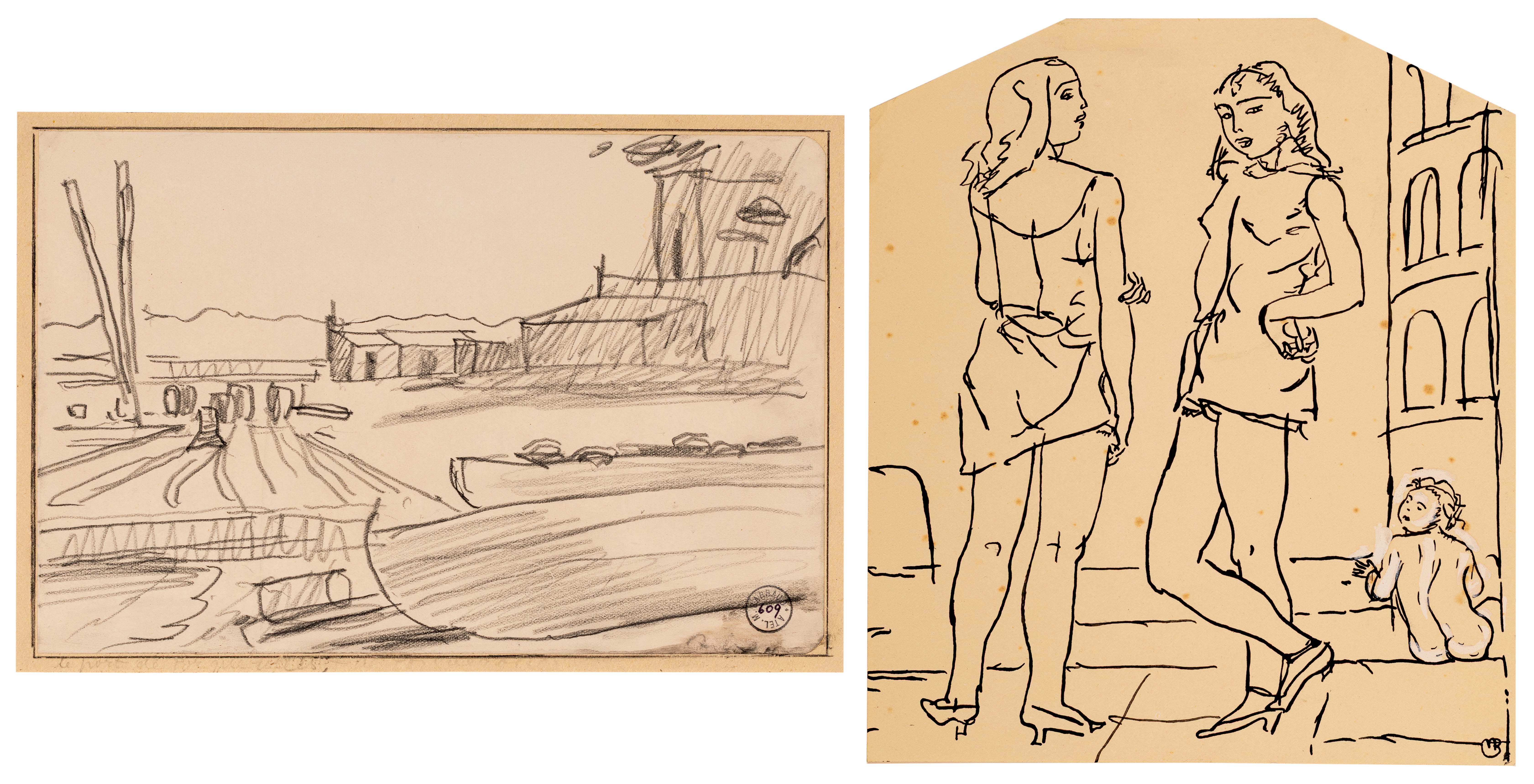
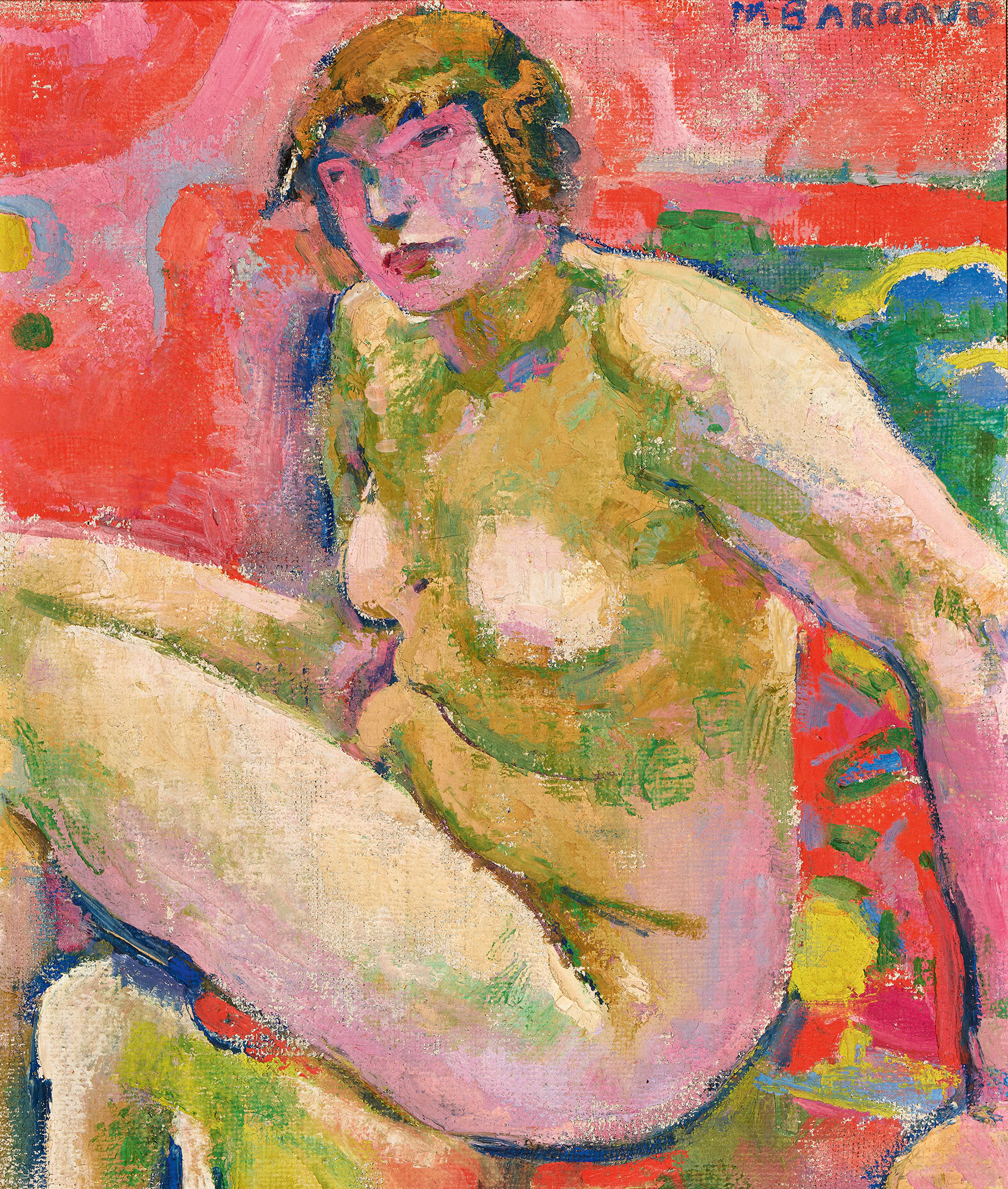
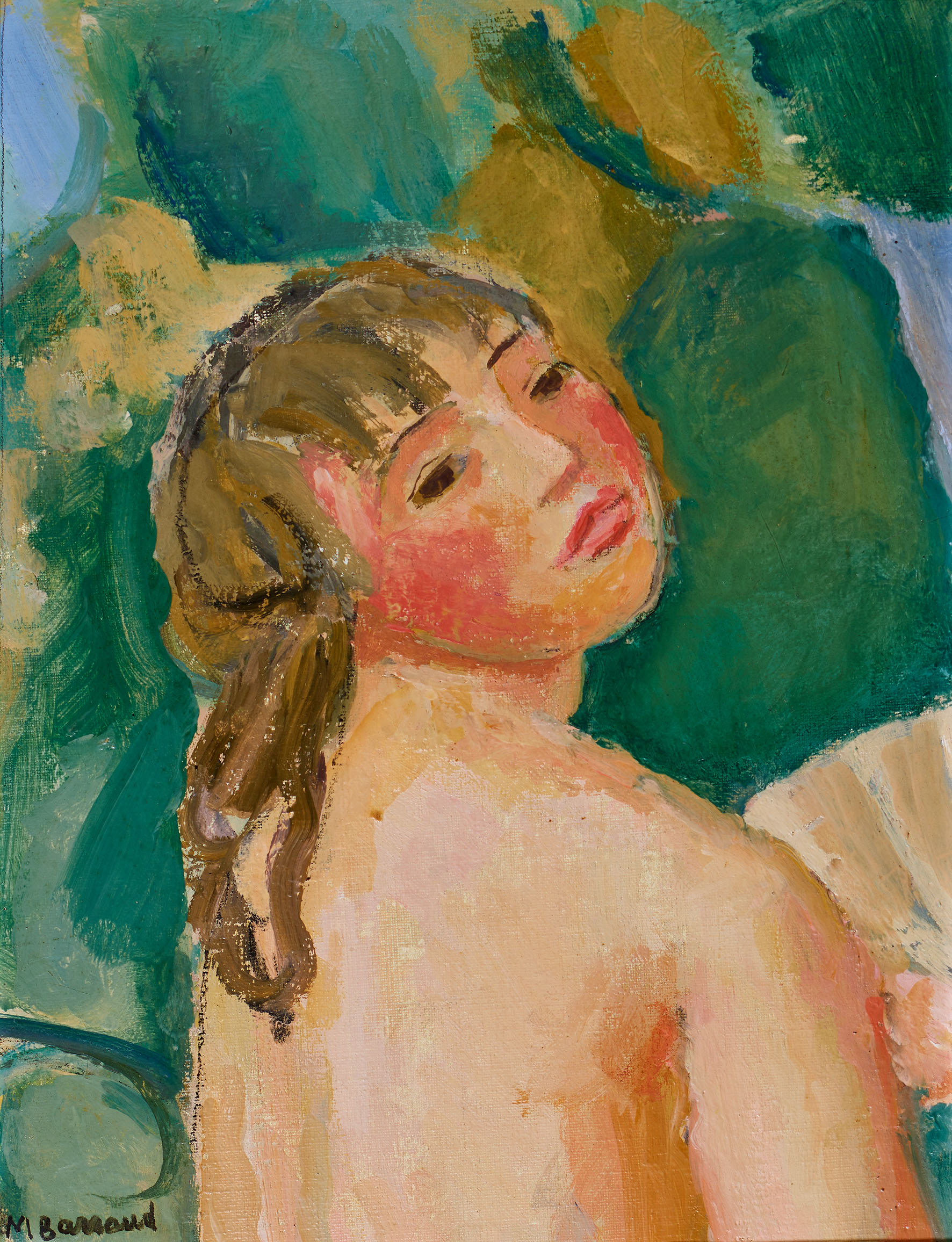
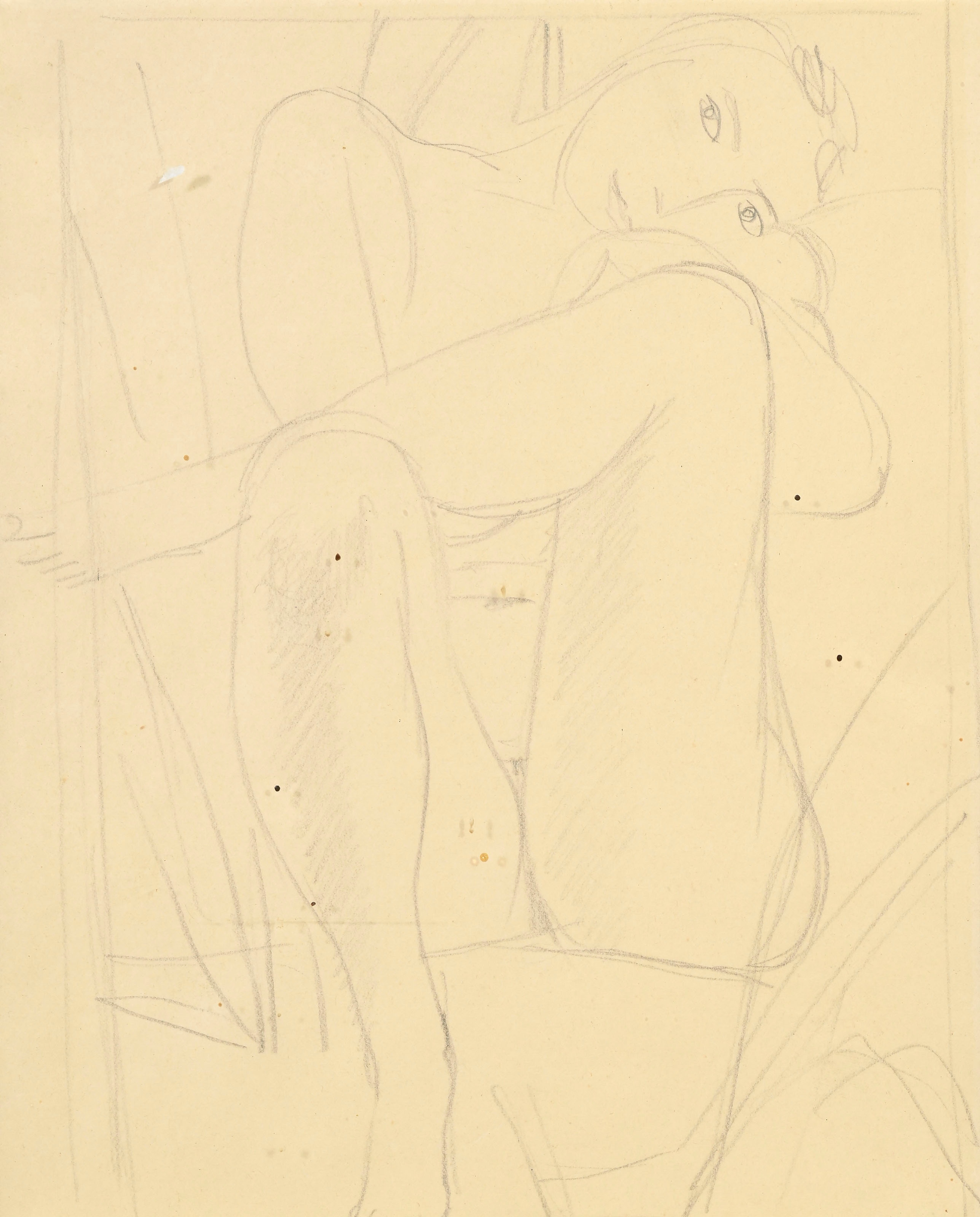
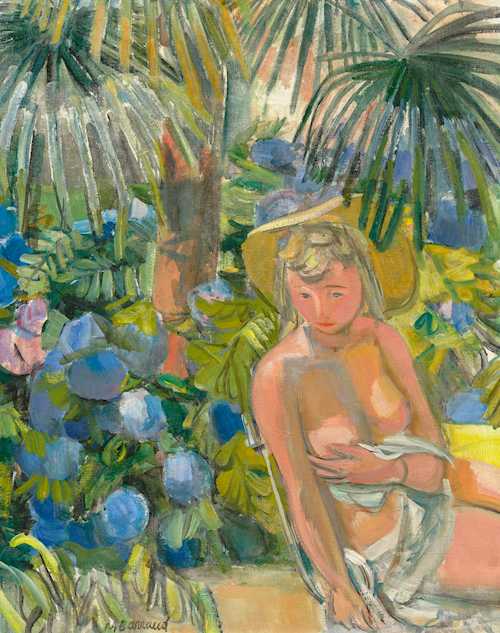
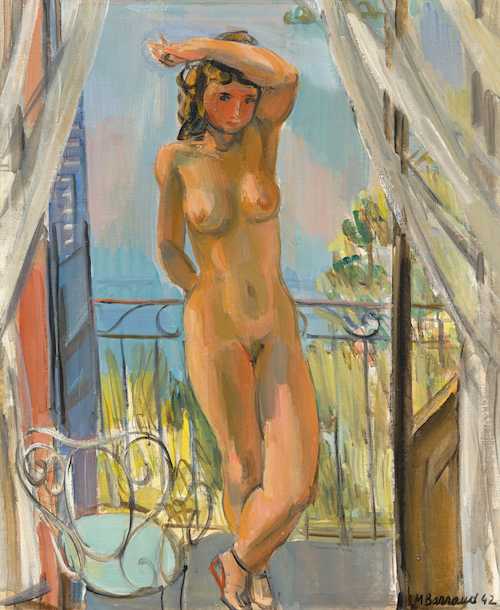
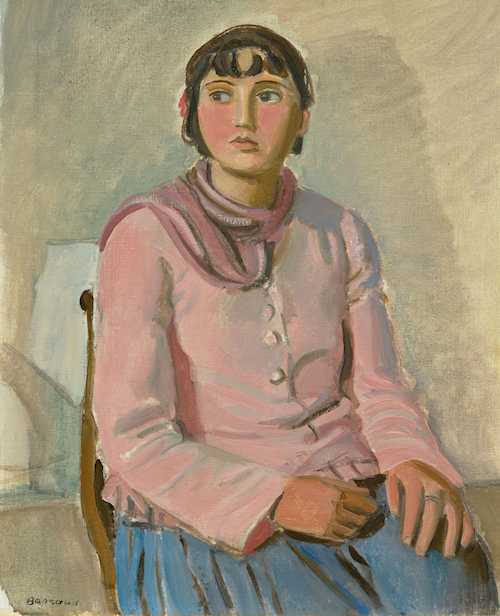
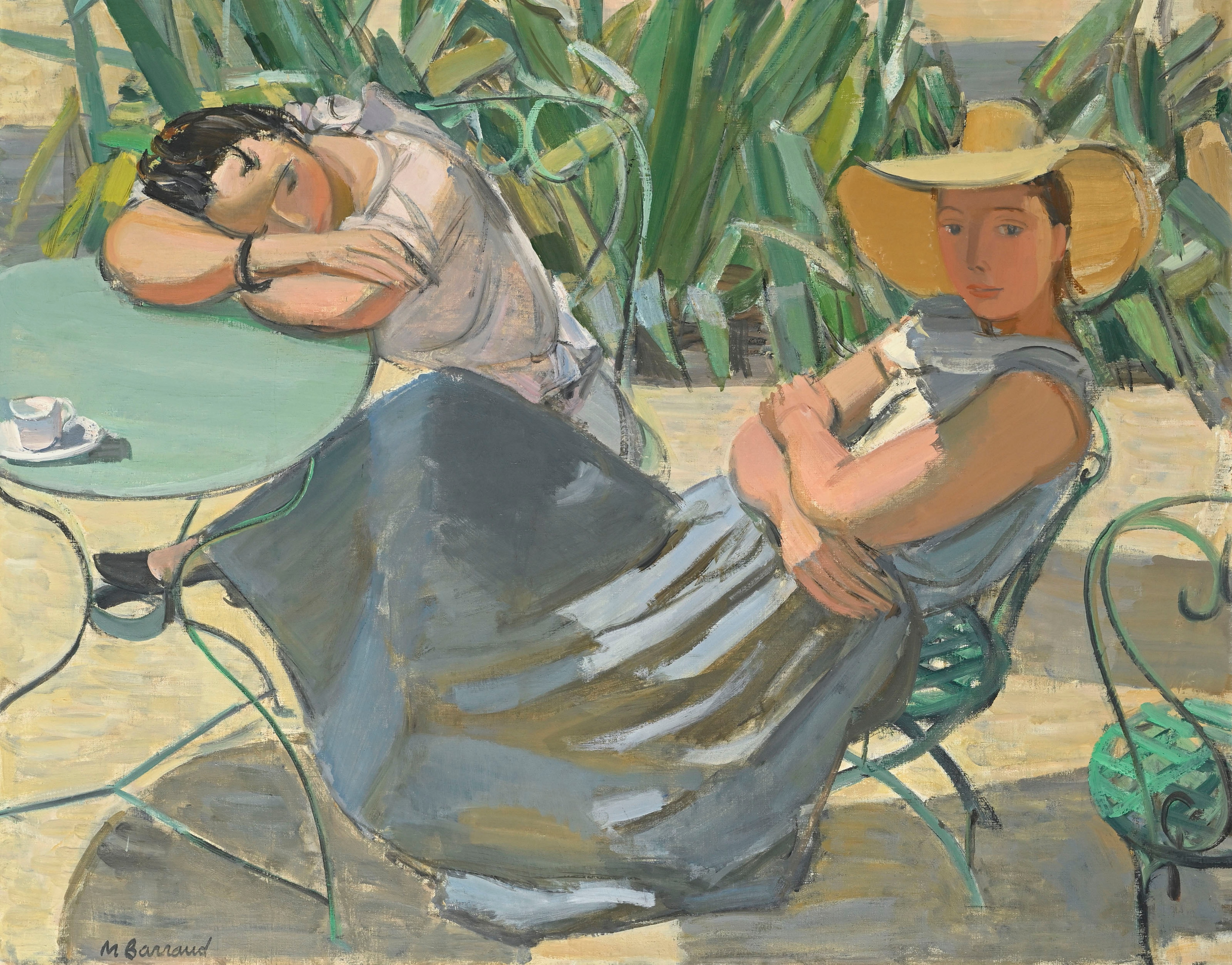
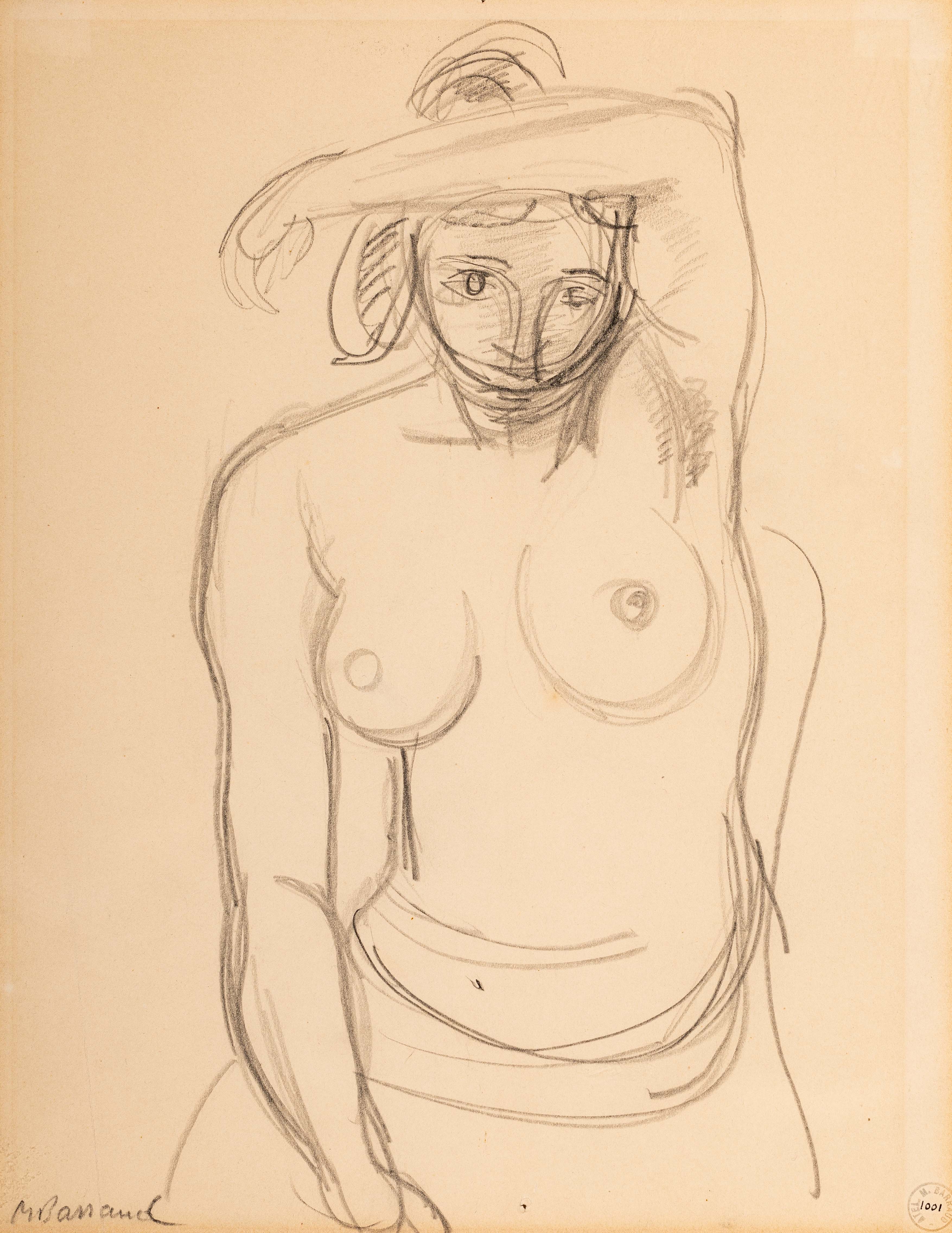
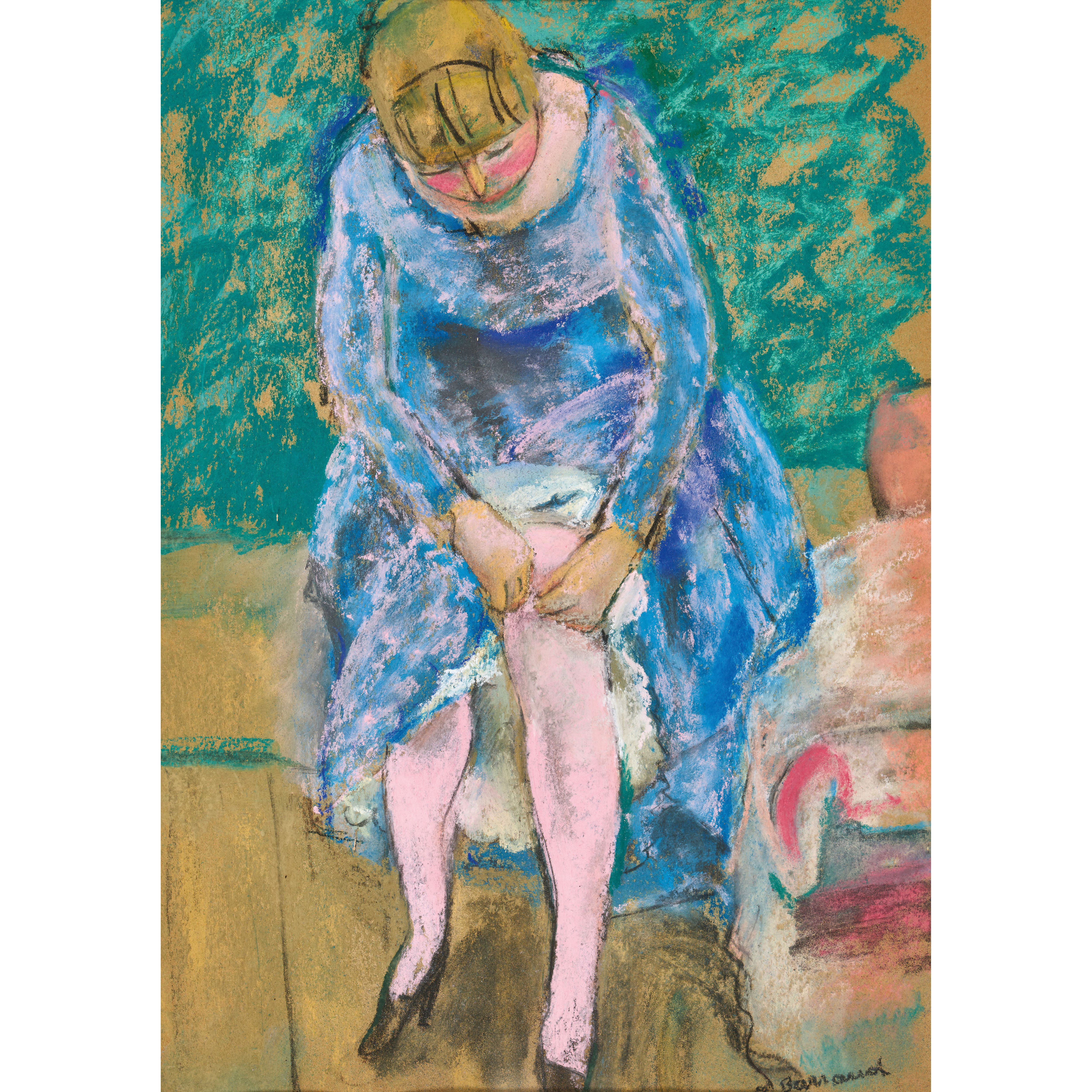
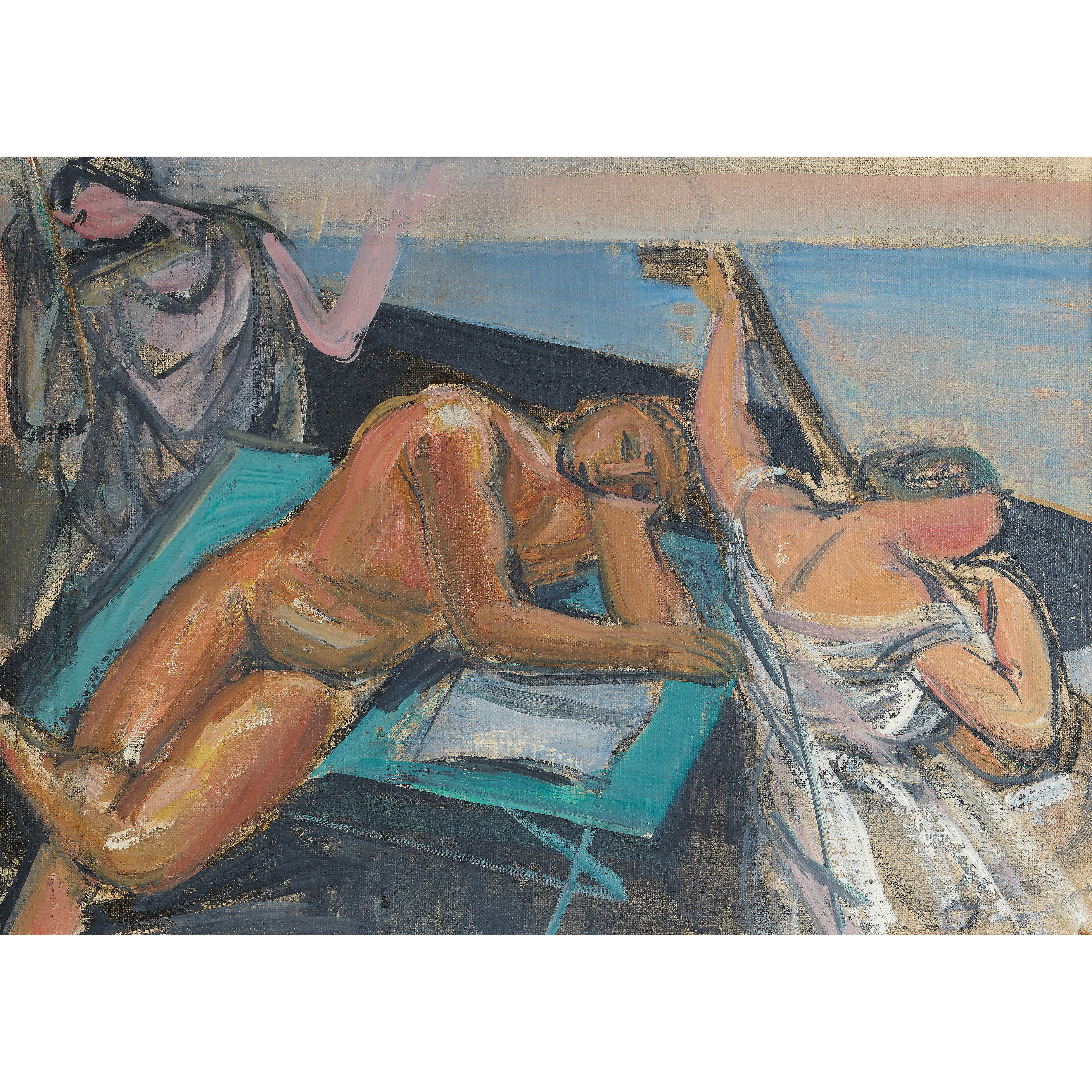
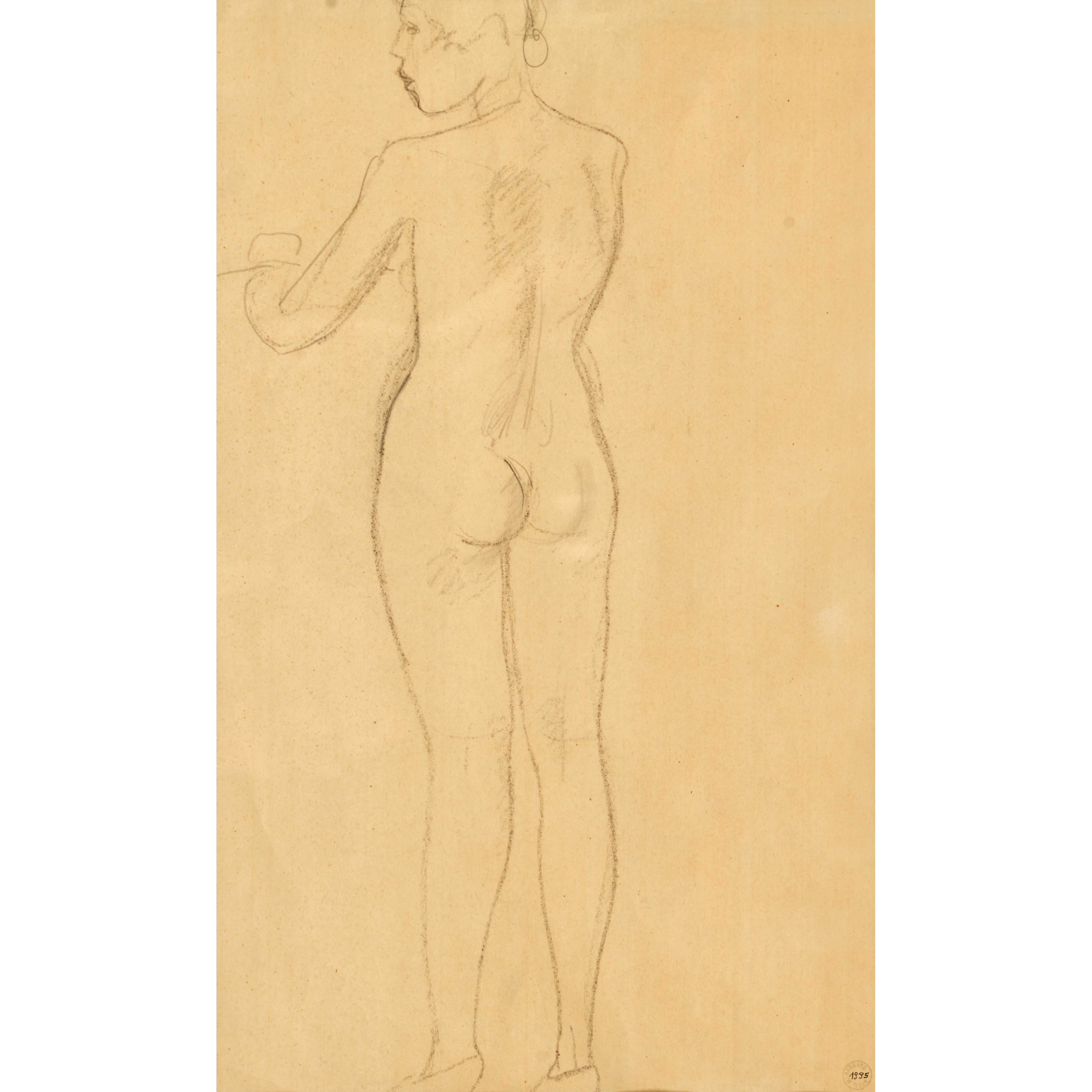
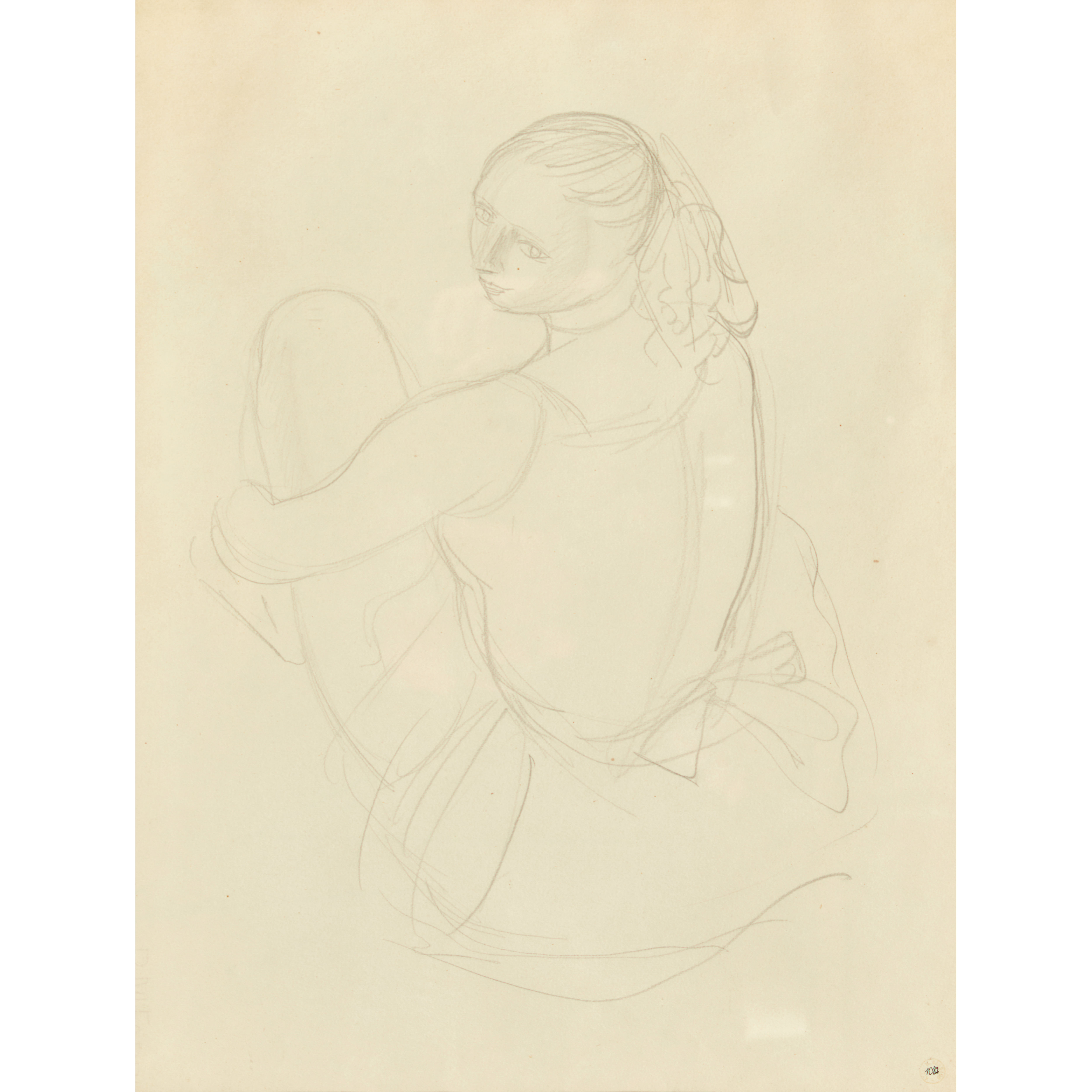
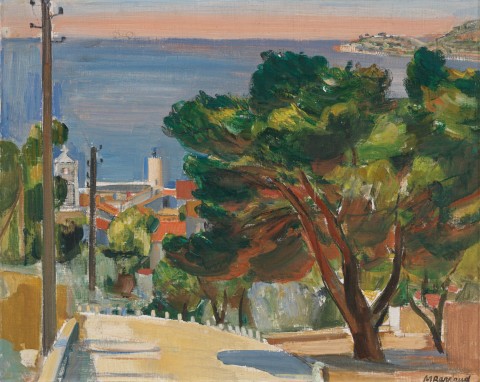
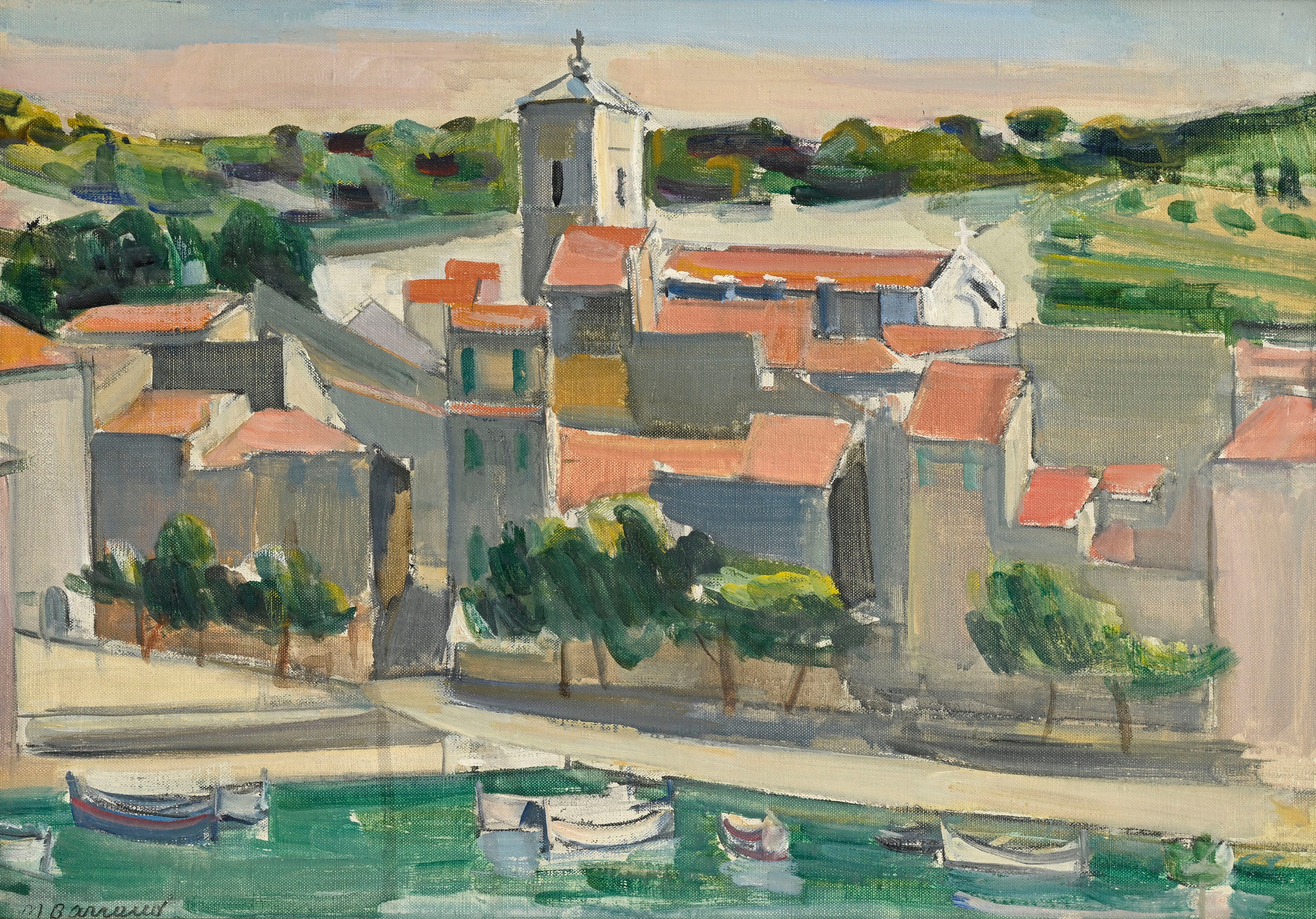
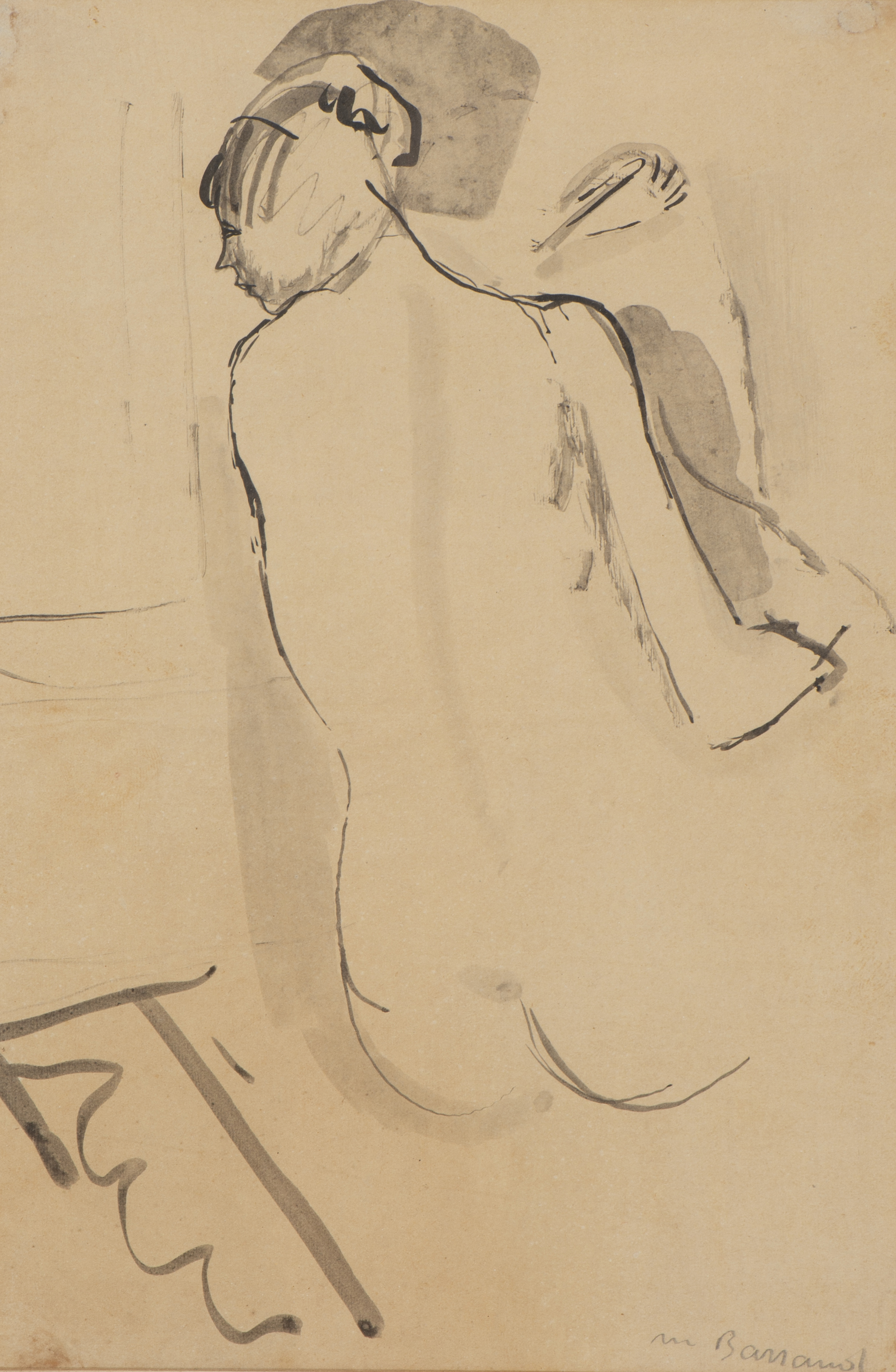
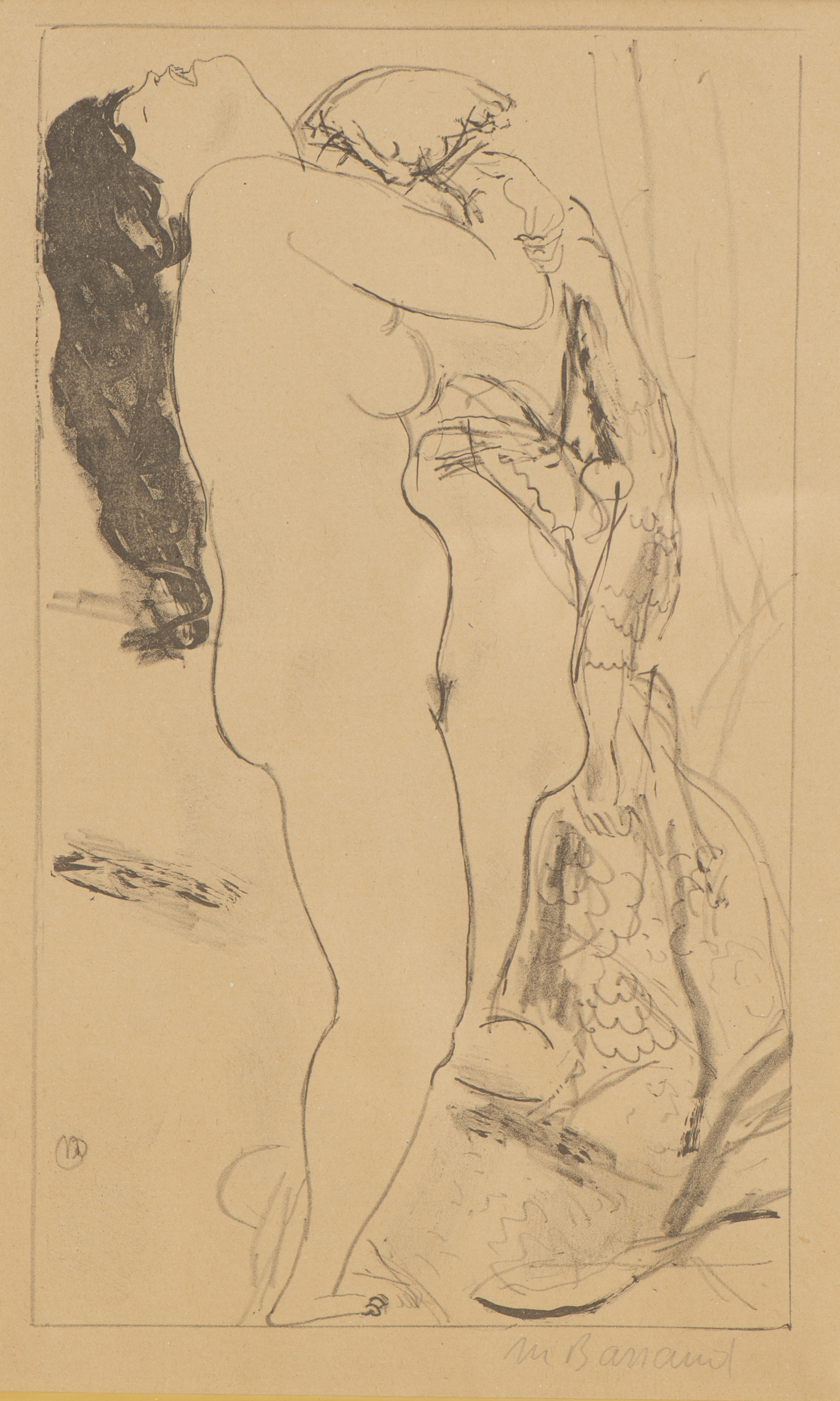
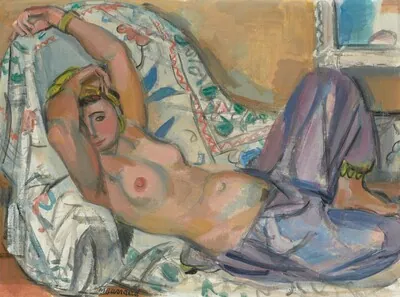
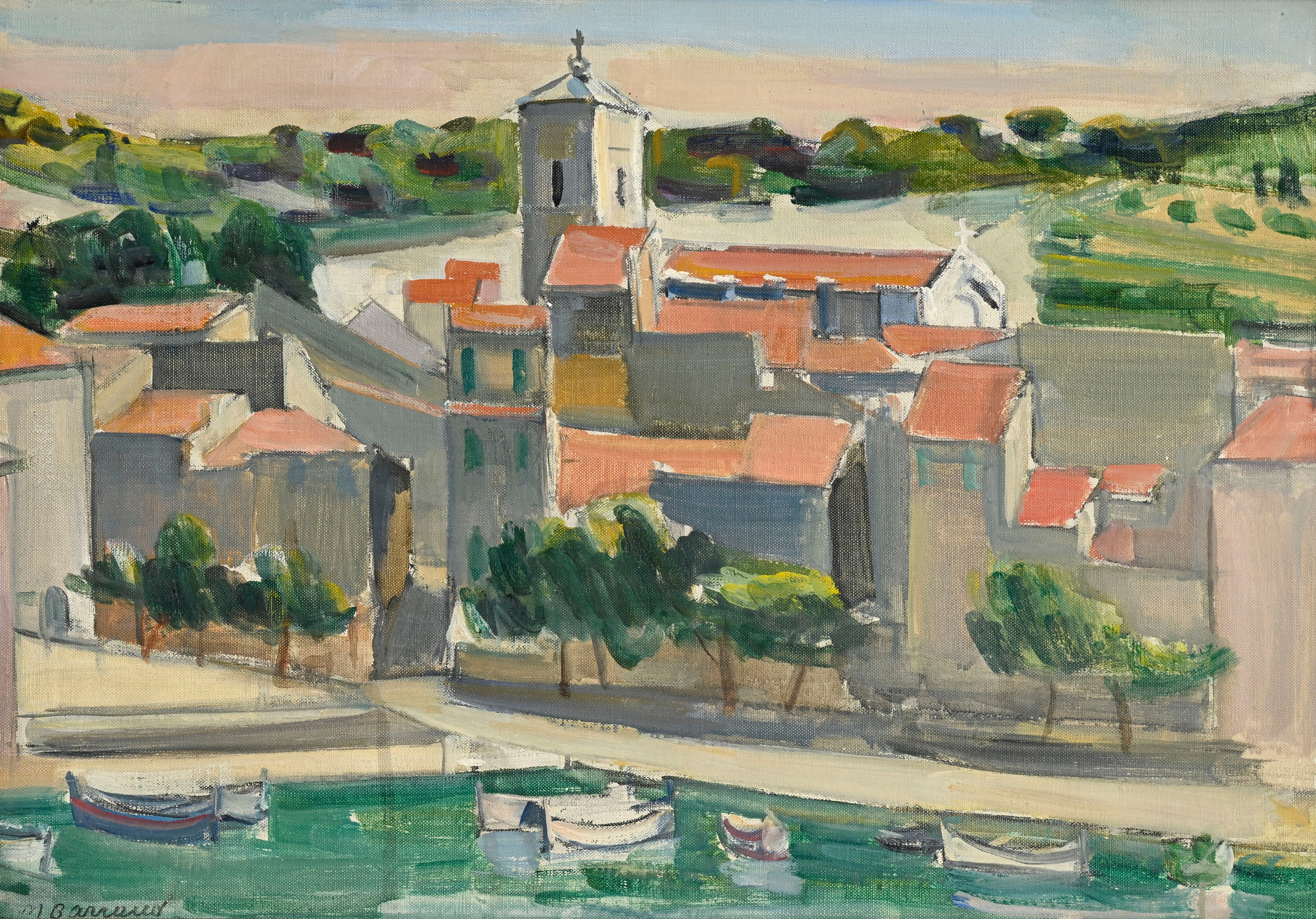
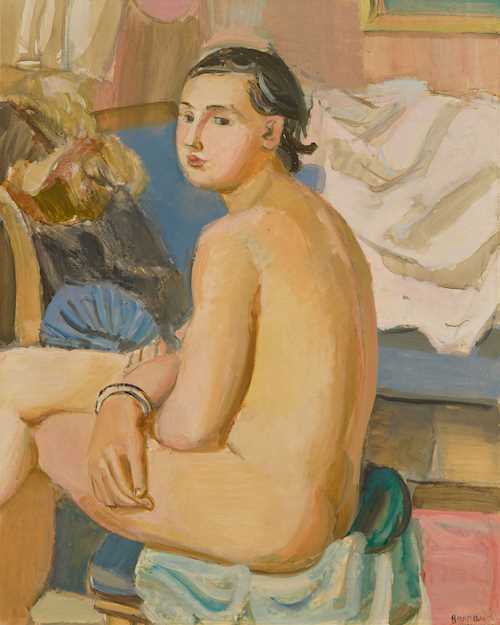
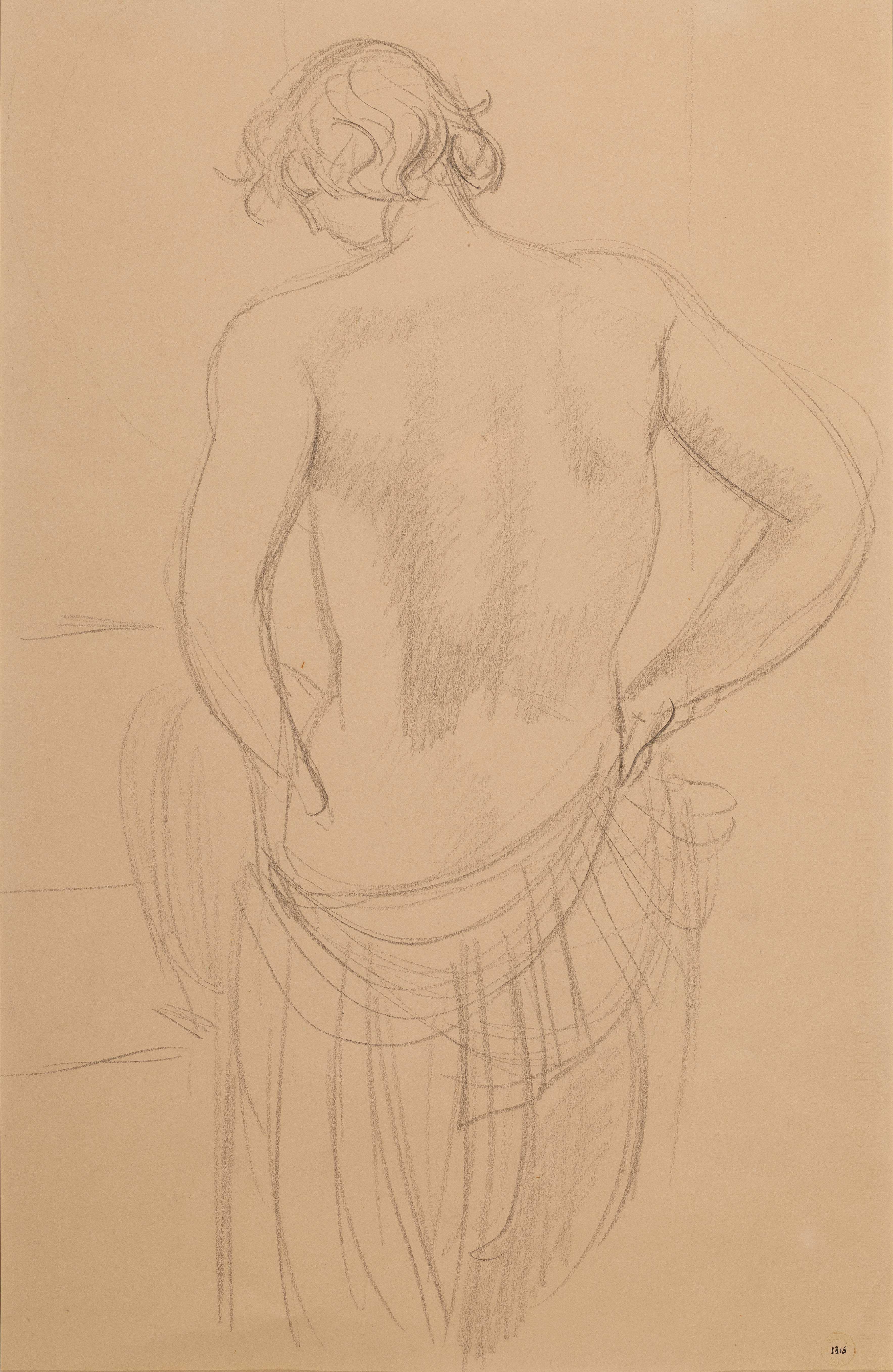
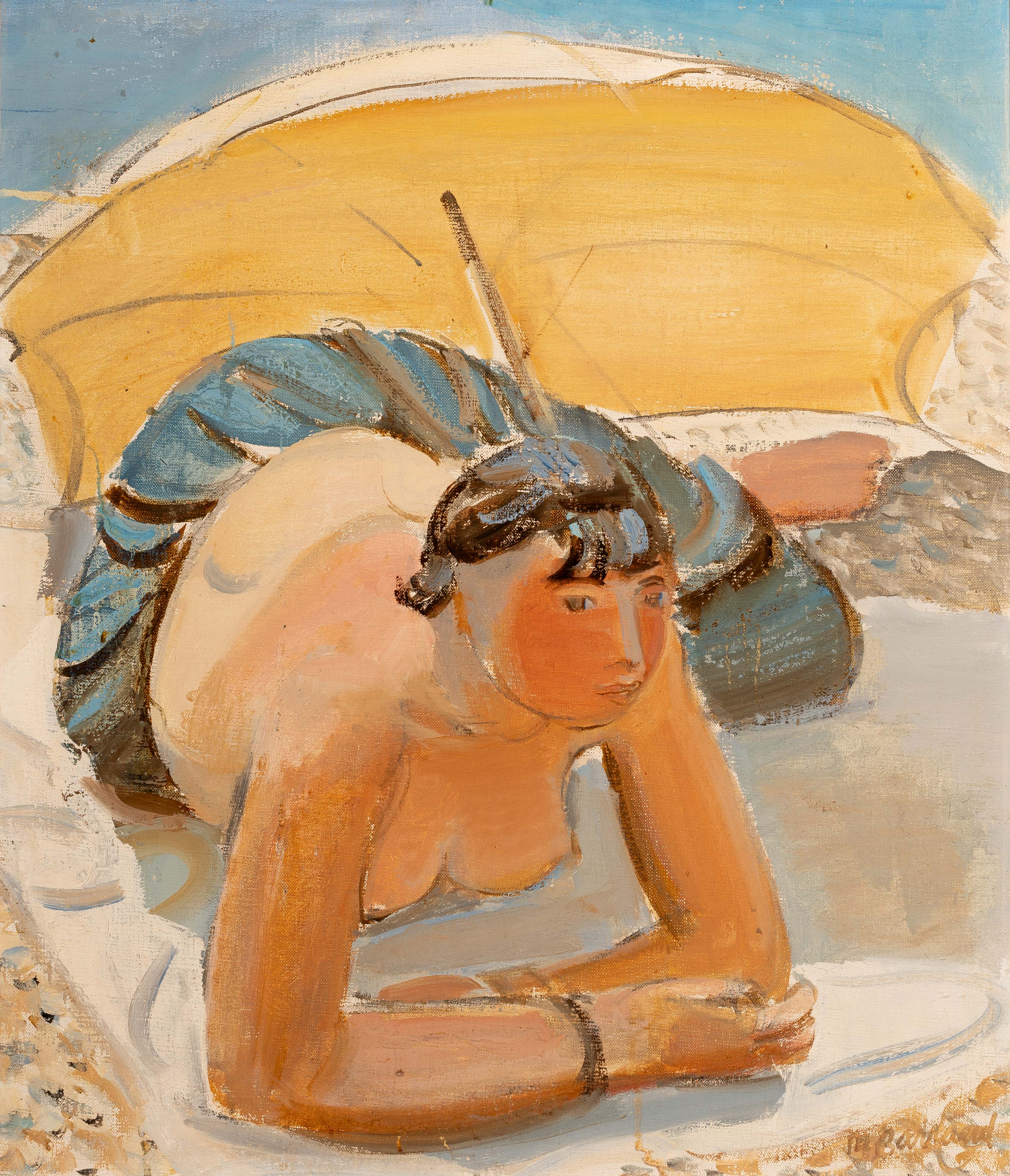
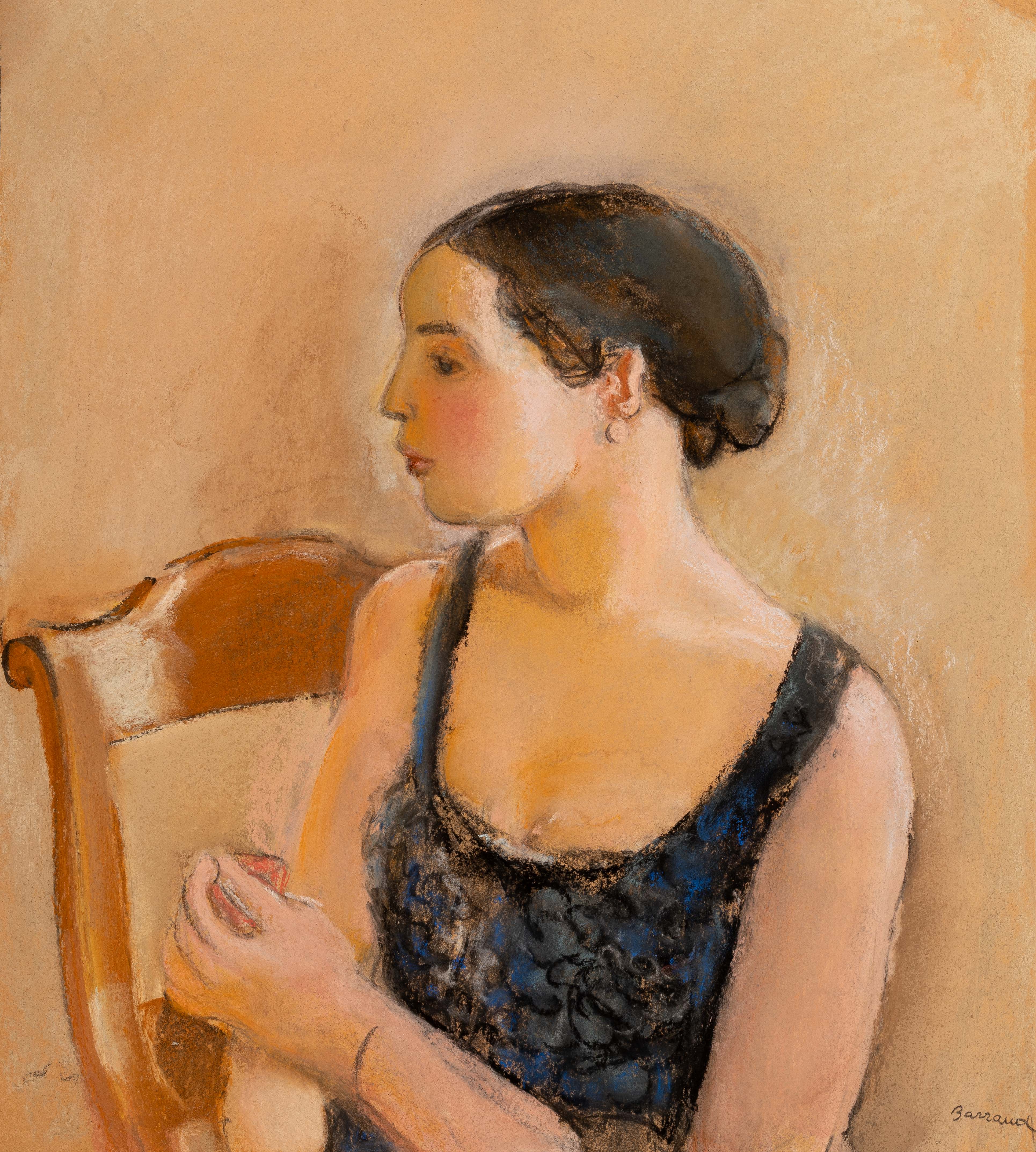
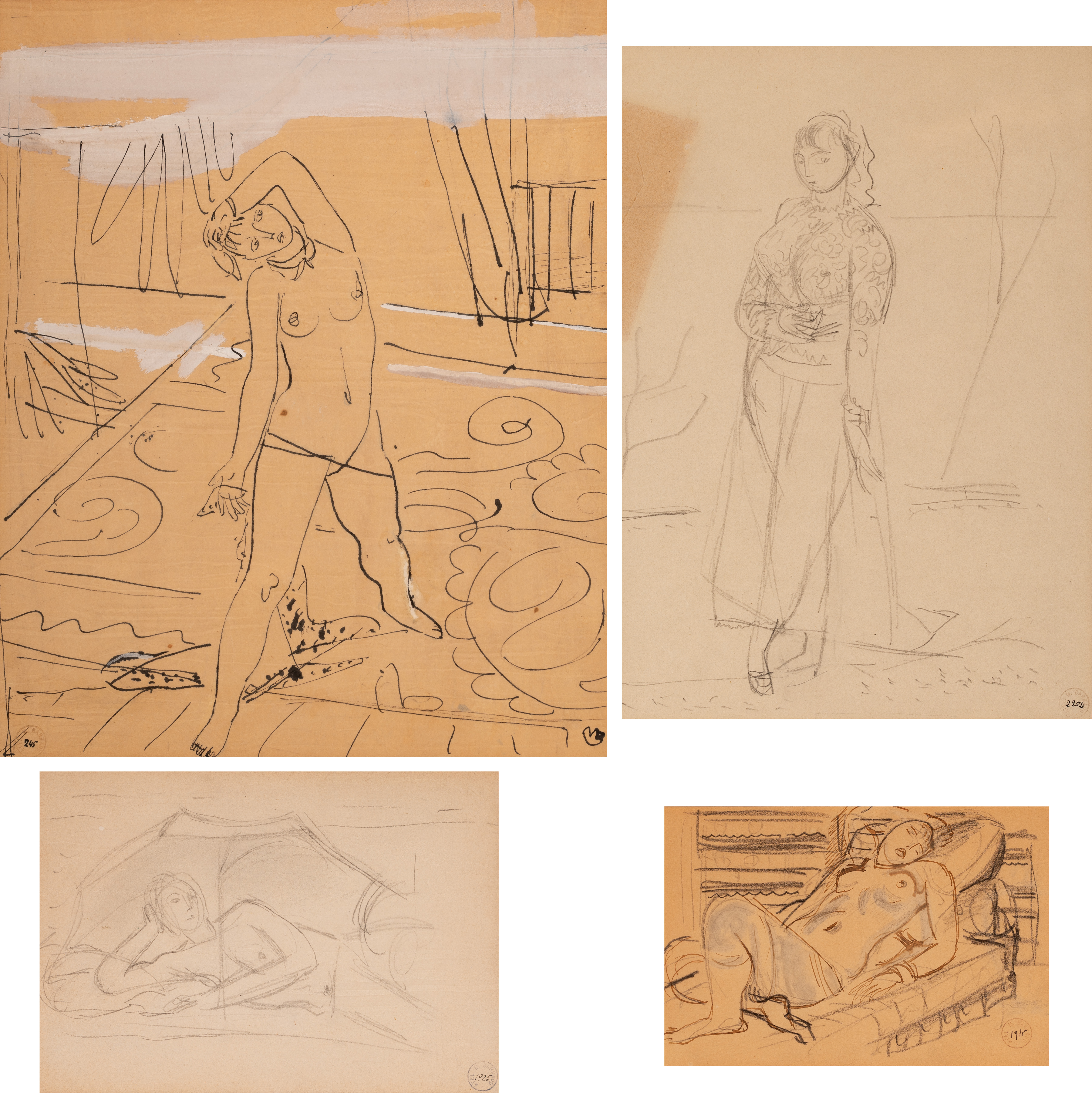
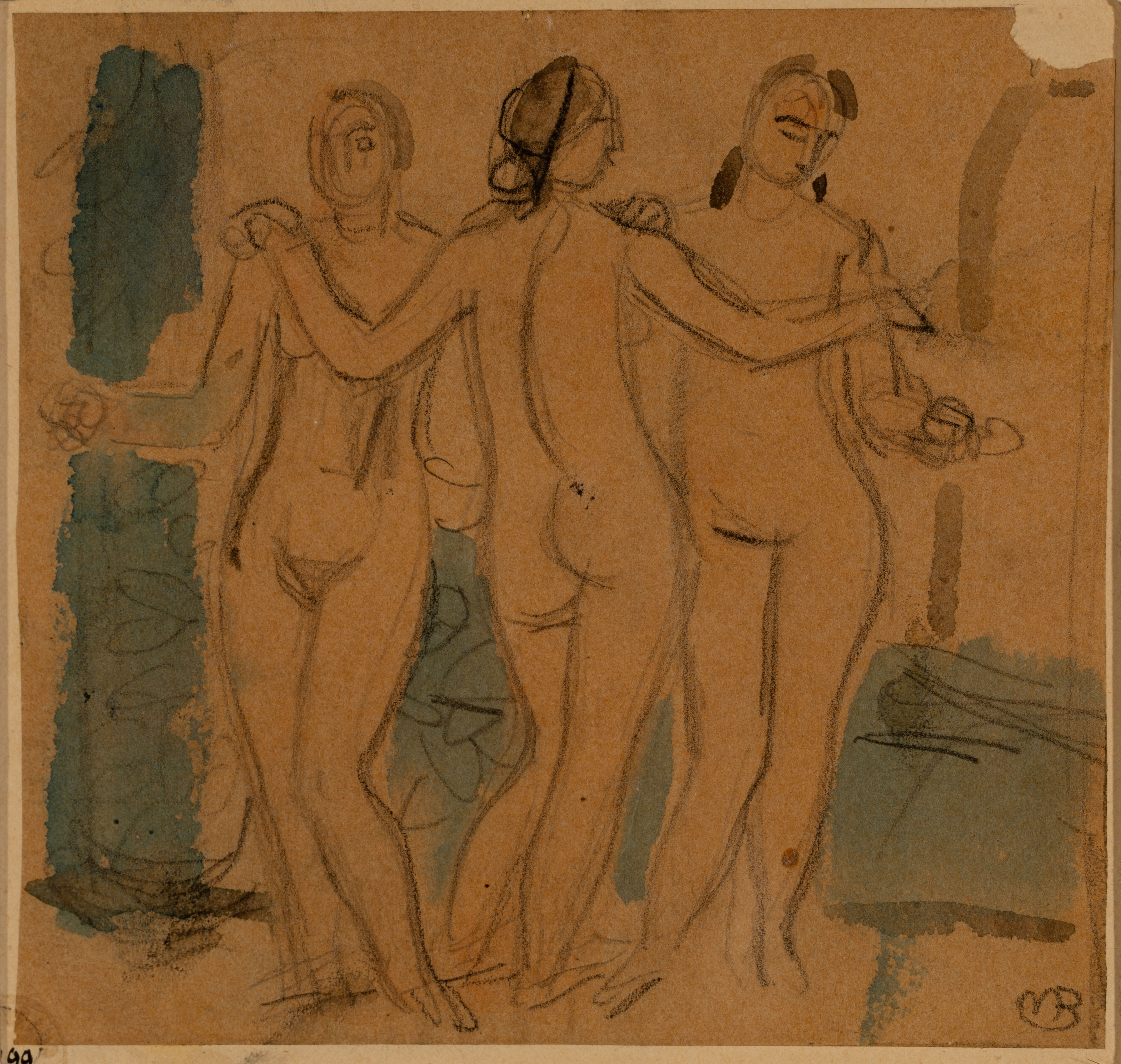
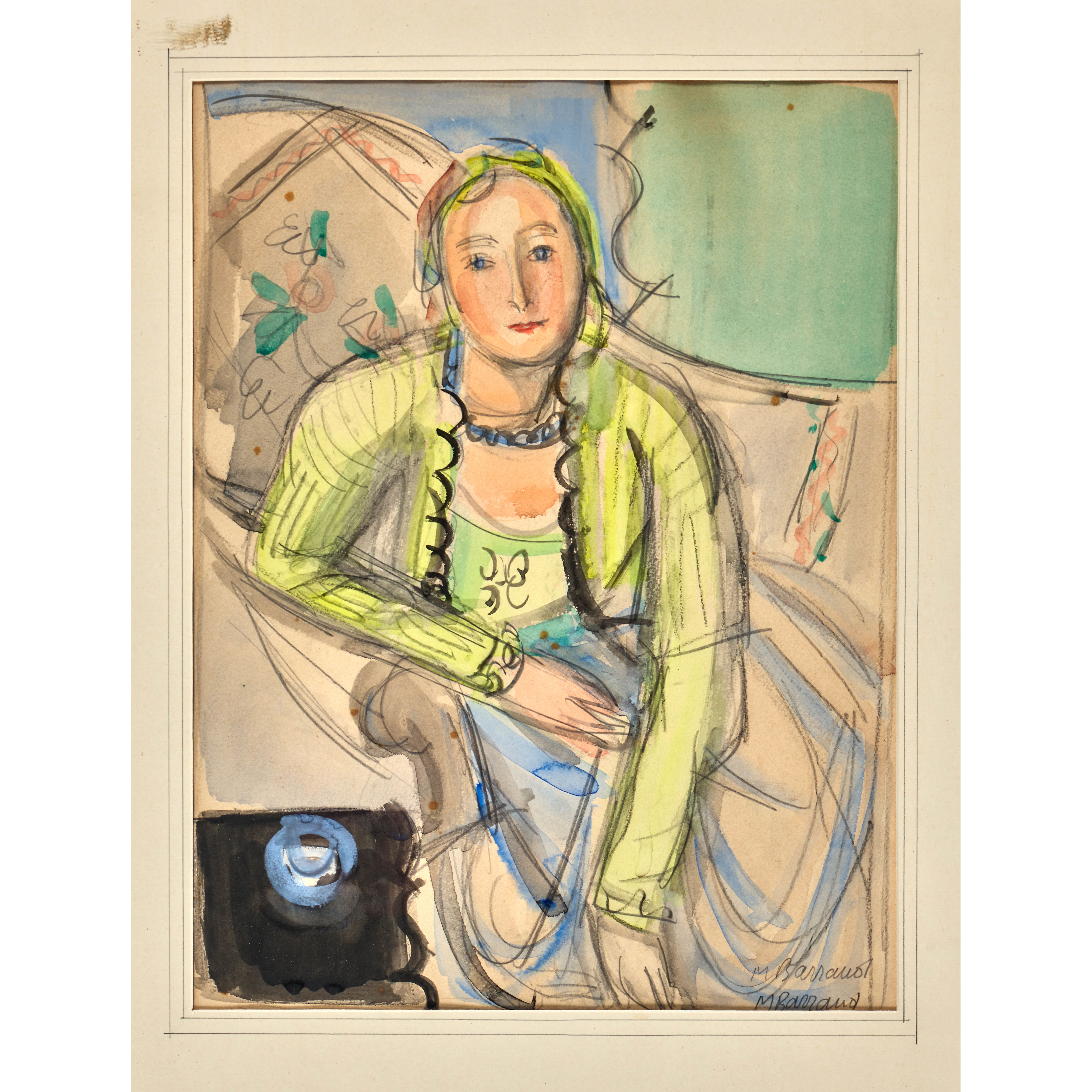
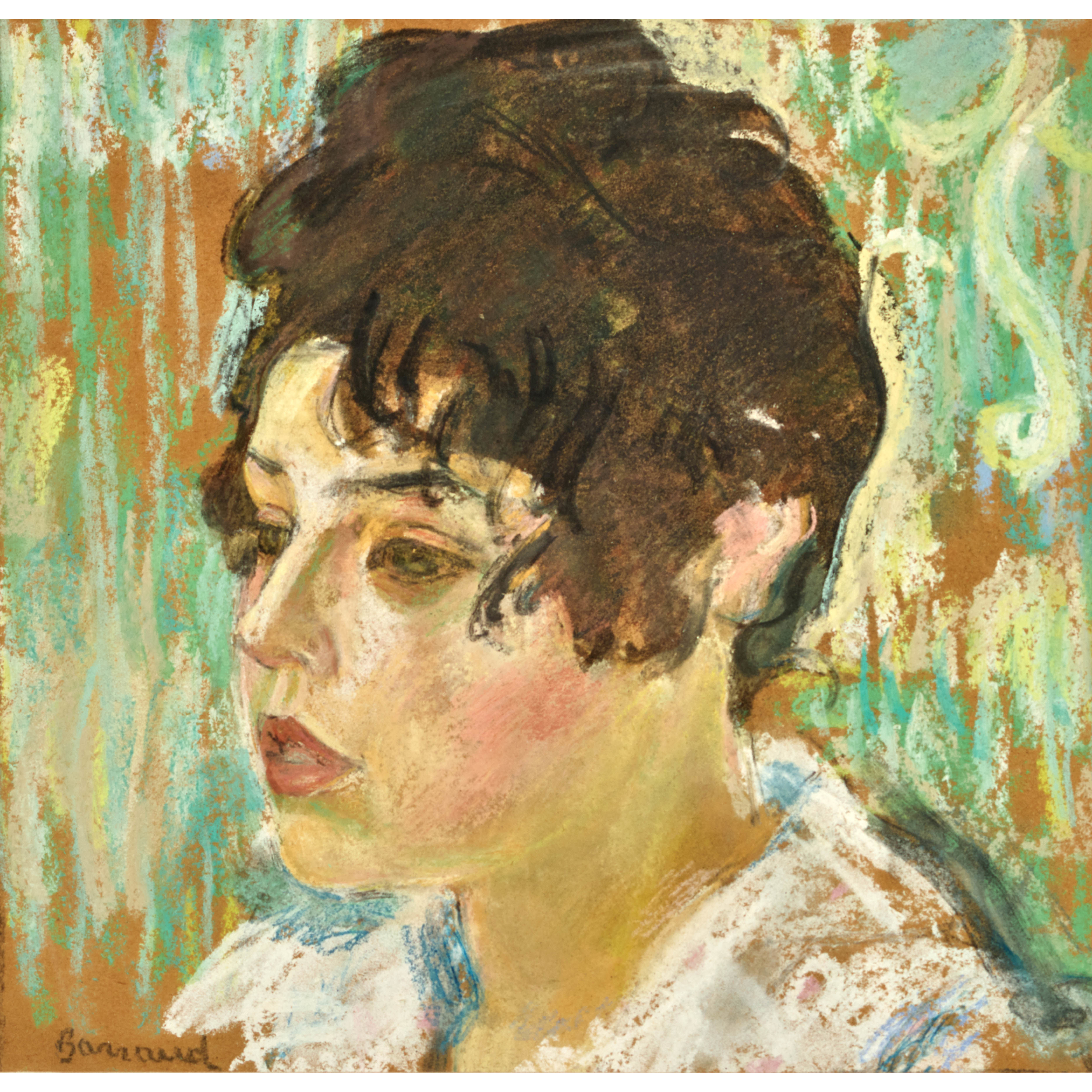
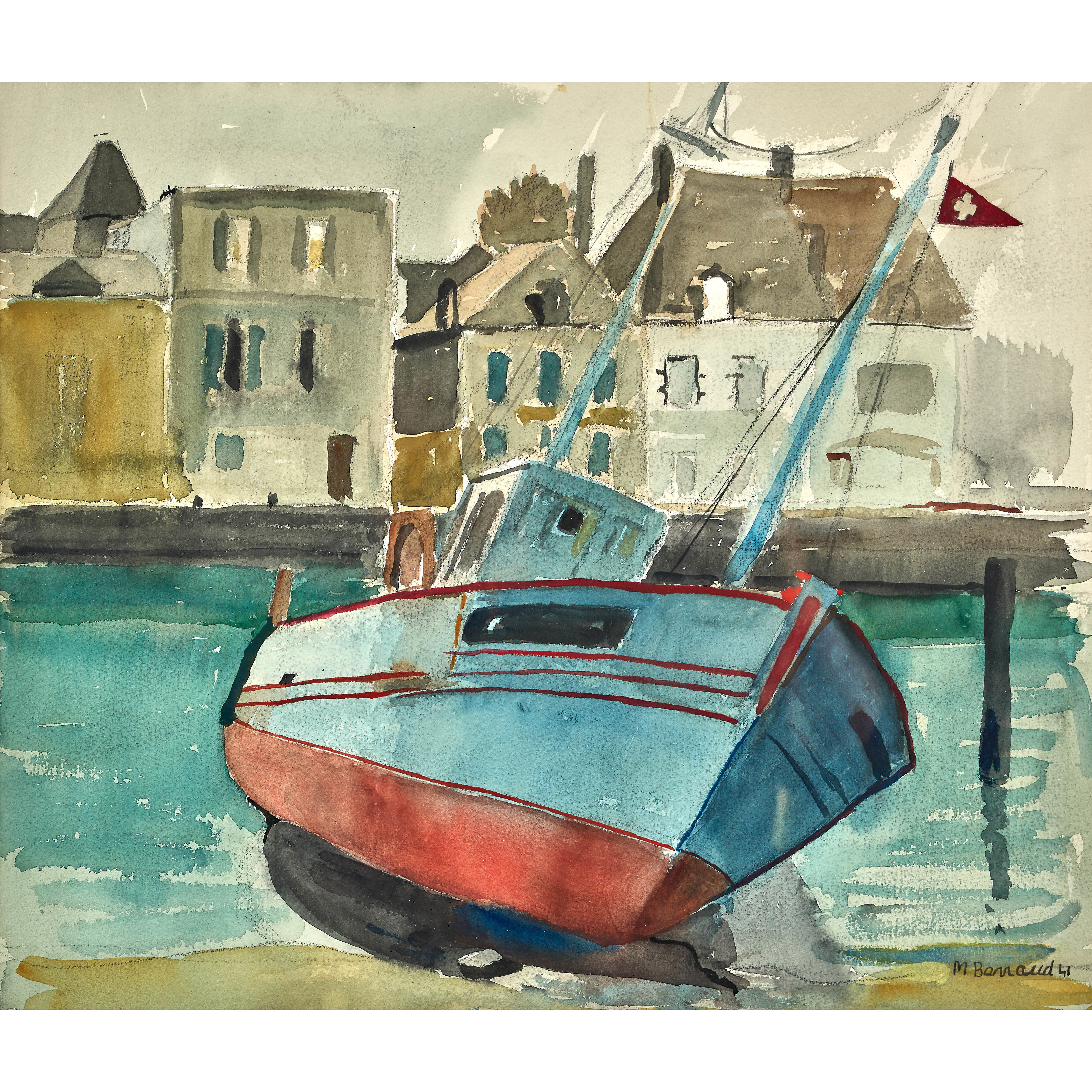
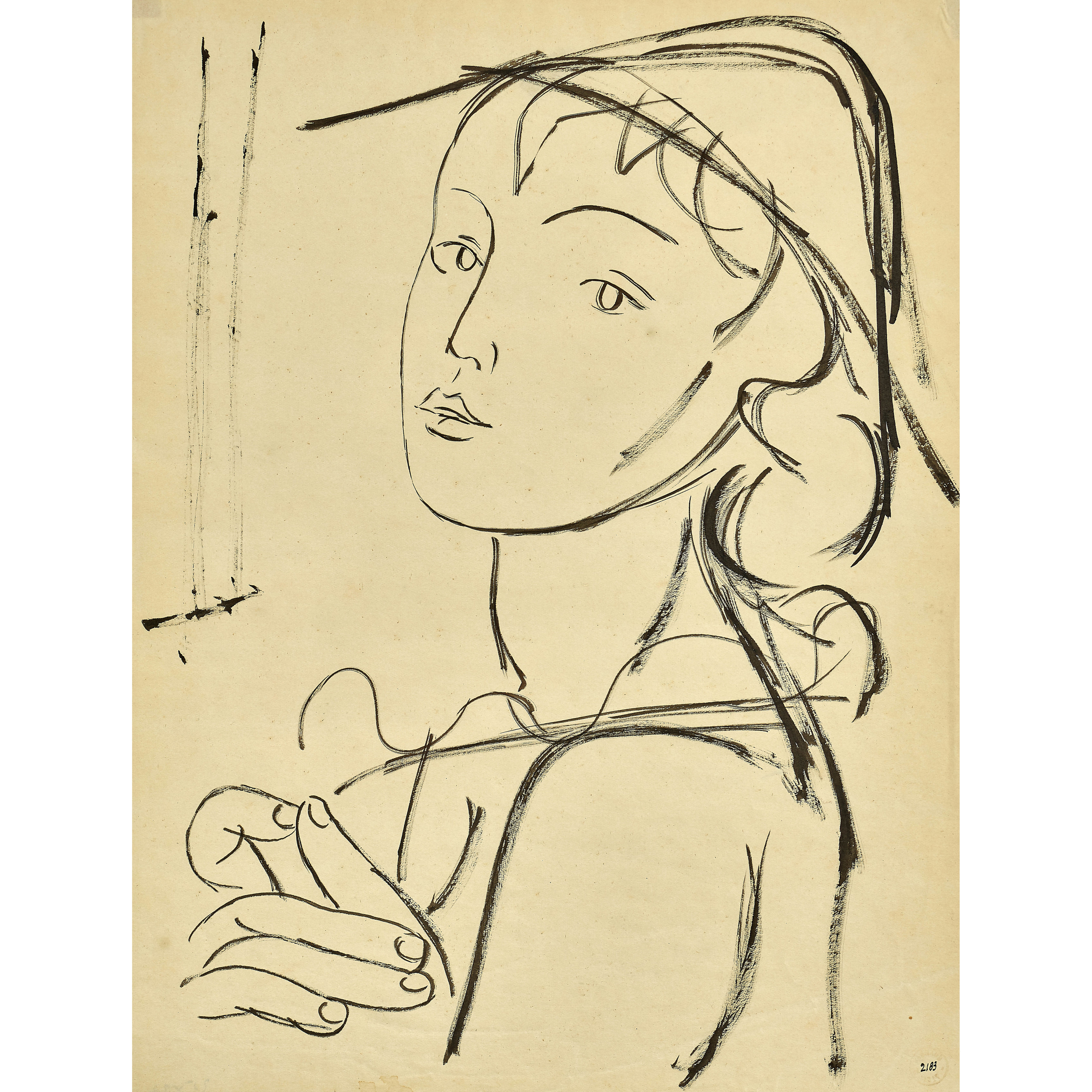
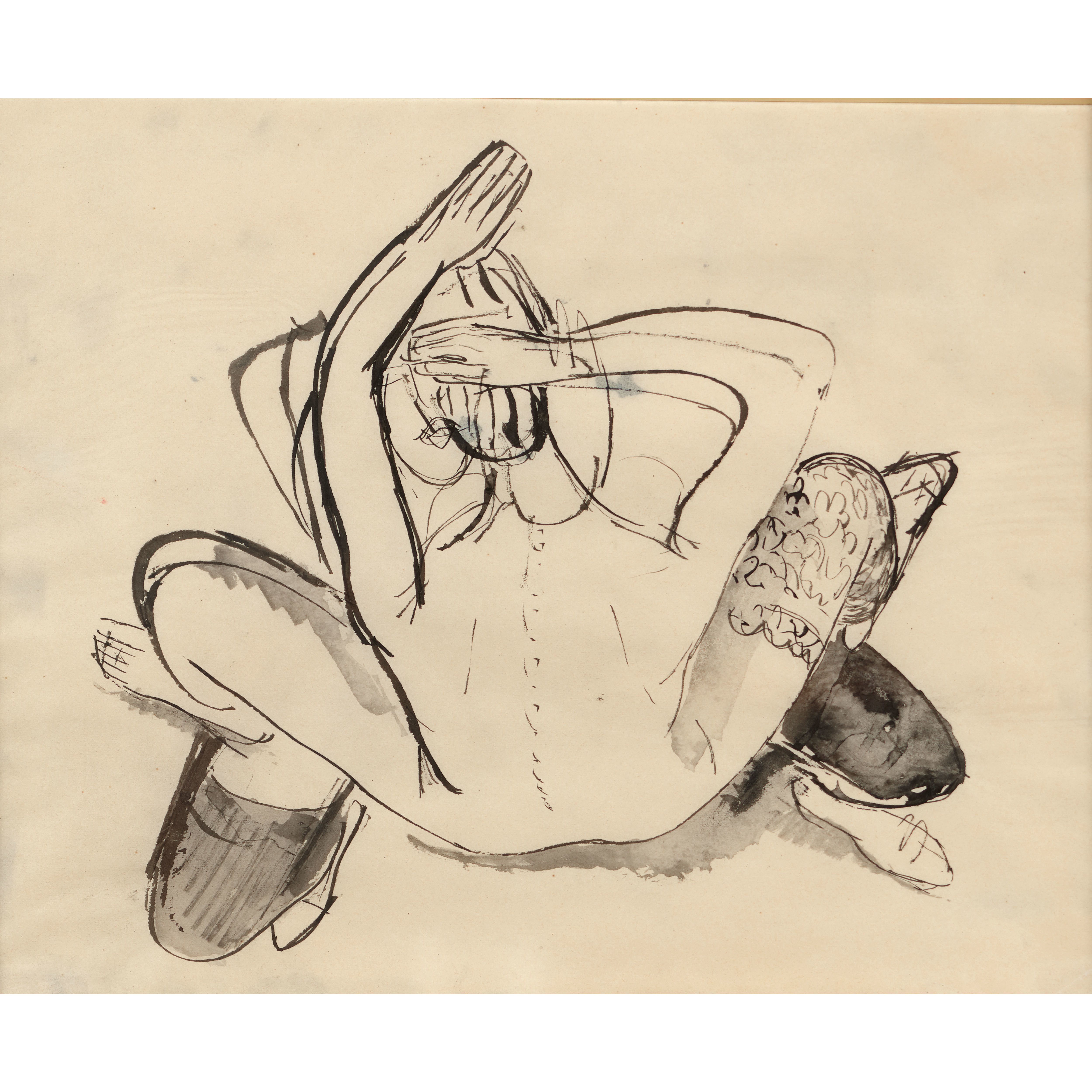
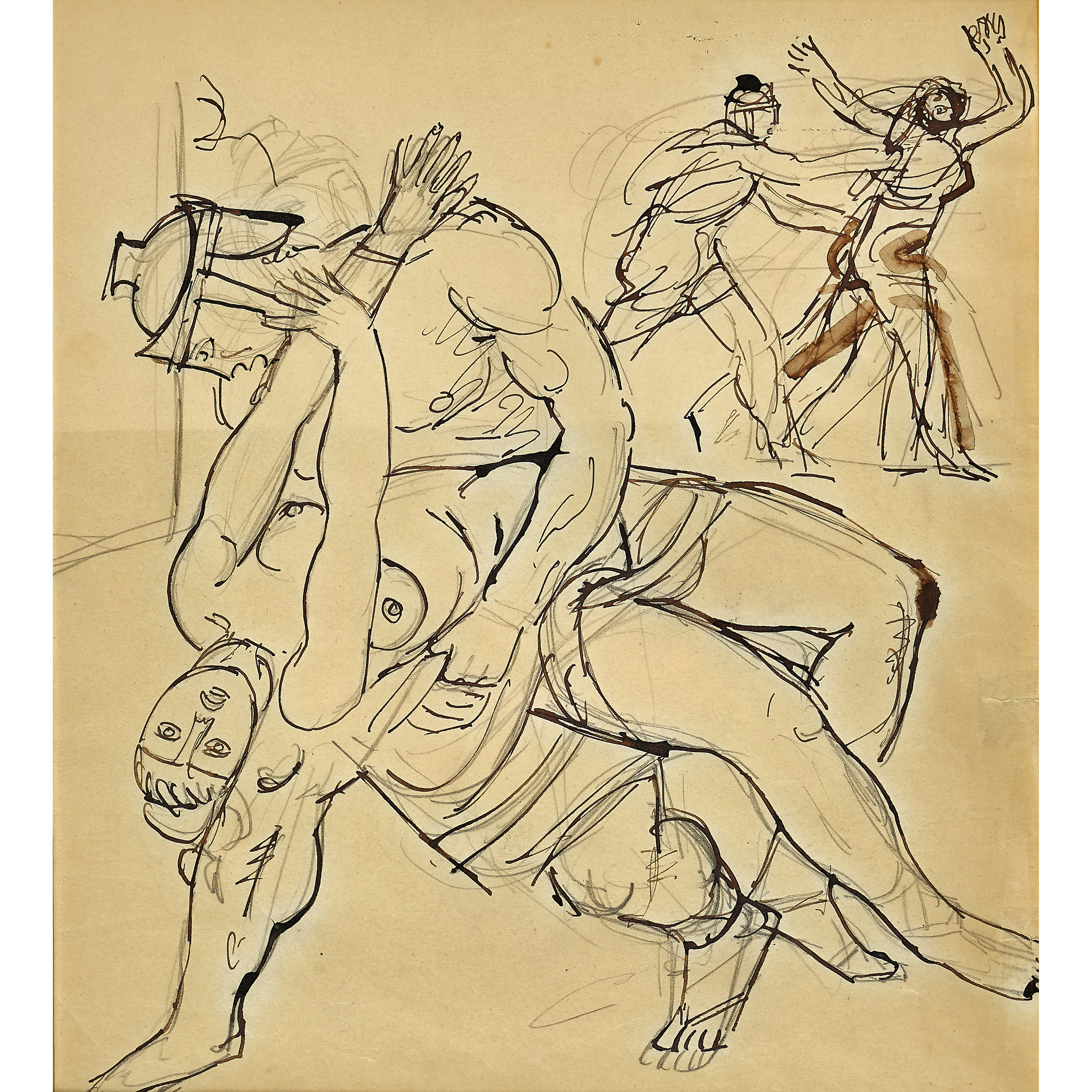
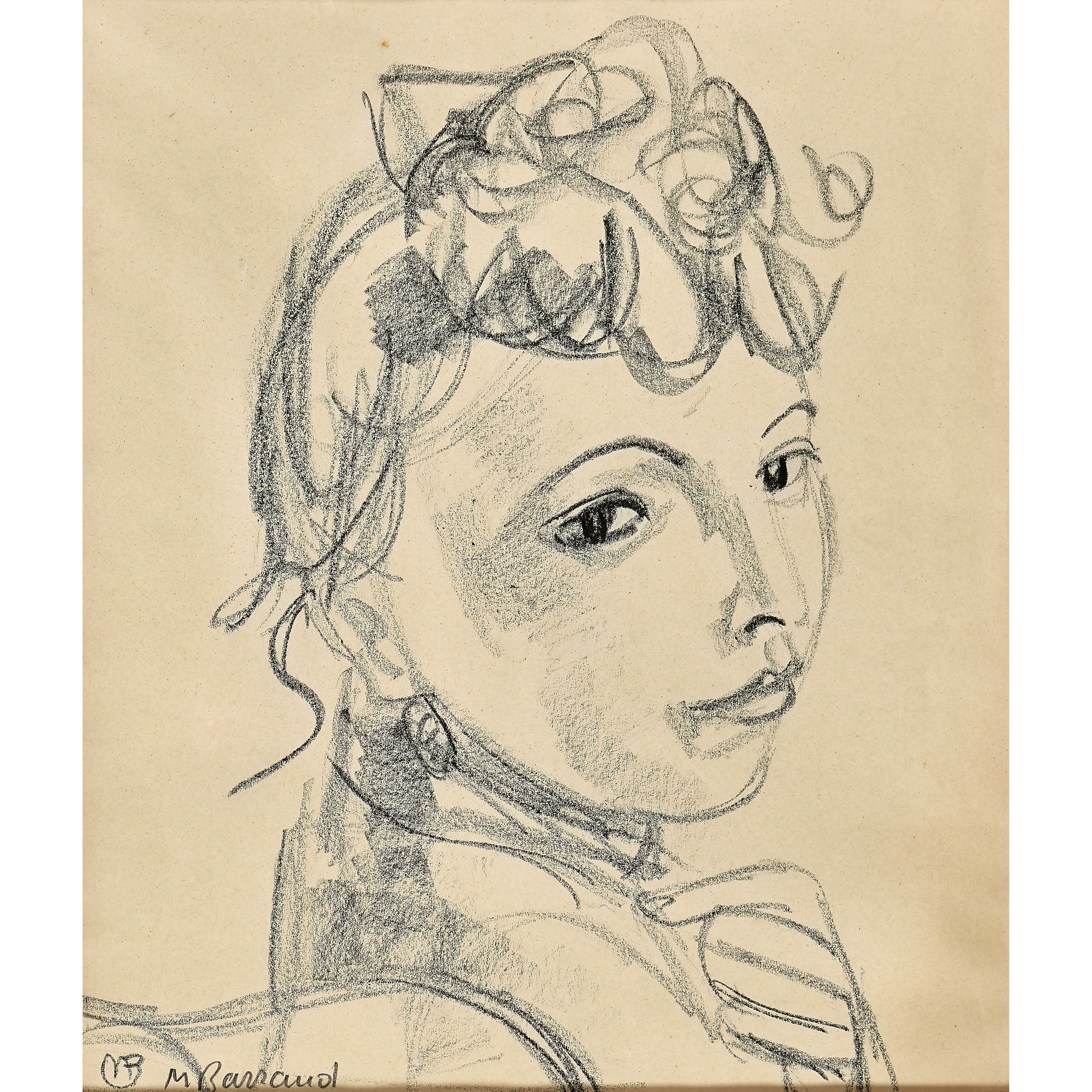
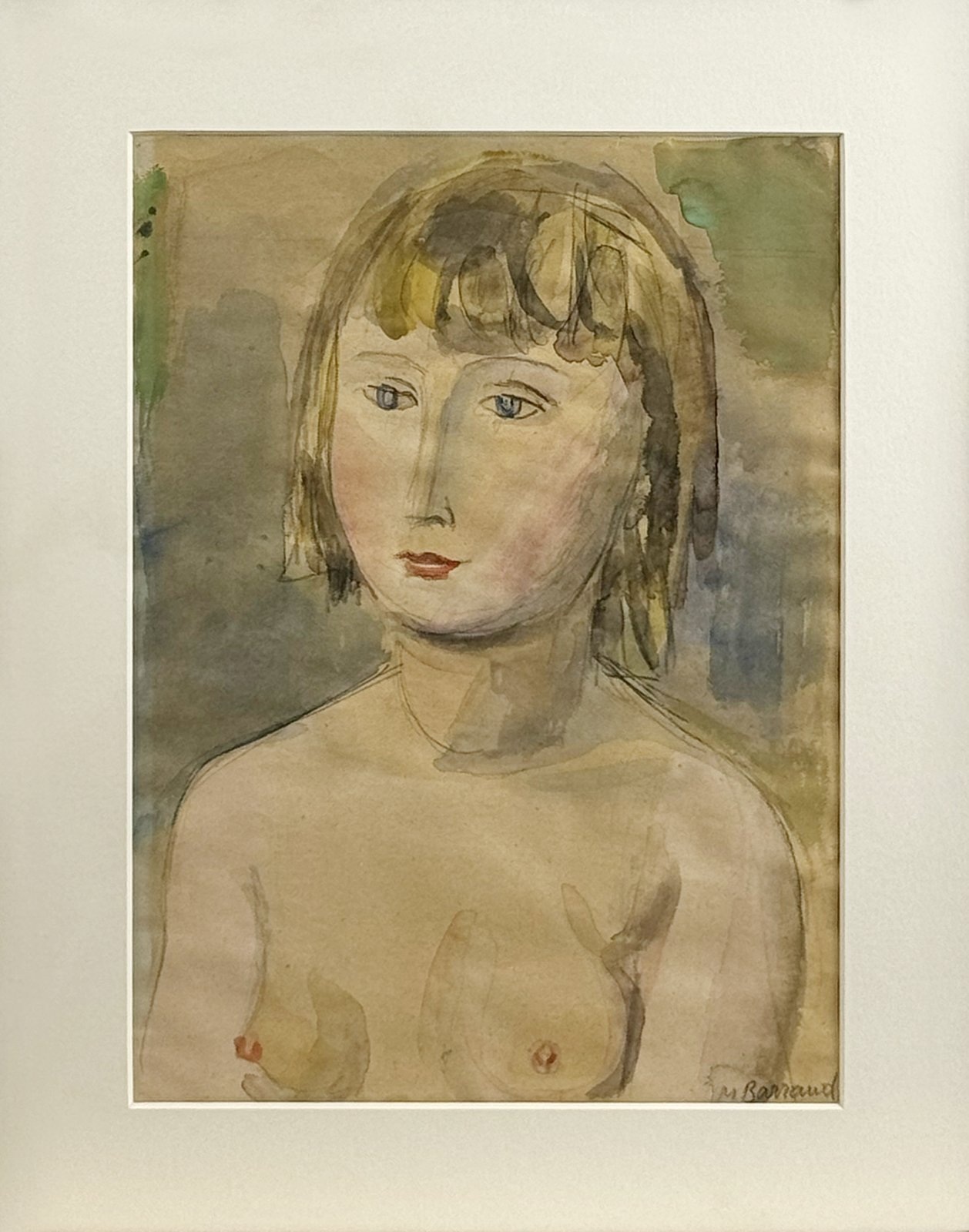
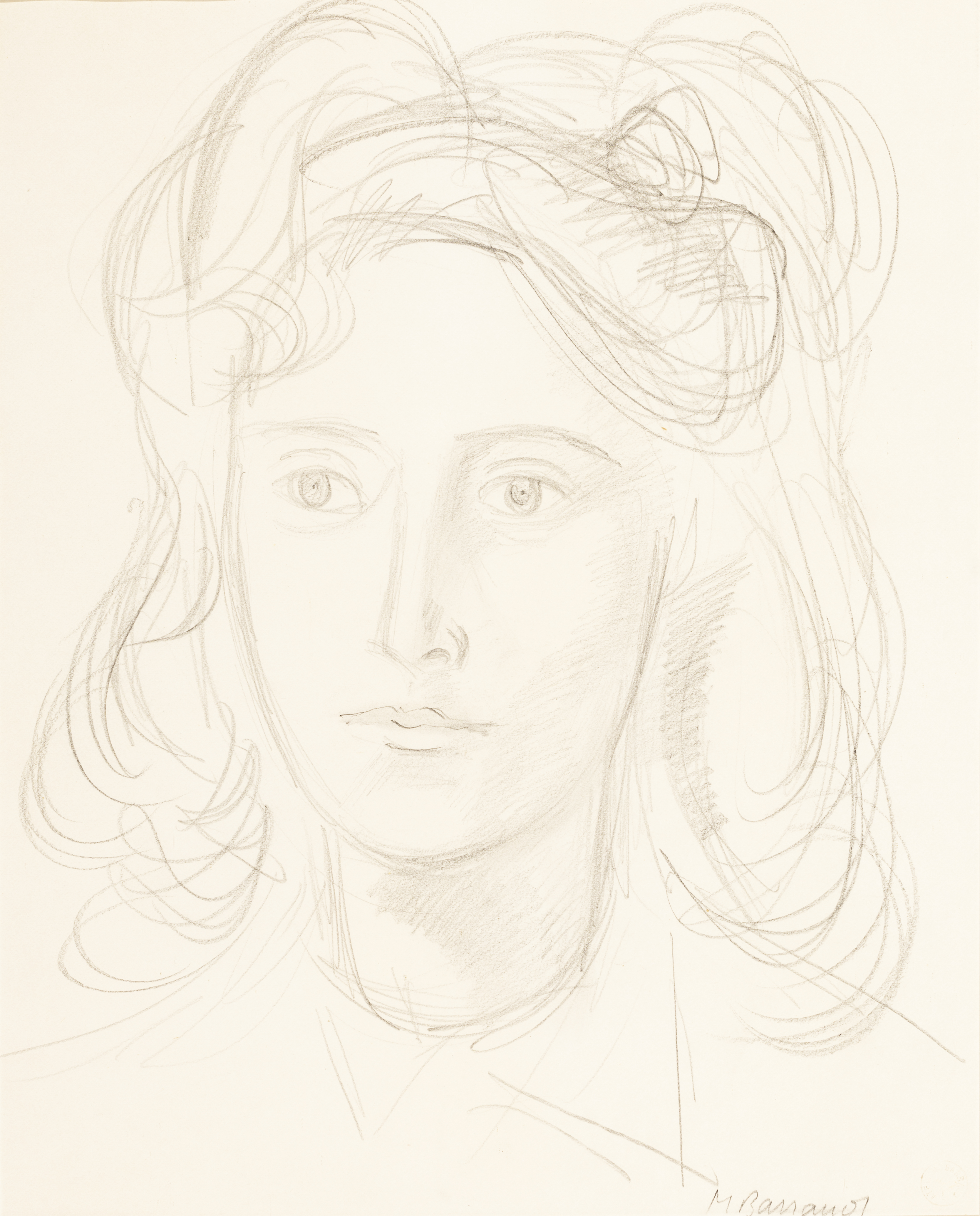
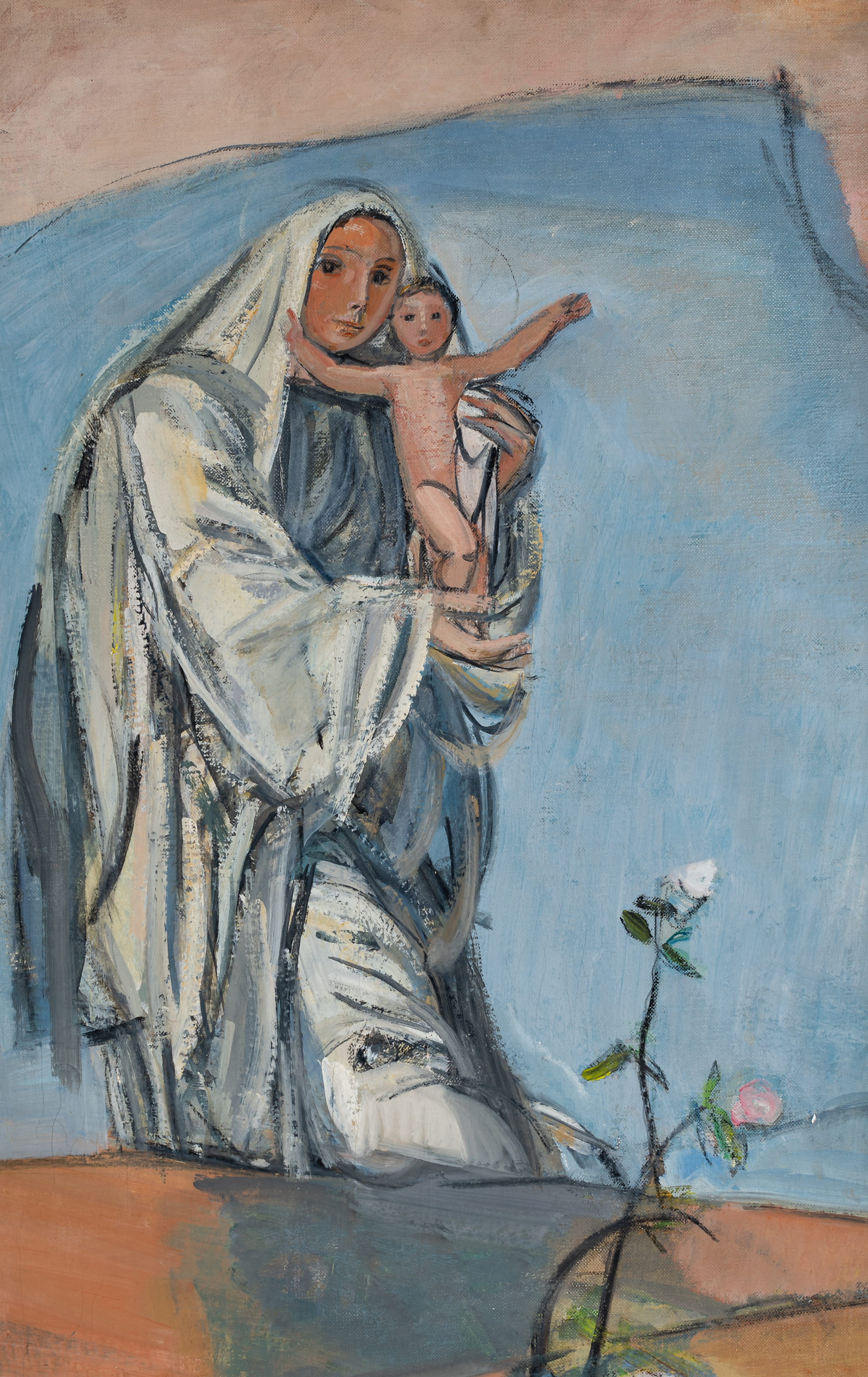
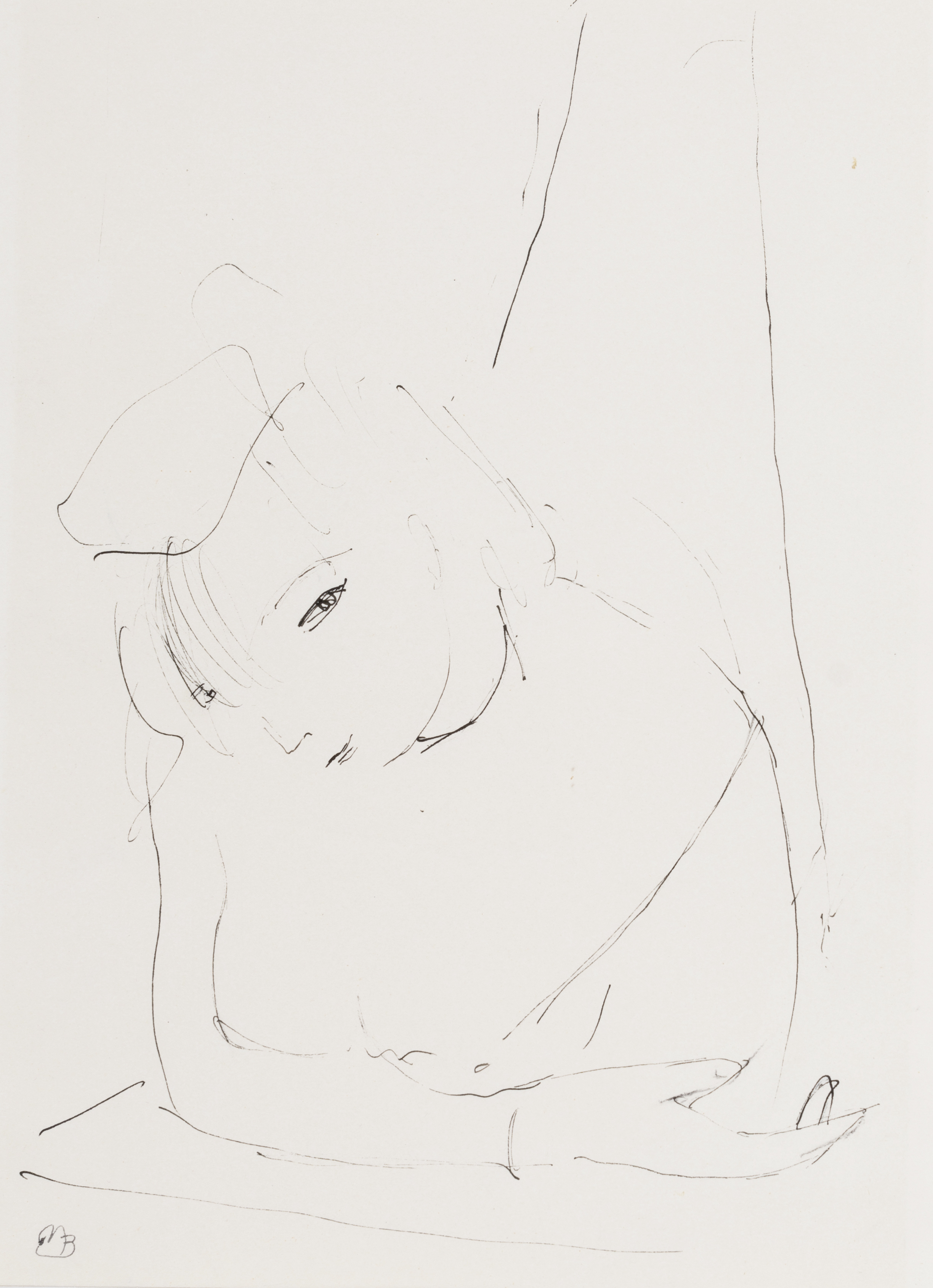
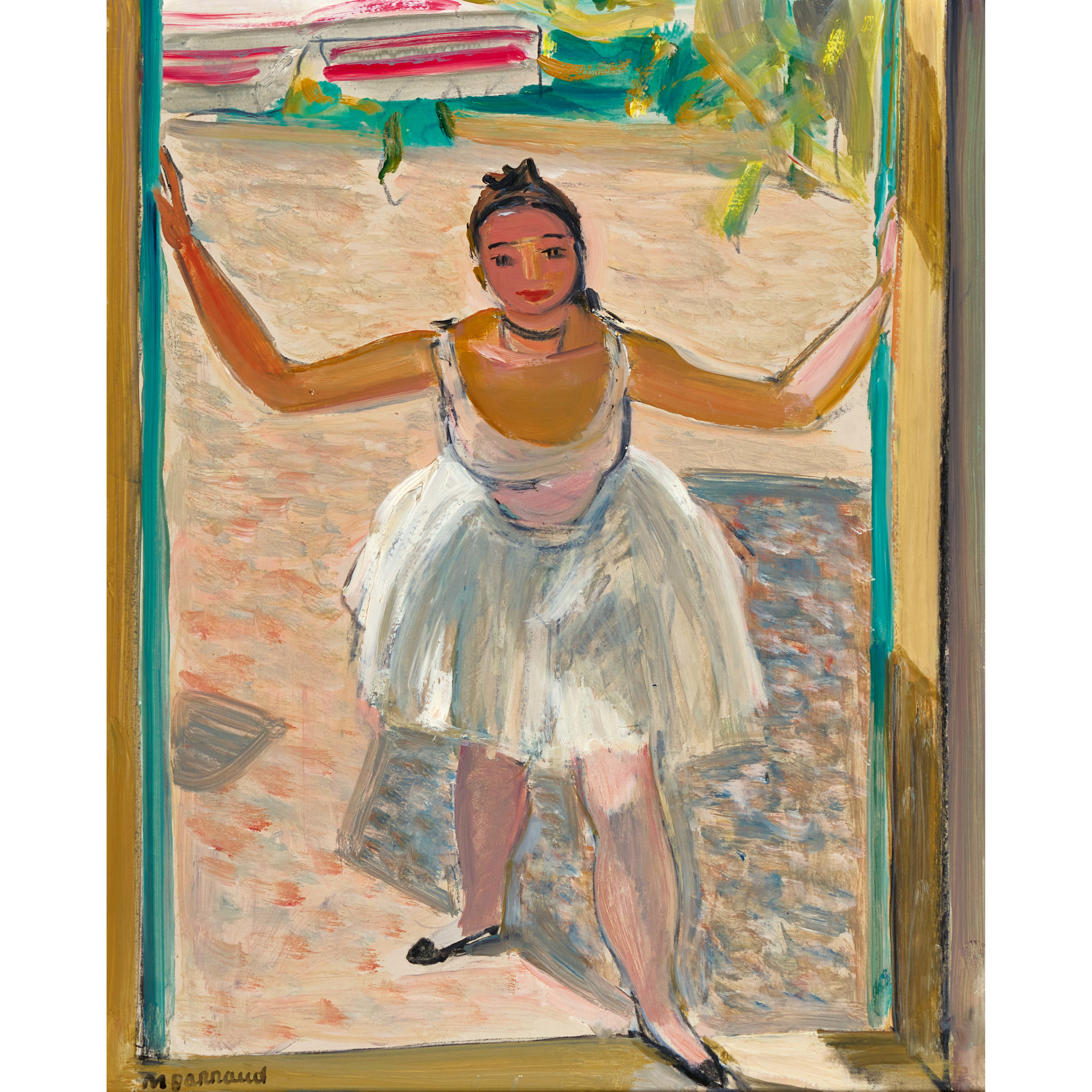
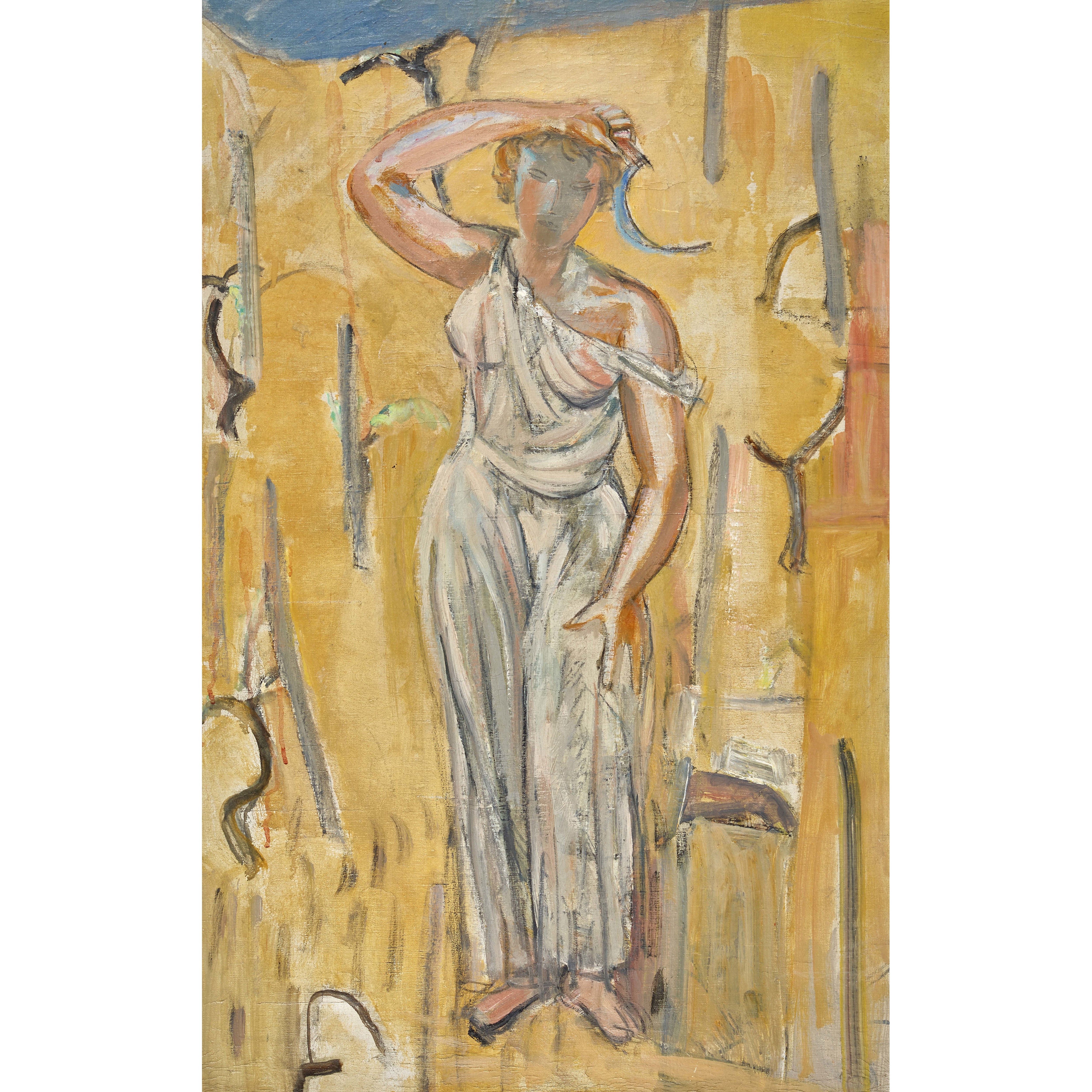
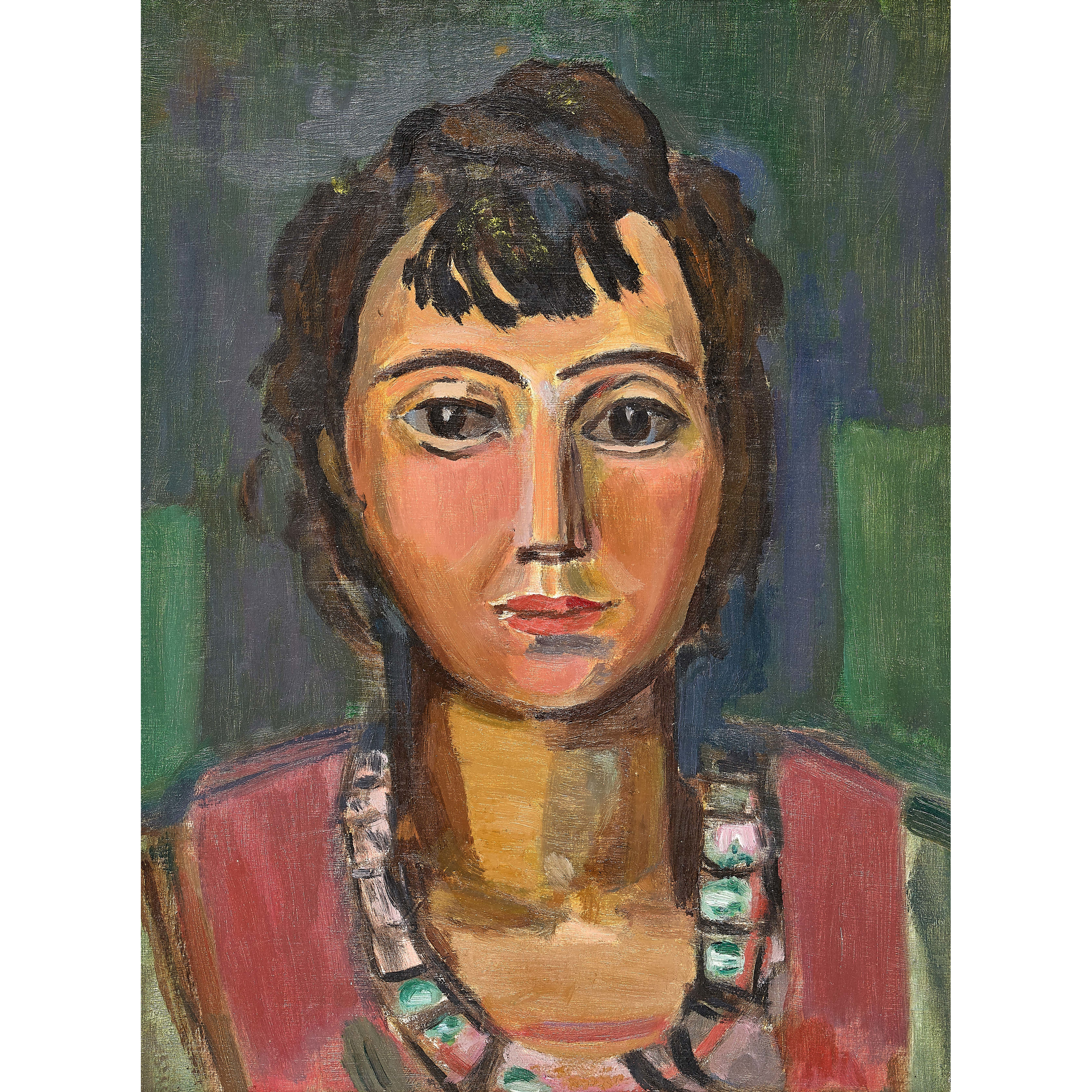
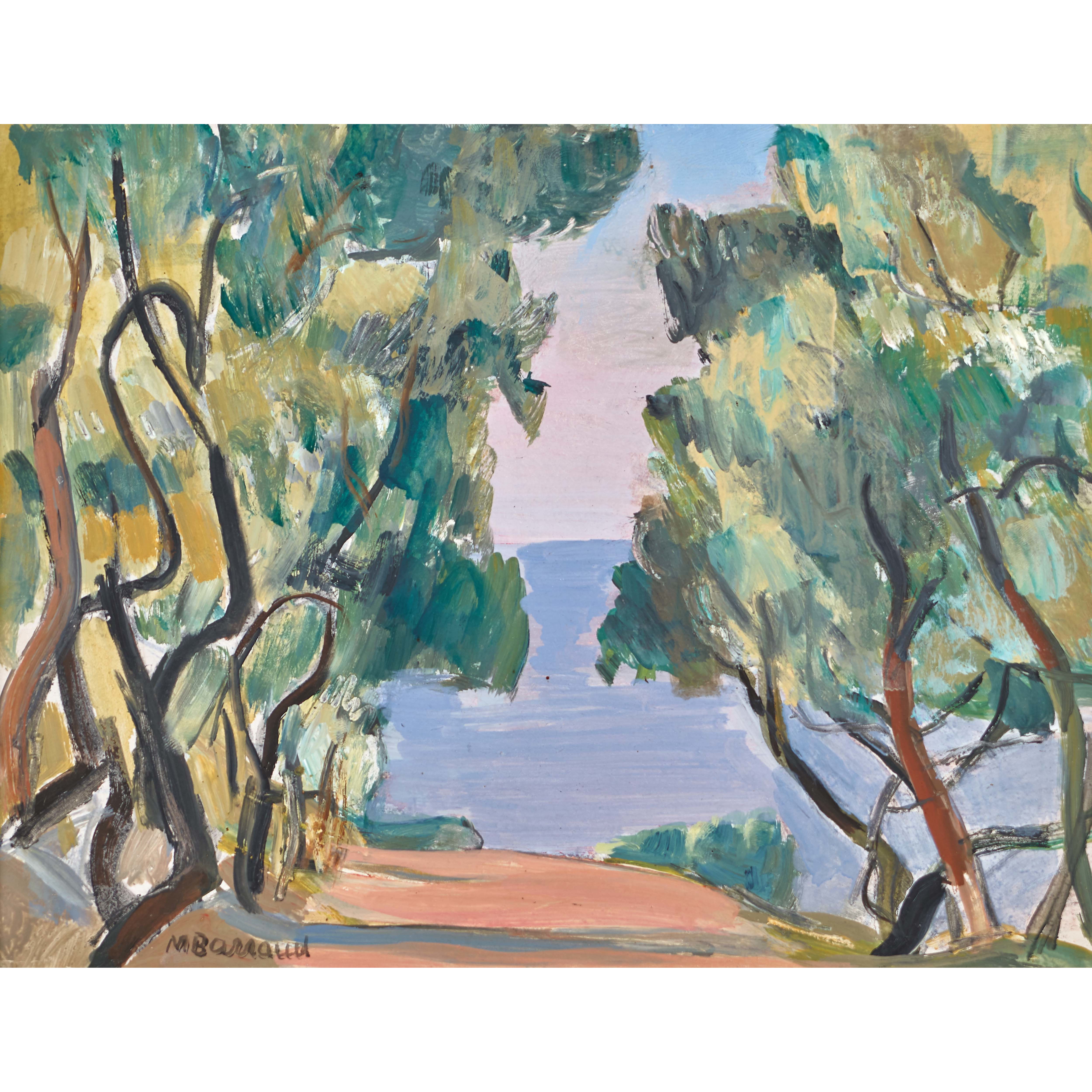
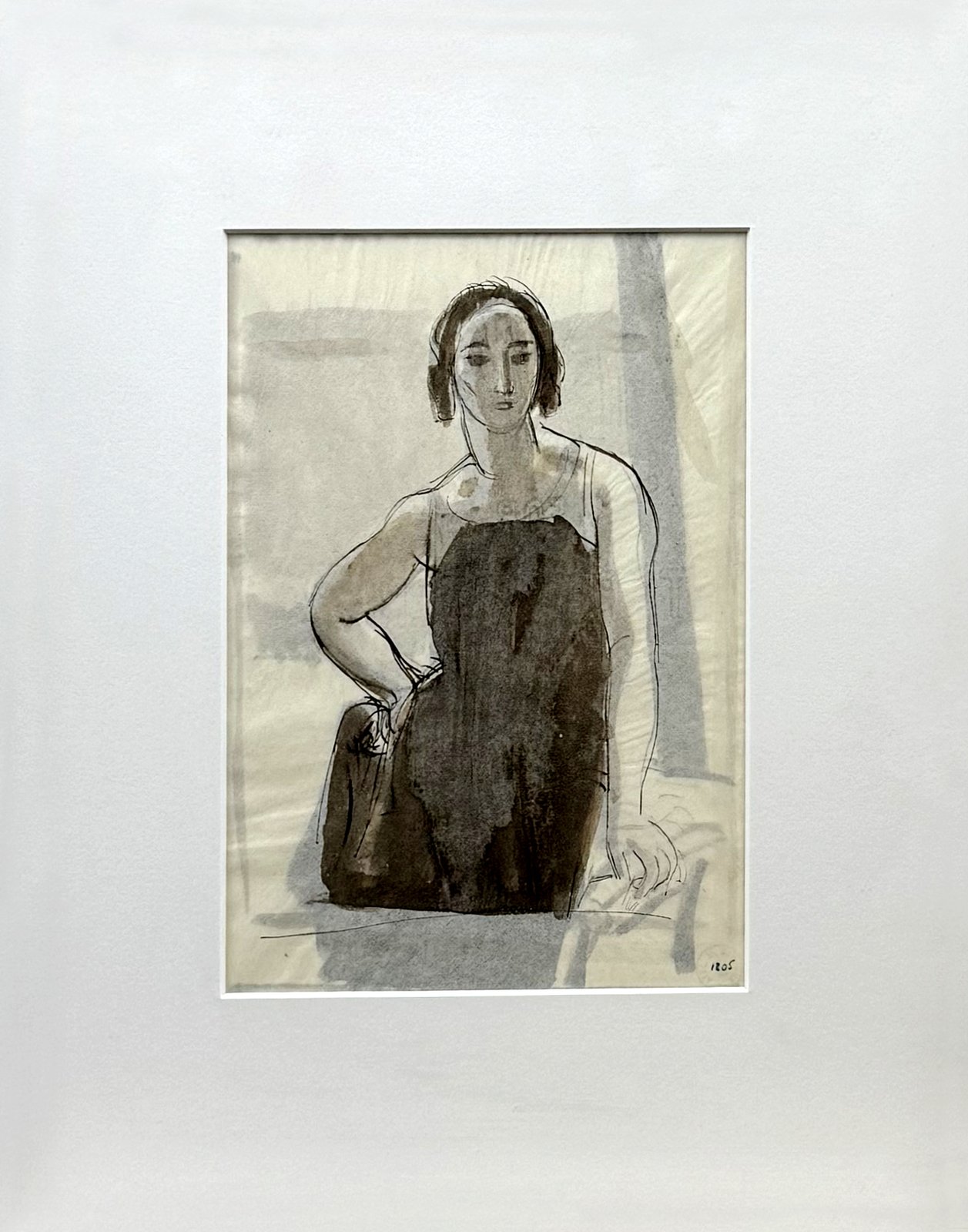
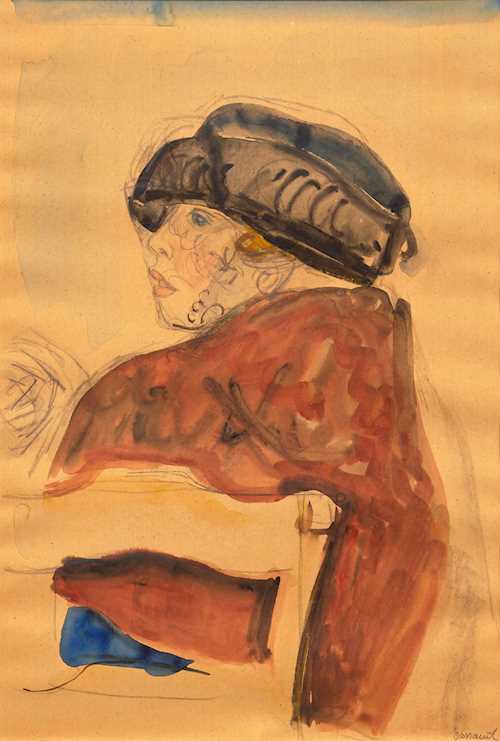
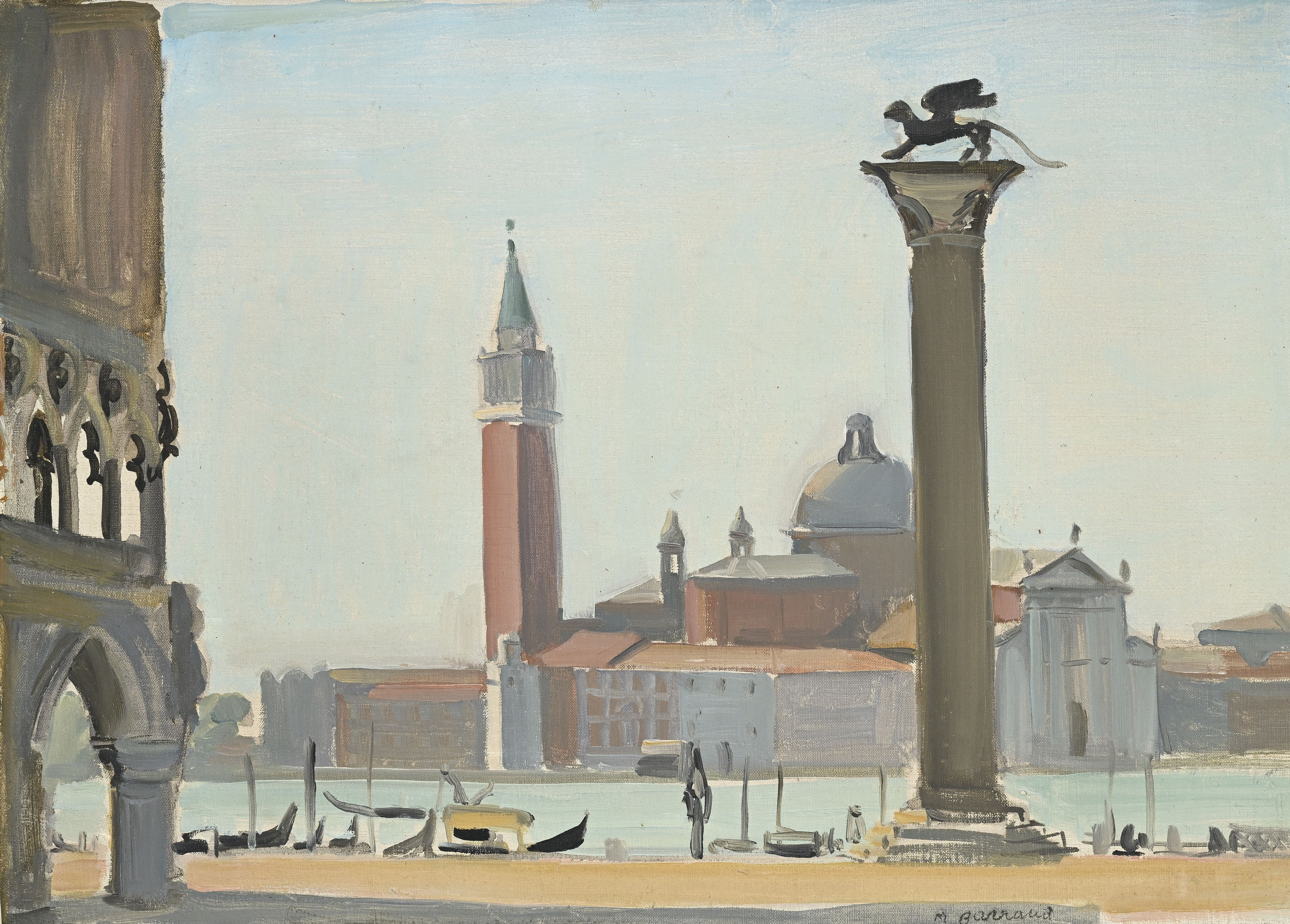
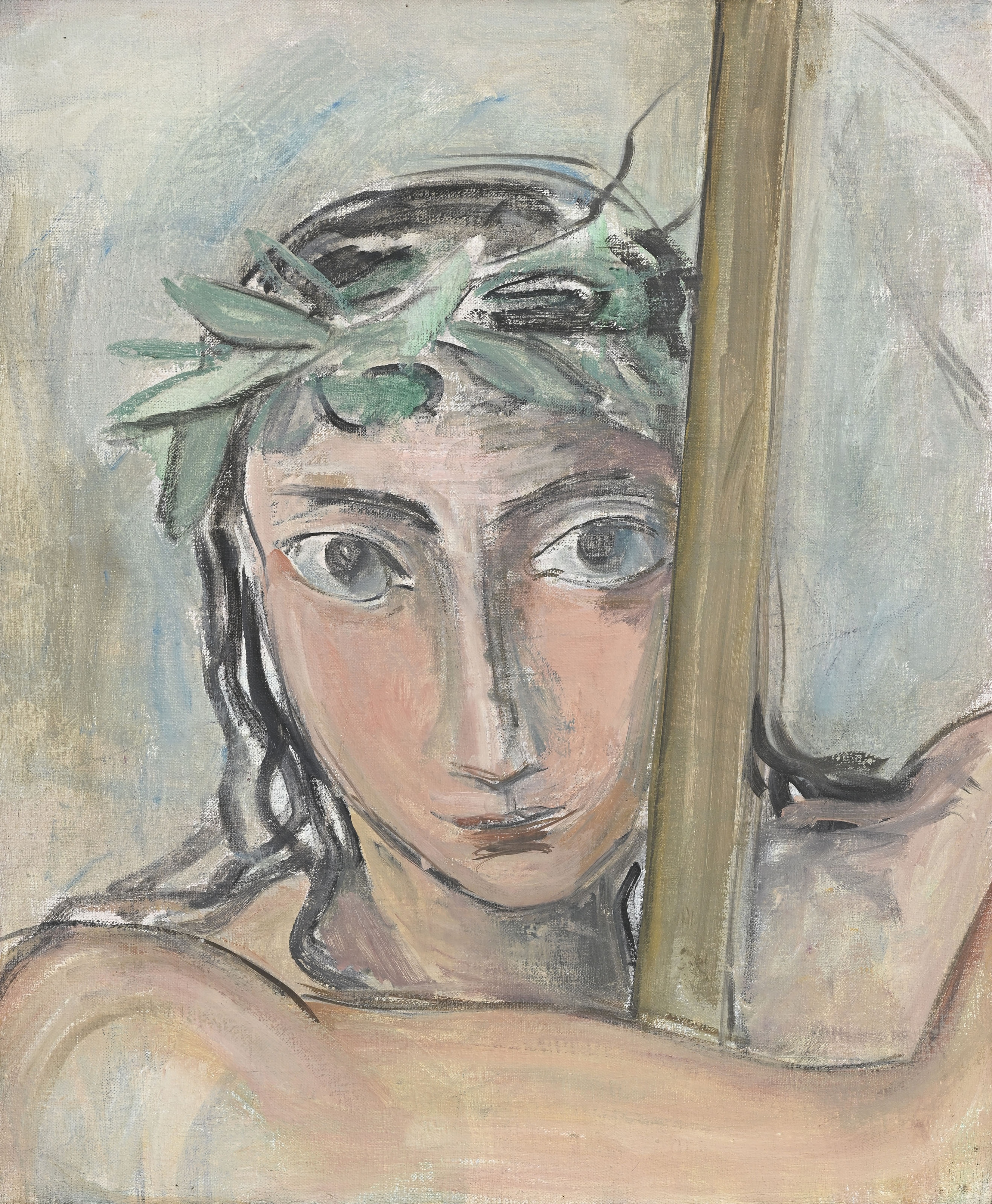
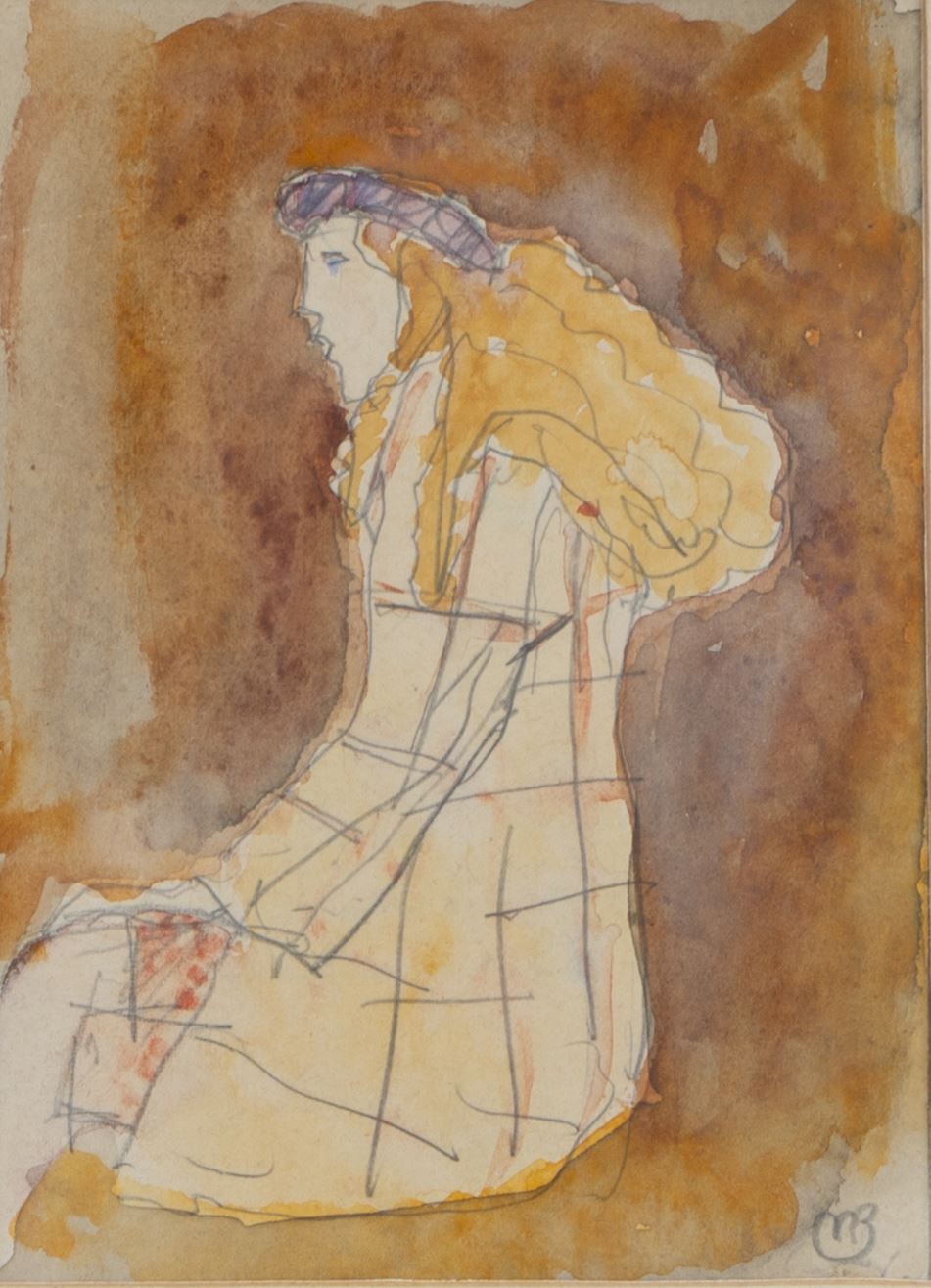
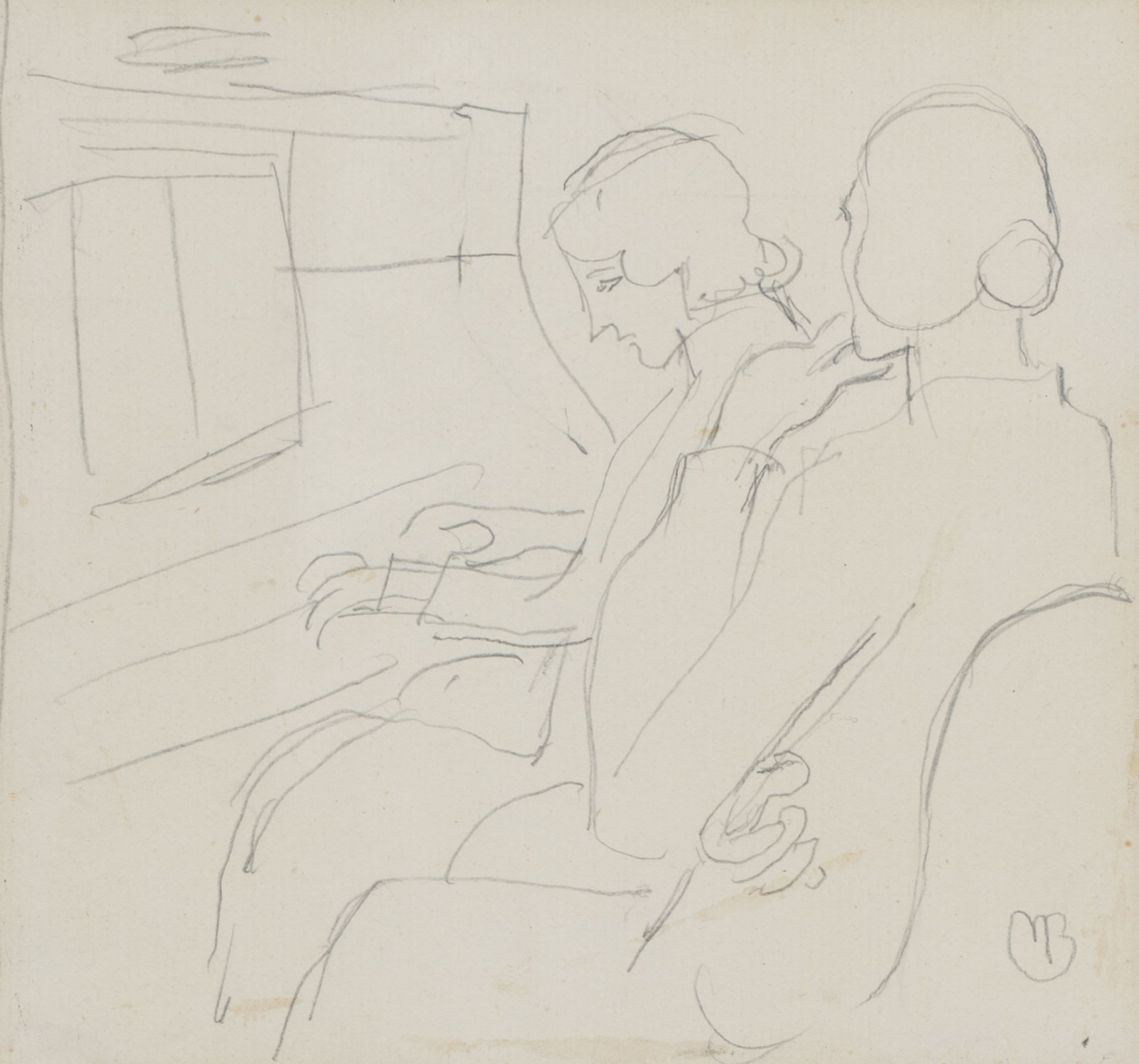
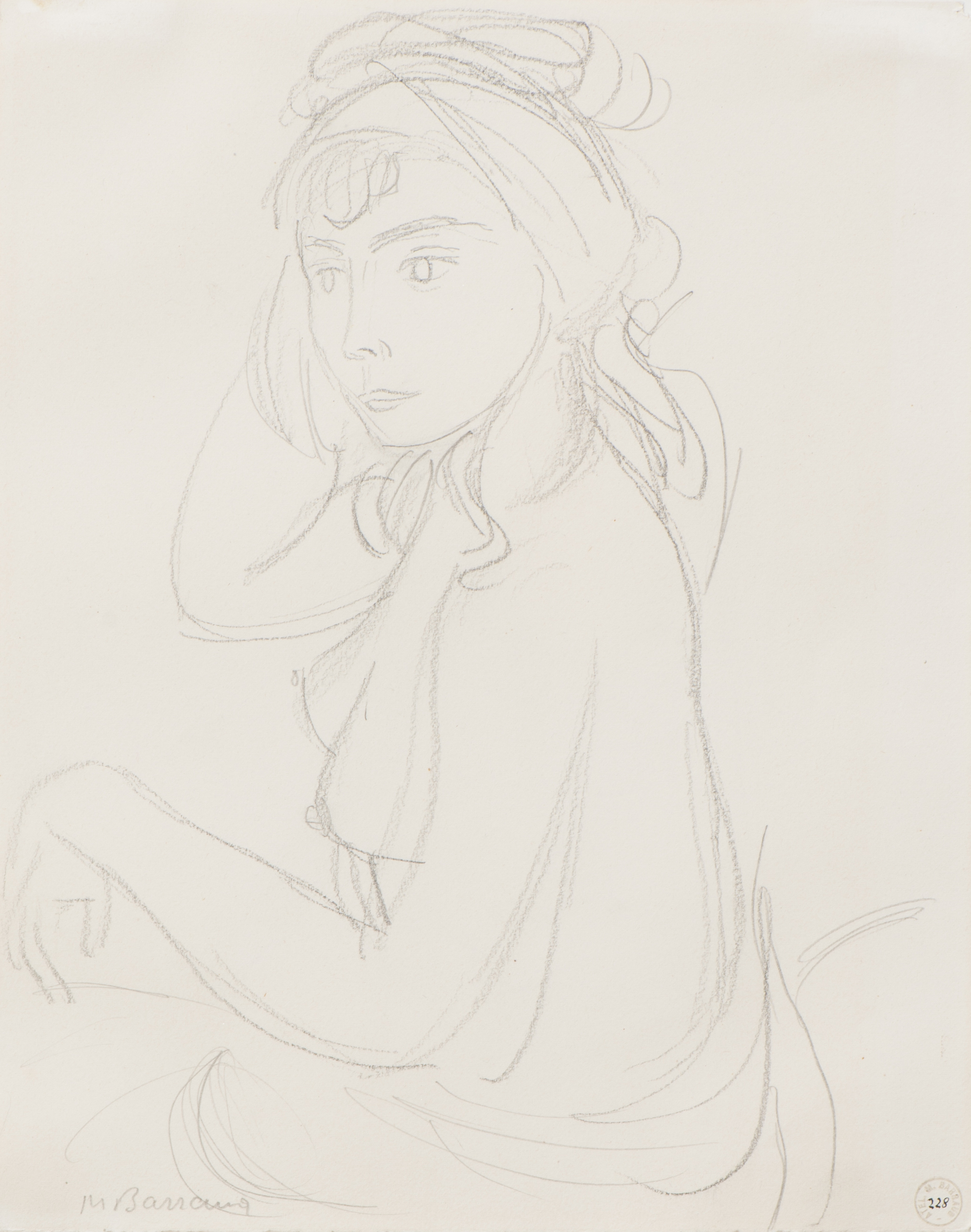
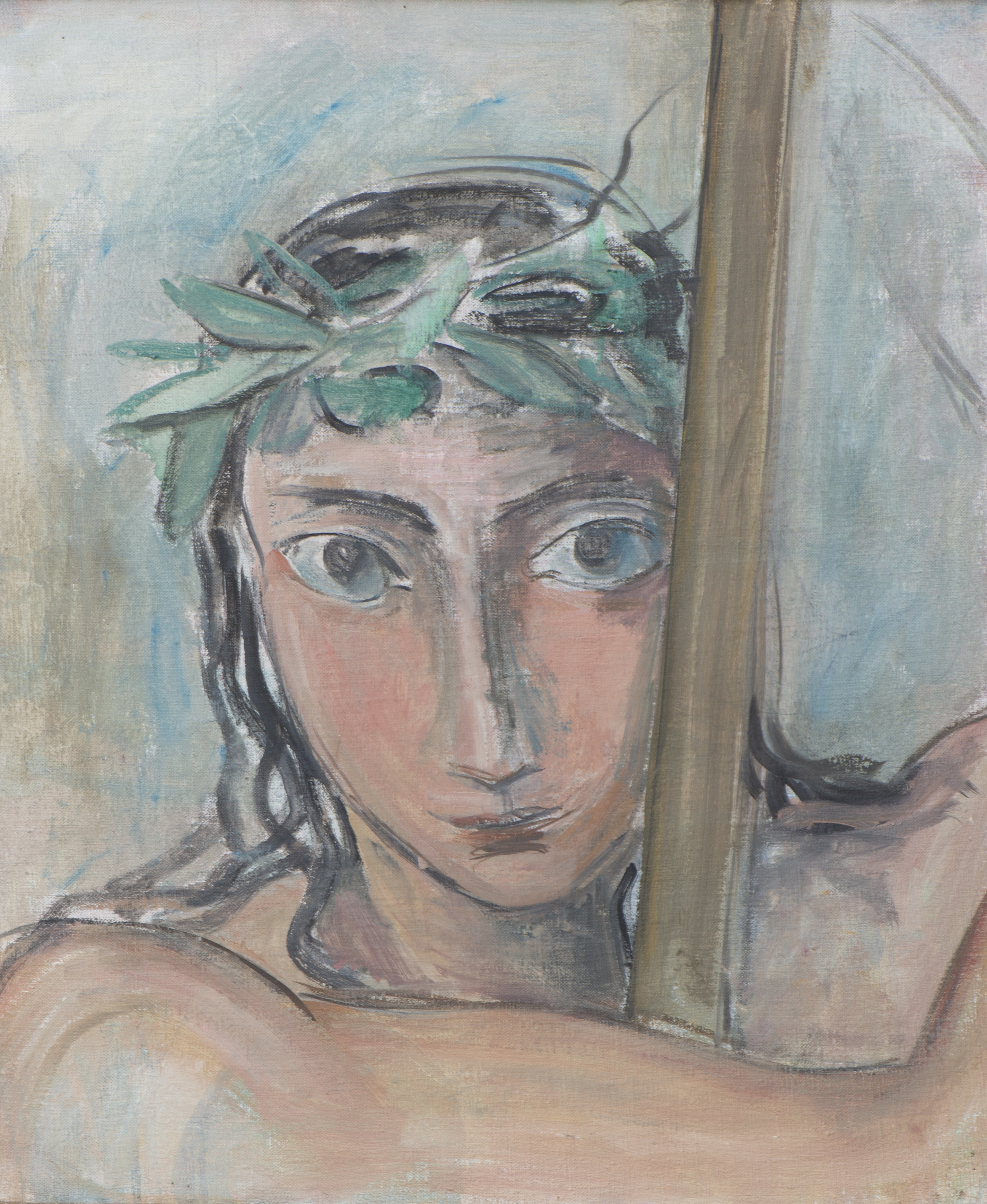
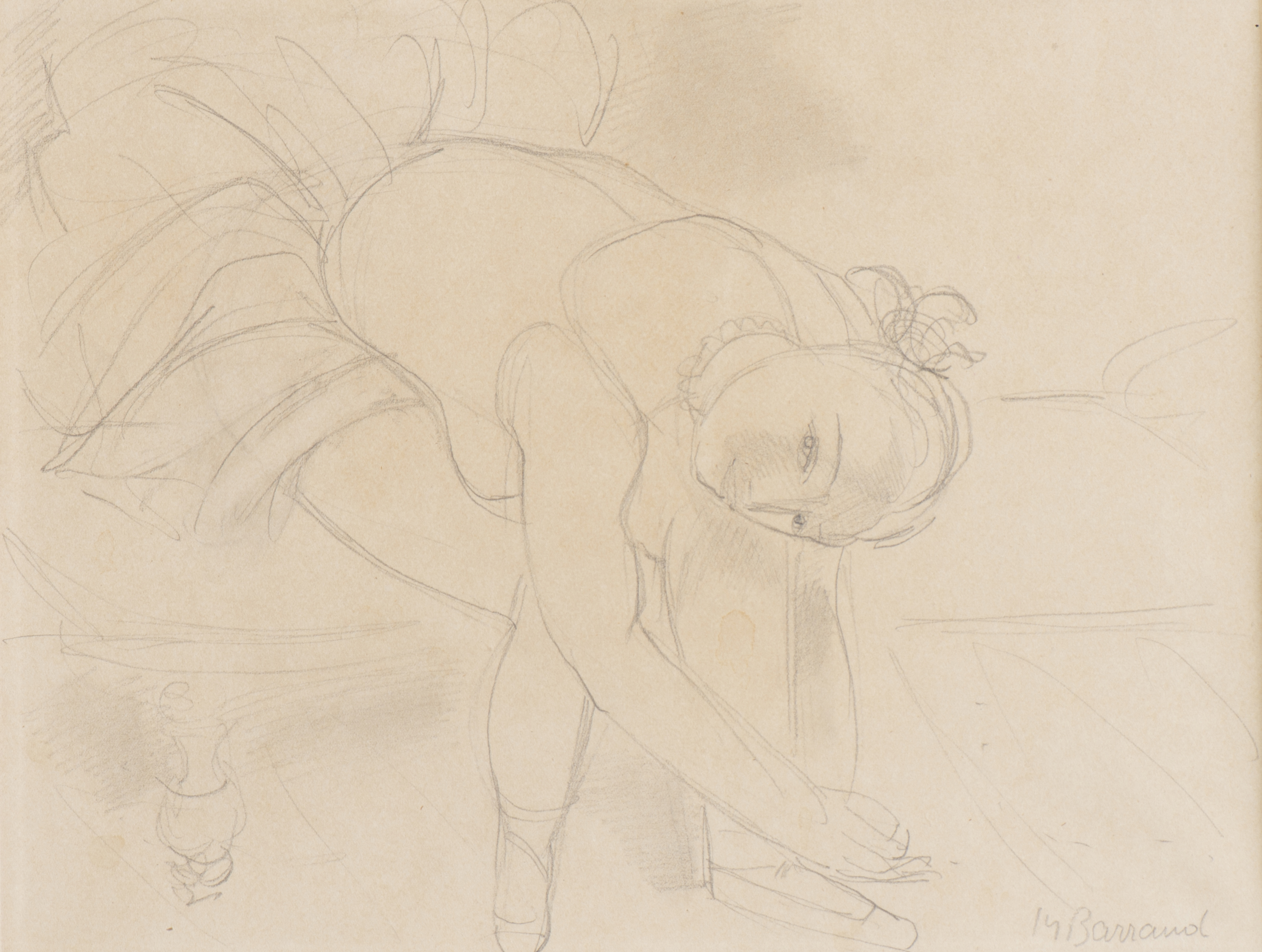
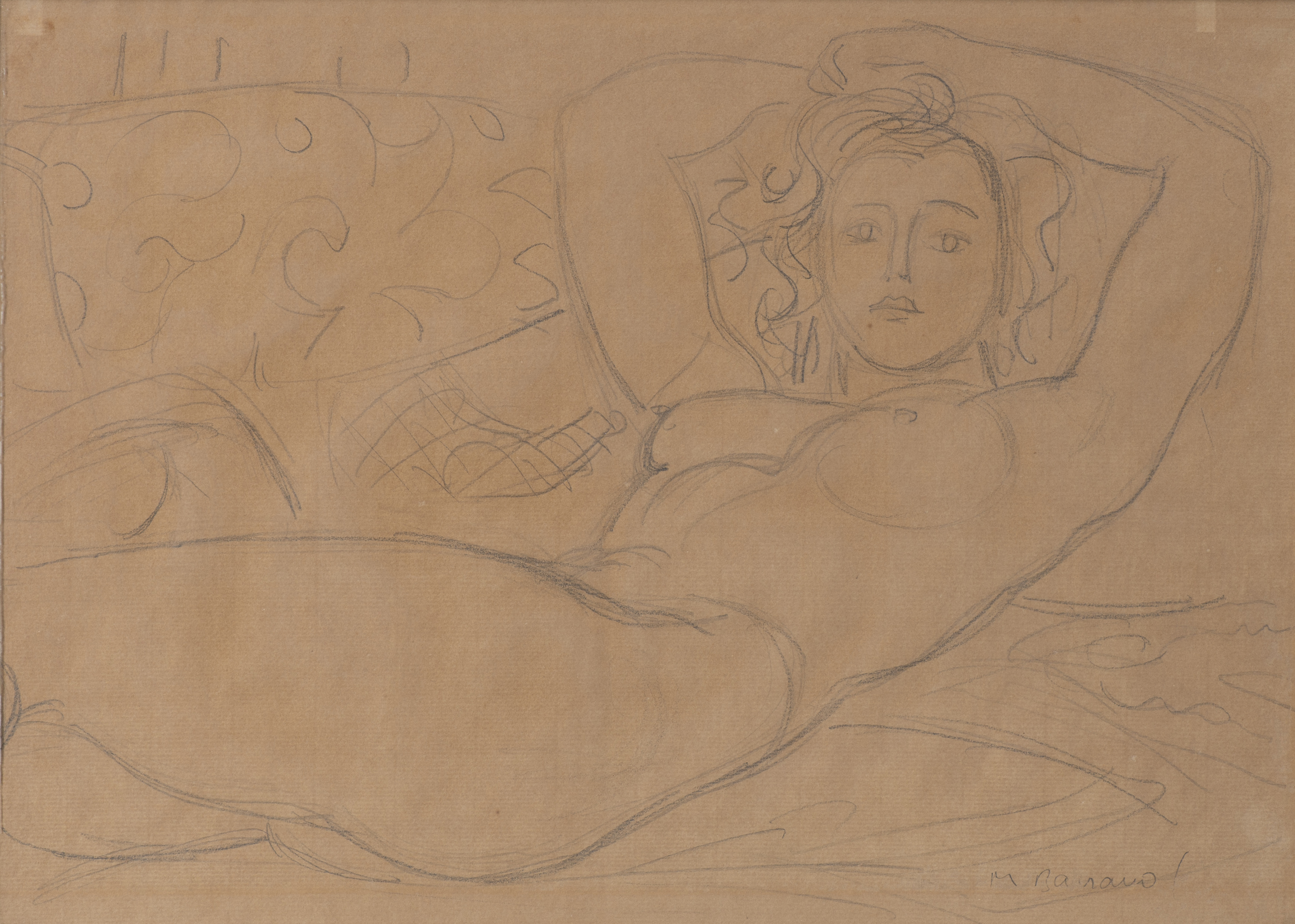
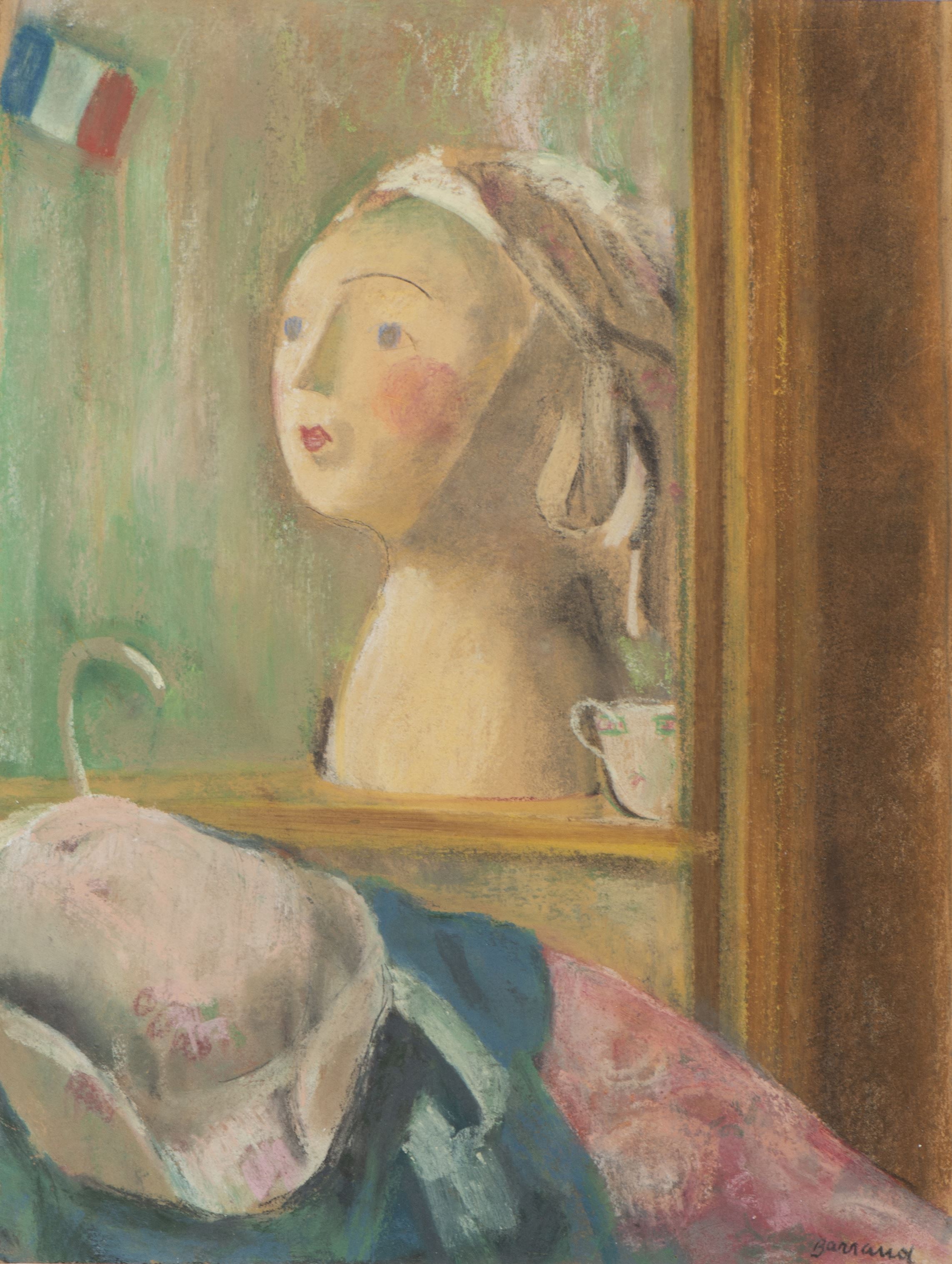
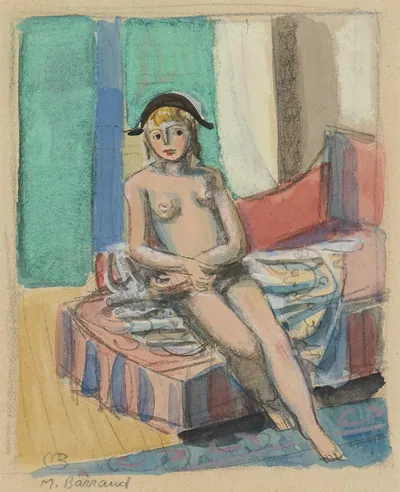
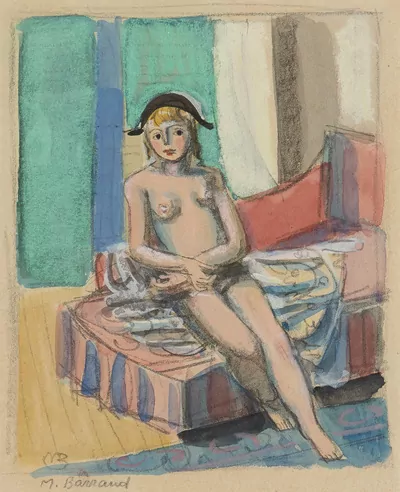
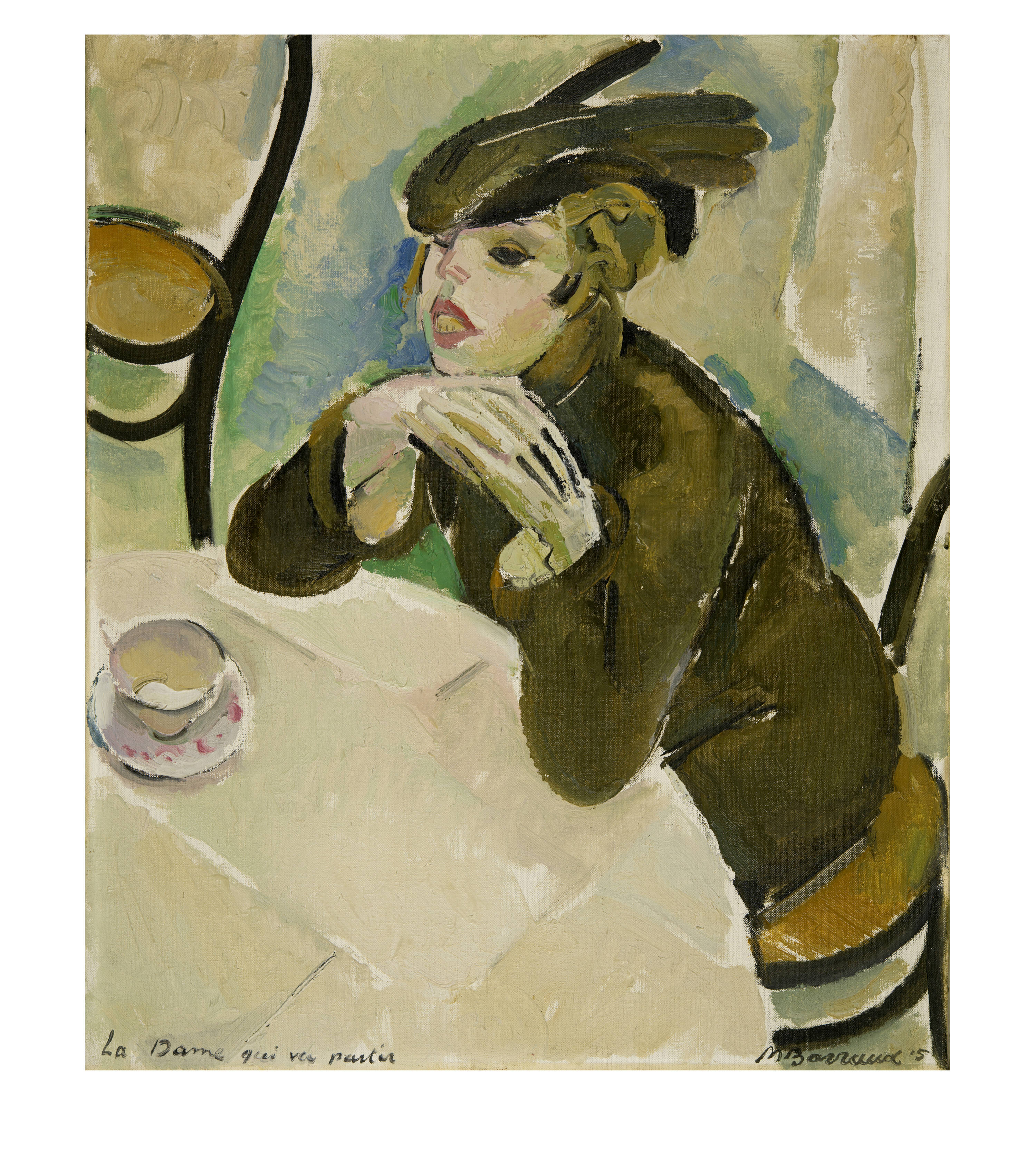
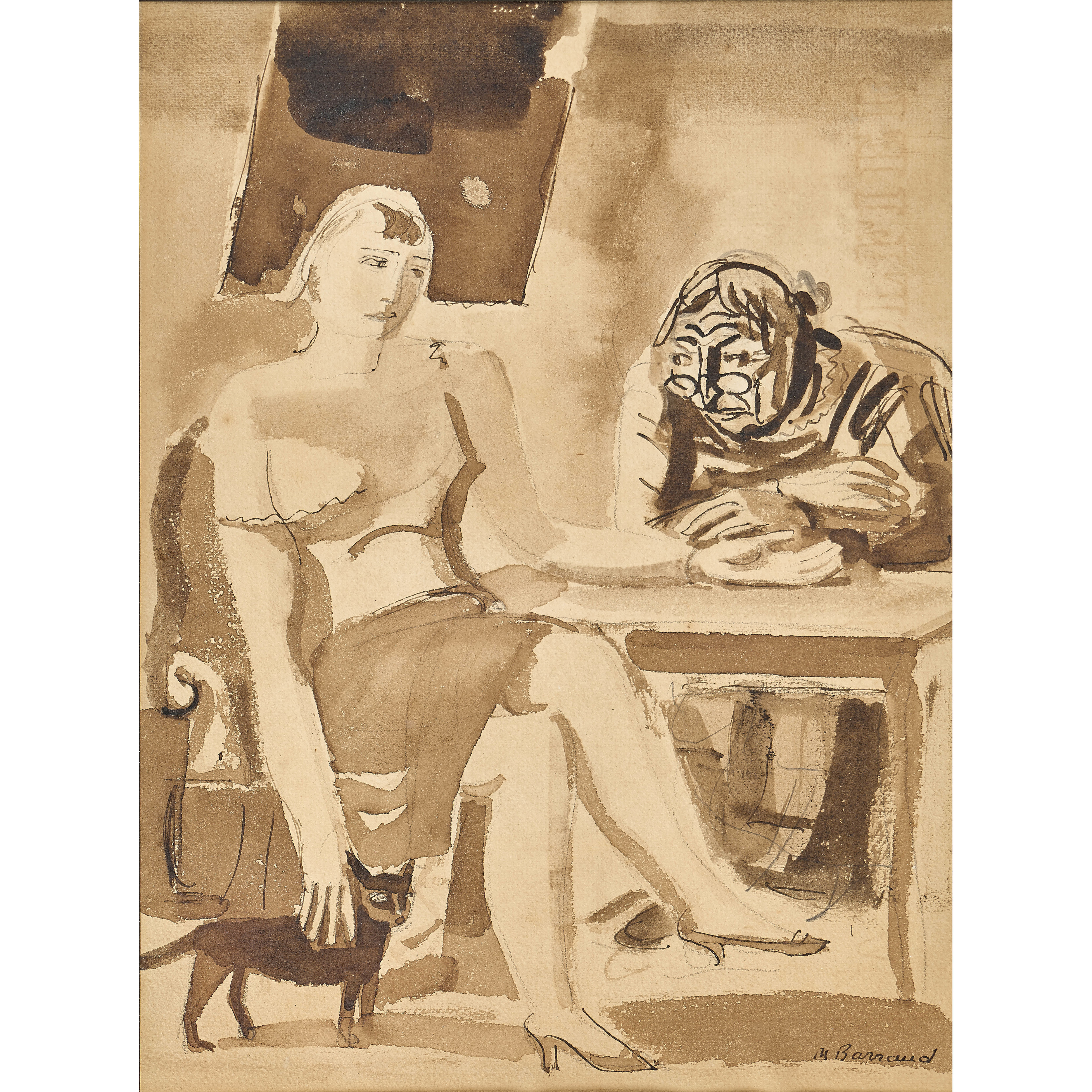
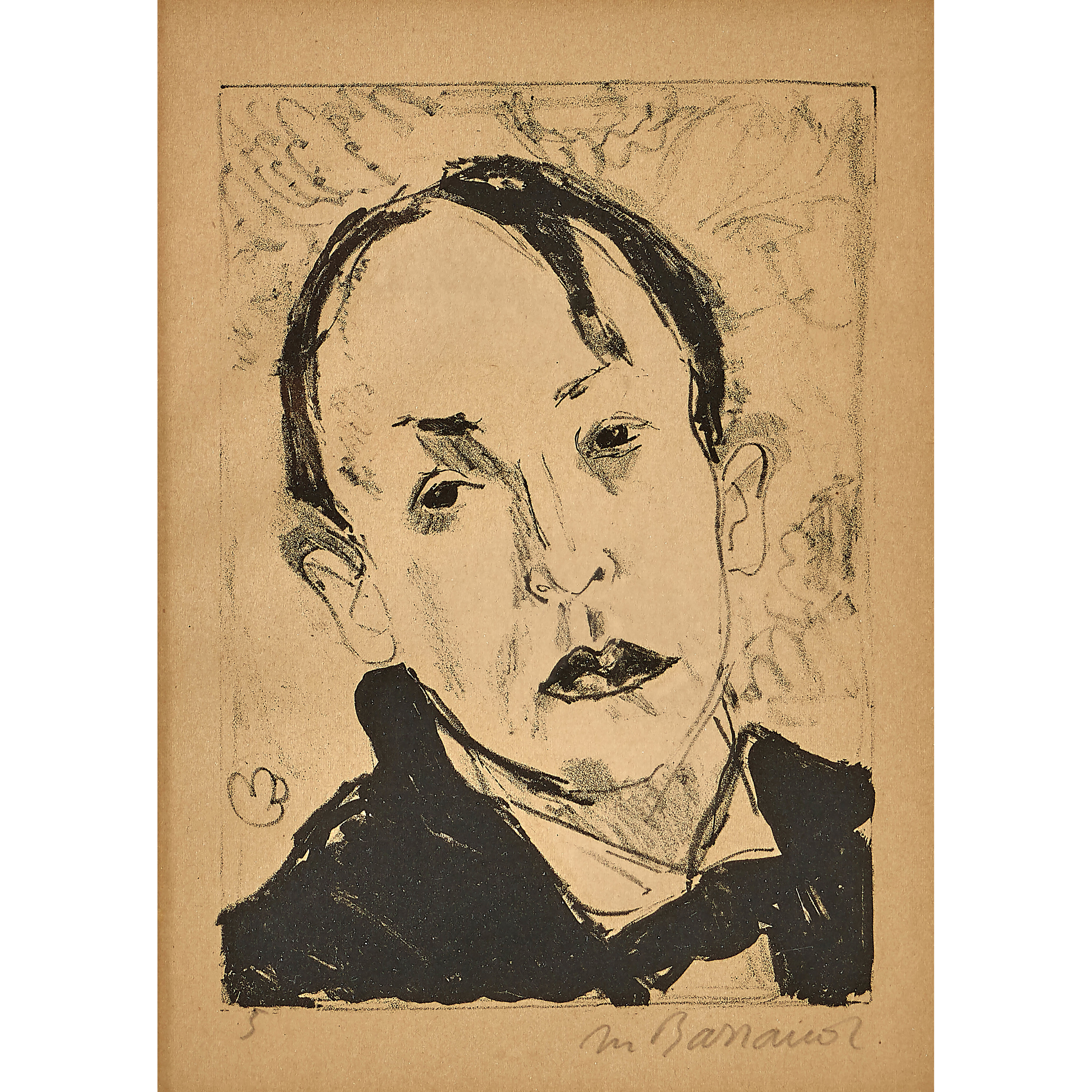
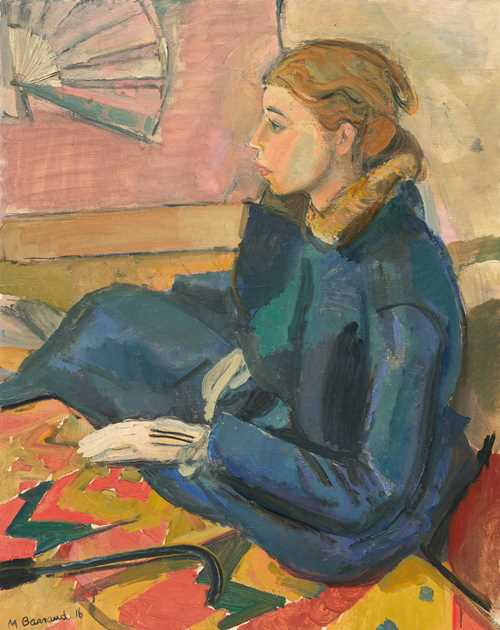
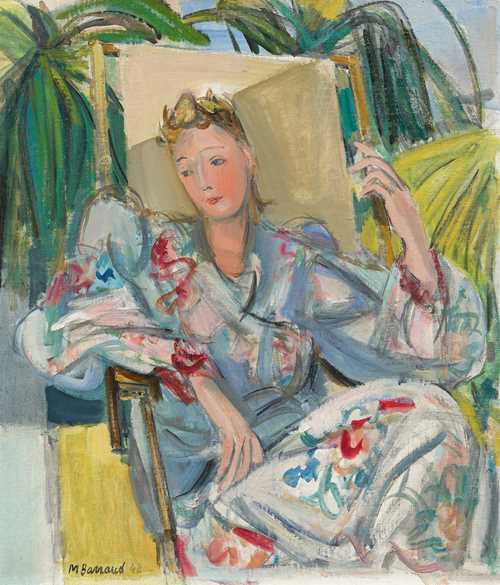
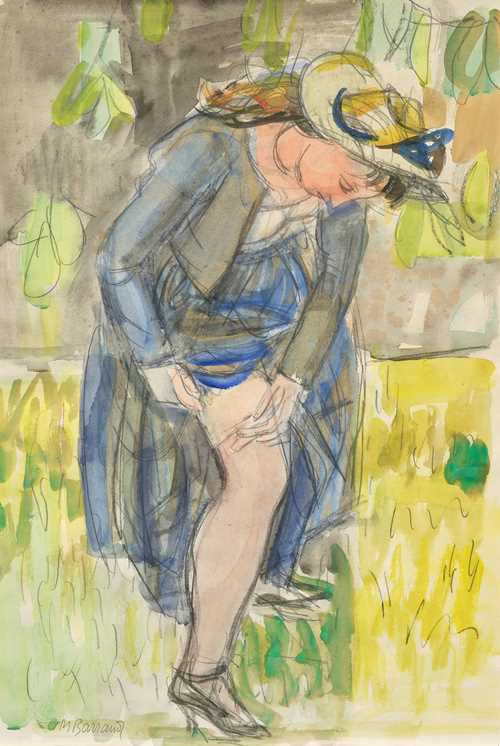
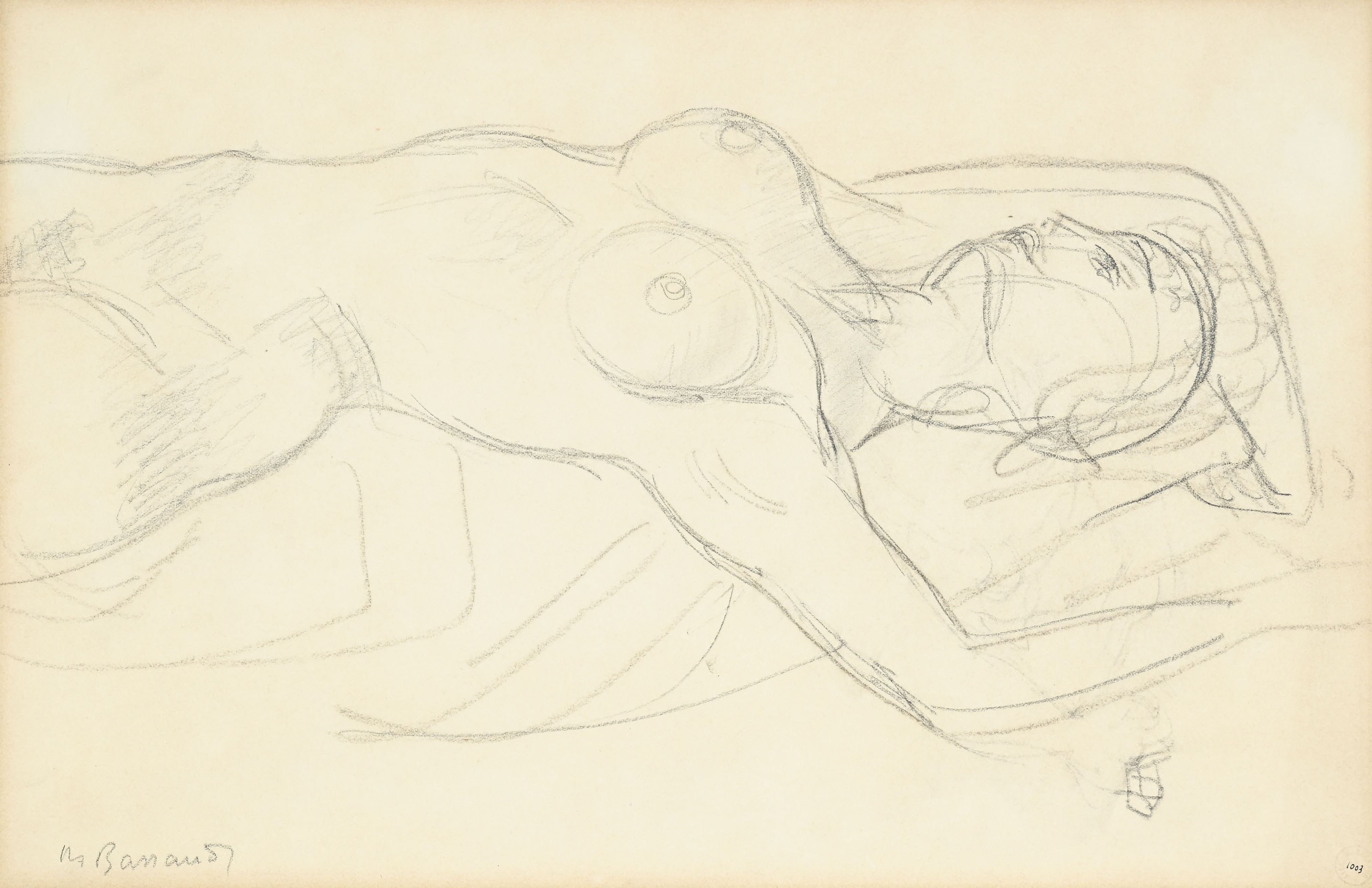
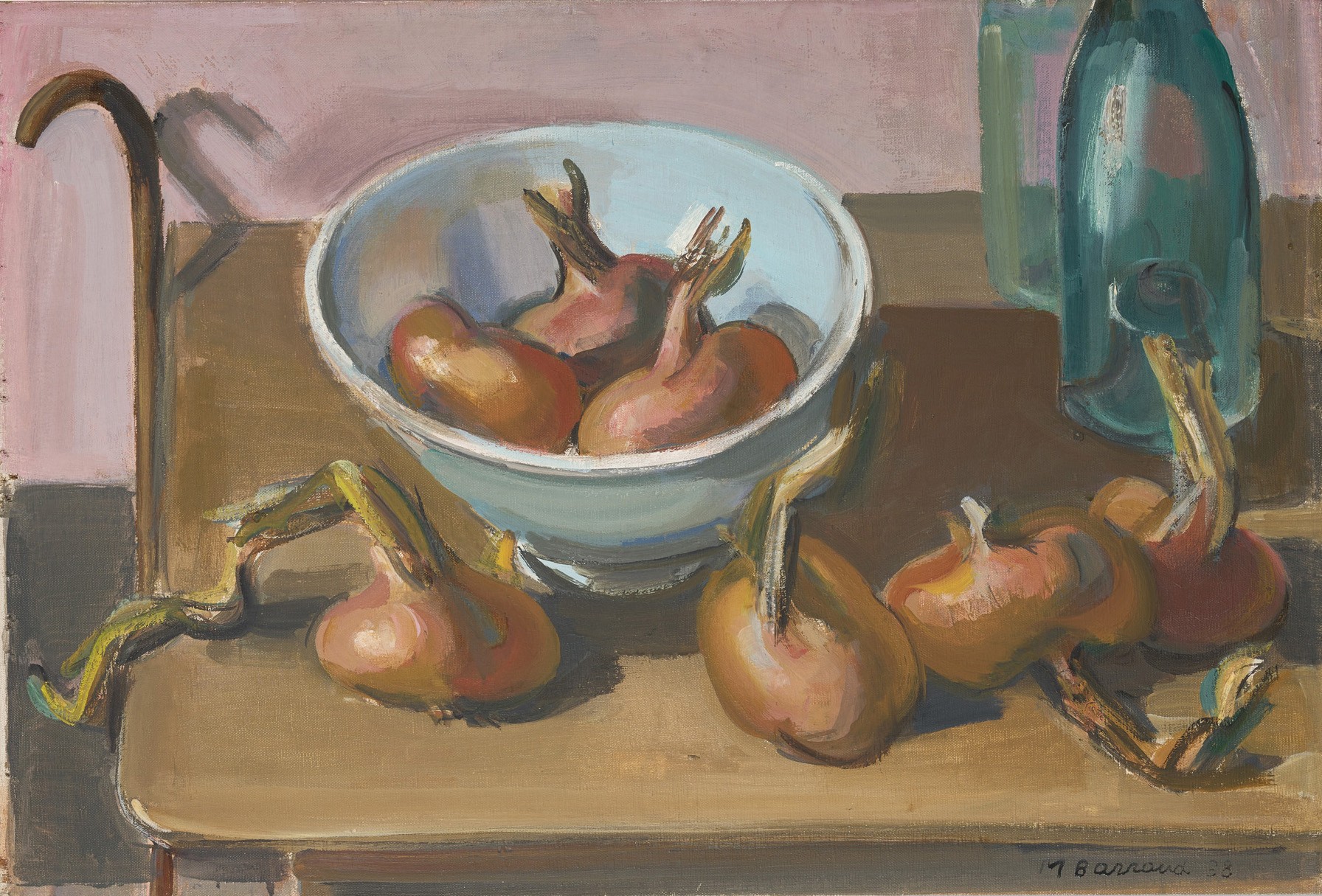
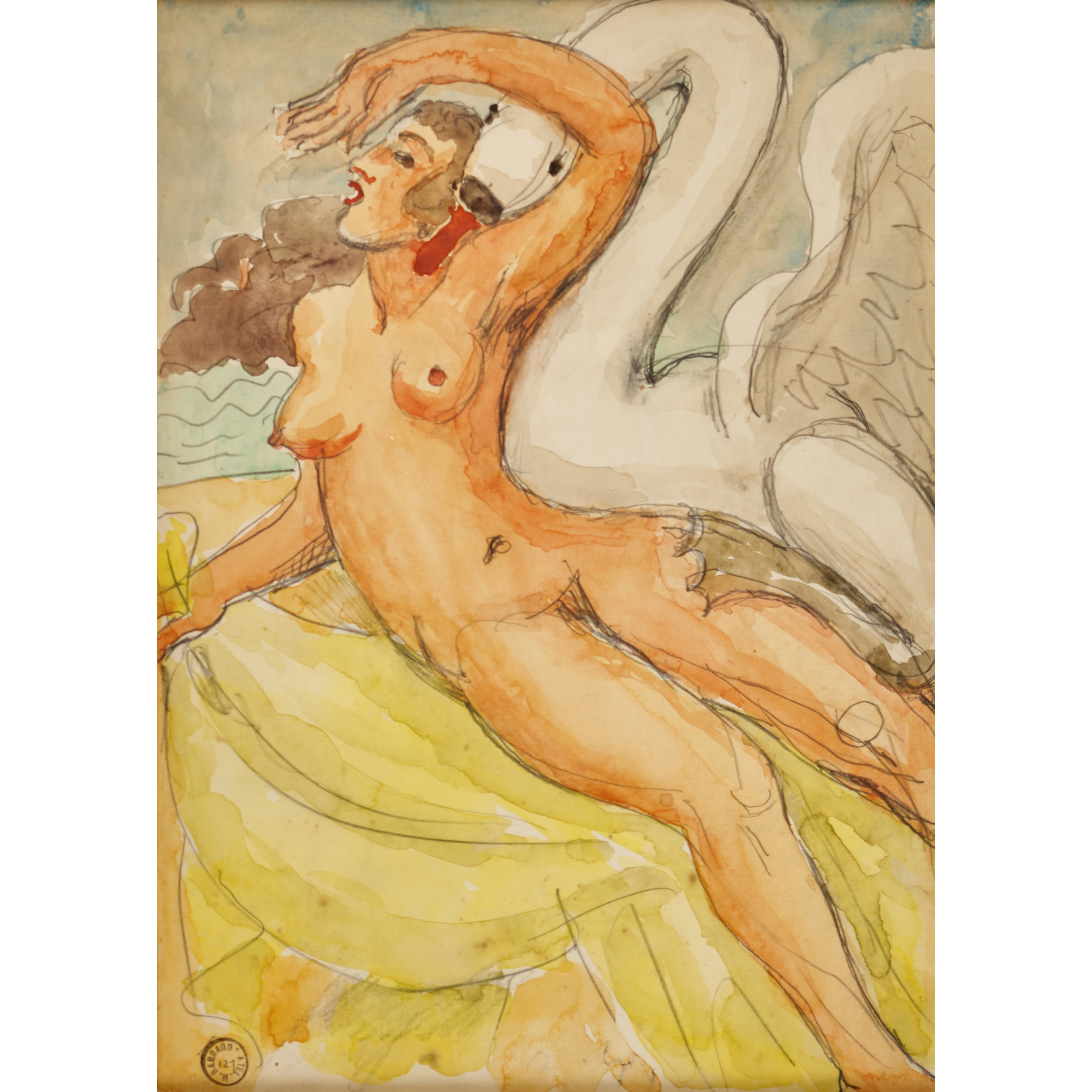
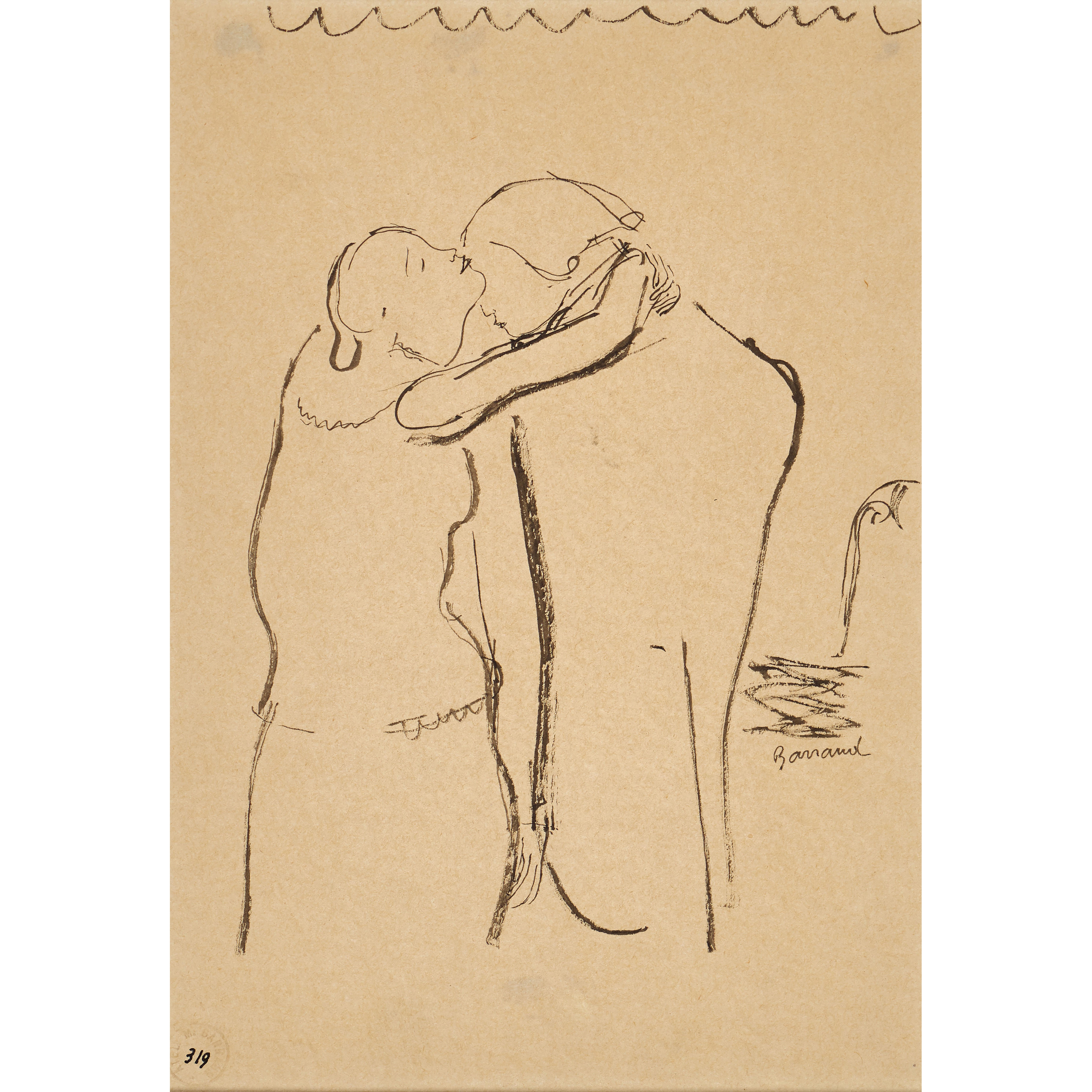
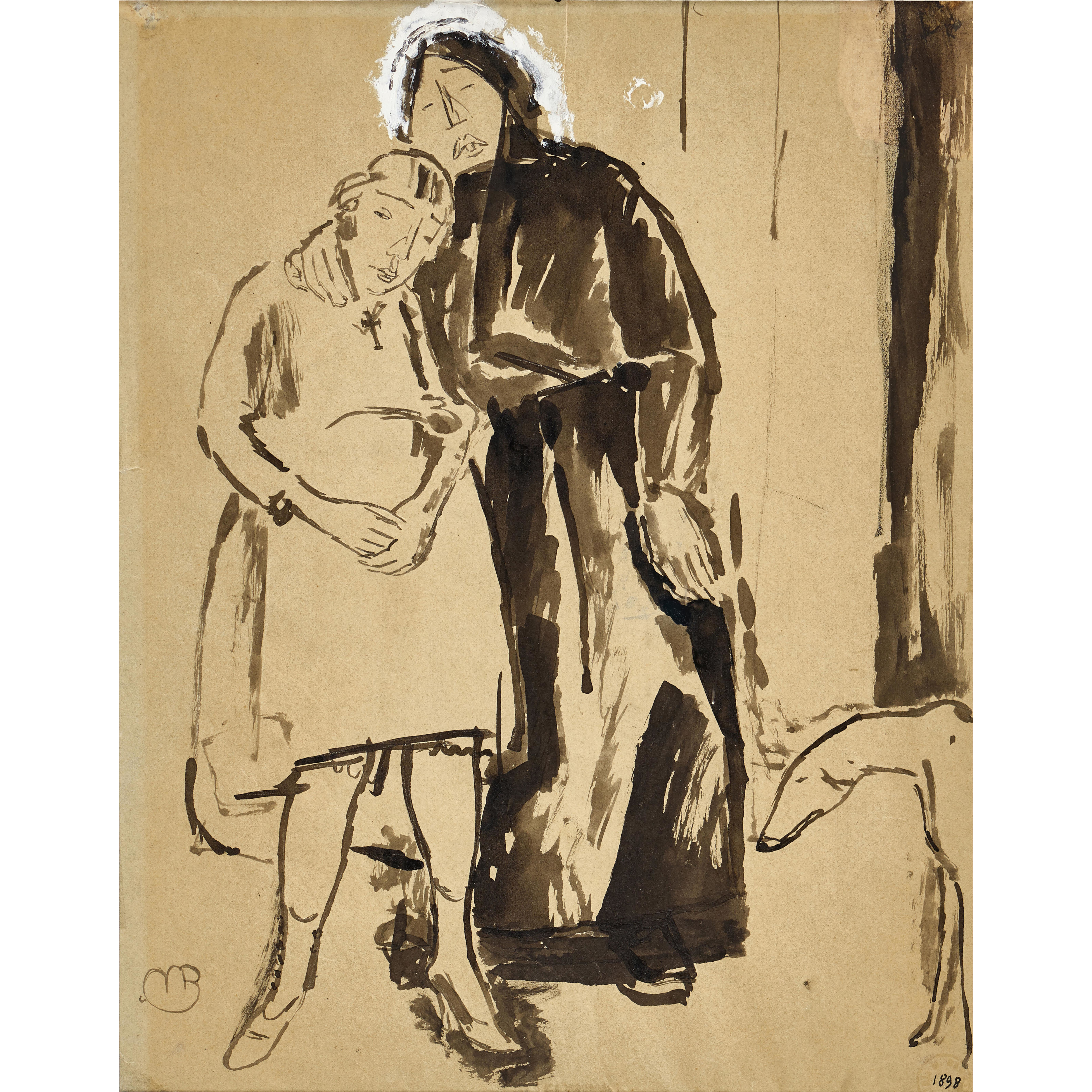
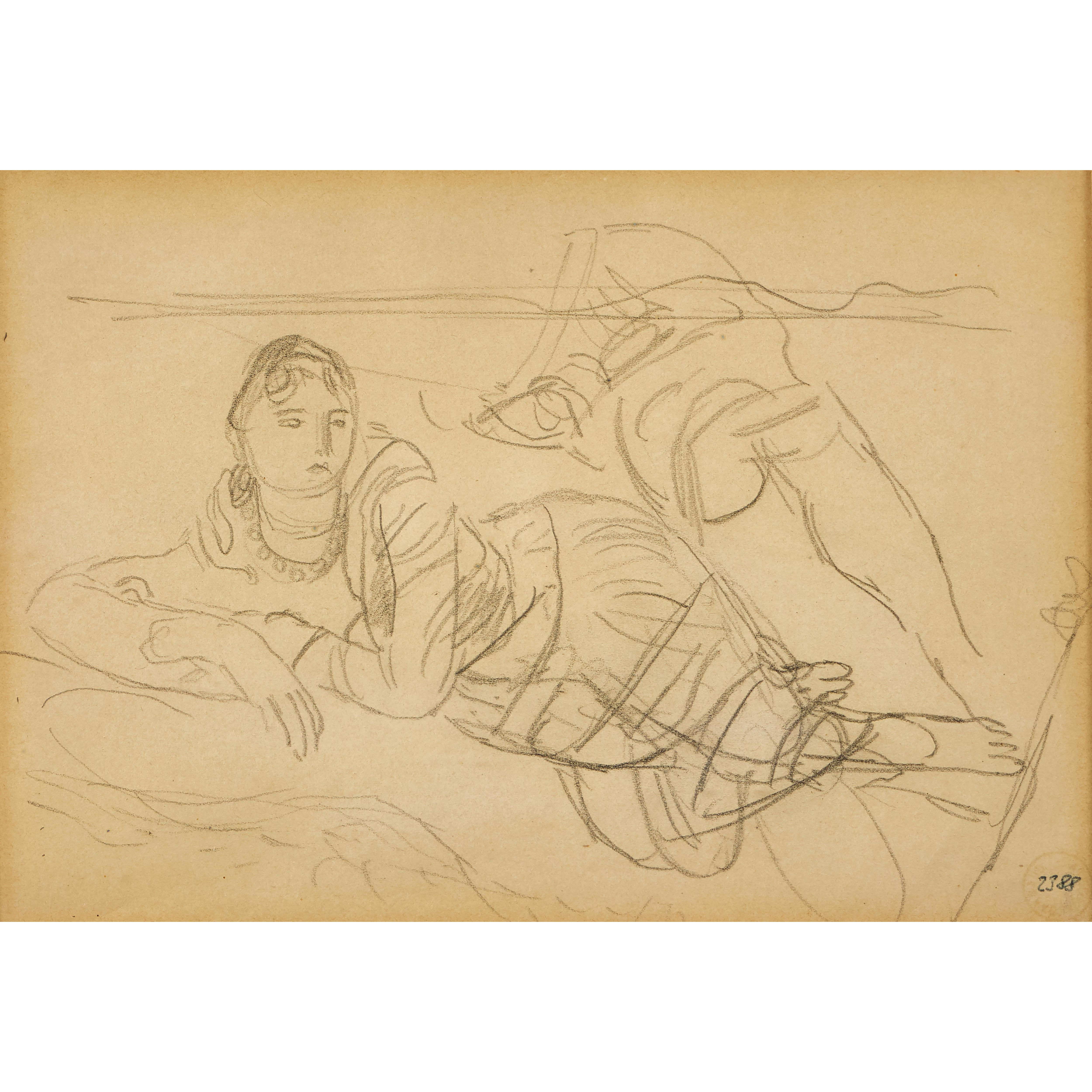
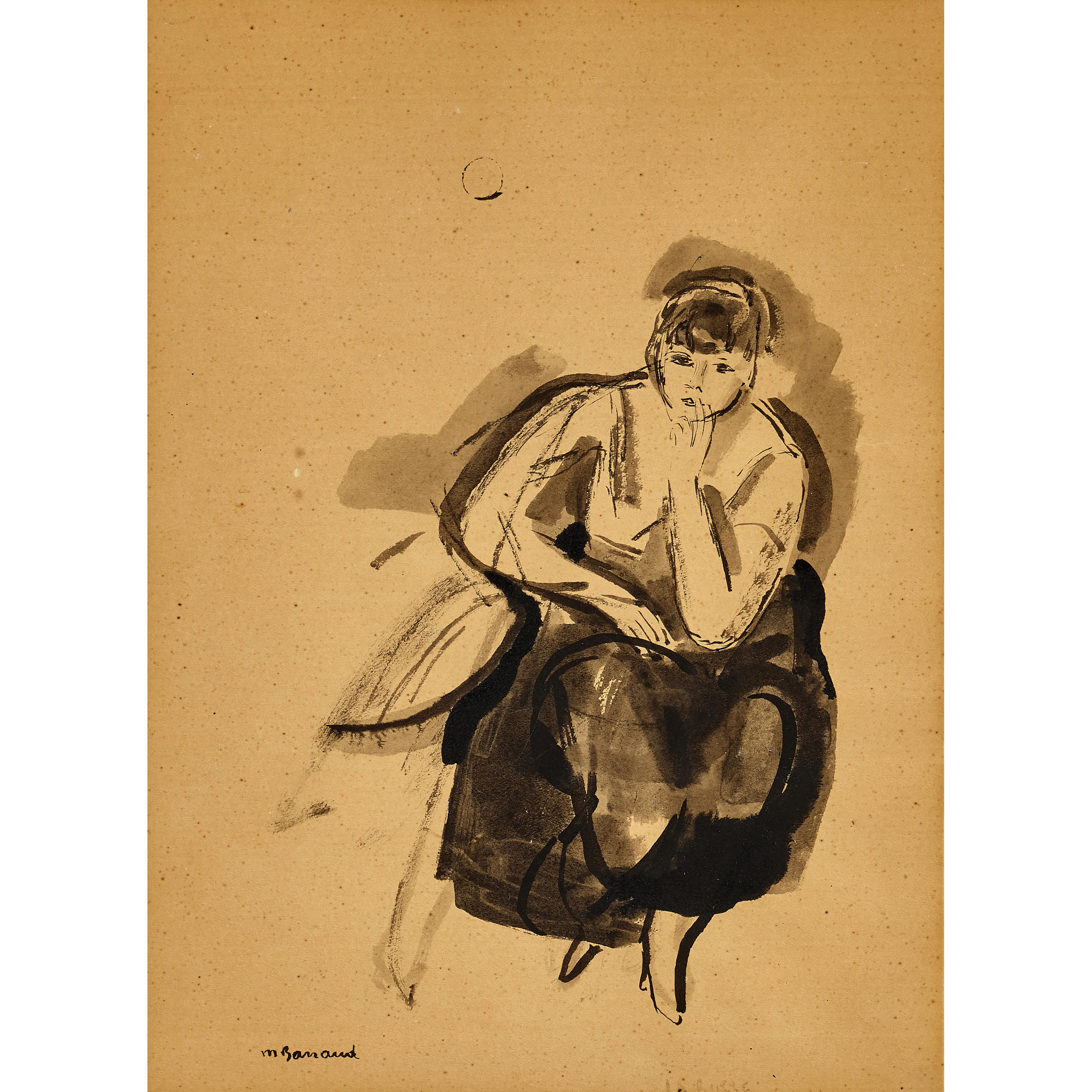
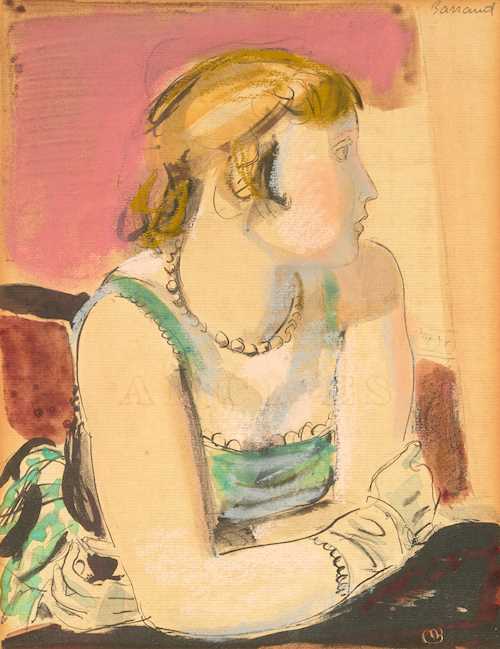
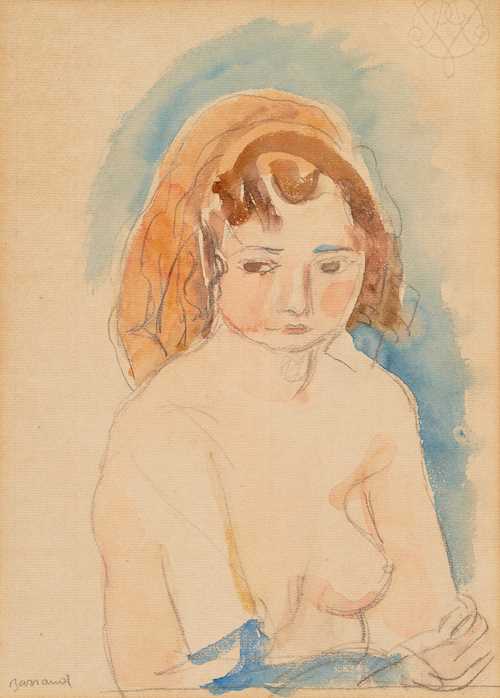
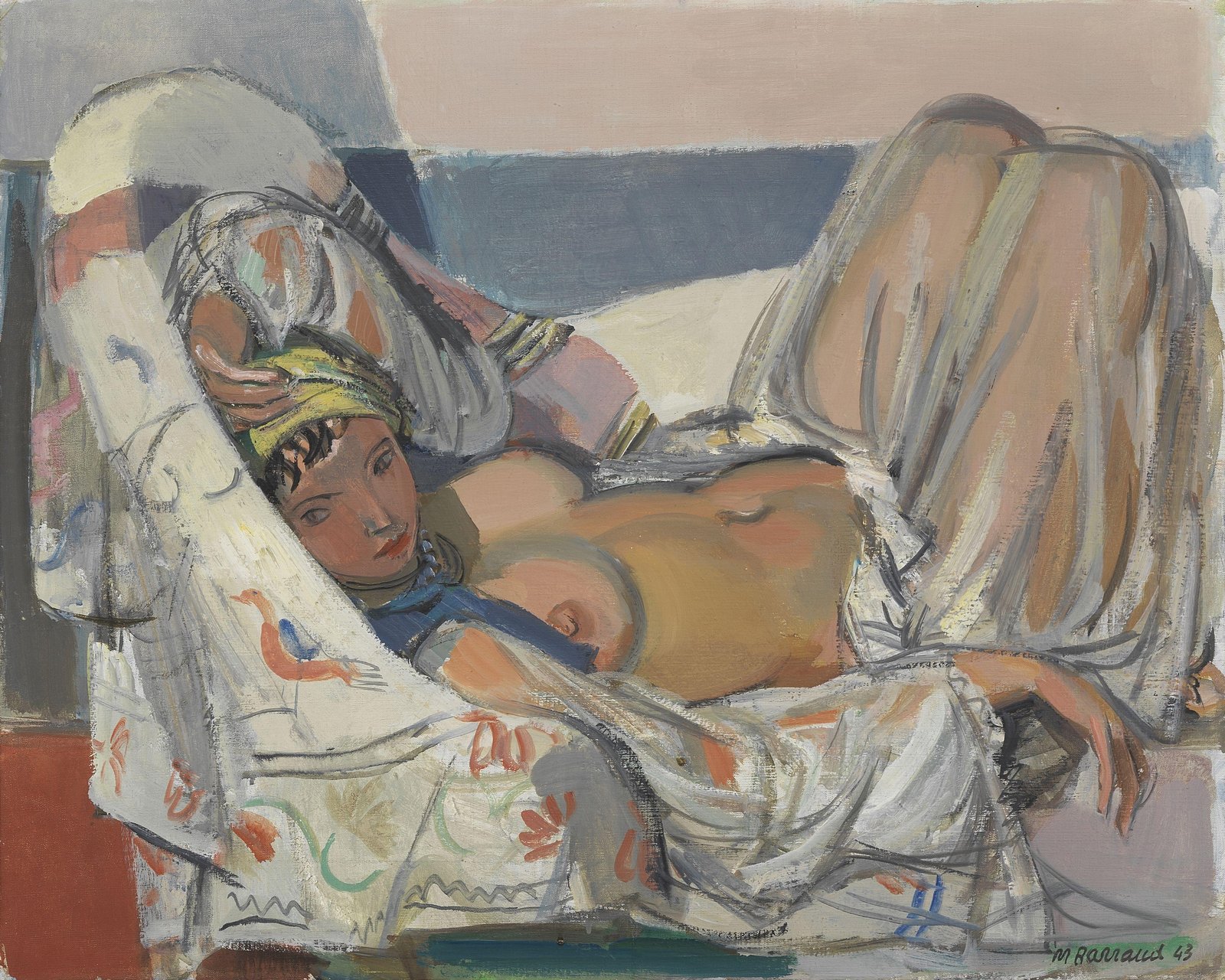
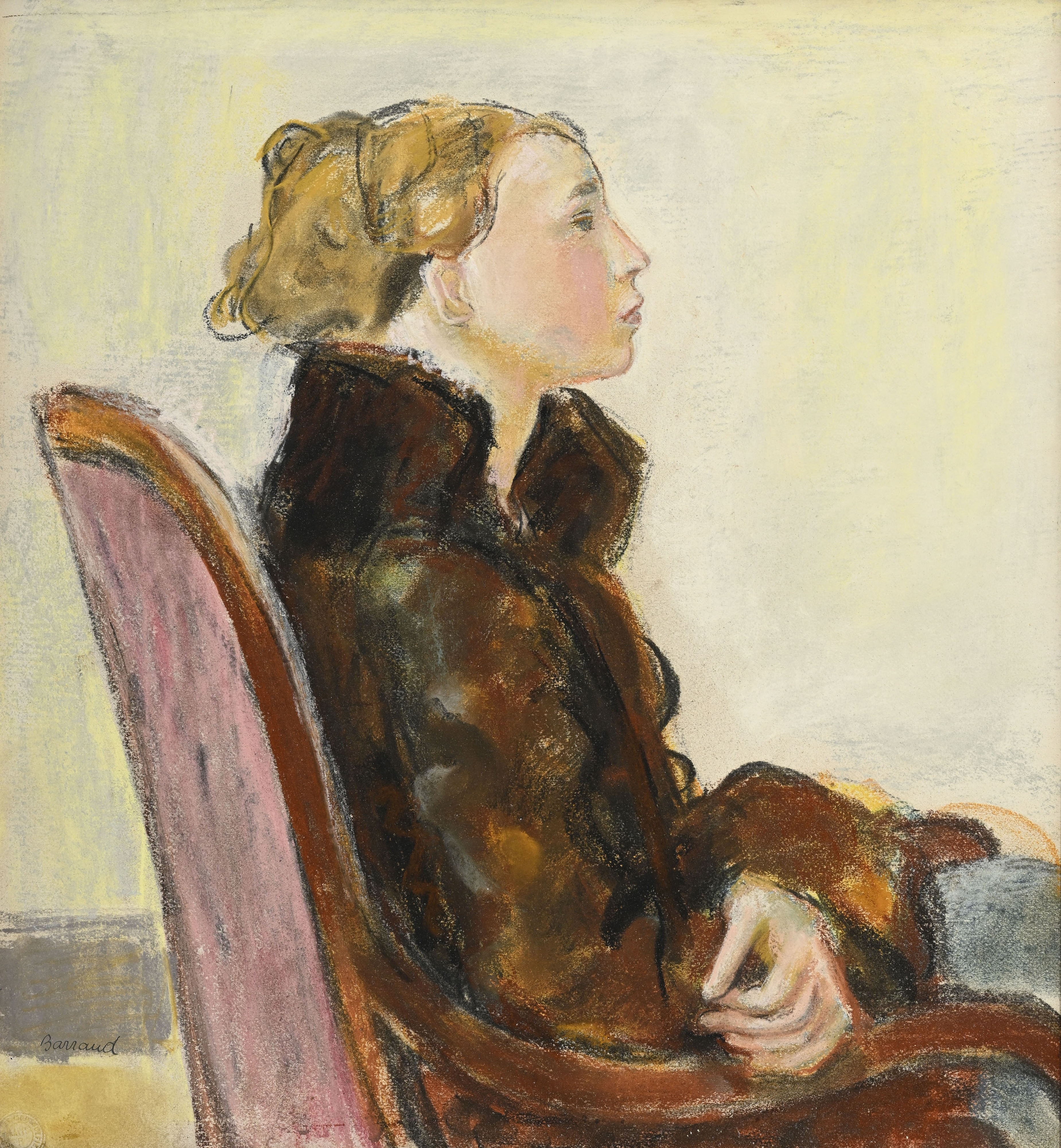
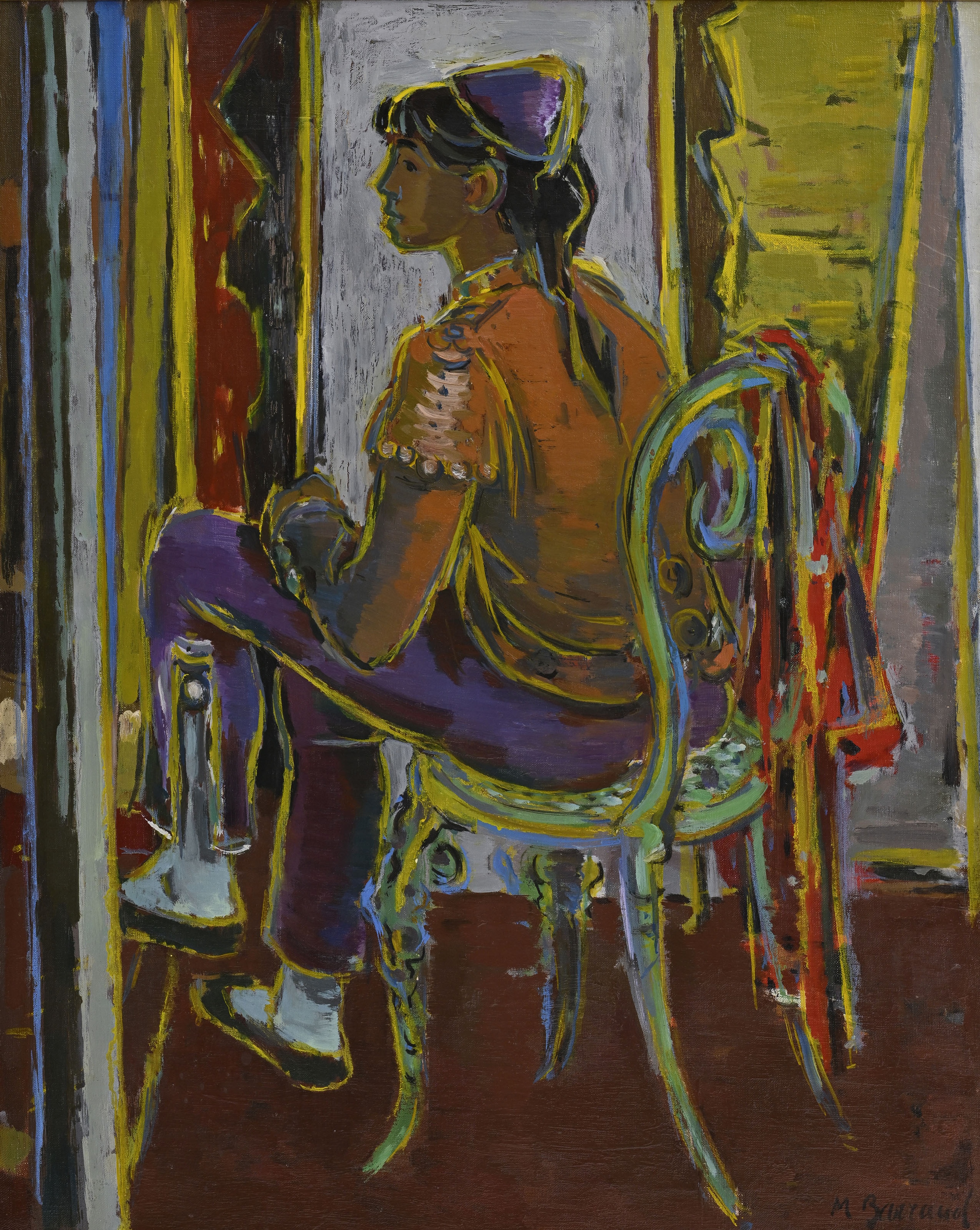
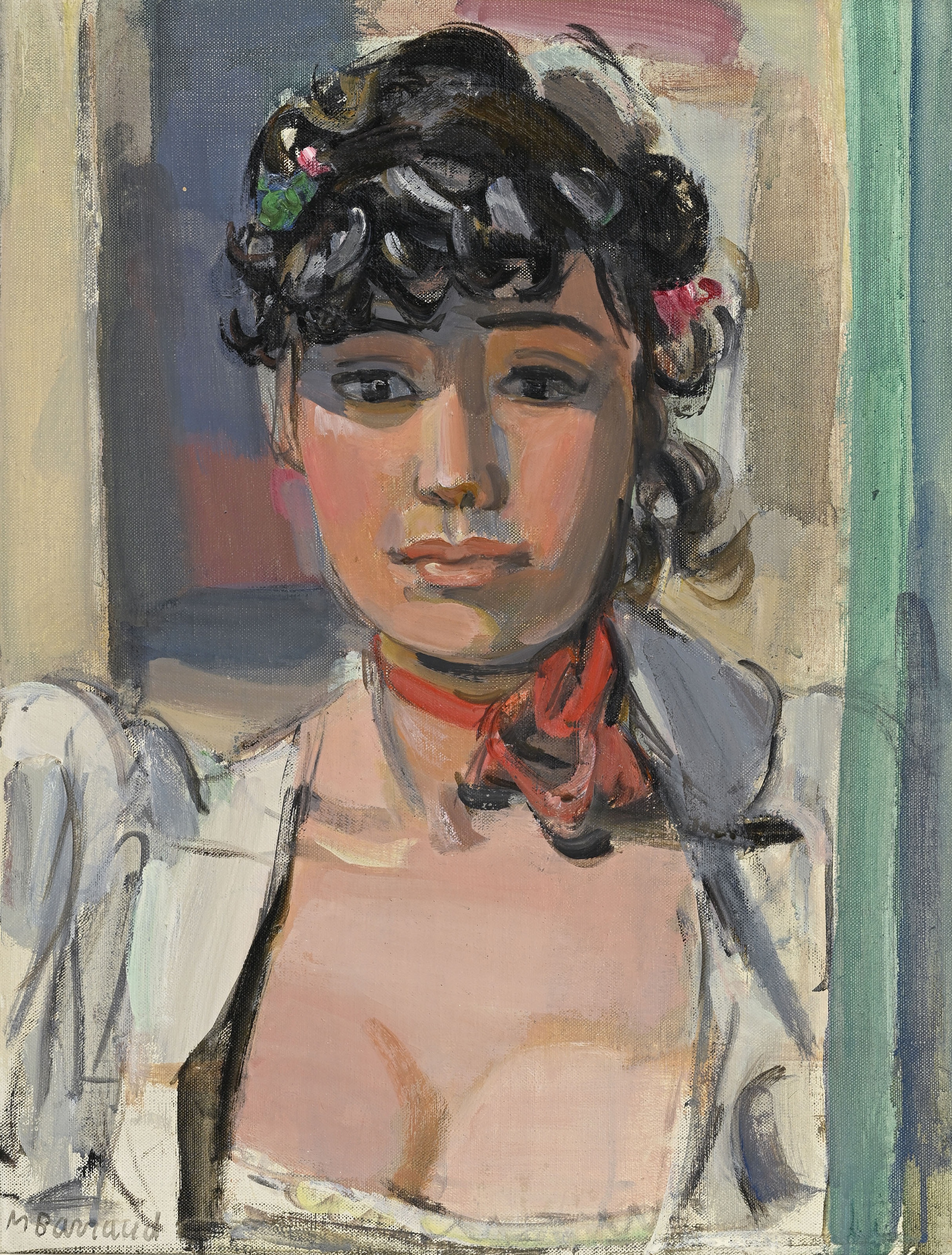
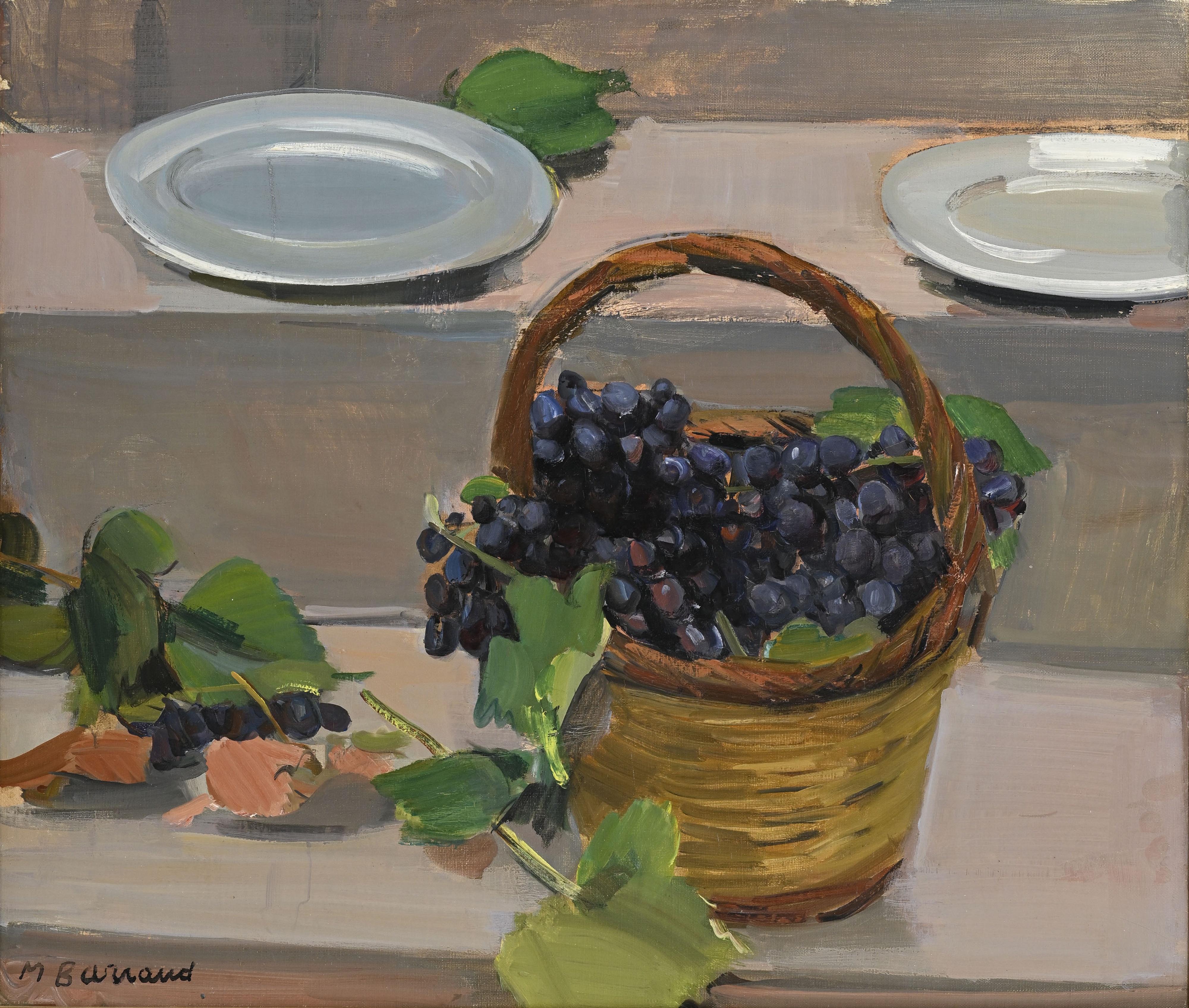
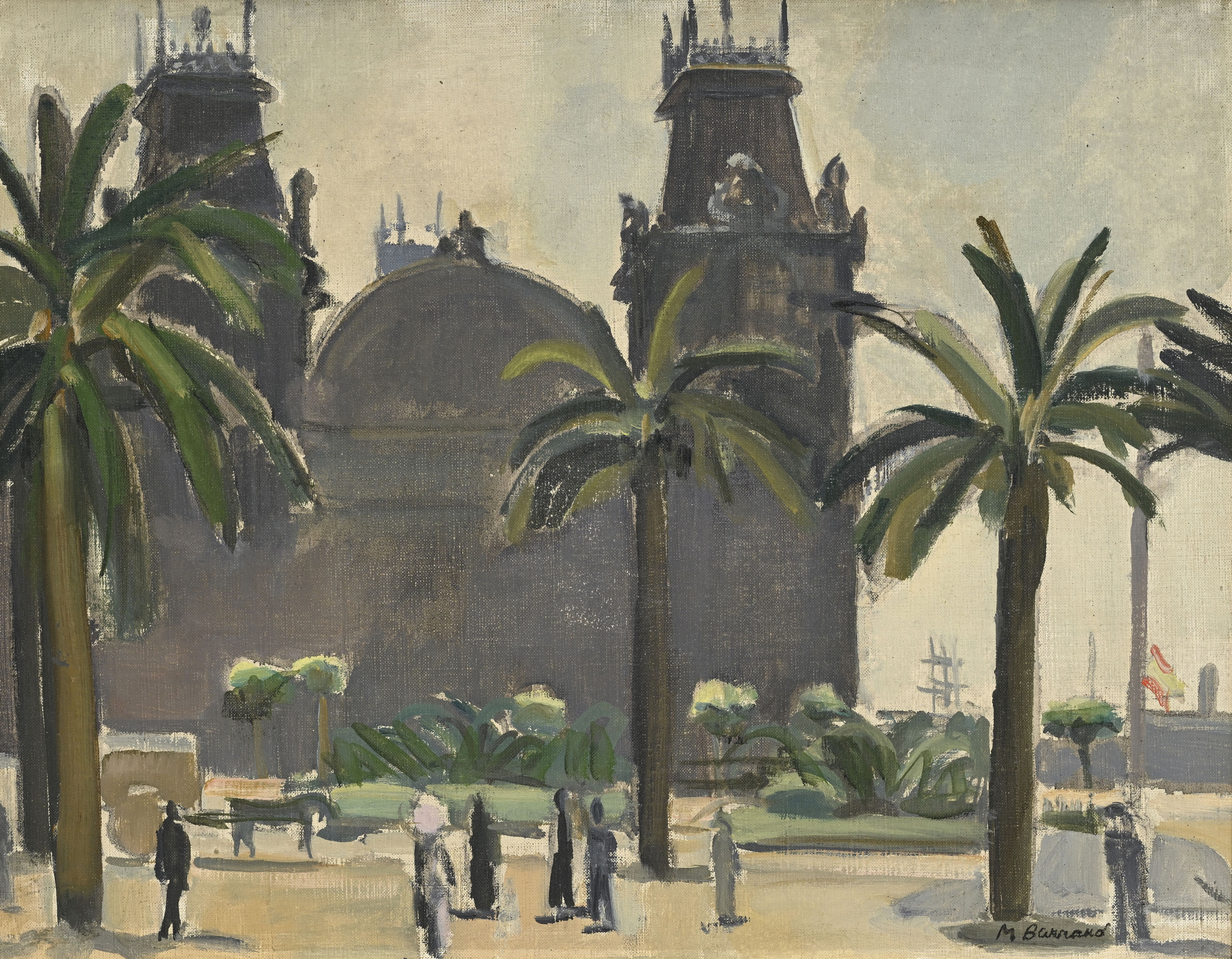
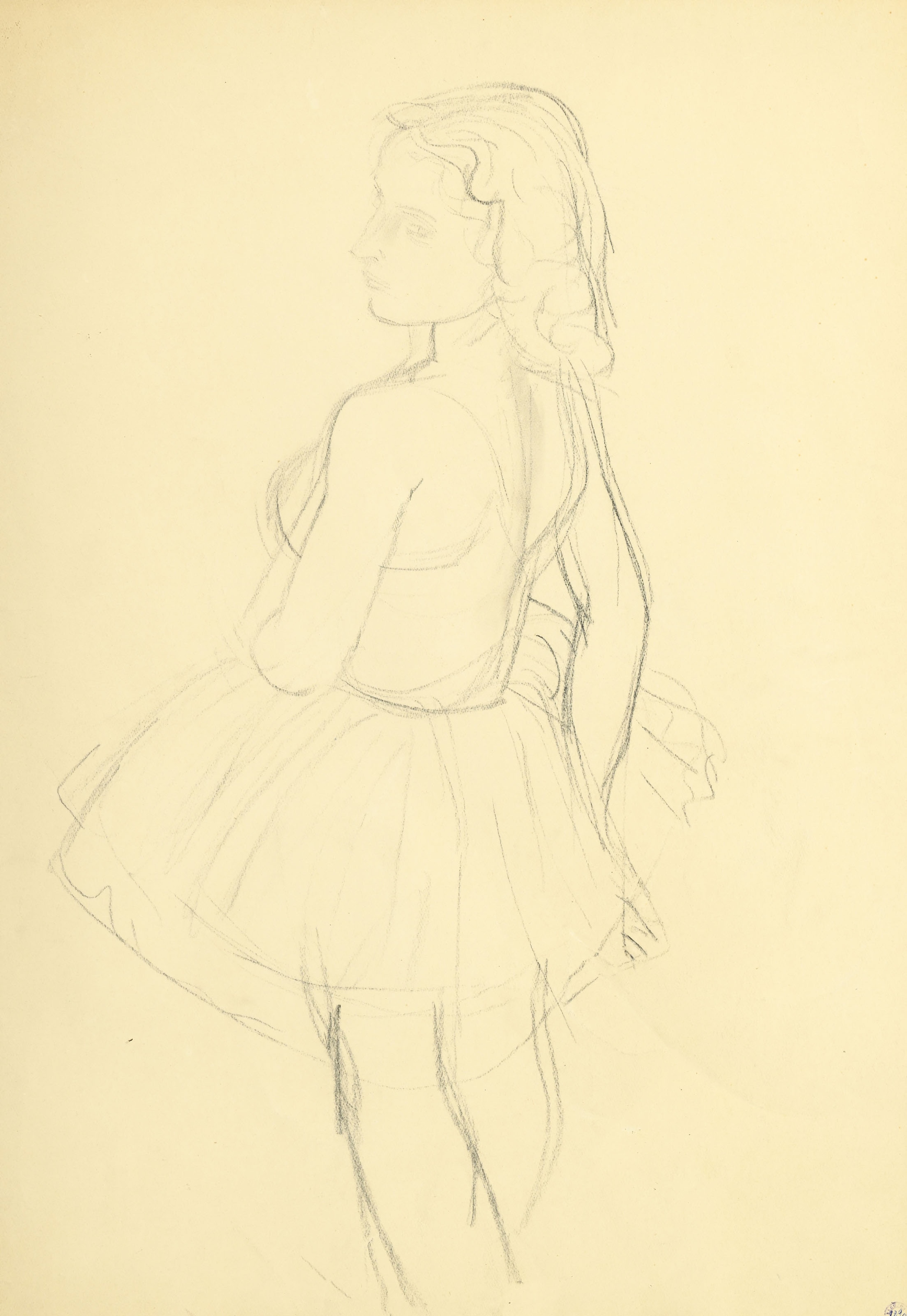
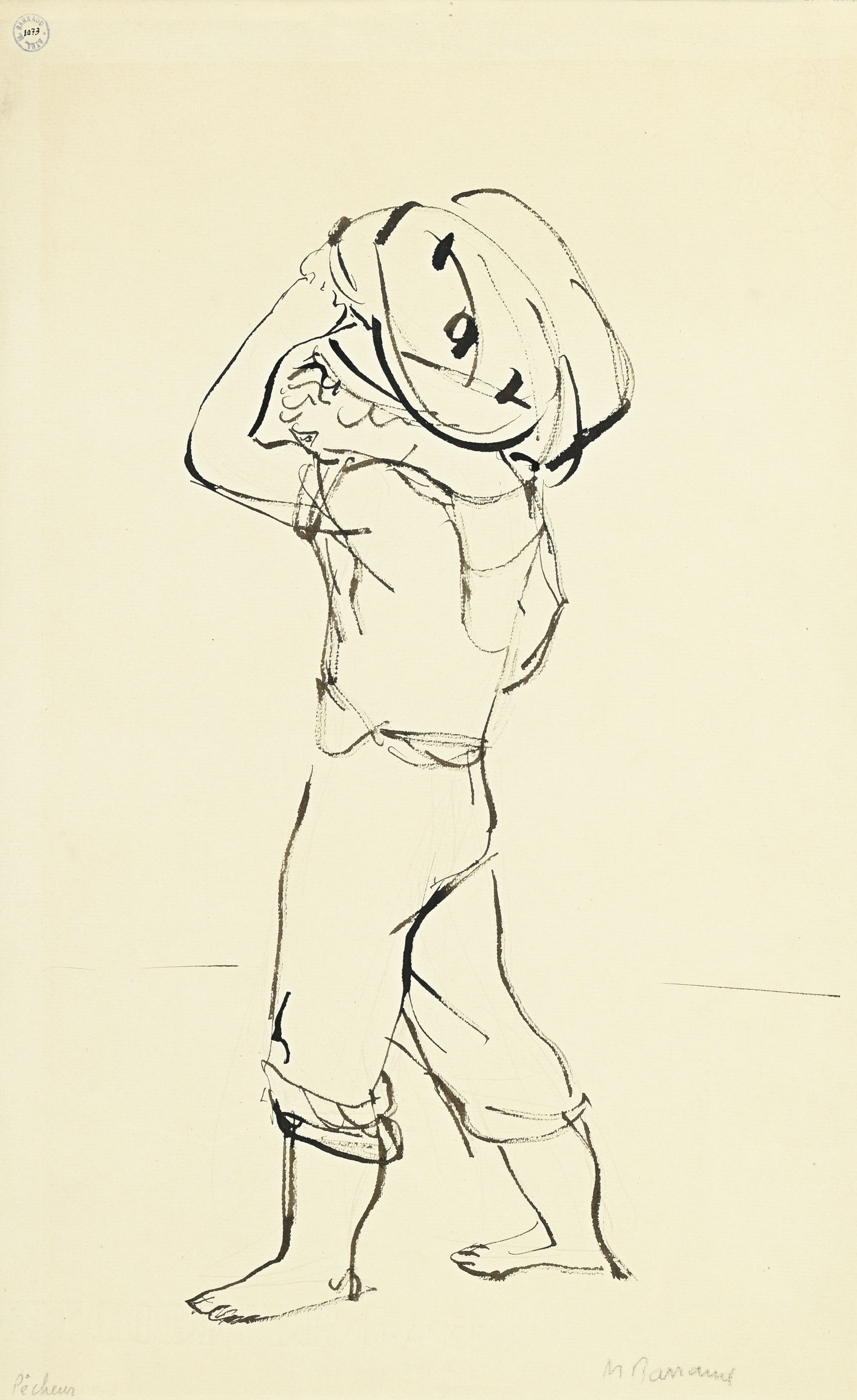
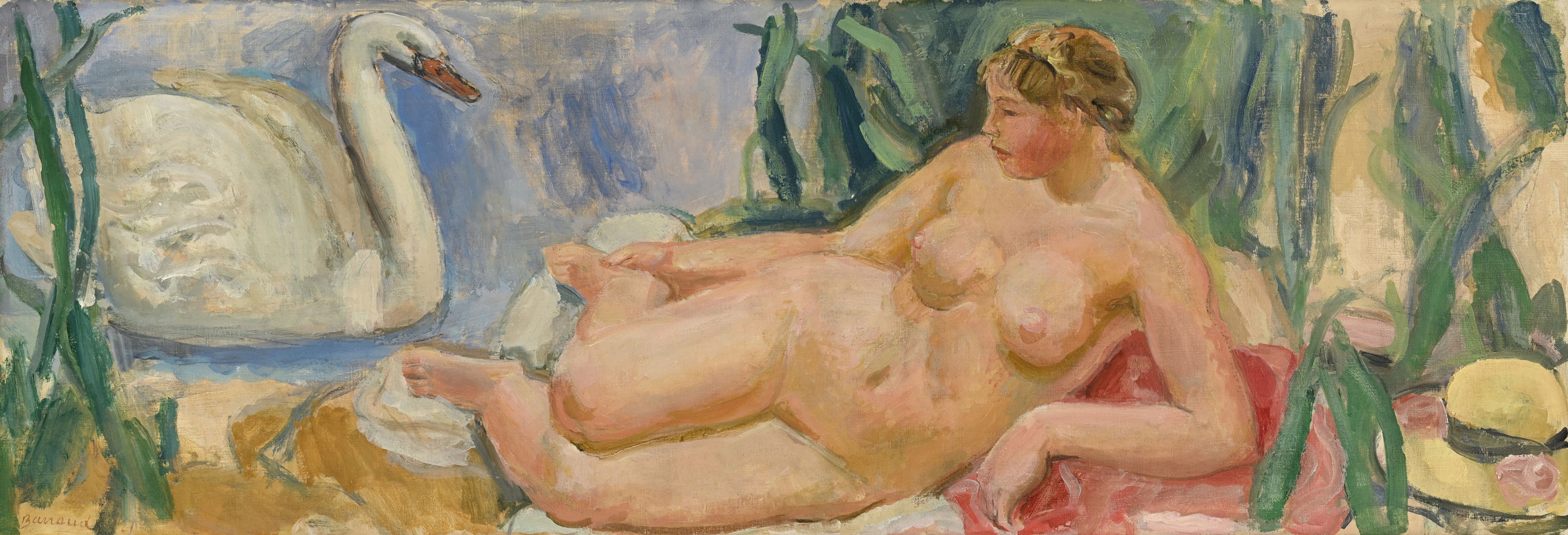
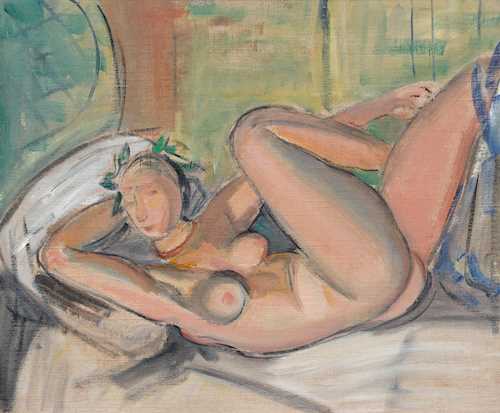
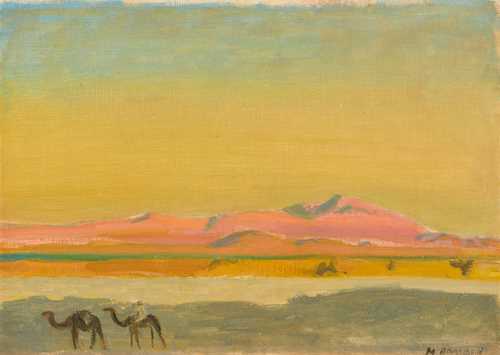
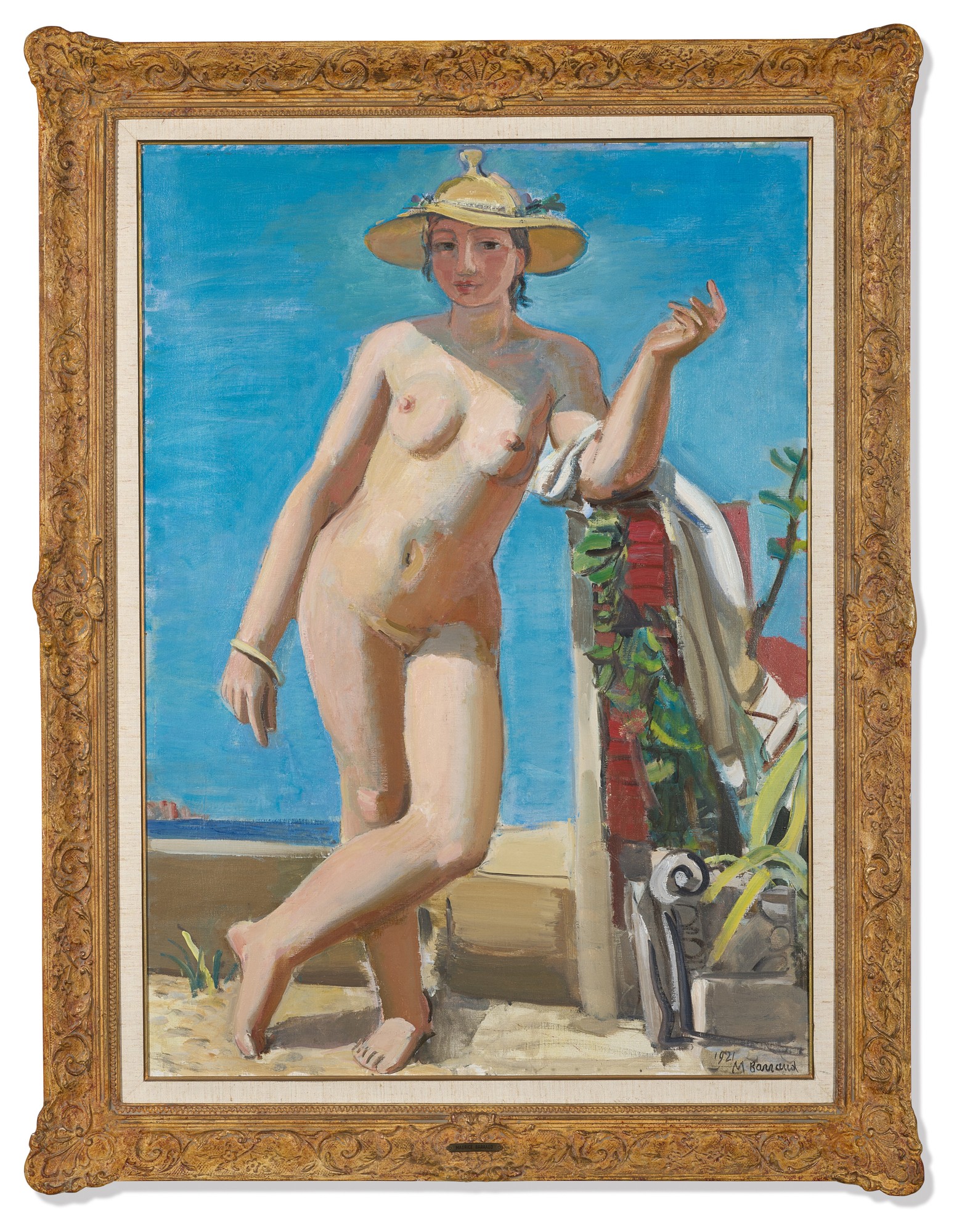
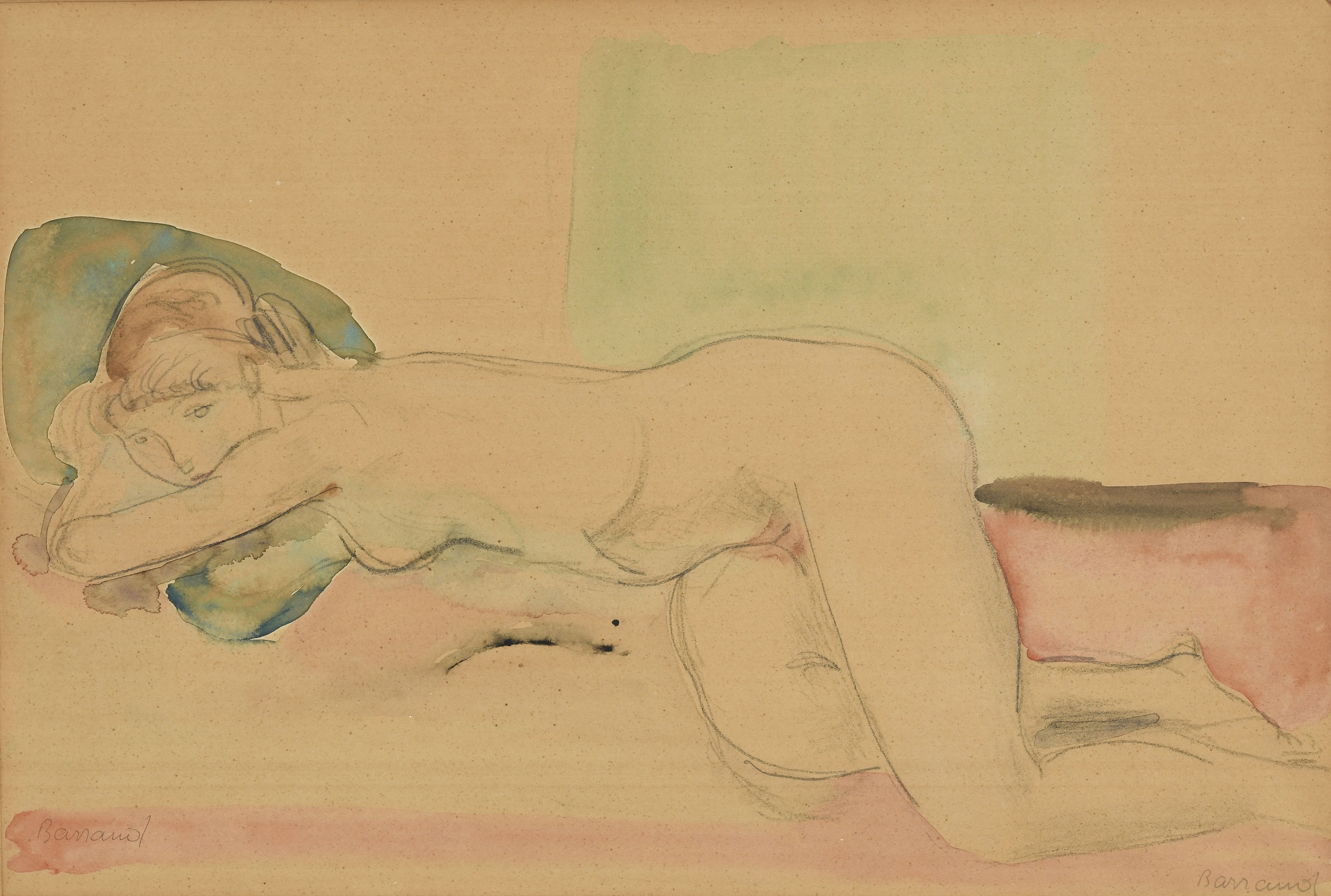
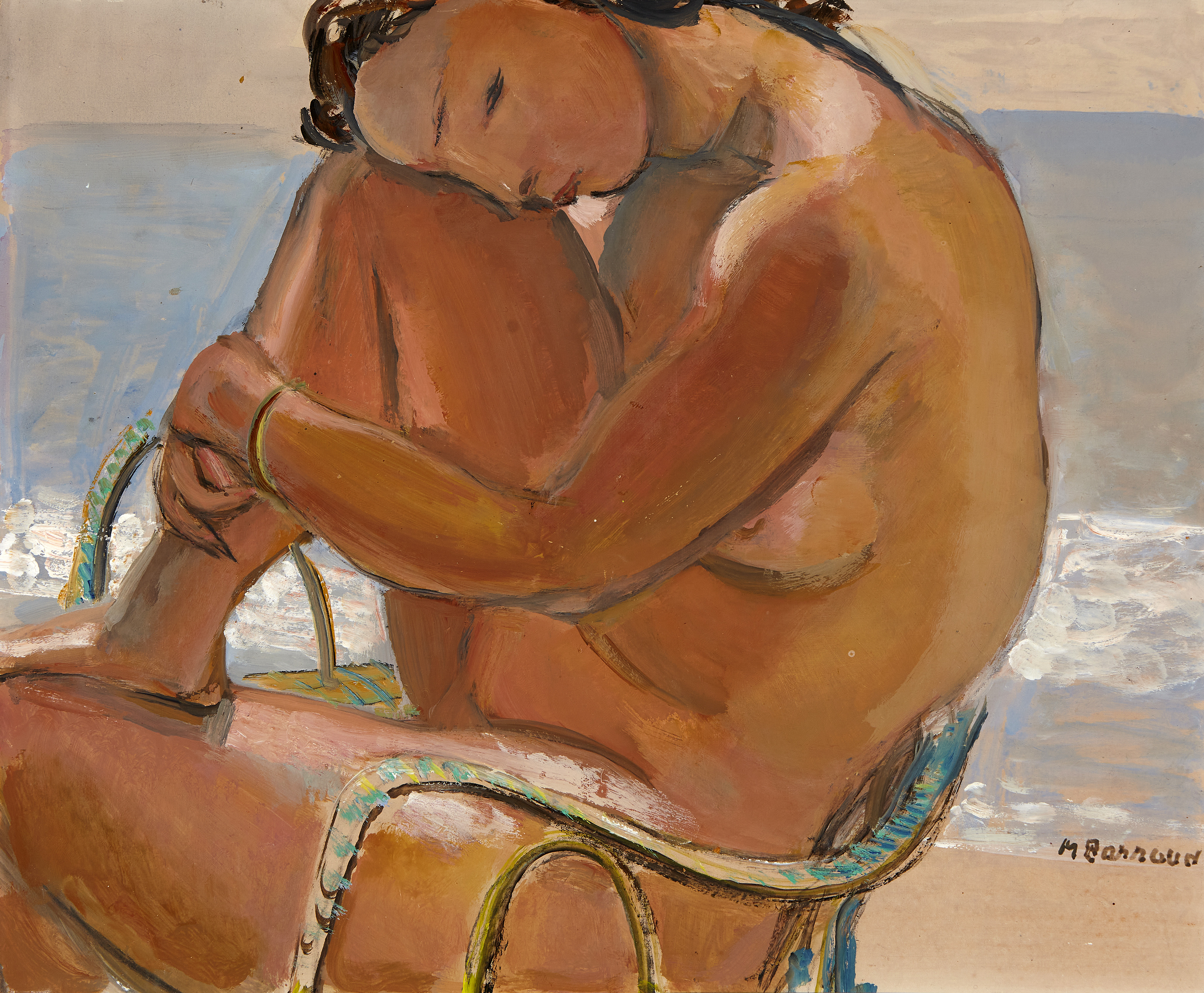
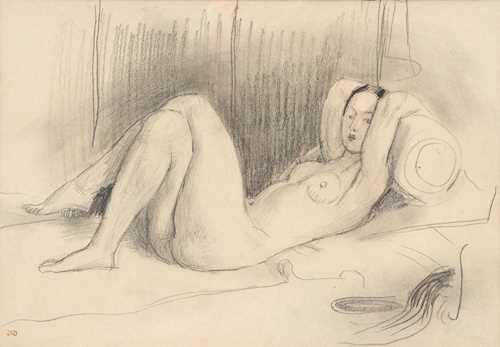
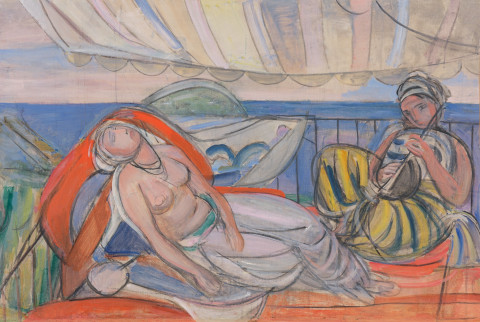
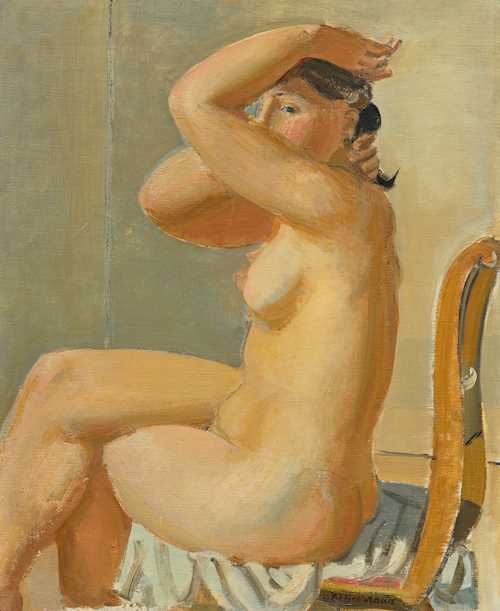
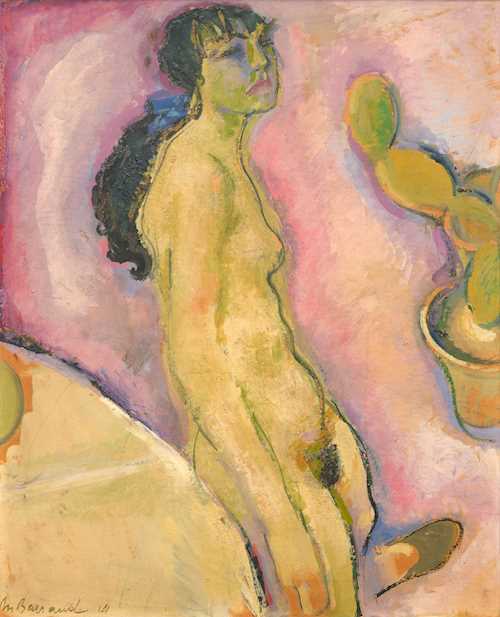
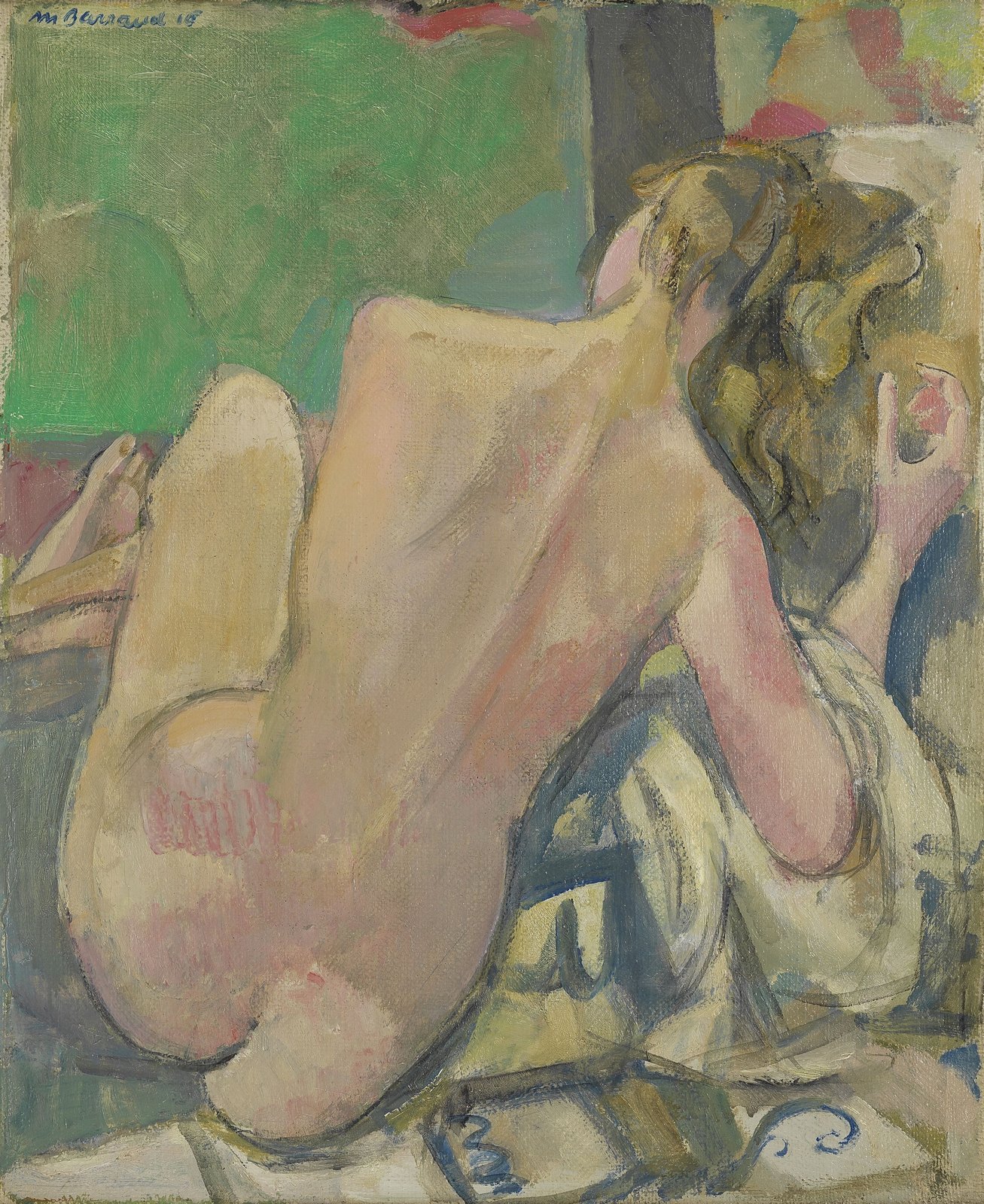
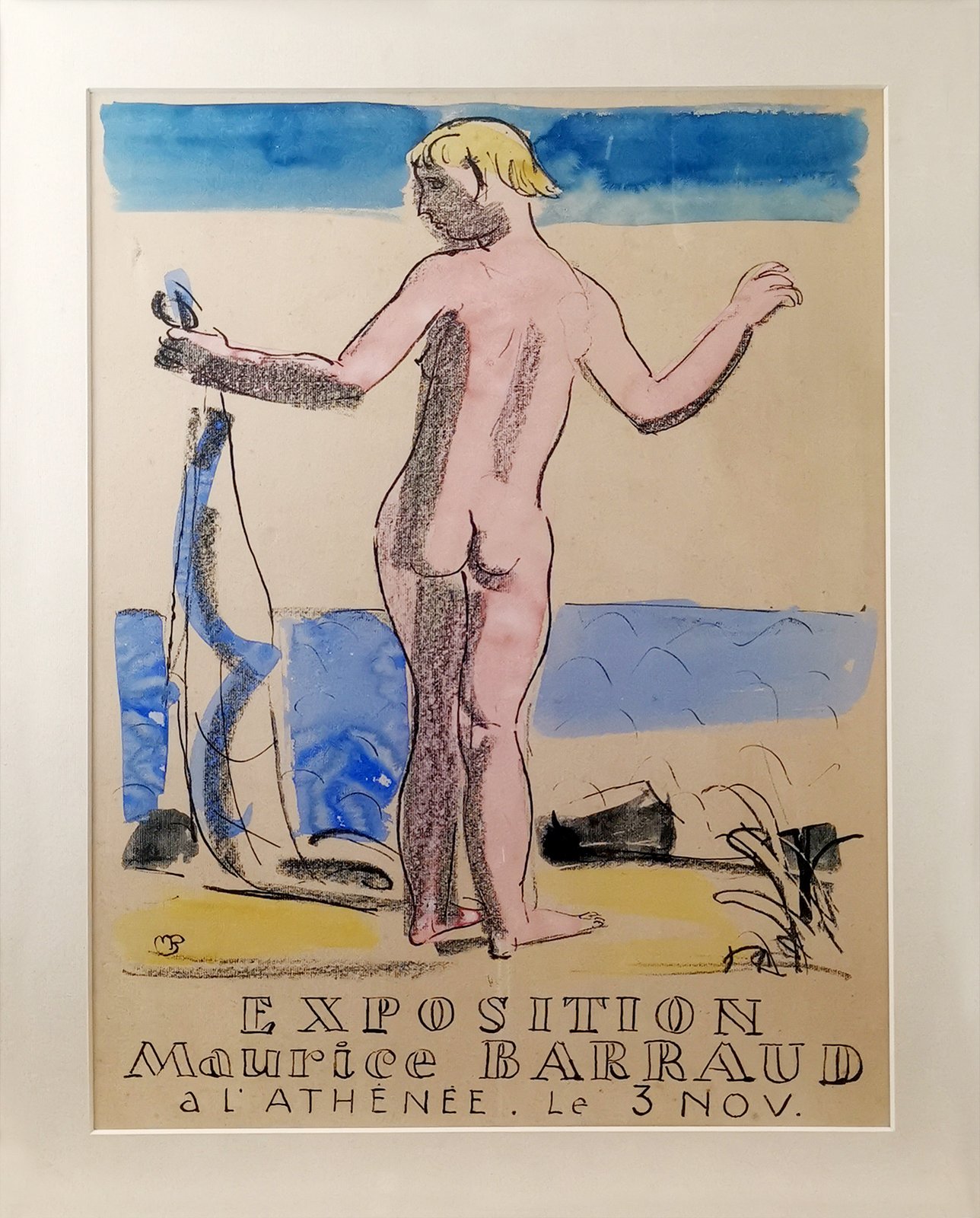
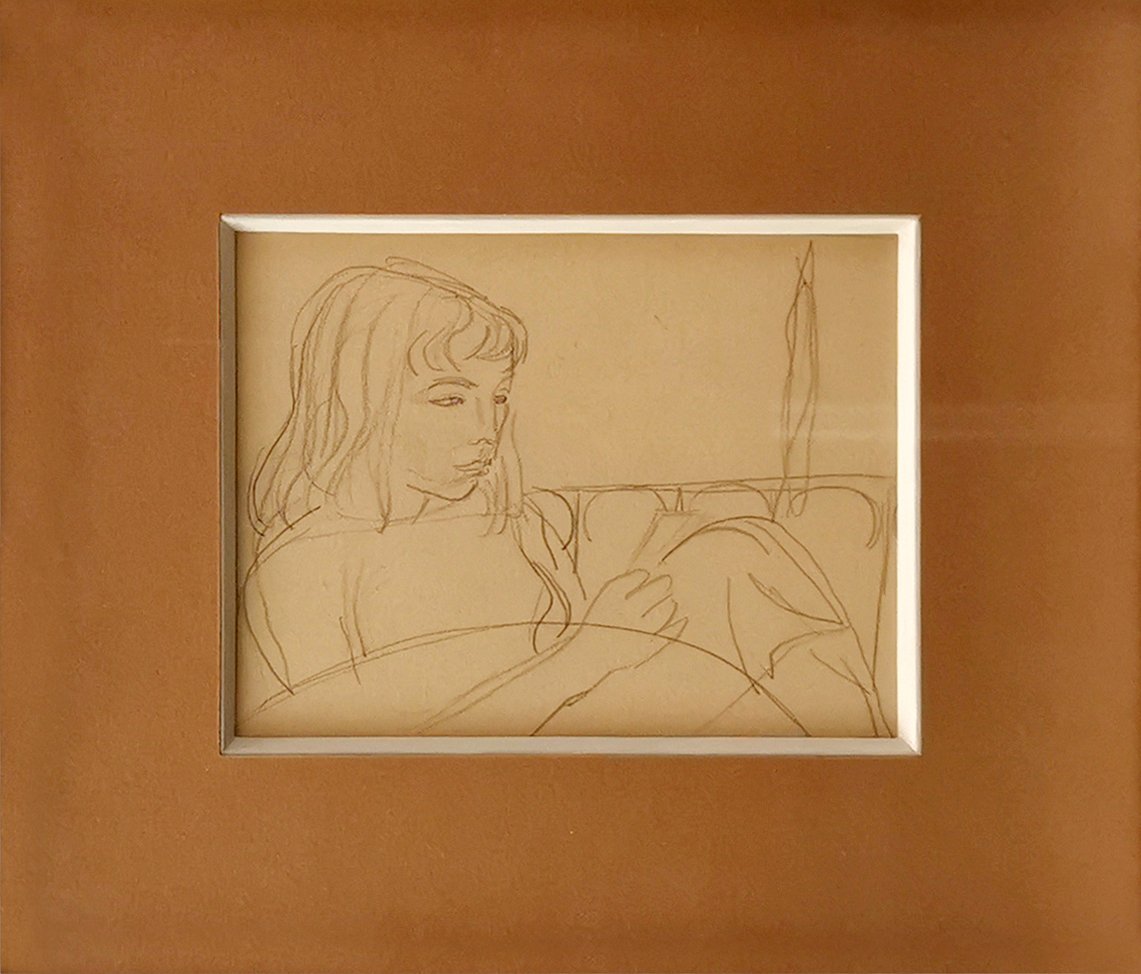
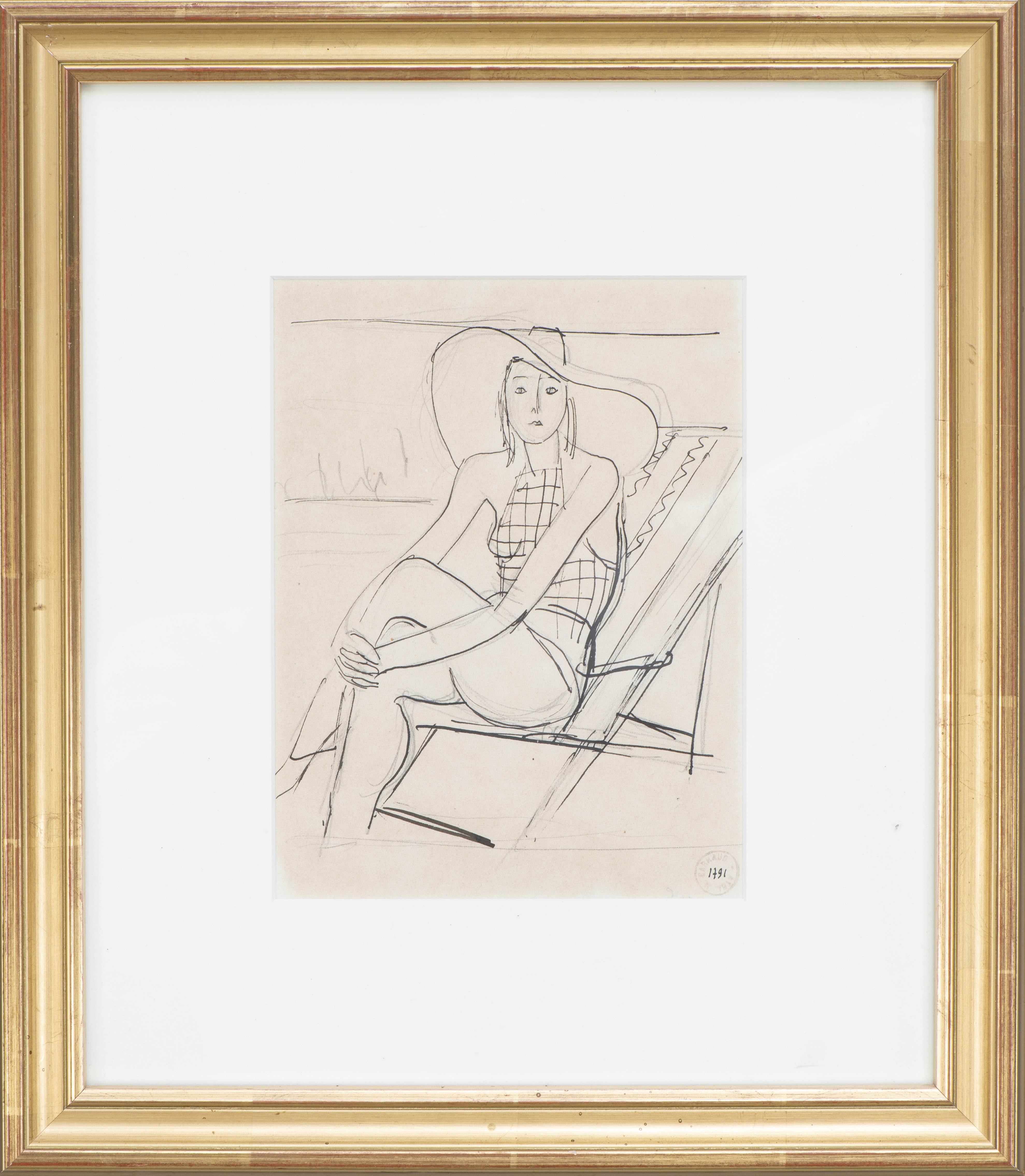
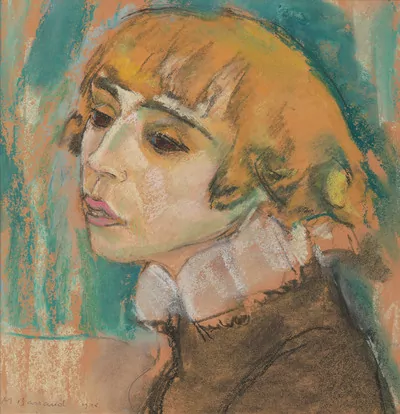
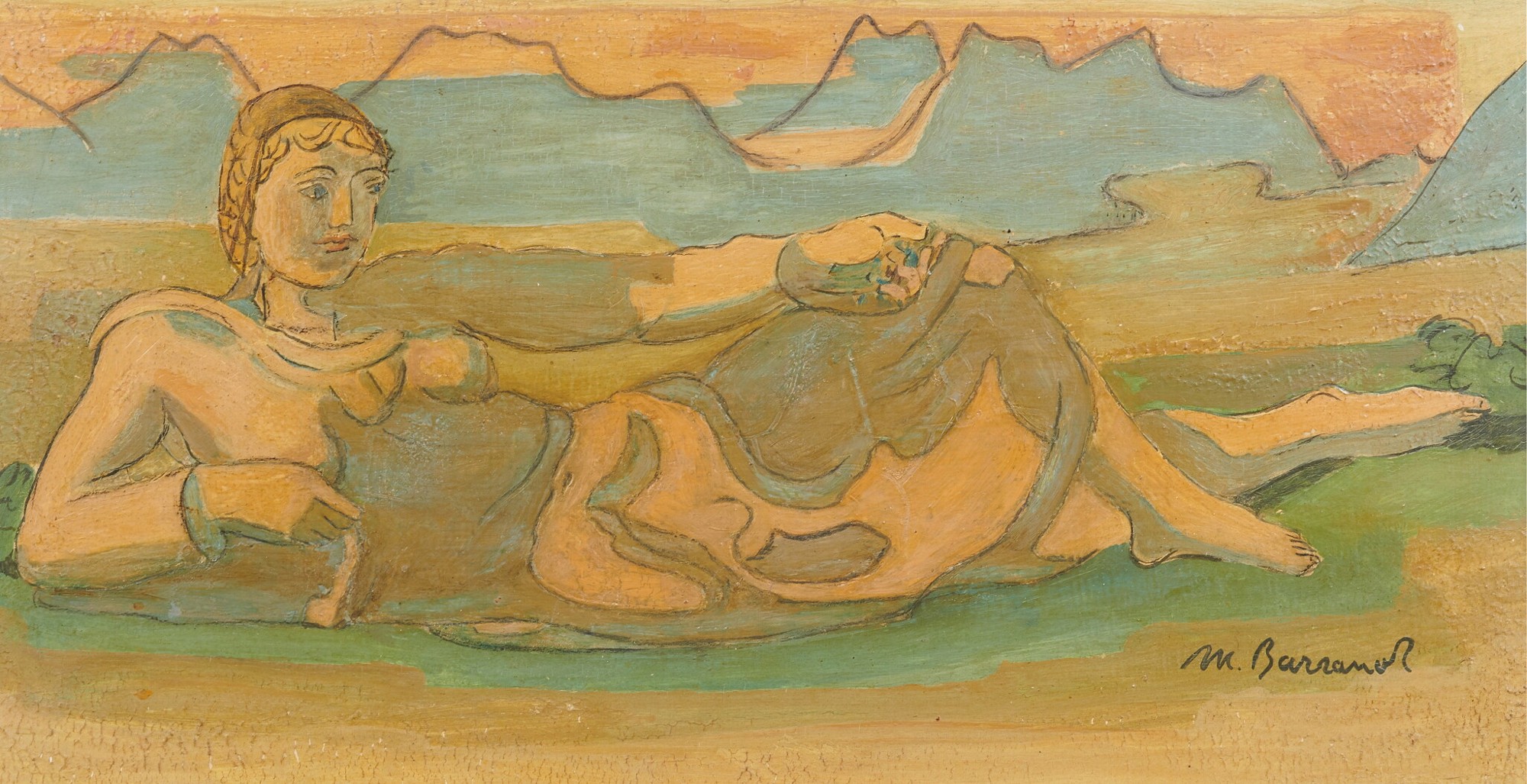
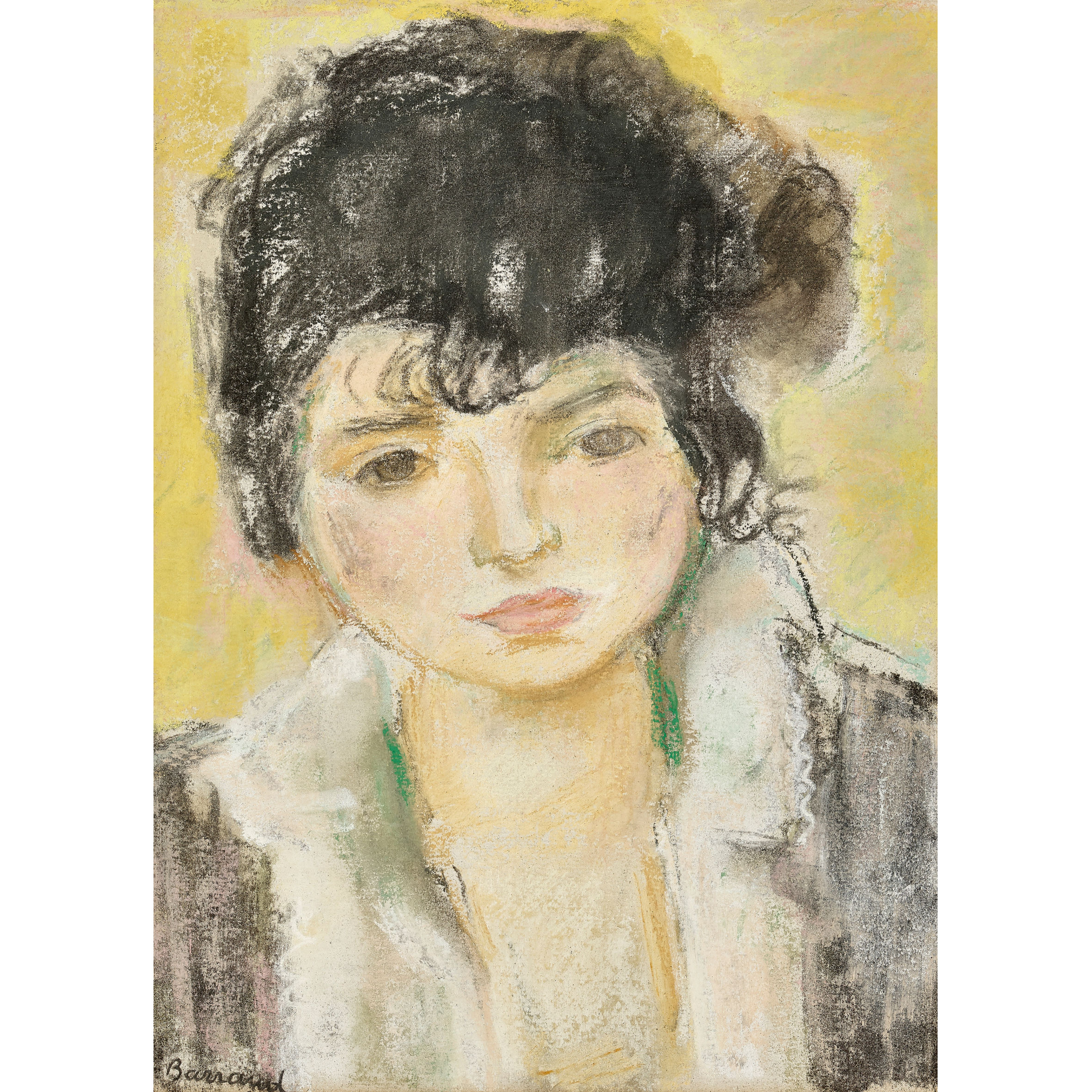
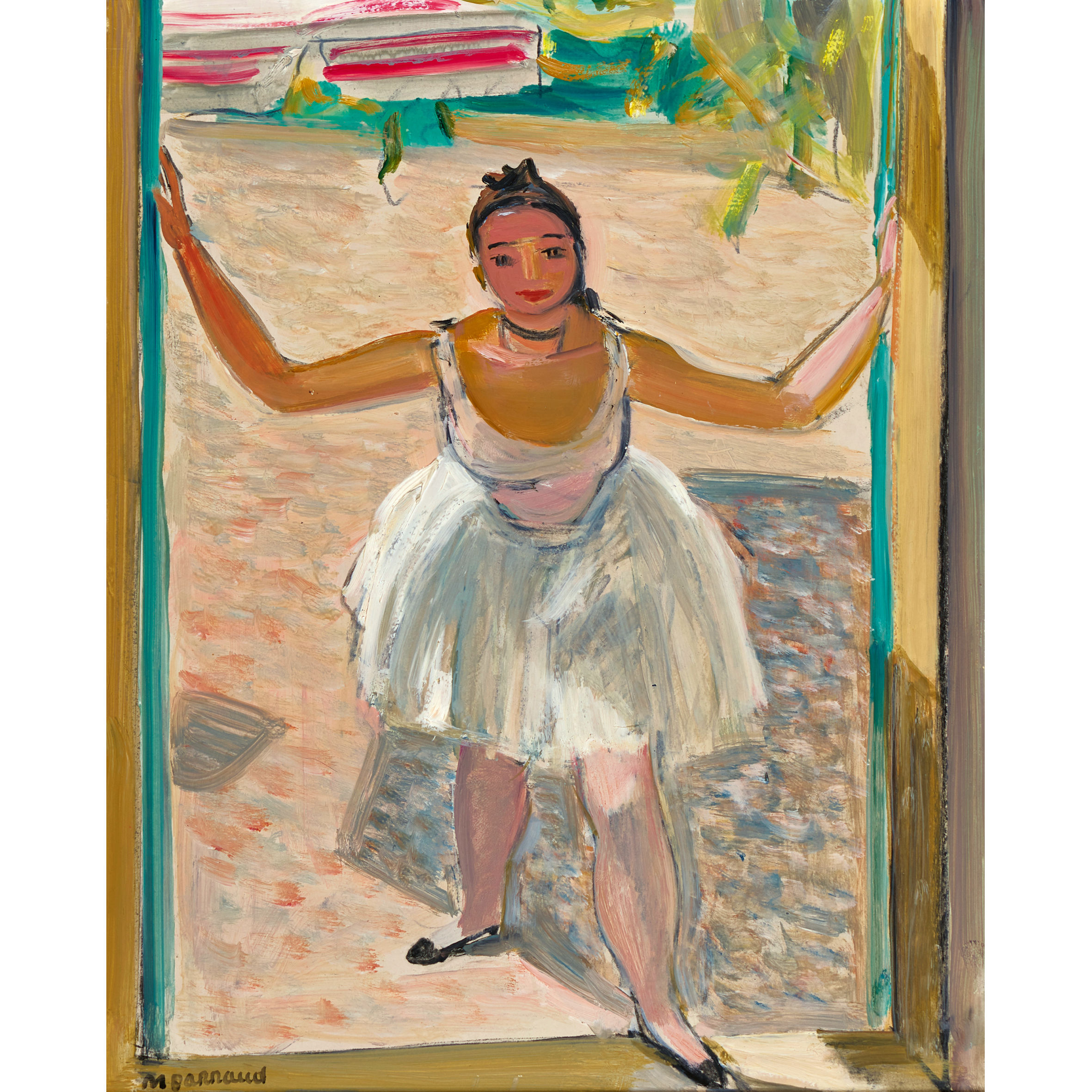
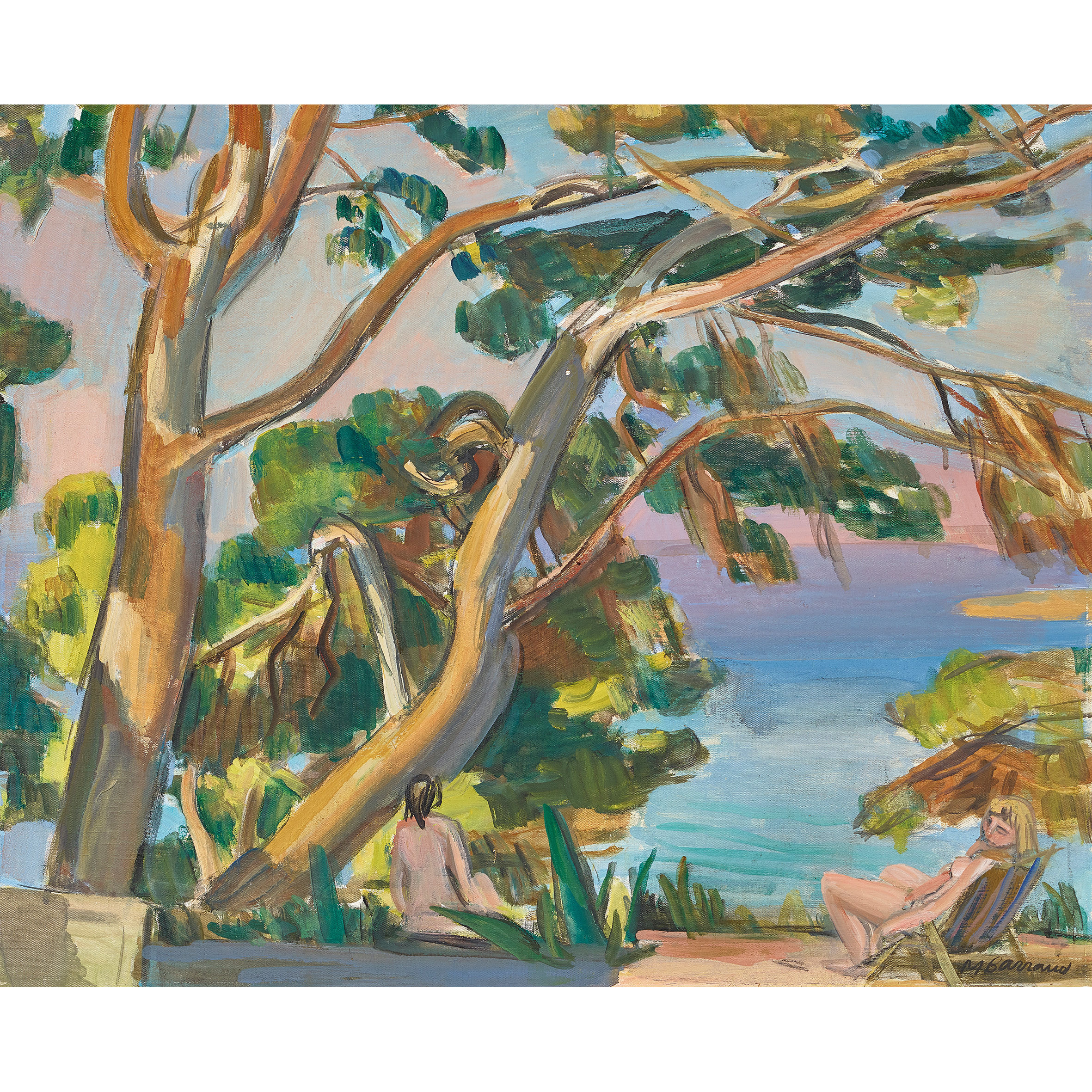
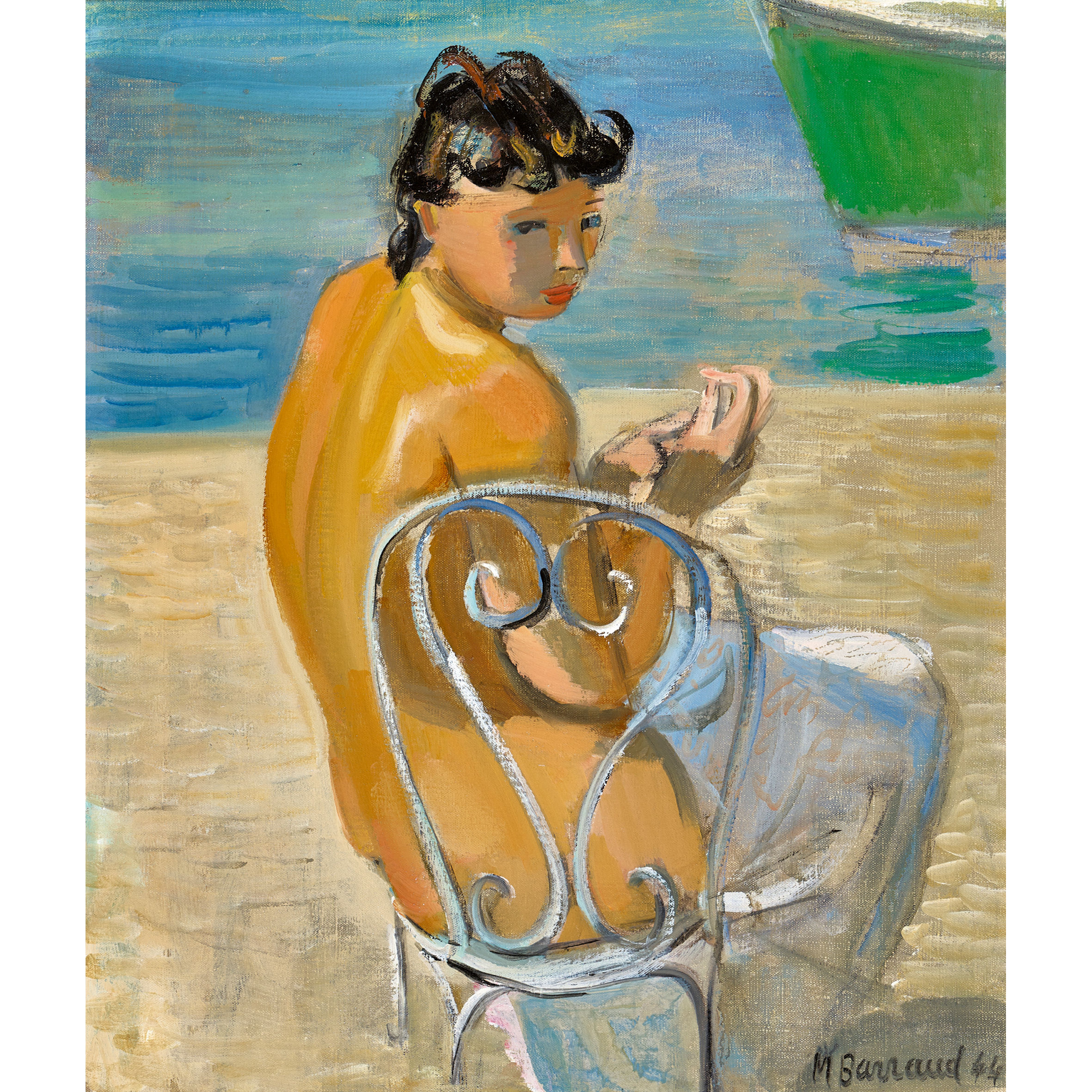
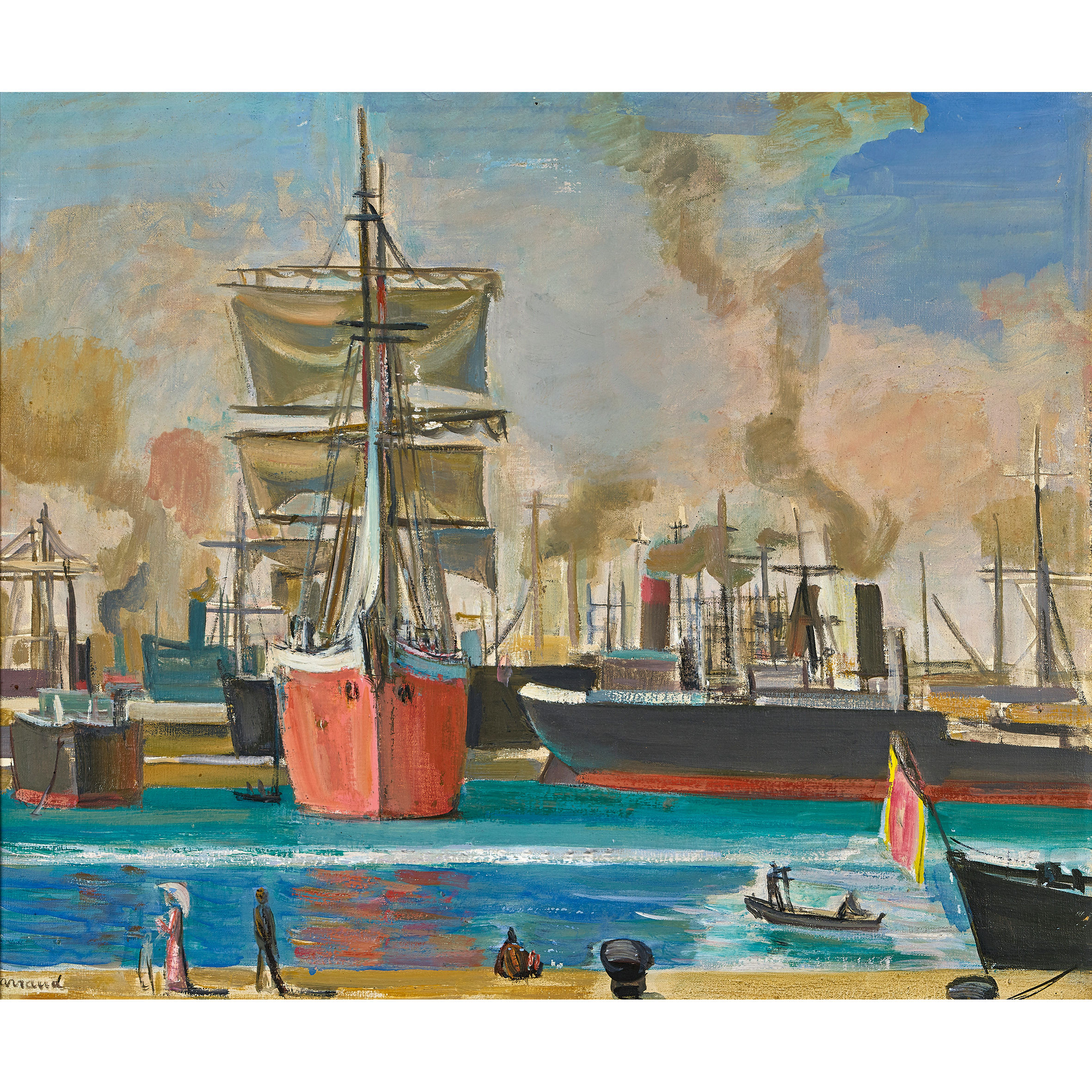
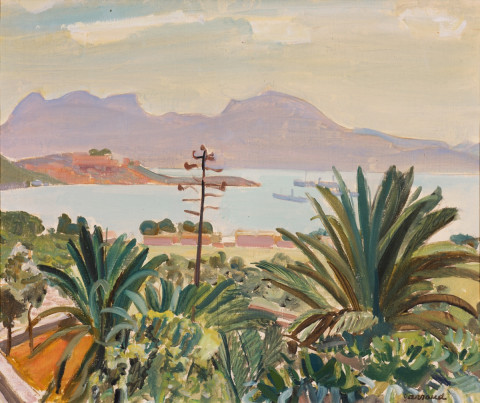
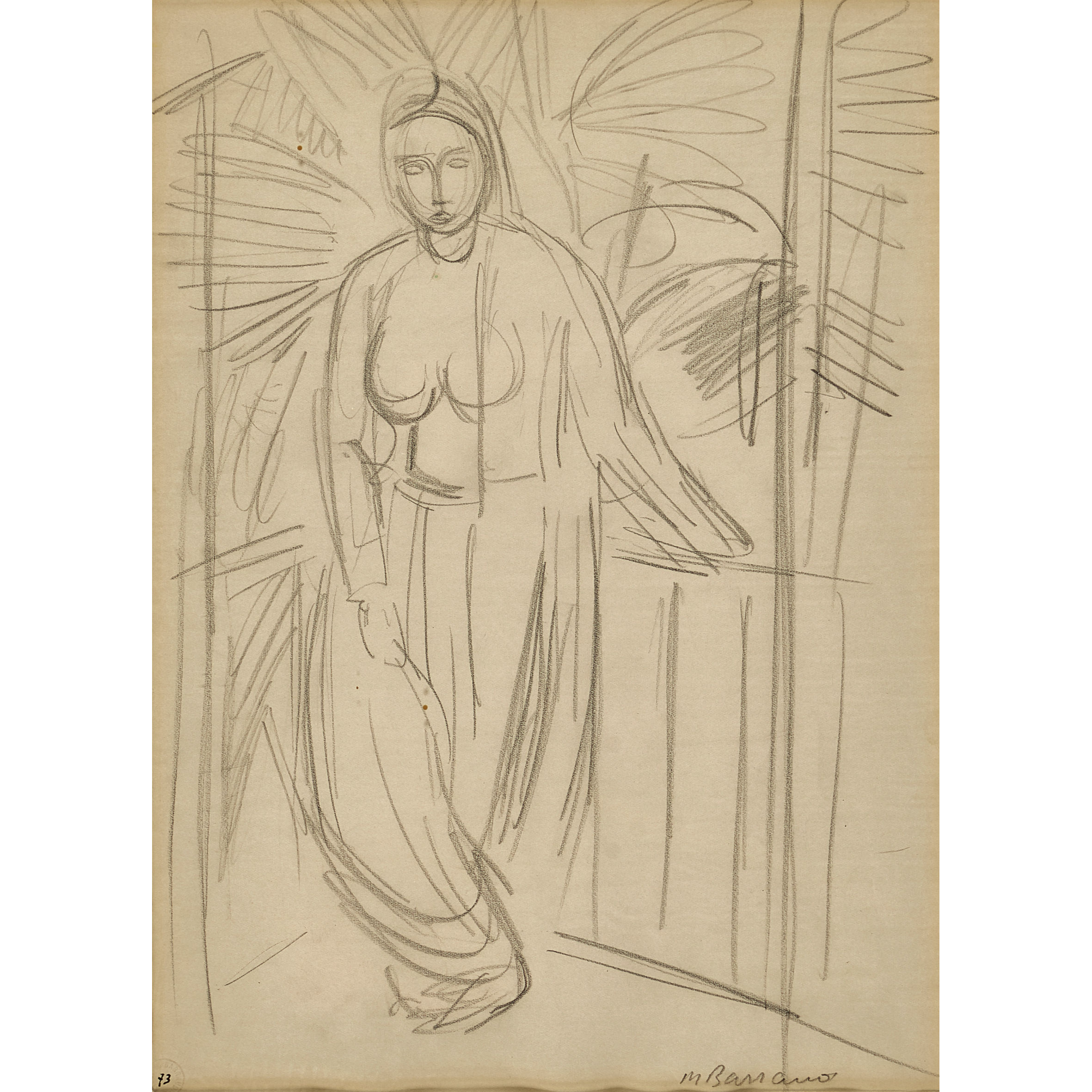
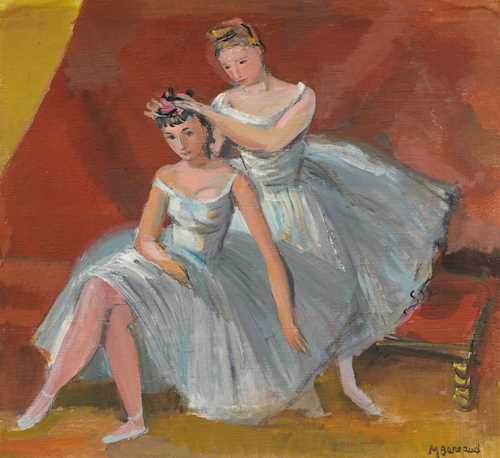
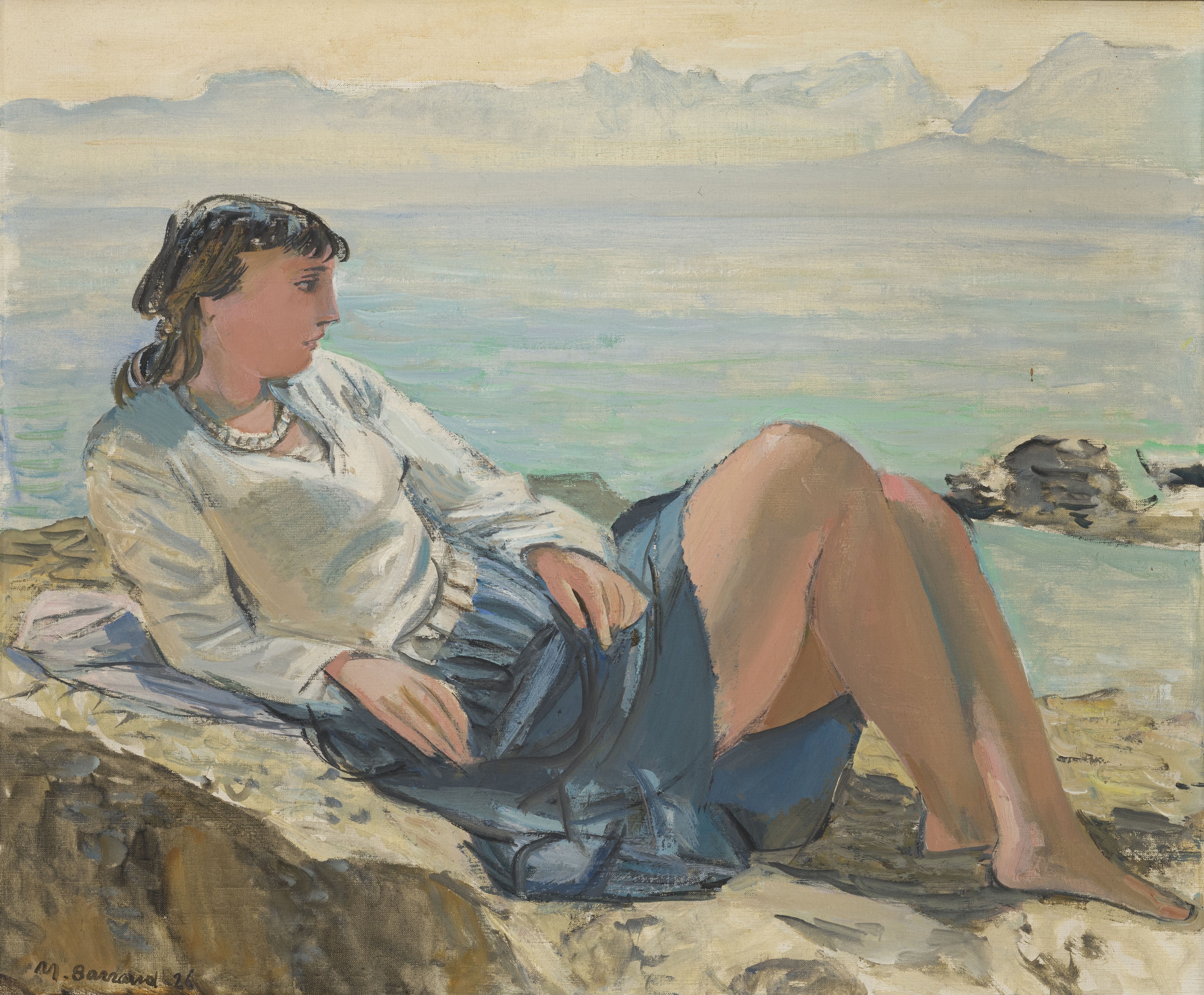
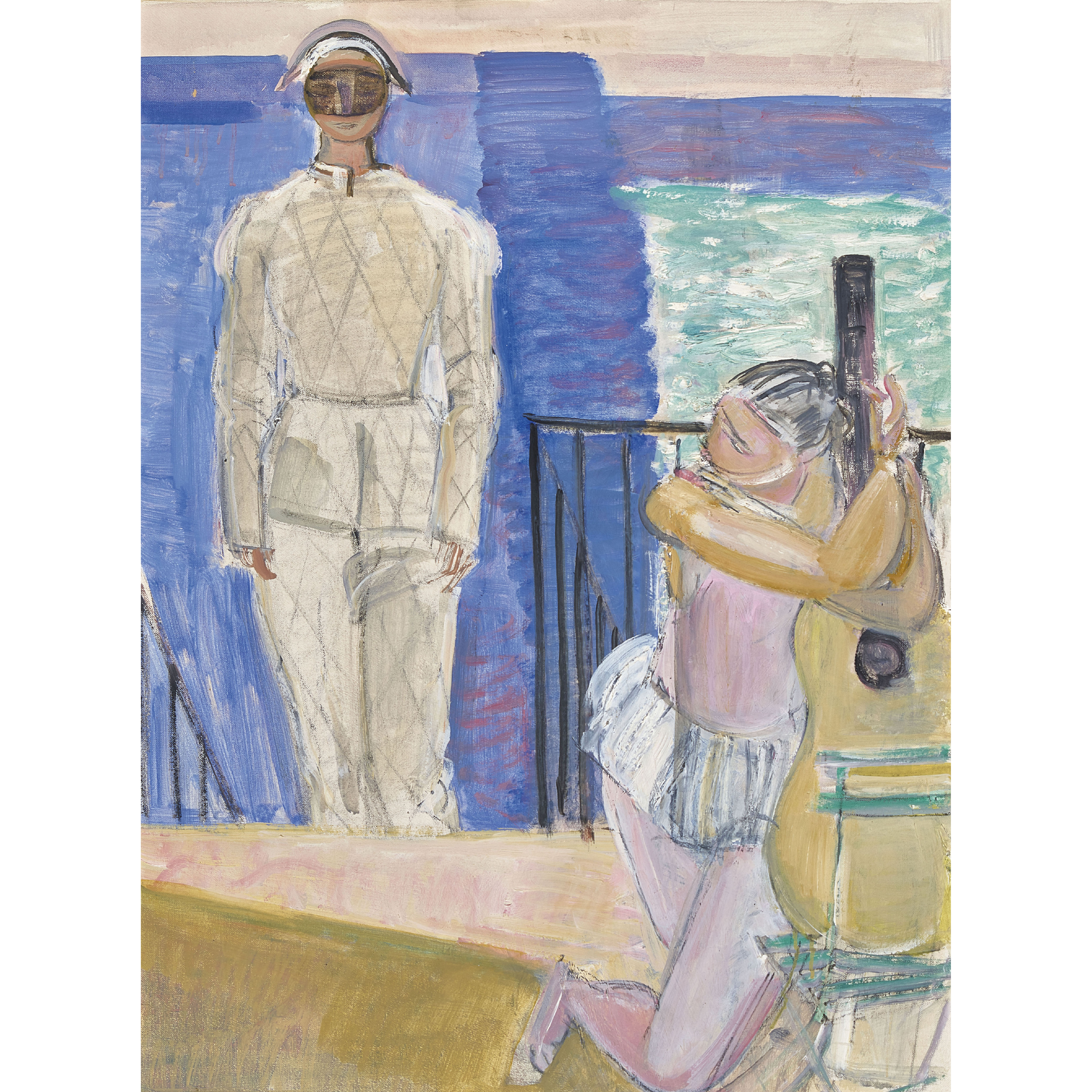
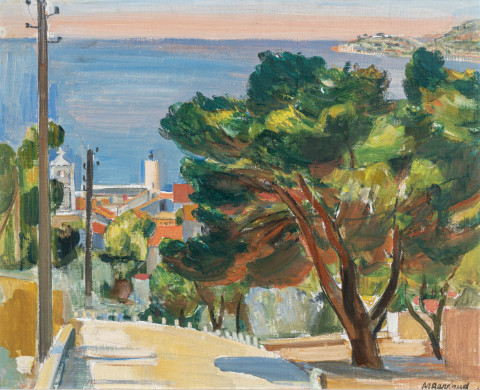
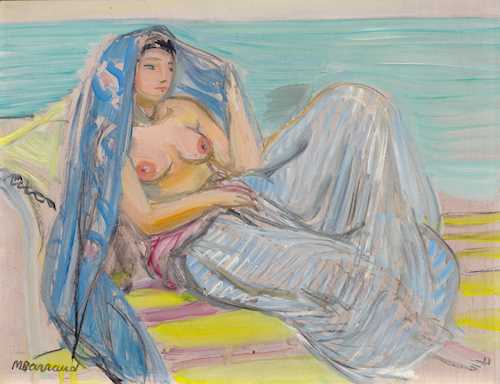
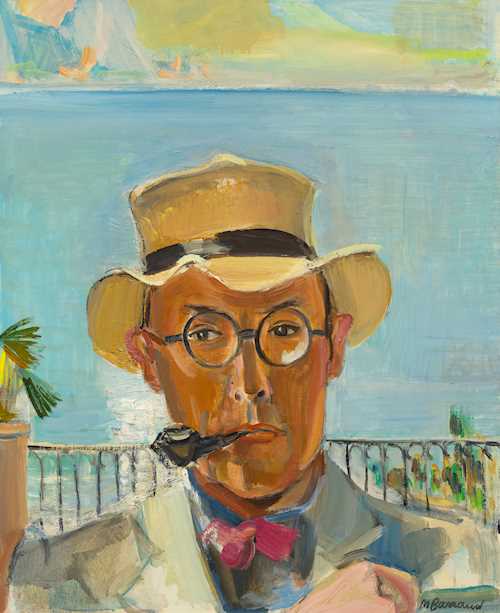
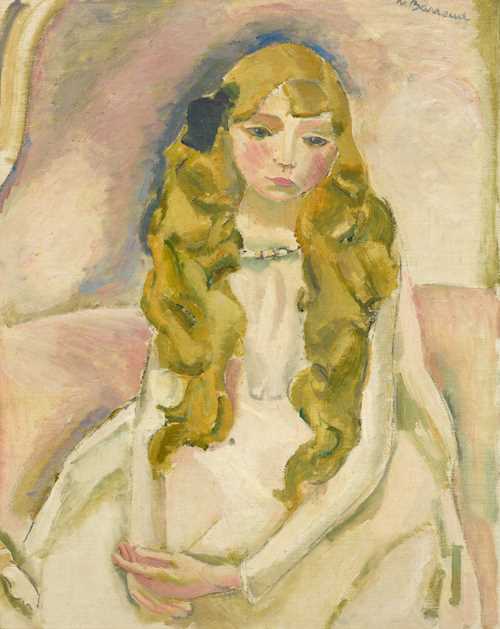
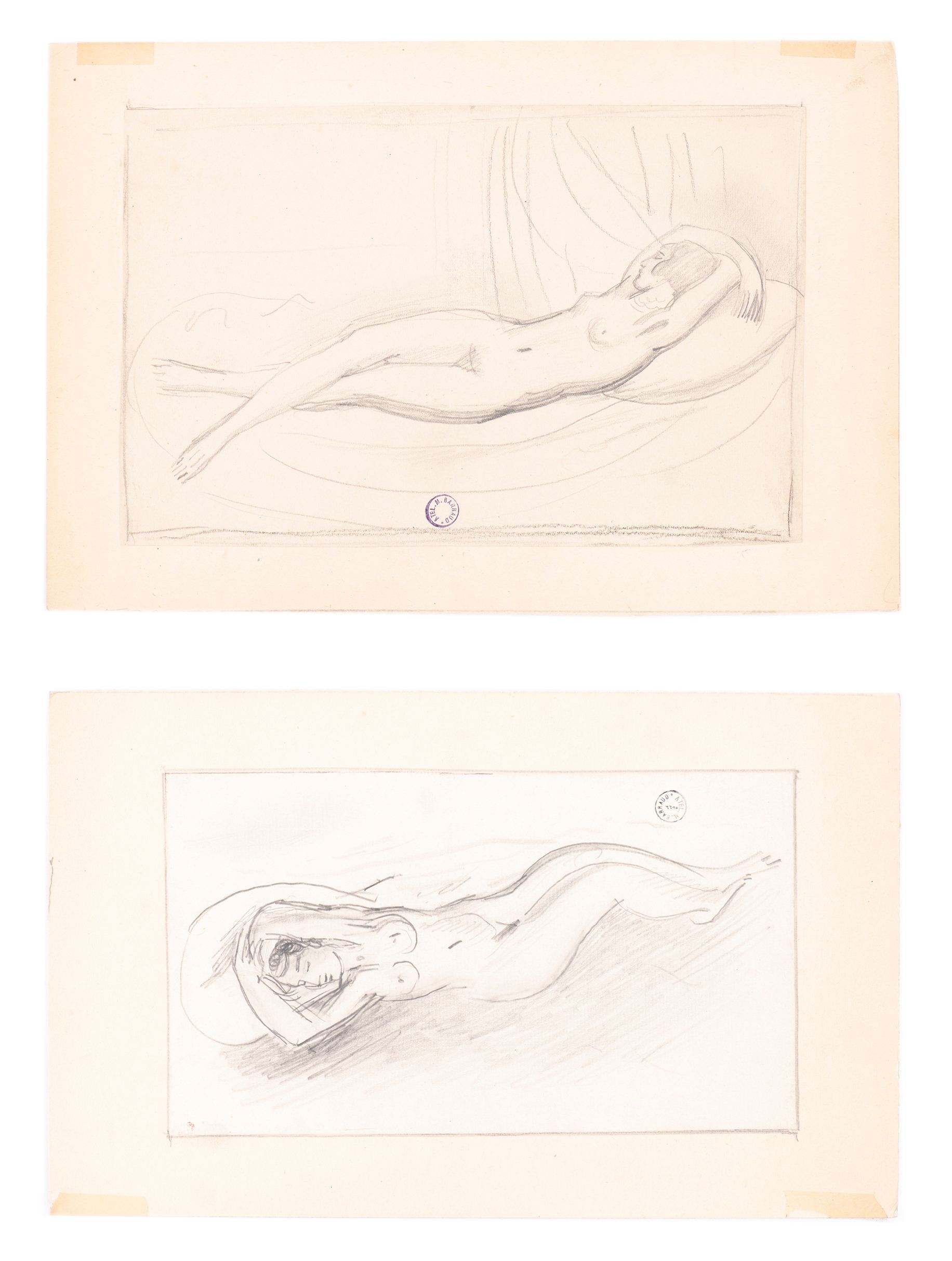
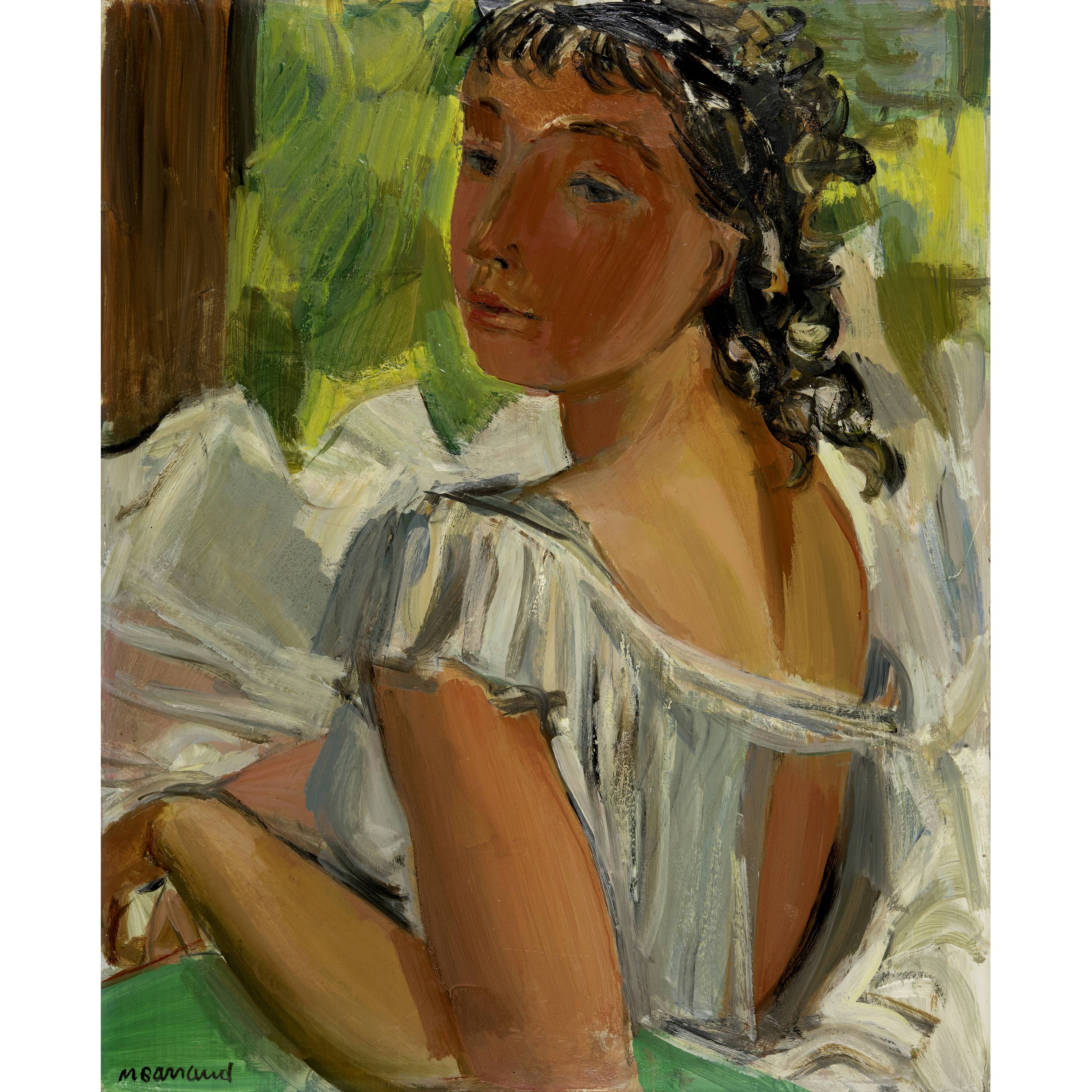
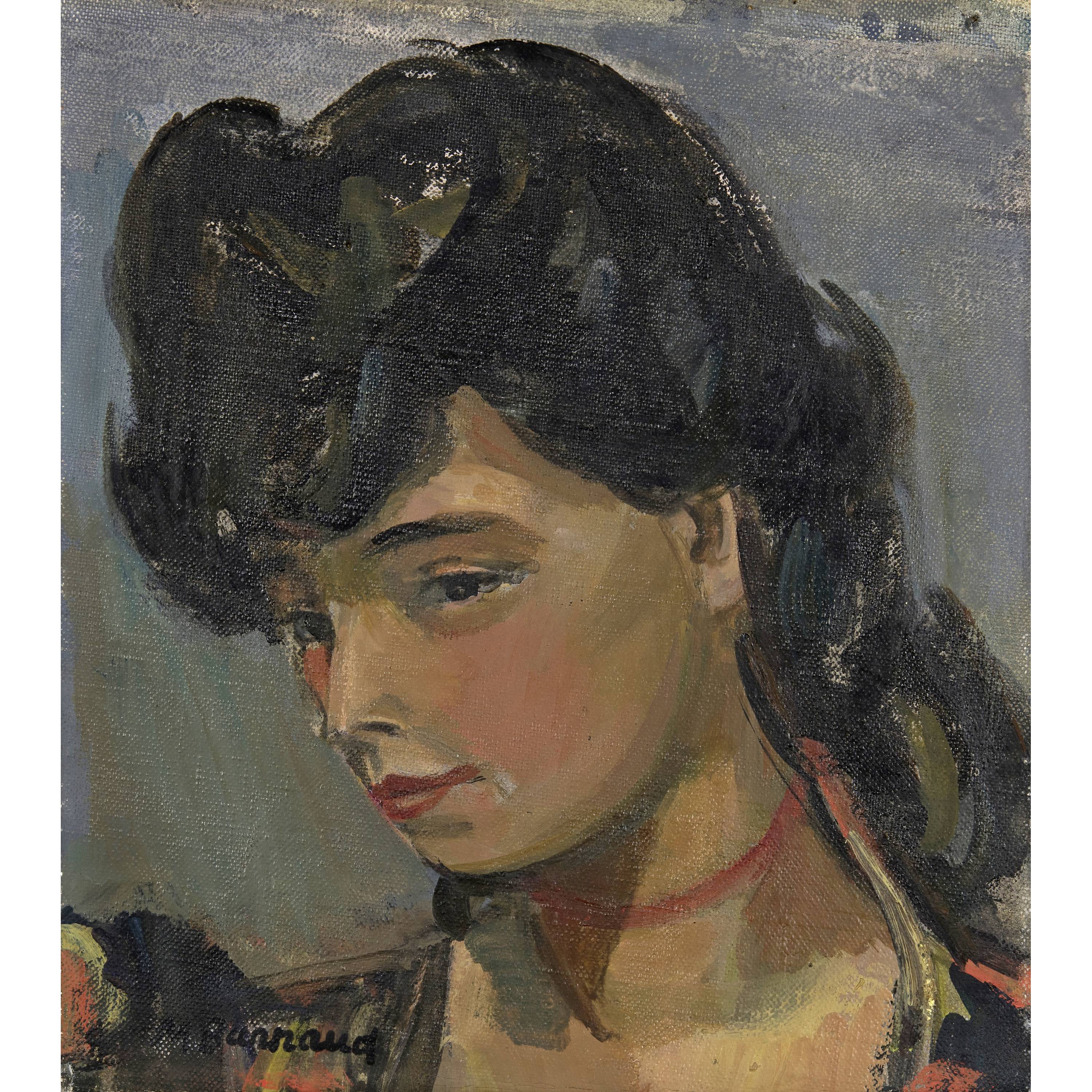
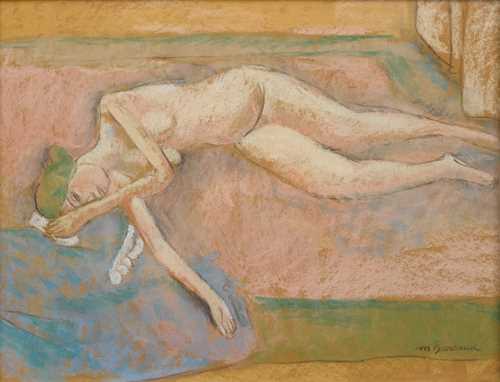
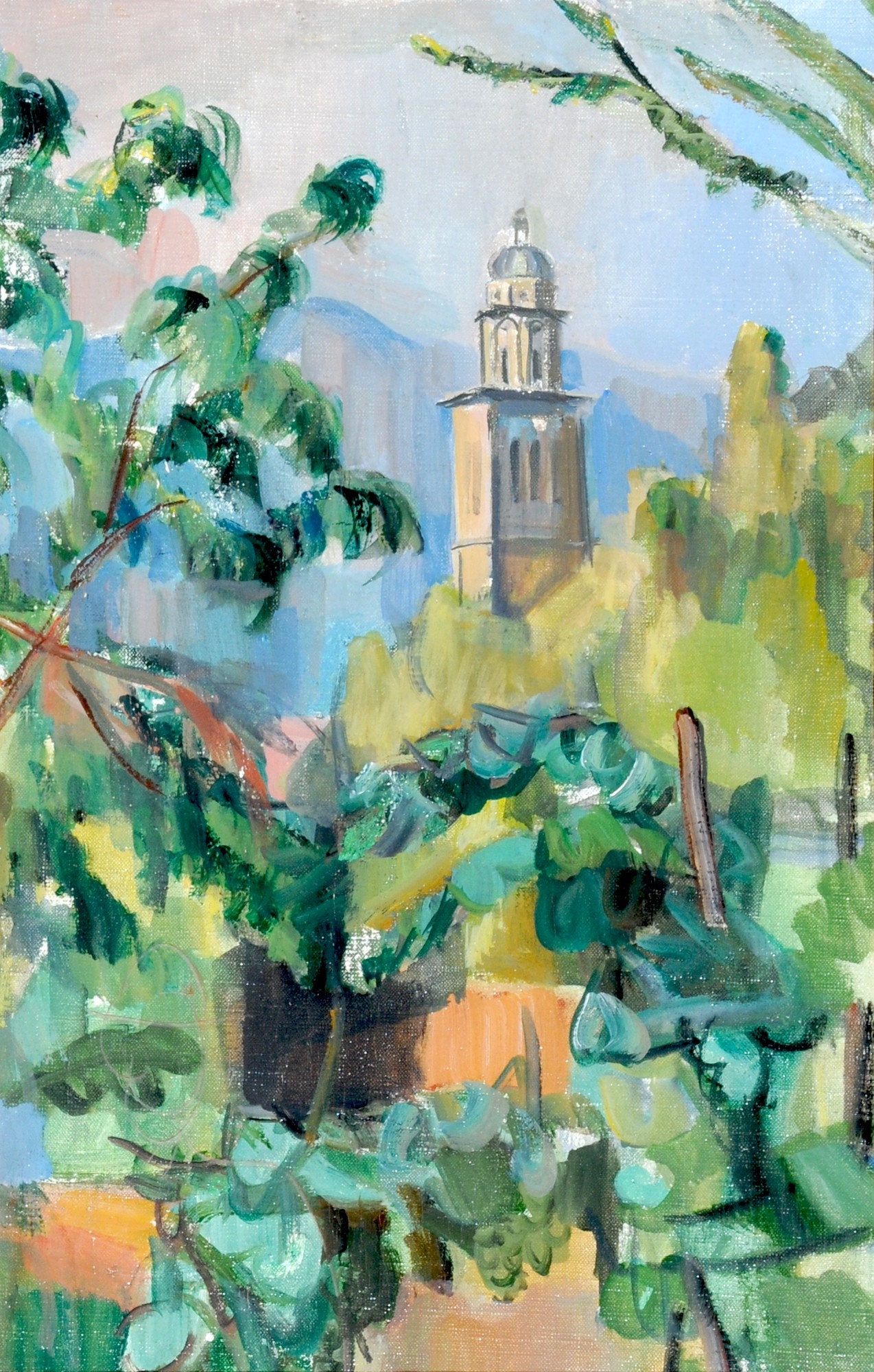
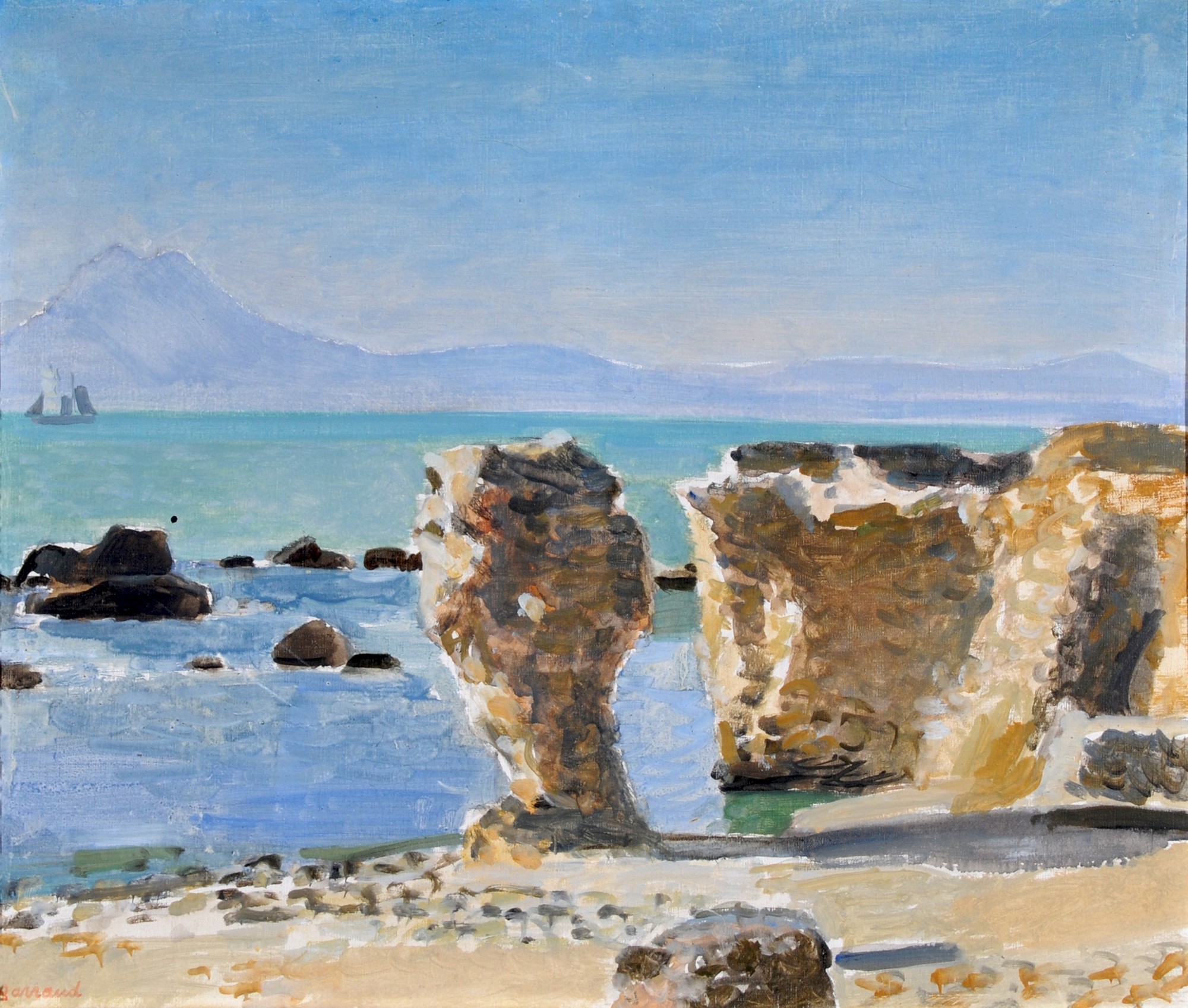
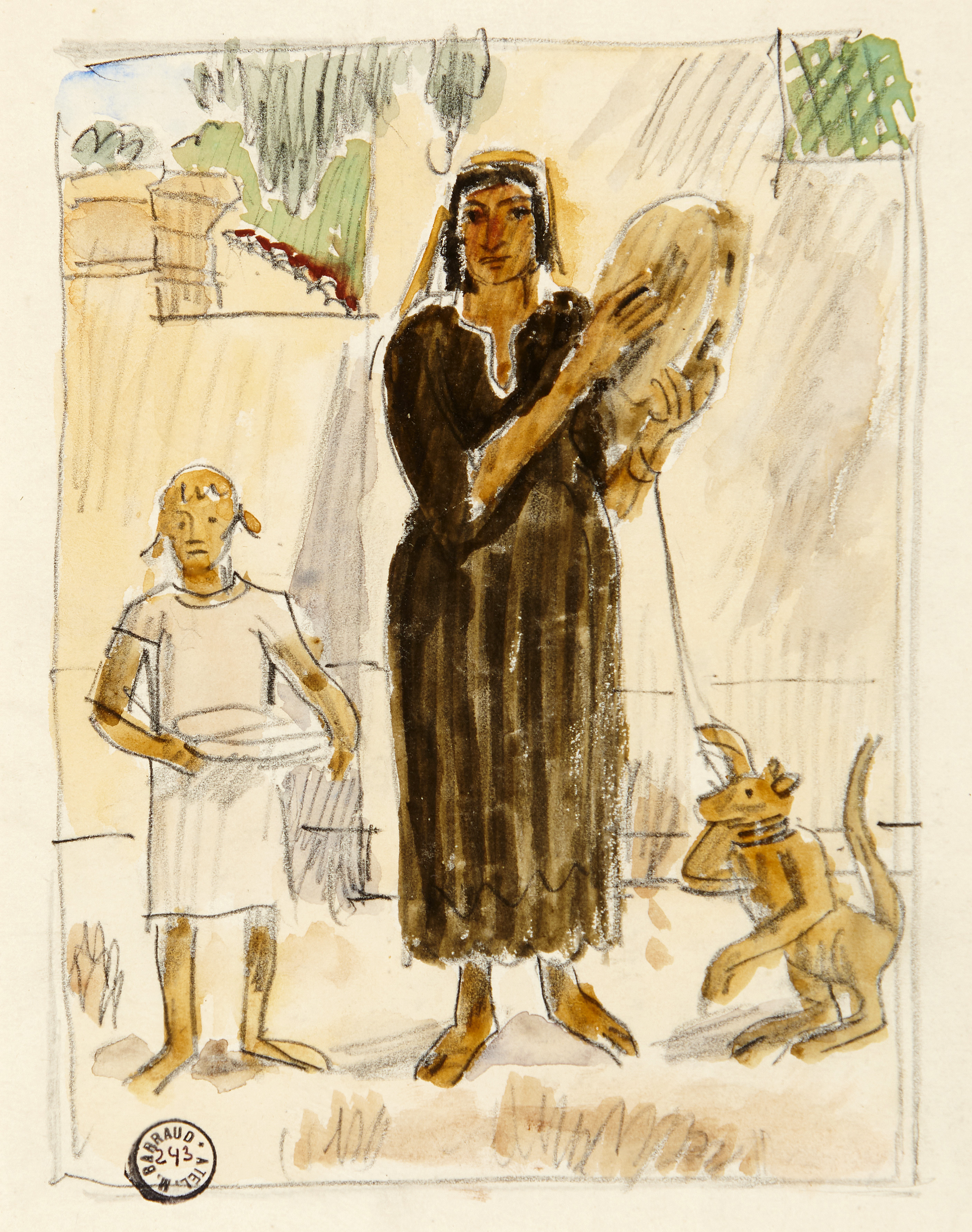
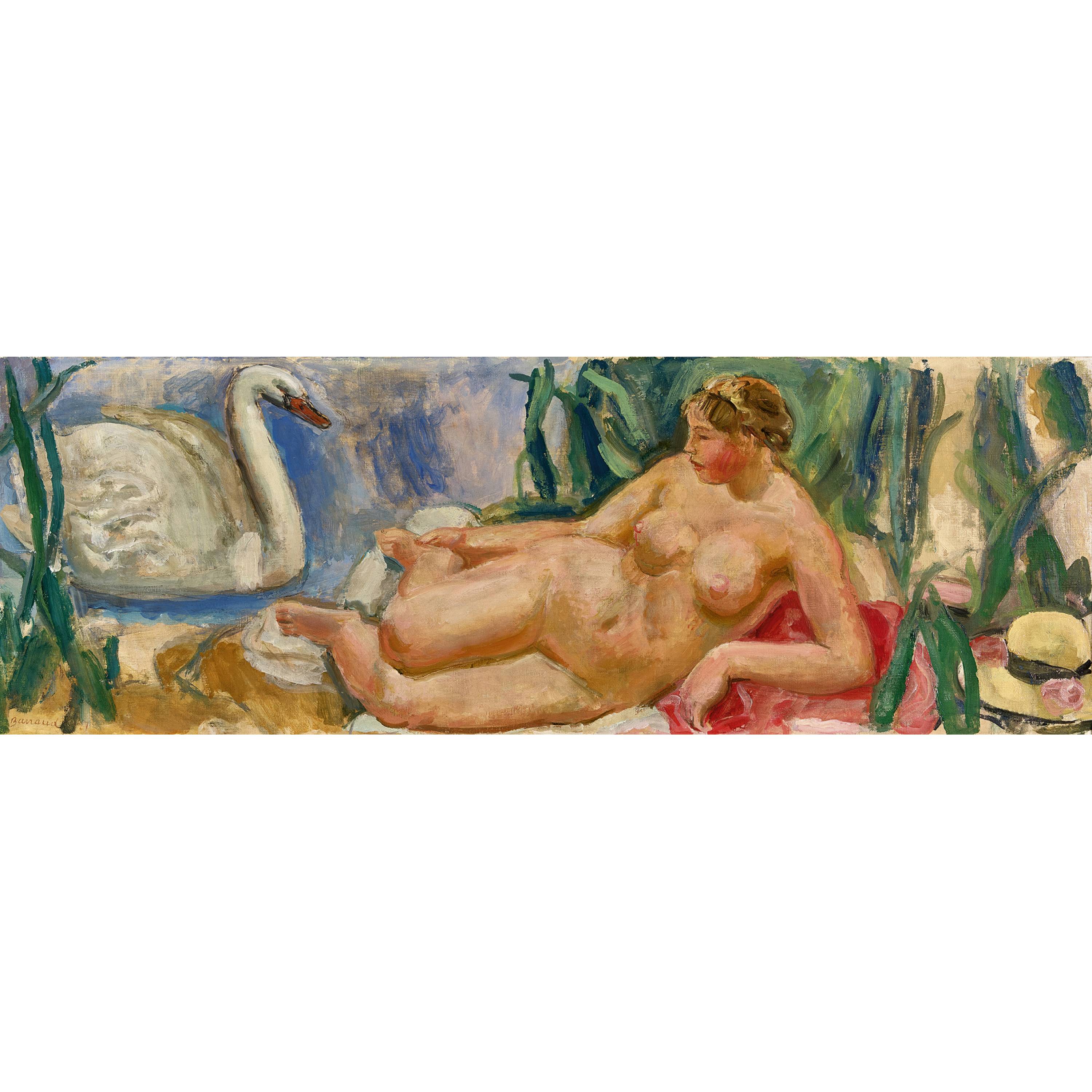
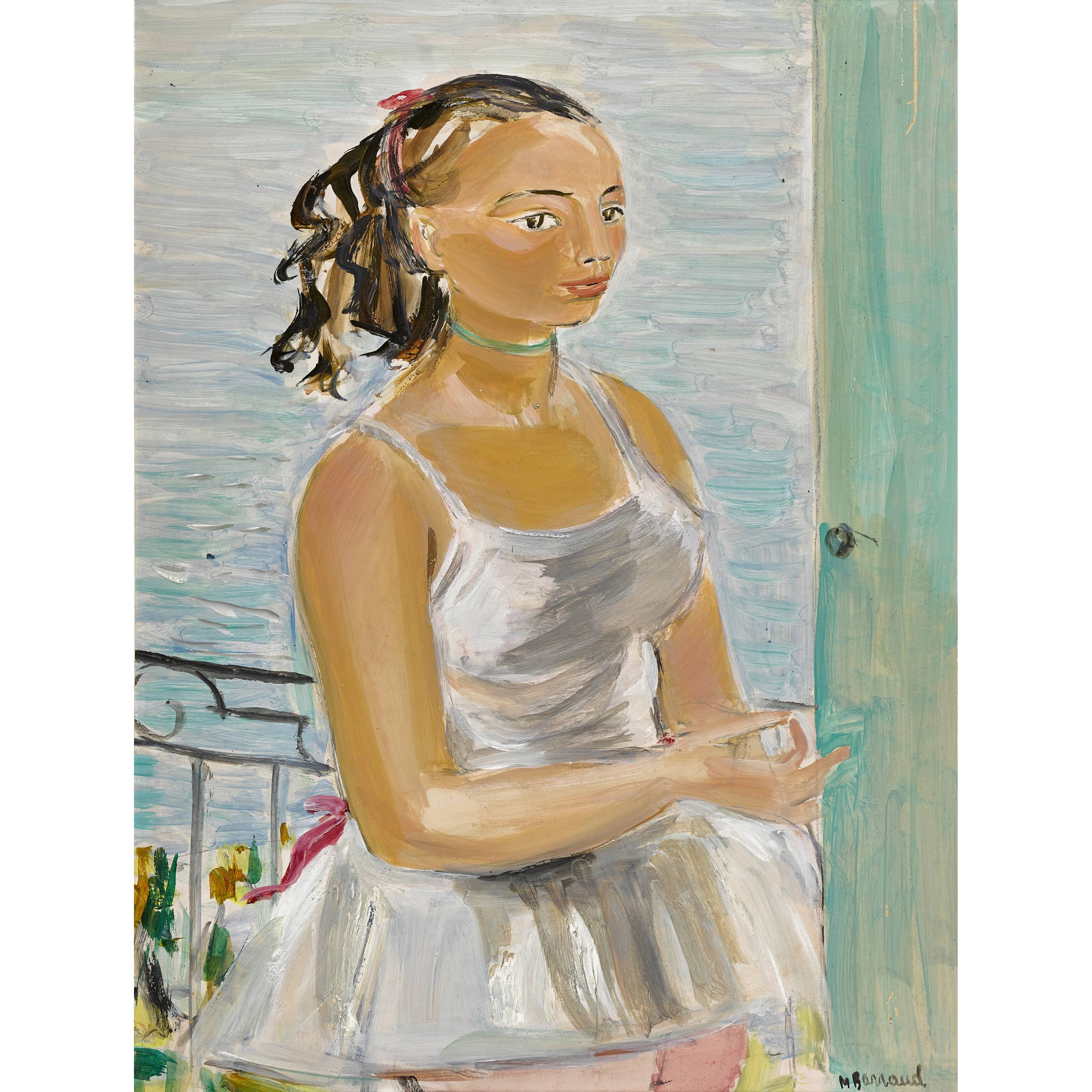
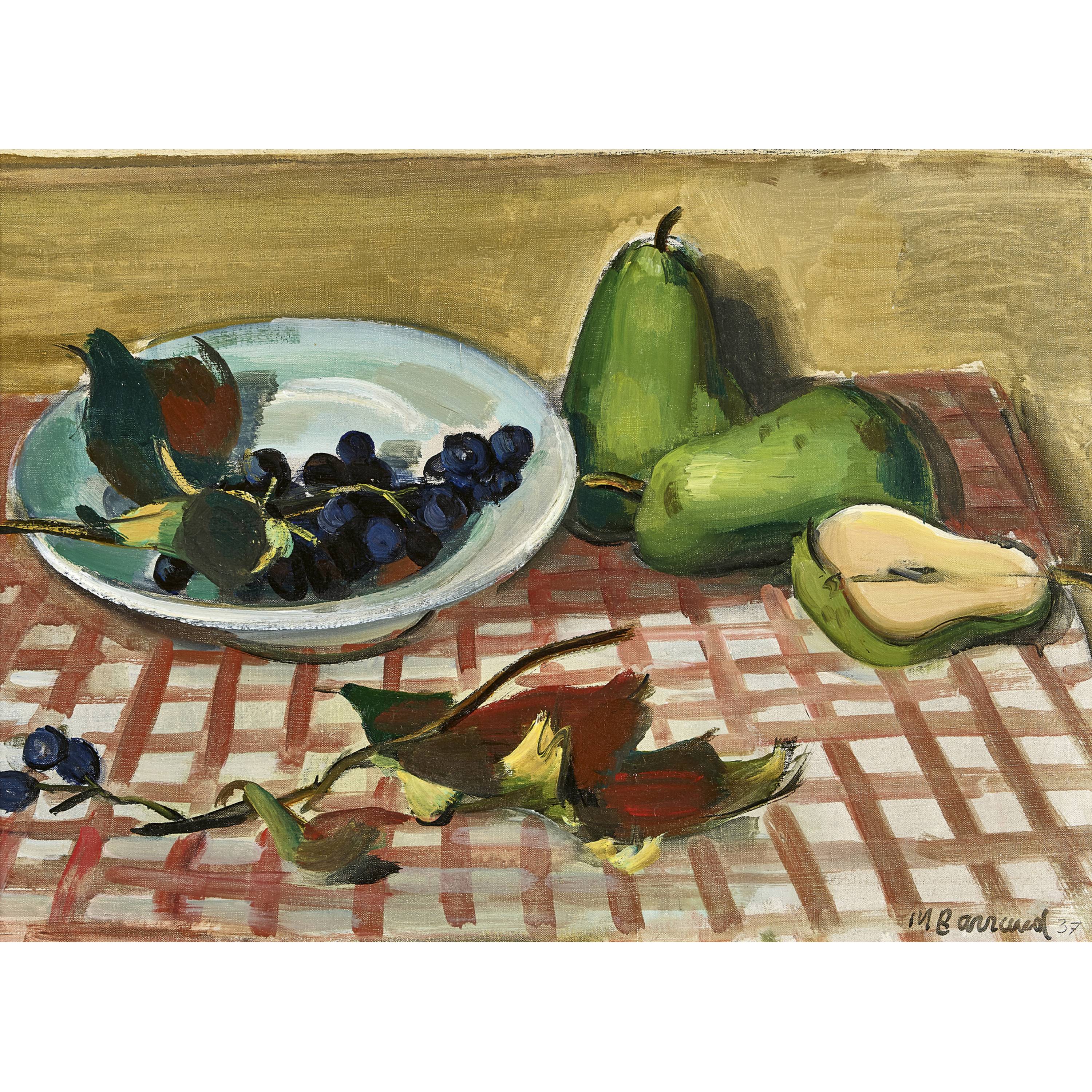
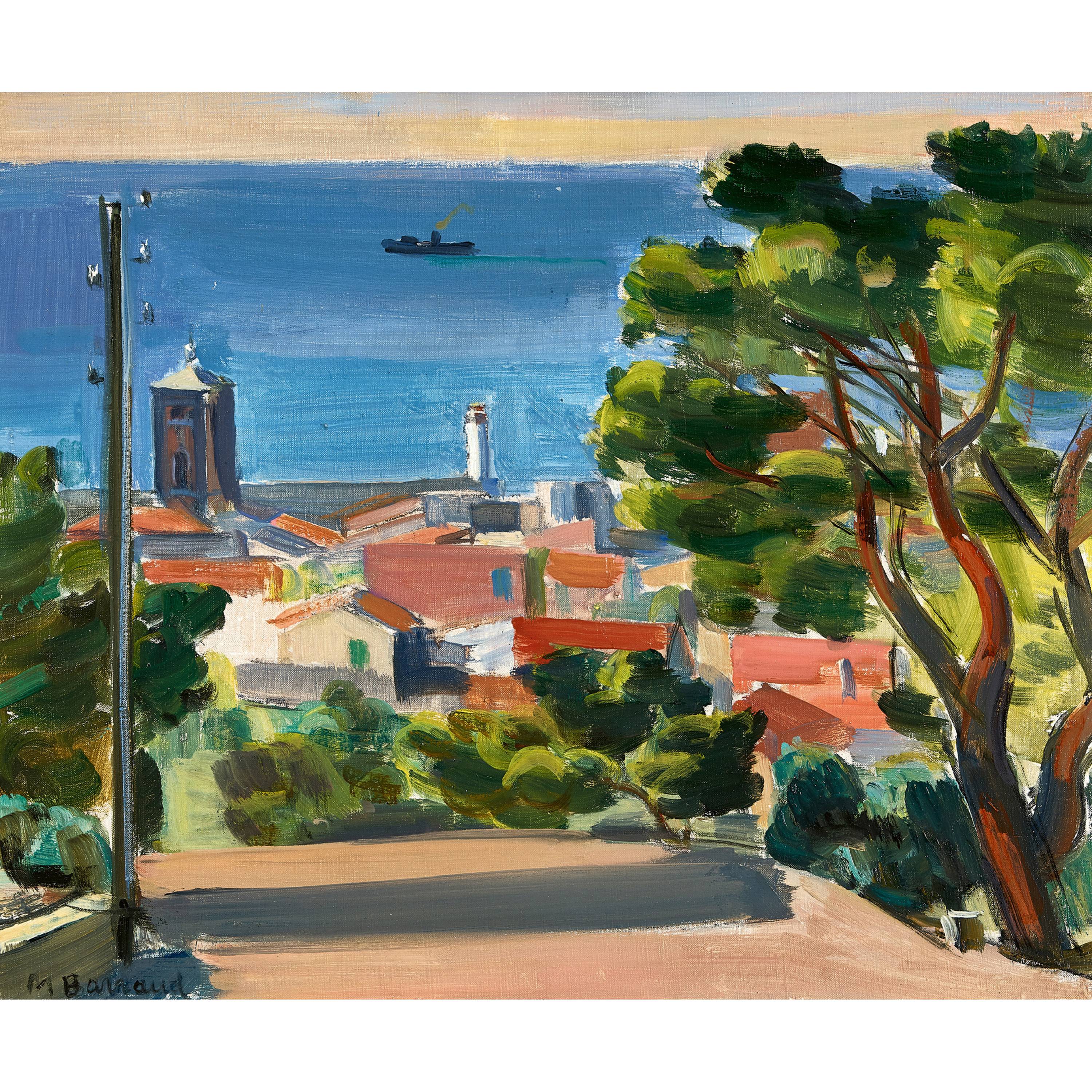
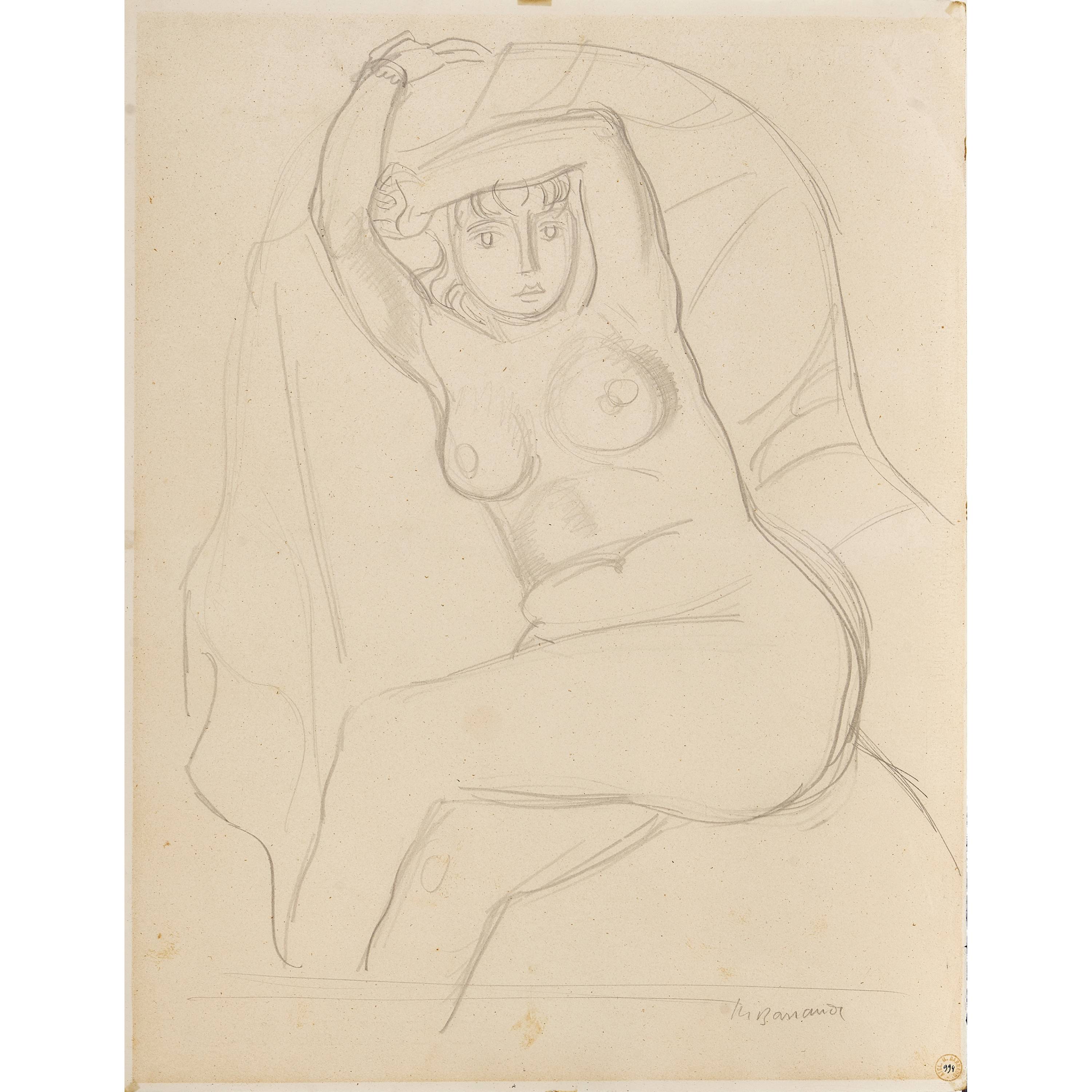
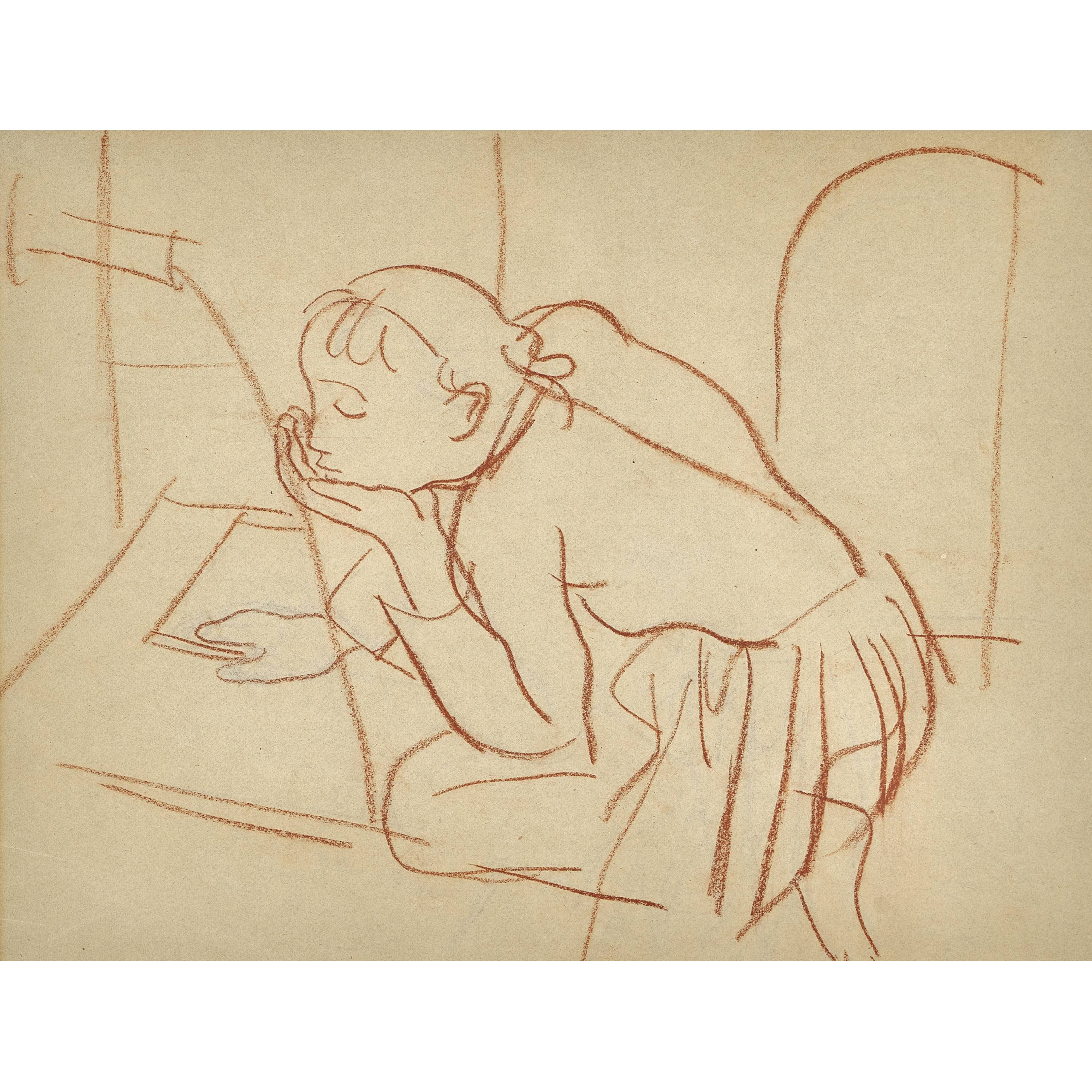
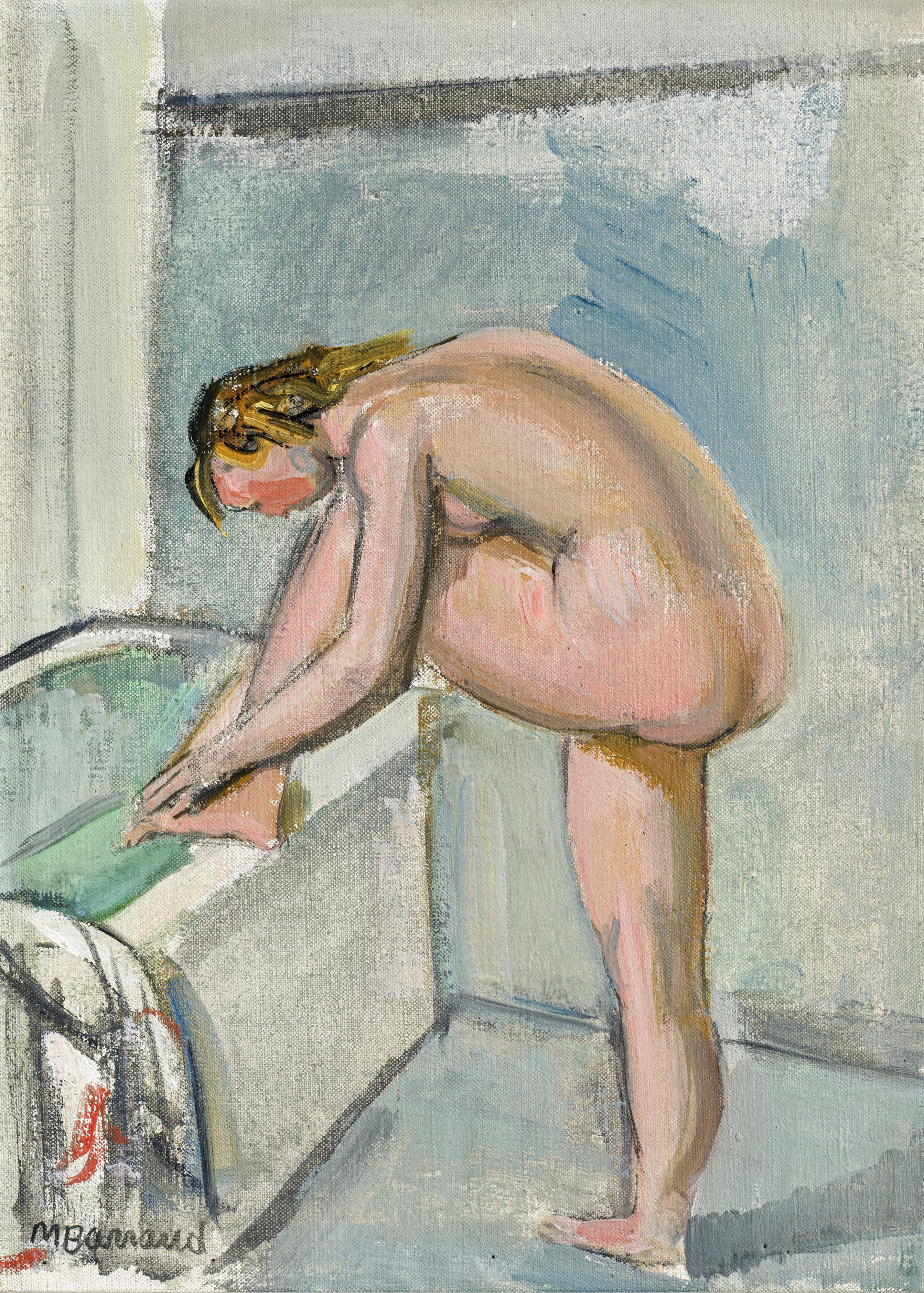
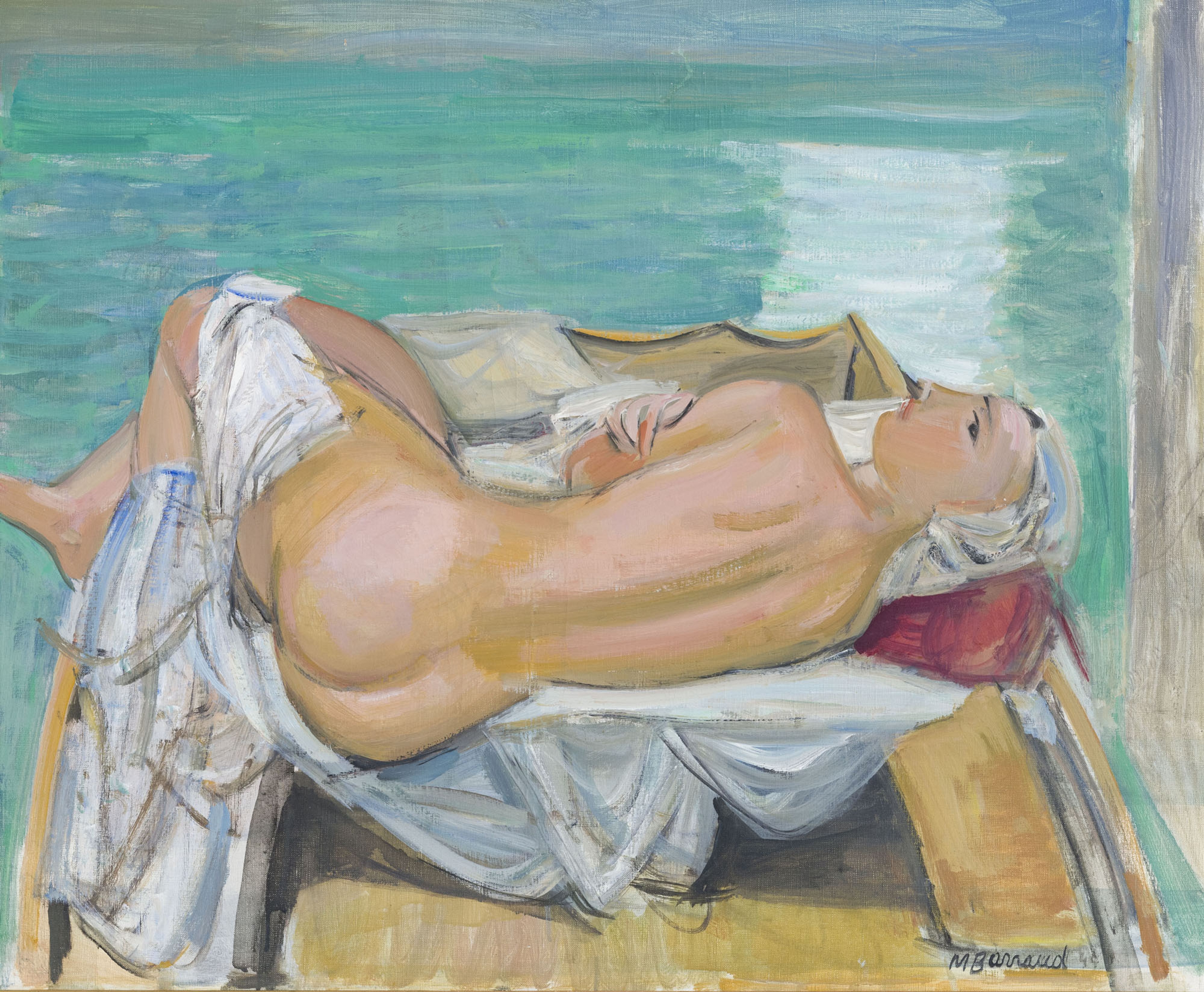
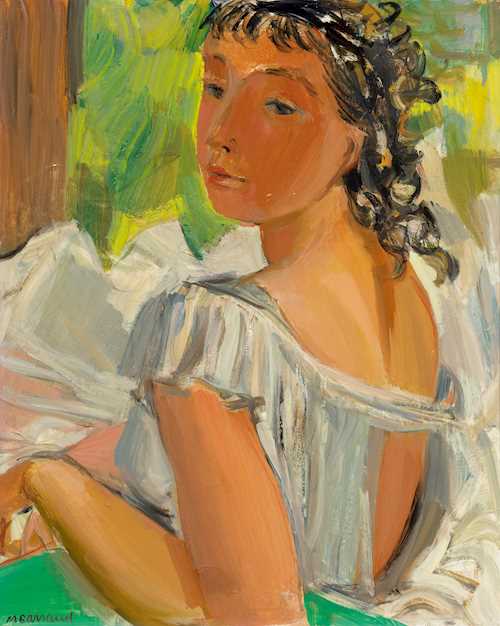
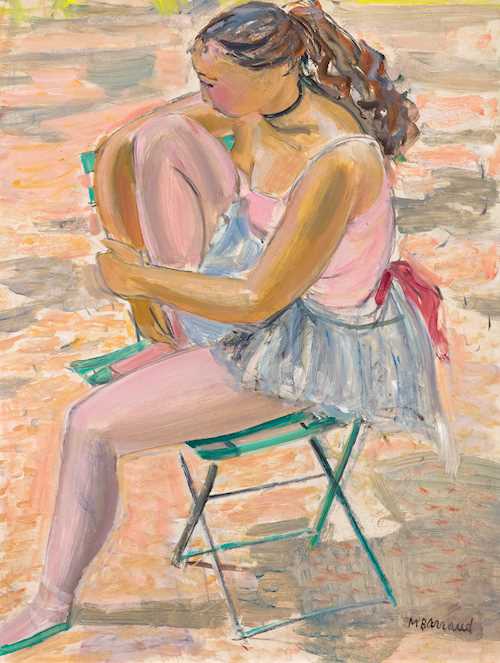
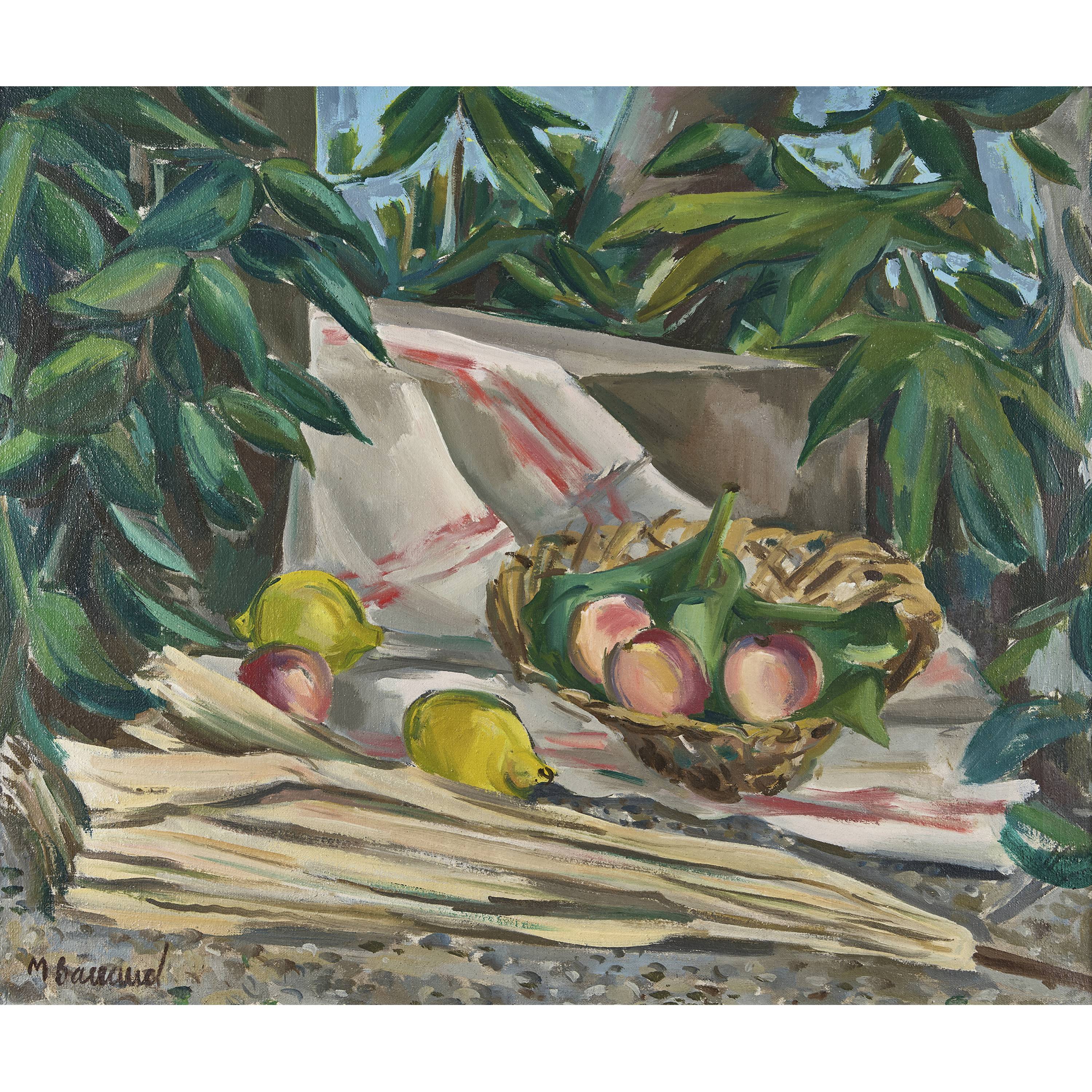
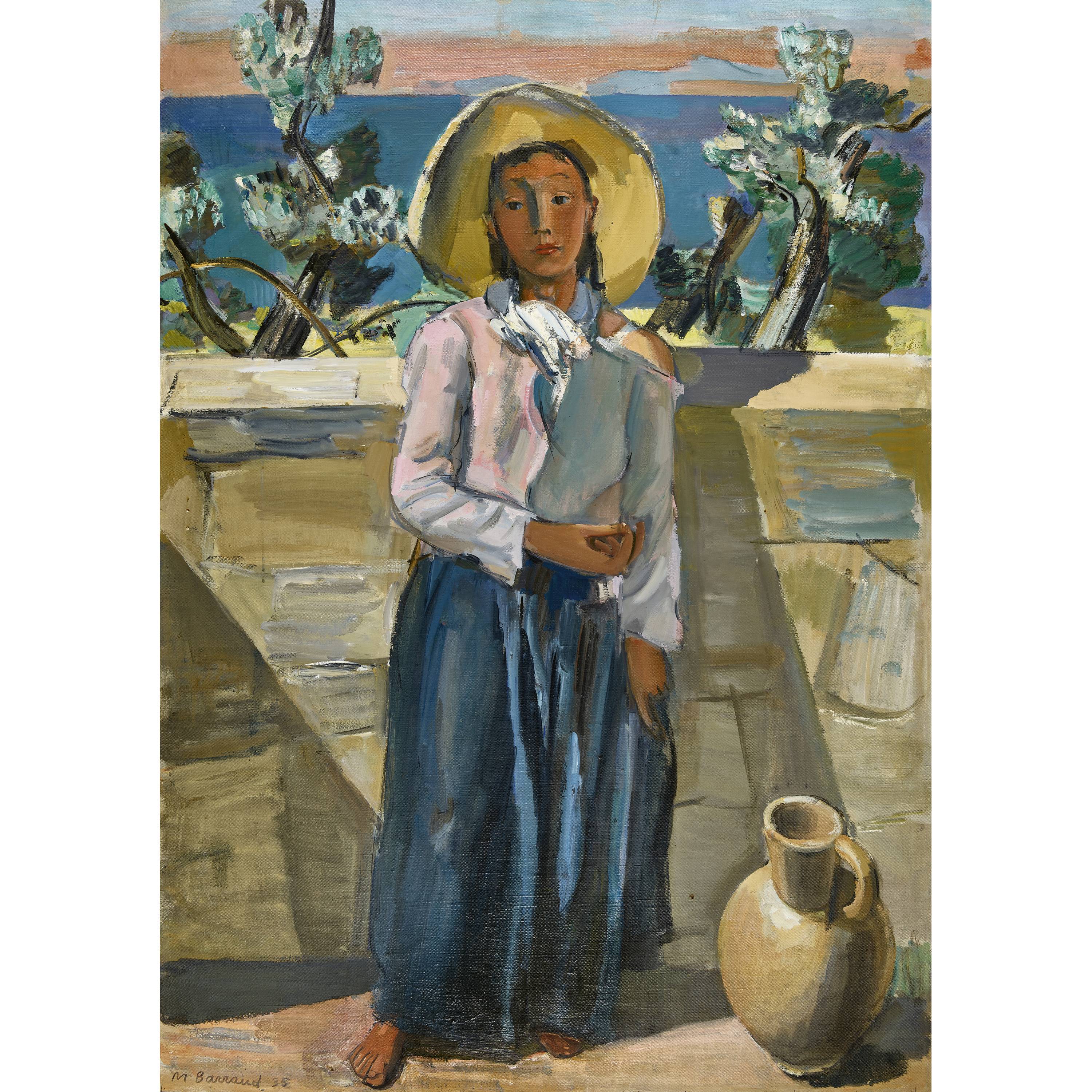
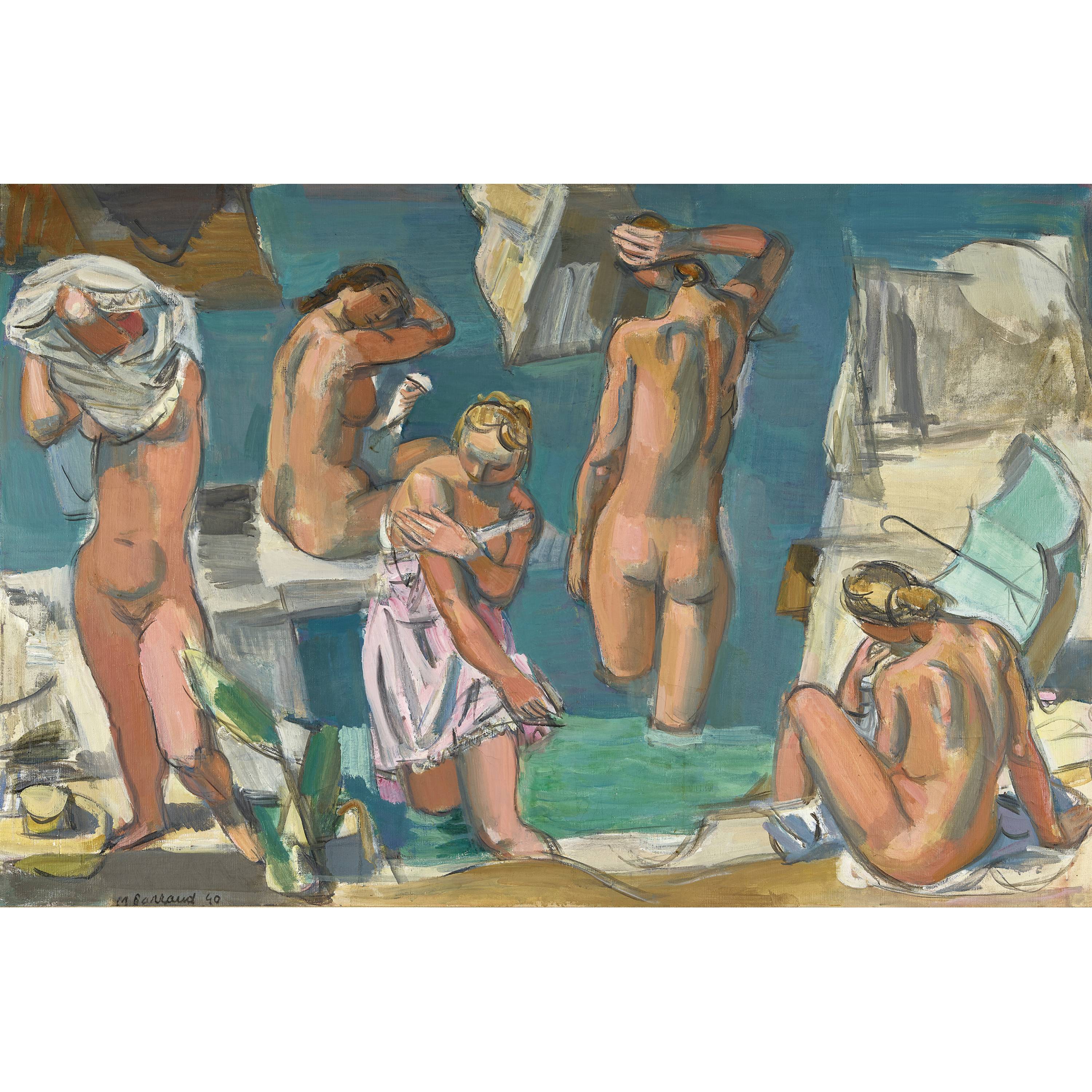
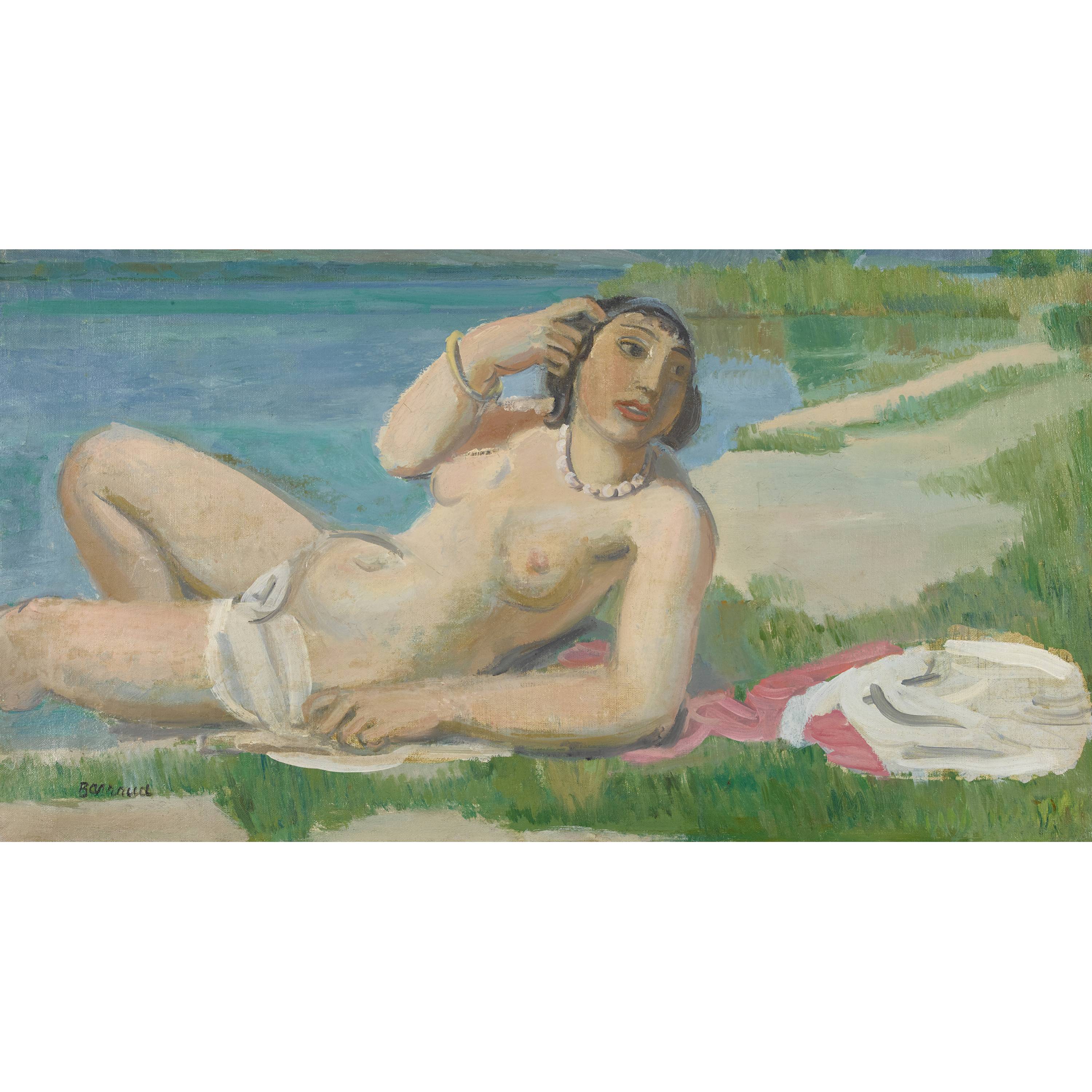
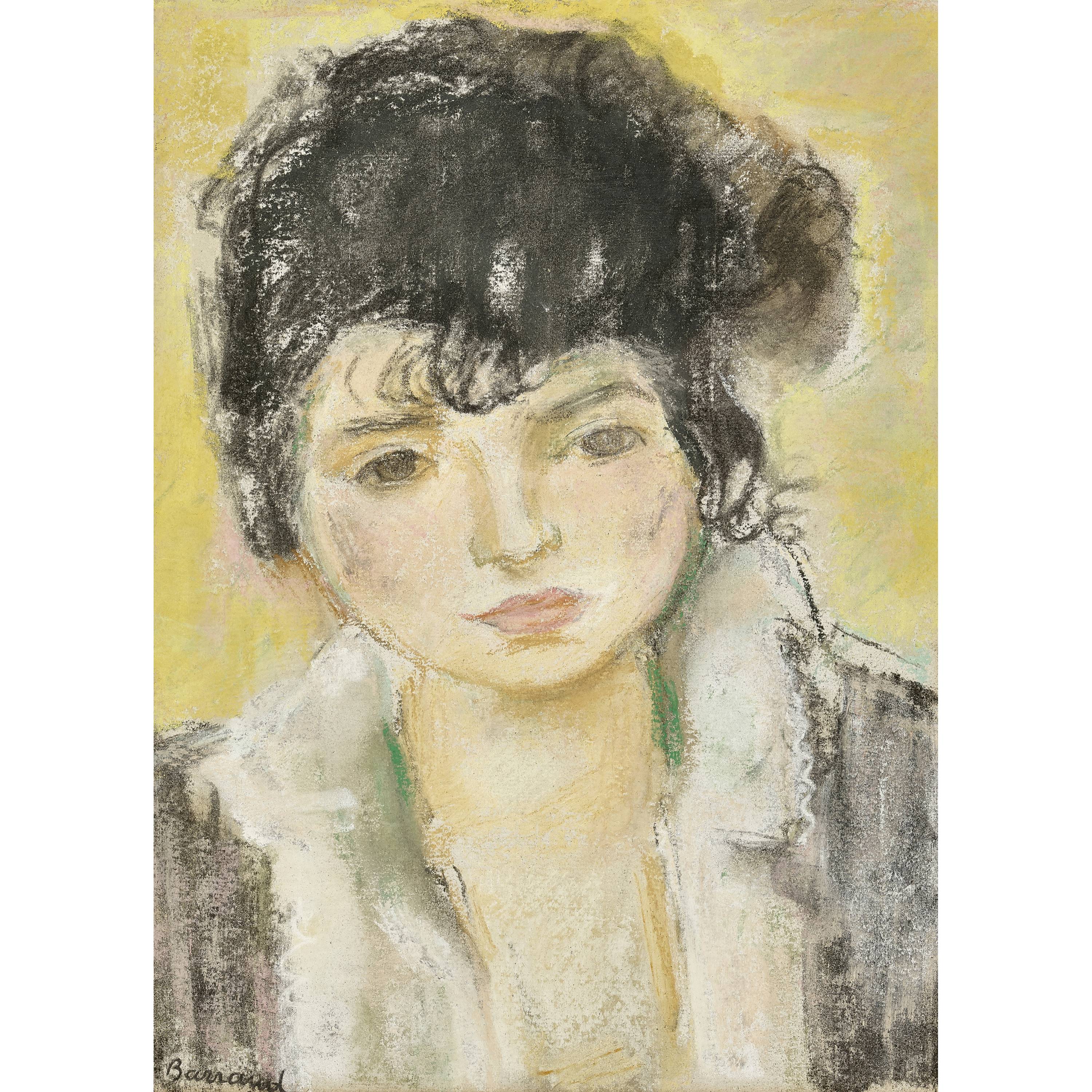
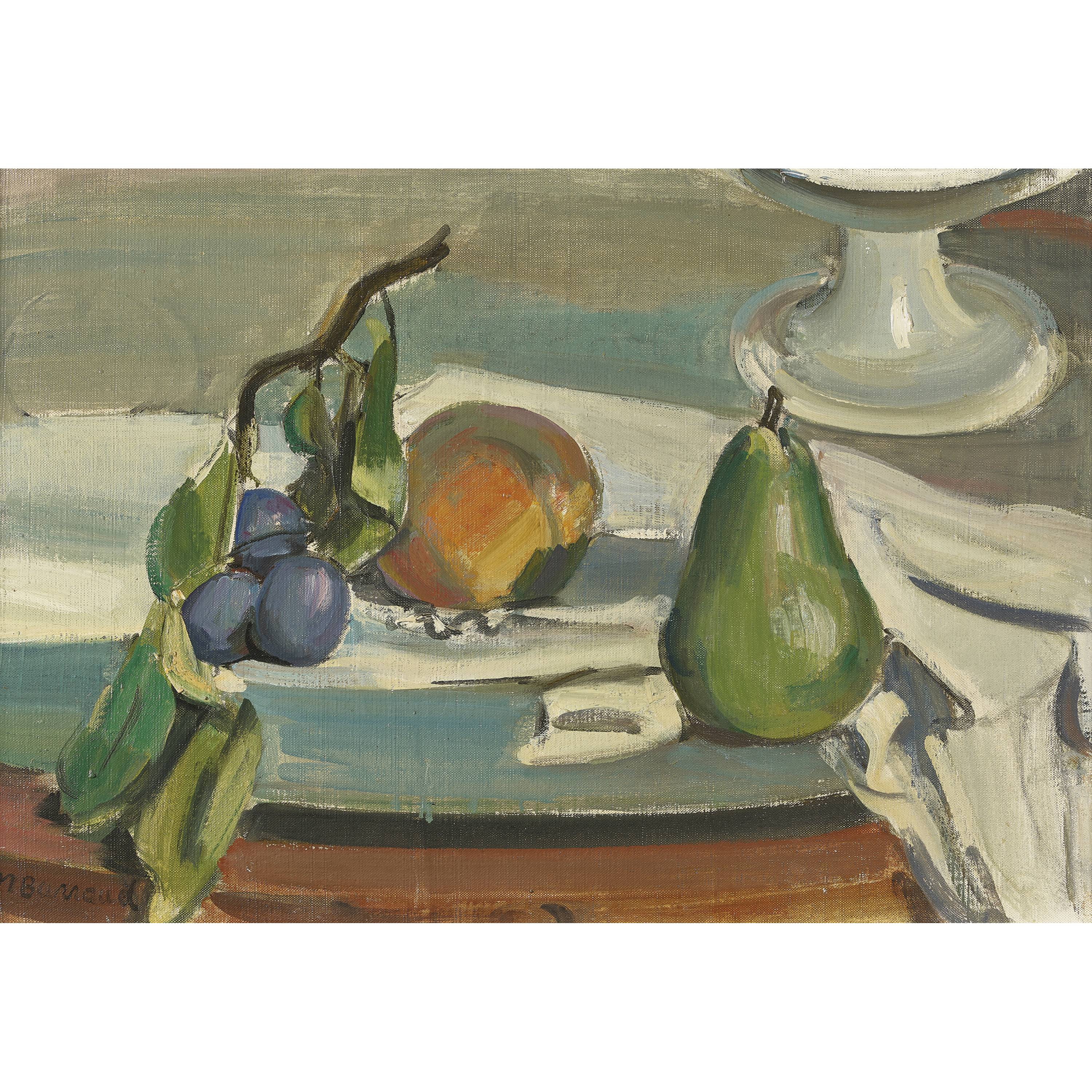
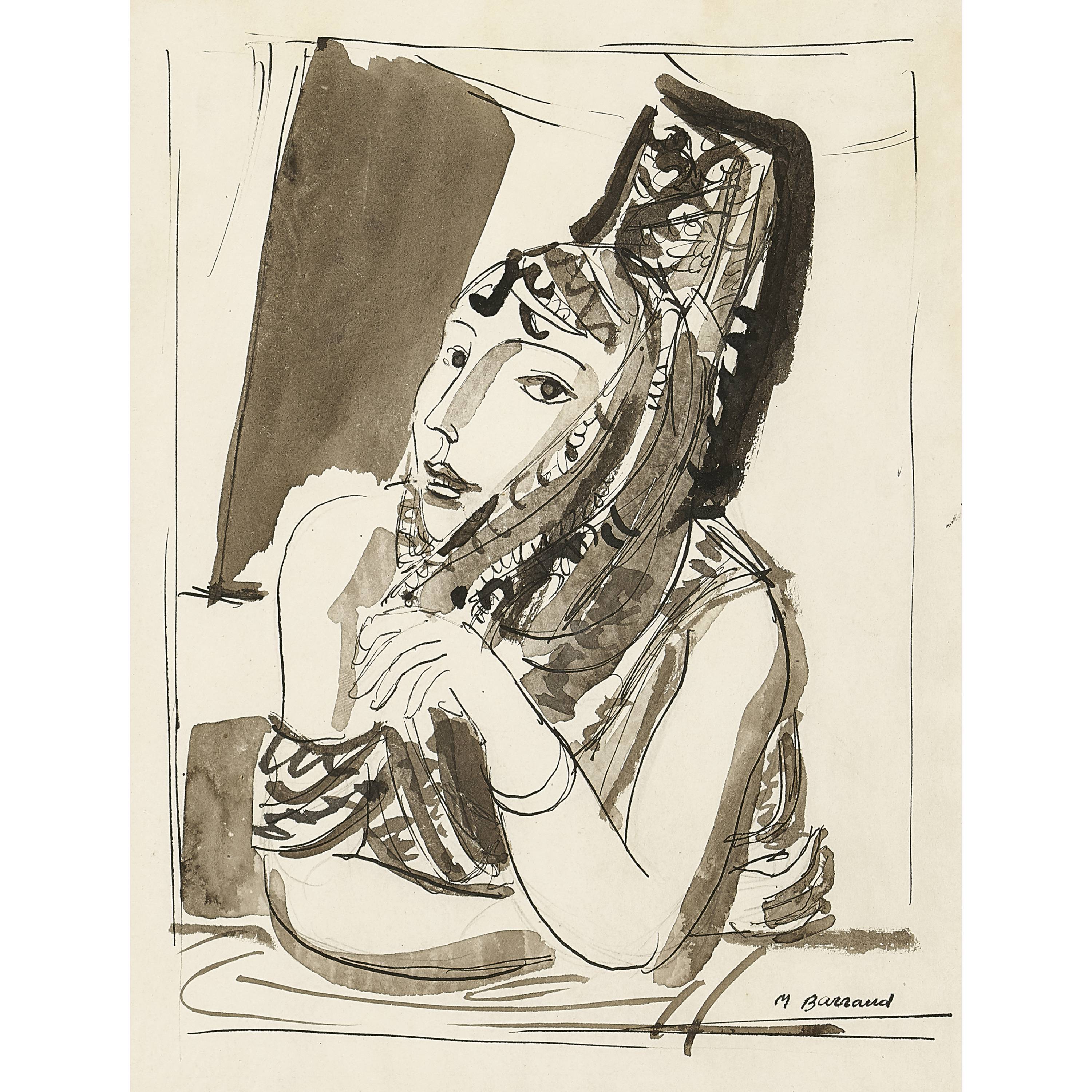
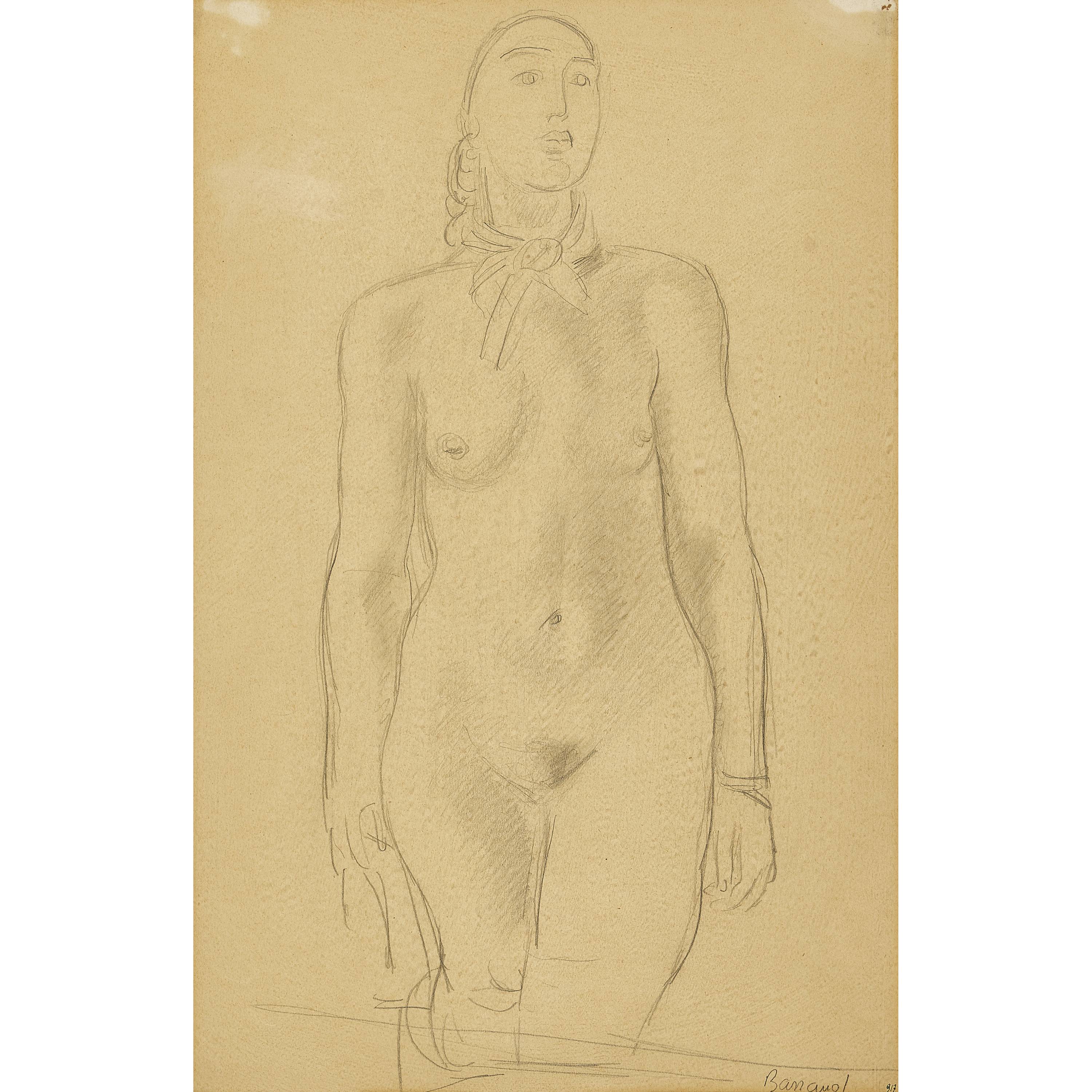
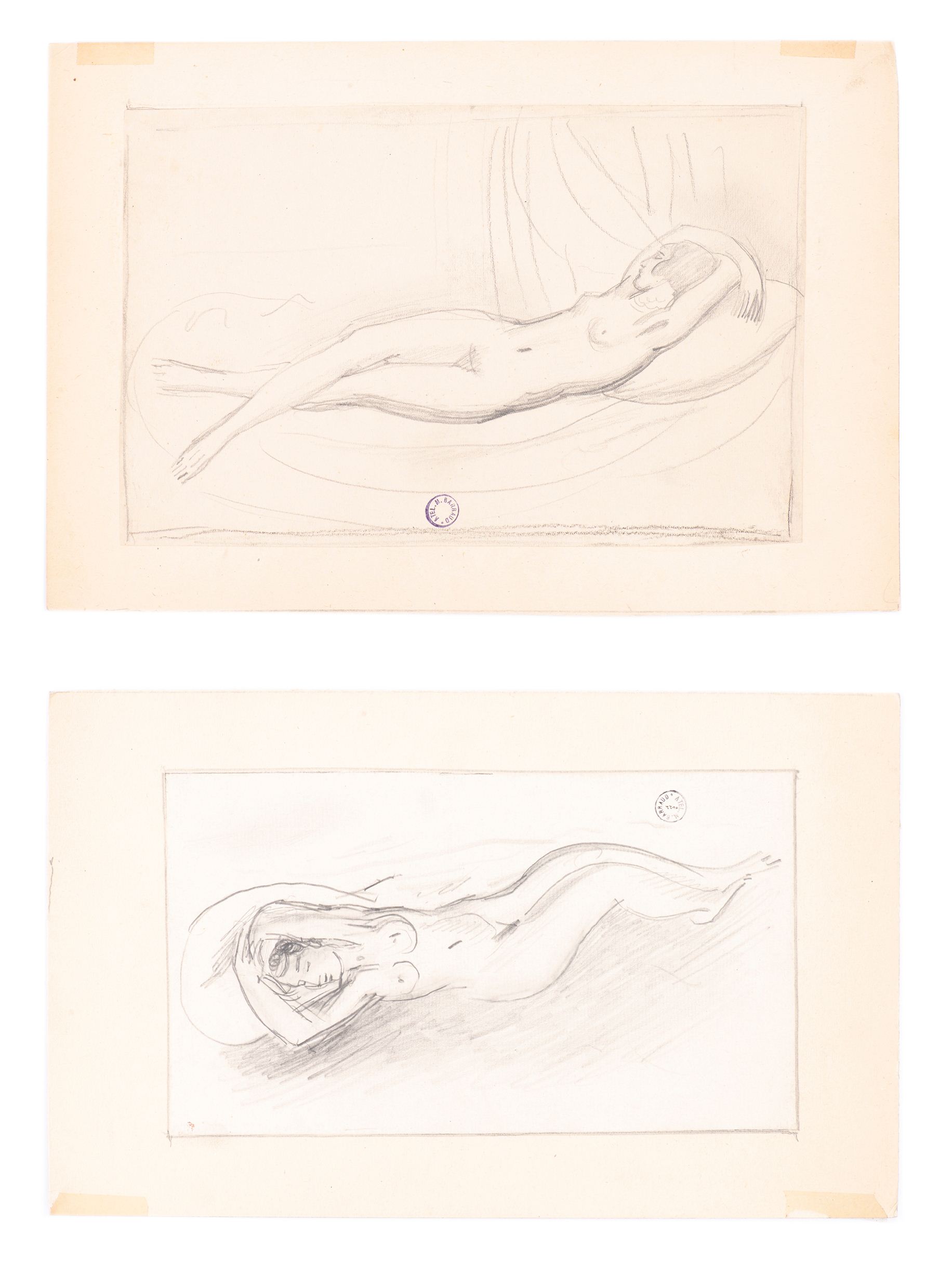
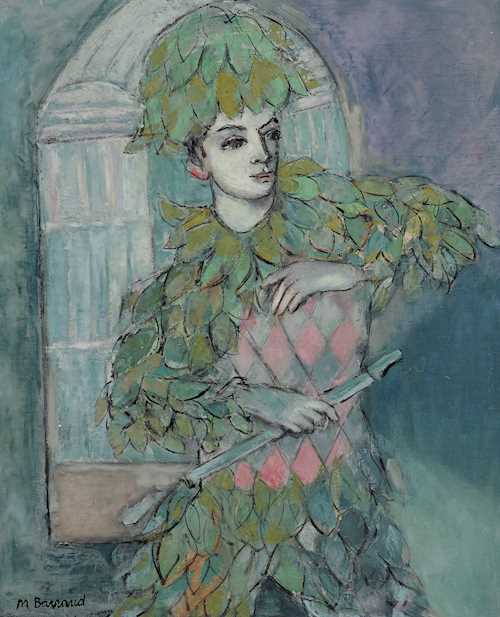
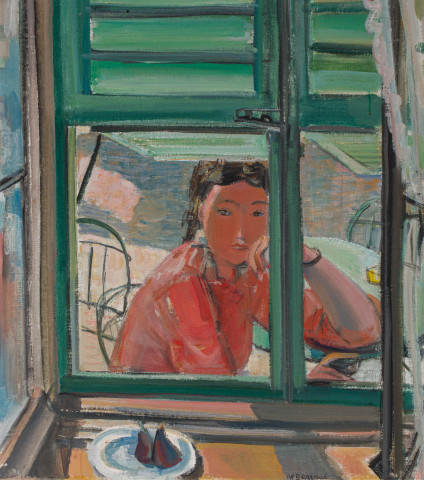
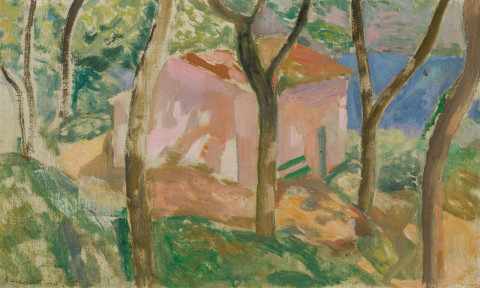
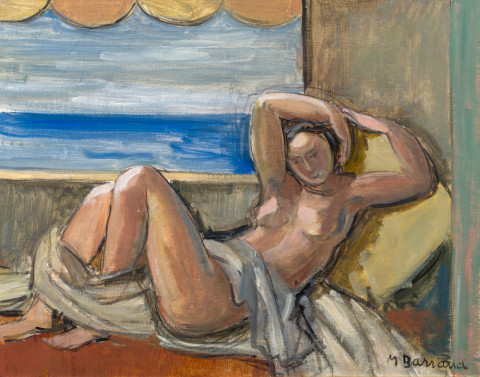
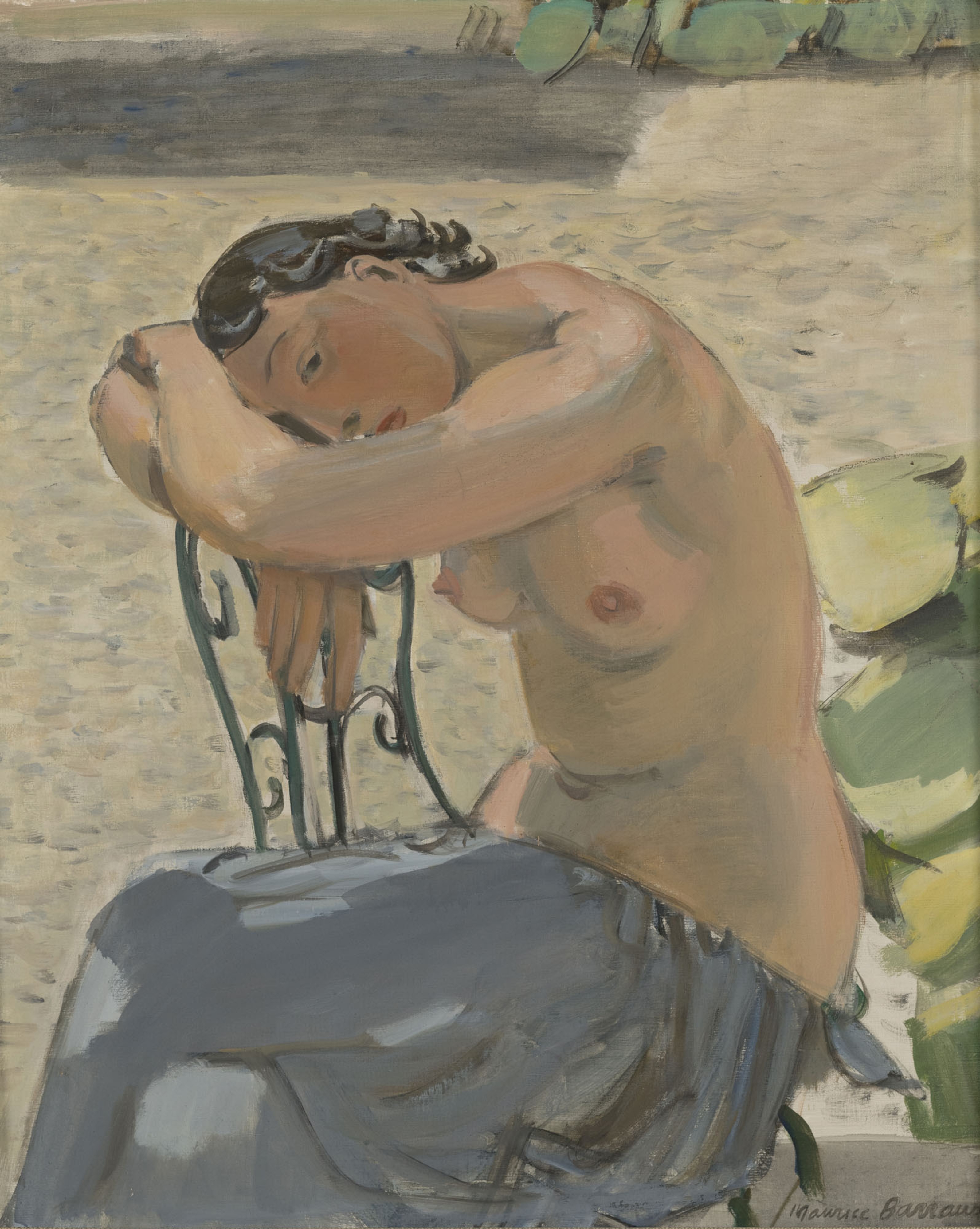
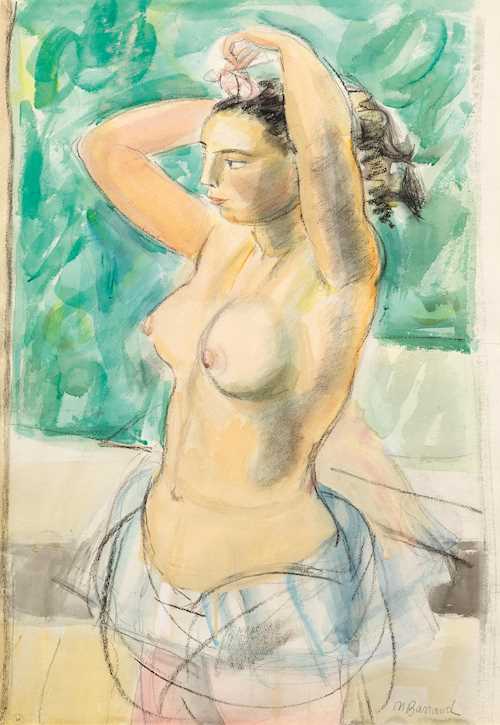
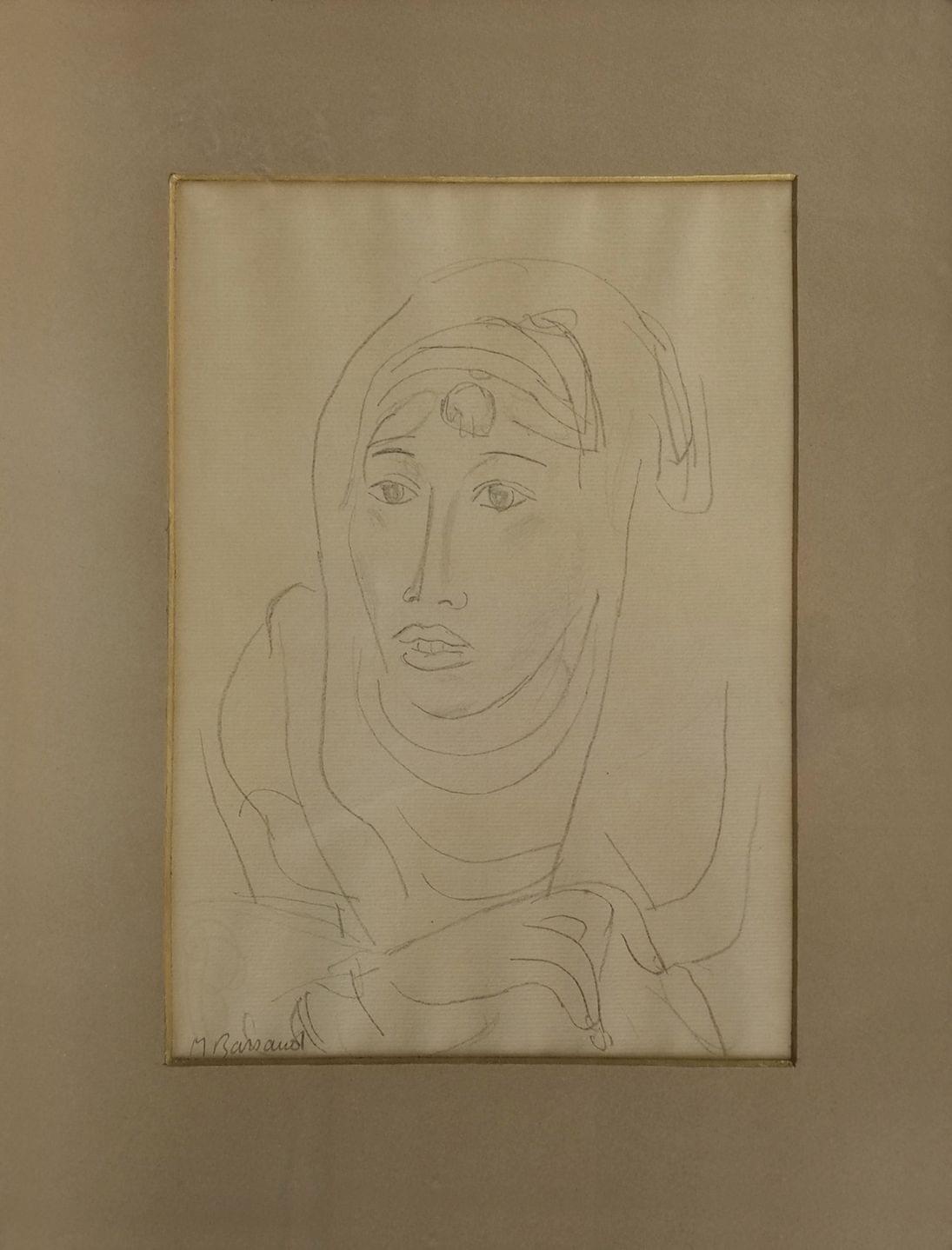
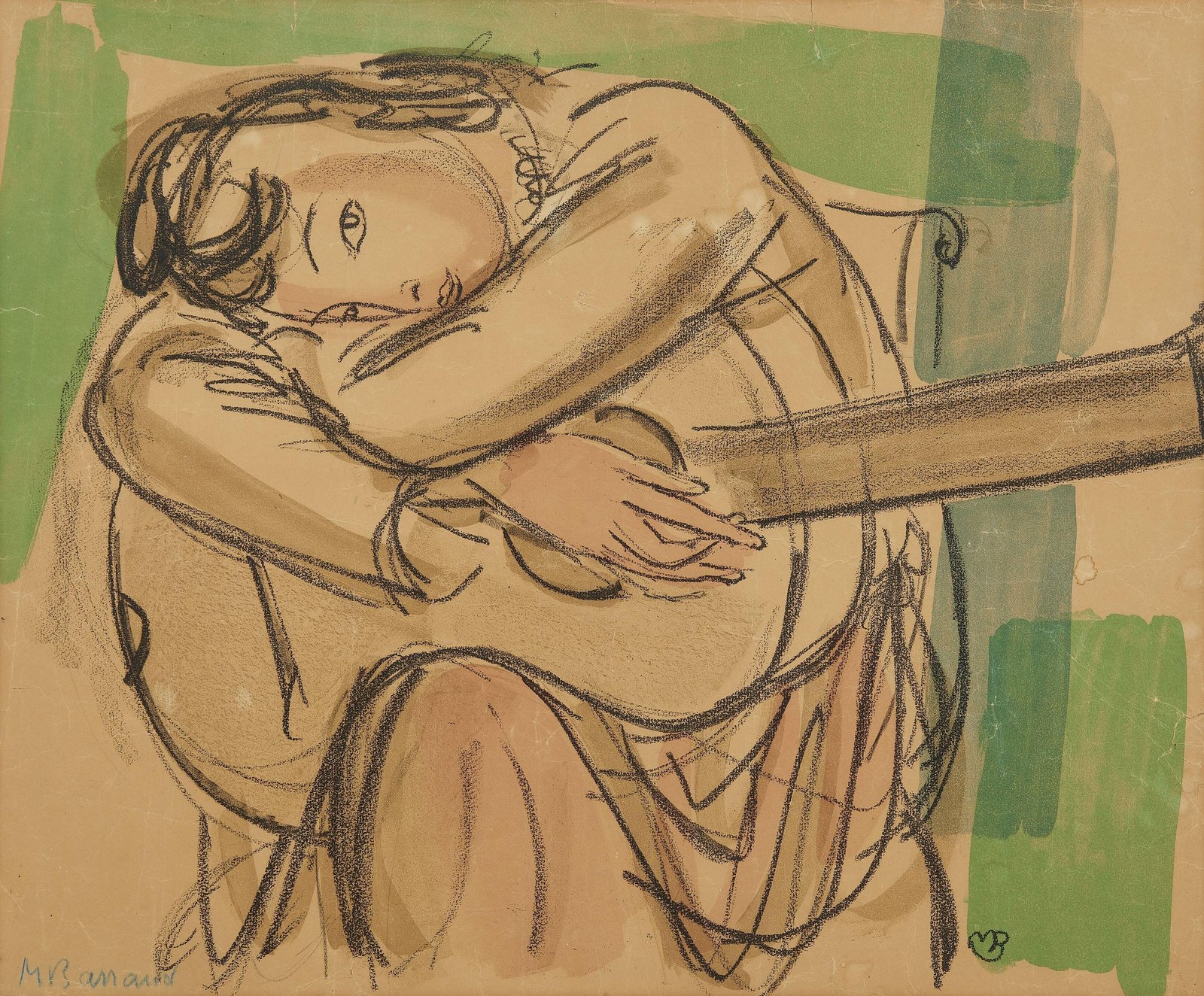
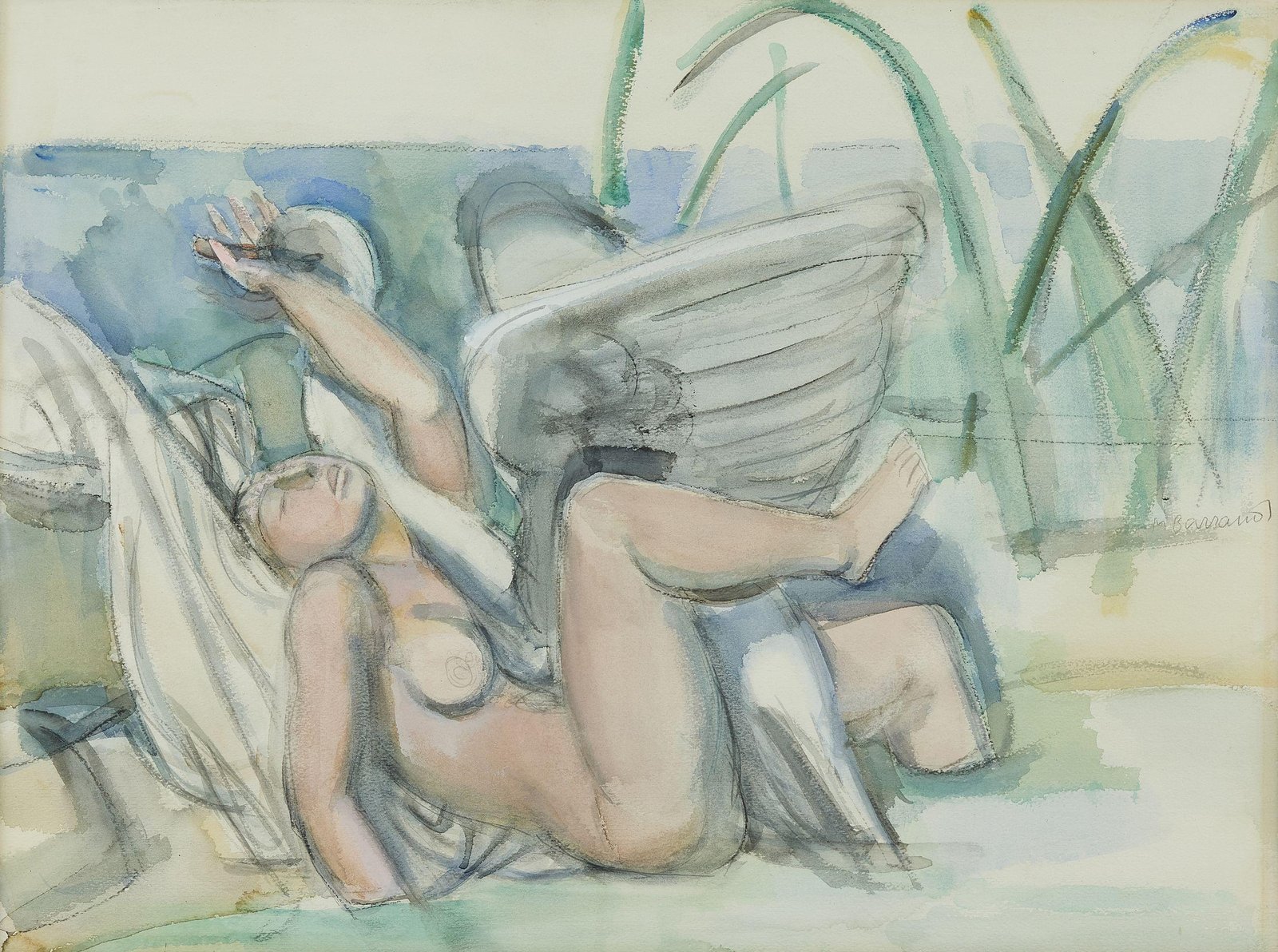
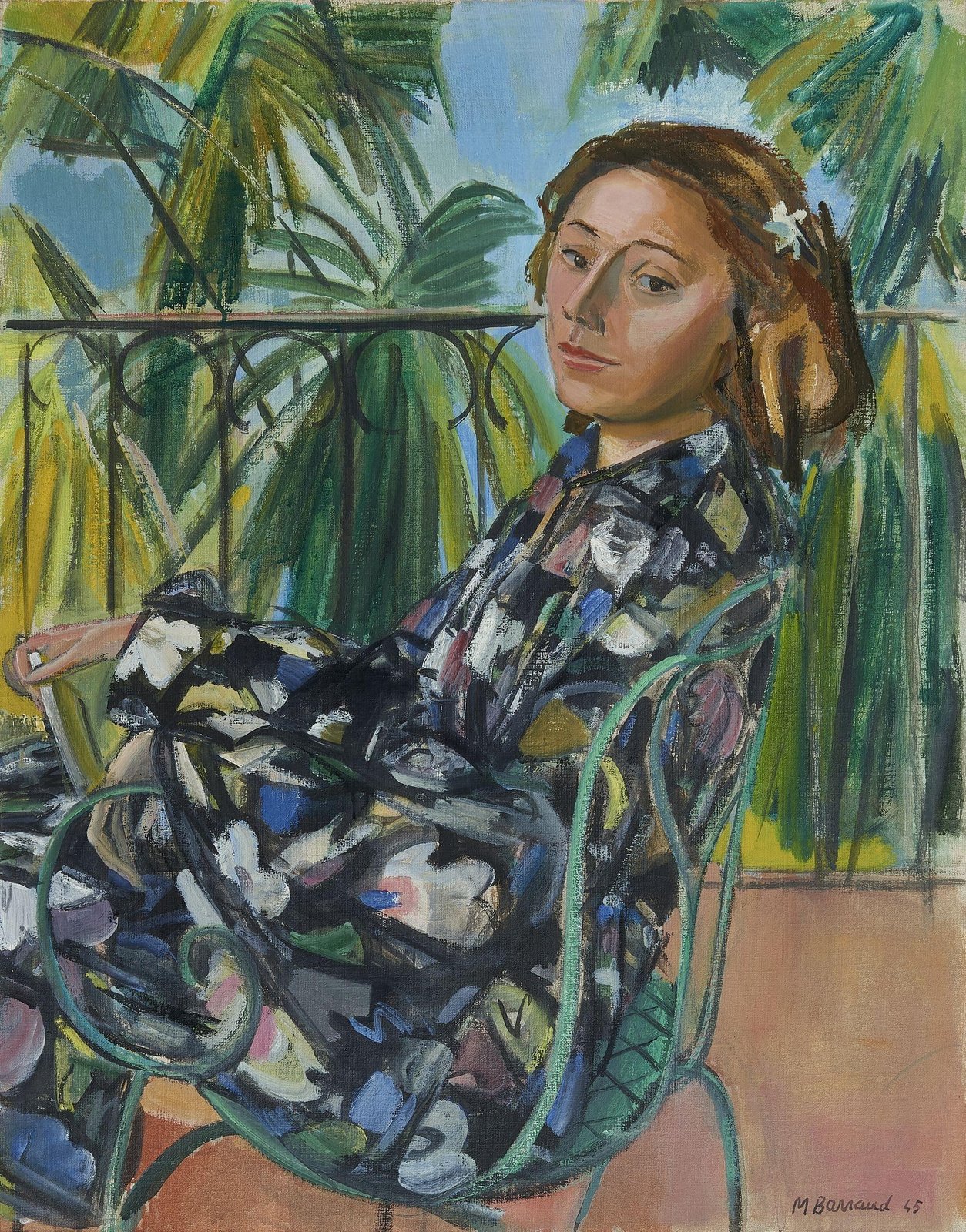
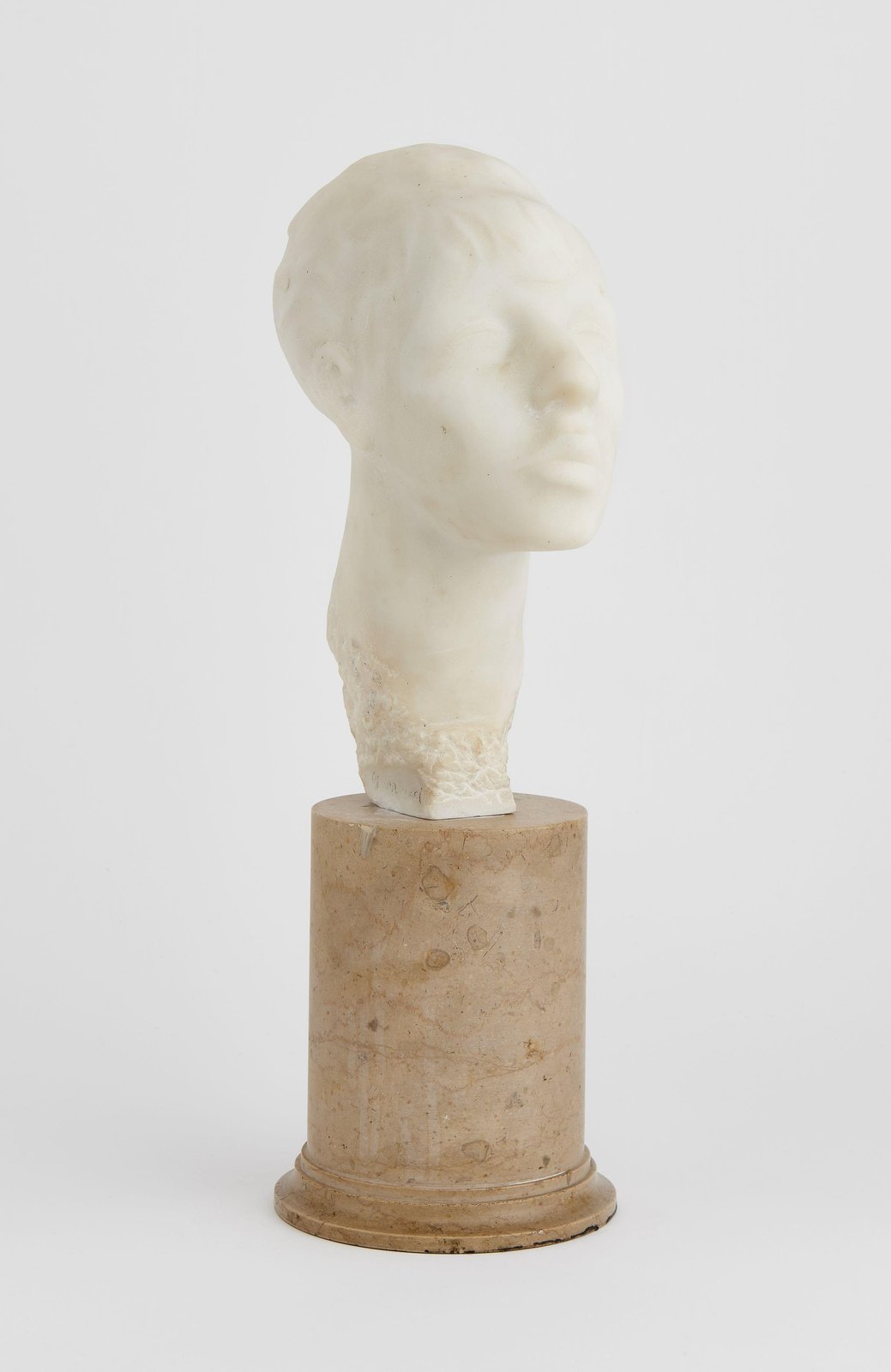
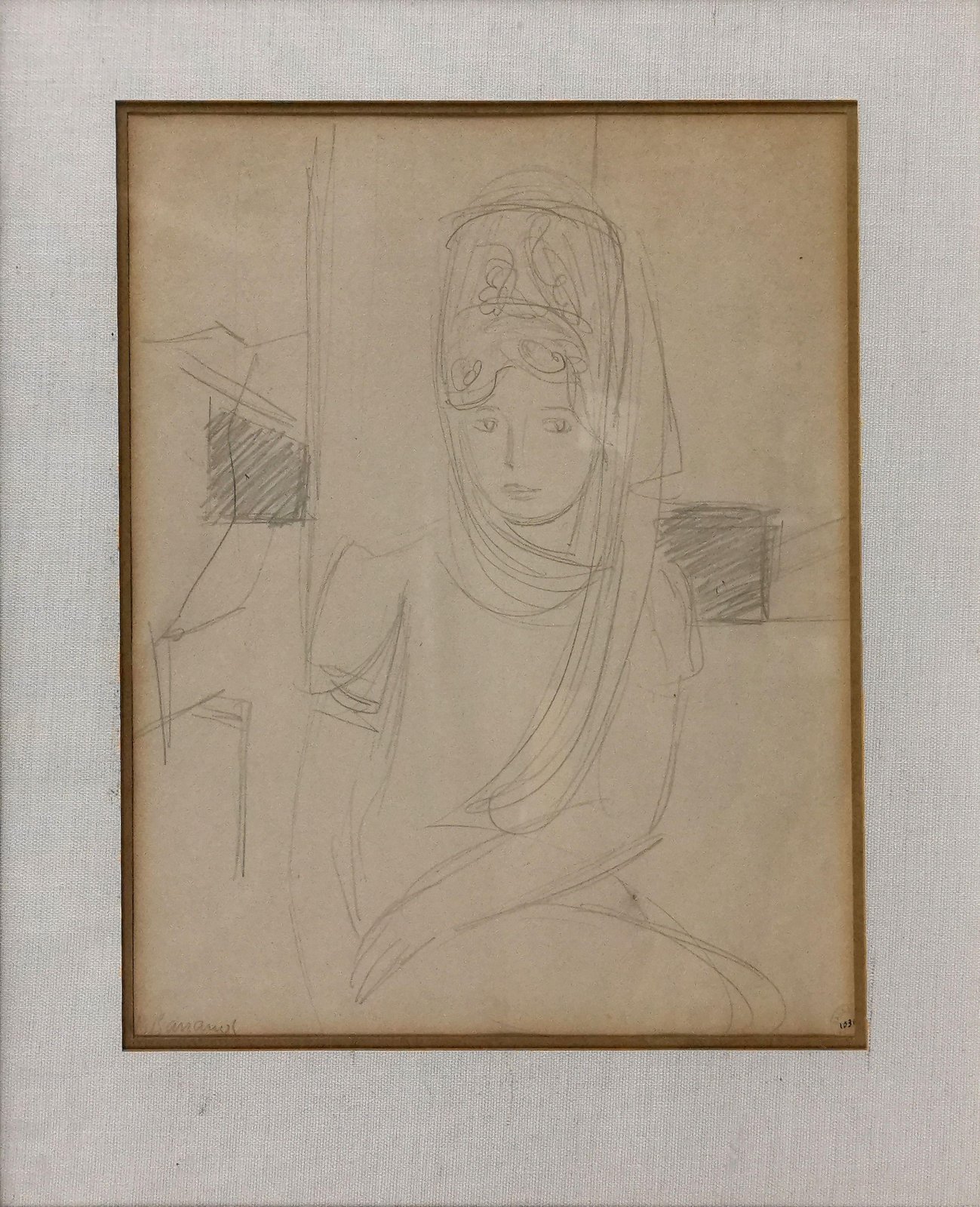
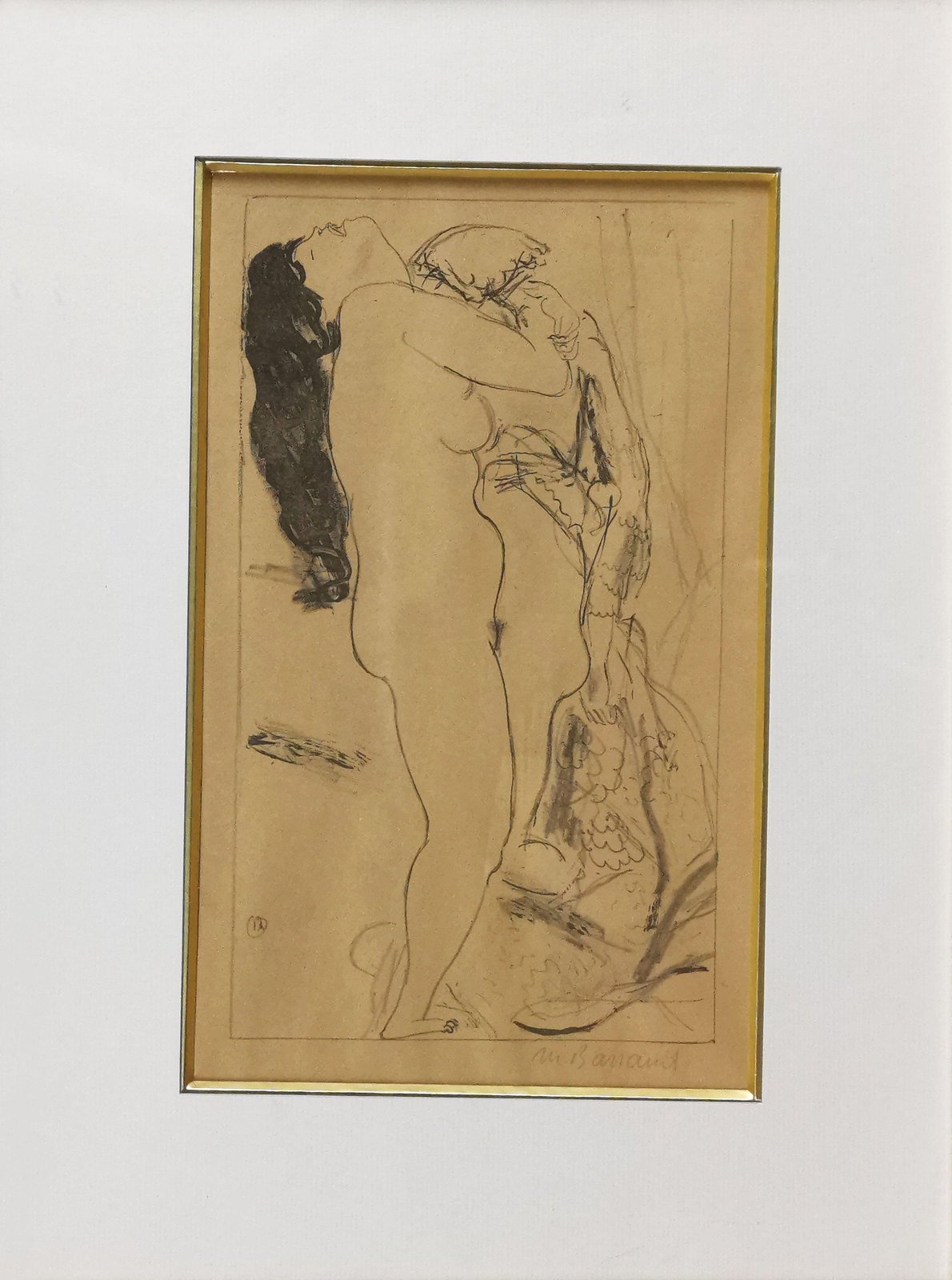
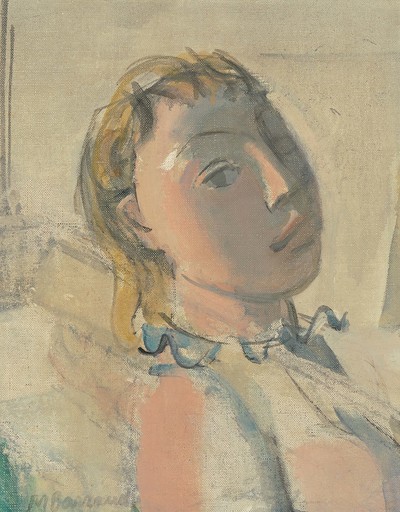
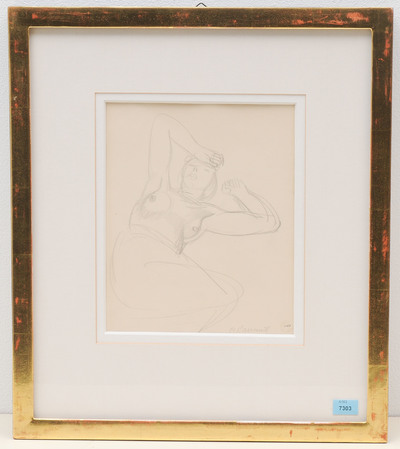
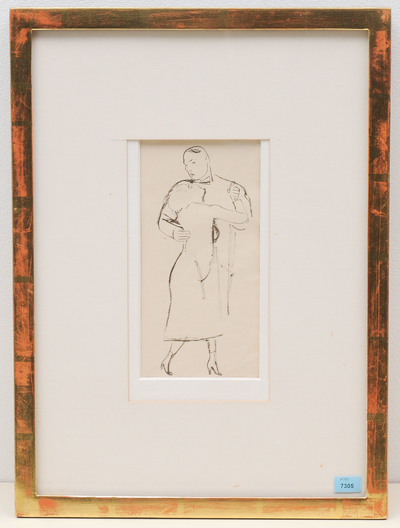
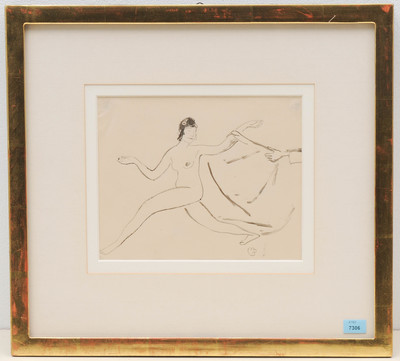
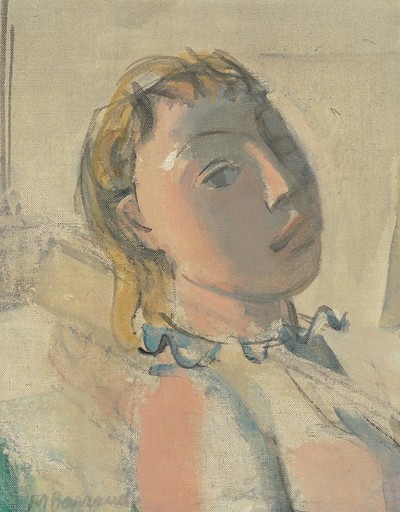
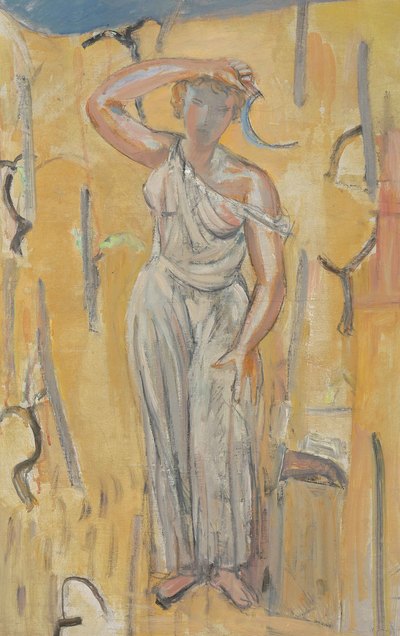
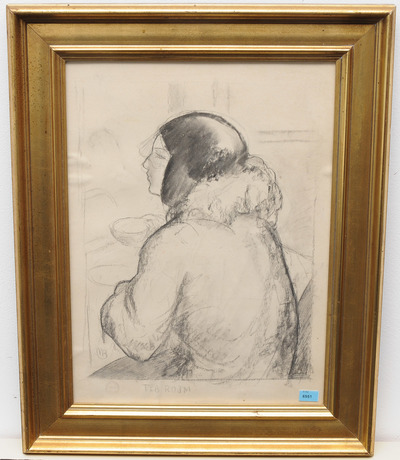
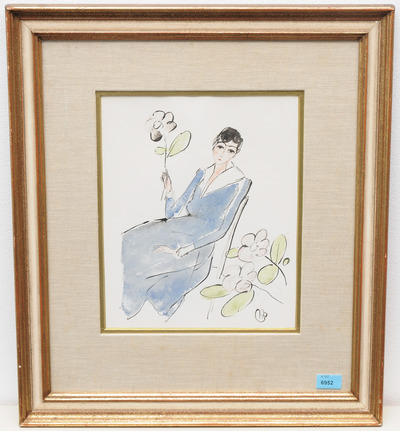
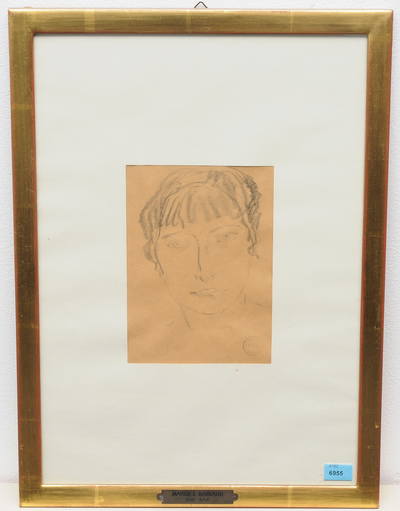
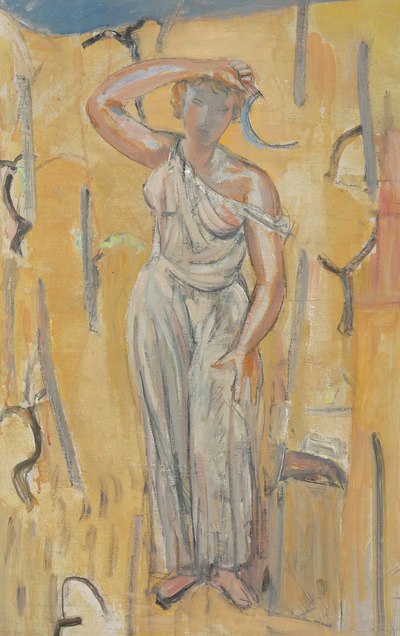
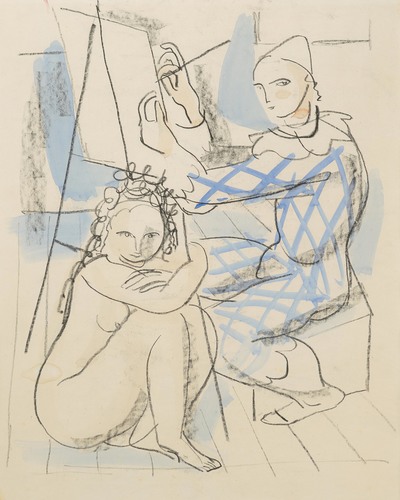
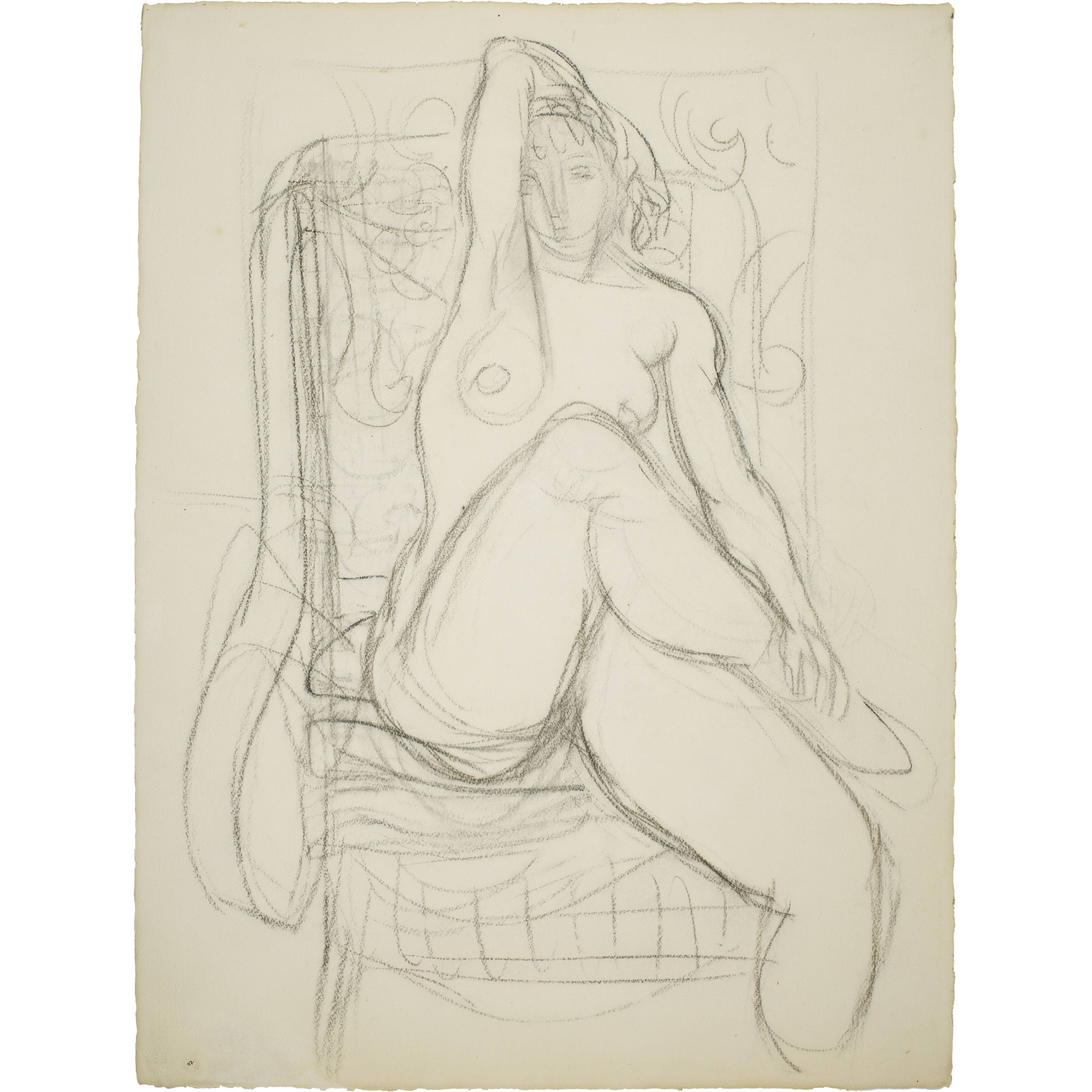
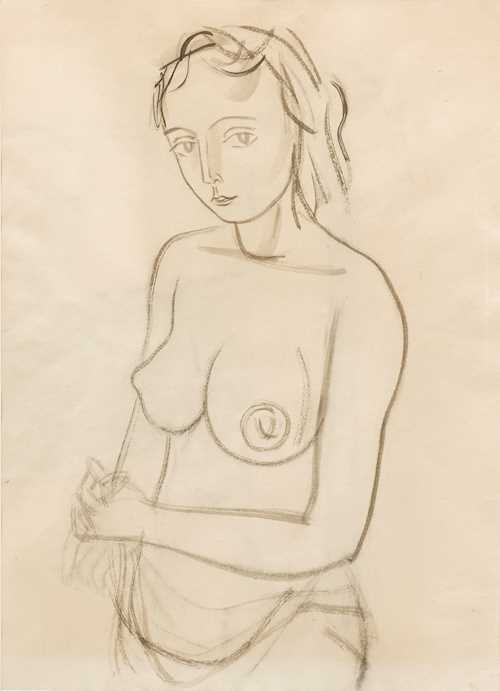
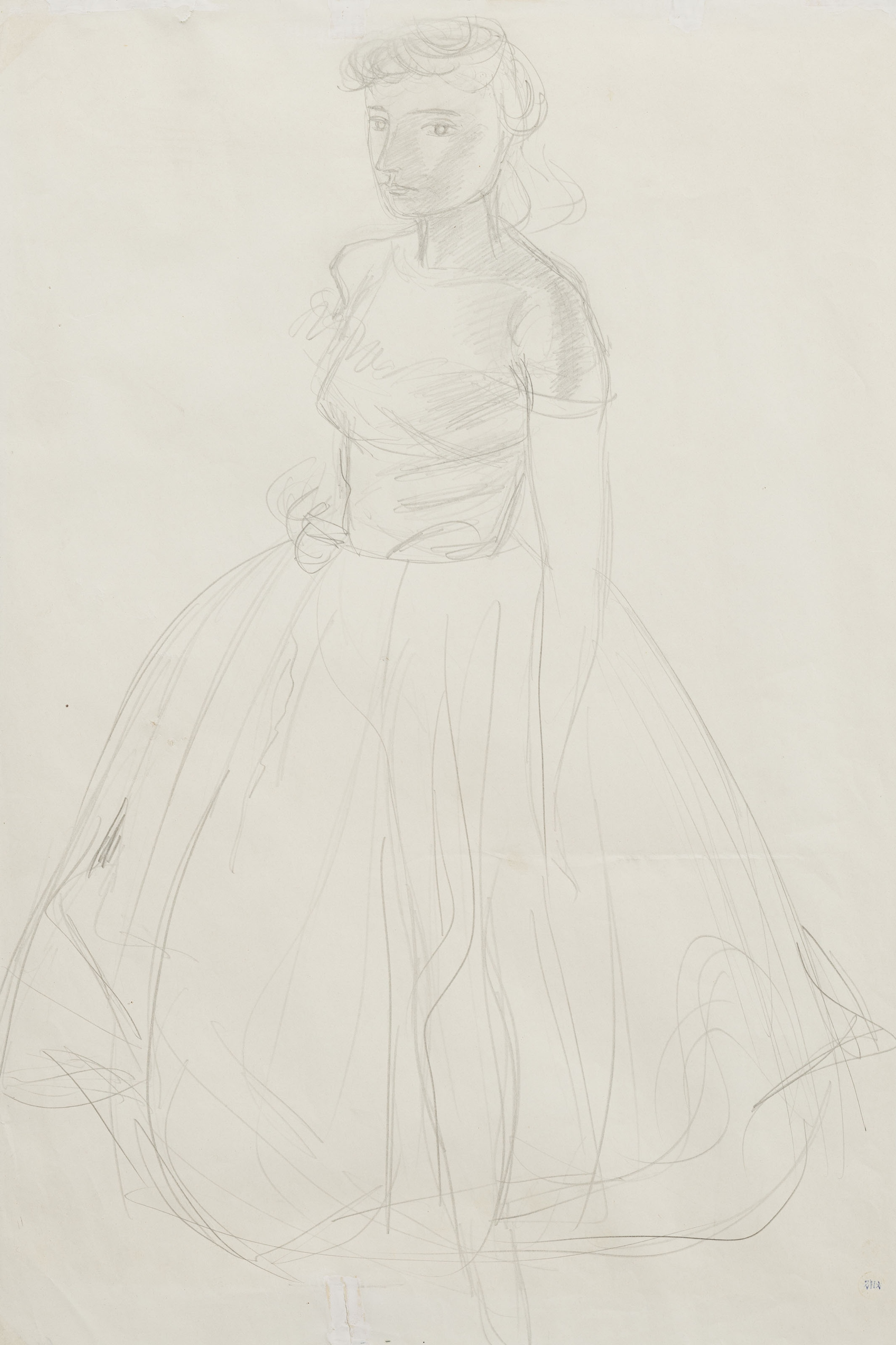
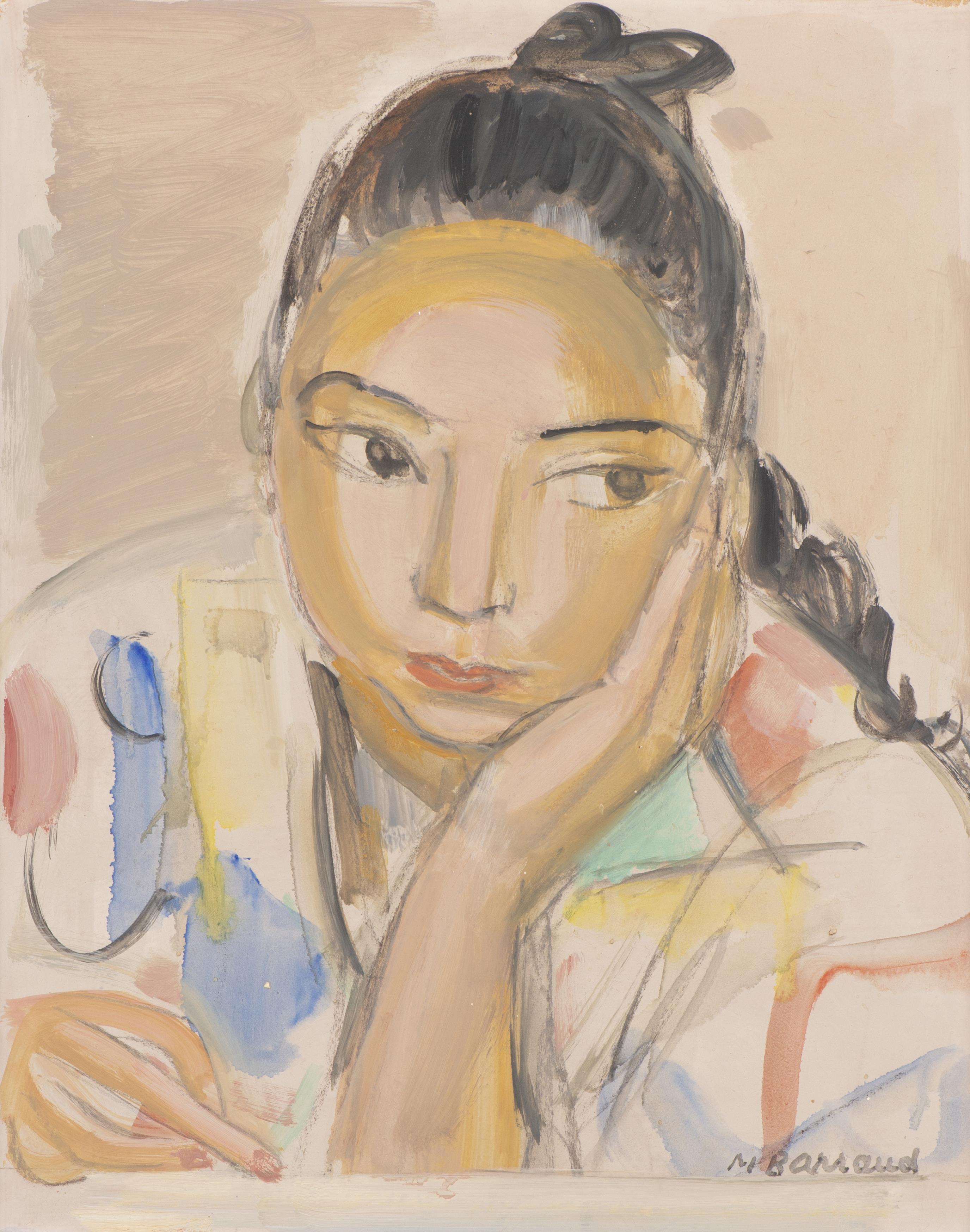
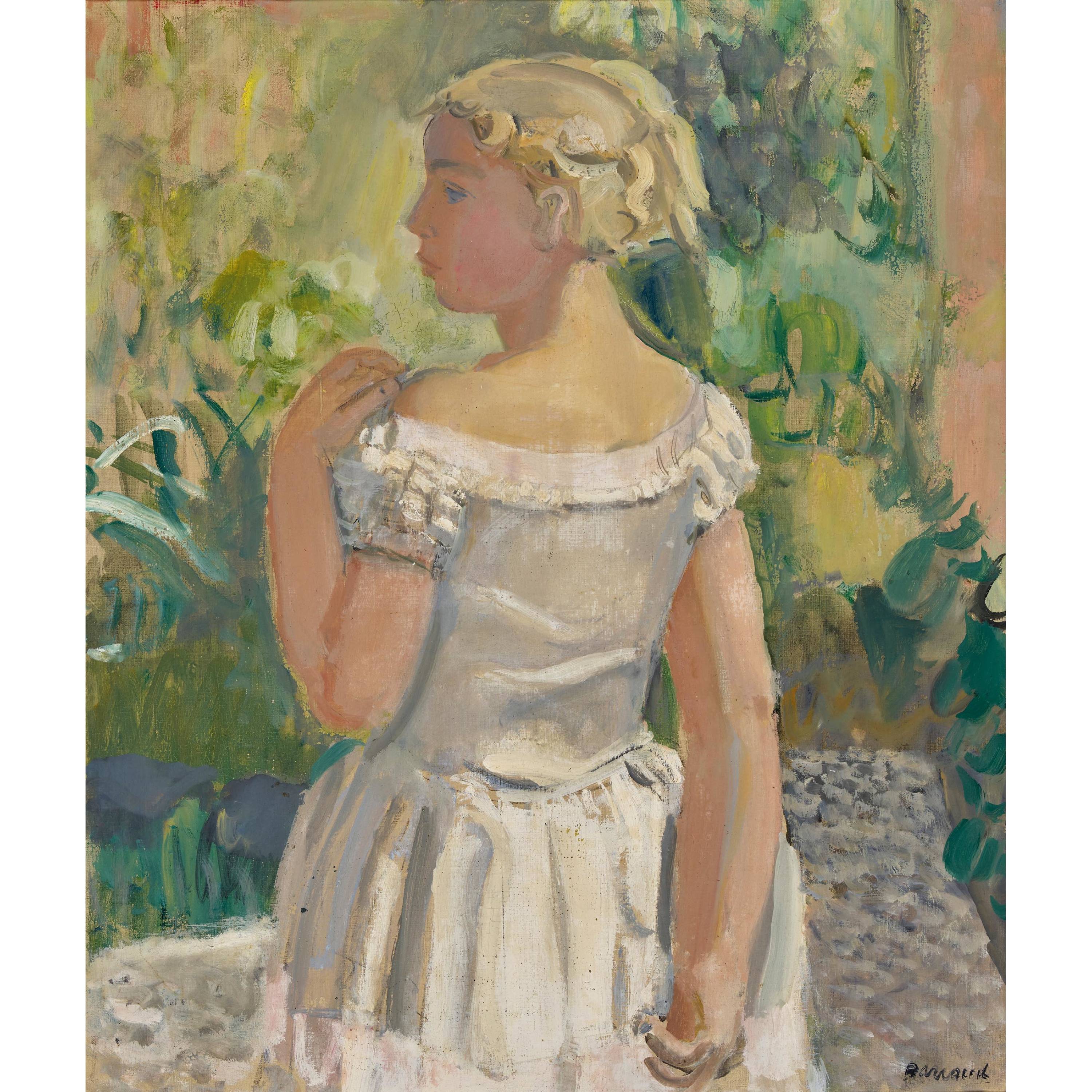
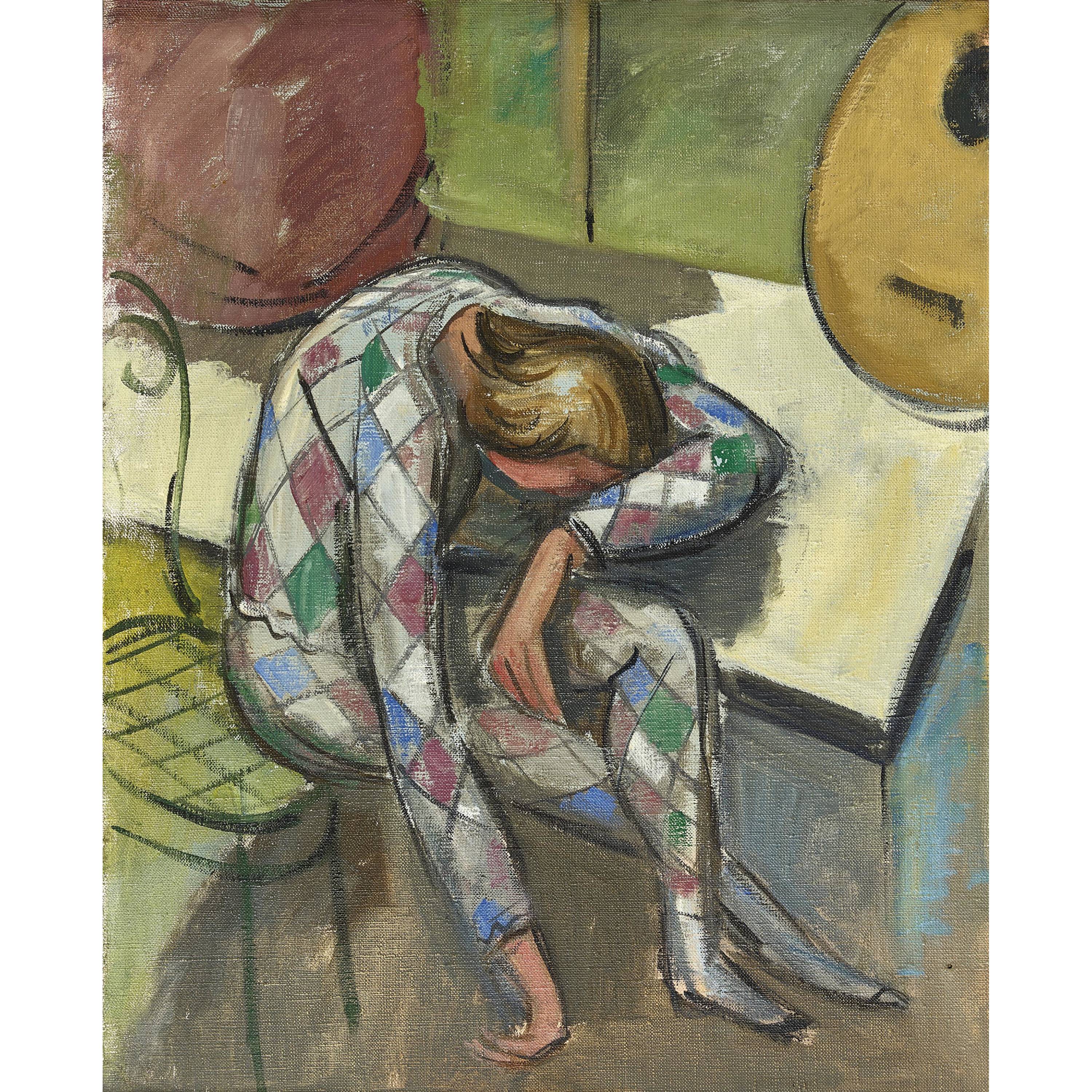
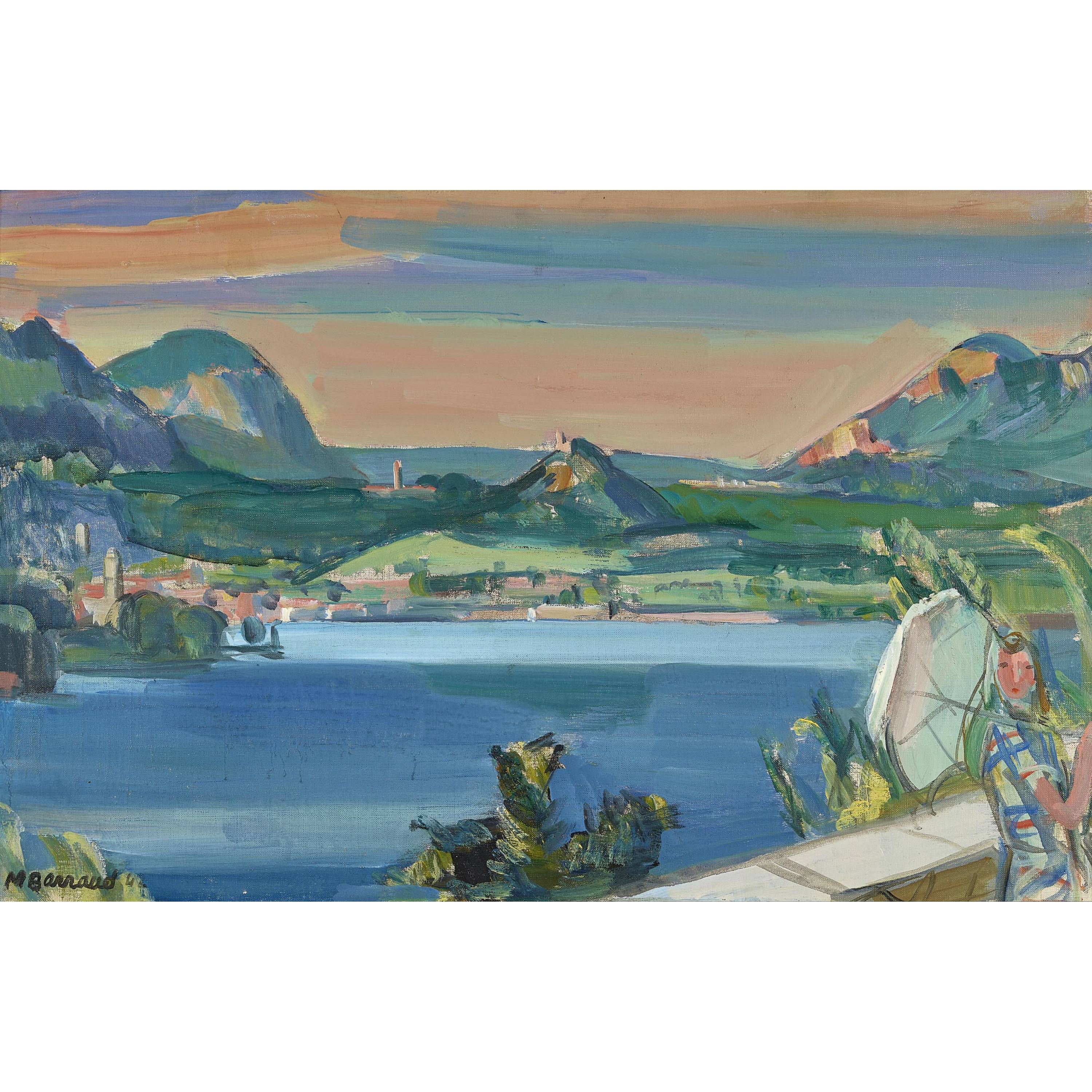
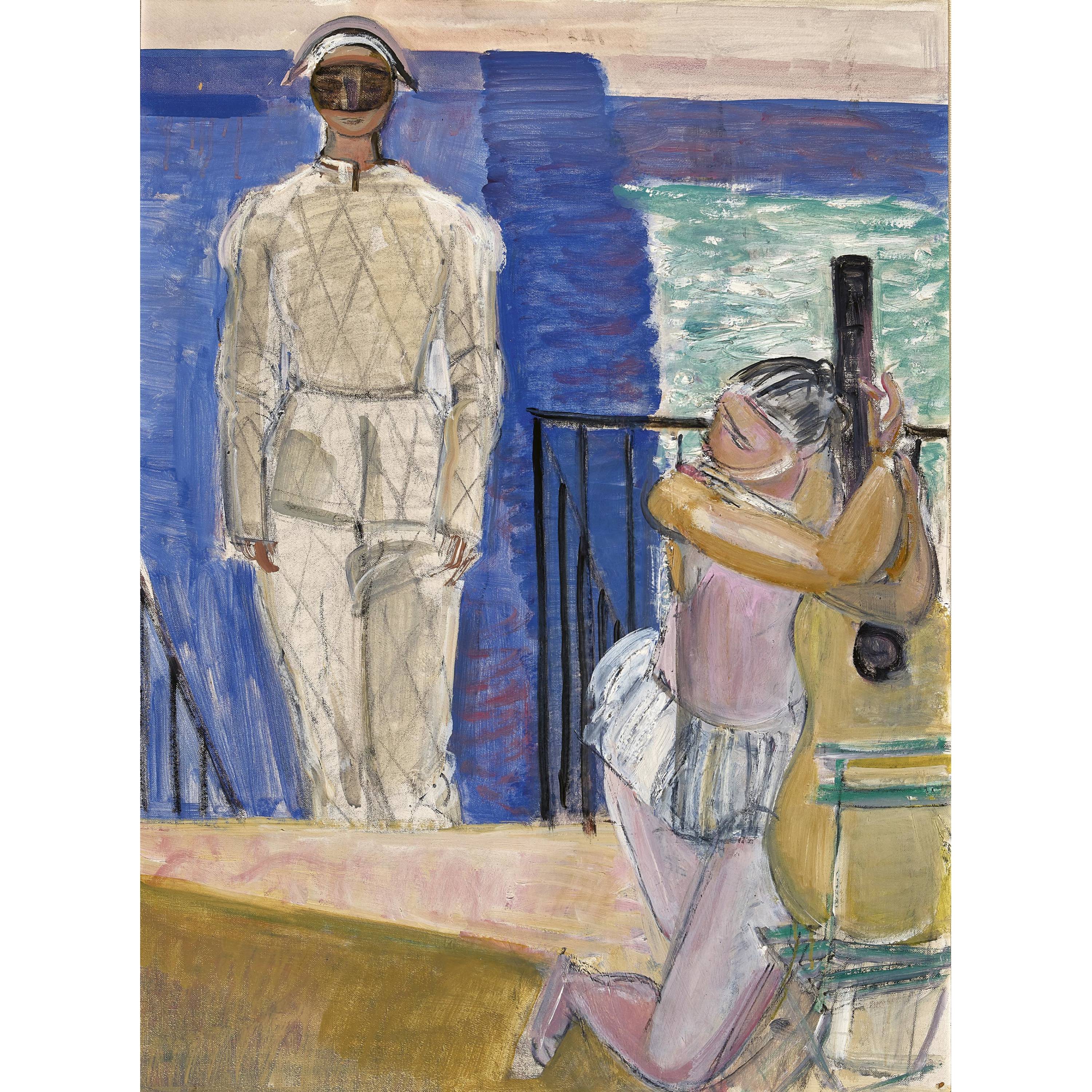
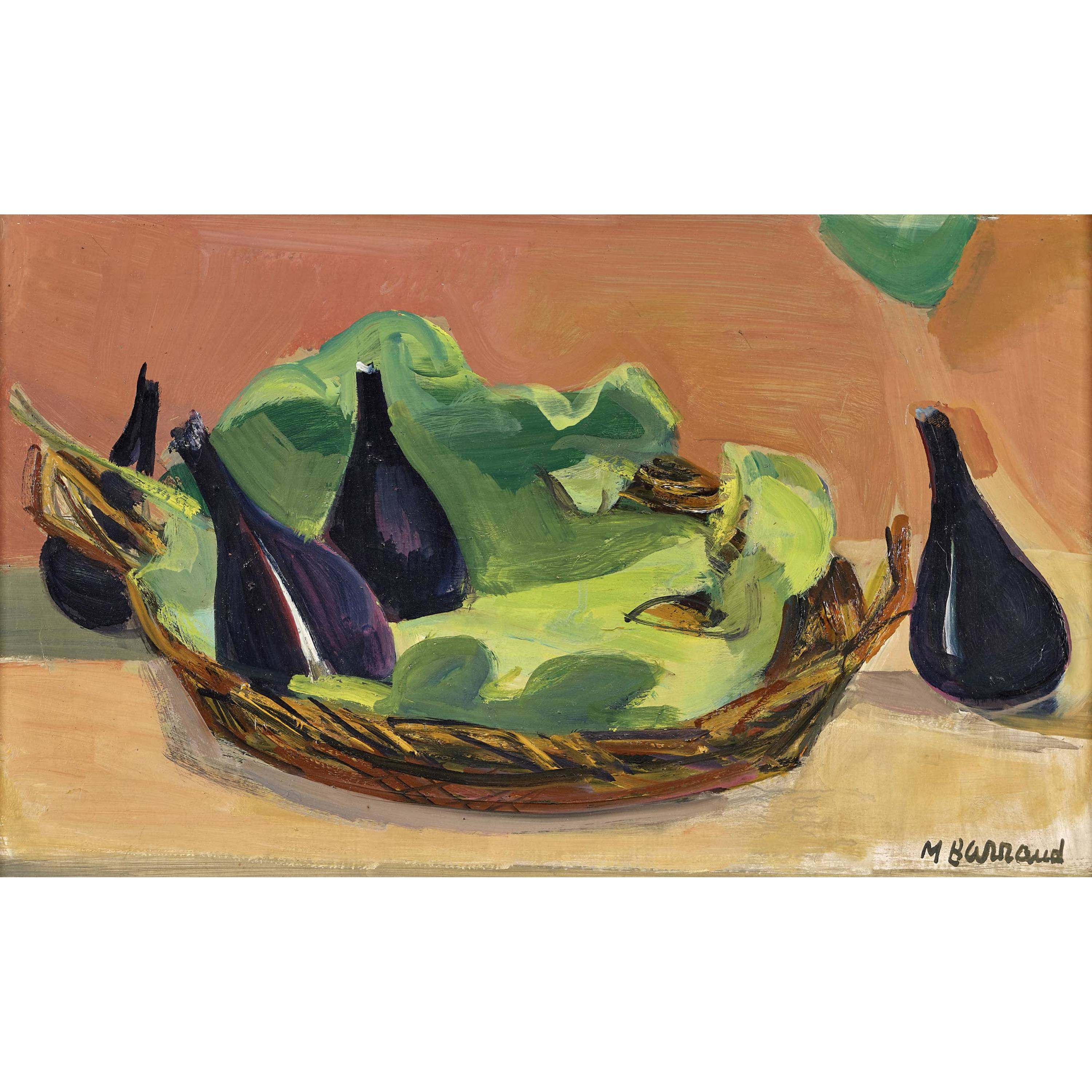
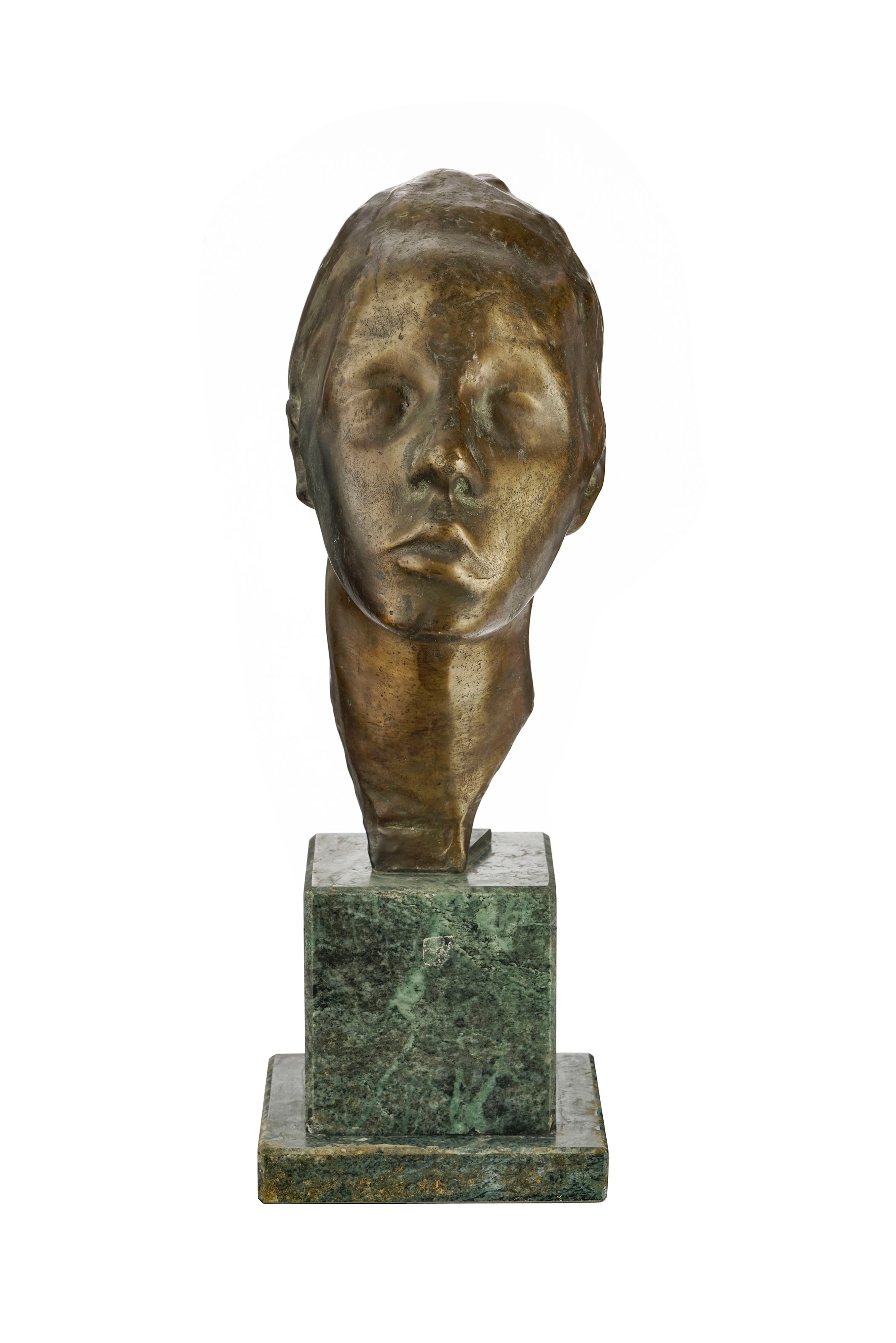
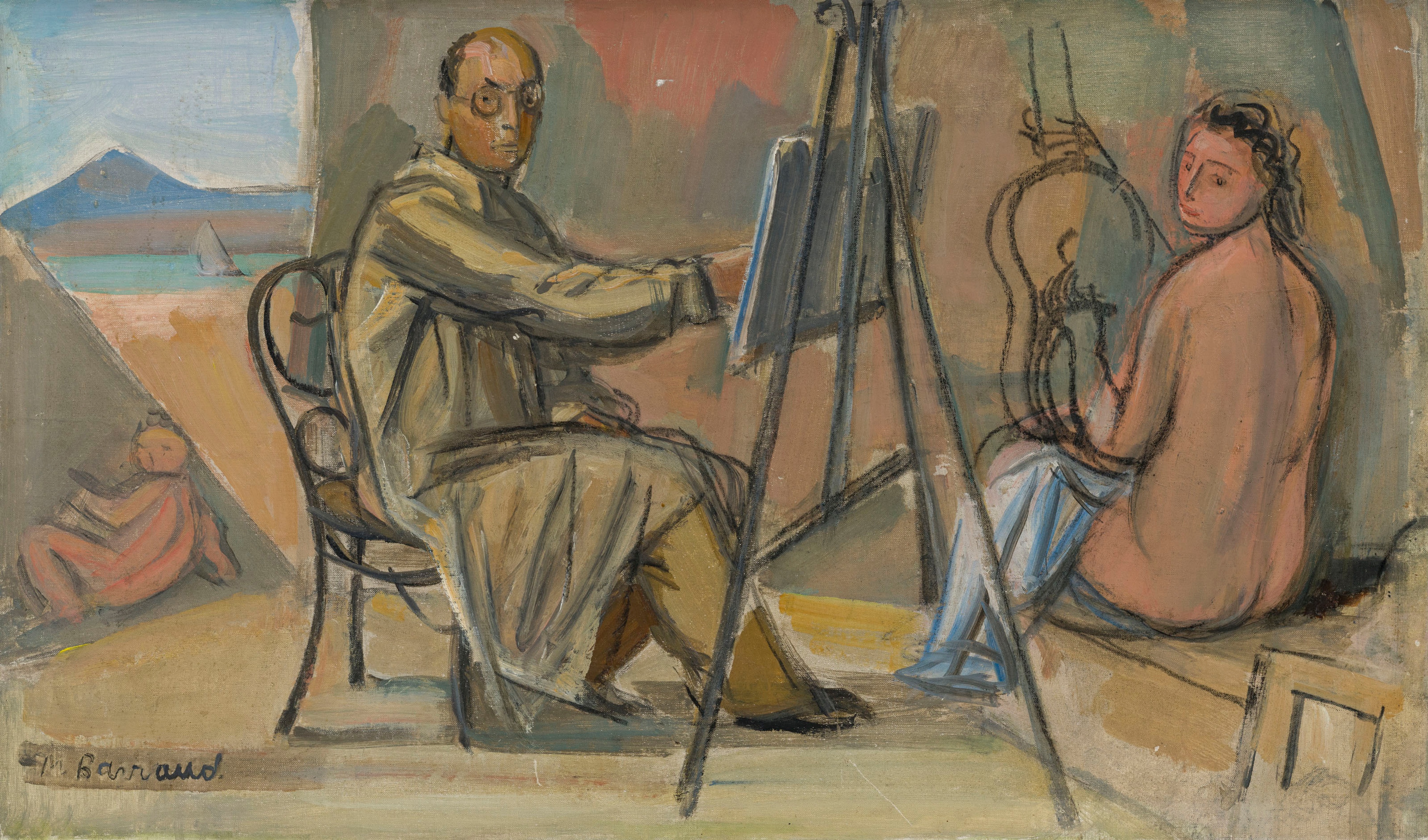
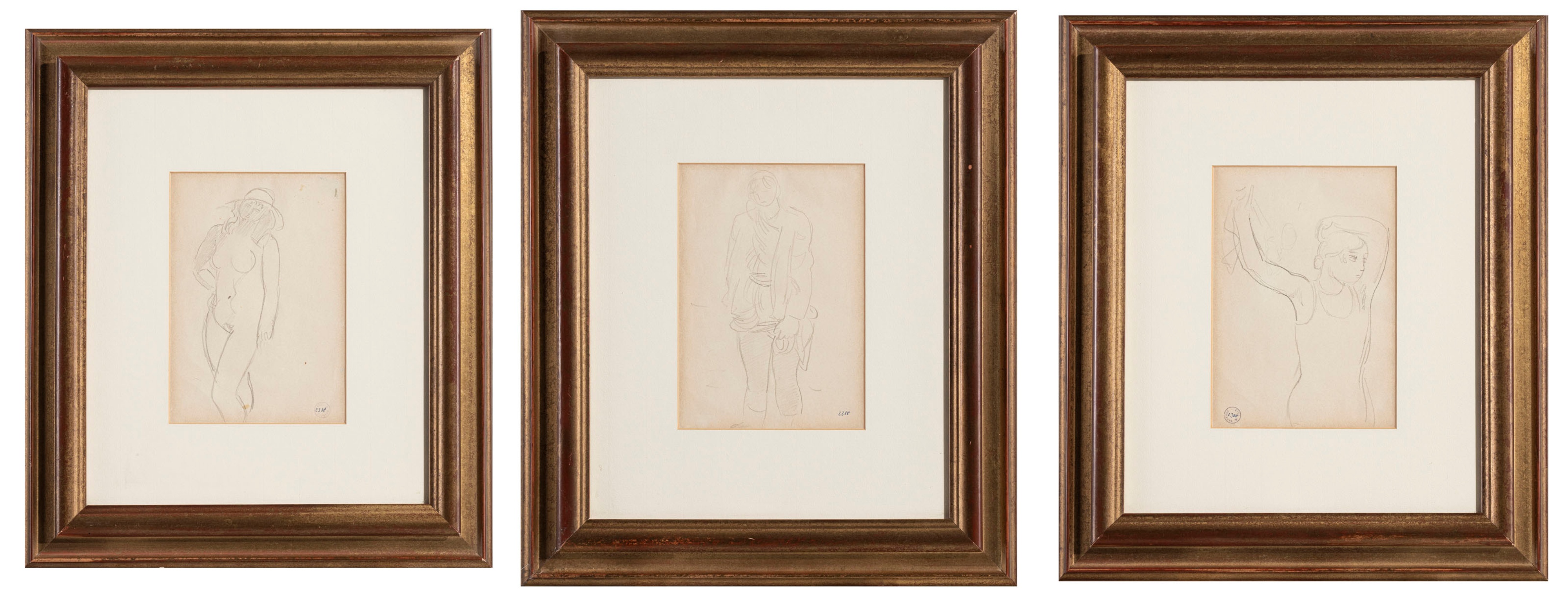
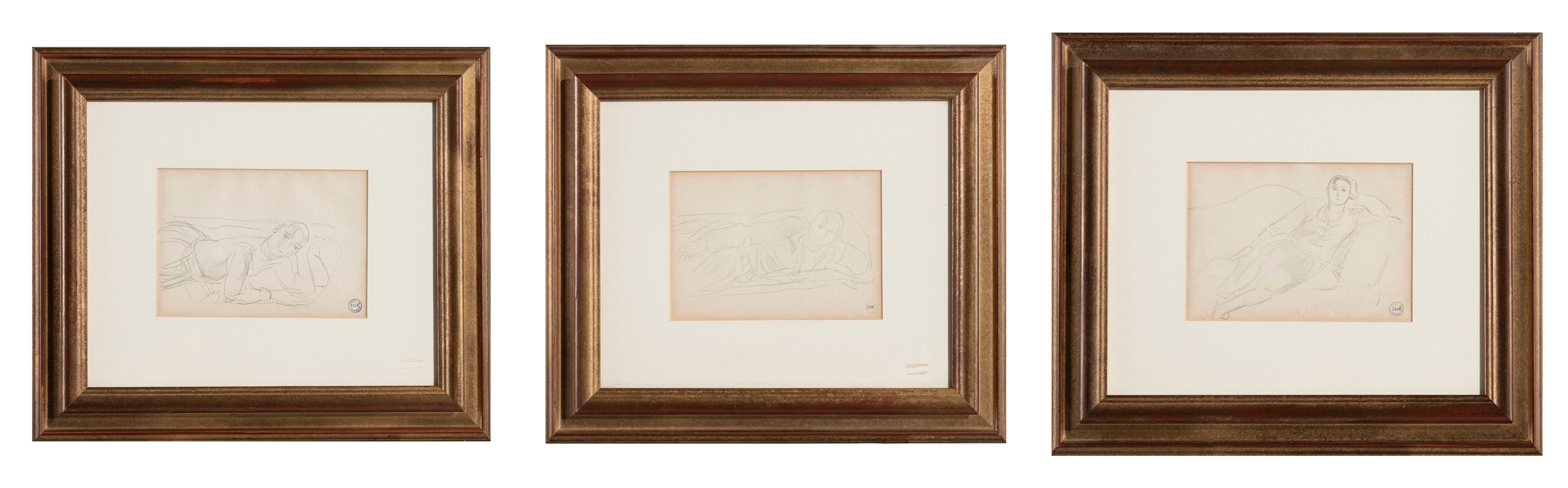
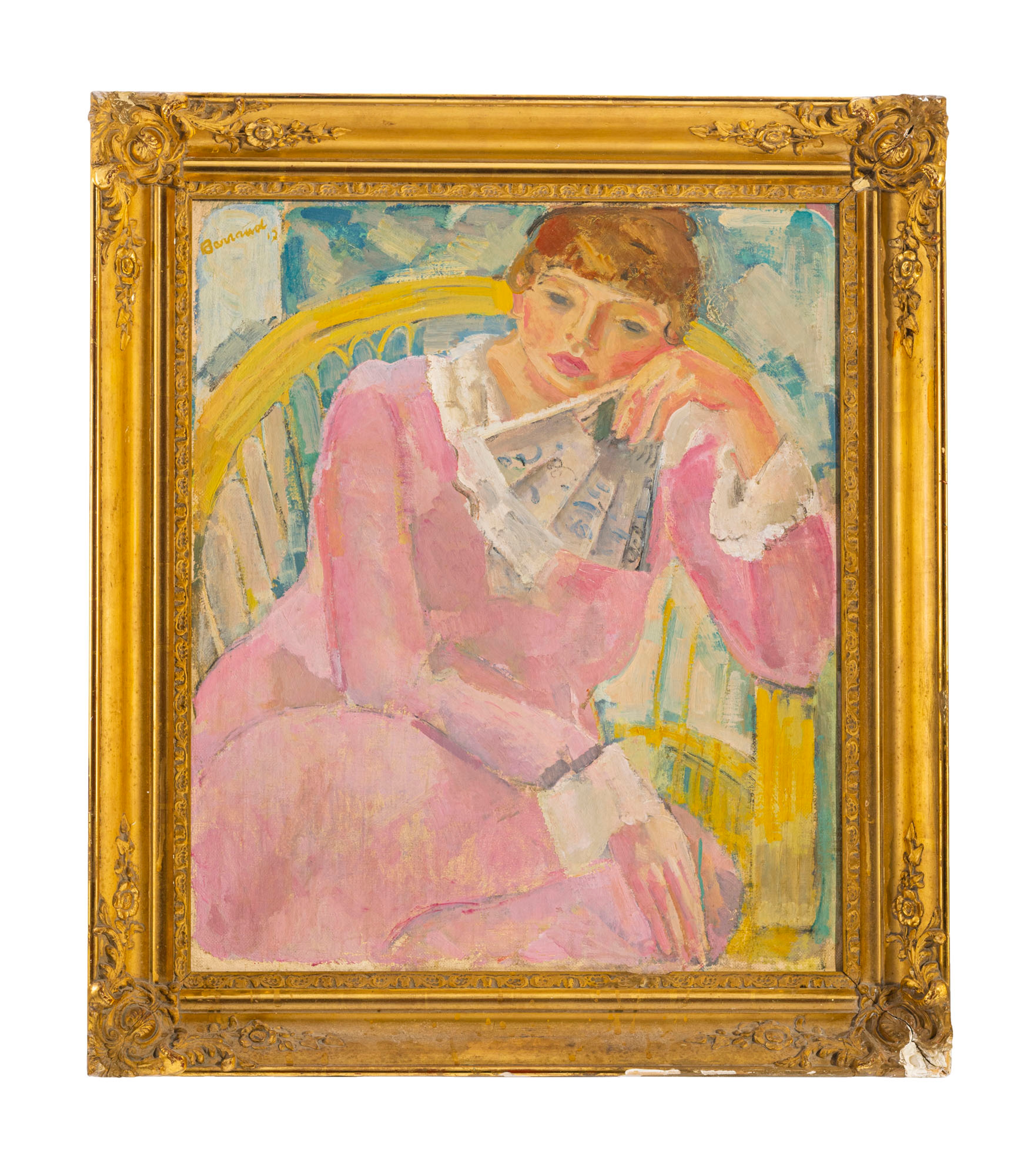
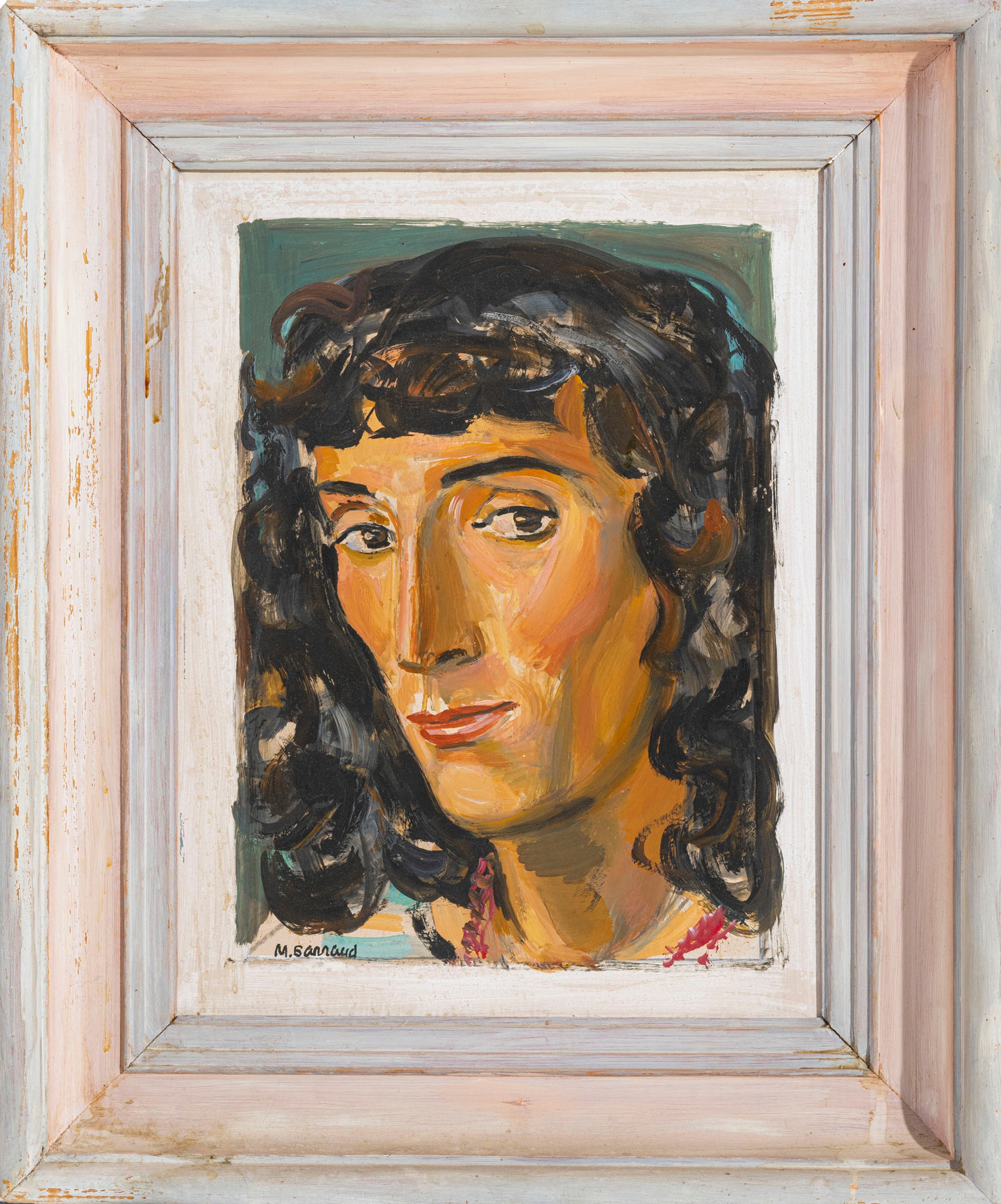
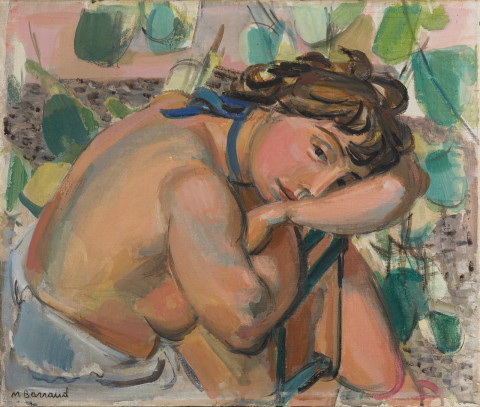
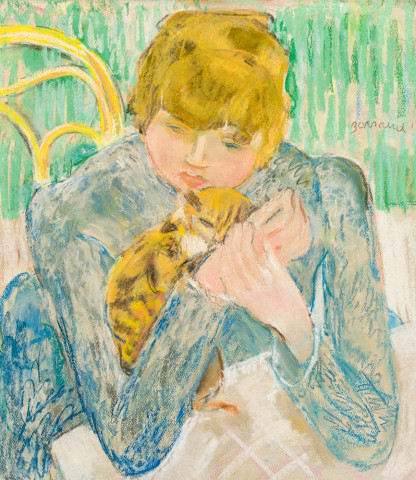
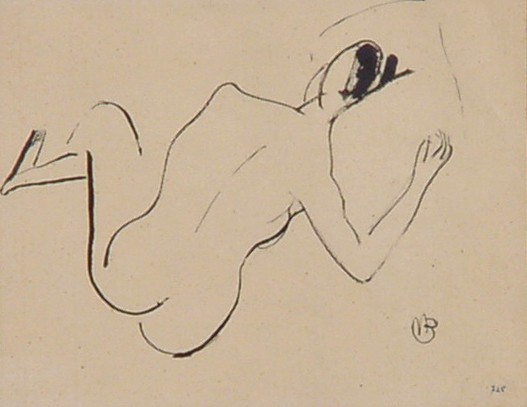
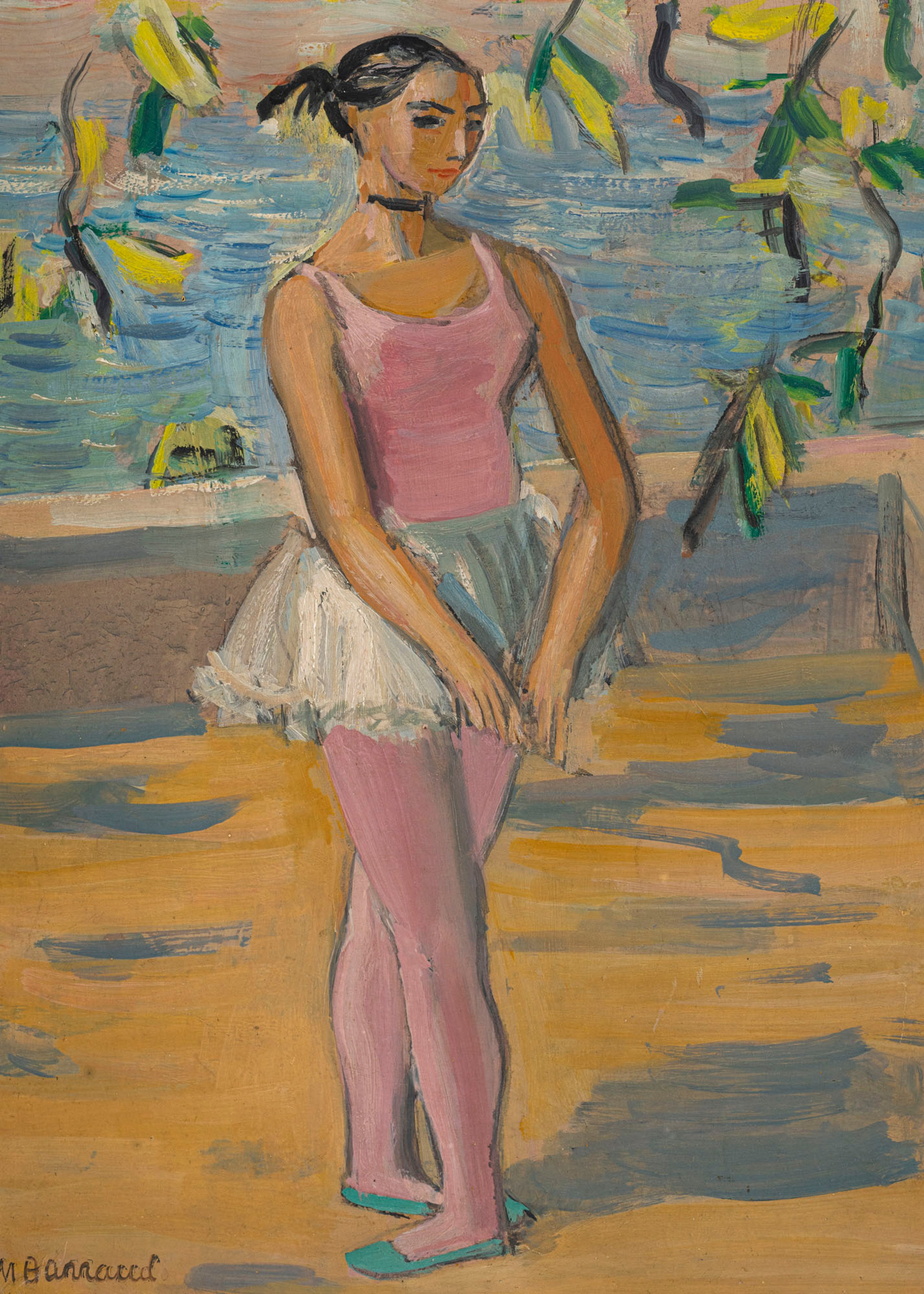
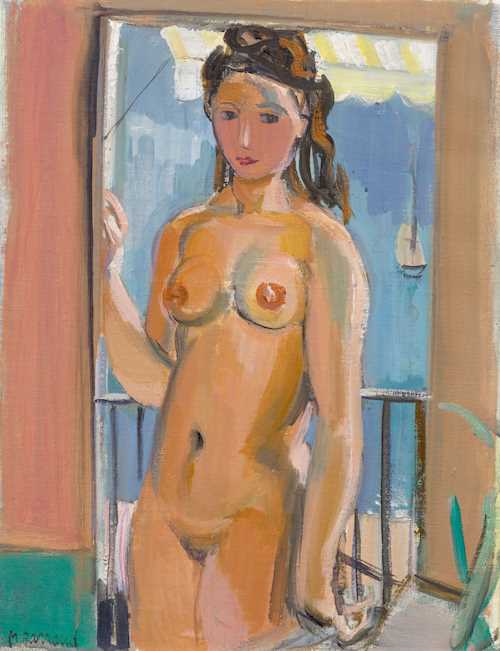
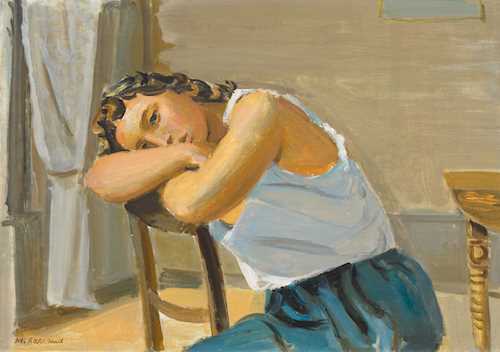
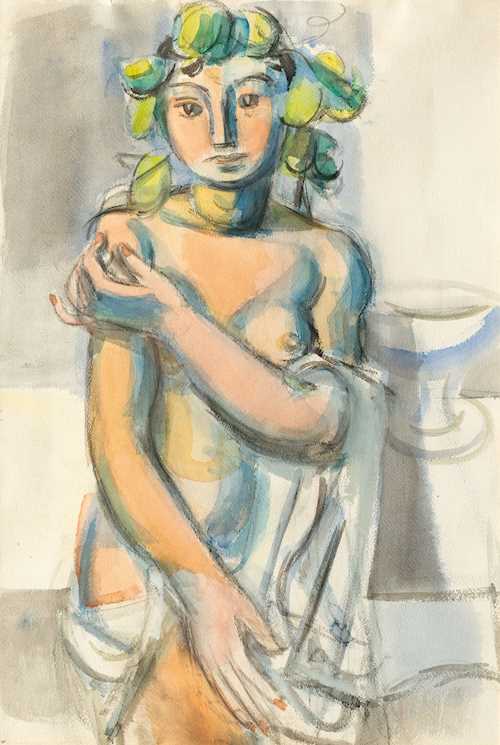
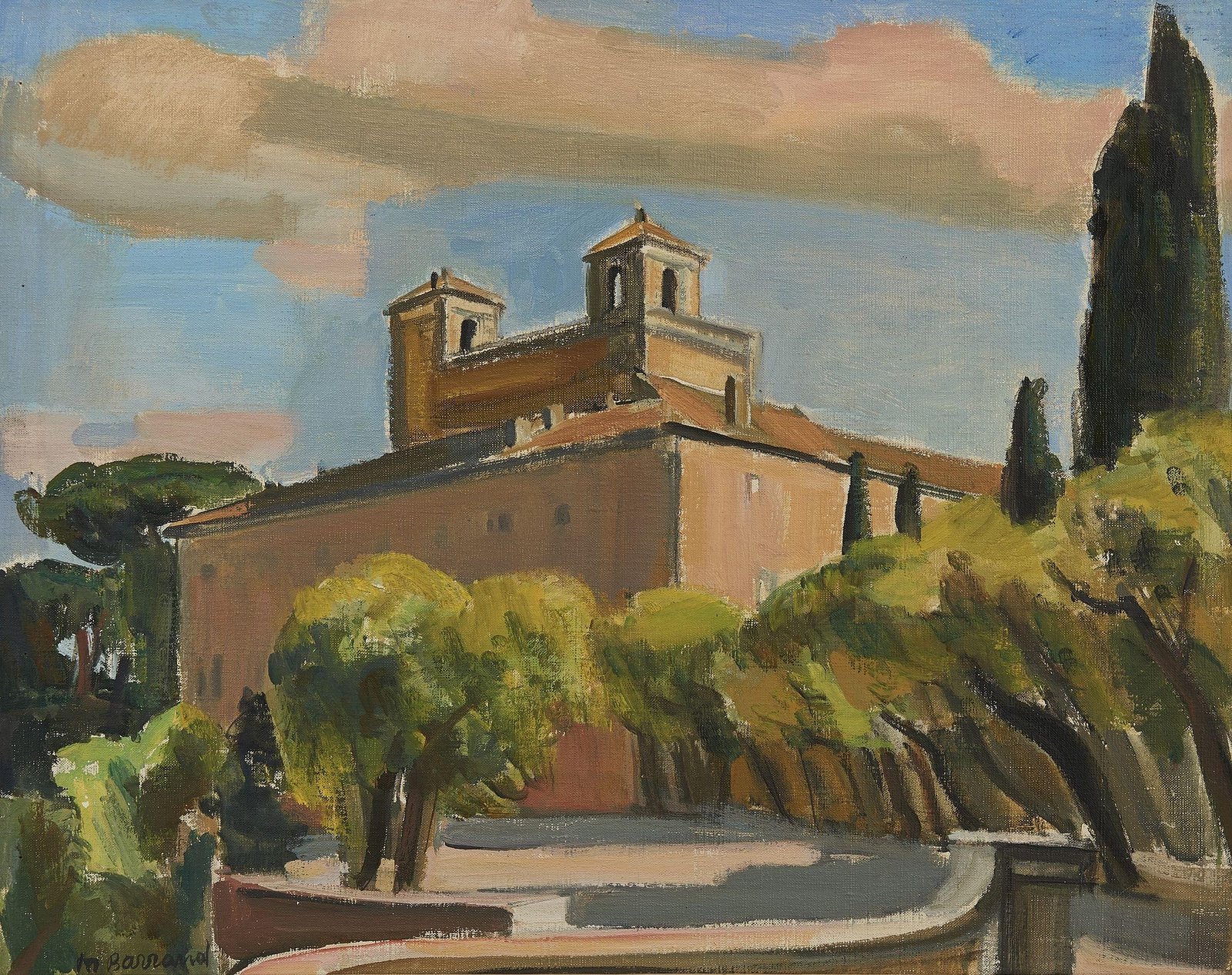
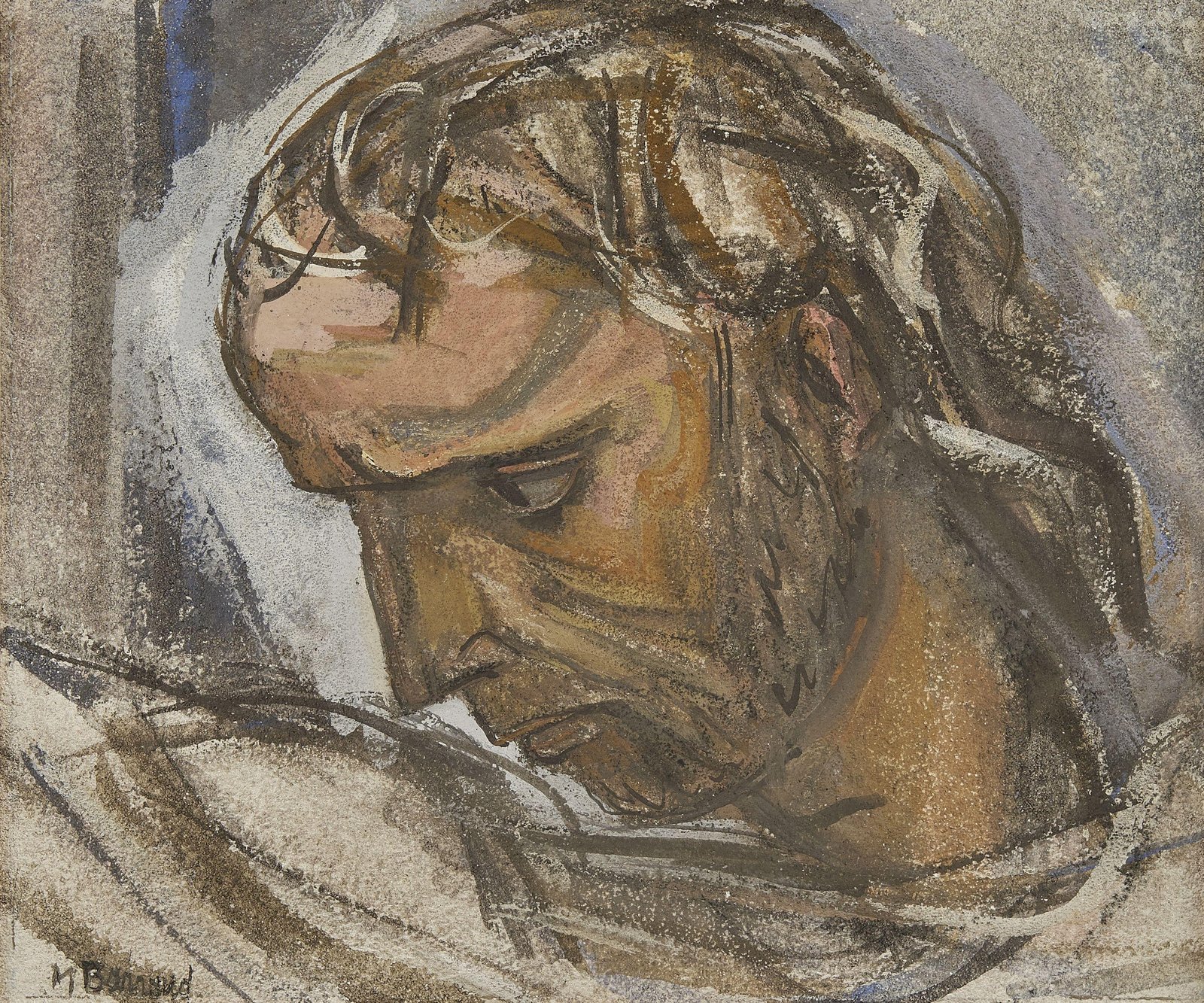
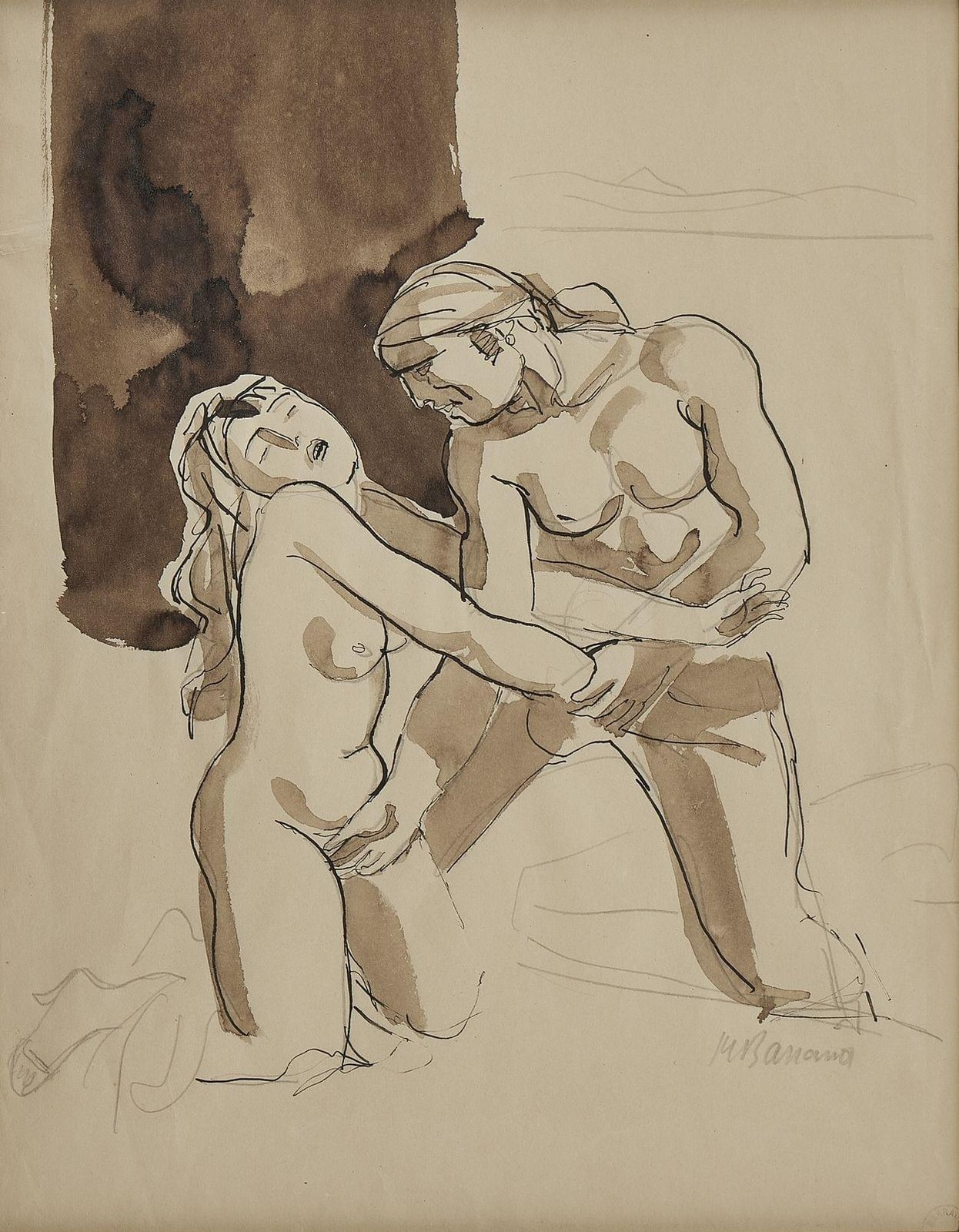
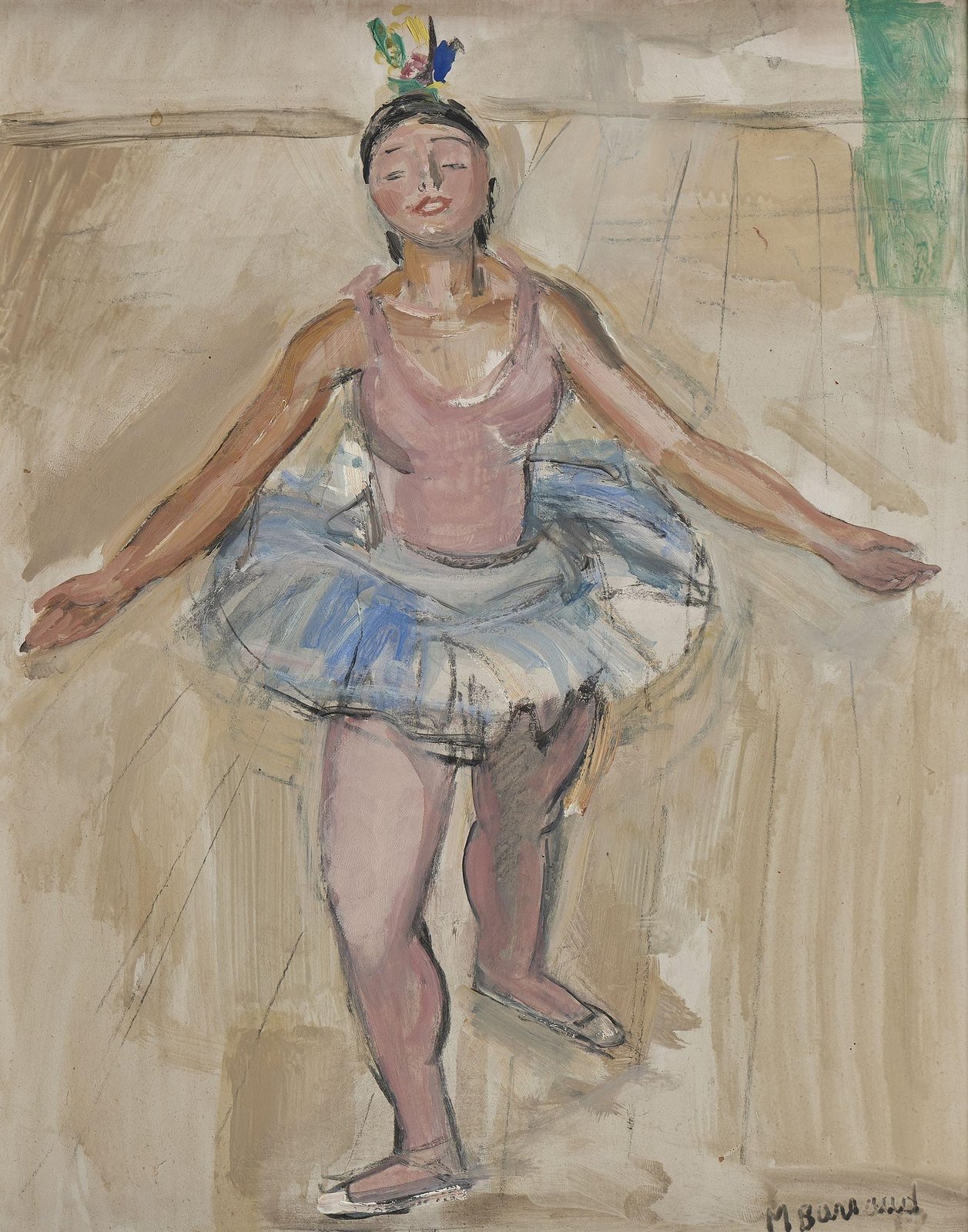
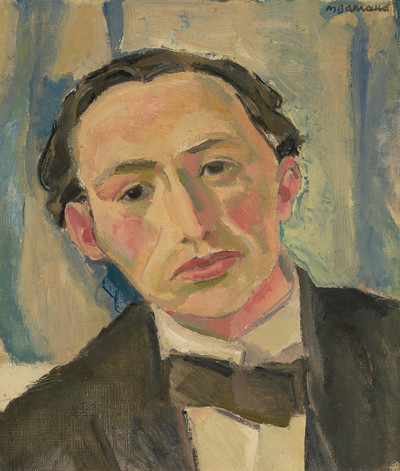
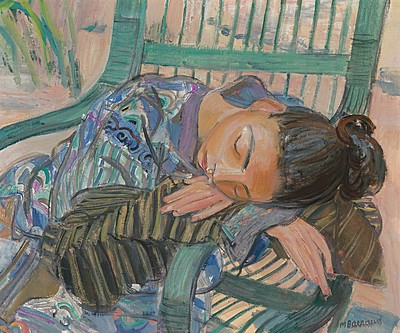
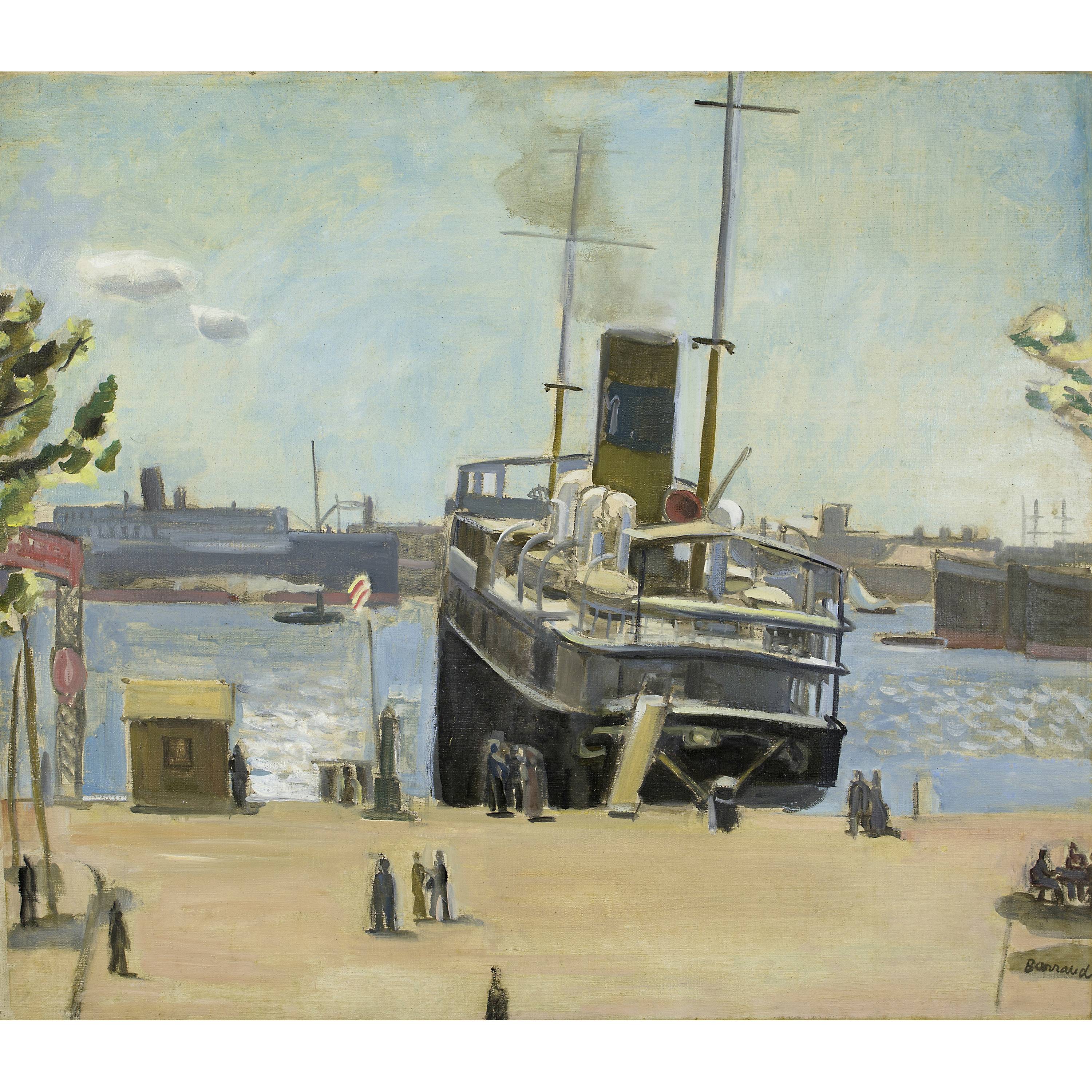
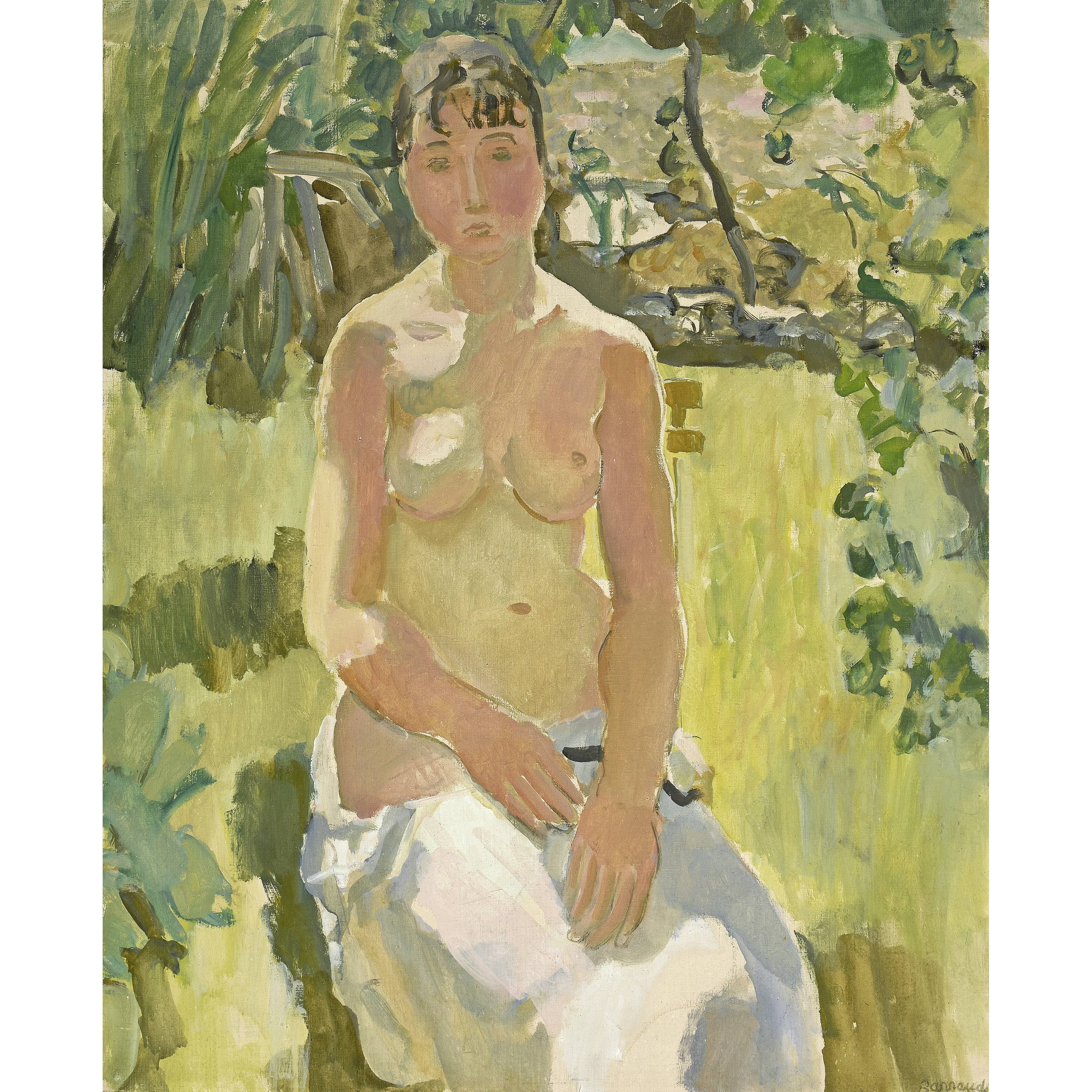
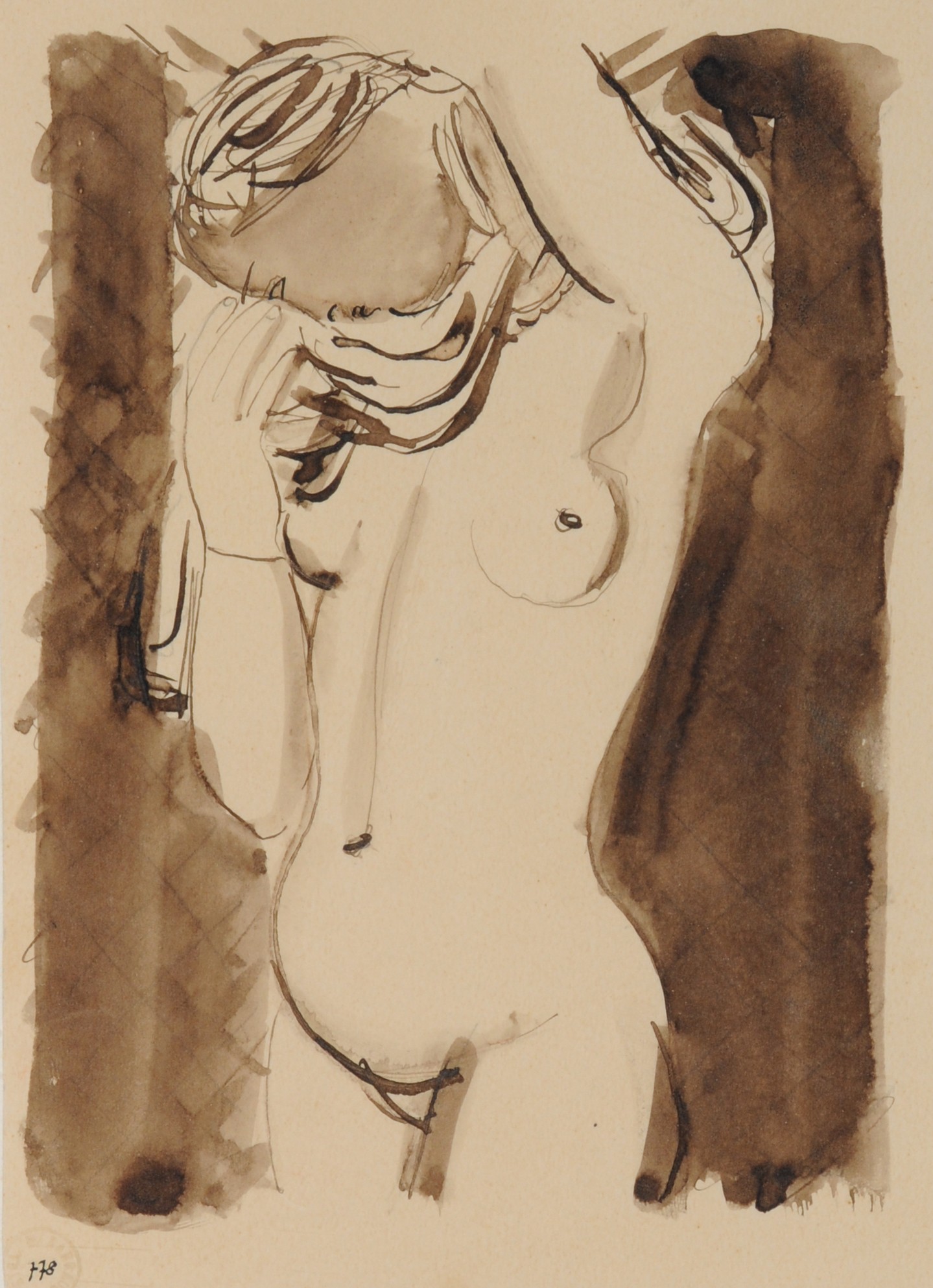
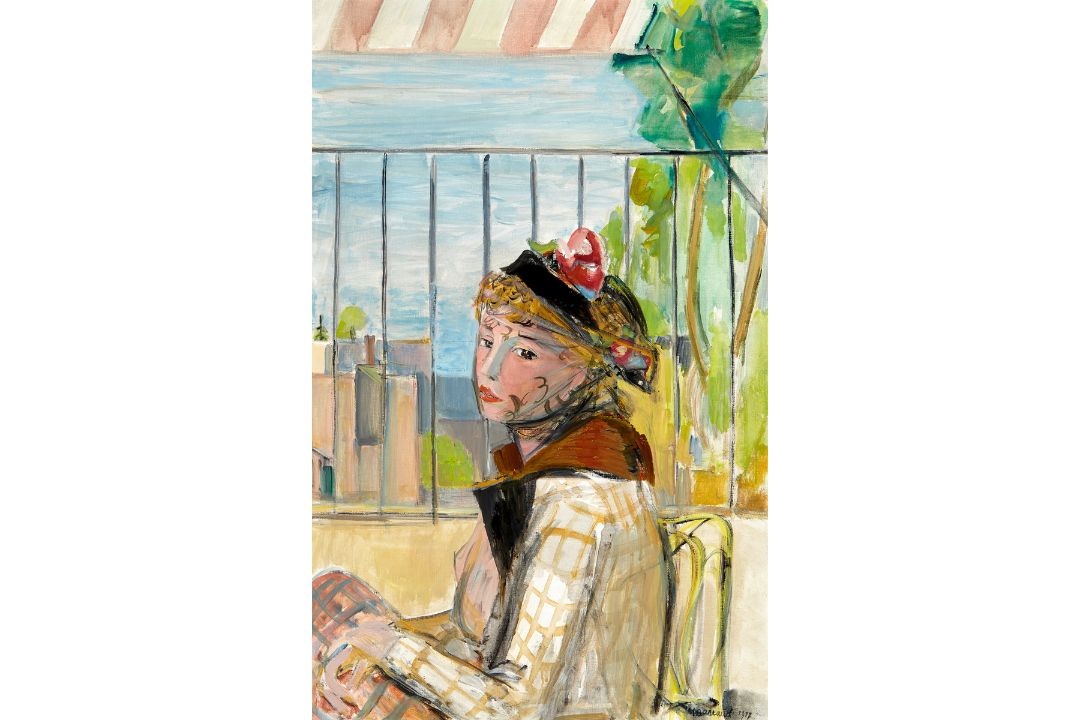
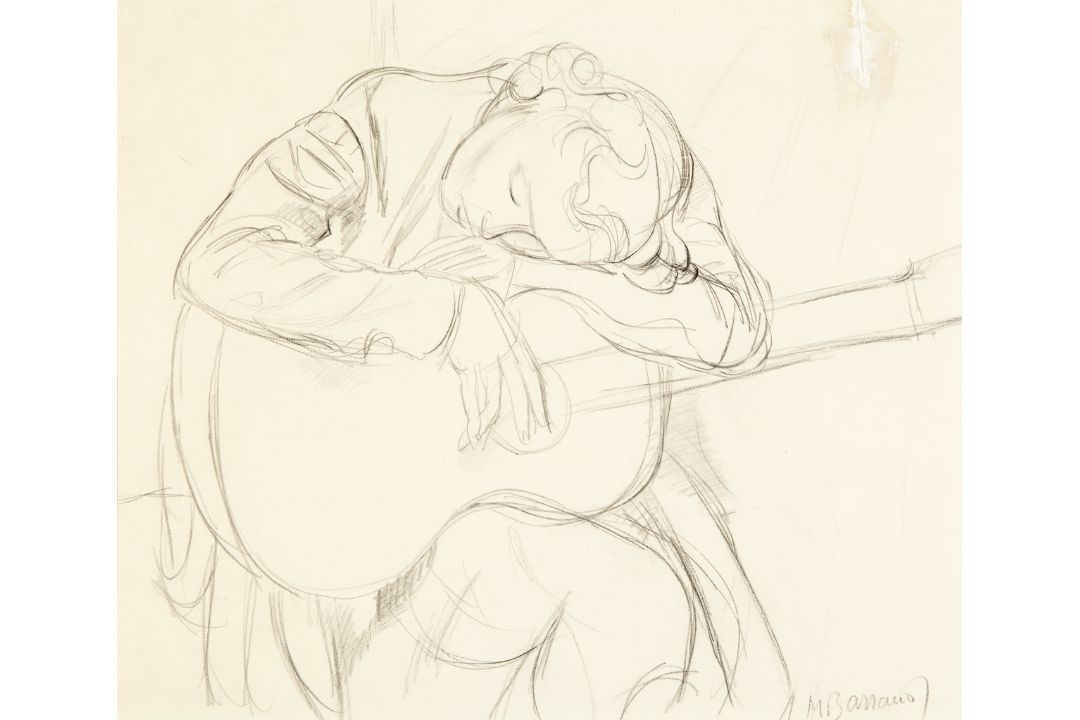
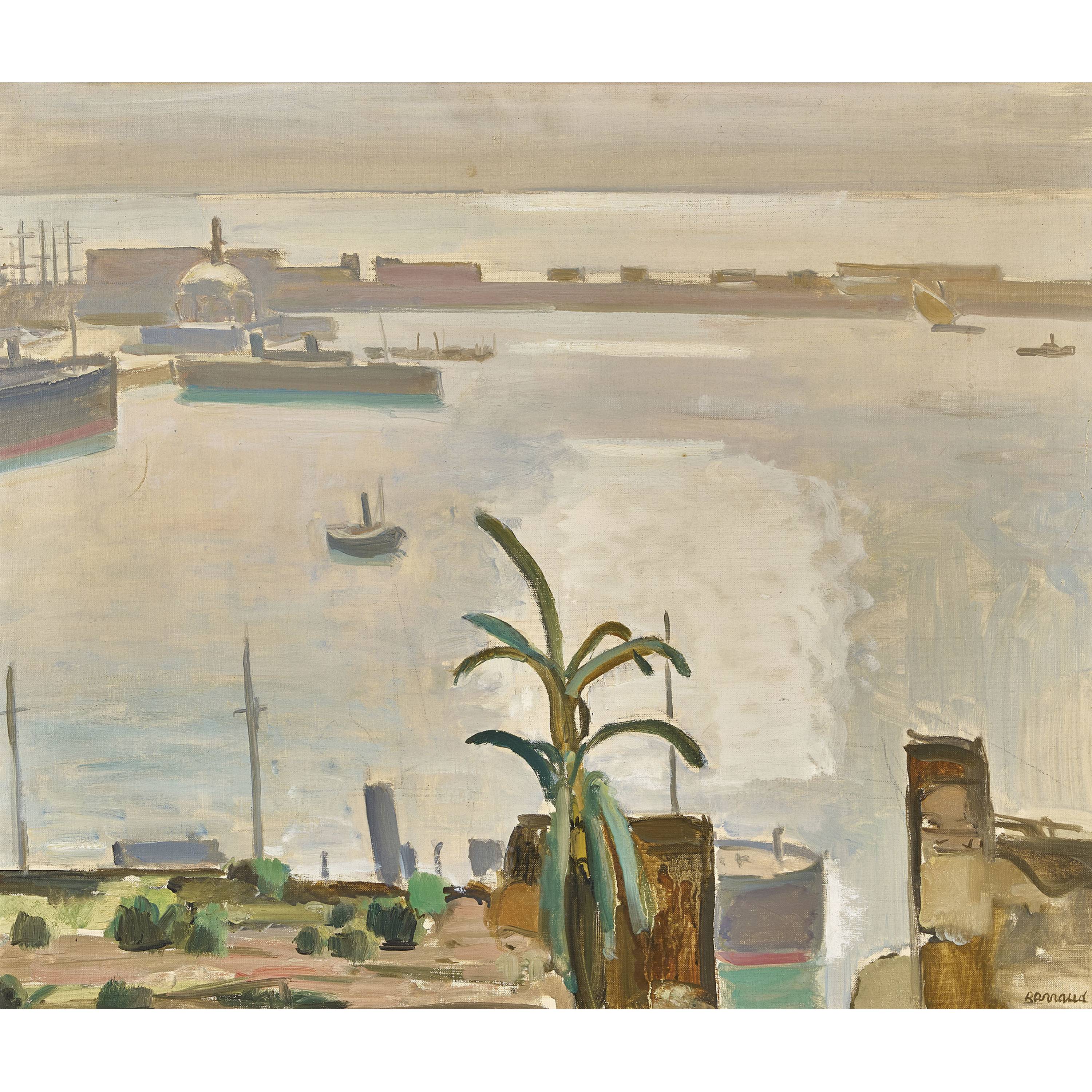
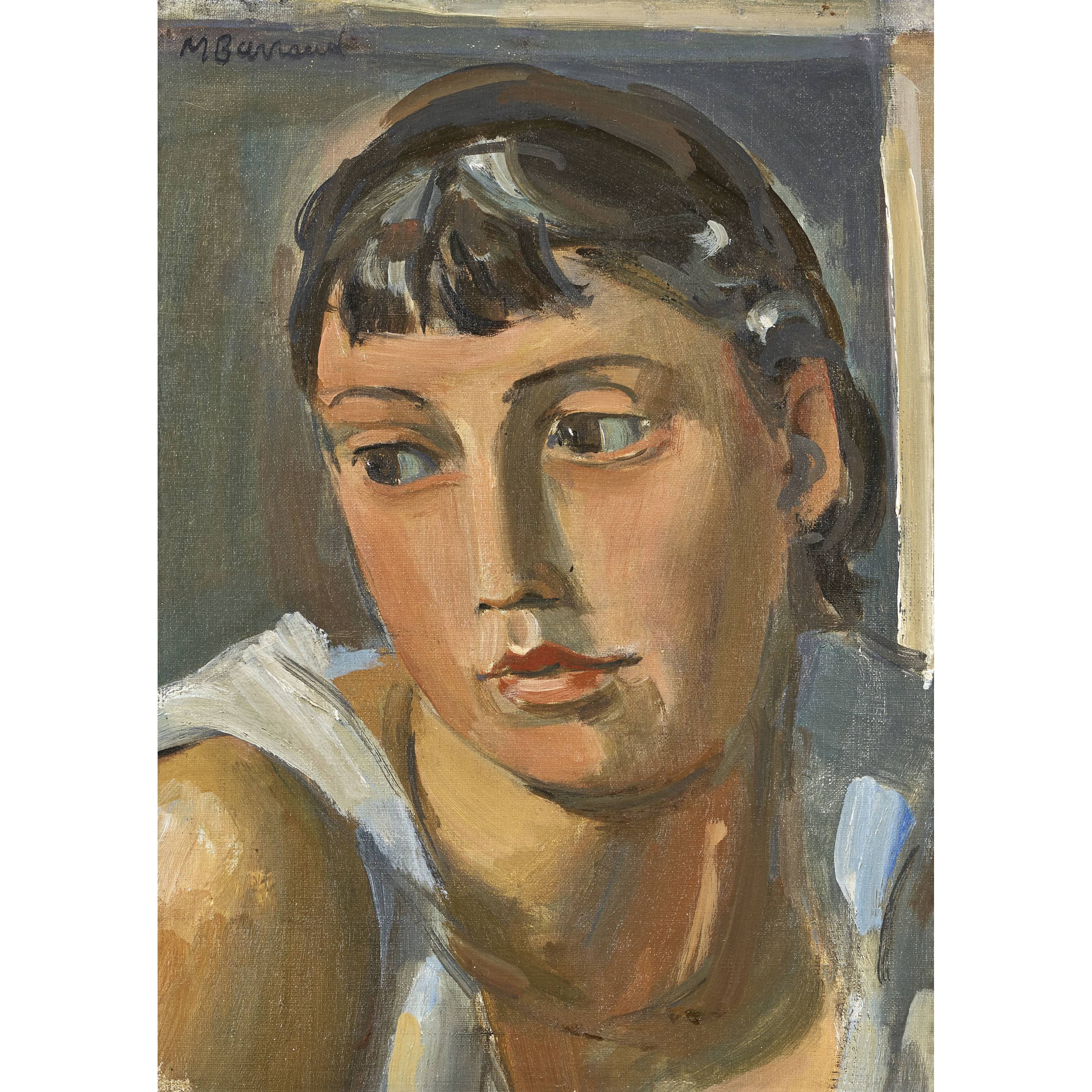
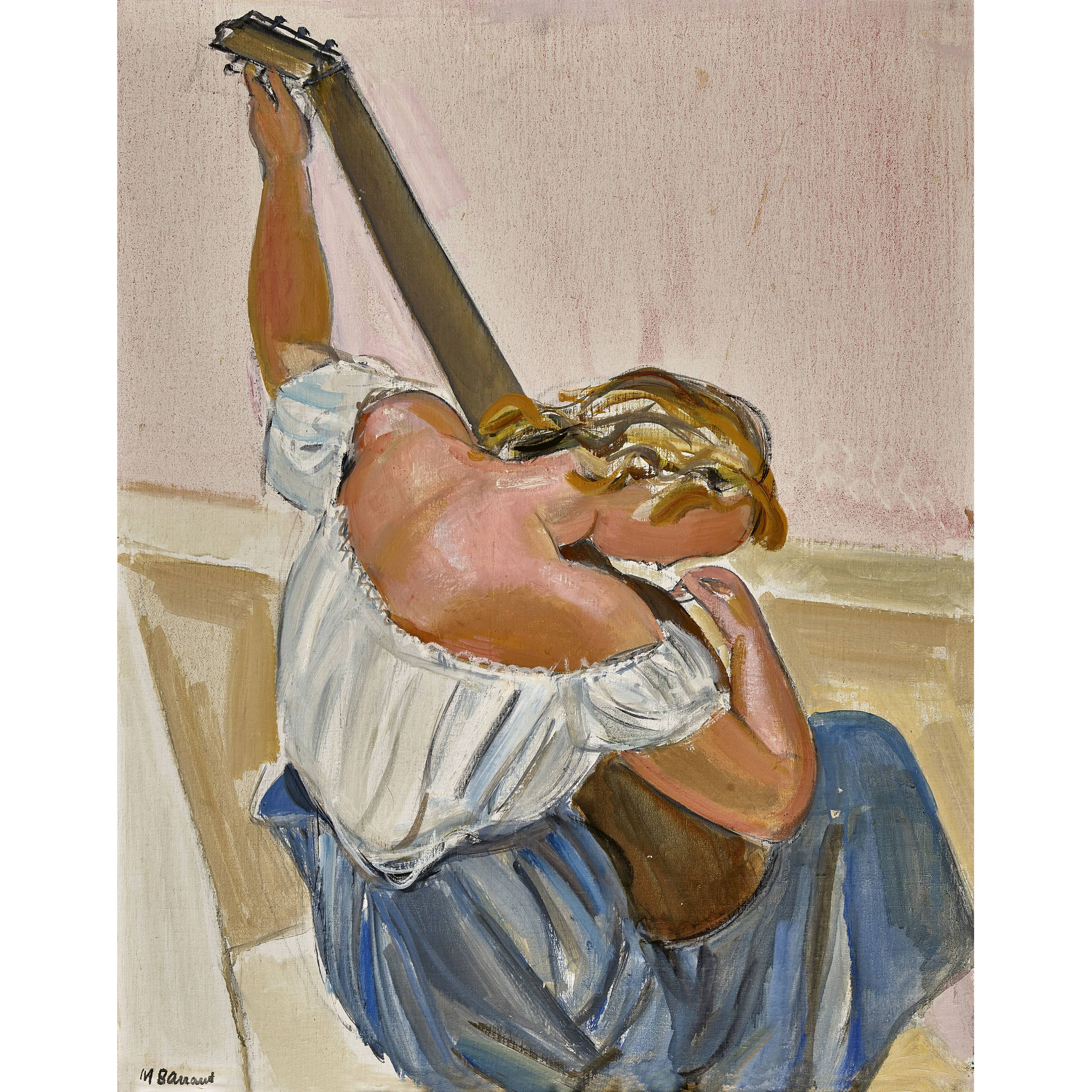
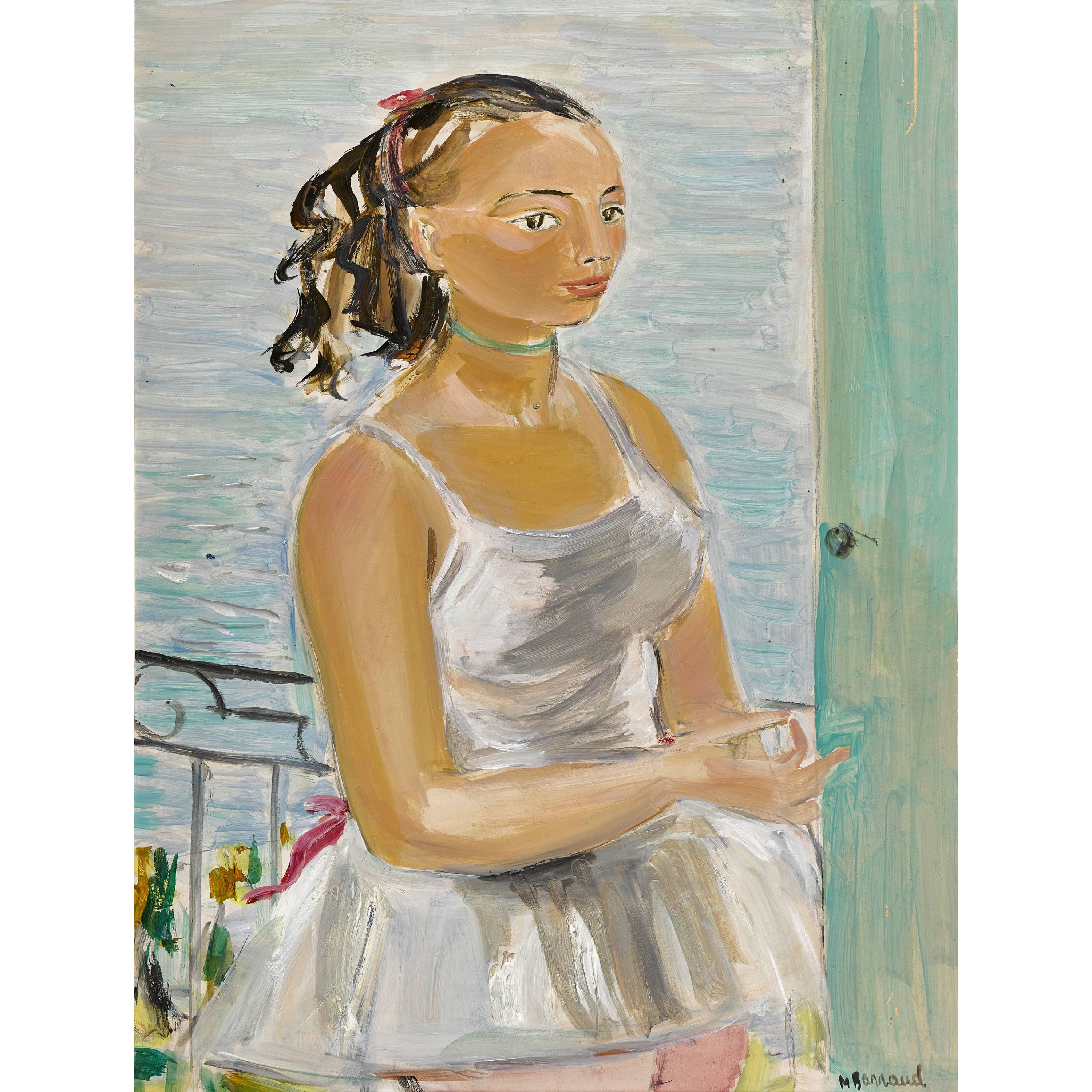
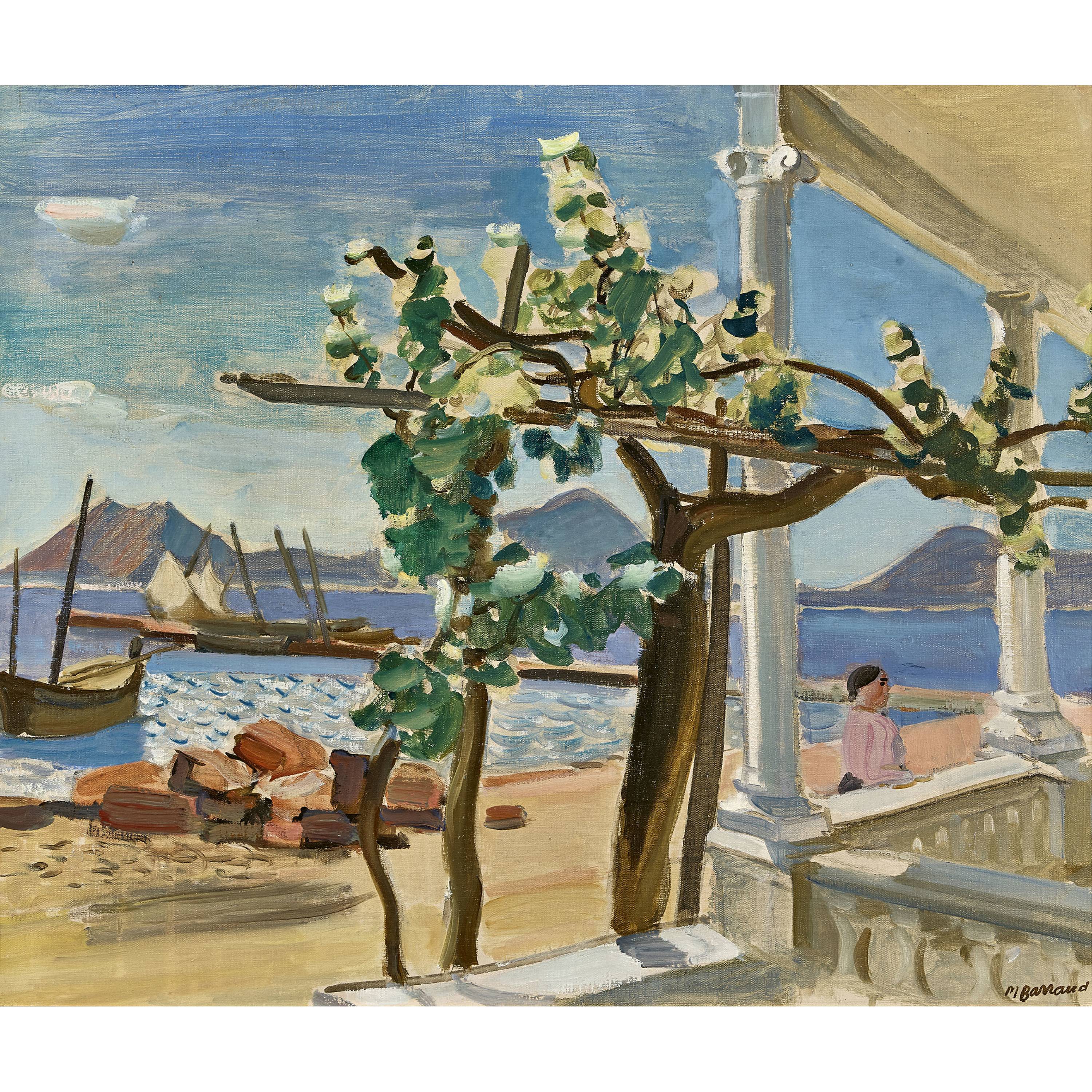
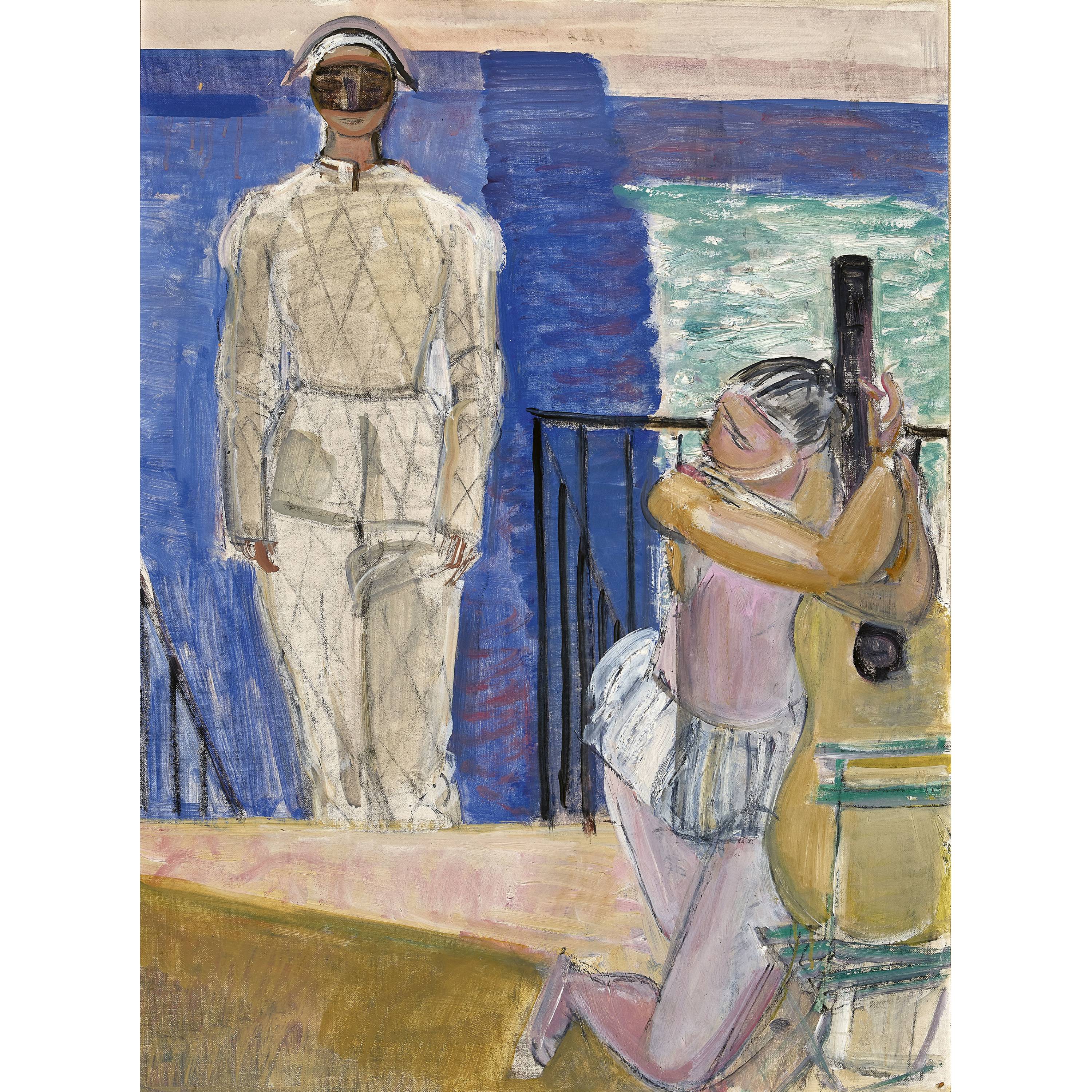
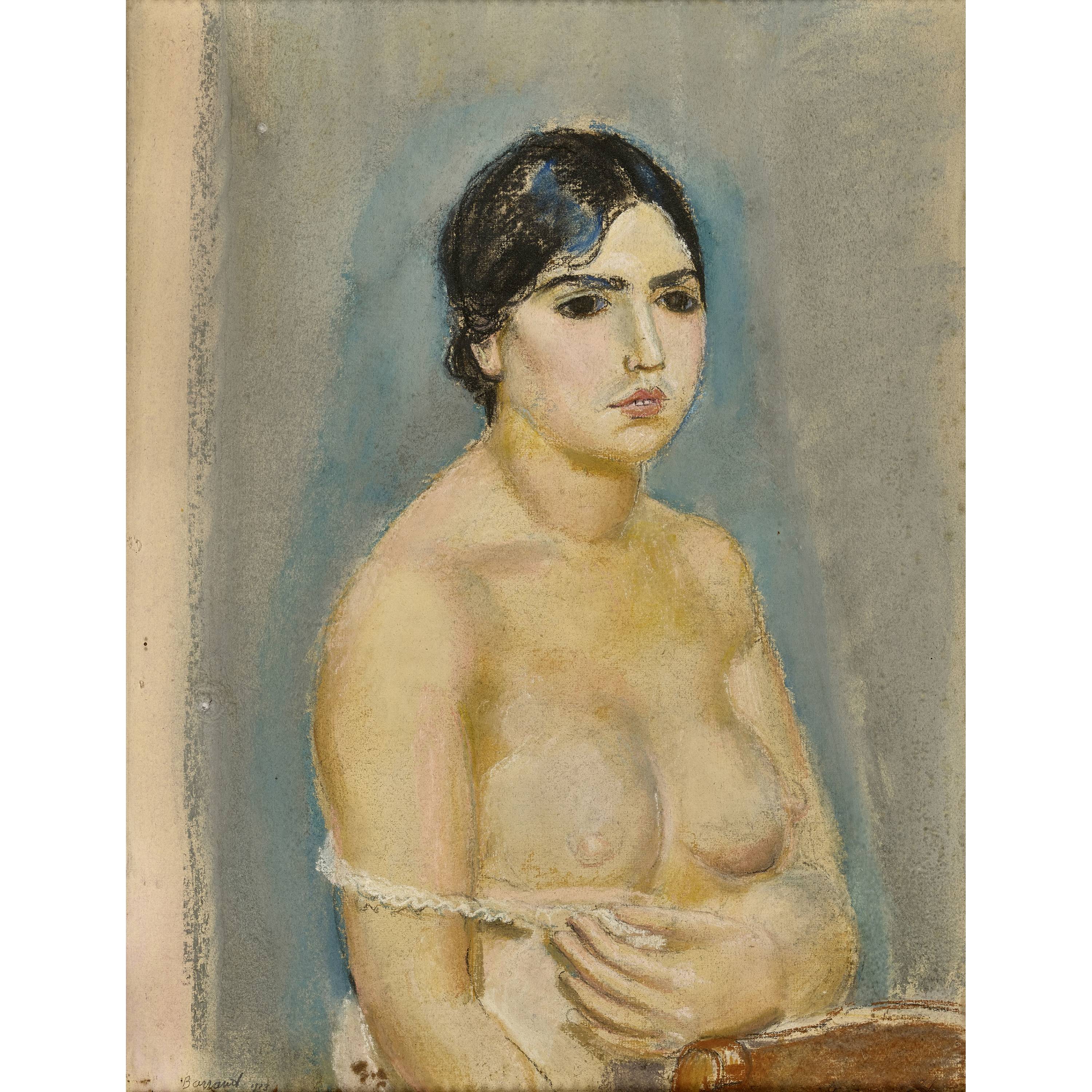
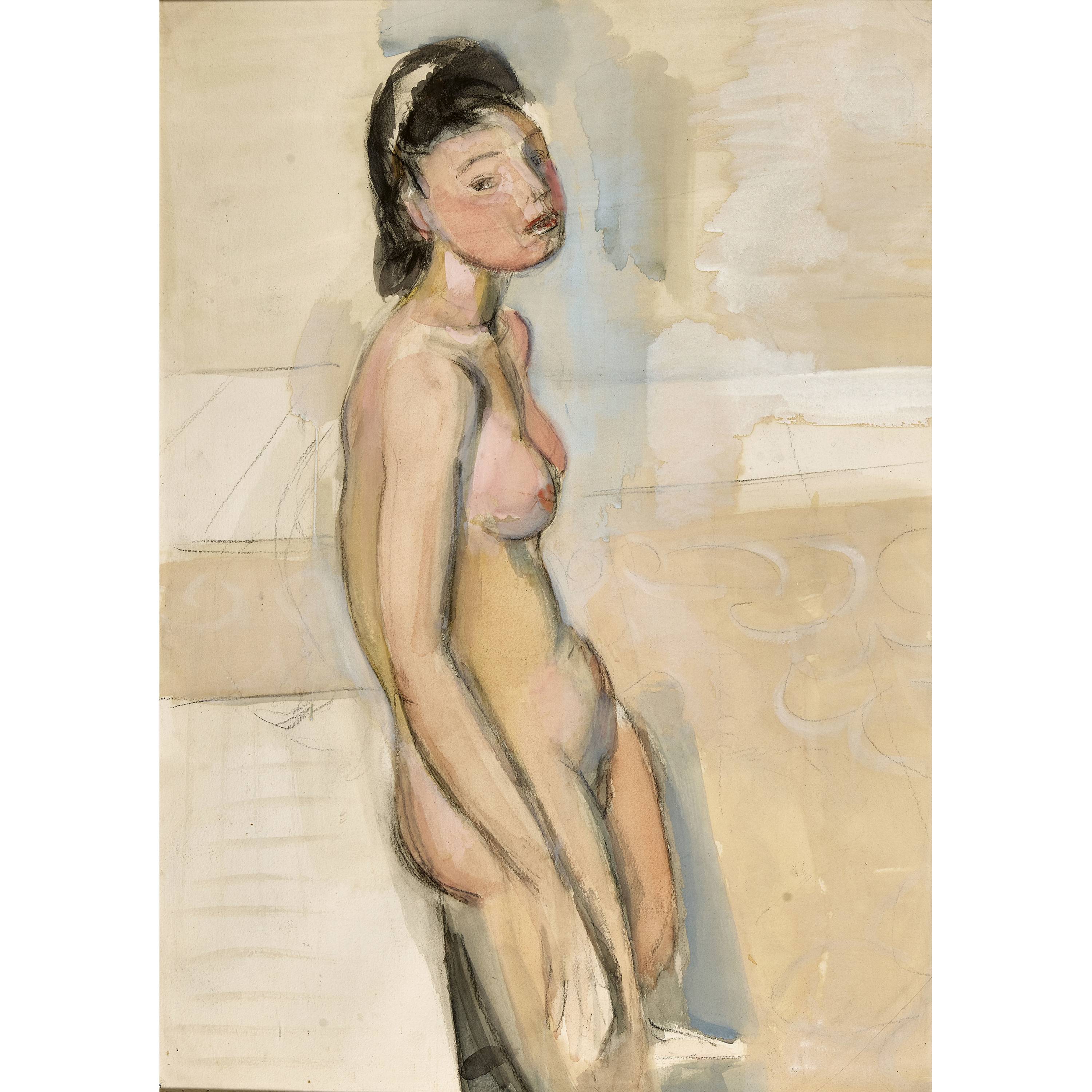
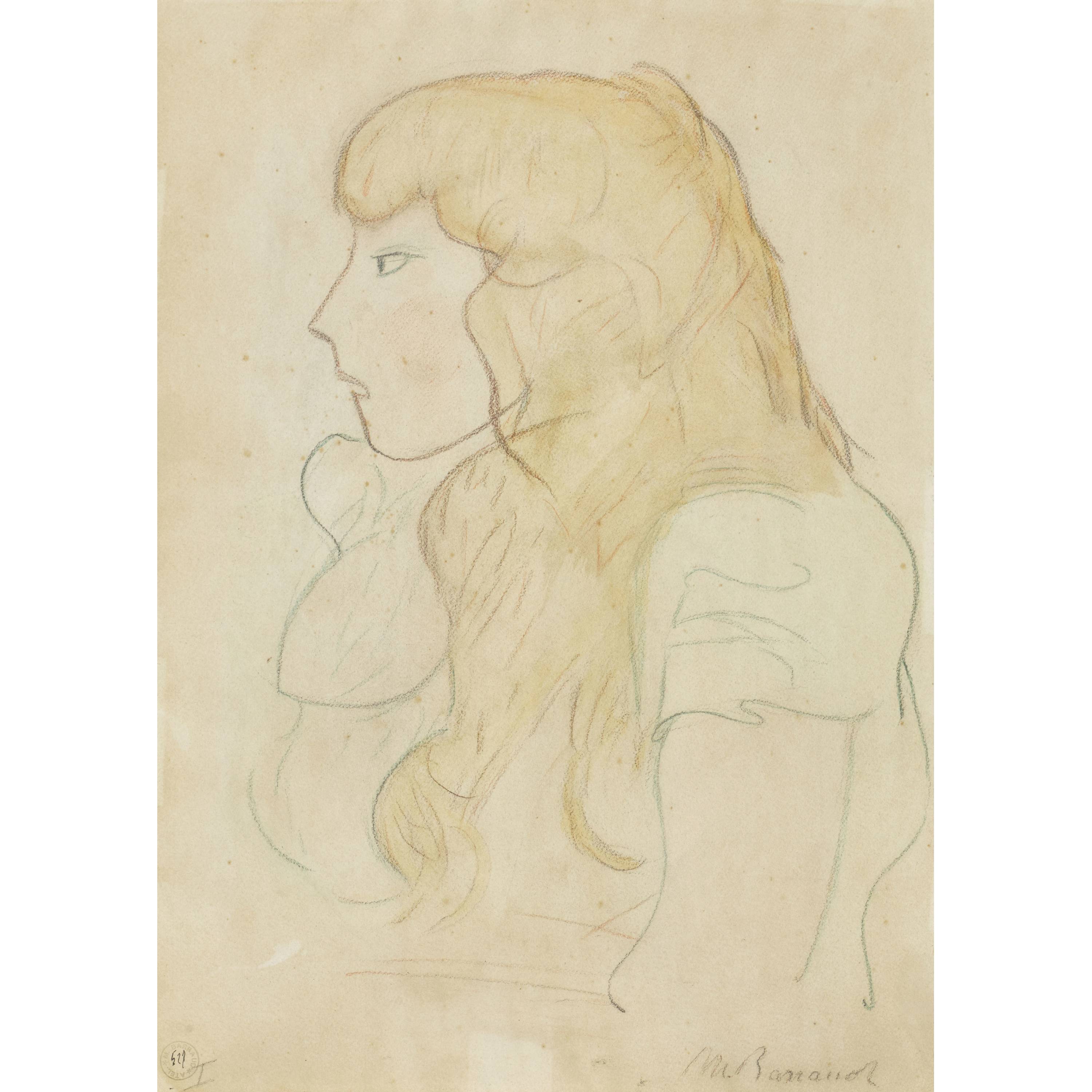
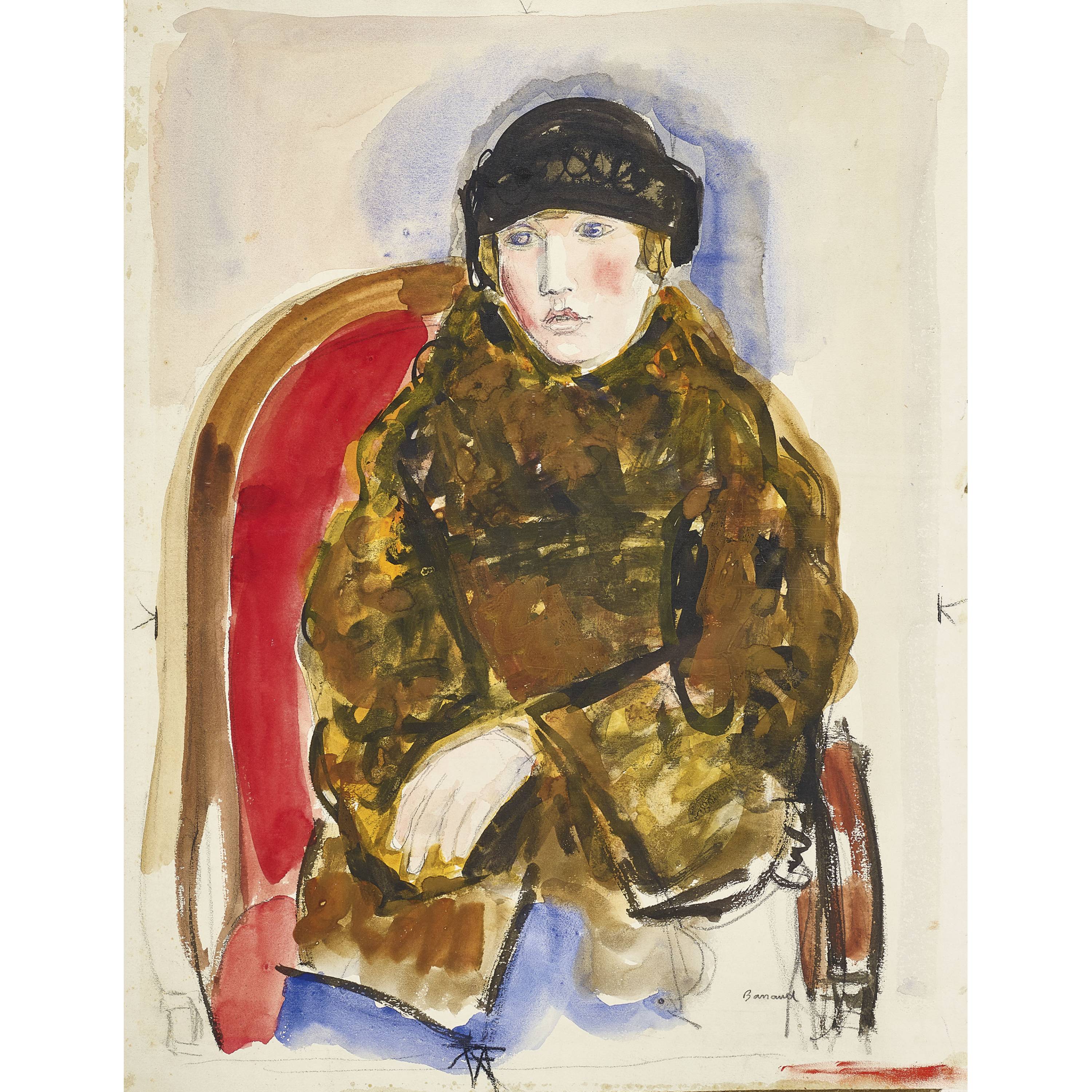
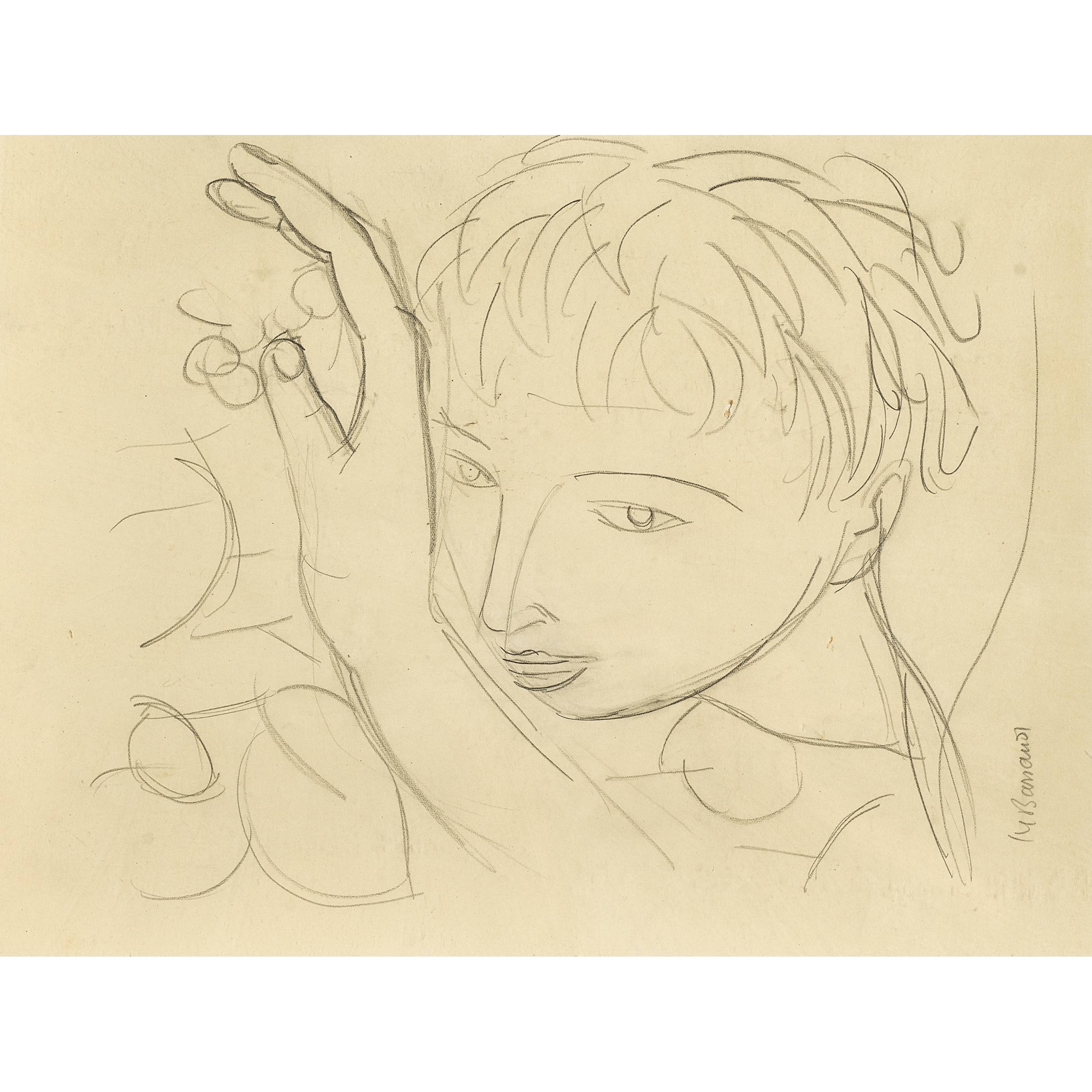
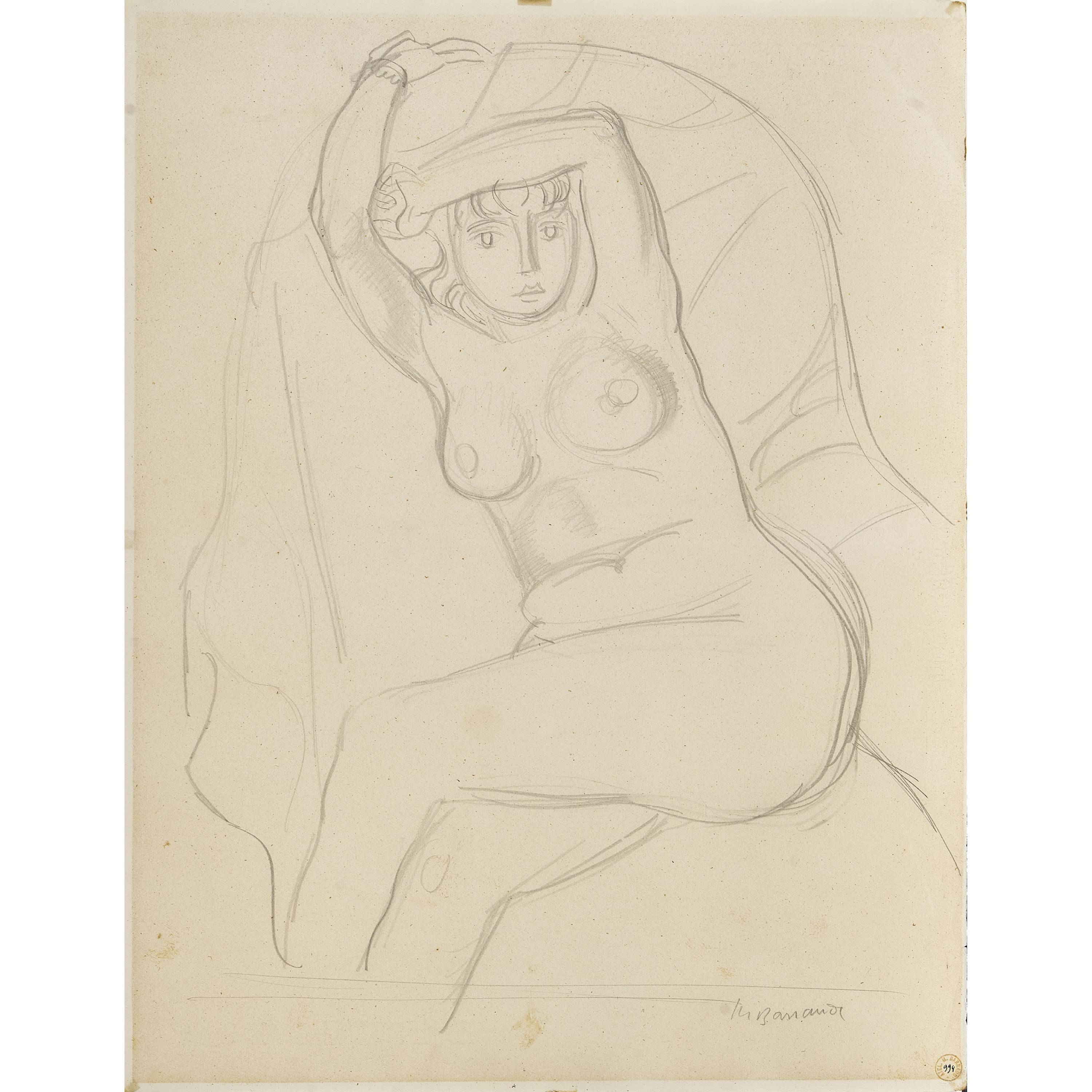
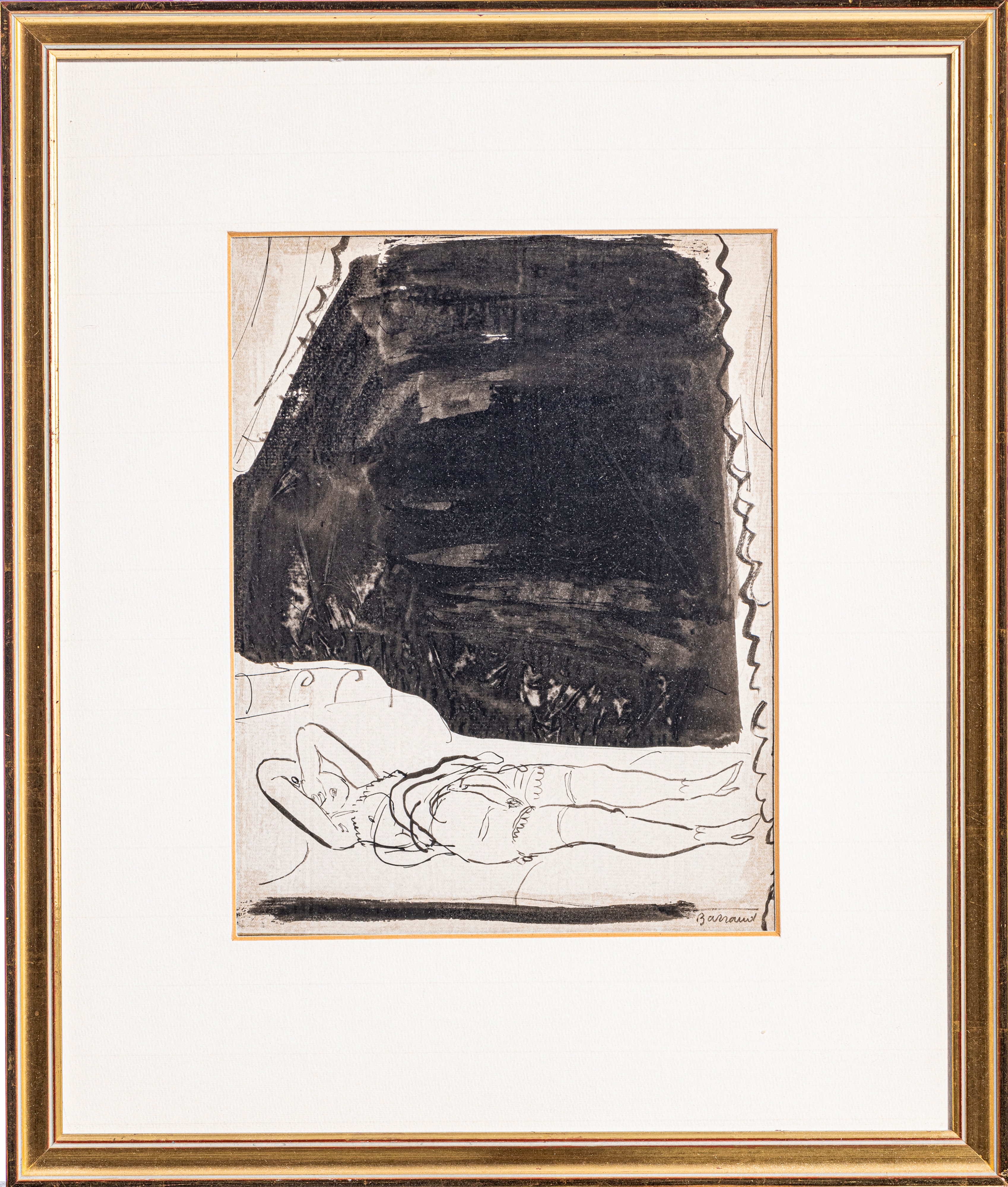
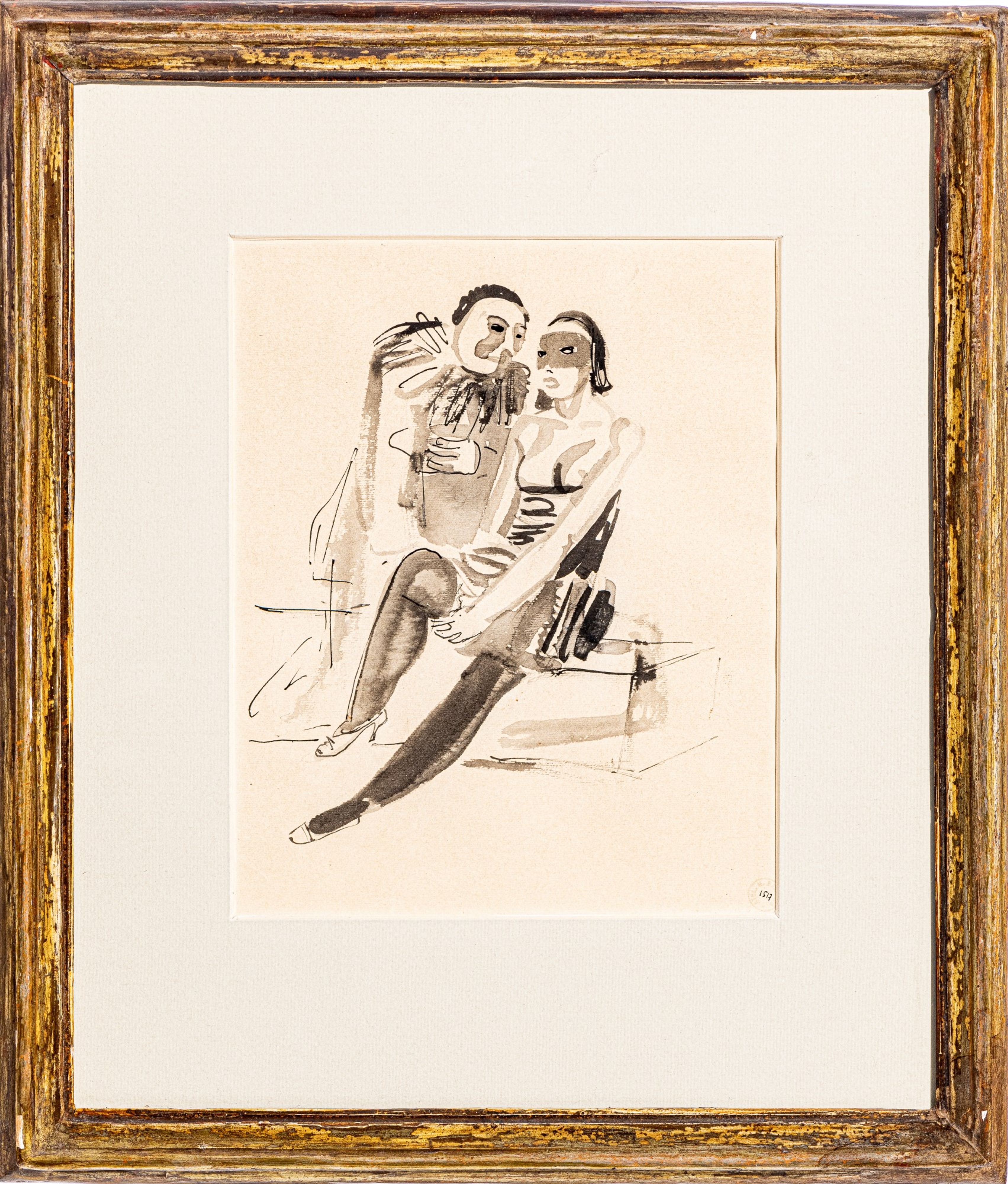
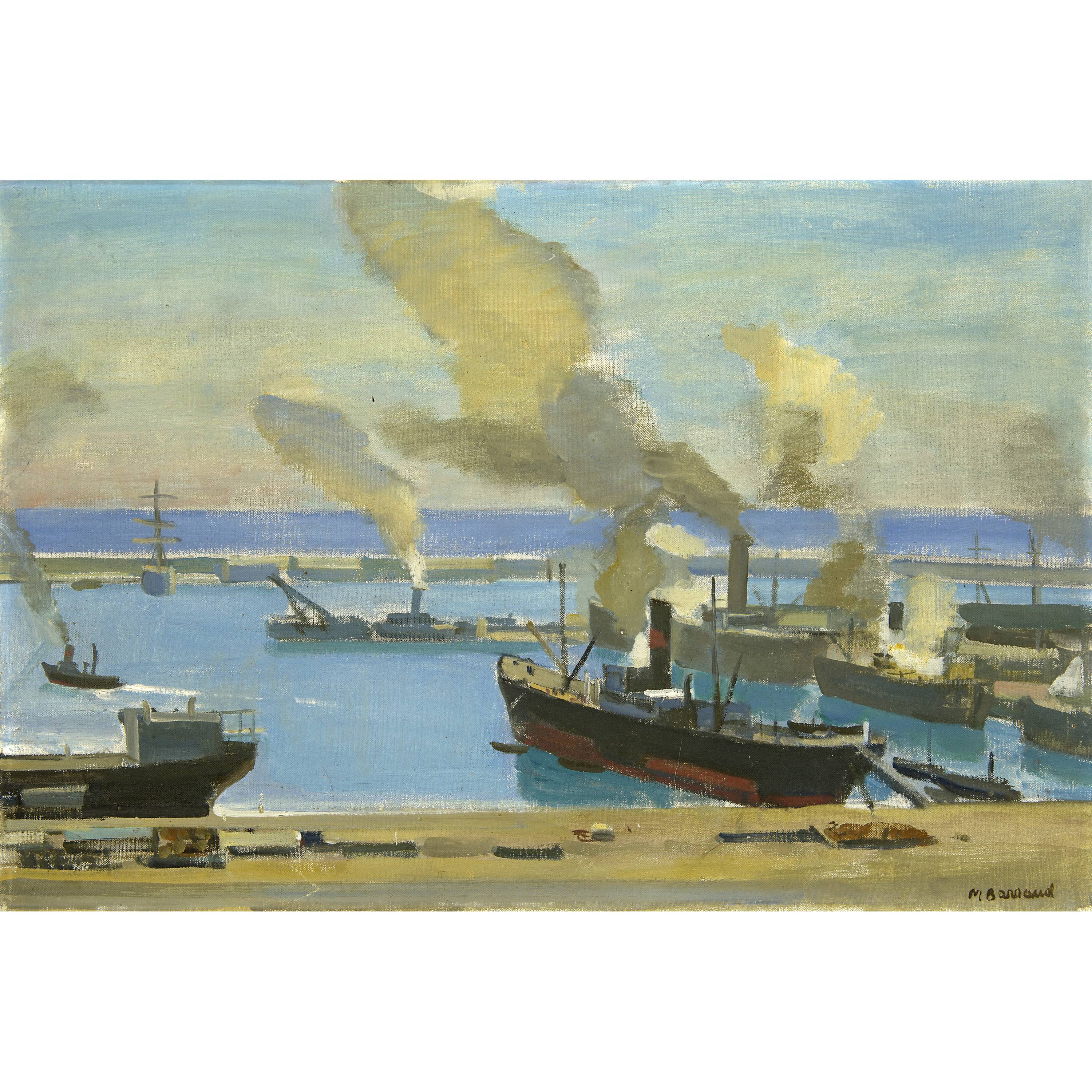
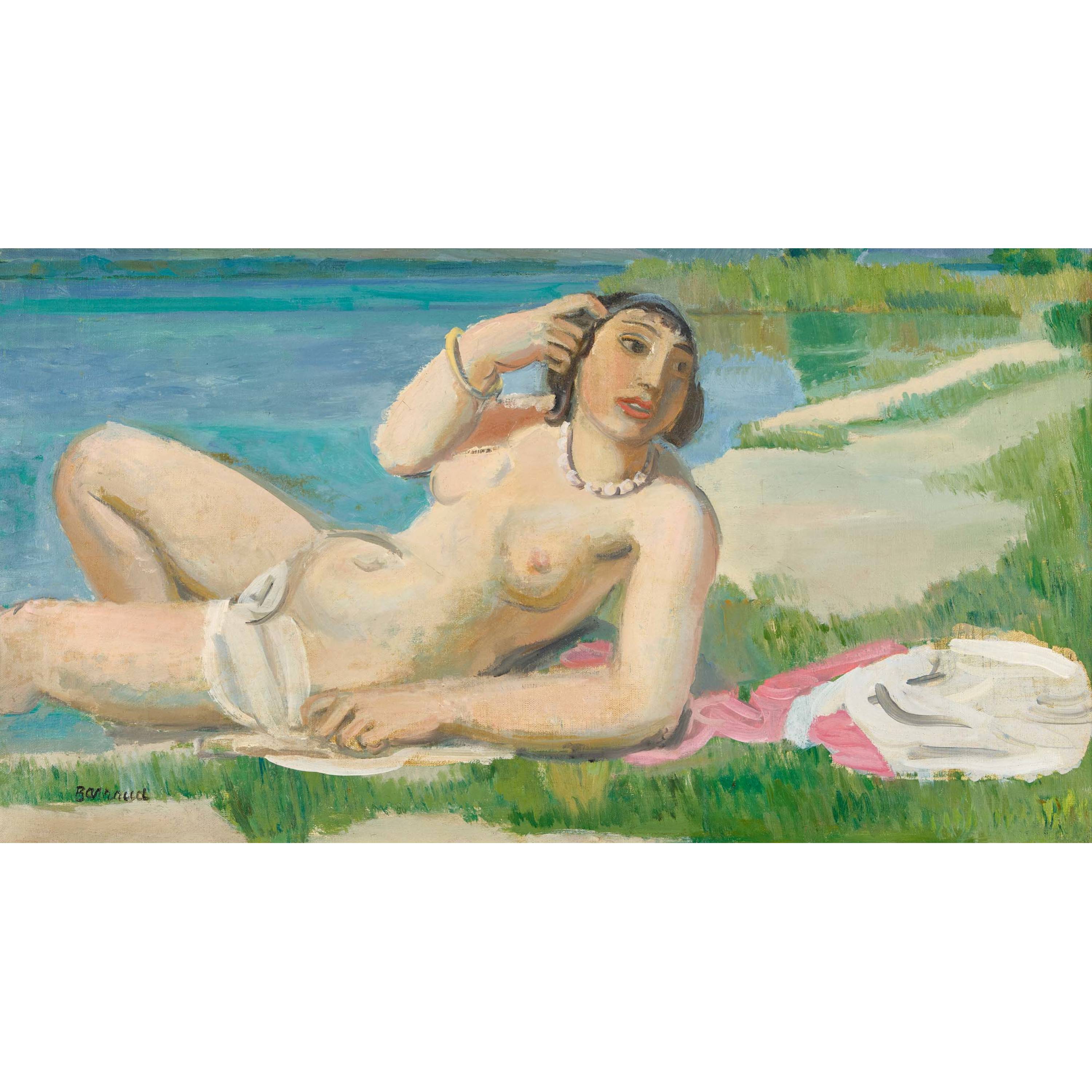
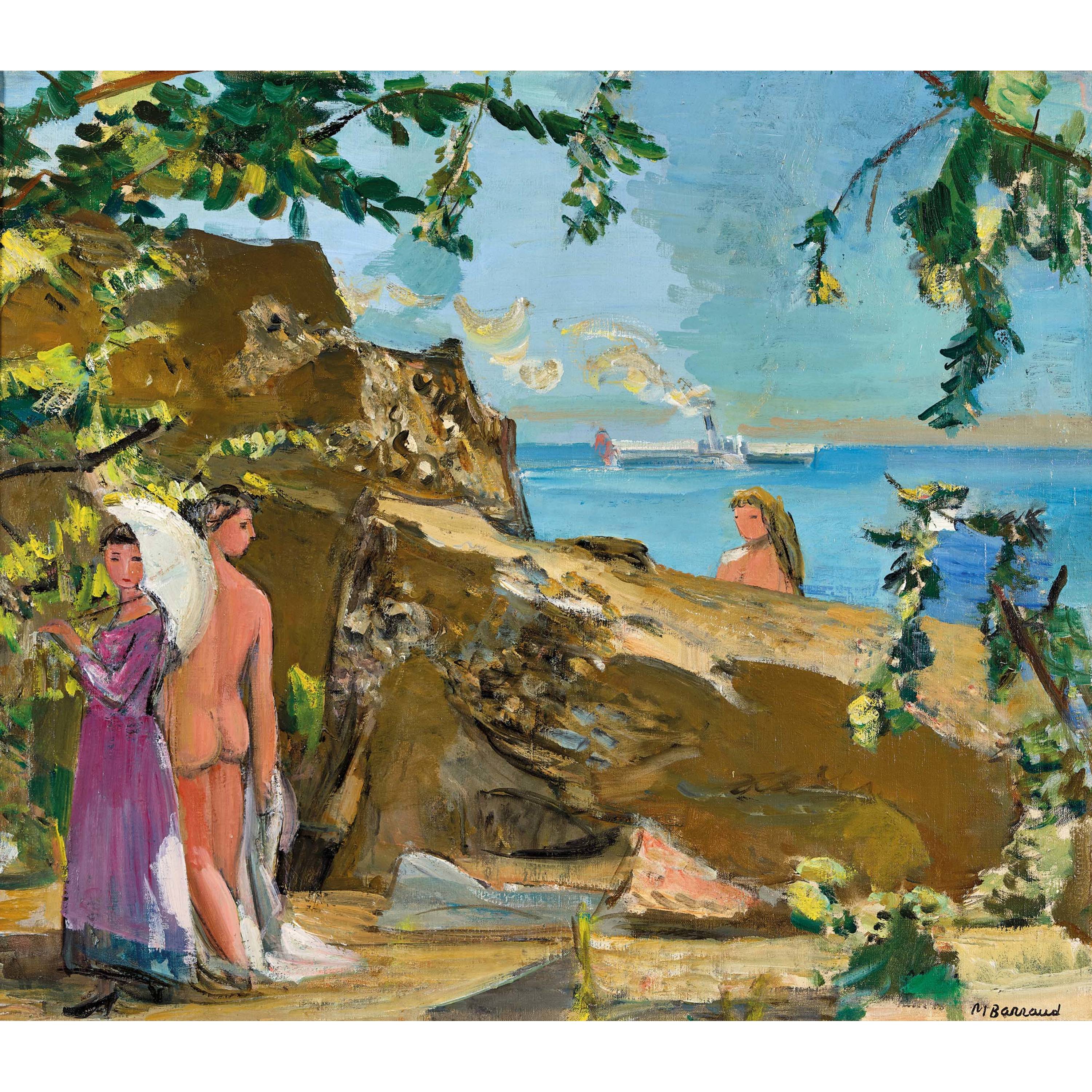
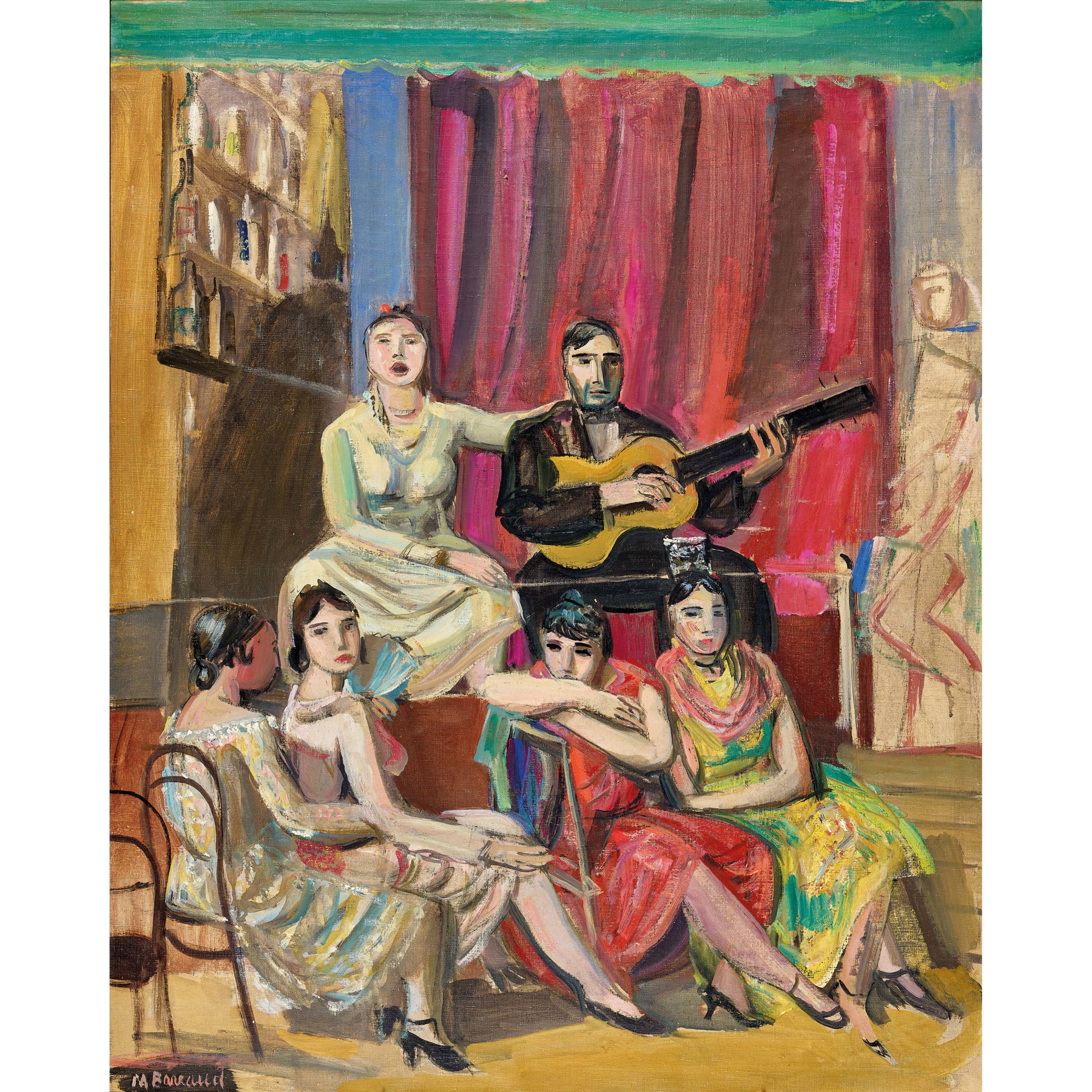
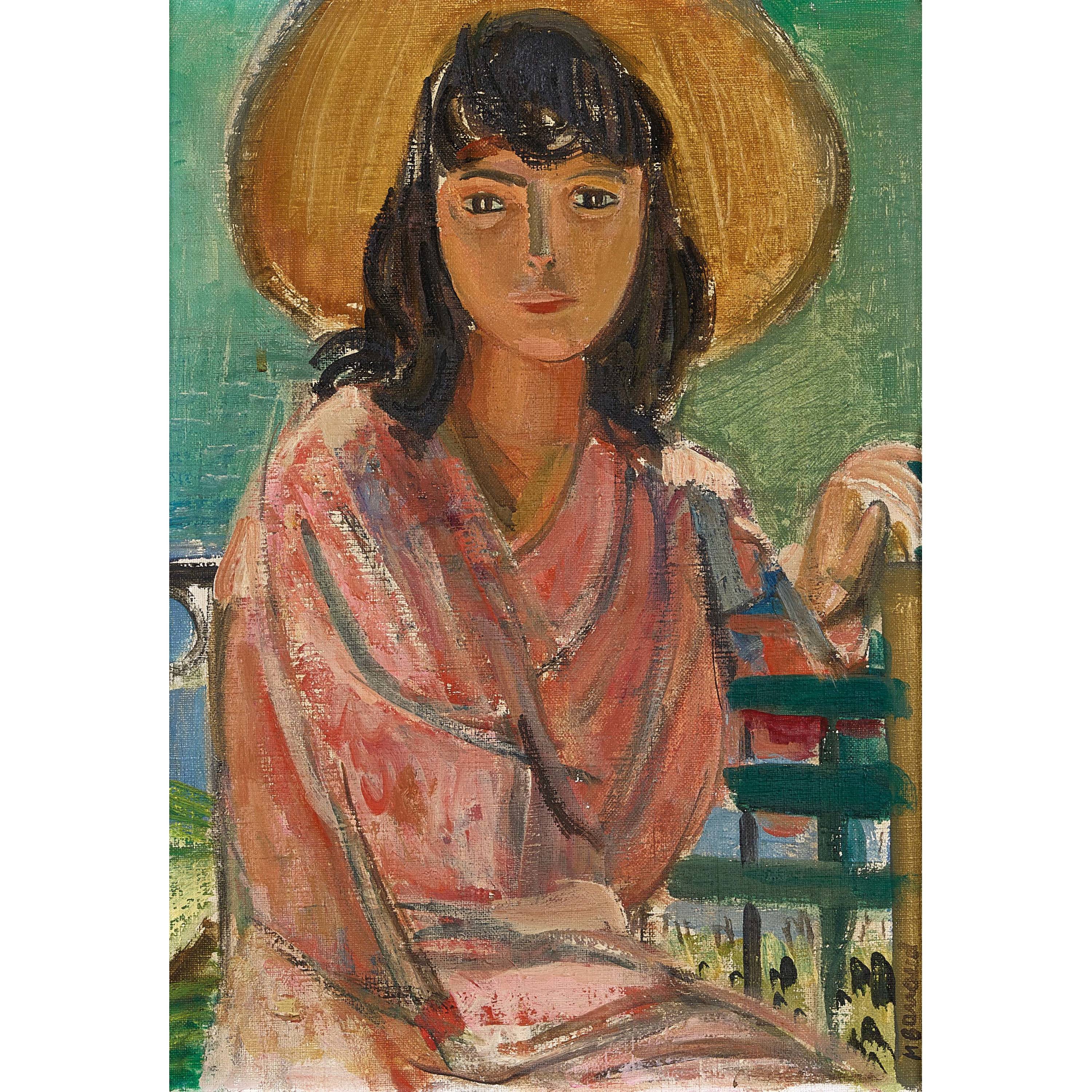
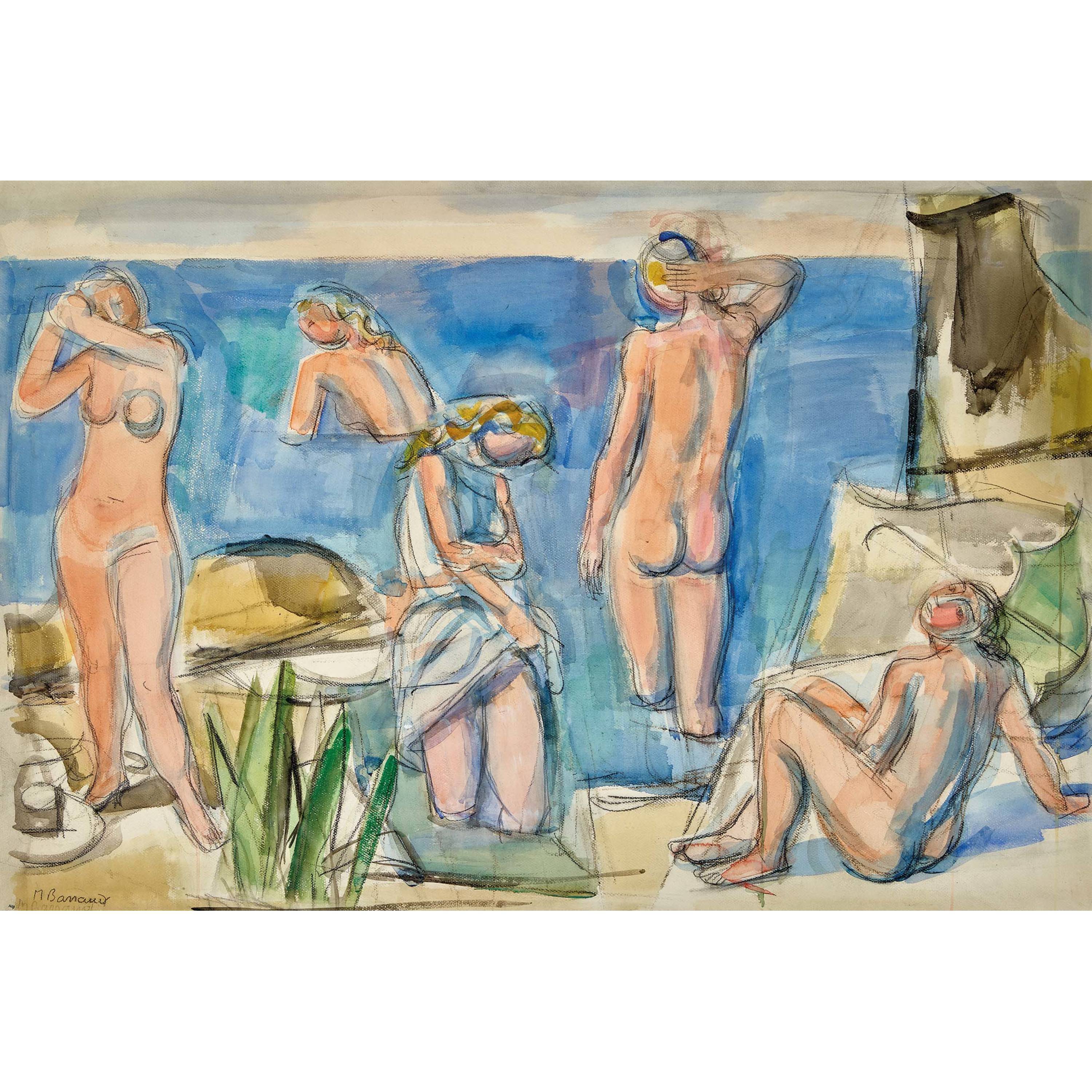
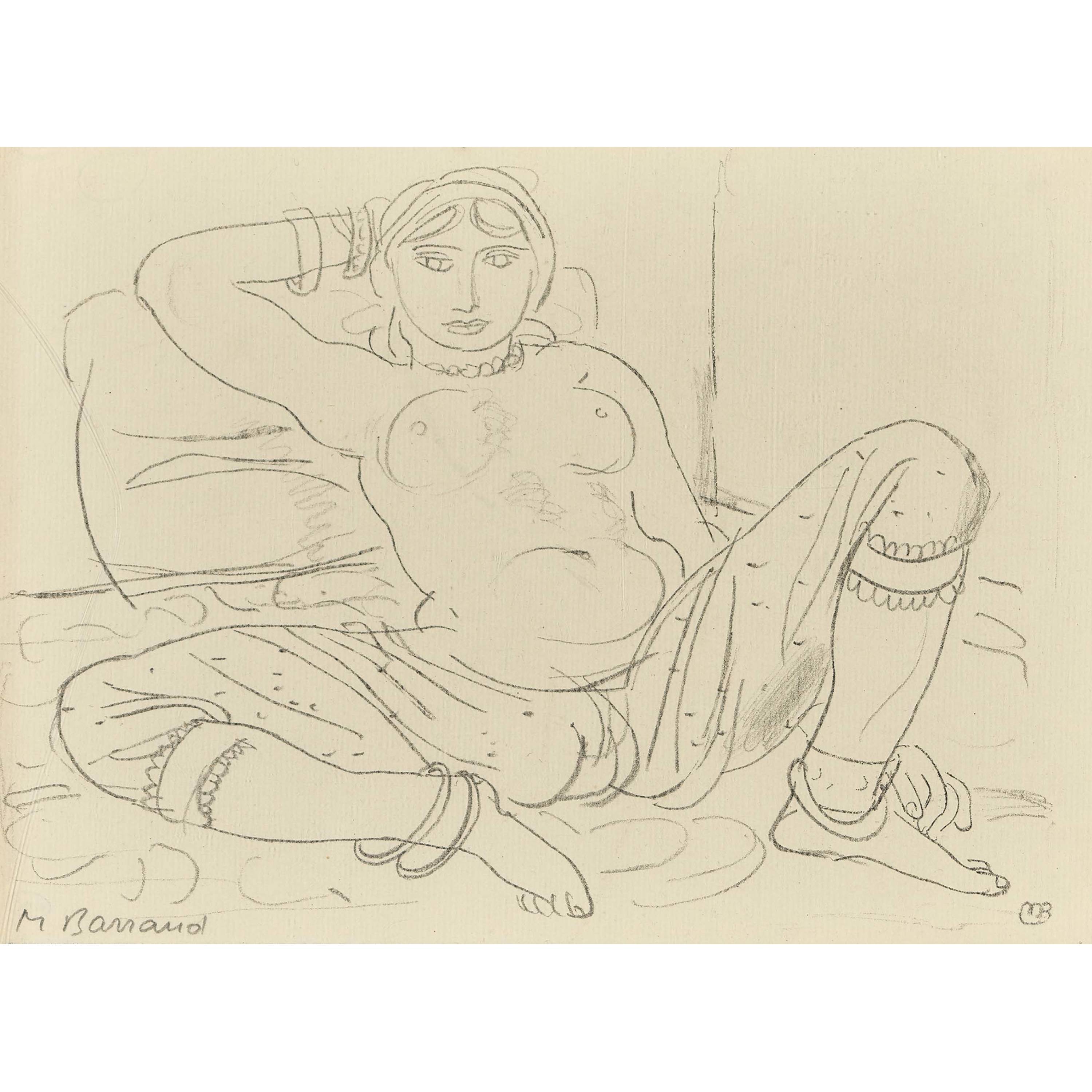
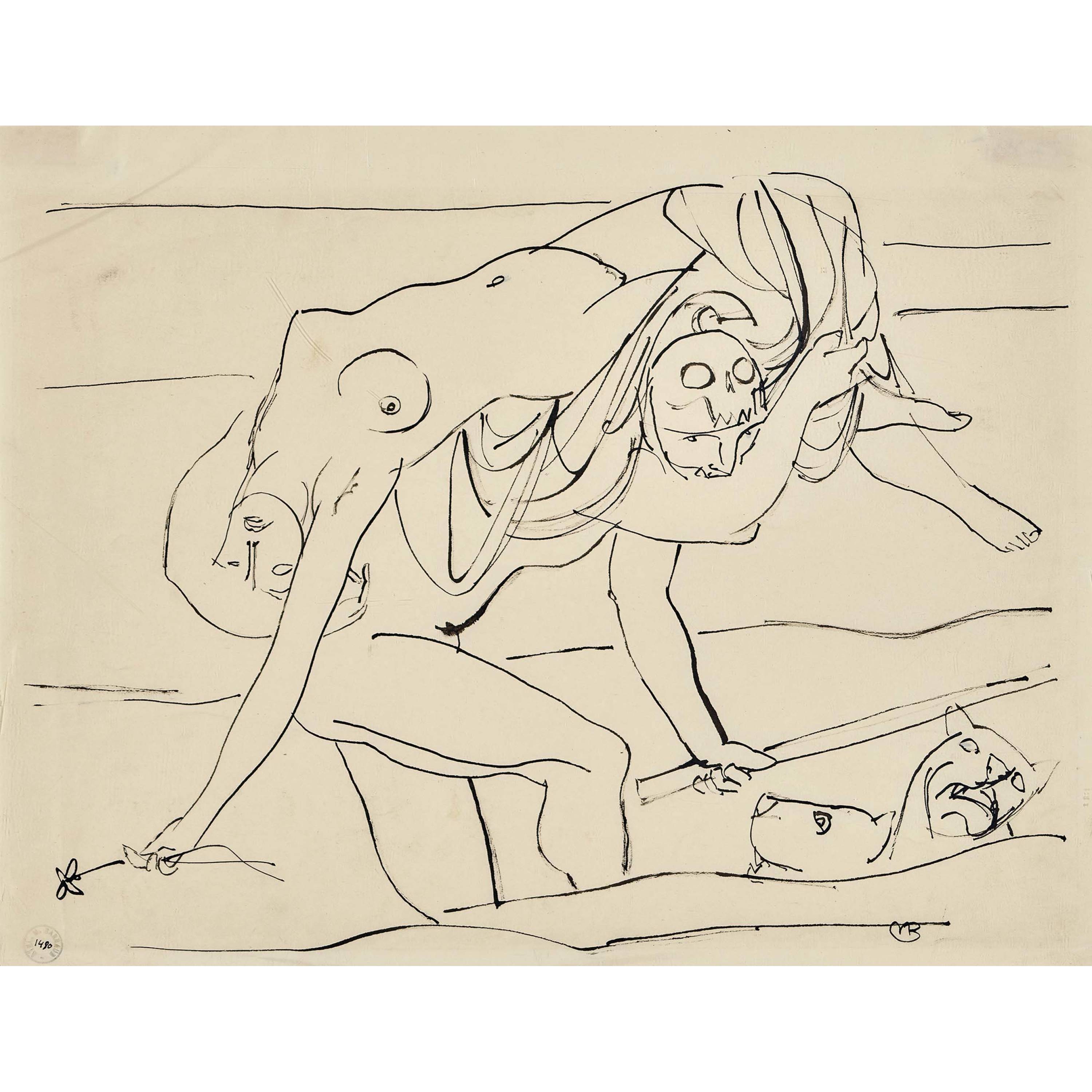
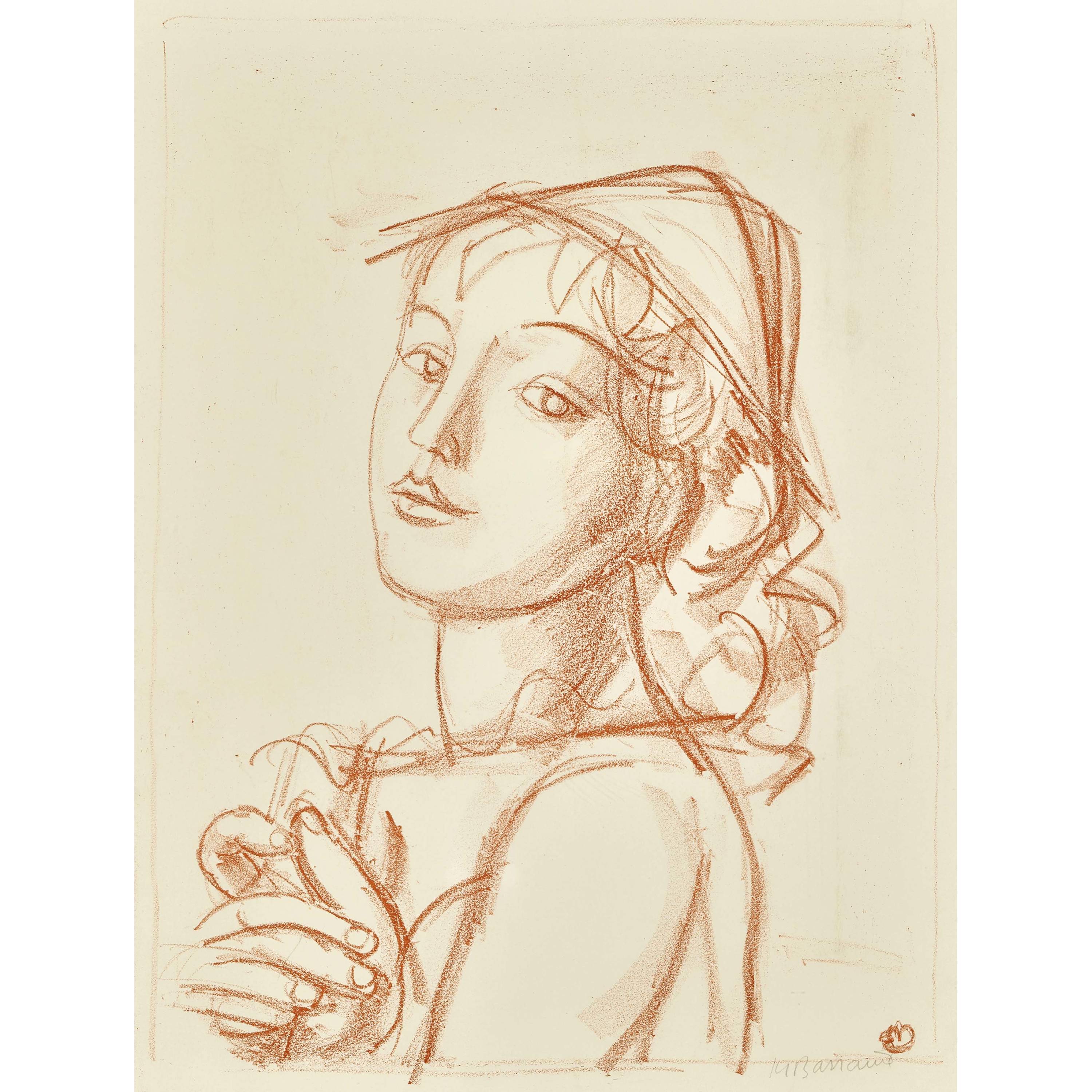
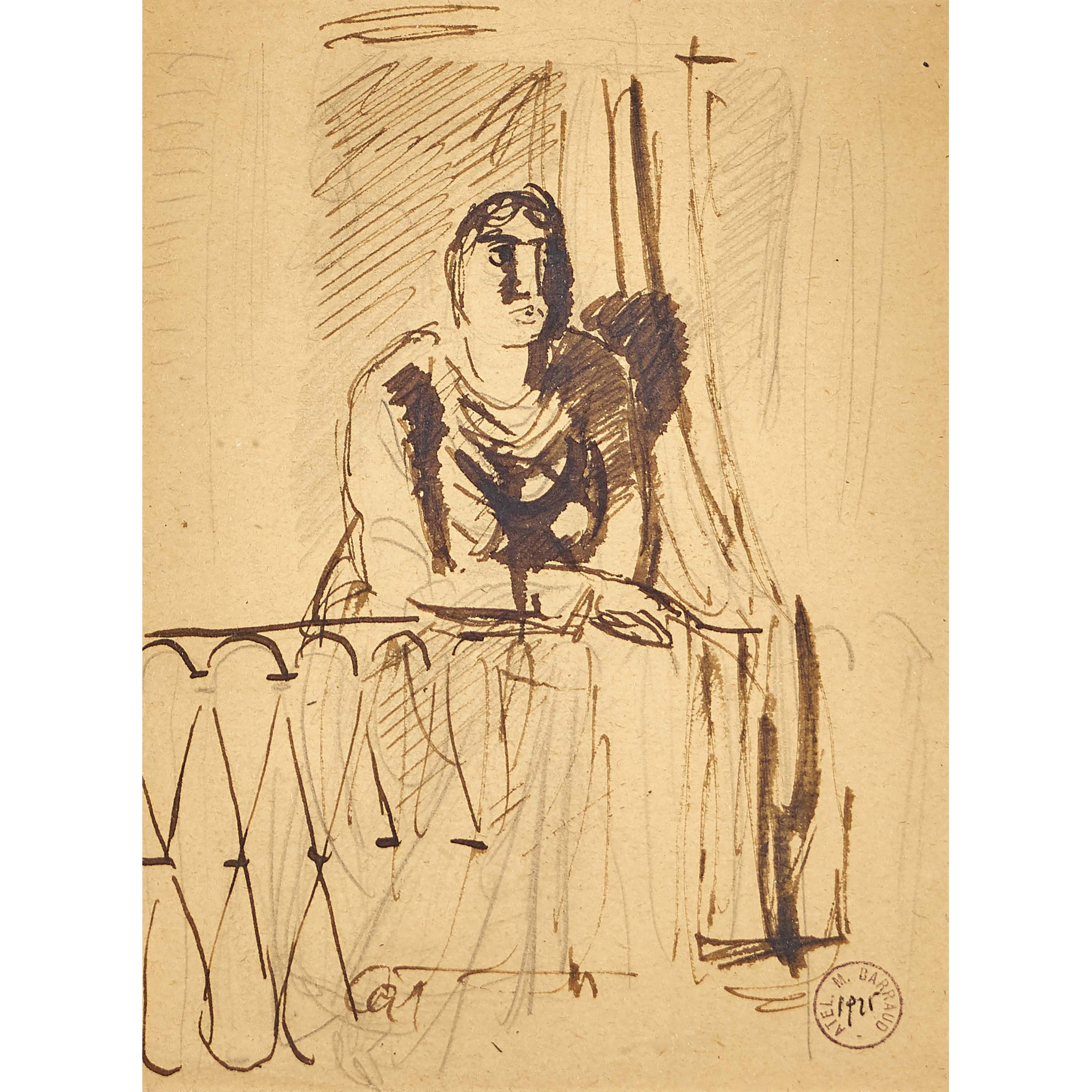
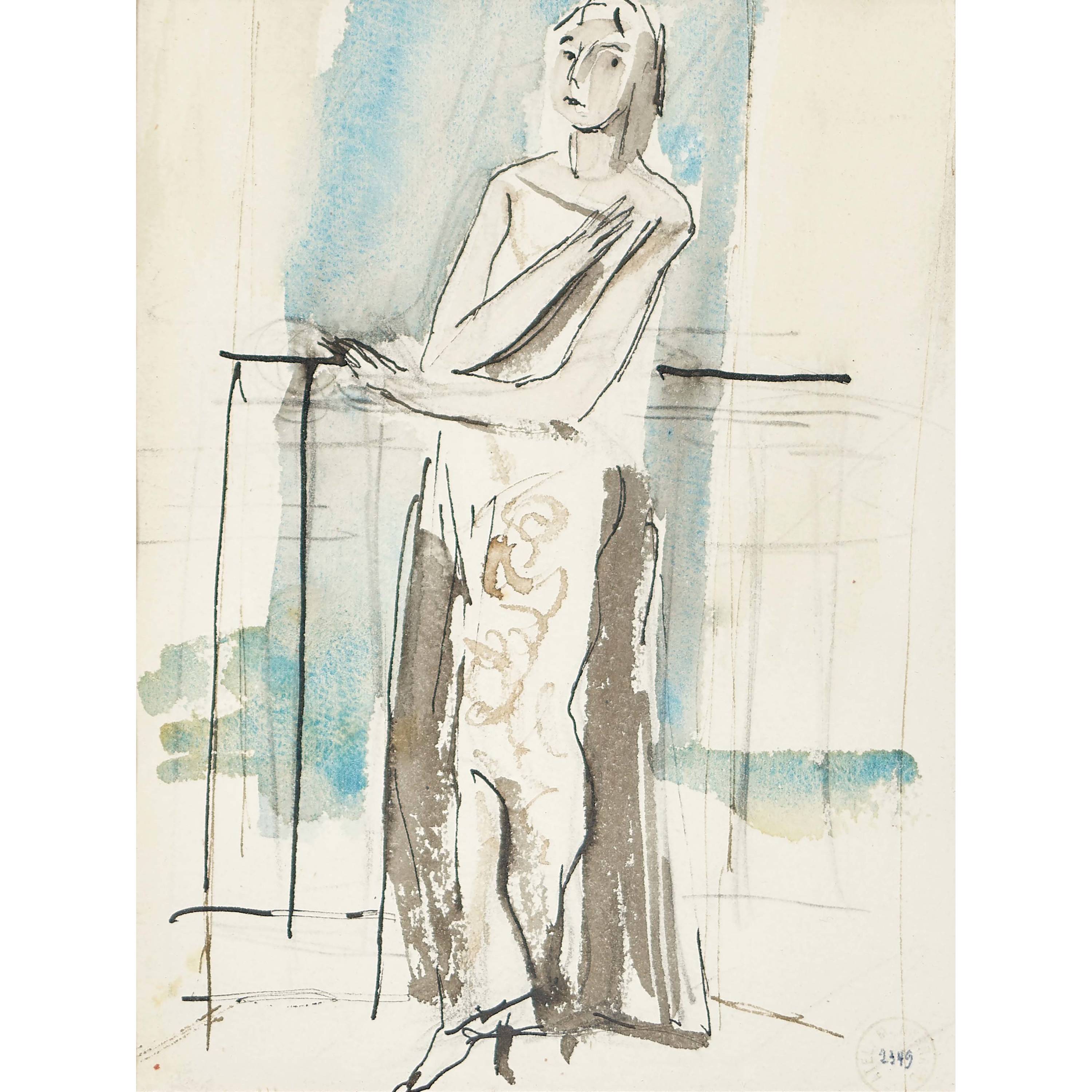
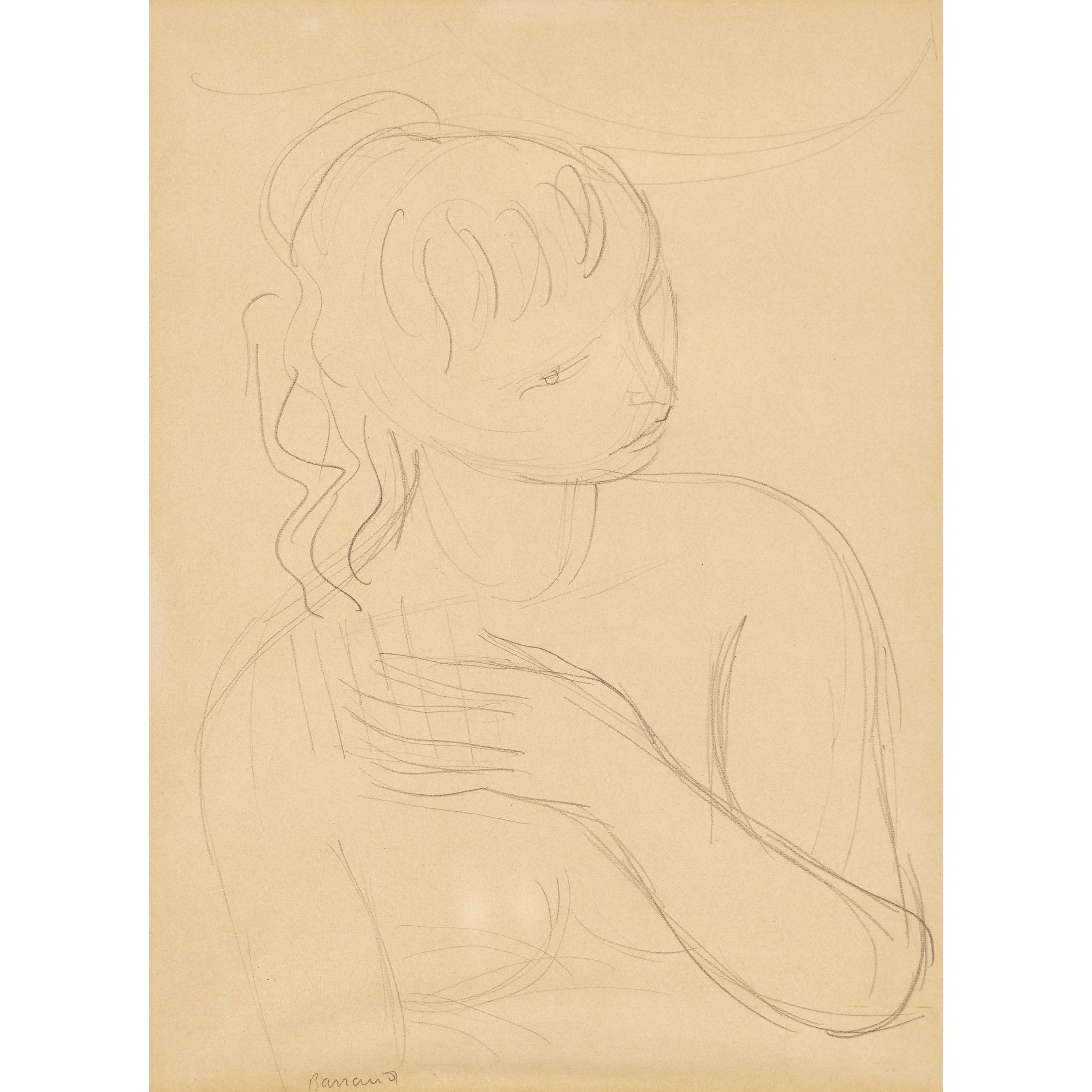
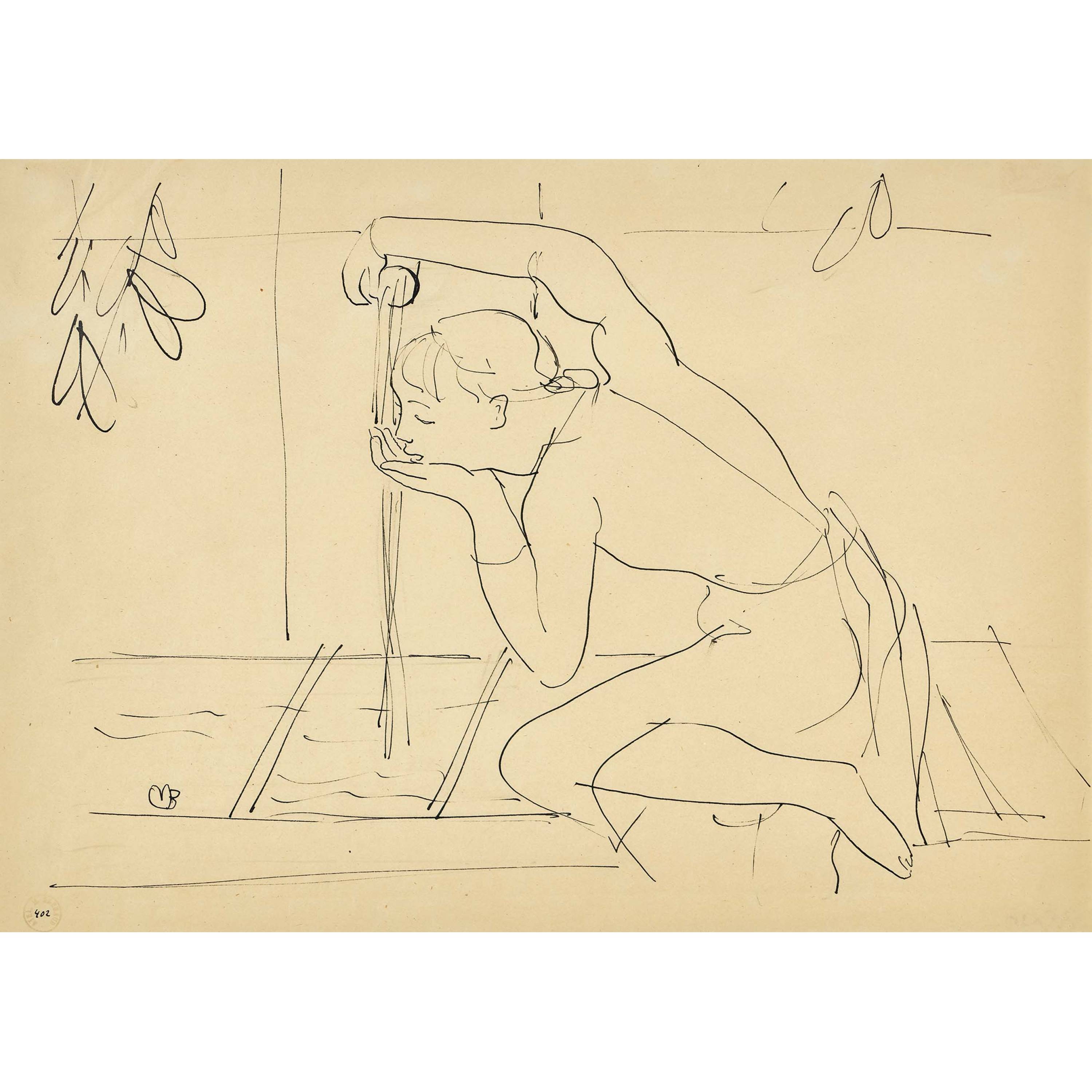
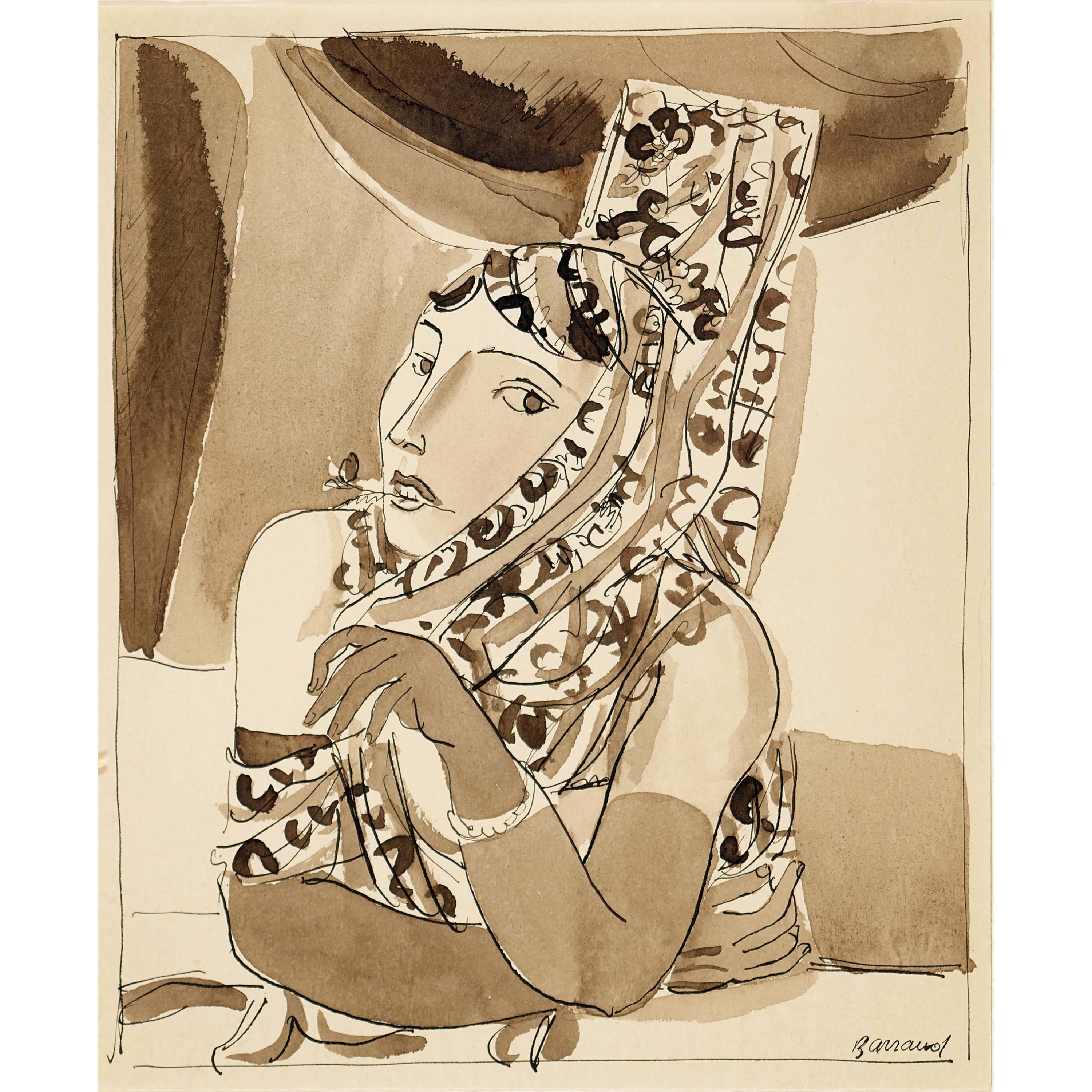
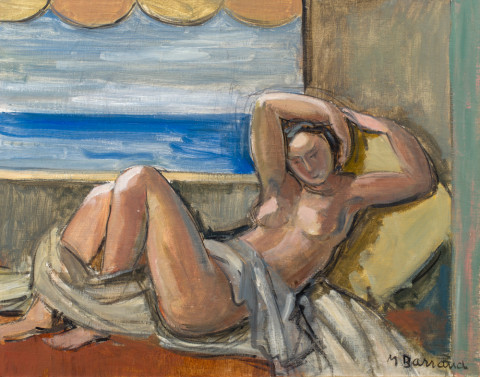
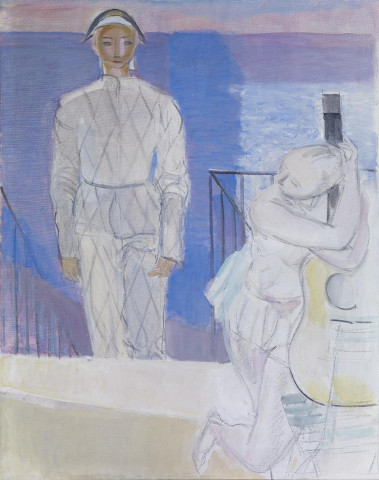
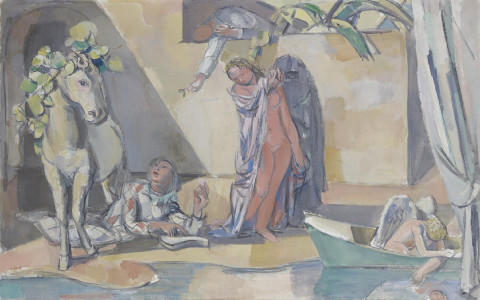
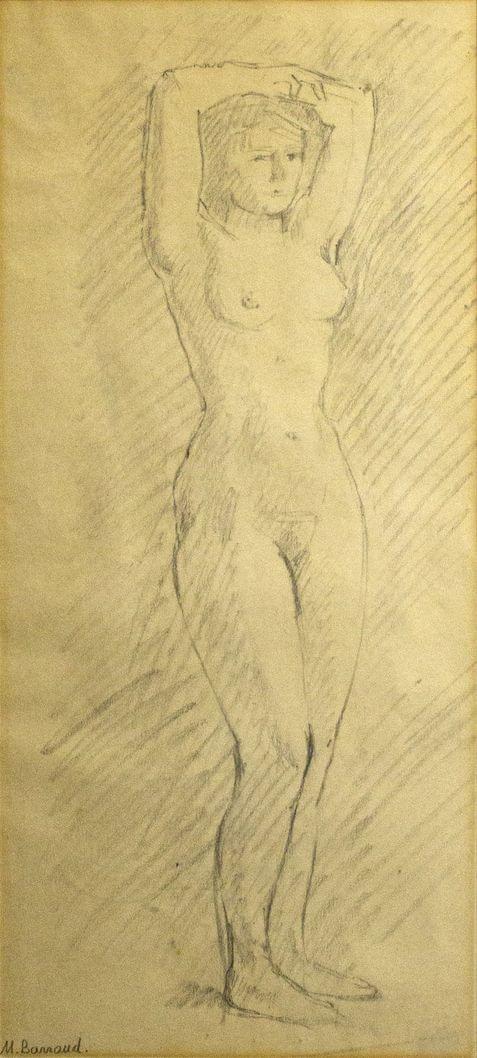
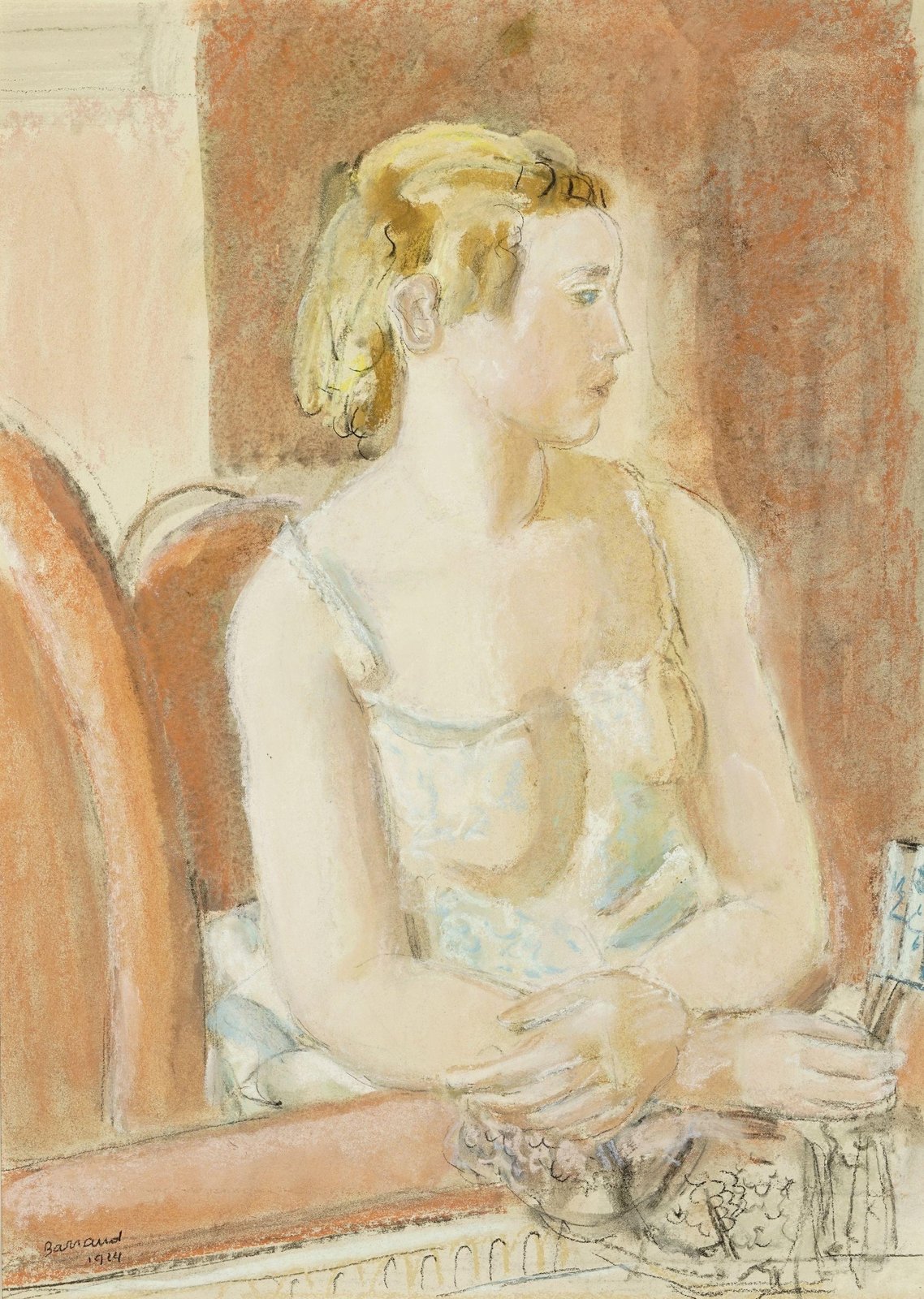
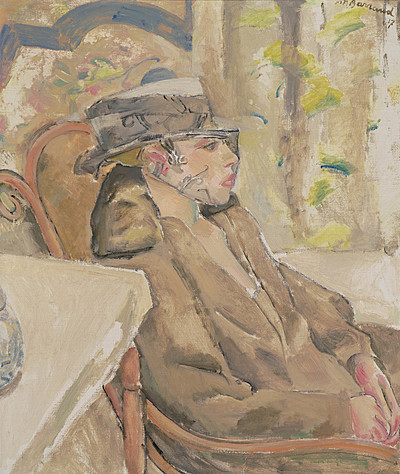
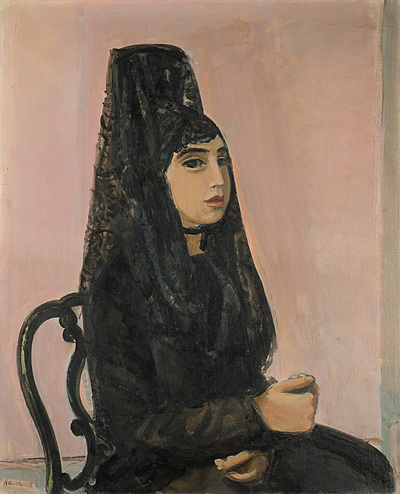
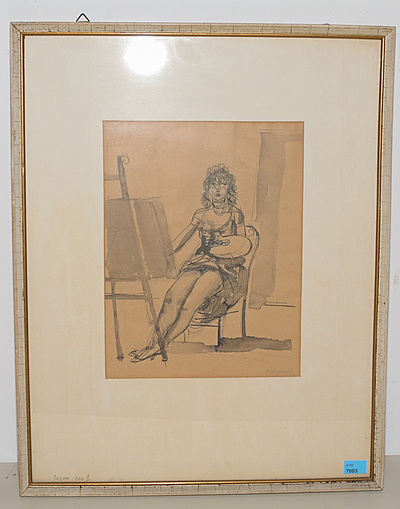
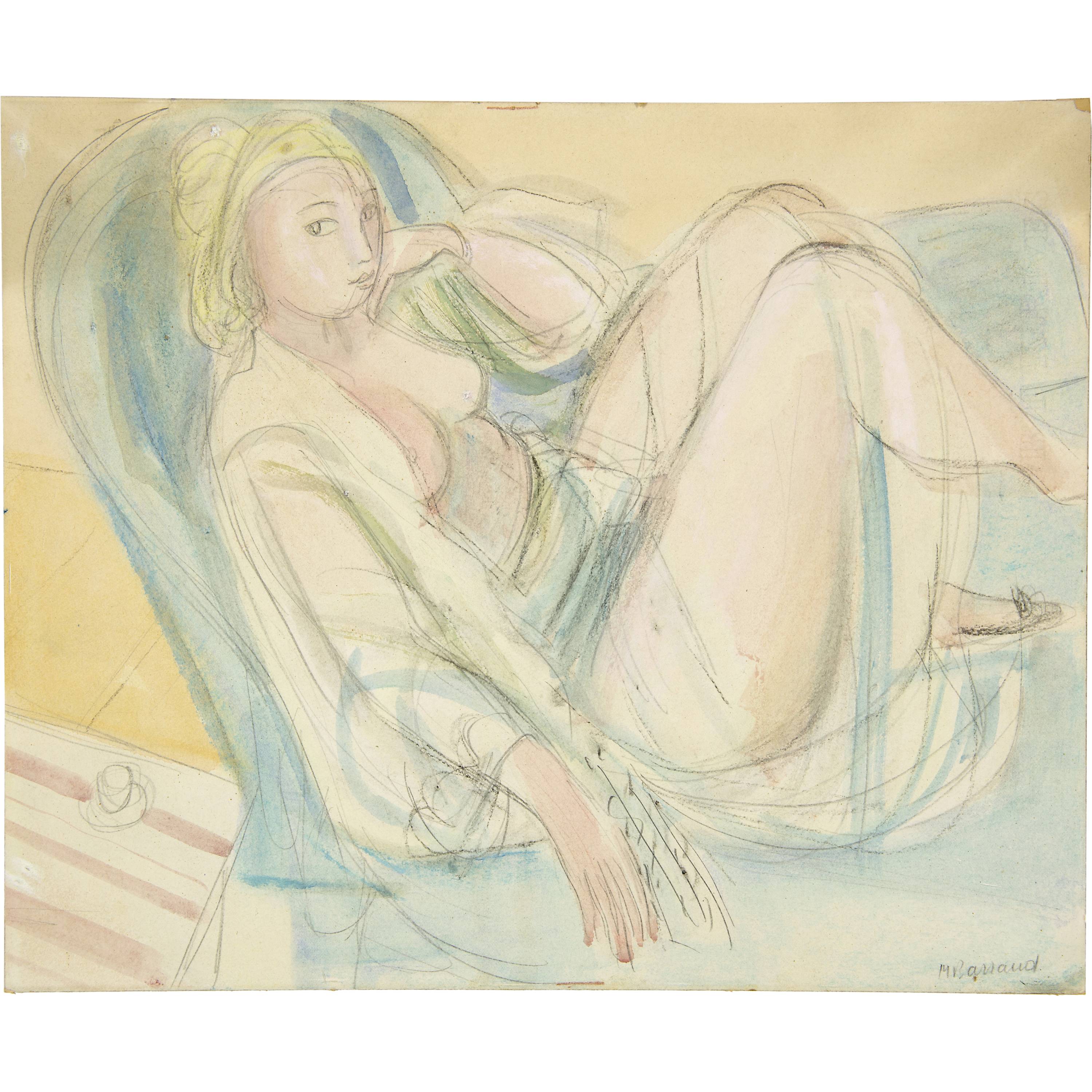
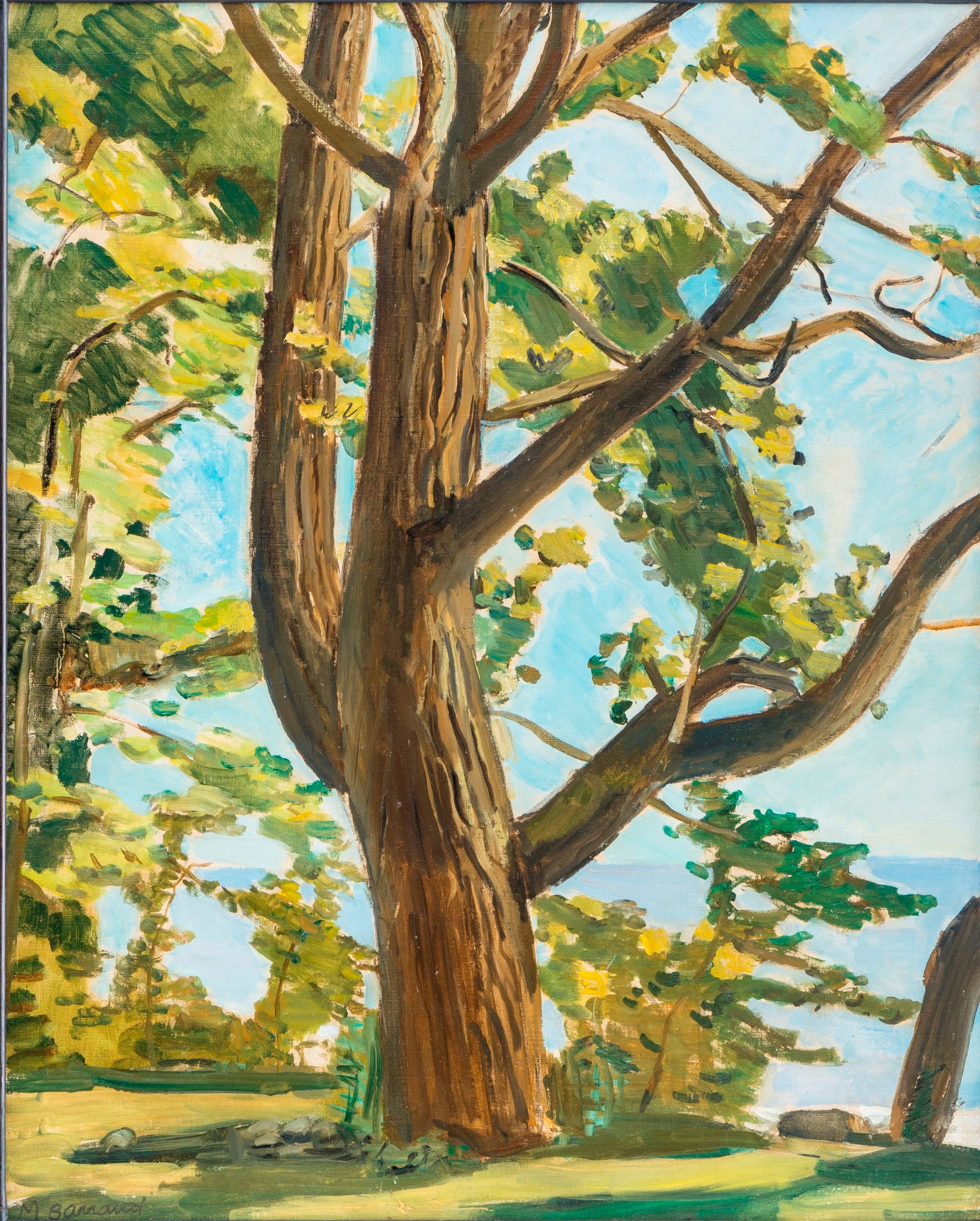
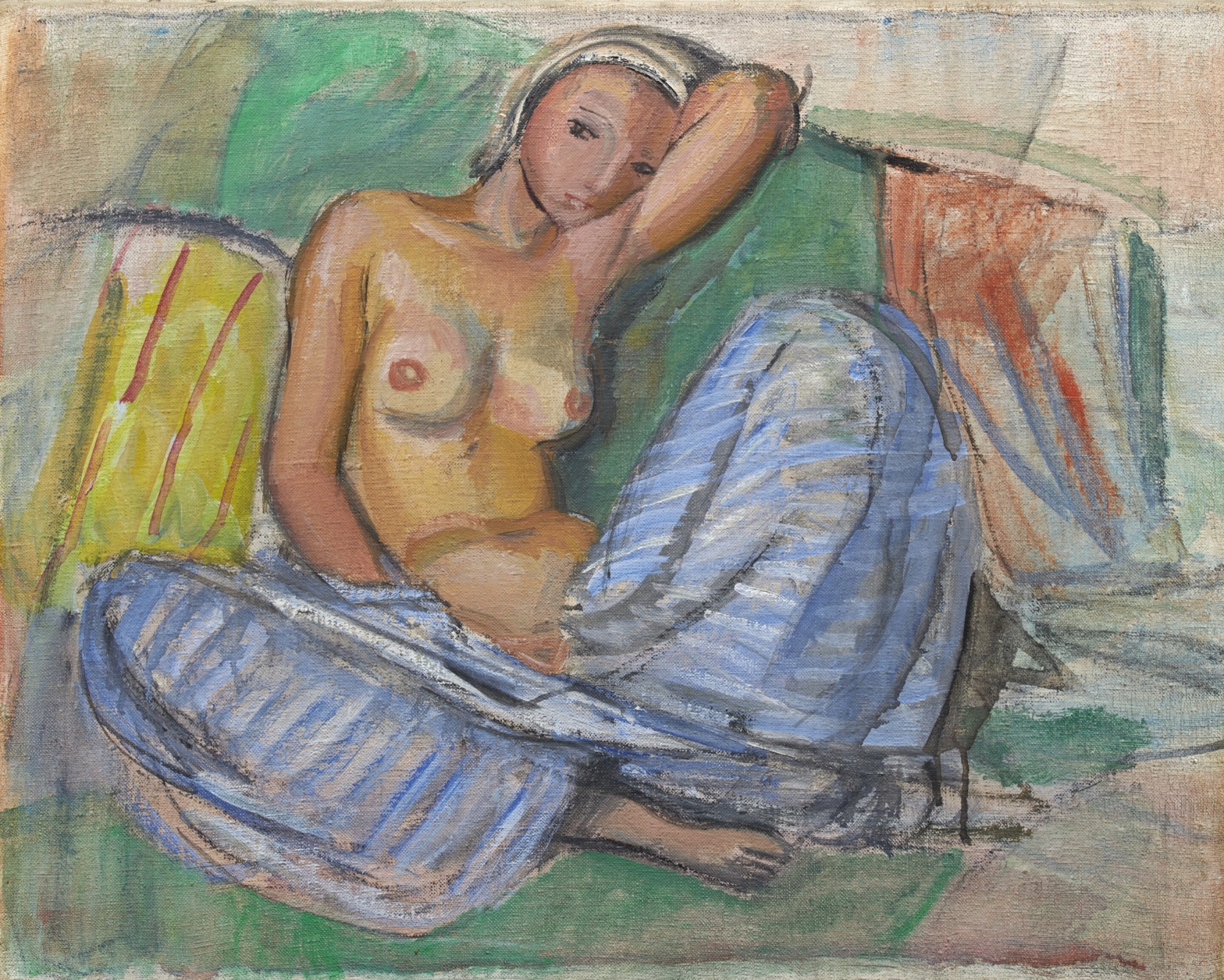
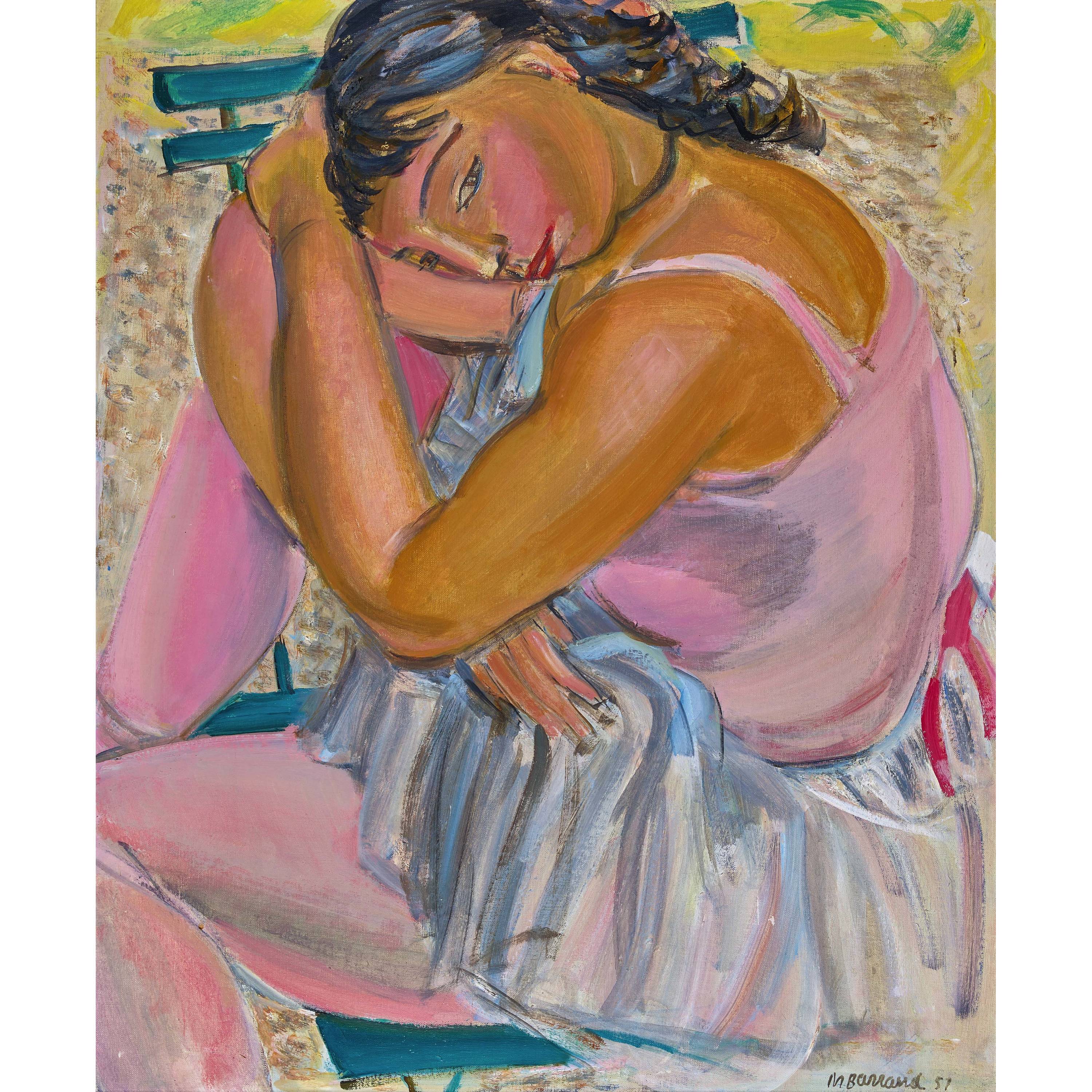
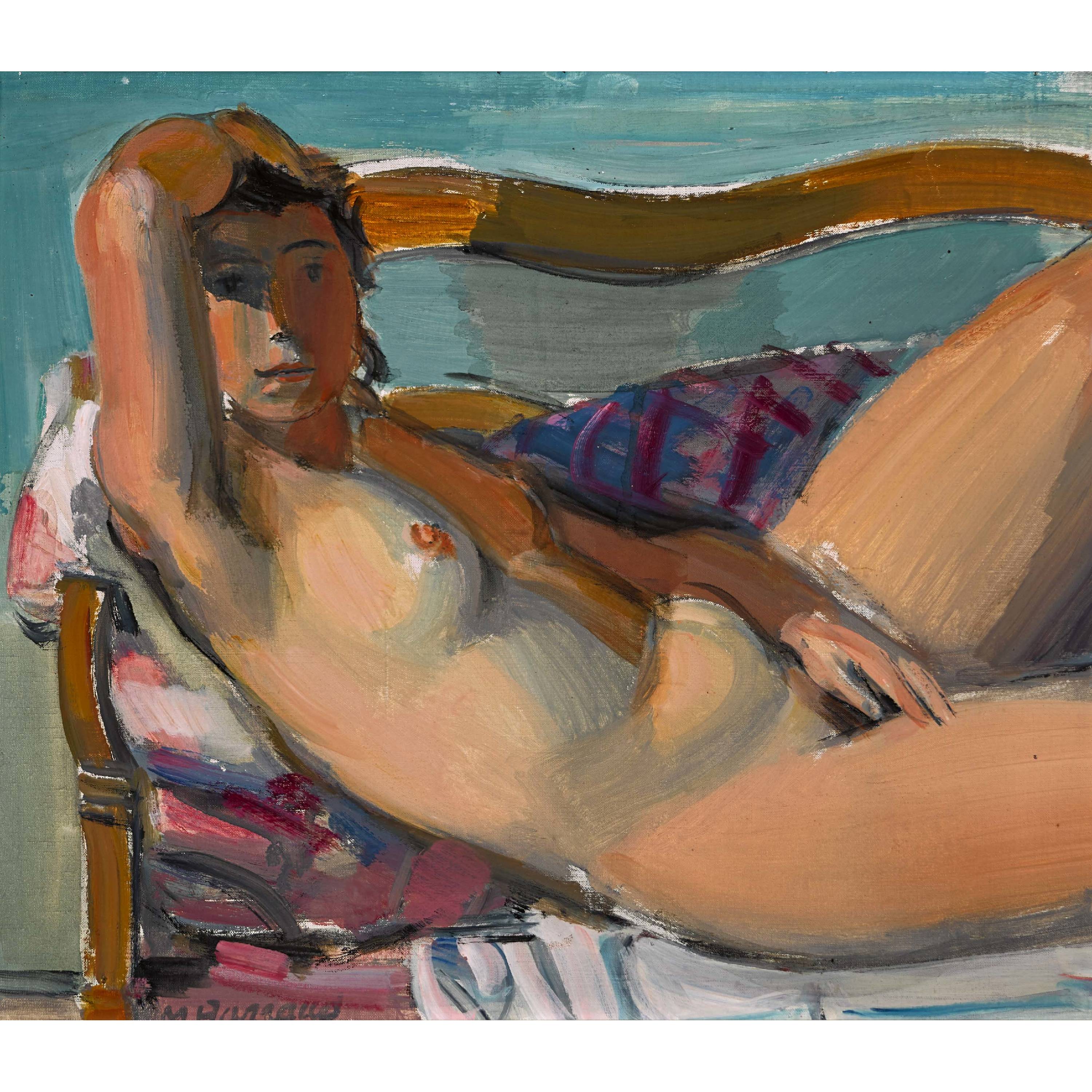
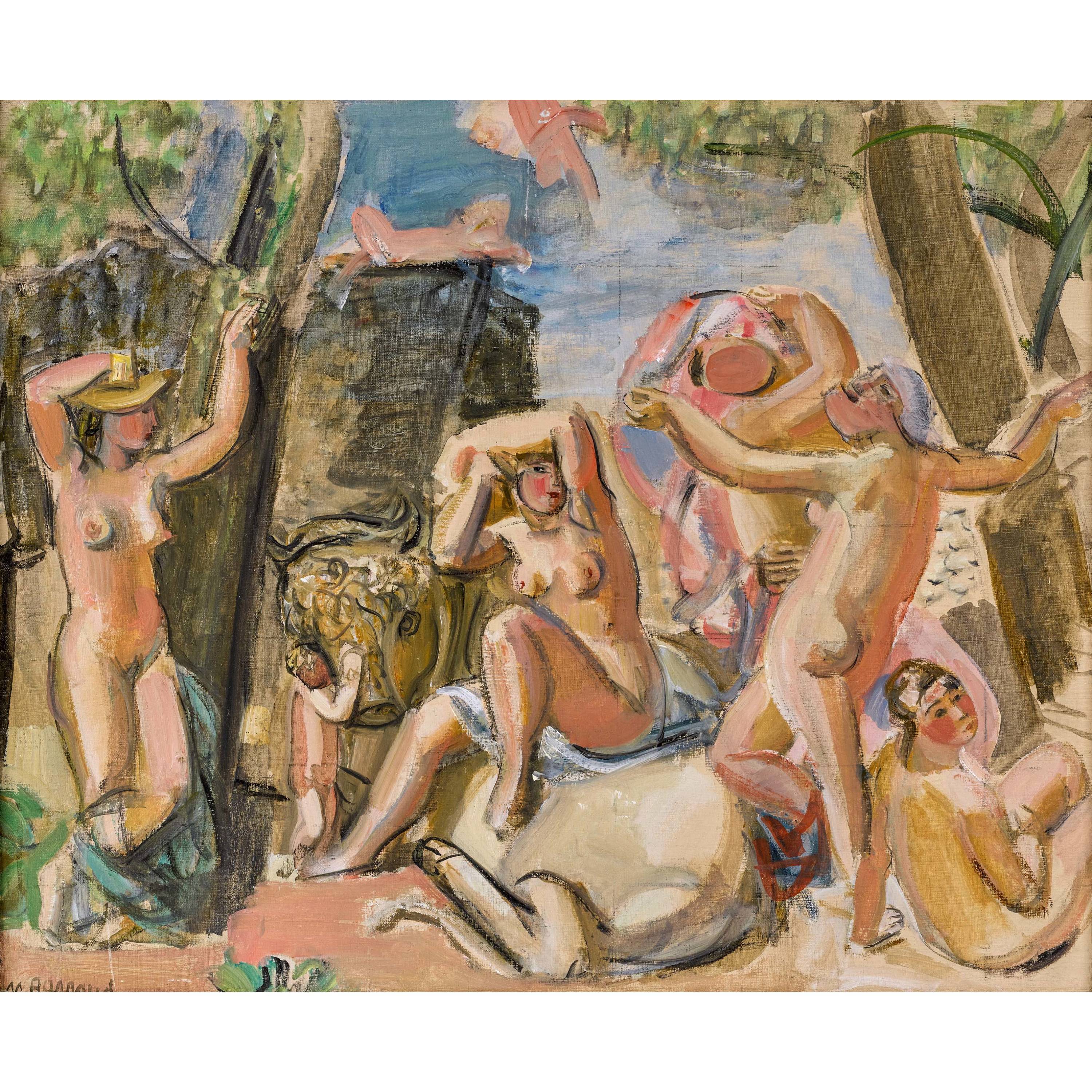
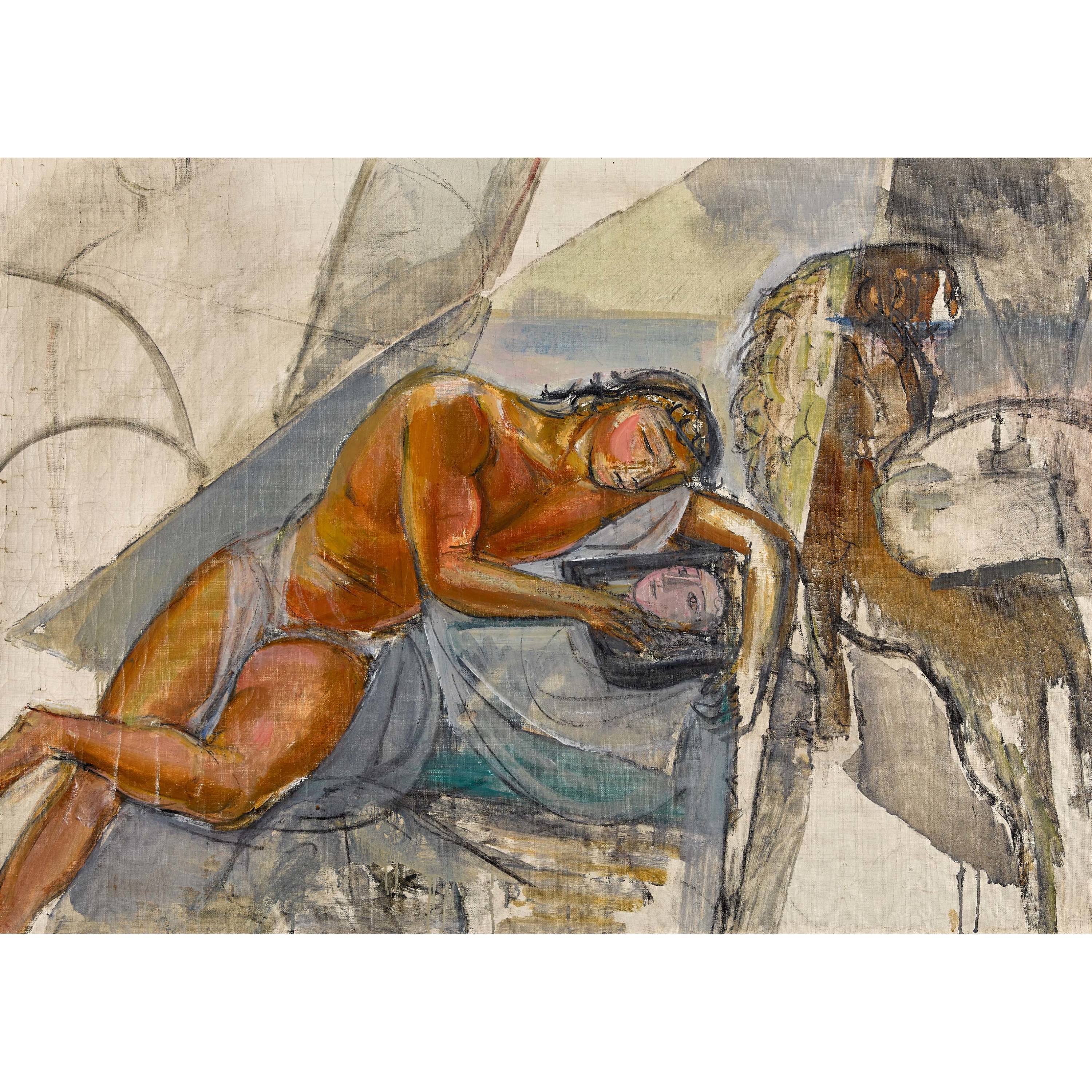
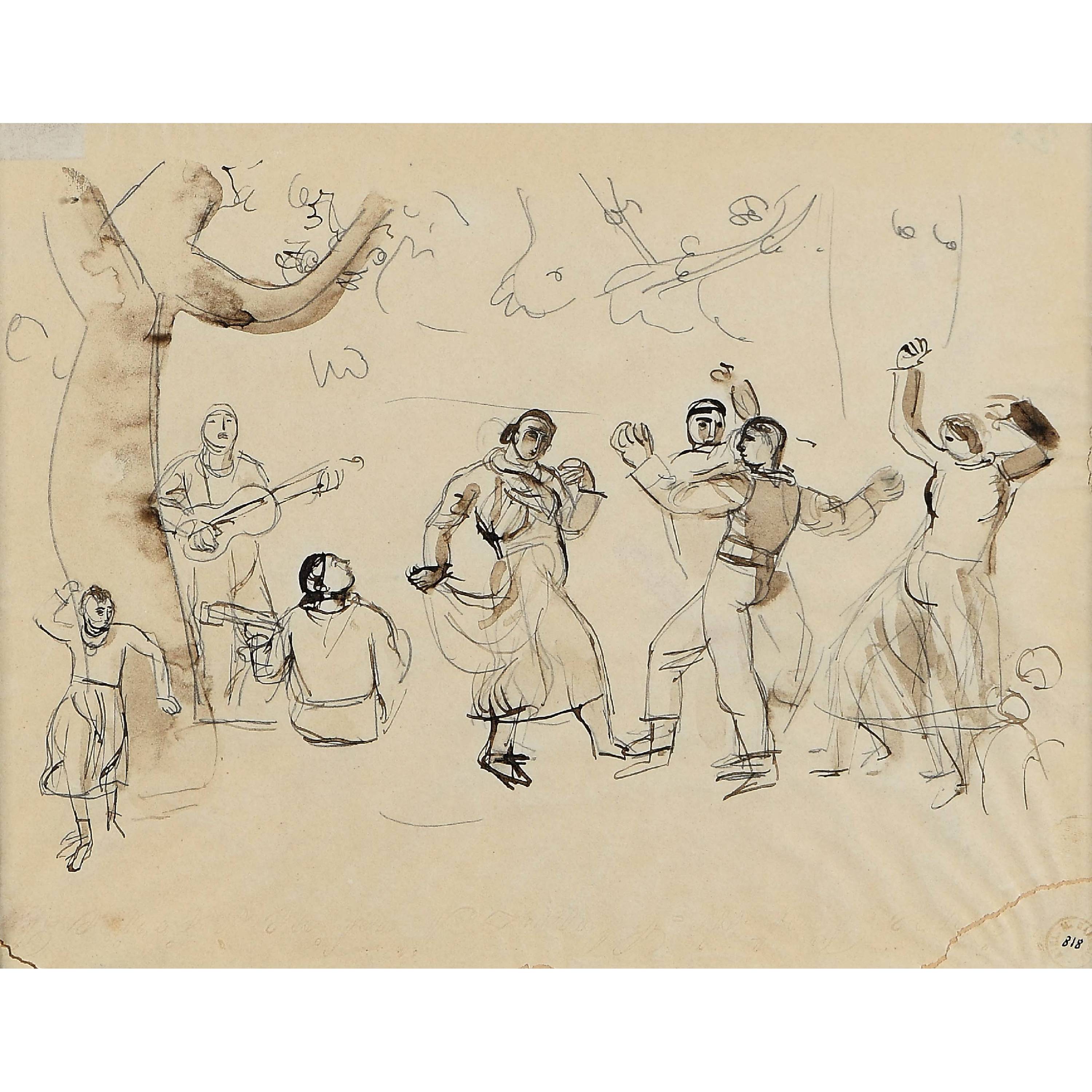
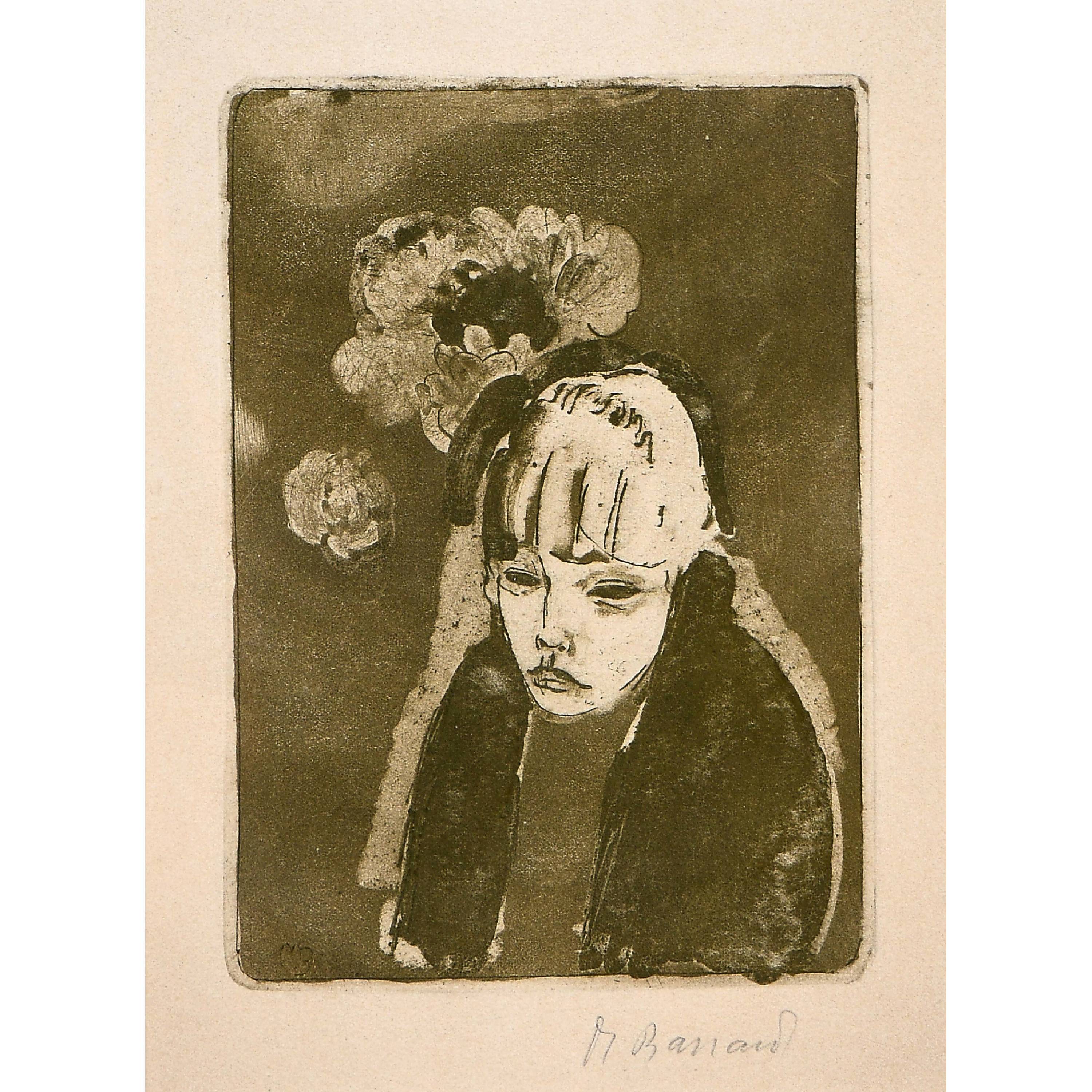
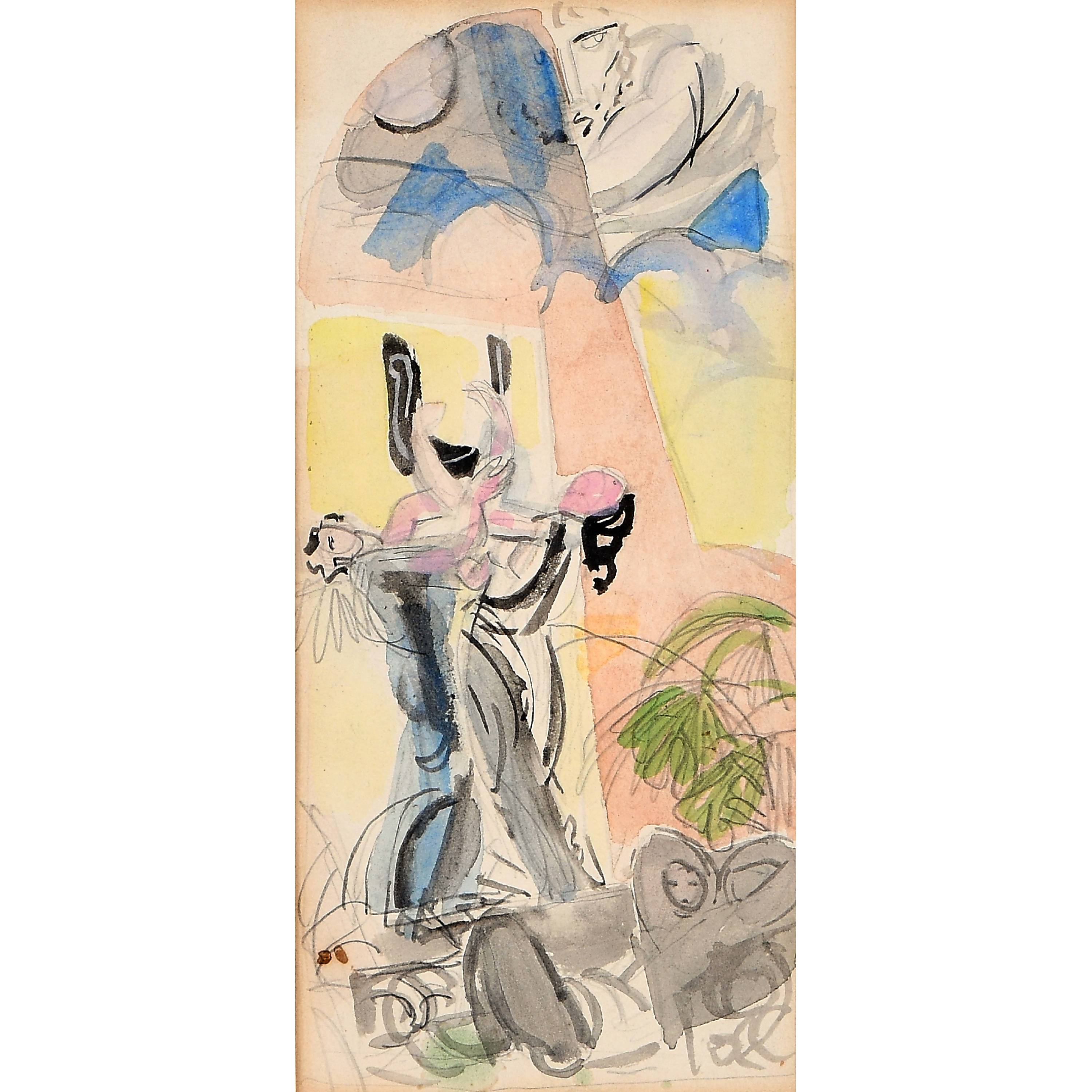
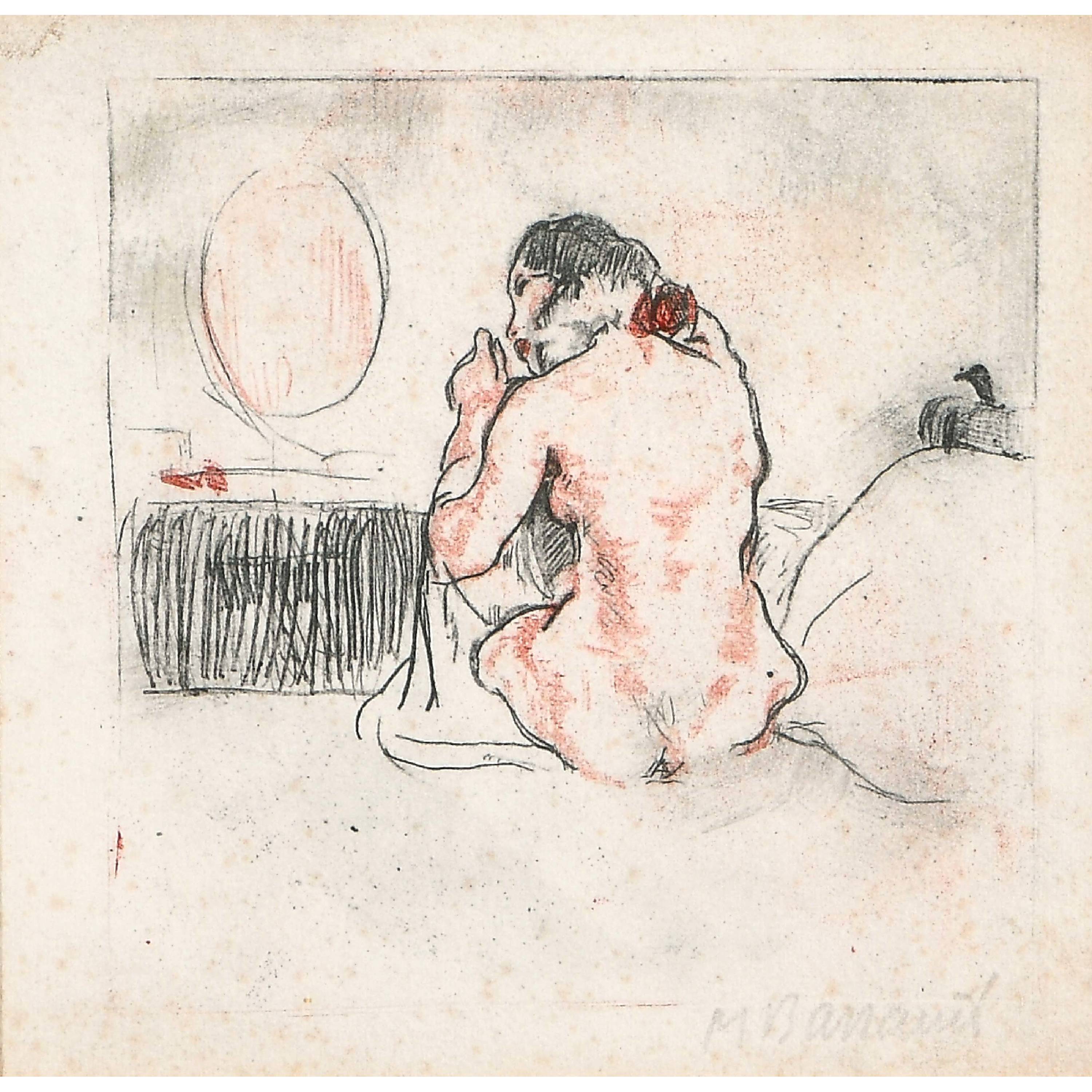
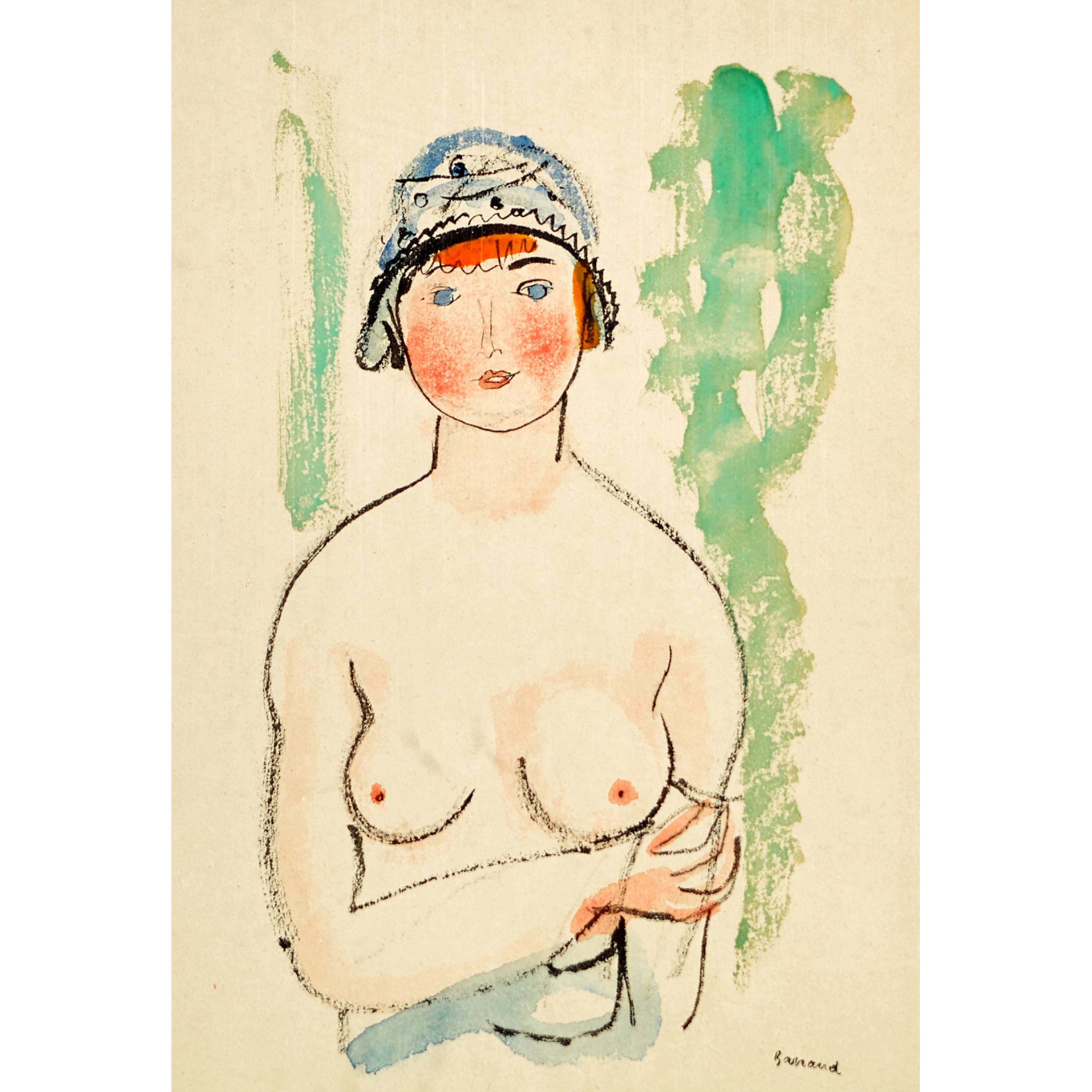
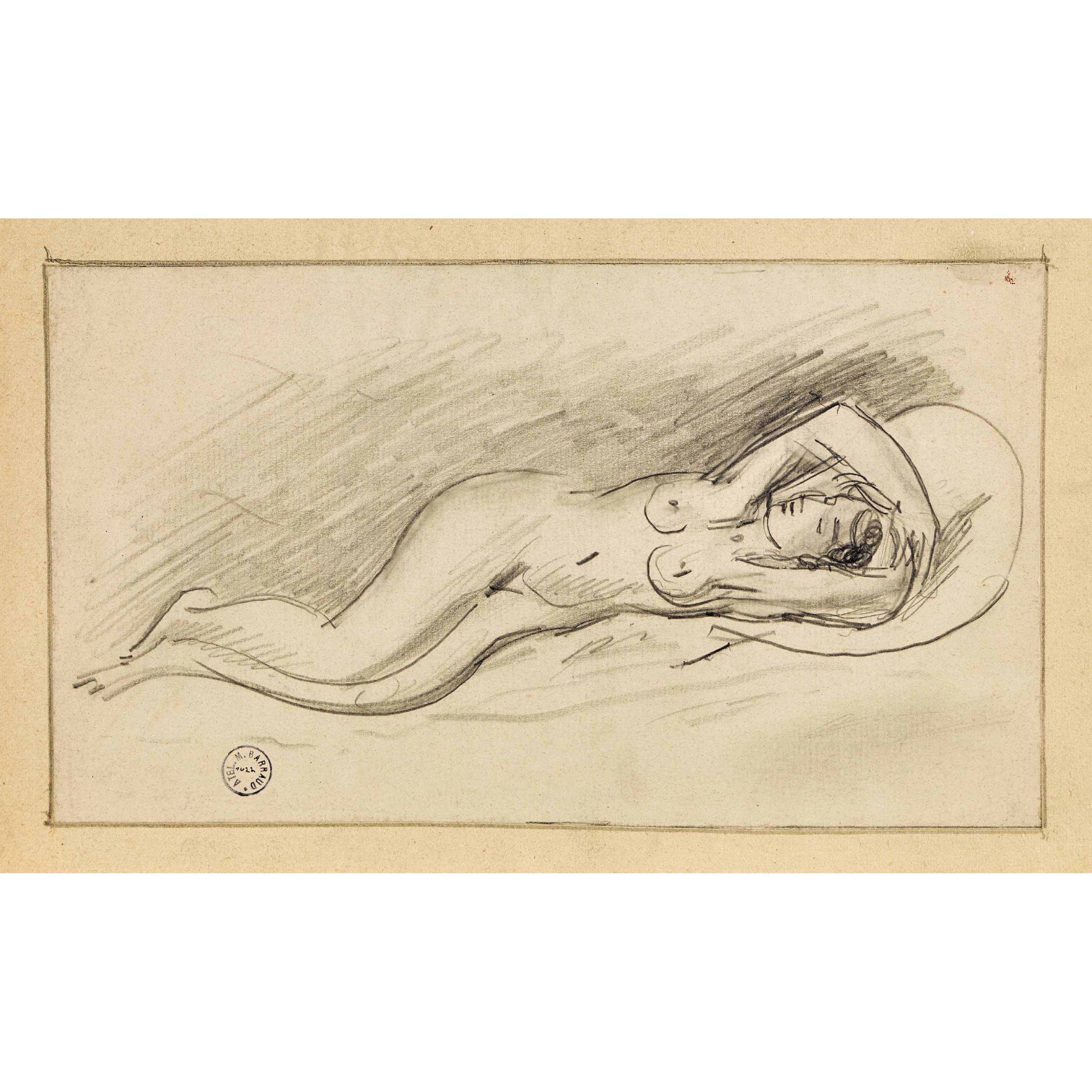
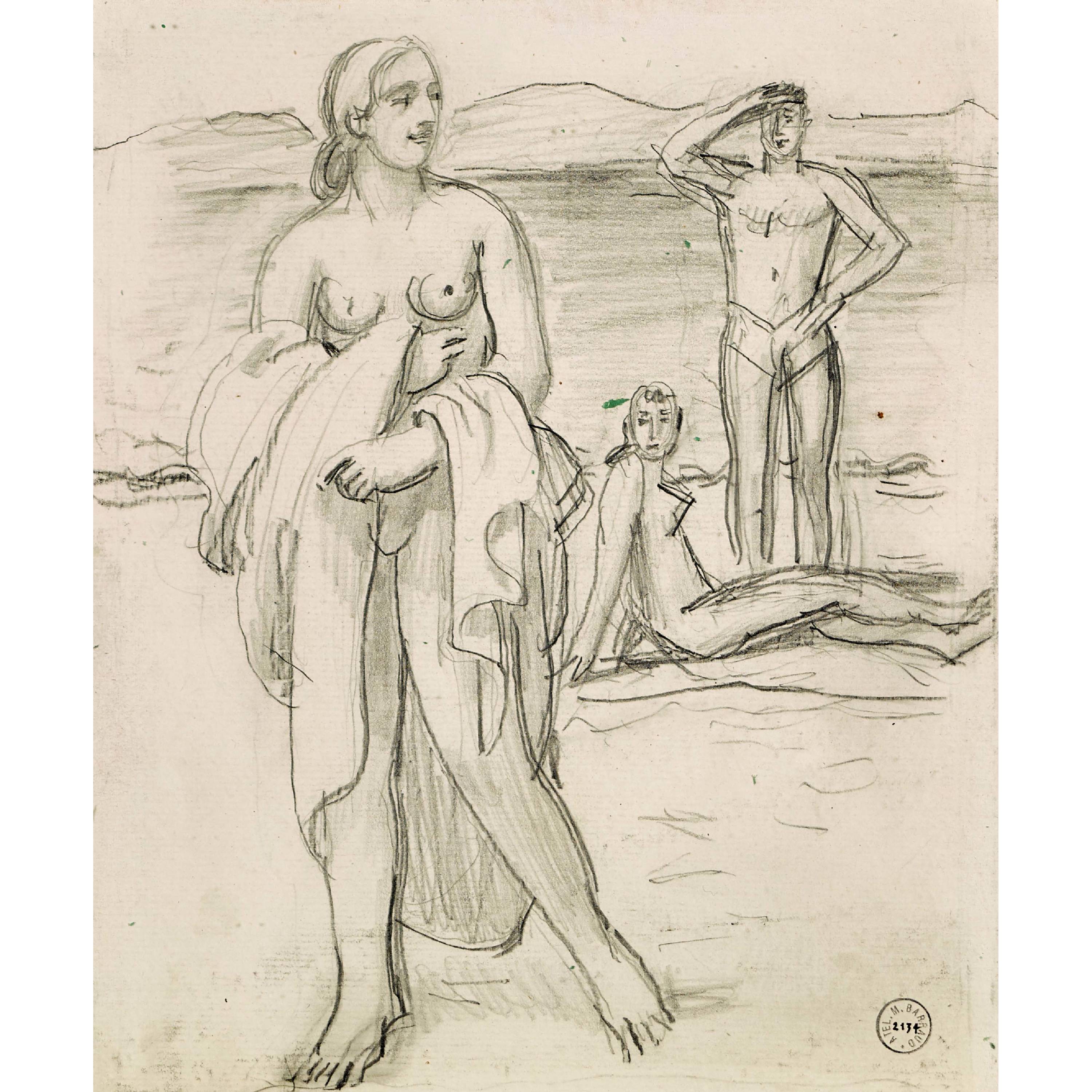
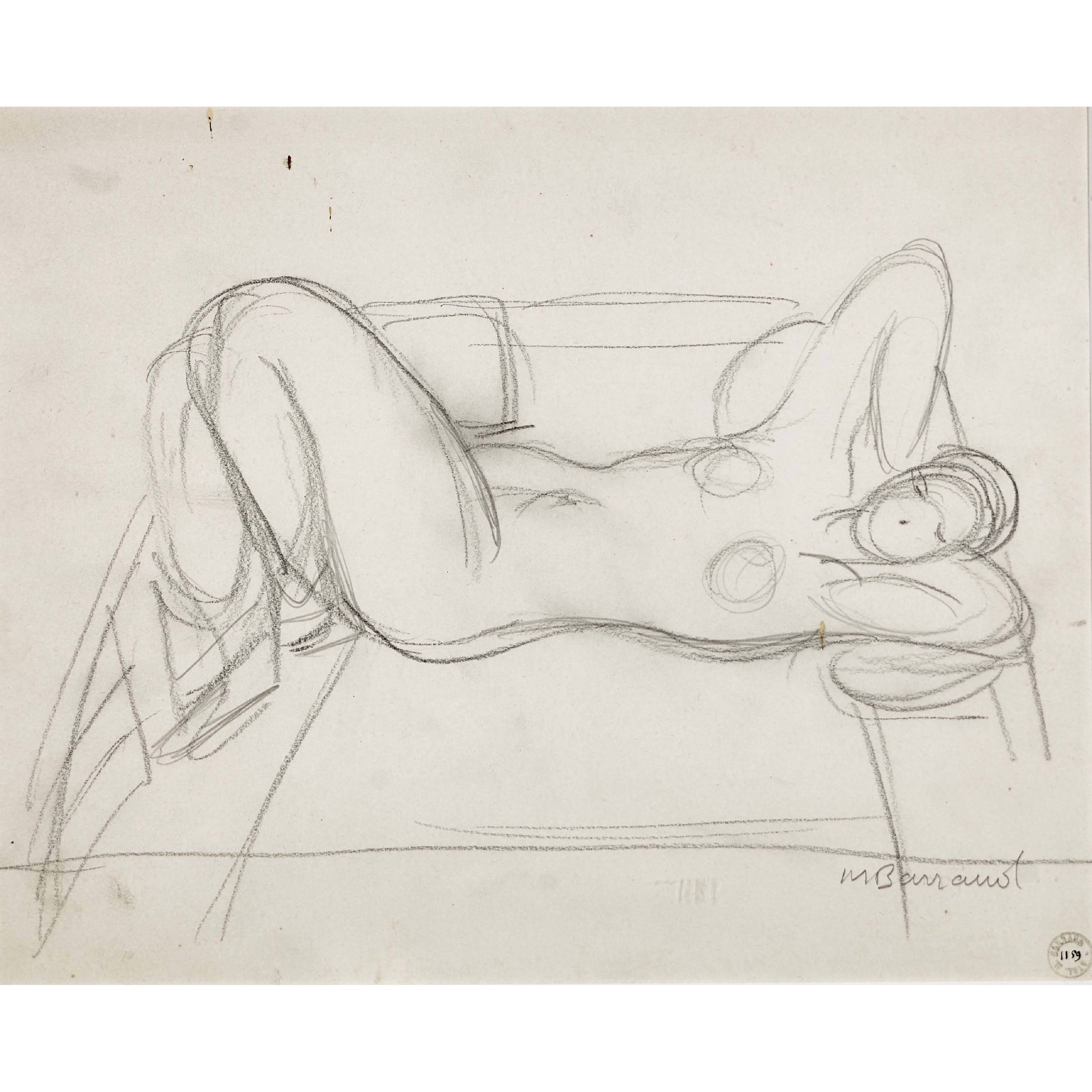
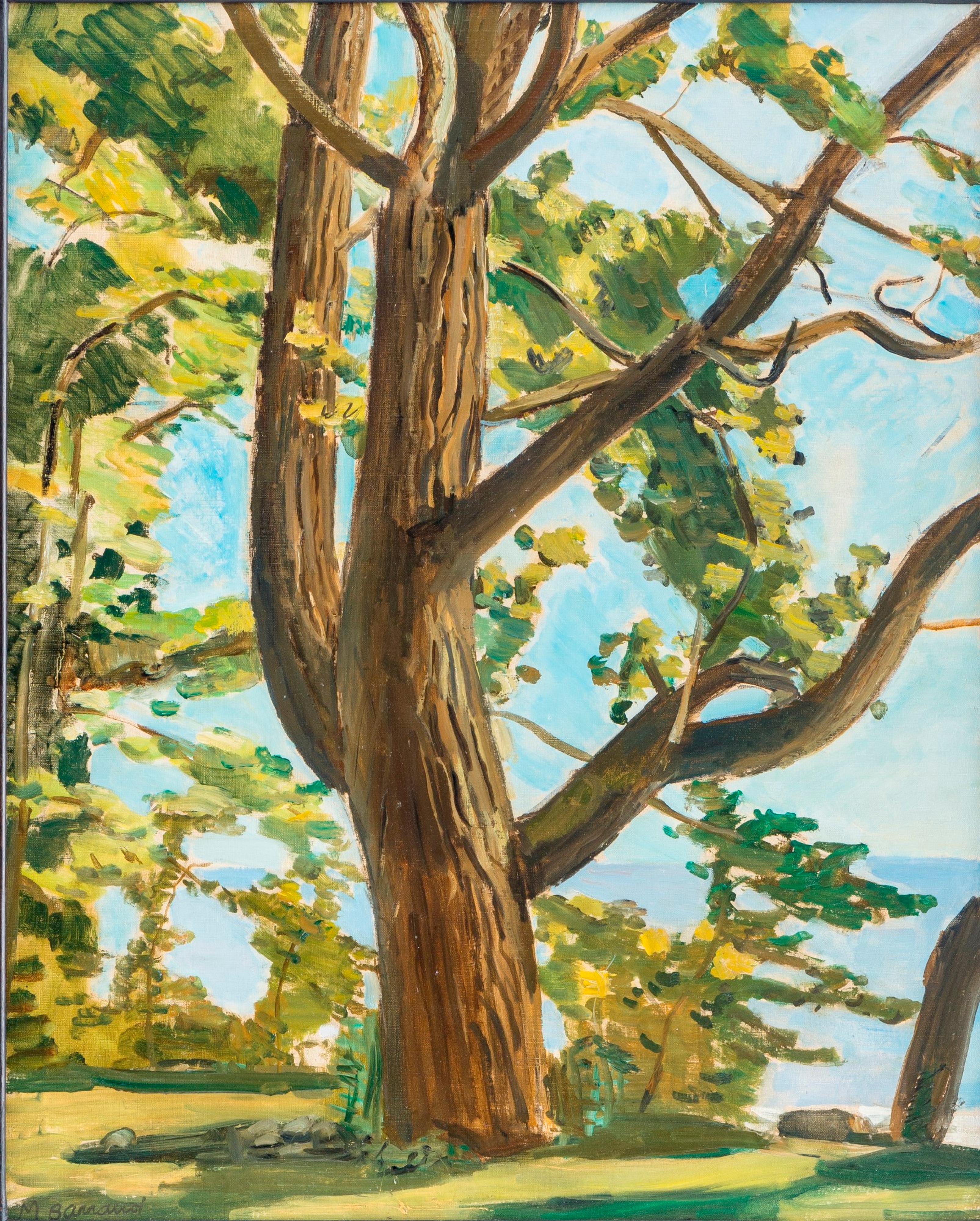
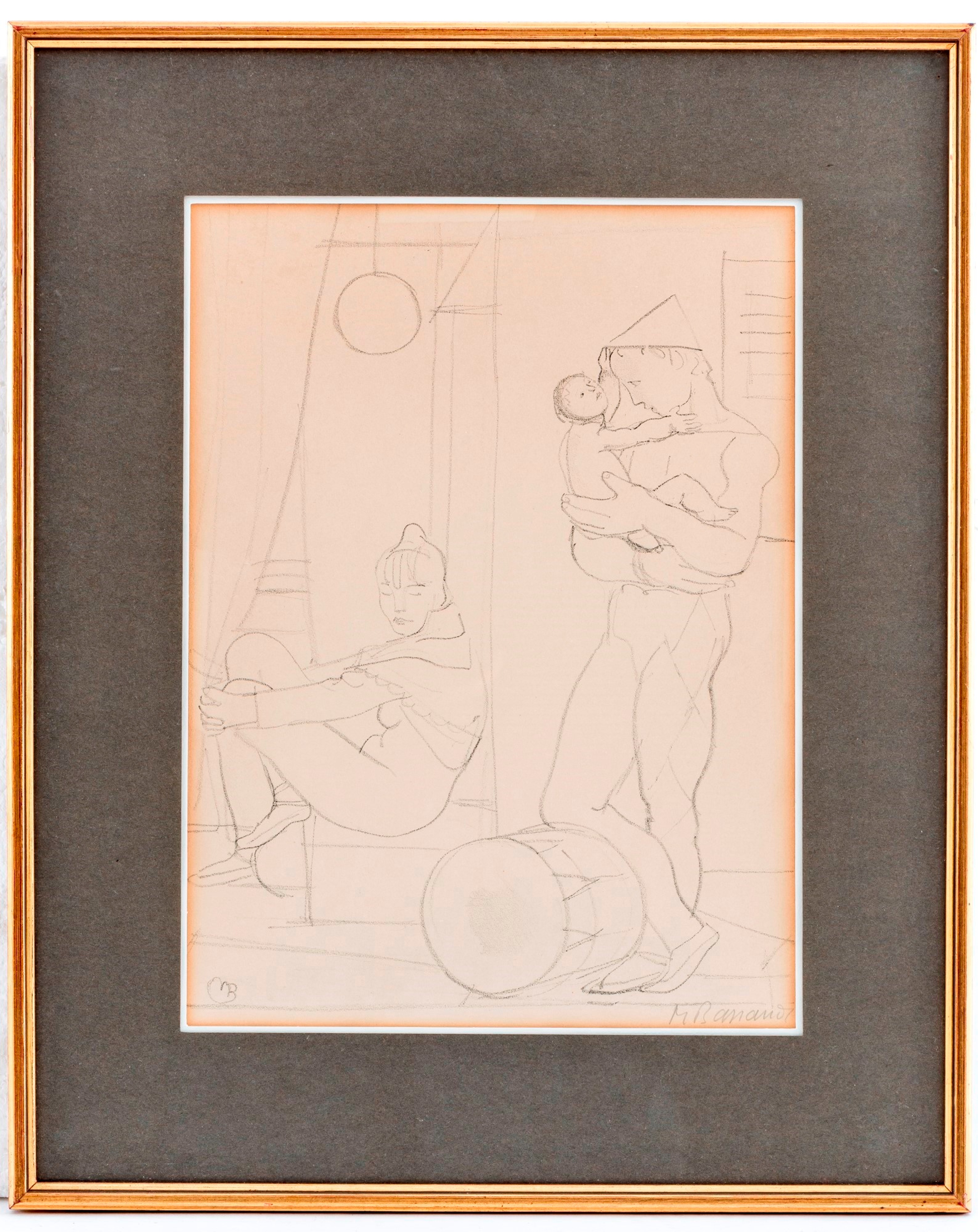
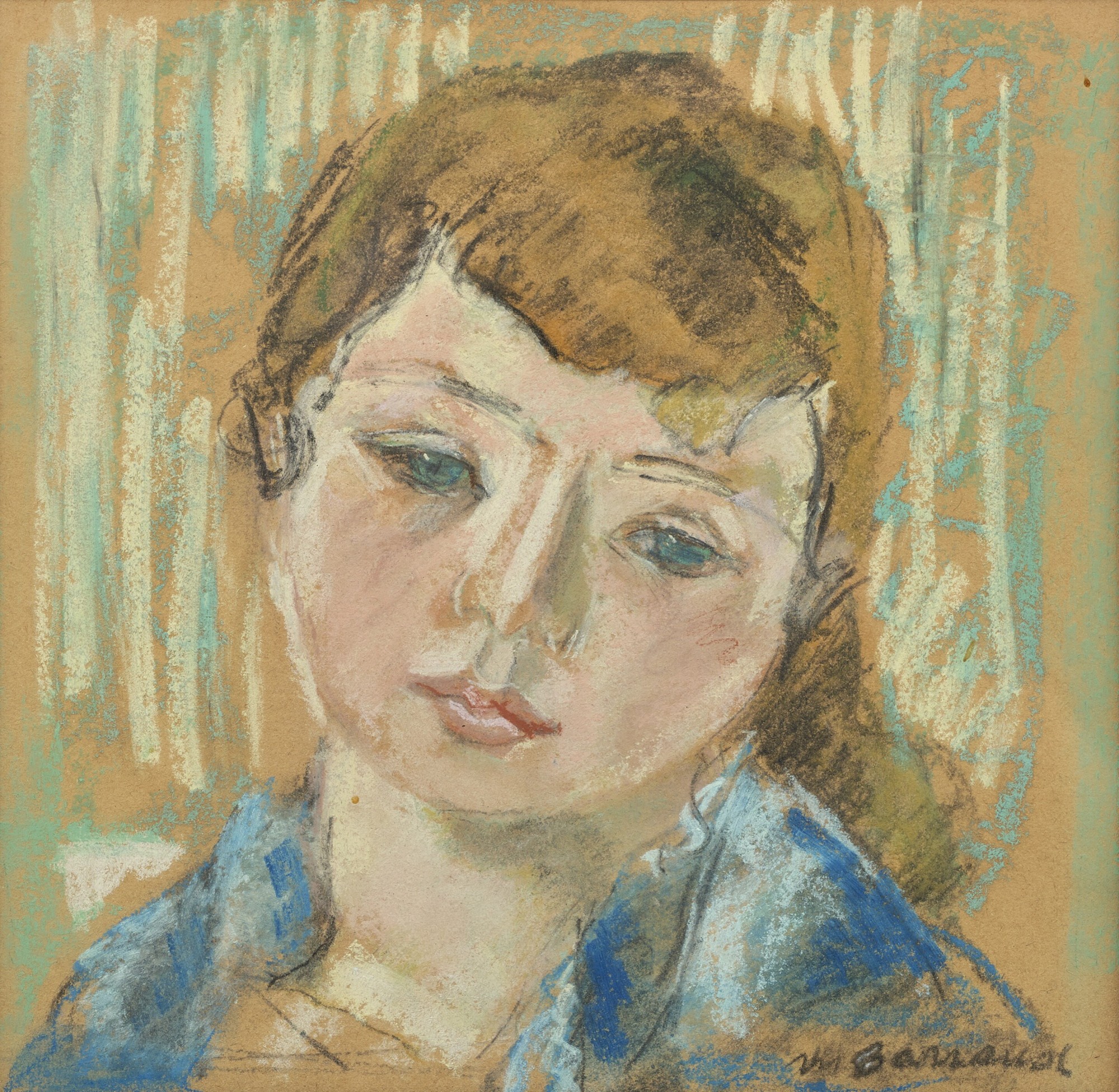
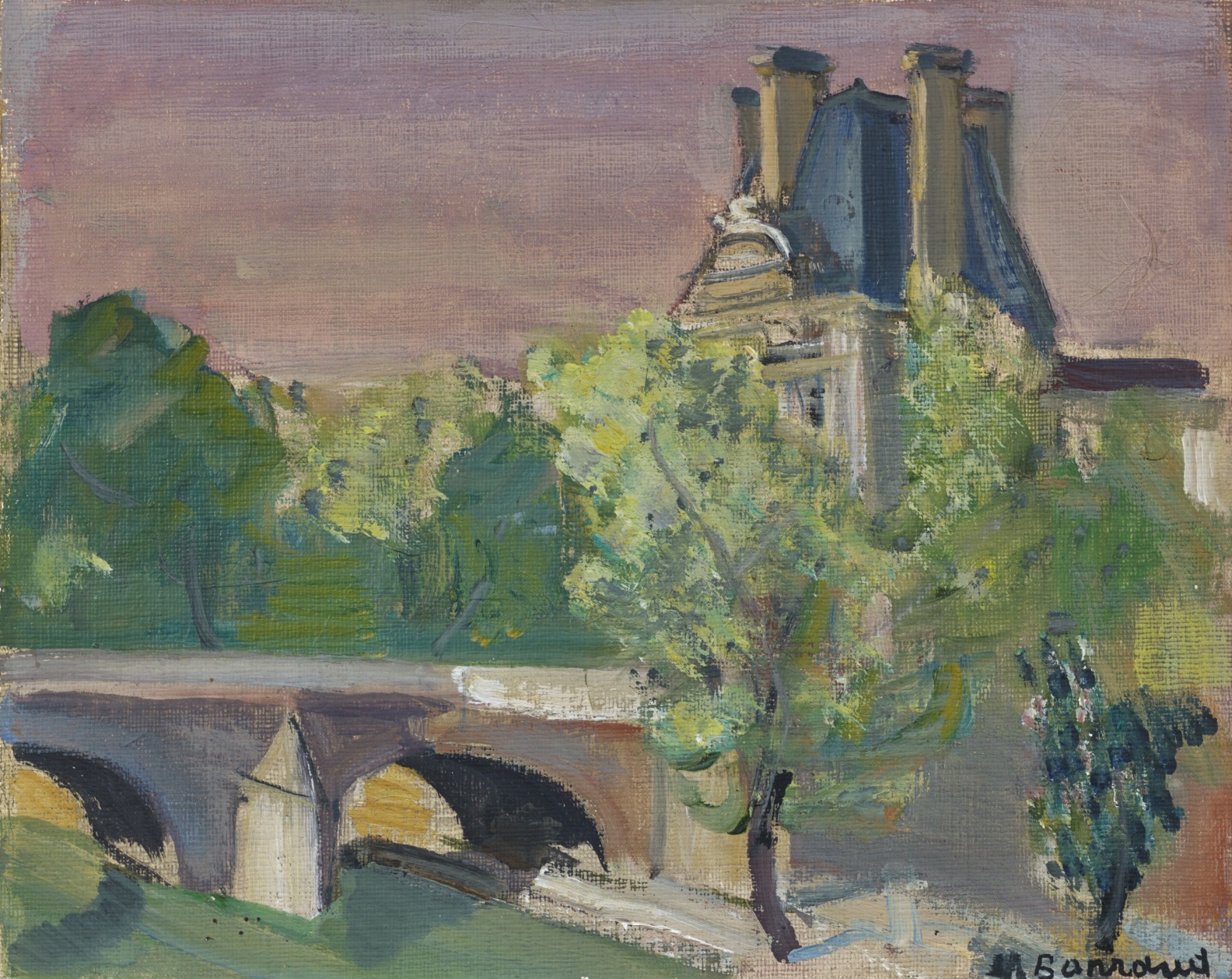
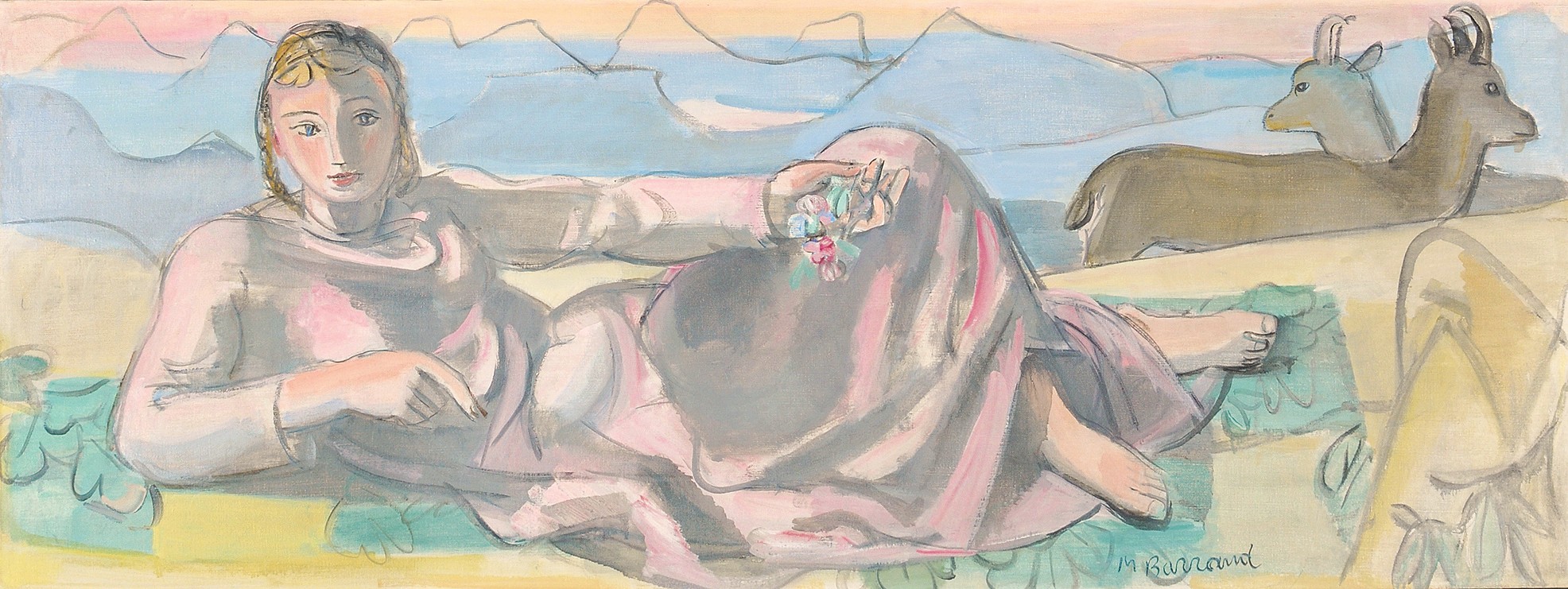
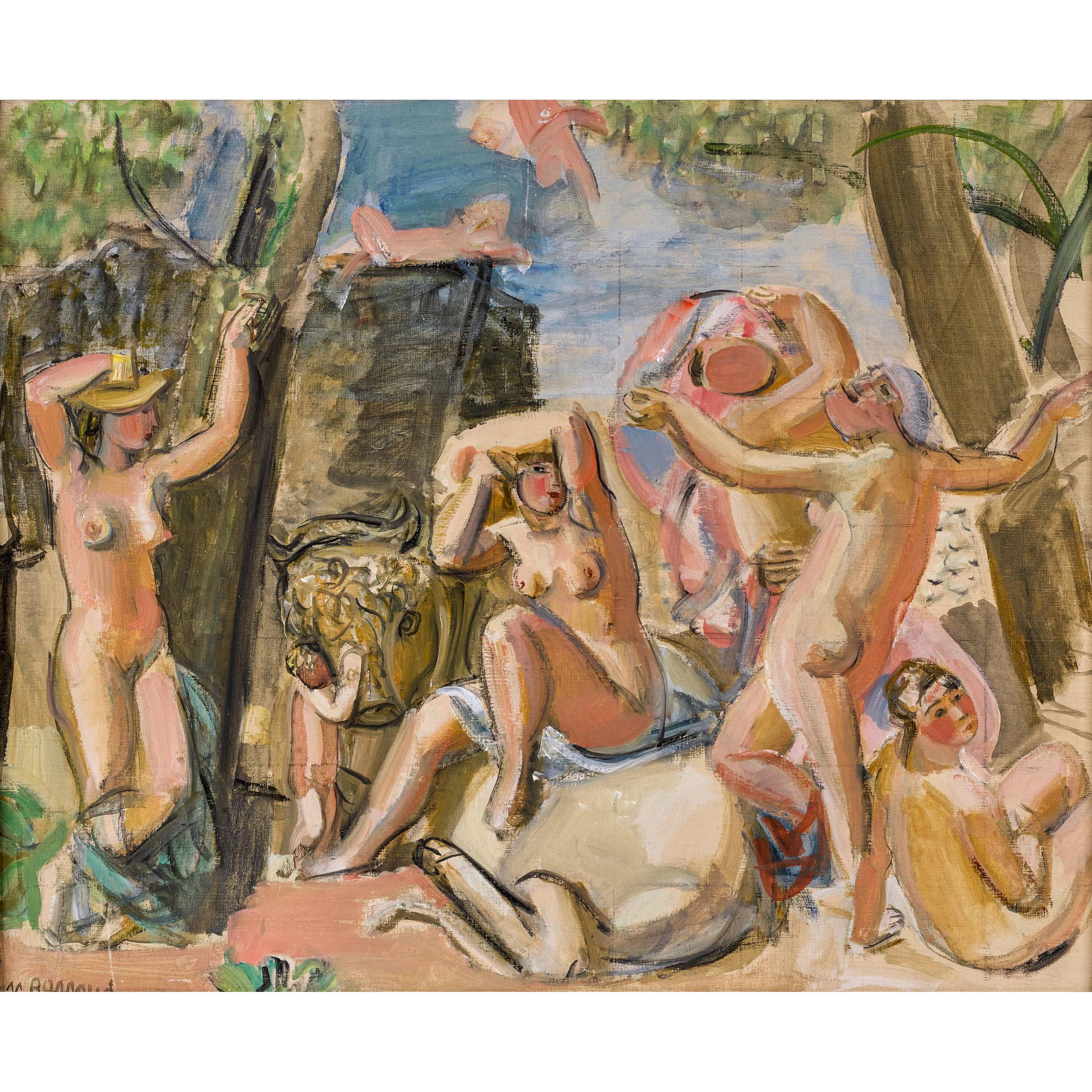
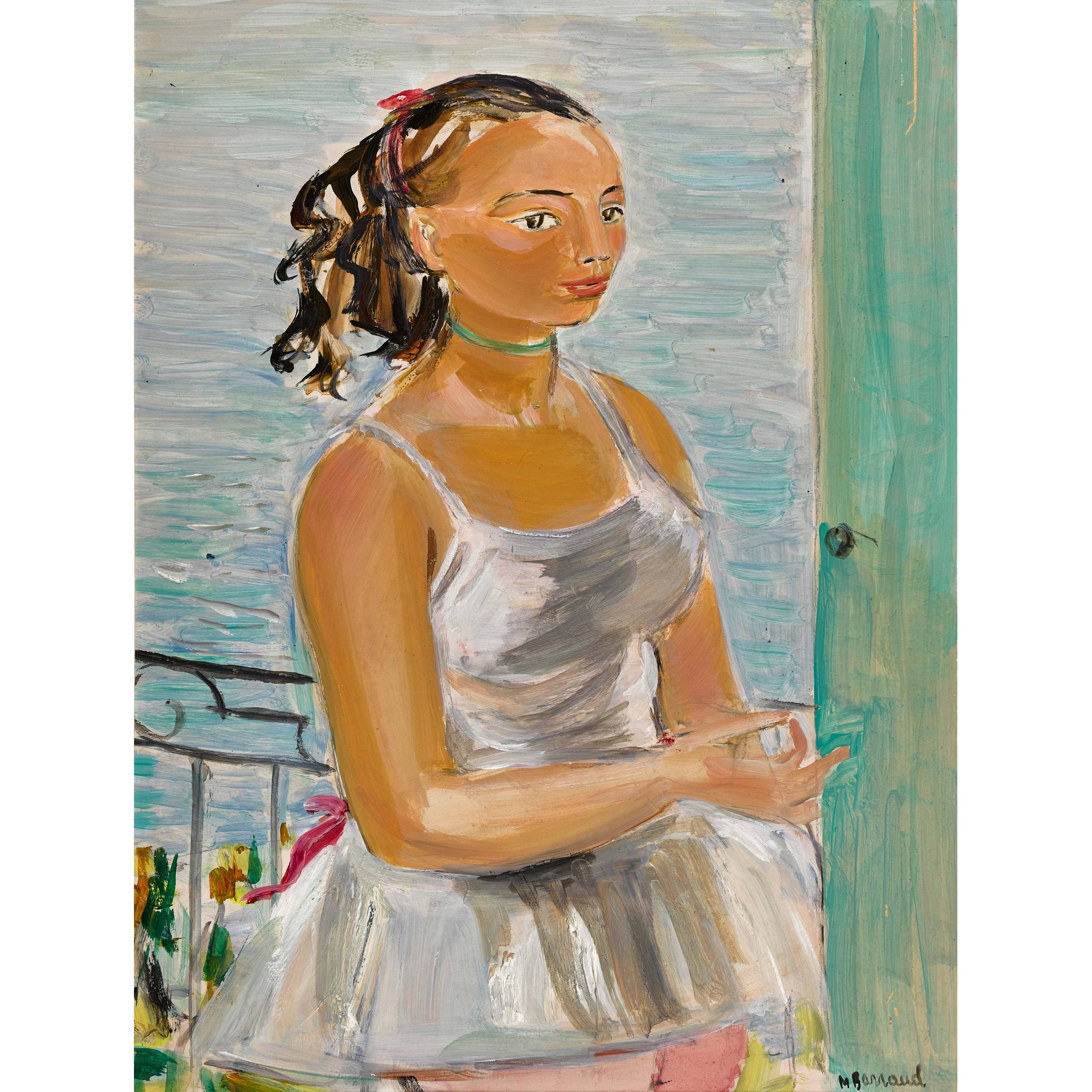
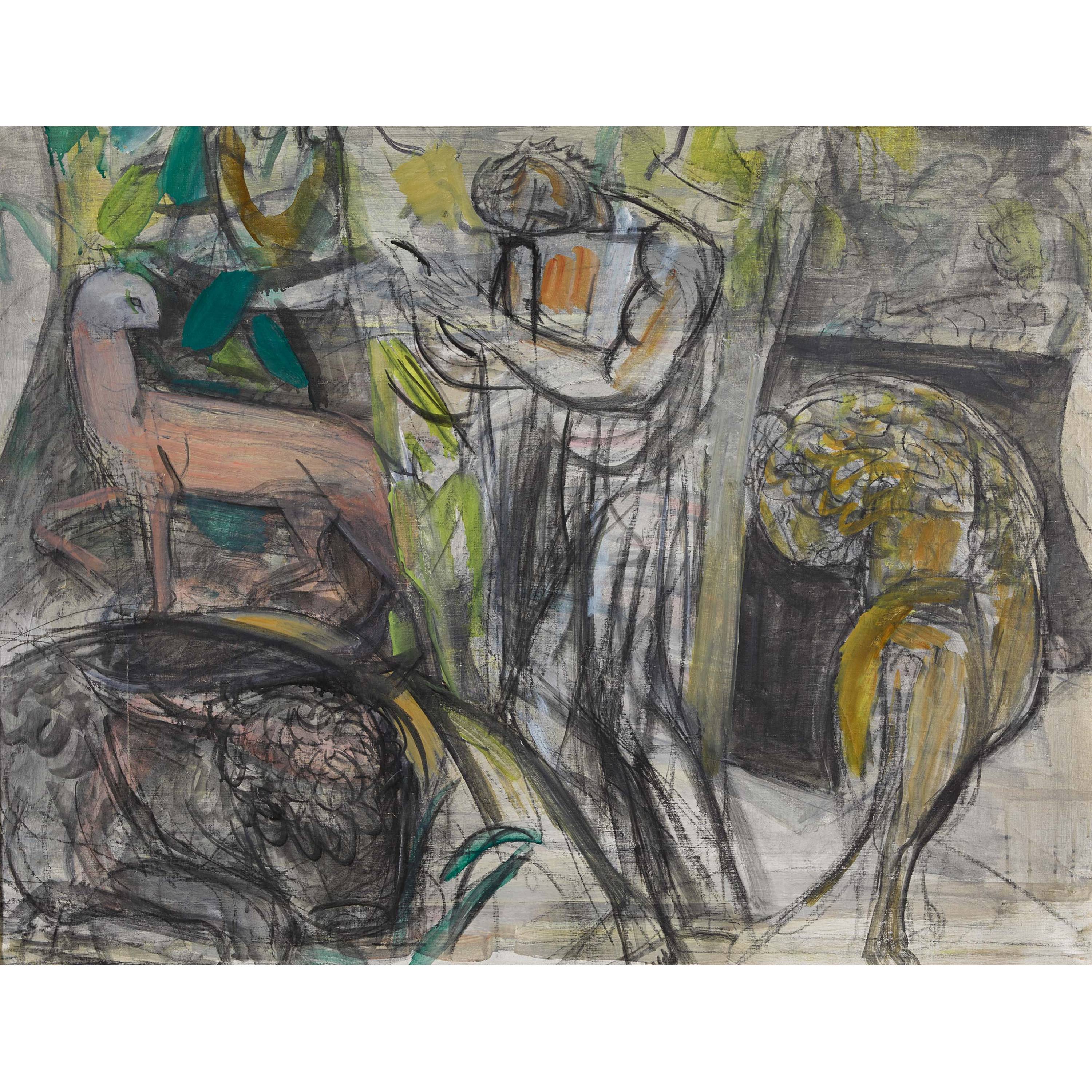
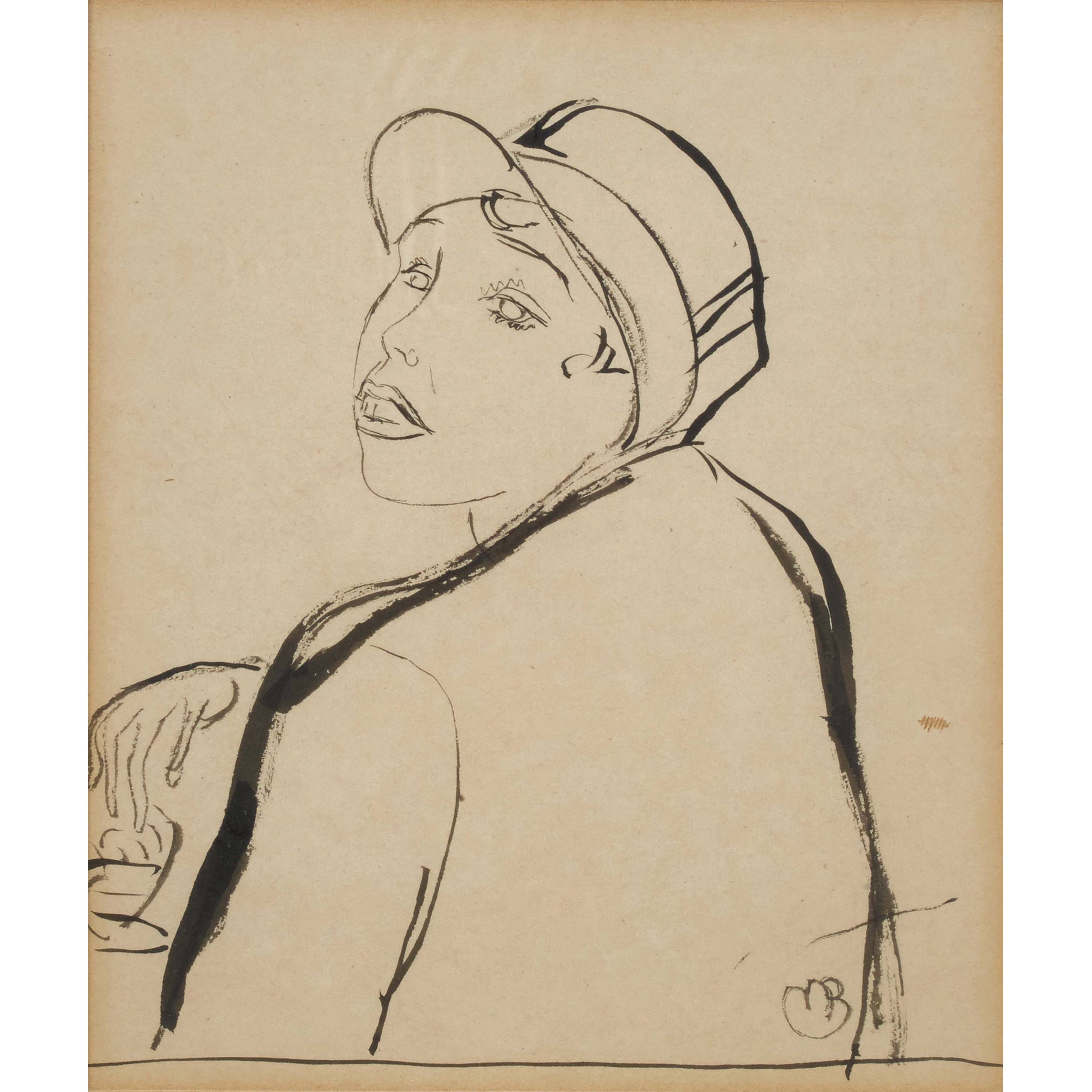
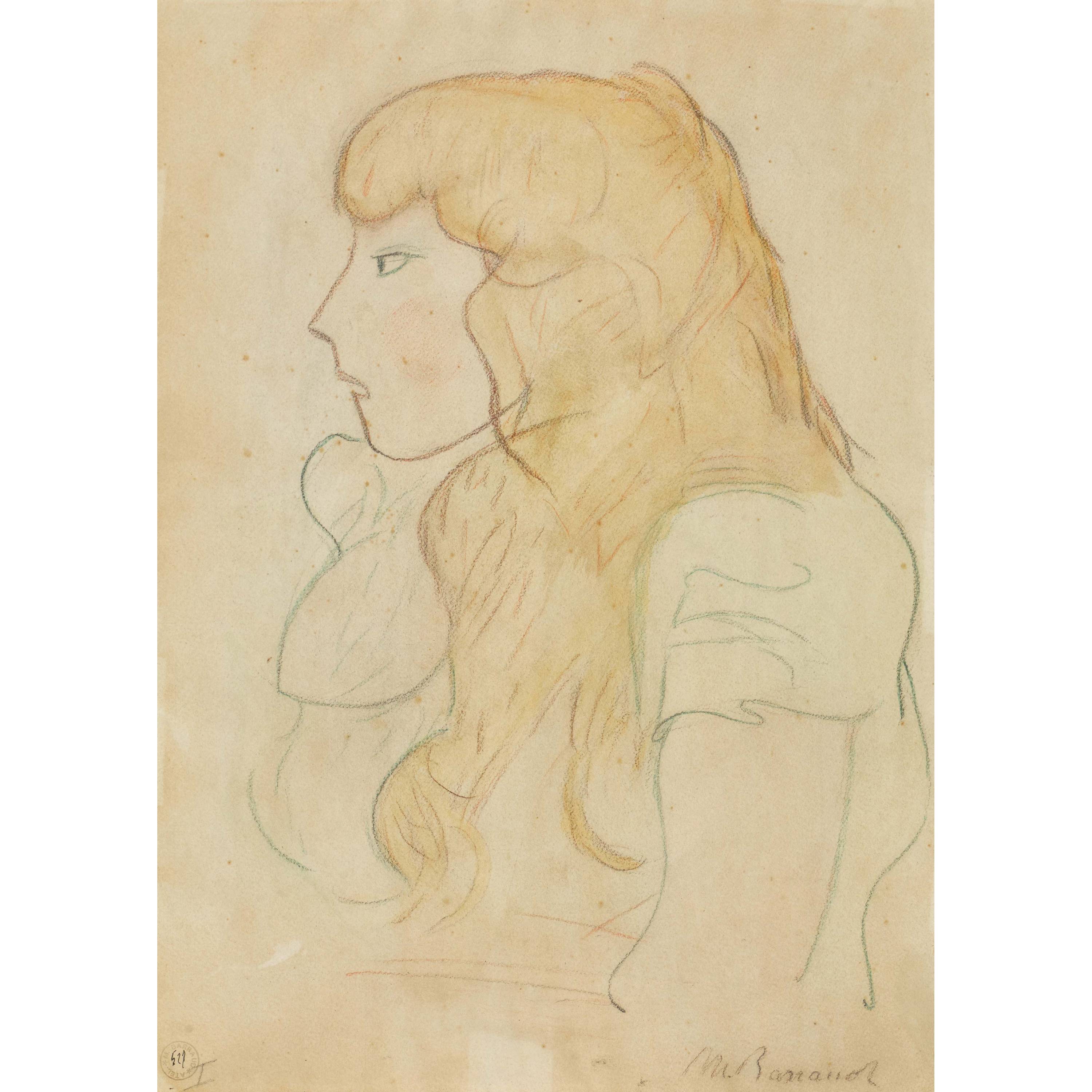
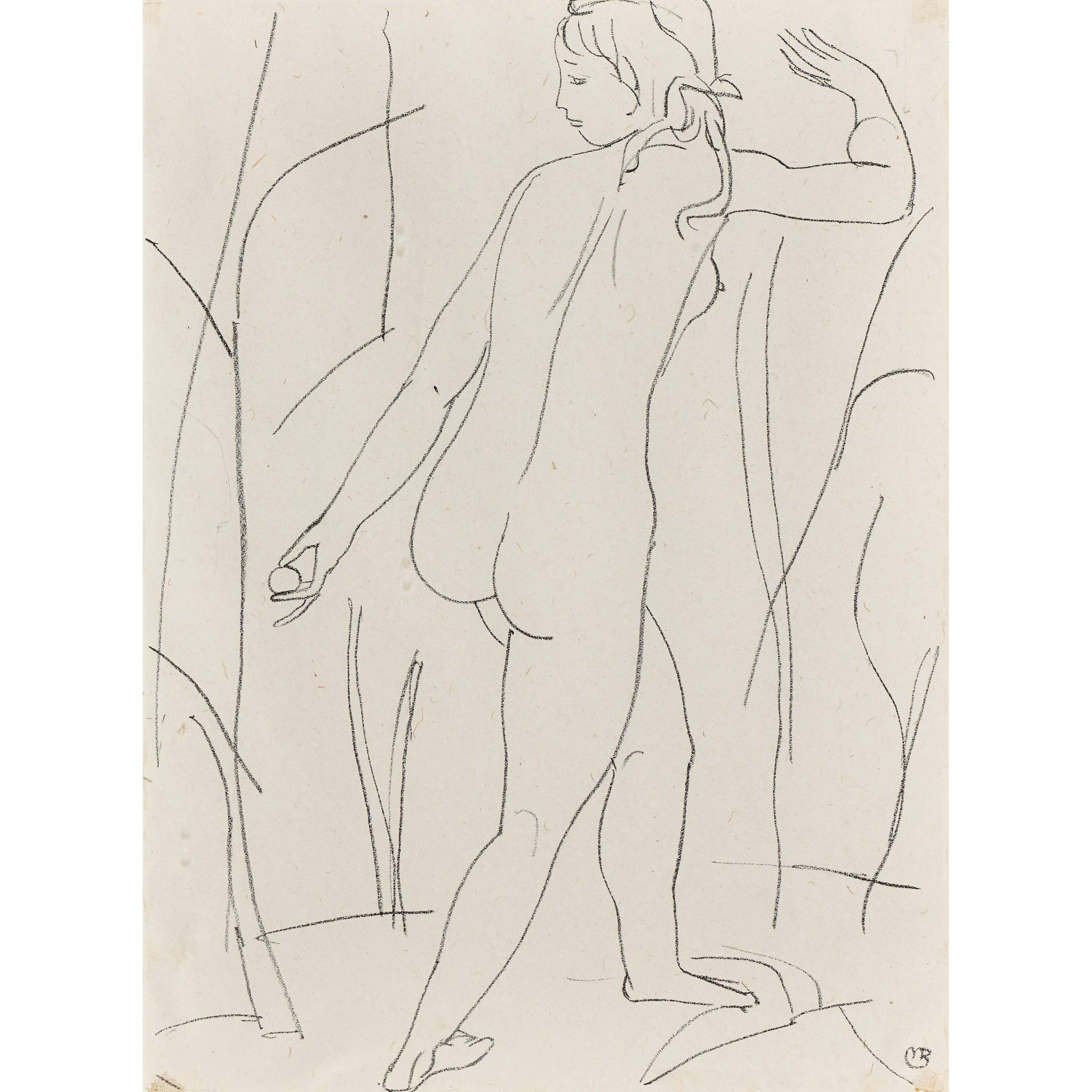
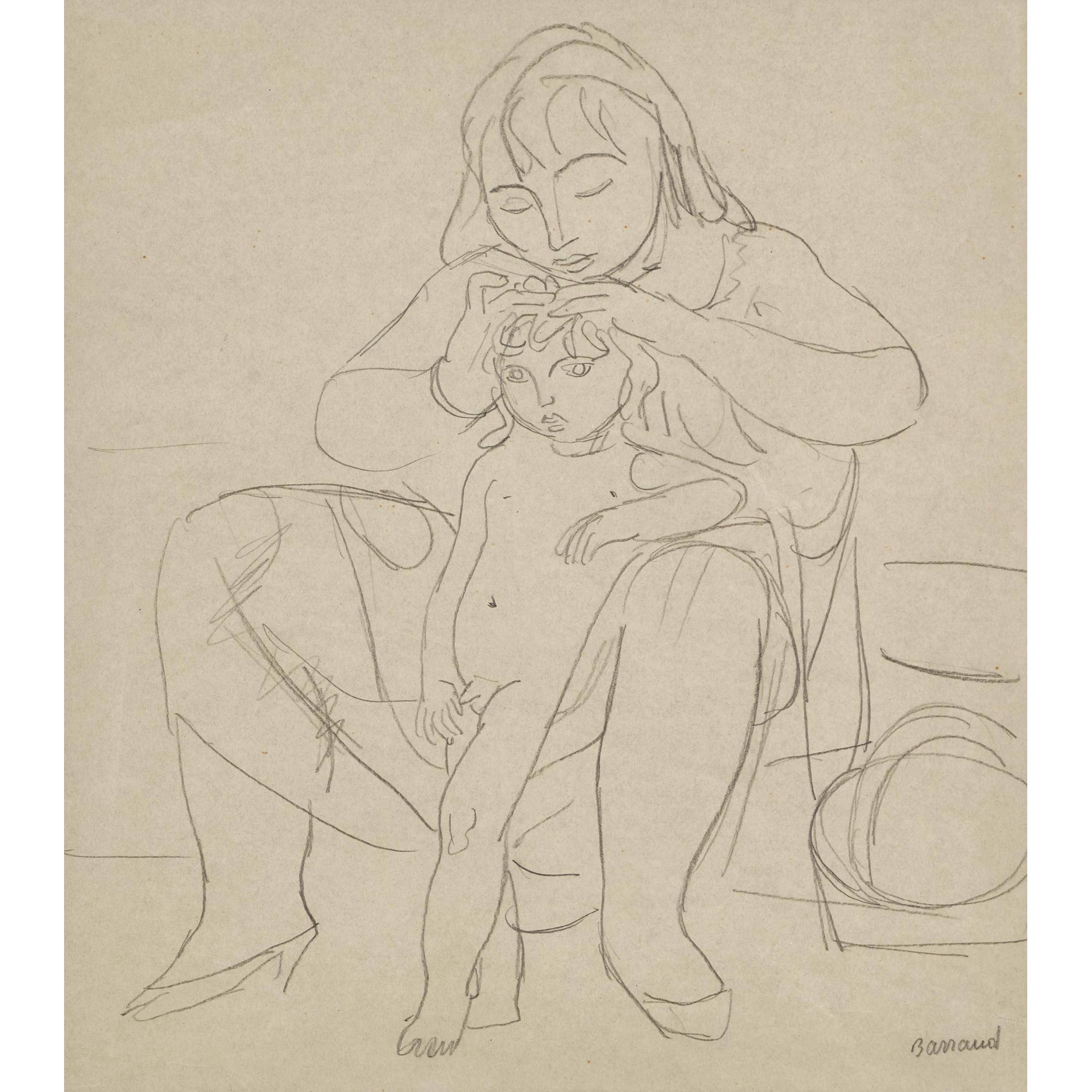
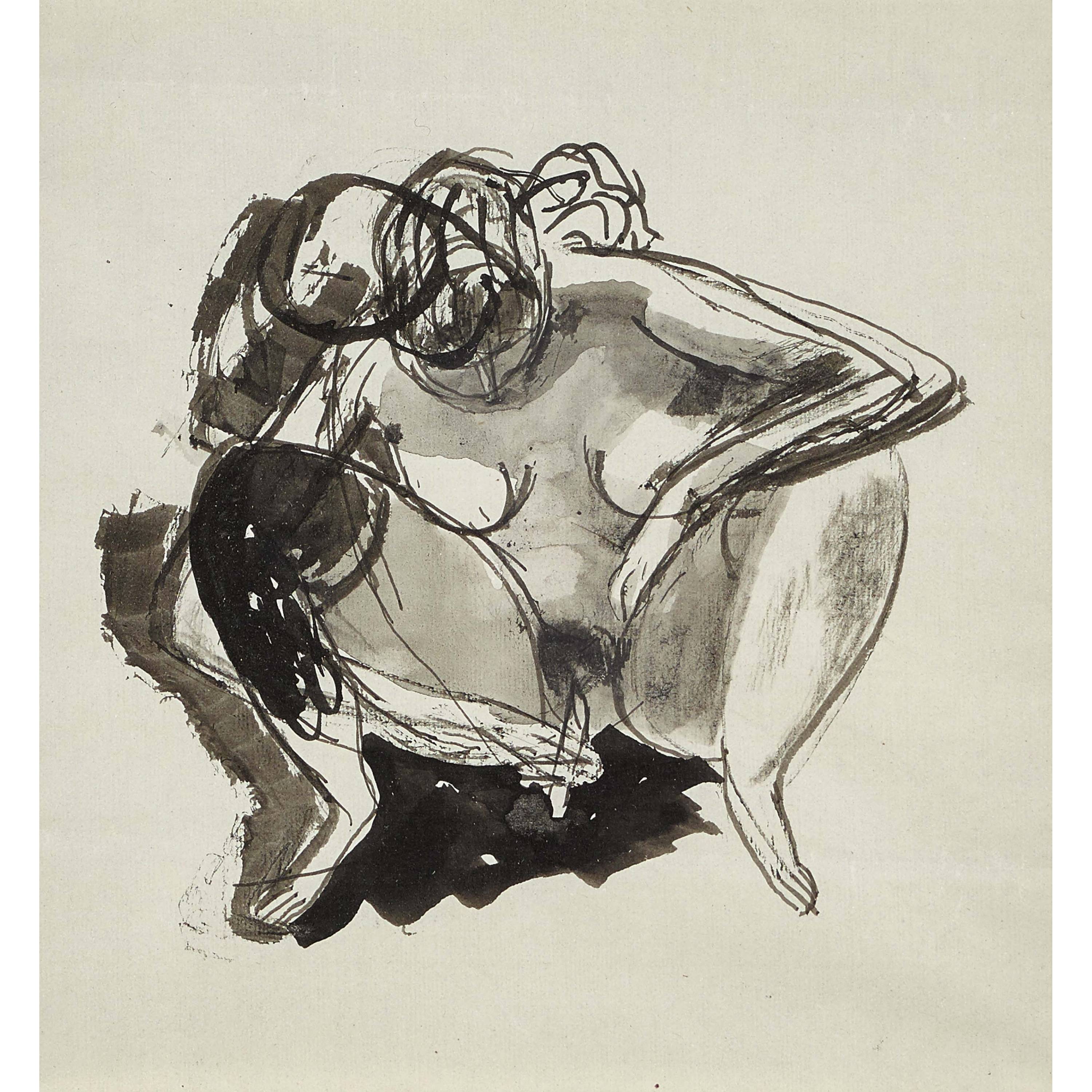
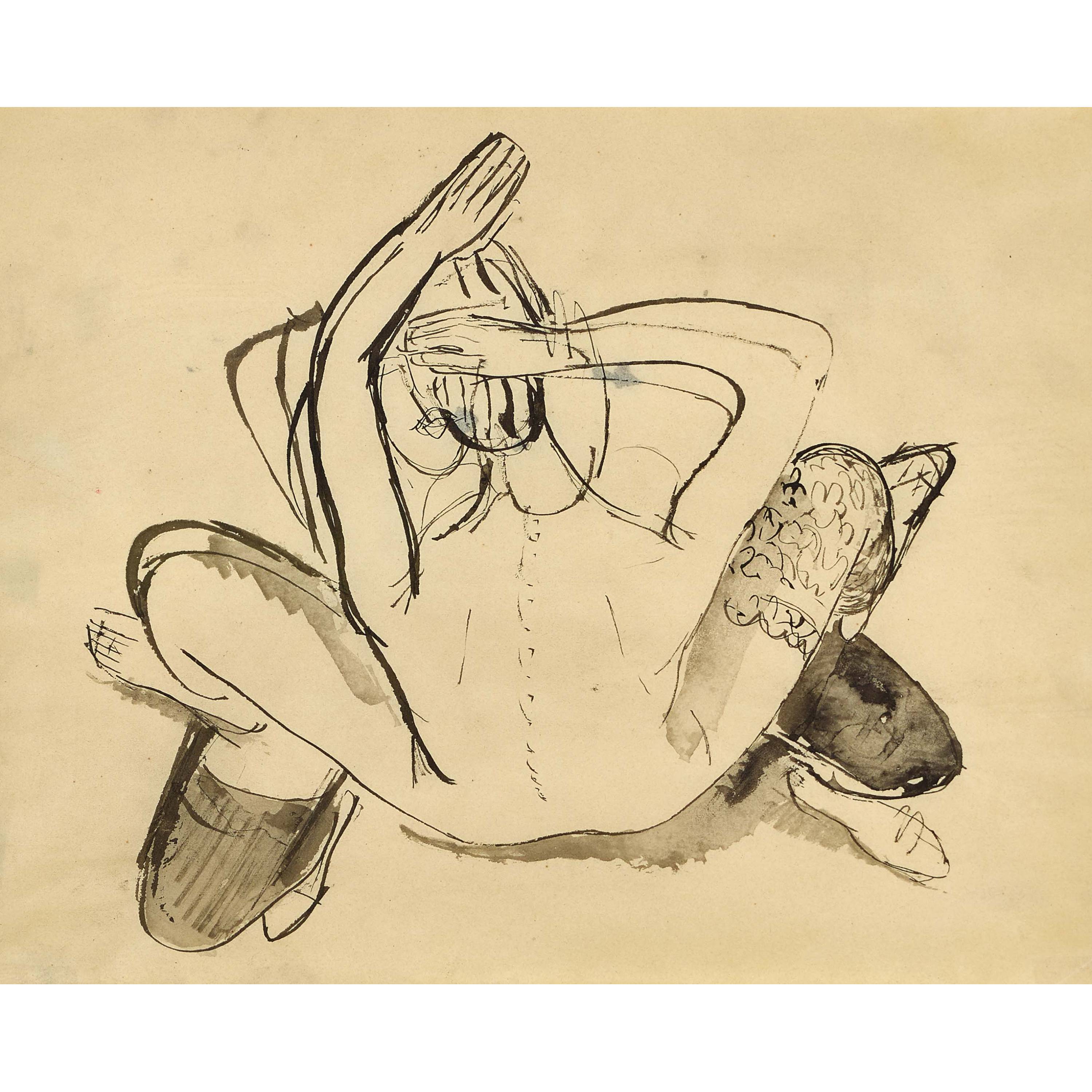
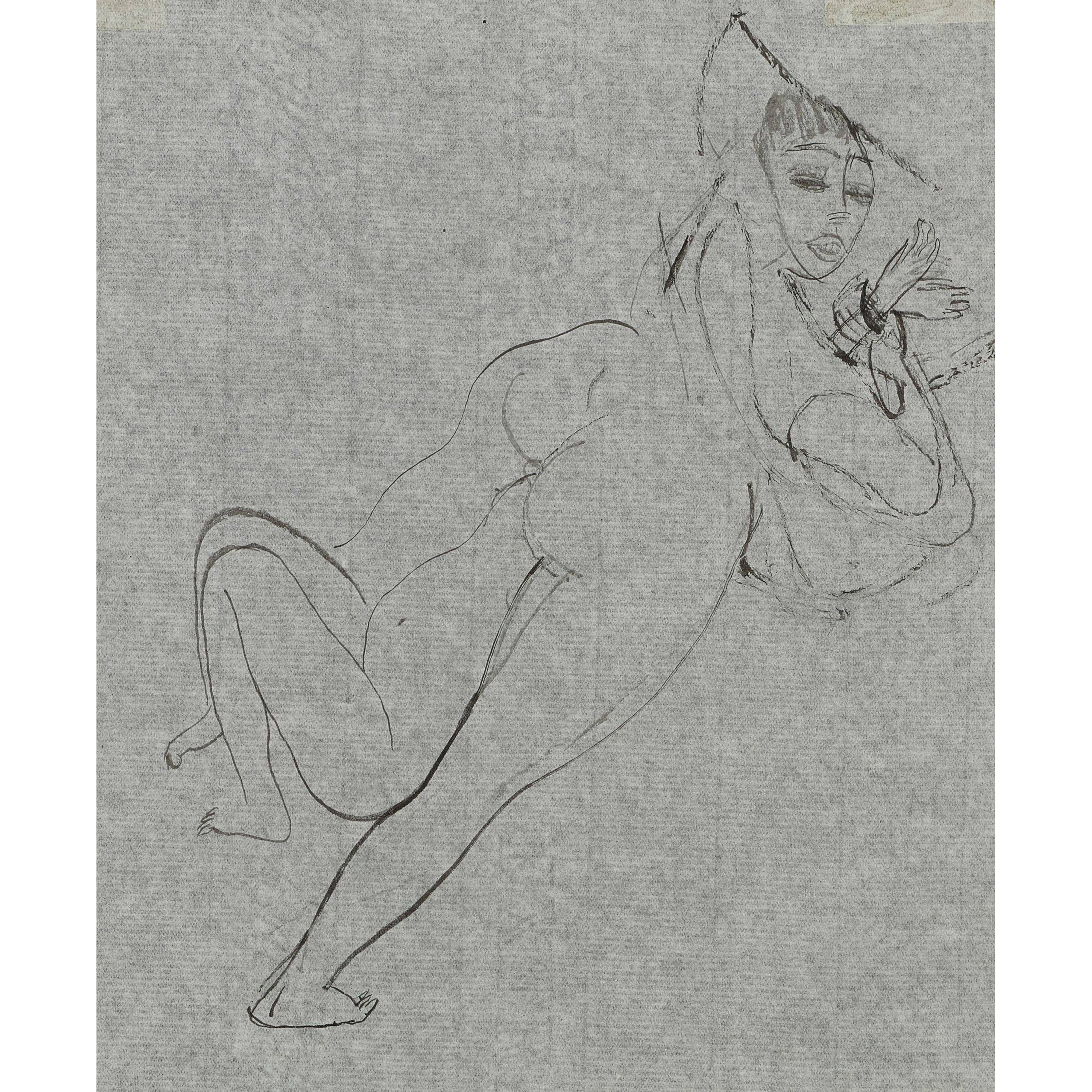
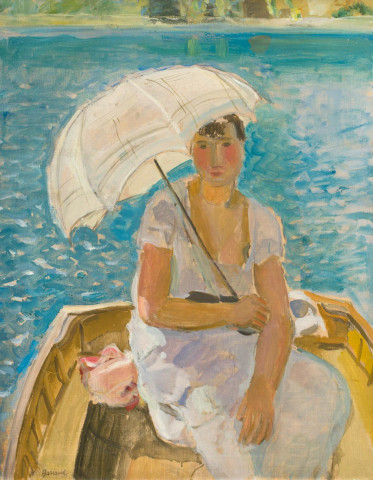
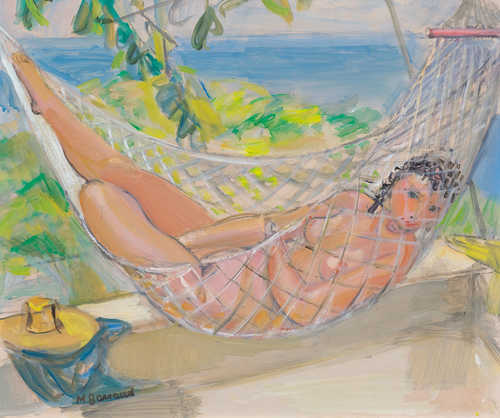
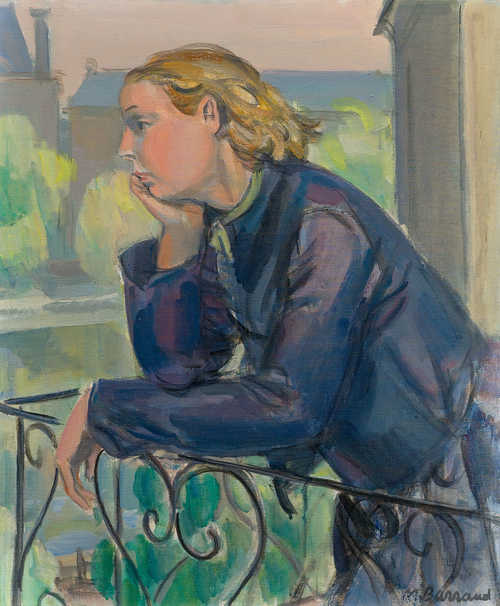
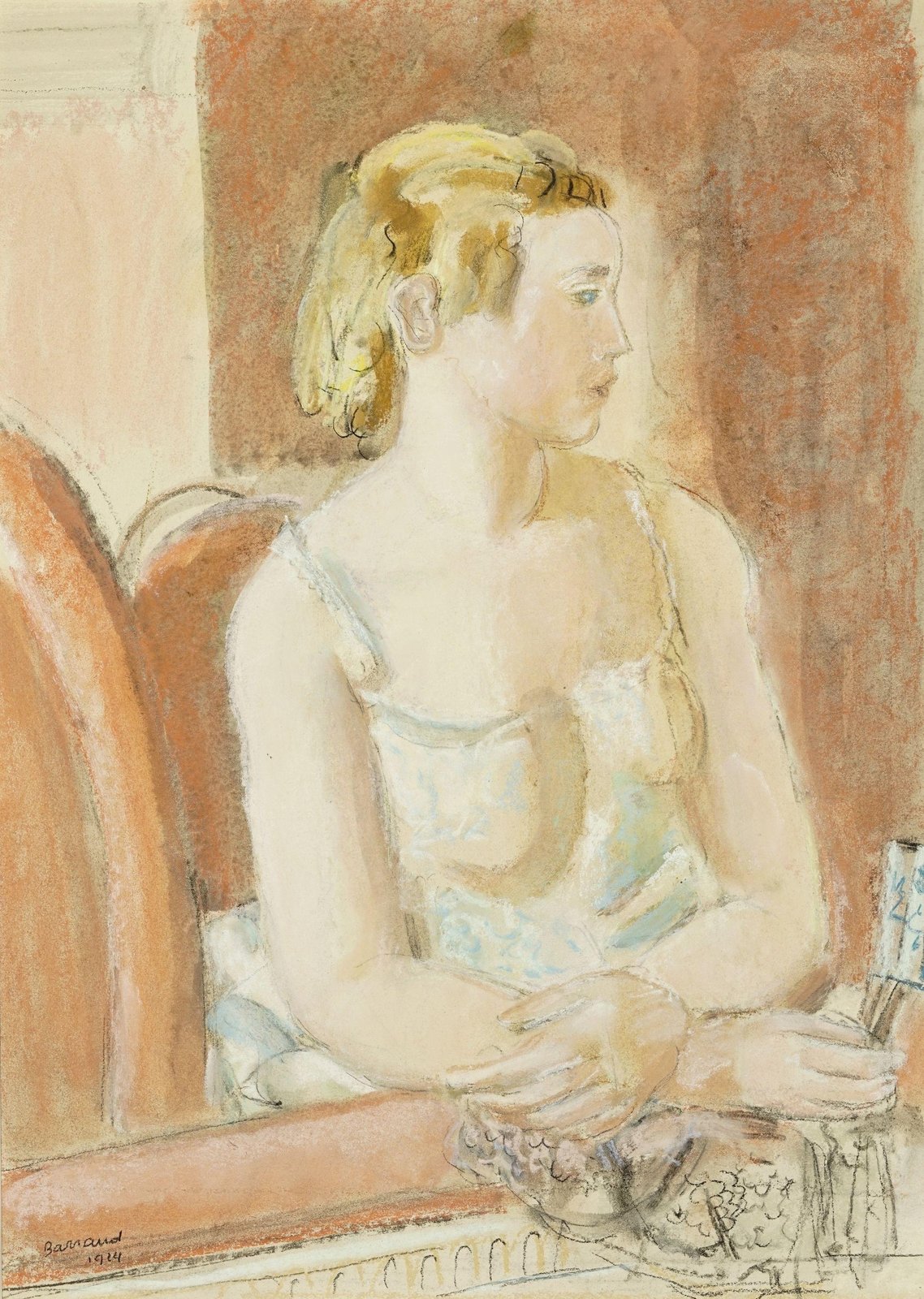
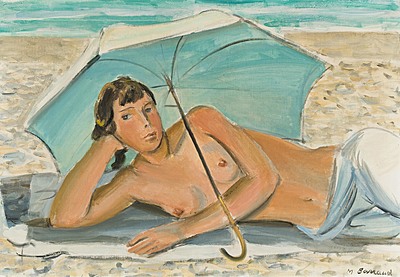
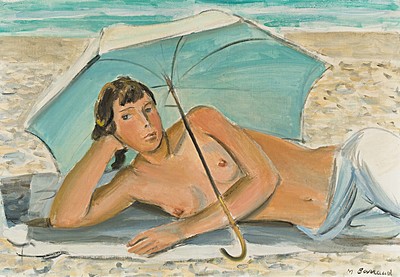
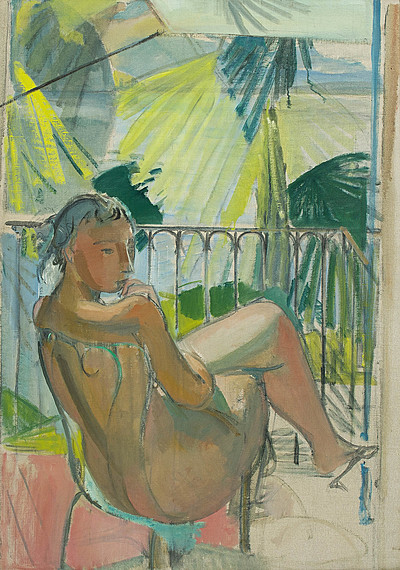
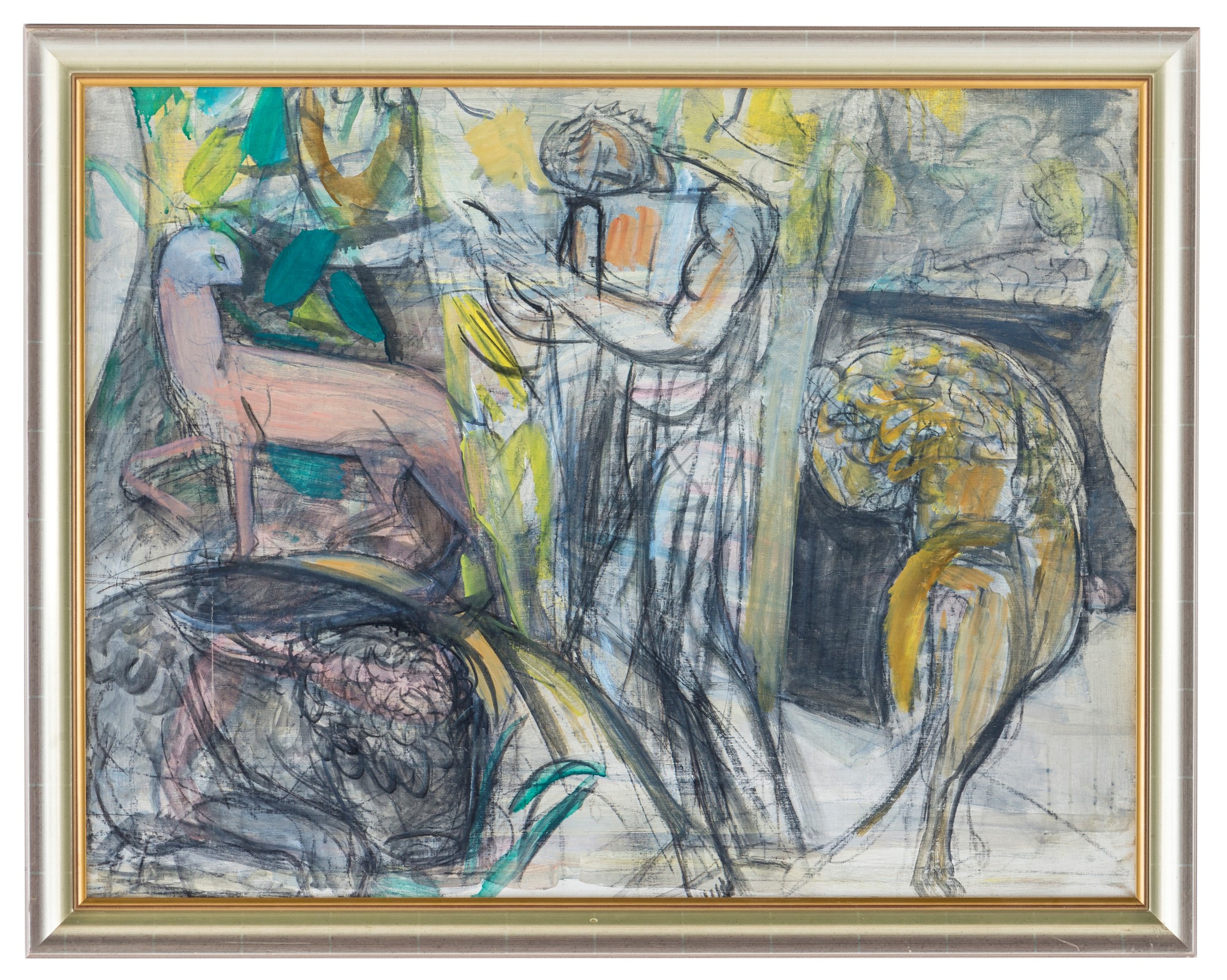
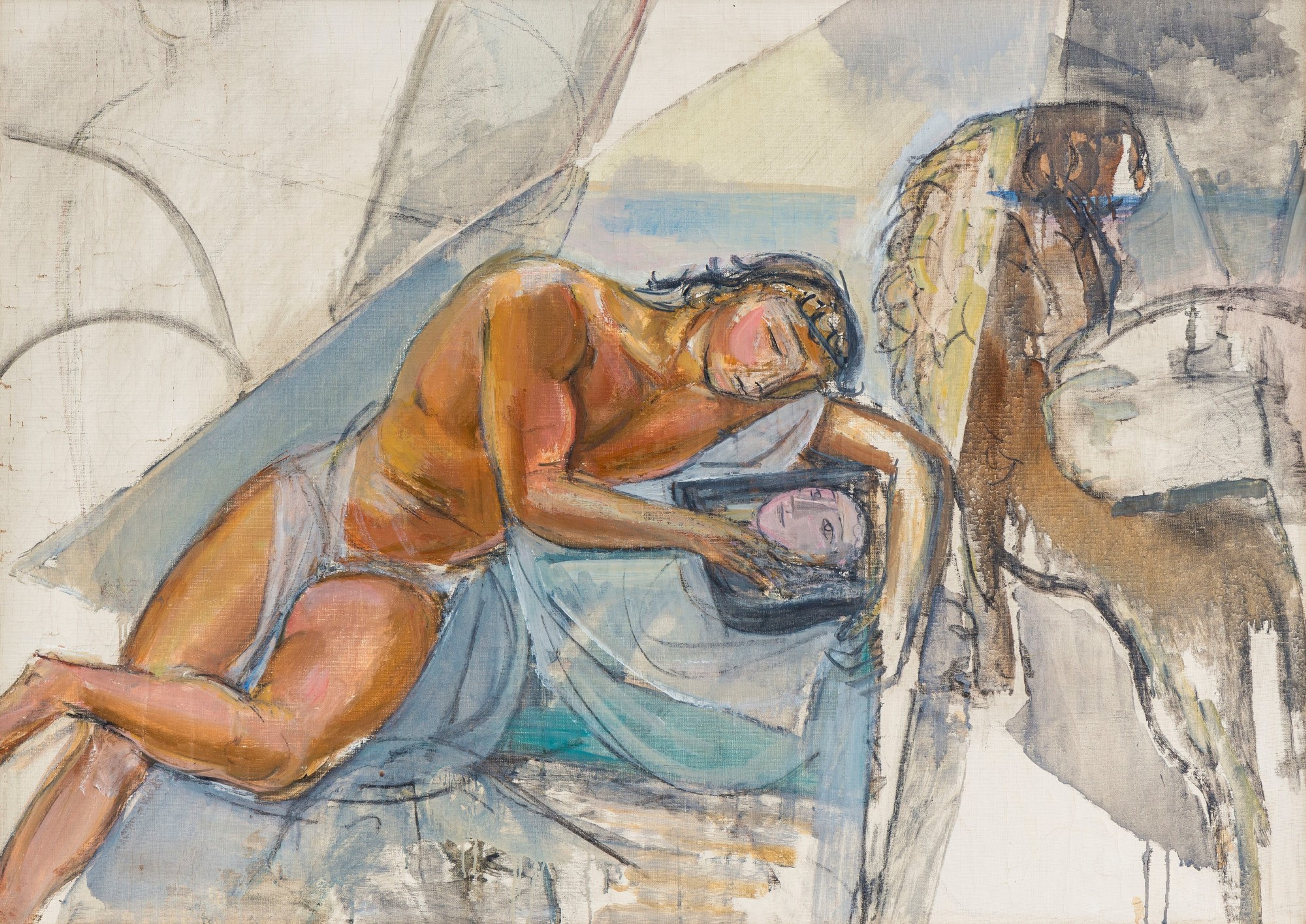
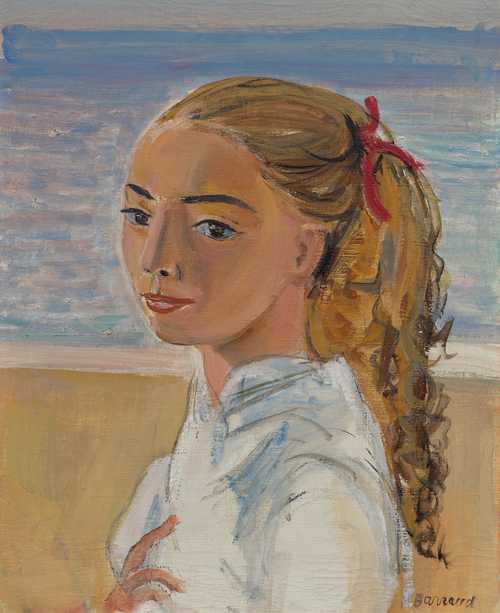
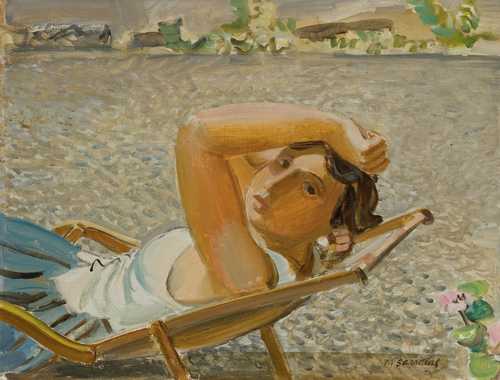
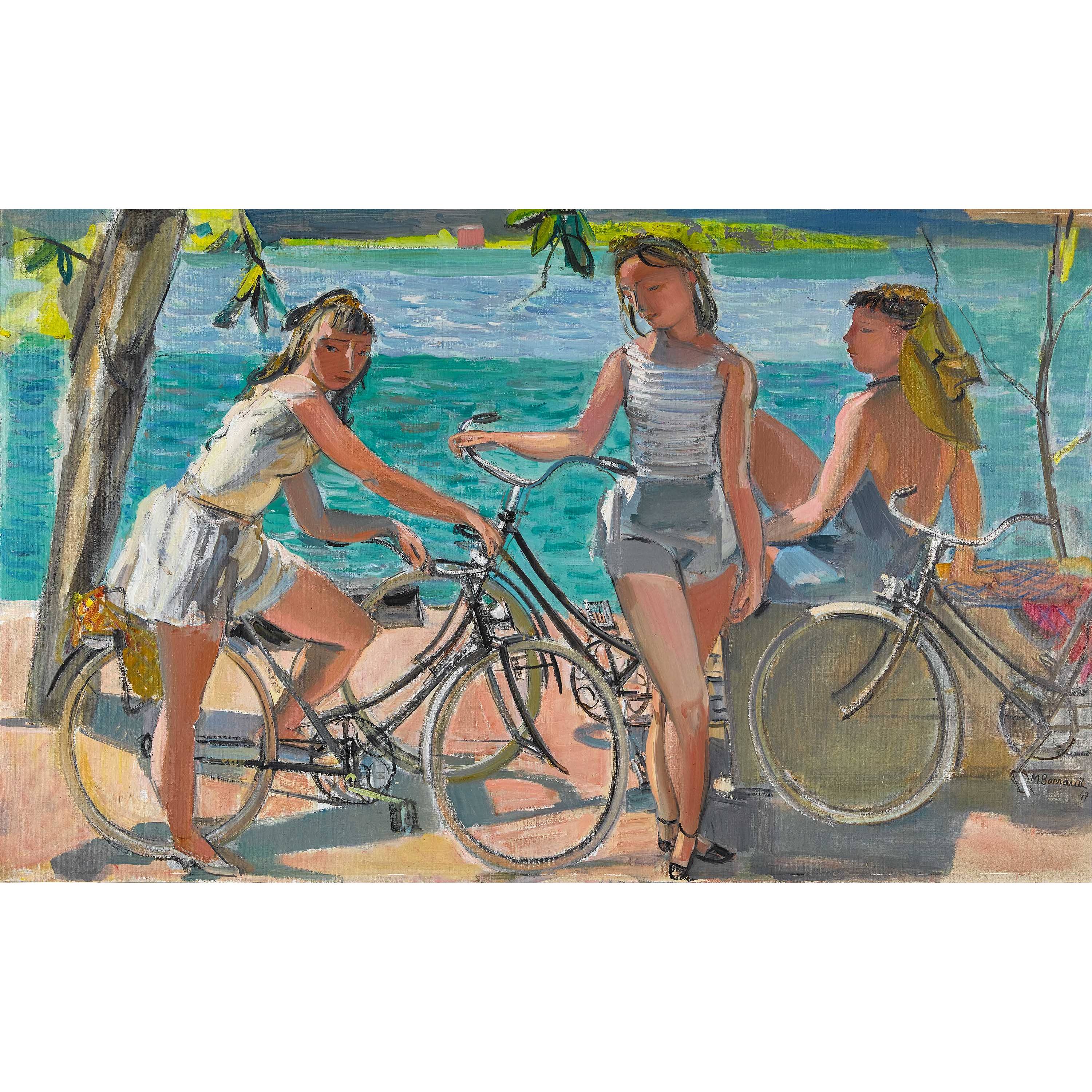
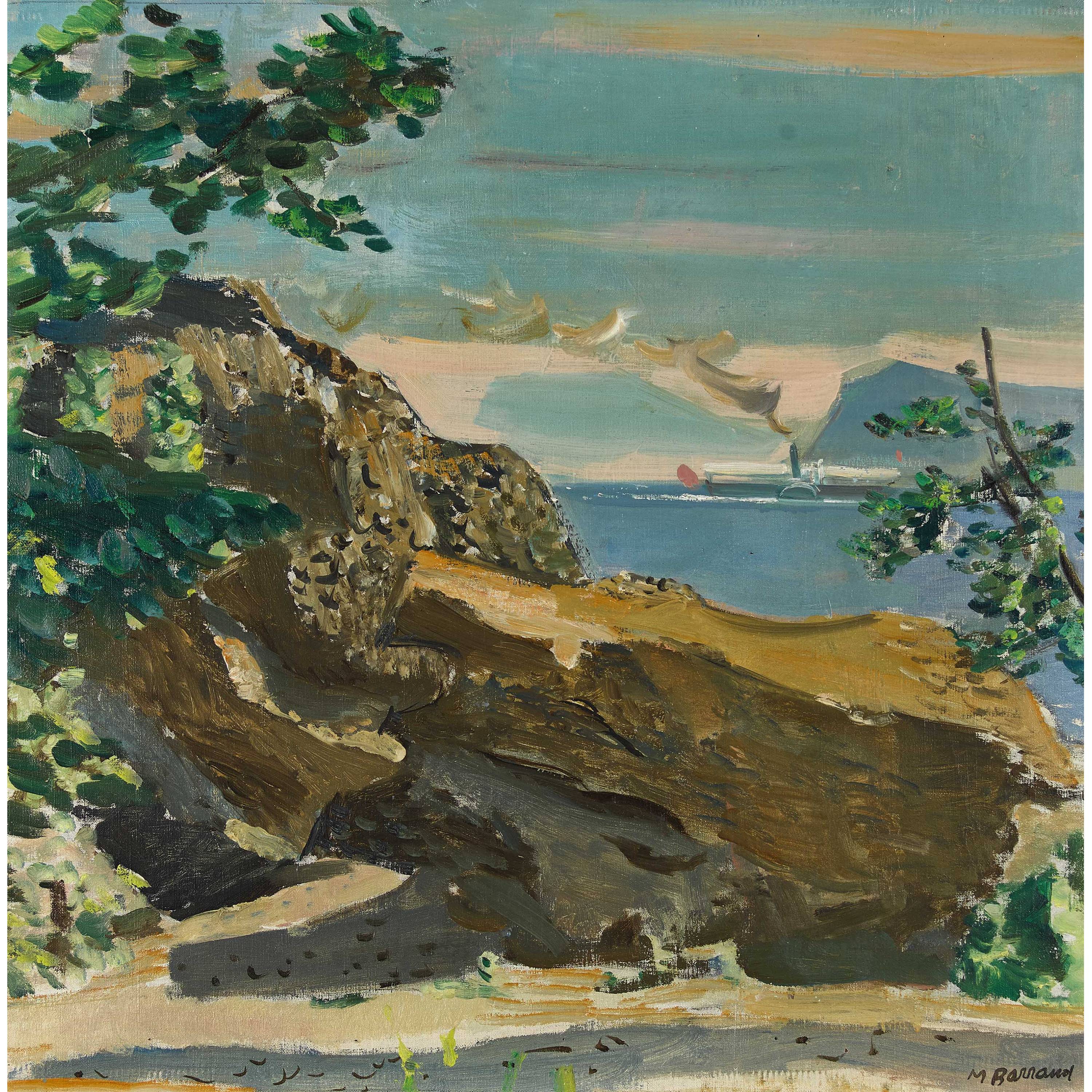
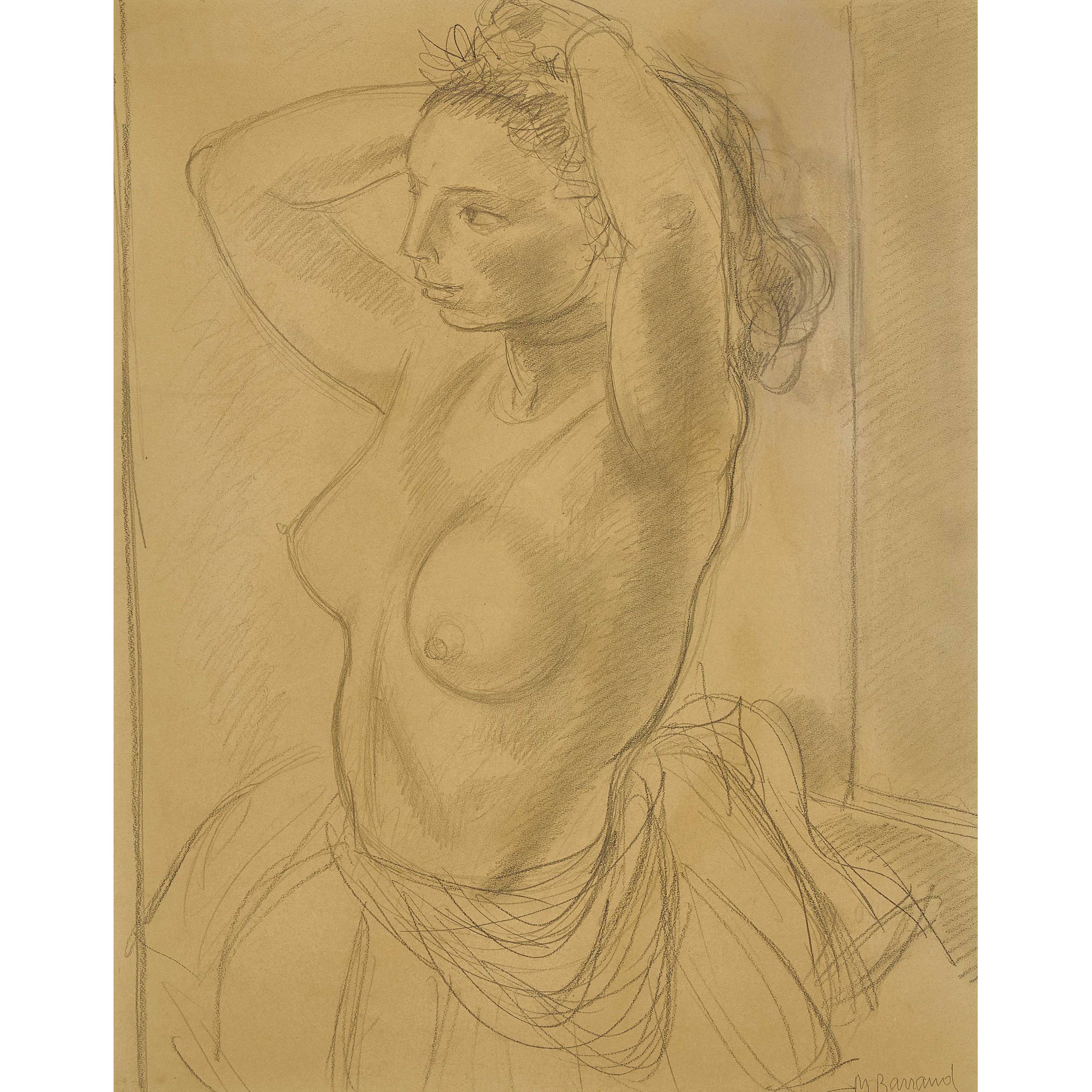
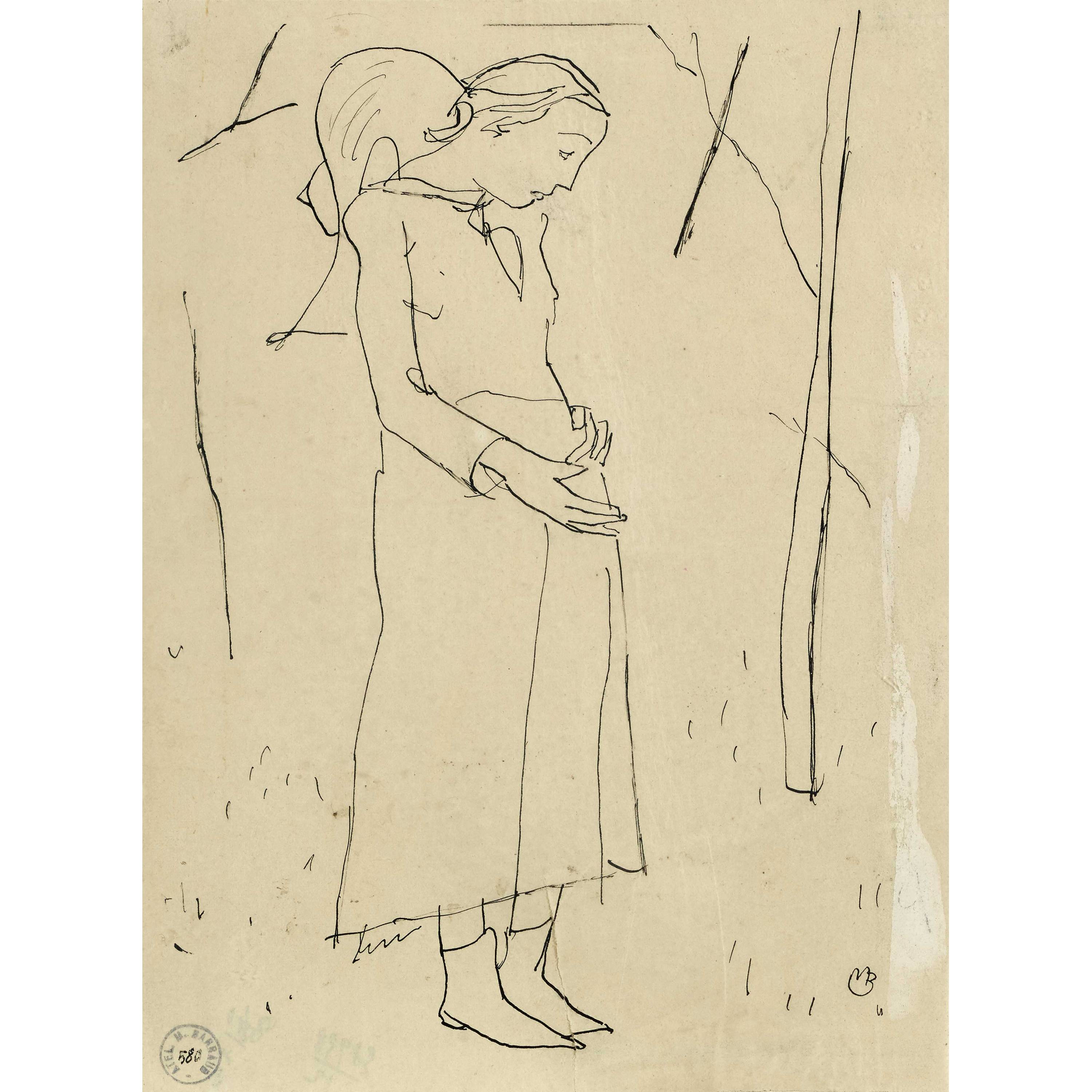
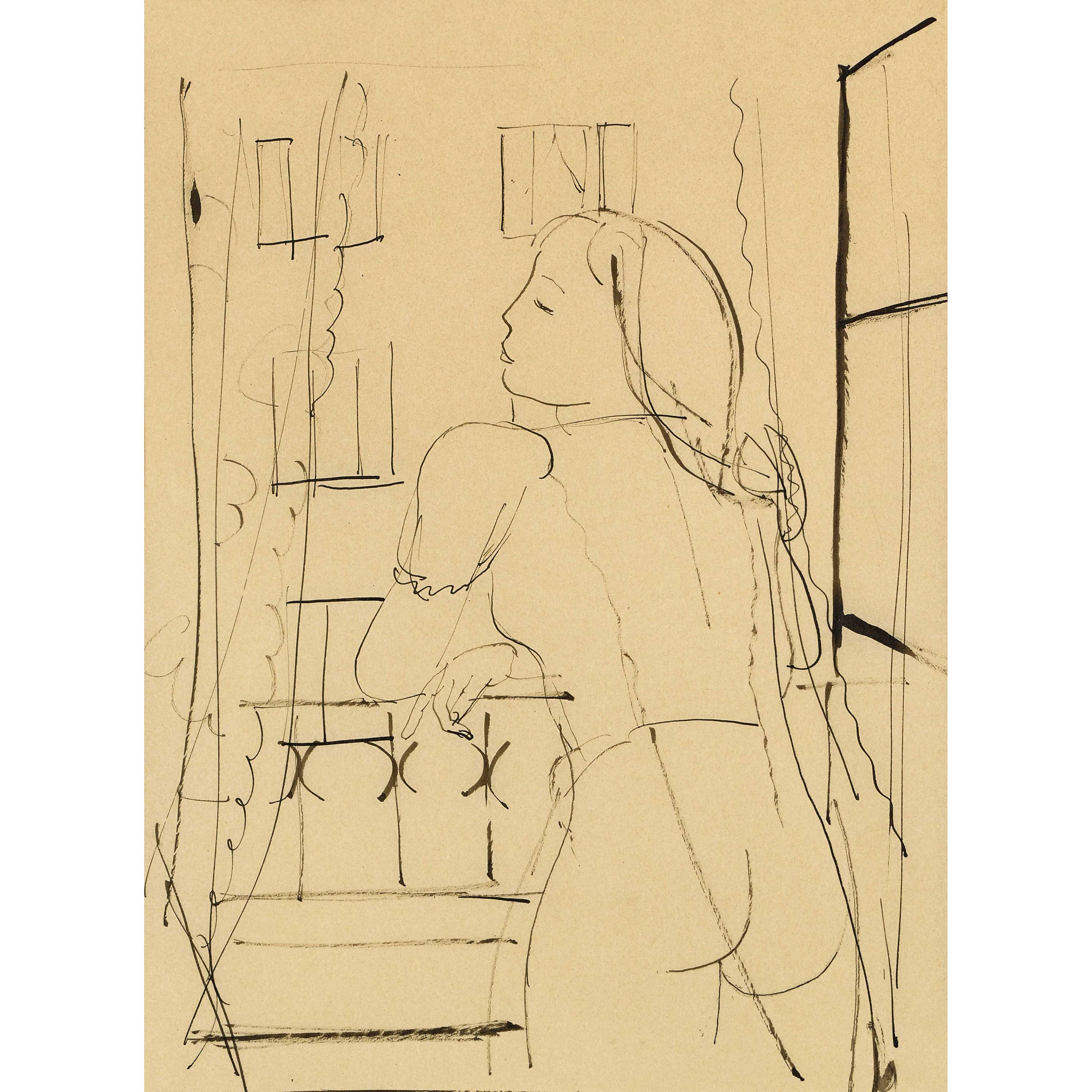
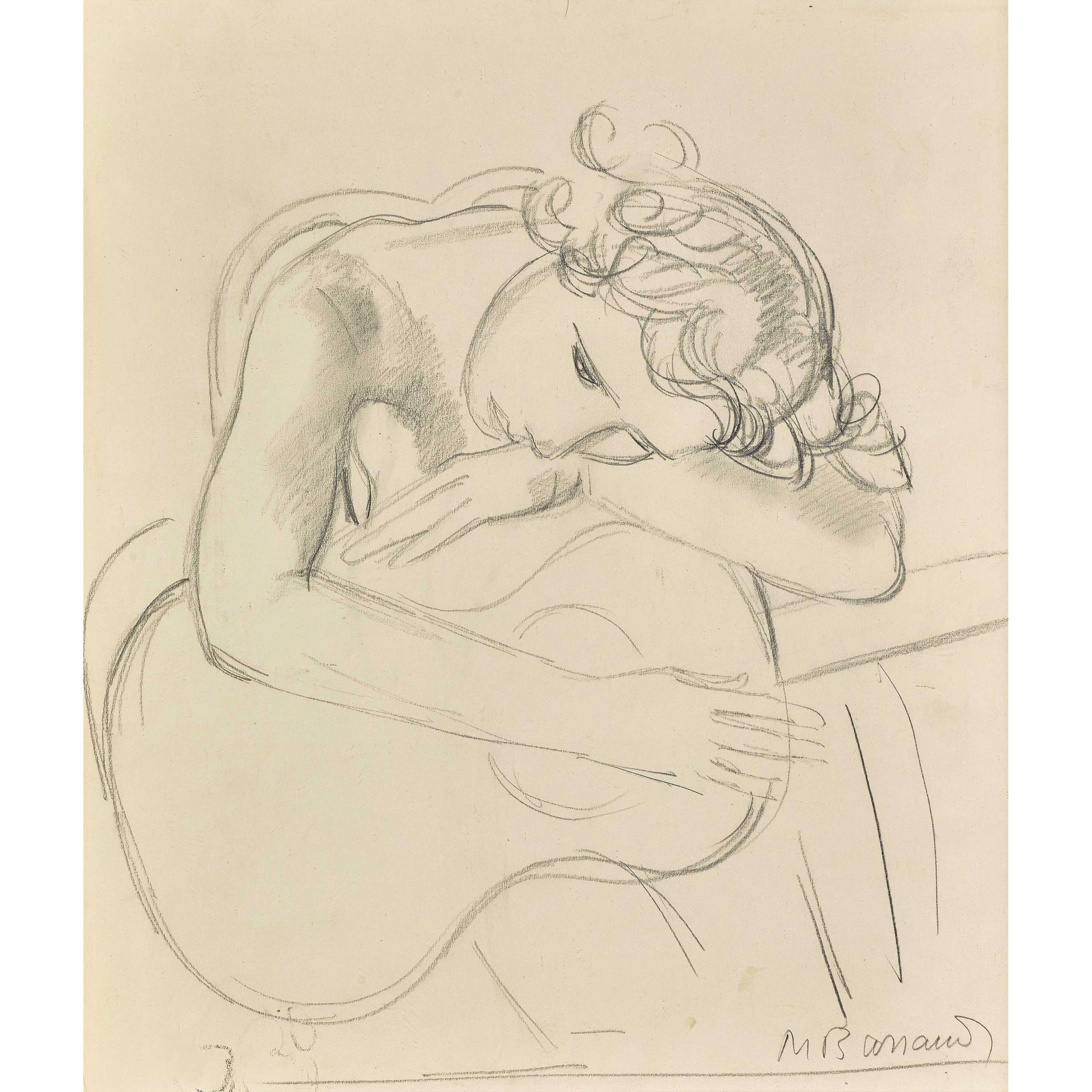
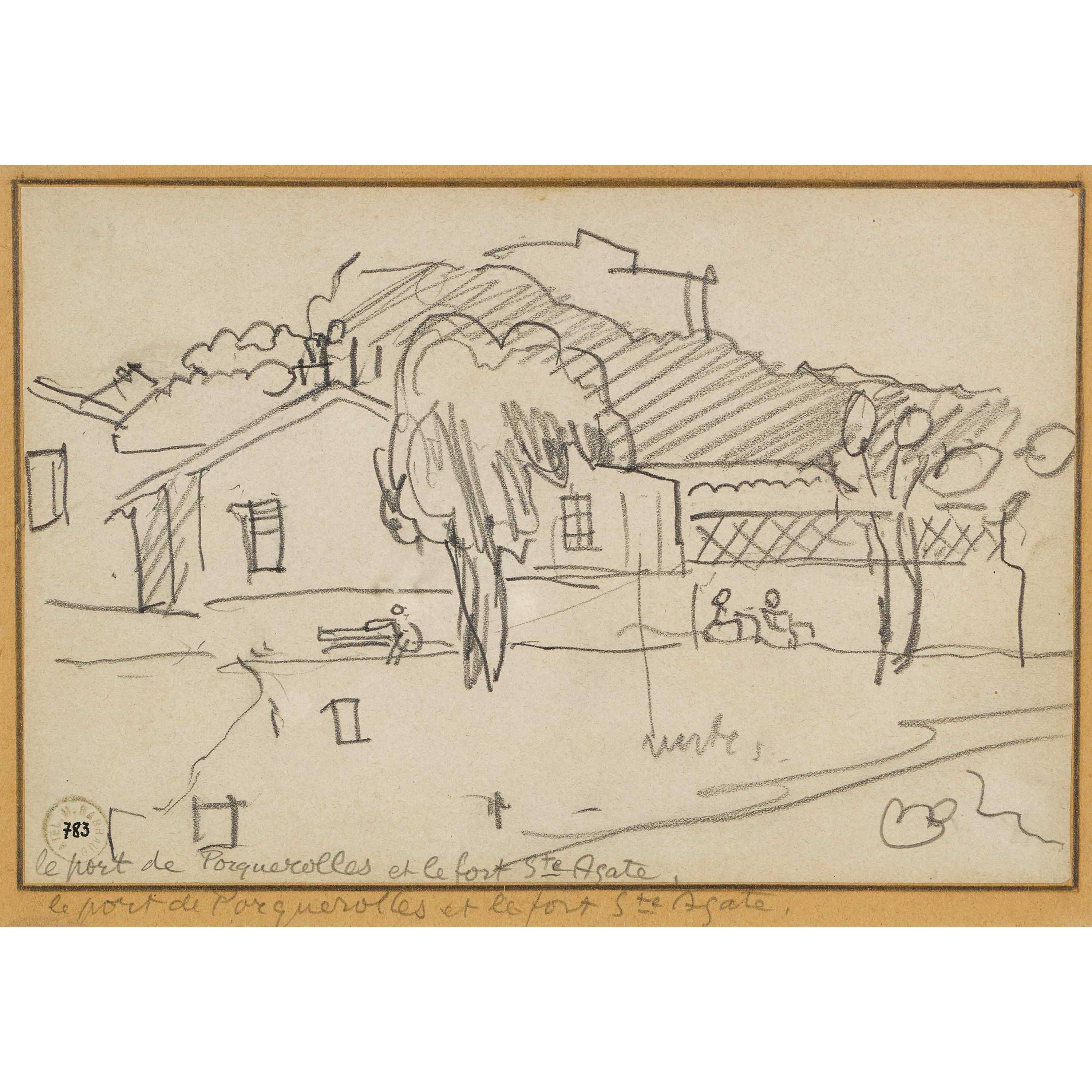
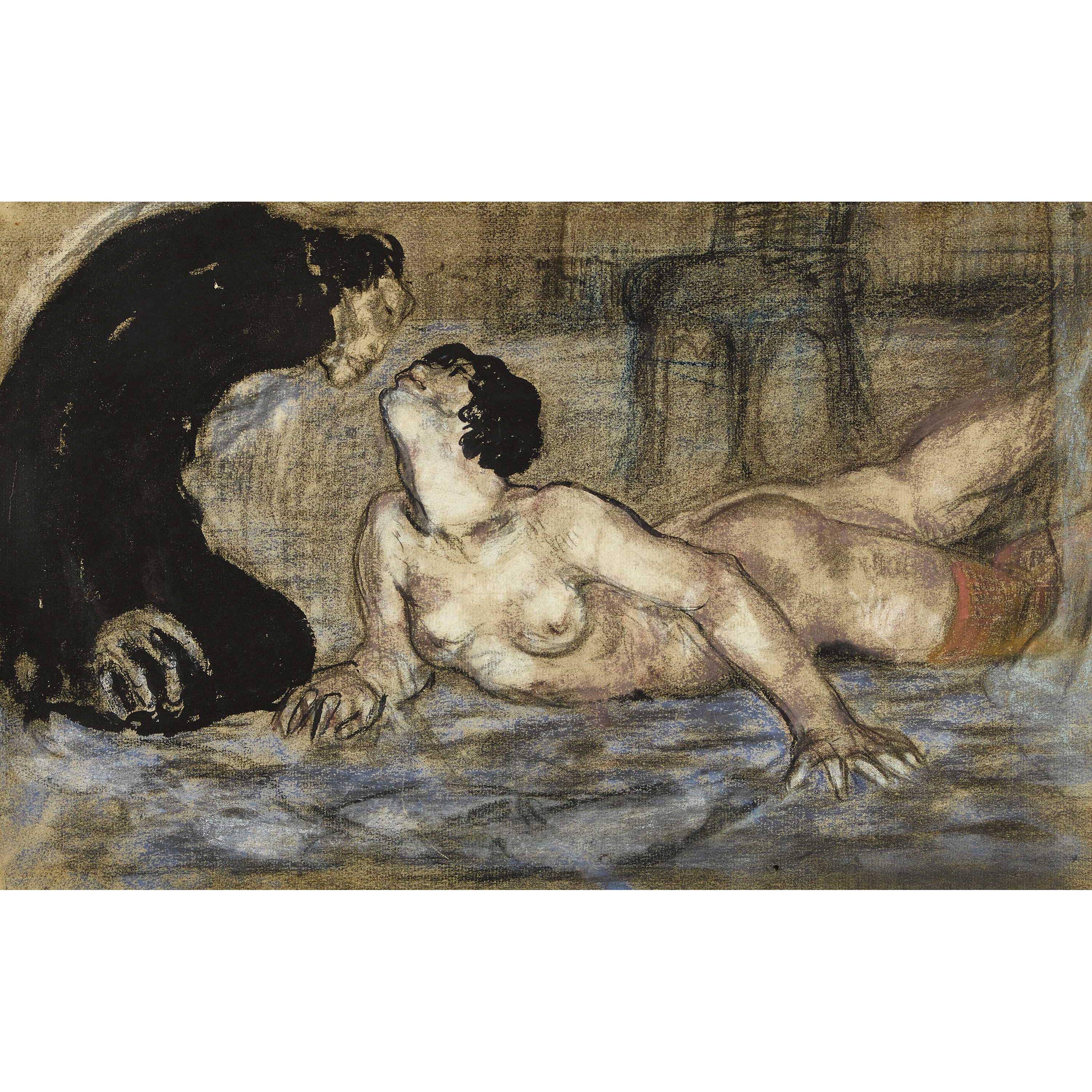
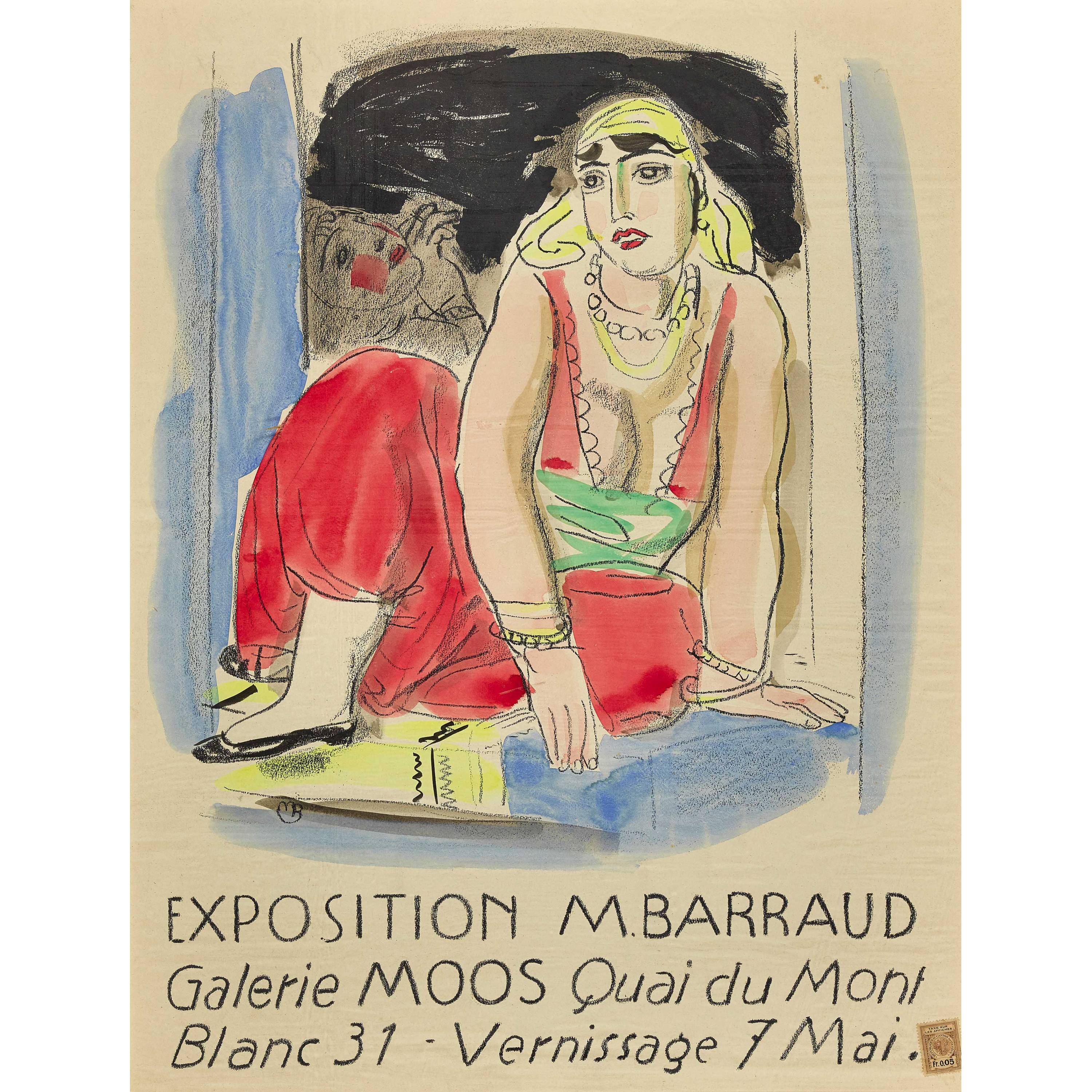
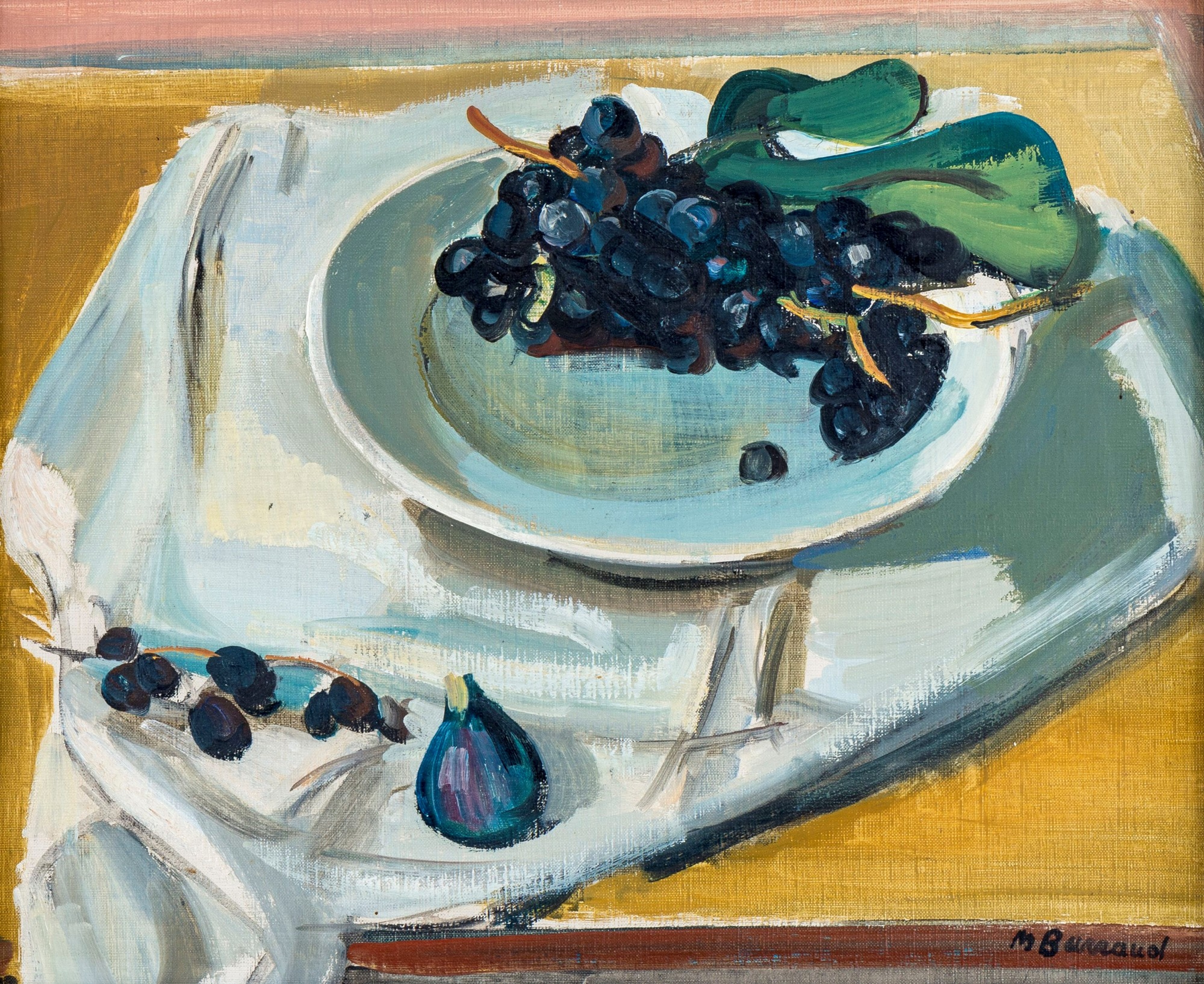
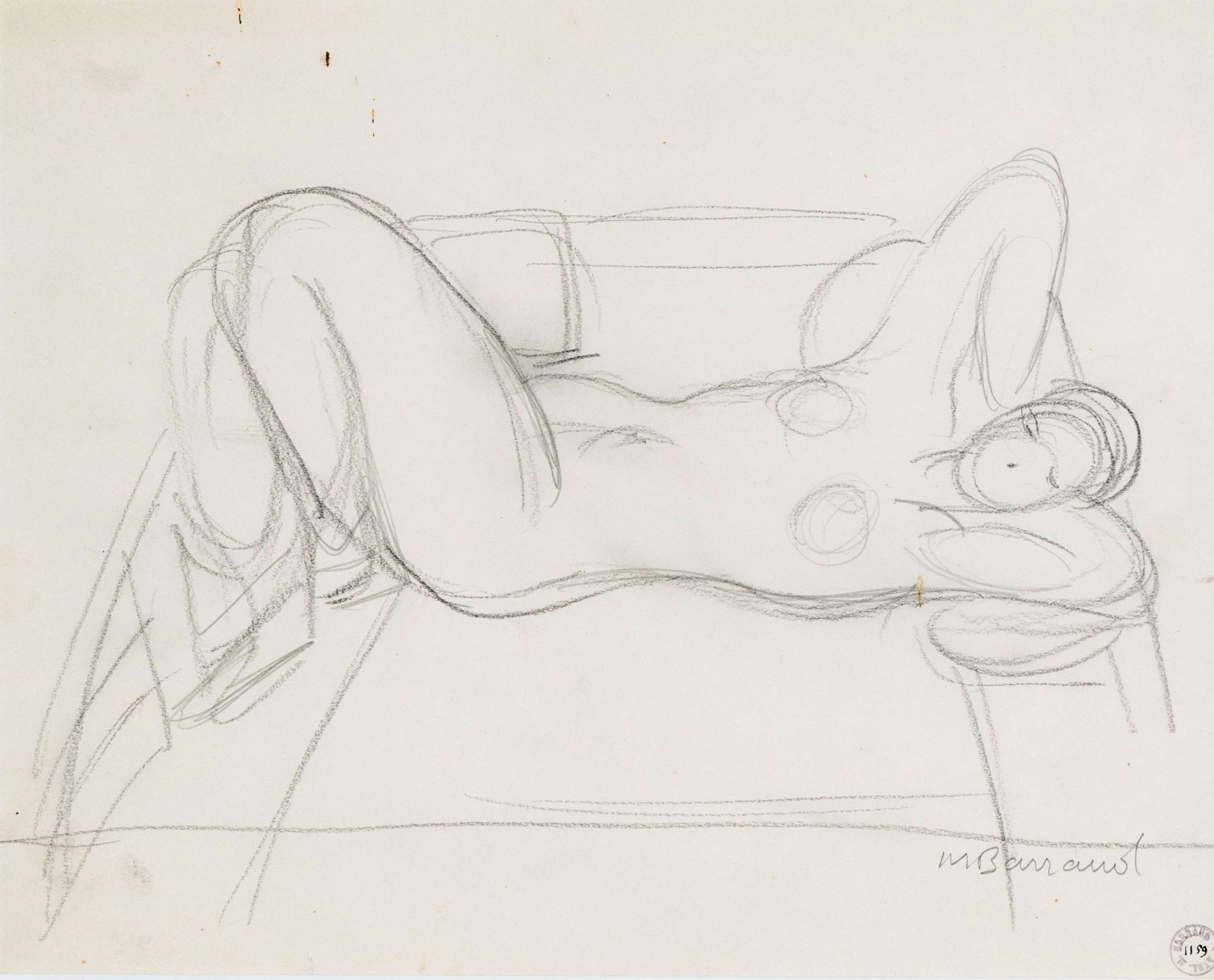
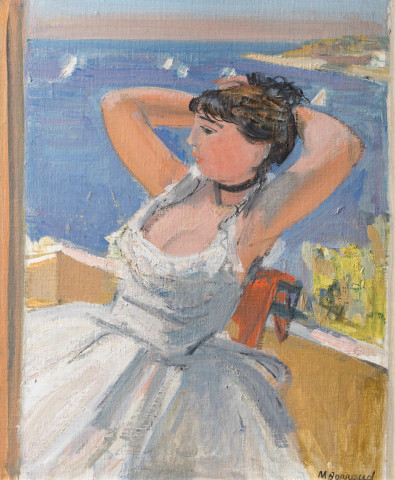
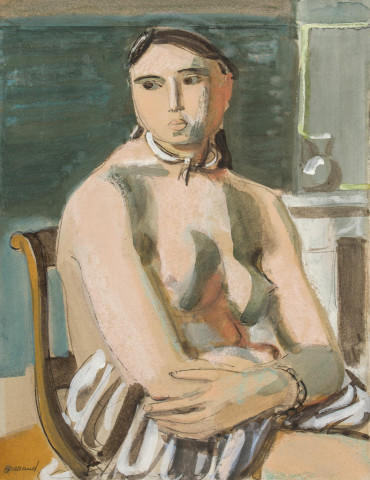
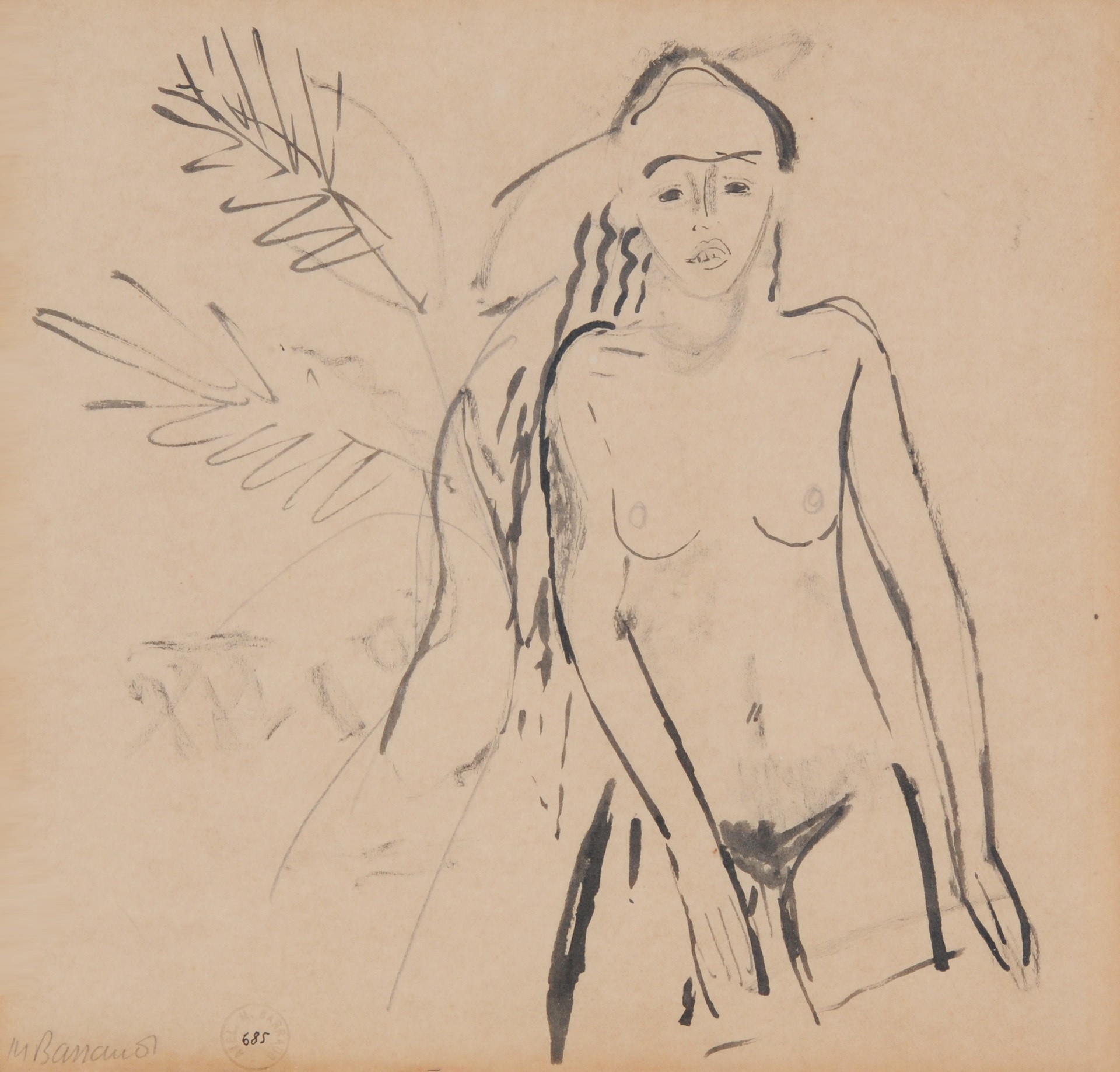
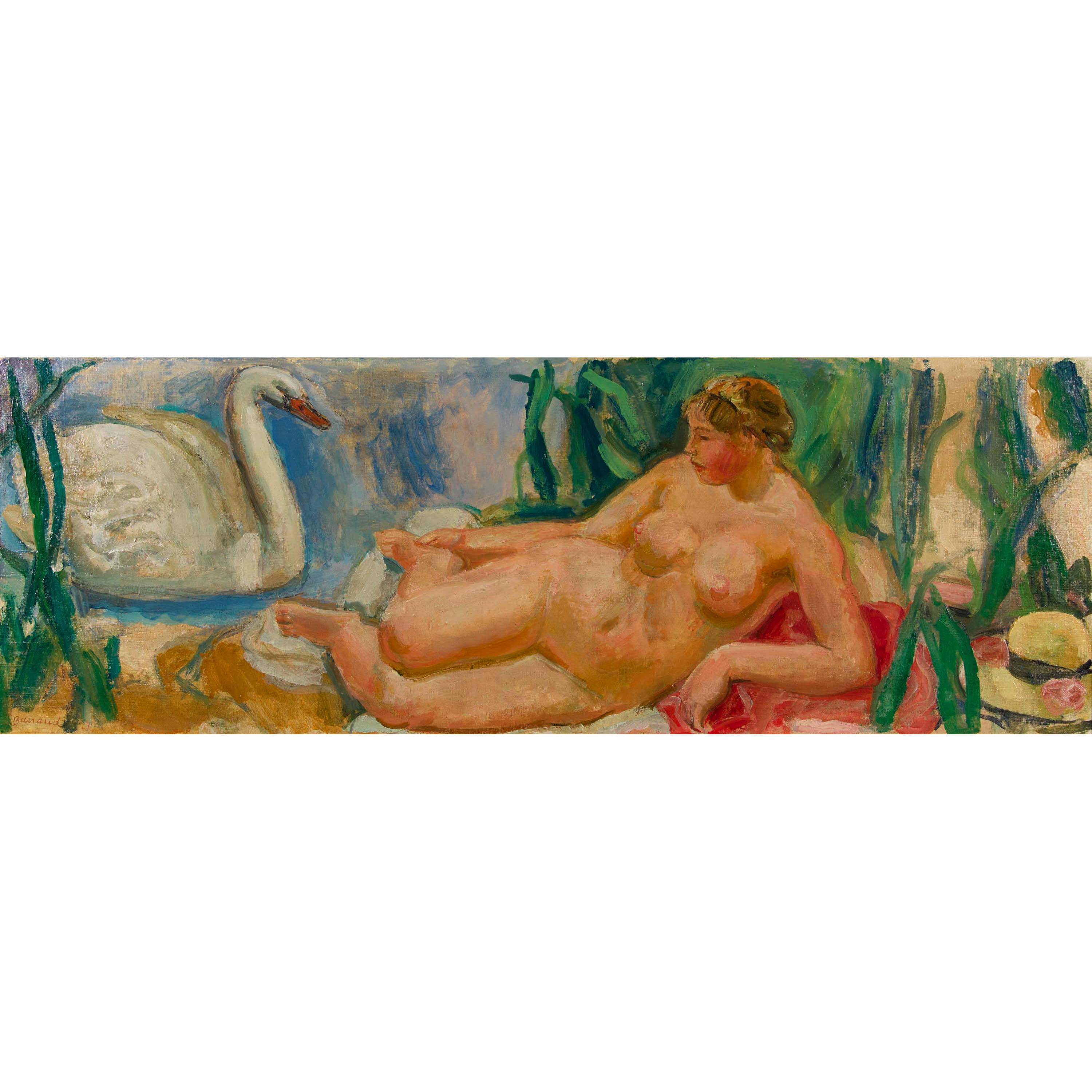
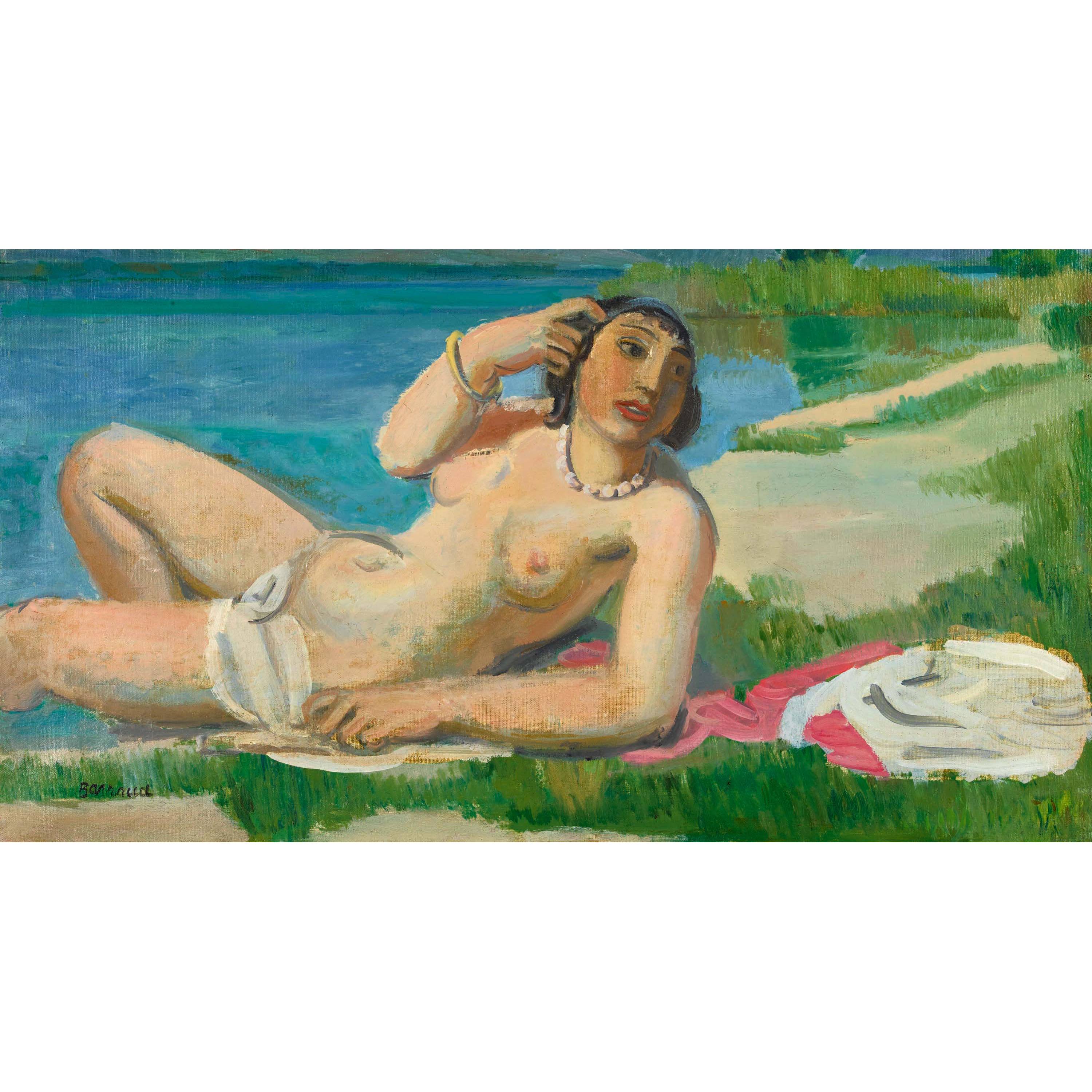
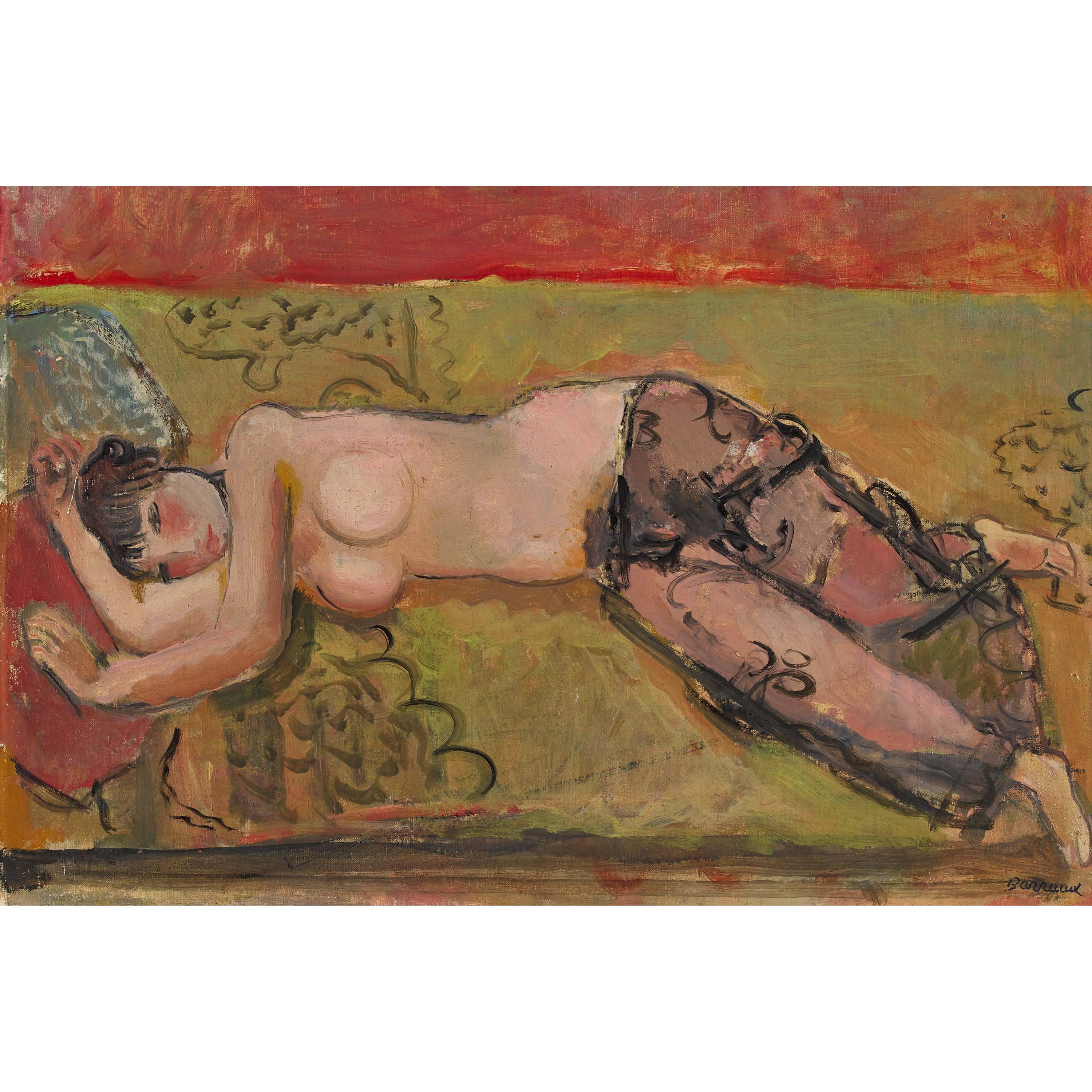
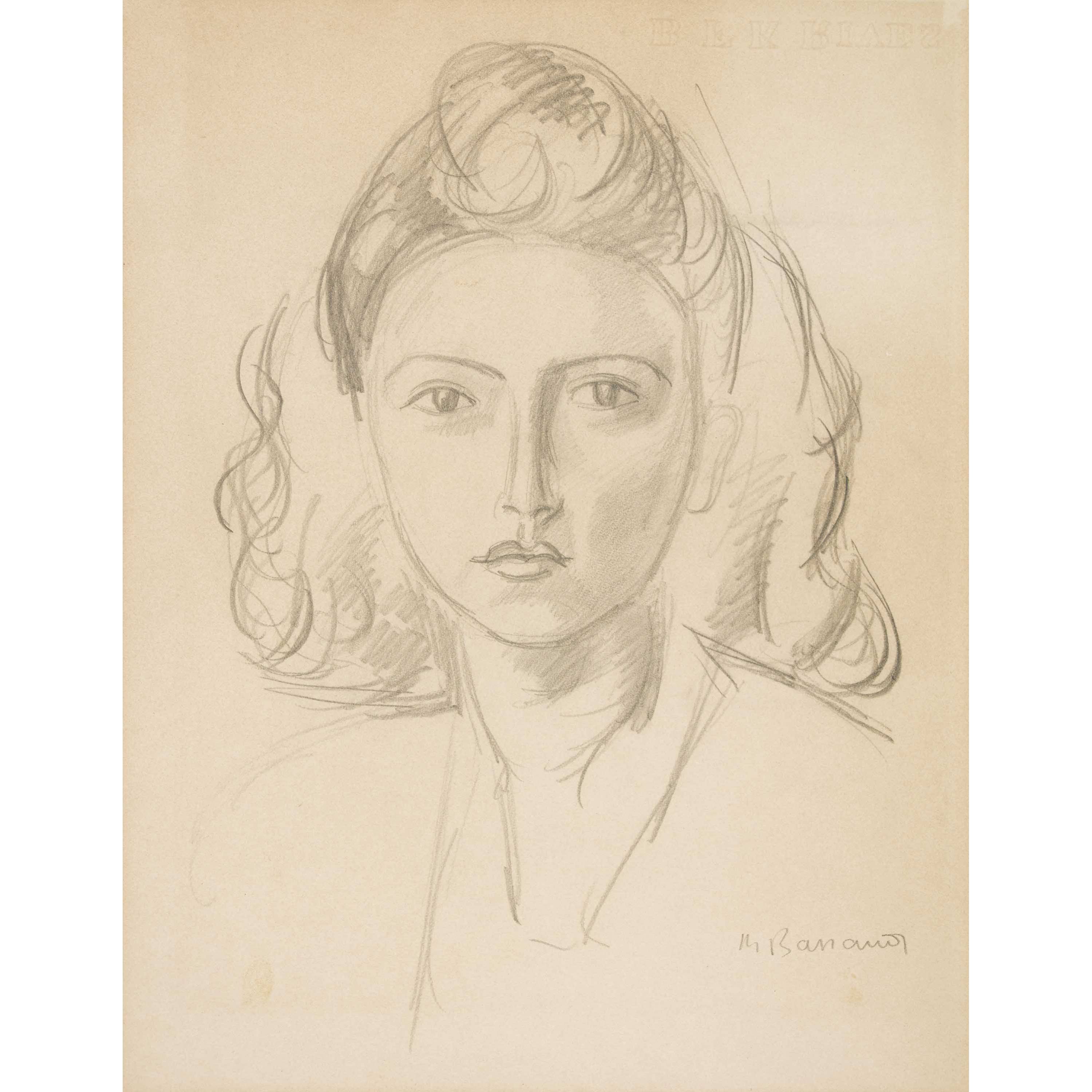
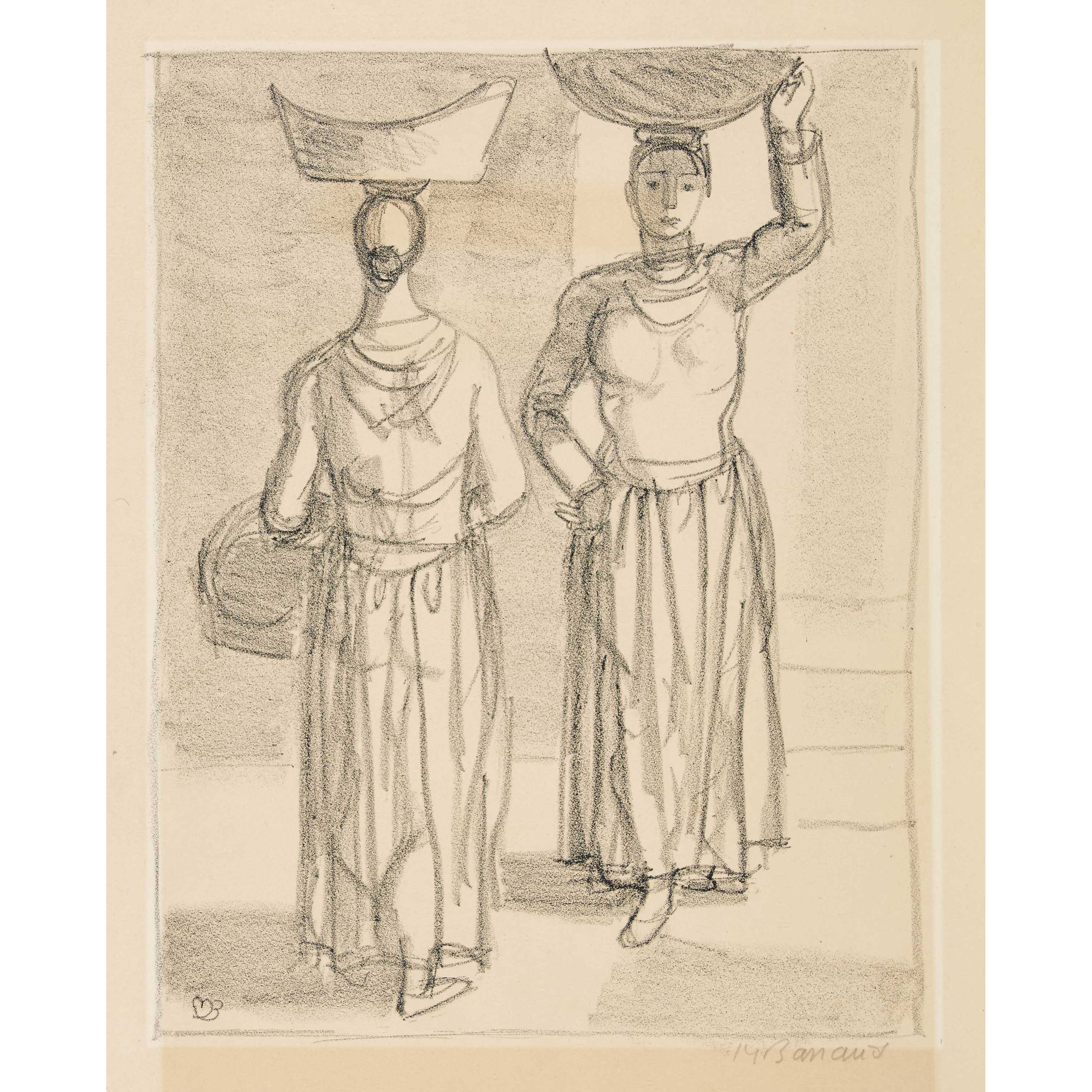
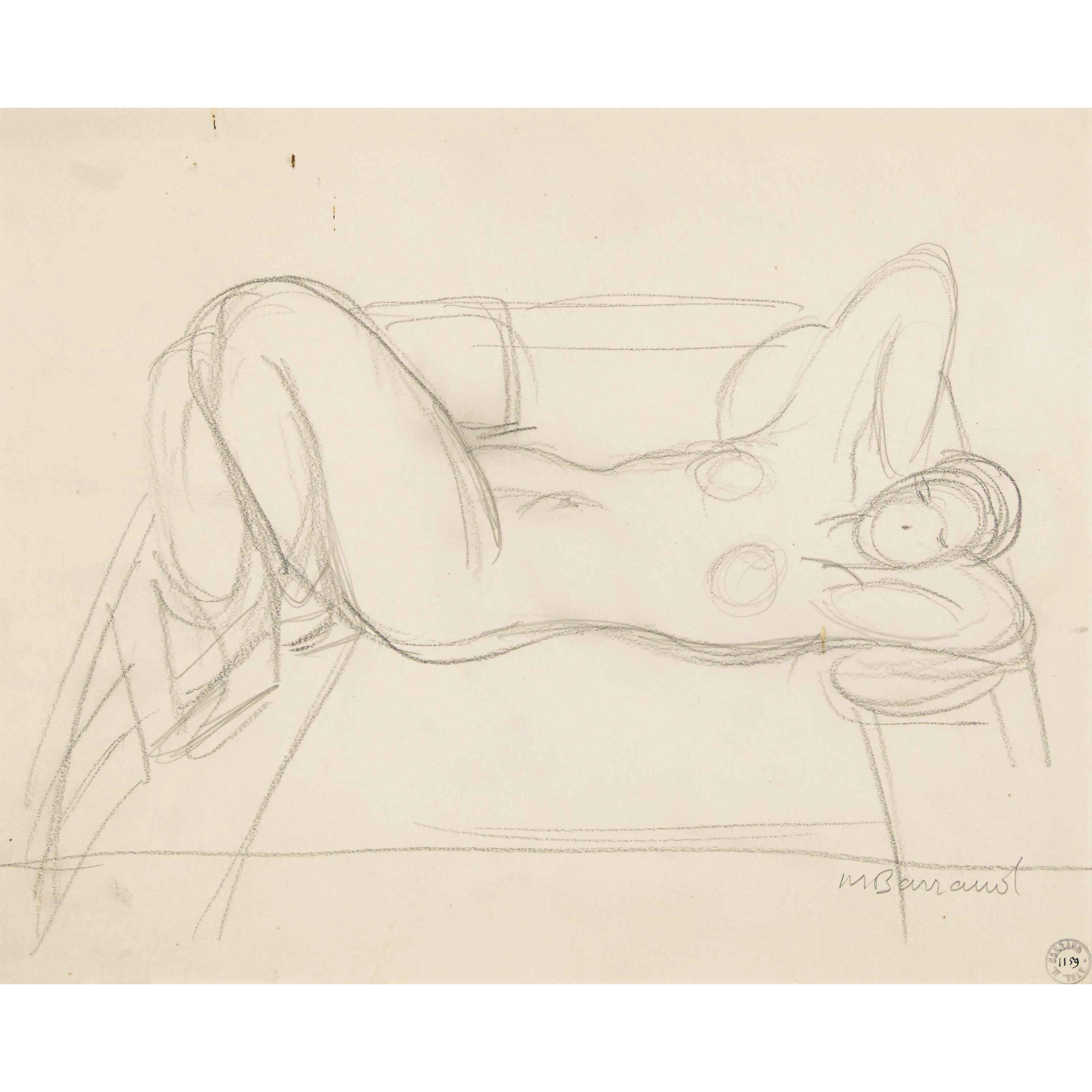
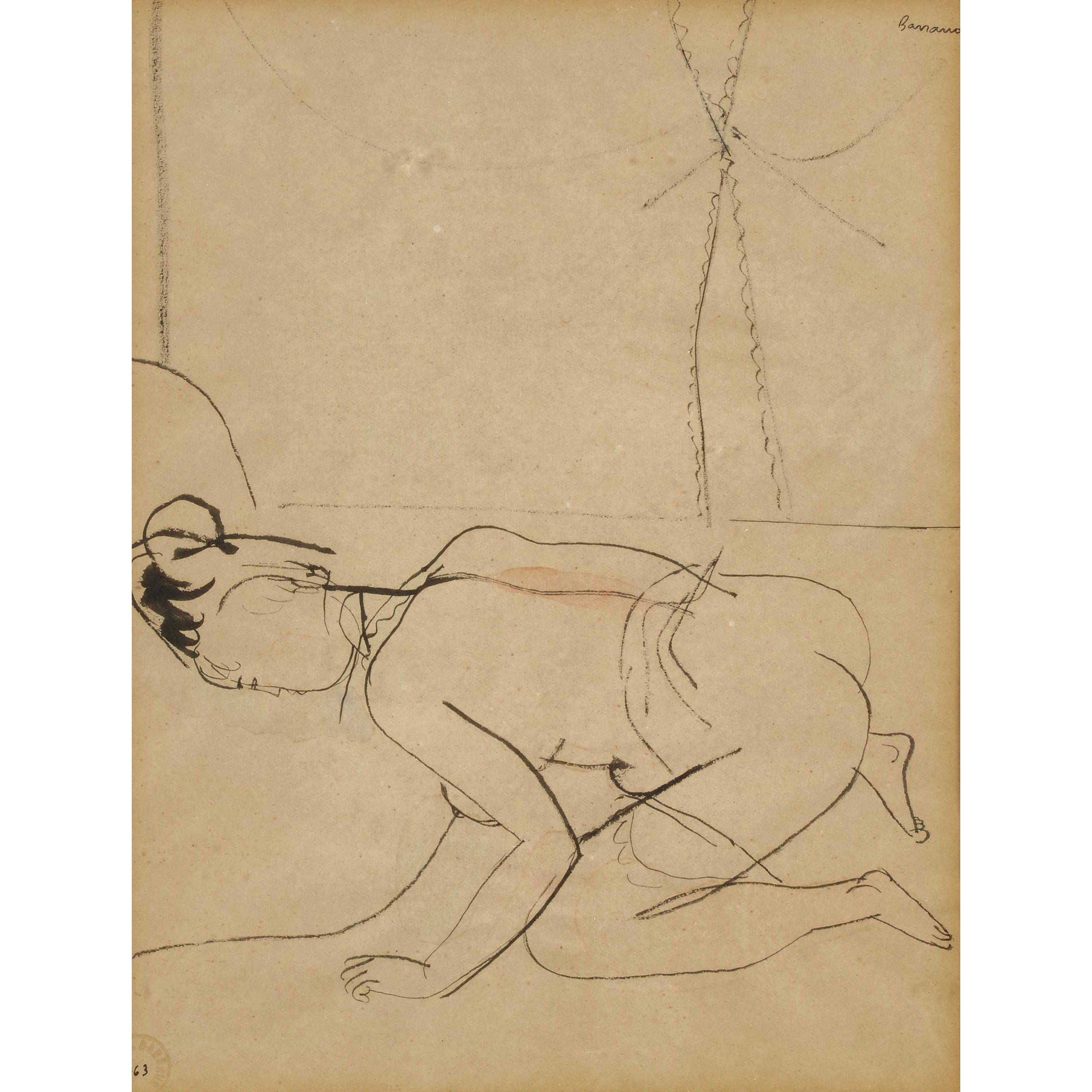
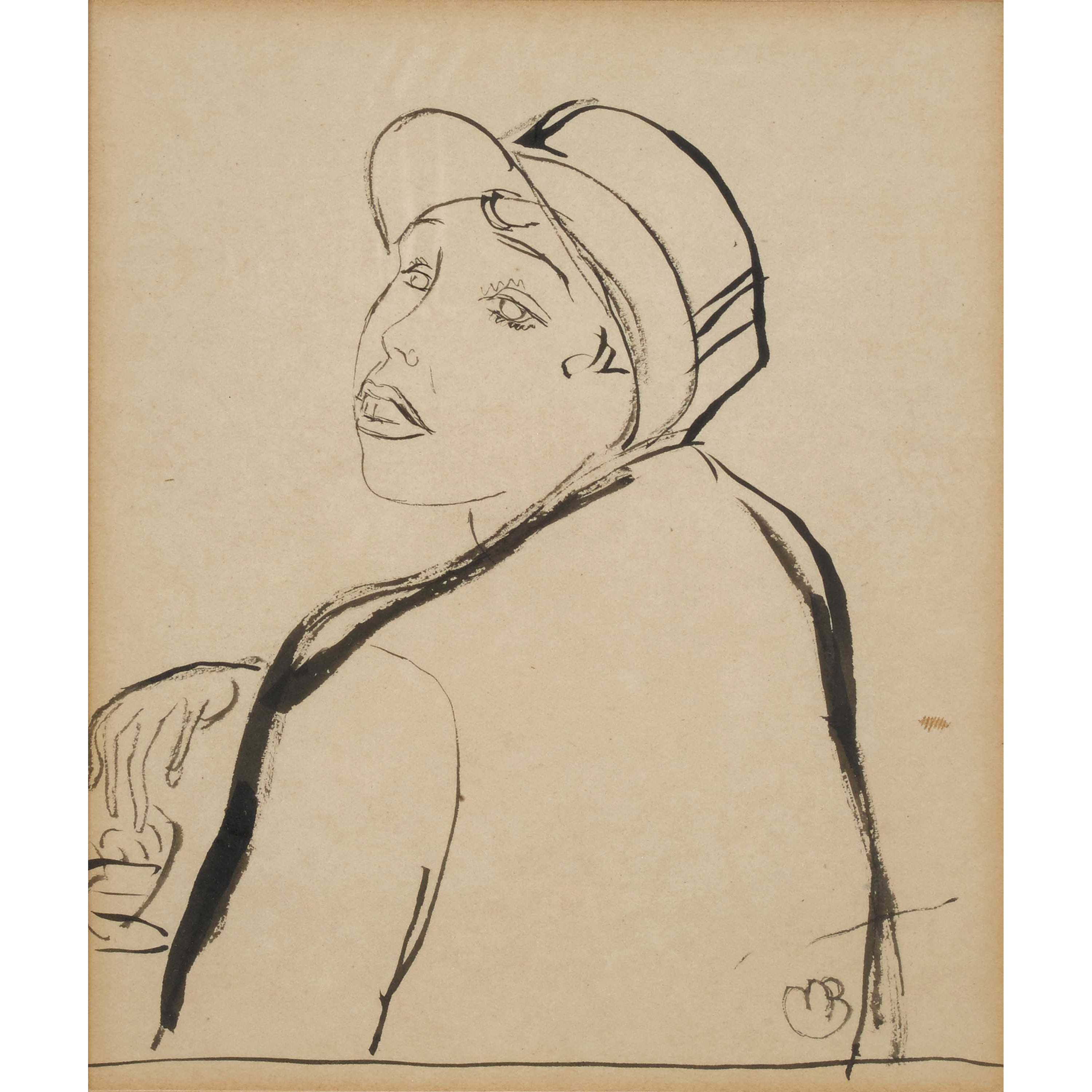
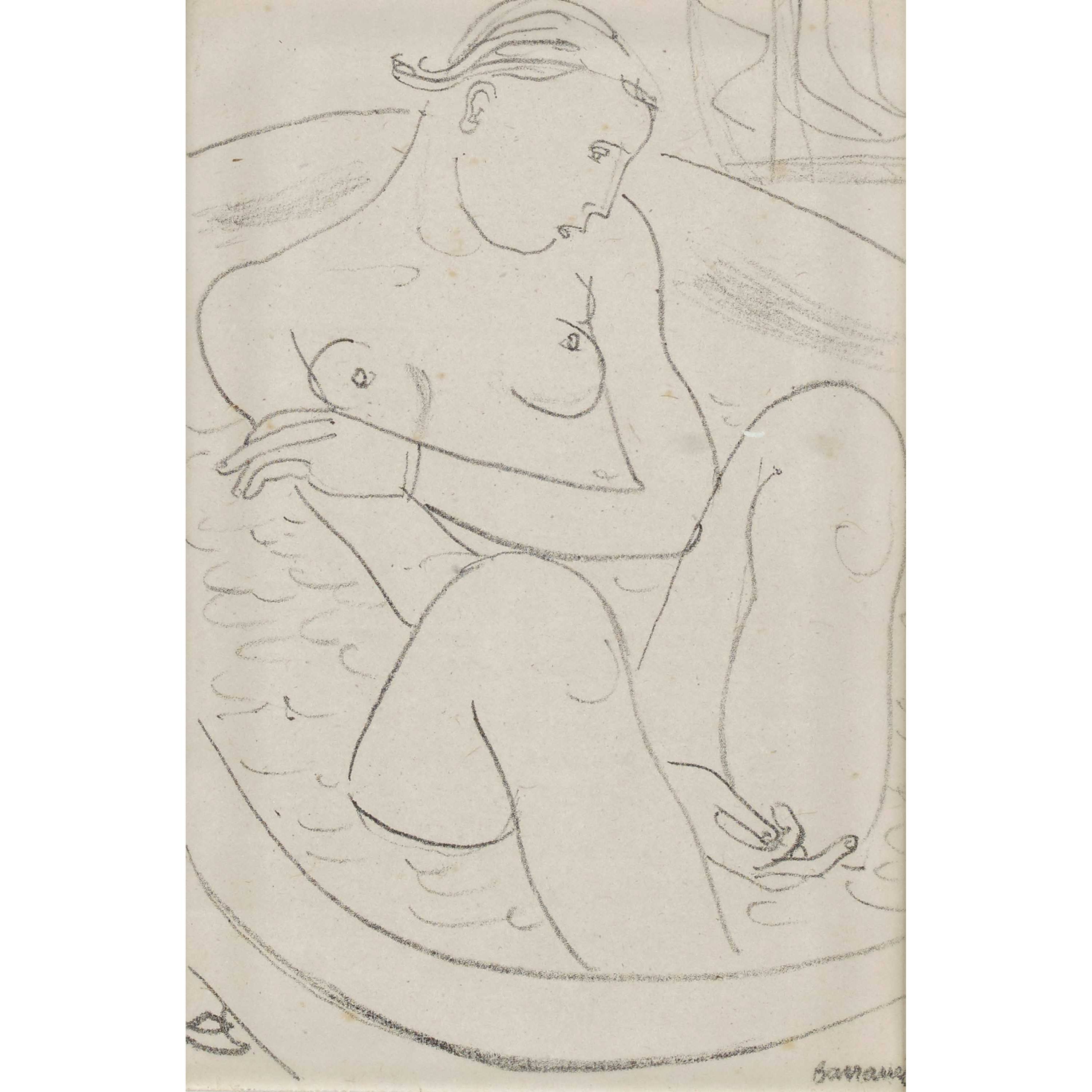
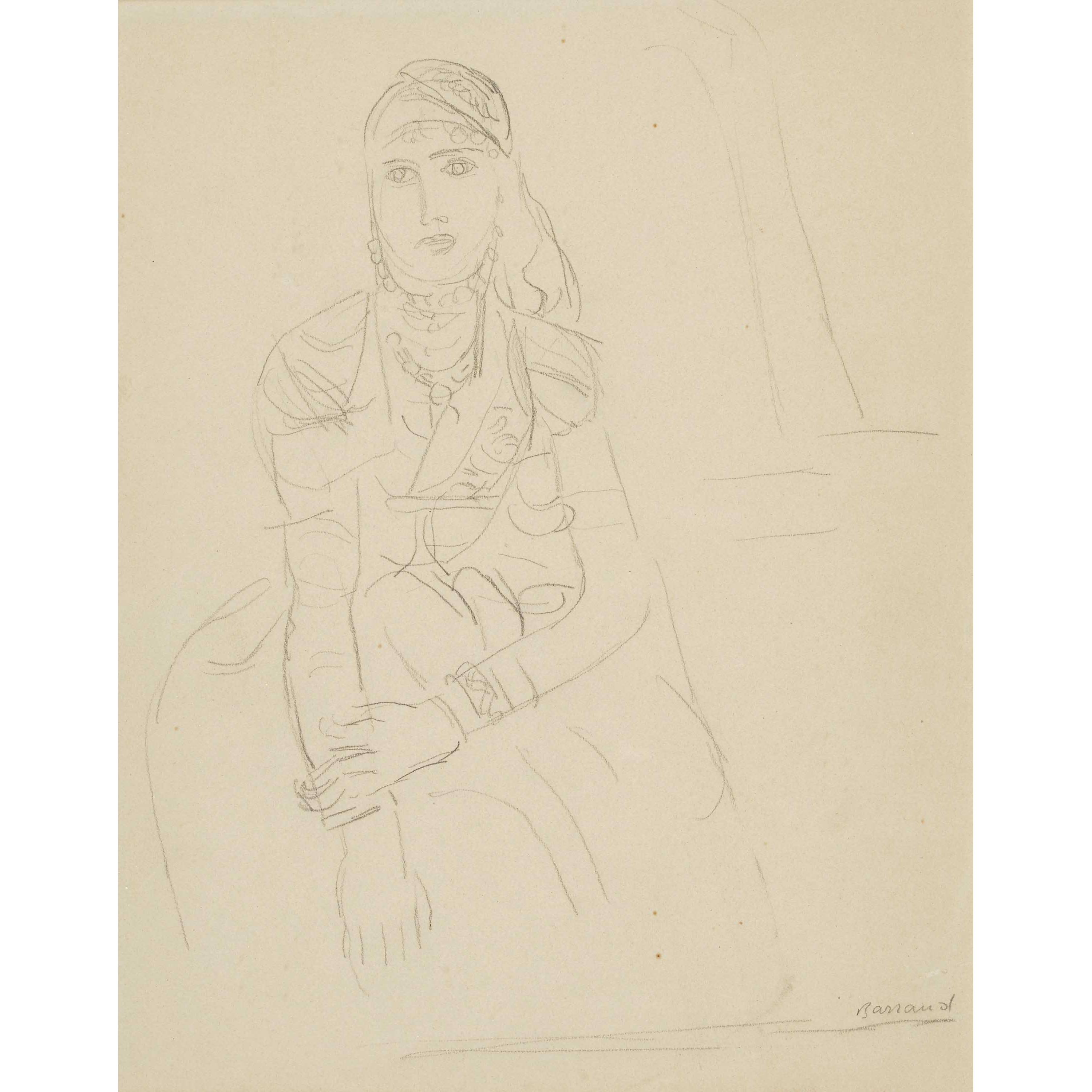
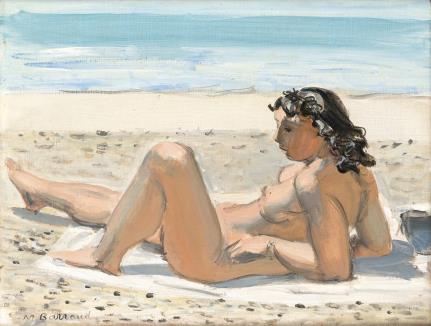
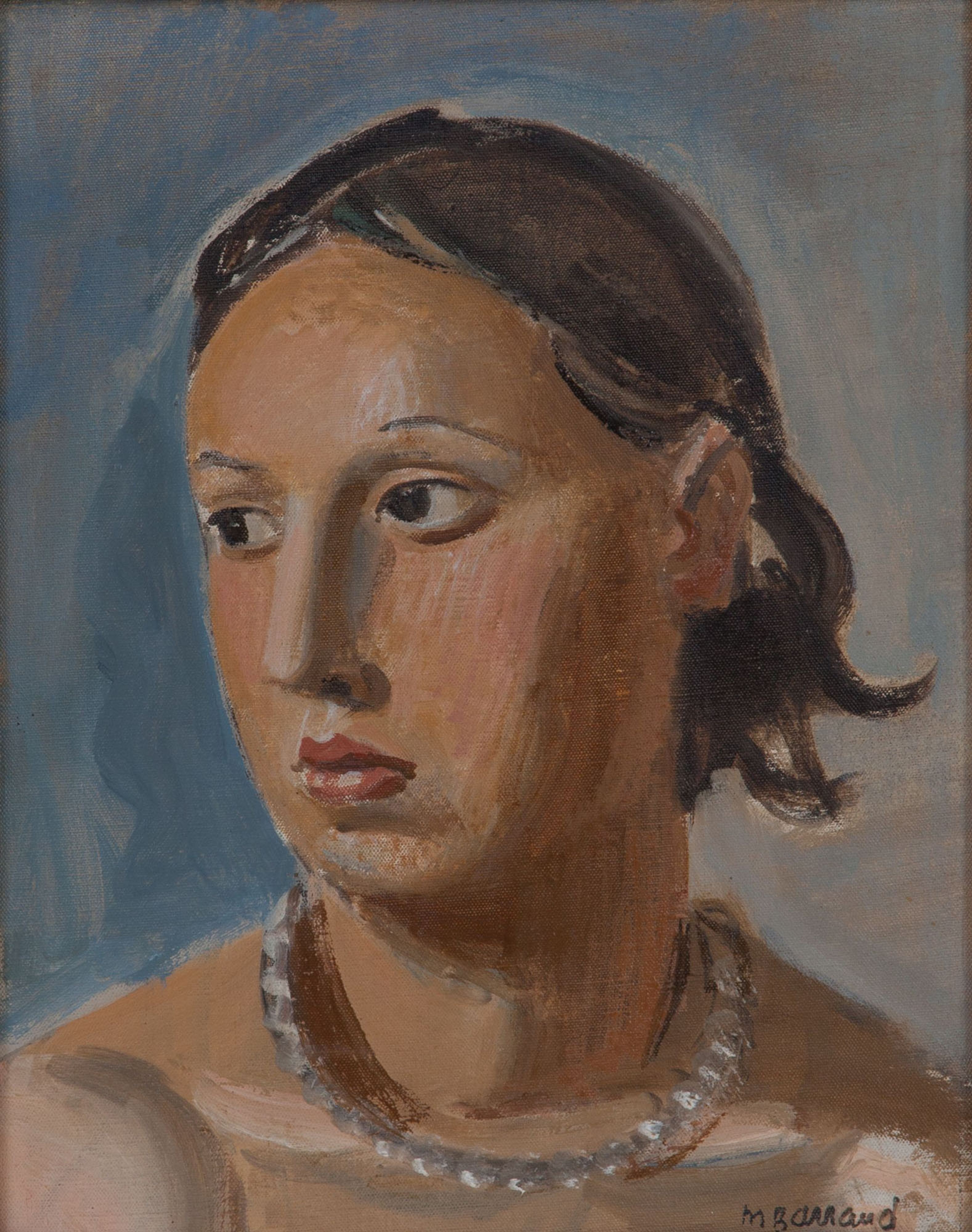
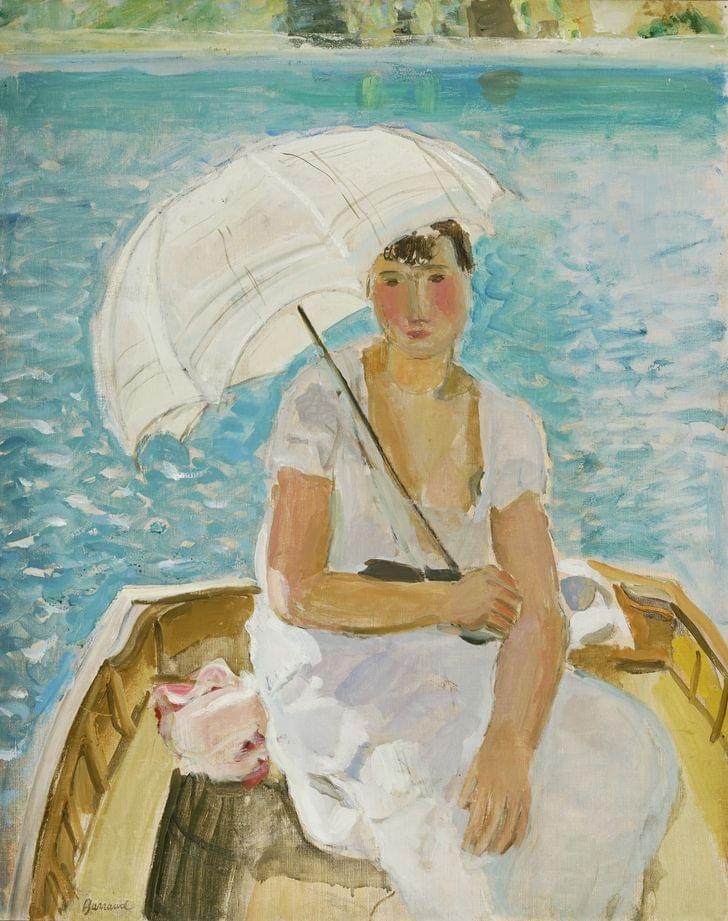
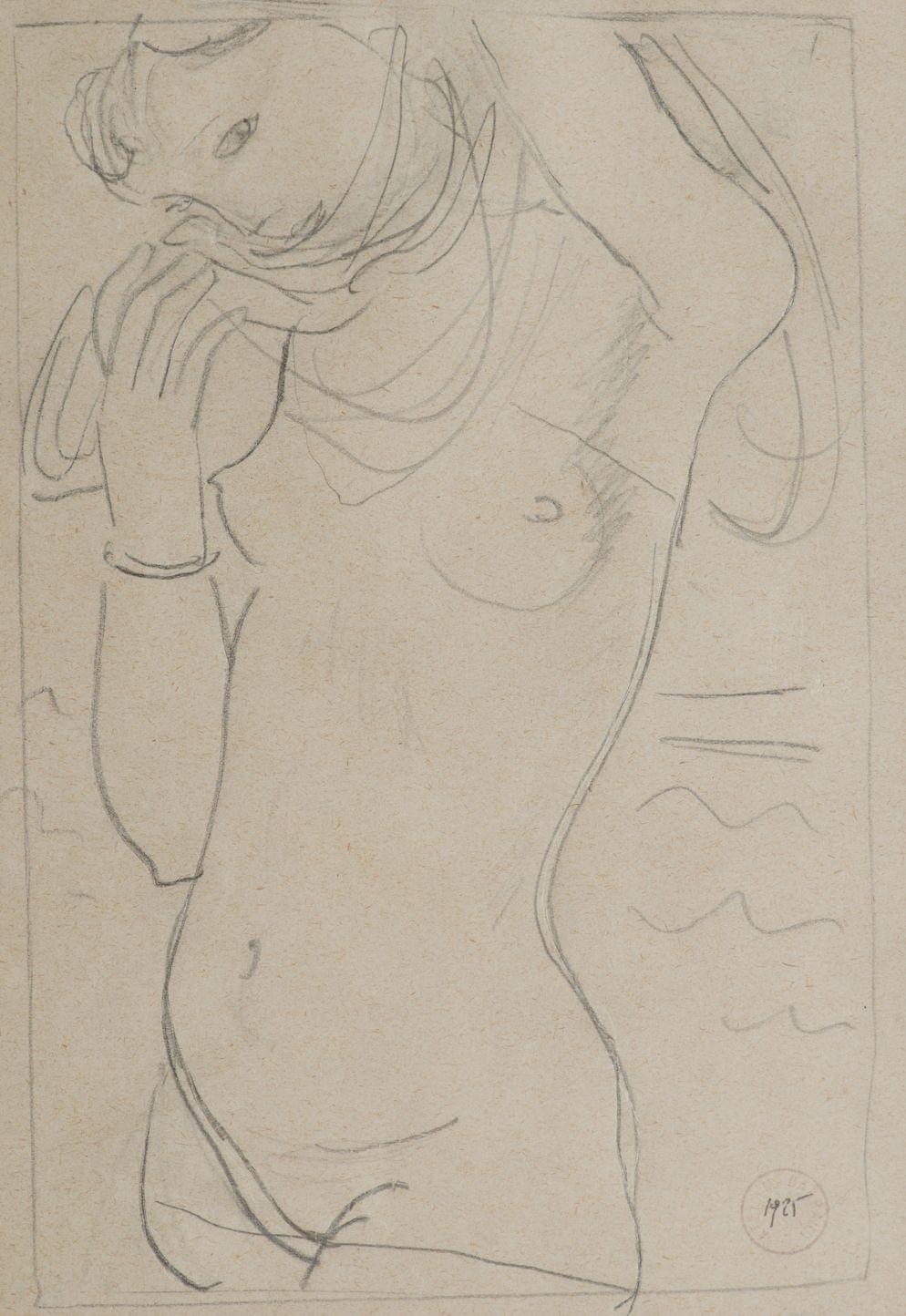
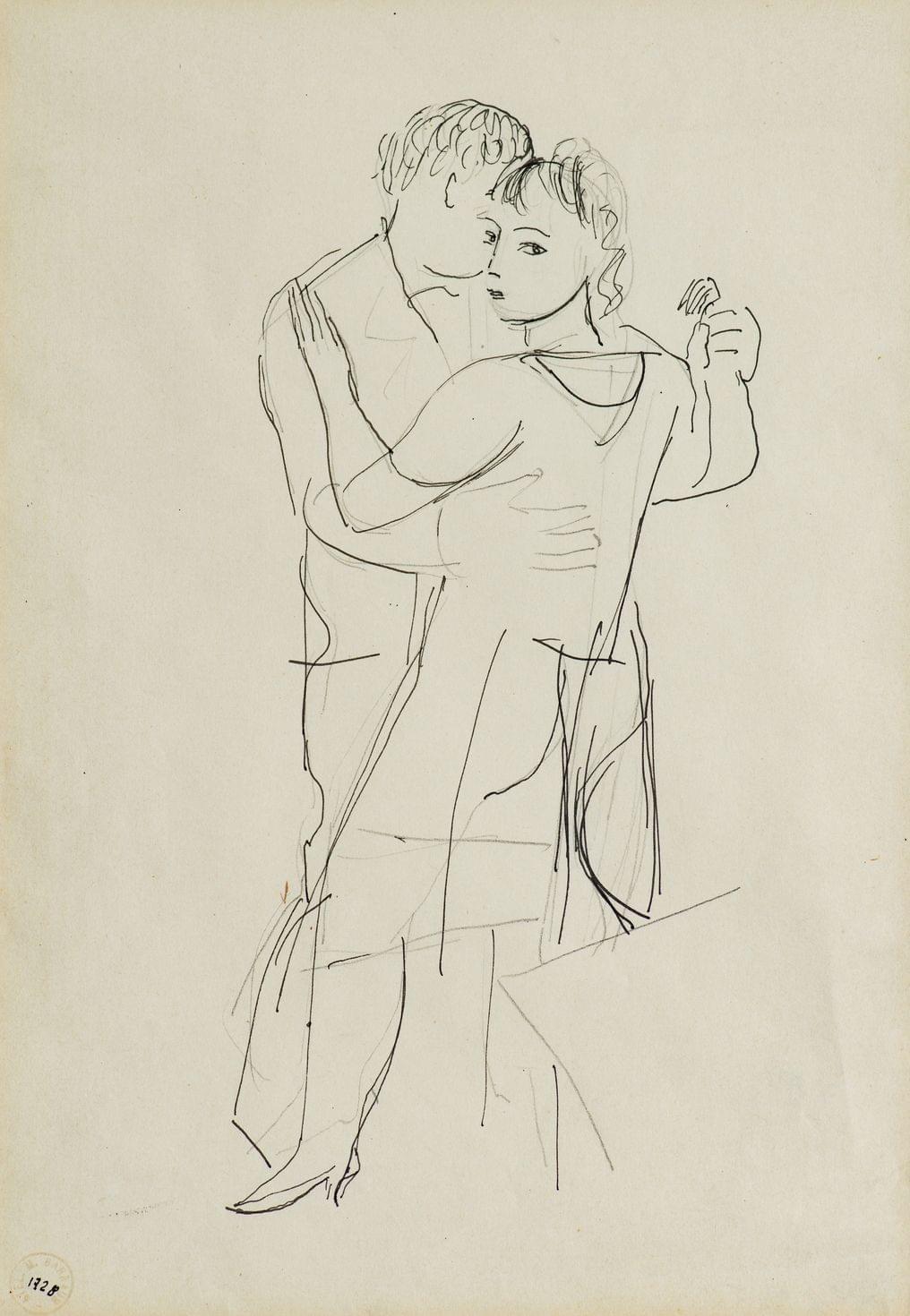
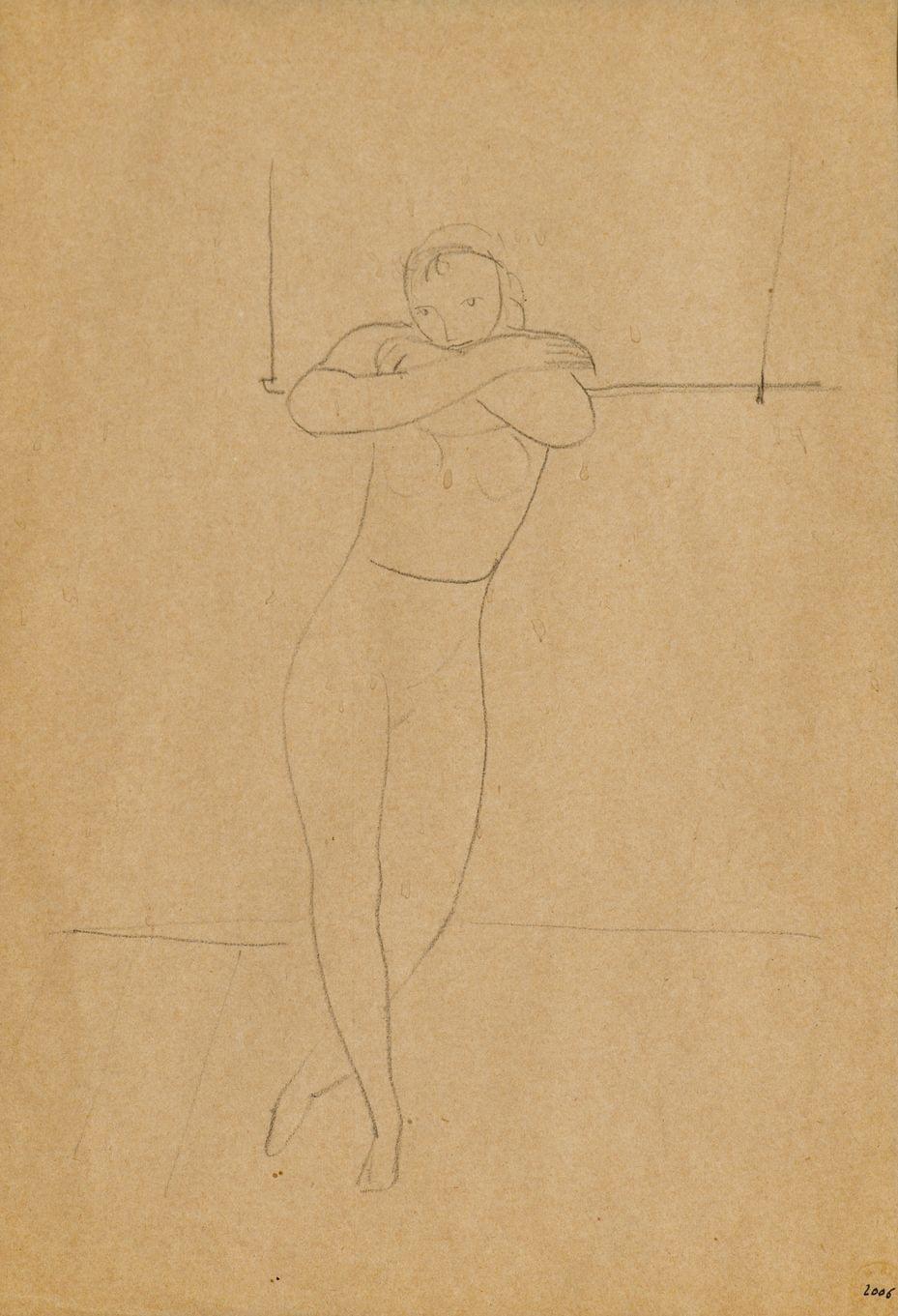
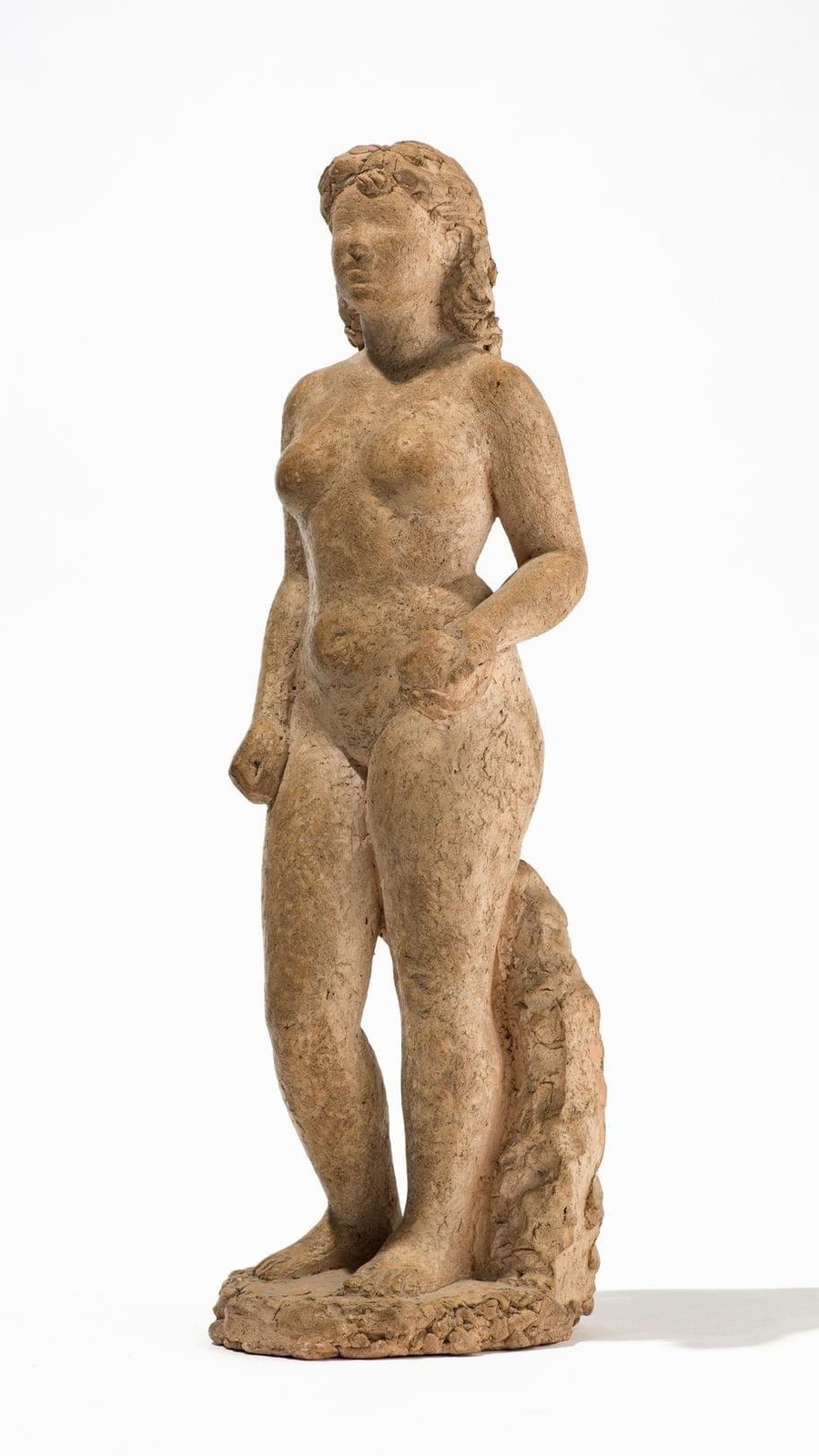
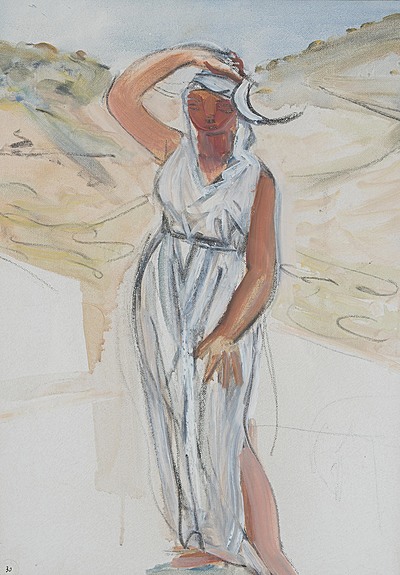
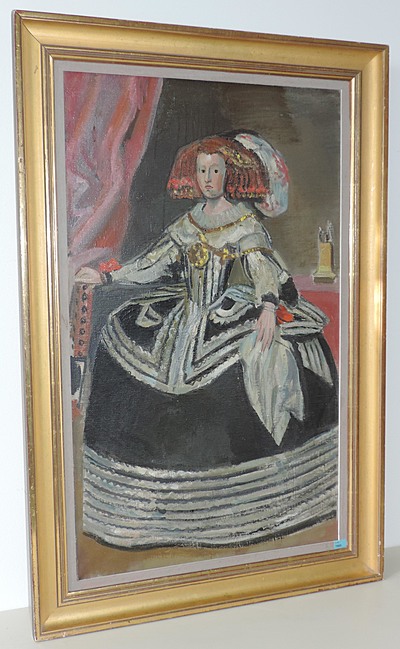
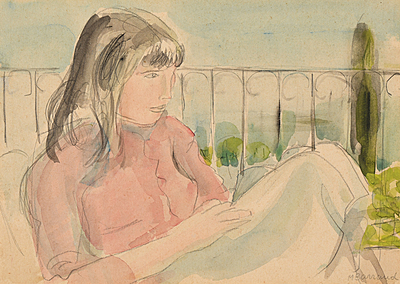
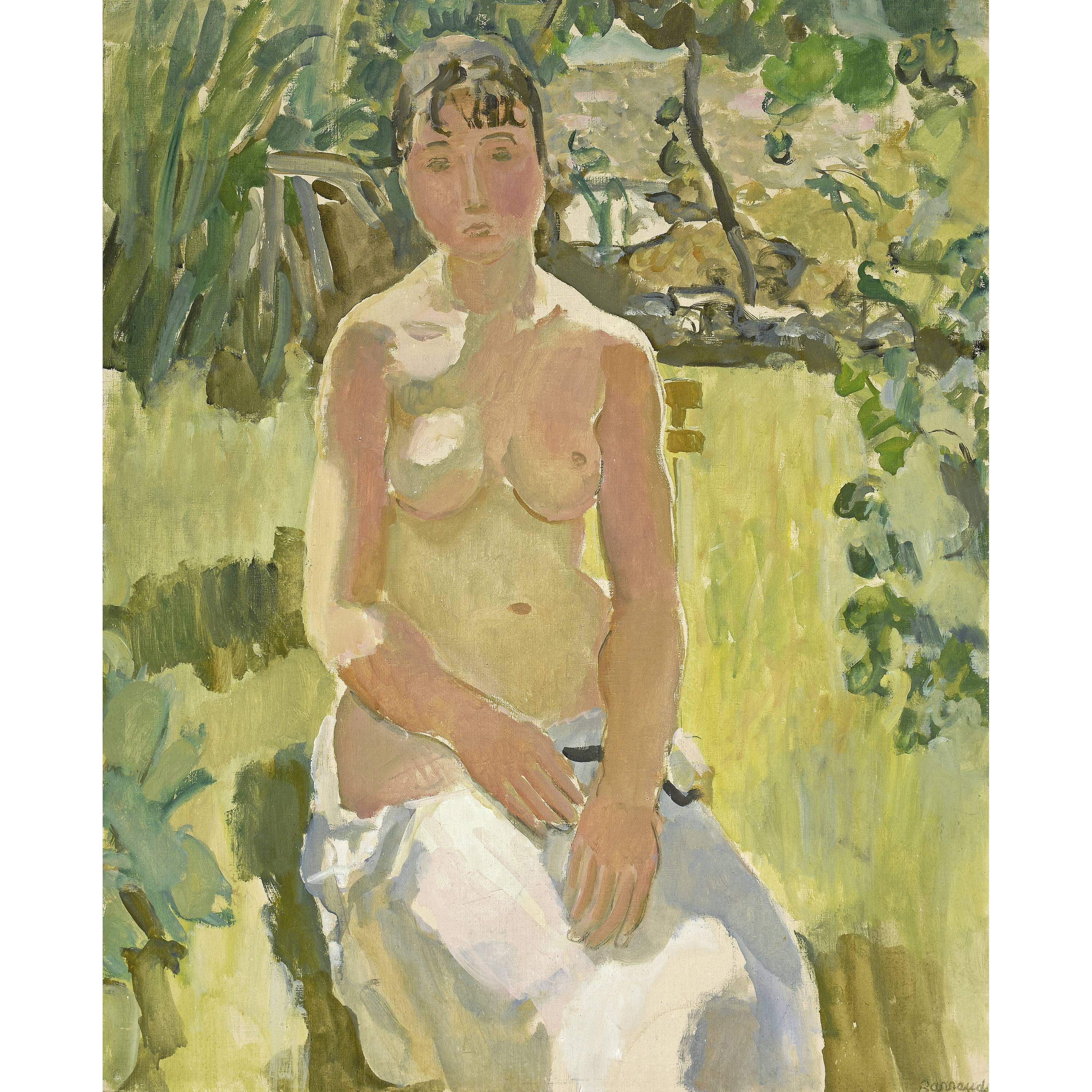
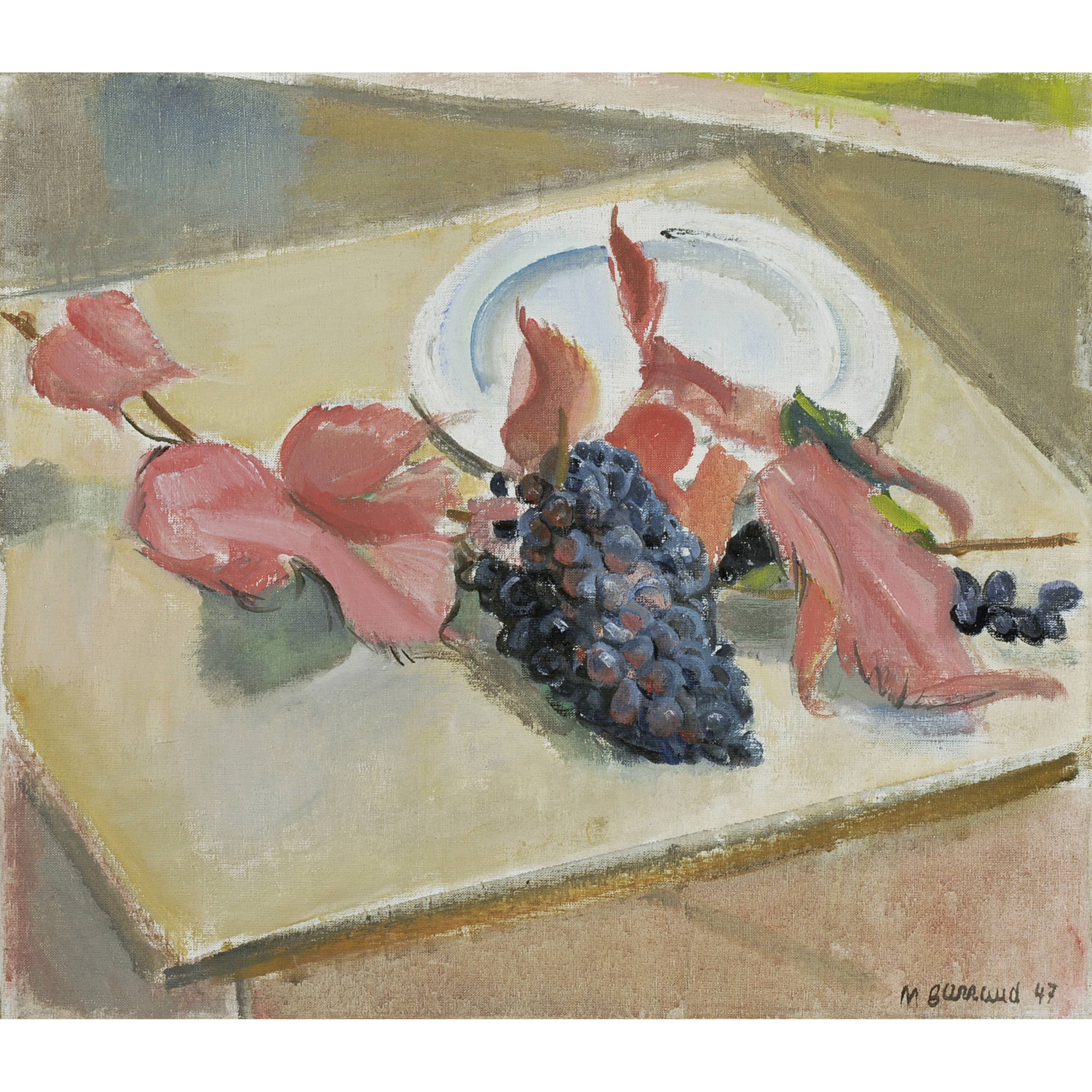
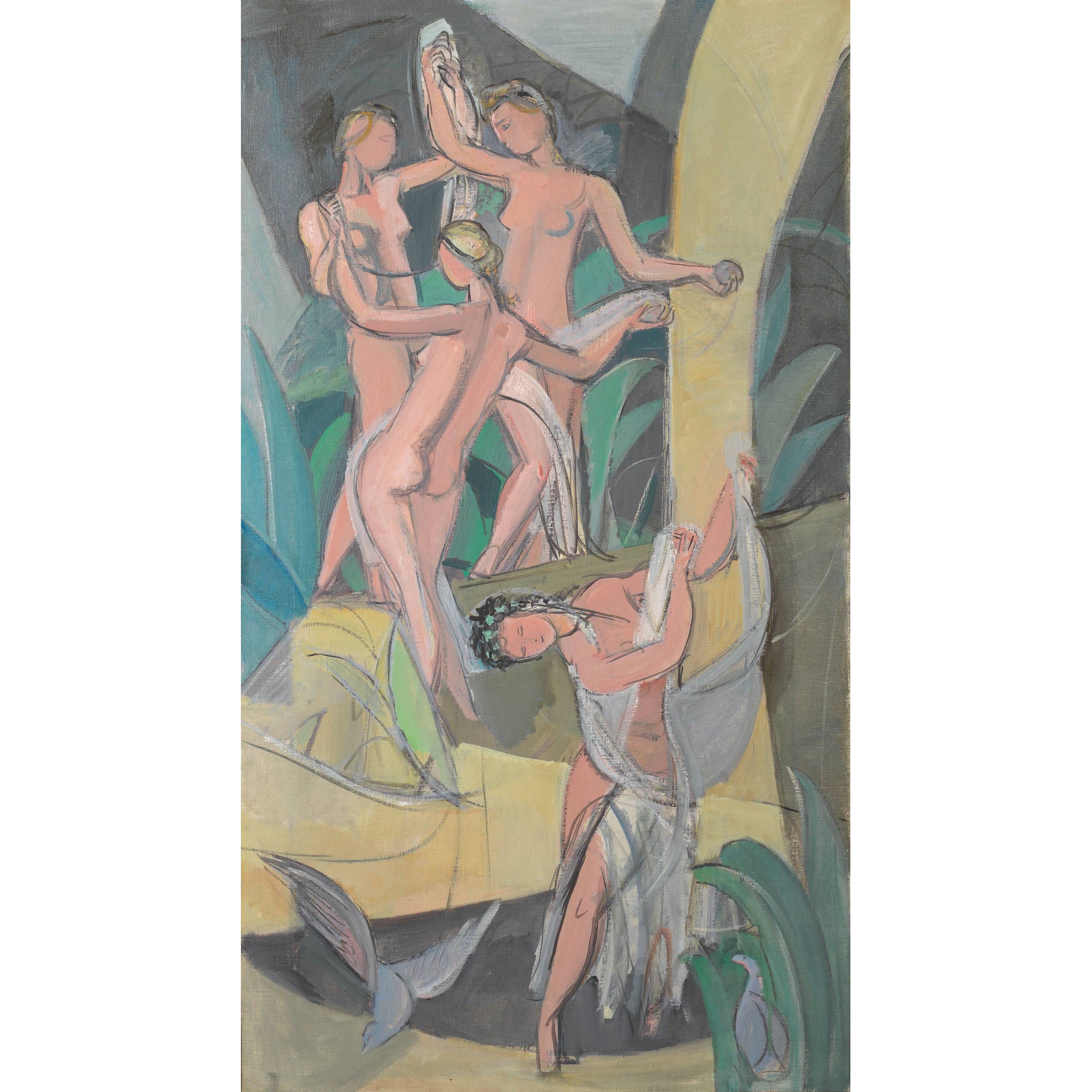
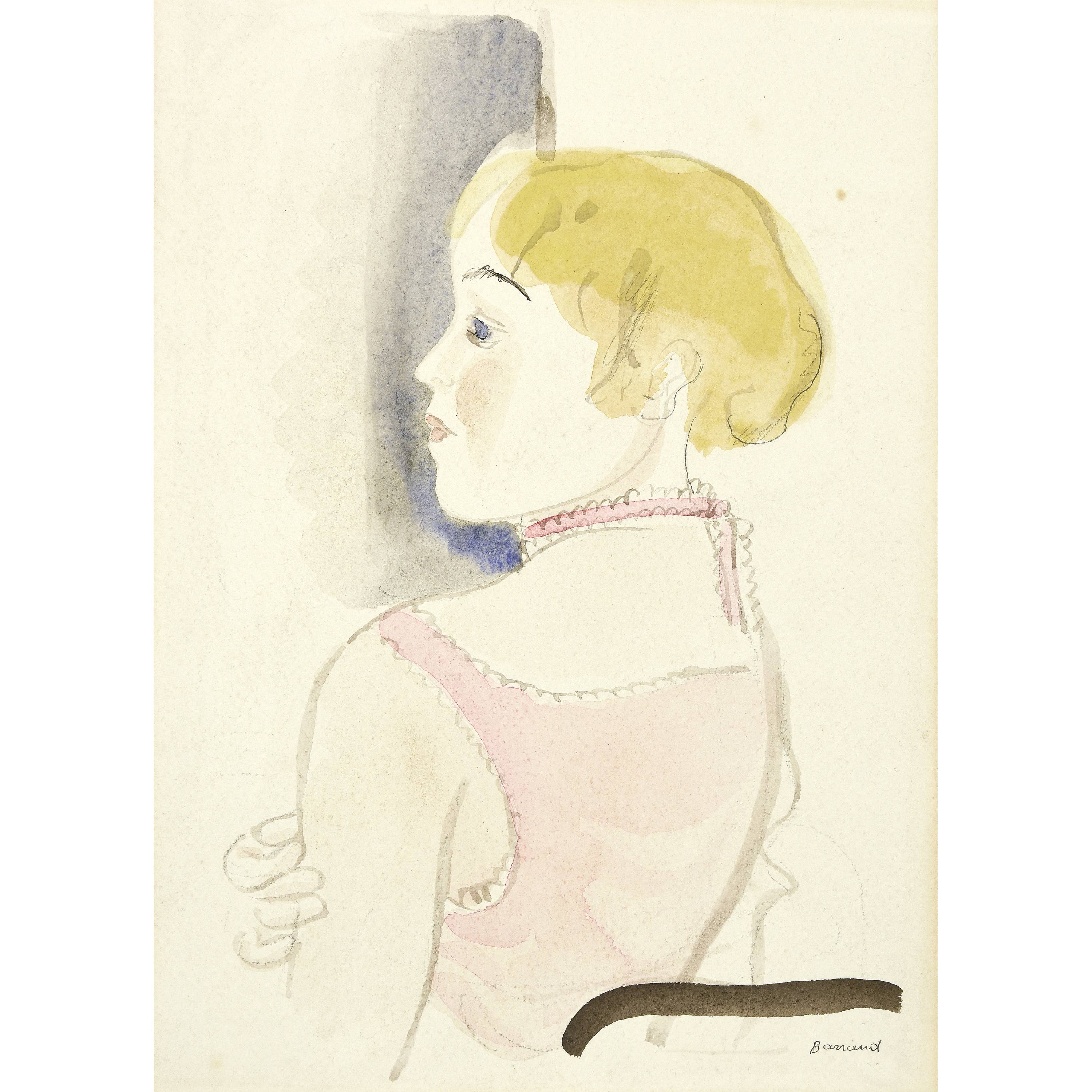
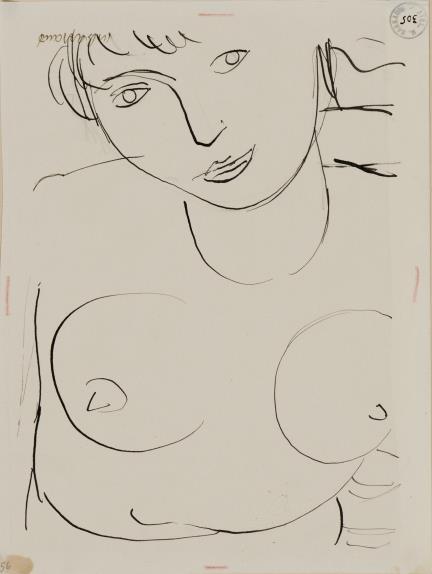
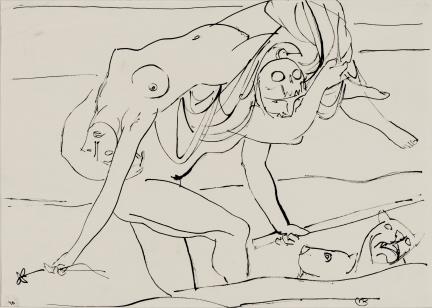
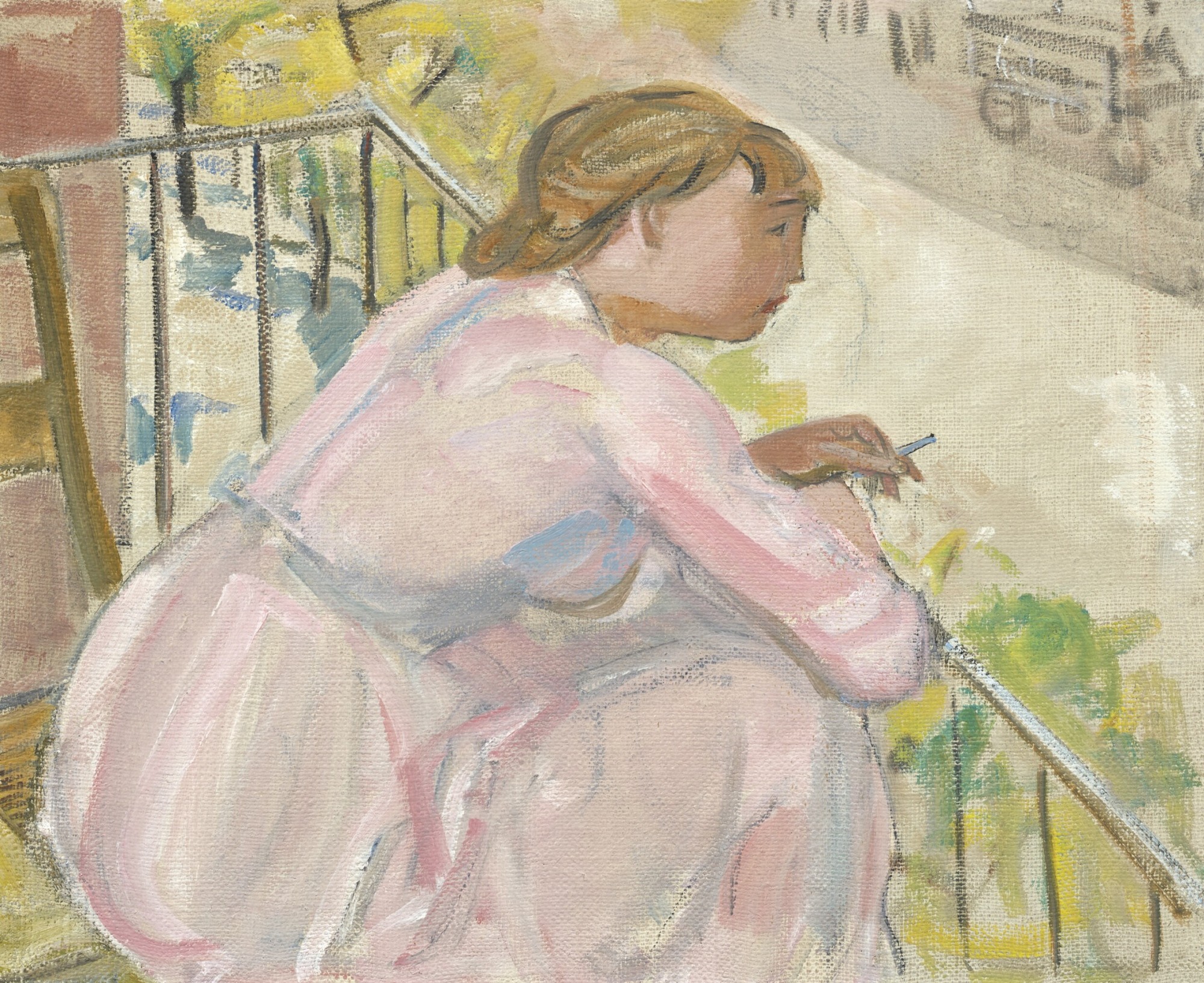
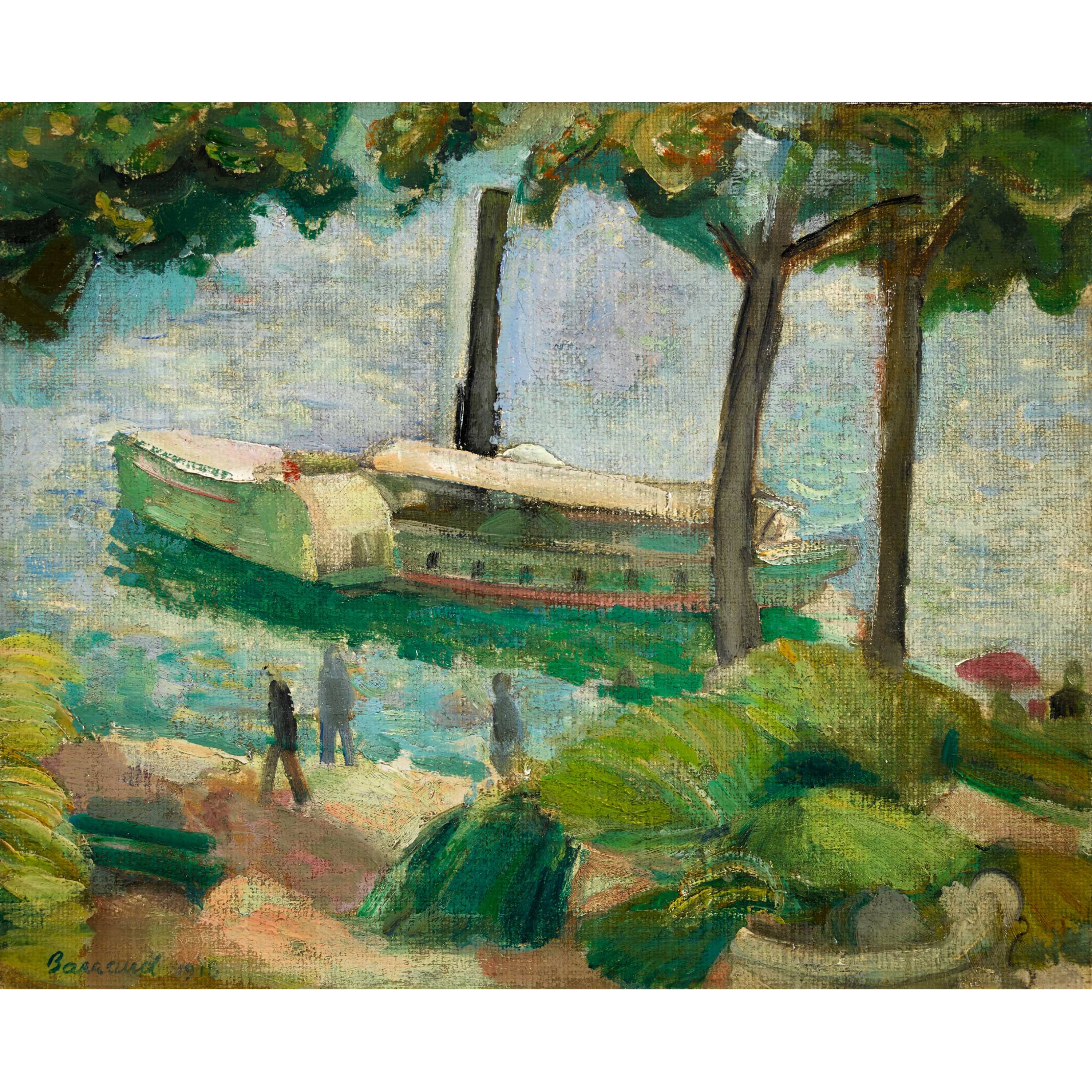
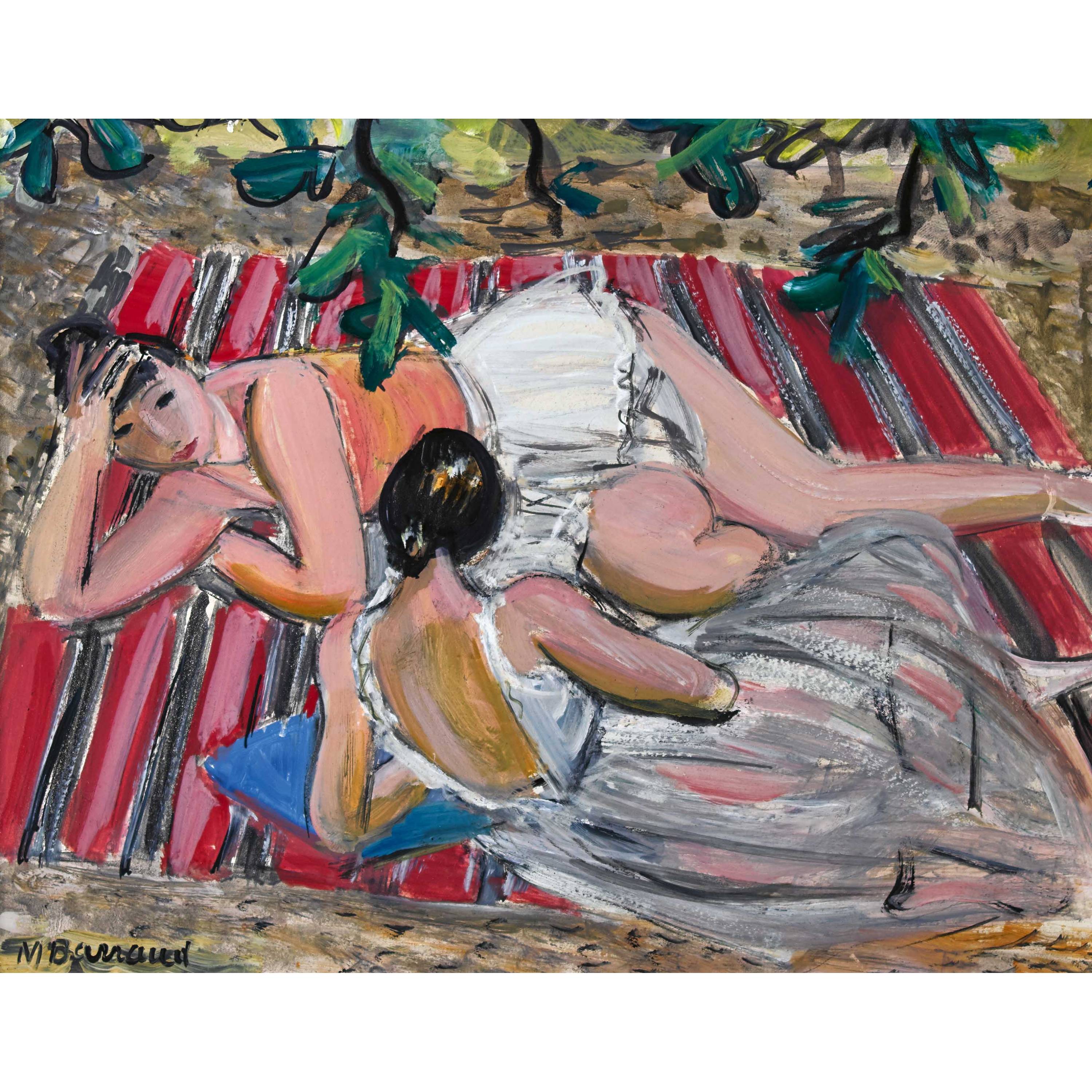
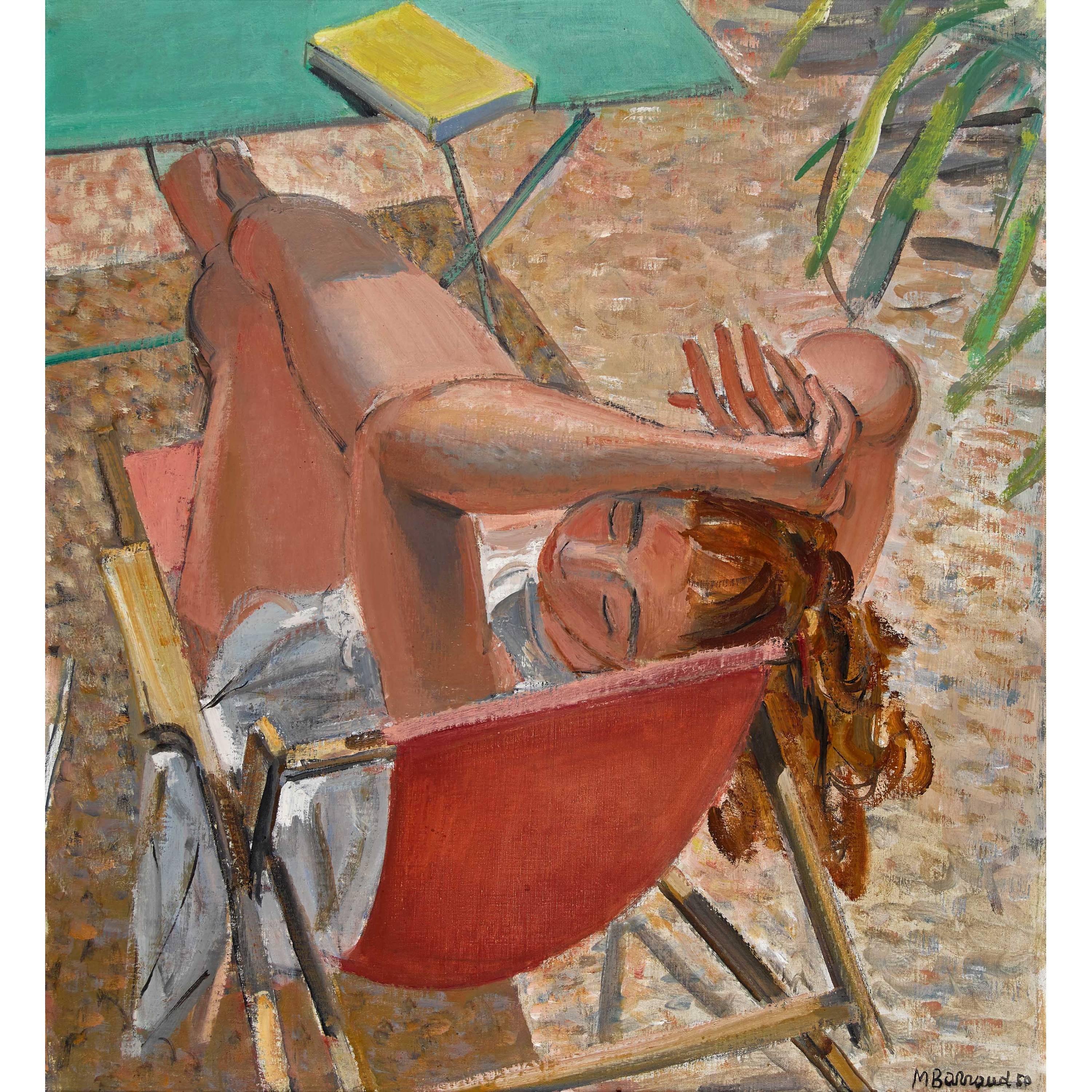
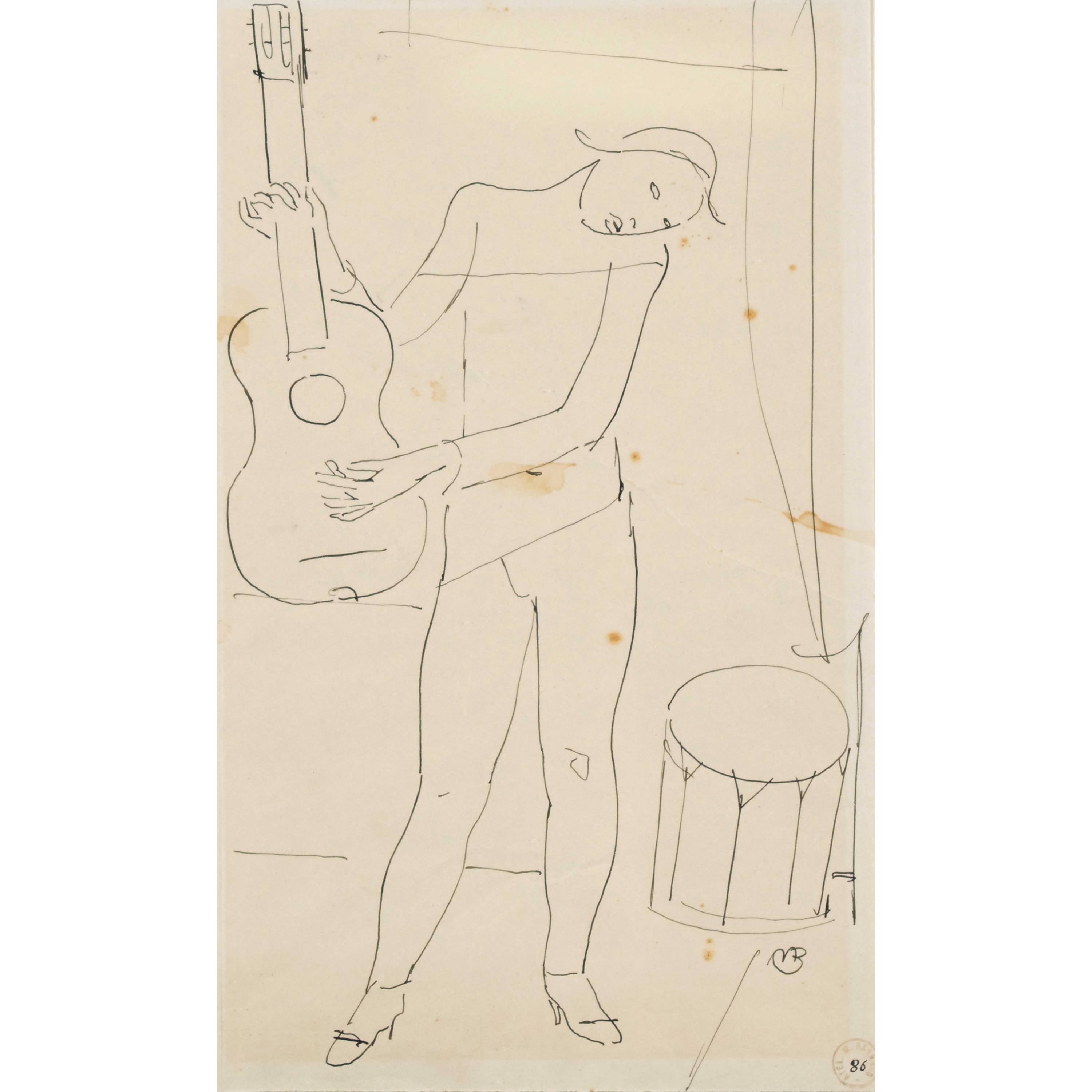
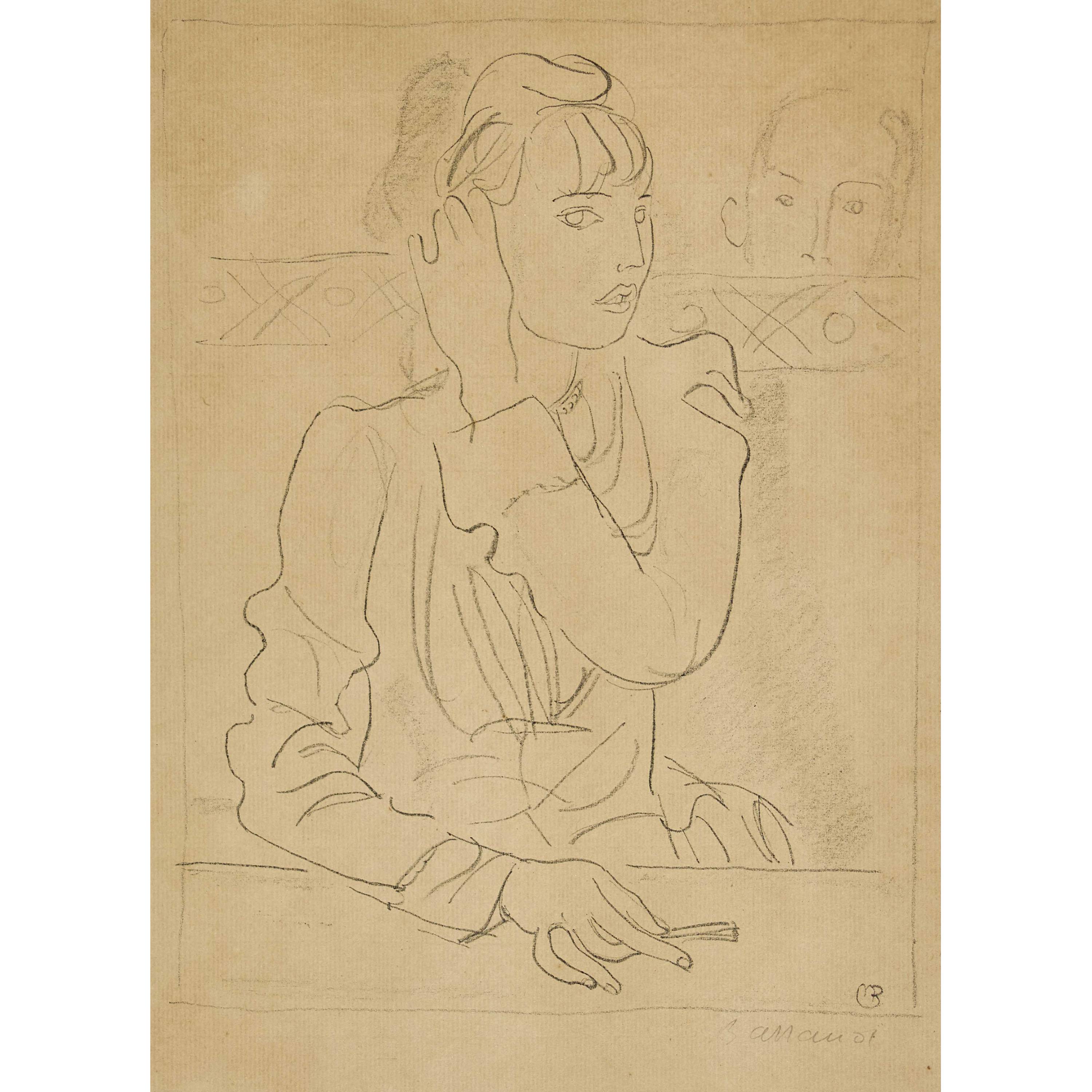
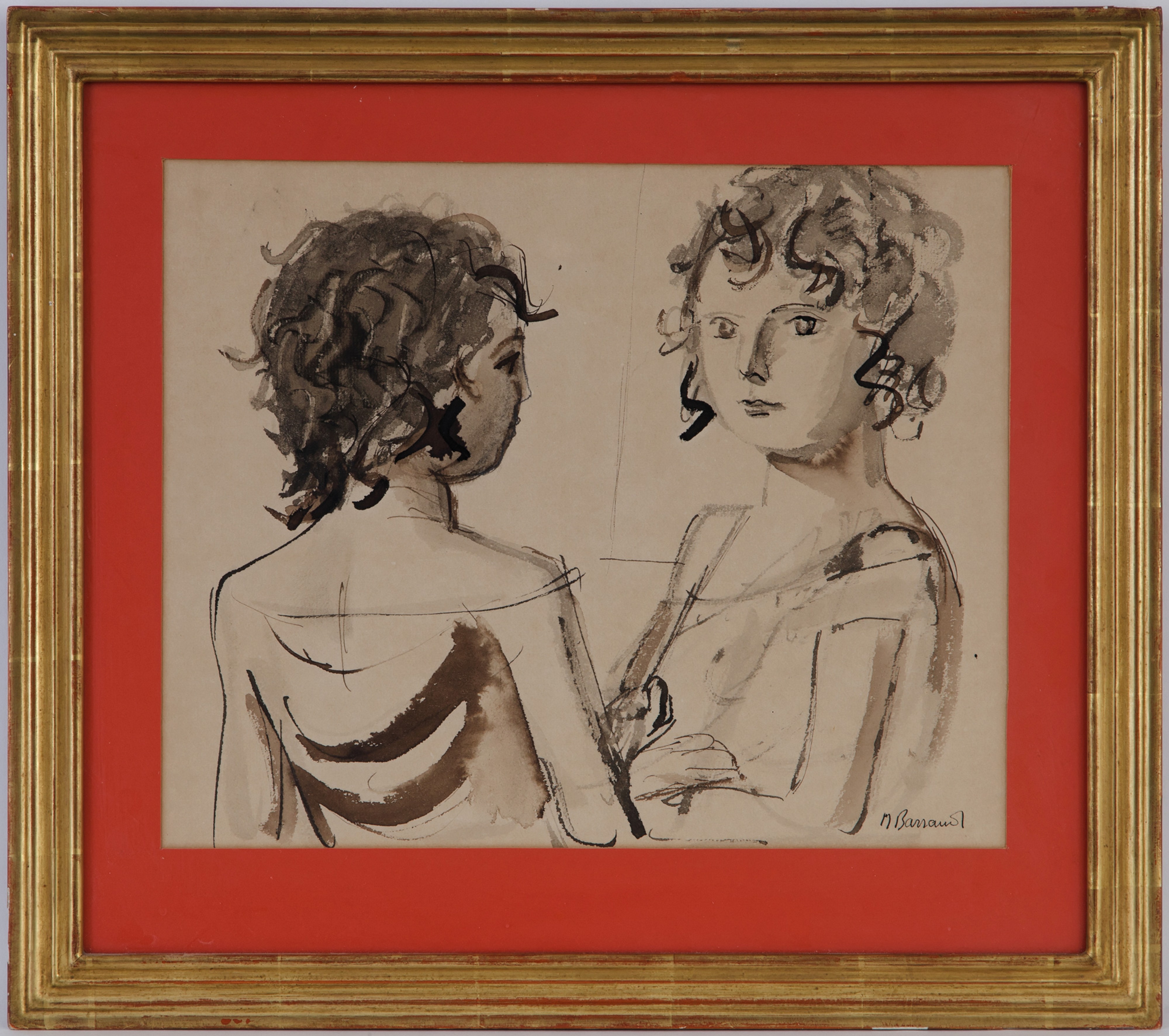
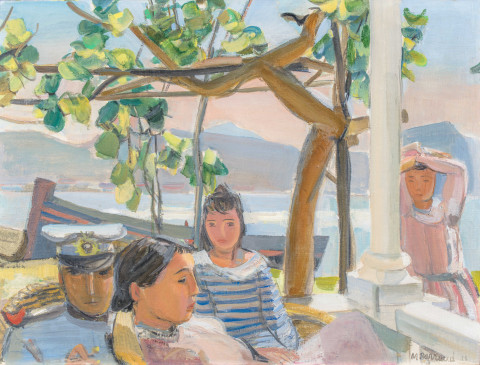
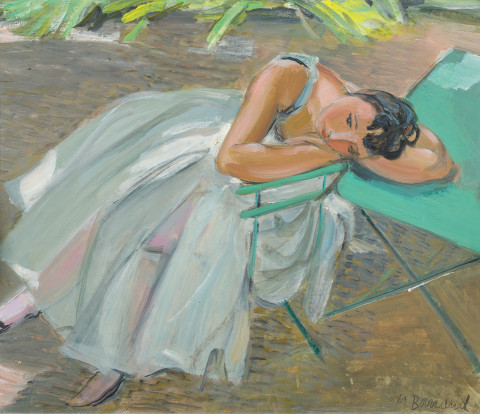
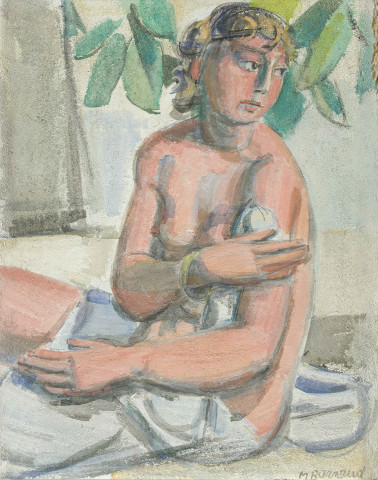
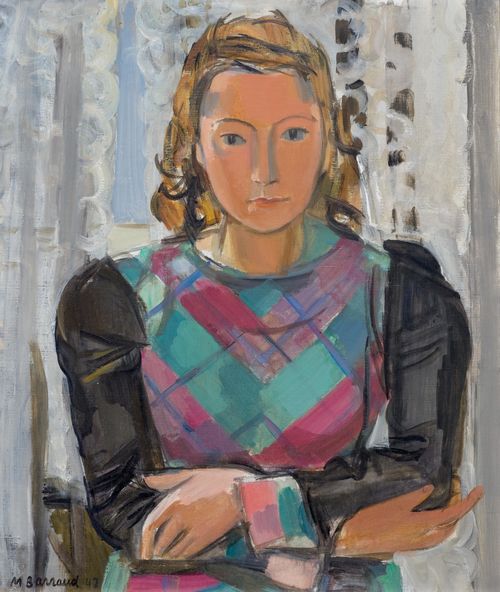
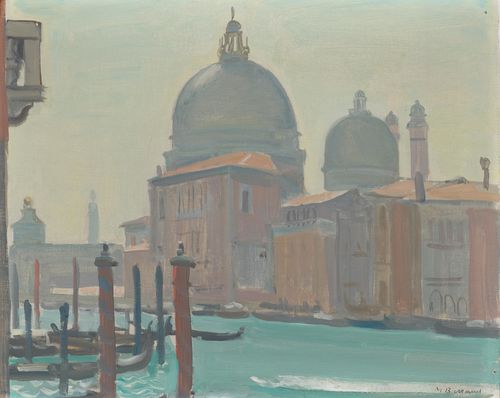
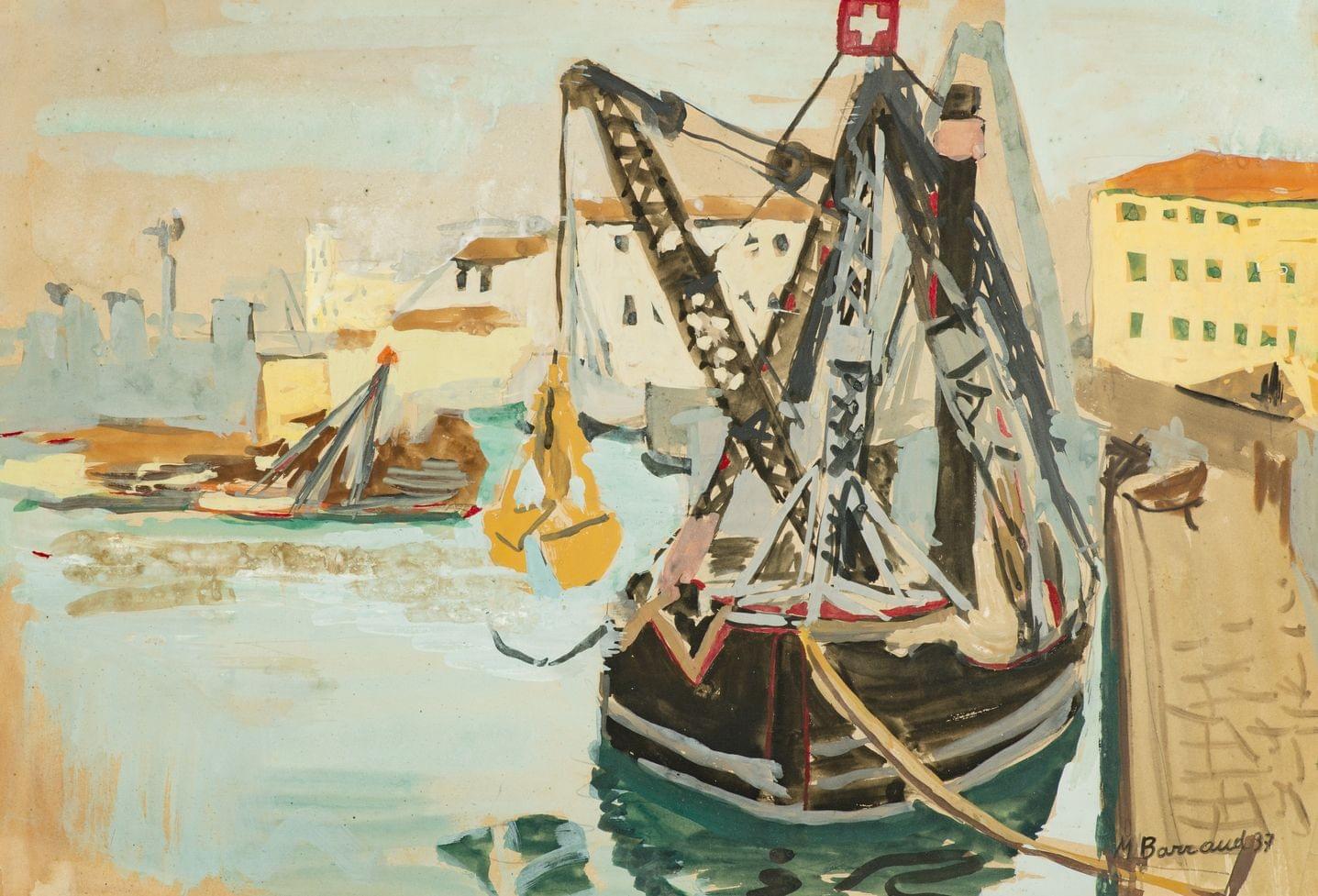
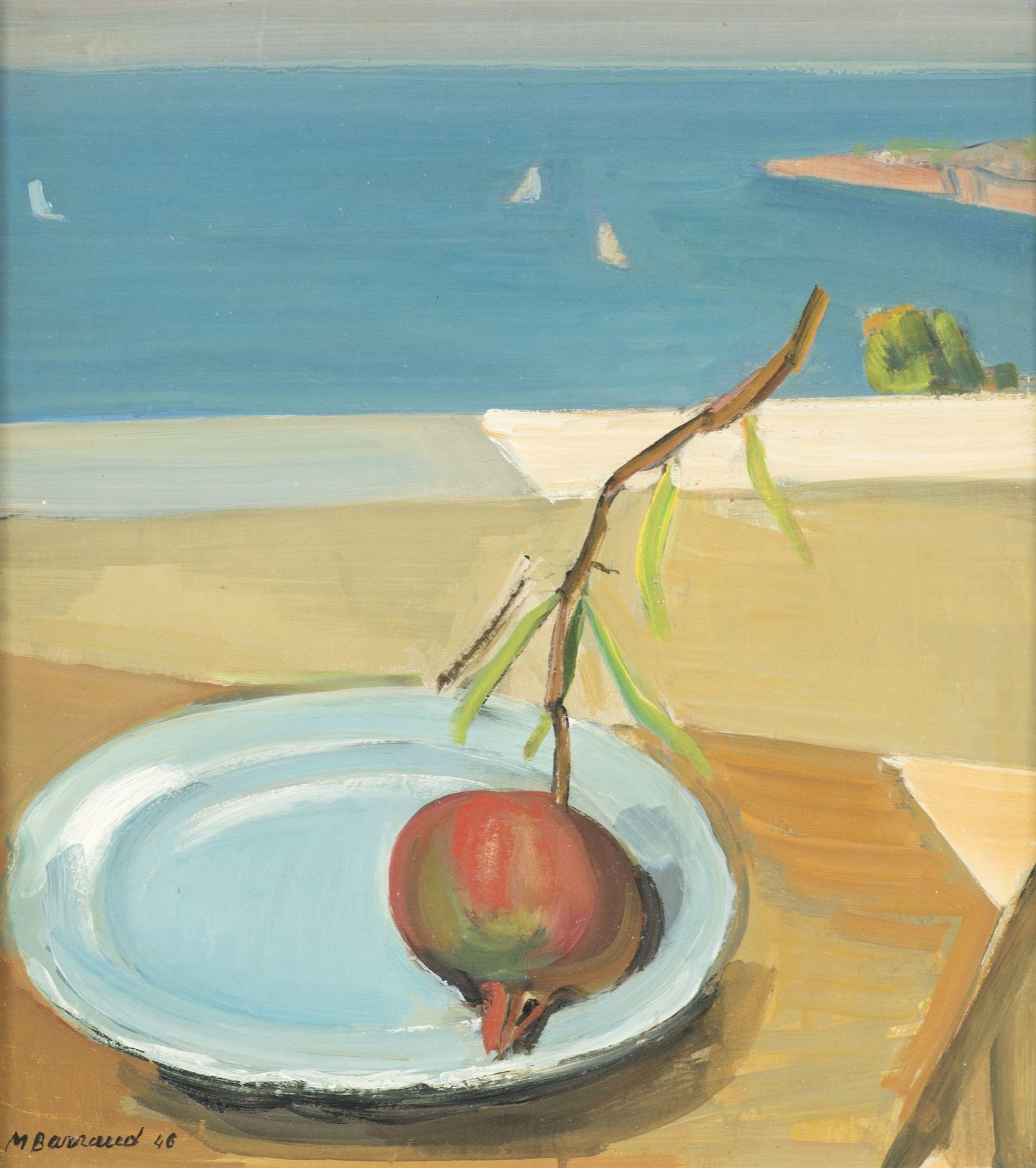
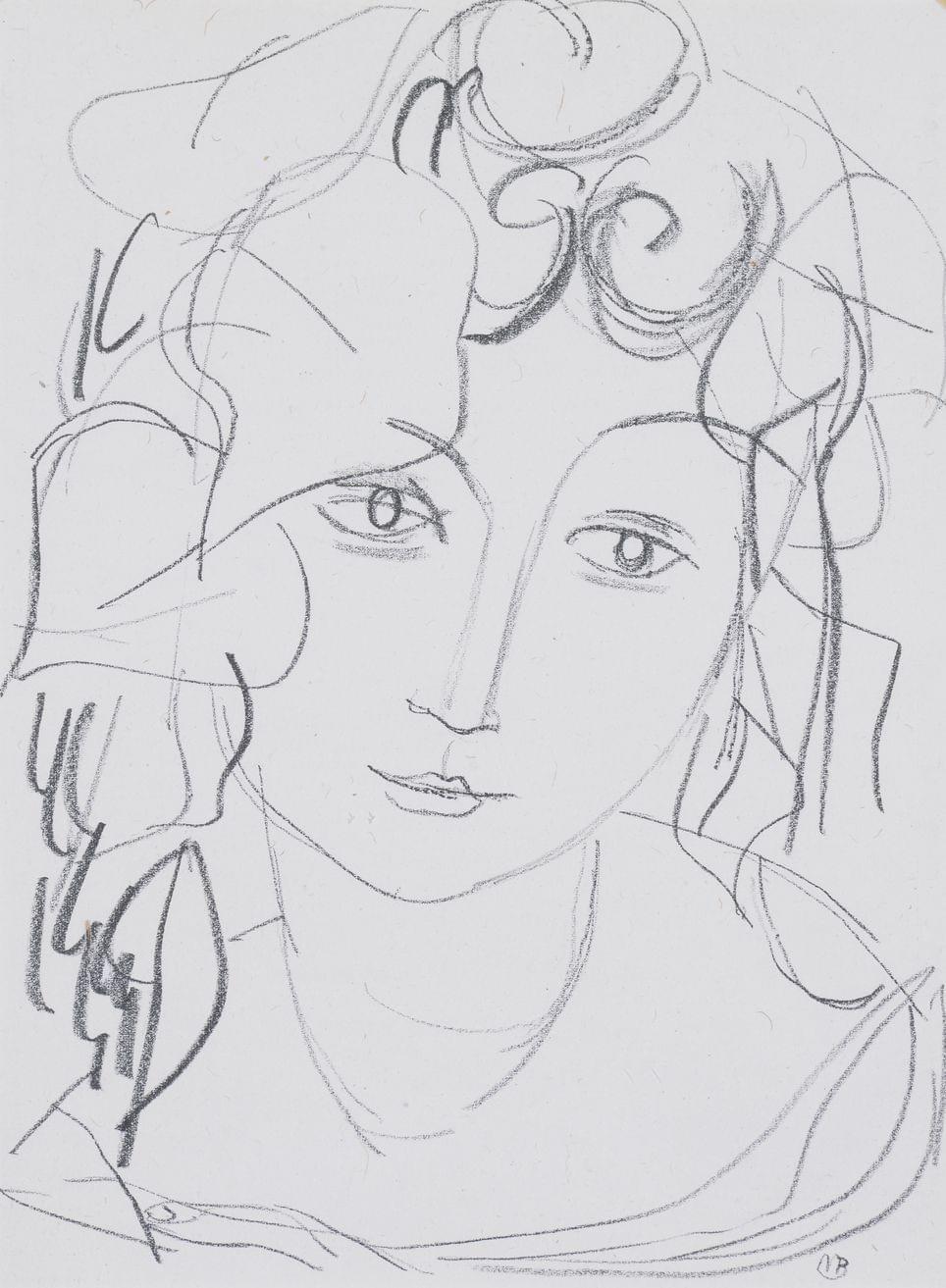
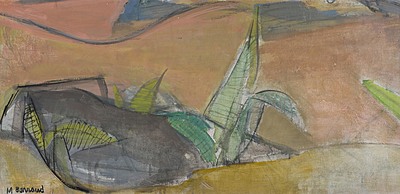
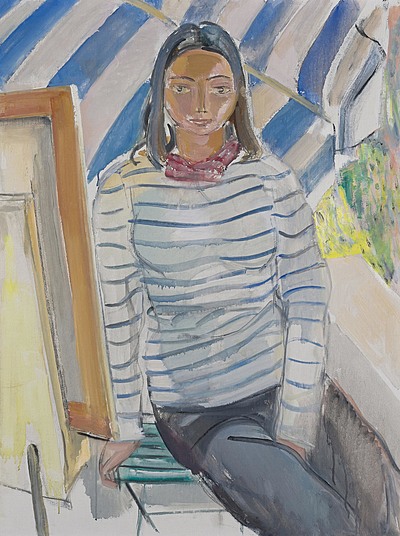
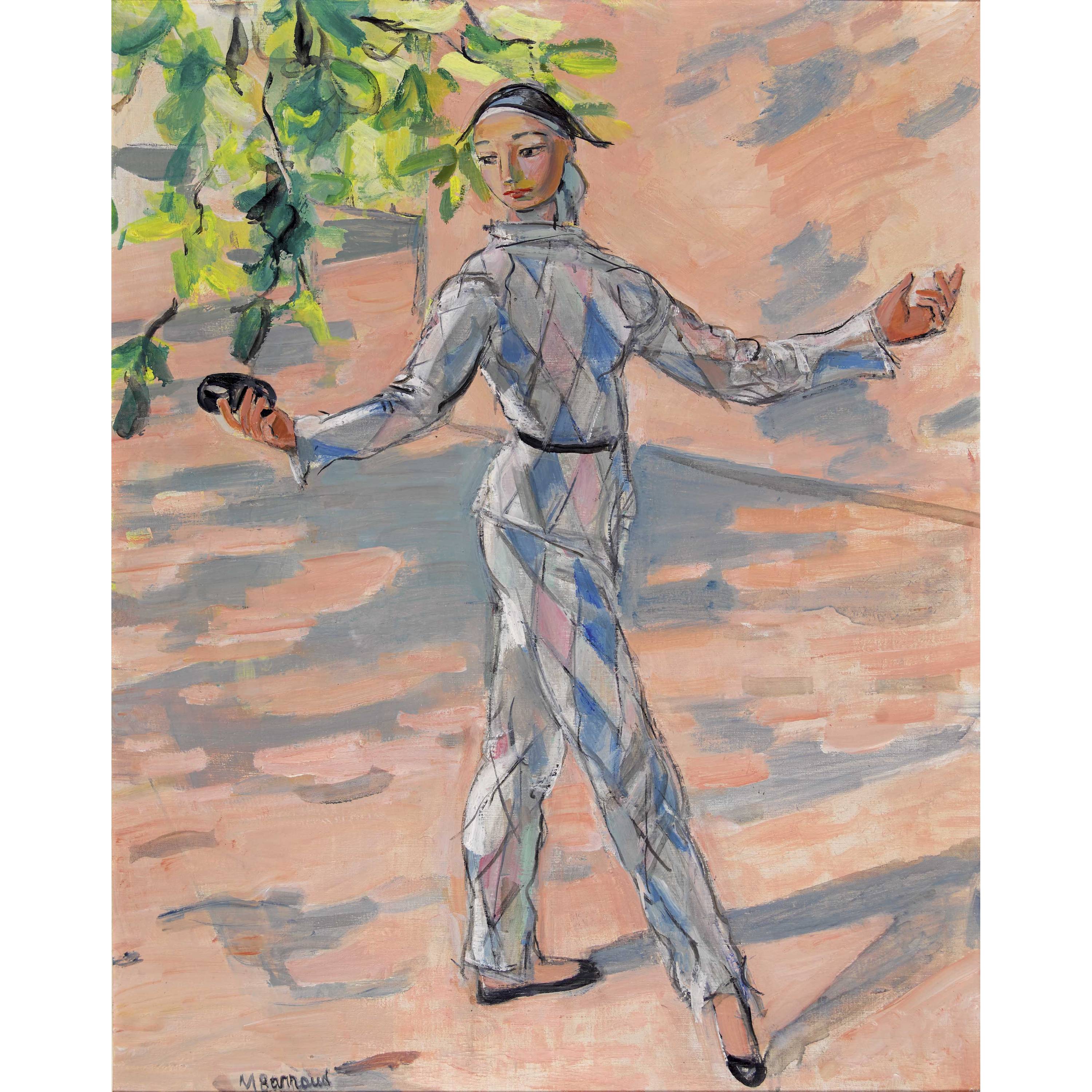
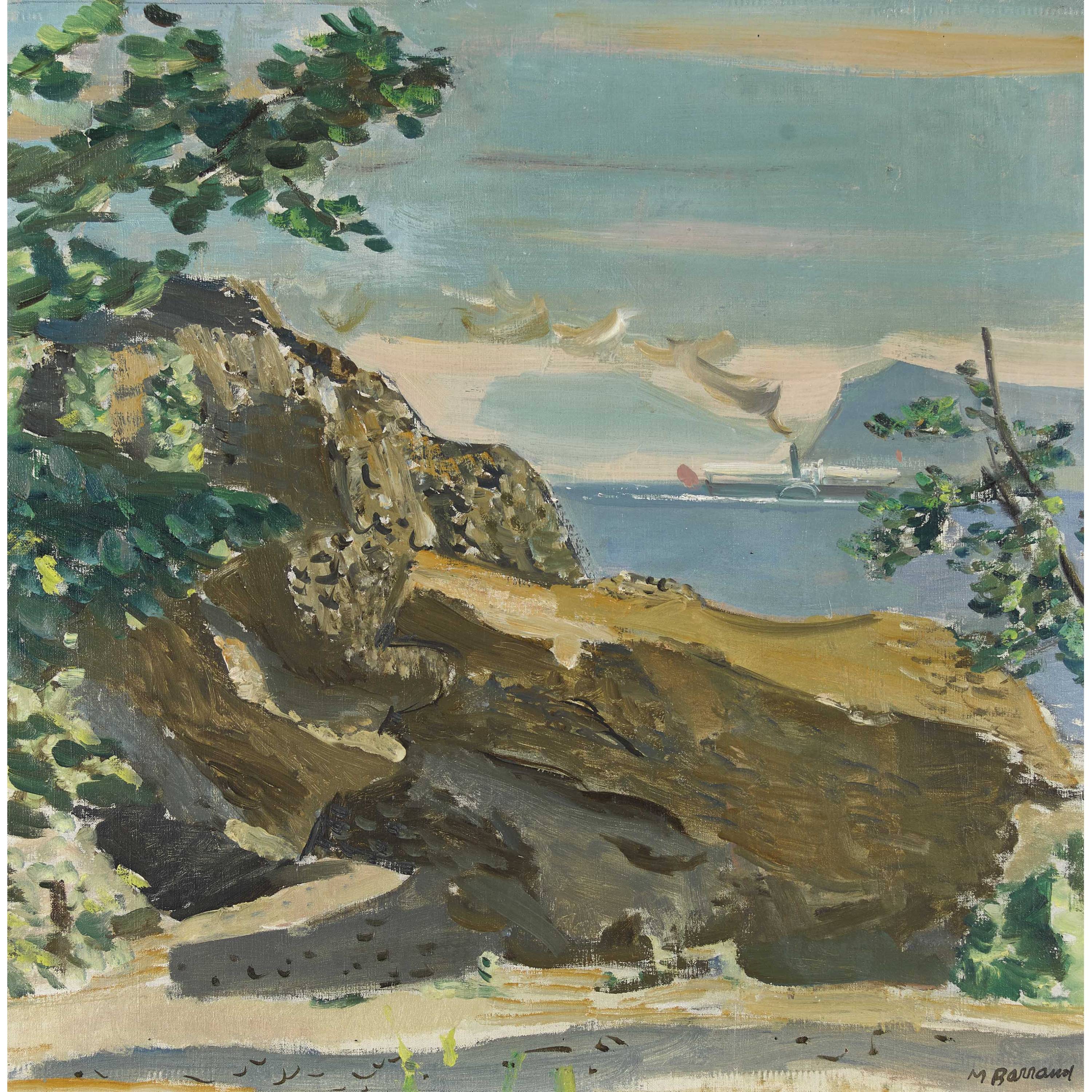
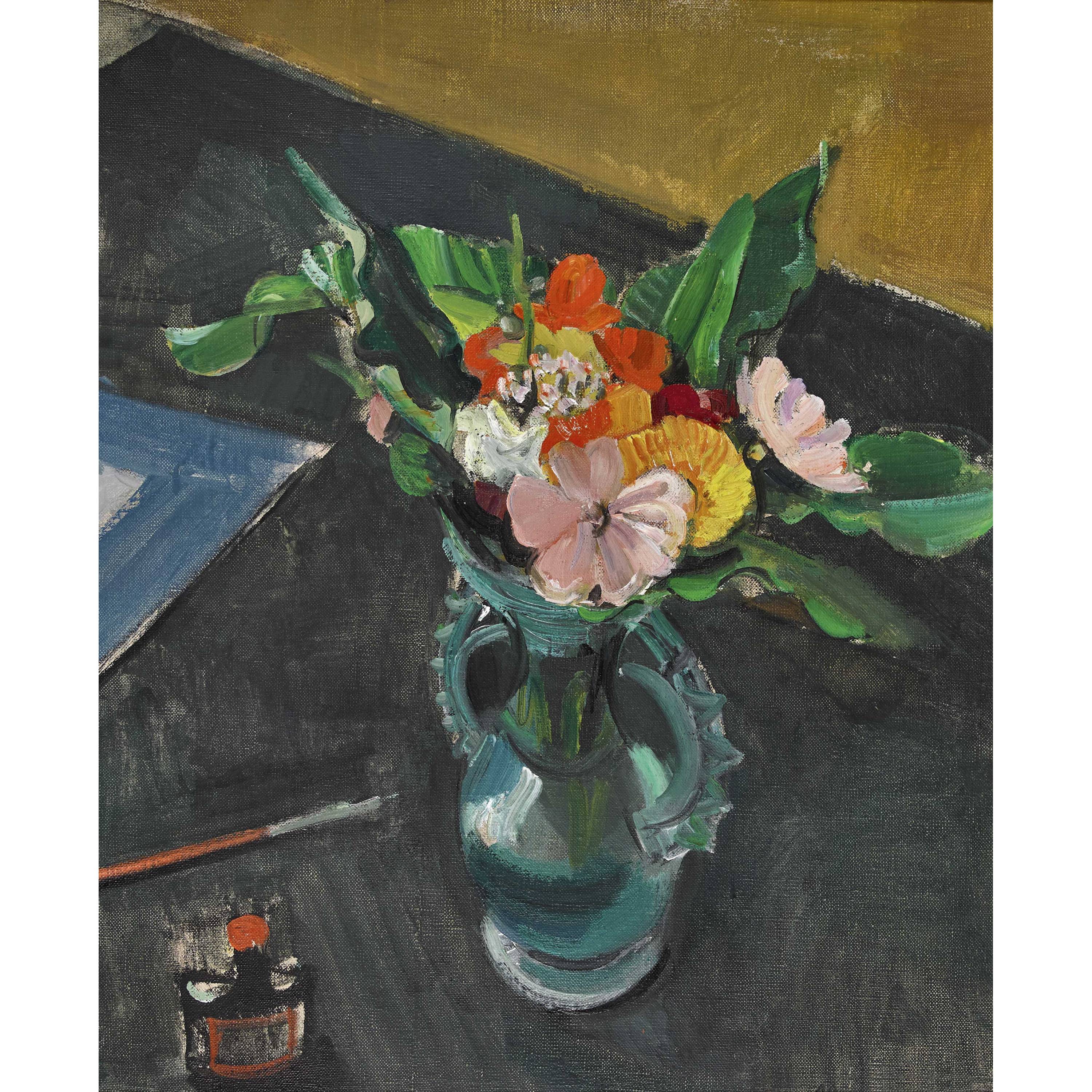
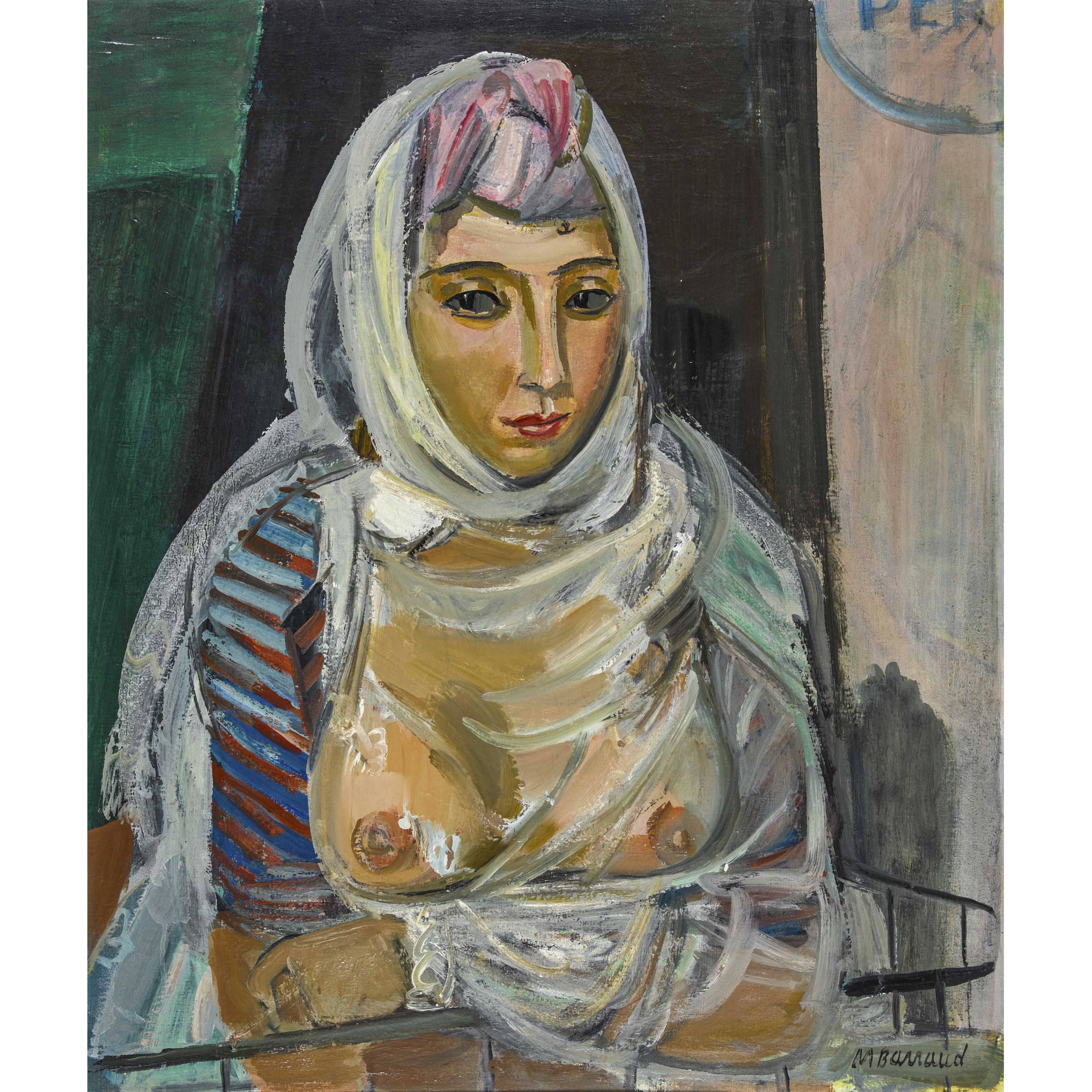
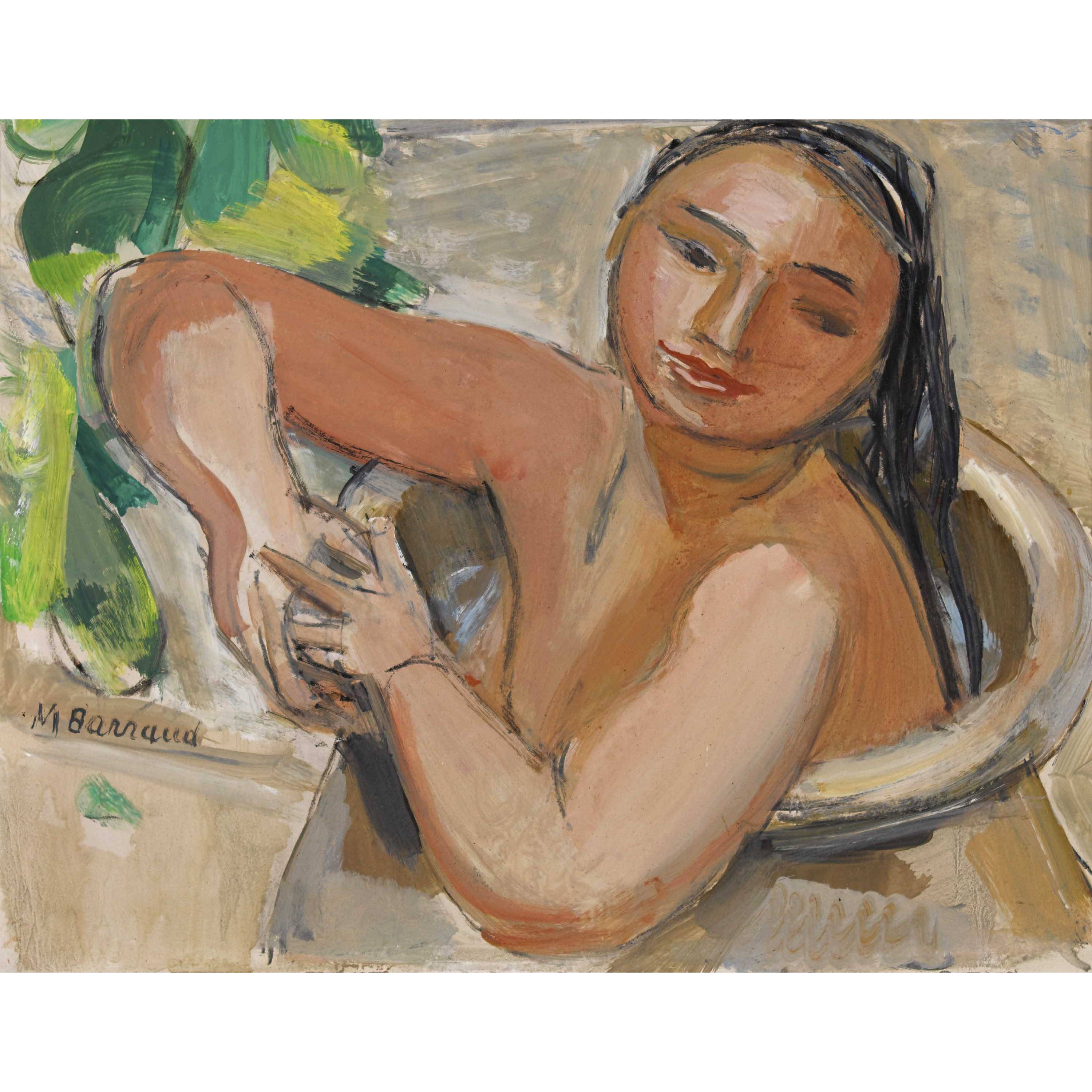
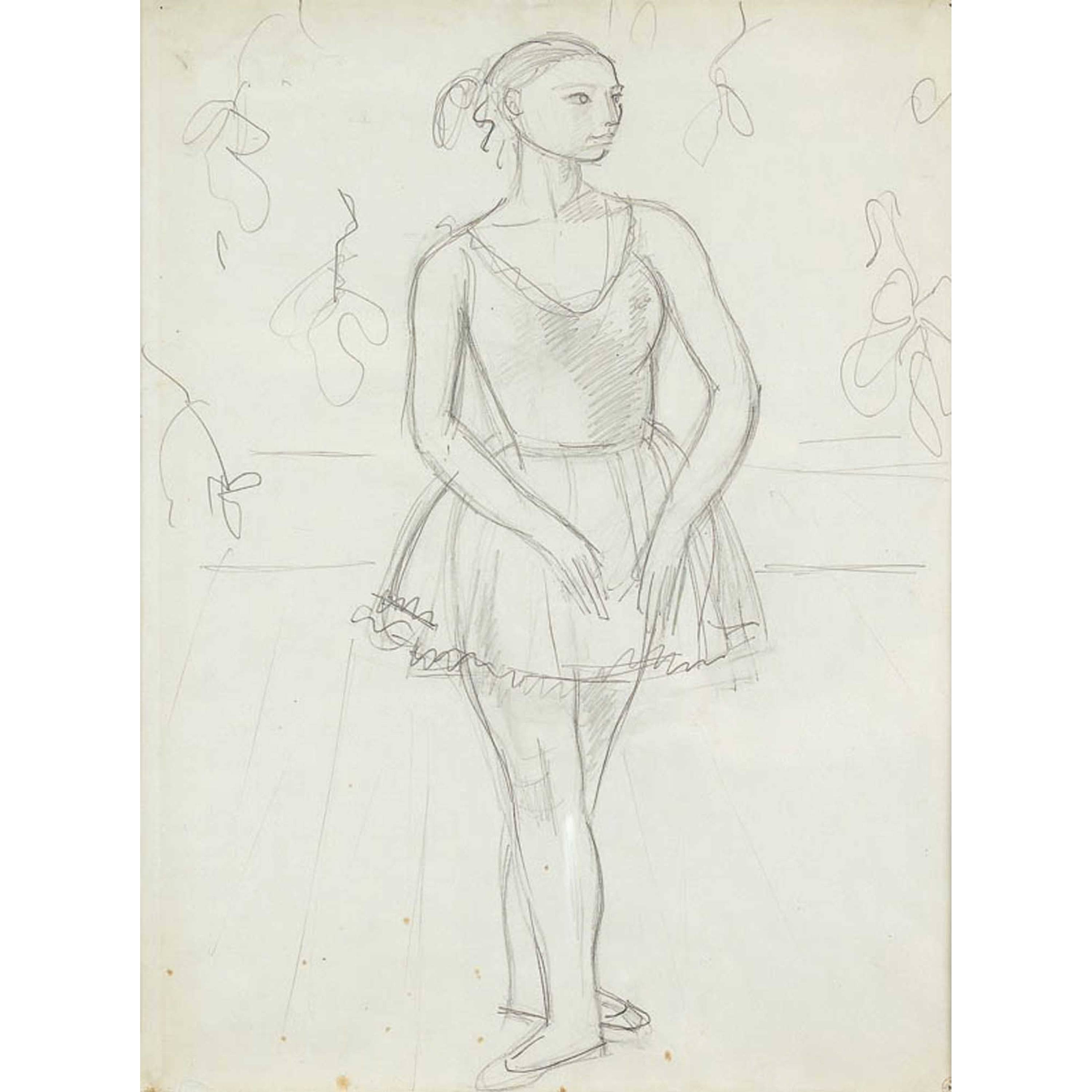
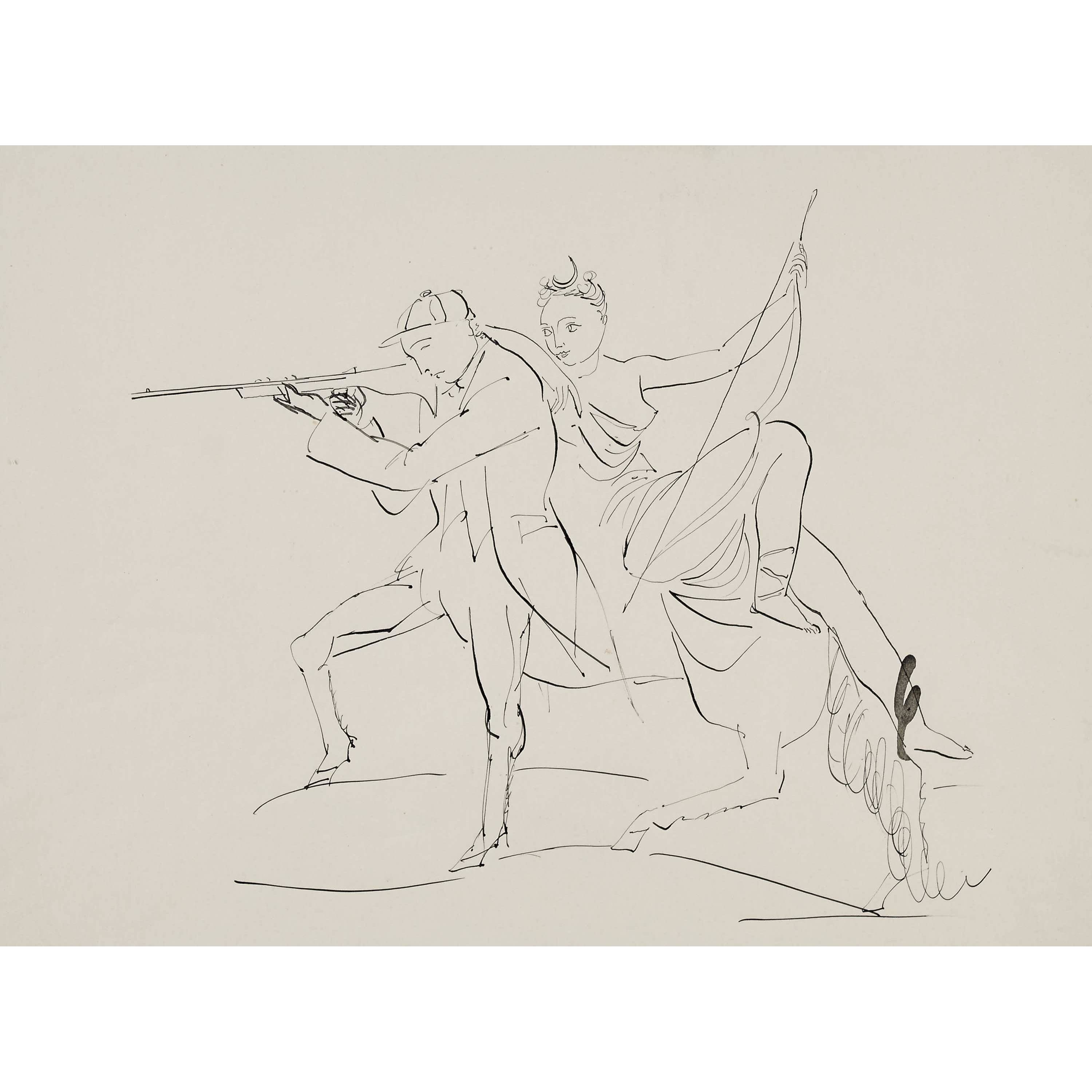
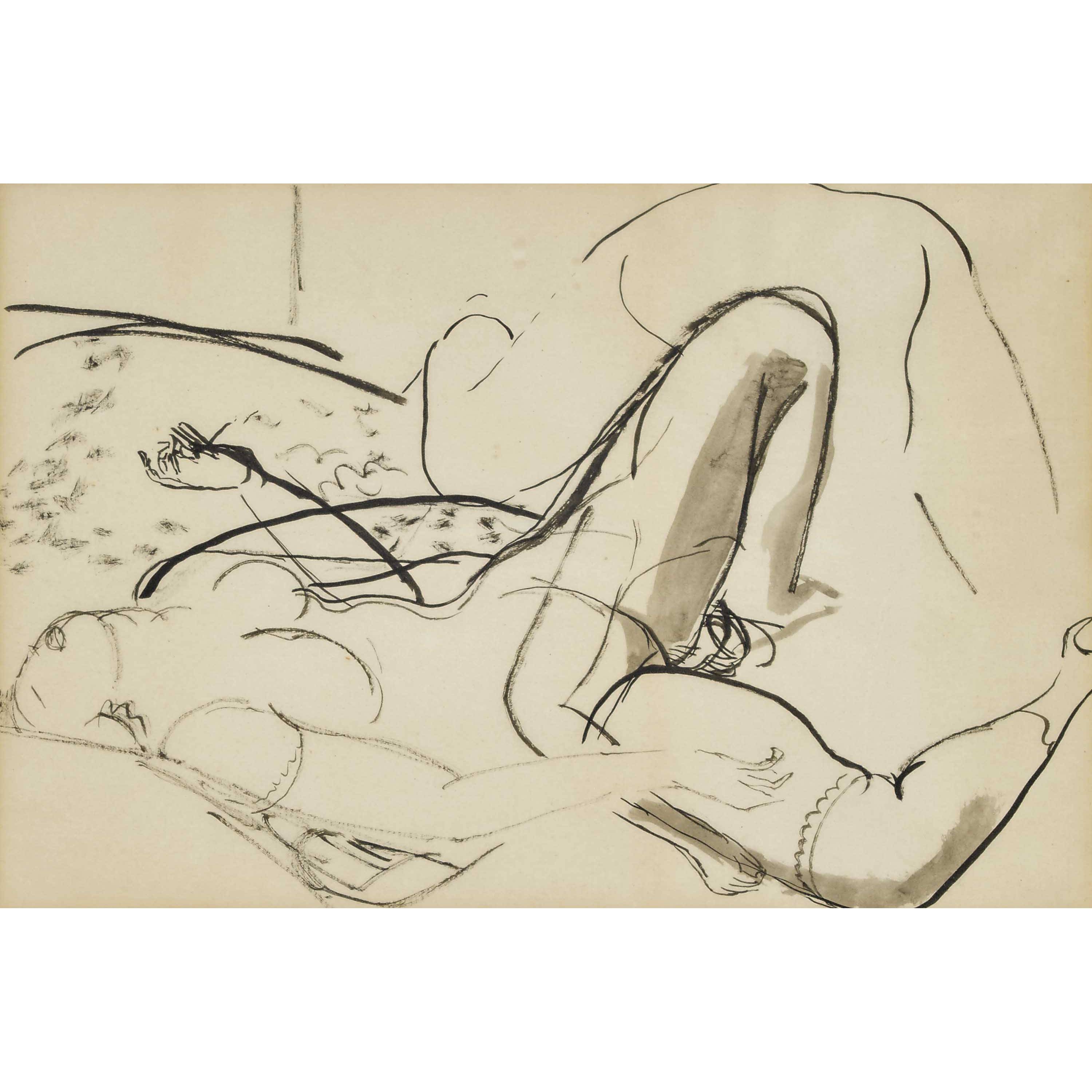
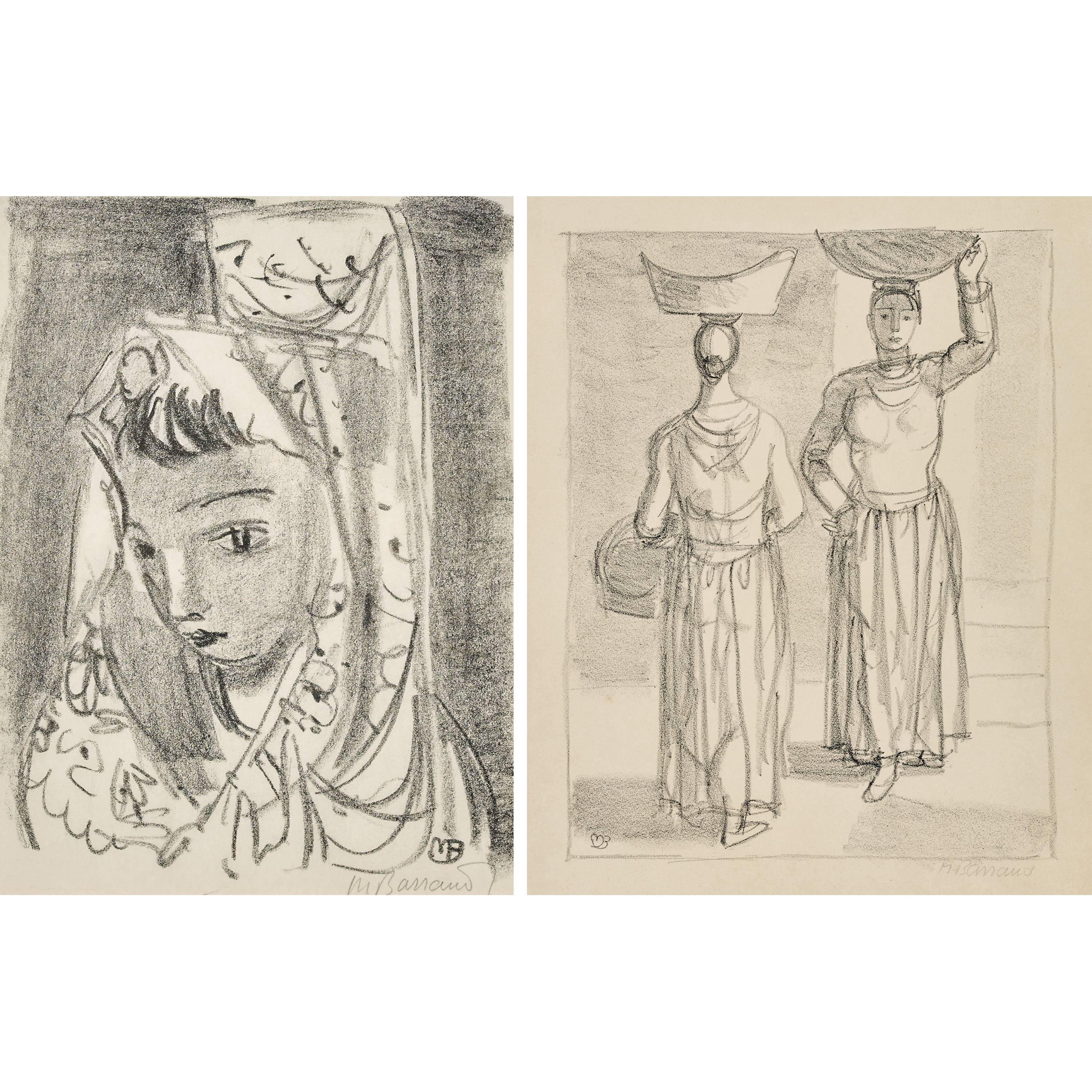
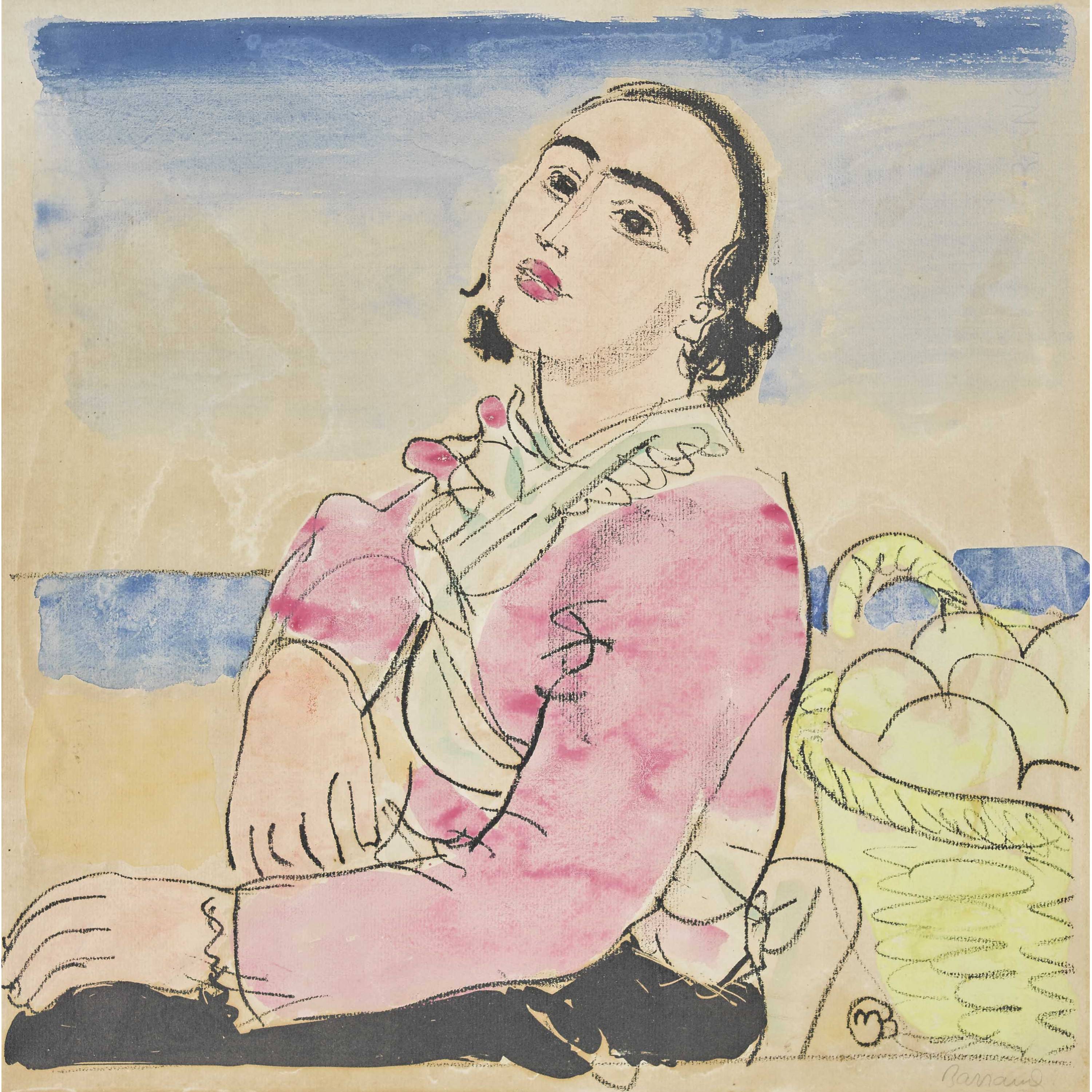
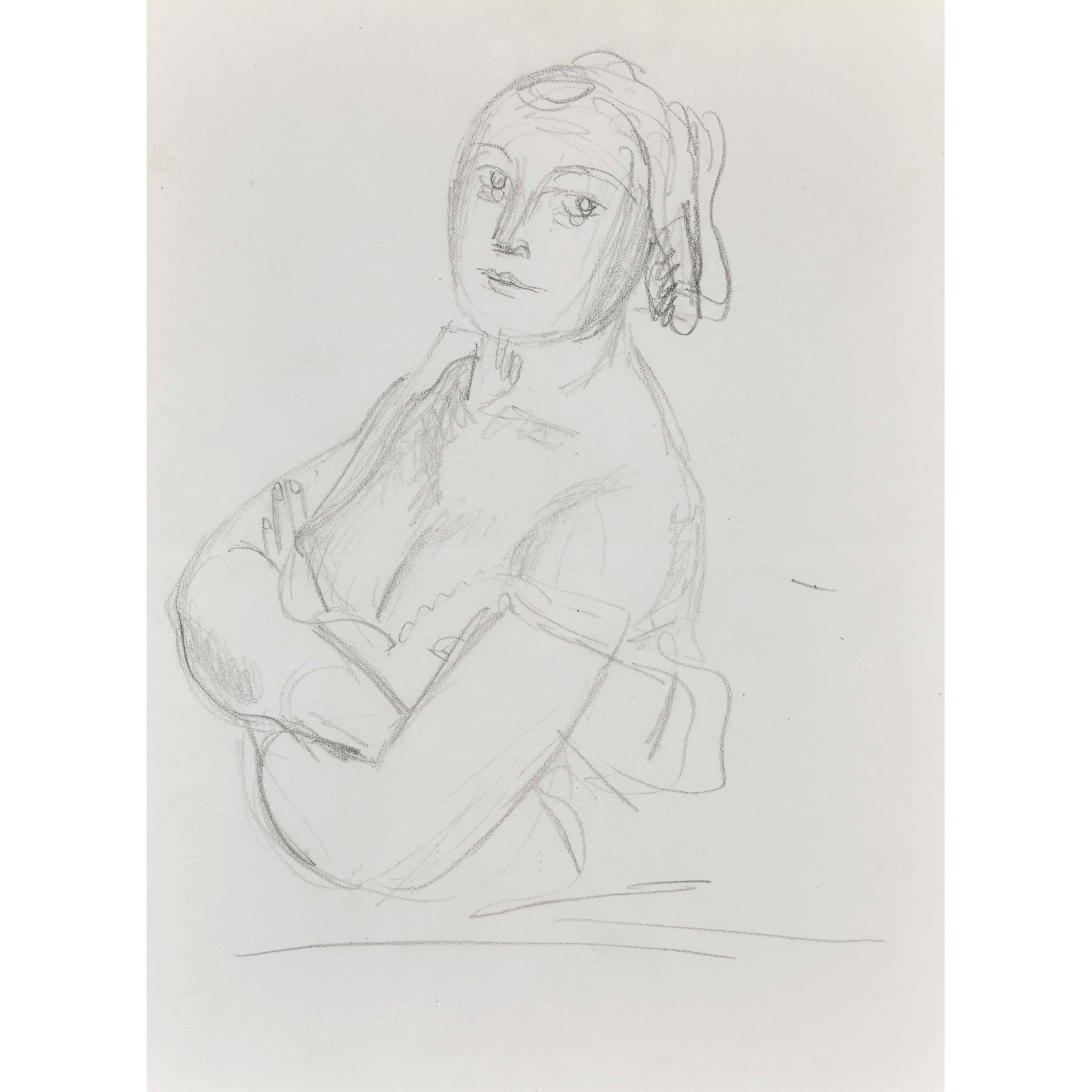
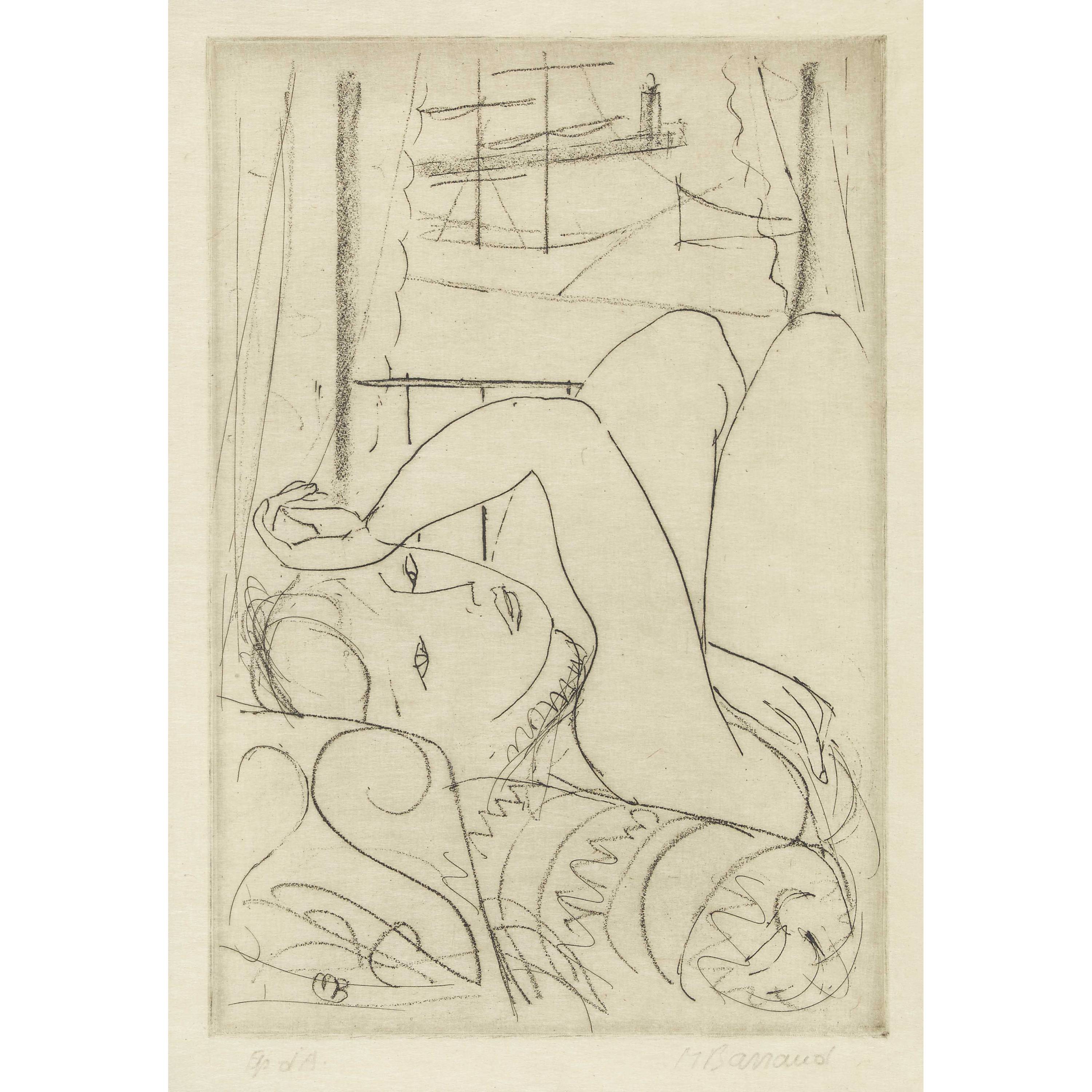
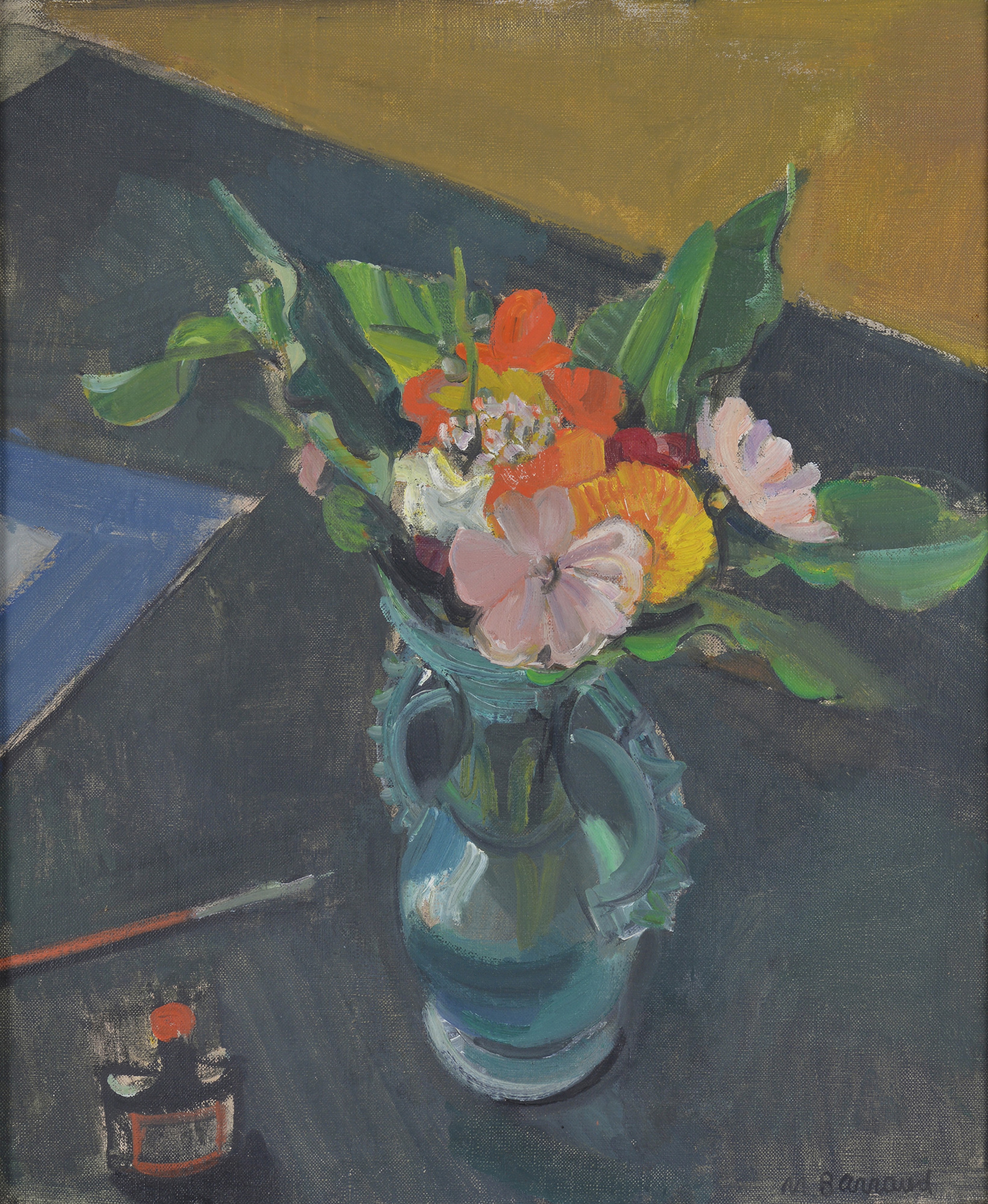
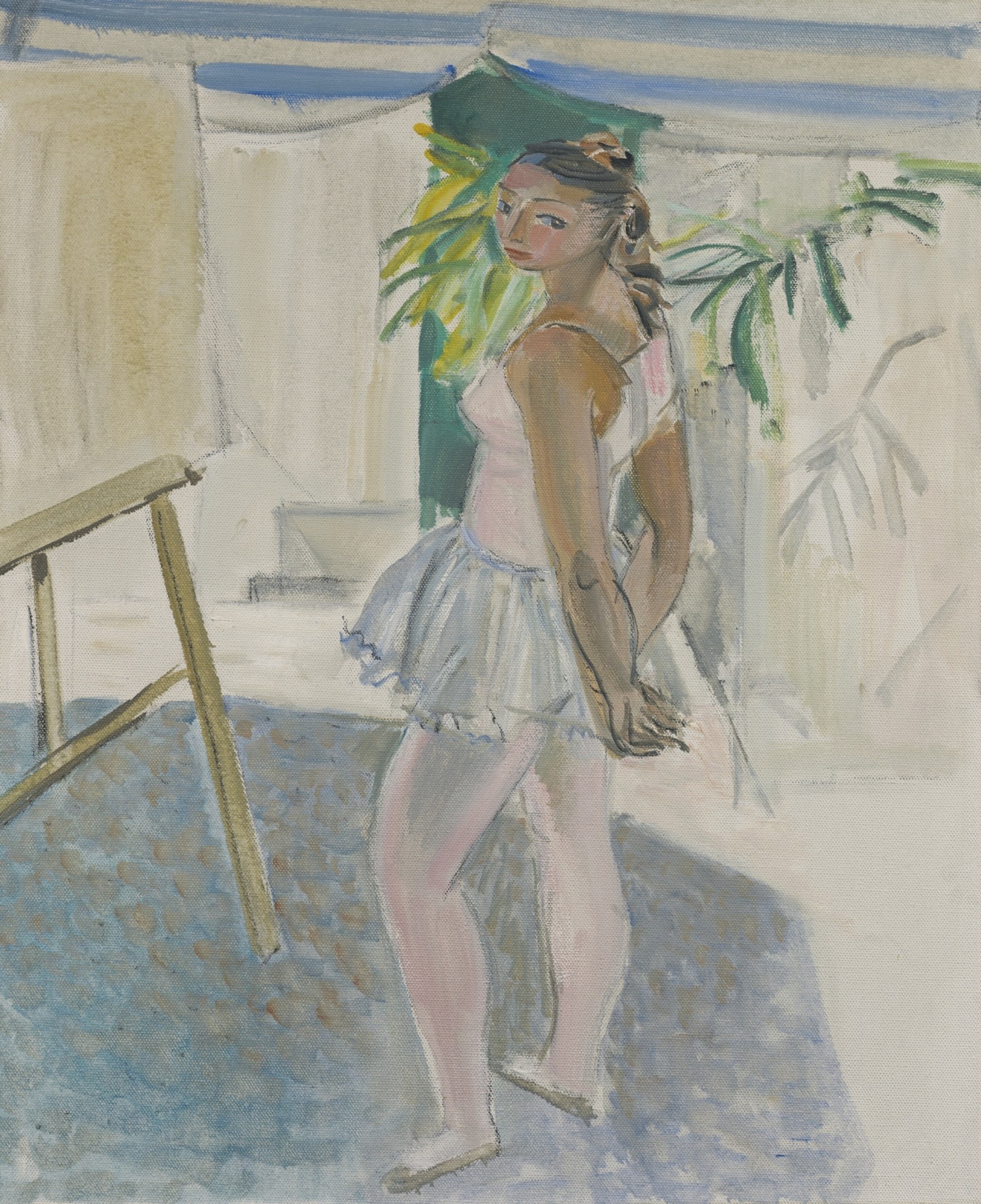
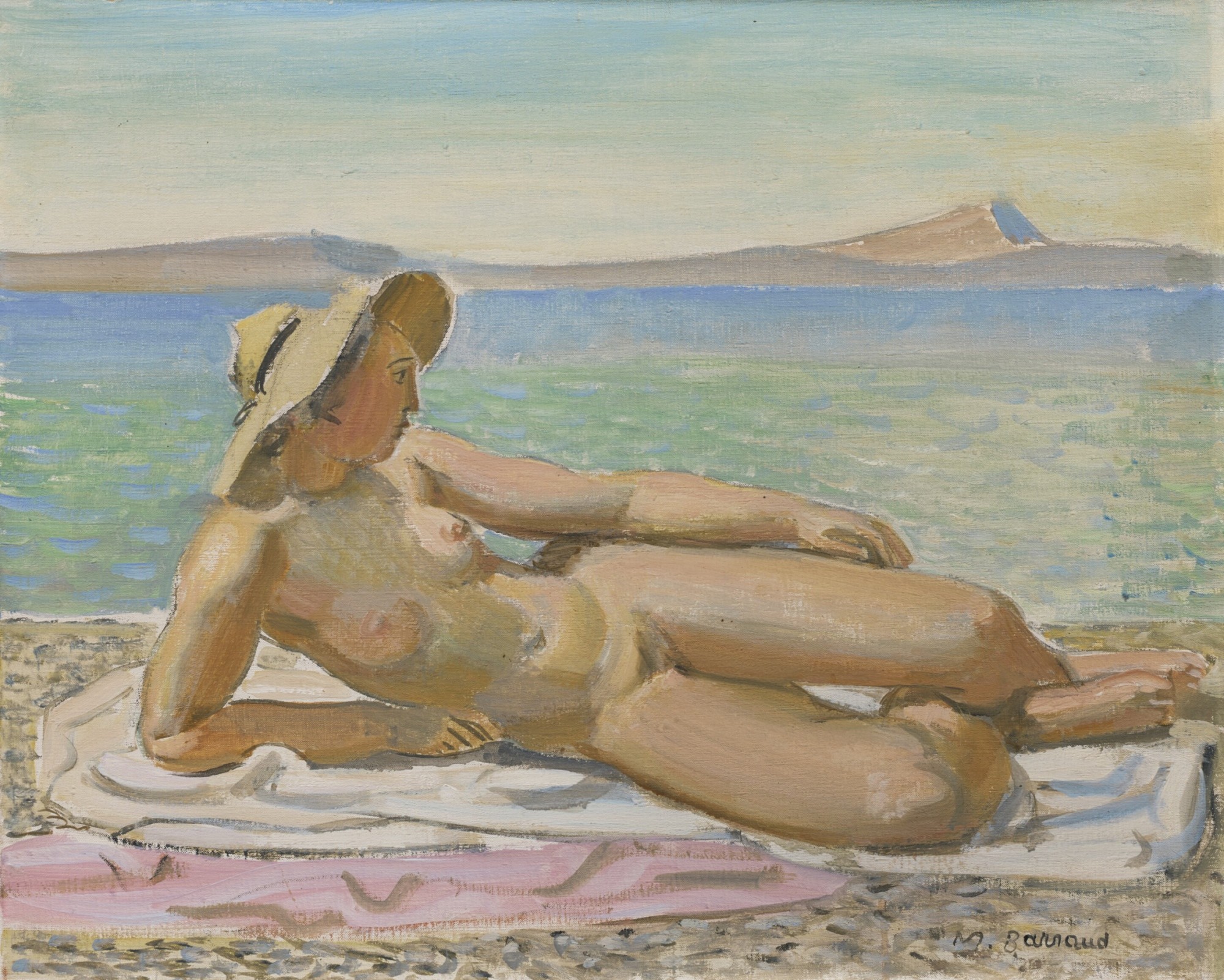
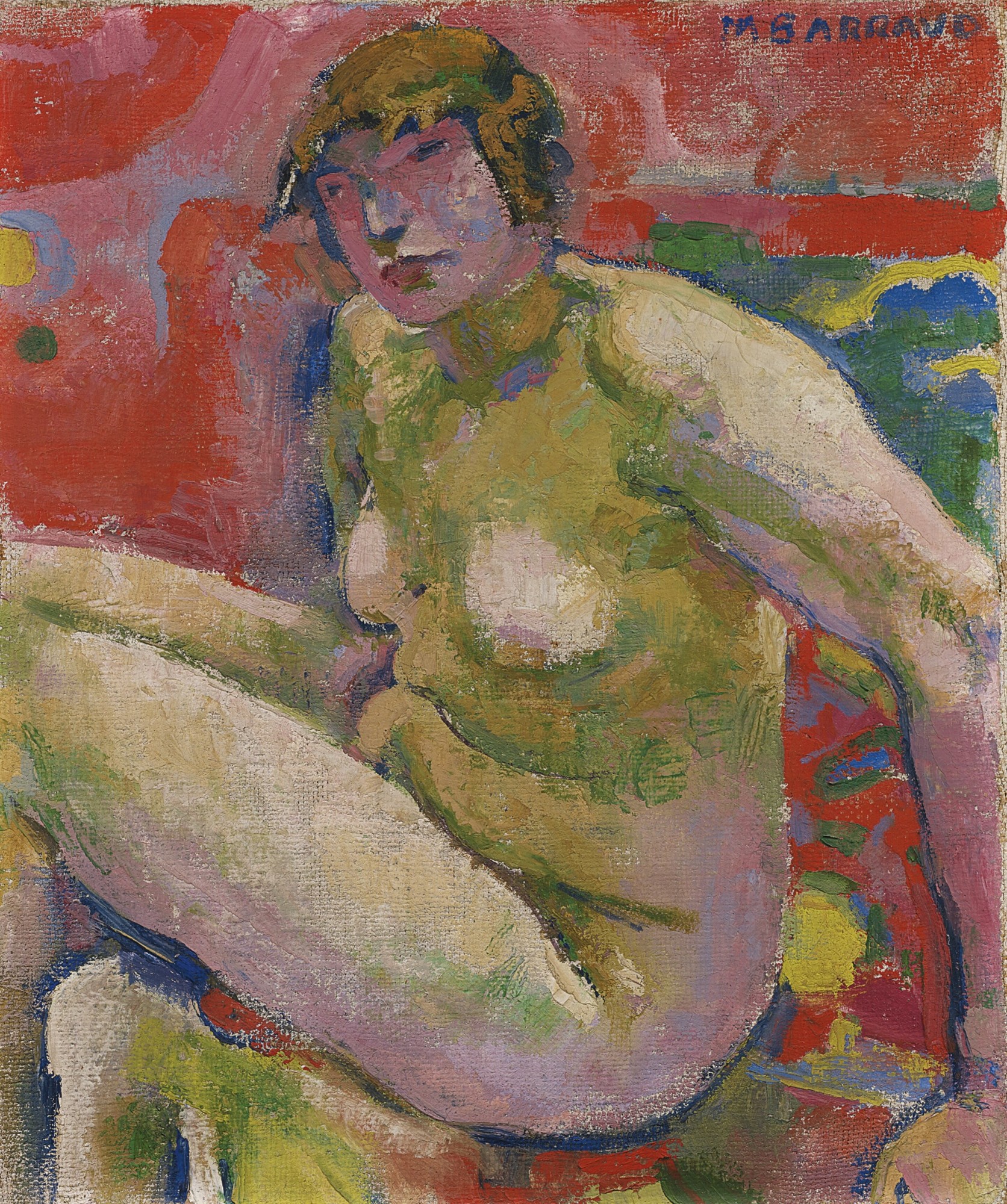
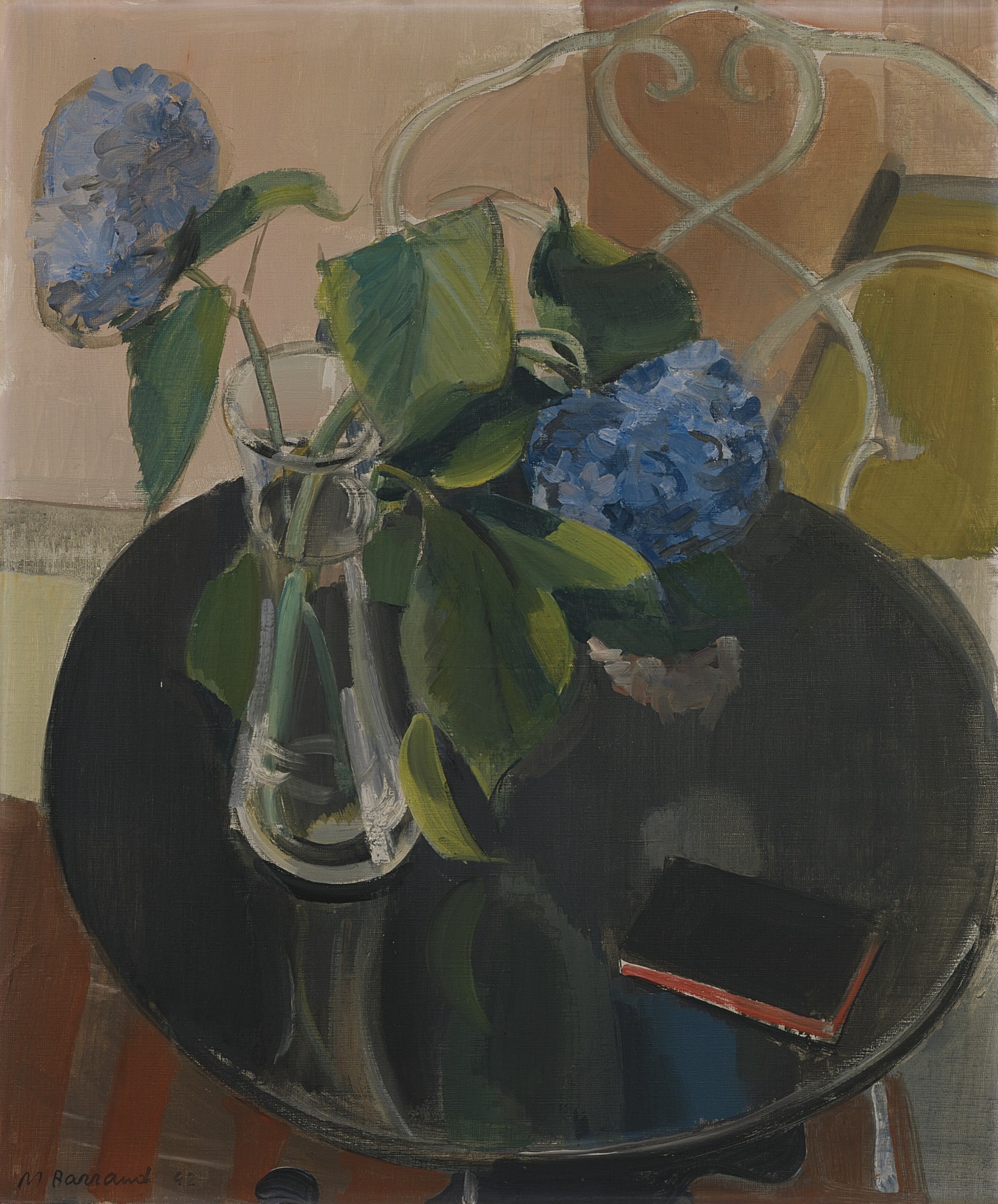
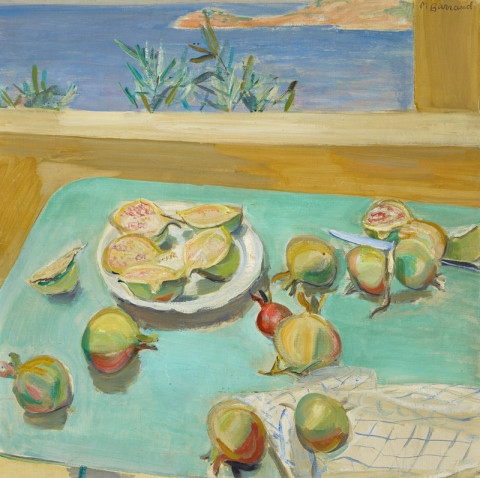
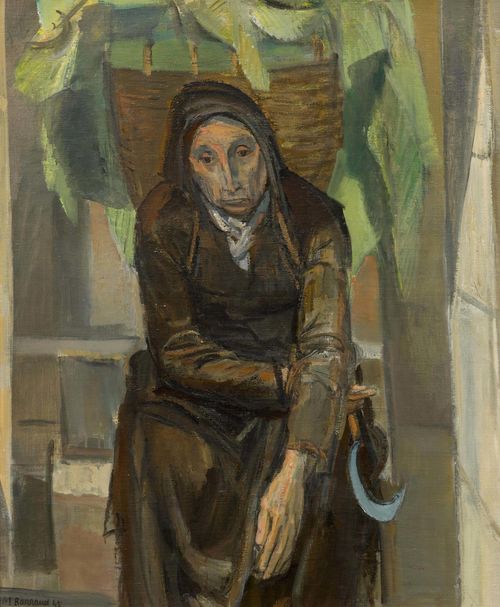
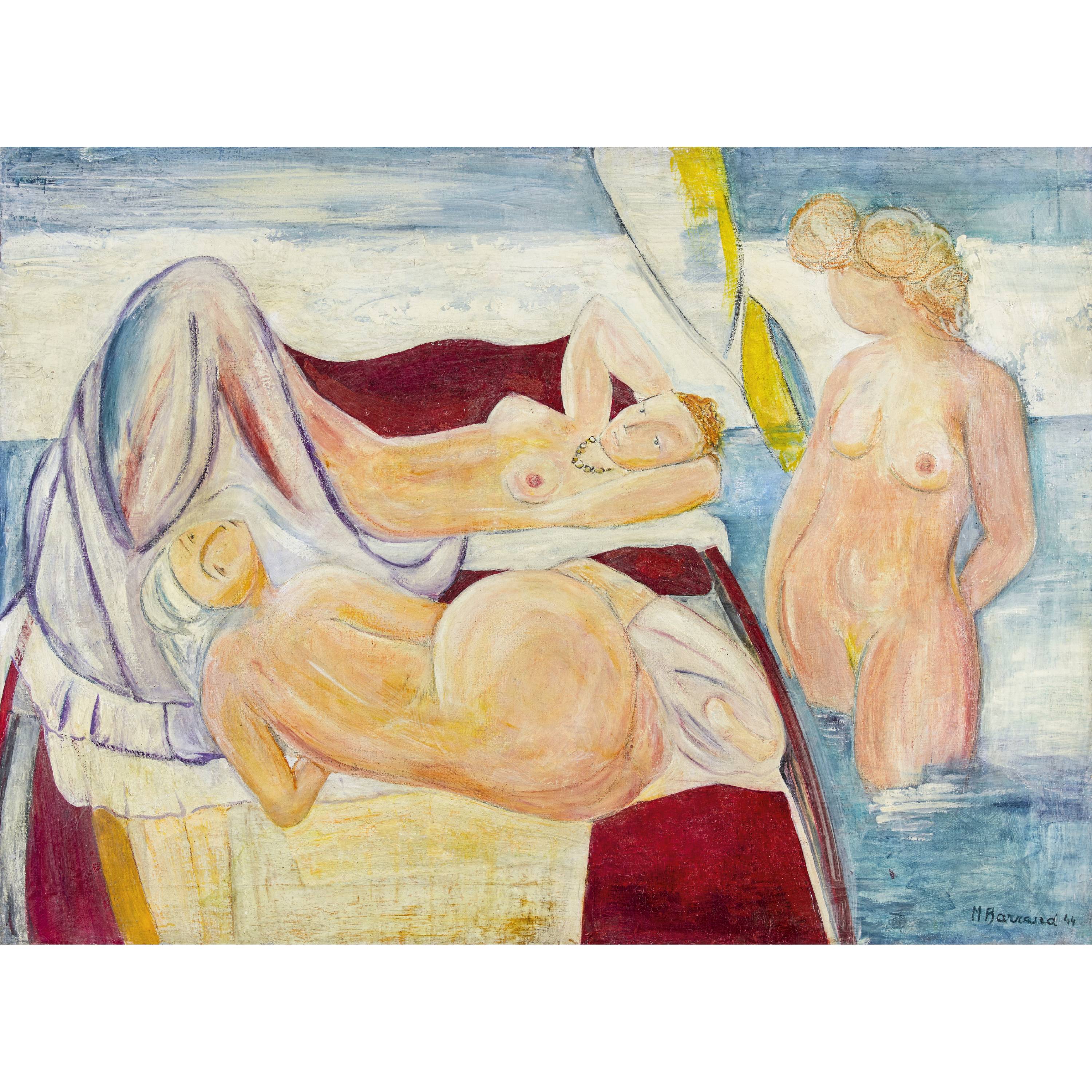
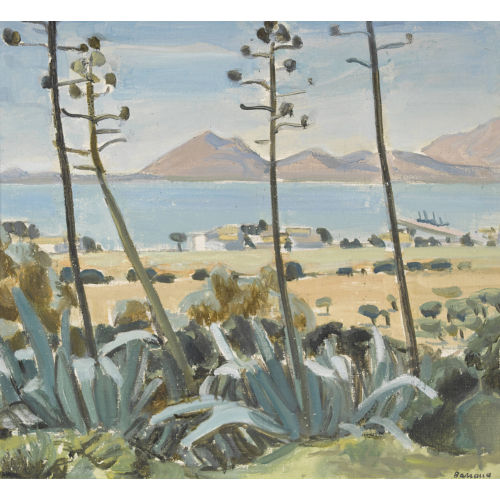
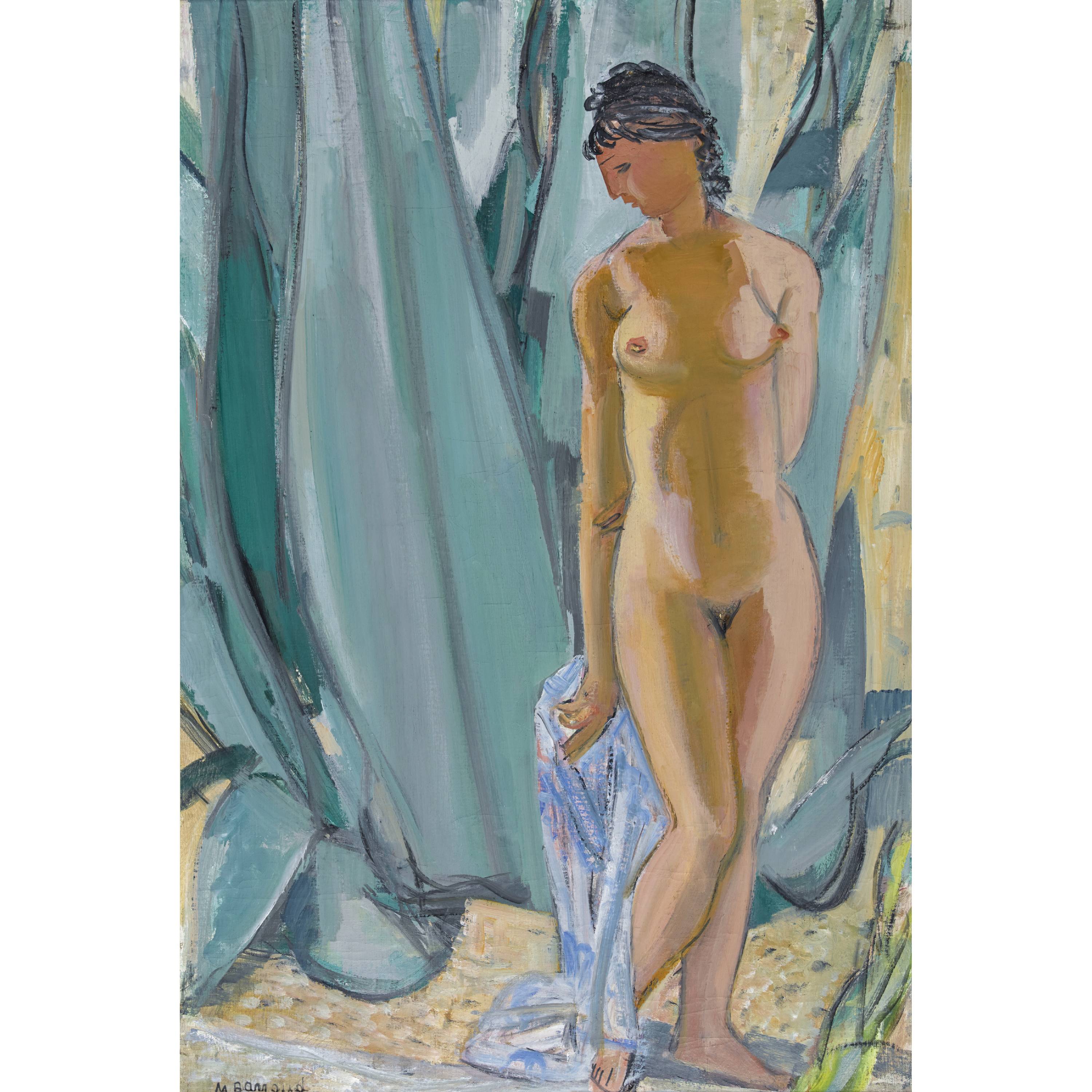
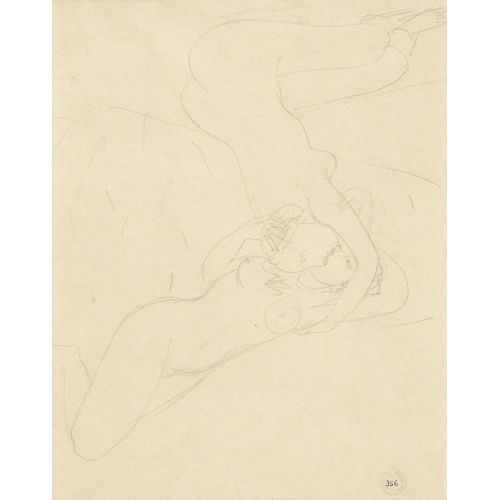
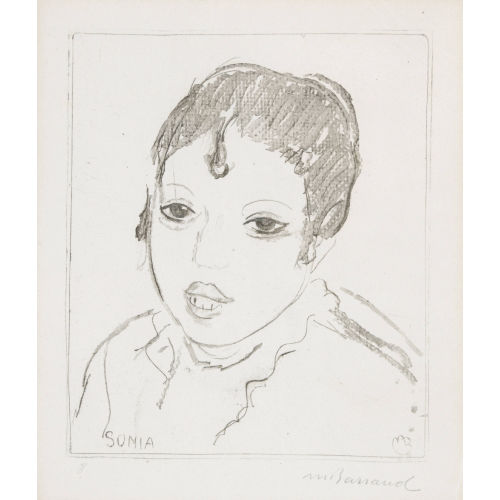
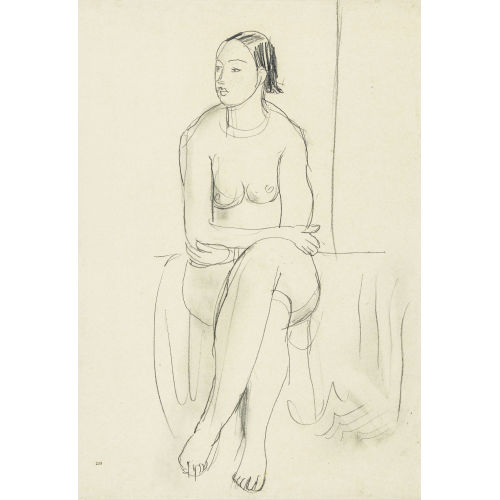
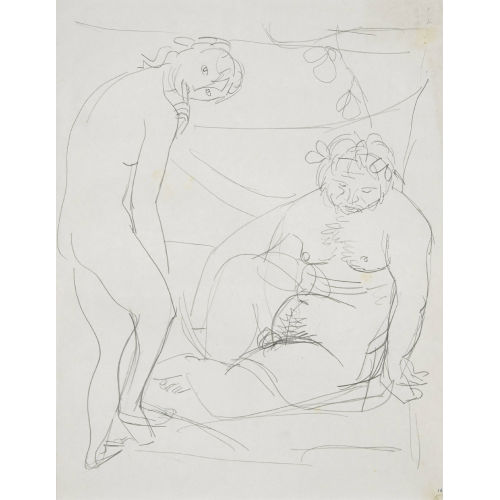
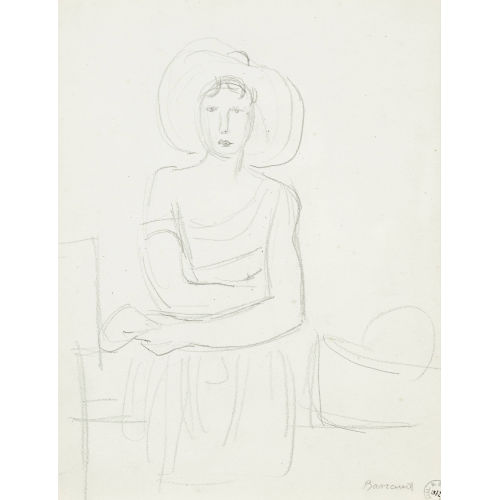
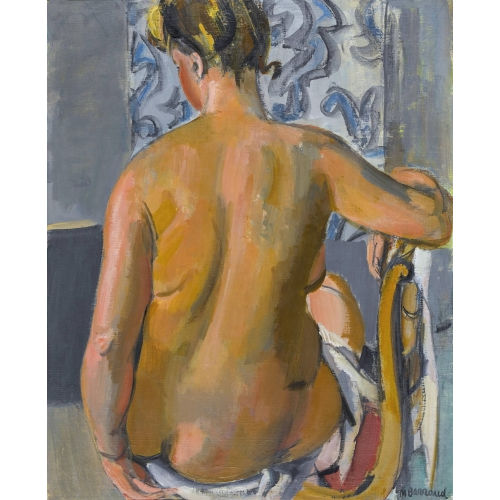
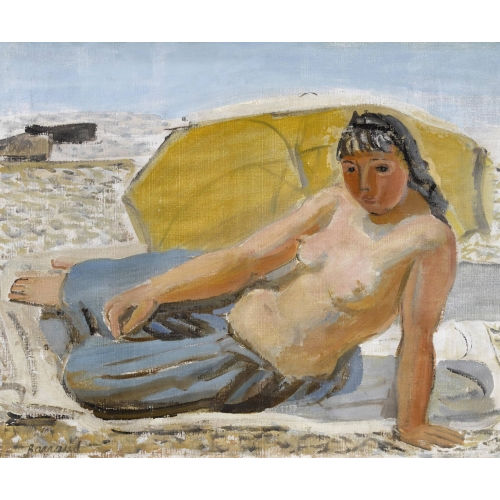
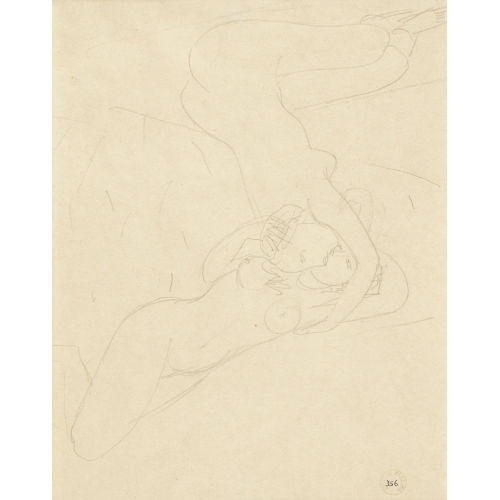
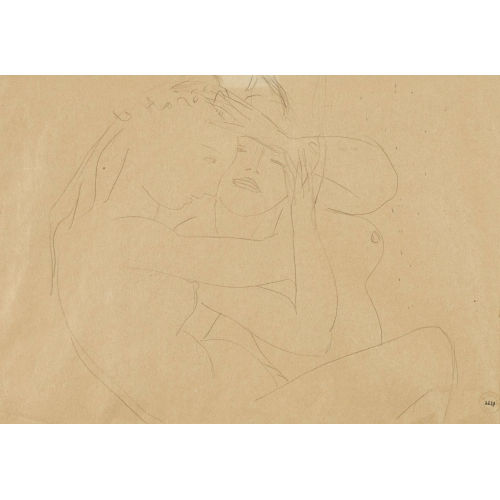
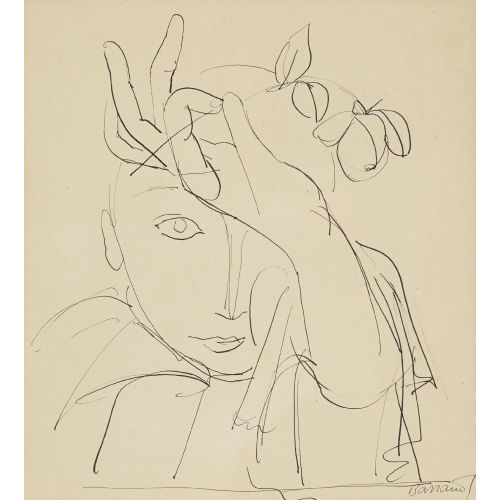
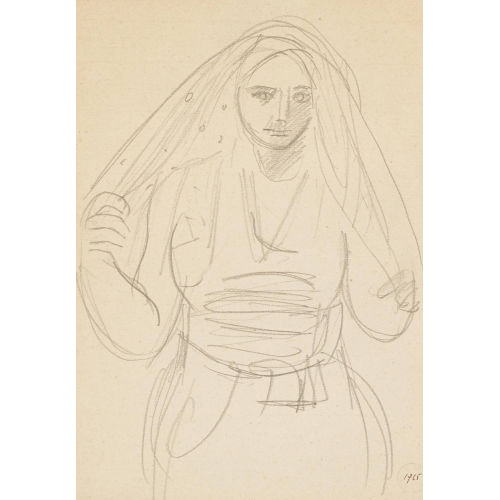
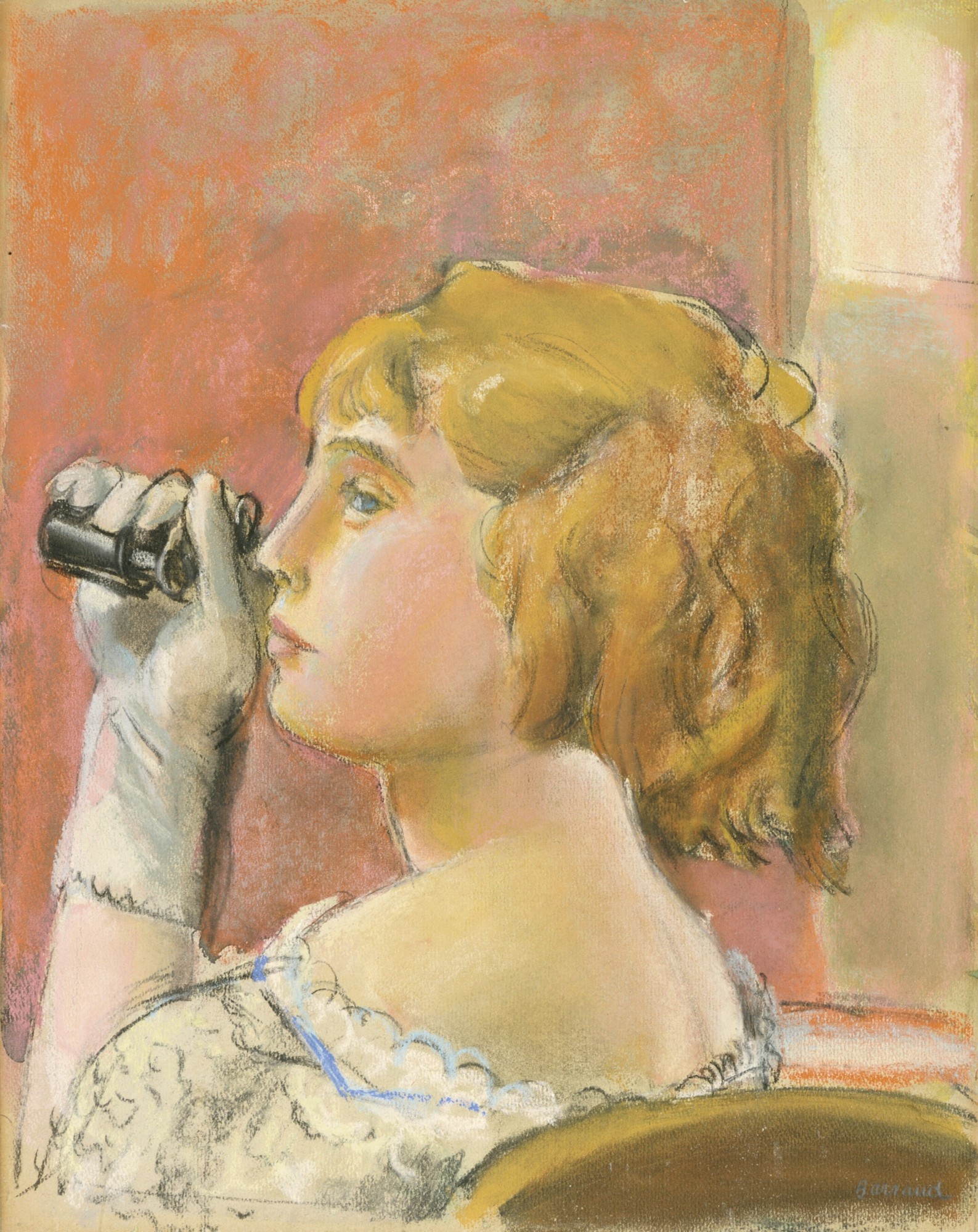
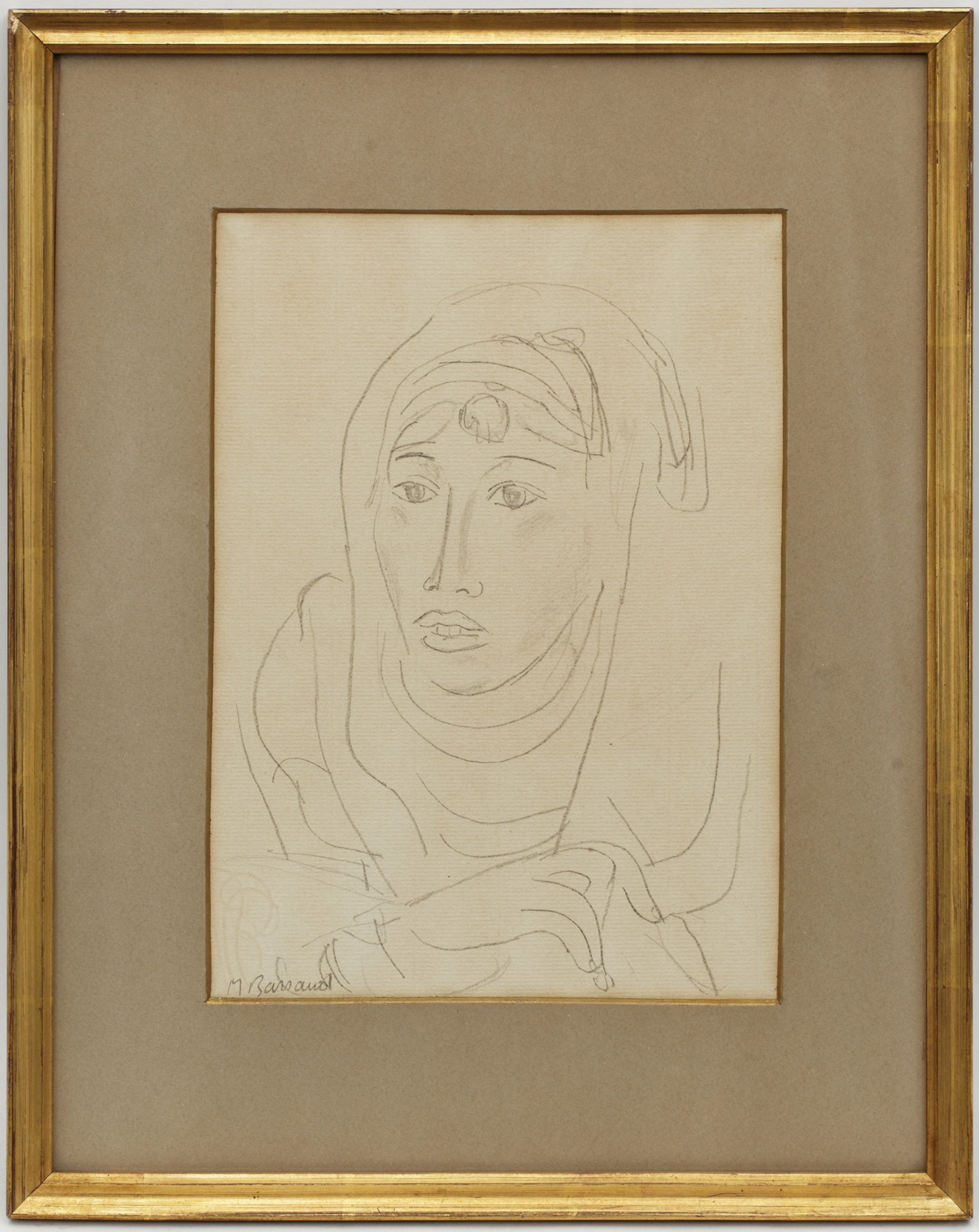
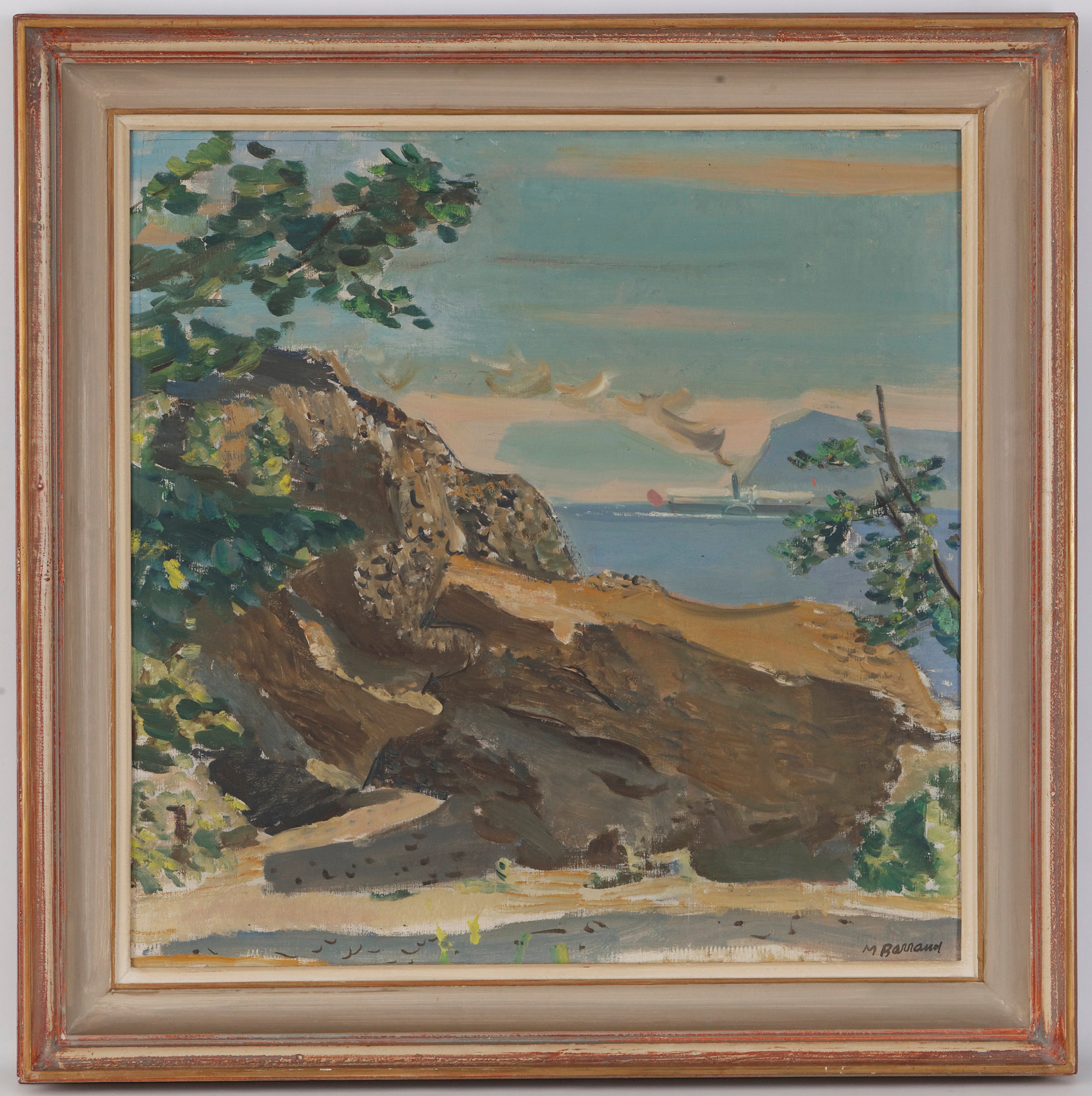
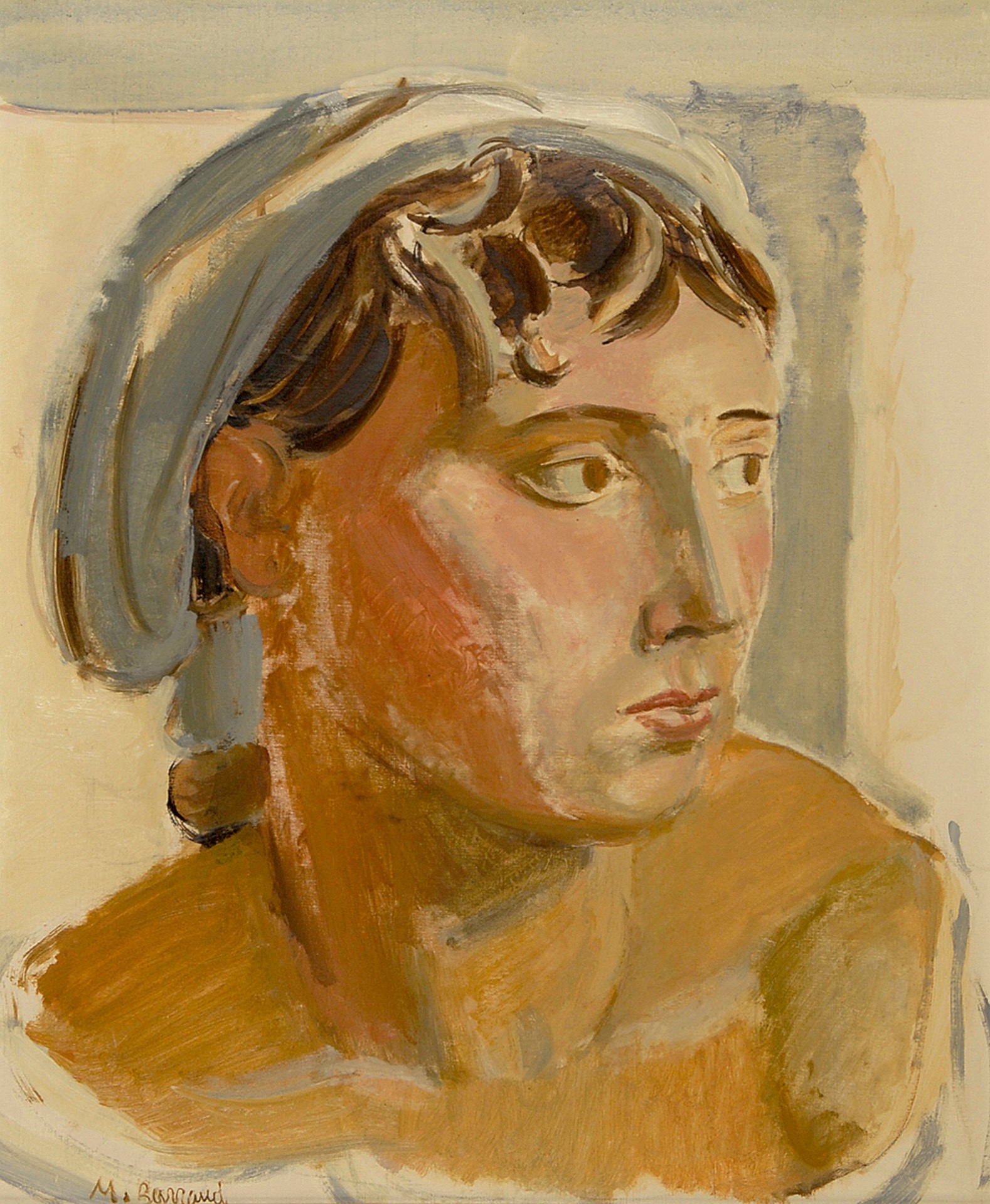
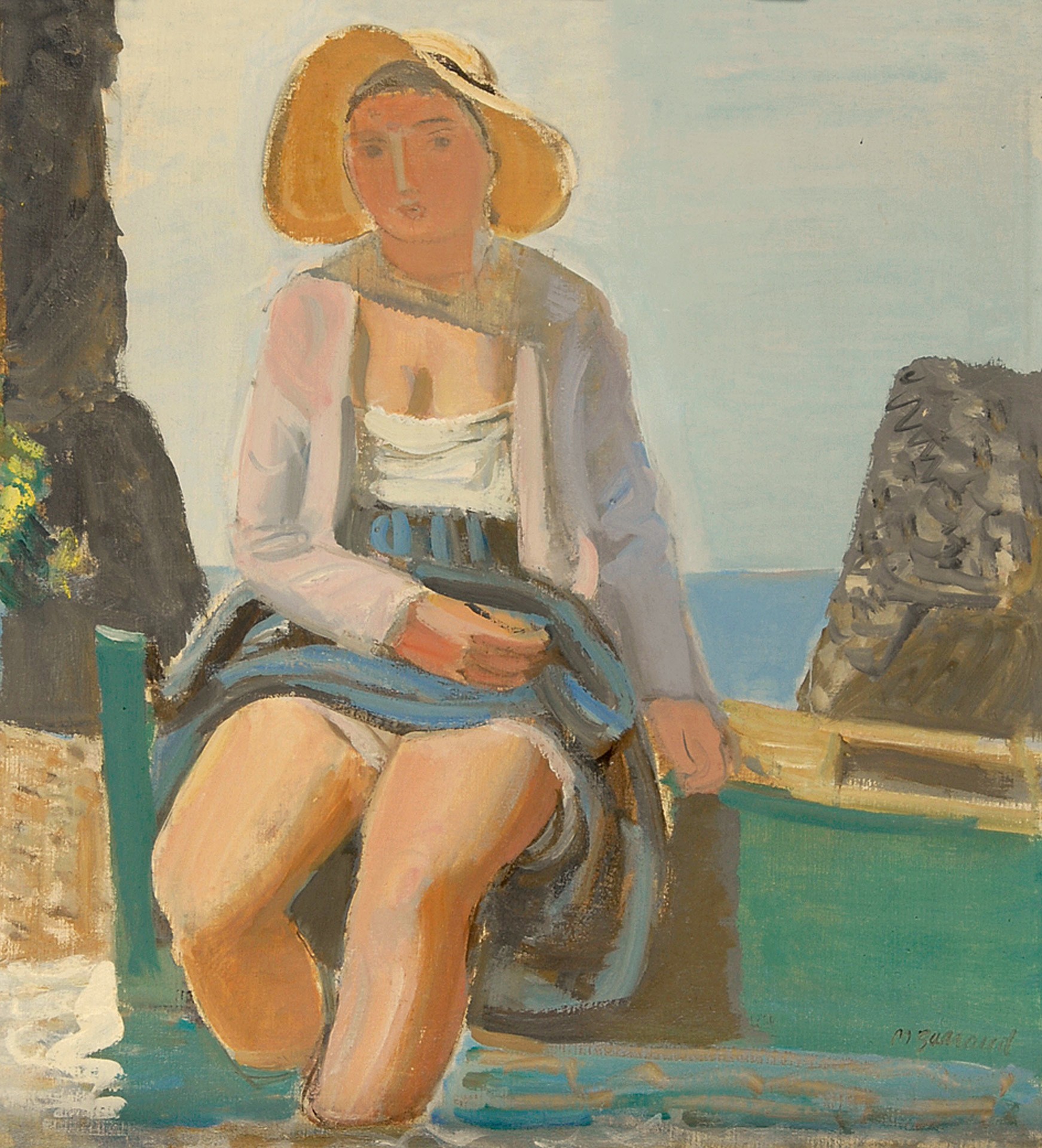
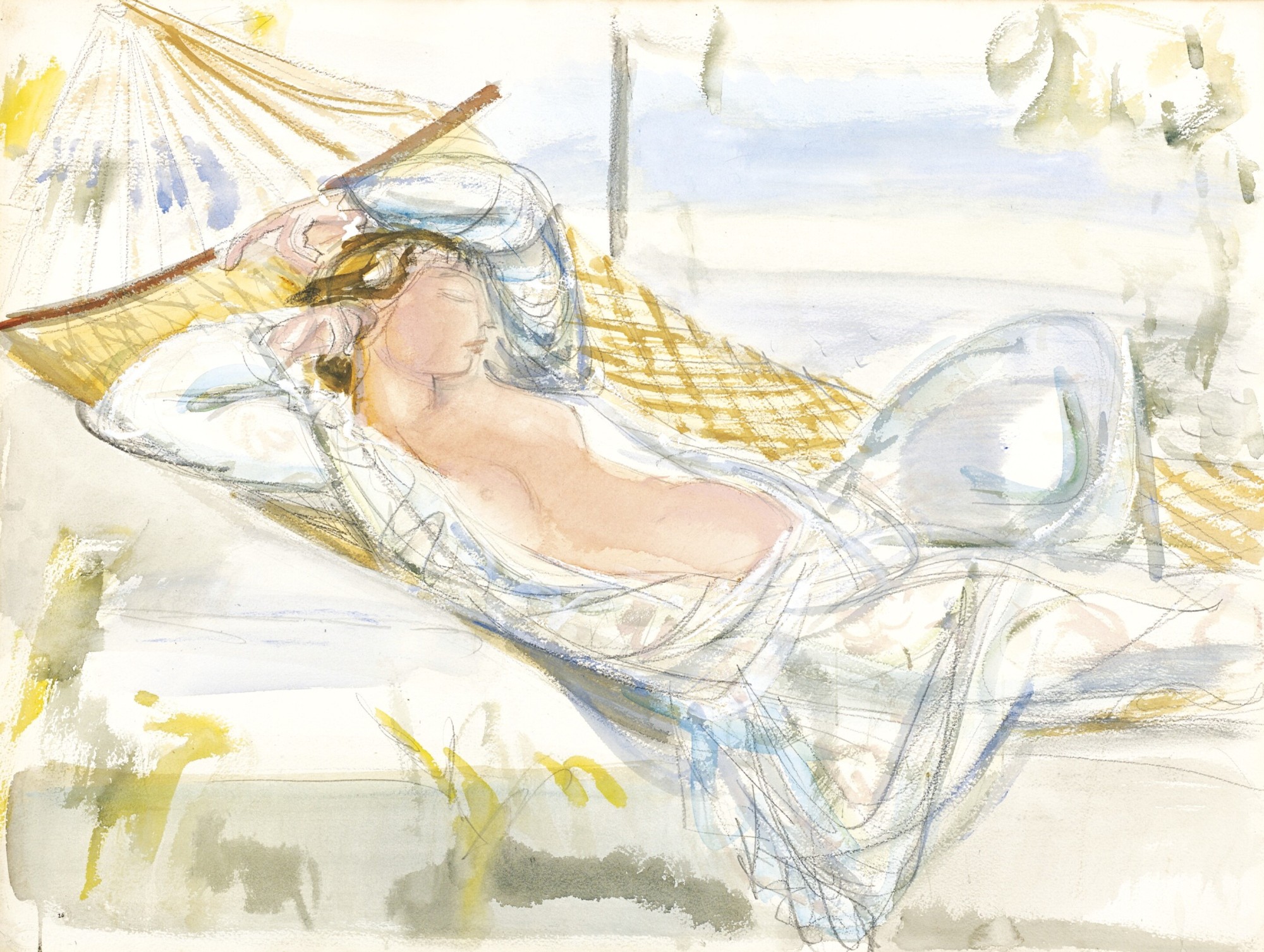
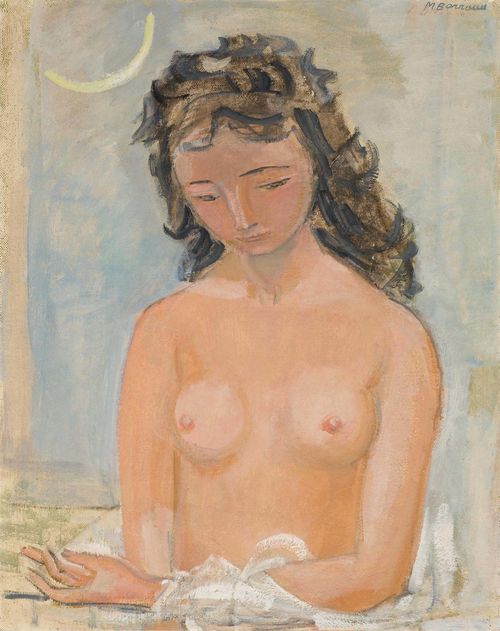
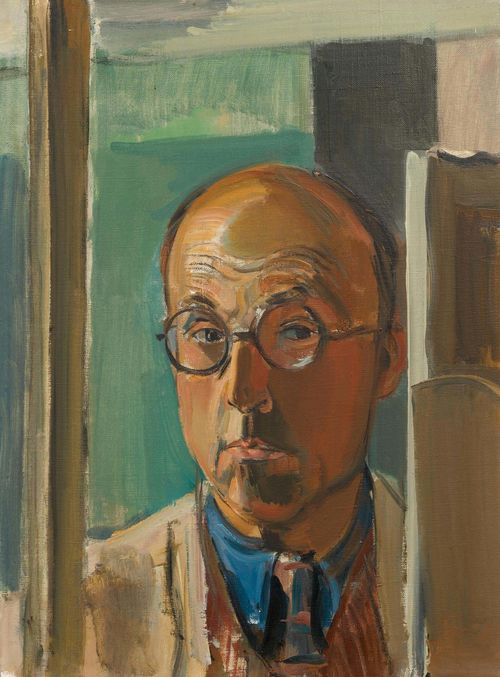
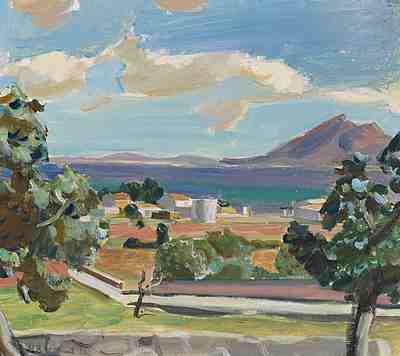
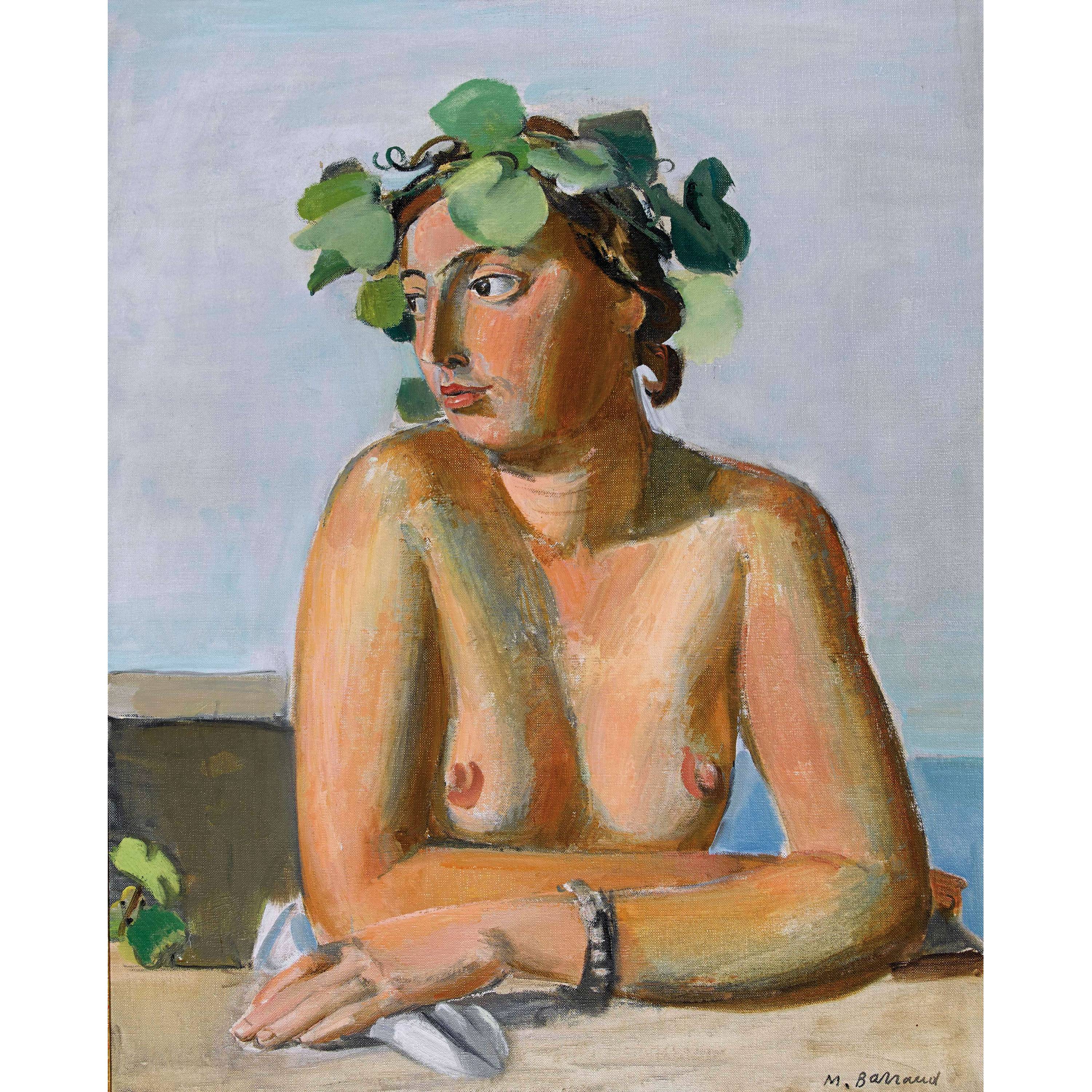
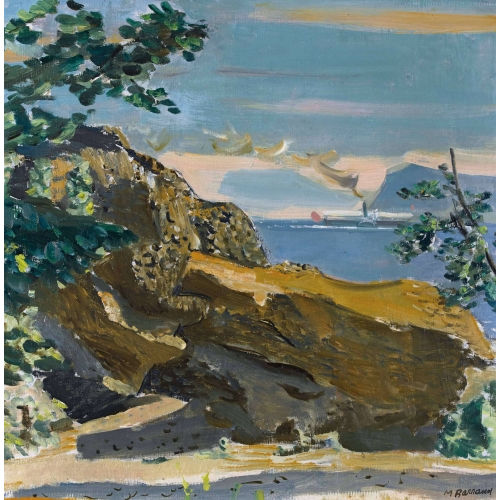
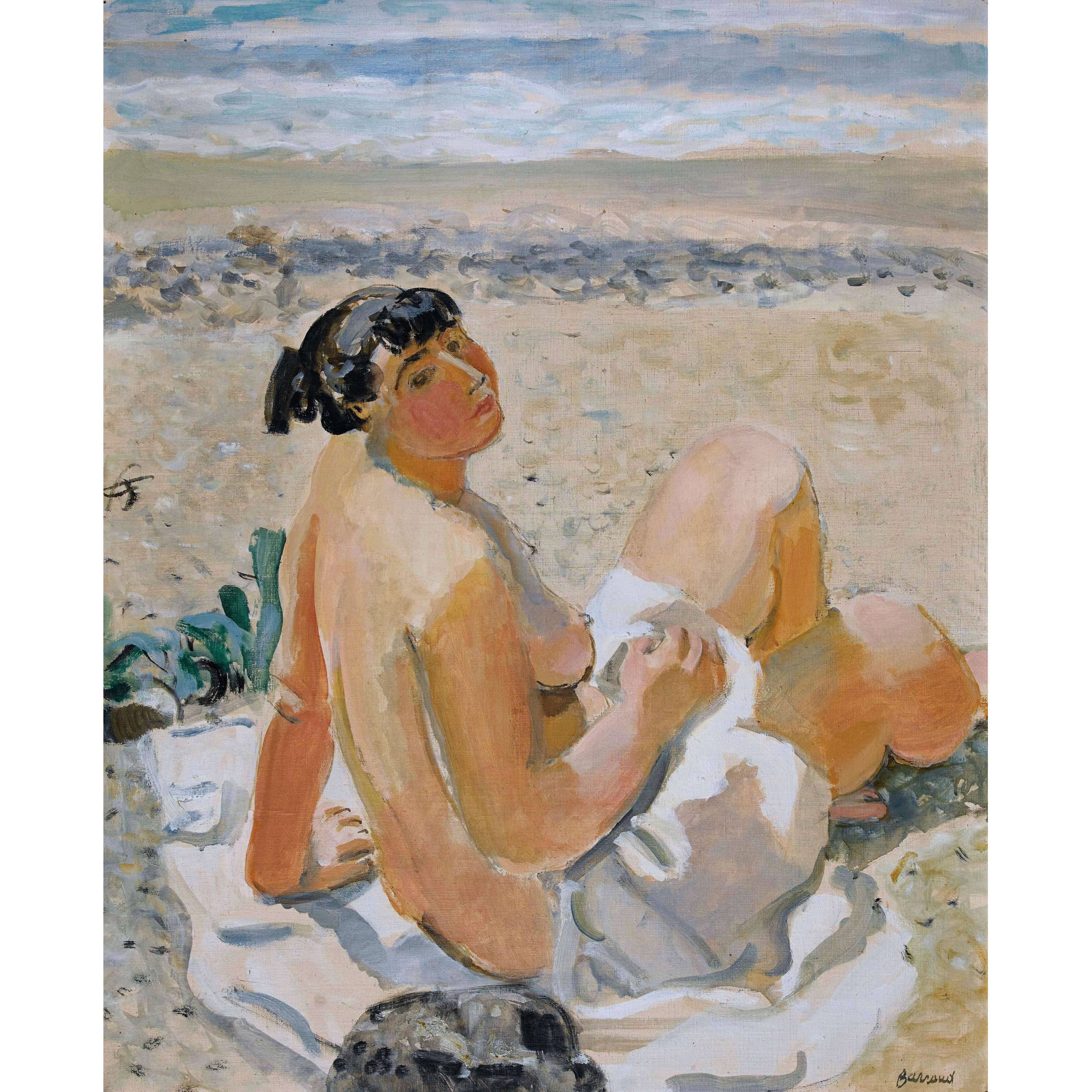
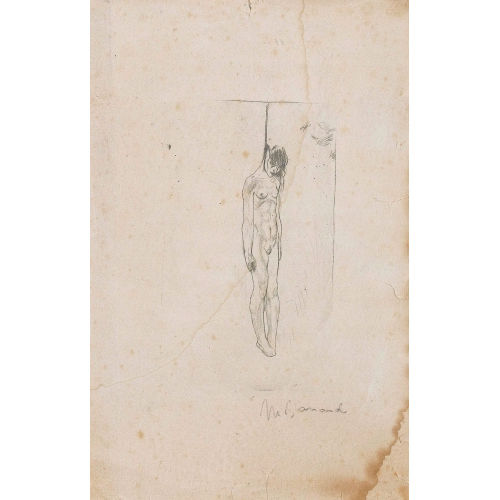
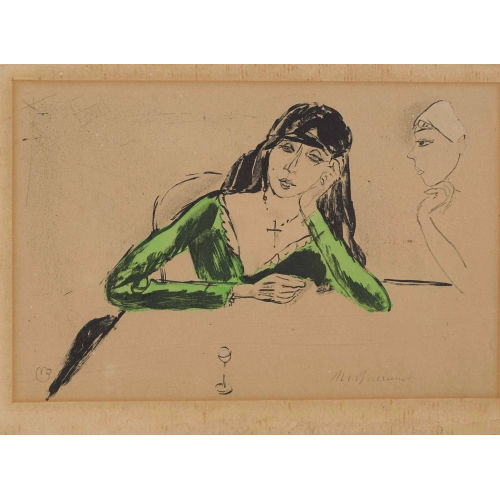
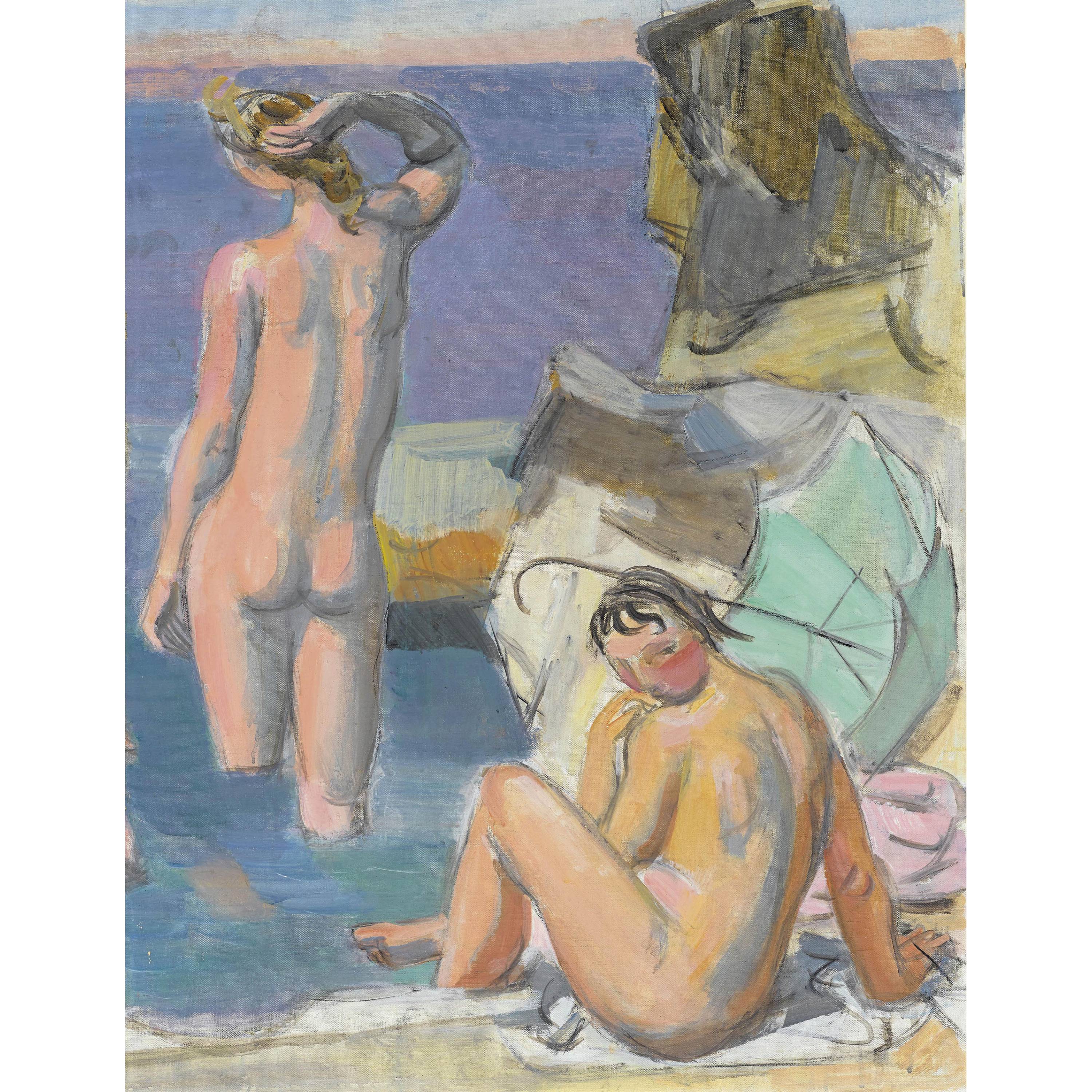
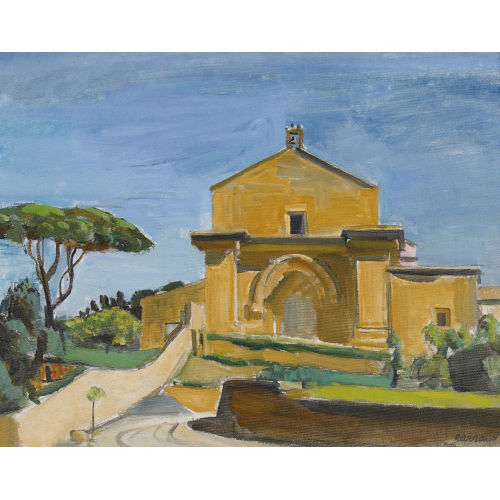
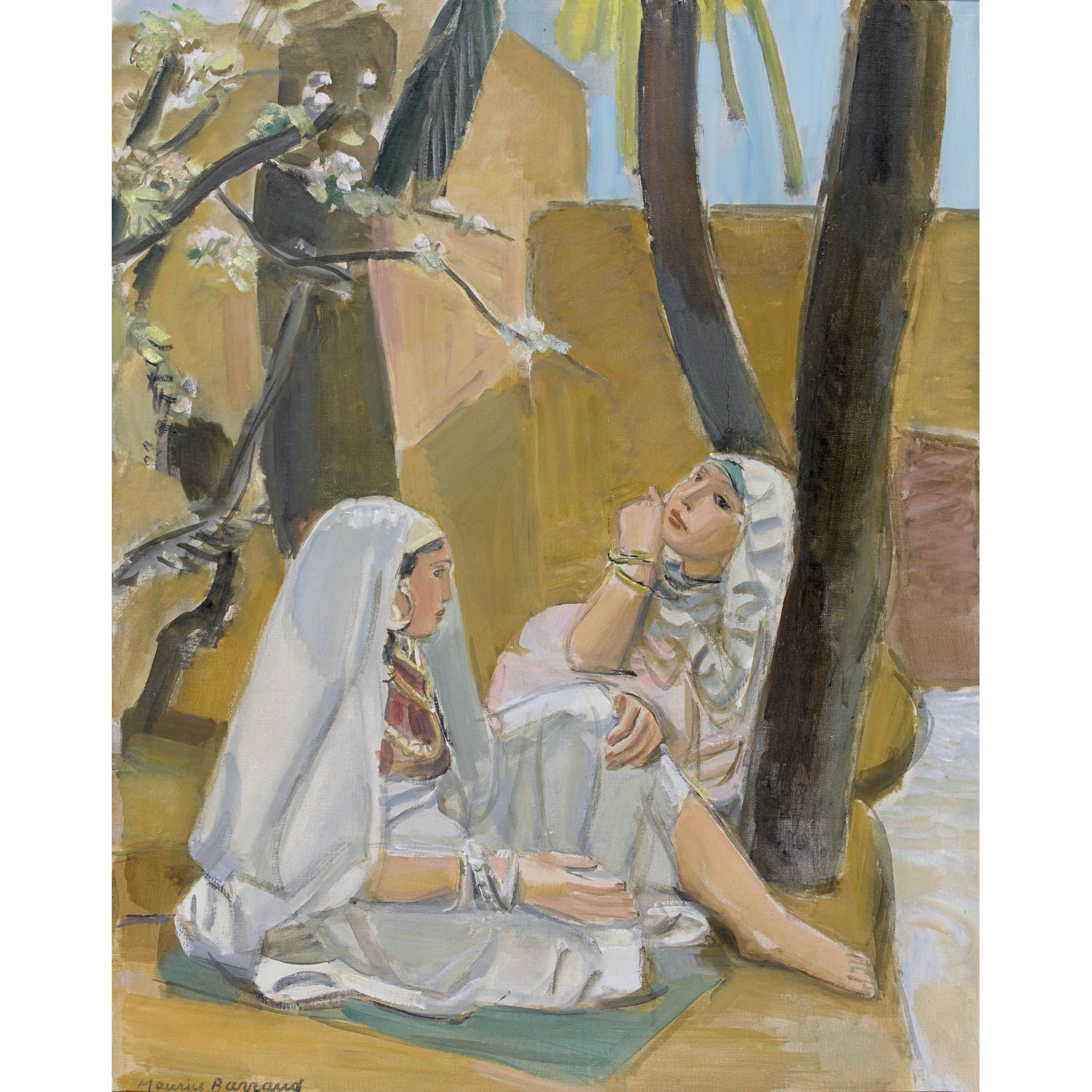
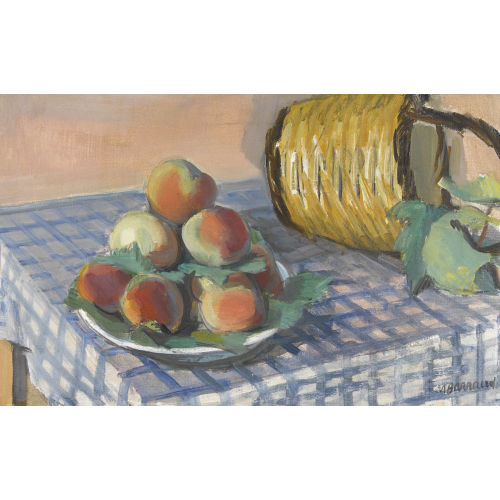
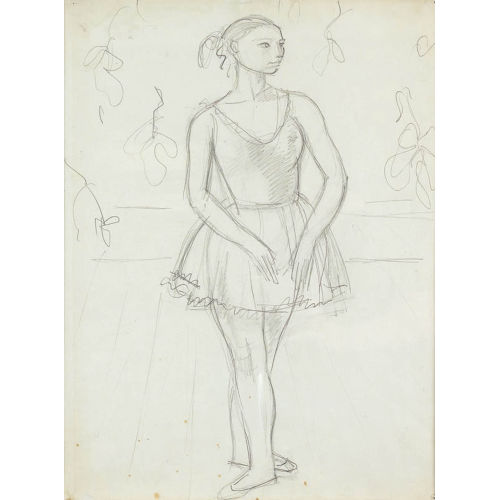
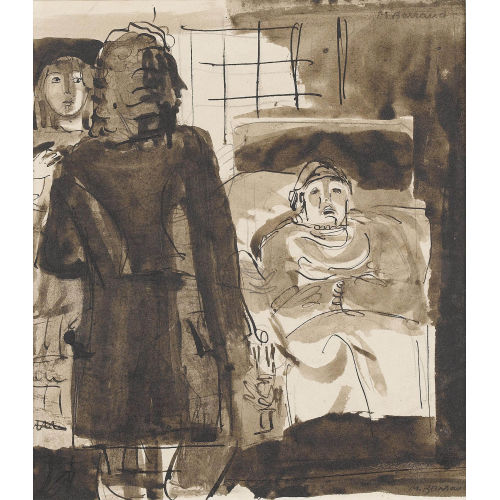
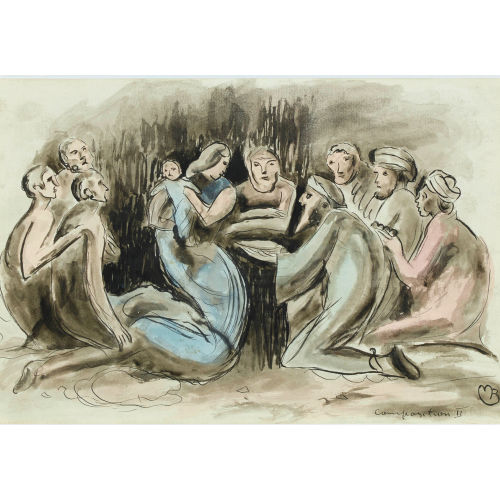
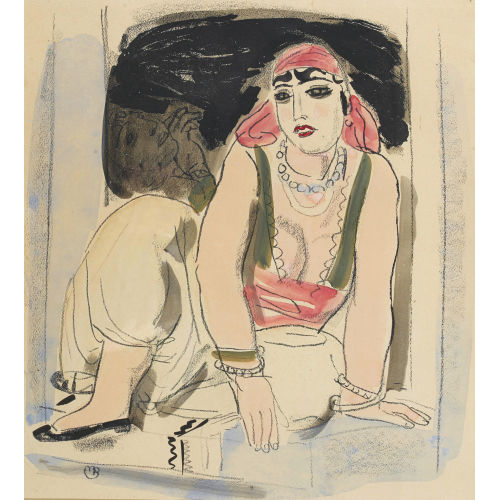
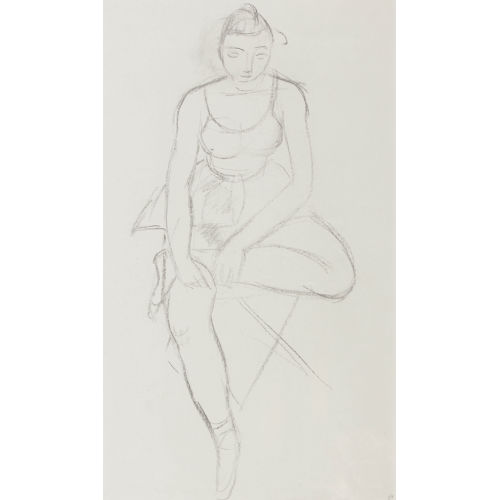
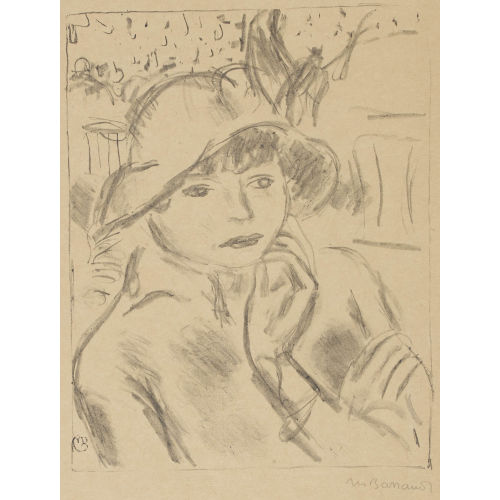
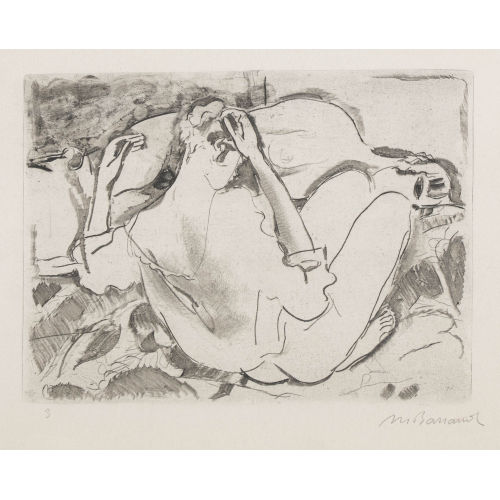
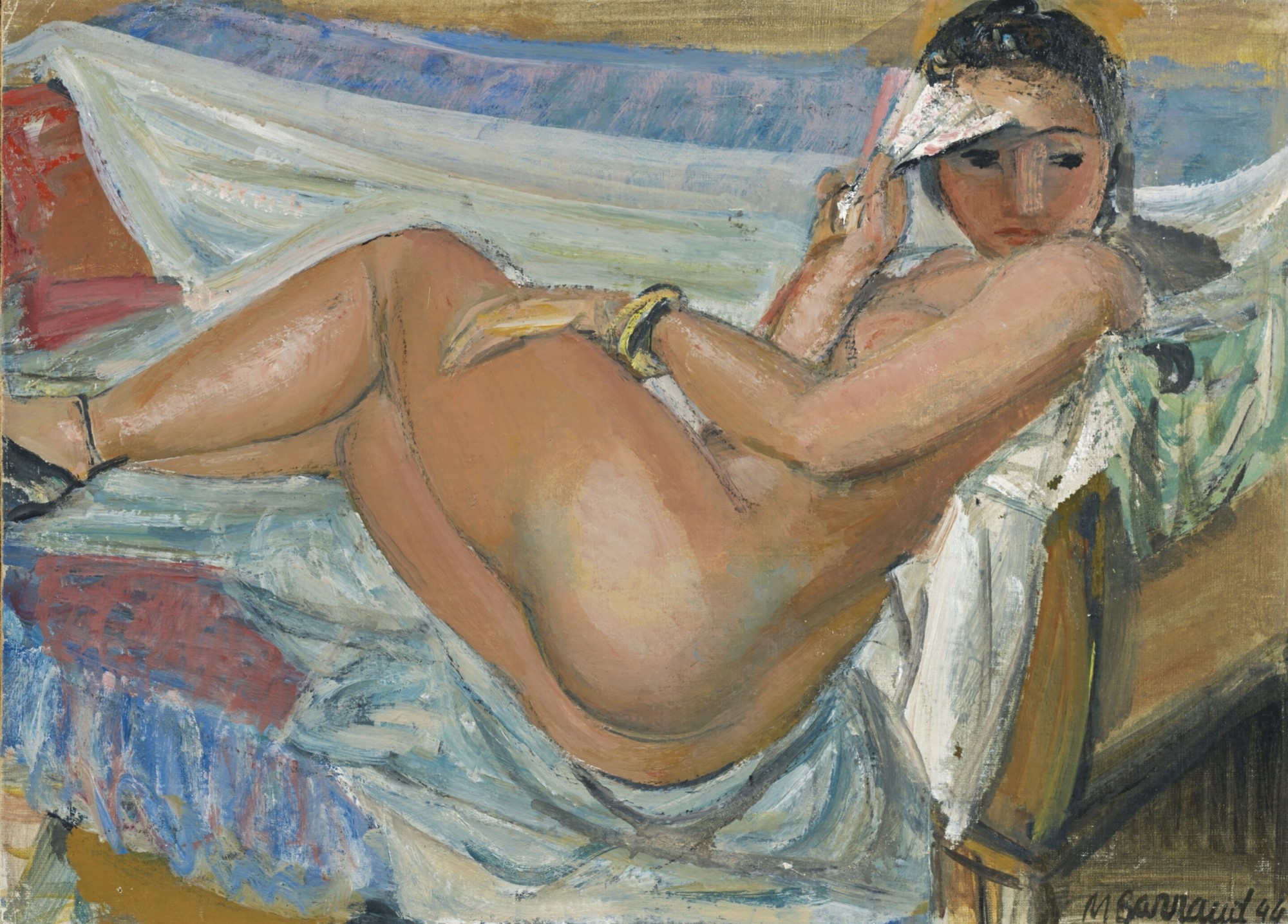
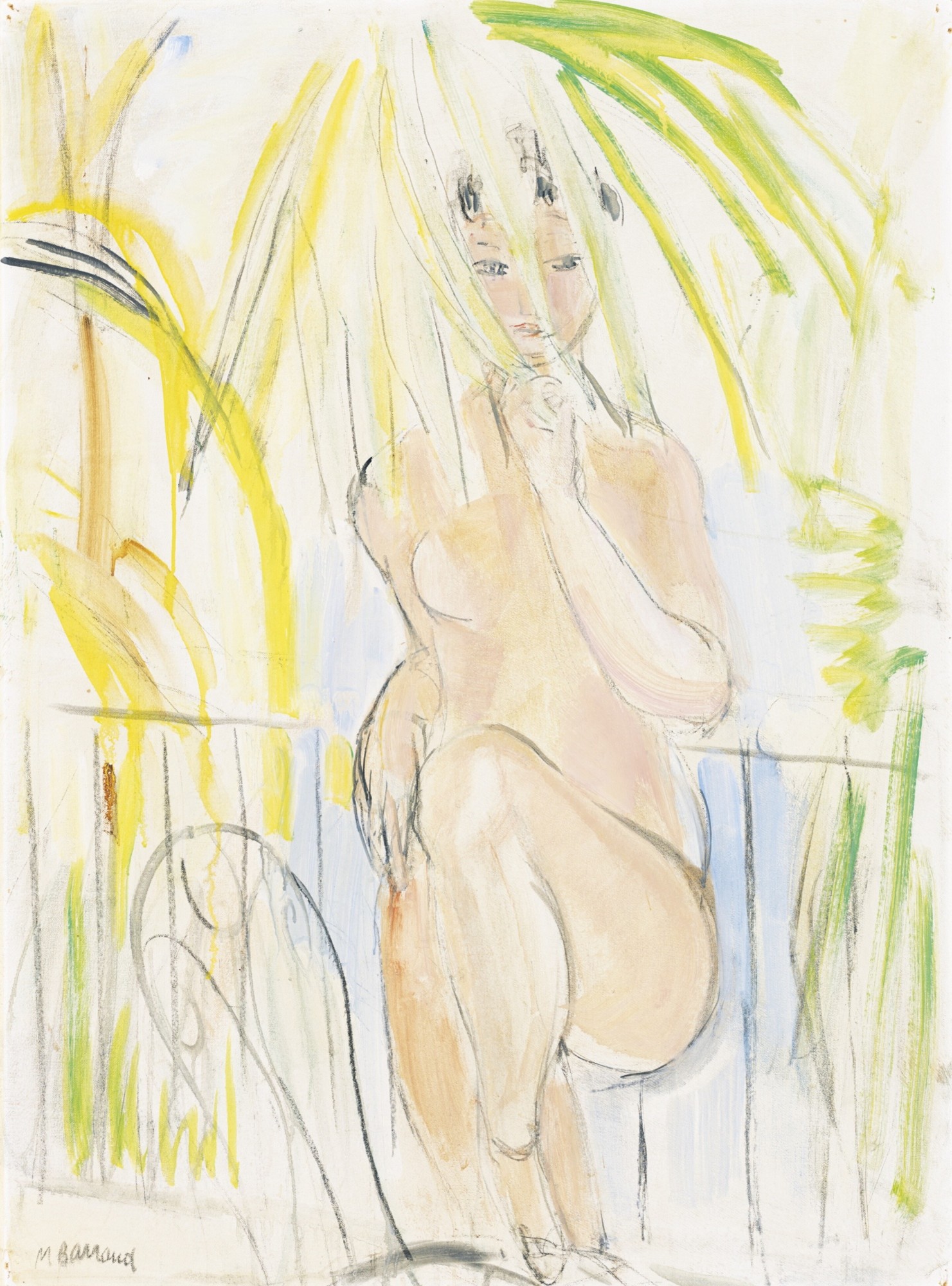
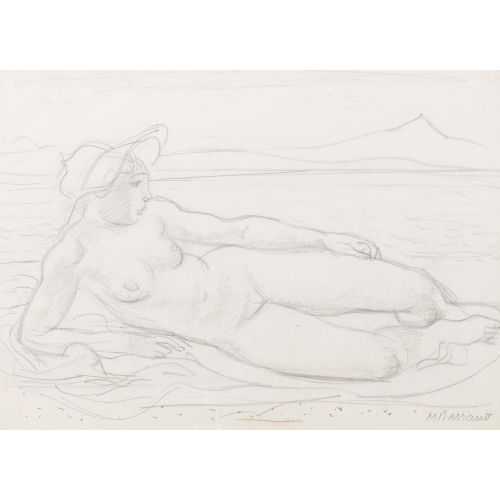
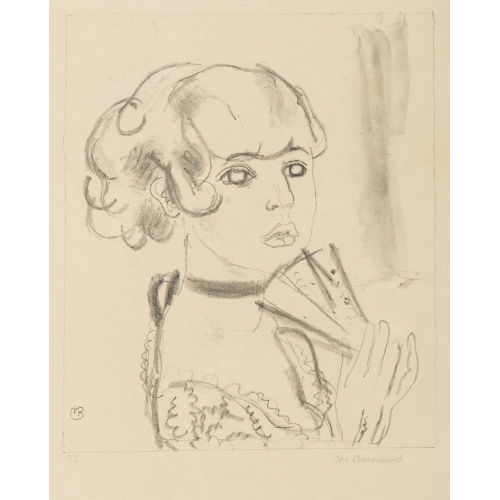
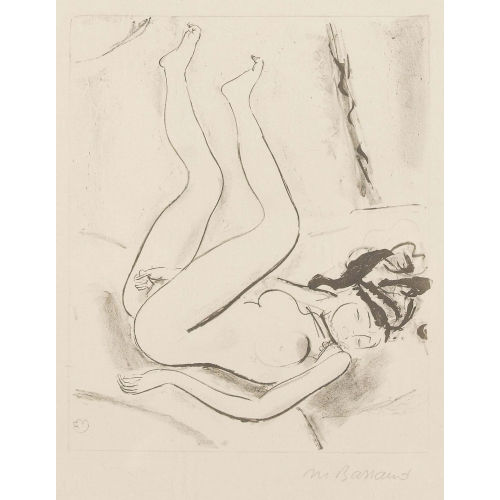
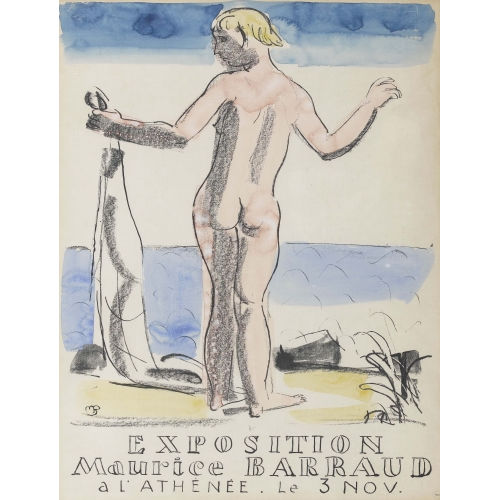
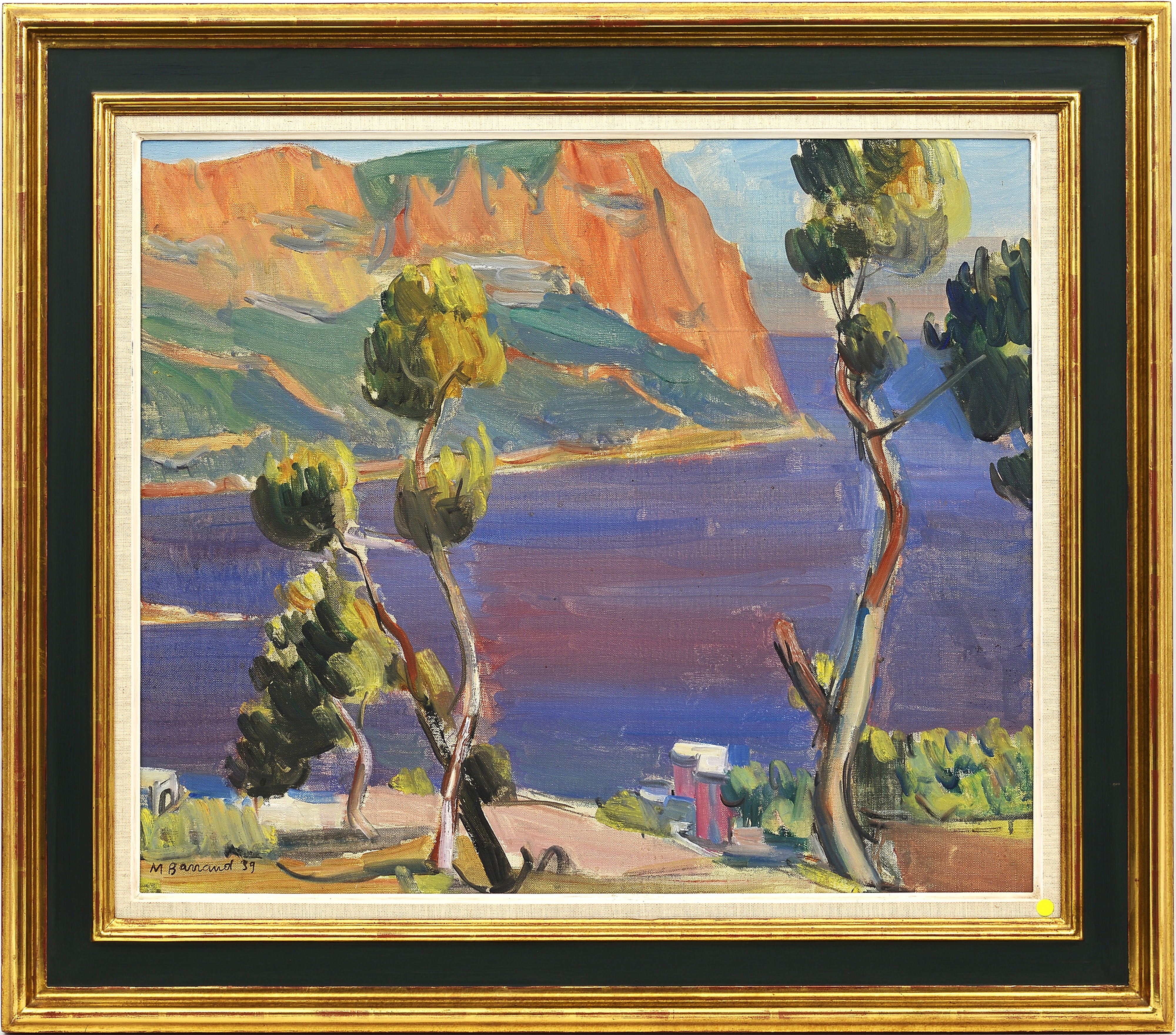
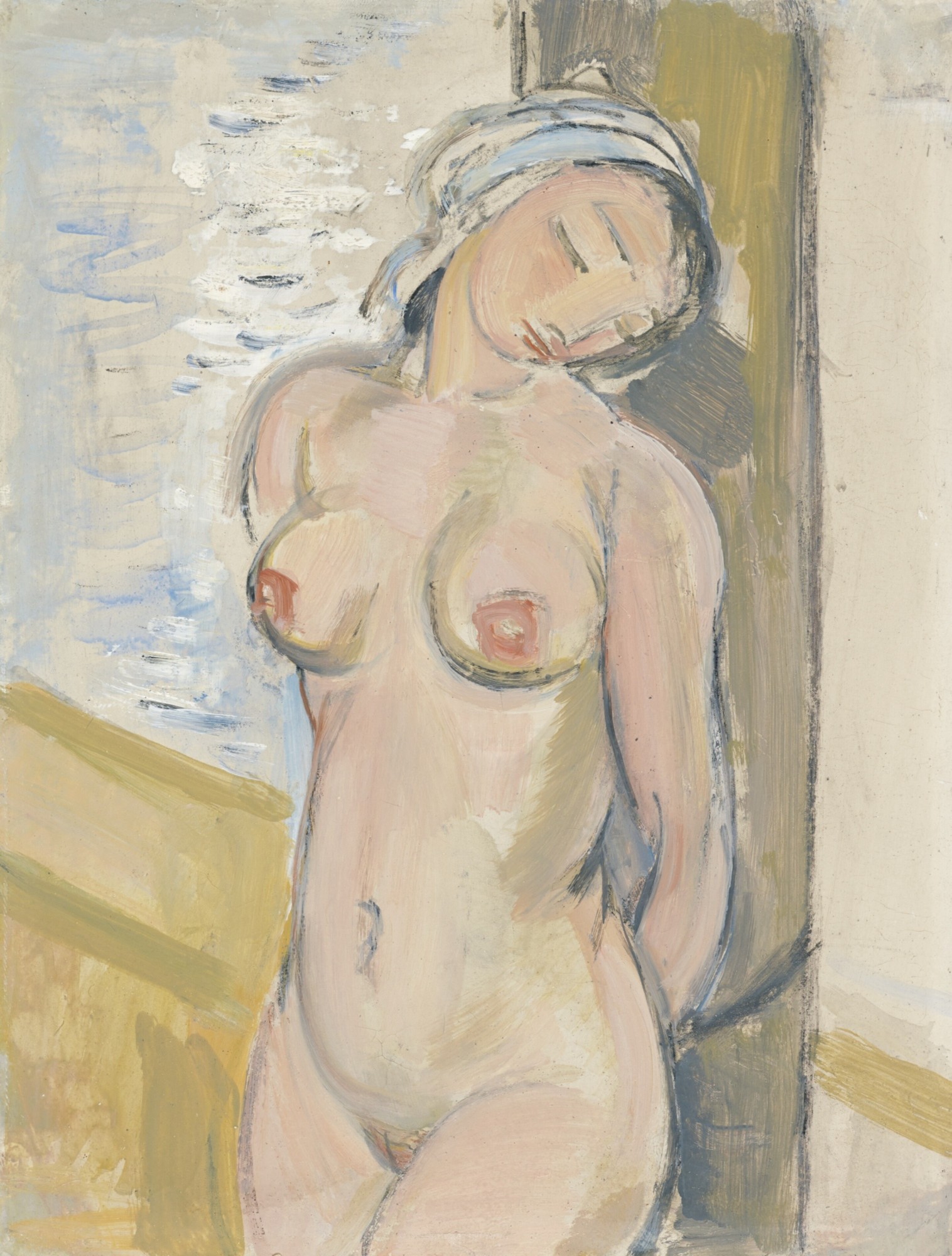
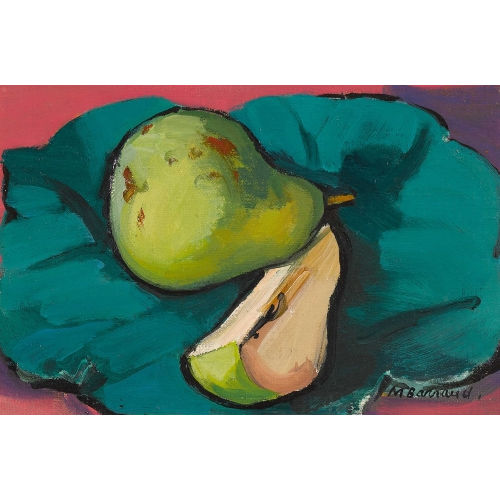
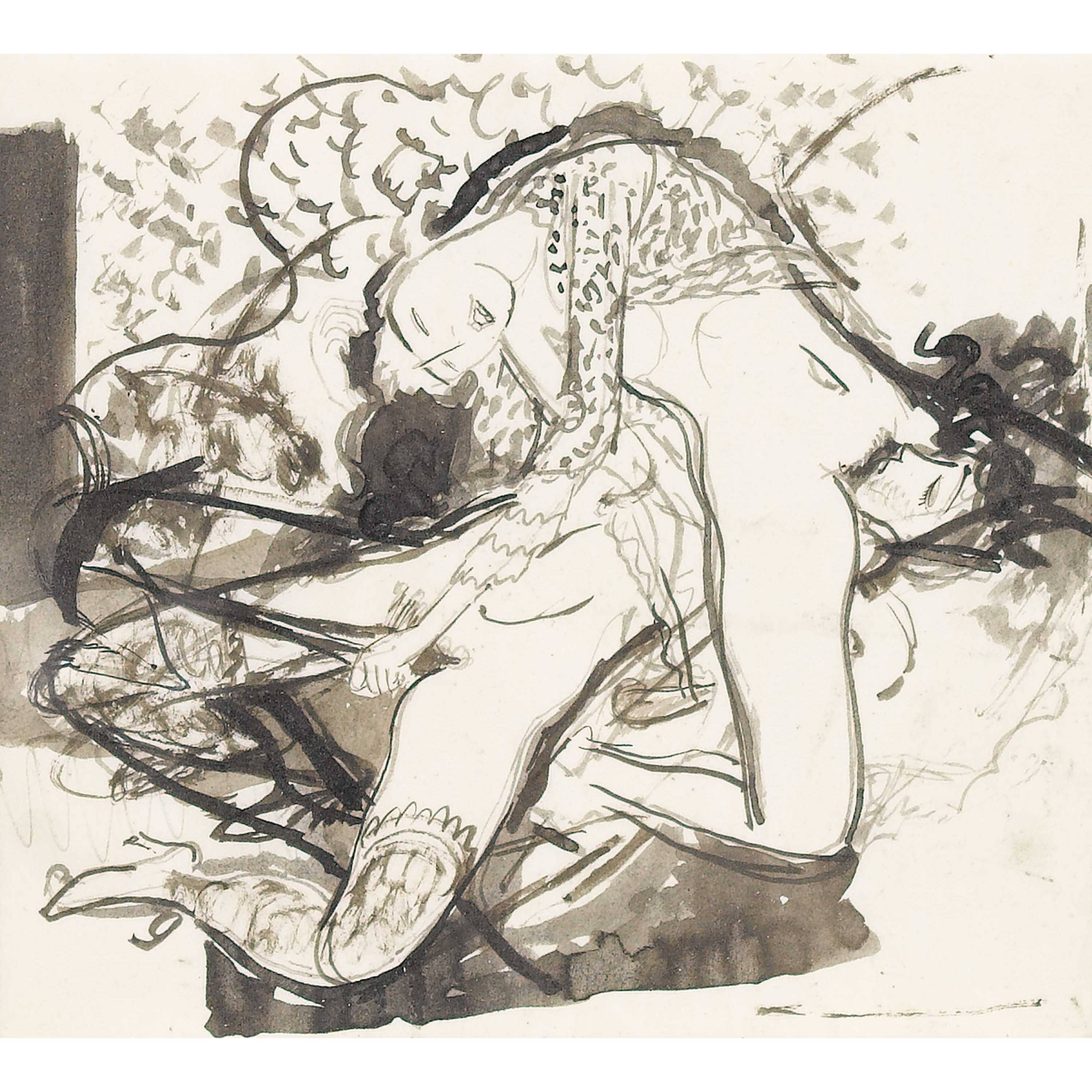
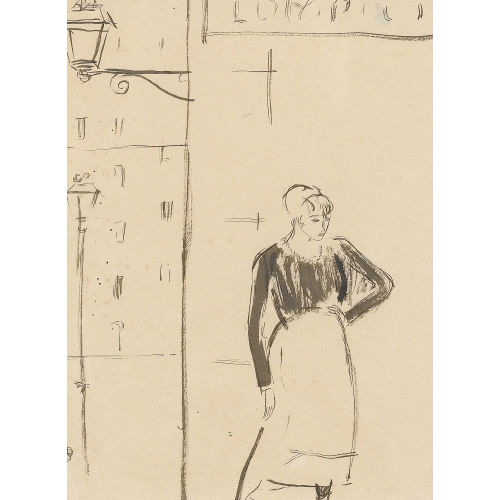
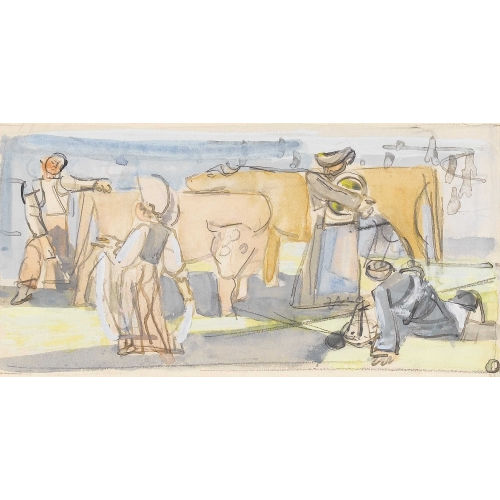
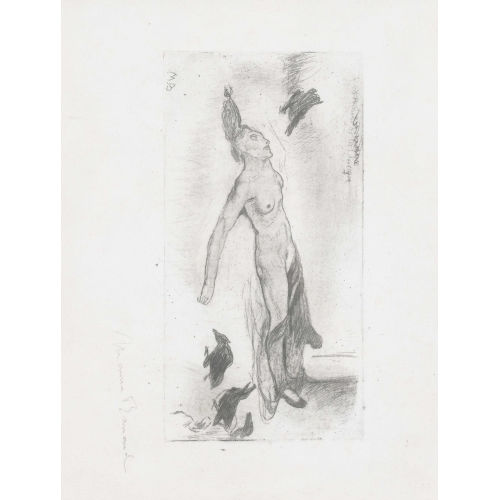
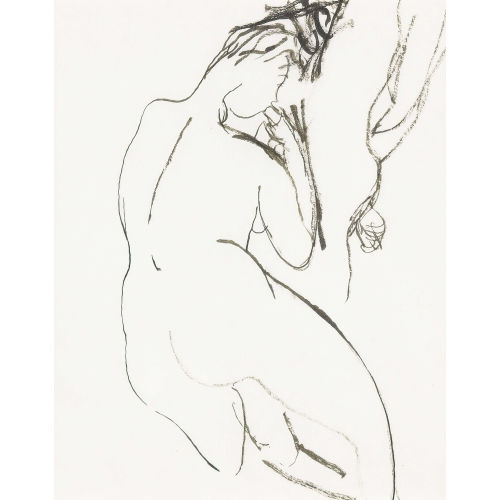
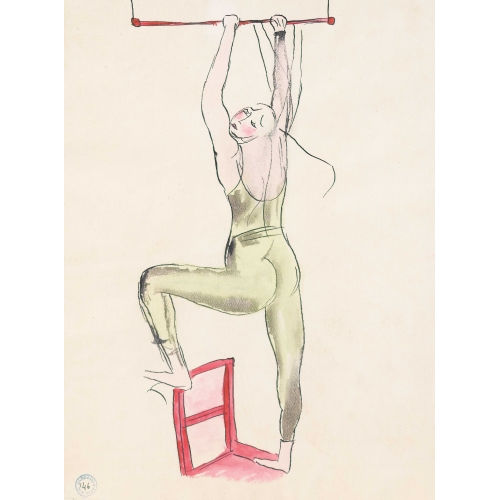
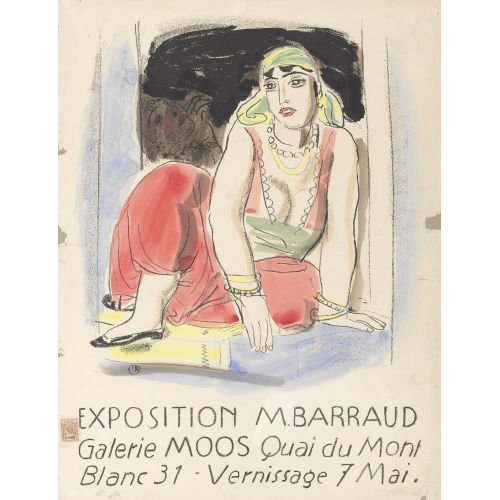
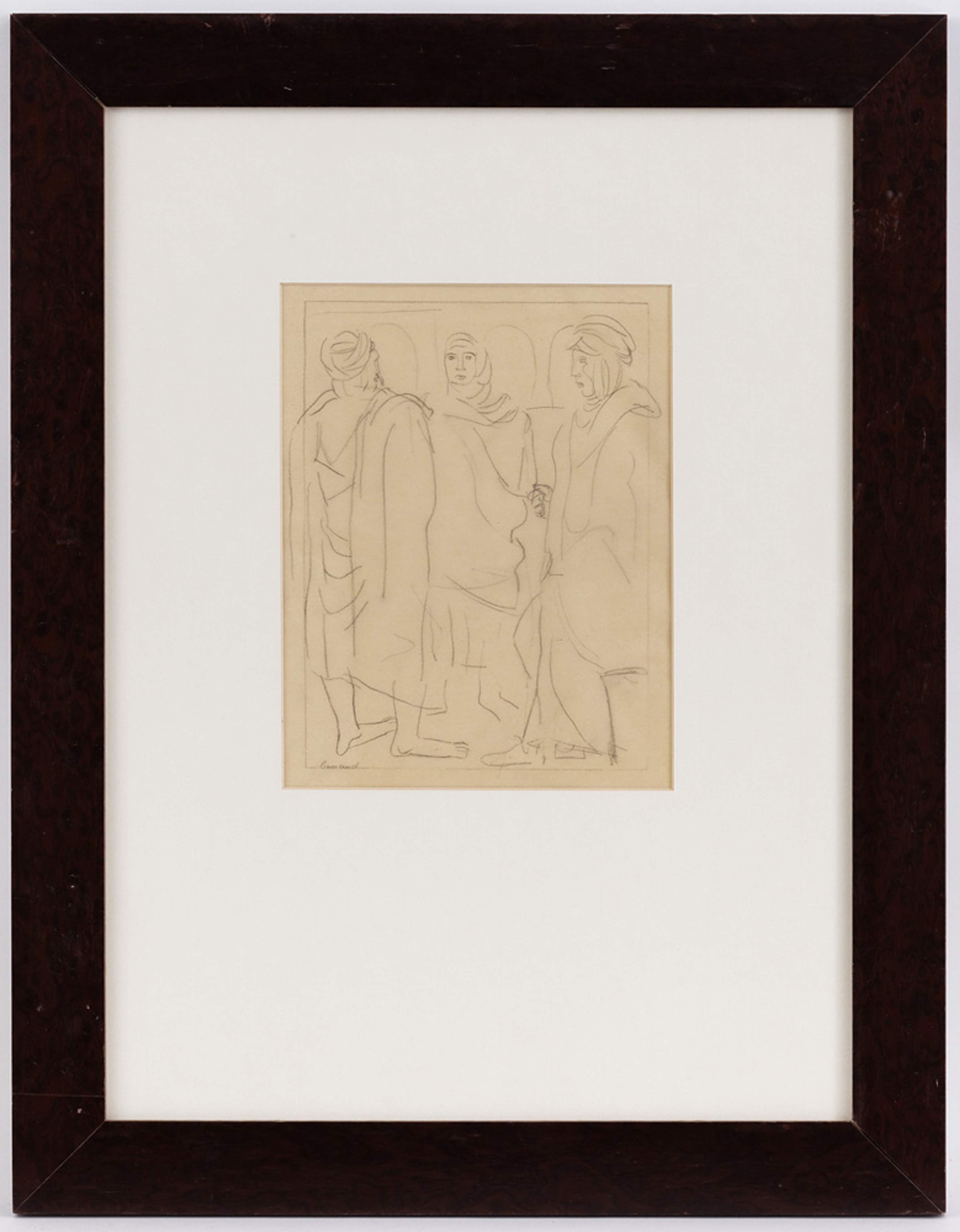
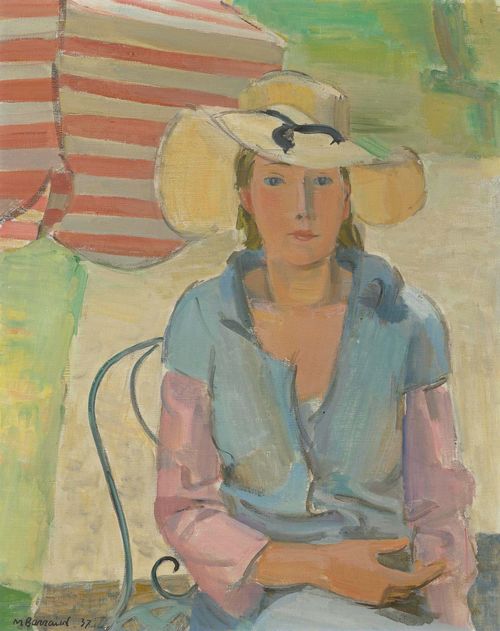
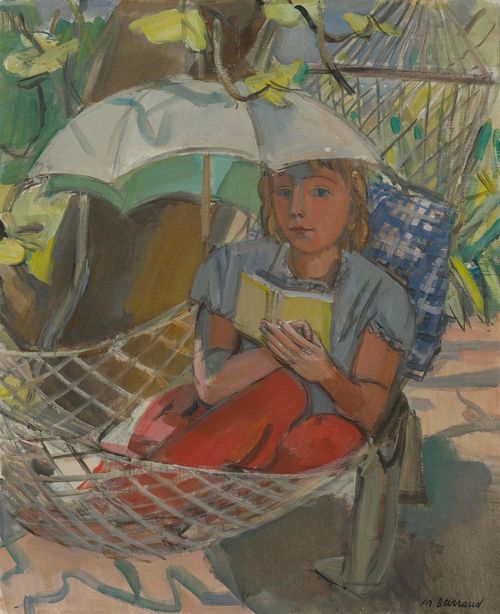
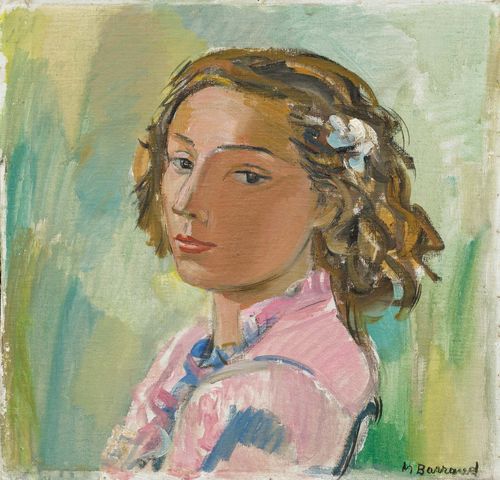
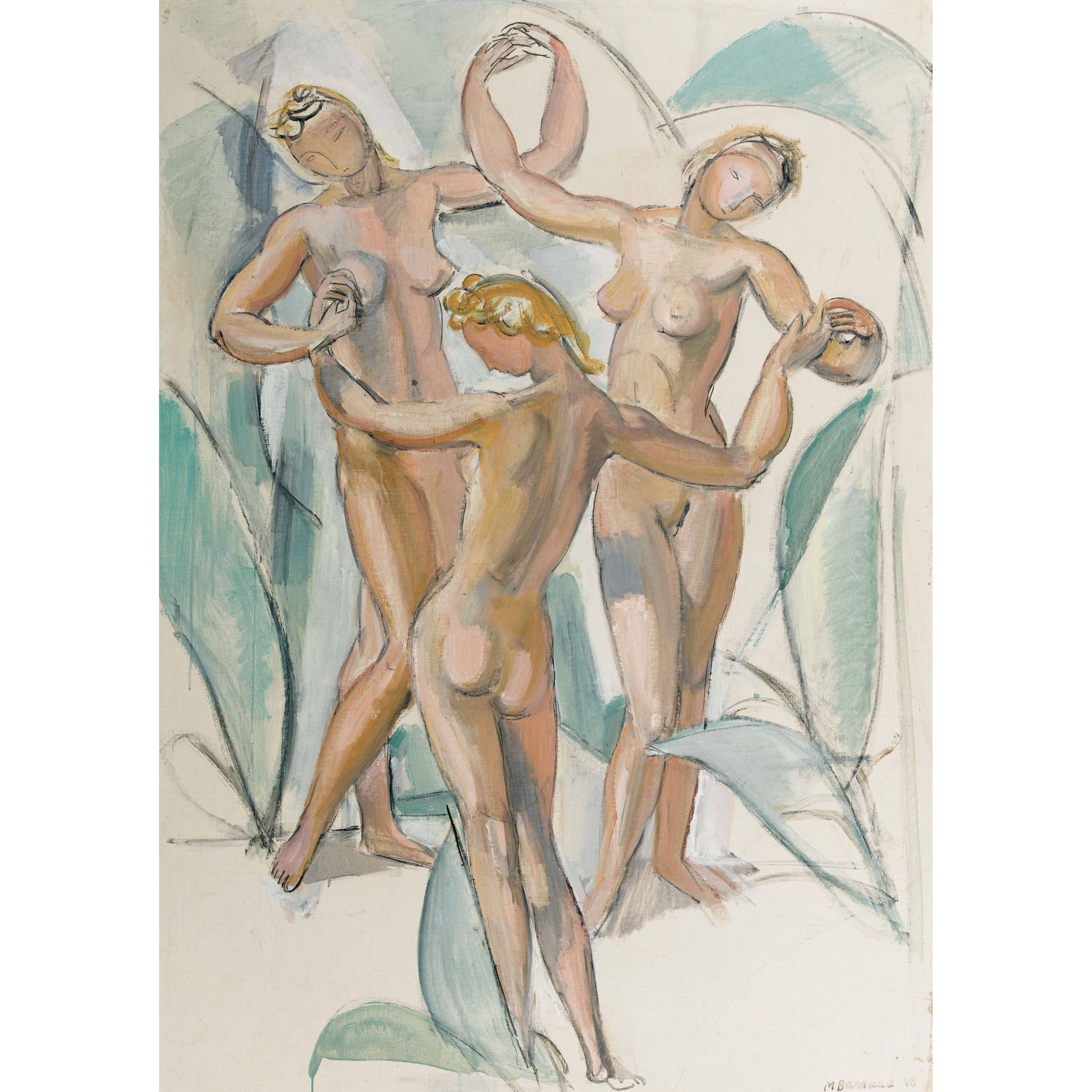
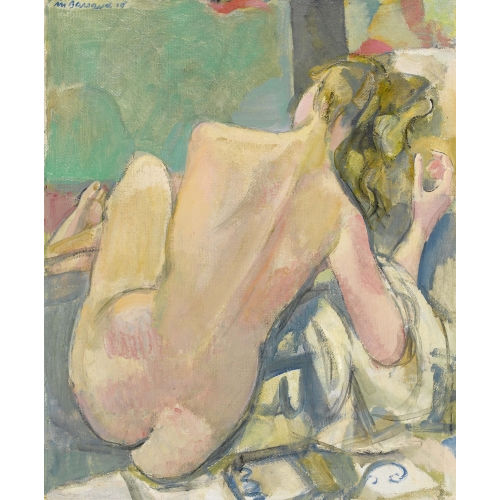
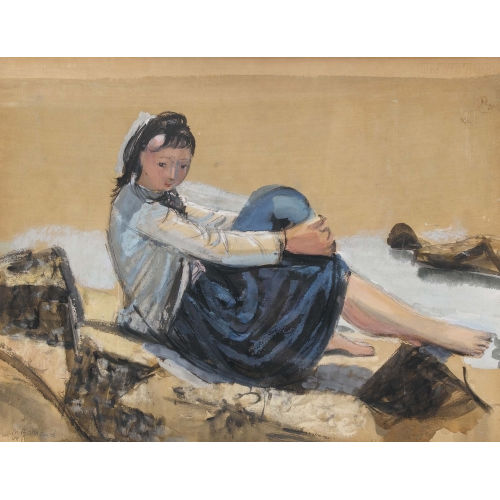
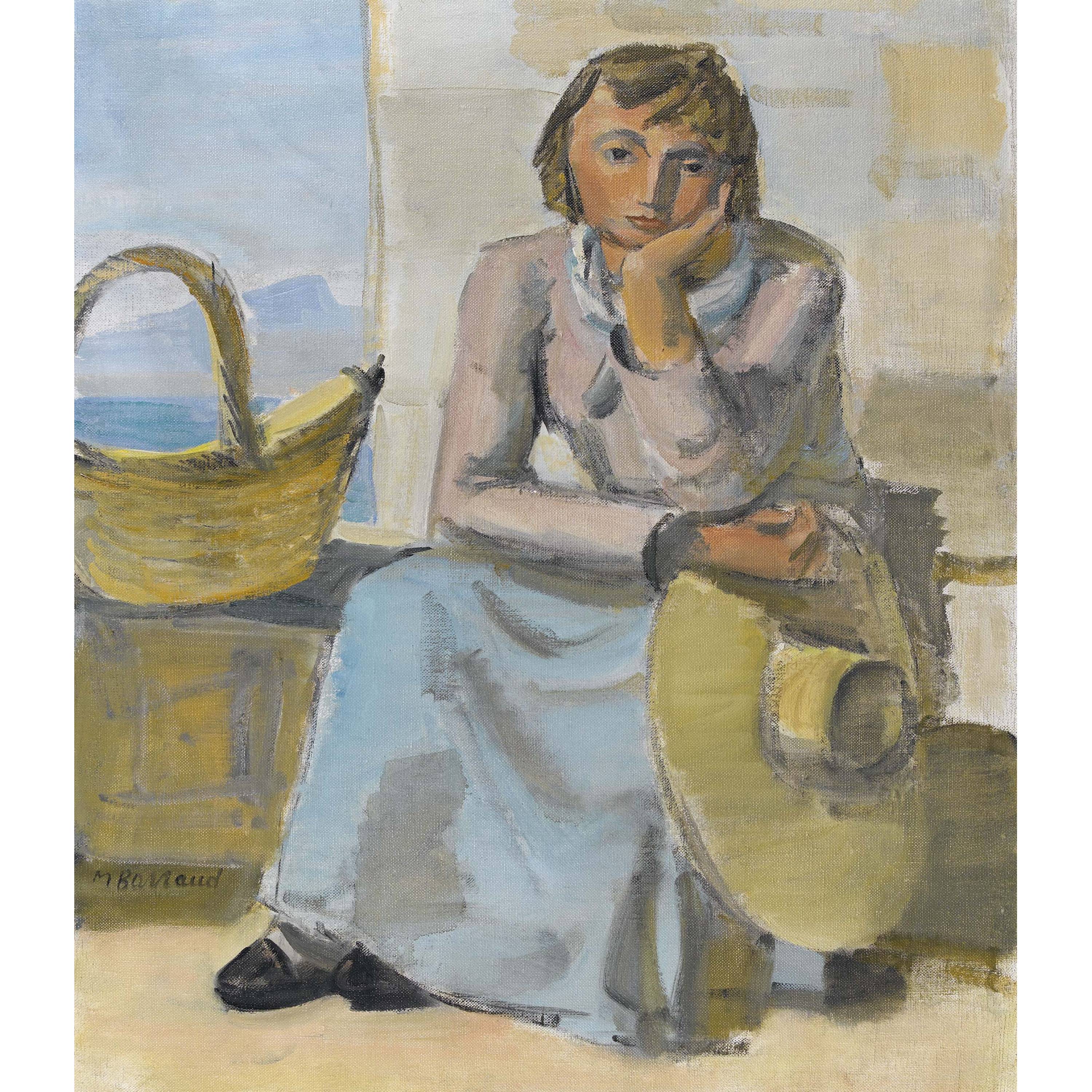
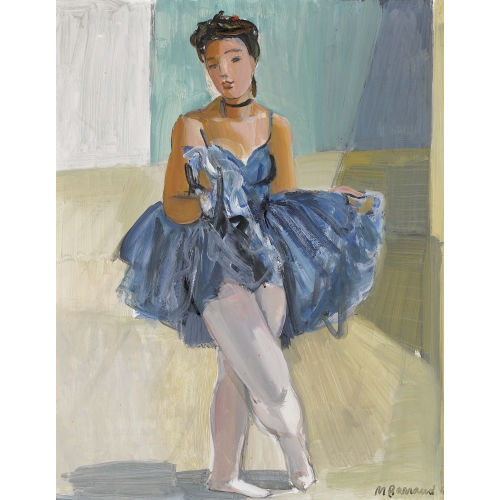
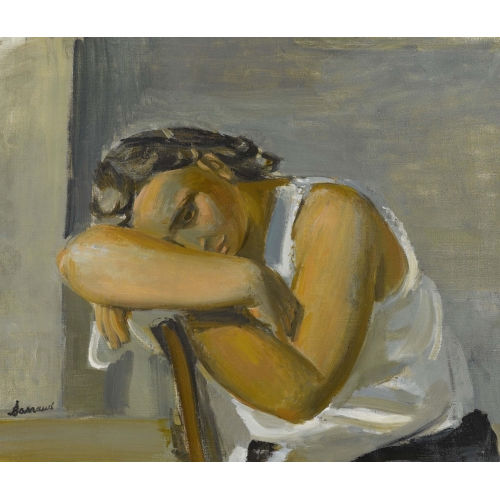
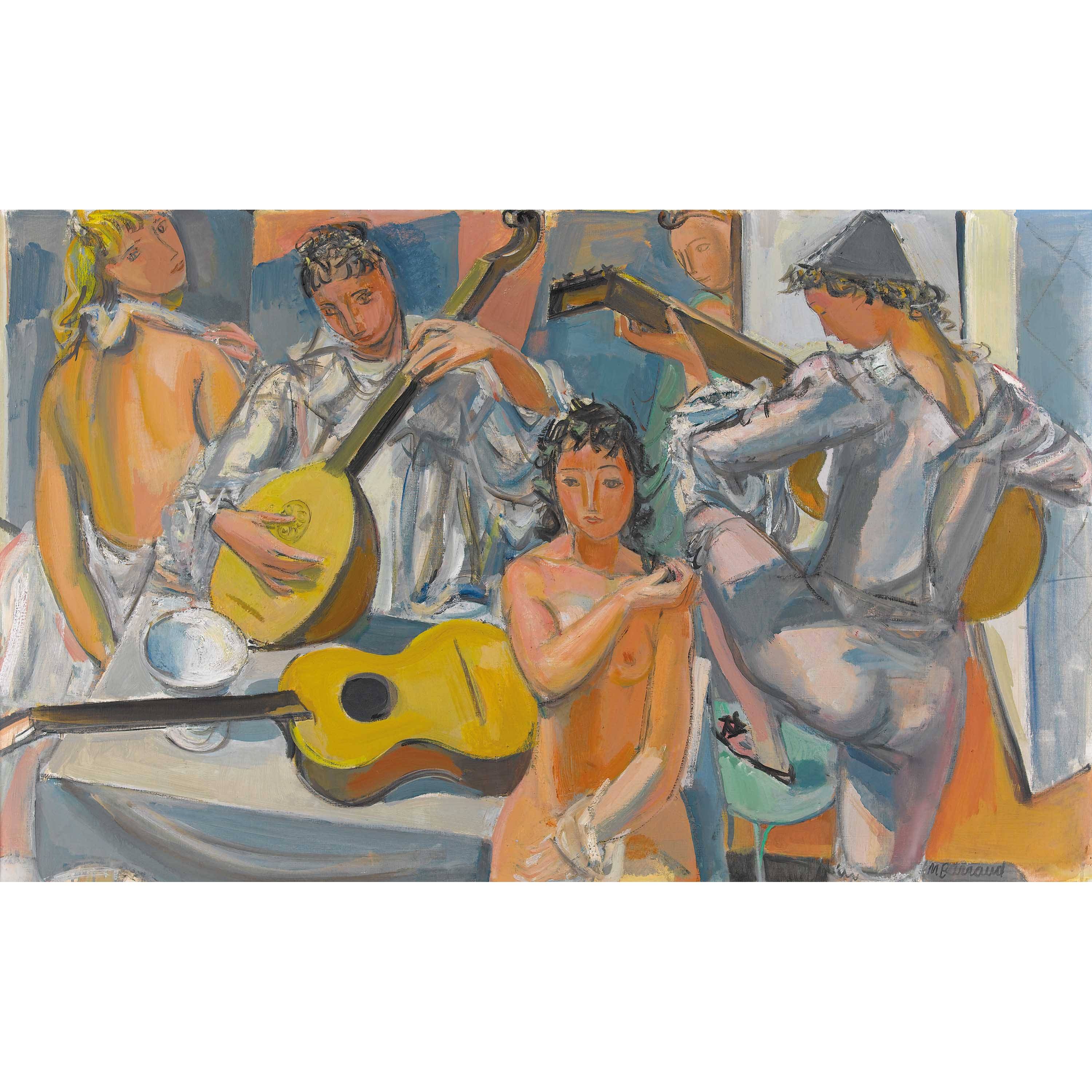
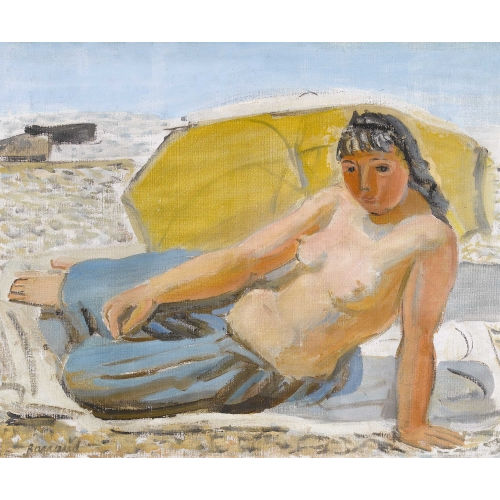
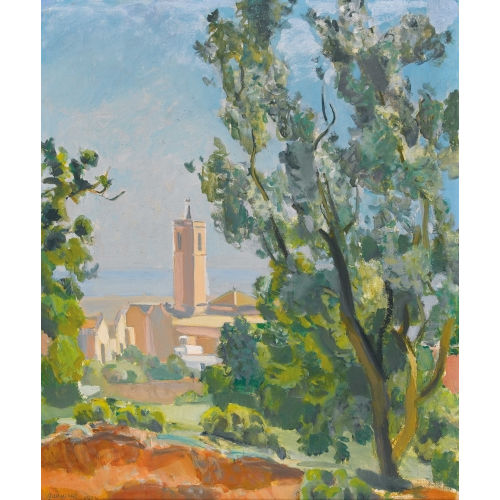
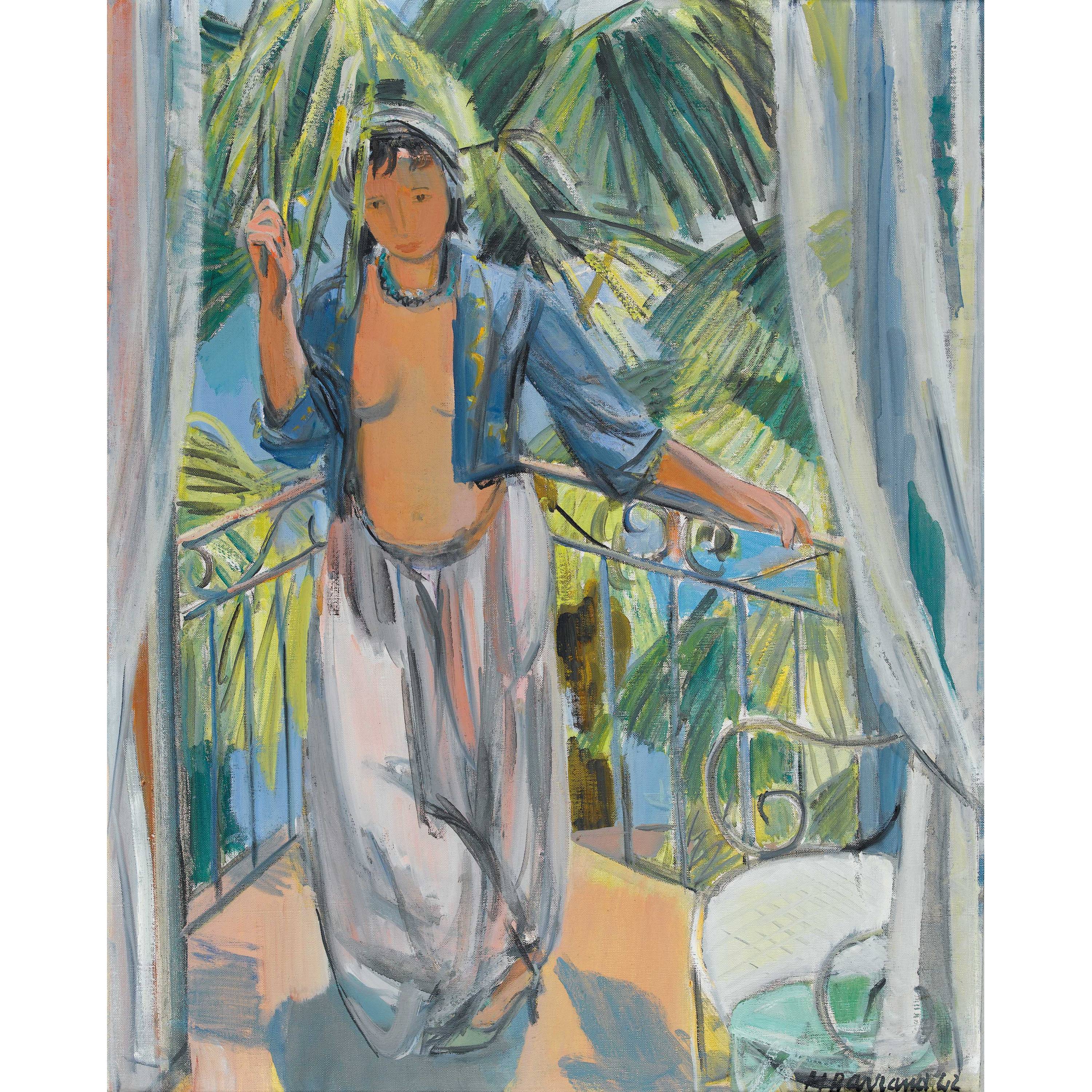
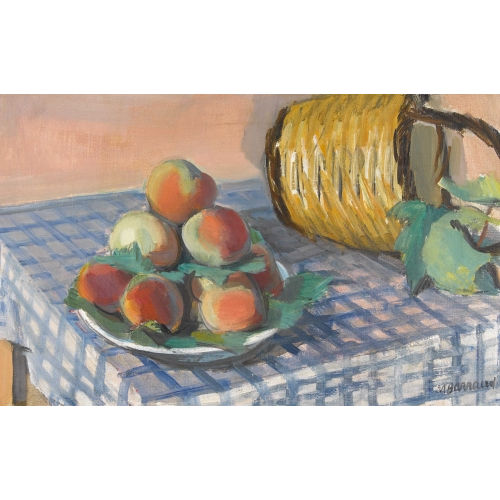
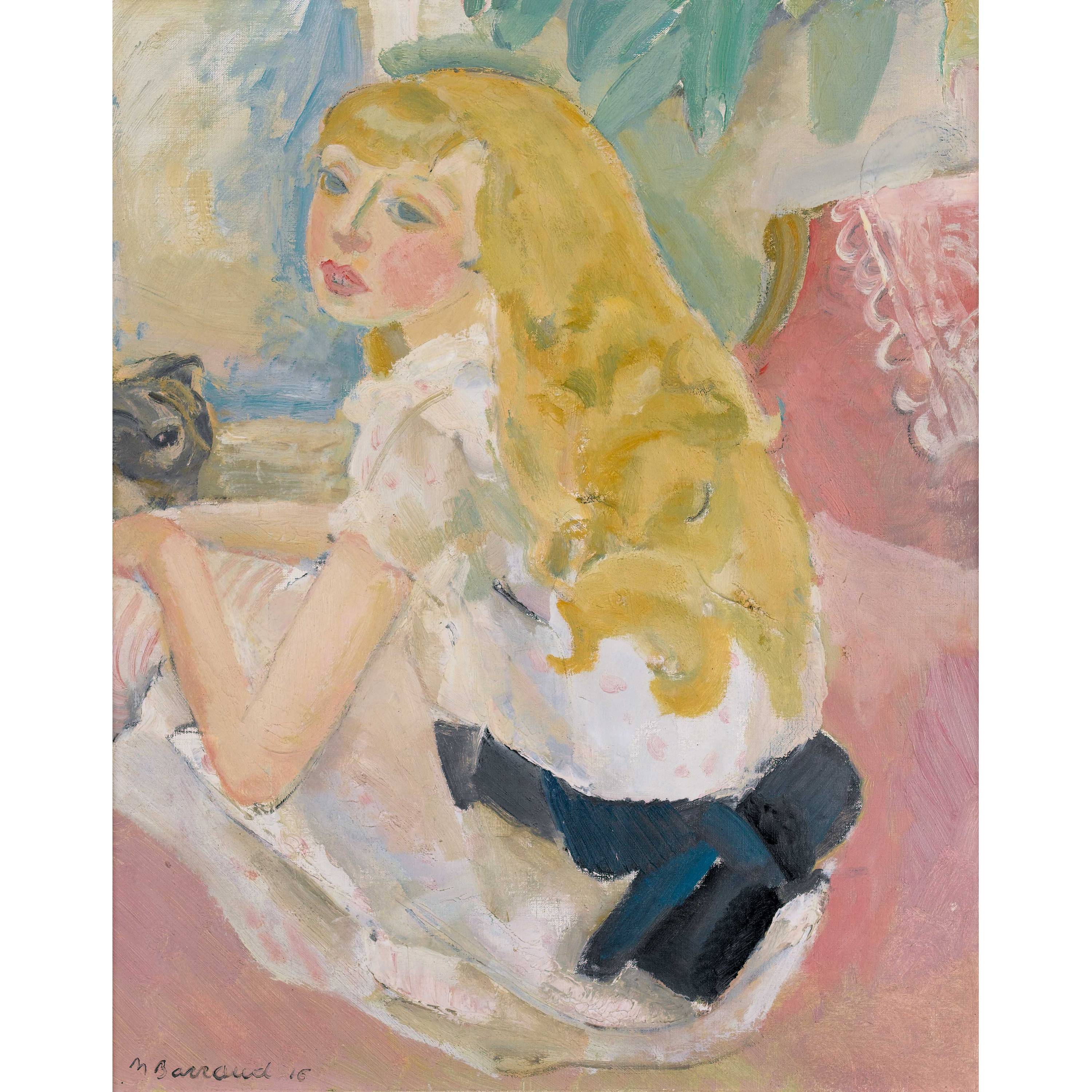
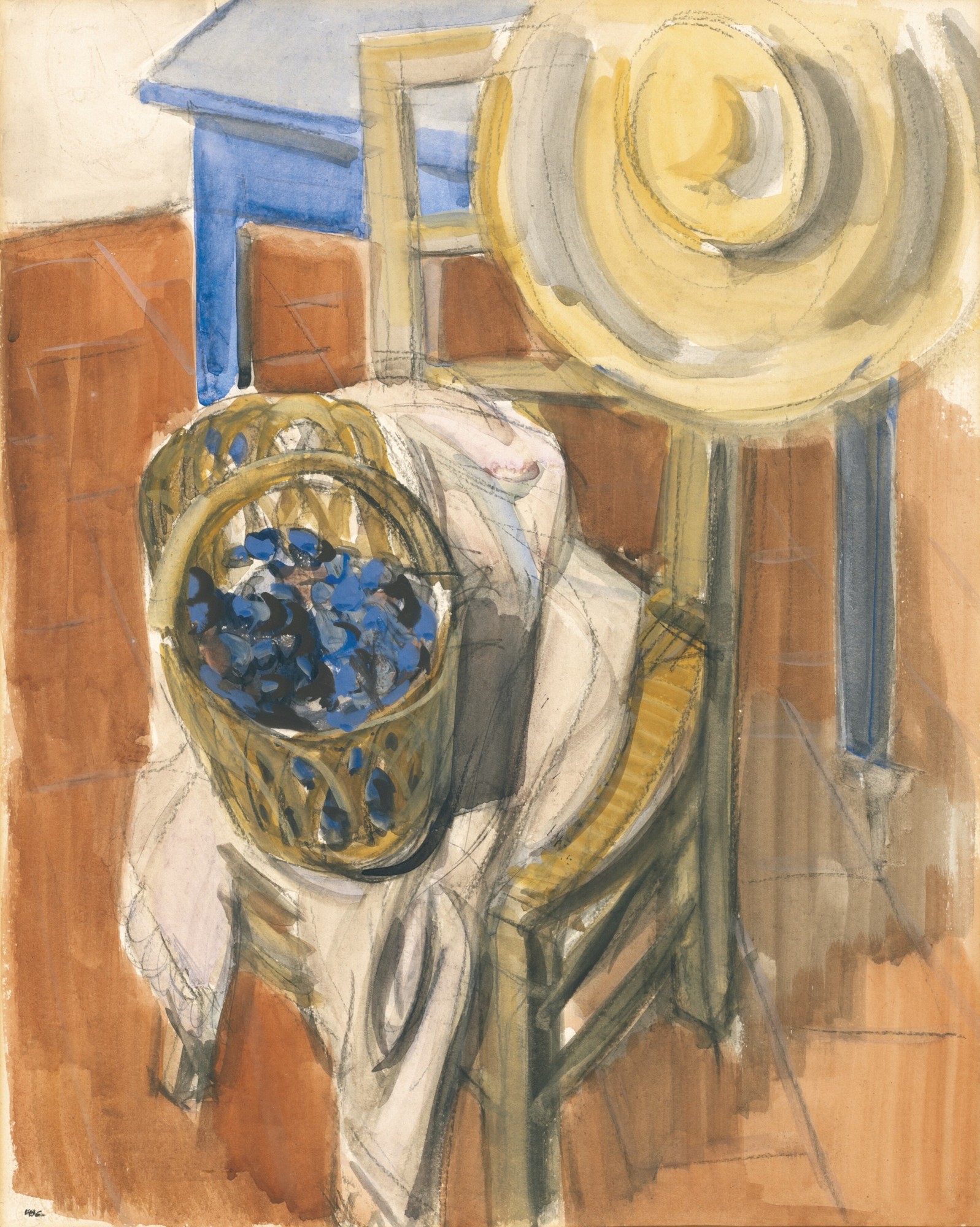
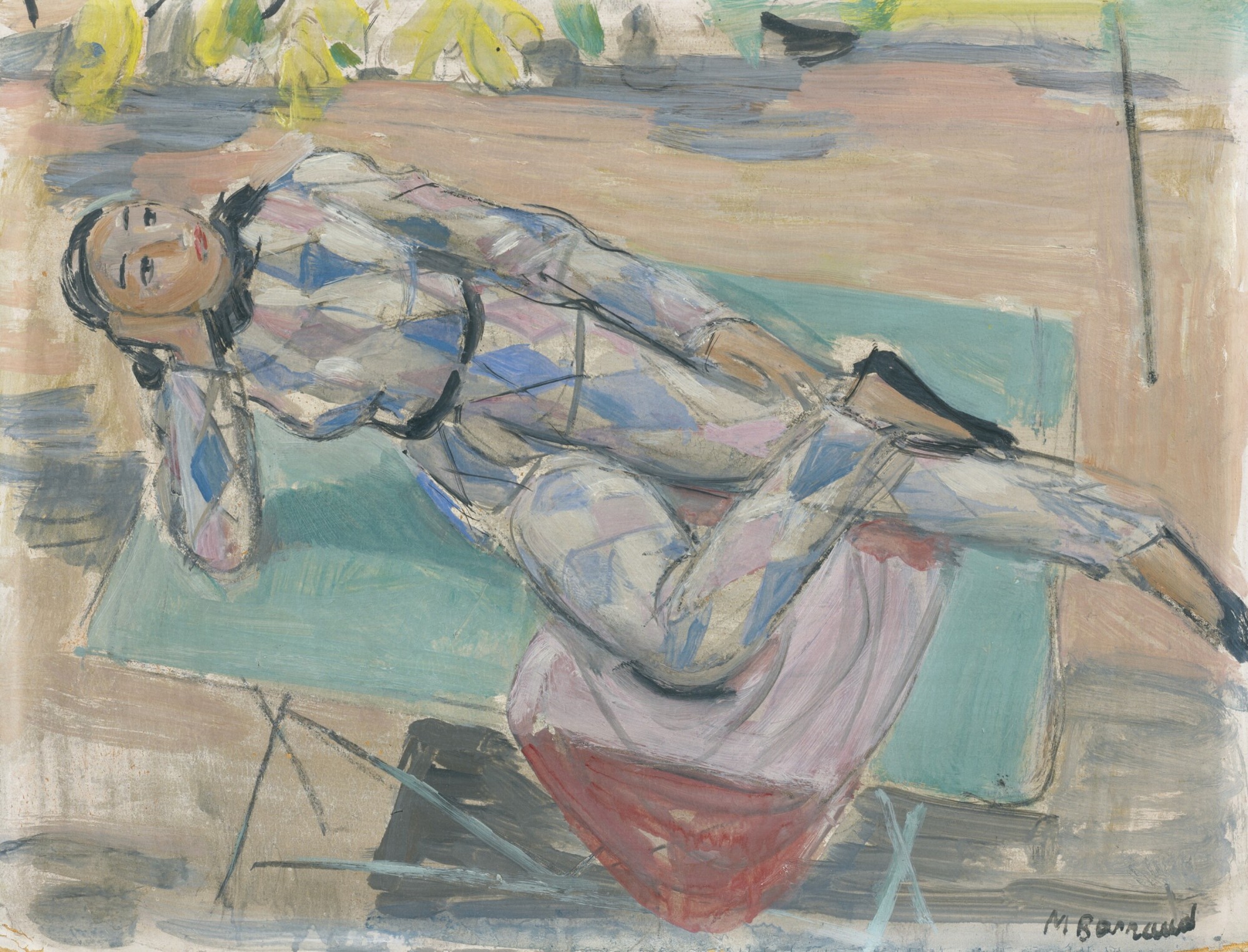
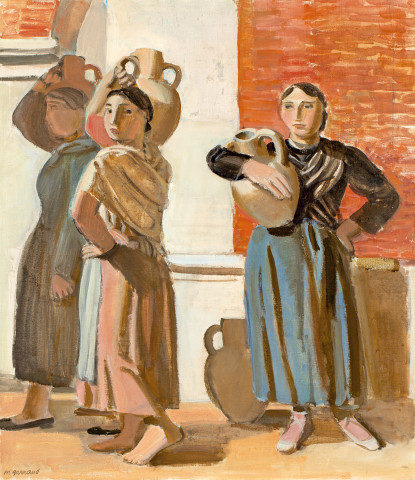
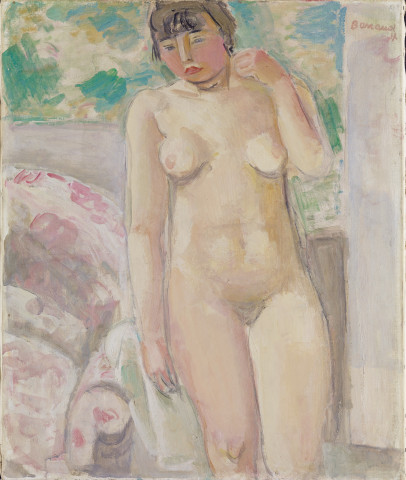
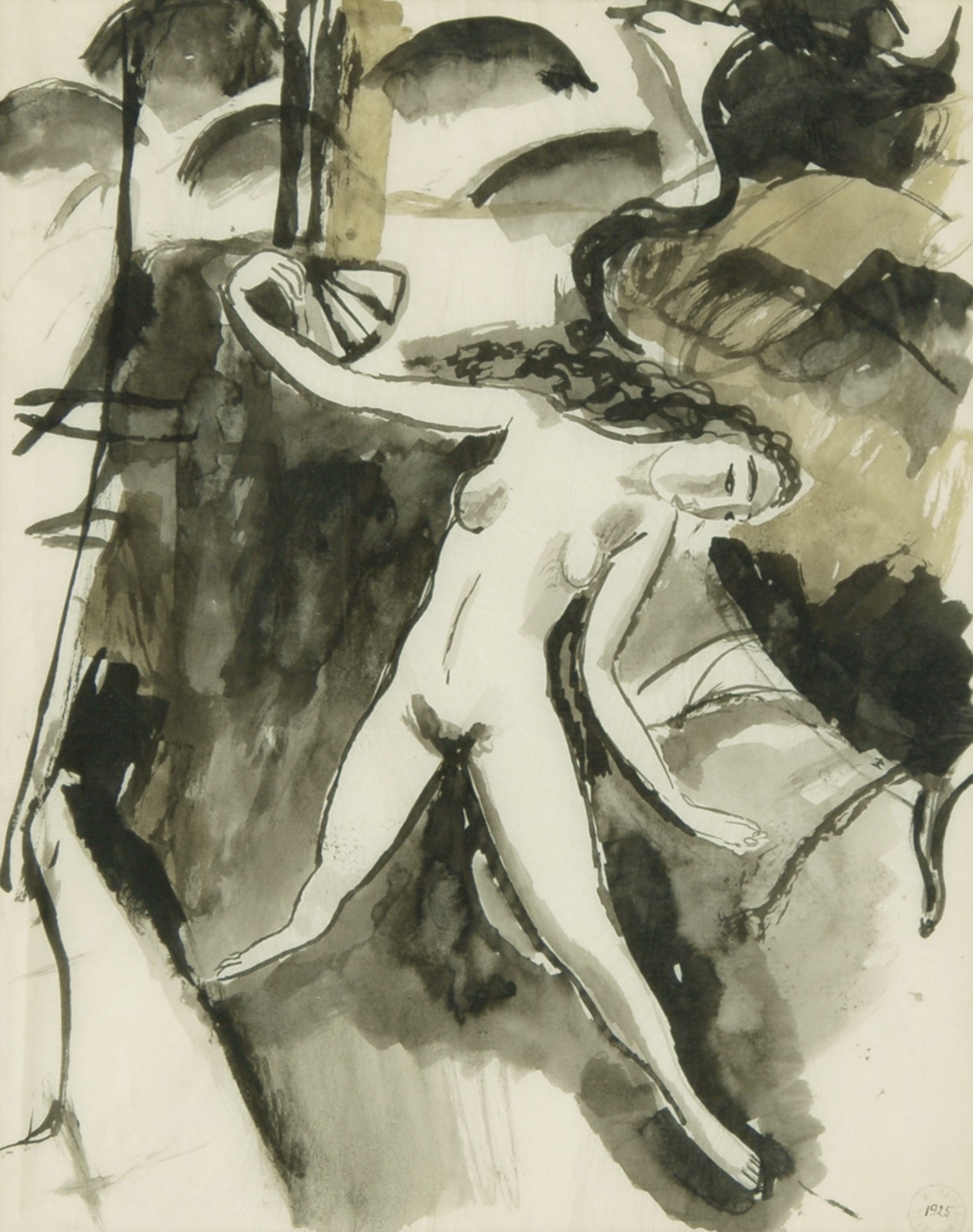
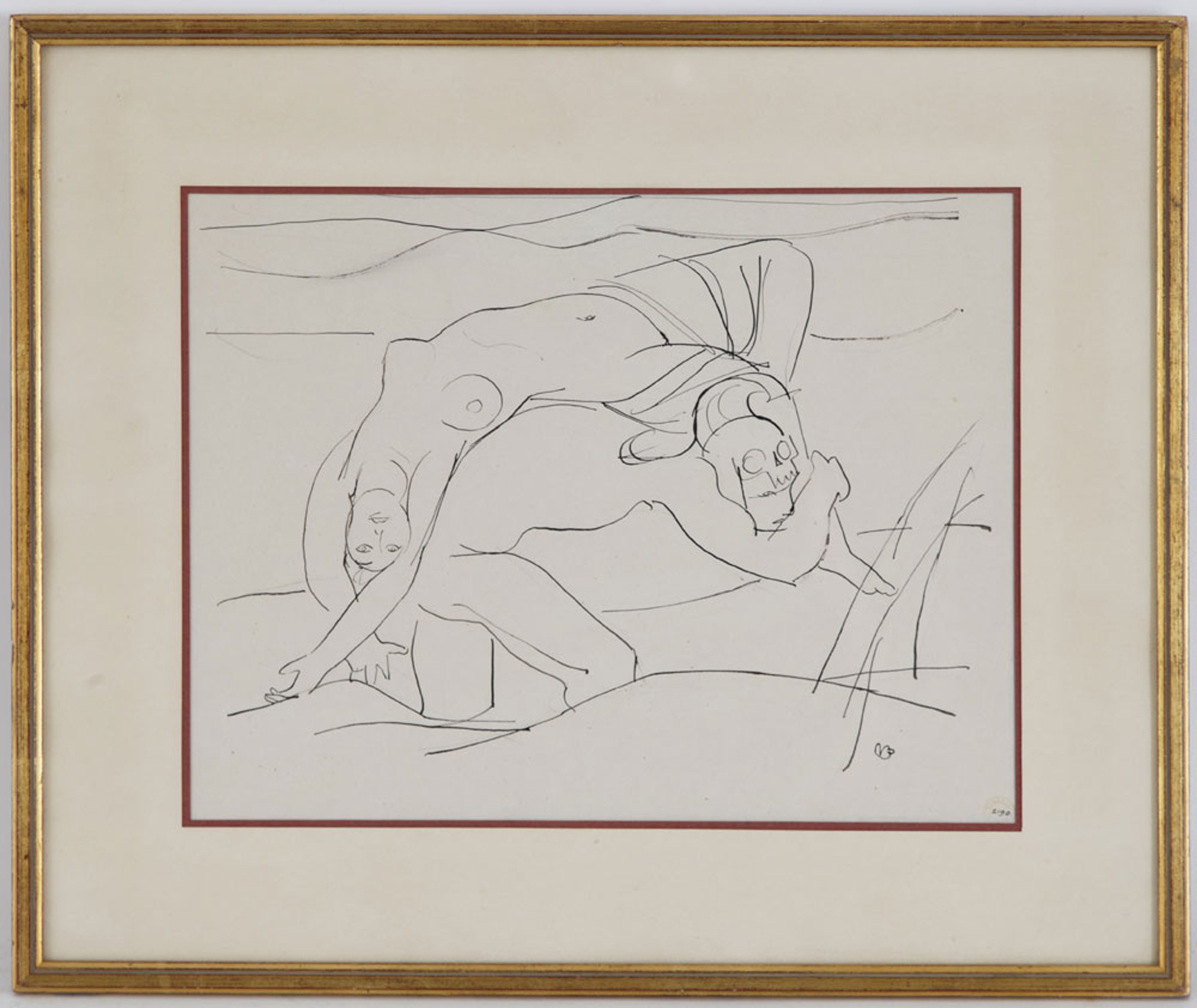
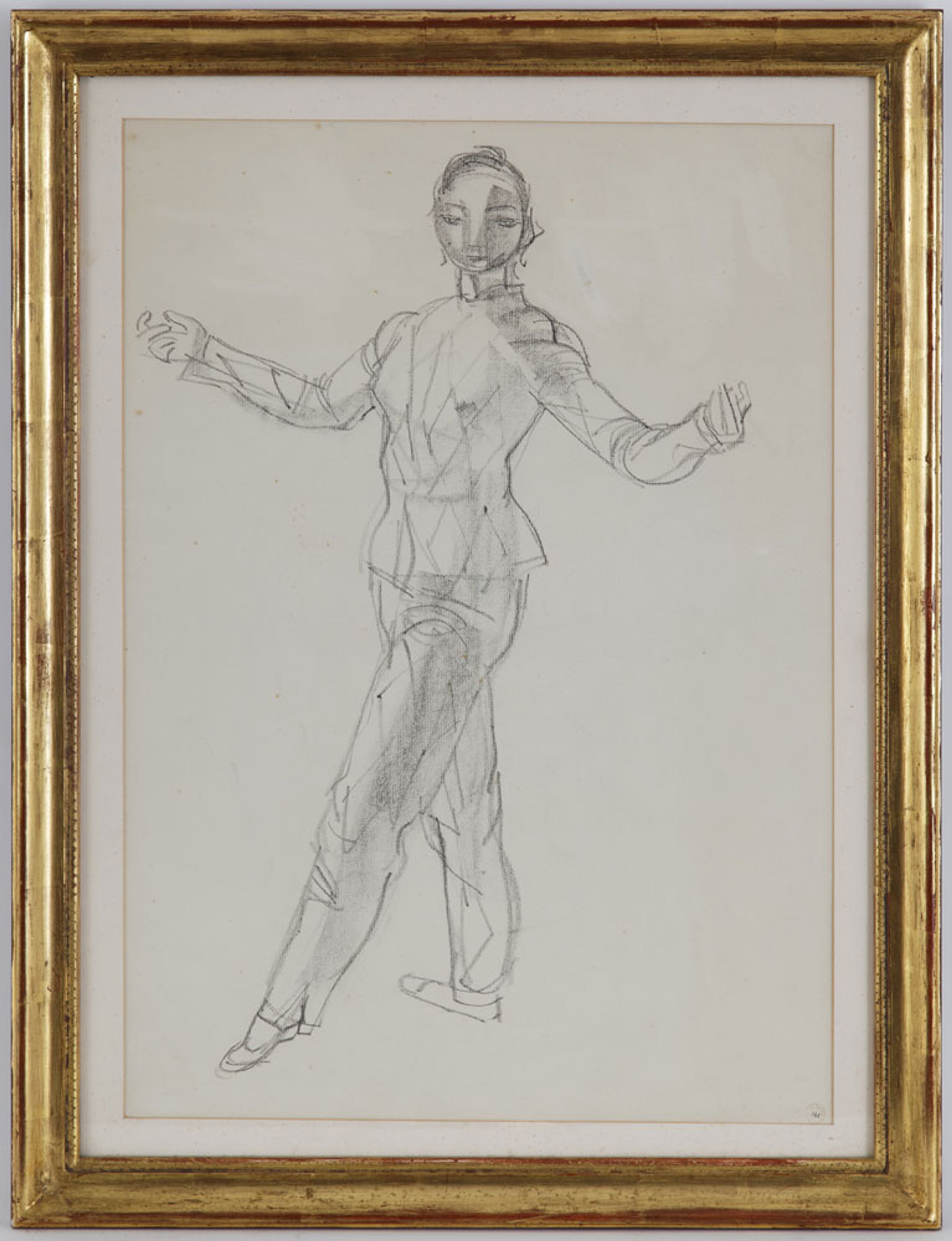
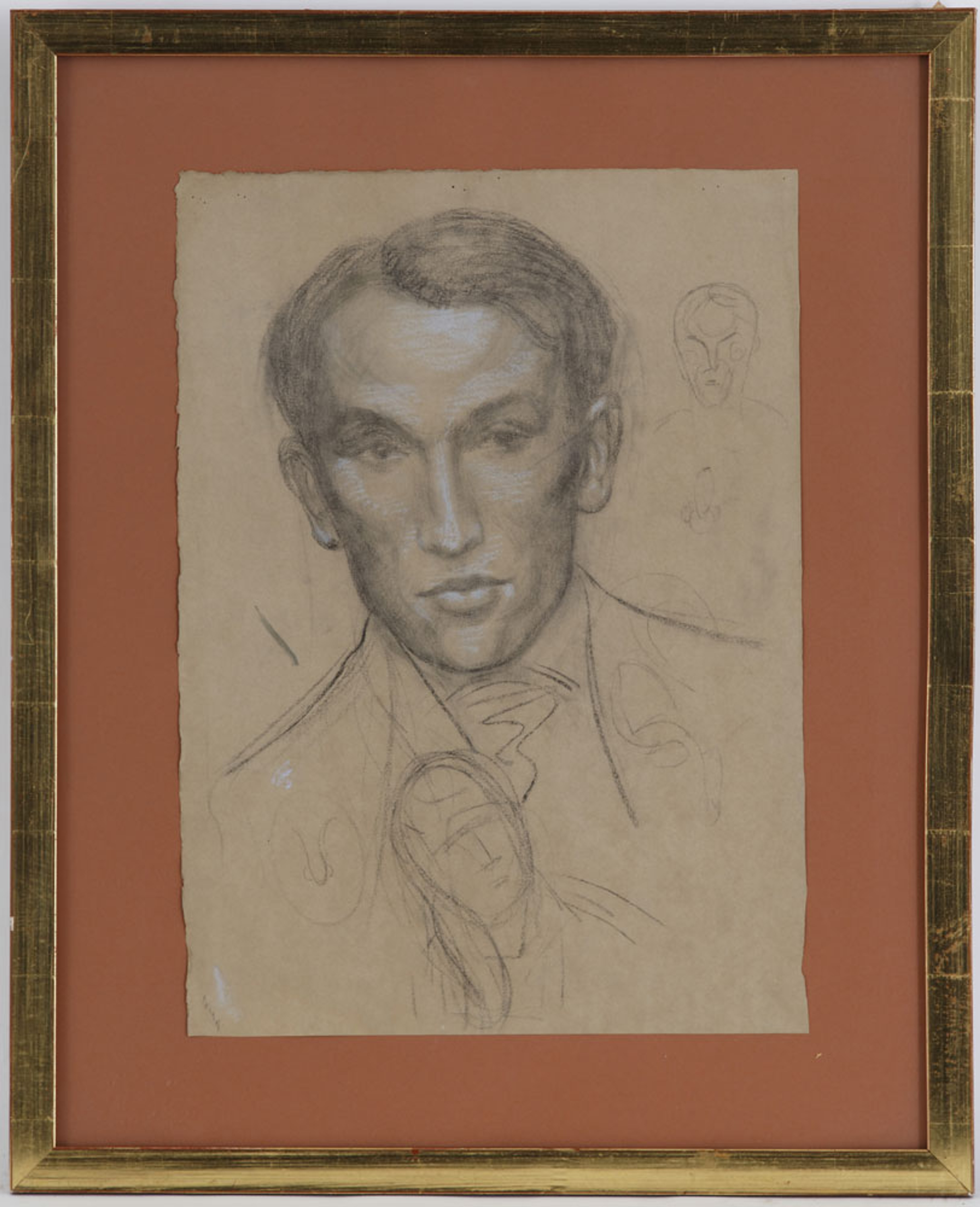
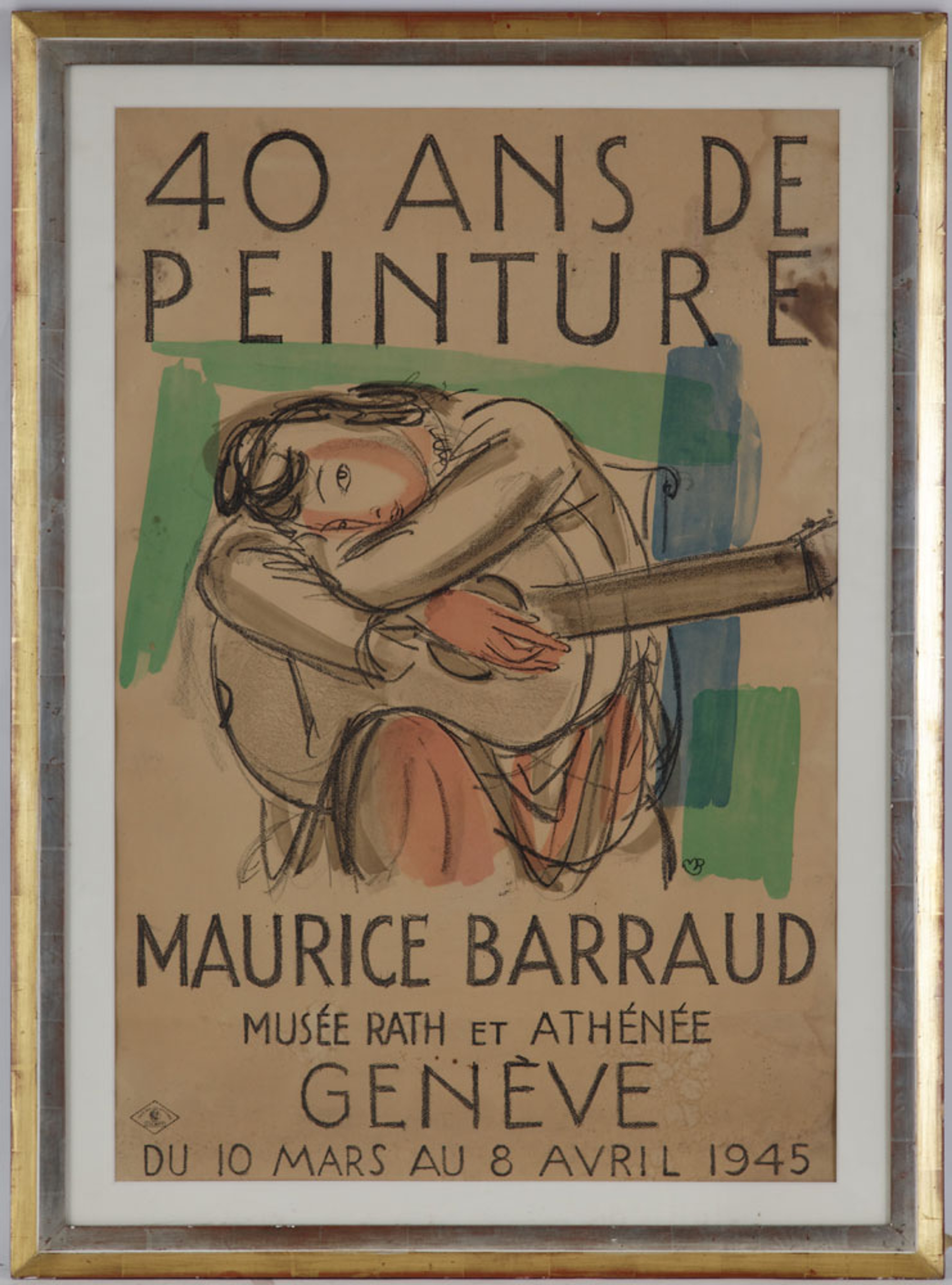
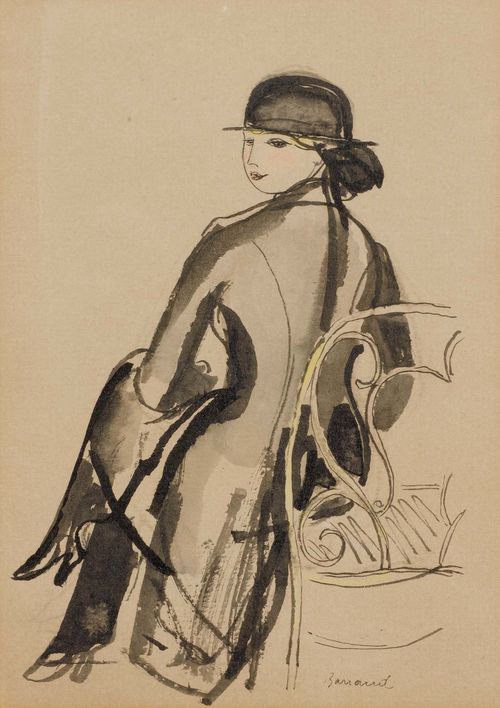
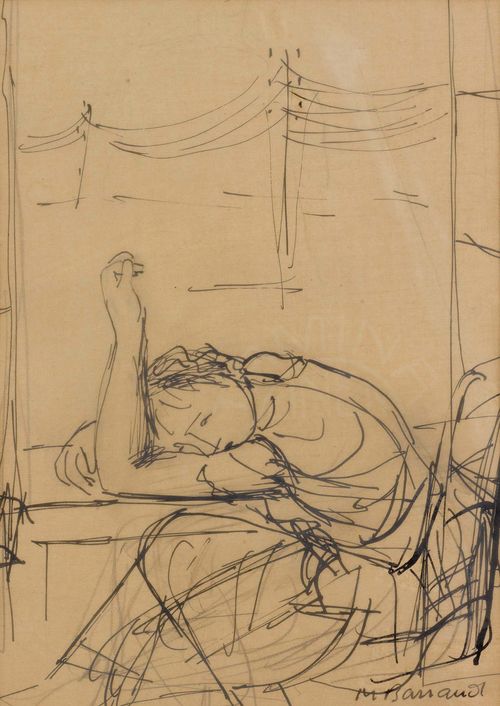
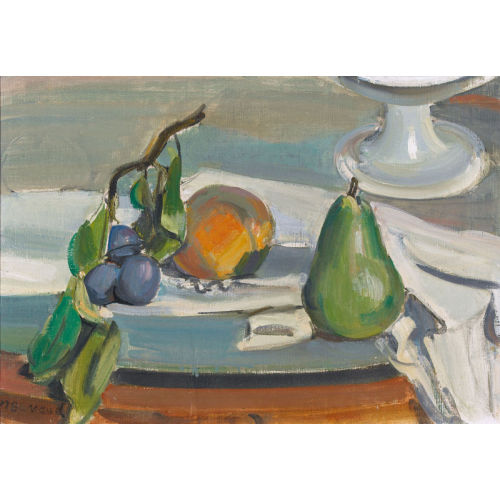
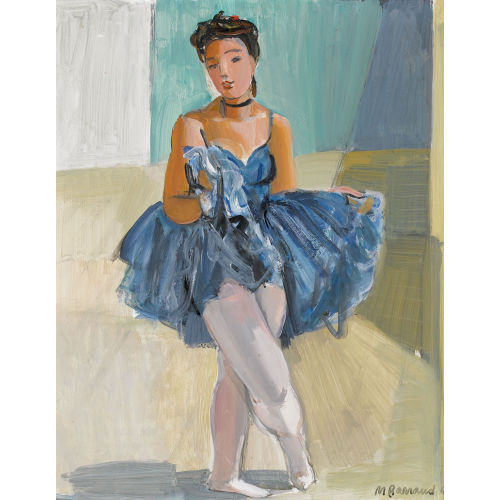
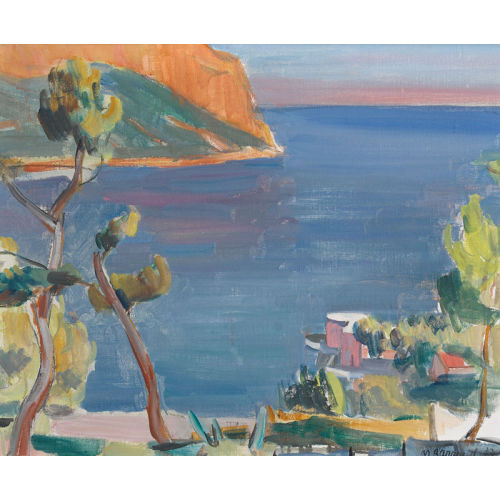
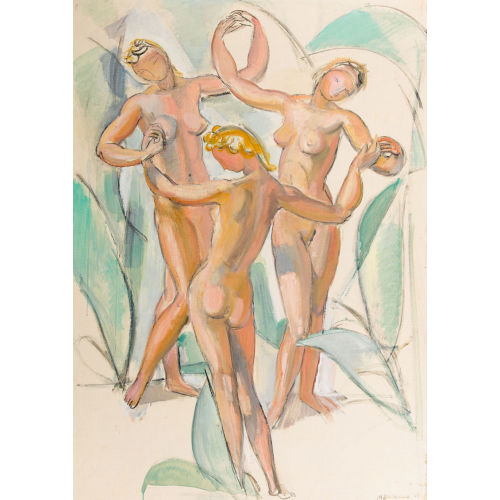
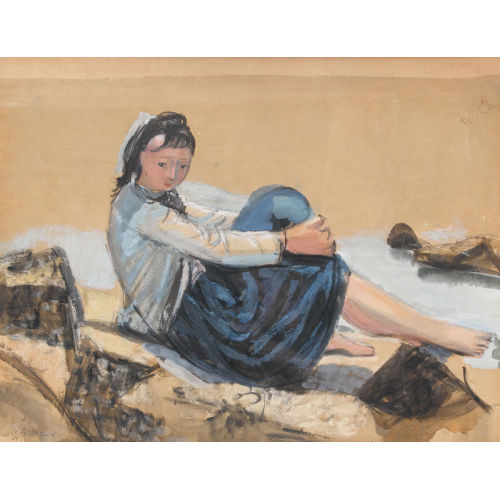
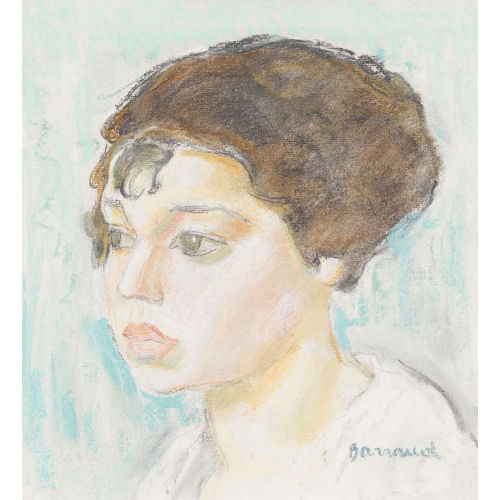
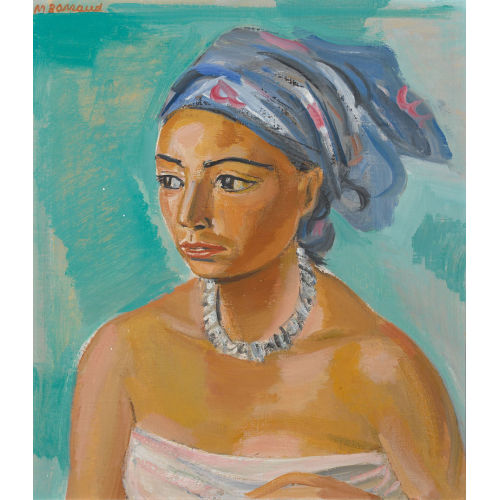
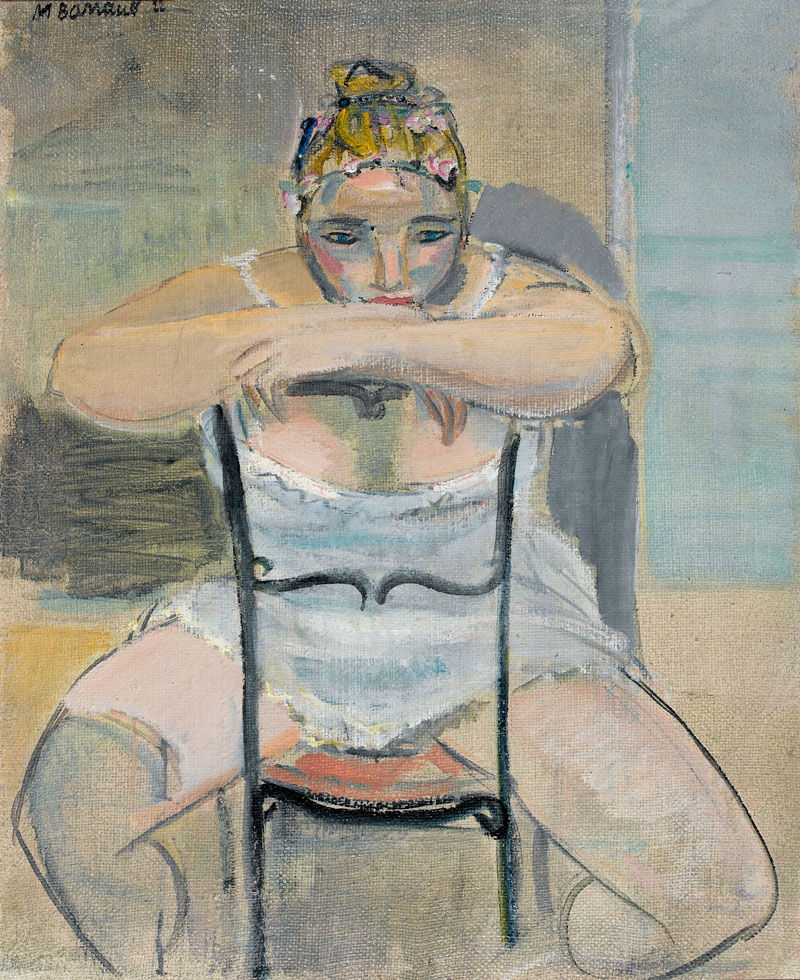
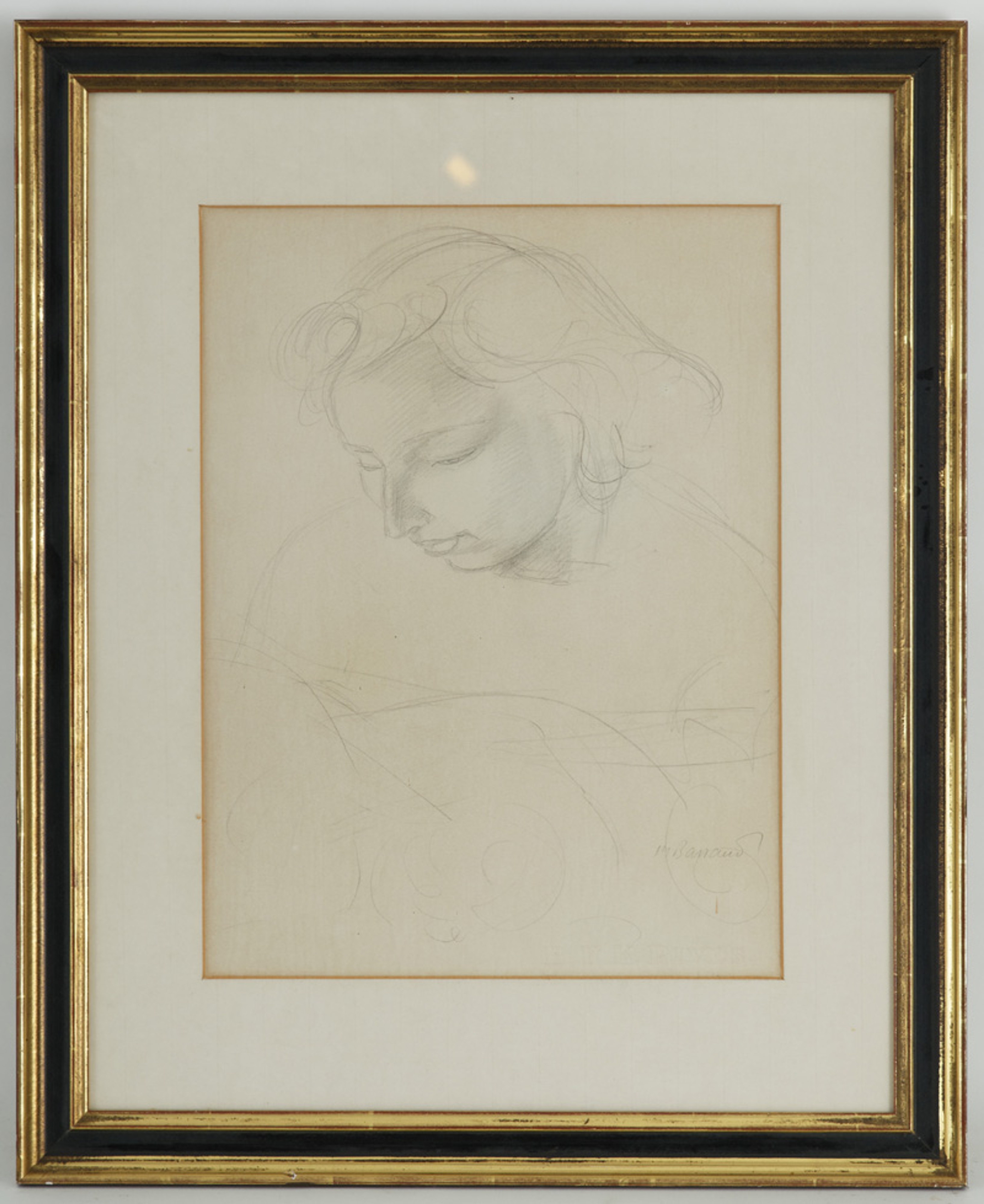
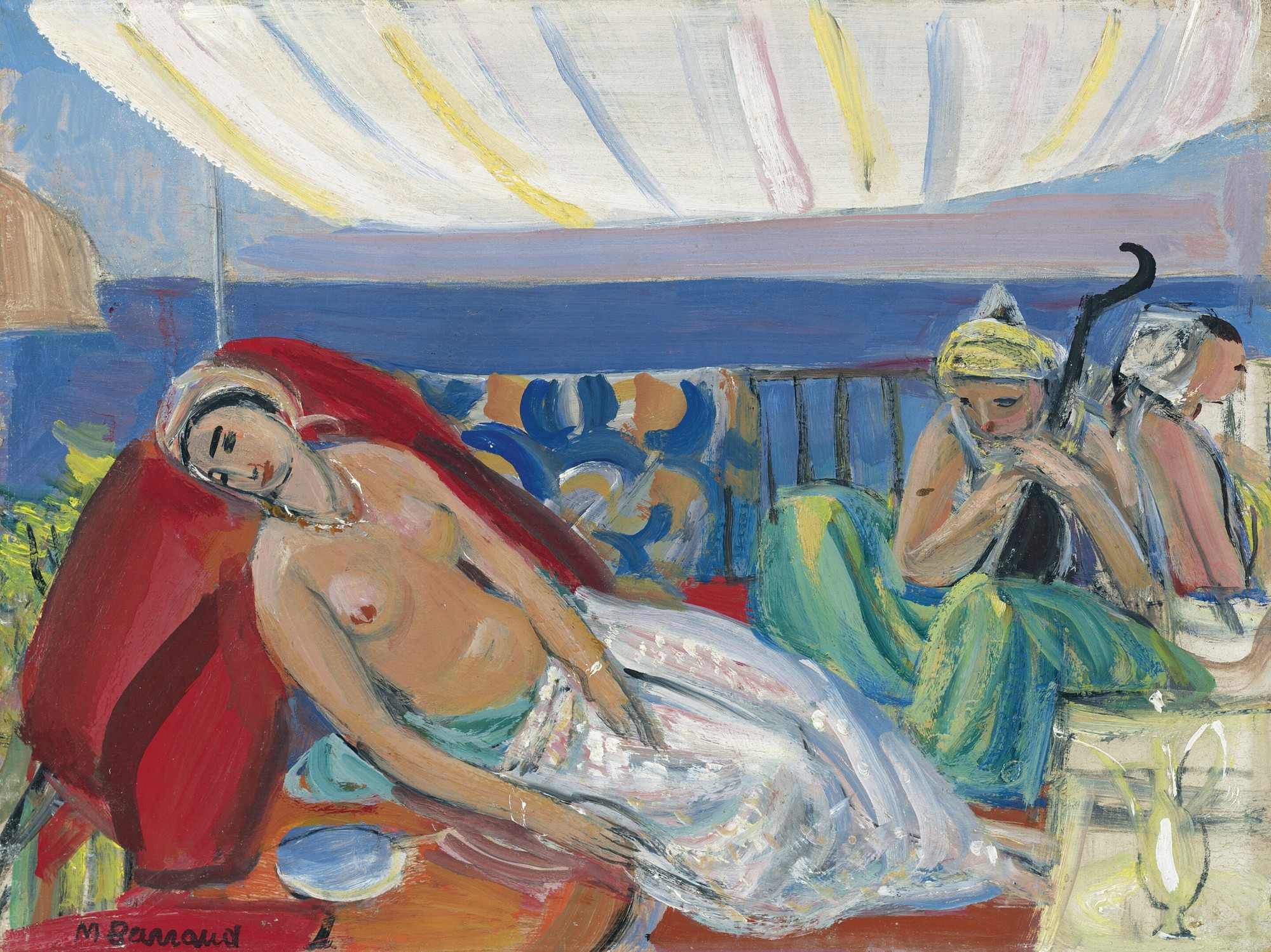
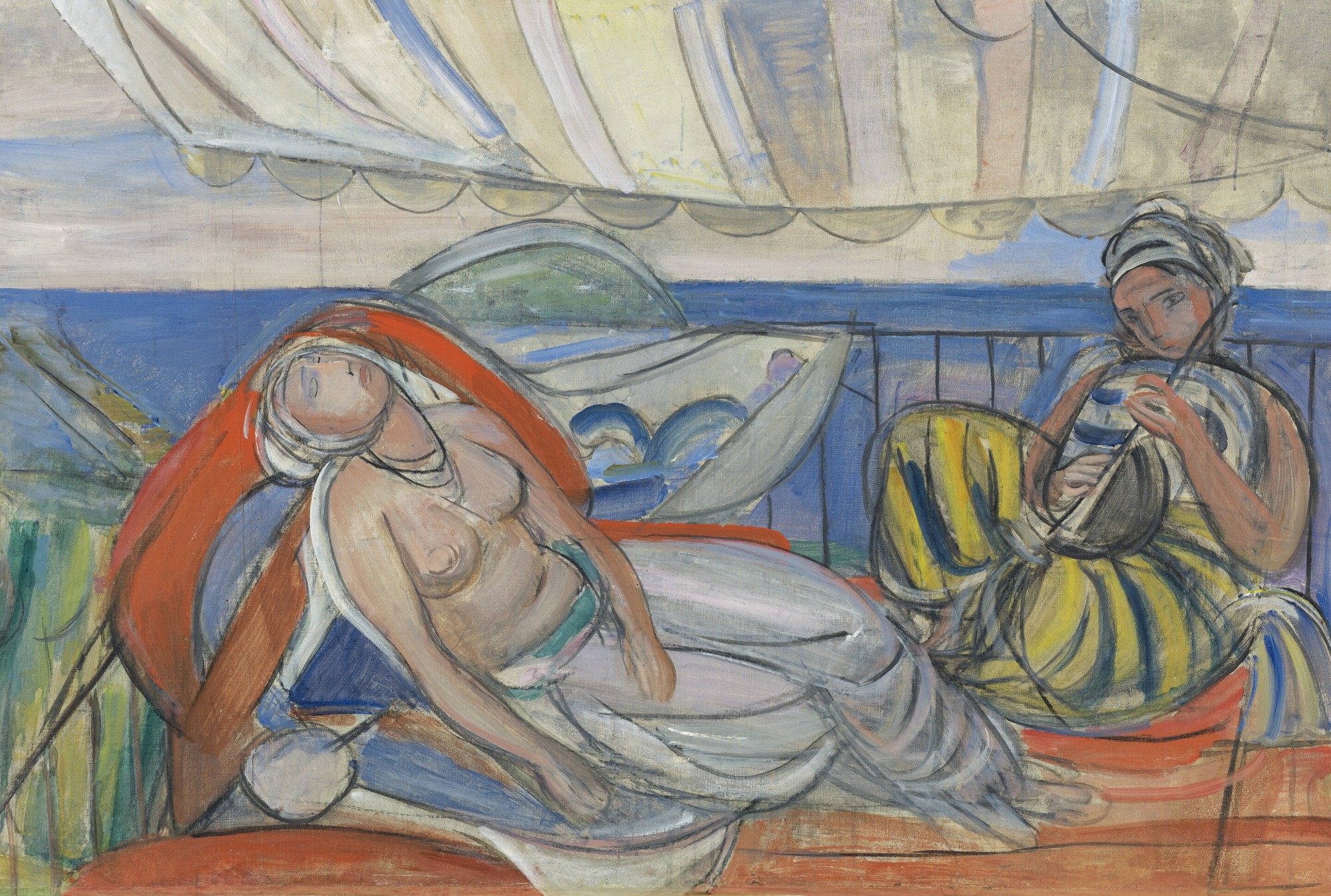
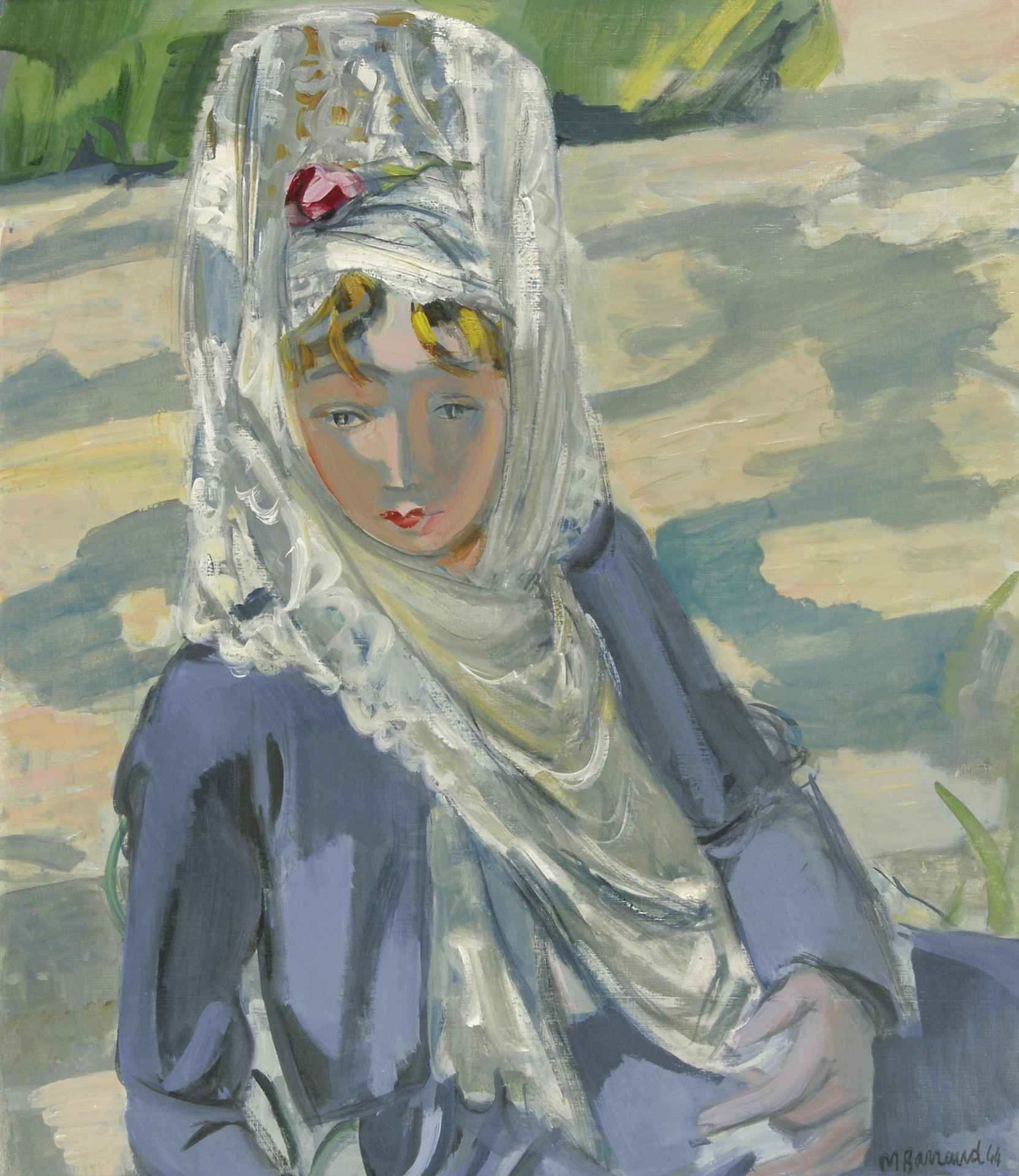
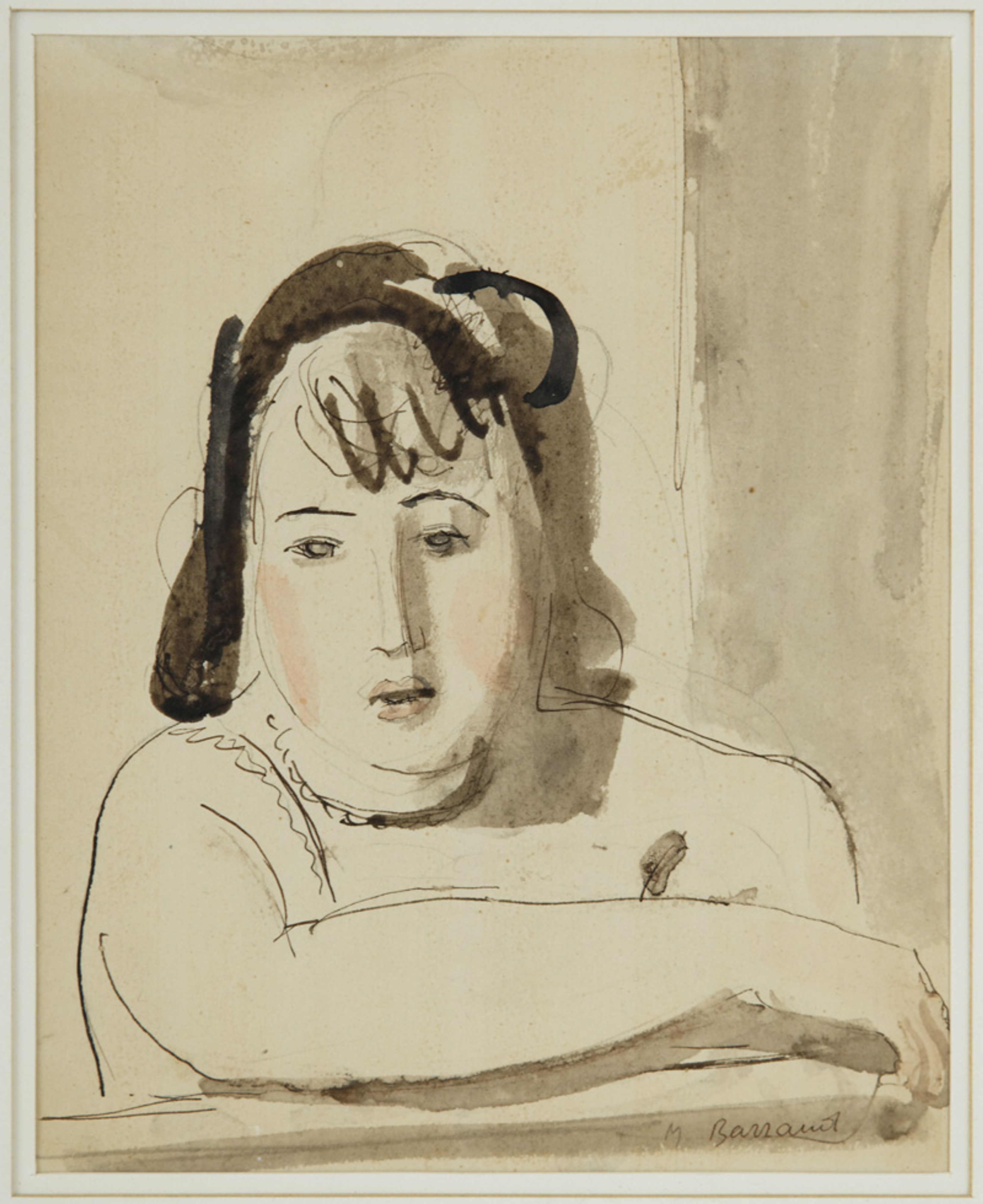
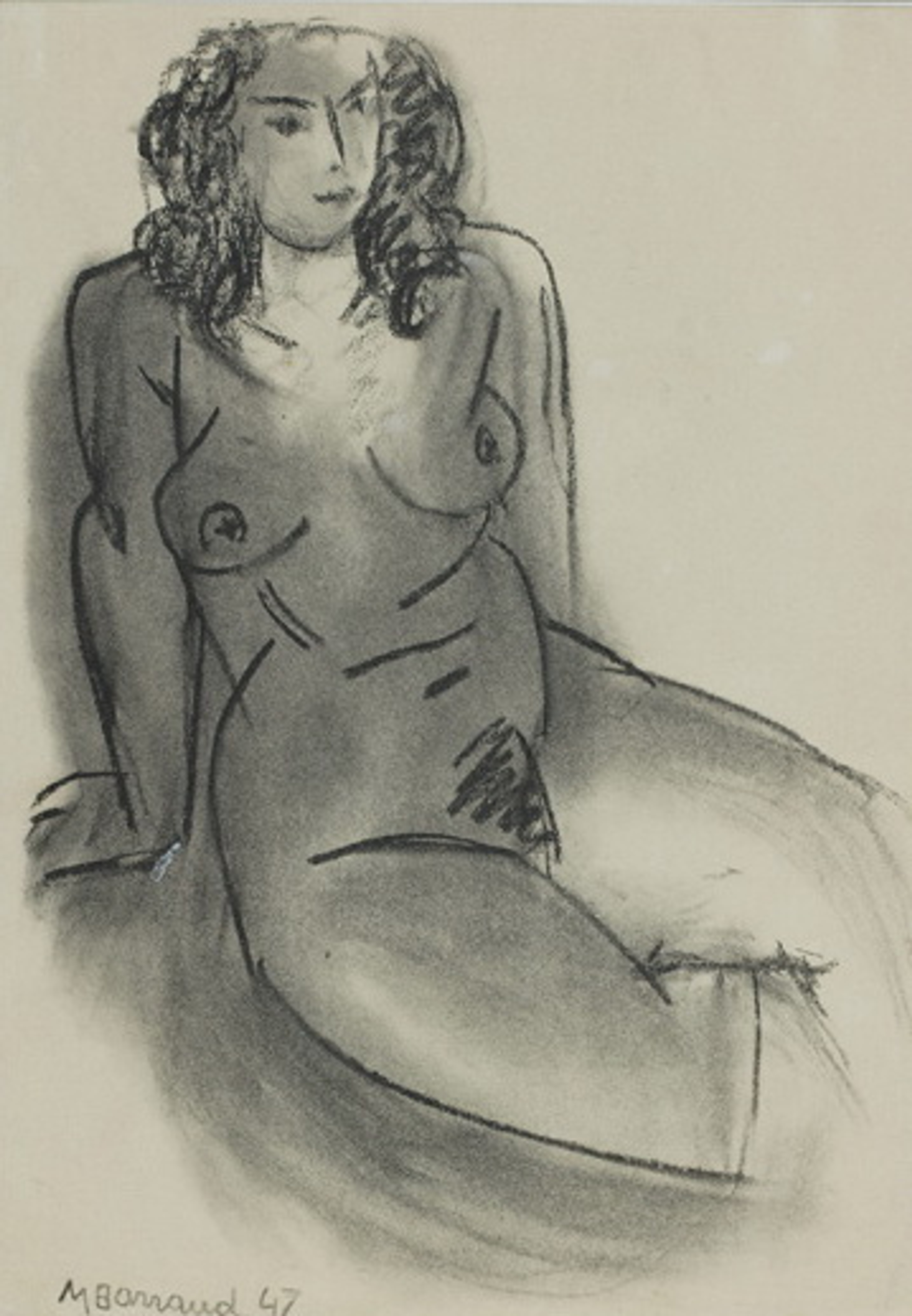
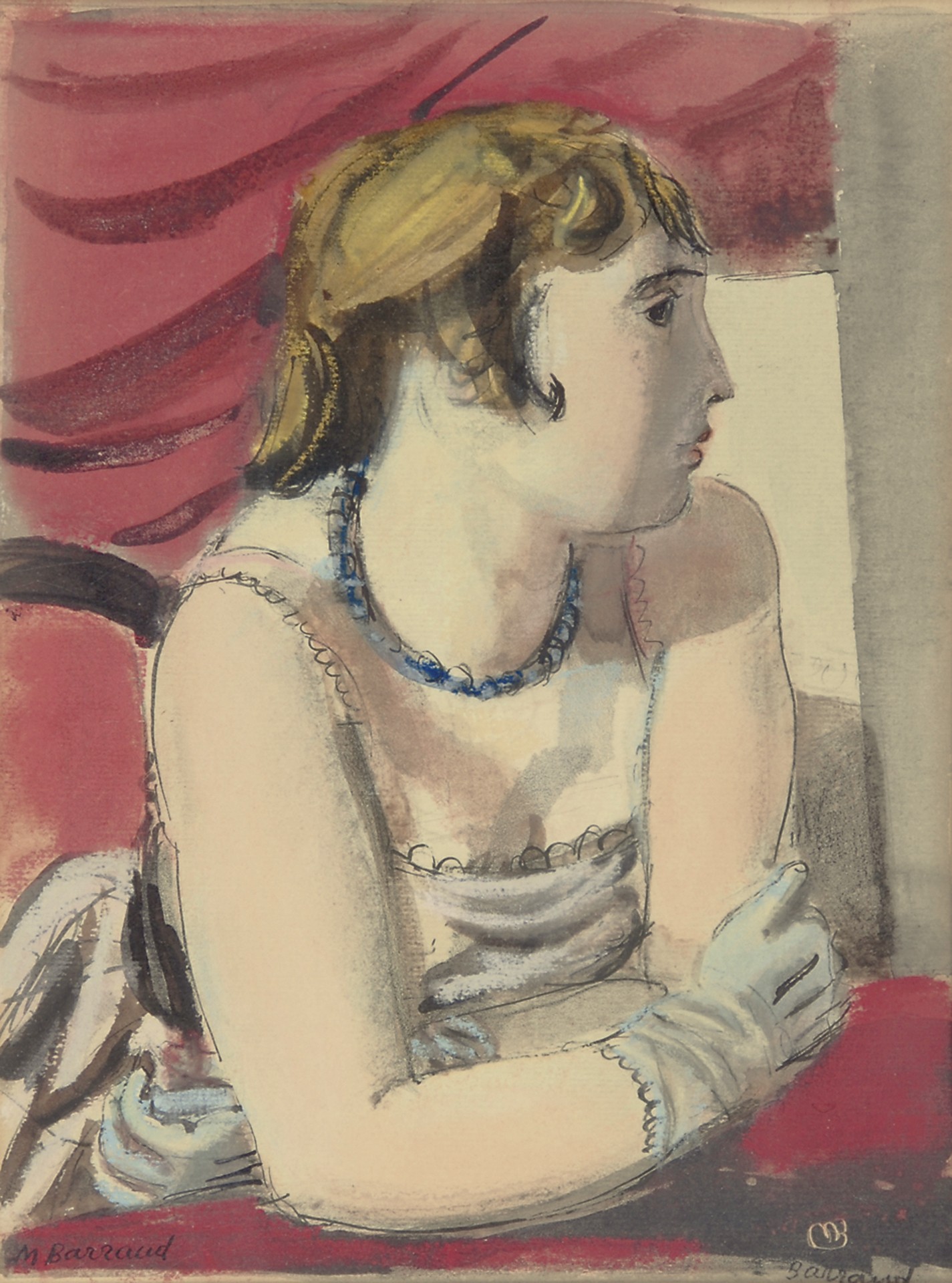
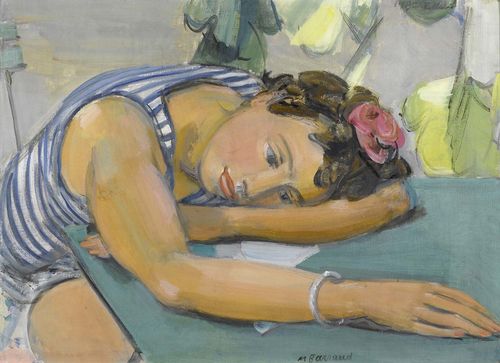
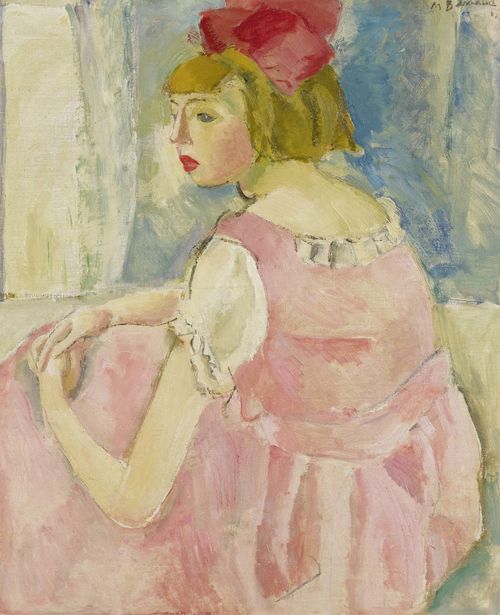
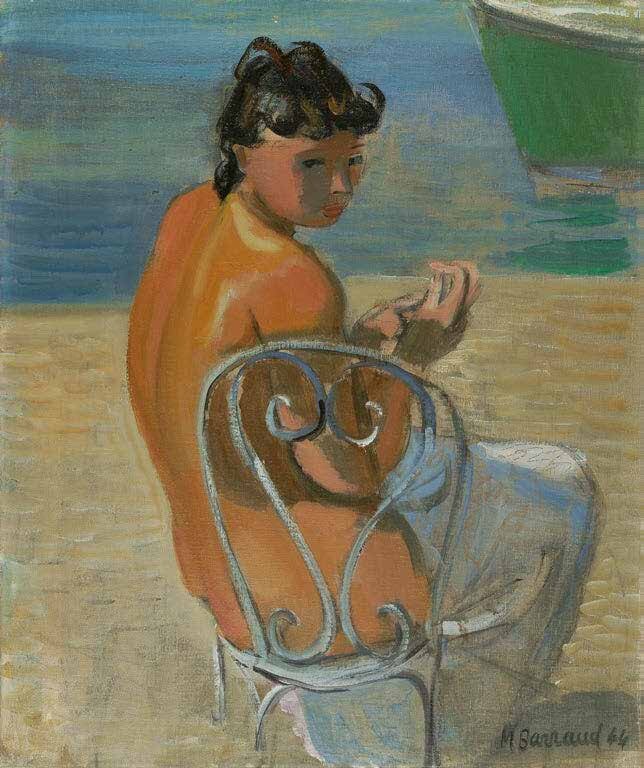
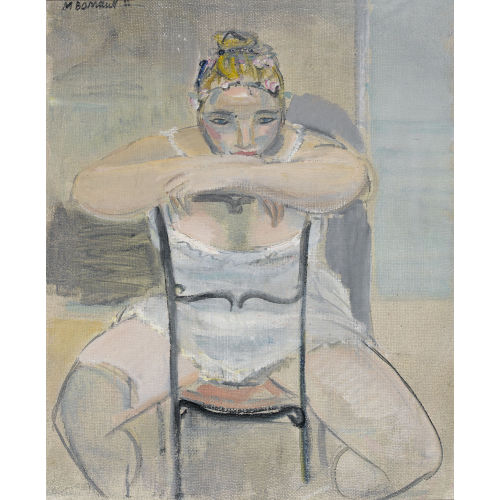
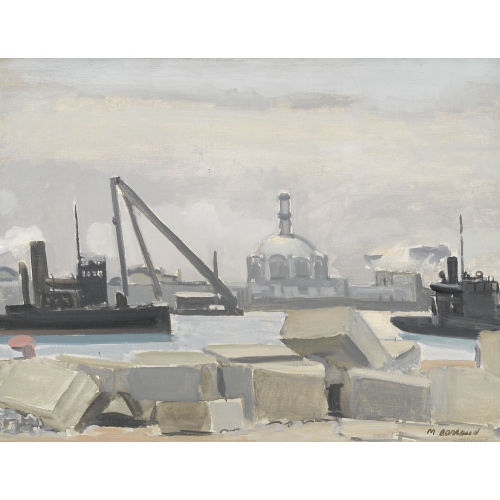
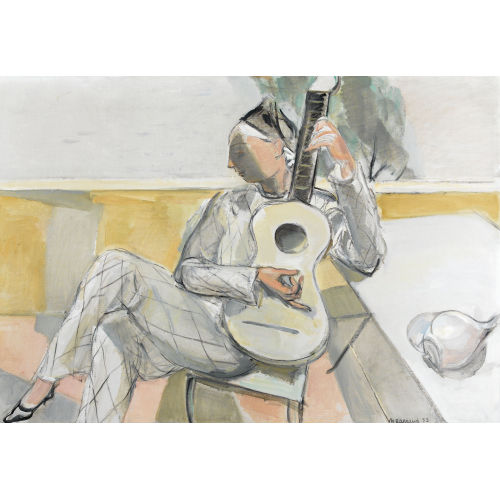
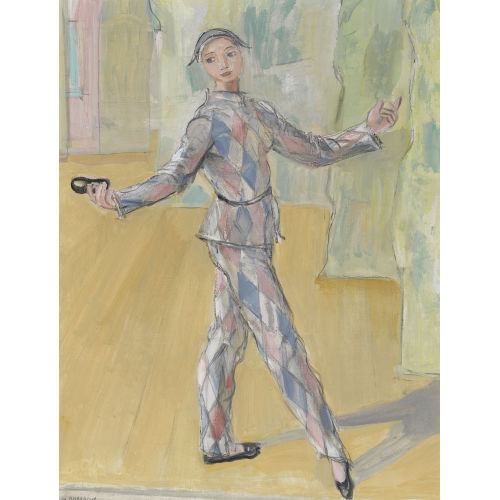
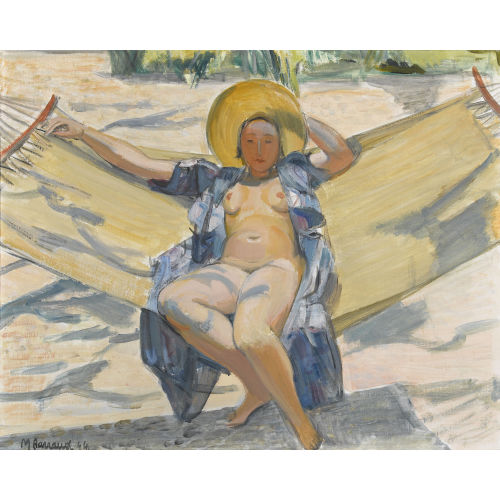
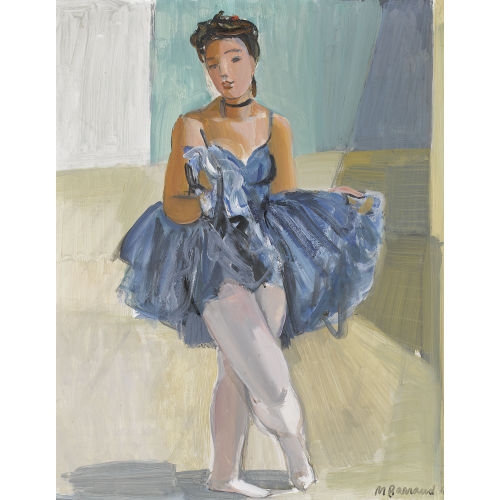
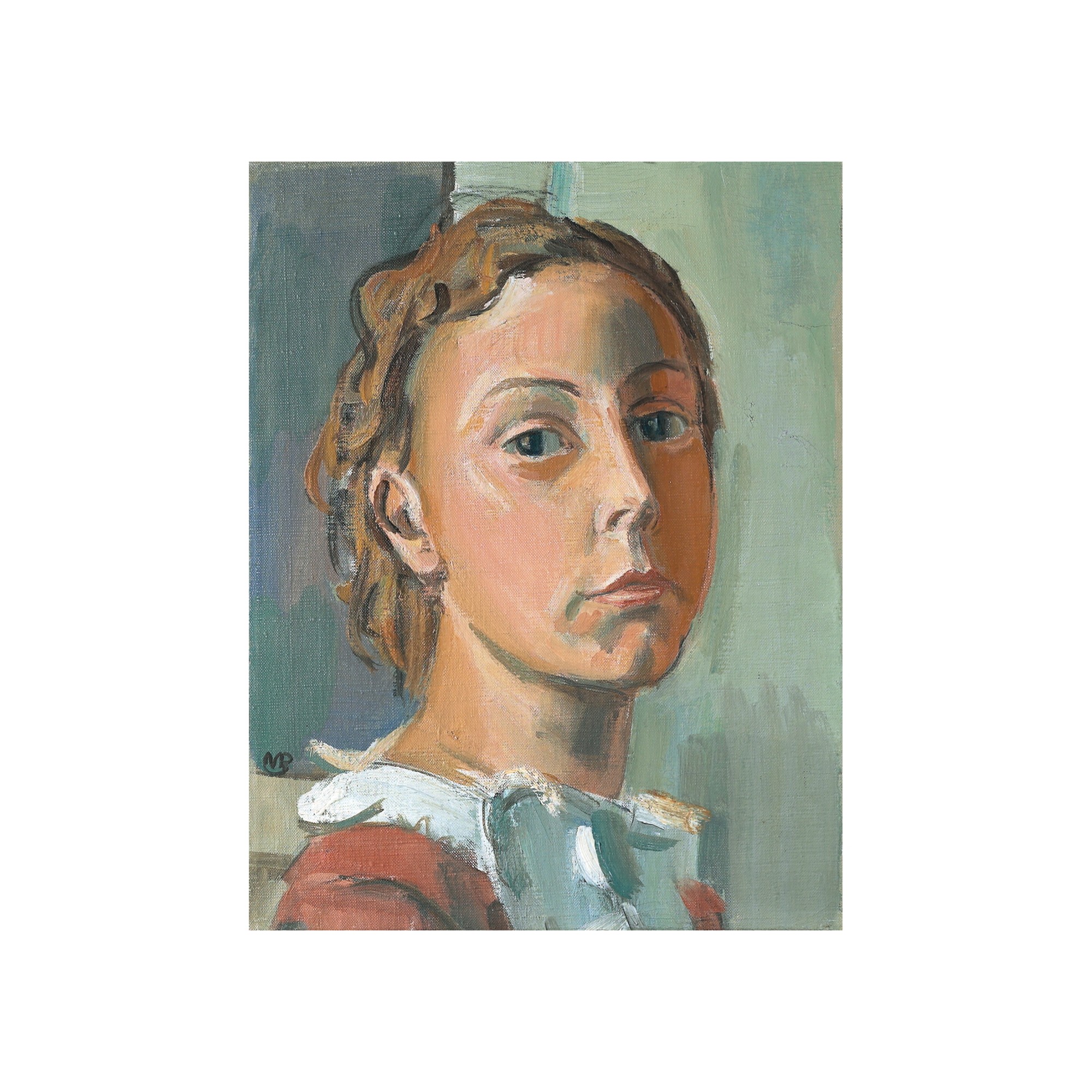
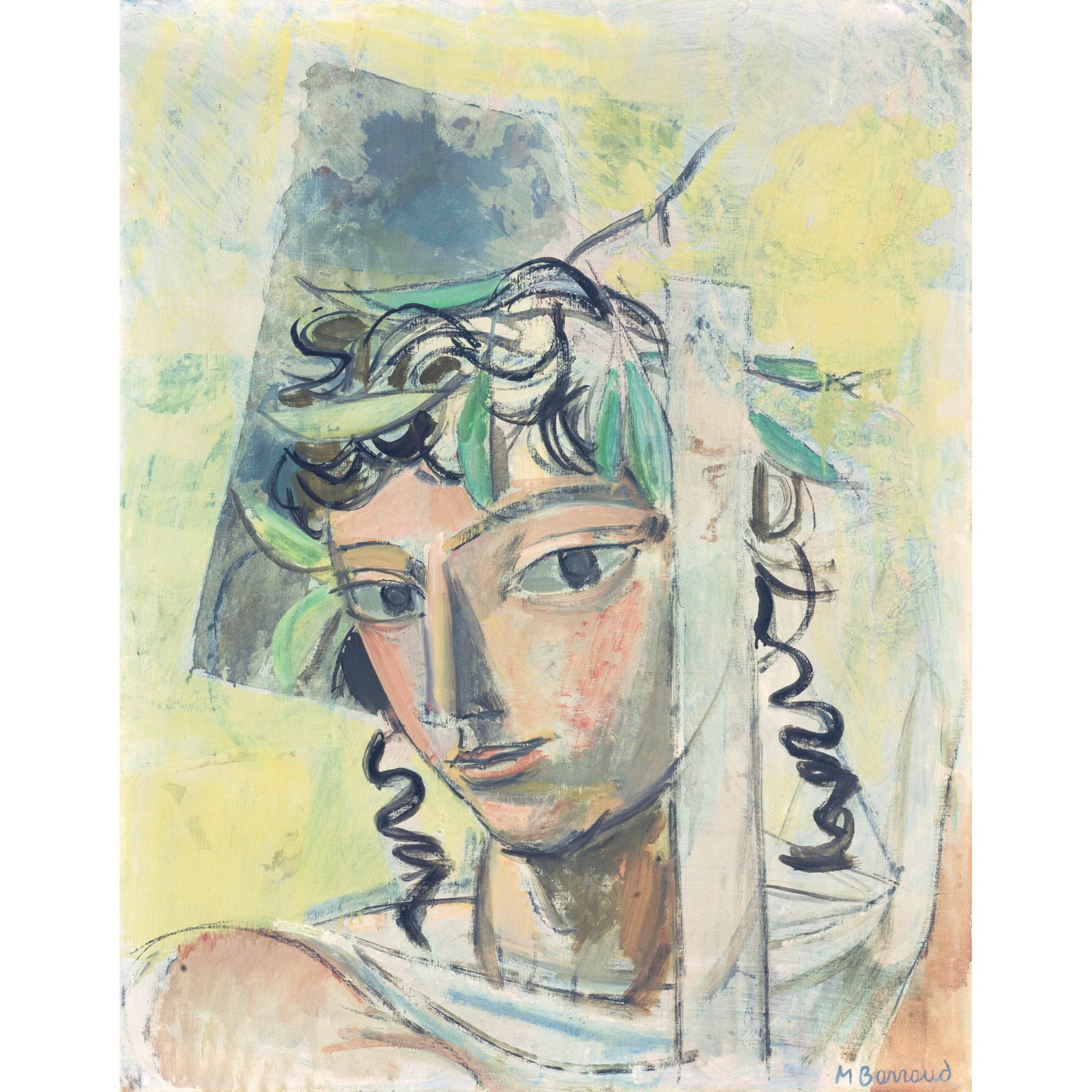
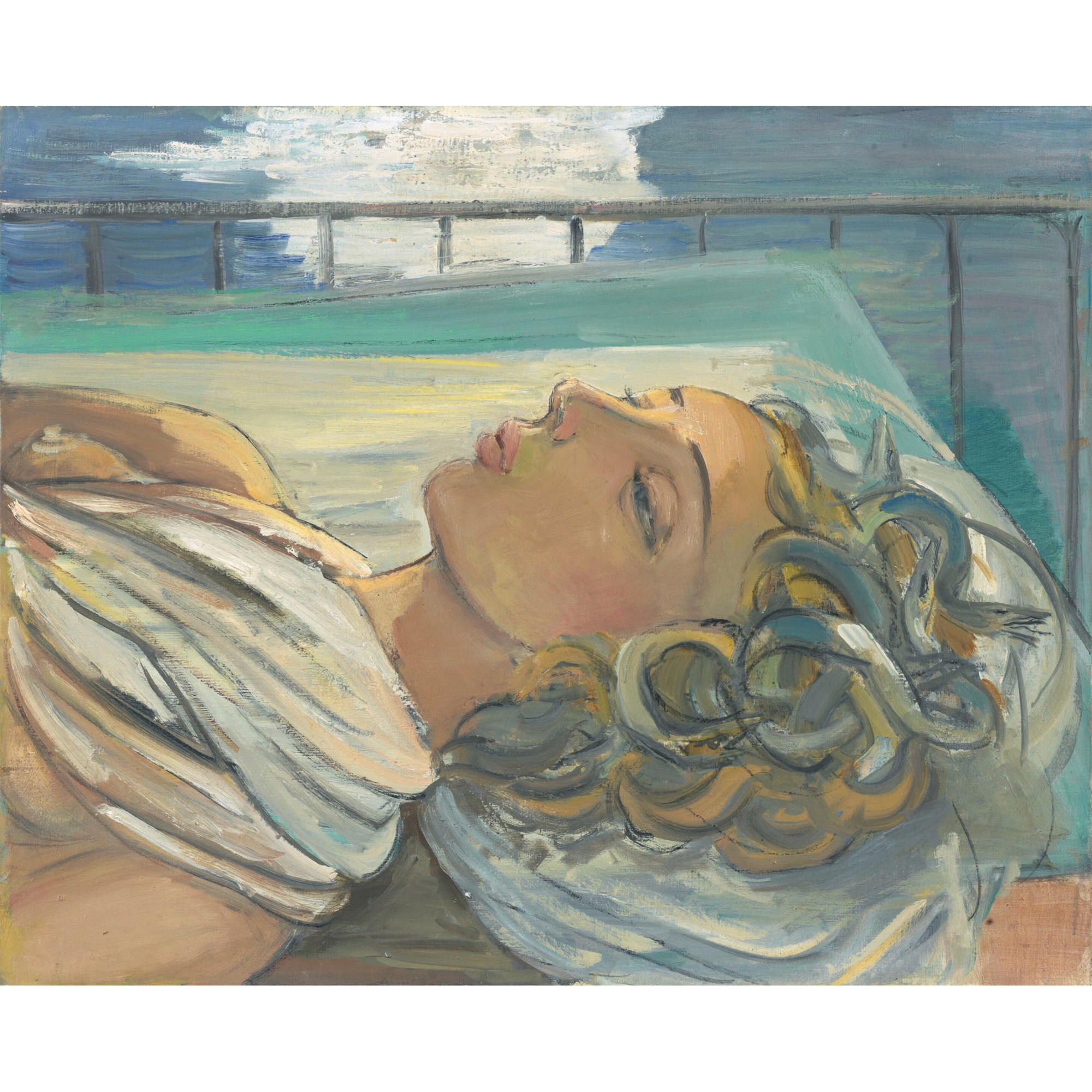
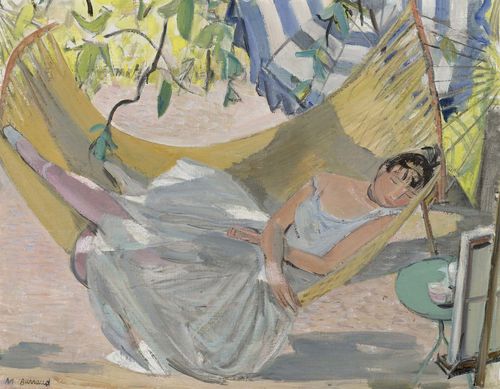
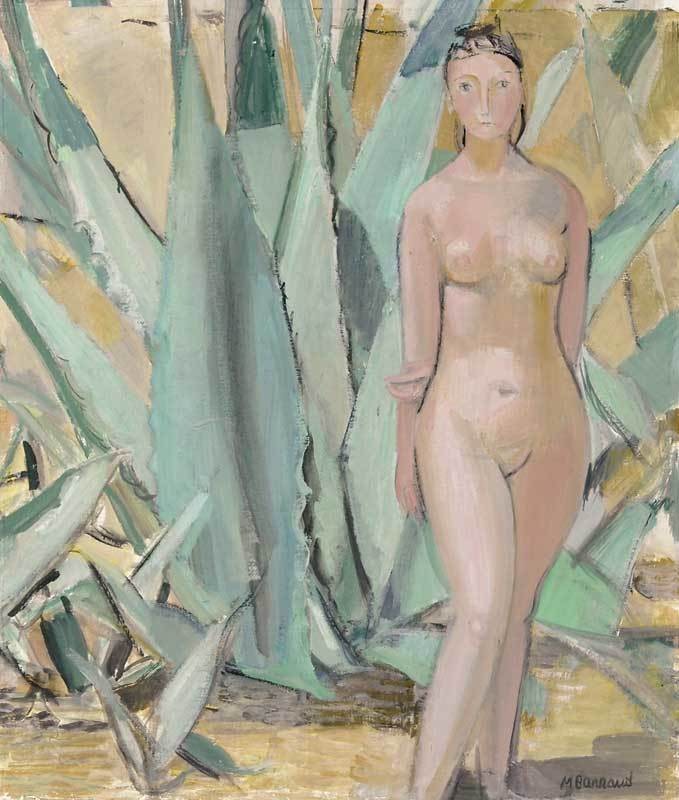
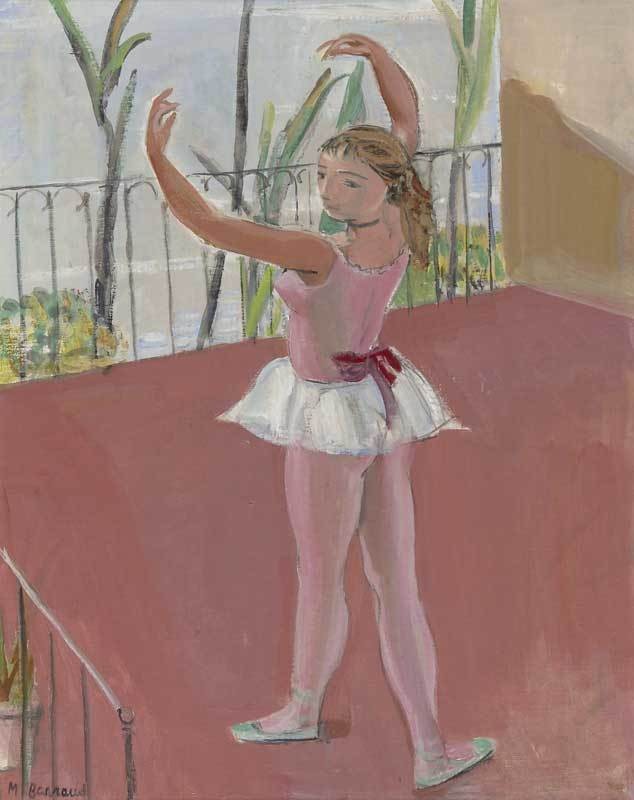
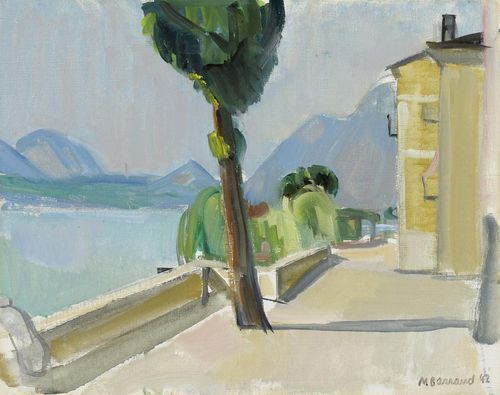
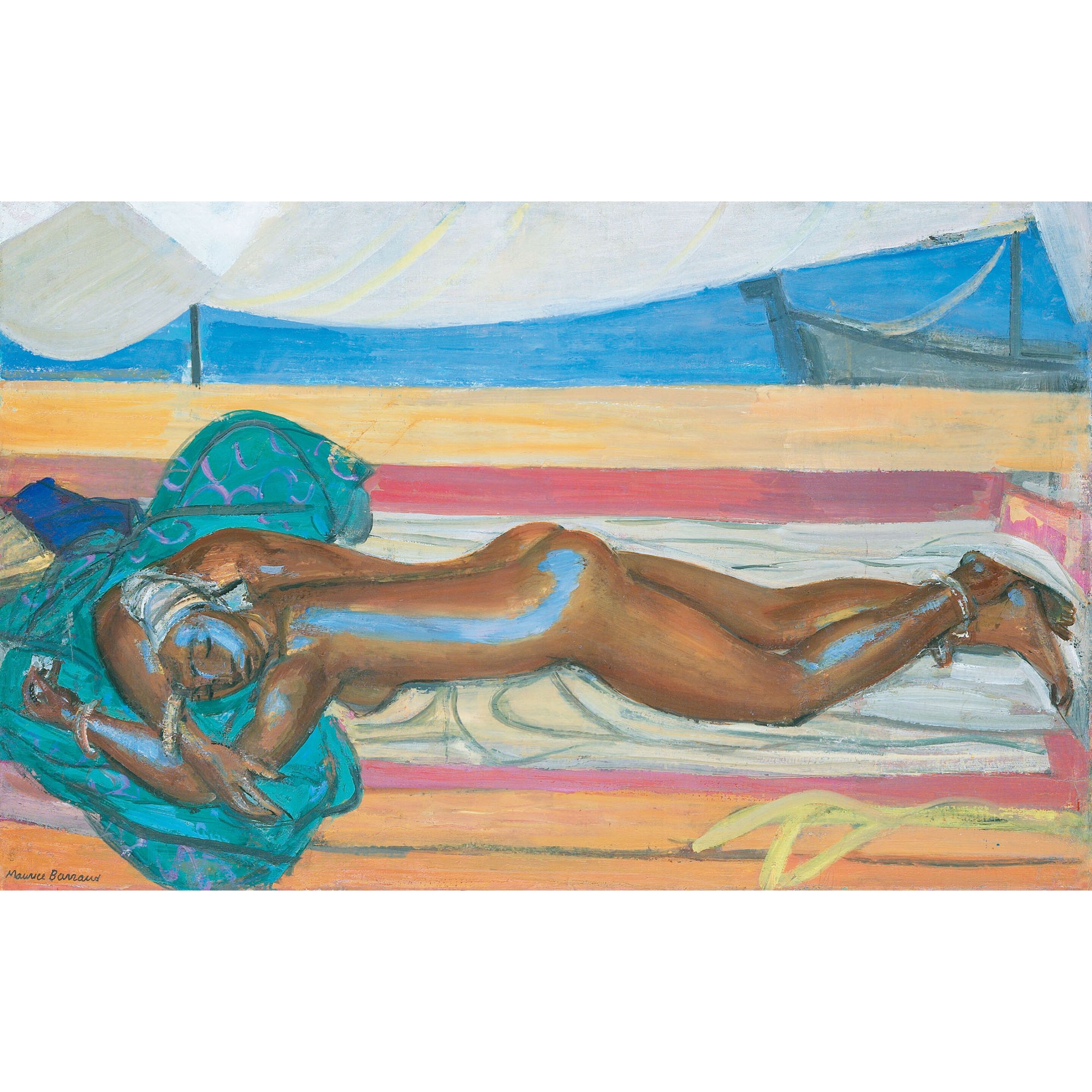
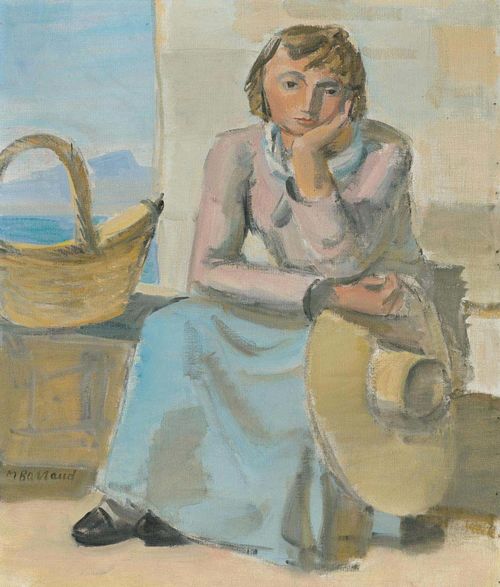
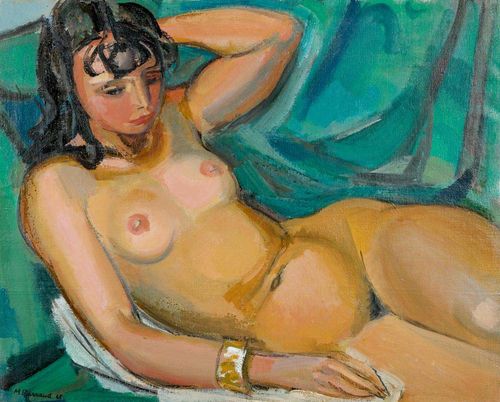
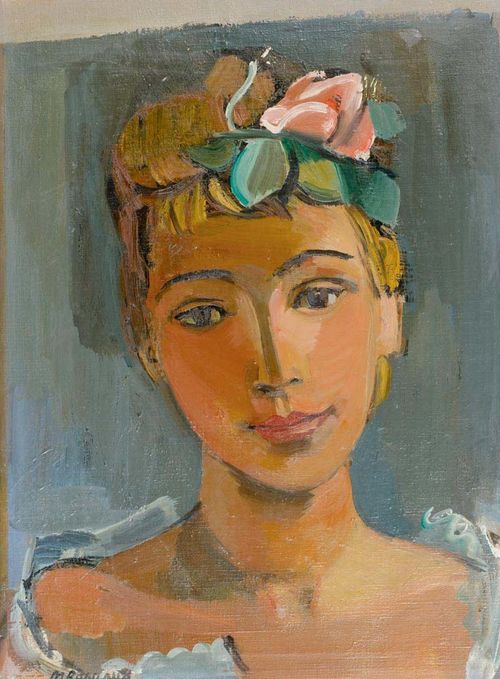
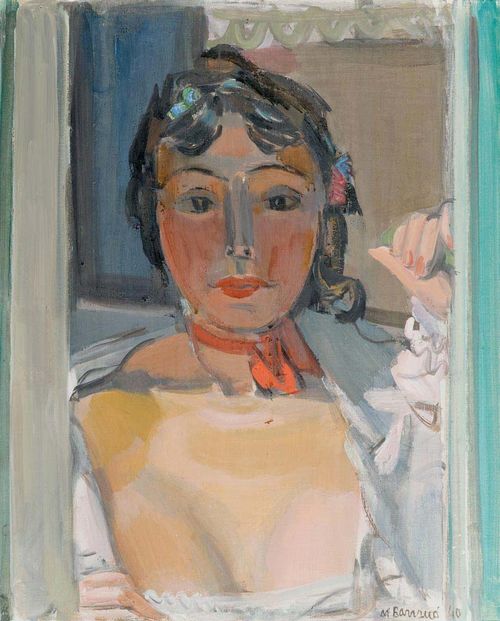
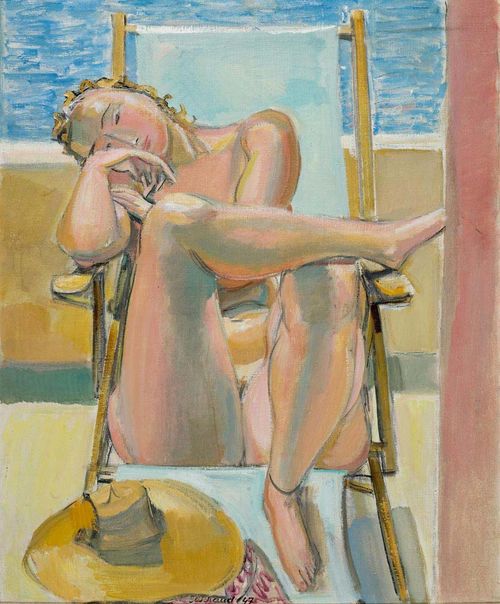
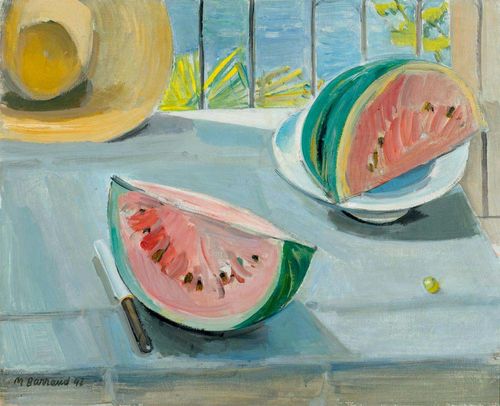
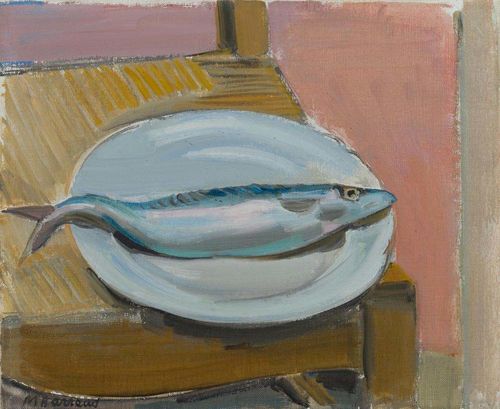
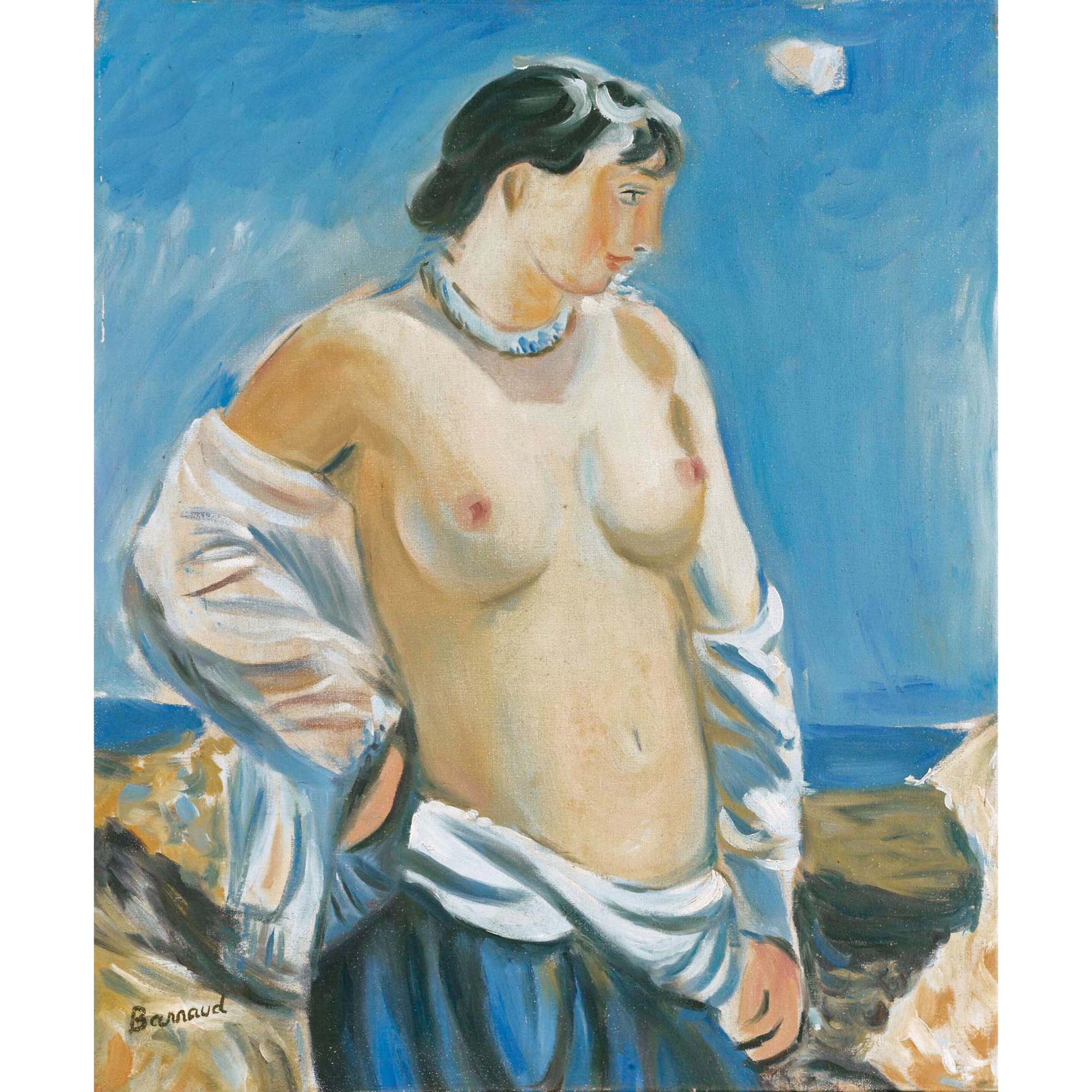
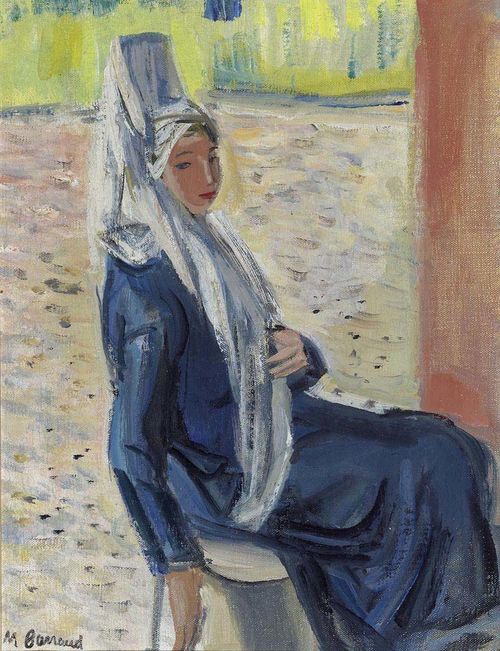
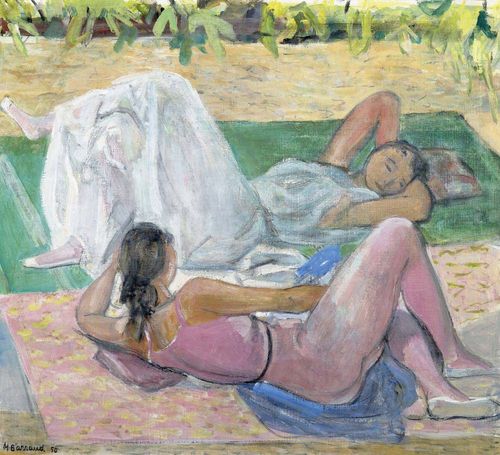
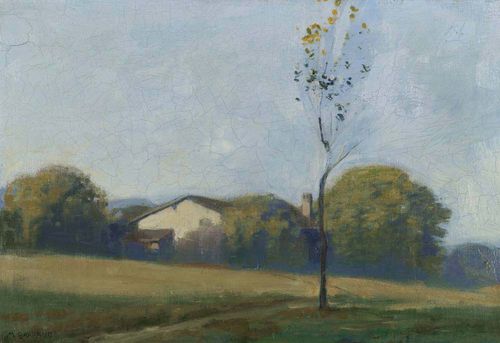
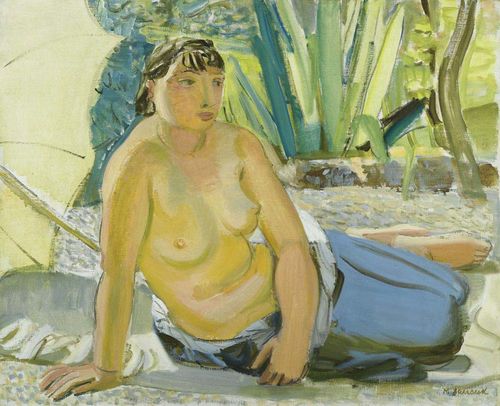
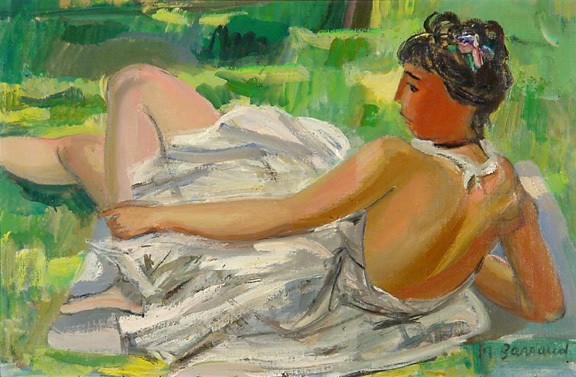
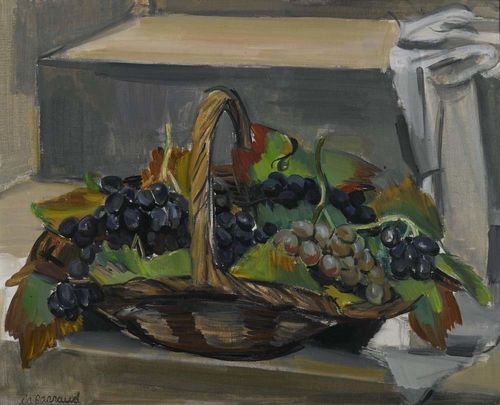
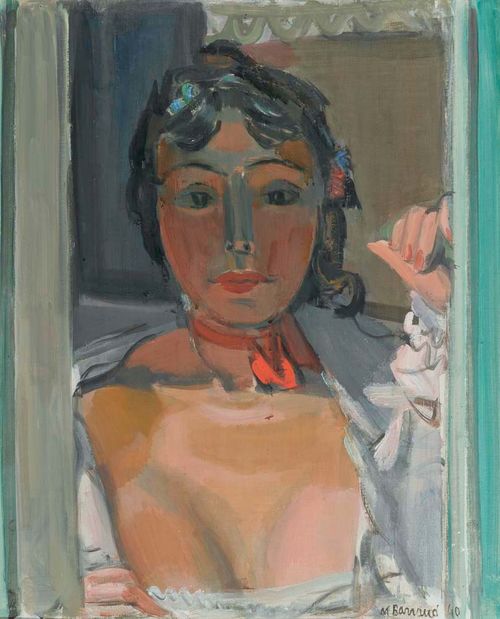
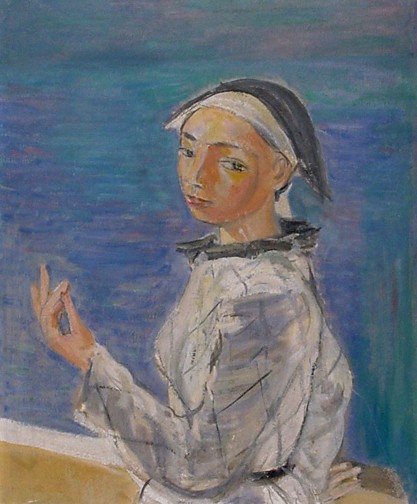
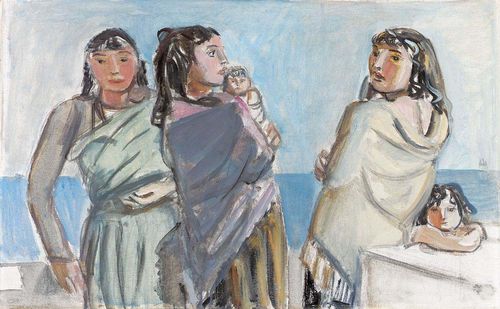
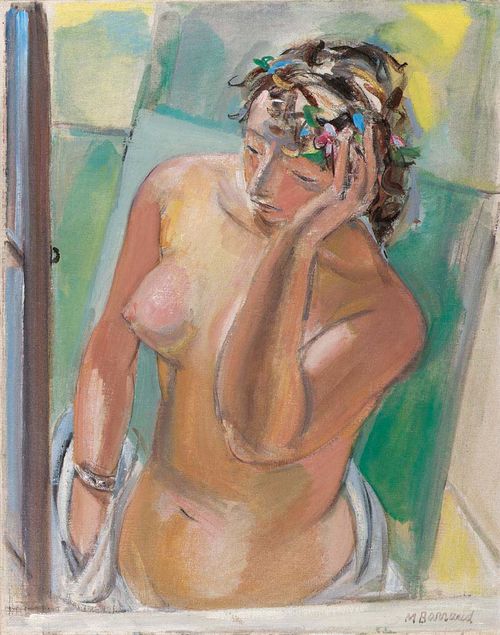
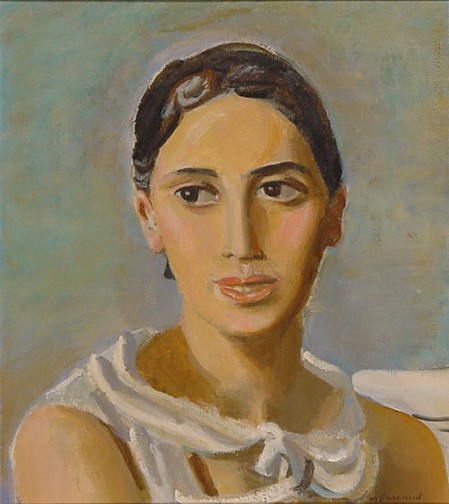
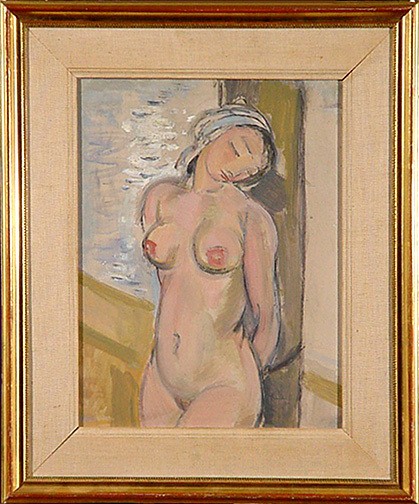
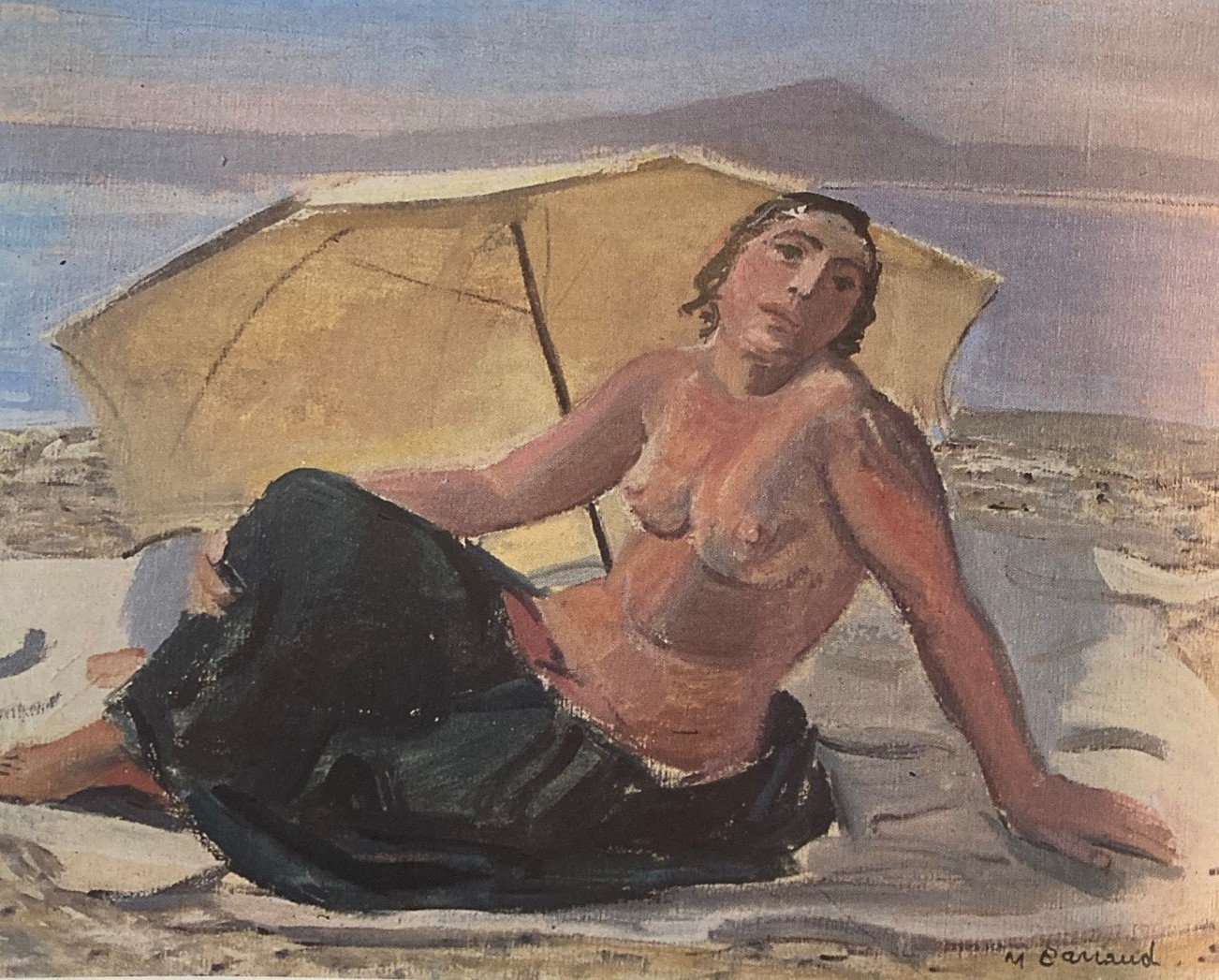
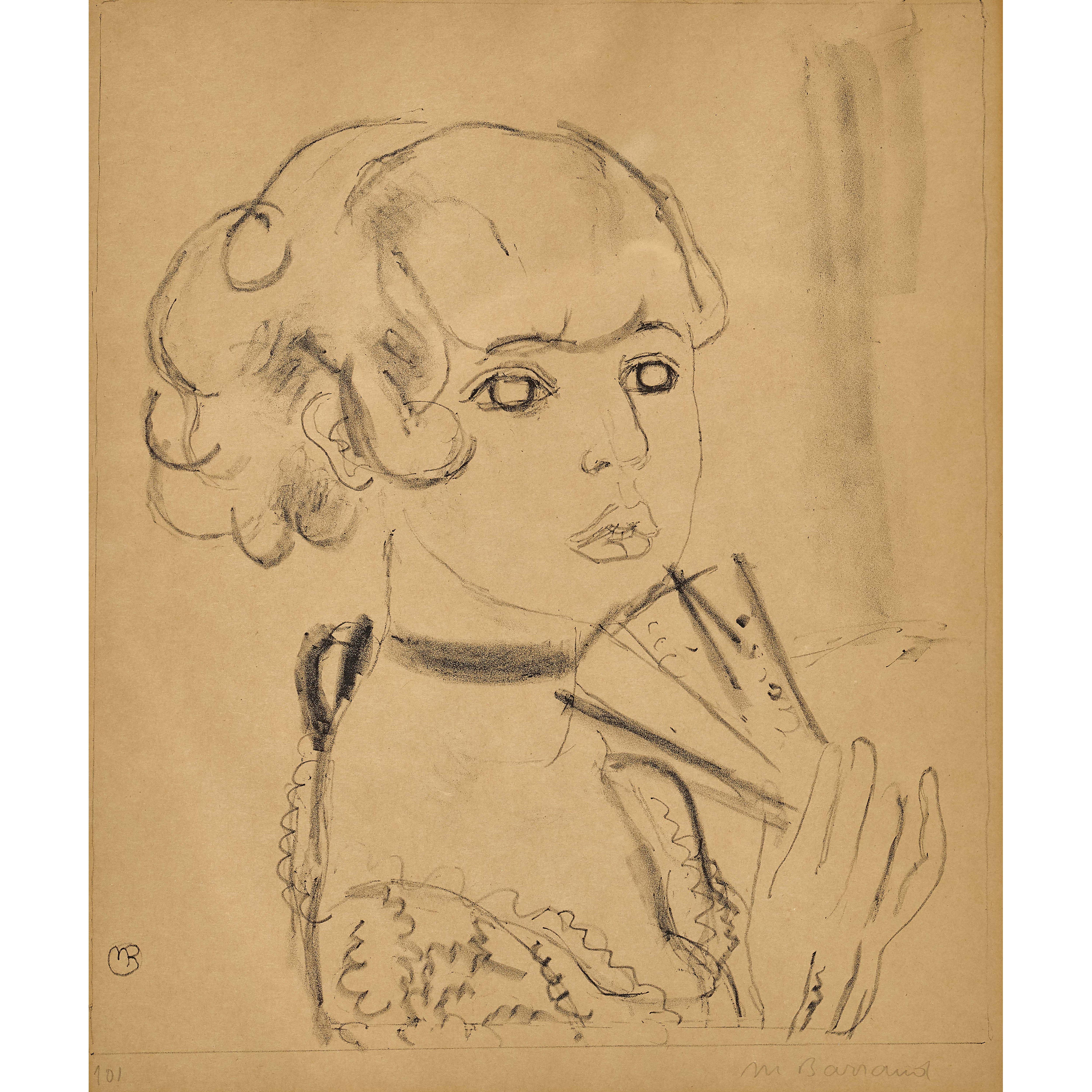
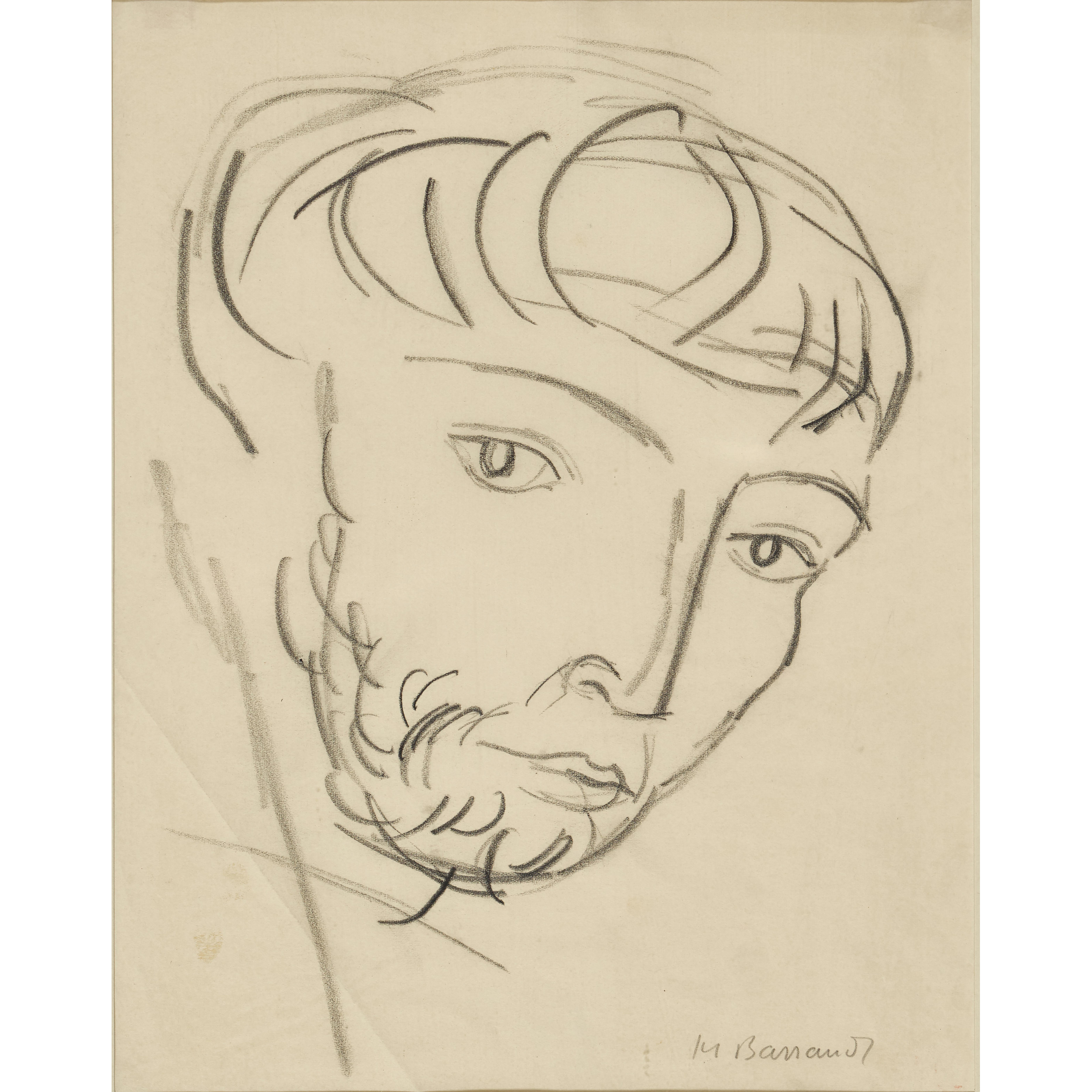
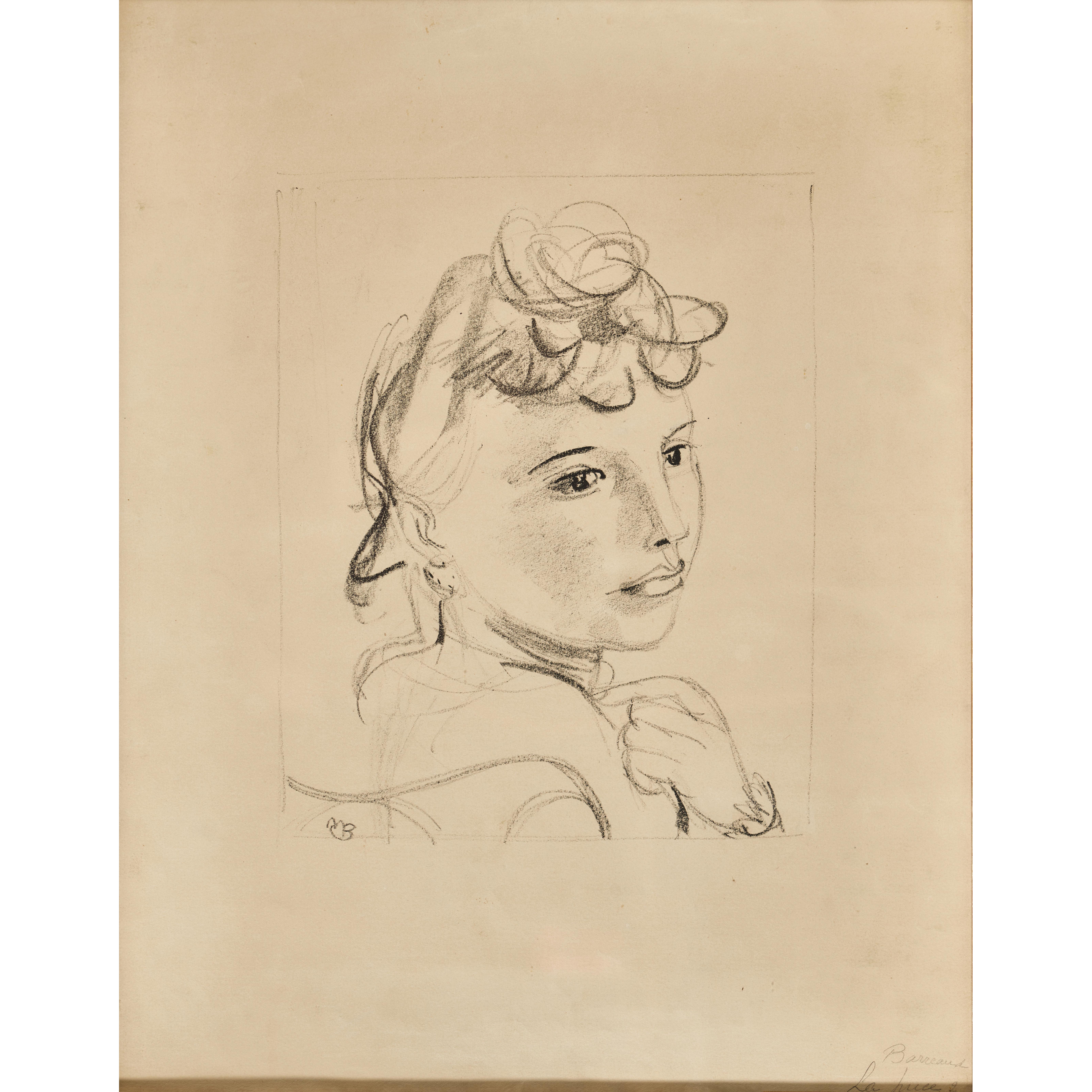
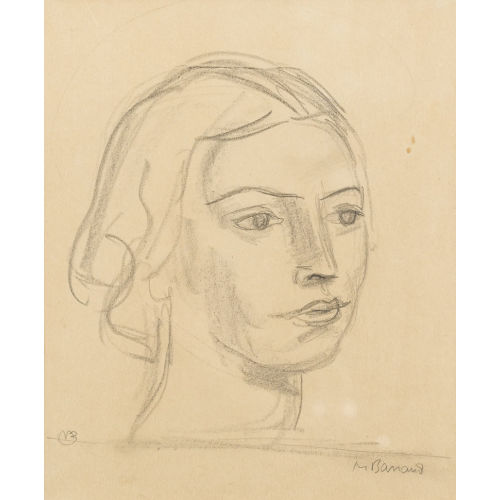
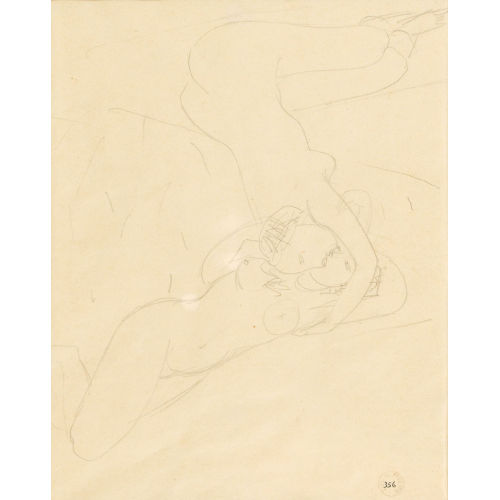
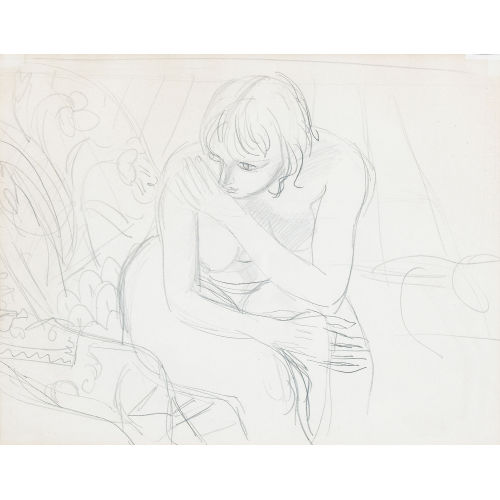
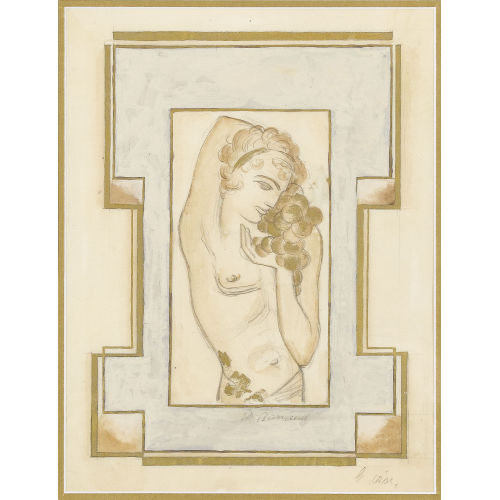
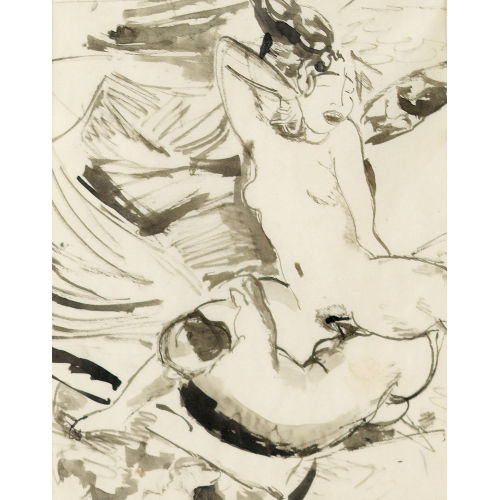
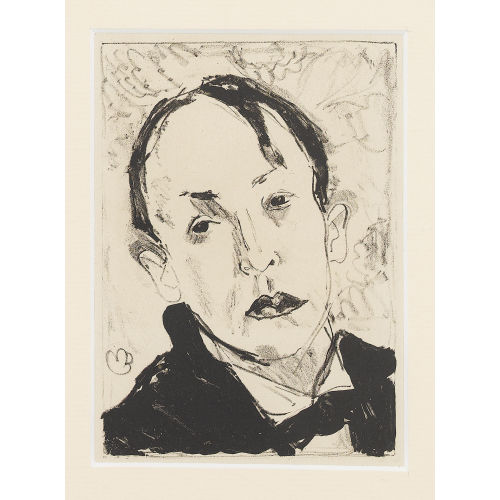
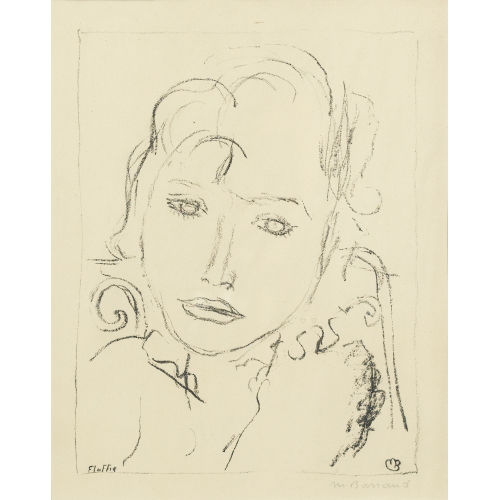
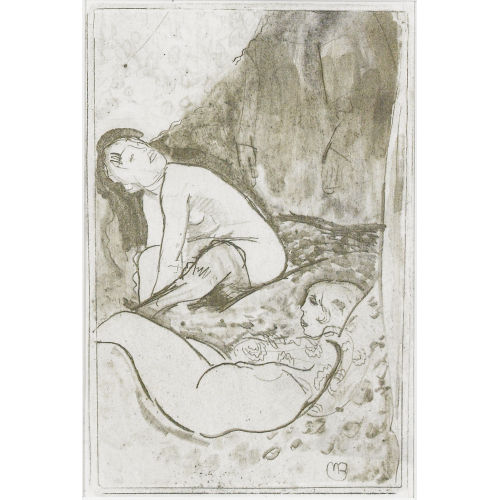
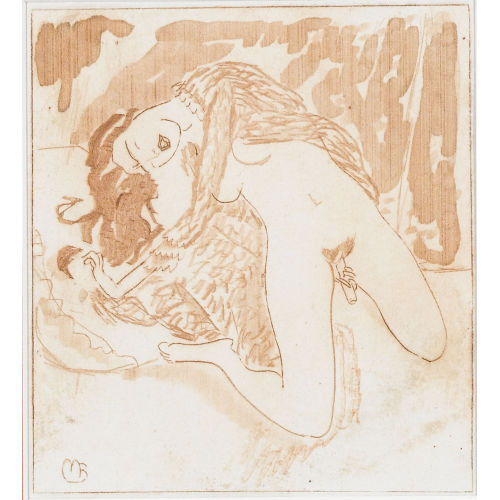
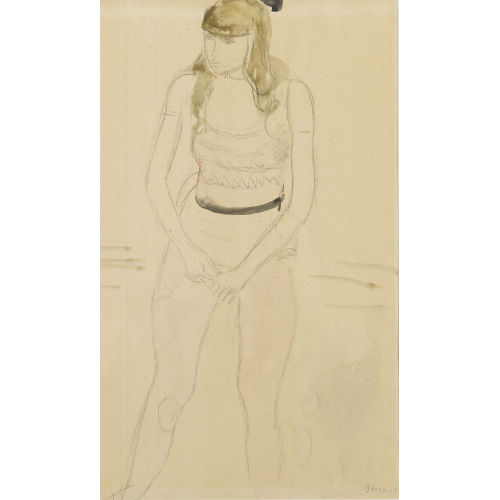
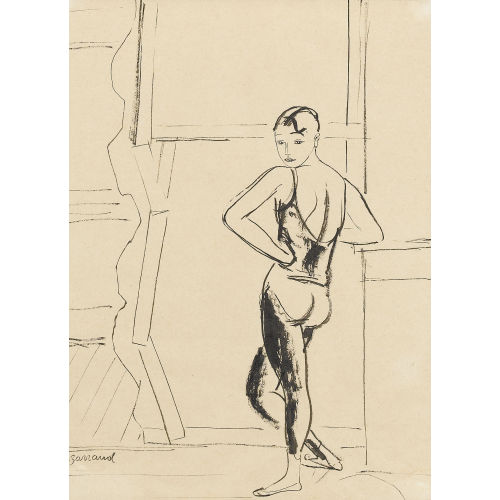
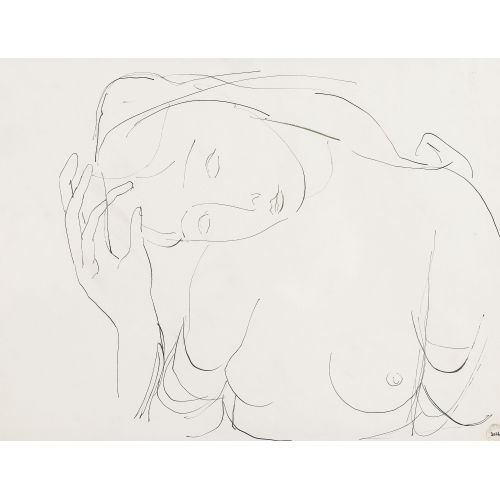
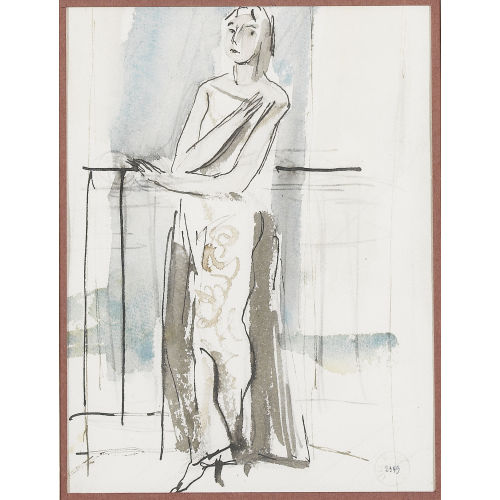
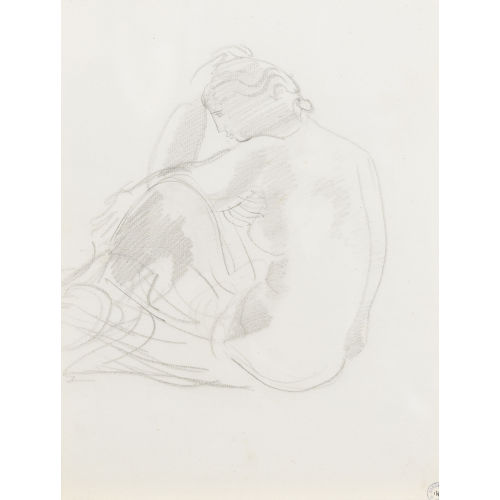
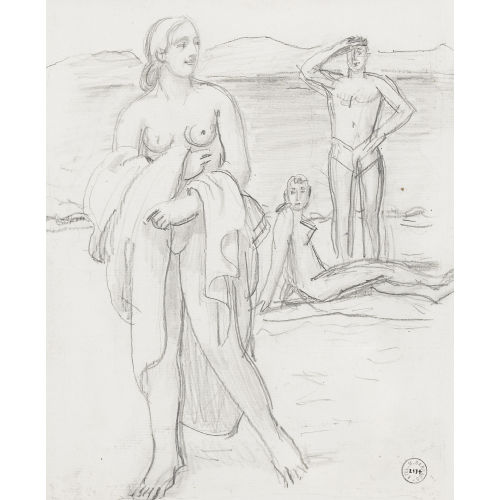
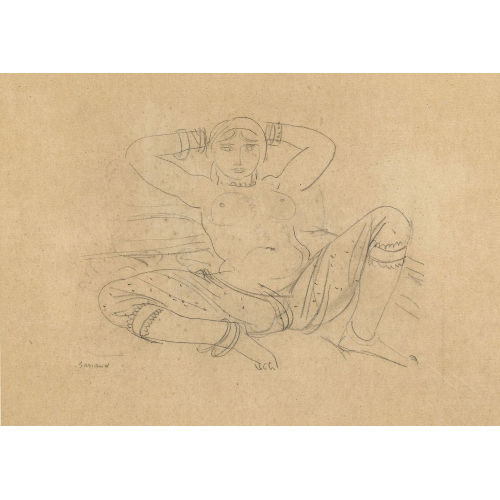
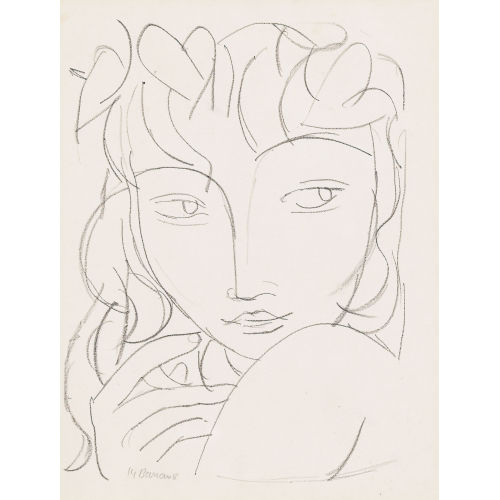
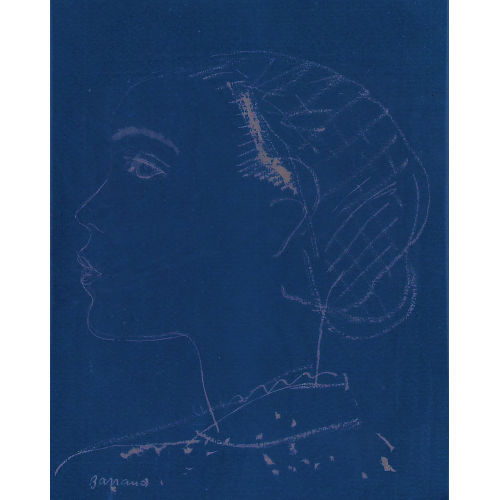
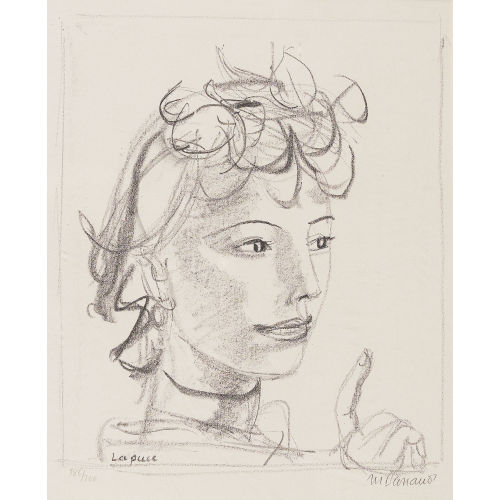
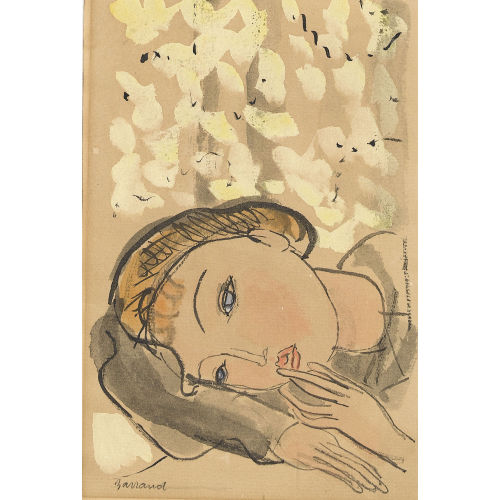
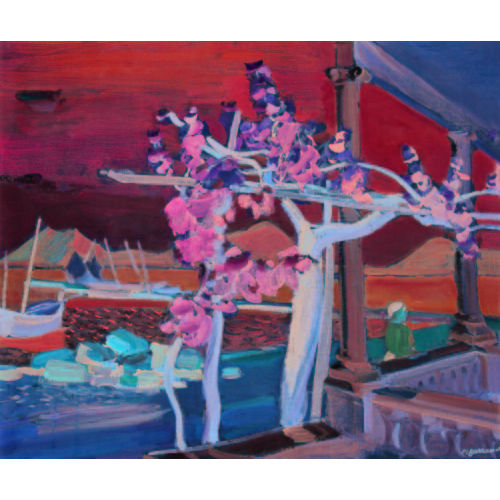
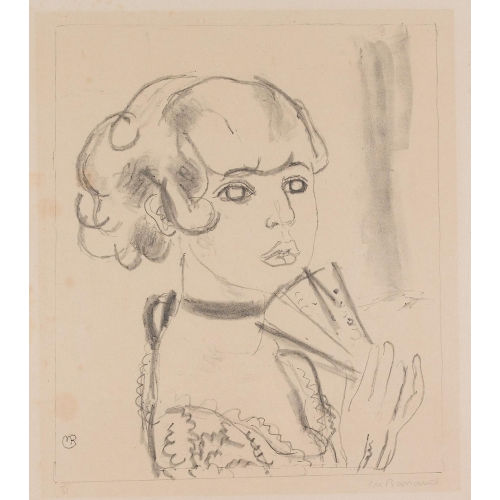
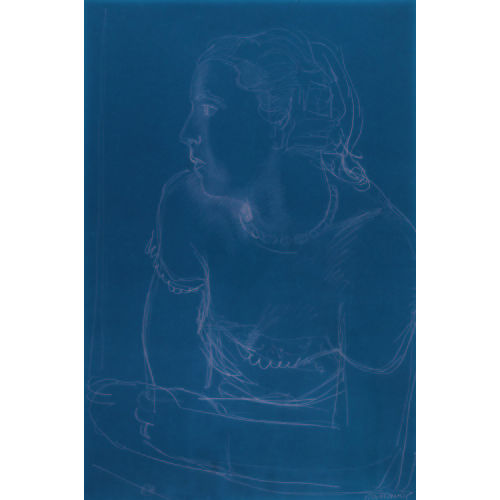
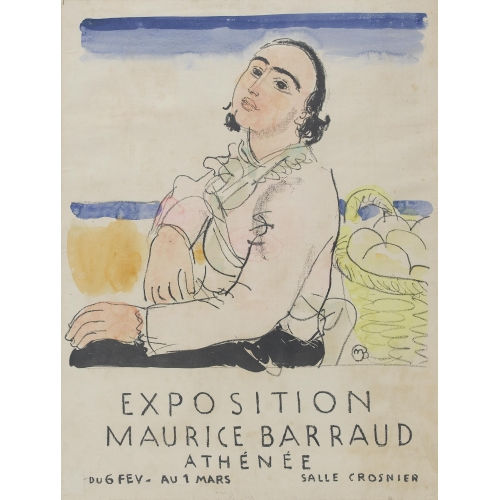
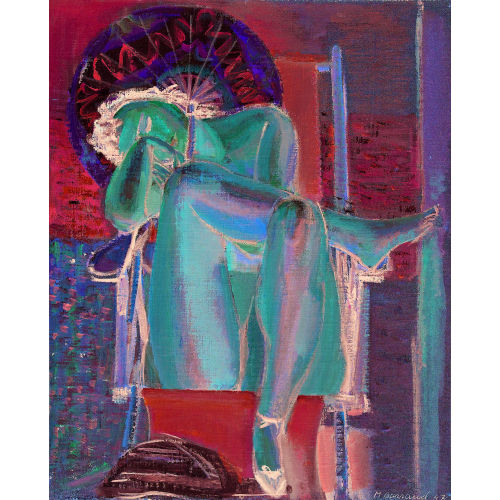
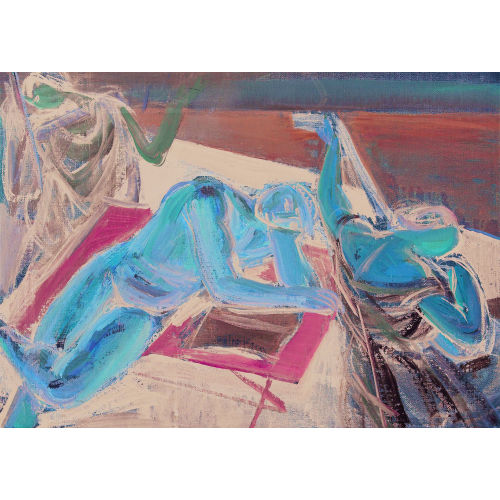
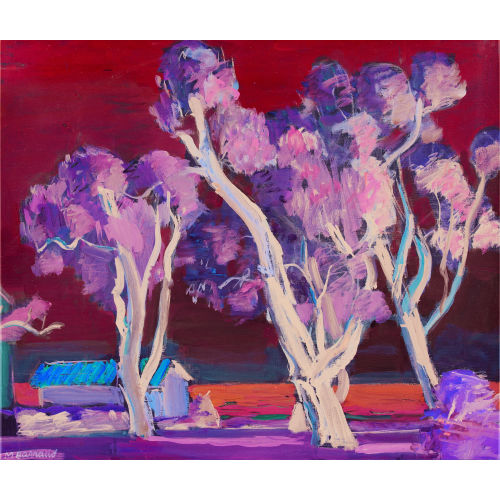
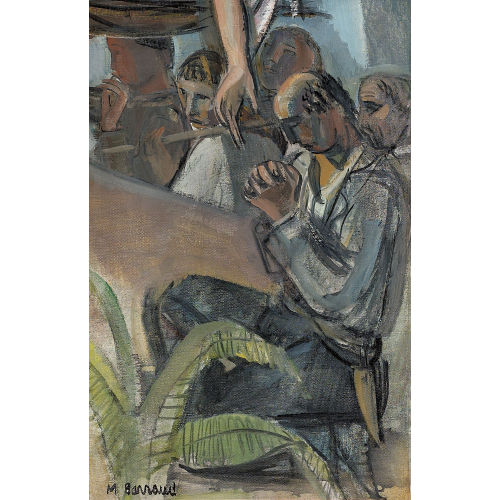
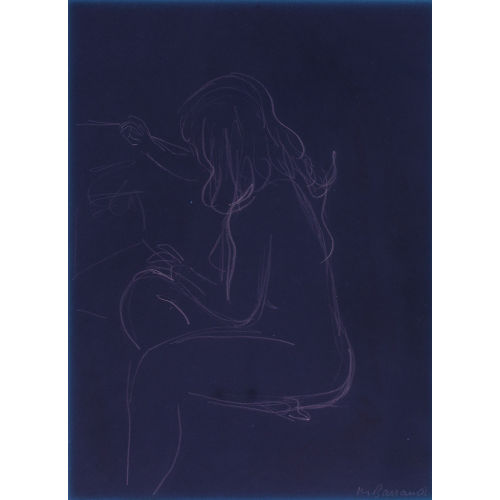
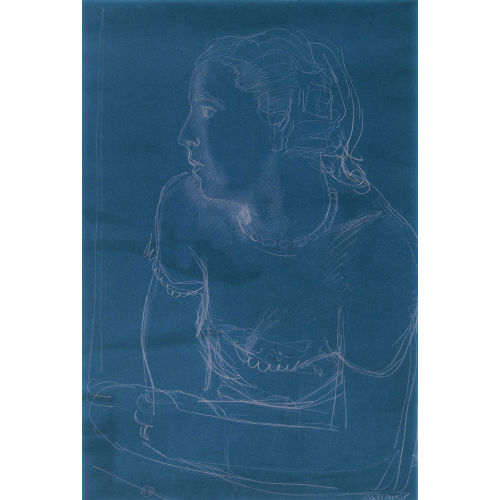
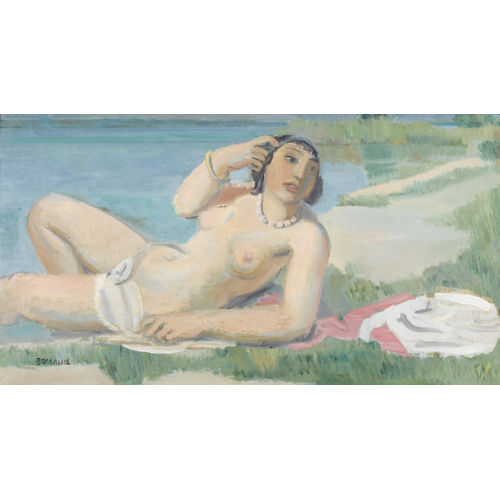
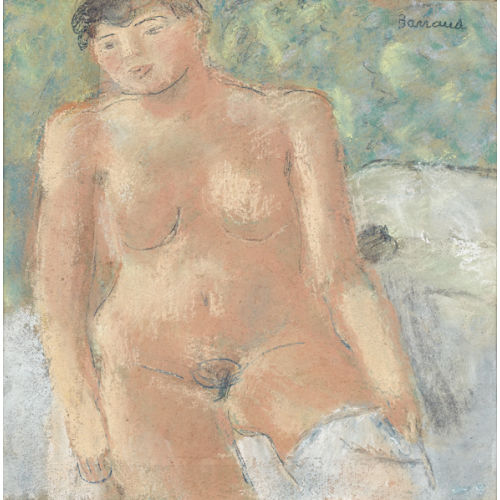
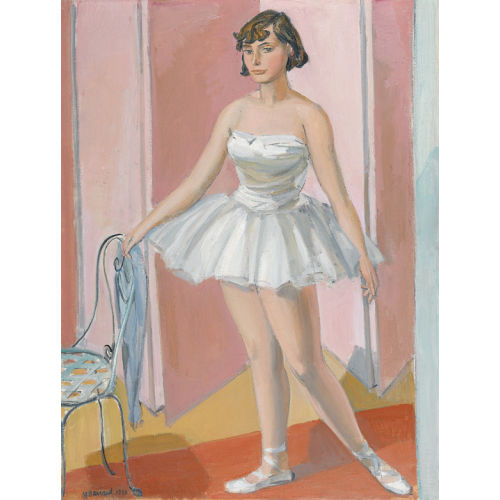
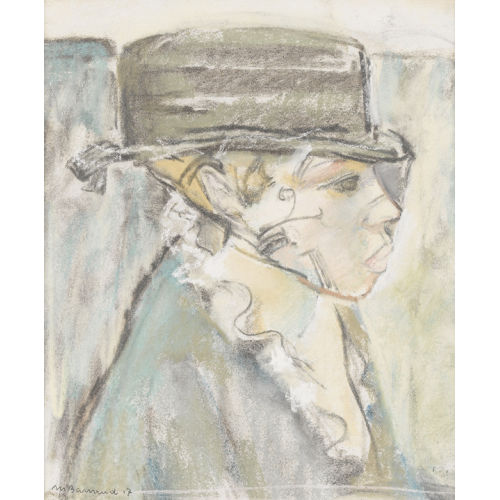
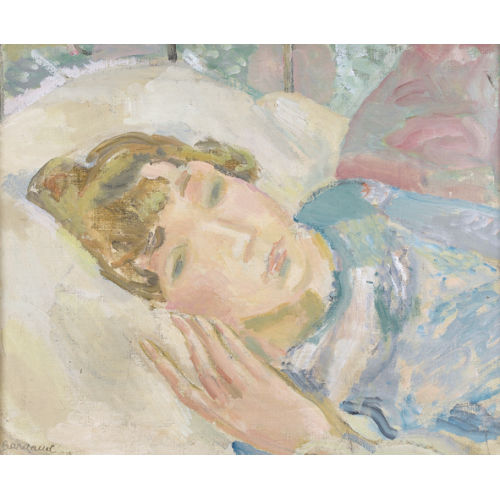
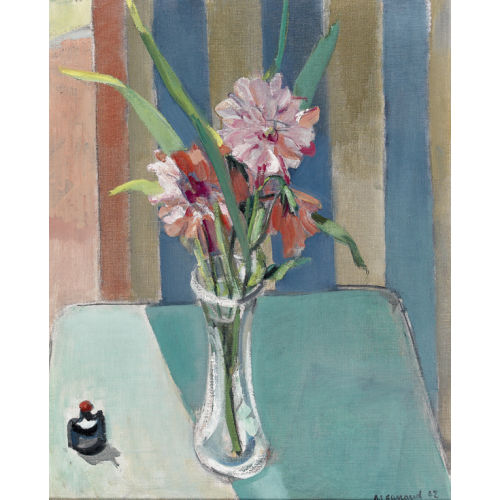
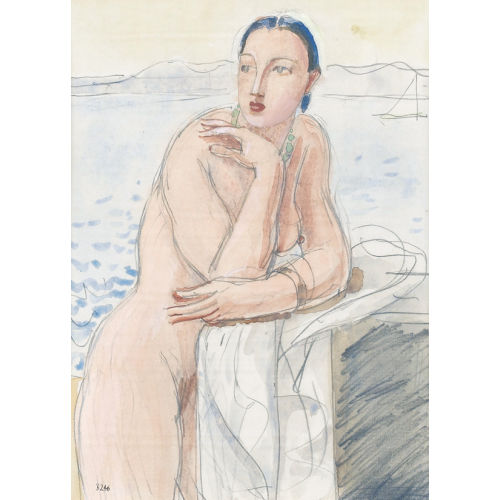
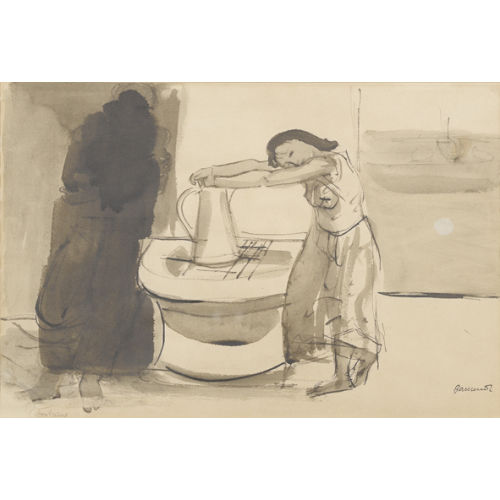
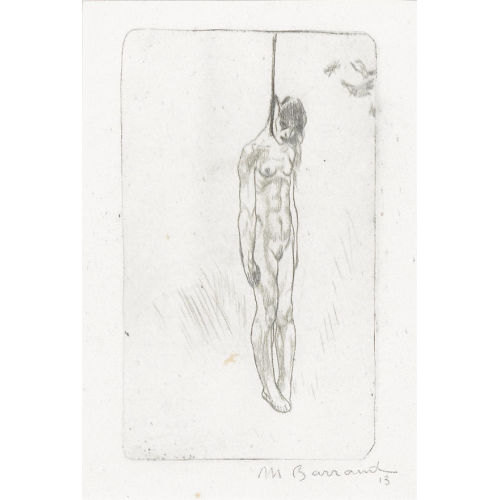
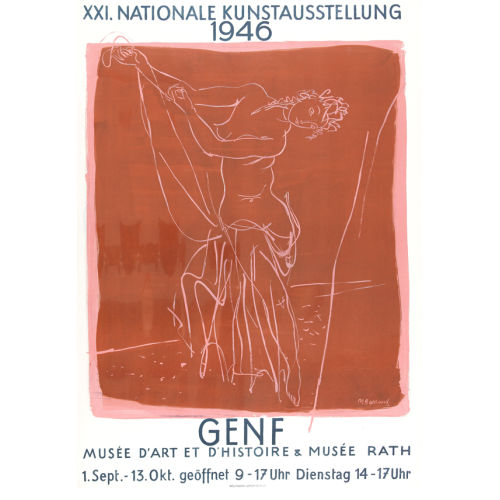
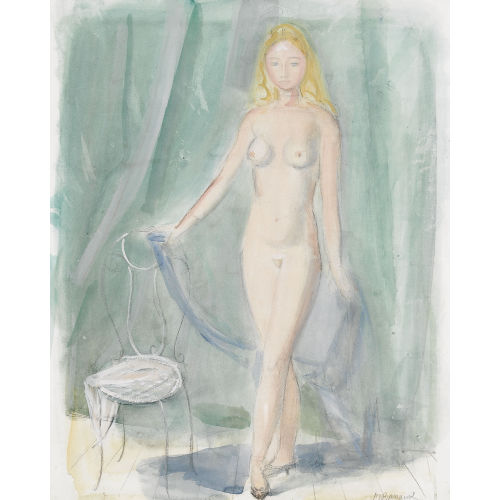
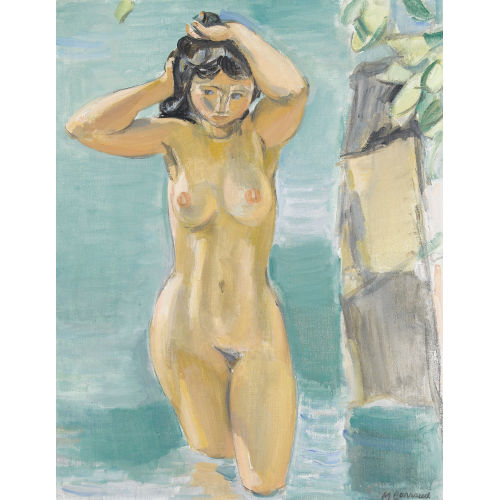
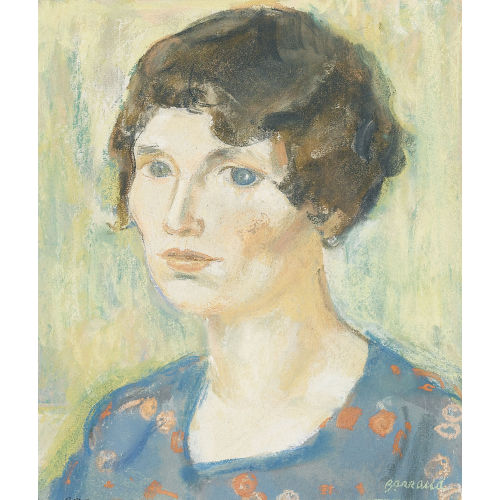
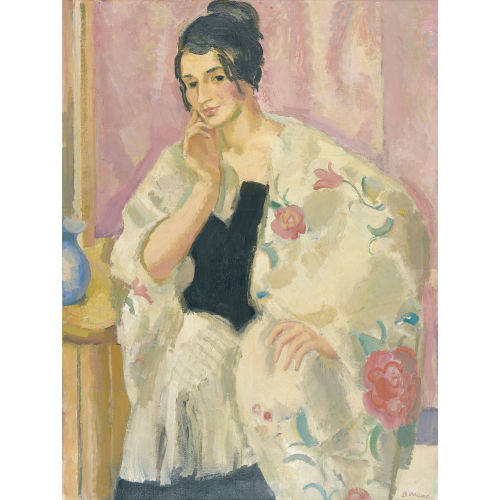
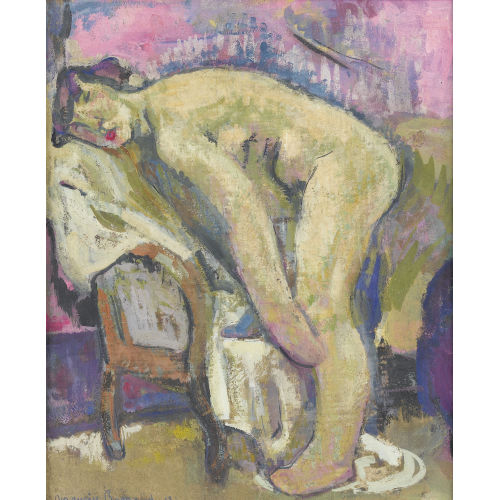
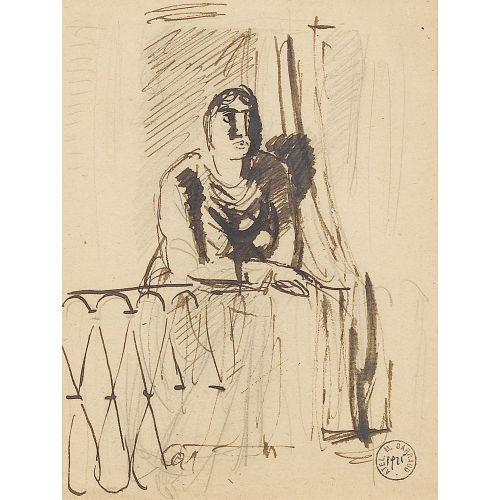
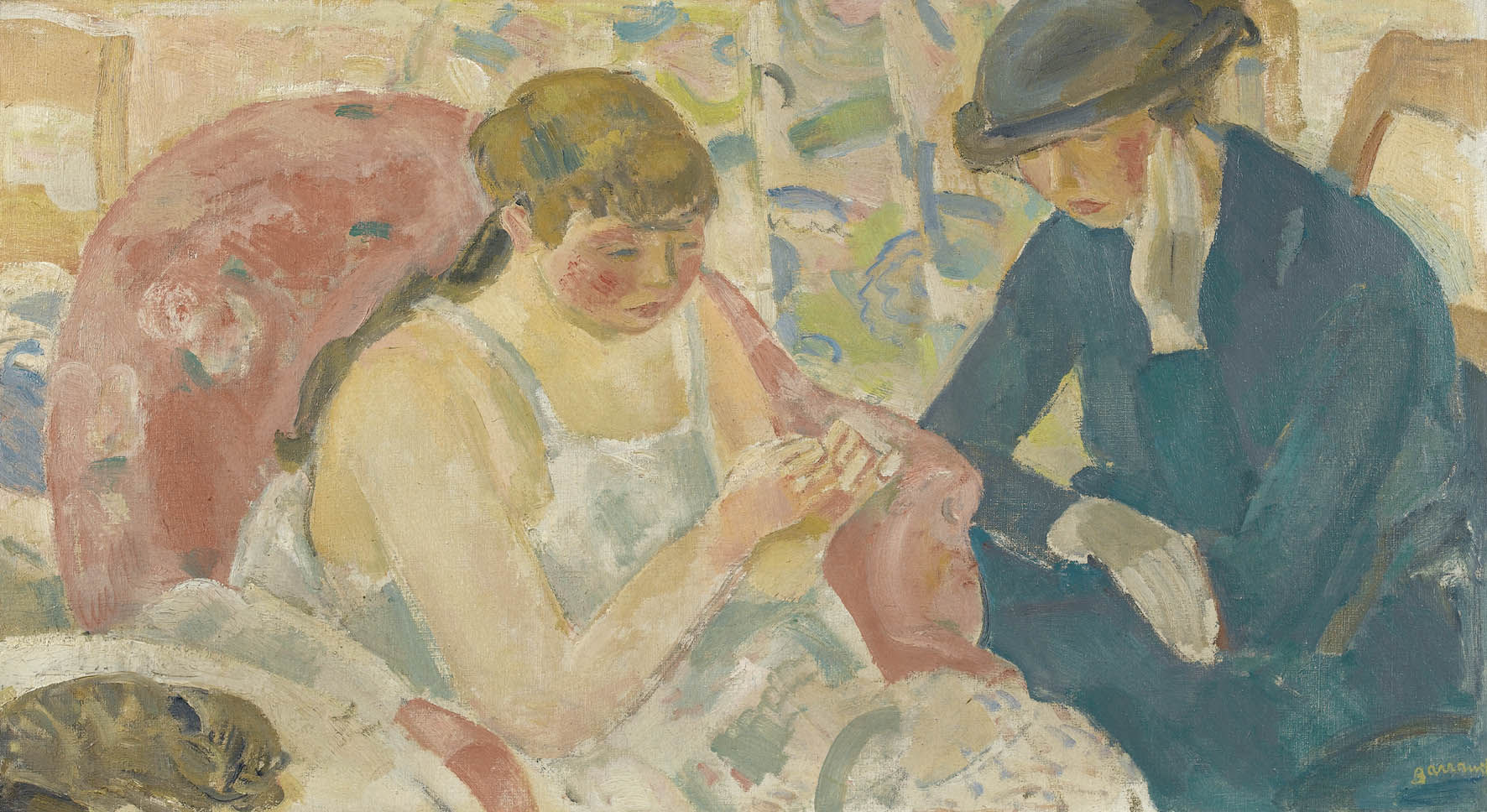
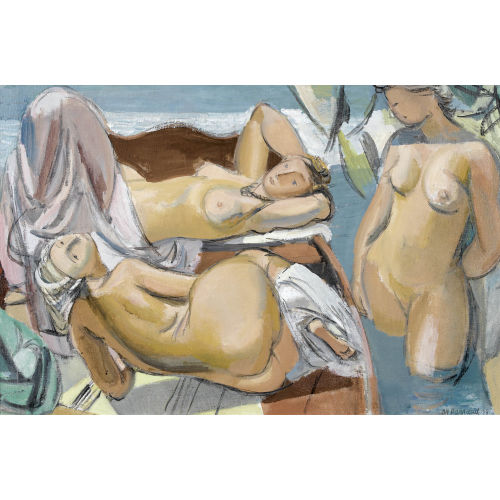
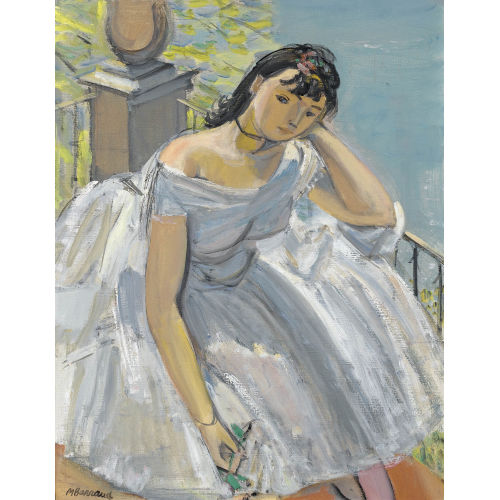
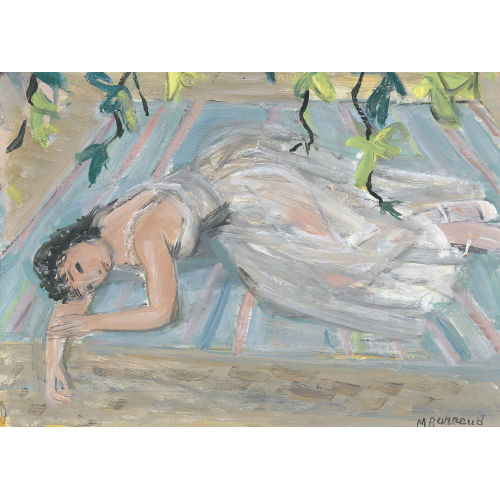
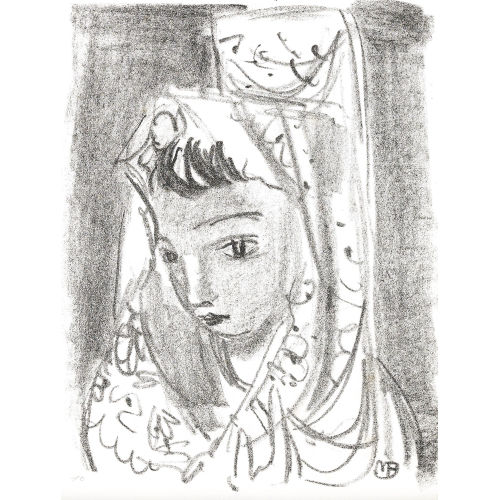
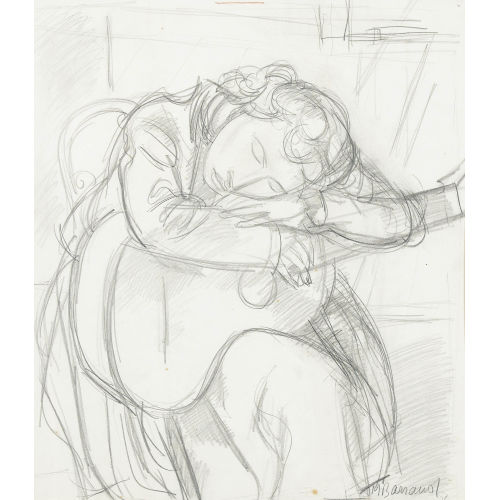
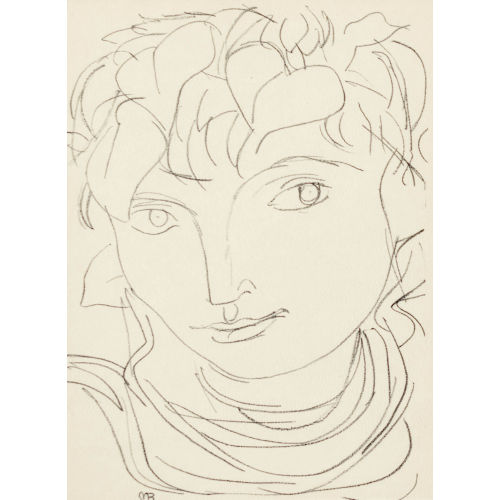
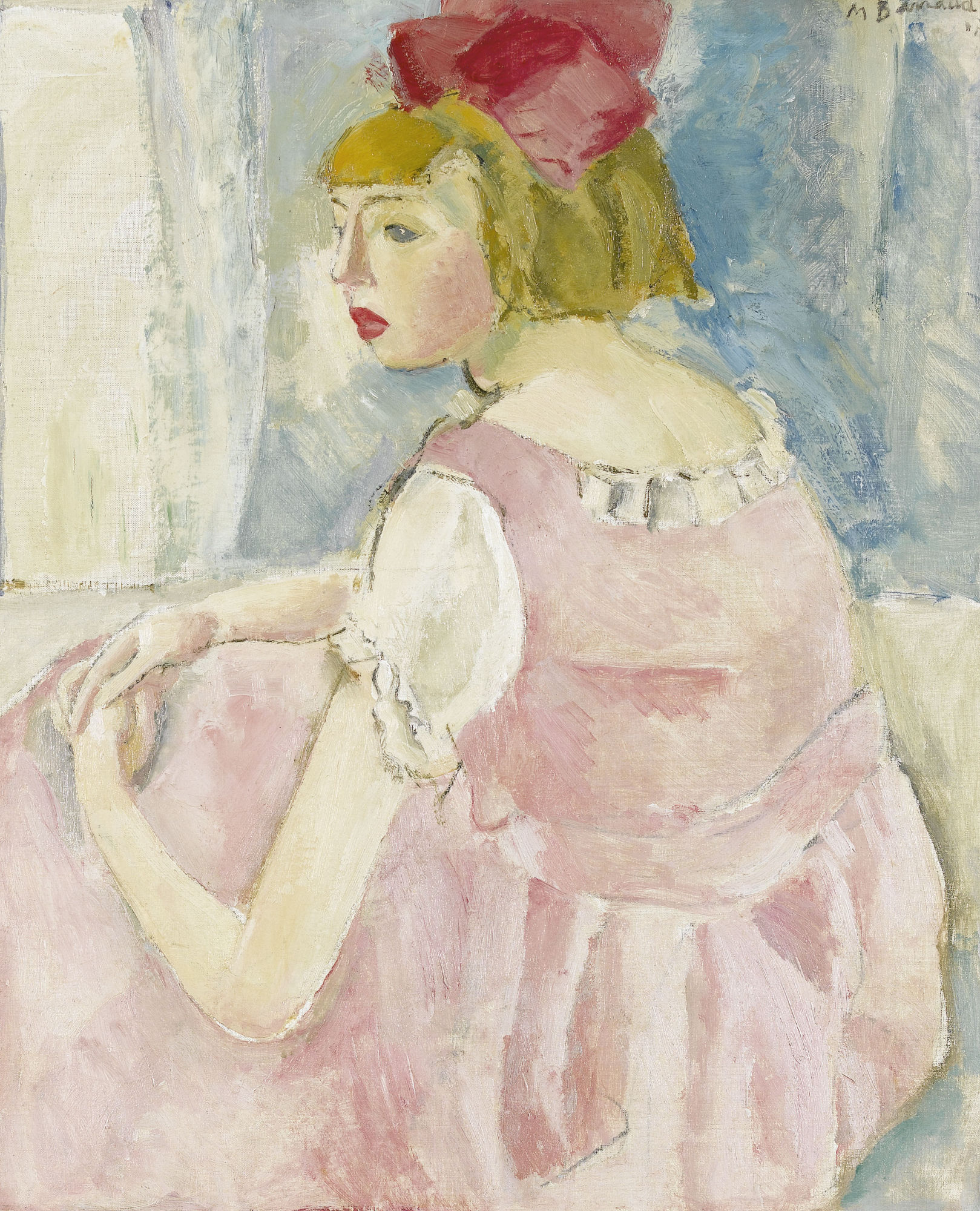
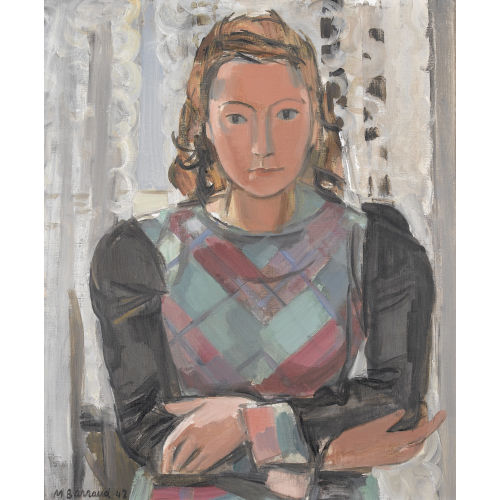
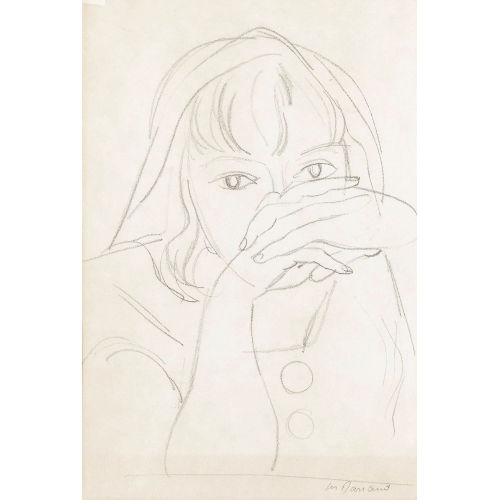
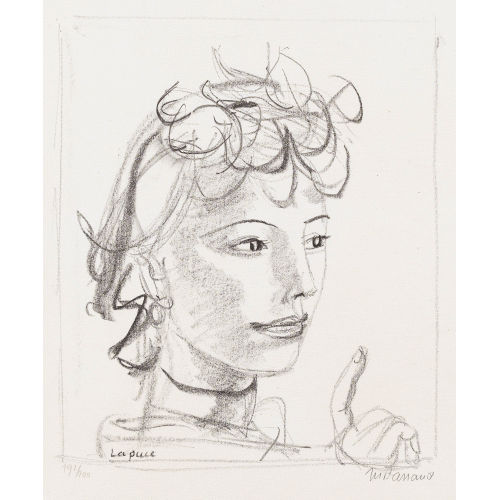
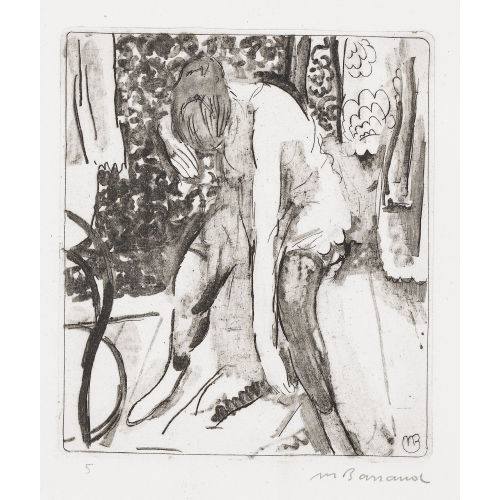
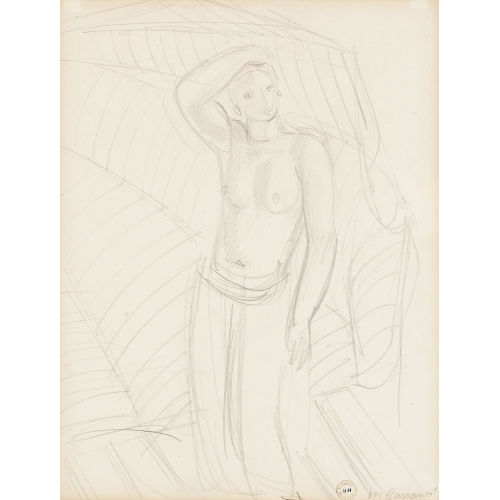
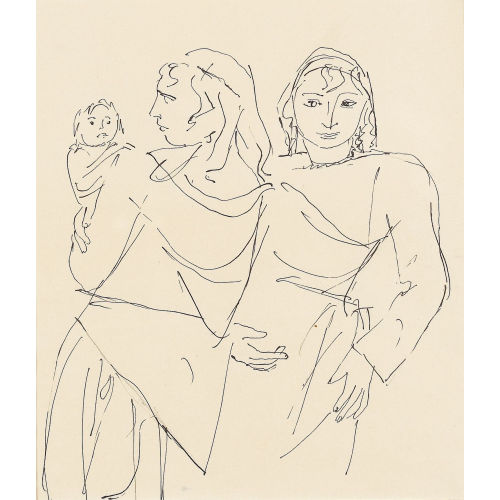
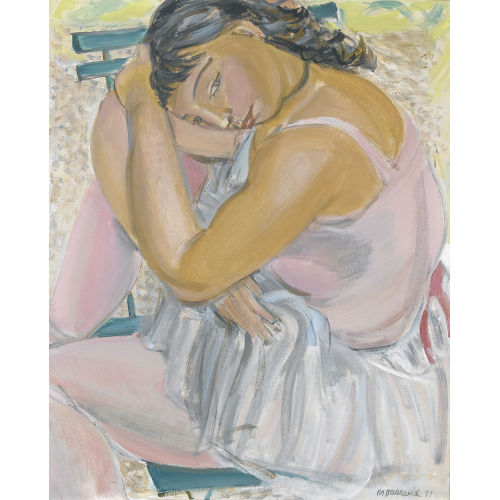
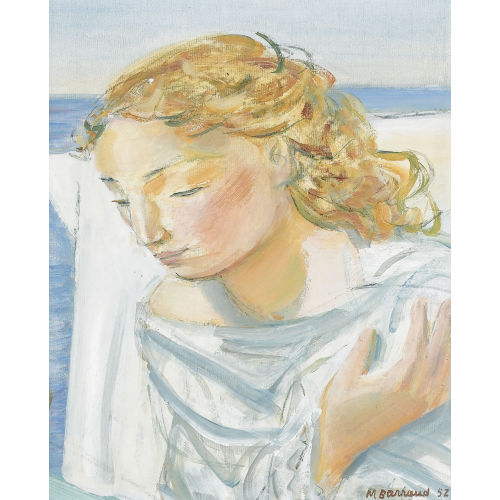
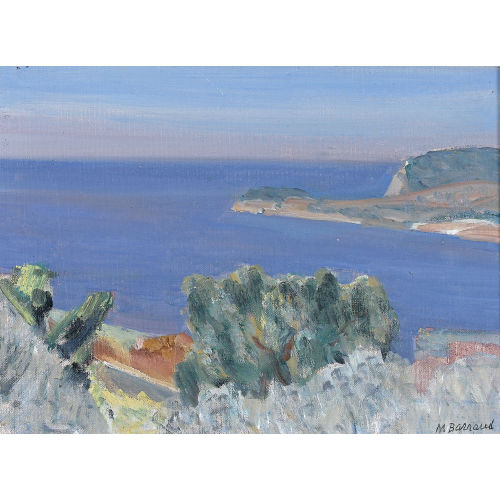
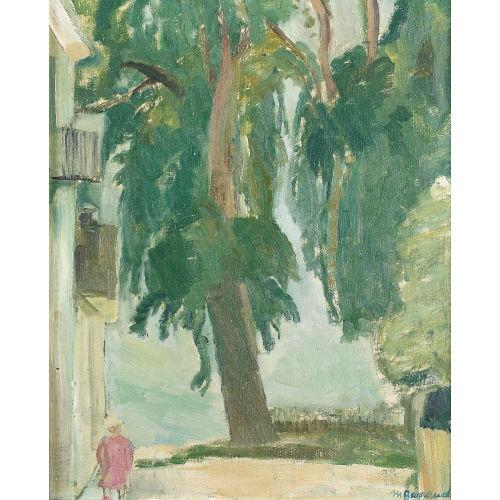
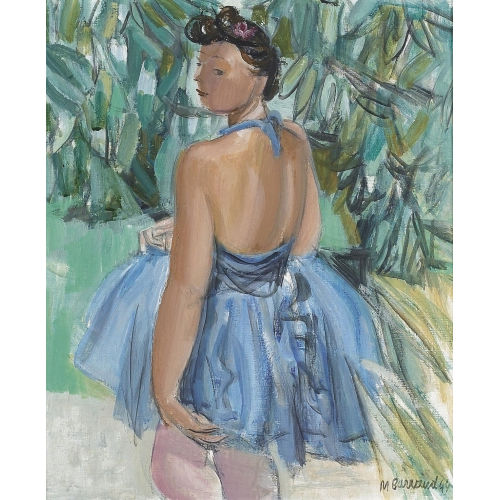
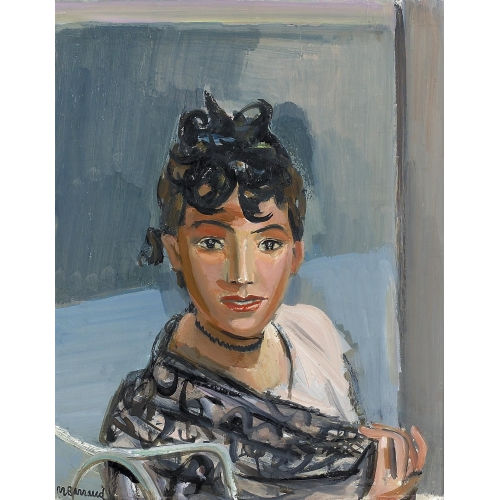
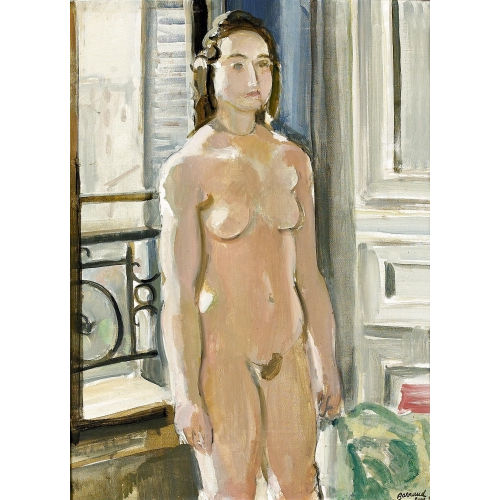
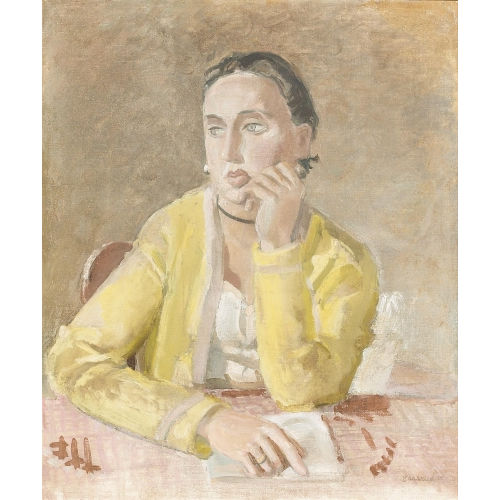
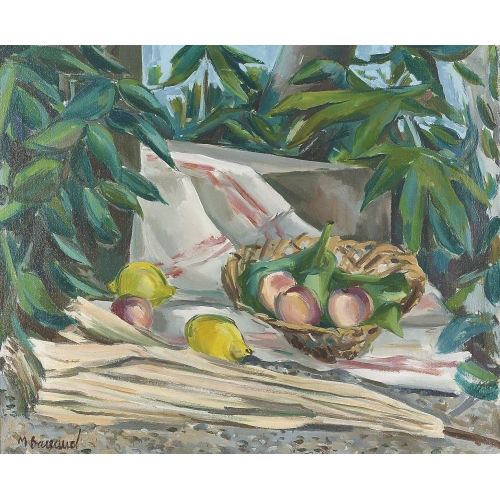
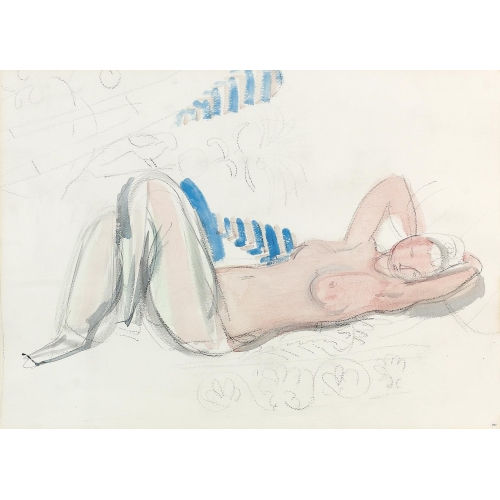
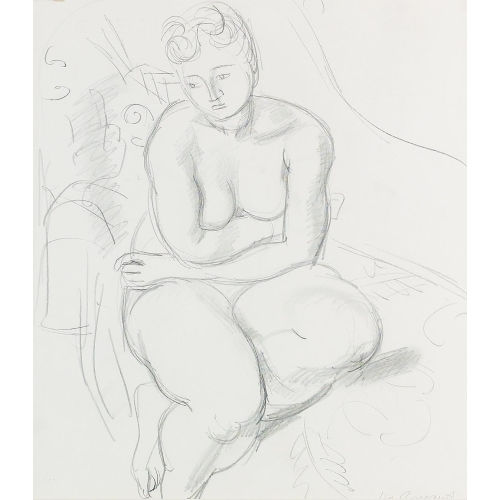
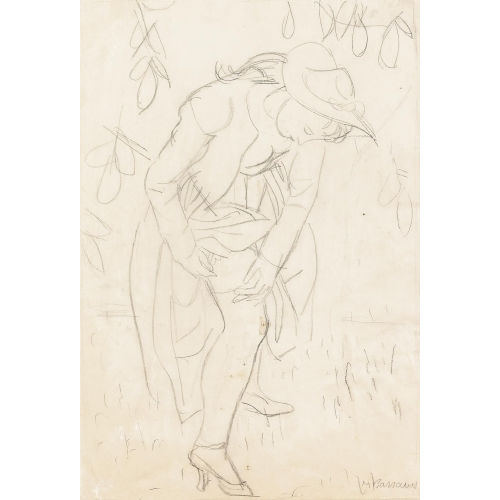
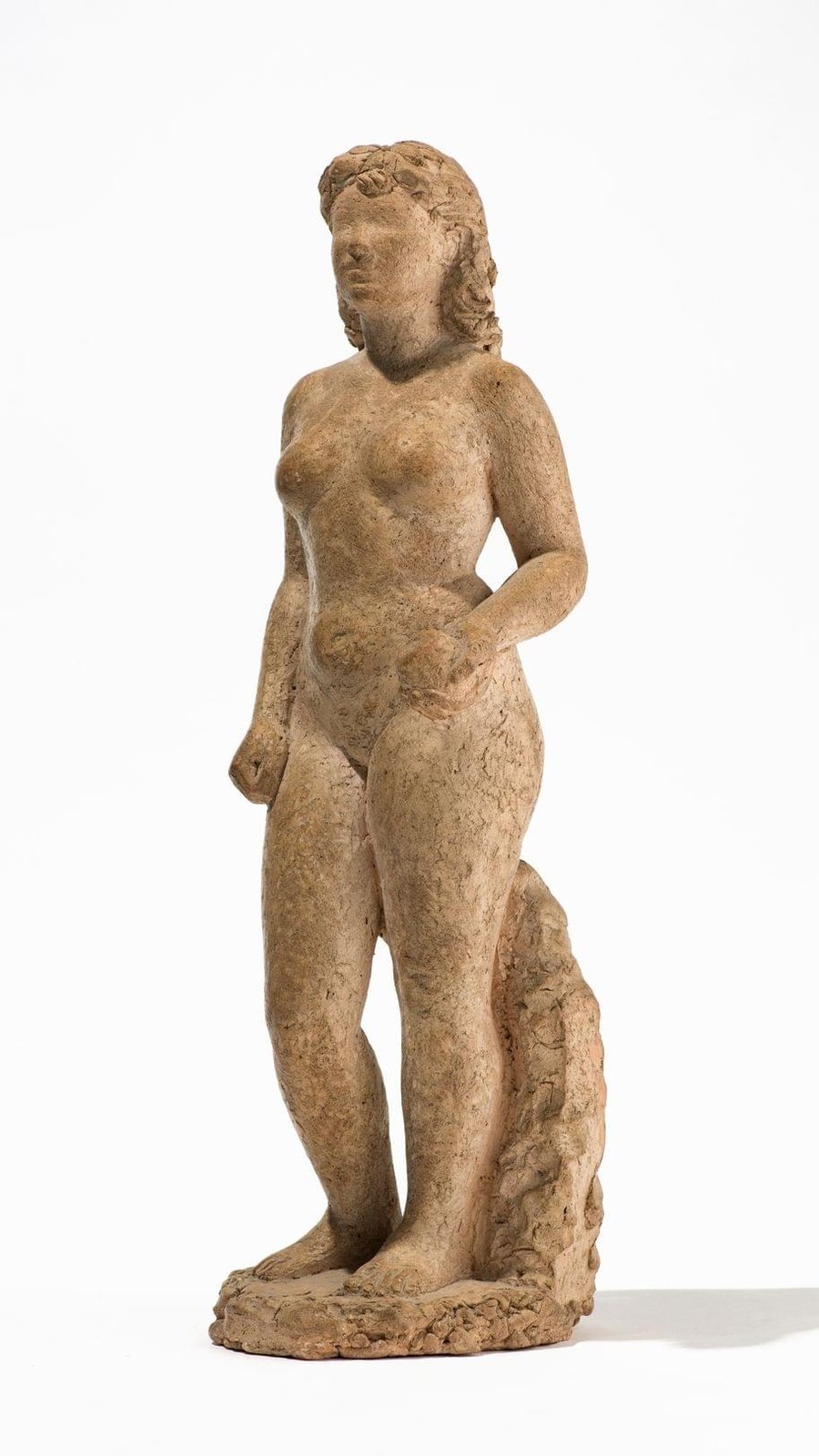
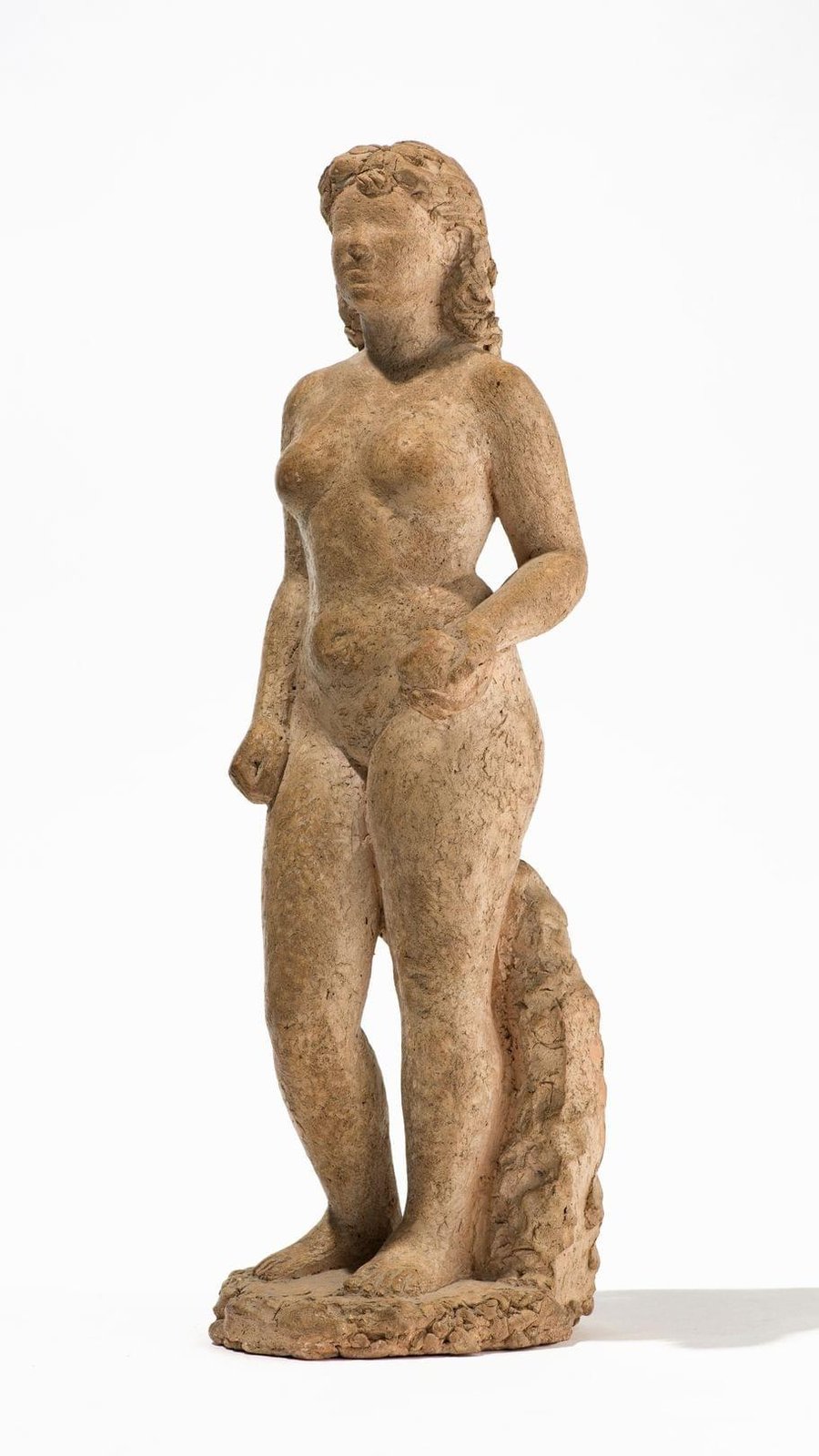
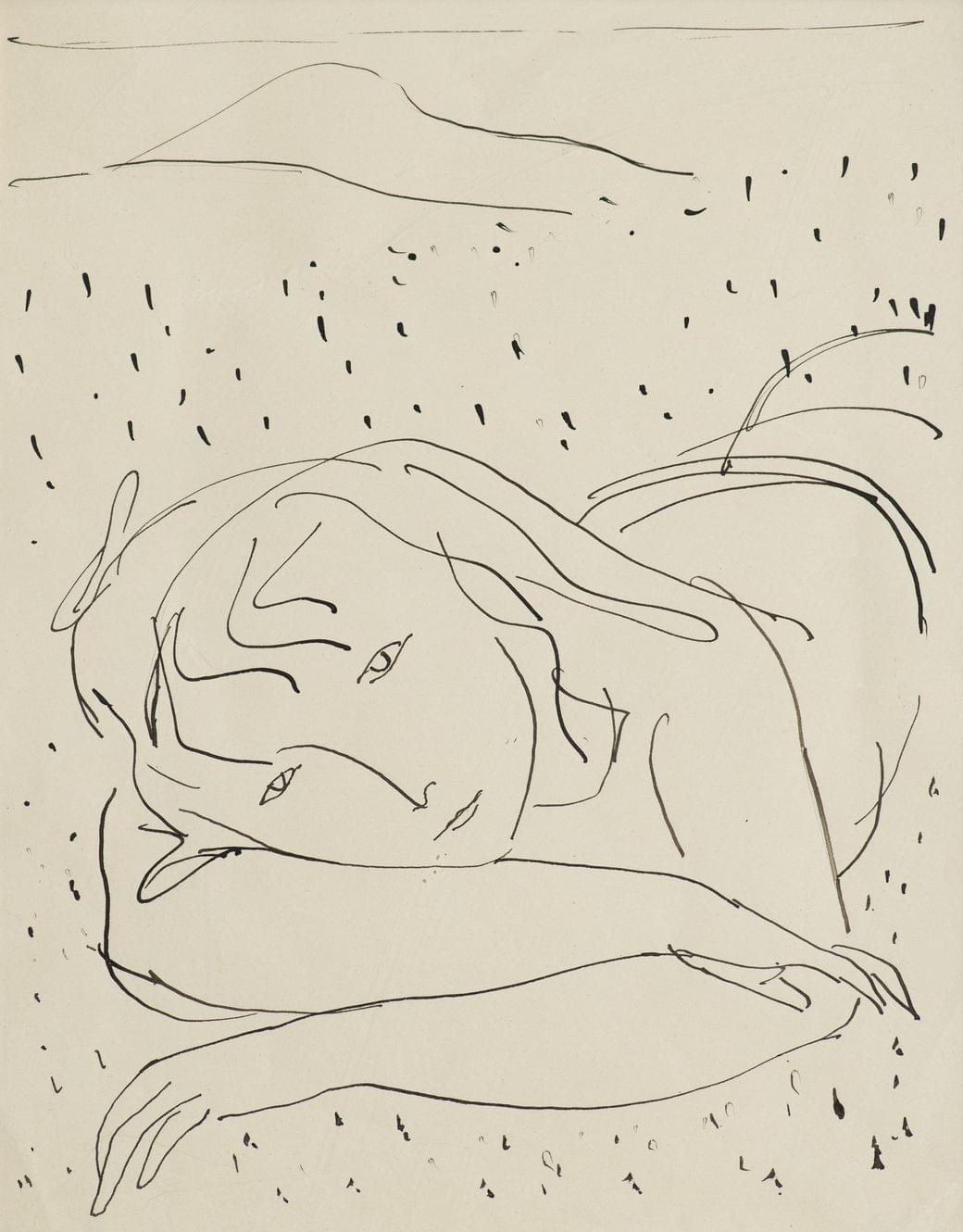
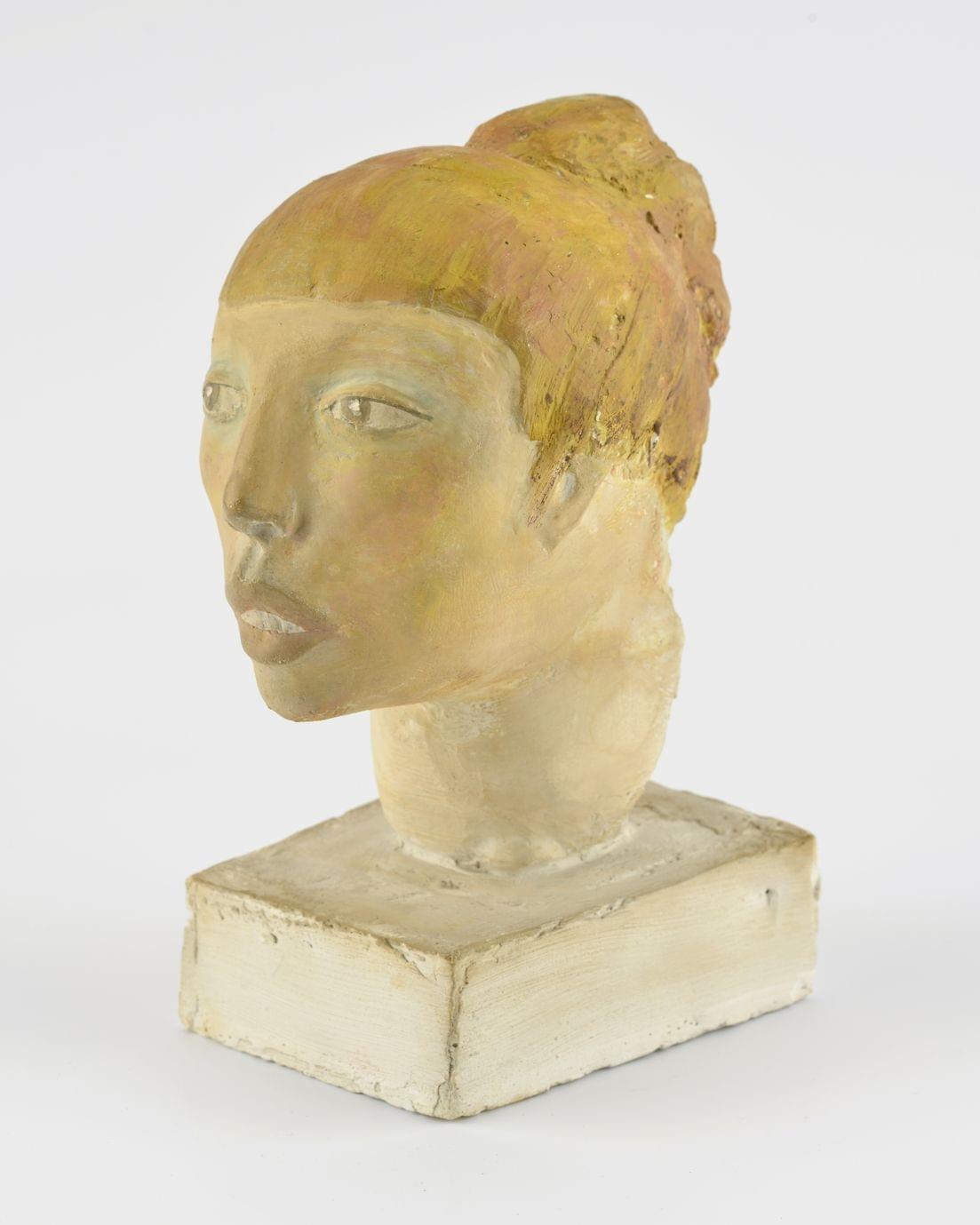
In Maurice Barraud’s work, a resting figure, a balcony or a southern landscape is enough to open onto a world of light. Born in Geneva in 1889 and deceased in the same city in 1954, the painter developed an œuvre in which the softness of colour and simplicity of form lend familiar scenes a peaceful presence. The female body, often characterised by an oval face and generous volumes, remained one of his preferred subjects.
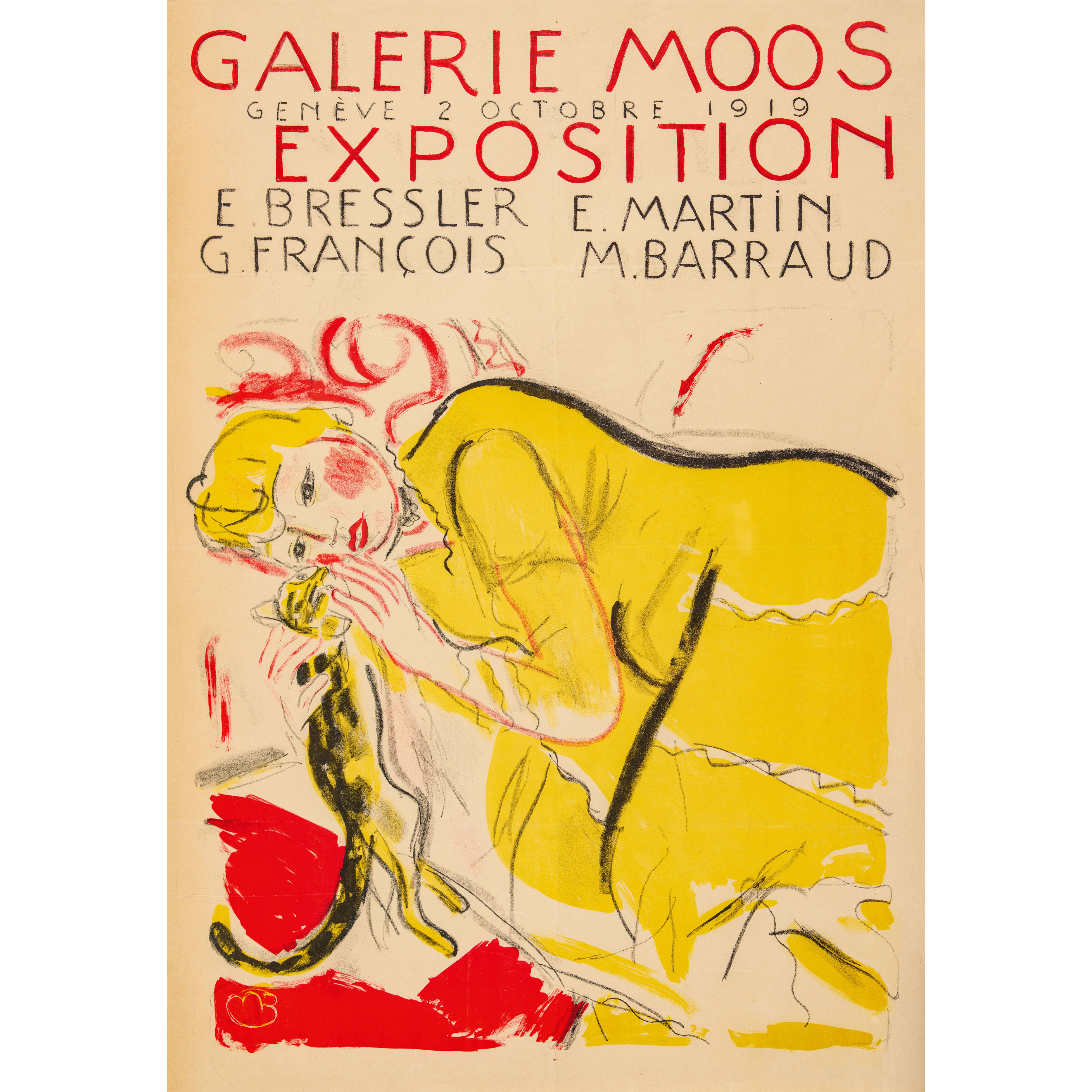
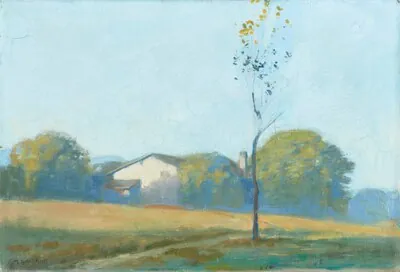
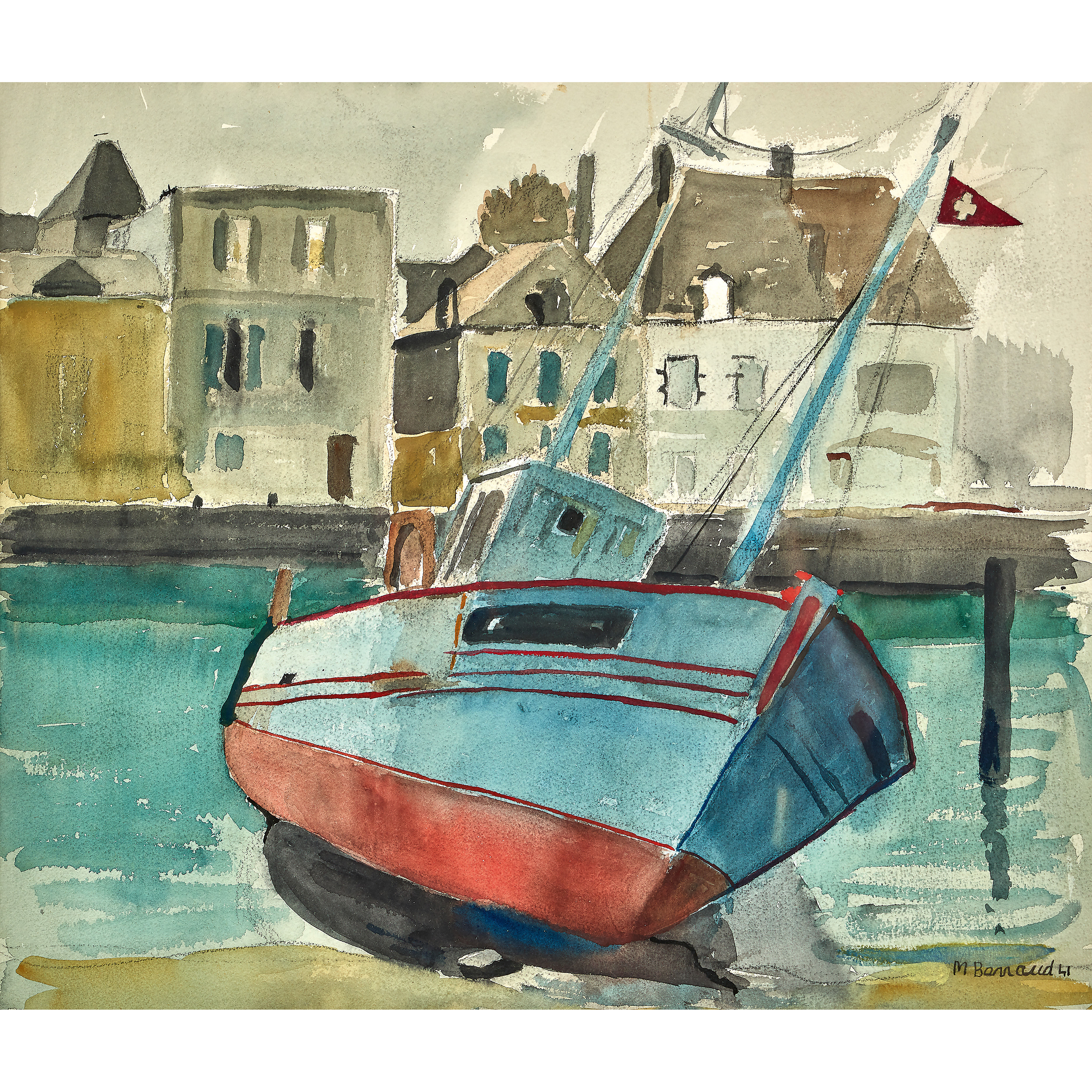
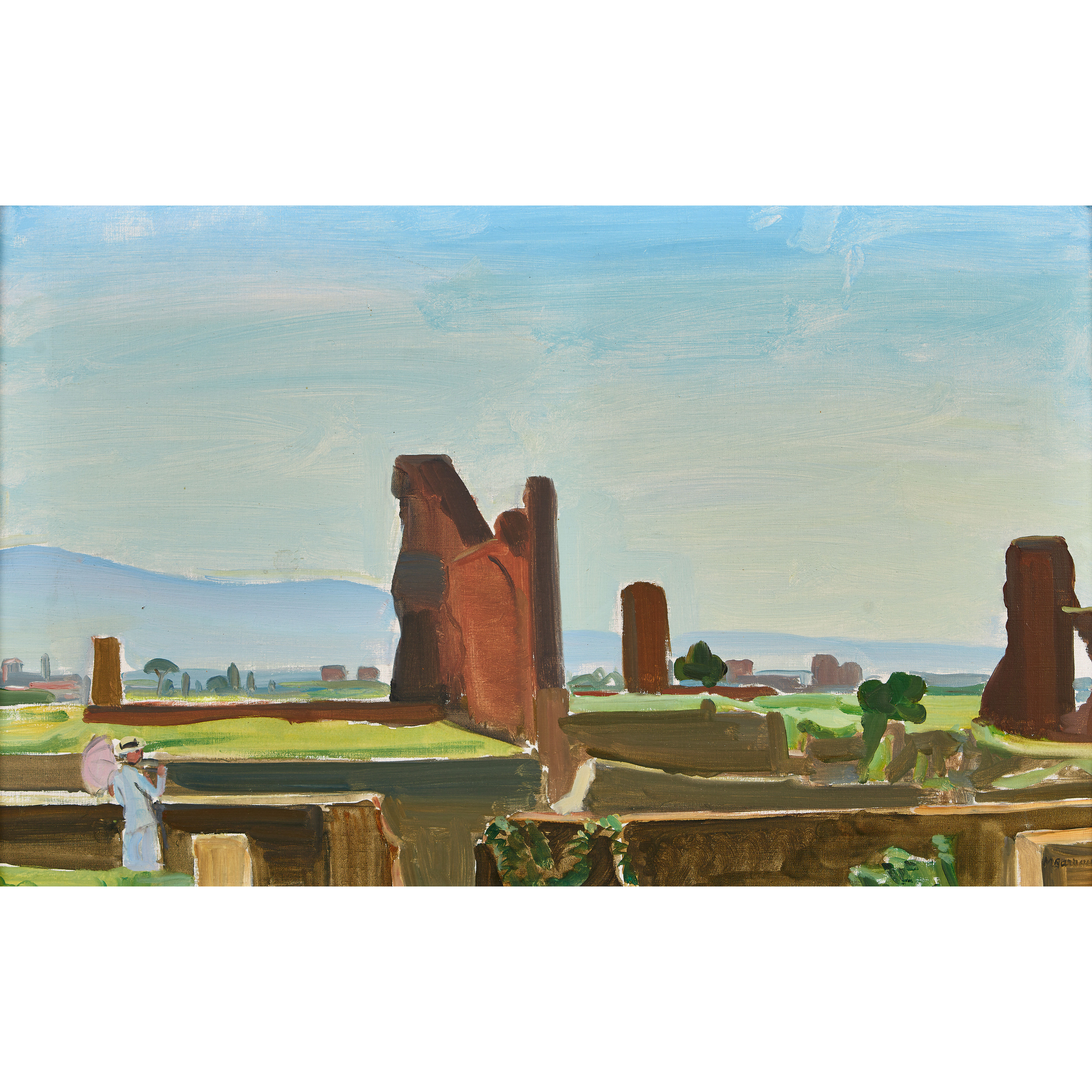
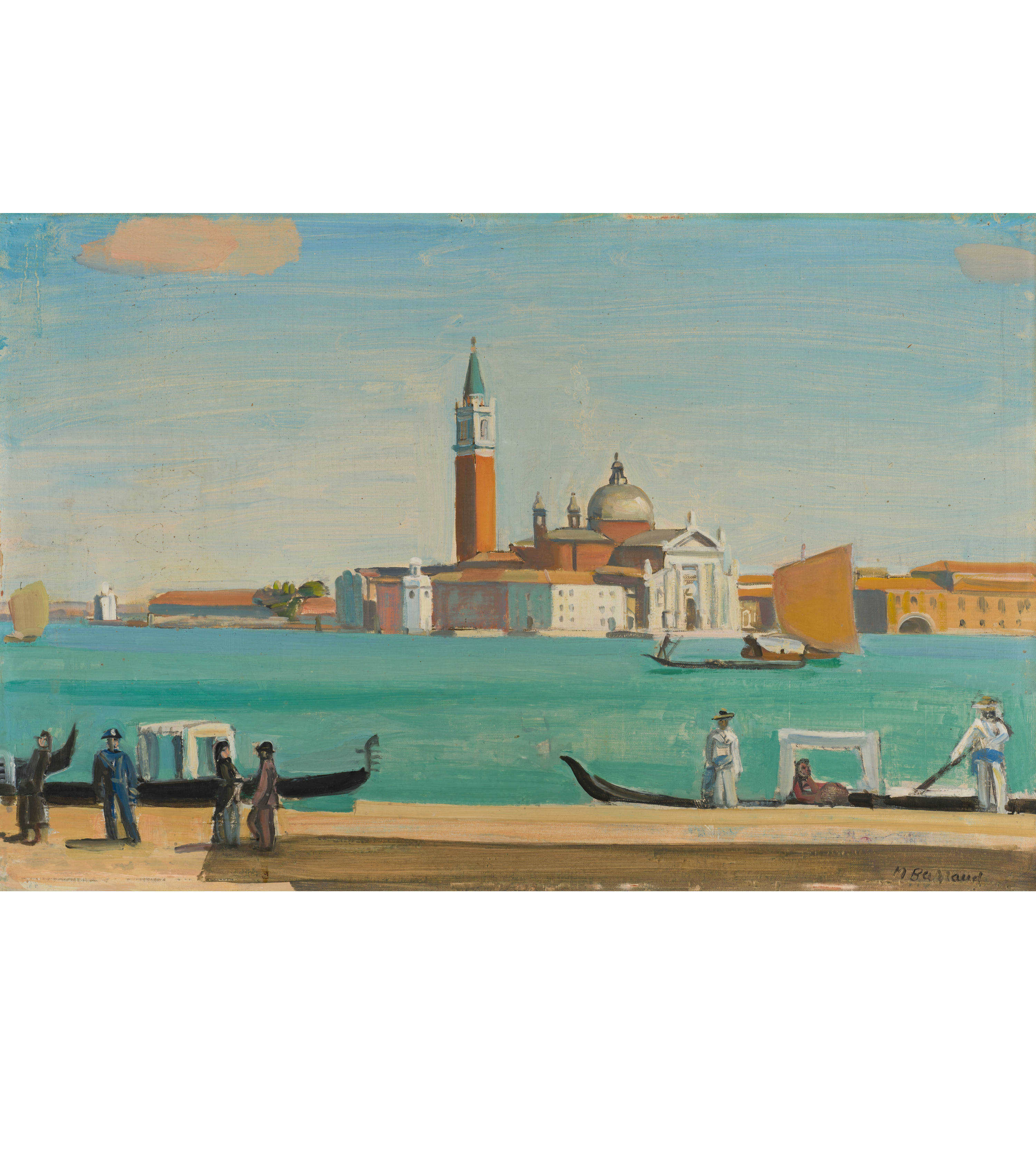
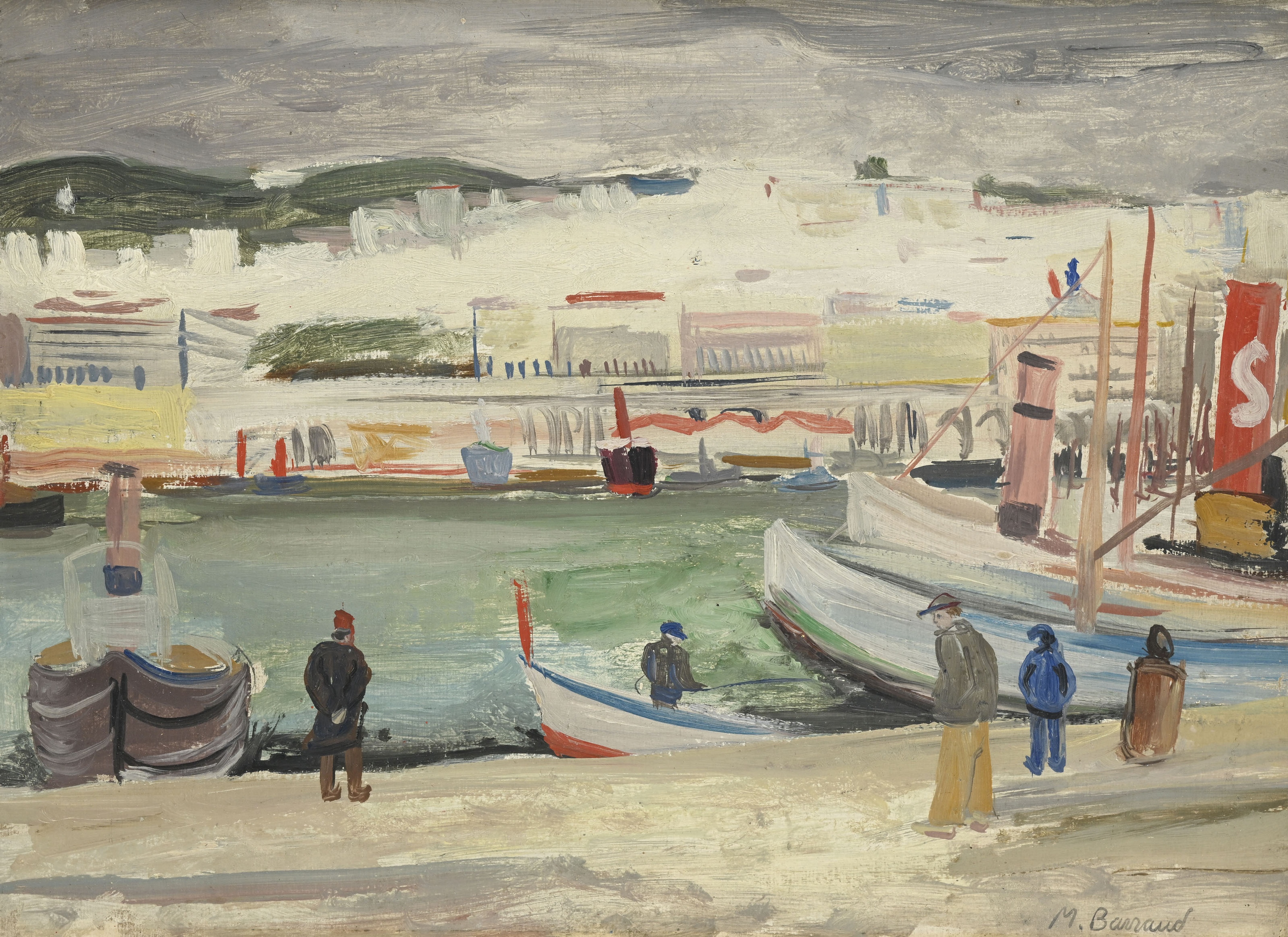
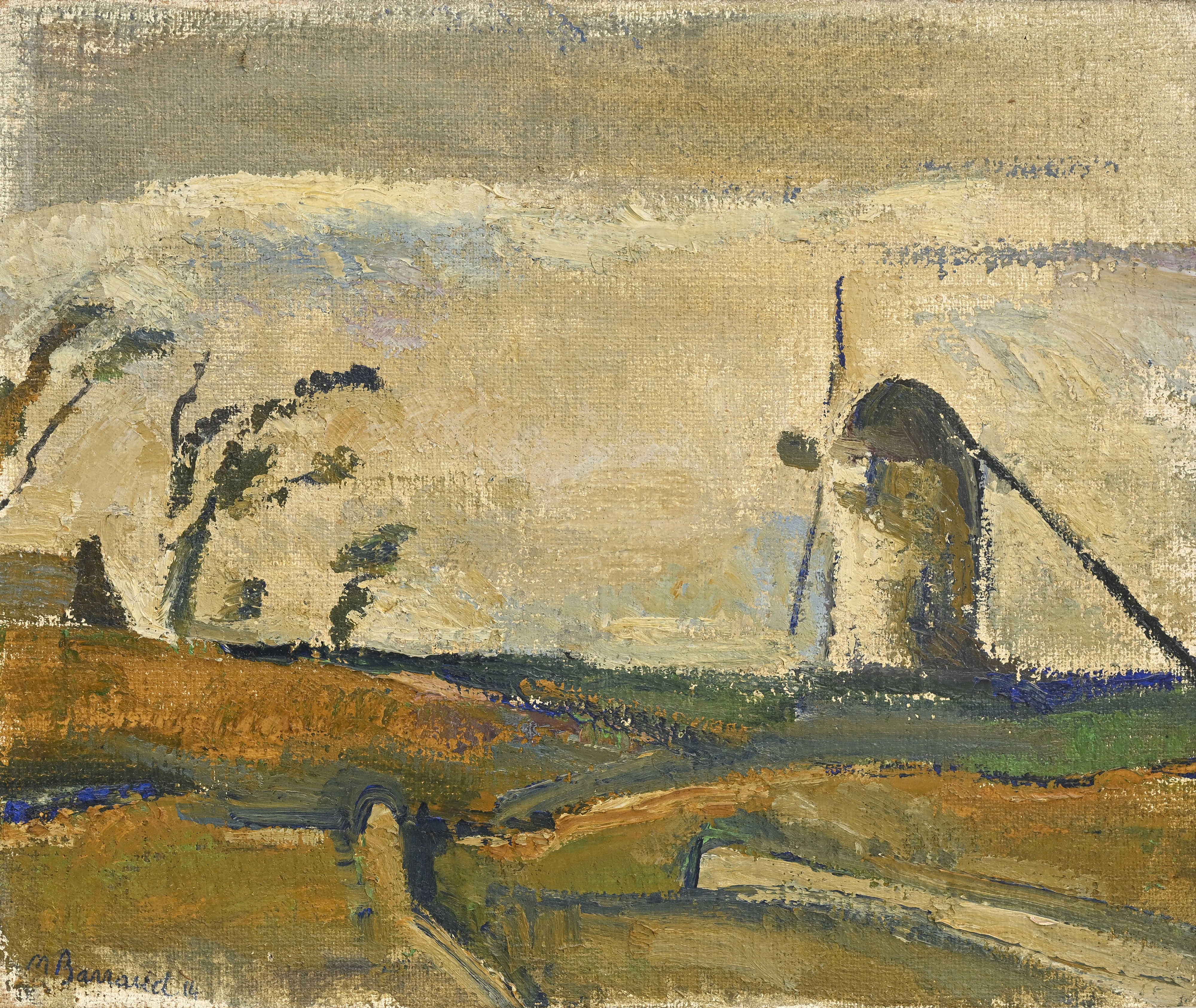
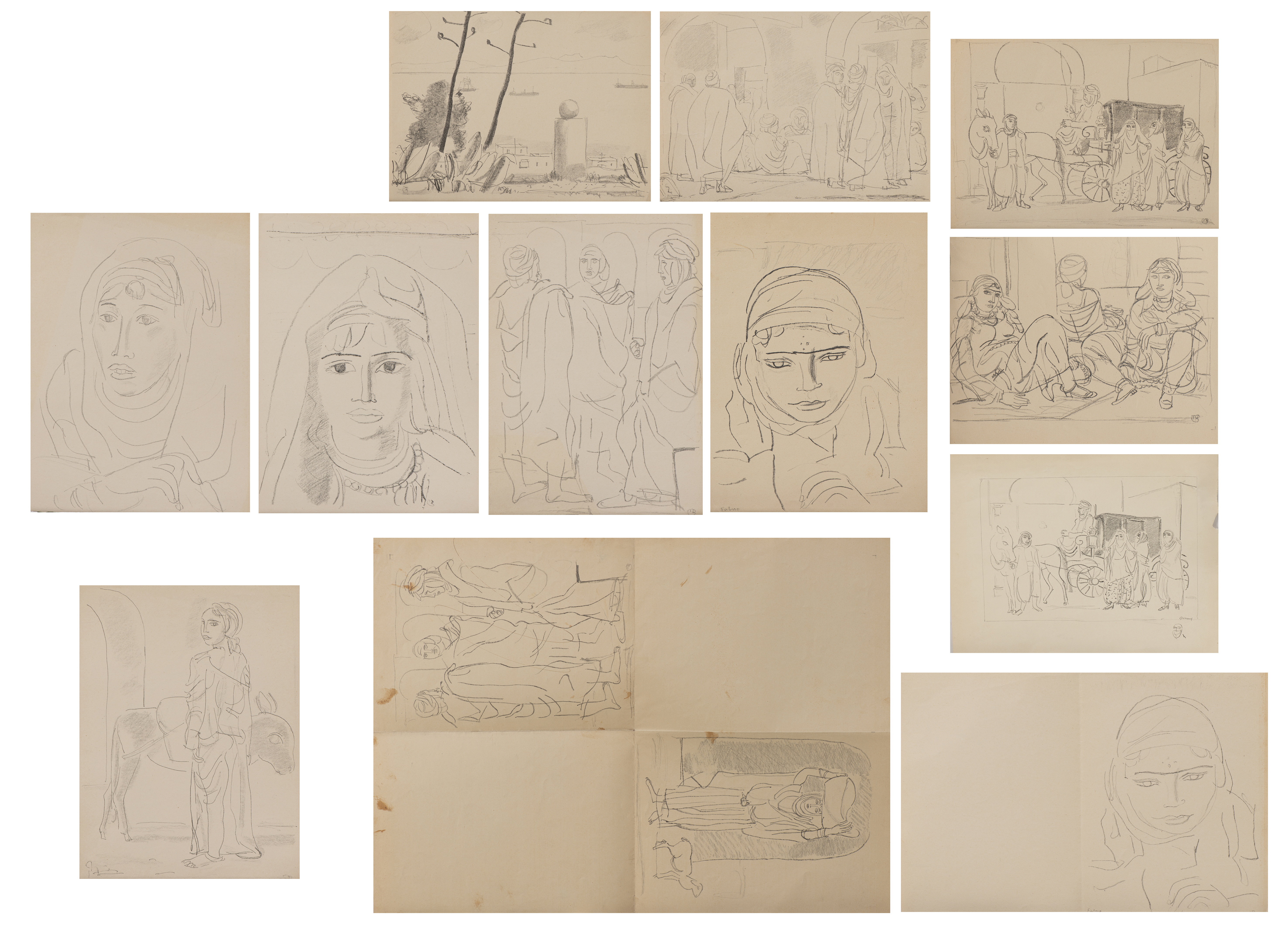
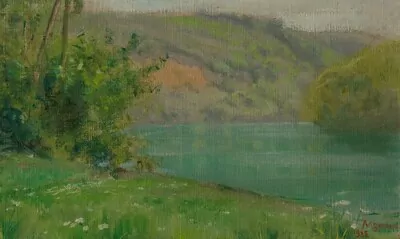
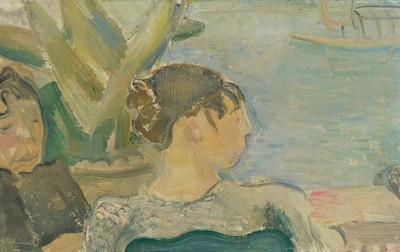
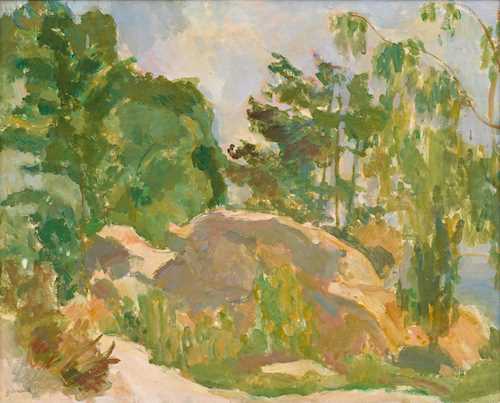
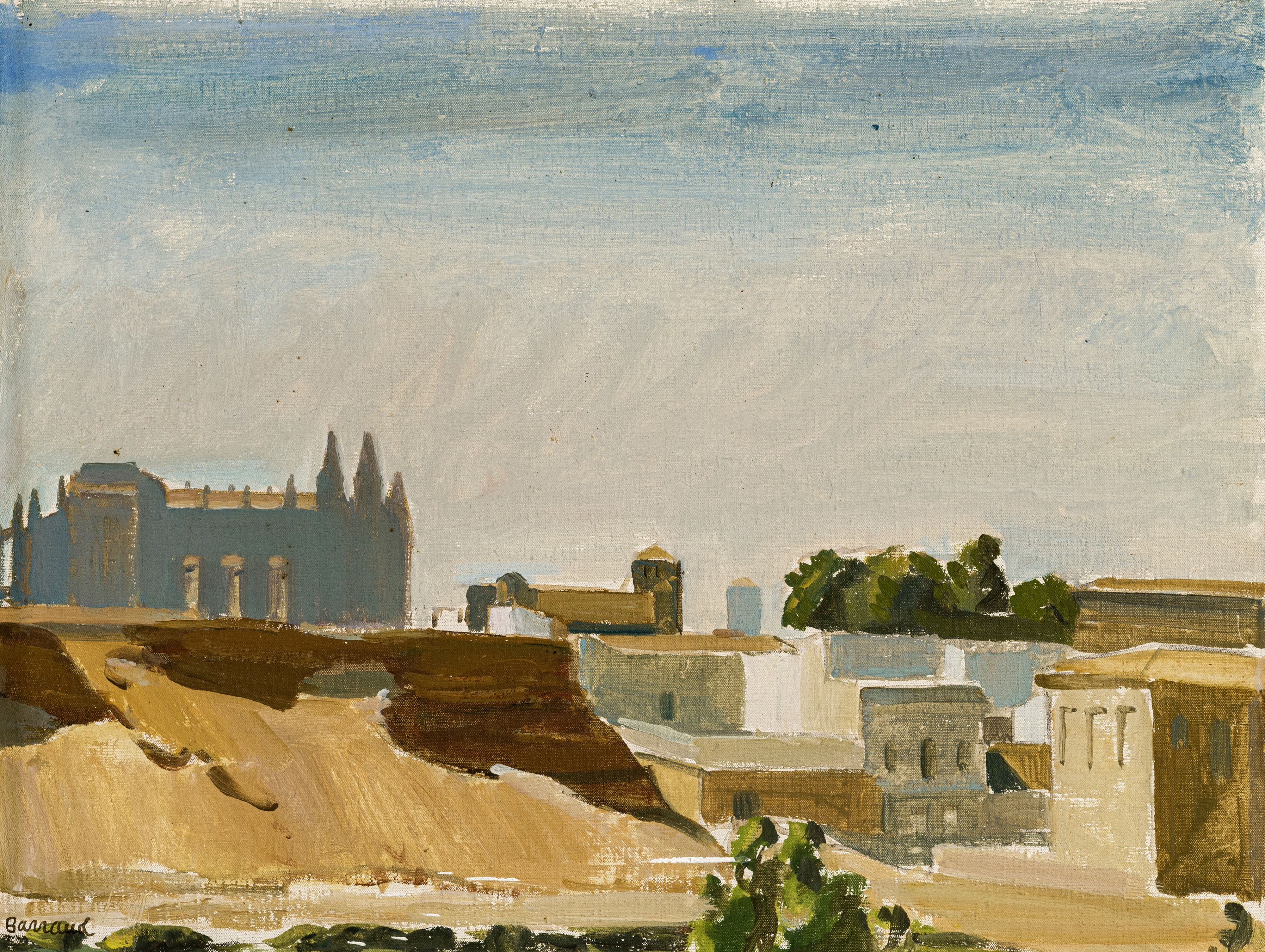
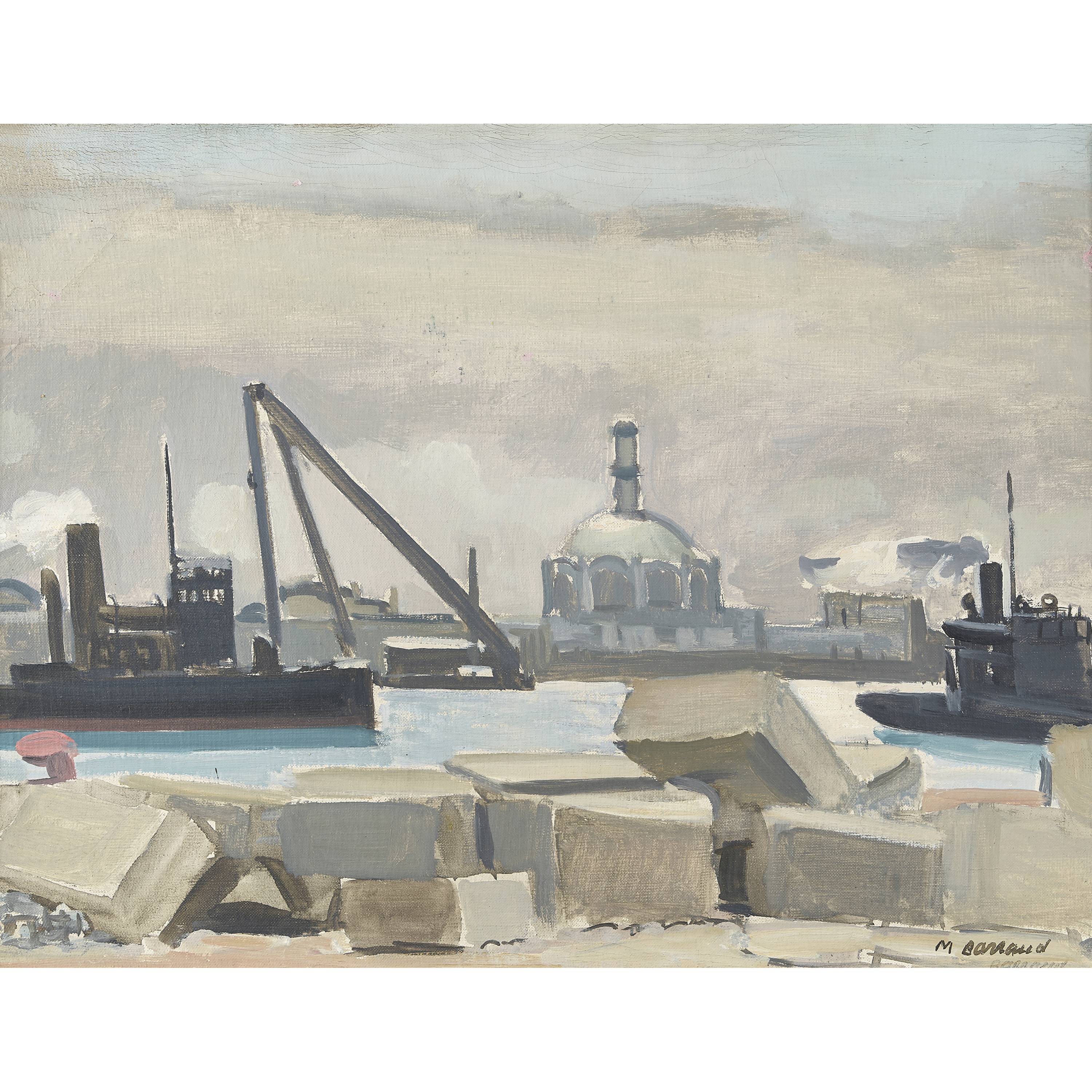
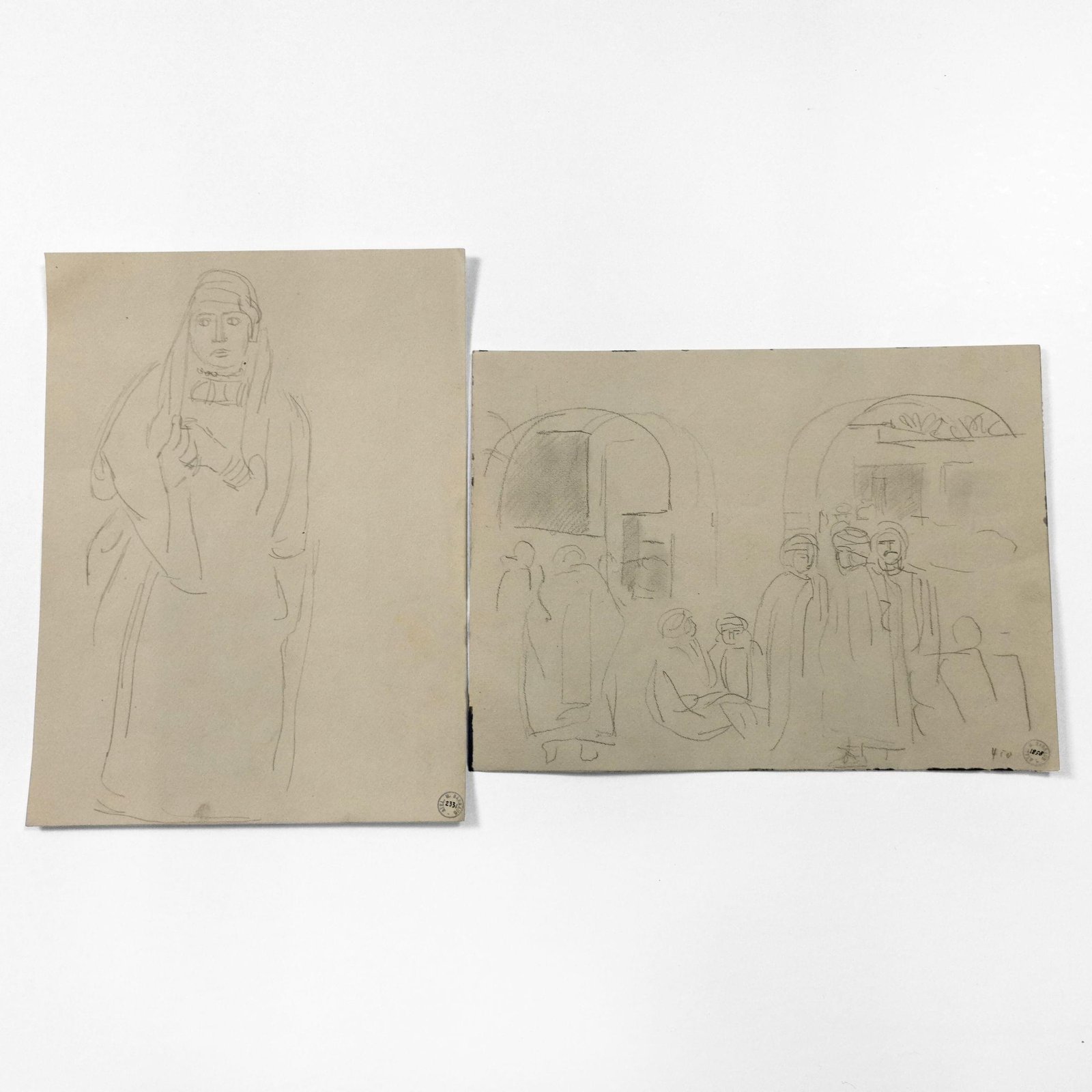
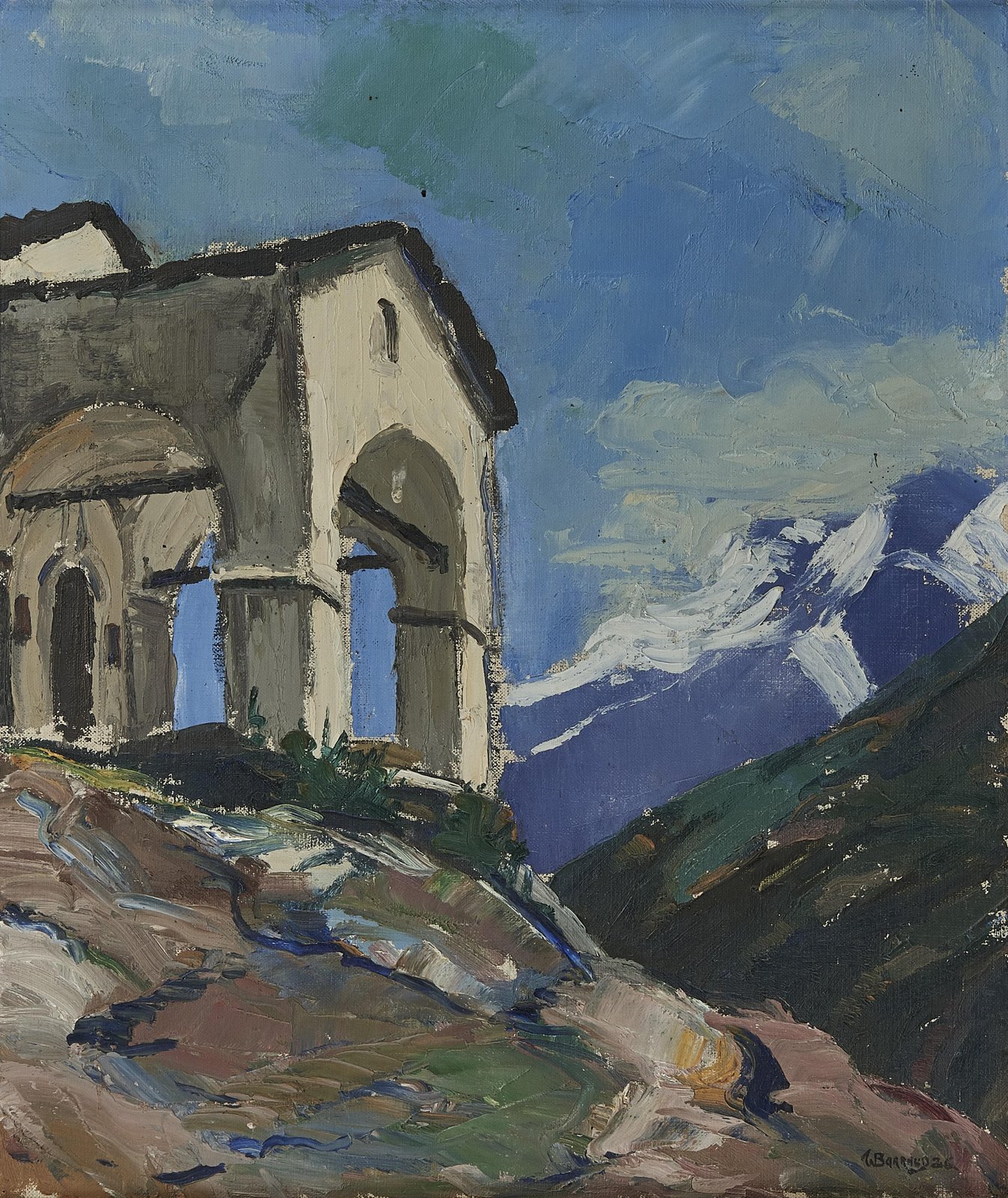
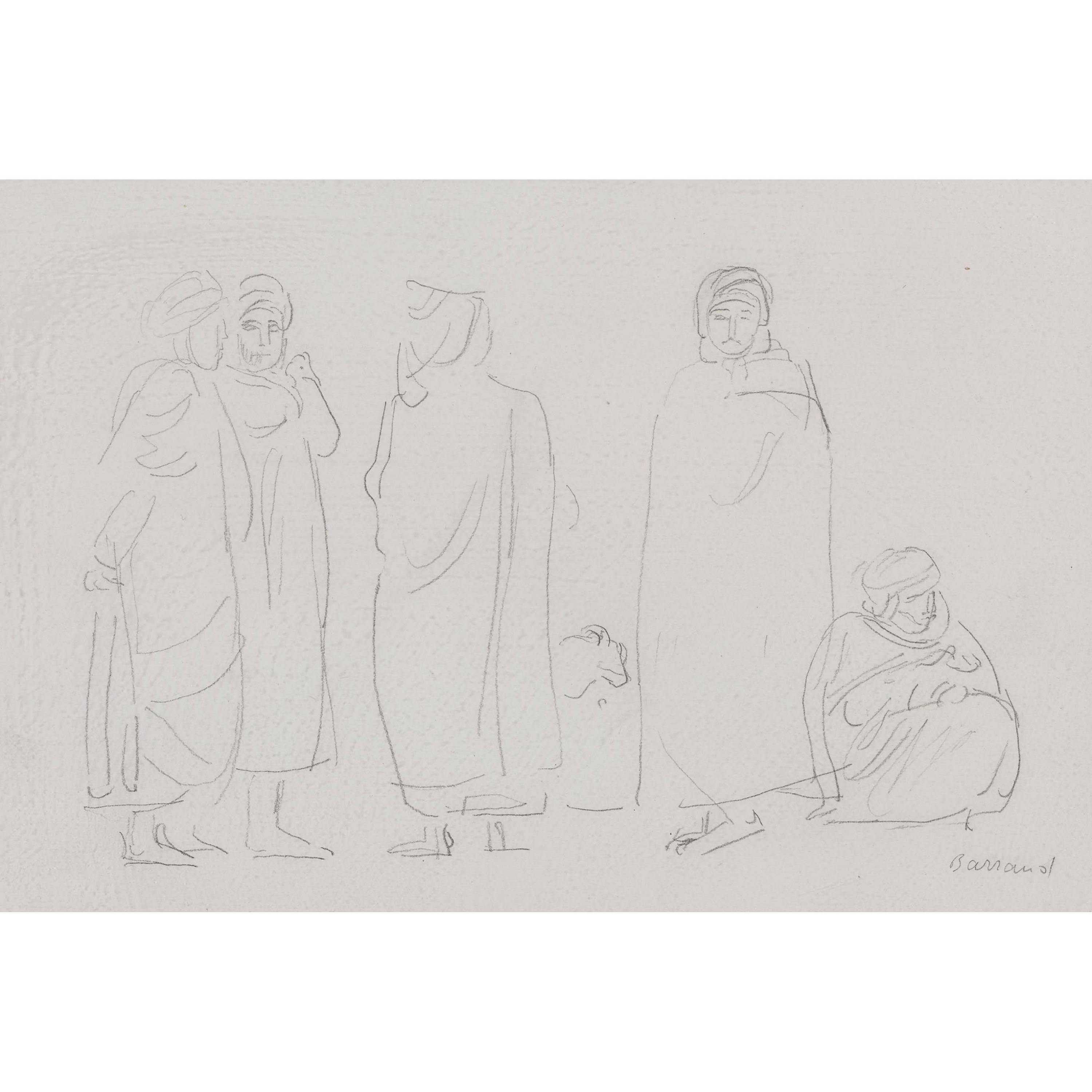
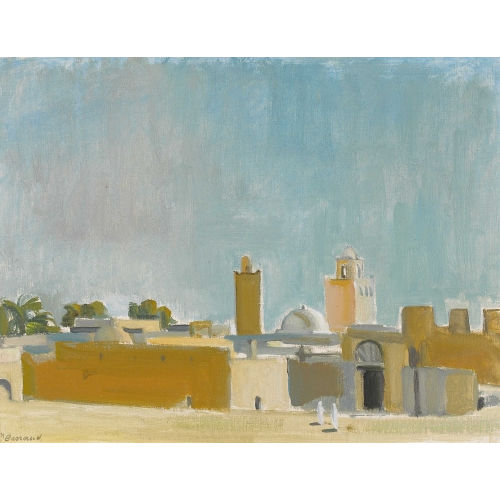
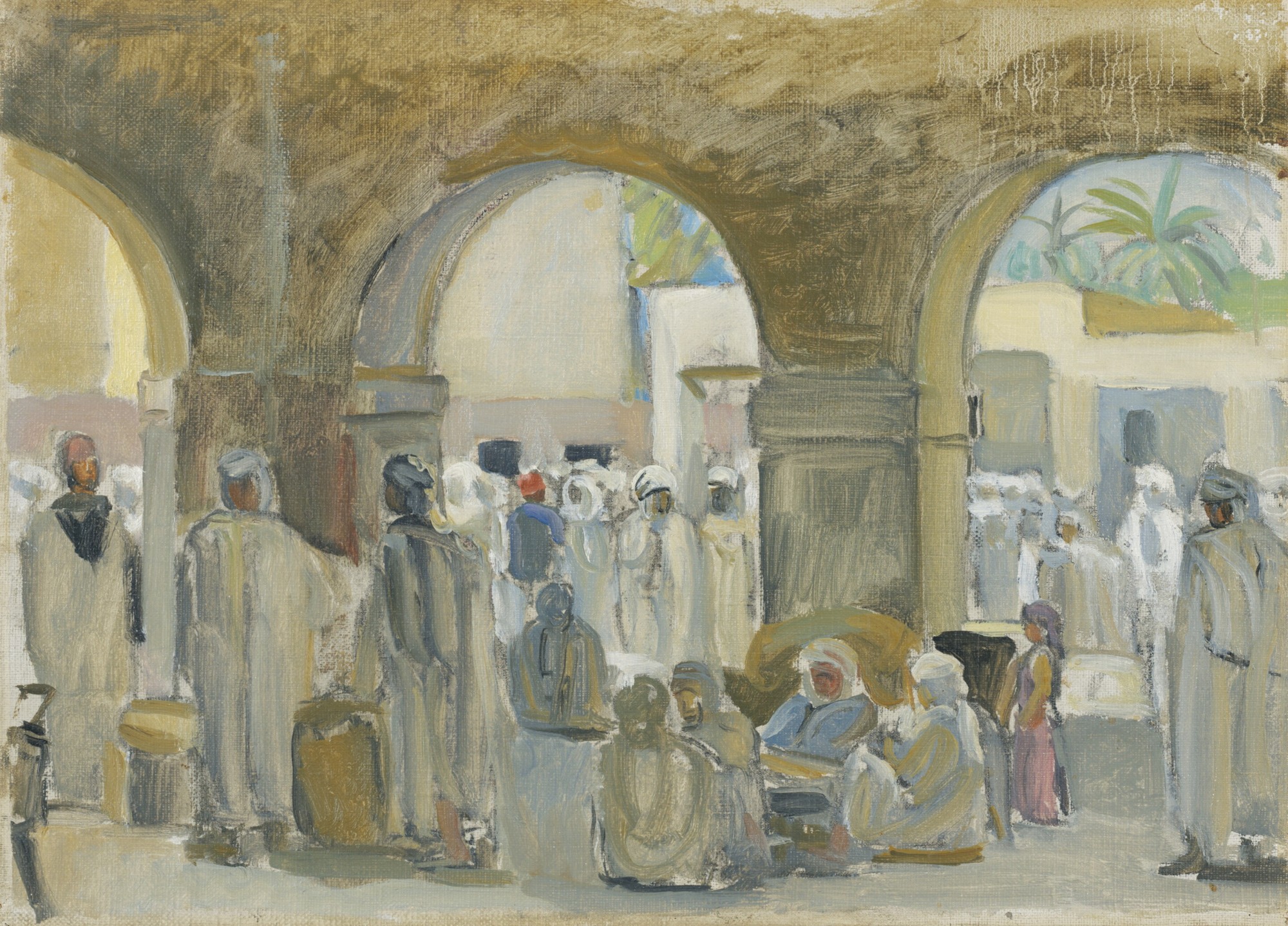
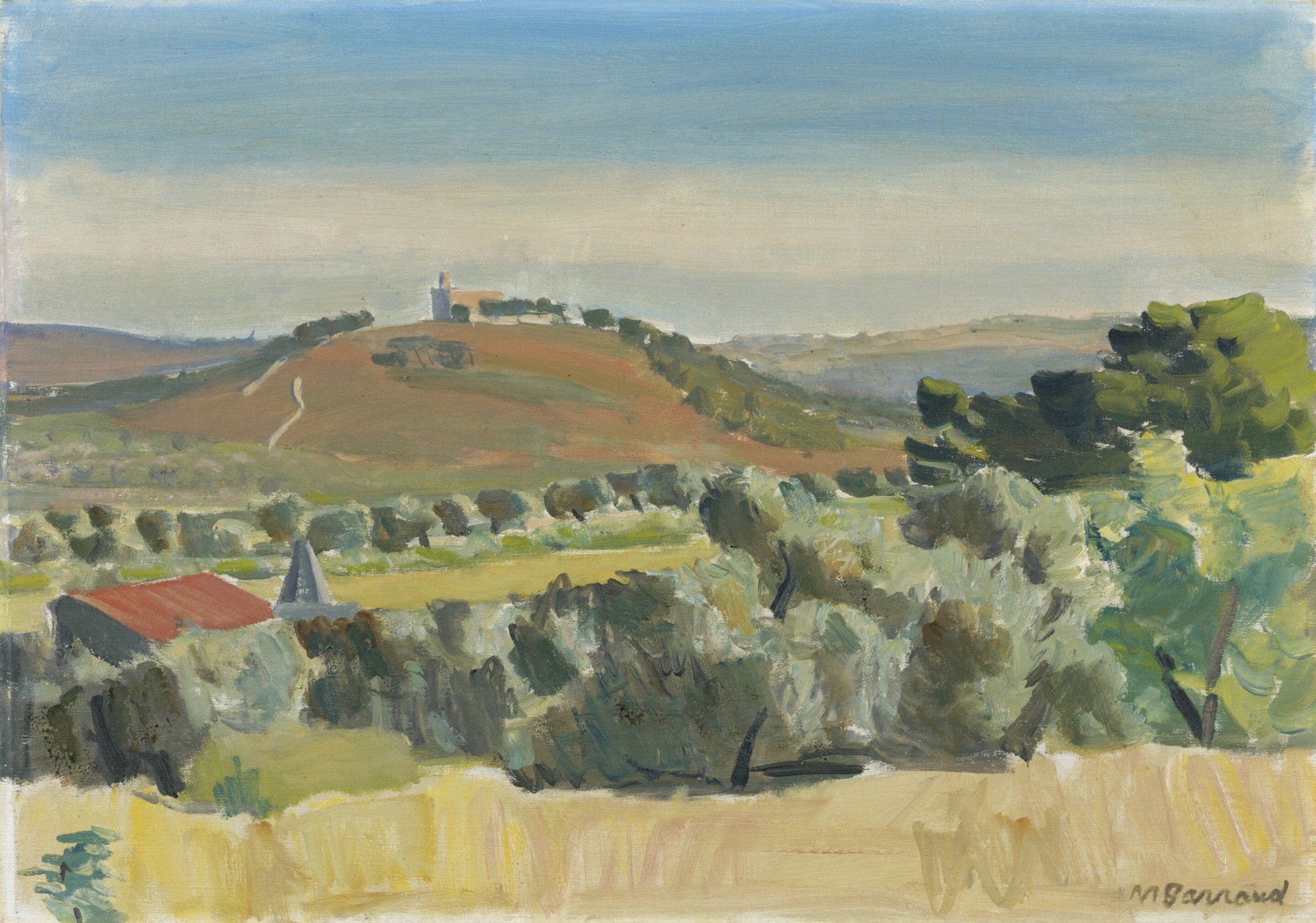
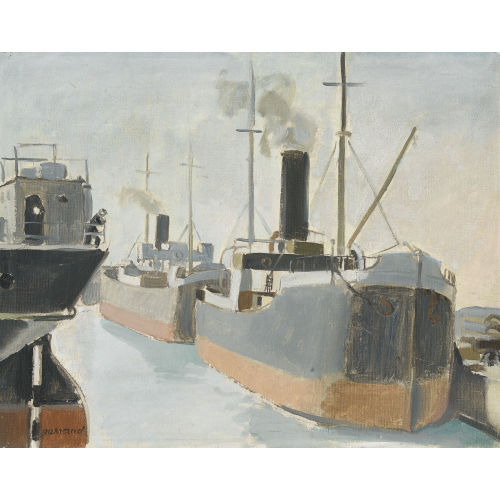
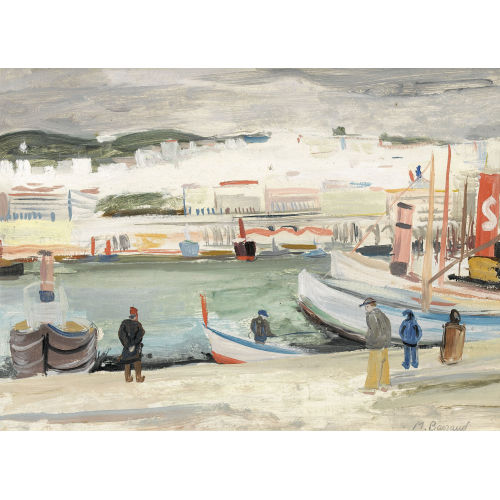
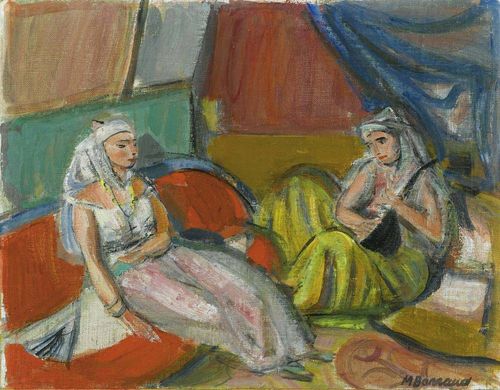
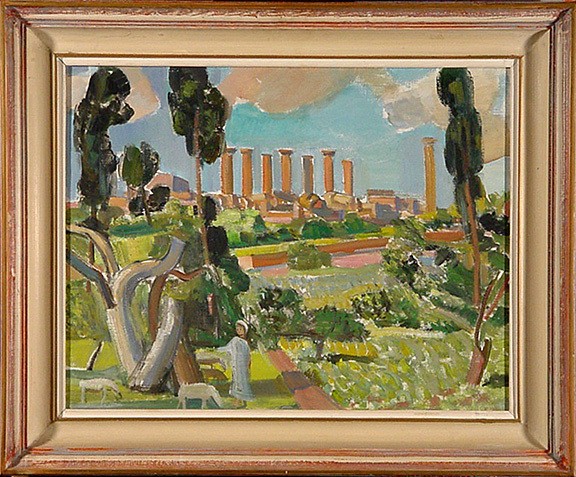
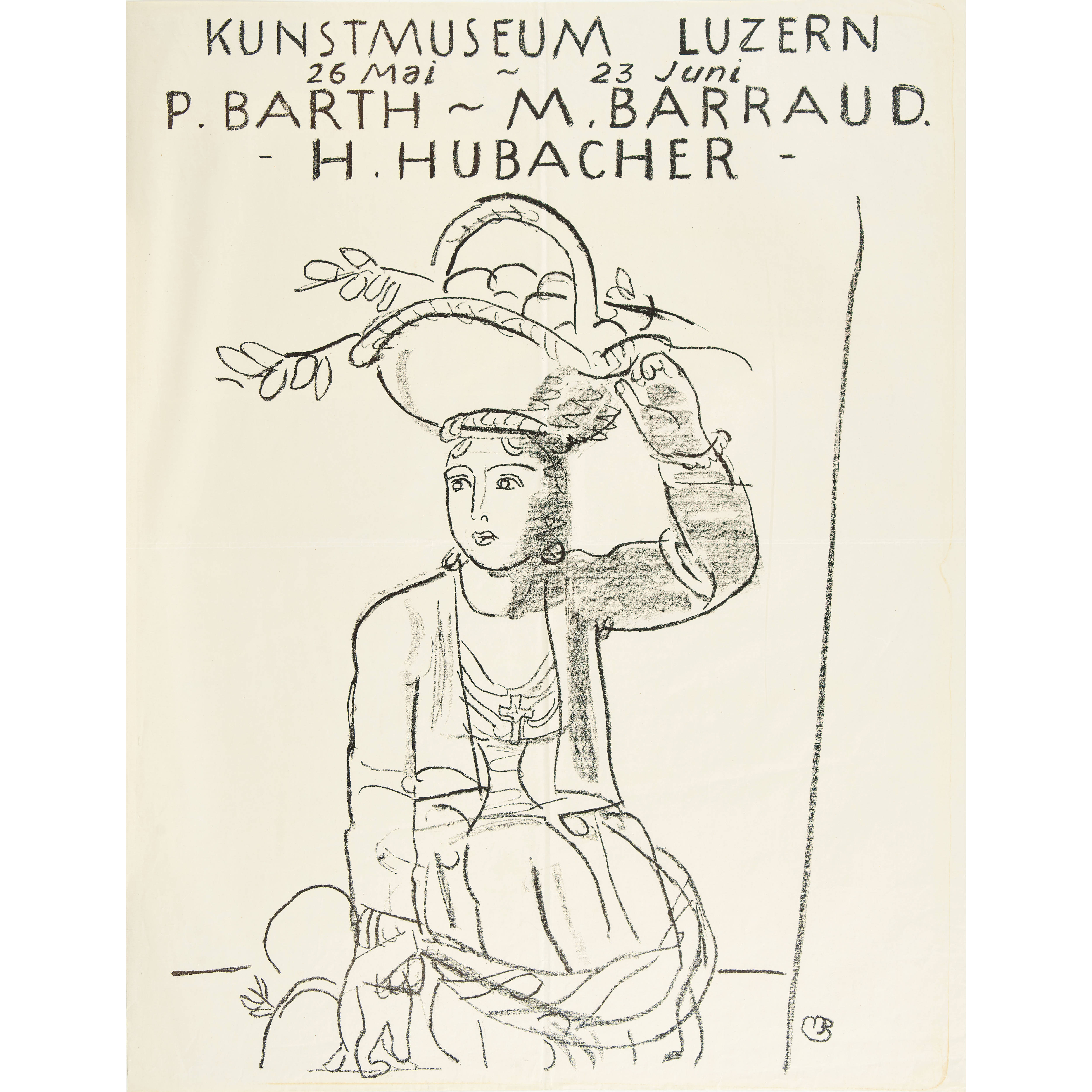
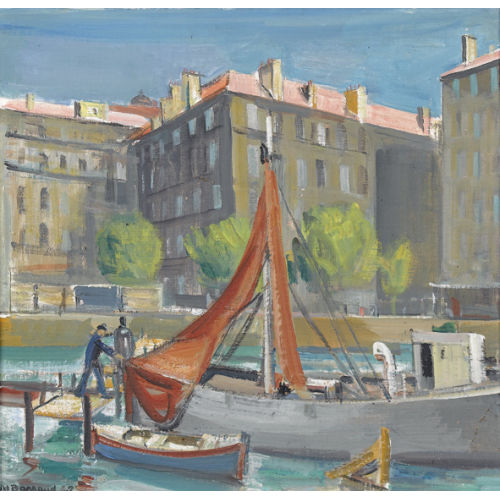
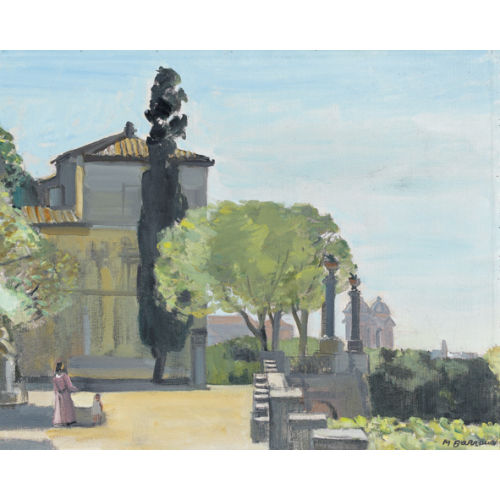
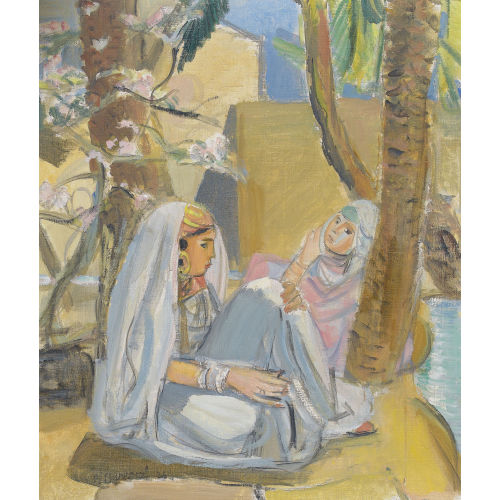
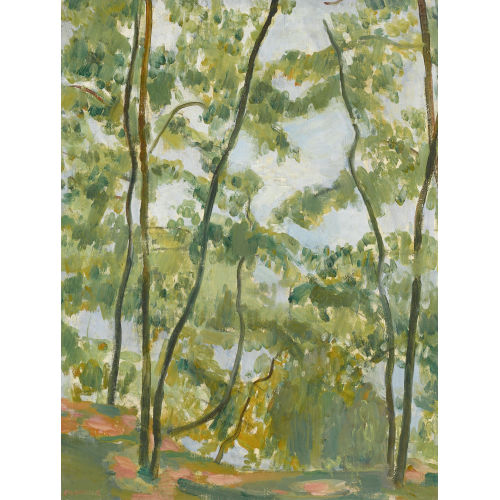
Trained in graphic design and having attended academy classes, Barraud took part in the founding of the Geneva group Le Falot in 1914, alongside, among others, Hans Berger, Émile Bressler and Gustave Buchet. This experience situated him within the explorations of a generation open to modern painting. His travels in Italy, Spain and Algeria, followed by stays on the Côte d’Azur, broadened his repertoire of landscapes and nourished his attachment to the light of the South.
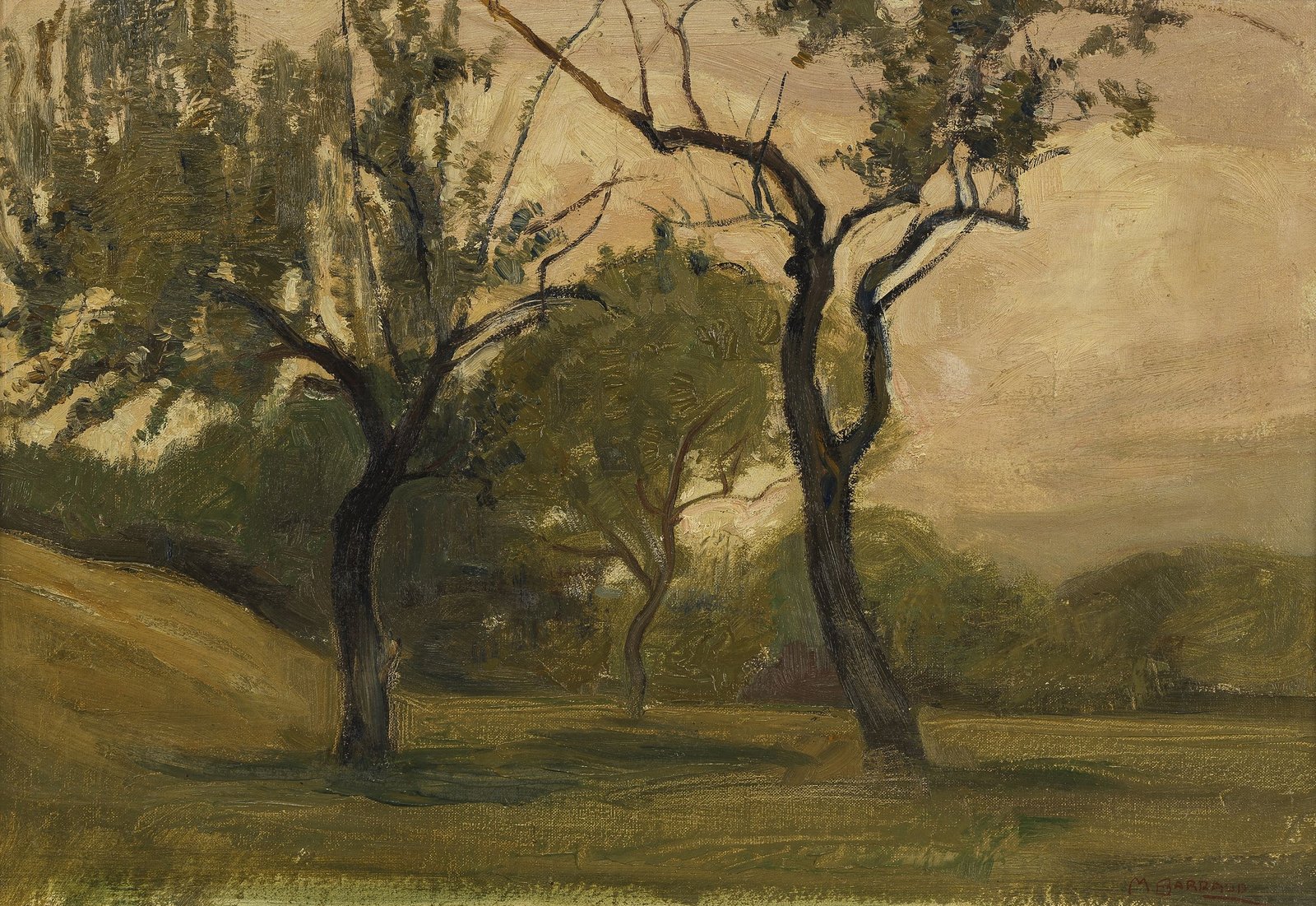
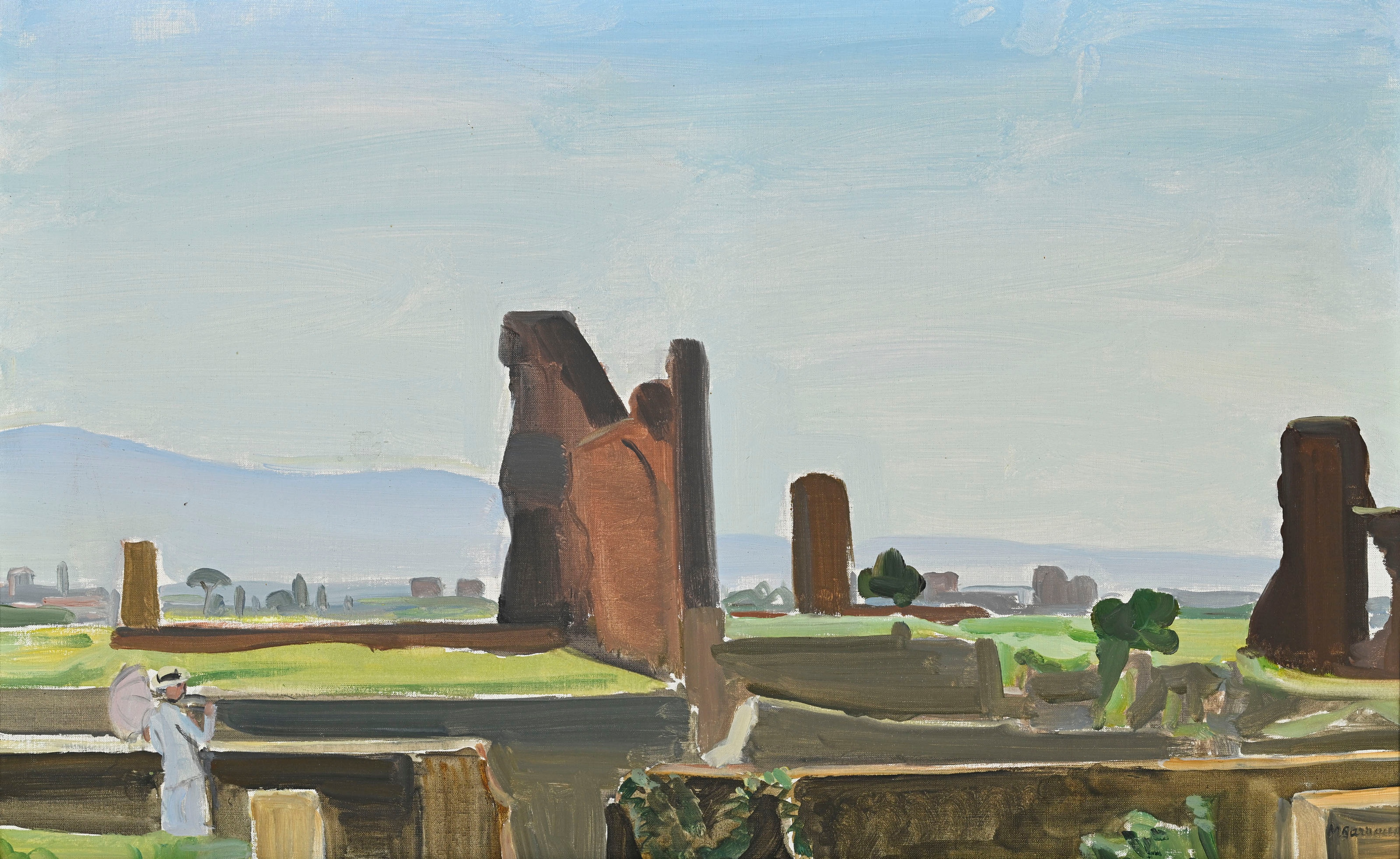
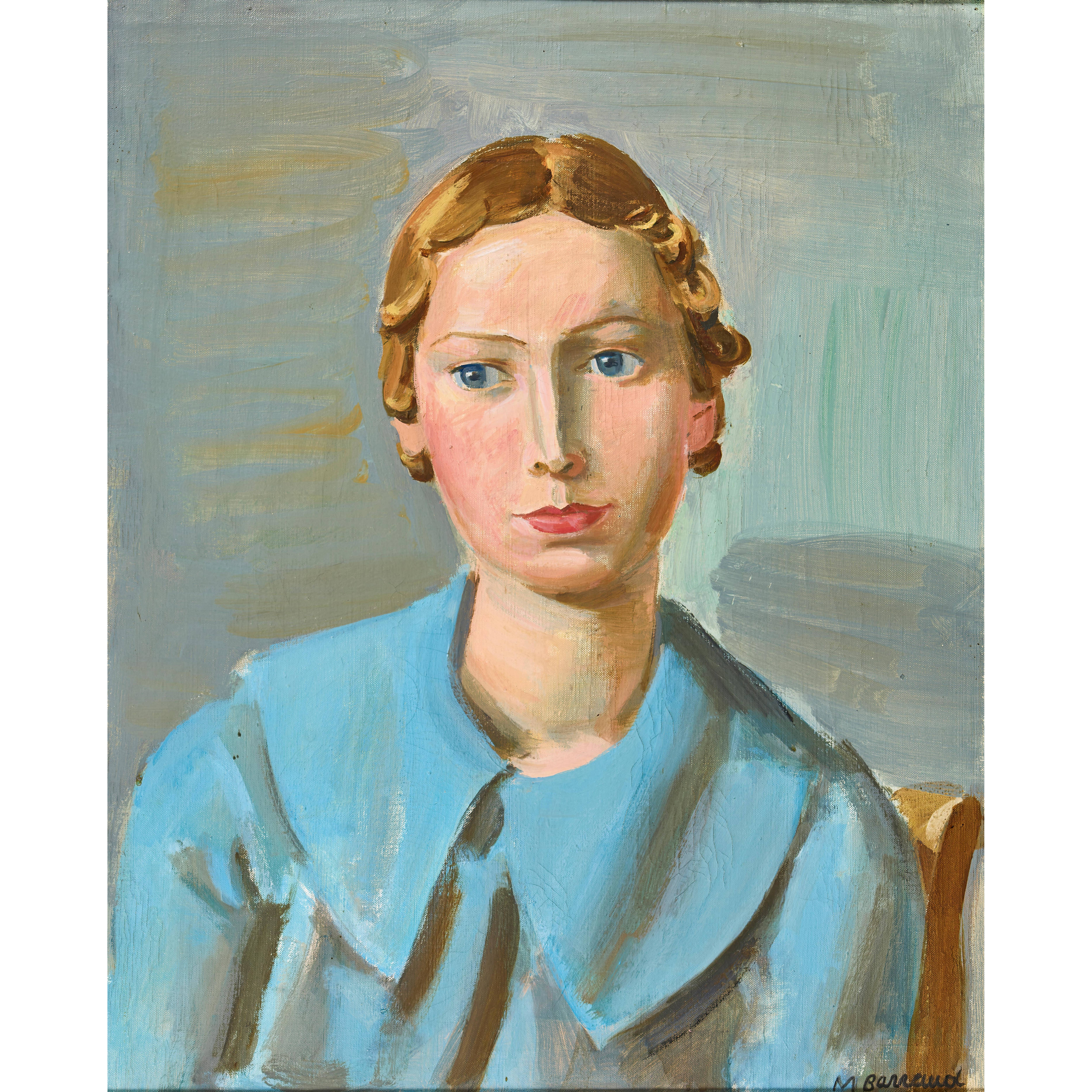
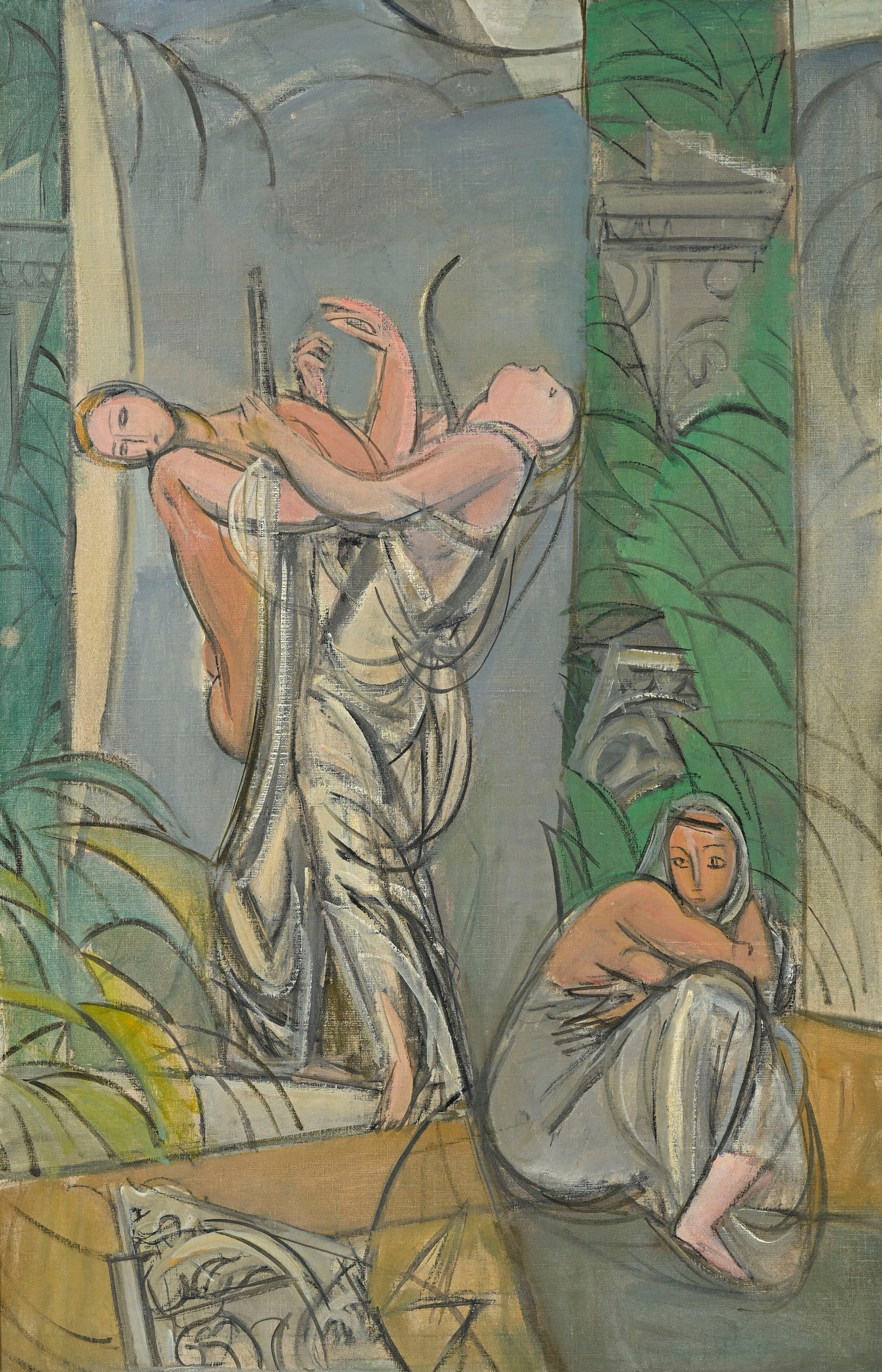
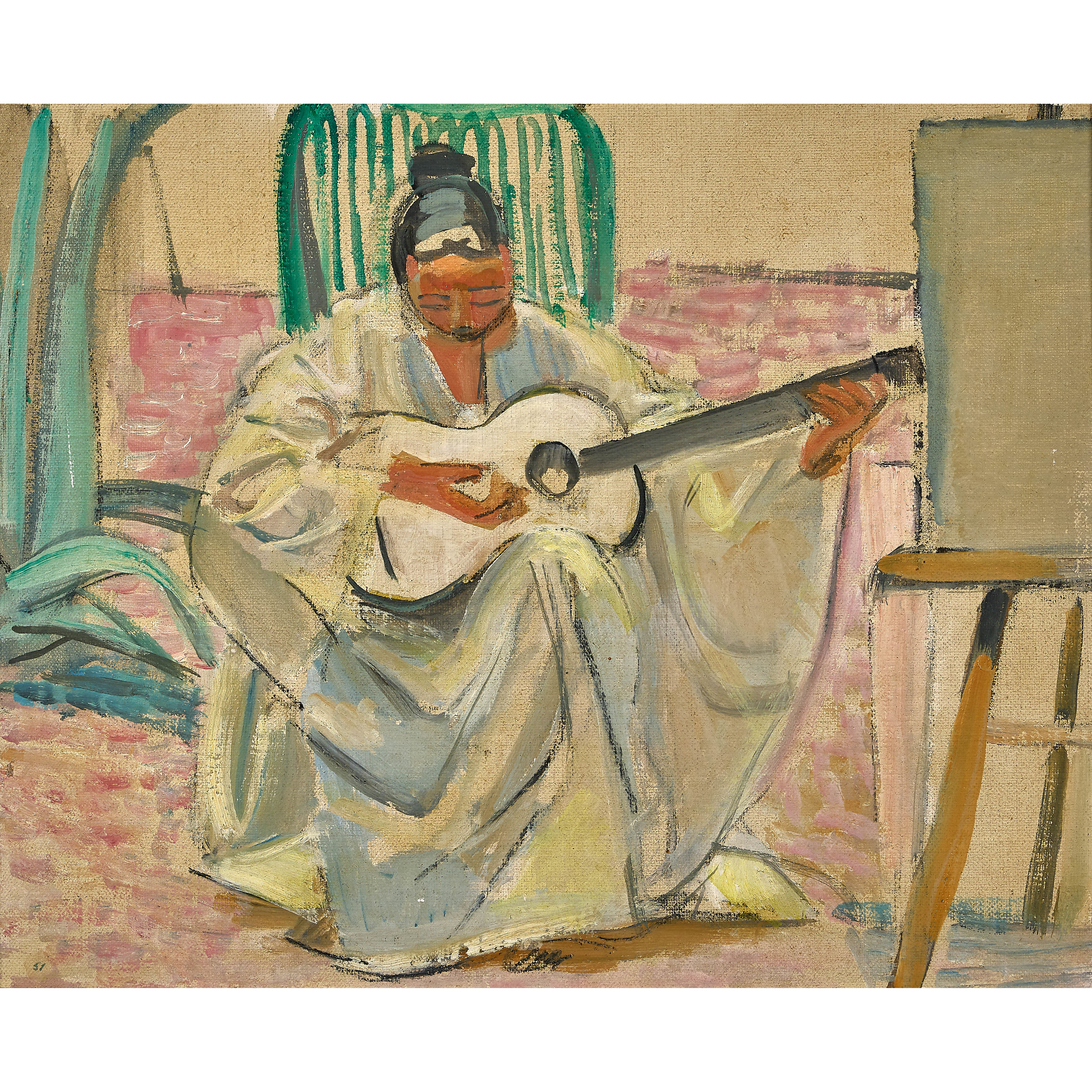
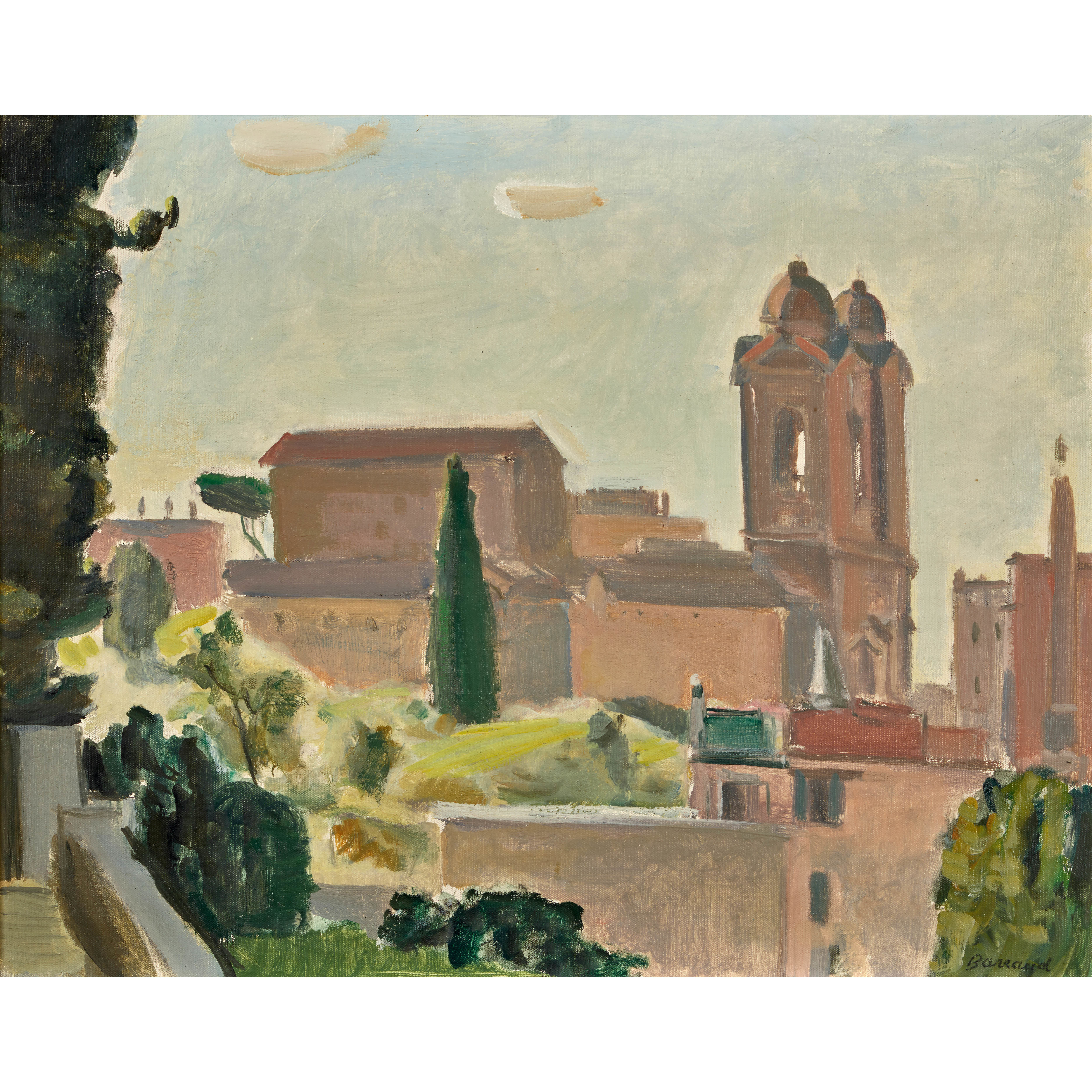
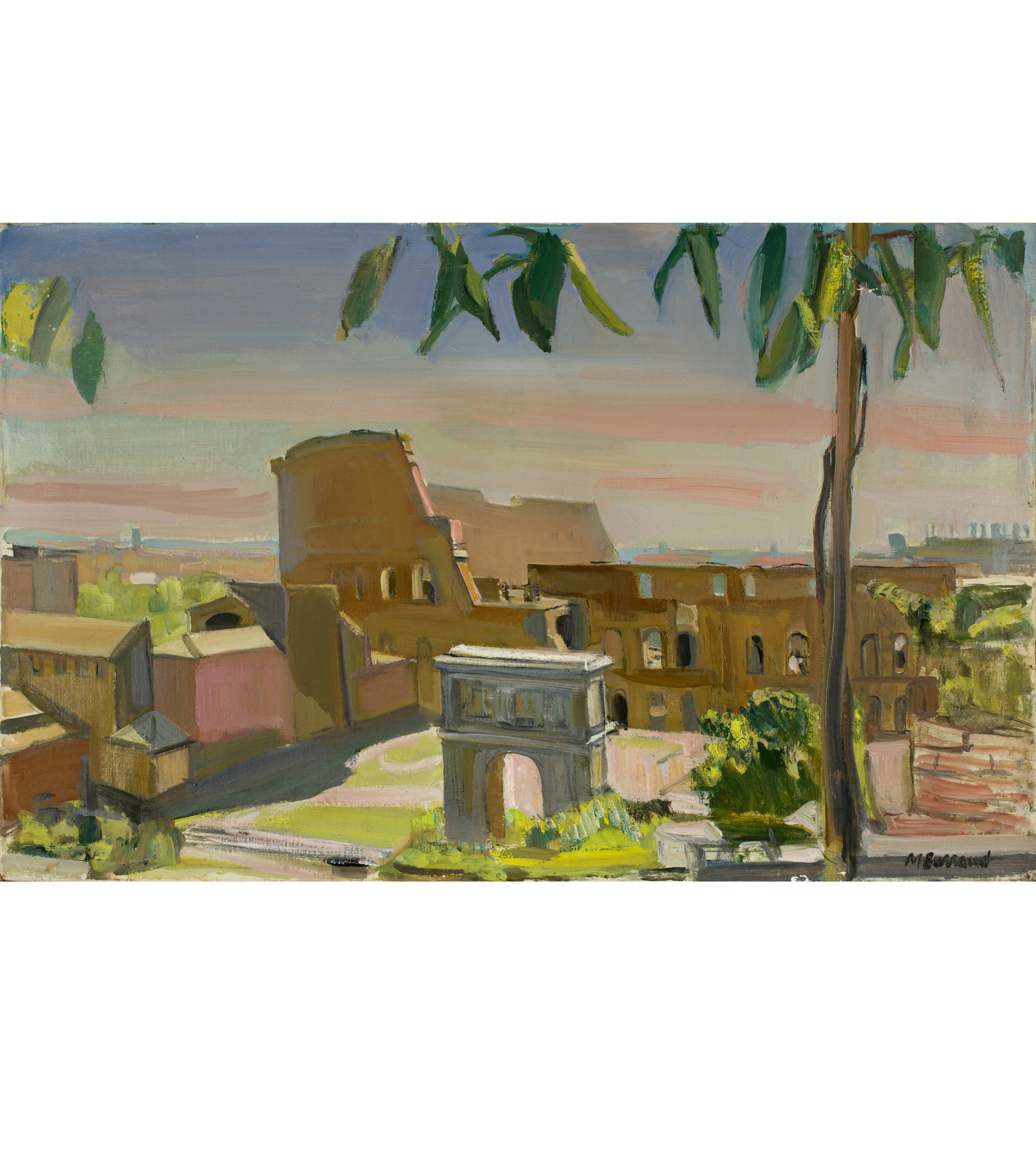
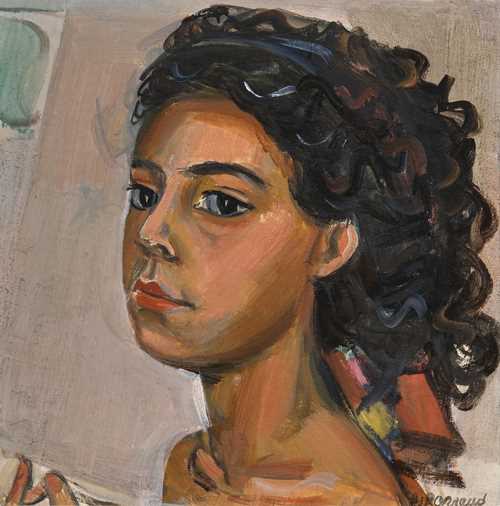
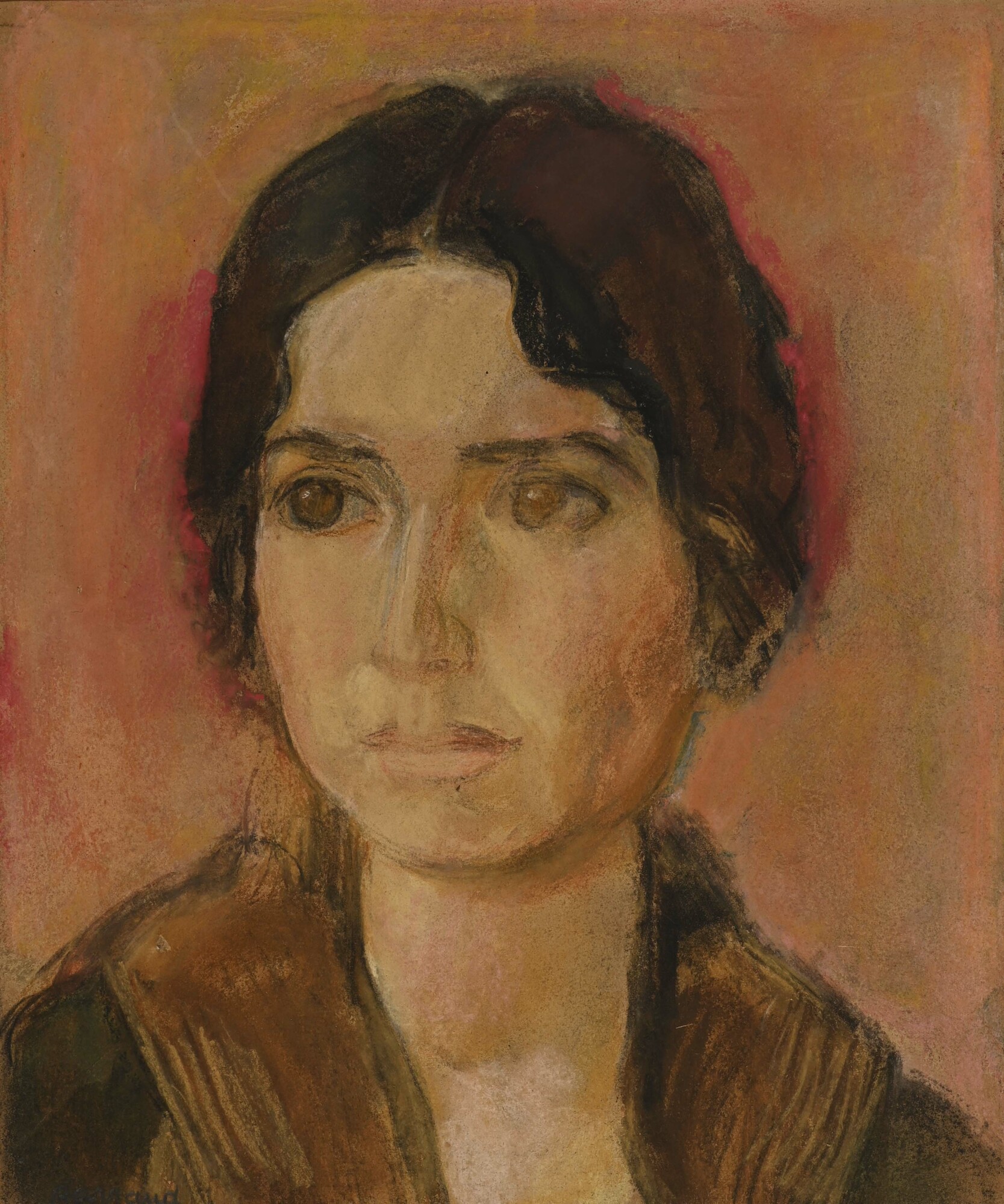
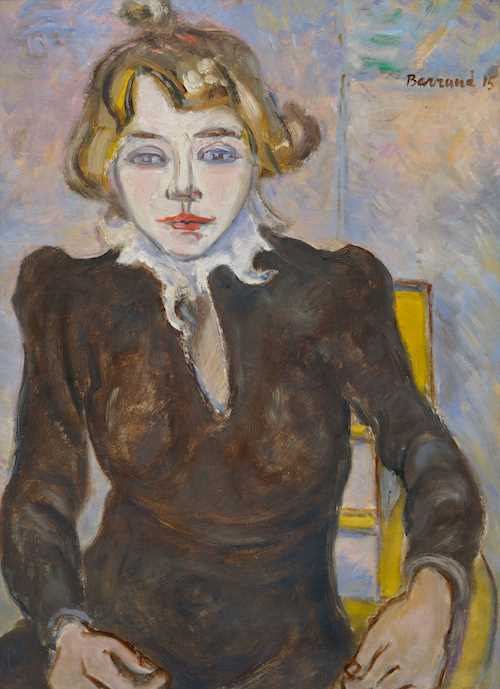
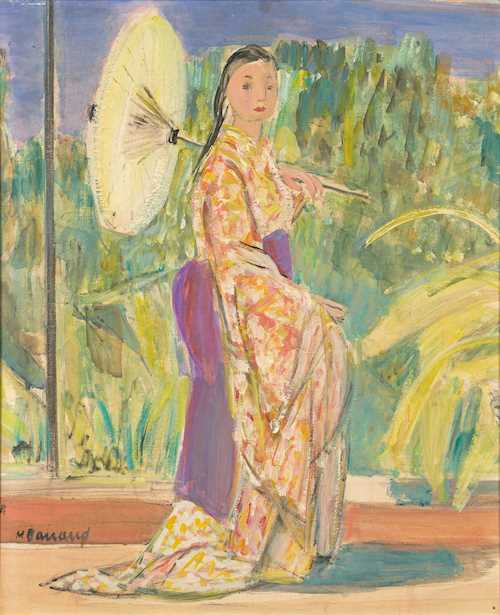
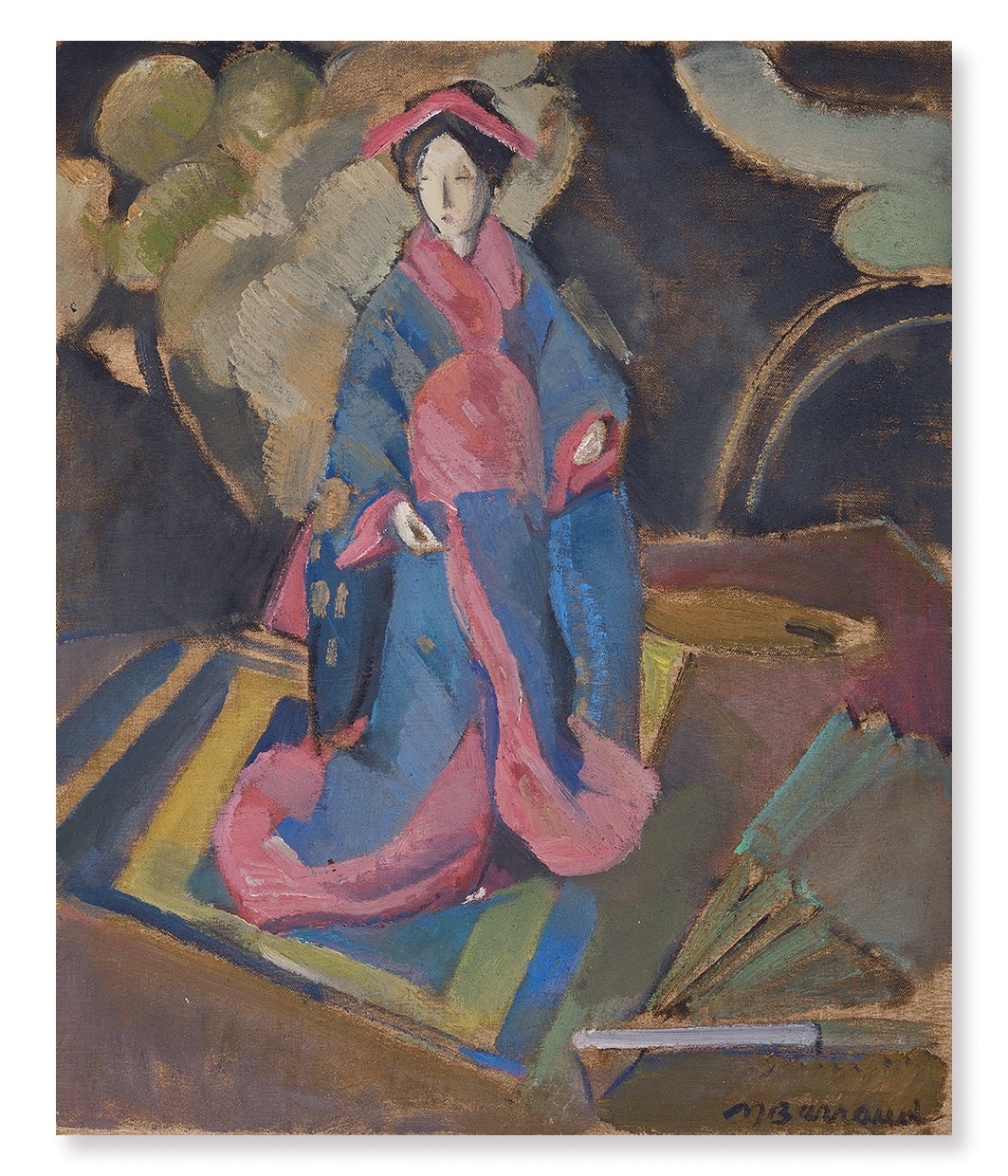
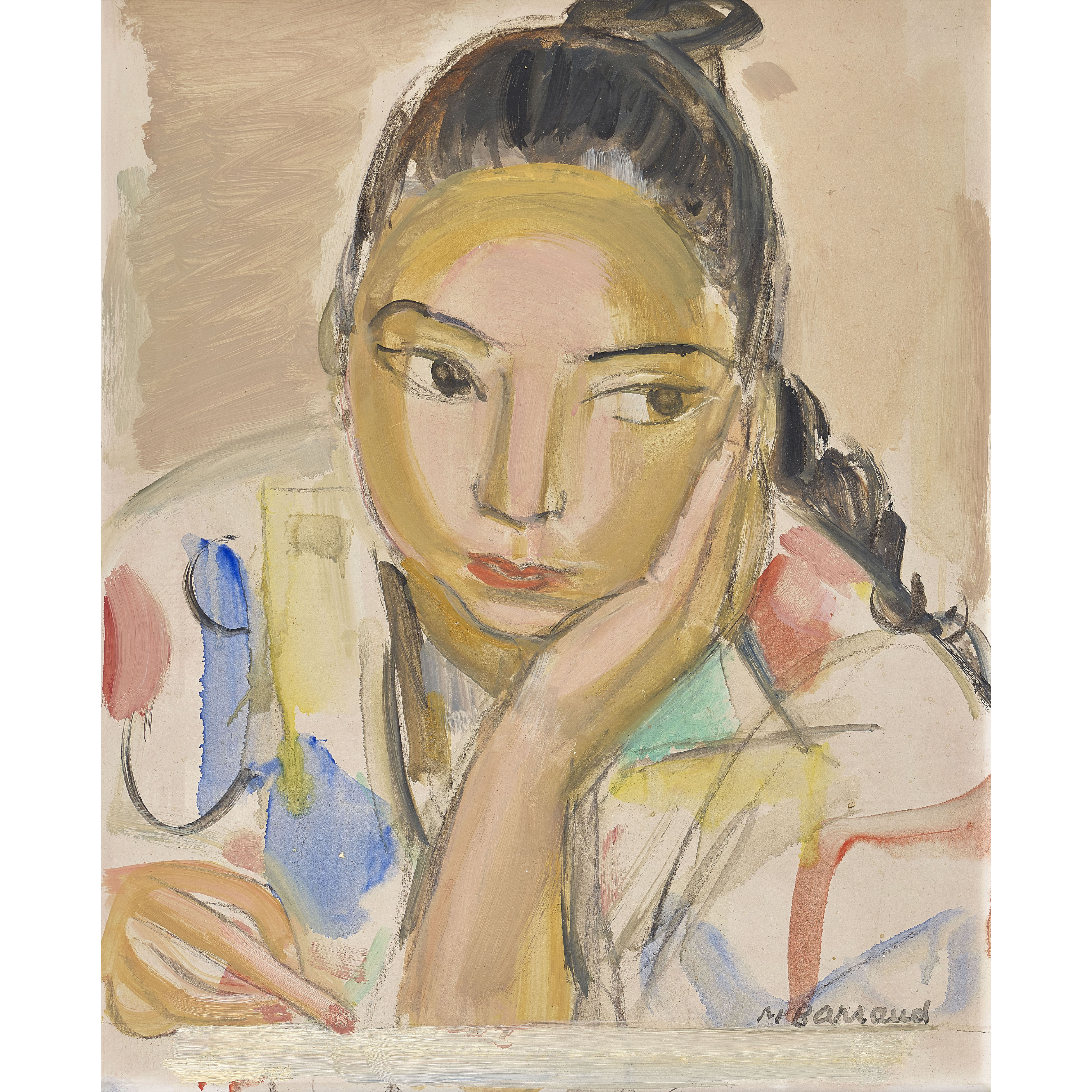
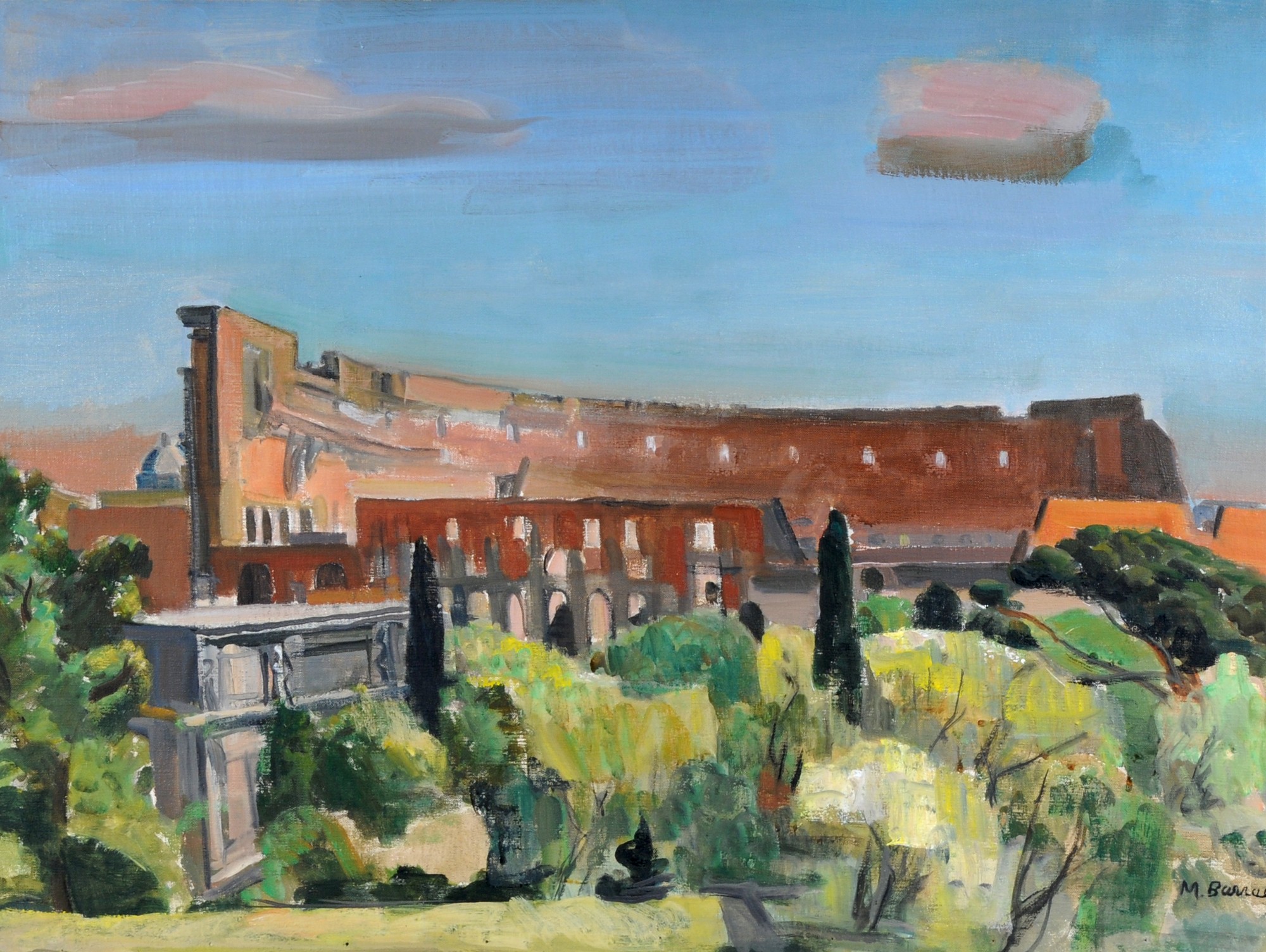
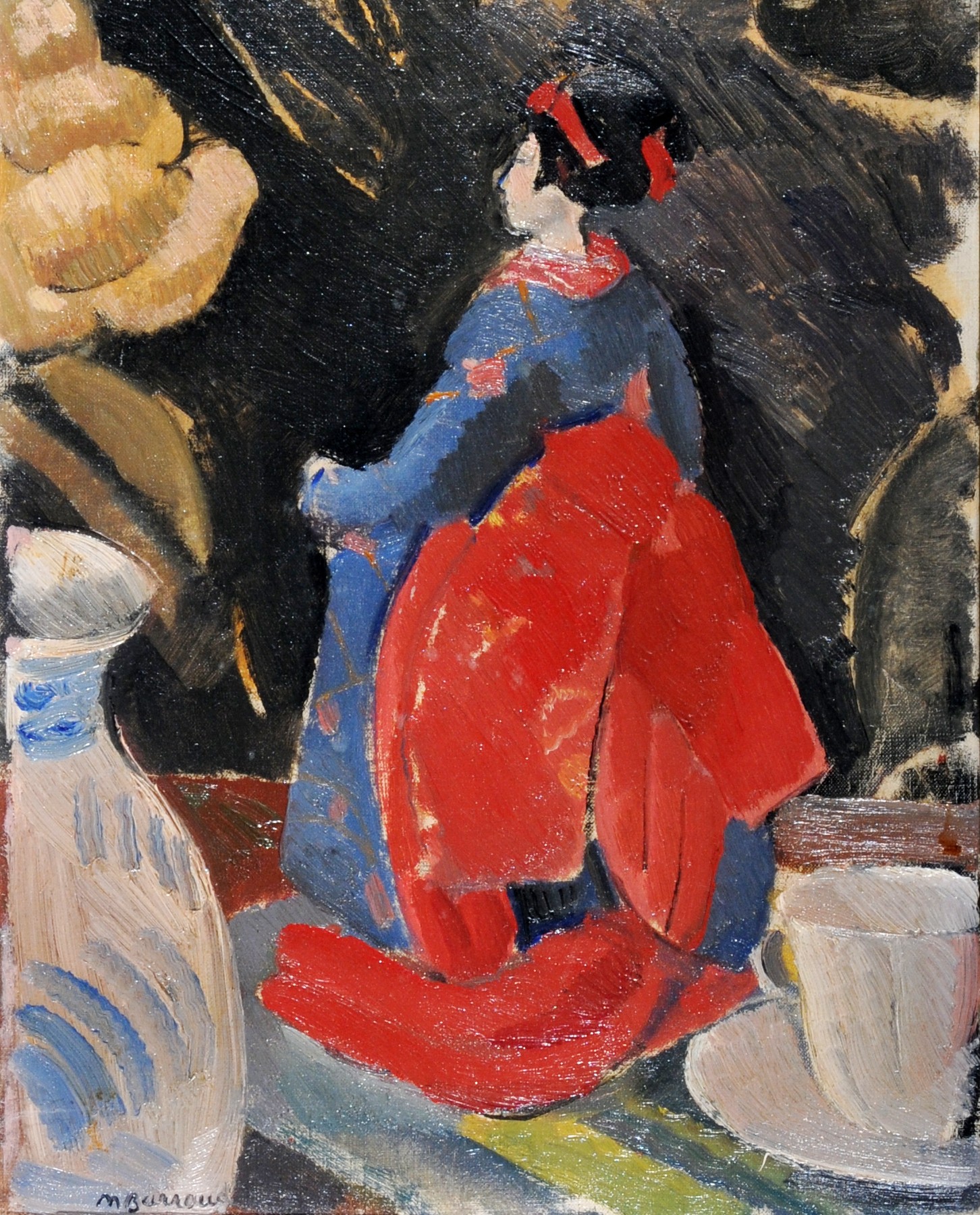
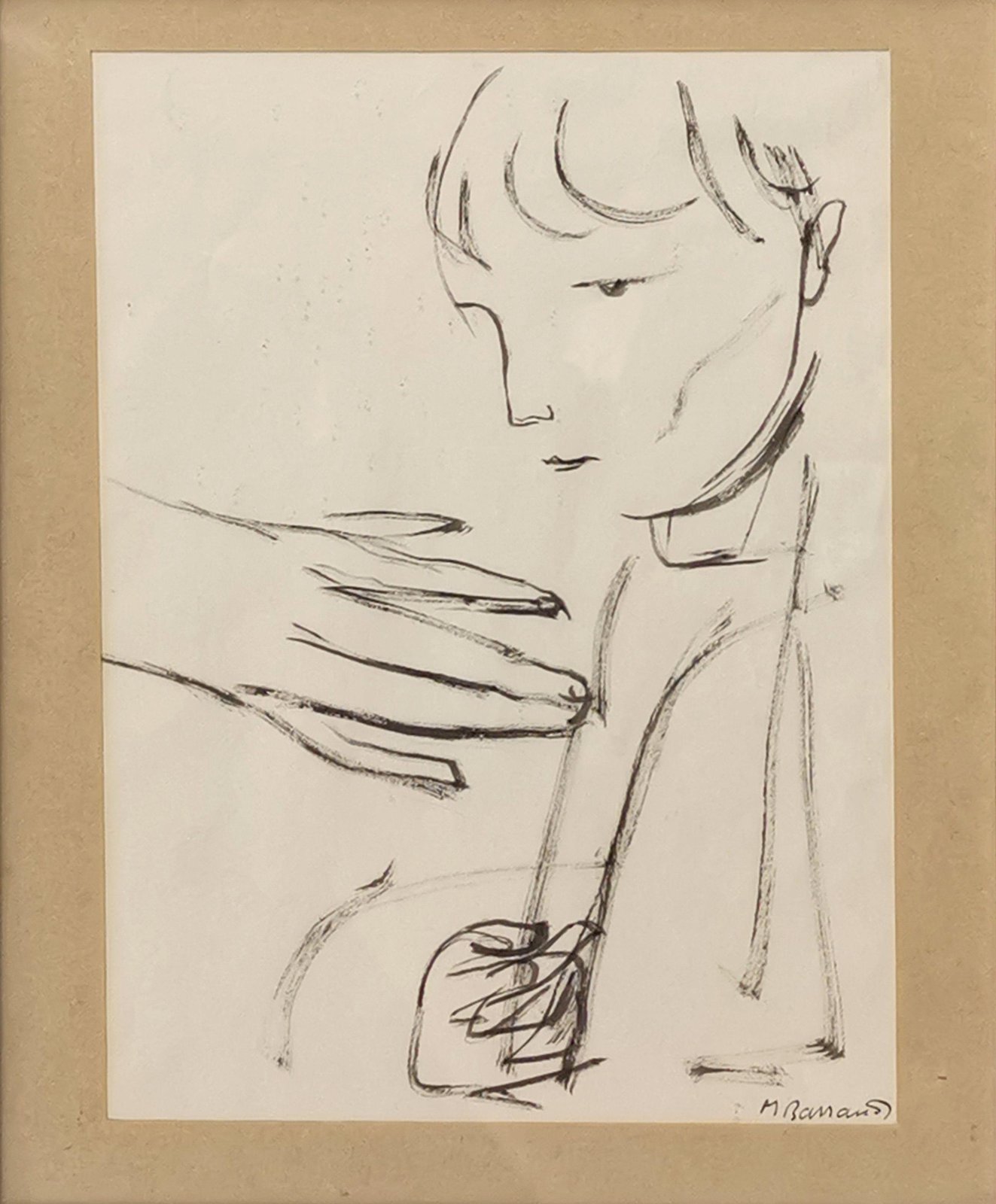
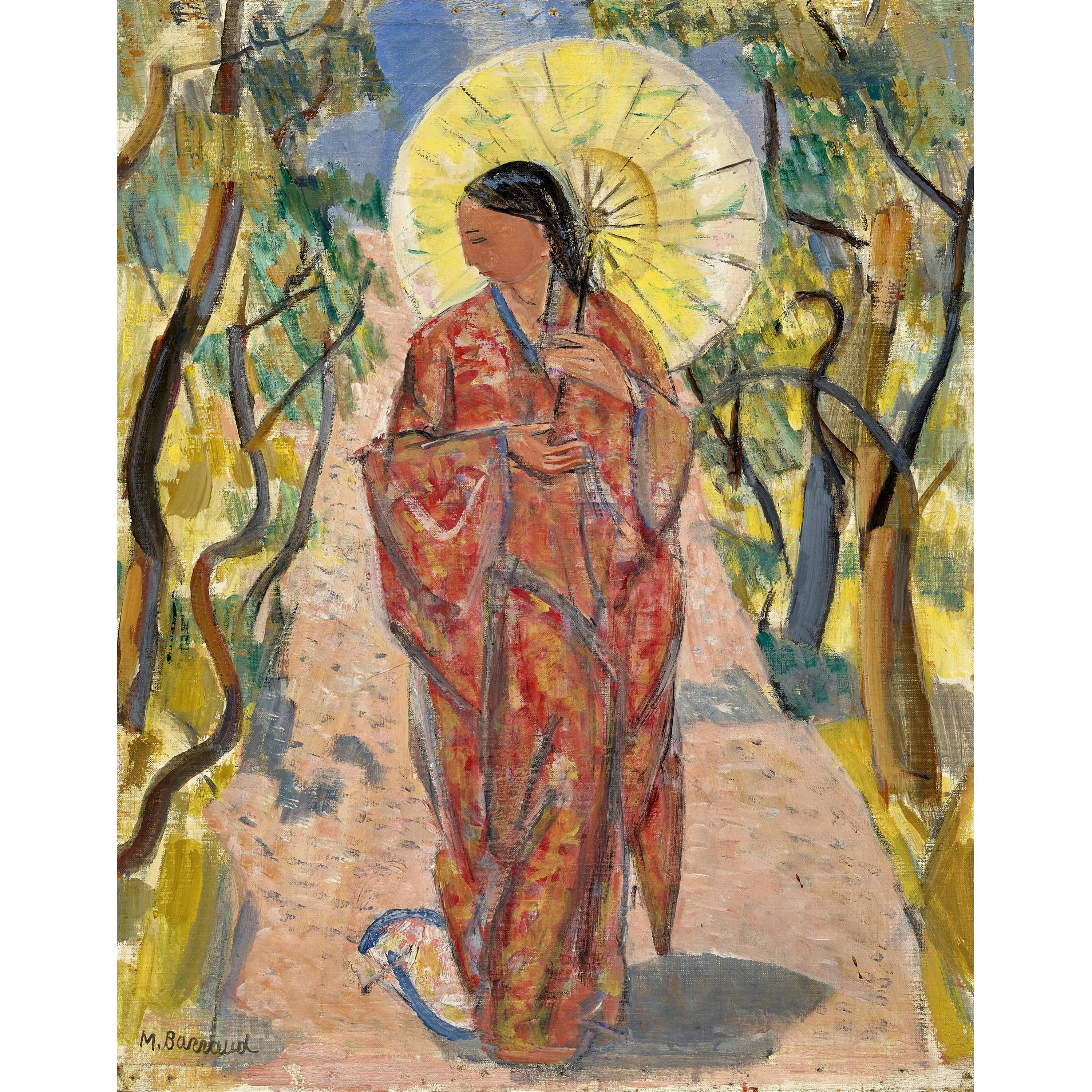
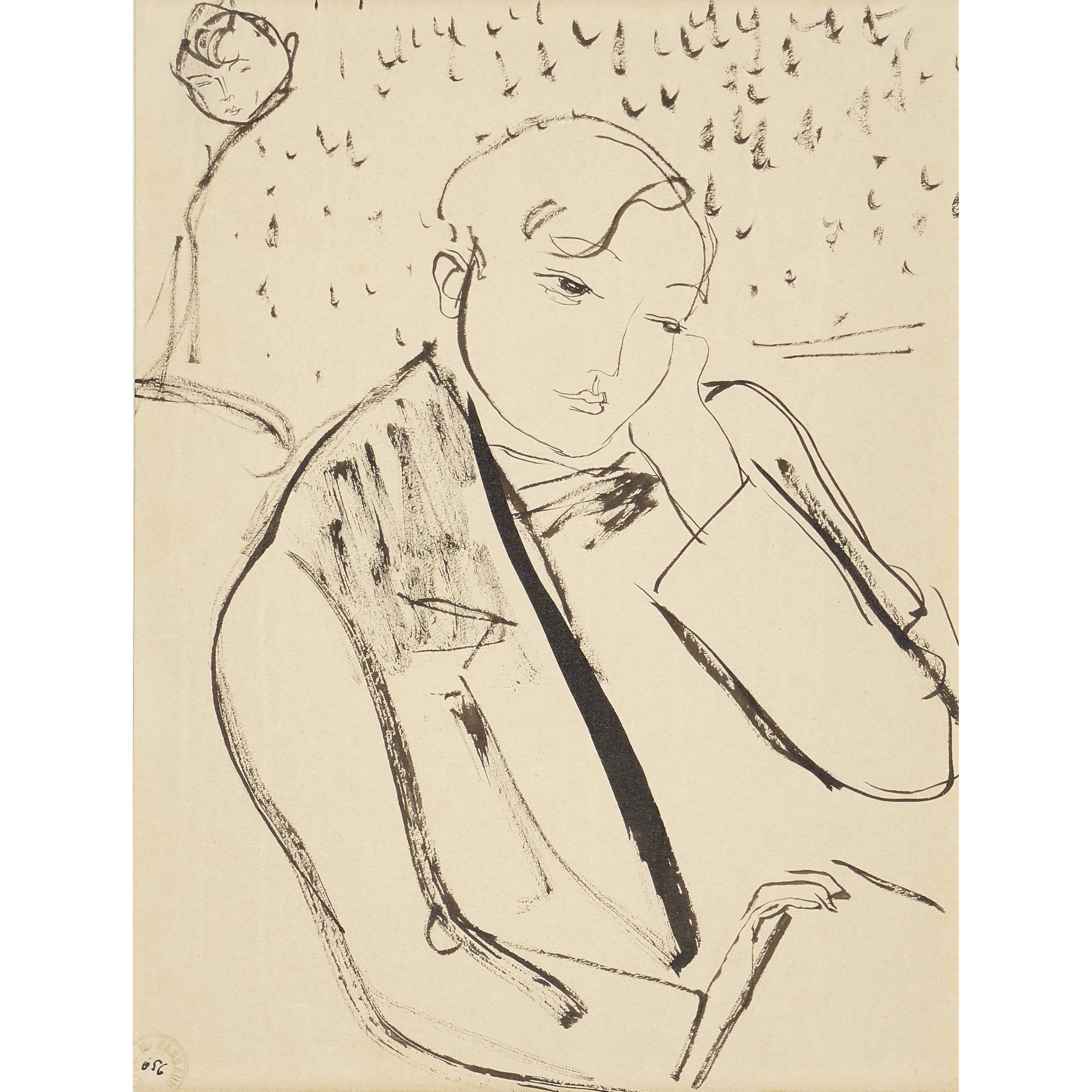
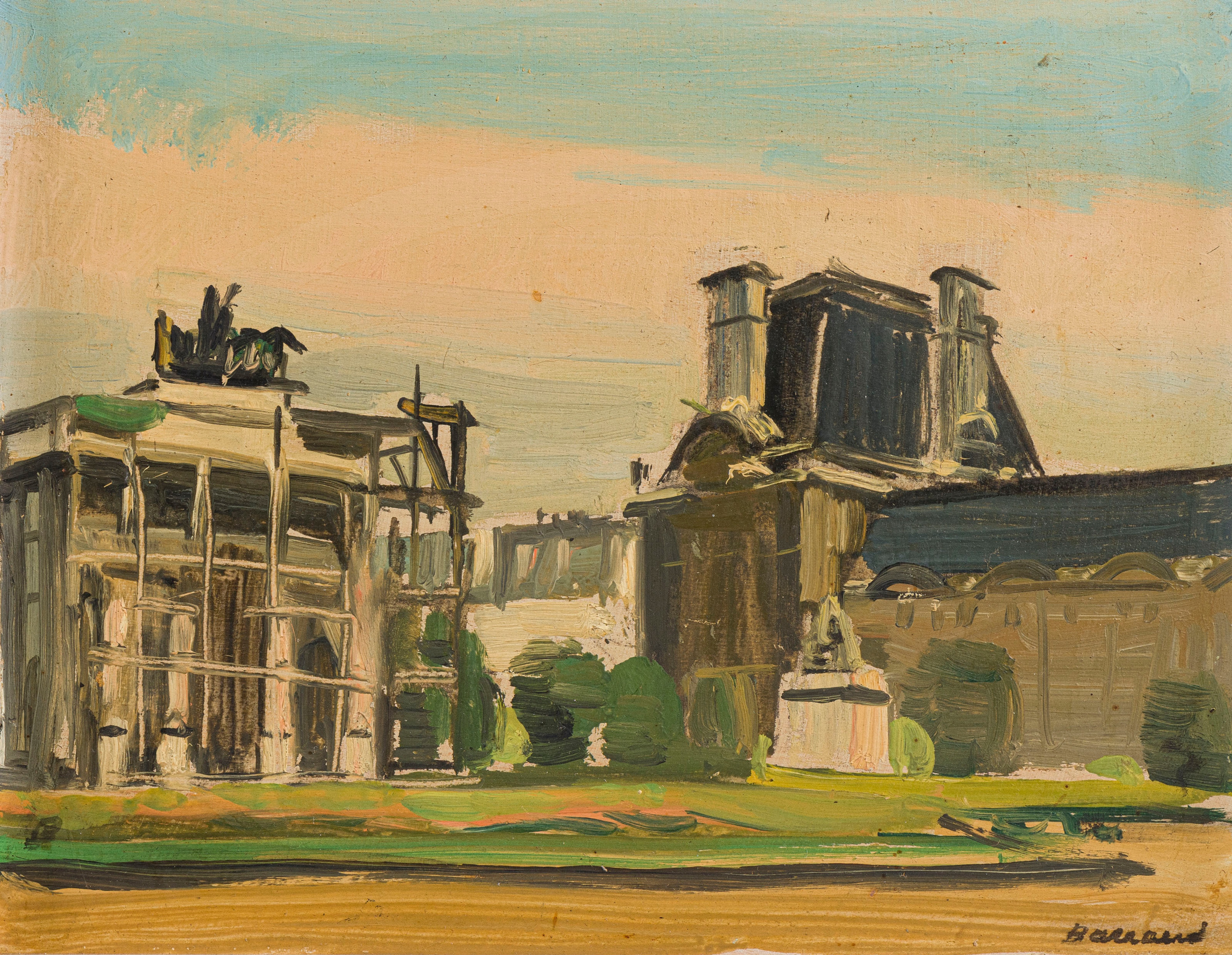
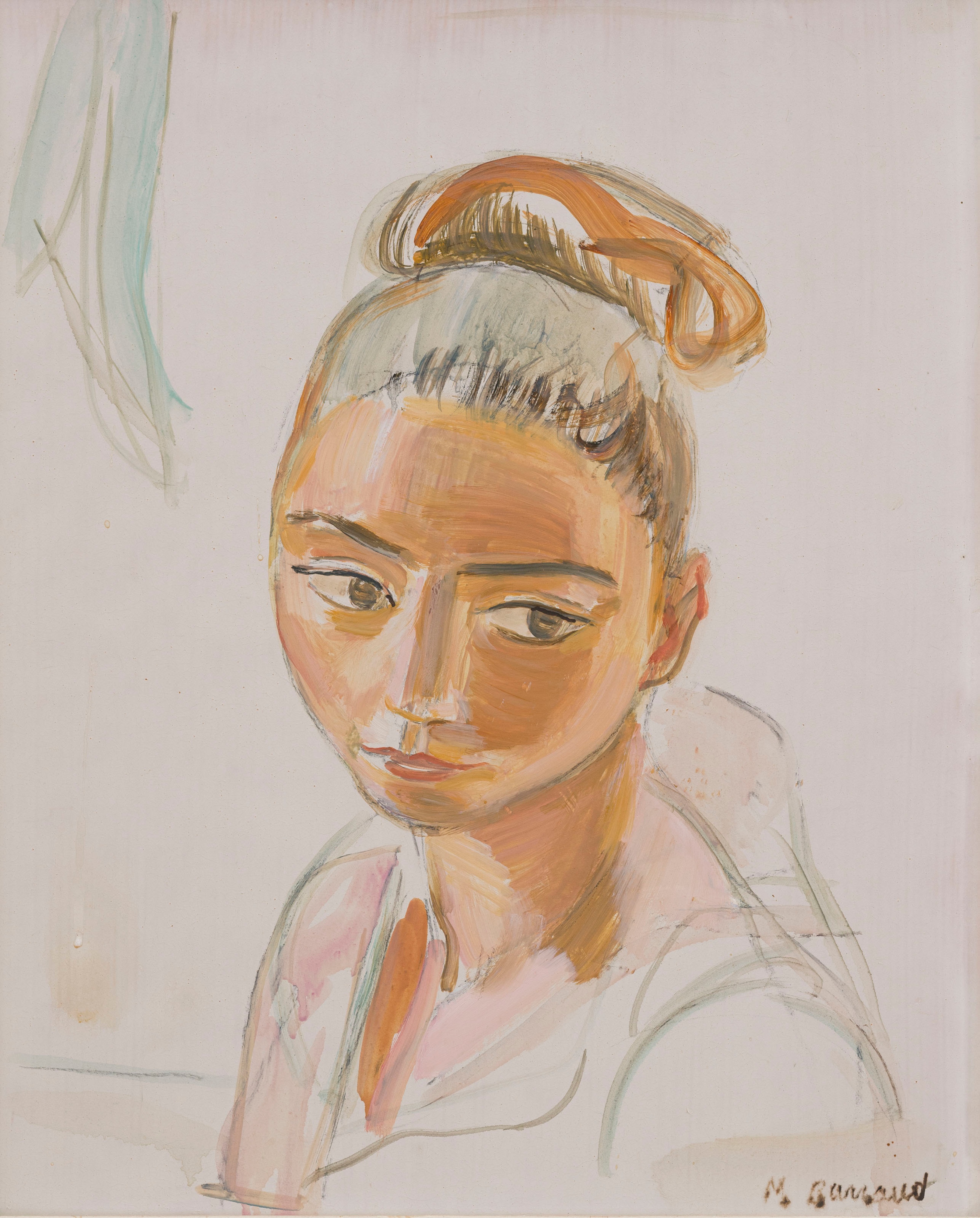
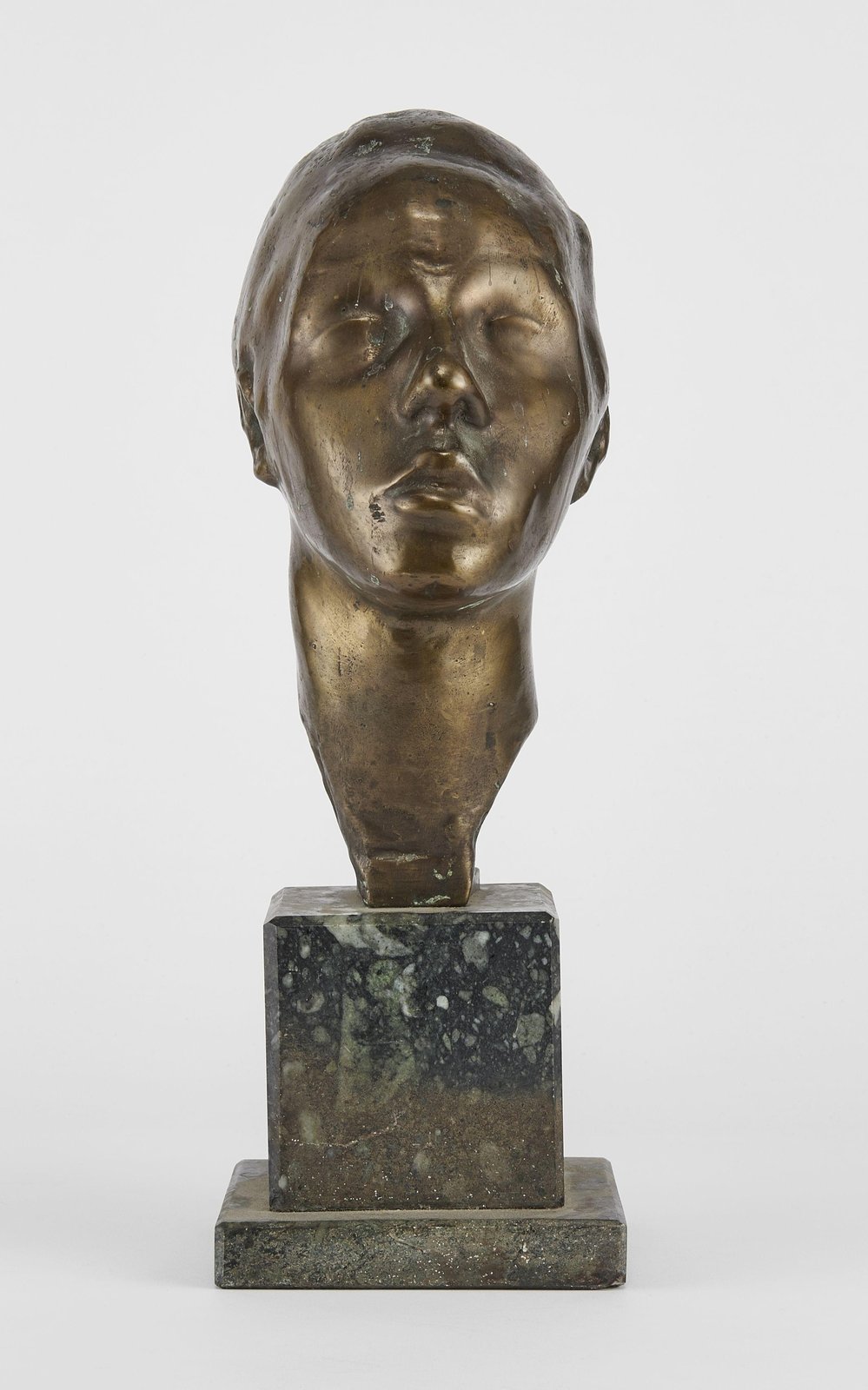
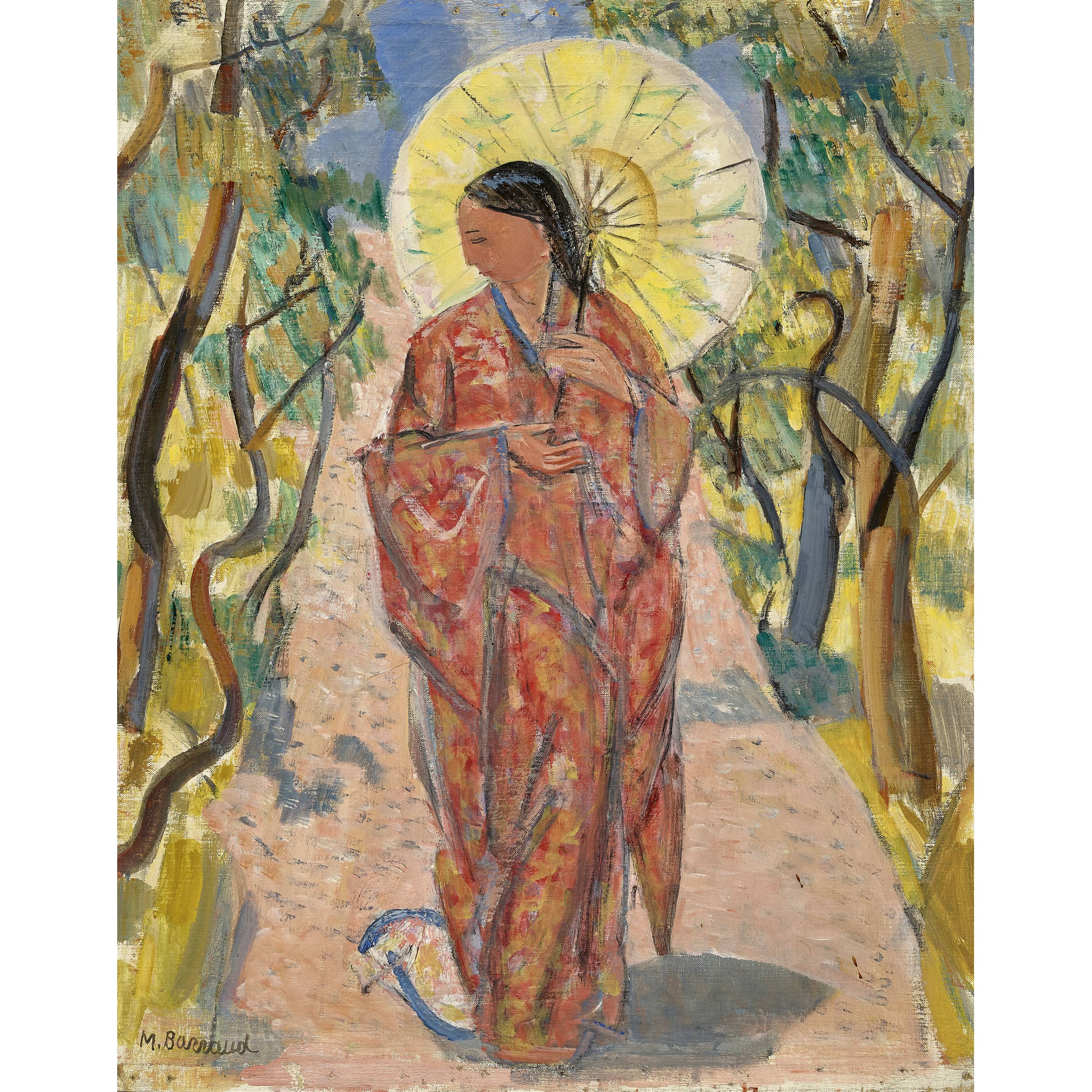
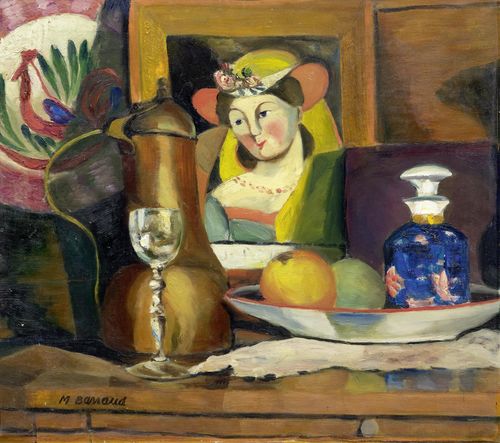
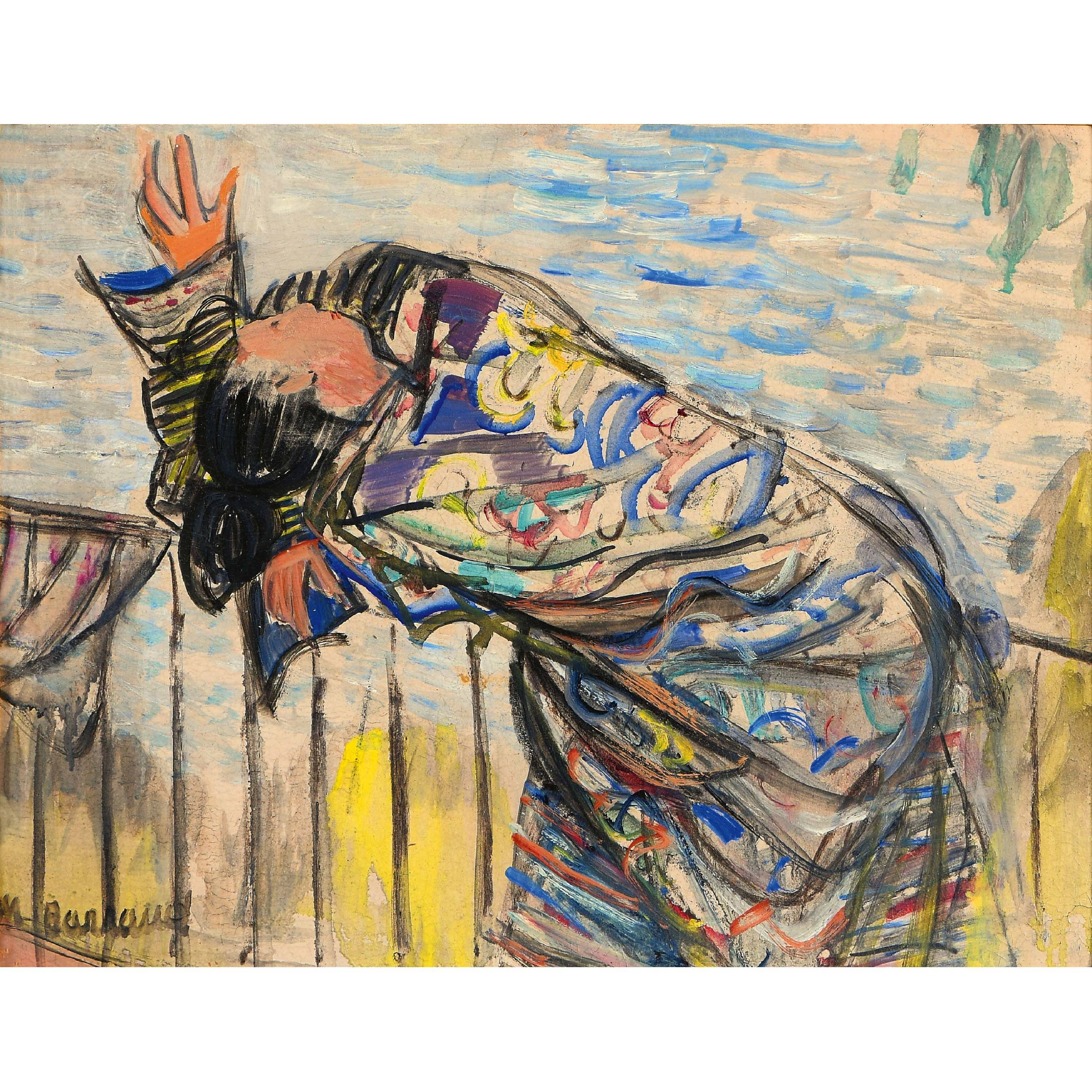
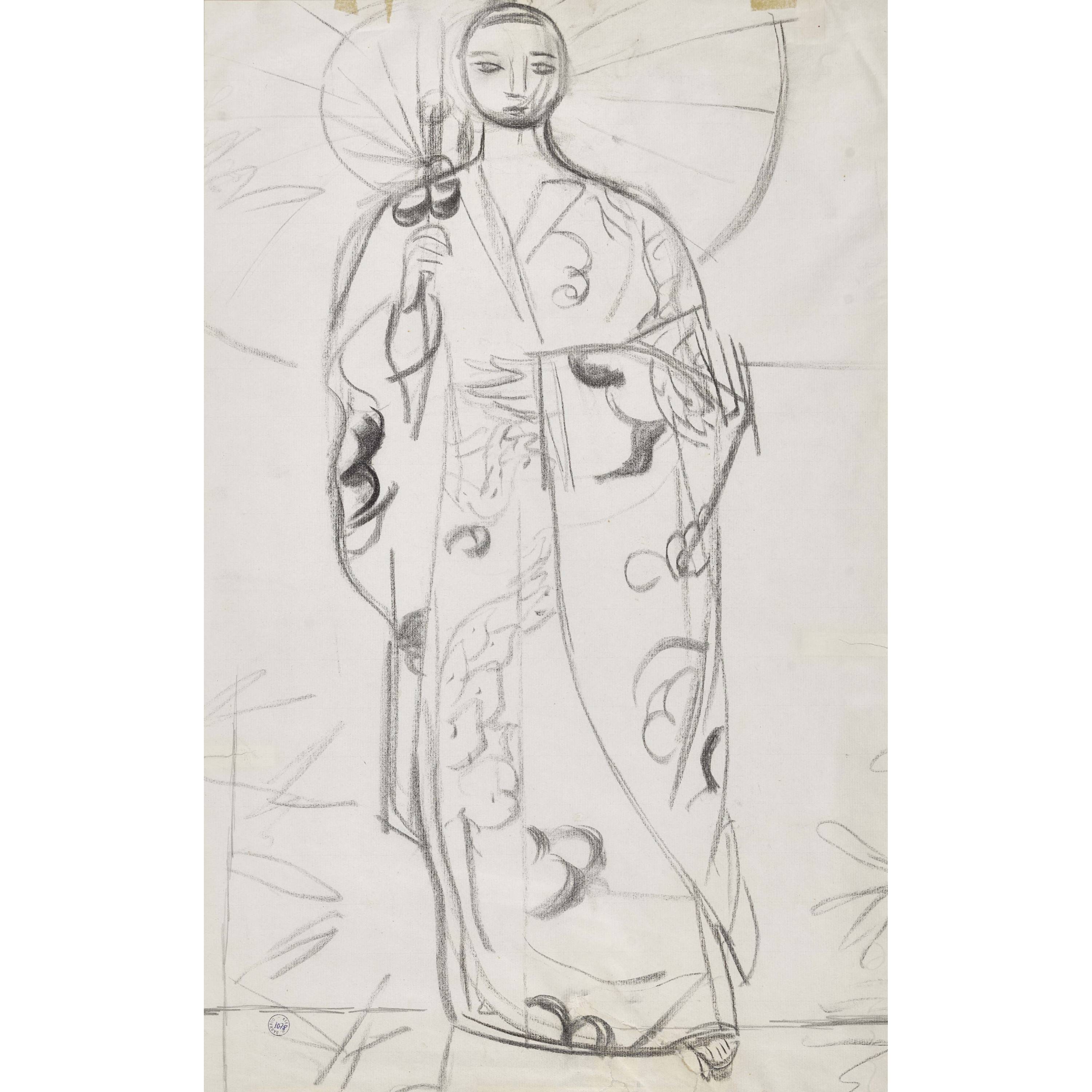
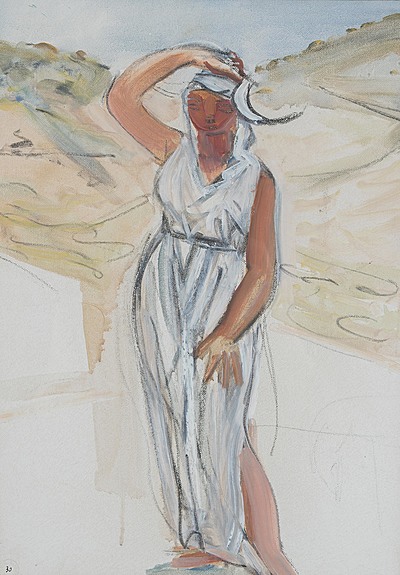
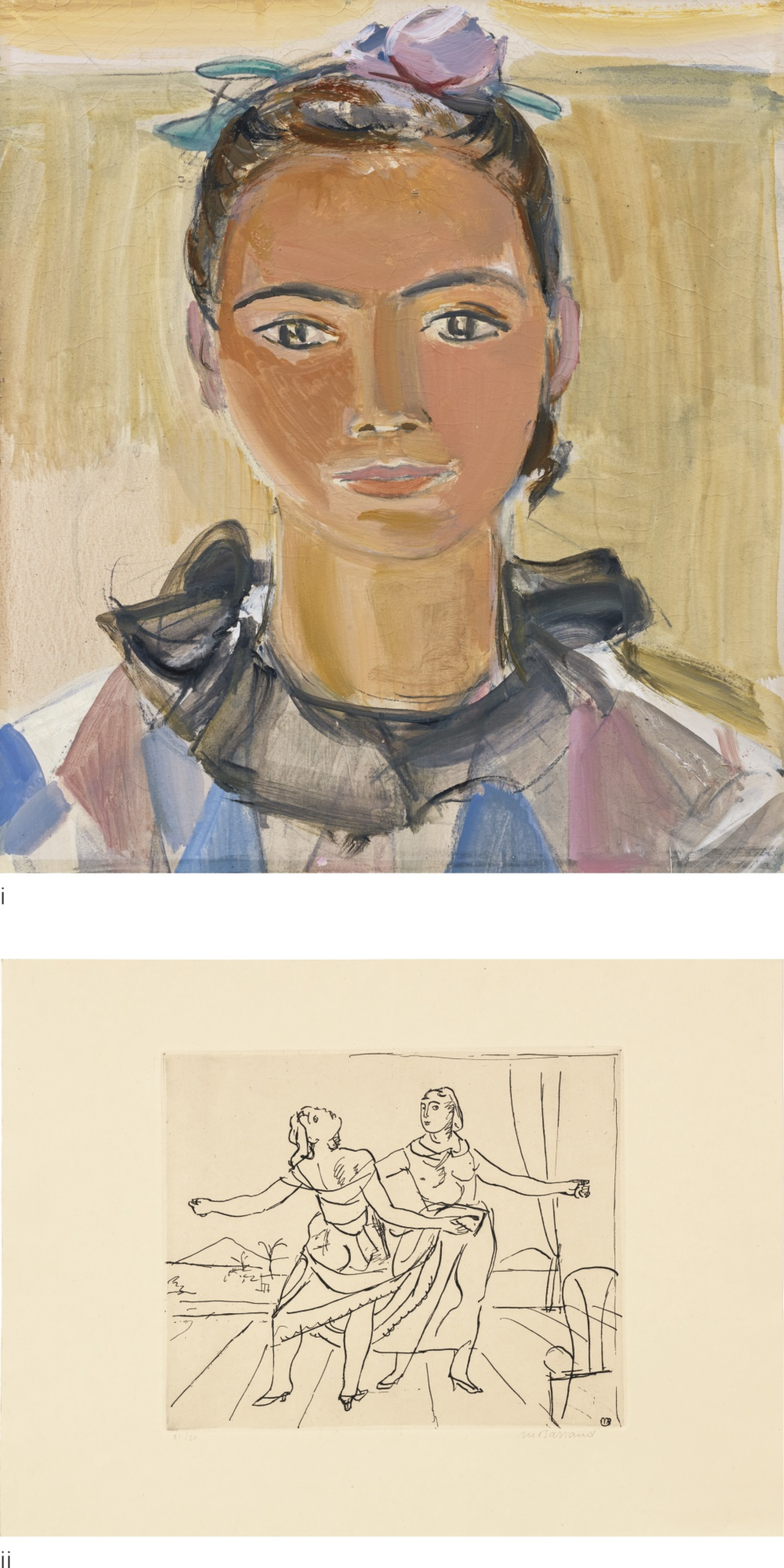
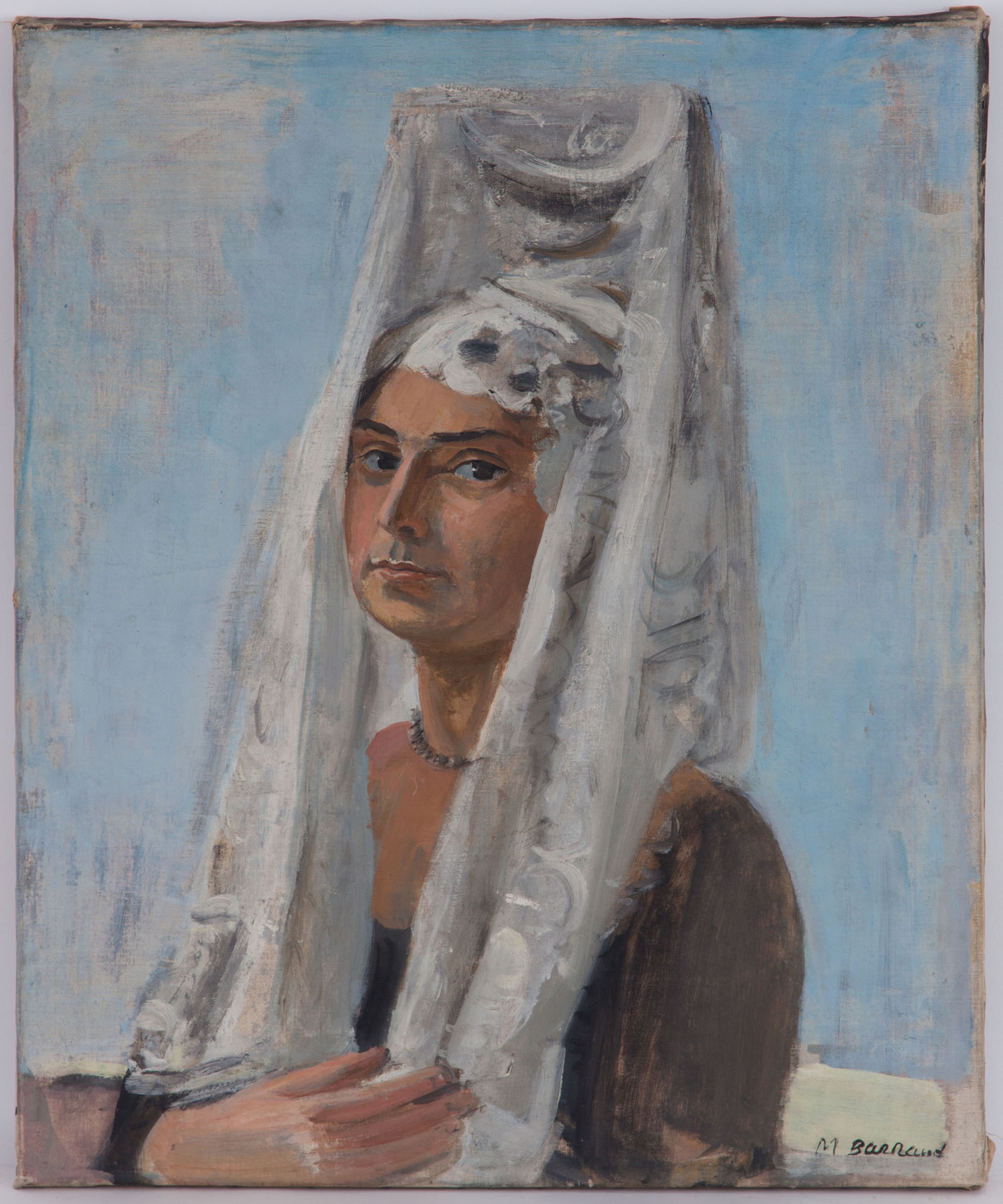
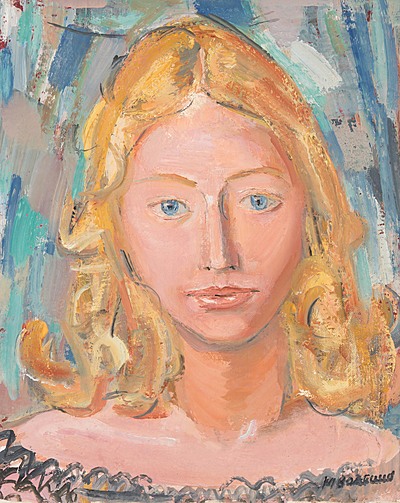
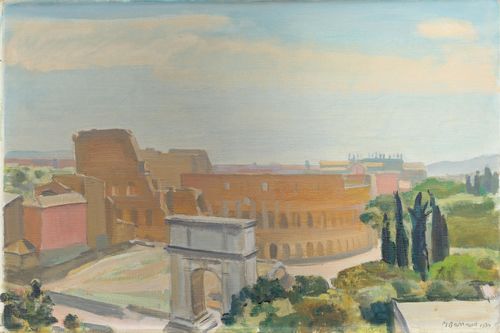
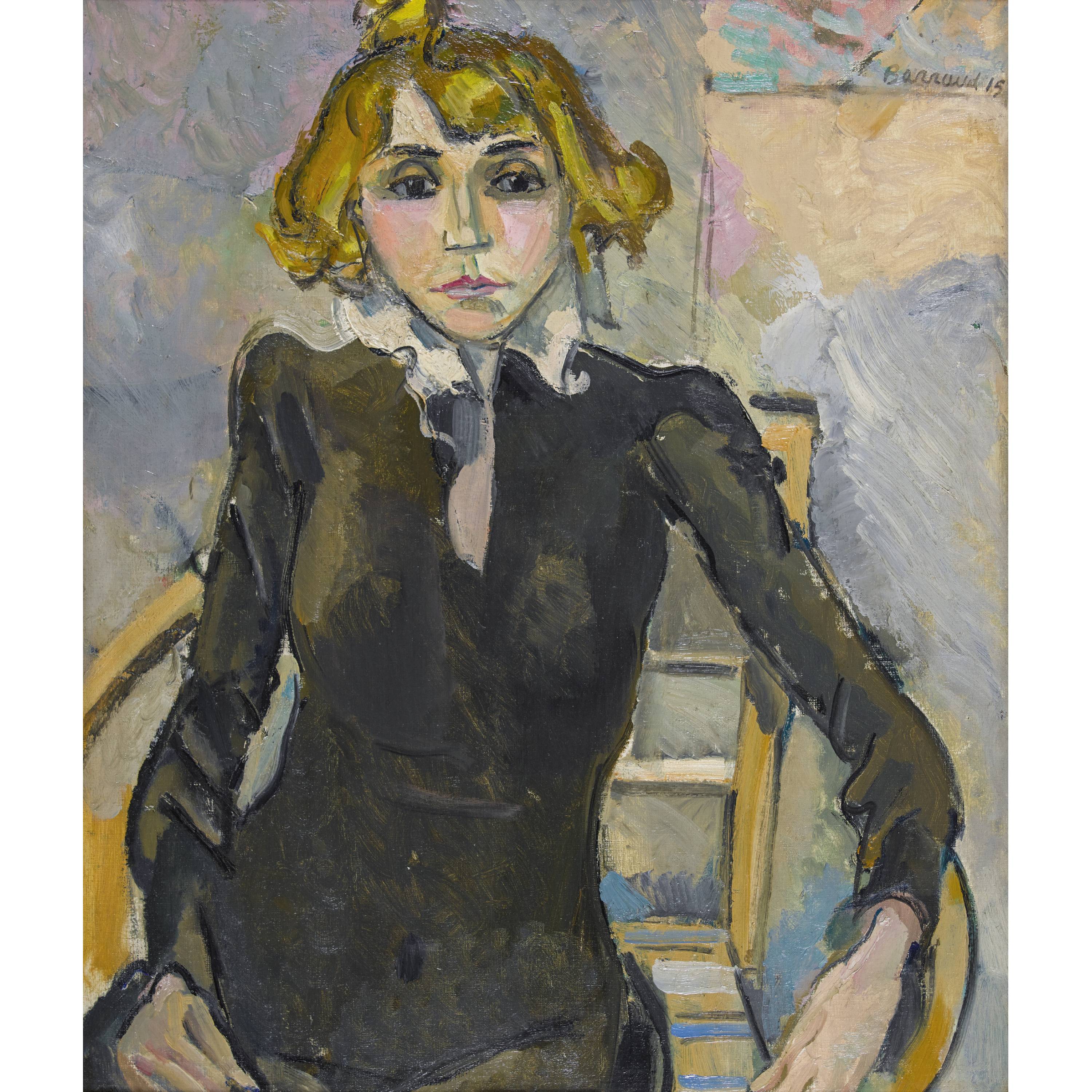
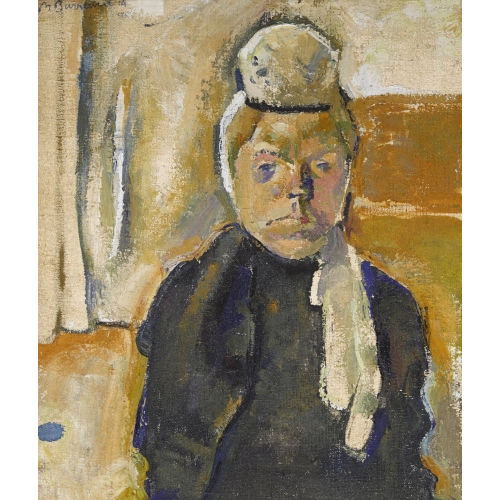
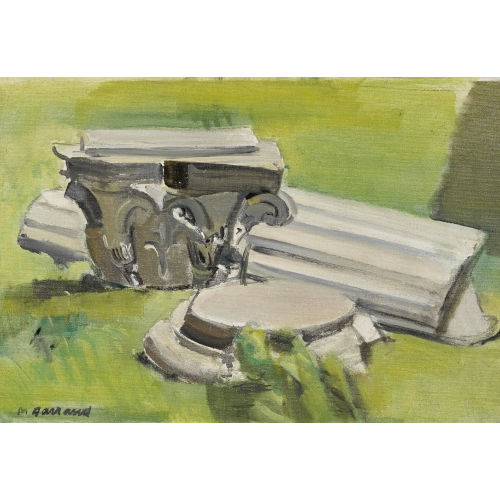
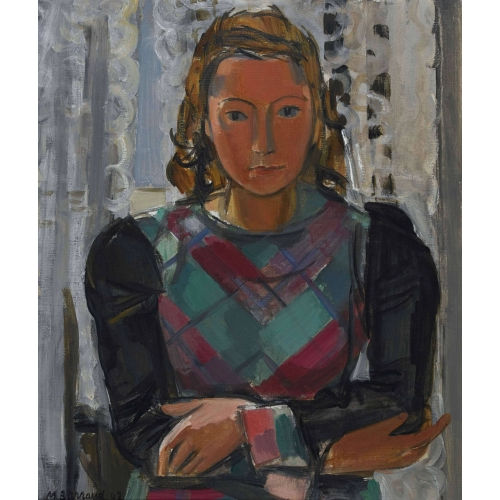
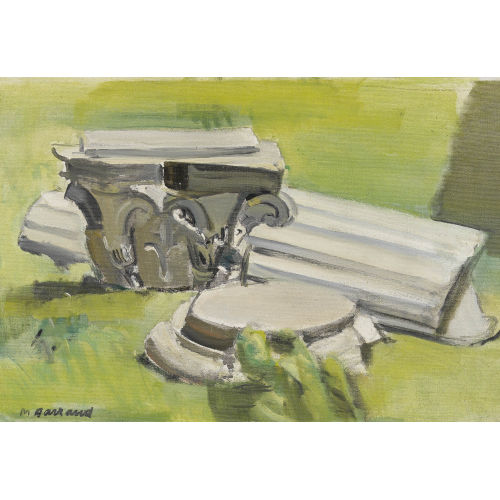
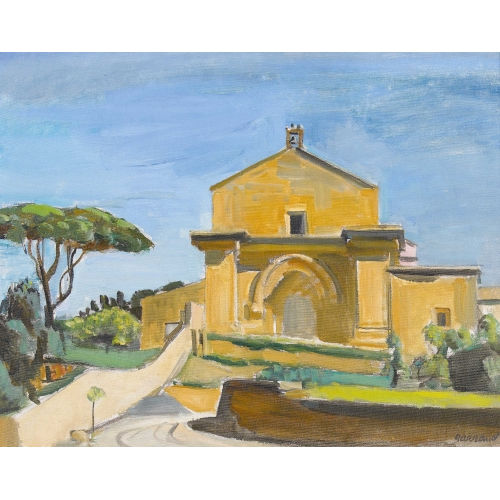
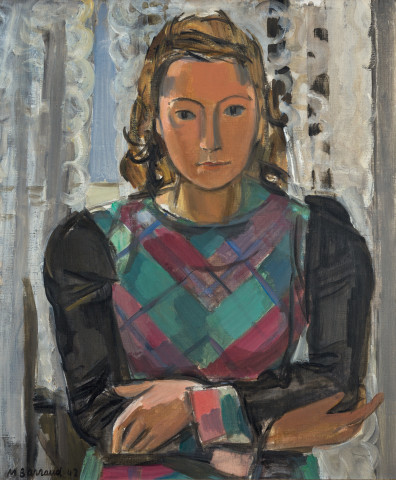
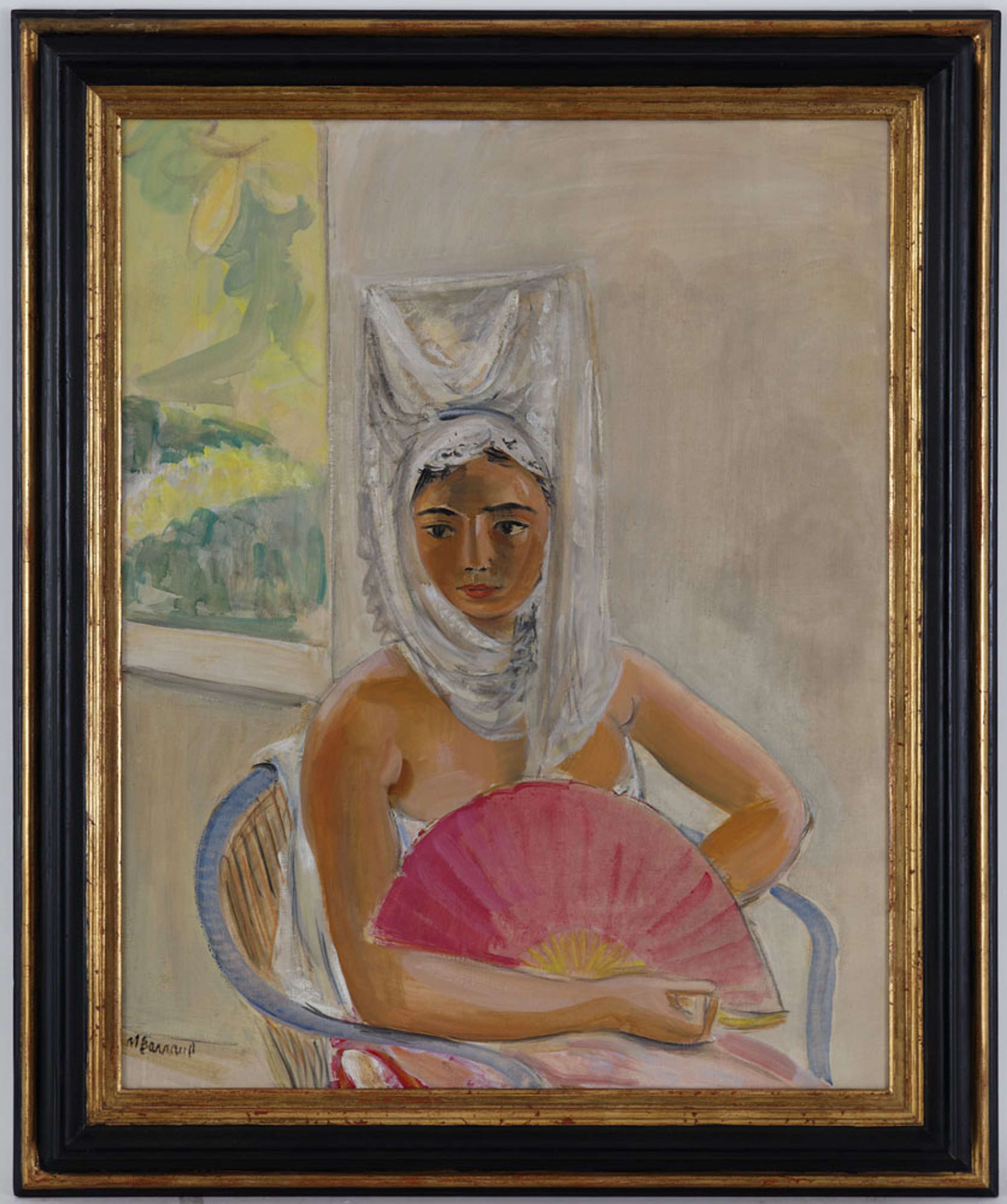
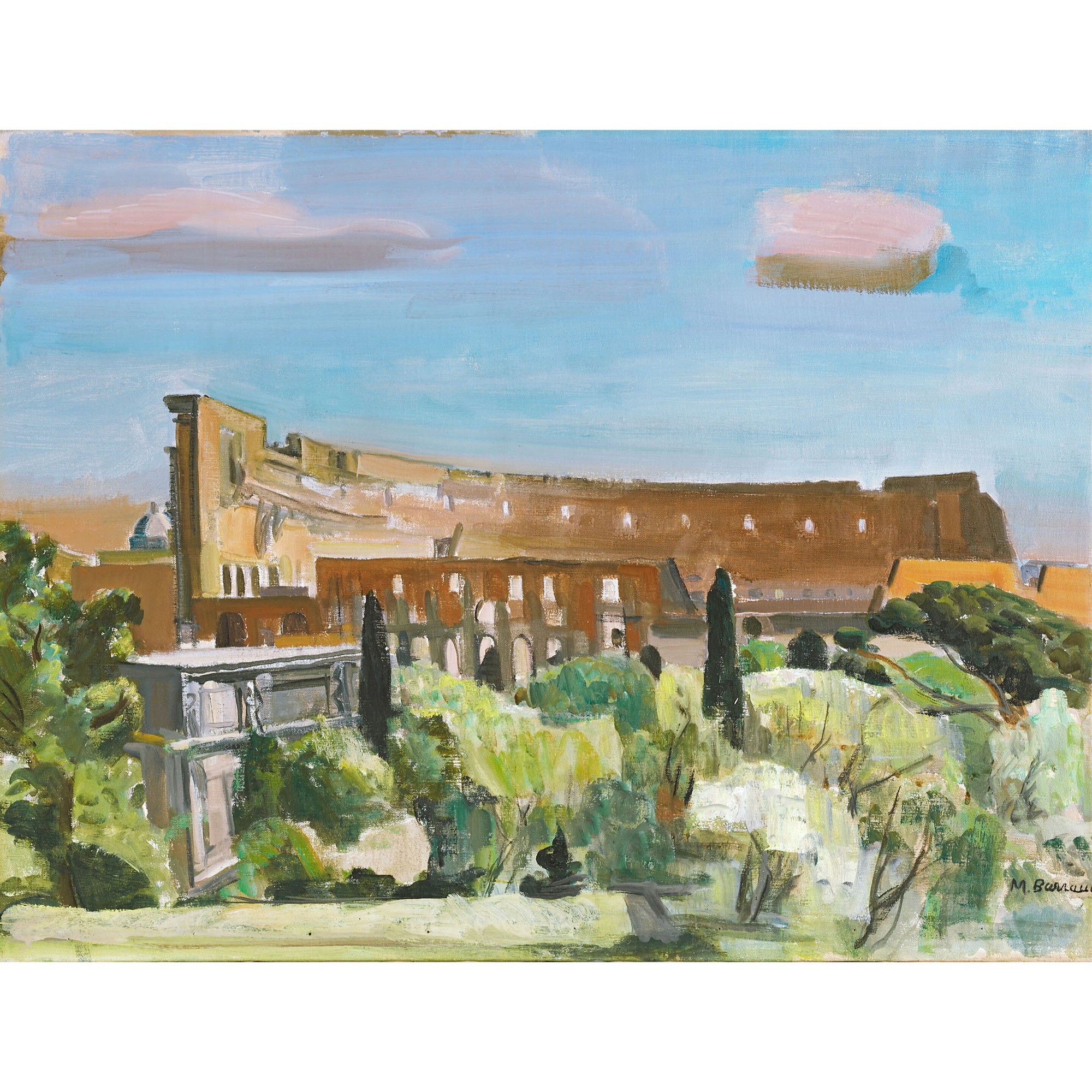
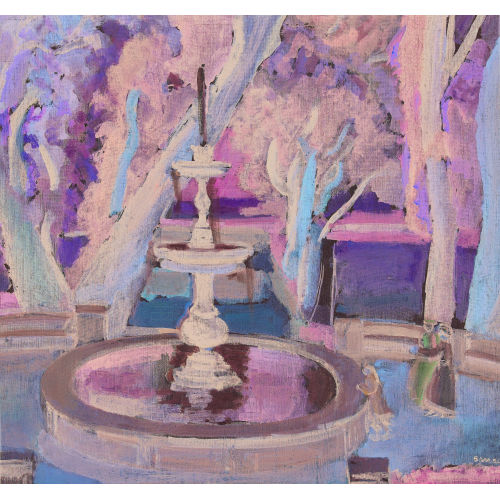
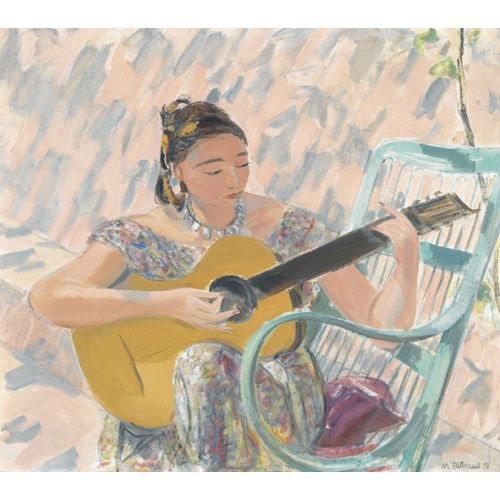
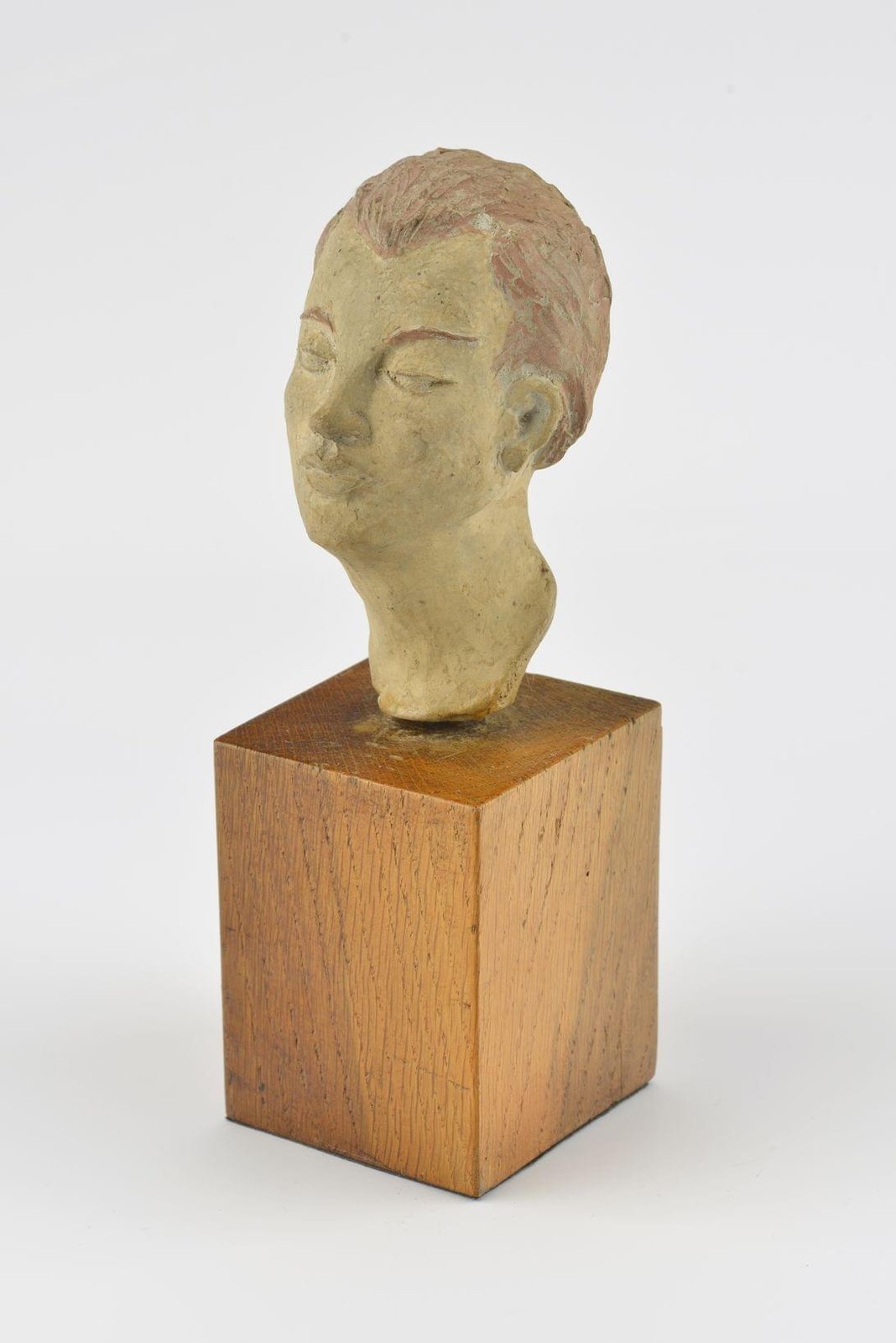
Two works in the Mobilière collection provide an opportunity to approach the diversity of his motifs: Japonaise, an undated oil on fibreboard, and Ruines sur le Palatin, painted on canvas in 1930. Portrait and landscape thus offer two points of entry into his world.
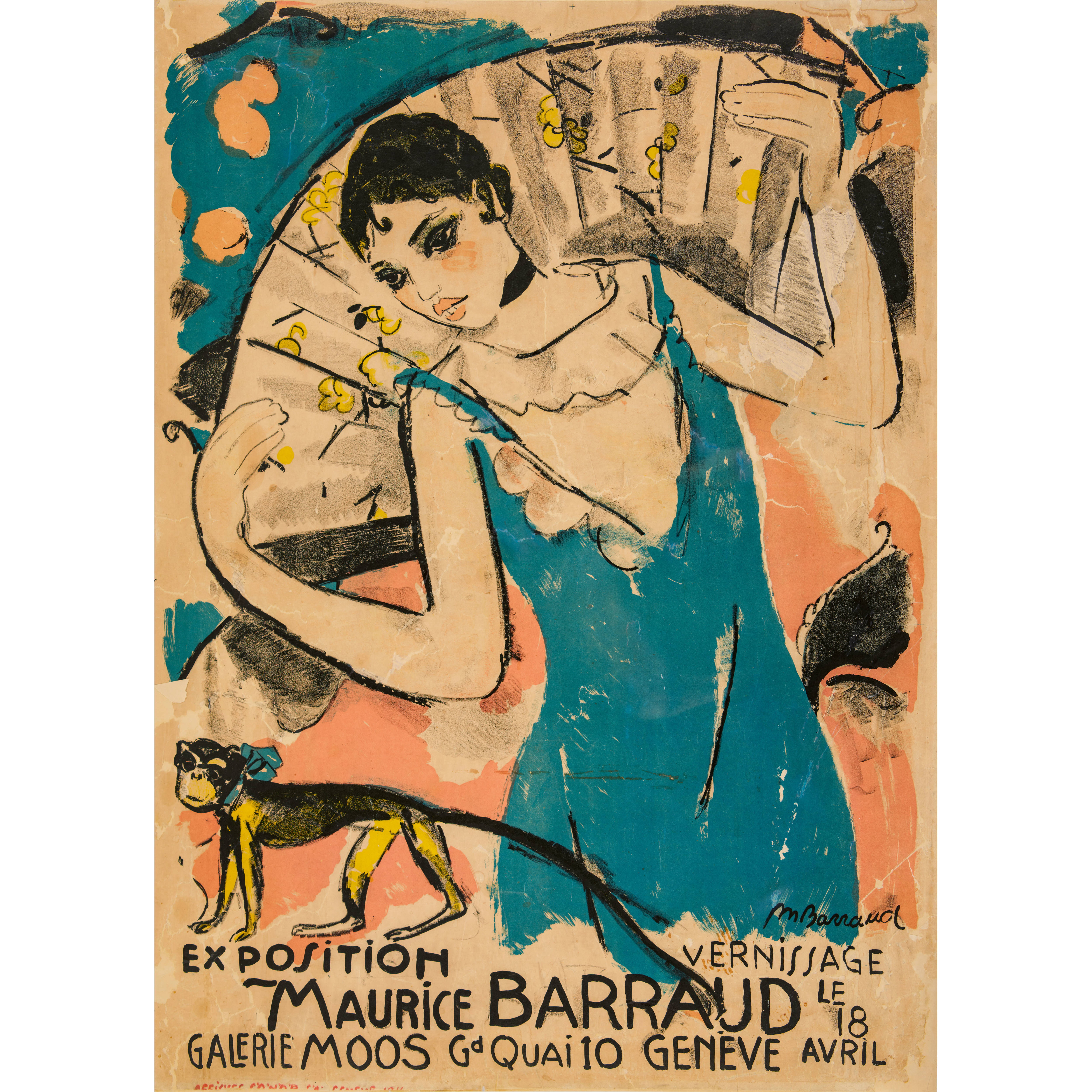
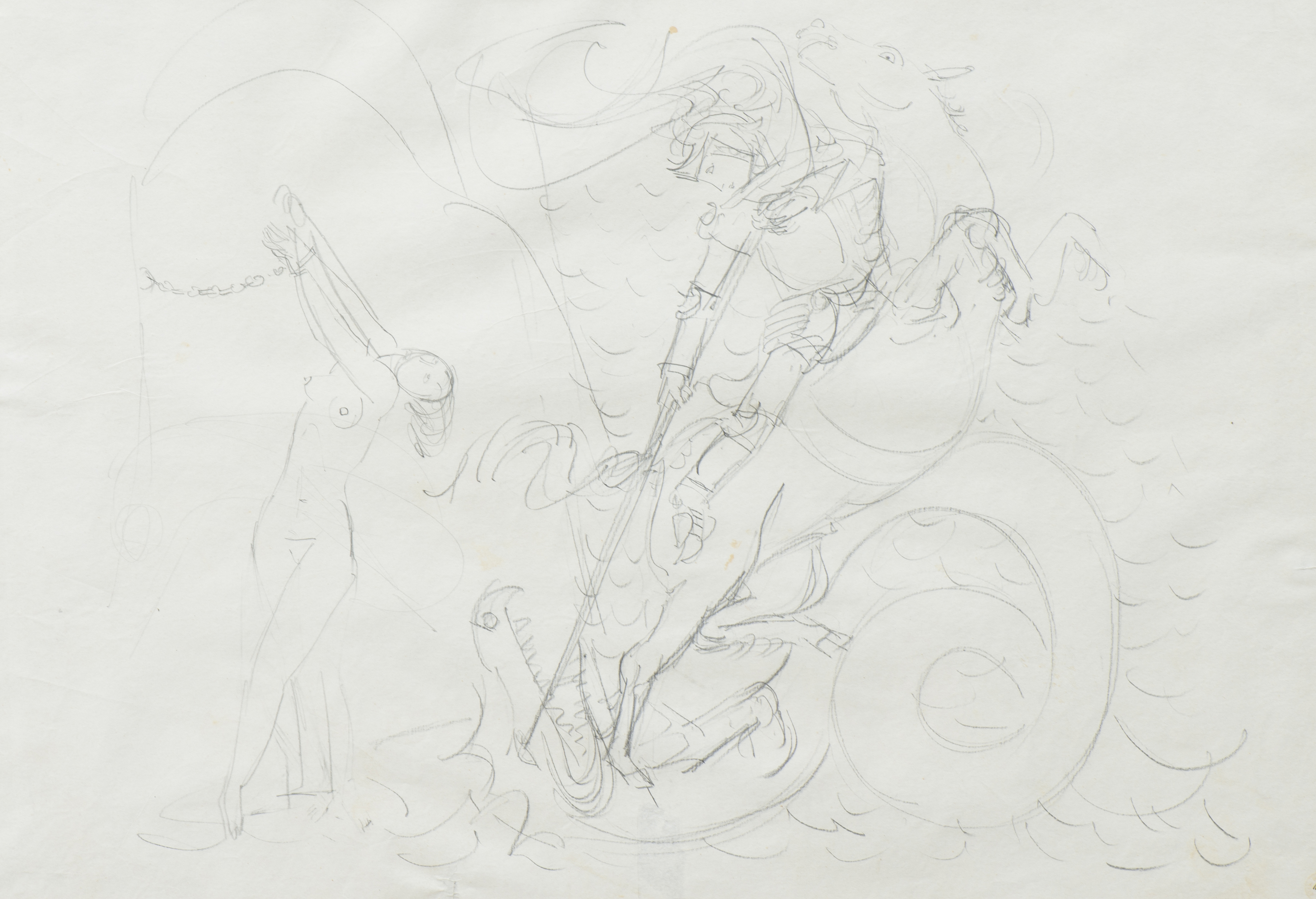
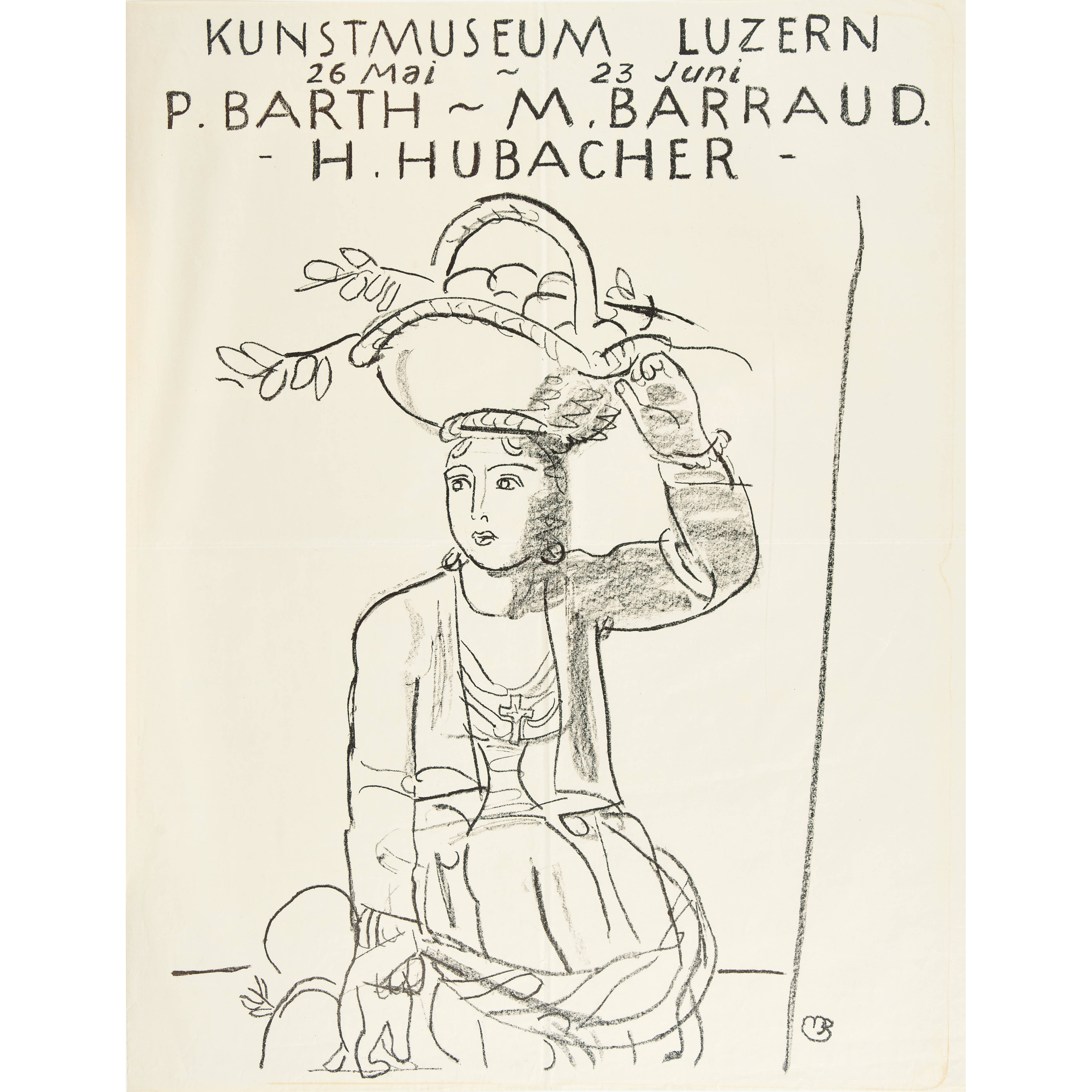
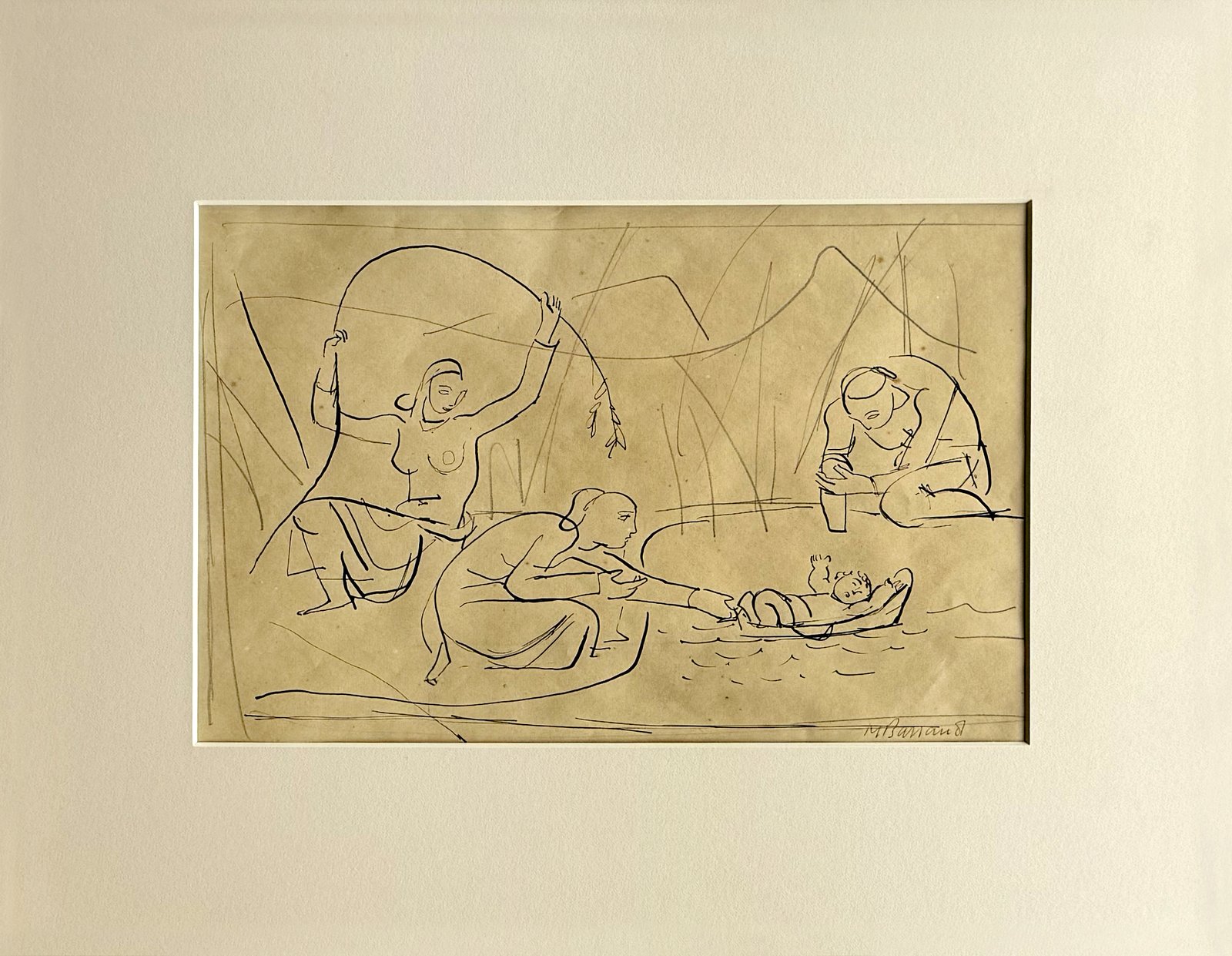
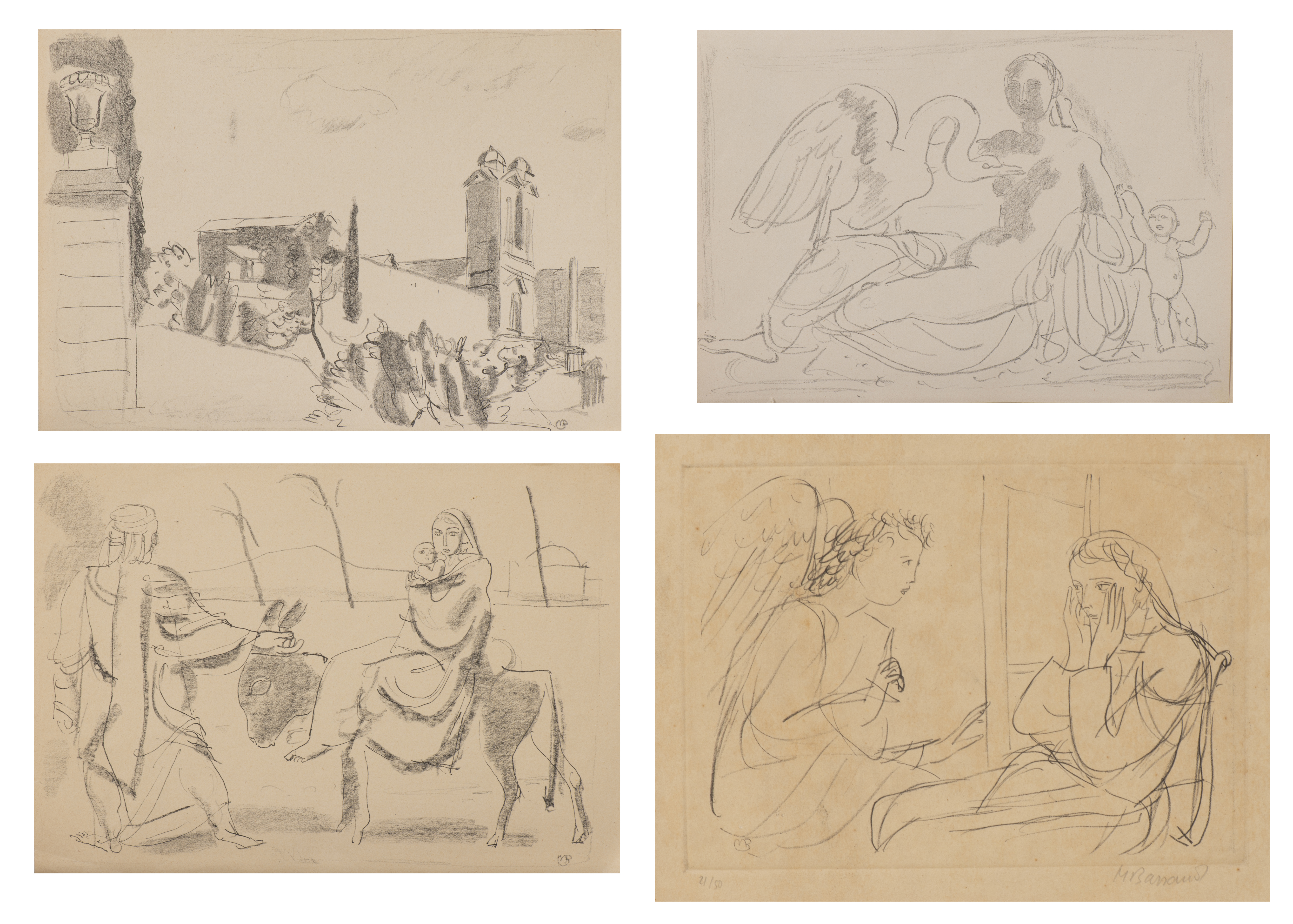
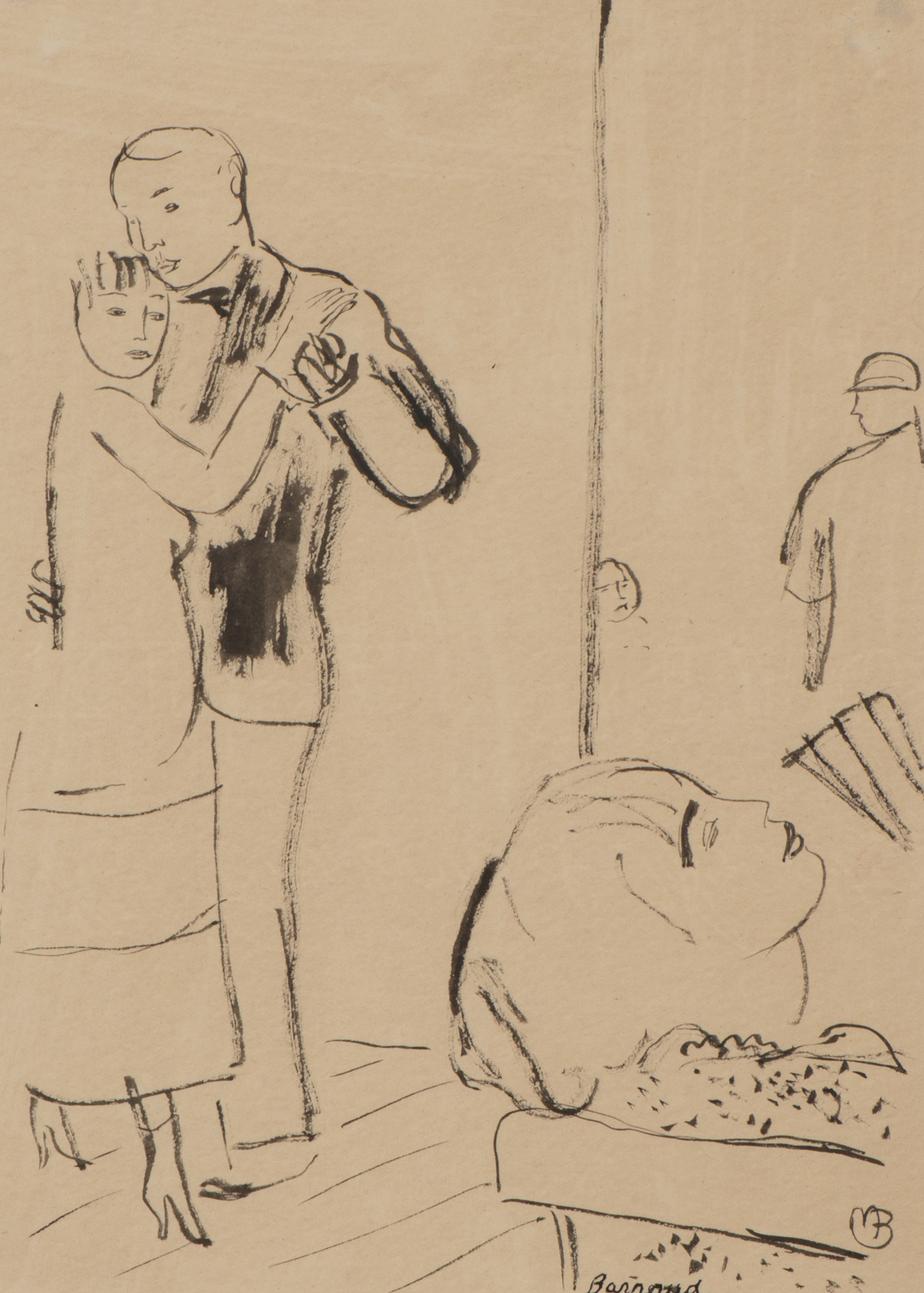
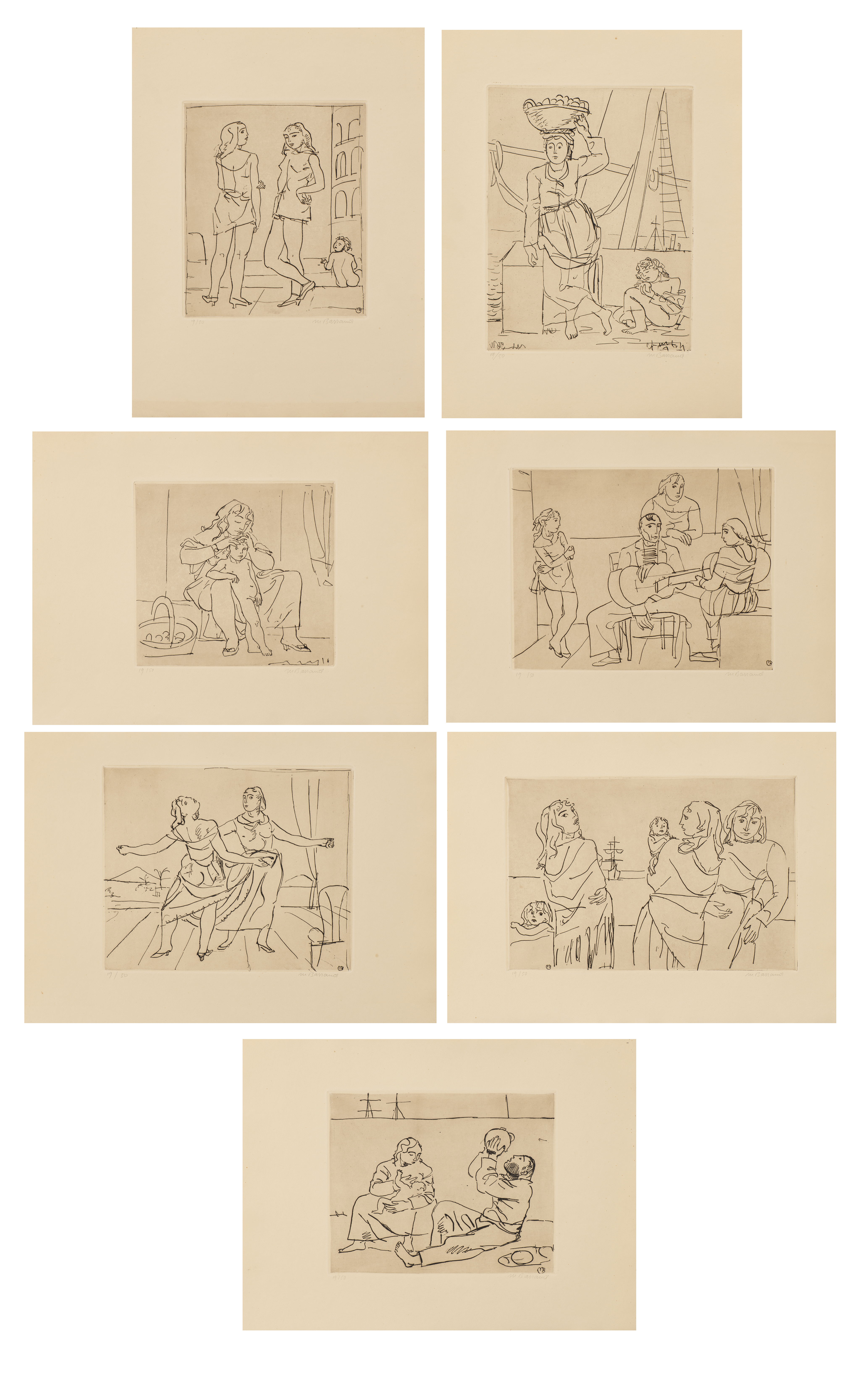
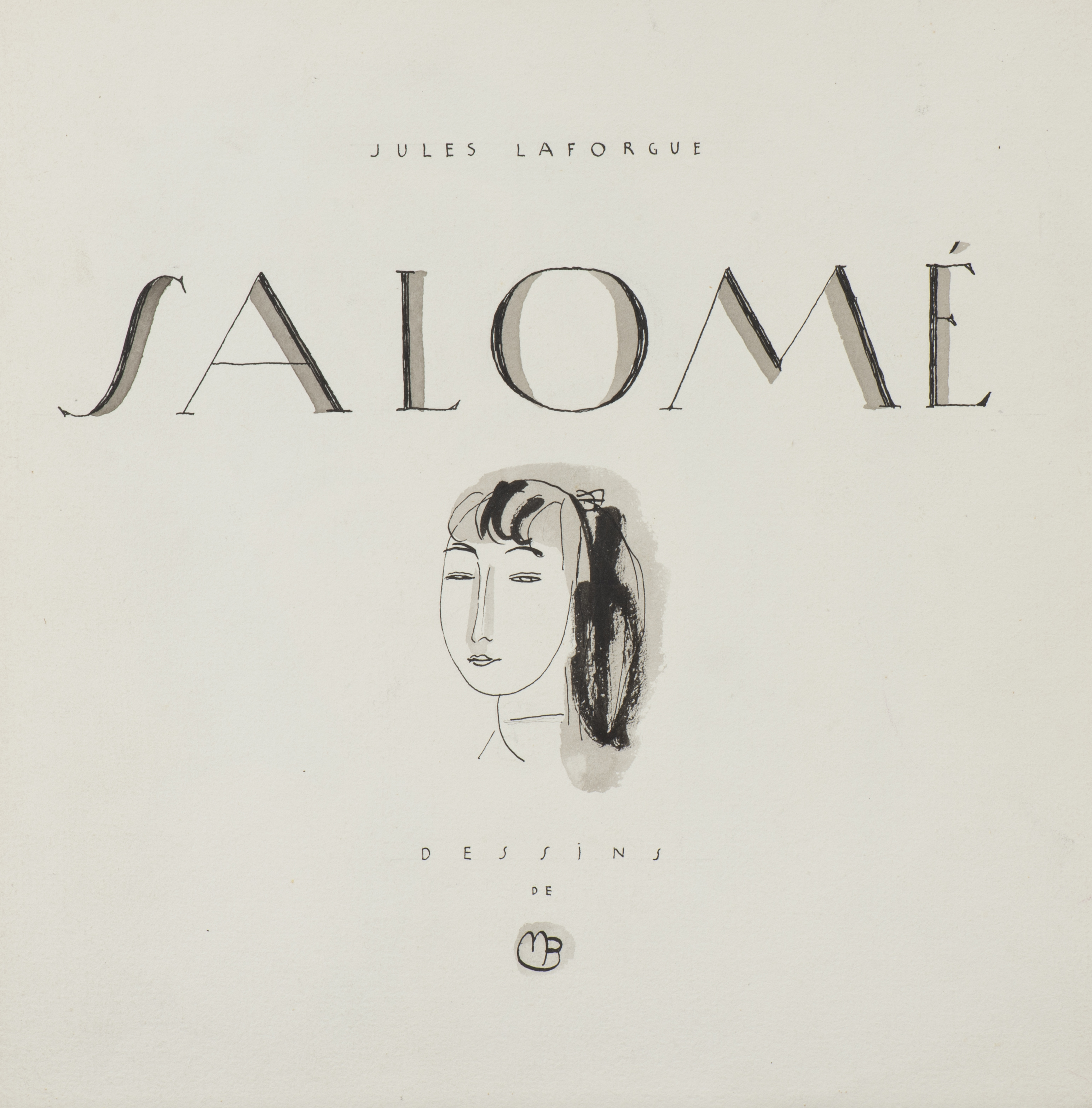
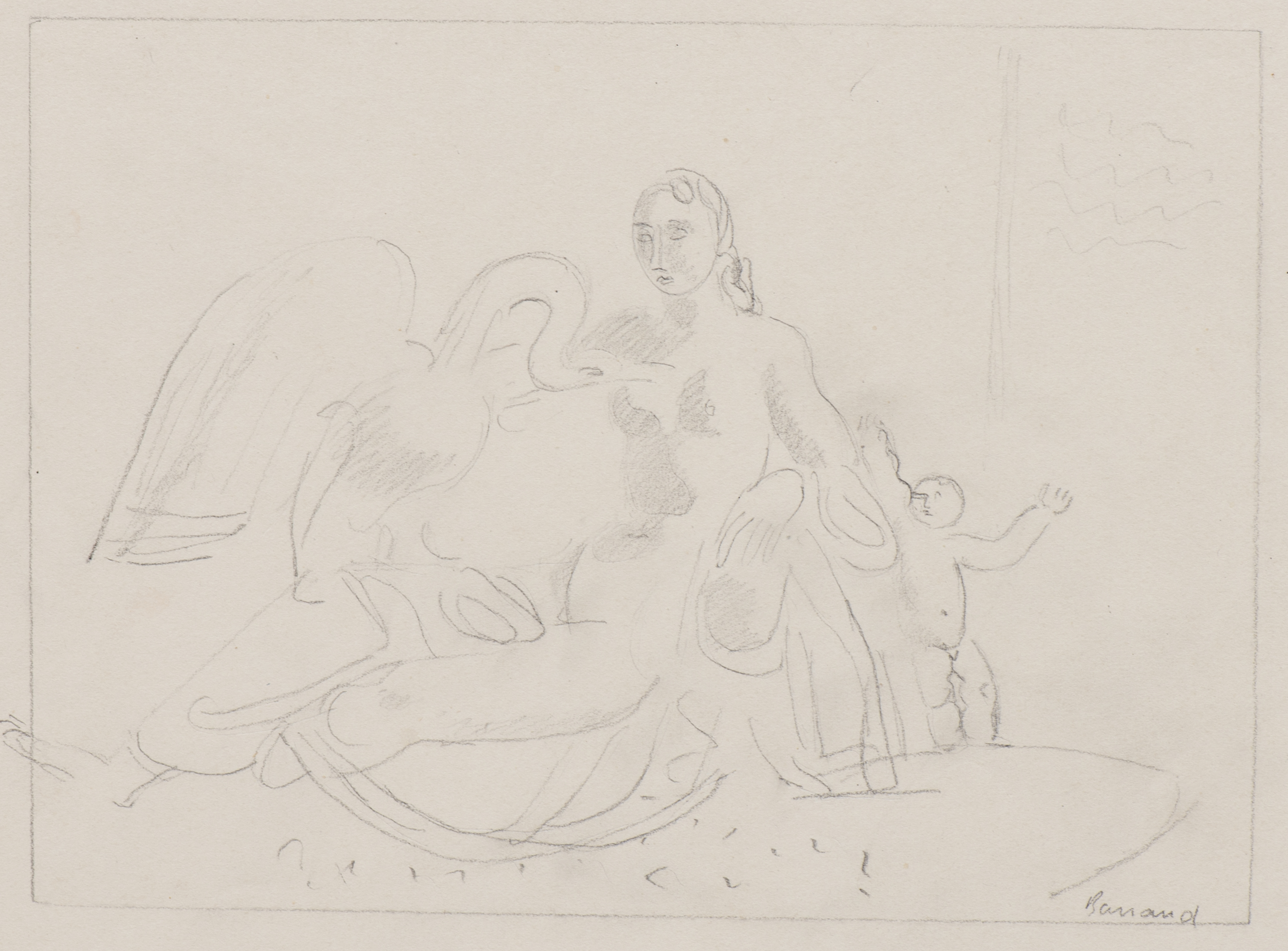
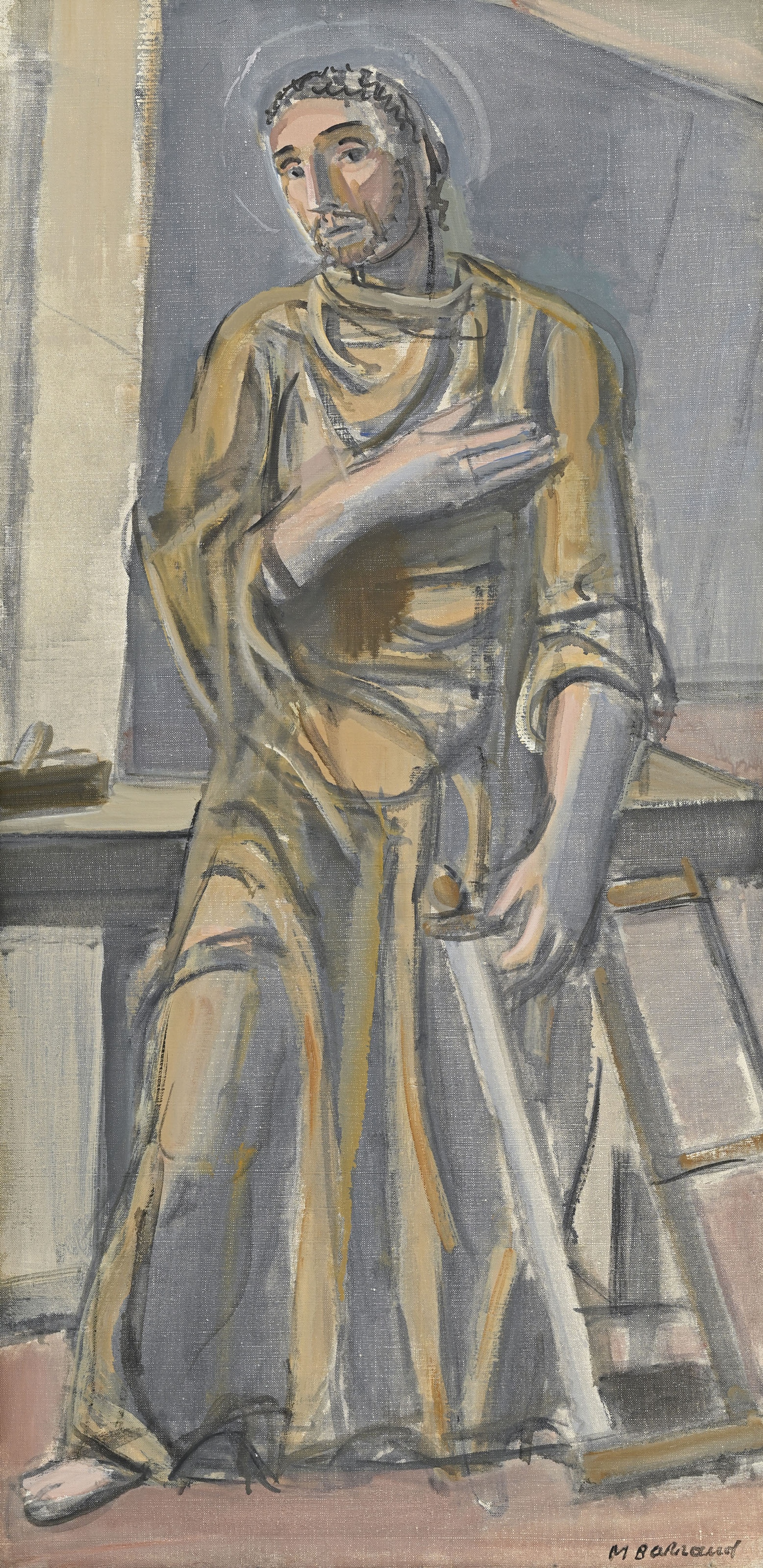
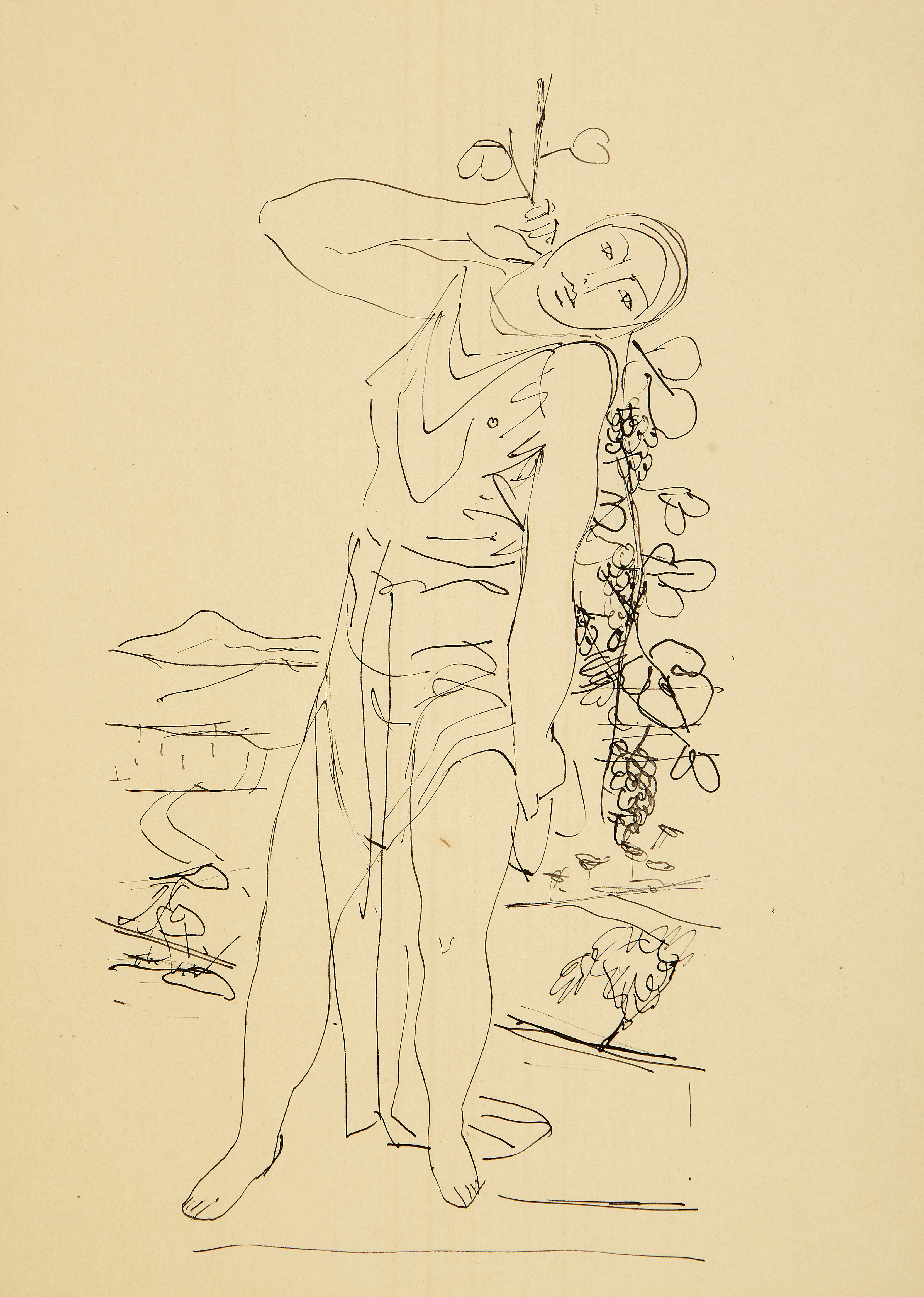
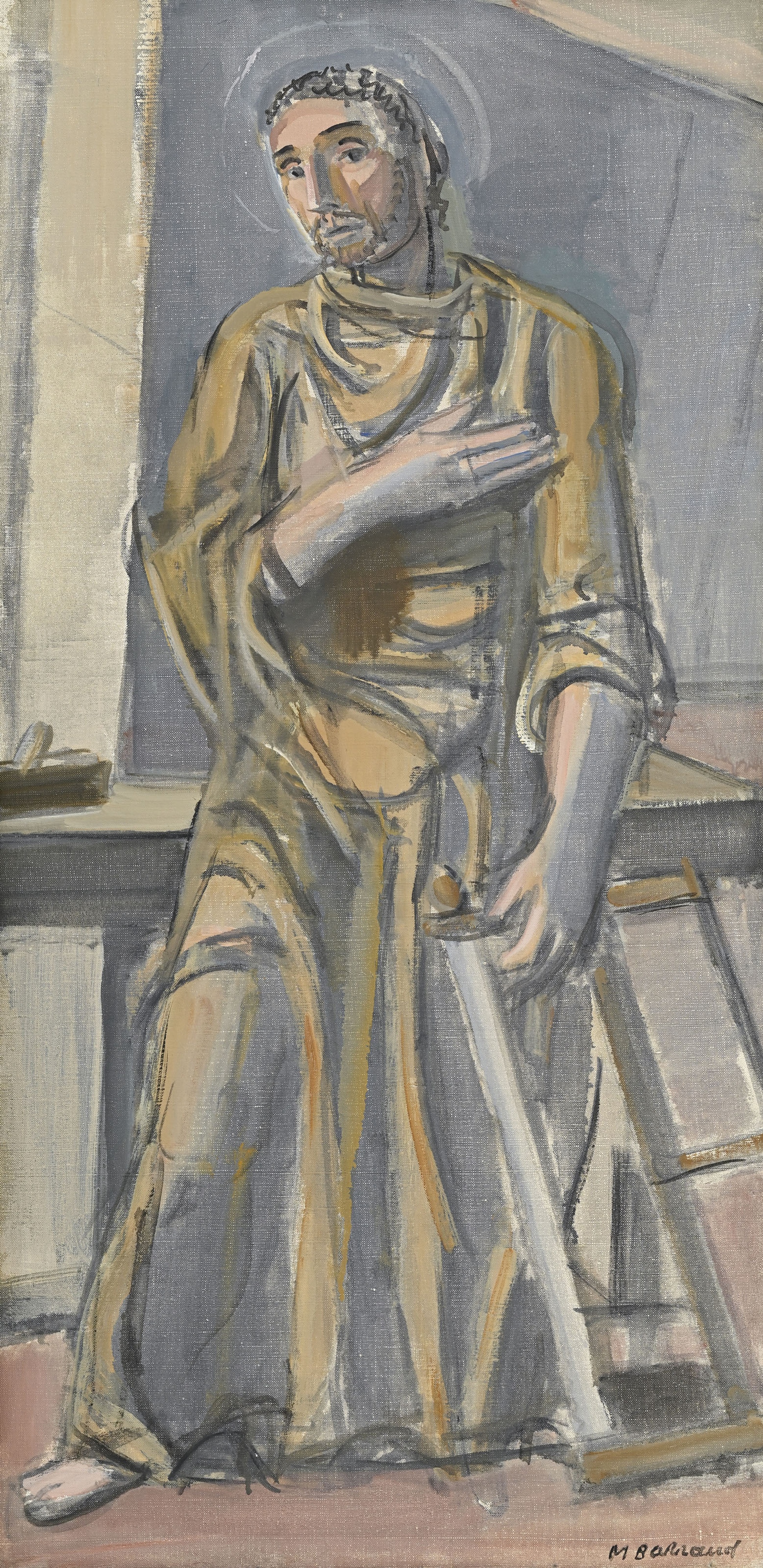
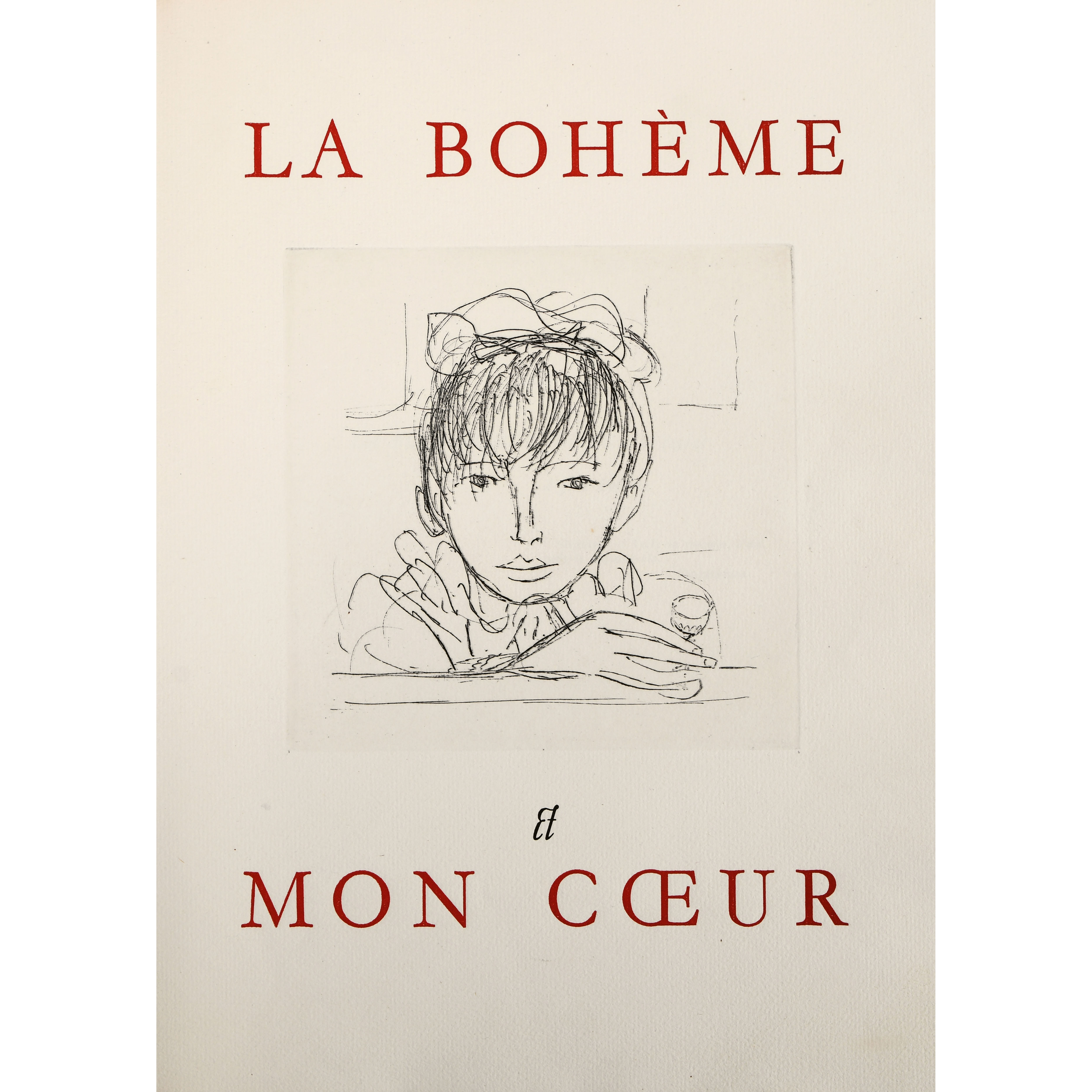
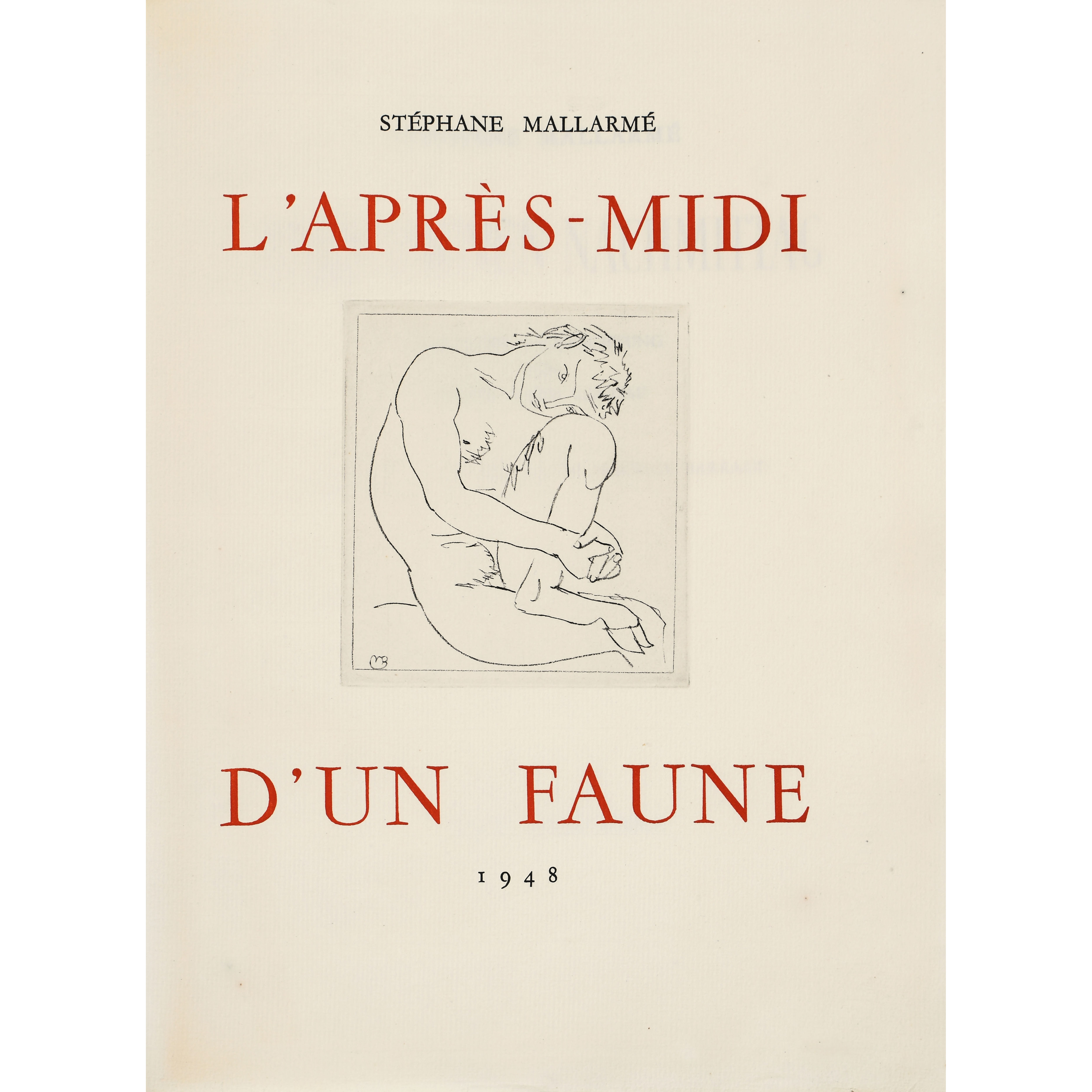
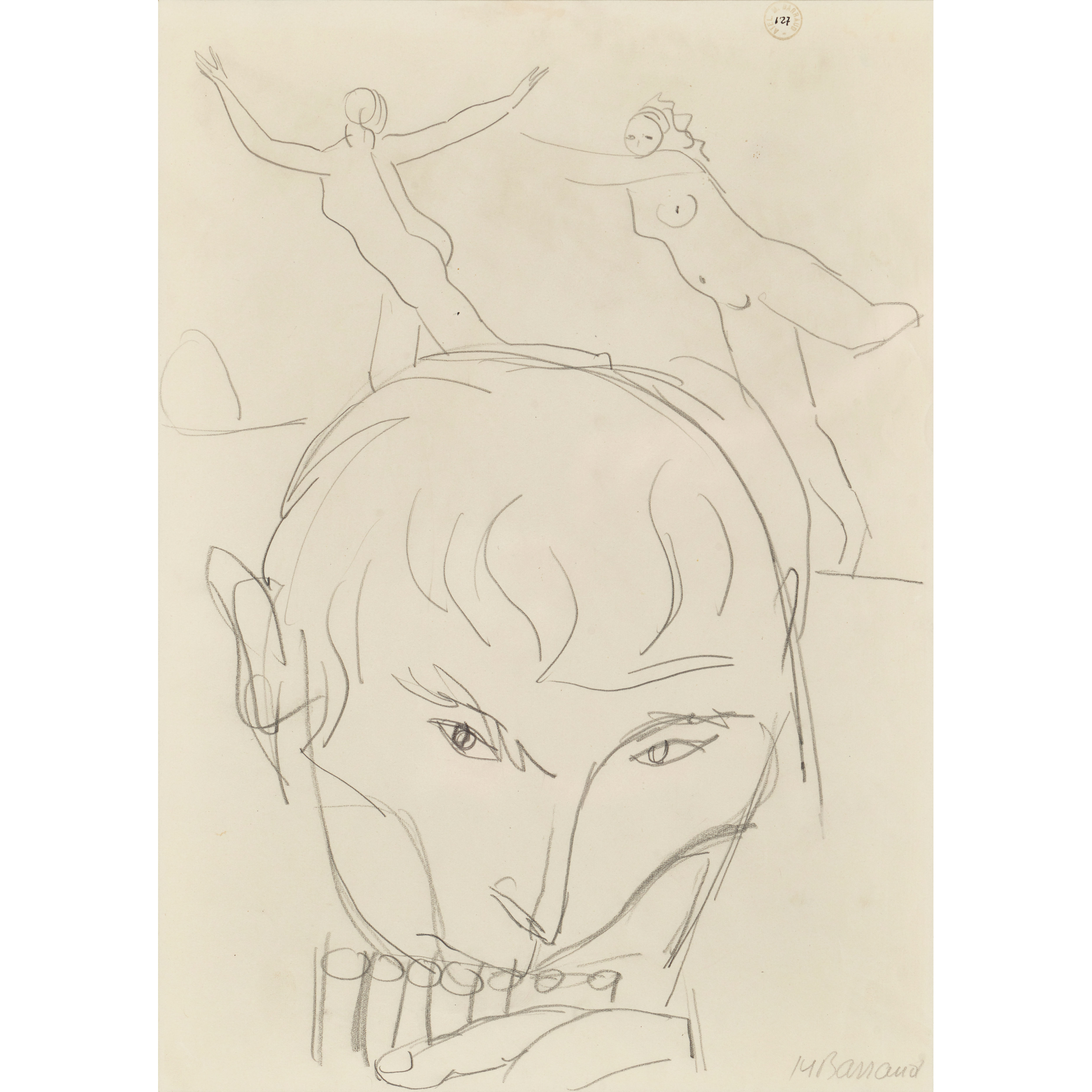
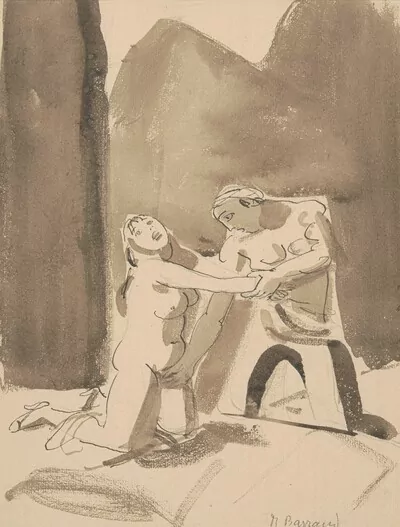
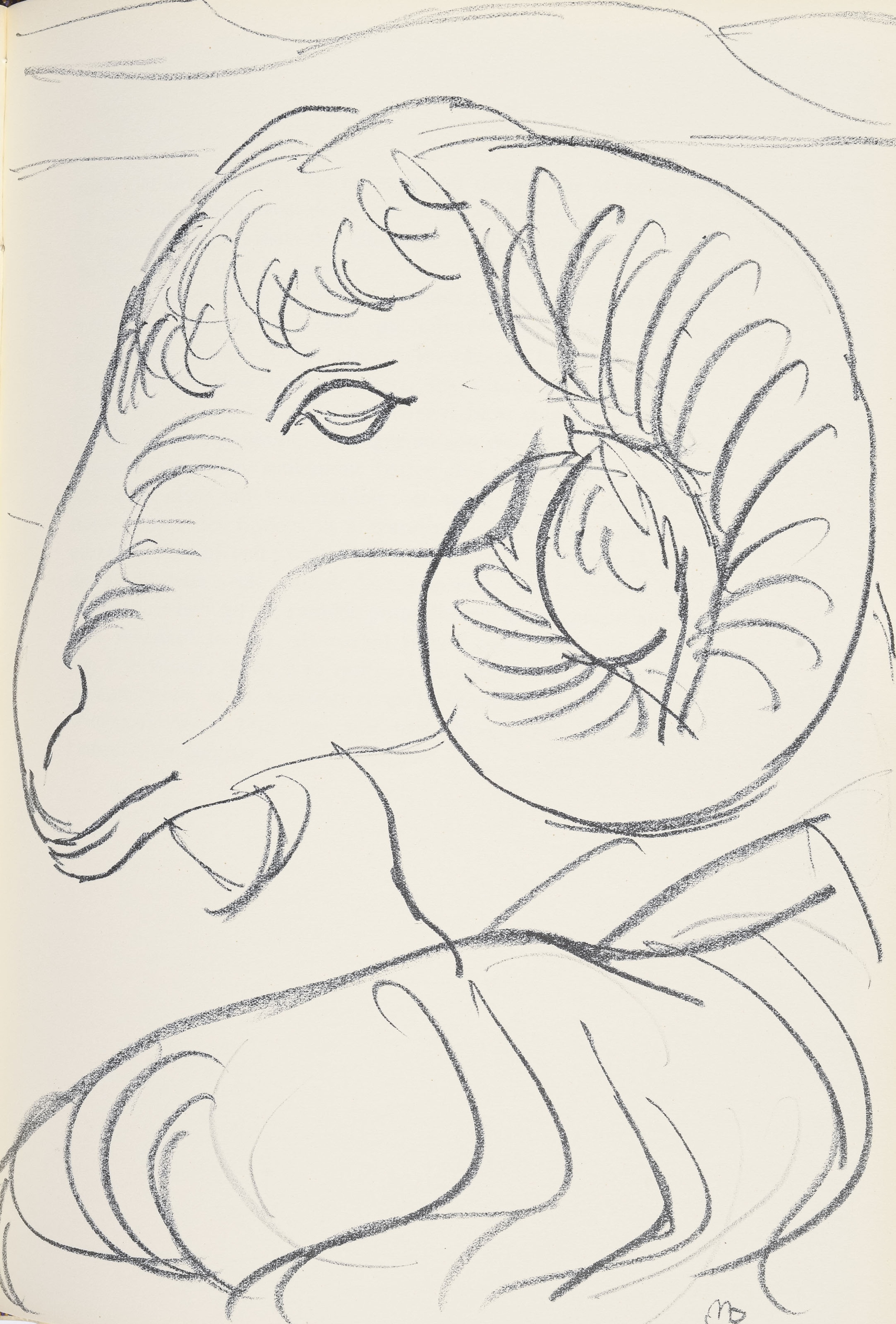
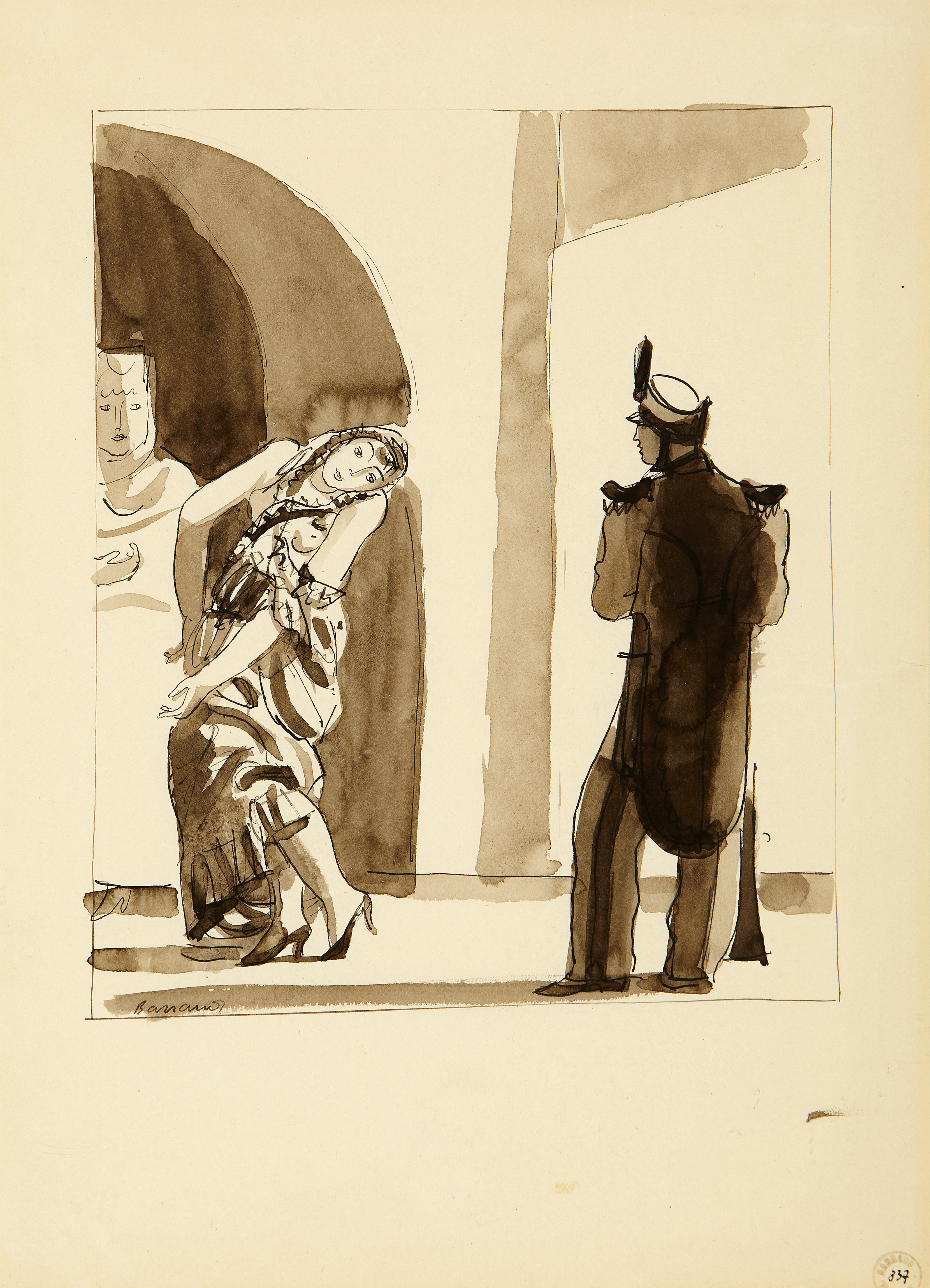
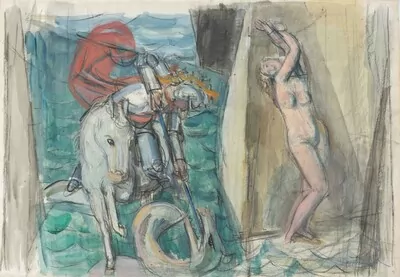
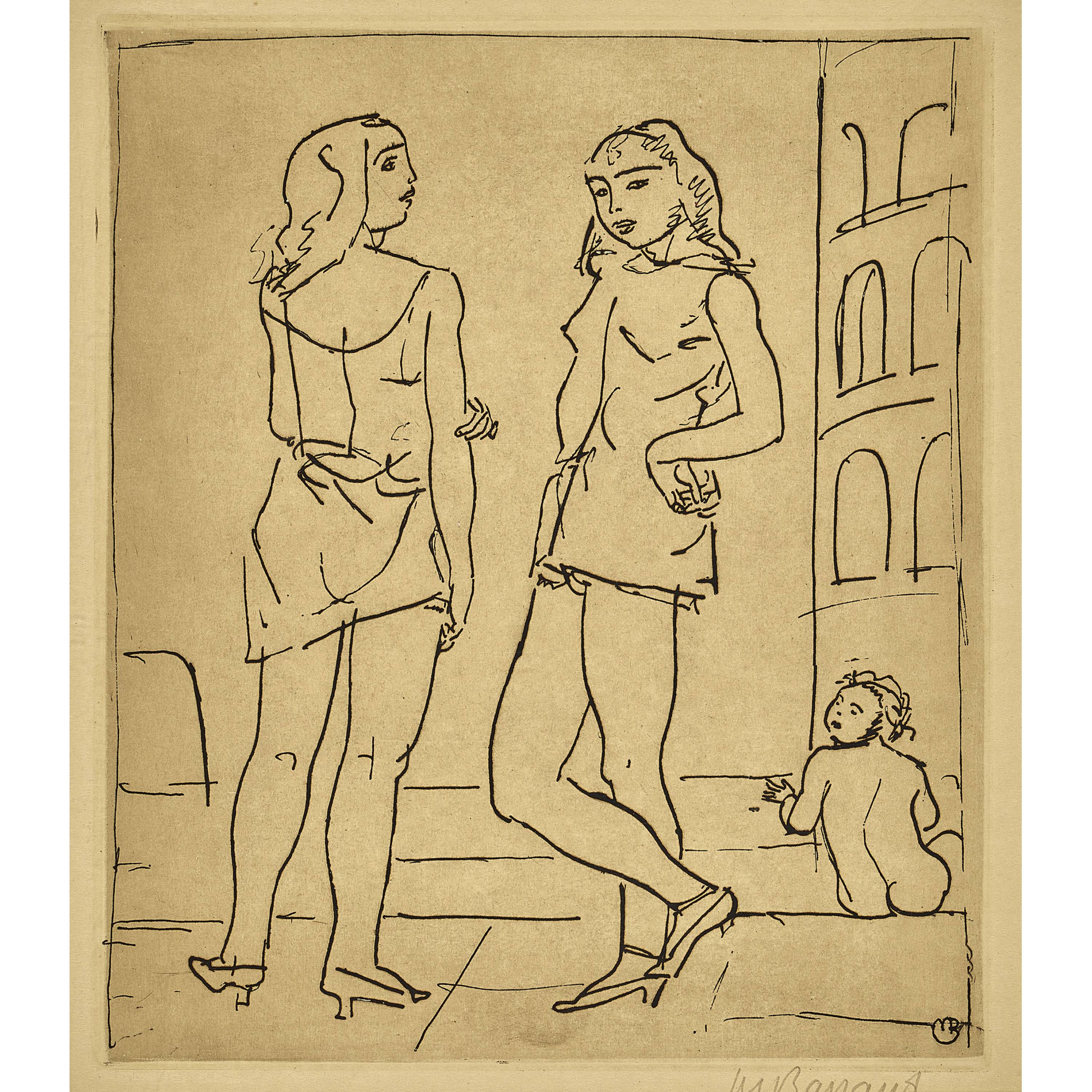
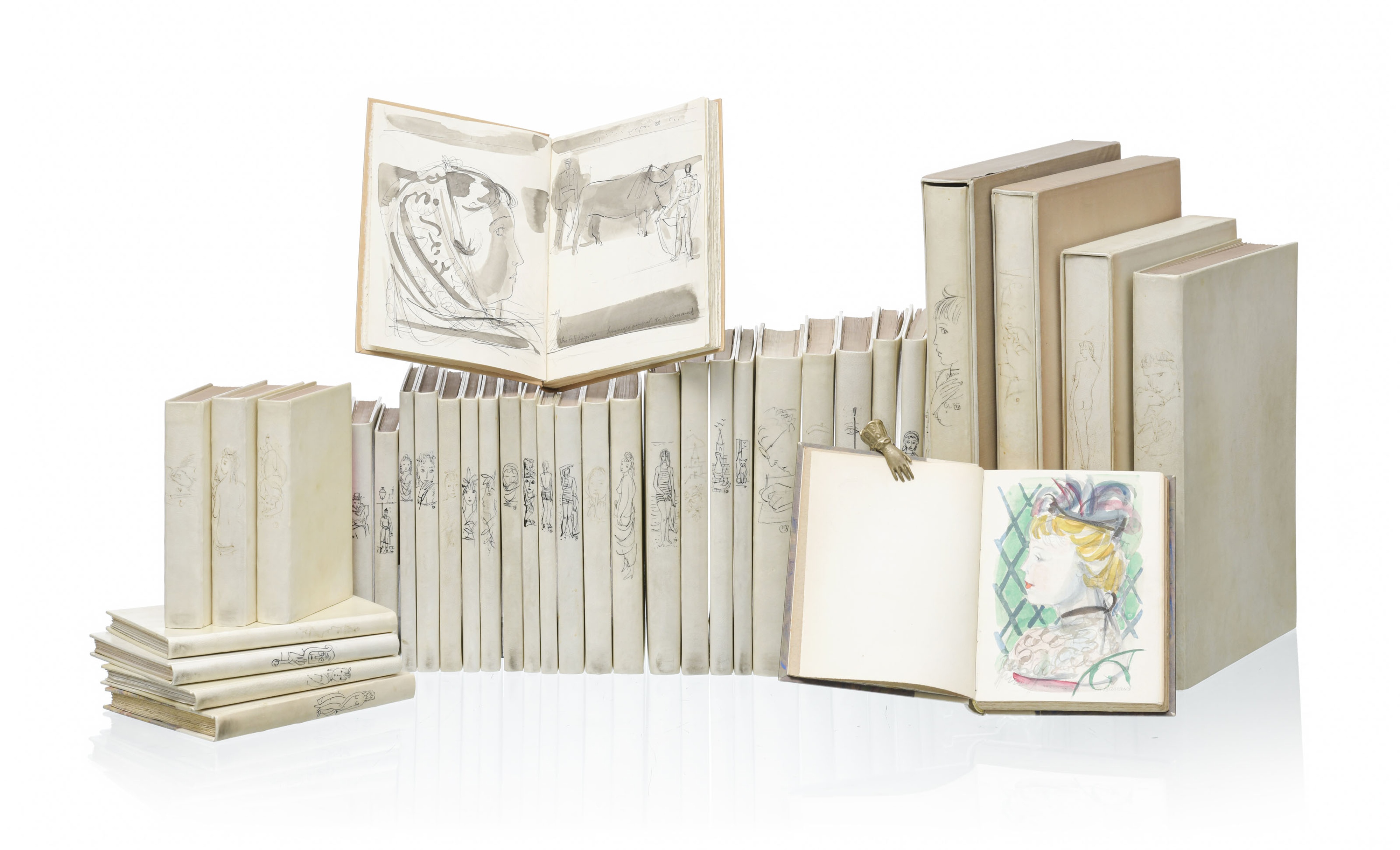
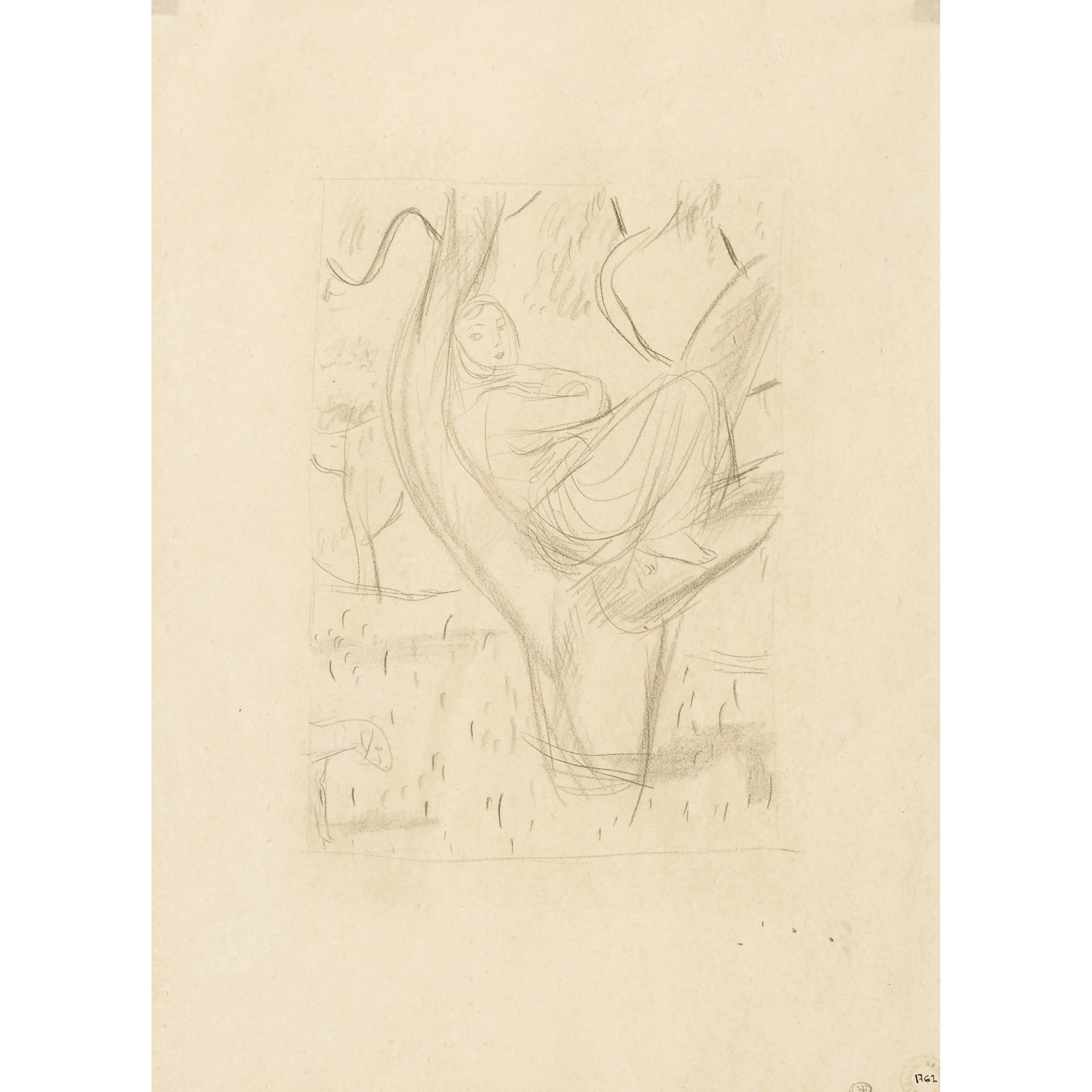
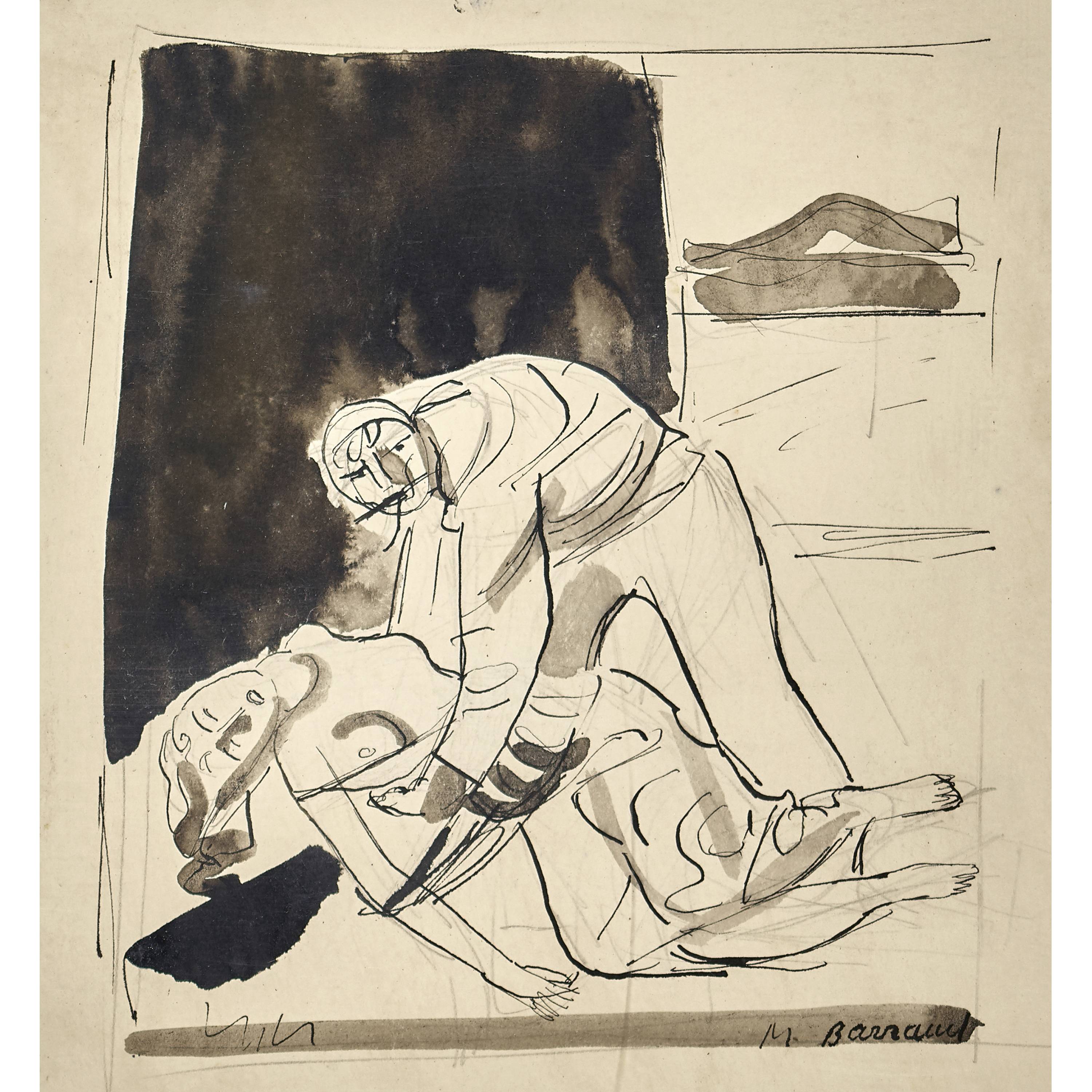
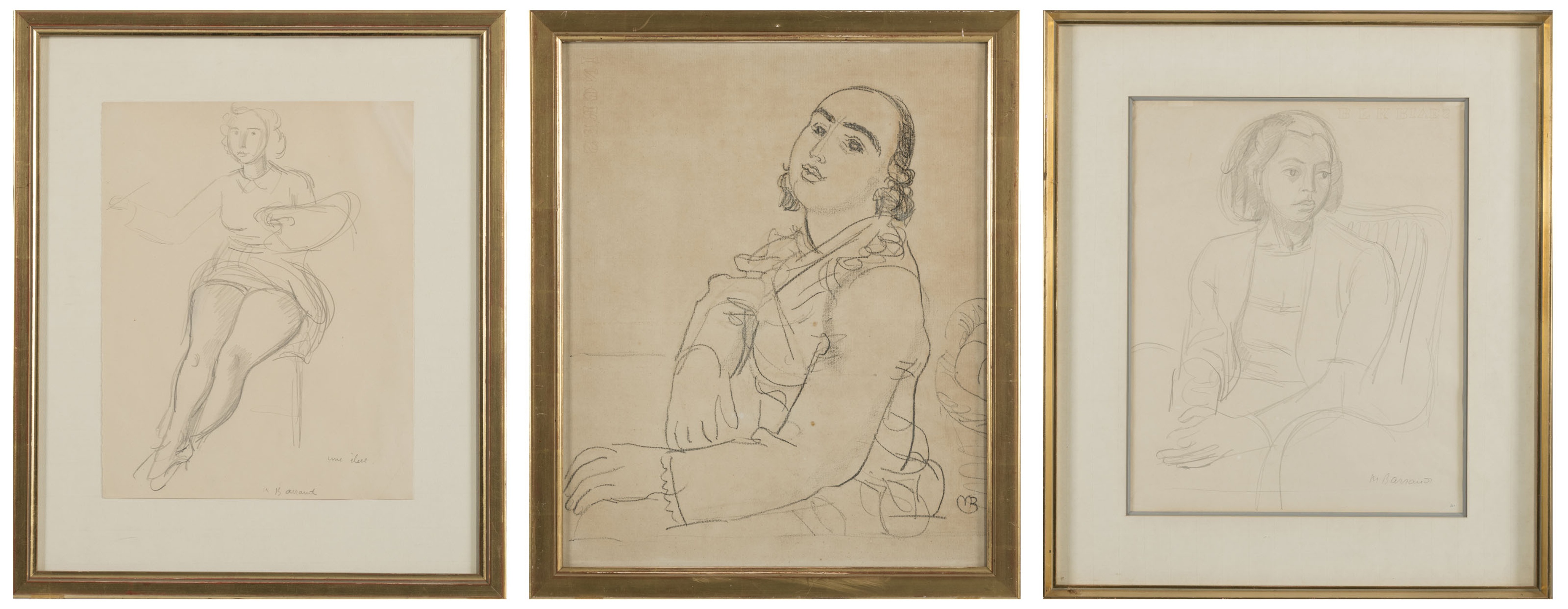
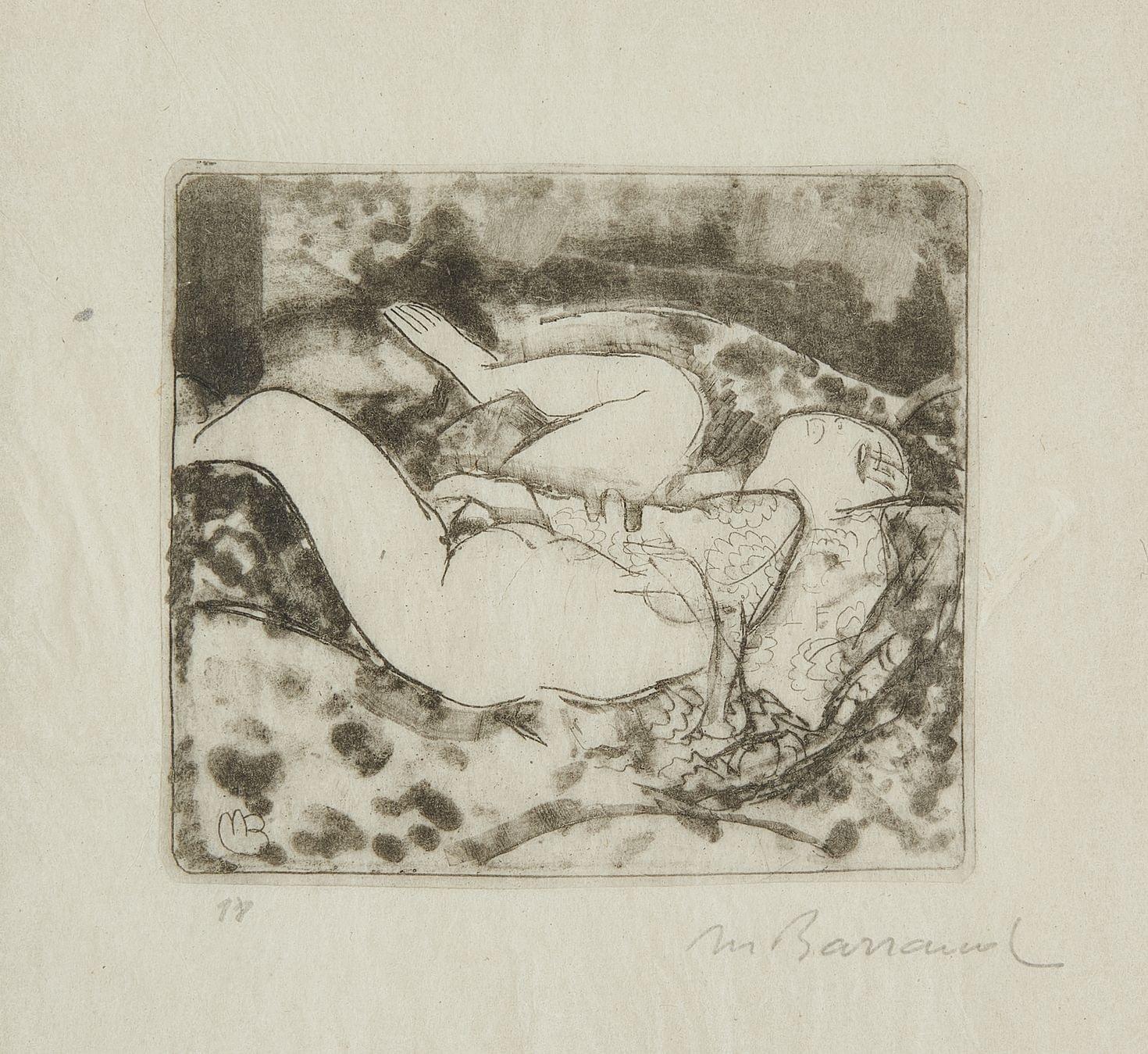
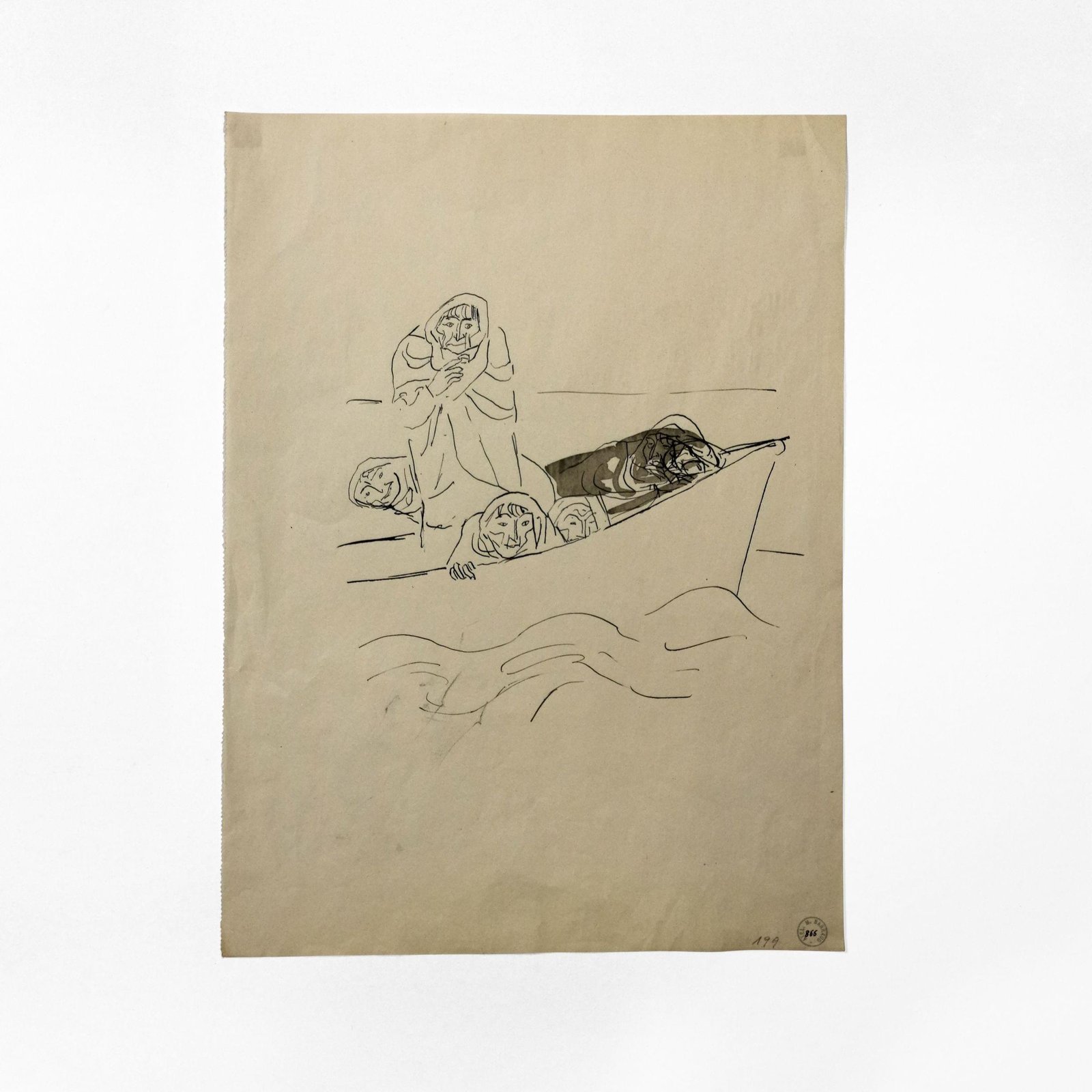
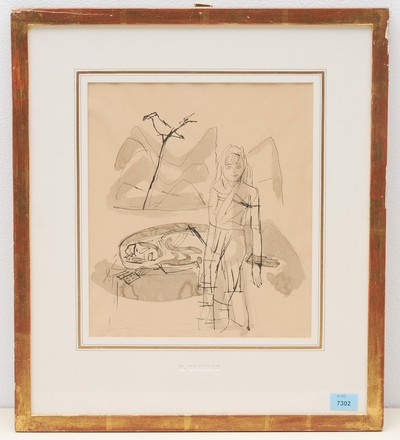
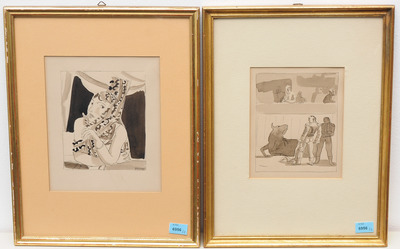
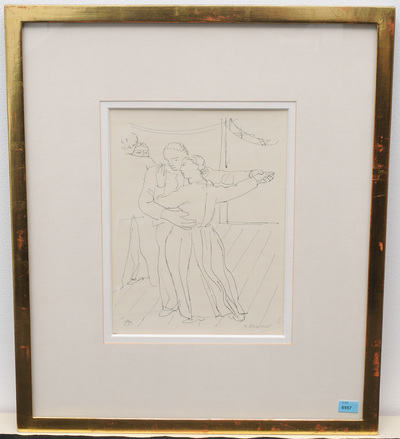
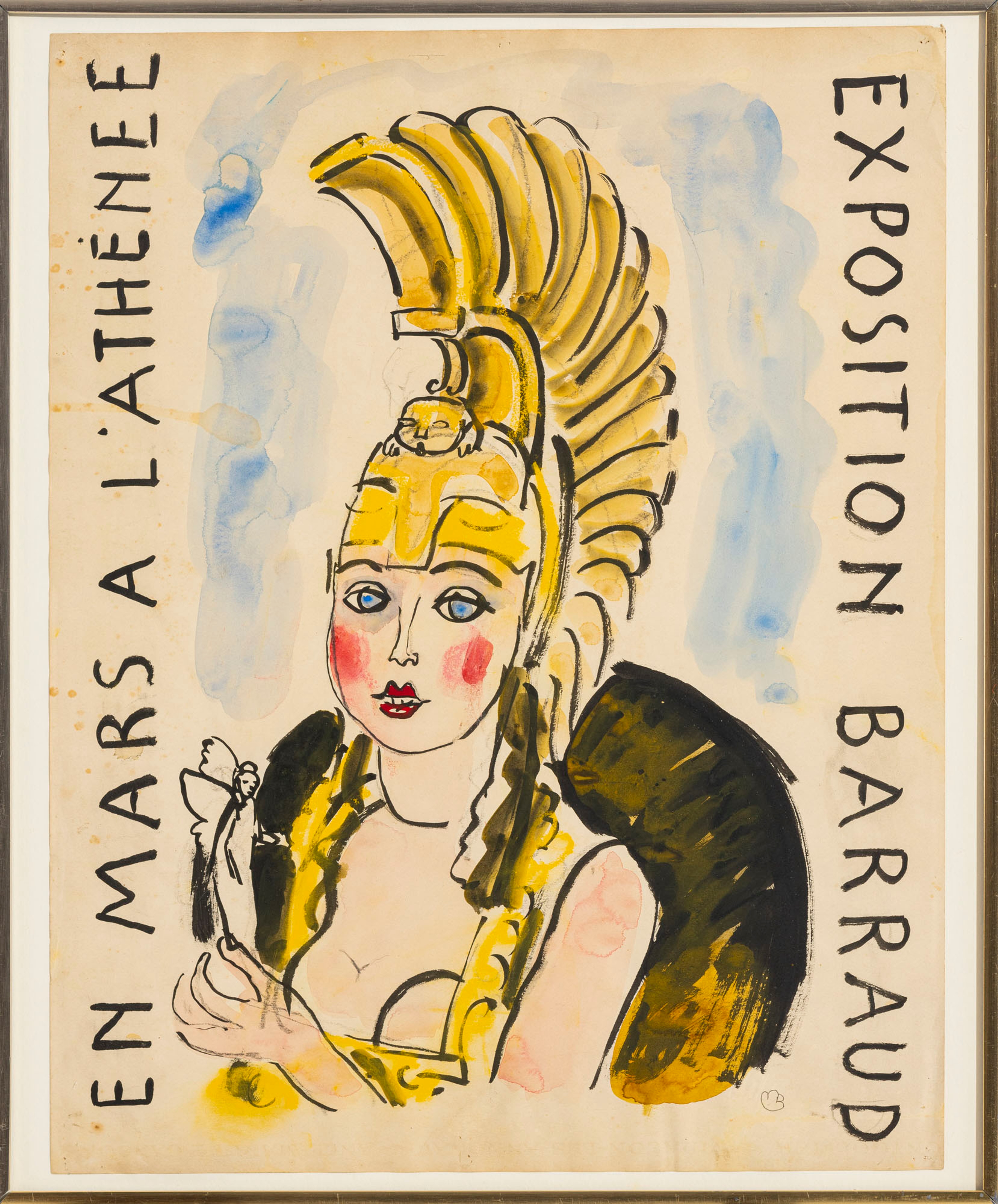
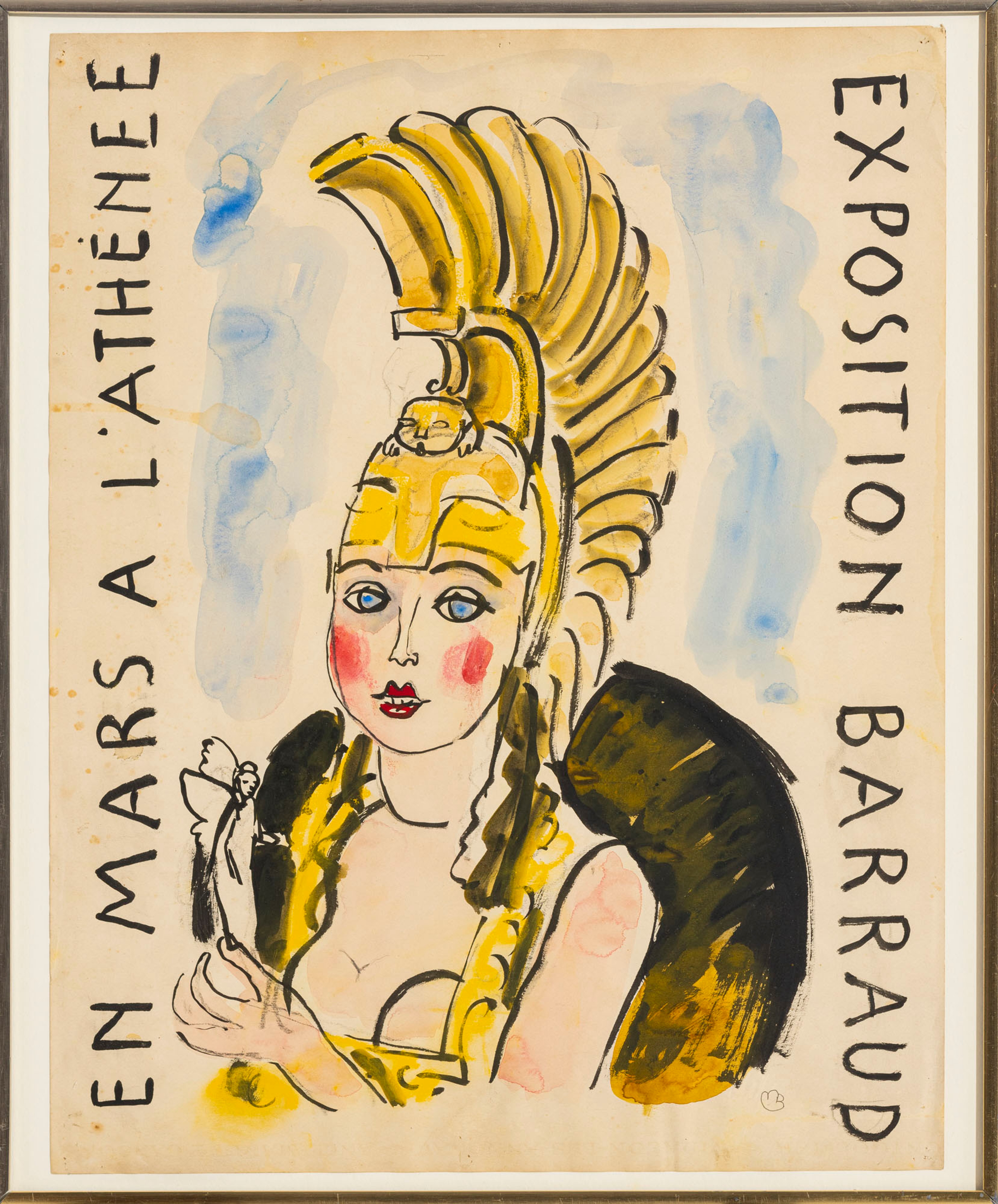
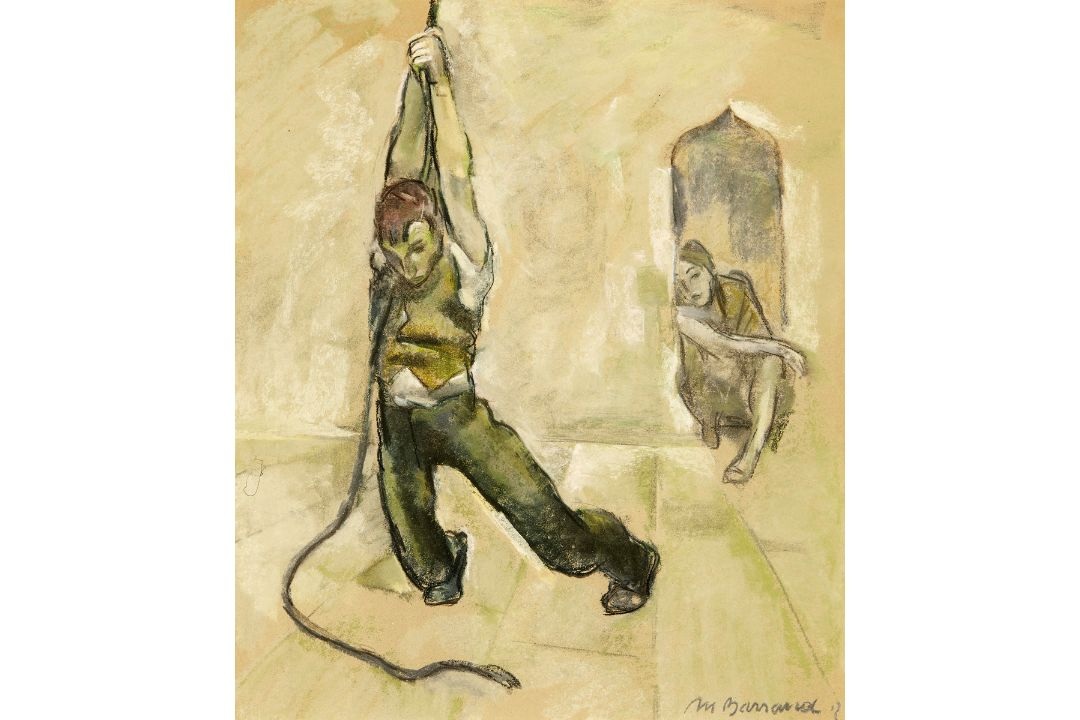
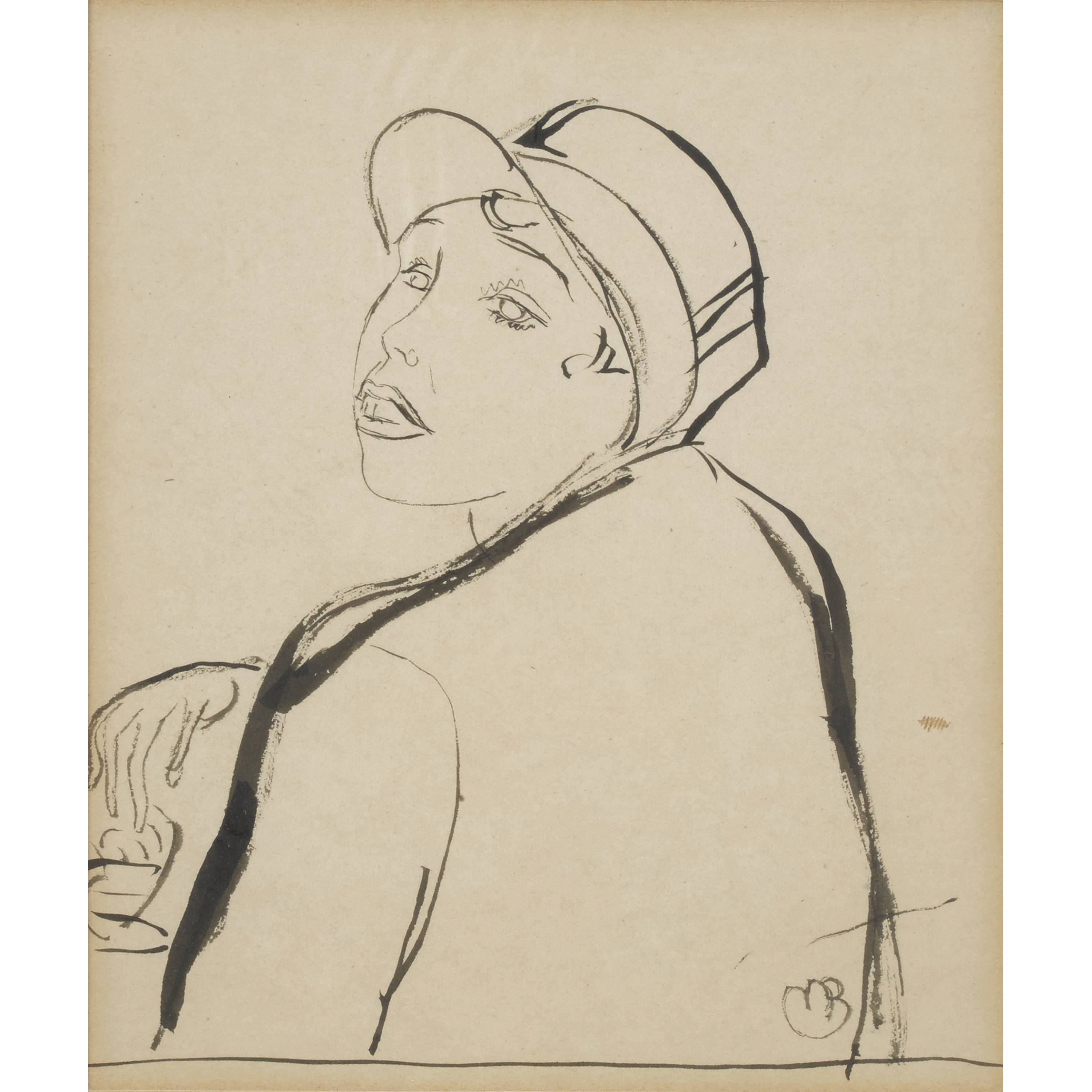
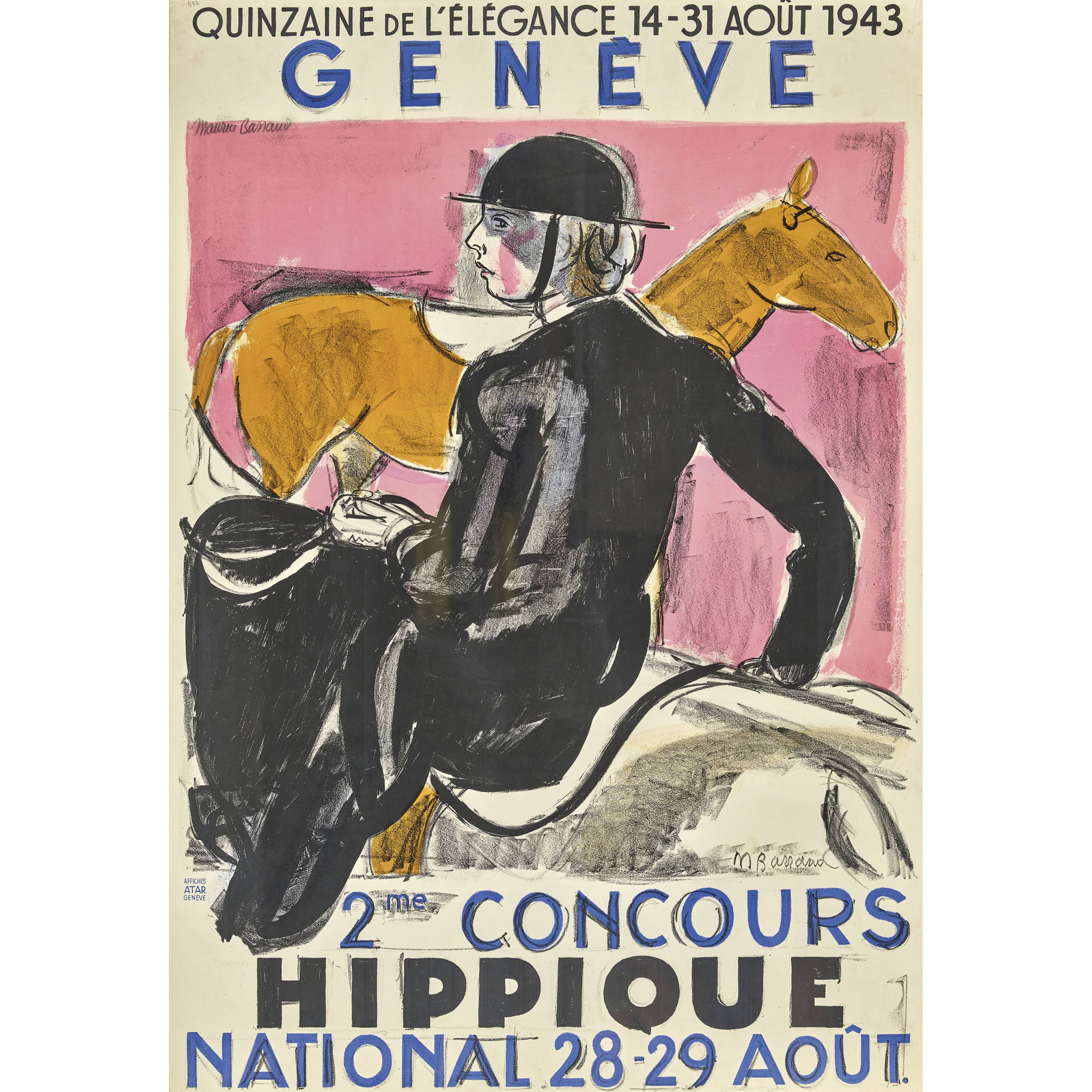
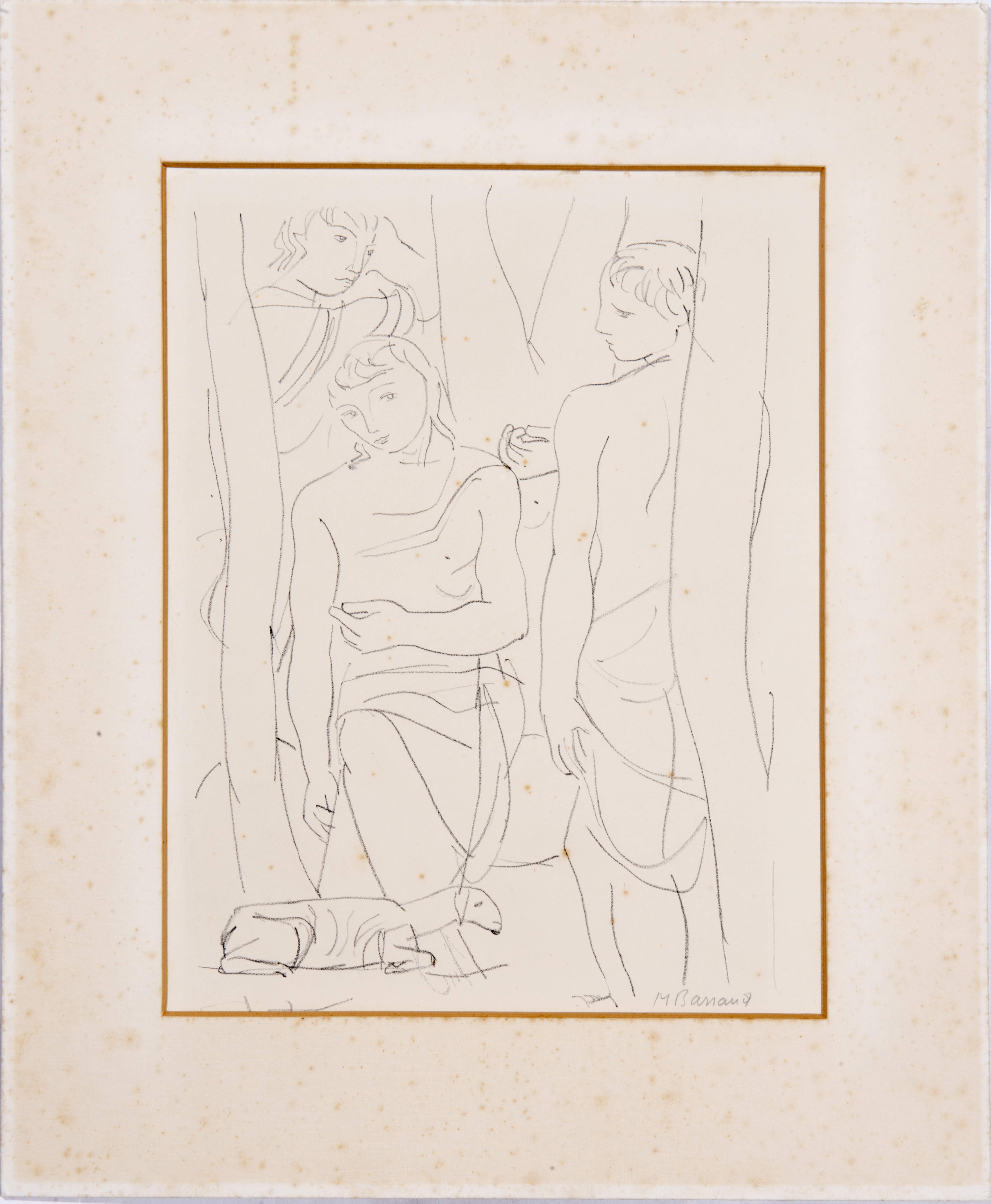
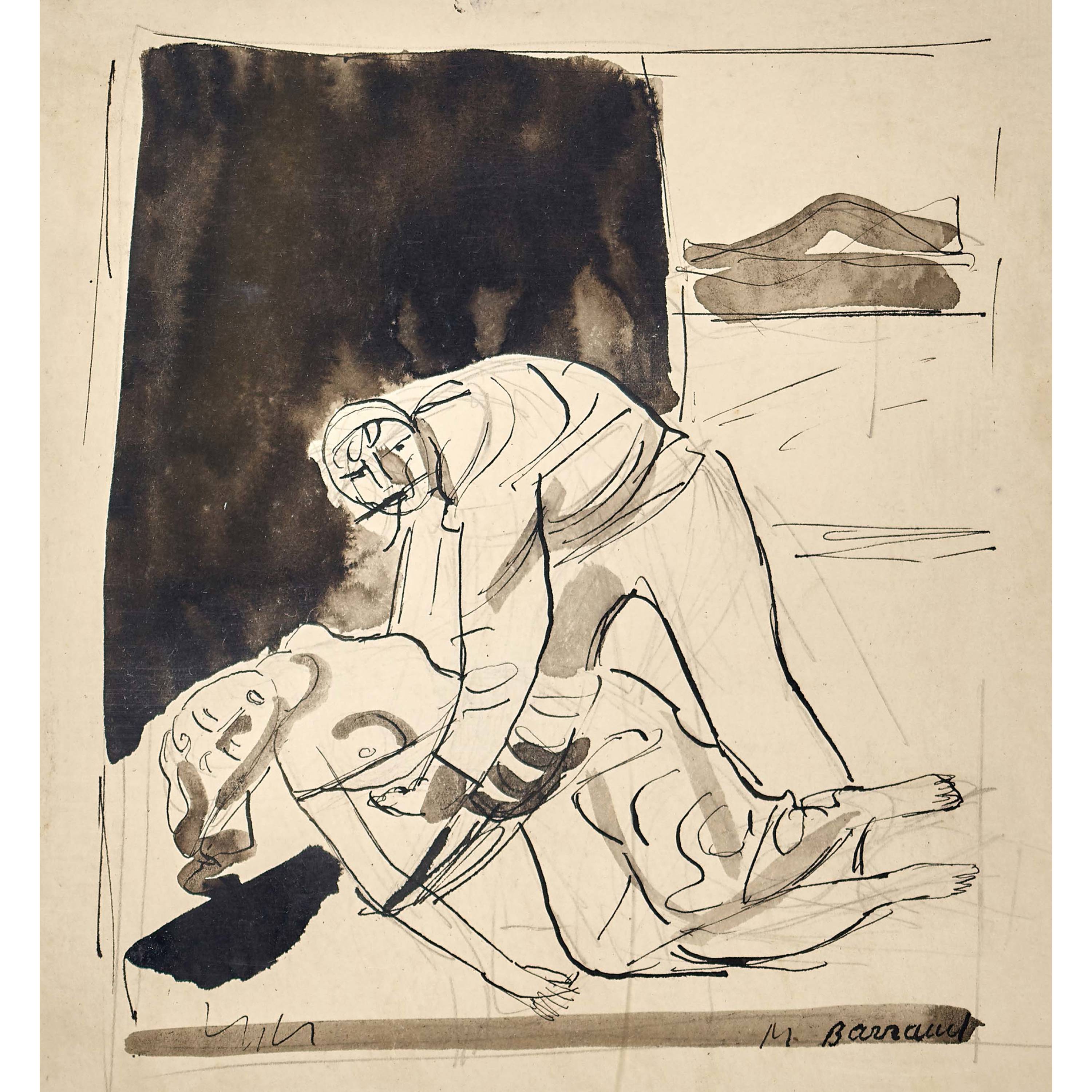
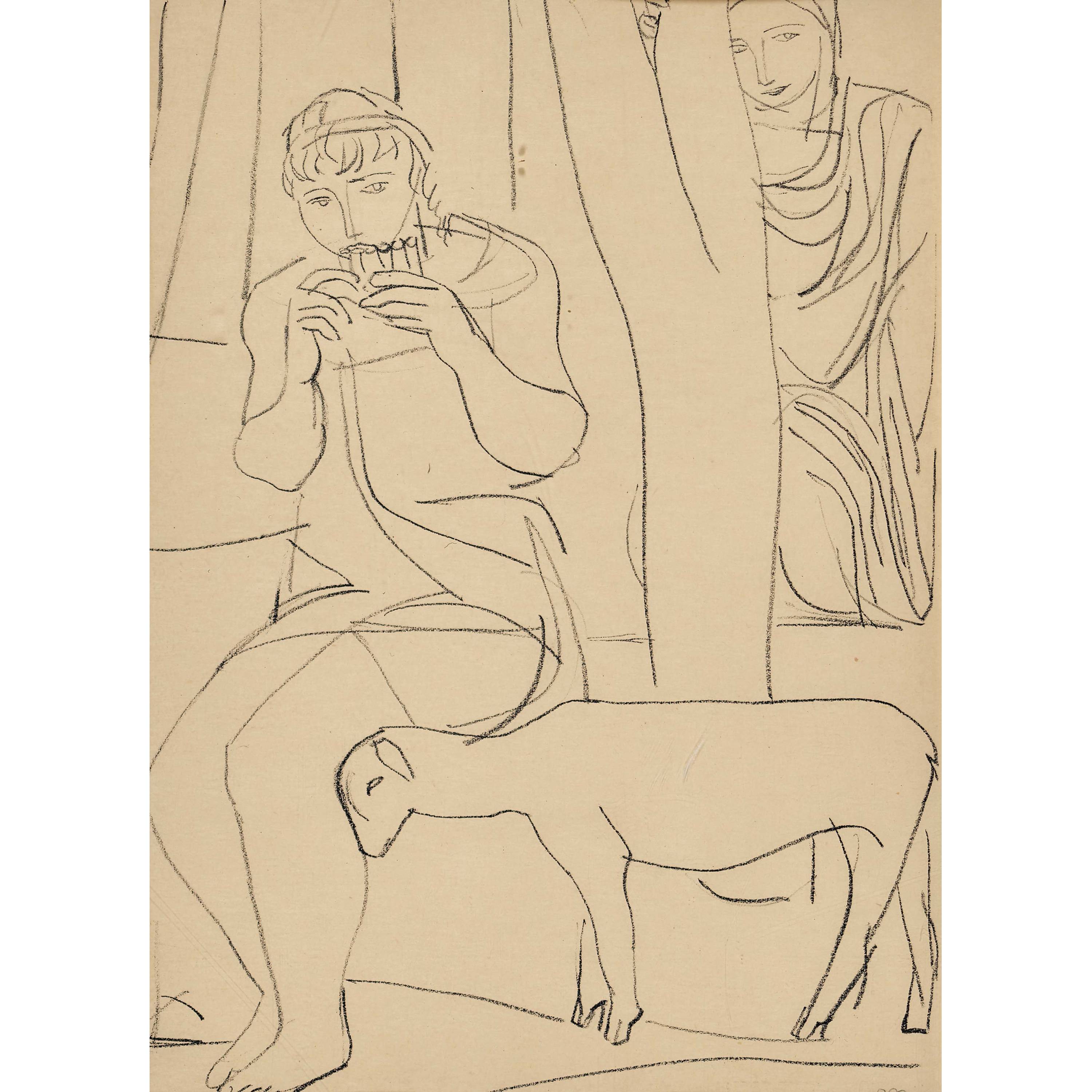
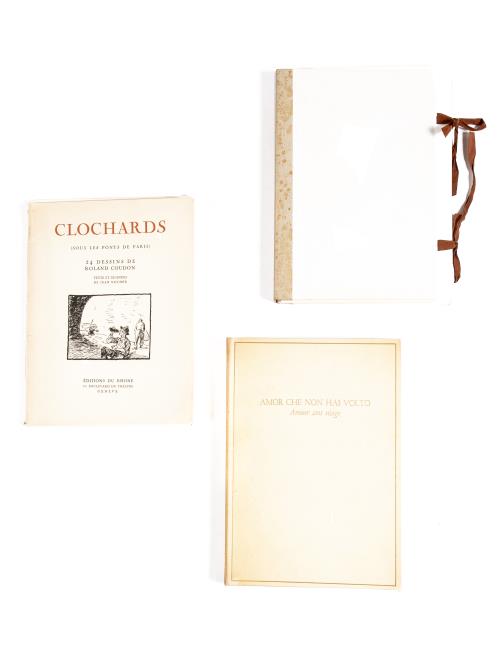
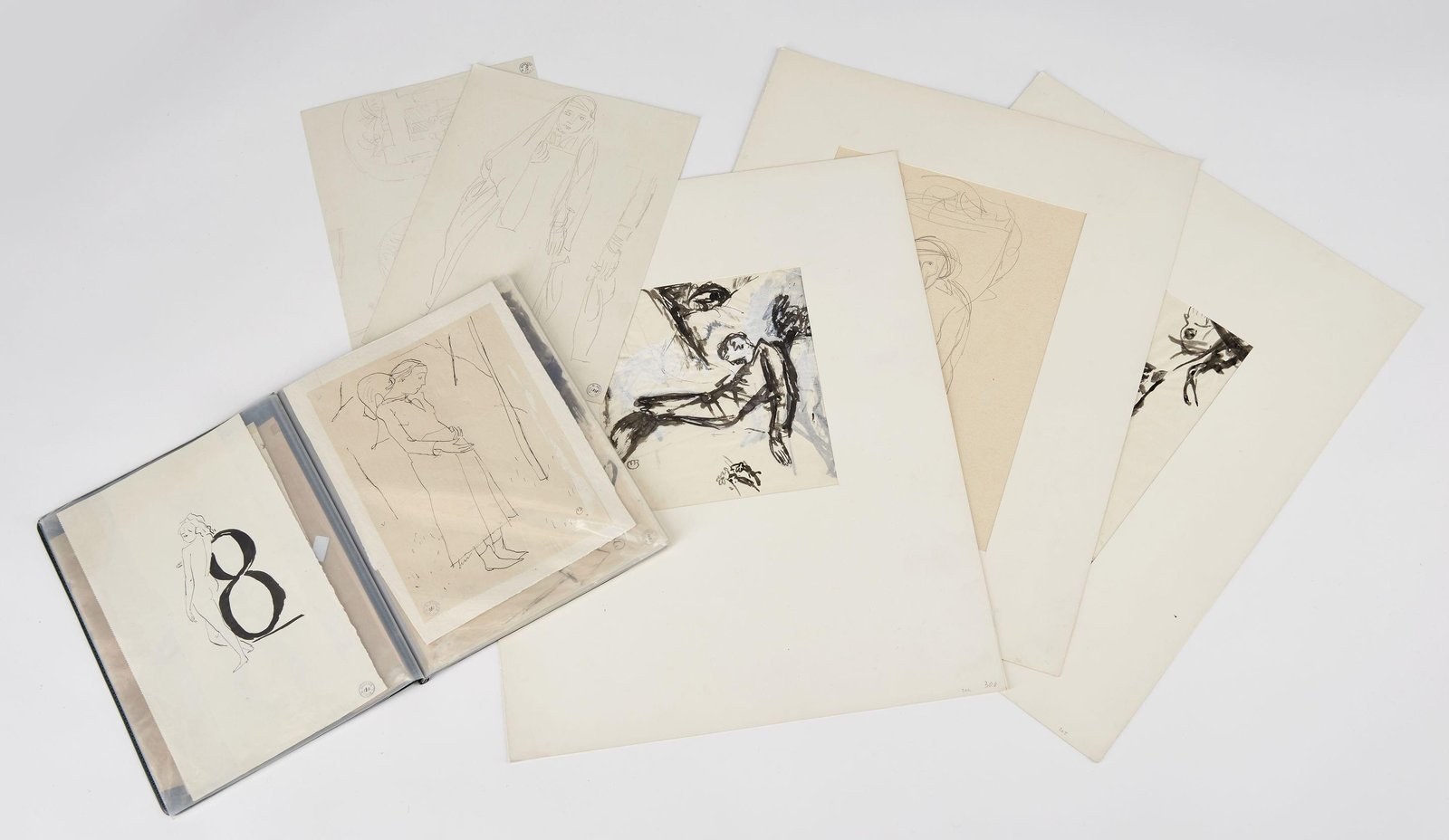
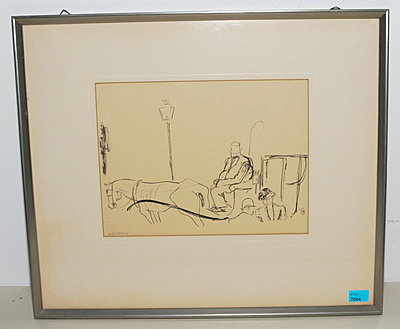
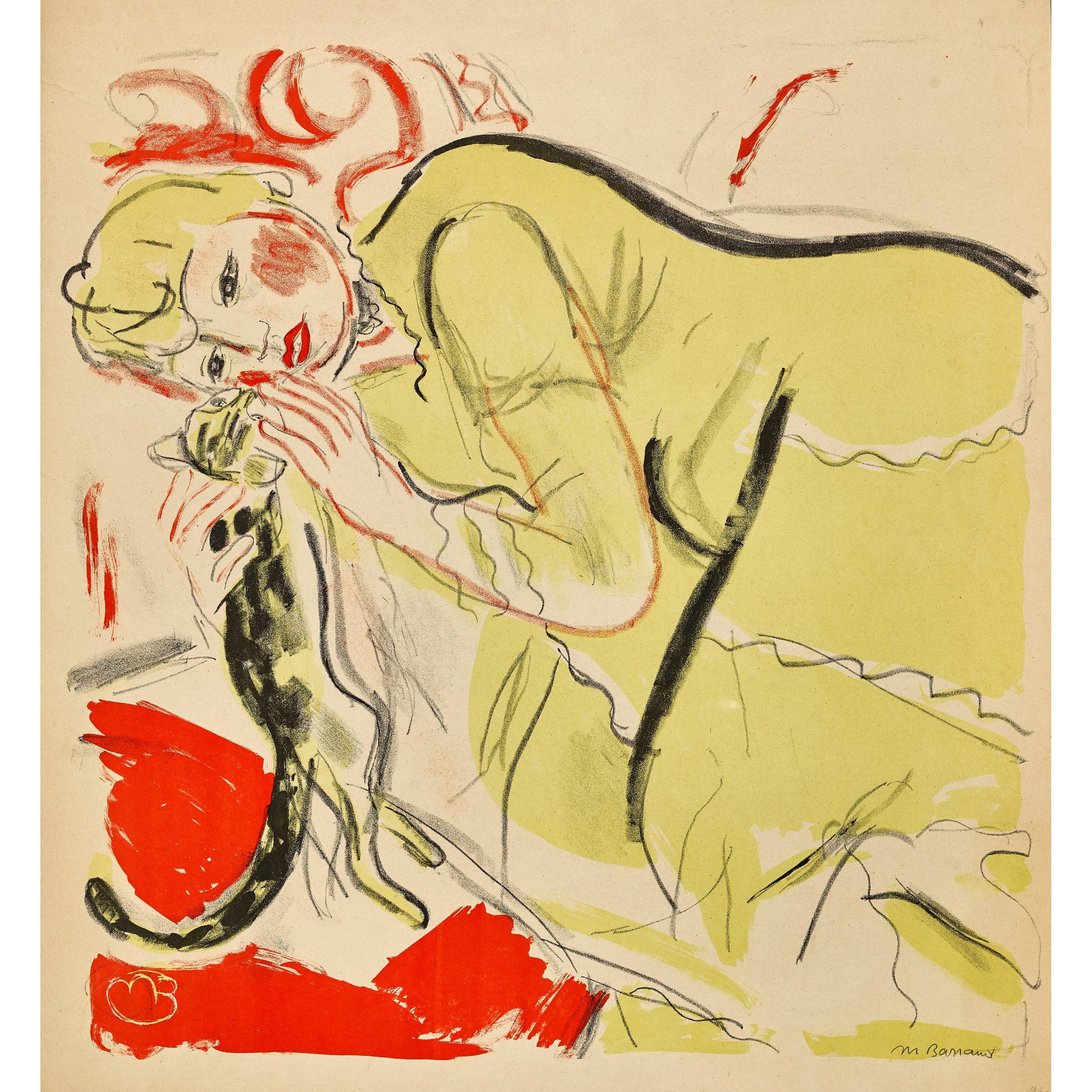
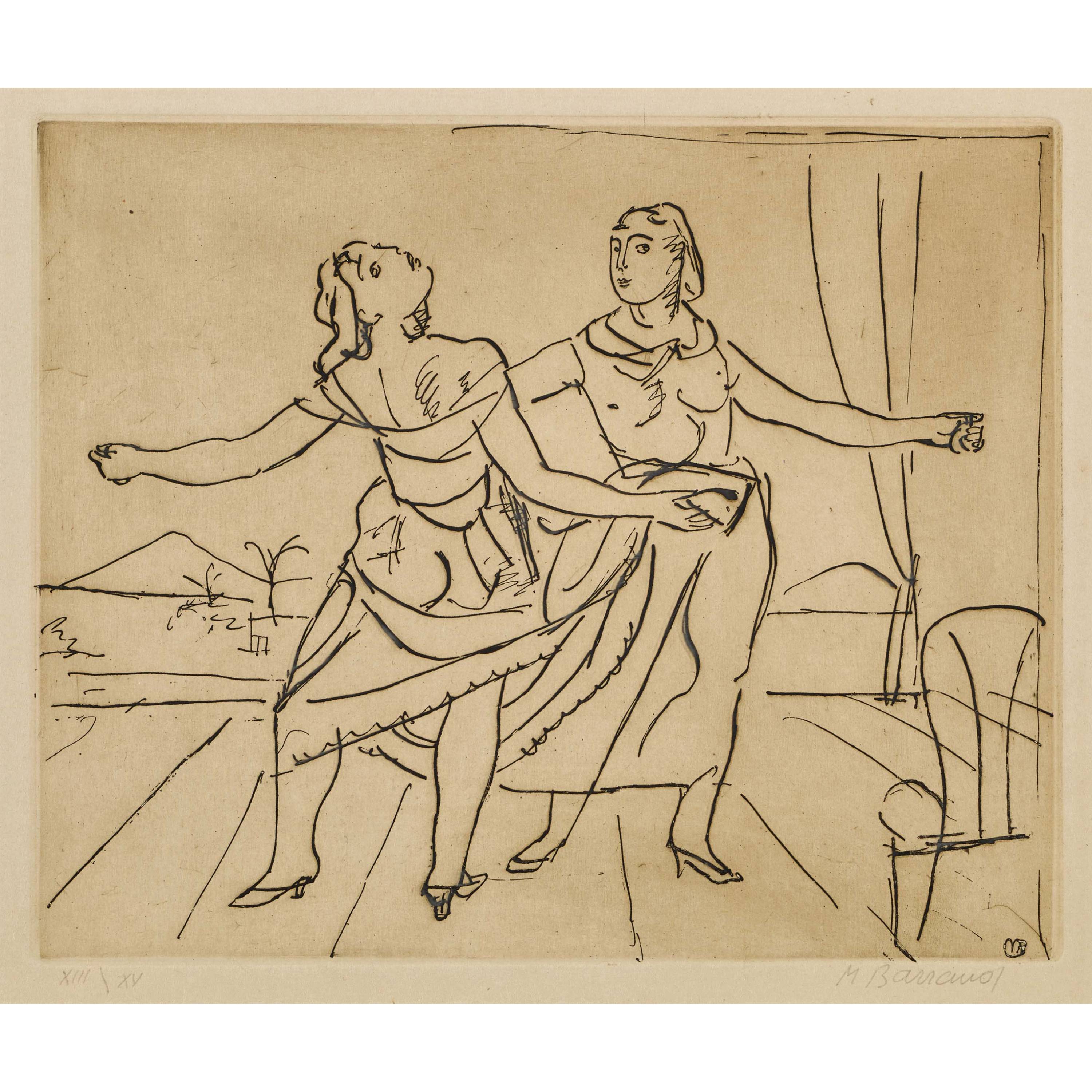
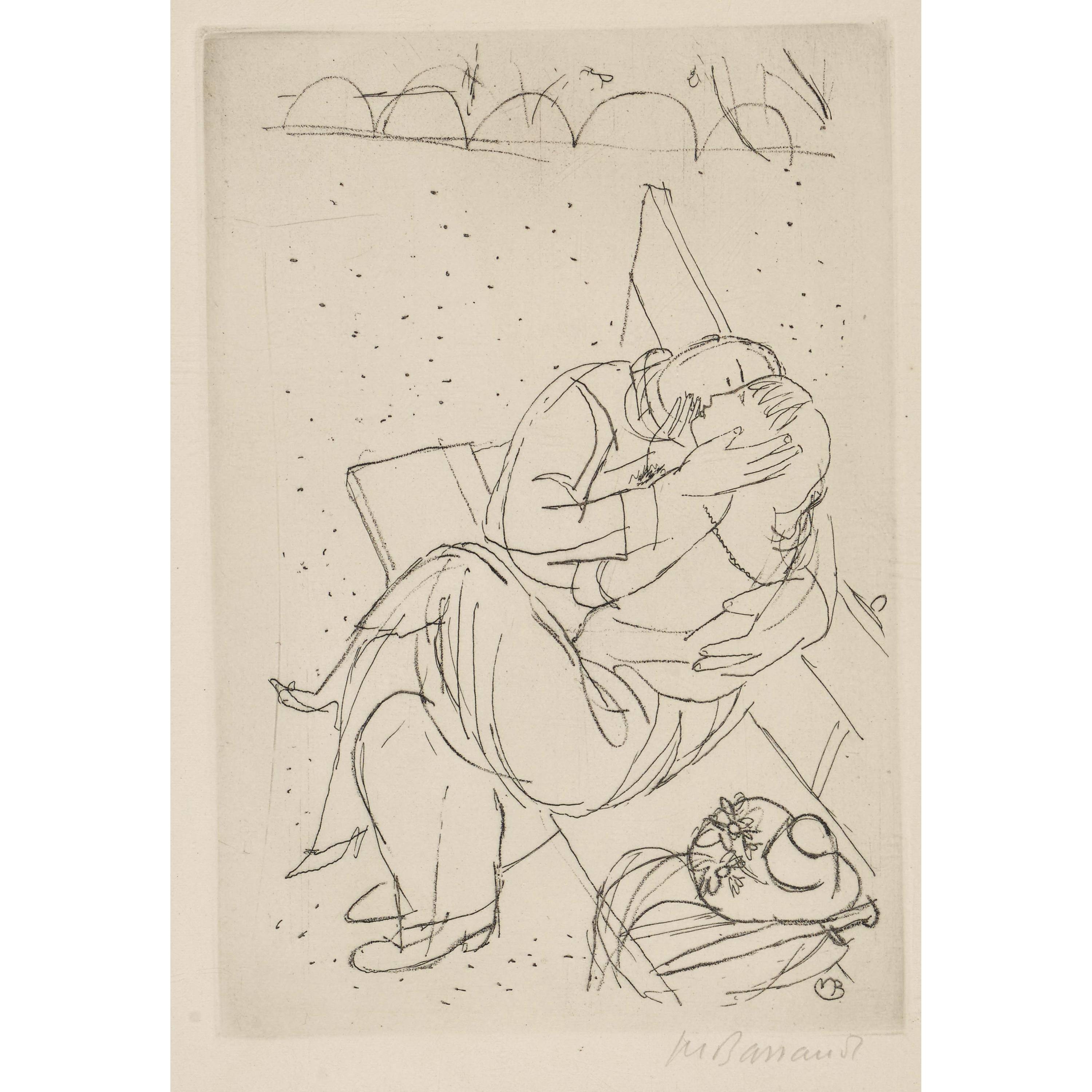
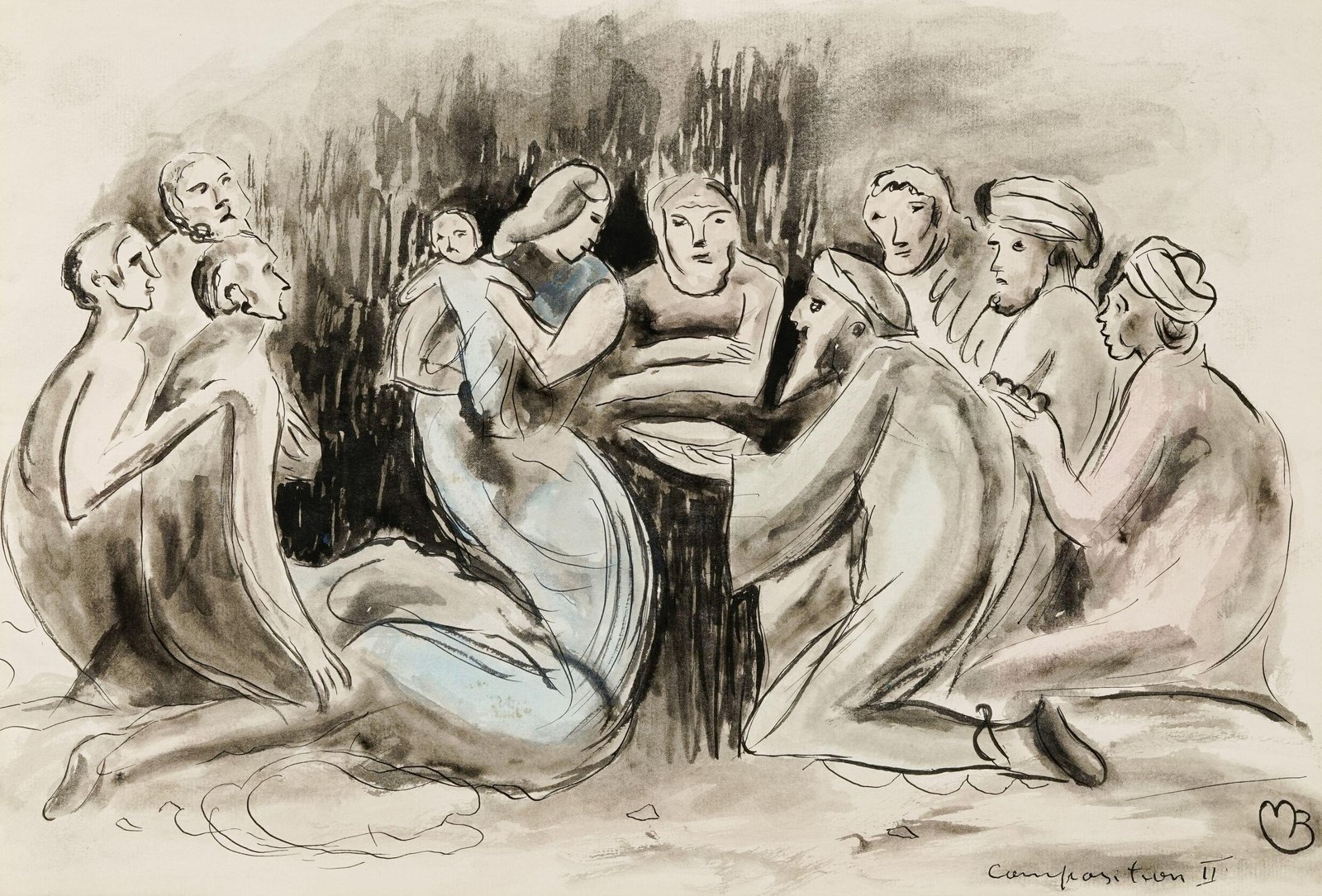
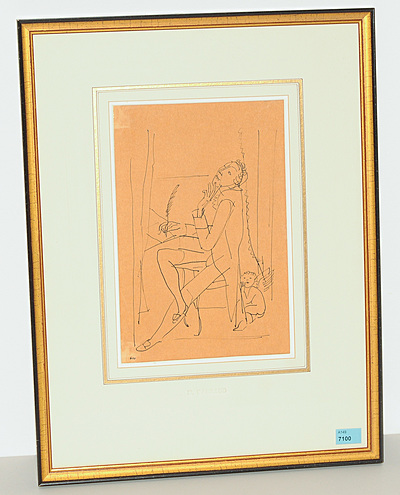
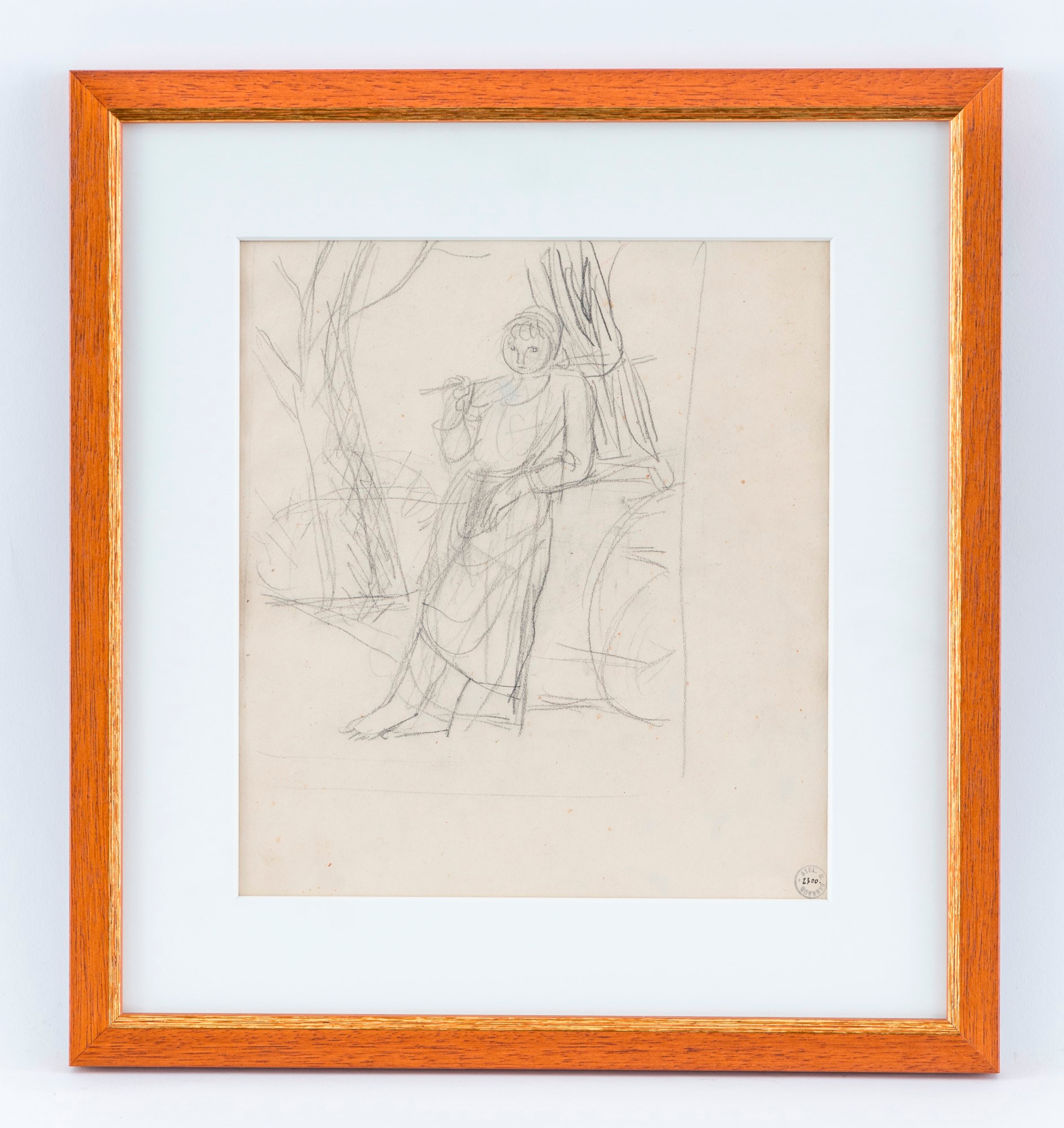
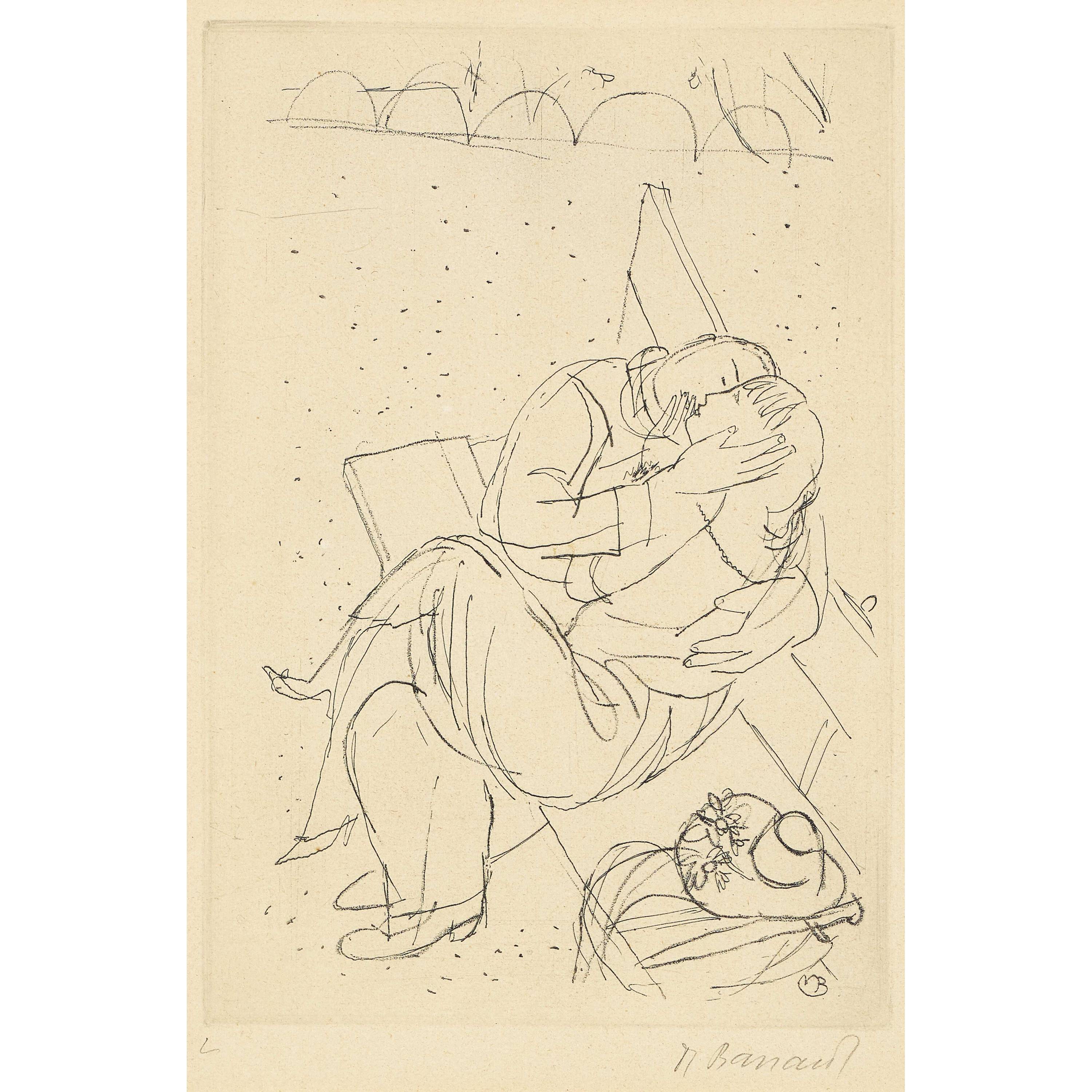
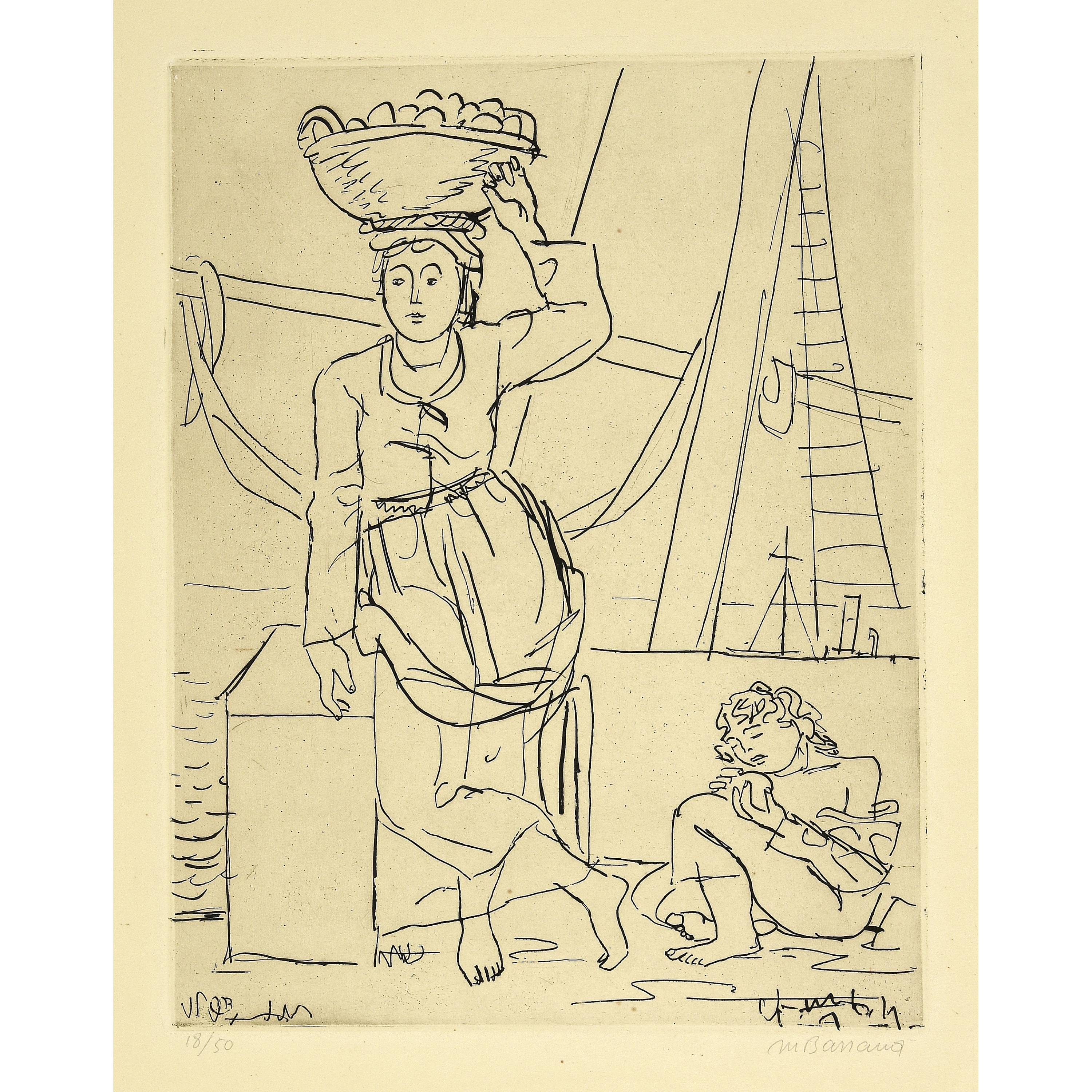
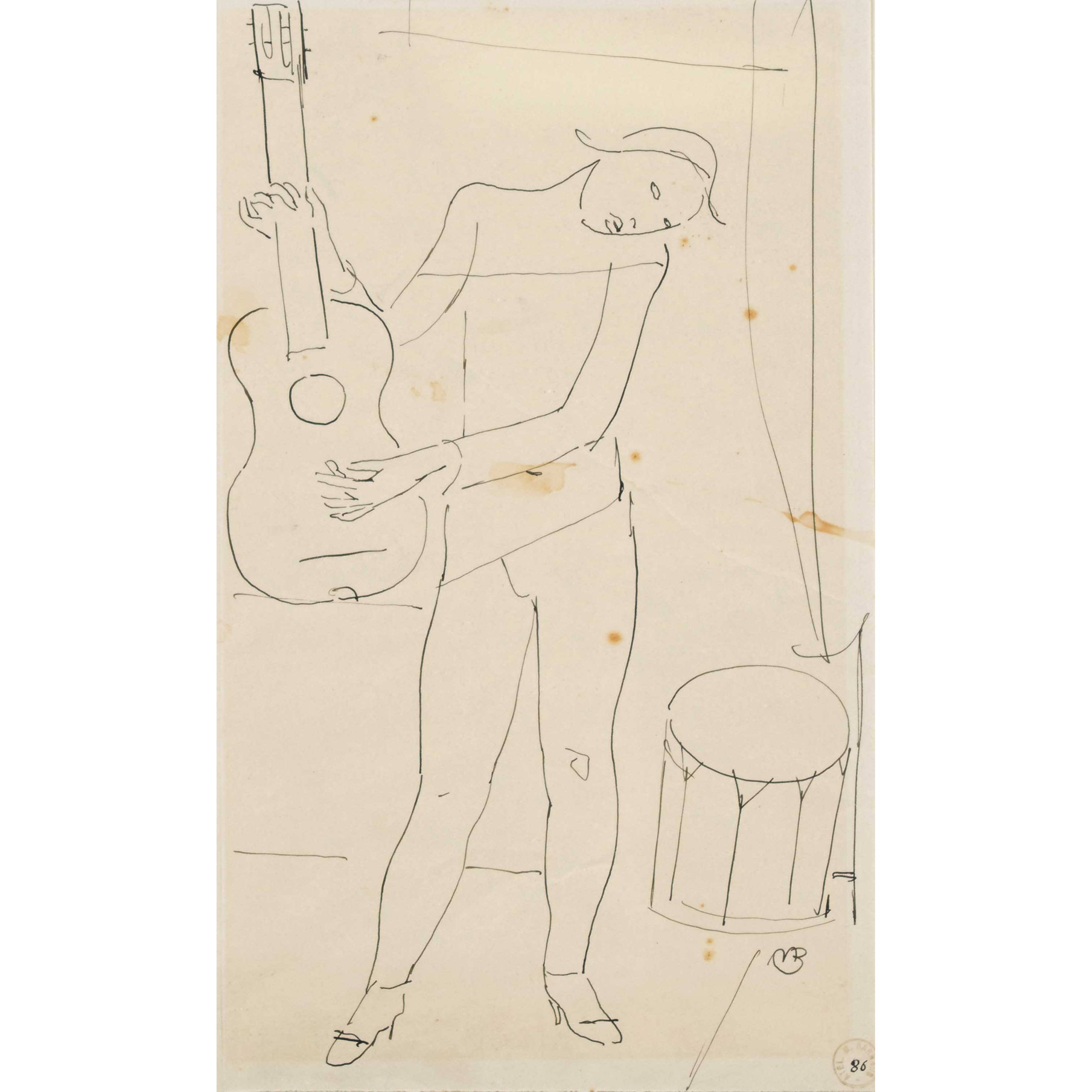
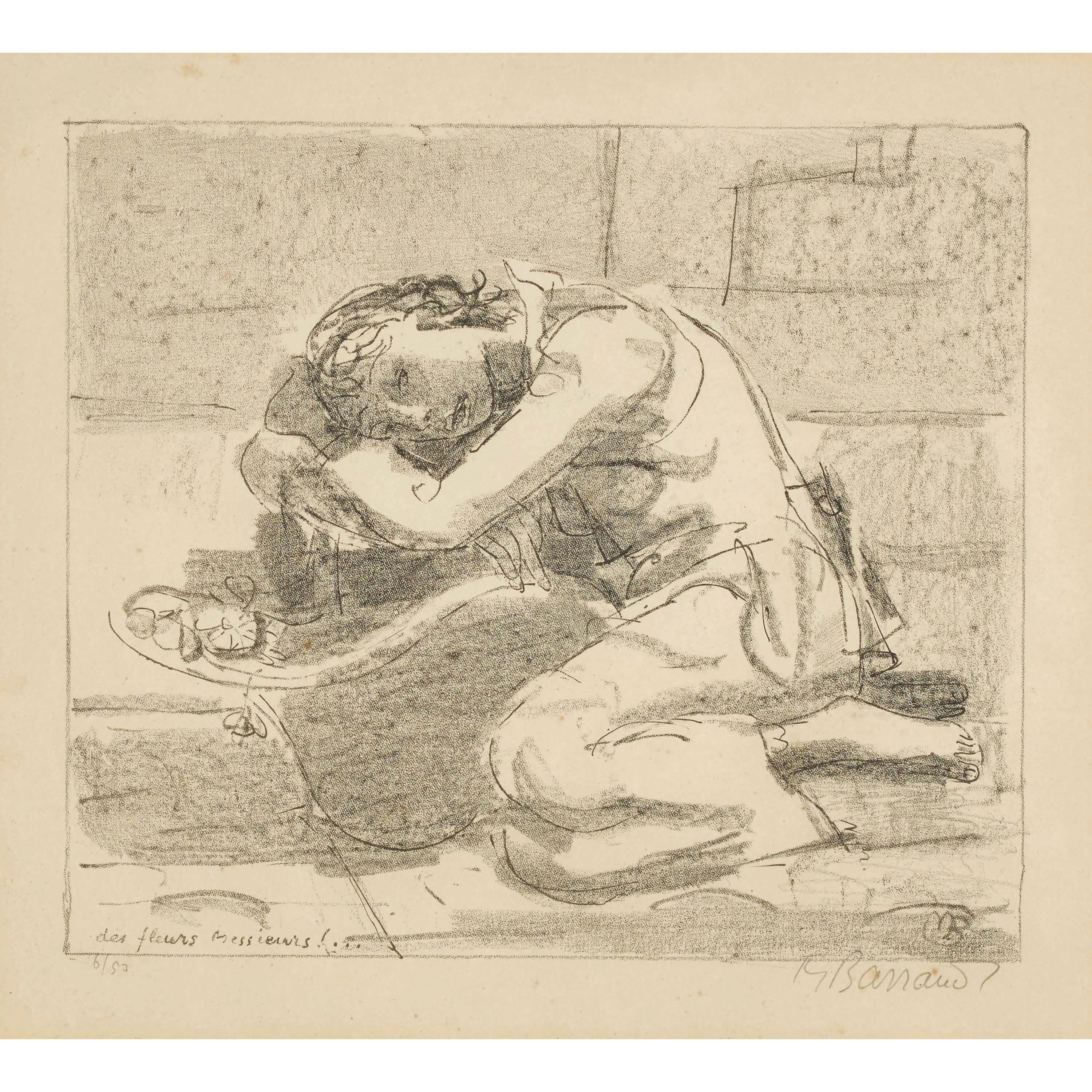
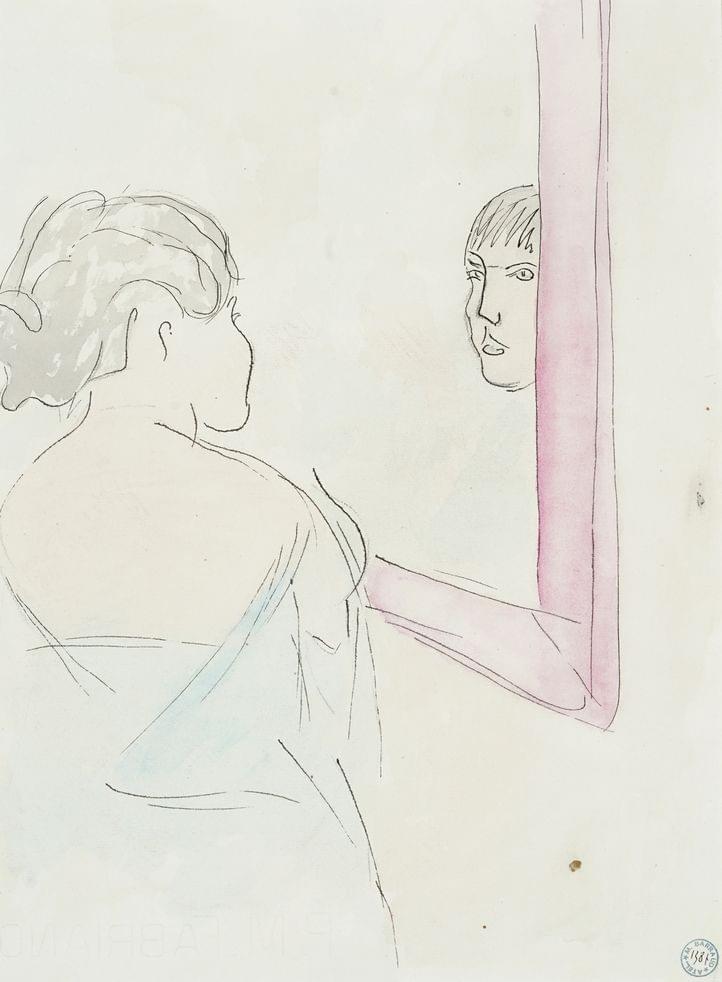
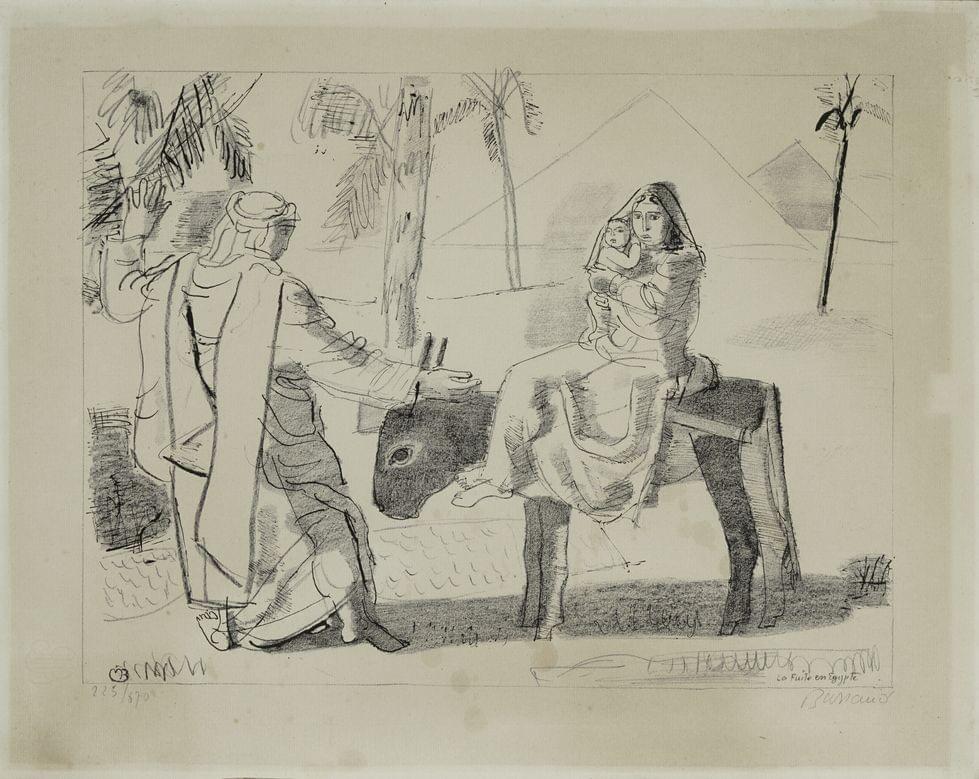
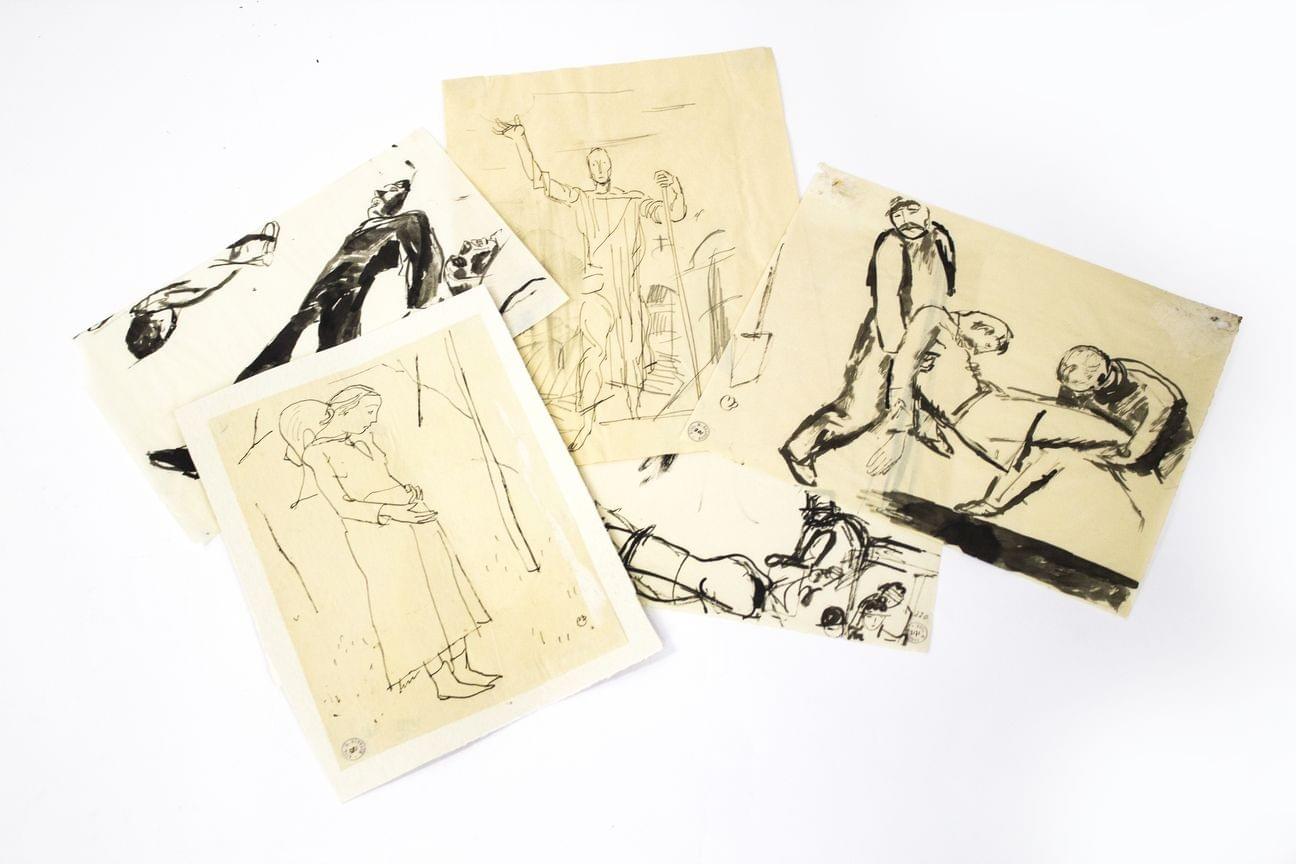
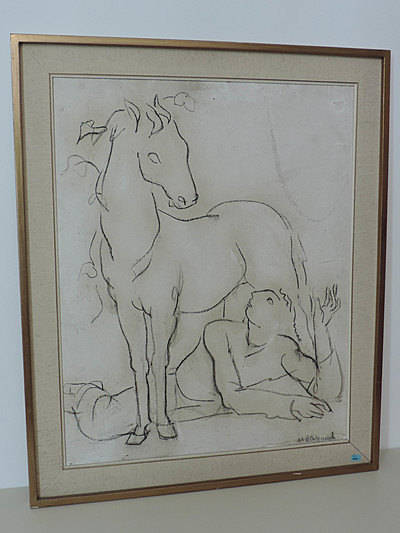
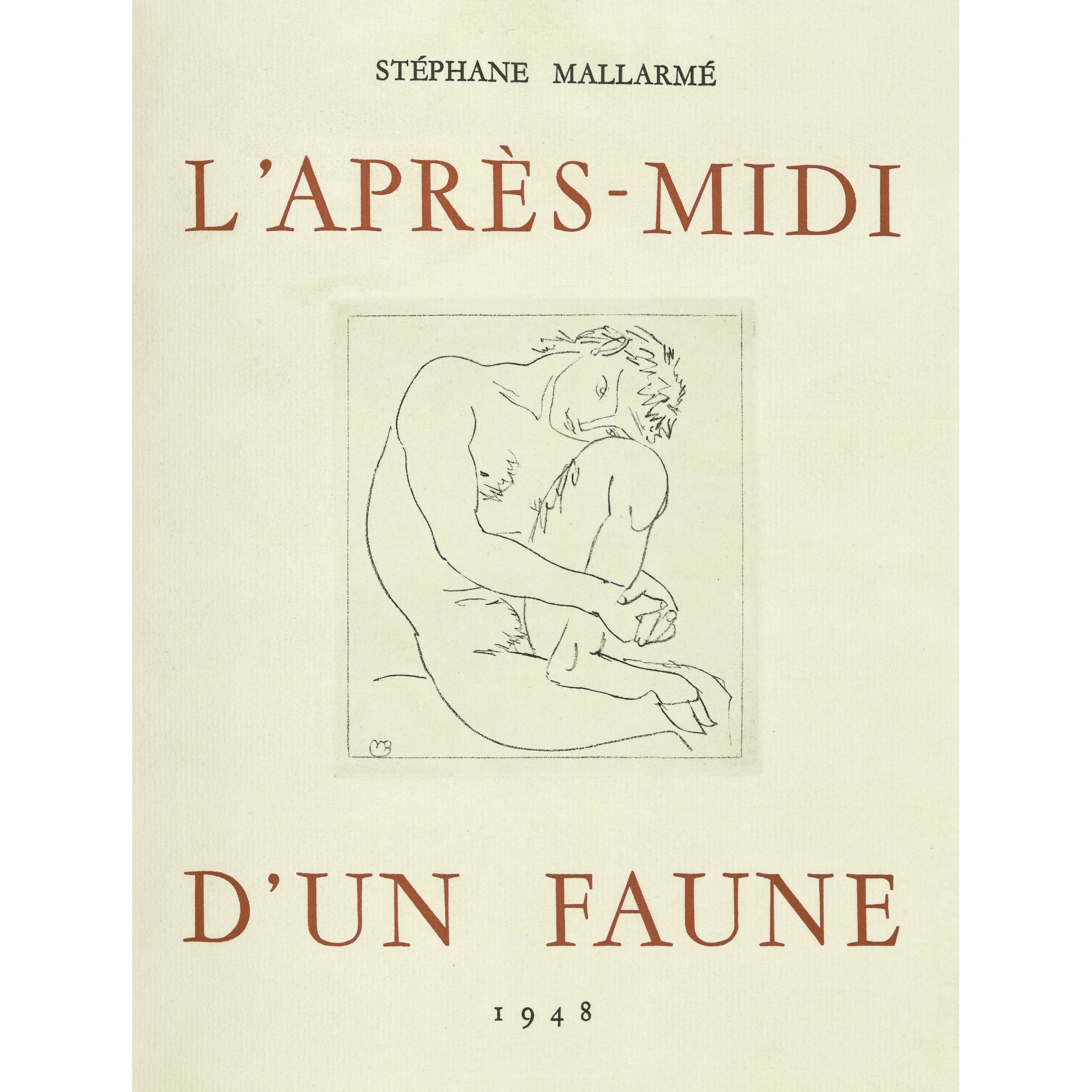
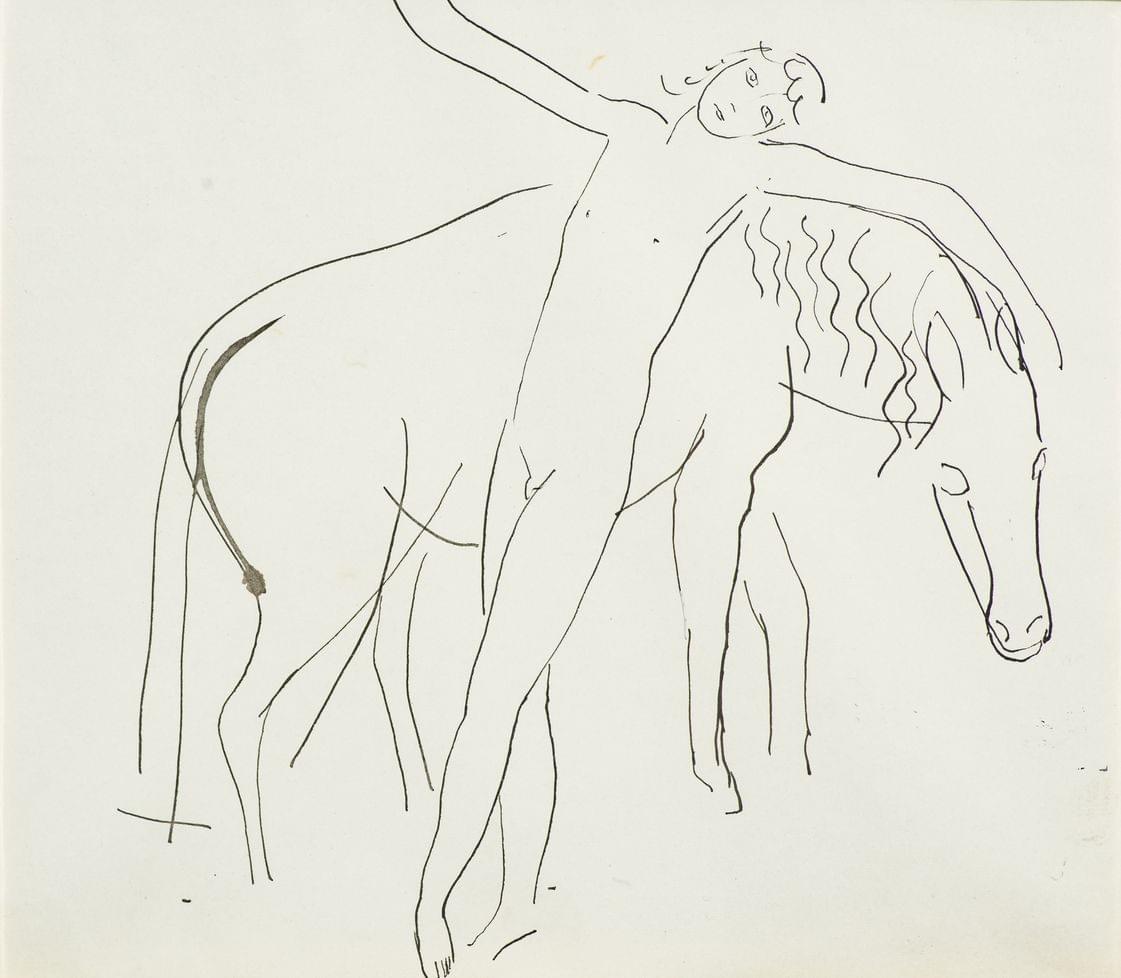
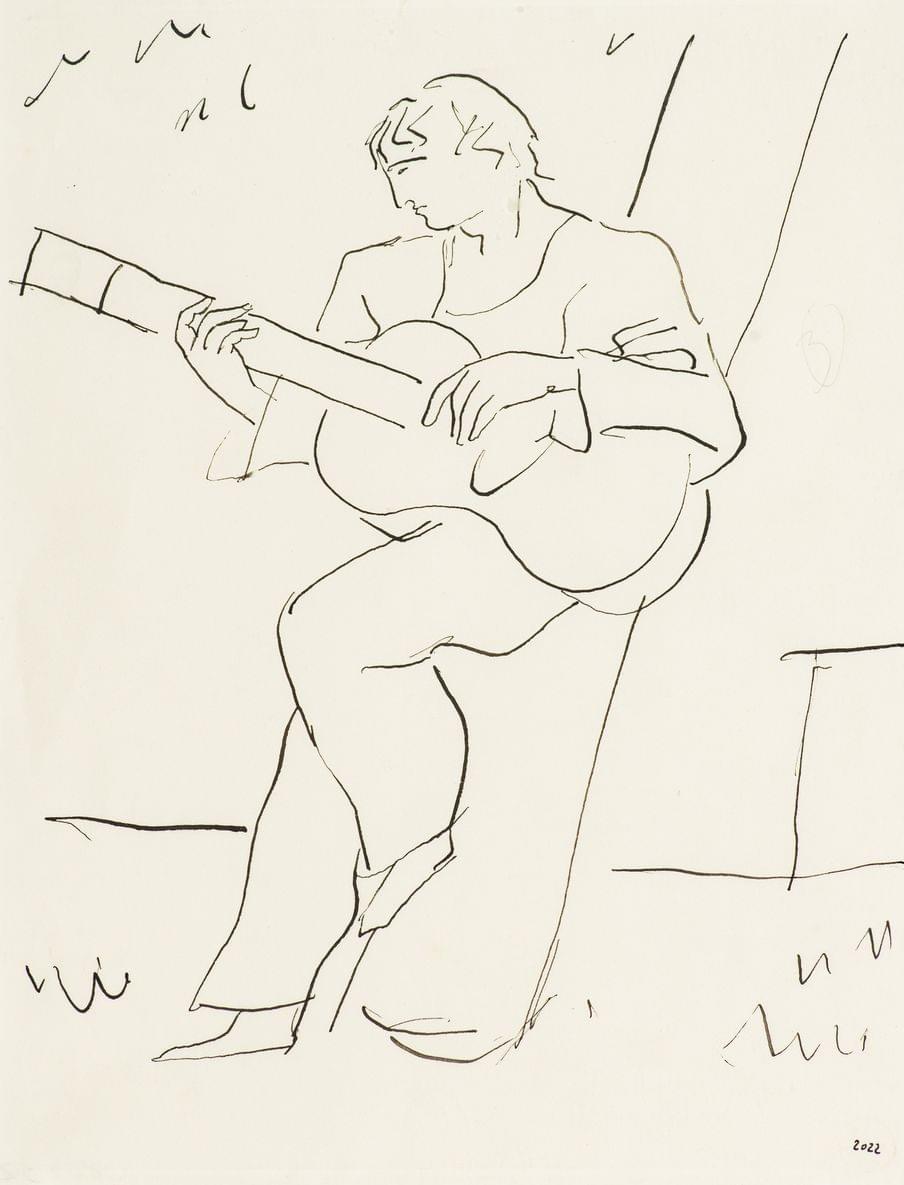
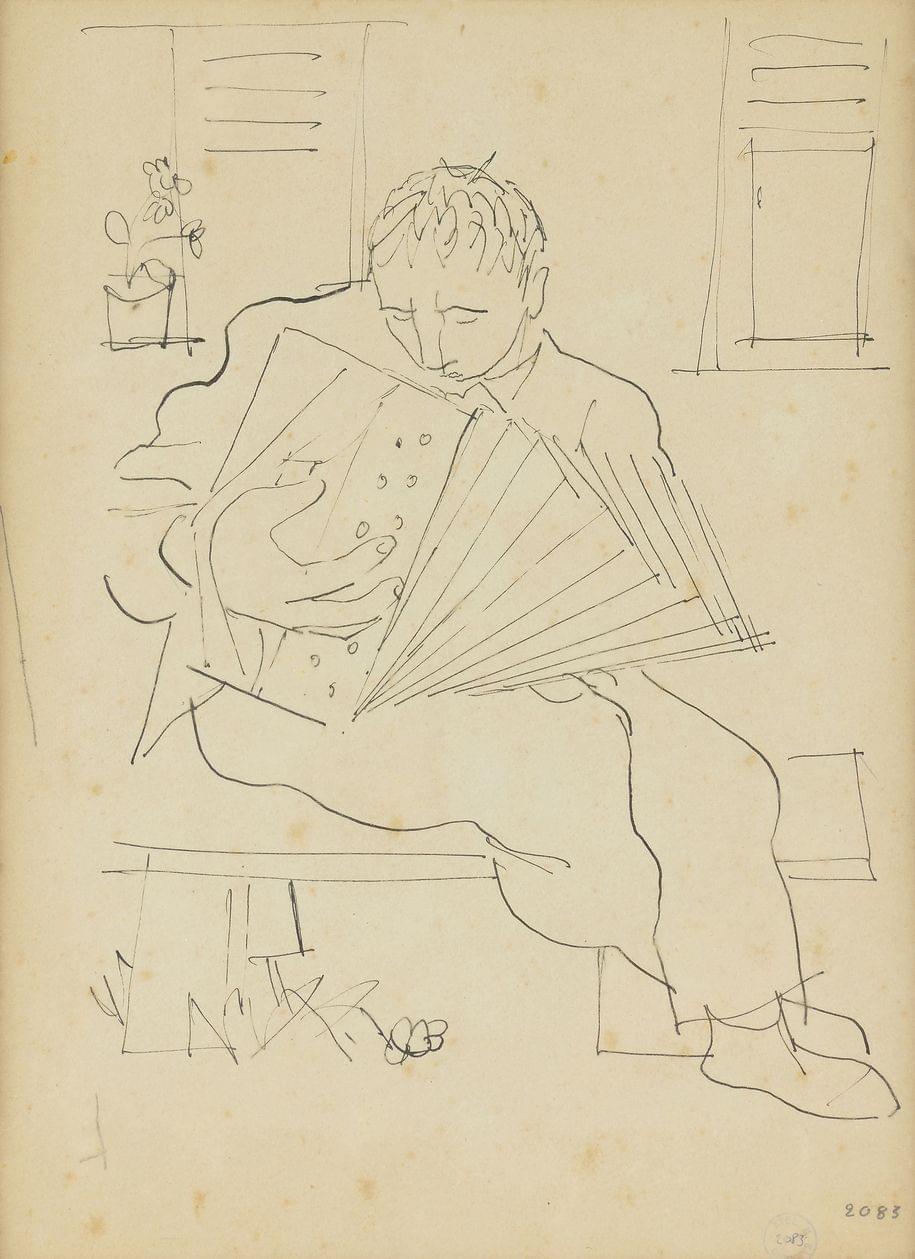
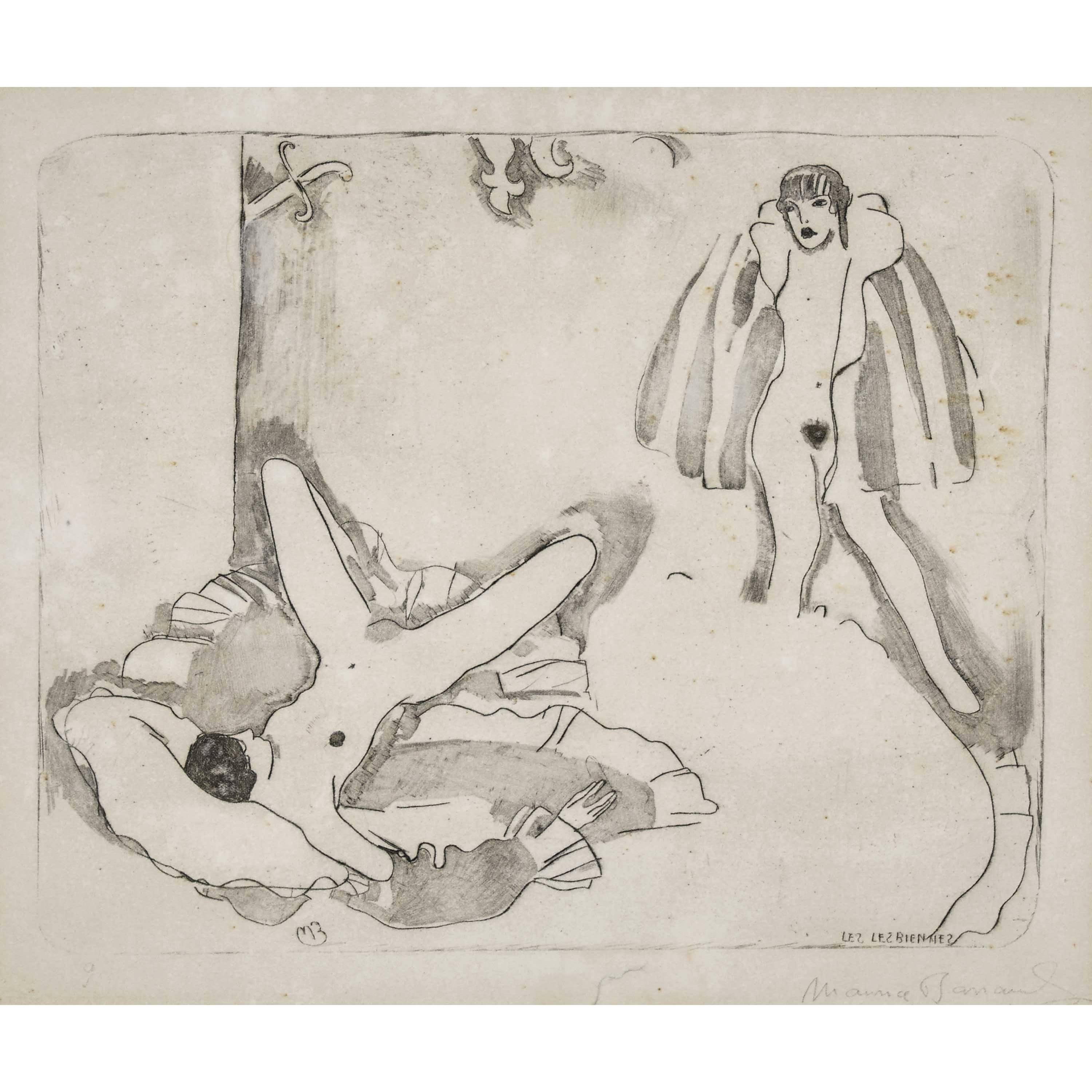
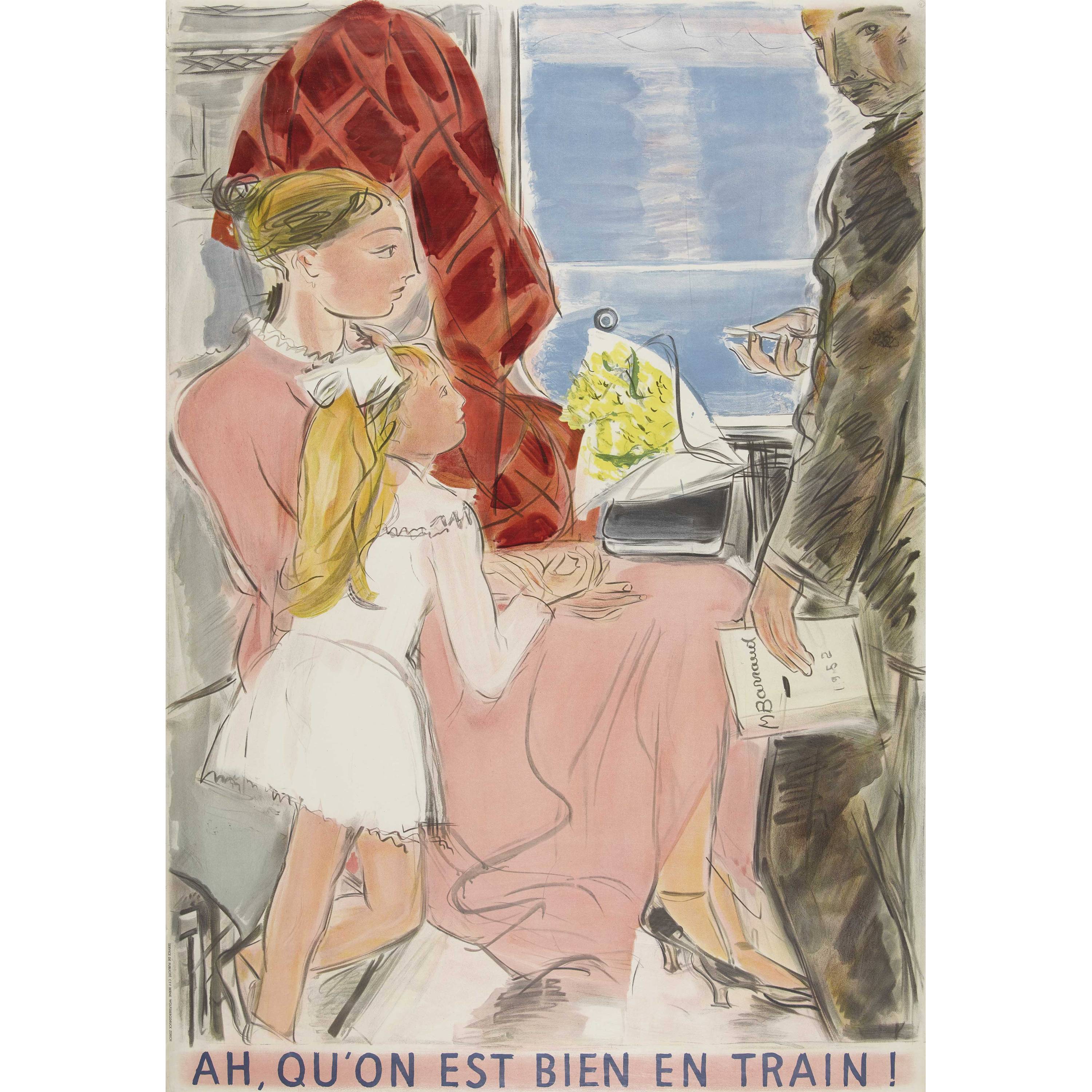
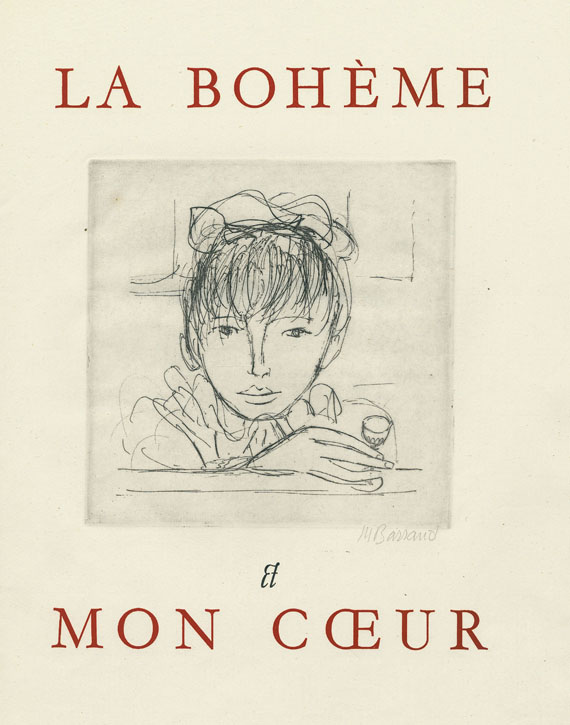
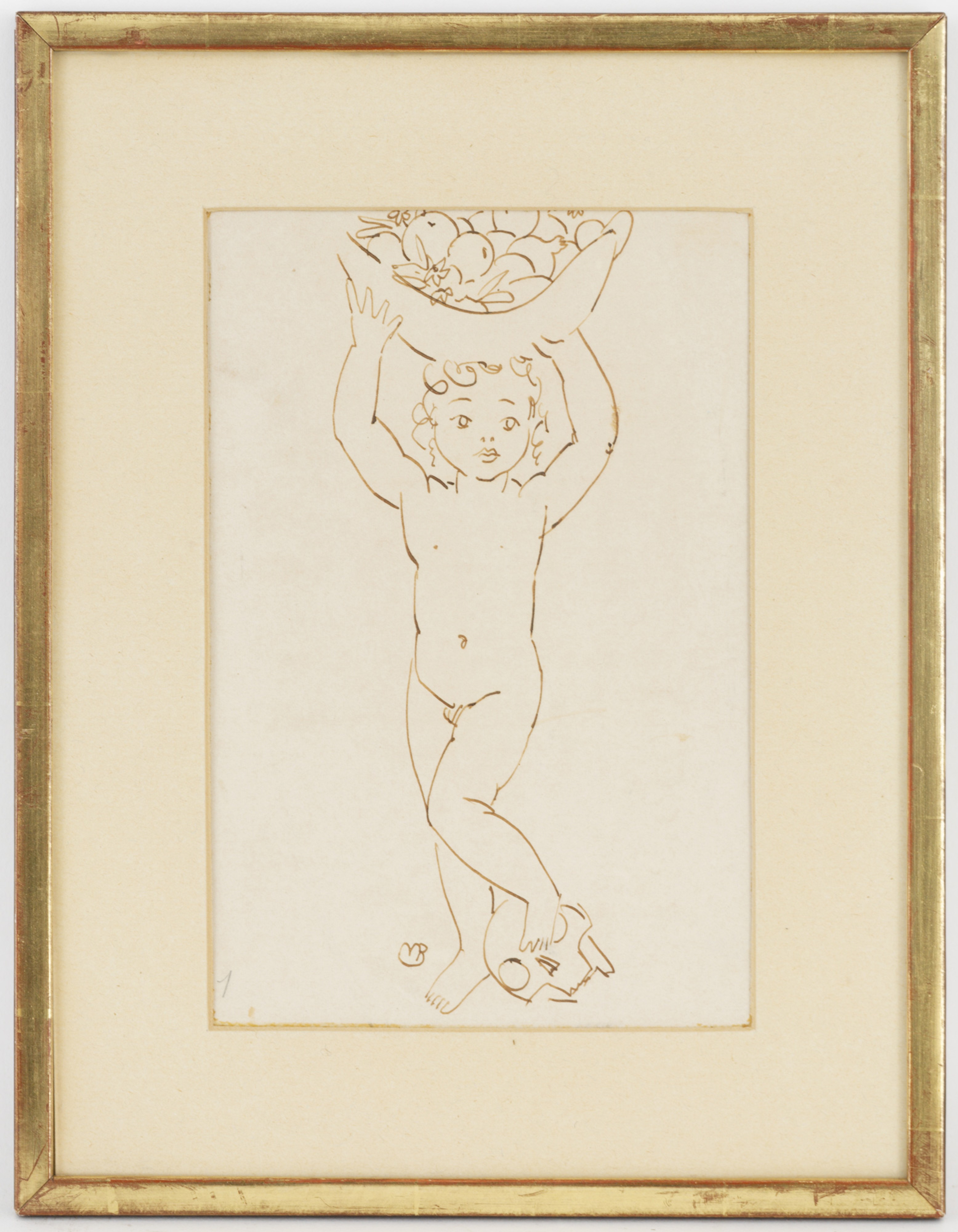
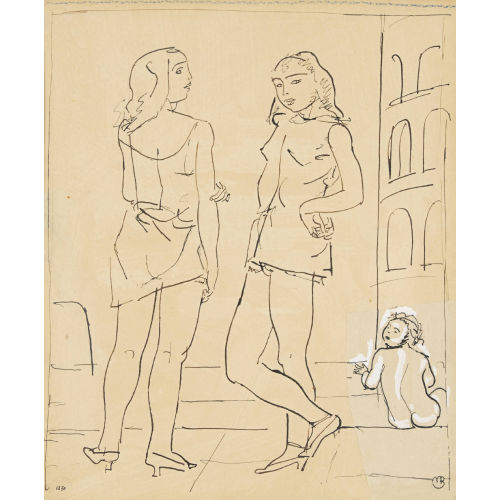
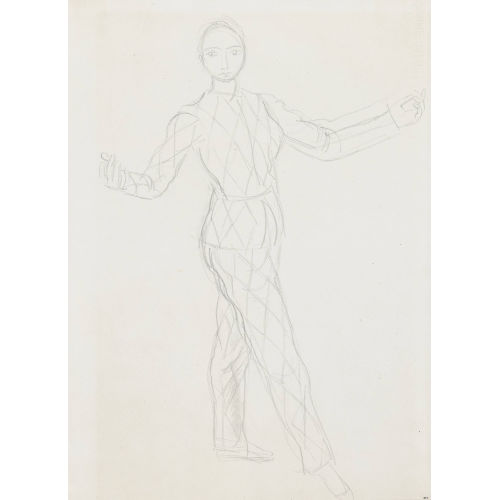
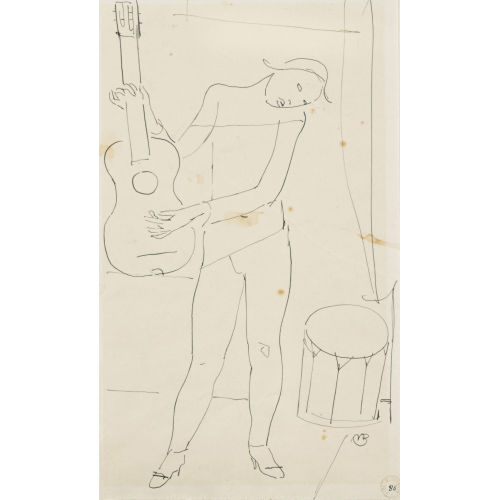
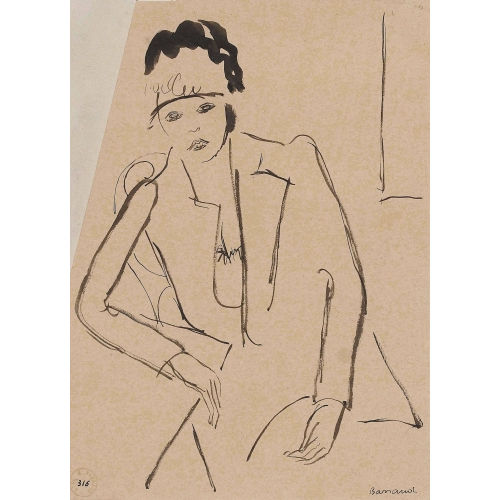
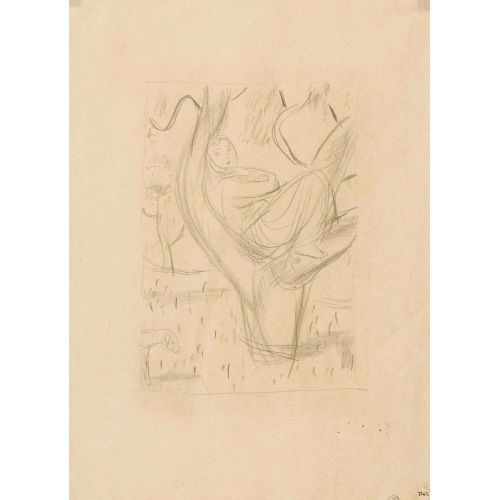
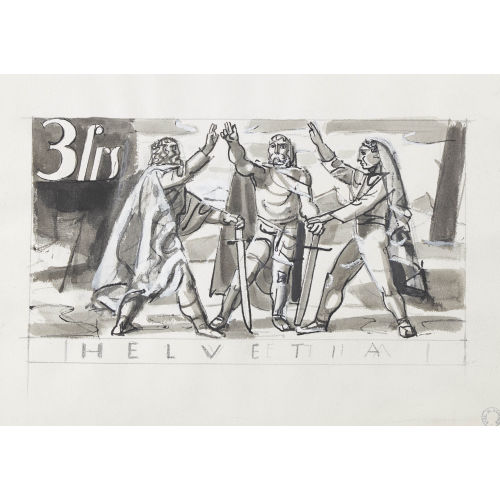
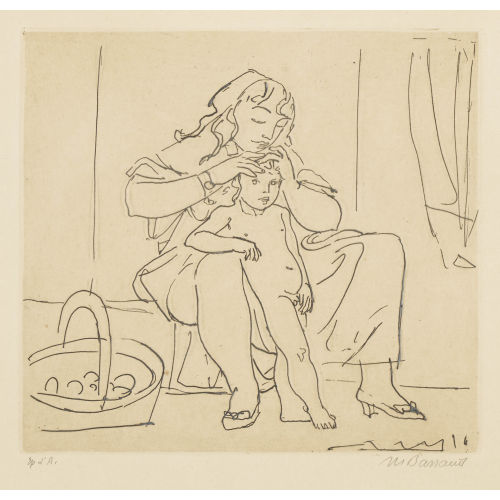
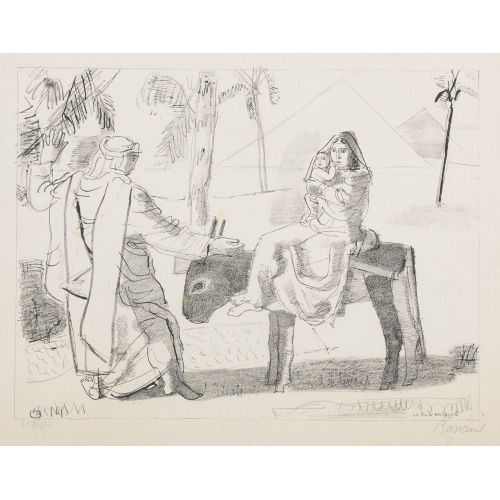
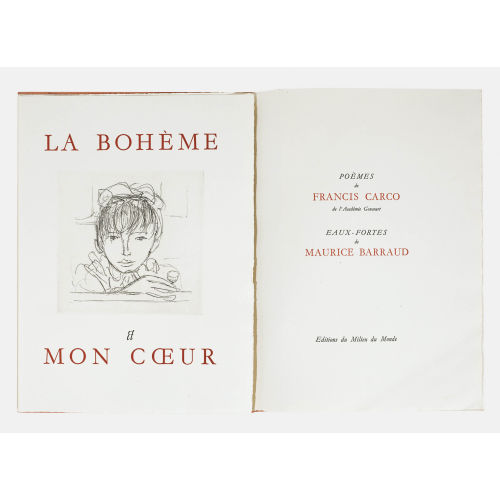
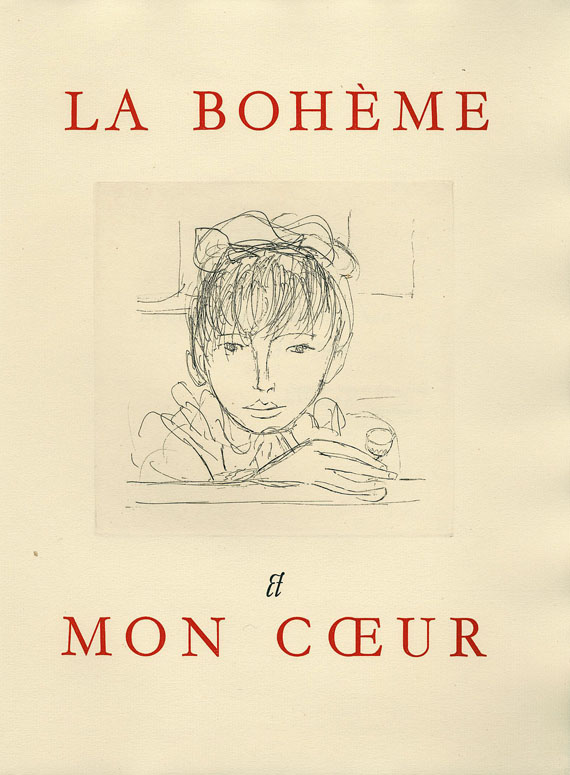
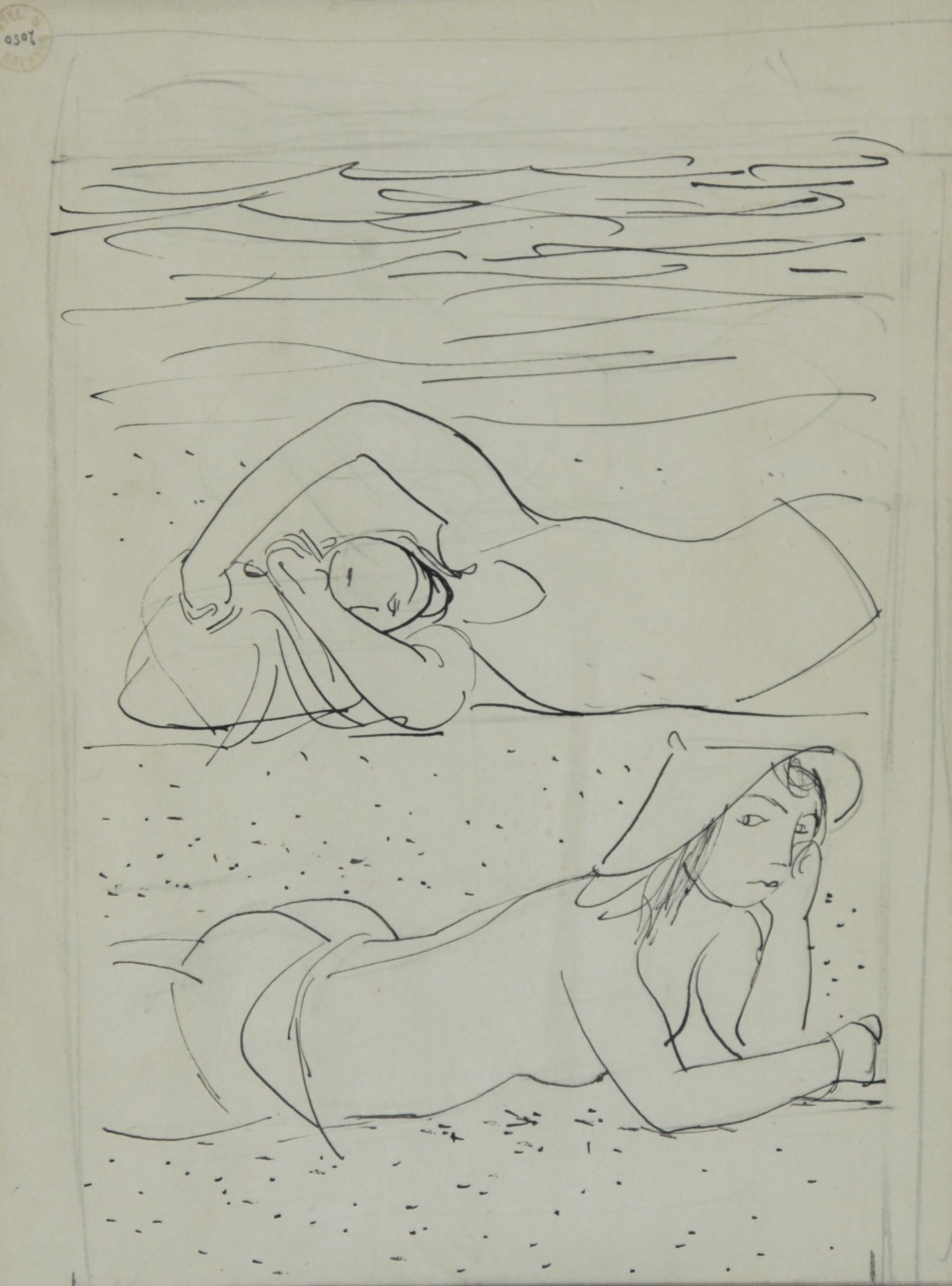
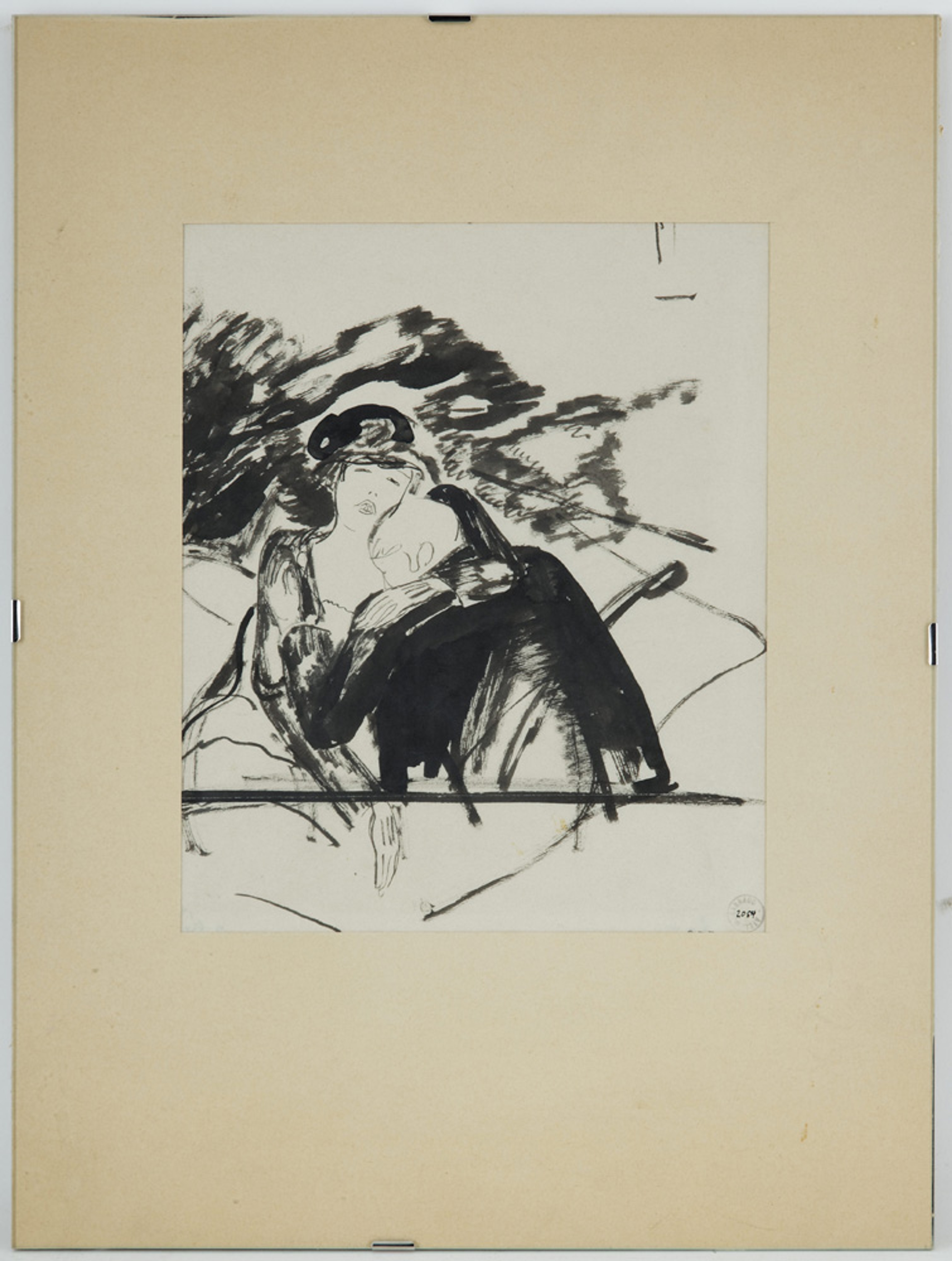
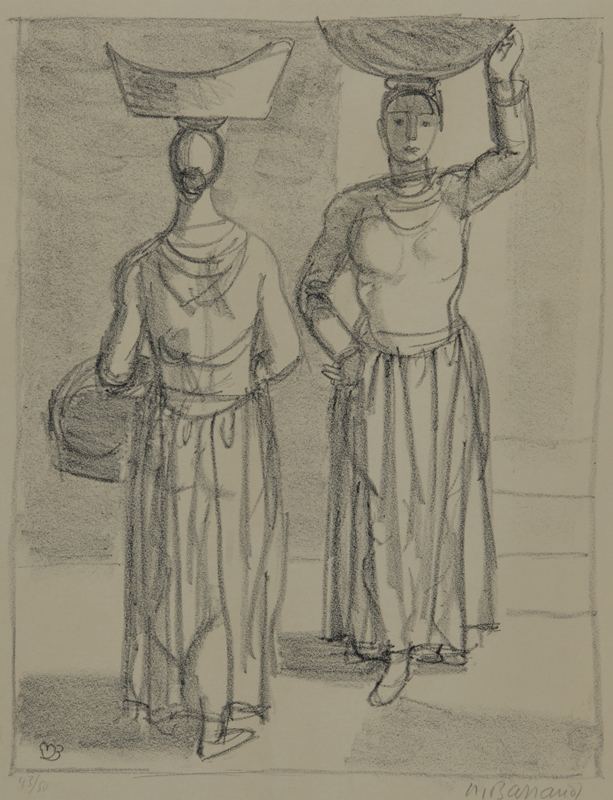
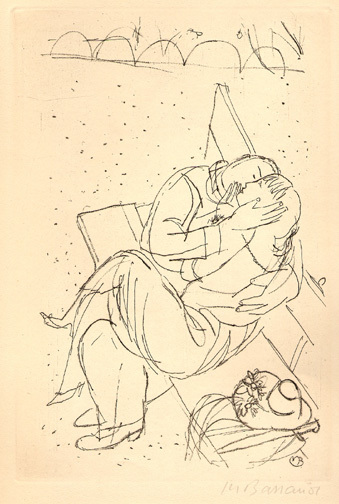
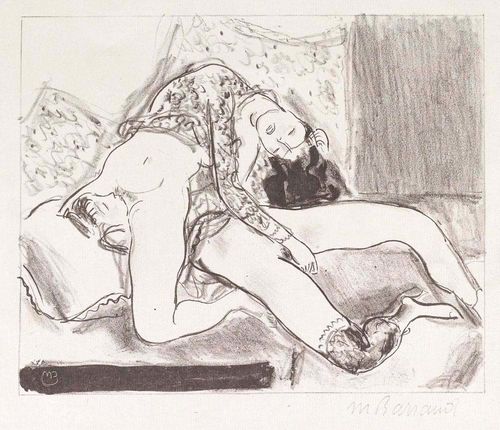
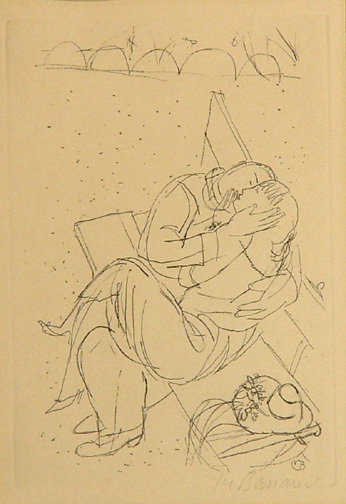
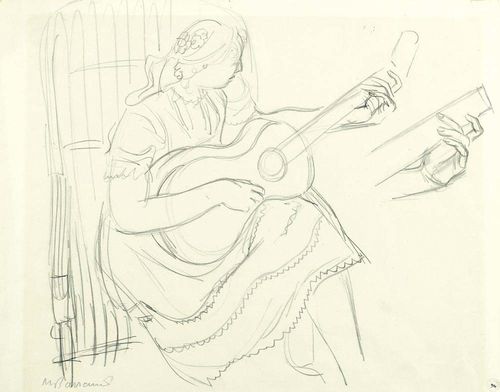
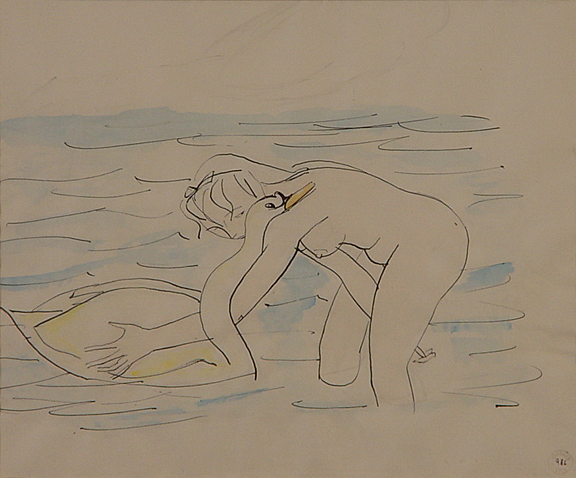
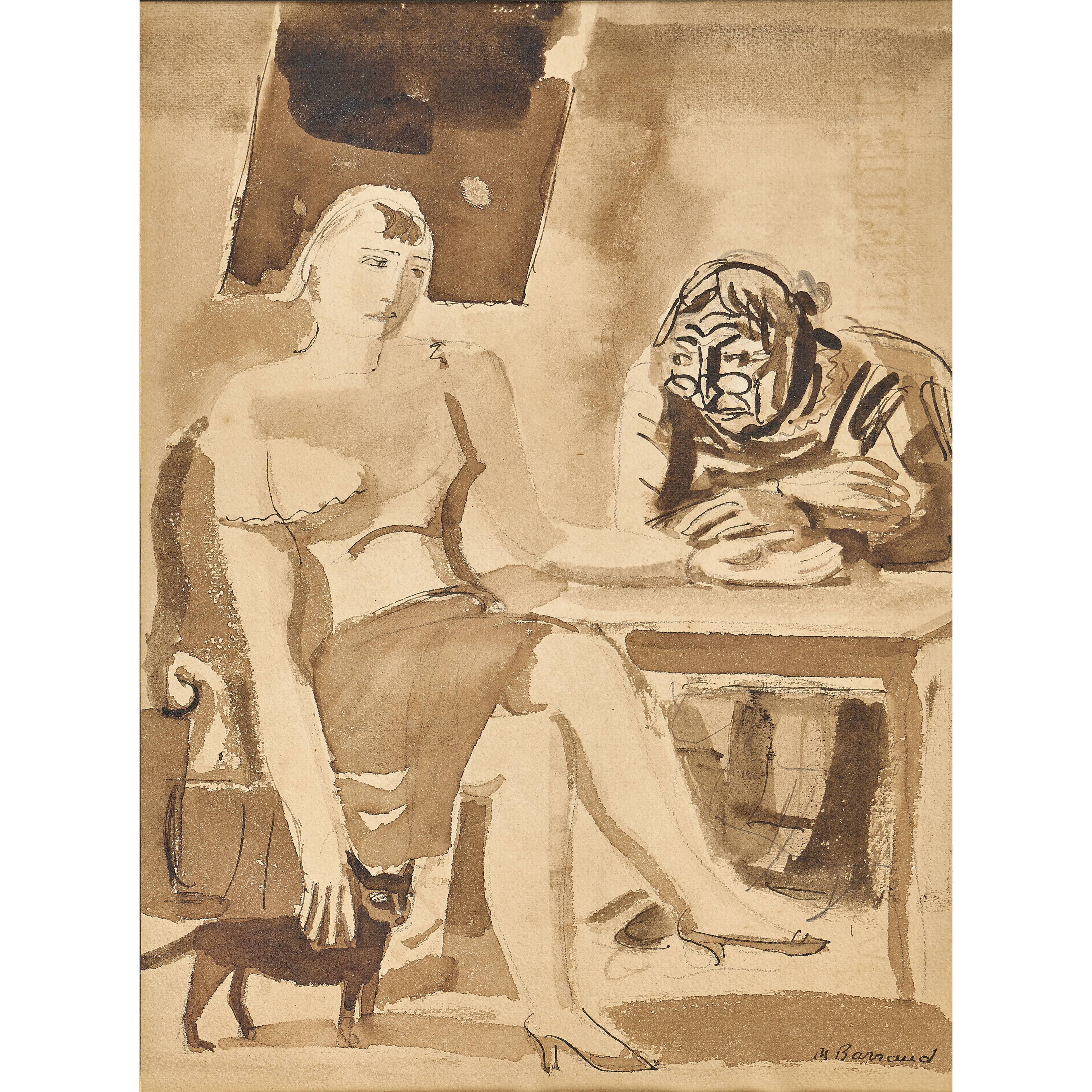
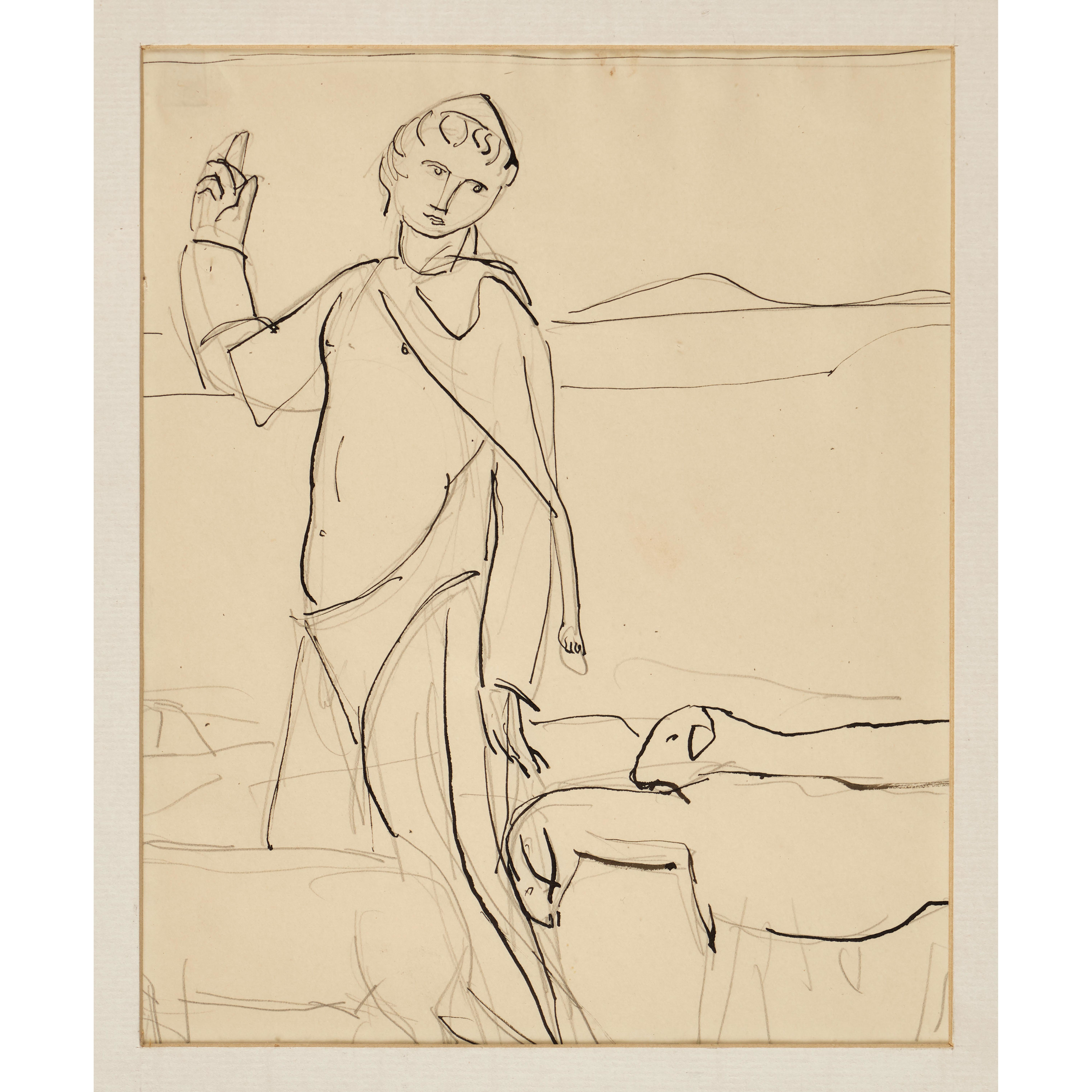
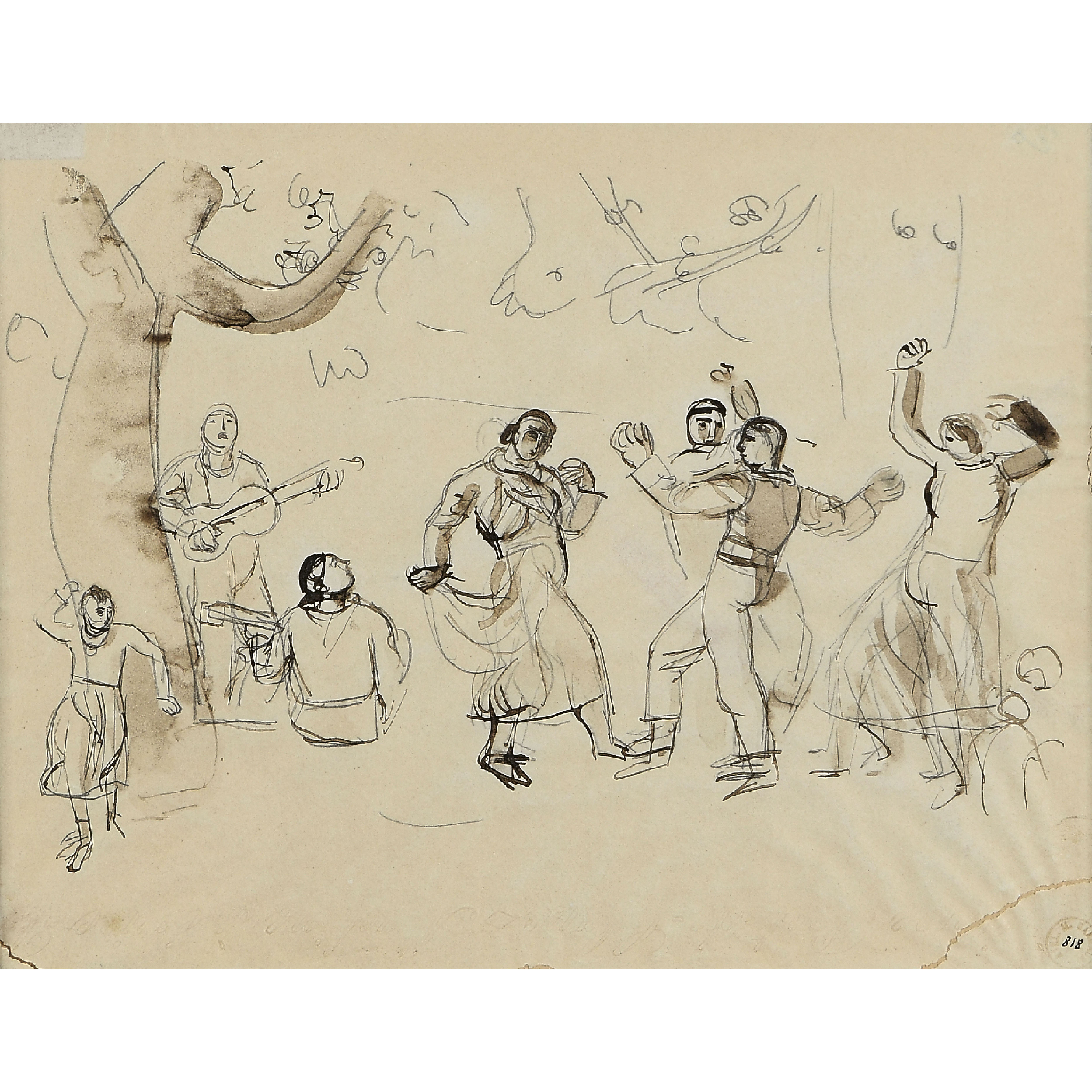
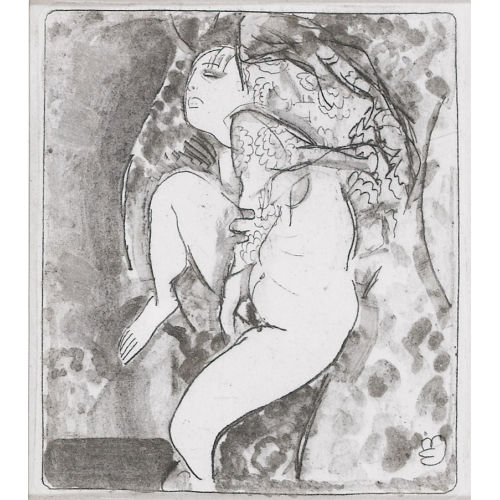
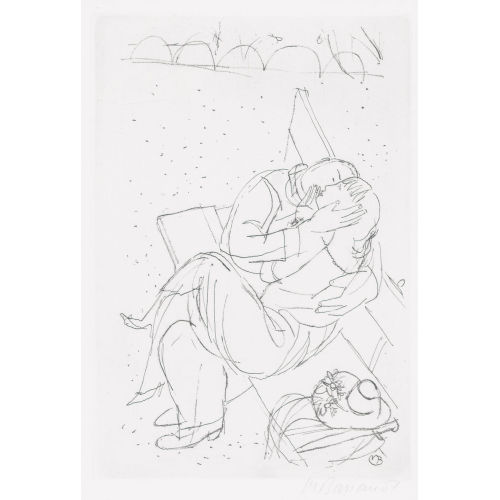
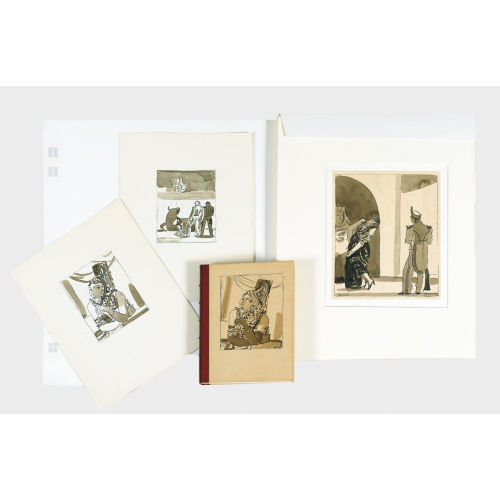
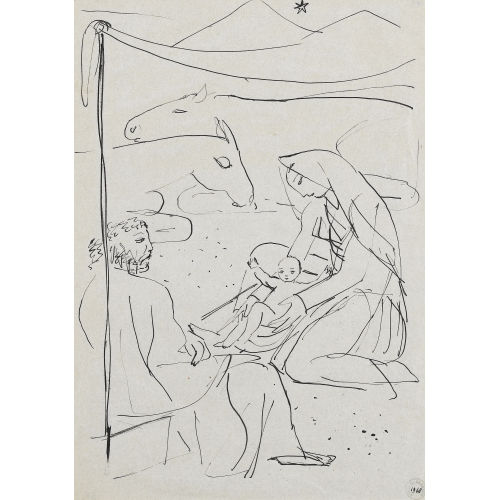
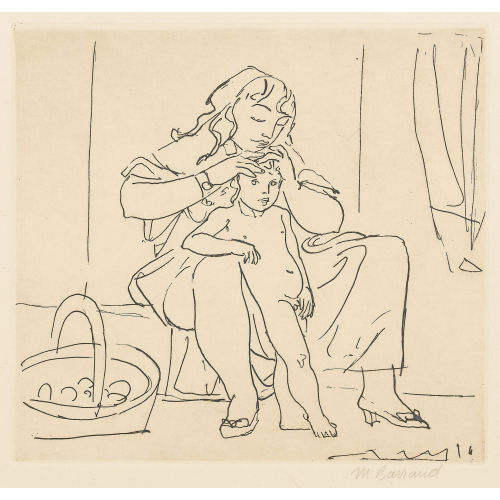
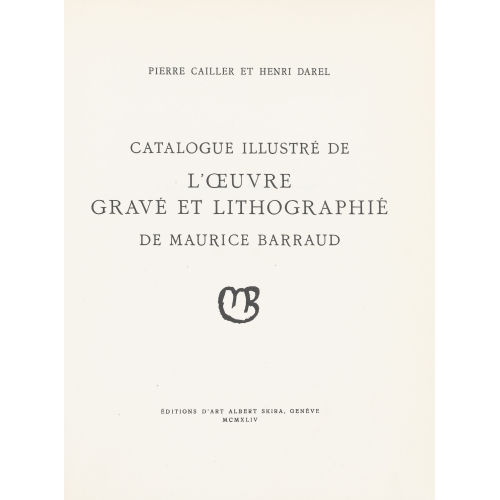
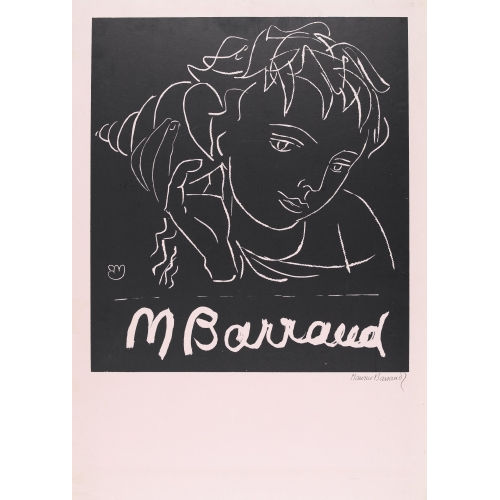
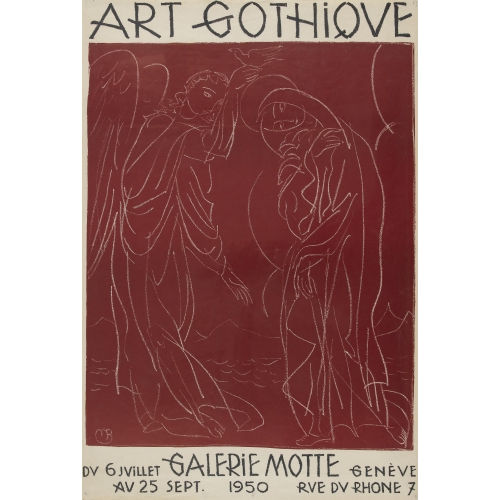
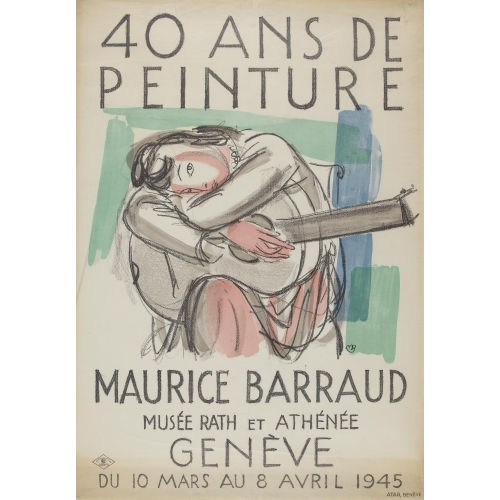
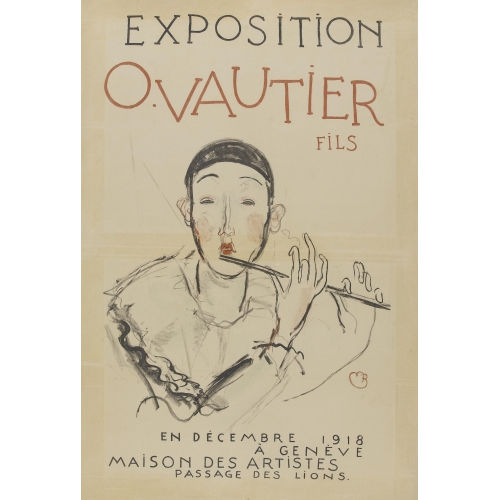
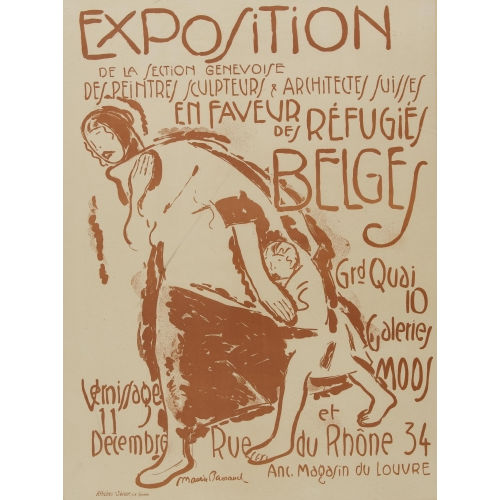
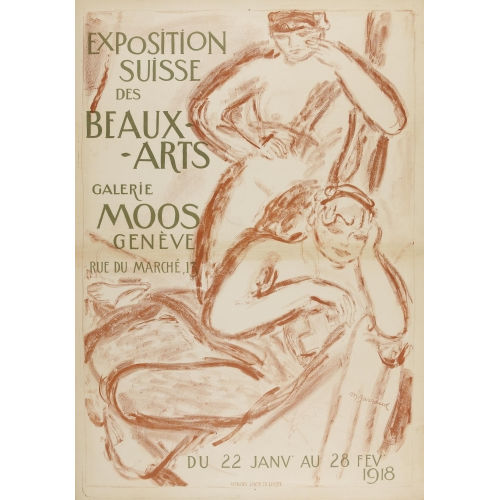
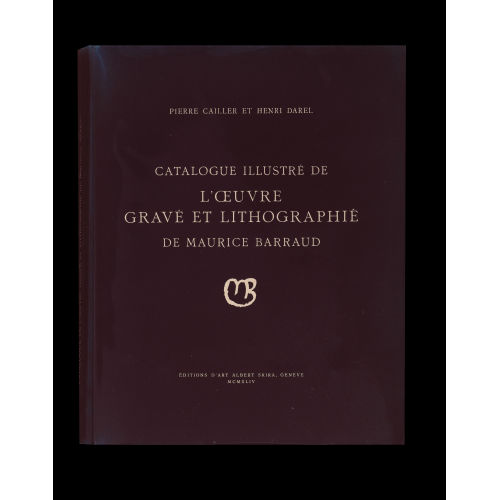
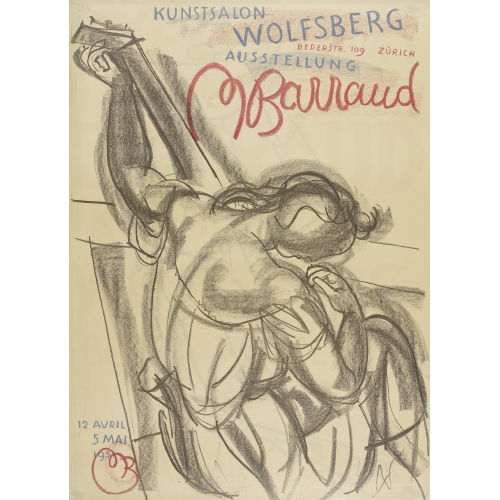
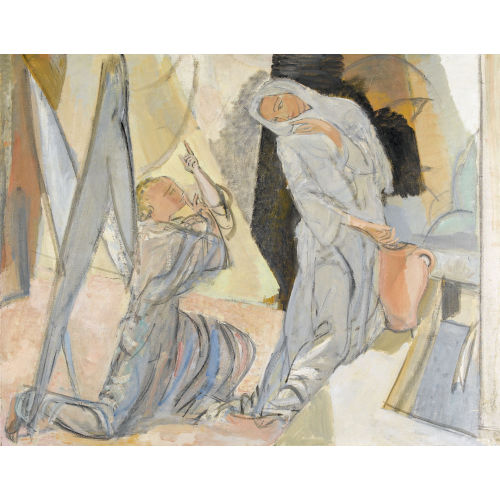
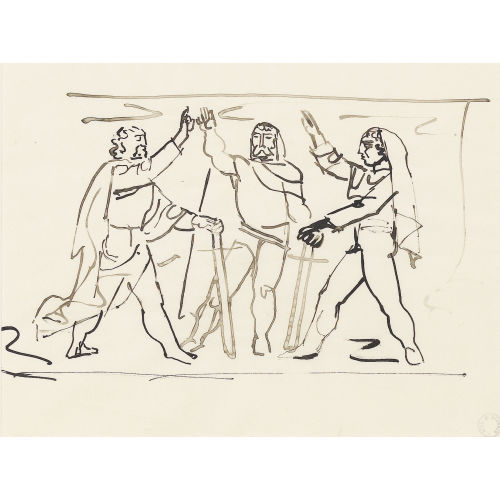
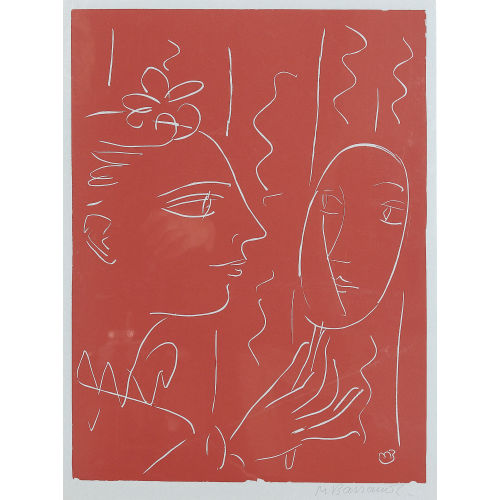
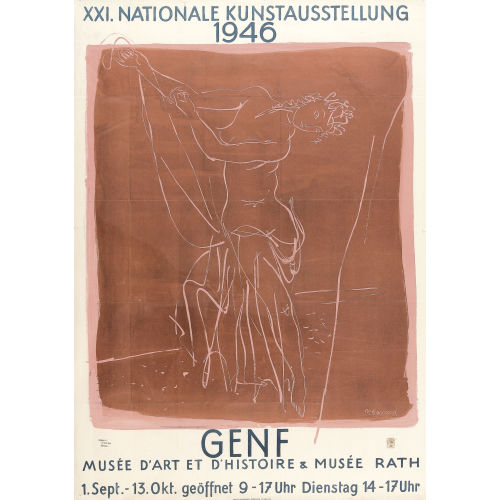
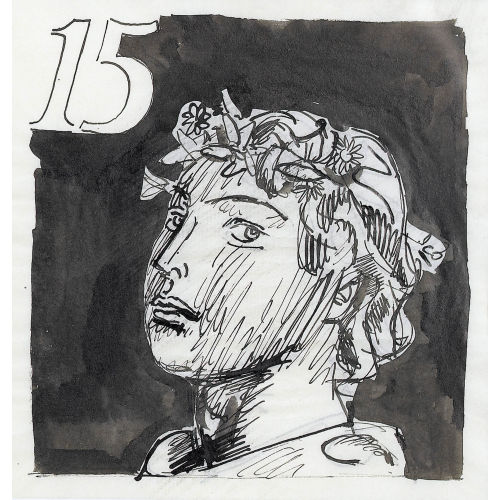
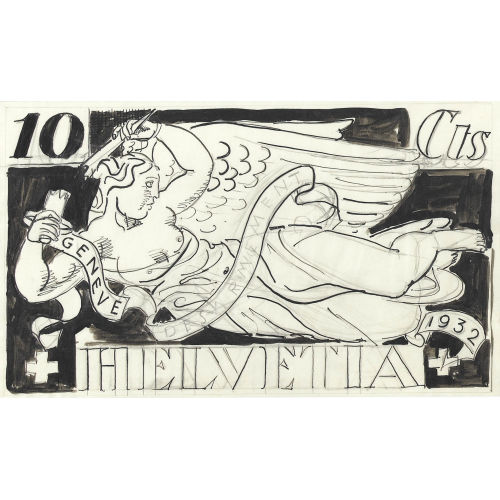
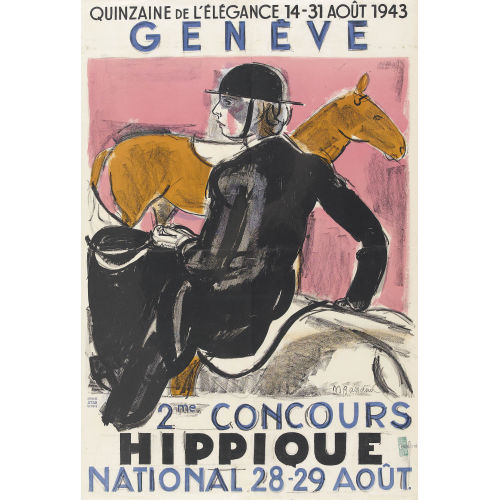
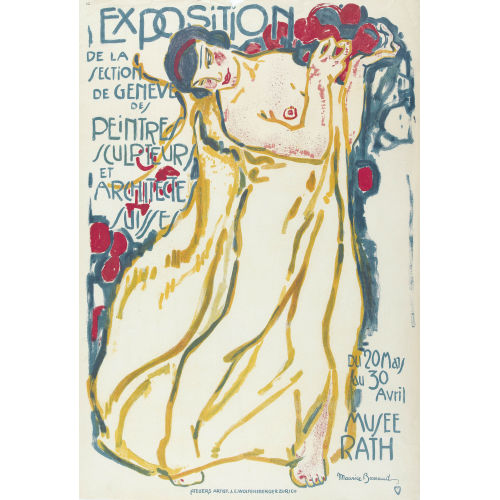
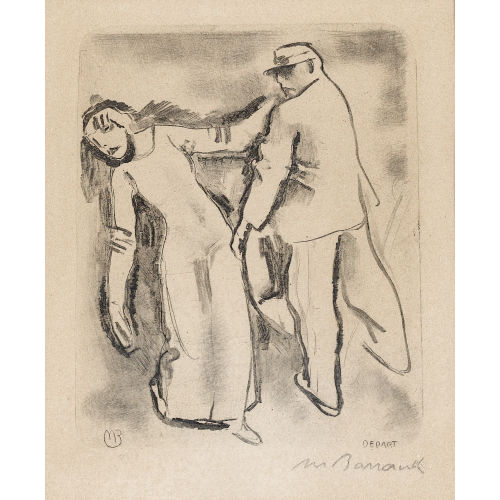
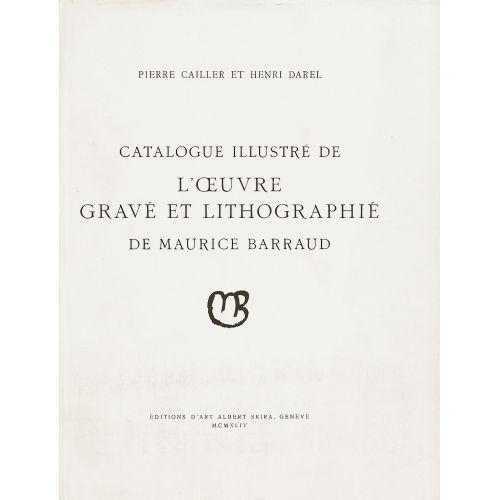
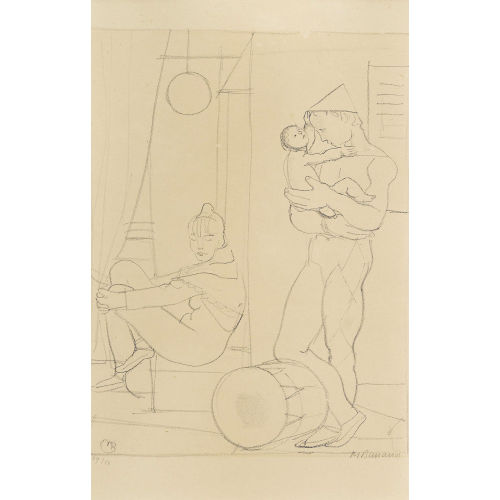
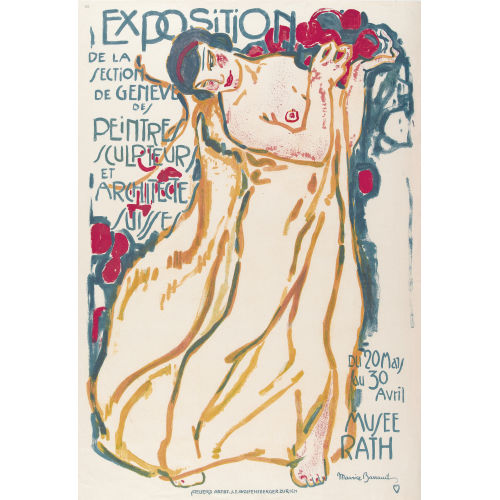
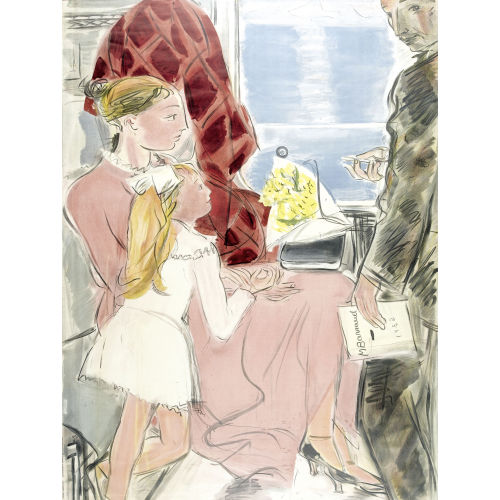
His activity nevertheless extended beyond the easel painting. He received commissions for murals, notably for Lucerne railway station from 1929 onwards, and contributed to the illustrated book. The Museum of Modern Art in New York holds D’Ariane à Zoé, published in 1930, a collective volume to which he contributed alongside, among others, Raoul Dufy and Marie Laurencin.
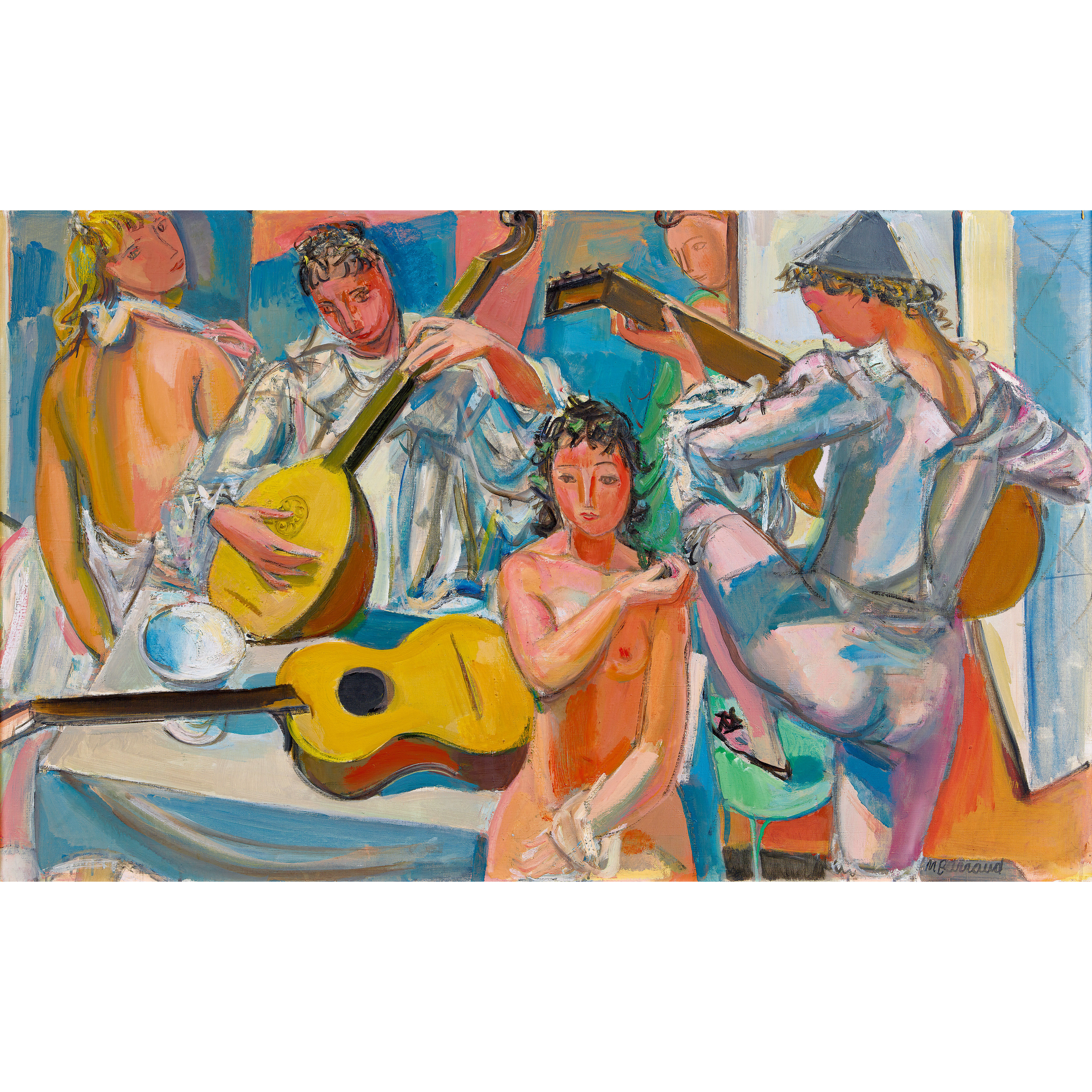
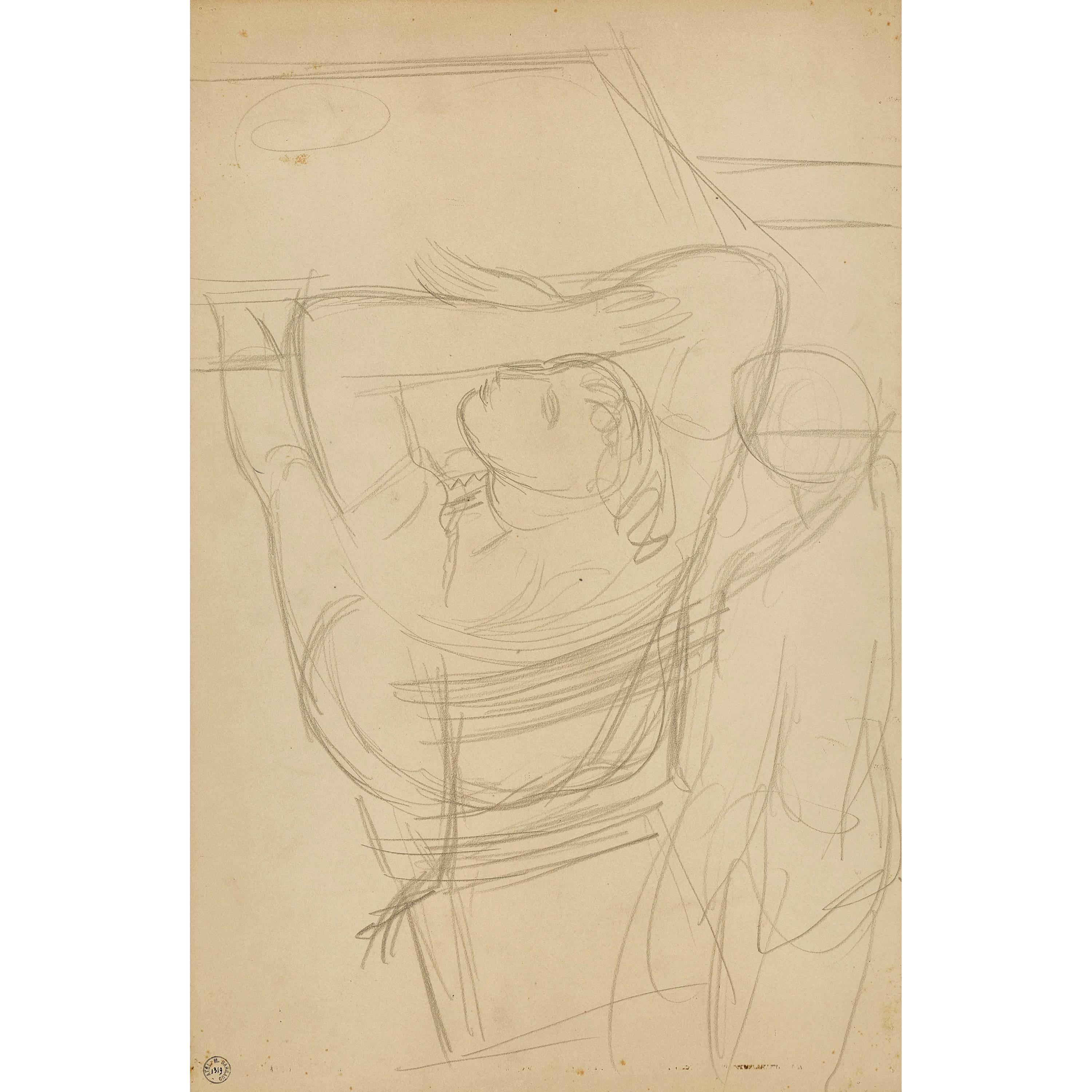
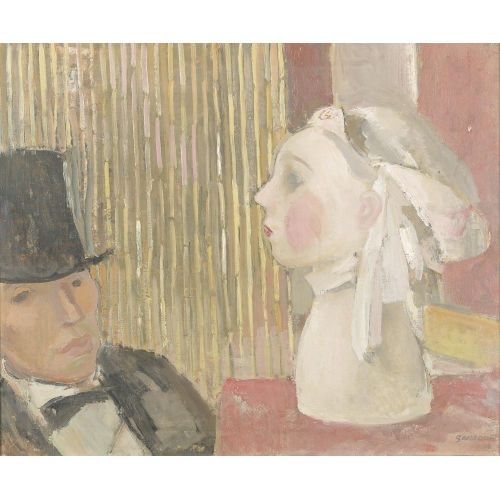
To discover Barraud, one might begin by observing how the curves of a figure respond to the forms surrounding it, and then follow the colour harmonies. This attention to rhythm makes it possible to appreciate the pictorial construction behind the immediate impression of calm and ease.