Marguerite Frey-Surbek
Born in 1886.
Died in 1981.
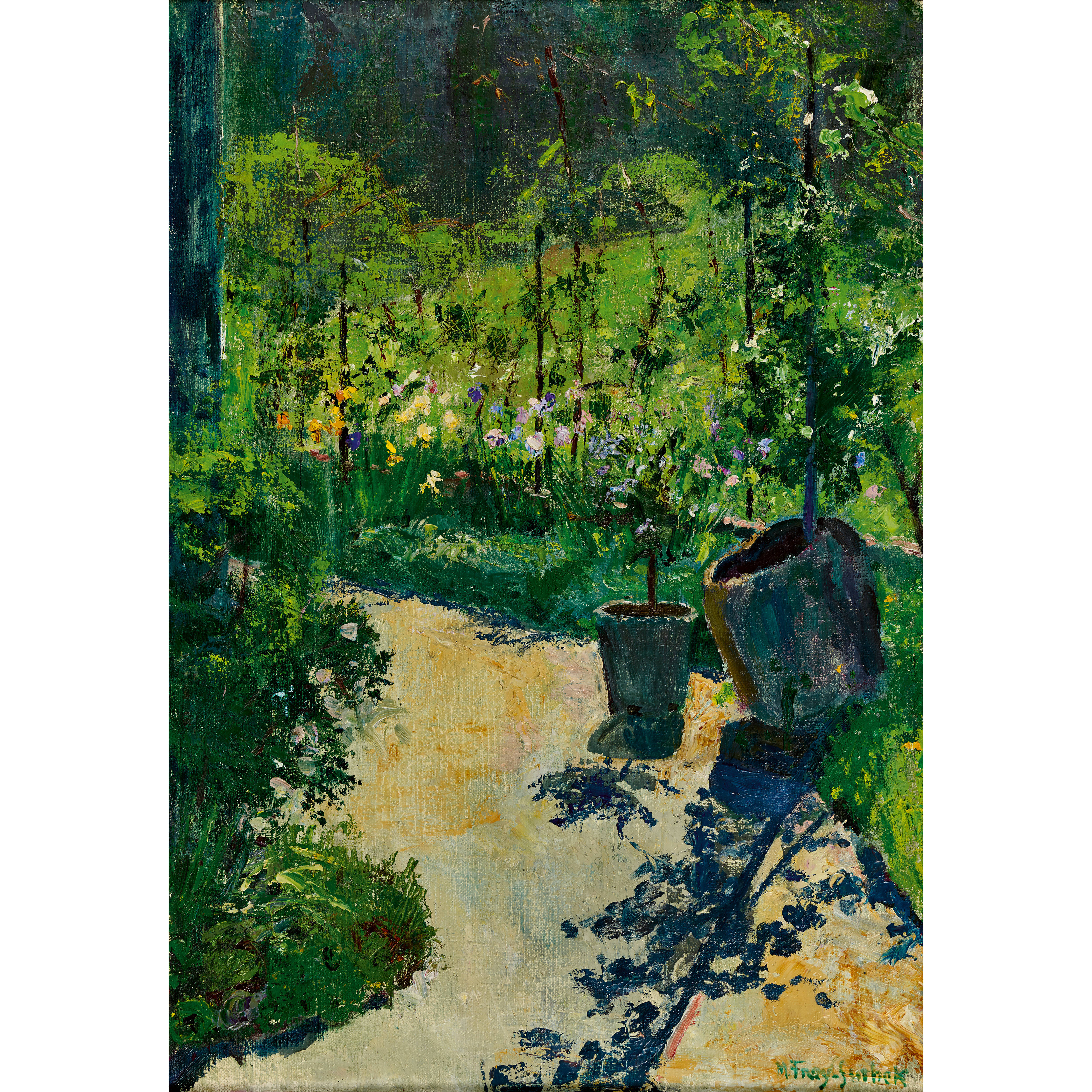
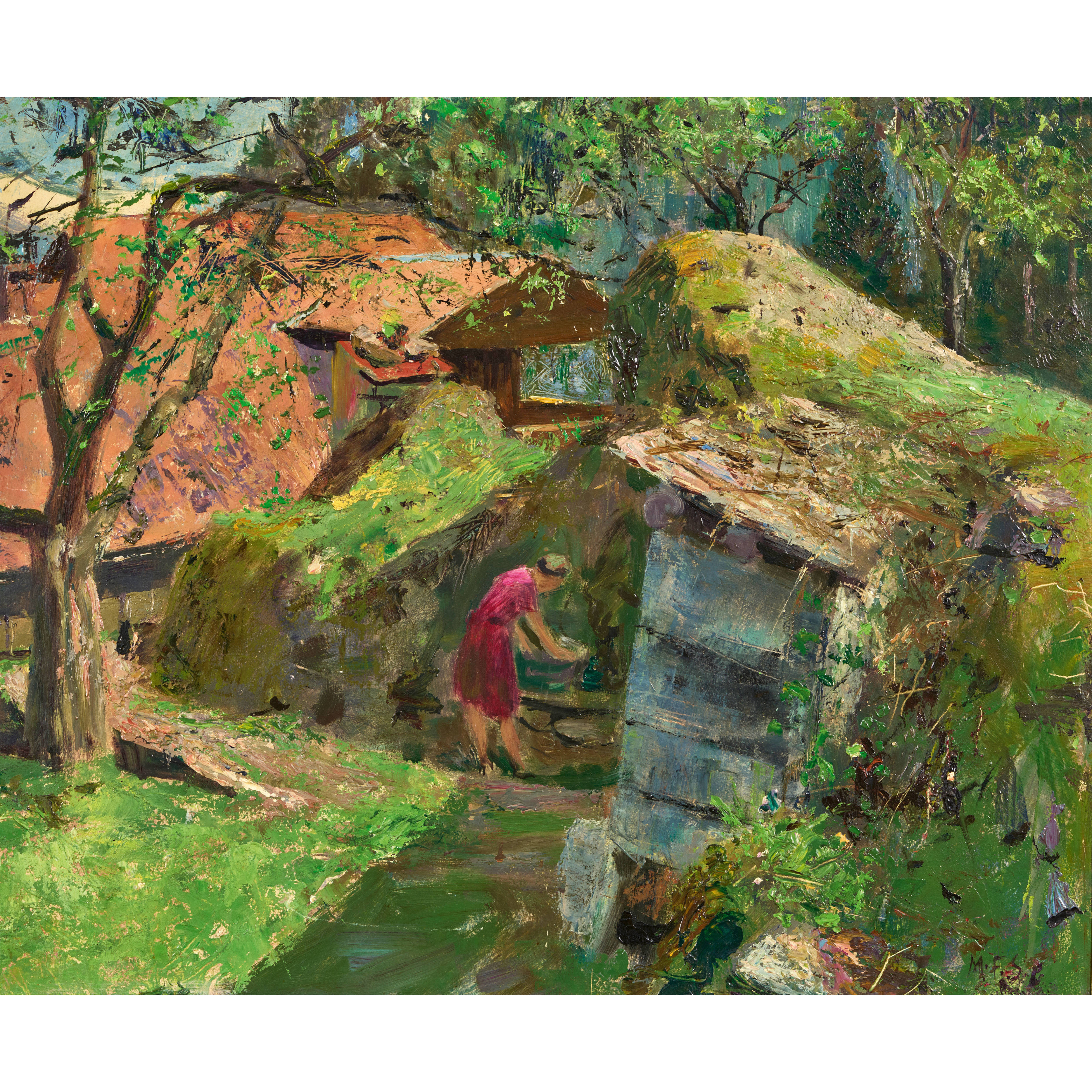
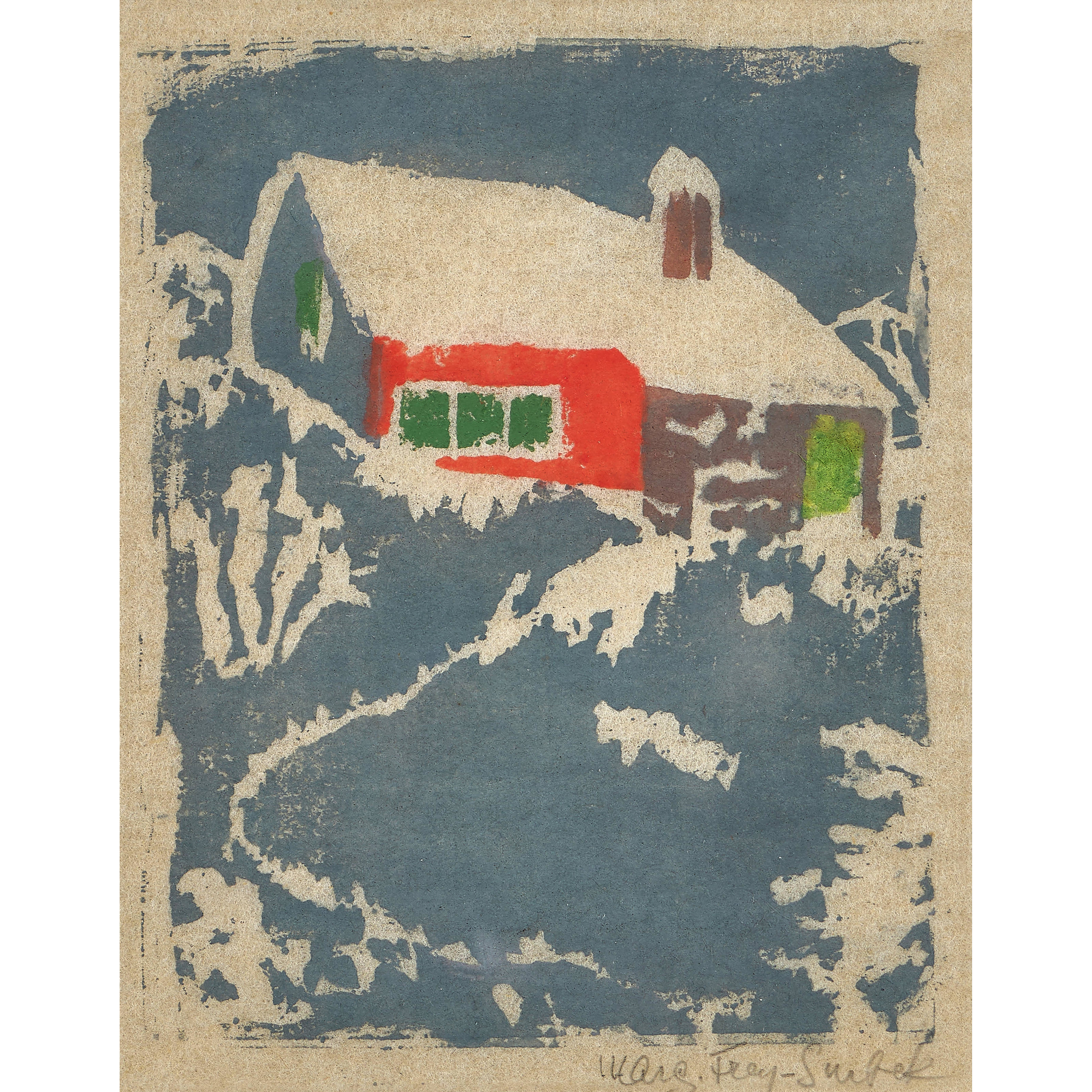
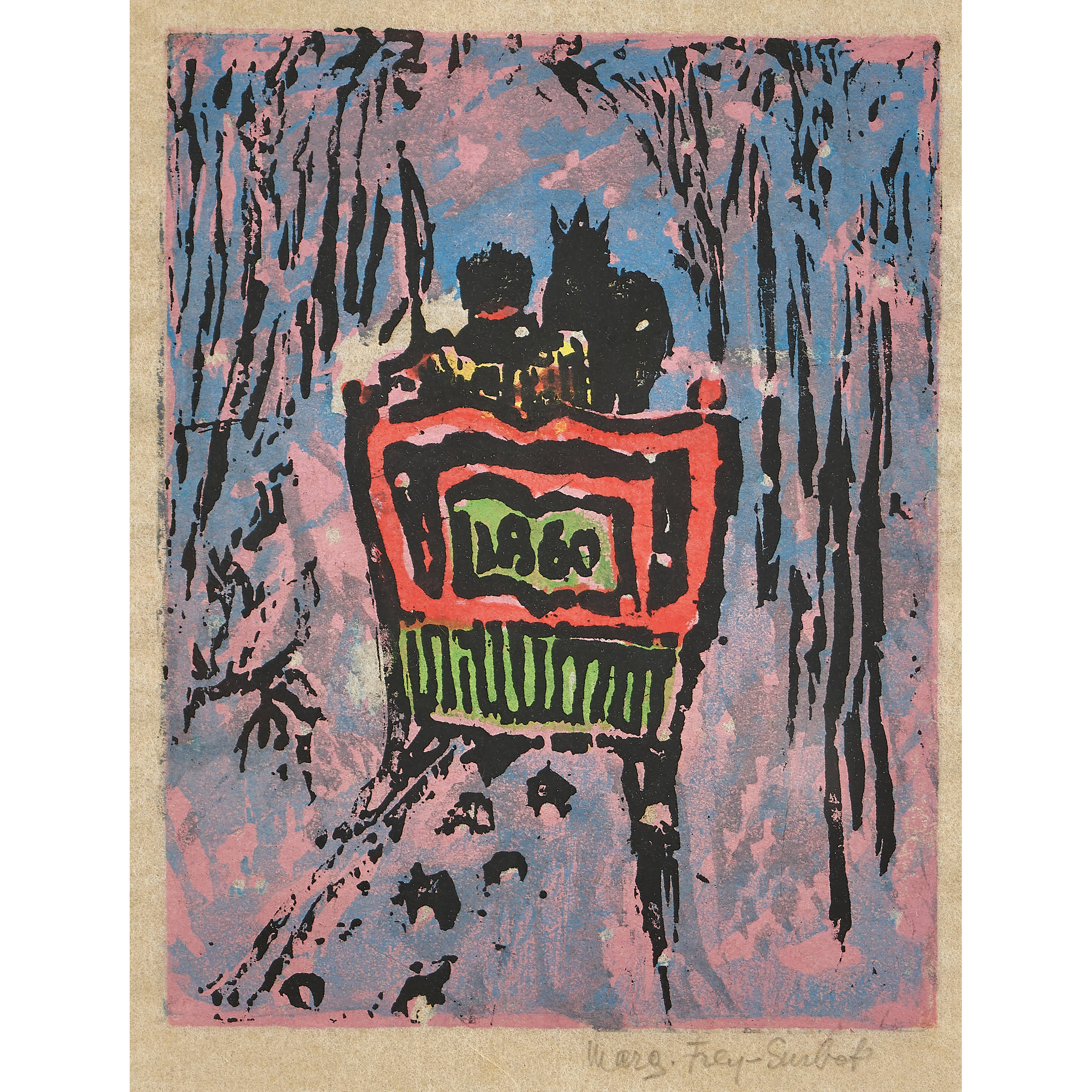
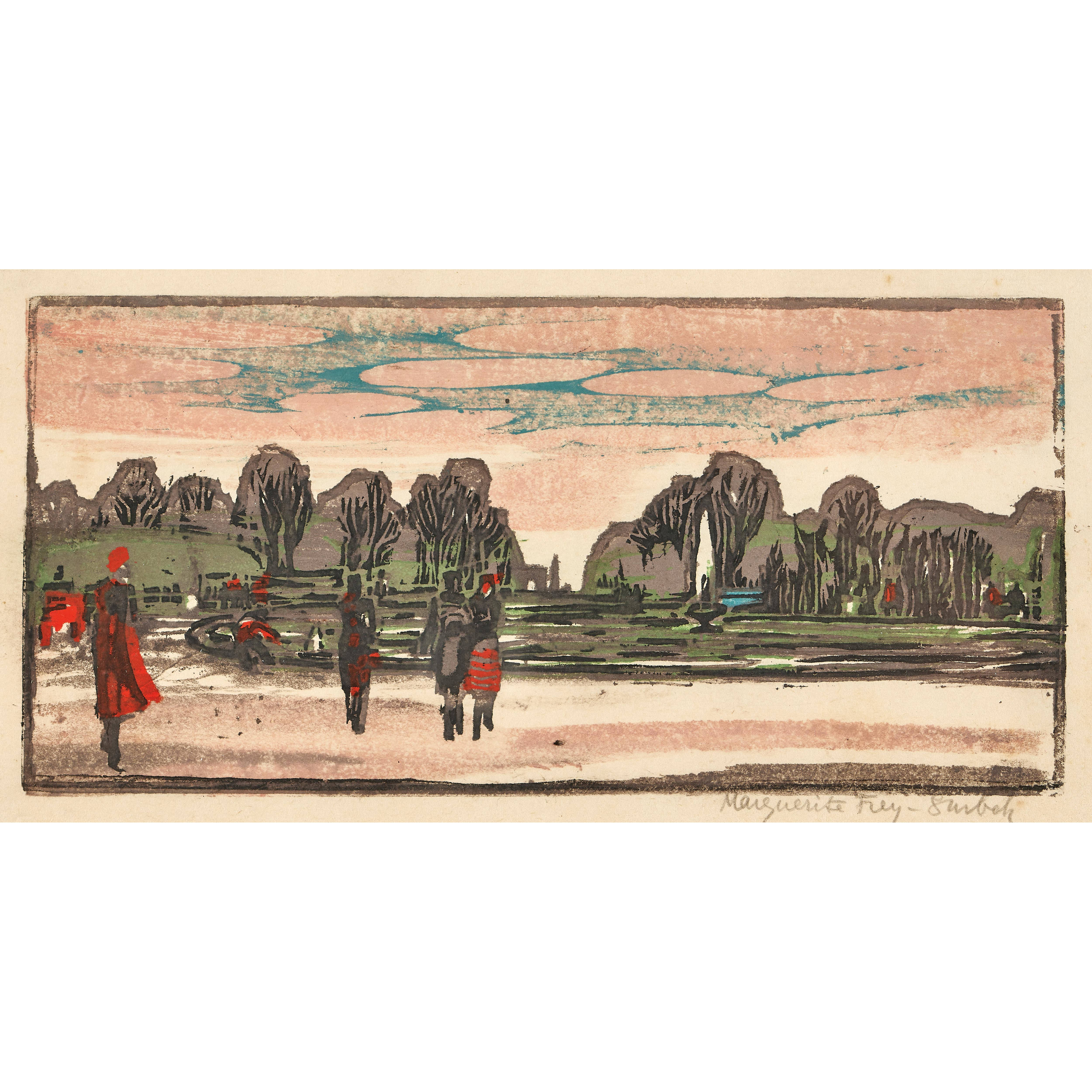
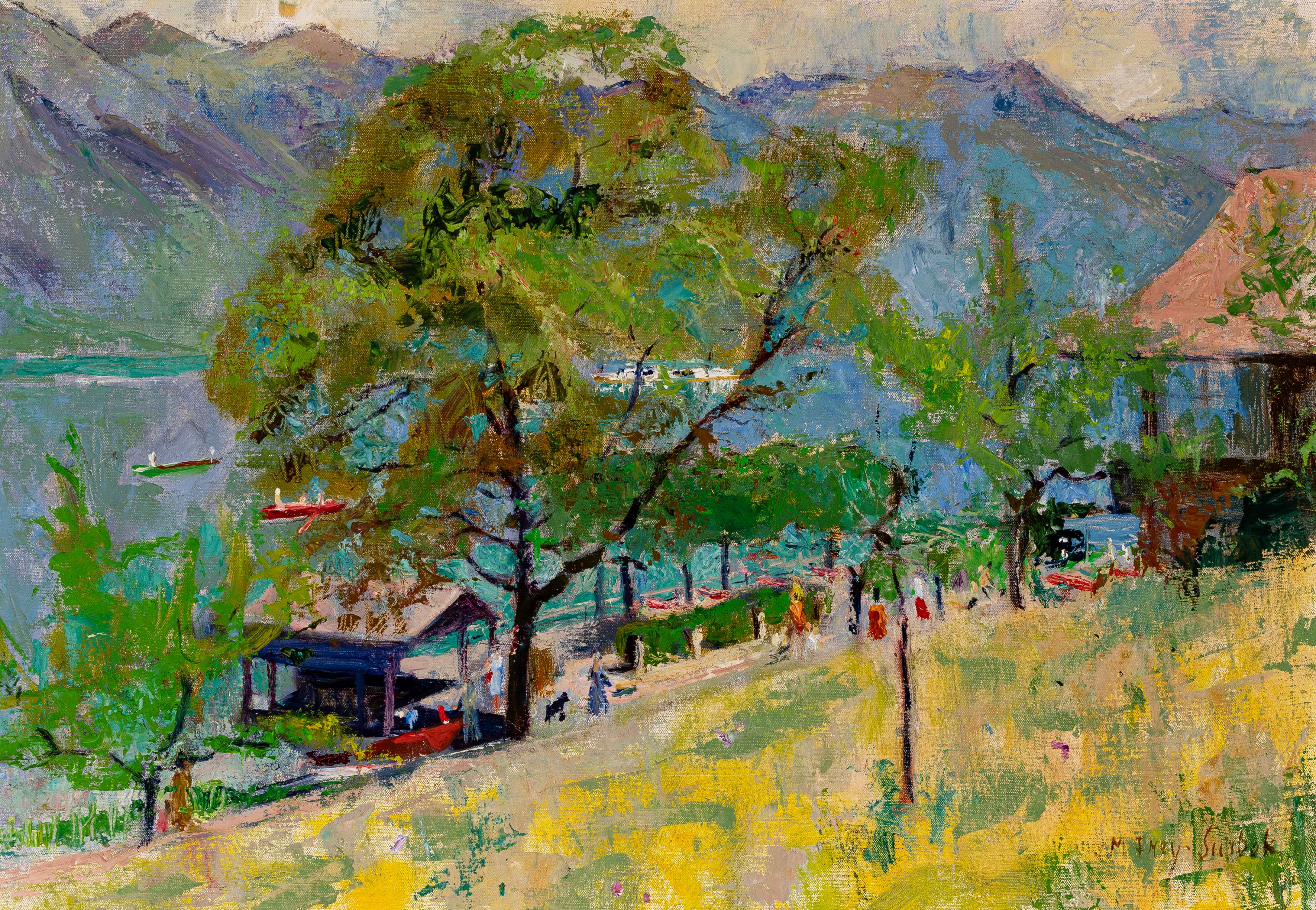
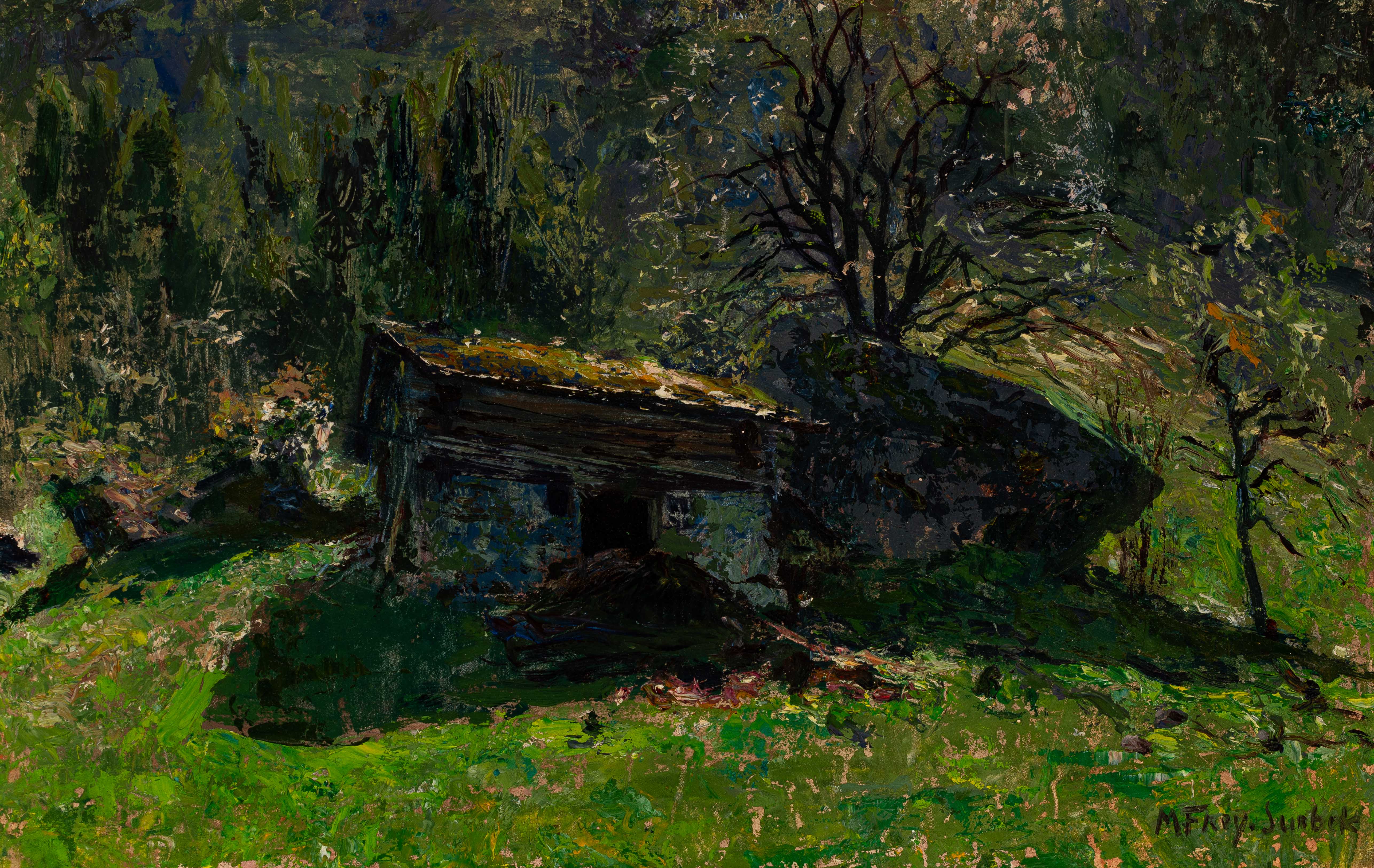
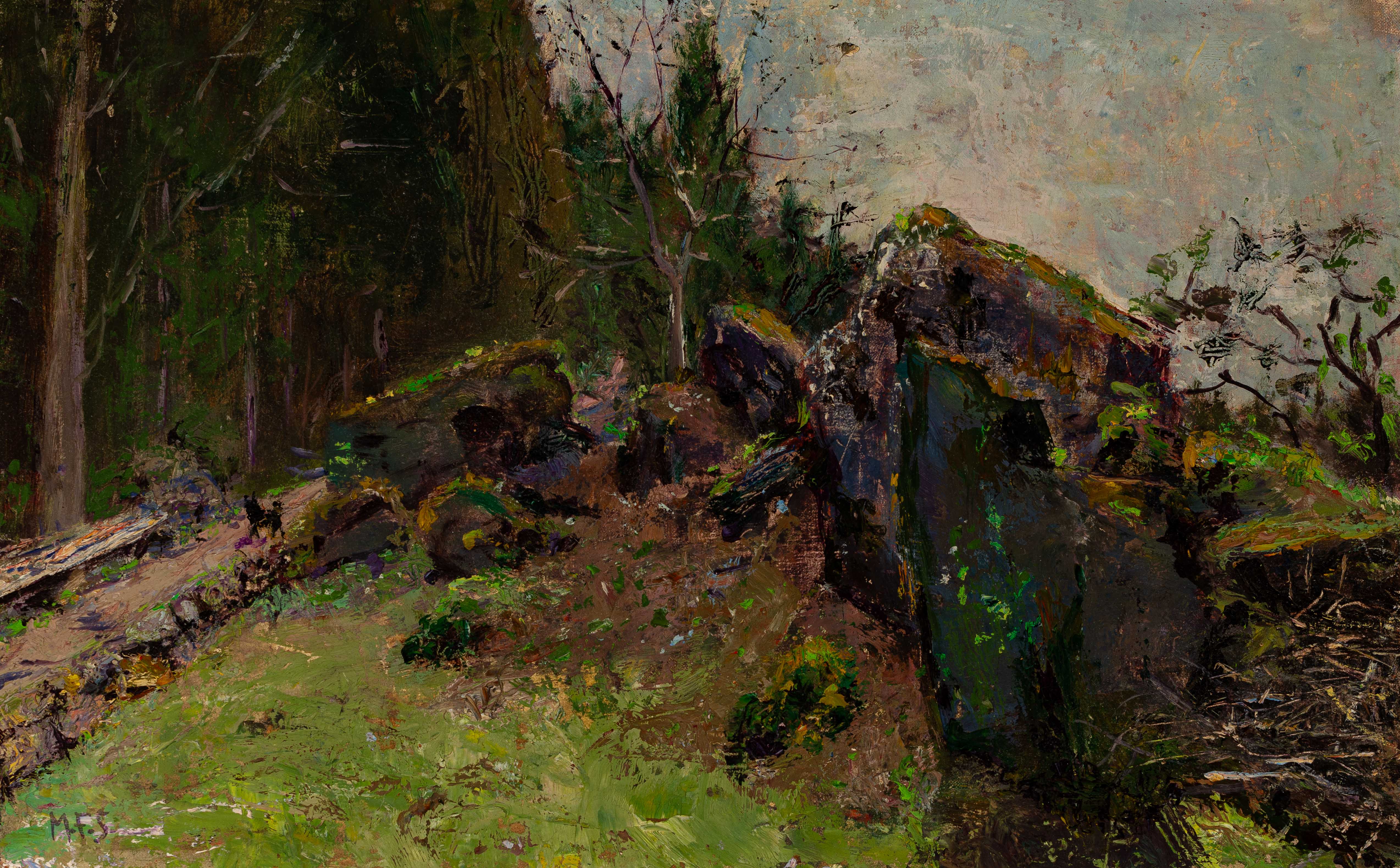
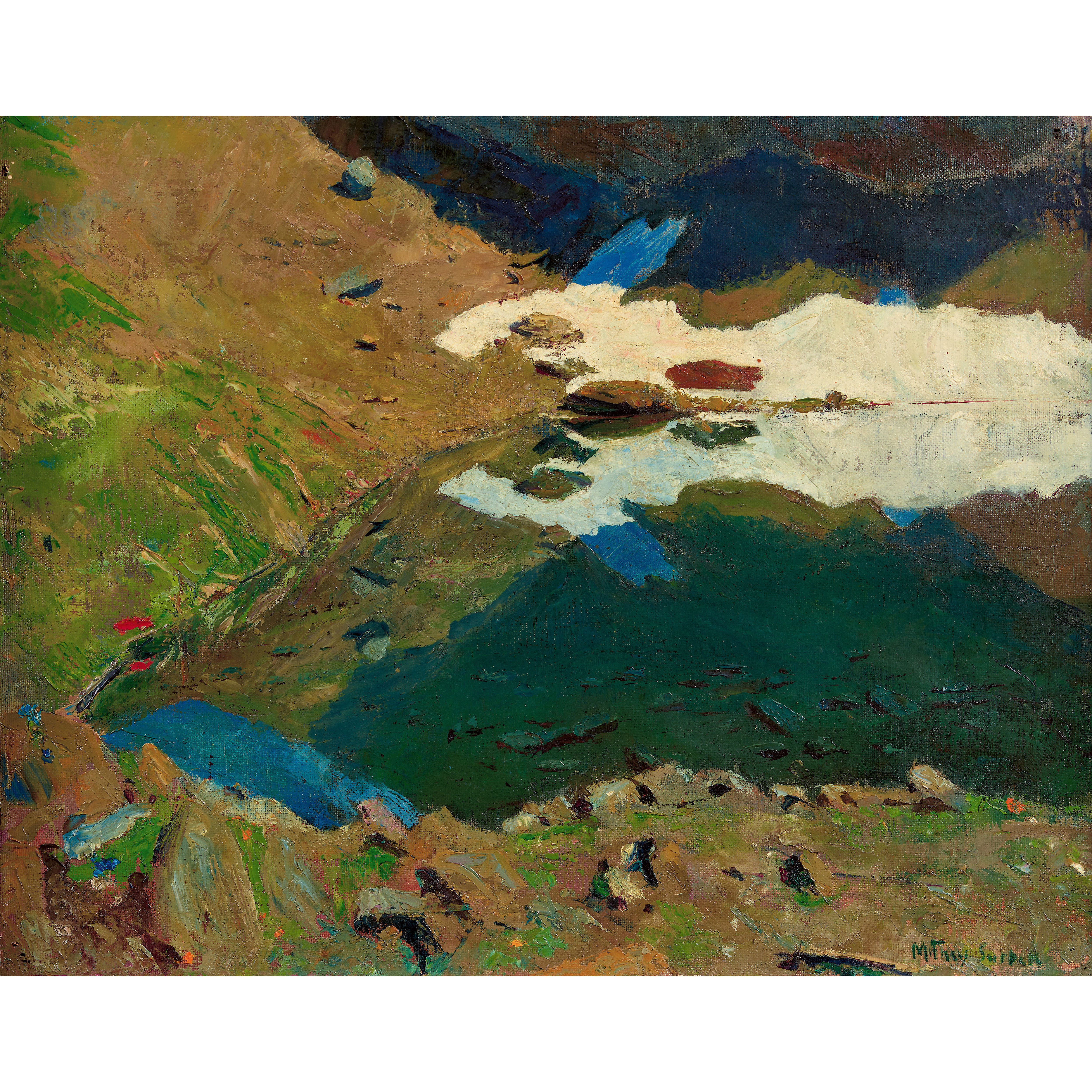
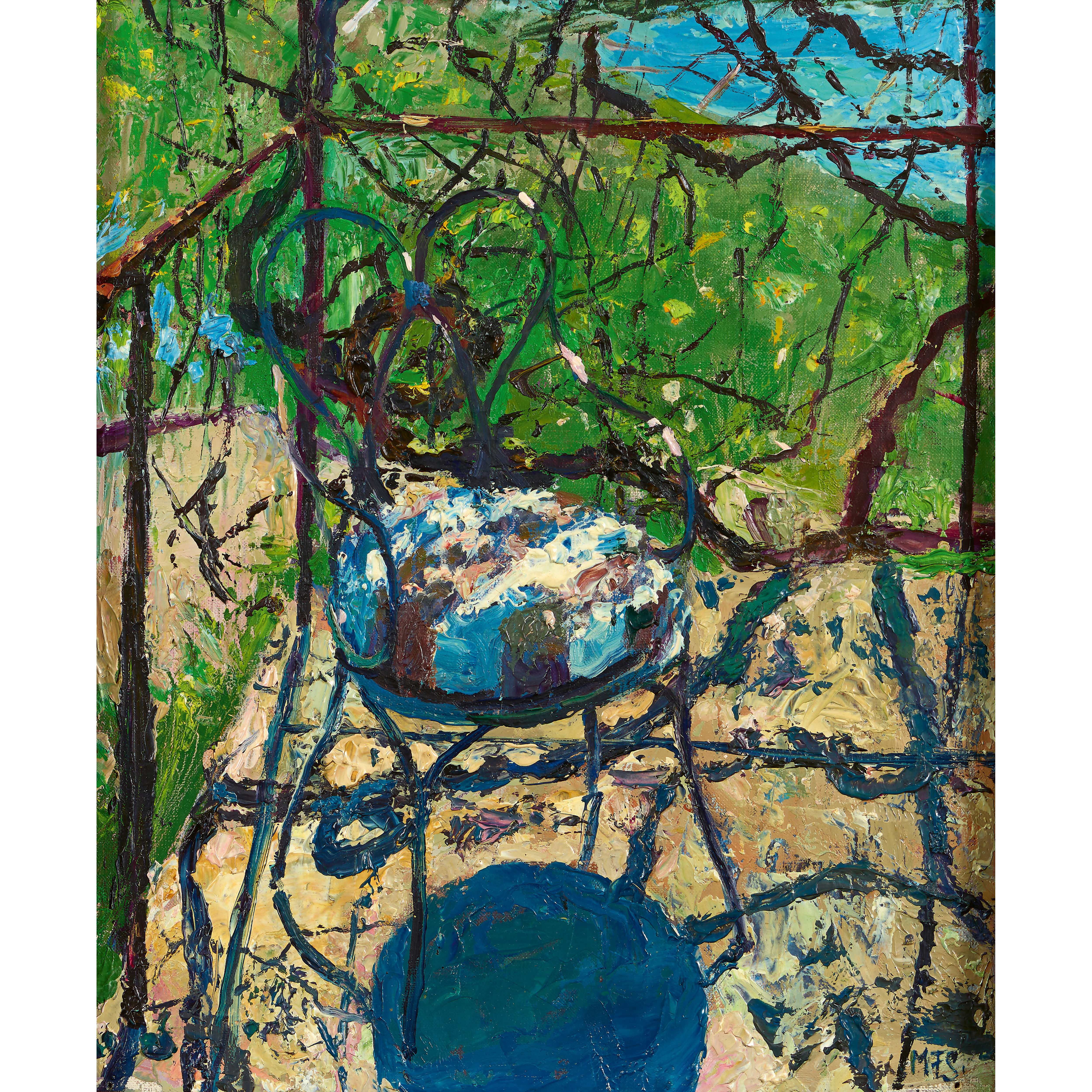
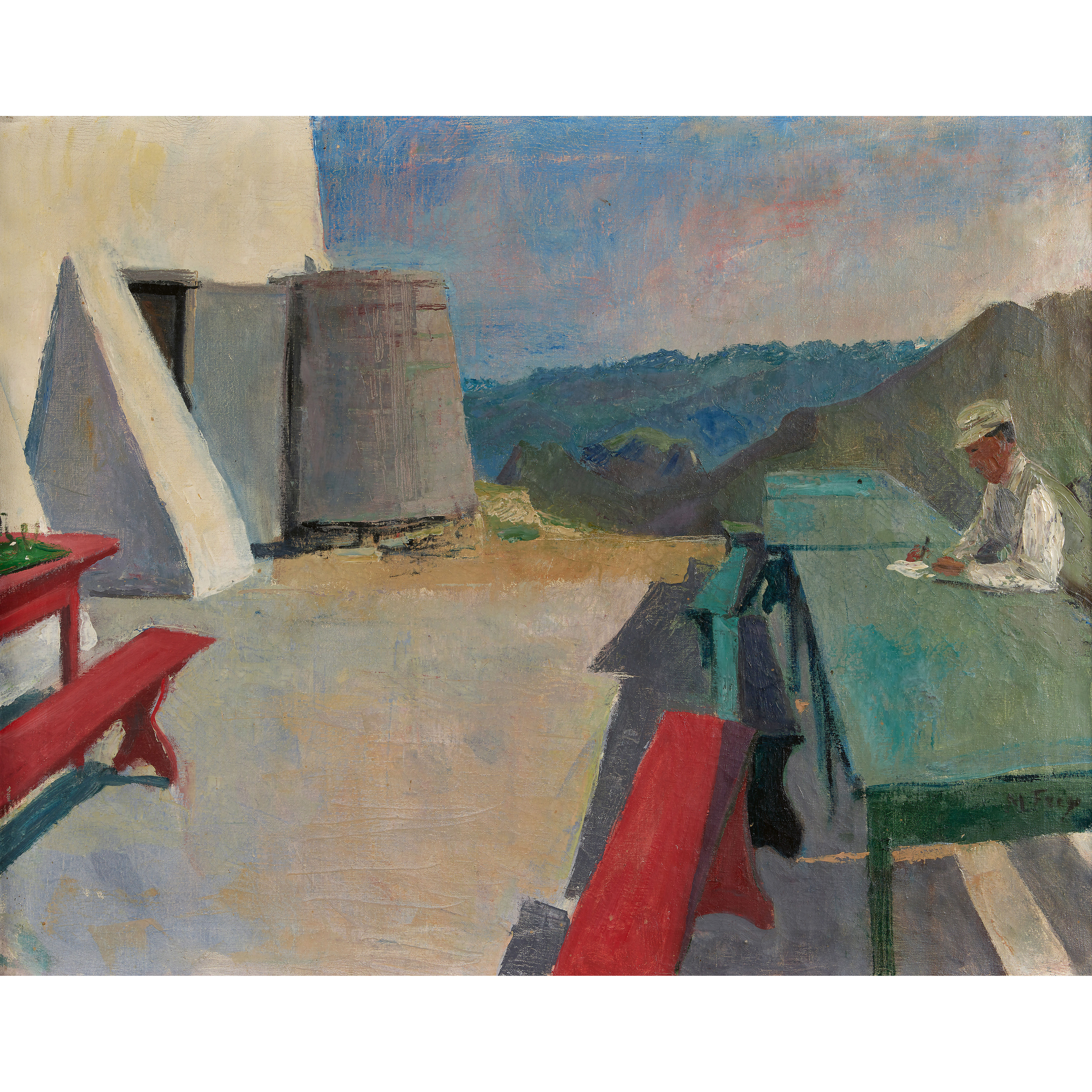
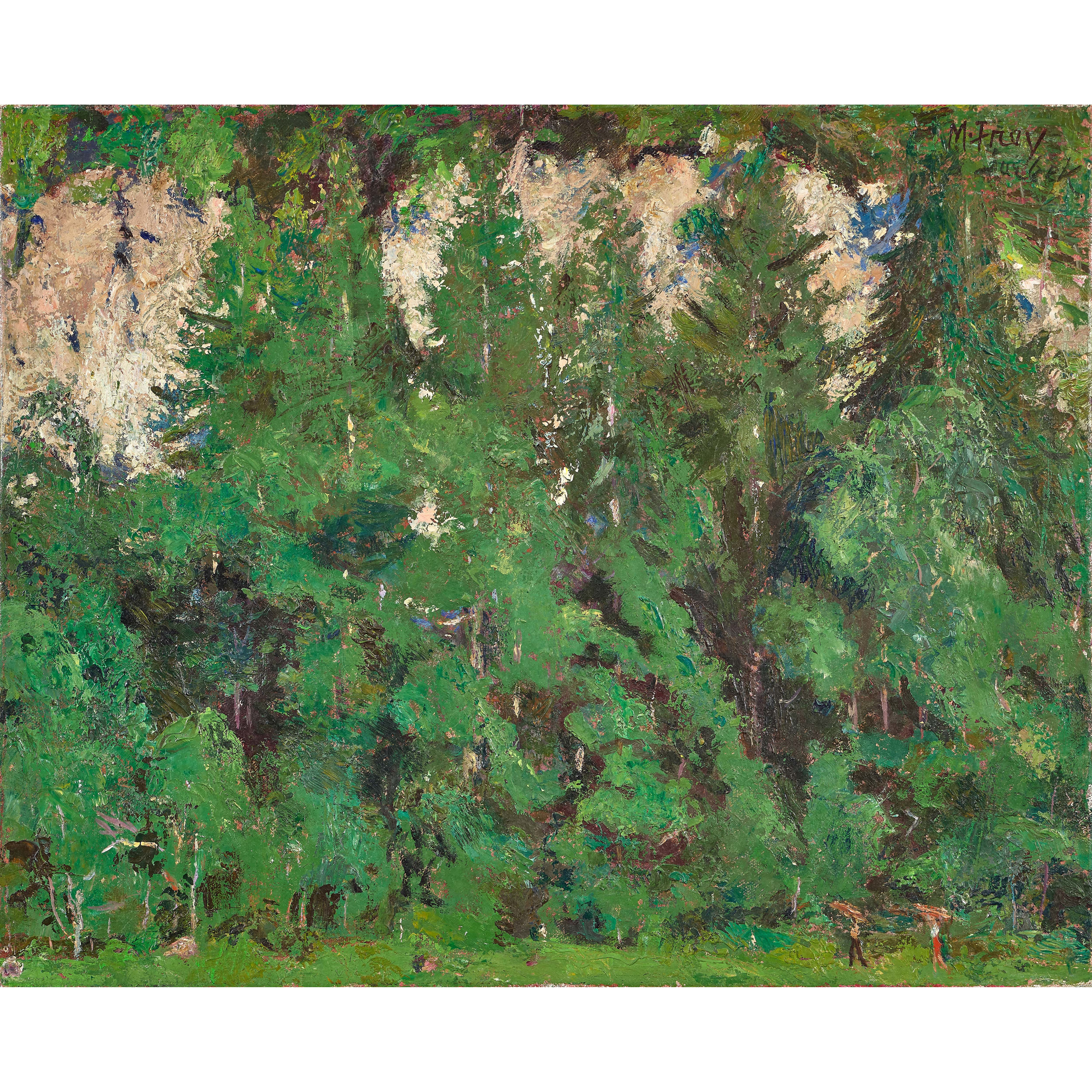
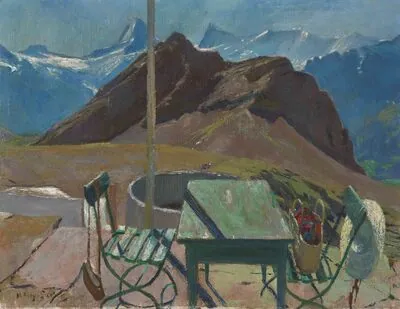
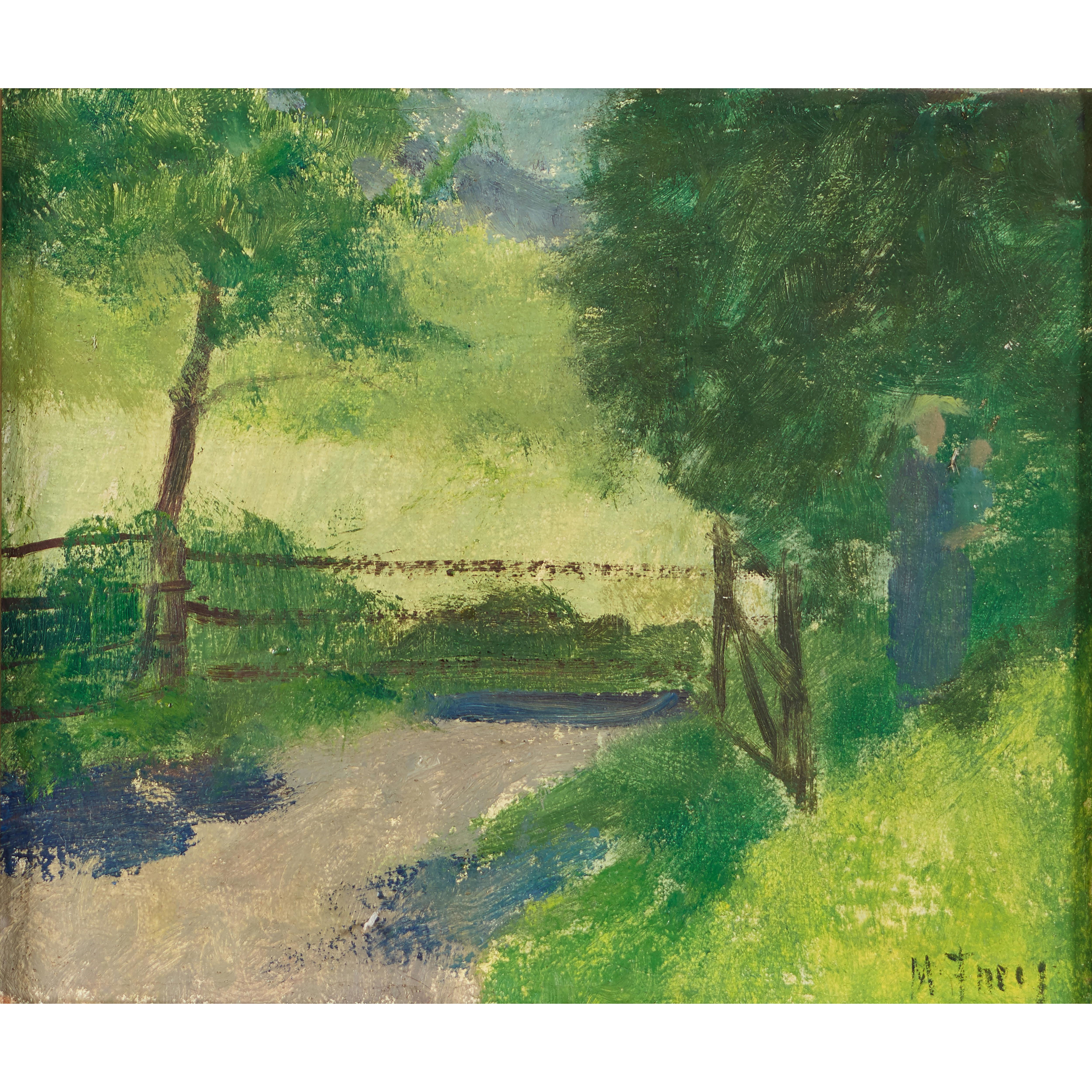
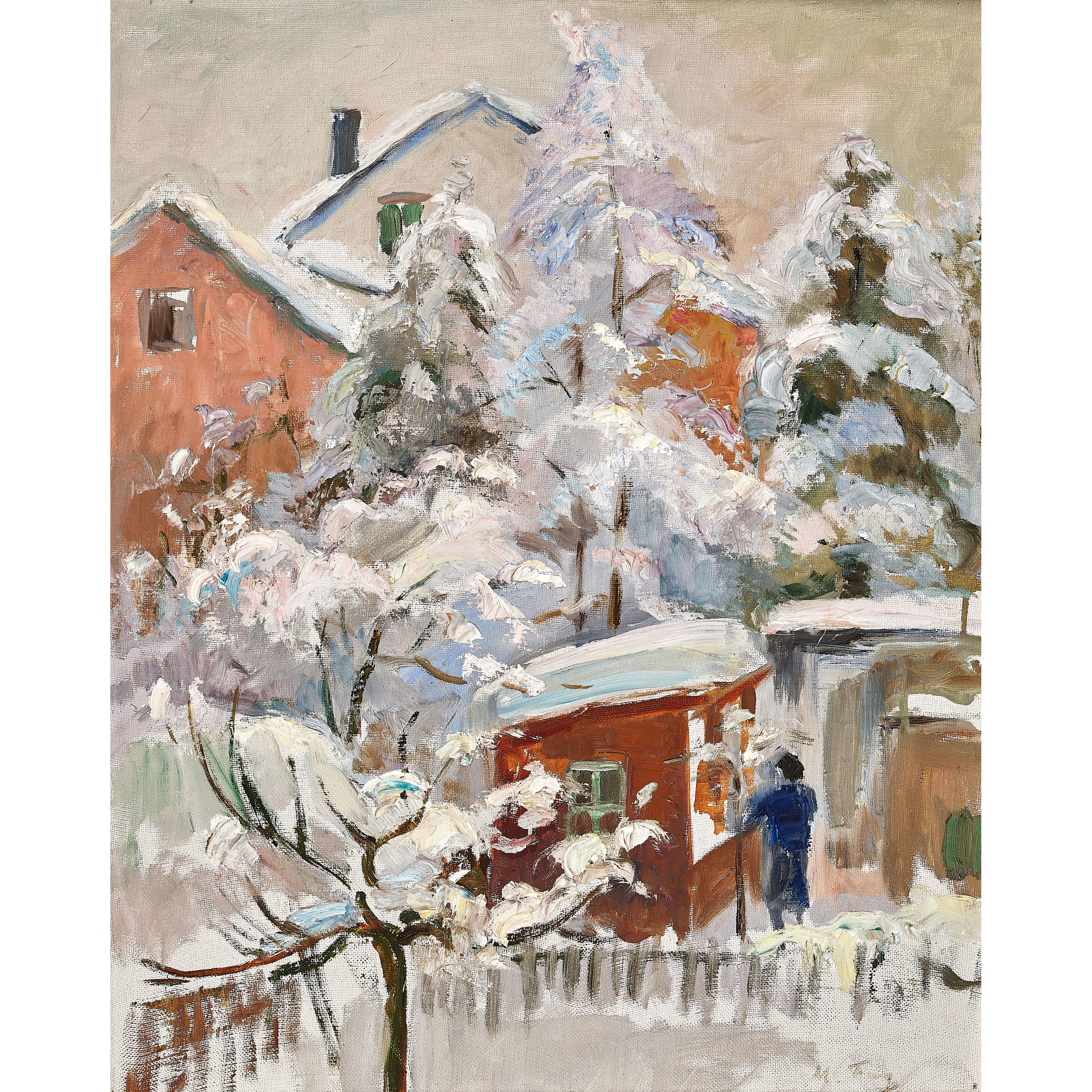
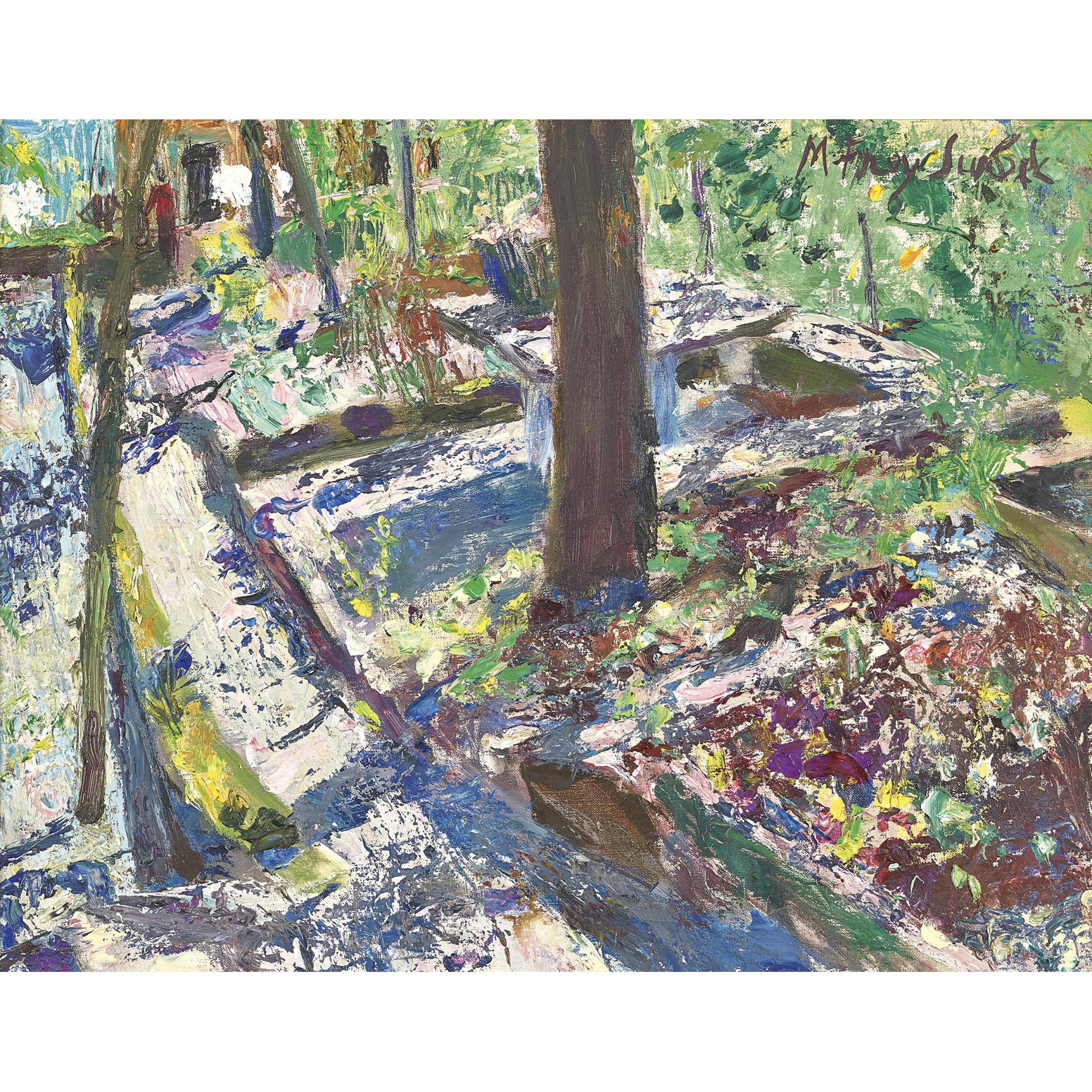
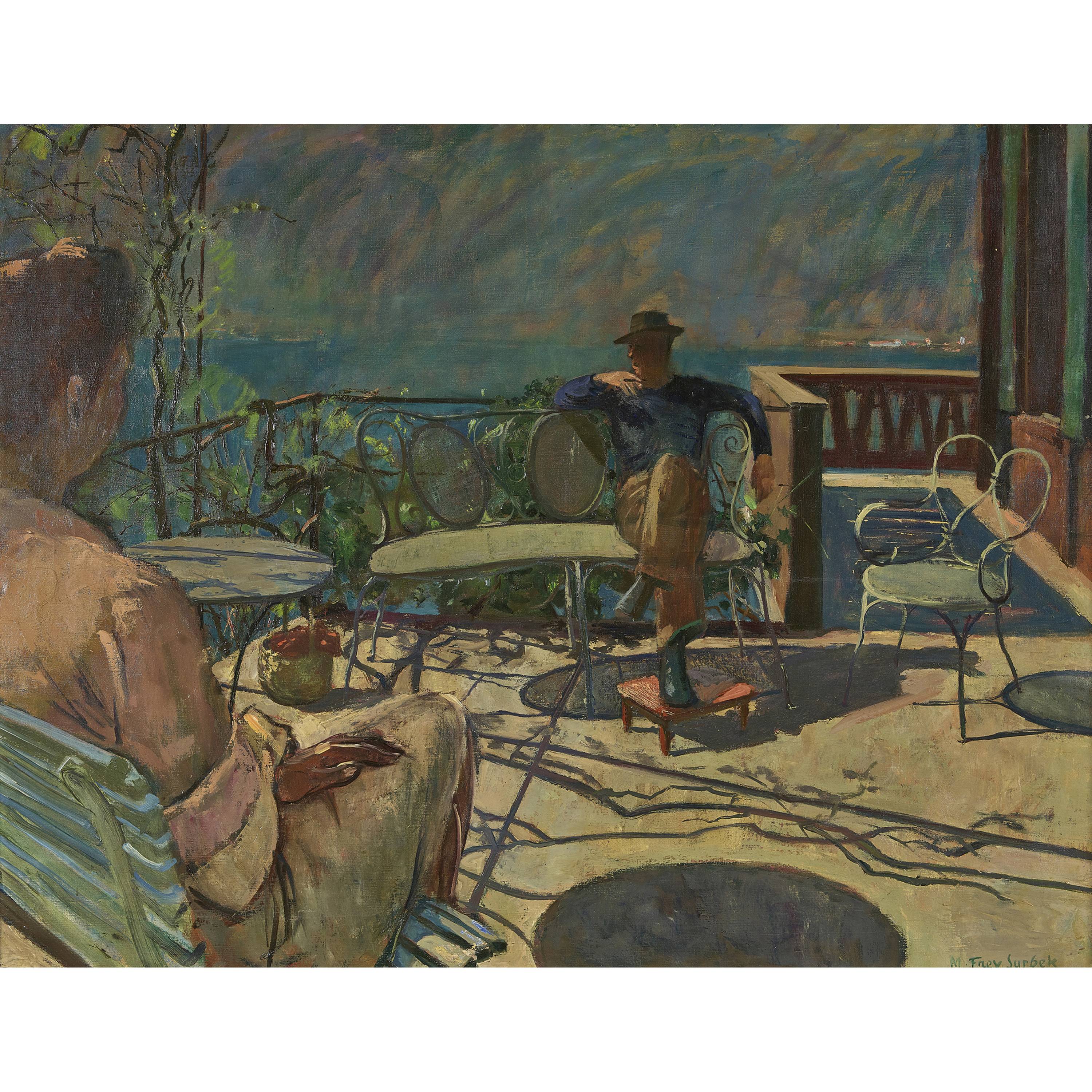
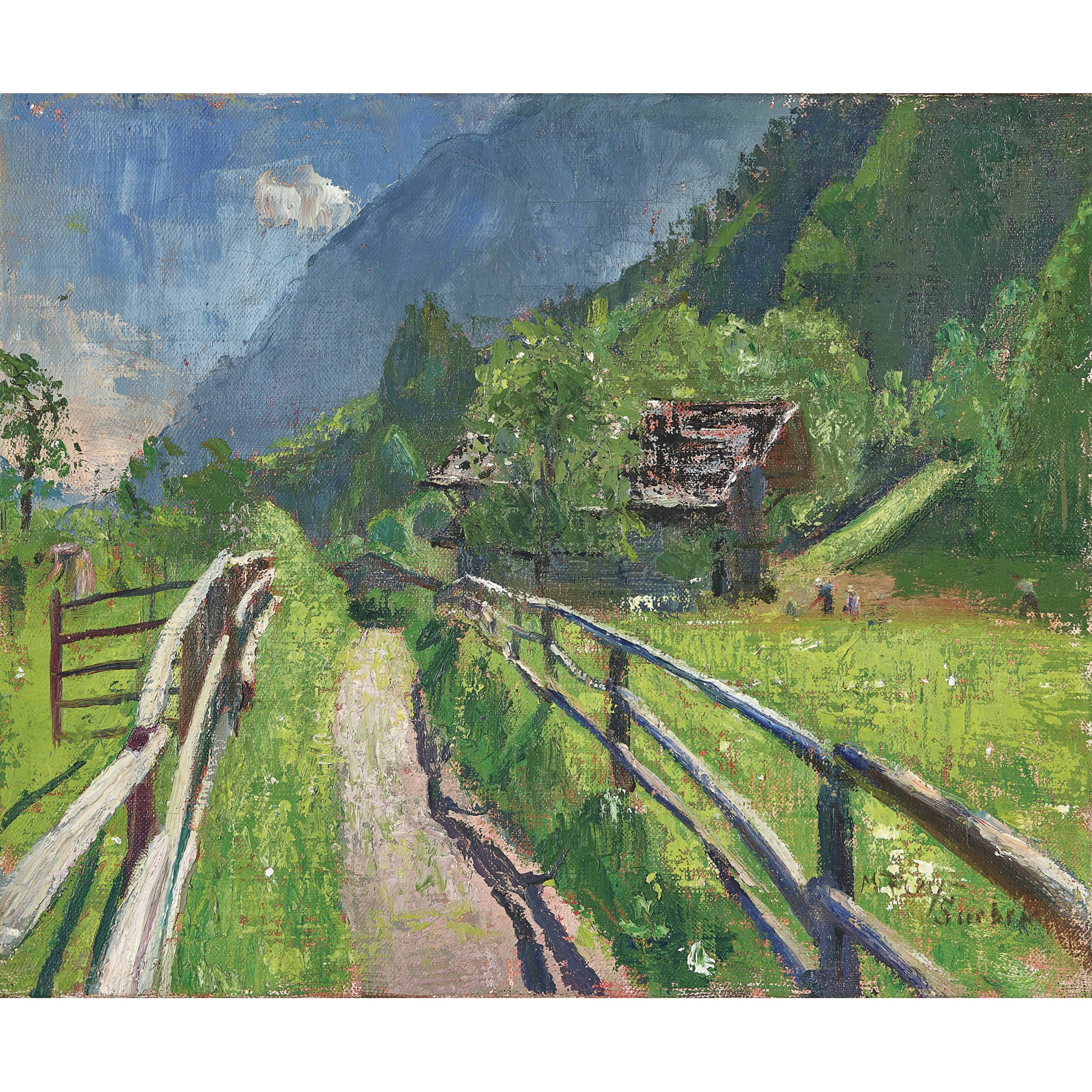
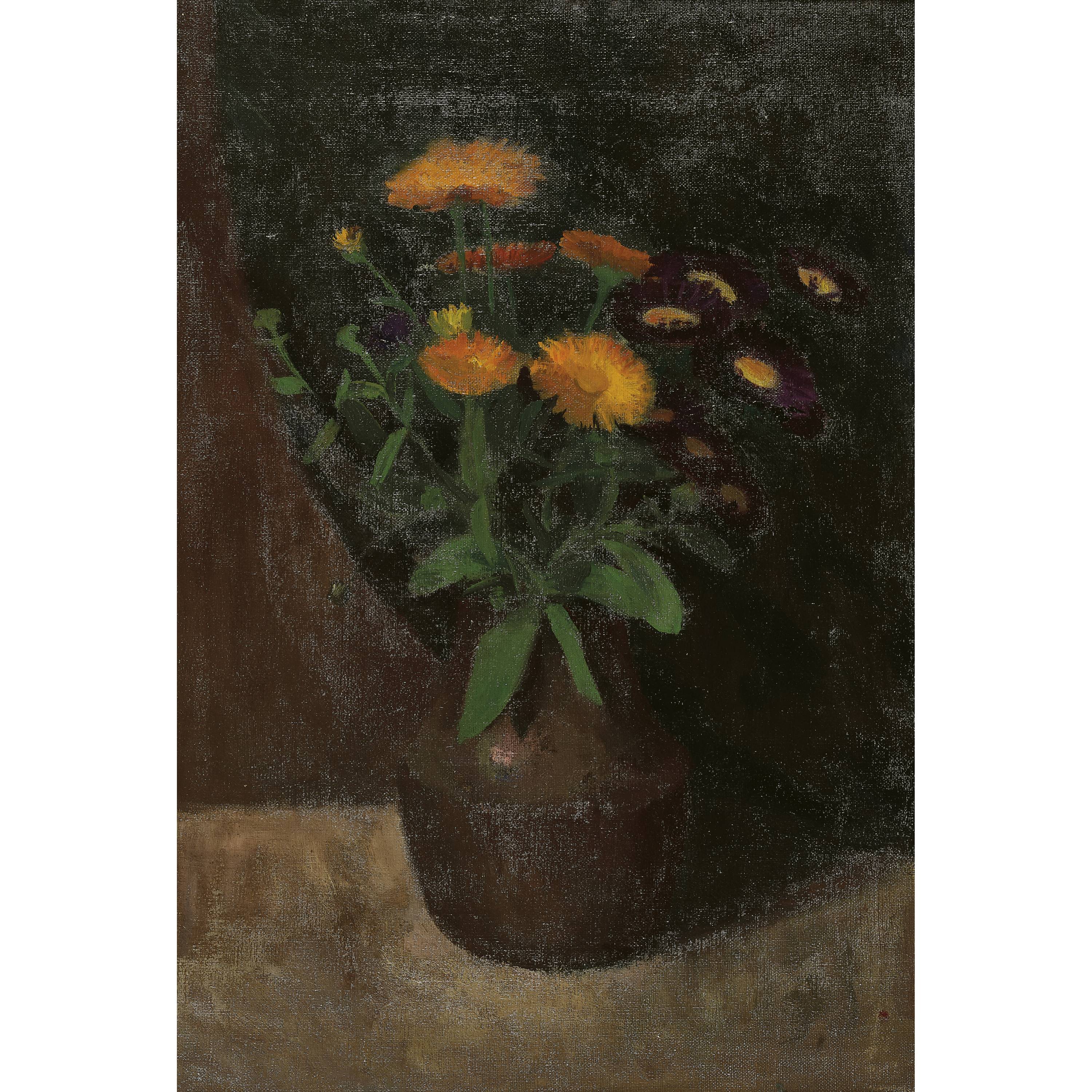
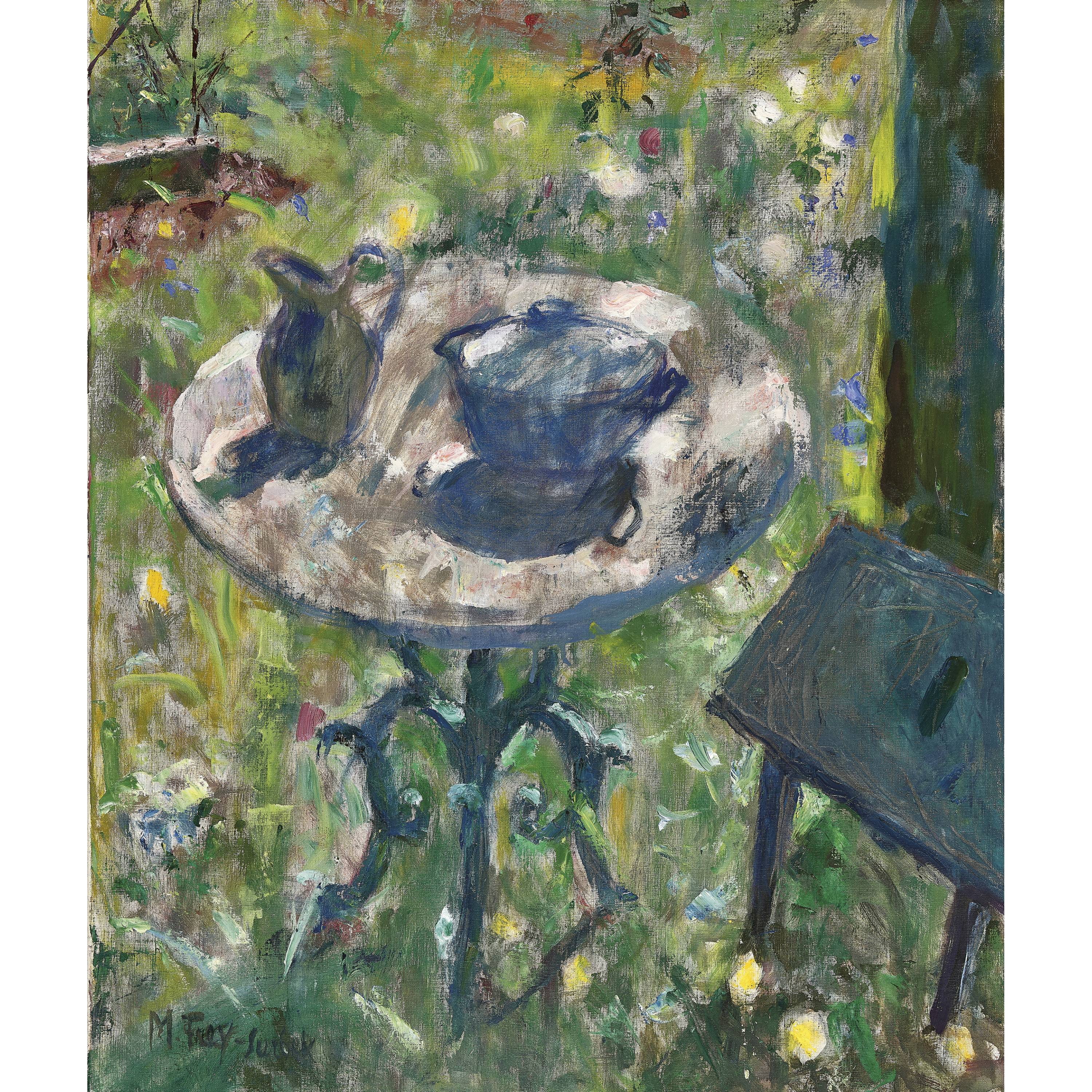
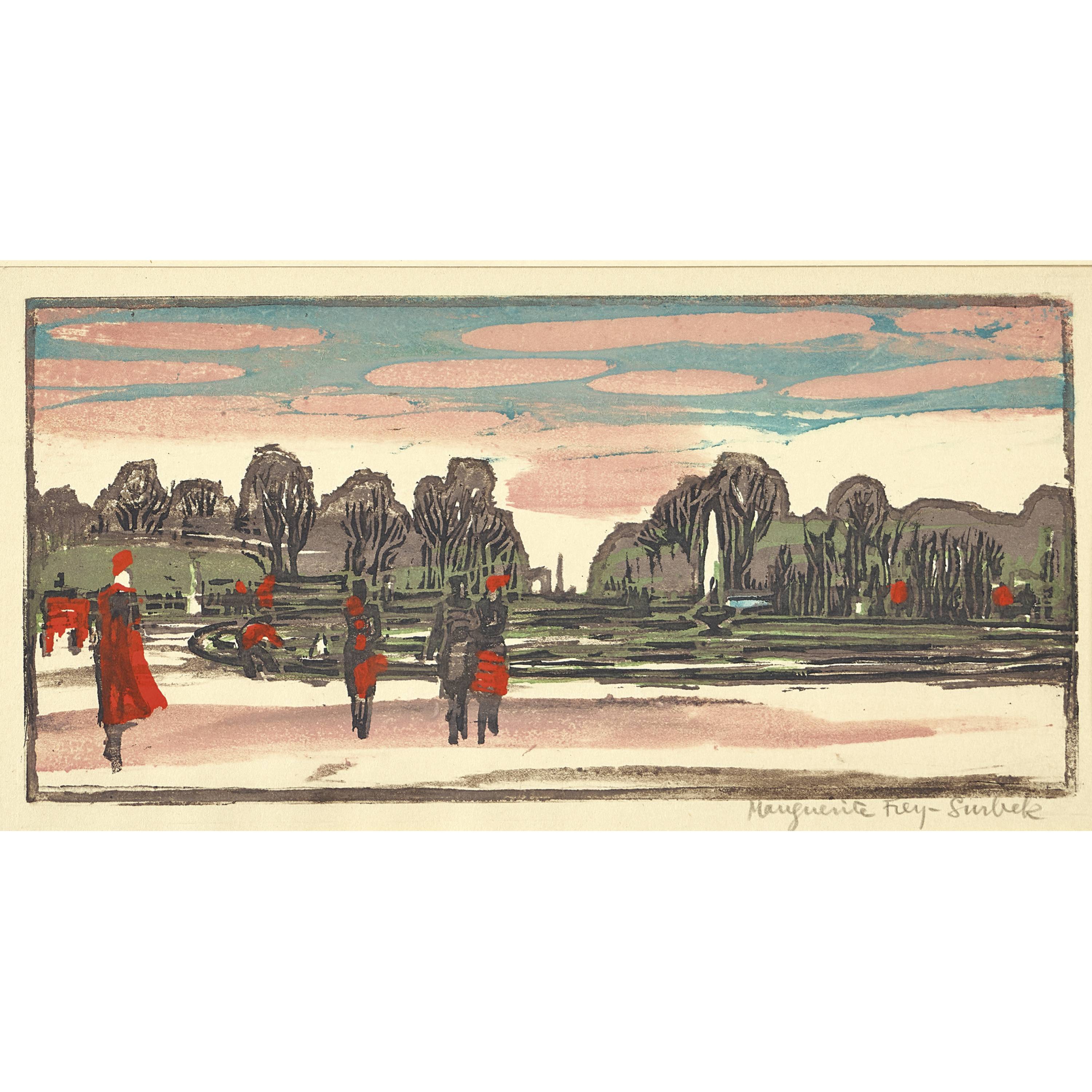
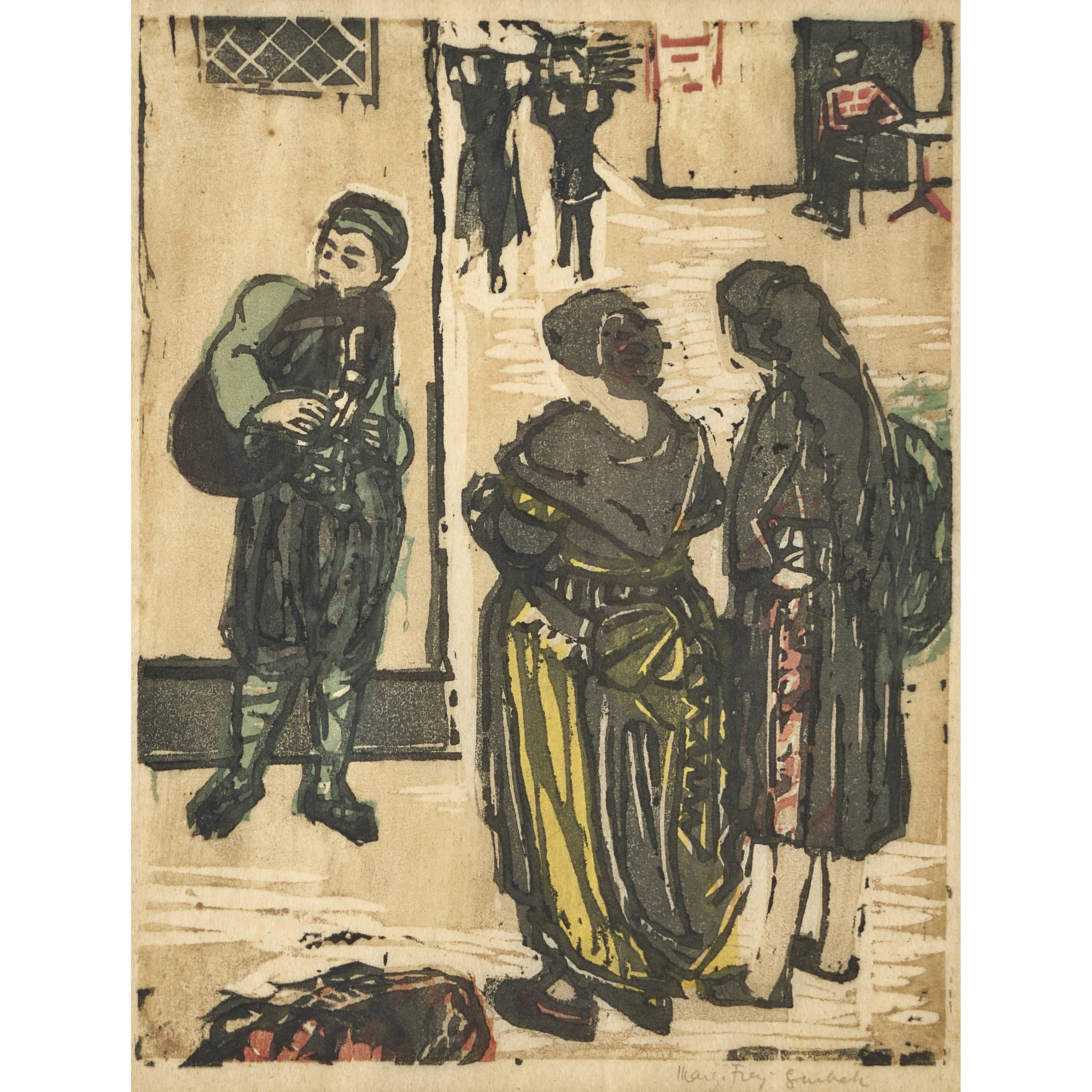
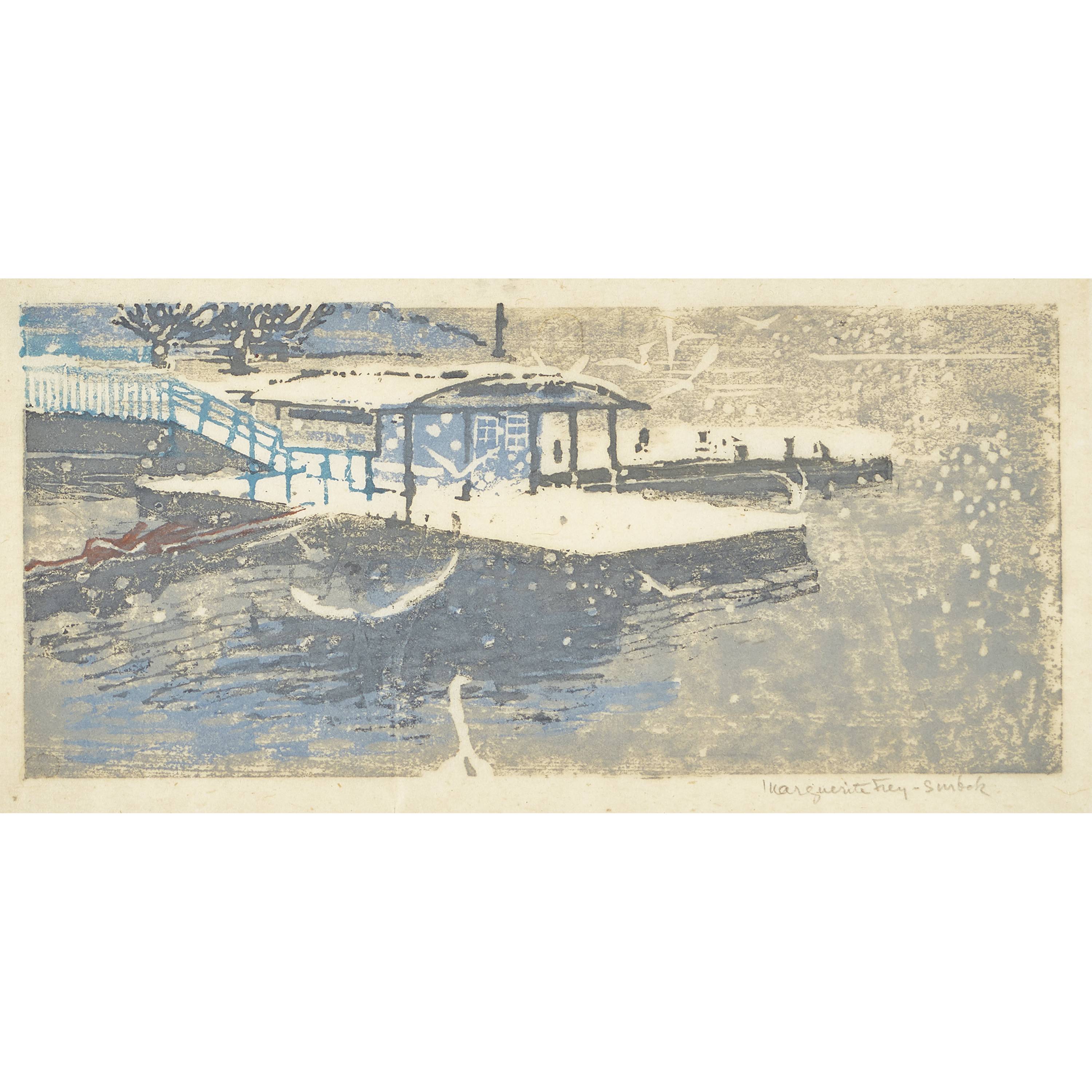
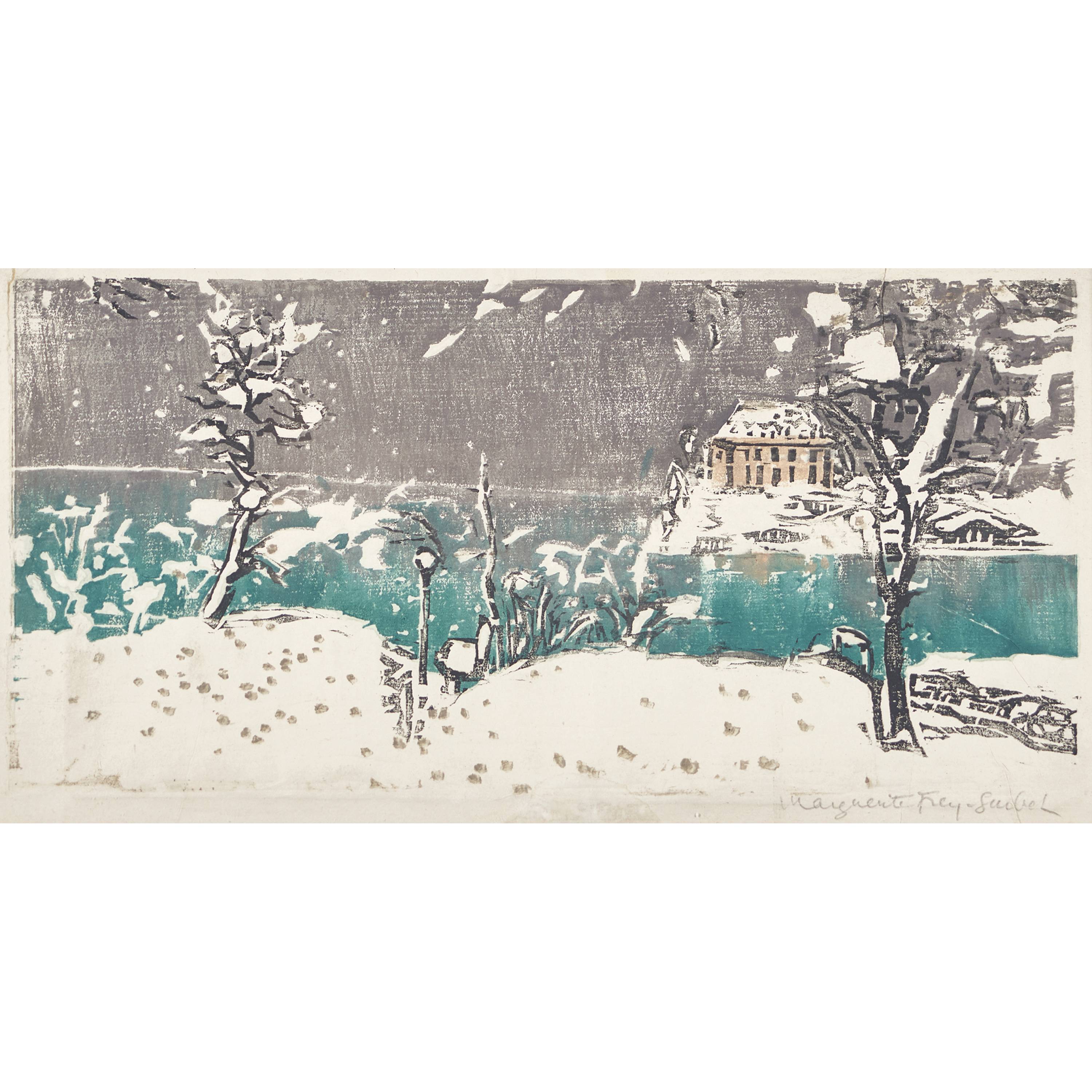
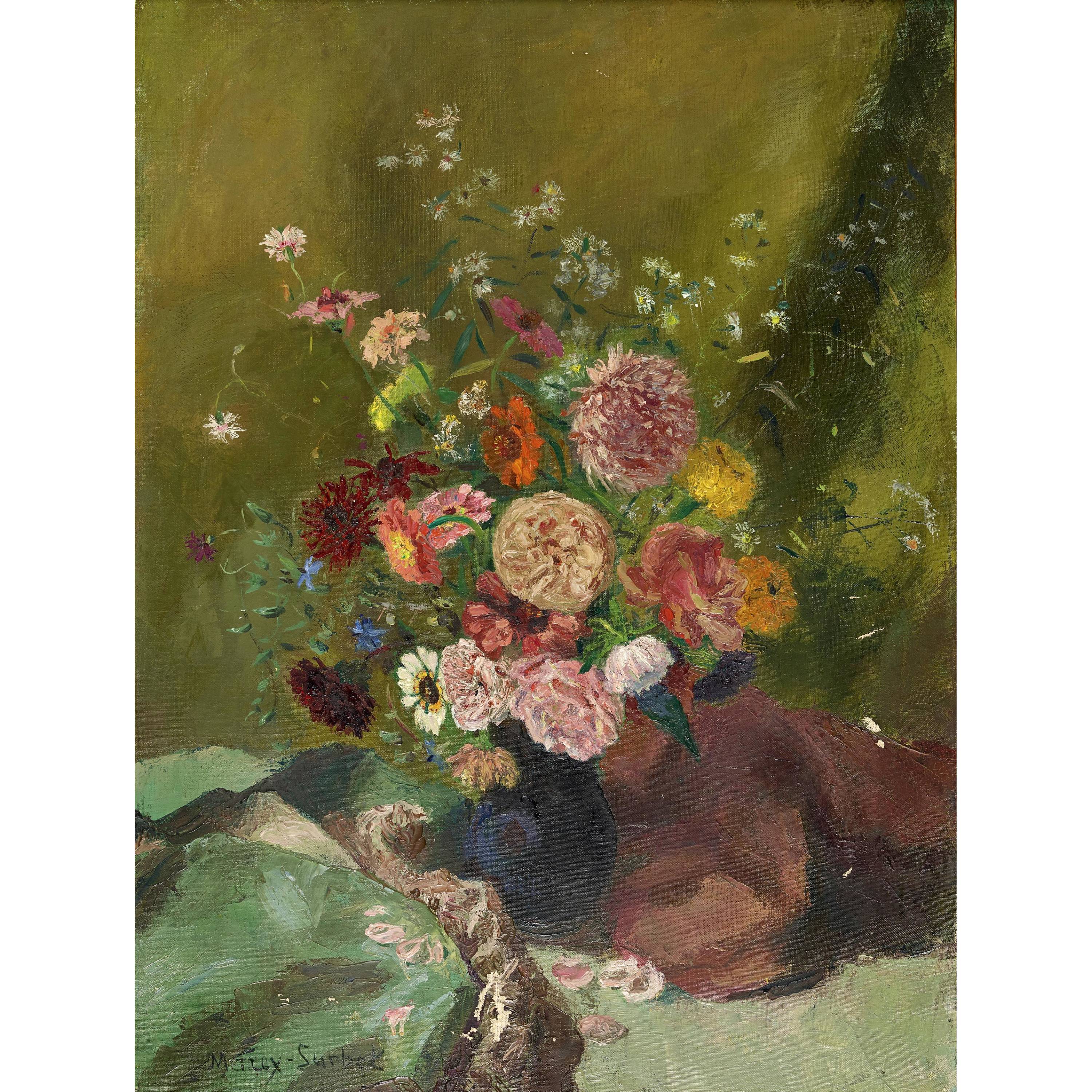
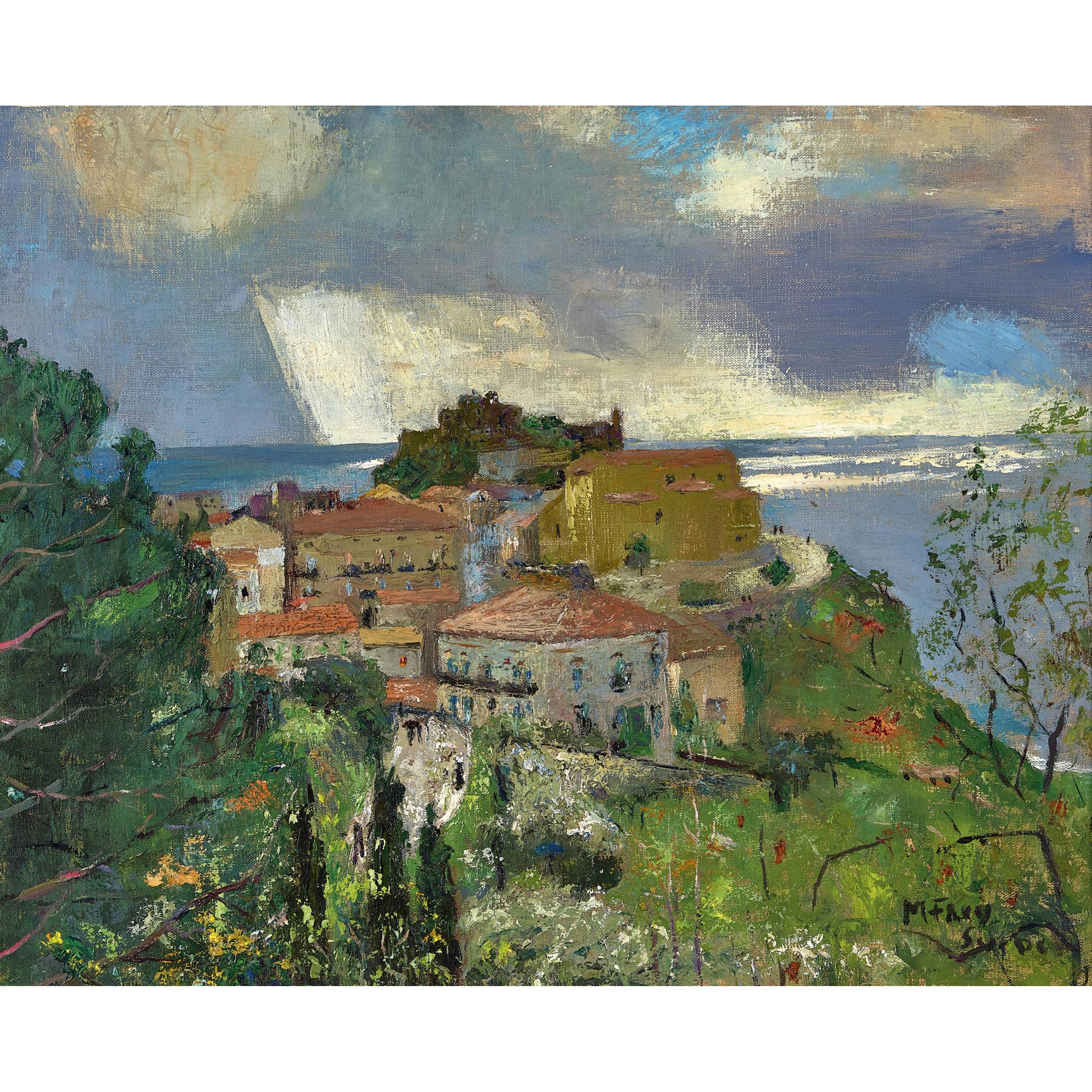
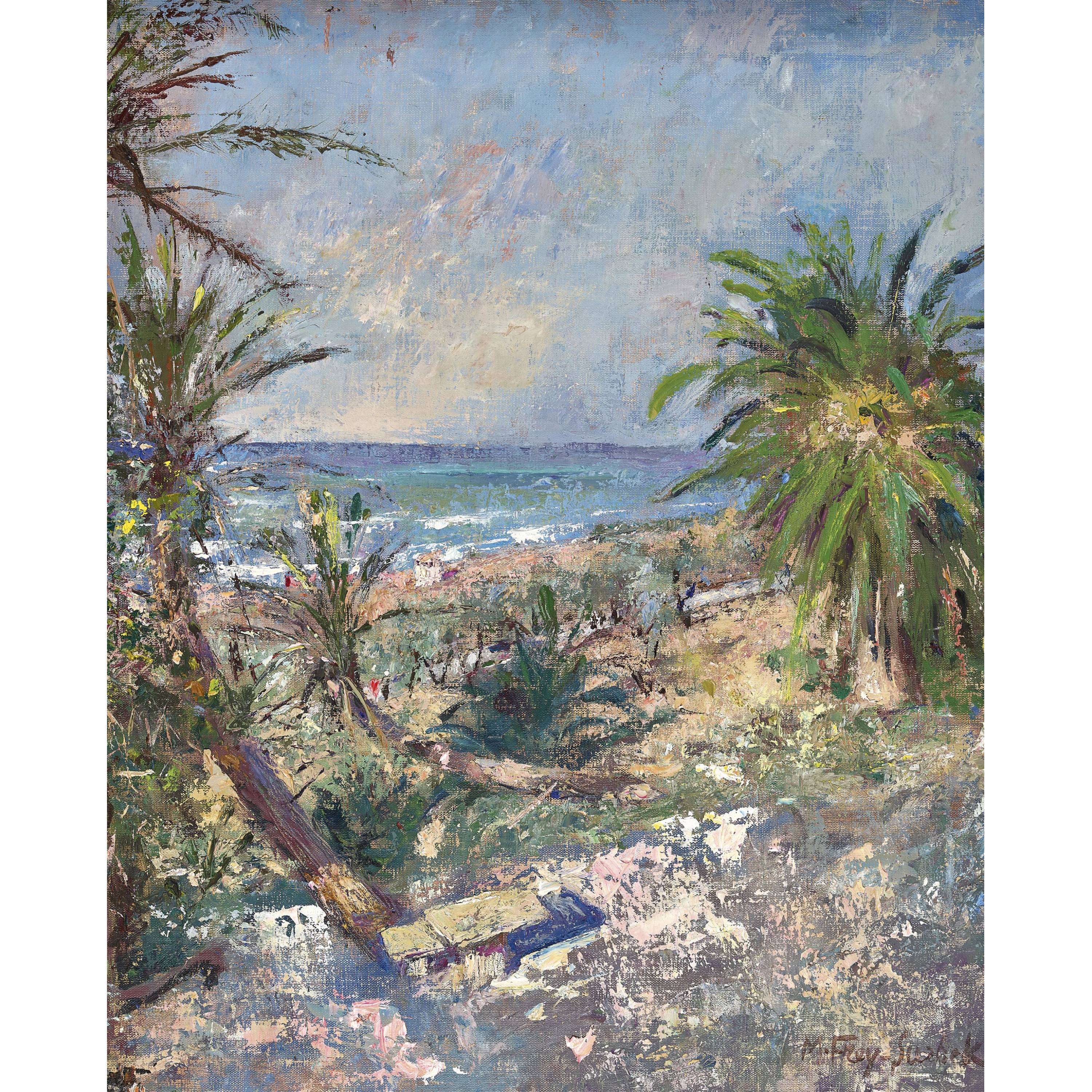
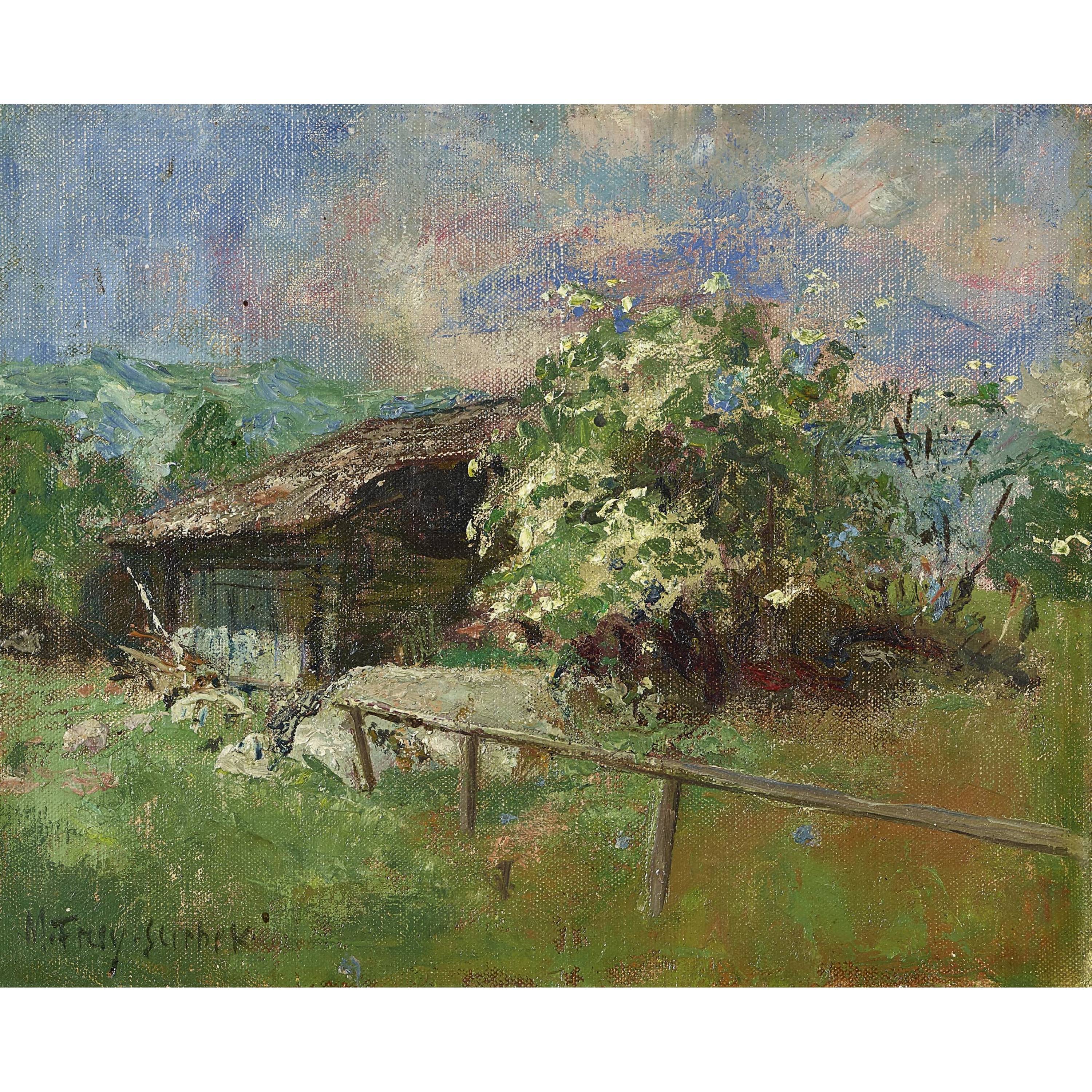
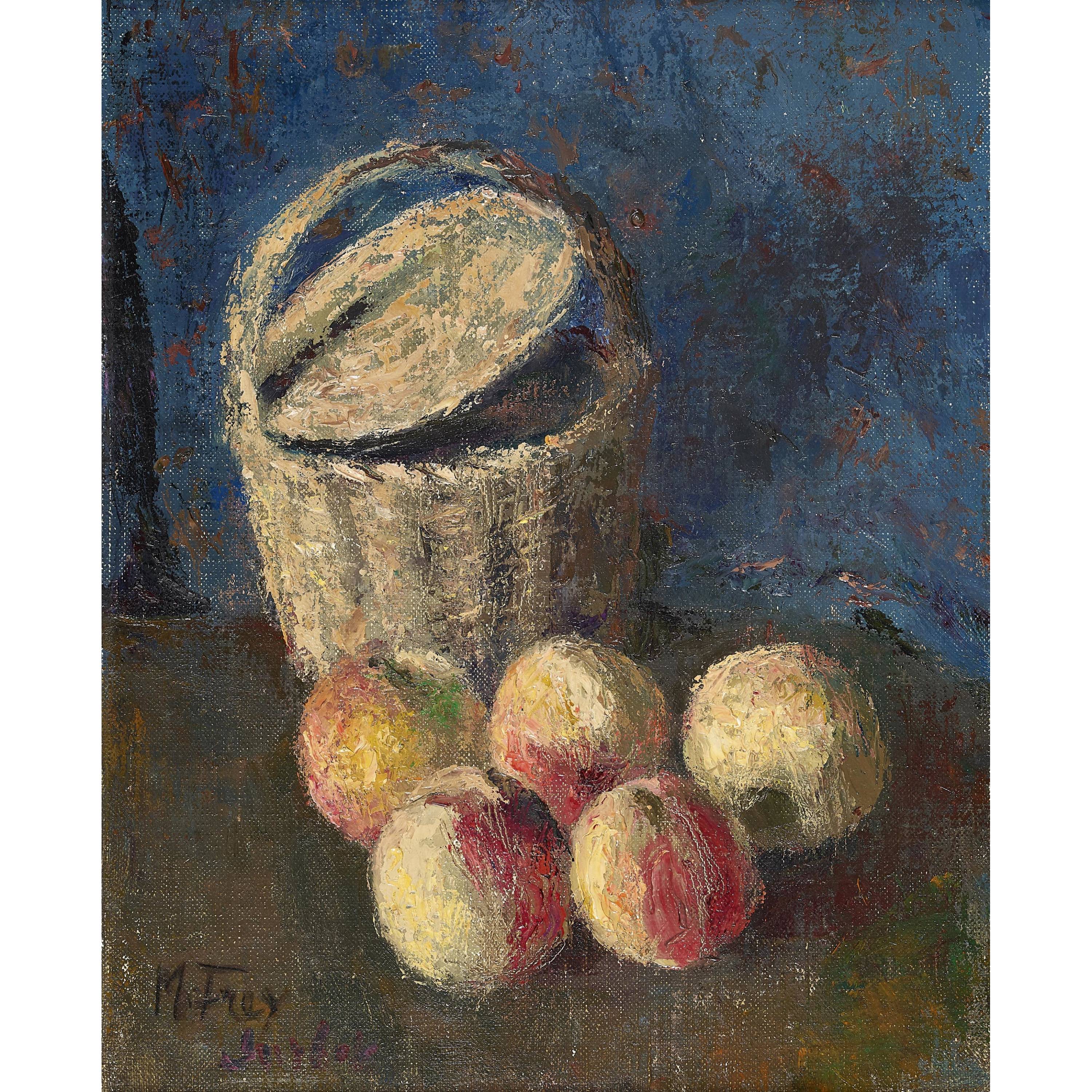
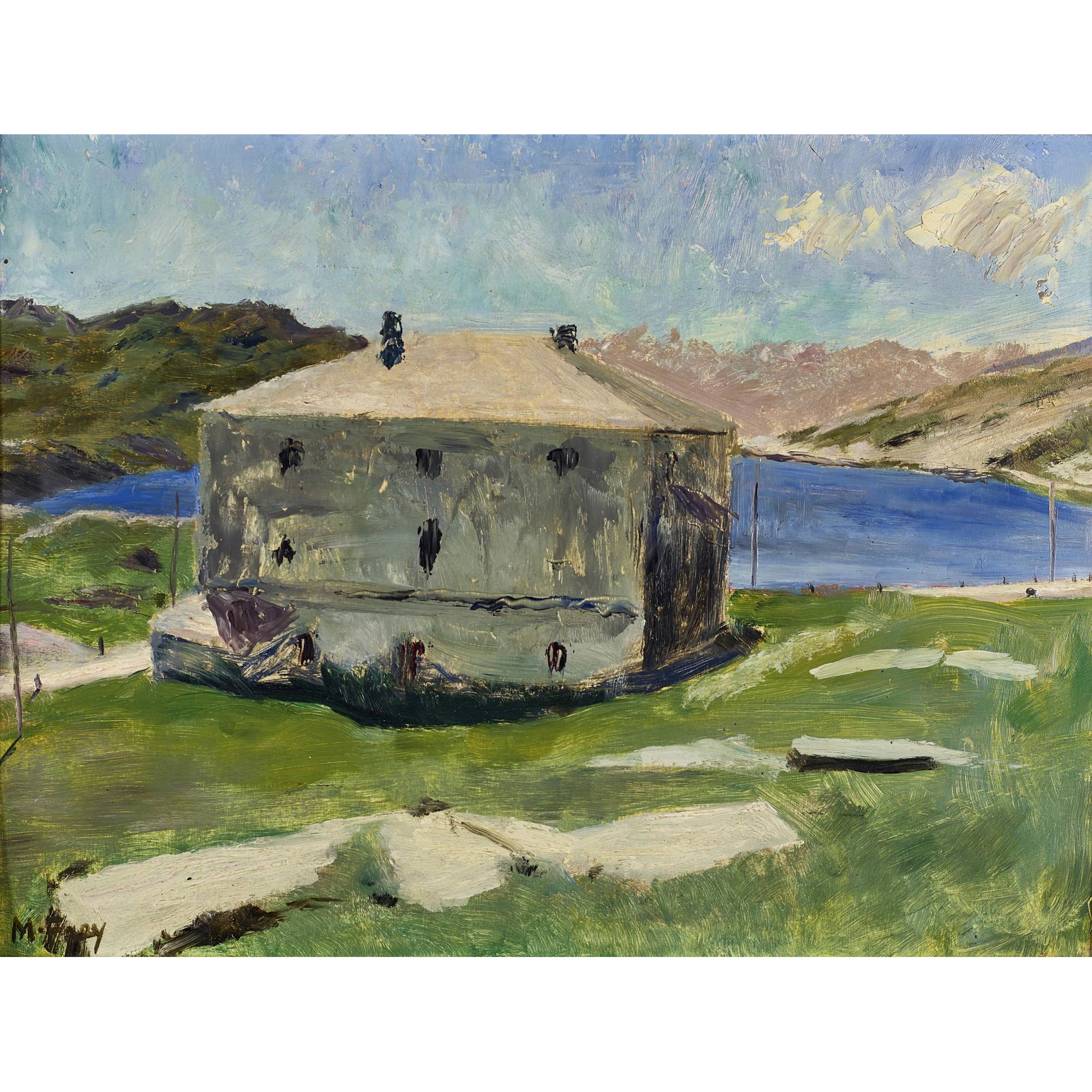
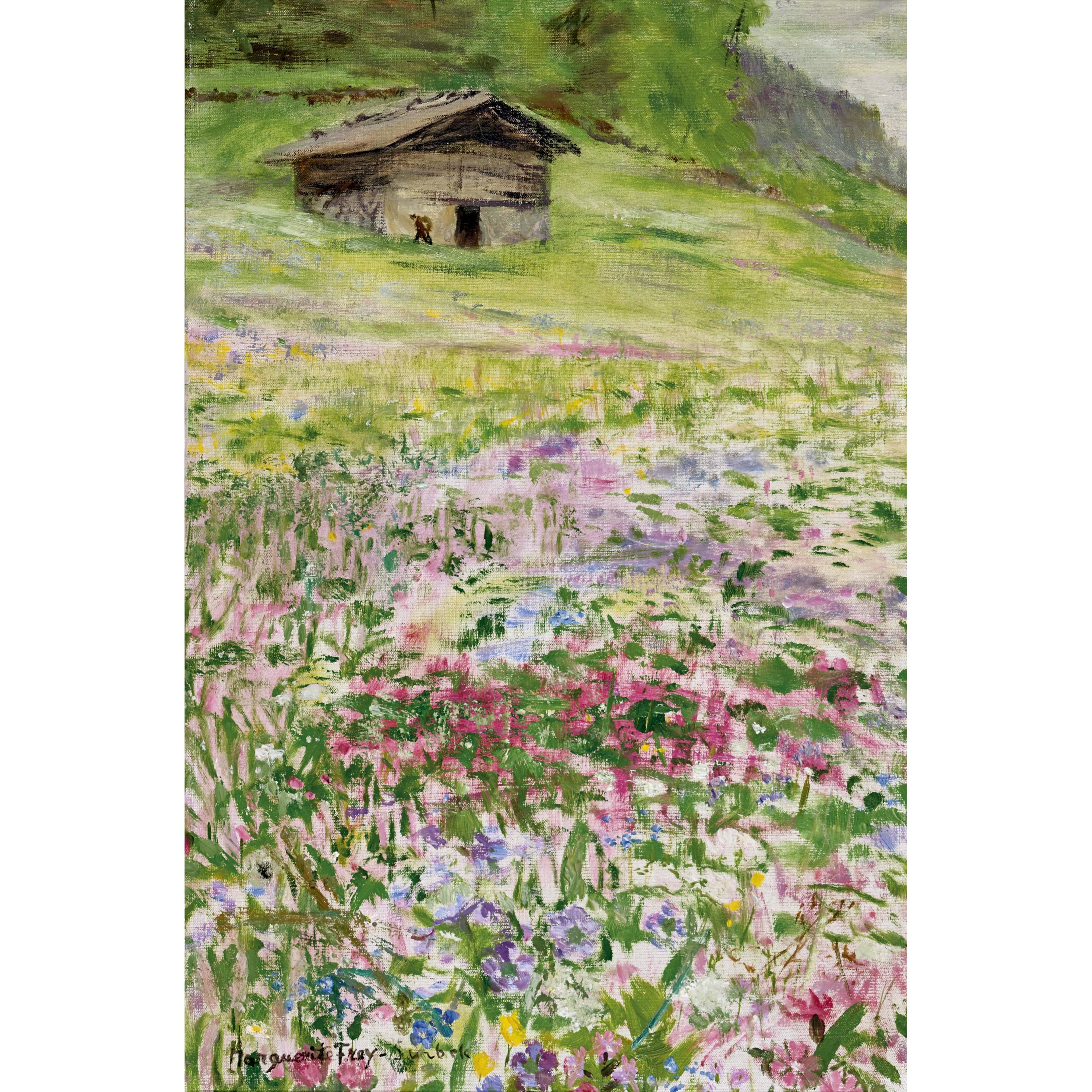
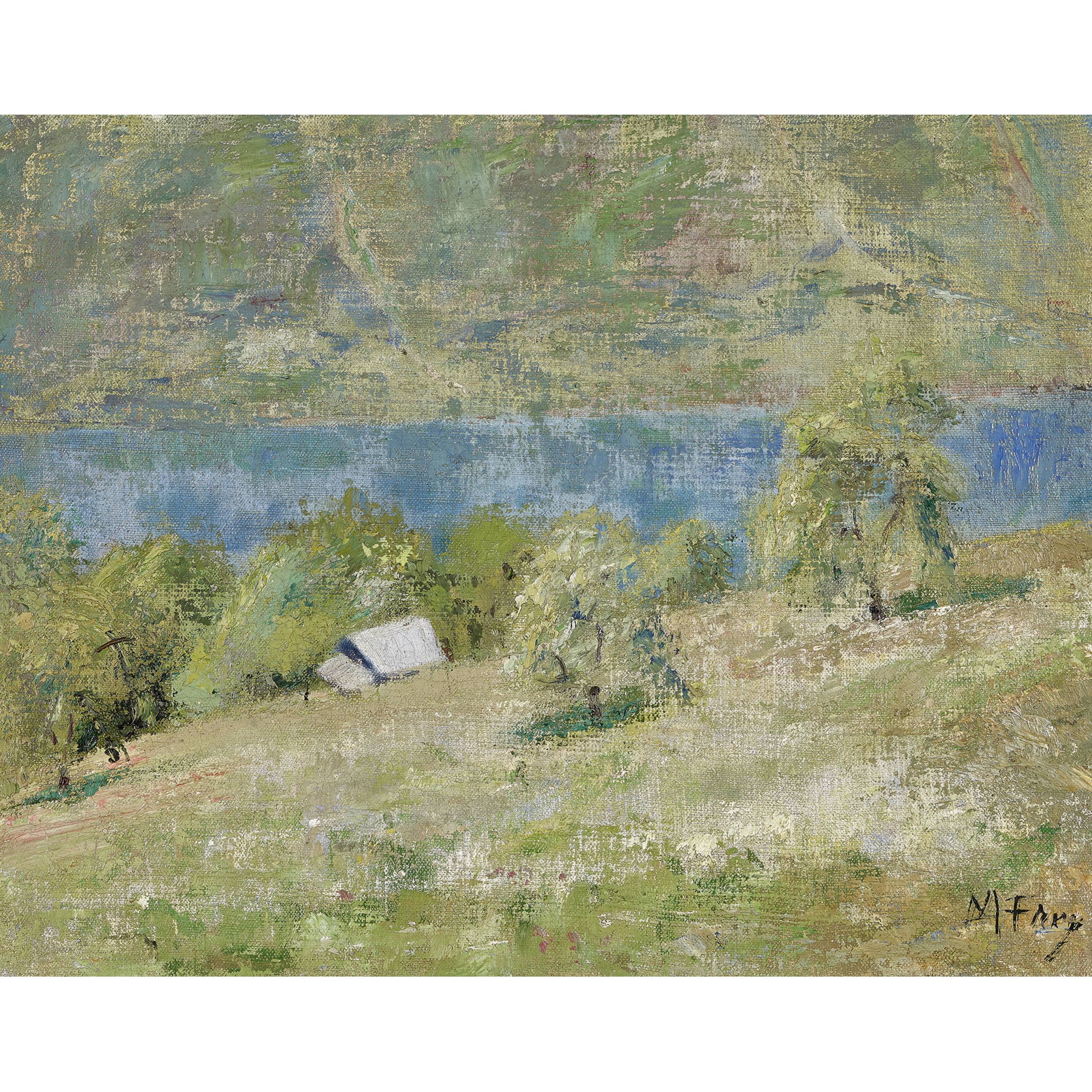
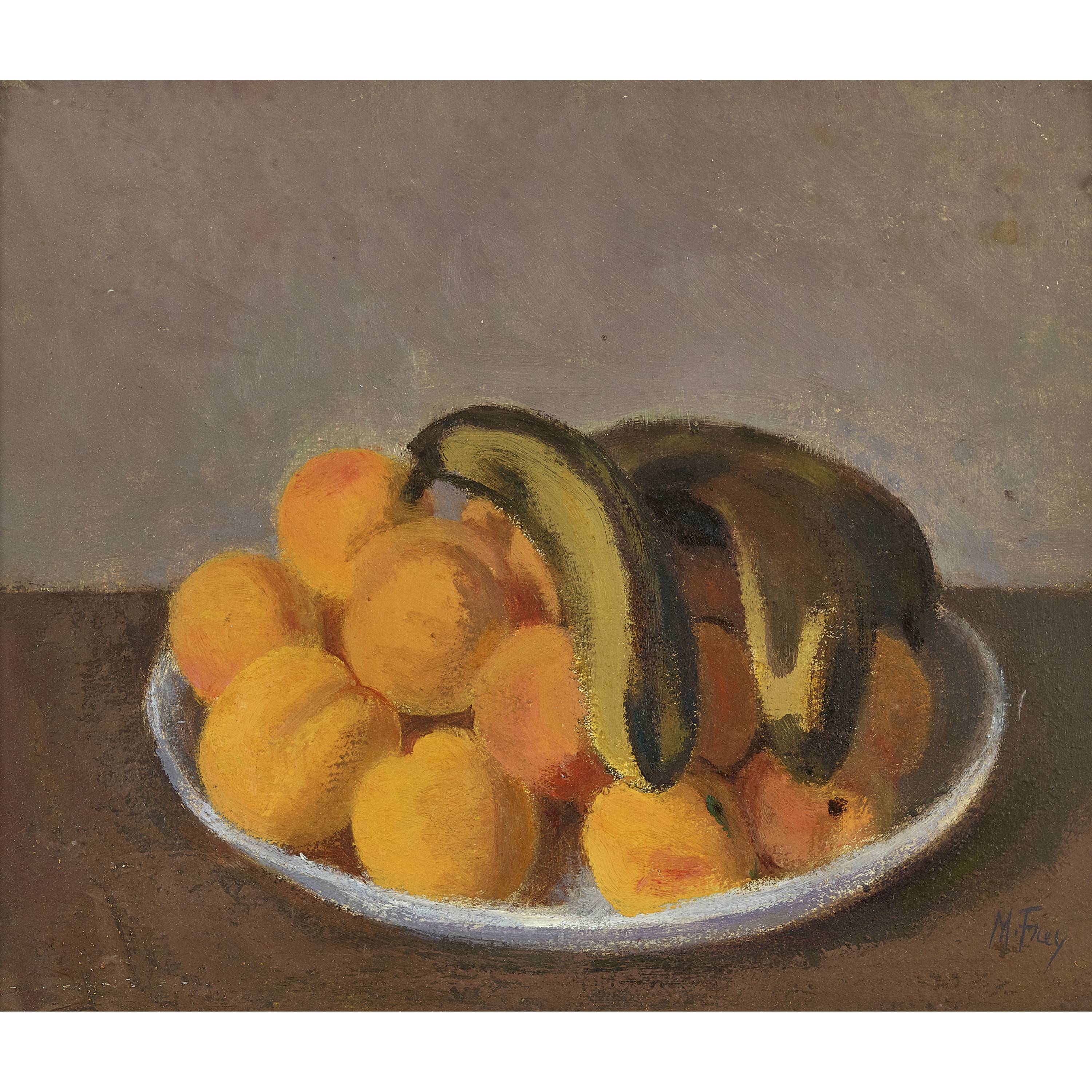
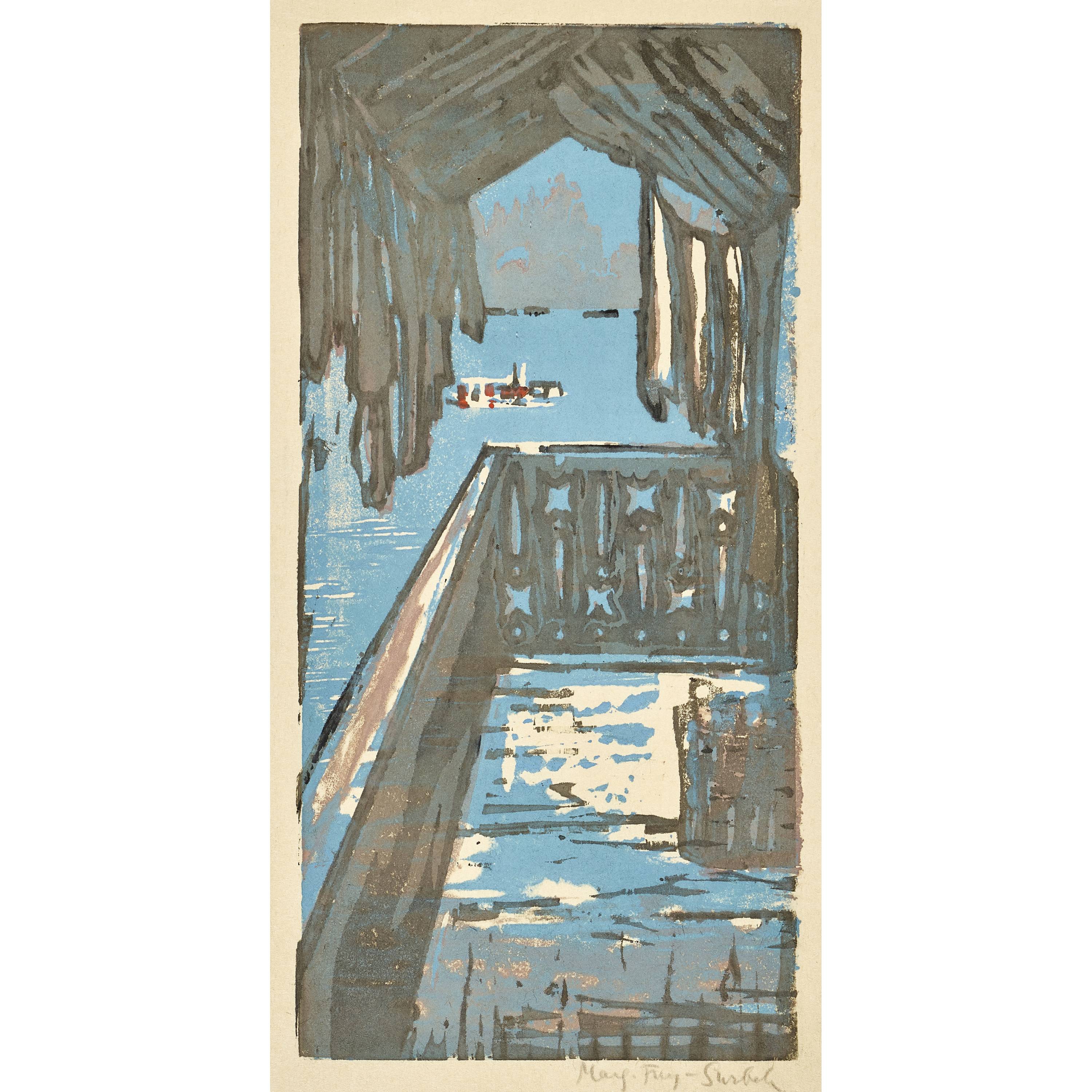
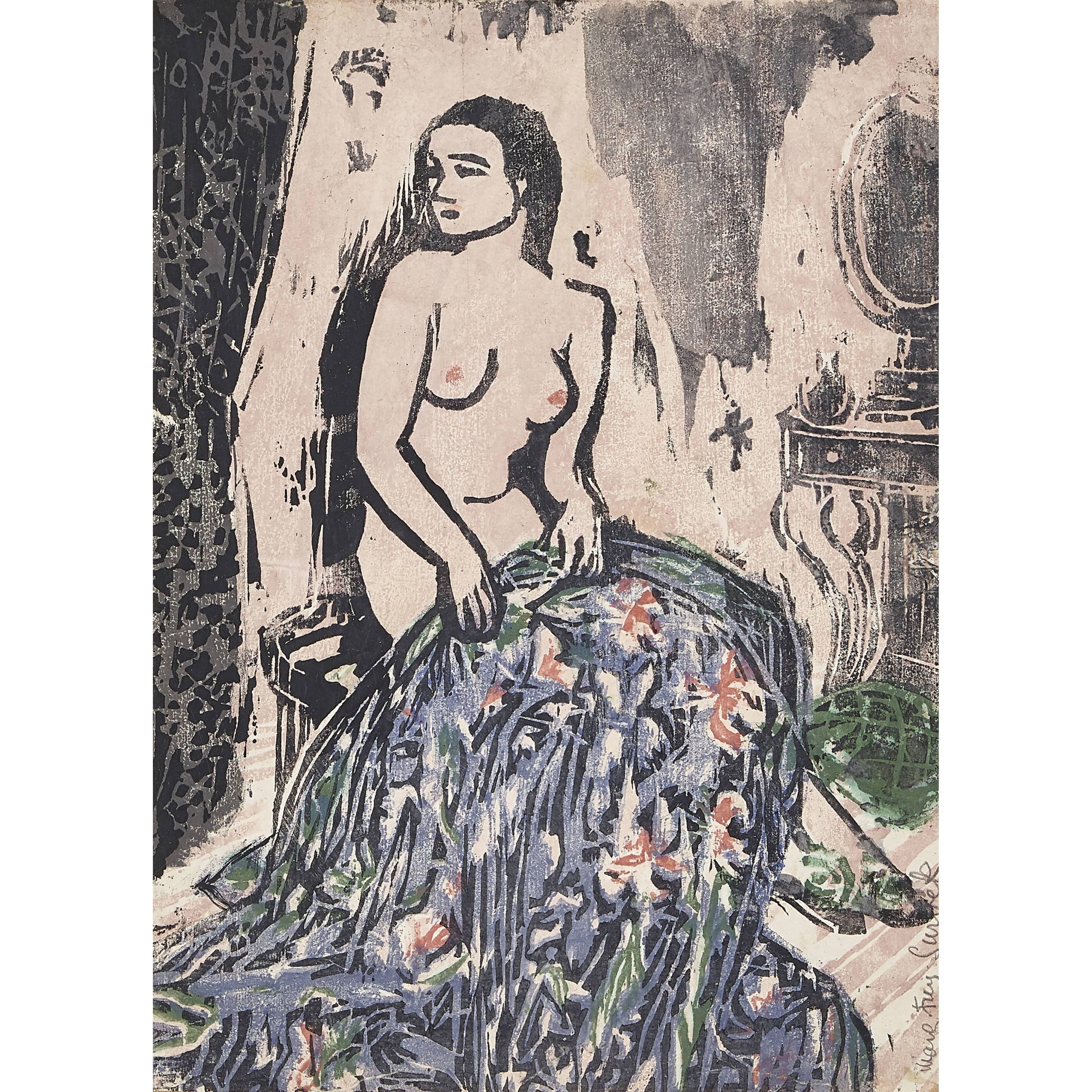
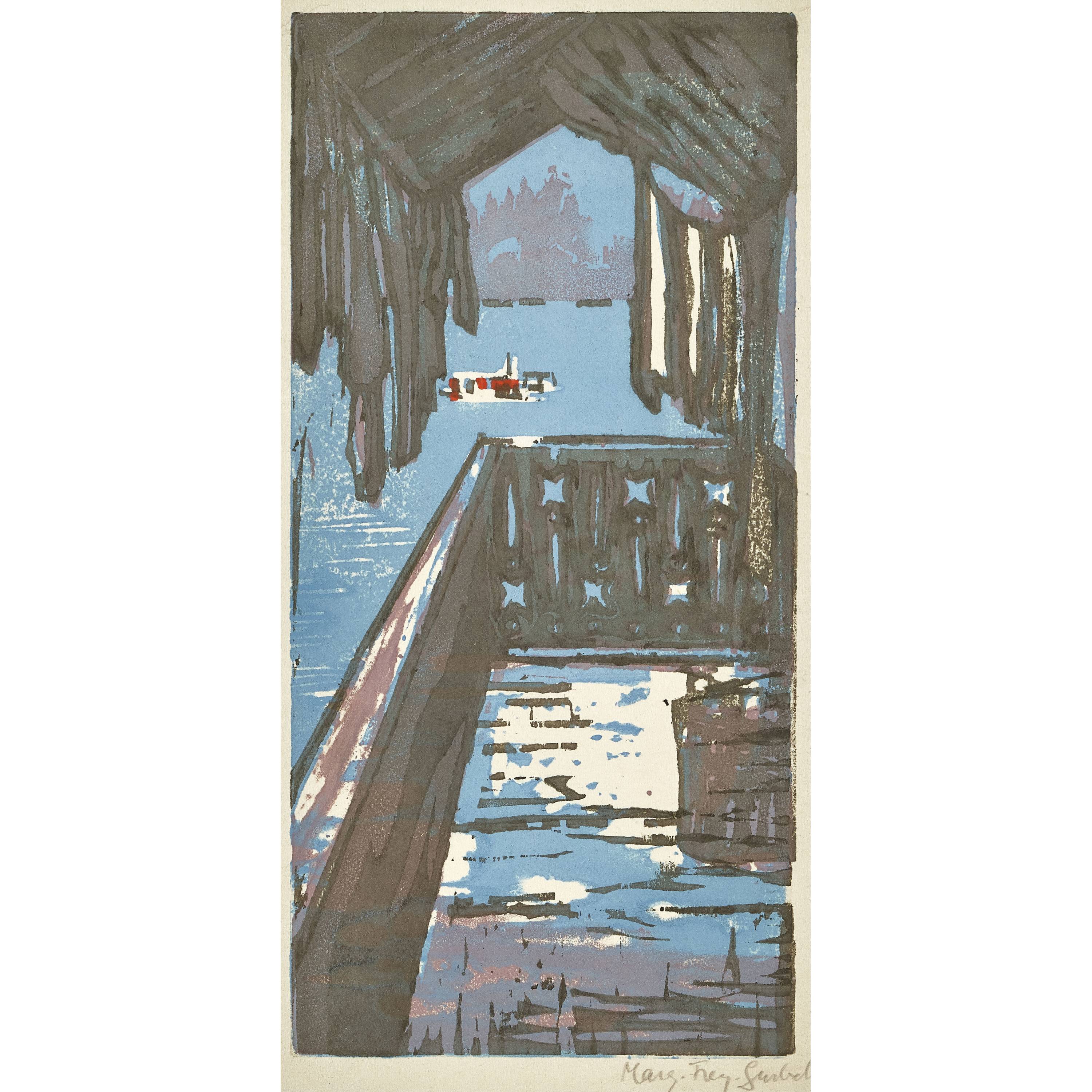
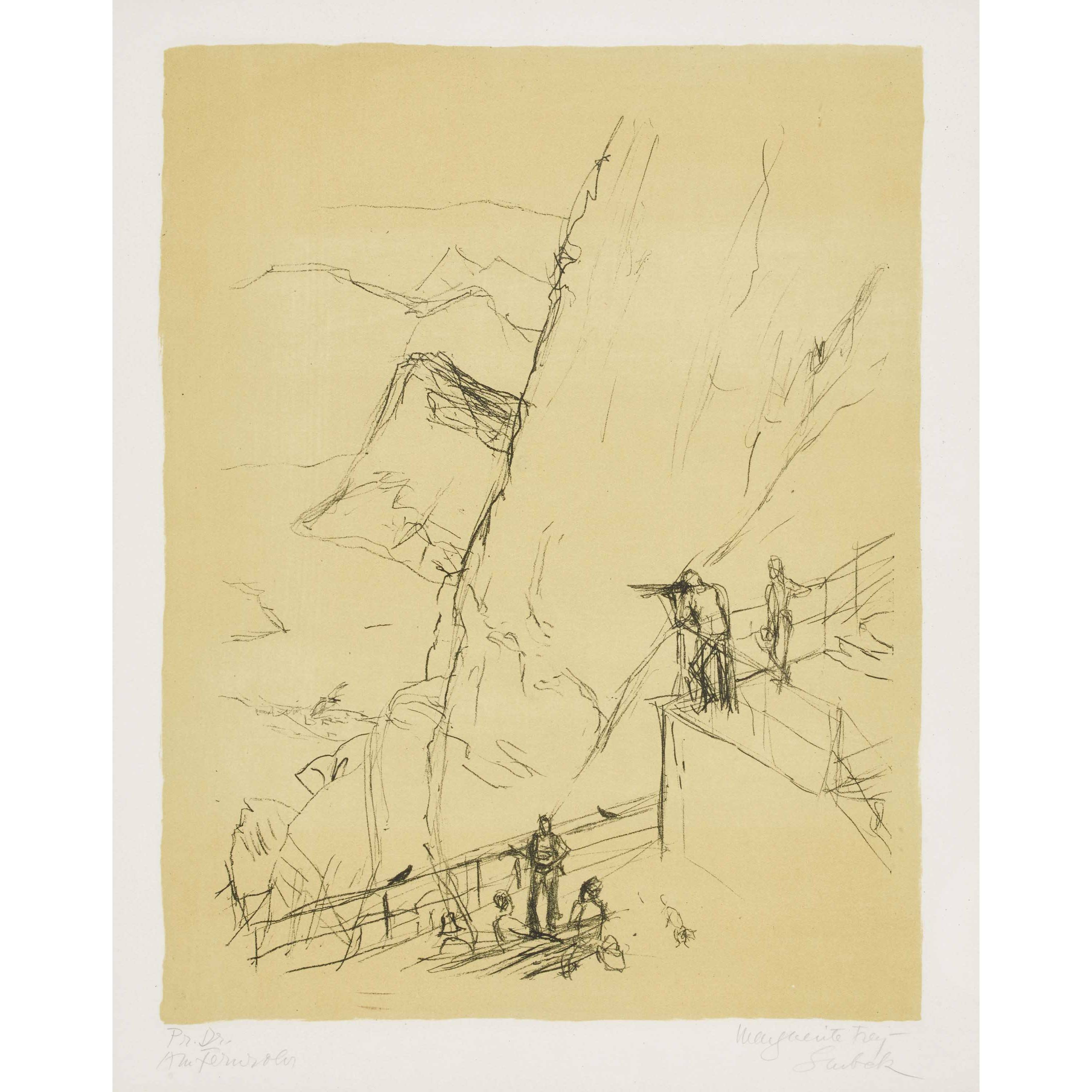
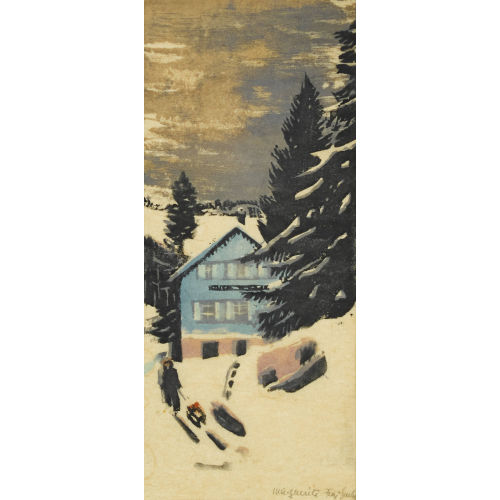
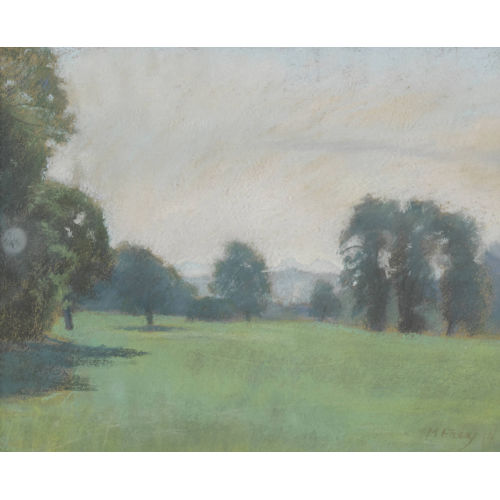
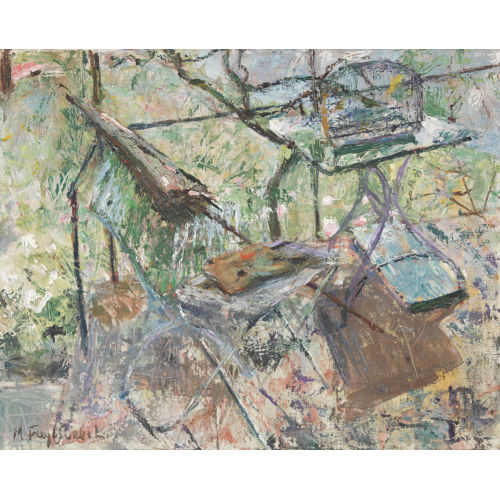
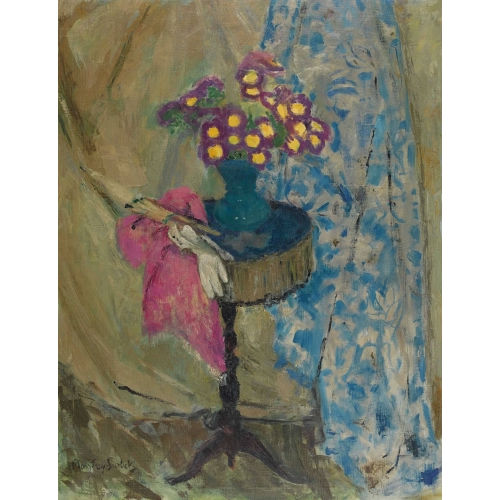
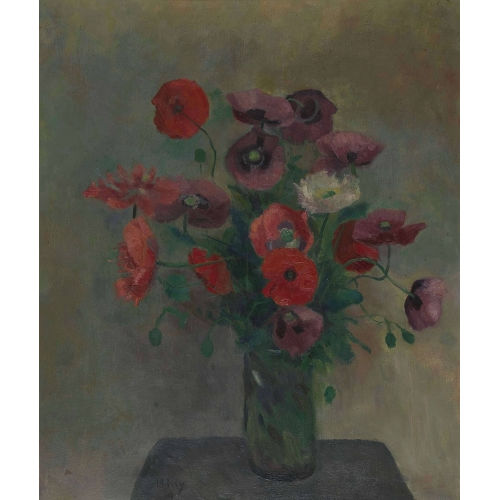
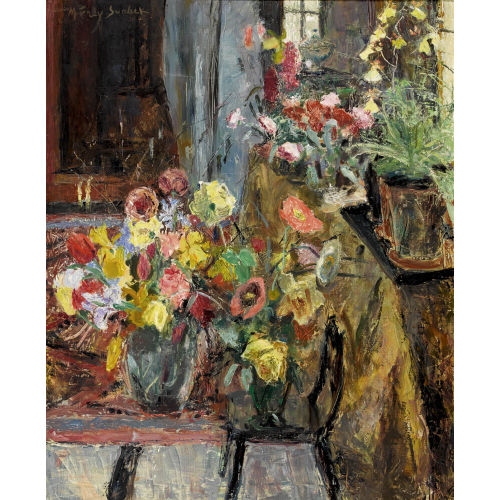
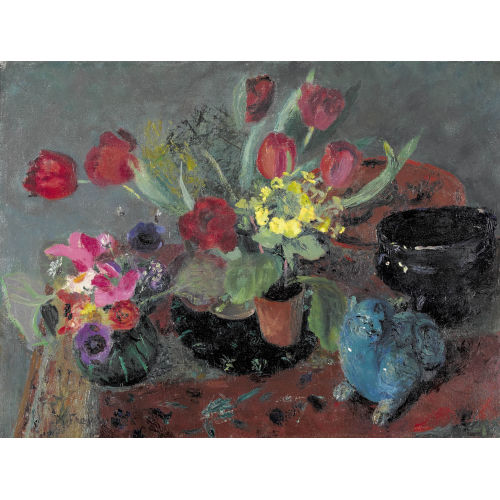
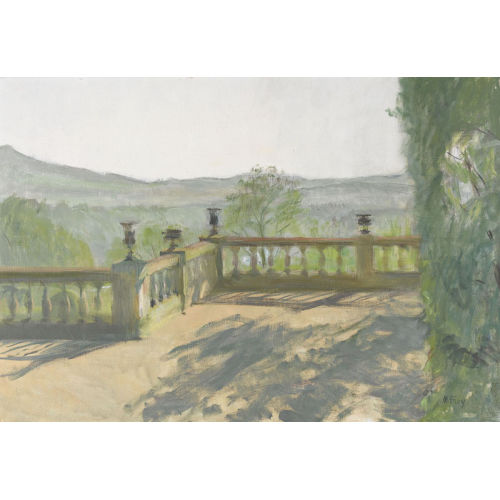
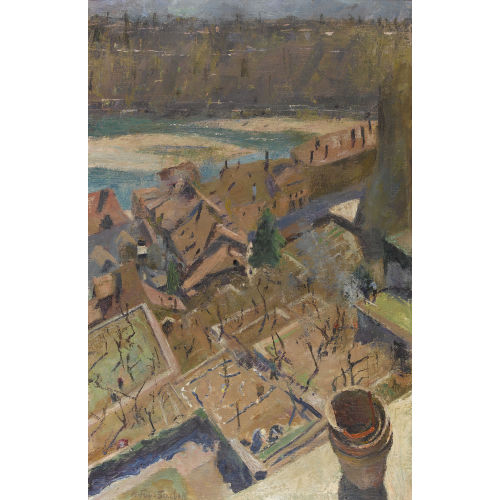
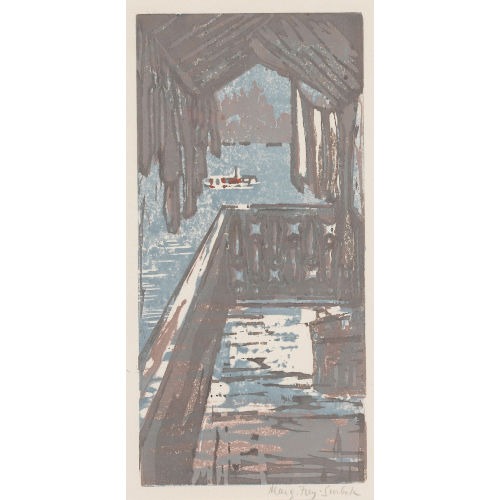
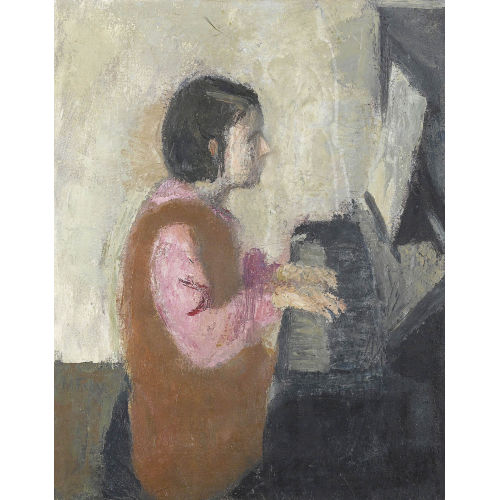
Marguerite Frey-Surbek (1886–1981) developed a form of painting attentive to light, colour and the life of places. Born in Delémont and later settled in Bern with her family, she studied at the School of Arts and Crafts and received lessons from Paul Klee. Her stays in Paris between 1906 and 1911 brought her into contact with Lucien Simon, Félix Vallotton, Maurice Denis and Édouard Vuillard.
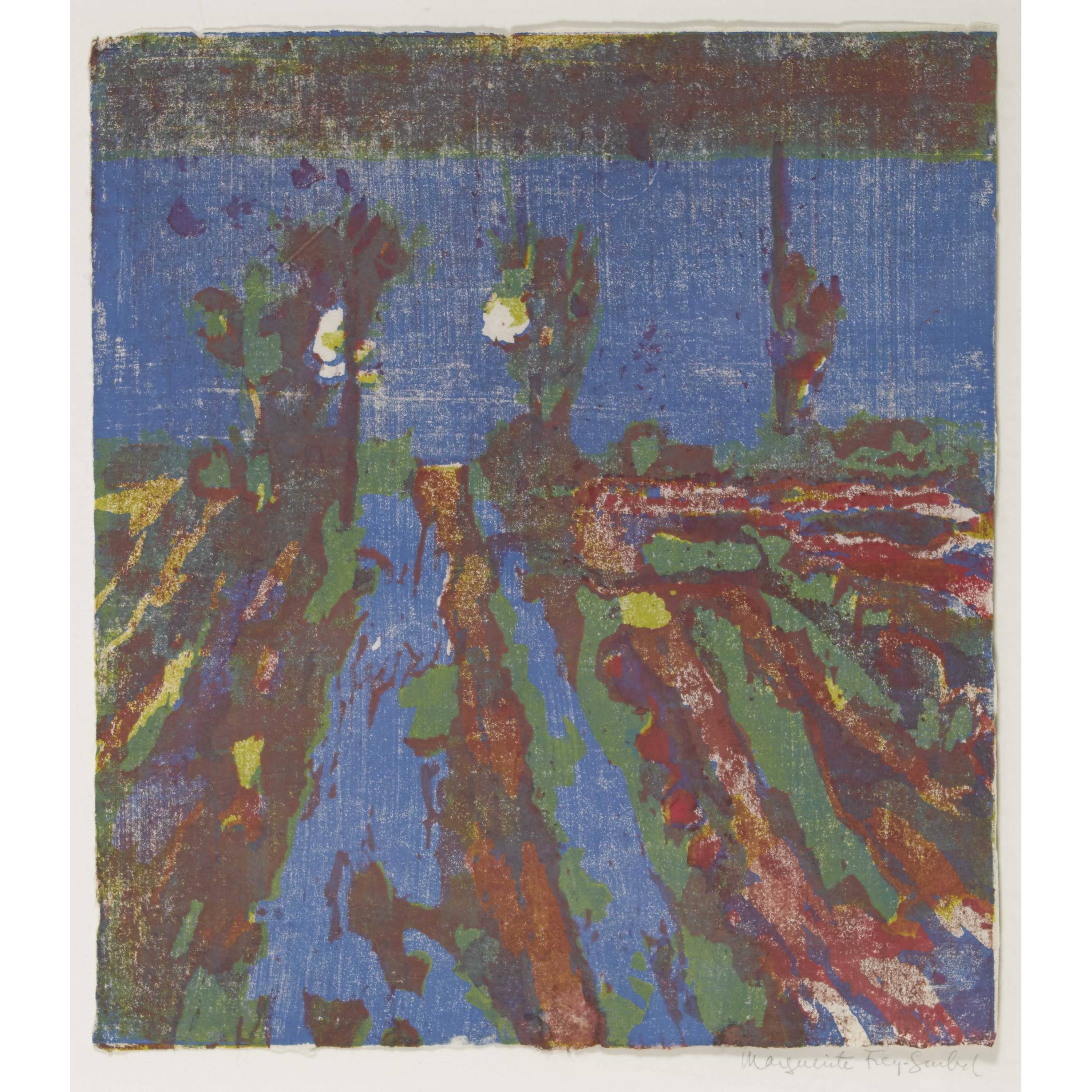
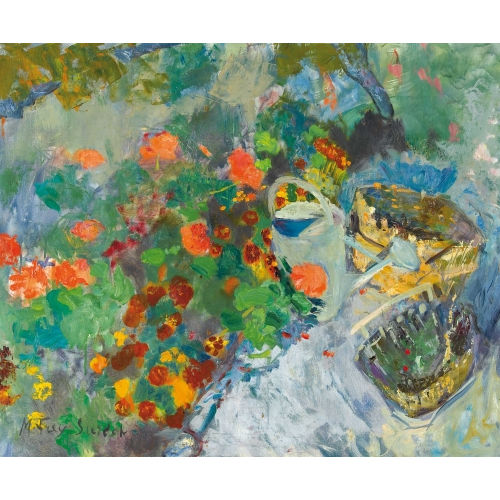
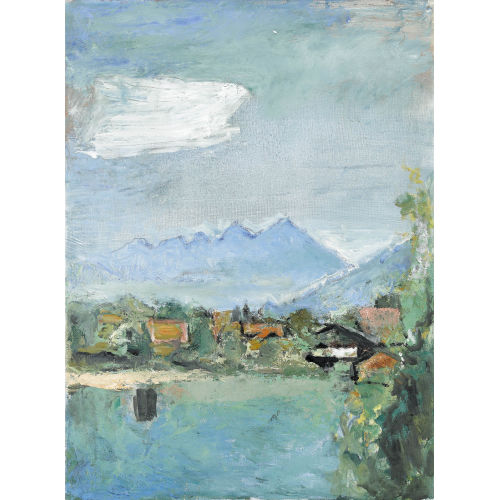
From these formative experiences, she developed a personal pictorial language nourished by Impressionism, Fauvism and the Nabis, without allowing herself to be confined to any single school.
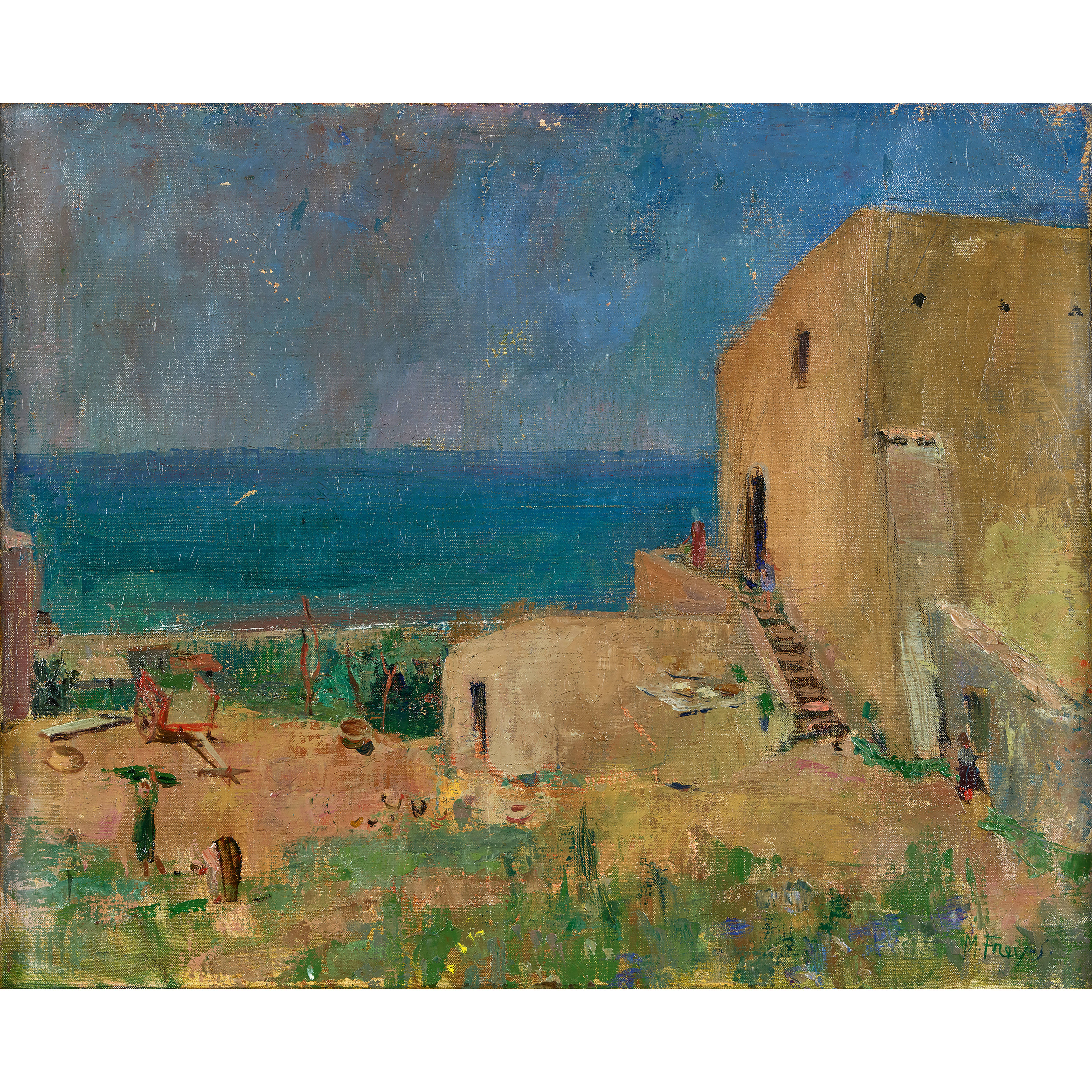
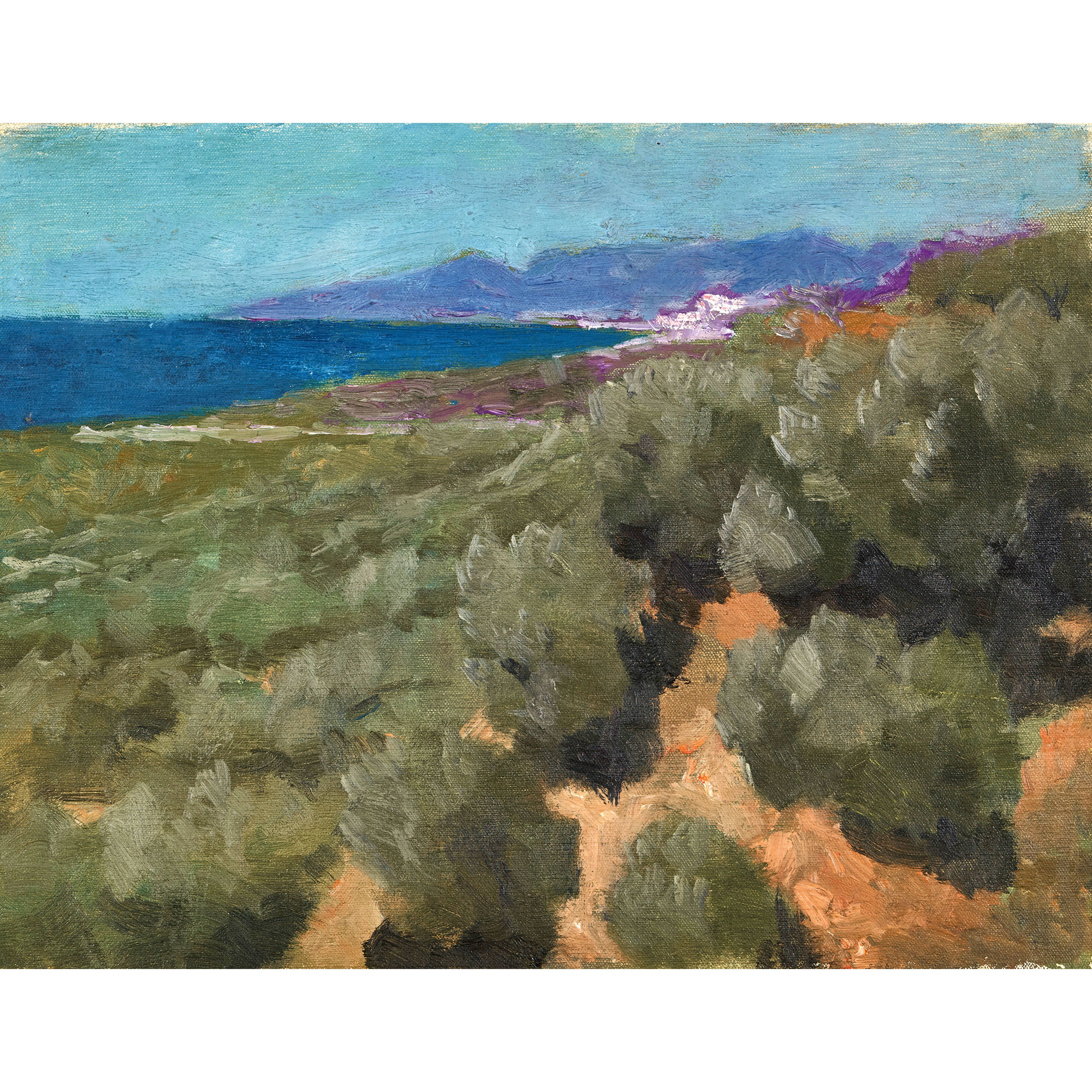
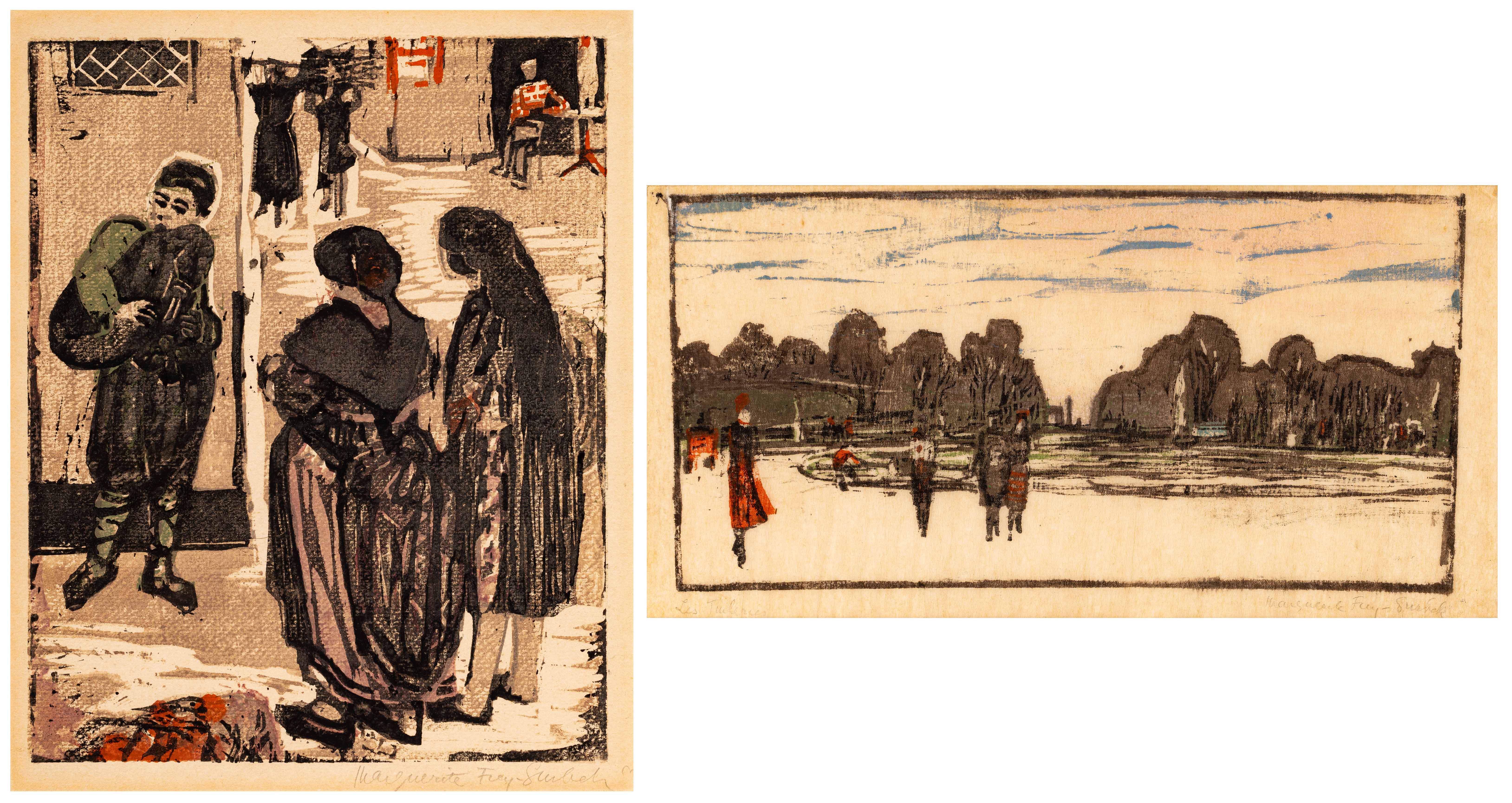
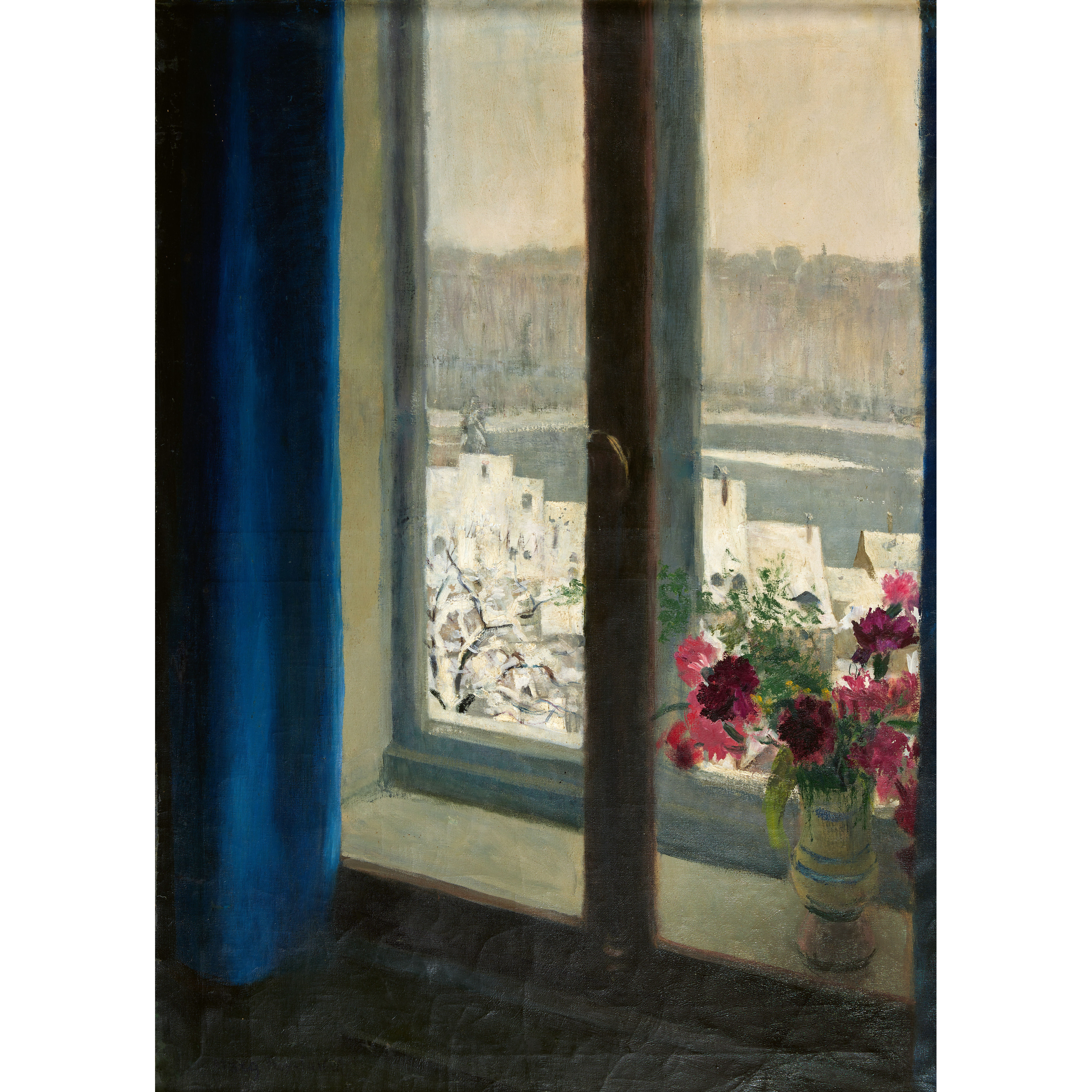
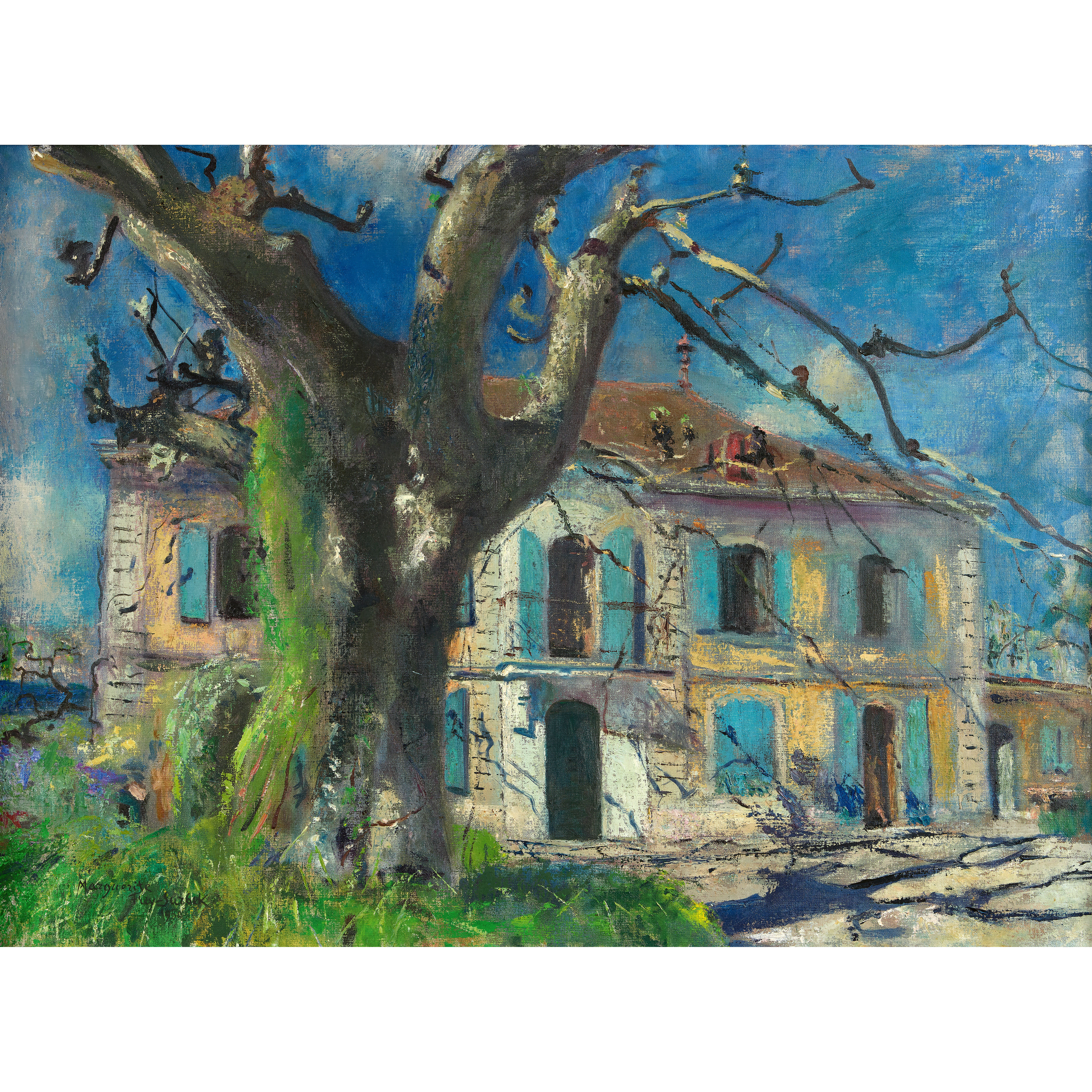
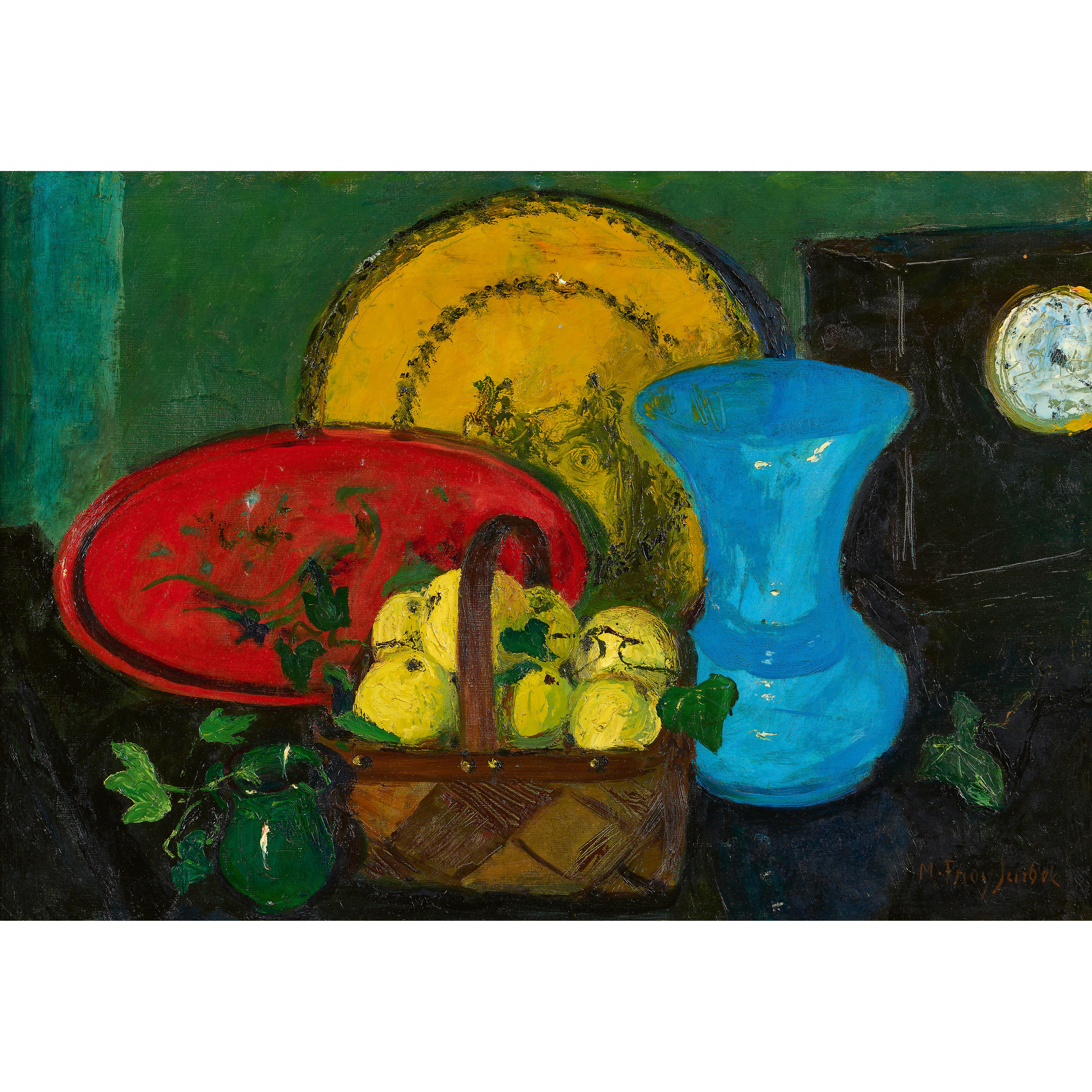
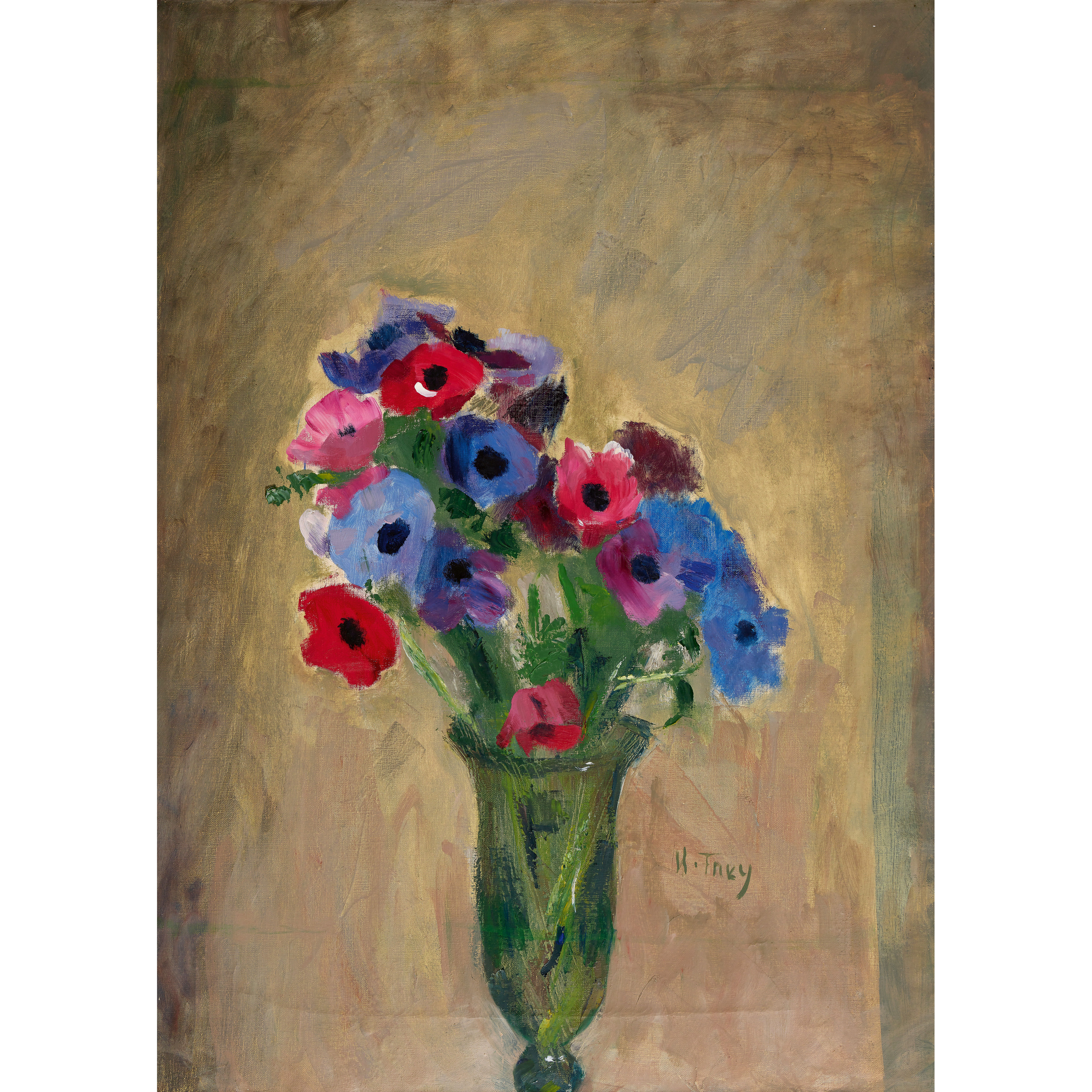
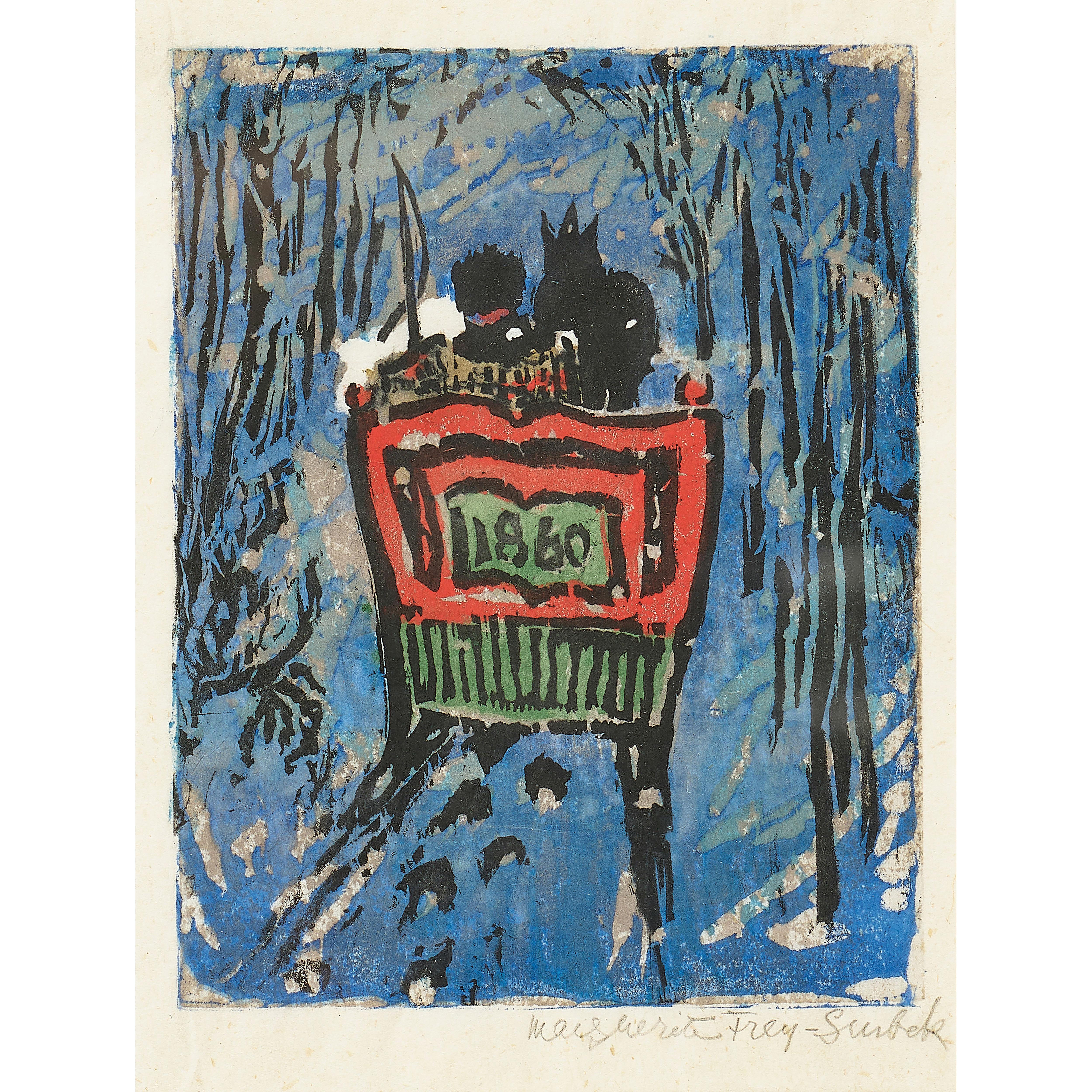
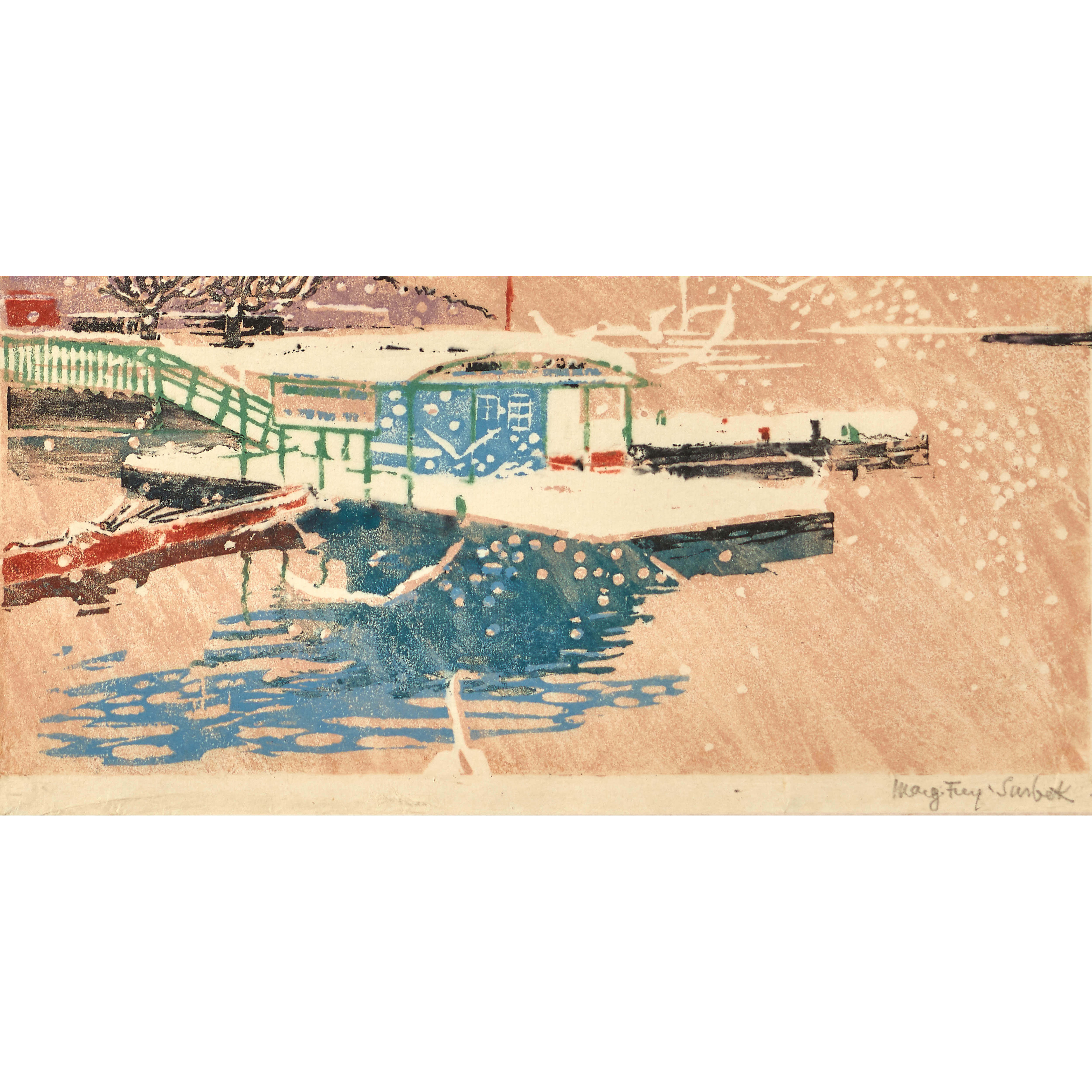
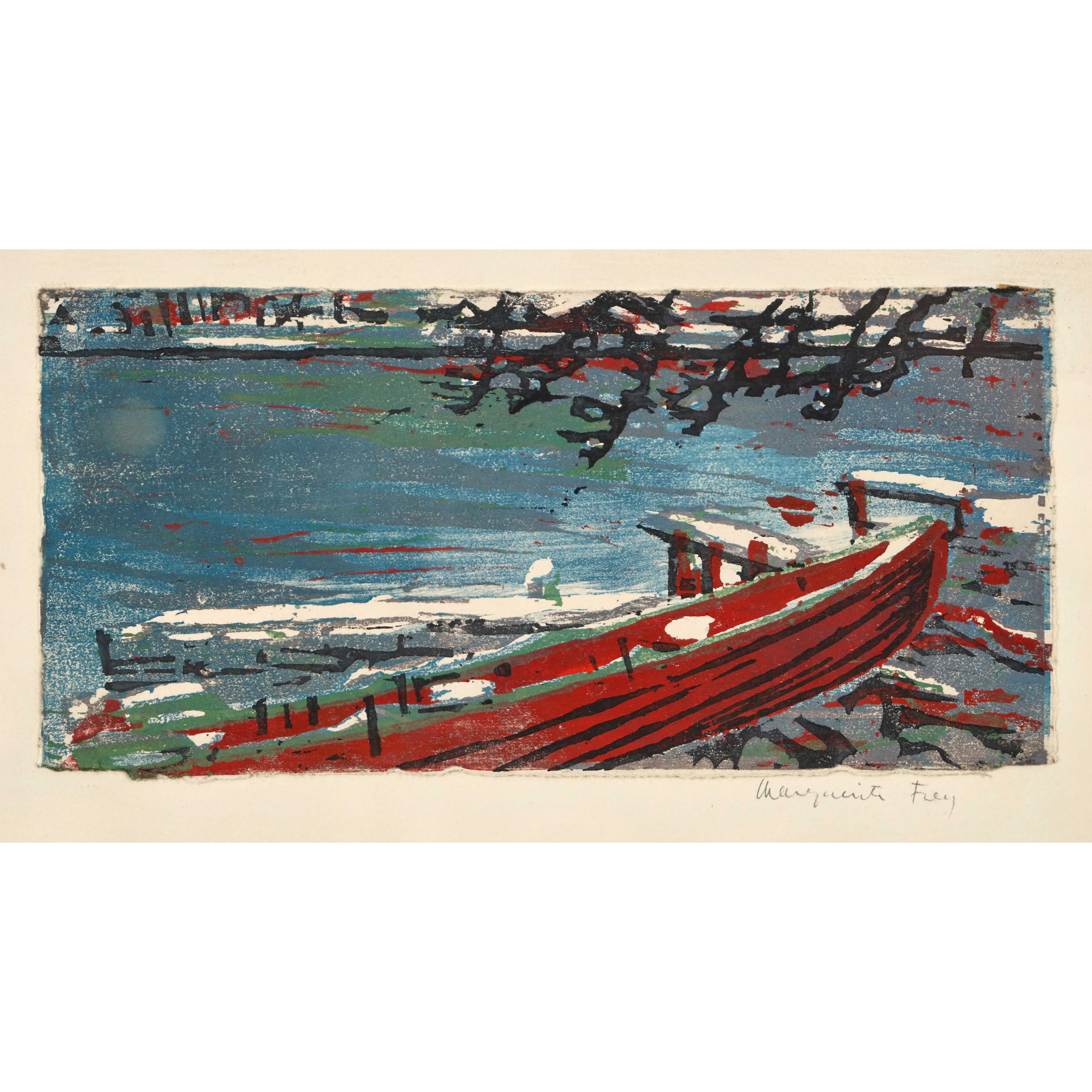
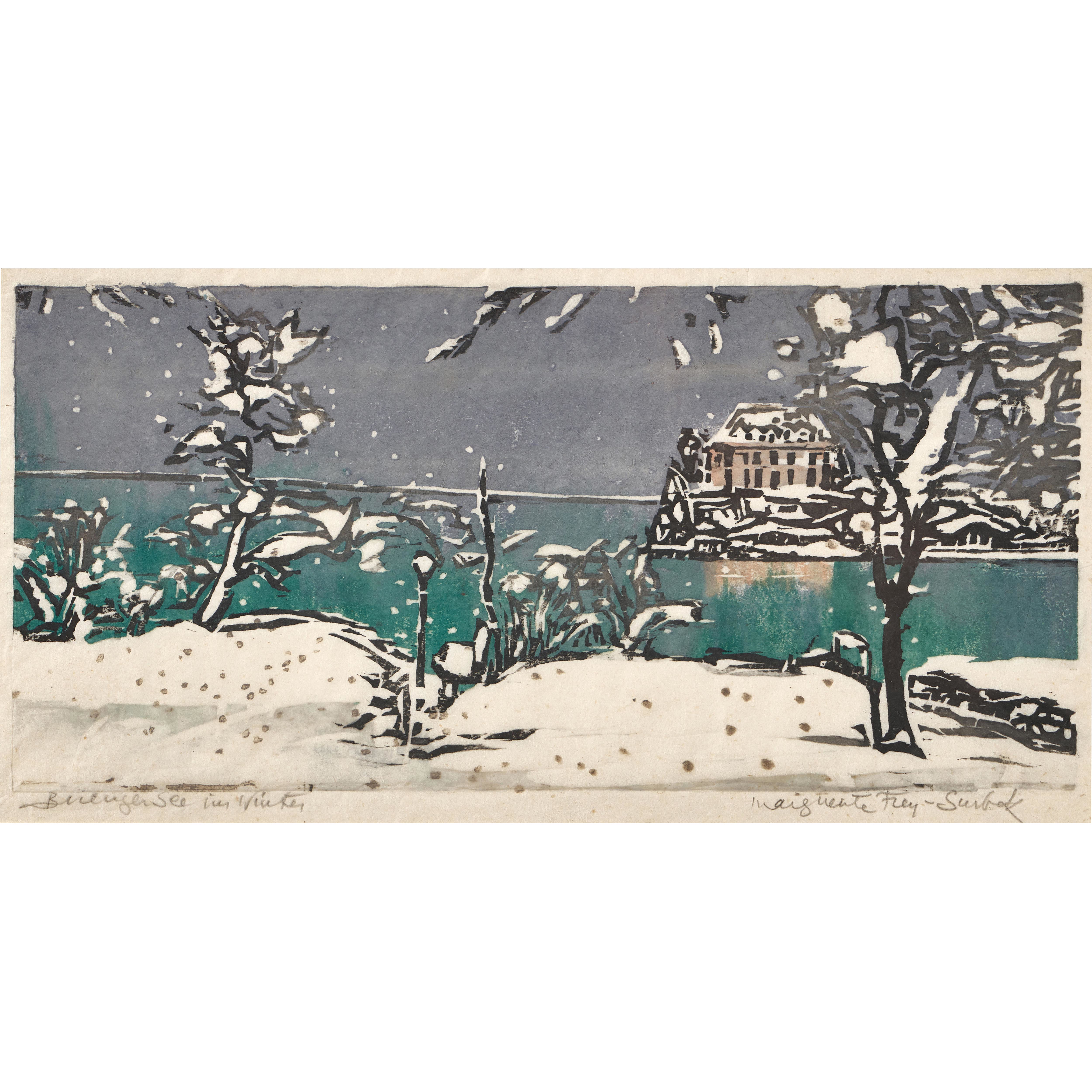
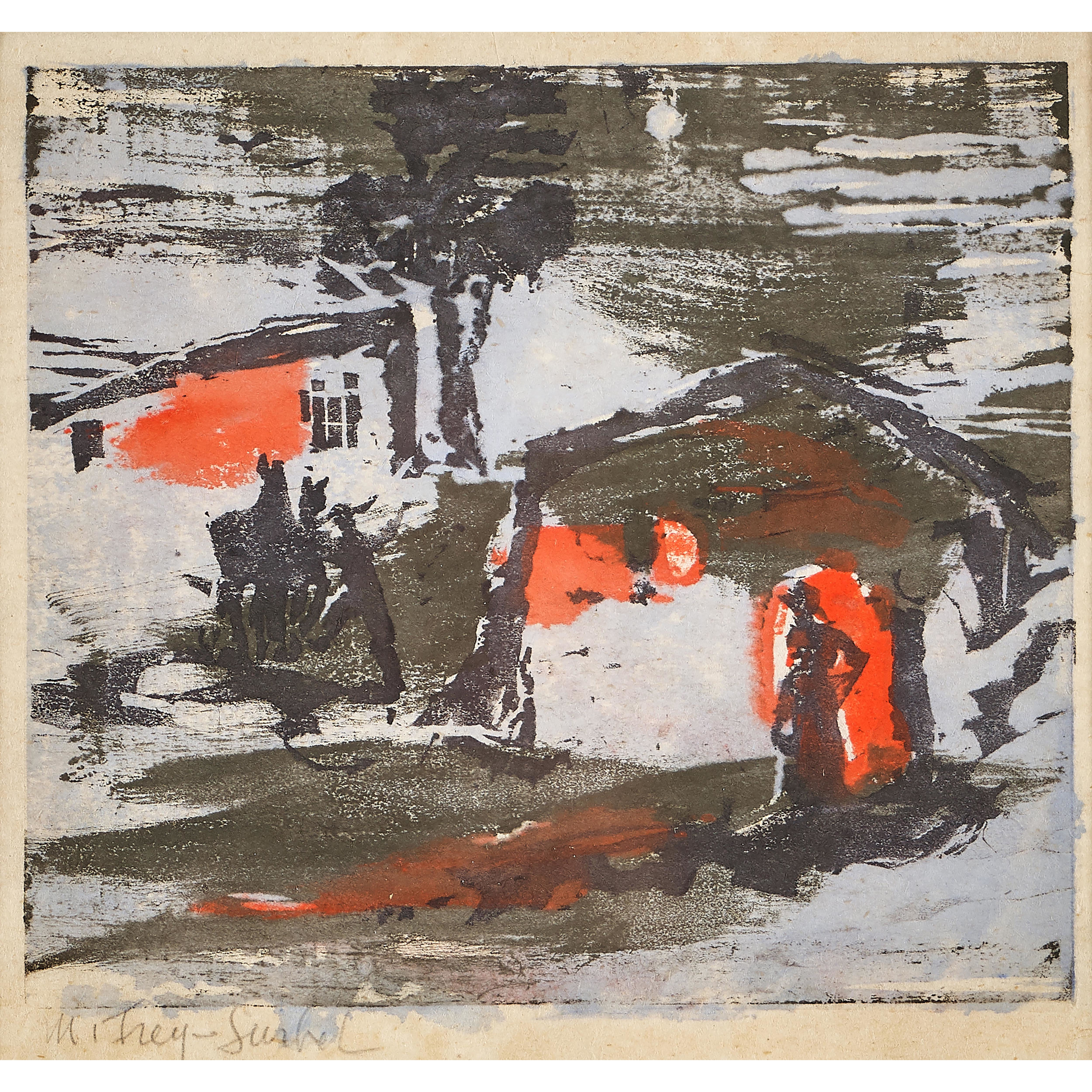
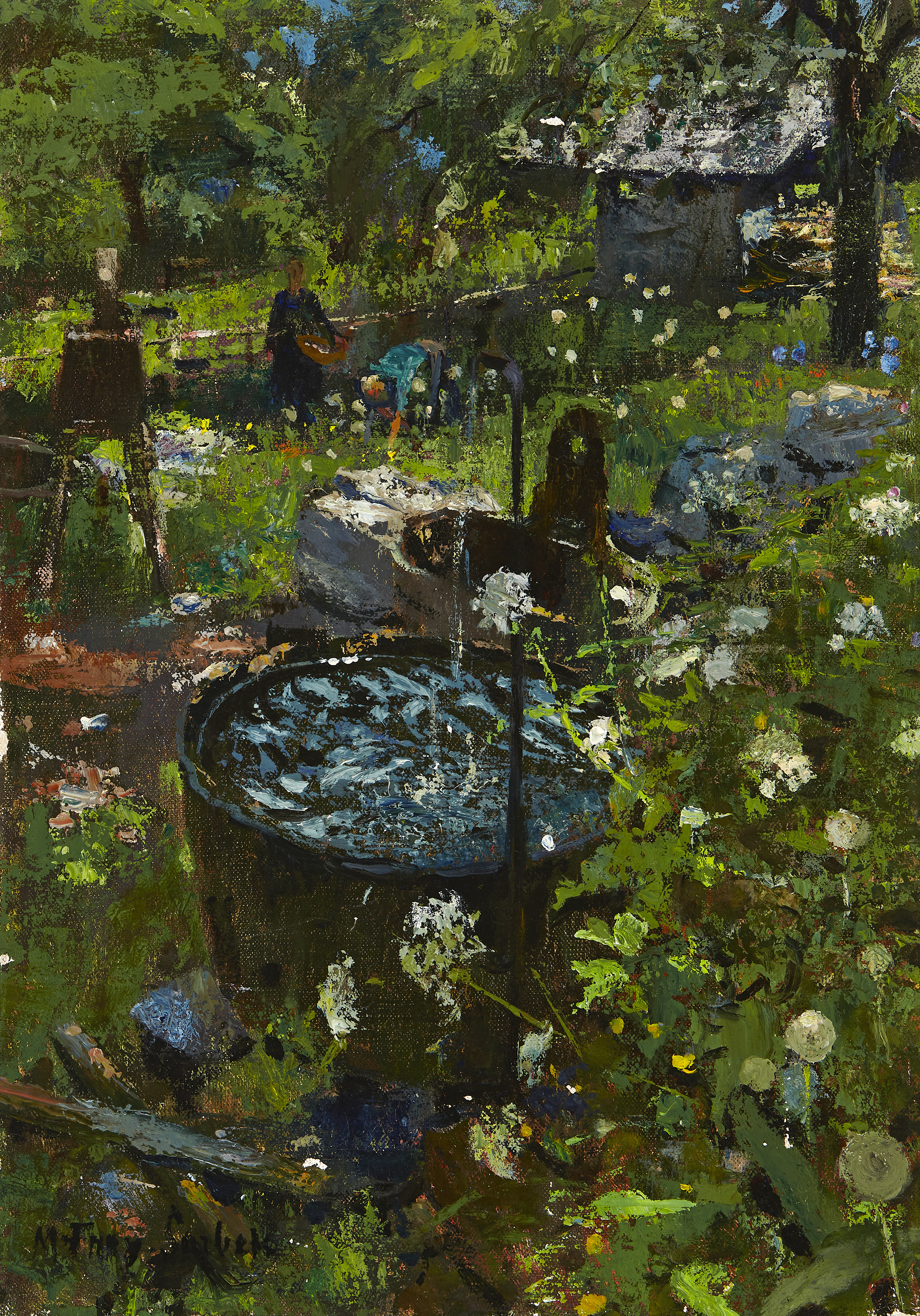
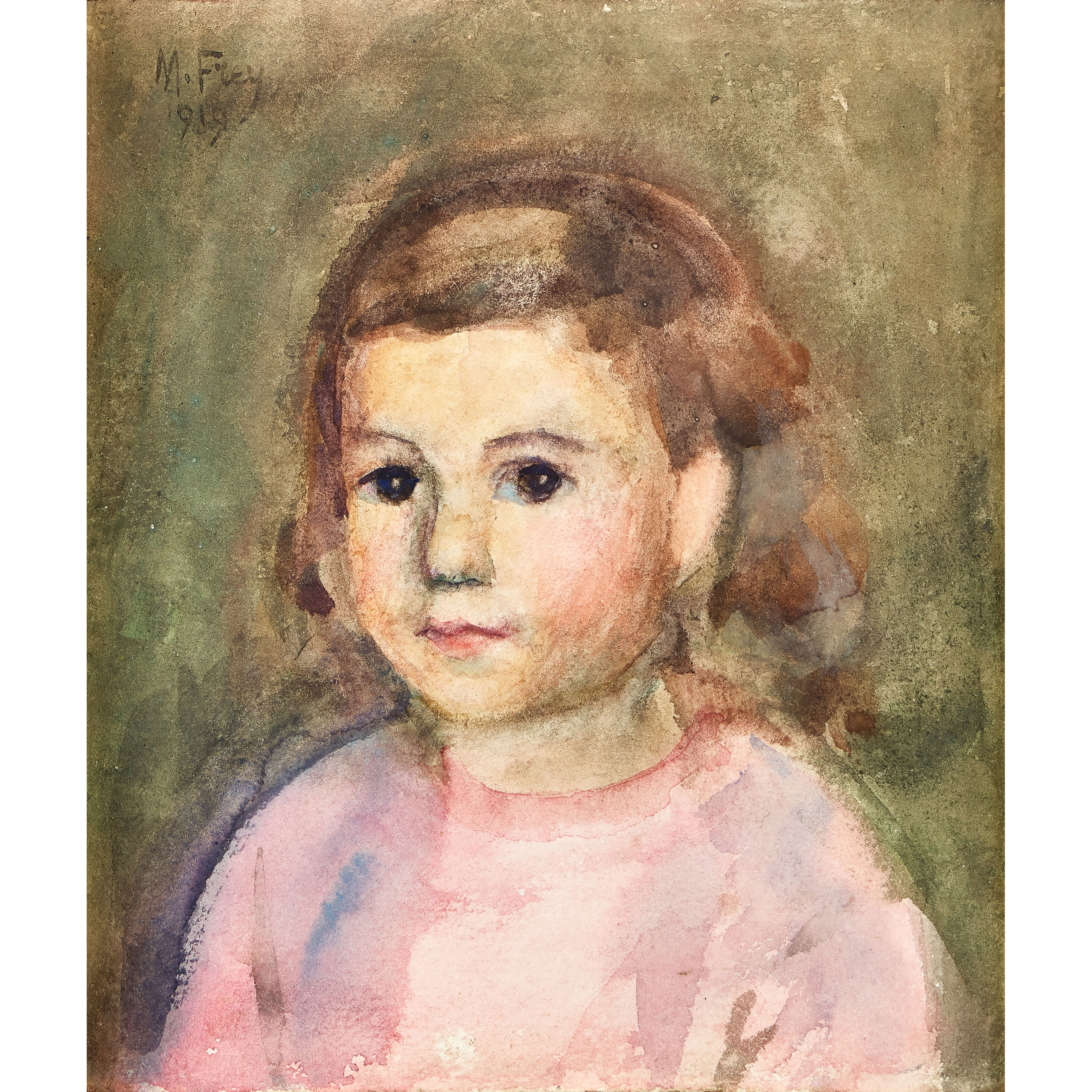
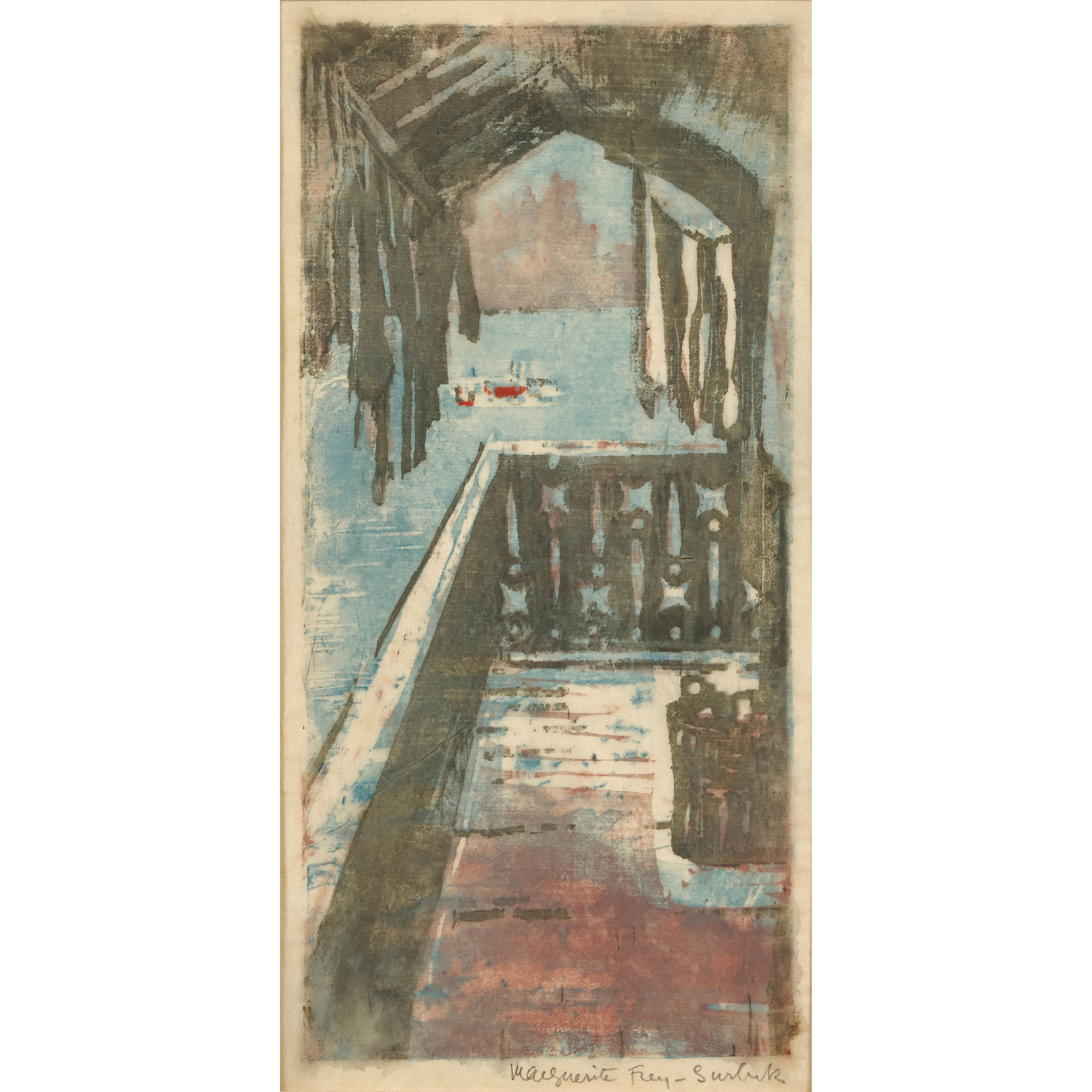
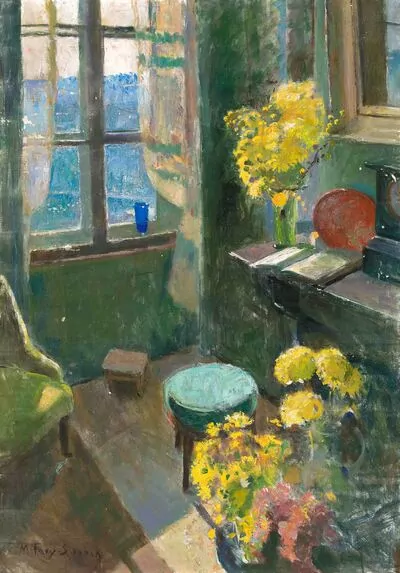
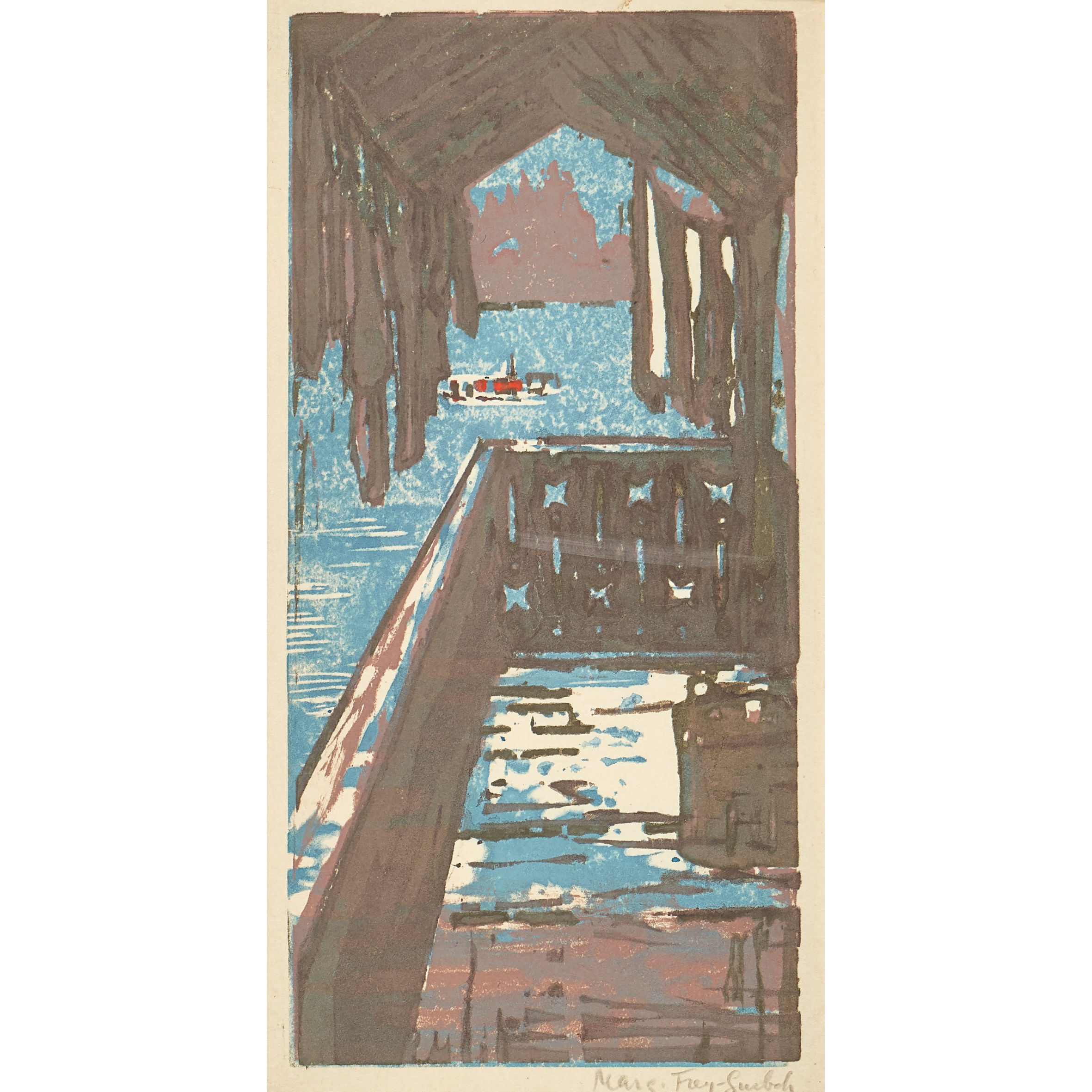
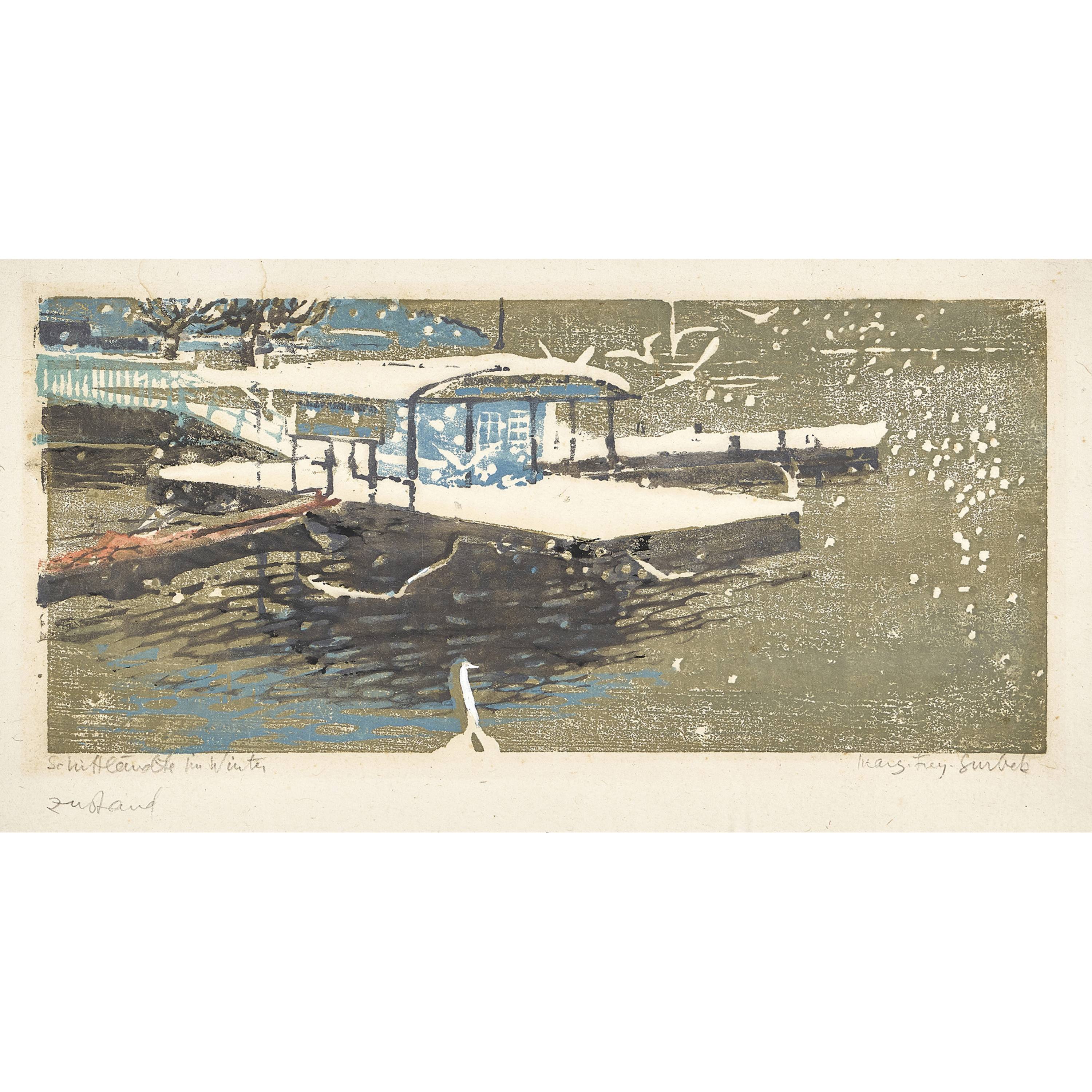
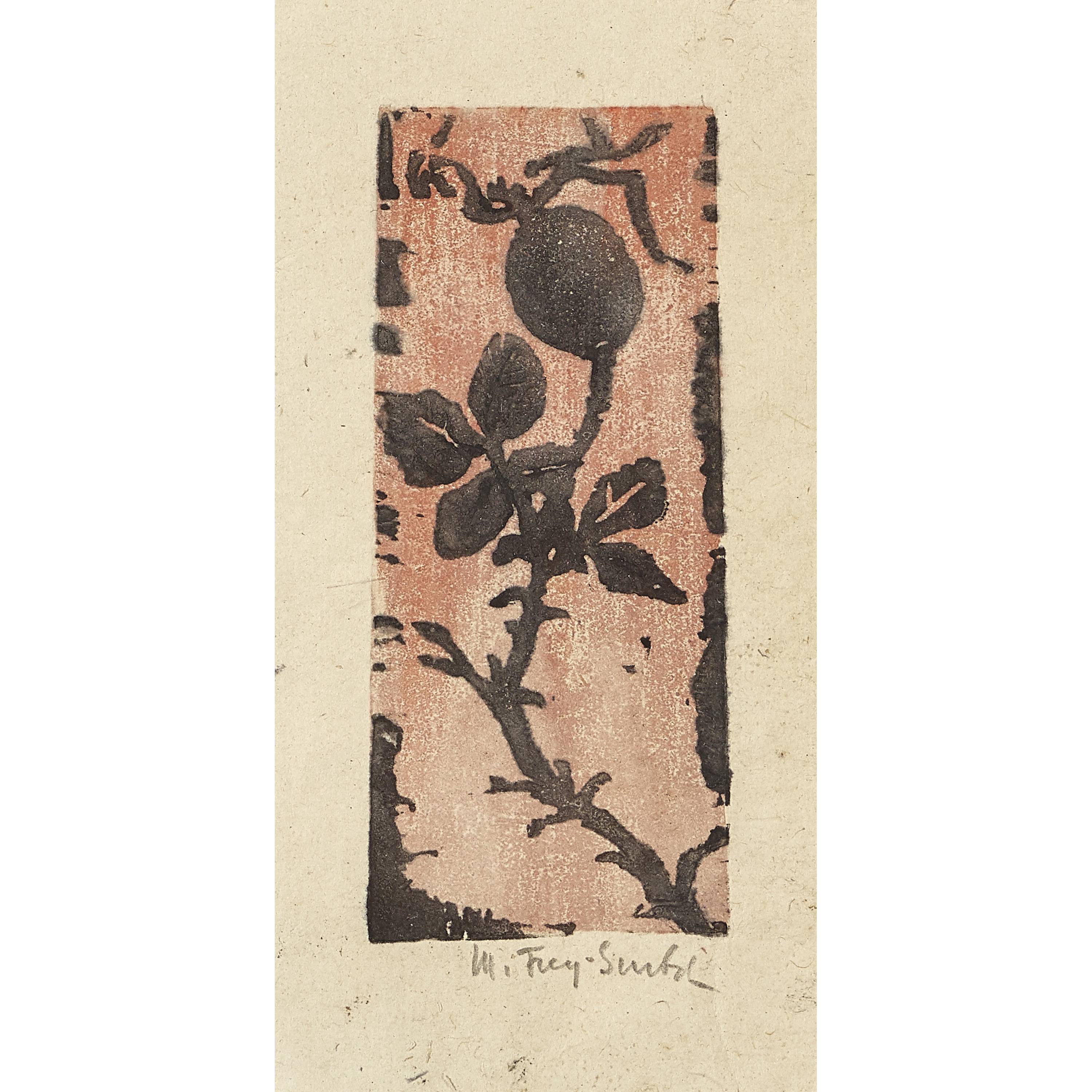
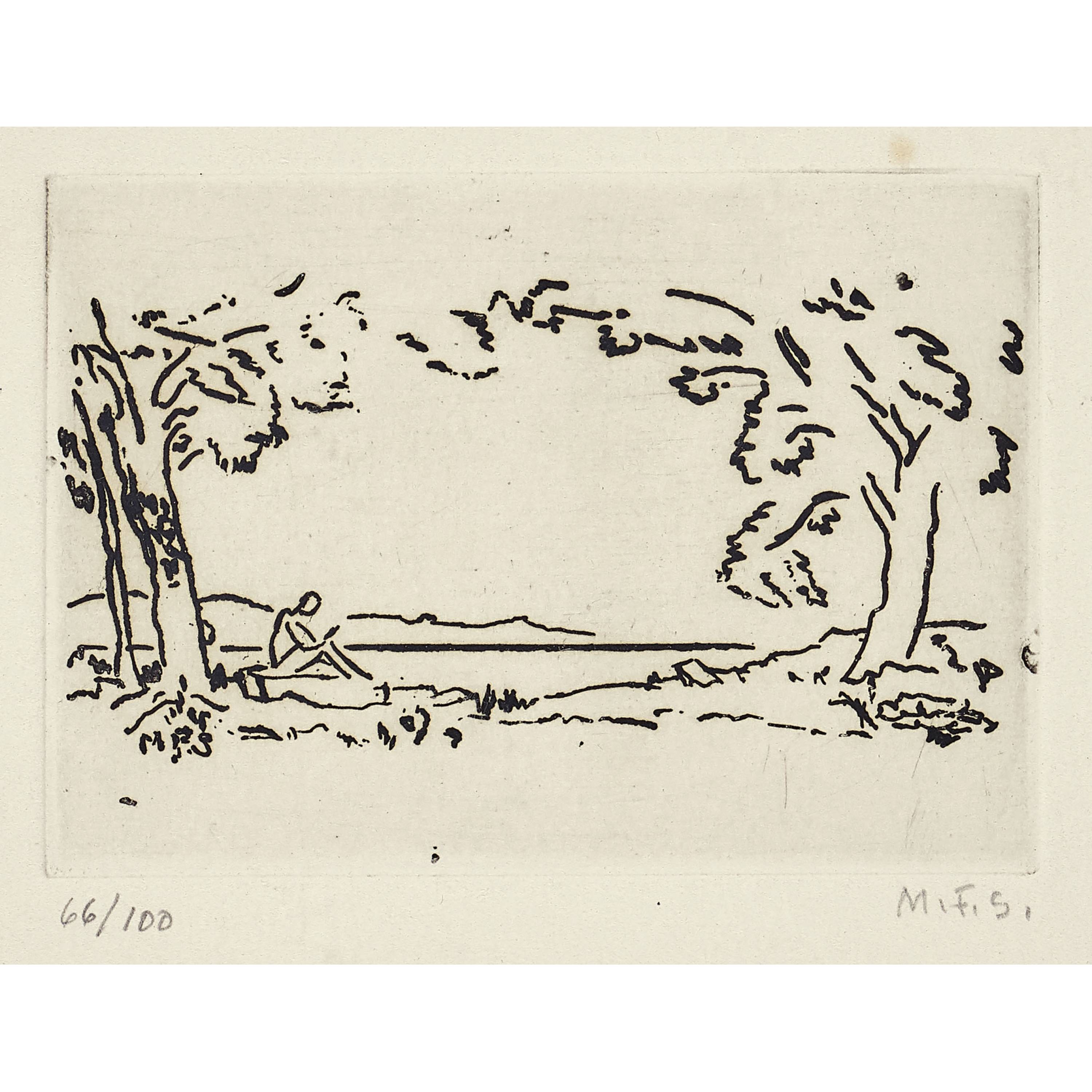
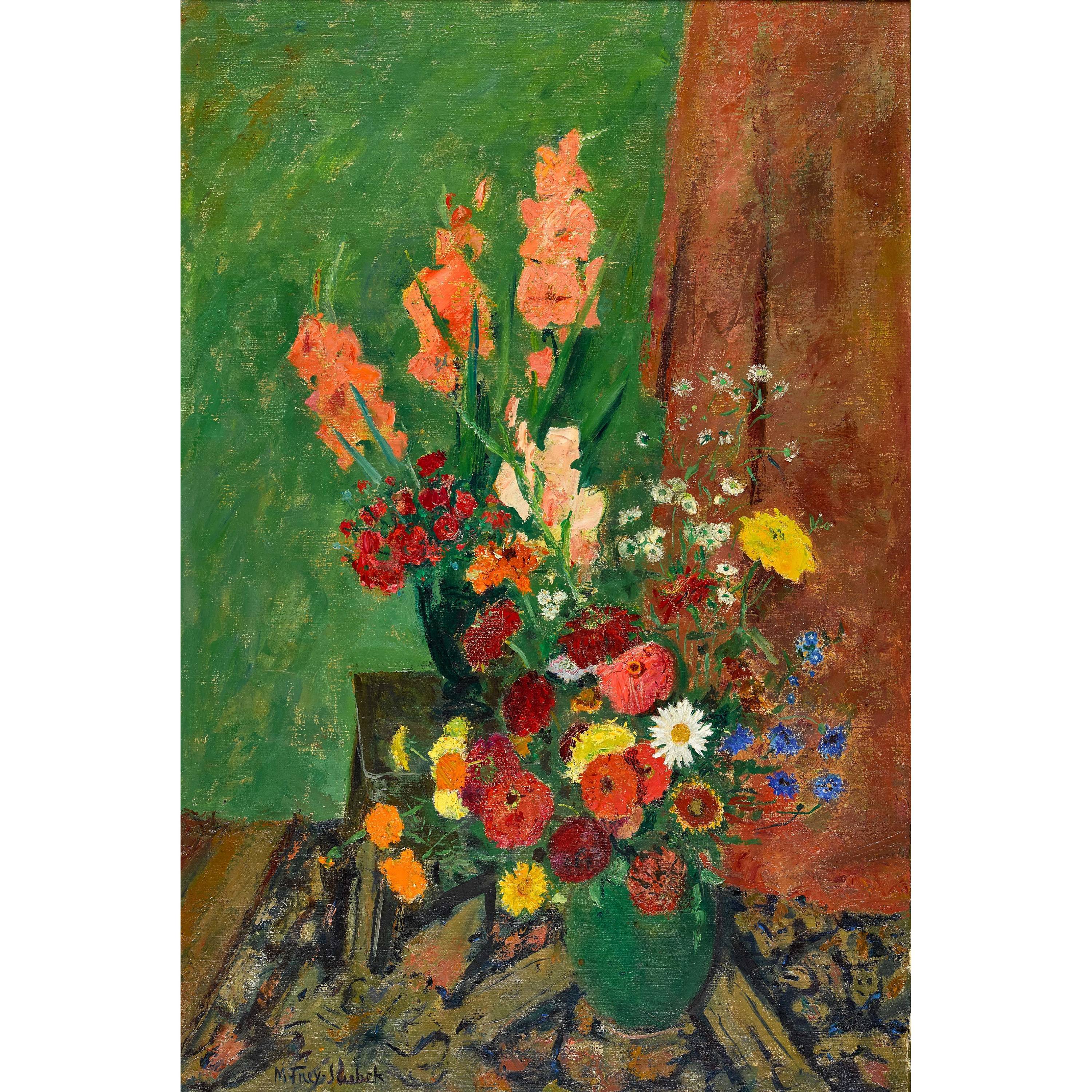
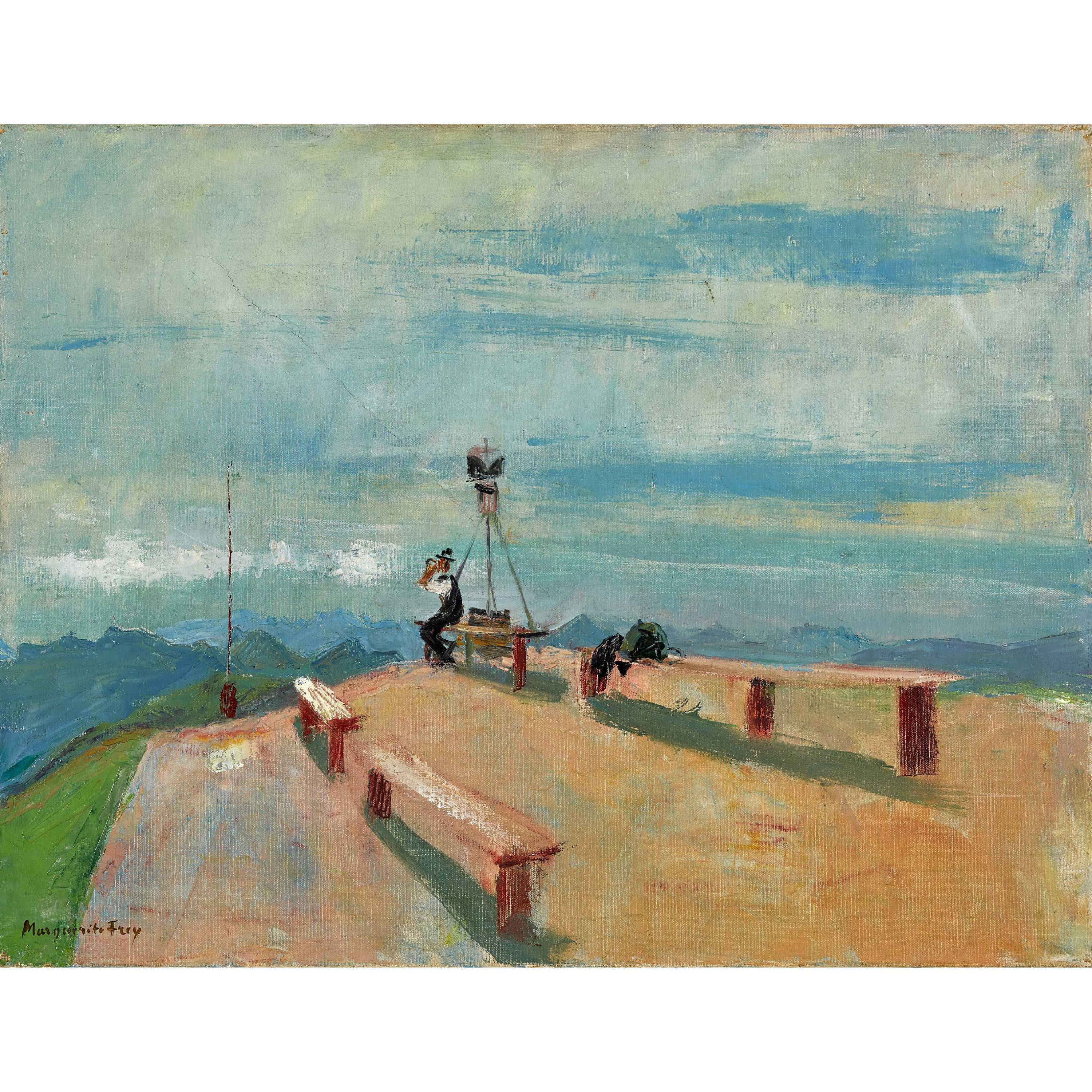
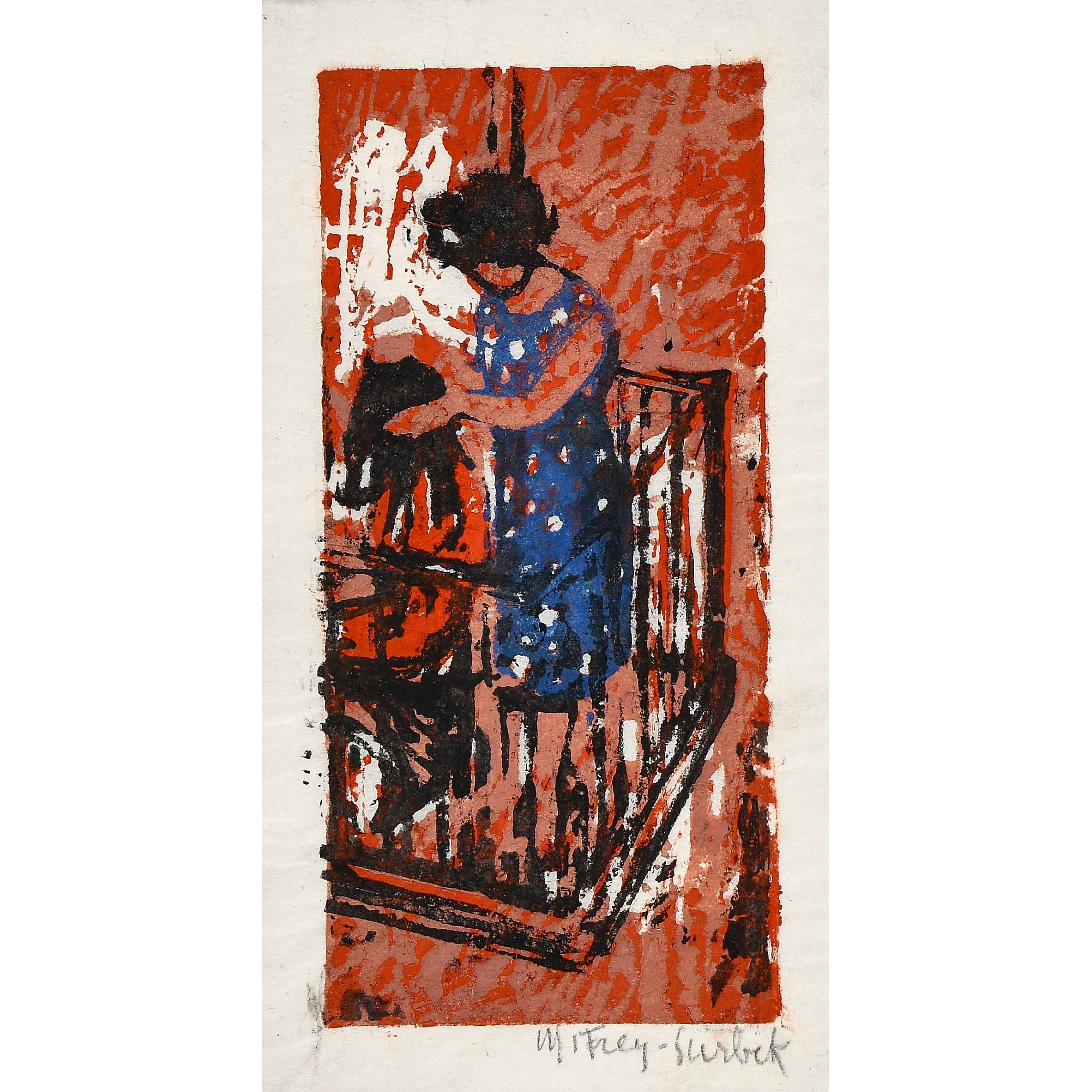
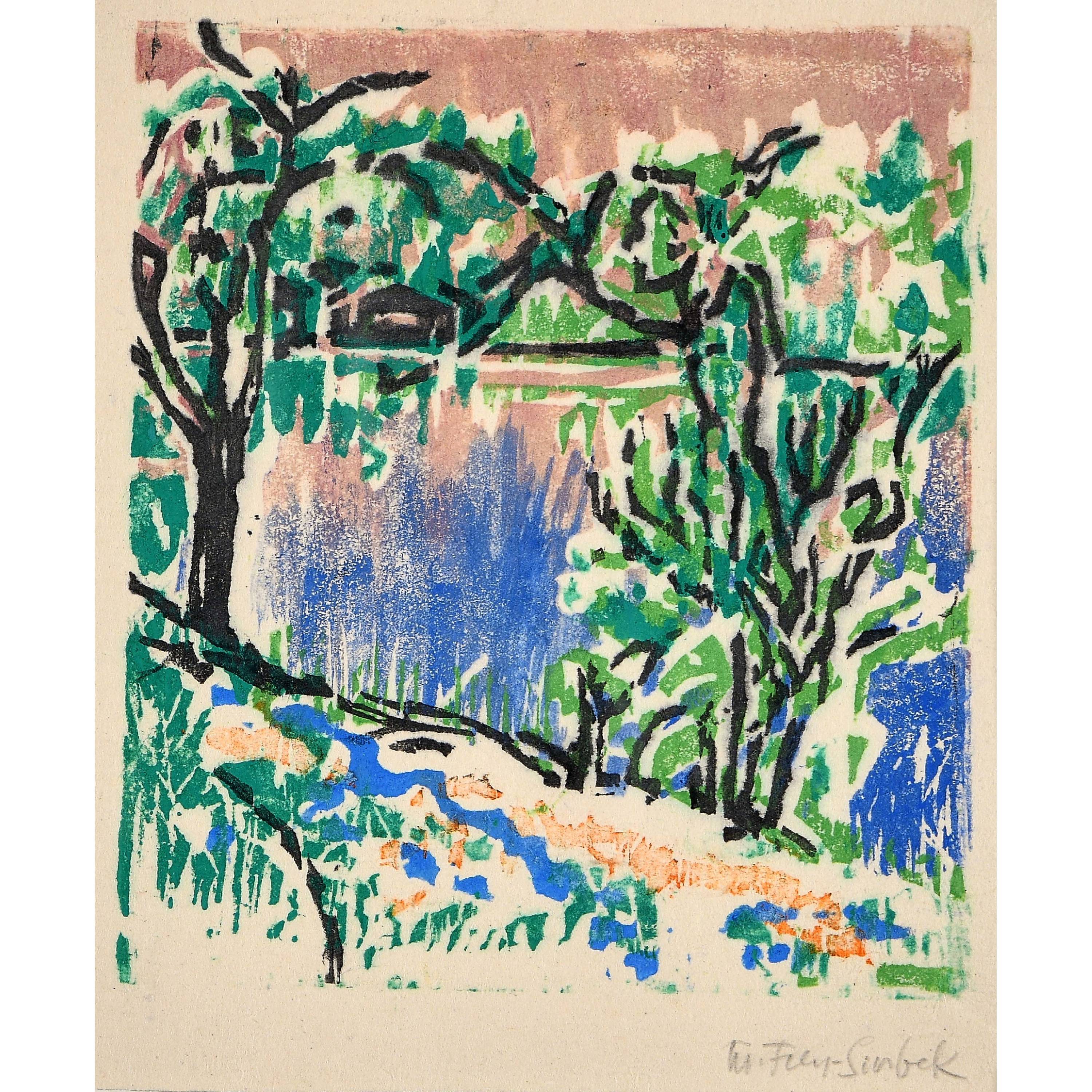
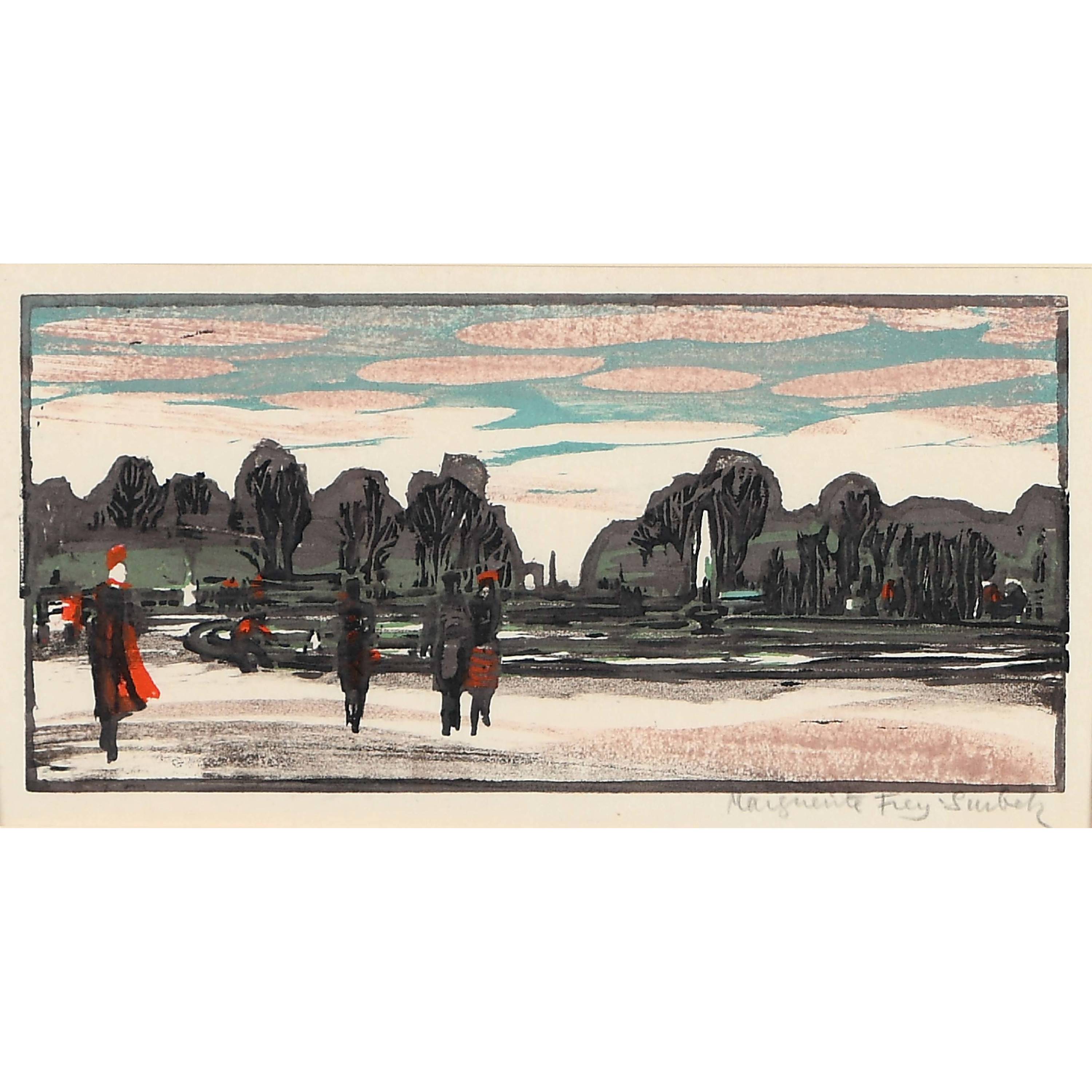
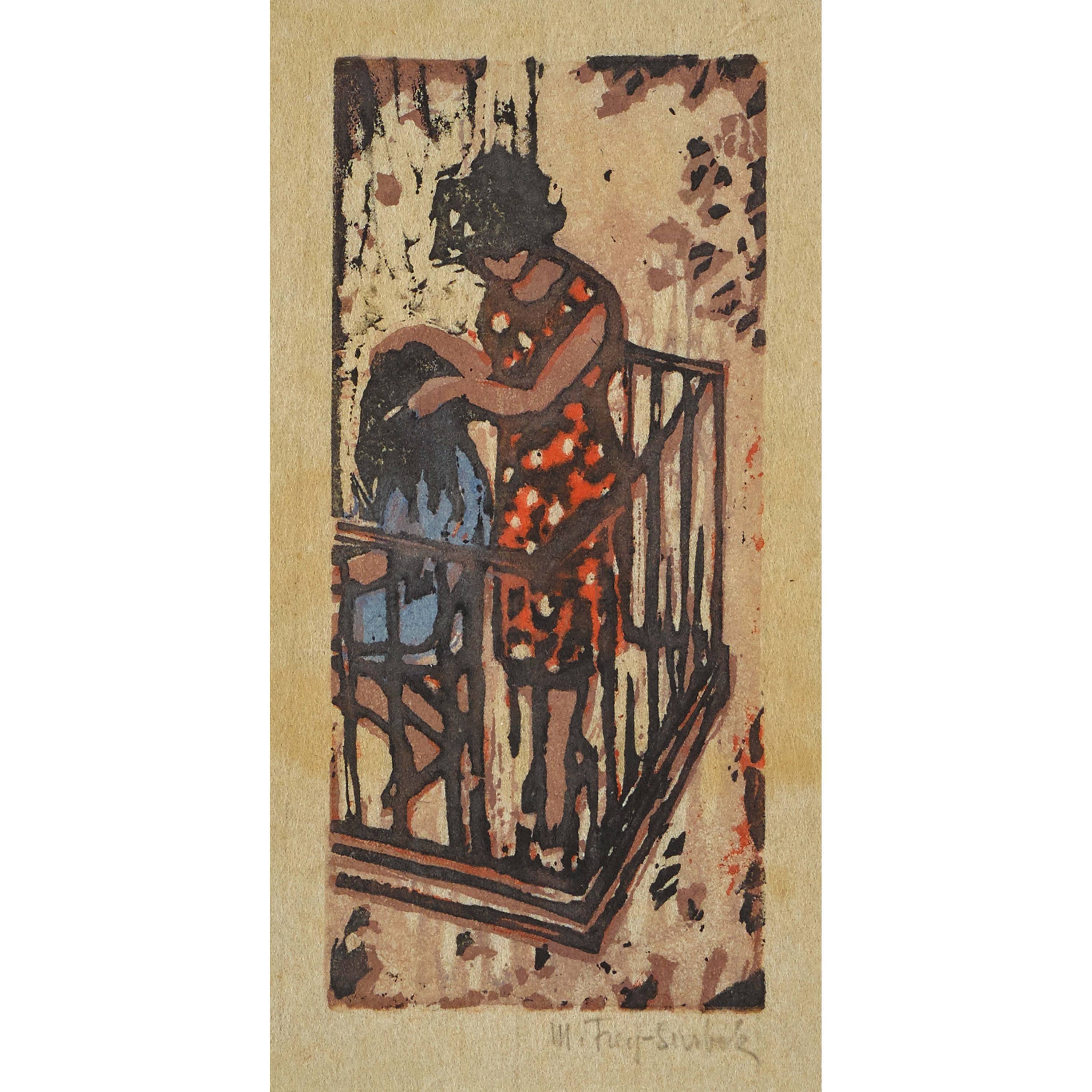
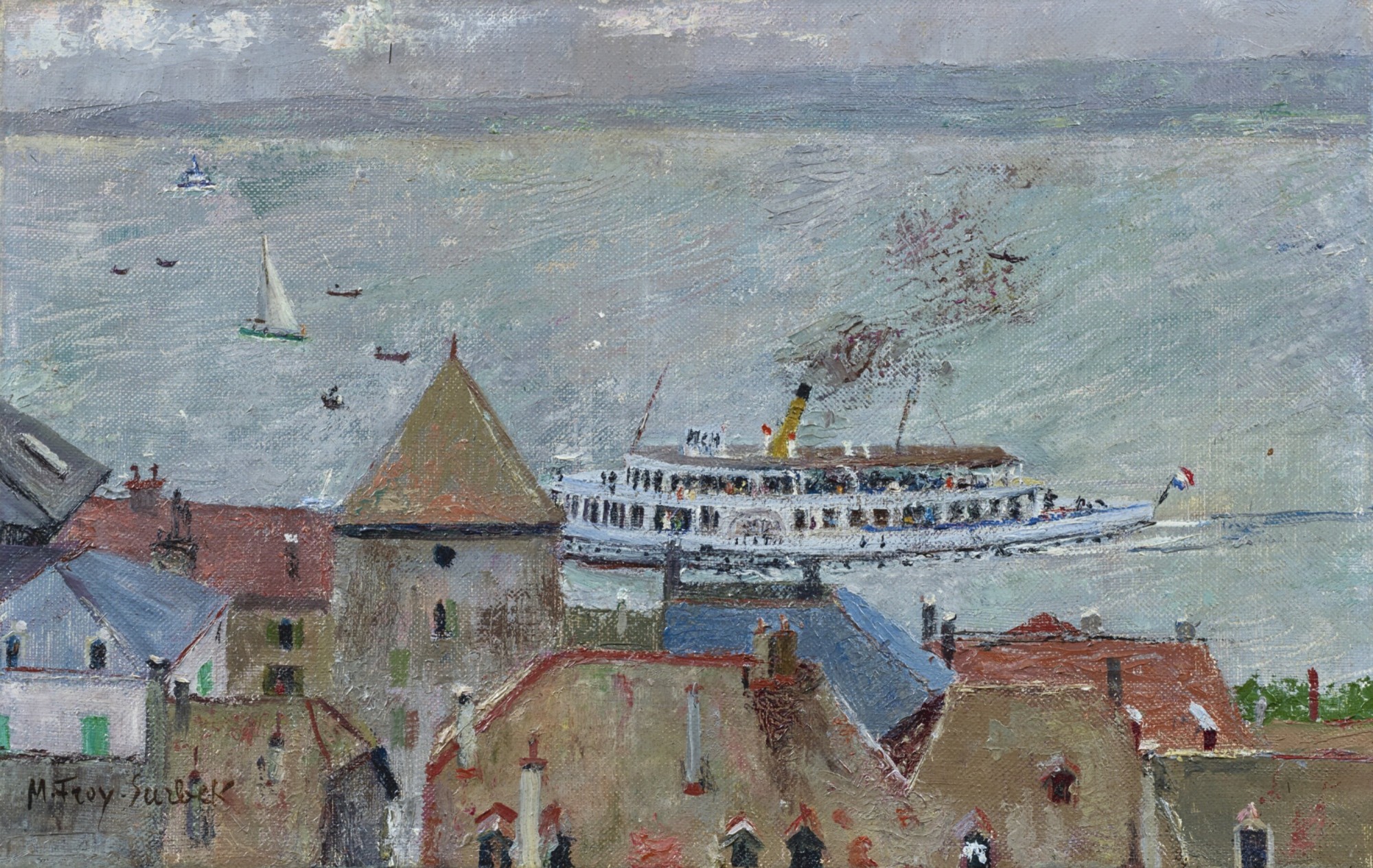
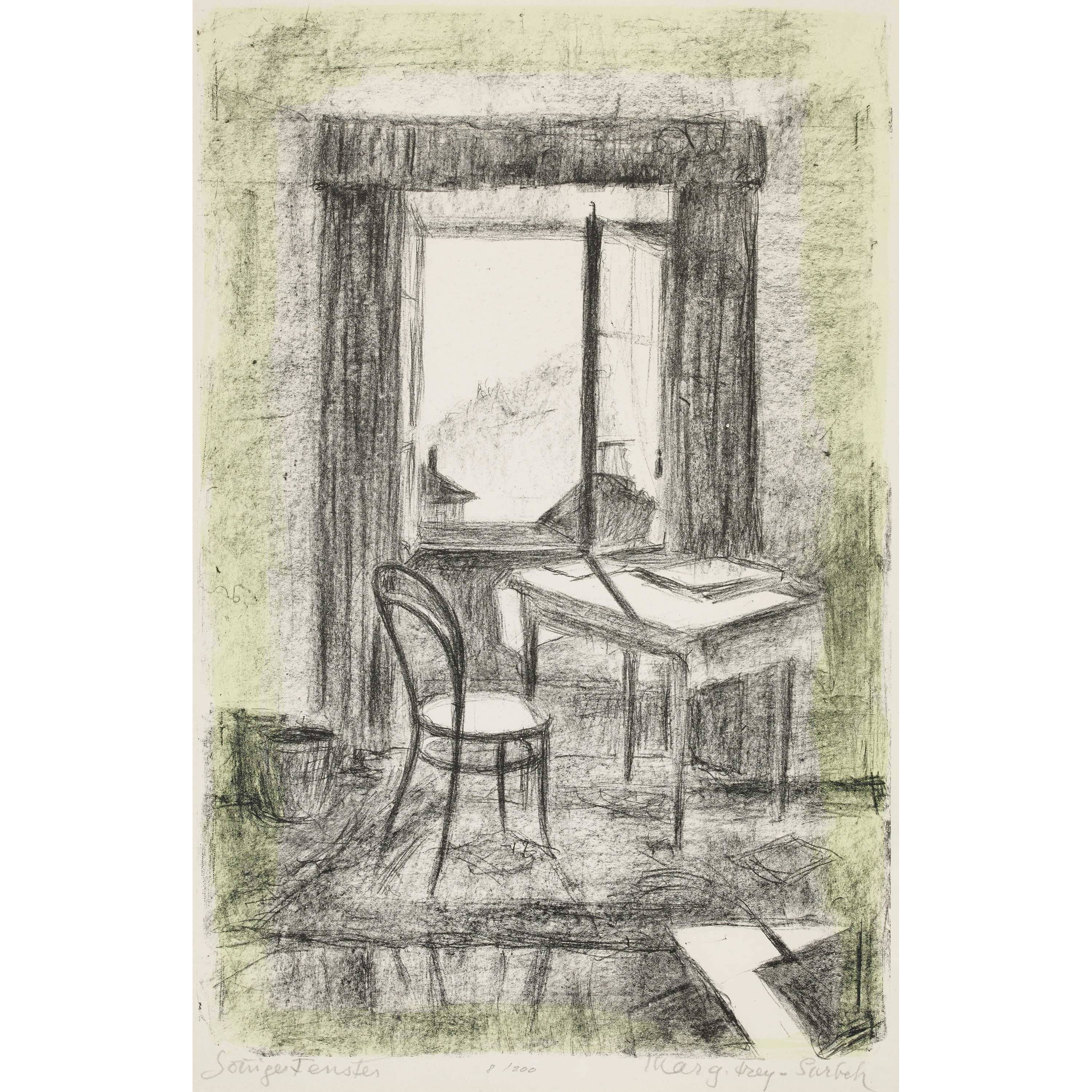
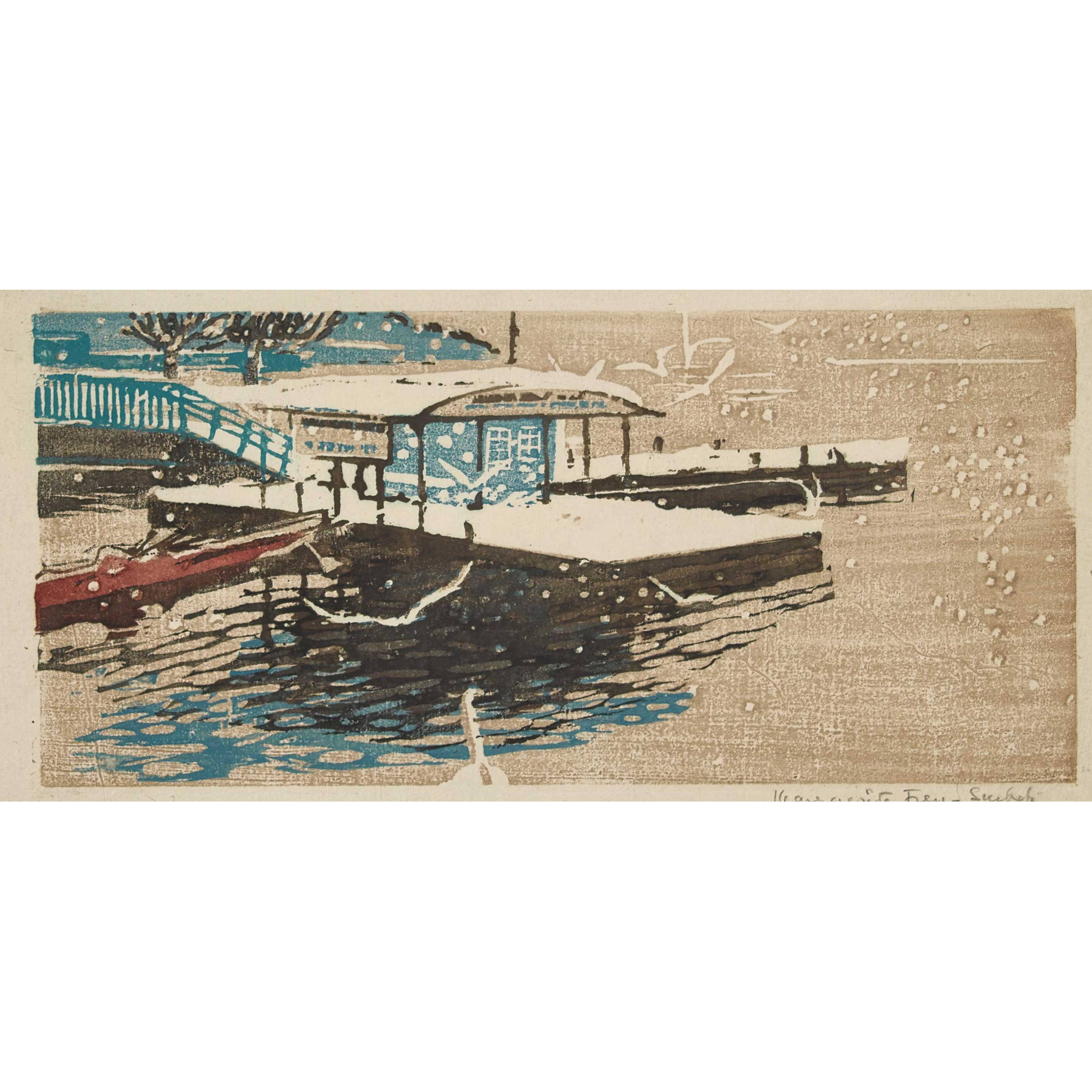
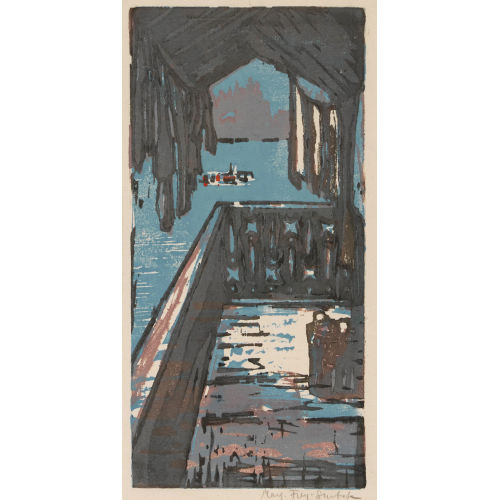
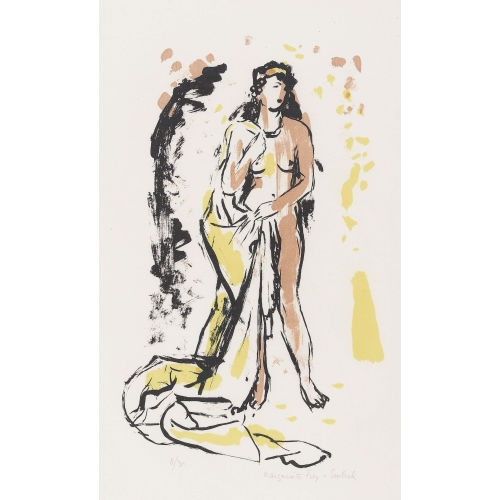
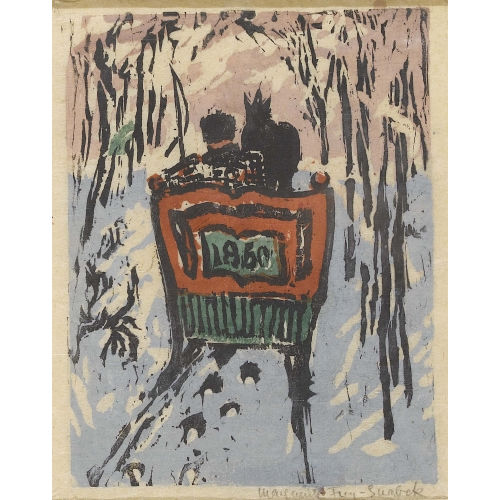
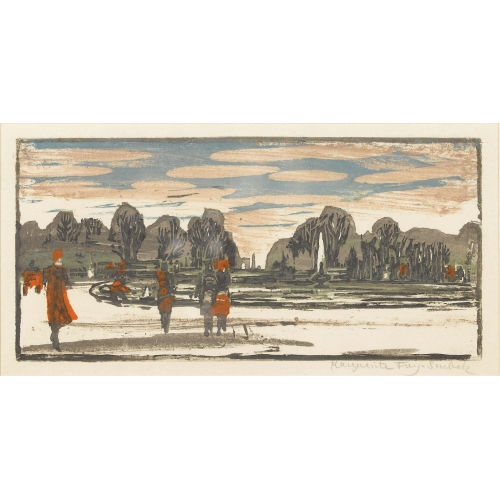
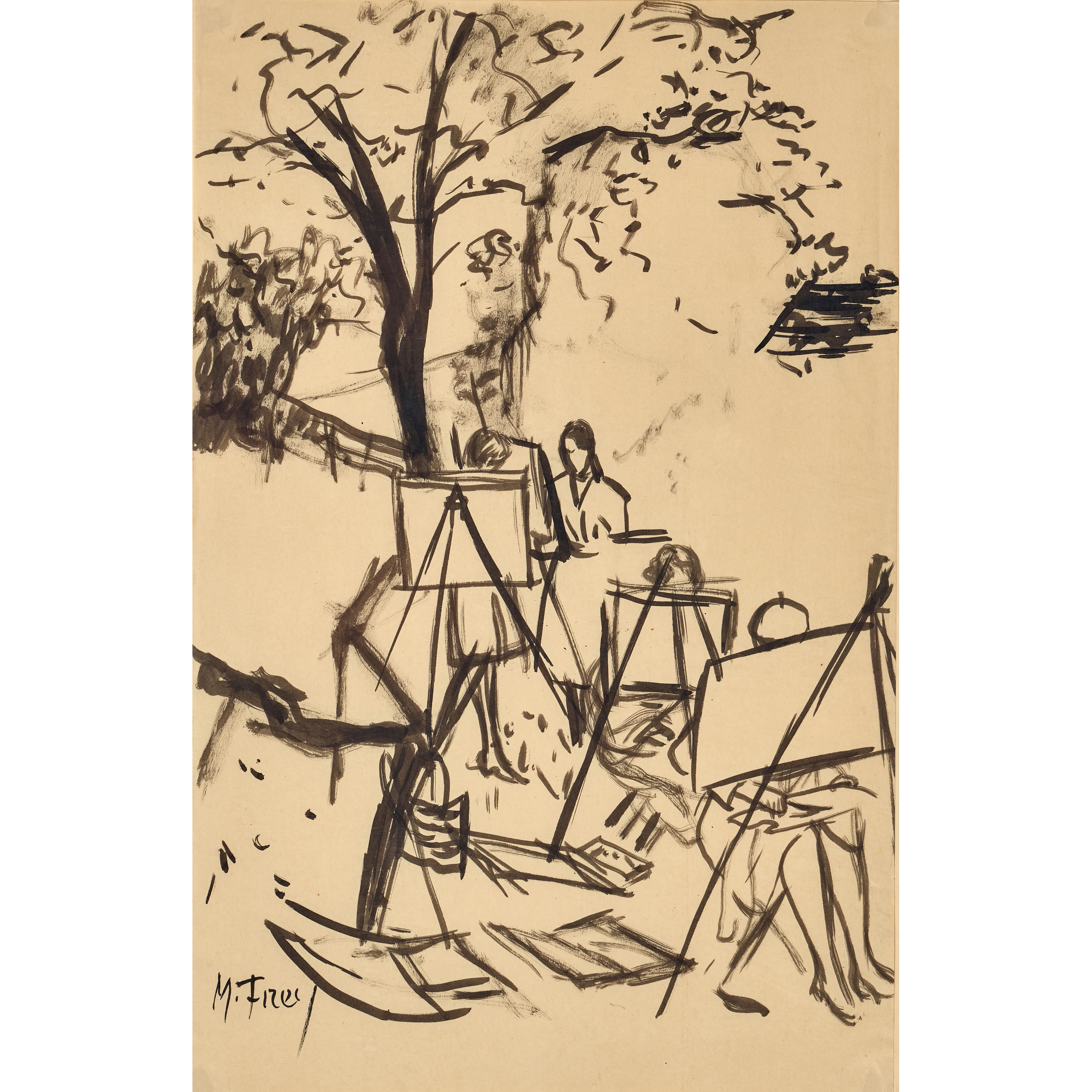
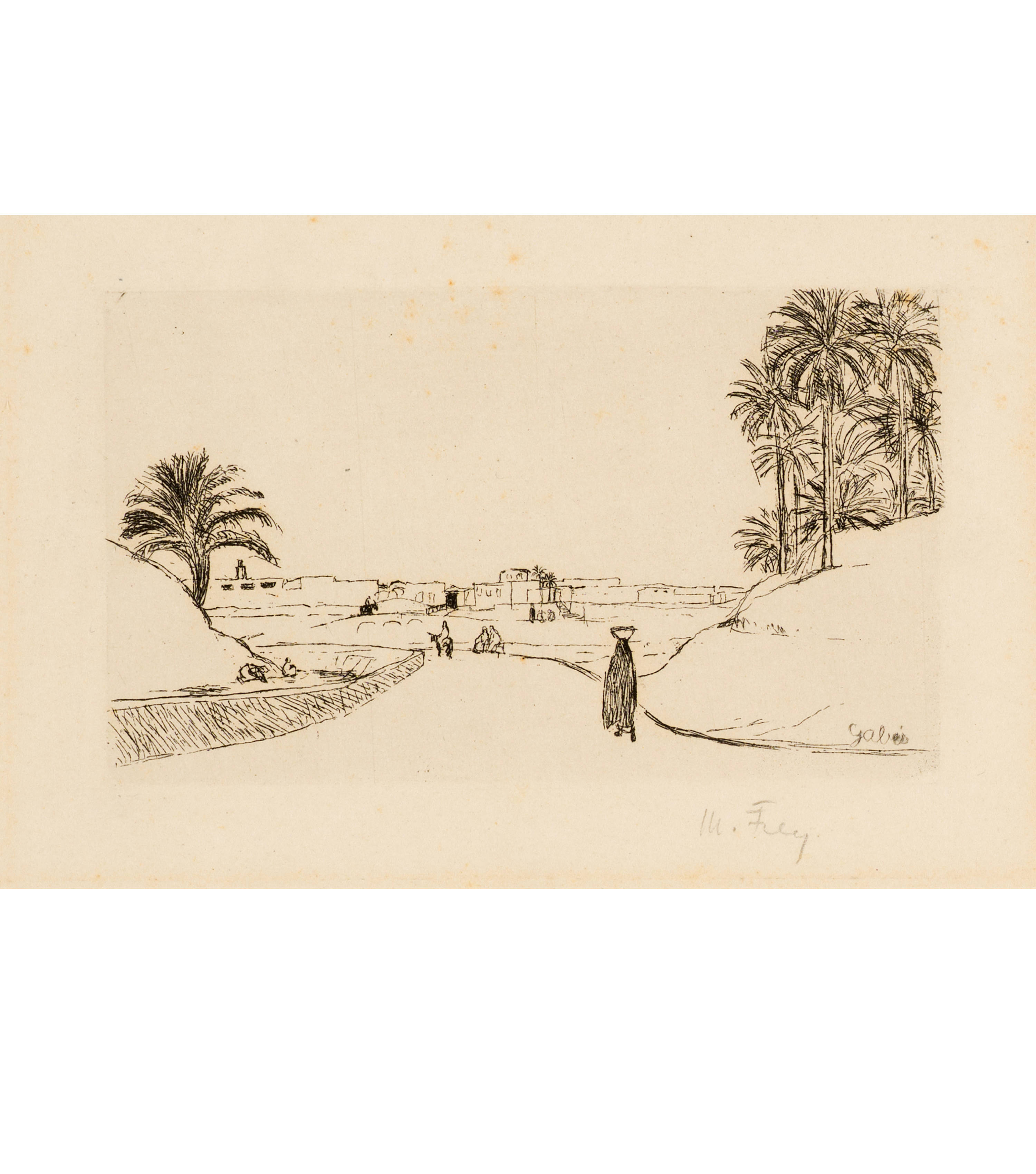
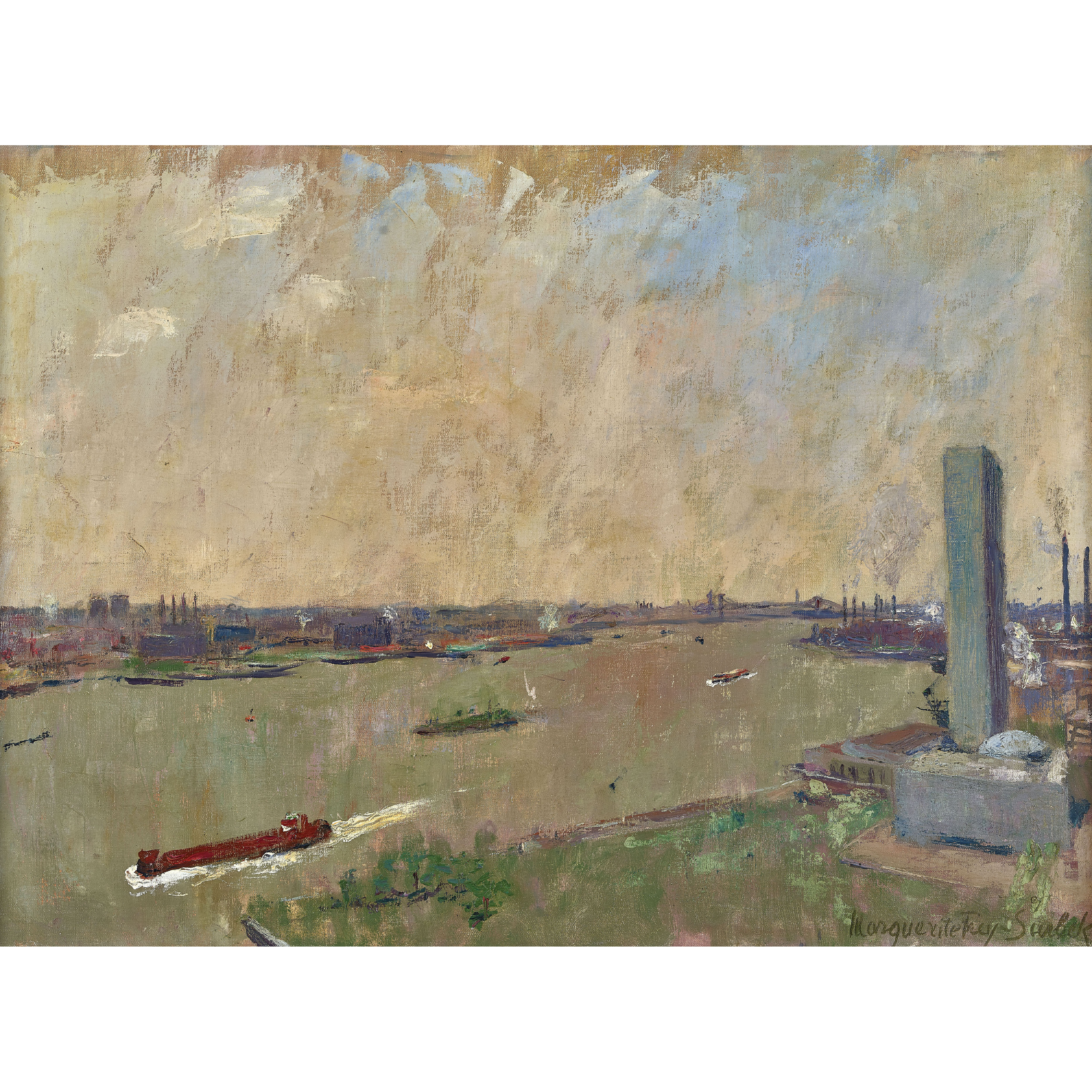
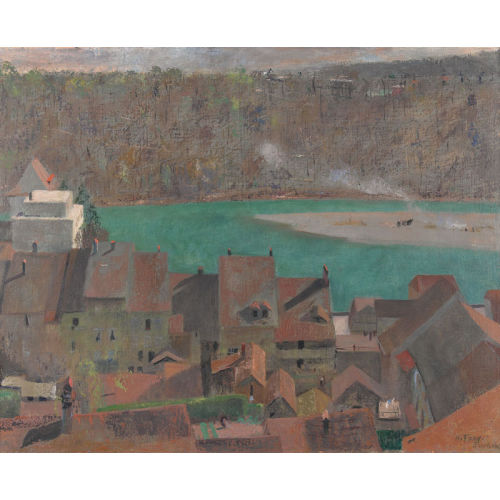
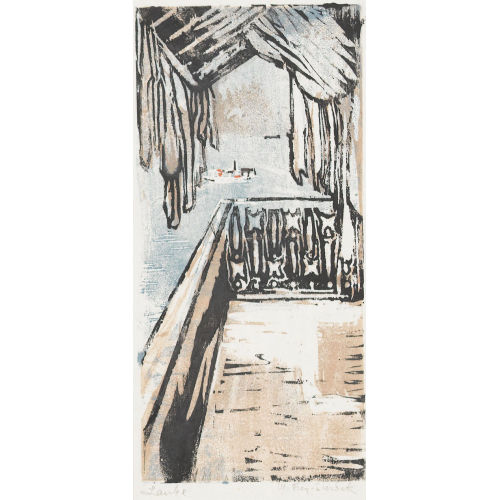
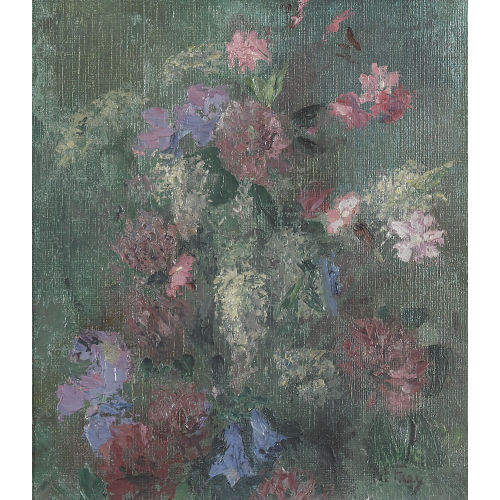
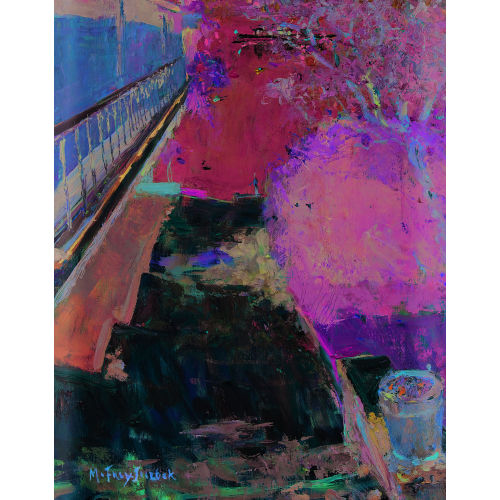
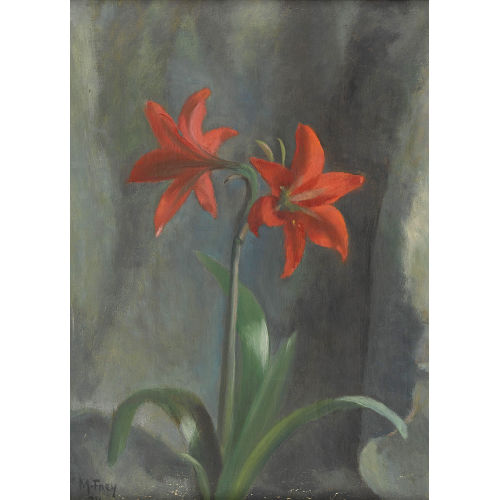
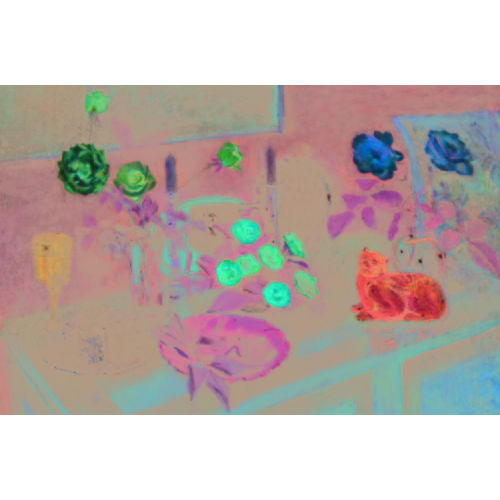
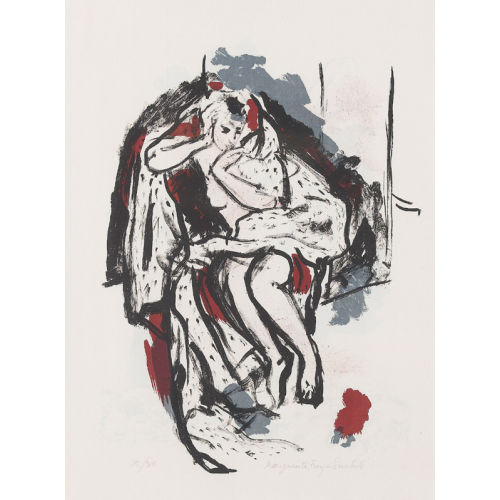
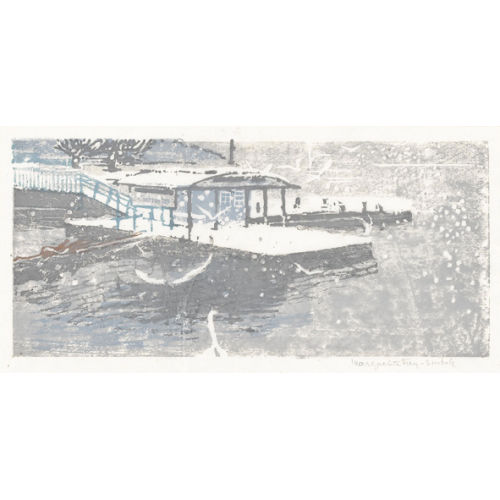
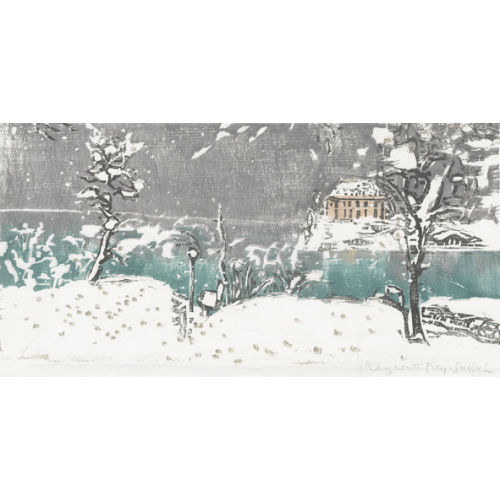
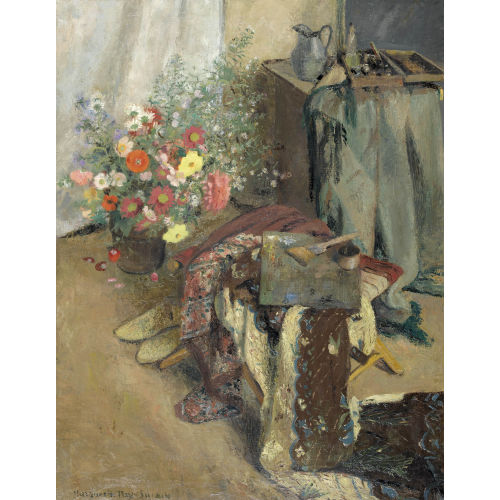
Portraits, nudes, landscapes, interiors and still lifes make up her oeuvre, which also includes graphic works and murals. Her early paintings favour restrained tonalities; after a journey to Italy in 1932, her palette gained in clarity and intensity. In «Sonnige Balkontüre» («Open Door onto a Sunny Balcony»), an oil on canvas from 1945 held by La Mobilière’s art collection, the open door leaves frame a luminous view.
The shadowed interior is not simply a dark area: shades of pink, blue and violet respond to the green of the vegetation and the blue of the sea. The painting turns this threshold into a sensuous passage between the intimacy of the room and the space beyond.
Together with her husband, the painter Victor Surbek, she ran a painting school in Bern while asserting a distinct artistic approach. Her activities extended beyond the studio: she campaigned for assistance to refugees, women’s suffrage, and the protection of cultural heritage and landscapes. Present at the Venice Biennale in 1936, she subsequently served on the Federal Fine Arts Commission from 1942 to 1948.
Recent research by the Bern University of the Arts is helping to document and acknowledge more fully the scope of her oeuvre.