Marcel Amiguet
Born in 1891.
Died in 1958.
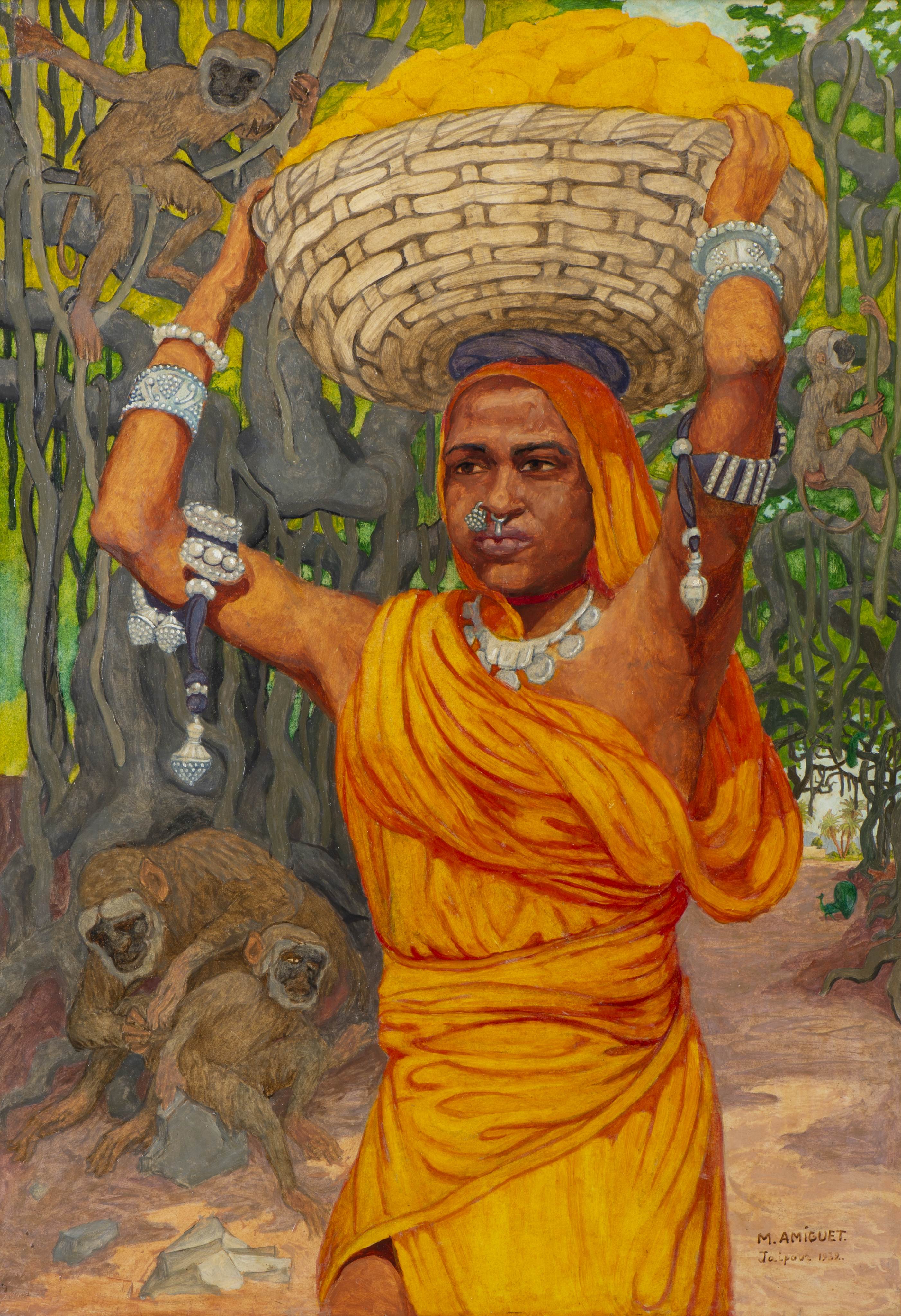
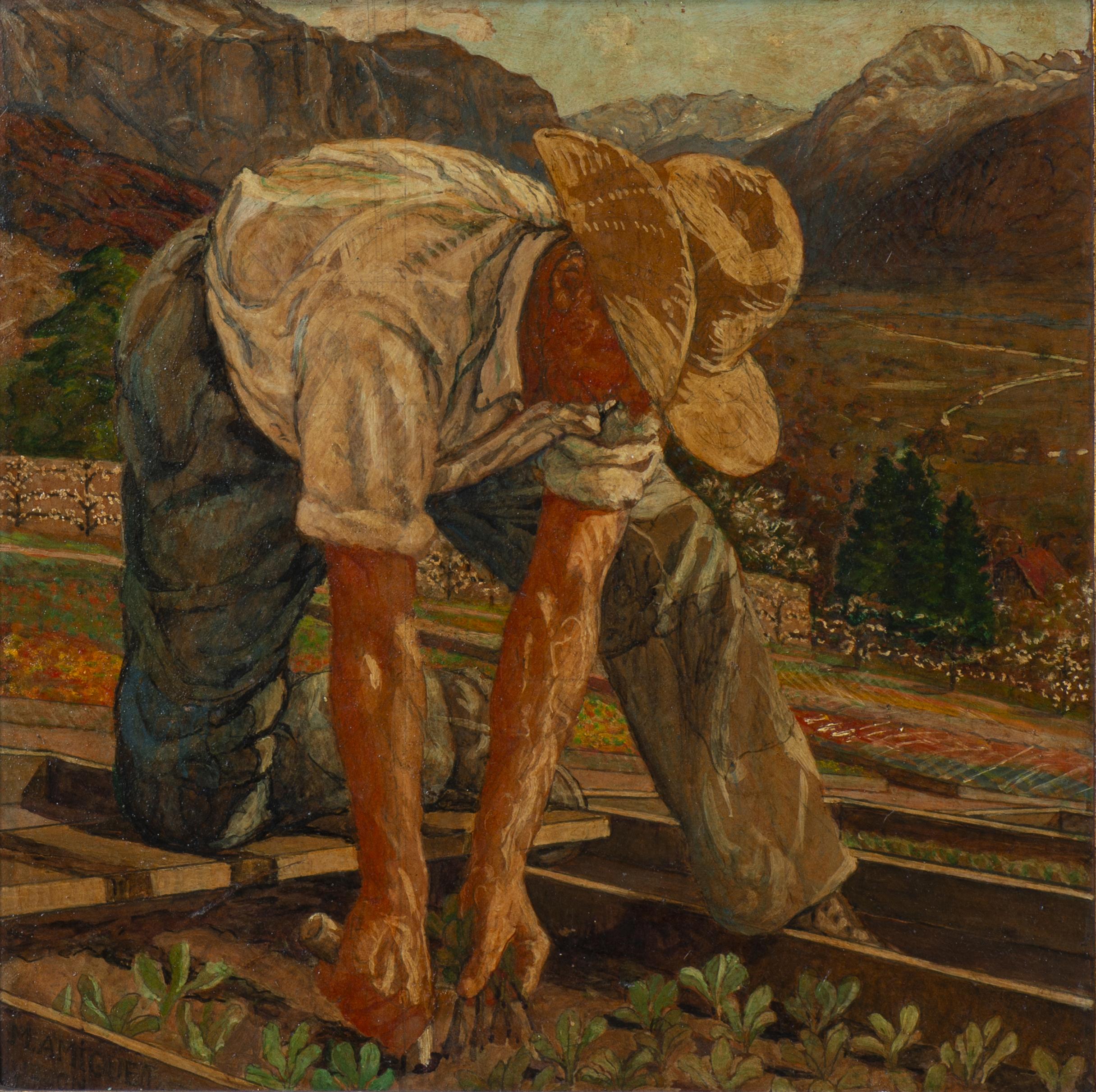
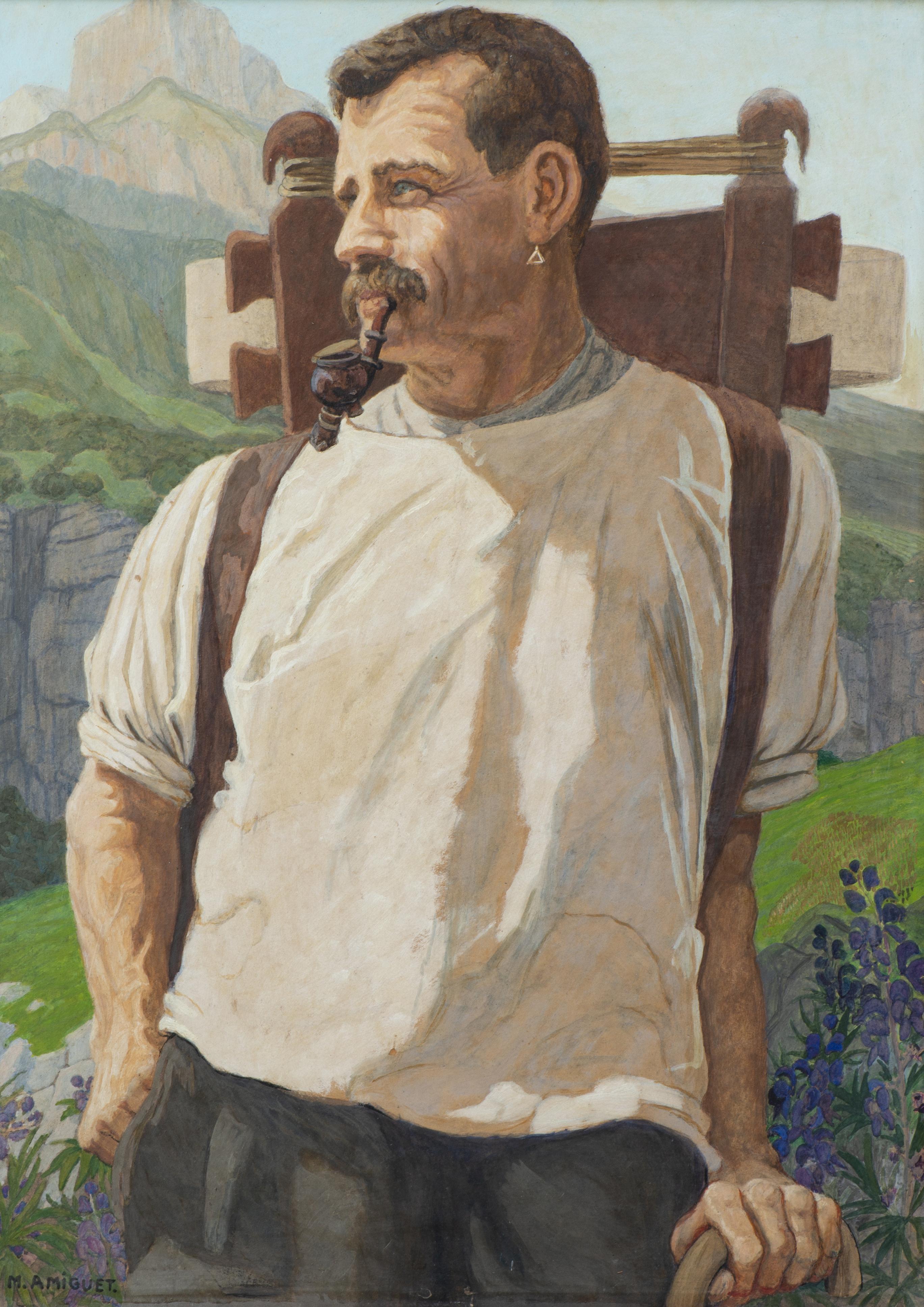
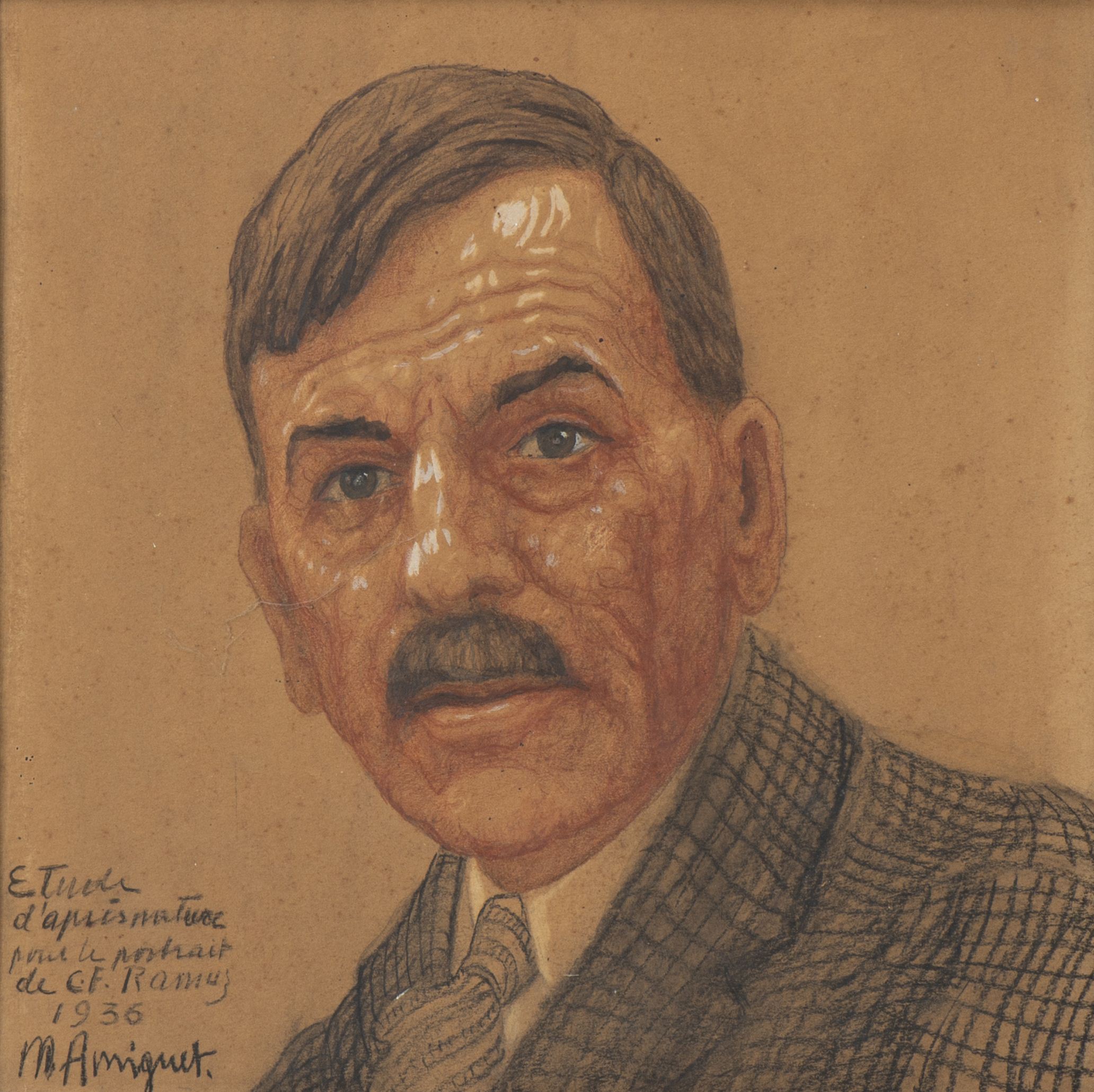
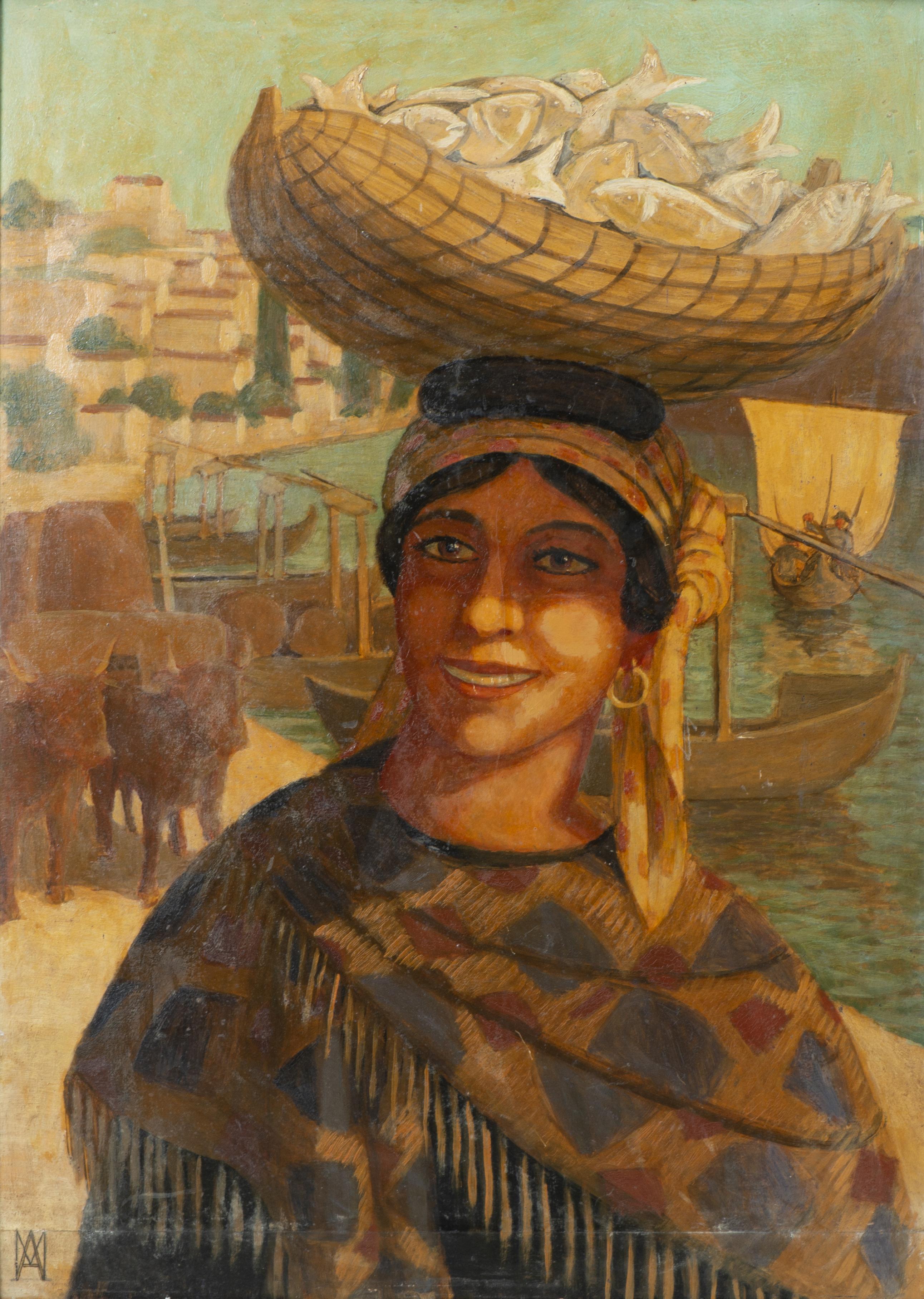
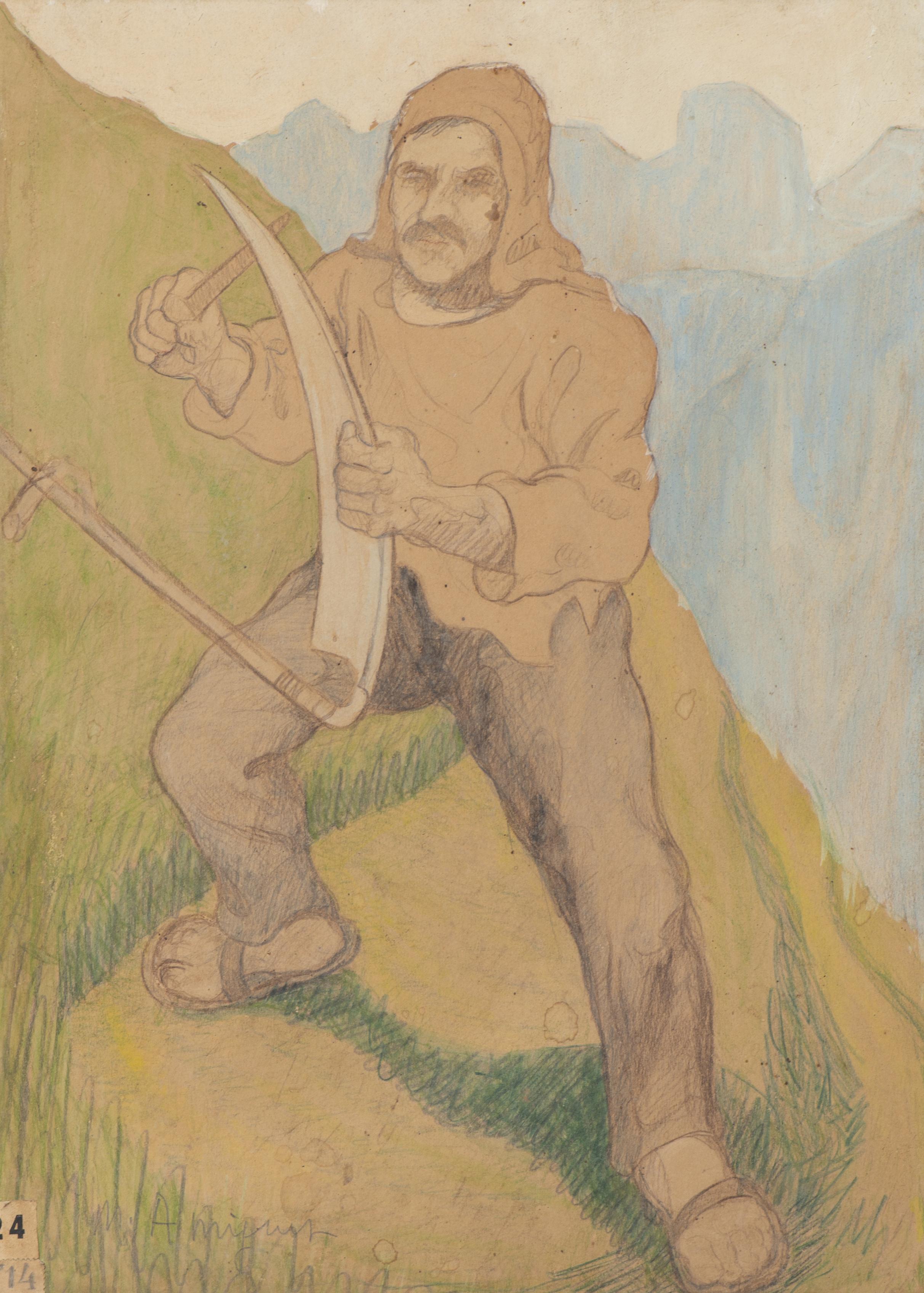
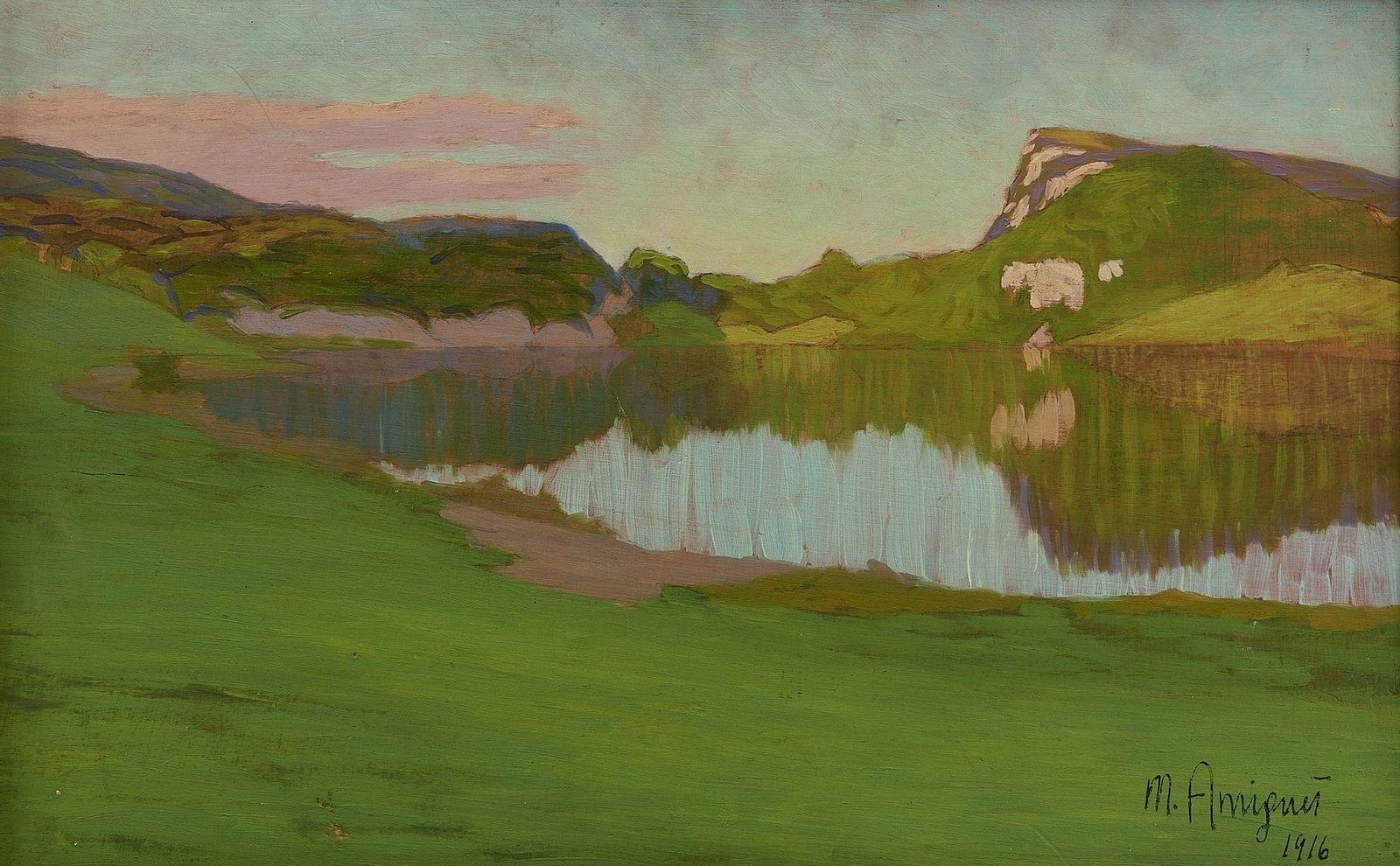
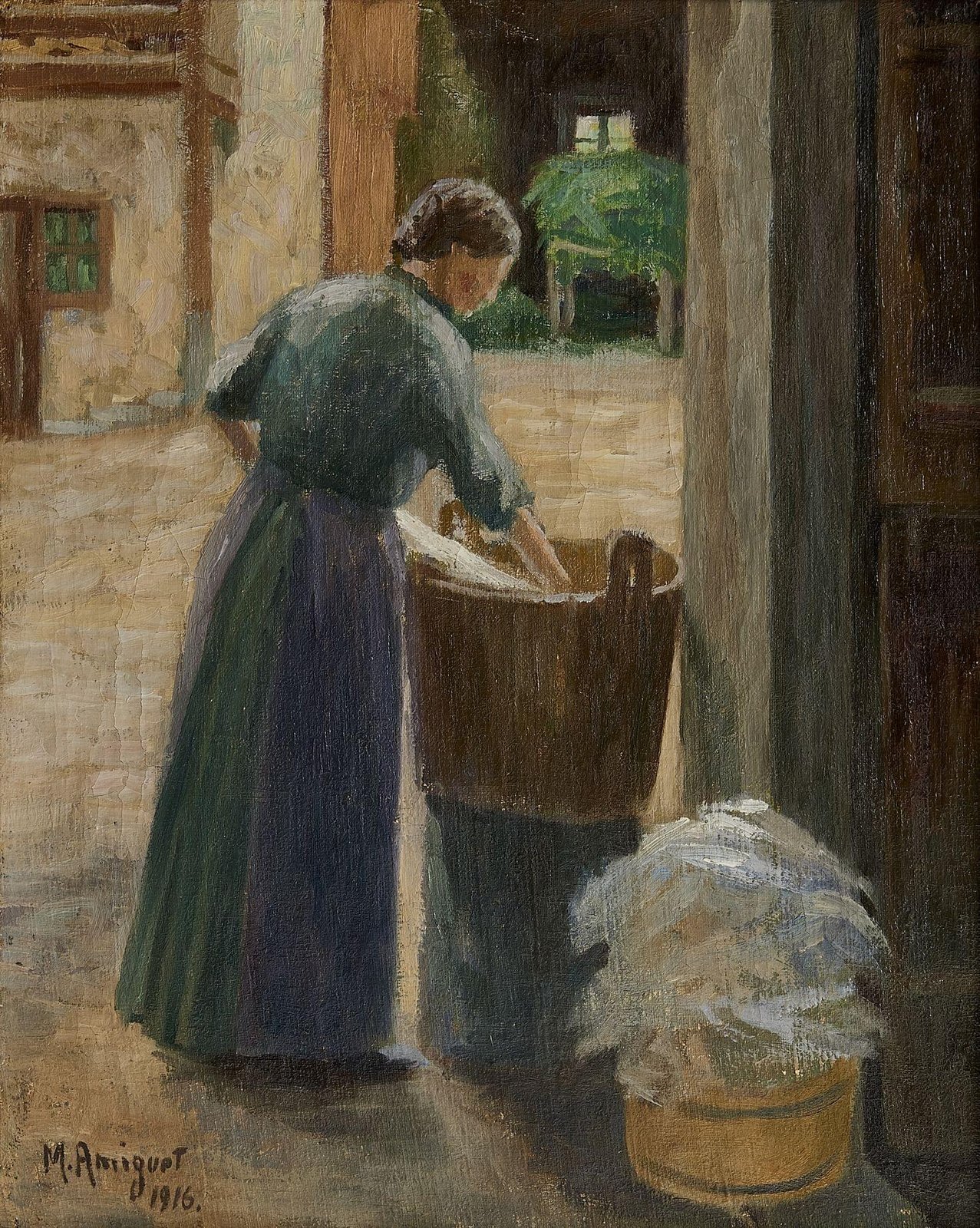
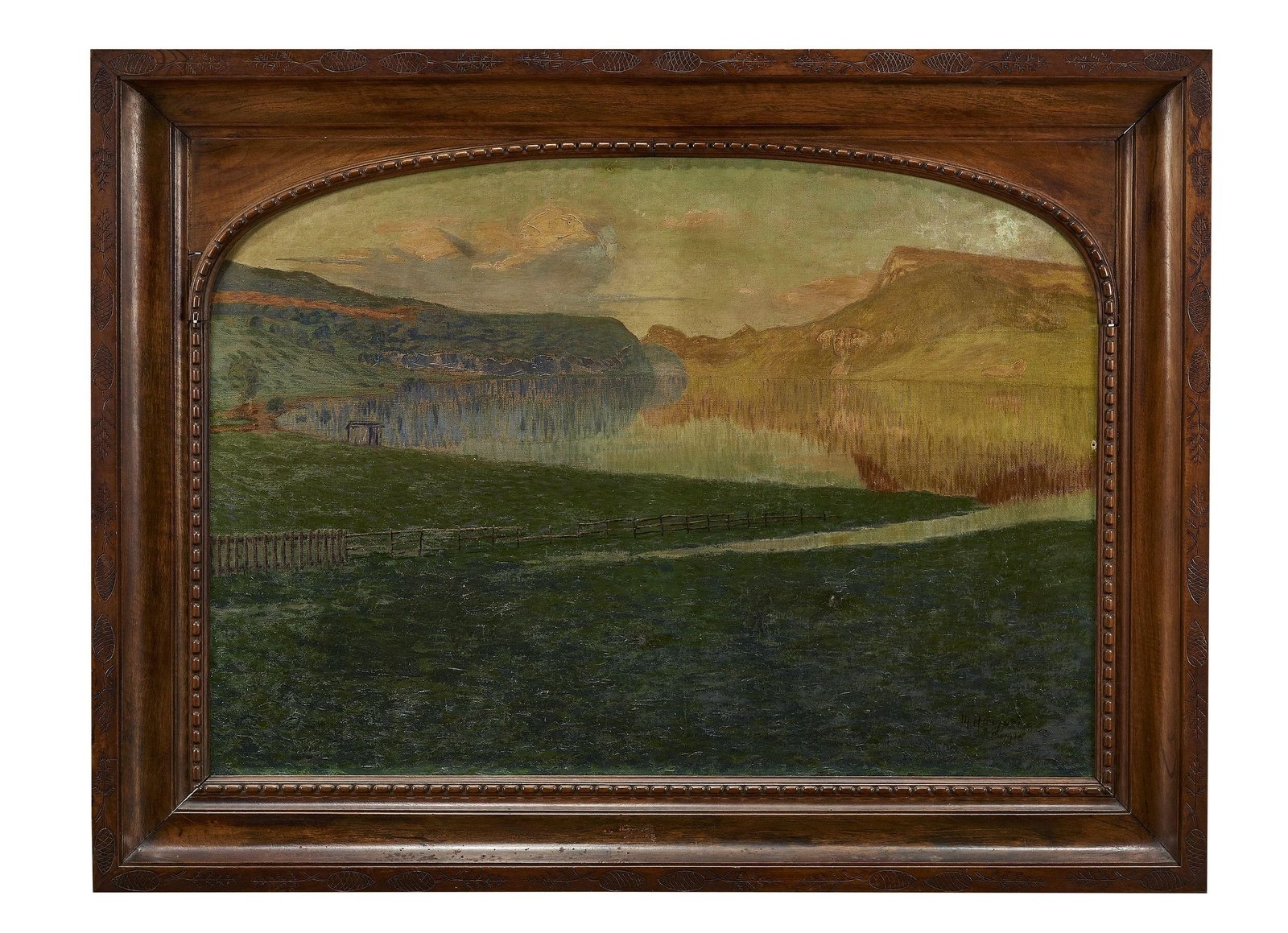
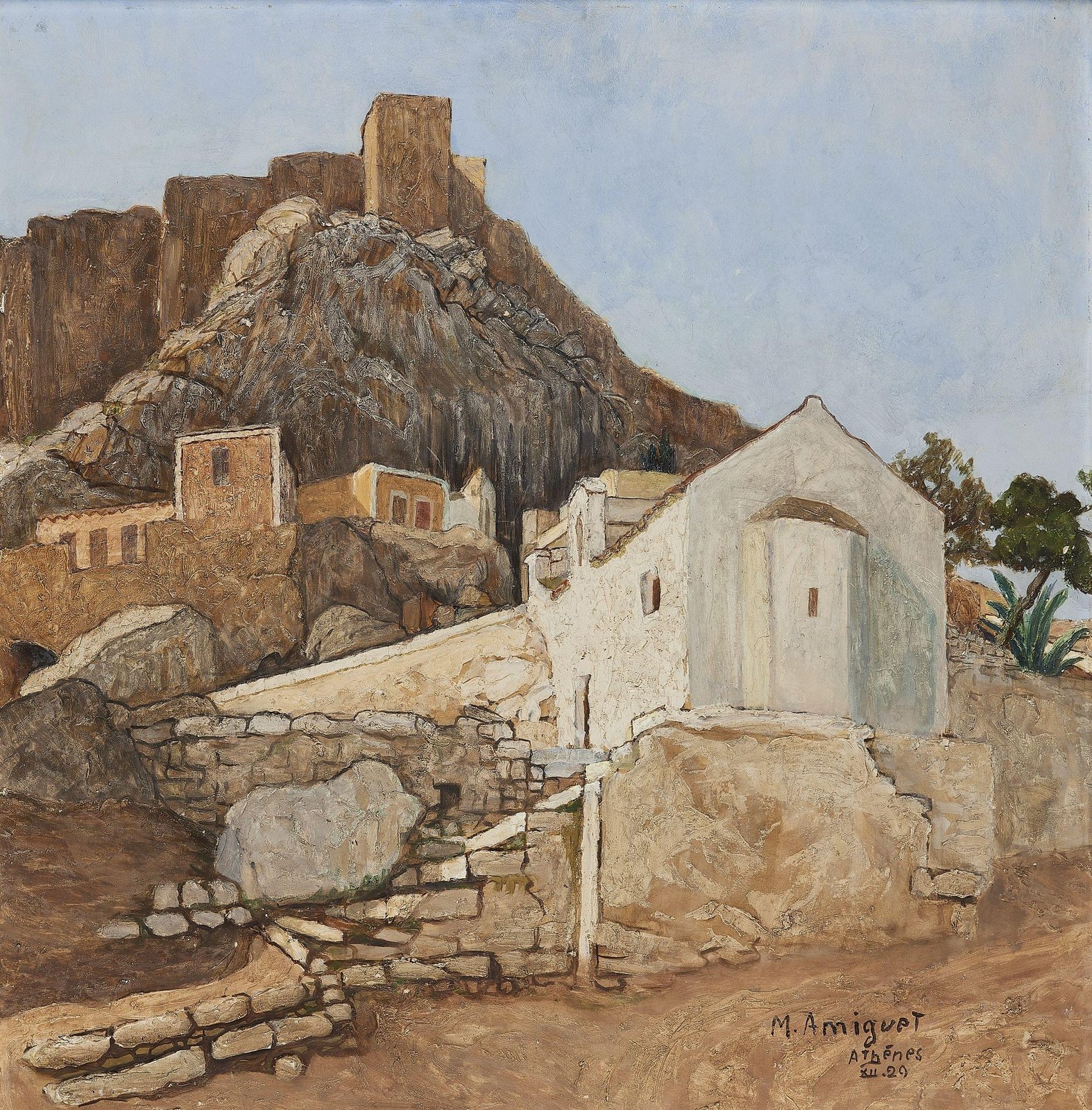
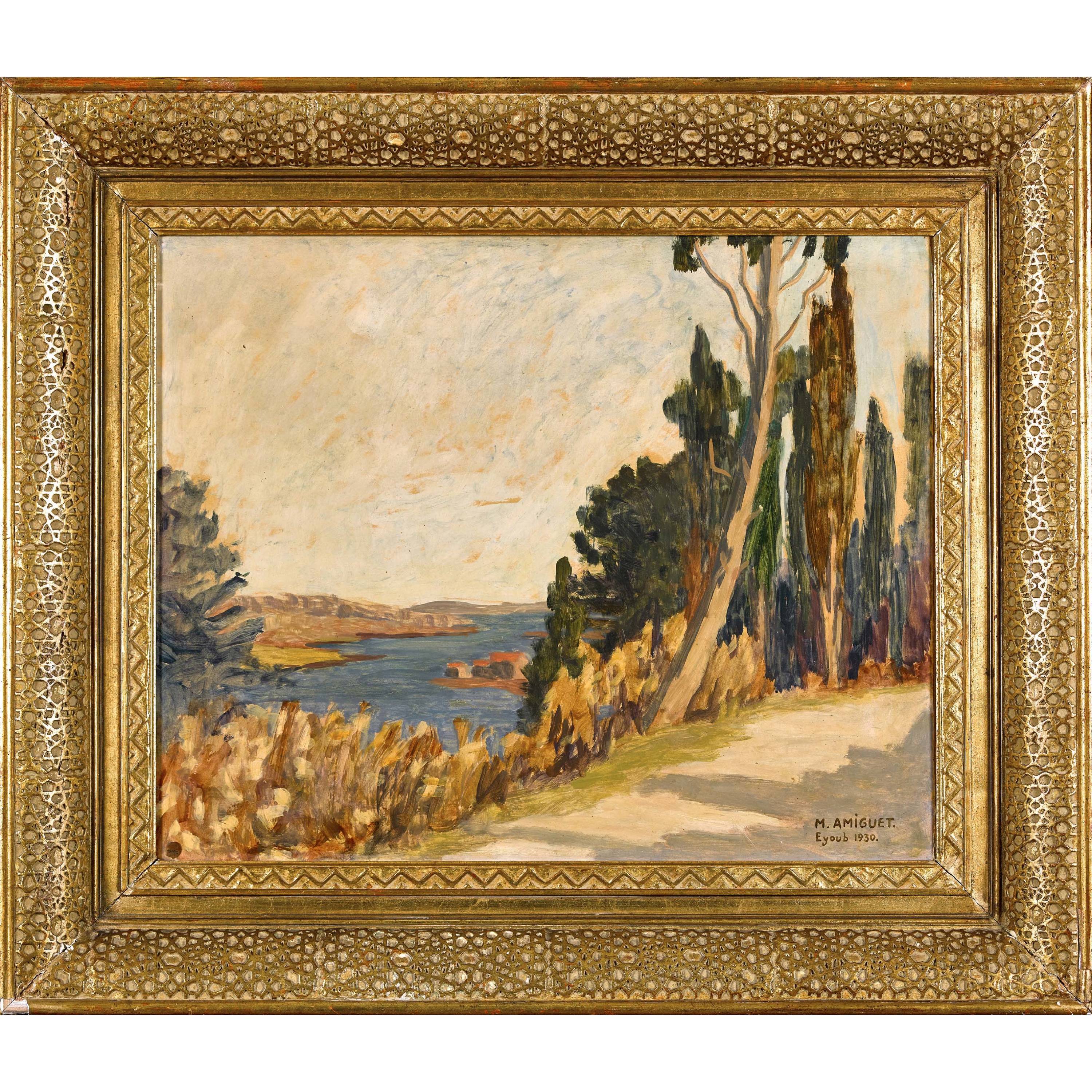
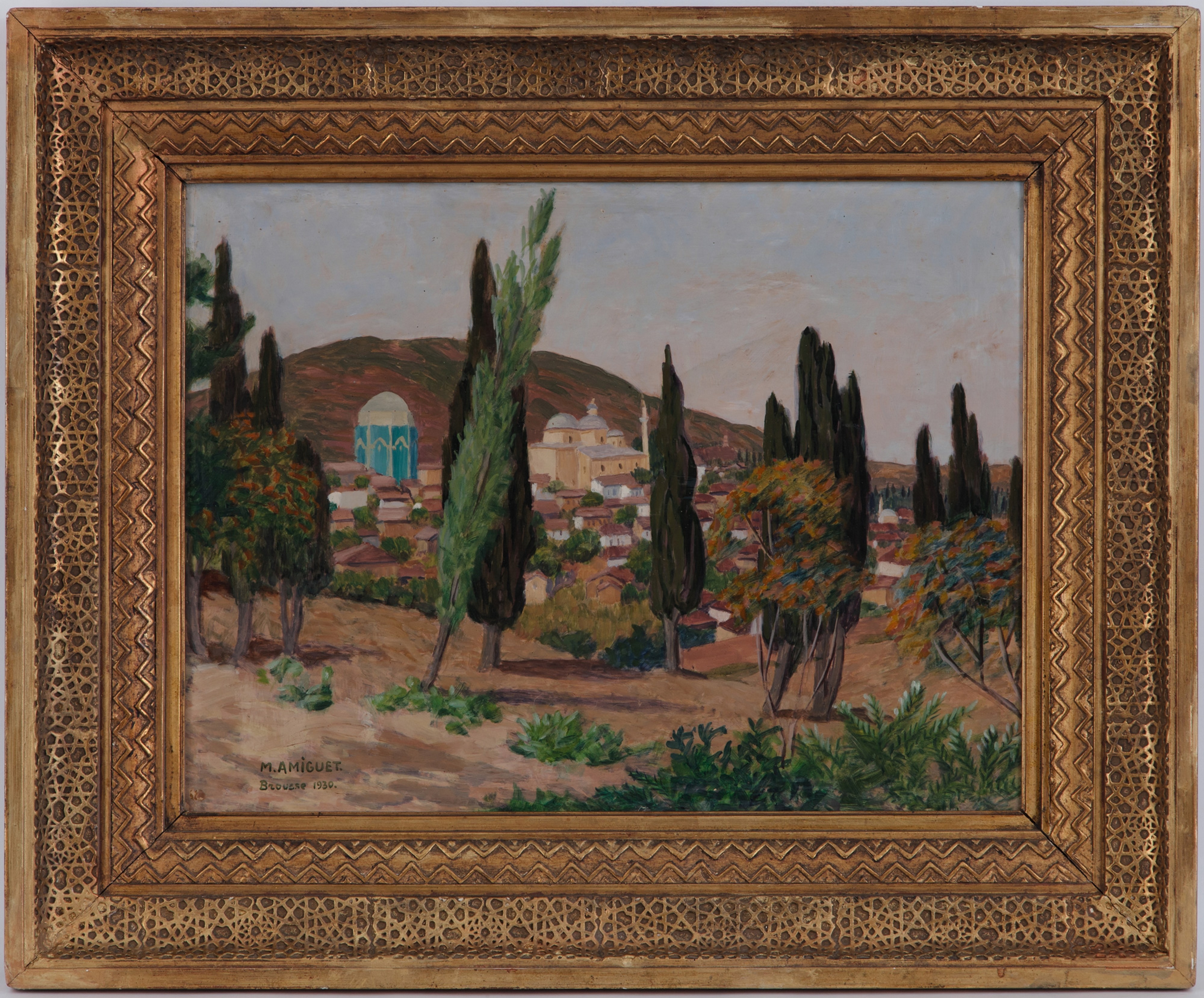
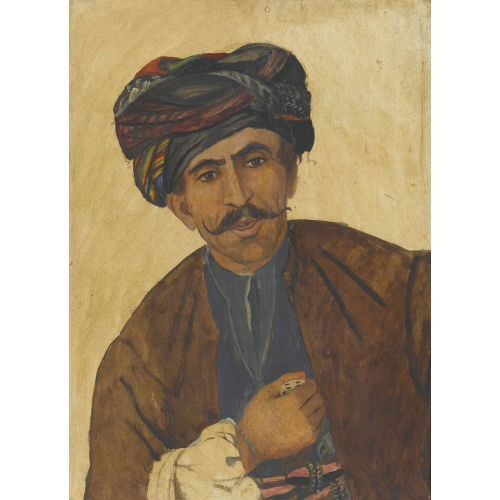
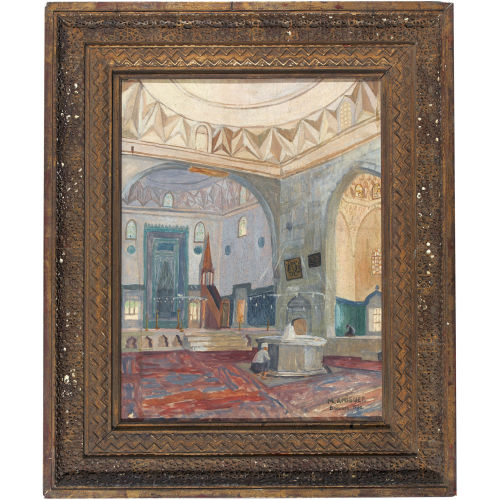
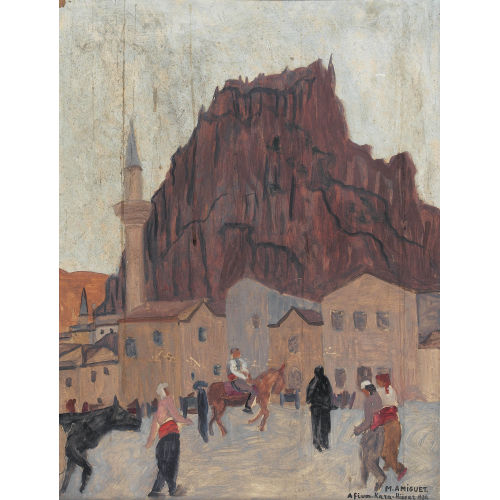
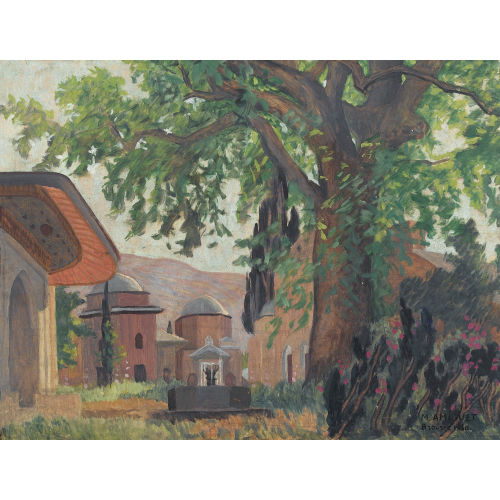
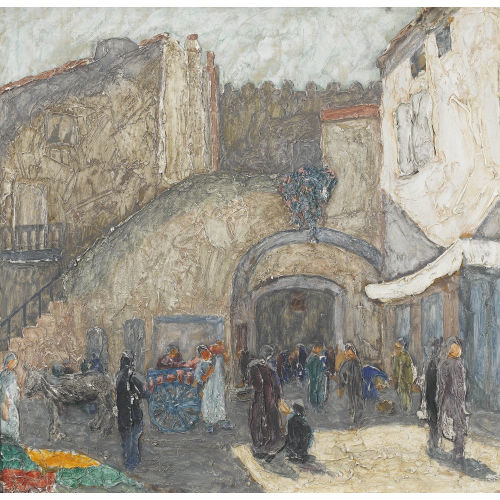
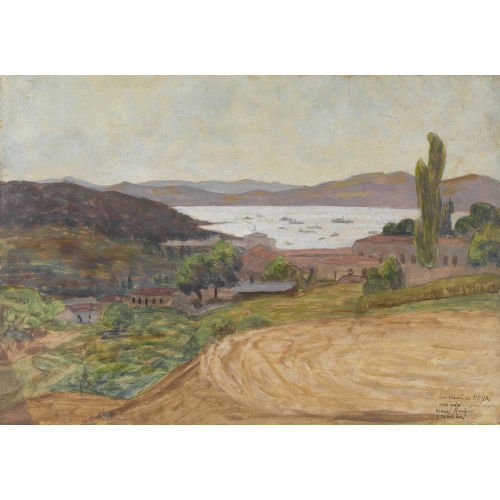
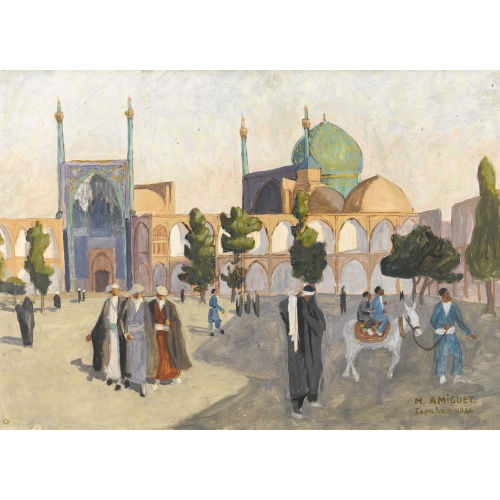
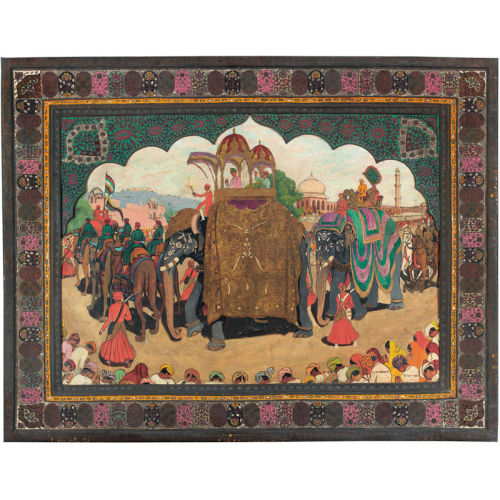
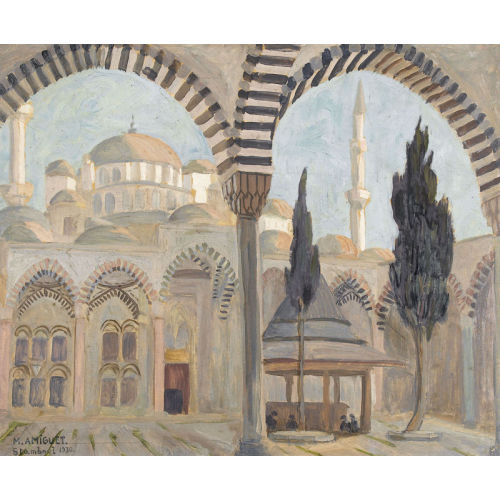
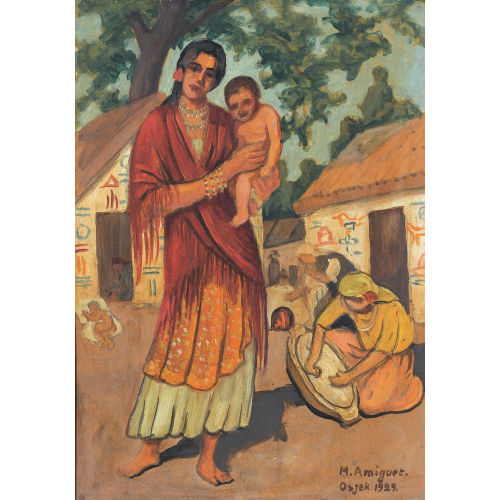
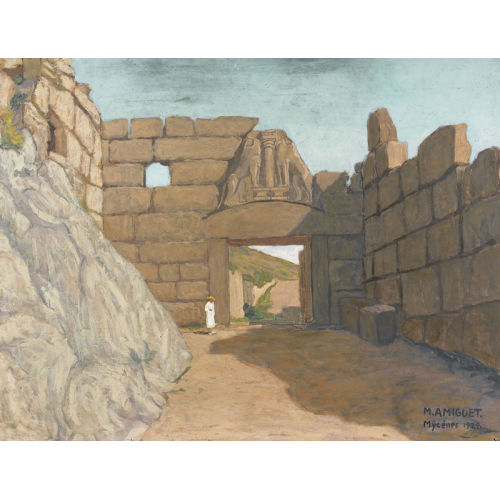
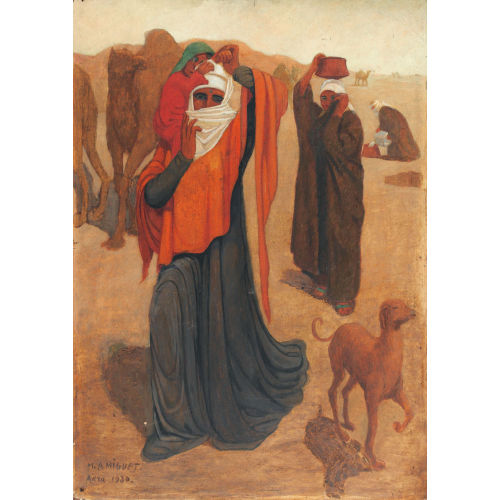
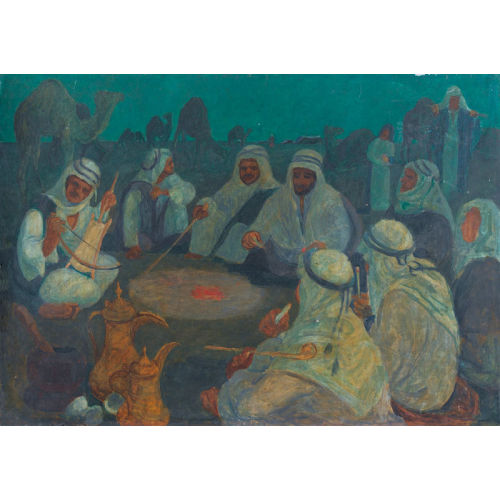
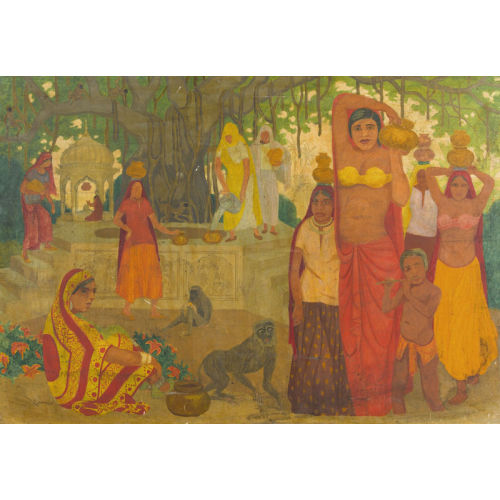
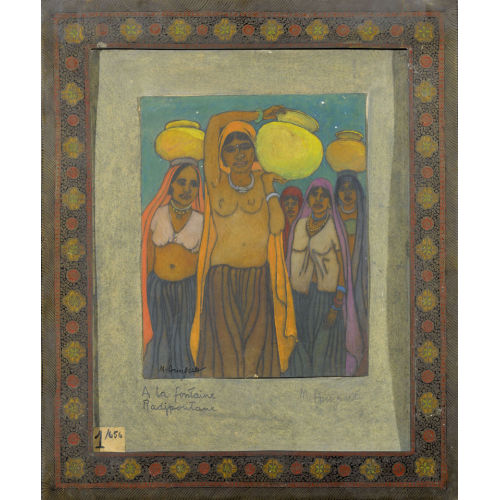
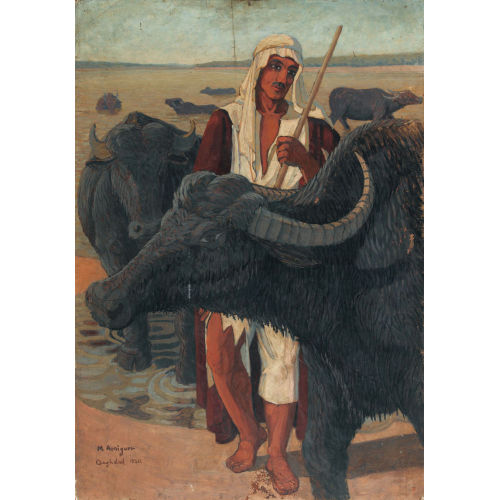
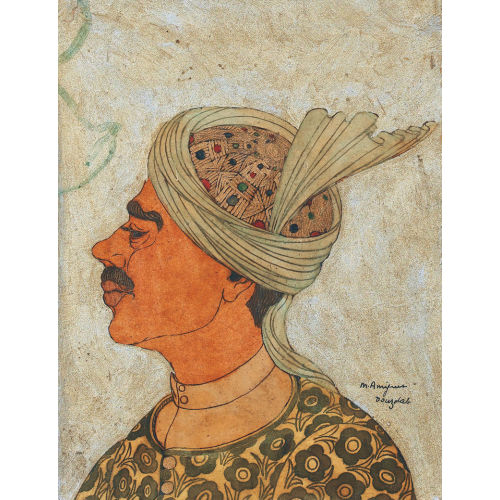
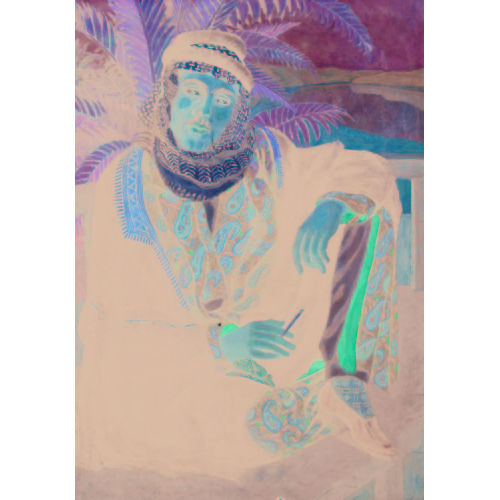
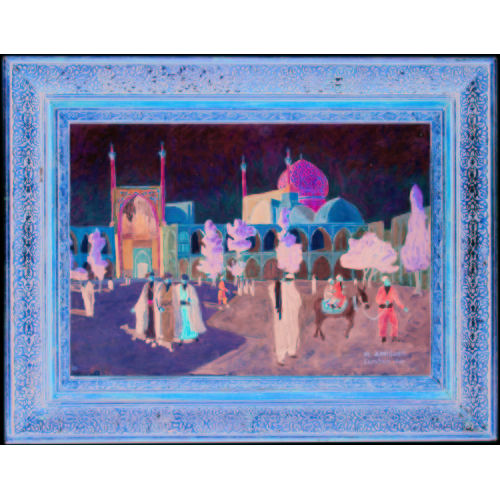
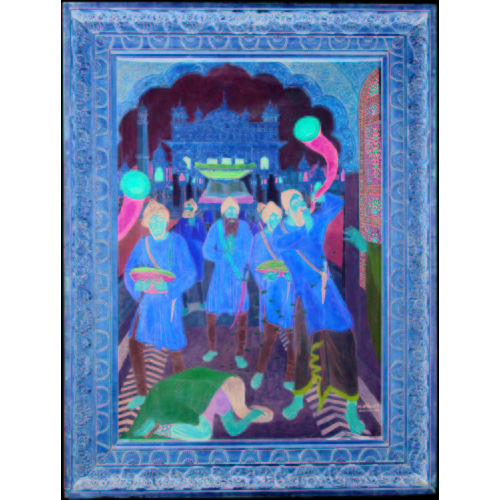
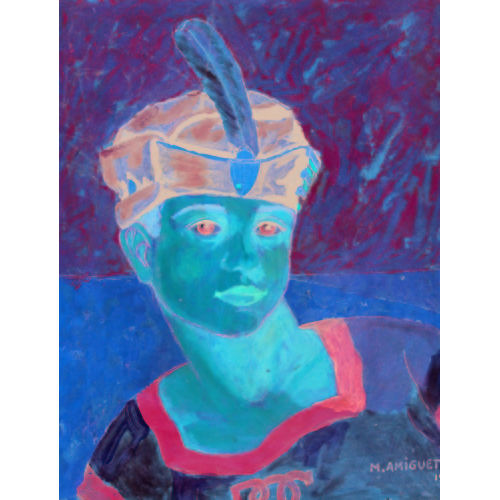
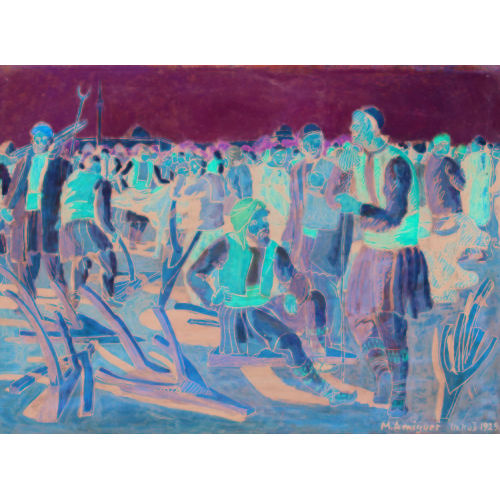
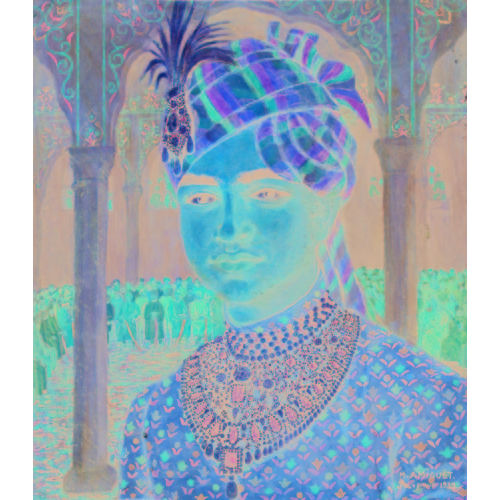
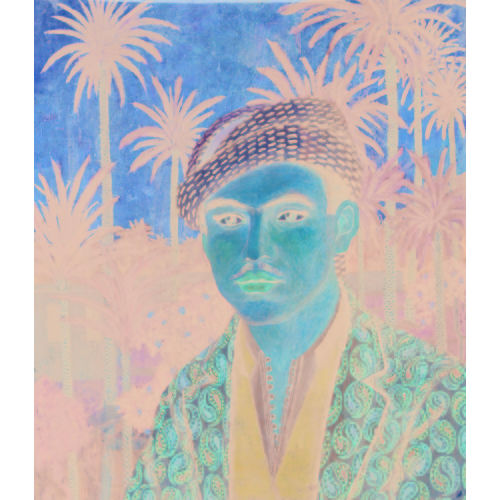
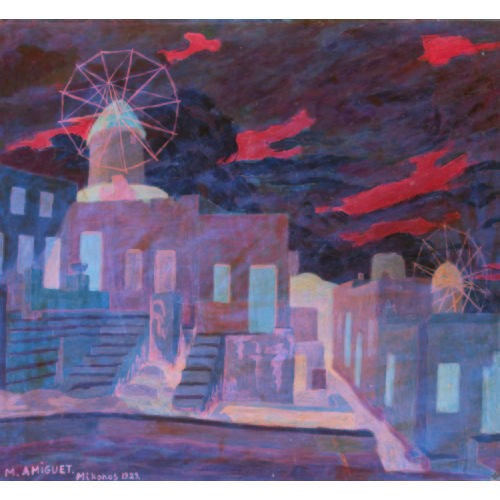
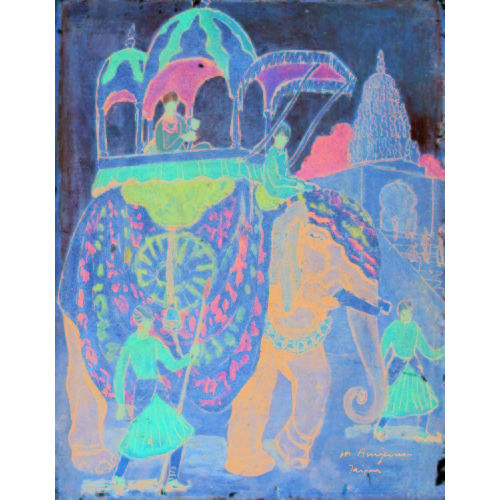
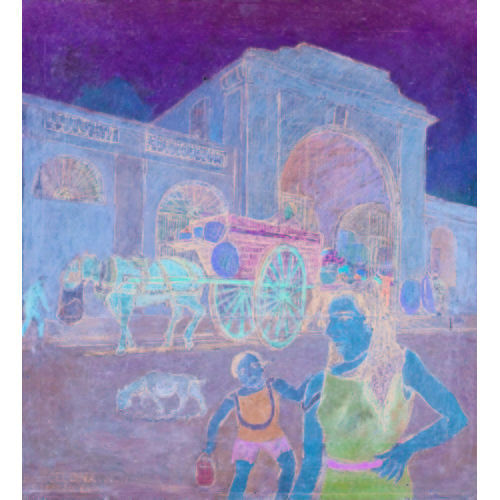
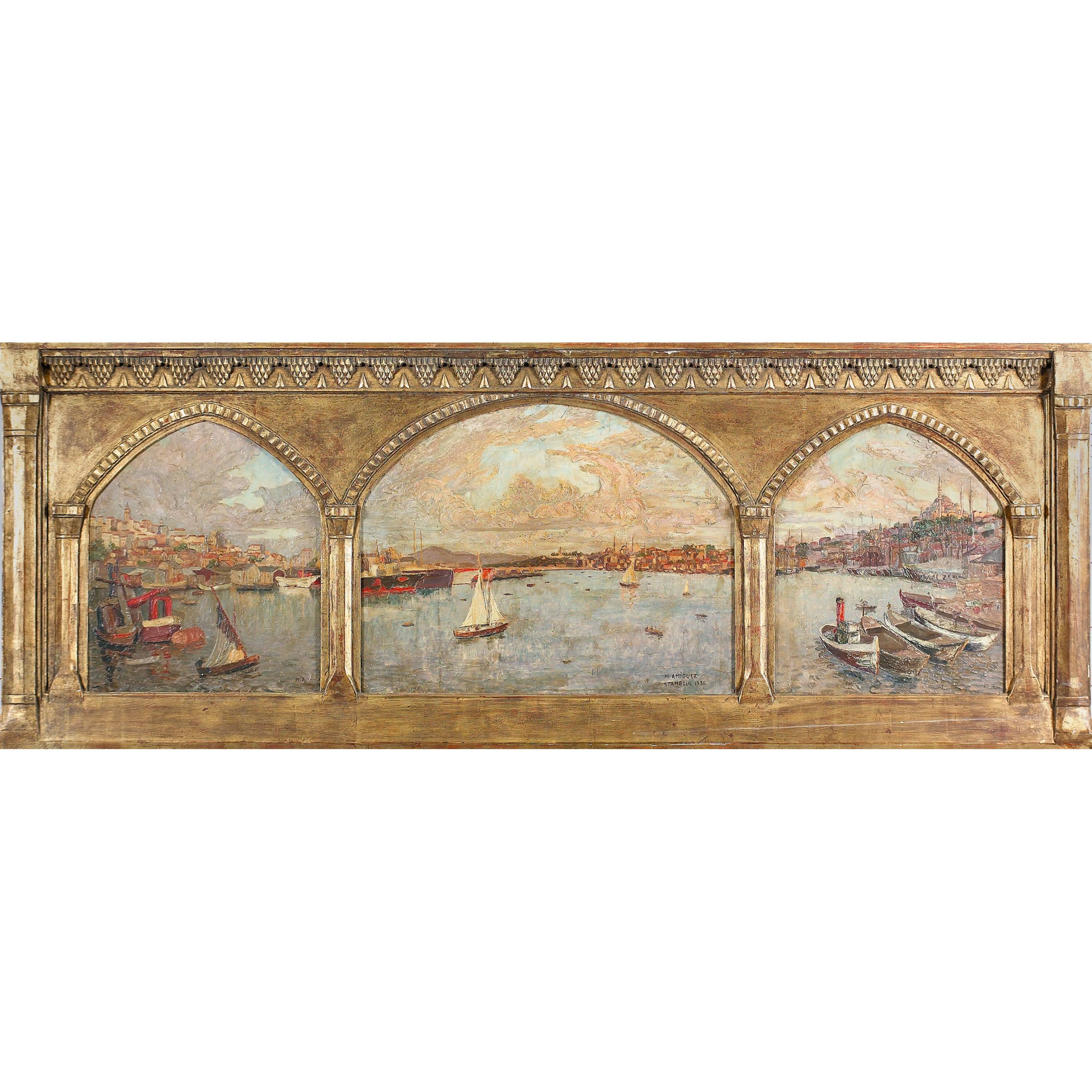
In the surviving sources, Marcel Amiguet is described as a painter and printmaker with a deep love of music, known in particular for a 1928 album of etchings devoted to portraits of contemporary composers and for works combining mountain landscapes, subjects inspired by the Orient and genre scenes.
Based in Paris from 1912, he attended courses at the École des Beaux-Arts and supplemented his training with fresco work under the direction of Paul Baudoüin, as well as instruction from François Flameng and Louis-Joseph-Raphaël Collin. The documentary record then describes his shifting presence between Paris and Switzerland during the interwar period, before his definitive return in the 1930s and later travels in Europe and Egypt aboard a mobile studio vehicle nicknamed “L’Antenne” (Peugeot 402). In his personal life, he married a pianist named Madeleine in 1920, identified in the notice as the sister of the painter Gaston Vaudou.
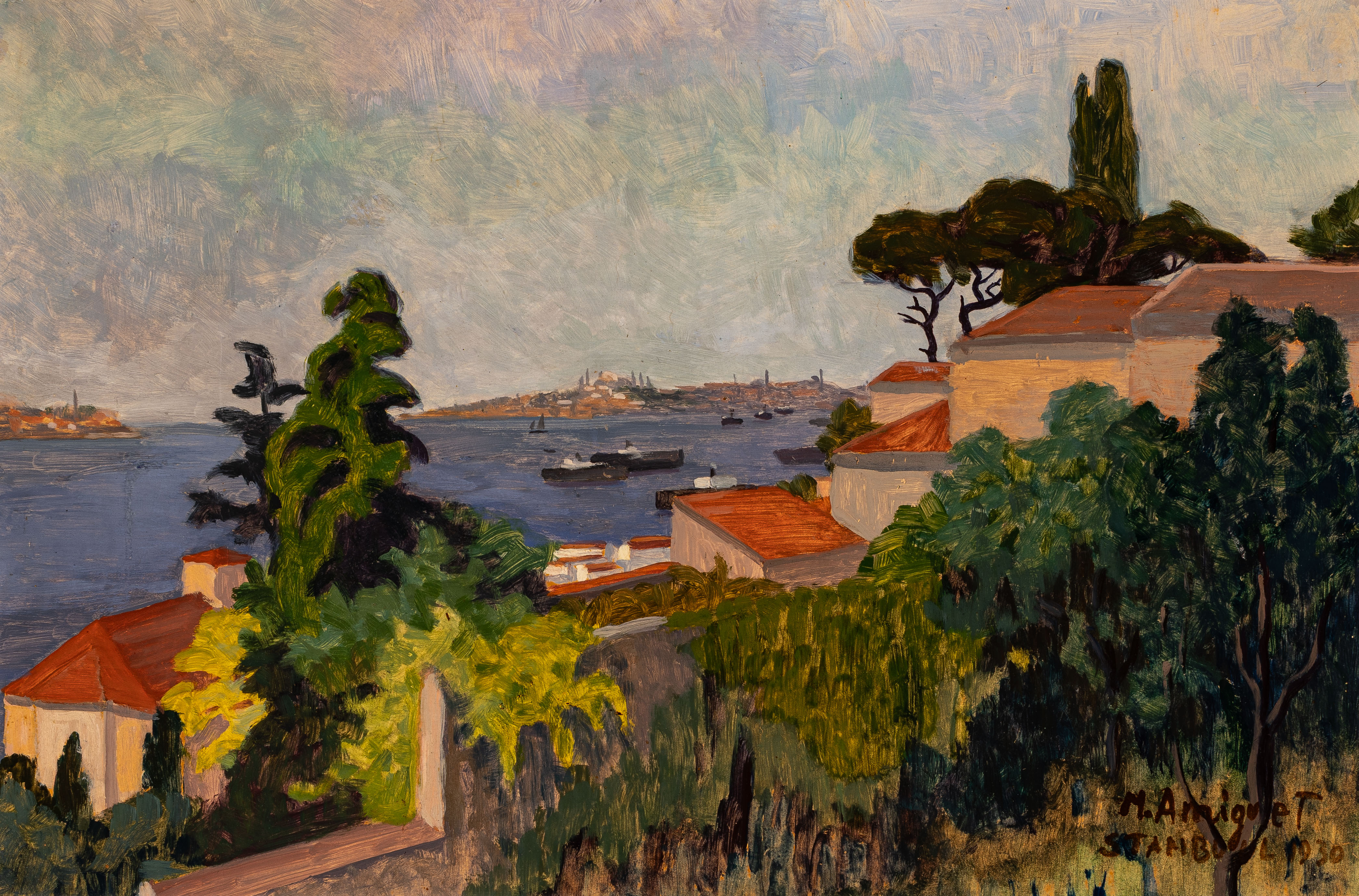
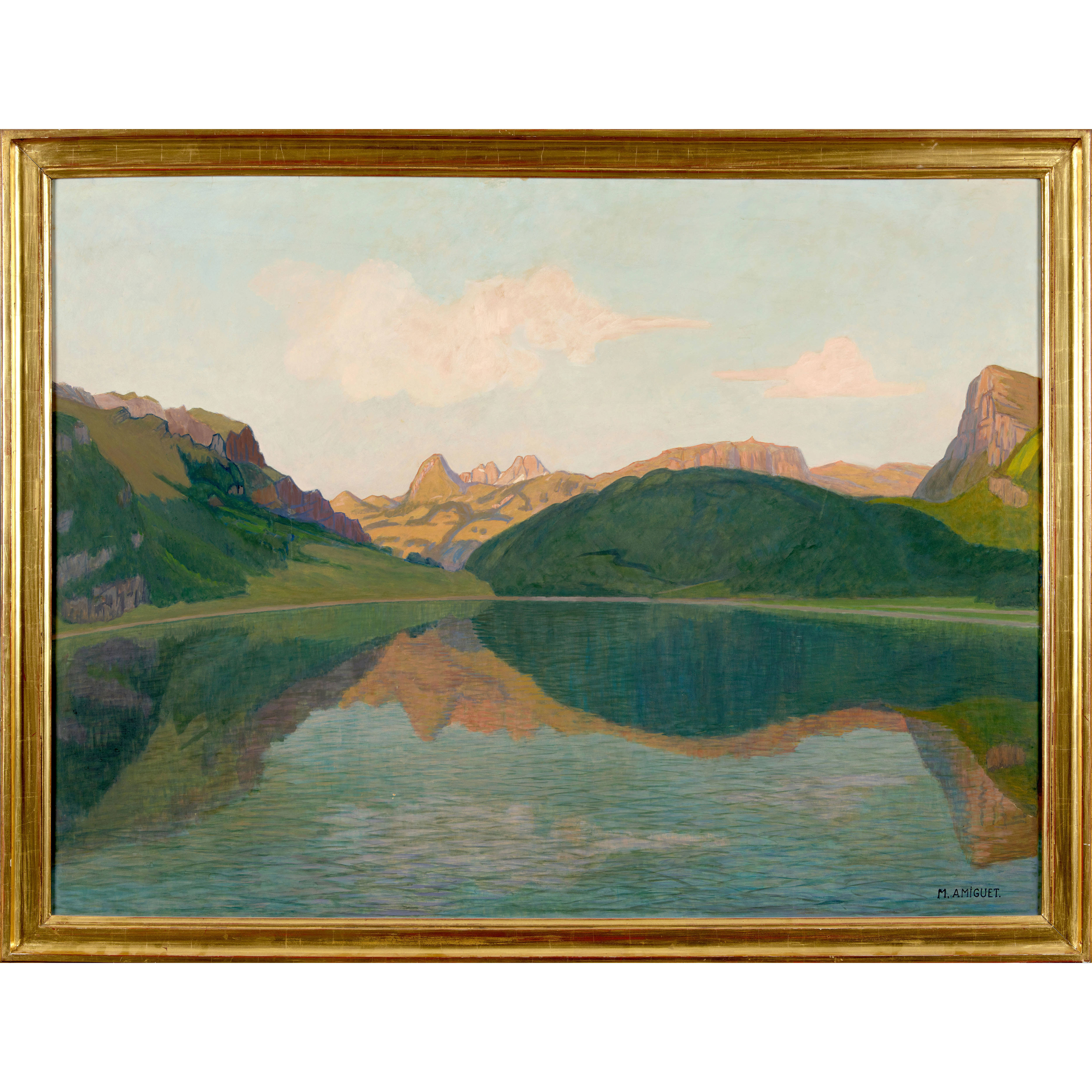
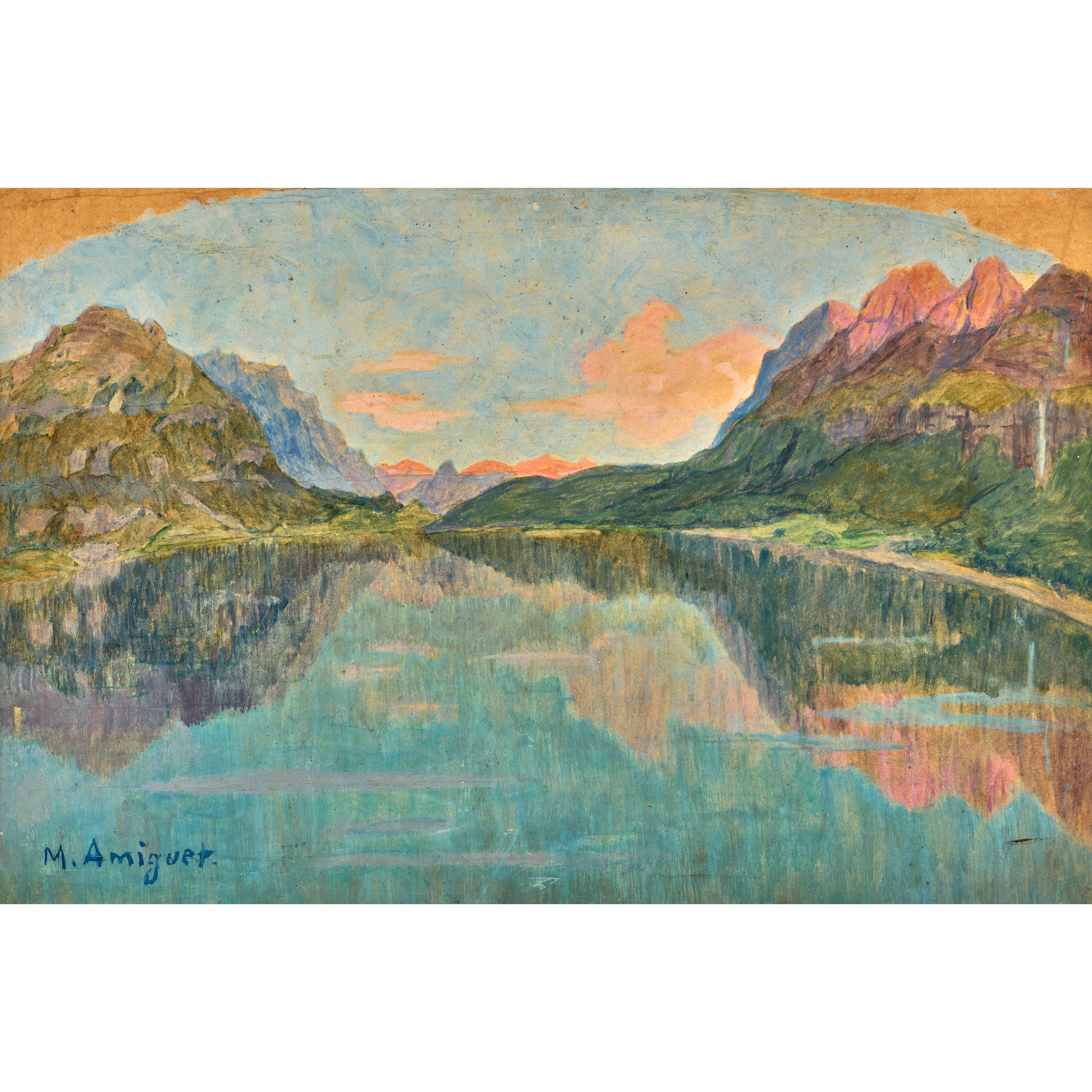
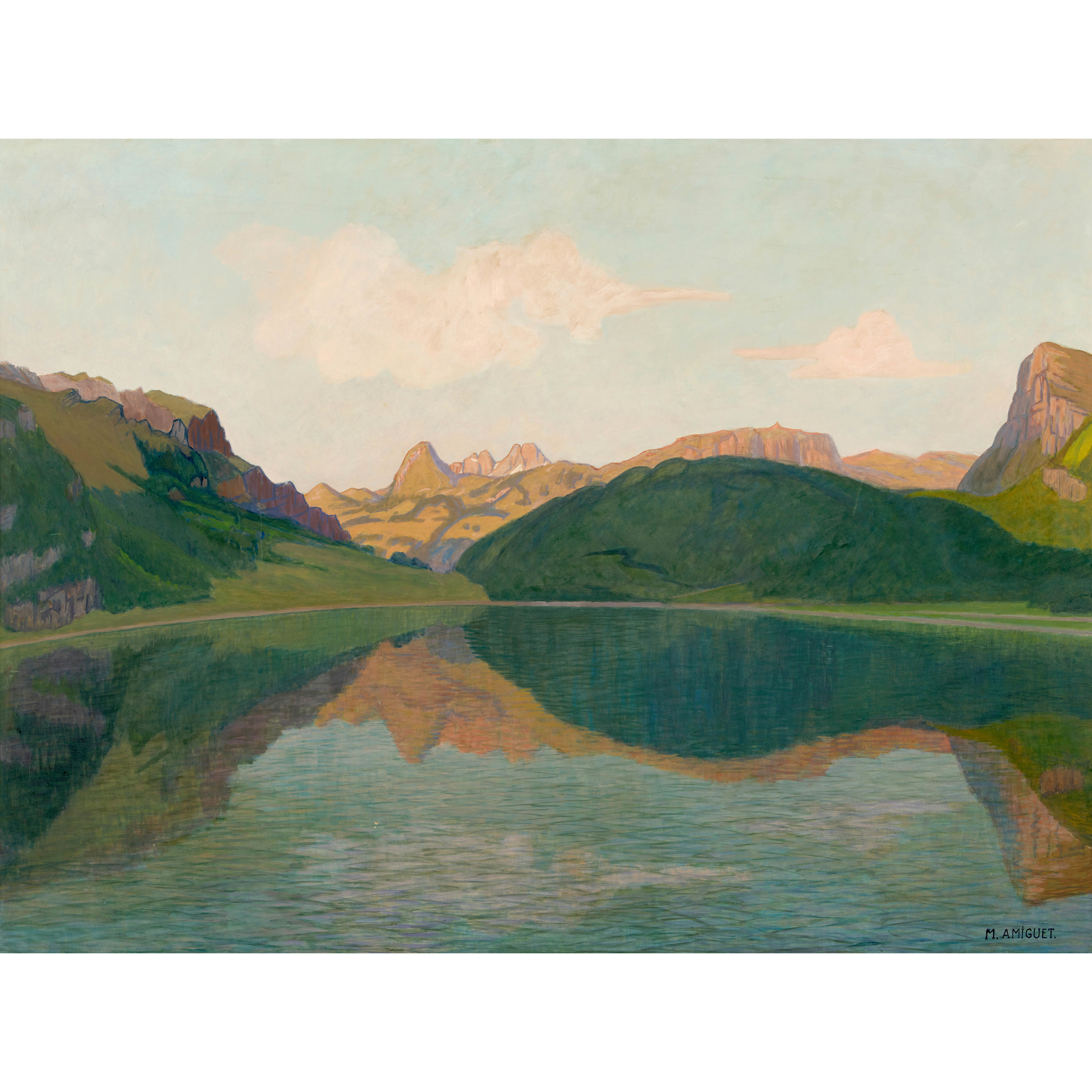
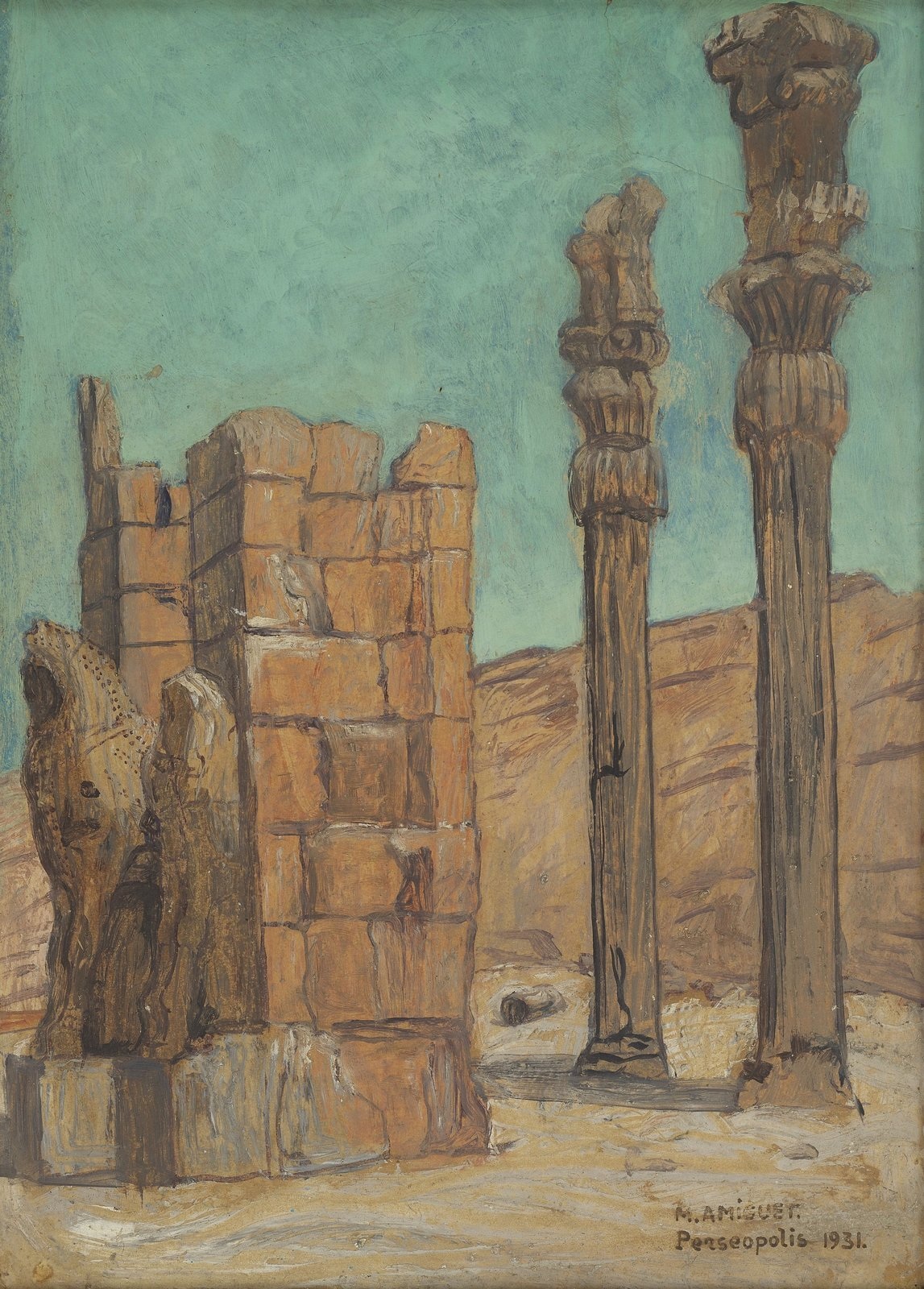
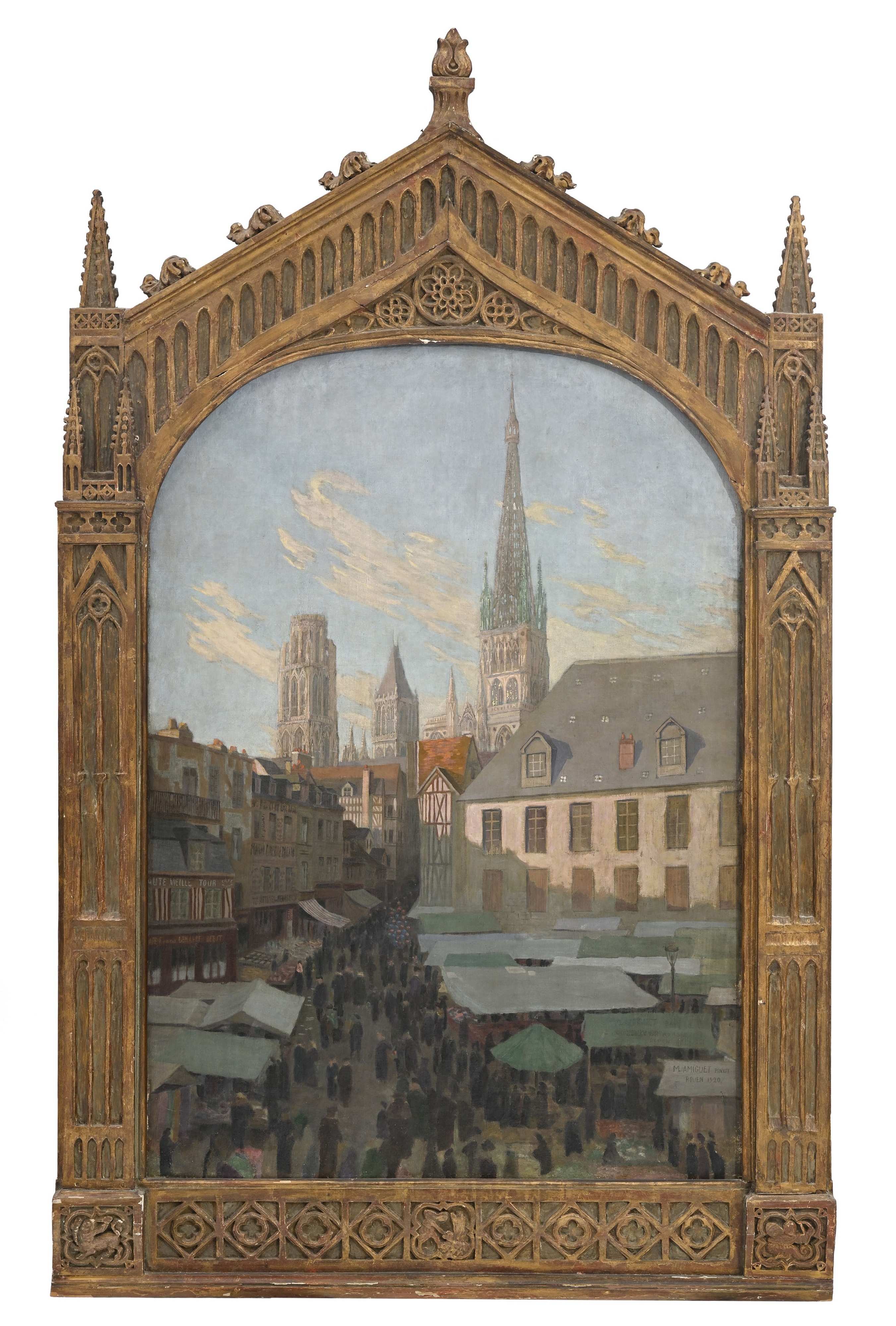
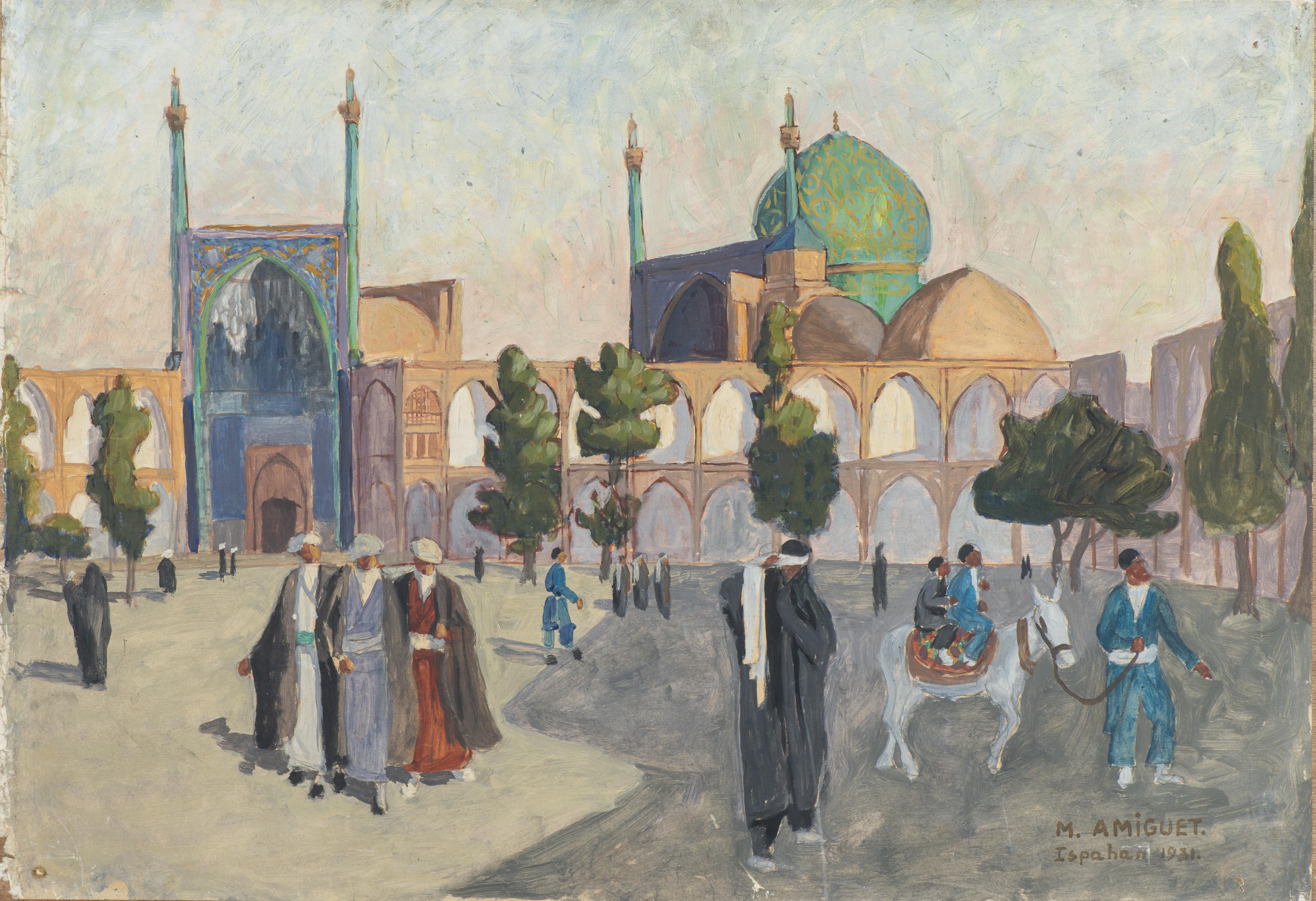
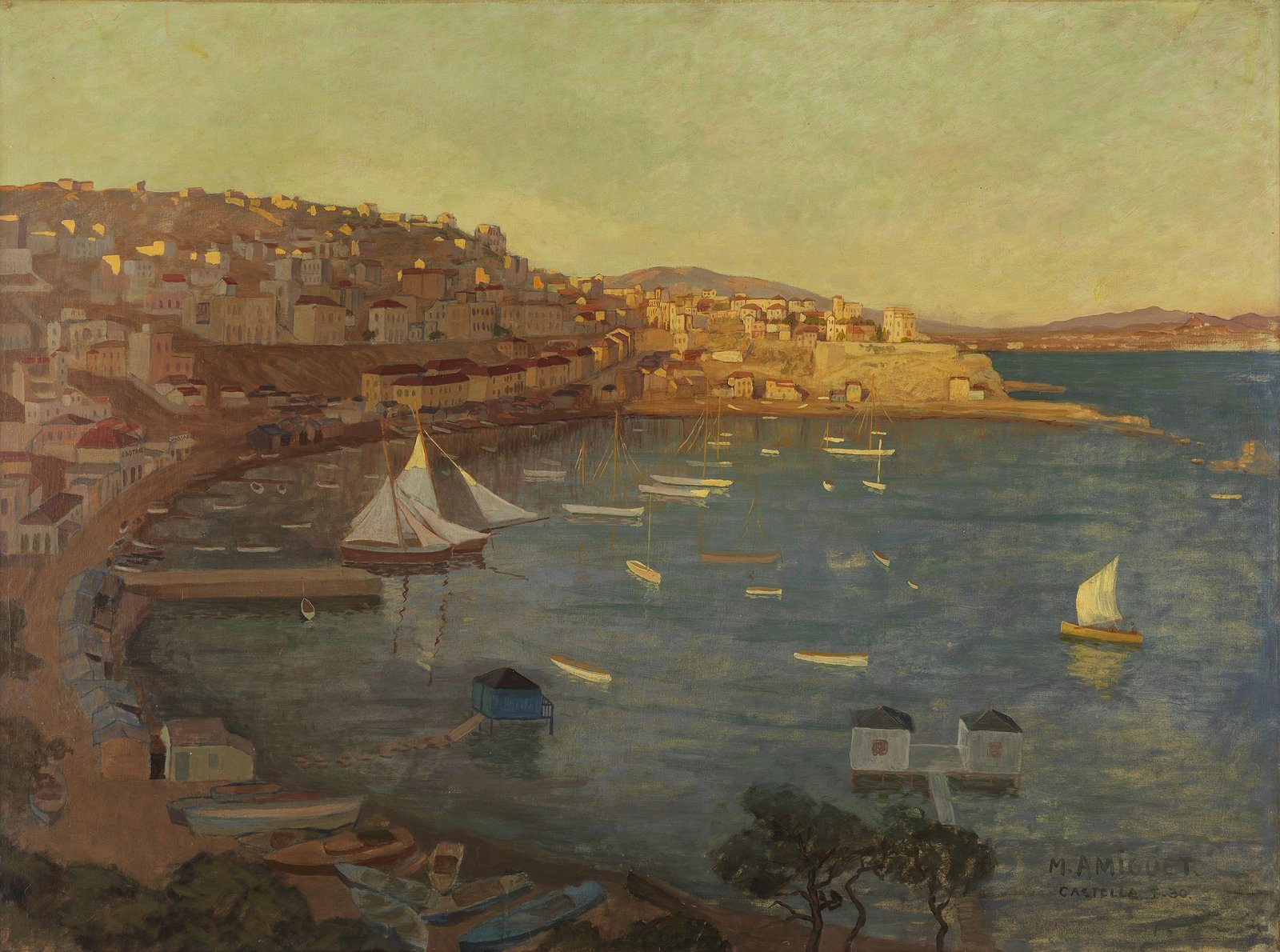
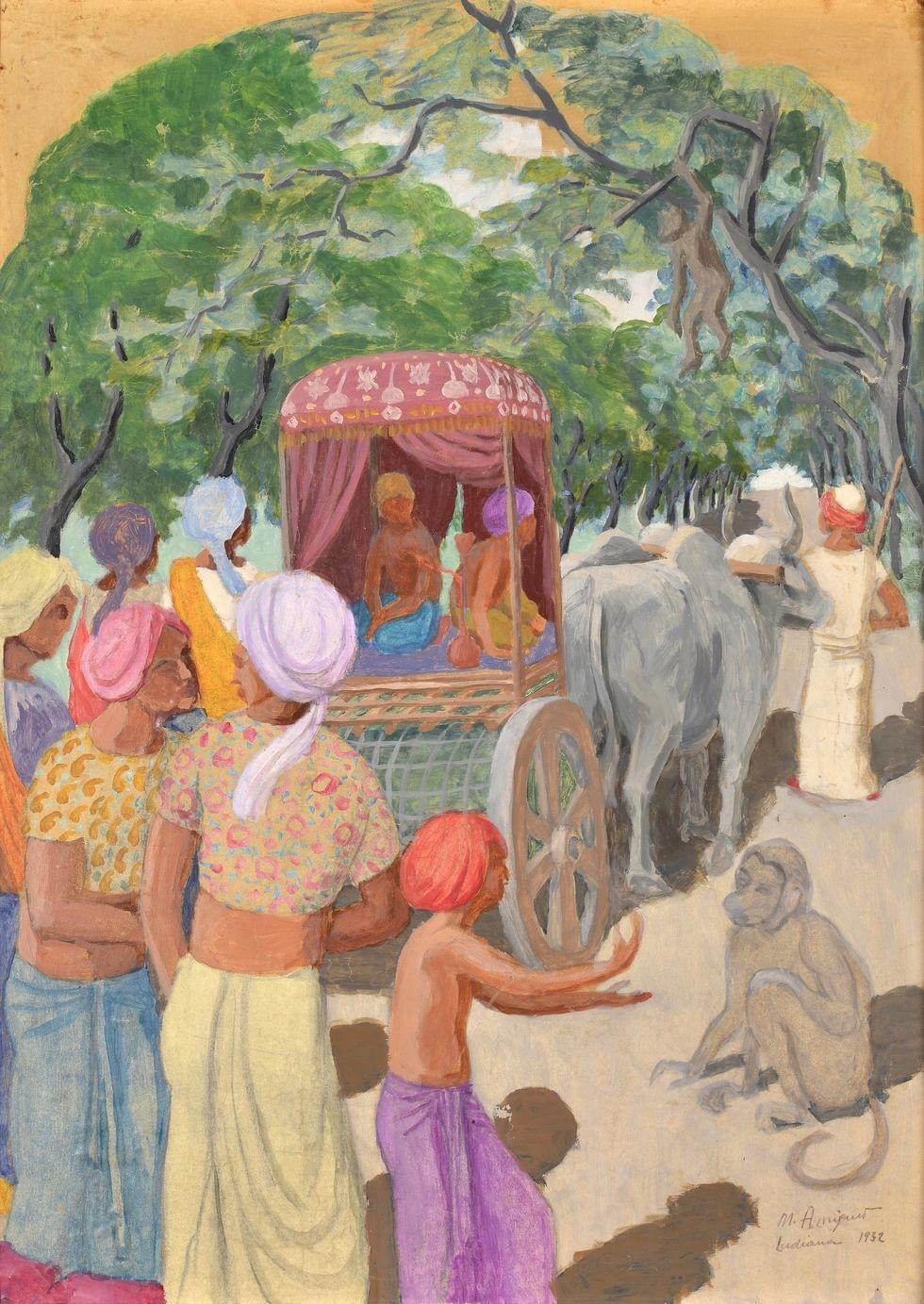
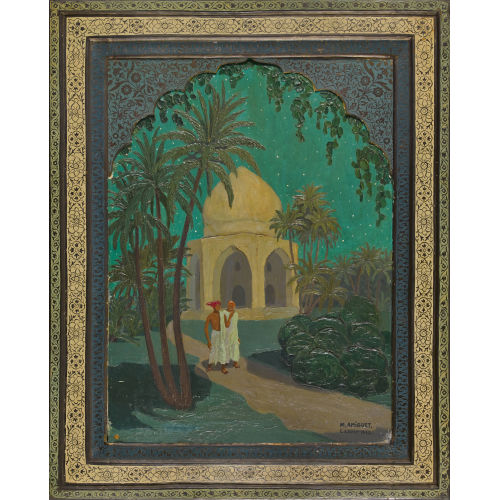
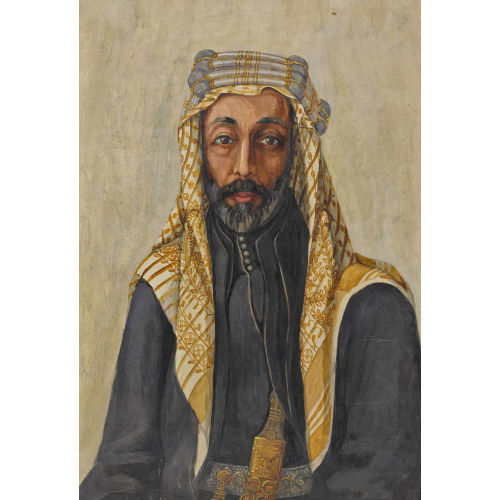
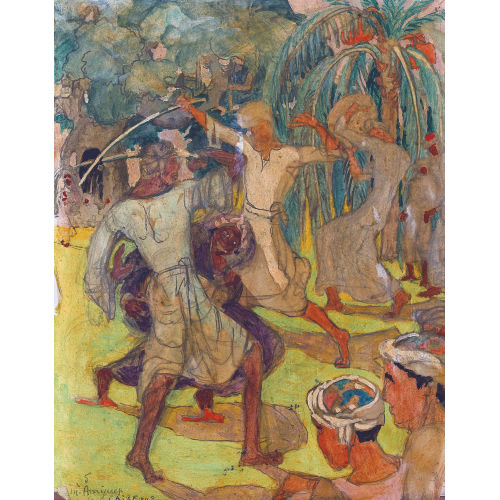
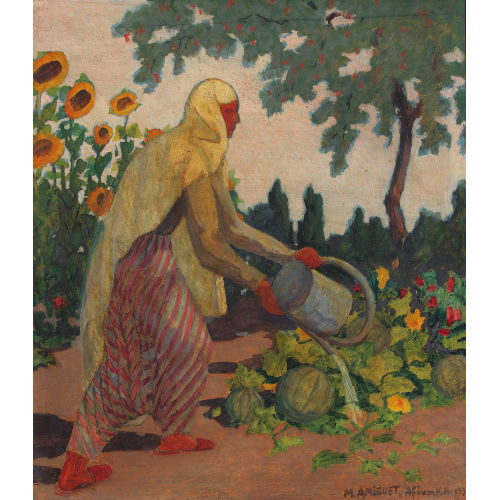
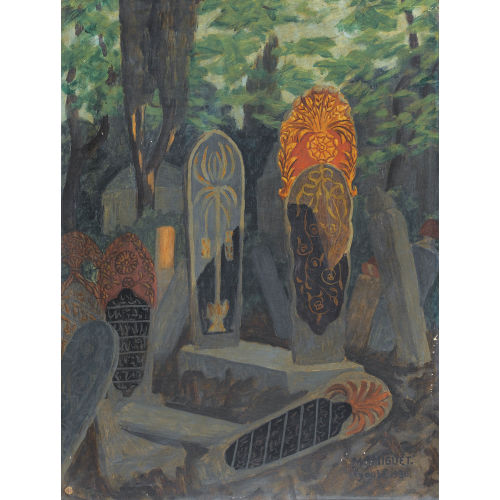
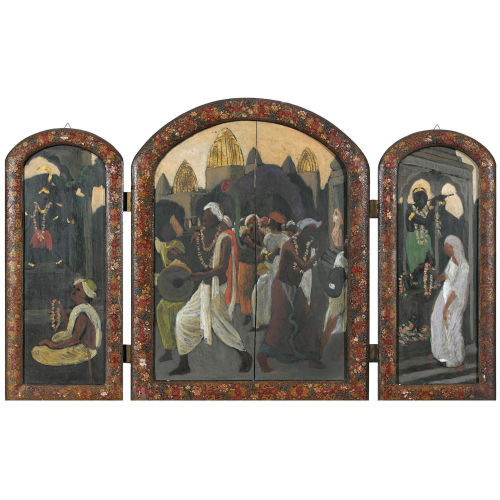
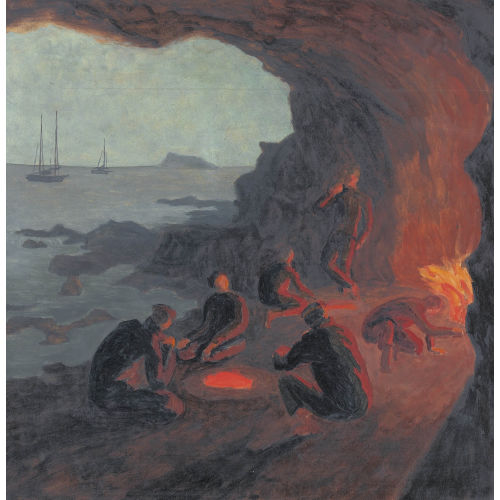
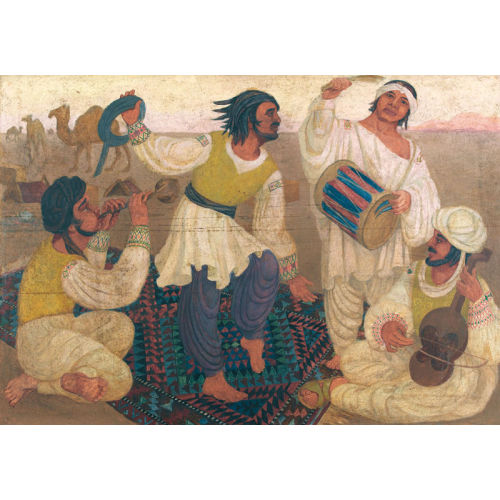
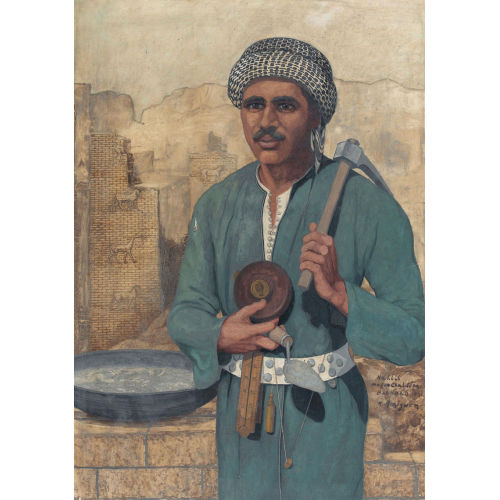
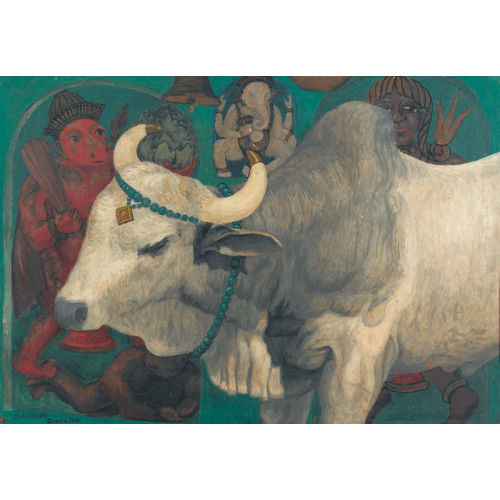
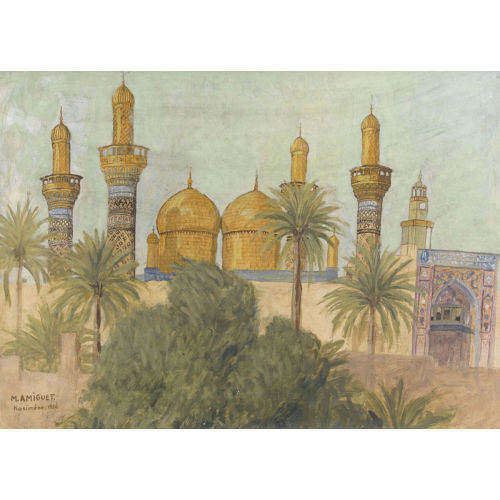
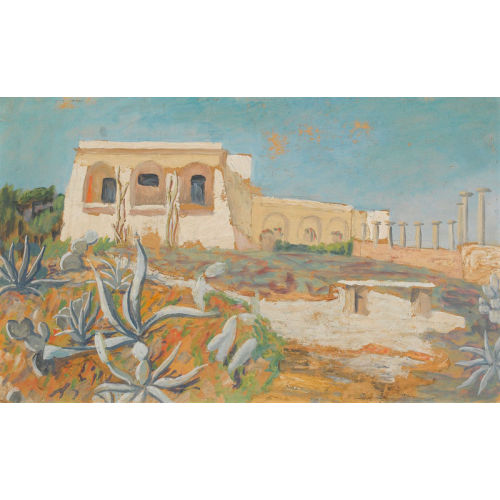
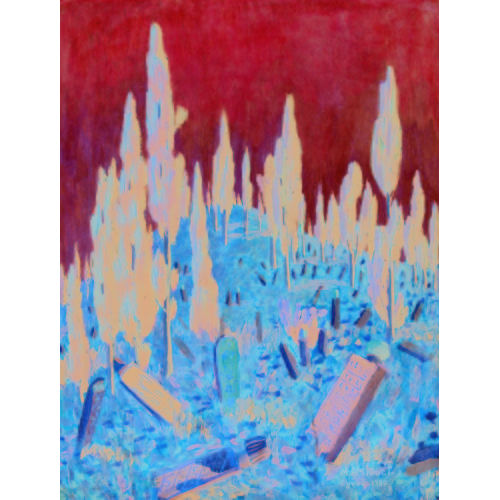
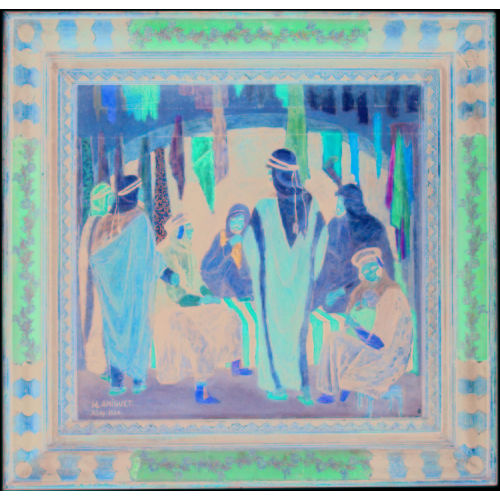
His practice encompassed painting and printmaking; the sources emphasise the interplay between his visual and musical interests, both in his choice of subjects and in the circulation of his commissions and portraits. The album of etchings published in 1928 illustrates this concern: according to the surviving list, it includes portraits of composers such as Georges Auric, Paul Dukas, Manuel de Falla, Arthur Honegger, Darius Milhaud, Maurice Ravel and Igor Stravinsky, among other figures from the musical world of the period. Alongside the musical portraits, his documented work includes landscapes—notably mountain landscapes (the Jura, the Alps)—as well as Orientalist motifs and genre scenes, represented in the collections described in the inventories consulted.
On his return from a long journey, he organised a major presentation at the Galerie Renaissance in Paris in October 1933 which, according to the notice, brought together 247 paintings and drawings, accompanied by 312 objects brought back from his travels. His travel account Seul vers l’Asie (1934) adds to the record of his journeys and itinerant studio practice: it recounts four years spent travelling in a motor truck and illustrates the travel-oriented dimension of his artistic approach.
The archives and documentary collections attributed to Marcel Amiguet are held by Swiss institutions: a collection at the Institut suisse pour l’étude de l’art (UNIL), a collection of paintings, prints and drawings at the Fondation Ateliers d’artiste, and an archival file catalogued as PP 1145/879. For the study and contextualisation of his work, Philippe Junod’s monograph (Marcel Amiguet, peintre, mélomane et aventurier, Infolio, 2013) is cited among recent sources that catalogue and discuss his production.