Louis Soutter
Born in 1871.
Died in 1942.
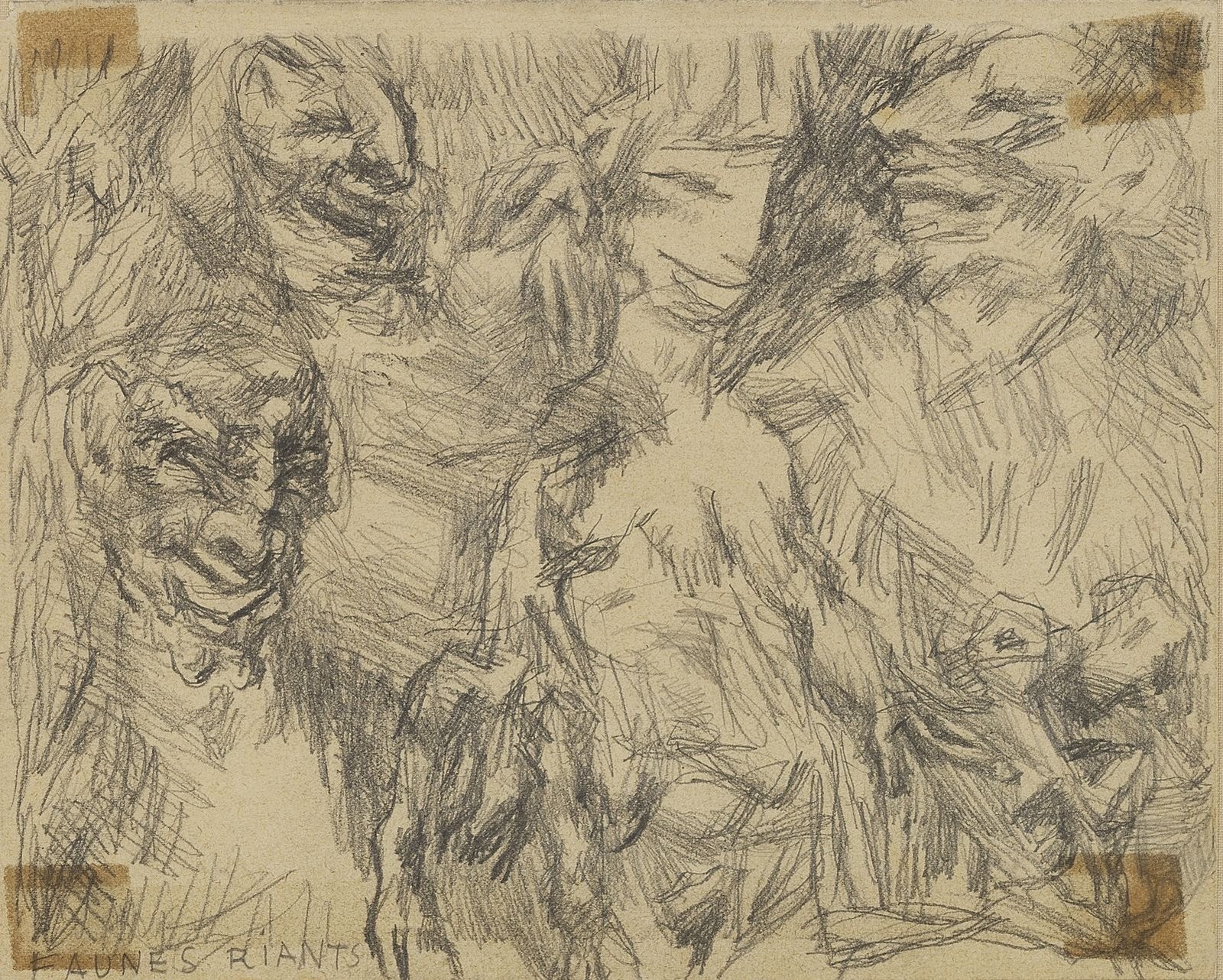
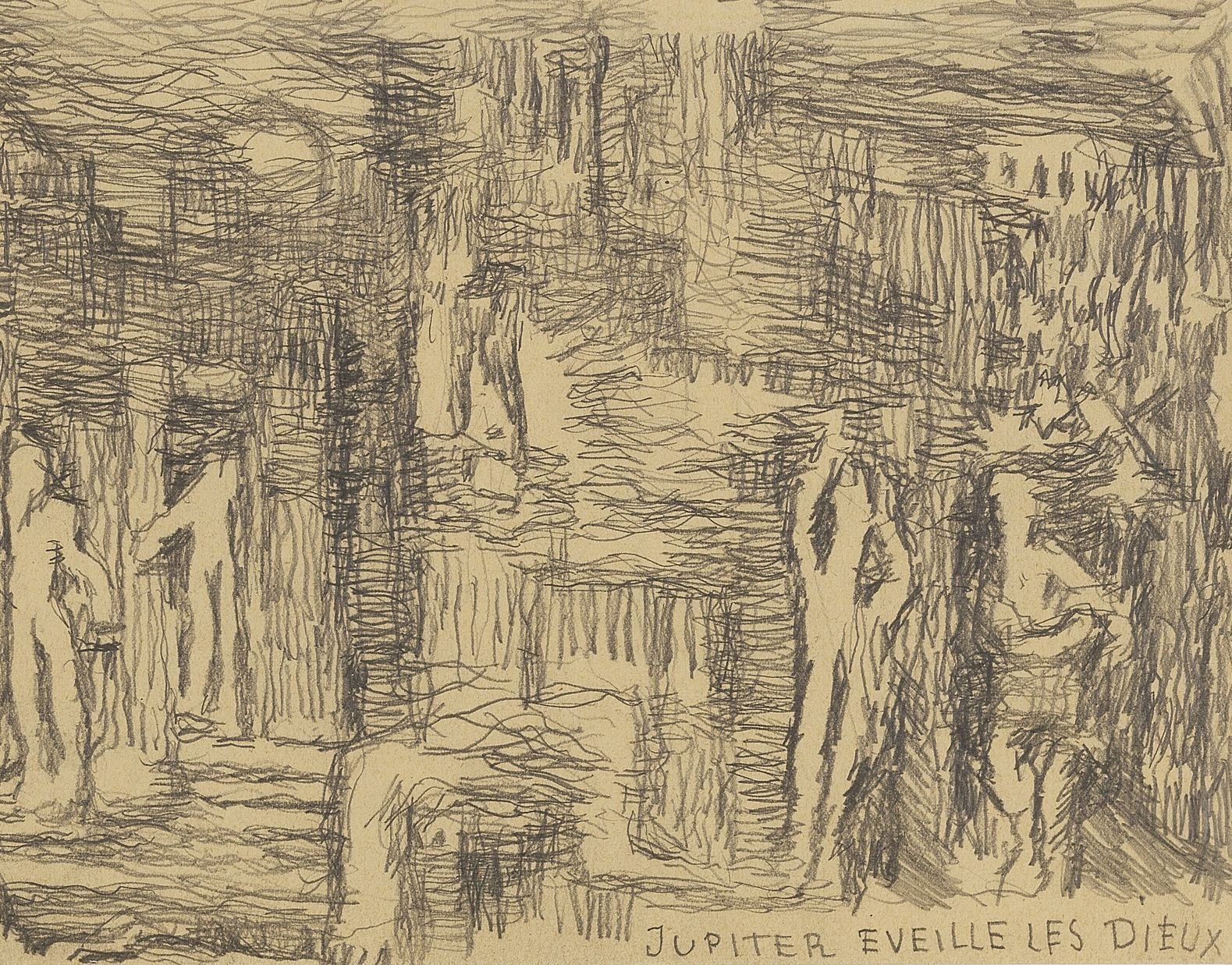
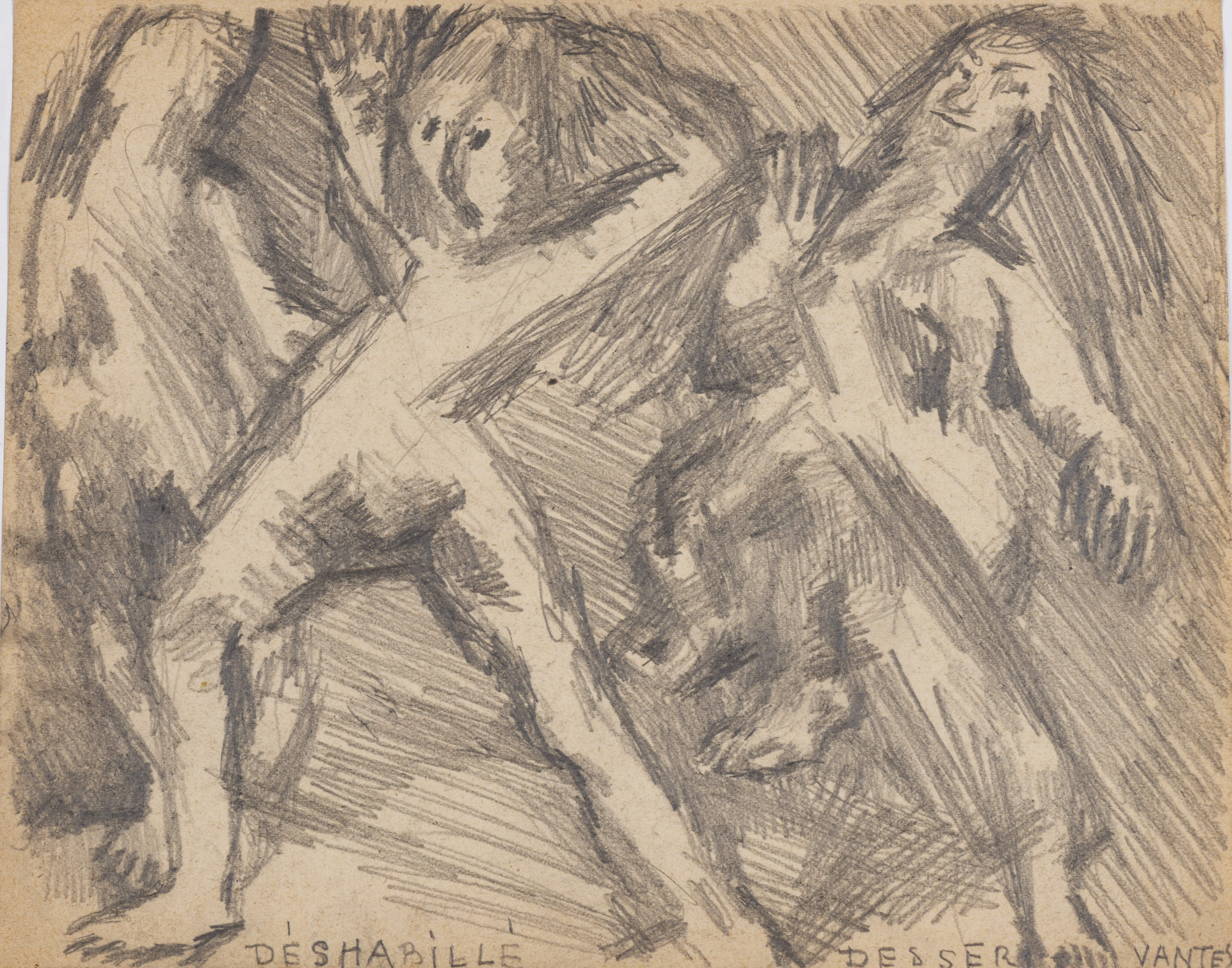
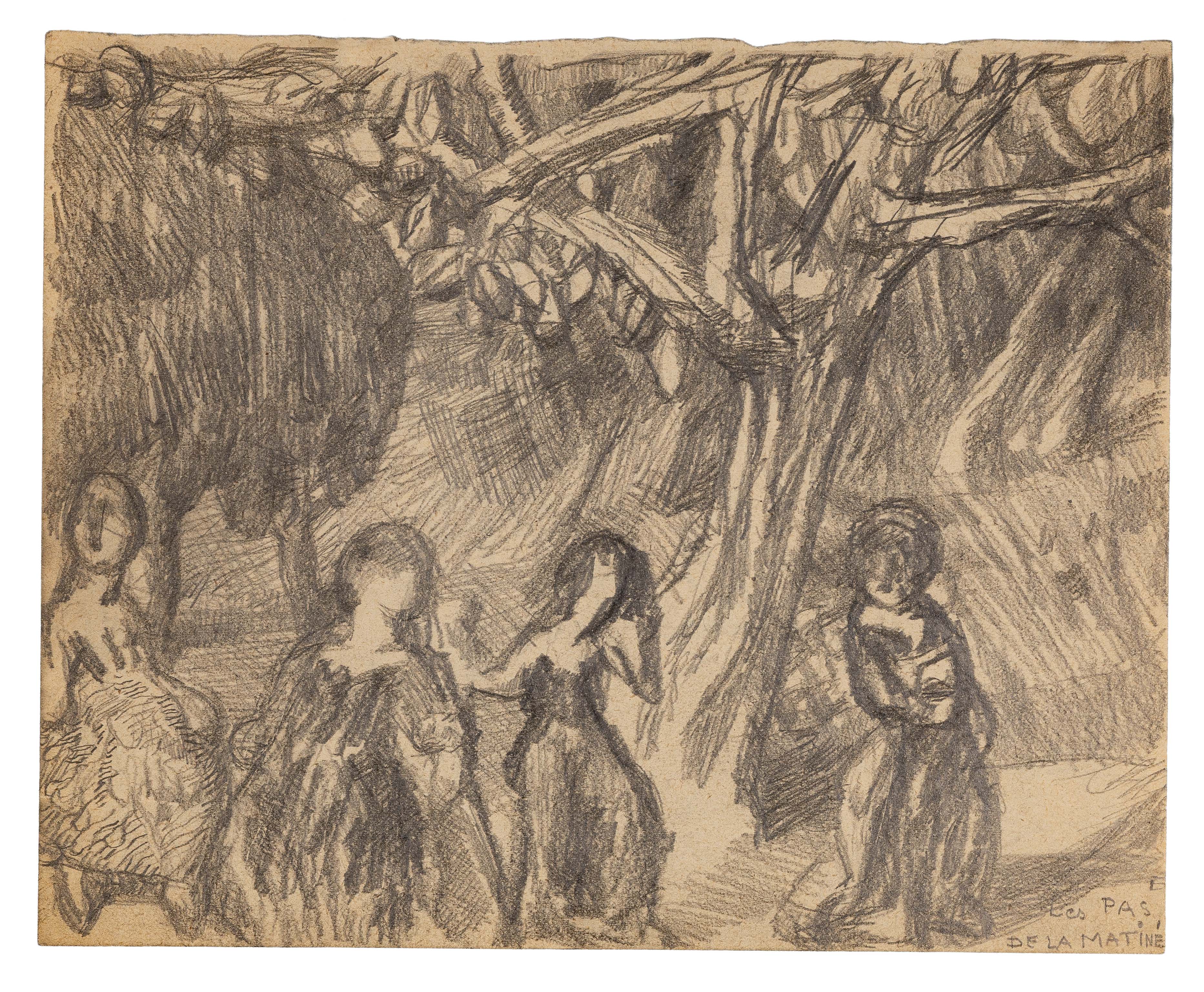
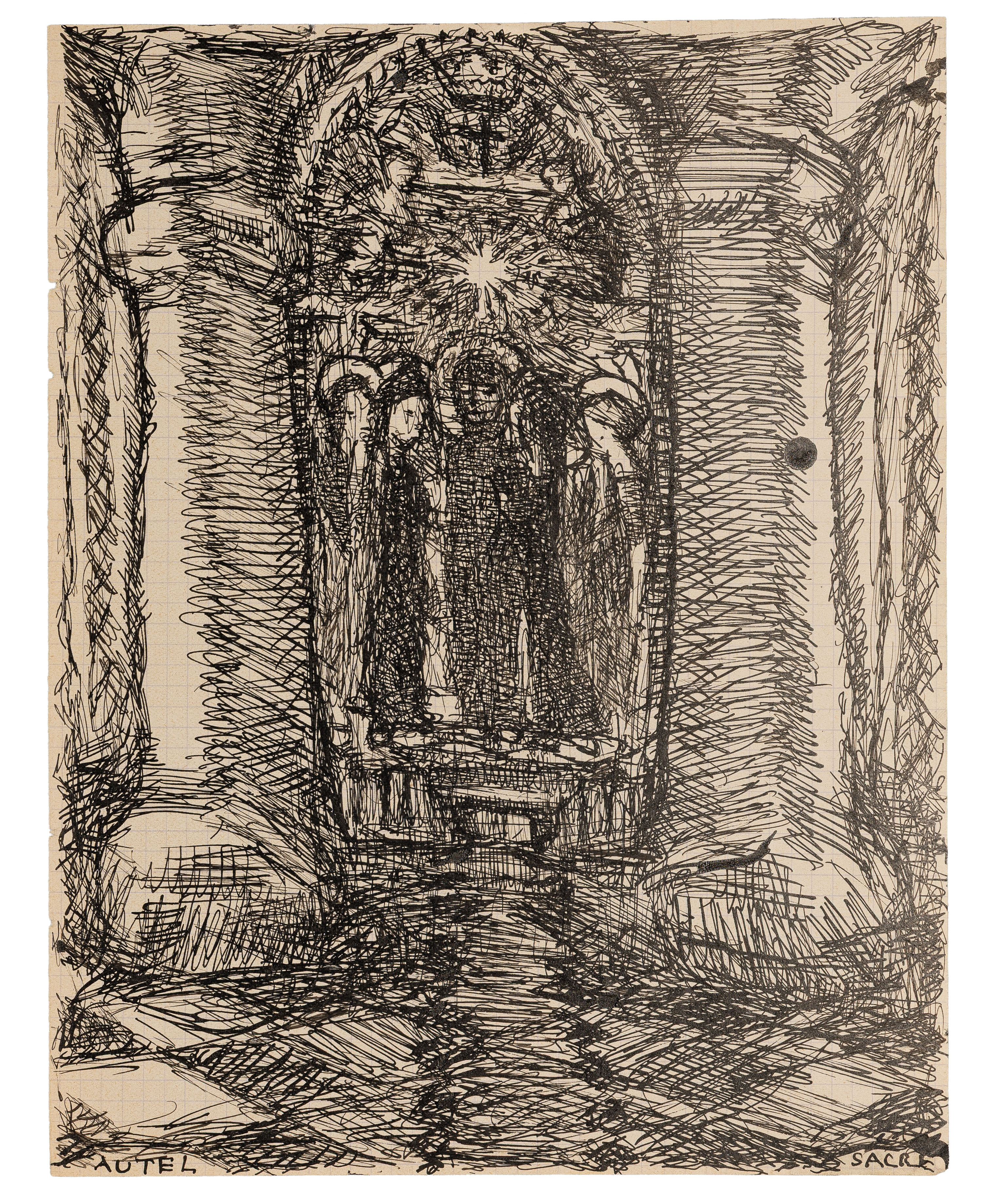
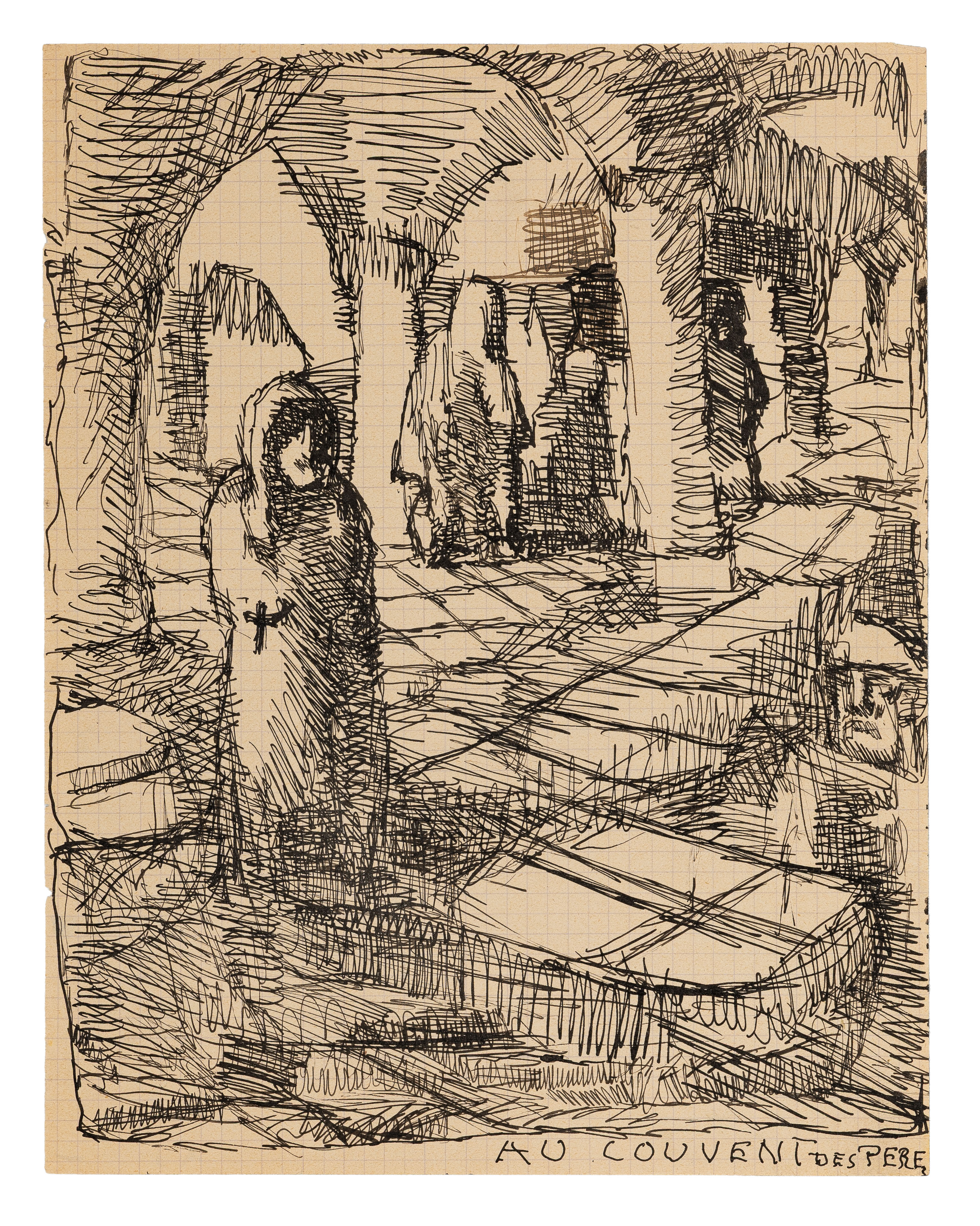
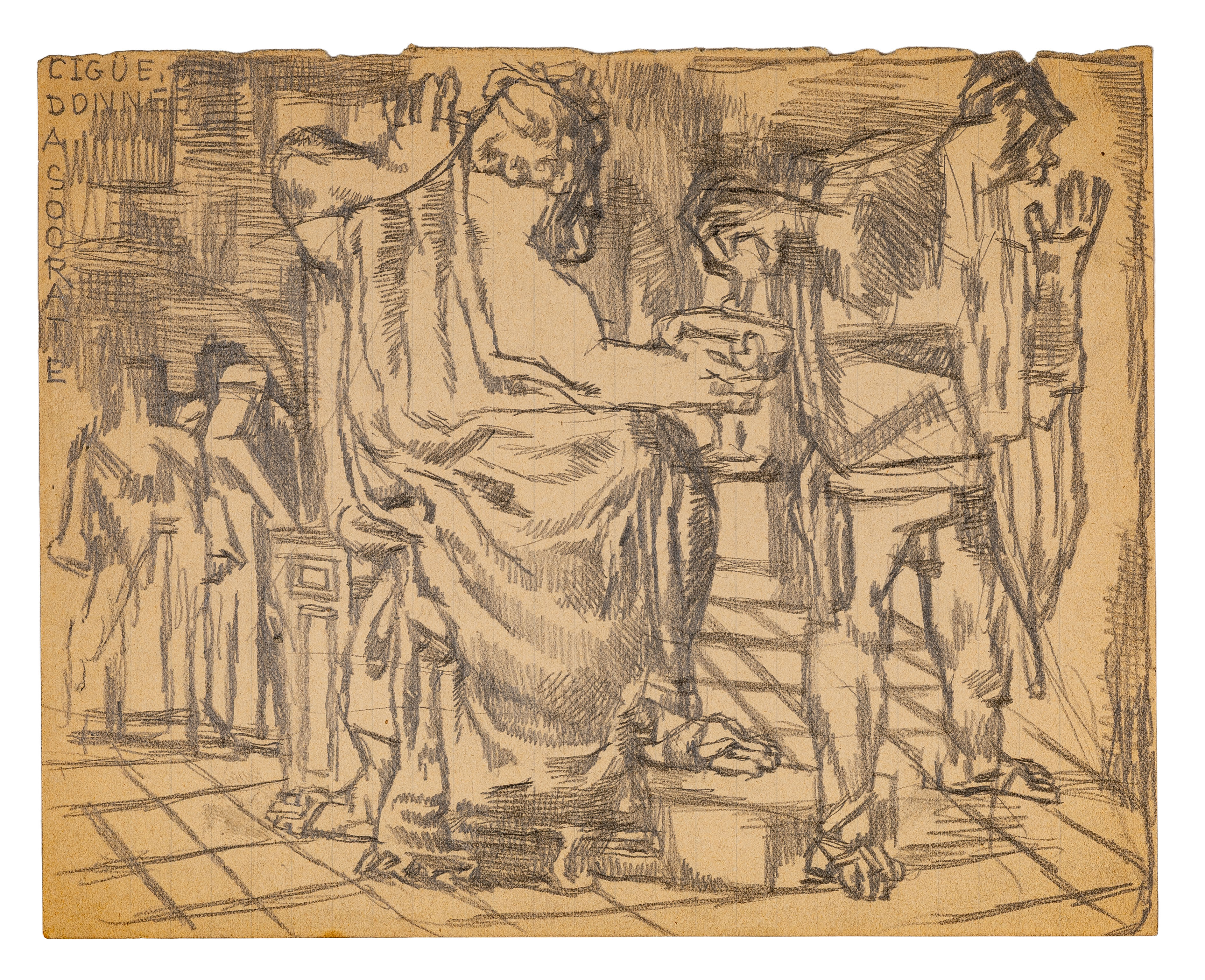
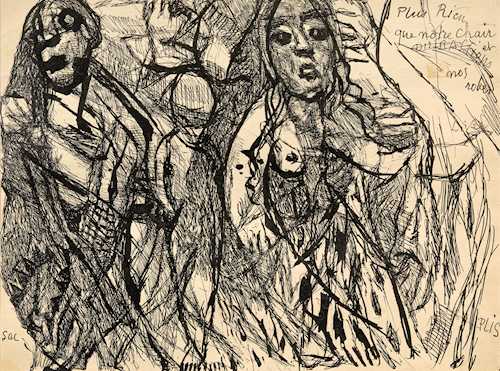
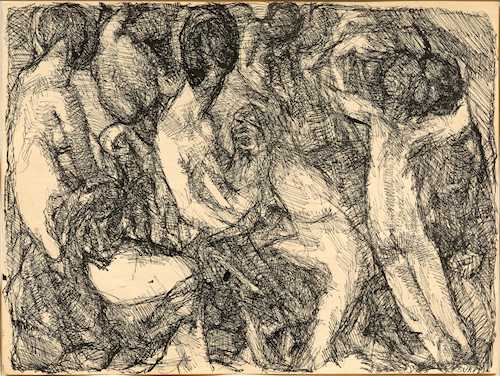
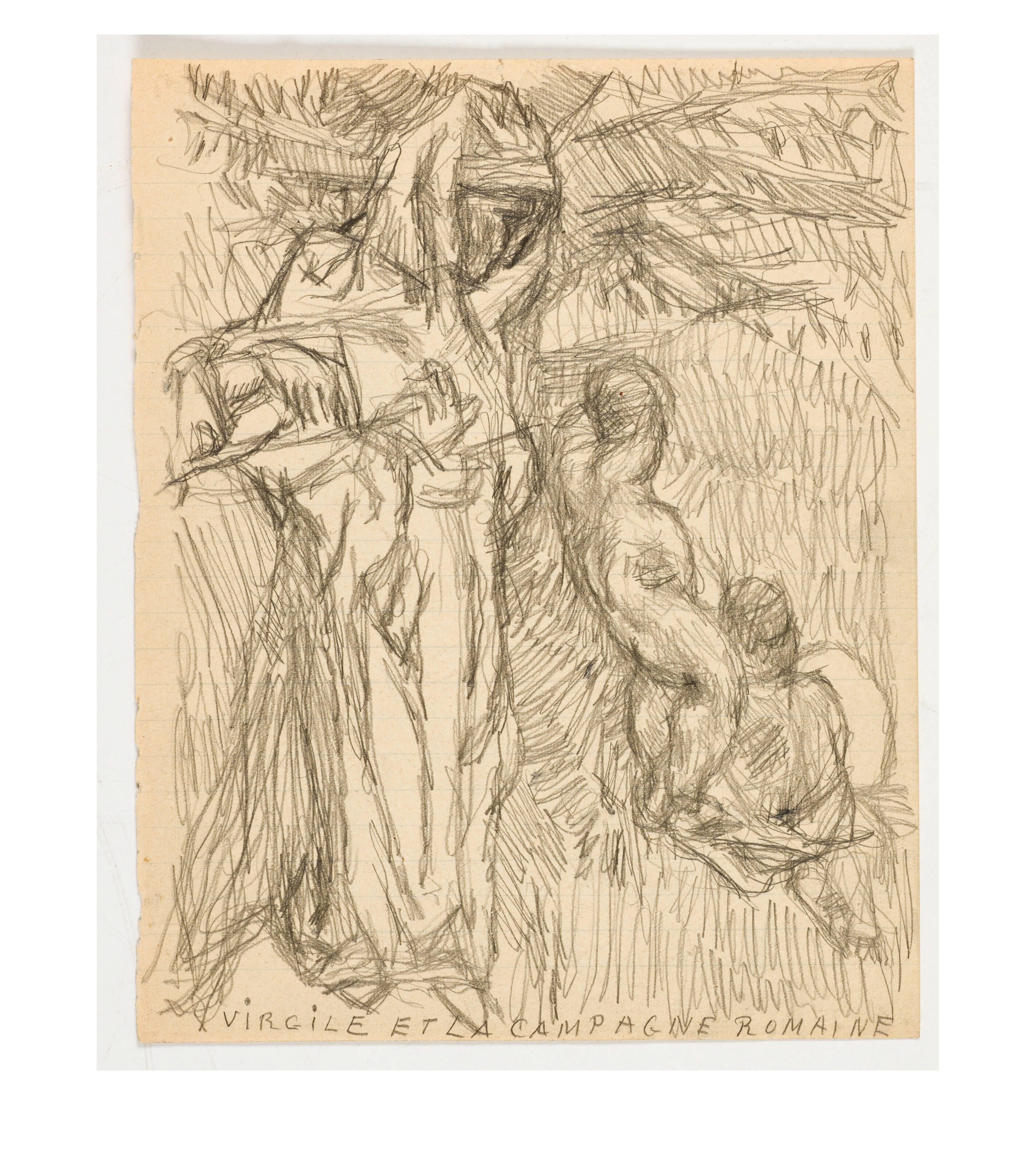
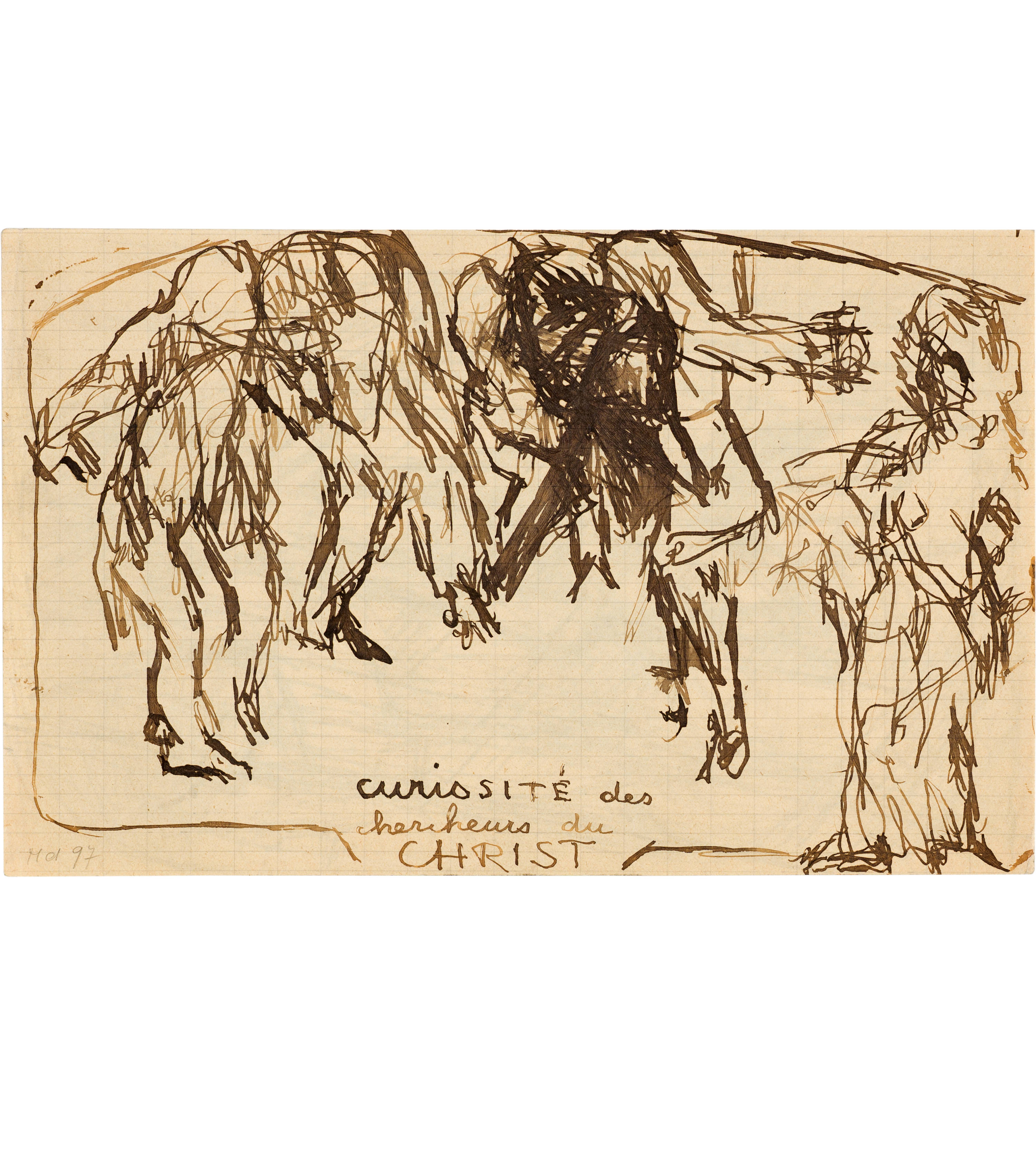
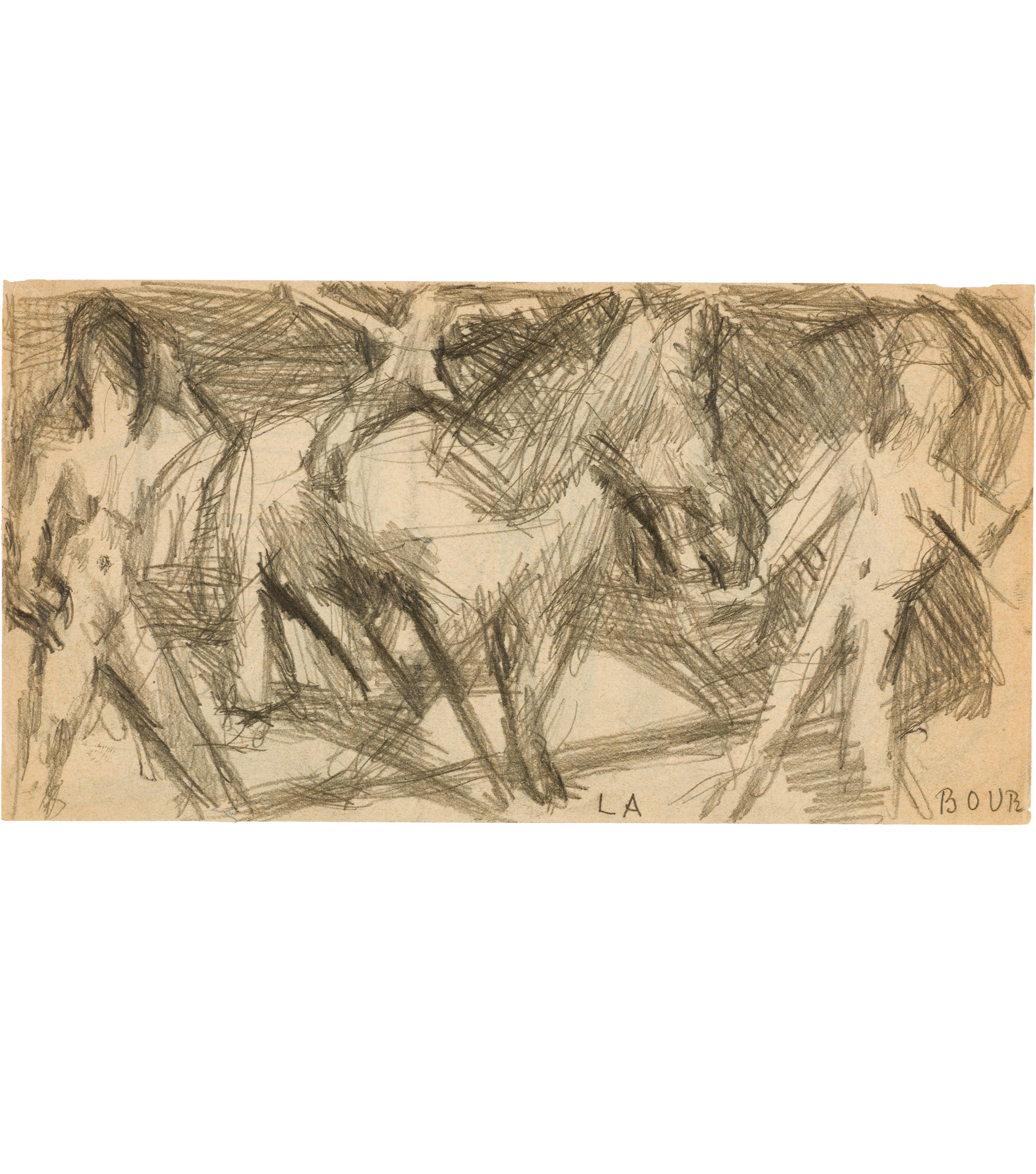
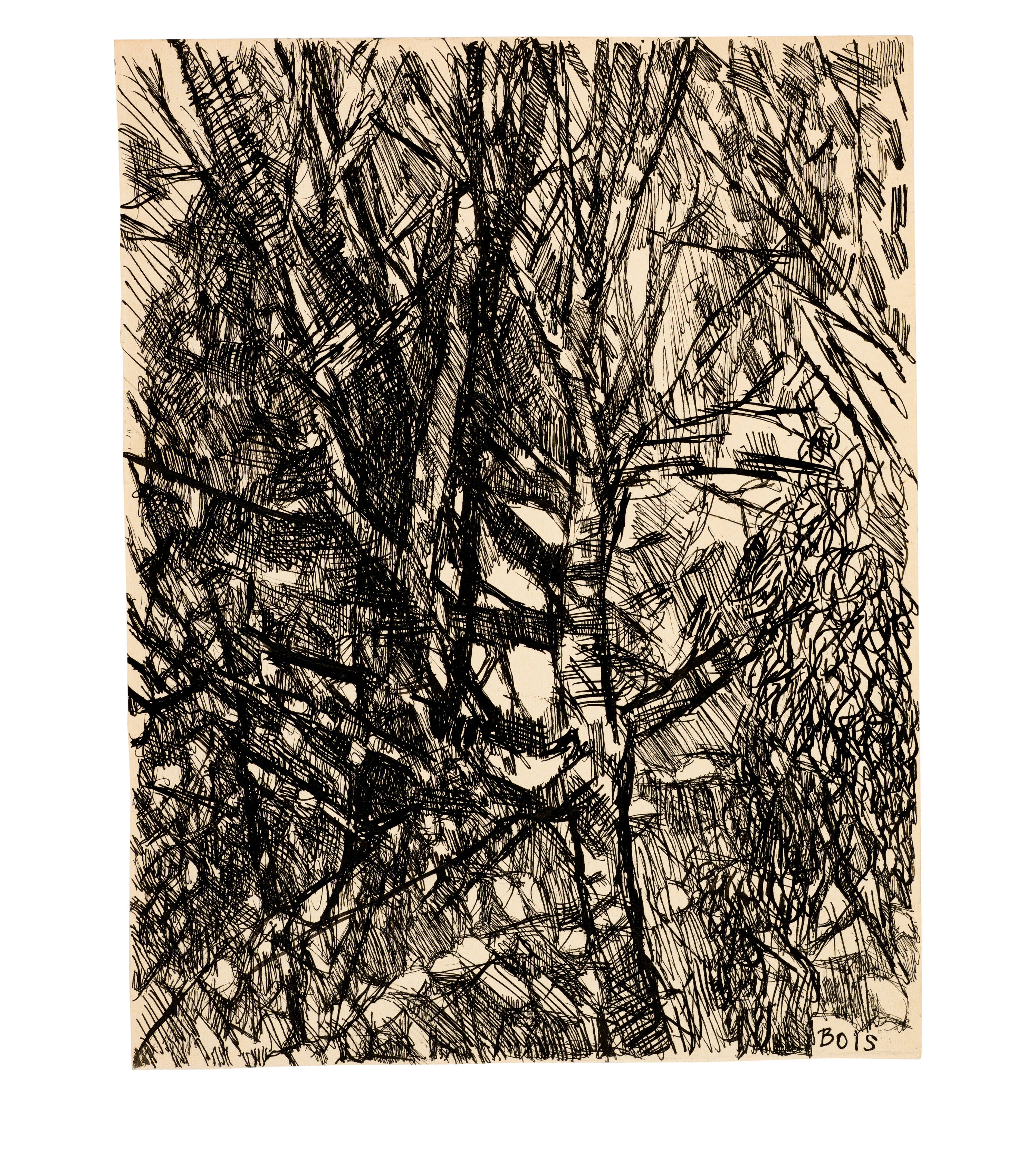
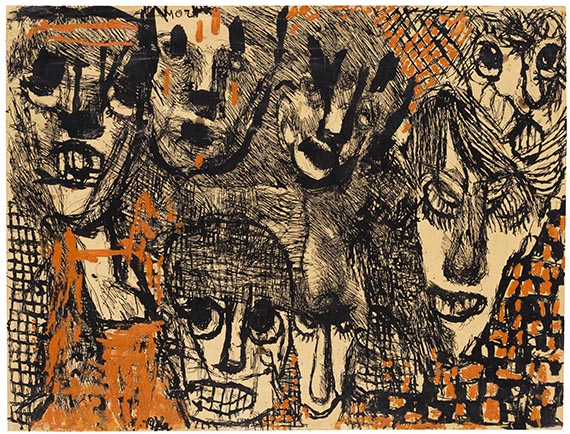
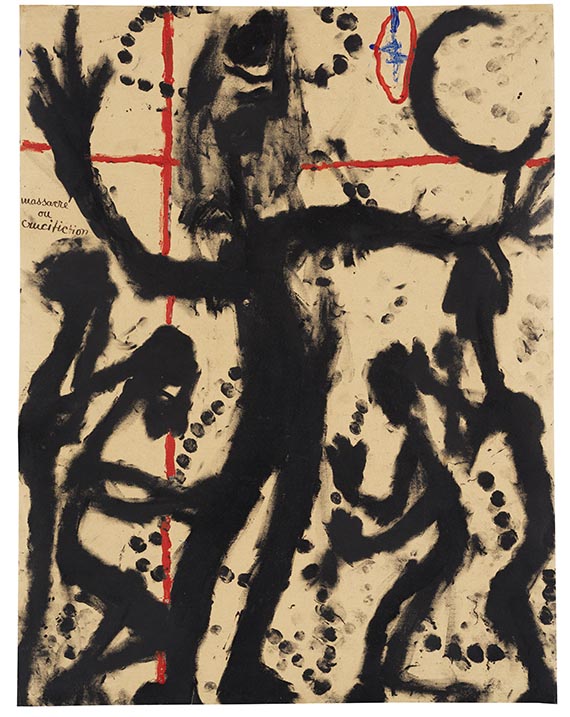
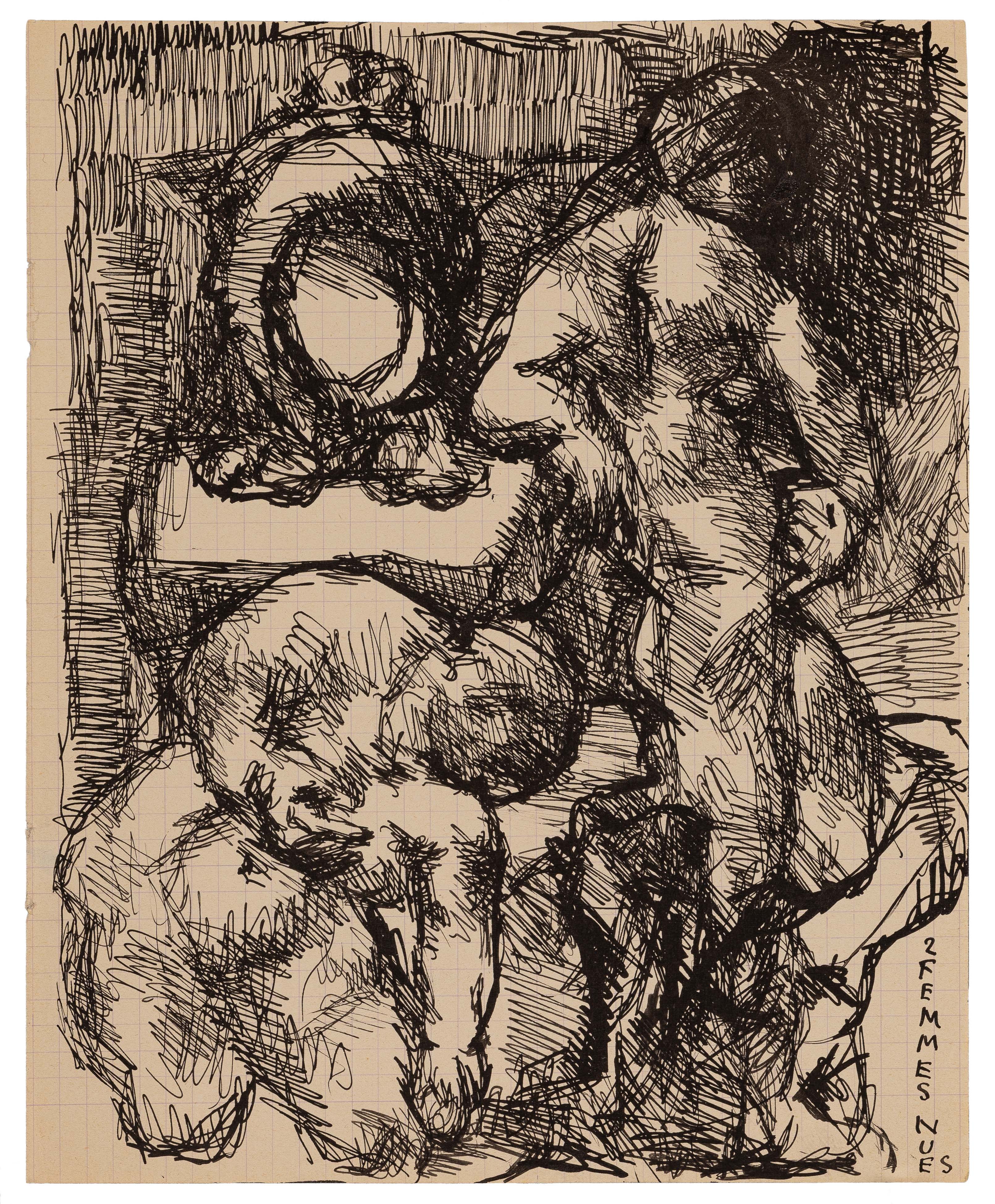
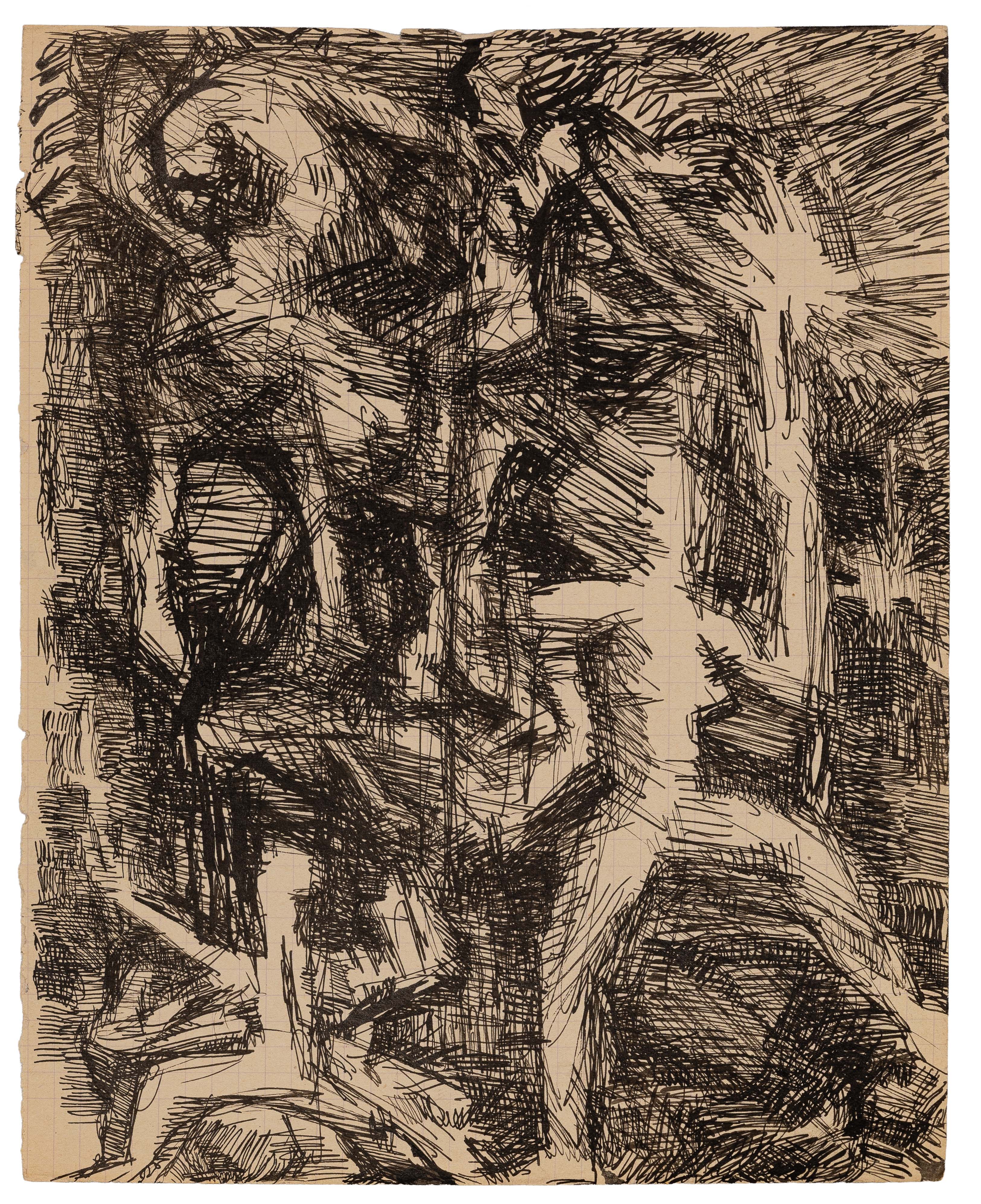
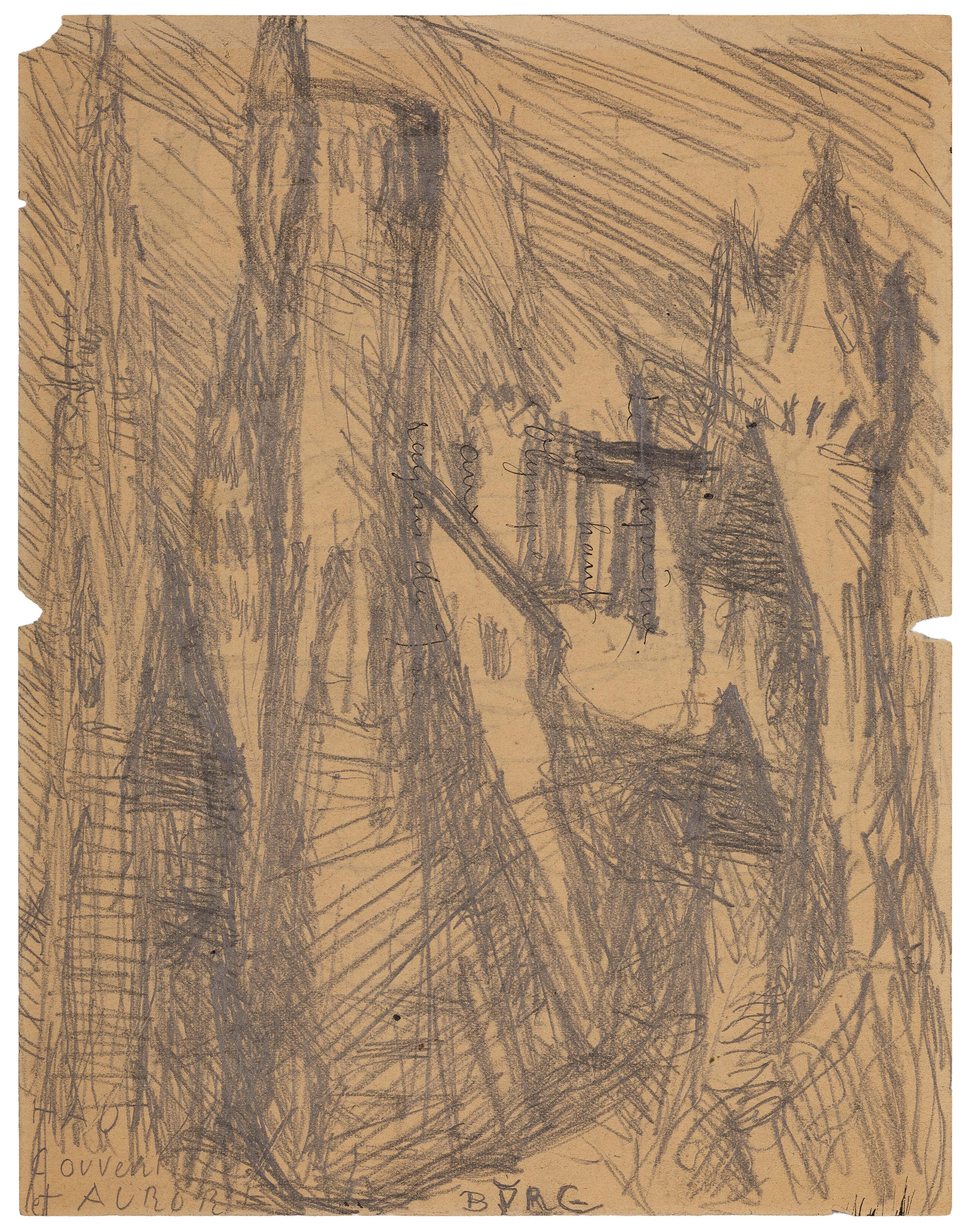
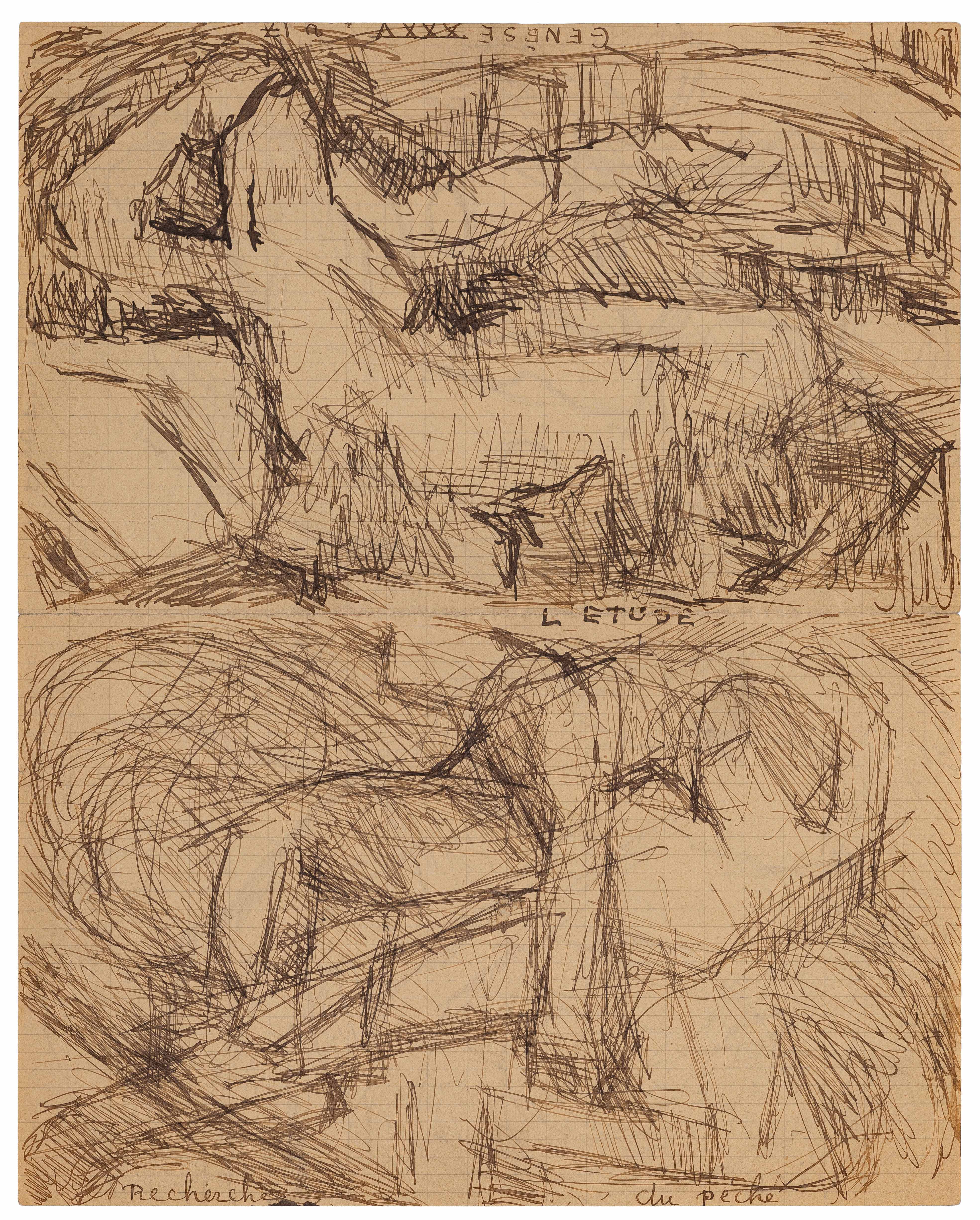
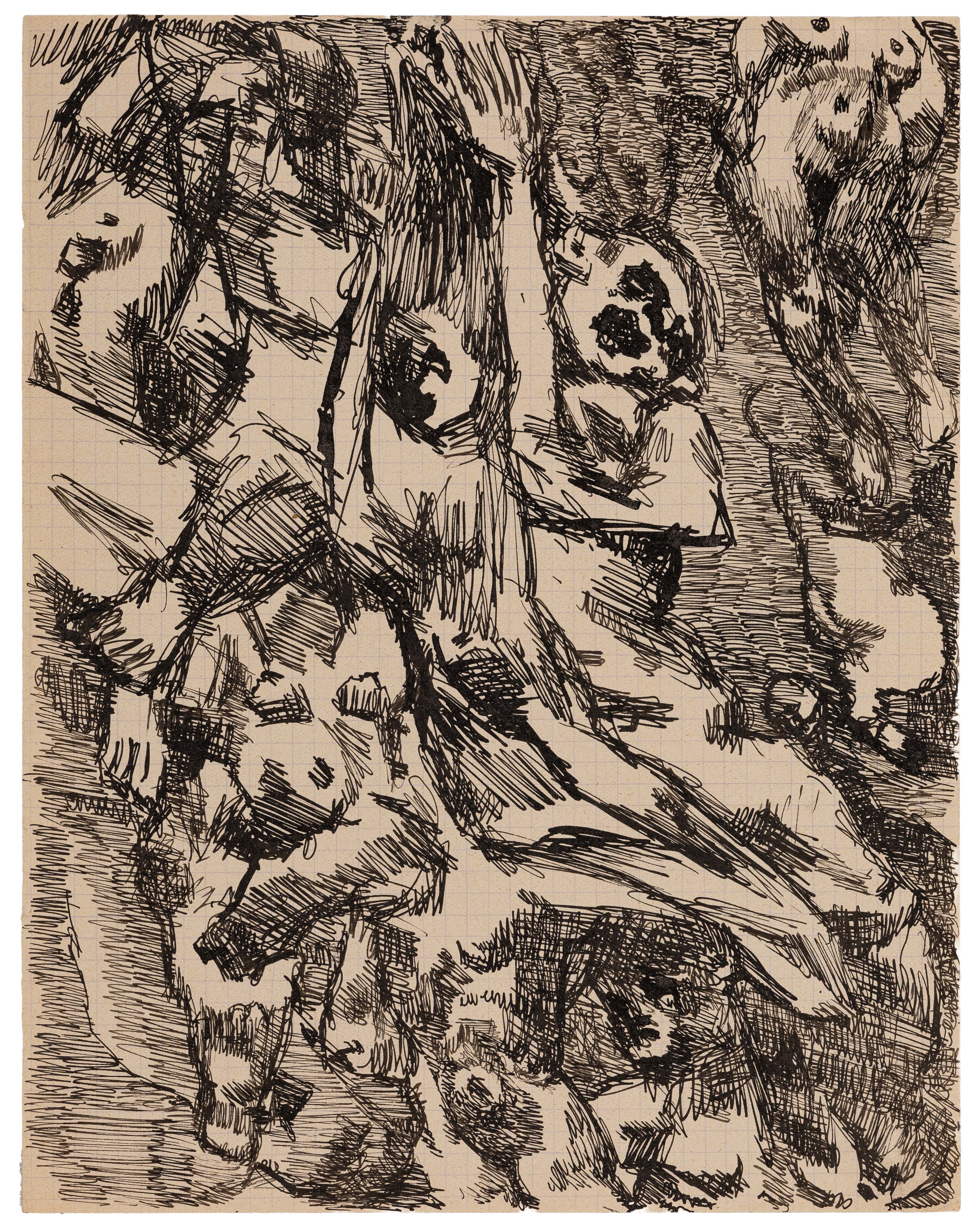
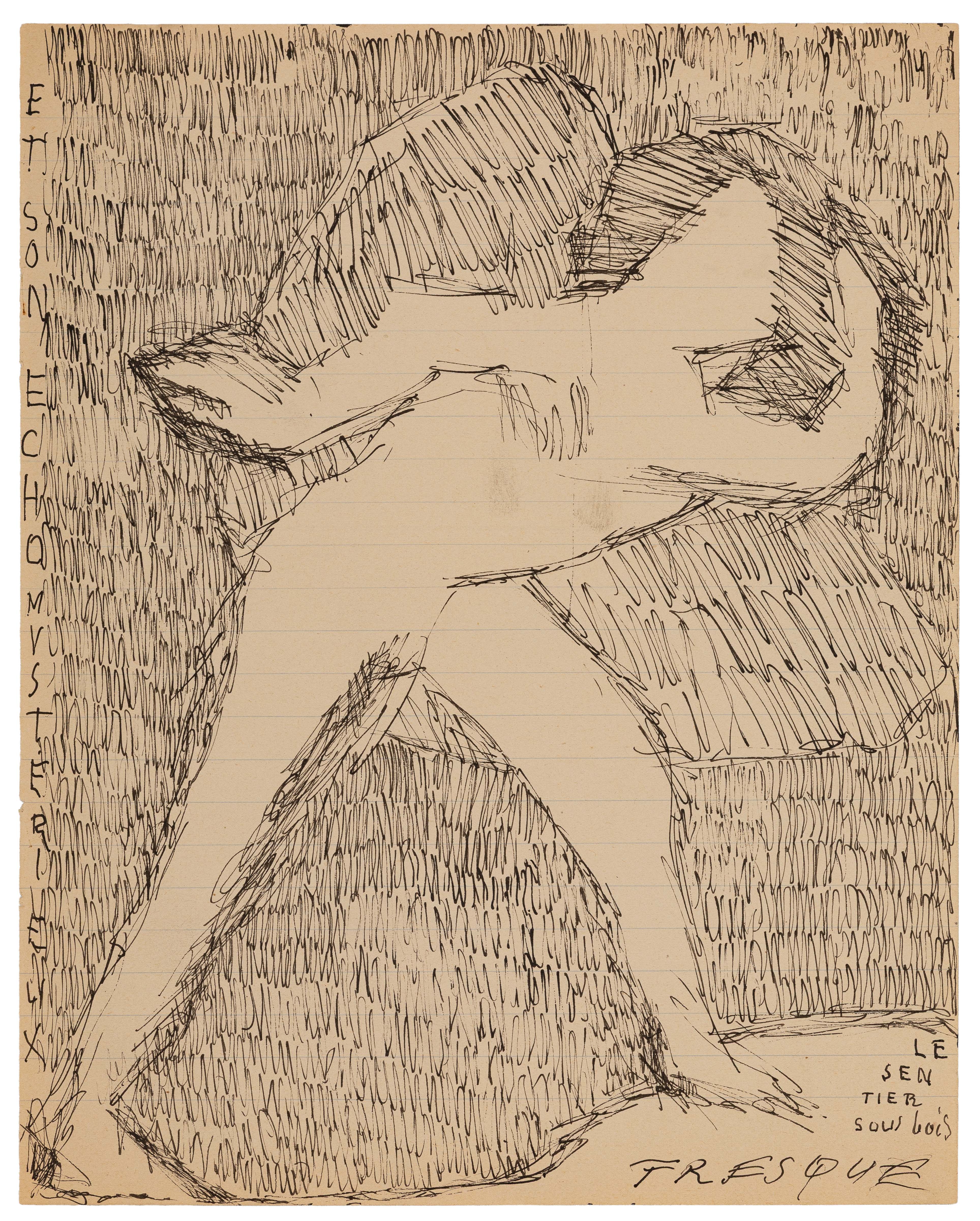
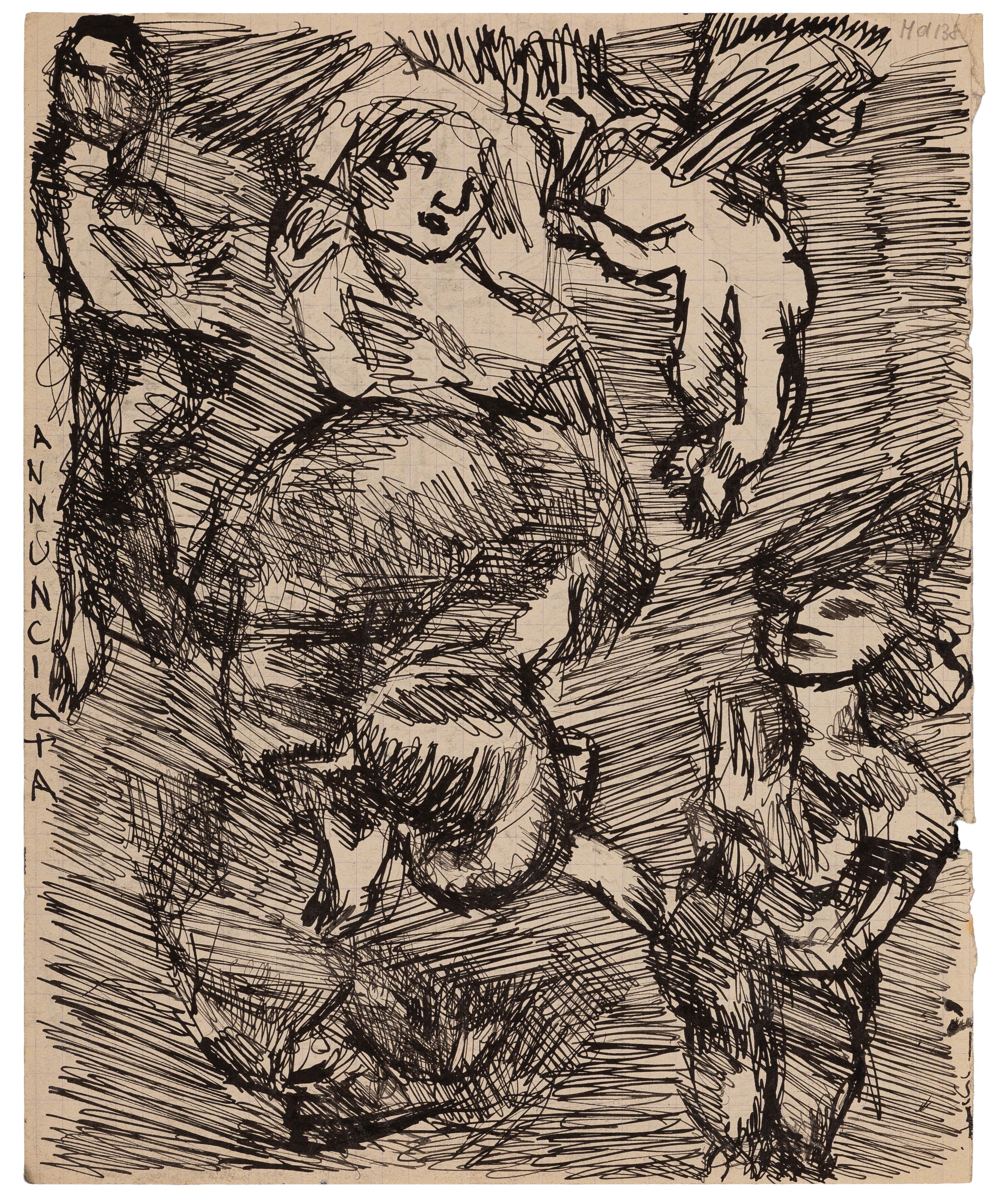
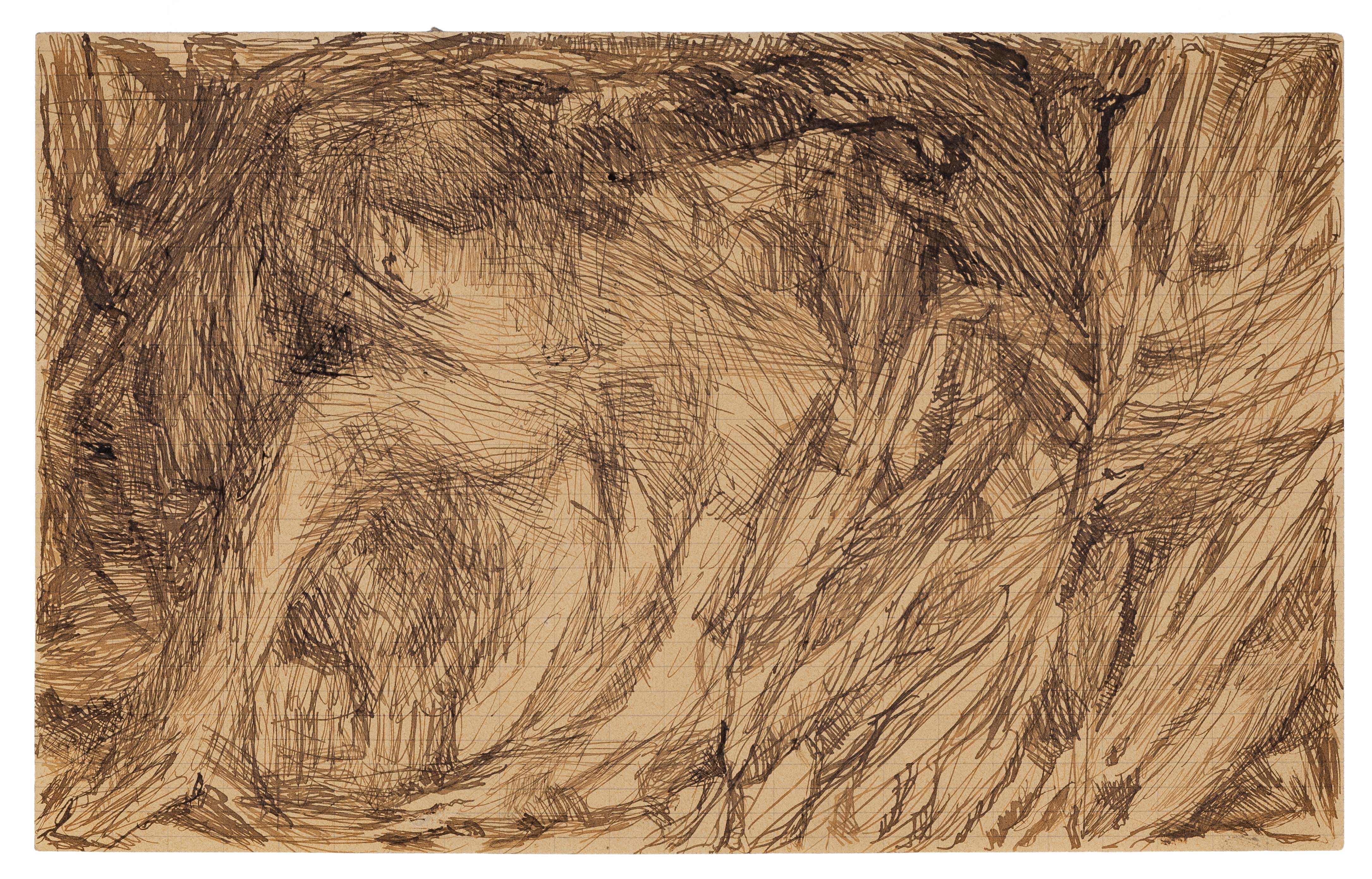
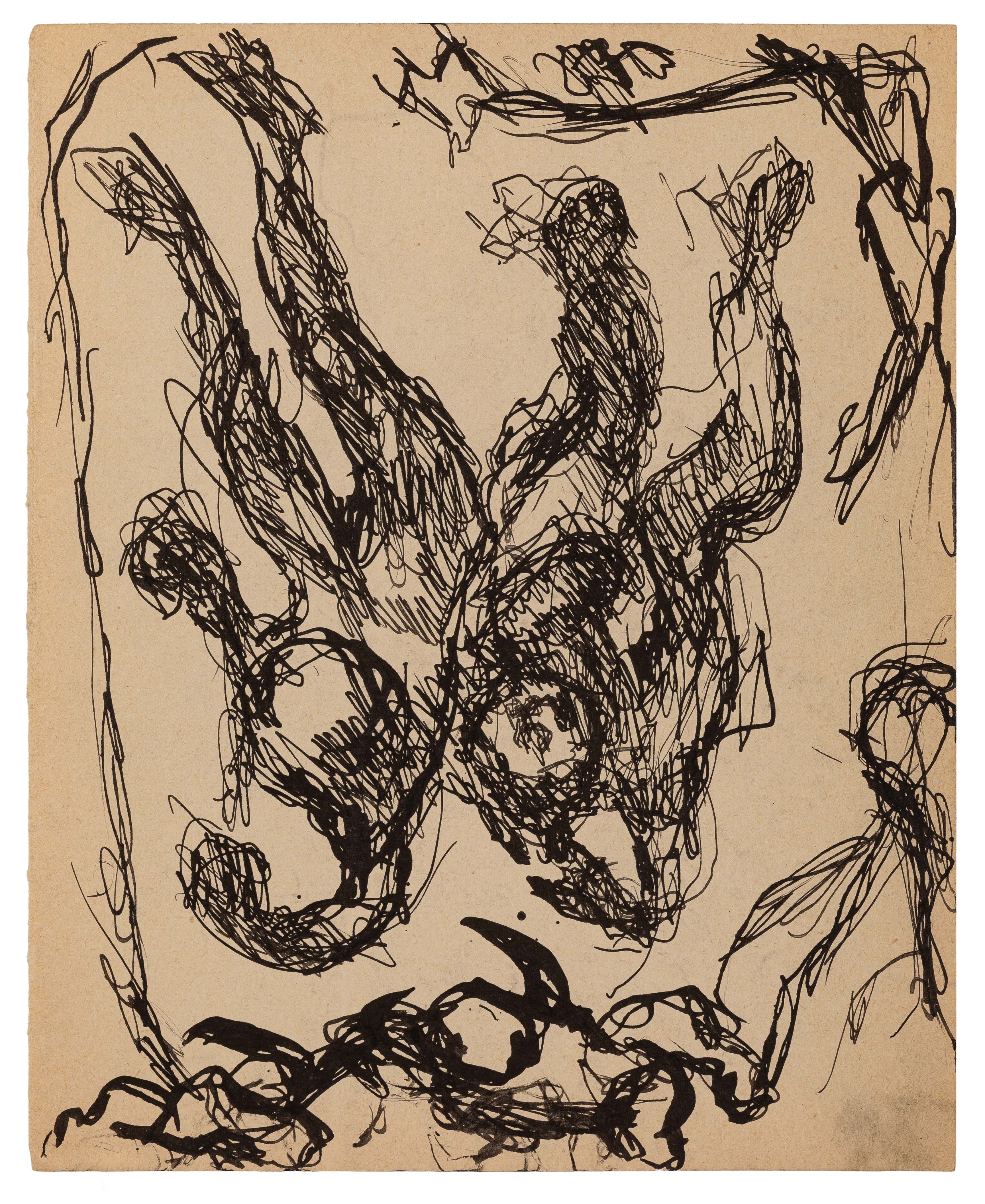
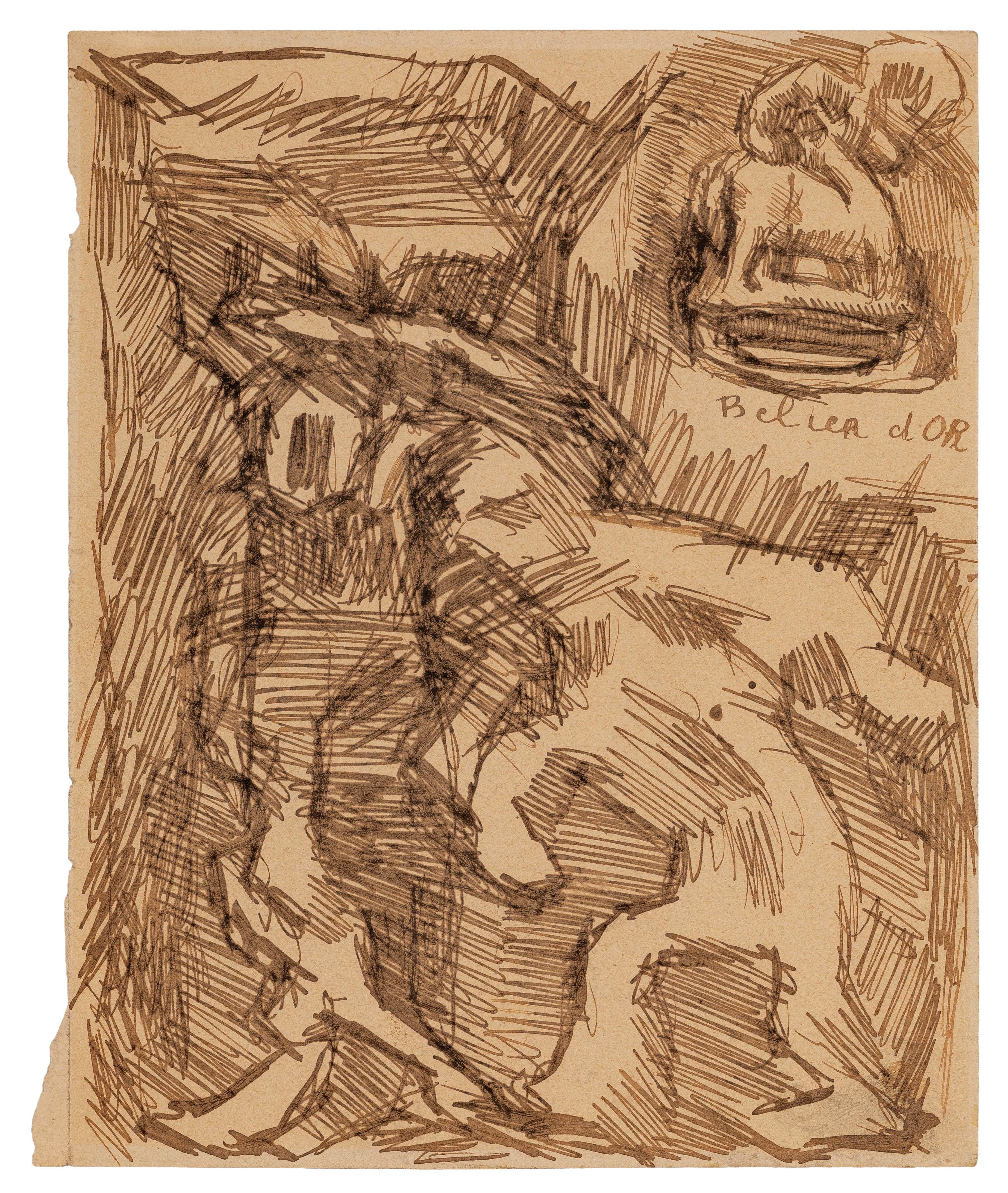
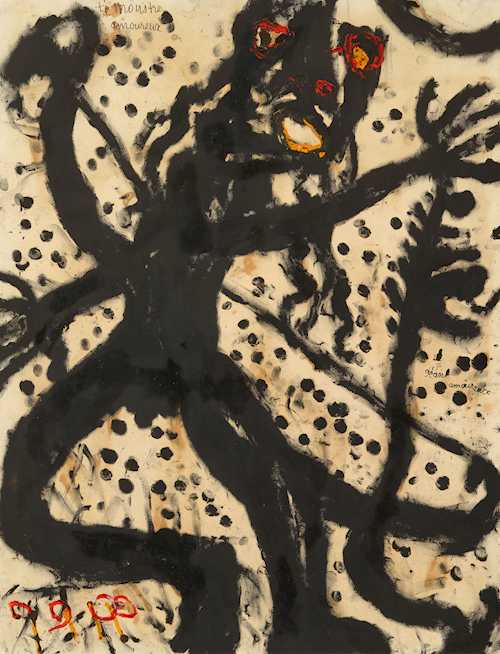
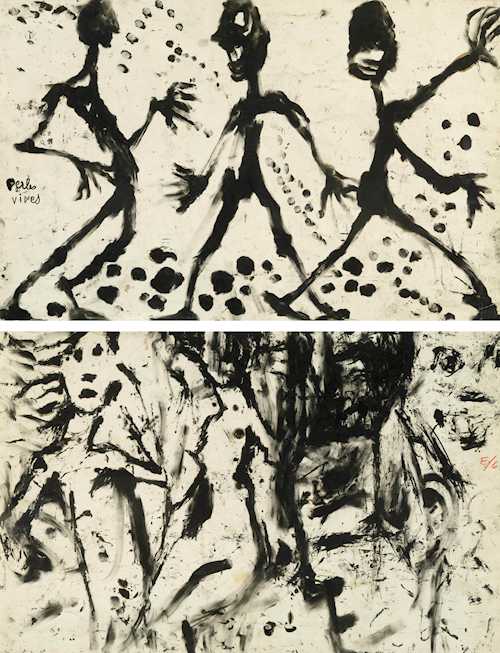
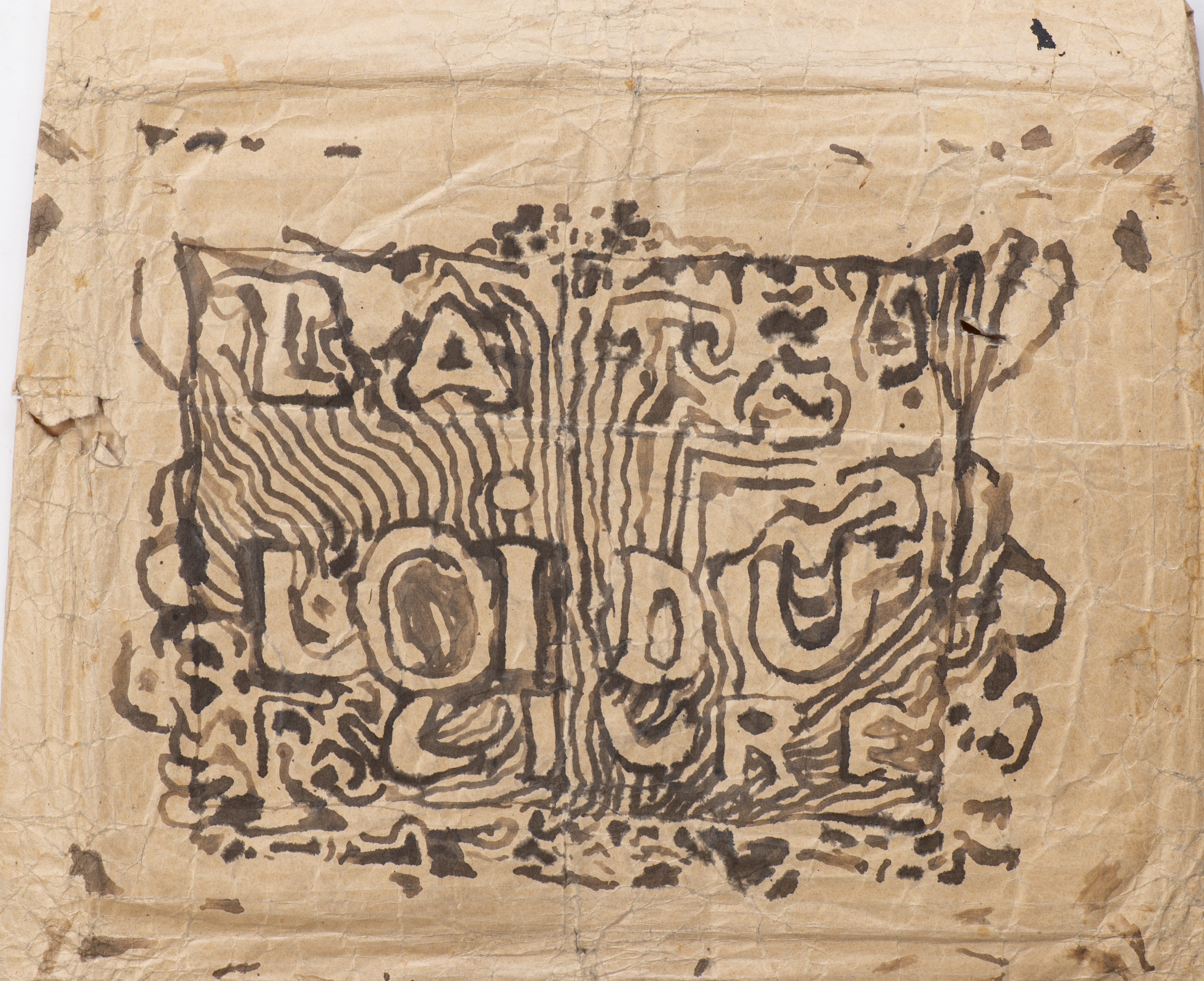
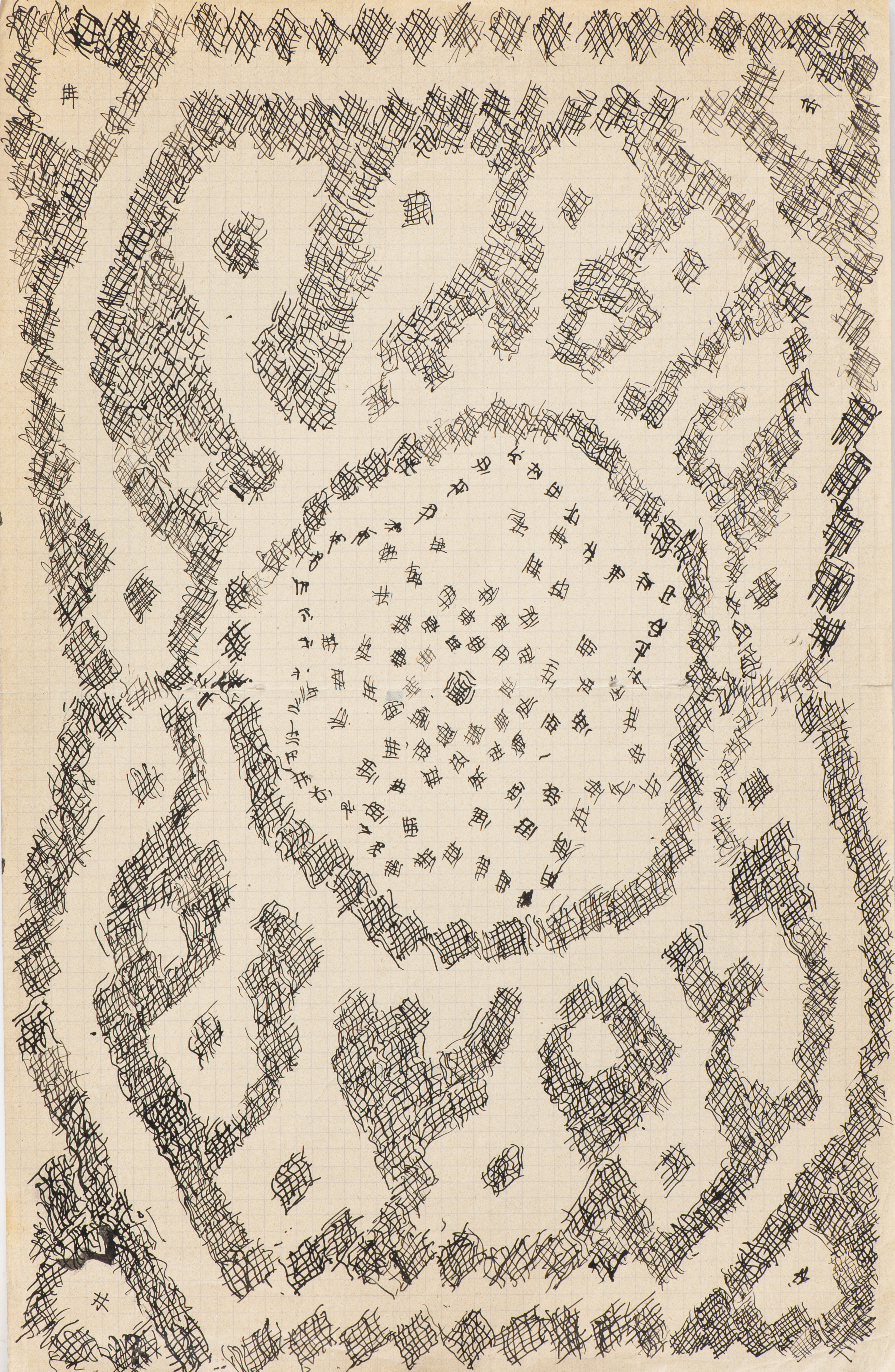
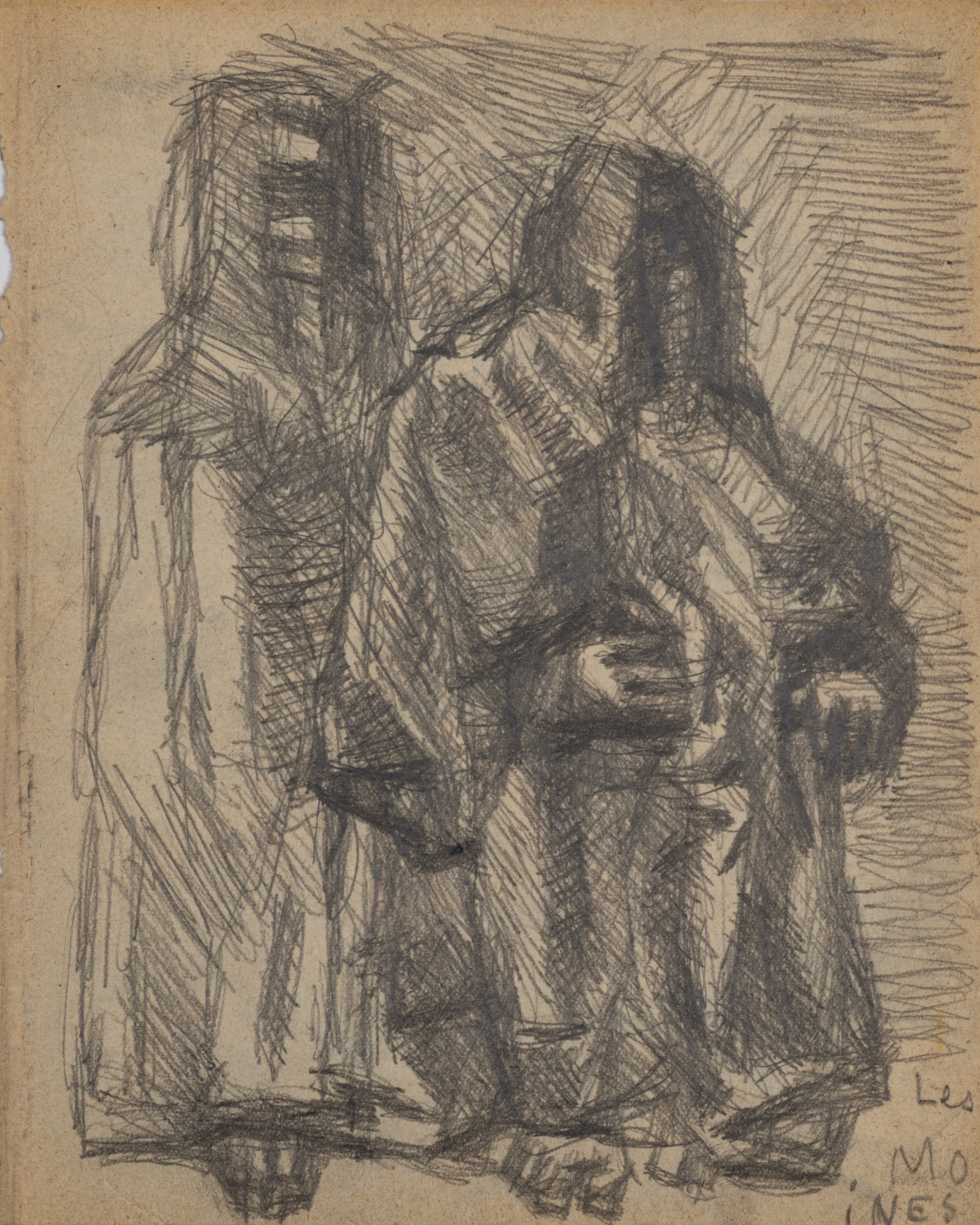
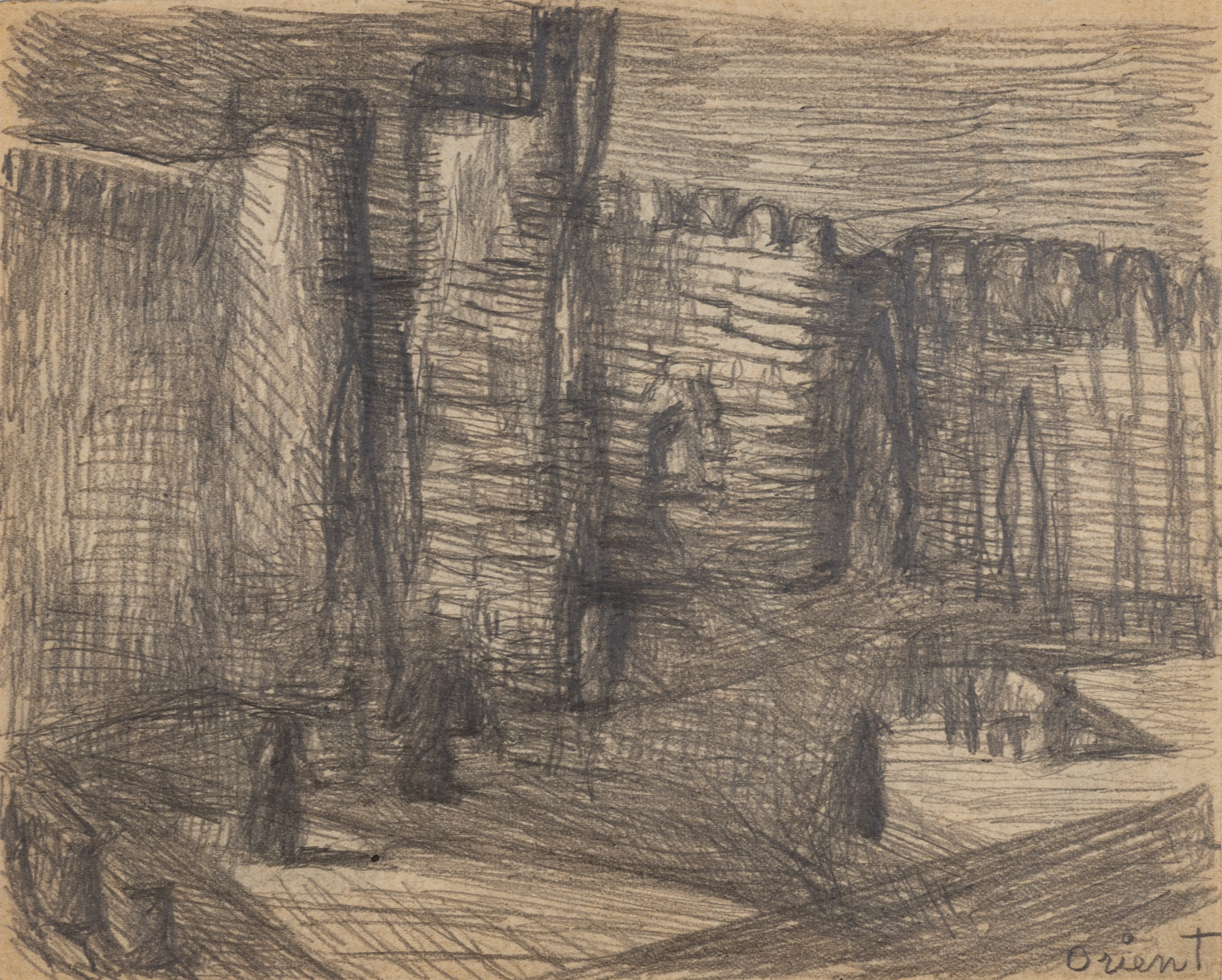
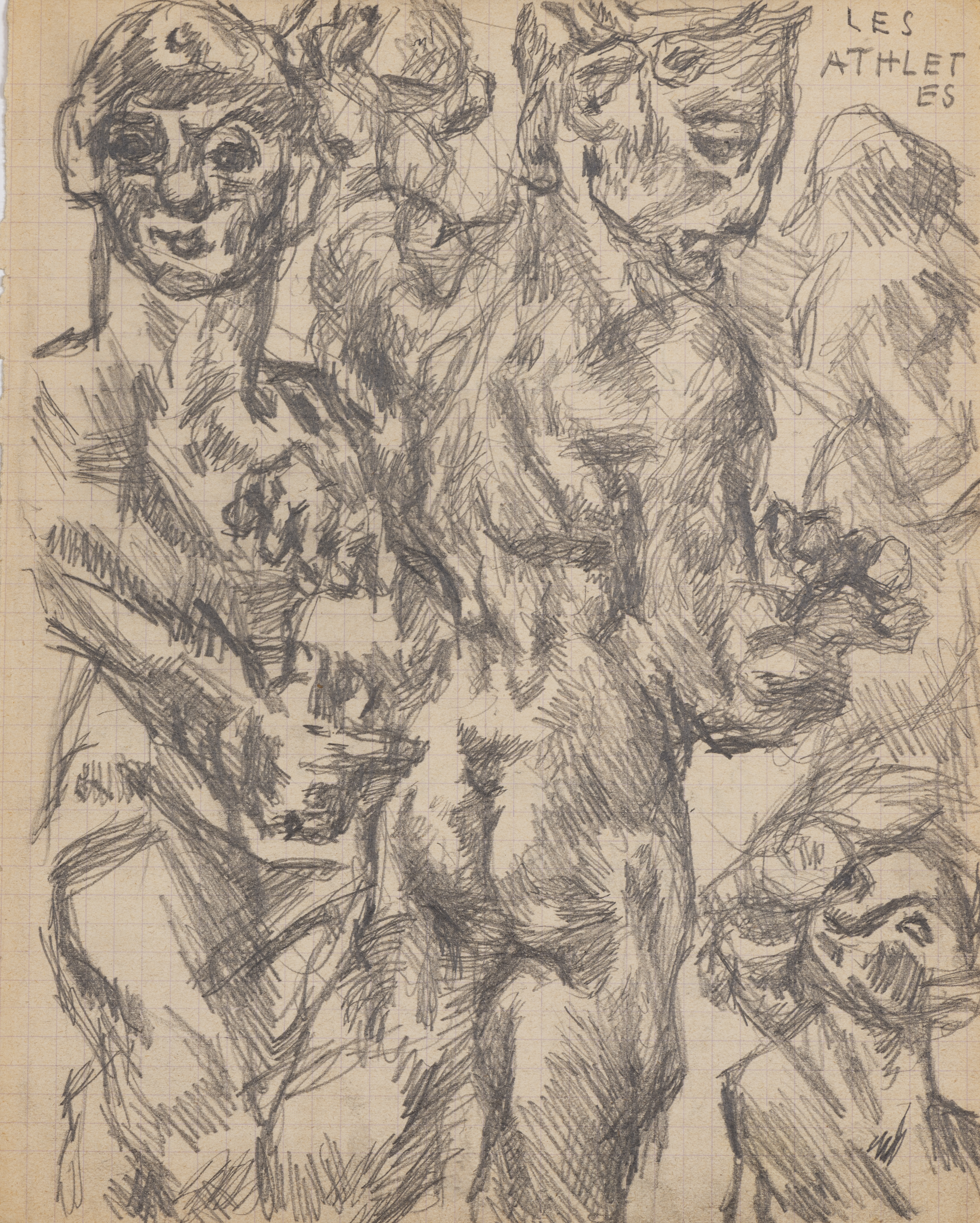
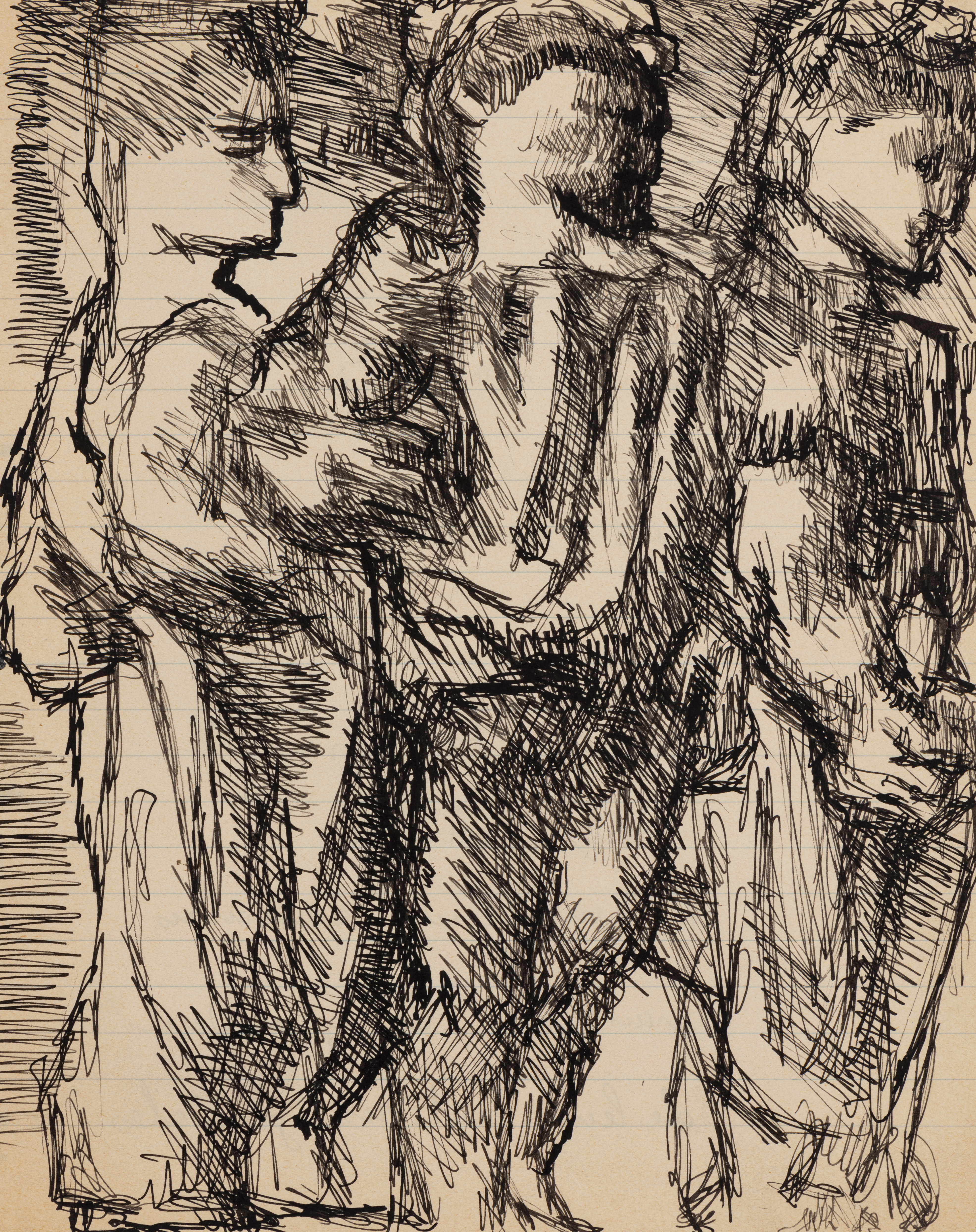
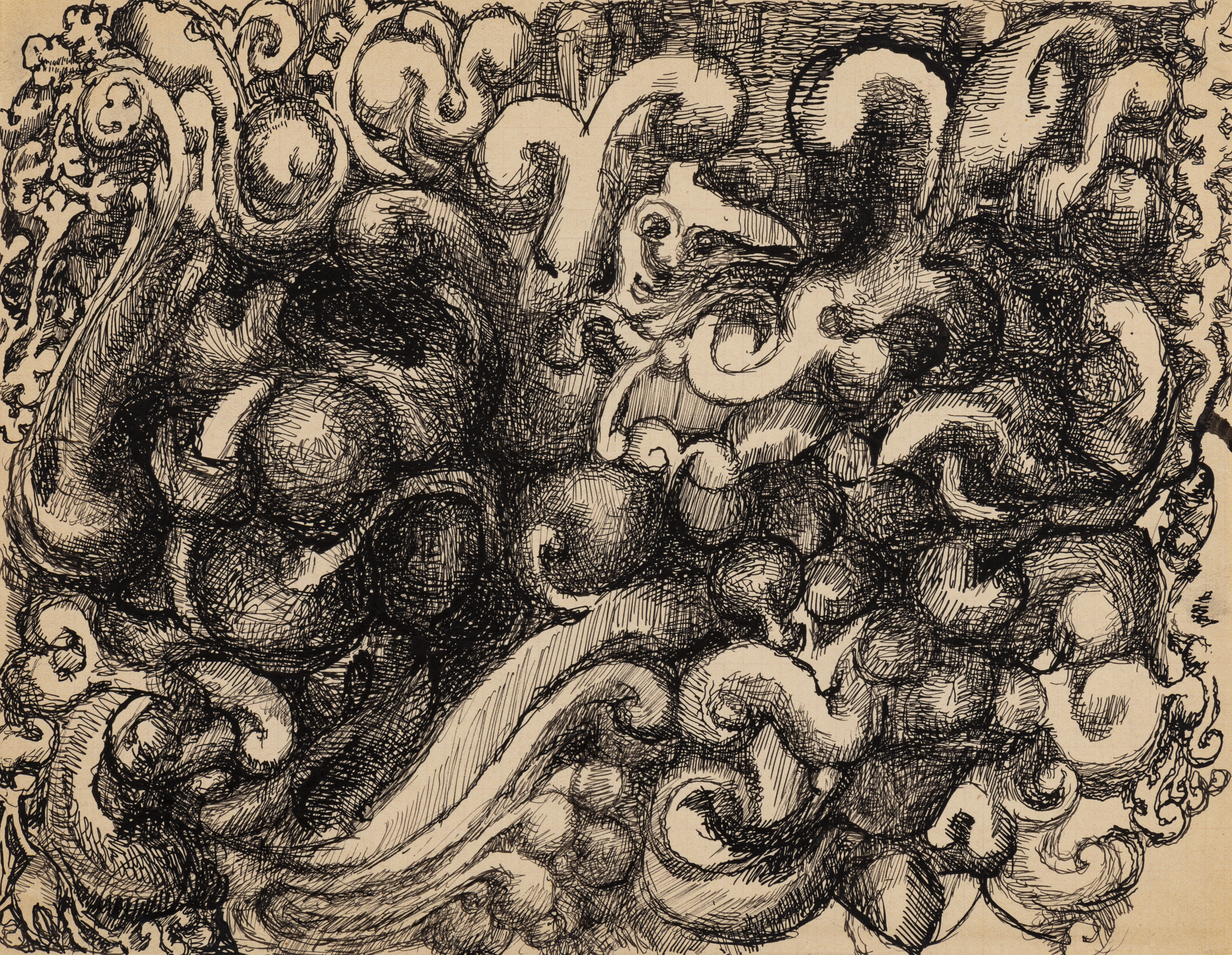
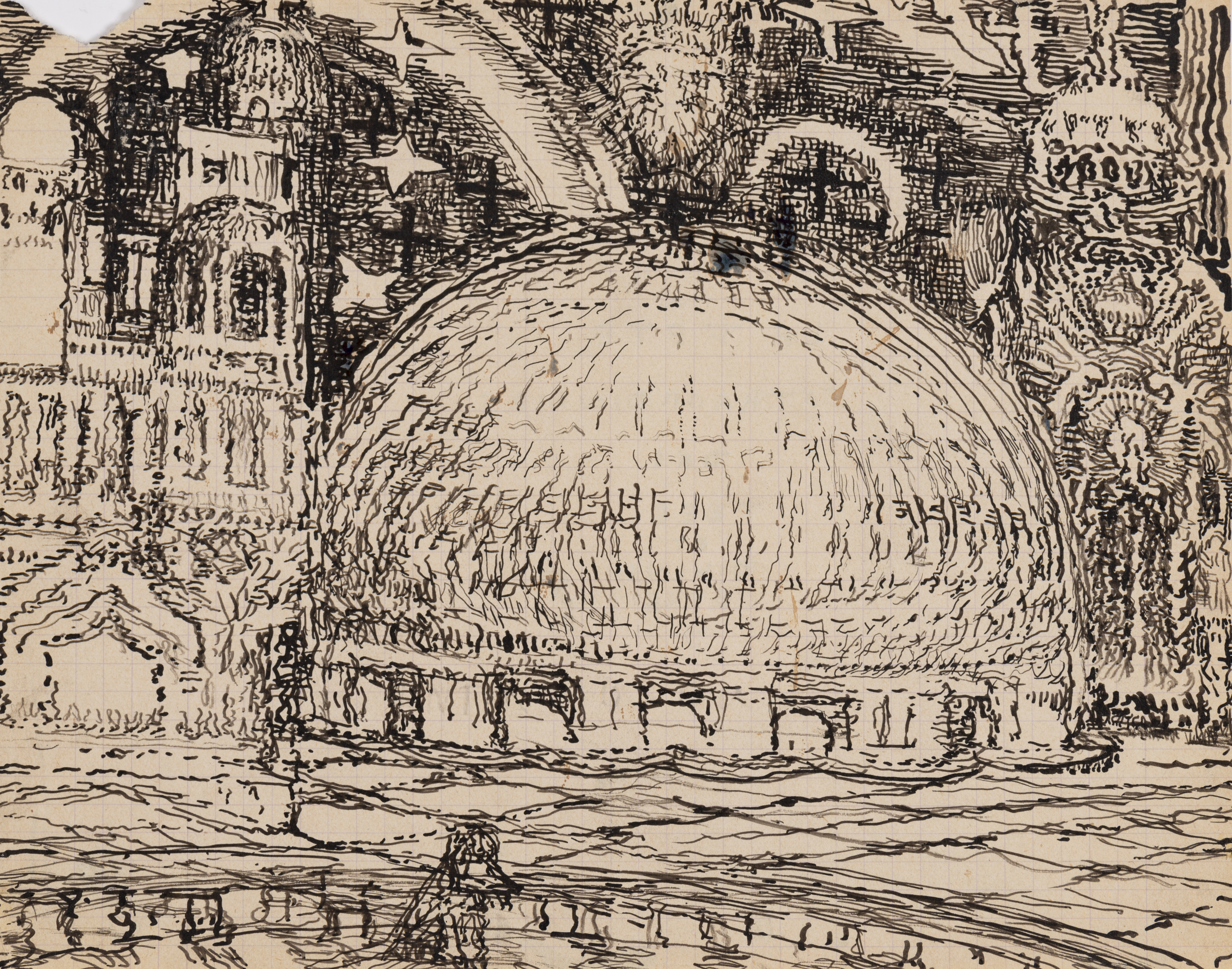
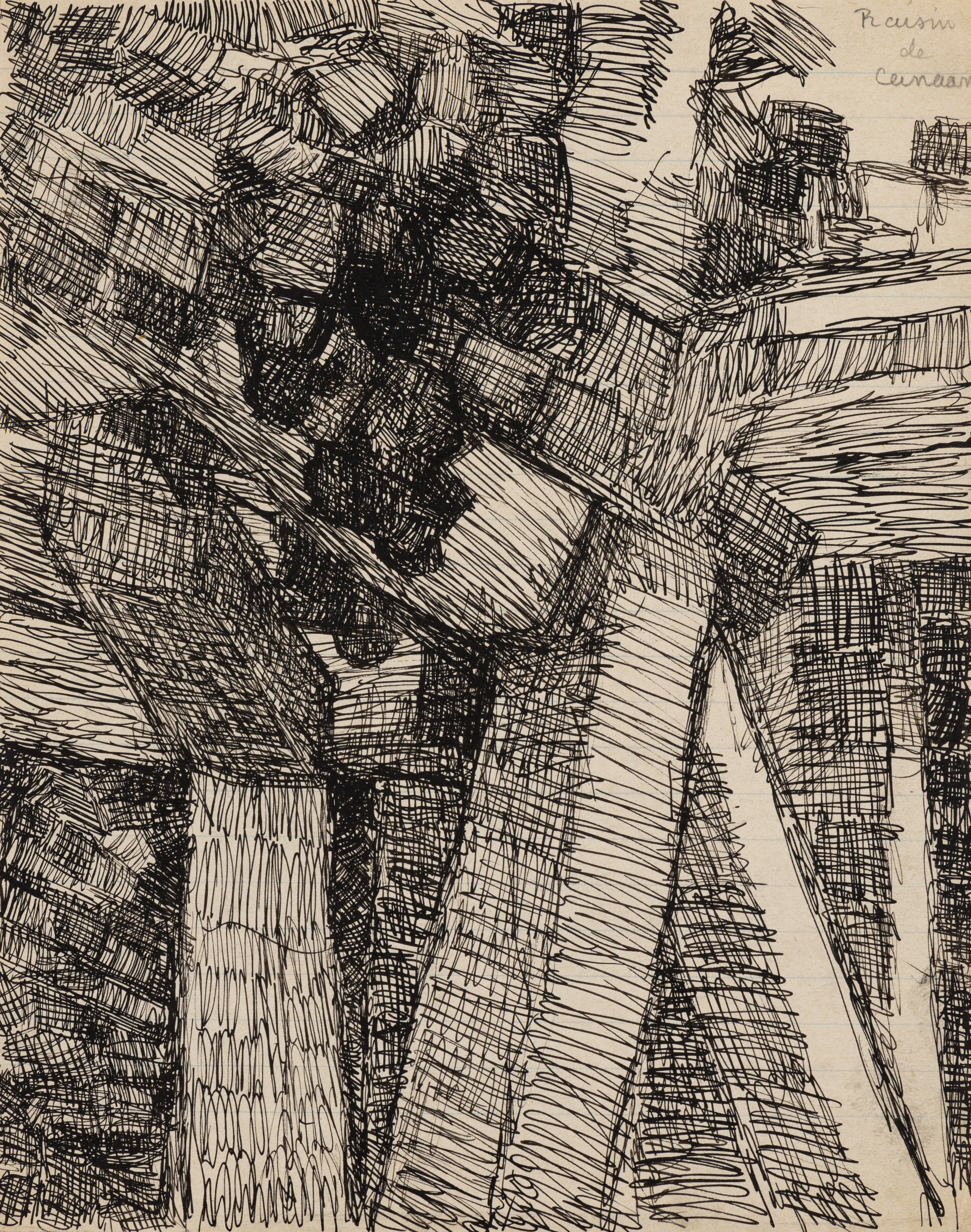
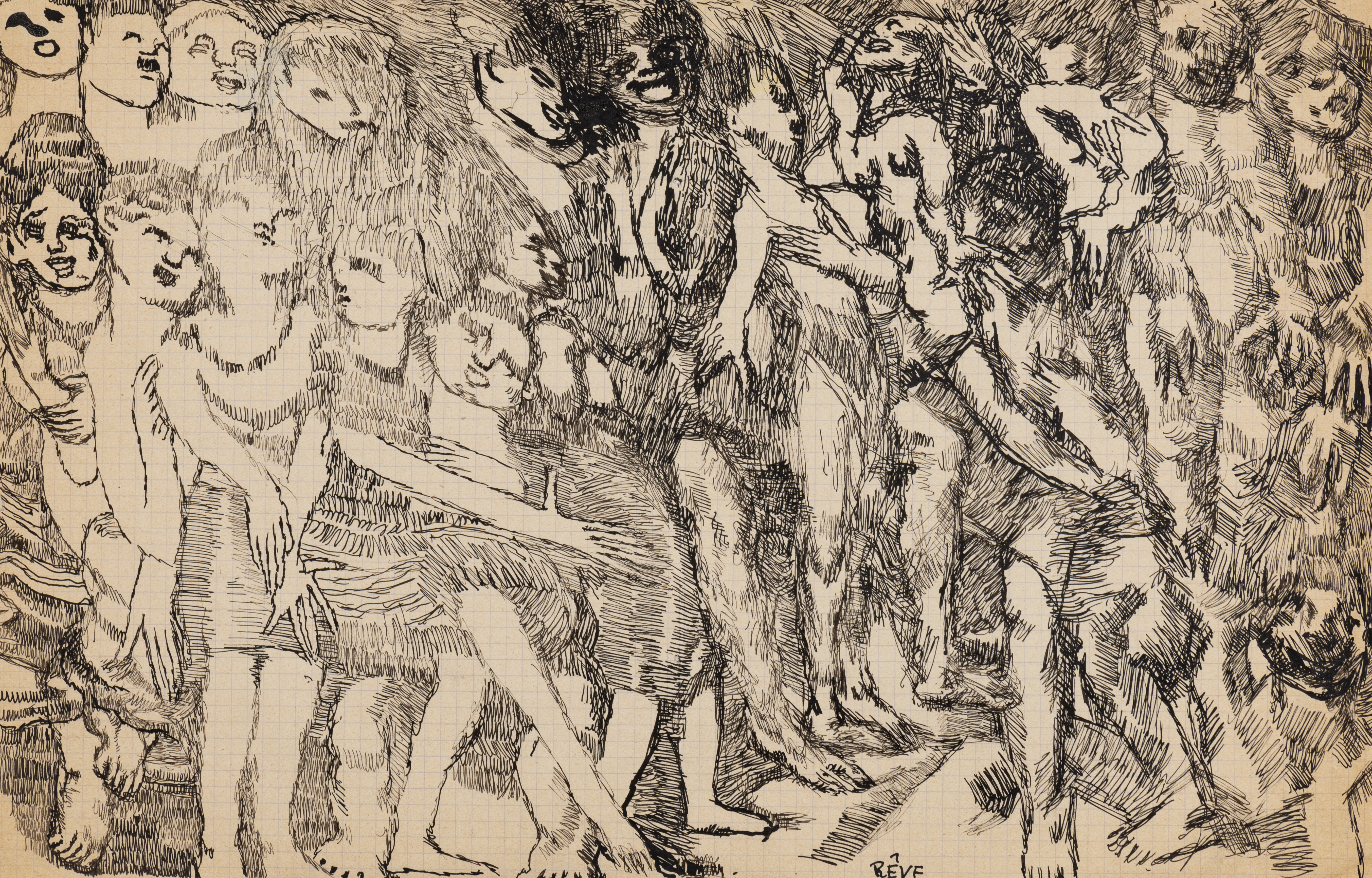
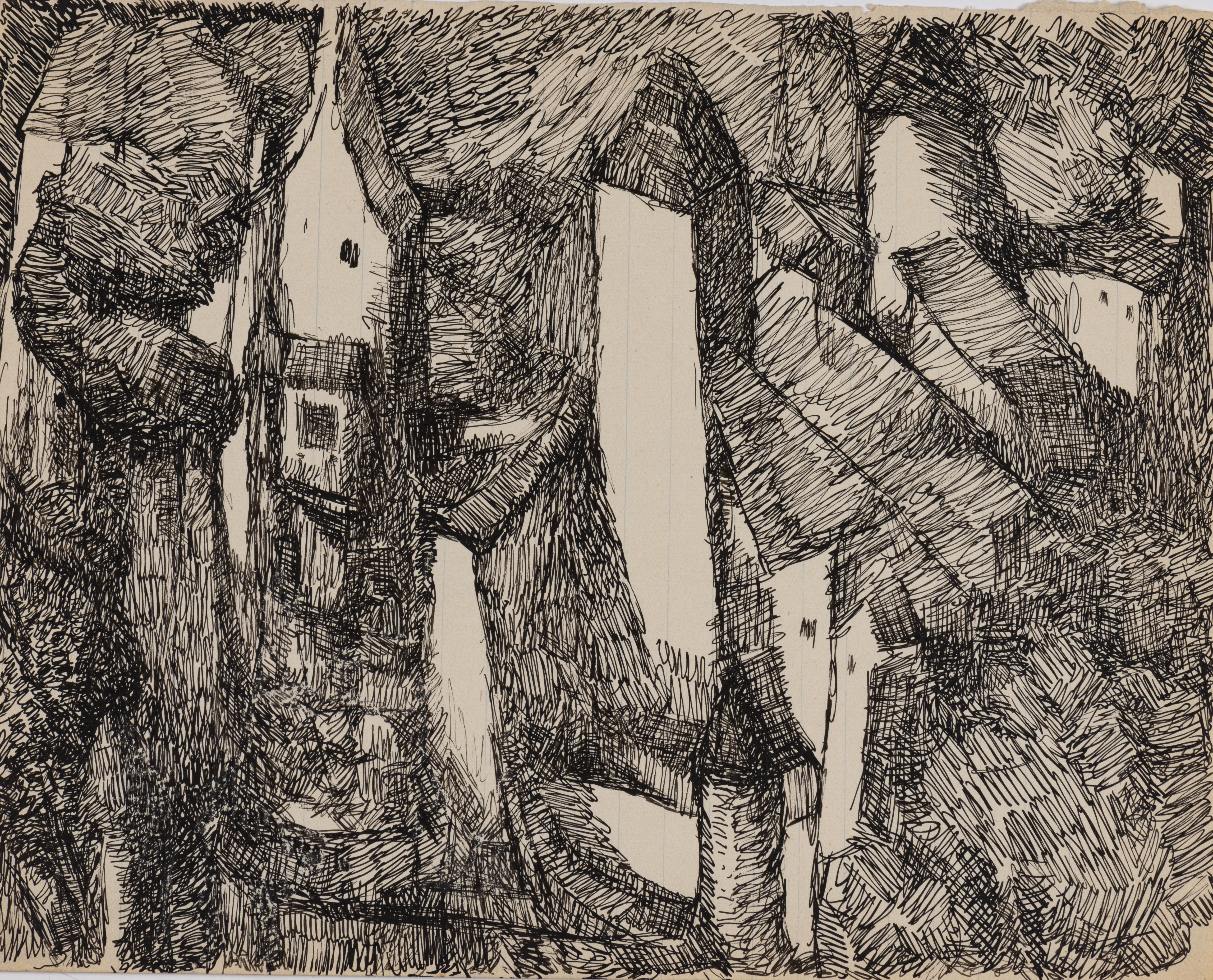
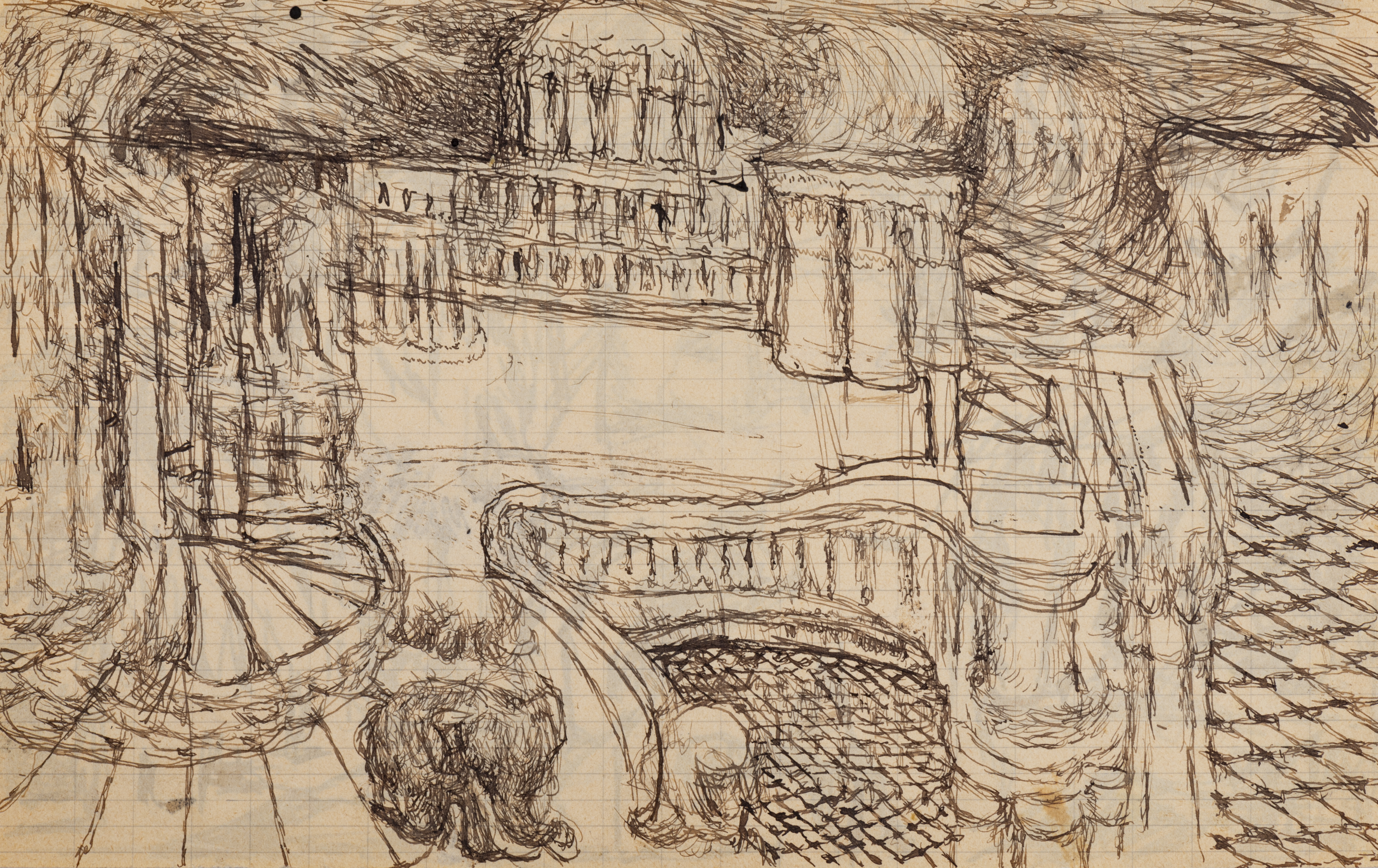
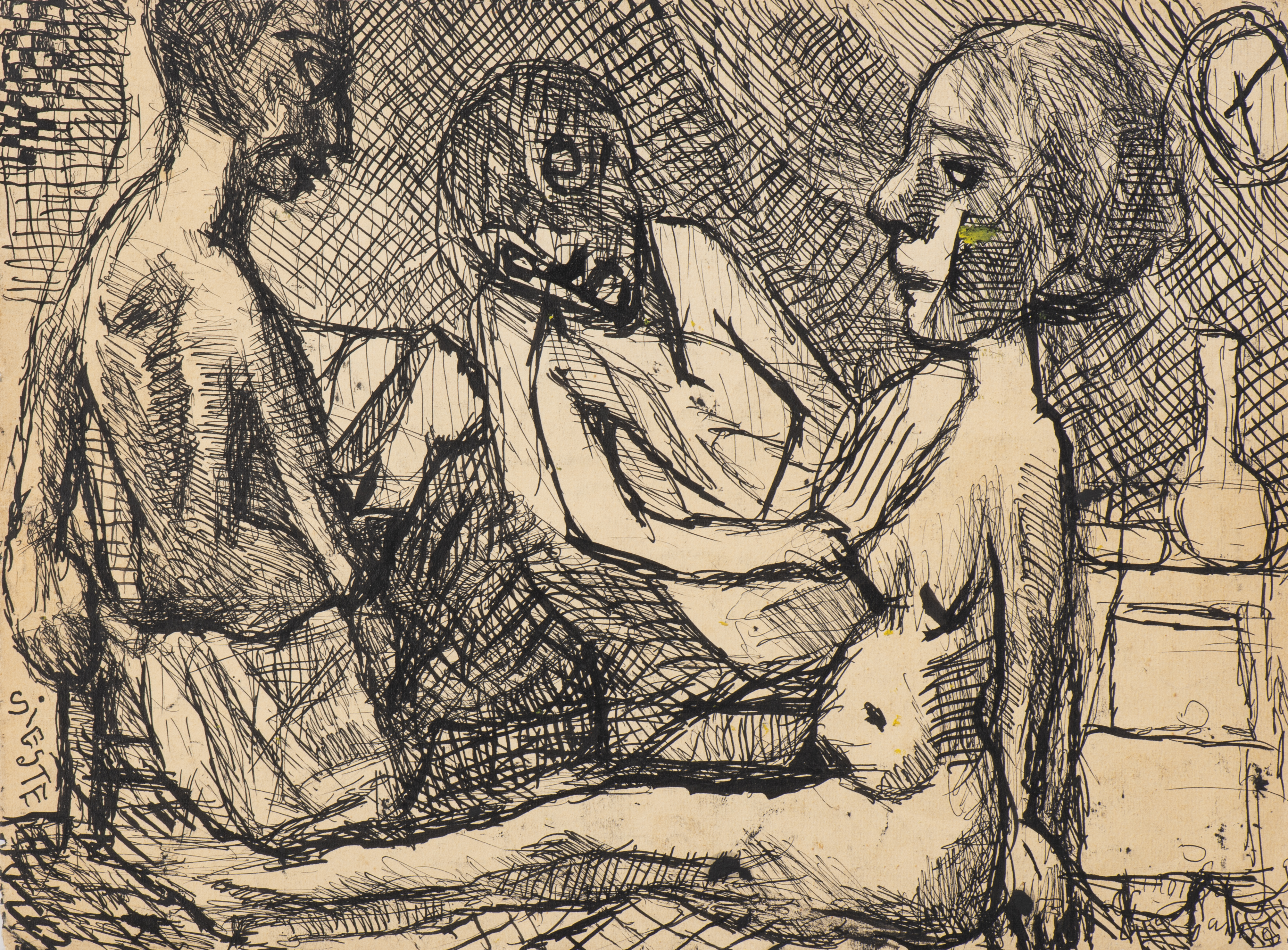
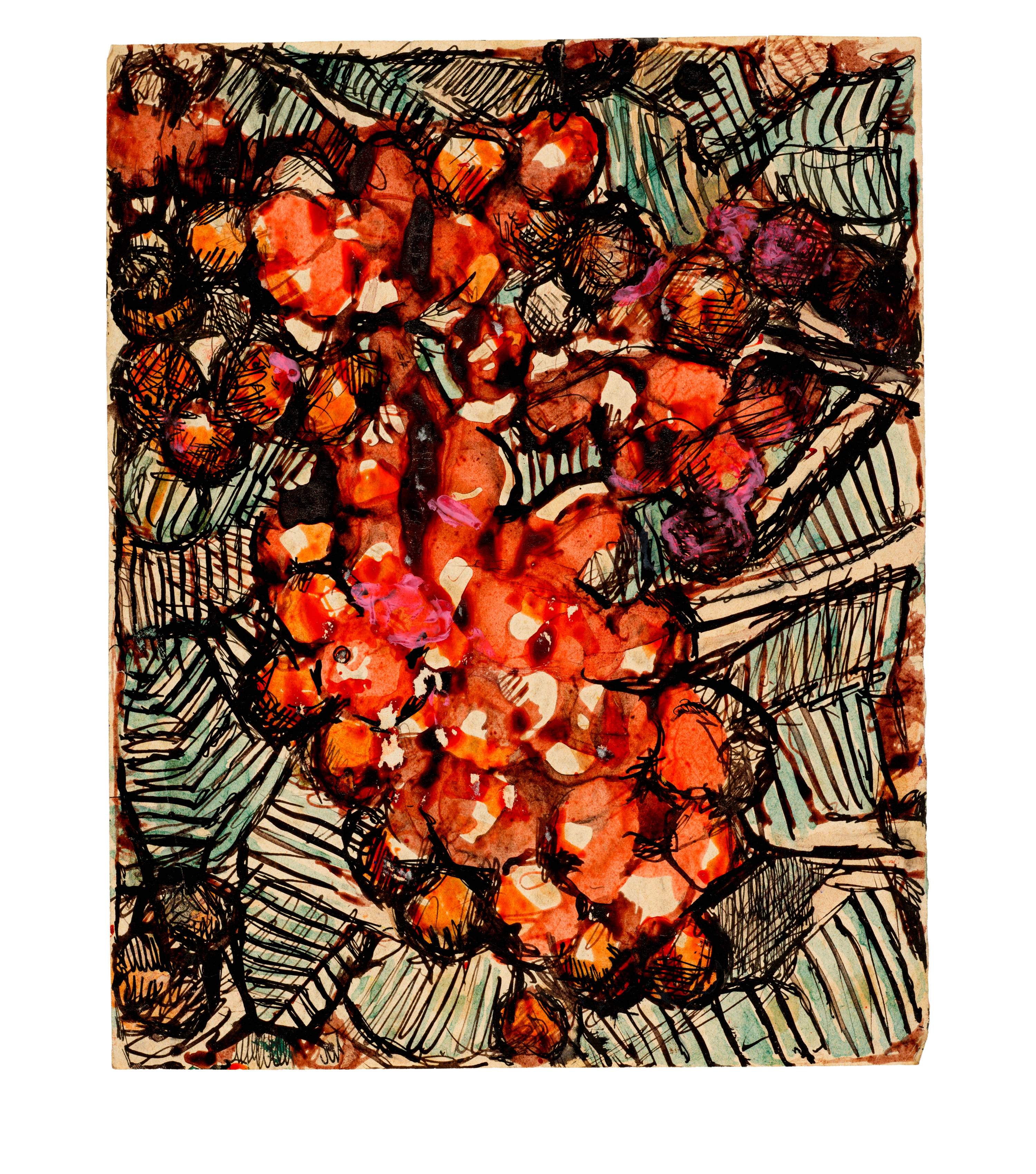
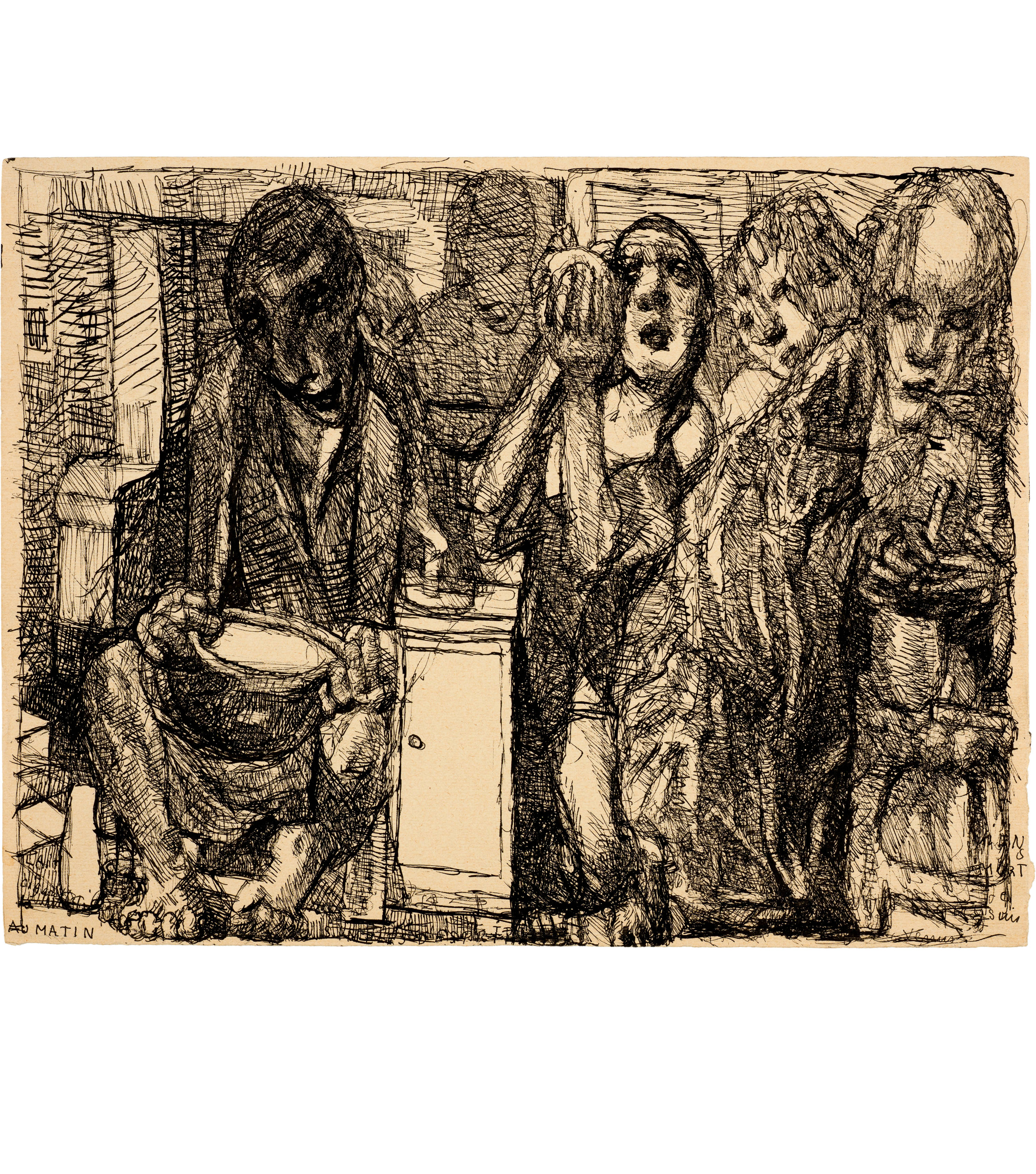
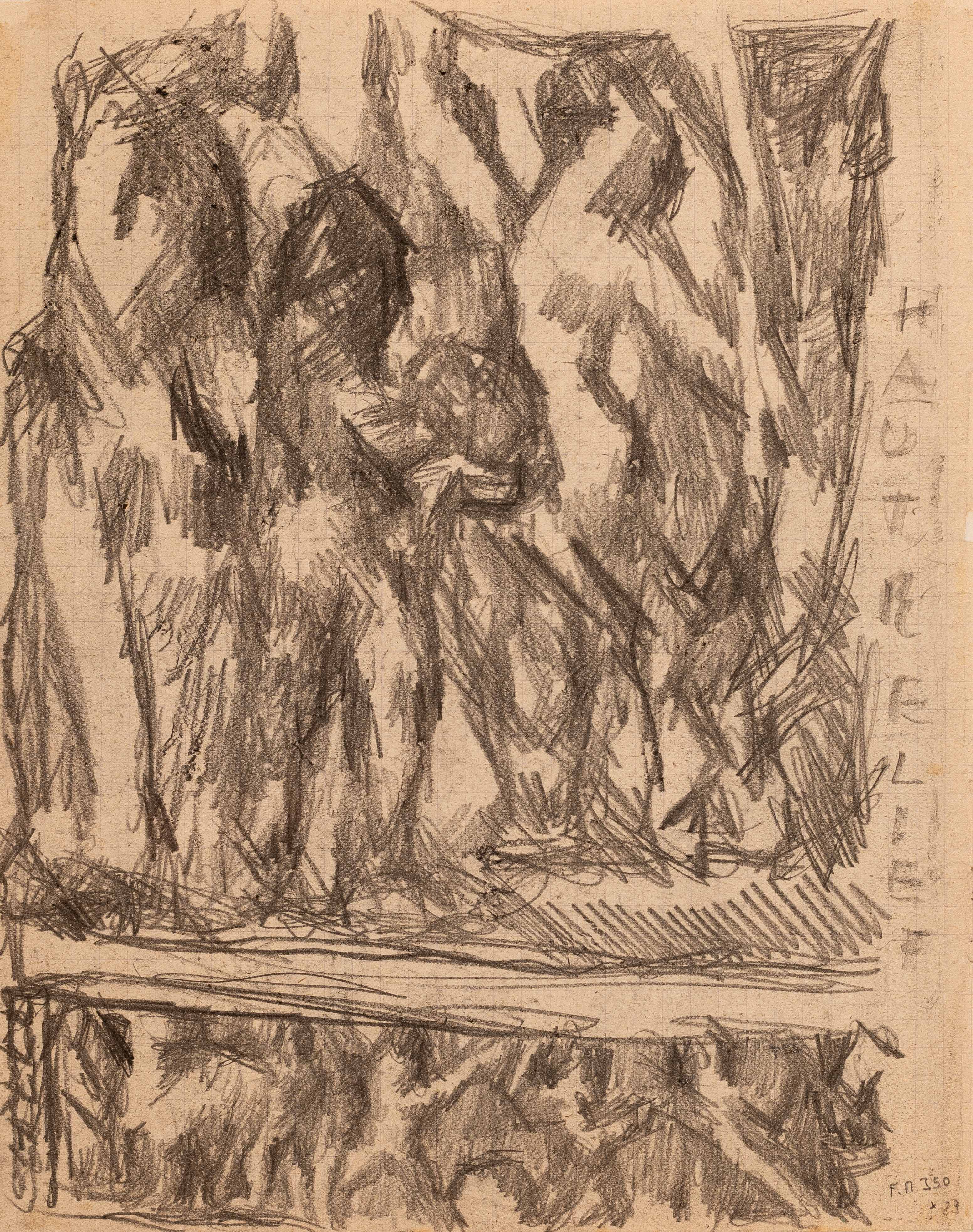
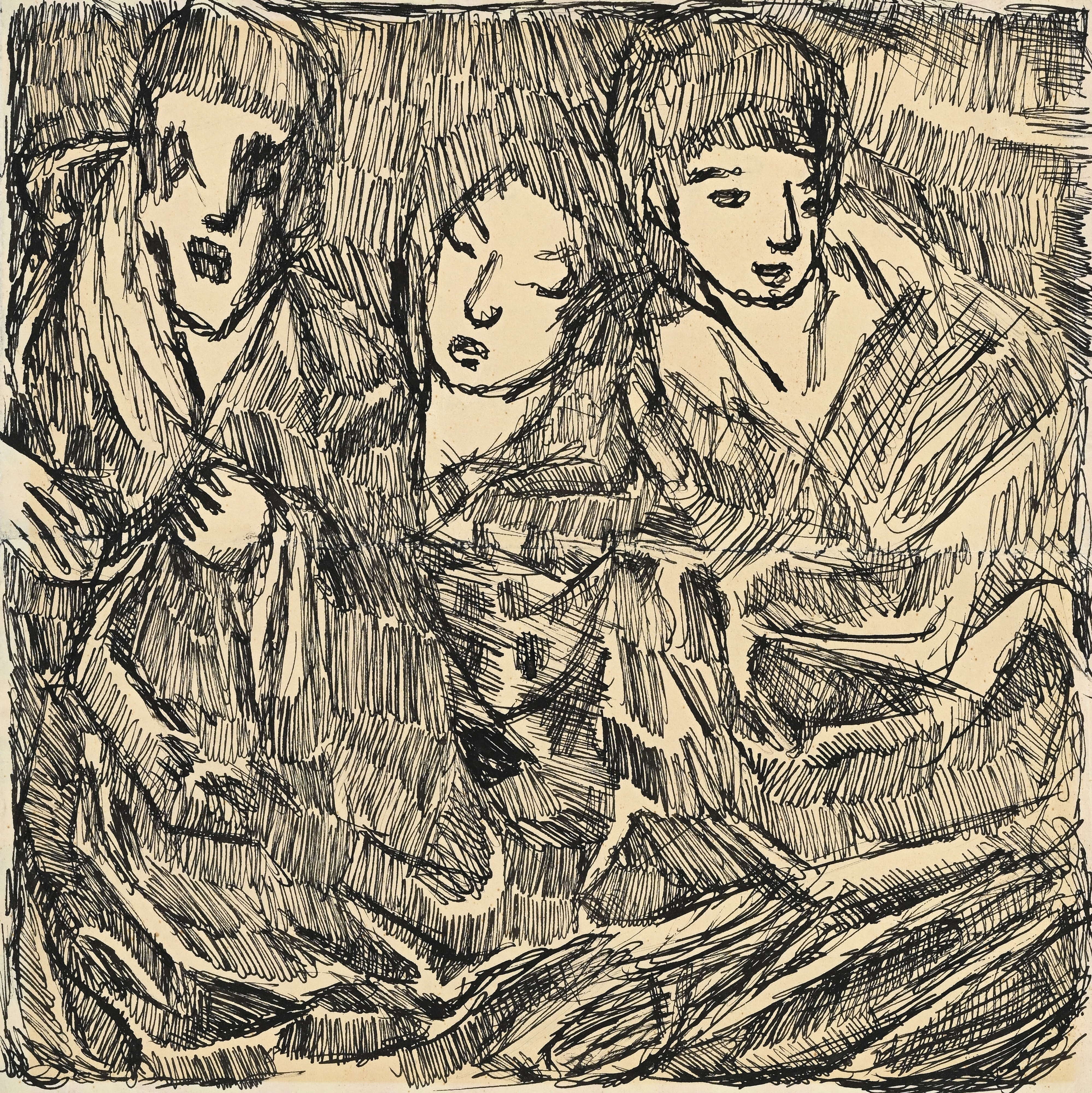
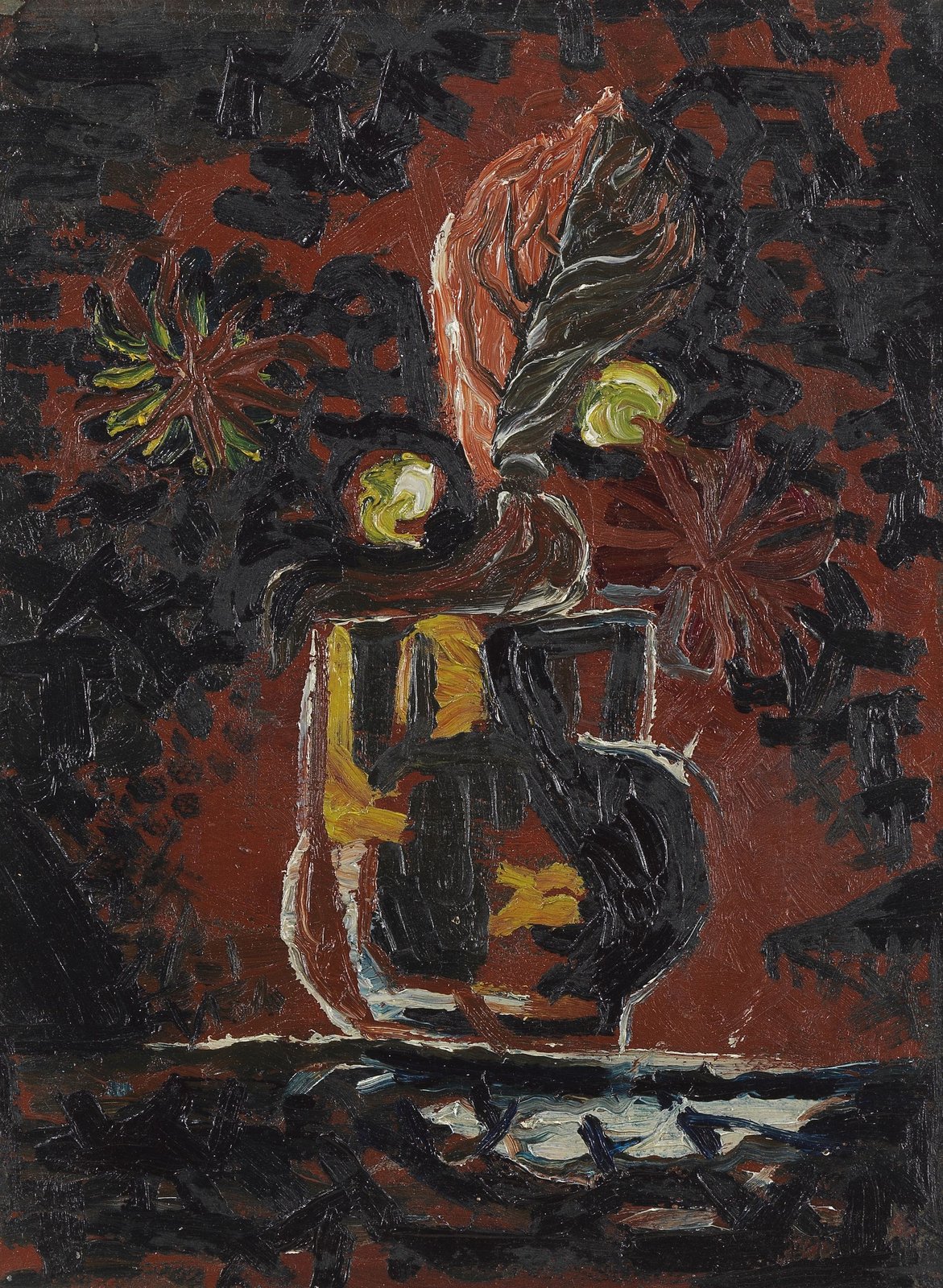
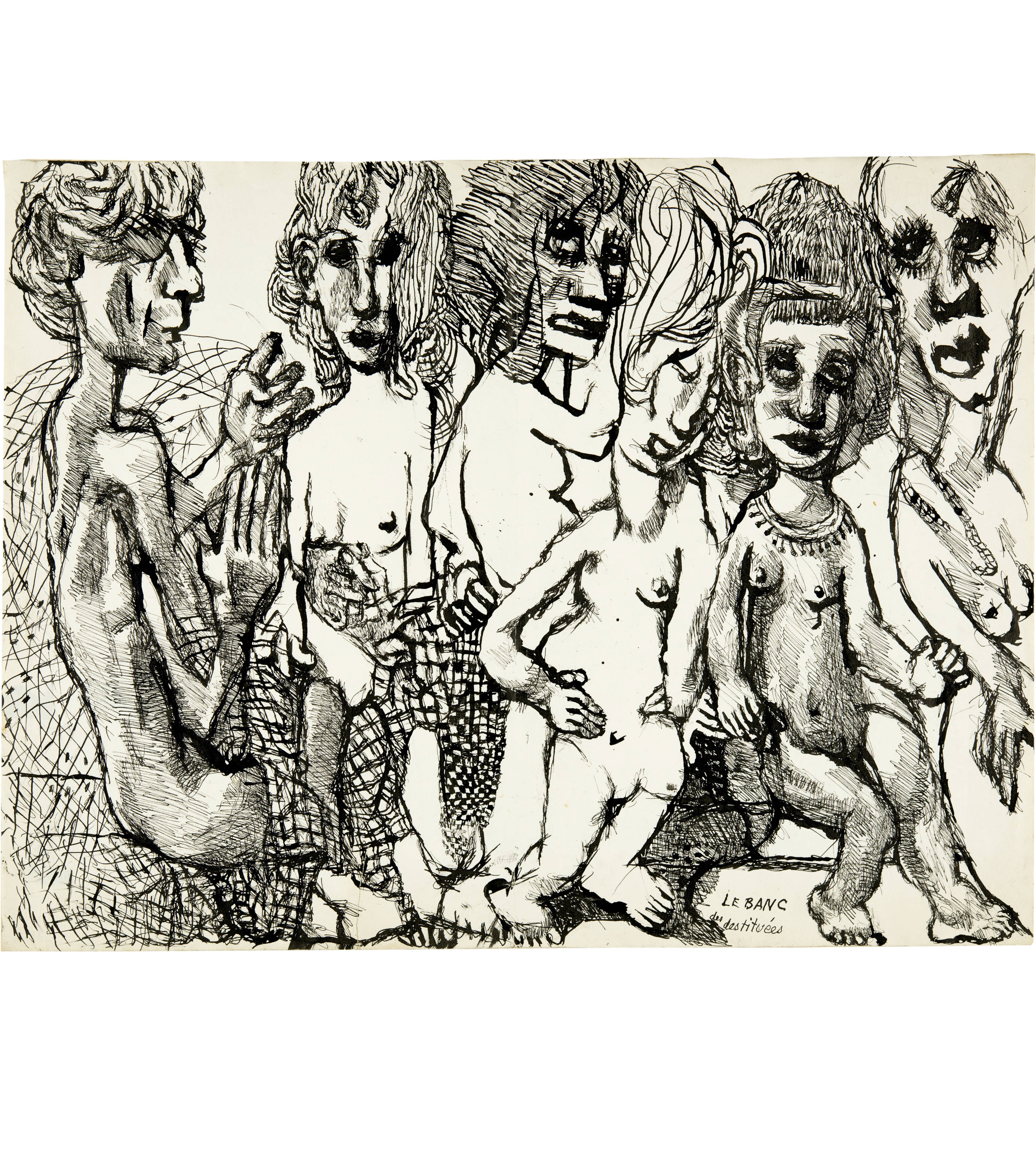
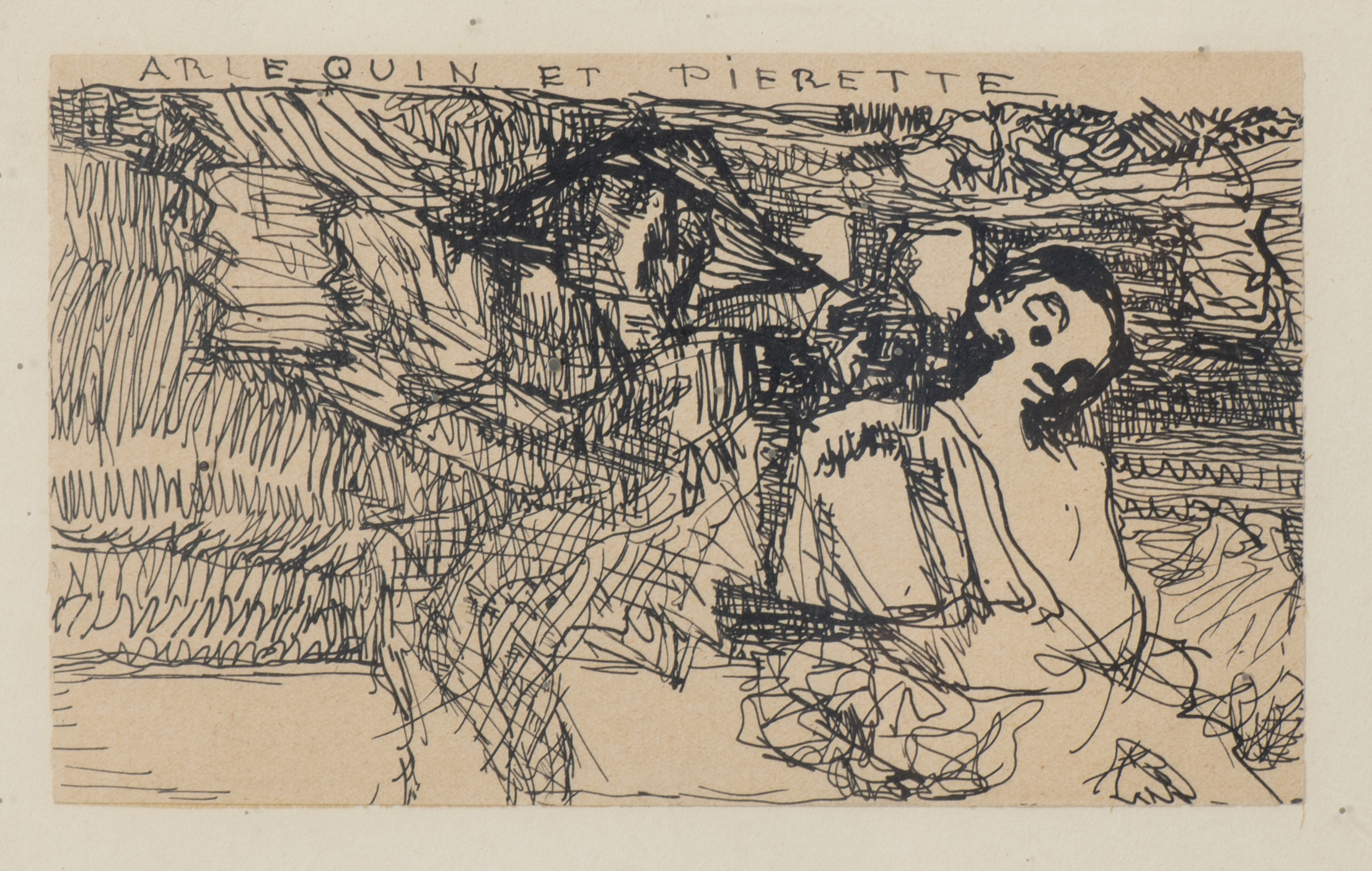
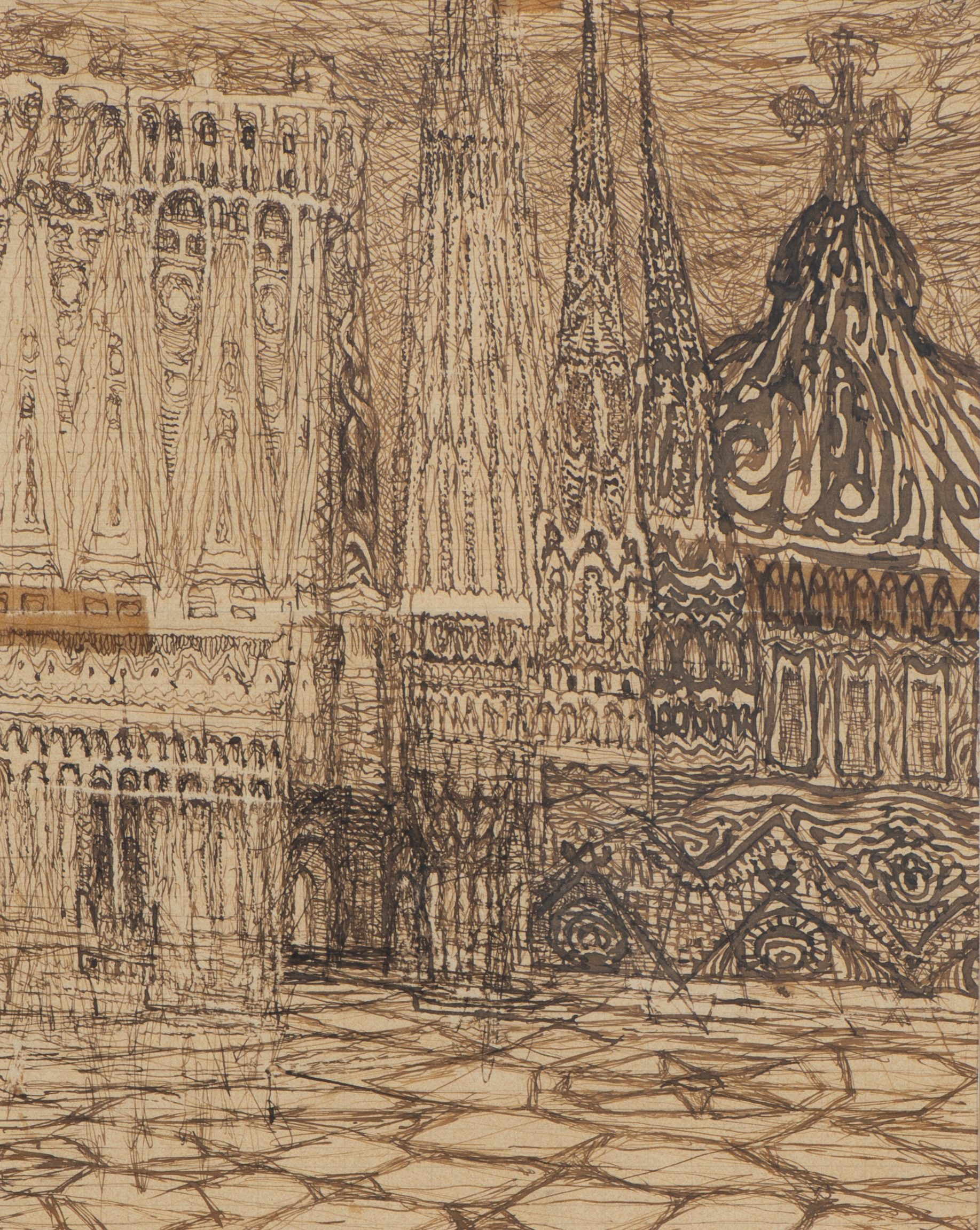
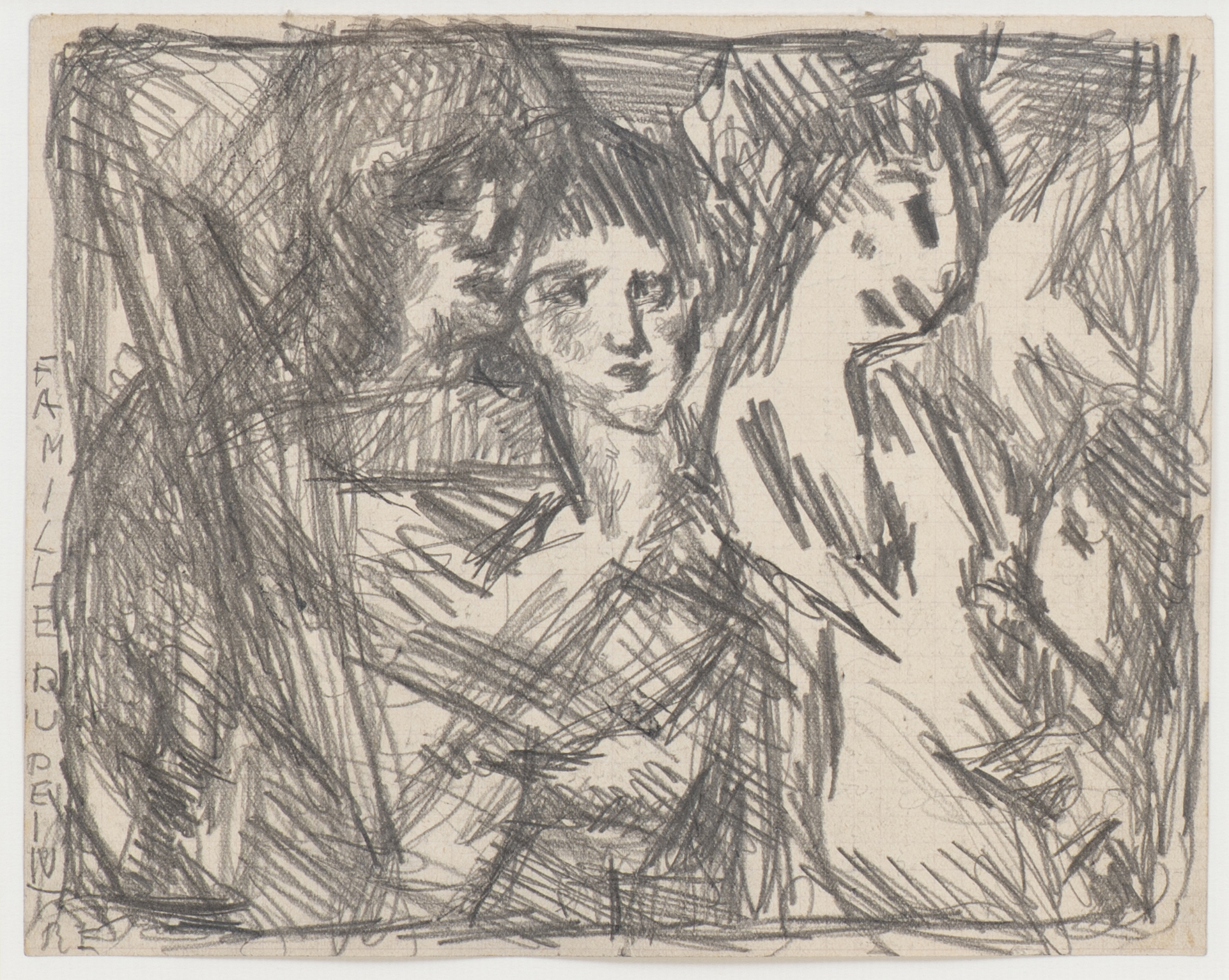
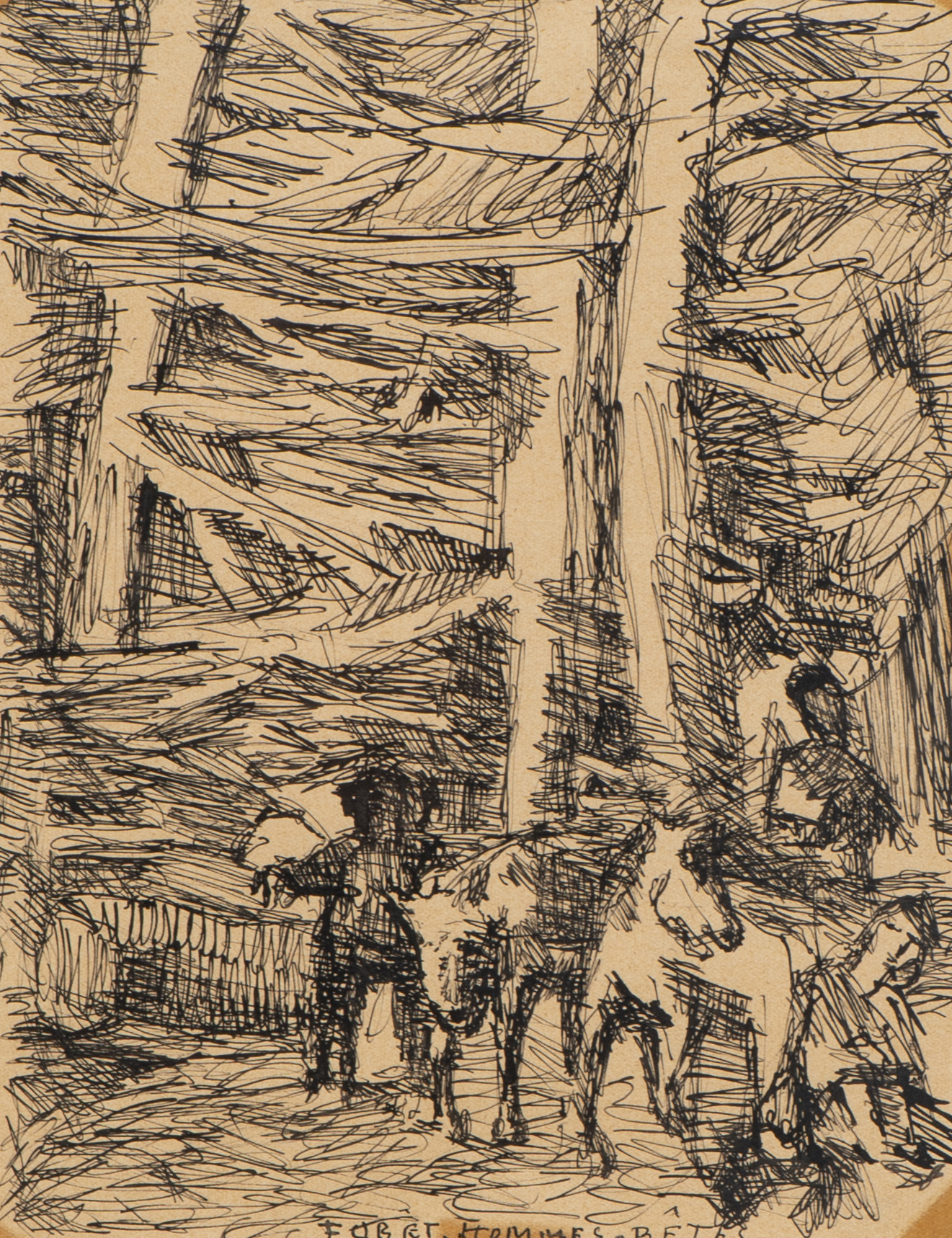
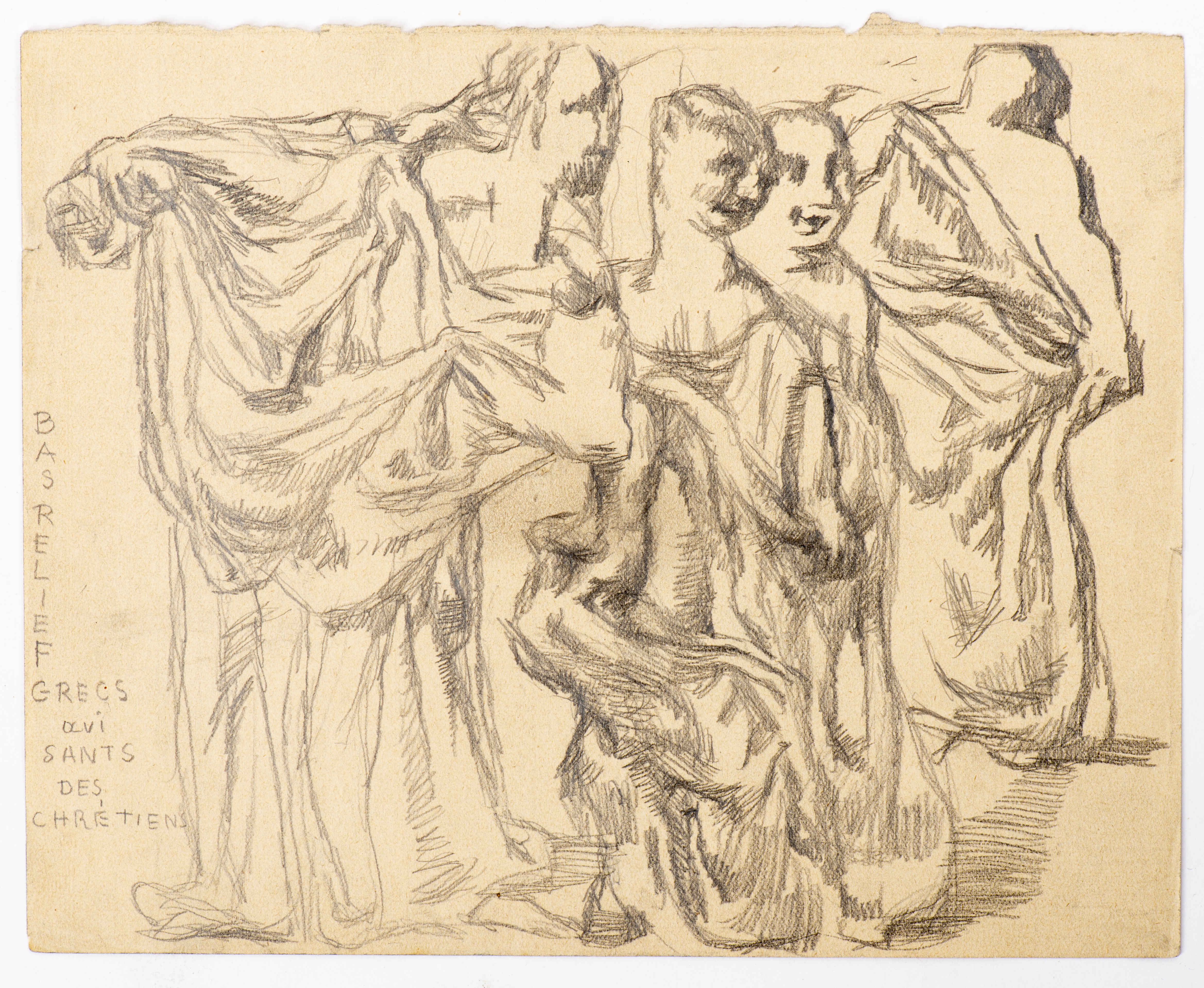
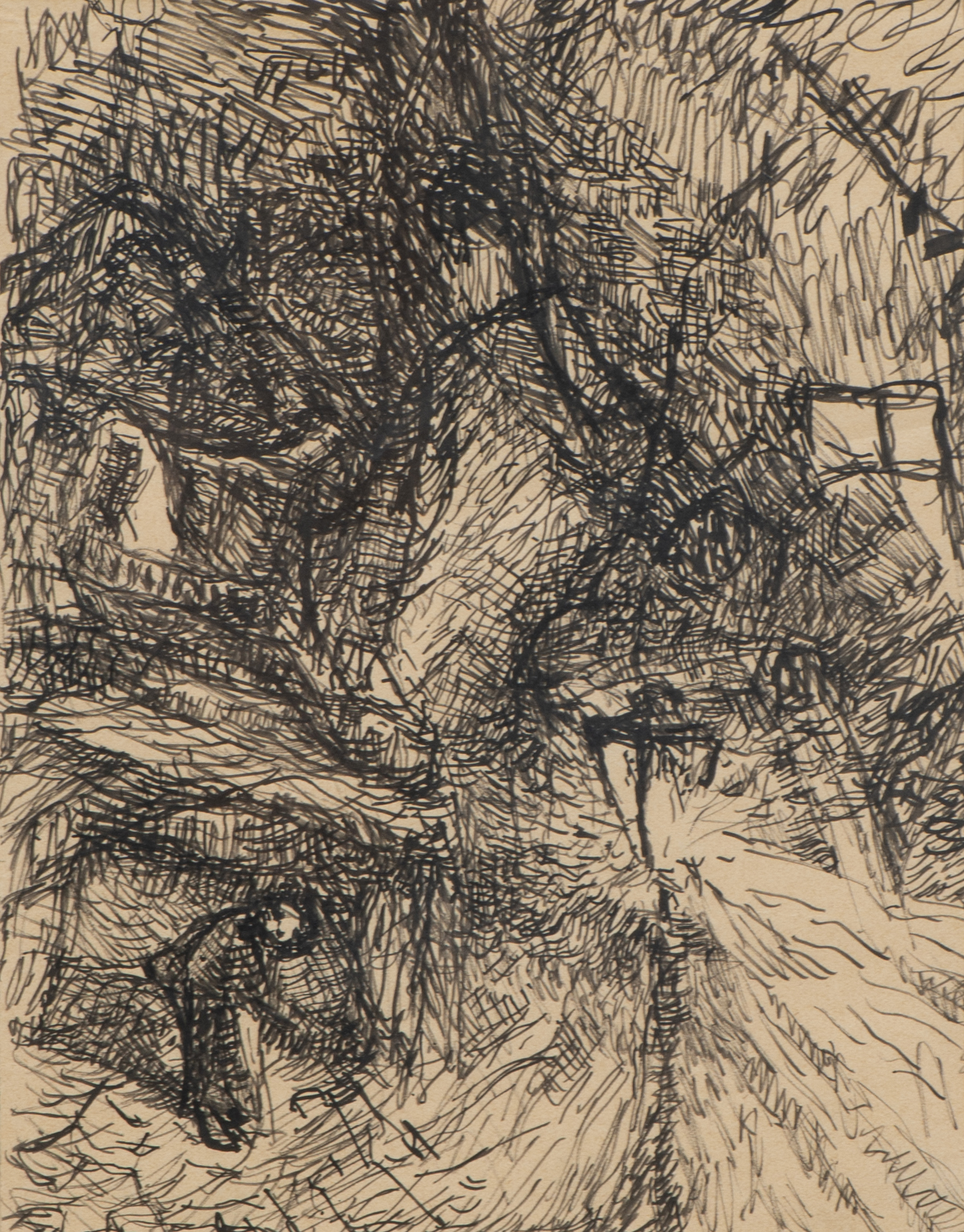
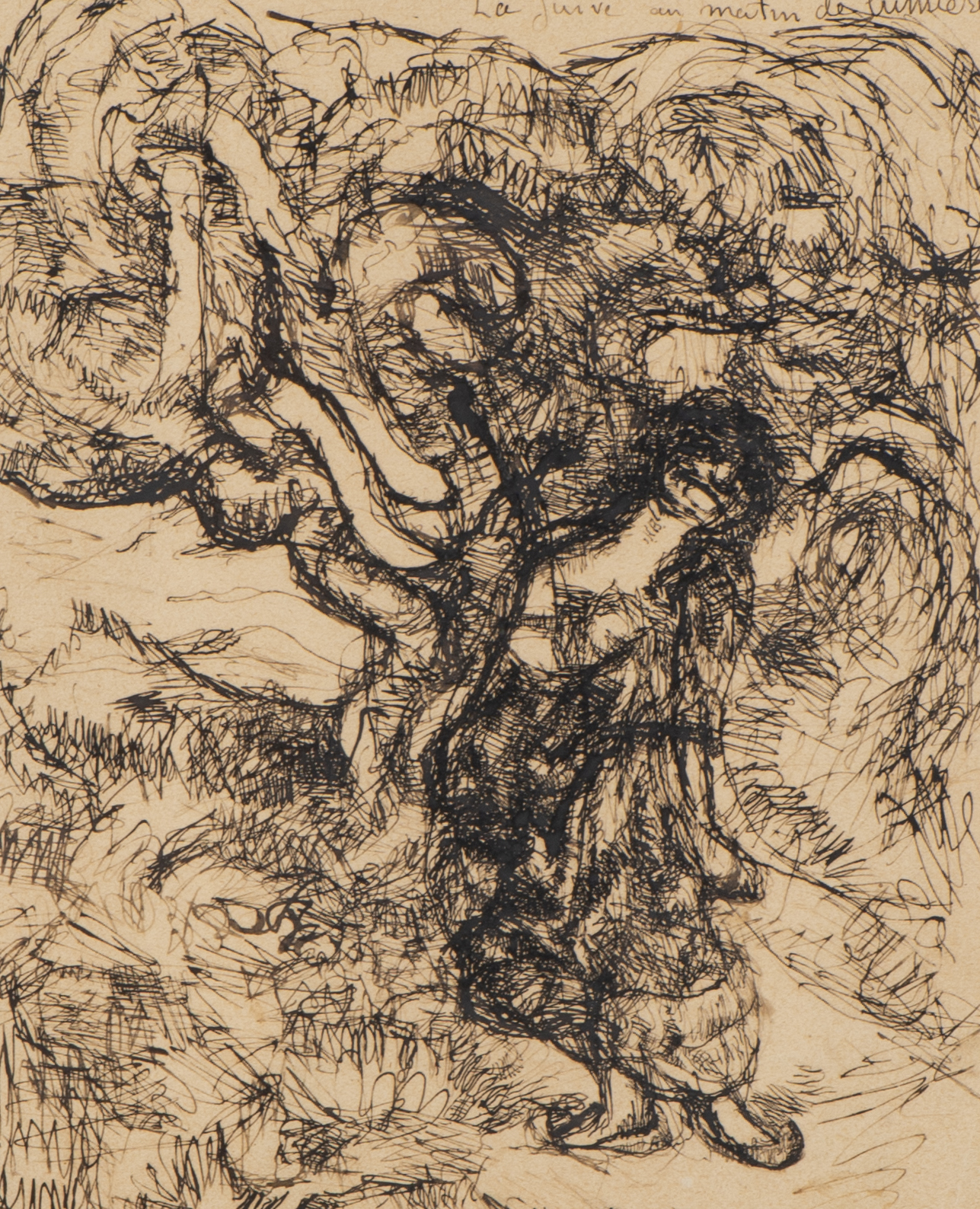
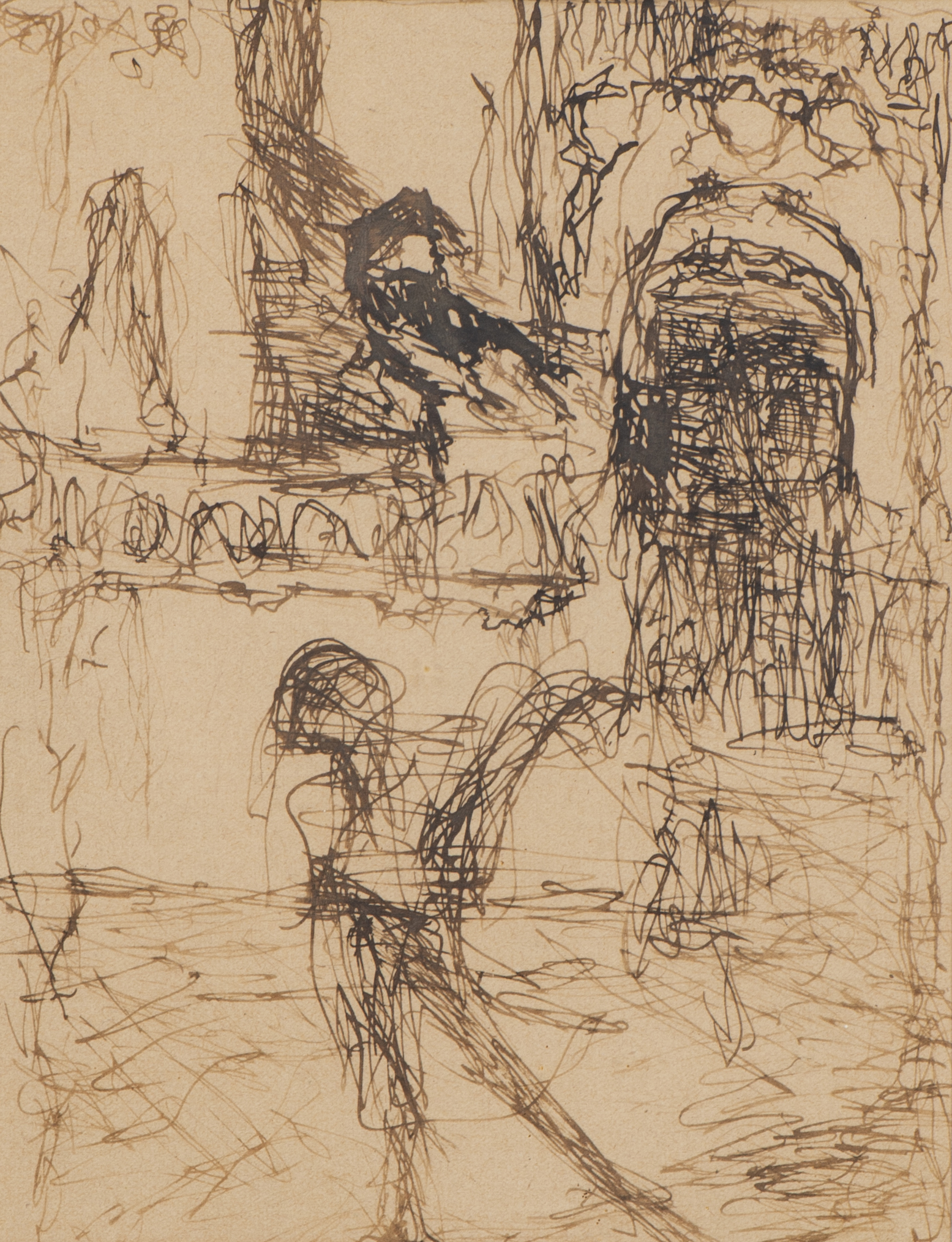
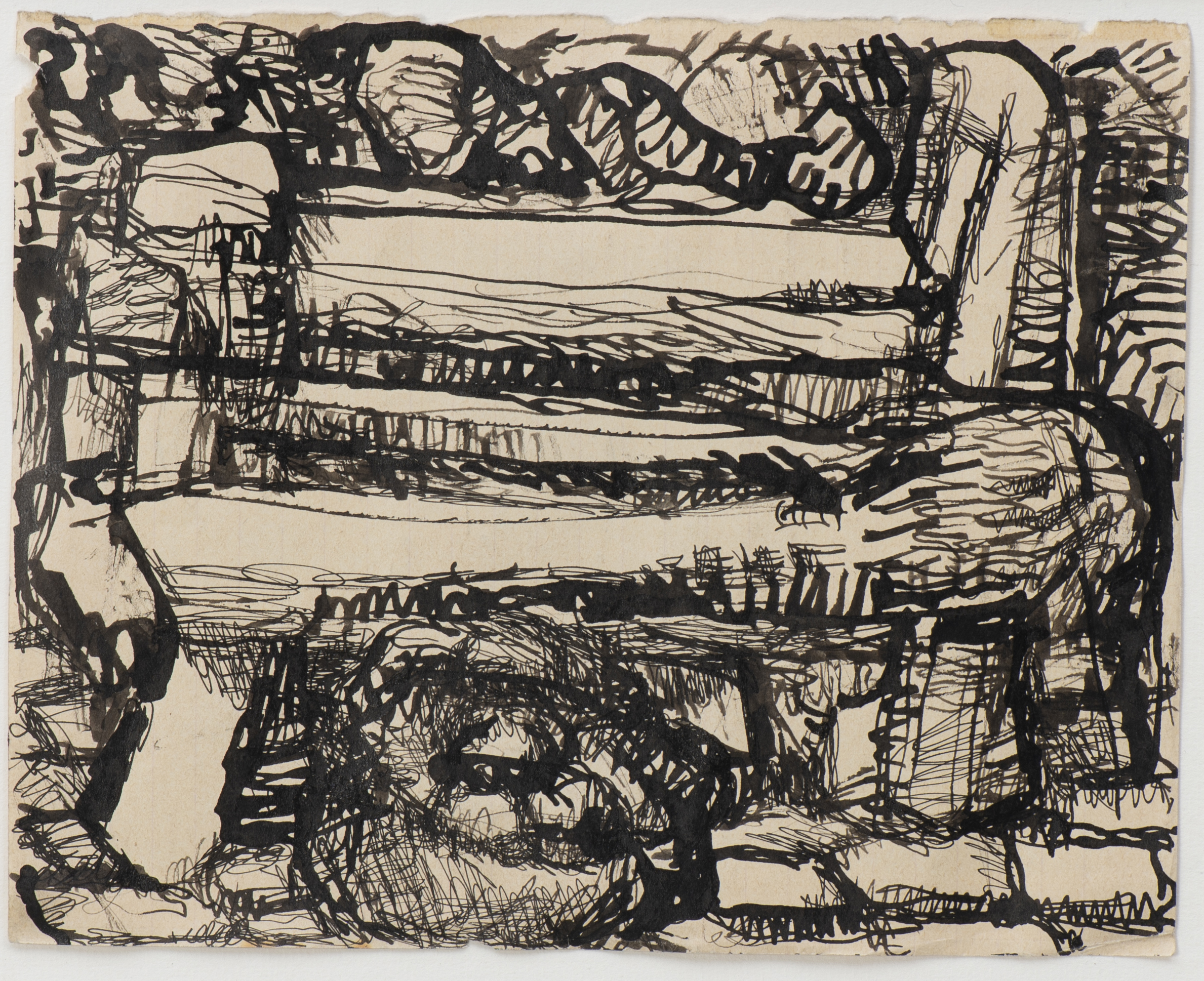
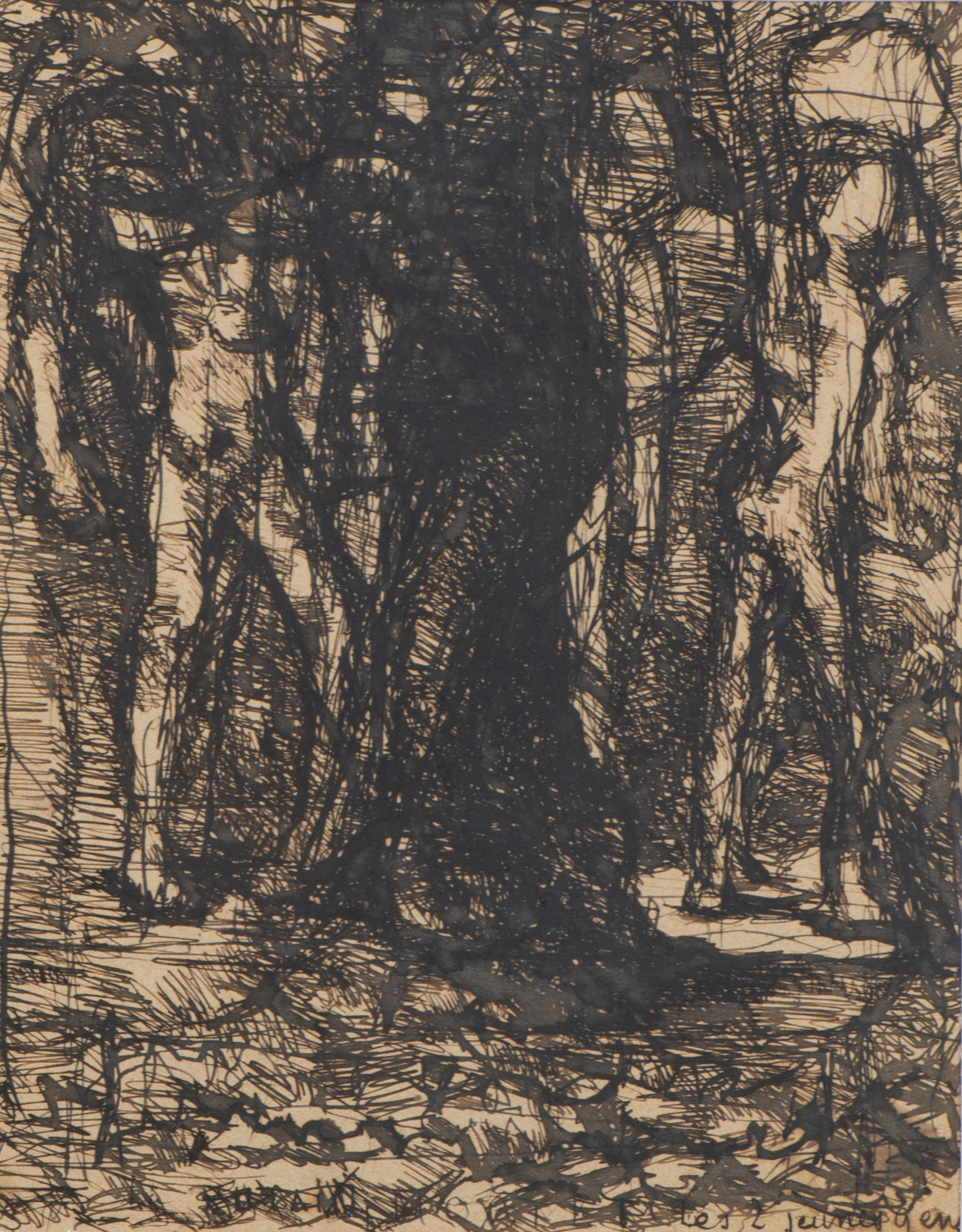
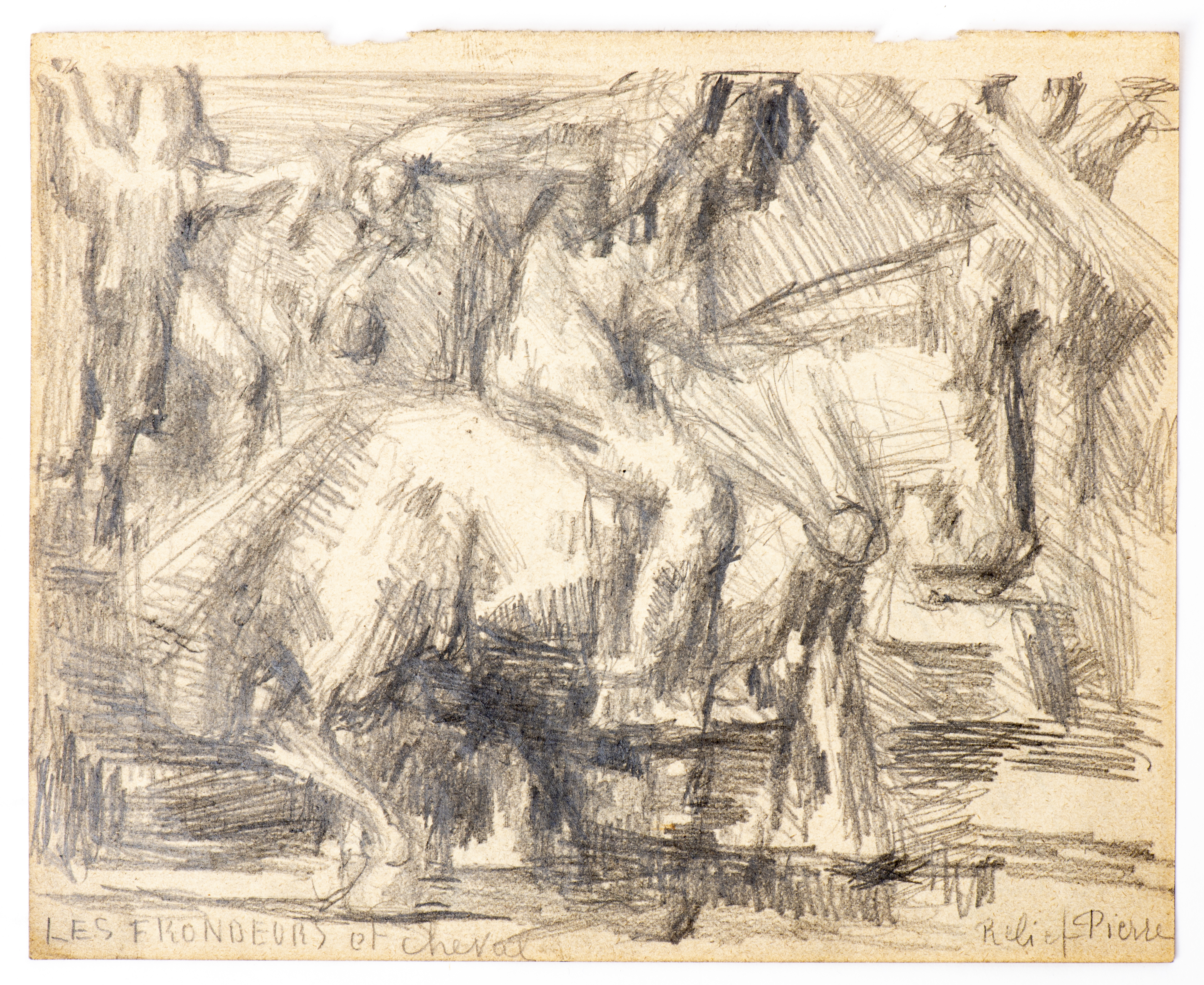
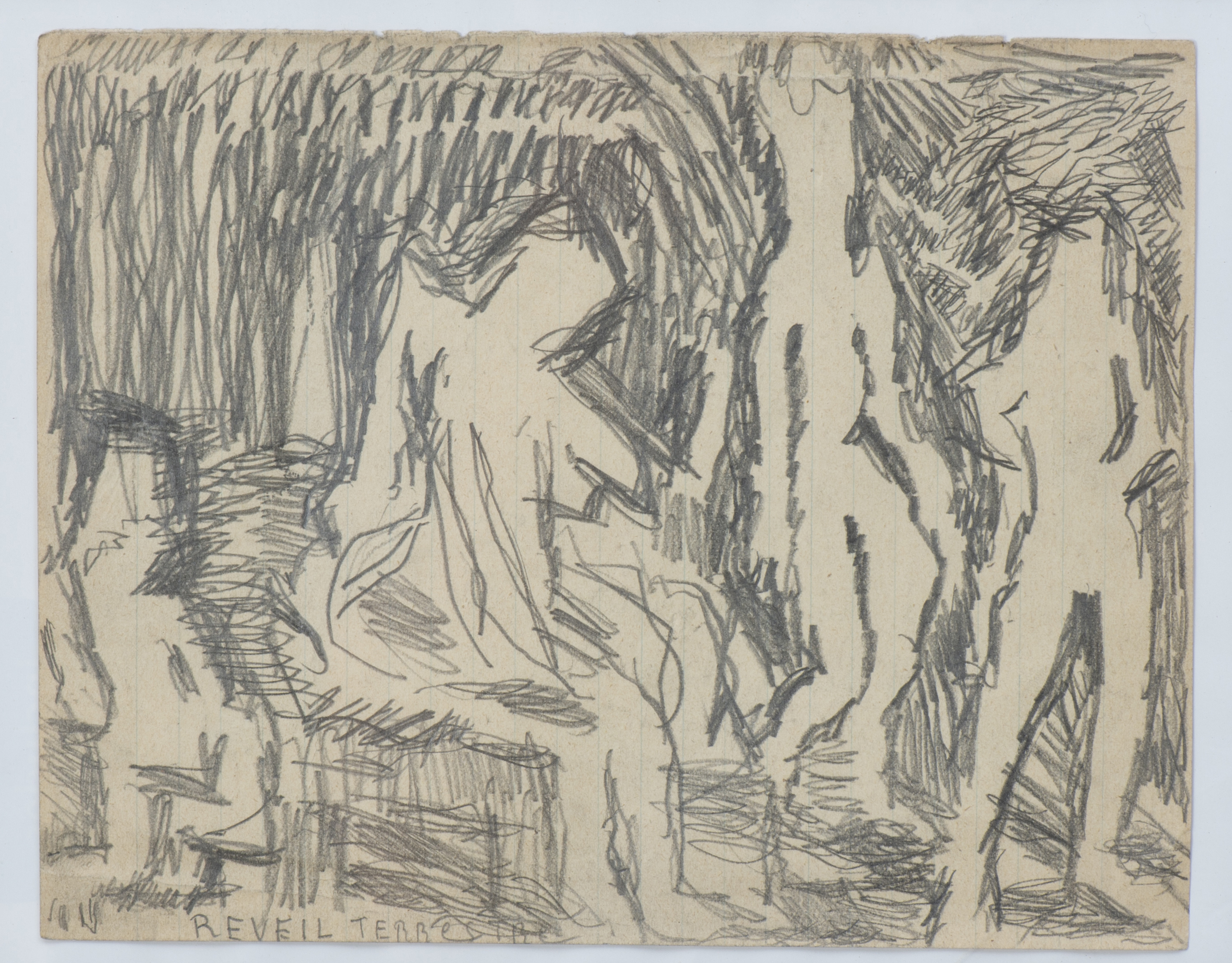
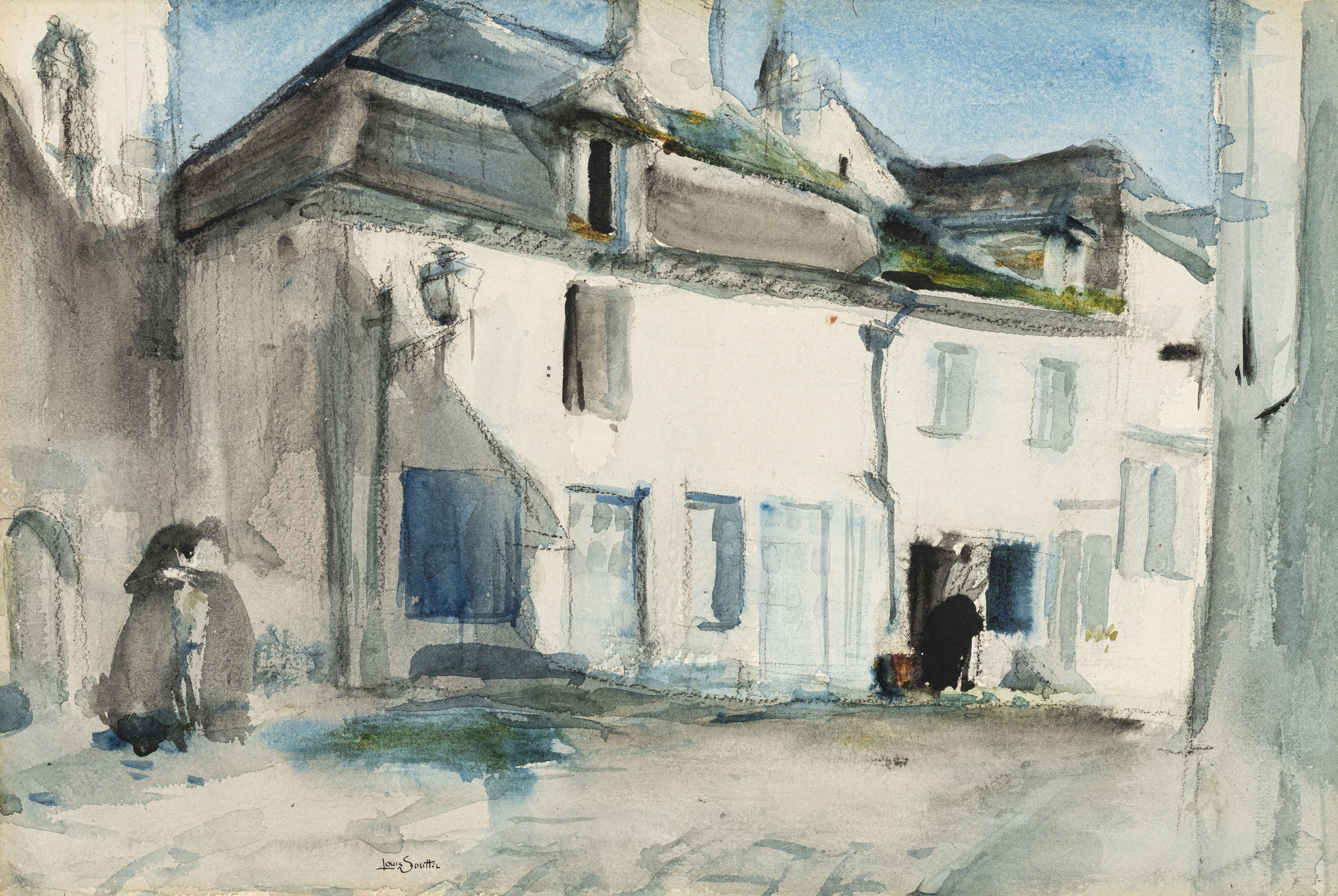
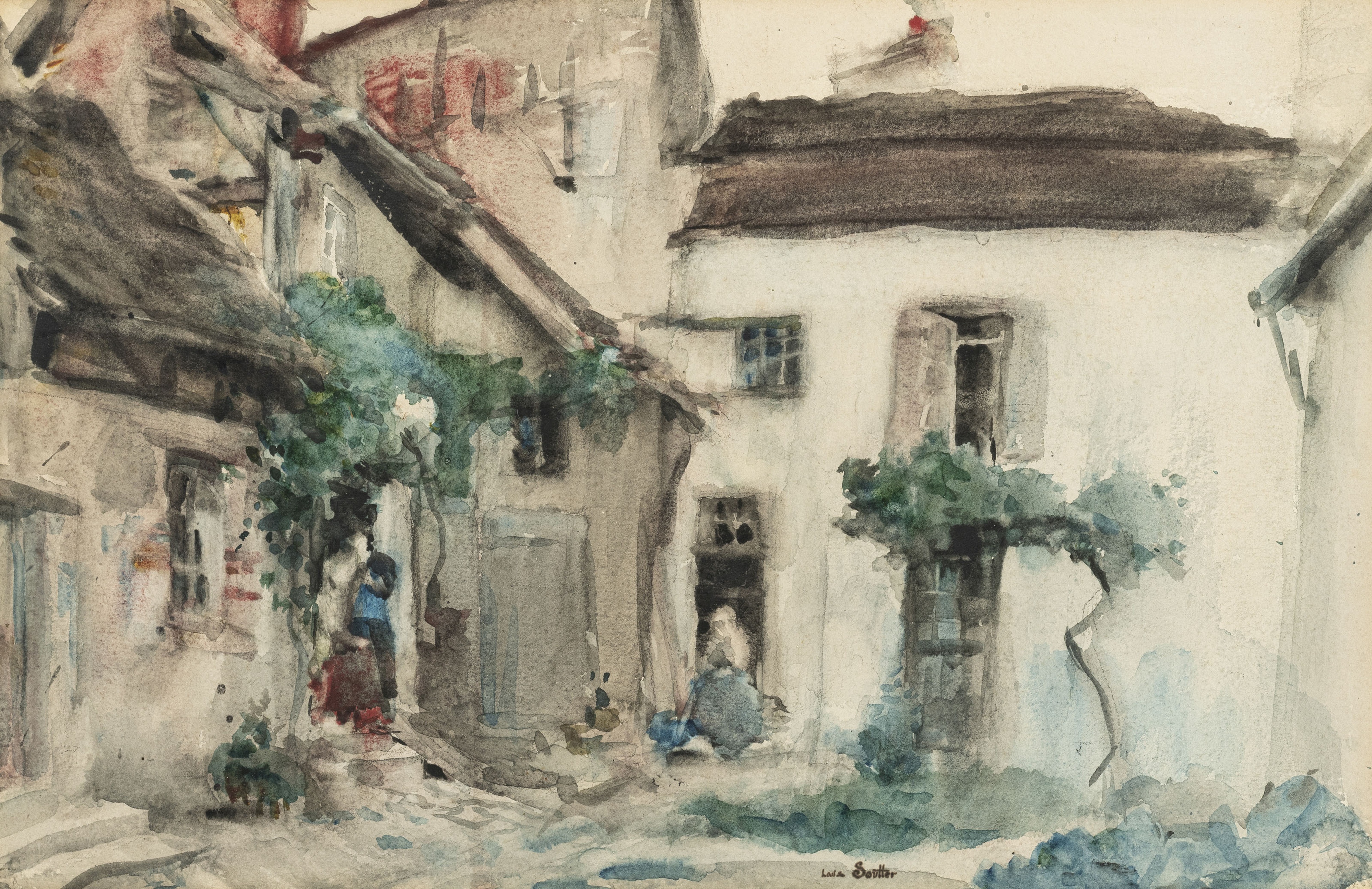
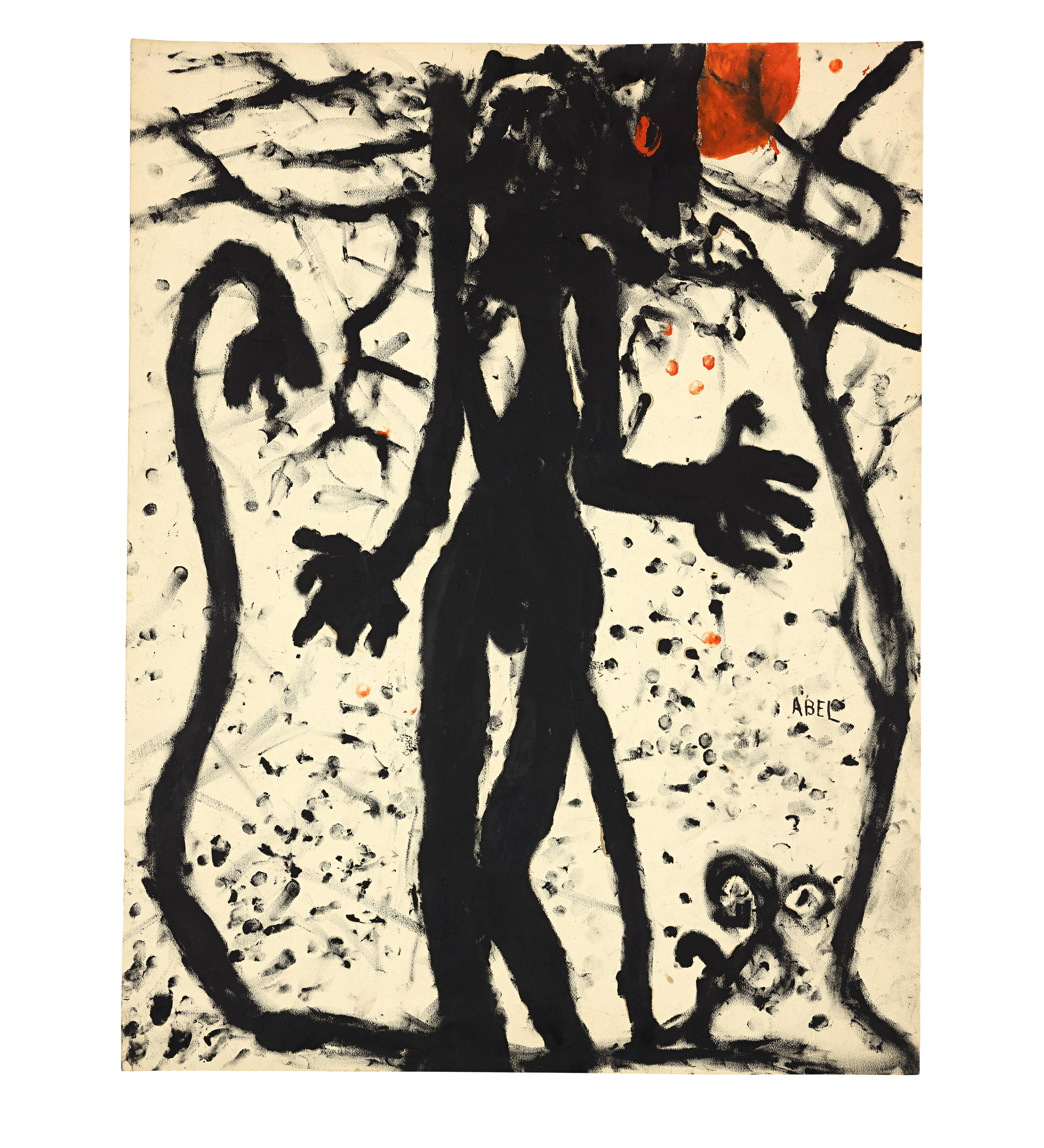
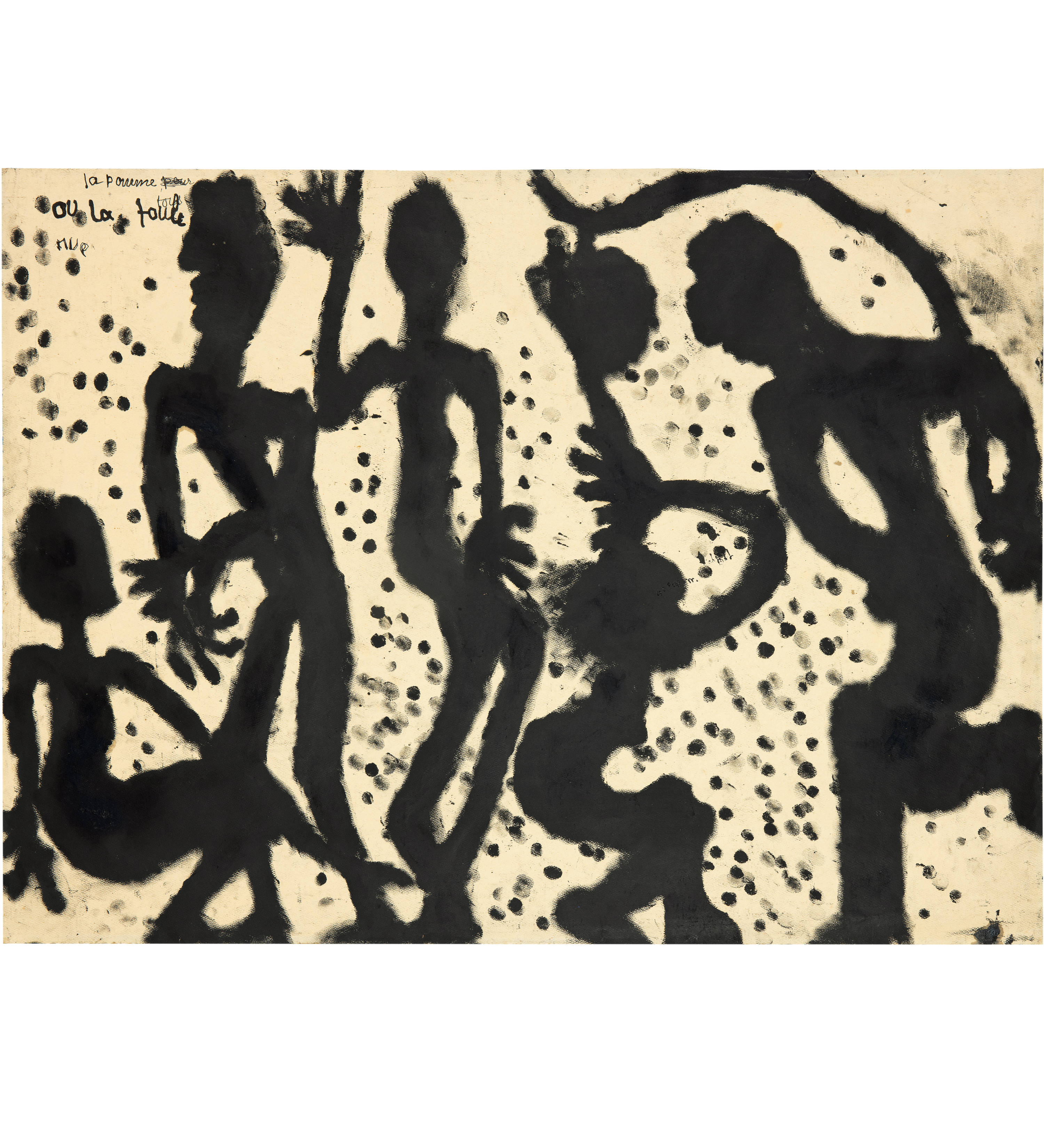
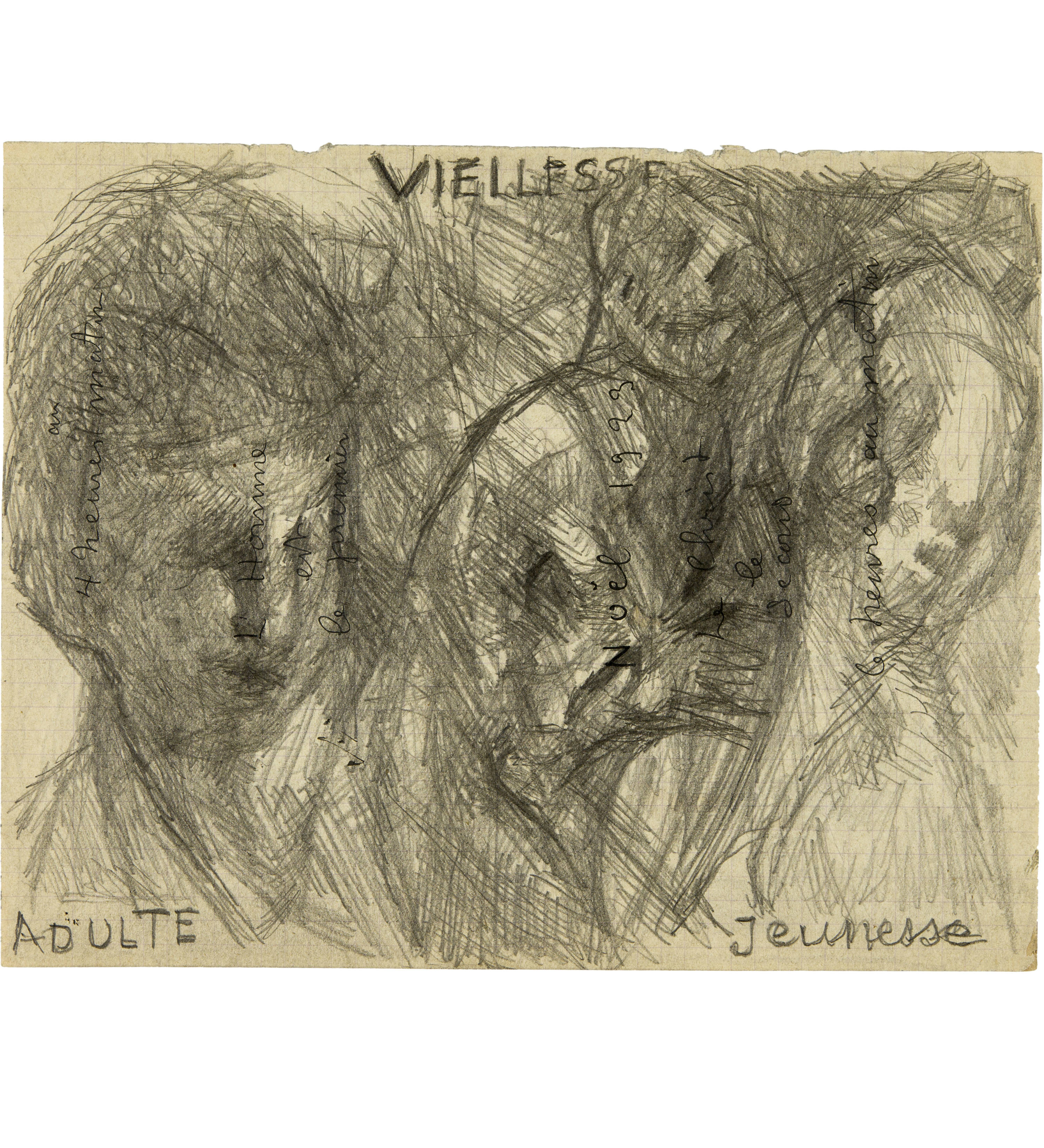
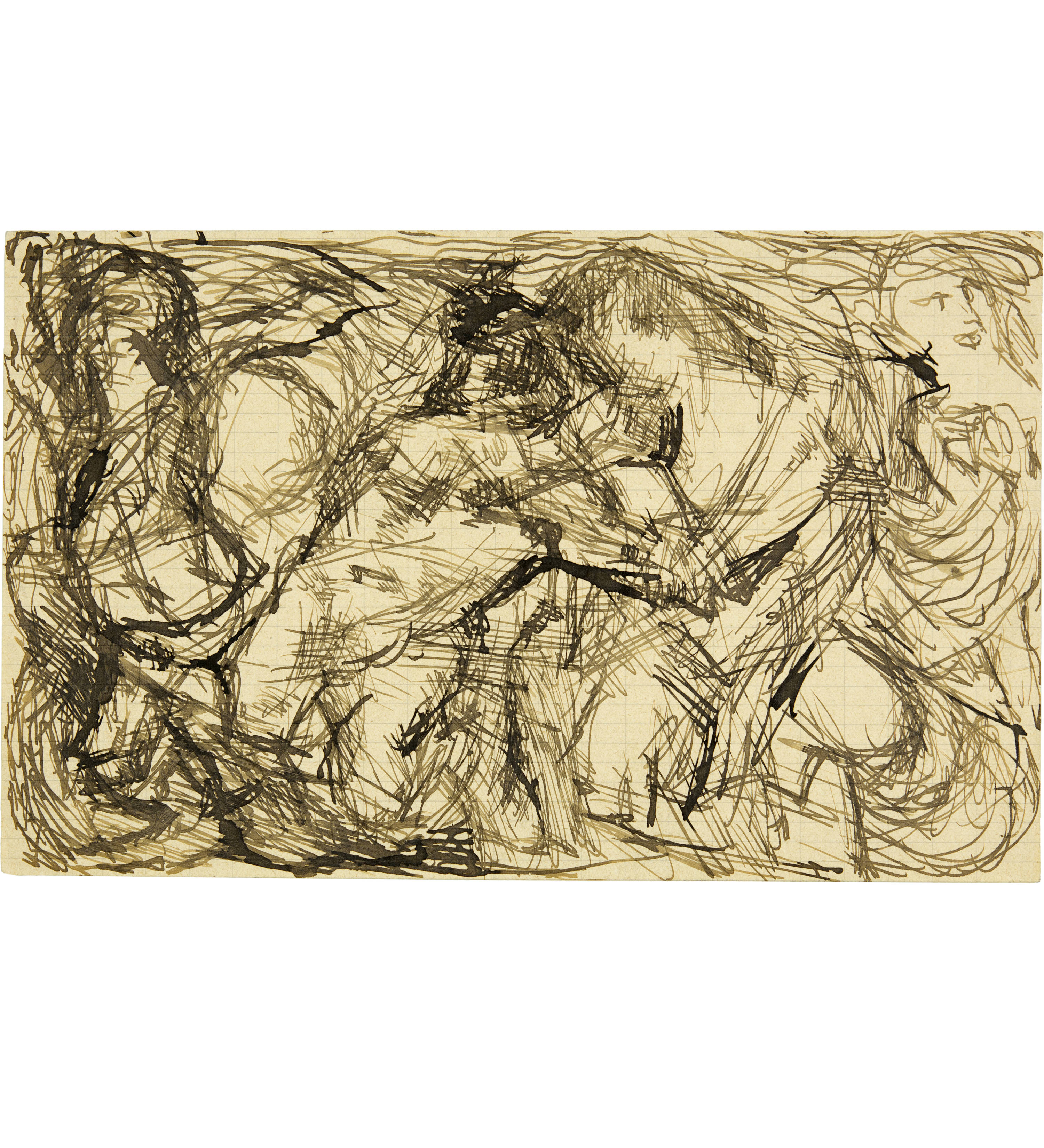
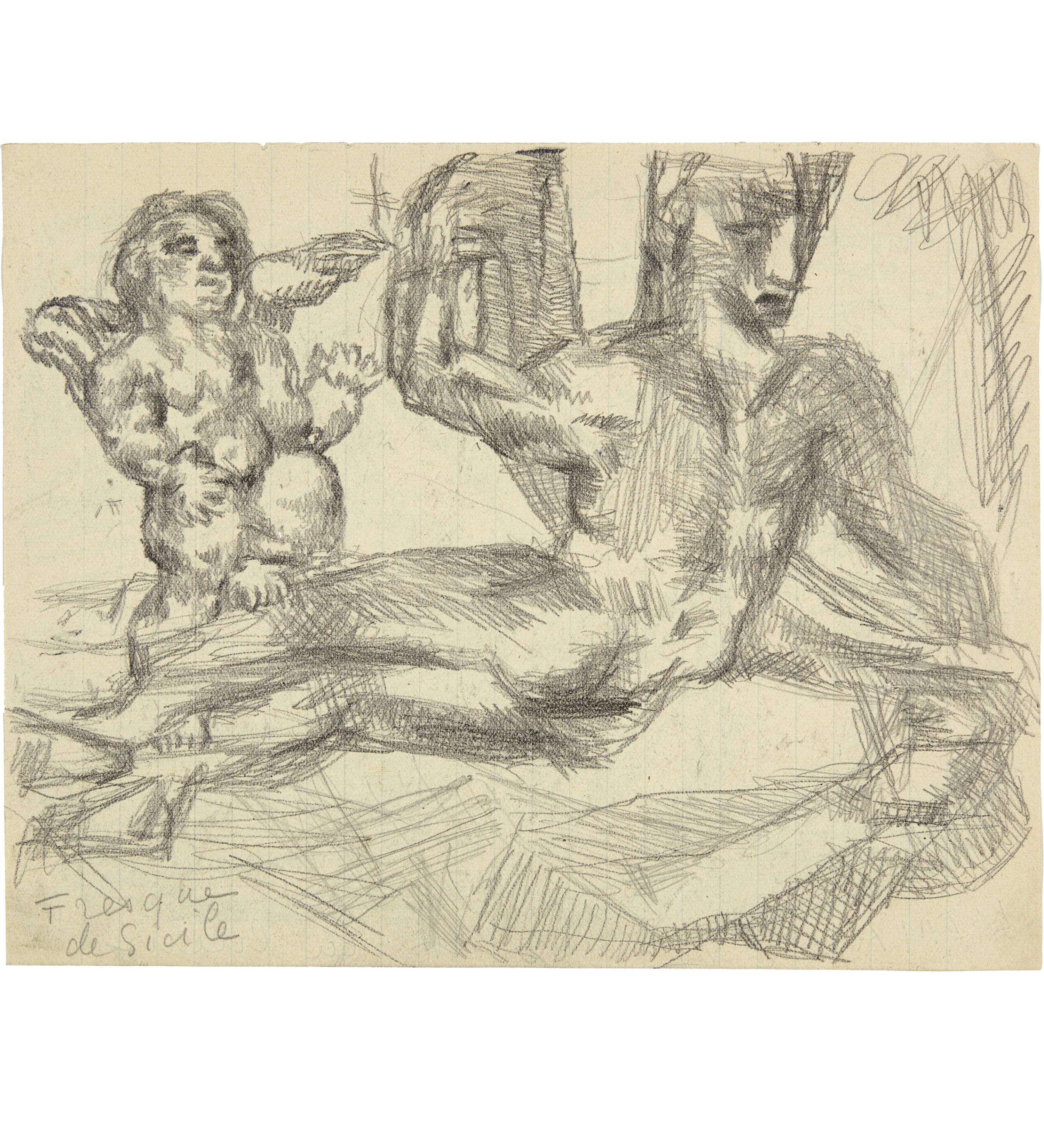
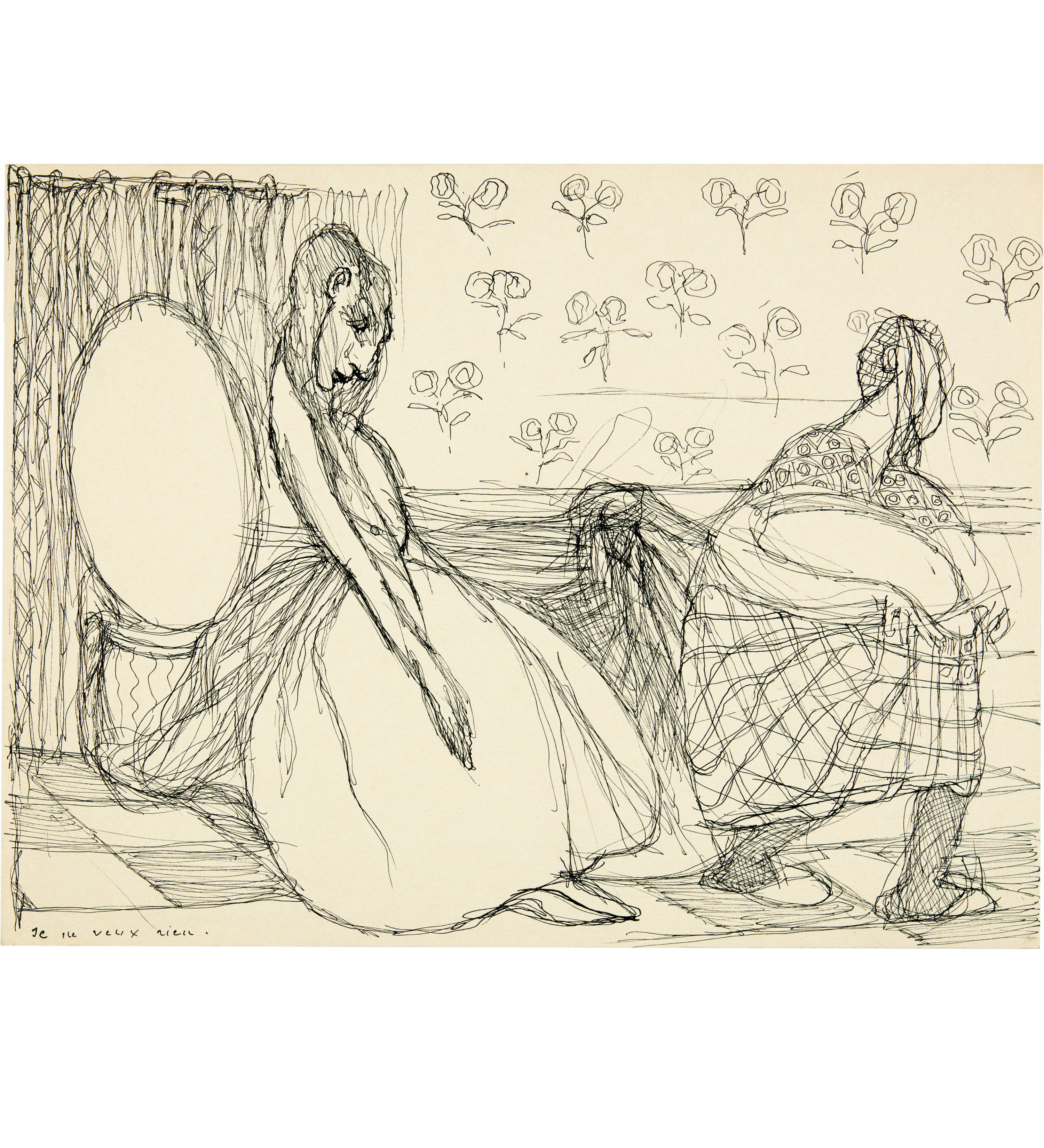
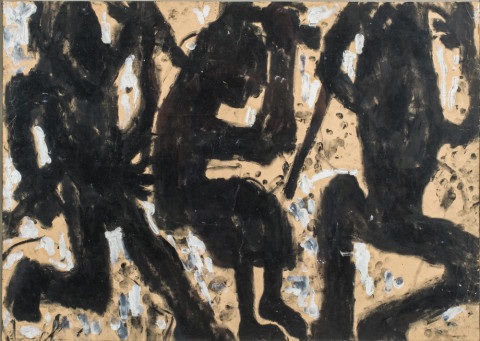
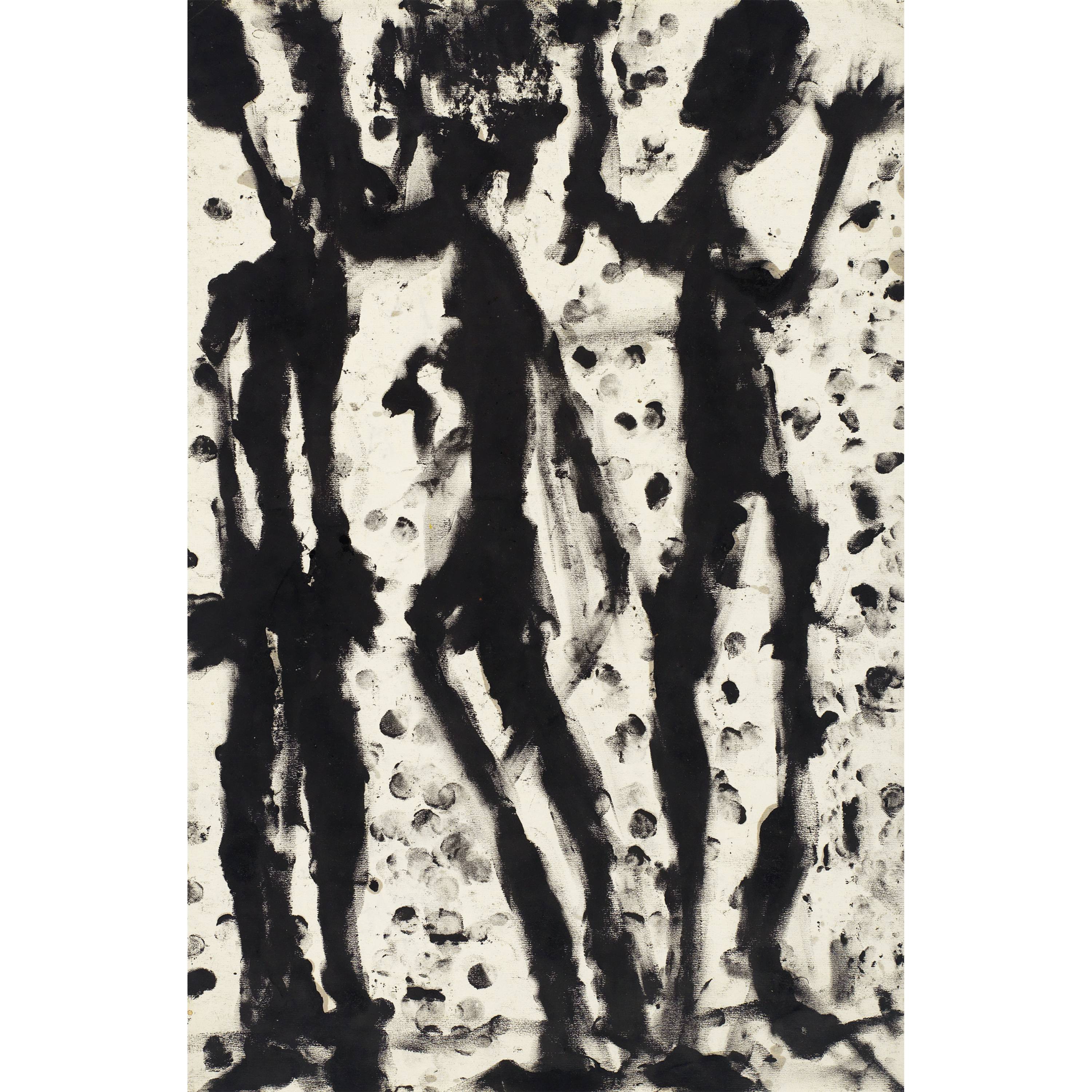
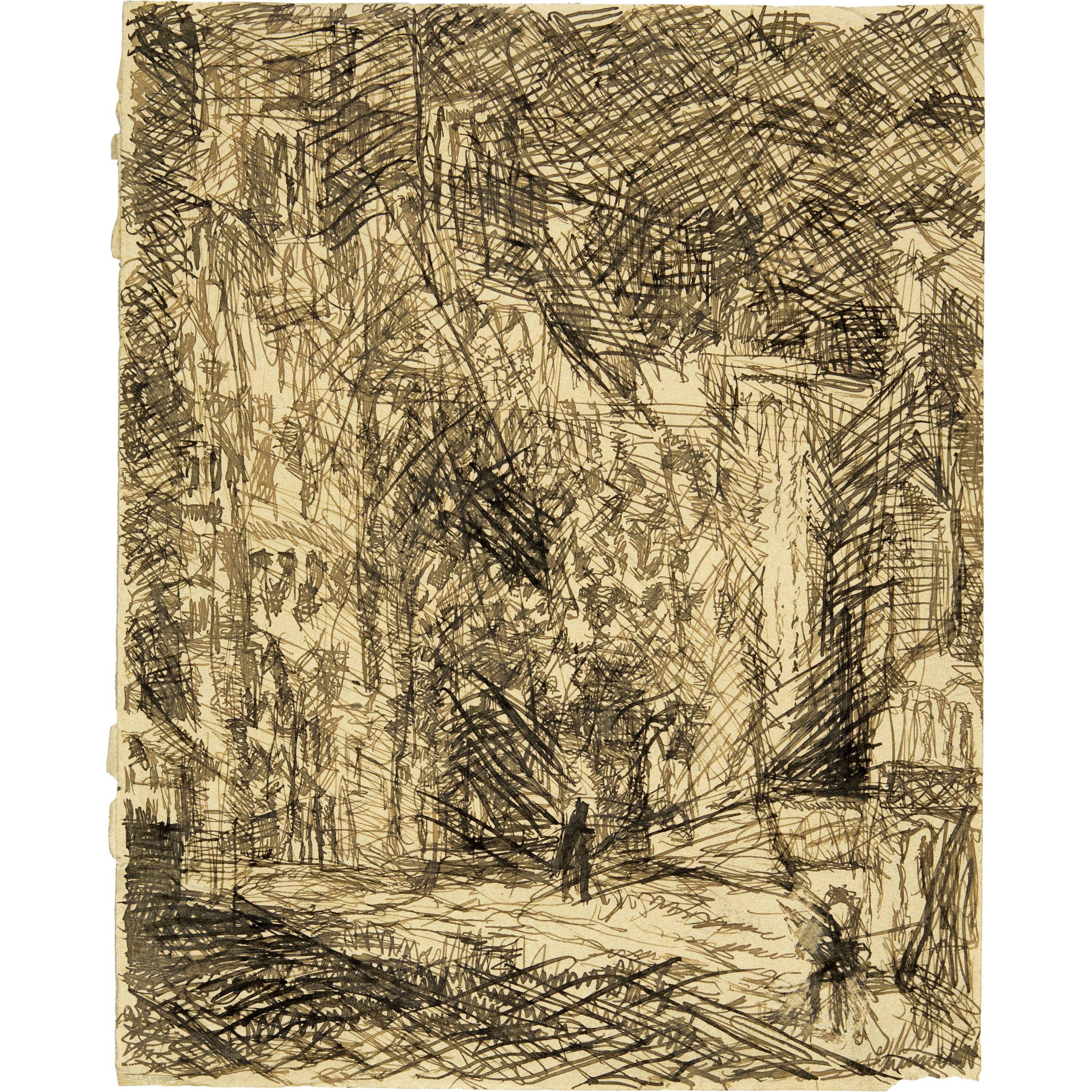
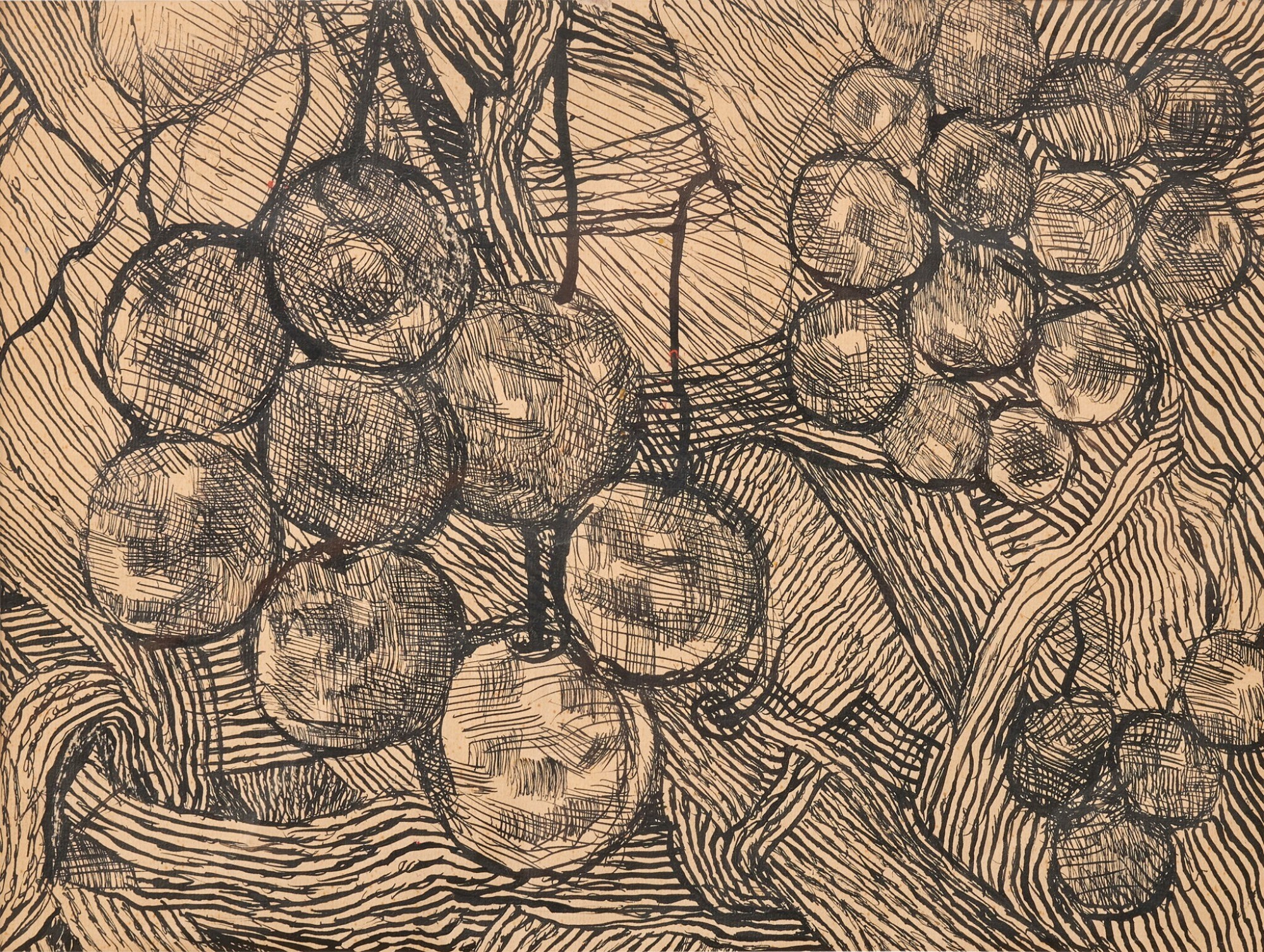
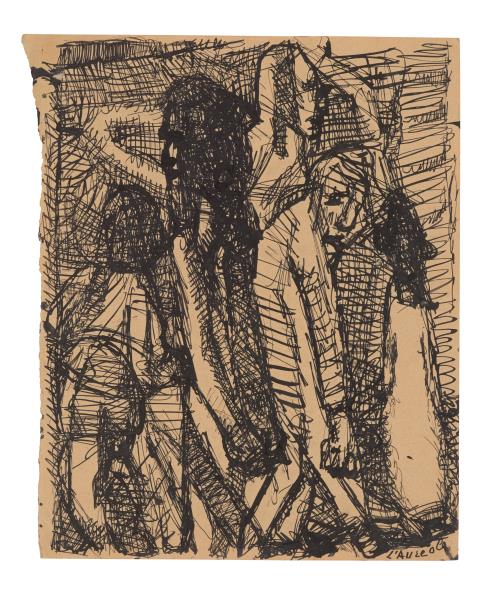
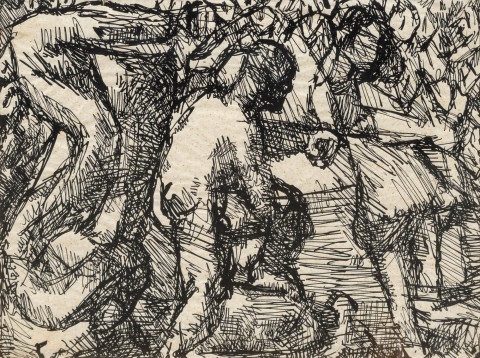
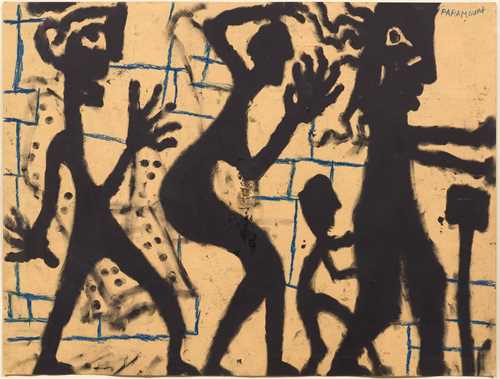
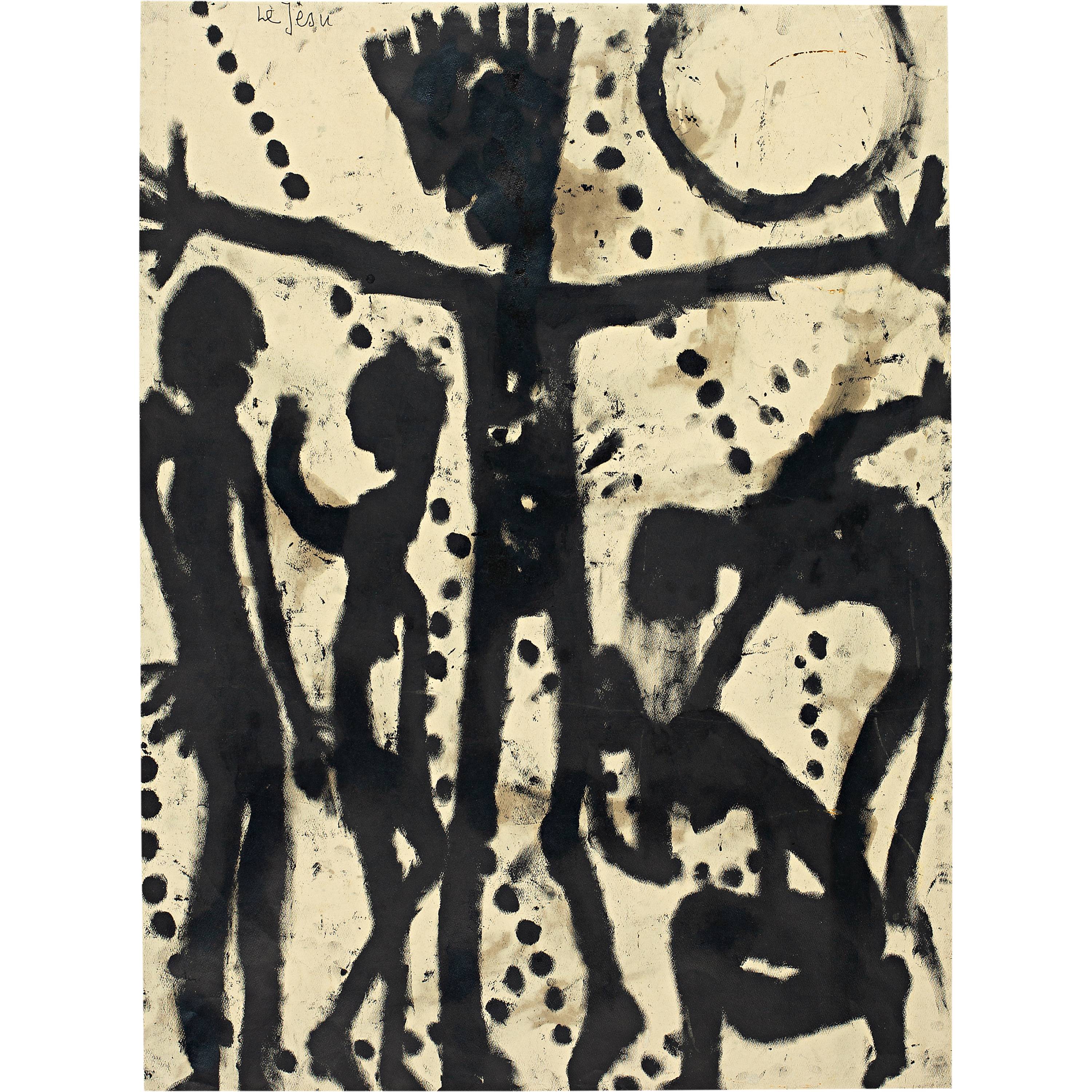
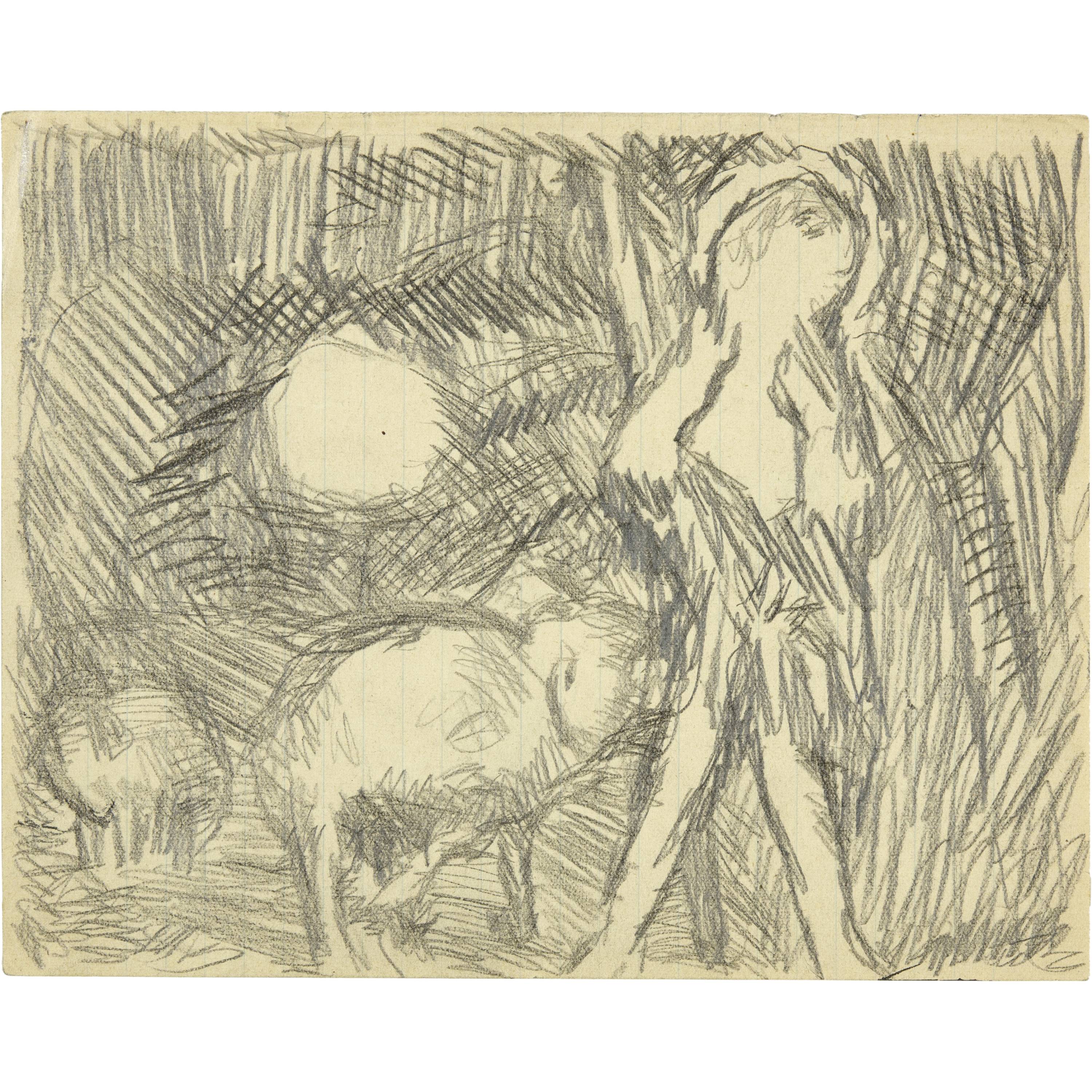
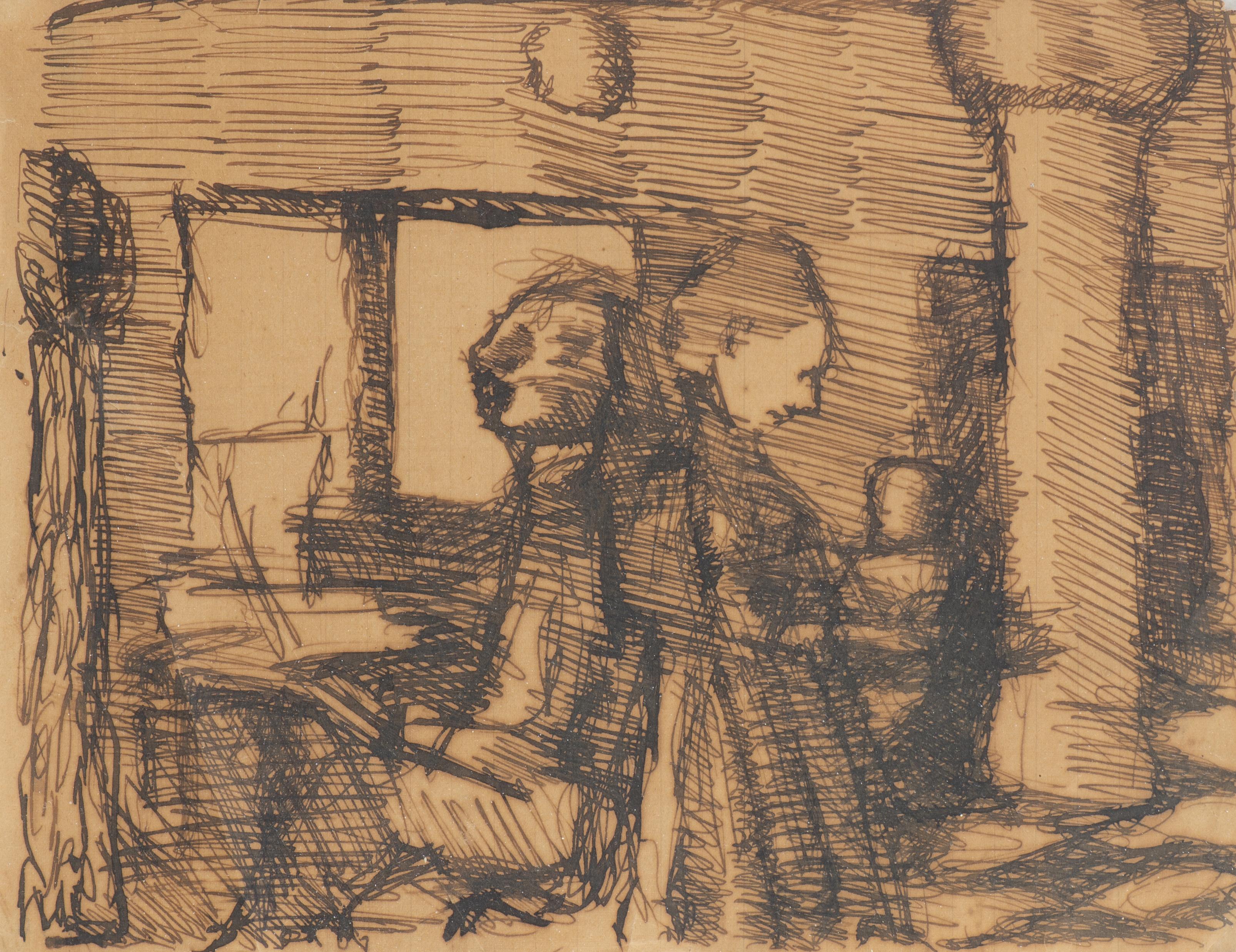
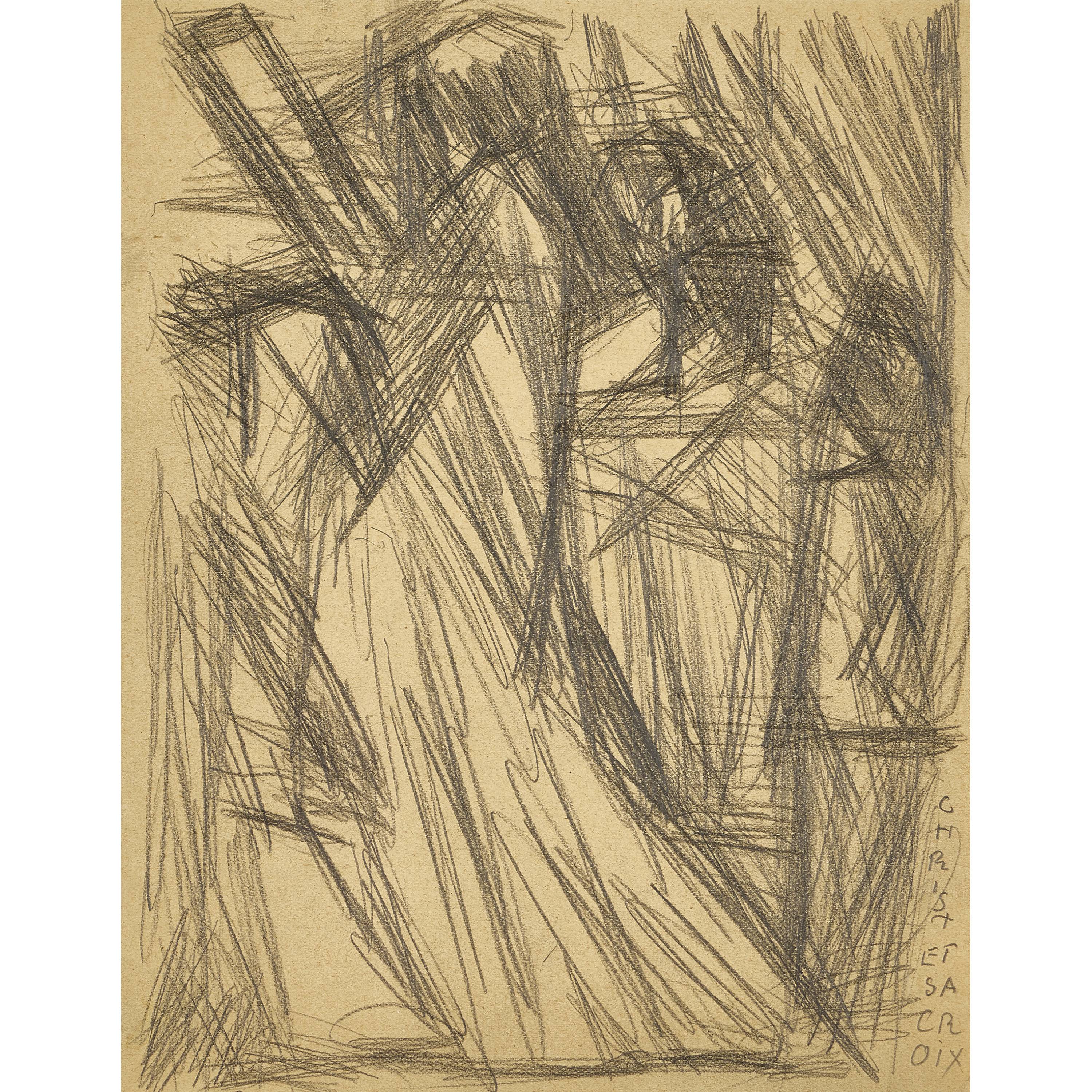
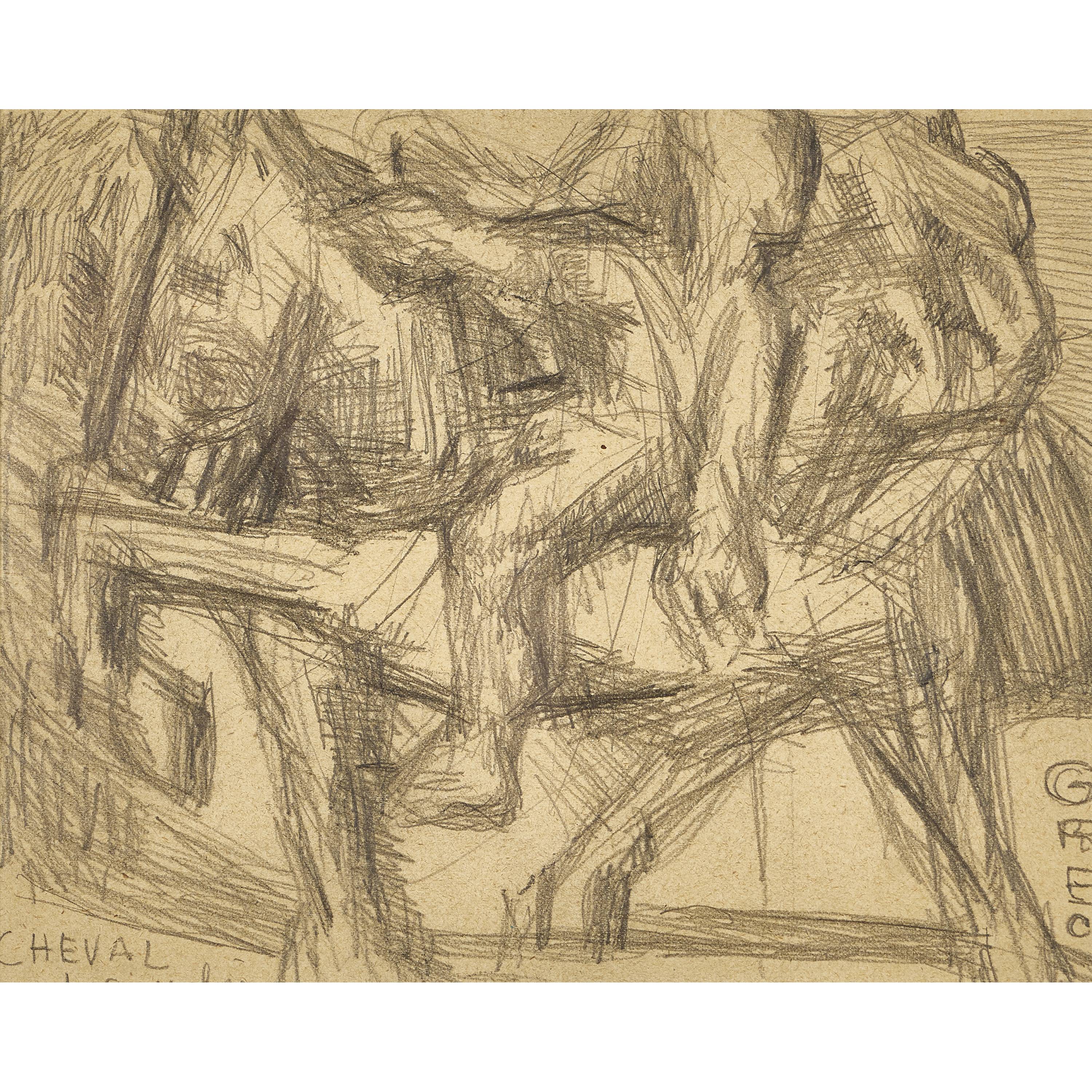
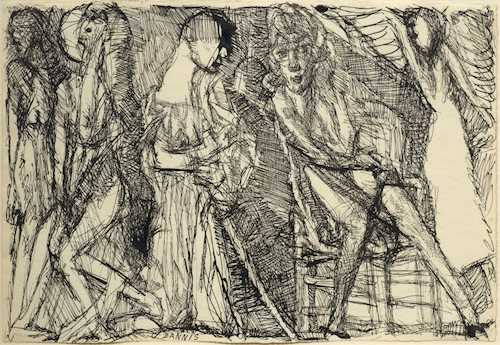
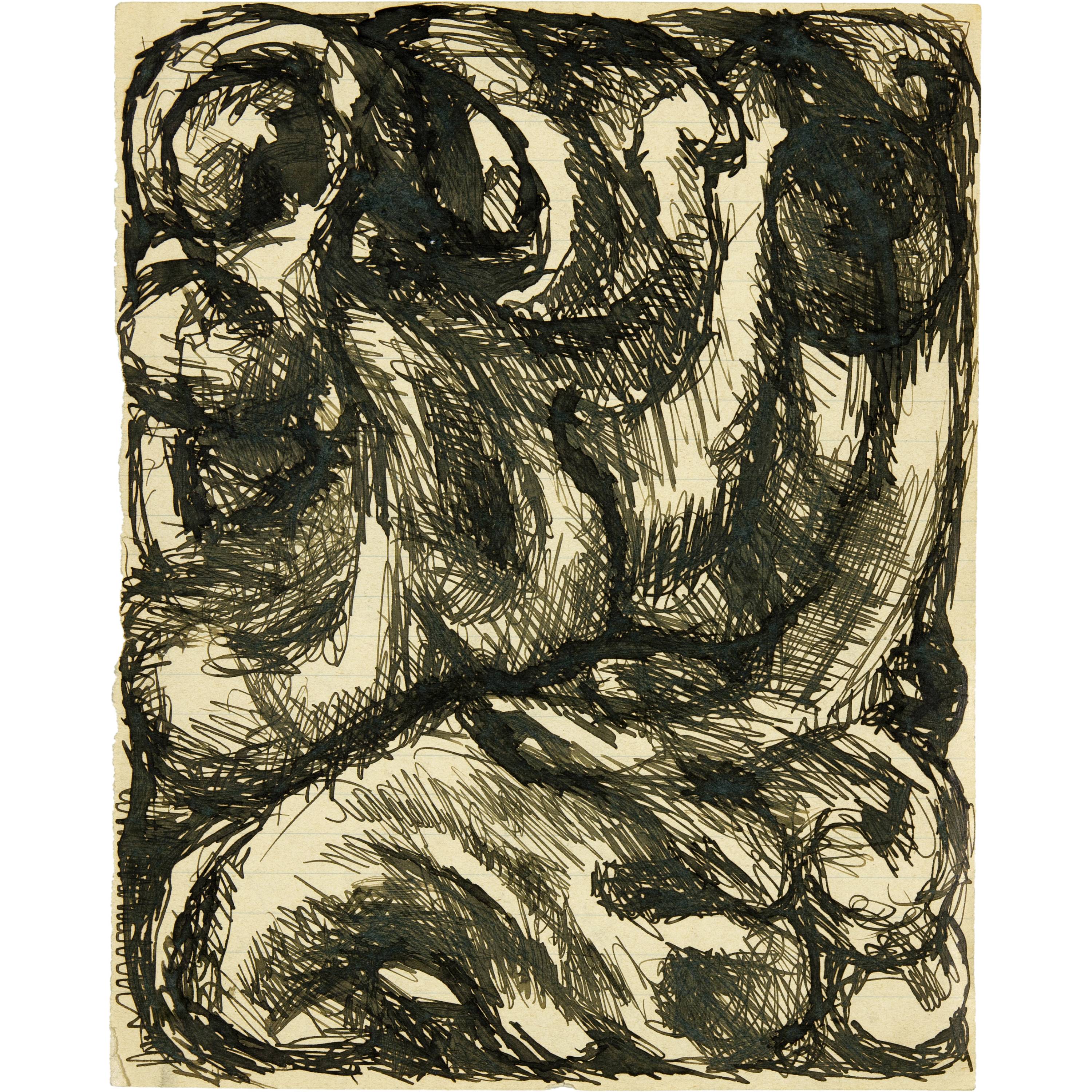
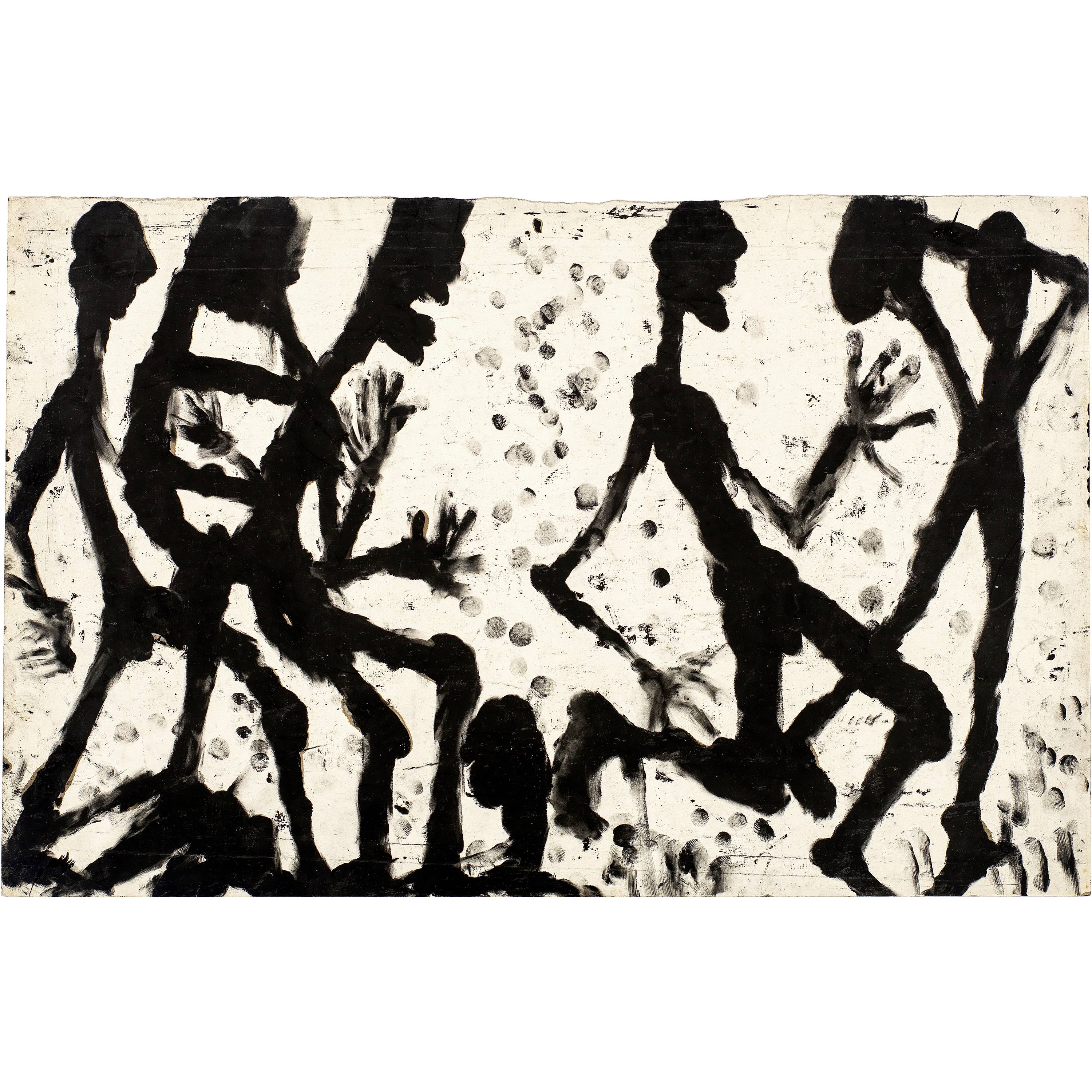
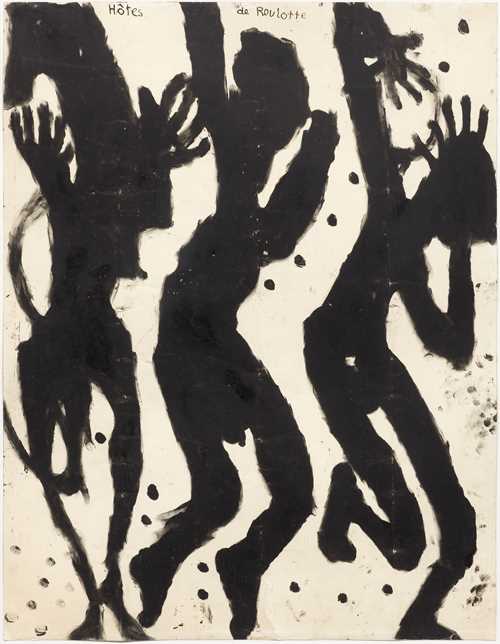
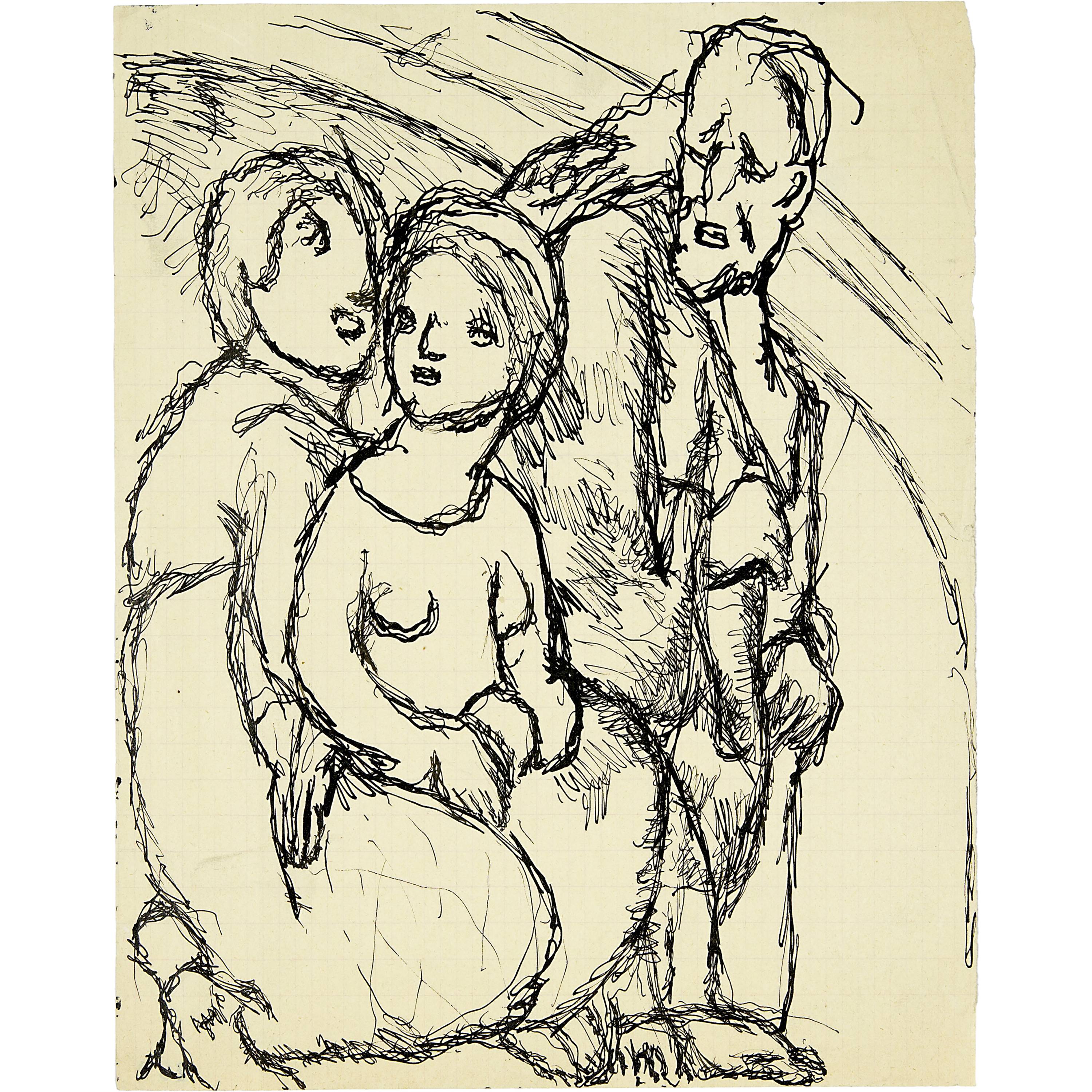
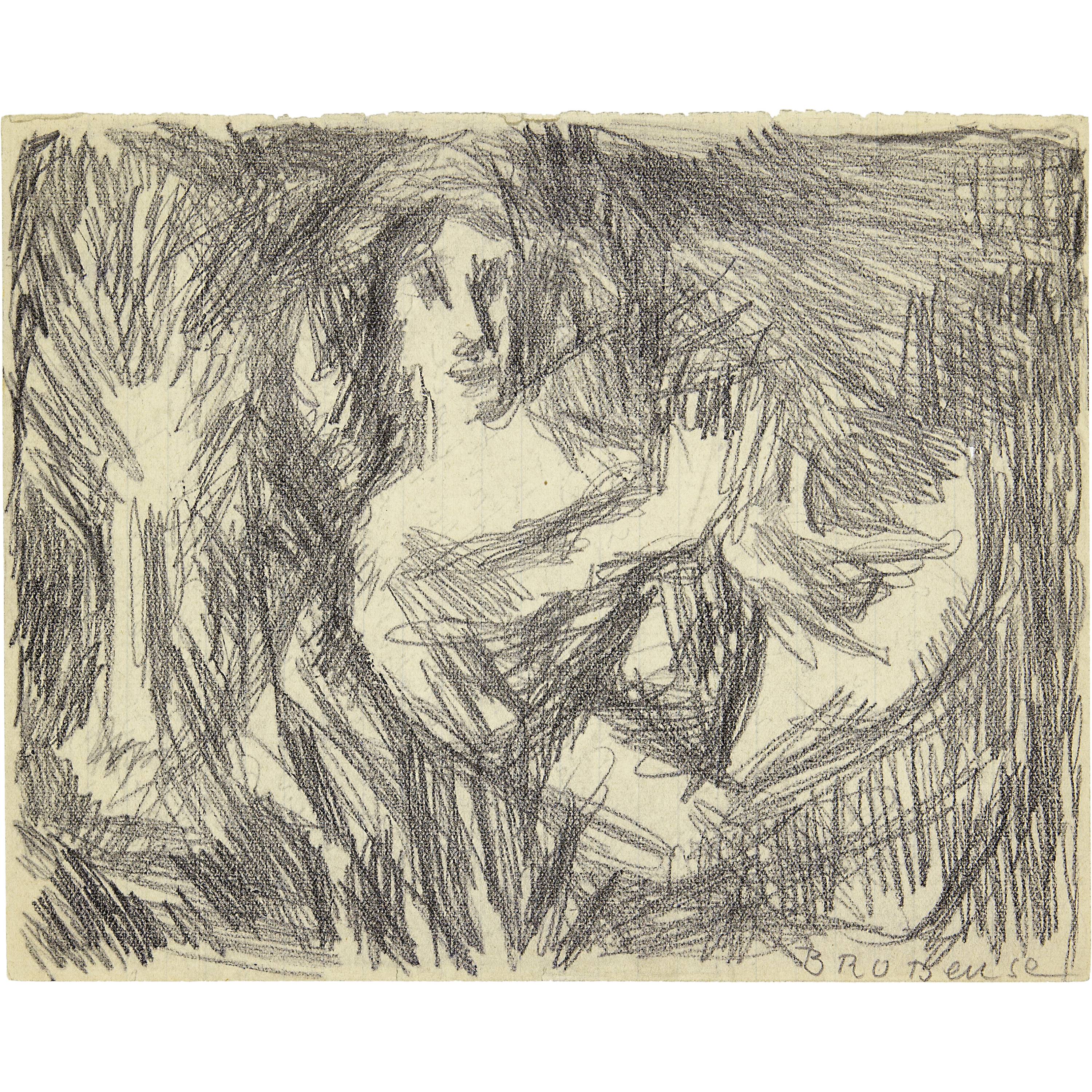
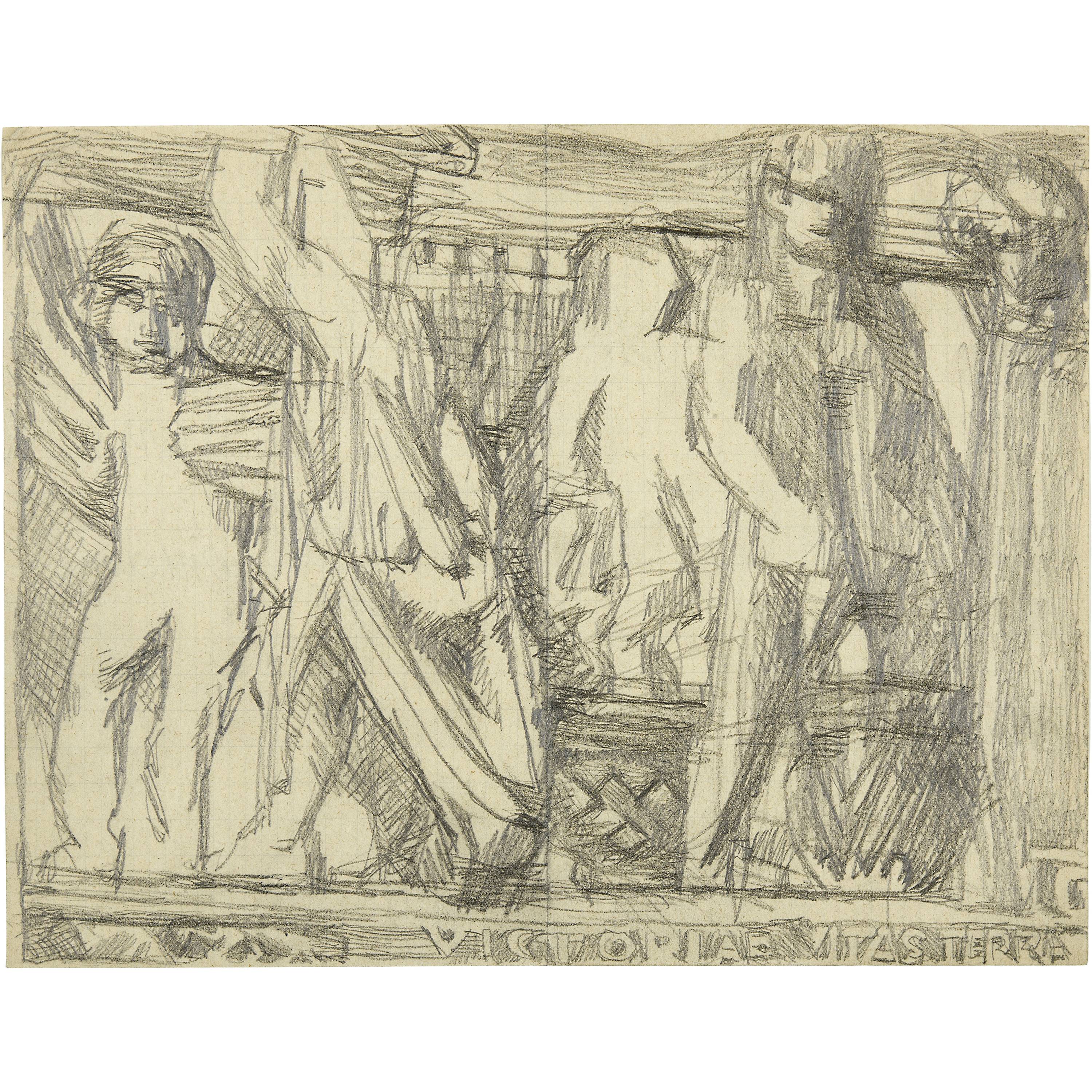
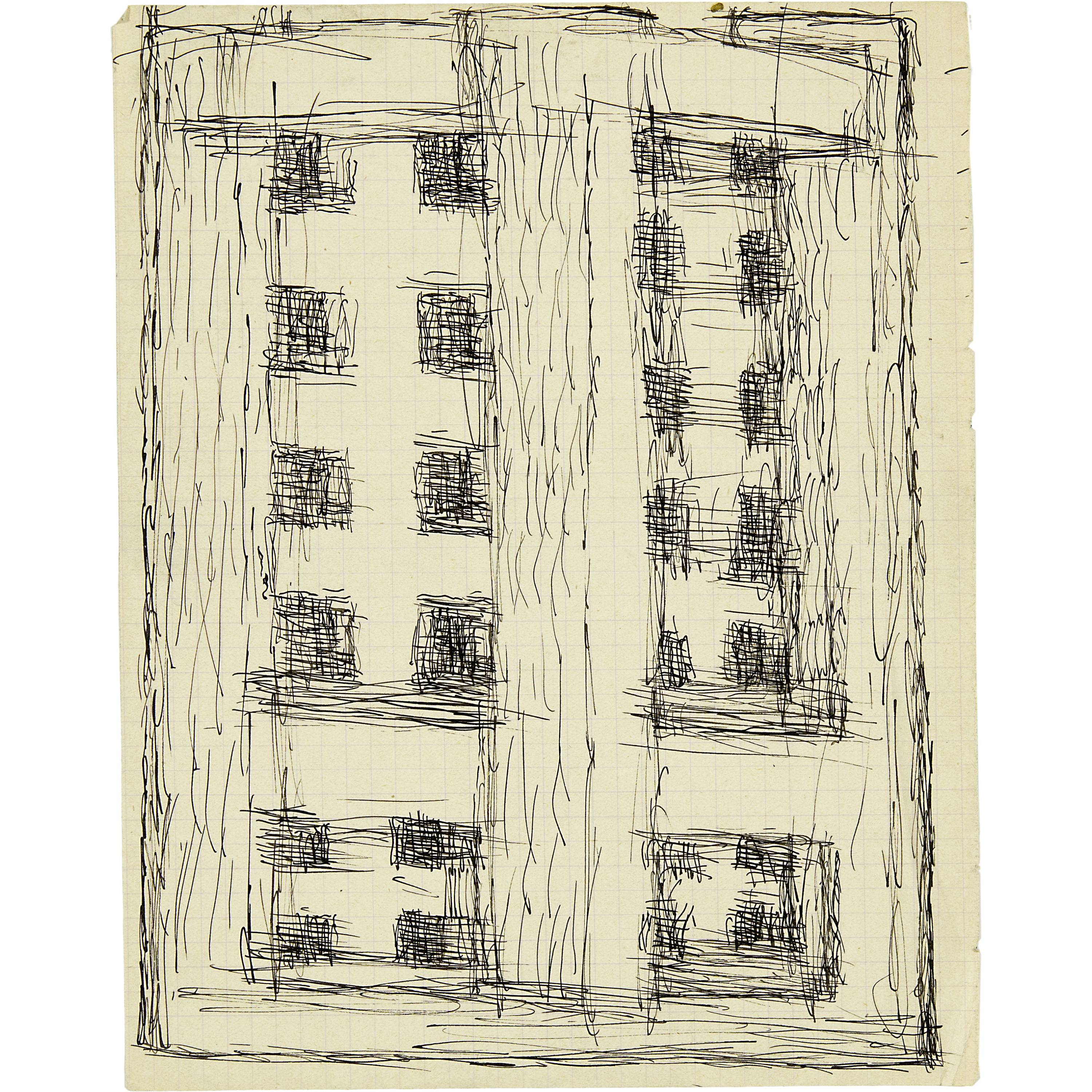
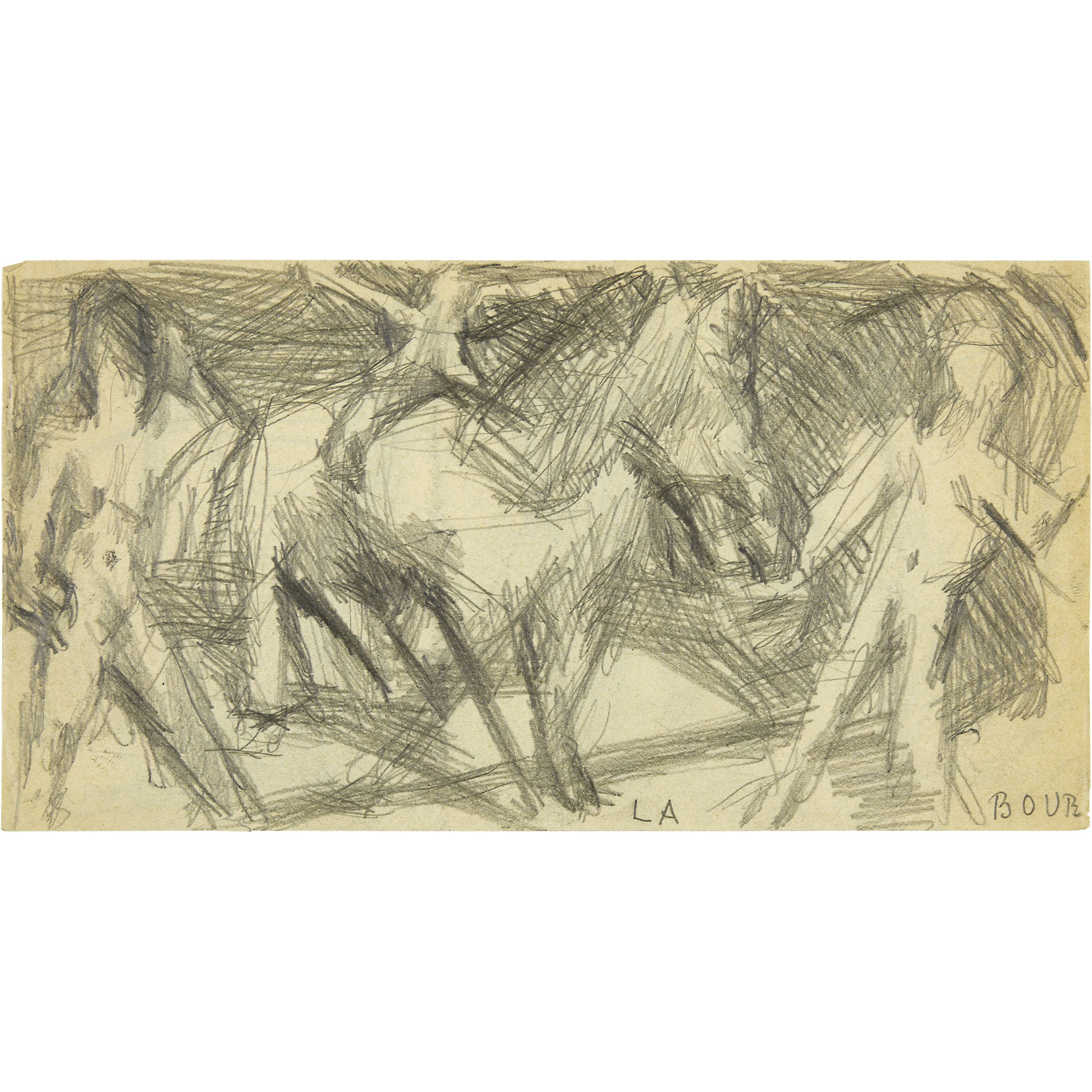
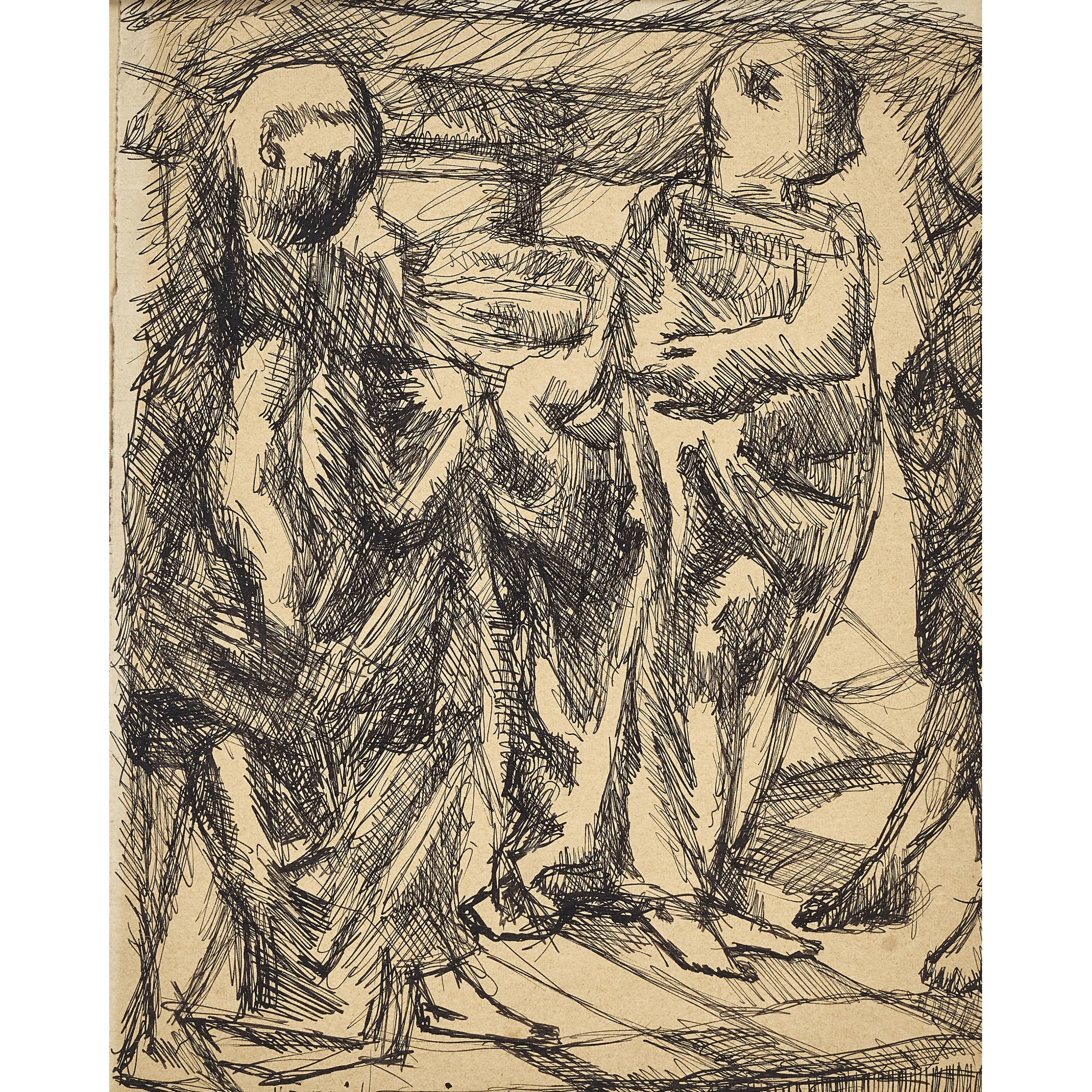
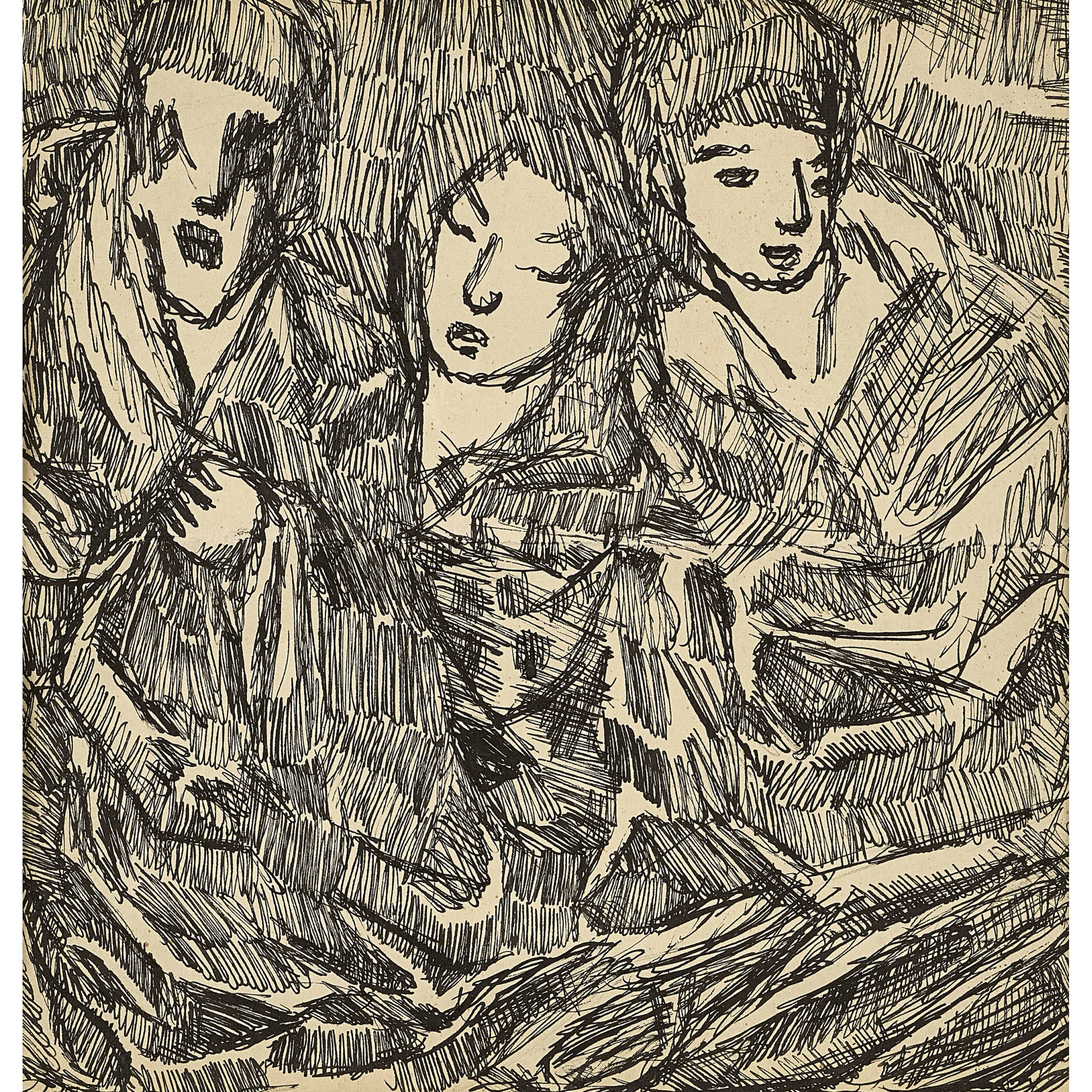
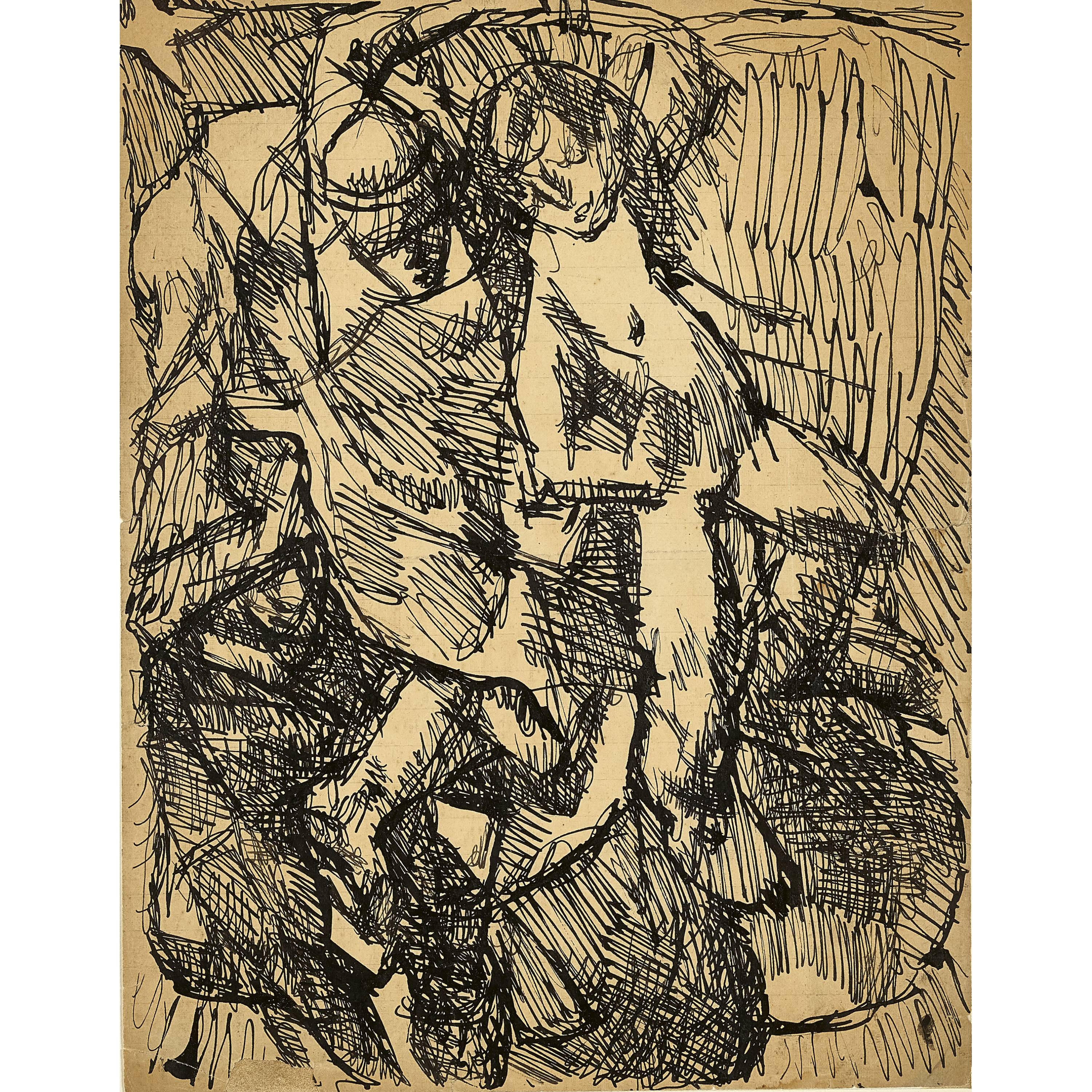
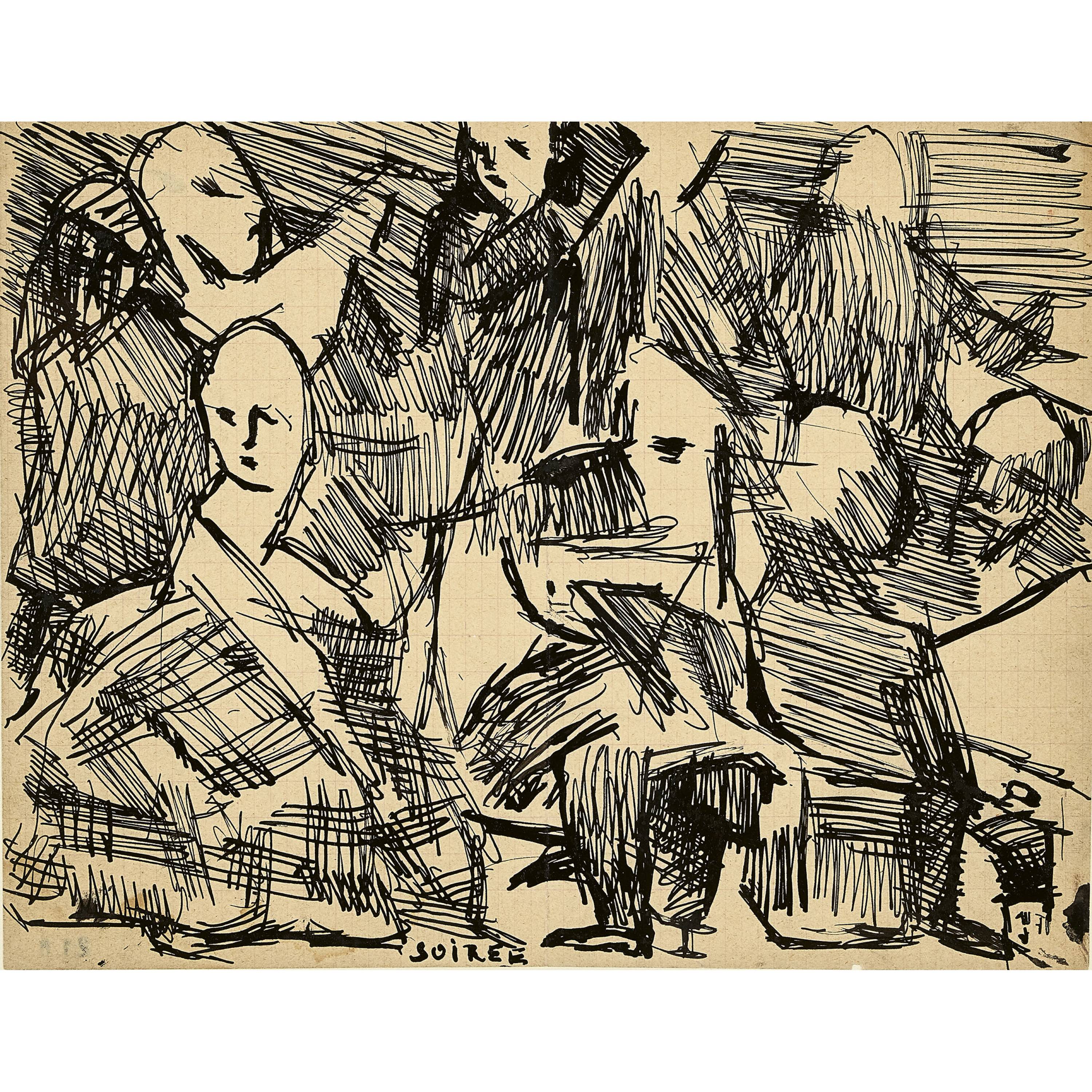
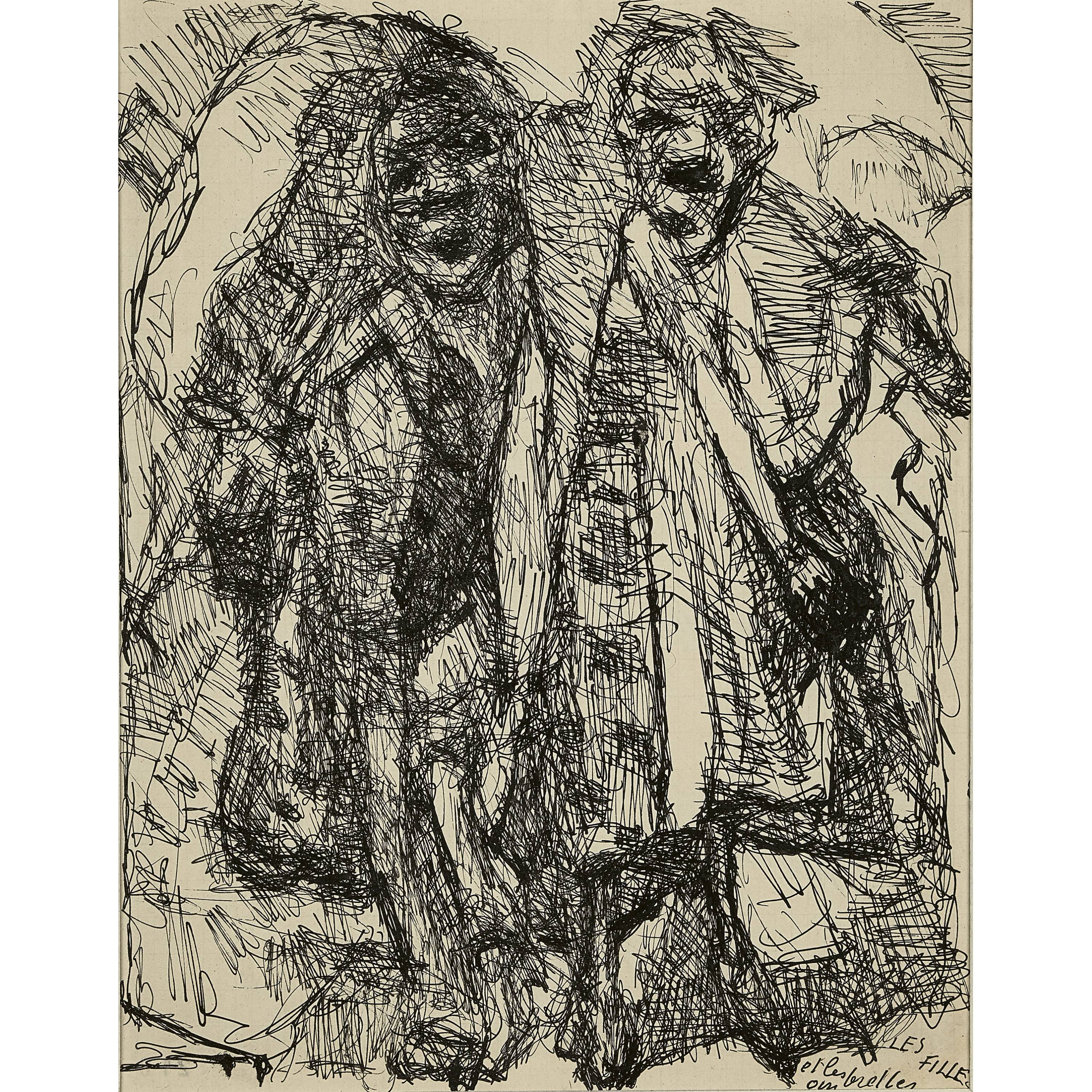
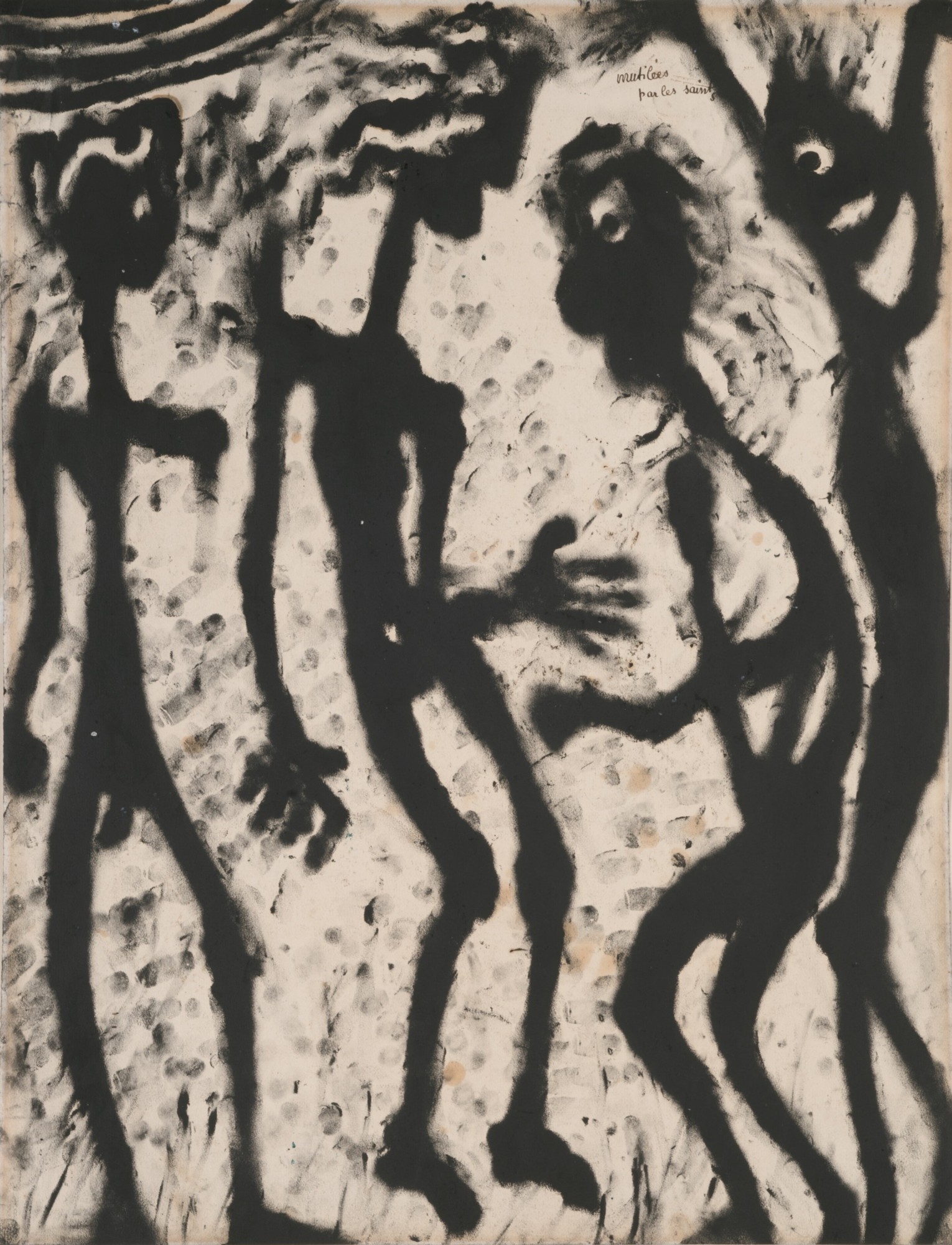
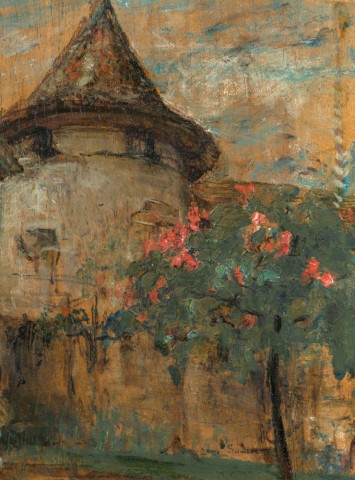
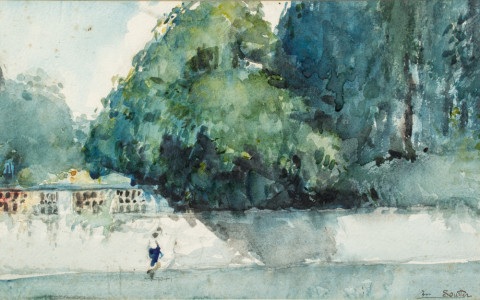
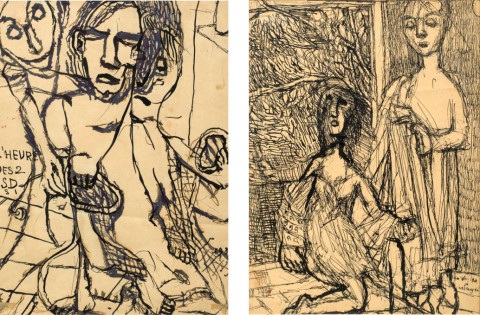
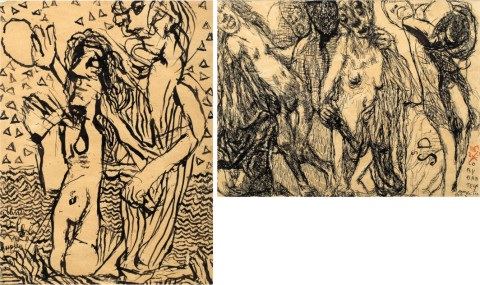
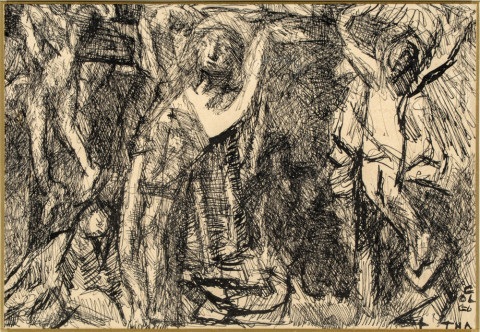
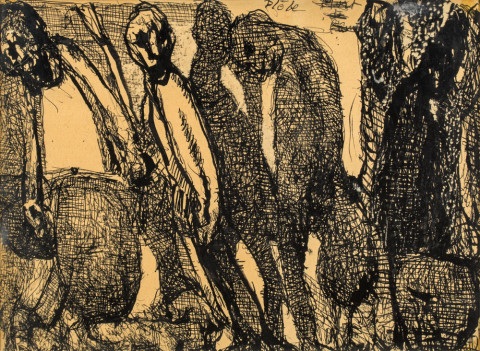
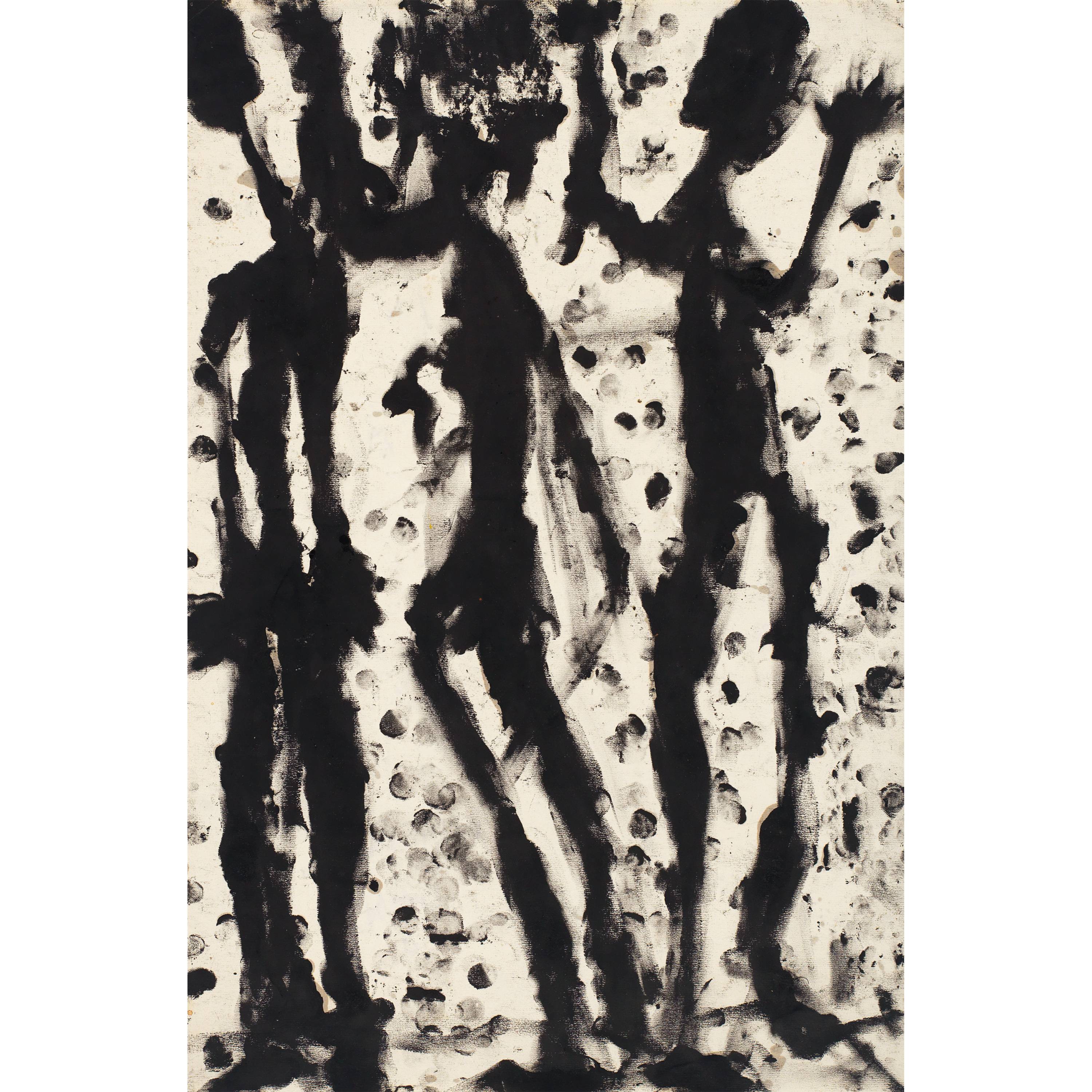
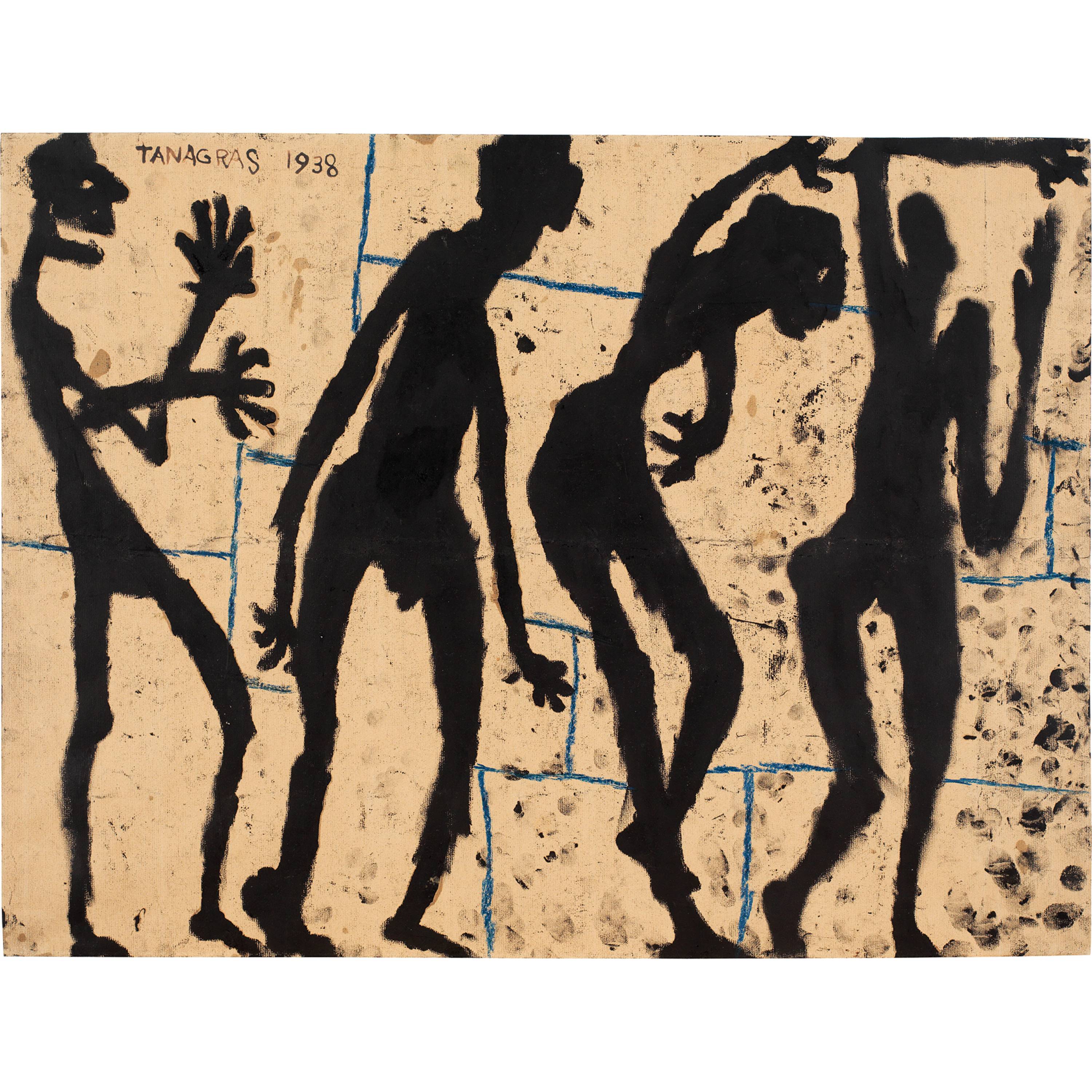
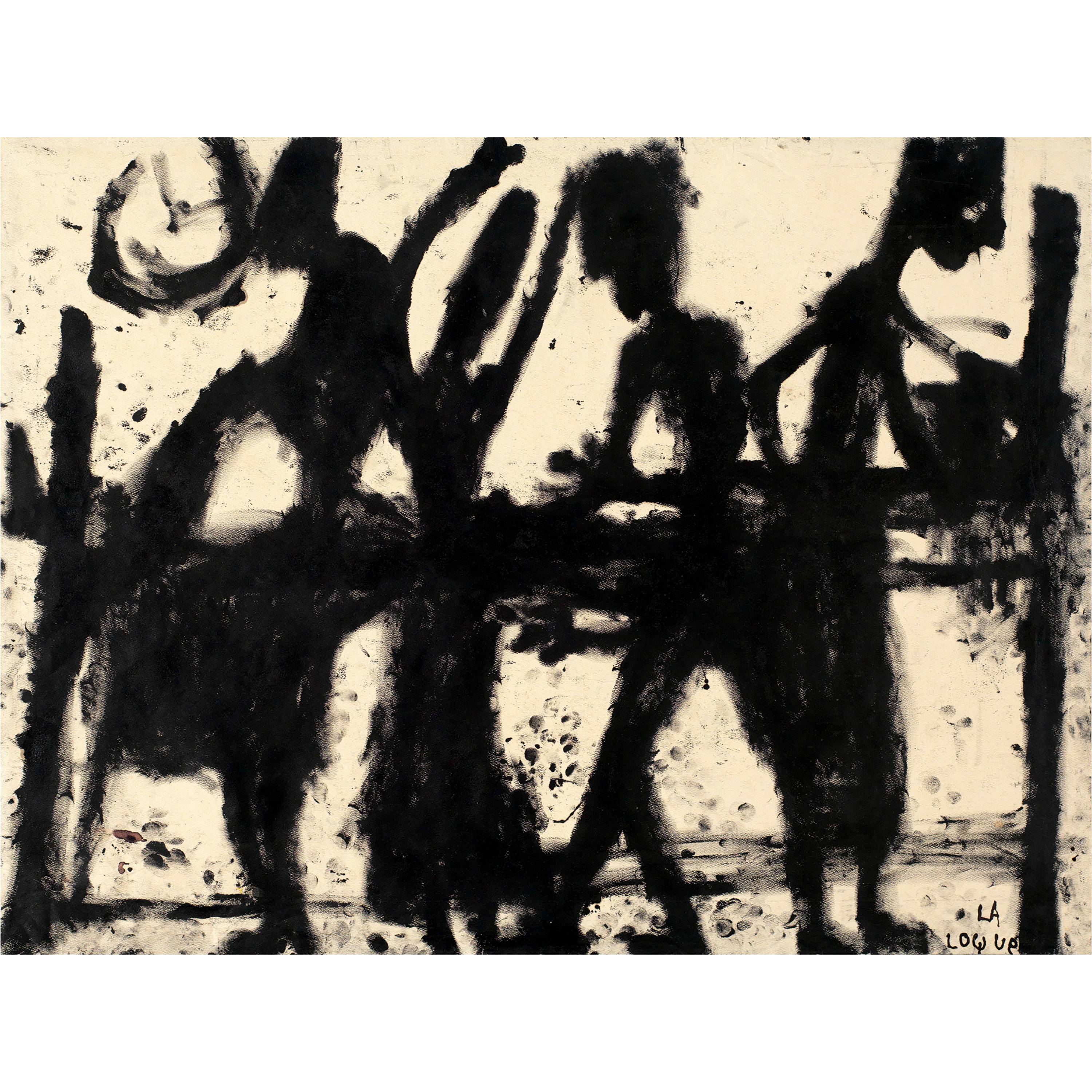
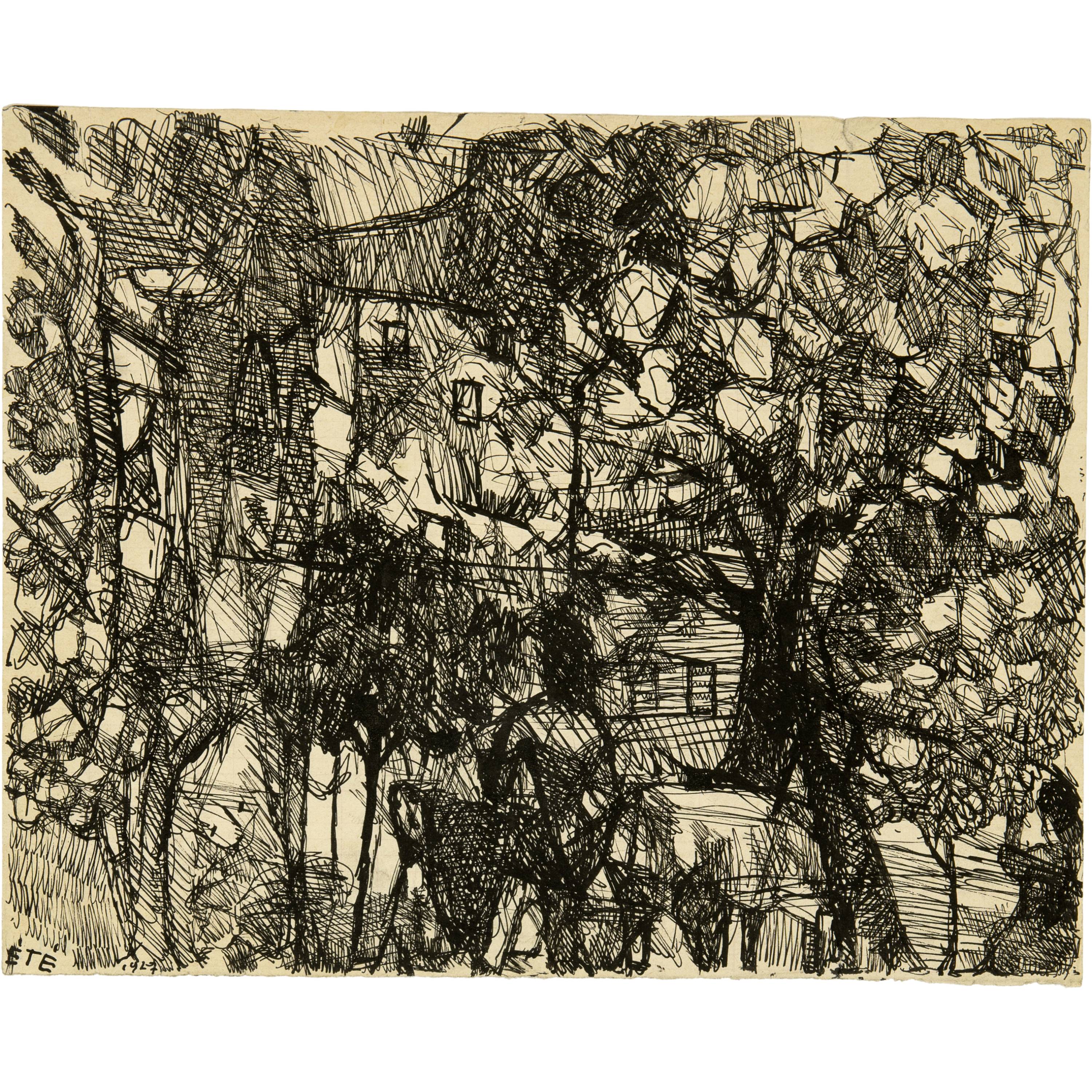
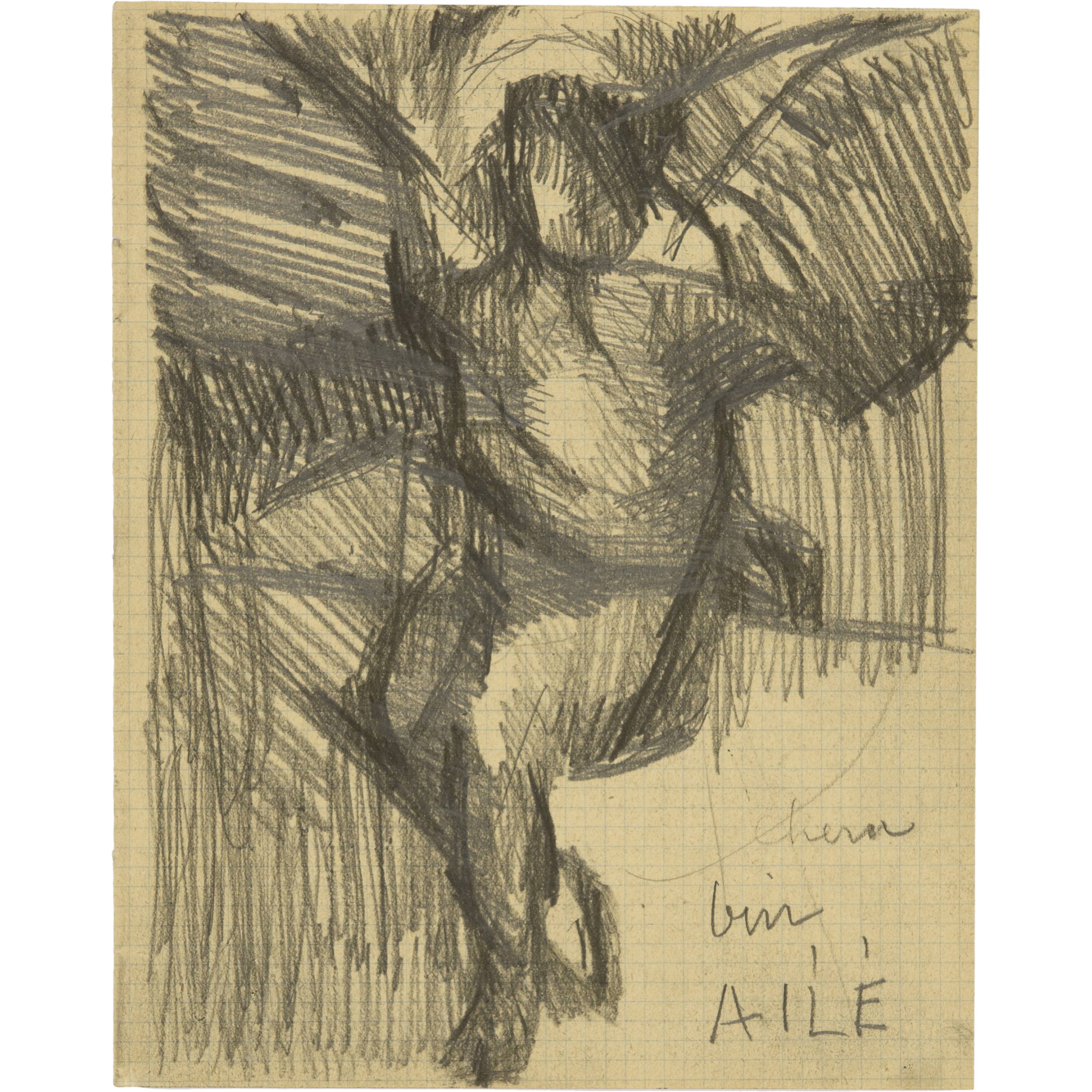
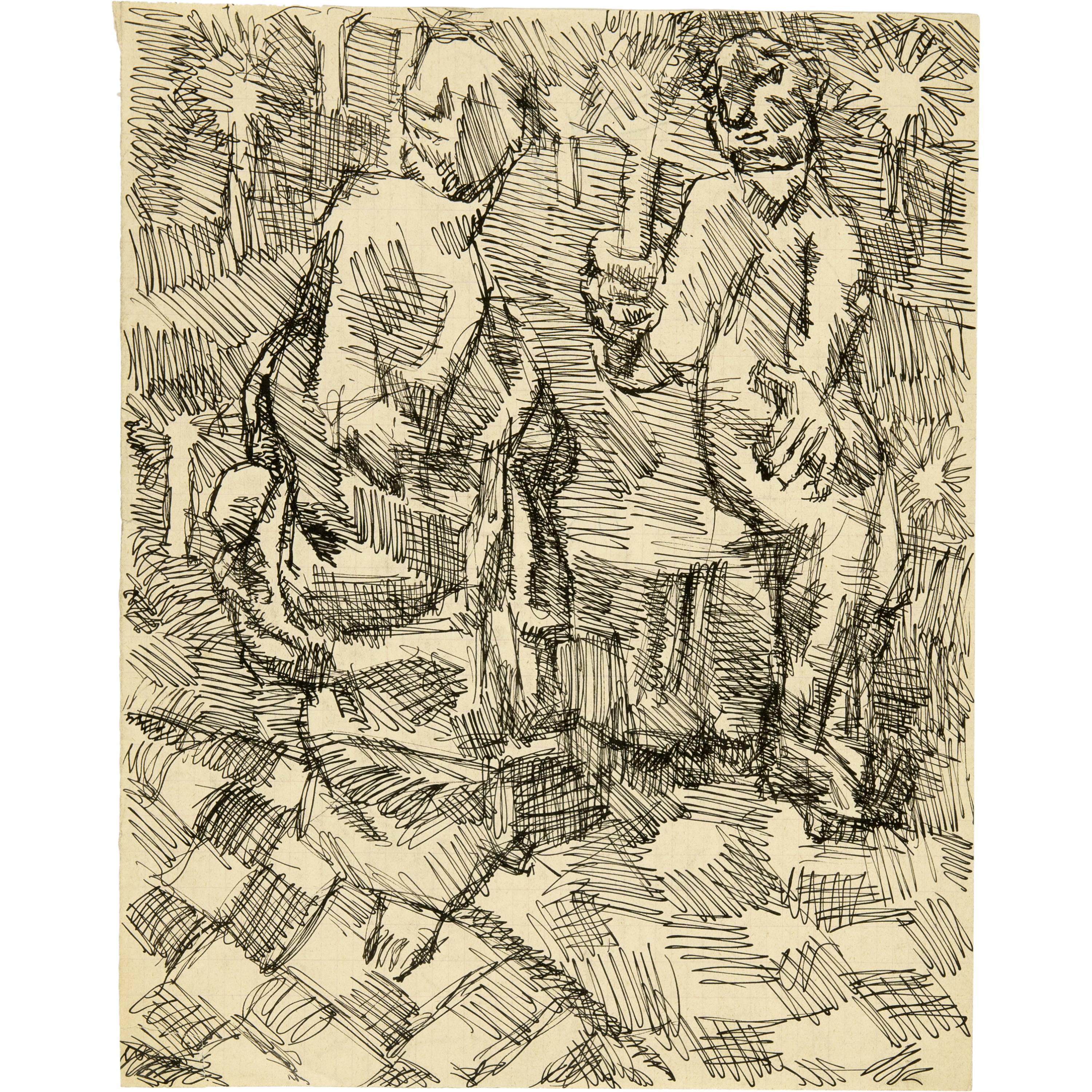
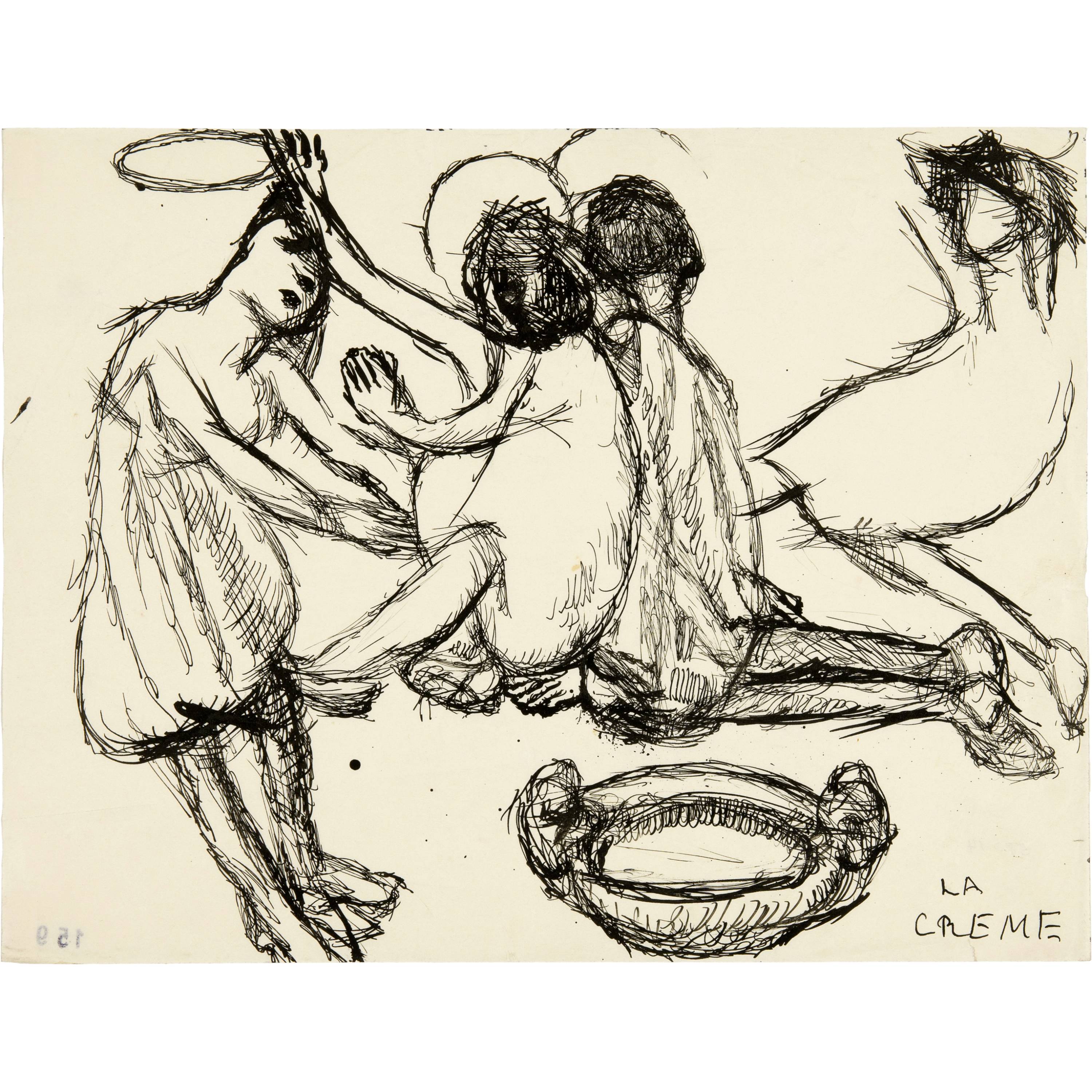
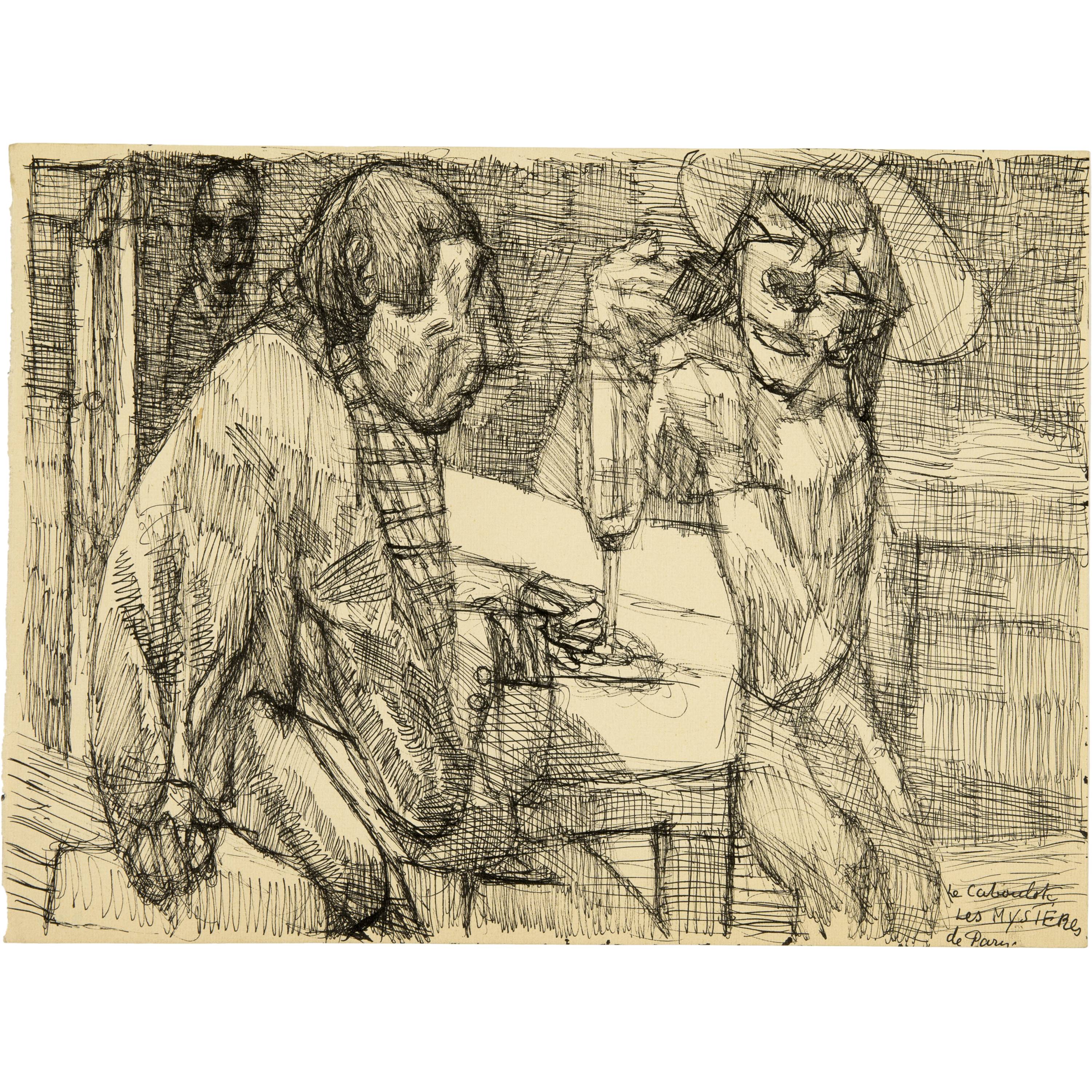
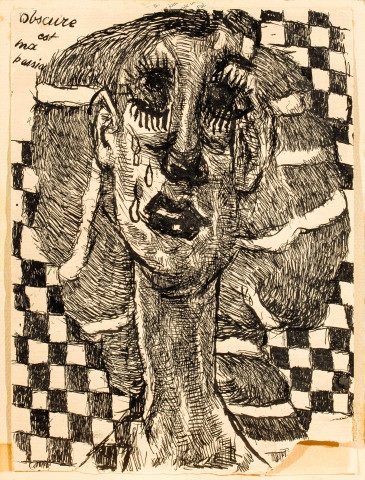
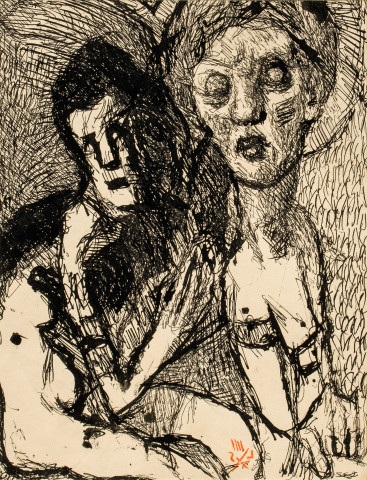
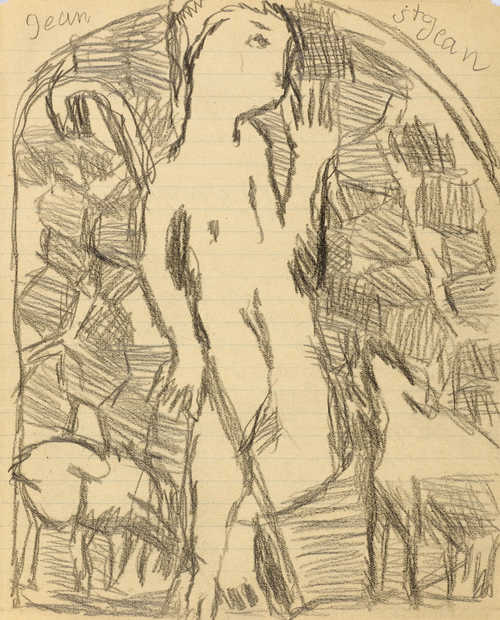
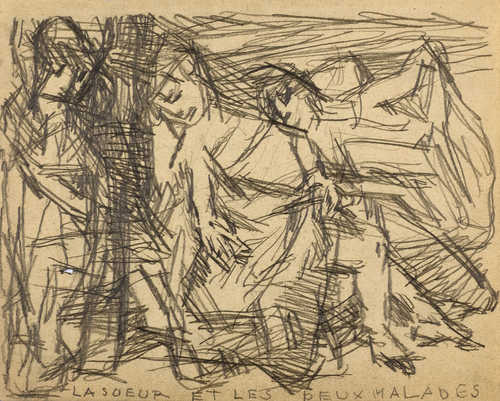
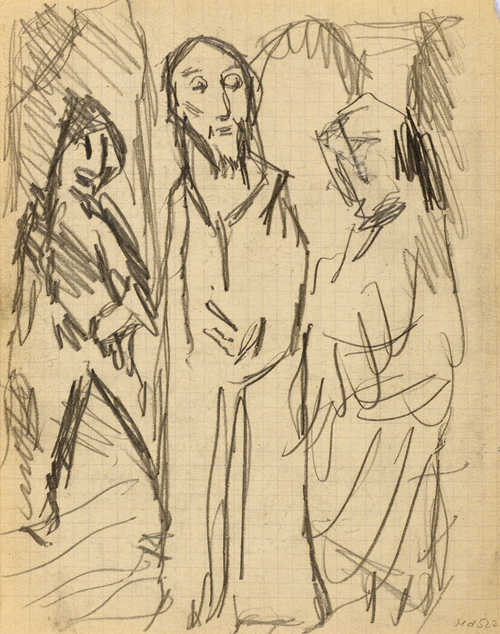
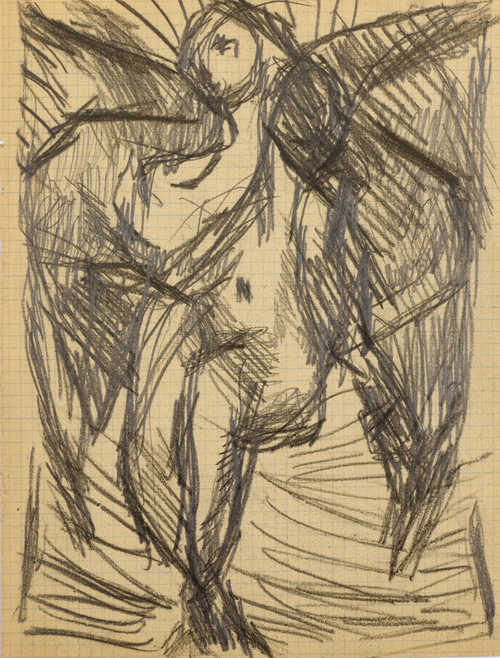
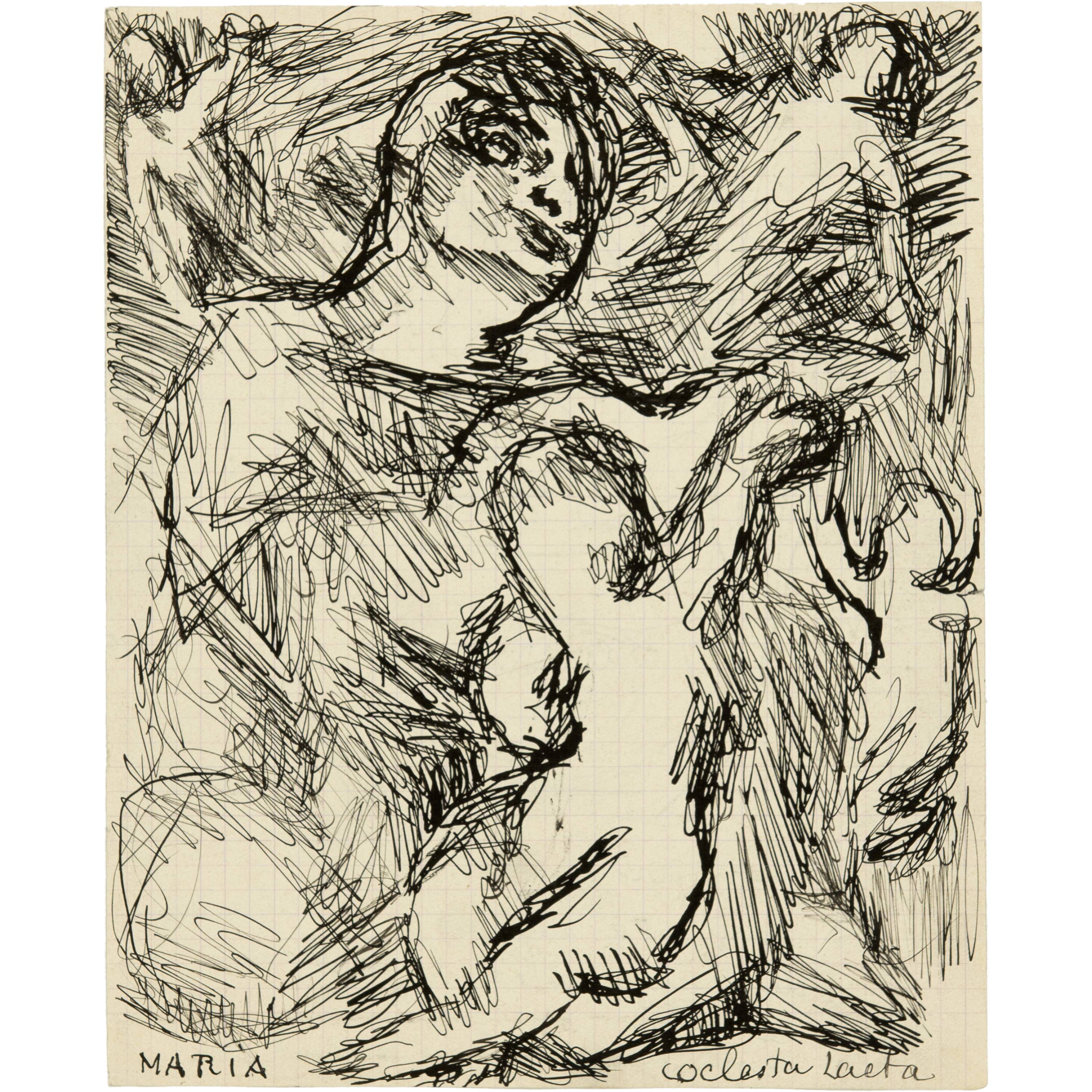
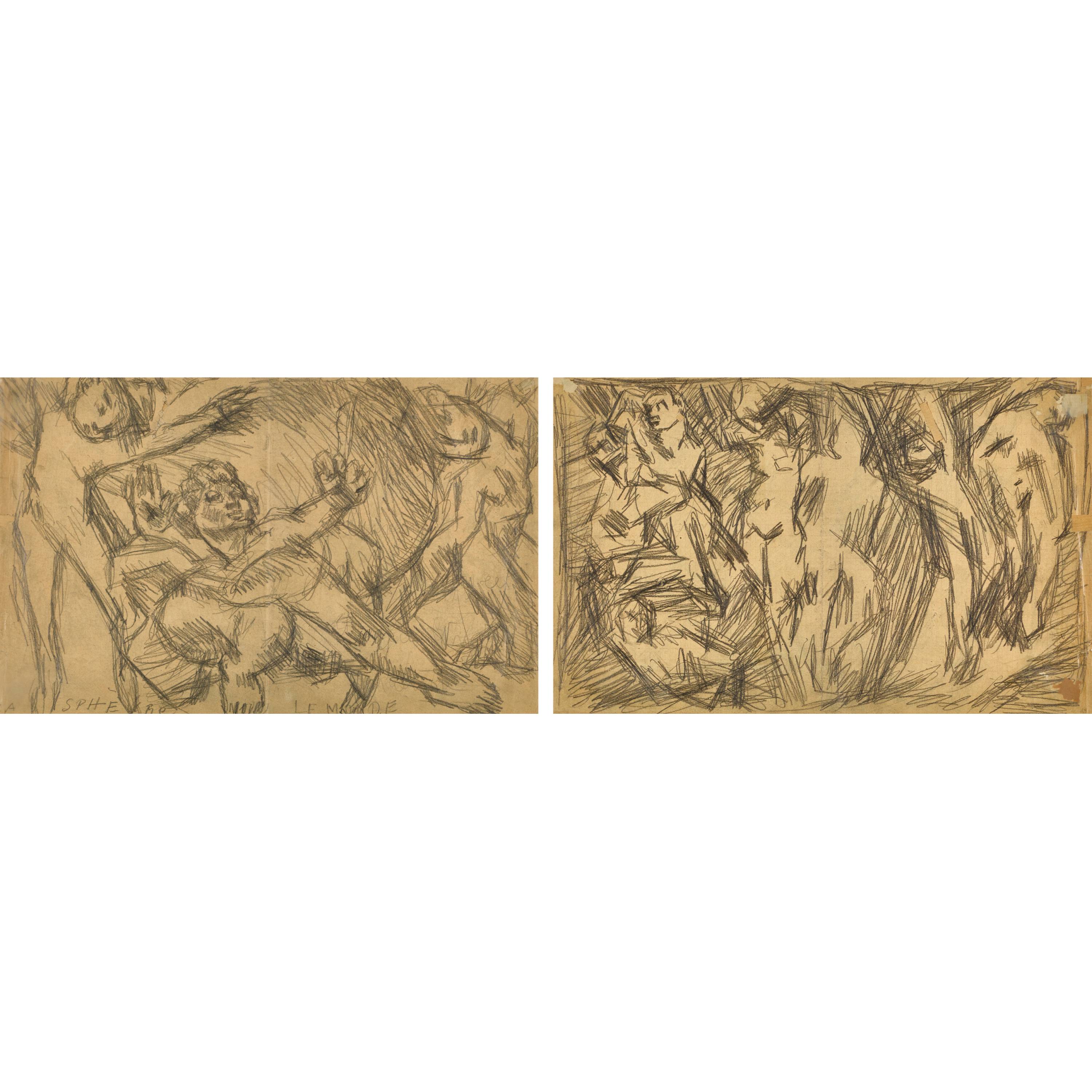
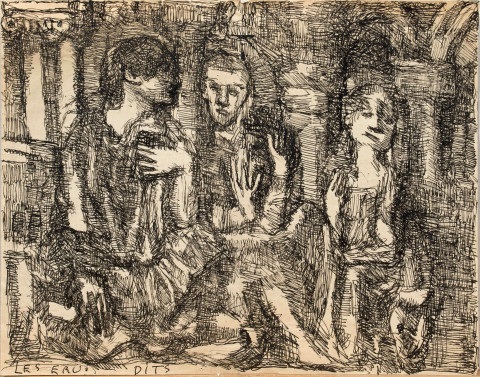
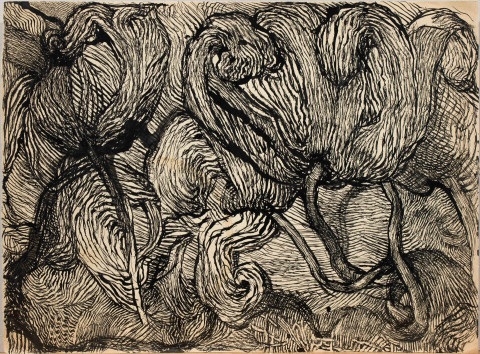
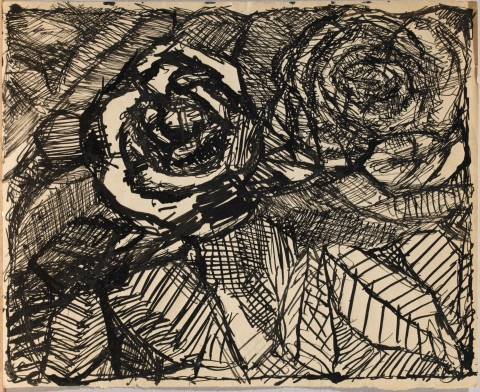
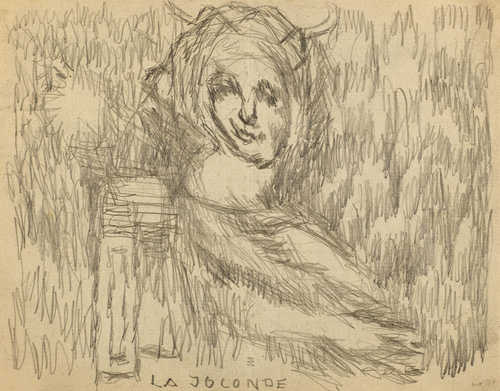
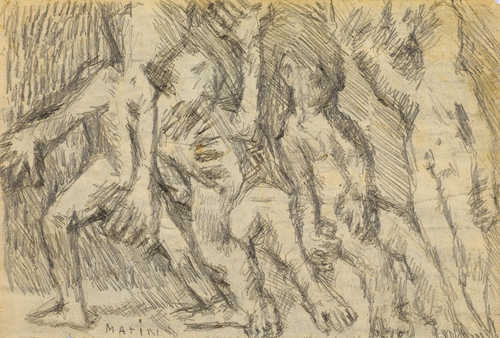
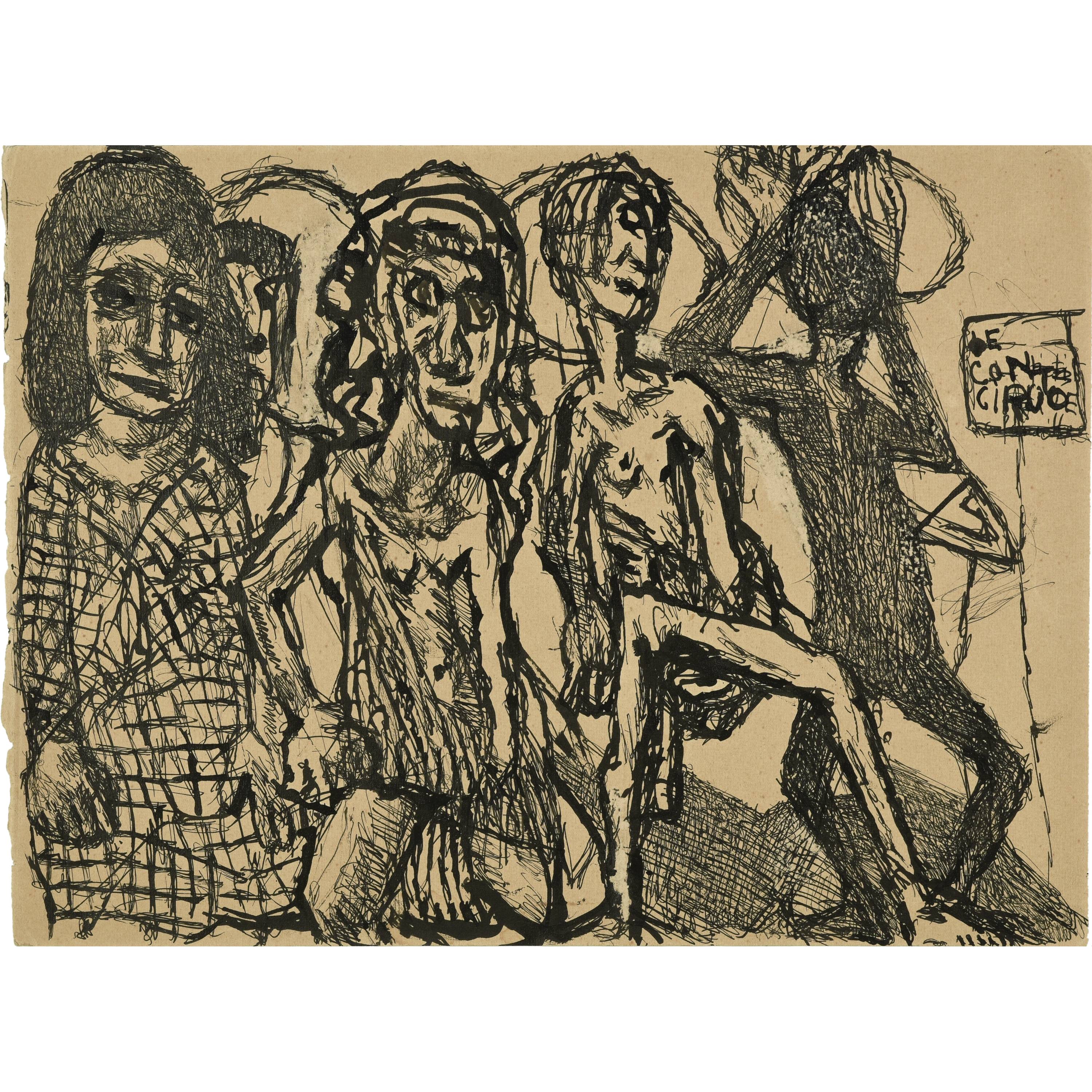
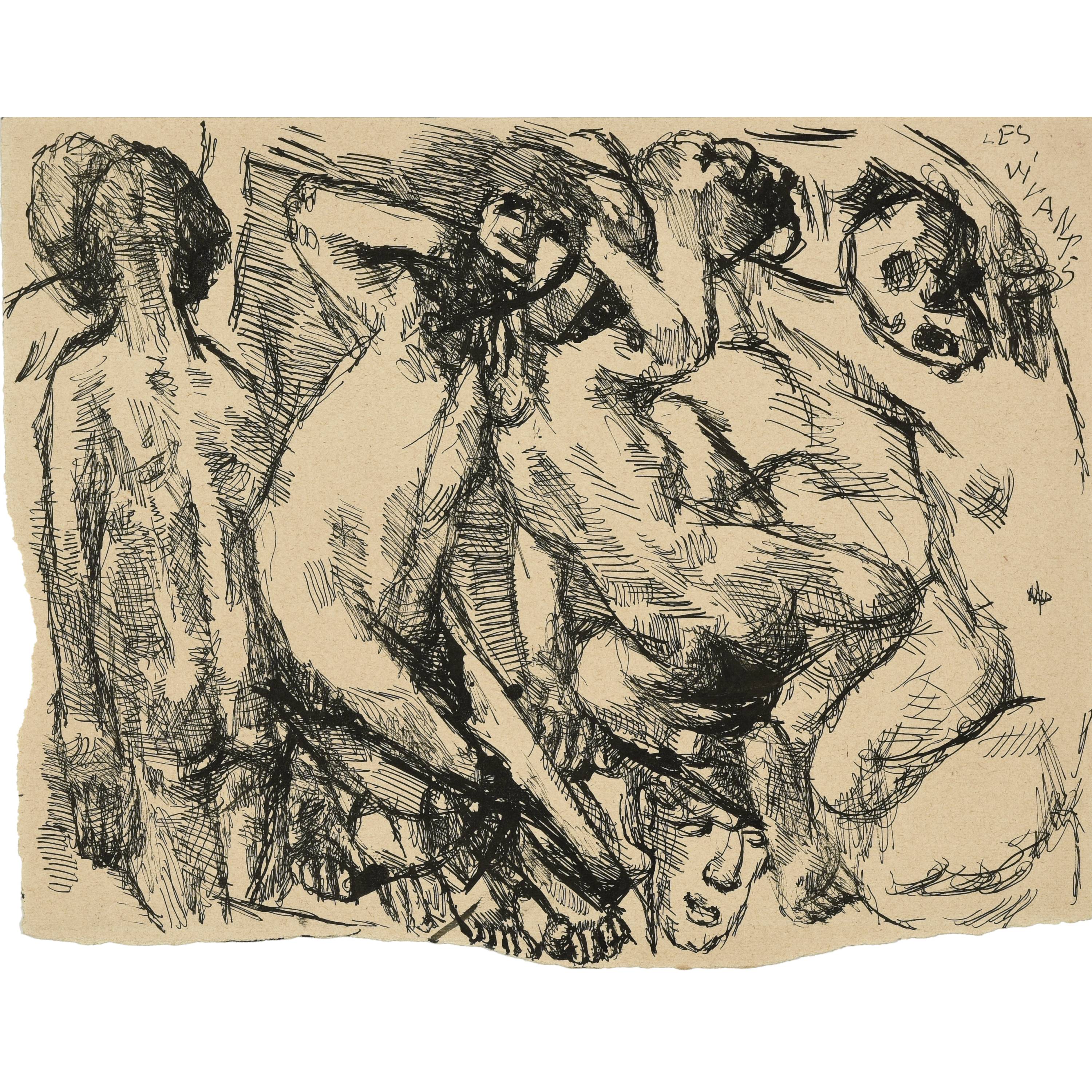
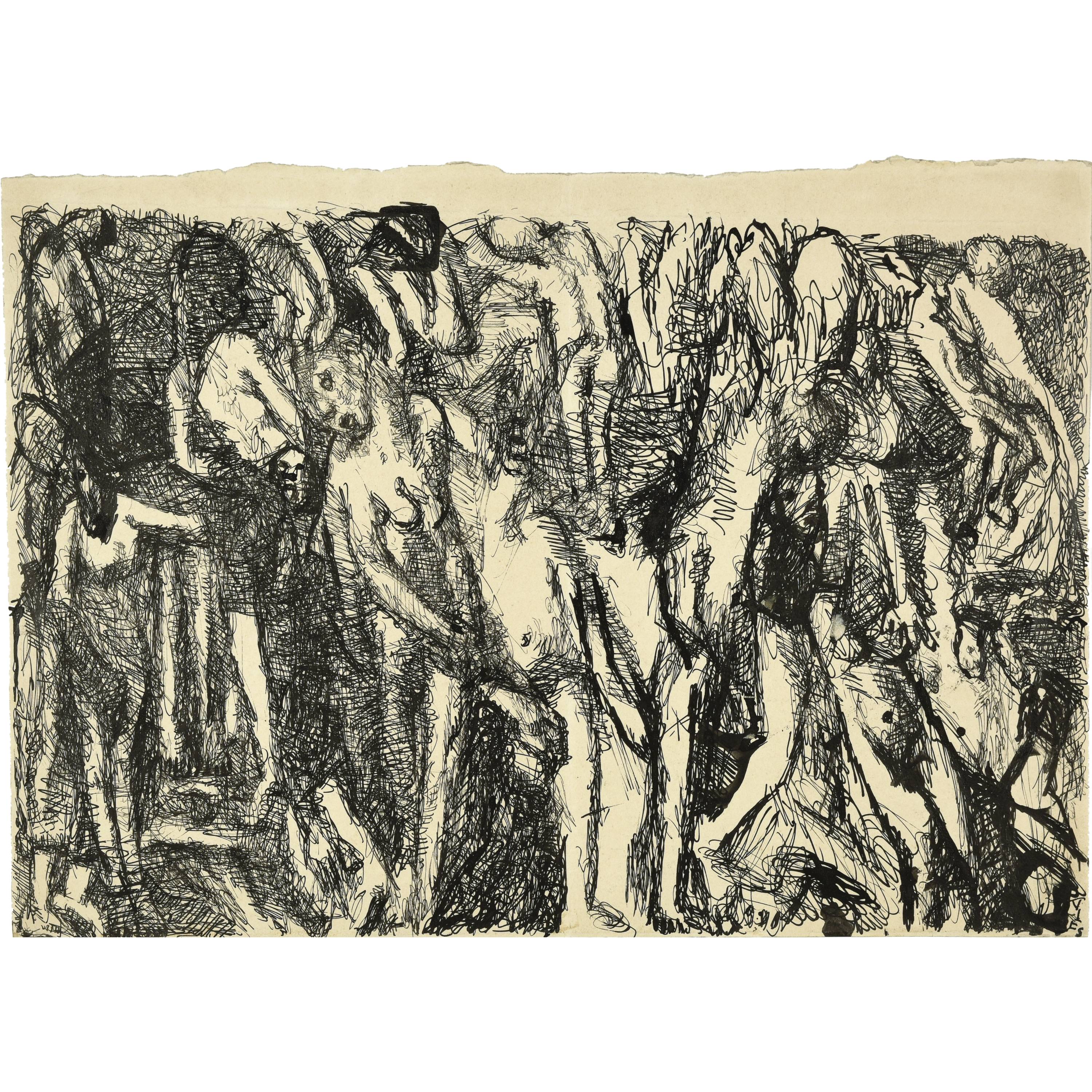
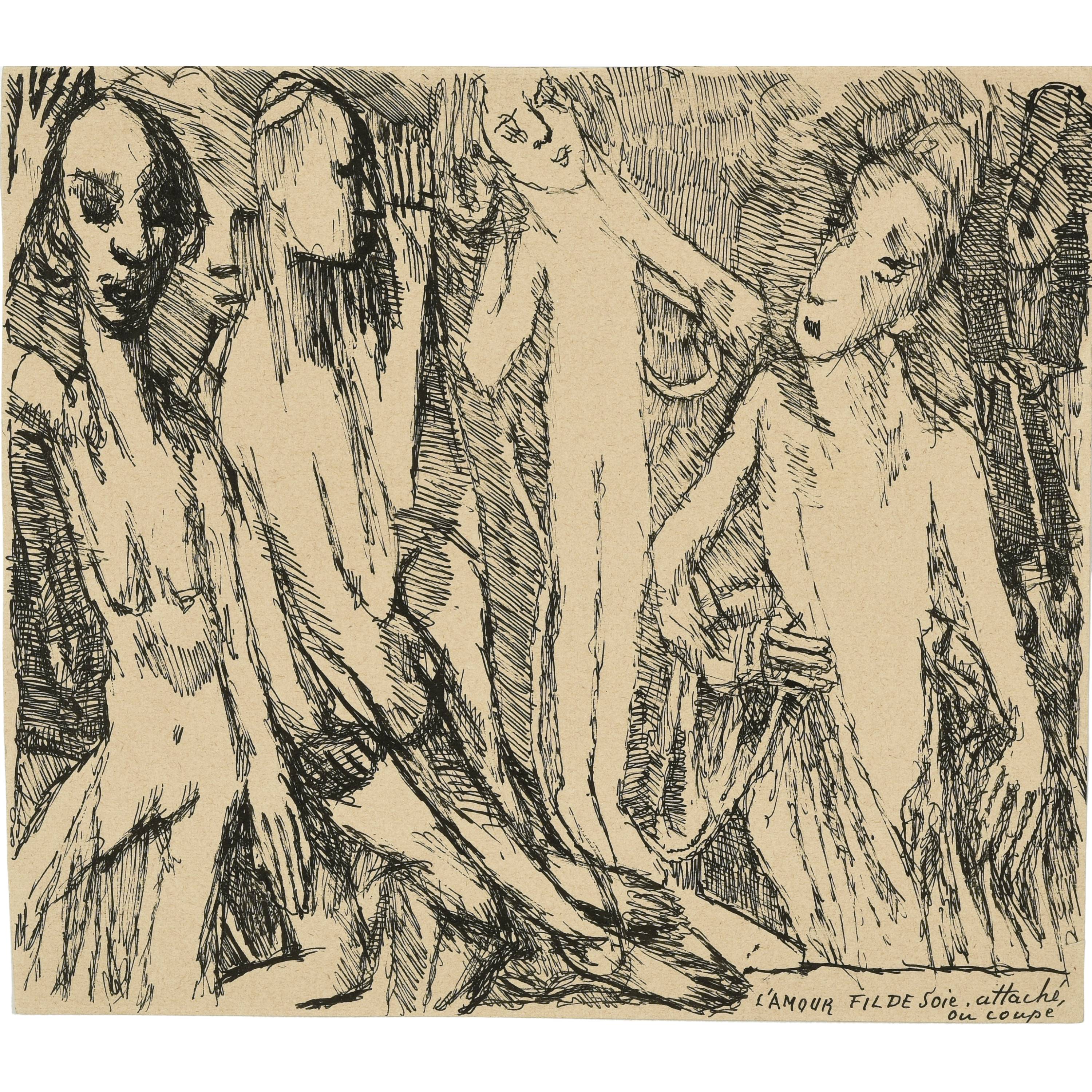
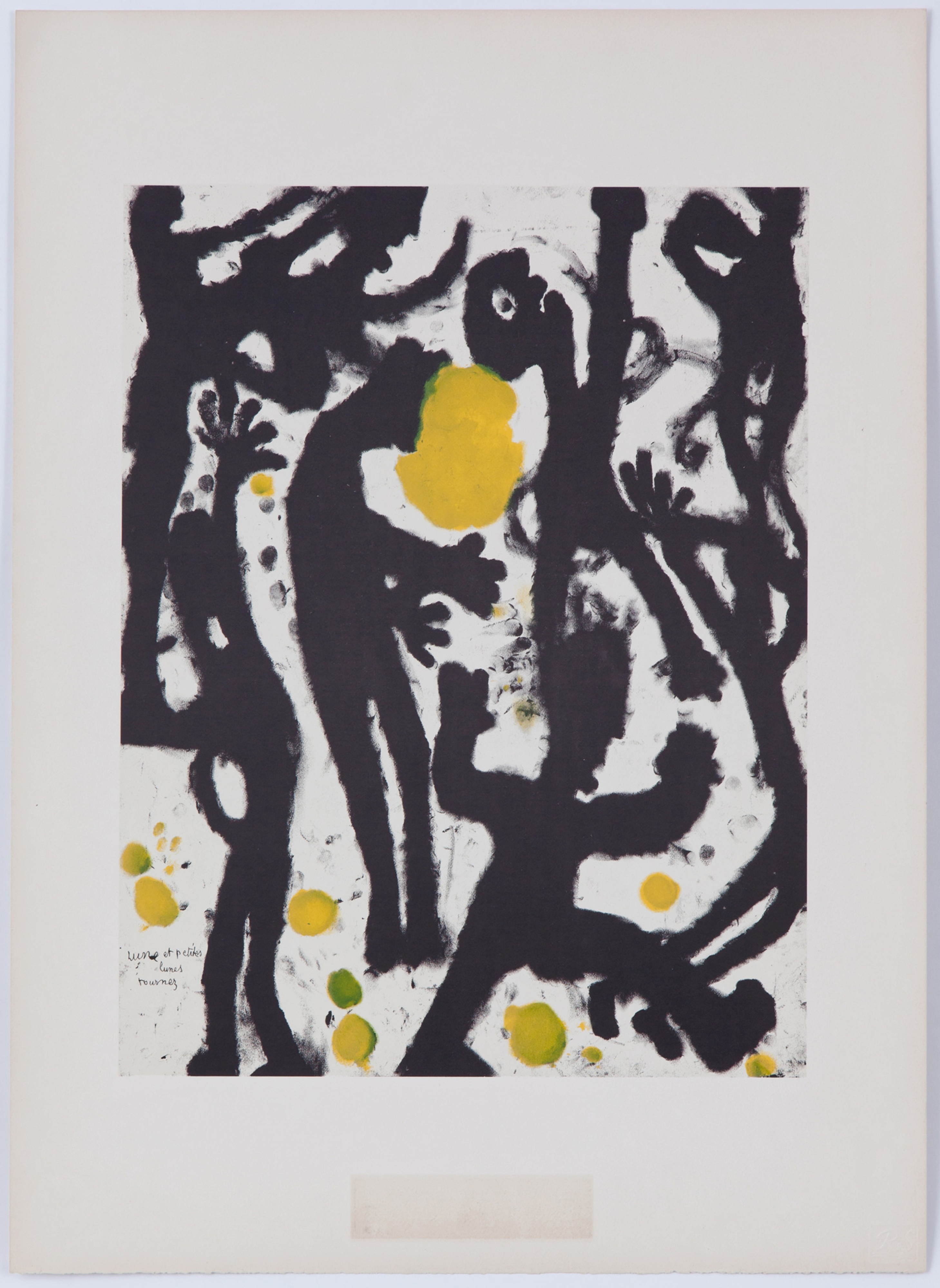
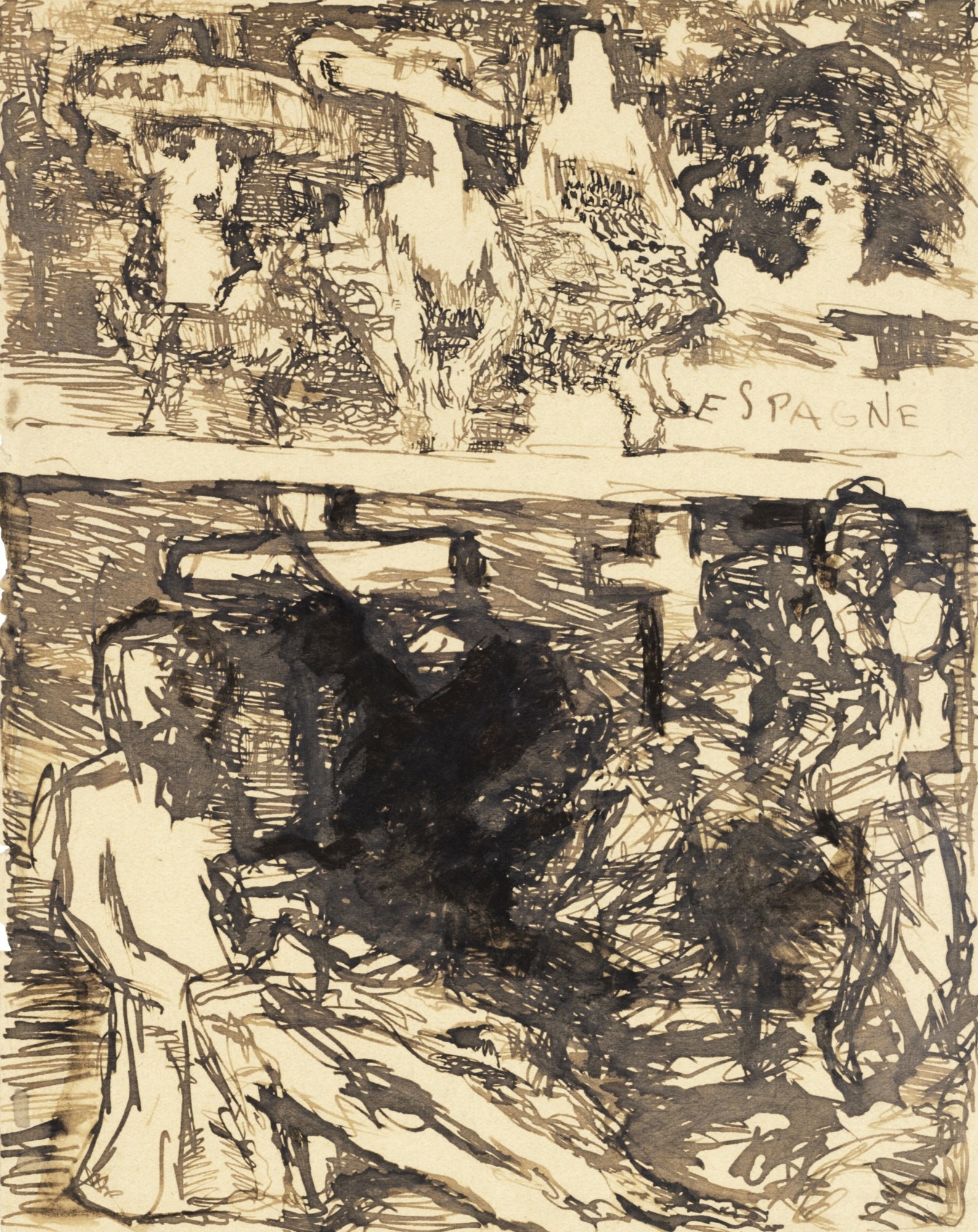
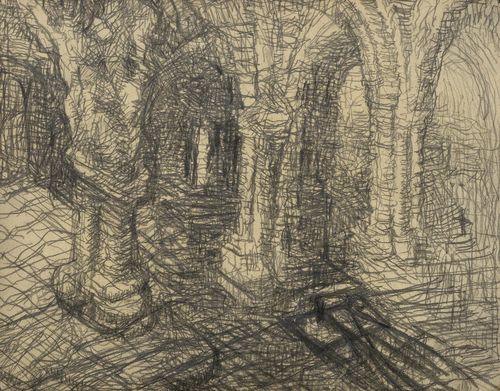
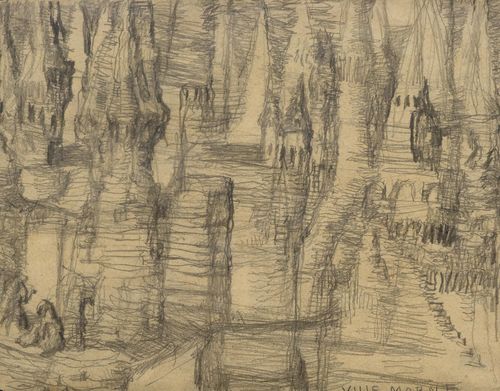
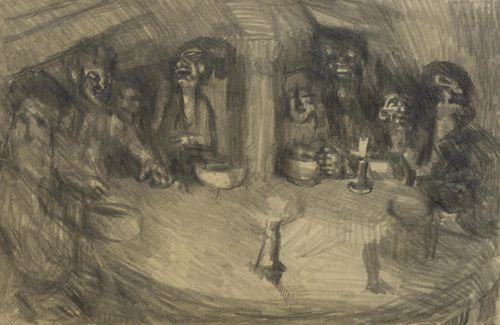
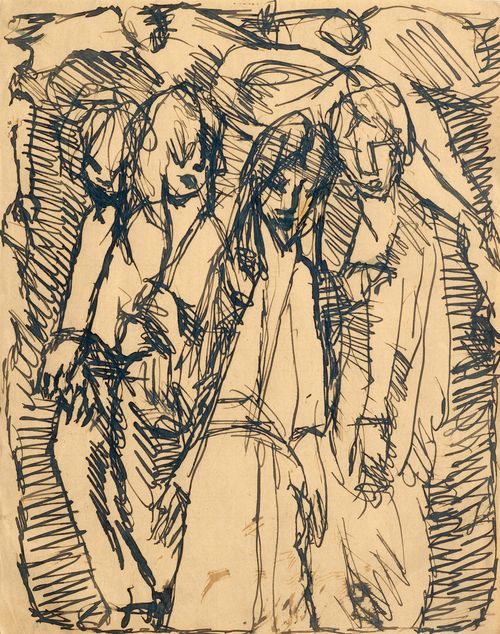
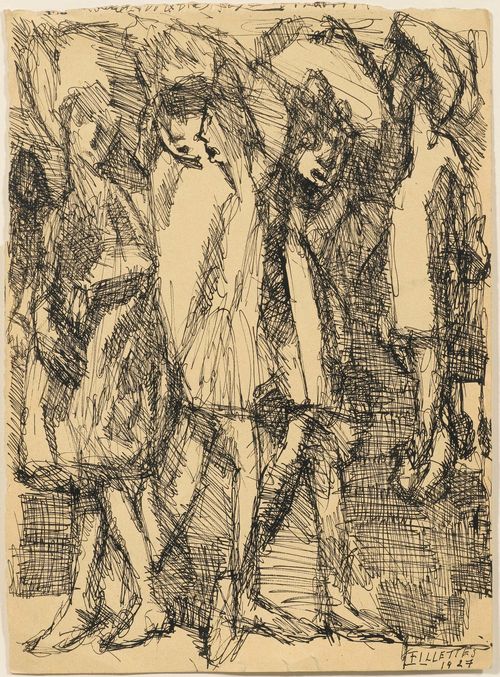
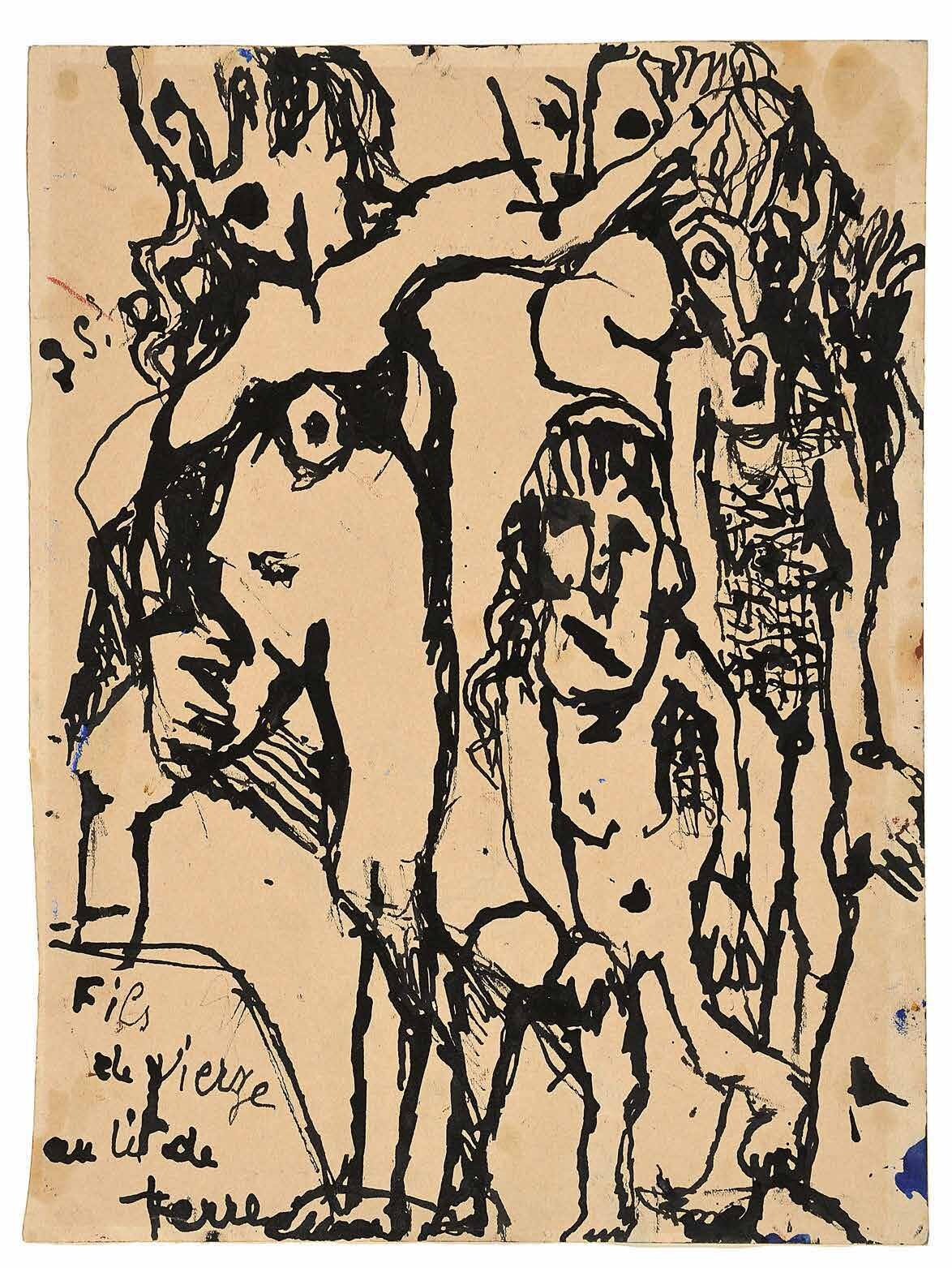
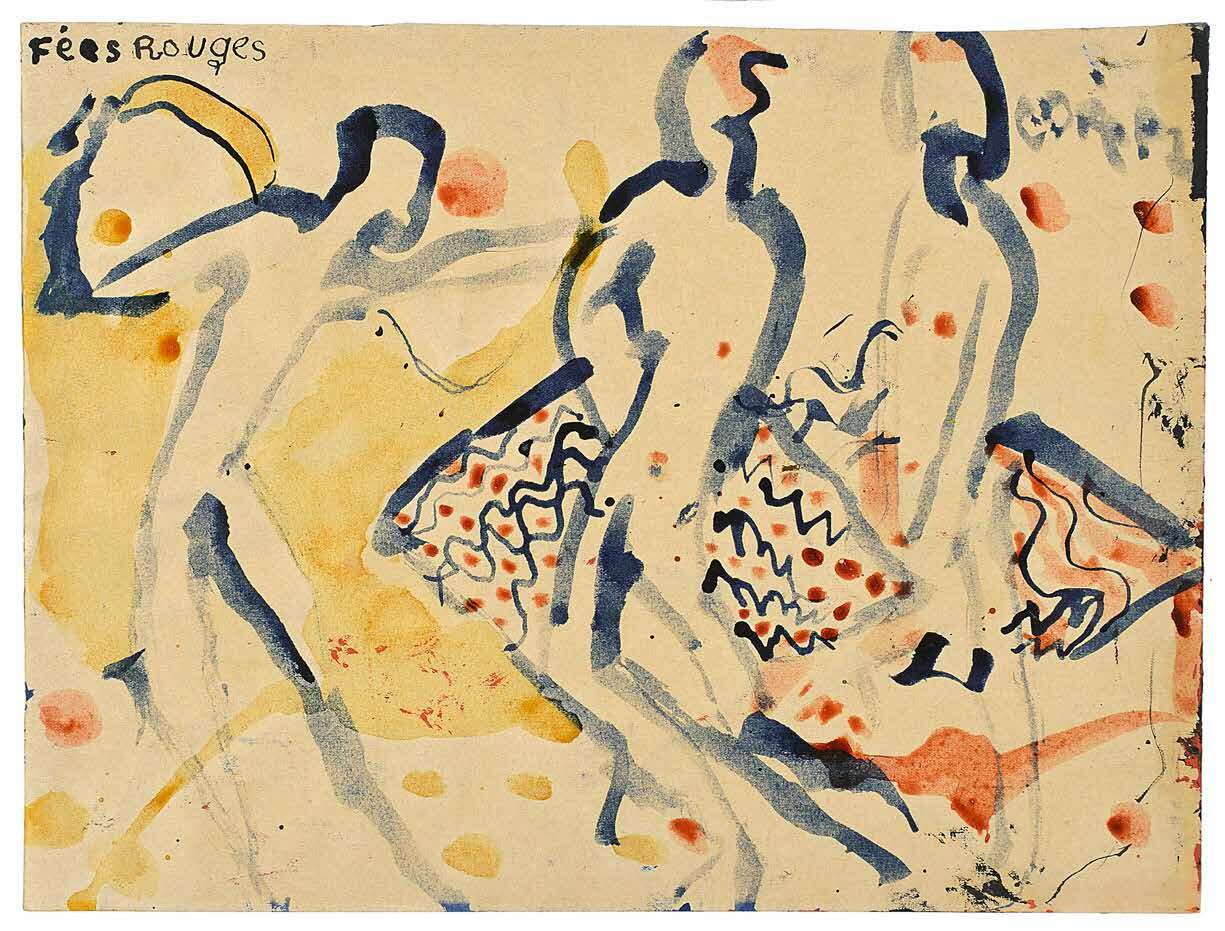
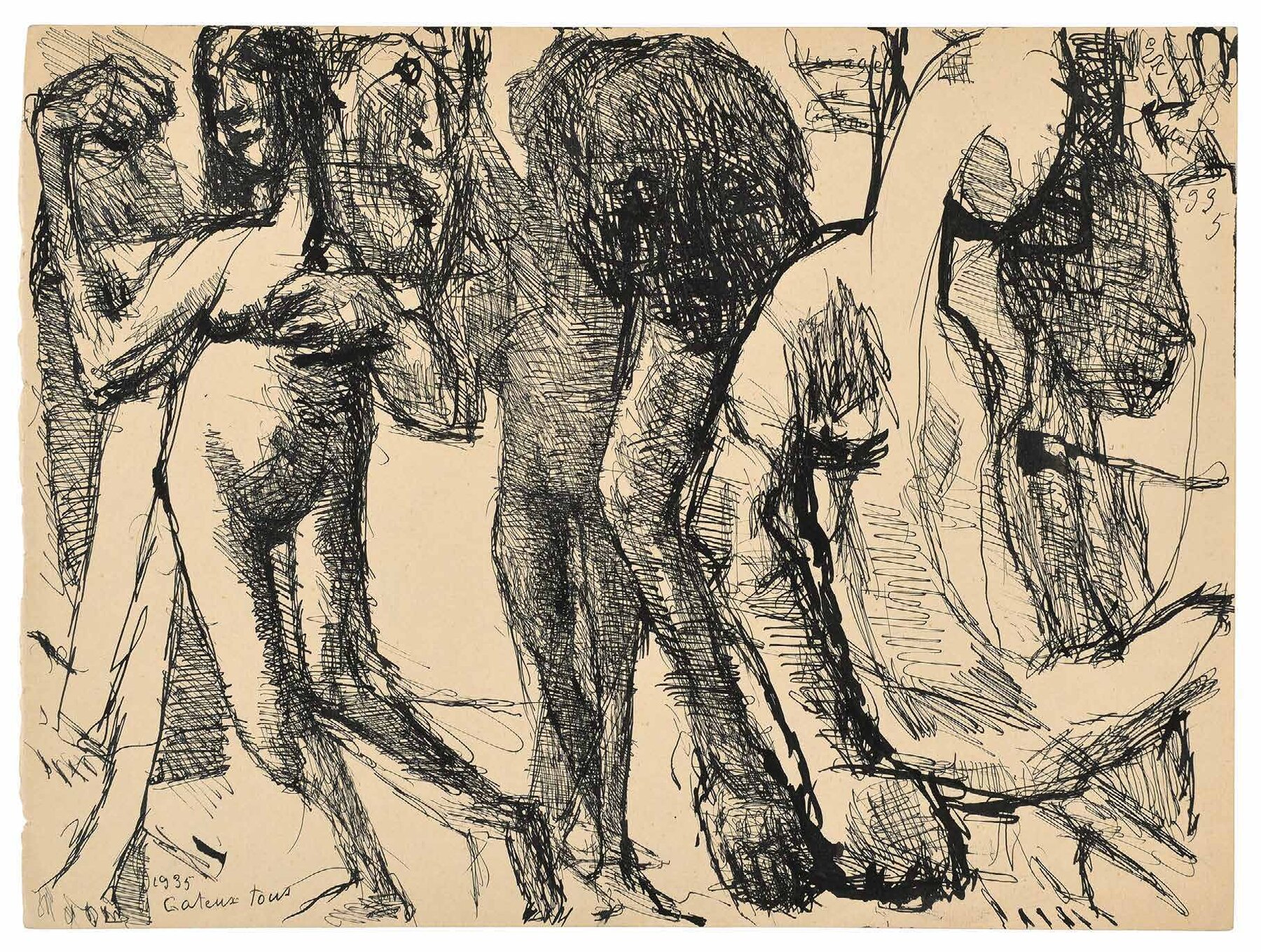
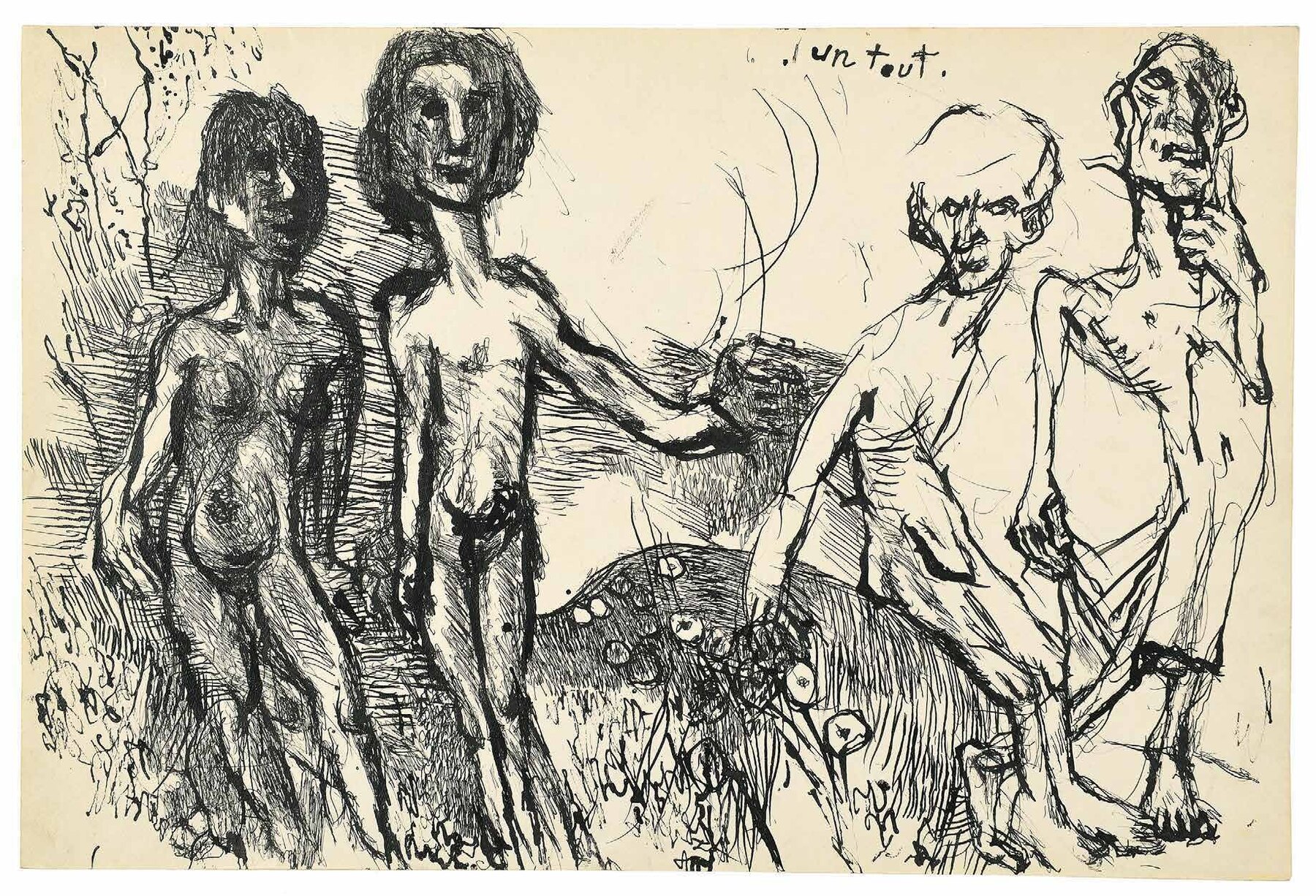
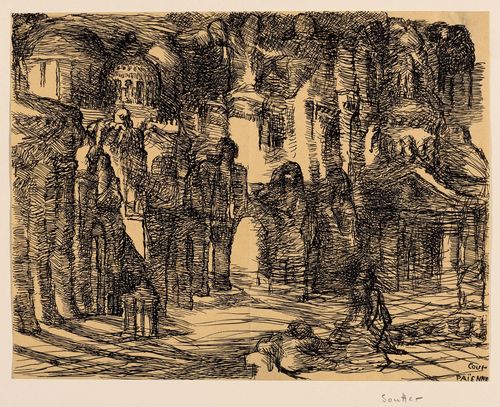
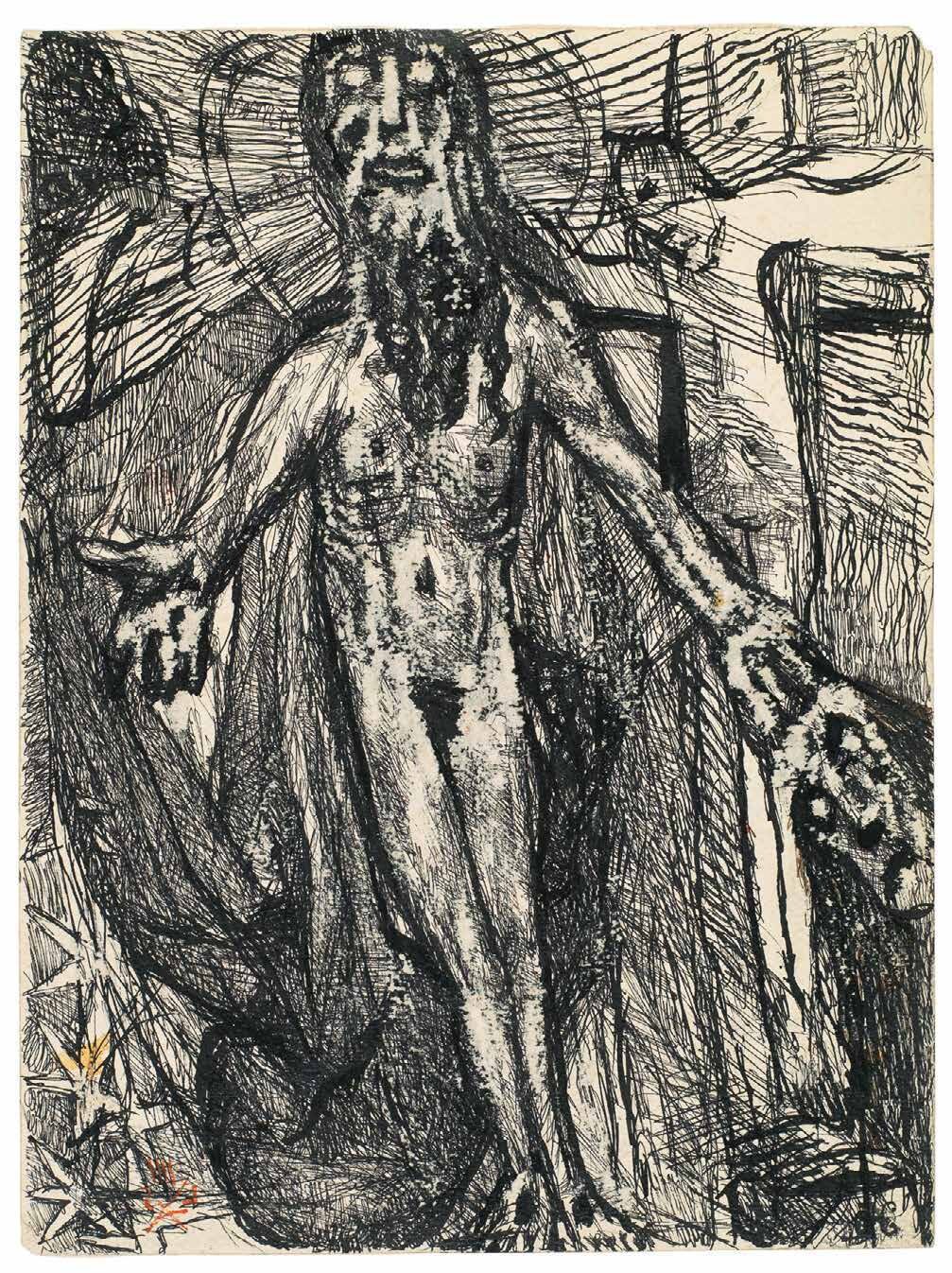
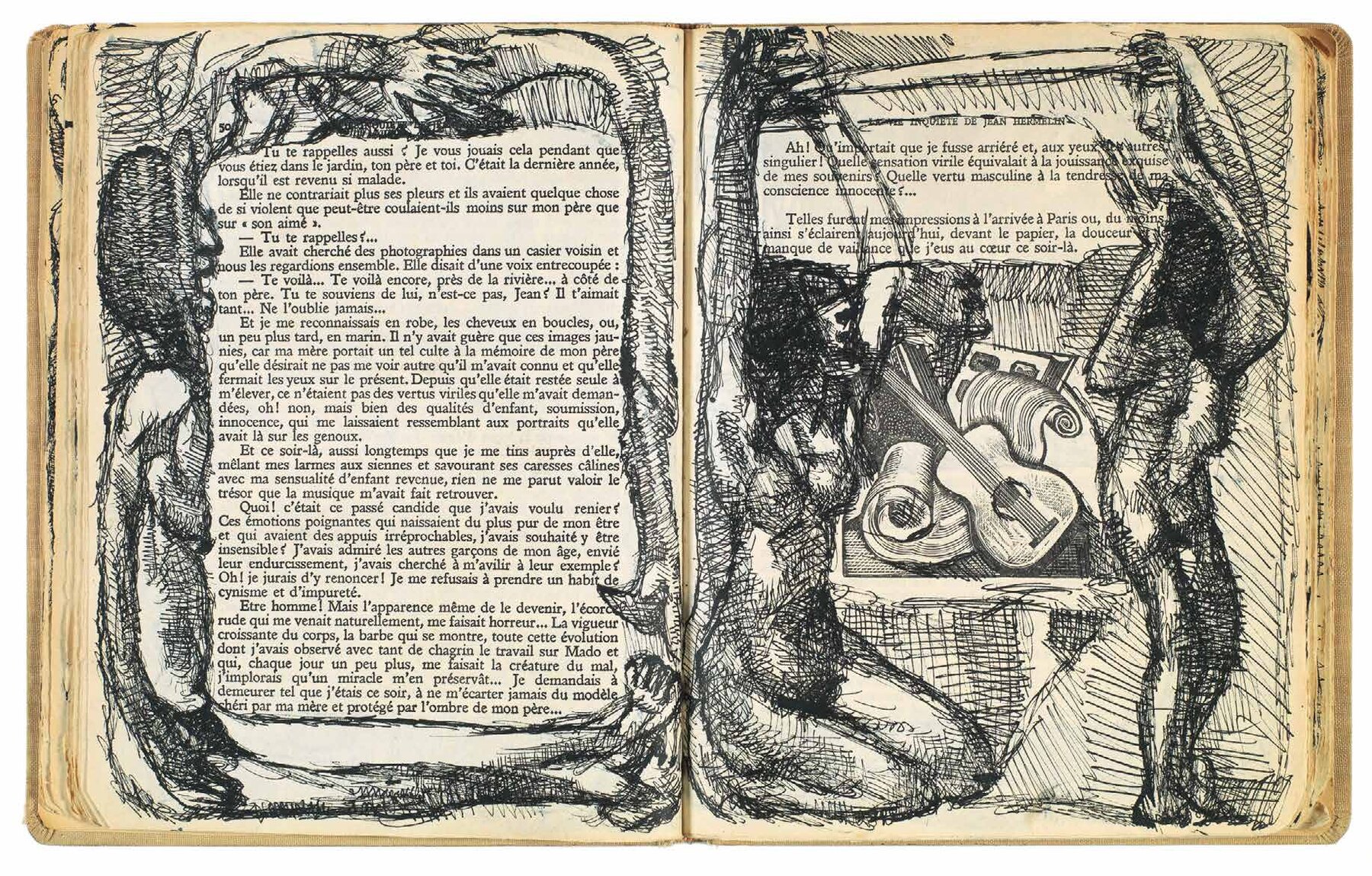
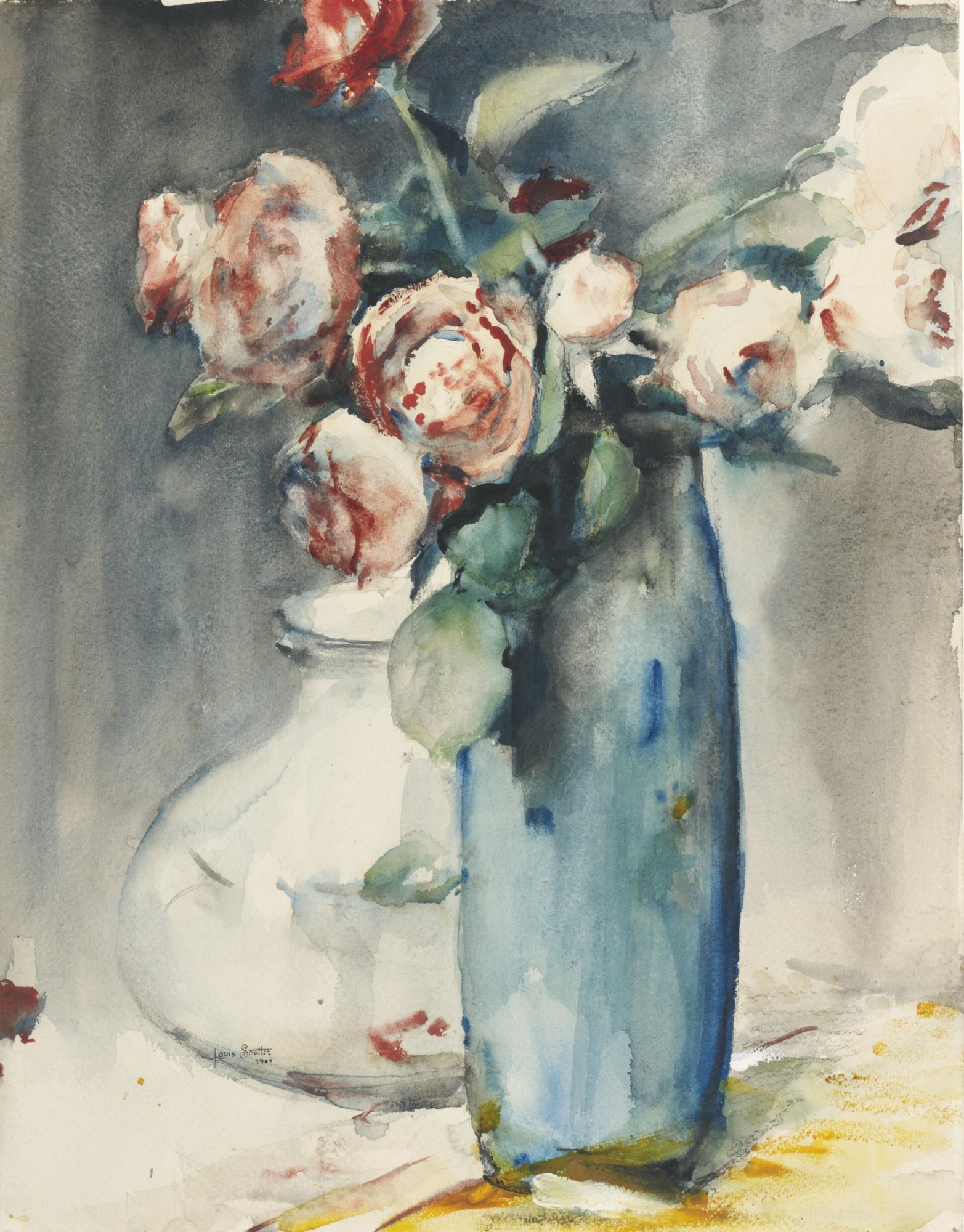
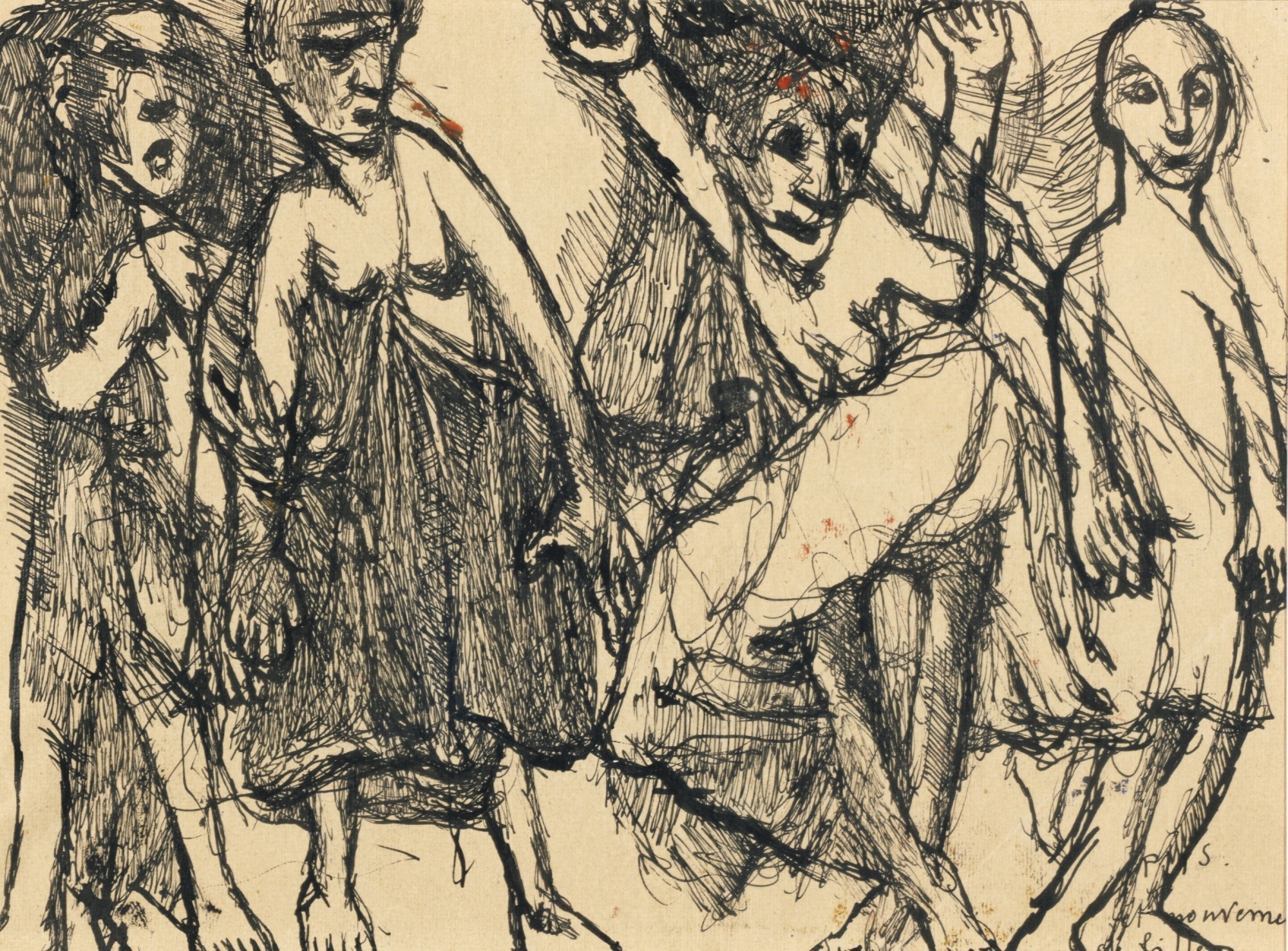
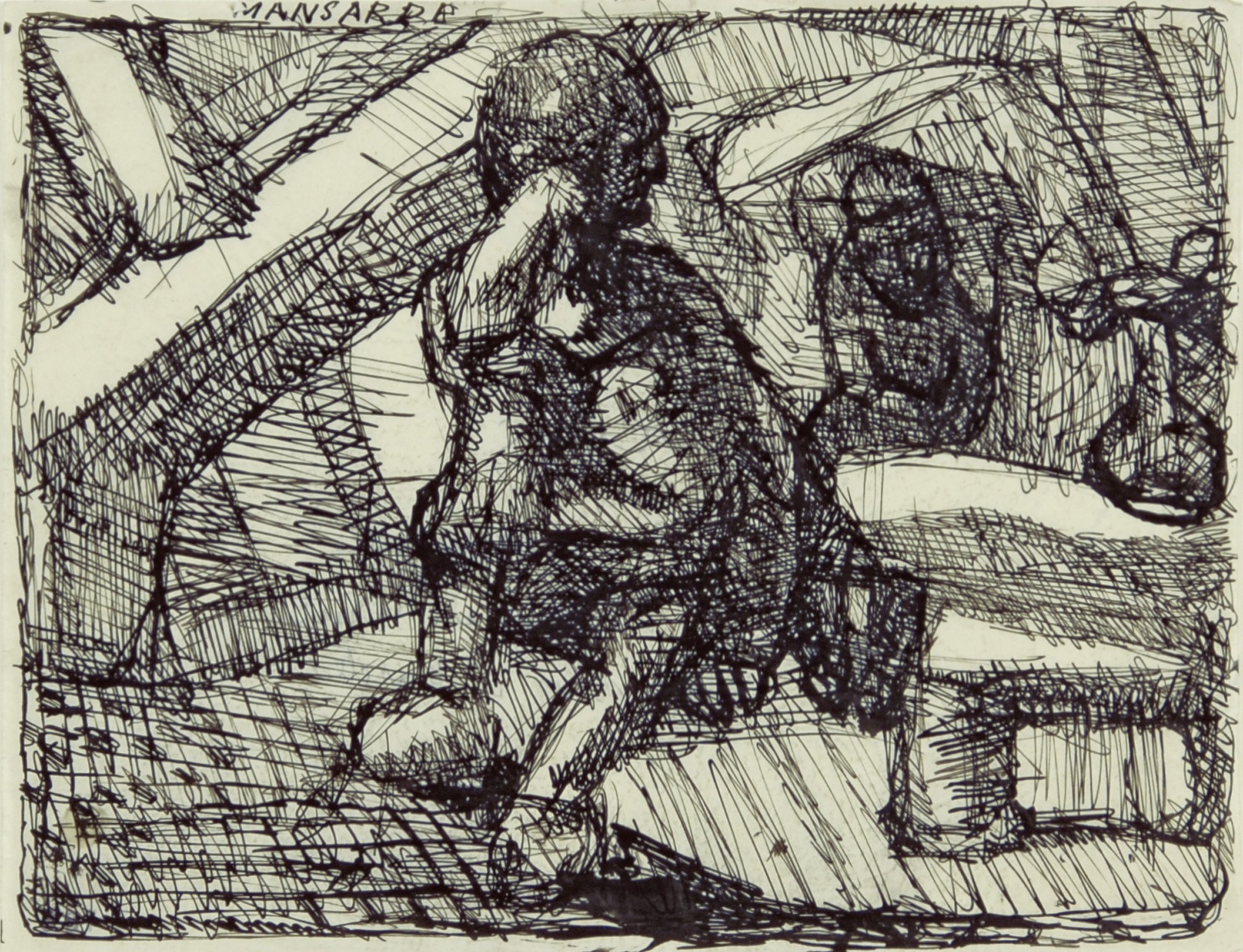
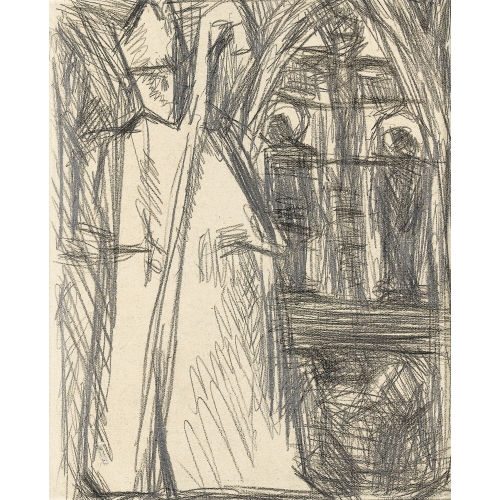
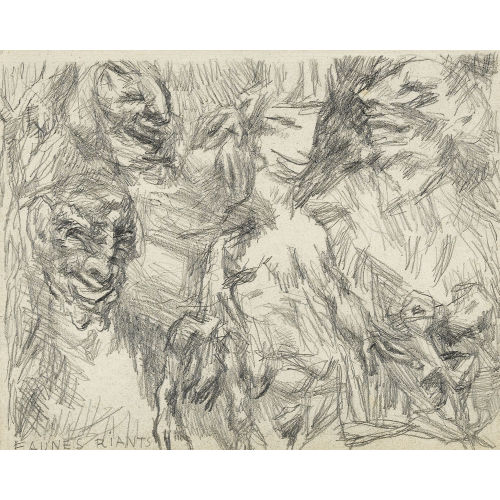
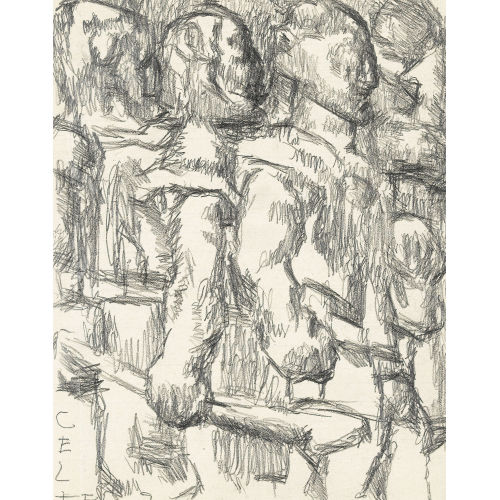
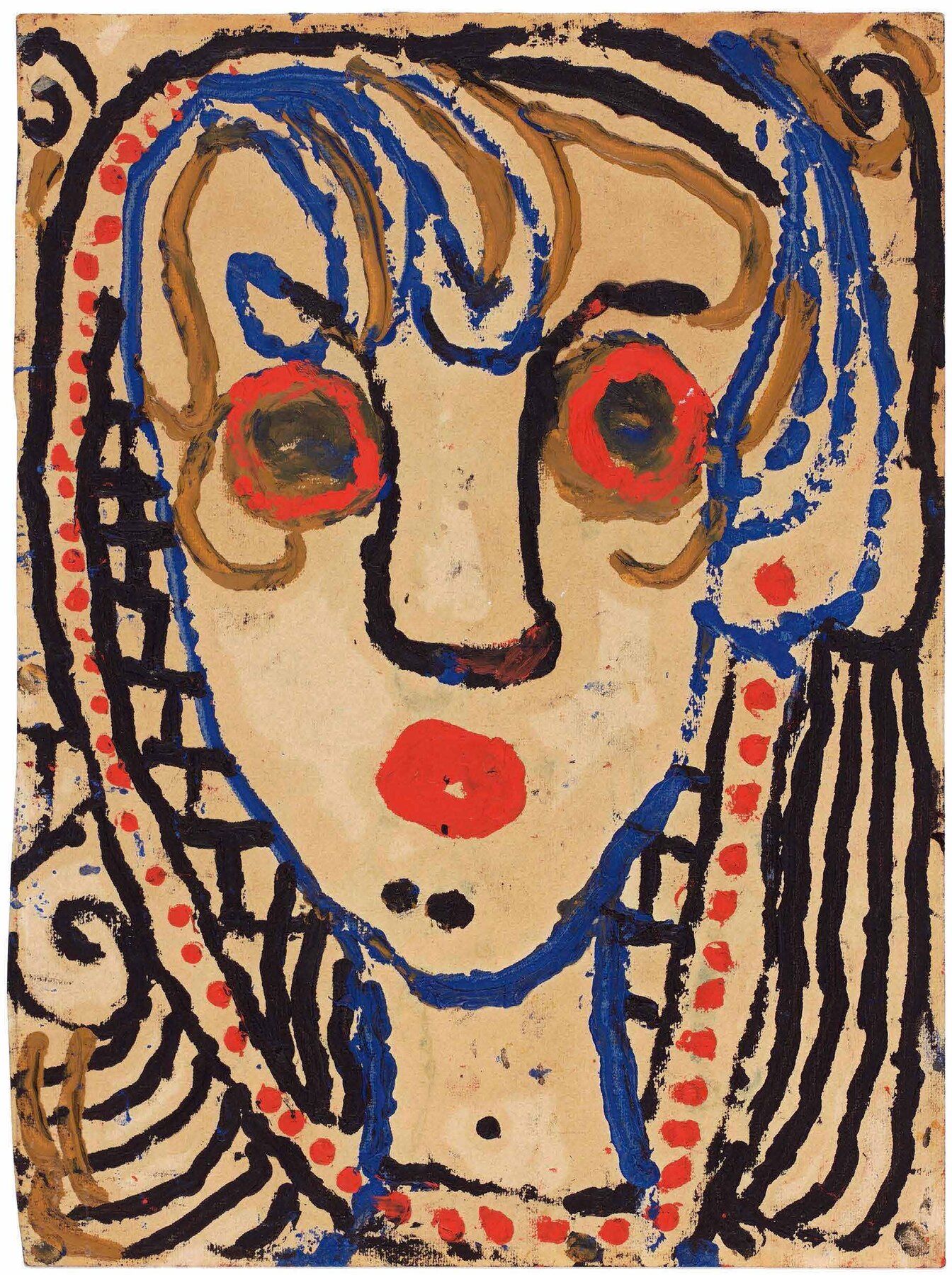
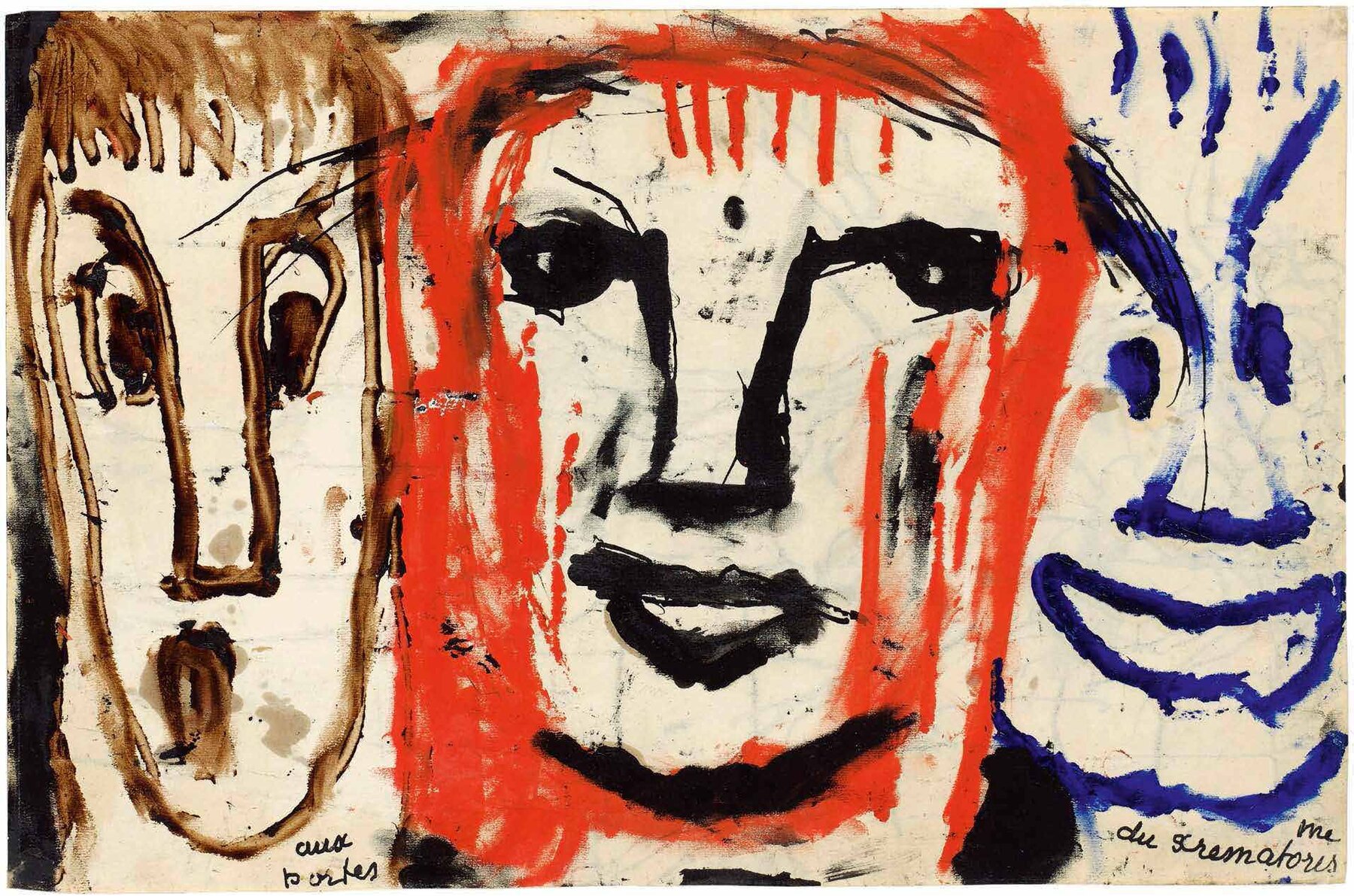
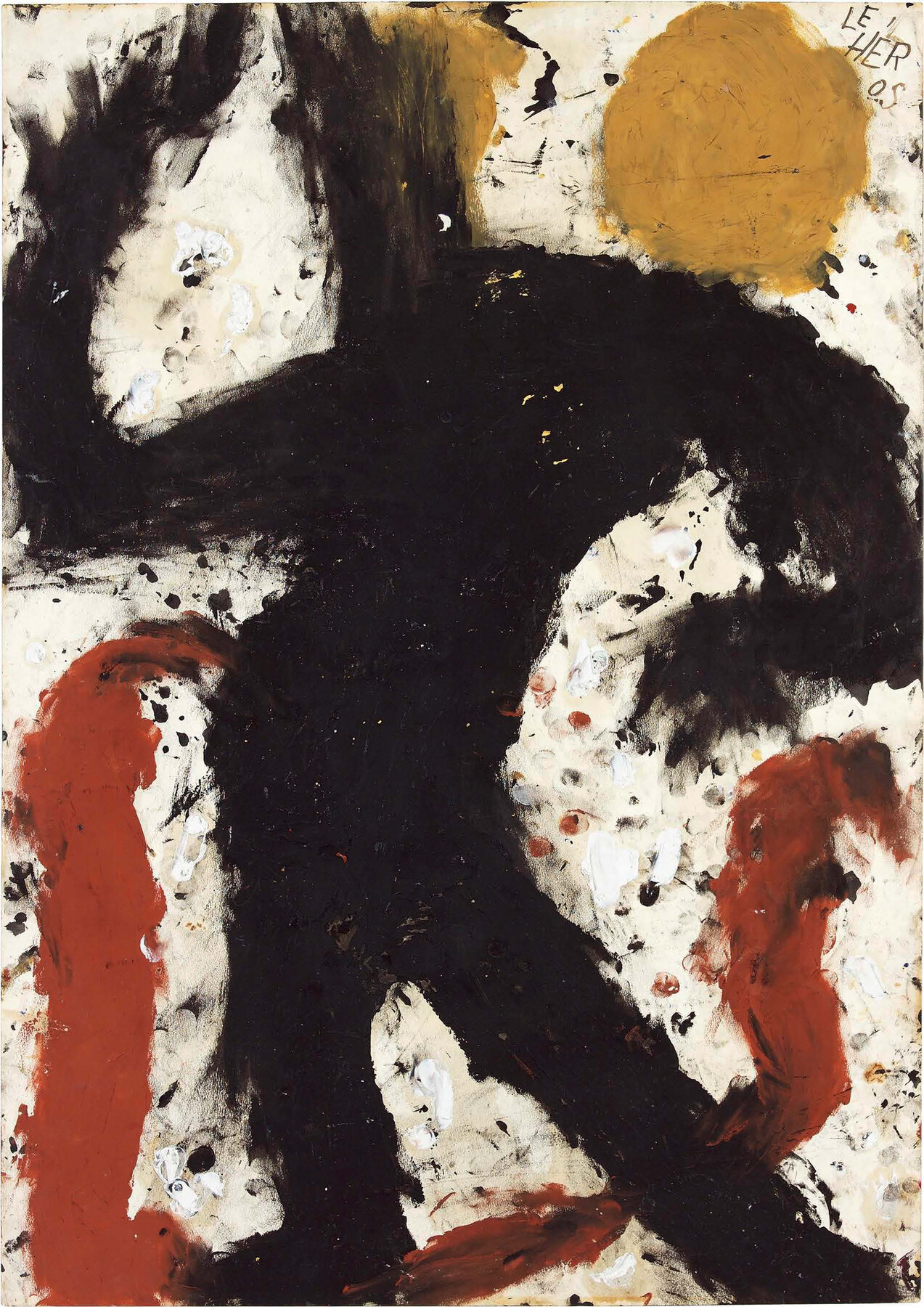
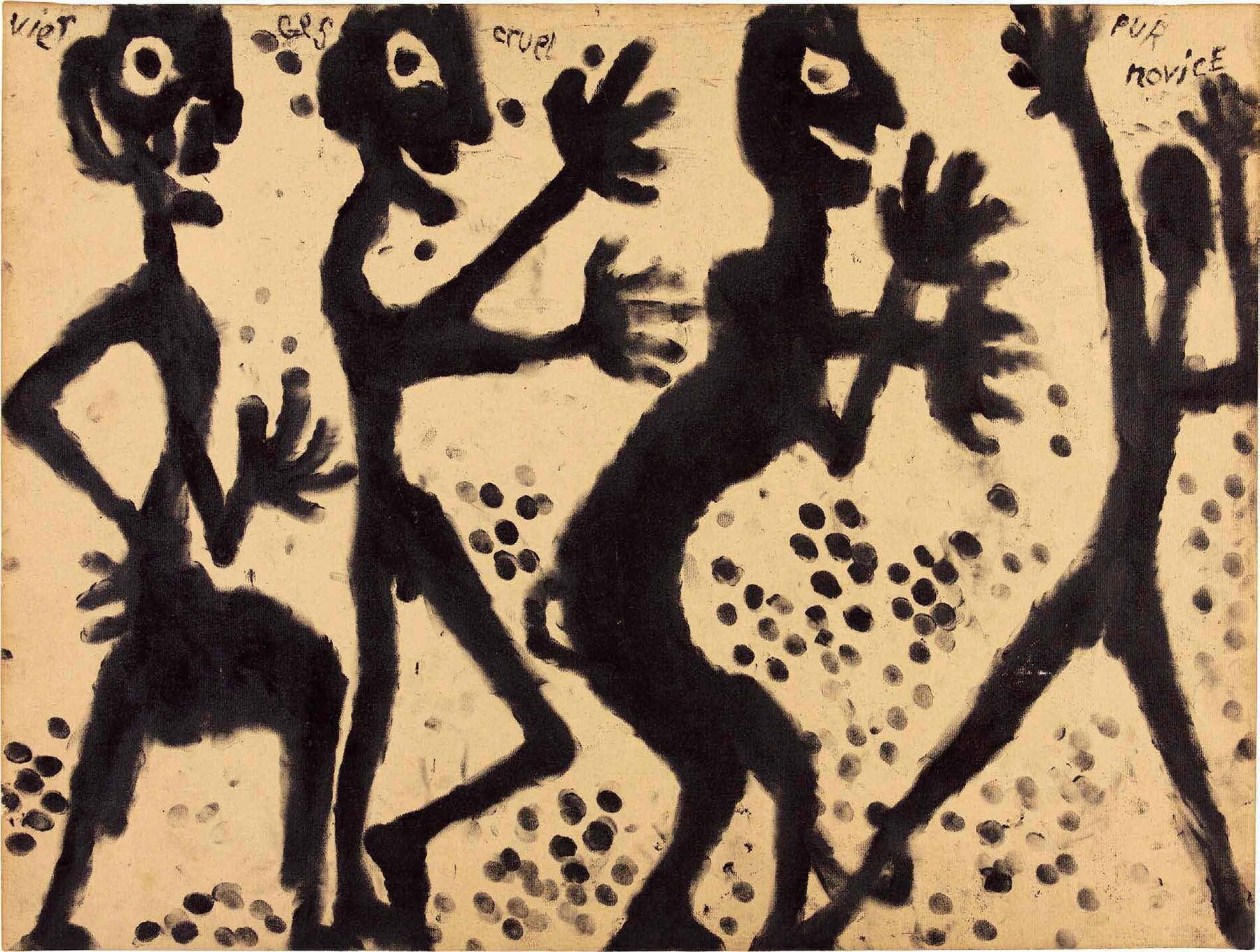
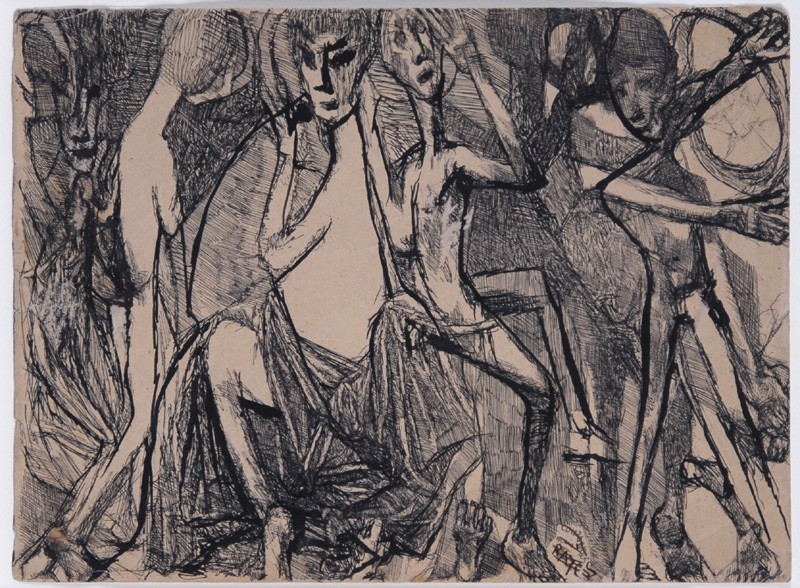
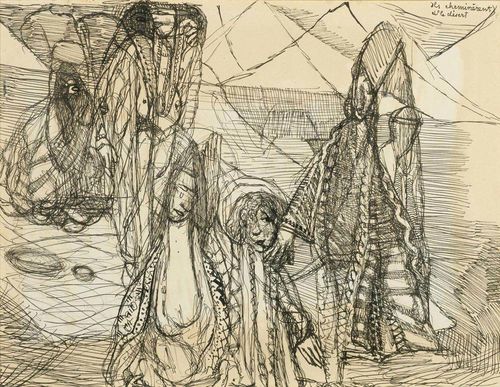
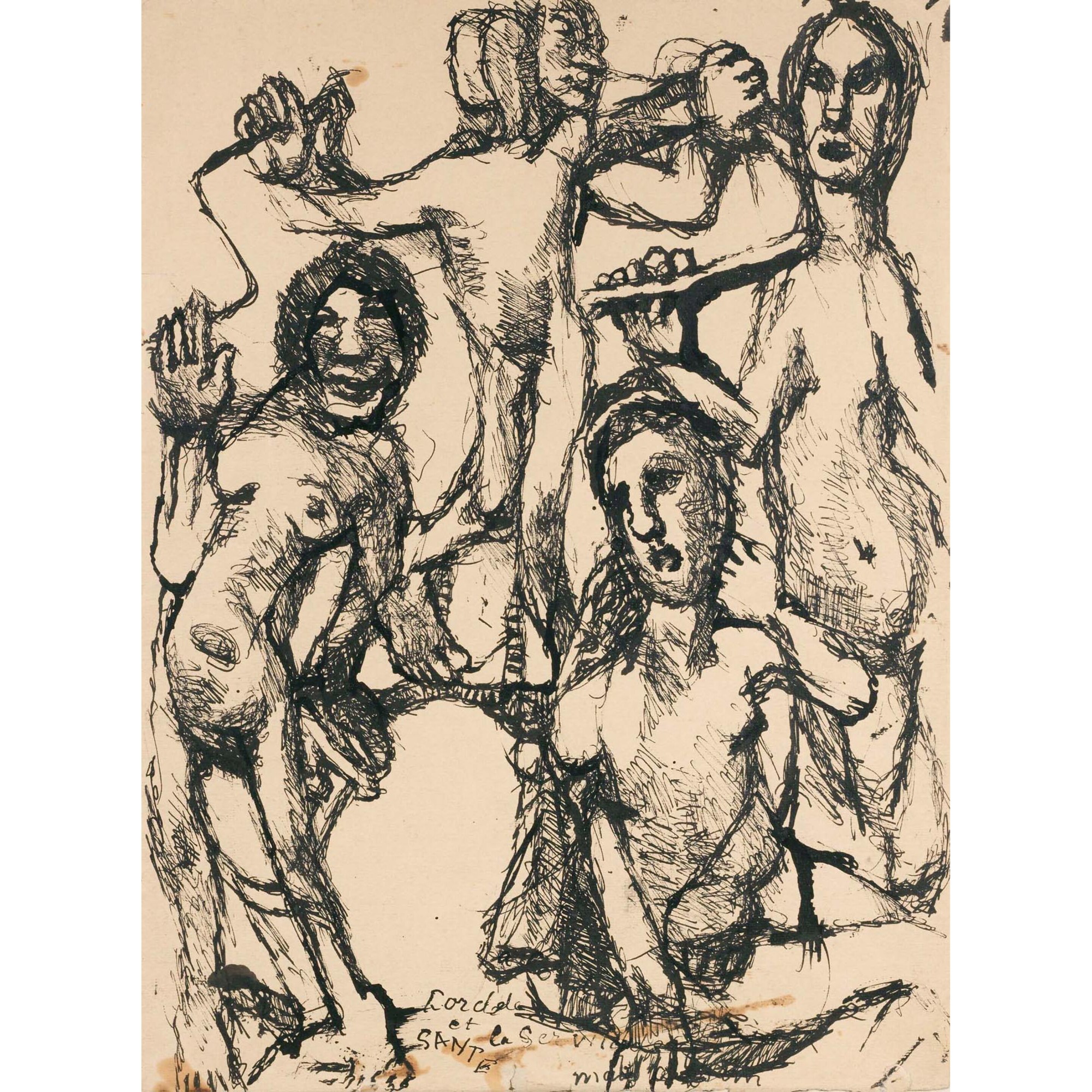
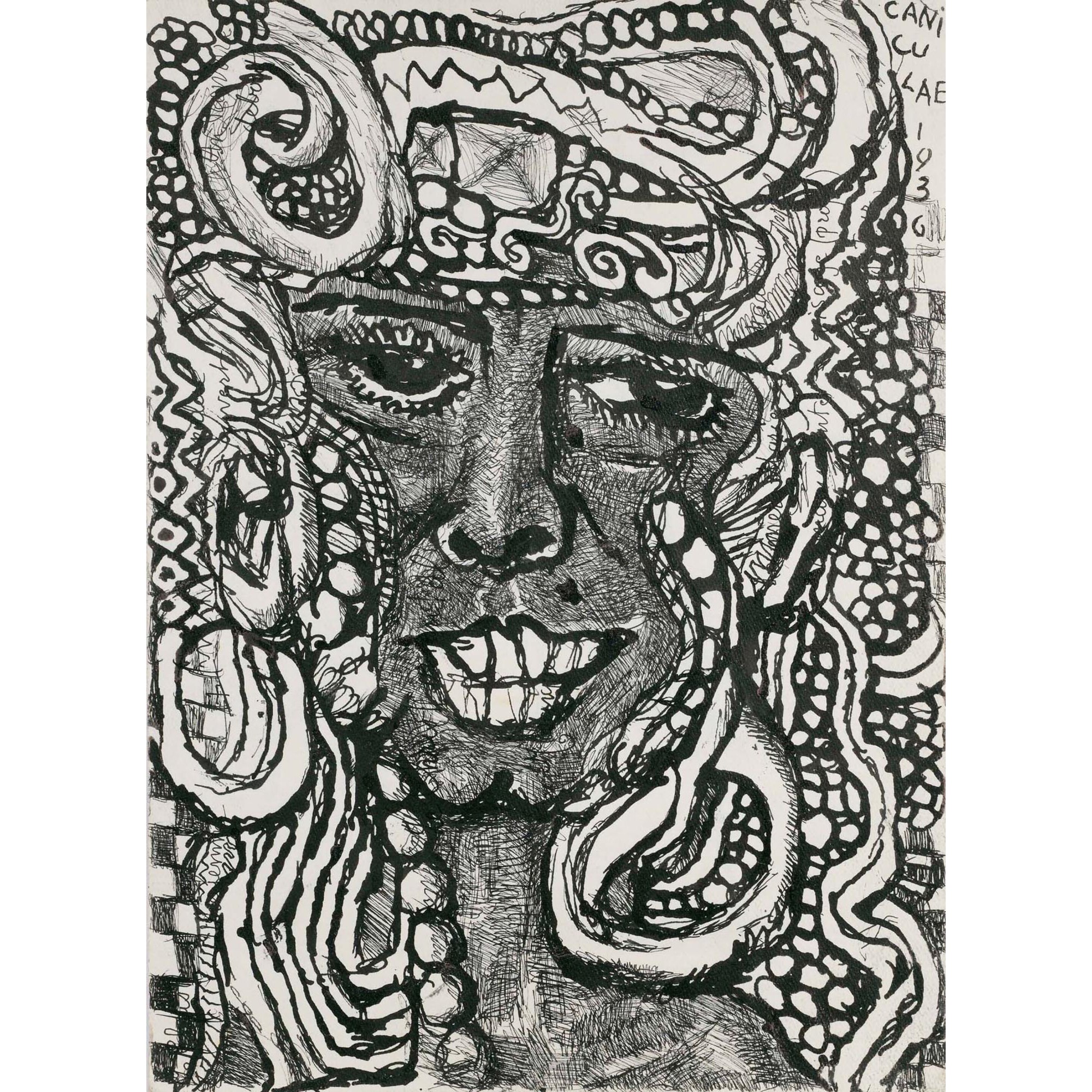
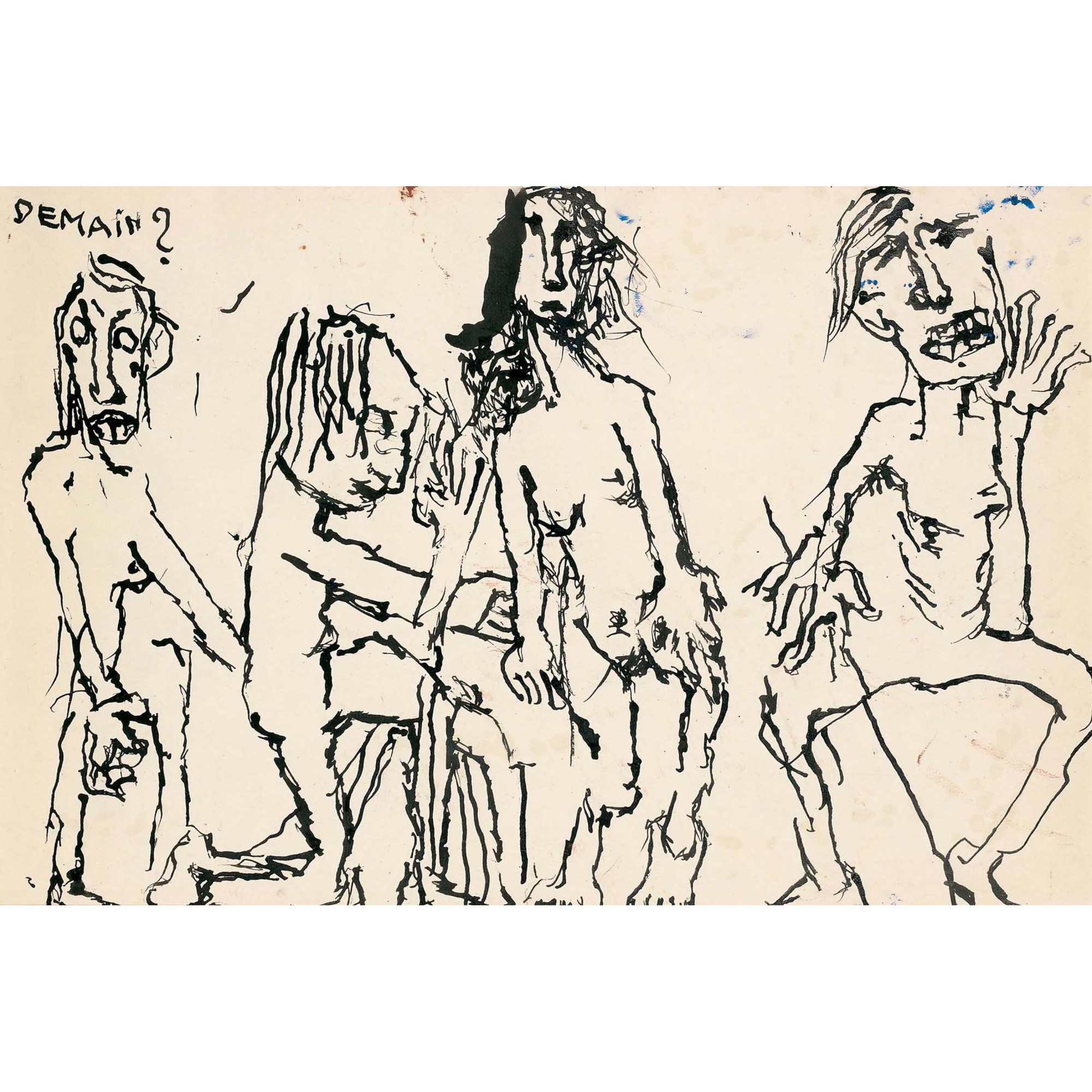
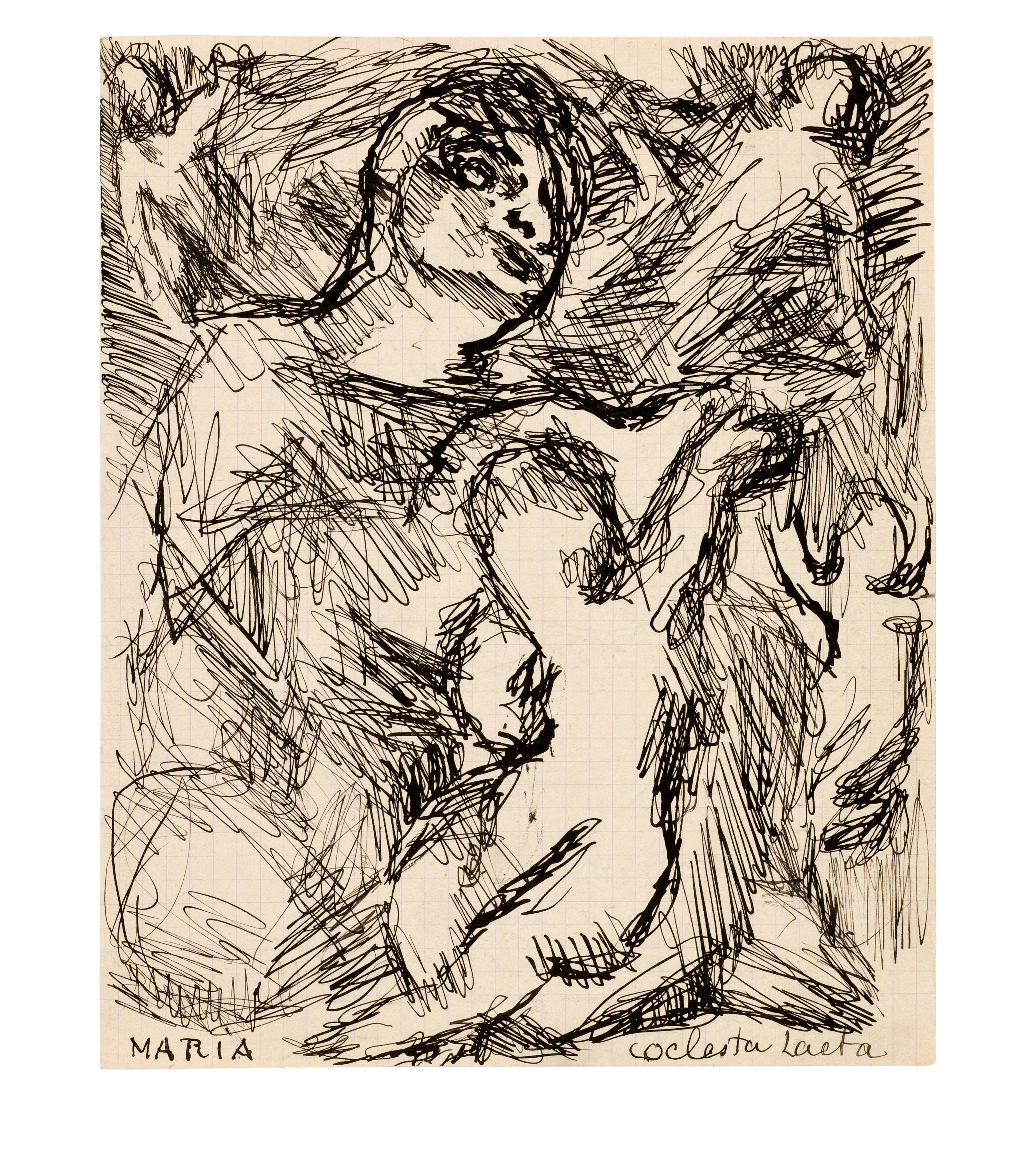
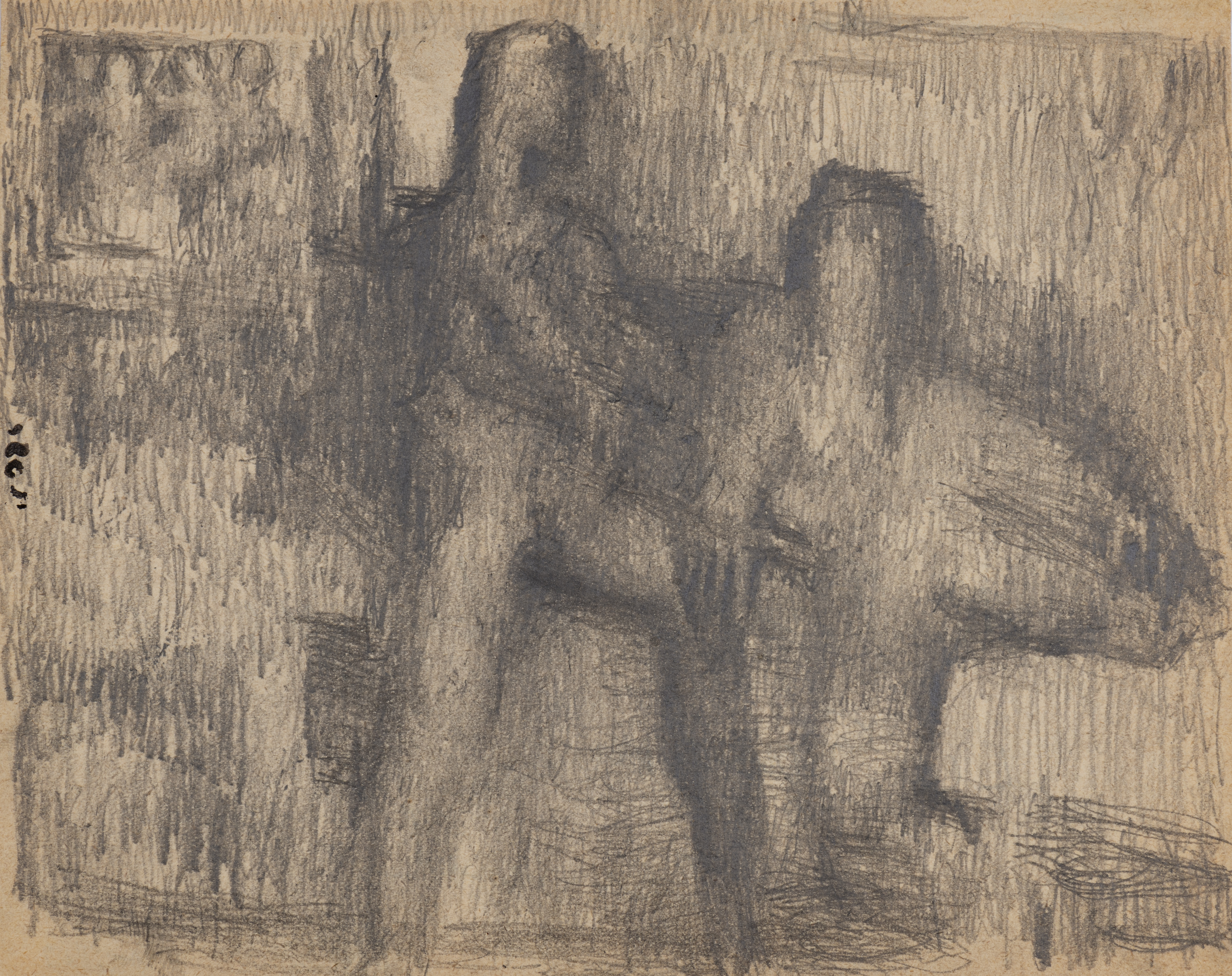
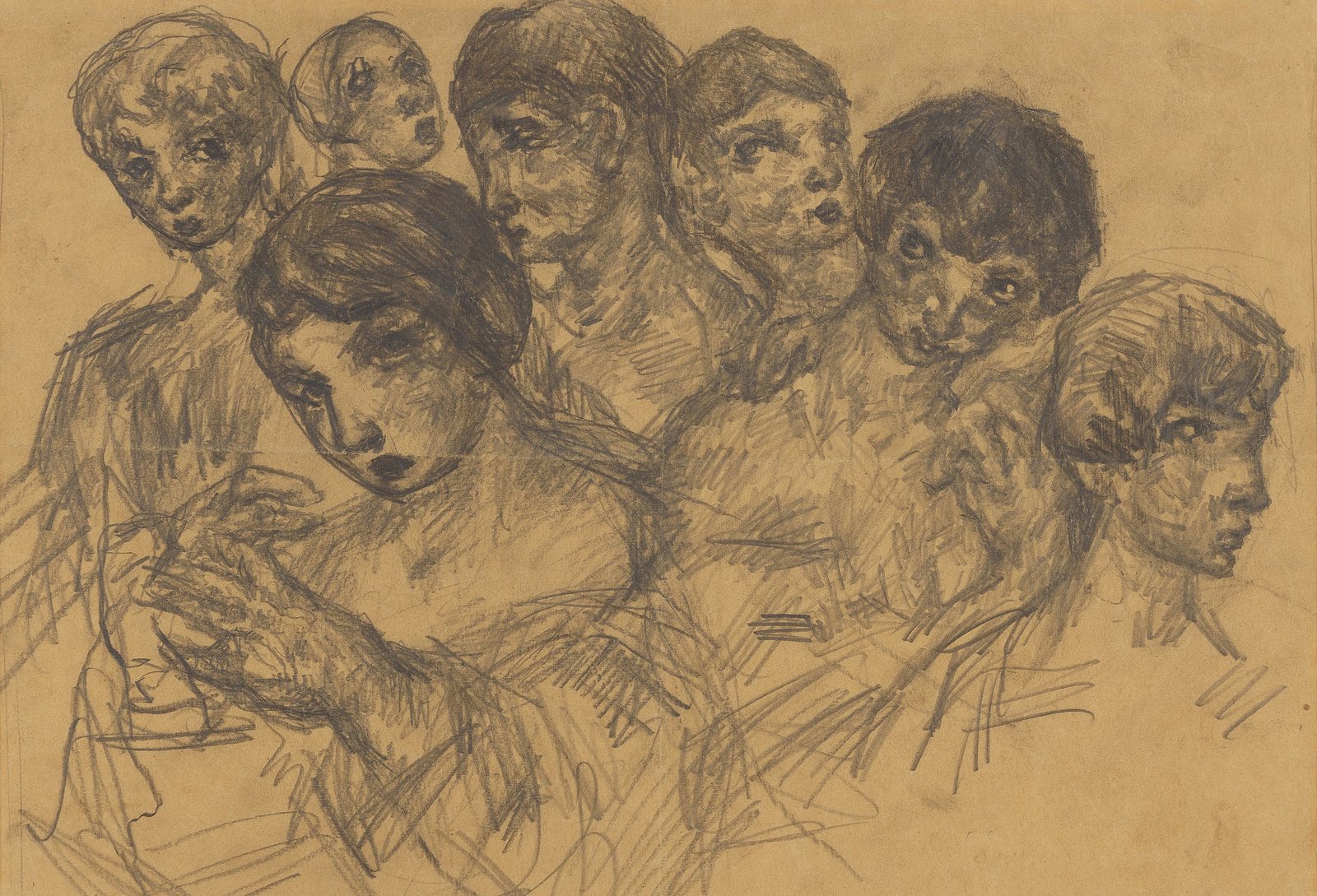
Elongated bodies, dancing silhouettes, blacks traversed by the white of the paper: Louis Soutter gives drawing a singular intensity. Born in Morges in 1871 and dying in Ballaigues in 1942, this Vaud artist developed a body of work whose freedom should not obscure his solid artistic and musical training.
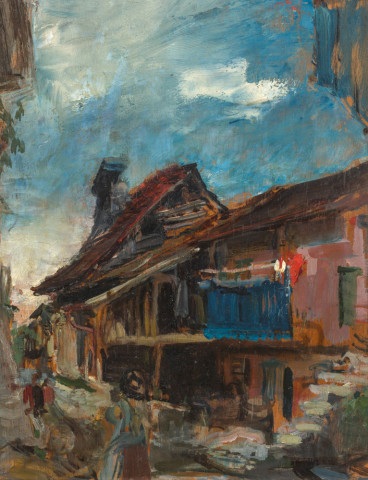
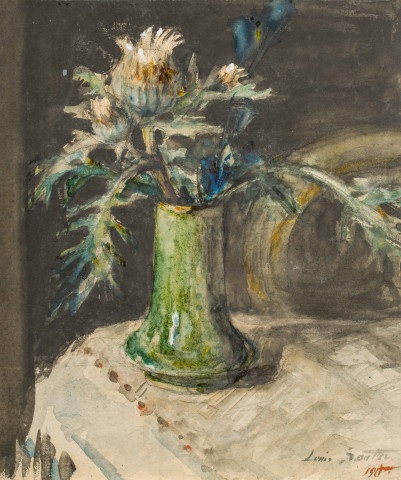
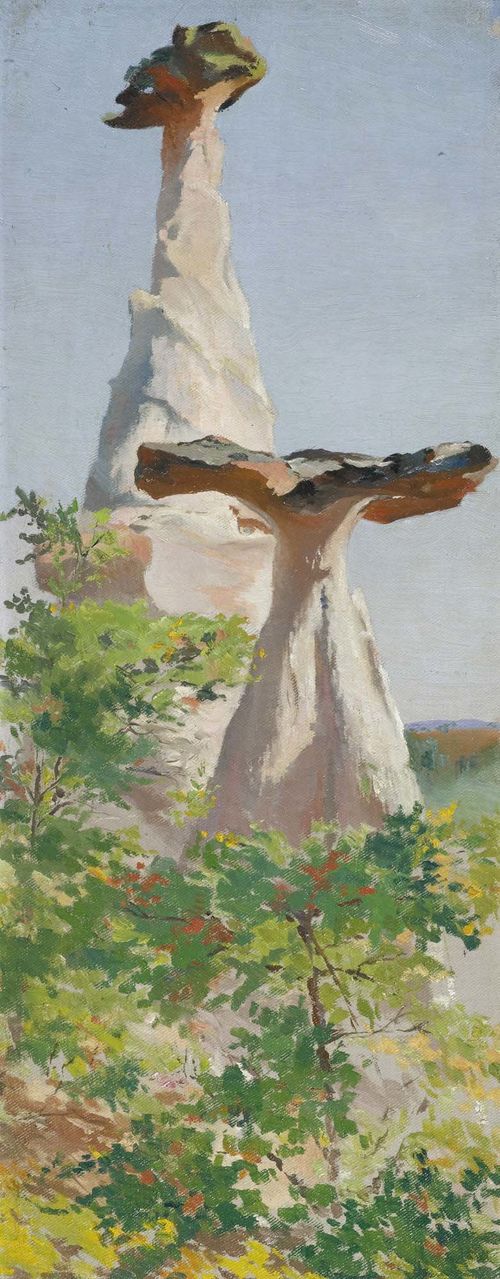
He studied drawing and painting, notably in Paris, and trained as a violinist under Eugène Ysaÿe in Brussels. He left for the United States in 1897, teaching at Colorado College, where he headed the Department of Fine Arts. After returning to Switzerland in 1903, he continued to work as a musician, while his circumstances became increasingly precarious.
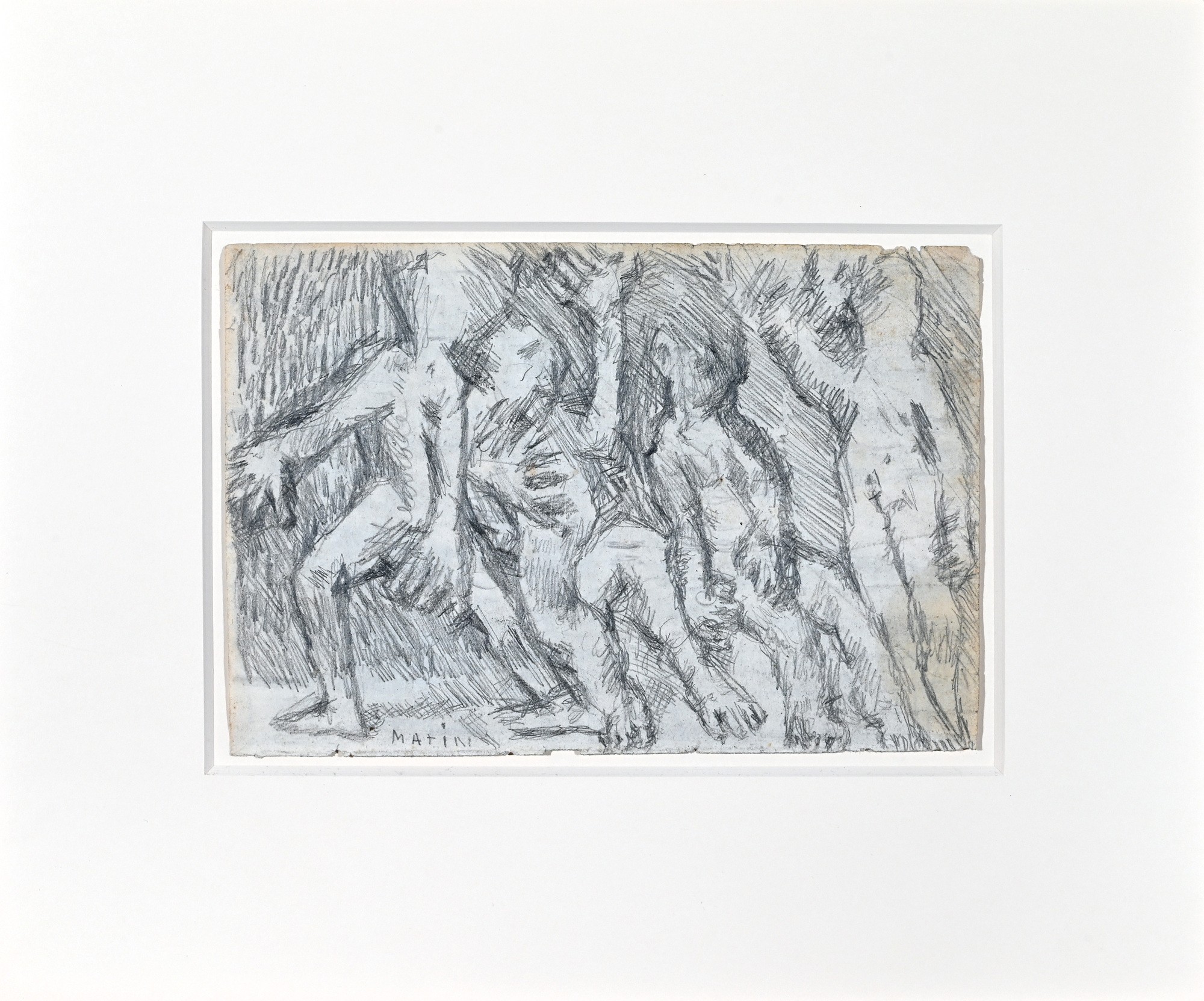
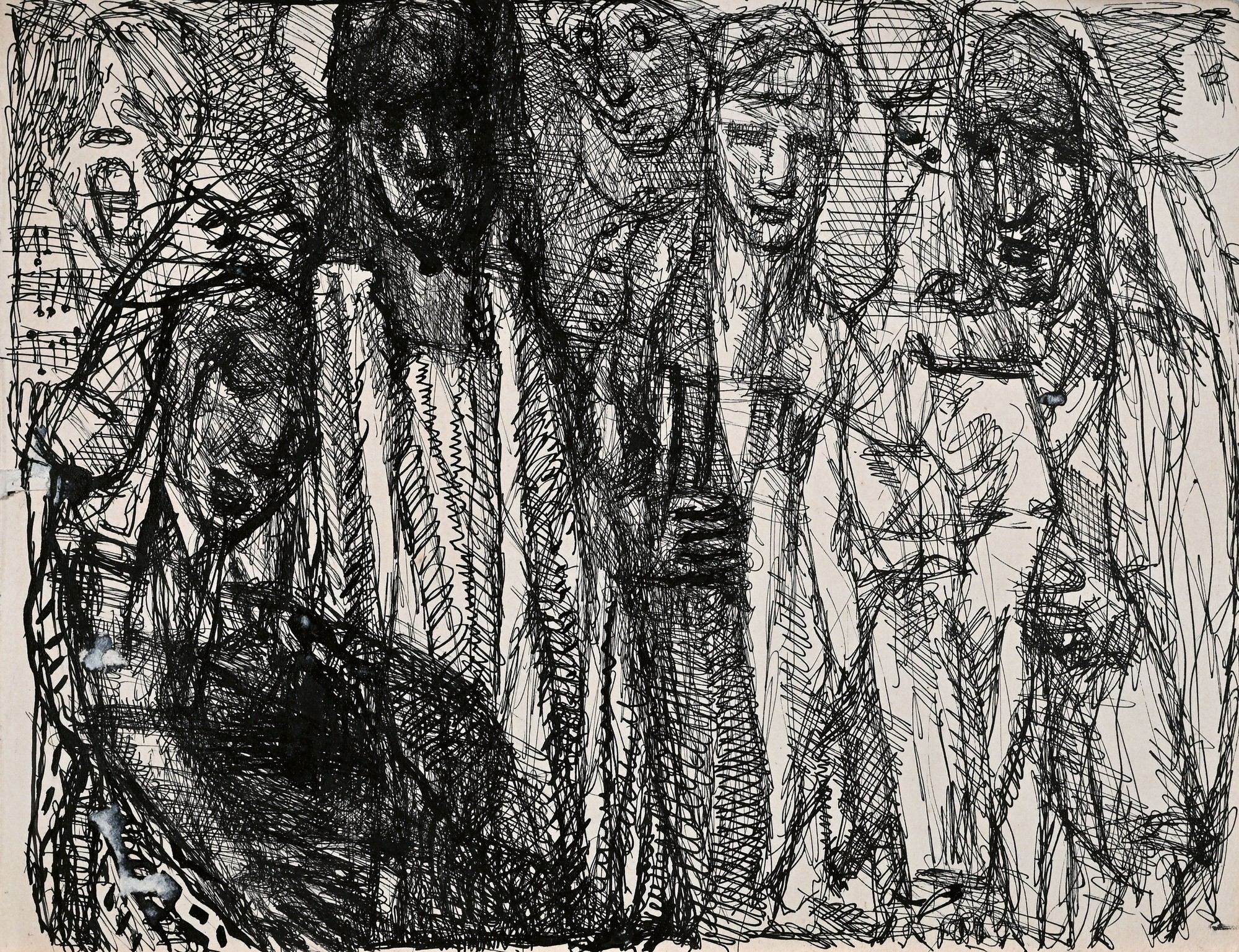
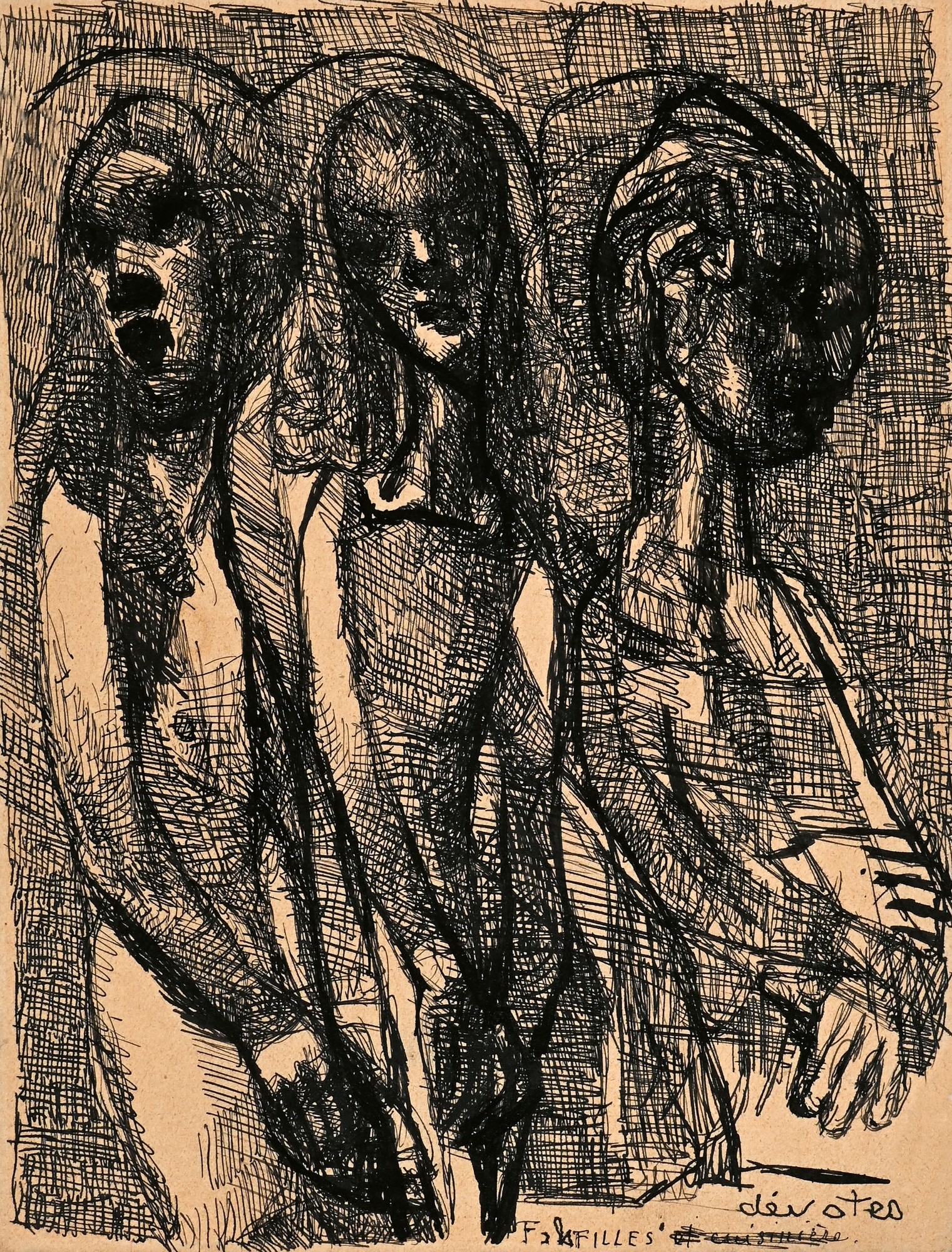
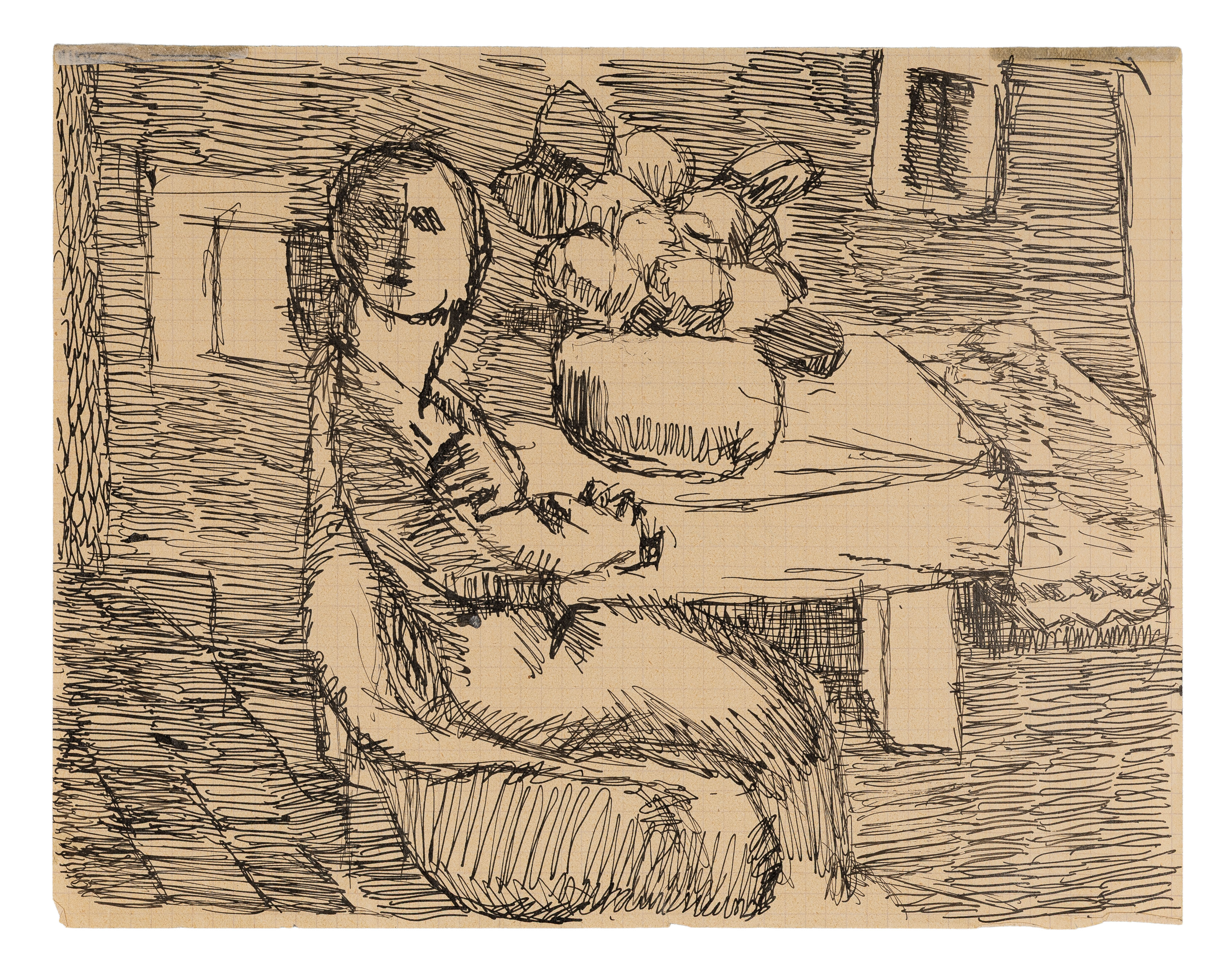
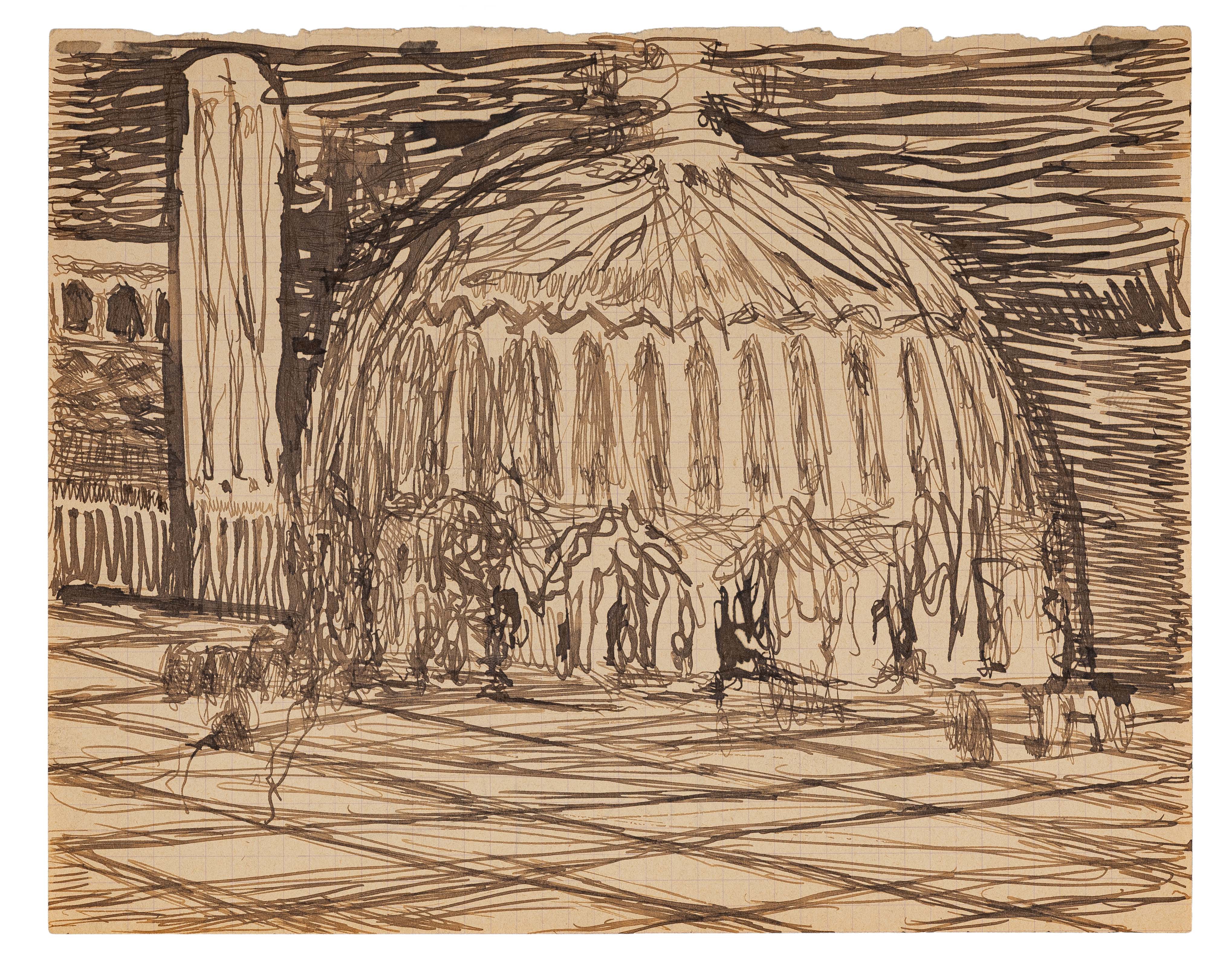
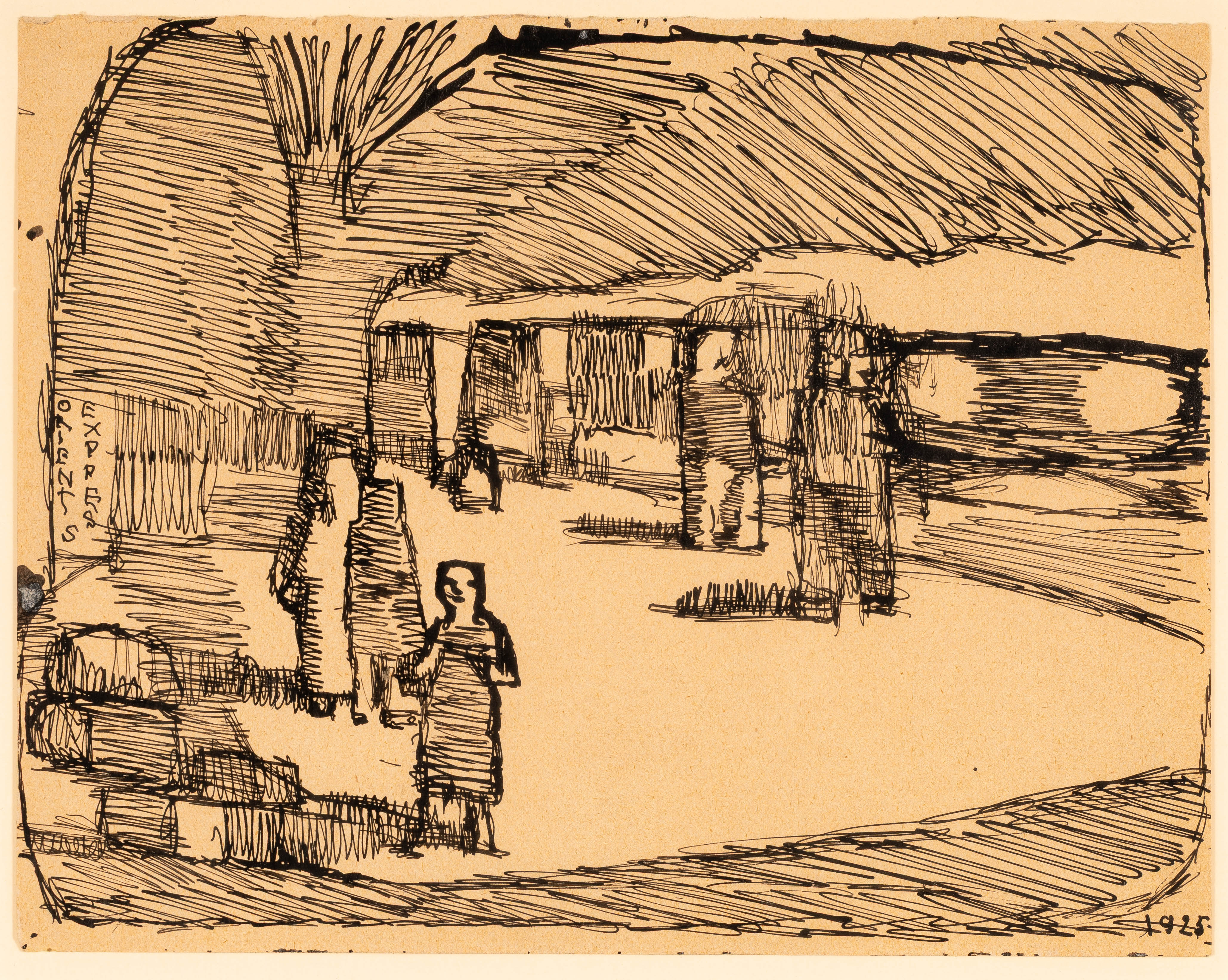
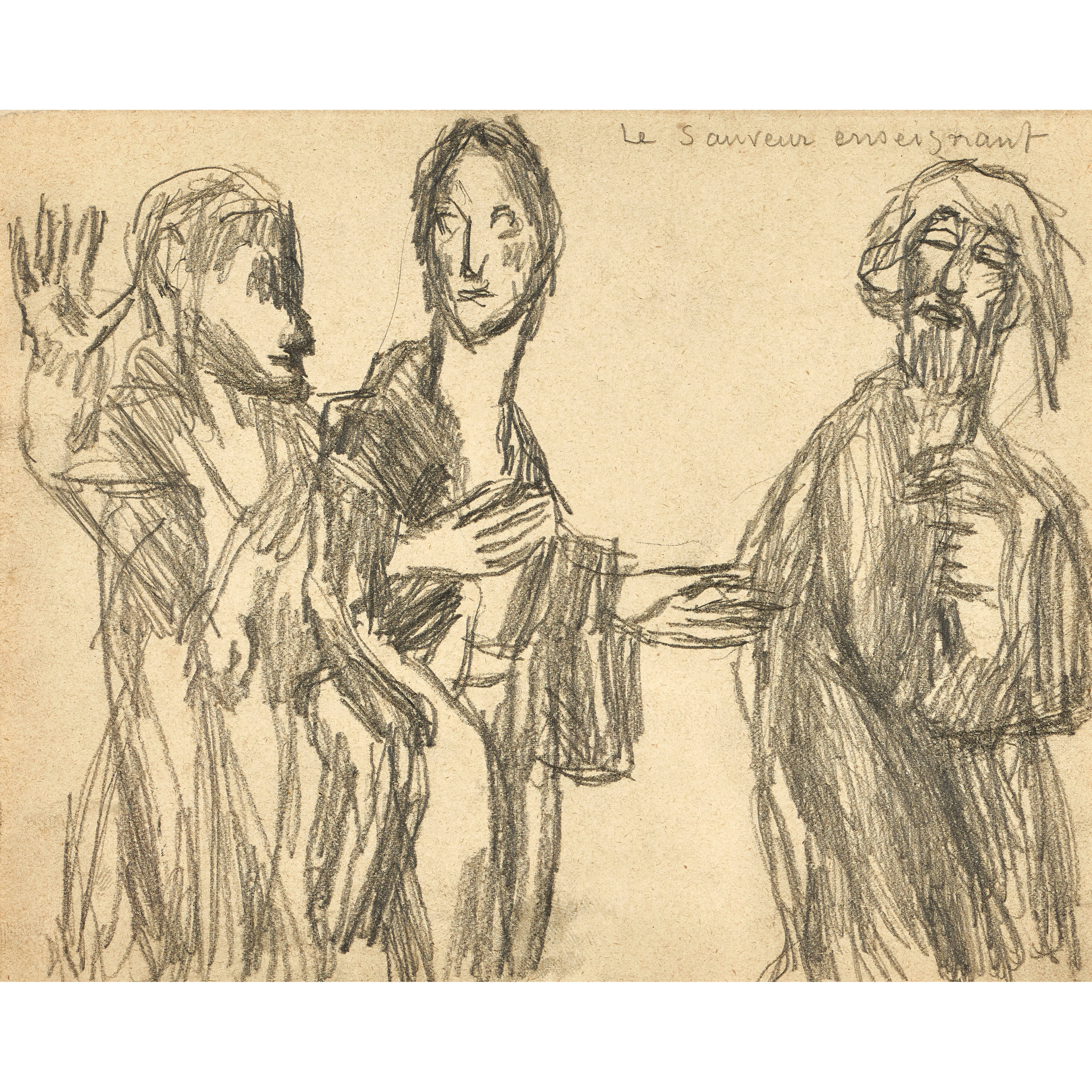
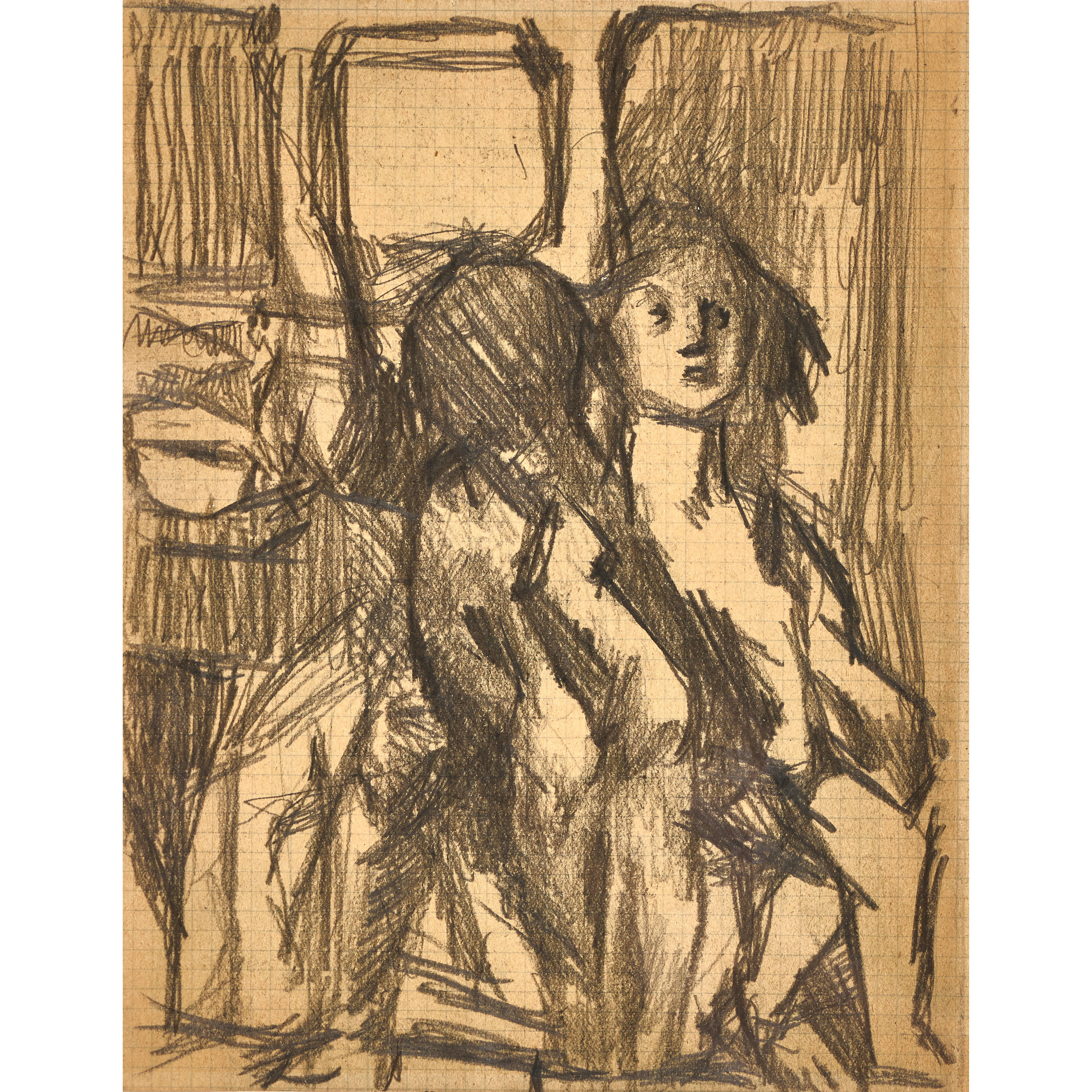
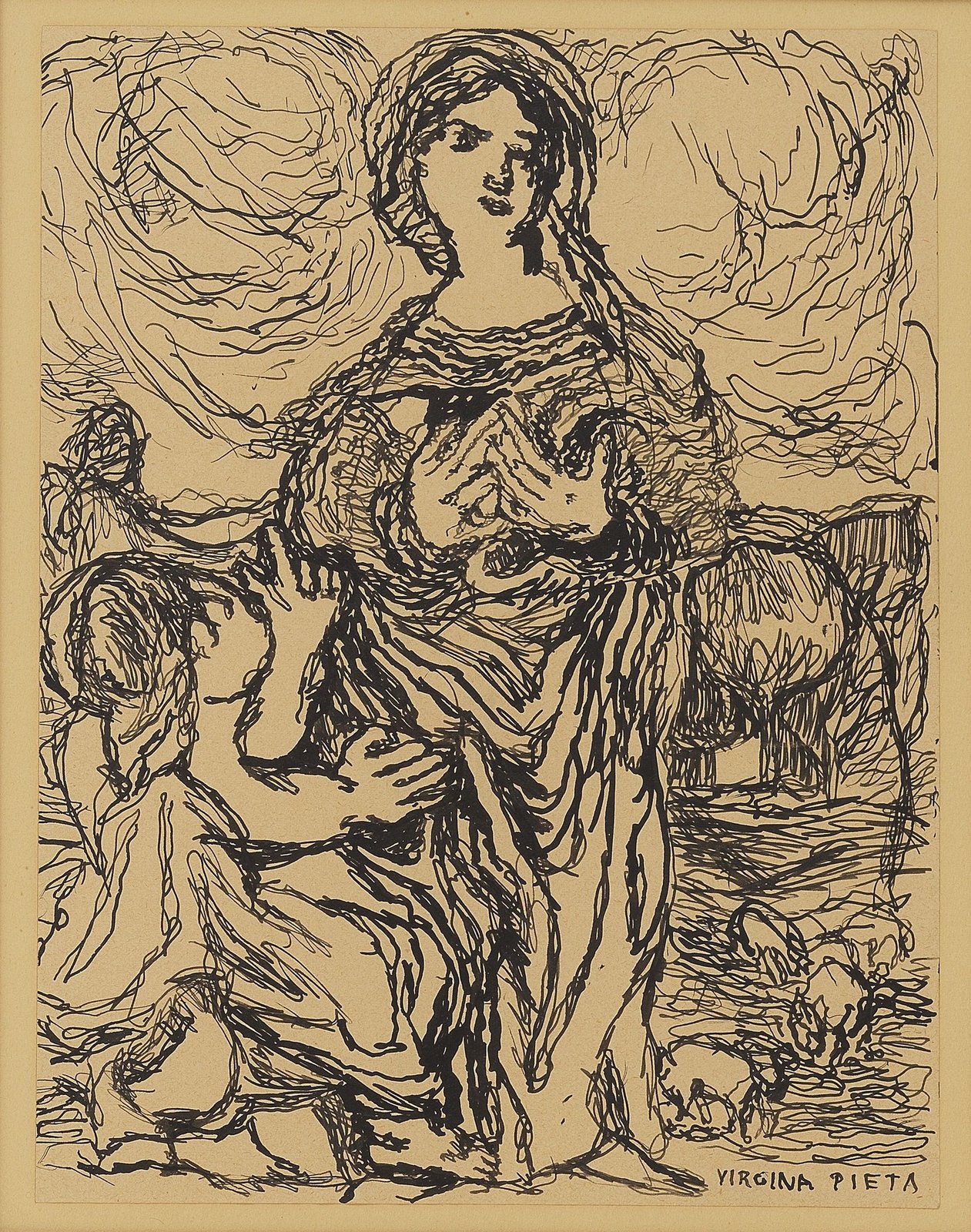
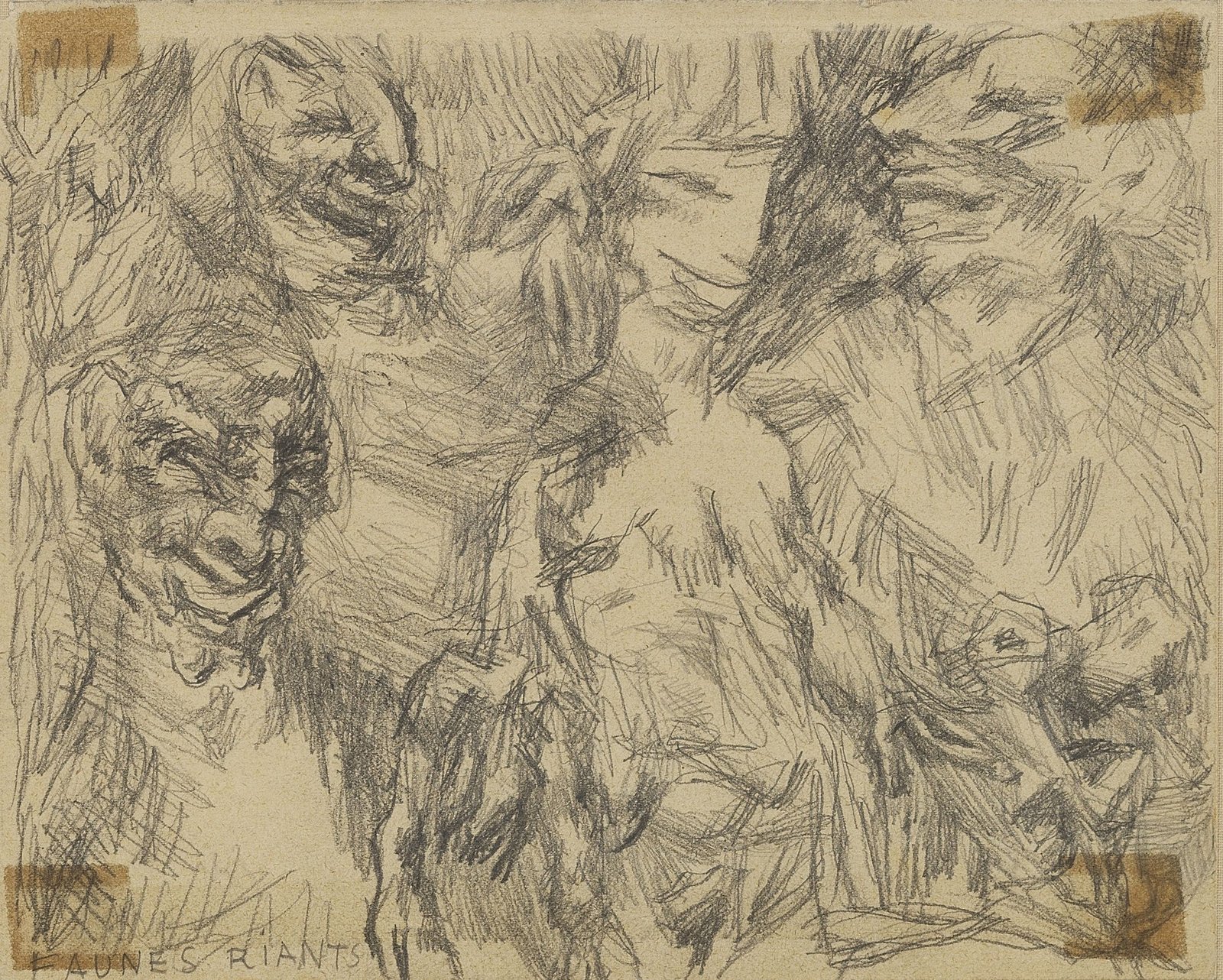
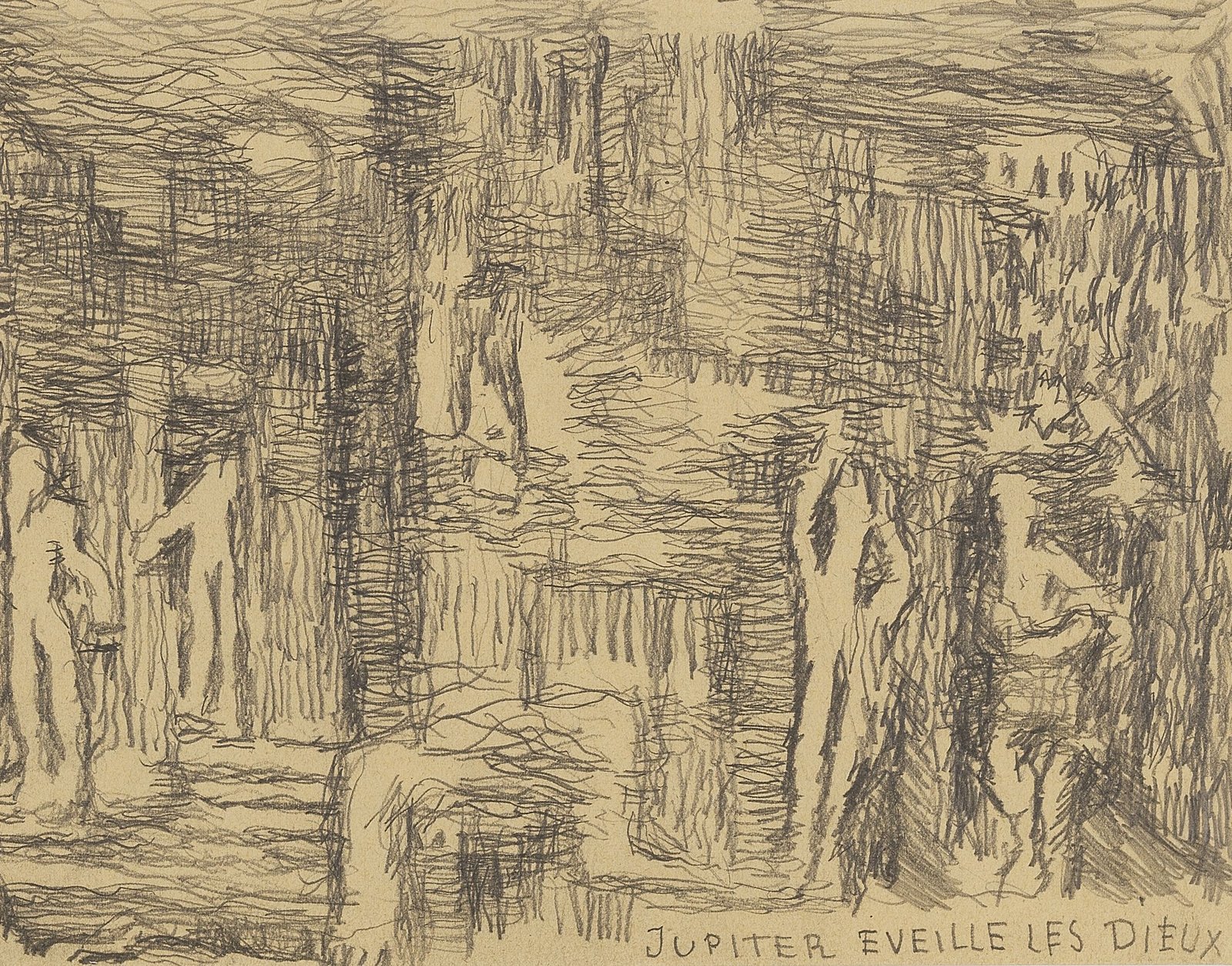
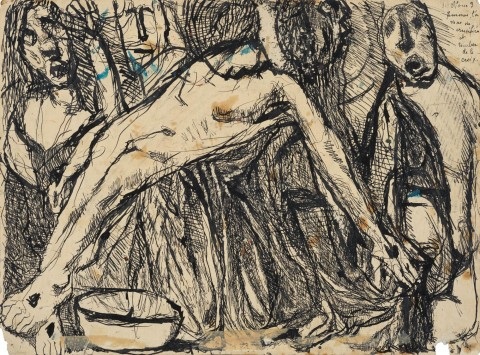
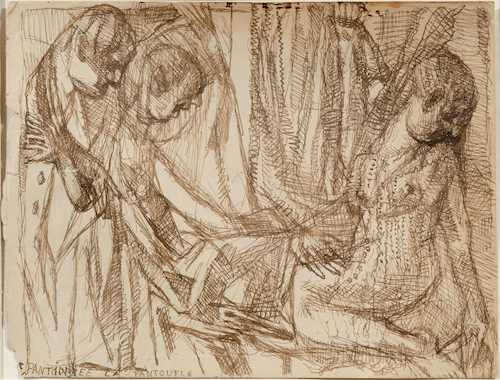
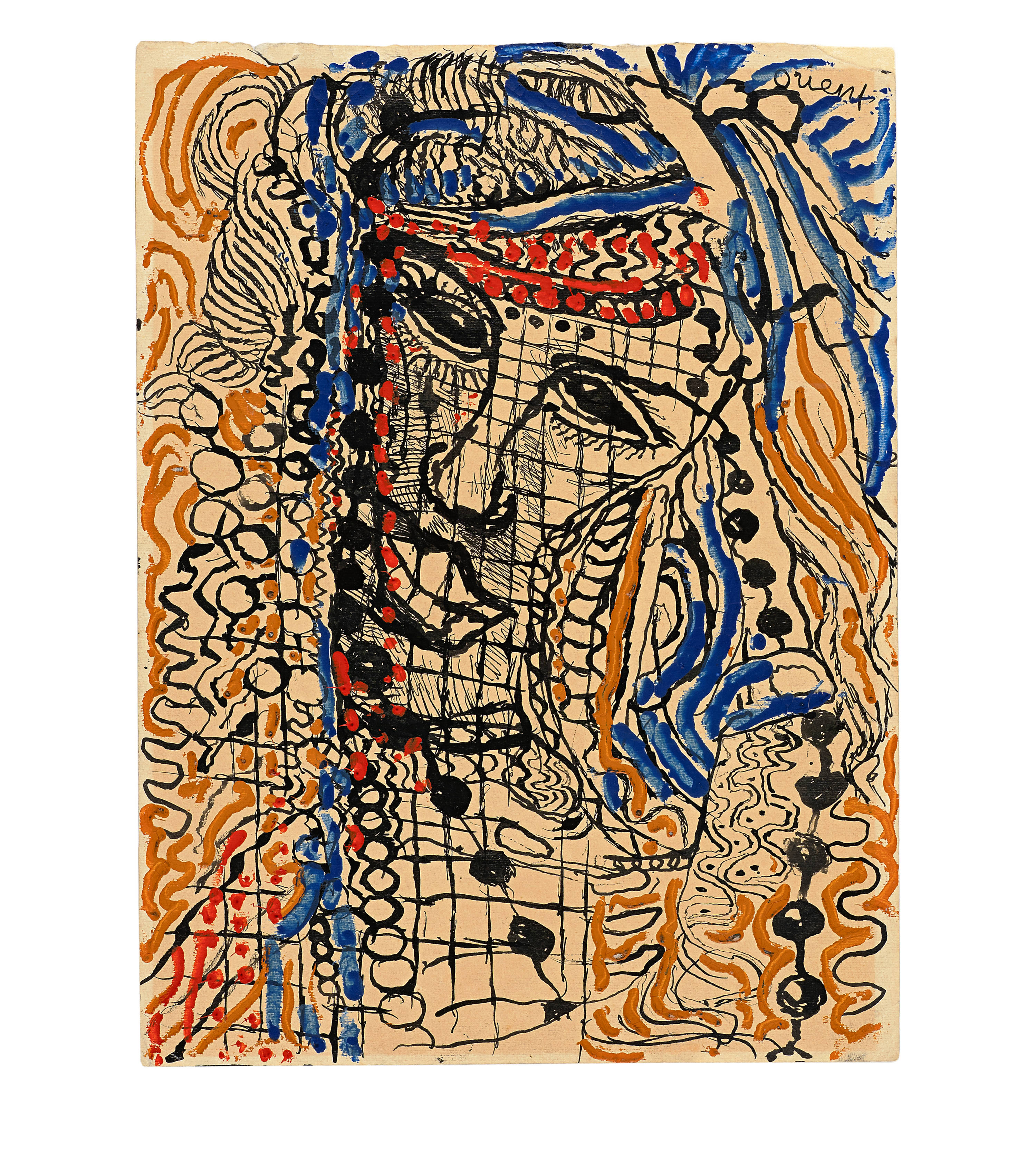
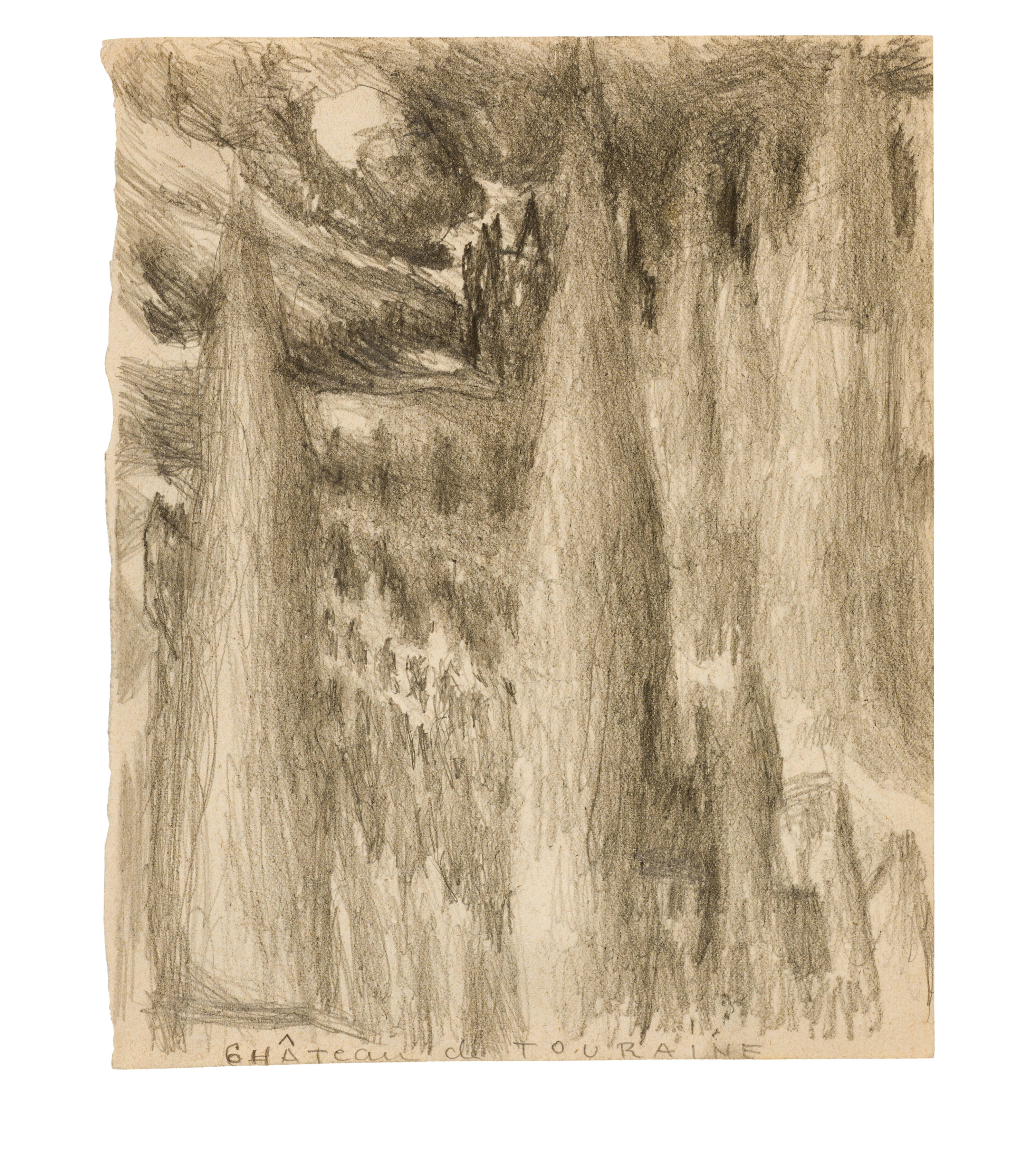
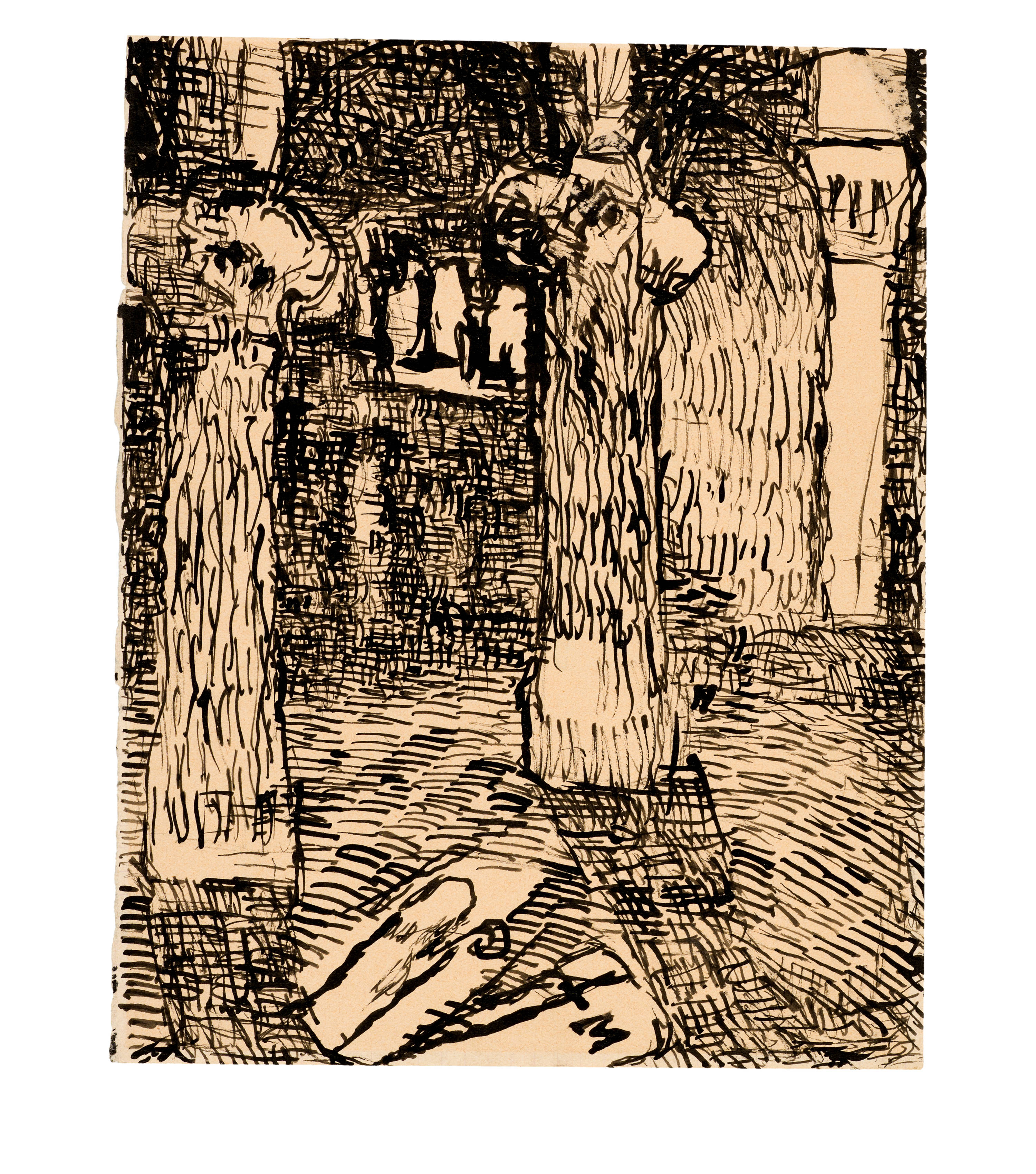
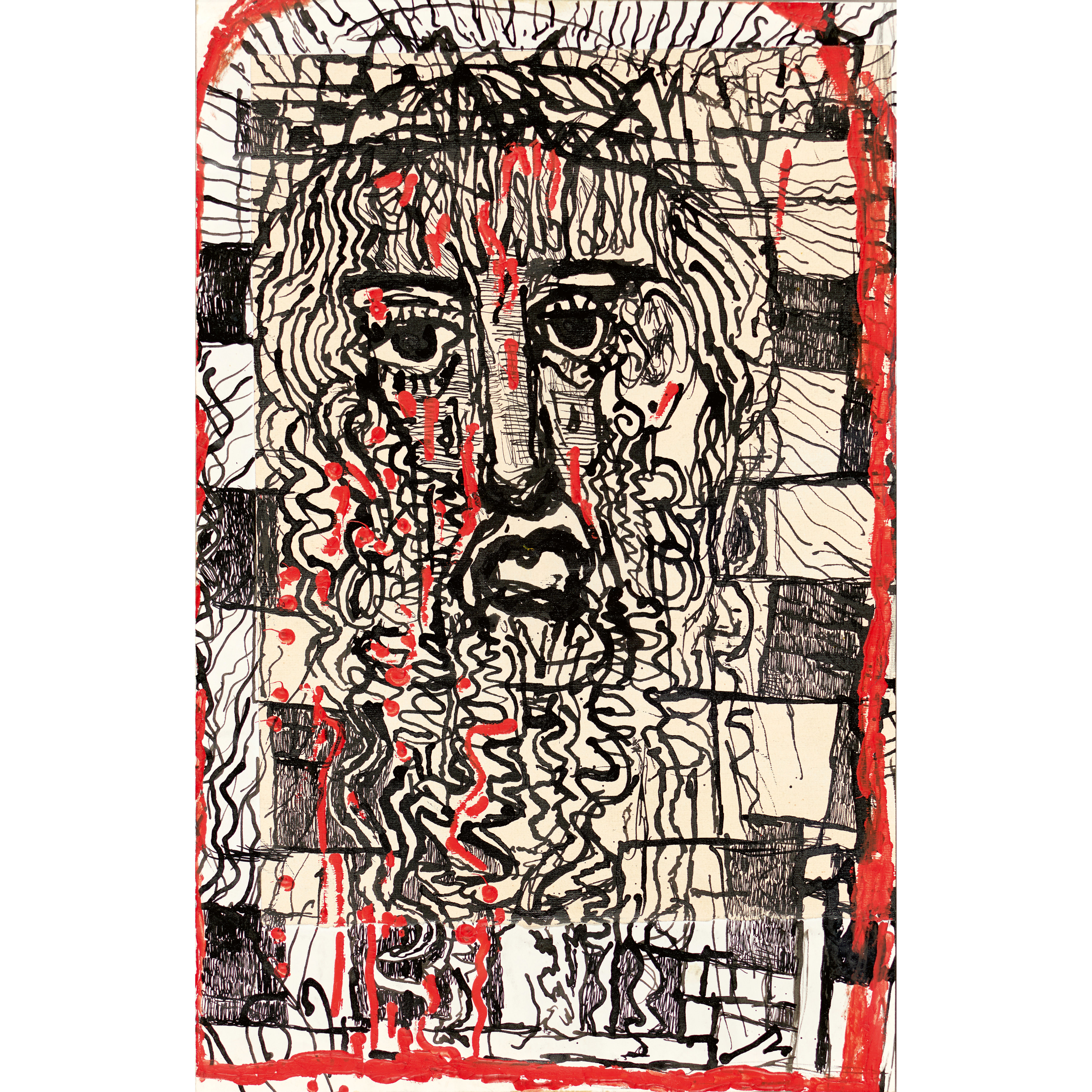
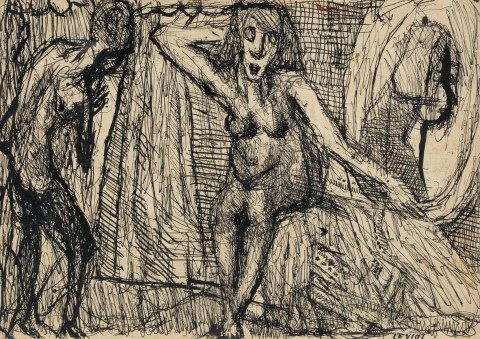
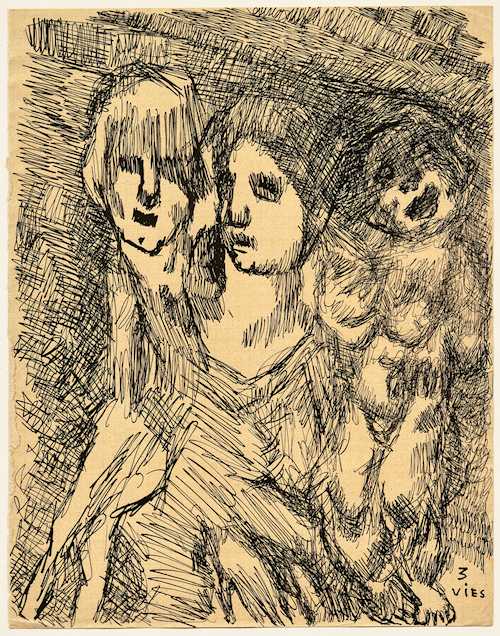
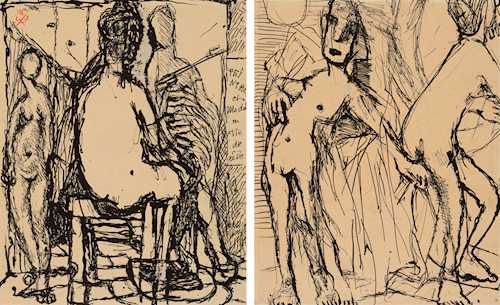
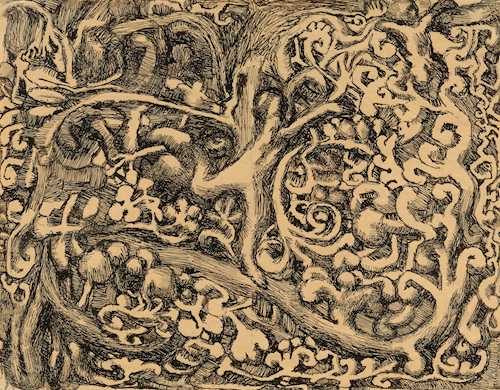
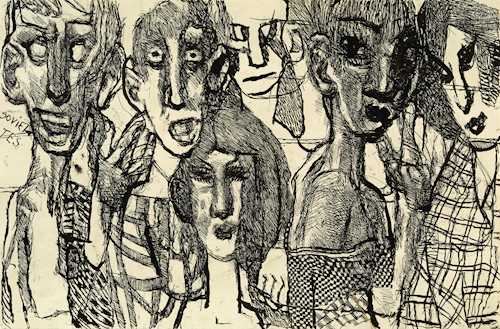
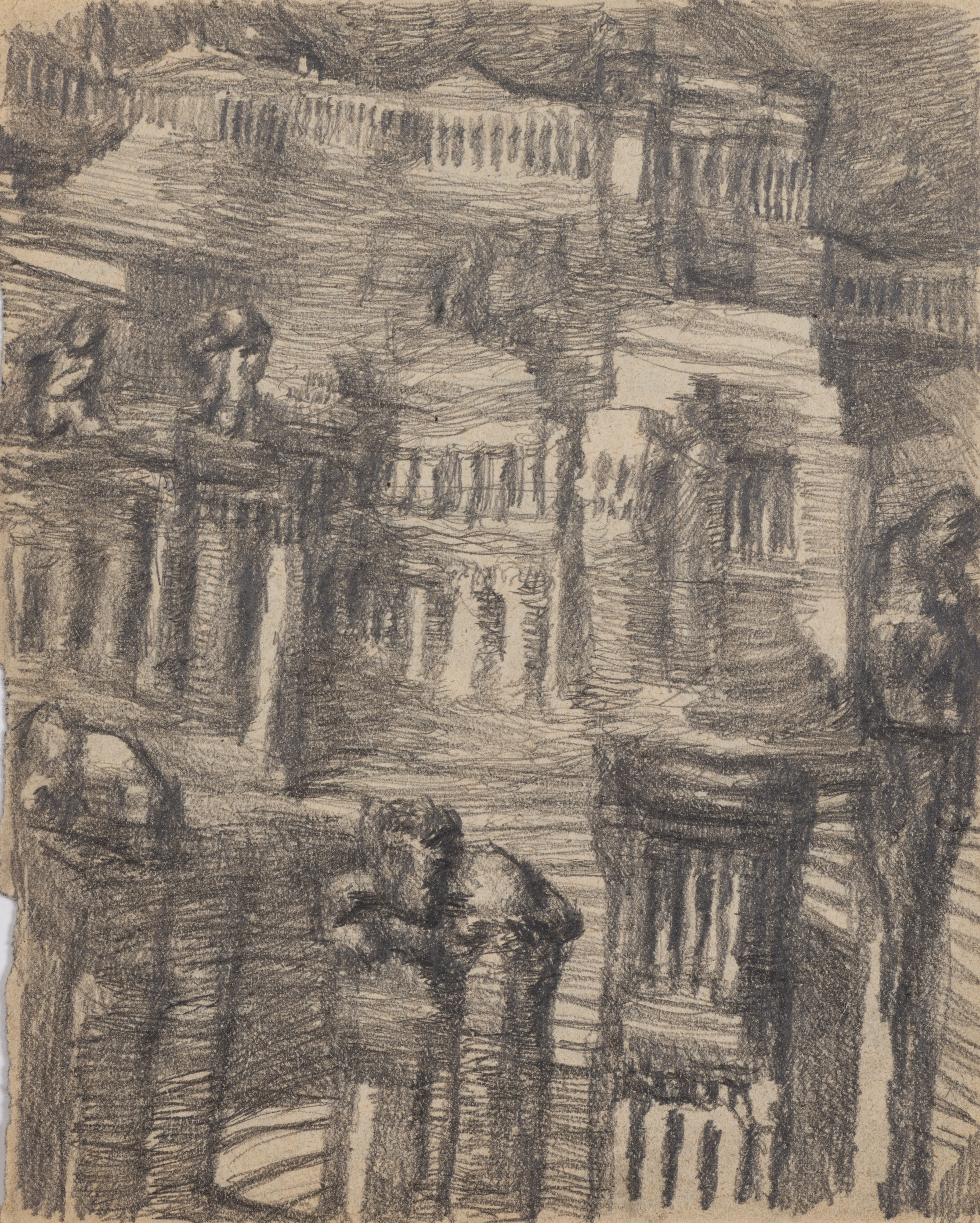
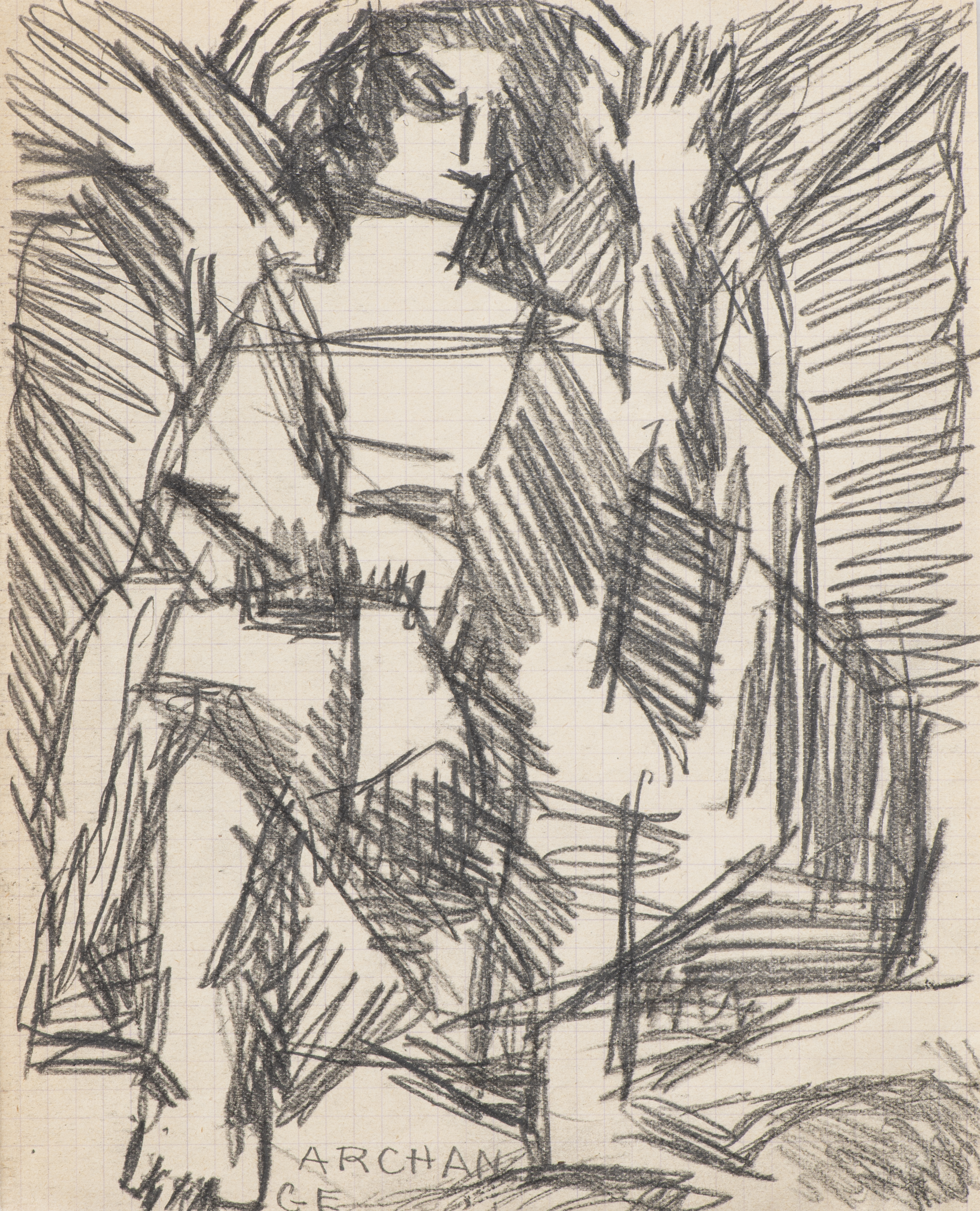
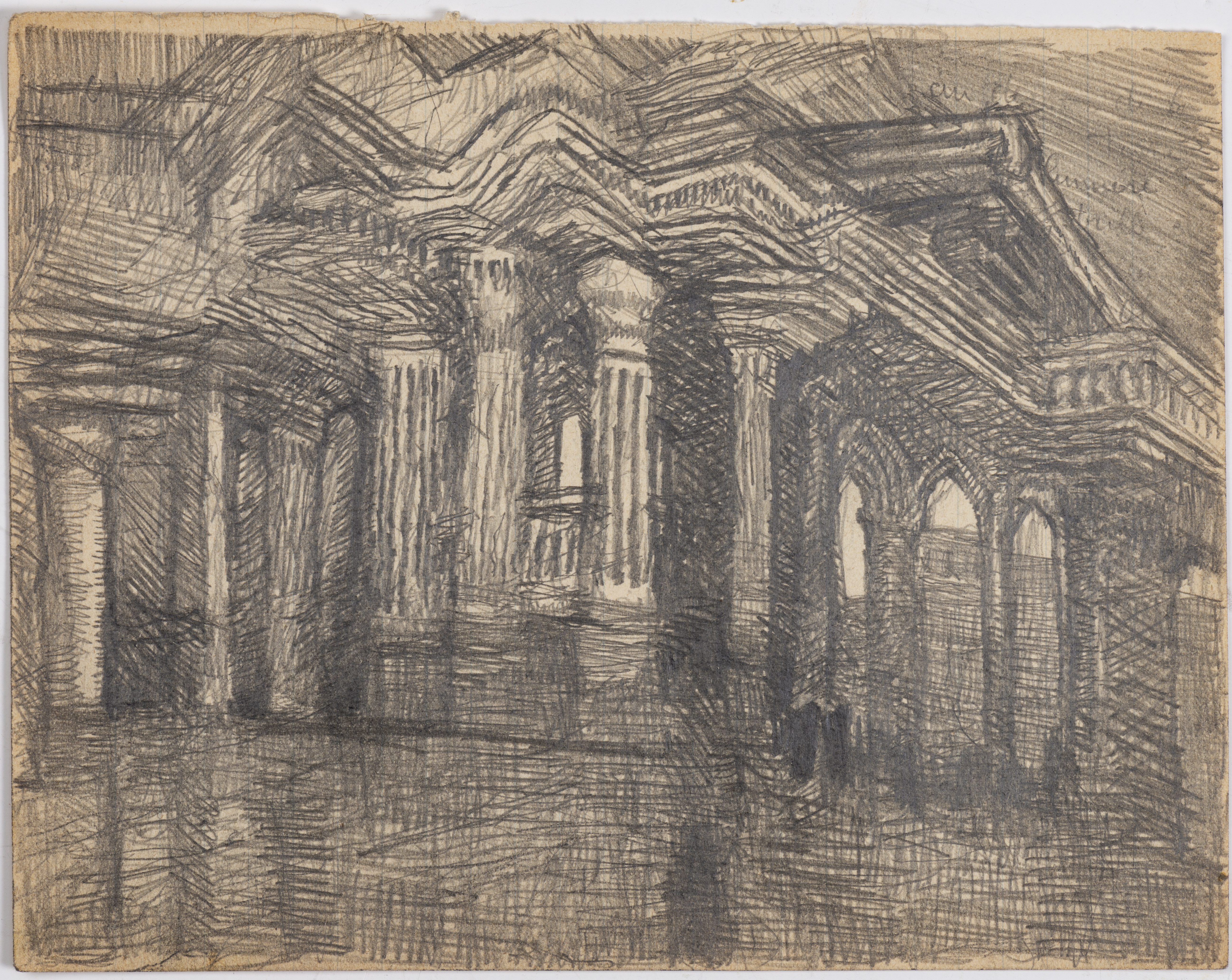
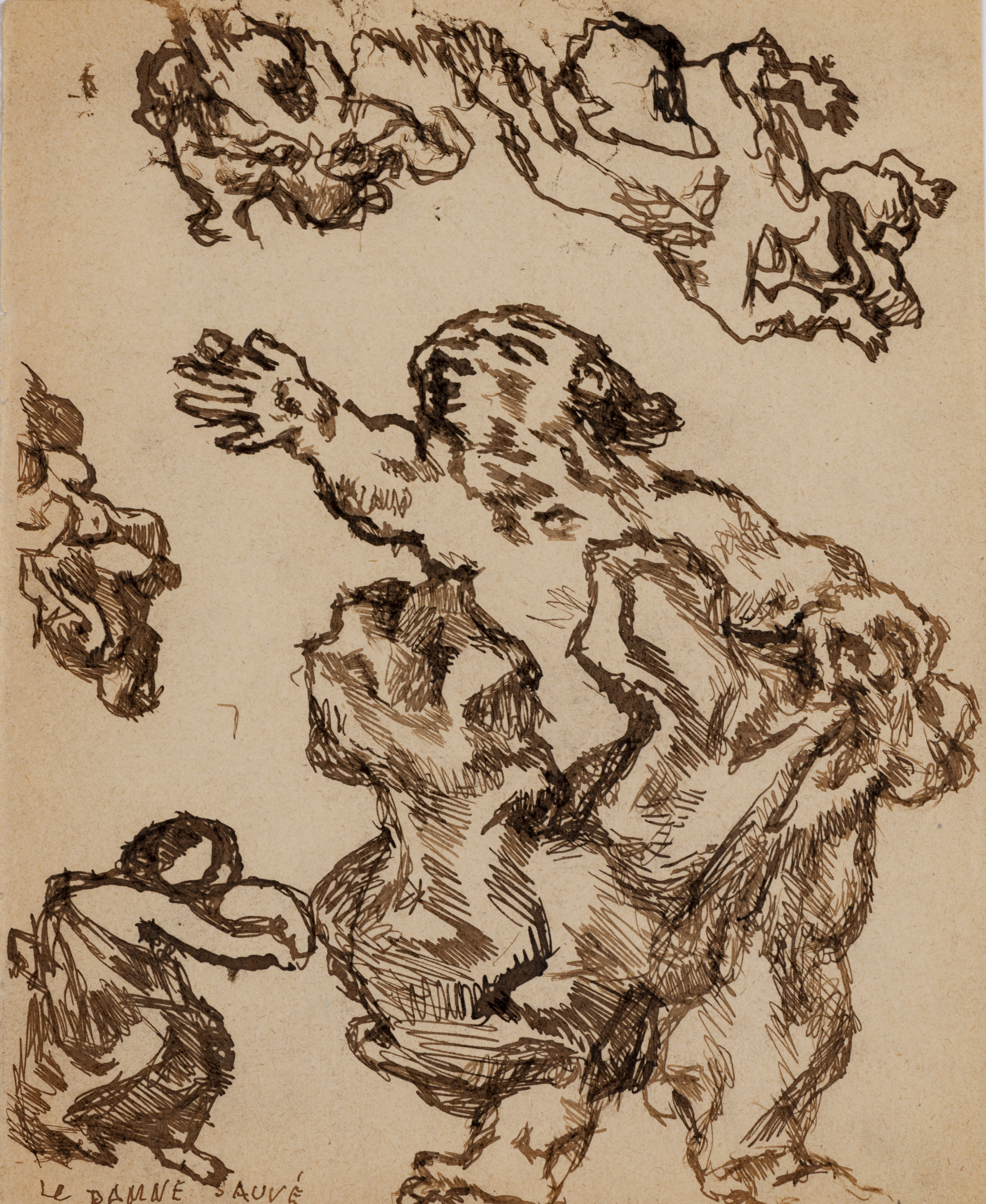
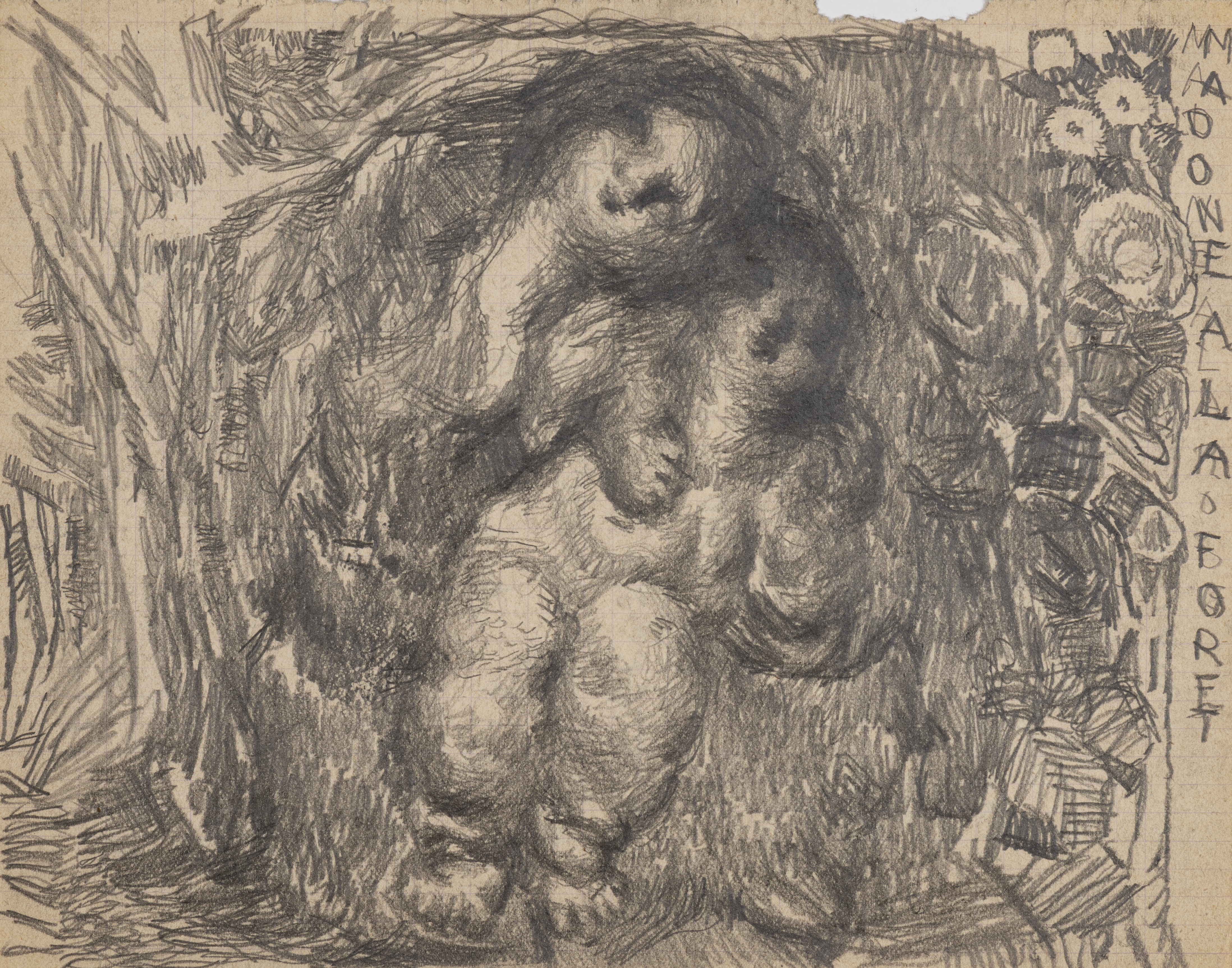
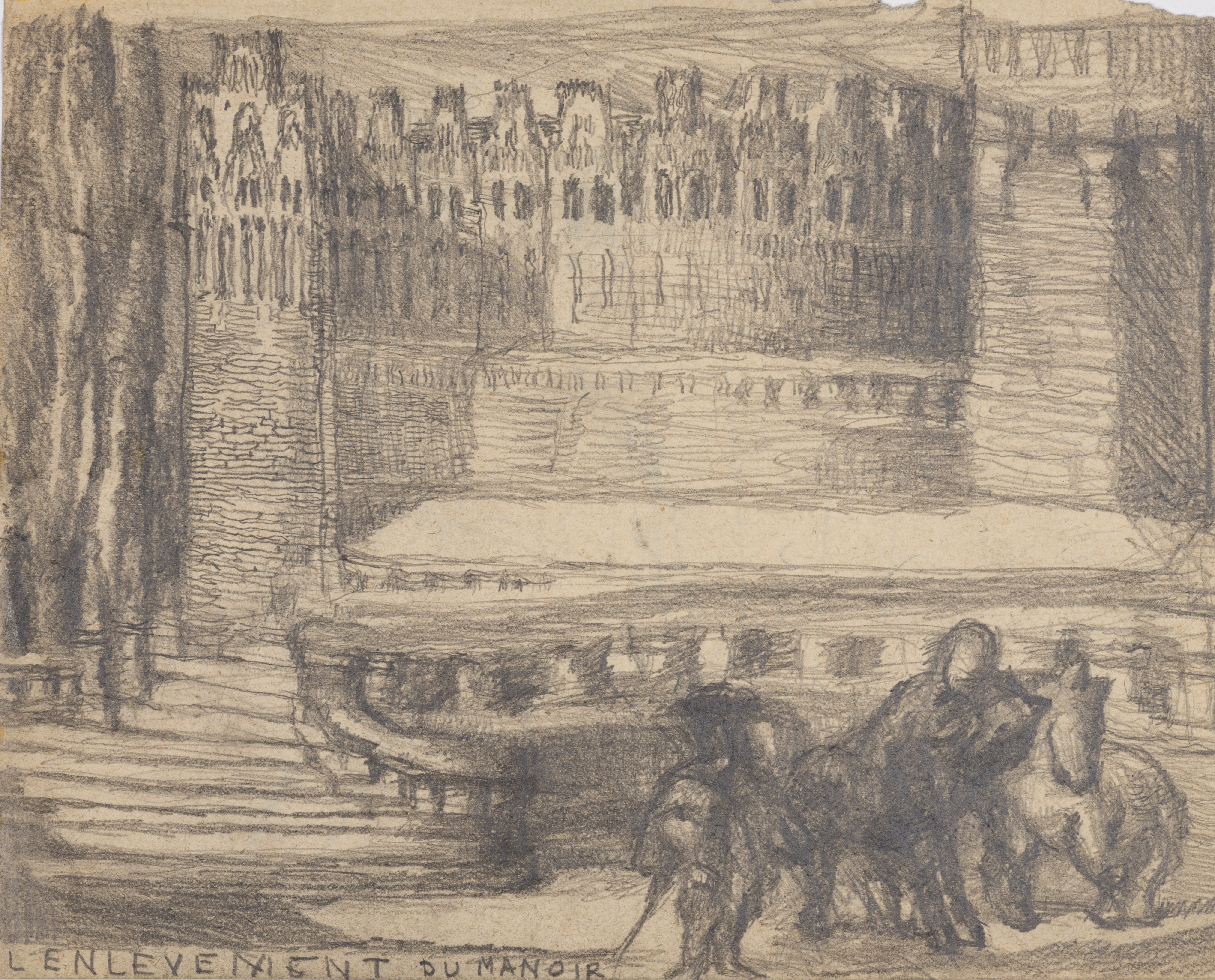
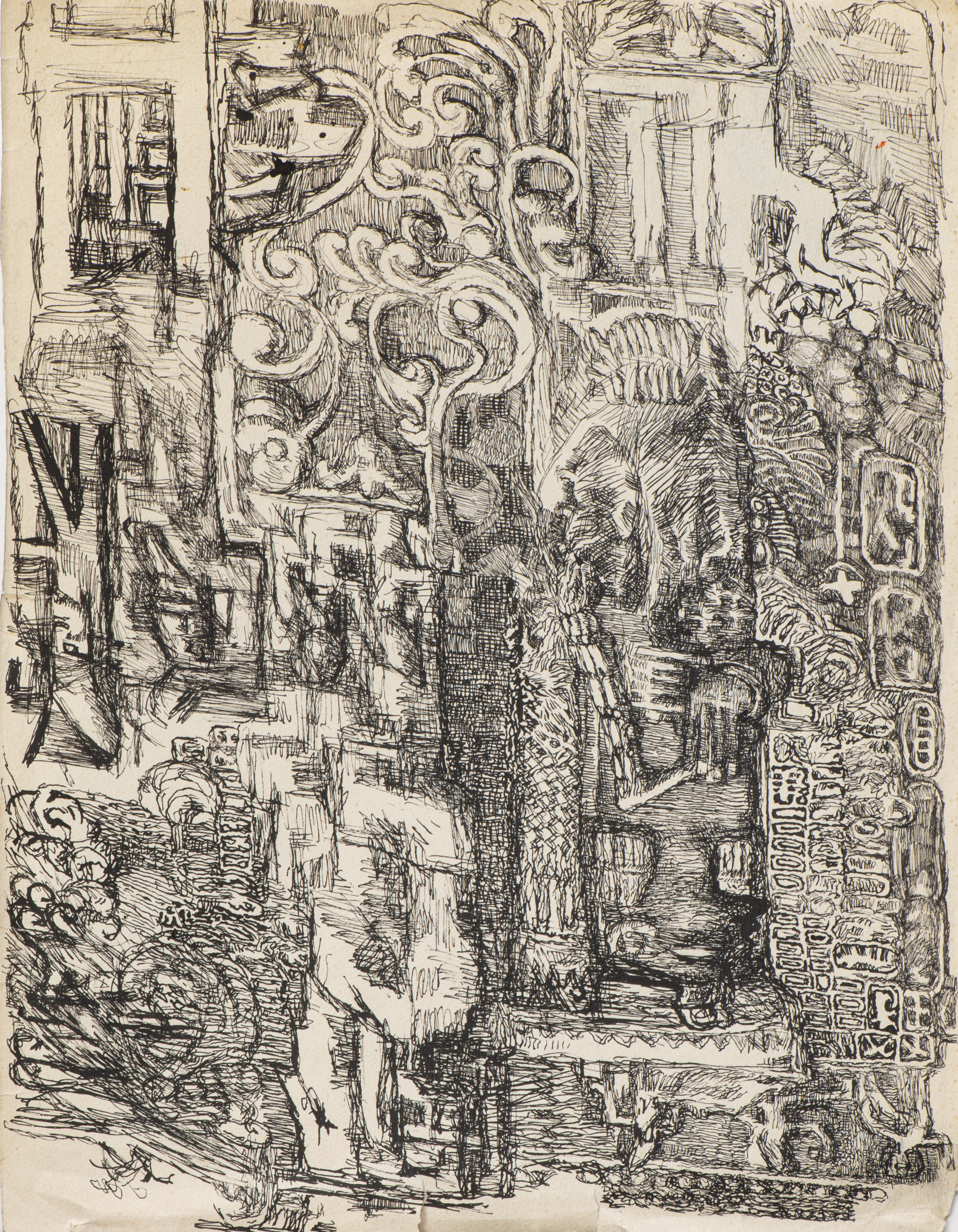
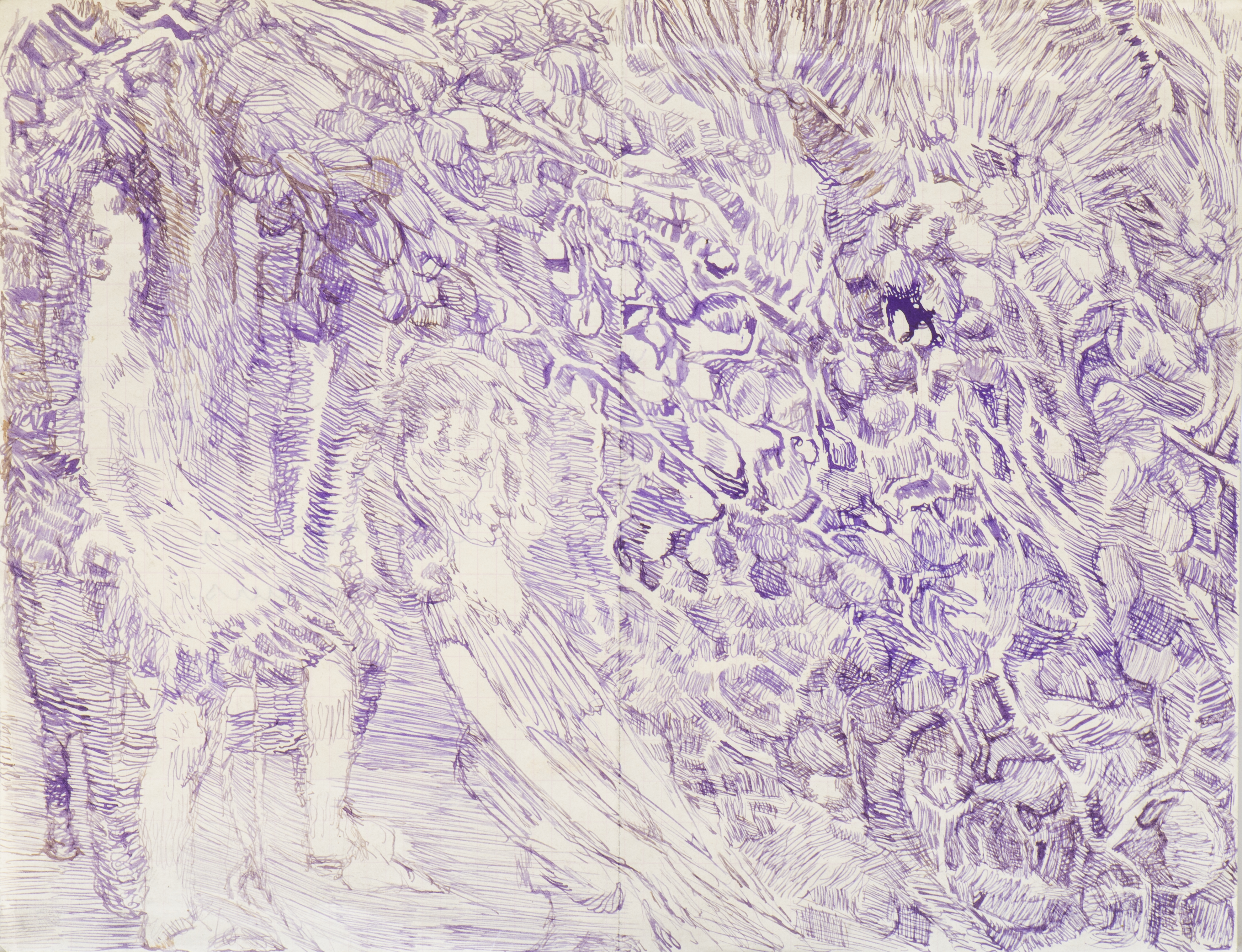
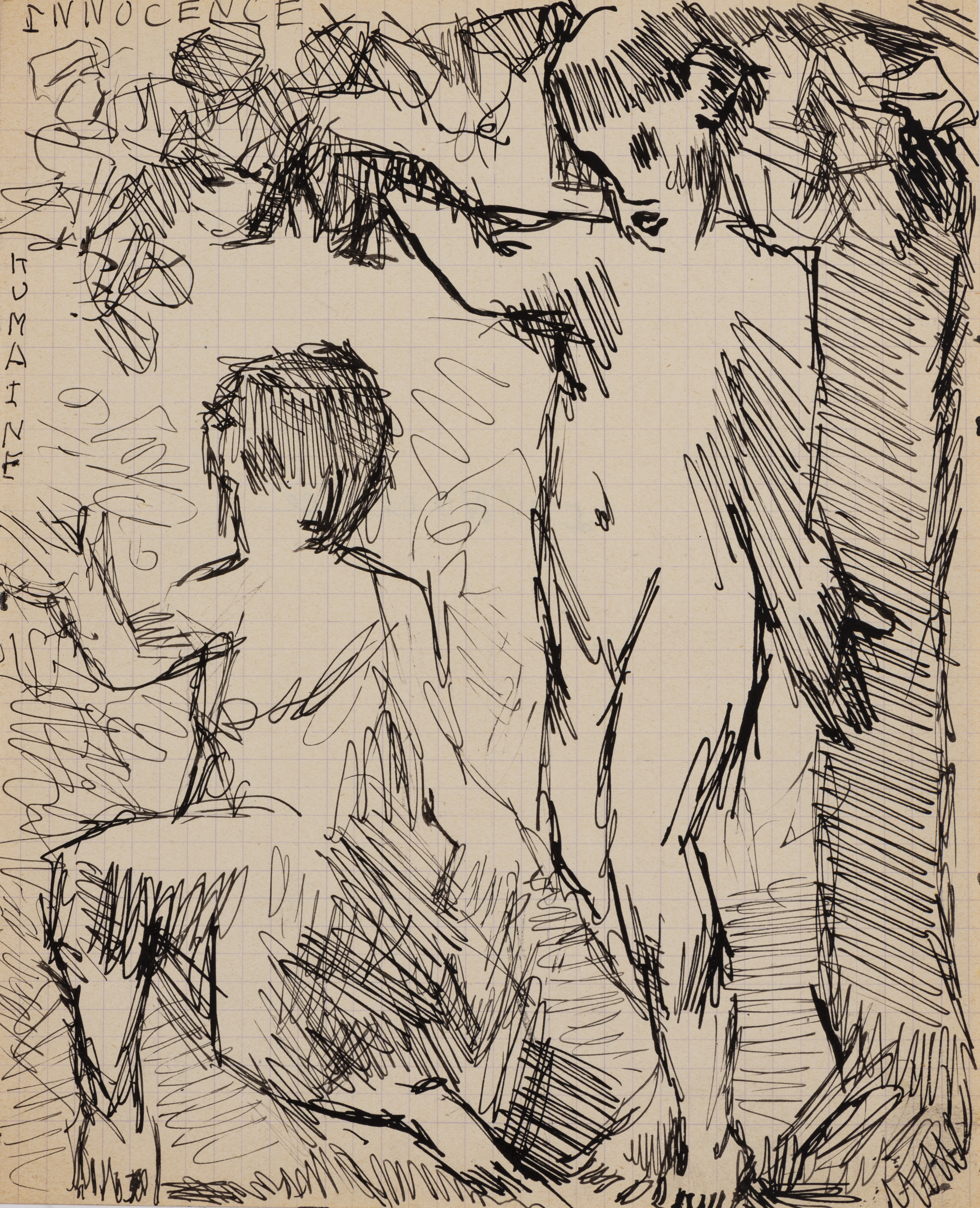
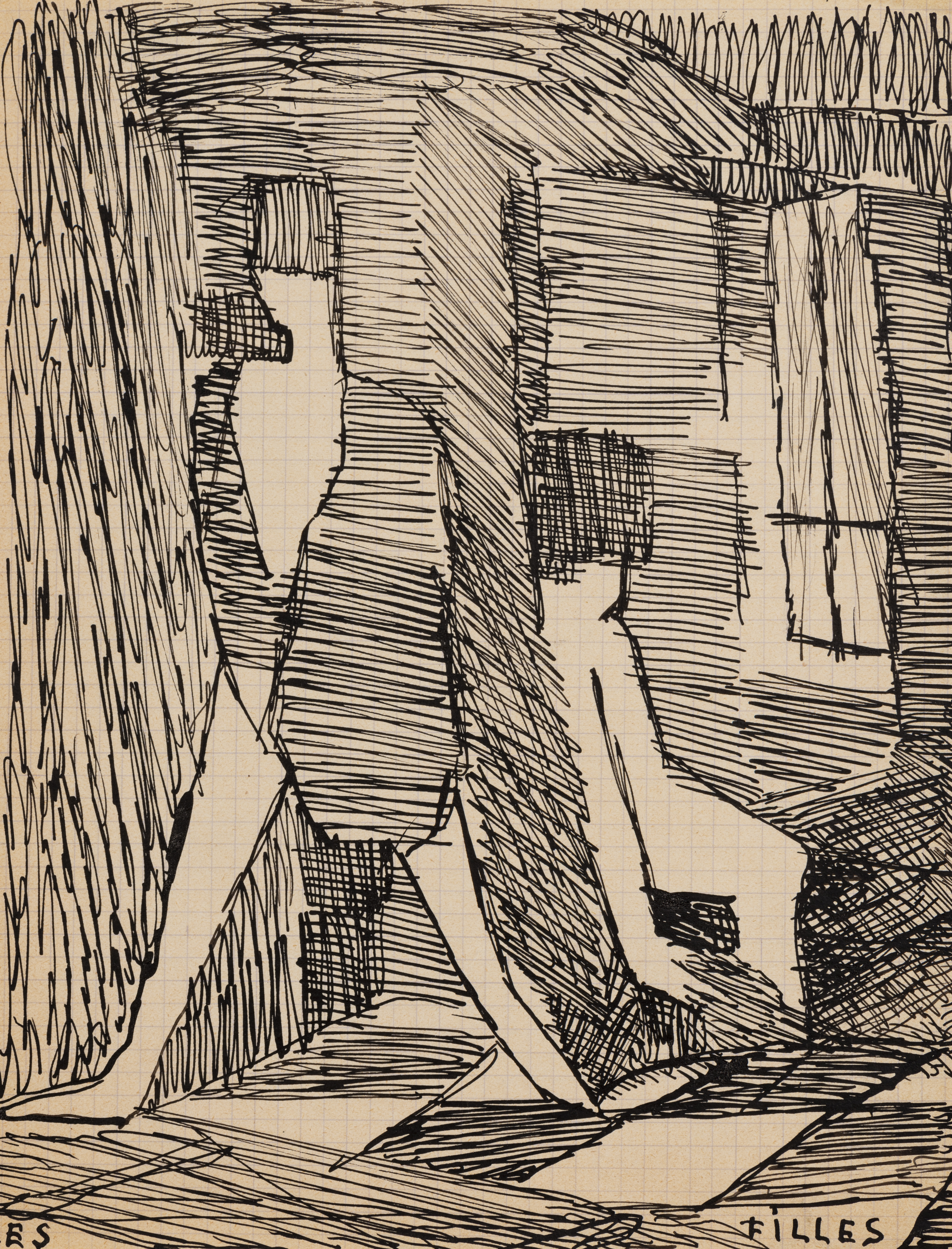
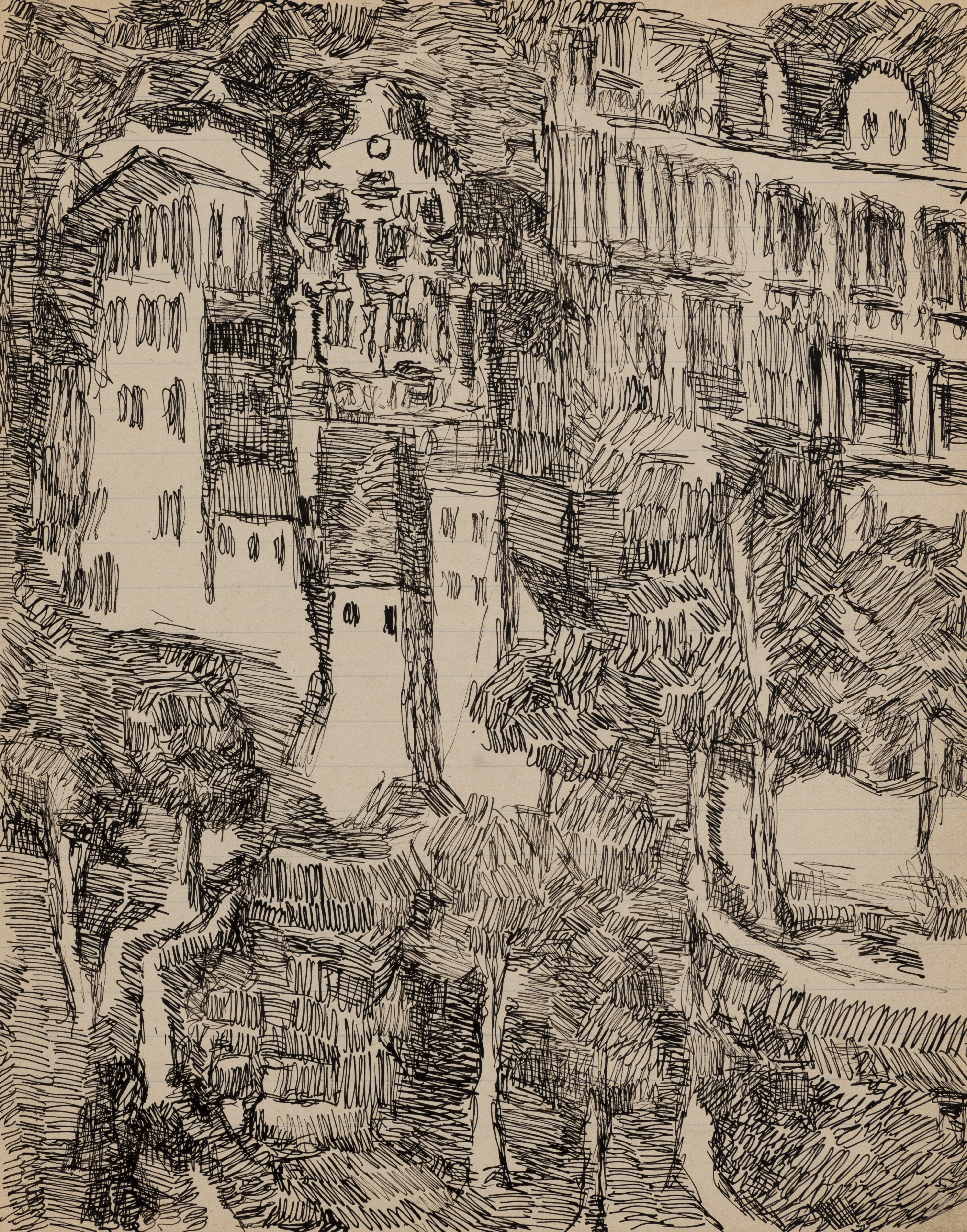
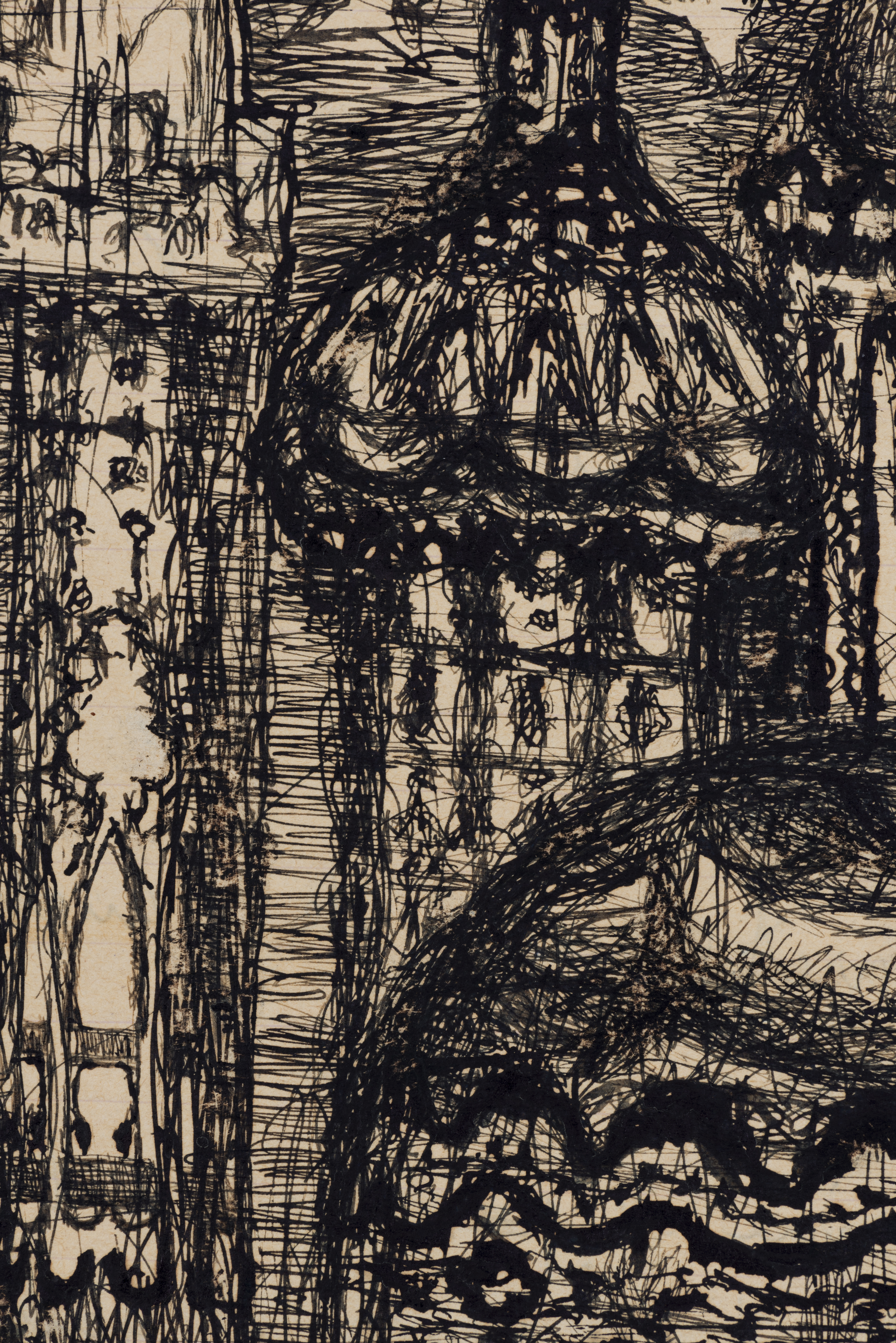
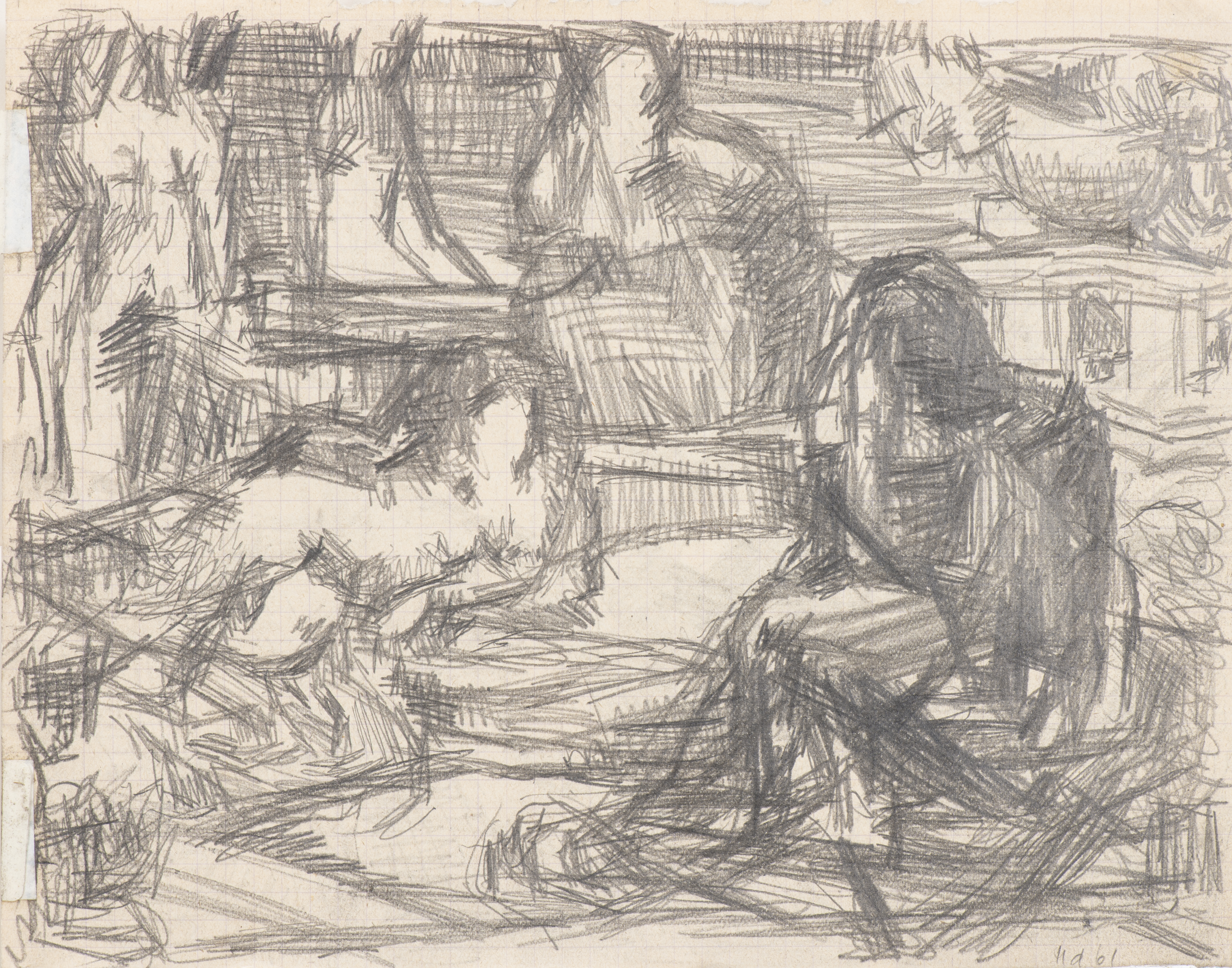
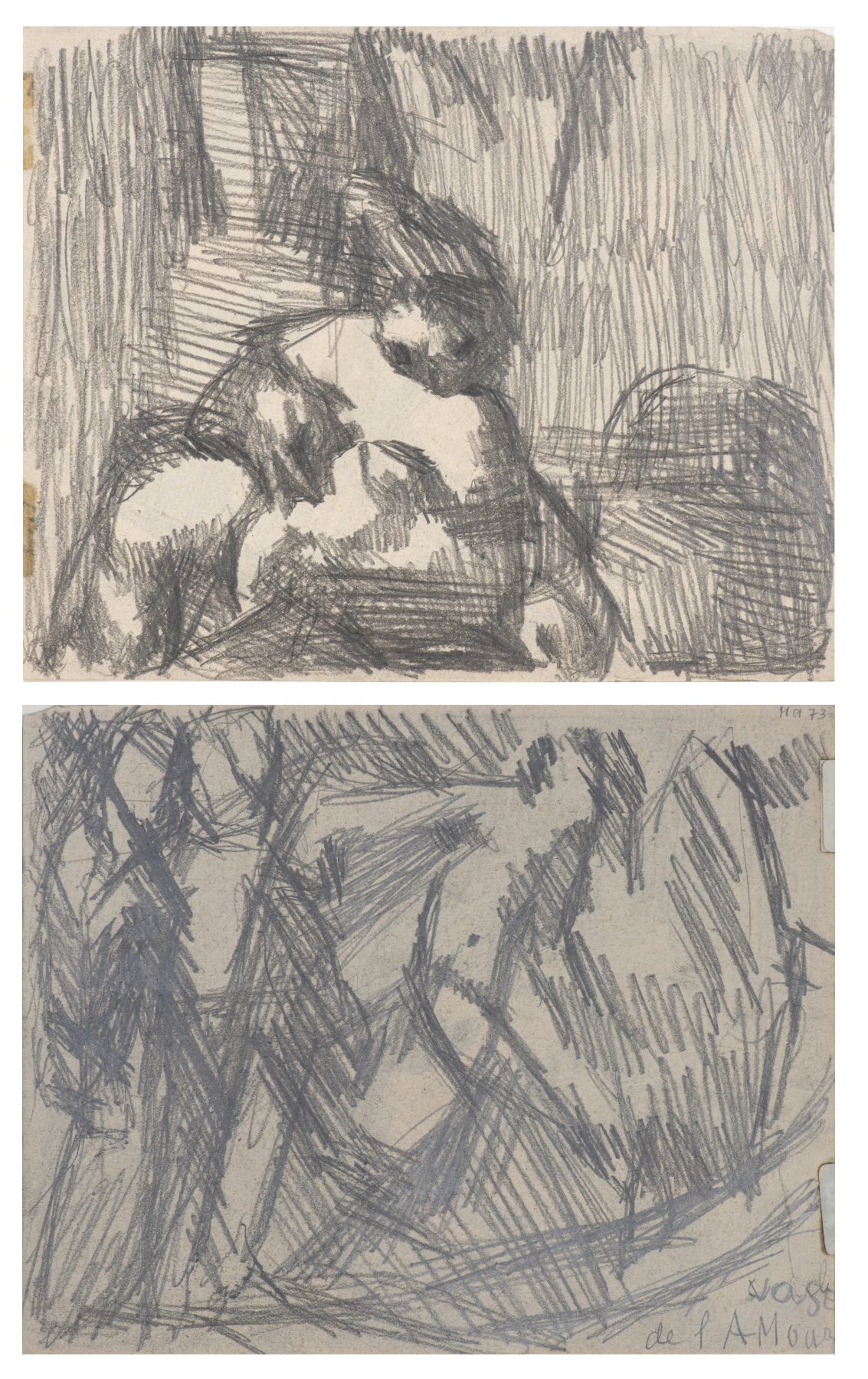
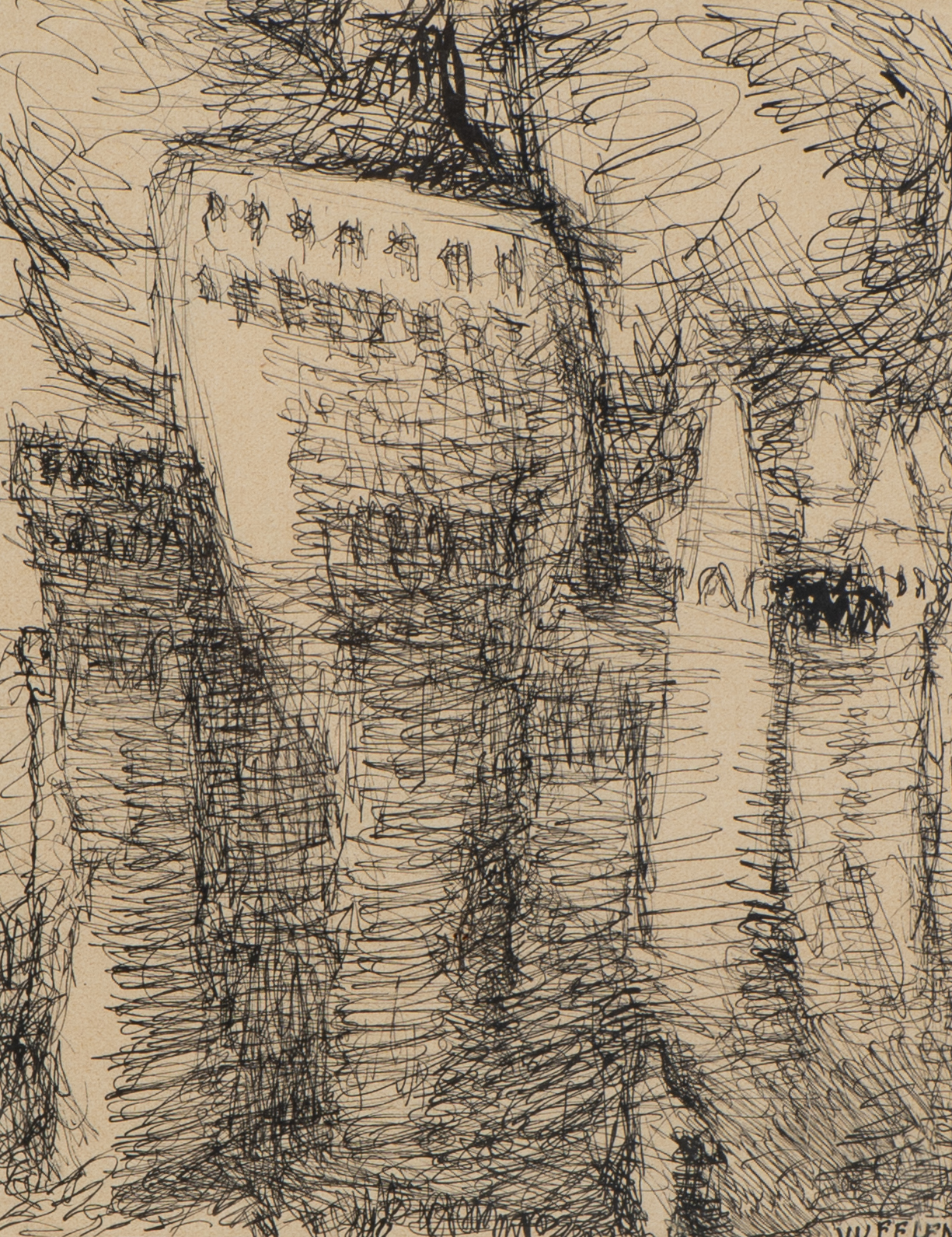
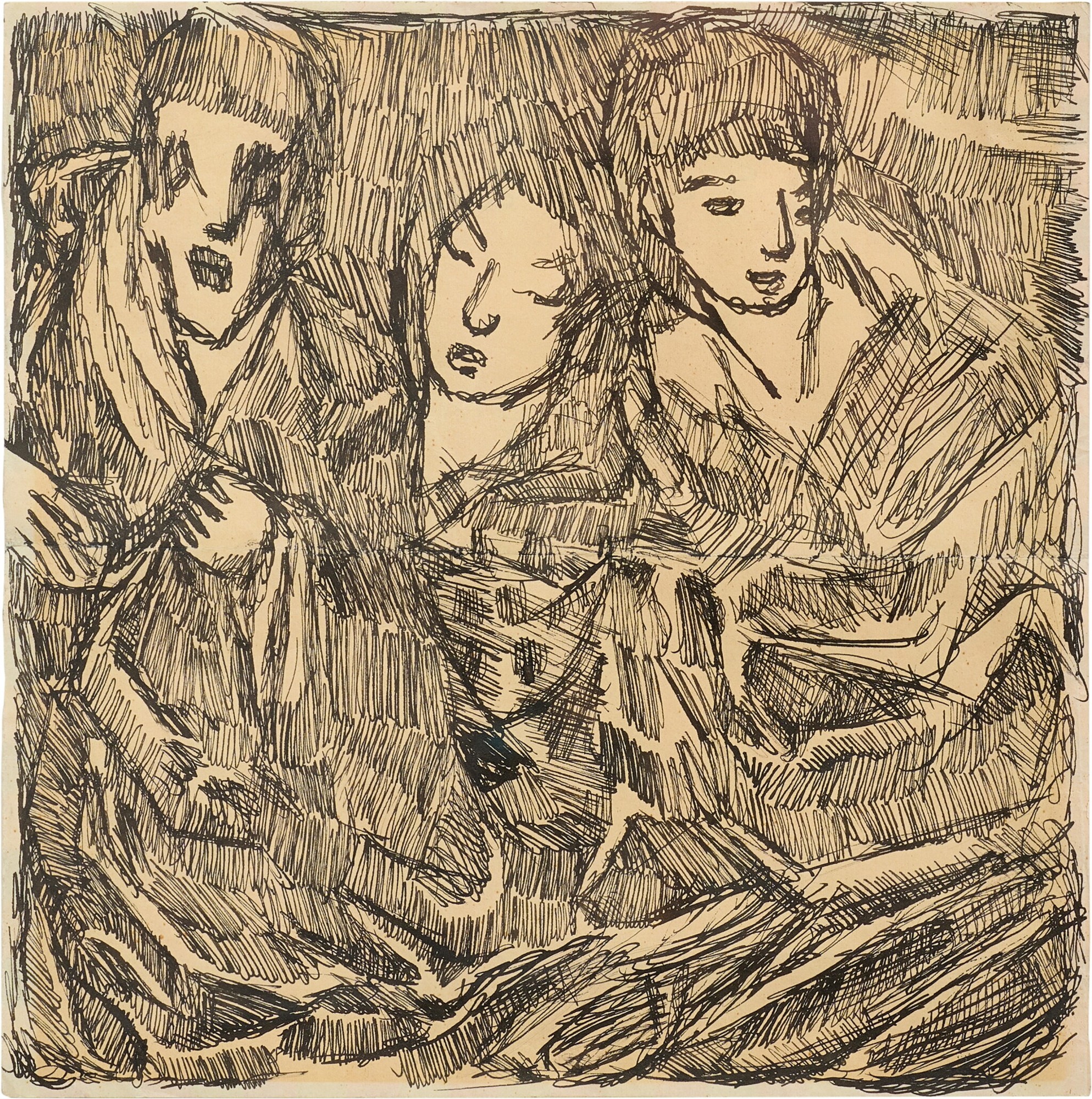
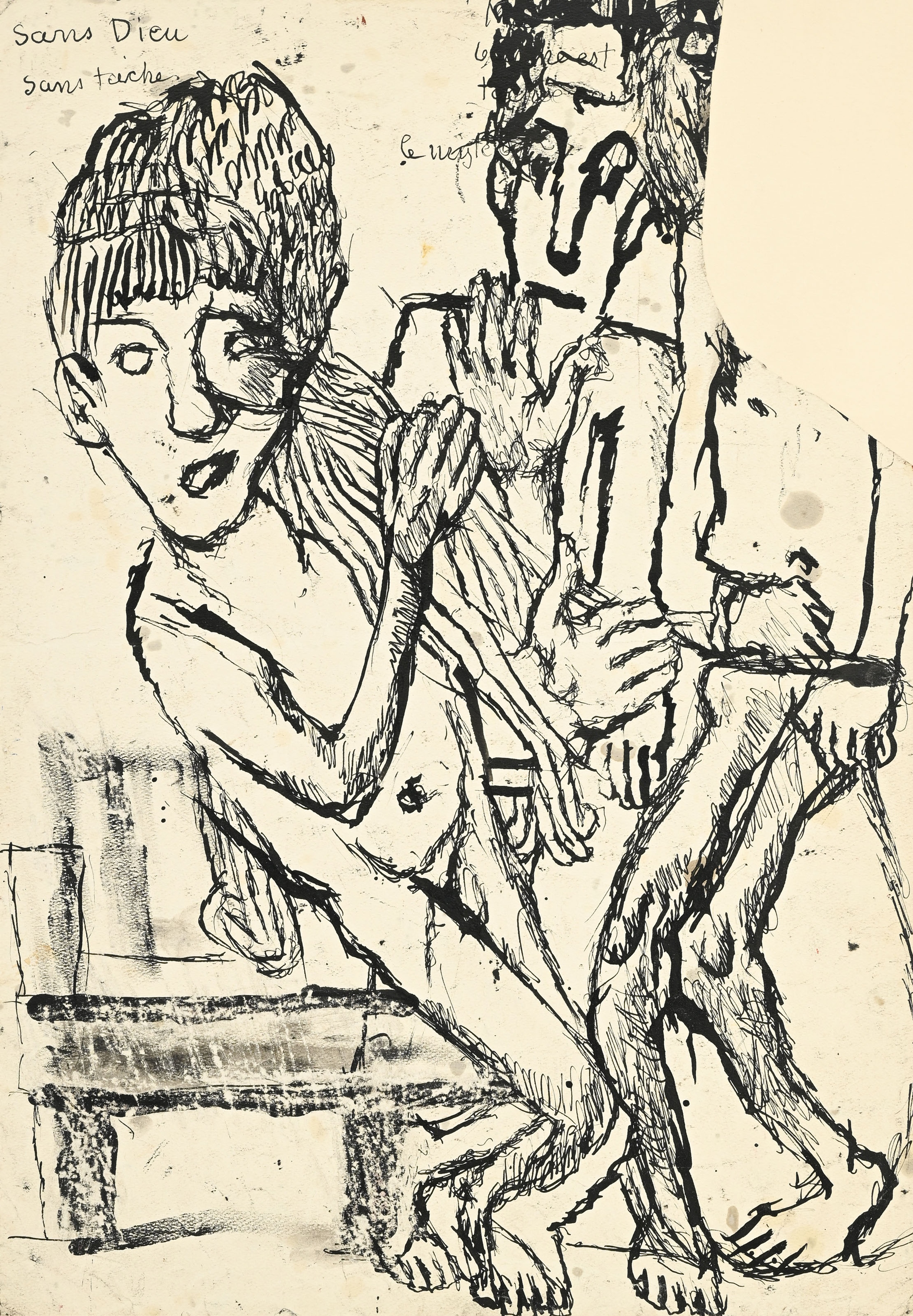
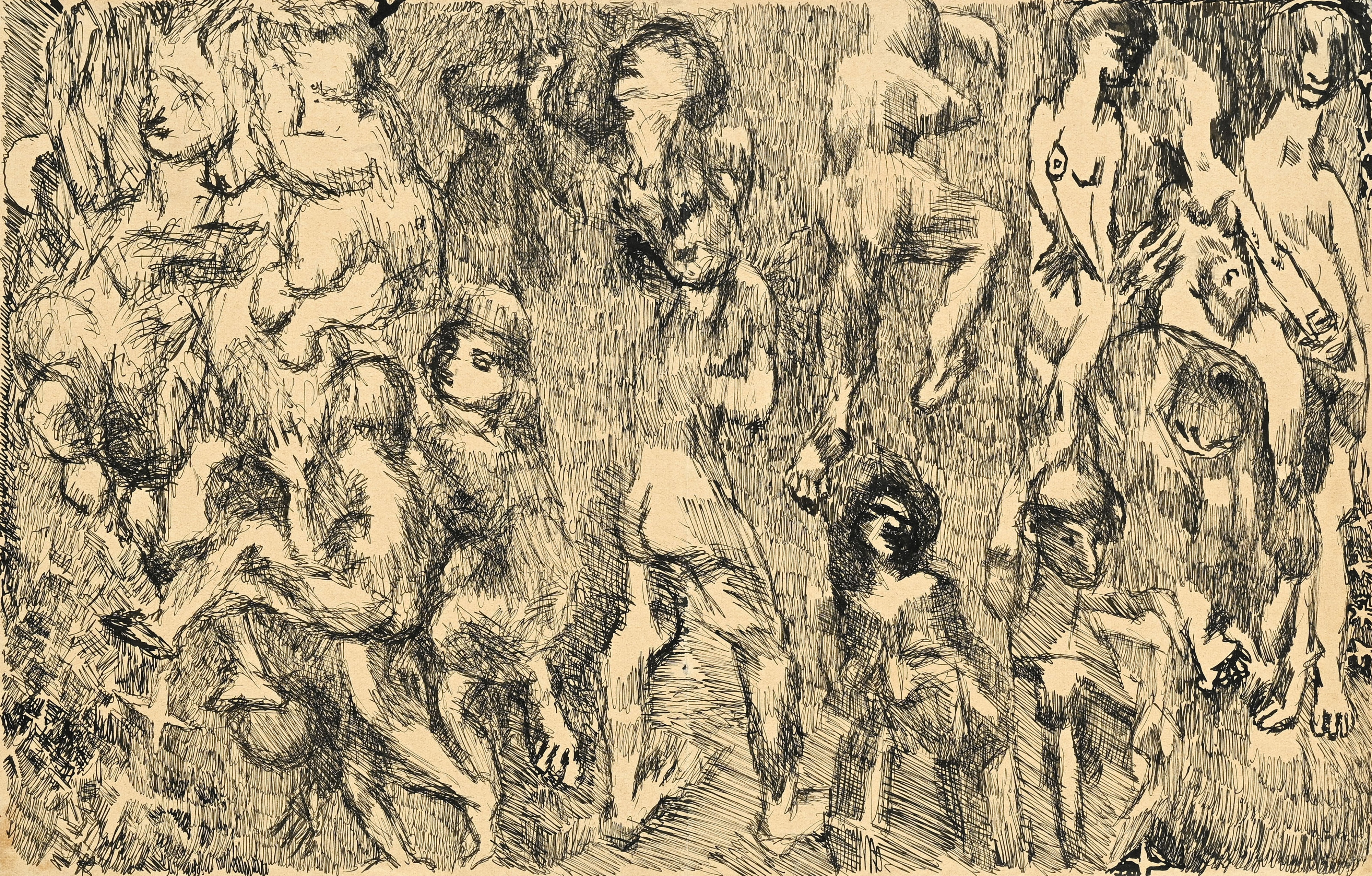
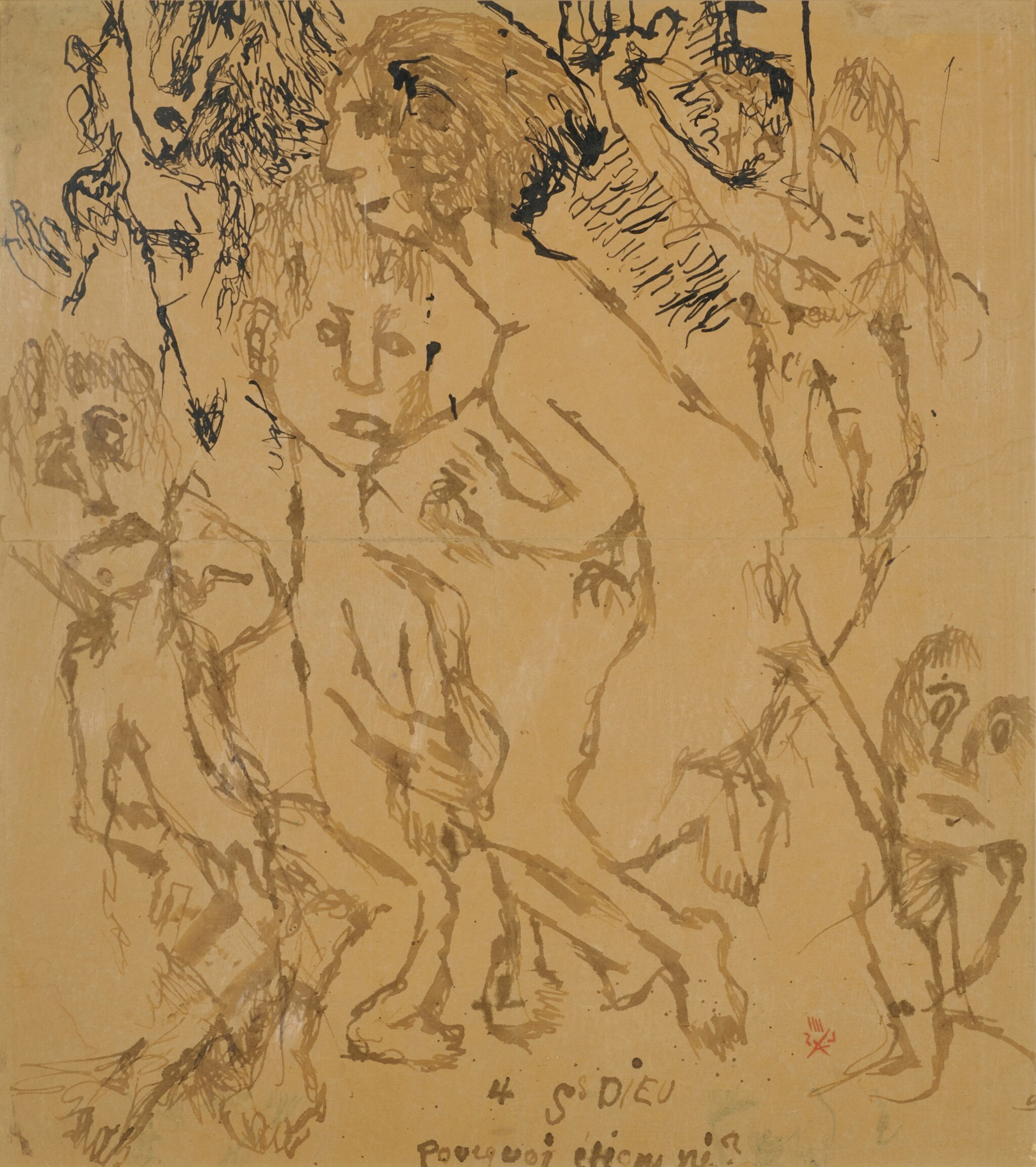
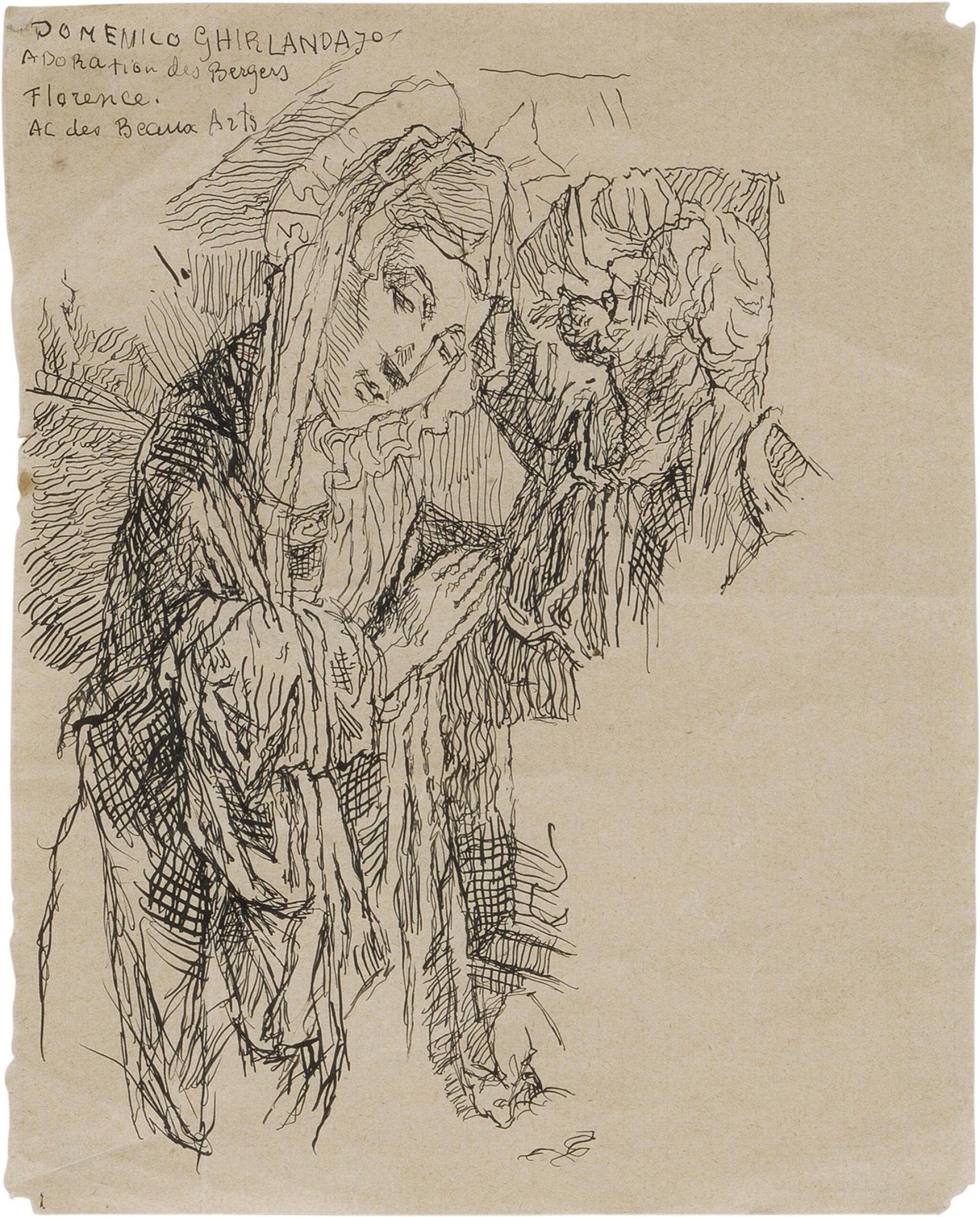
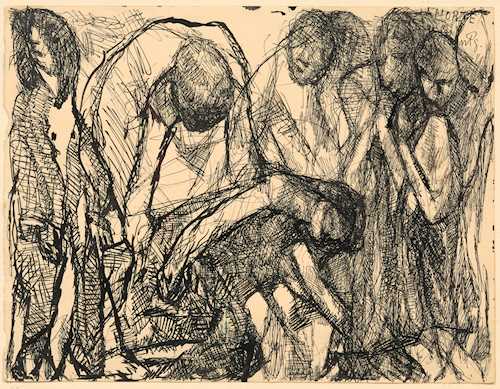
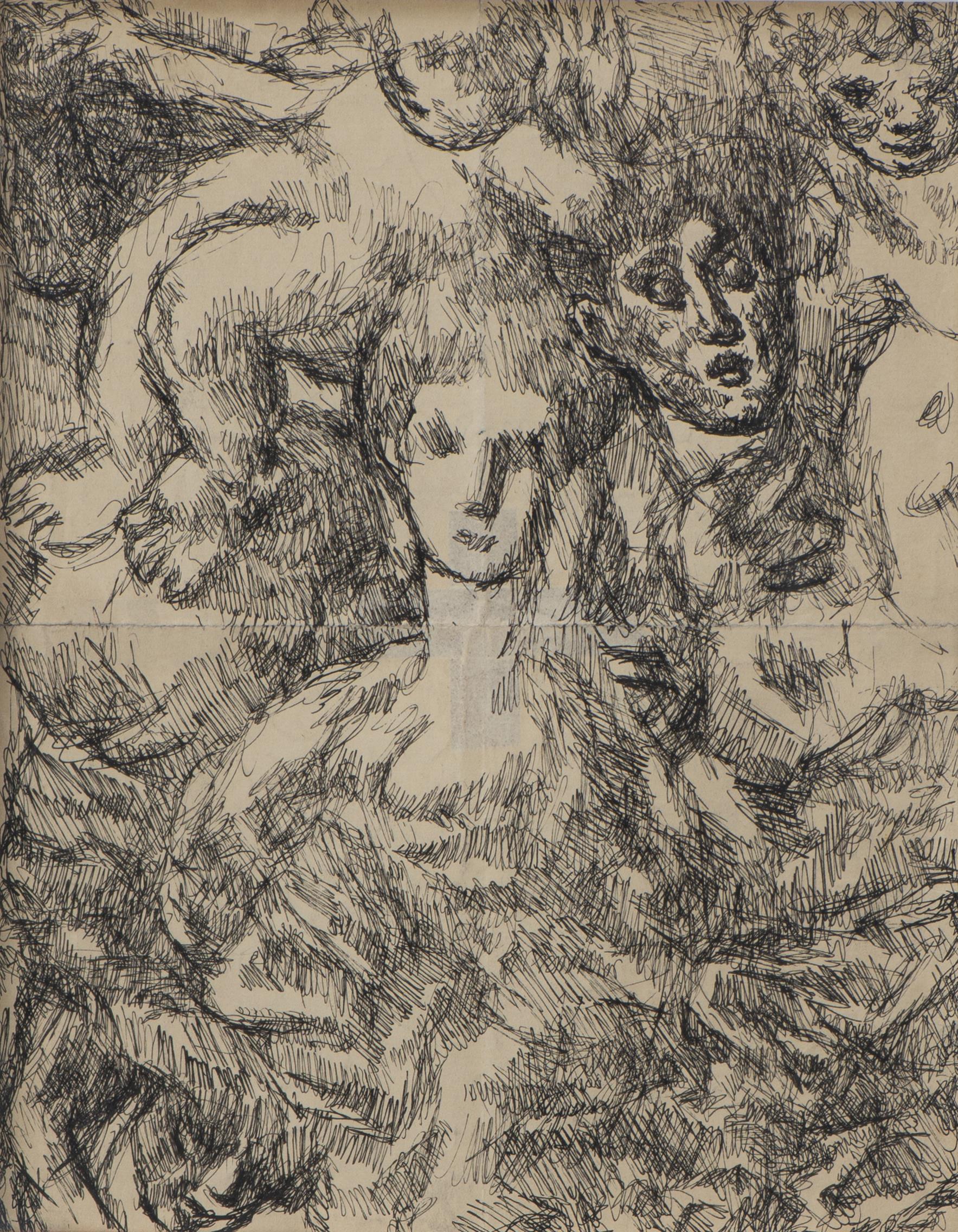
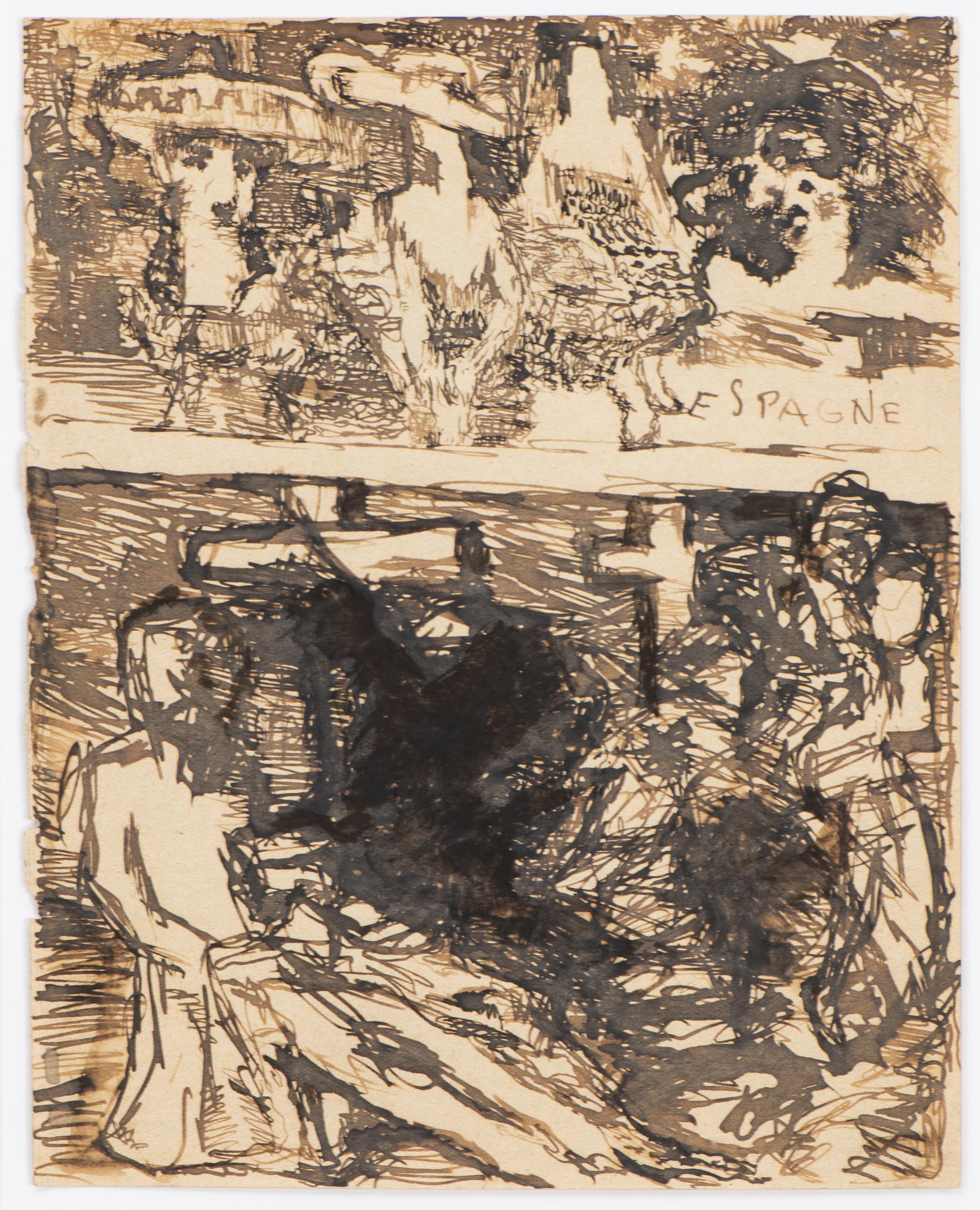
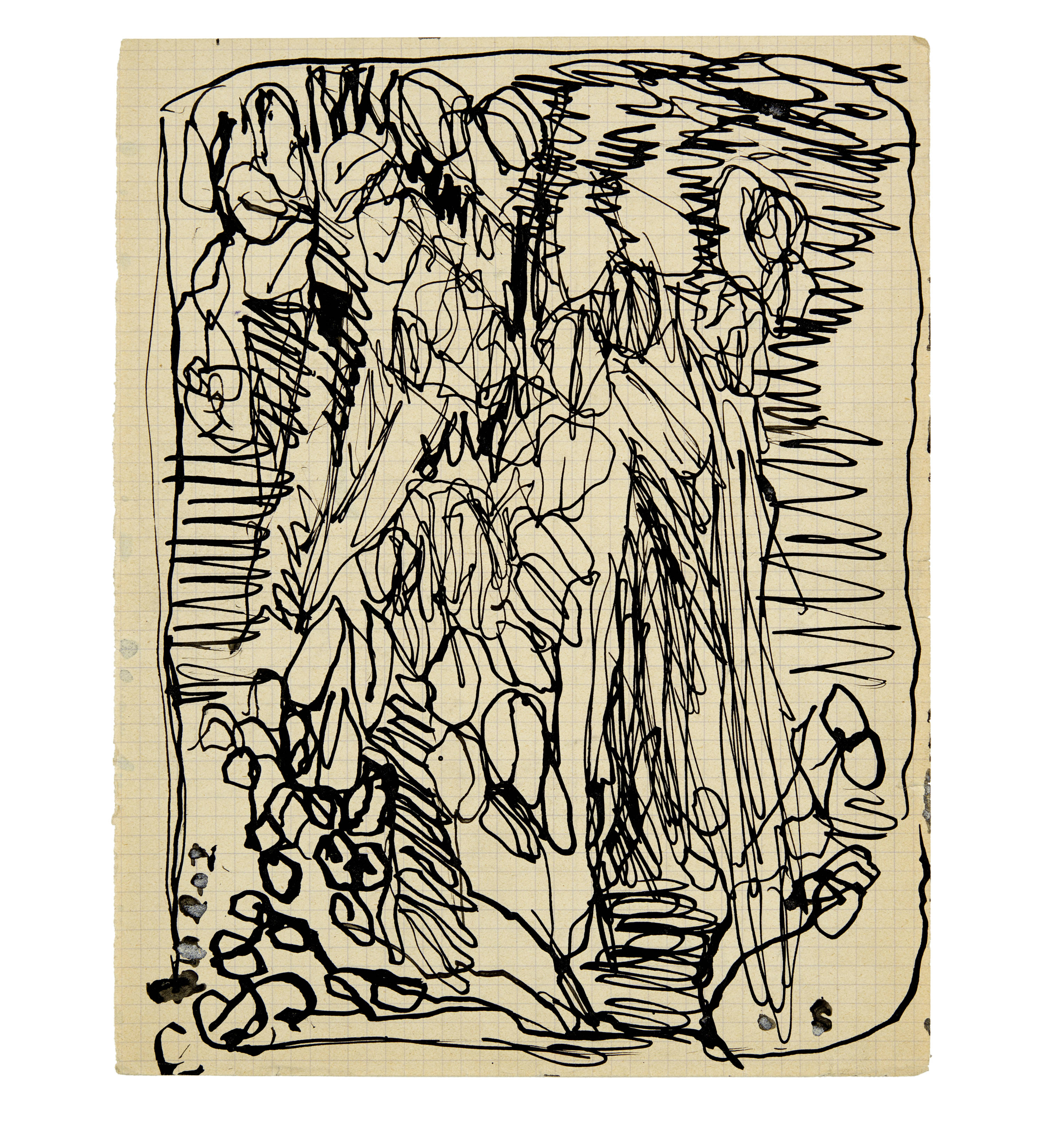
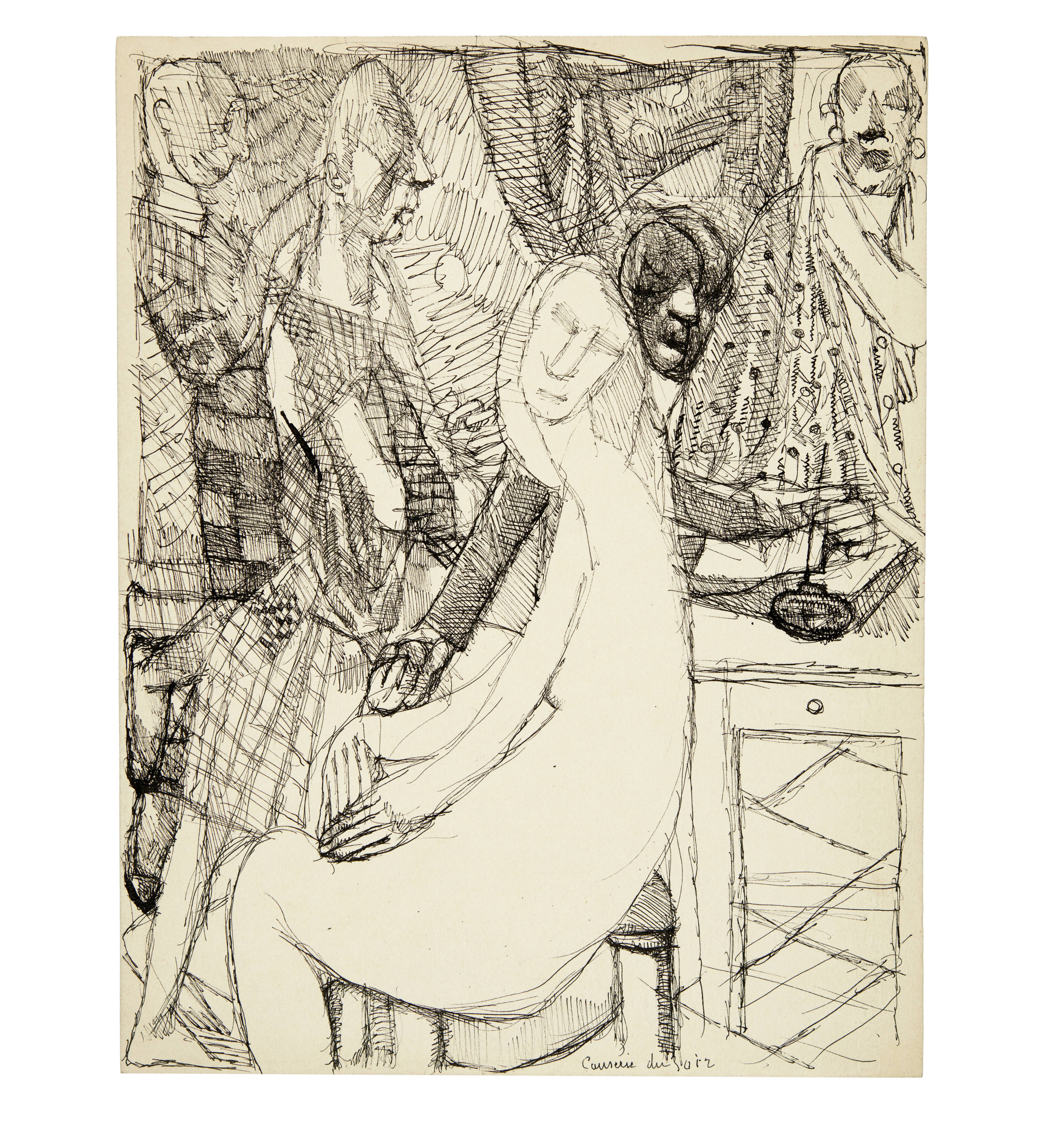
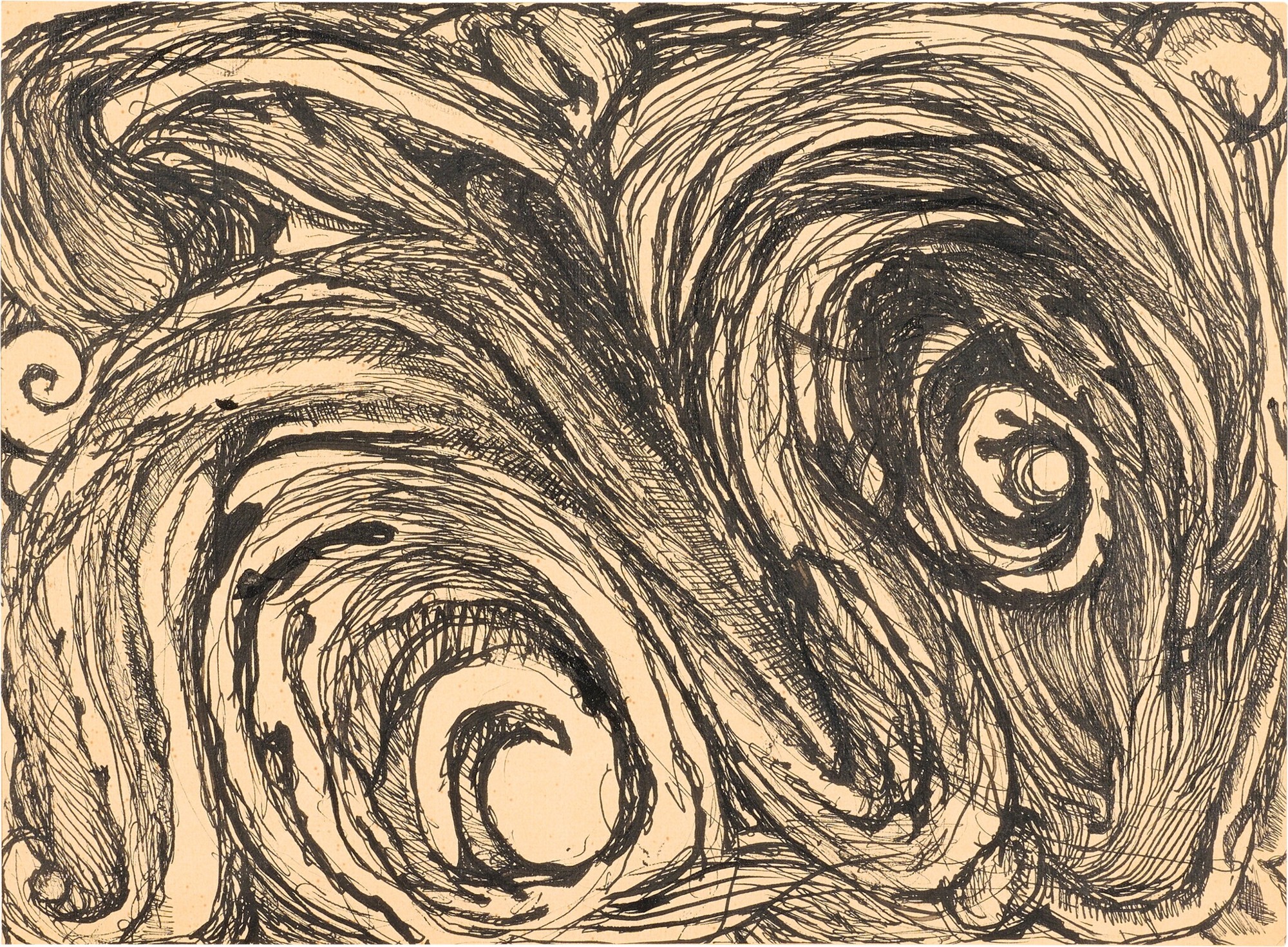
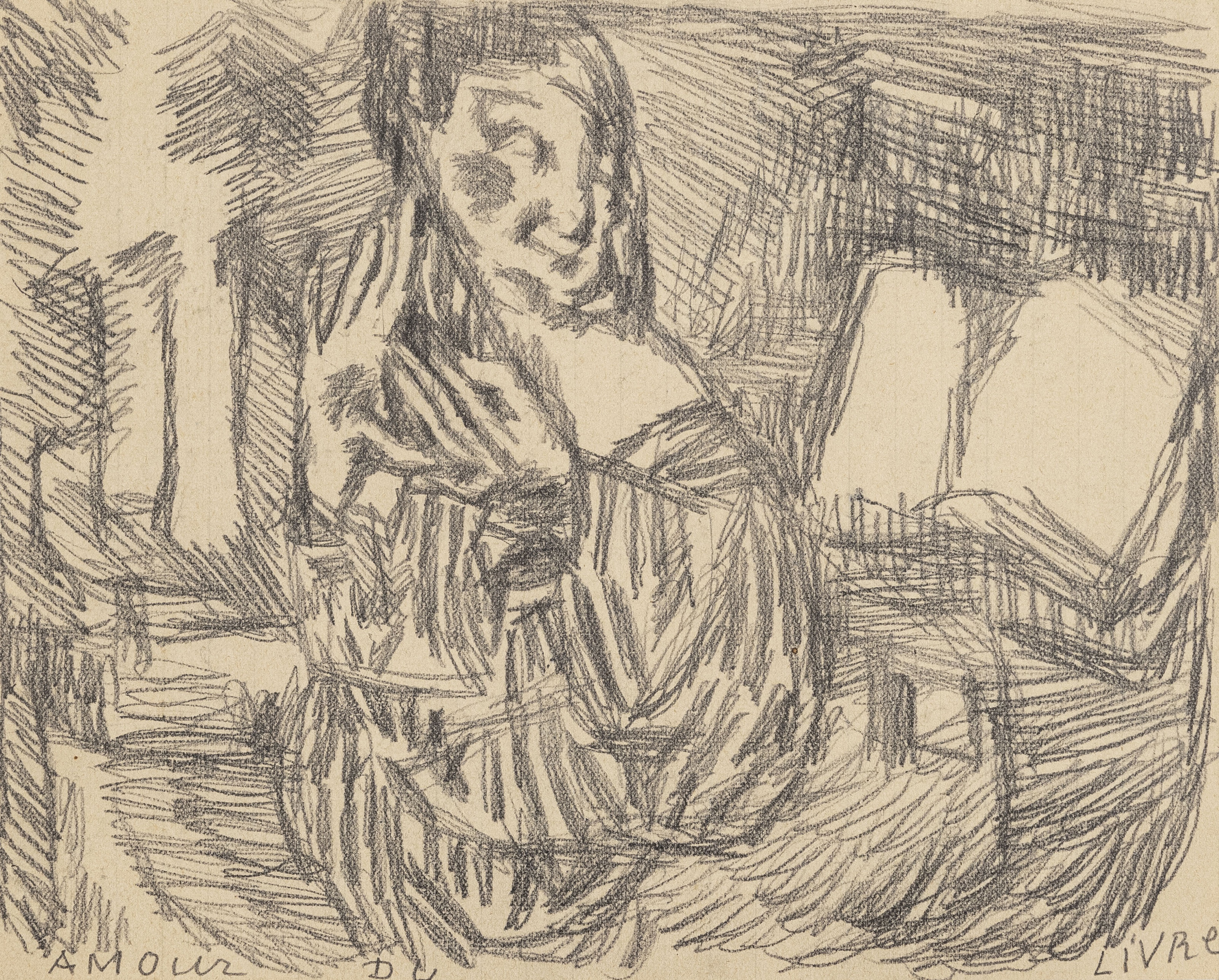
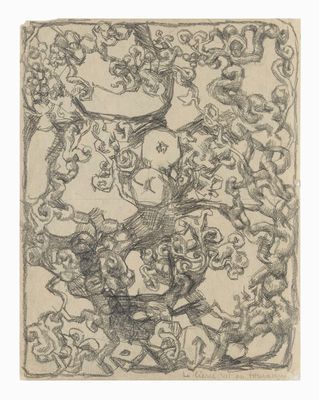
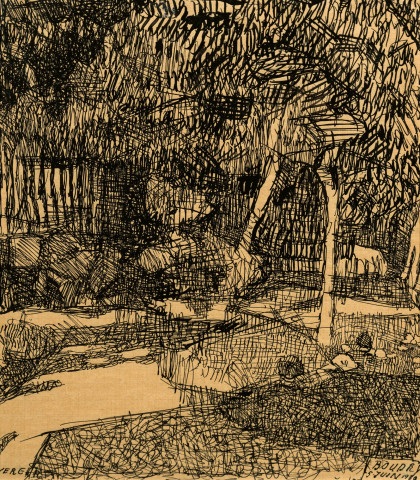
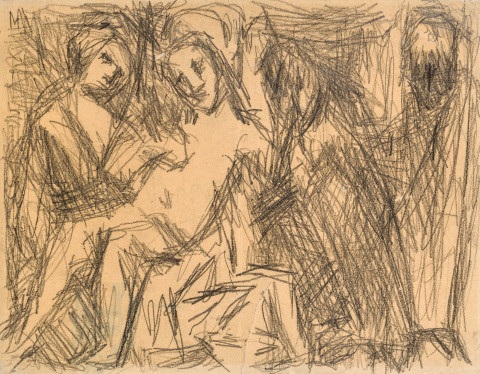
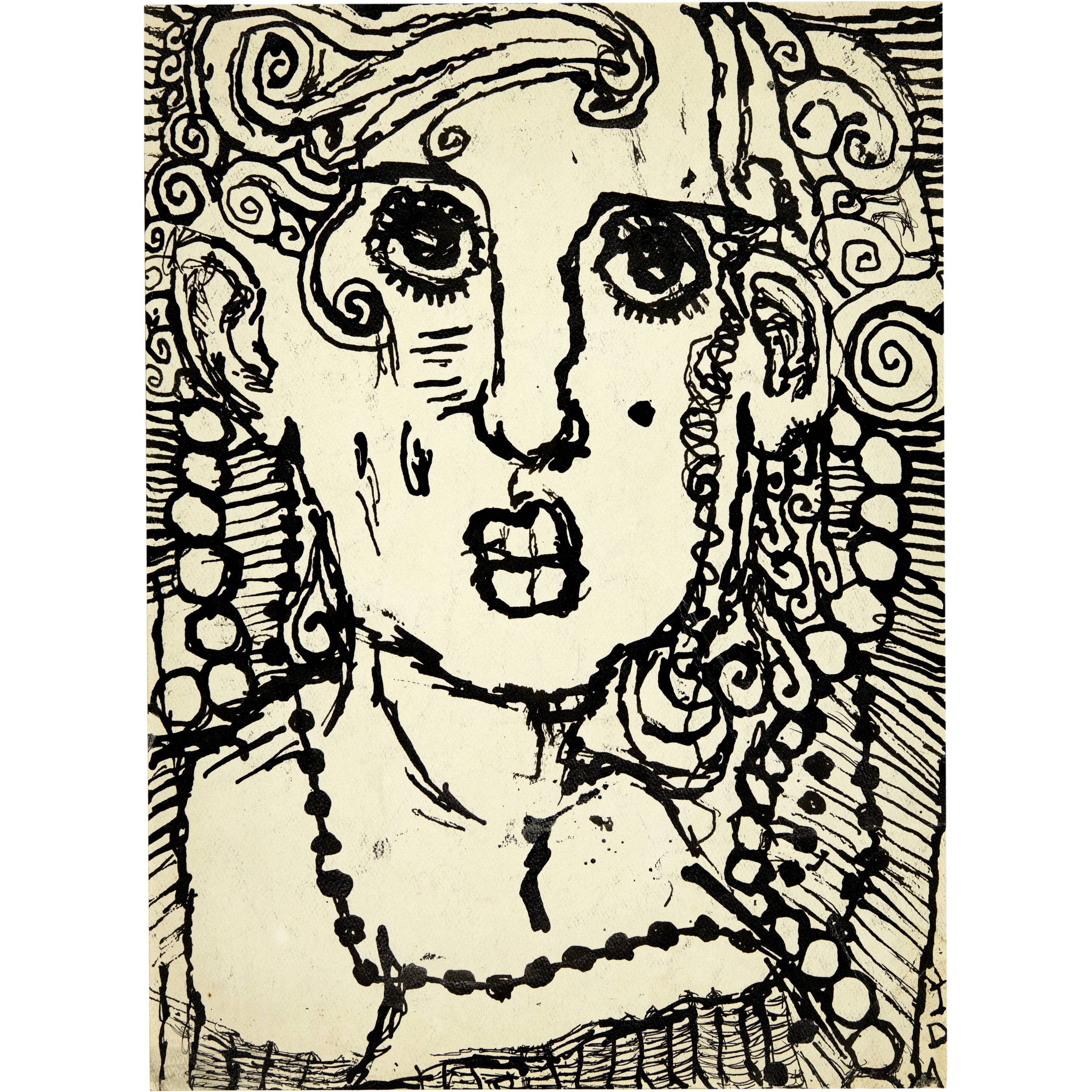
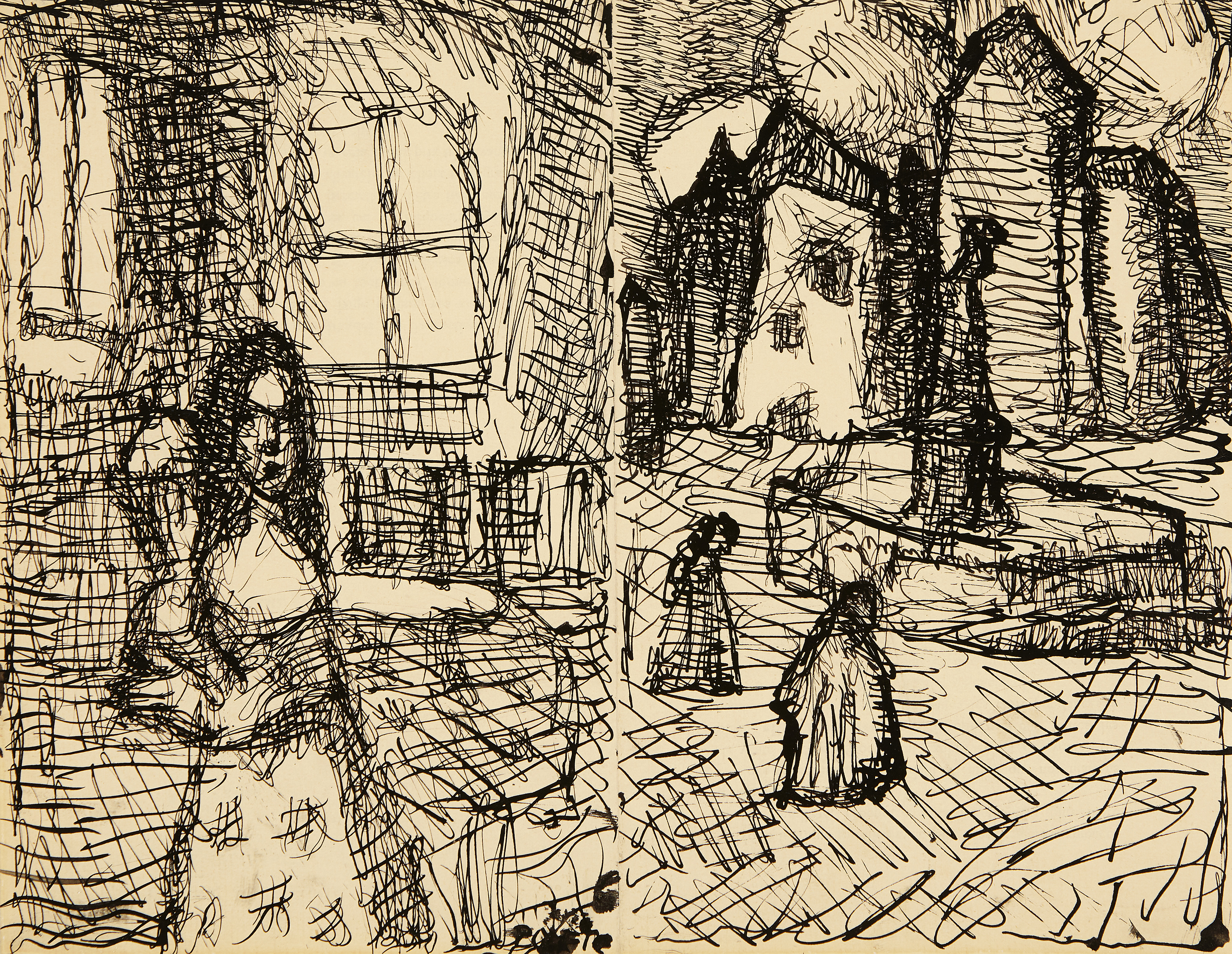
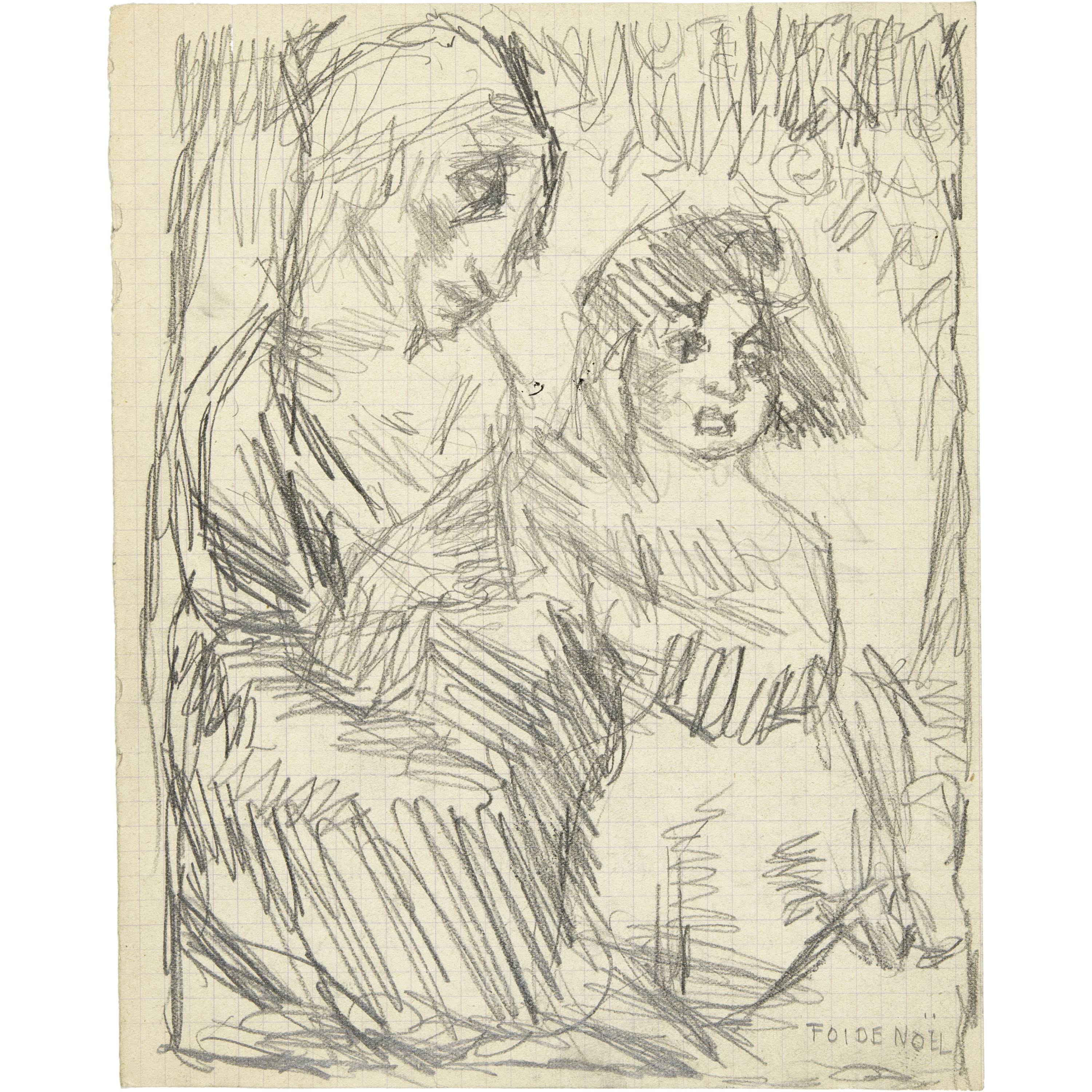
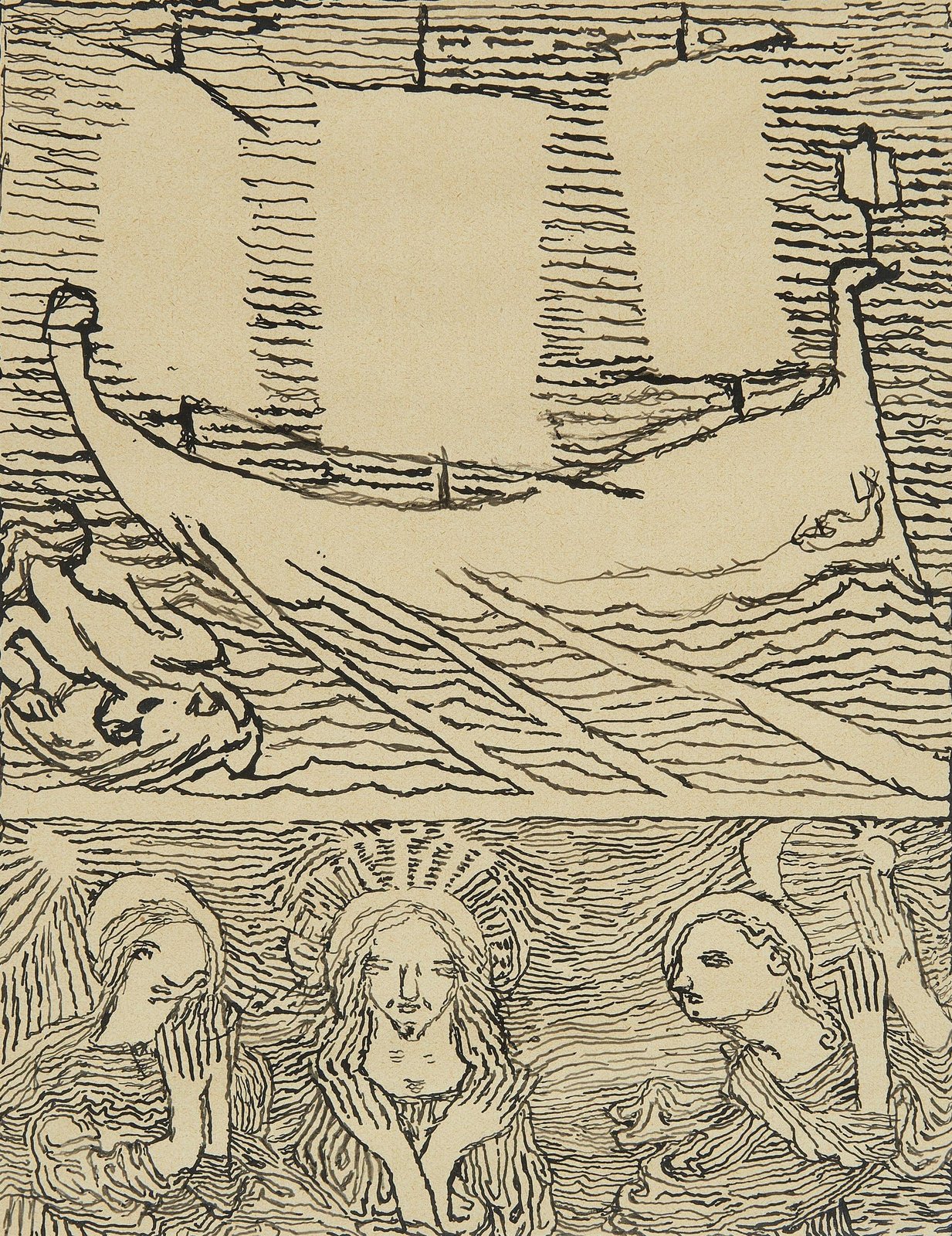
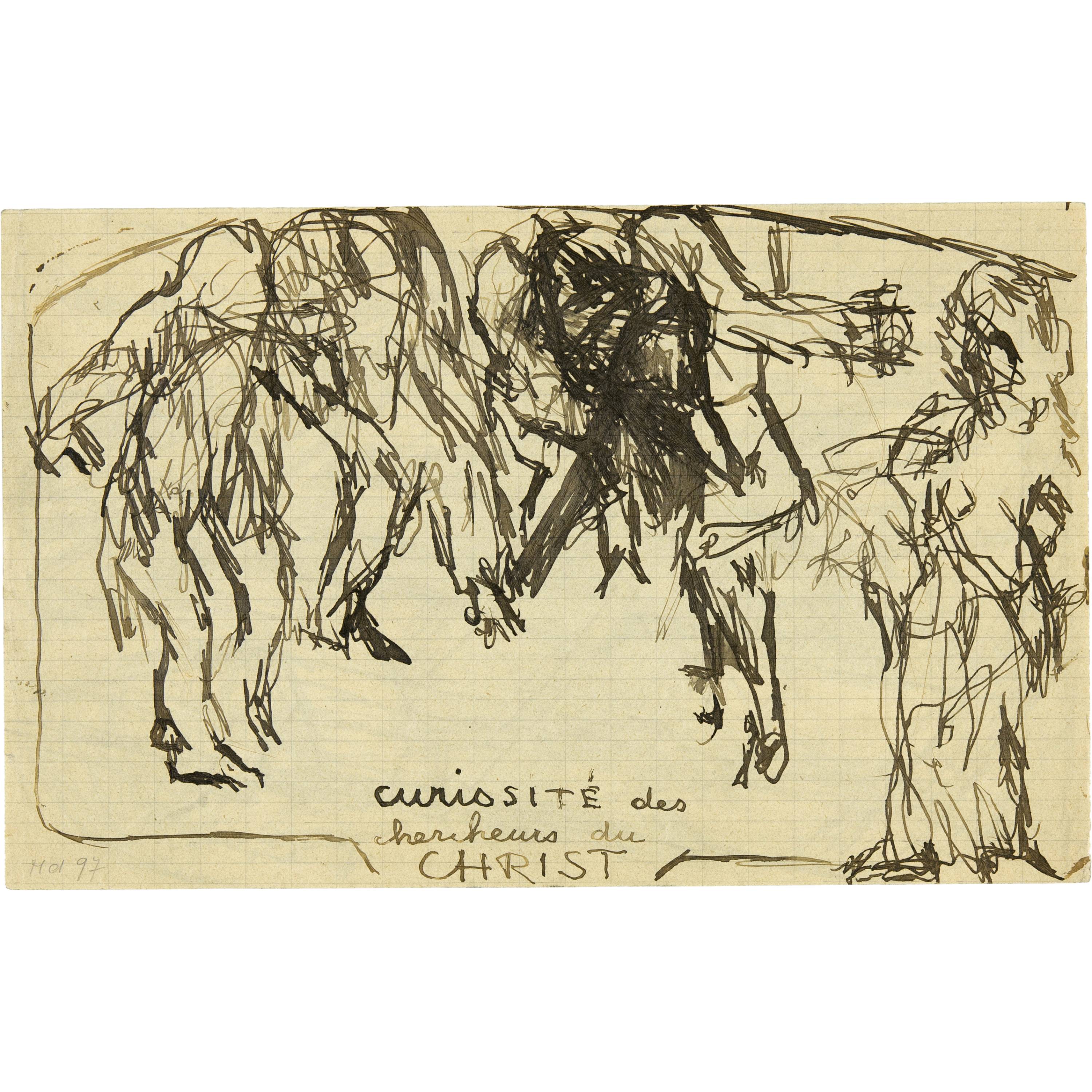
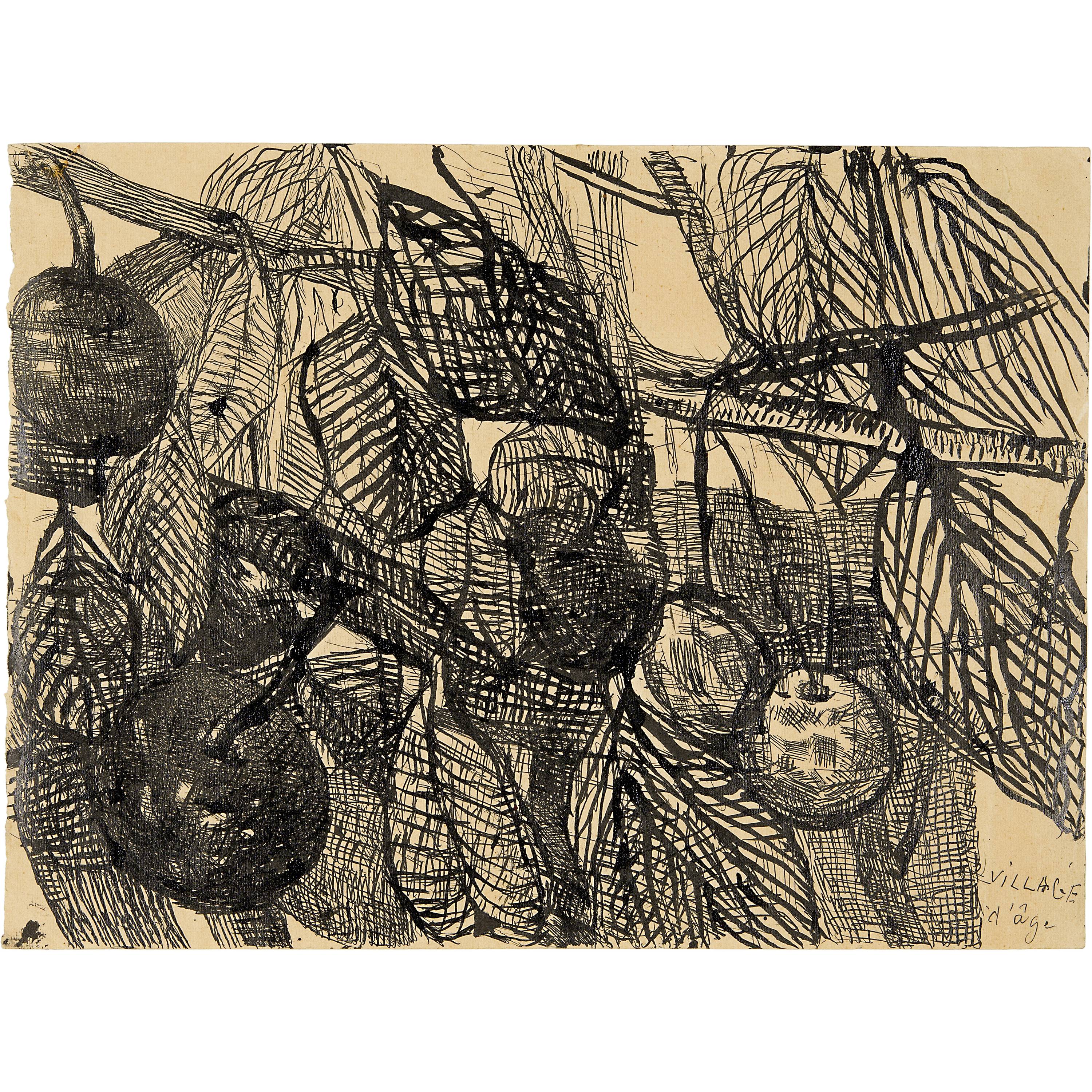
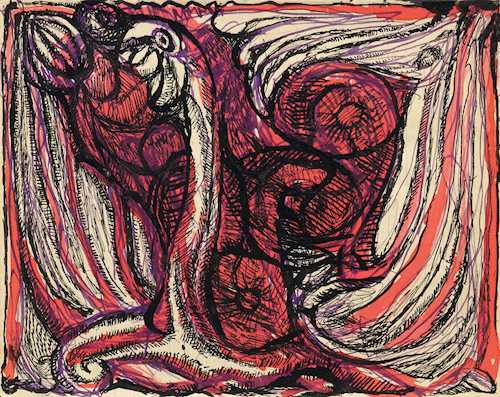
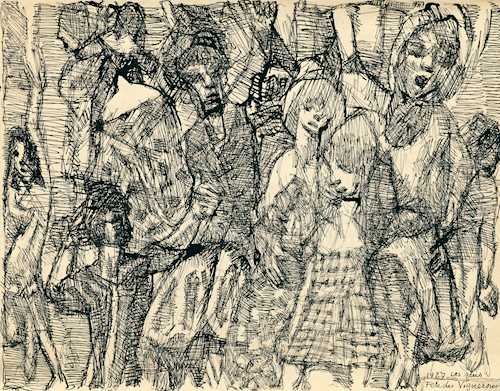
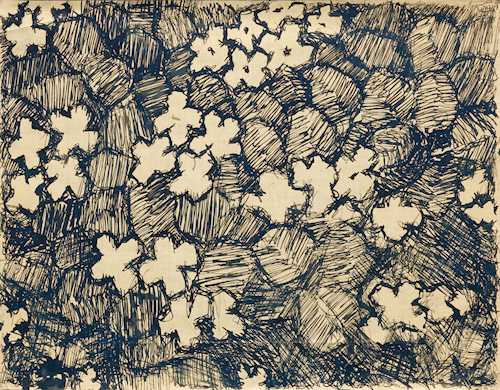
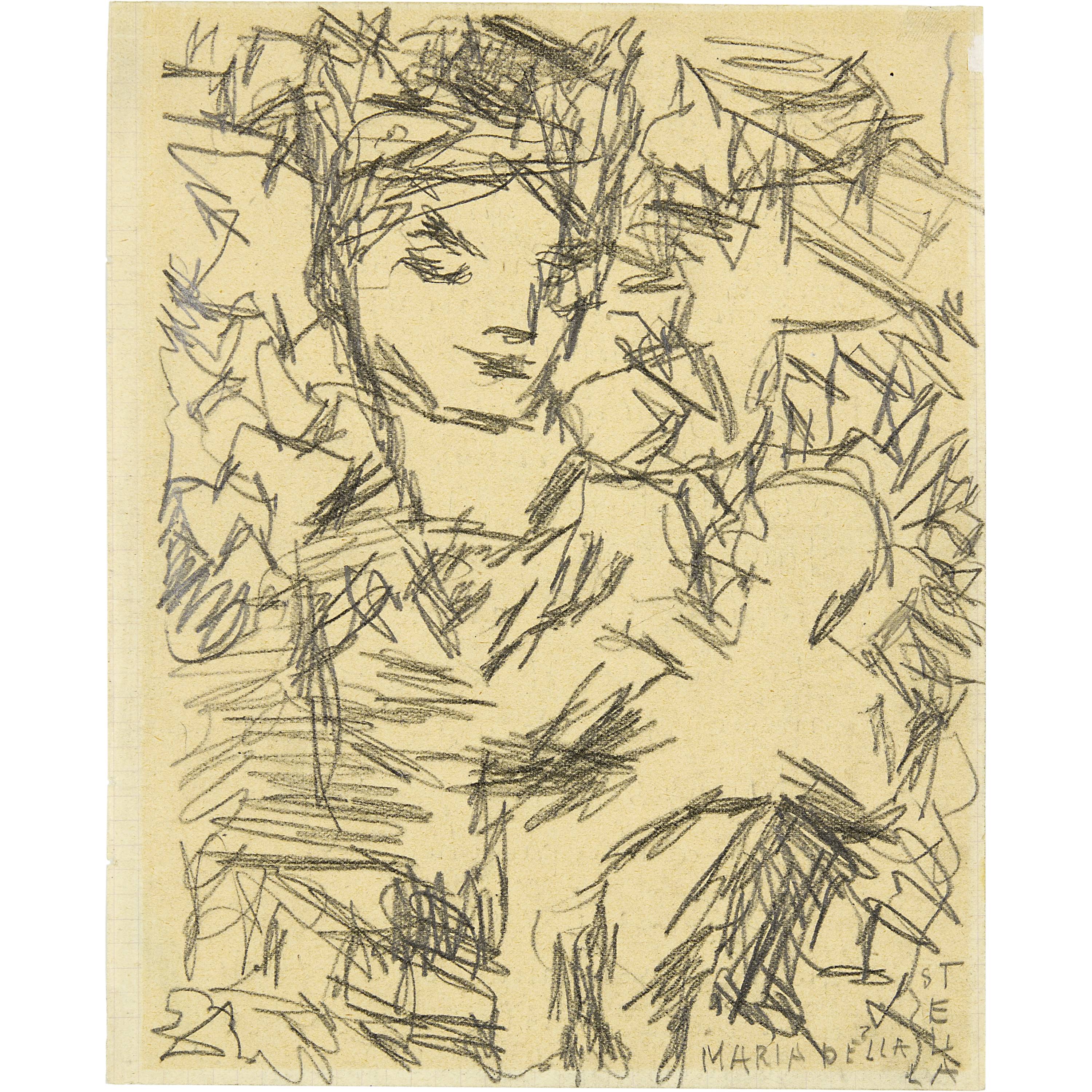
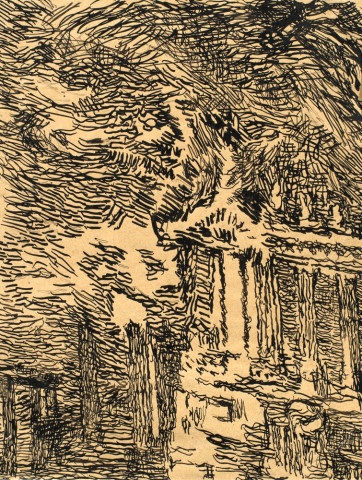
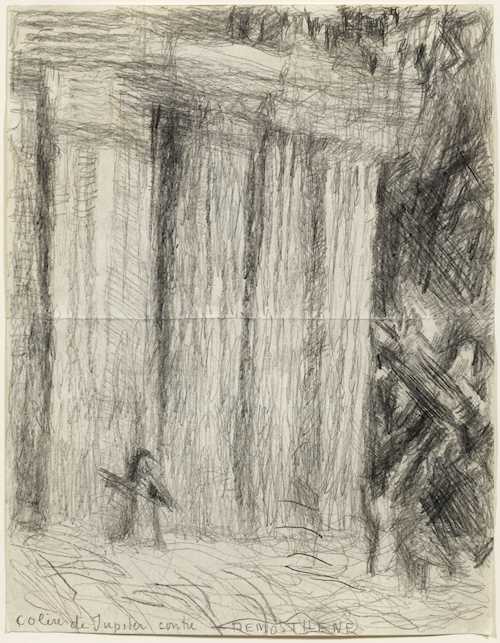
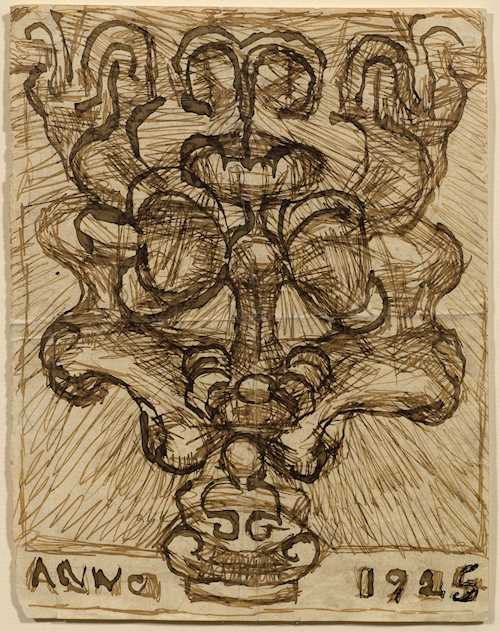
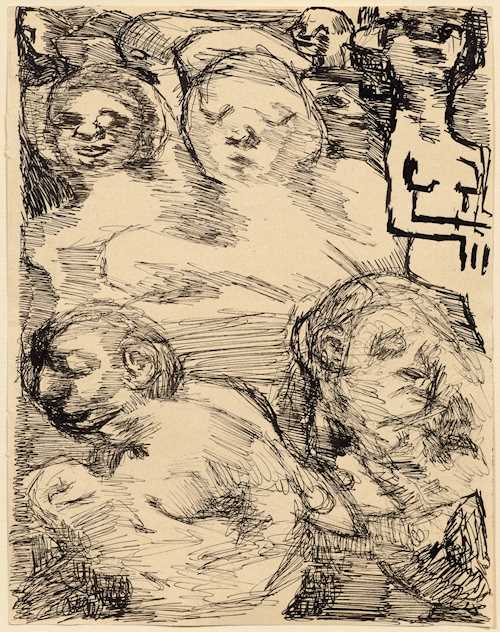
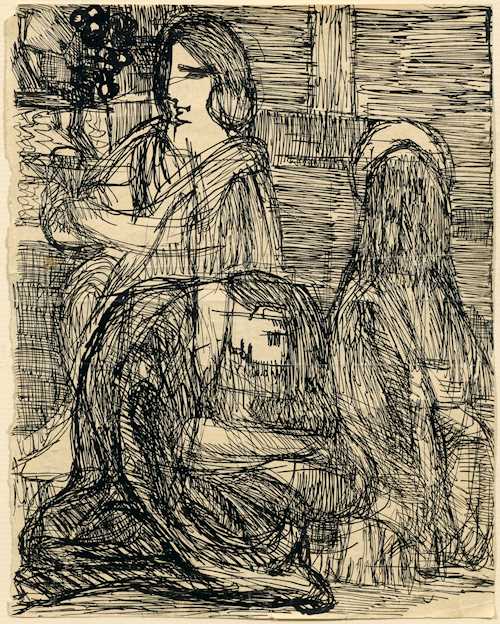
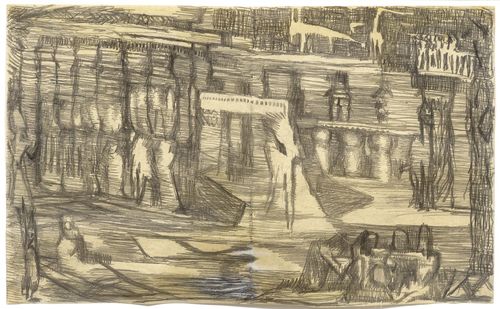
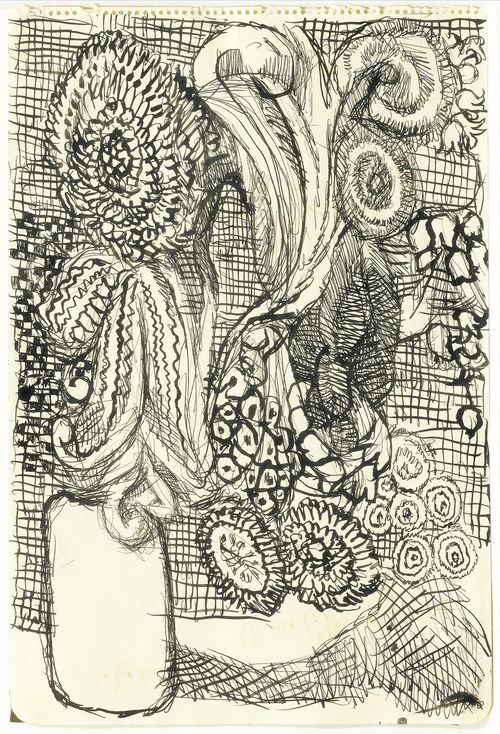
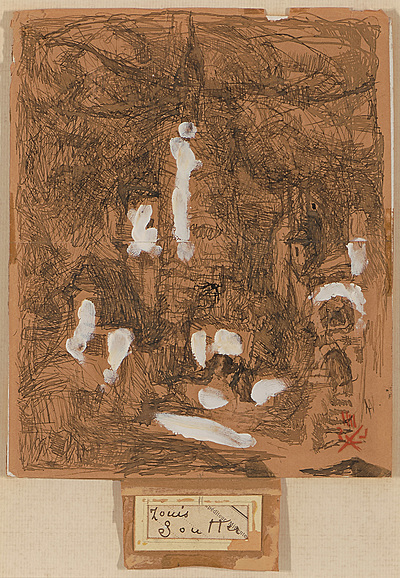
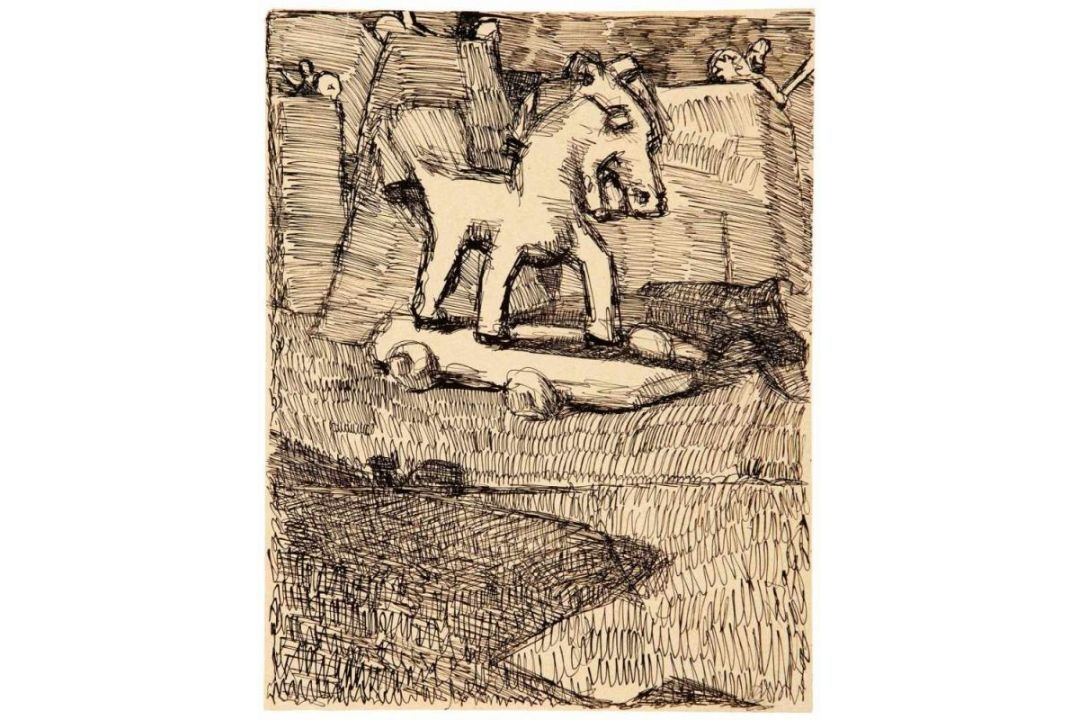
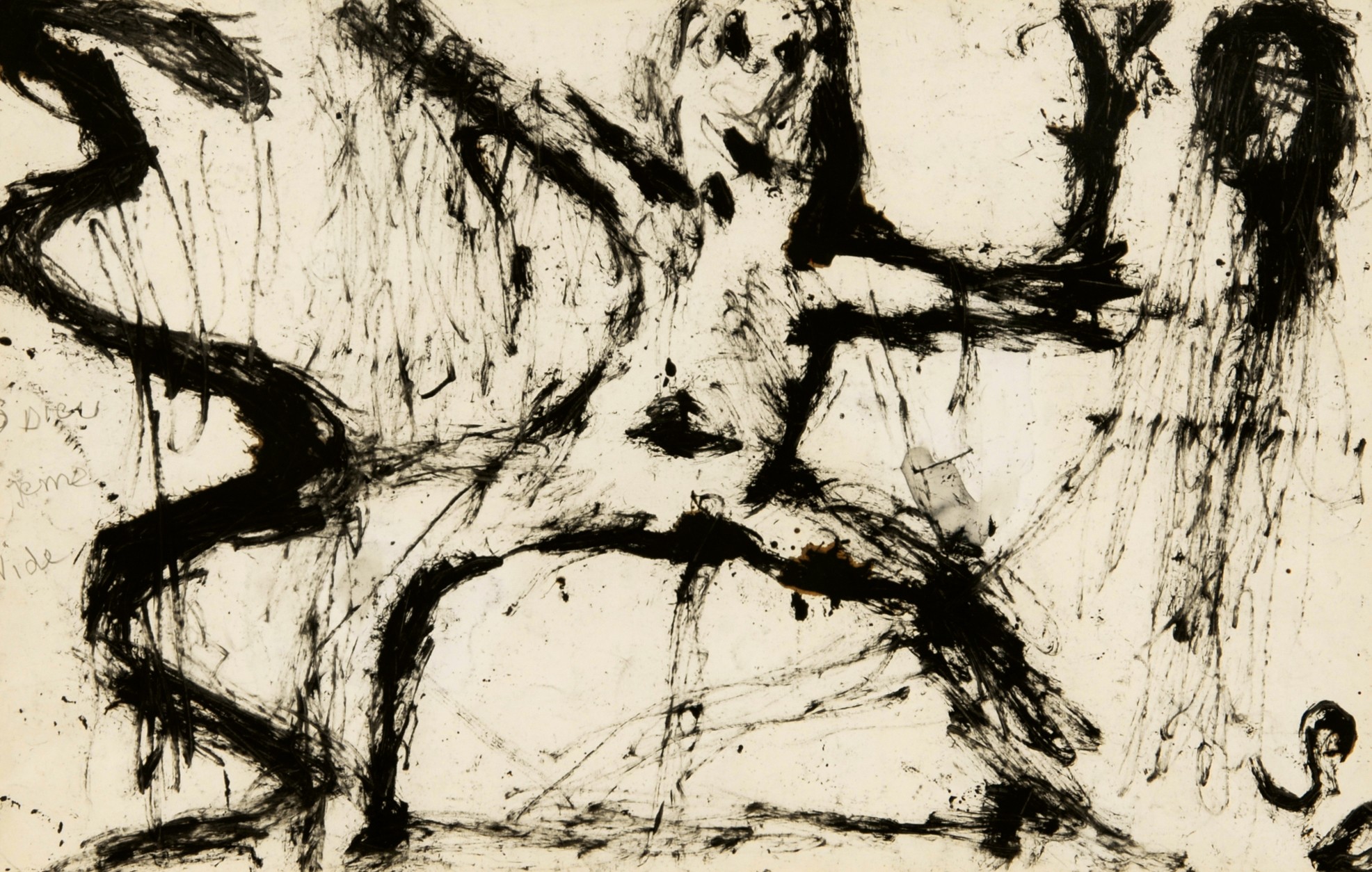
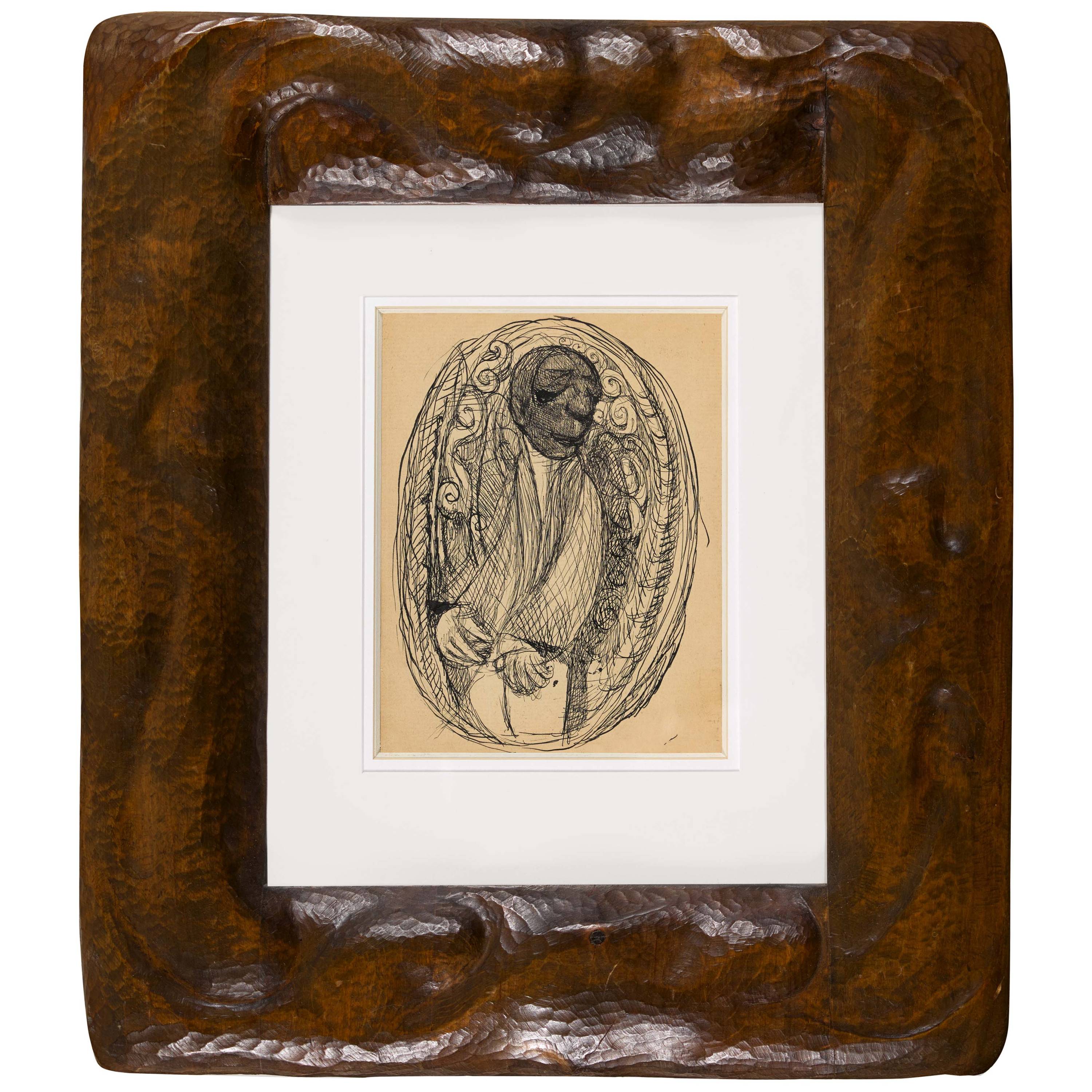
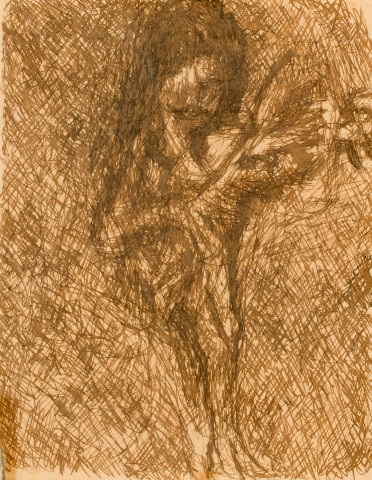
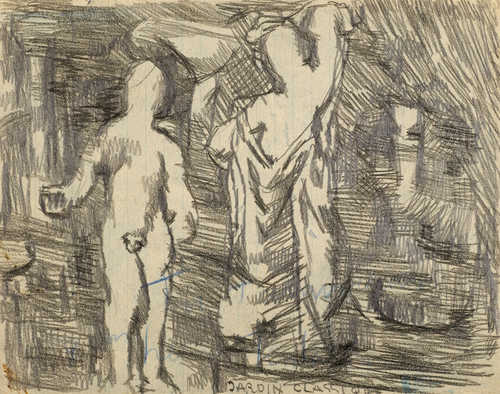
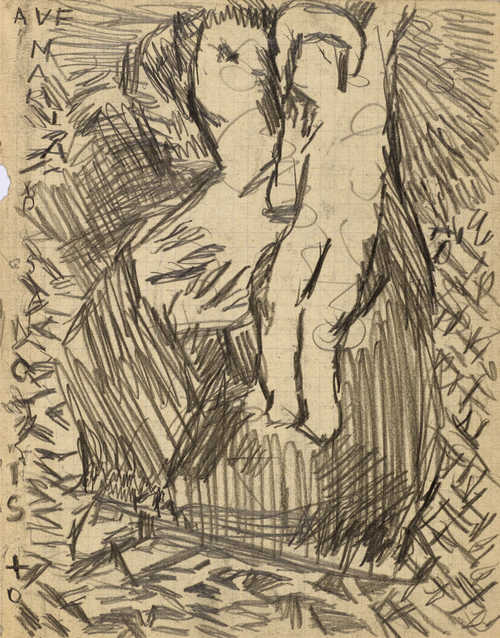
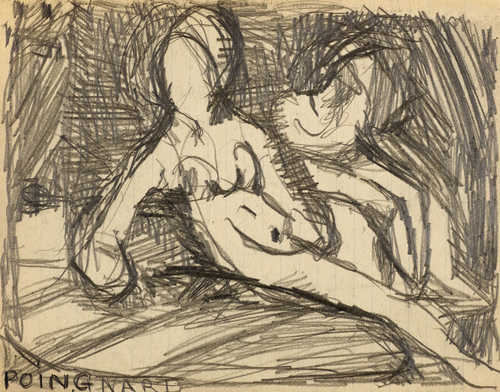
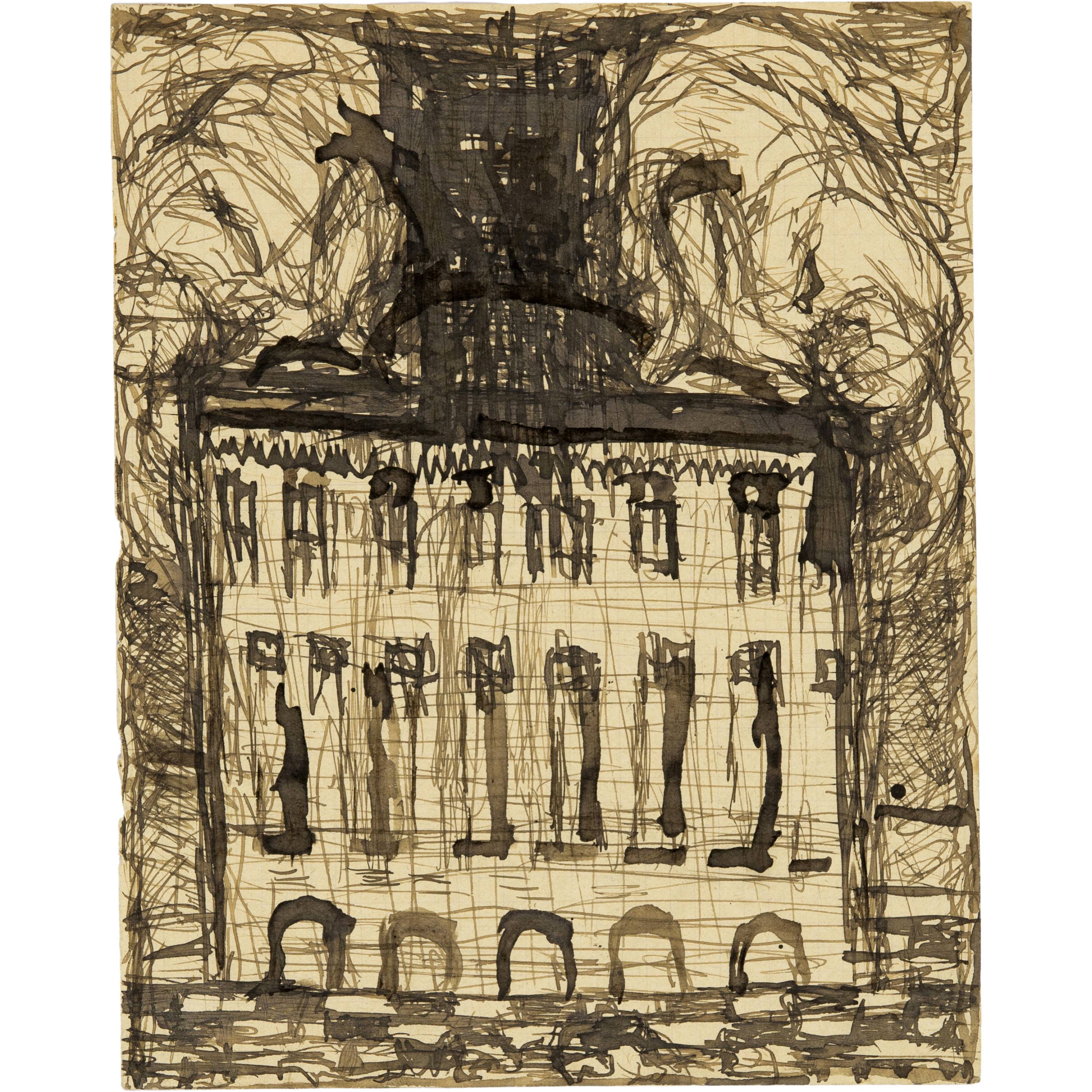
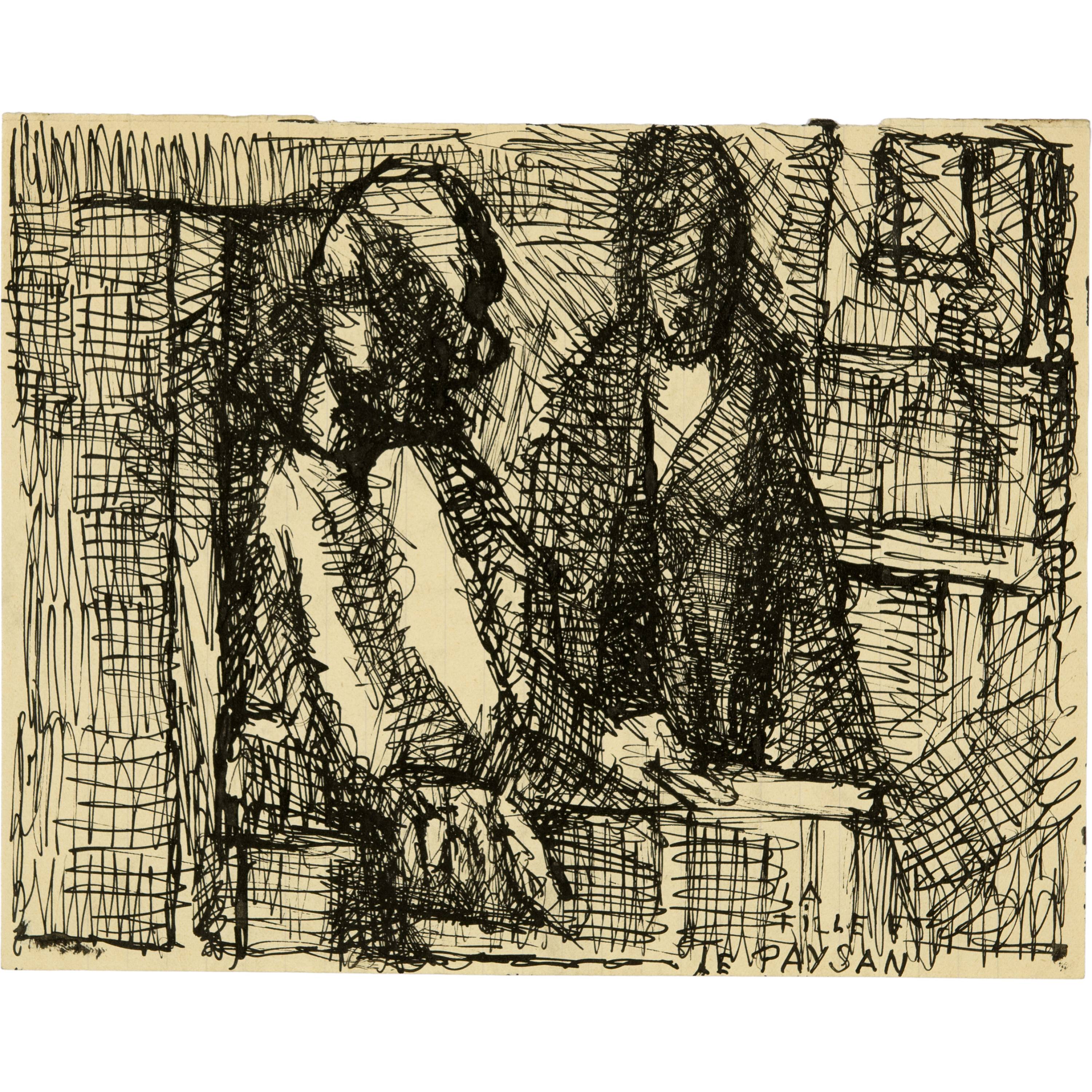
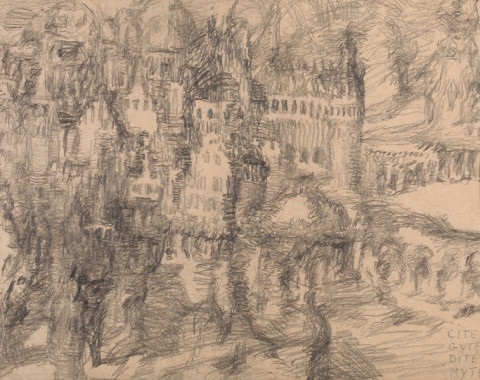
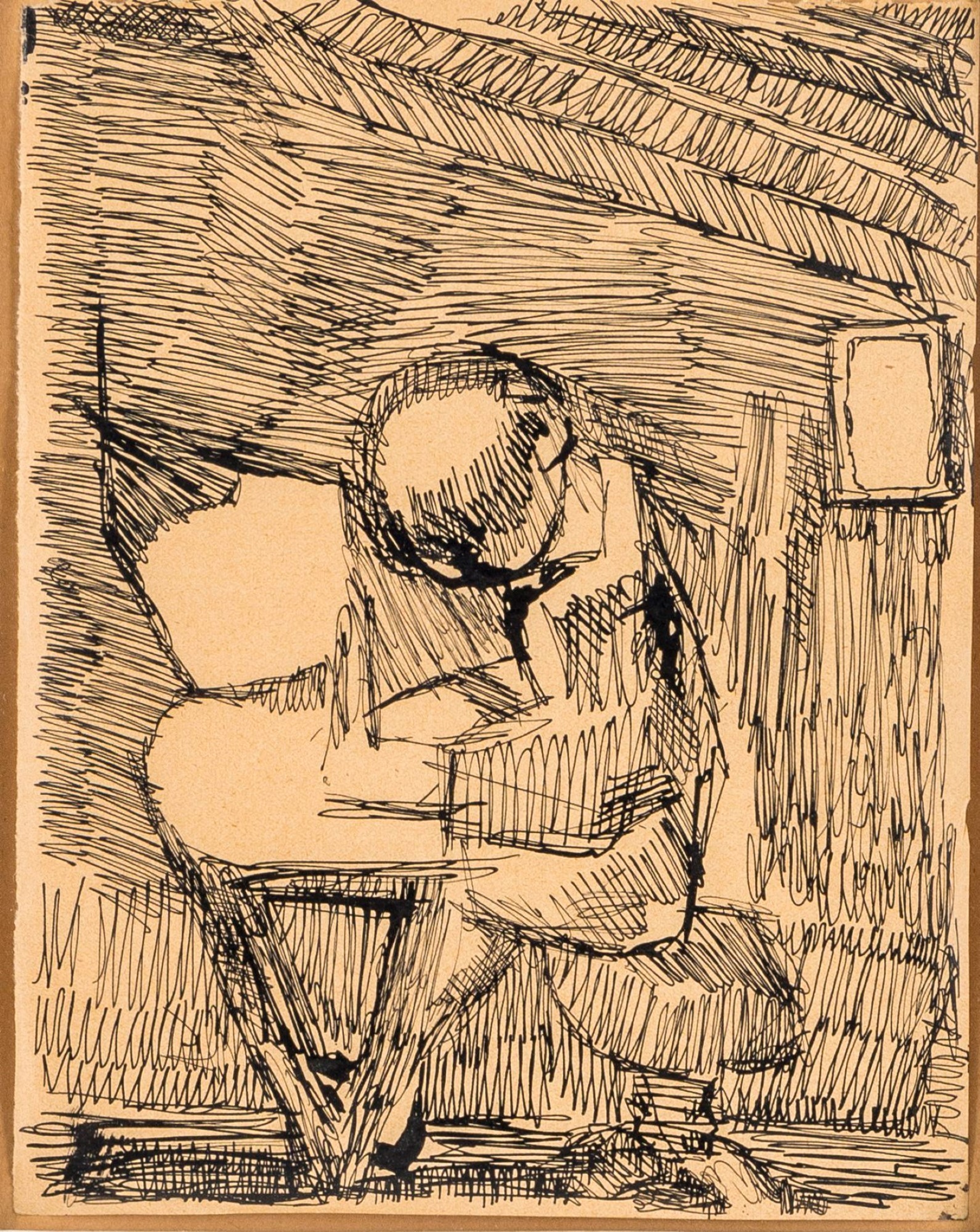
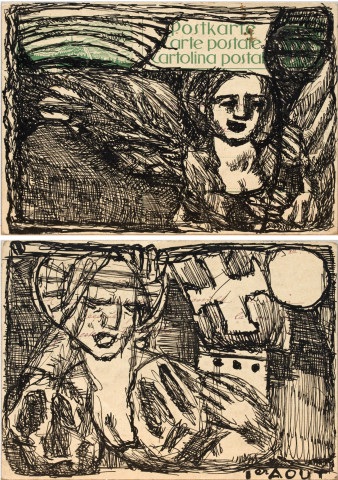
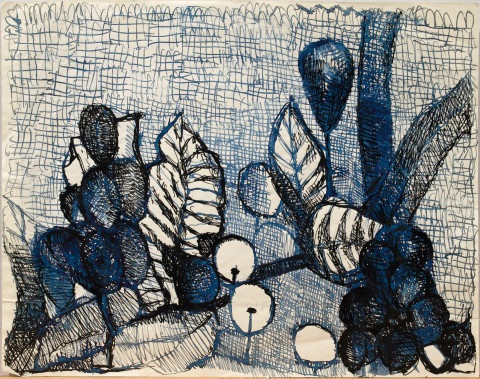
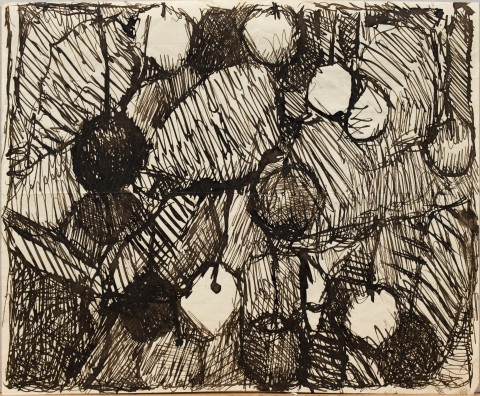
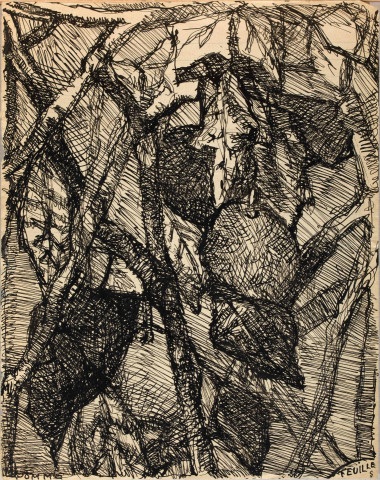
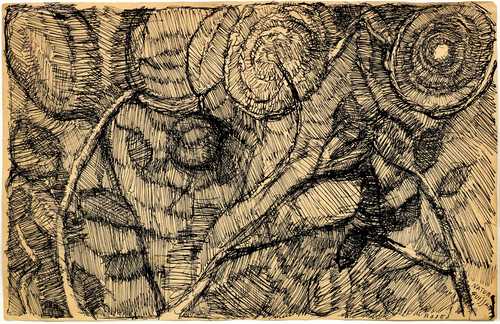
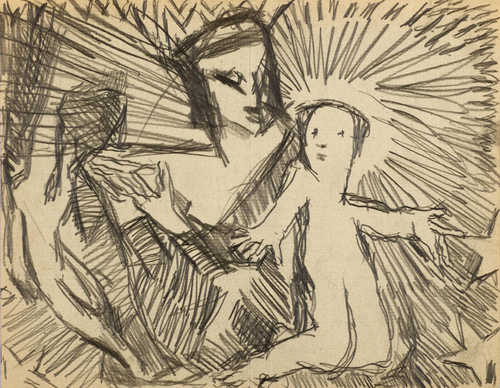
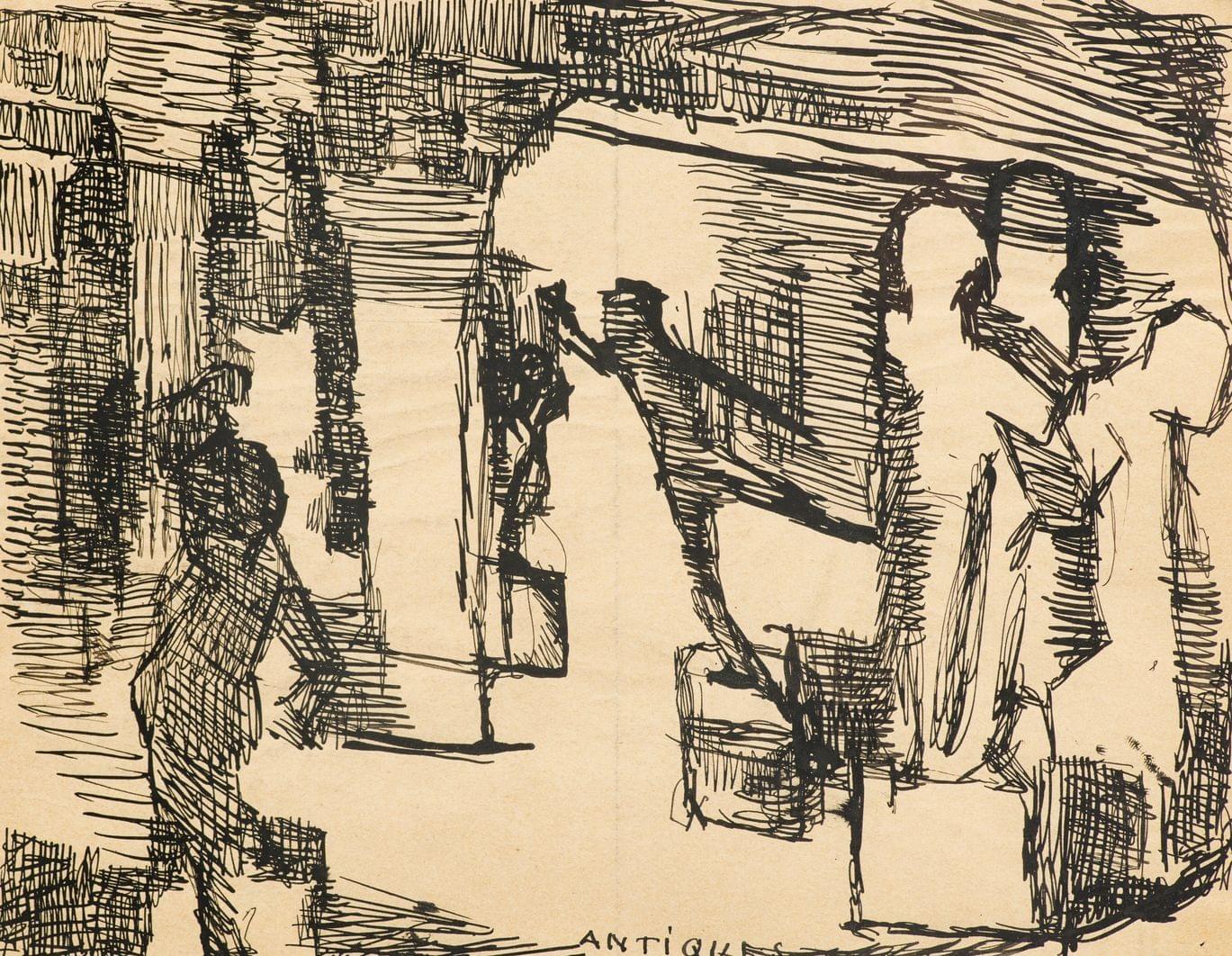
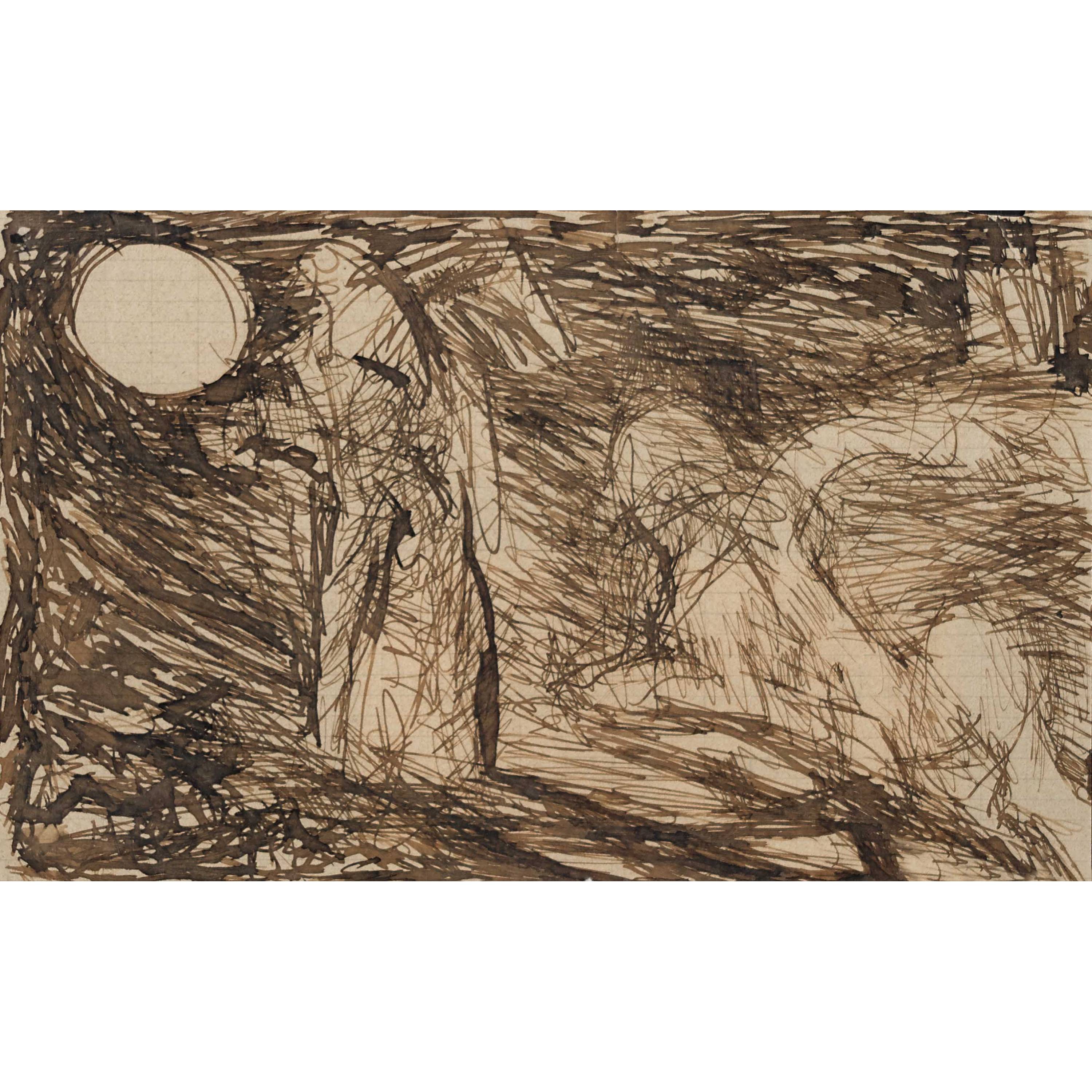
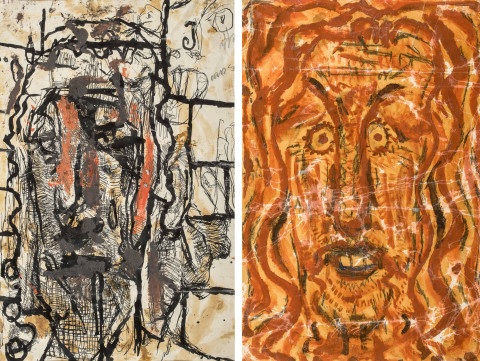
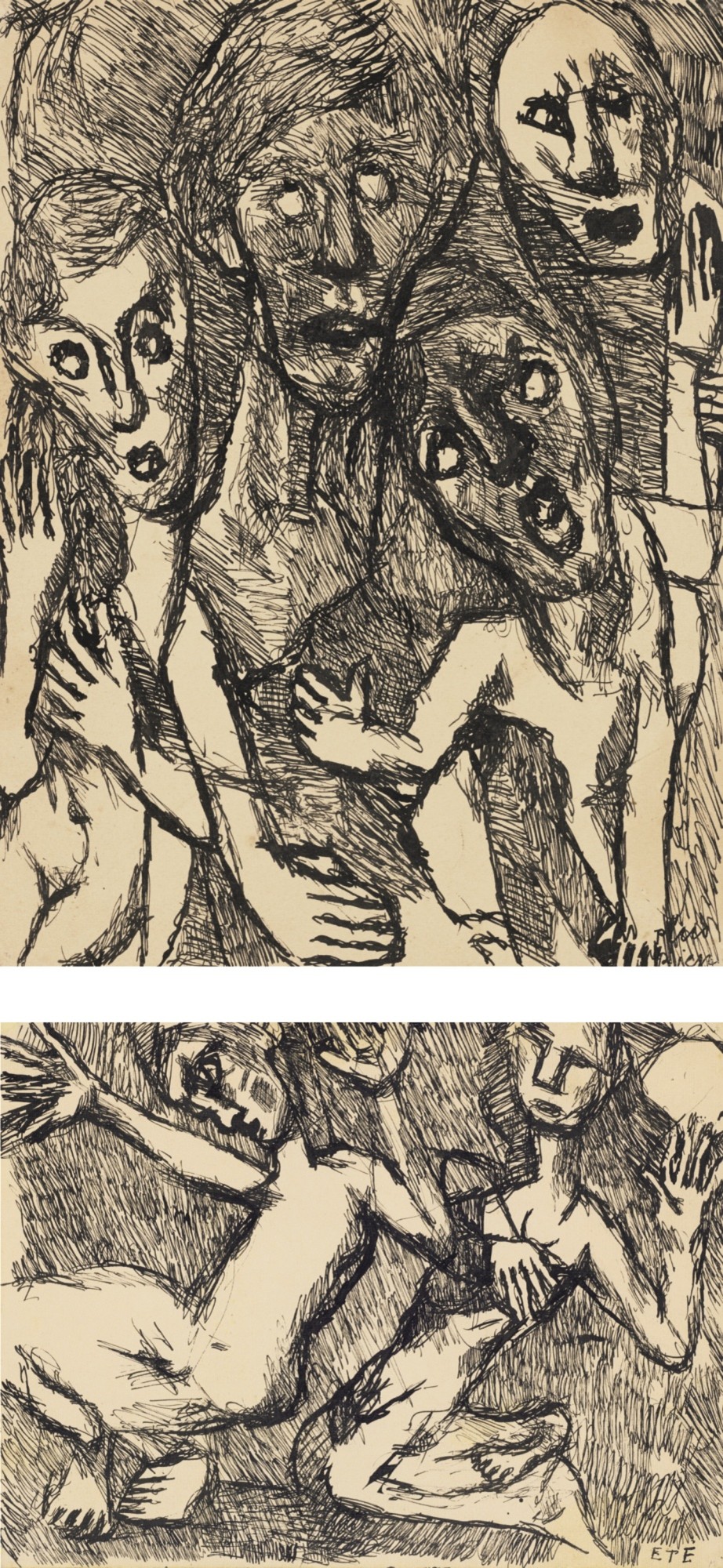
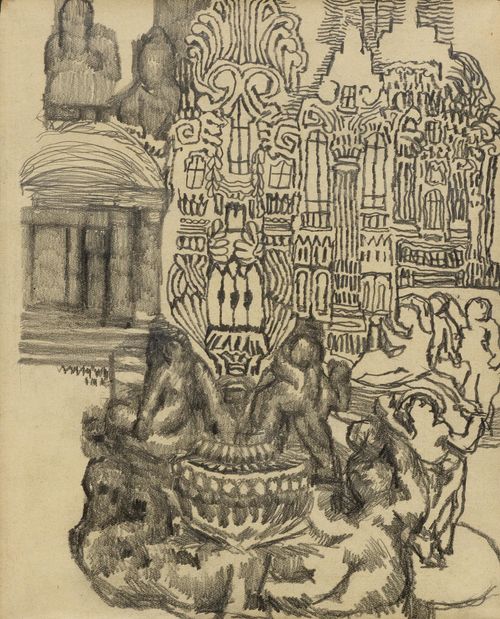
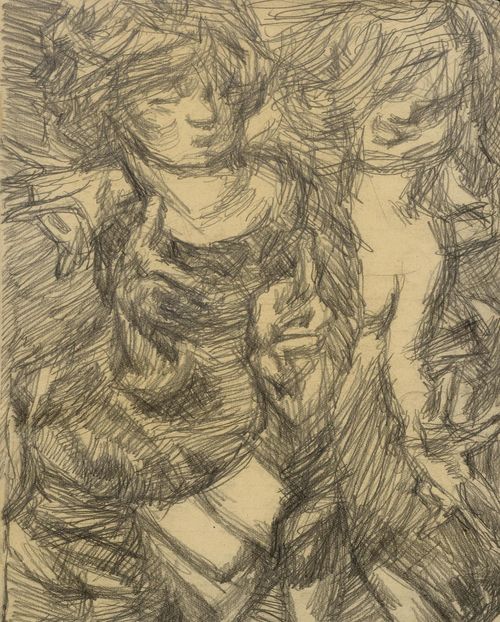
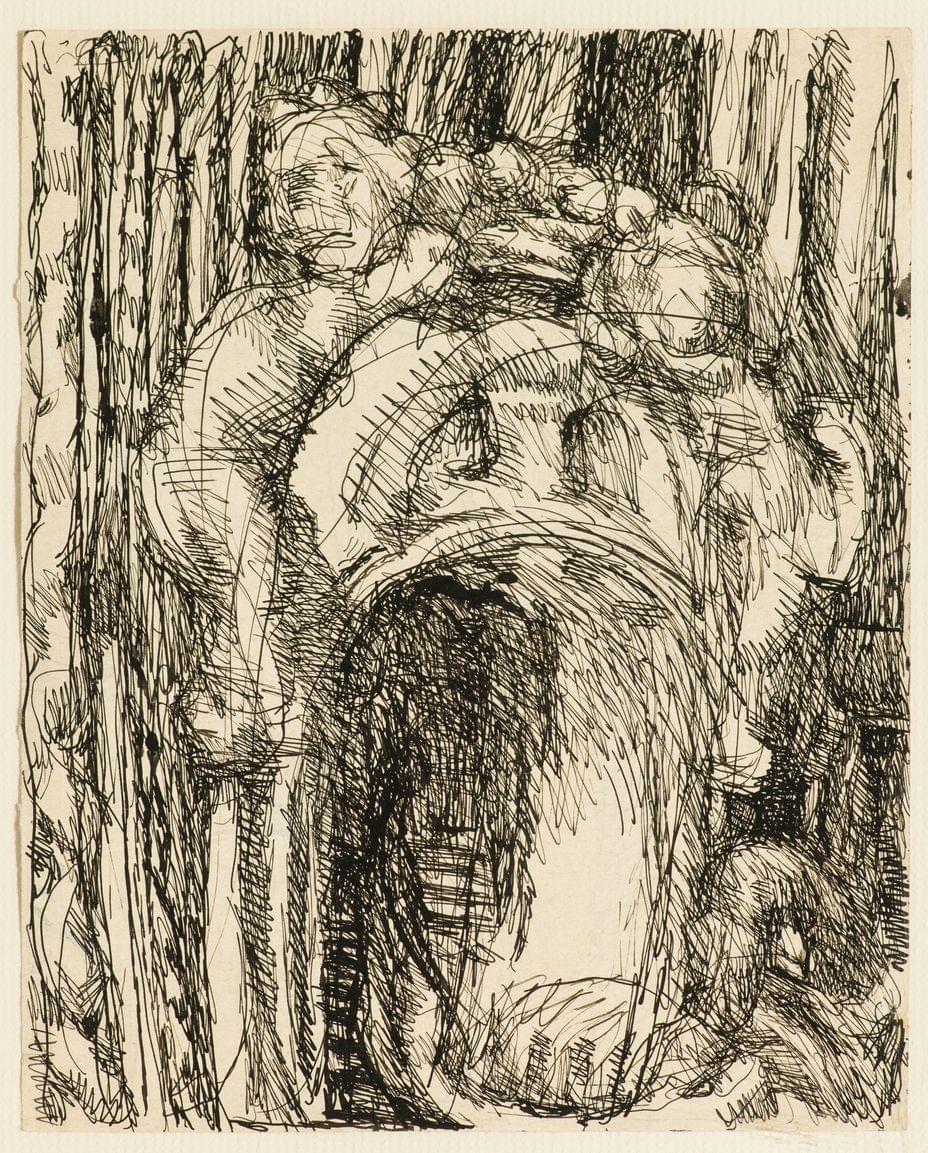
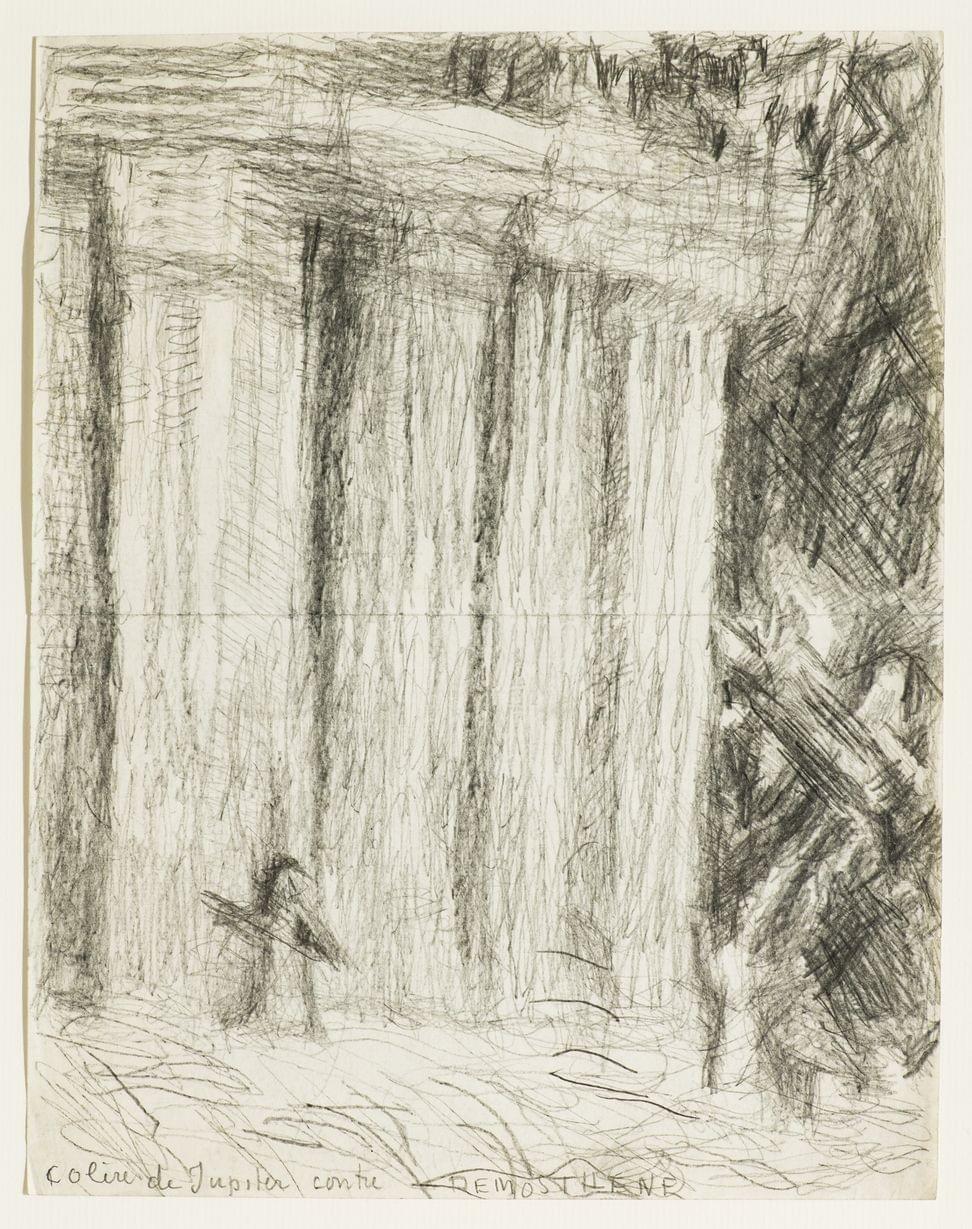
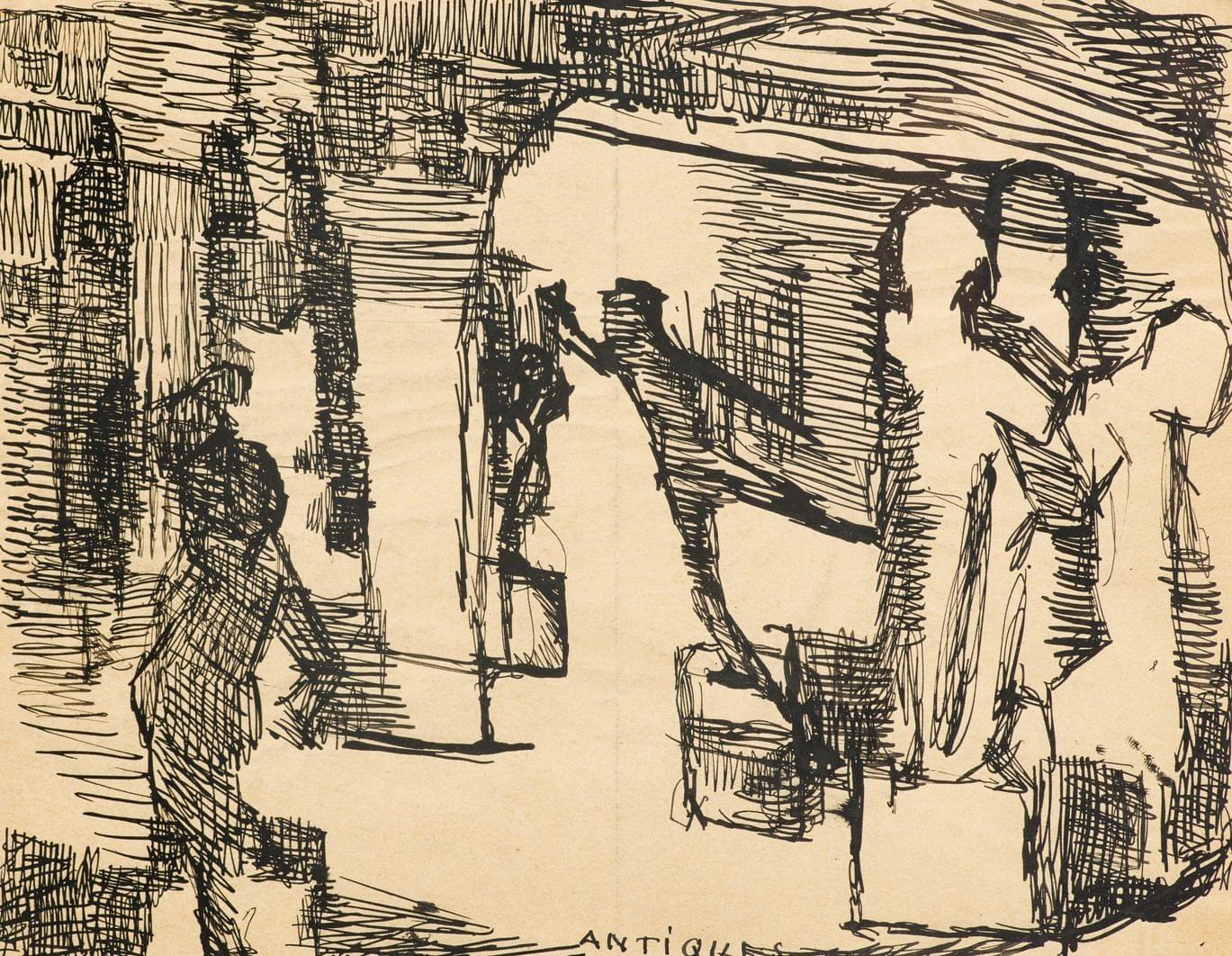
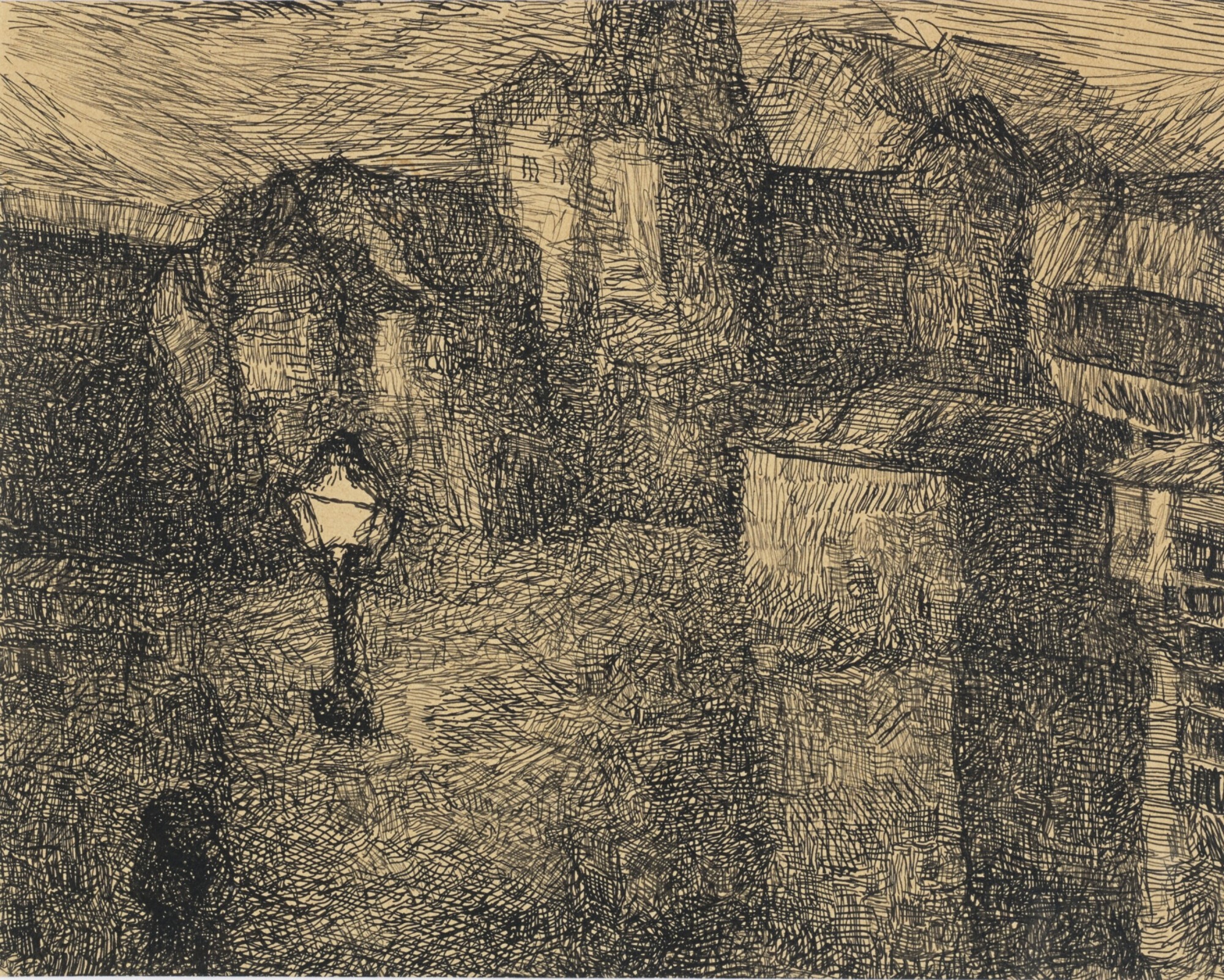
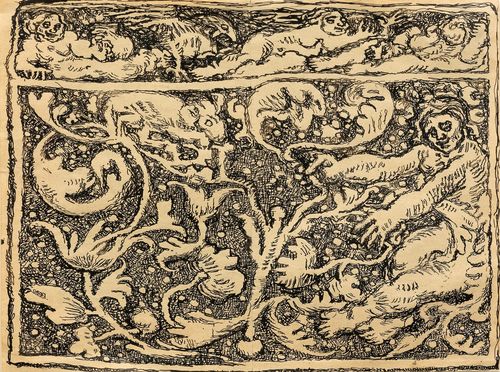
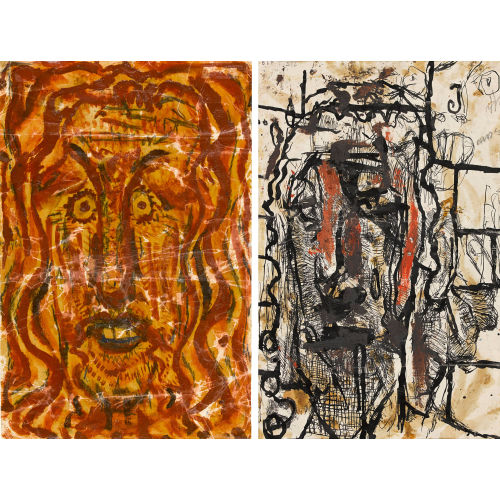
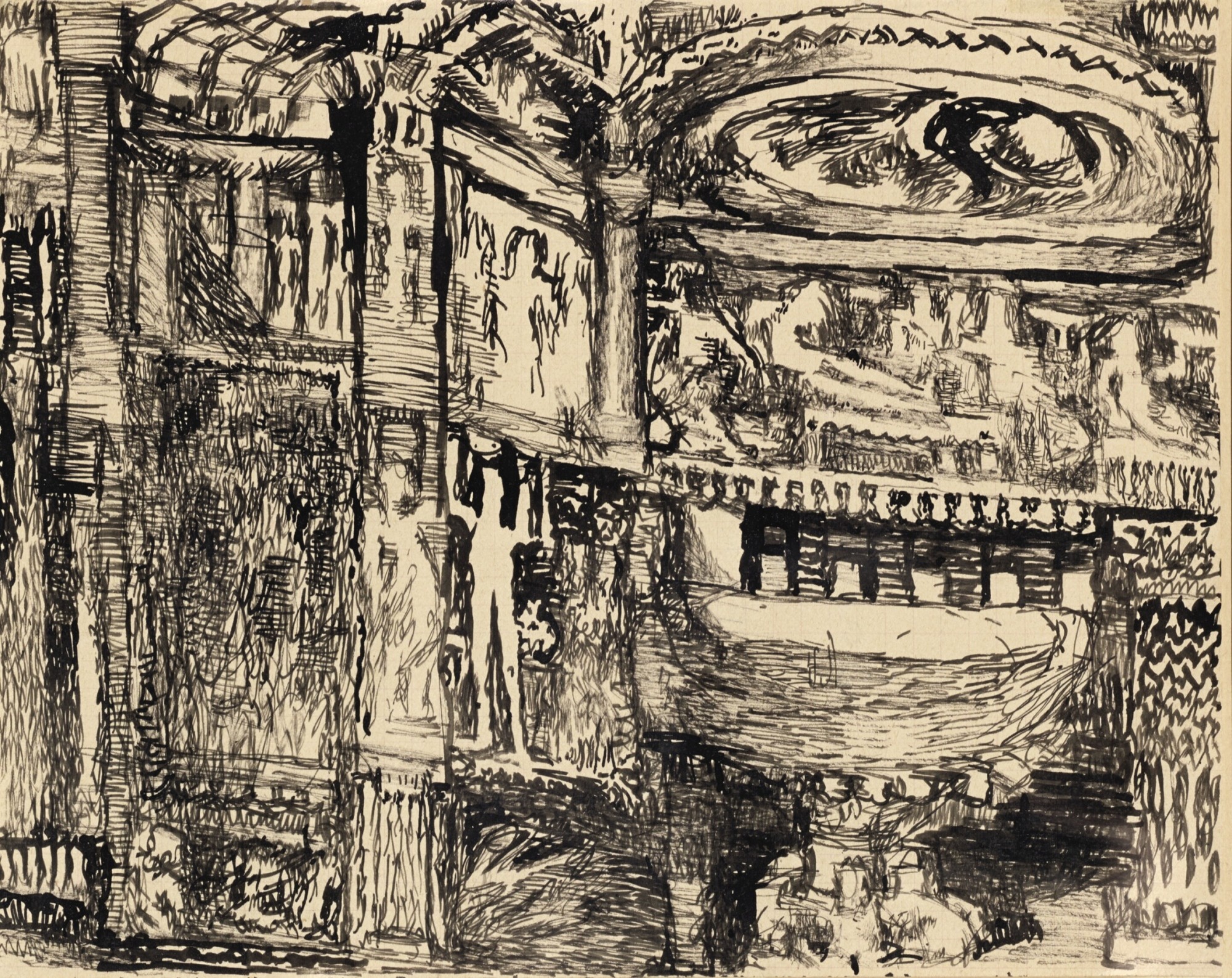
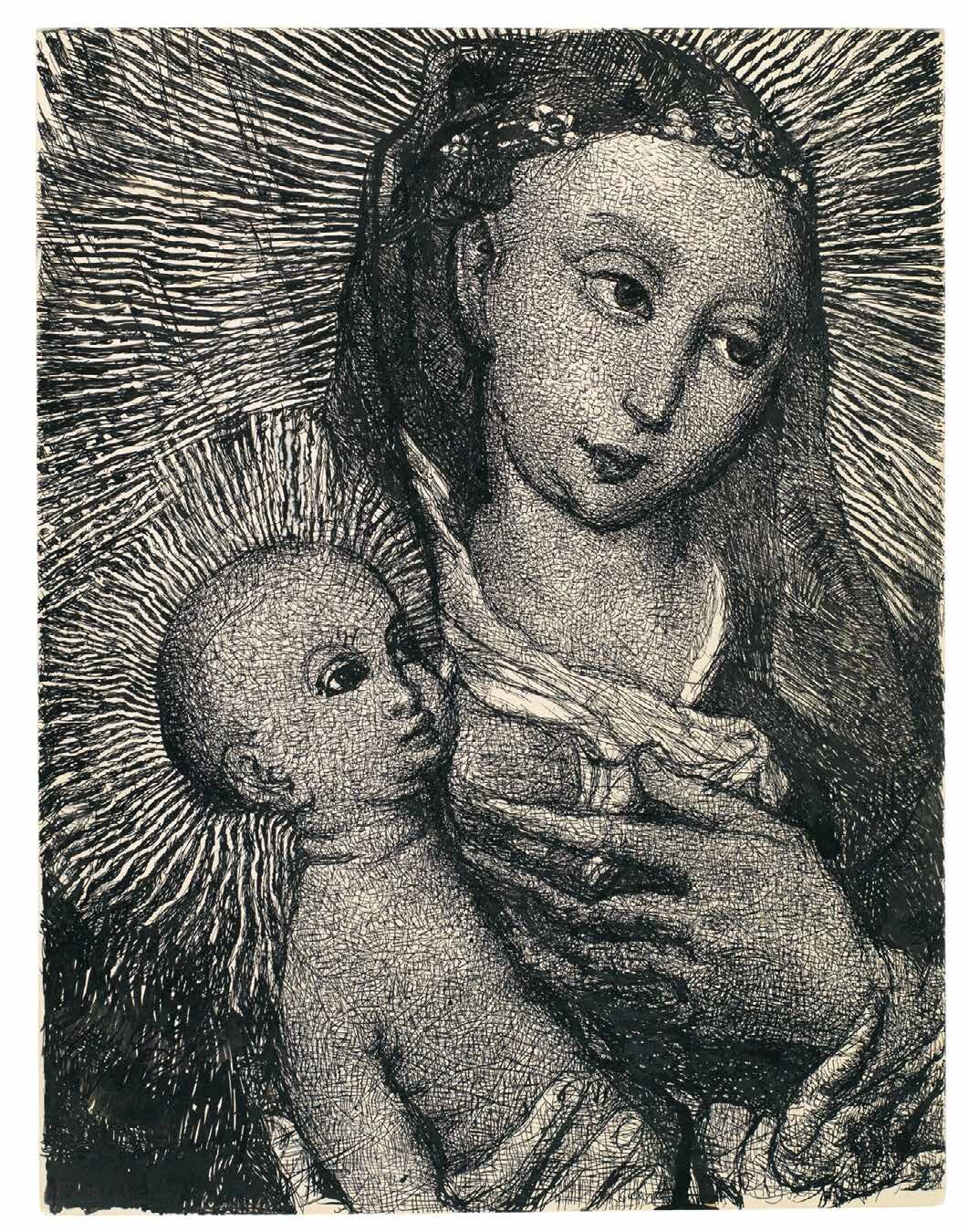
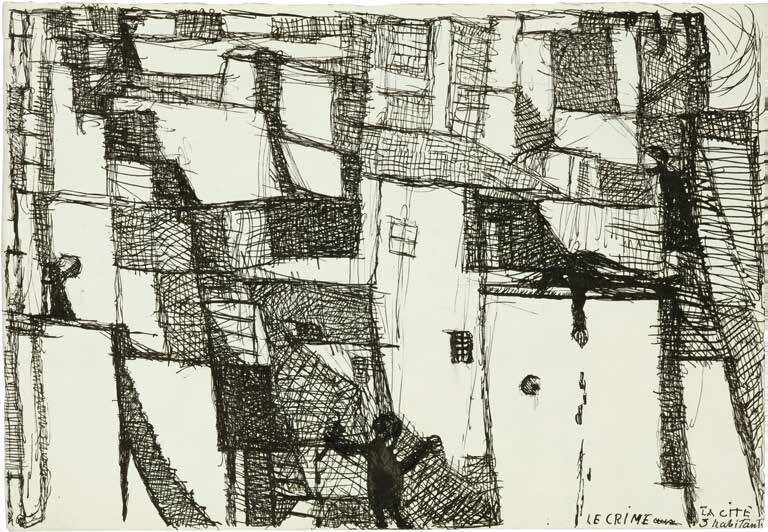
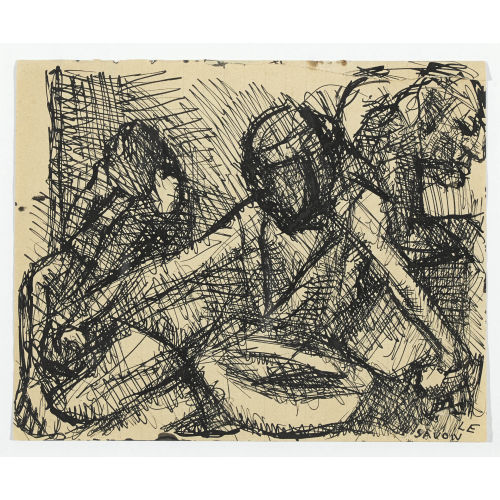
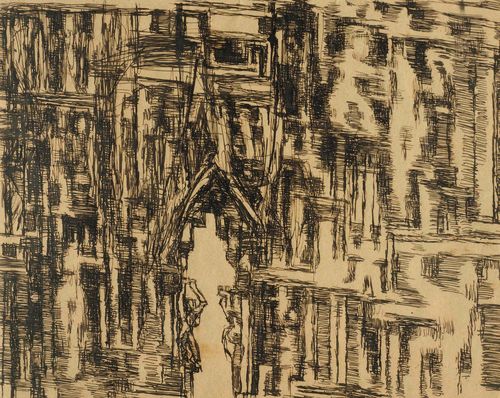
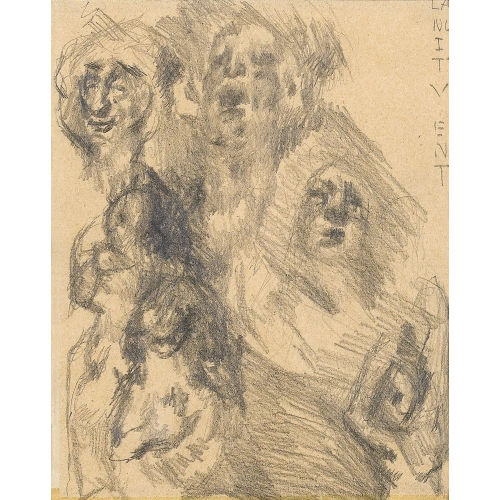
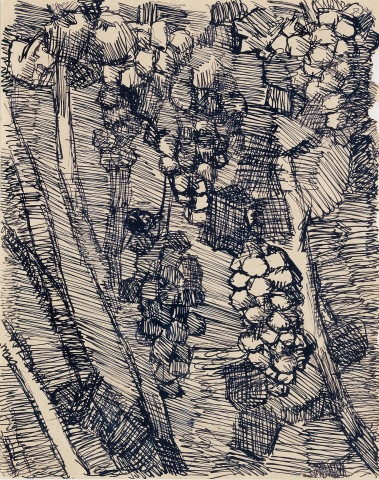
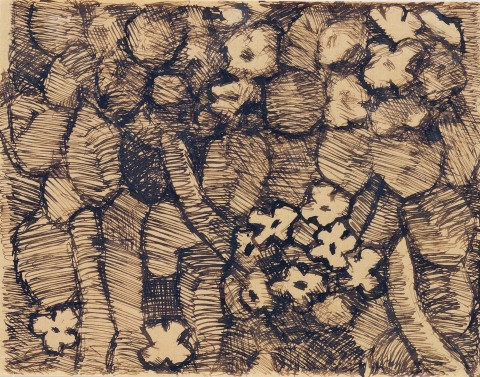
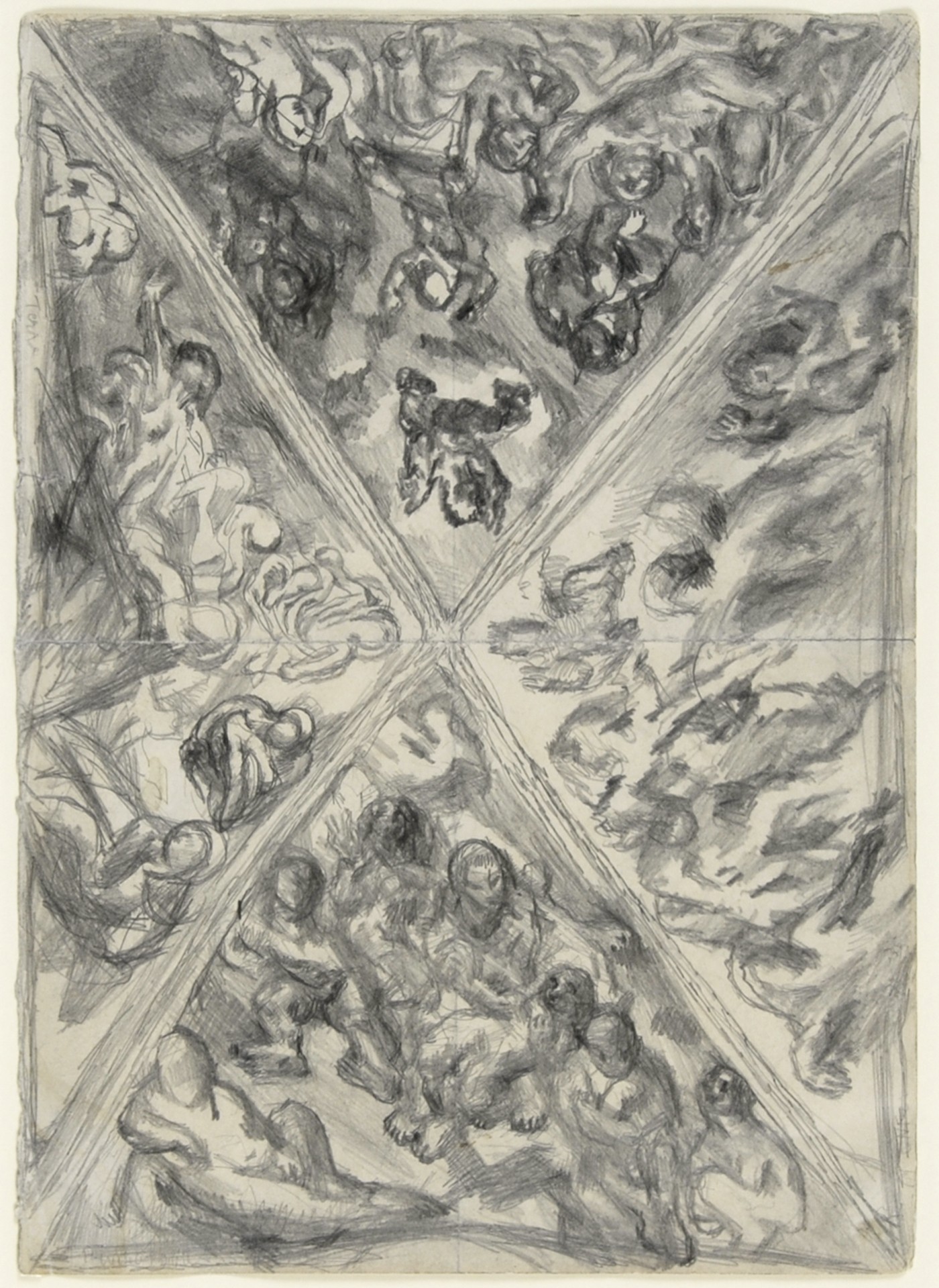
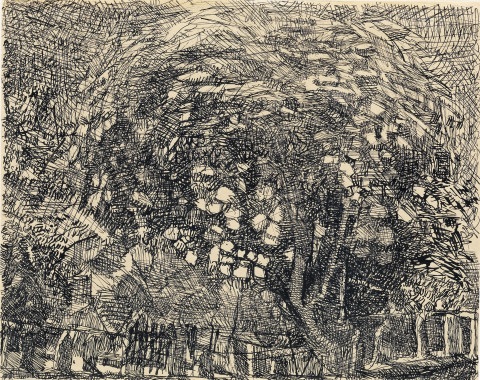
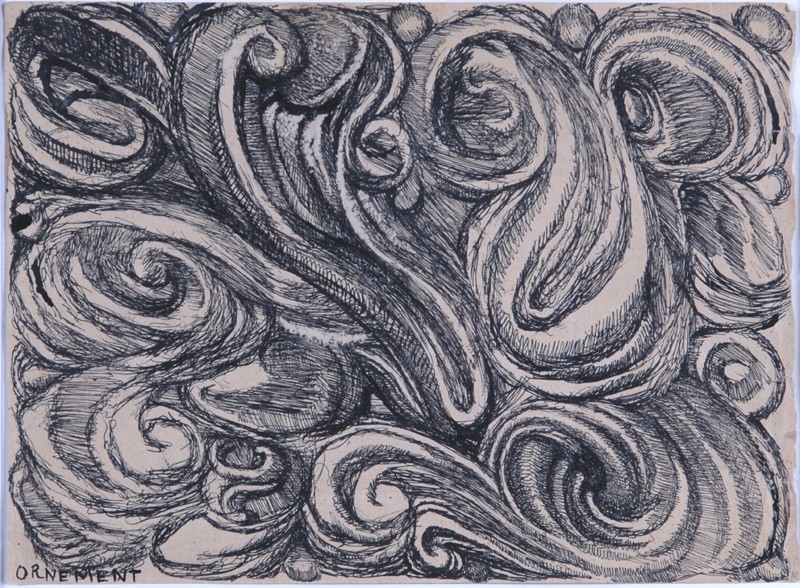
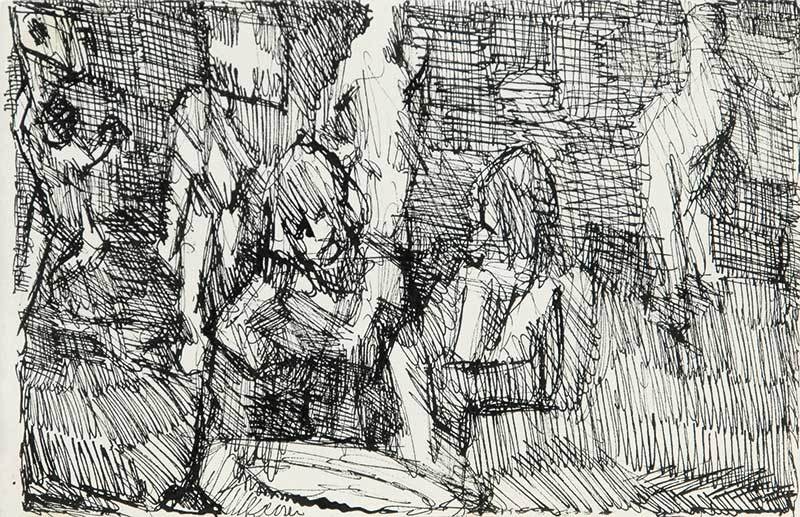
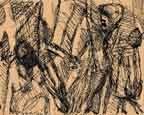
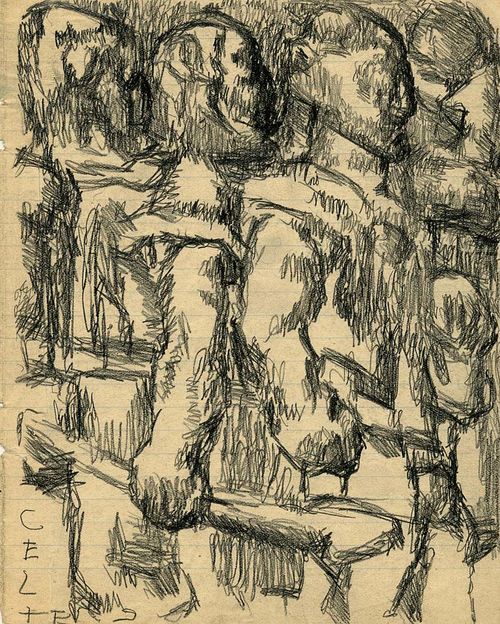
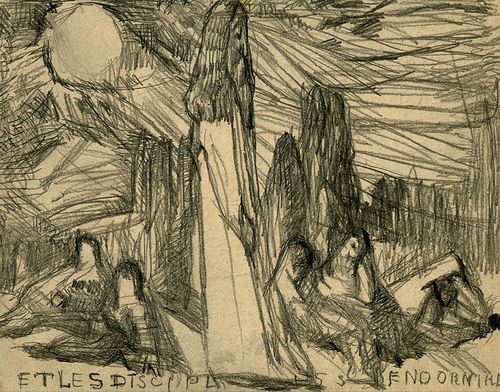
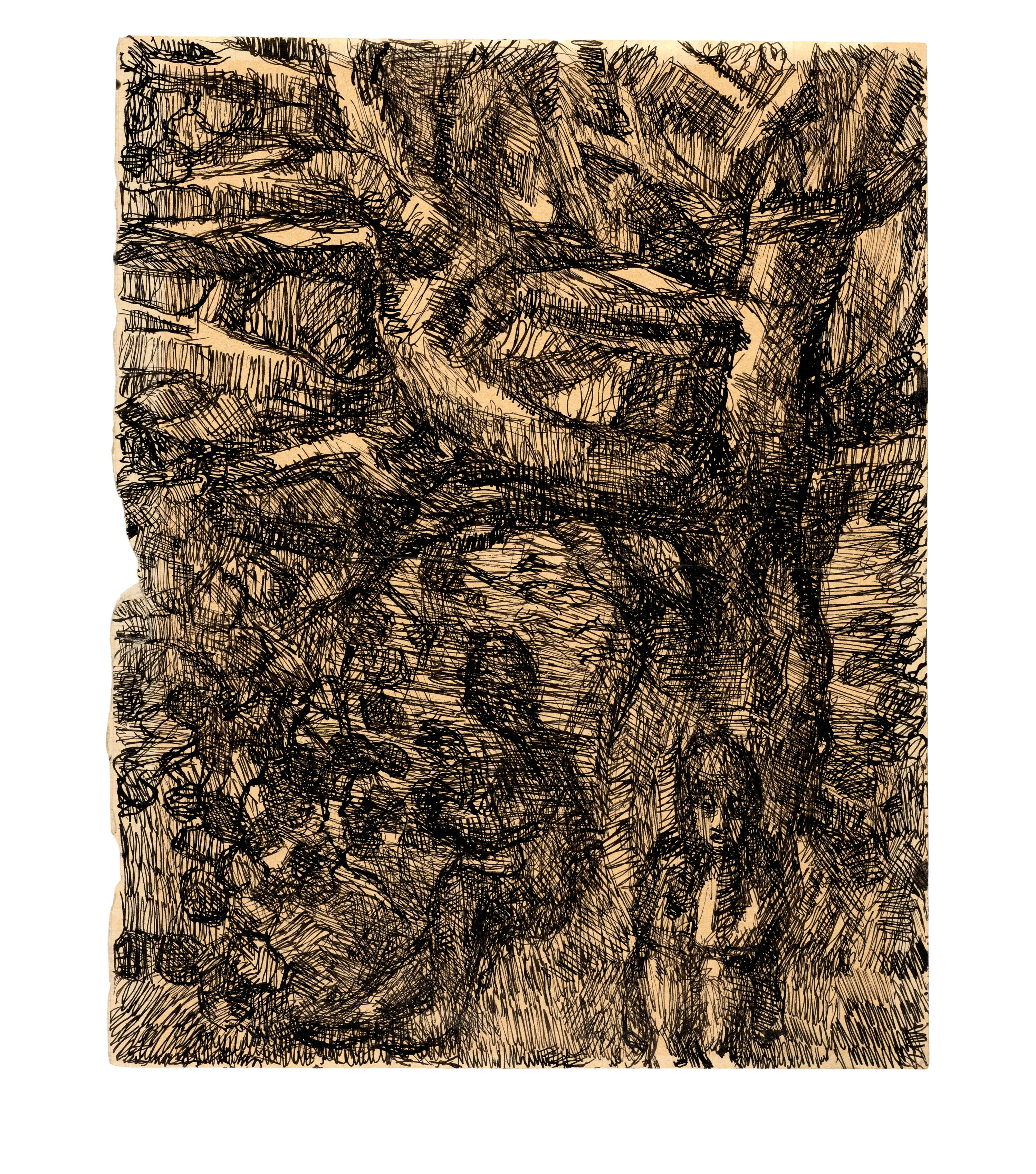
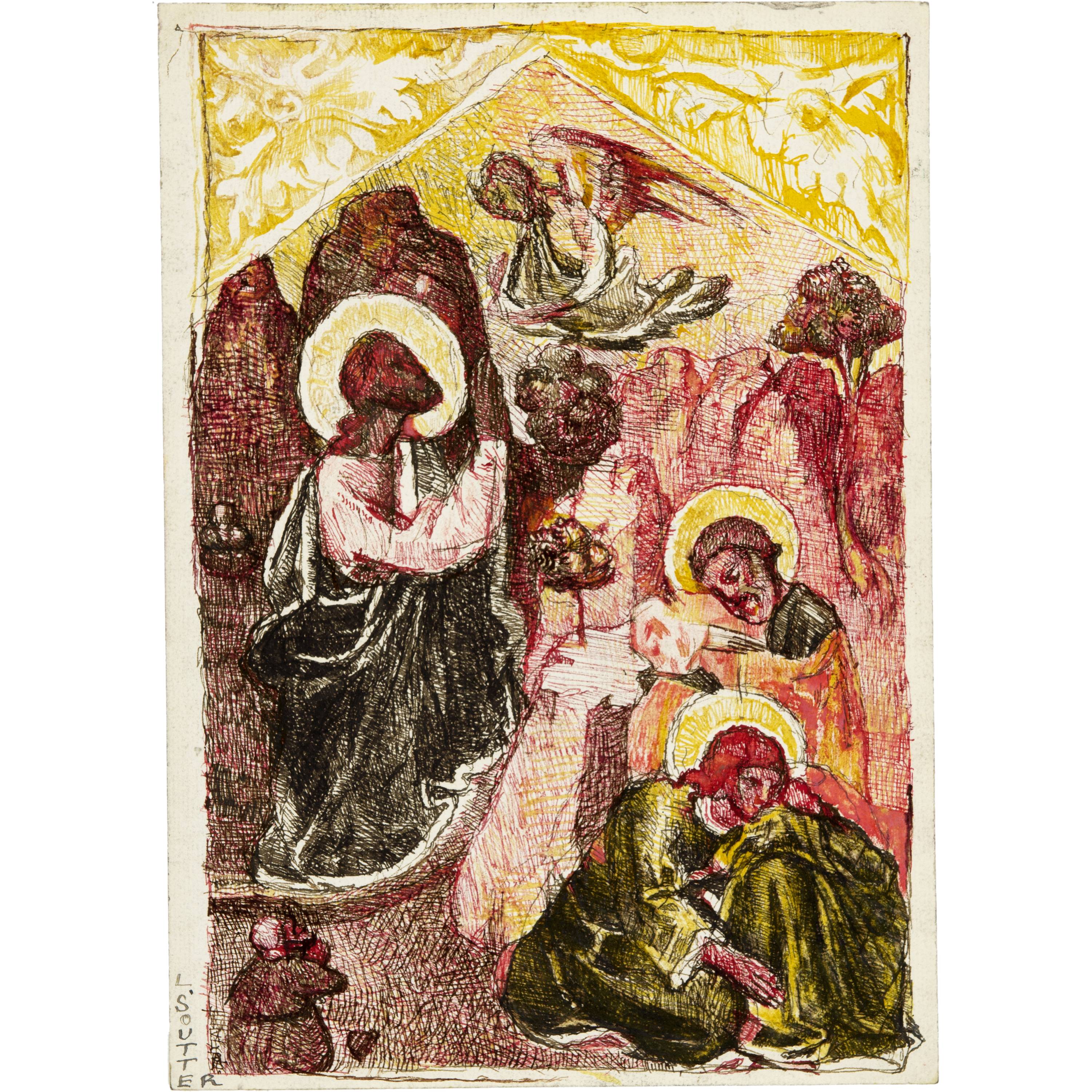
In 1923, he was placed against his will in a home for elderly people in Ballaigues. There, he produced the greater part of his surviving work. The drawings in notebooks, followed by the compositions in India ink, develop a personal language of figures, lines and tightly woven networks.
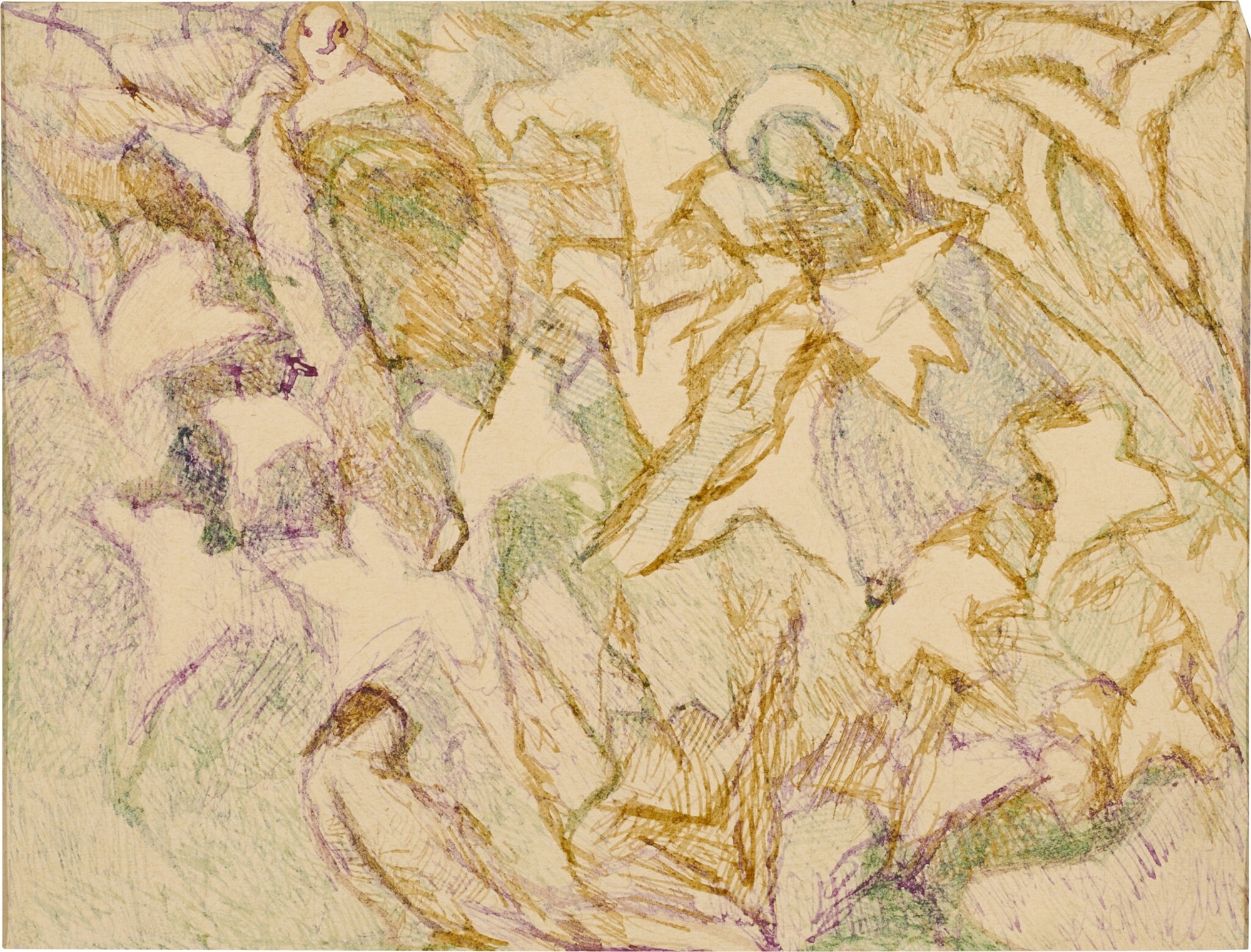
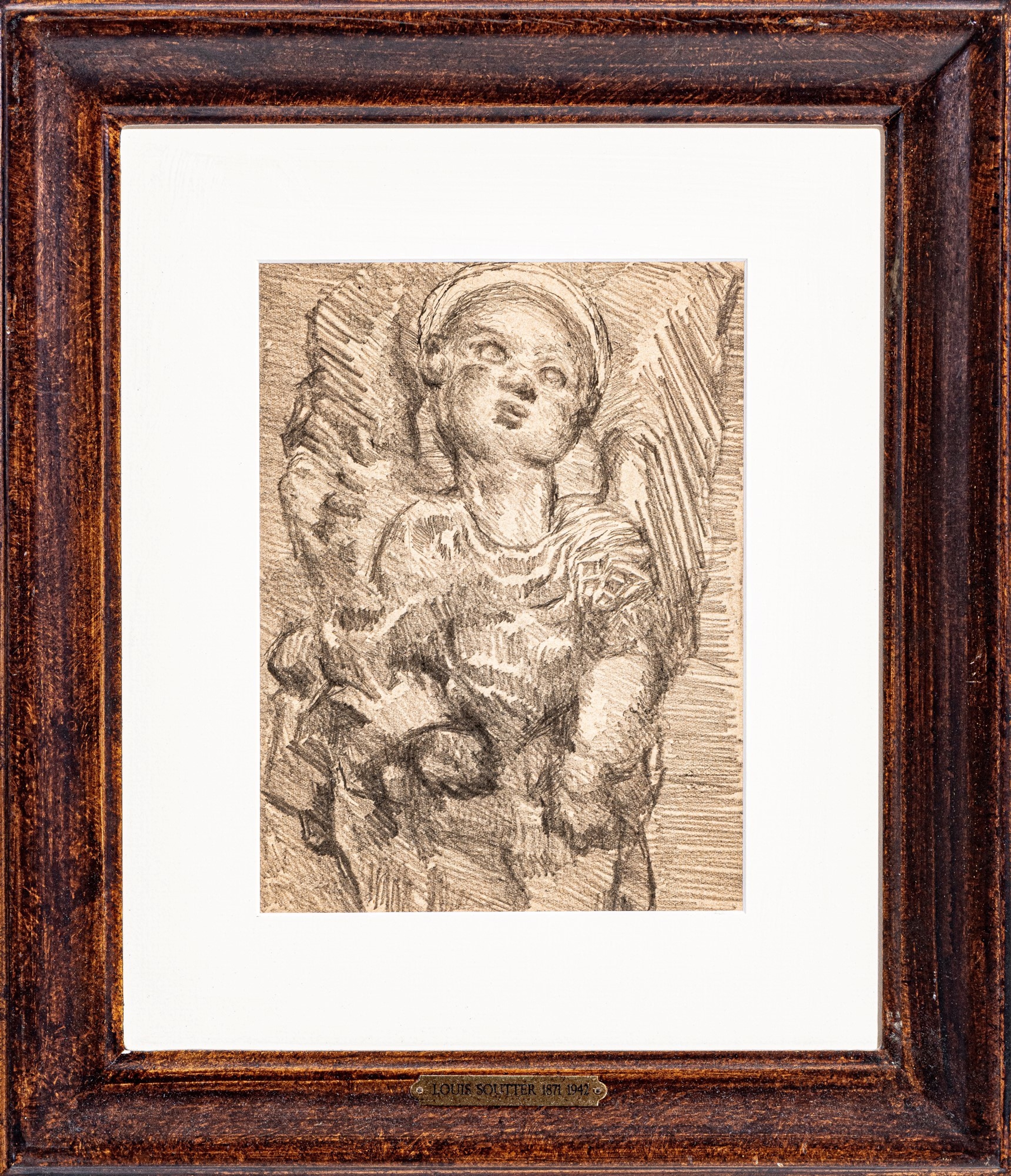
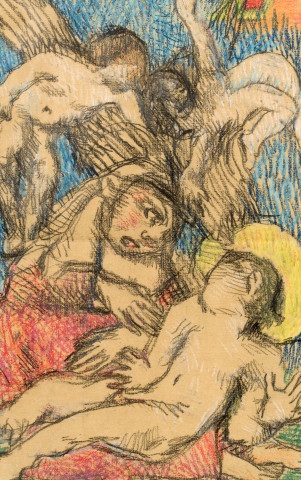
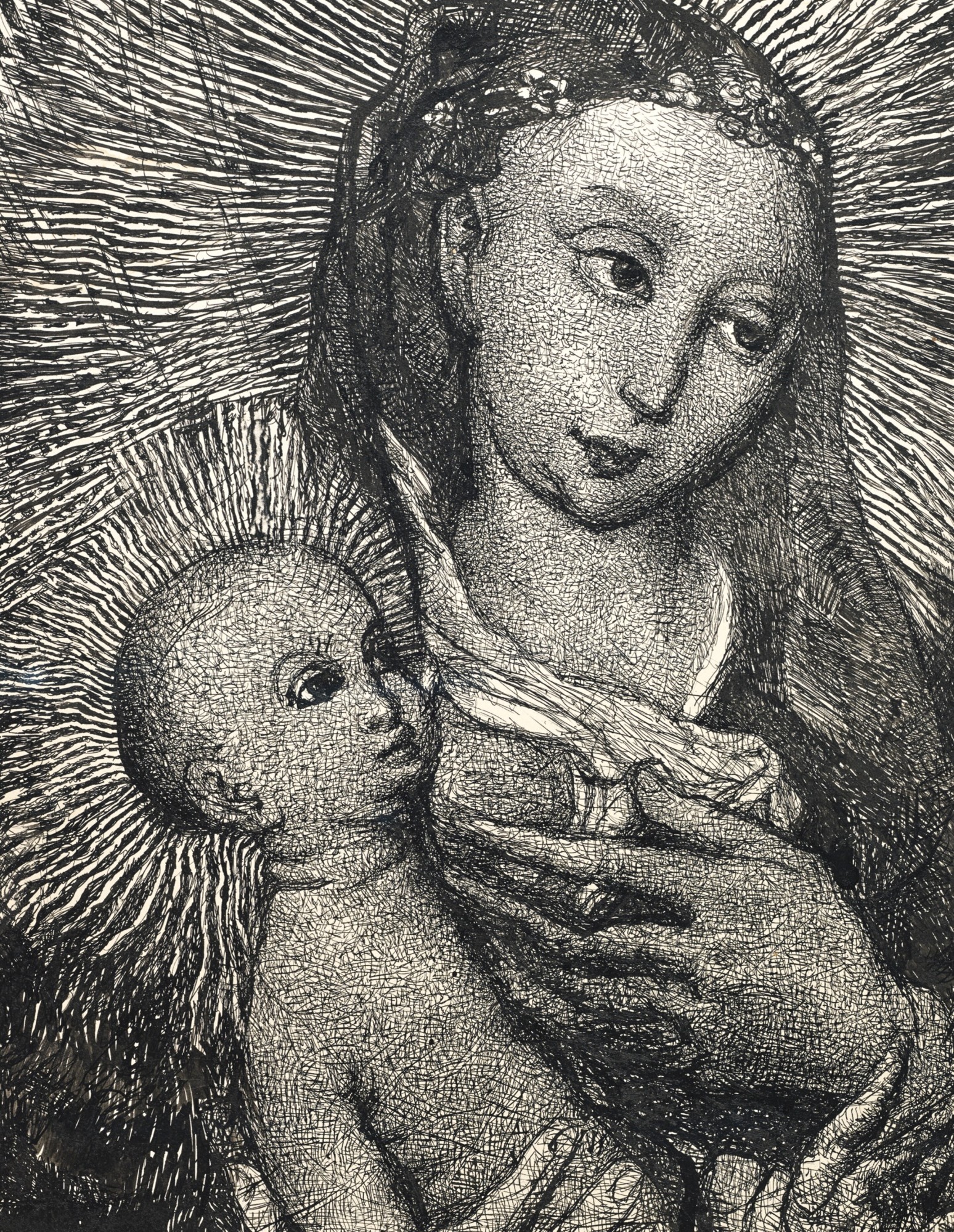
His imagination also engages with reproductions of earlier works: the Anges musiciens, for example, reinterpret a motif by Carpaccio.
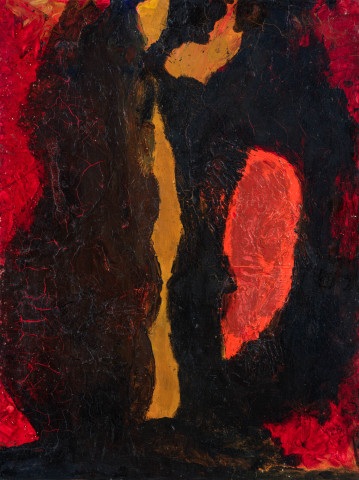
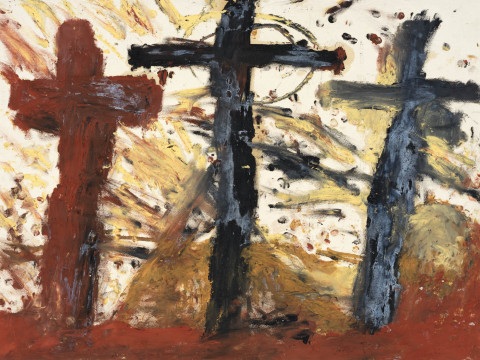
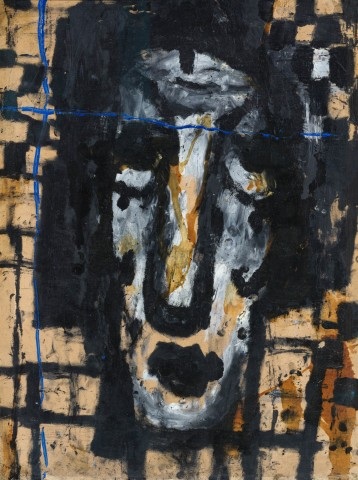
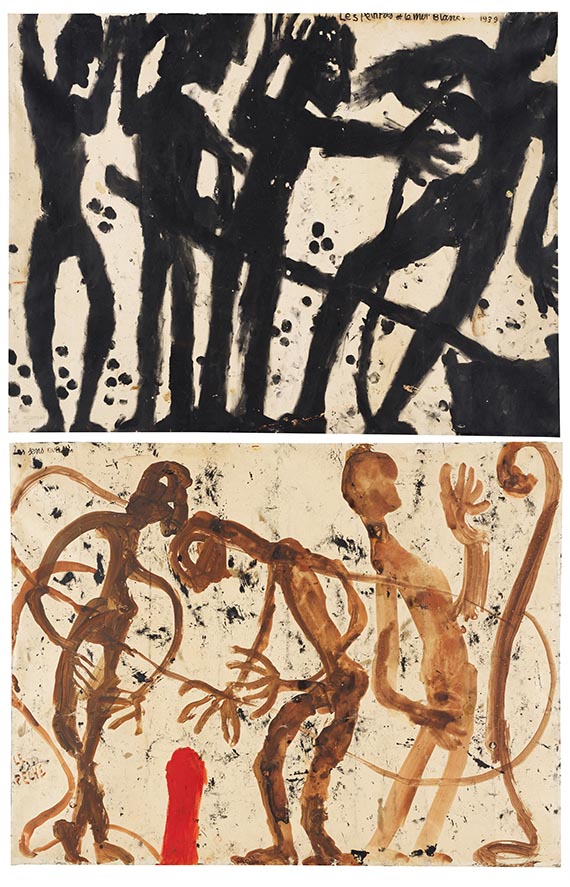
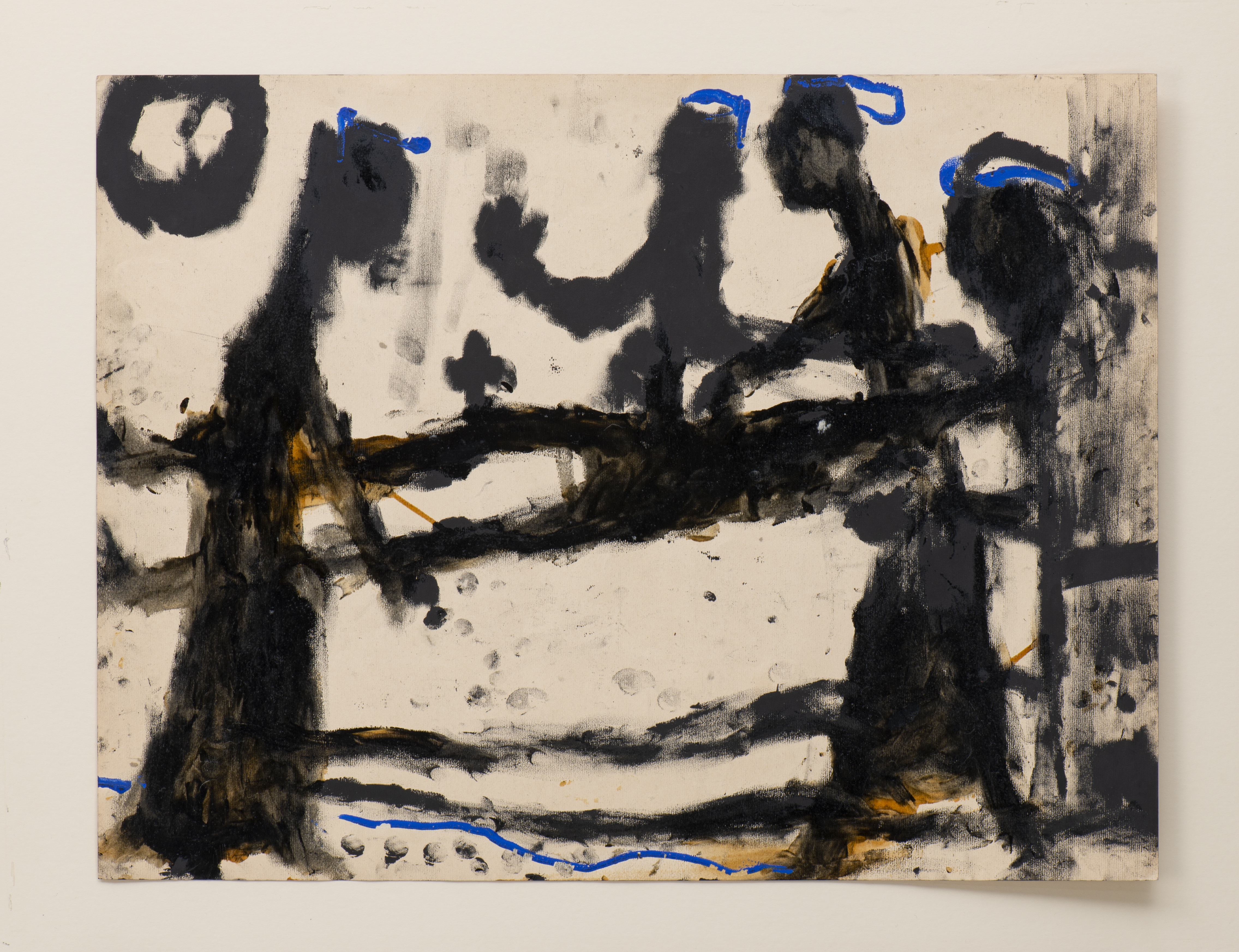
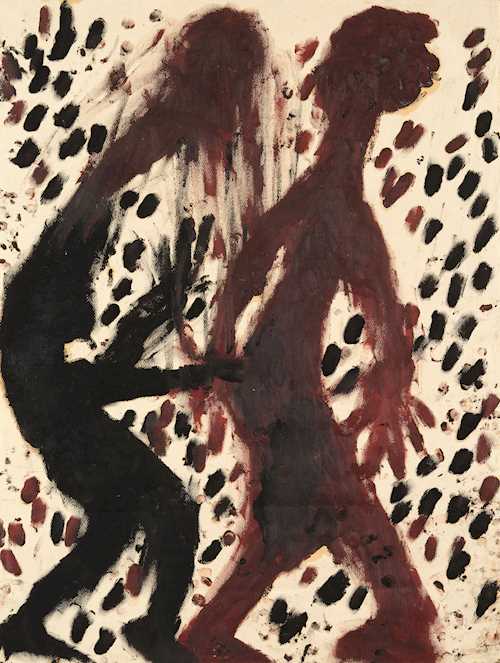
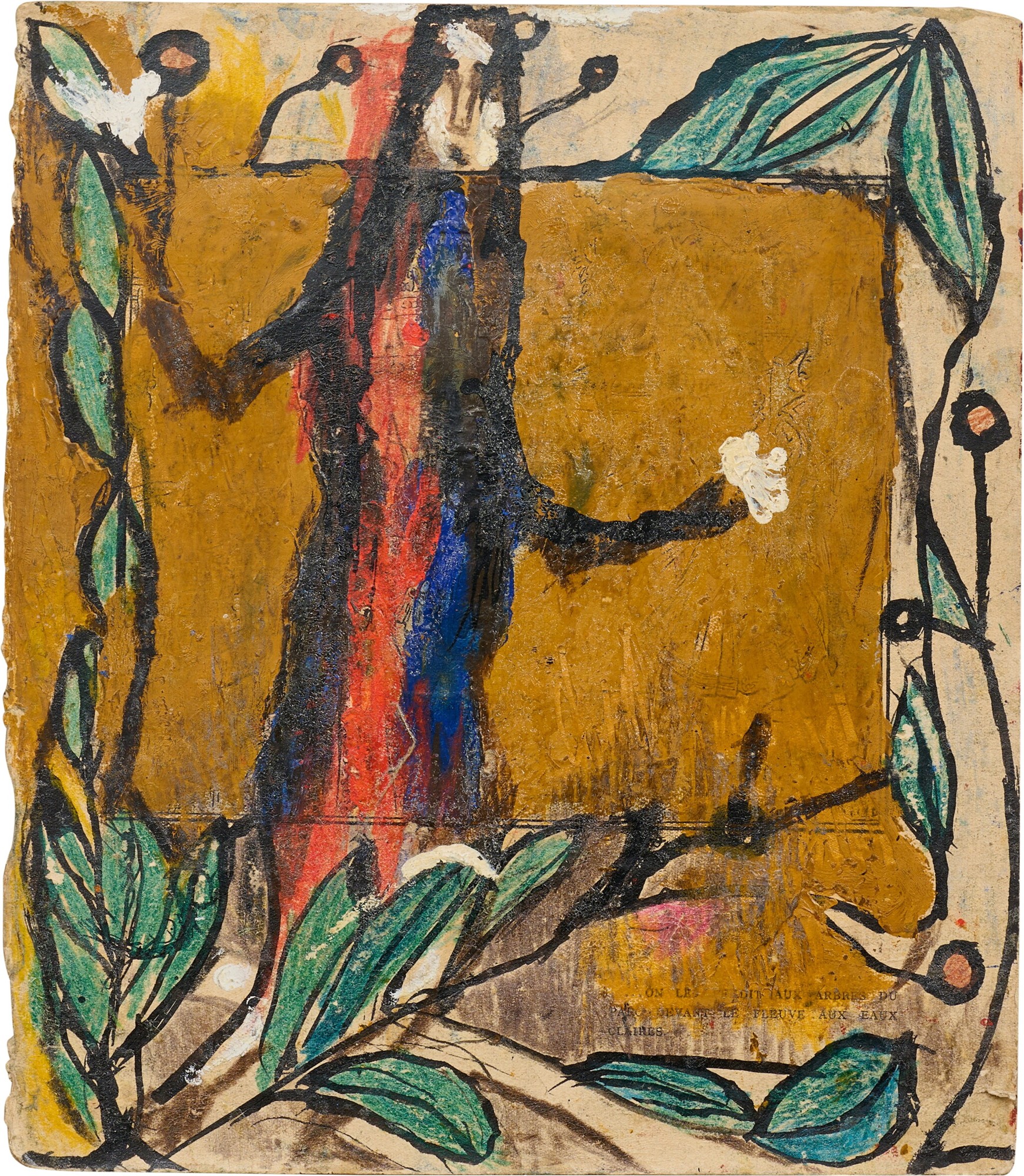
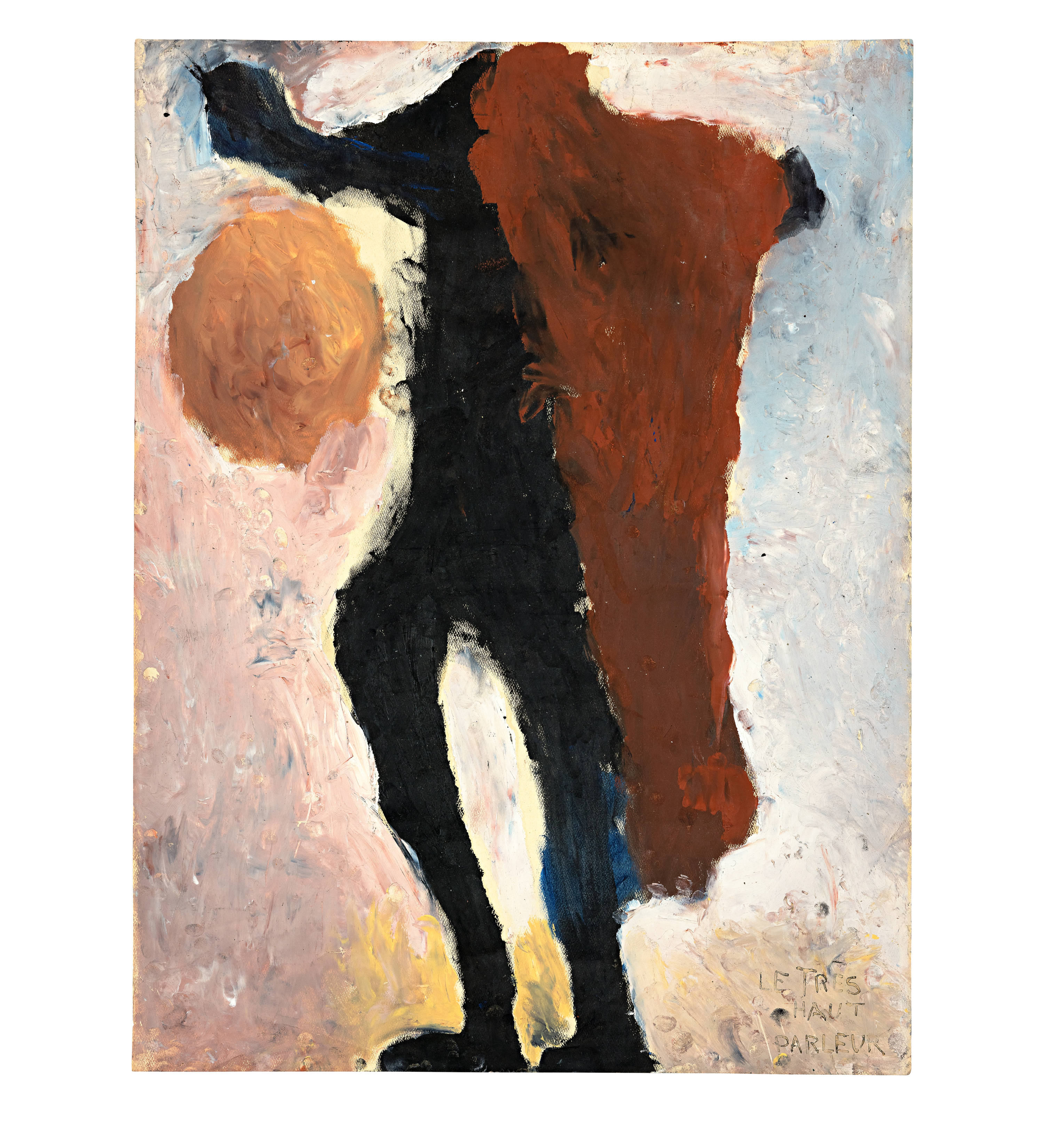
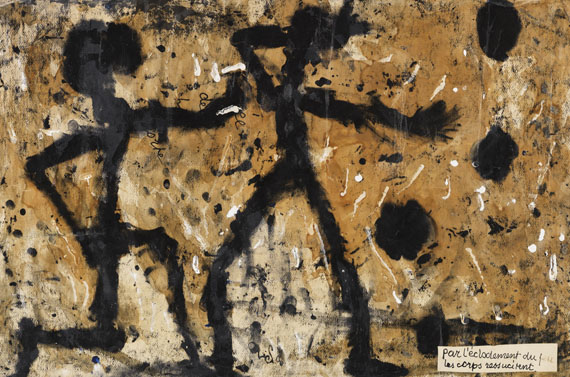
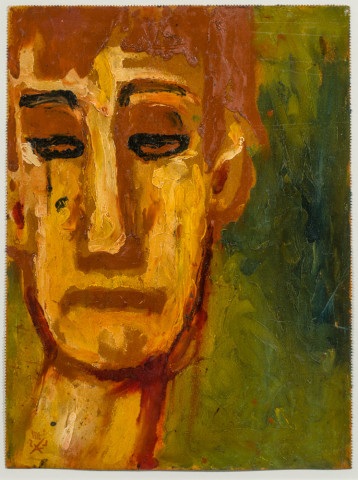
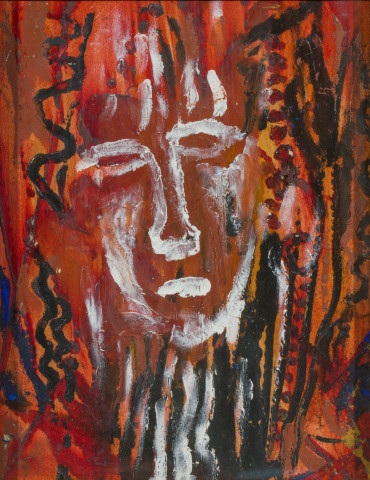
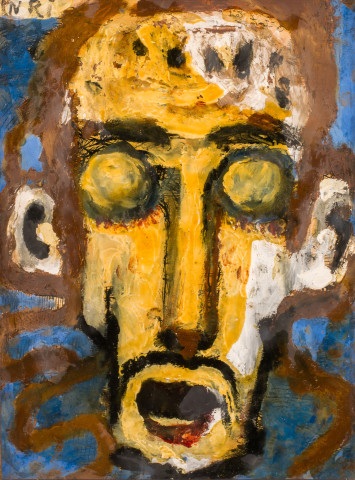
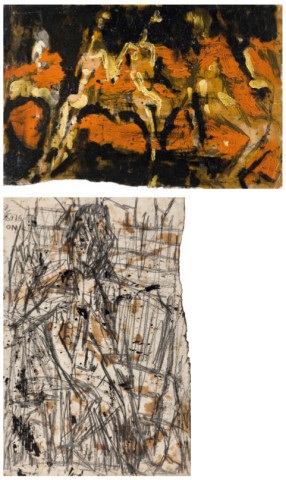
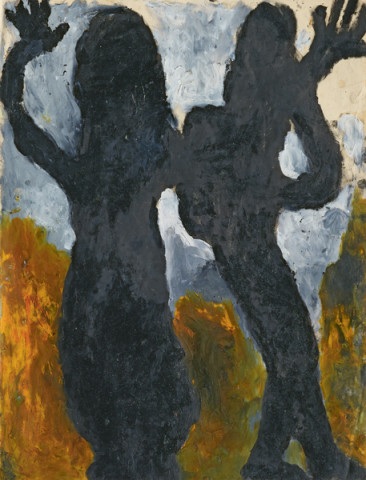
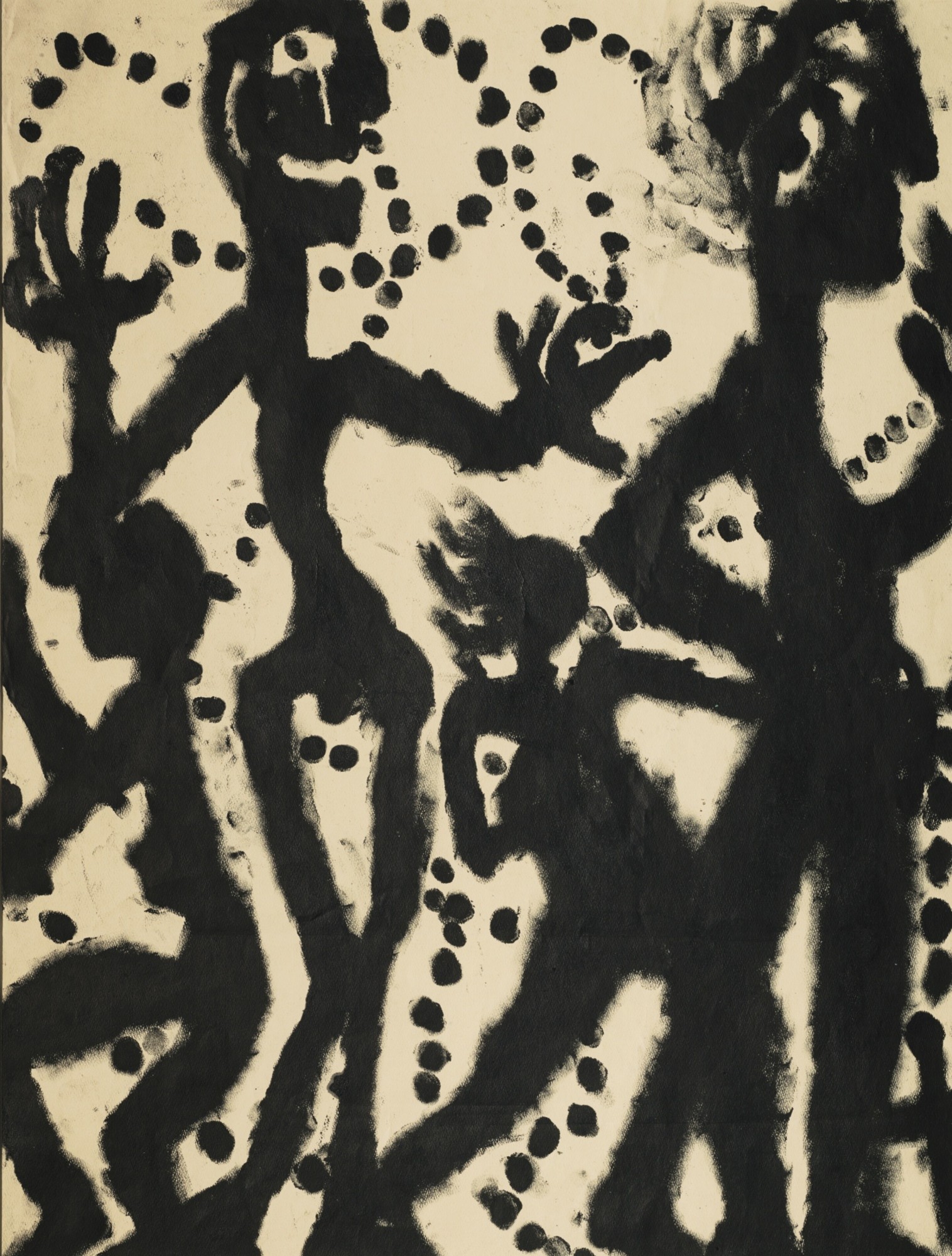
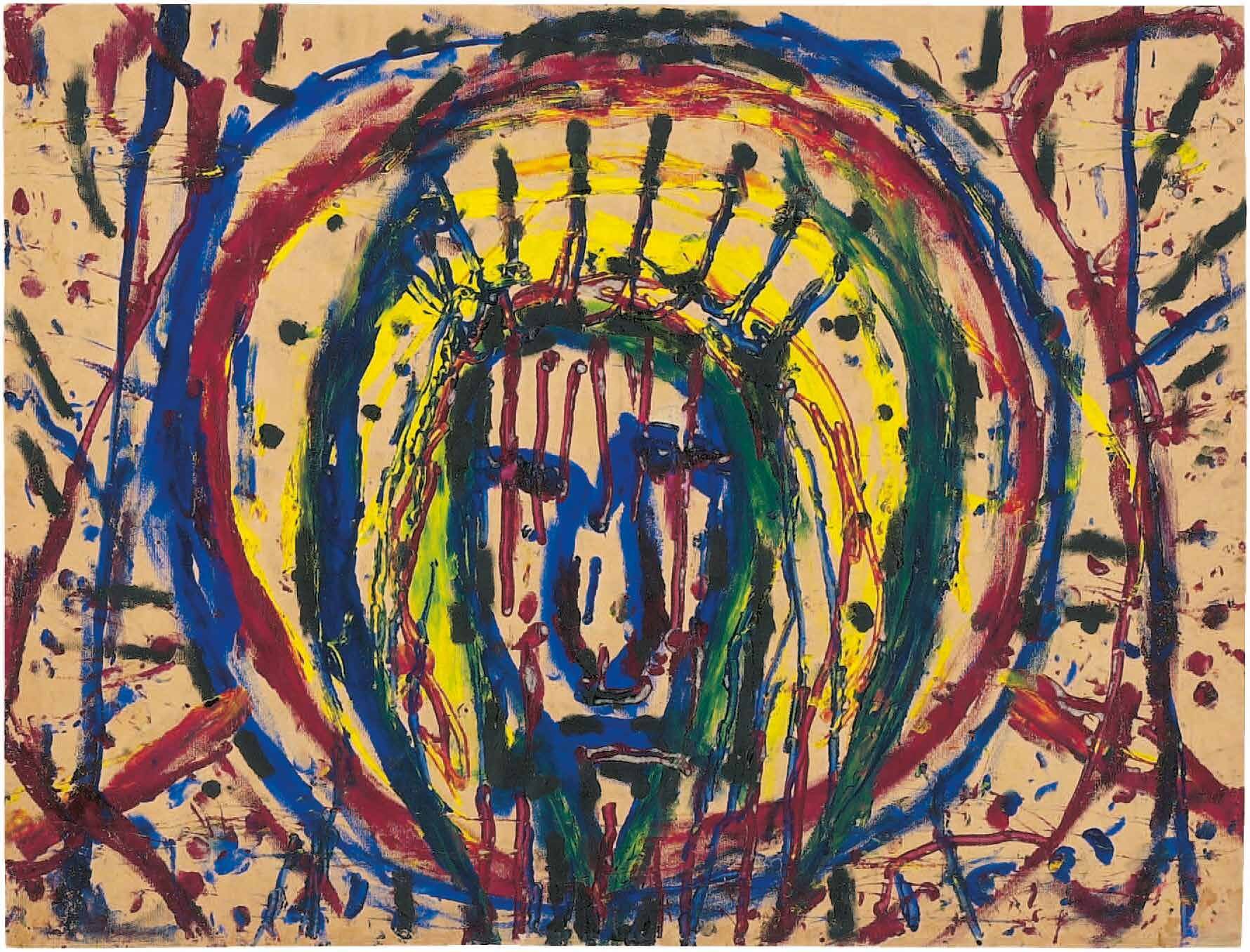
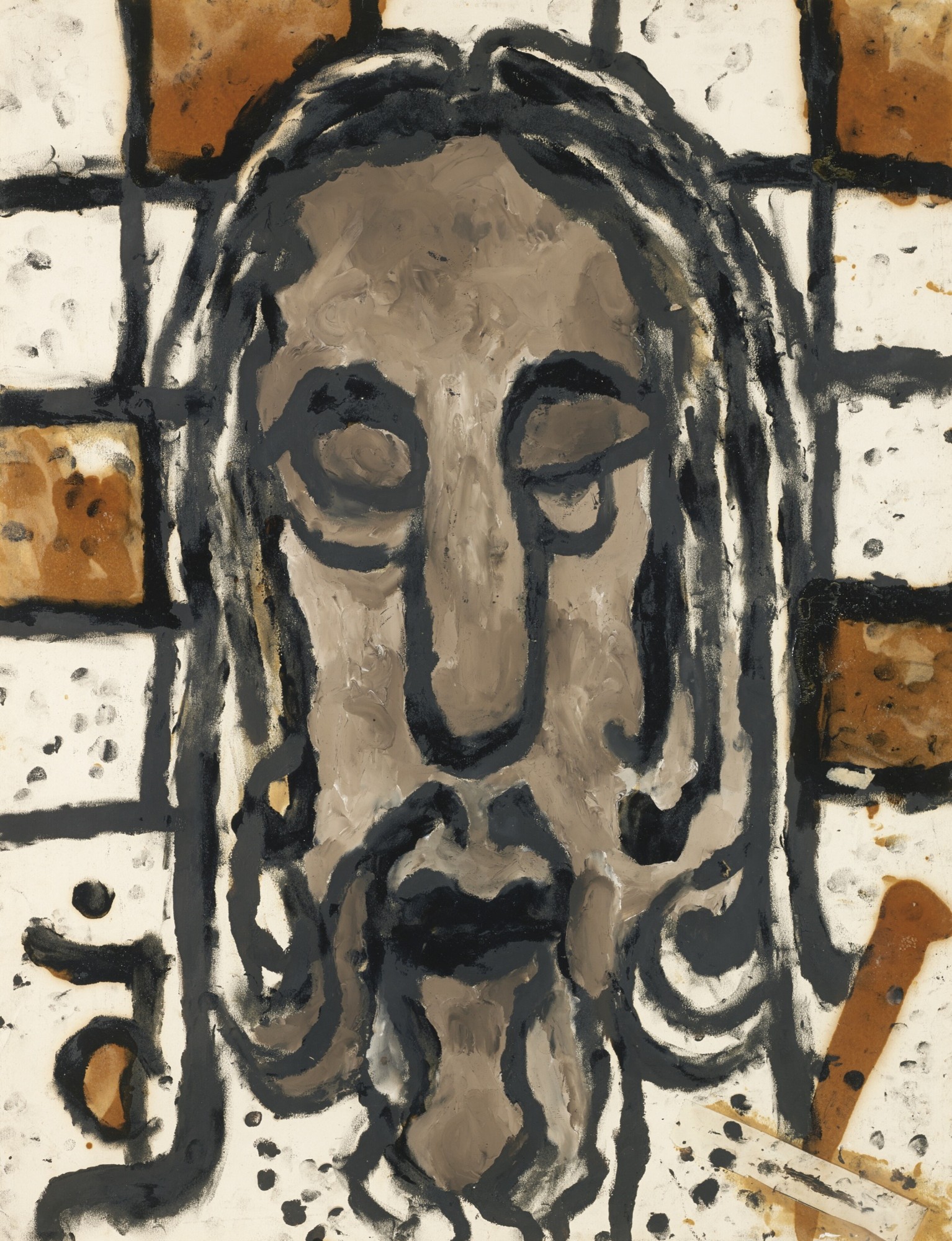
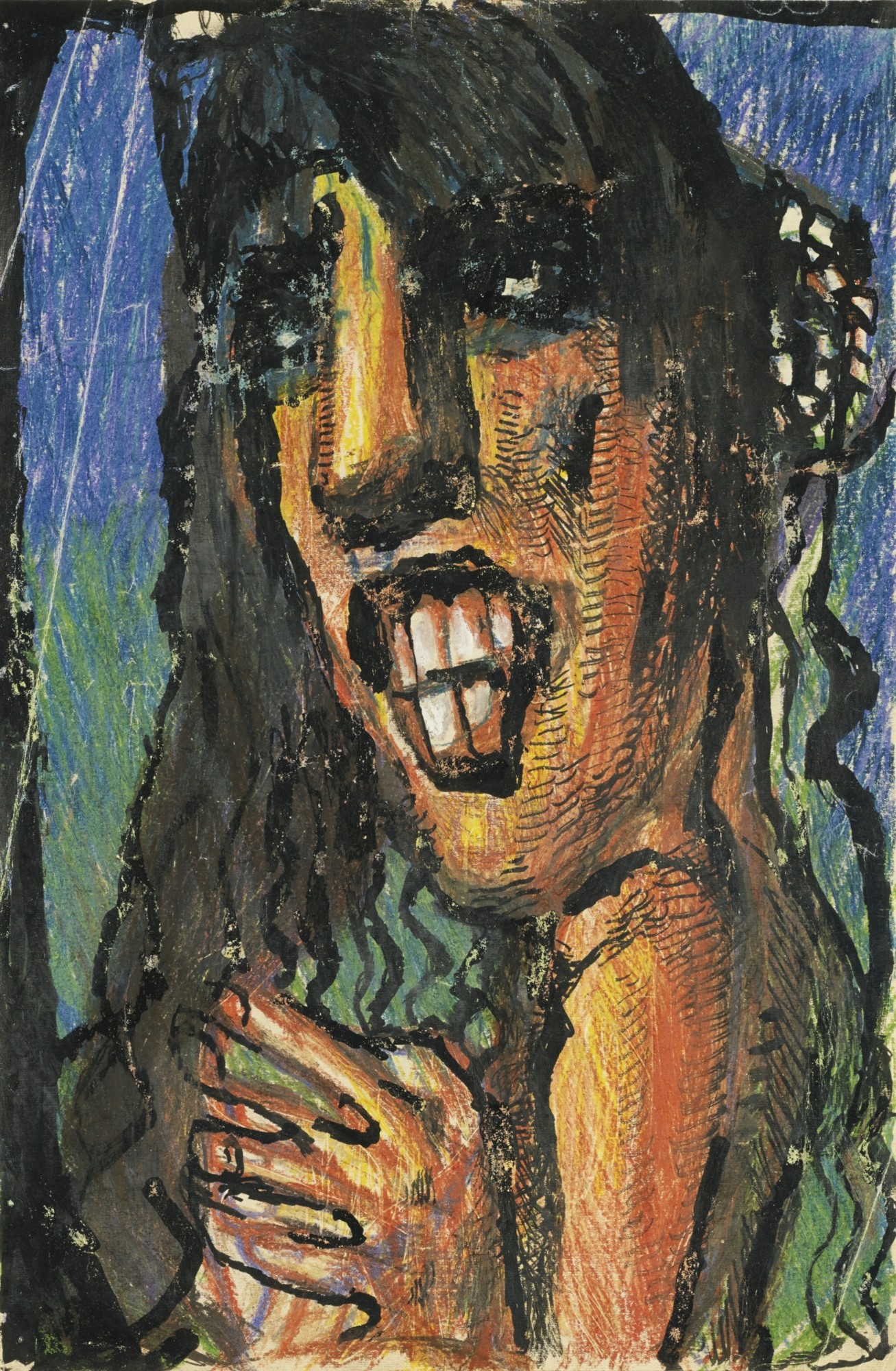
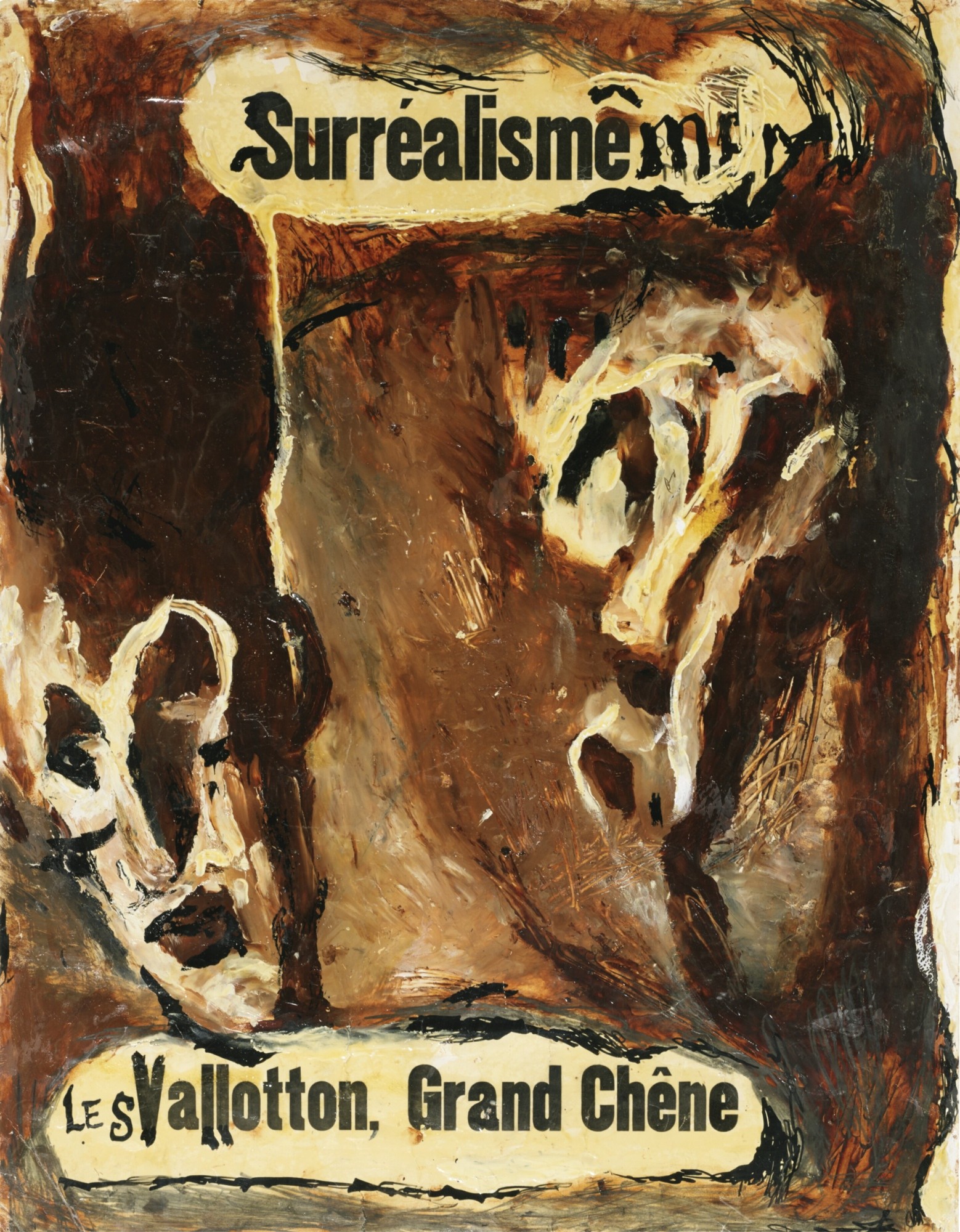
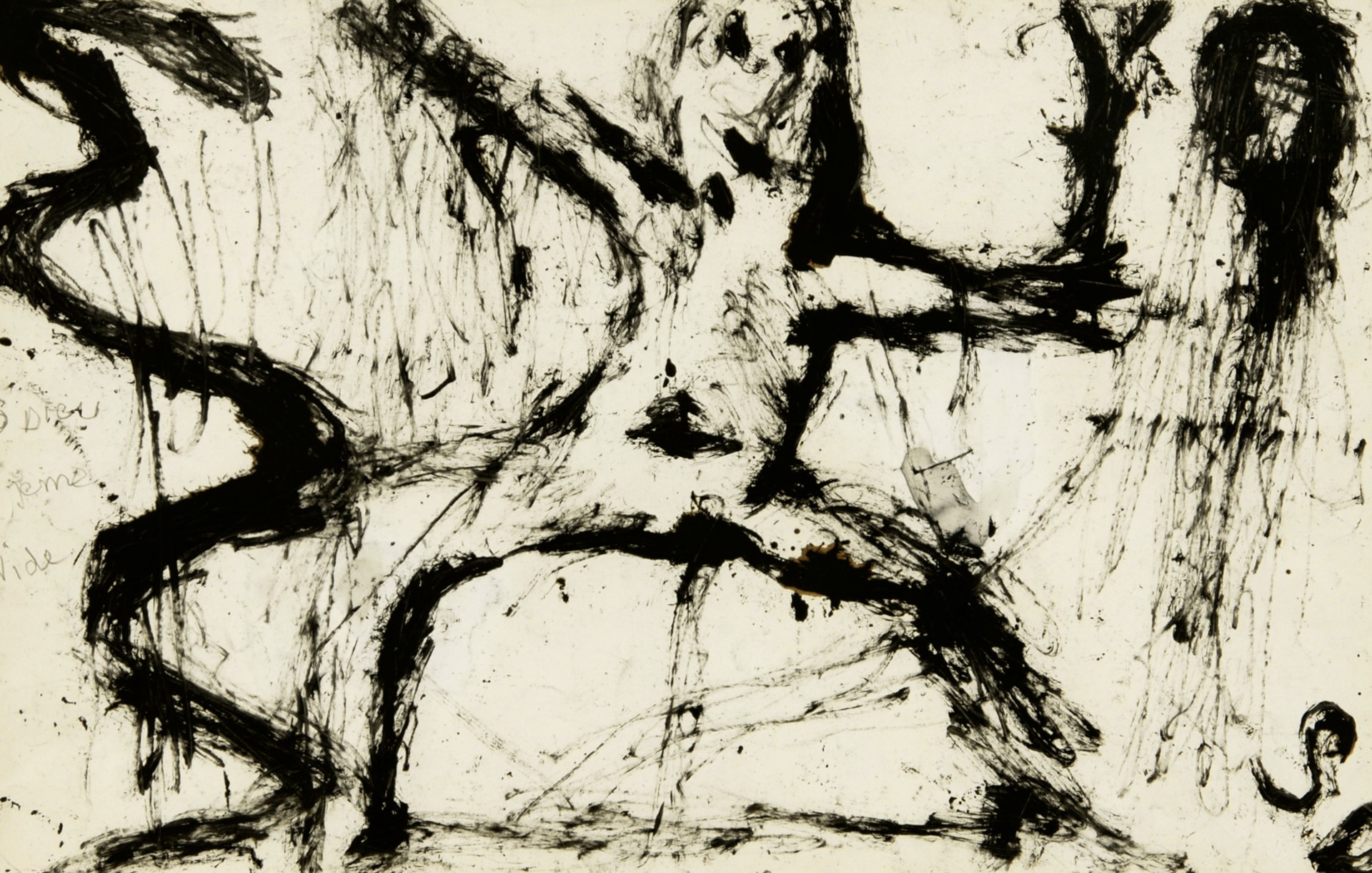
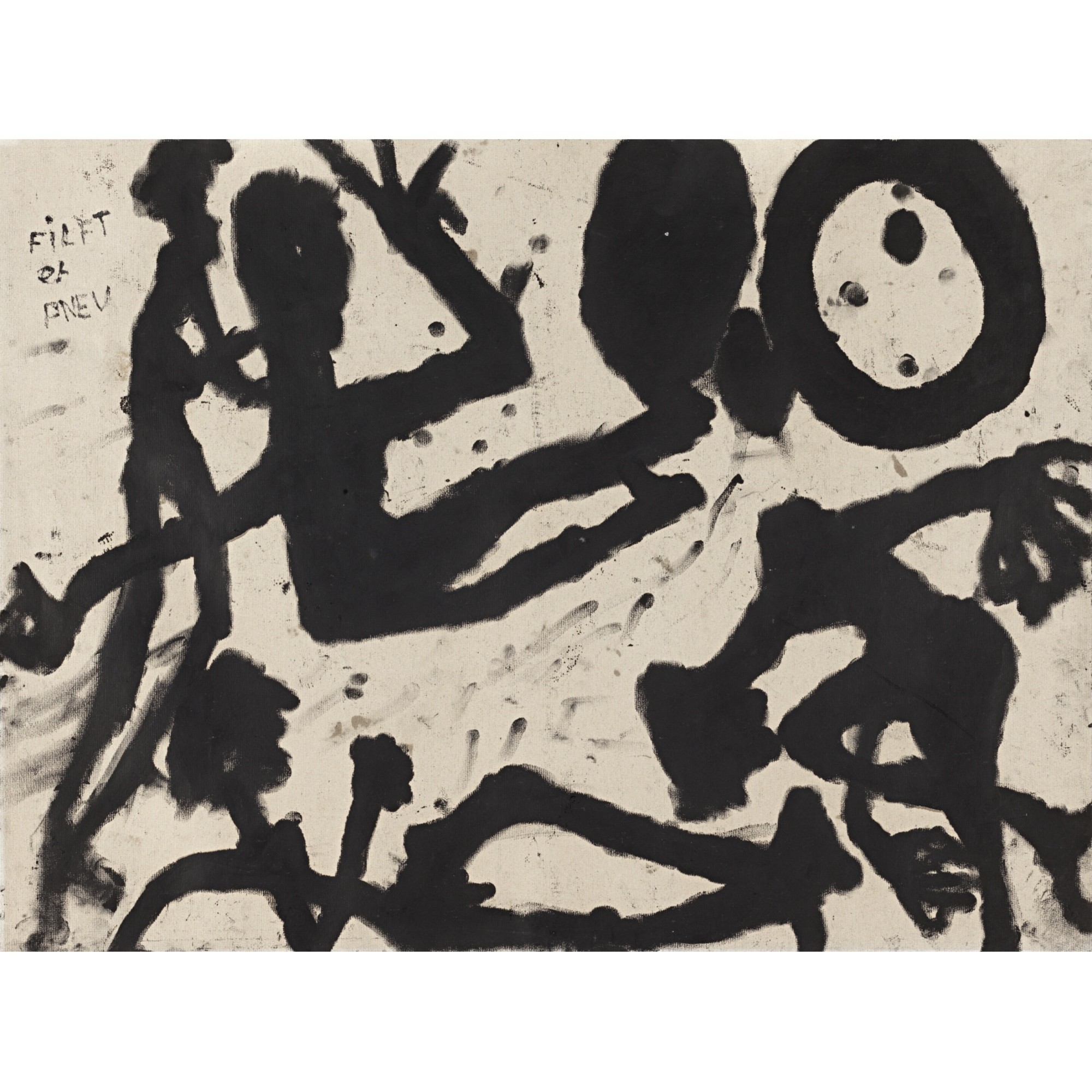
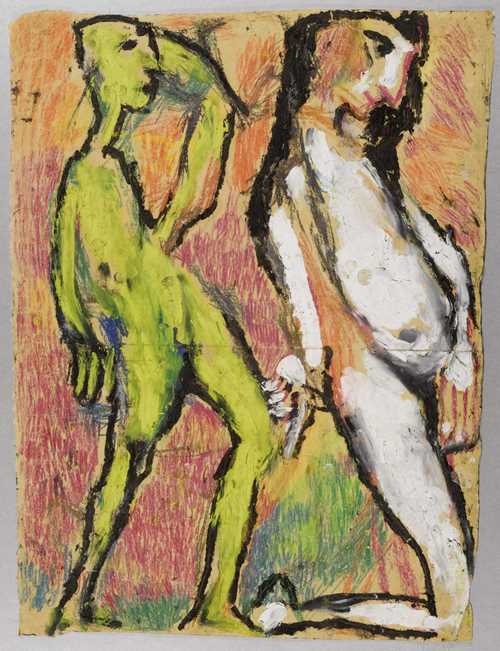
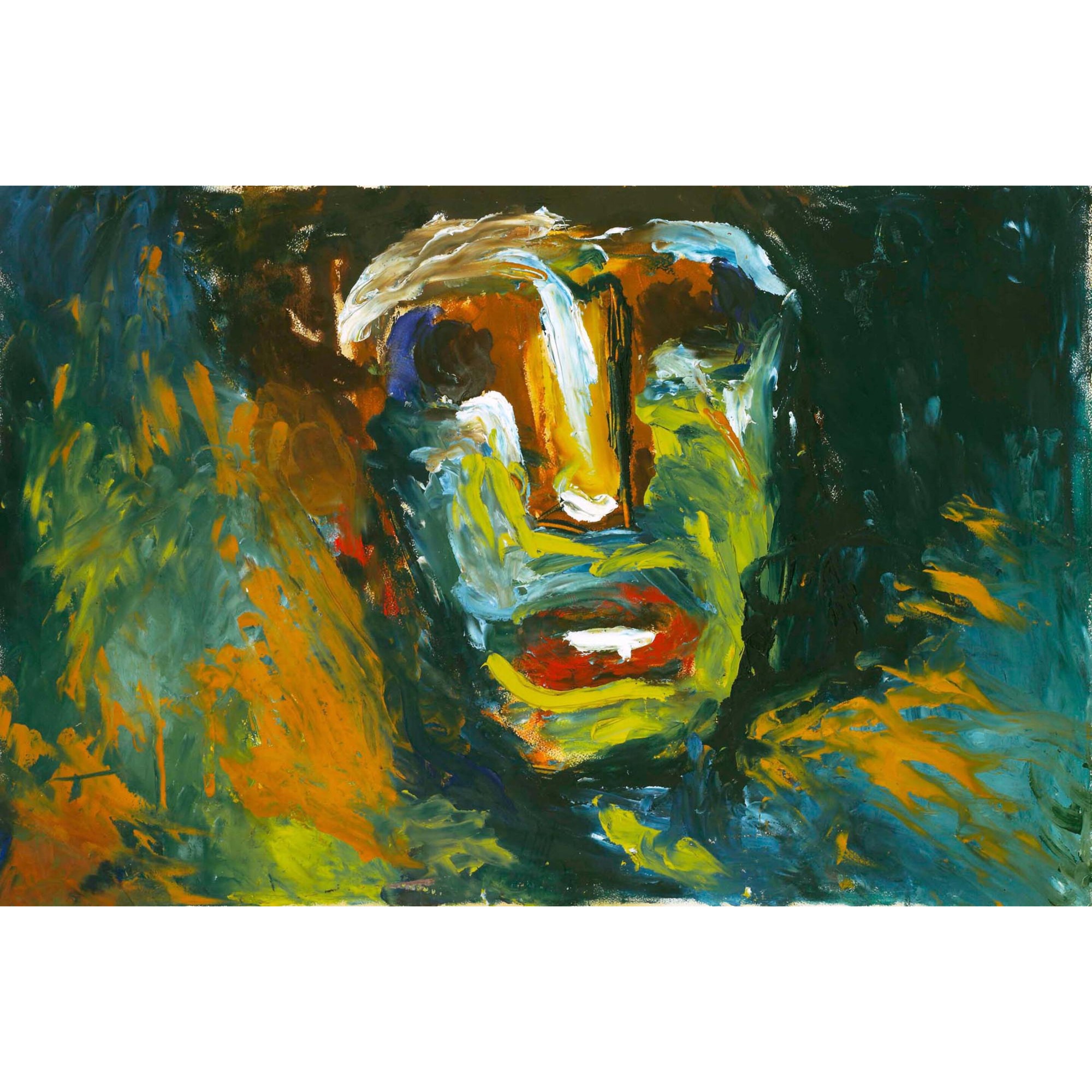
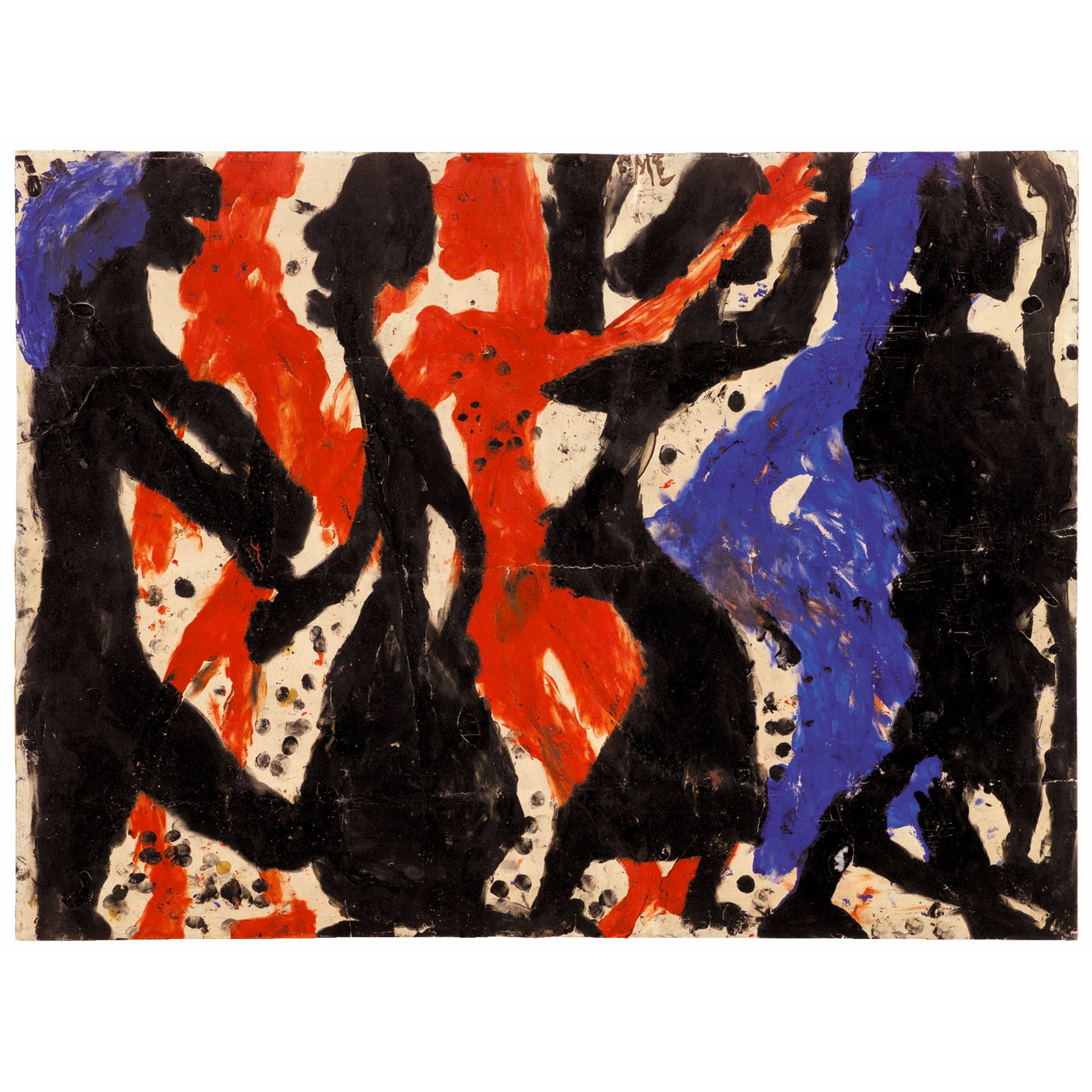
Around 1937, finger painting opened a new phase. Direct contact with the material transformed the gesture, while the spaces left free assumed greater importance. In Souplesse, dated 1939 and held at the Musée cantonal des Beaux-Arts de Lausanne, two moving silhouettes turn the paper into a rhythmic space.
Supported in particular by Le Corbusier and René Auberjonois, Soutter occupies a singular position at the boundaries of artistic categories. His presence in the Collection de l’Art Brut does not sum up a trajectory nourished by culture and formal research. To discover his work, one might follow the sweep of an arm or the intervals between the figures: drawing reveals itself as much in the traces left down as in the silence surrounding them.