Louis Moilliet
Born in 1880.
Died in 1962.
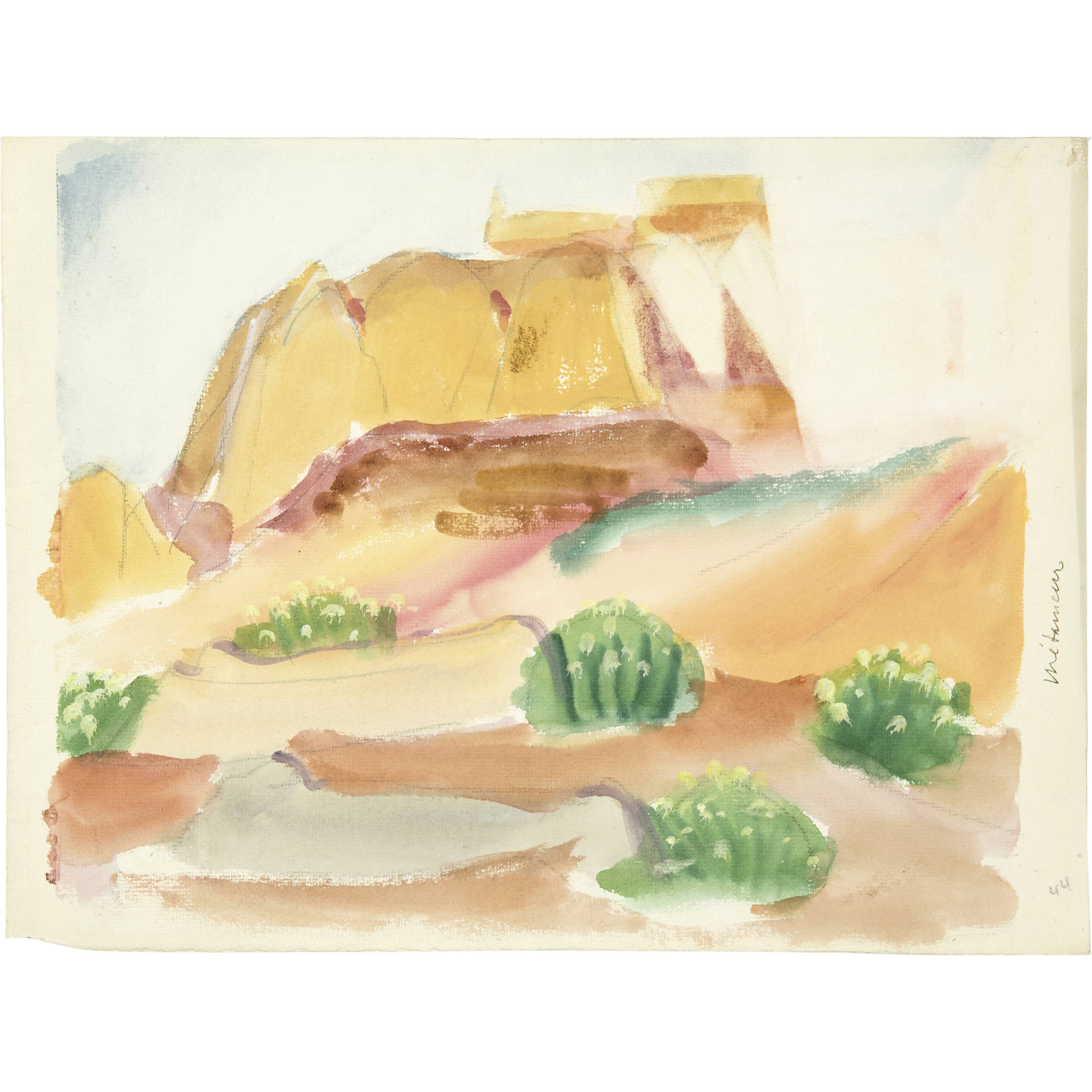
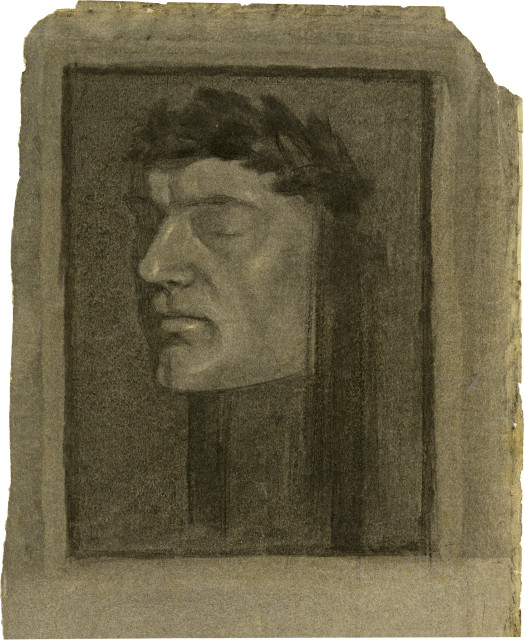
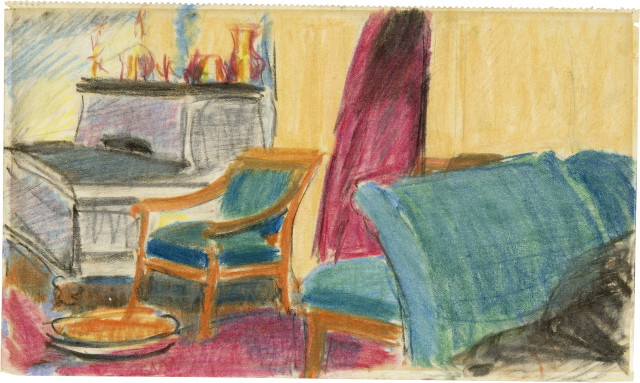
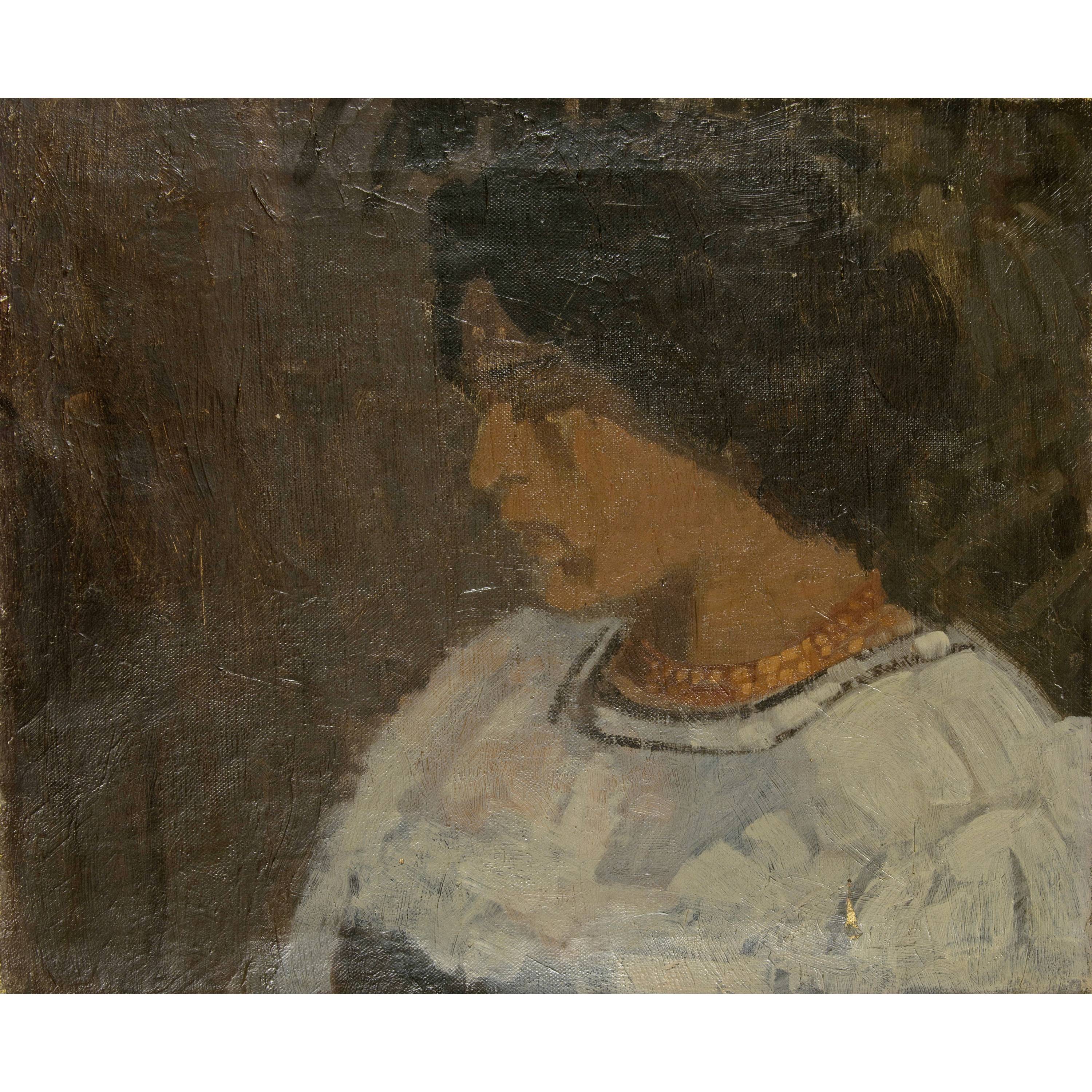
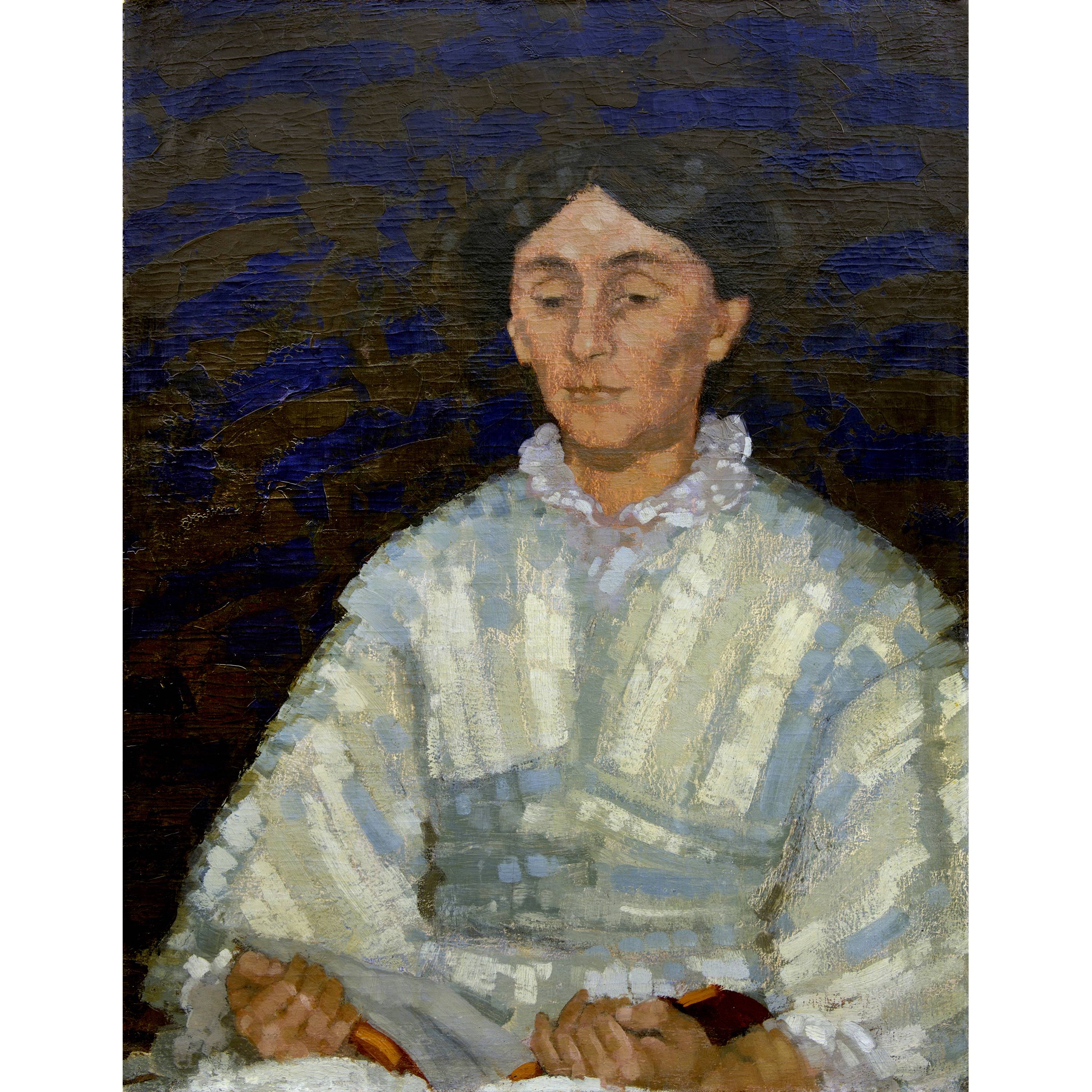
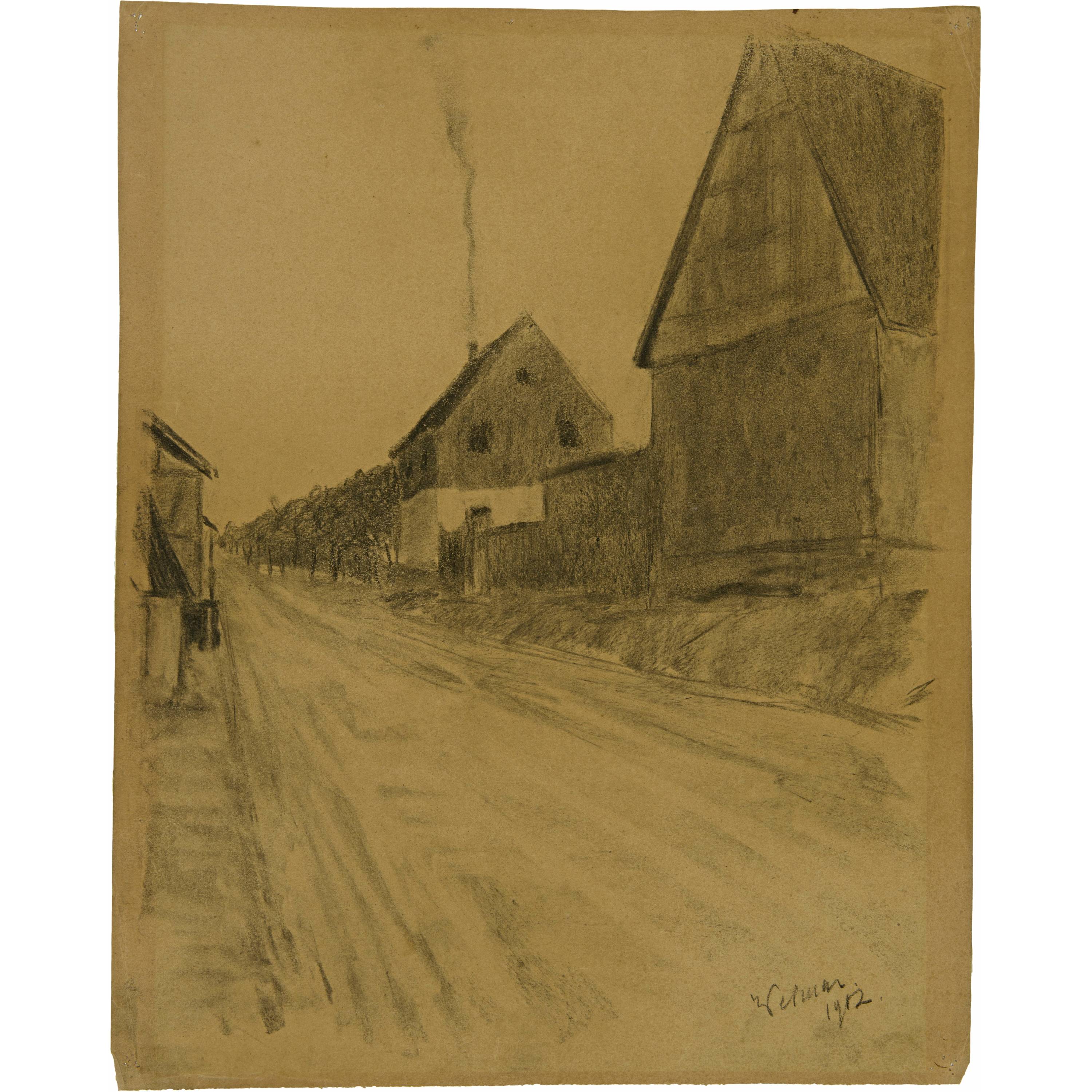
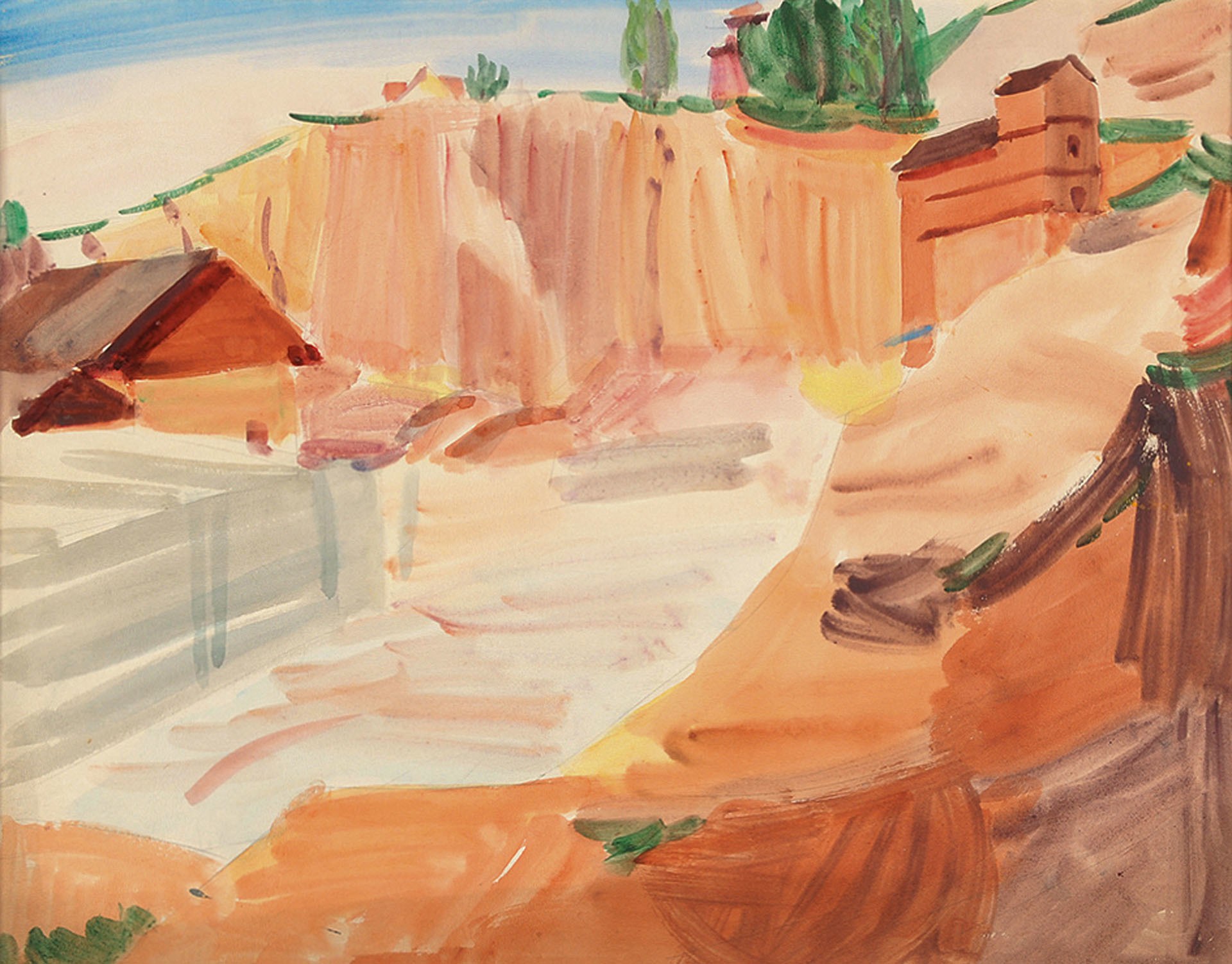
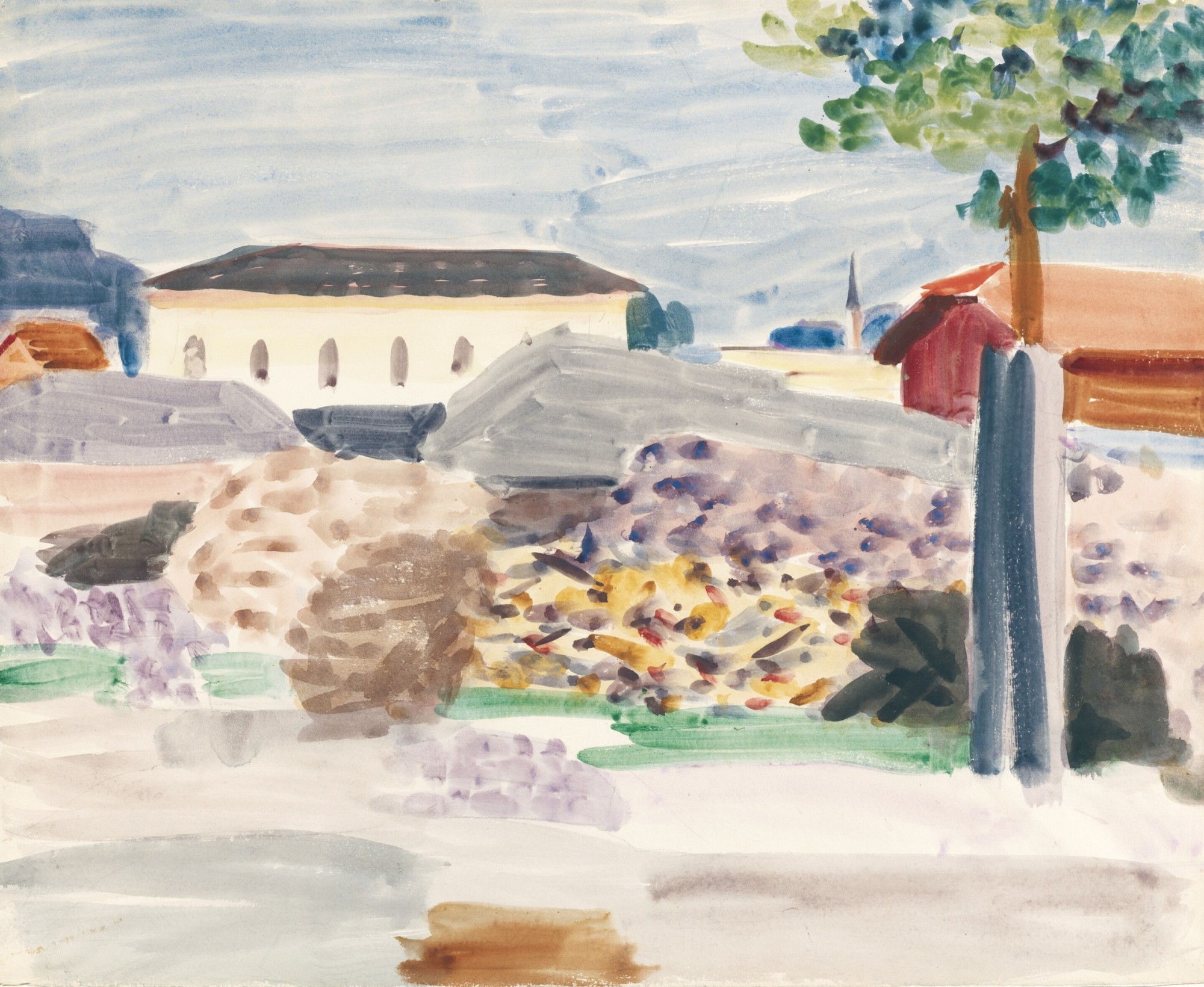
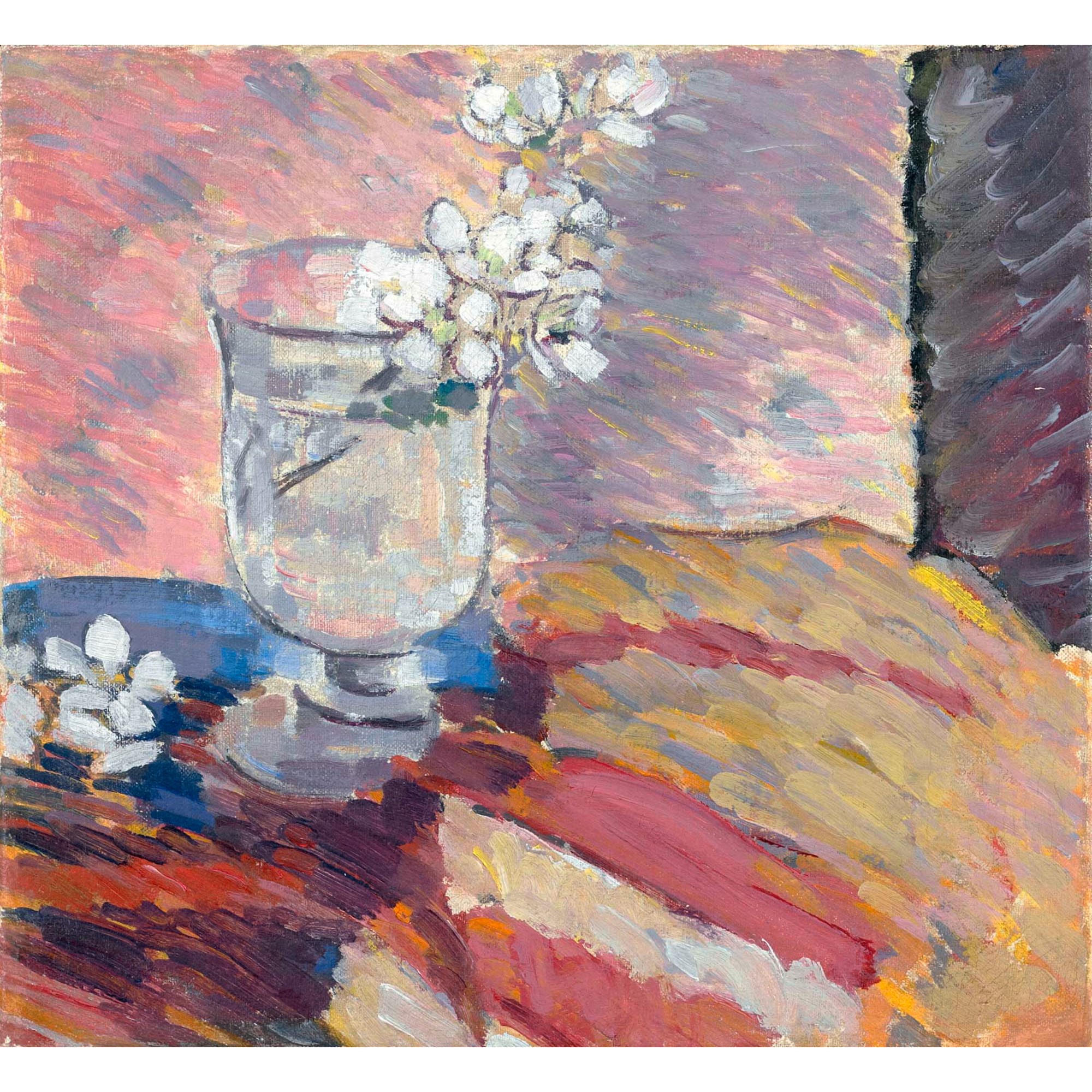
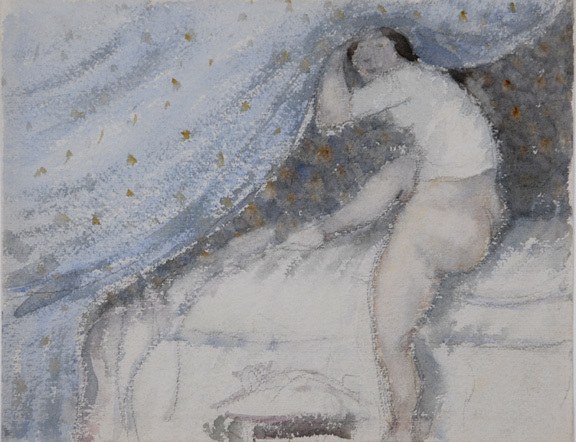
Louis-René Moilliet (6 October 1880, Bern – 24 August 1962, Vevey) is documented as a painter, watercolourist and stained-glass artist; one source also identifies him as a photographer. His career was marked by a long friendship with Paul Klee—formed at the Bern Gymnasium and maintained from 1903 onwards—as well as by artistic and travel companionships with Klee and August Macke.
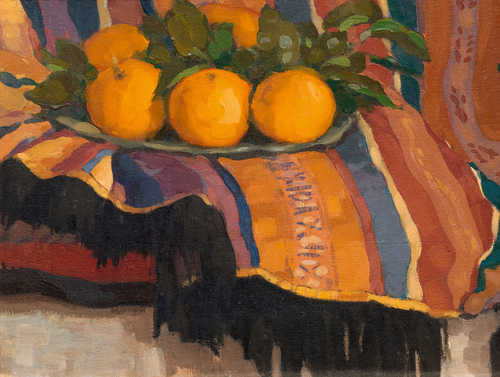
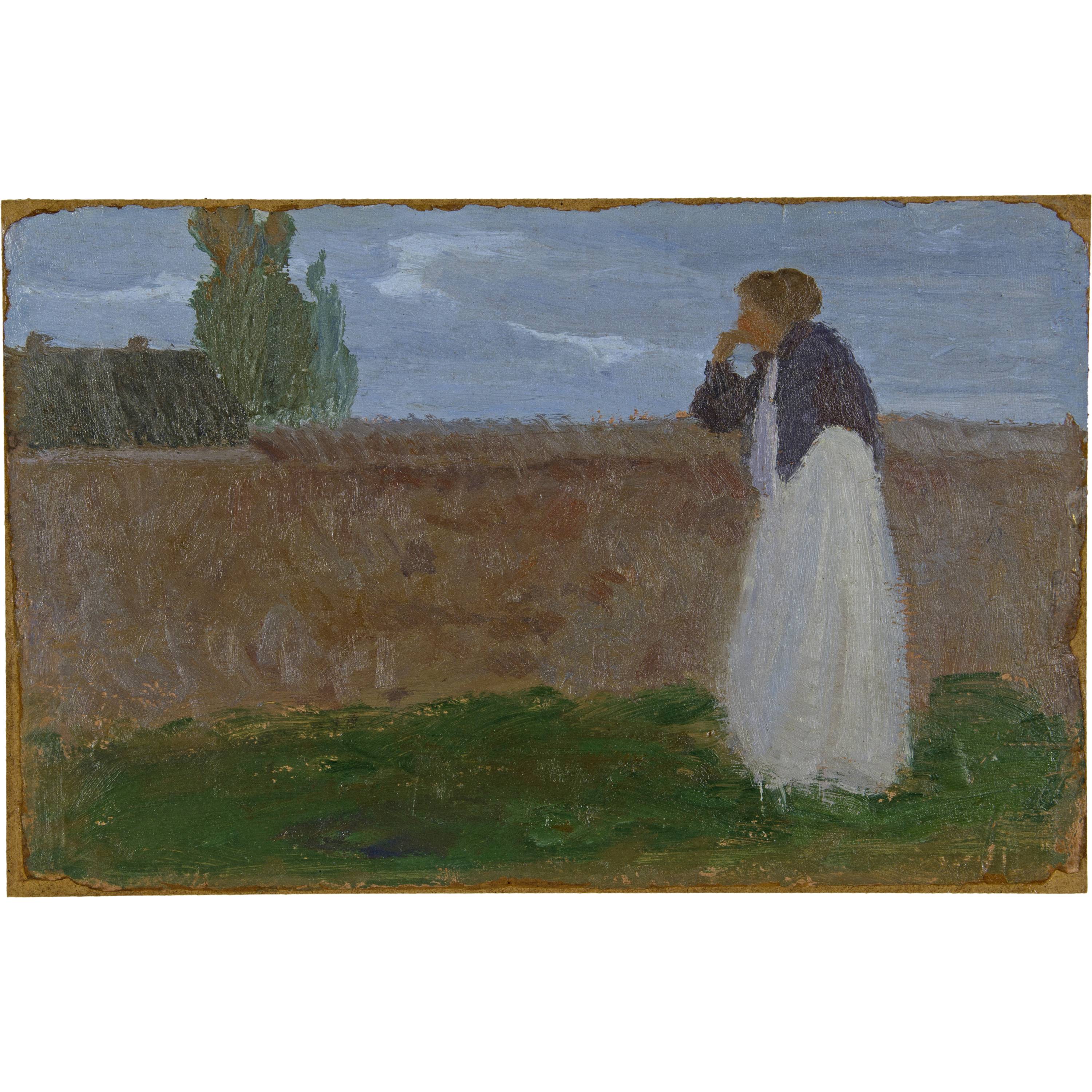
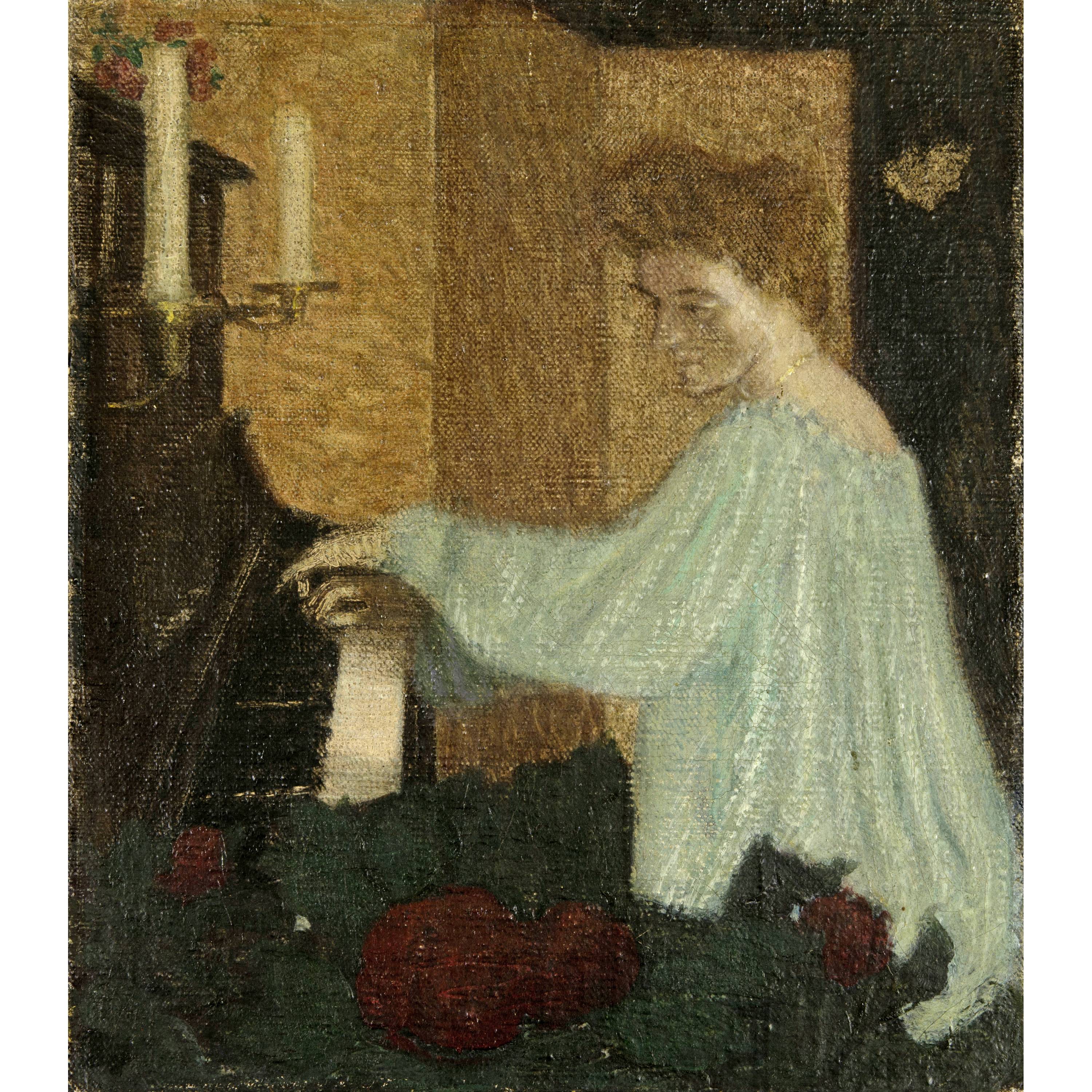
Trained in Germany, he studied under Fritz Mackensen in Worpswede, then under Hans Olde in Weimar, and in 1904 enrolled in the courses of Count Leopold von Kalckreuth at the Stuttgart Academy. He exhibited at the Herbstsalon in Berlin in 1913 and, together with August Macke, participated in the creation of Berliner Variété (1913), a work recorded at the museum in Bern.
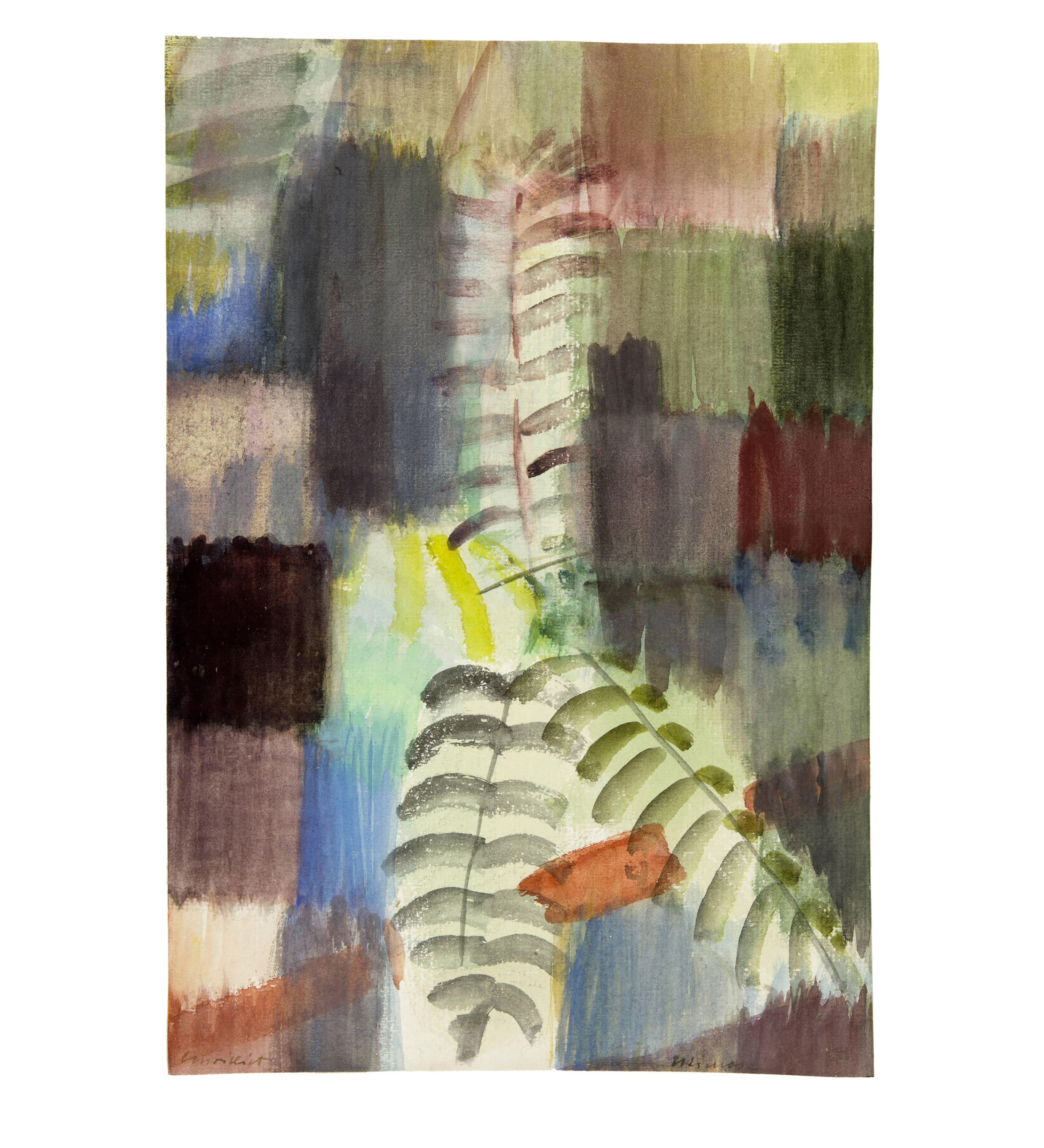
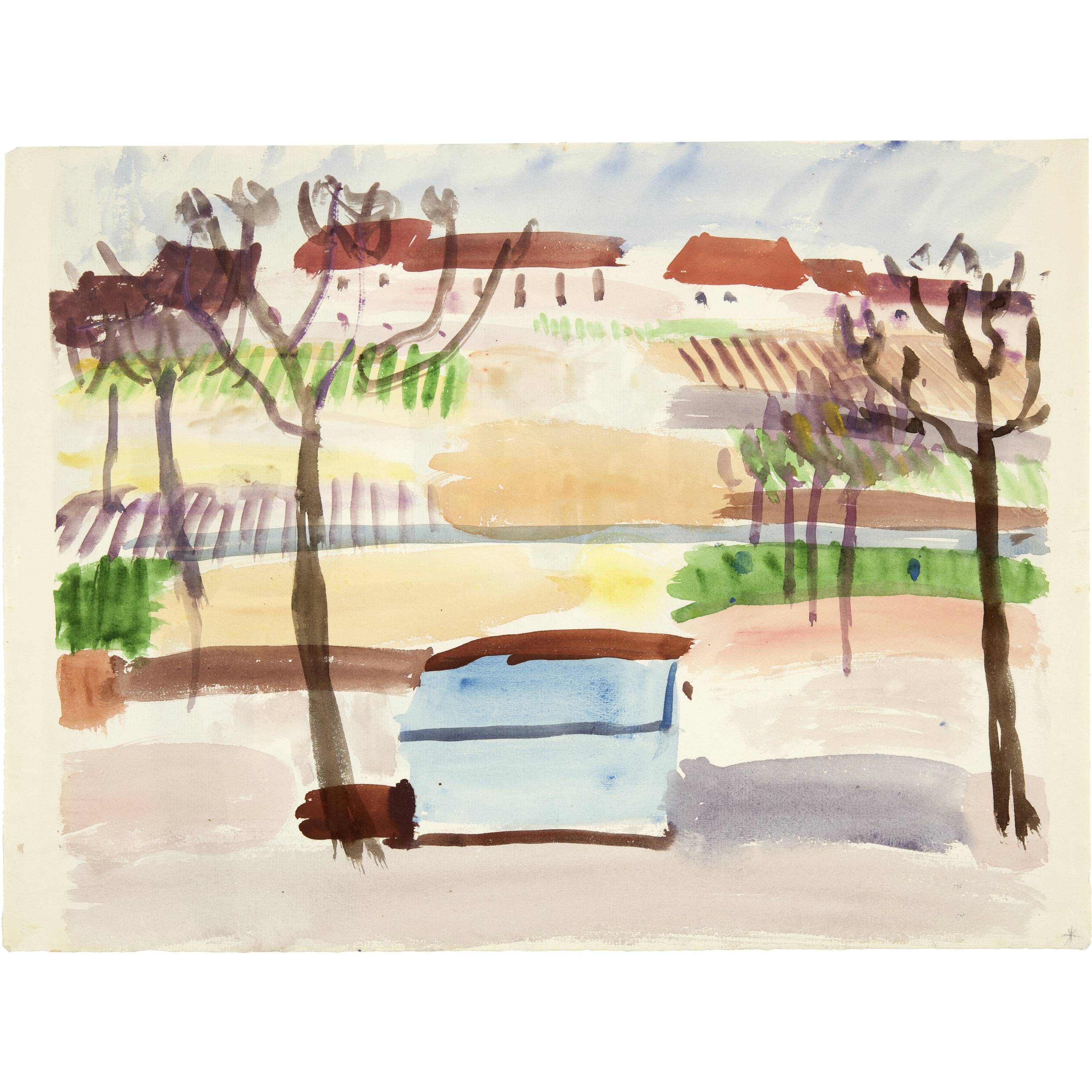
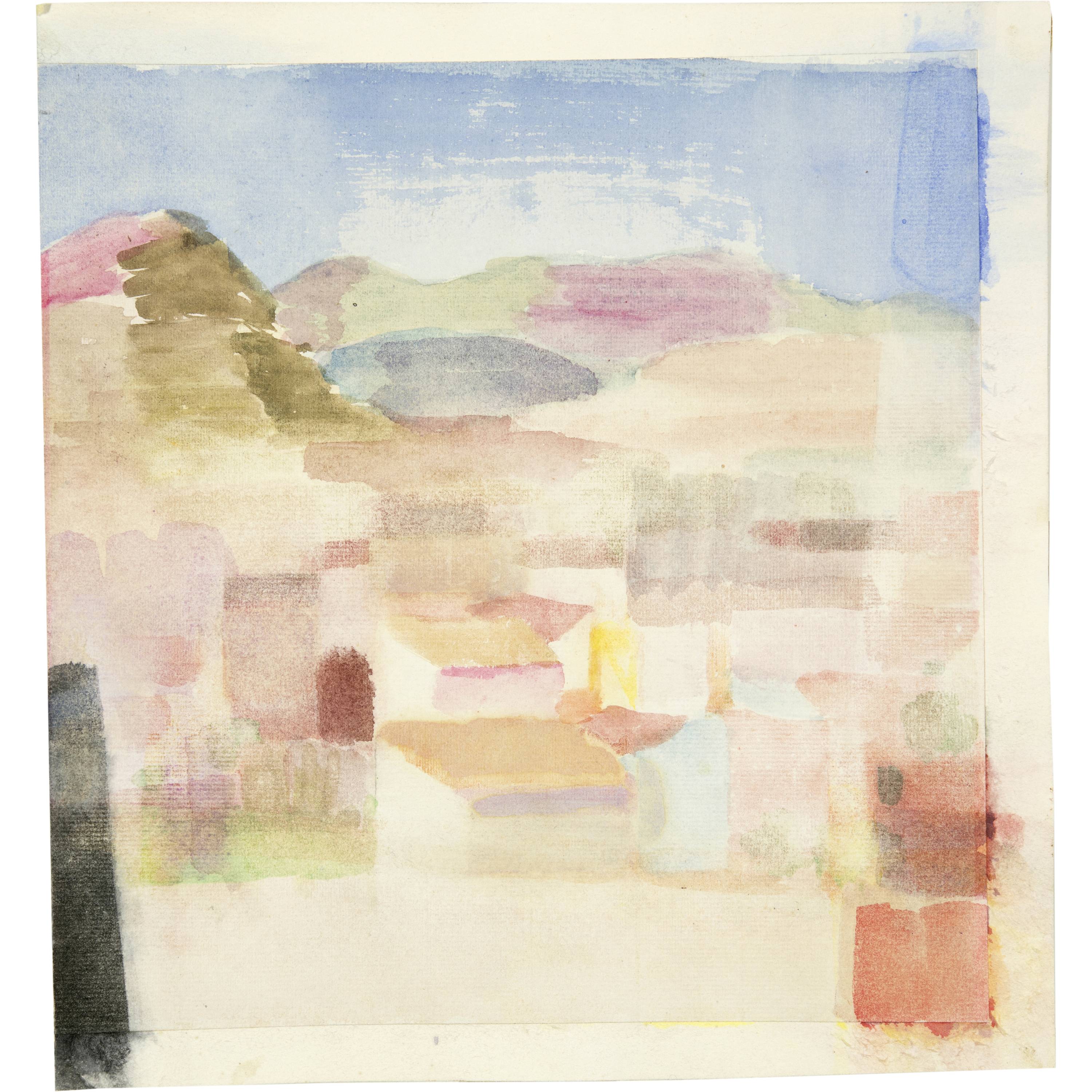
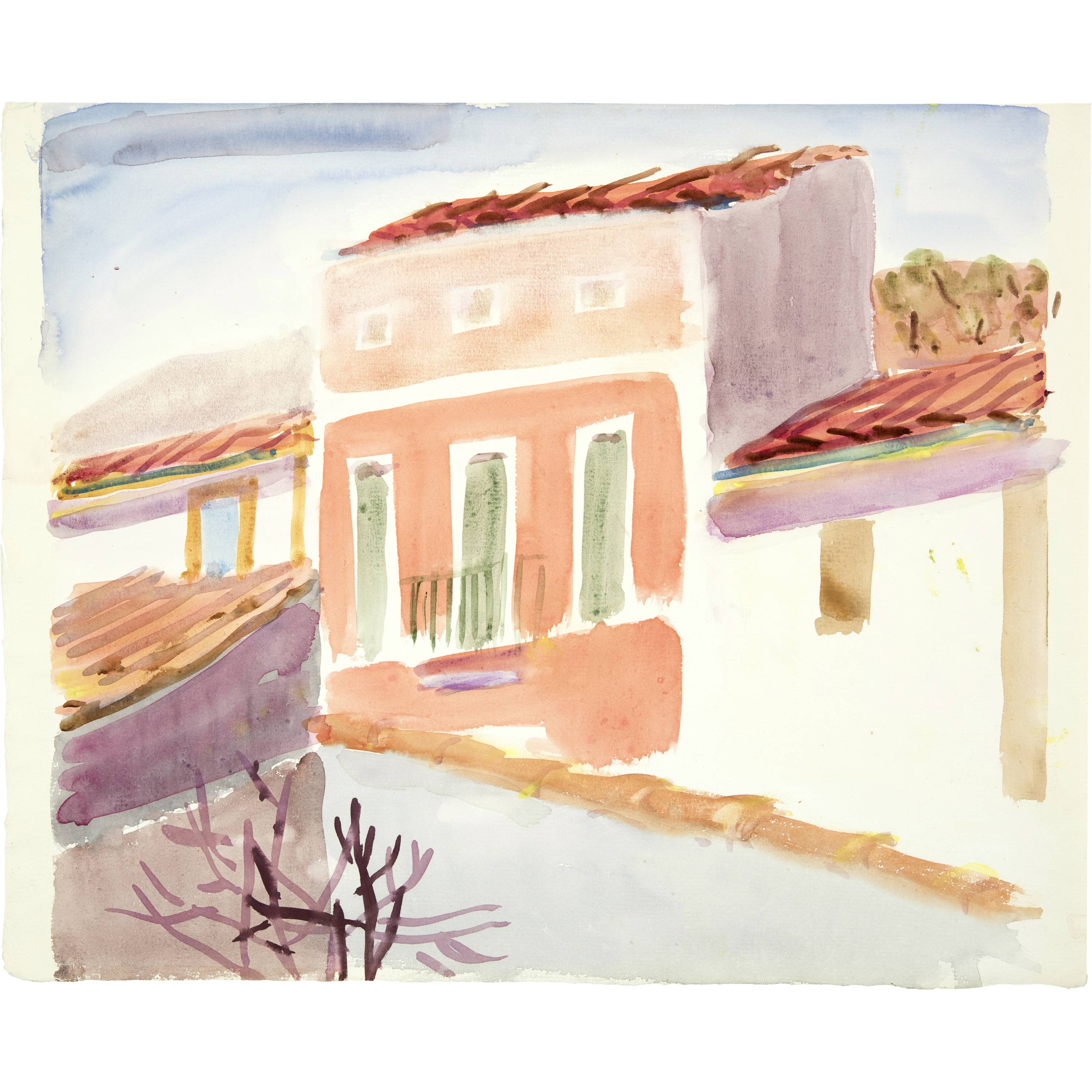
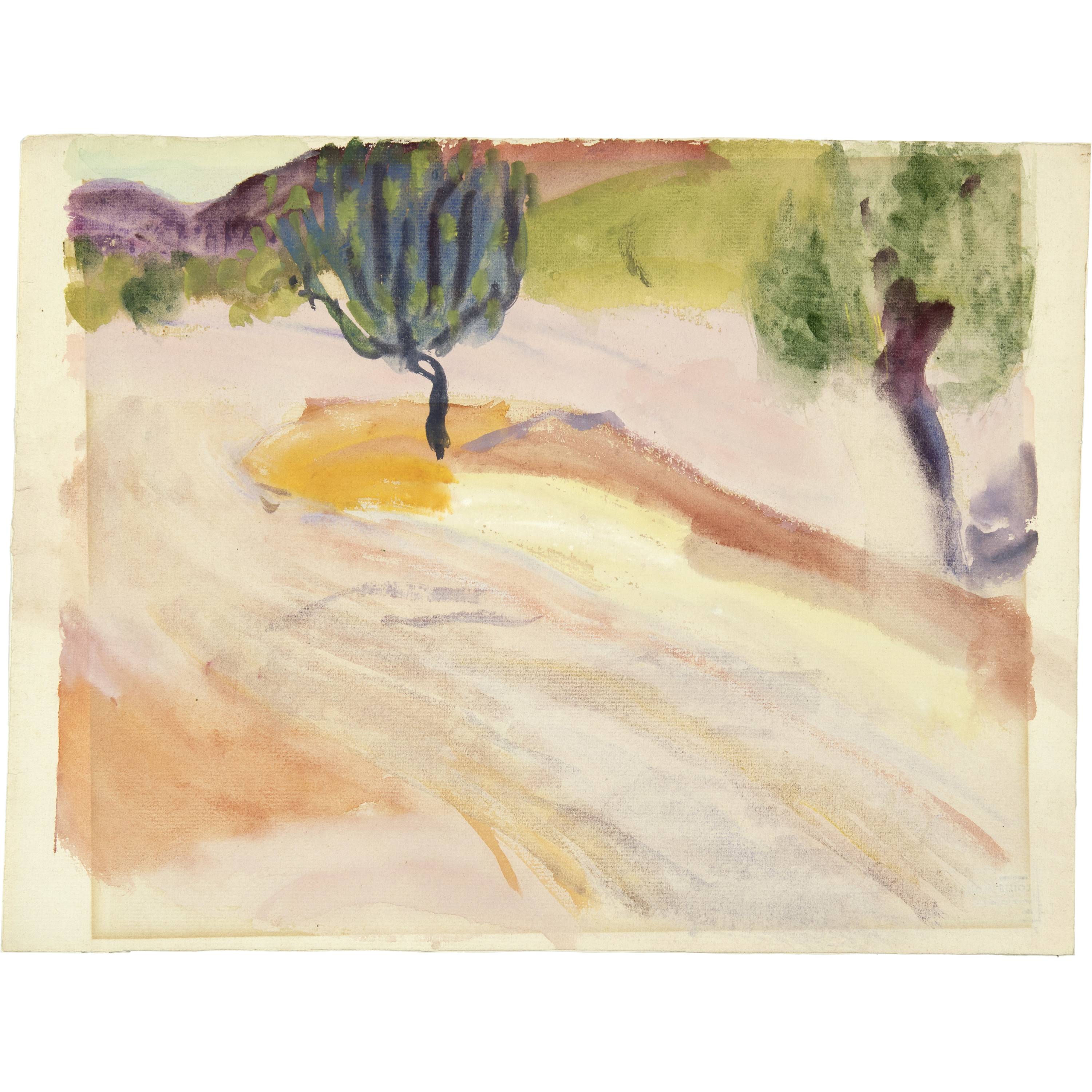
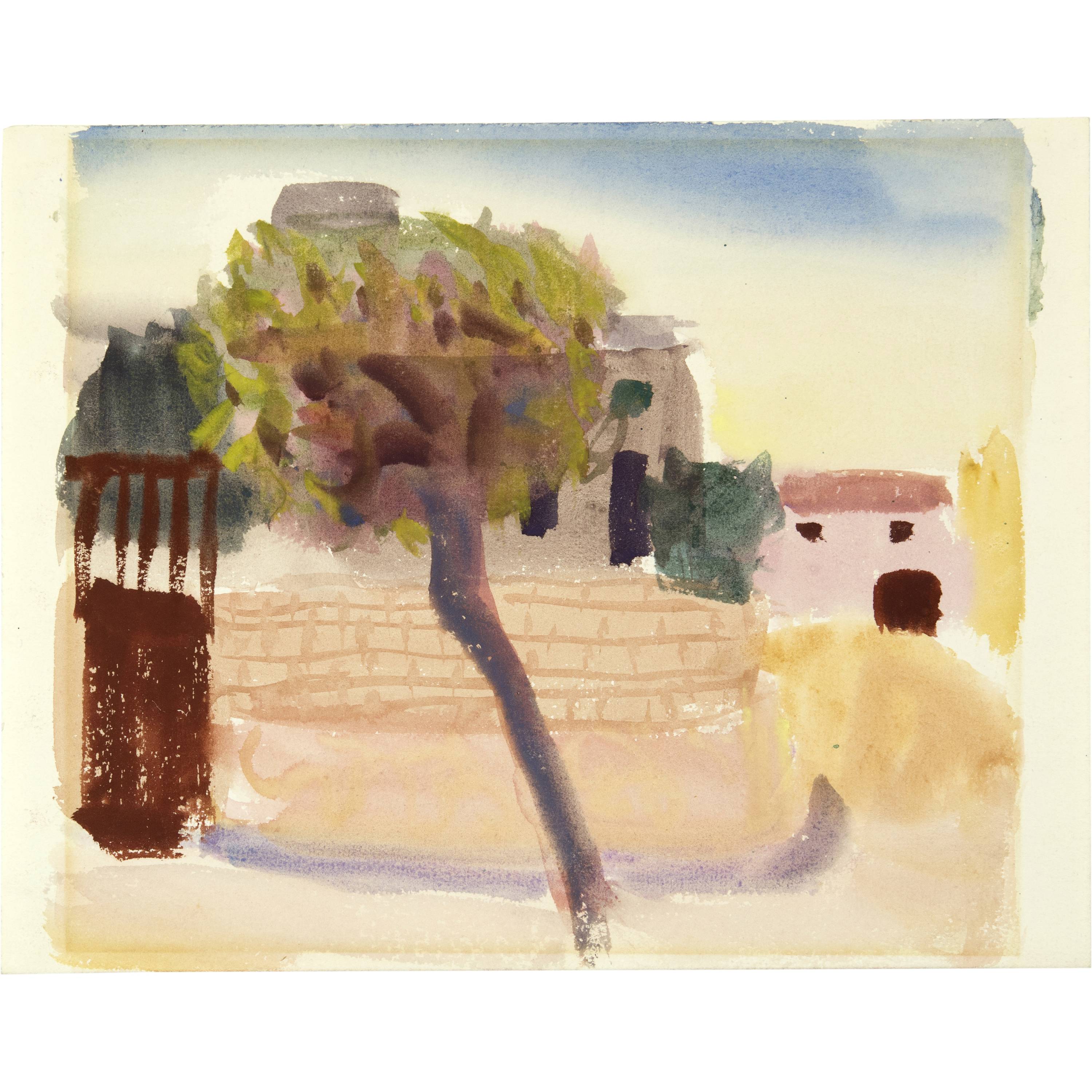
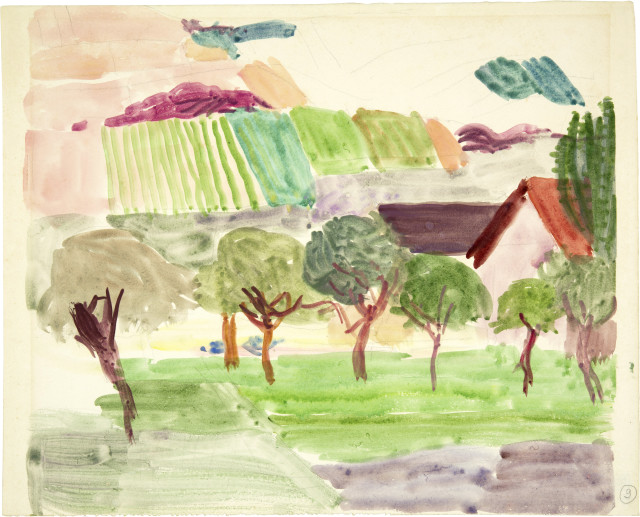
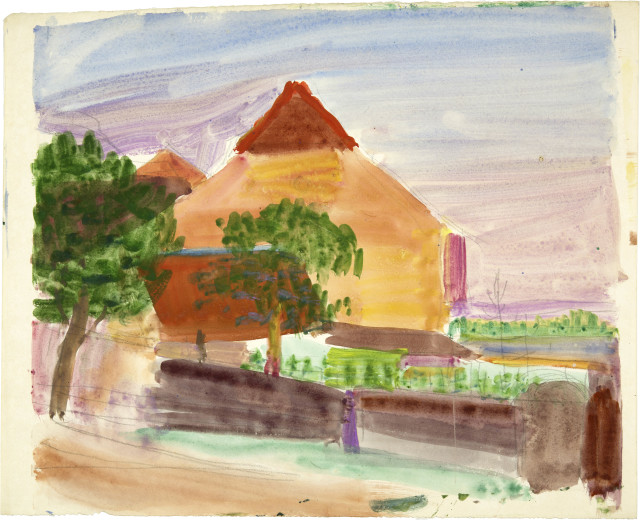
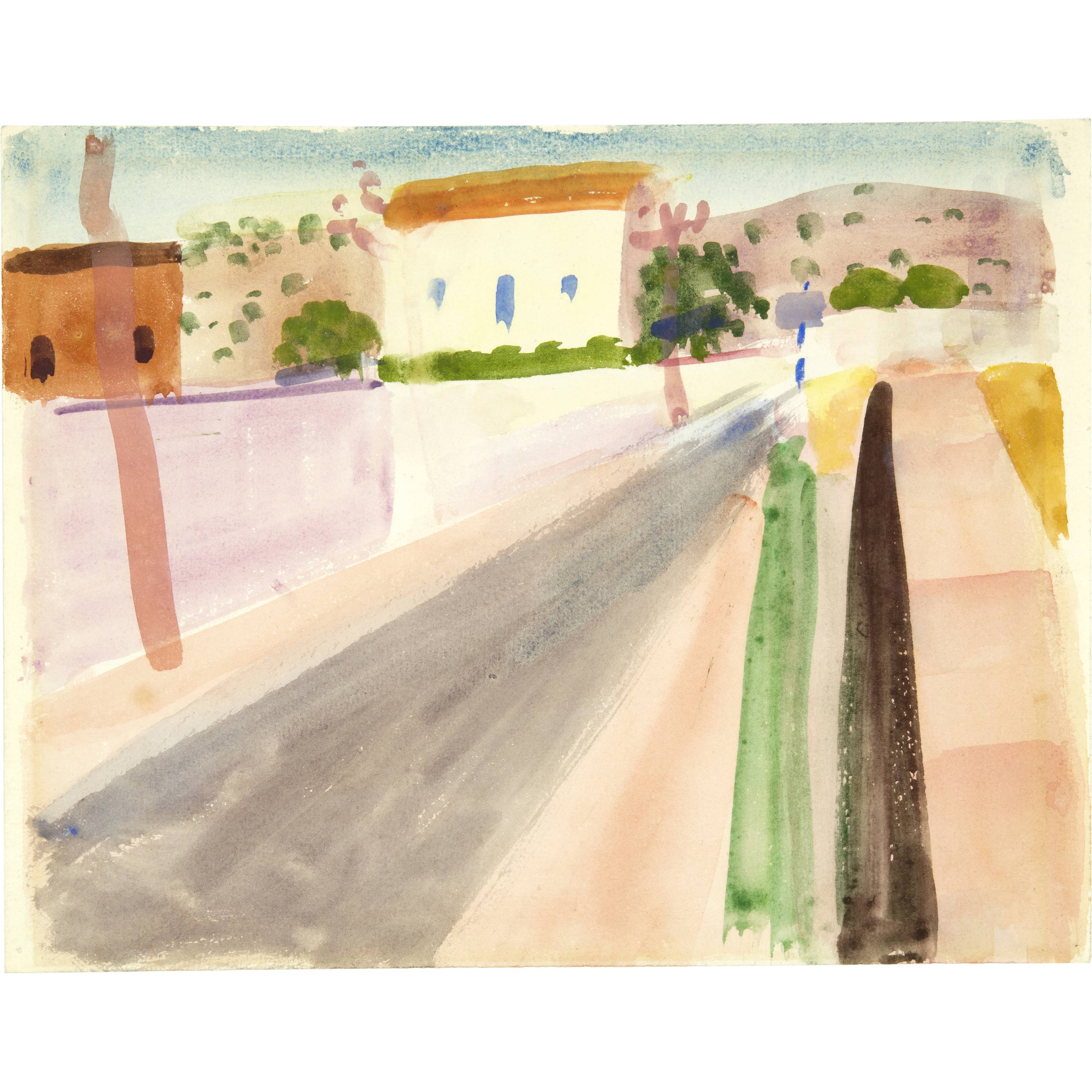
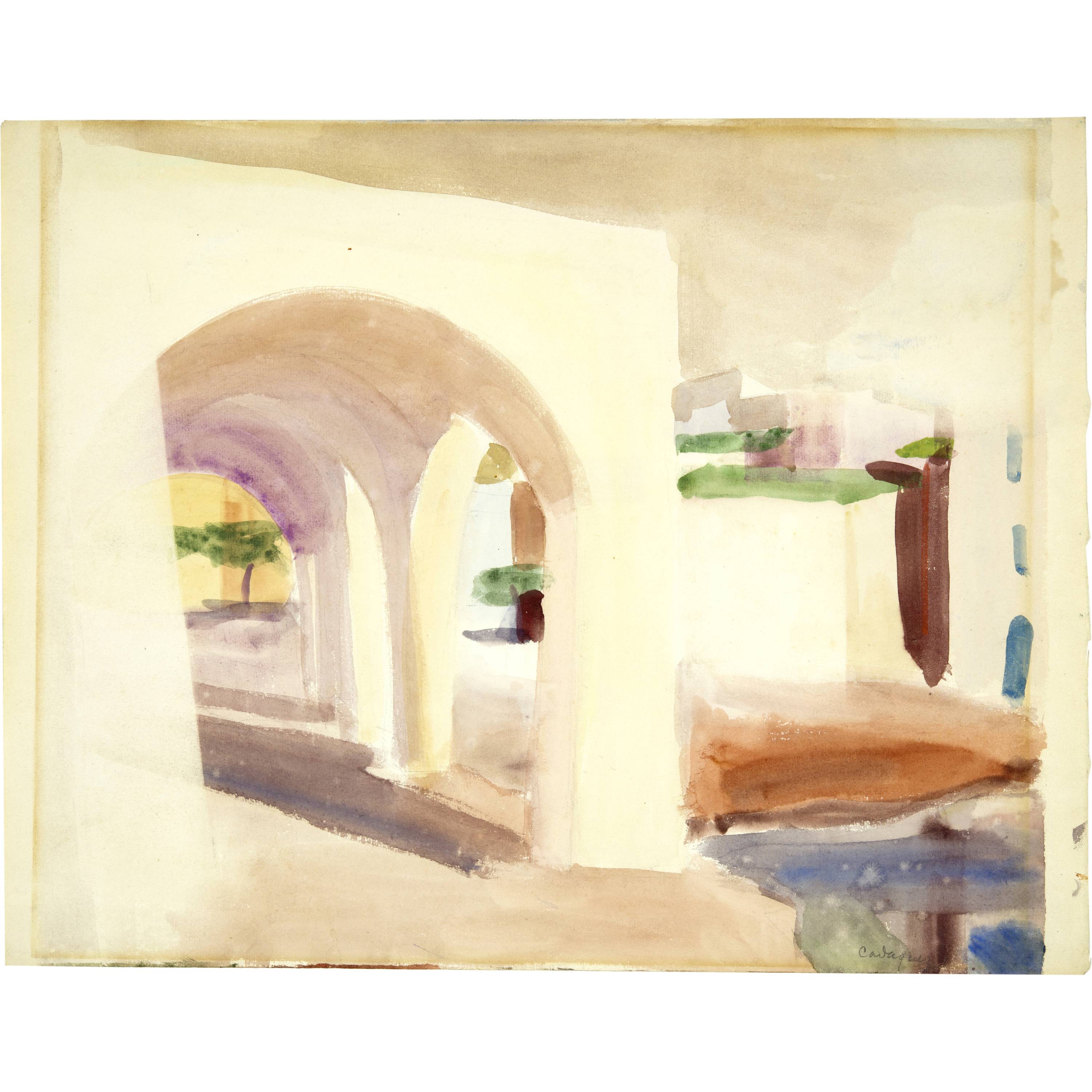
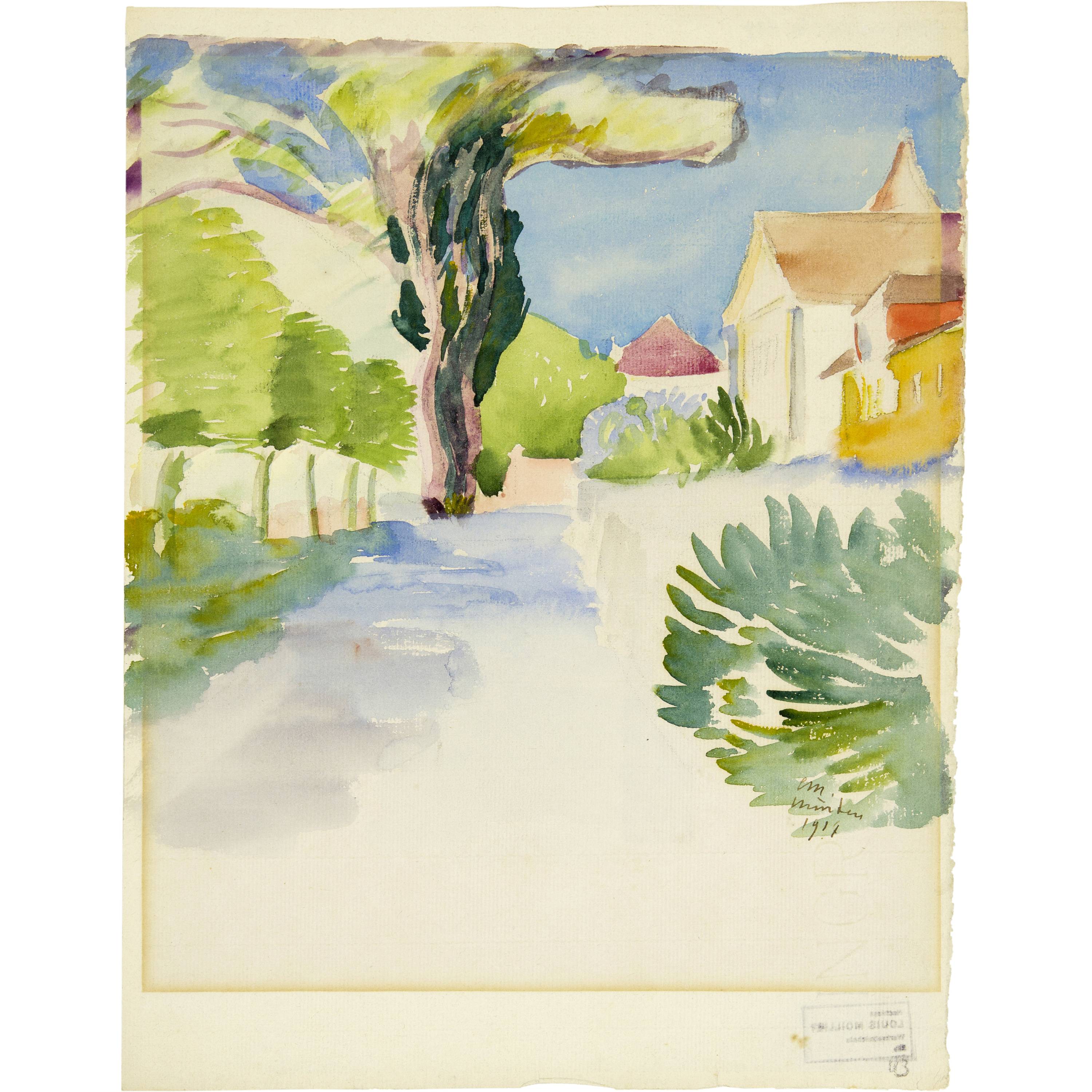
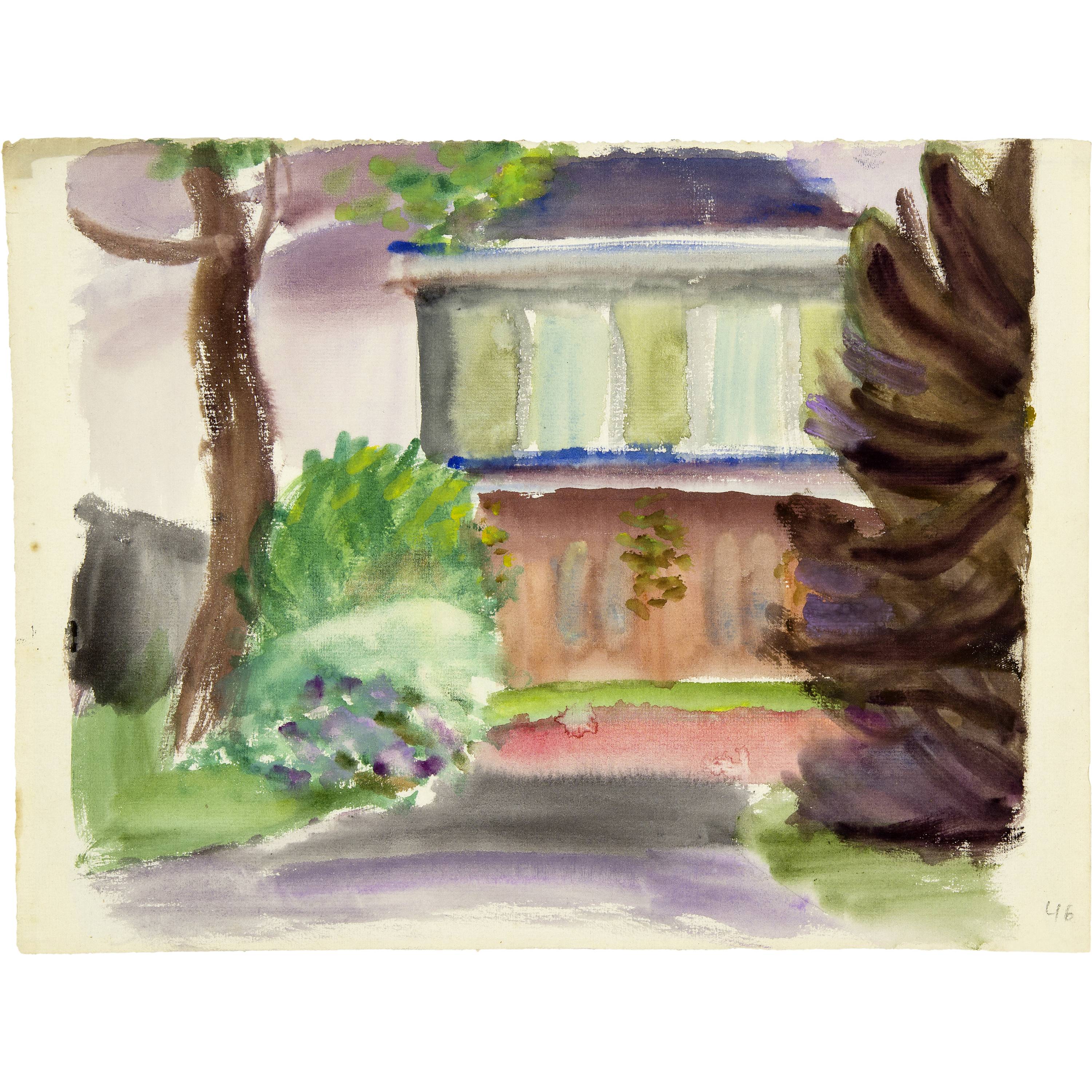
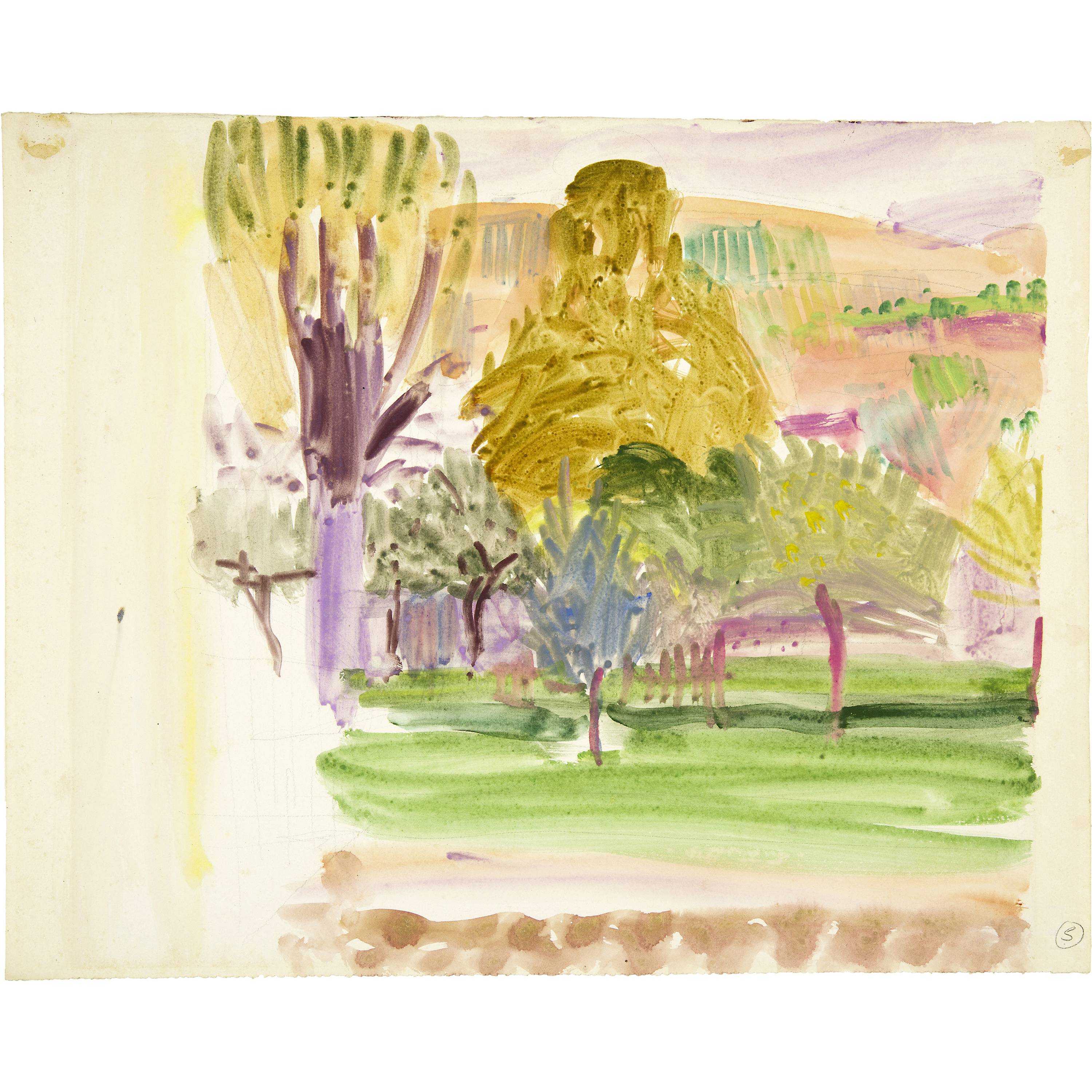
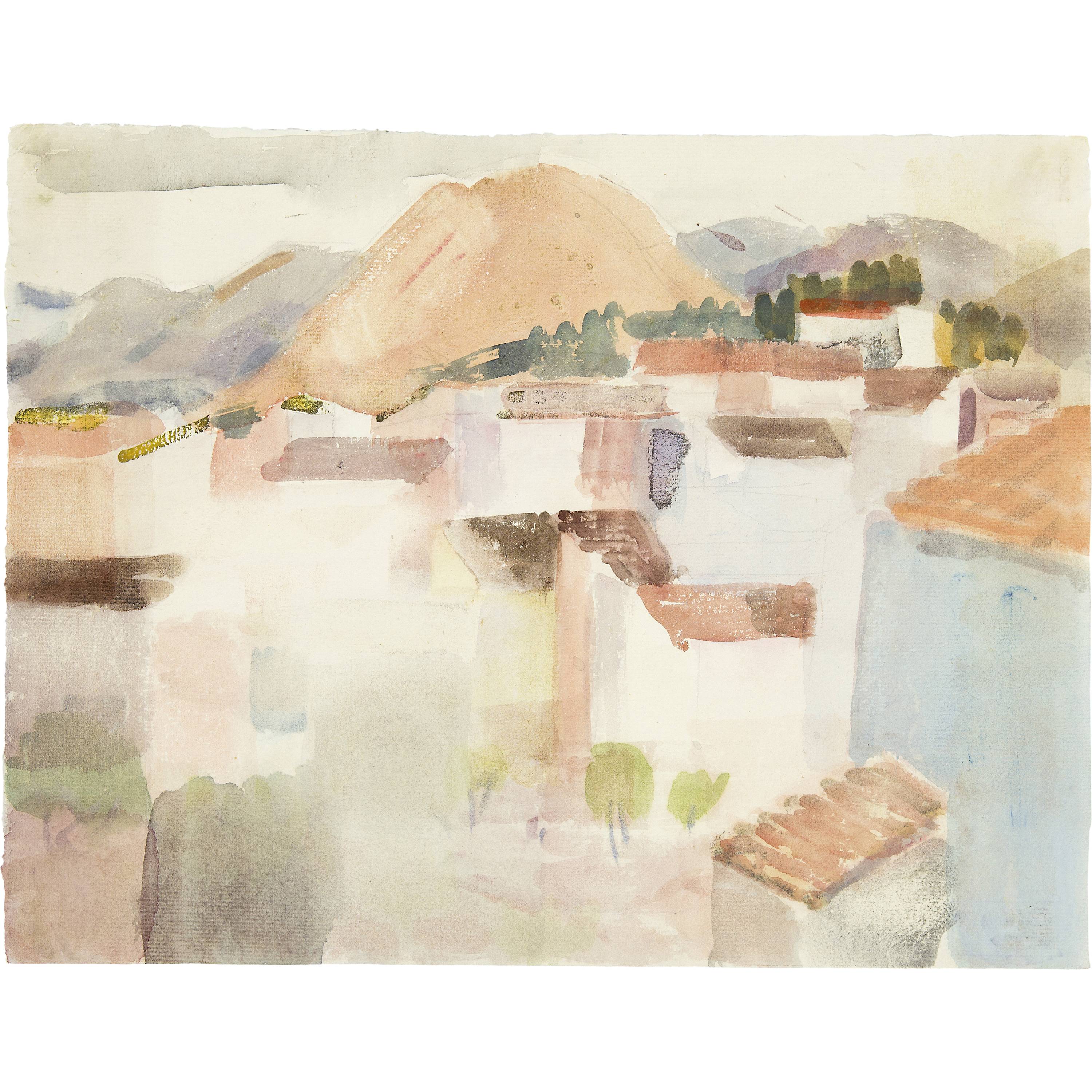
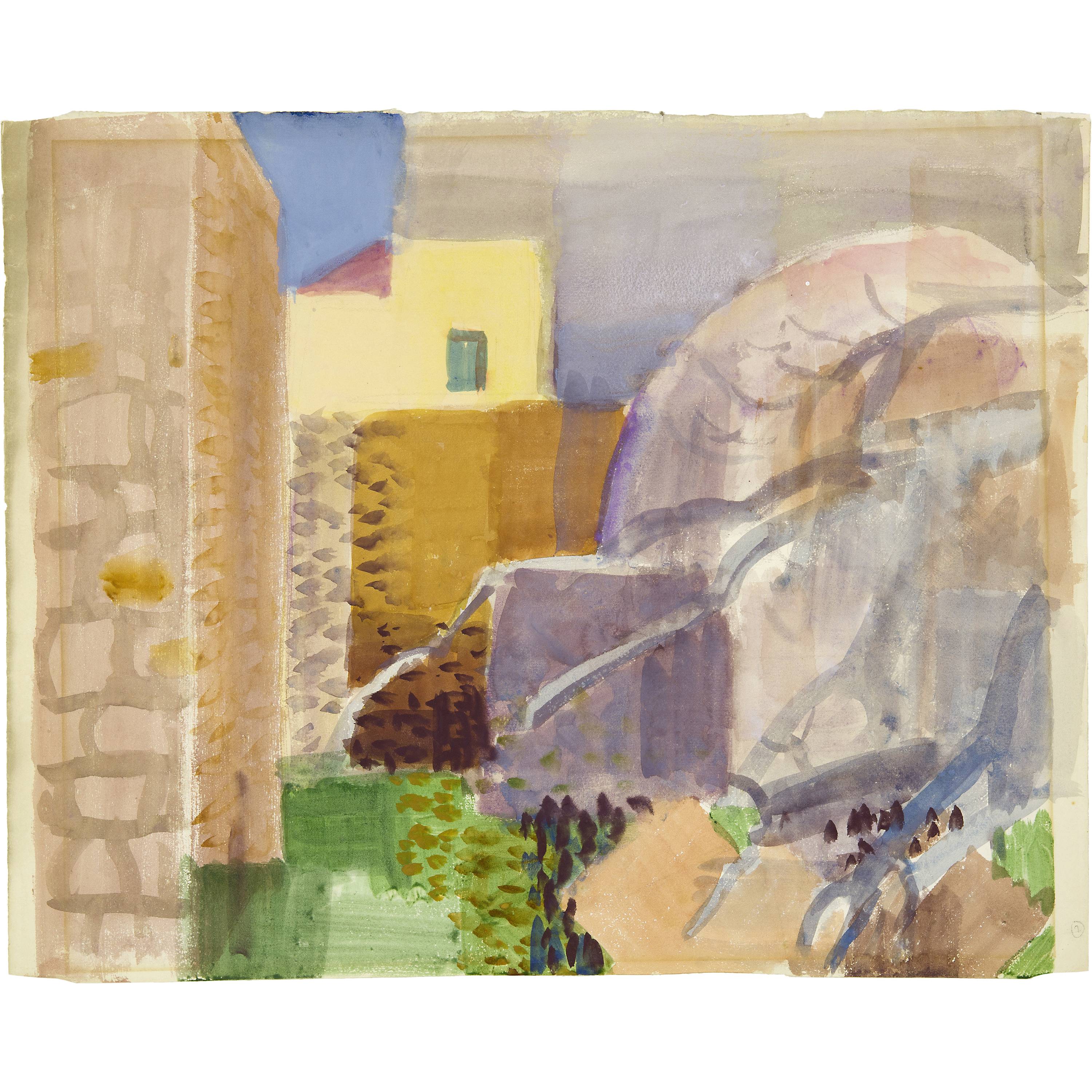
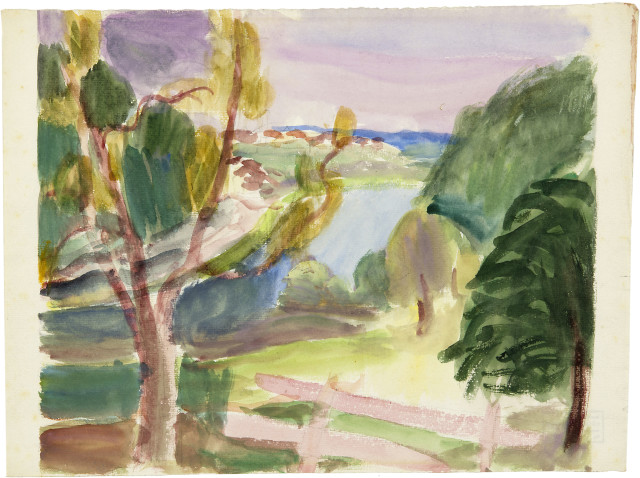
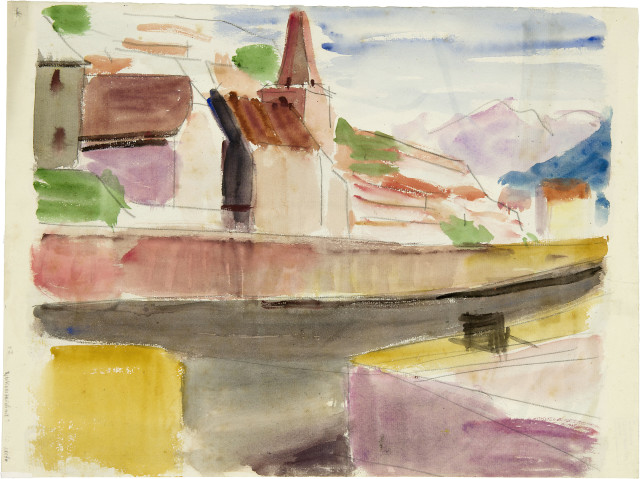
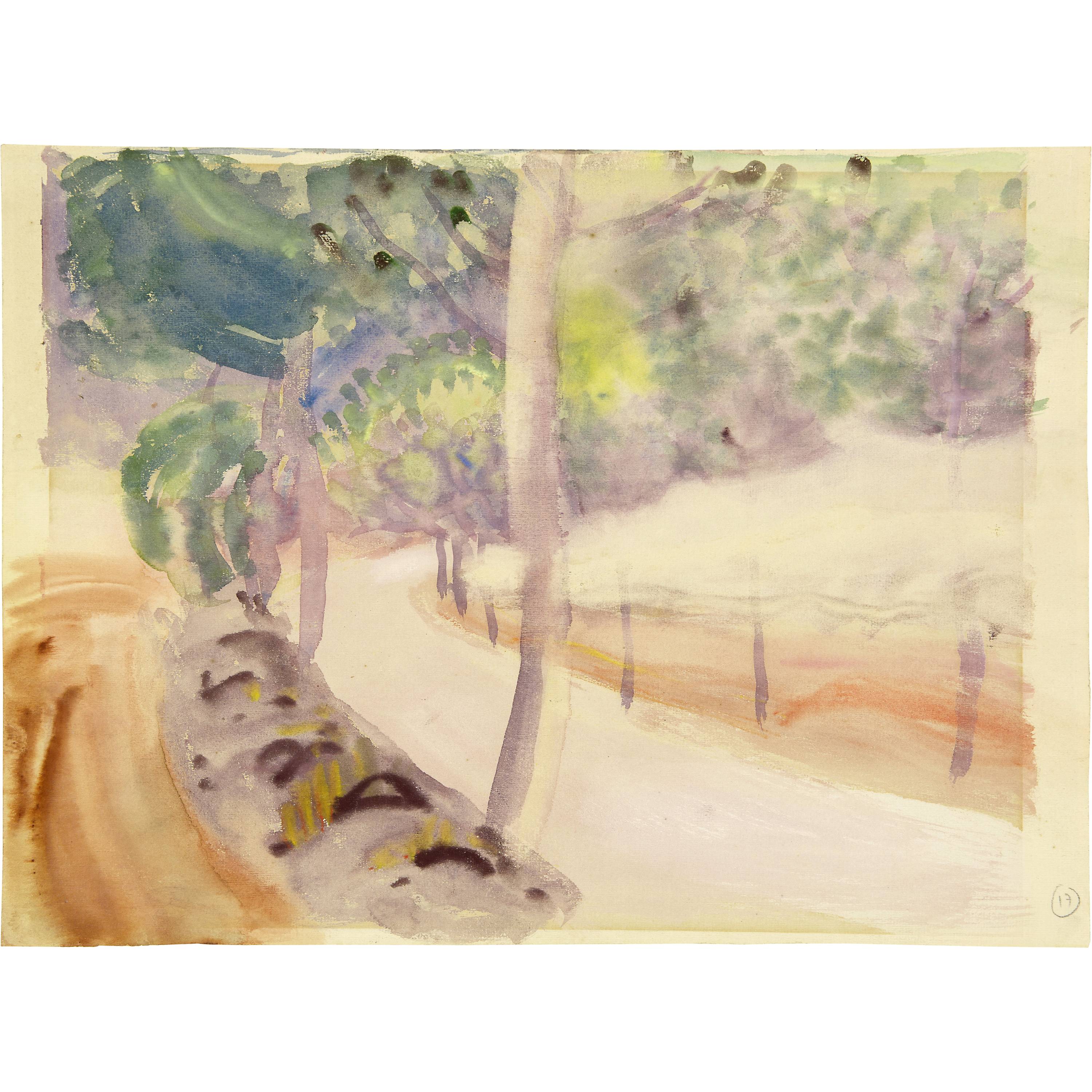
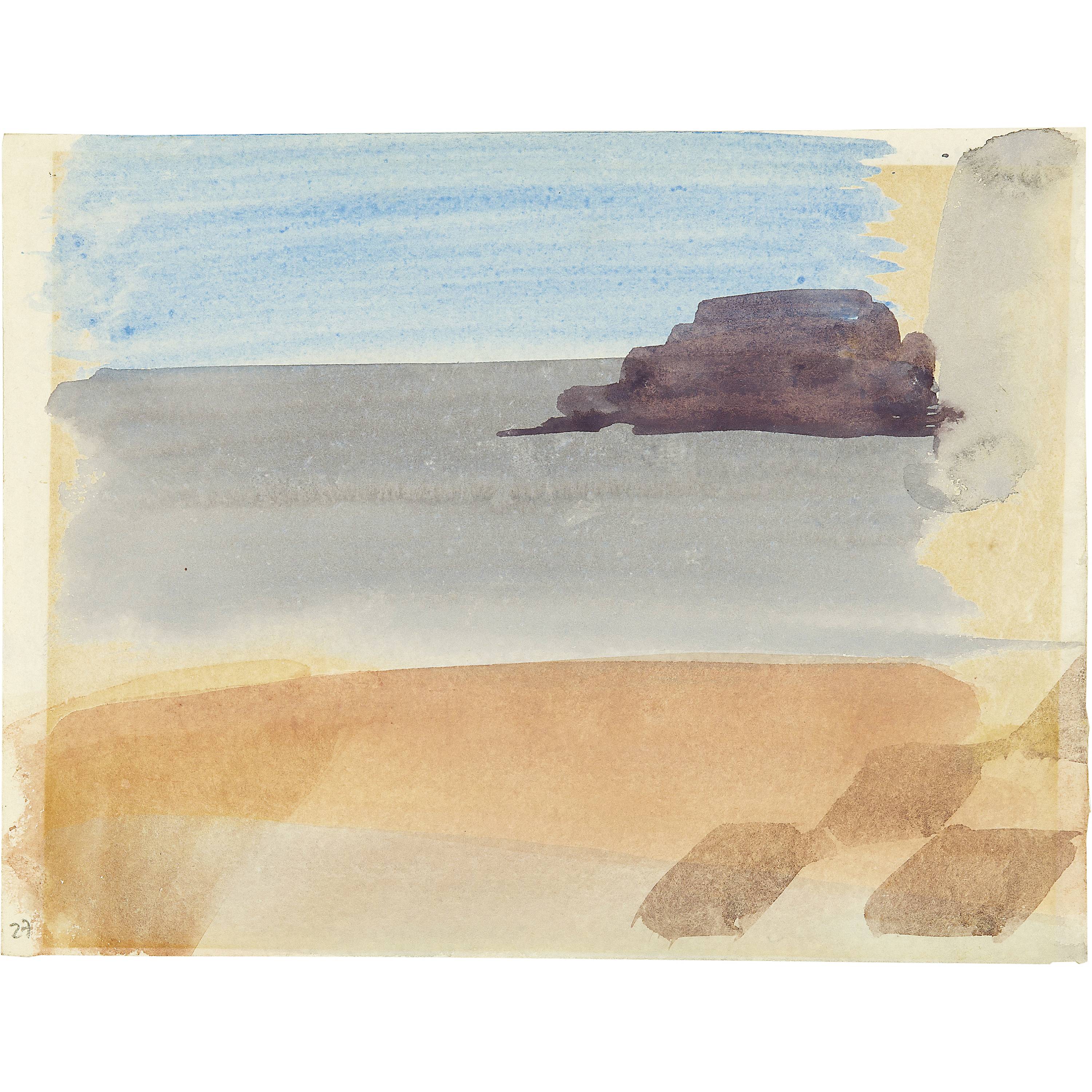
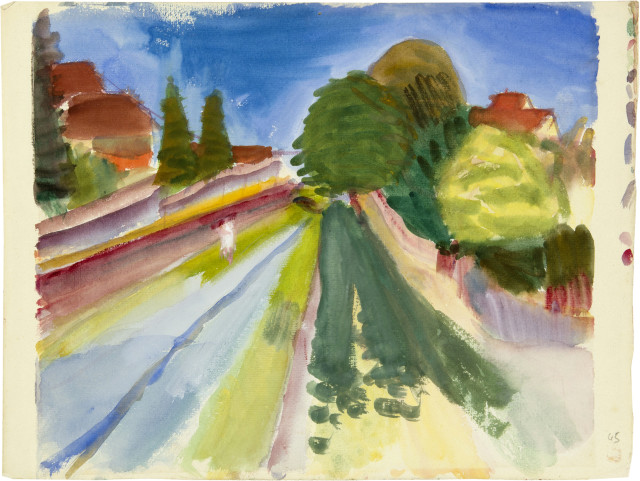
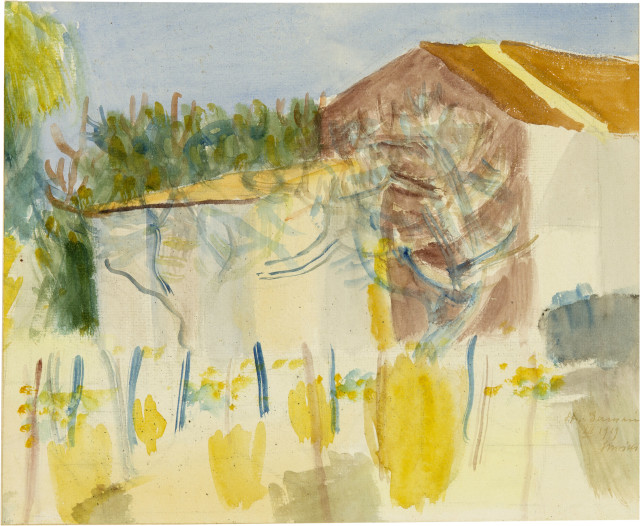
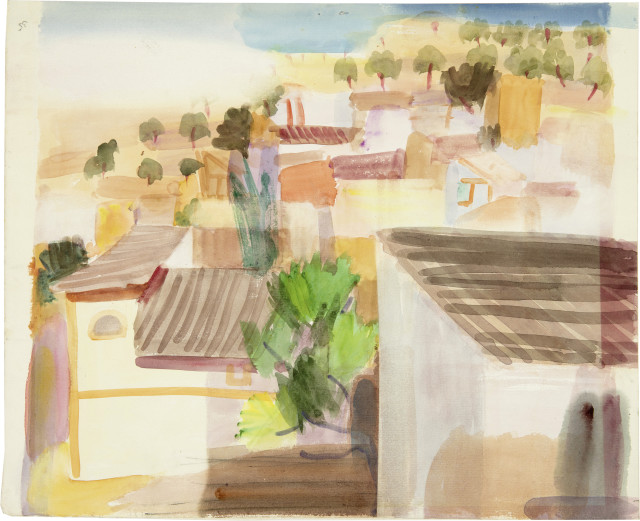
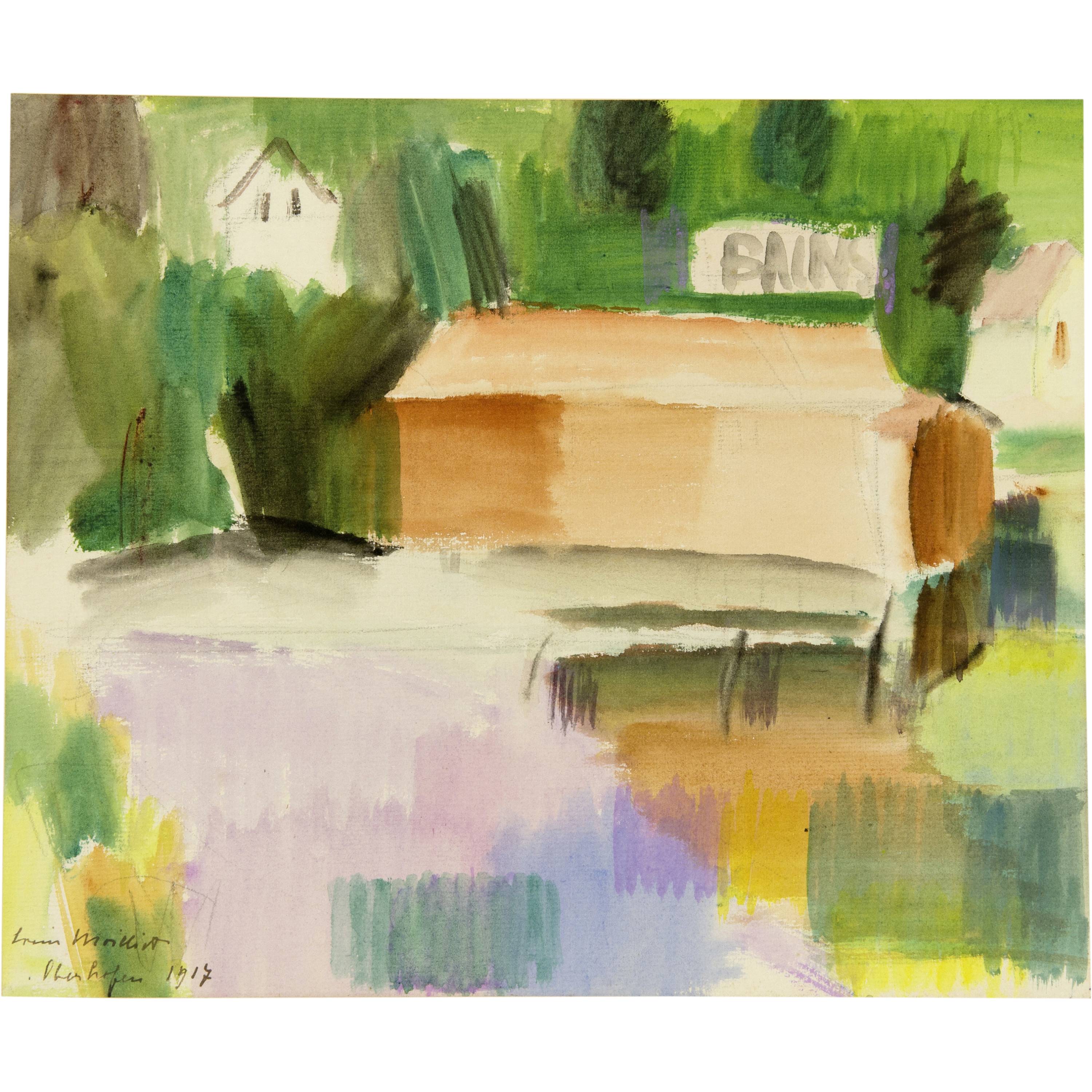
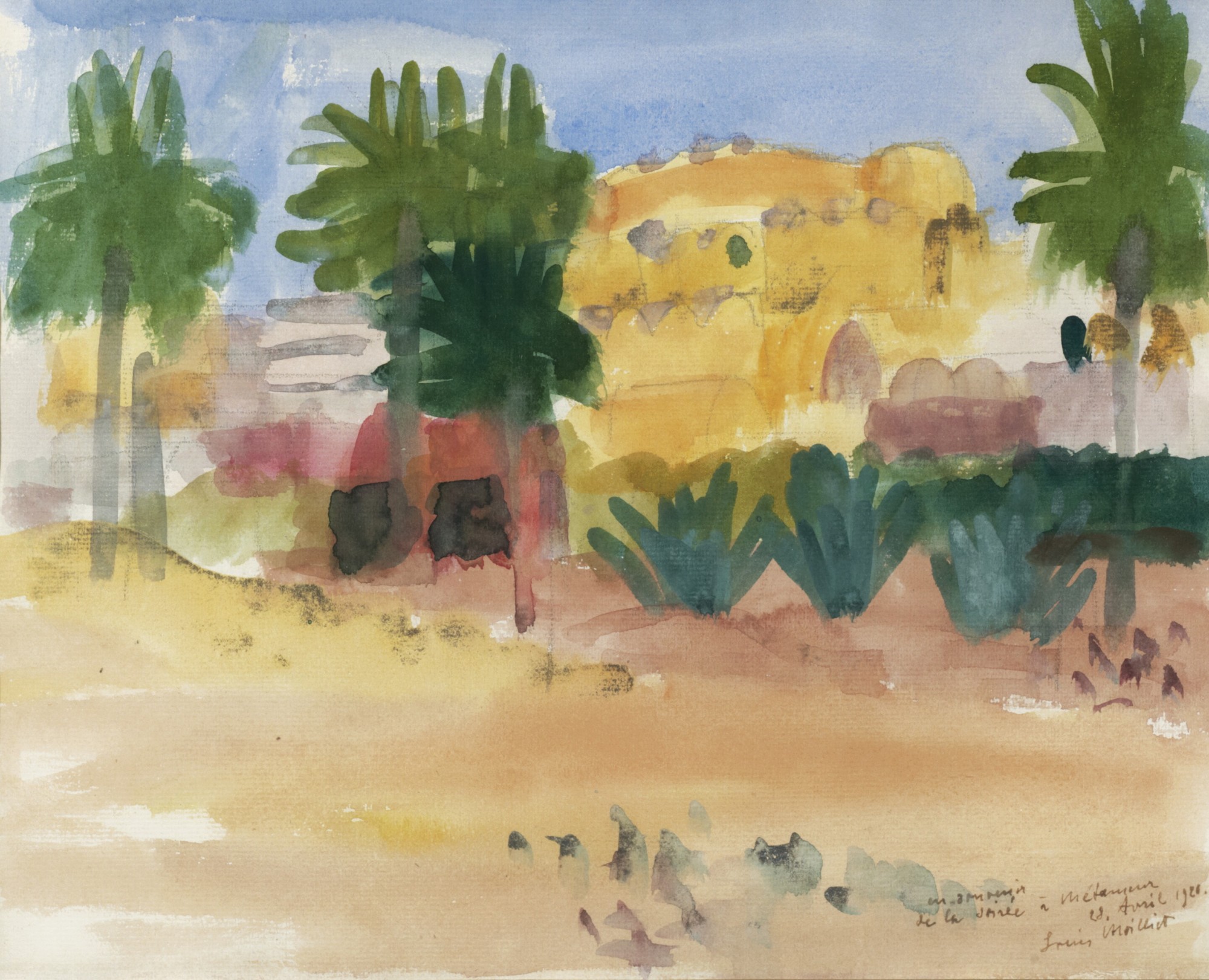
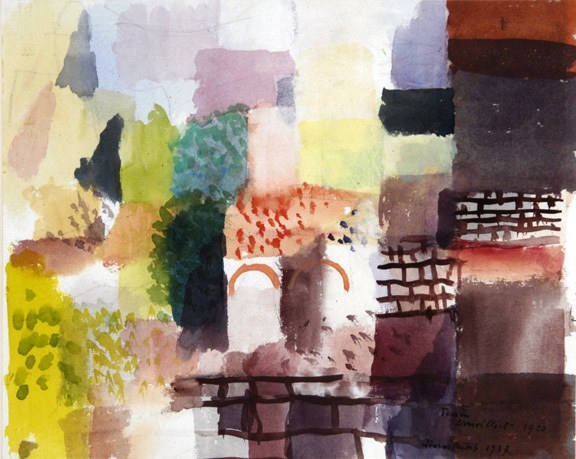
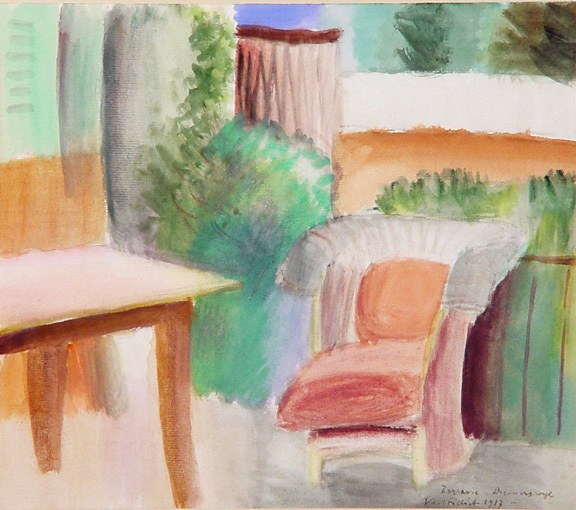
In 1914, Moilliet undertook a journey to Tunisia with Paul Klee and August Macke, an event reported in the sources. In 1917, he abandoned oil painting in favour of watercolour; his style is described as moving closer to a “poetic Orphism” inherited in particular from Macke and the Delaunays.
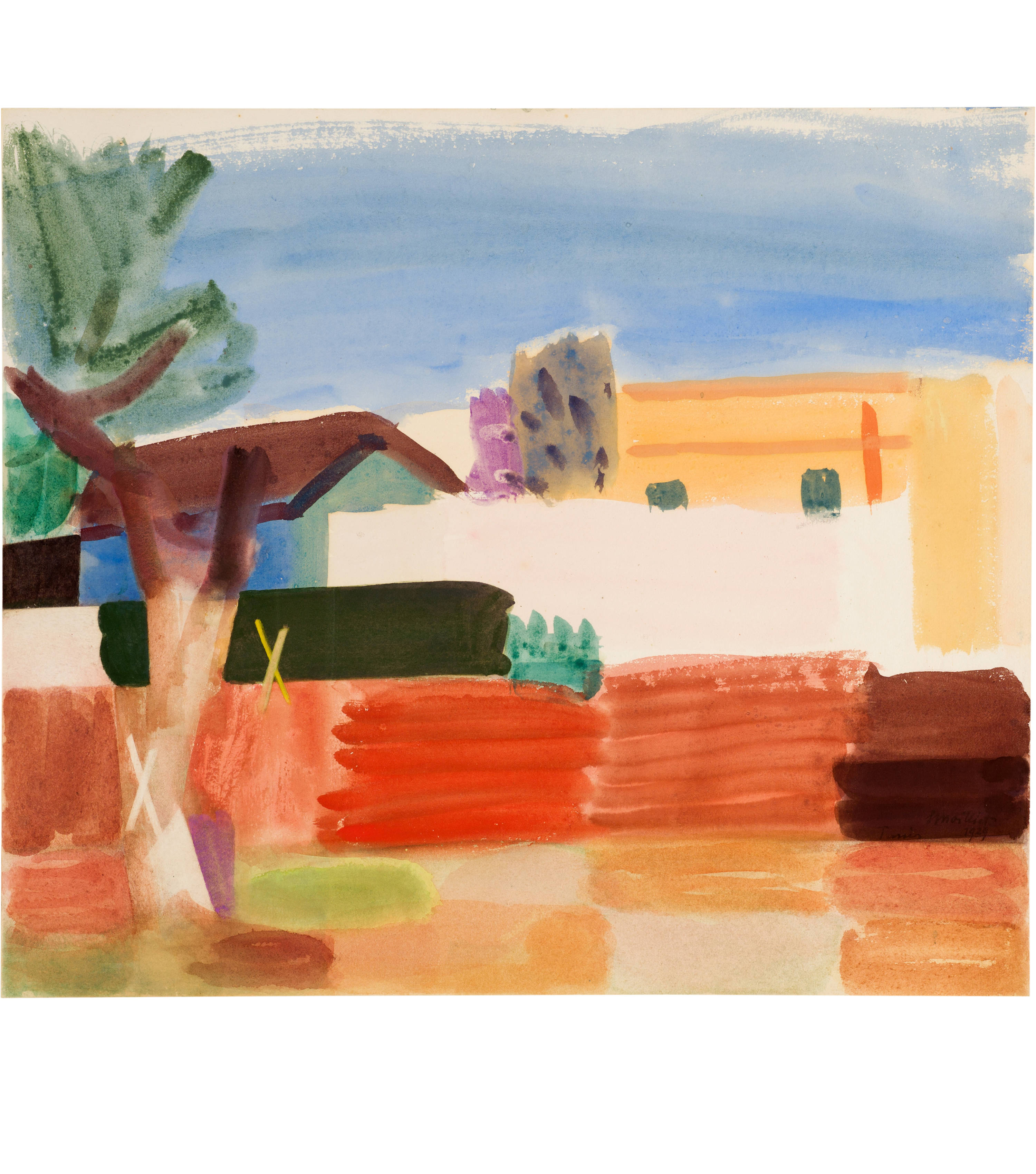
Among his dated works are Au cirque (1914–15), held at the Kunstmuseum Basel, and the watercolour Hammamet (1929). He also carried out commissions for stained-glass windows for Swiss churches, specifically cited in Lucerne (Lakaskirche) and Winterthur (Zwinglikirche). According to the entries consulted, Moilliet is represented principally in Swiss museums—notably in Basel, Bern and Winterthur (Oskar Reinhart Foundation)—as well as in private collections.
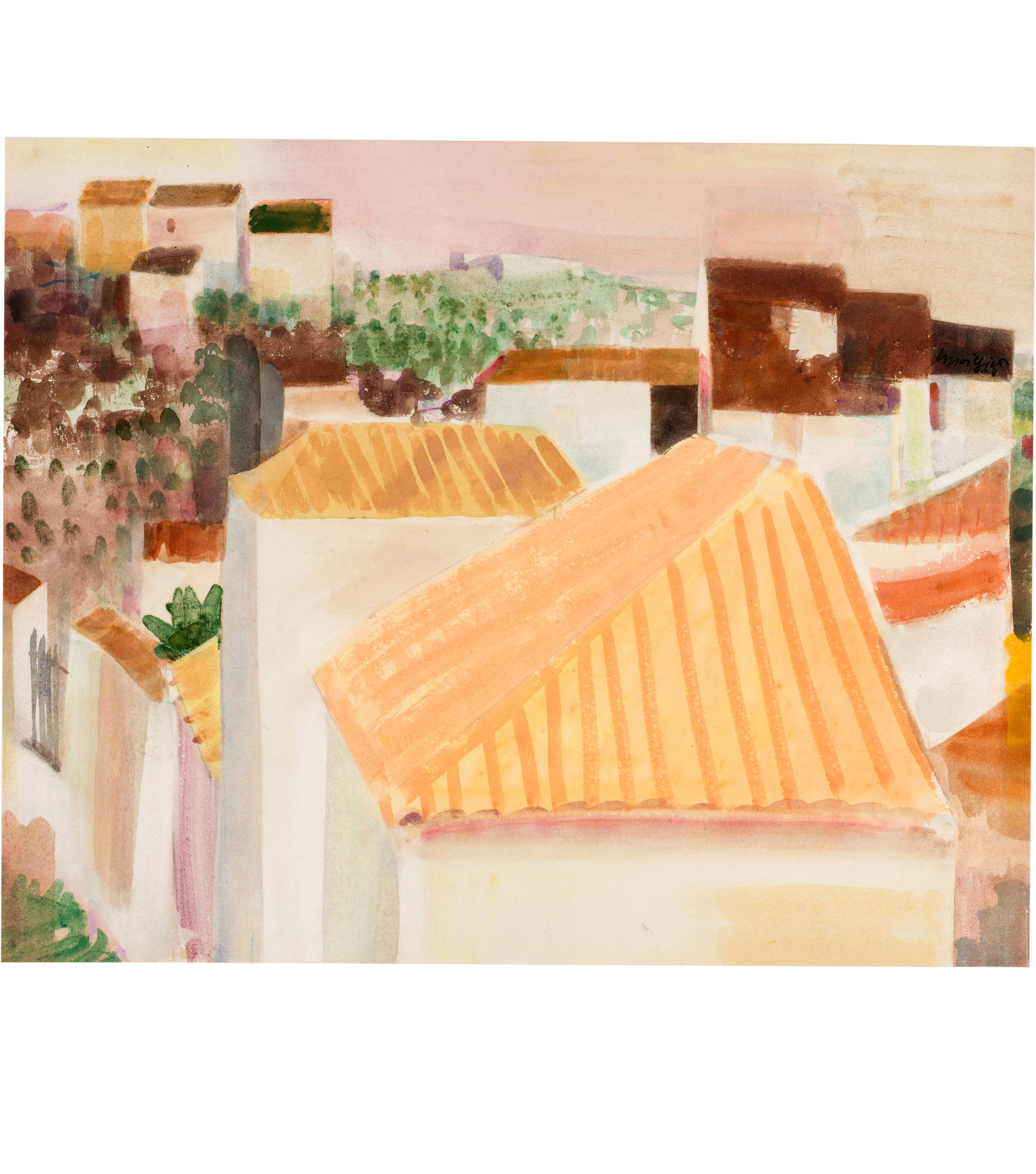
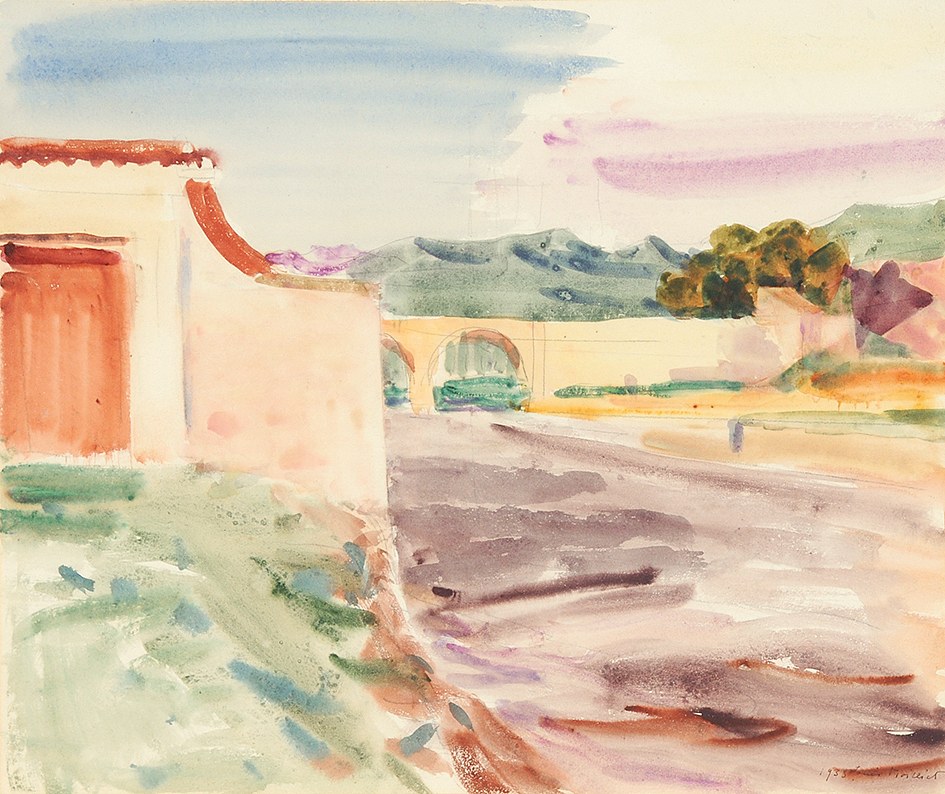
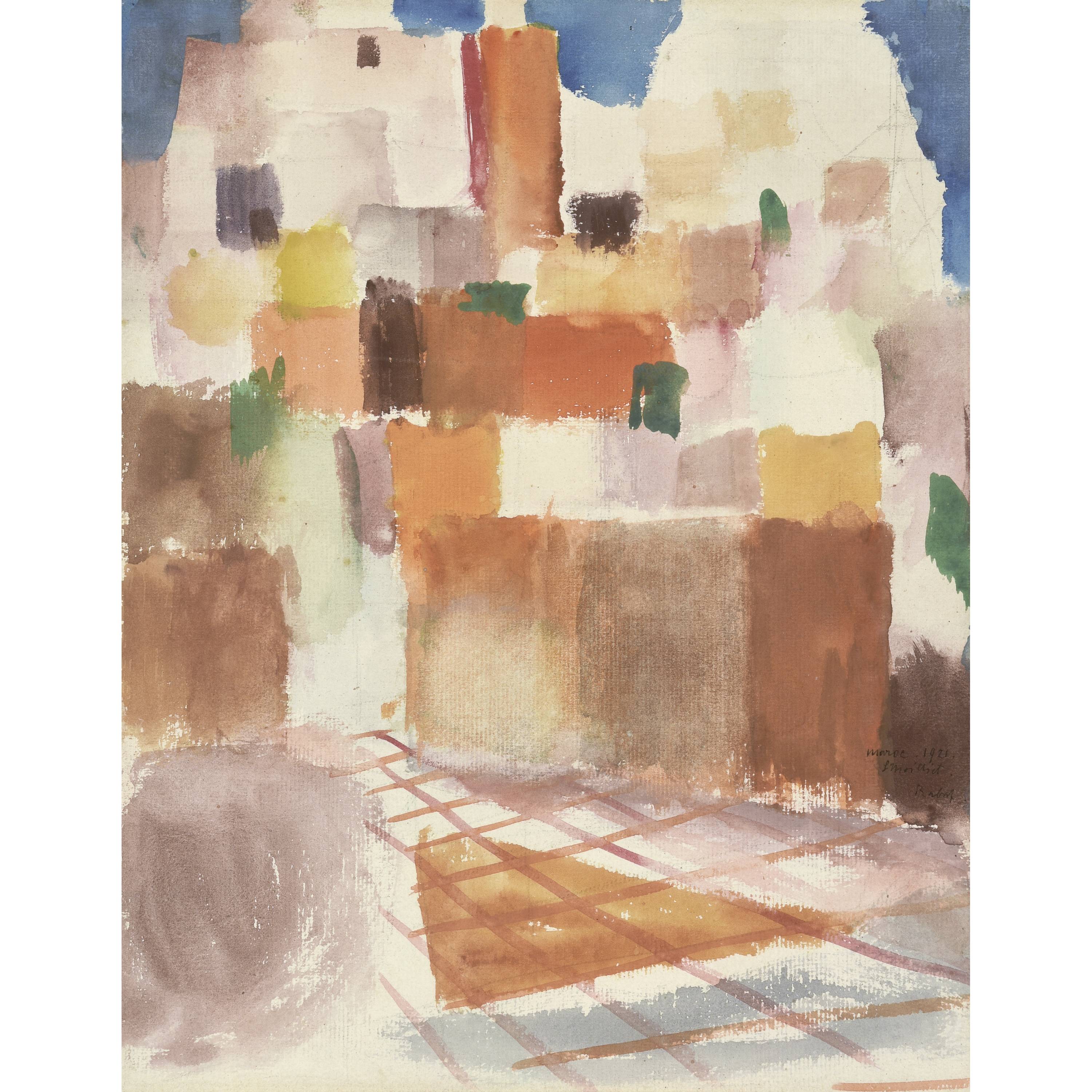
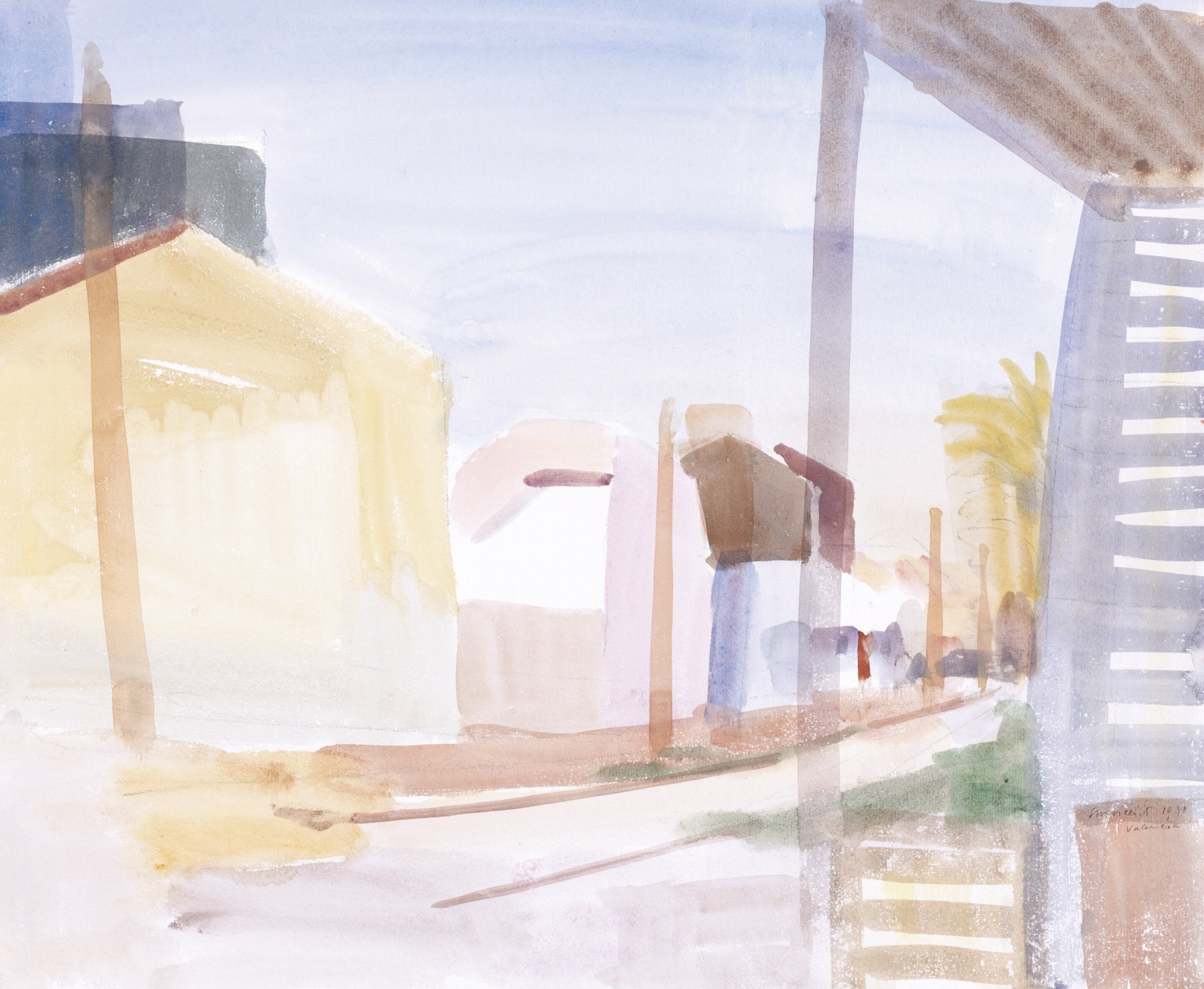
His stays abroad are documented: Morocco (1921–1923), Majorca (1926), Tunis (1928), and Spain (1930–1935).
The recorded bibliography notes an official website (www.louismoilliet.ch). Overall, his career combines easel painting, watercolour and stained-glass creation, with participation in salons and documented collaborations with his contemporaries.