Louis Dürr
Born in 1896.
Died in 1972.
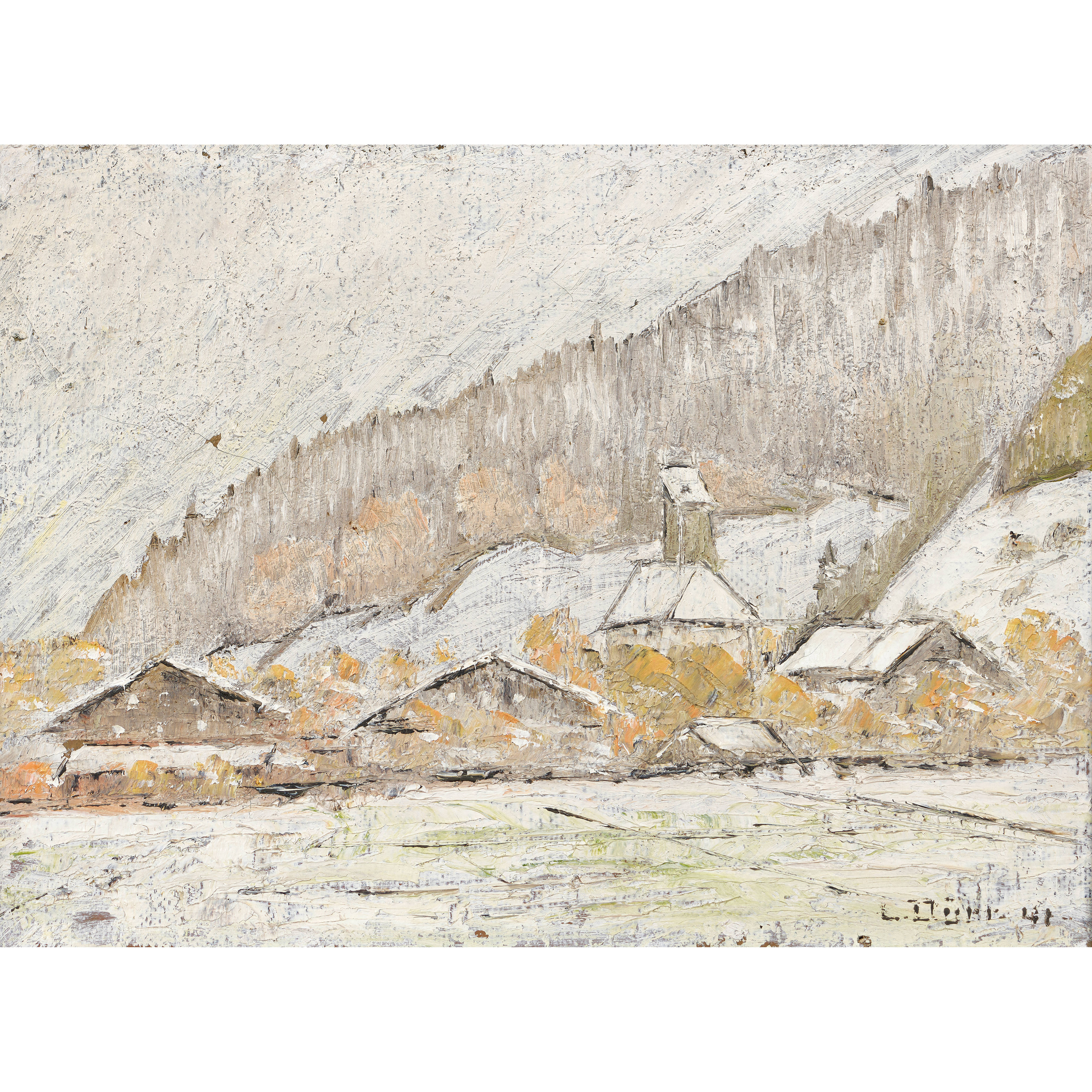
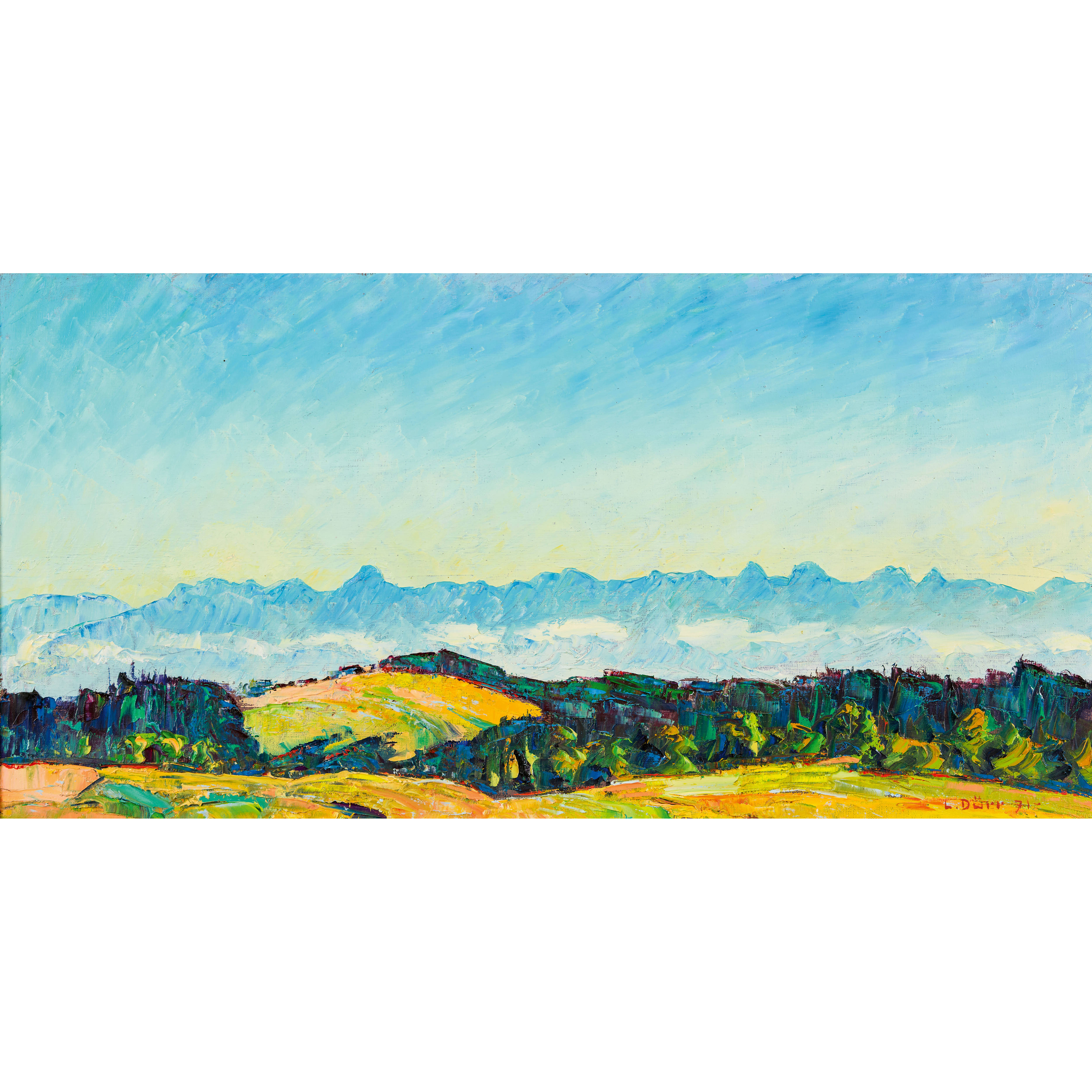
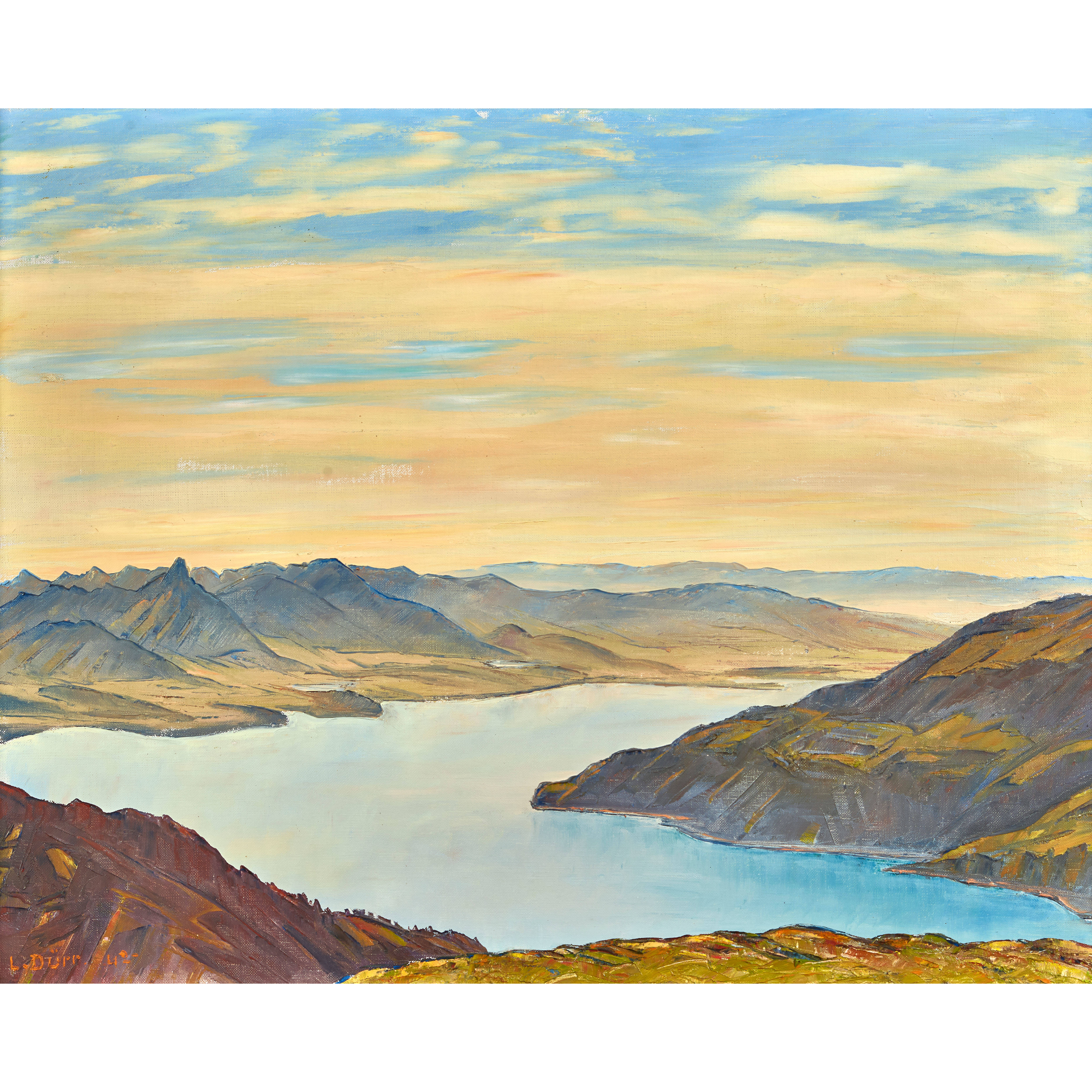
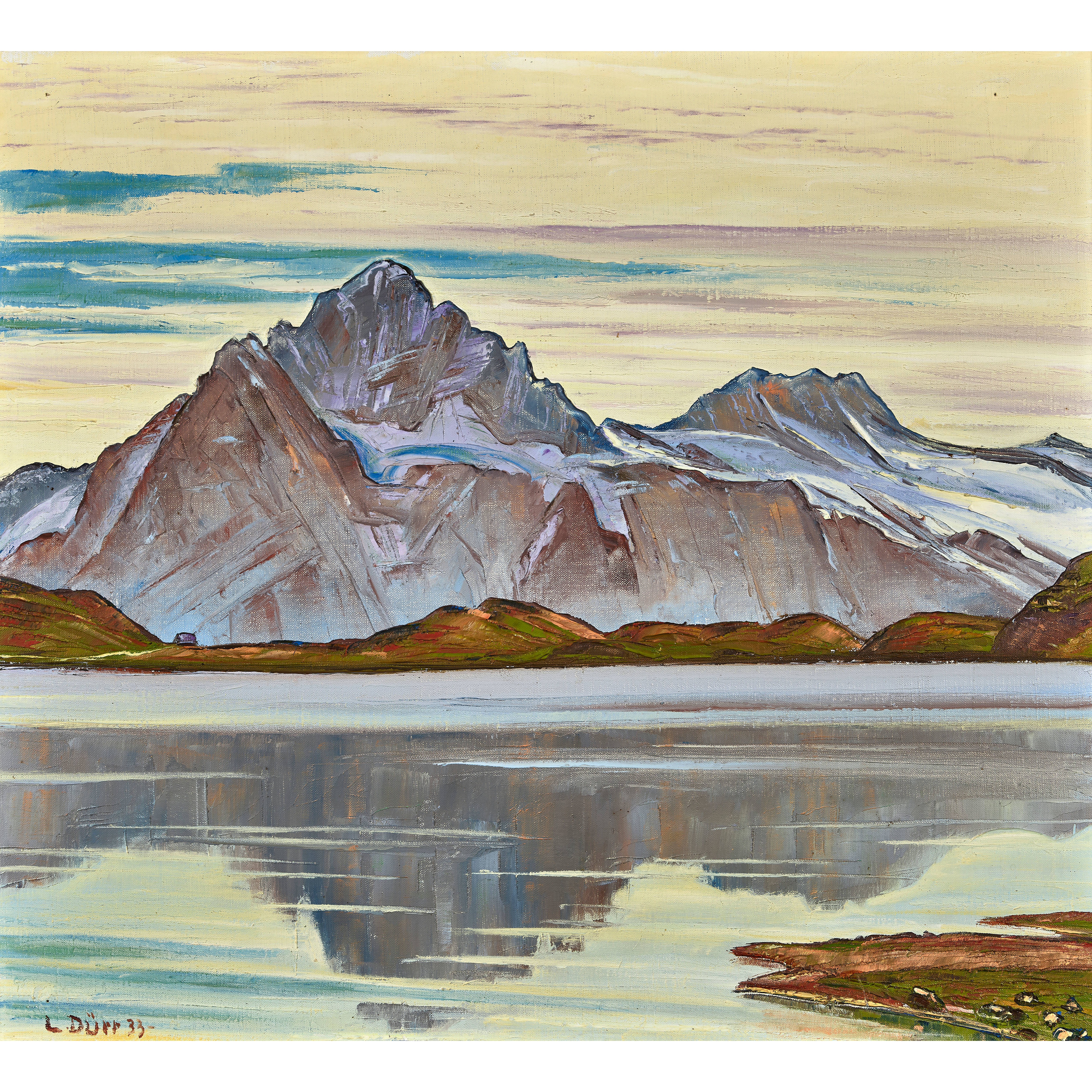
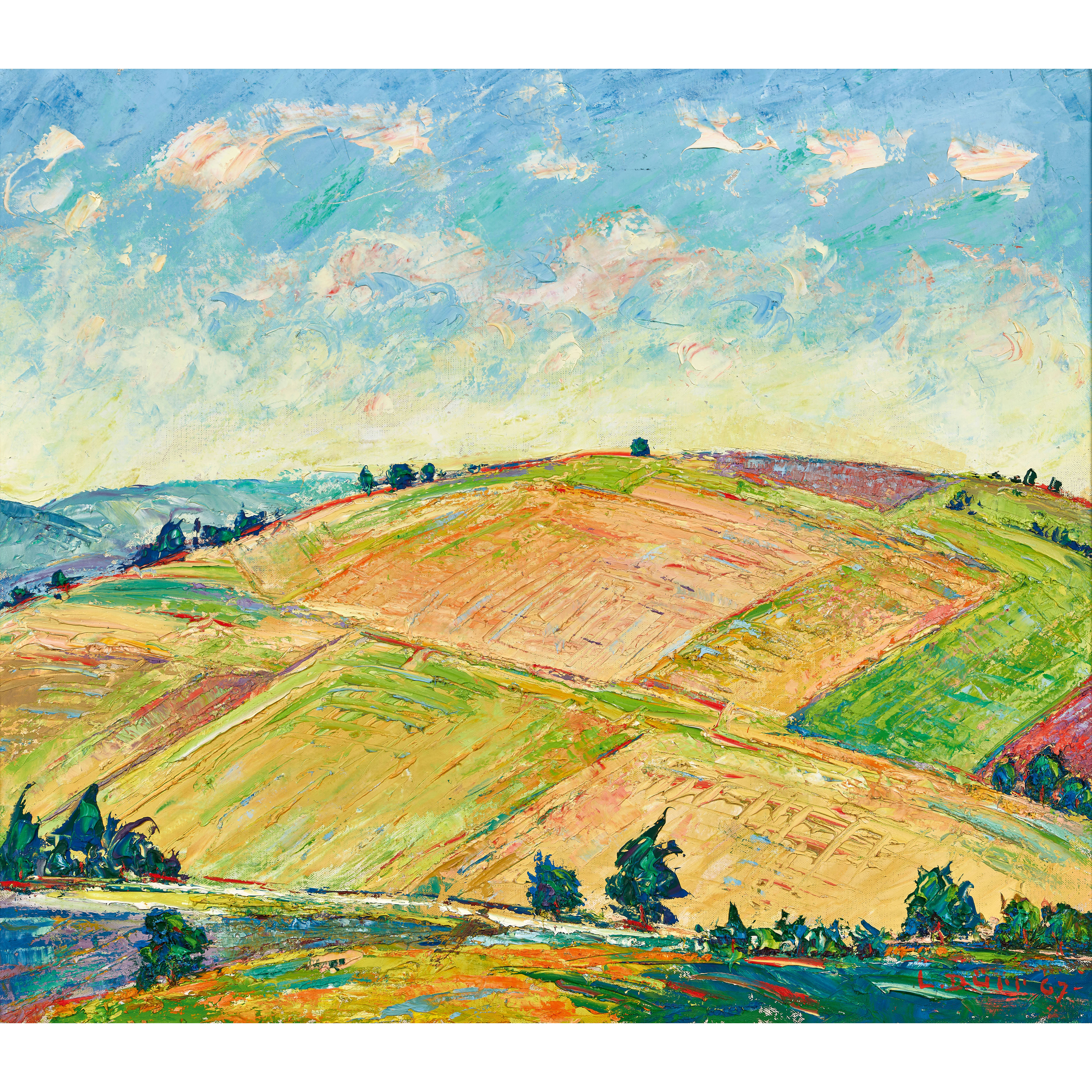
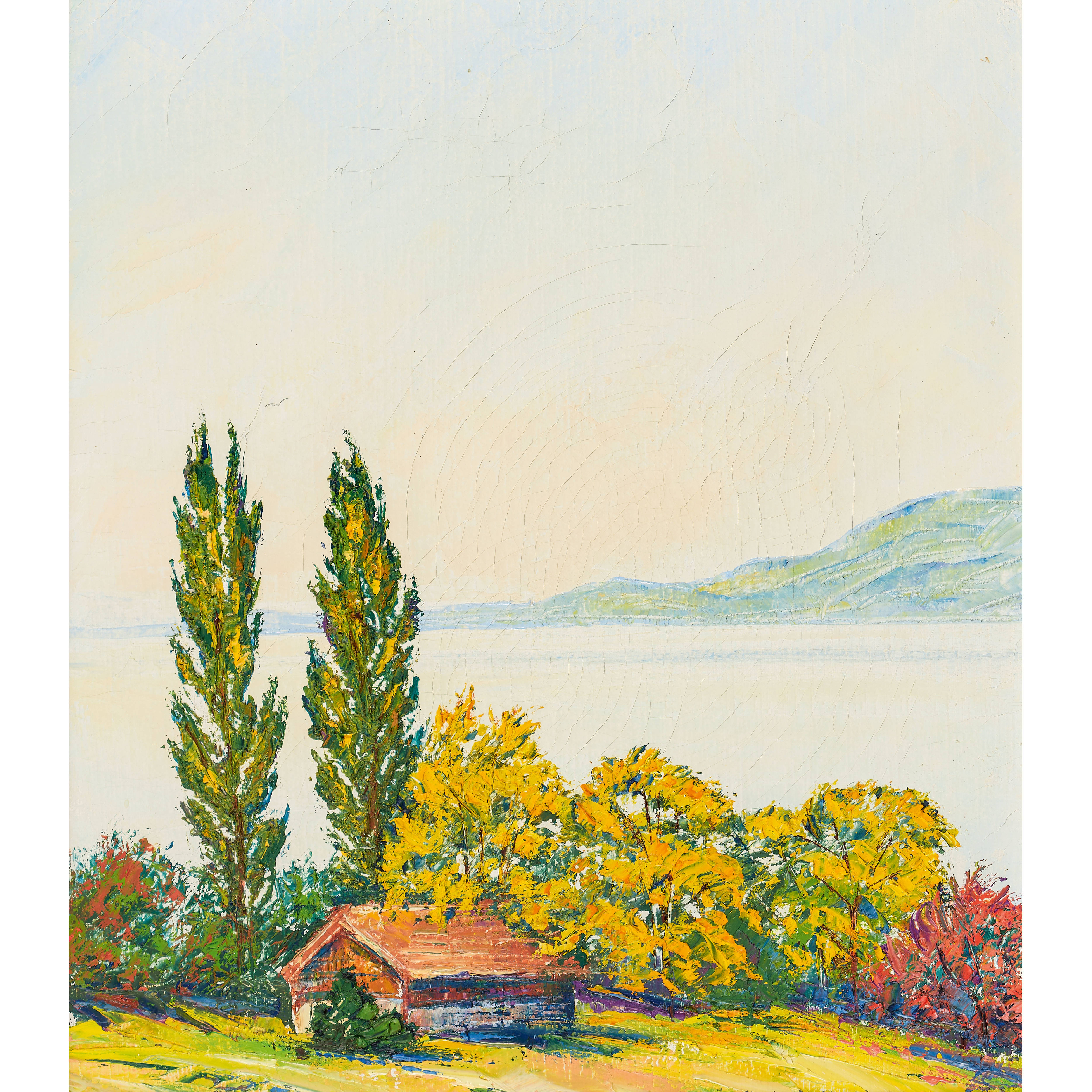
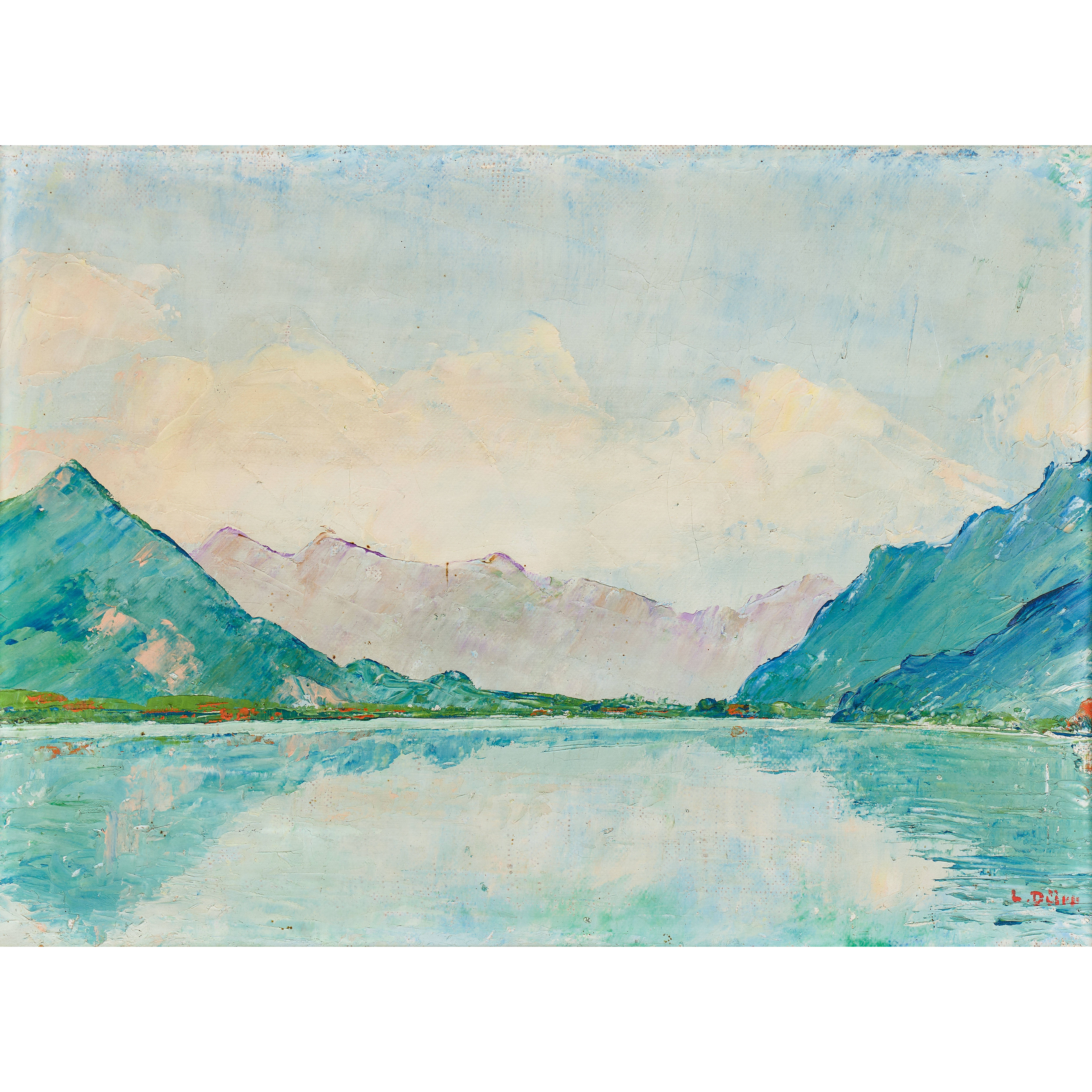
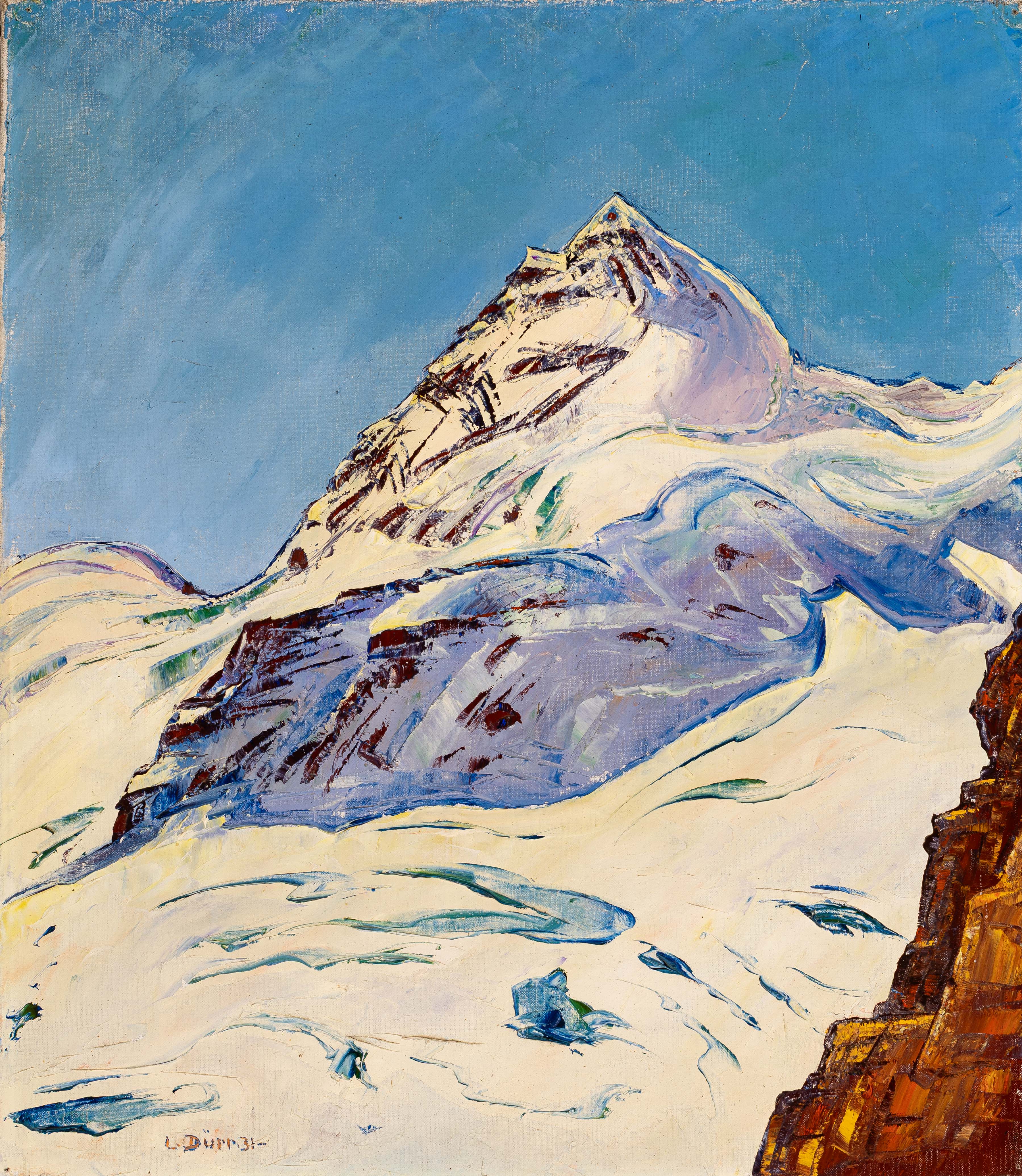
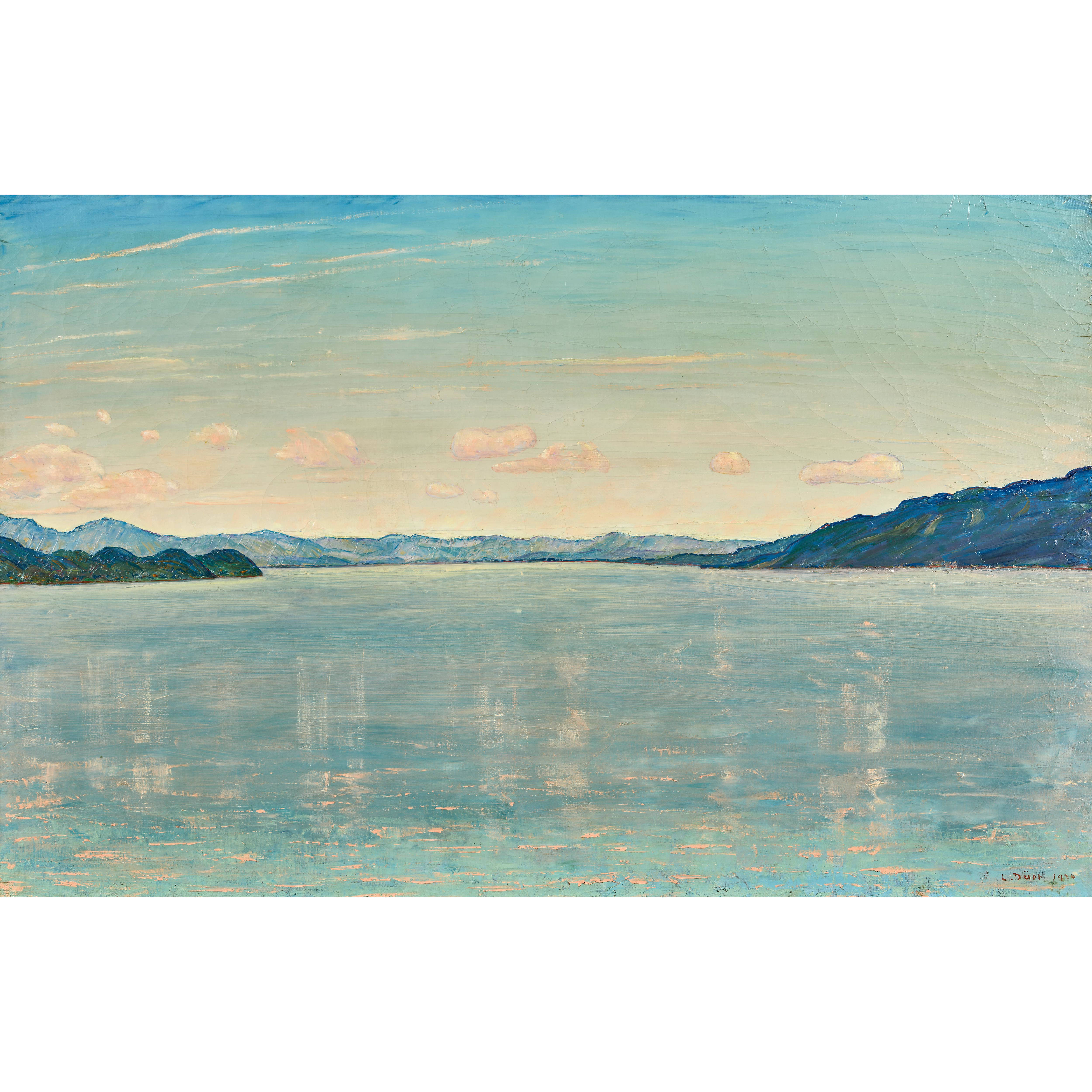
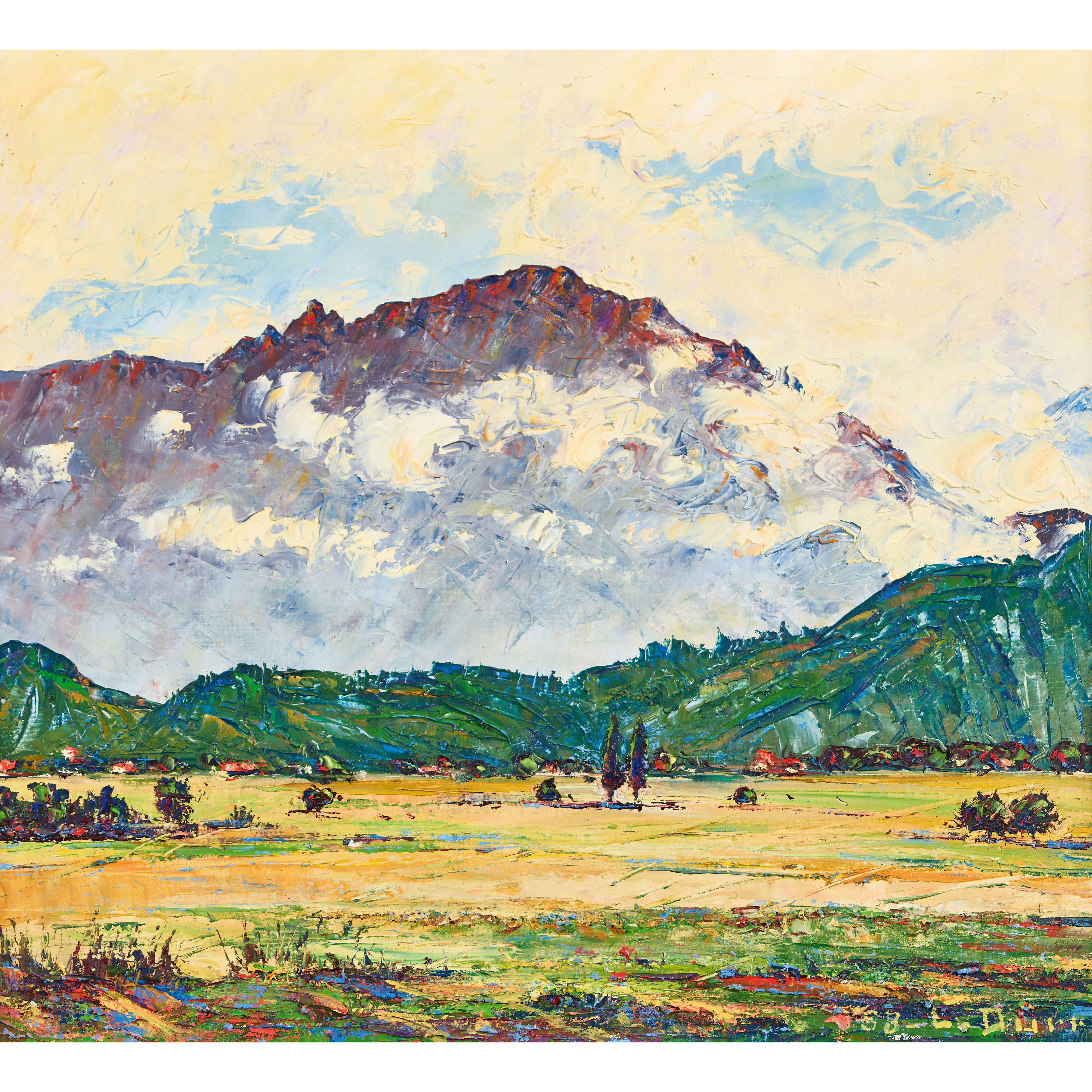
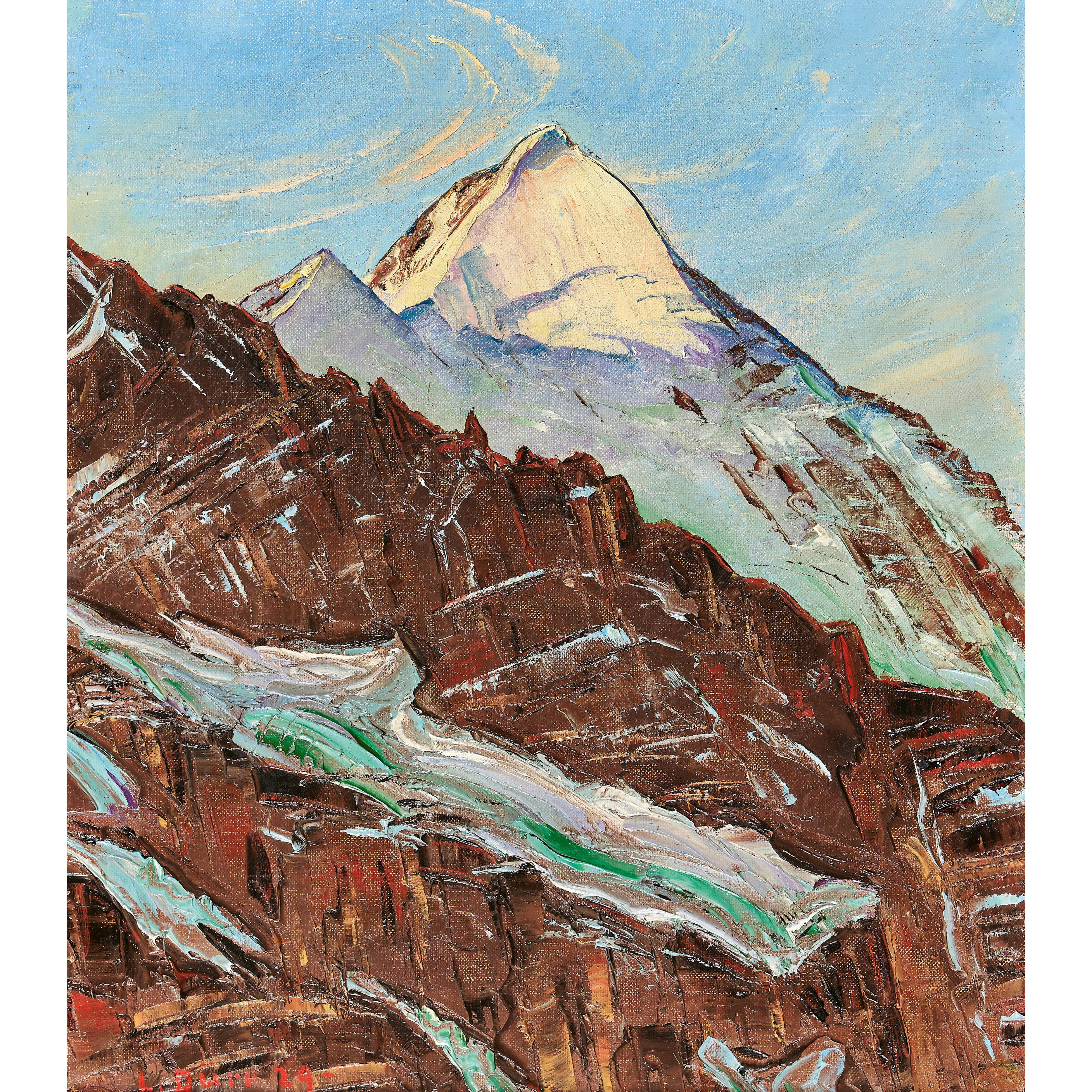
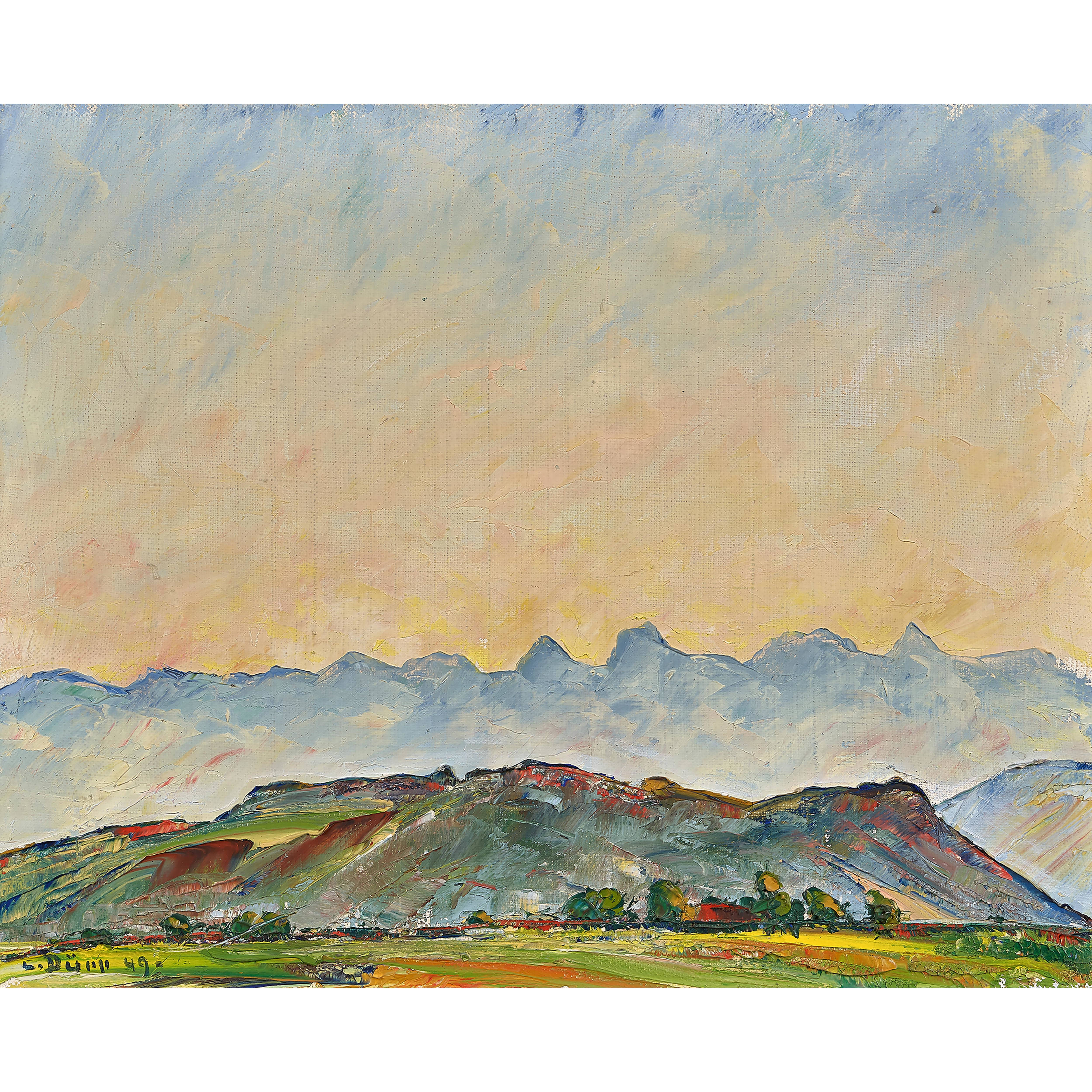
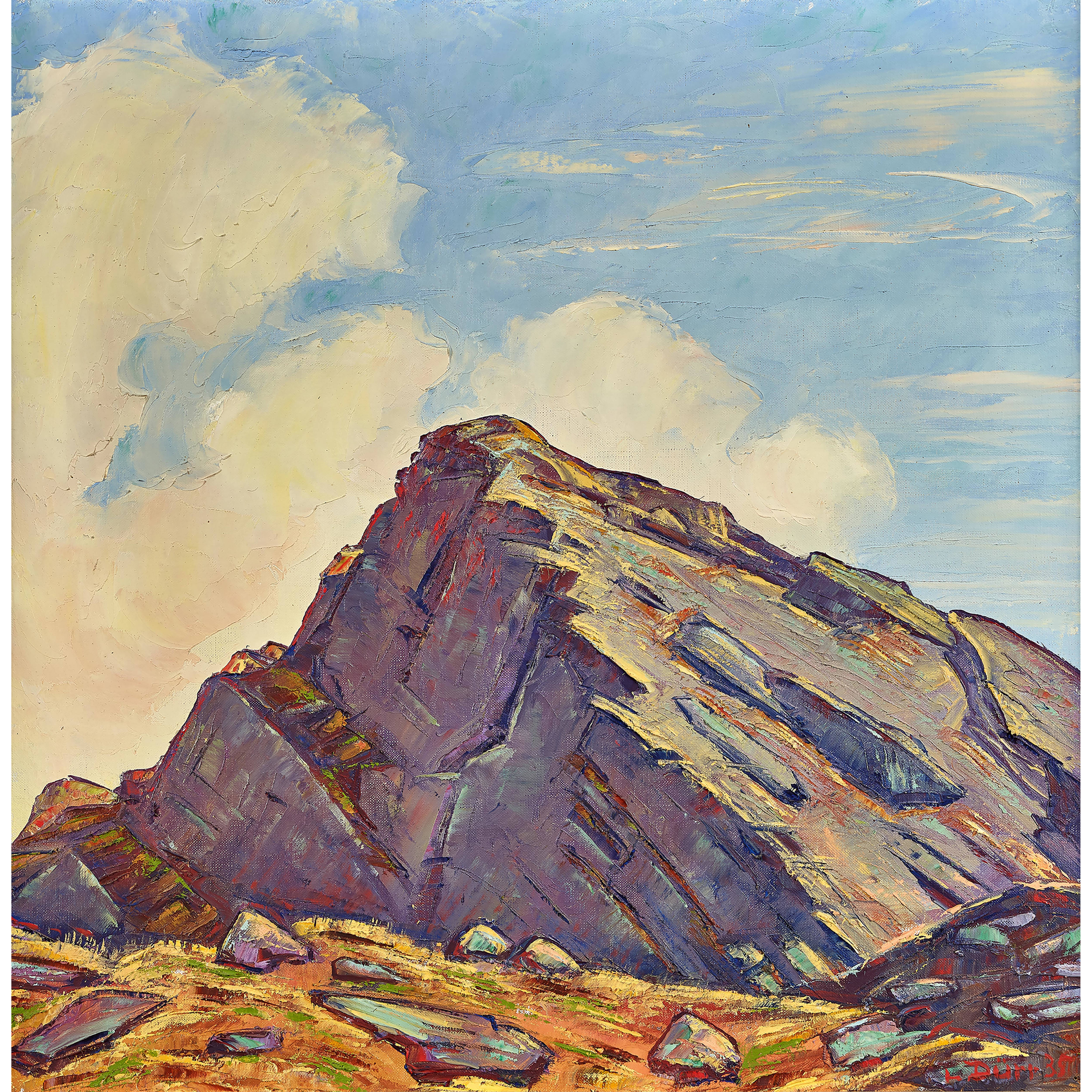
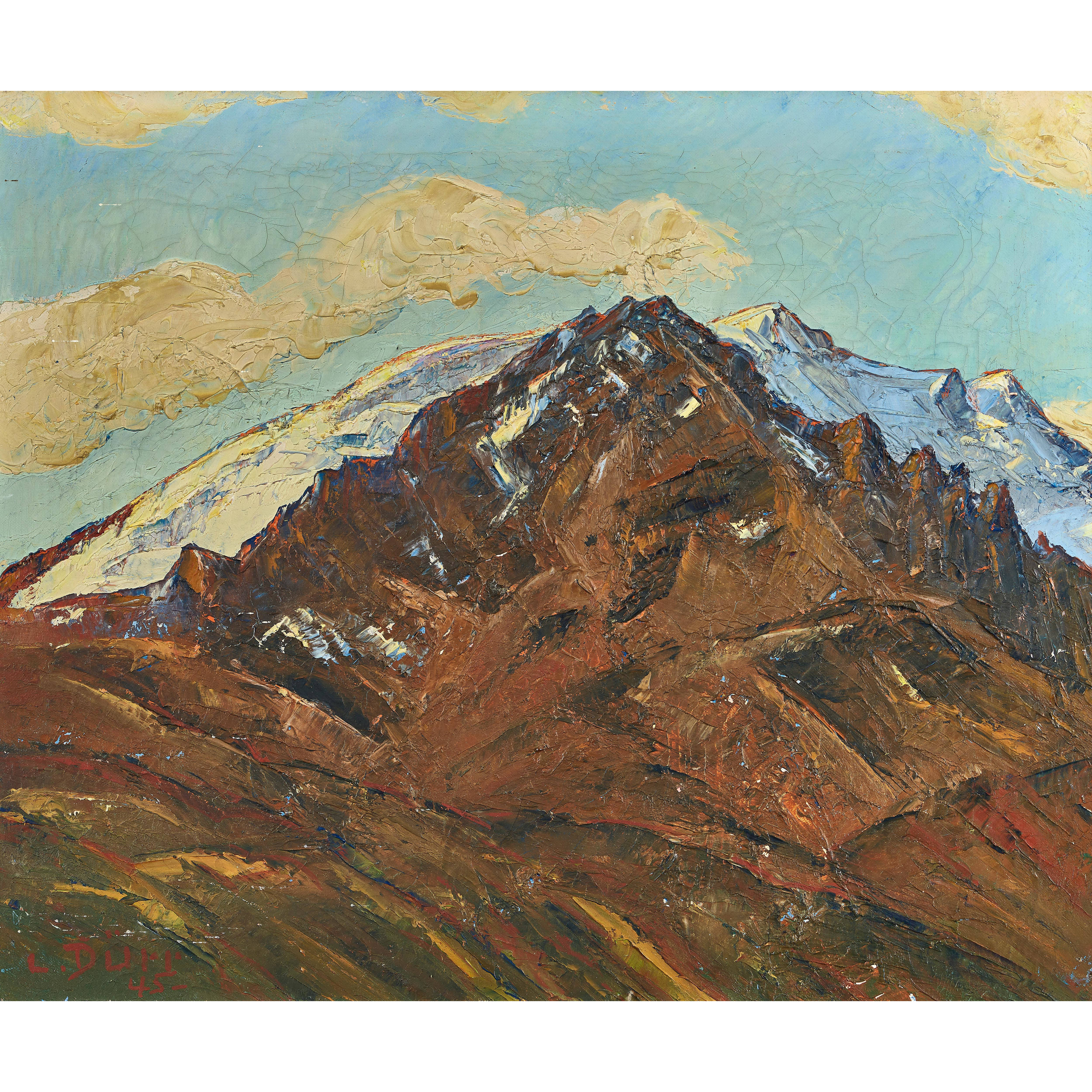
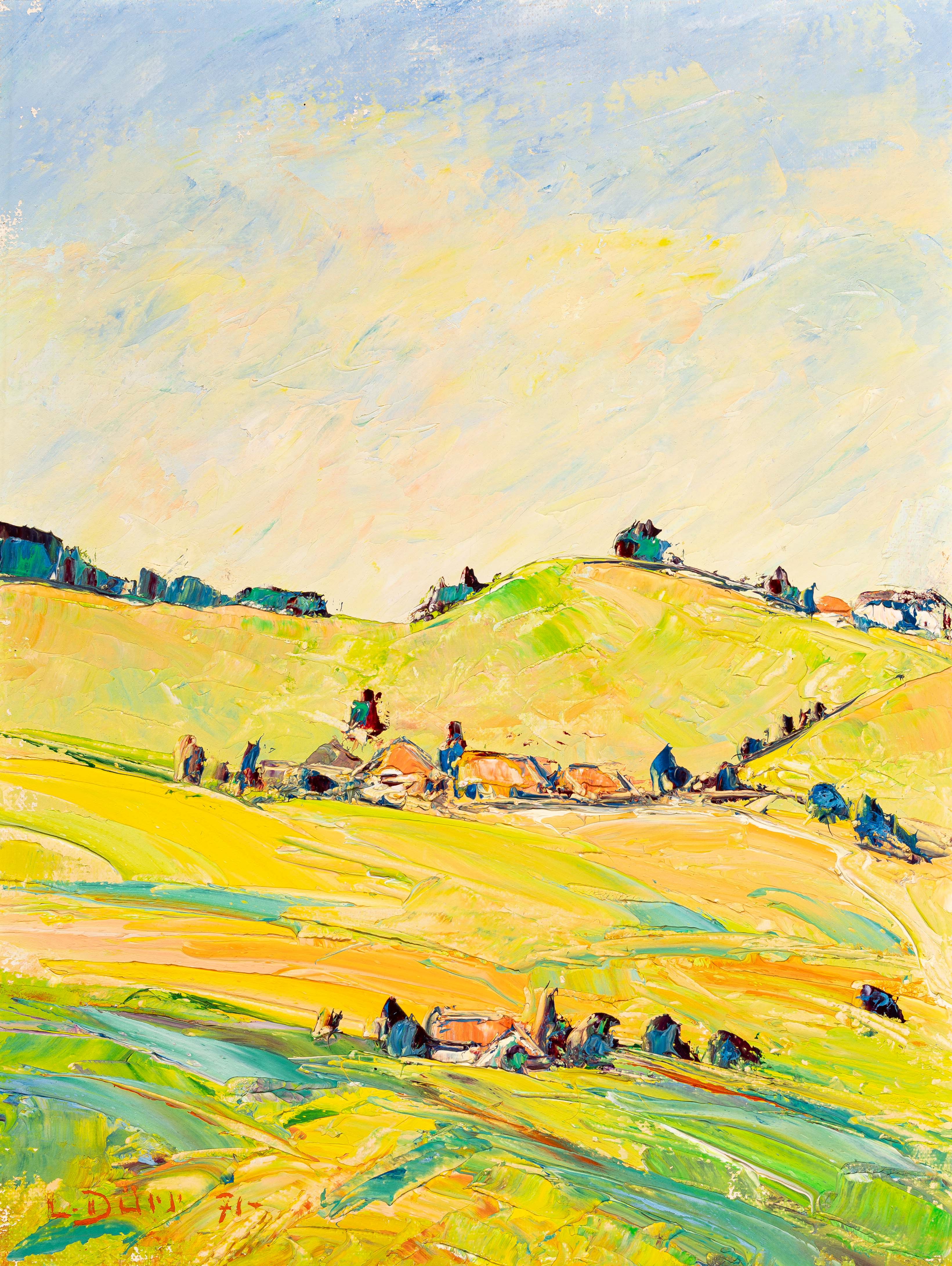
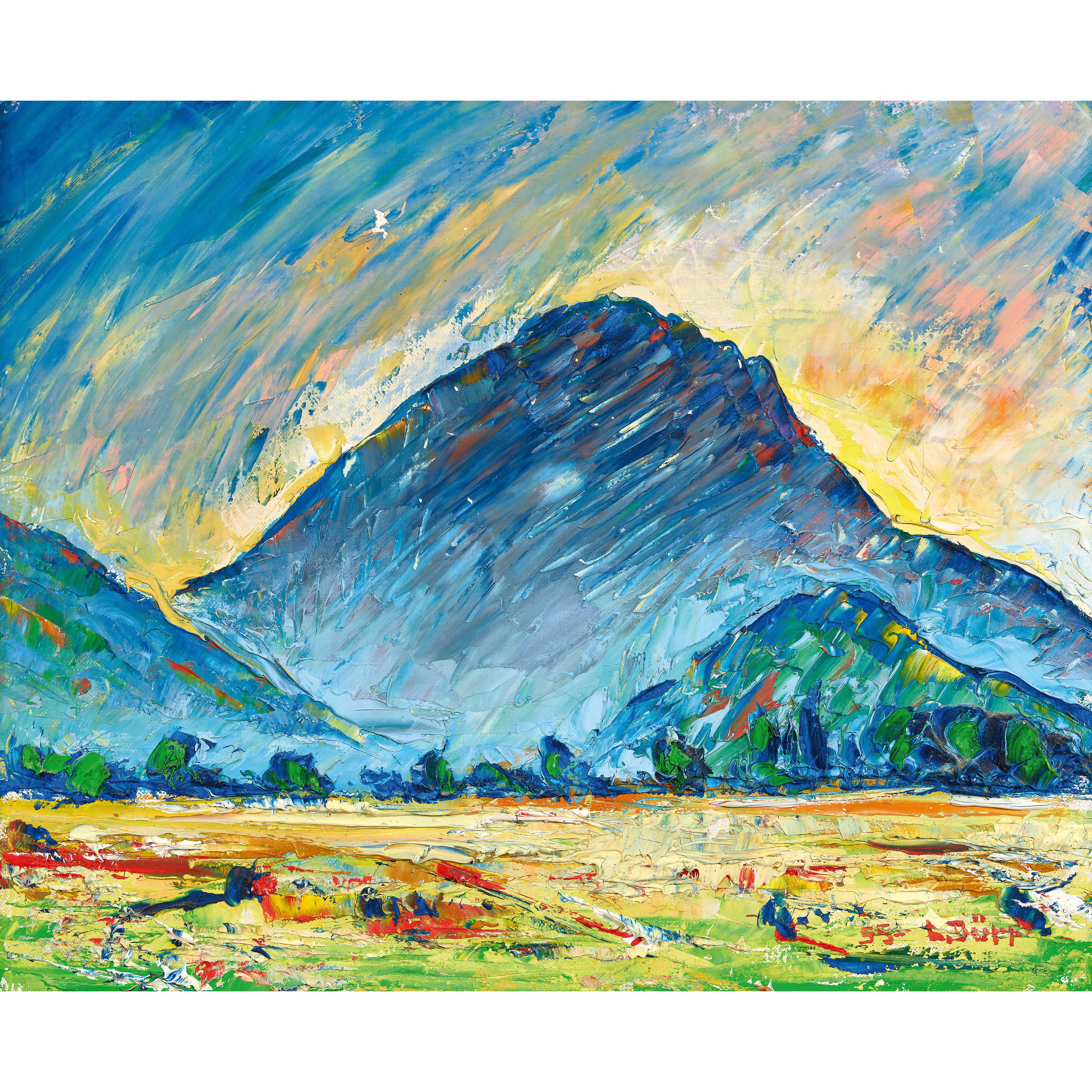
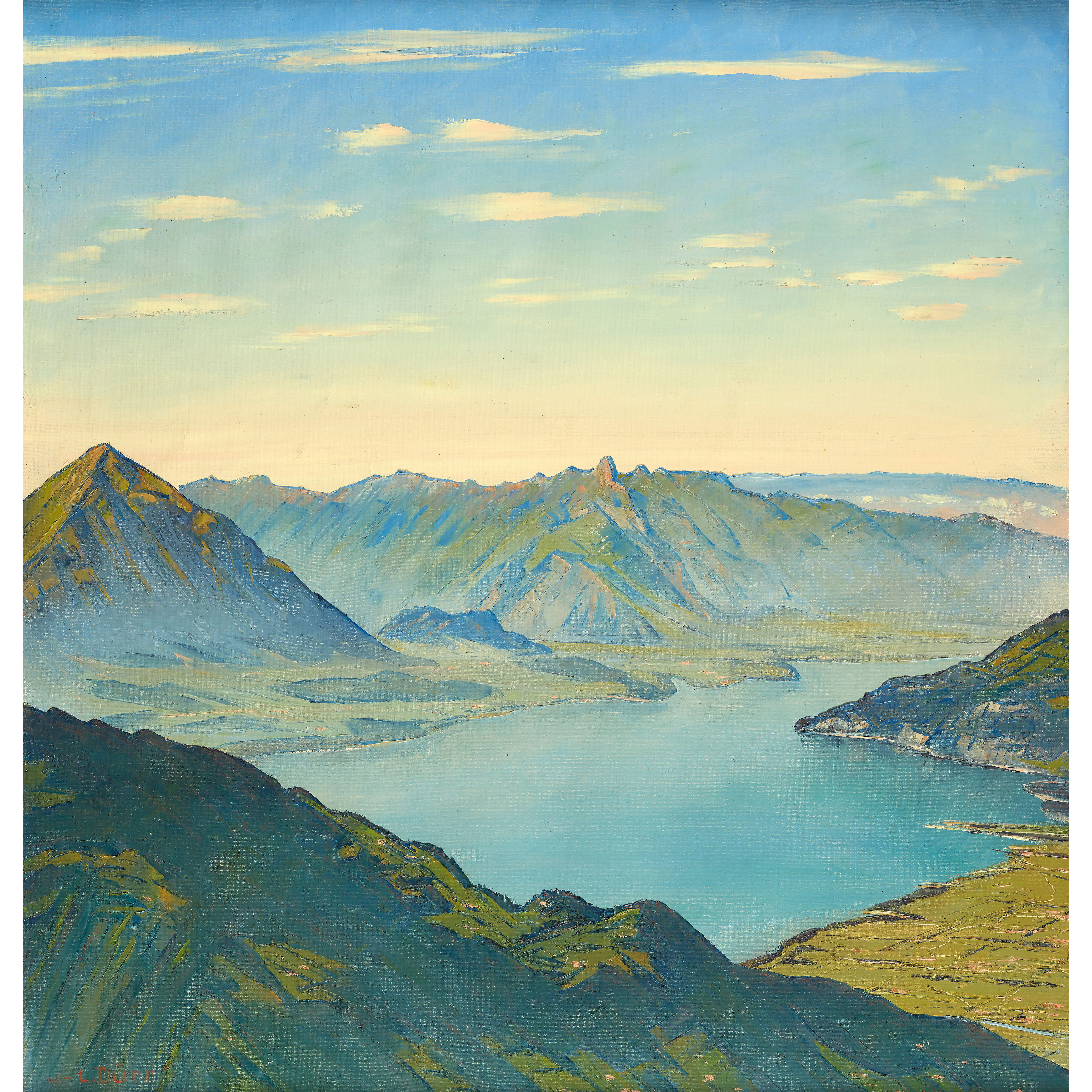
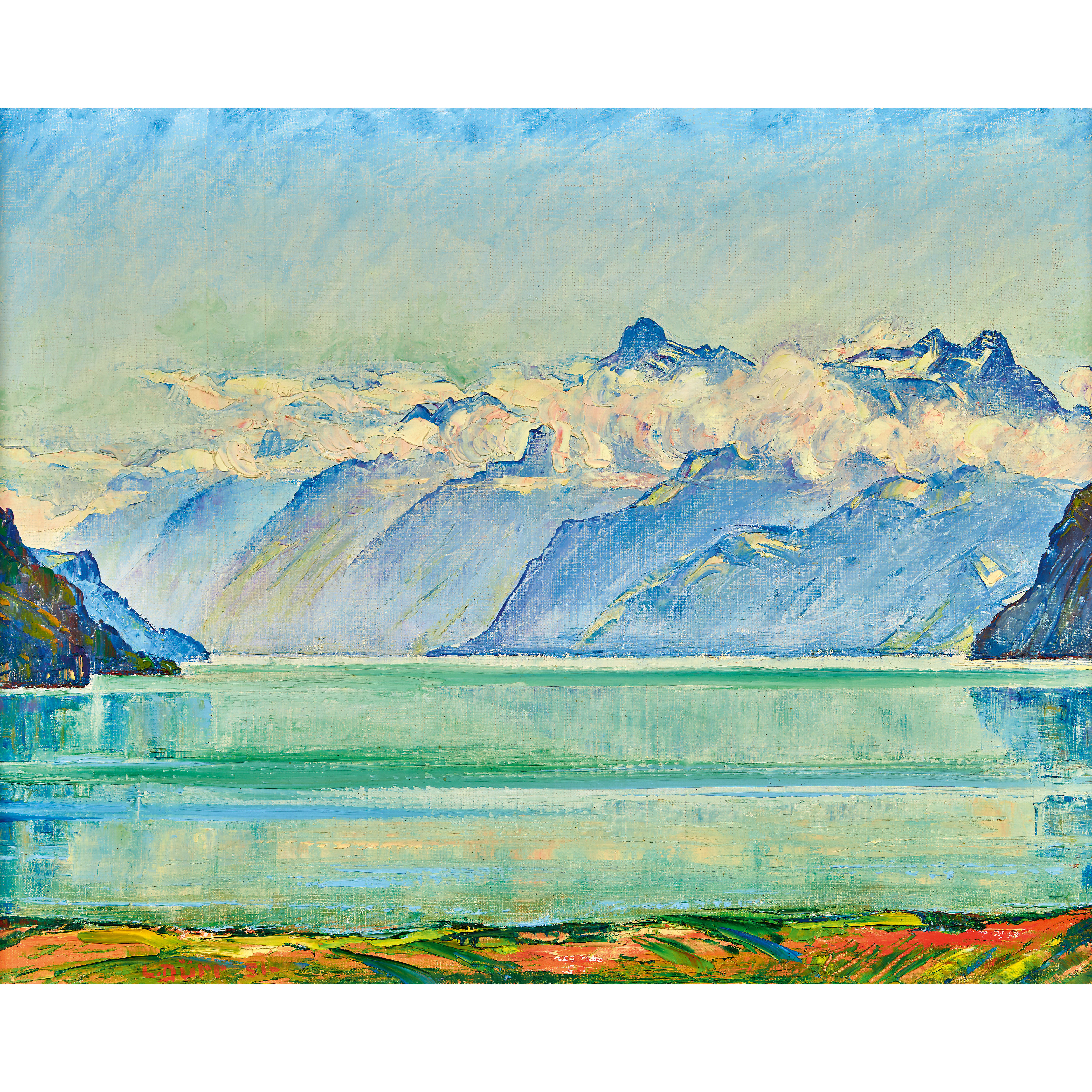
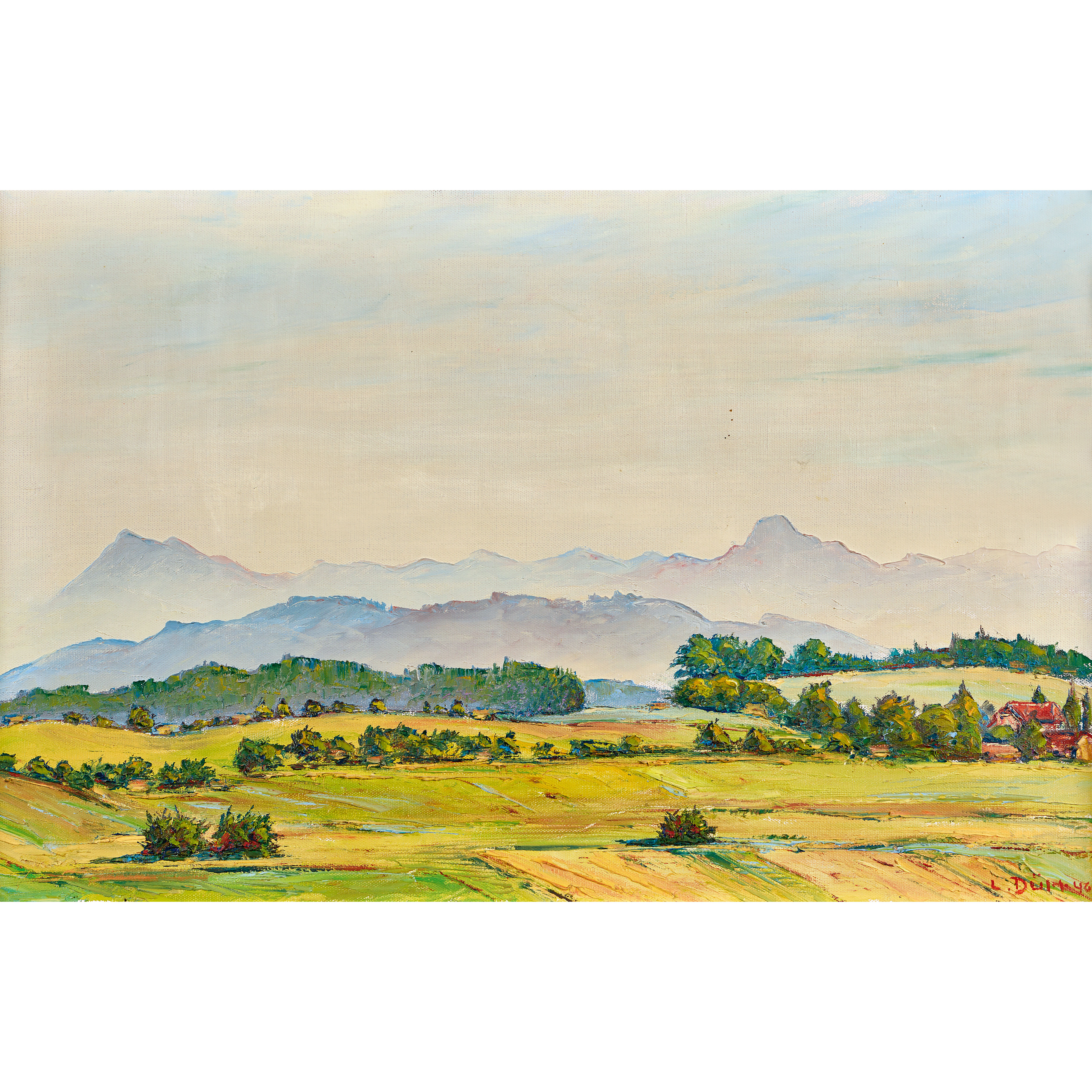
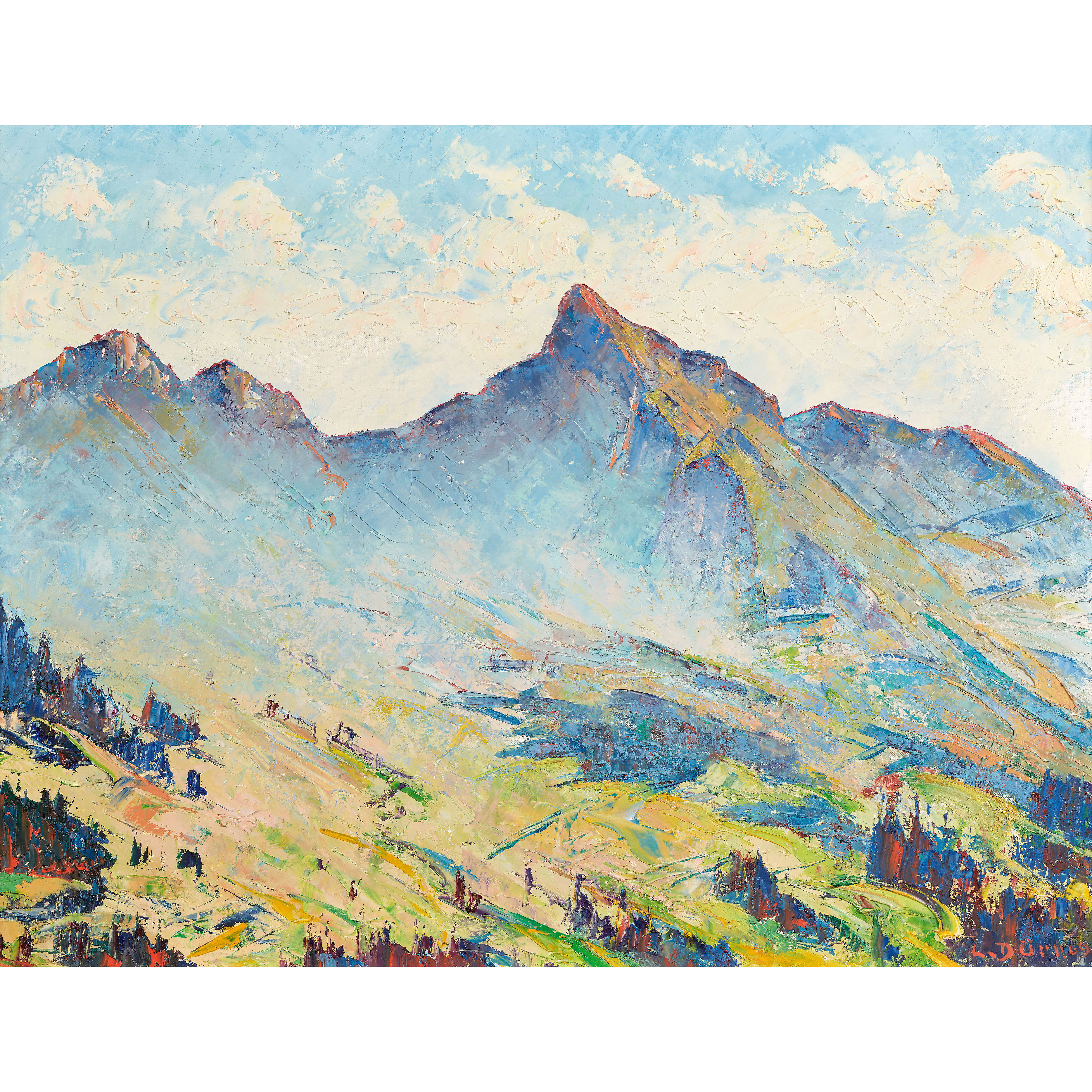
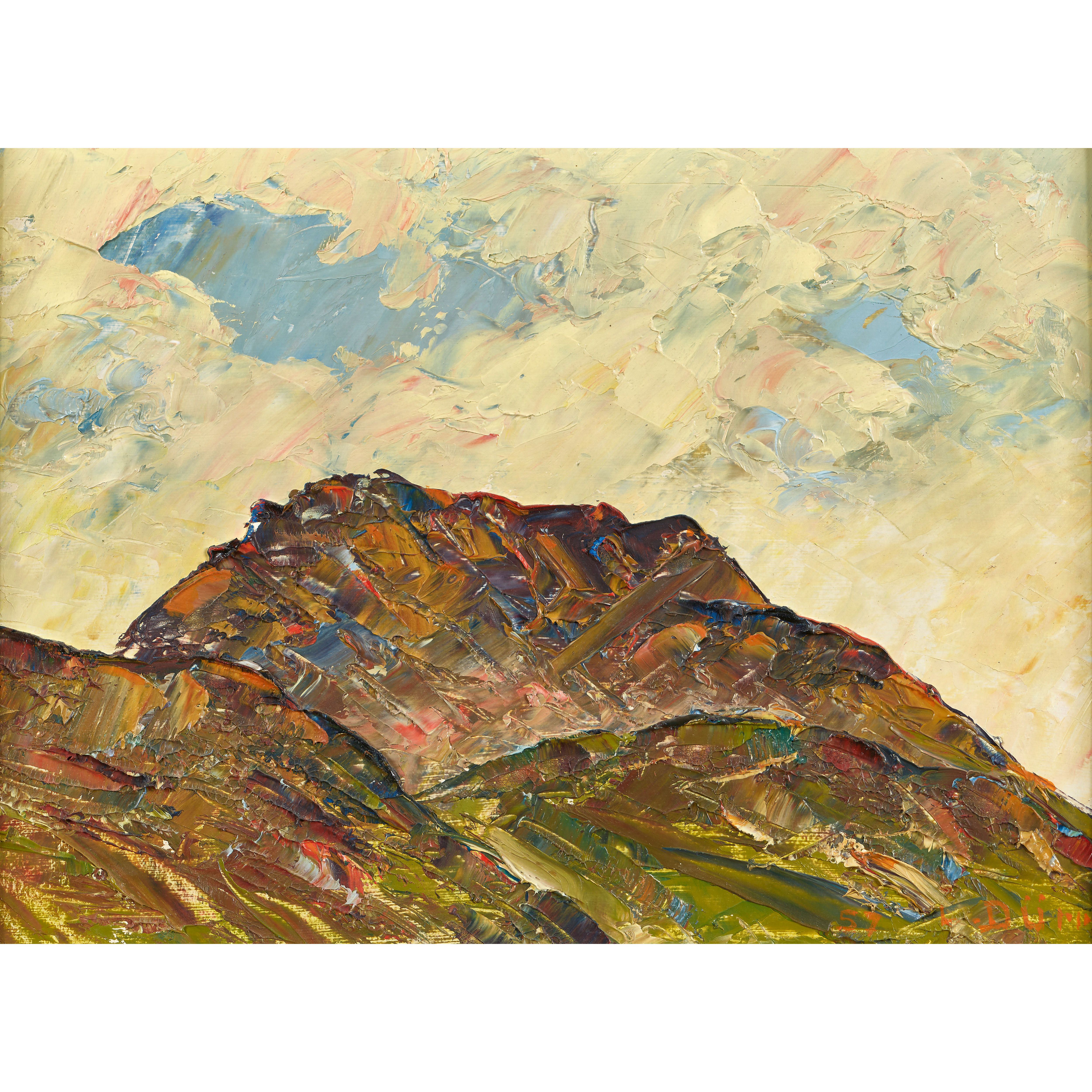
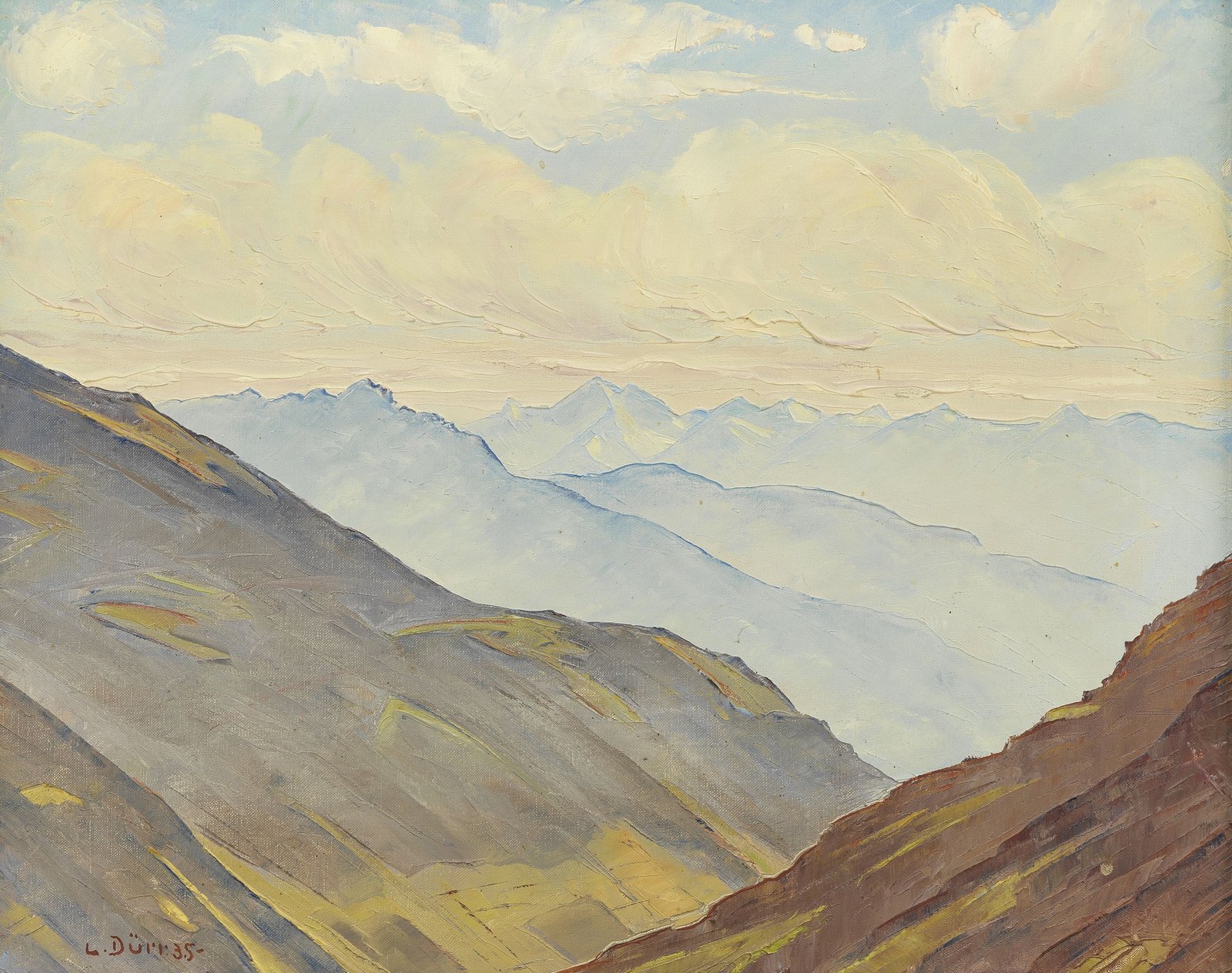
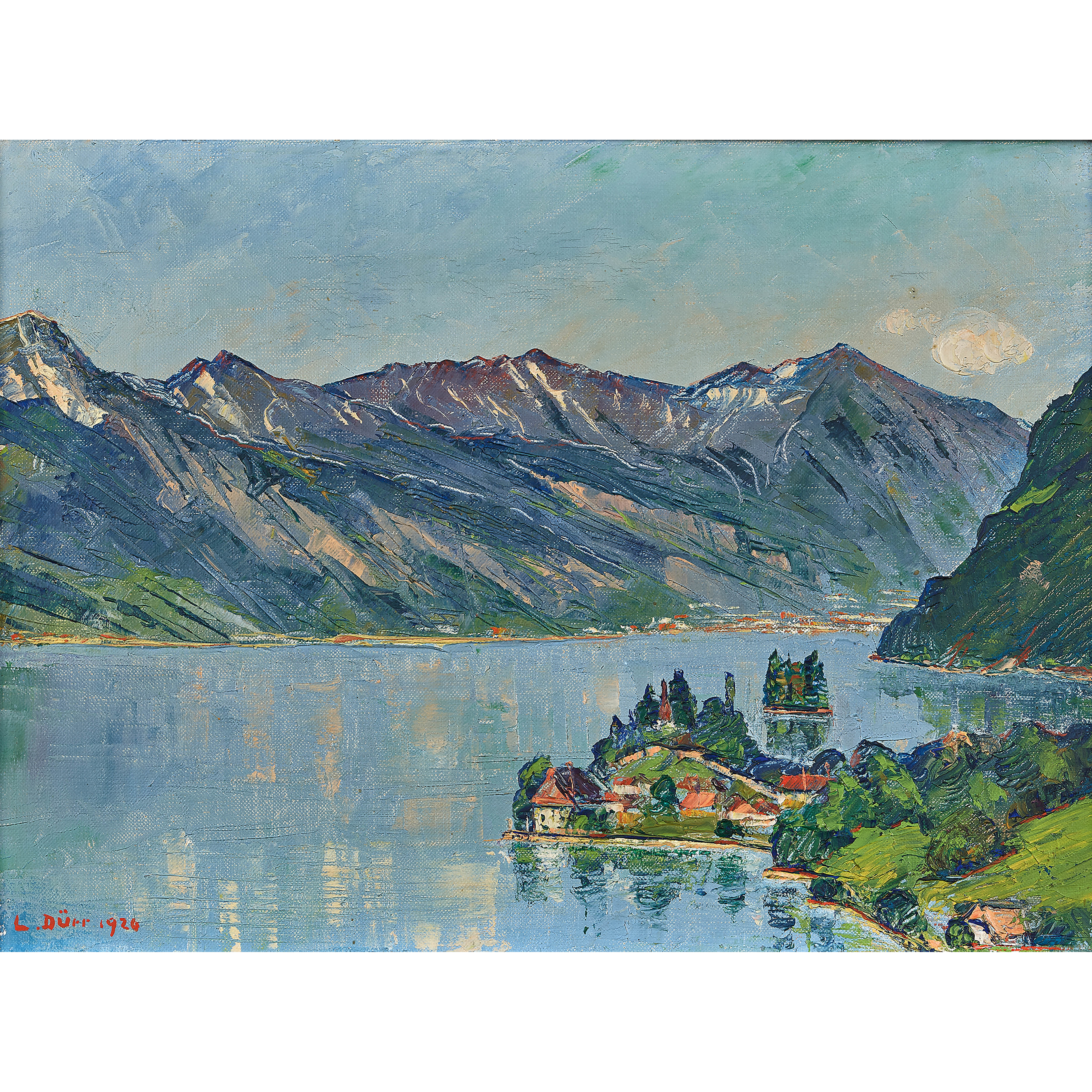
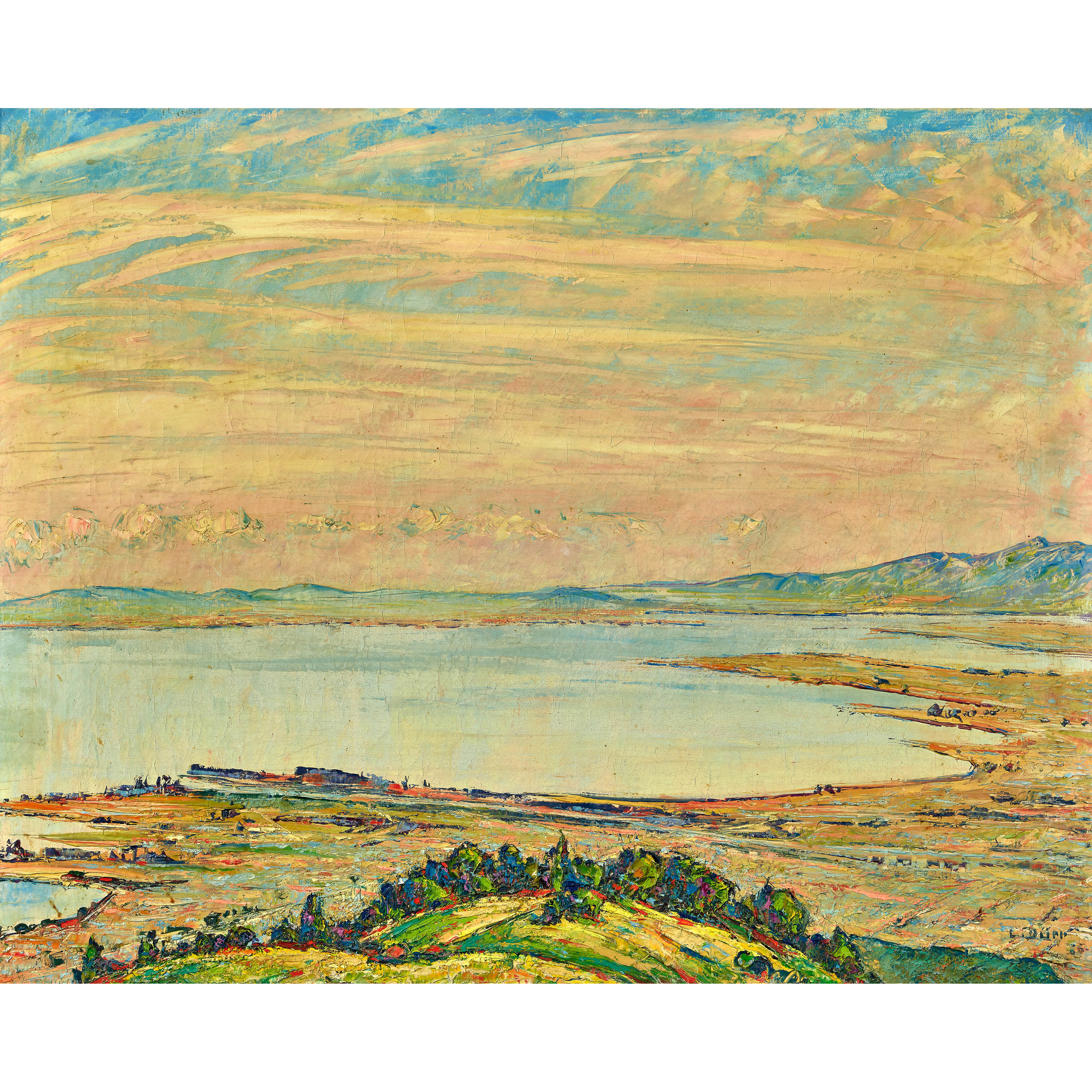
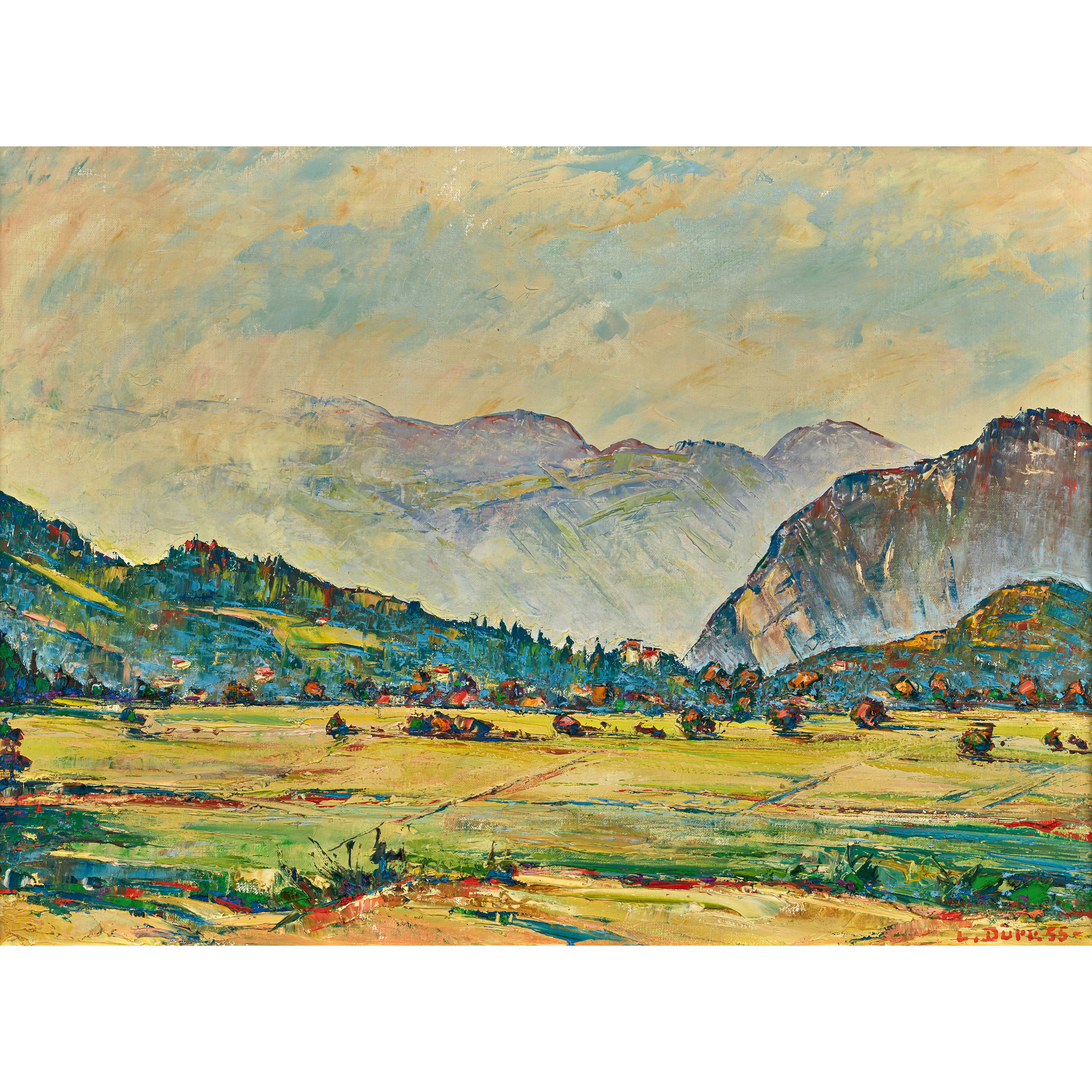
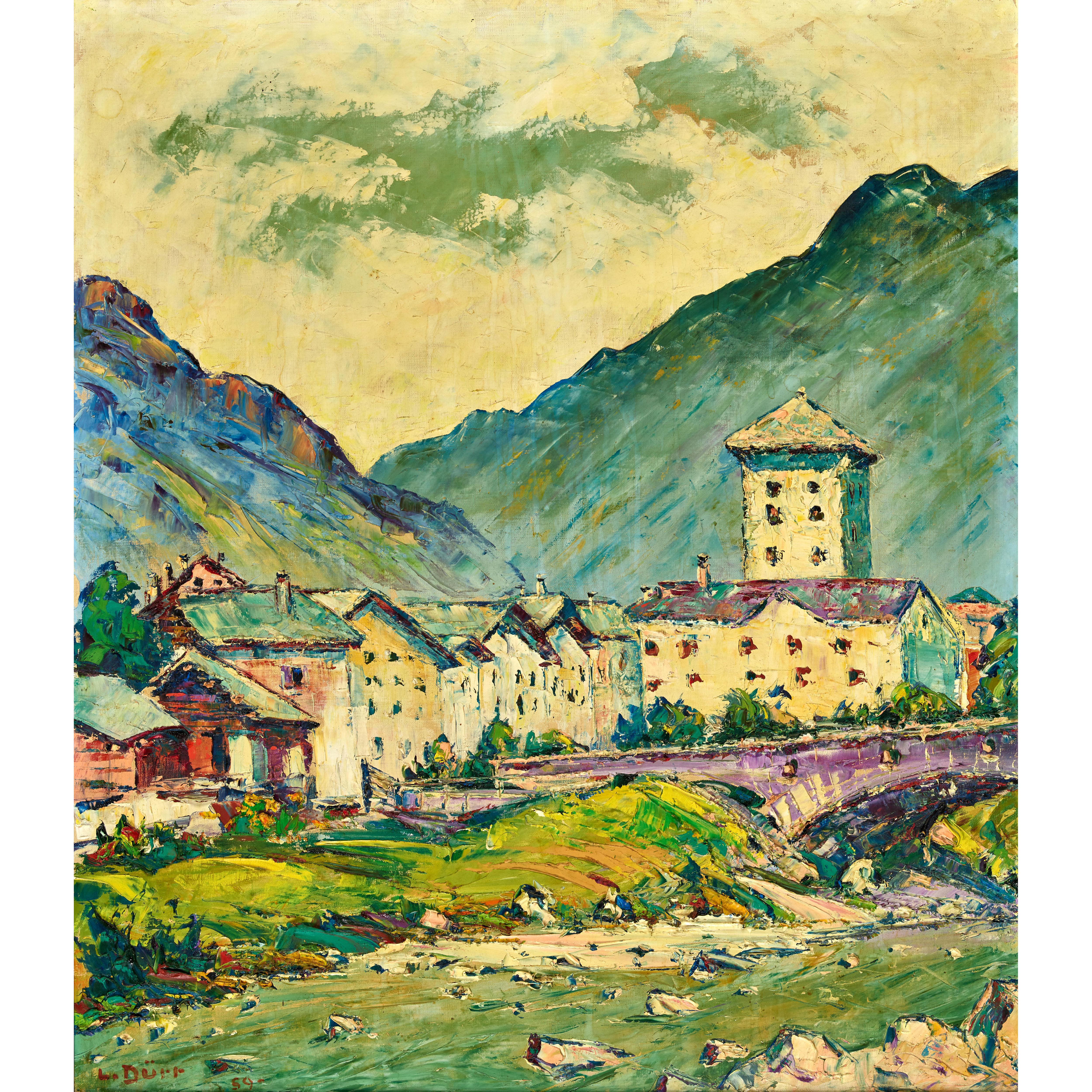
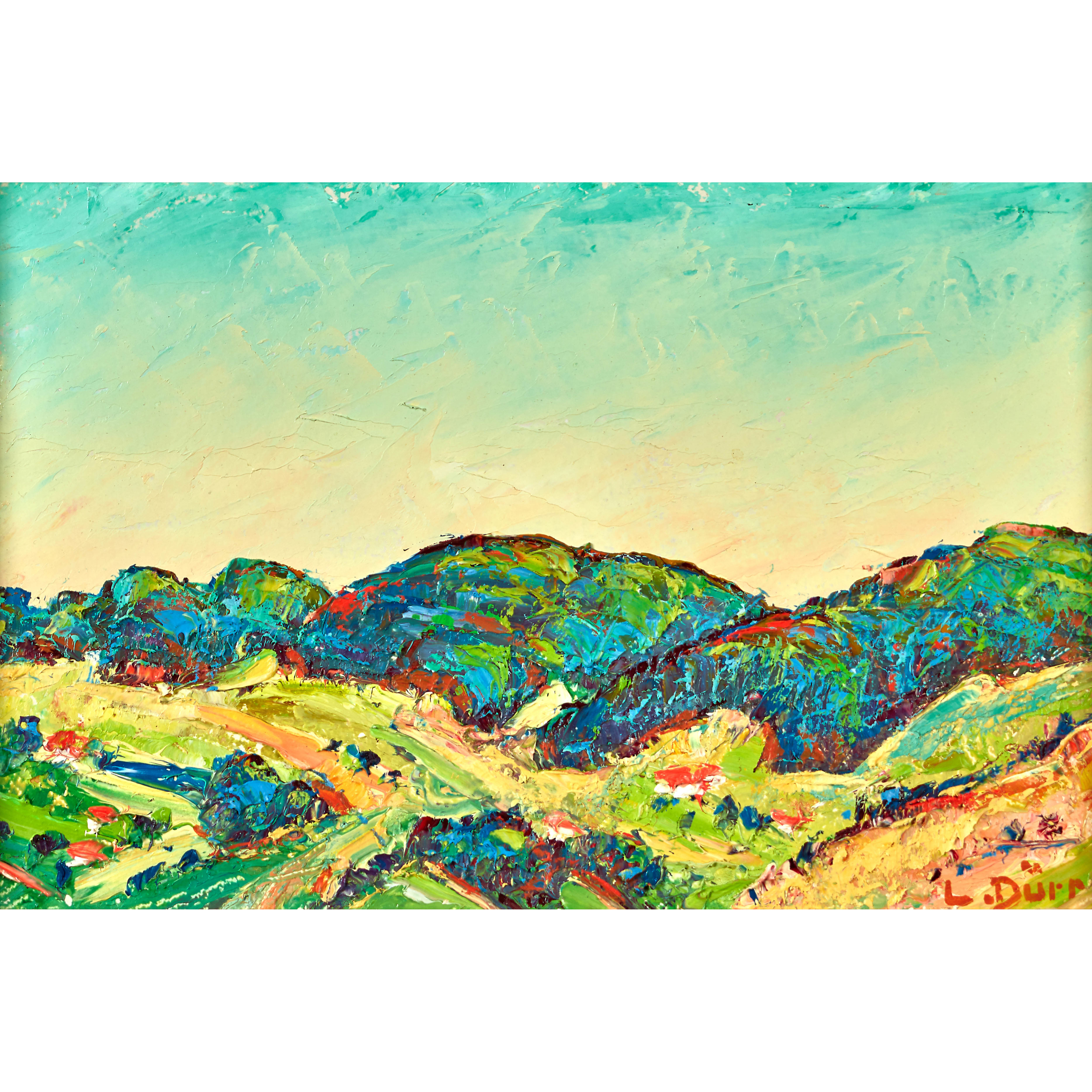
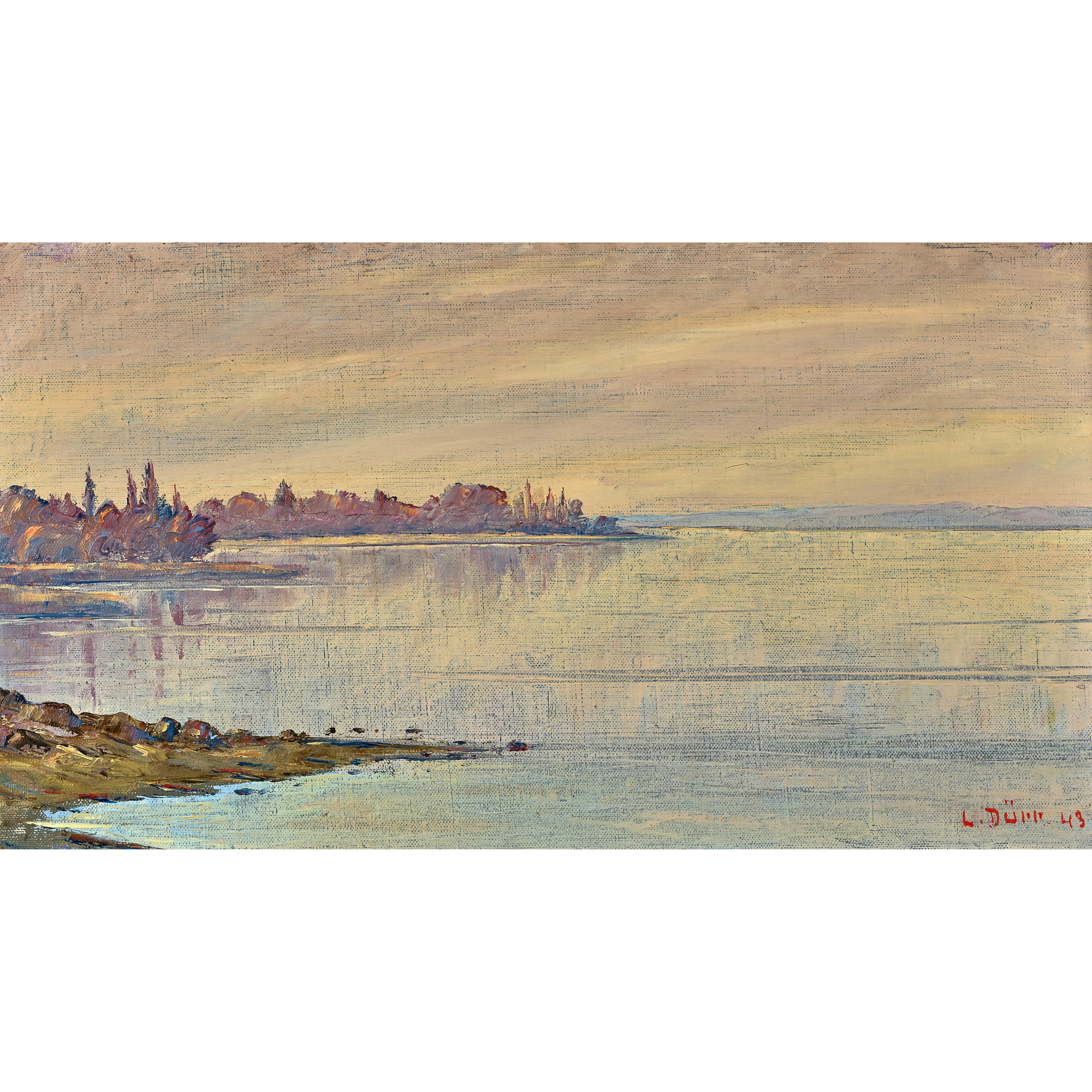
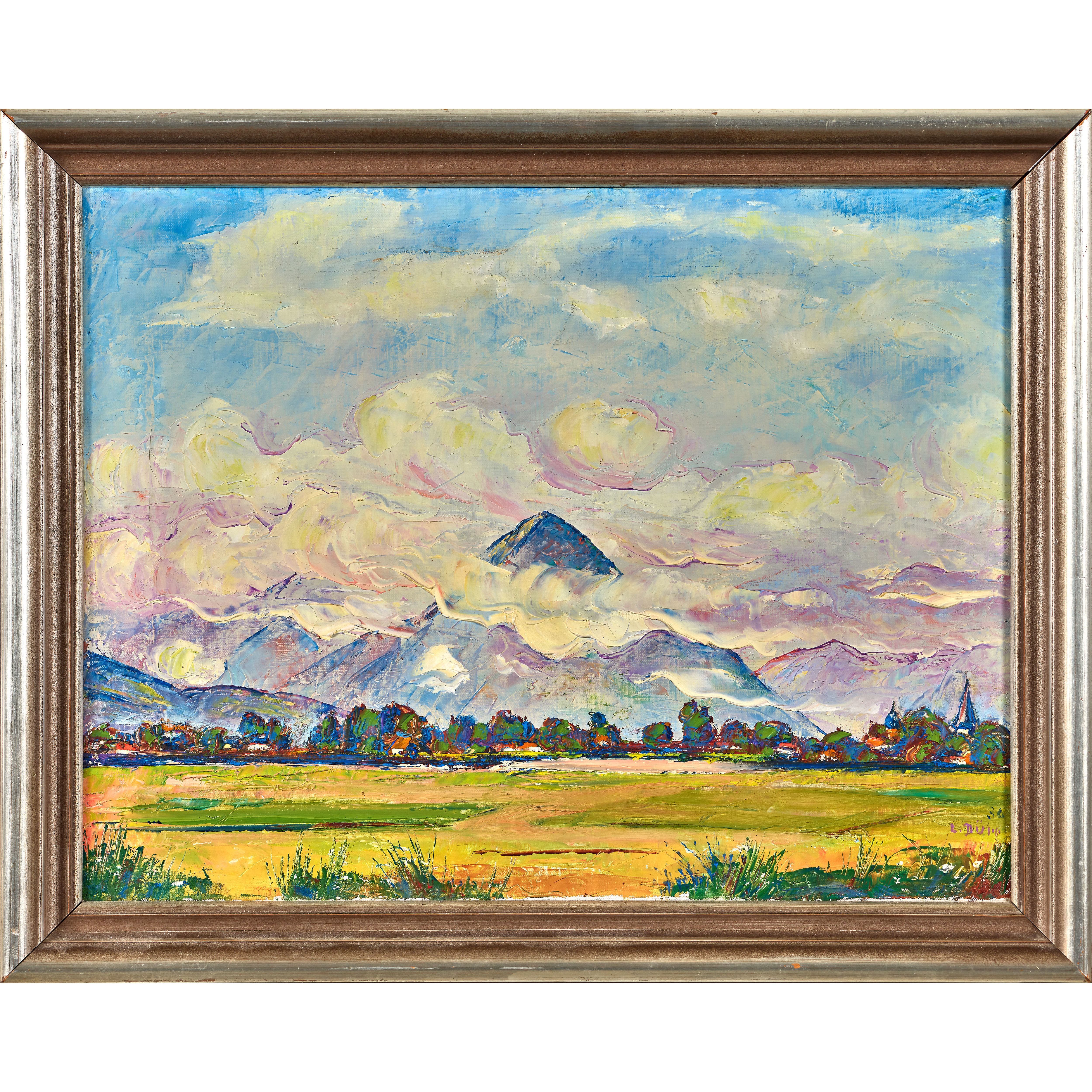
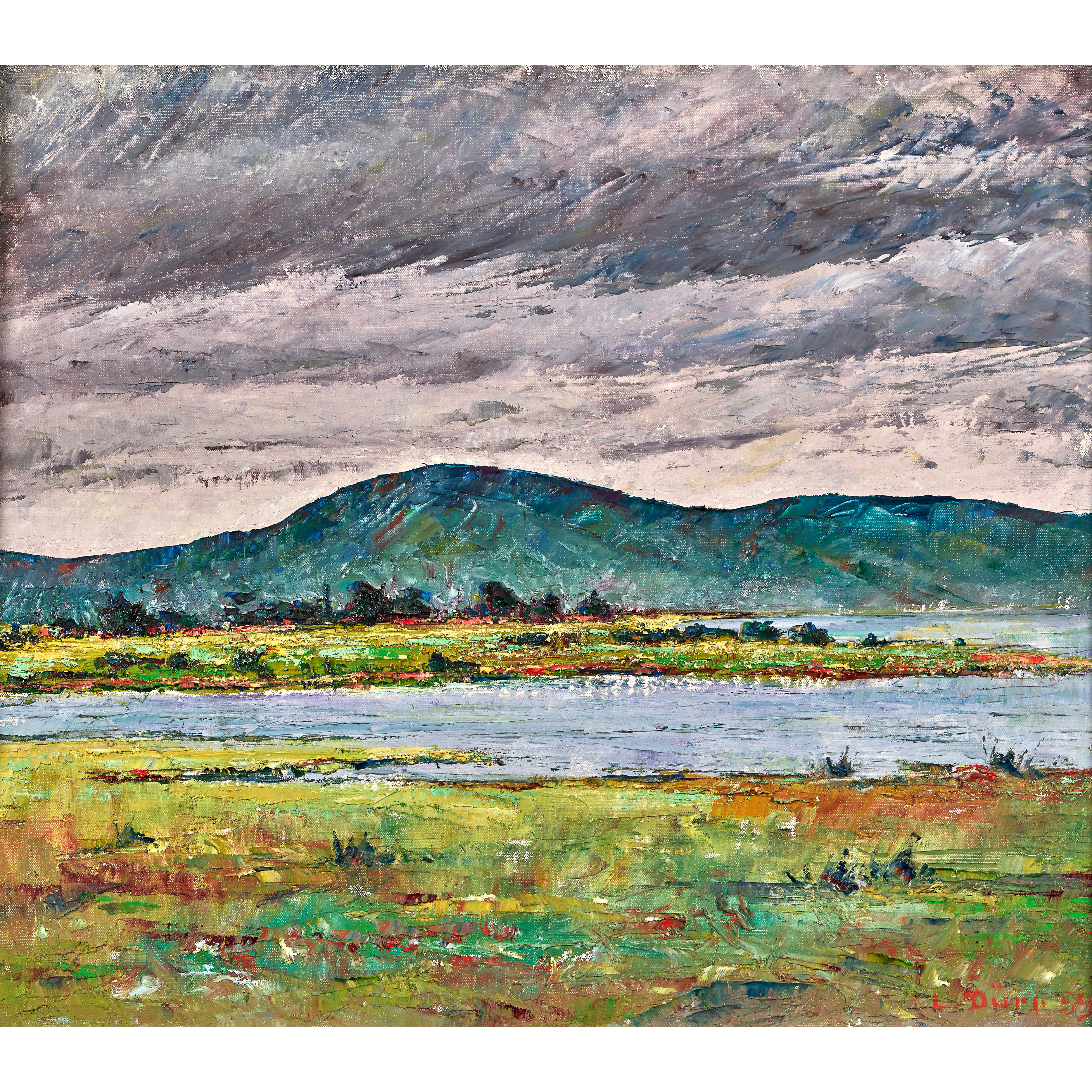
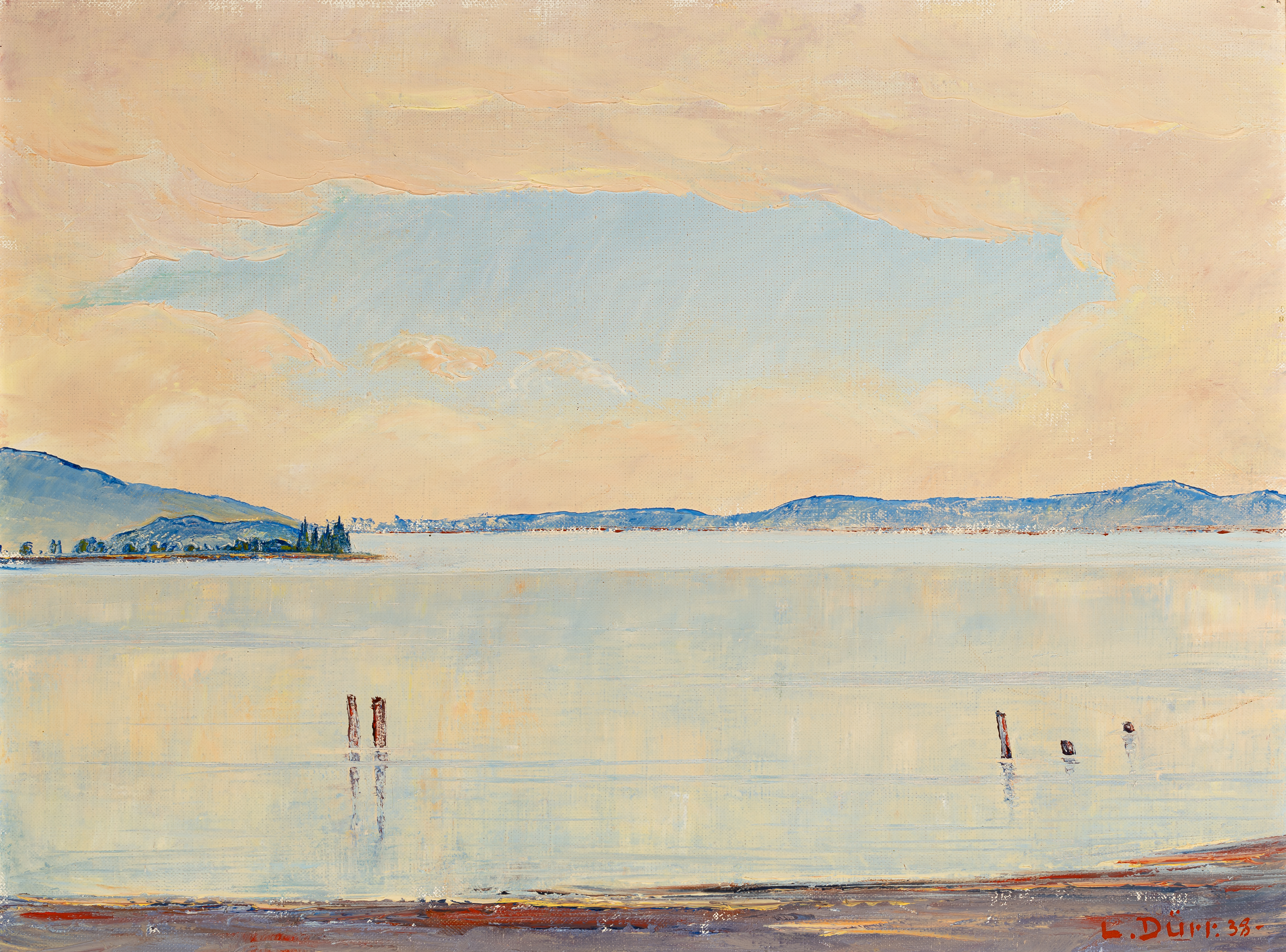
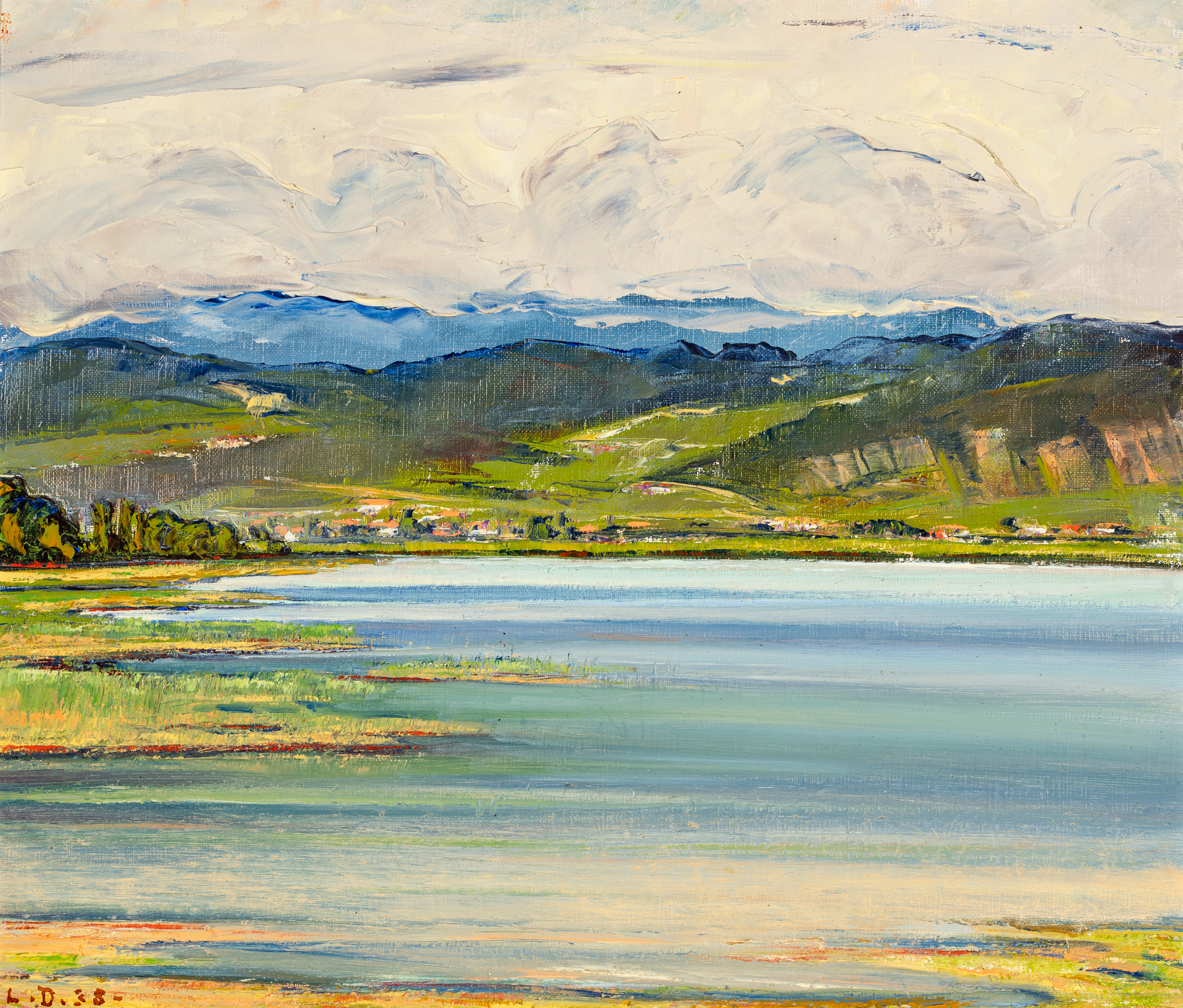
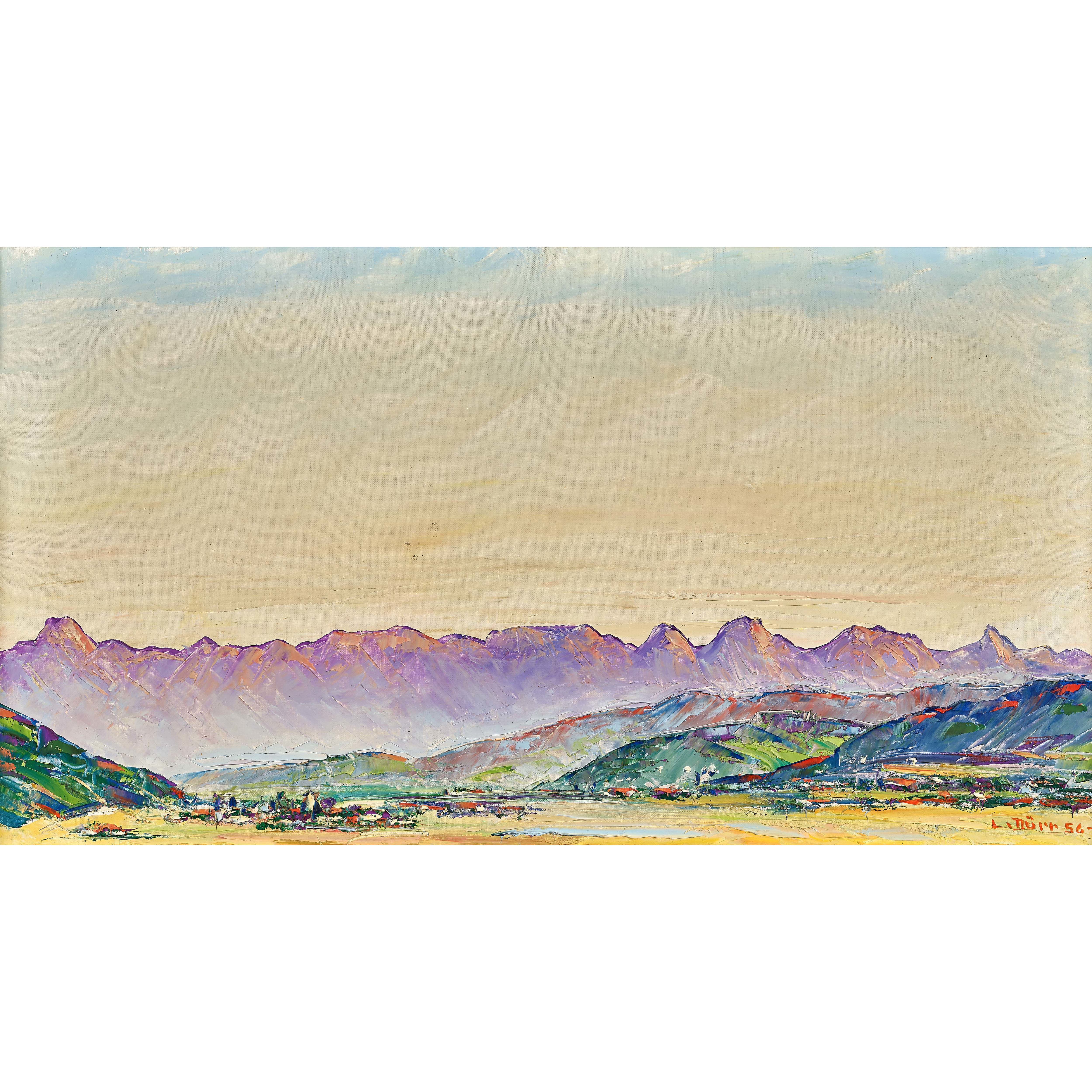
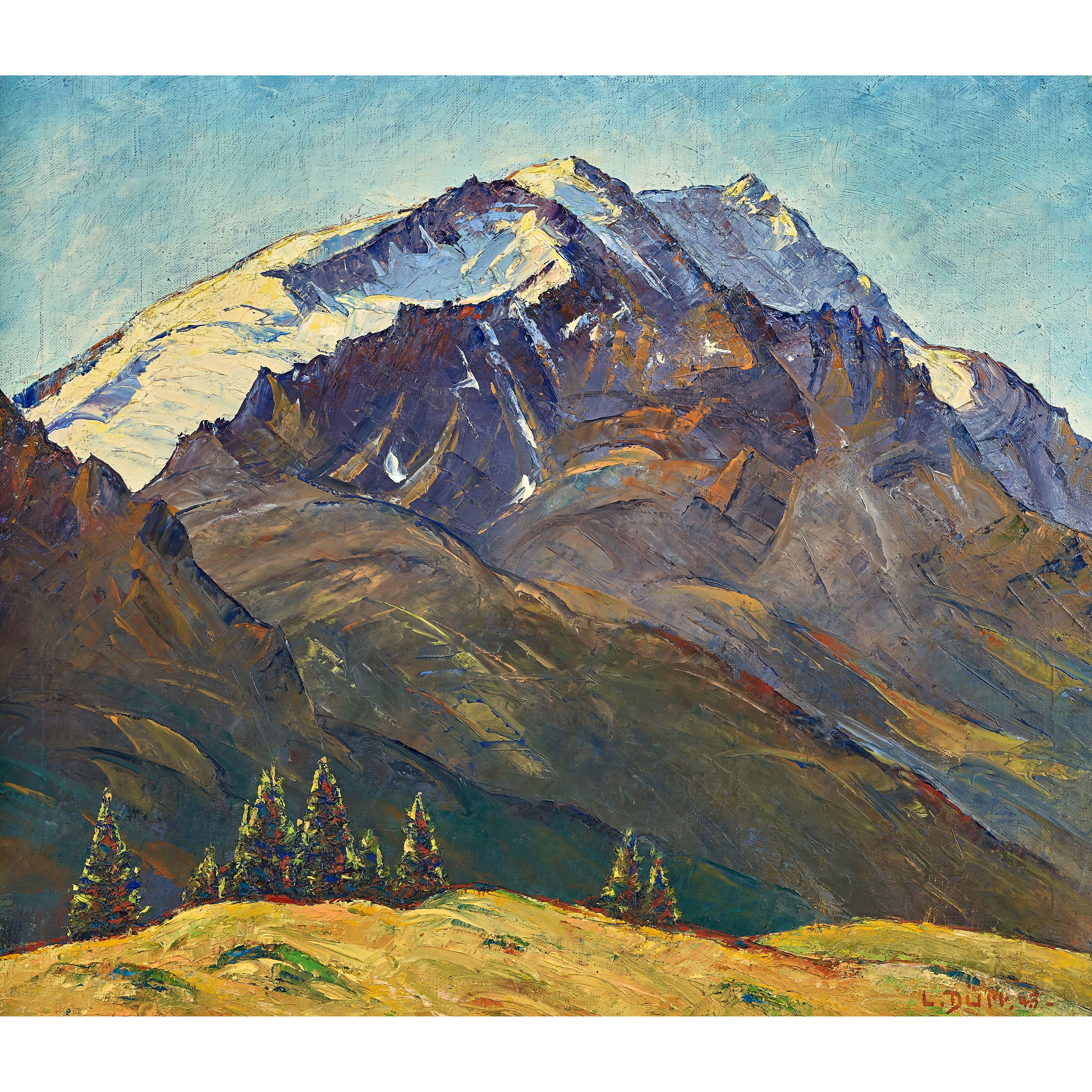
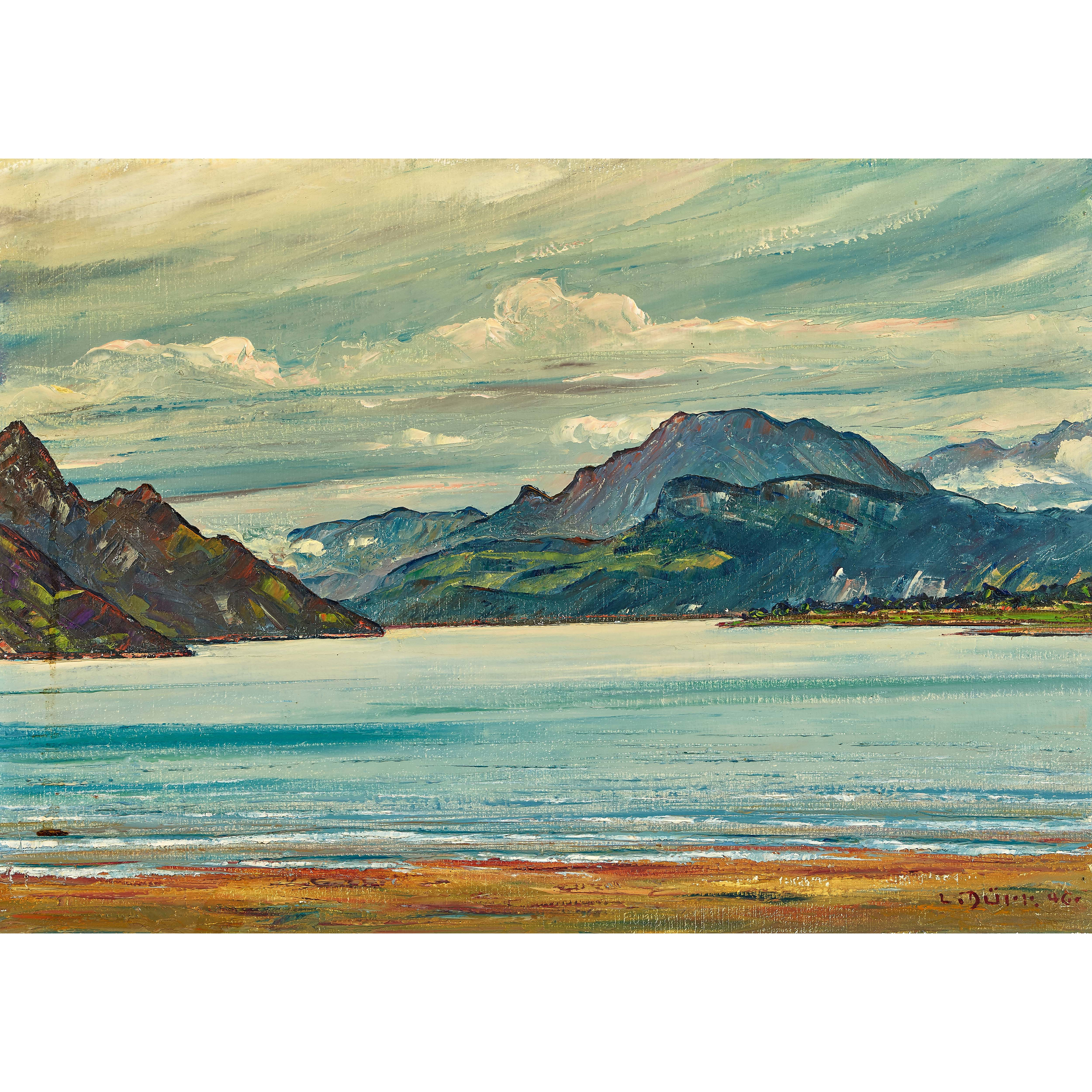
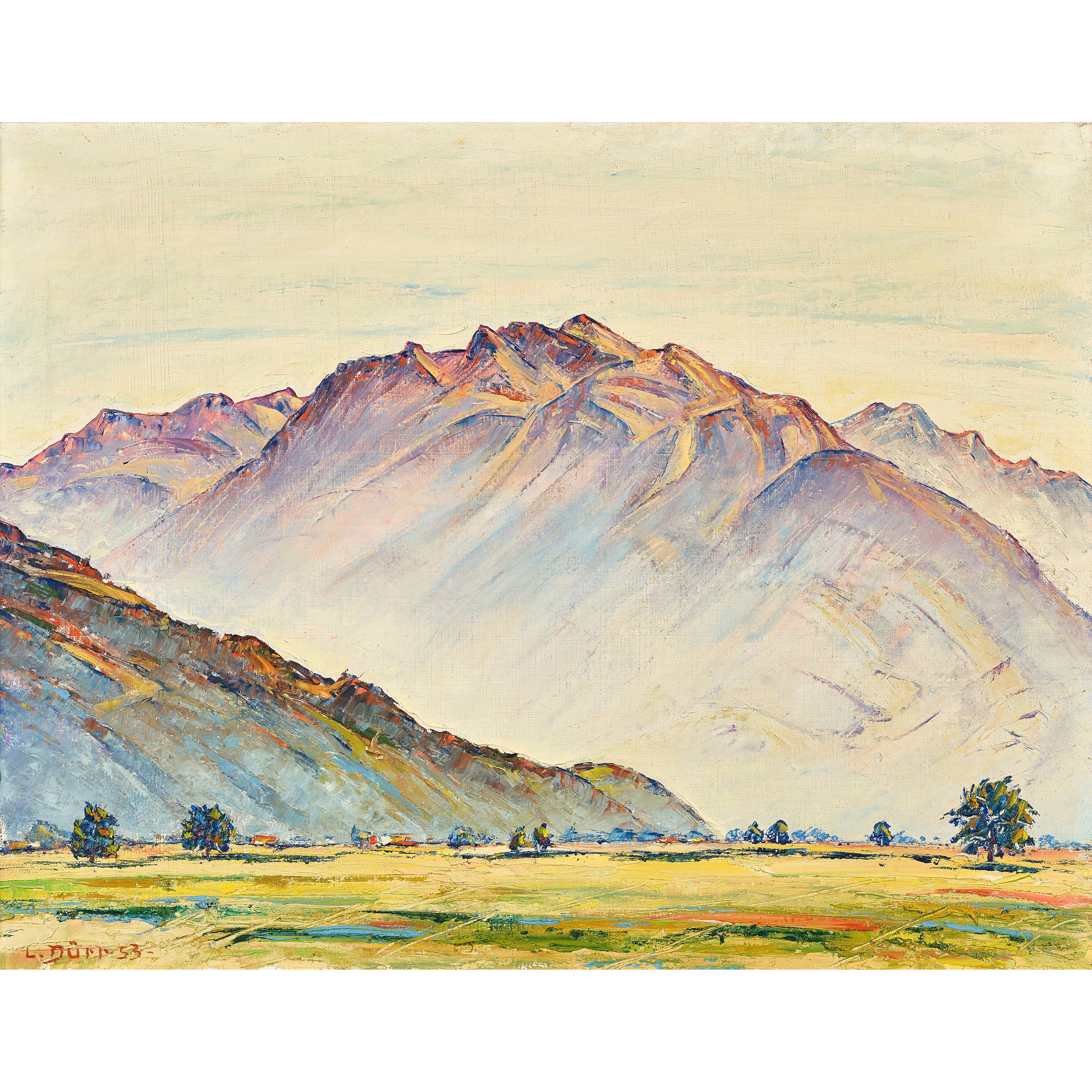
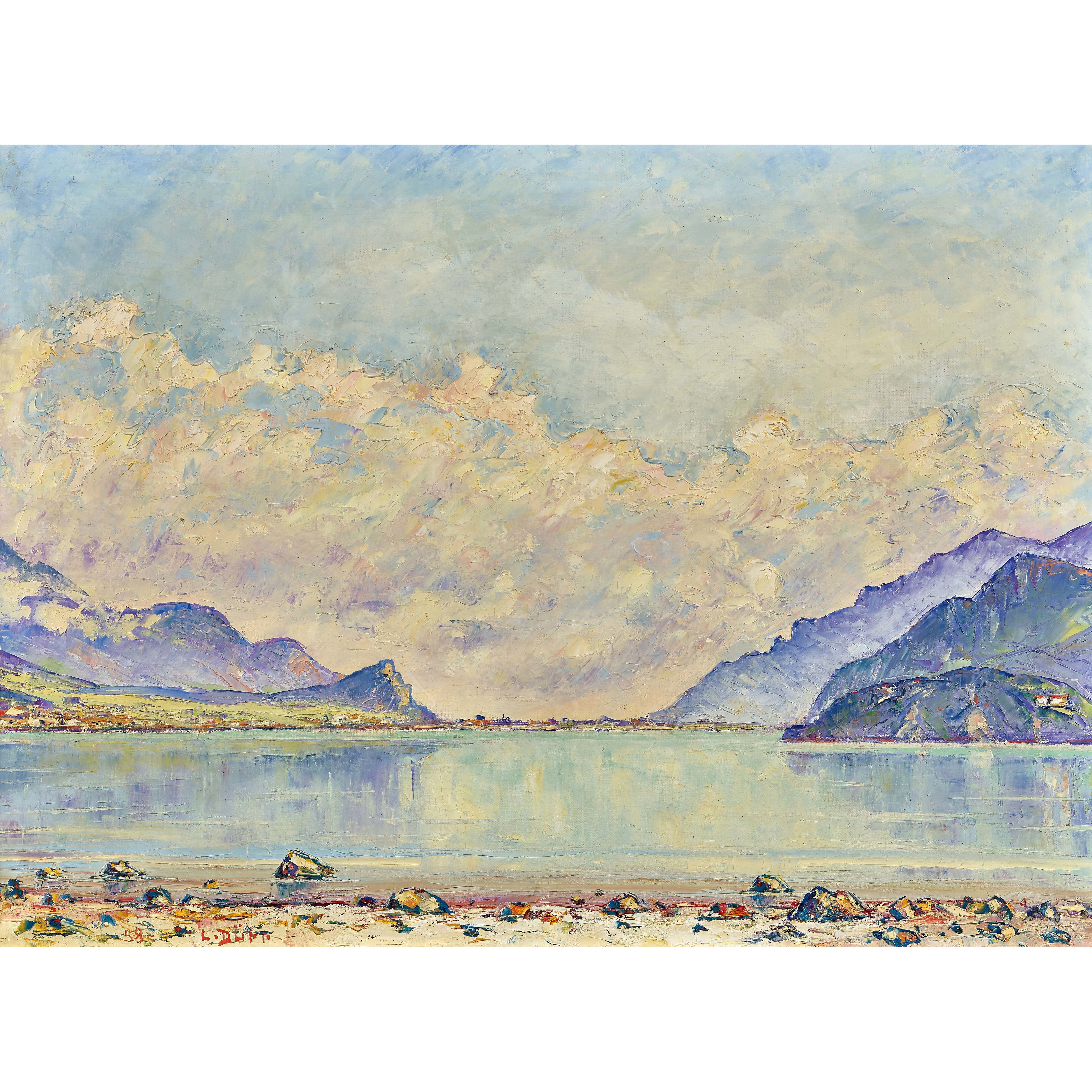
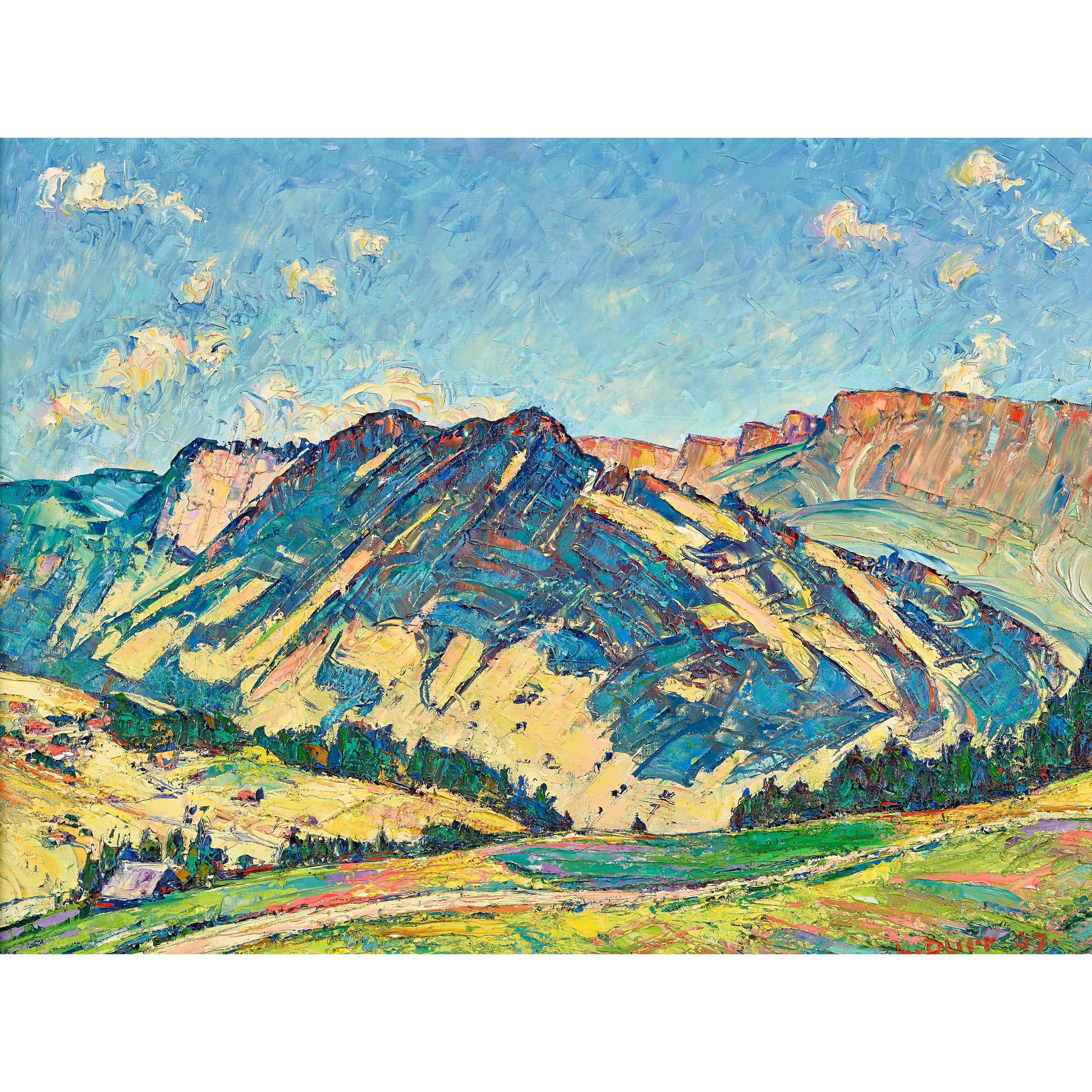
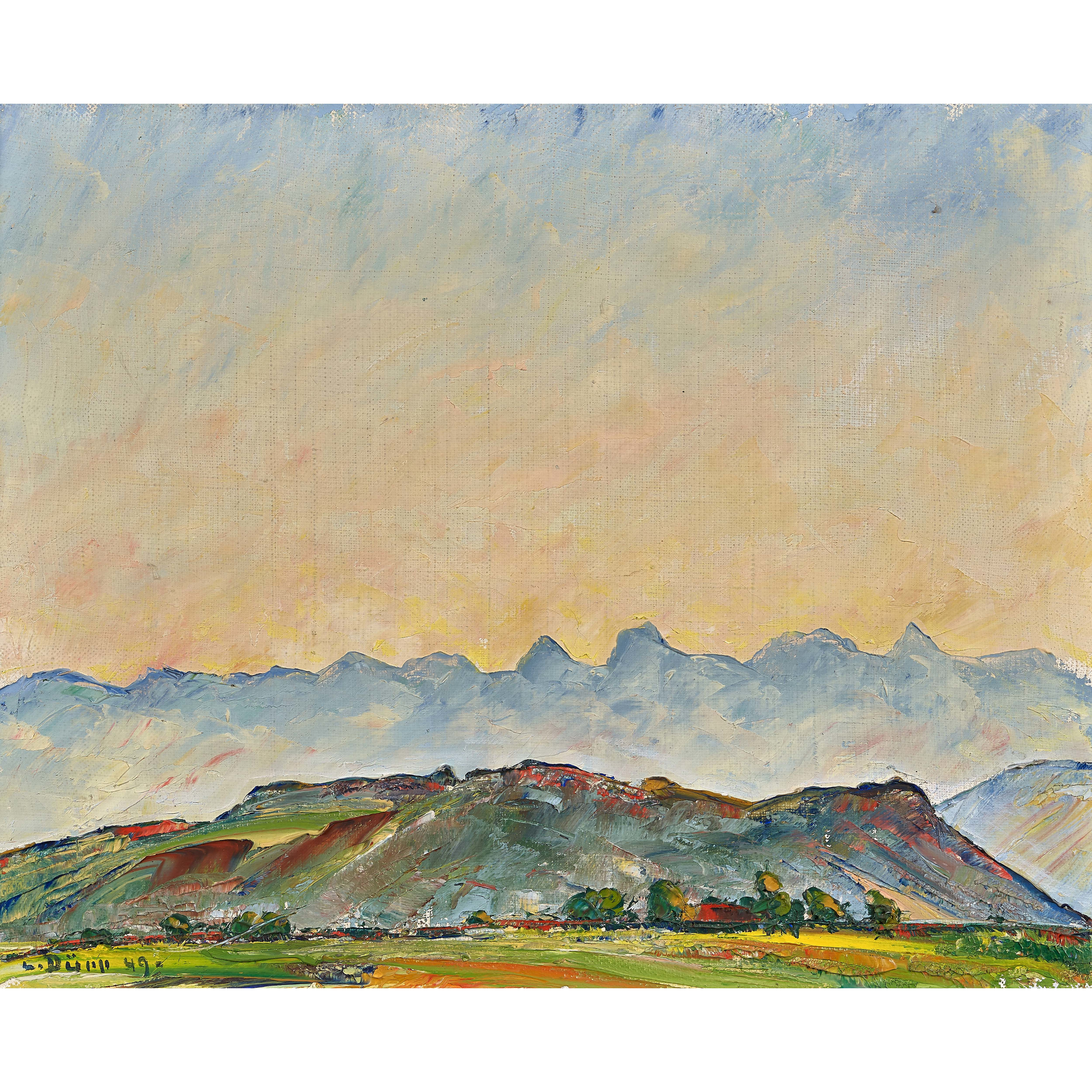
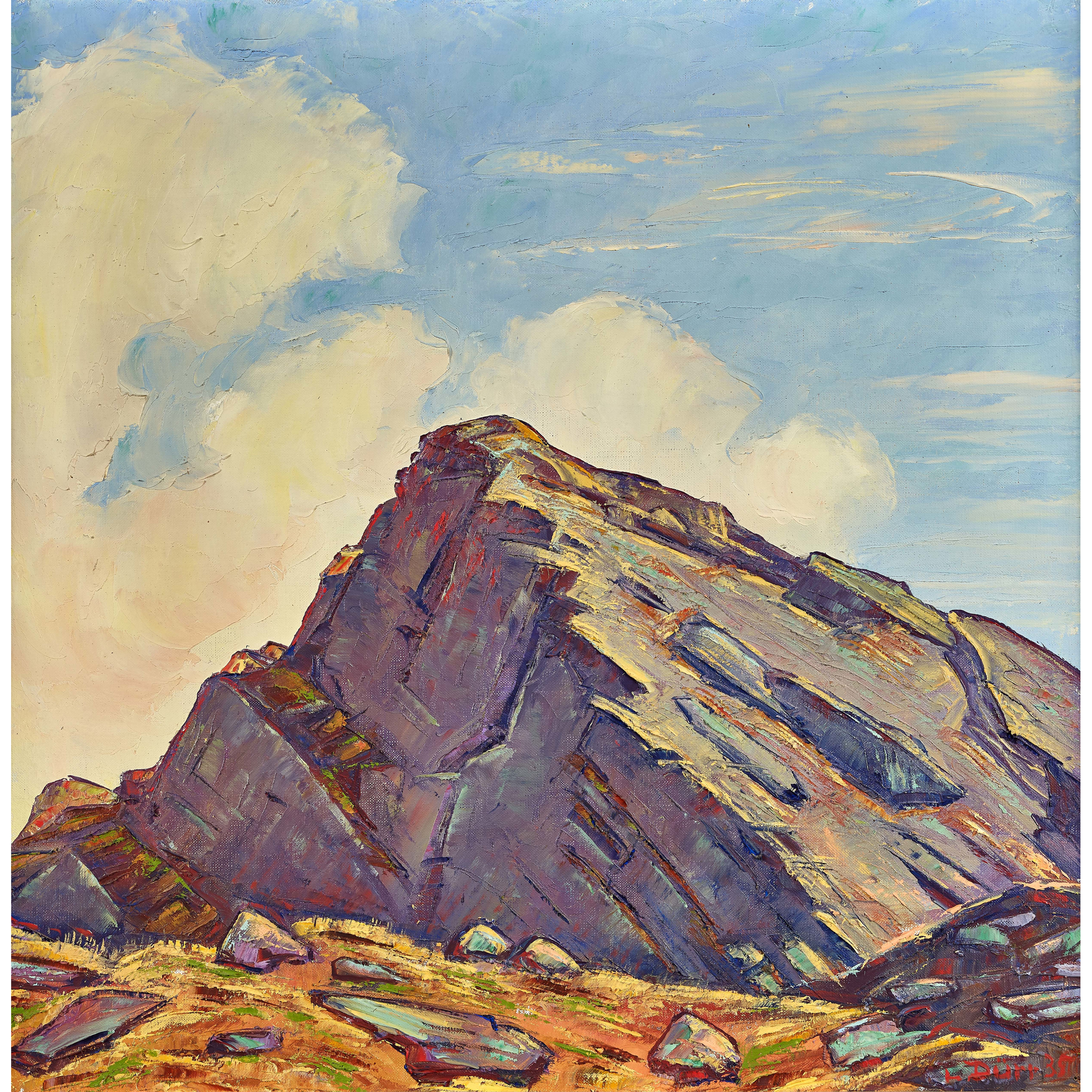
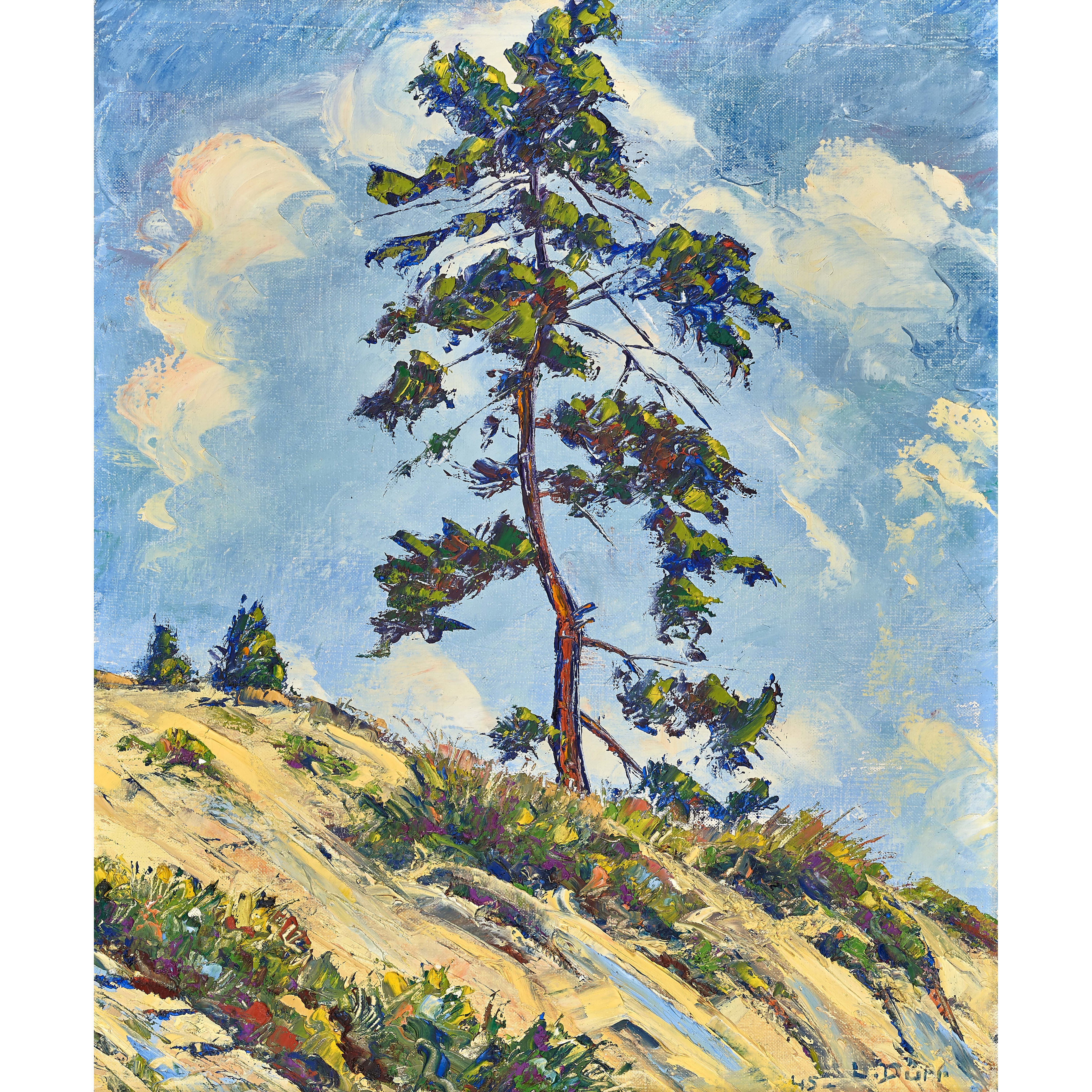
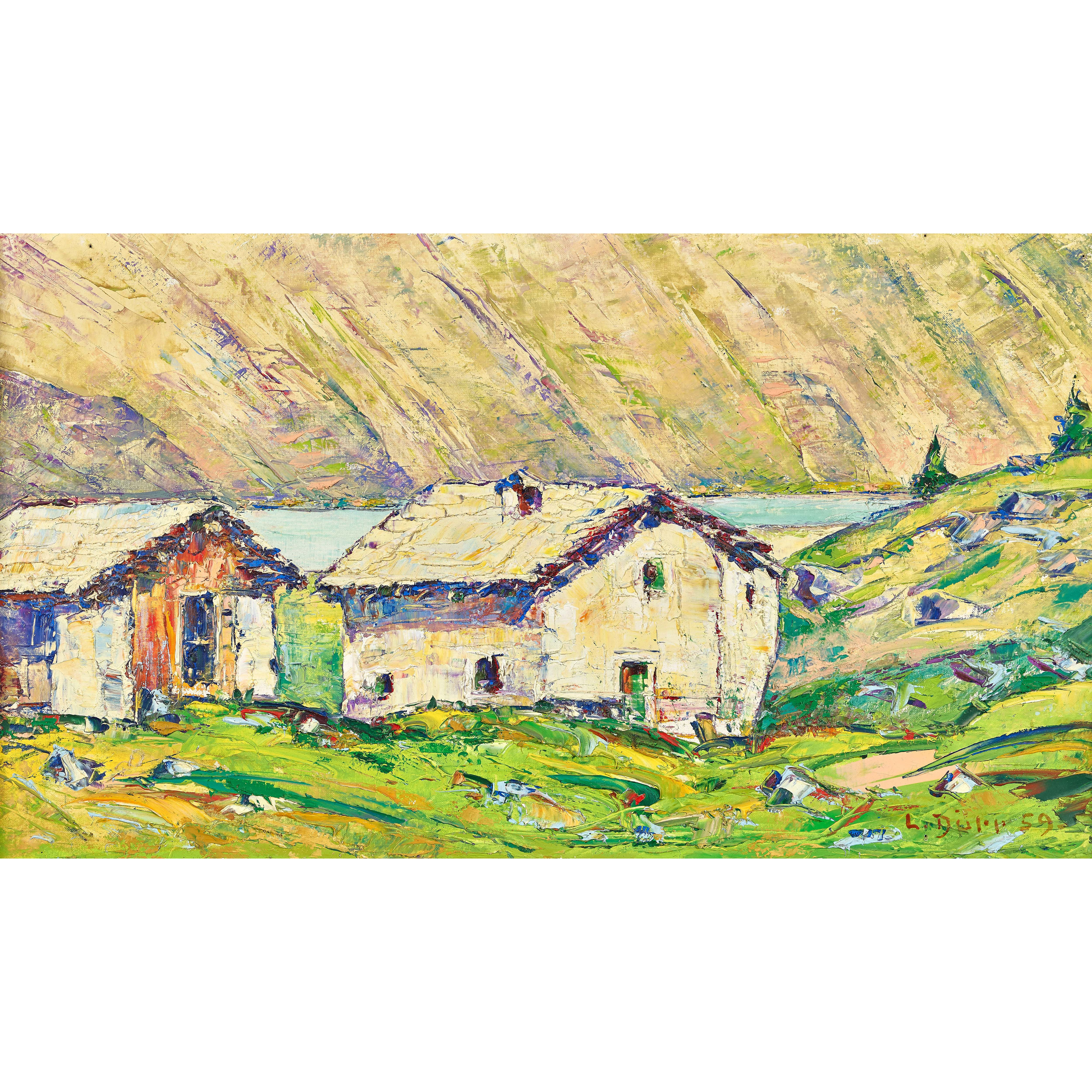
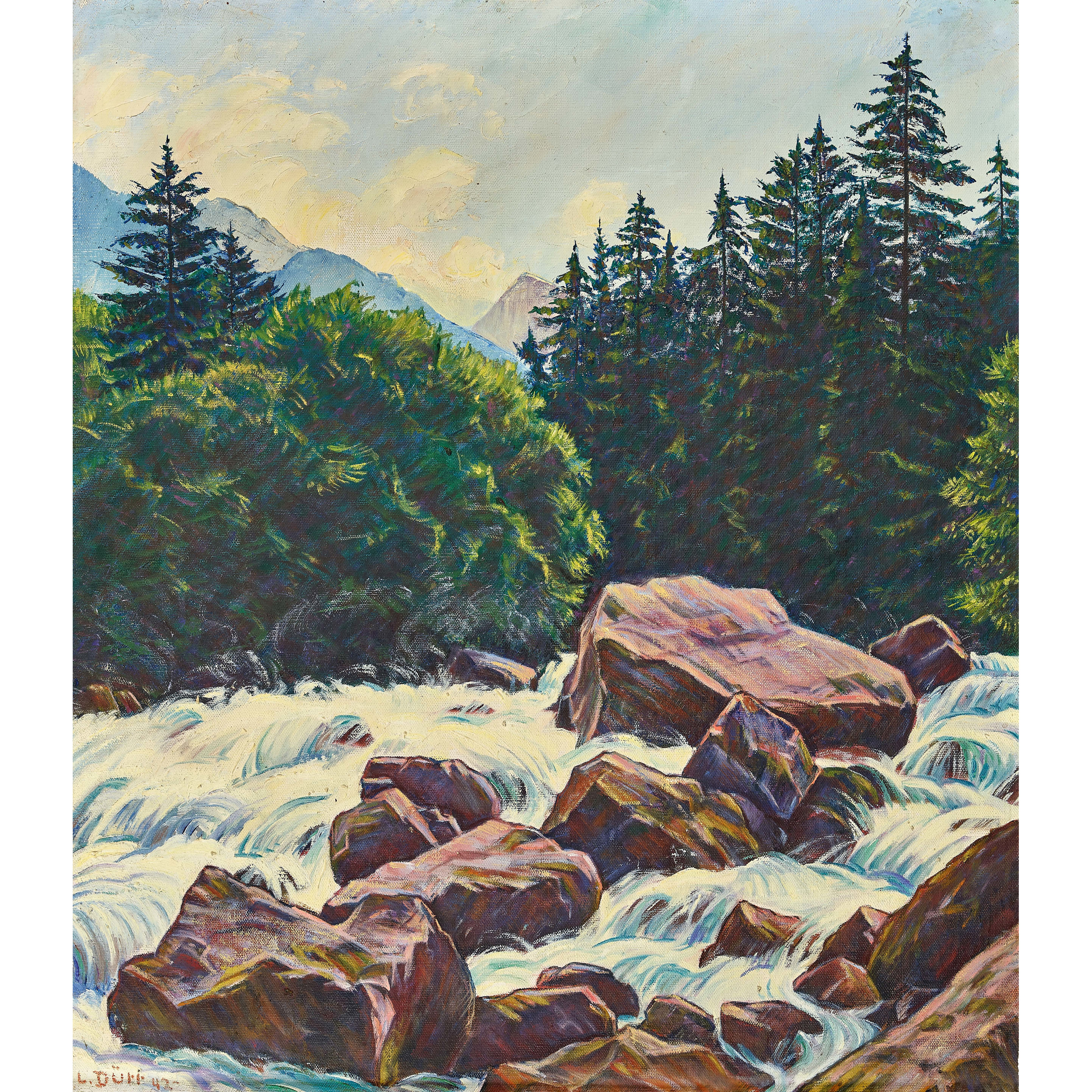
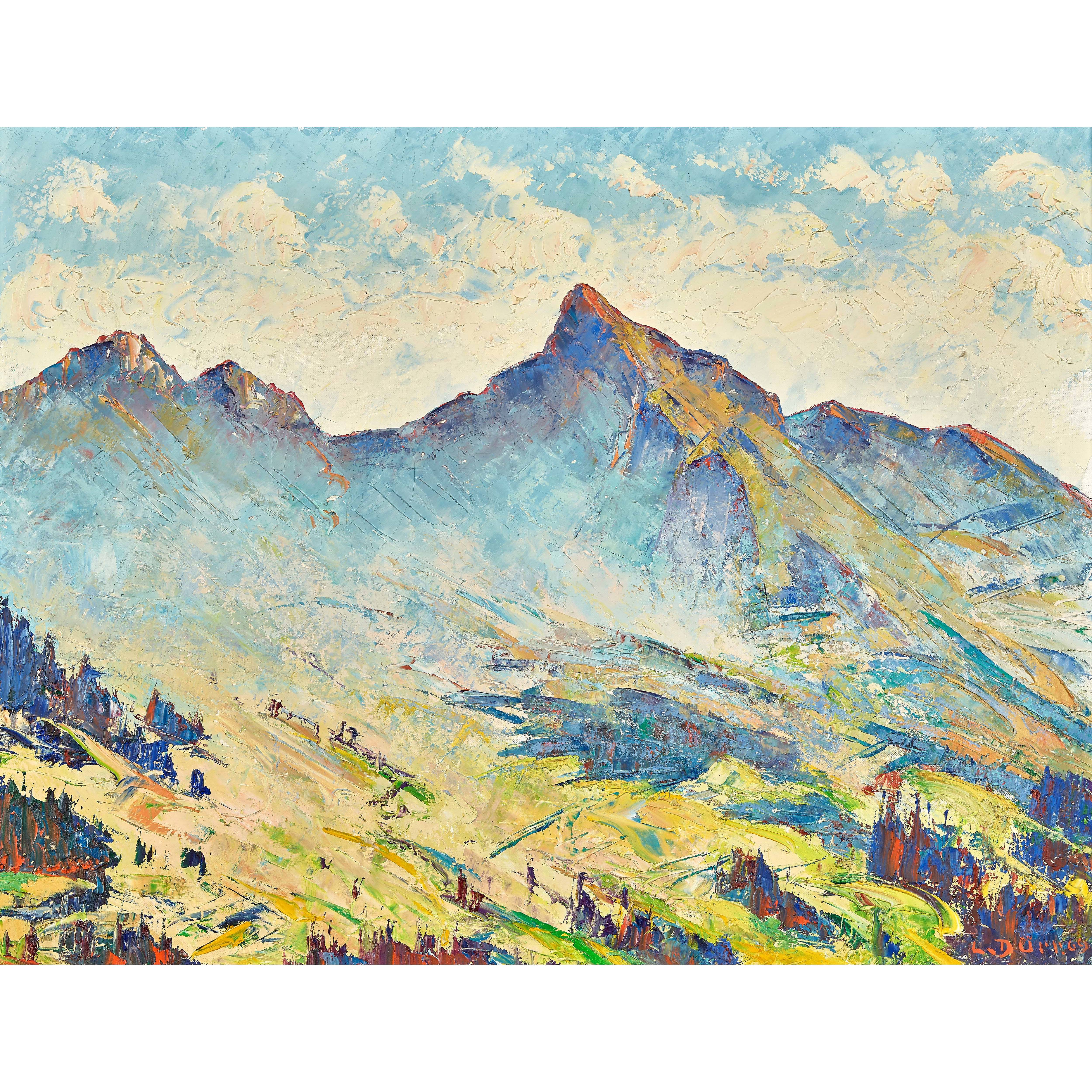
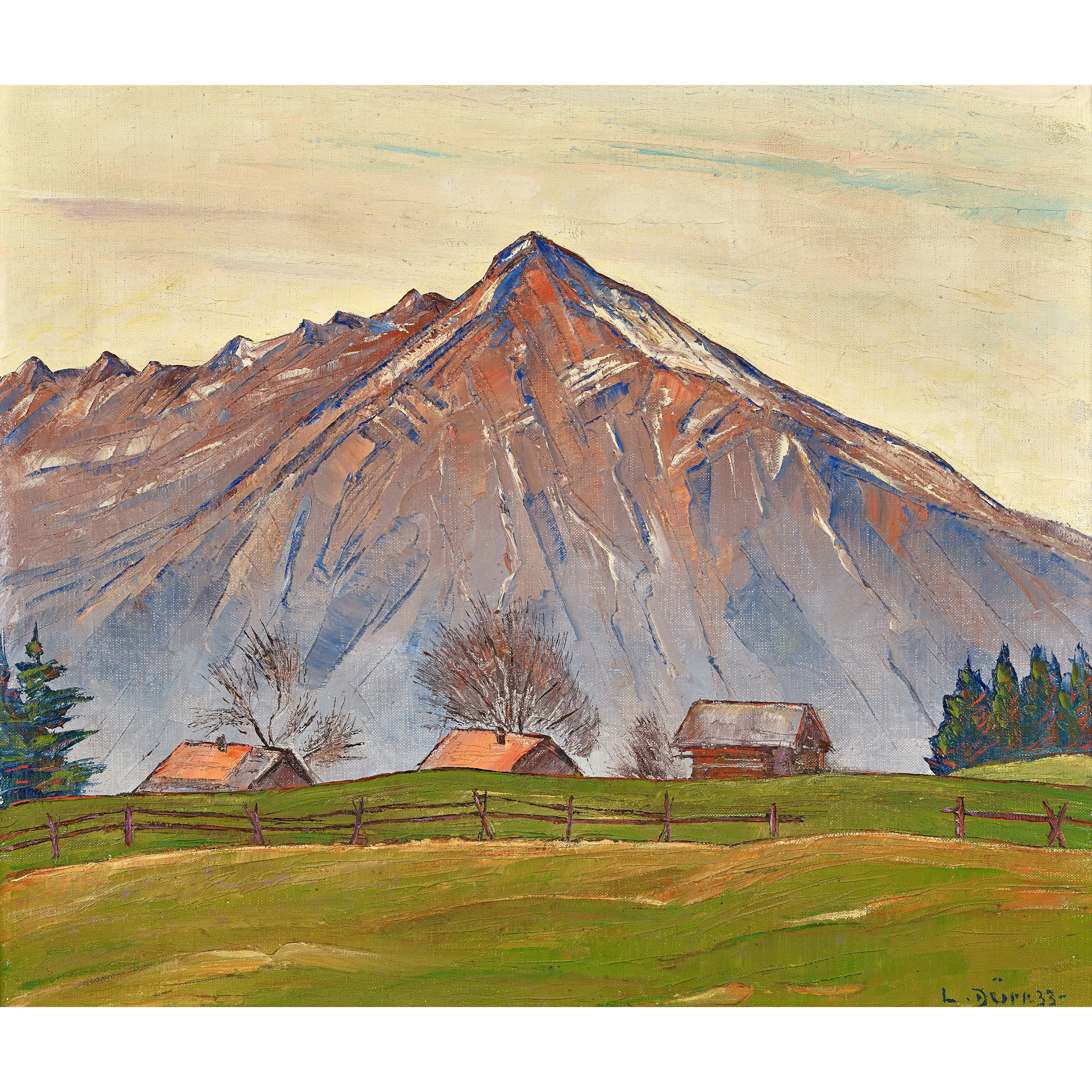
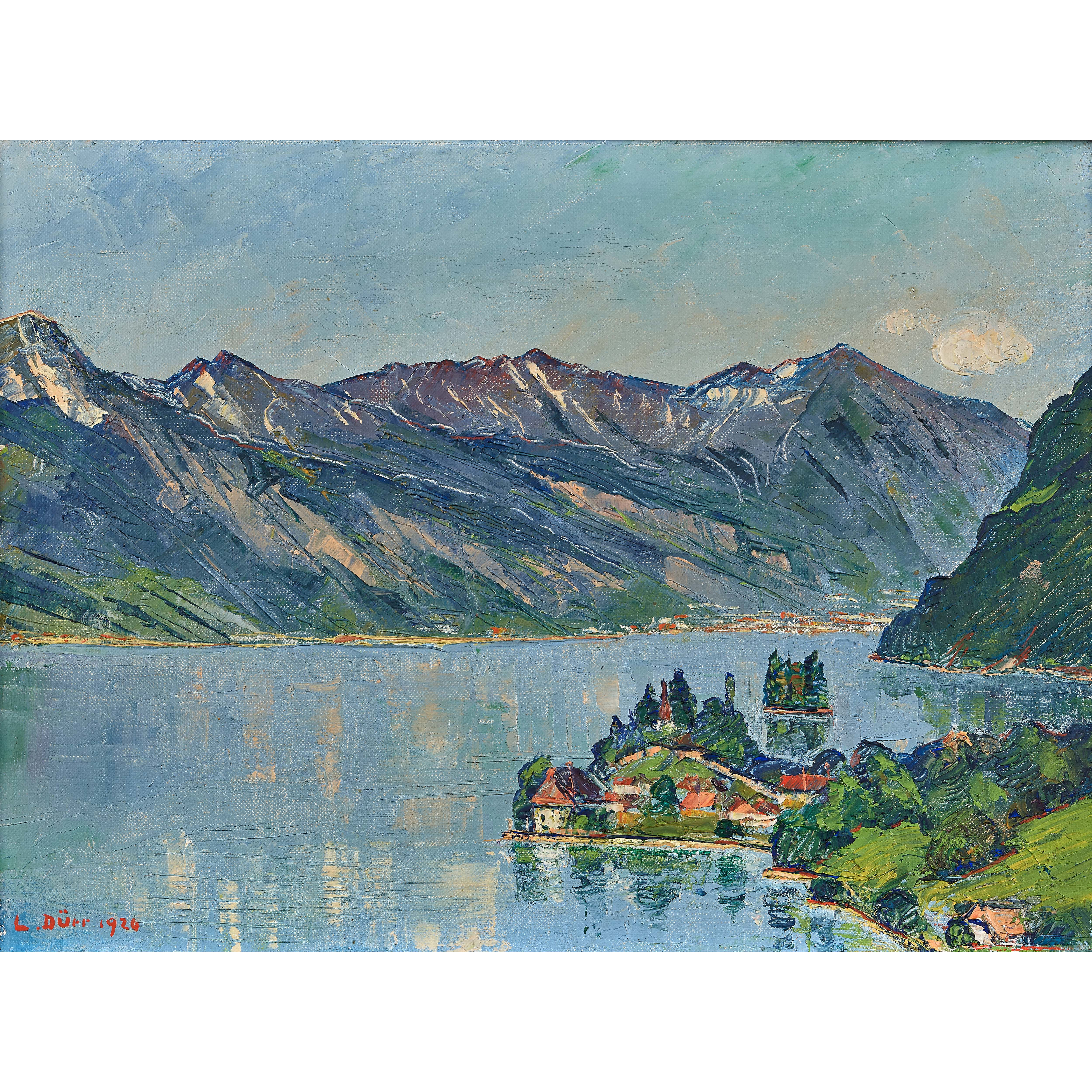
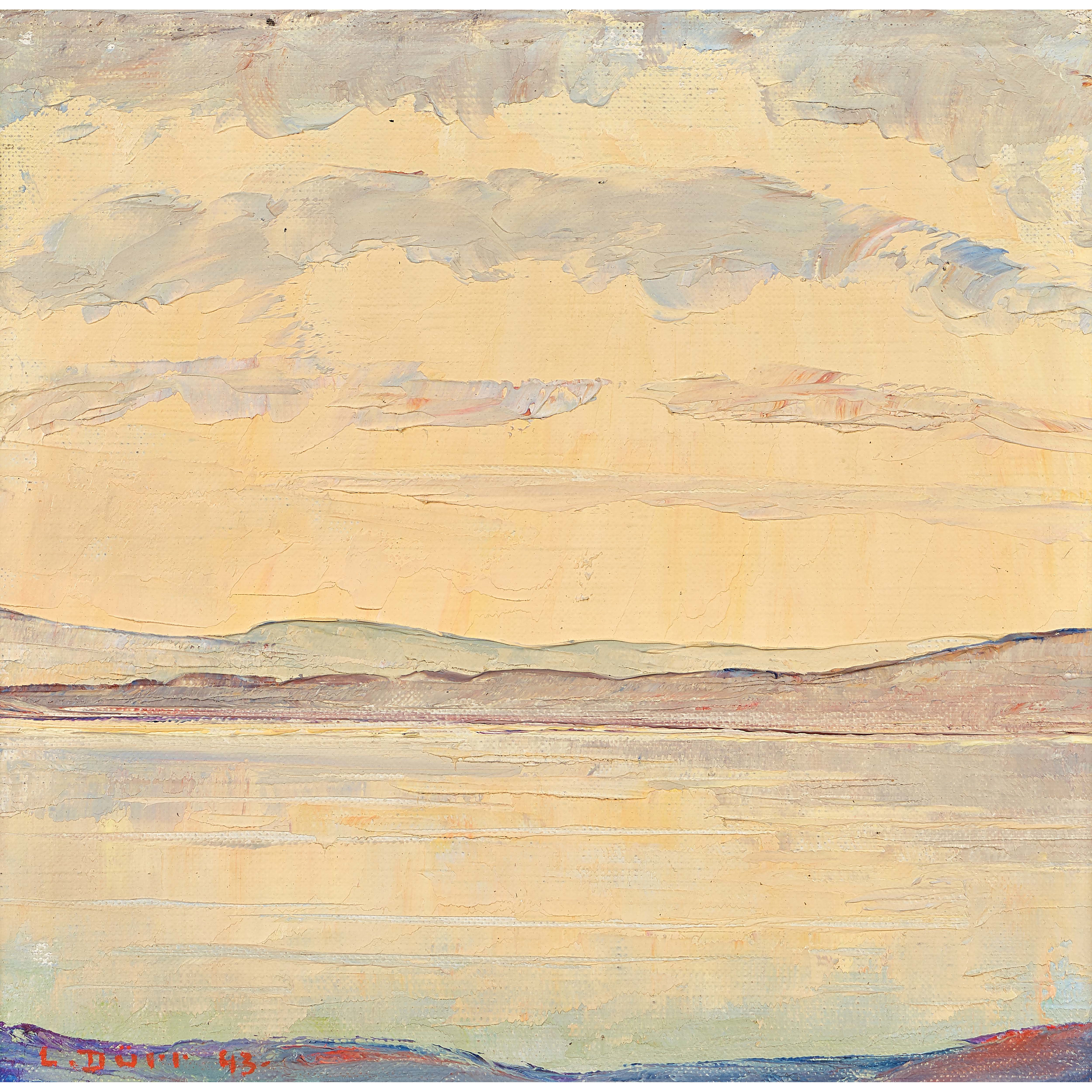
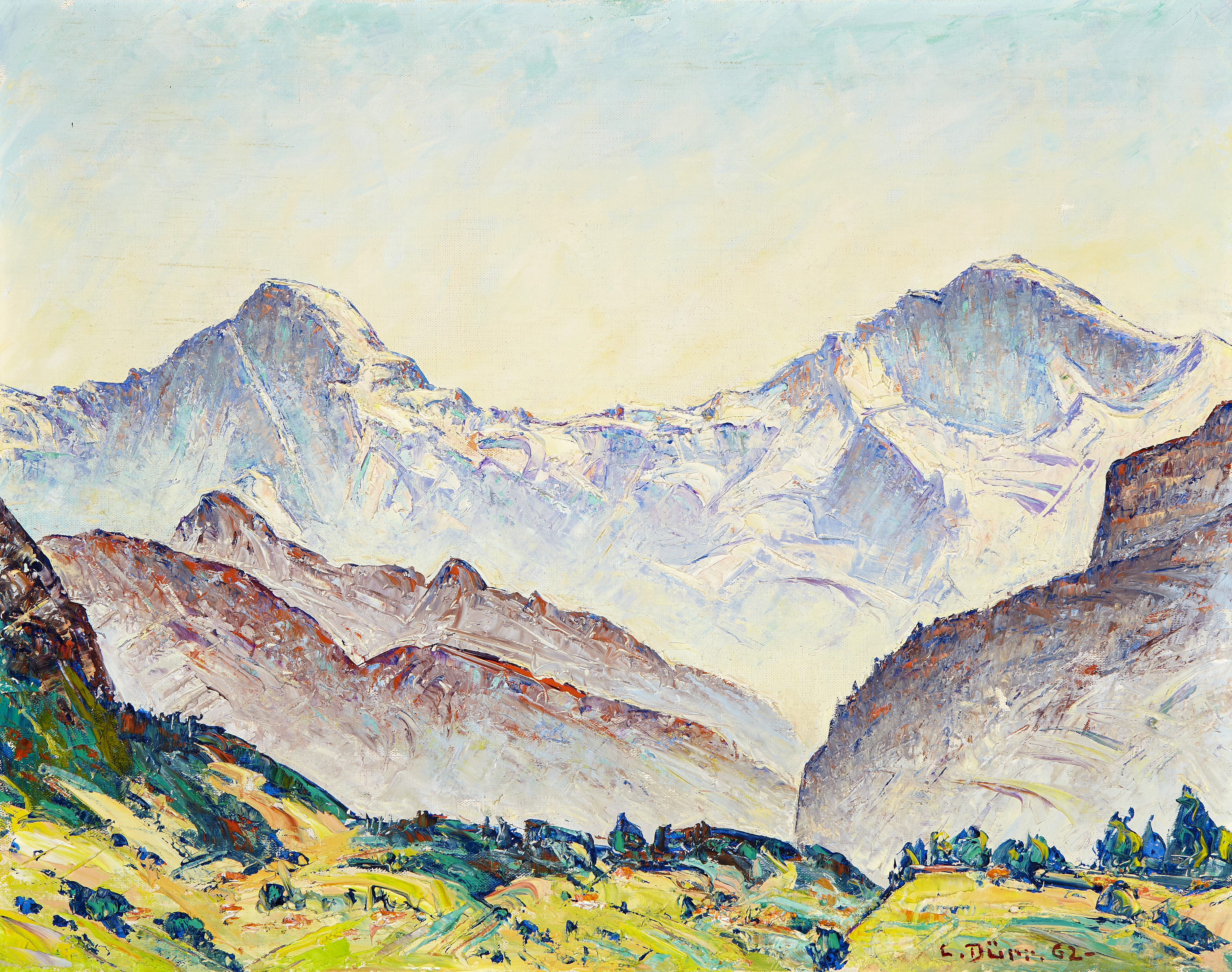
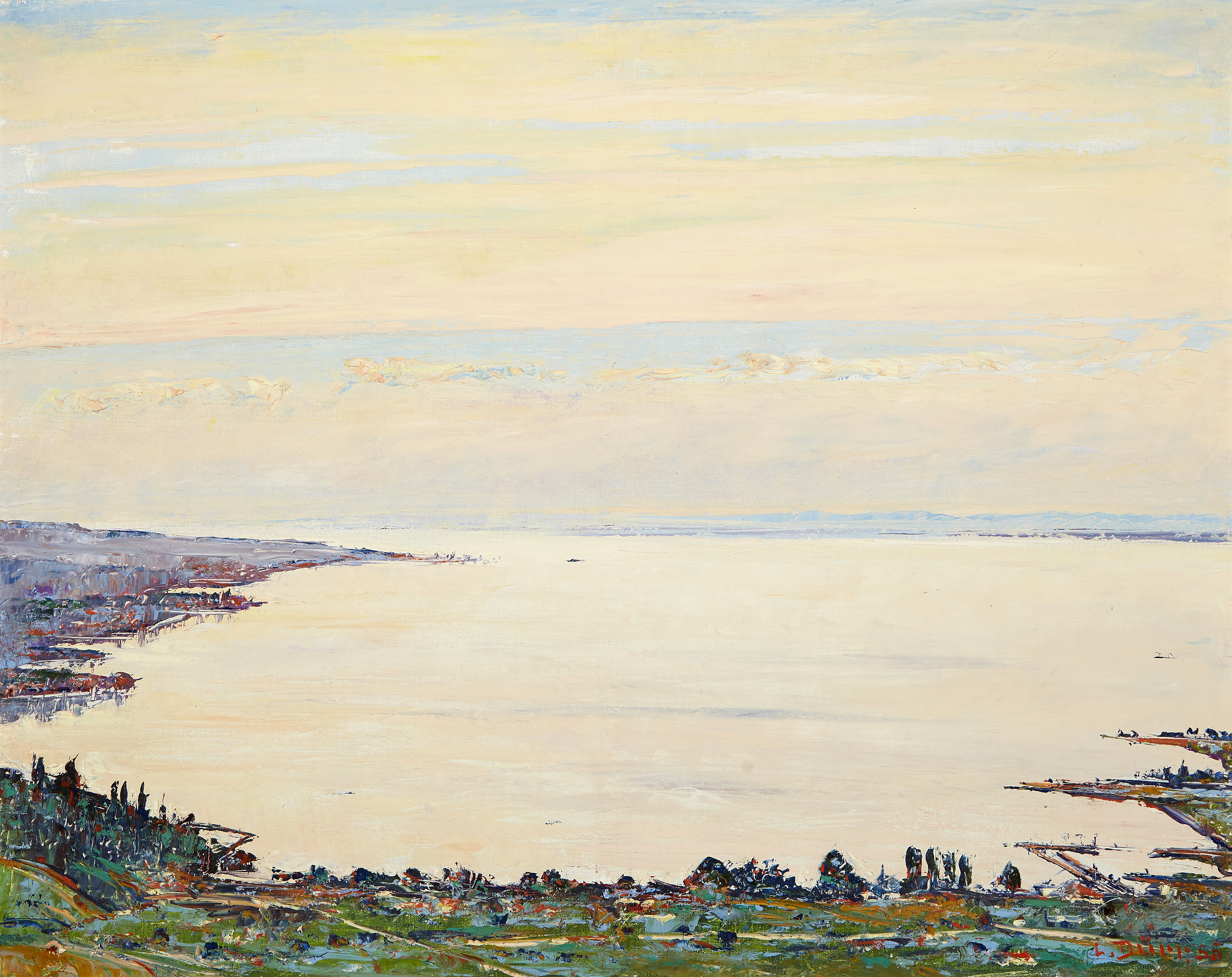
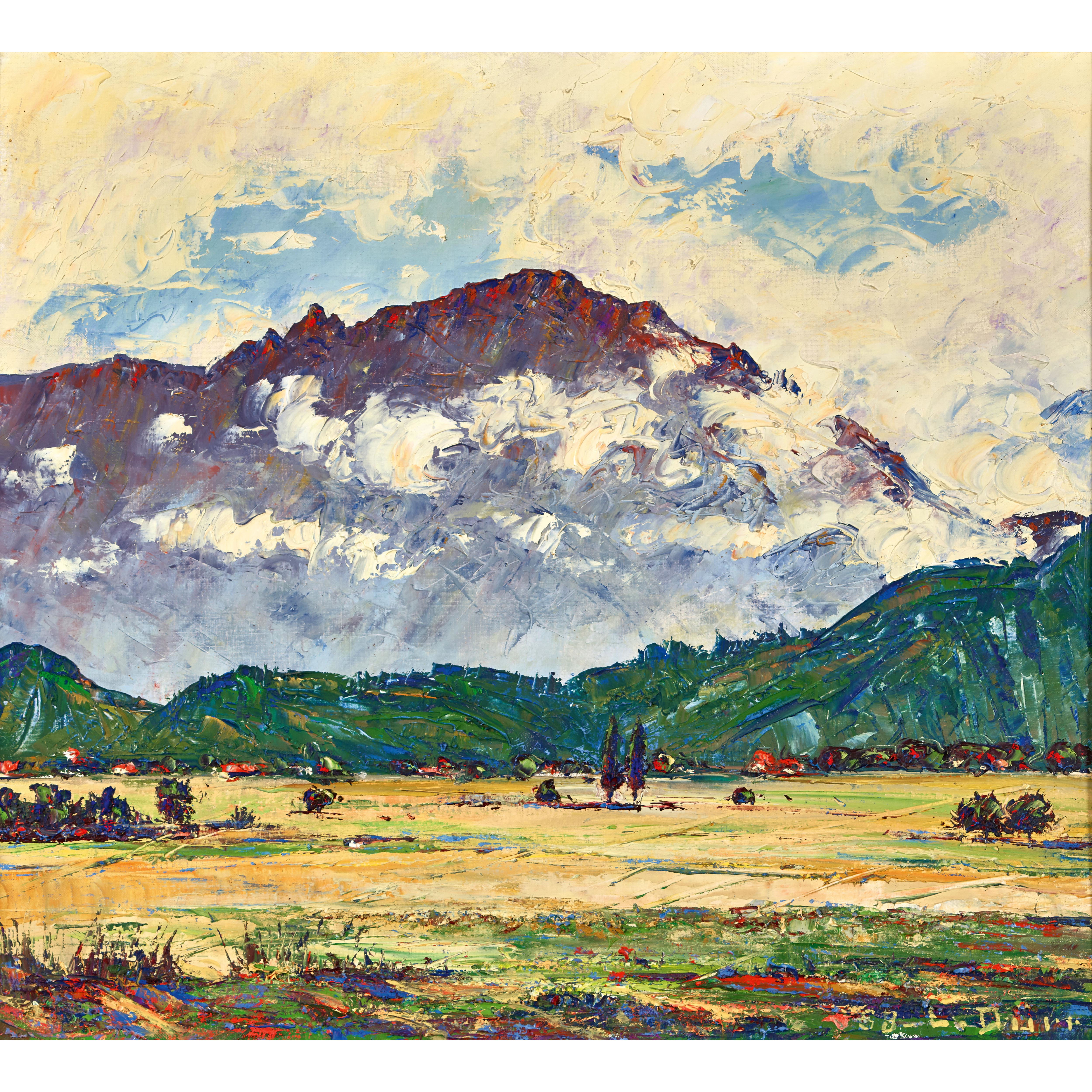
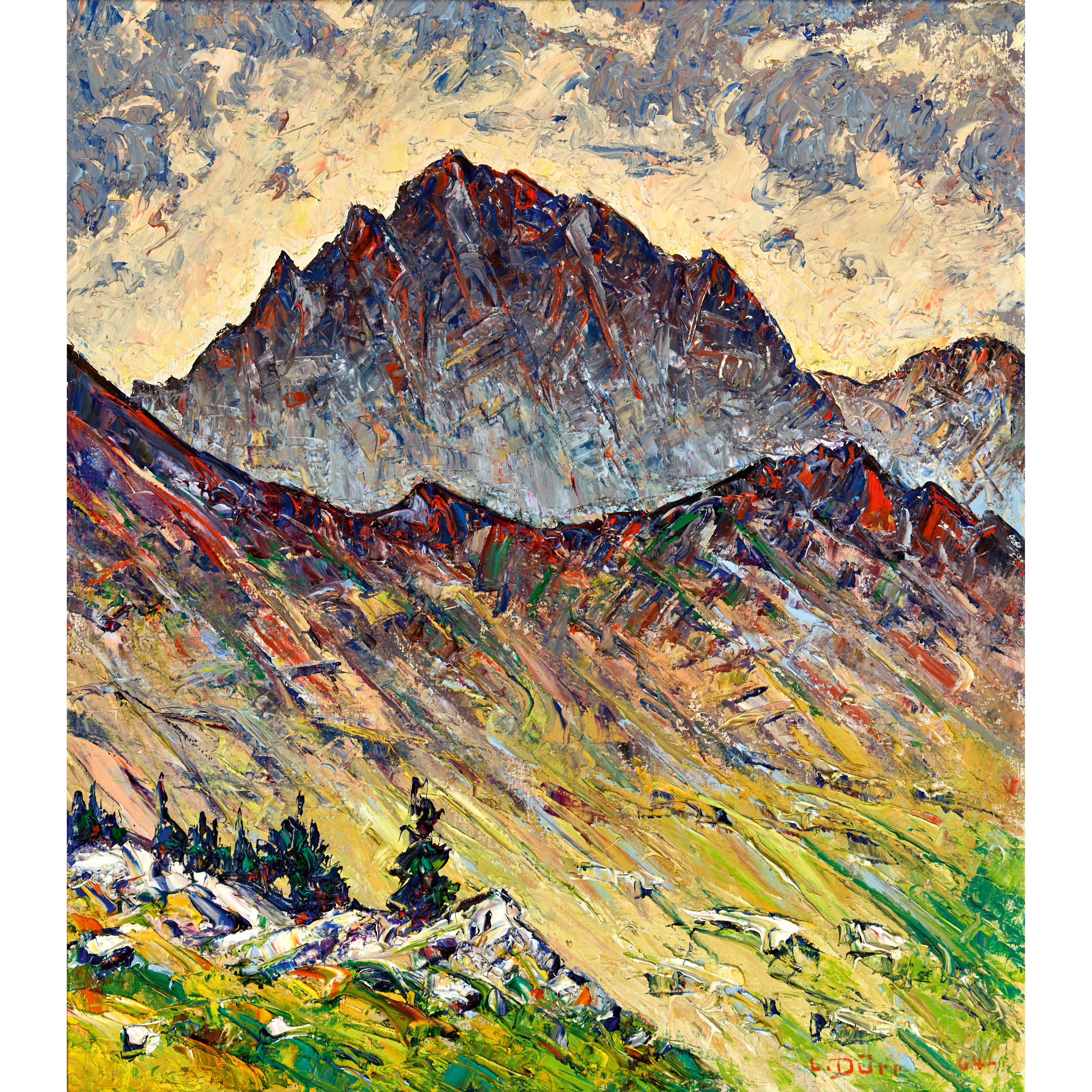
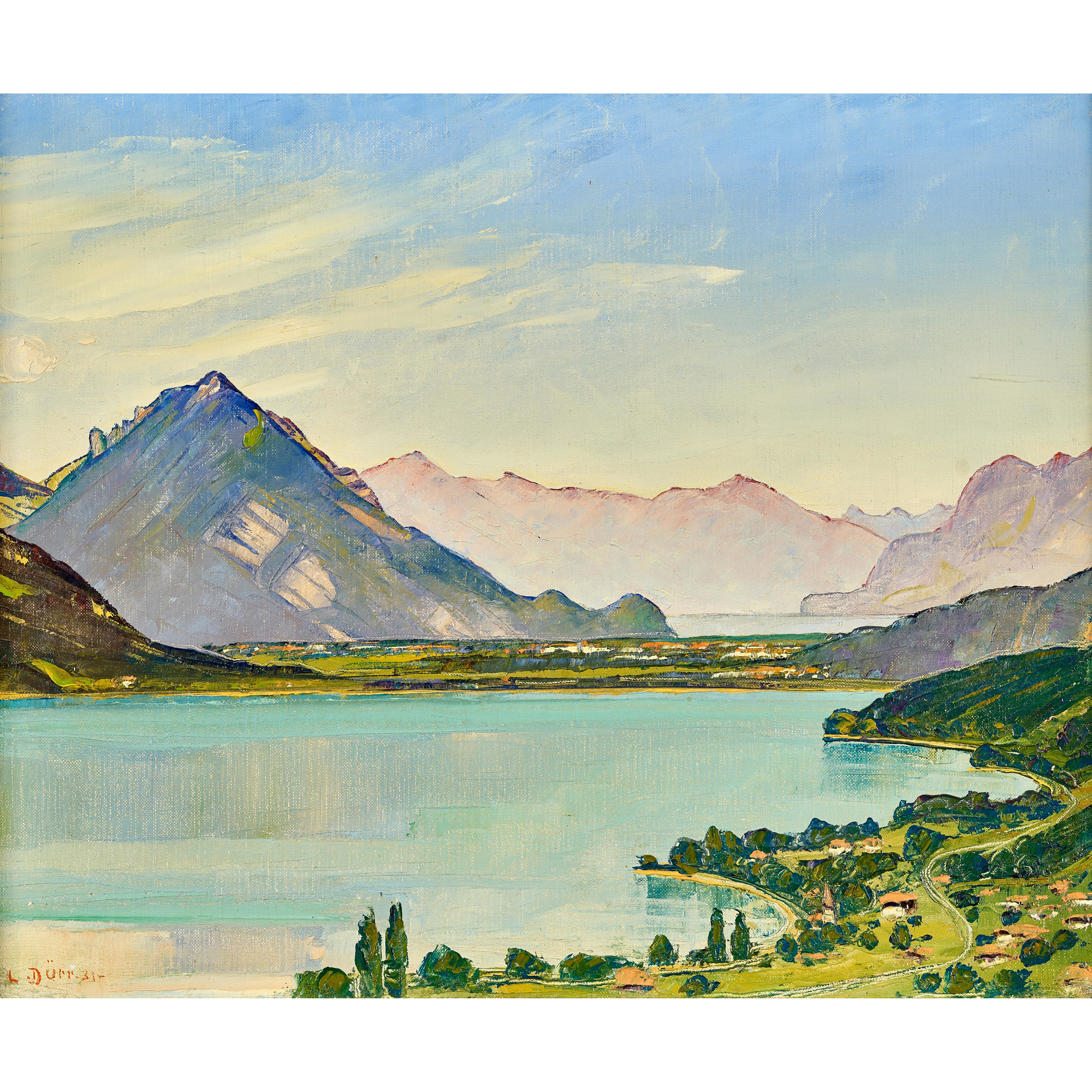
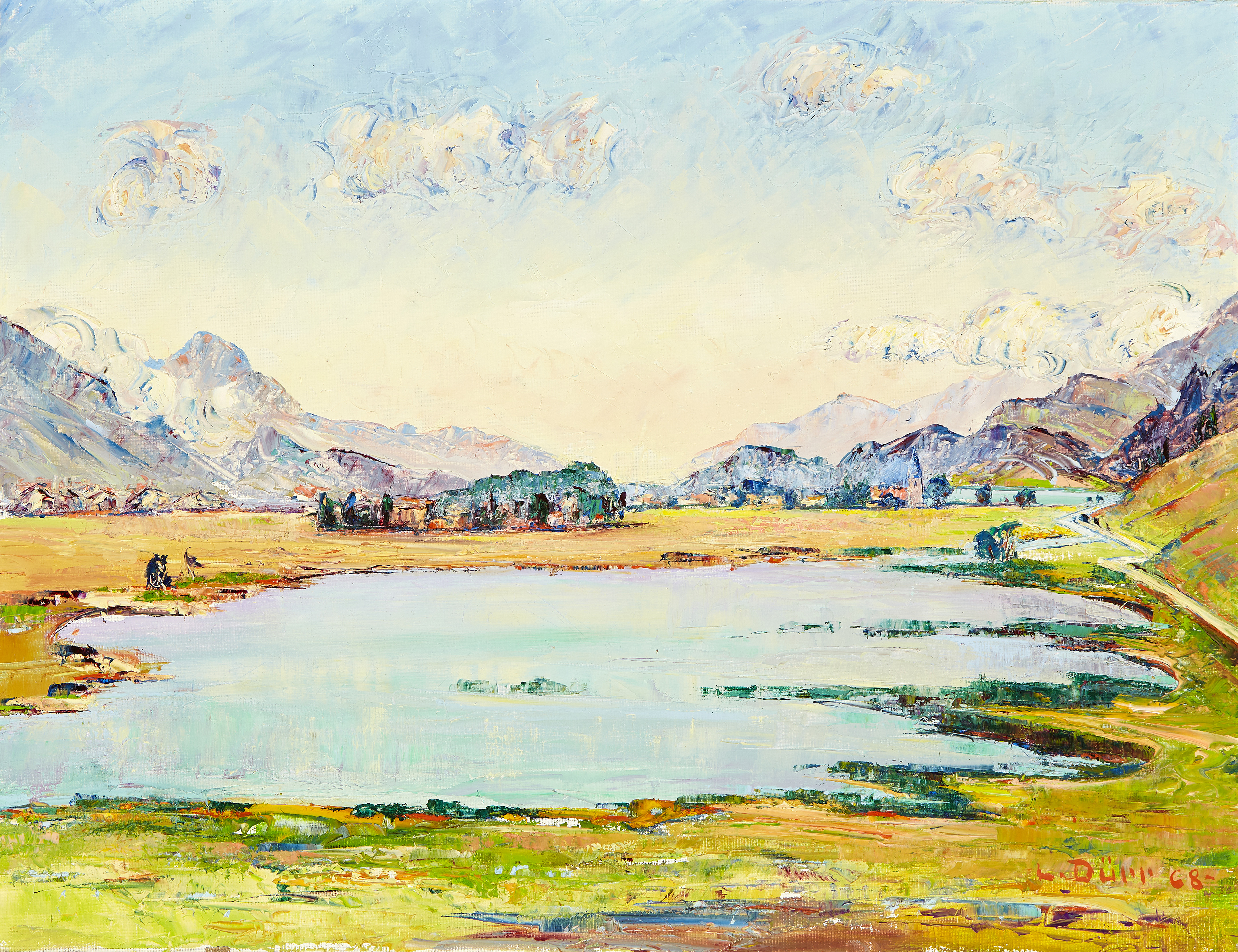
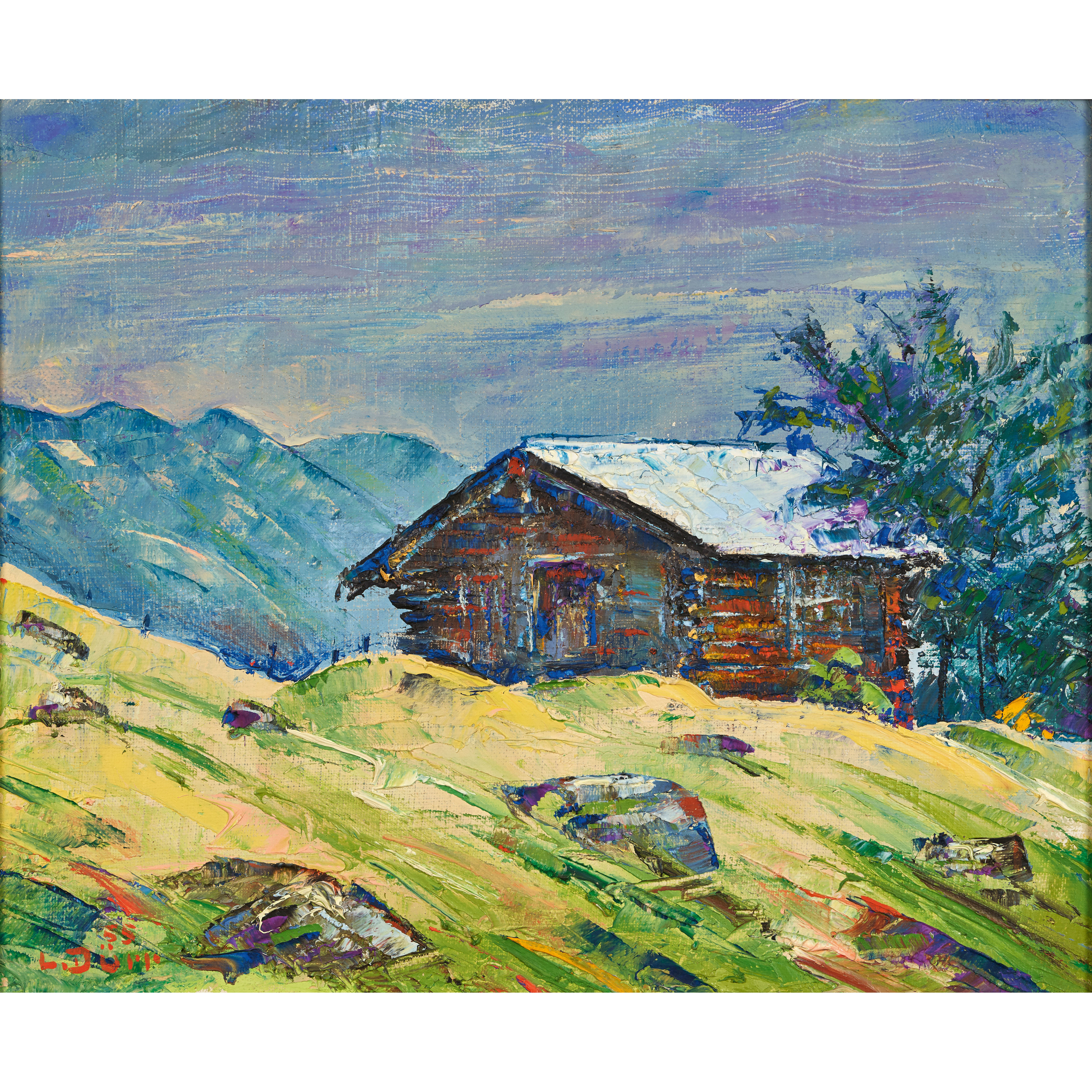
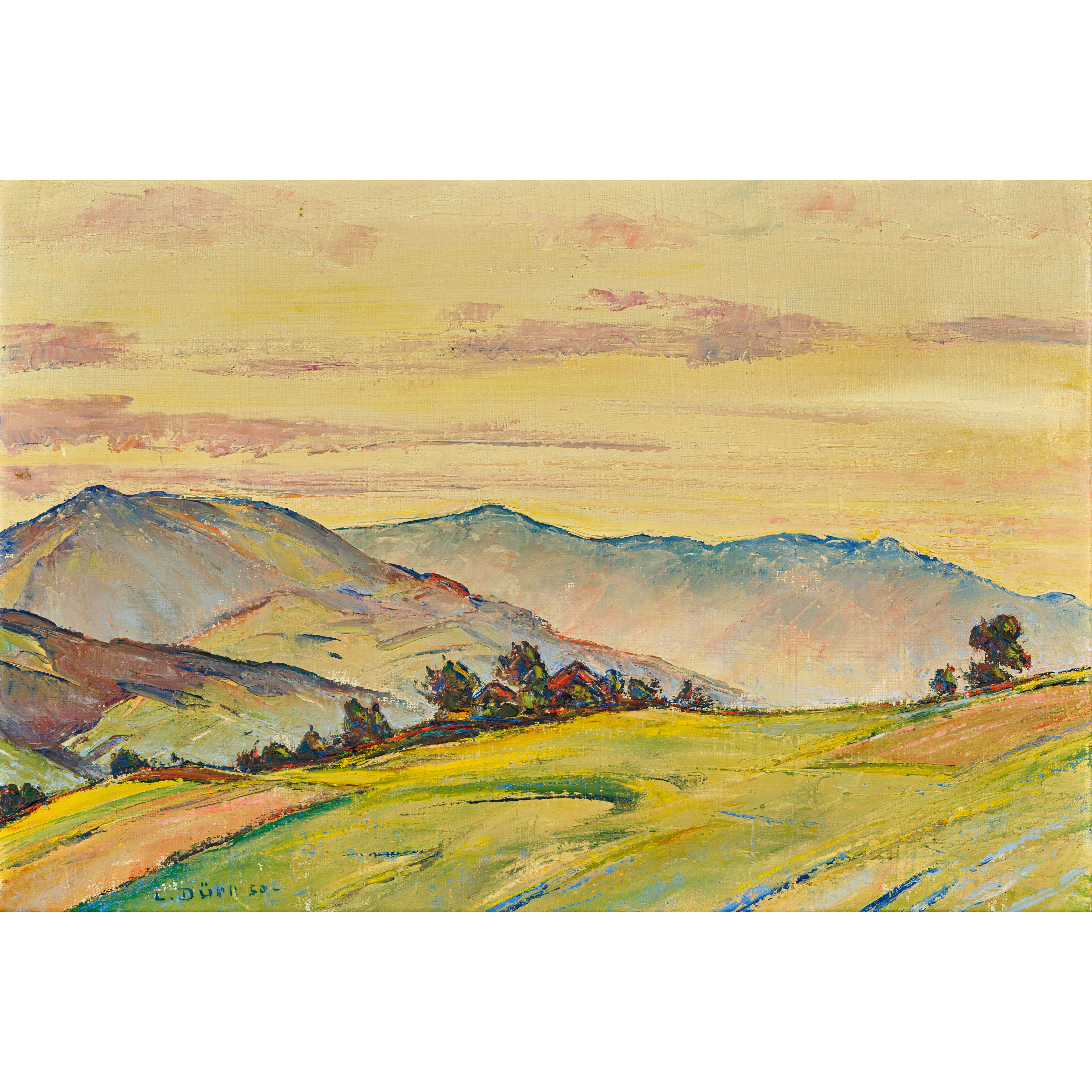
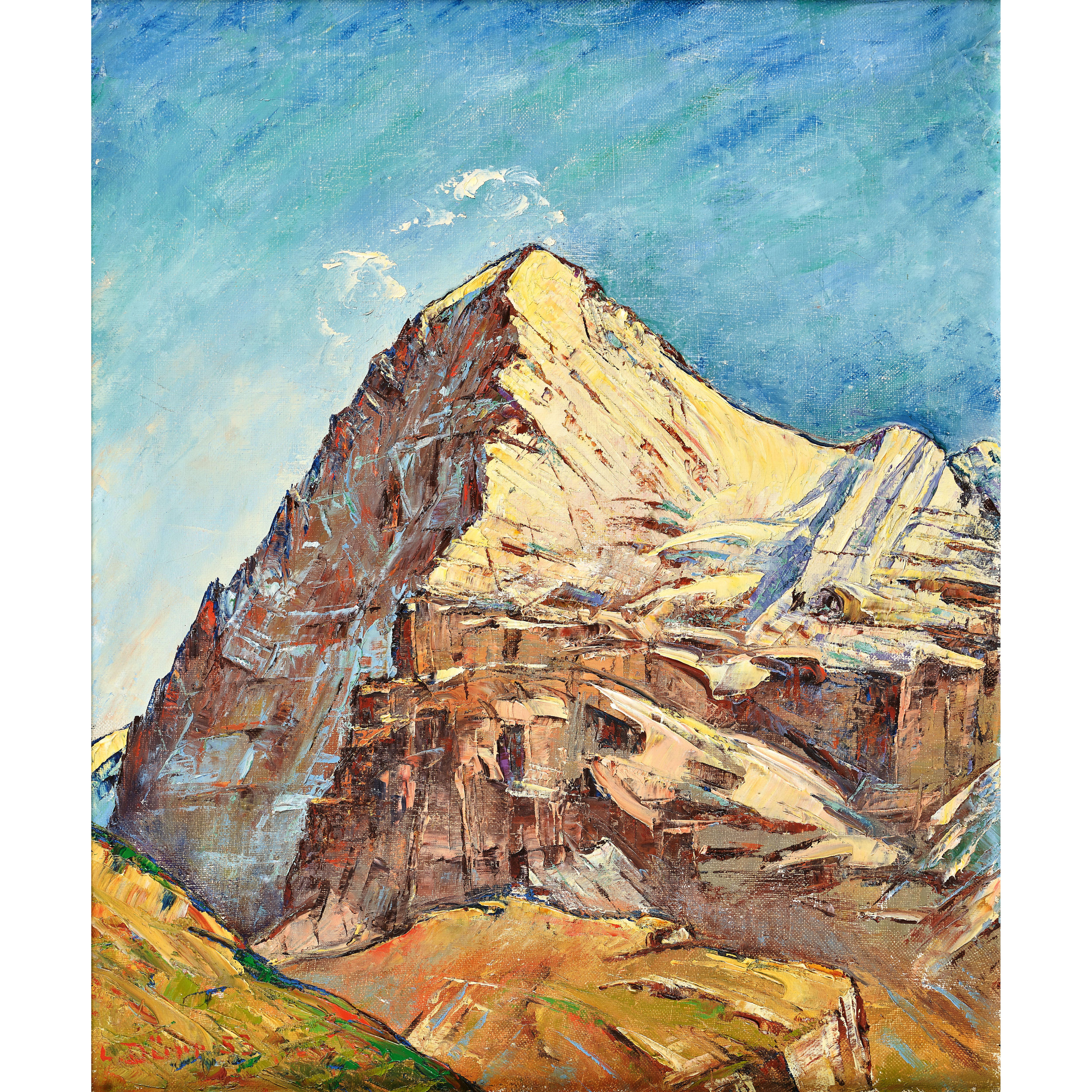
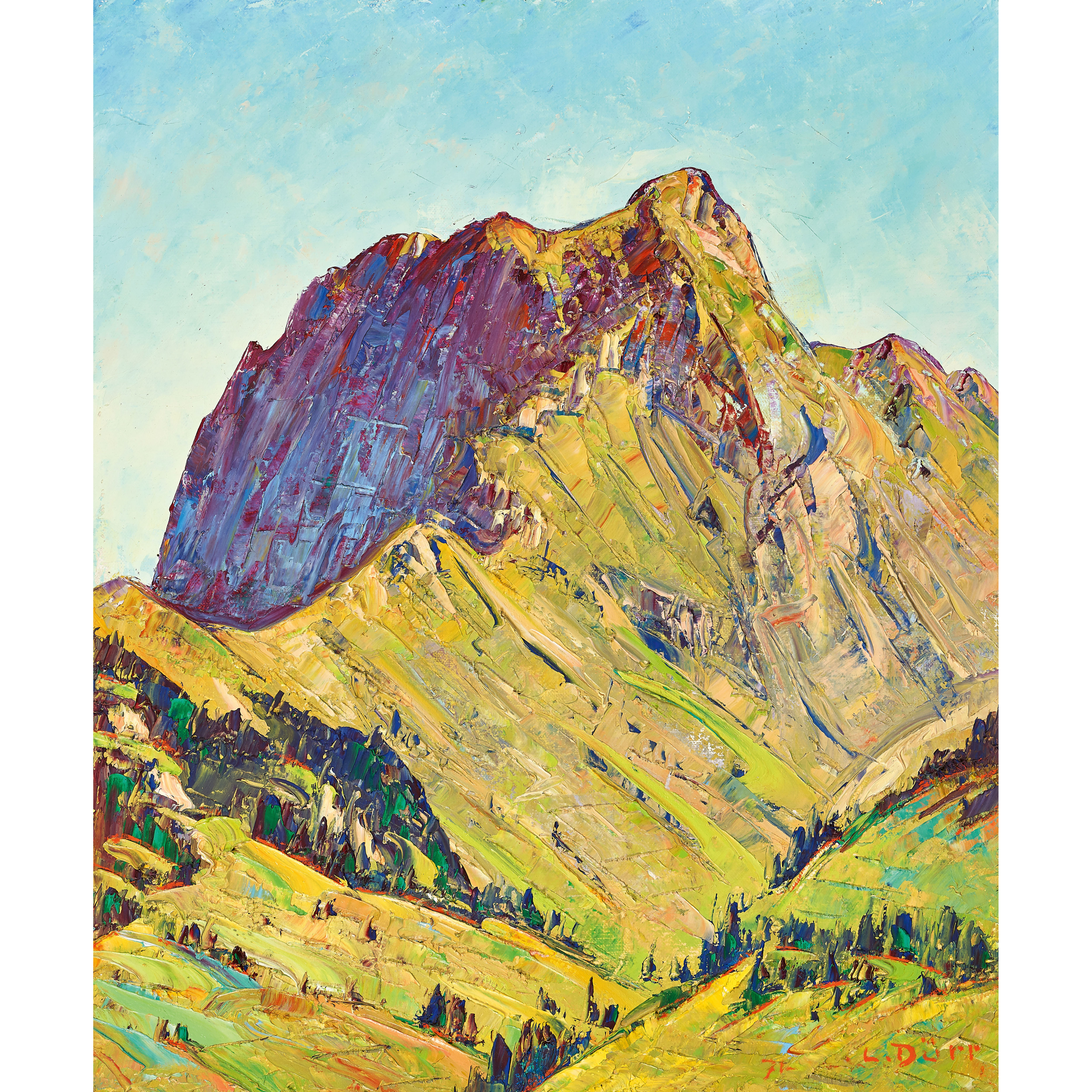
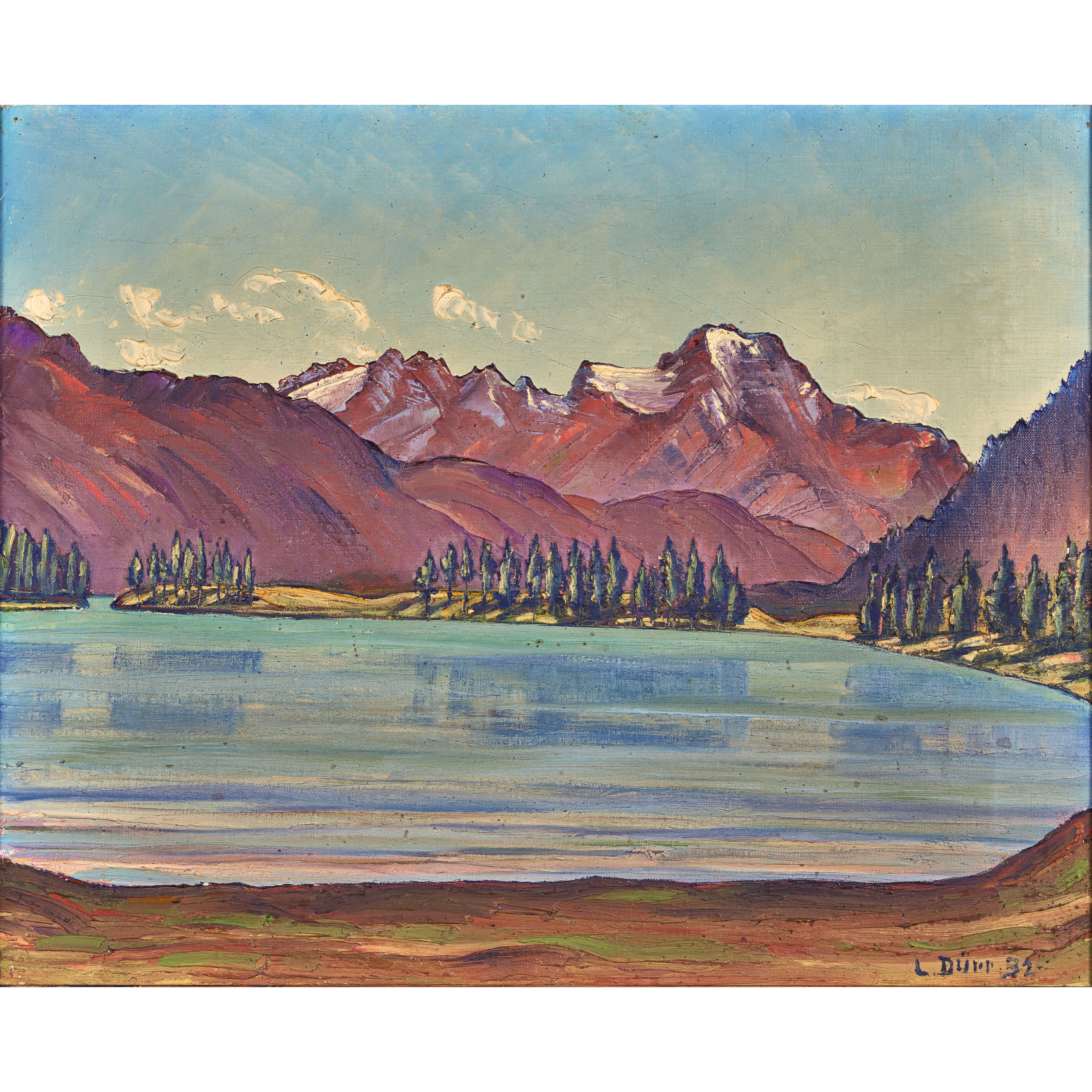
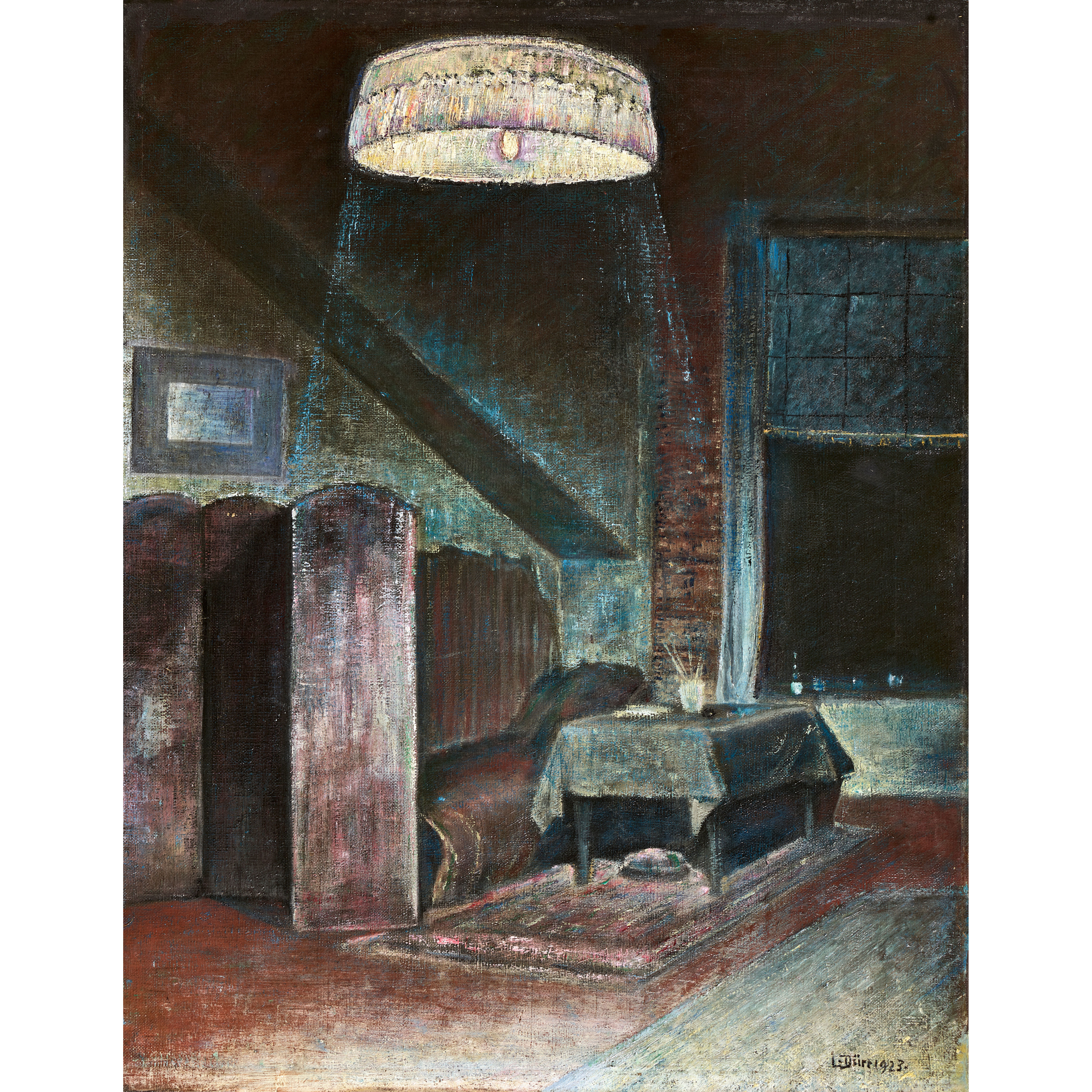
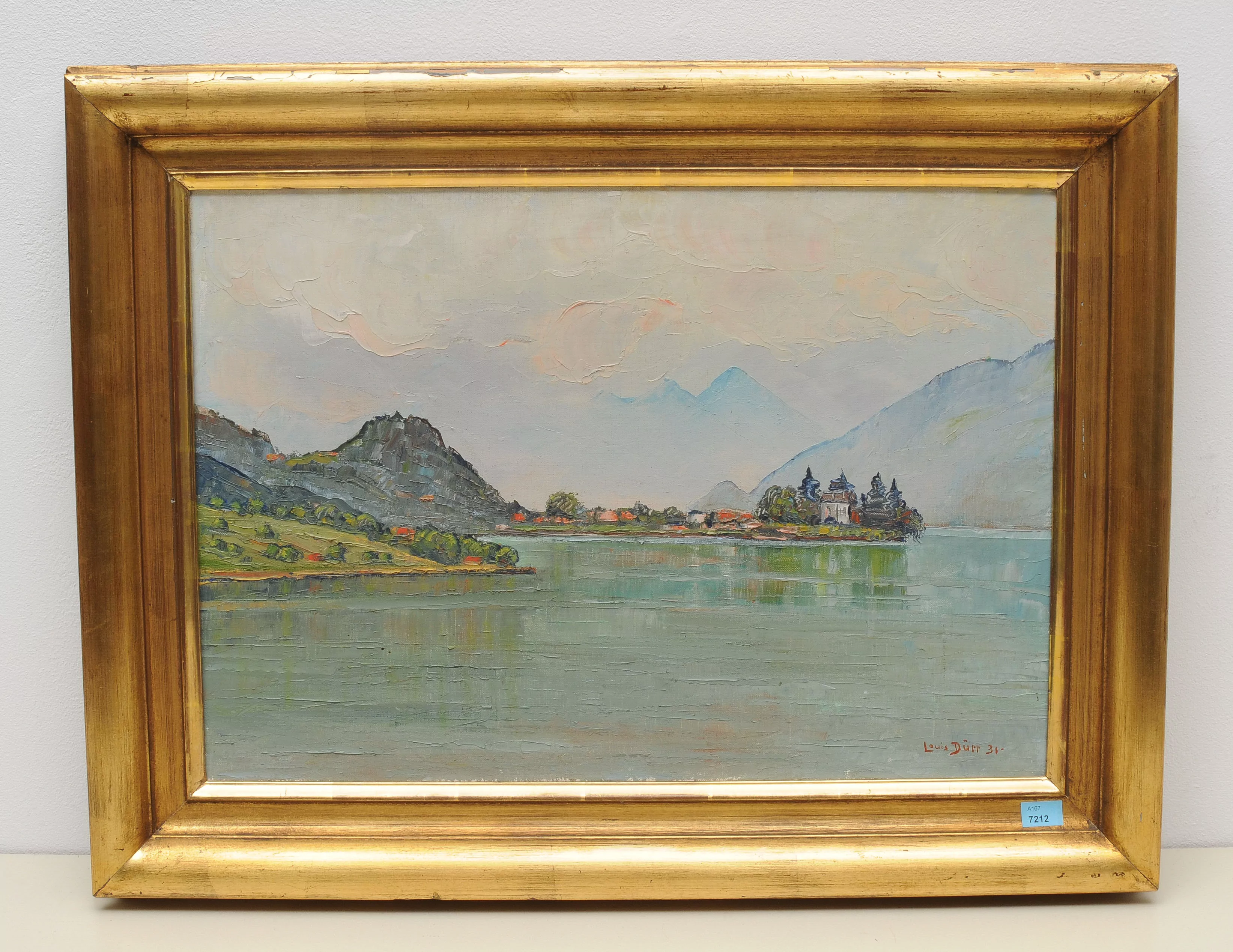
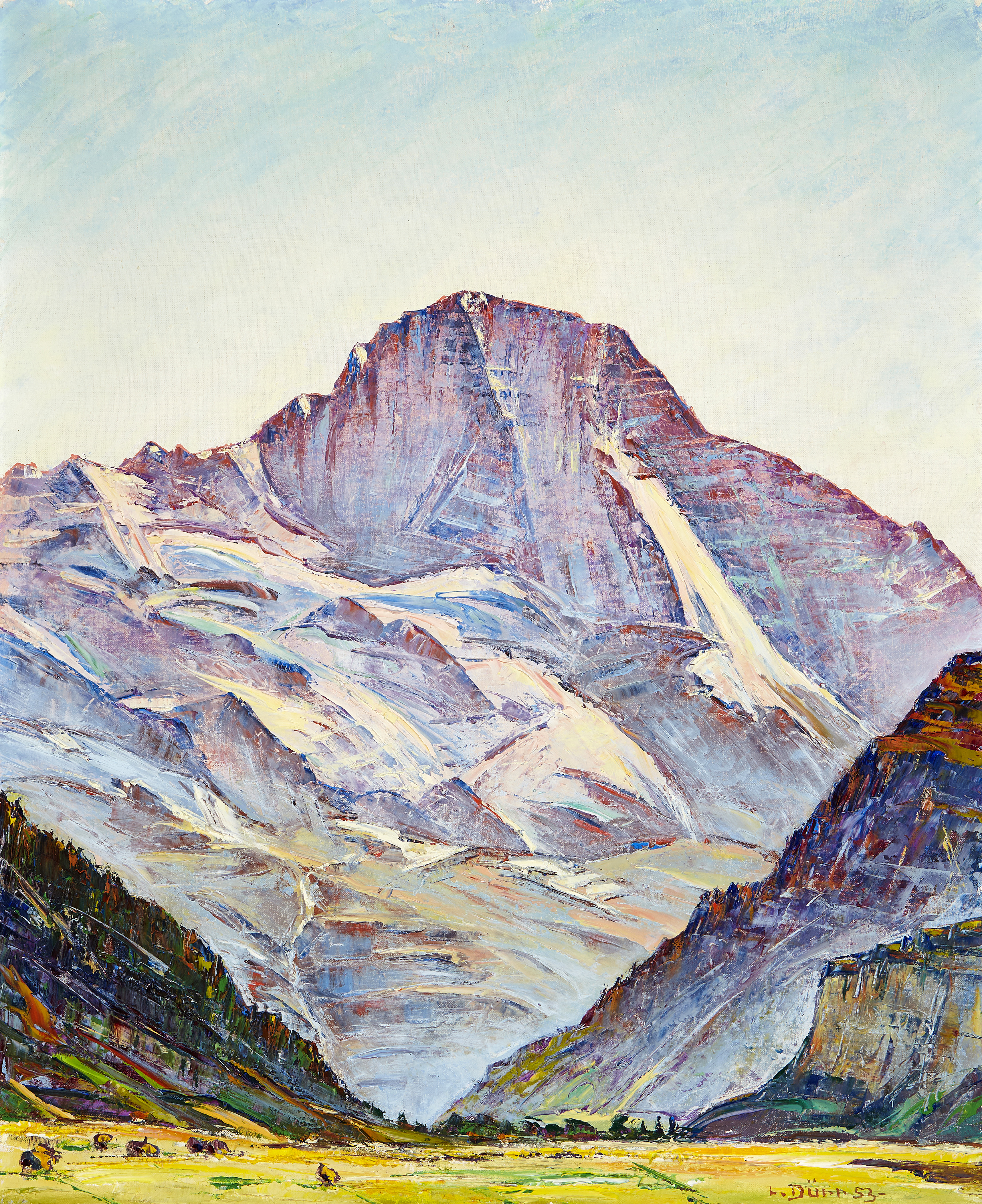
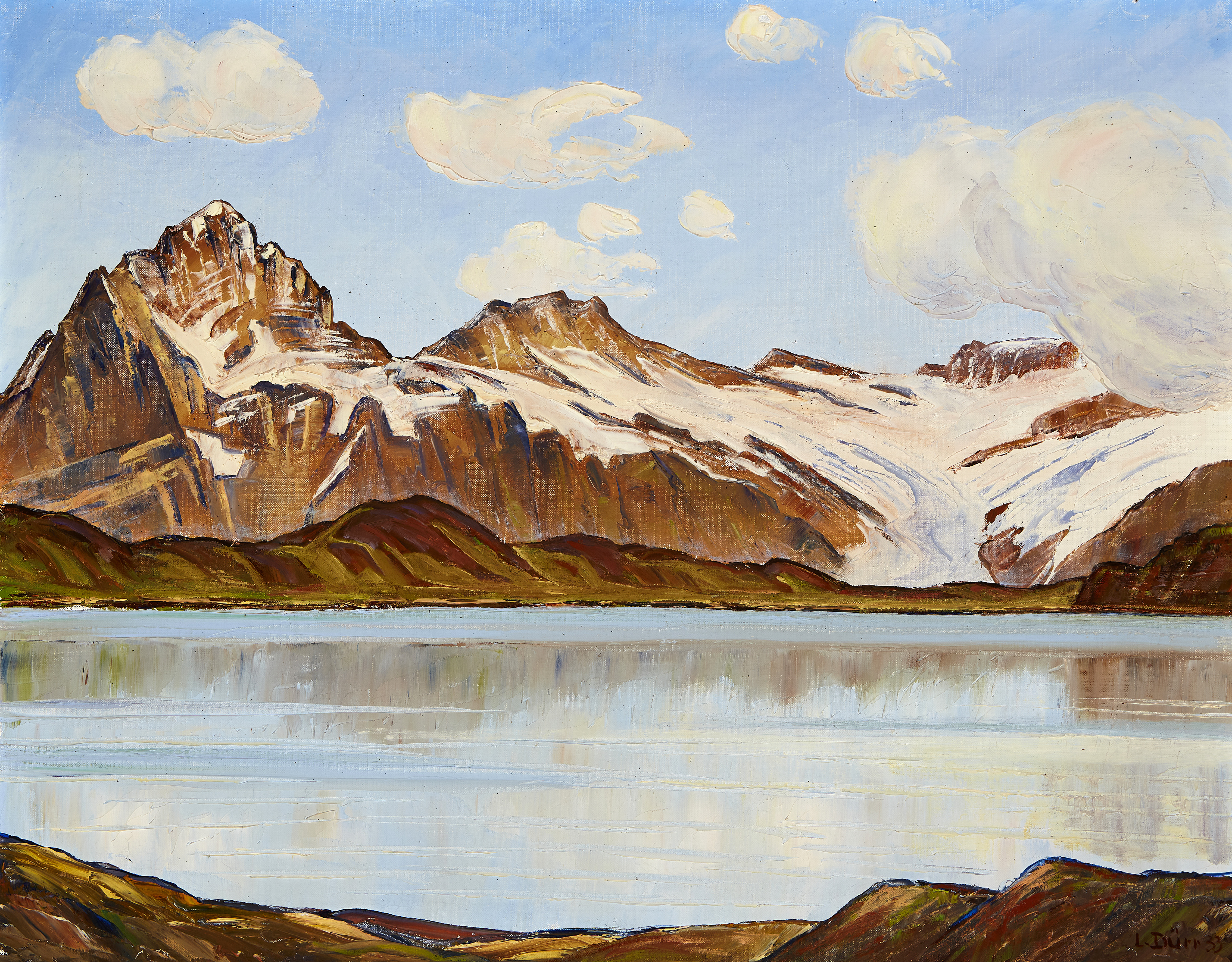
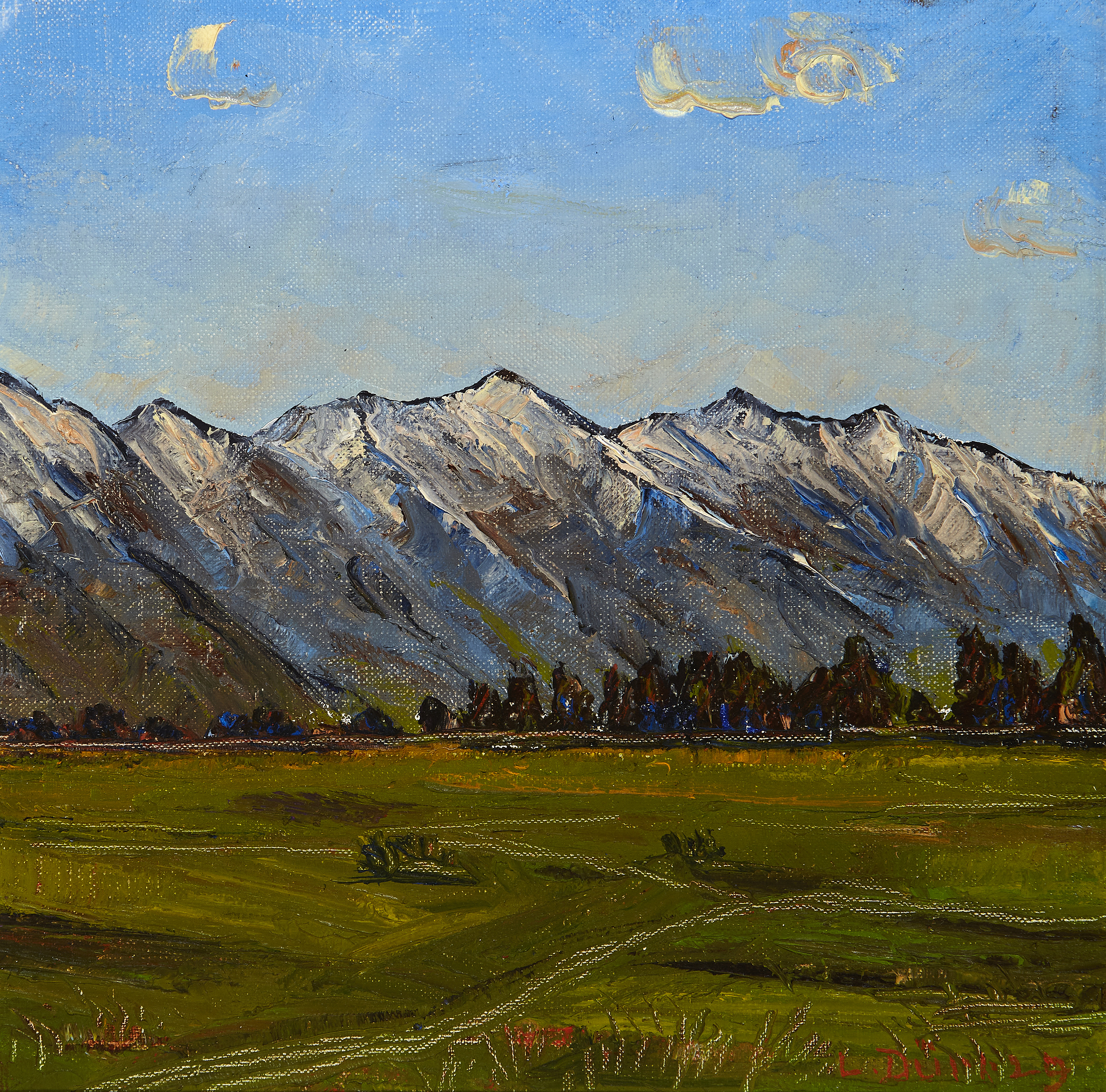
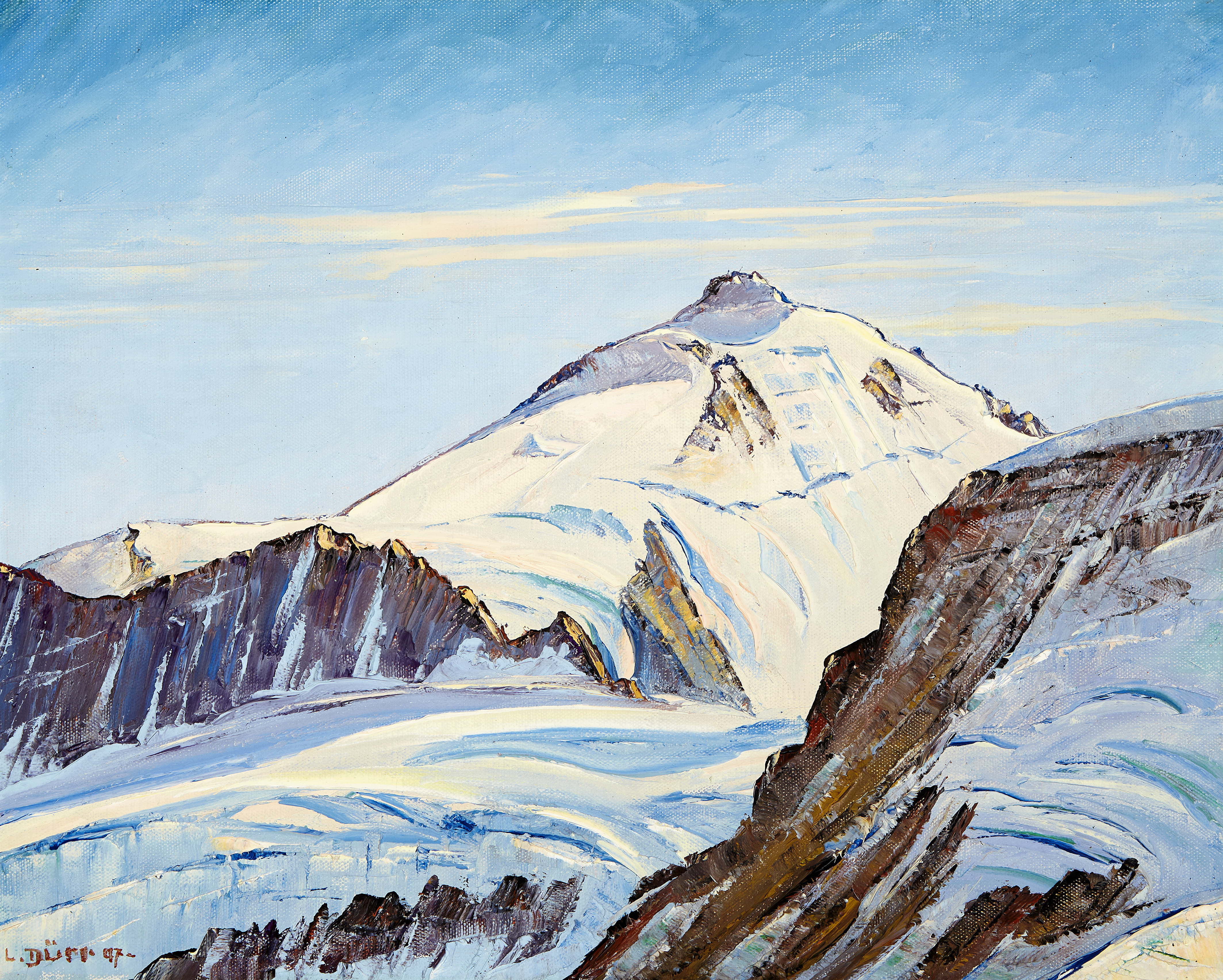
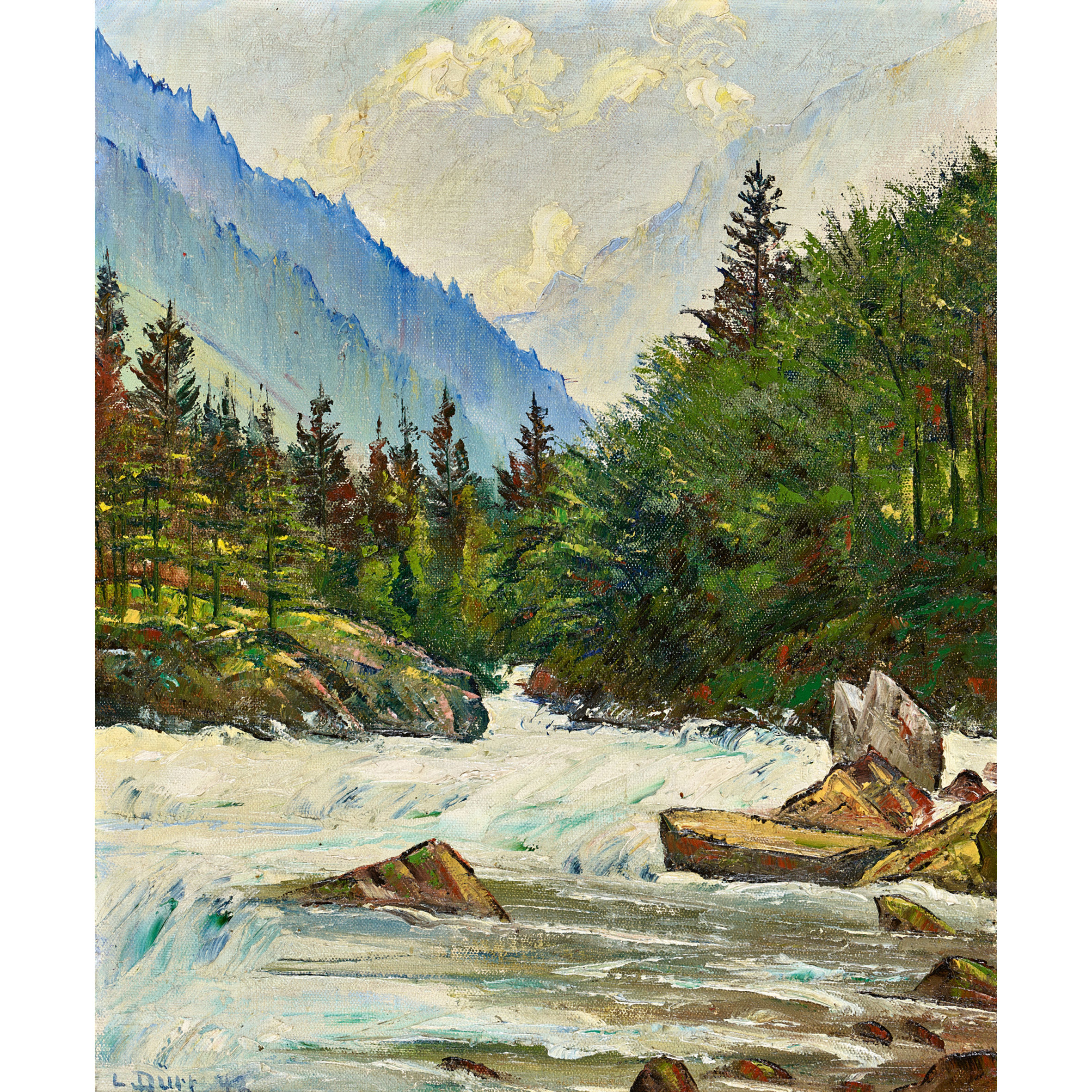
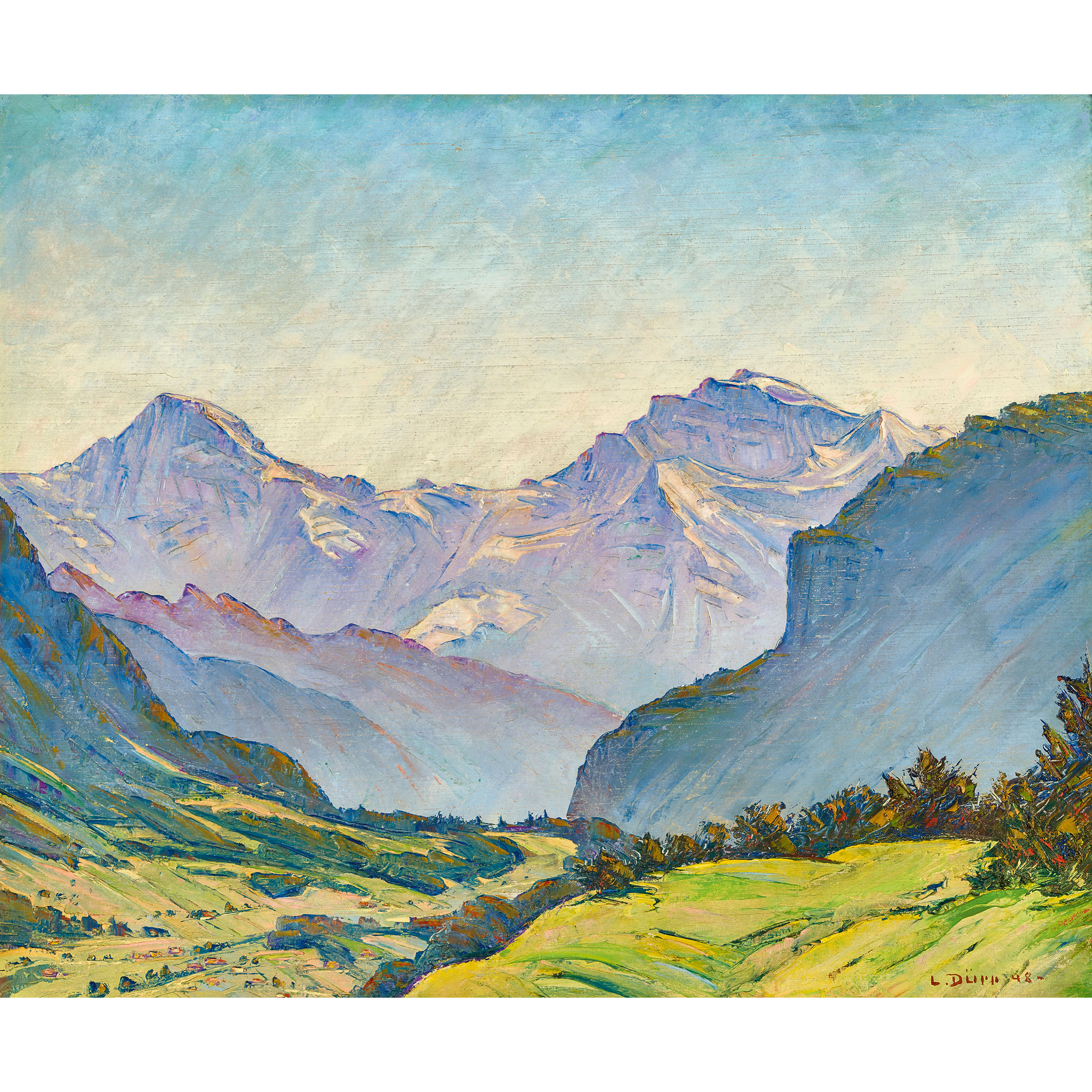
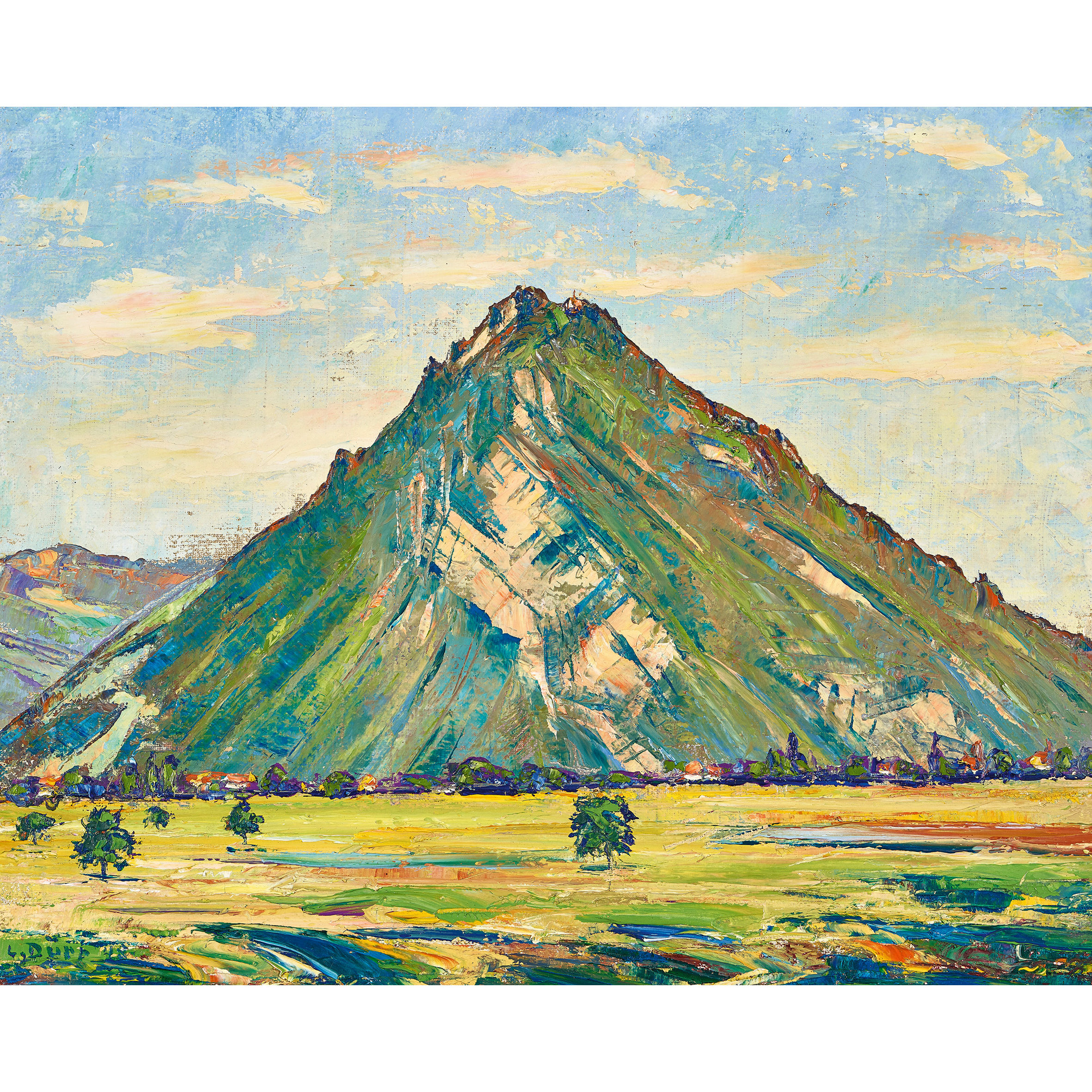
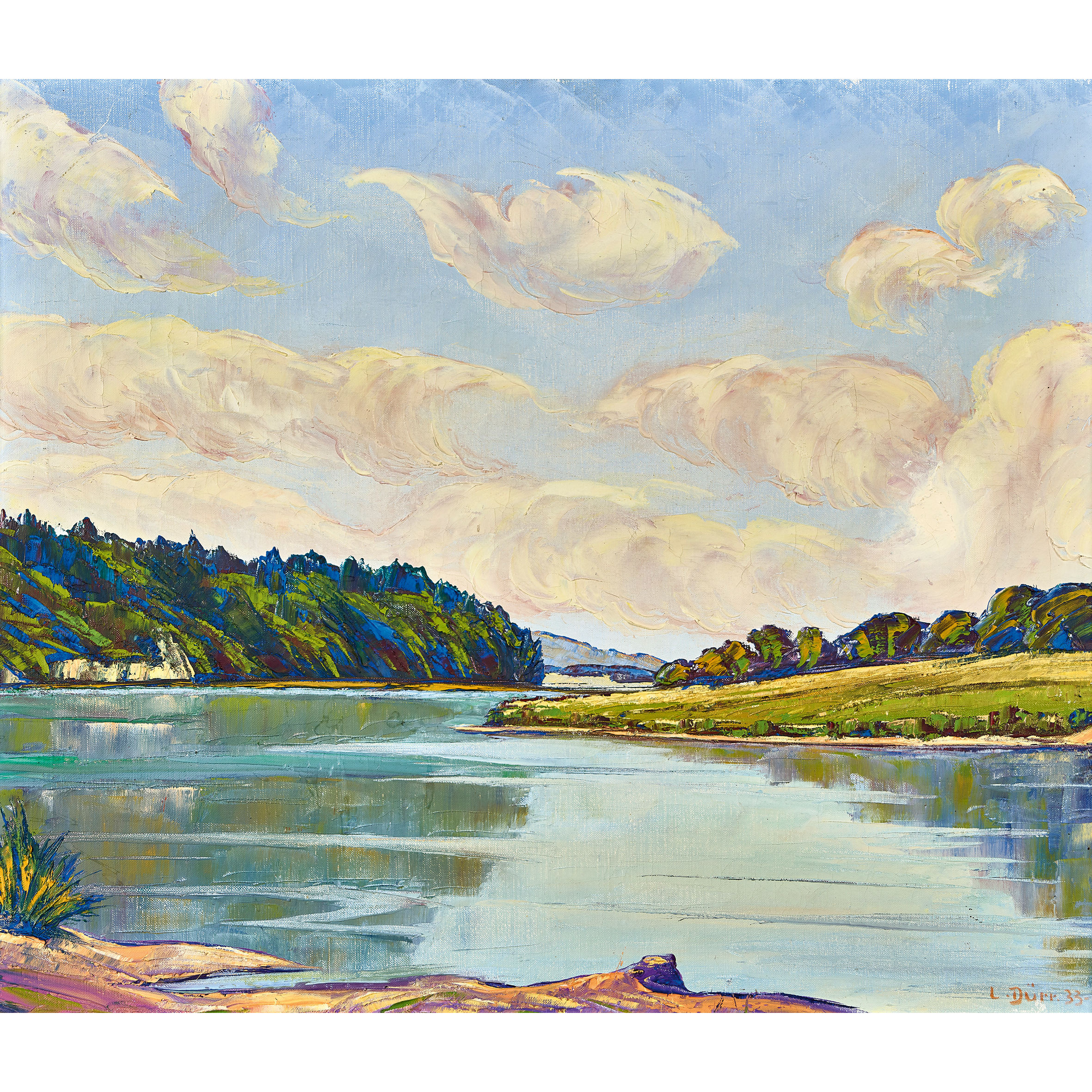
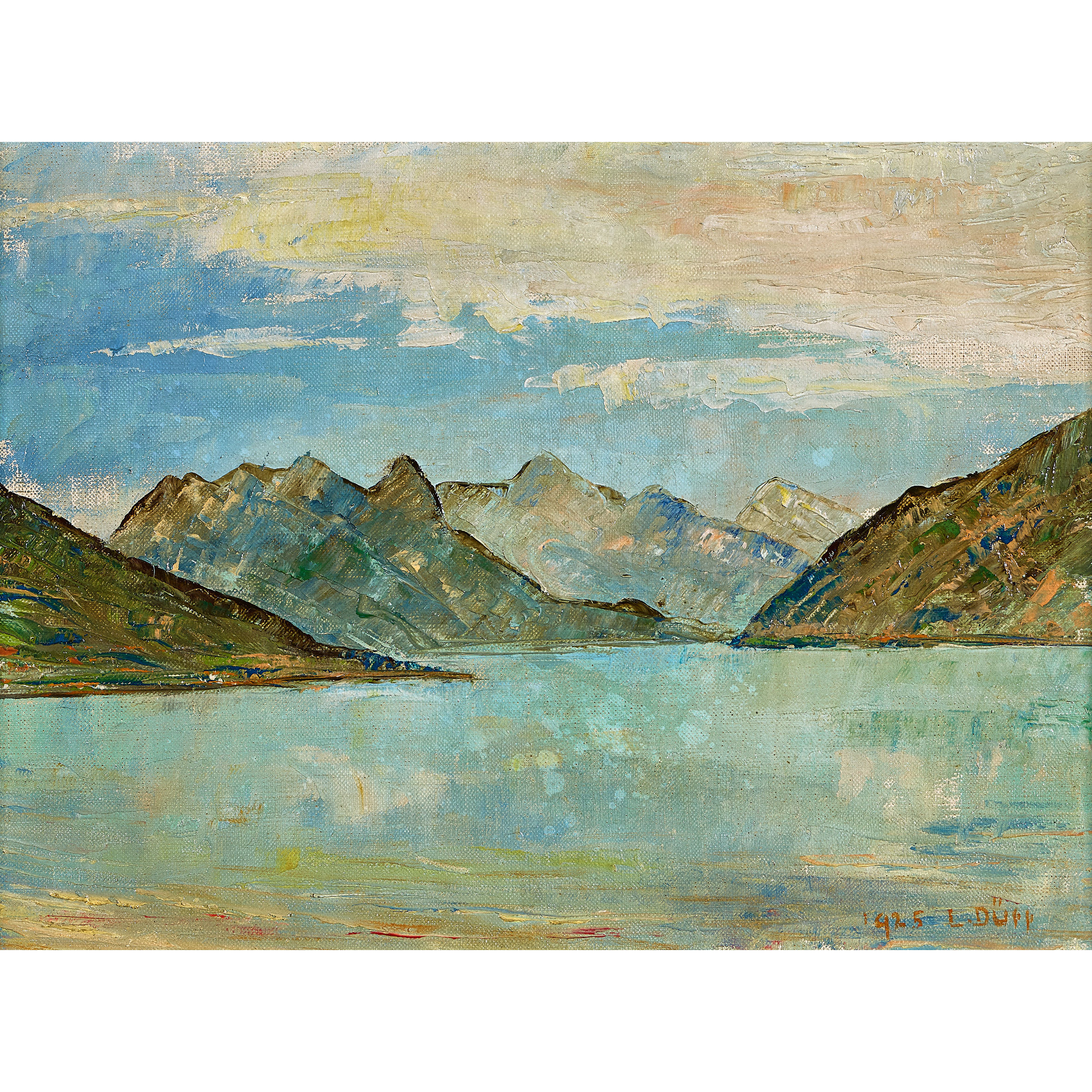
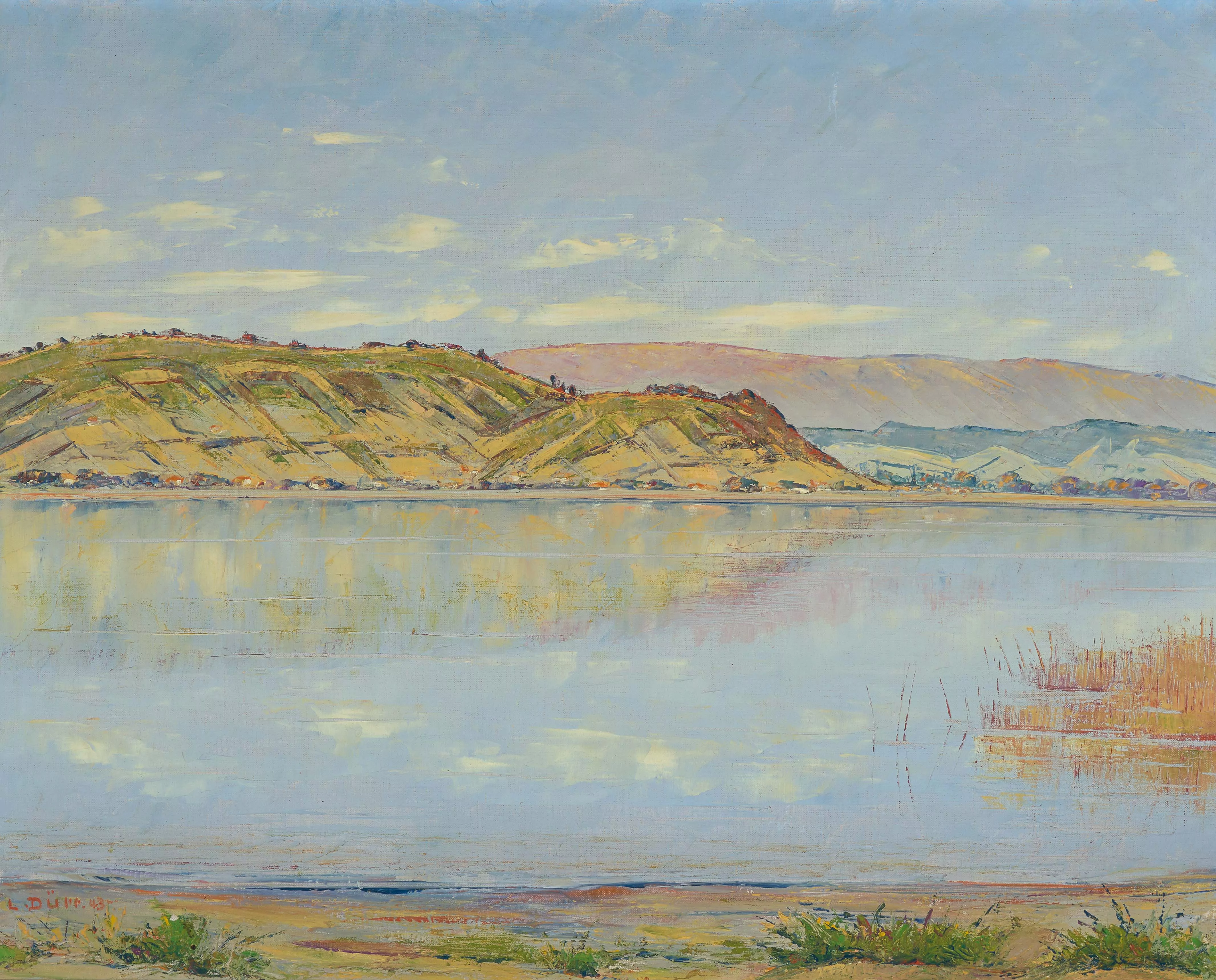
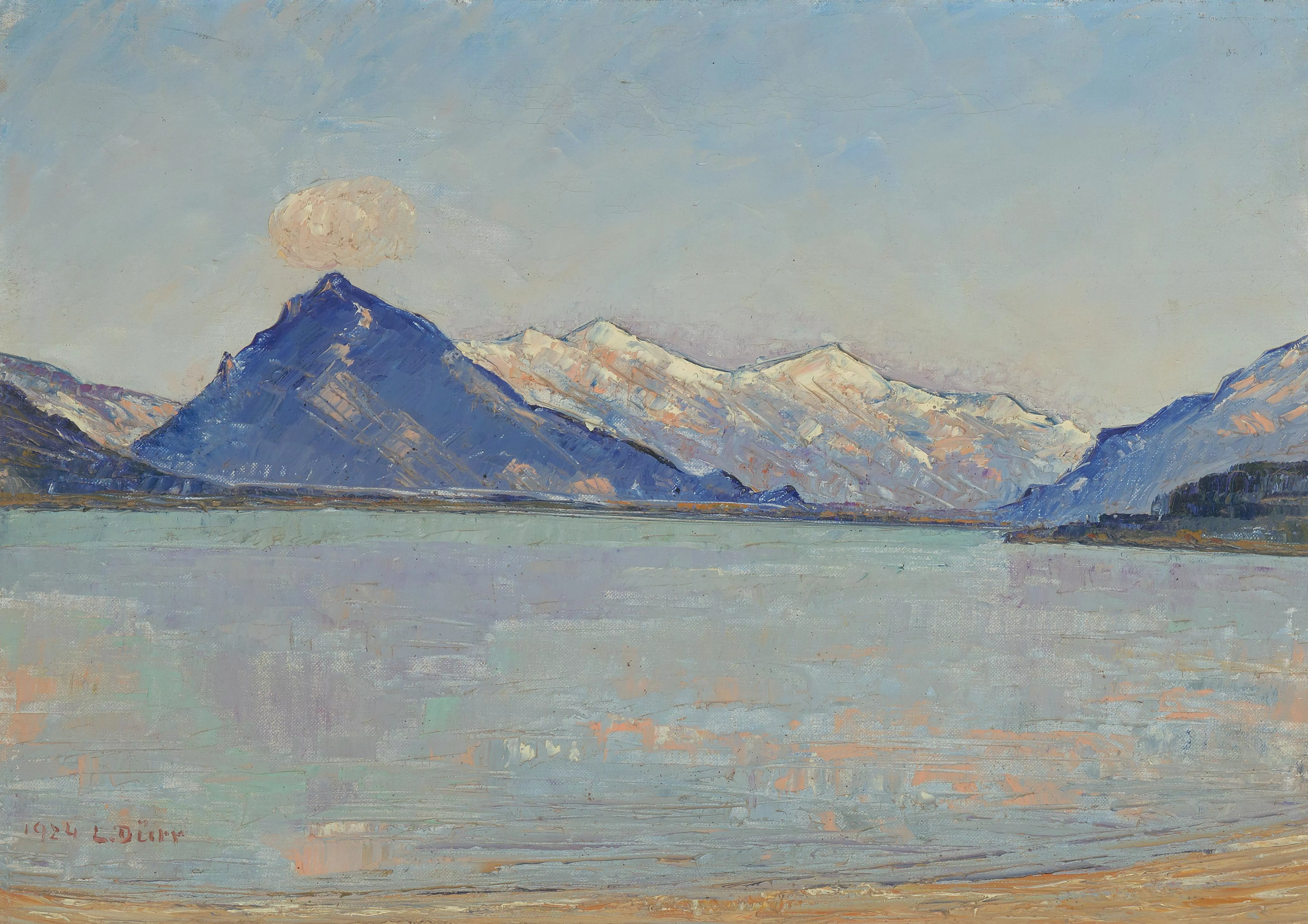
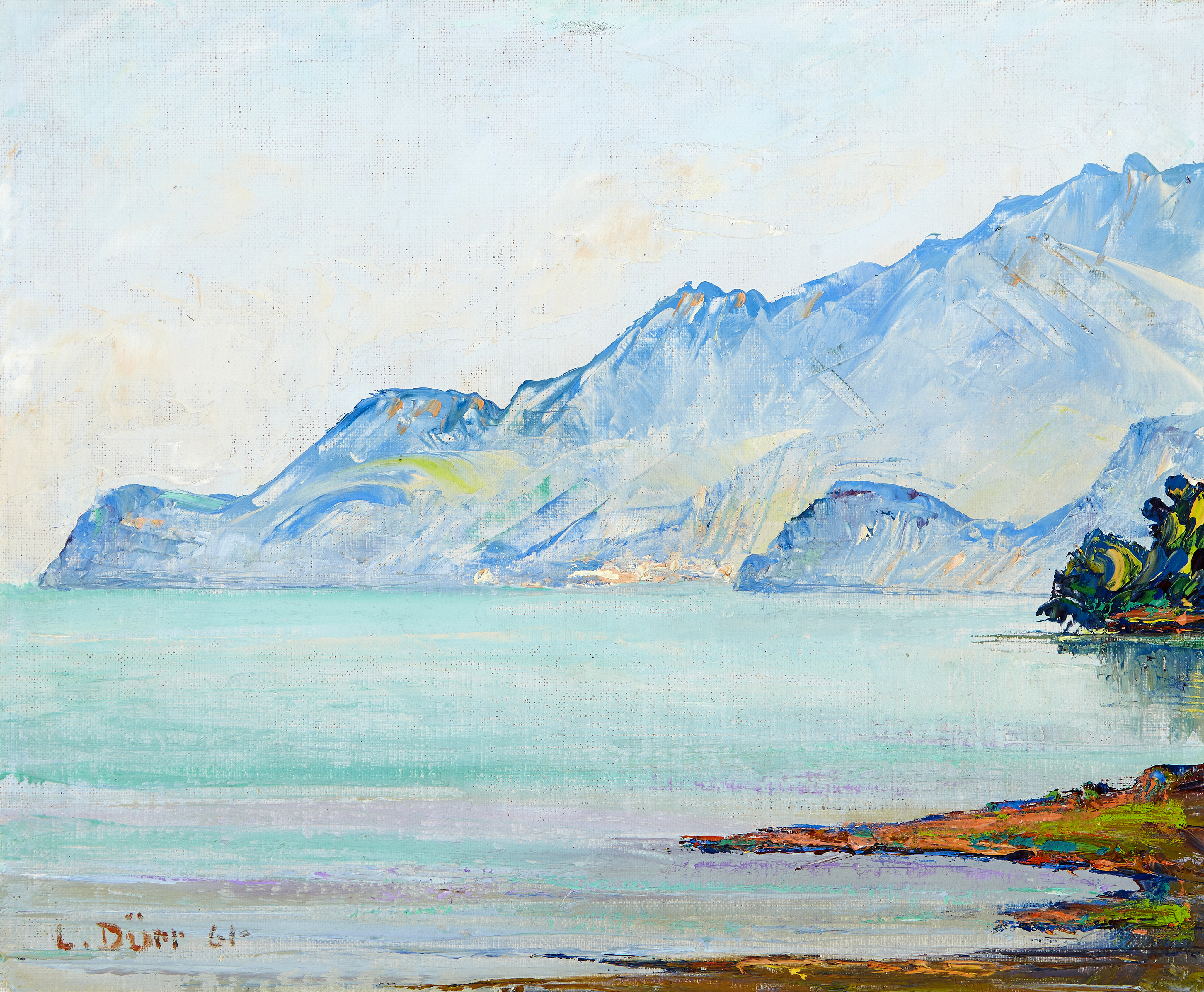
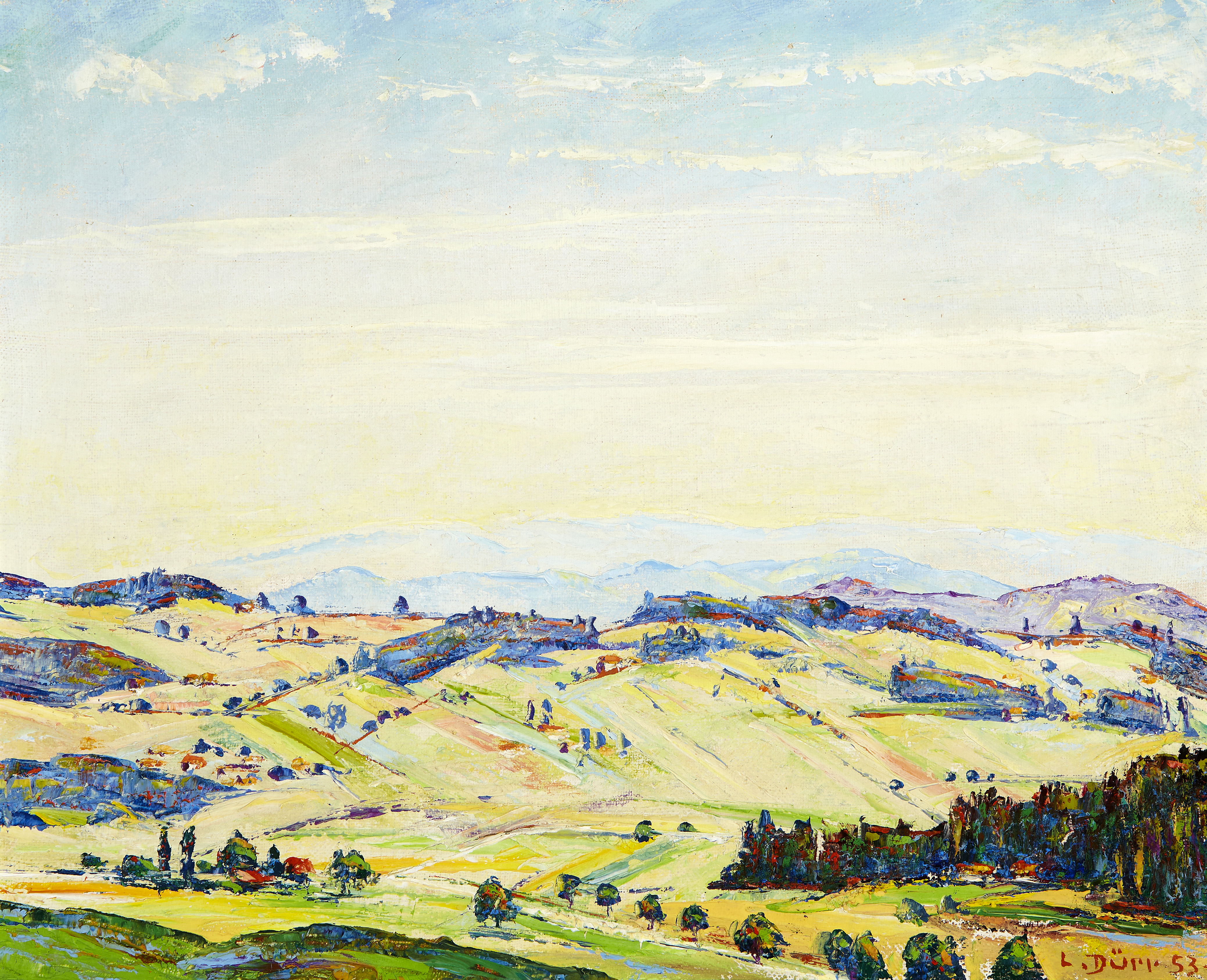
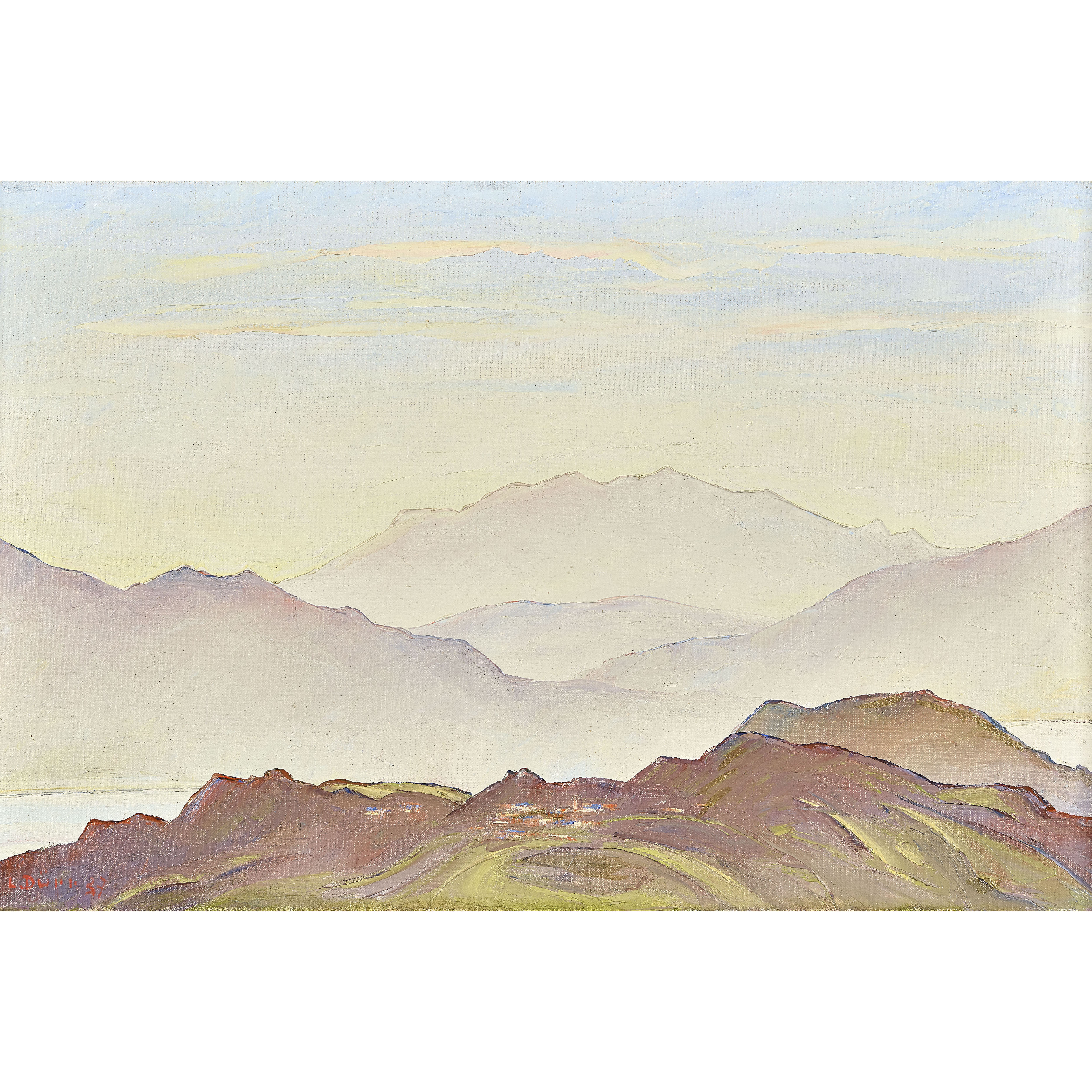
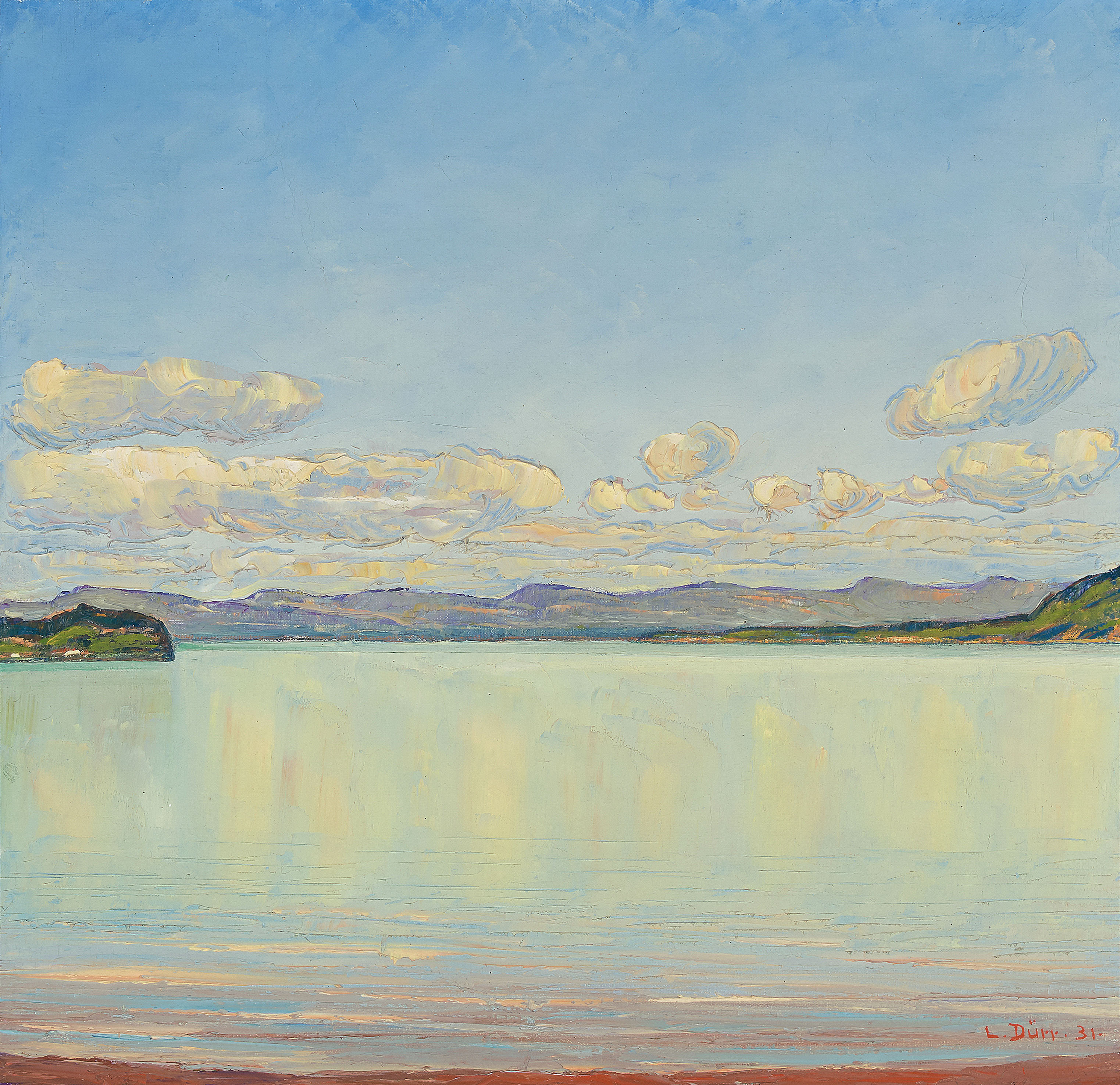
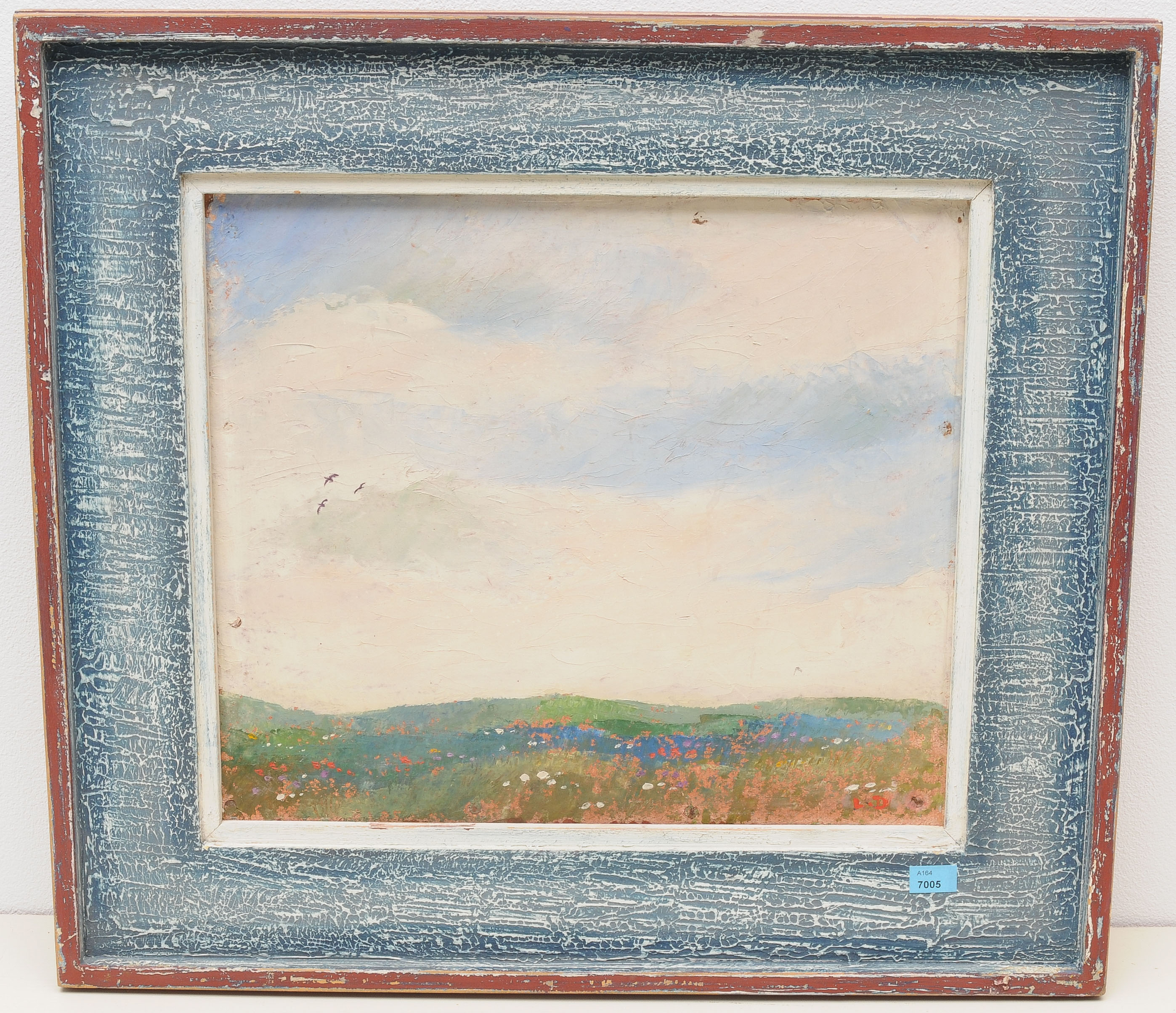
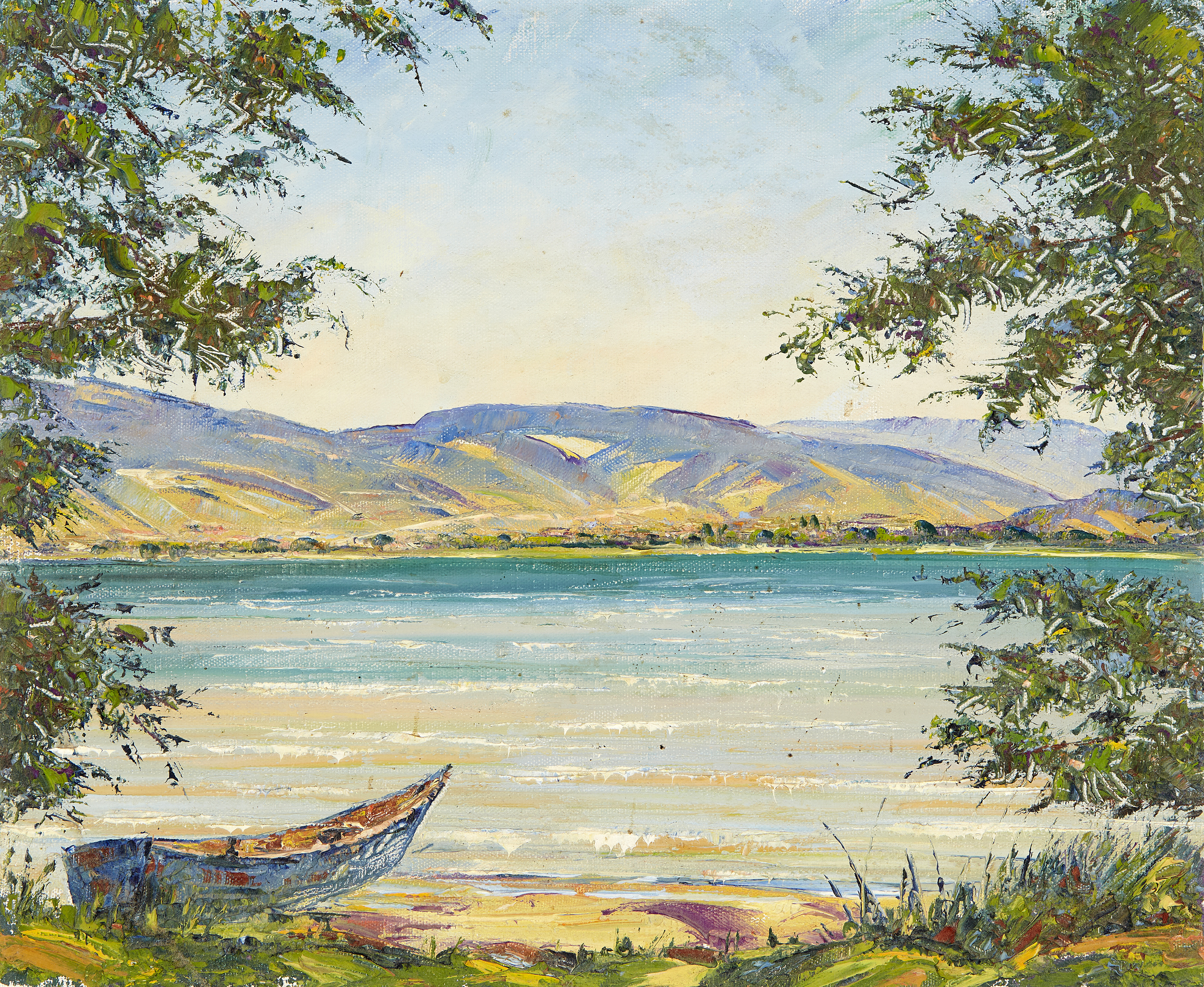
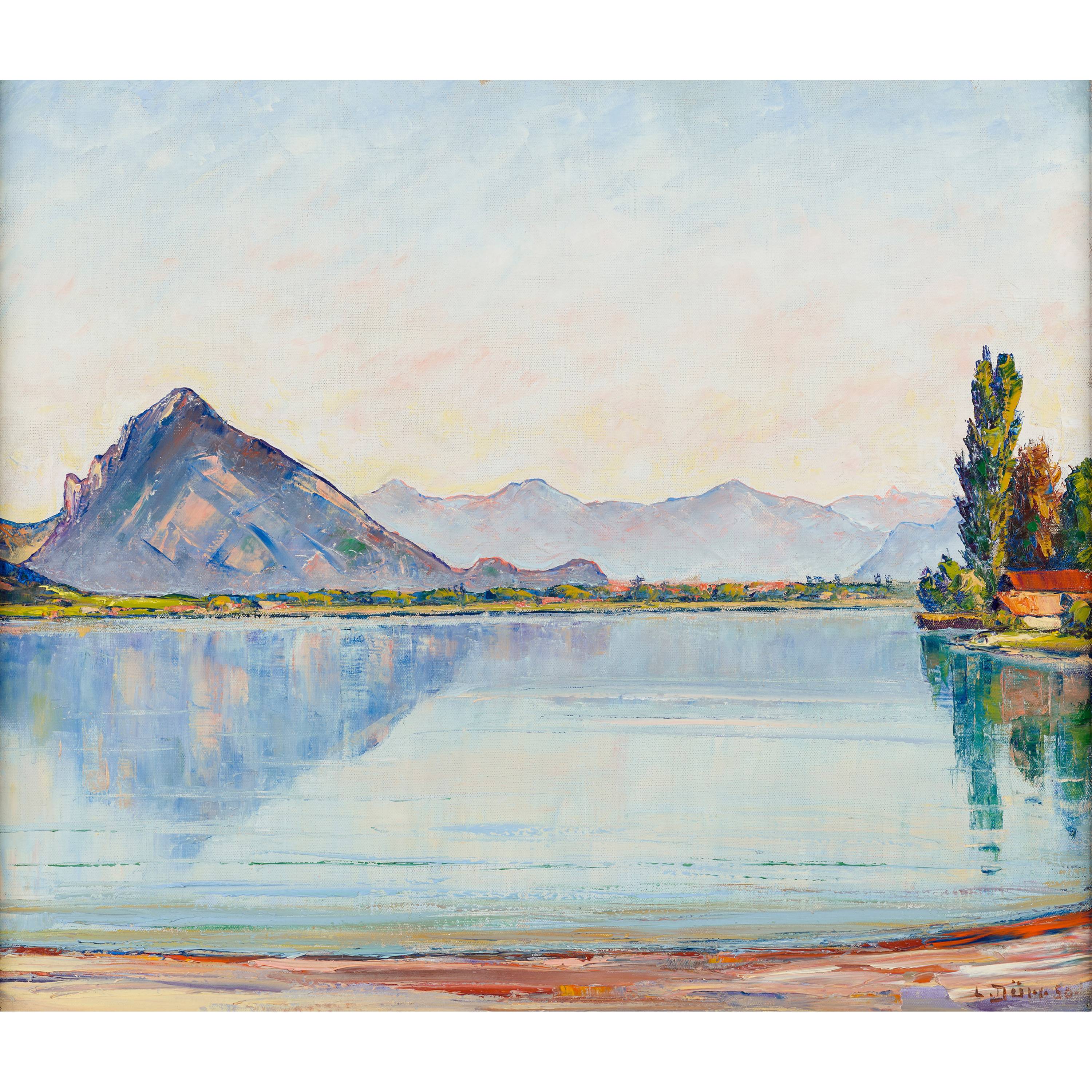
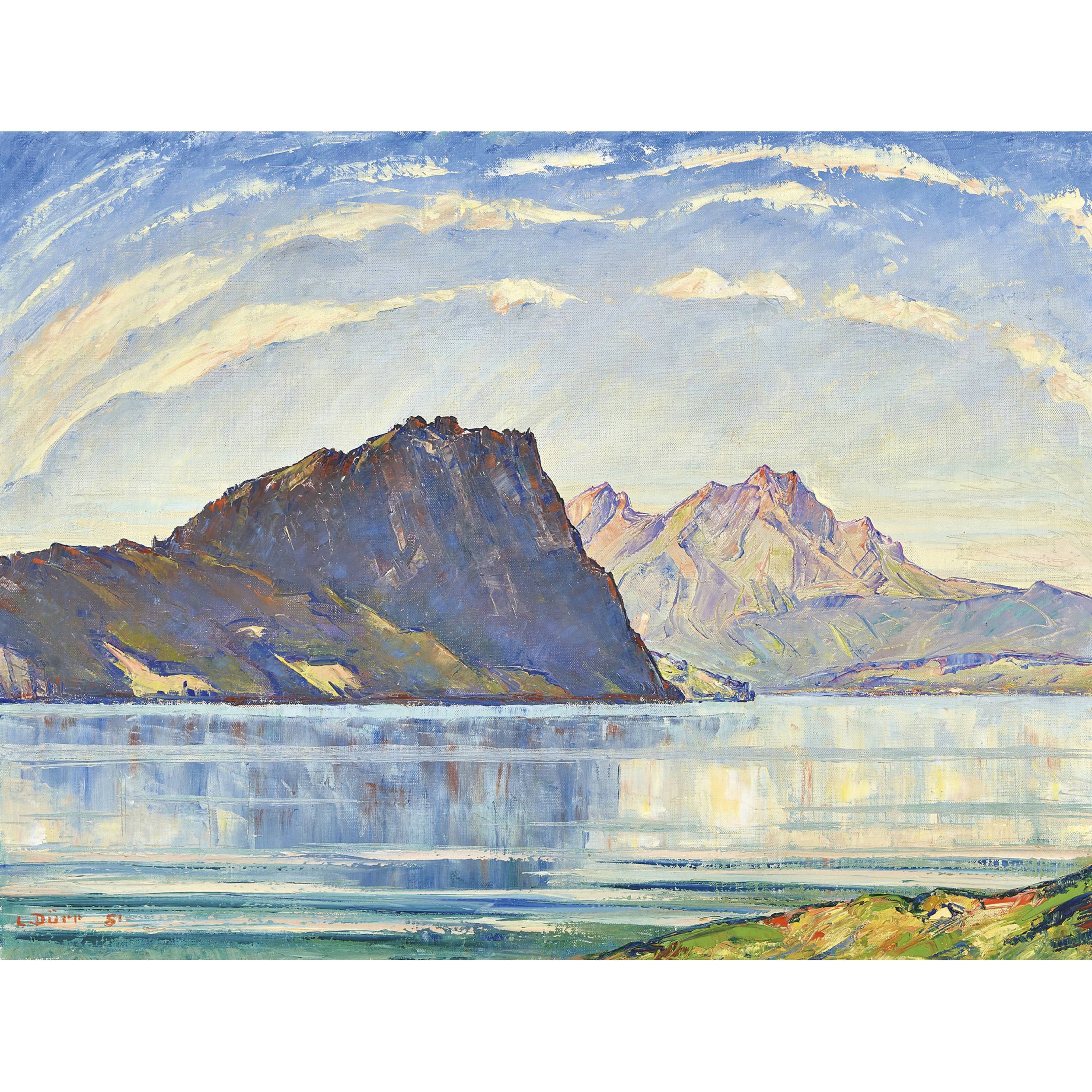
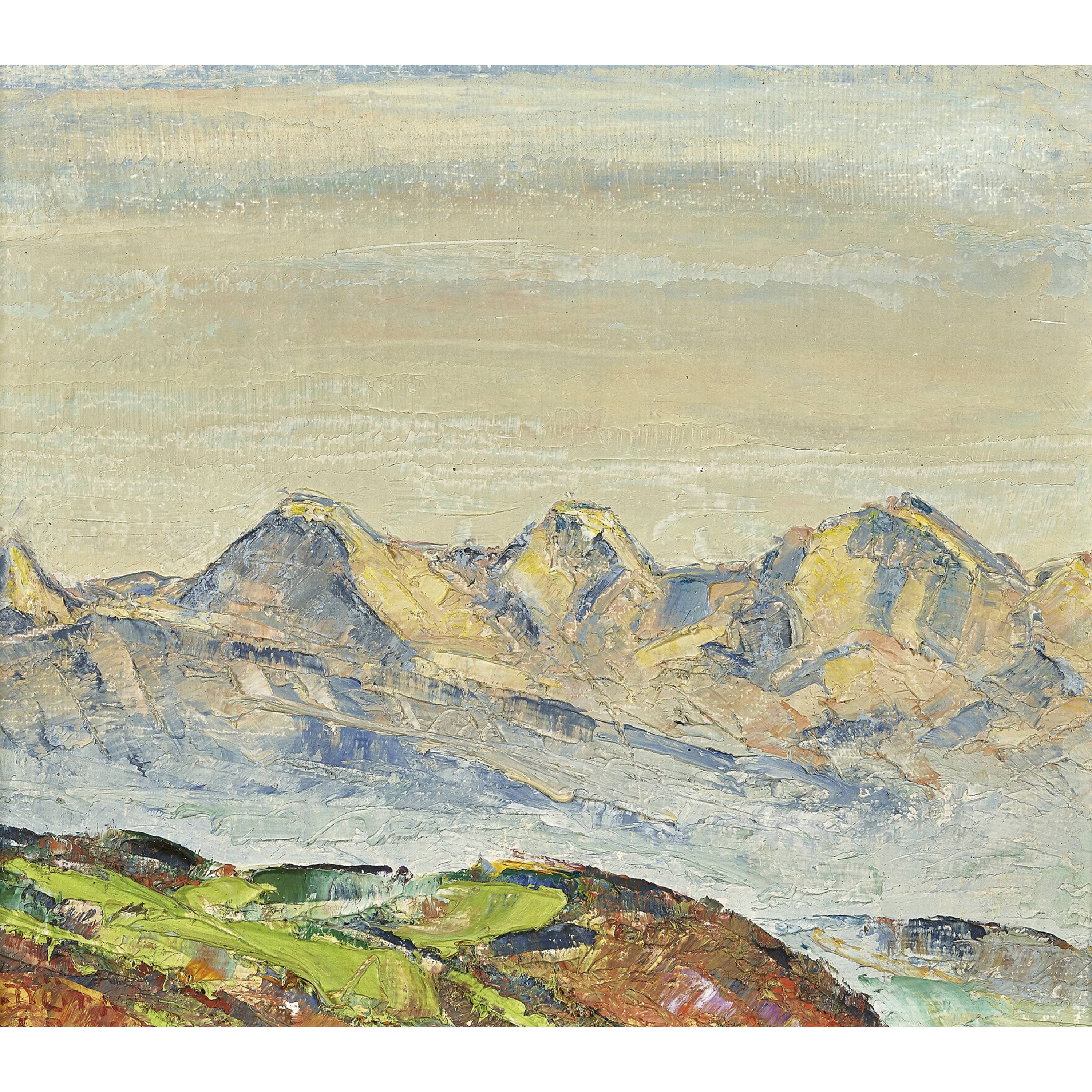
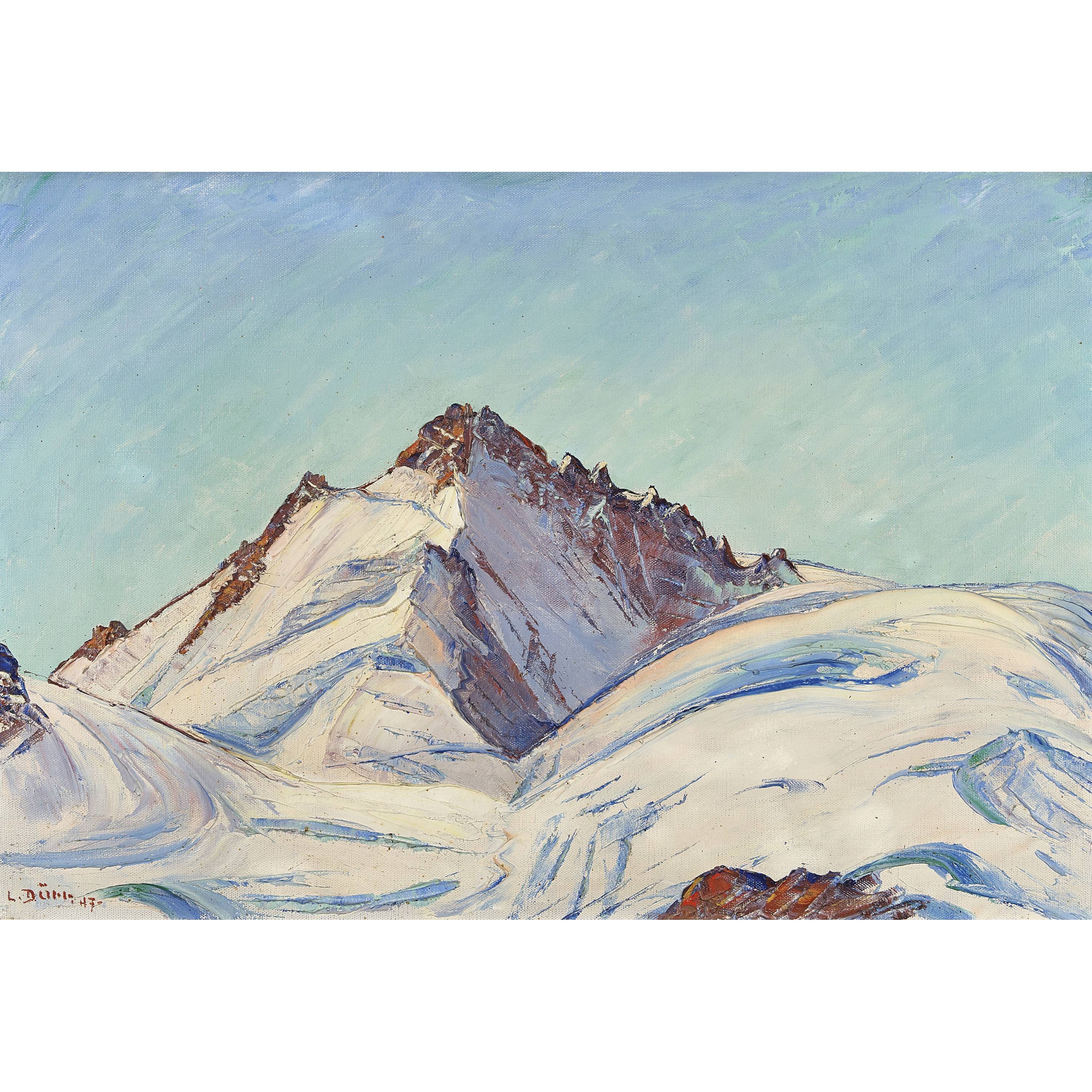
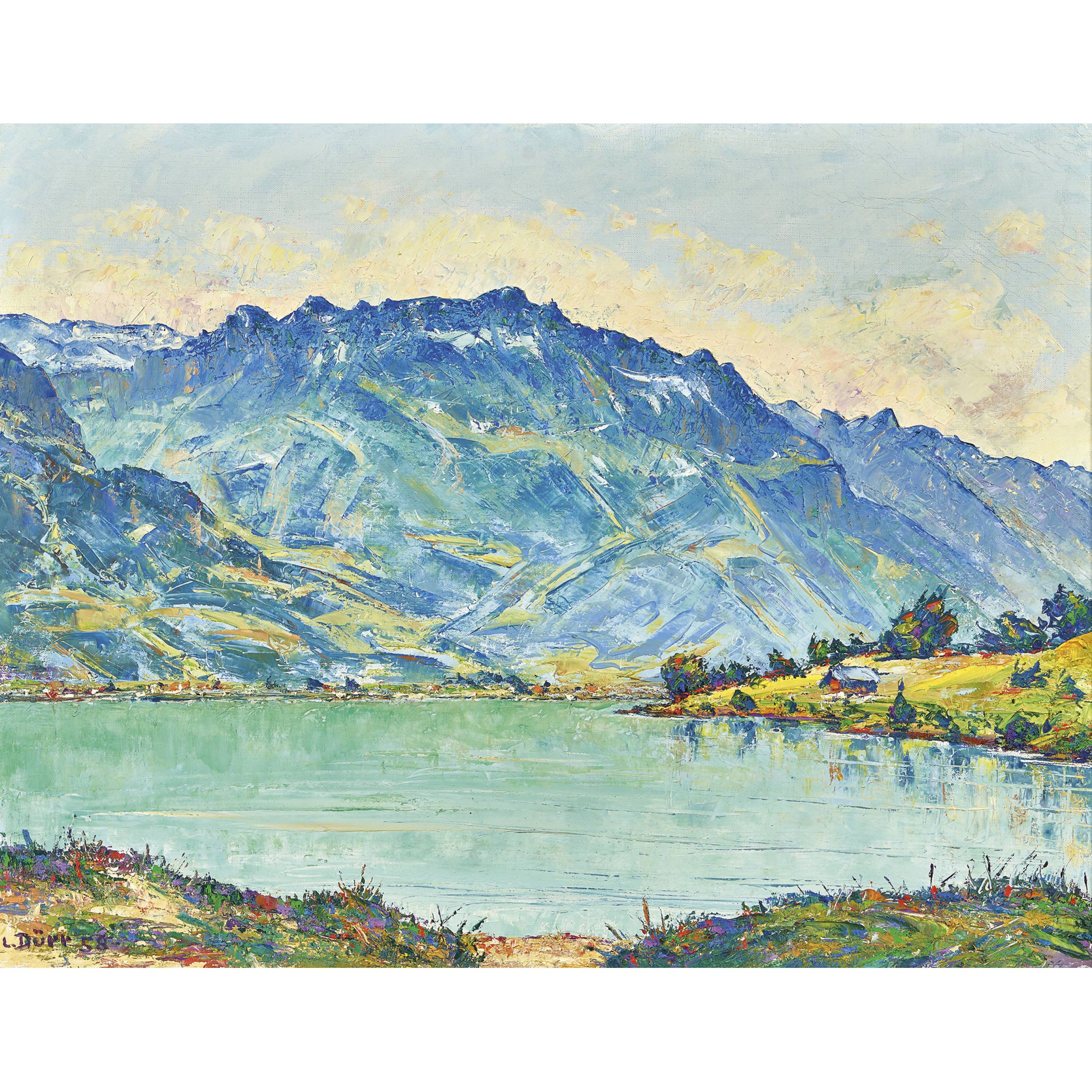
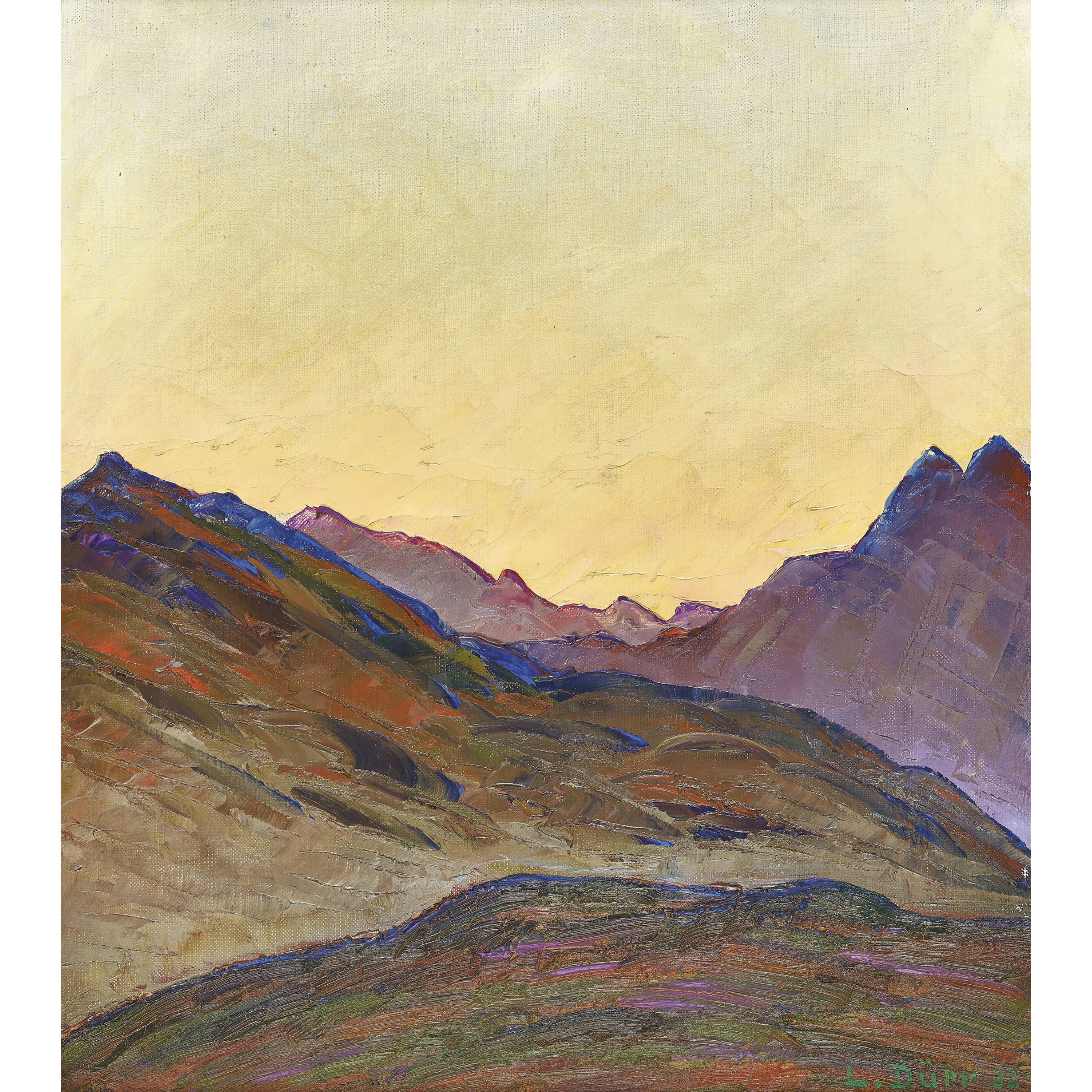
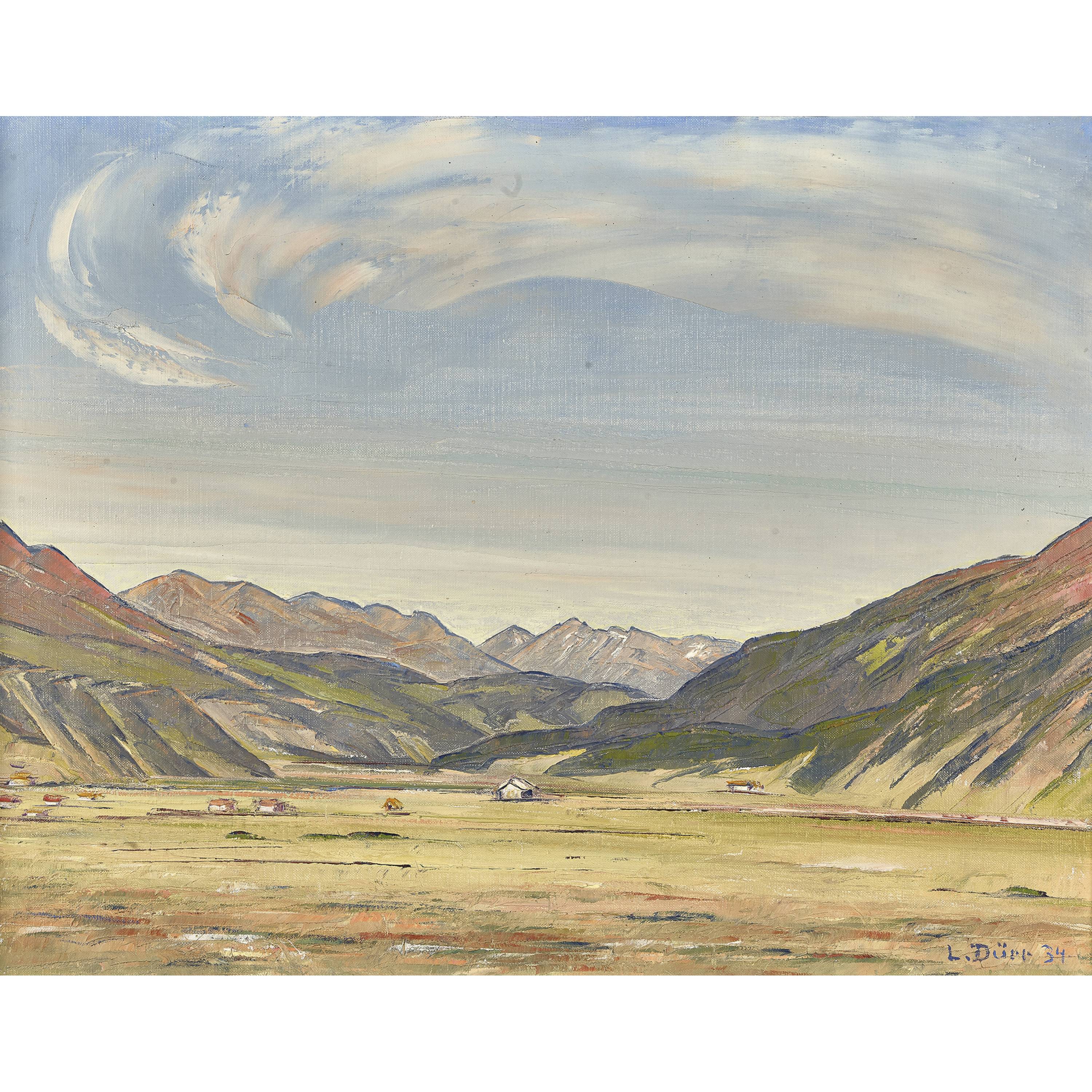
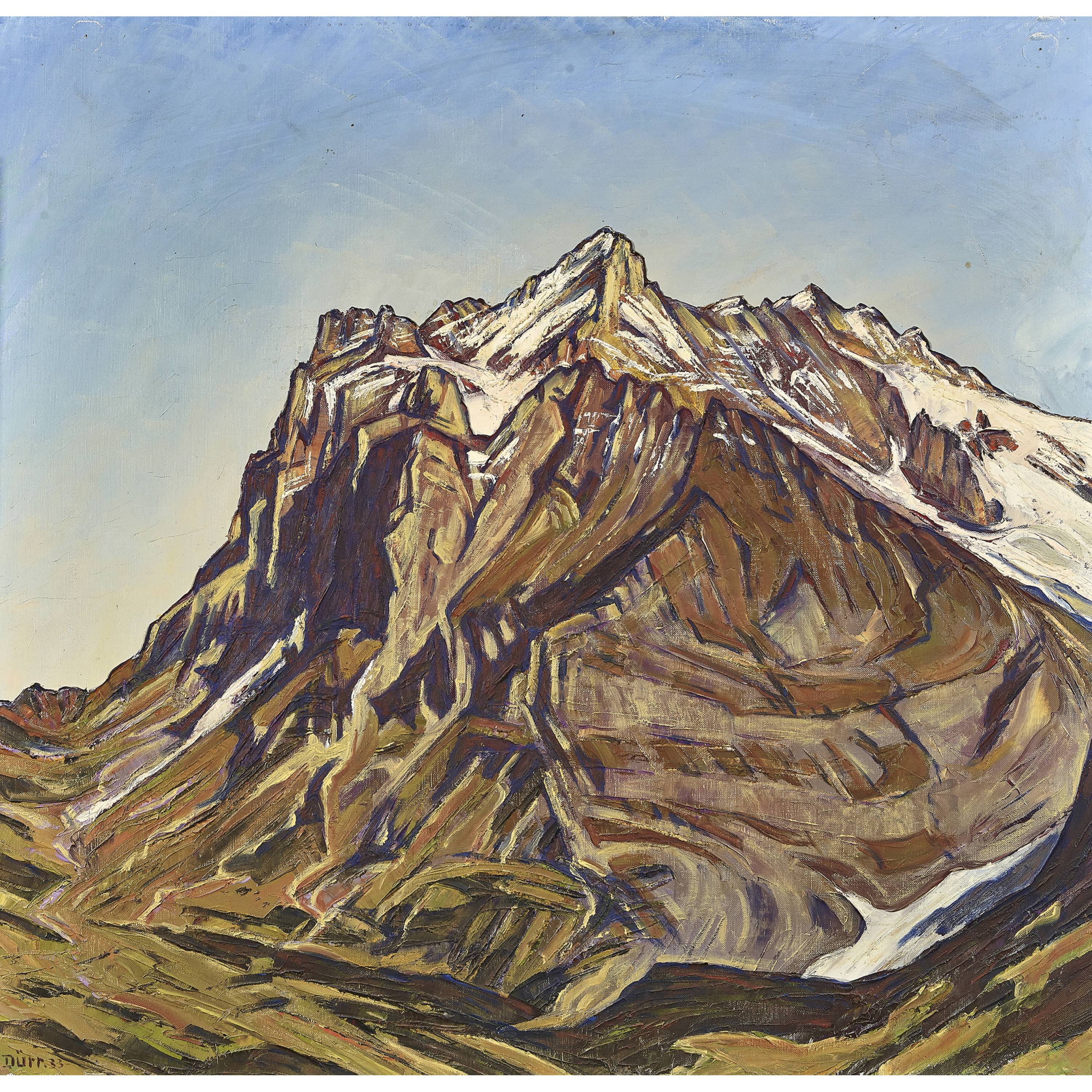
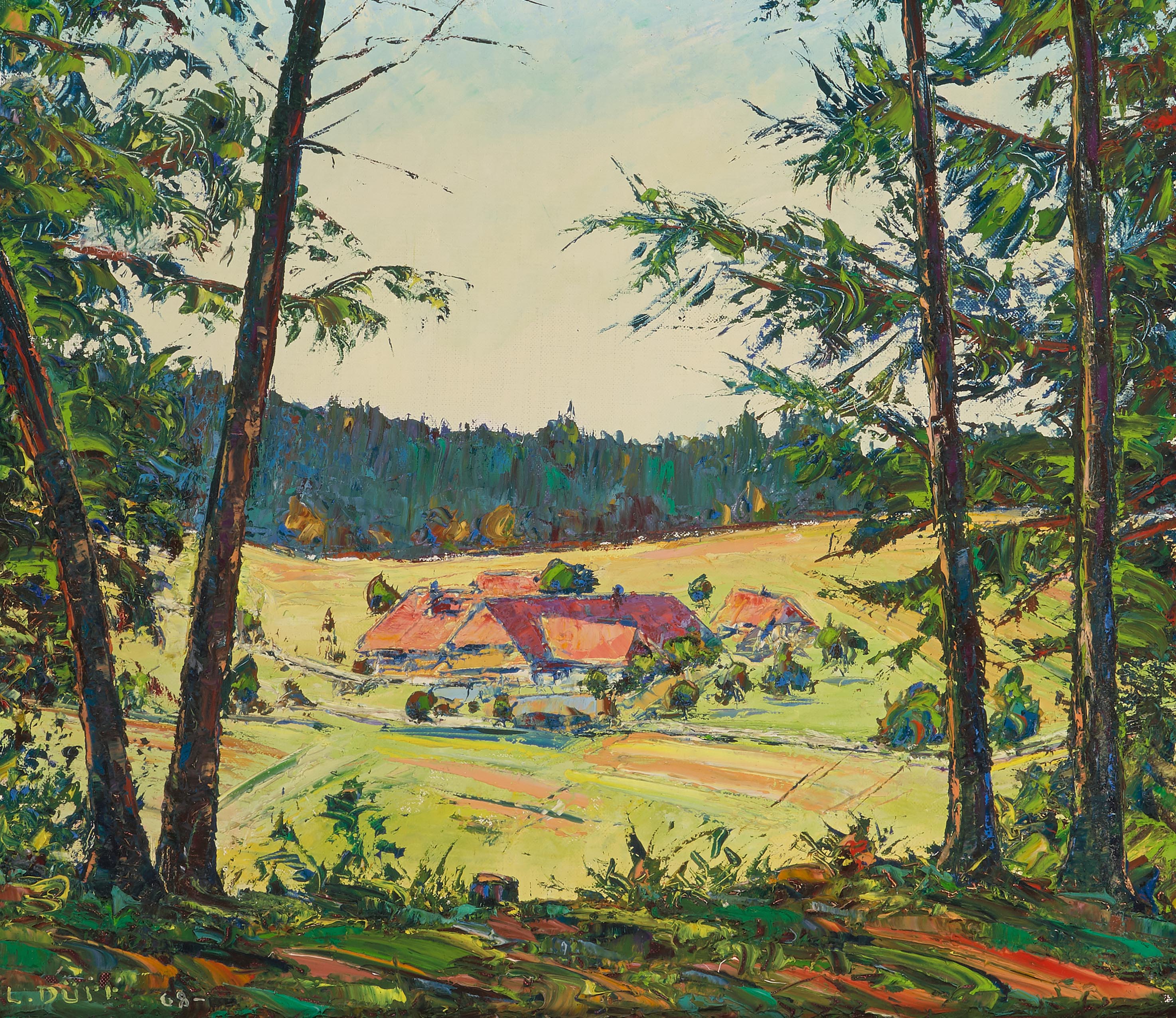
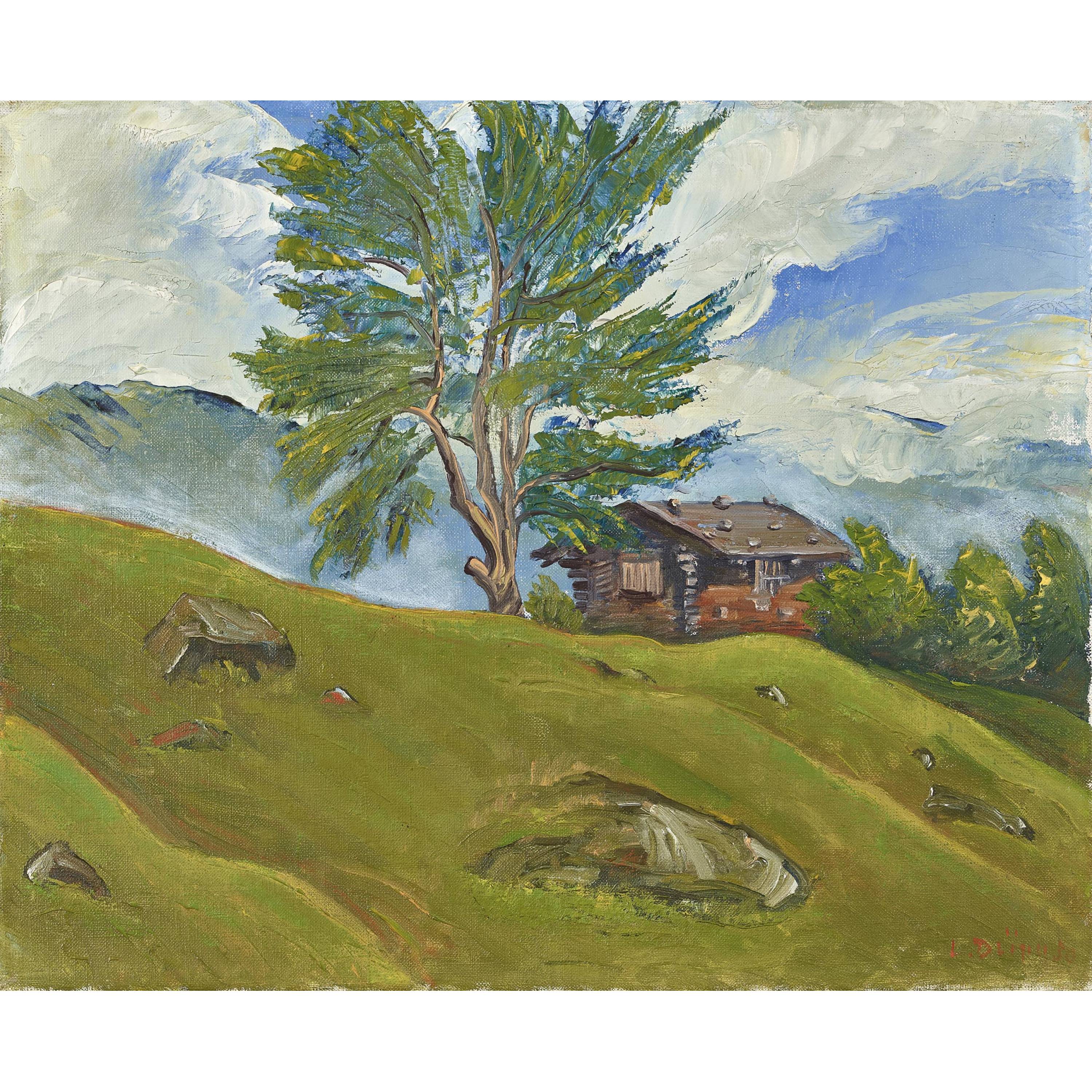
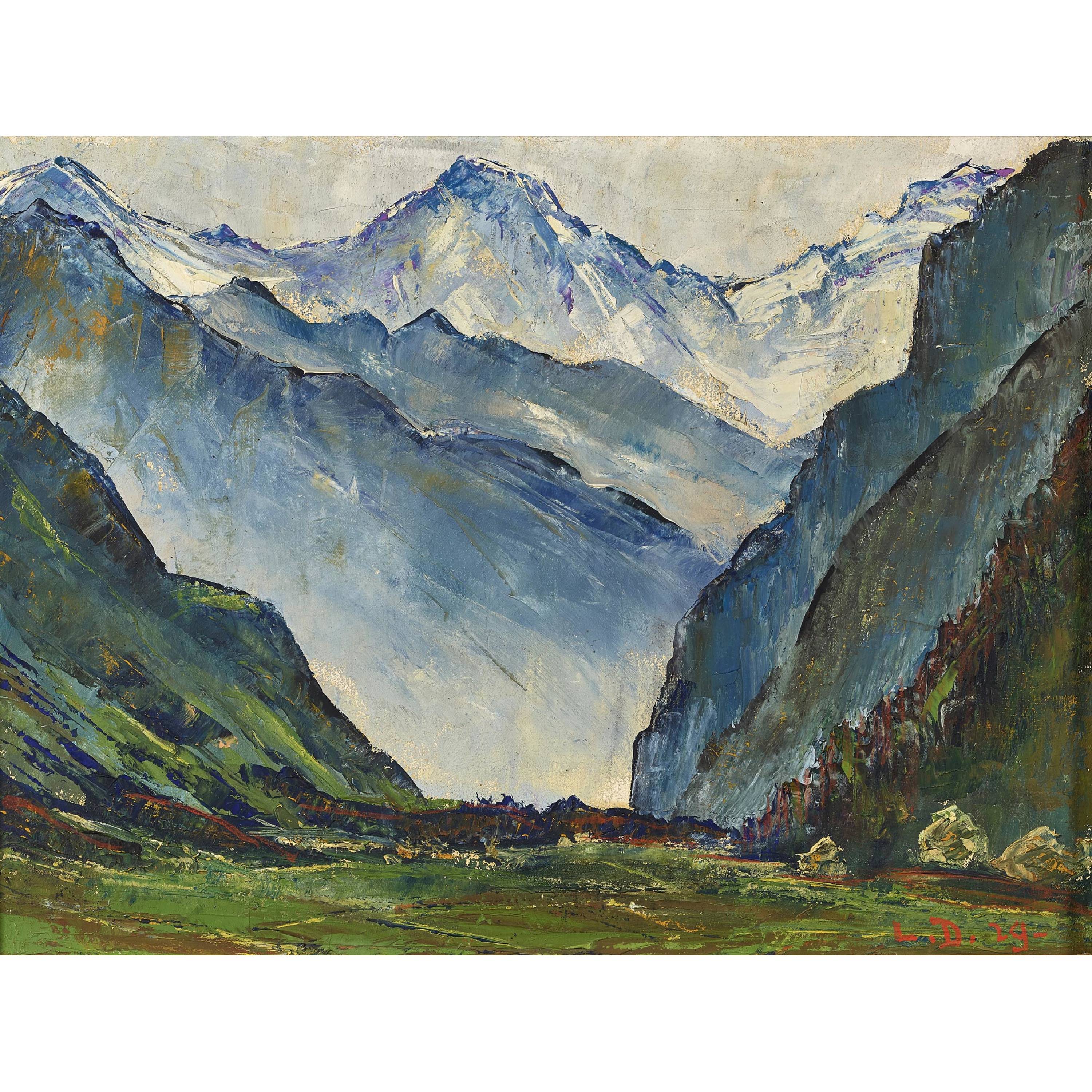
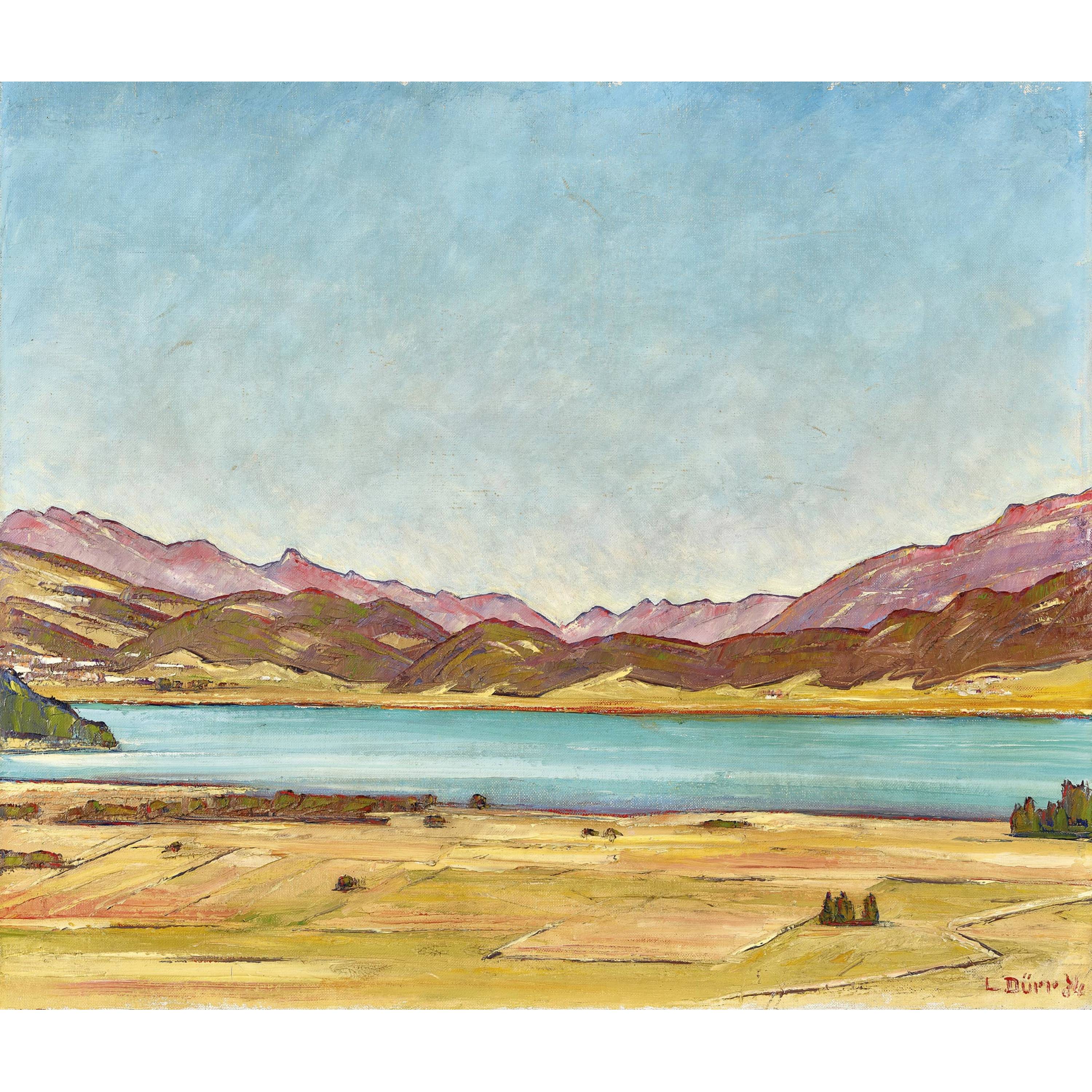
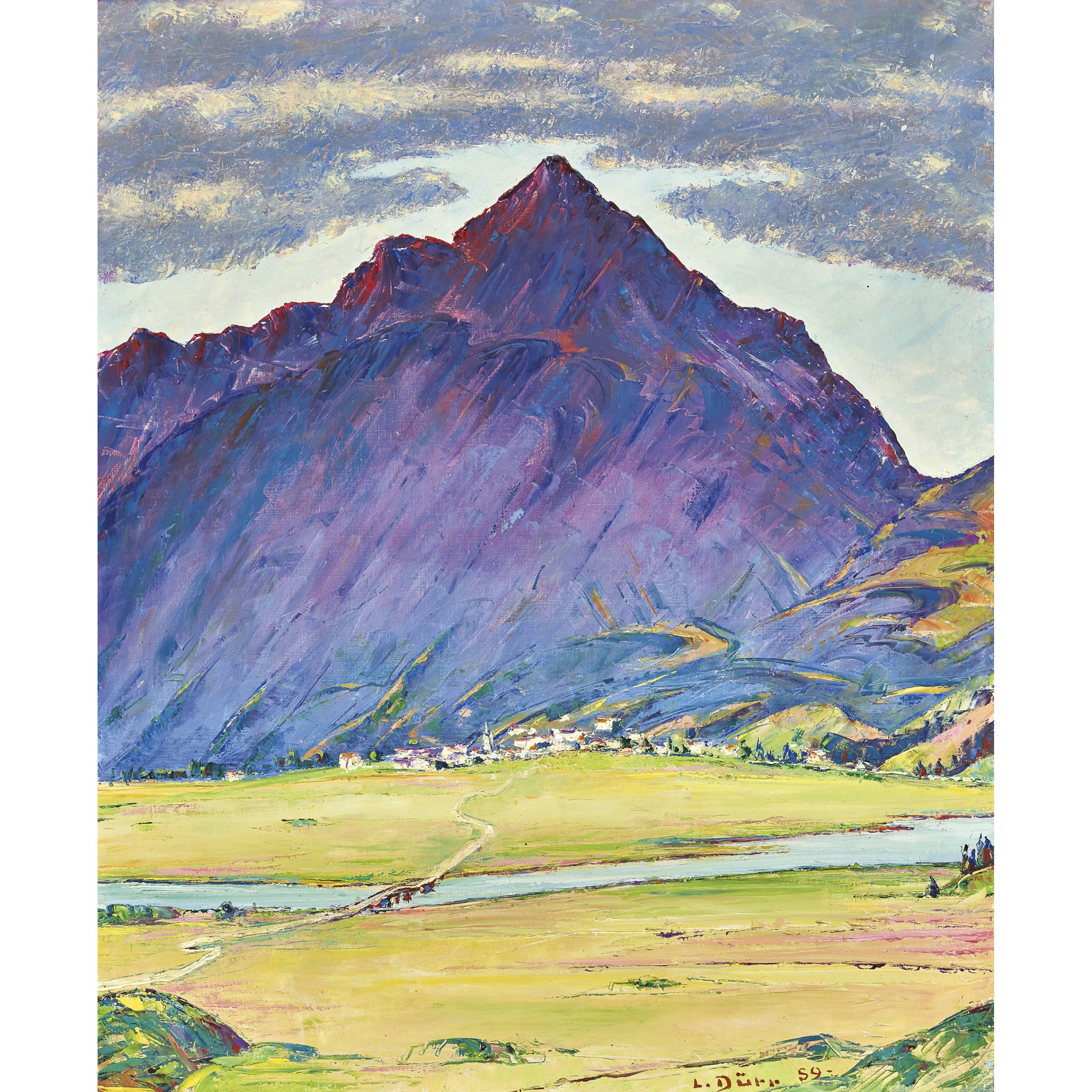
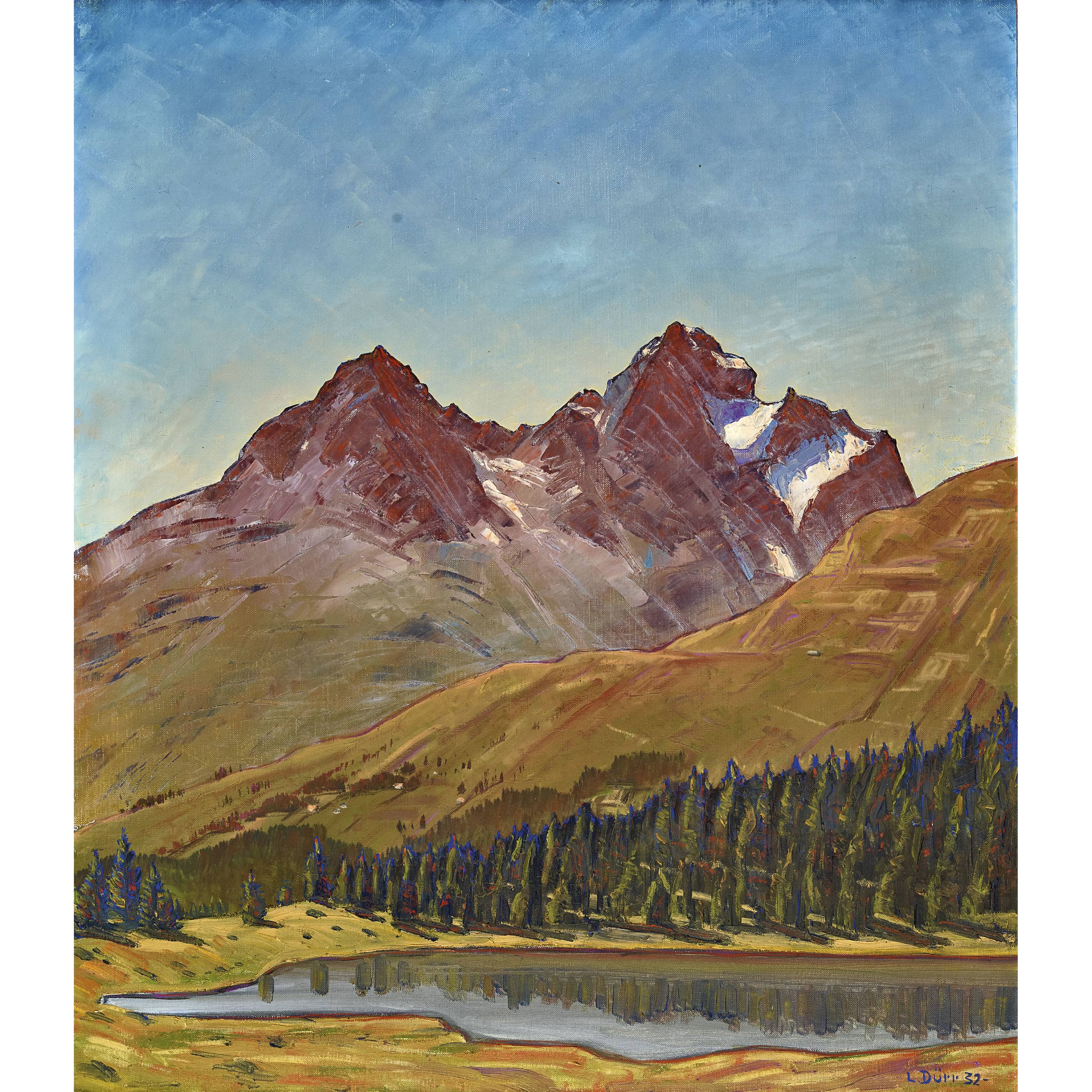
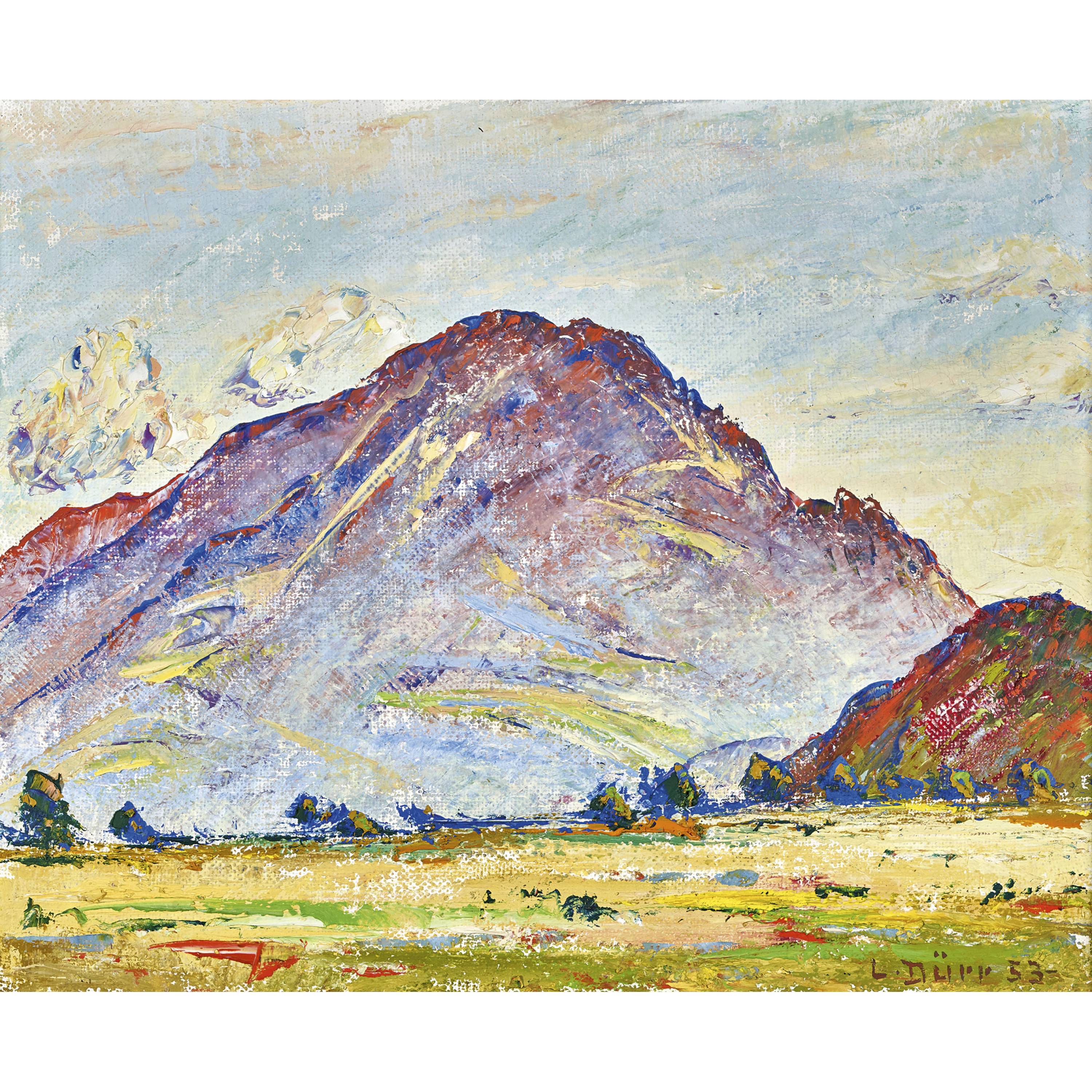
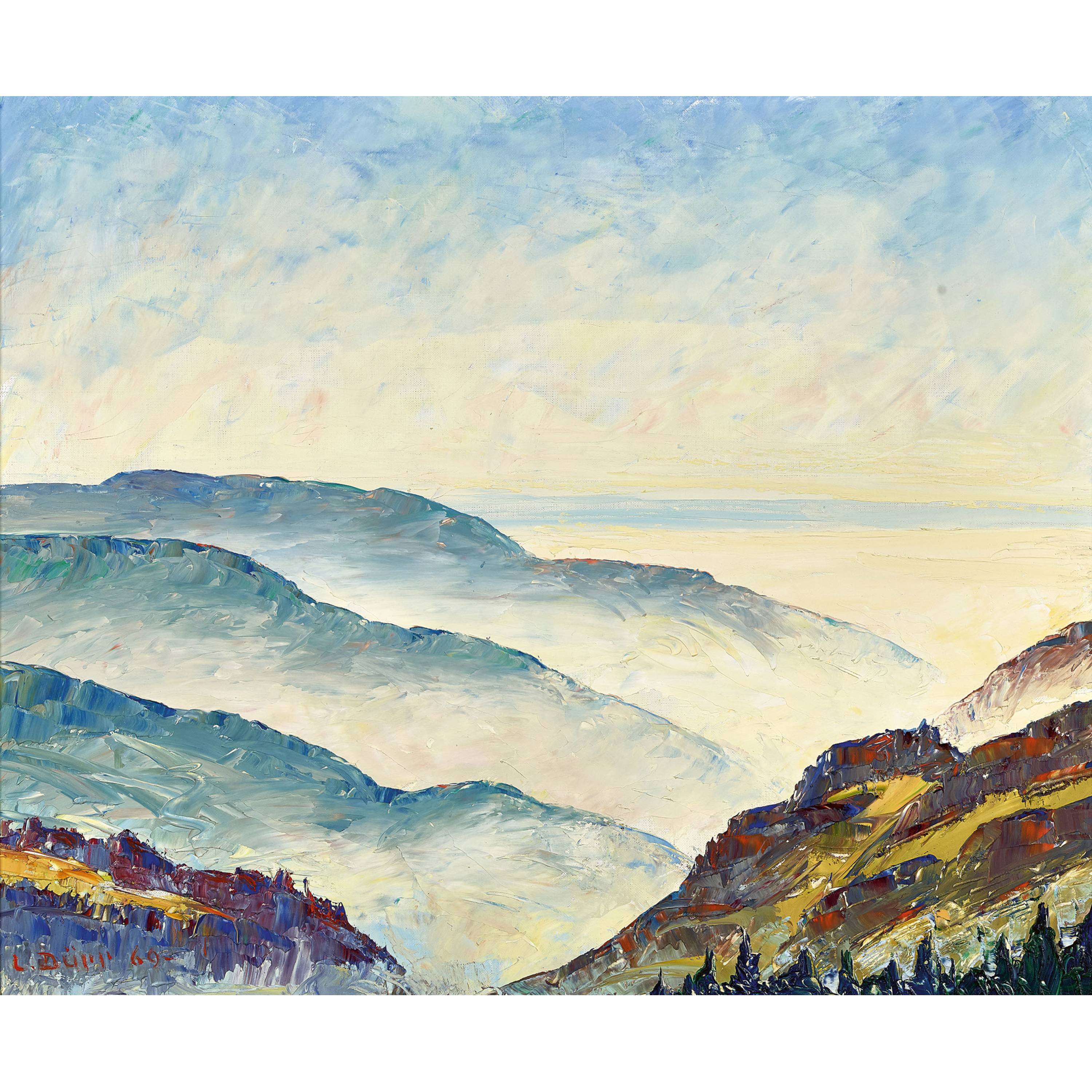
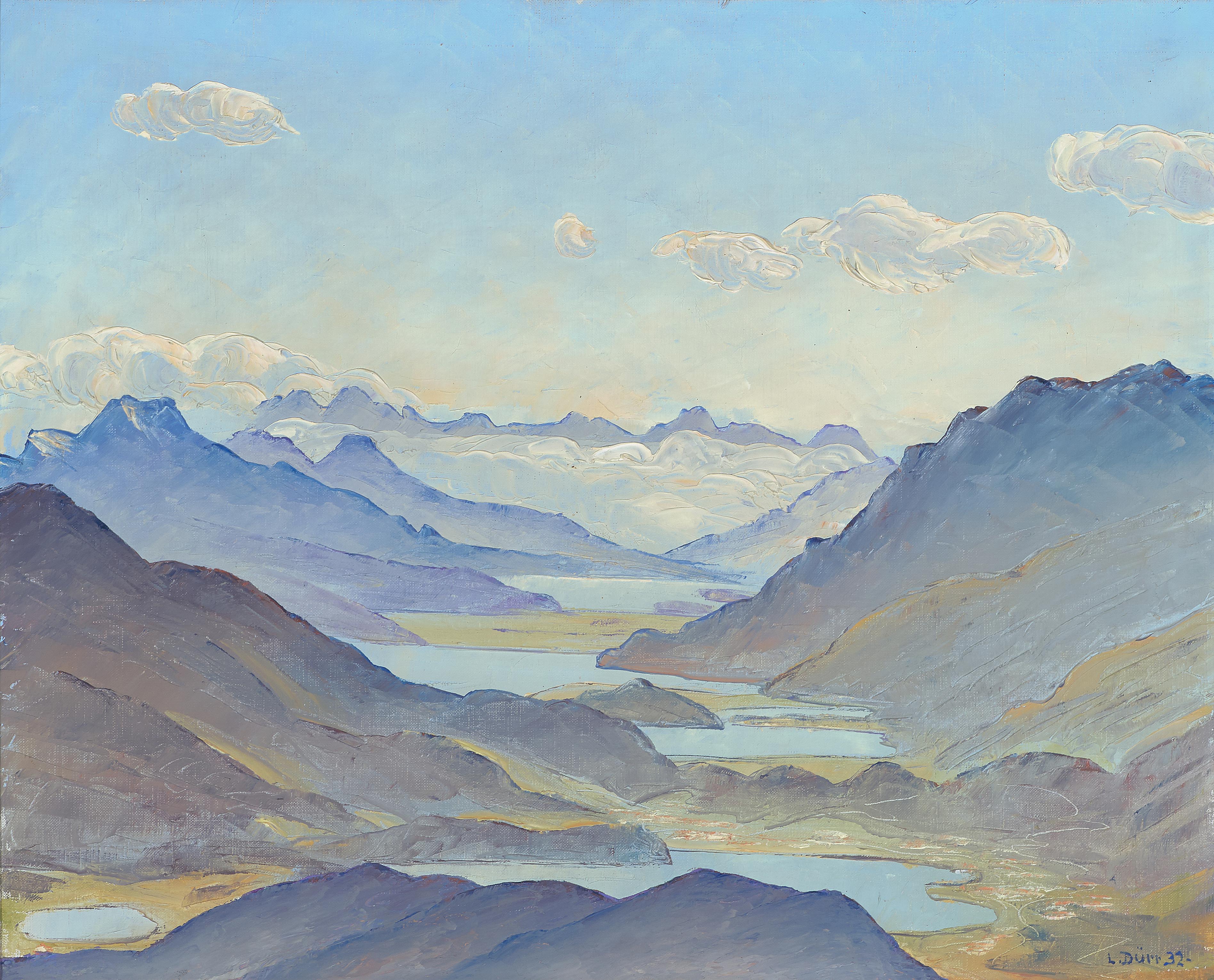
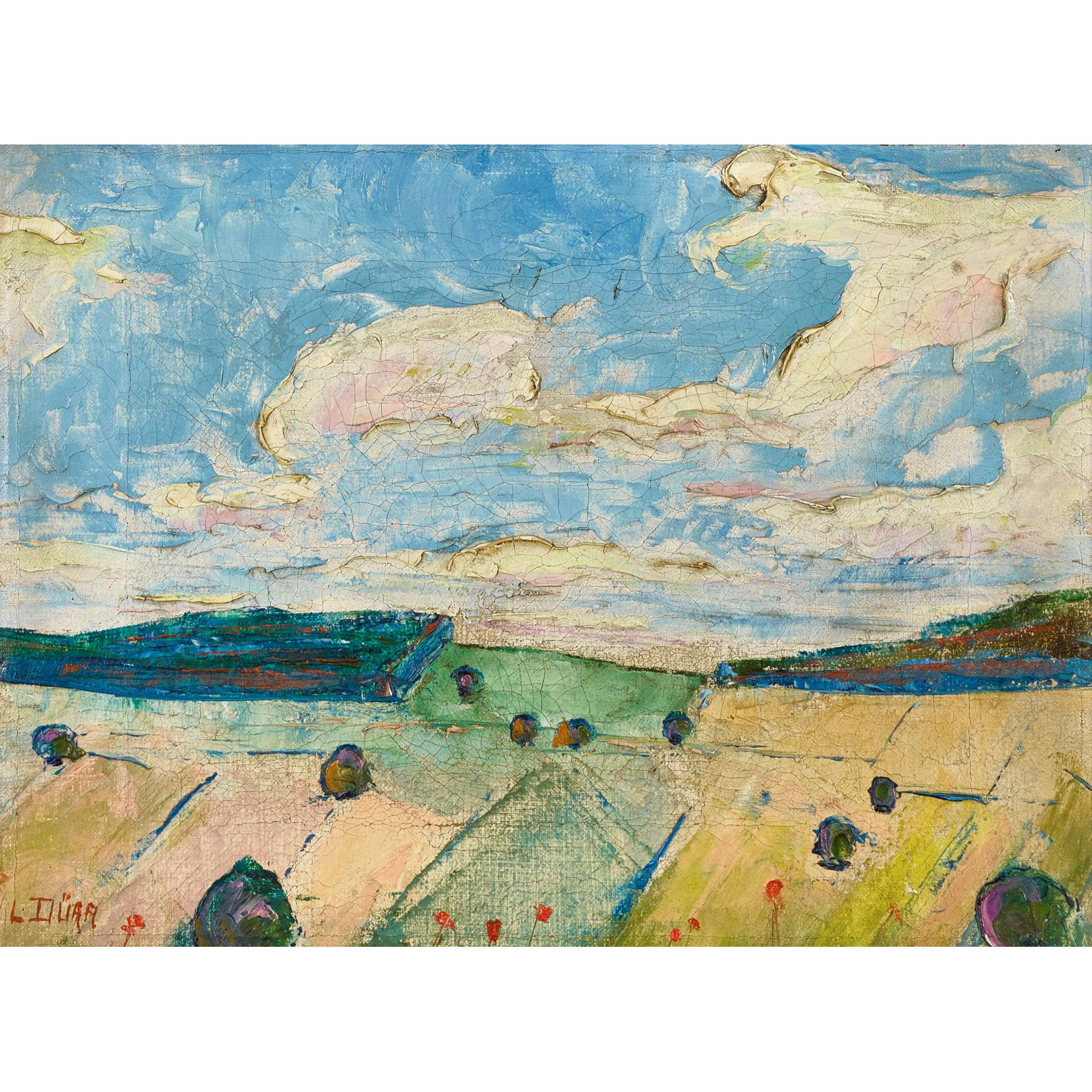
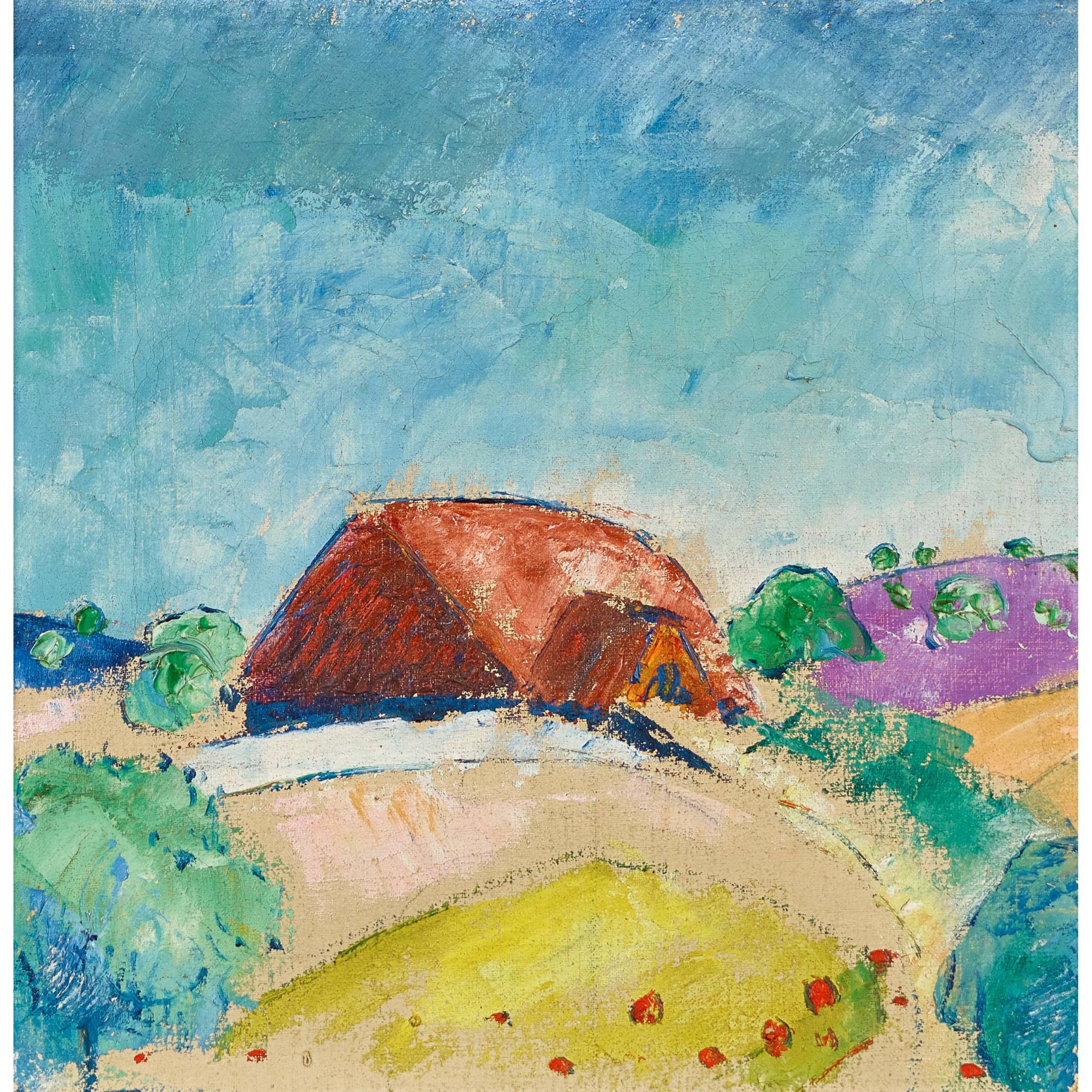
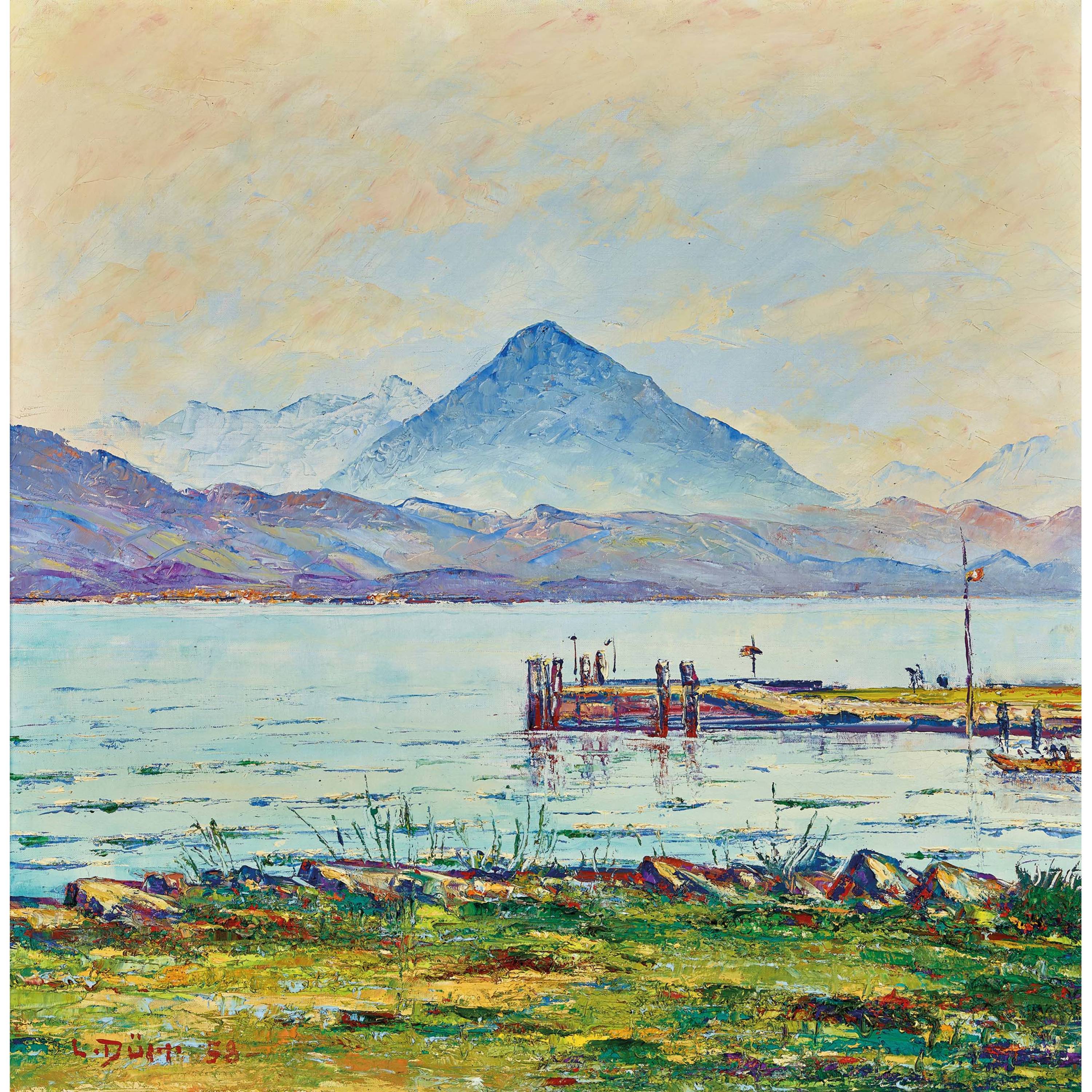
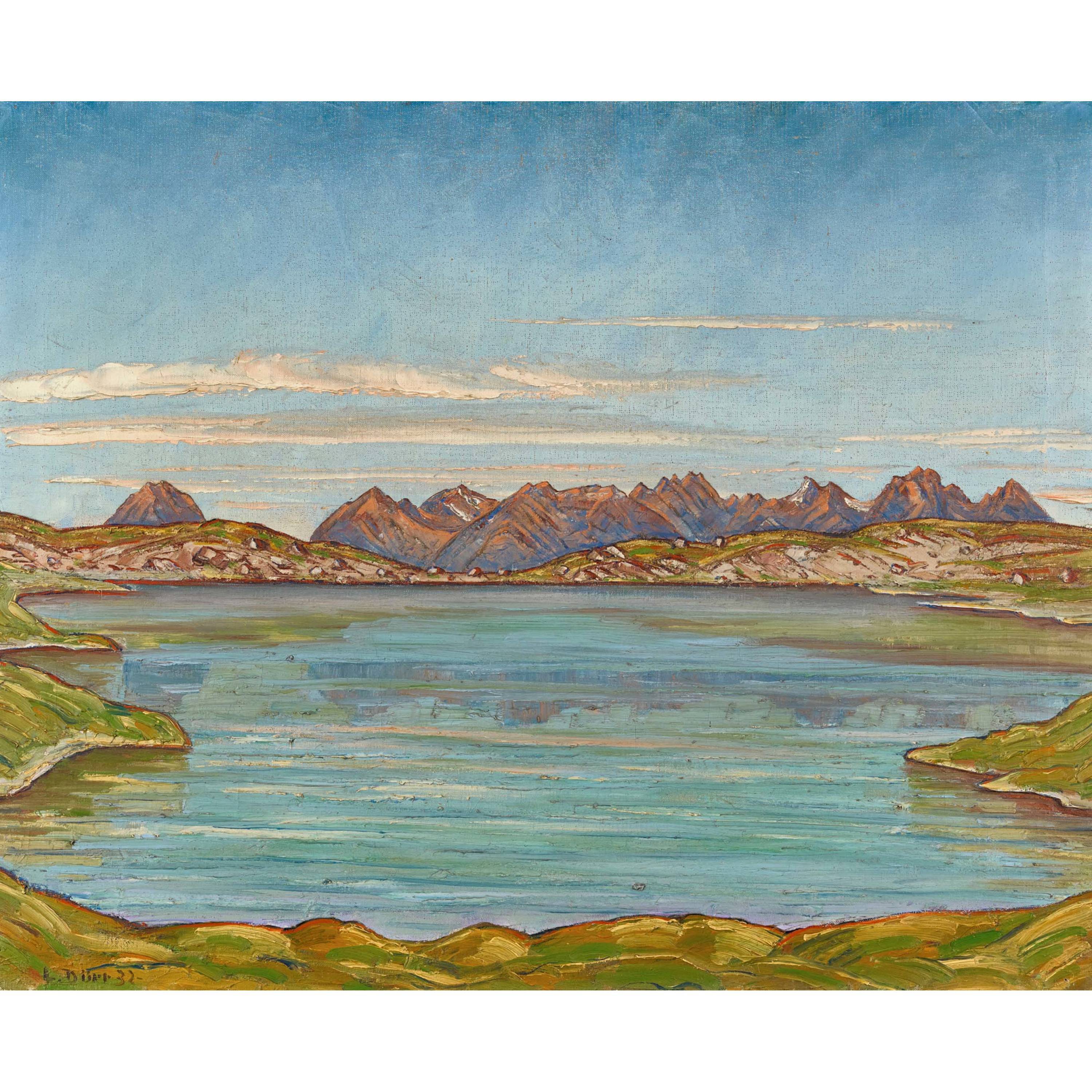
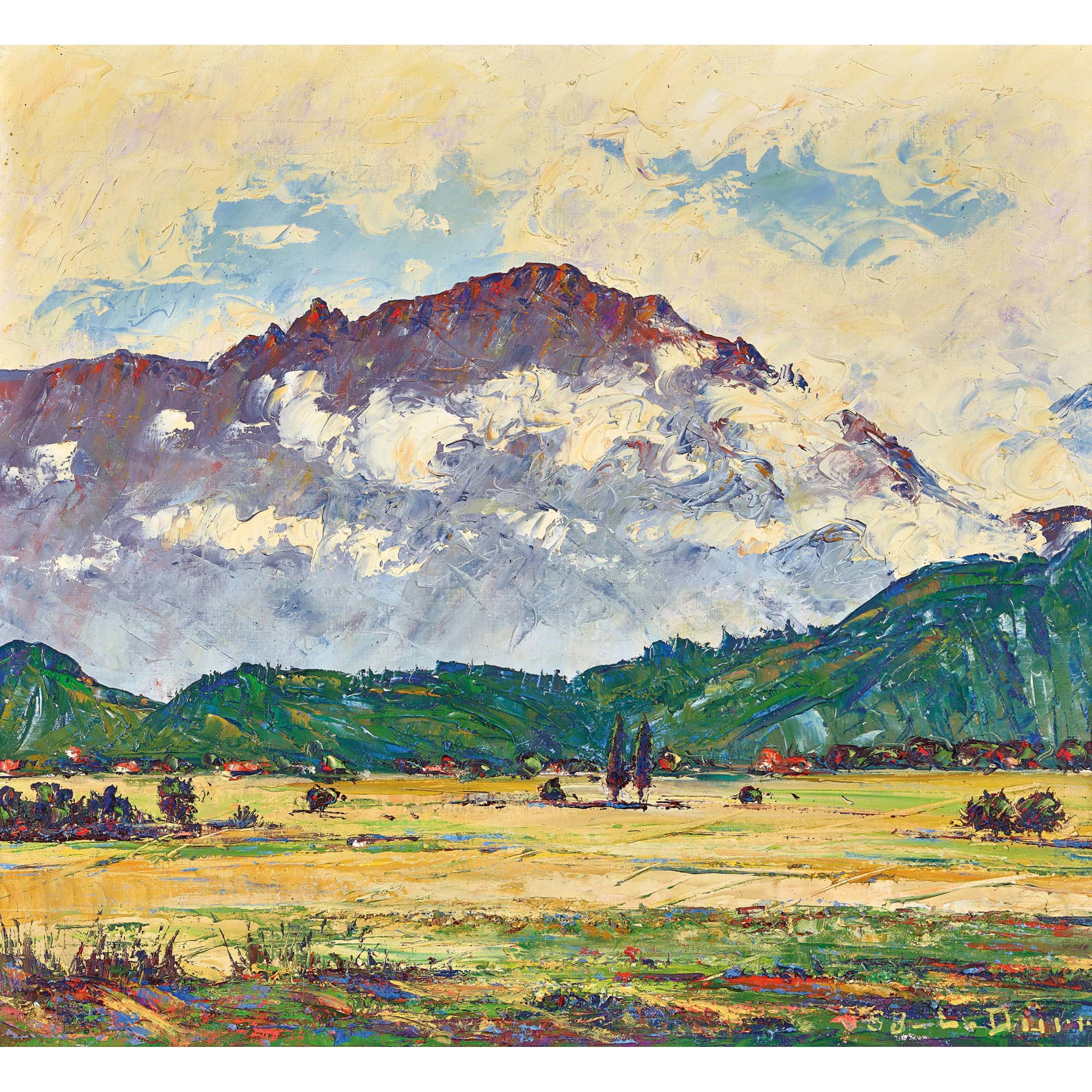
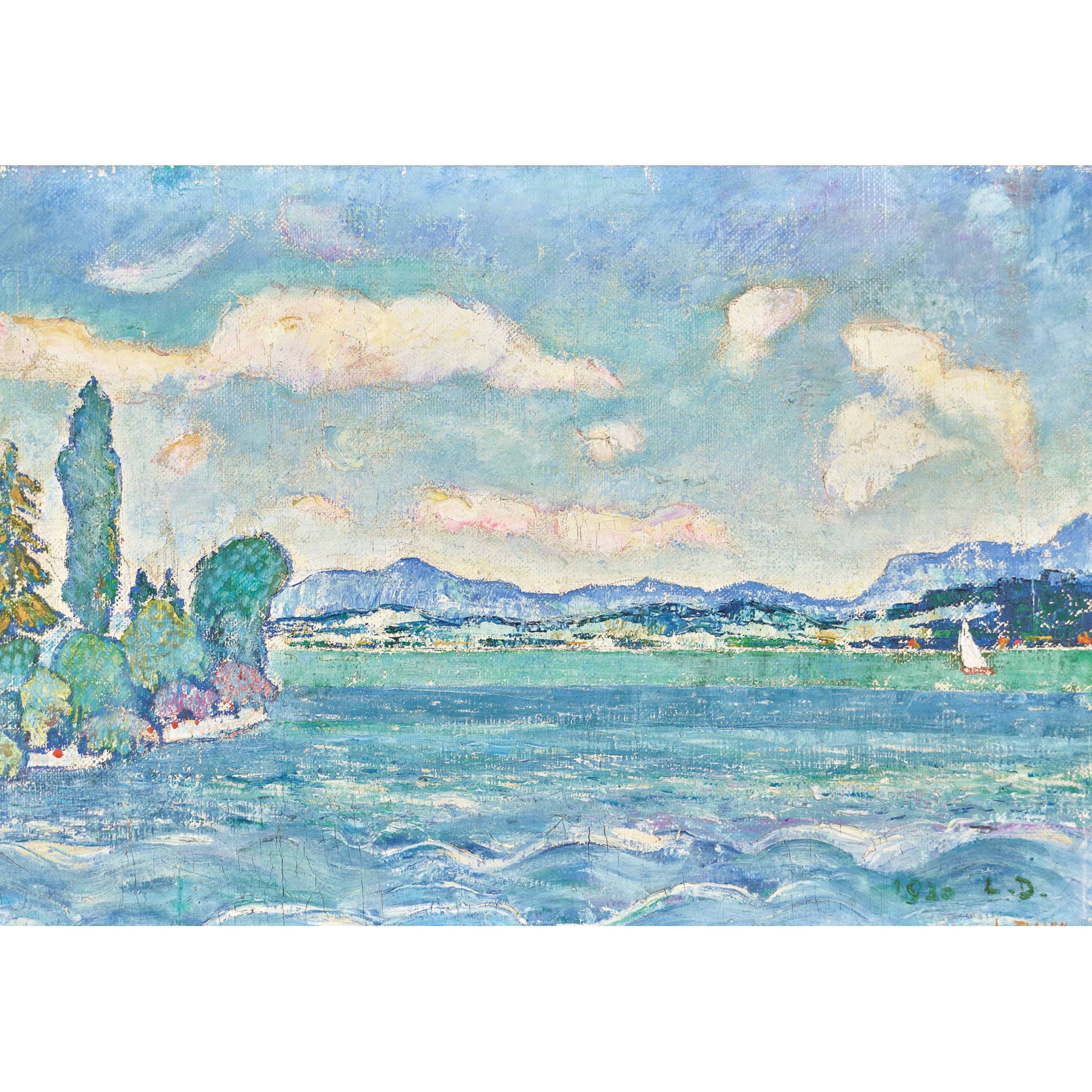
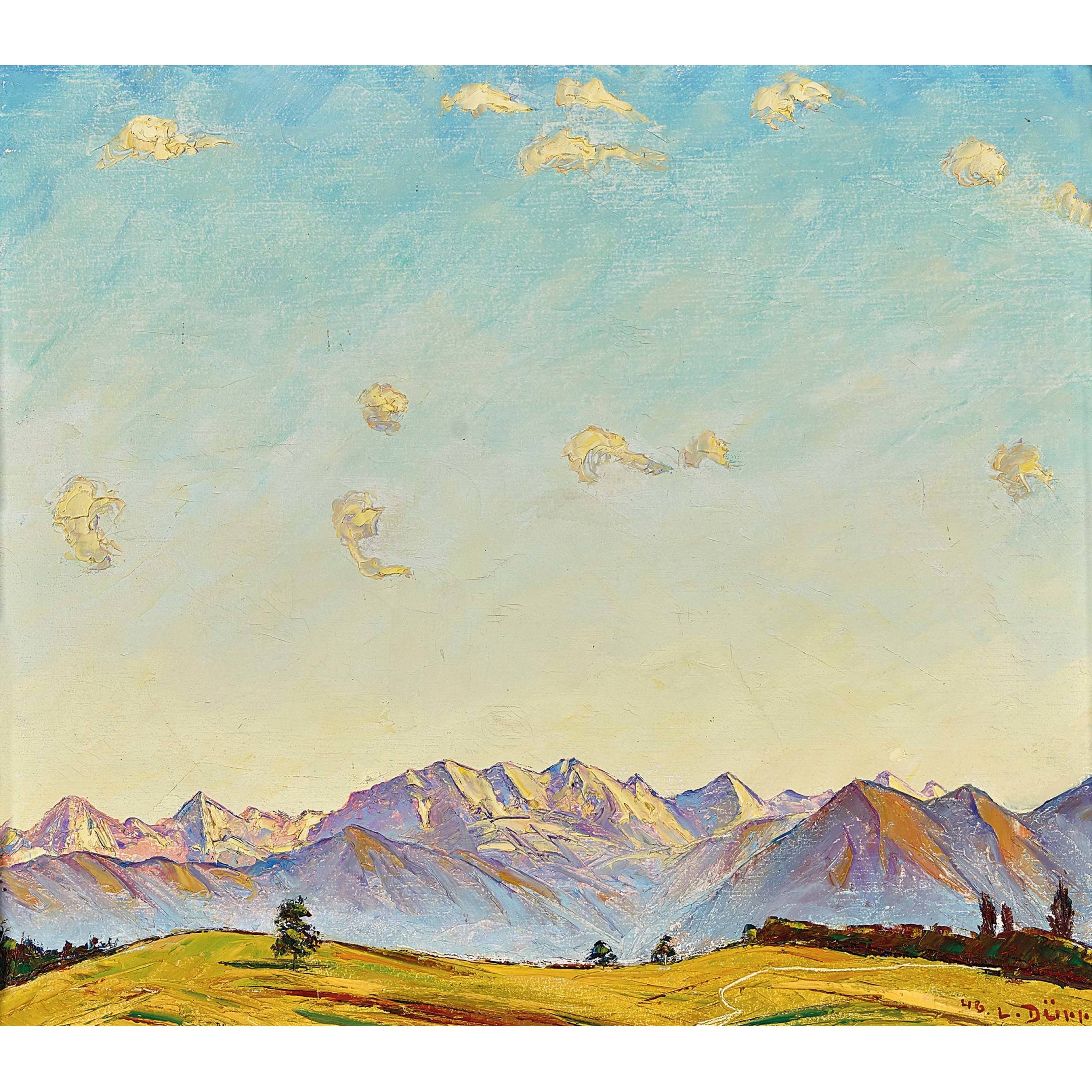
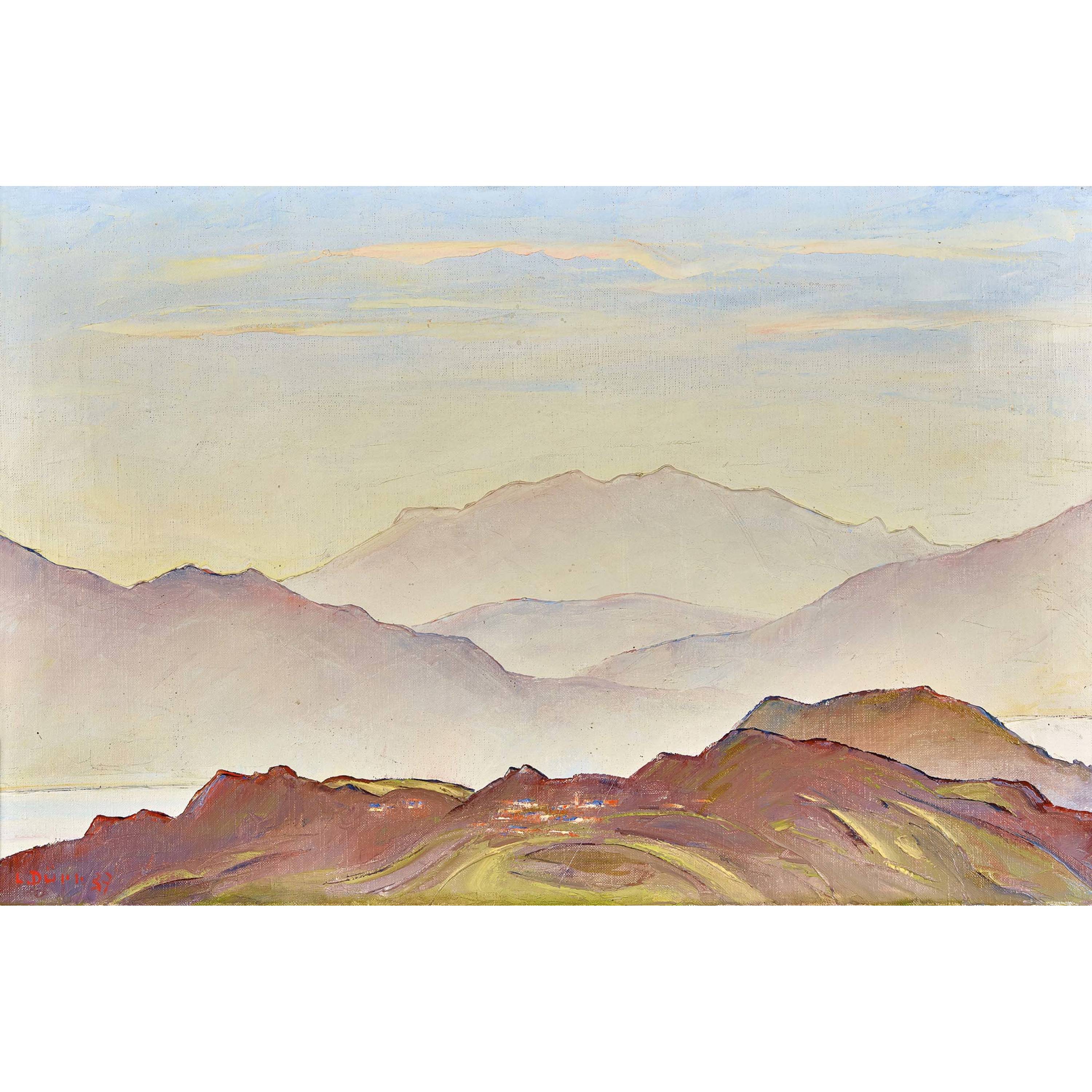
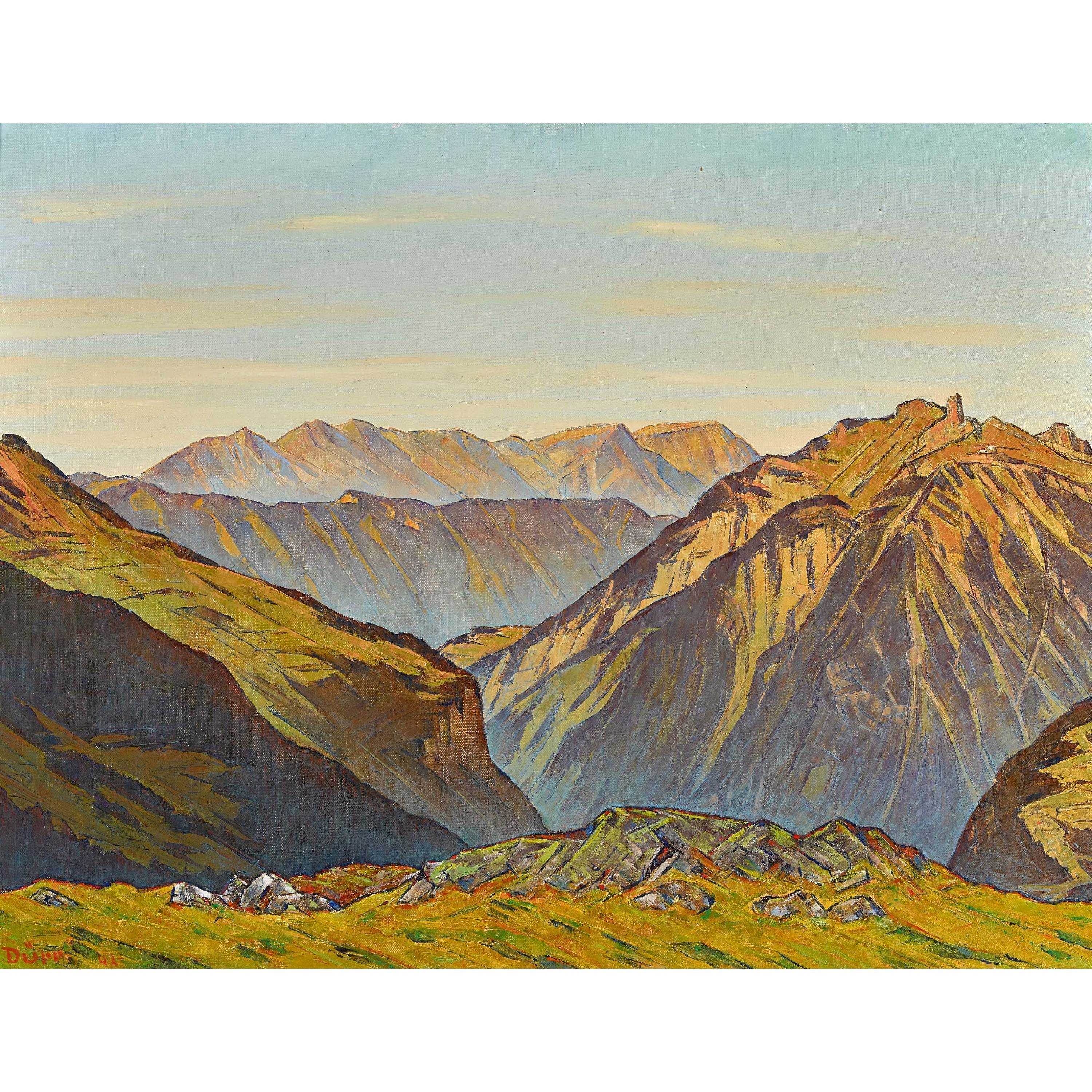
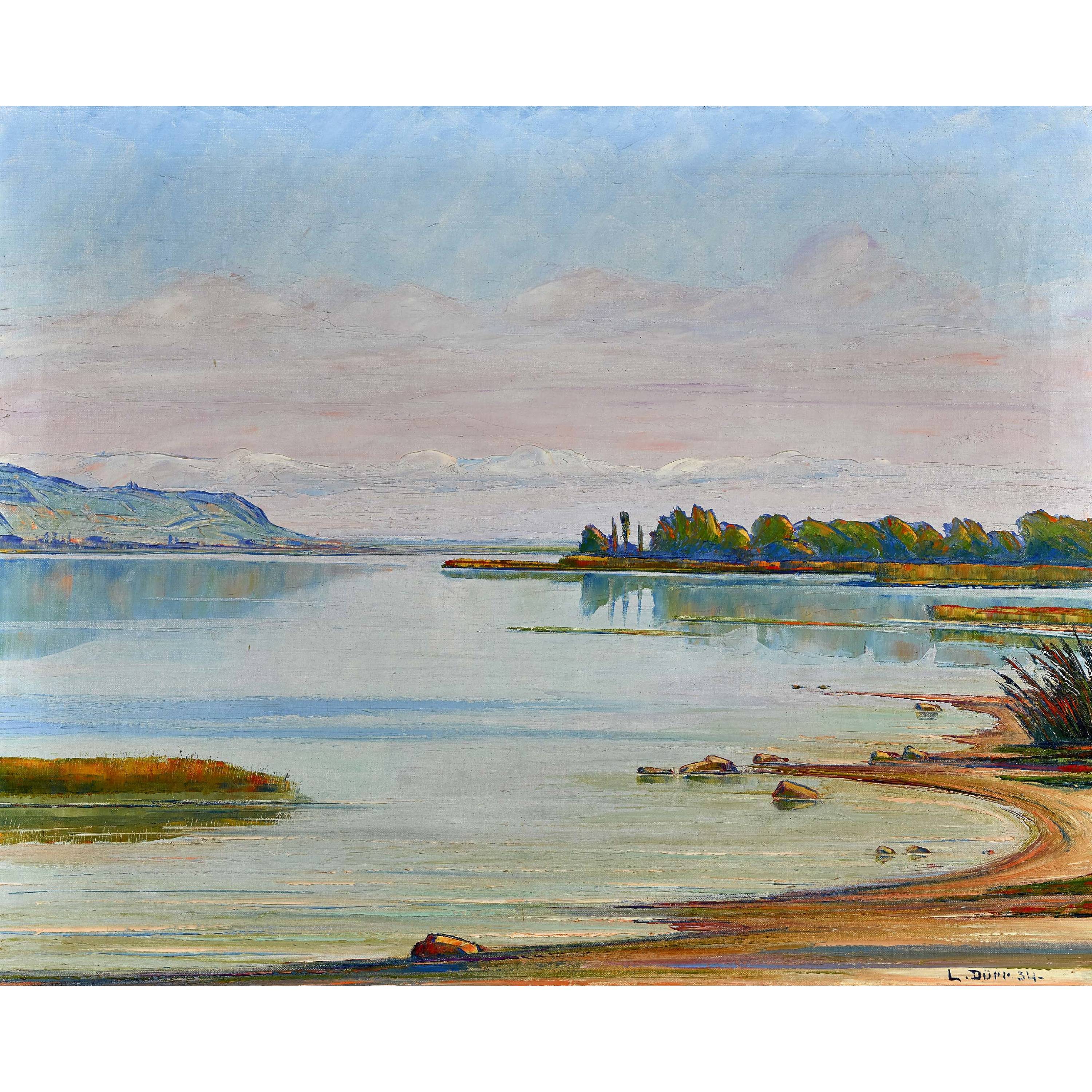
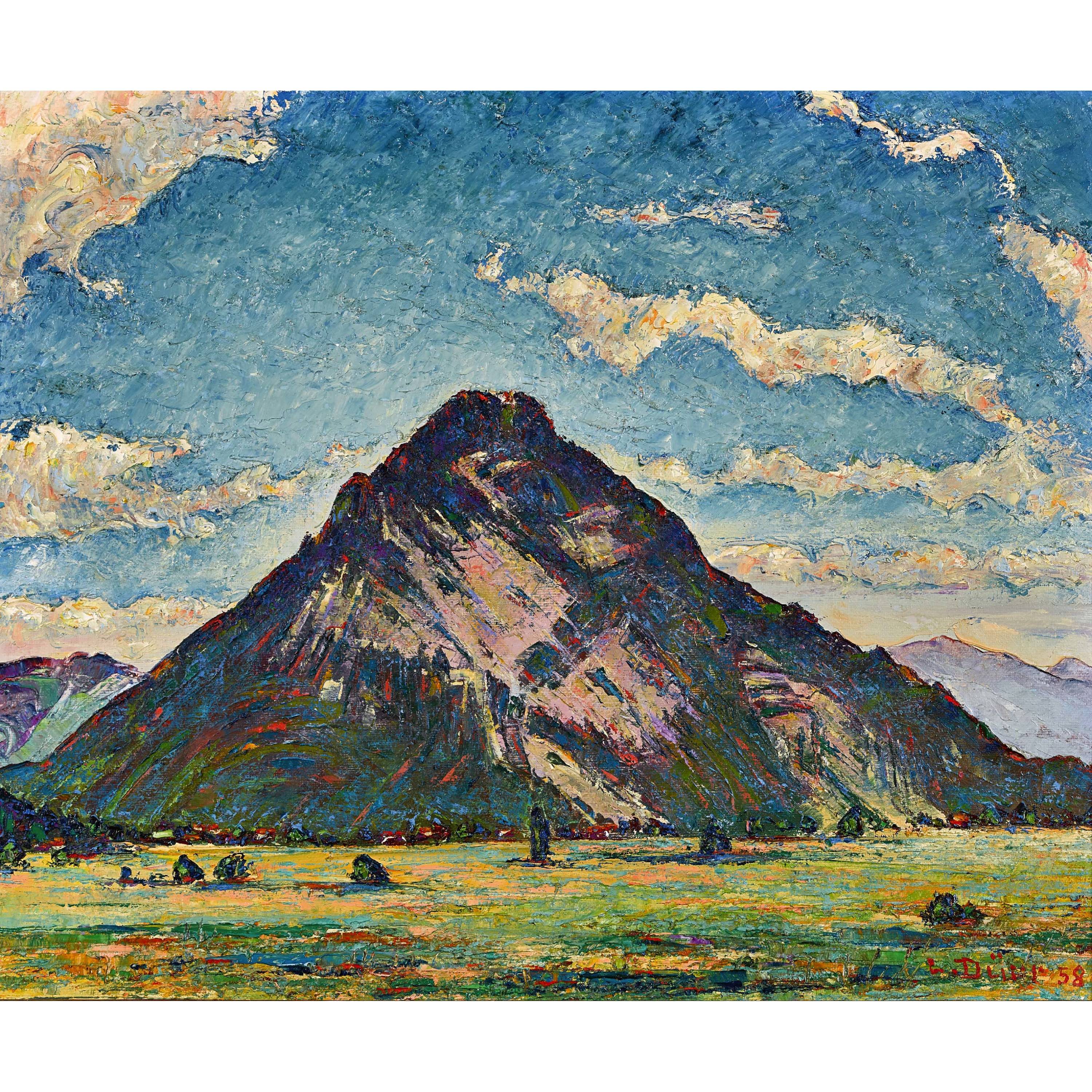
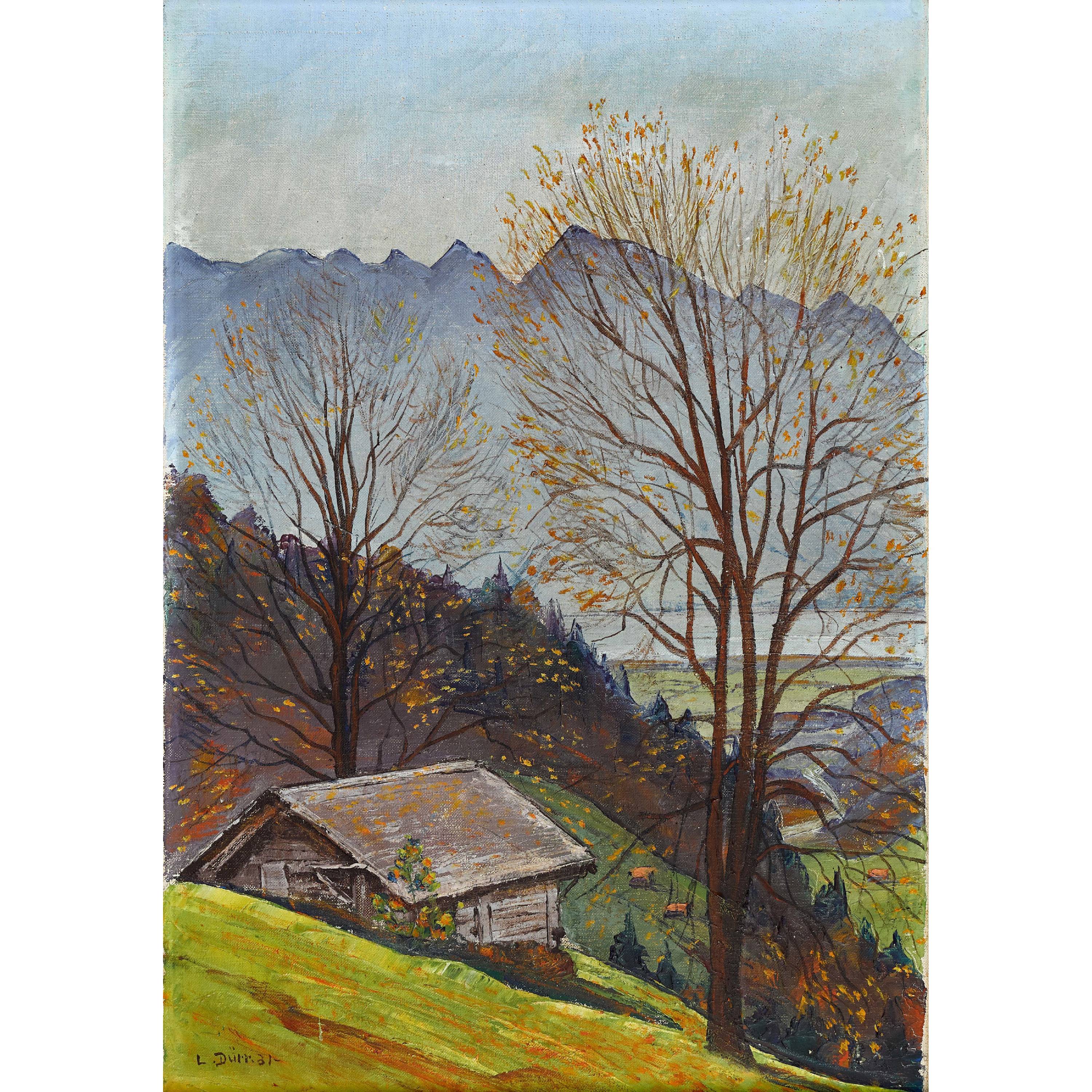
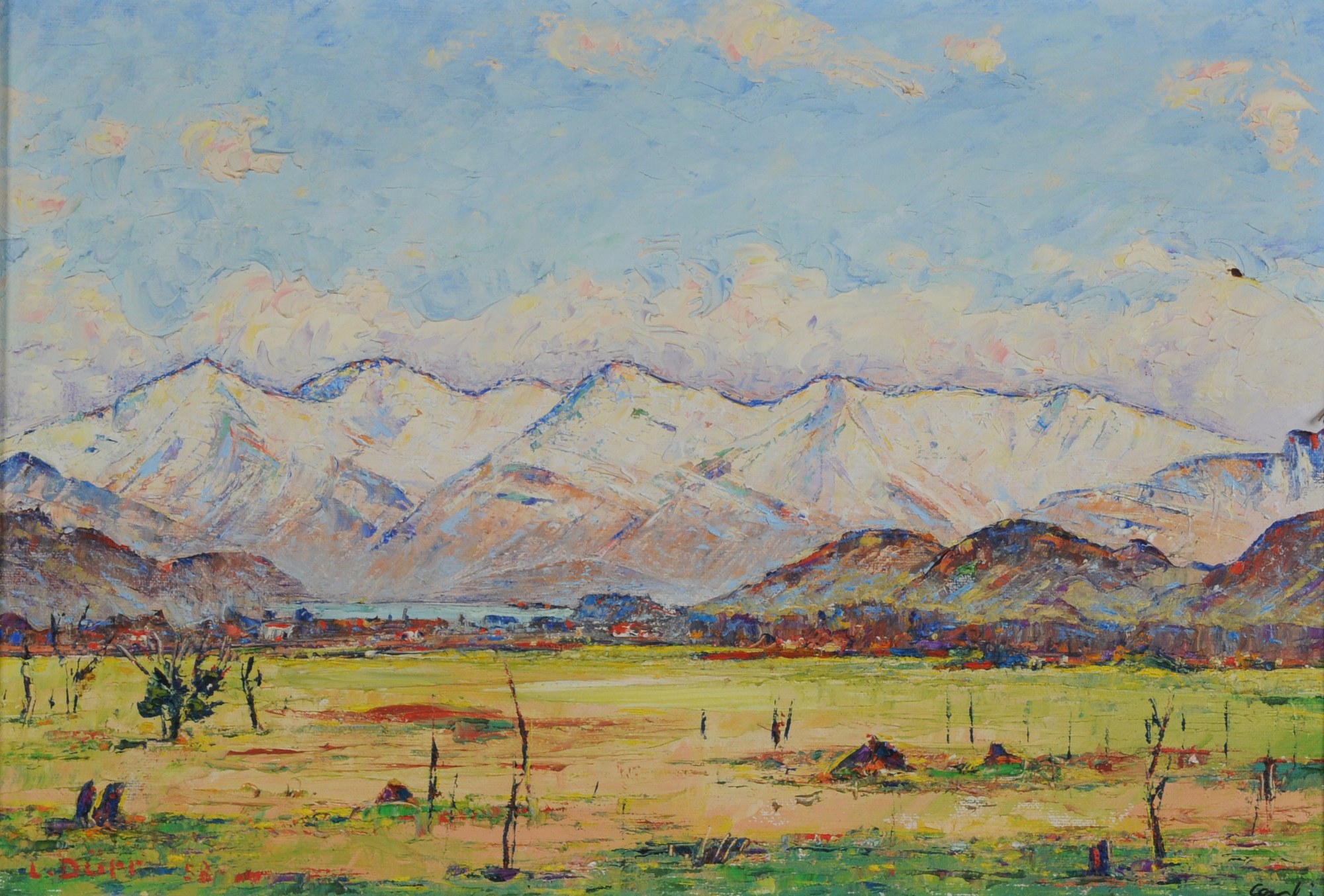
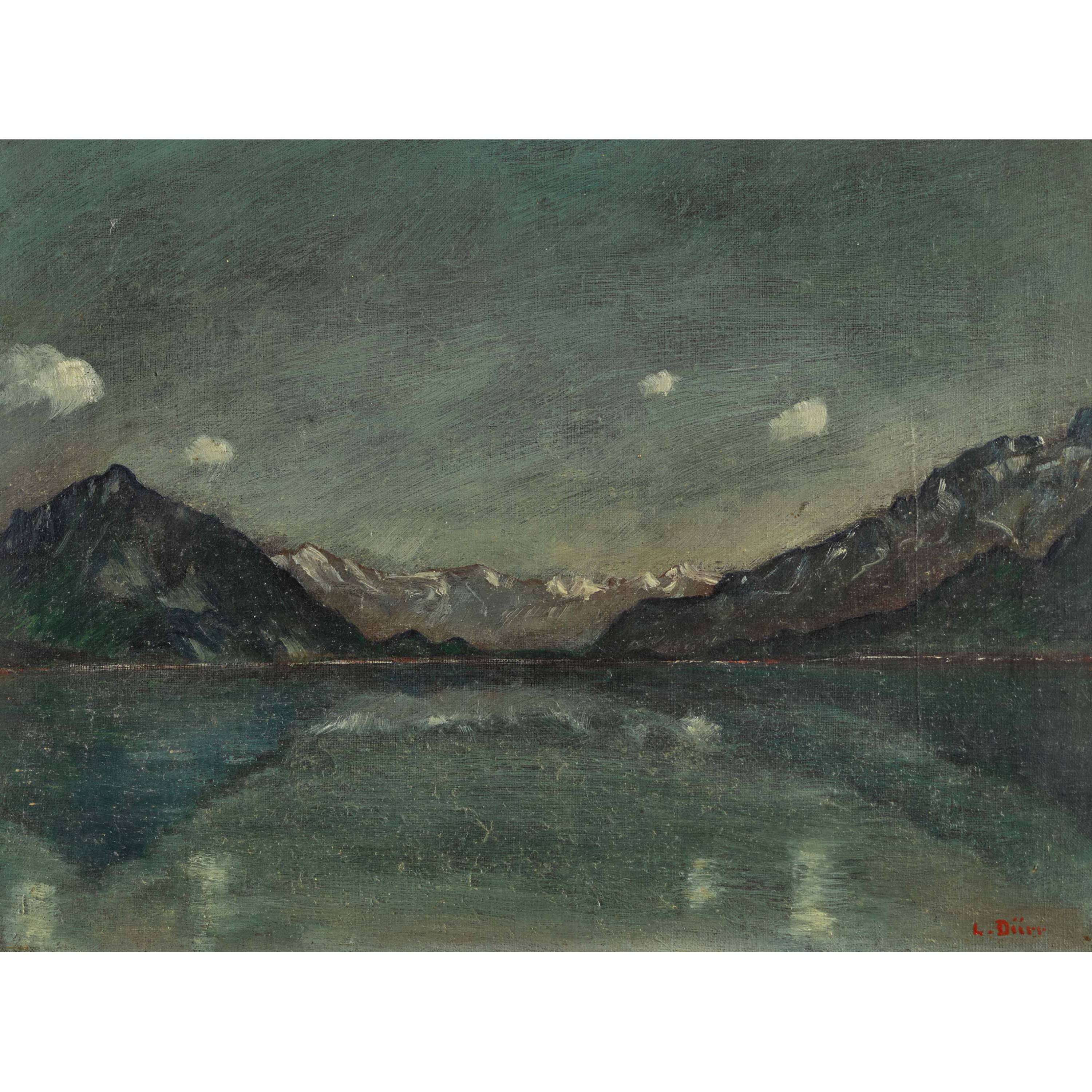
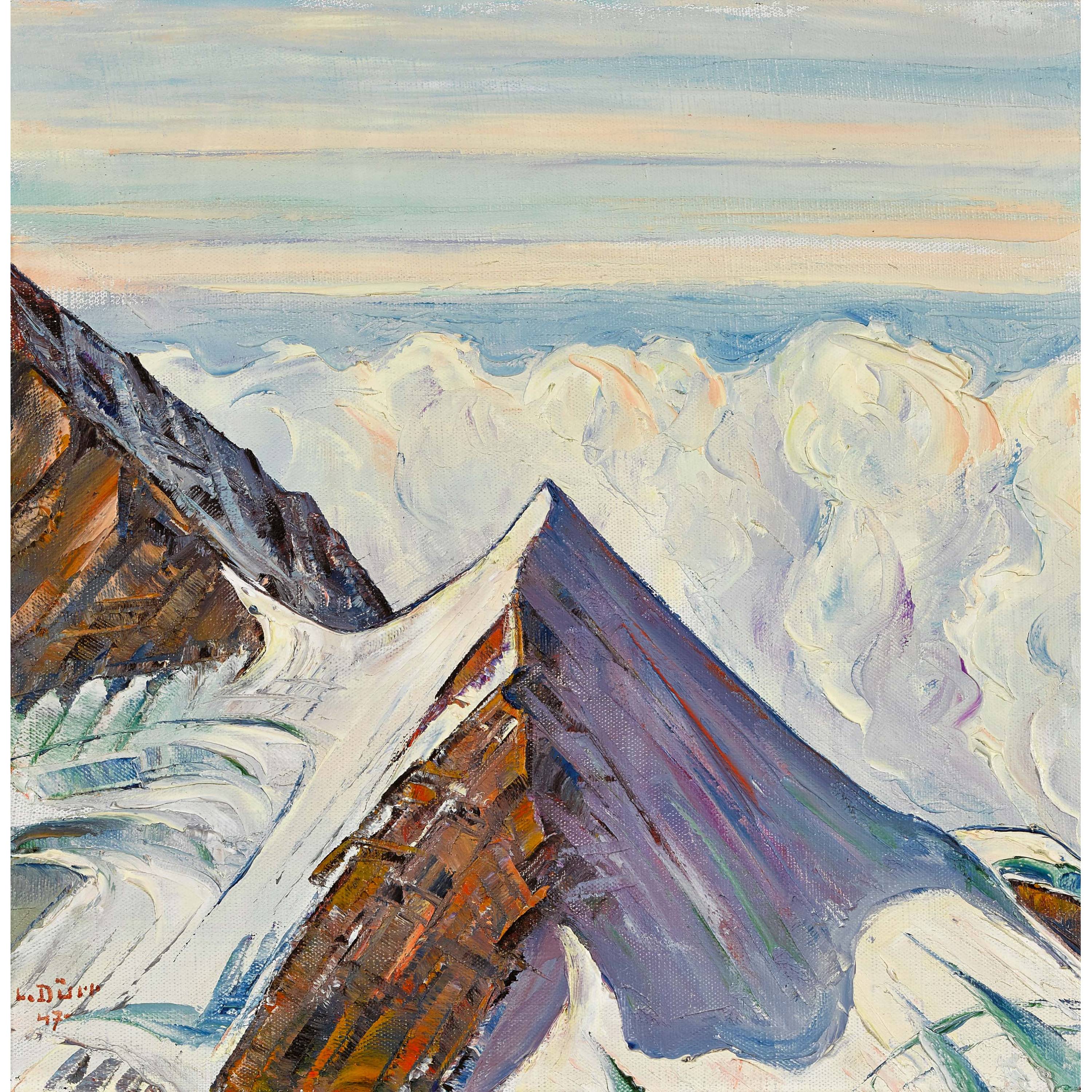
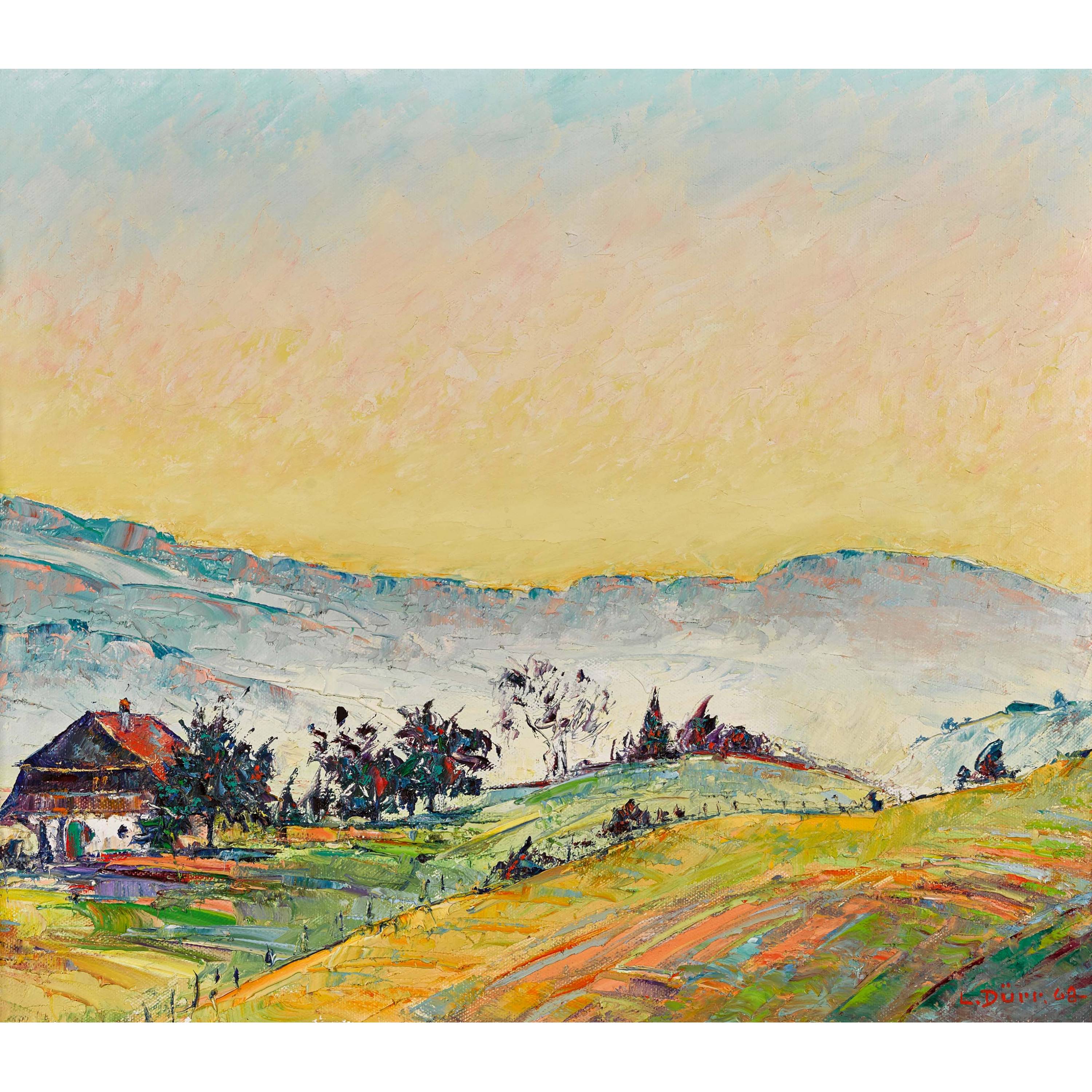
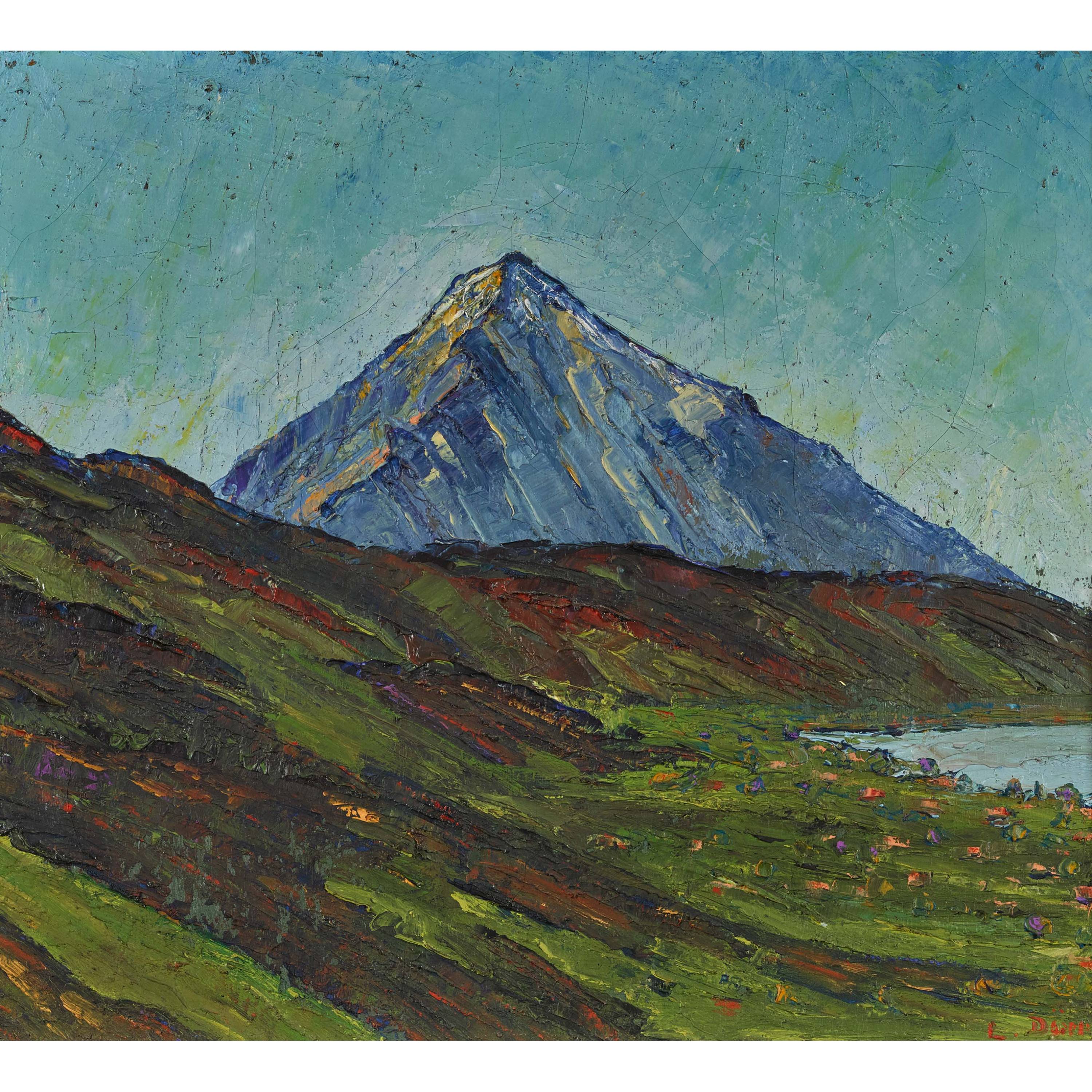
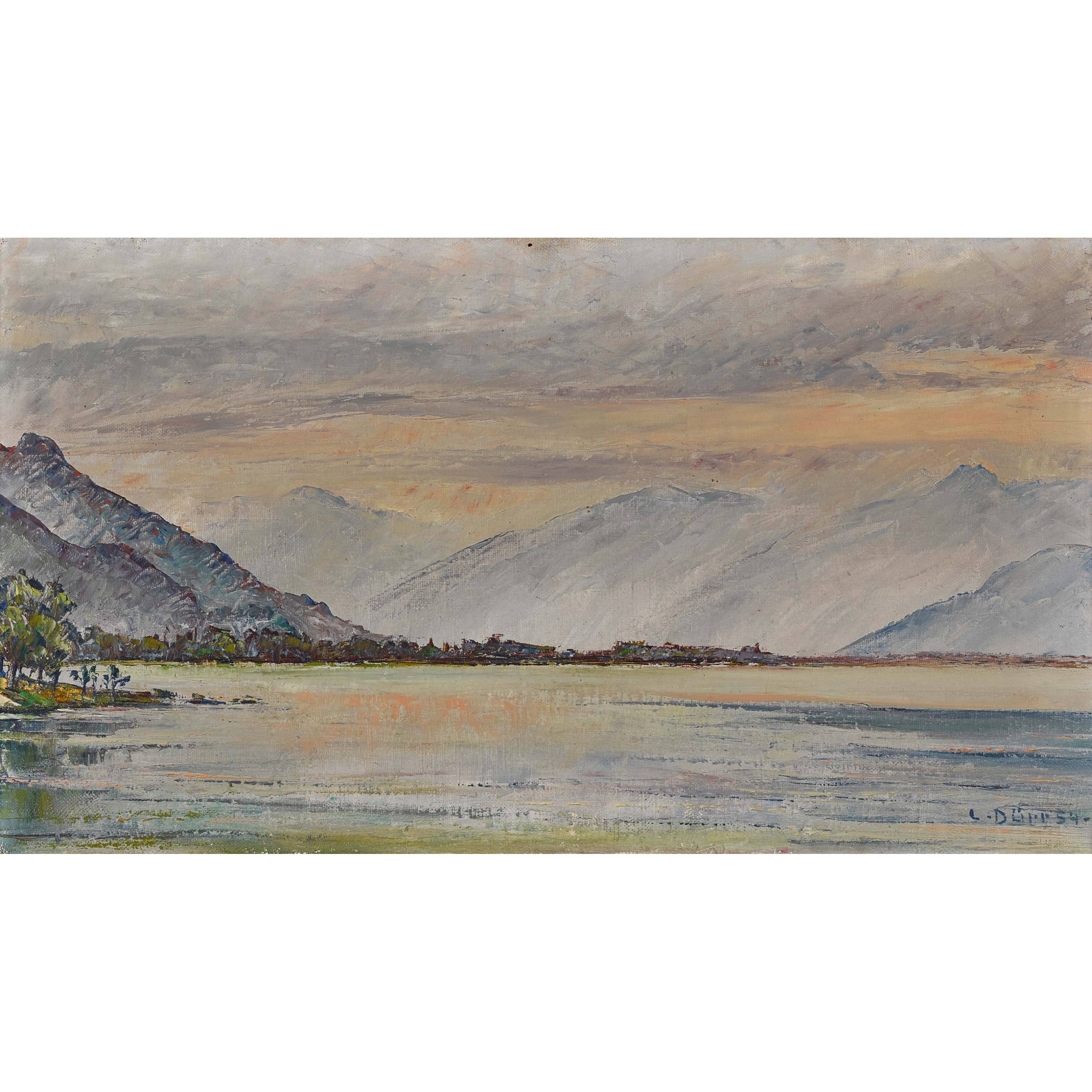
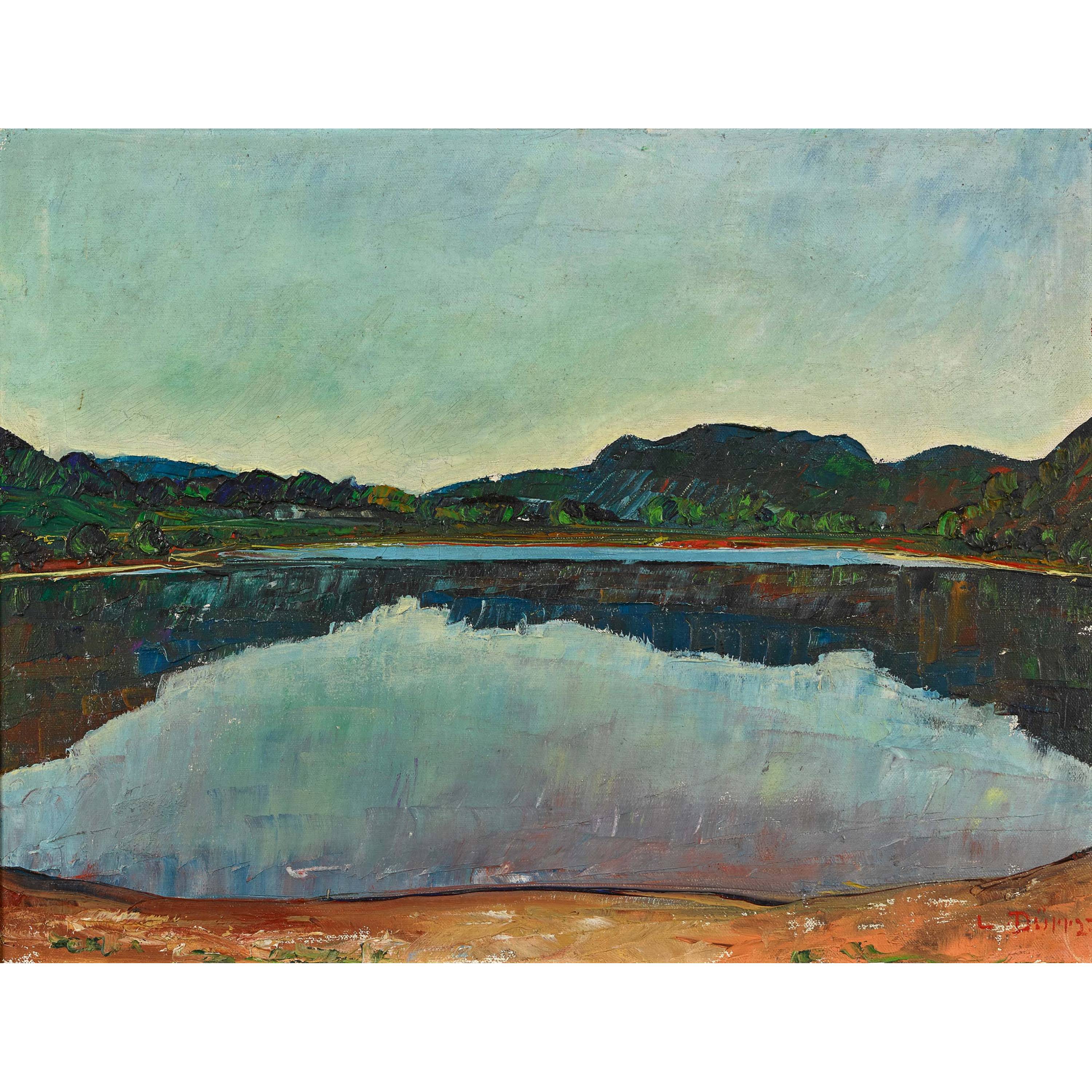
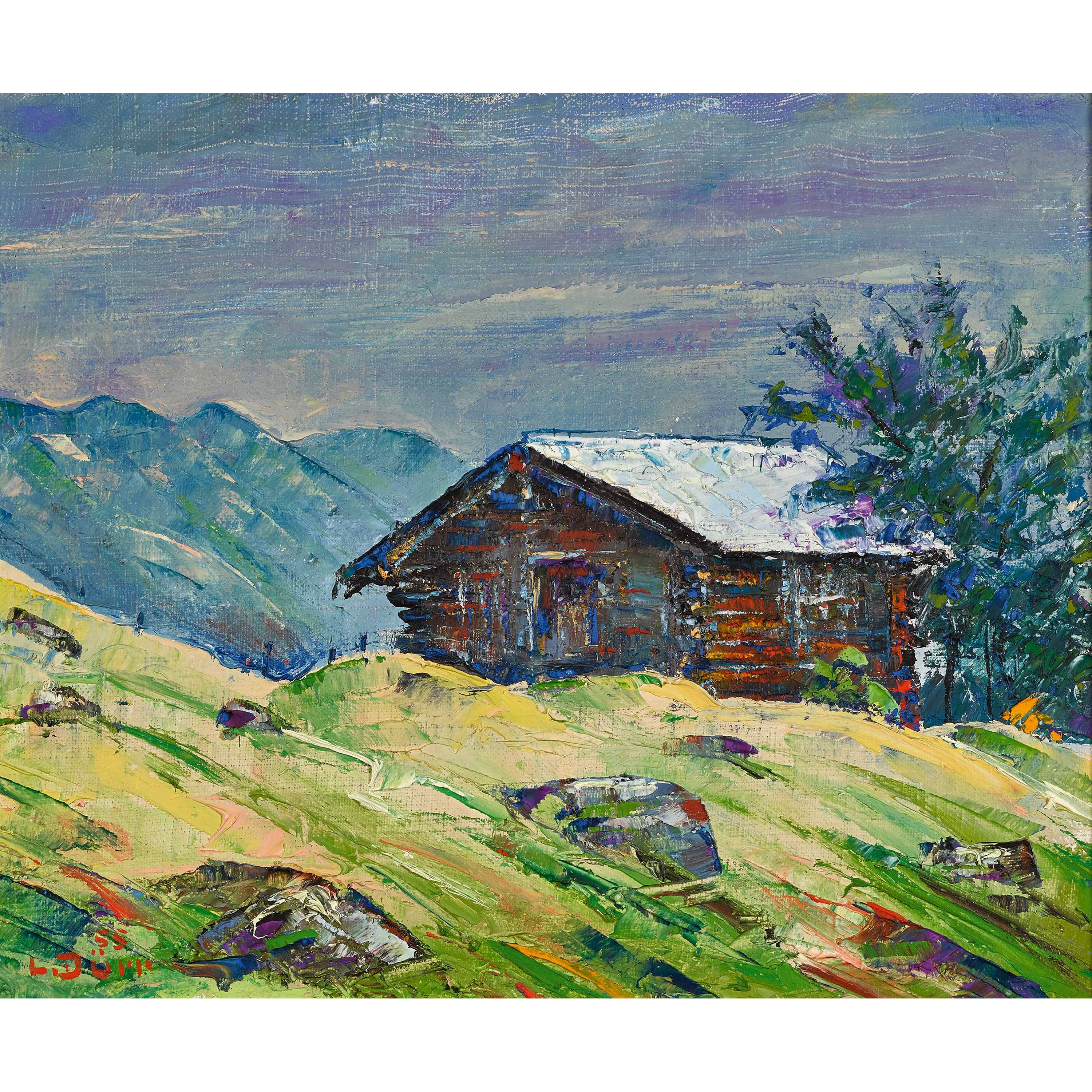
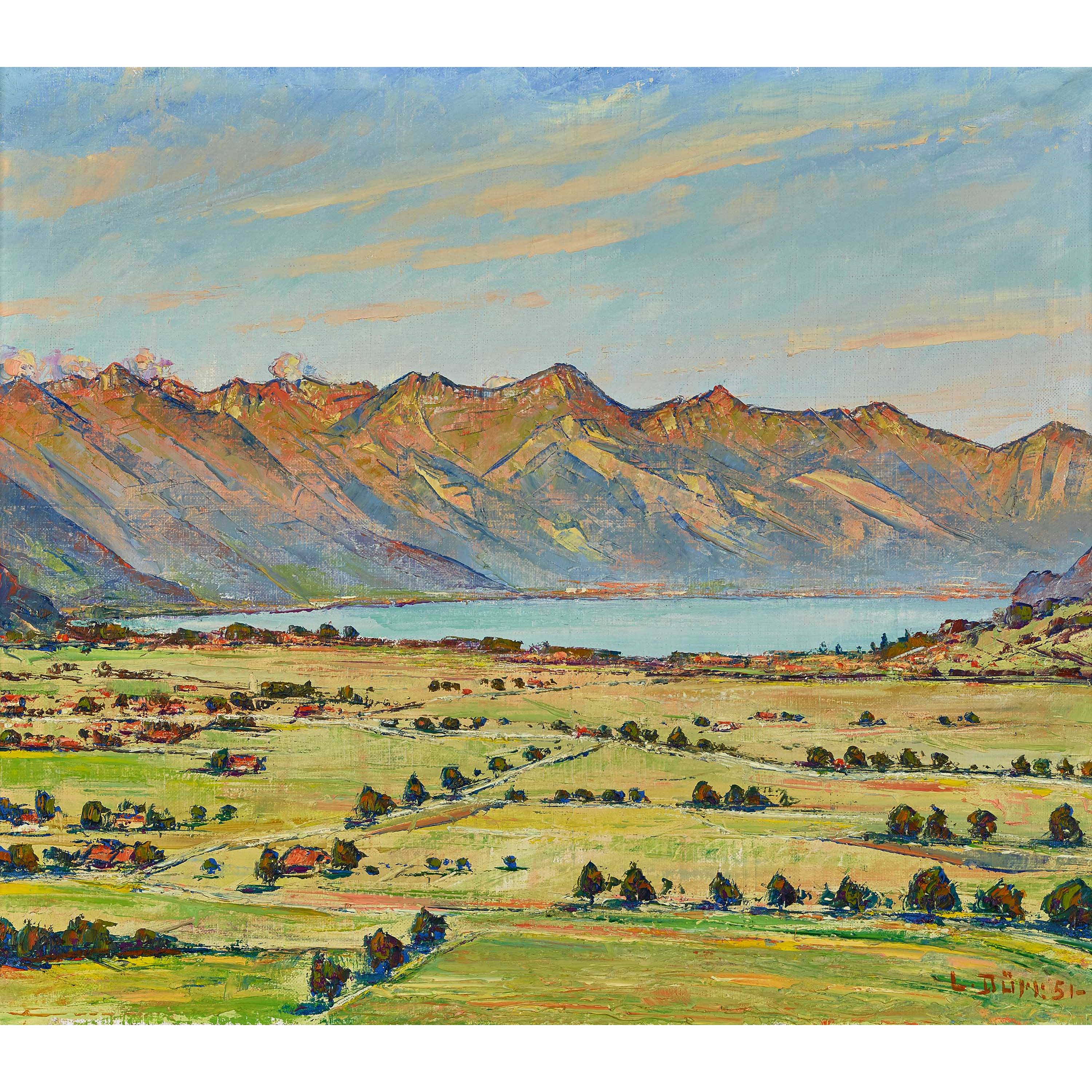
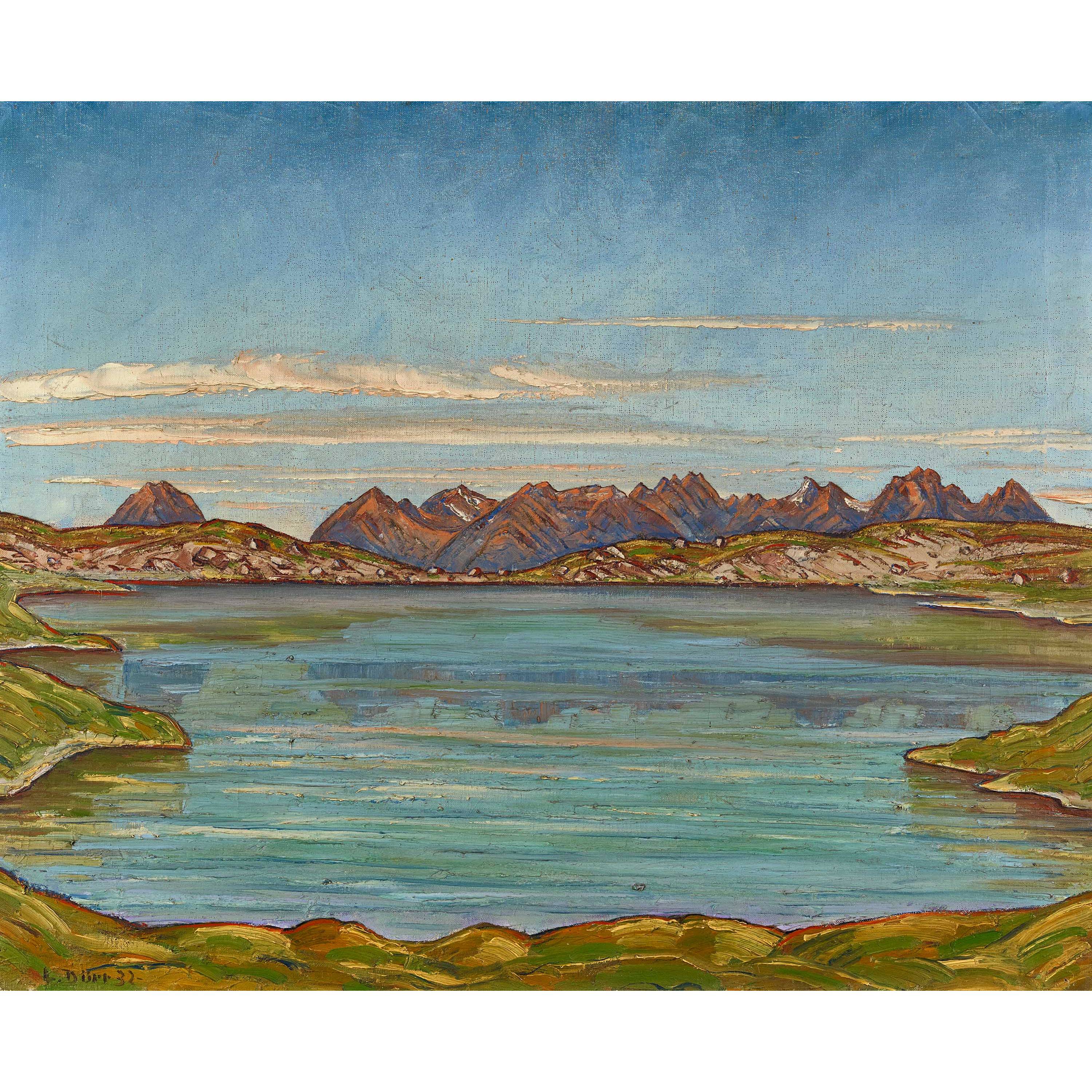
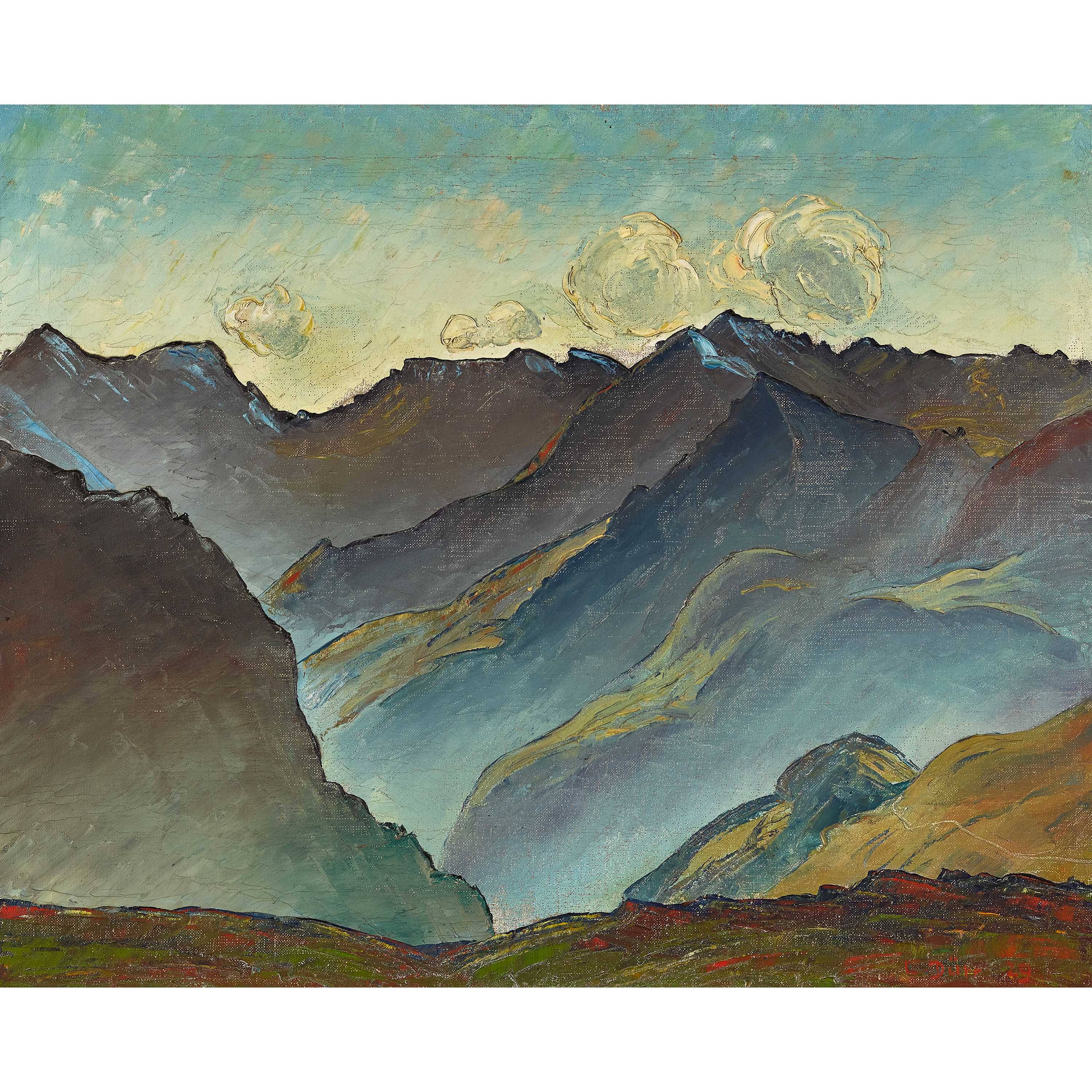
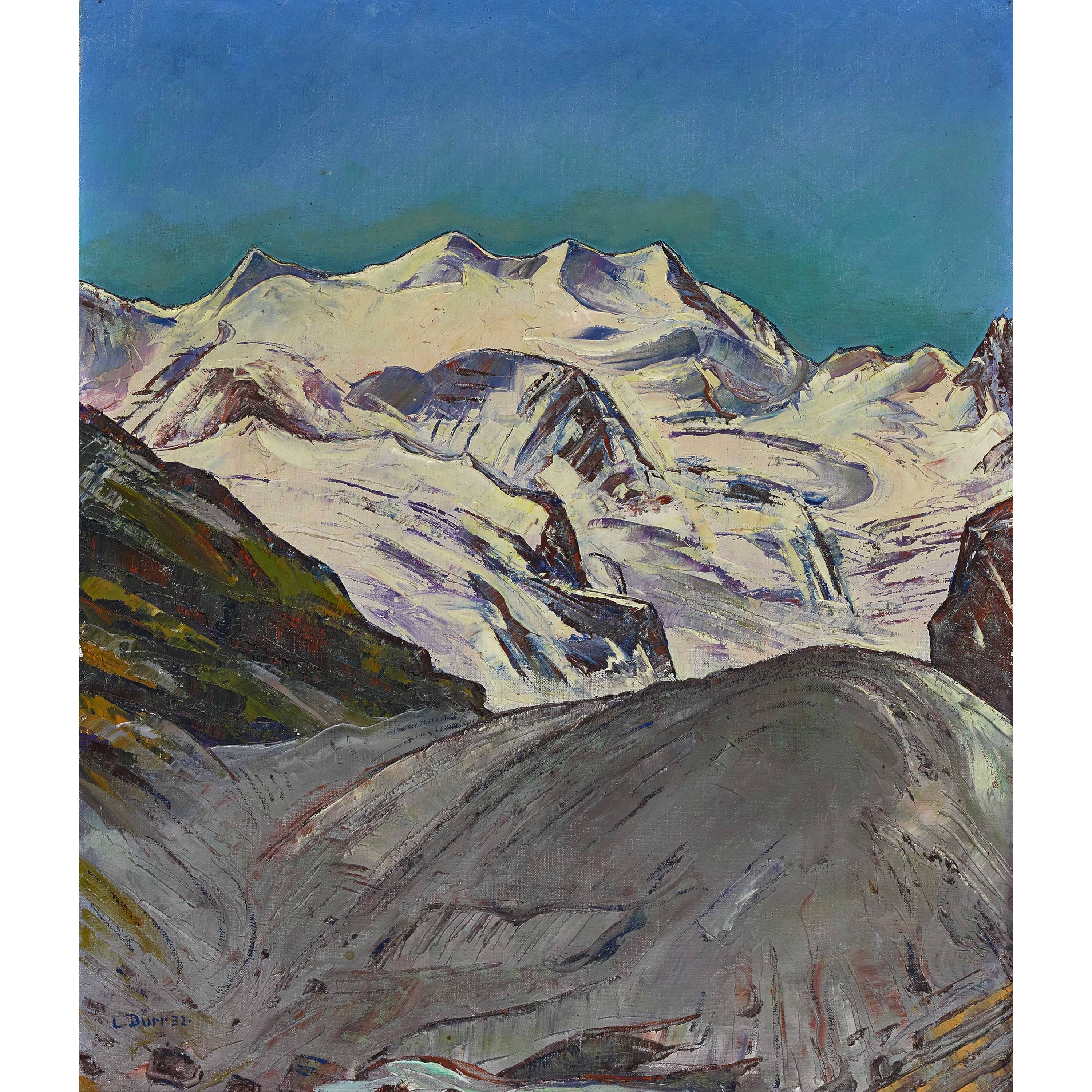
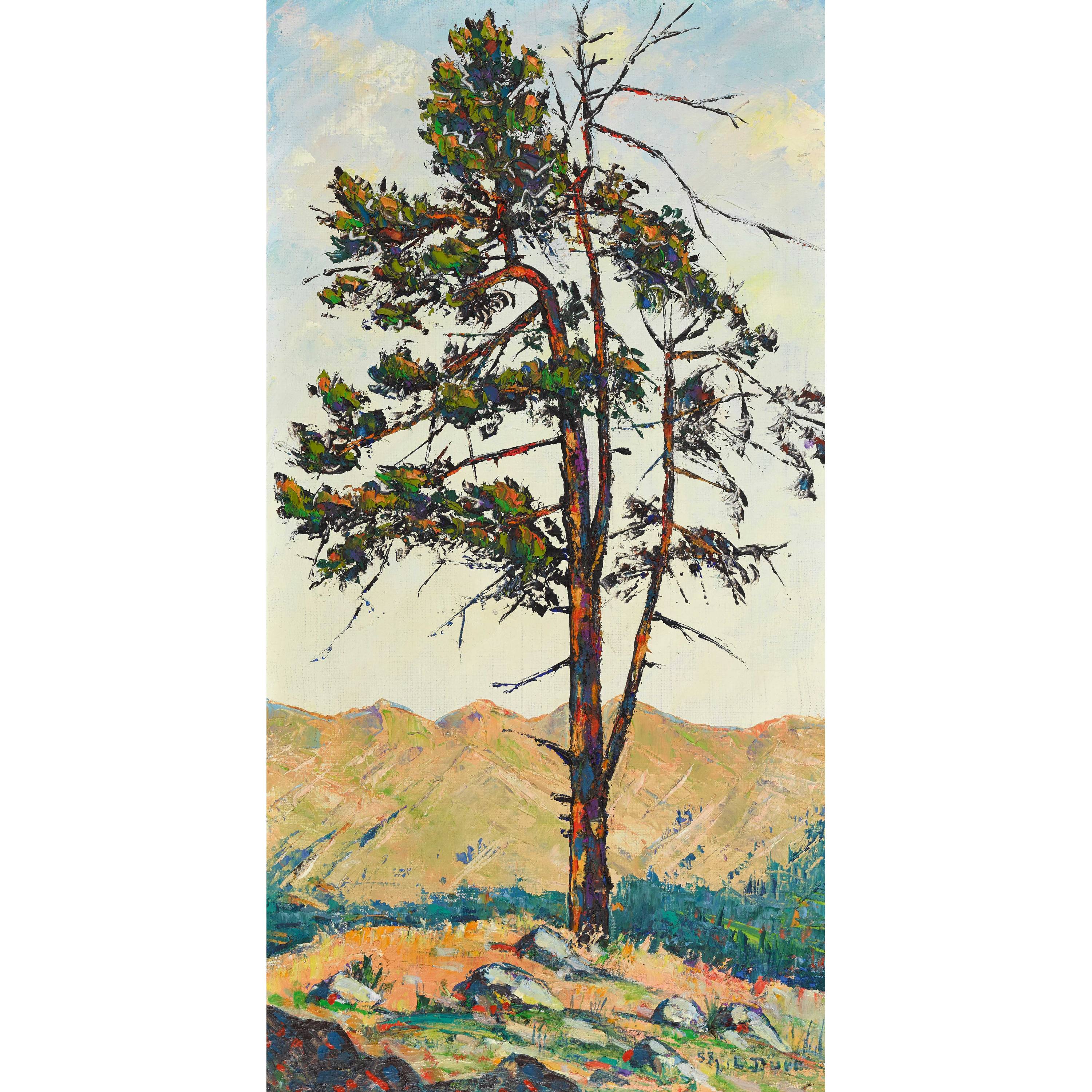
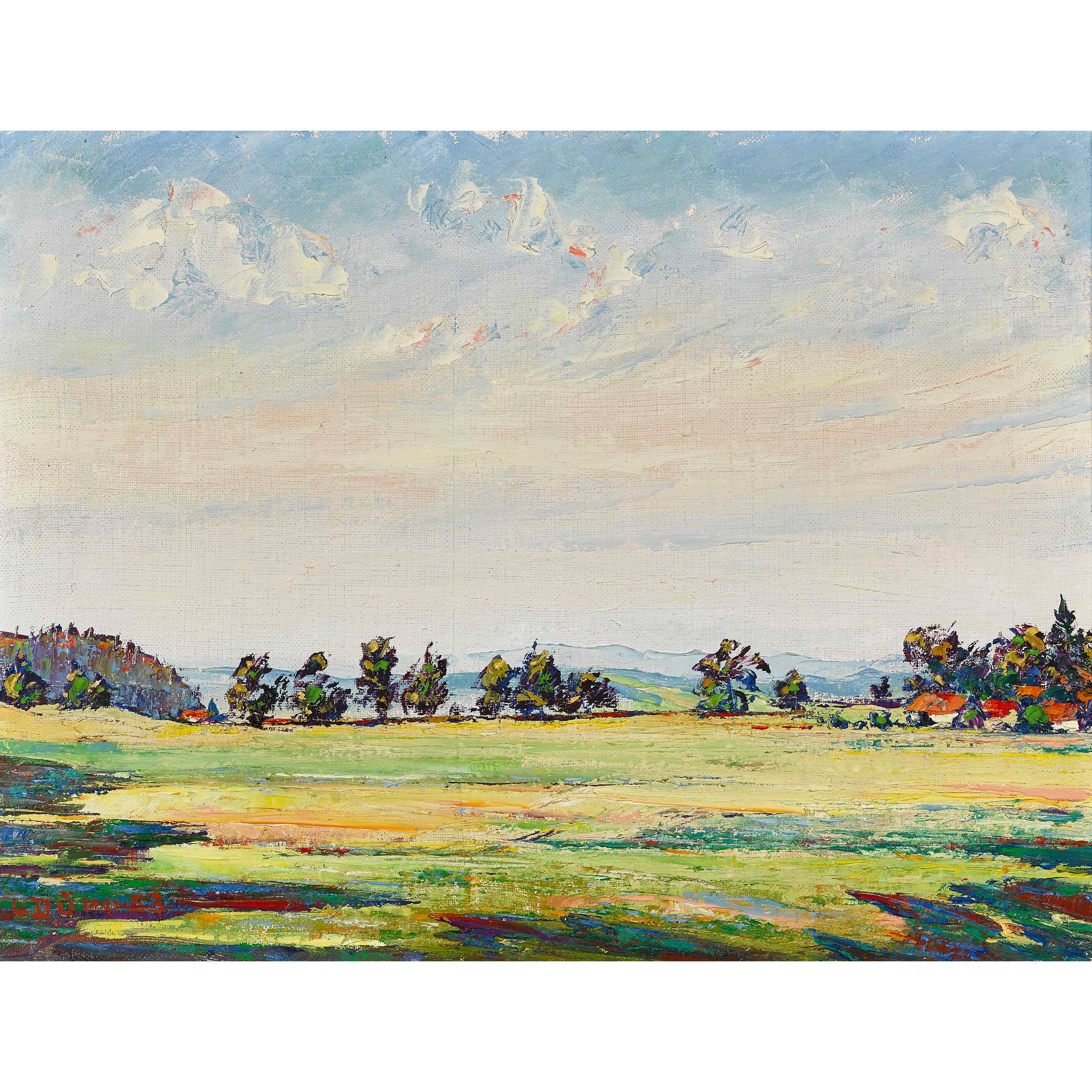
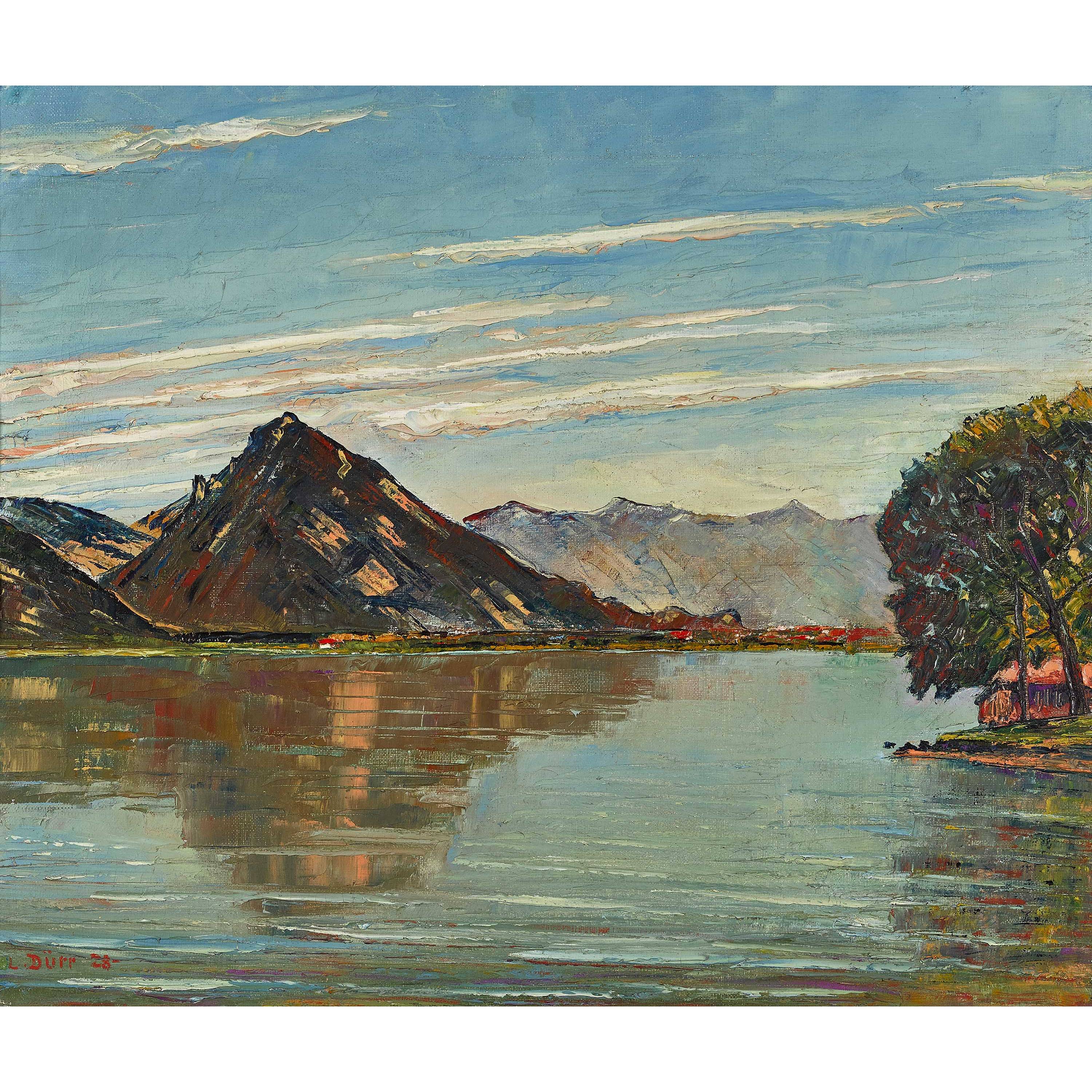
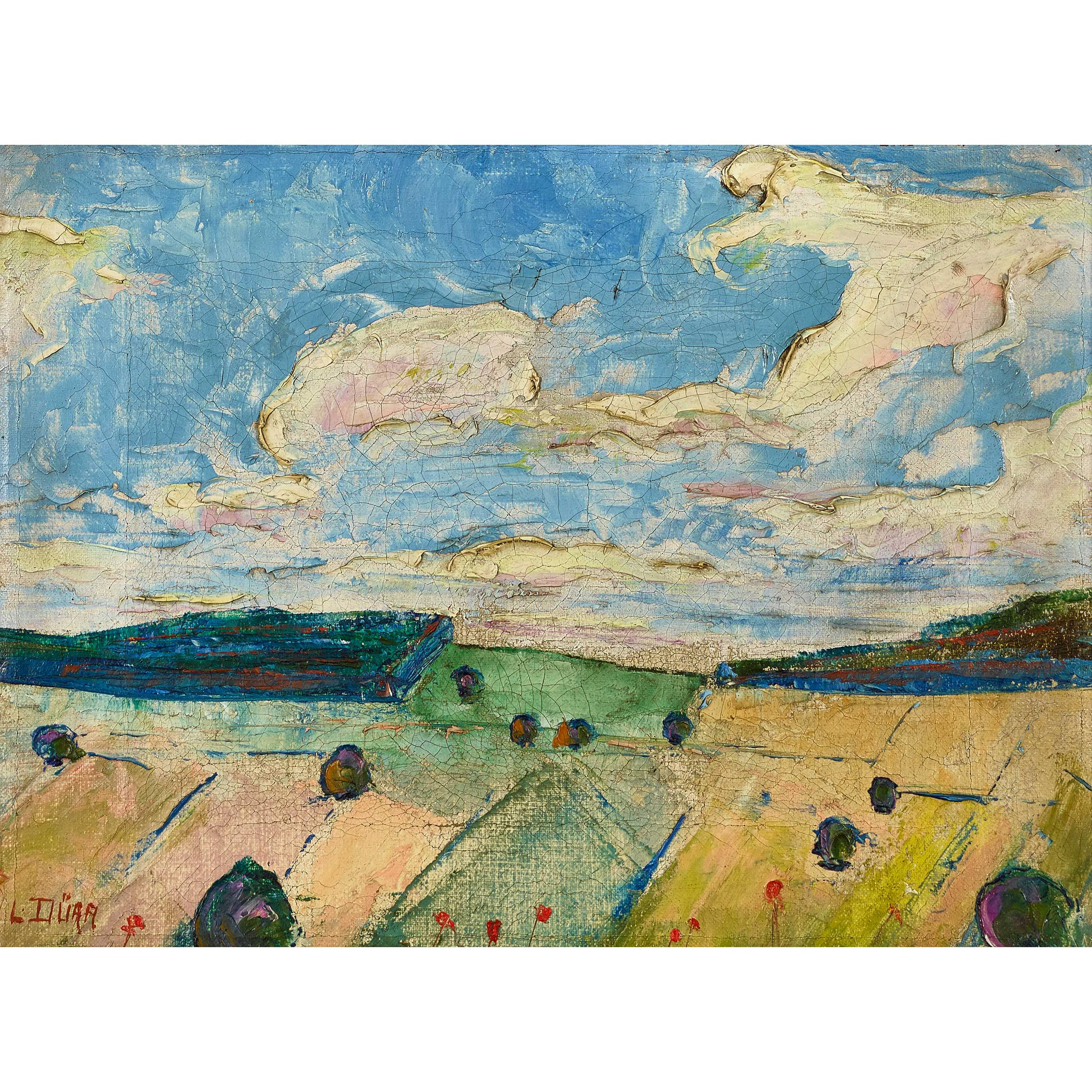
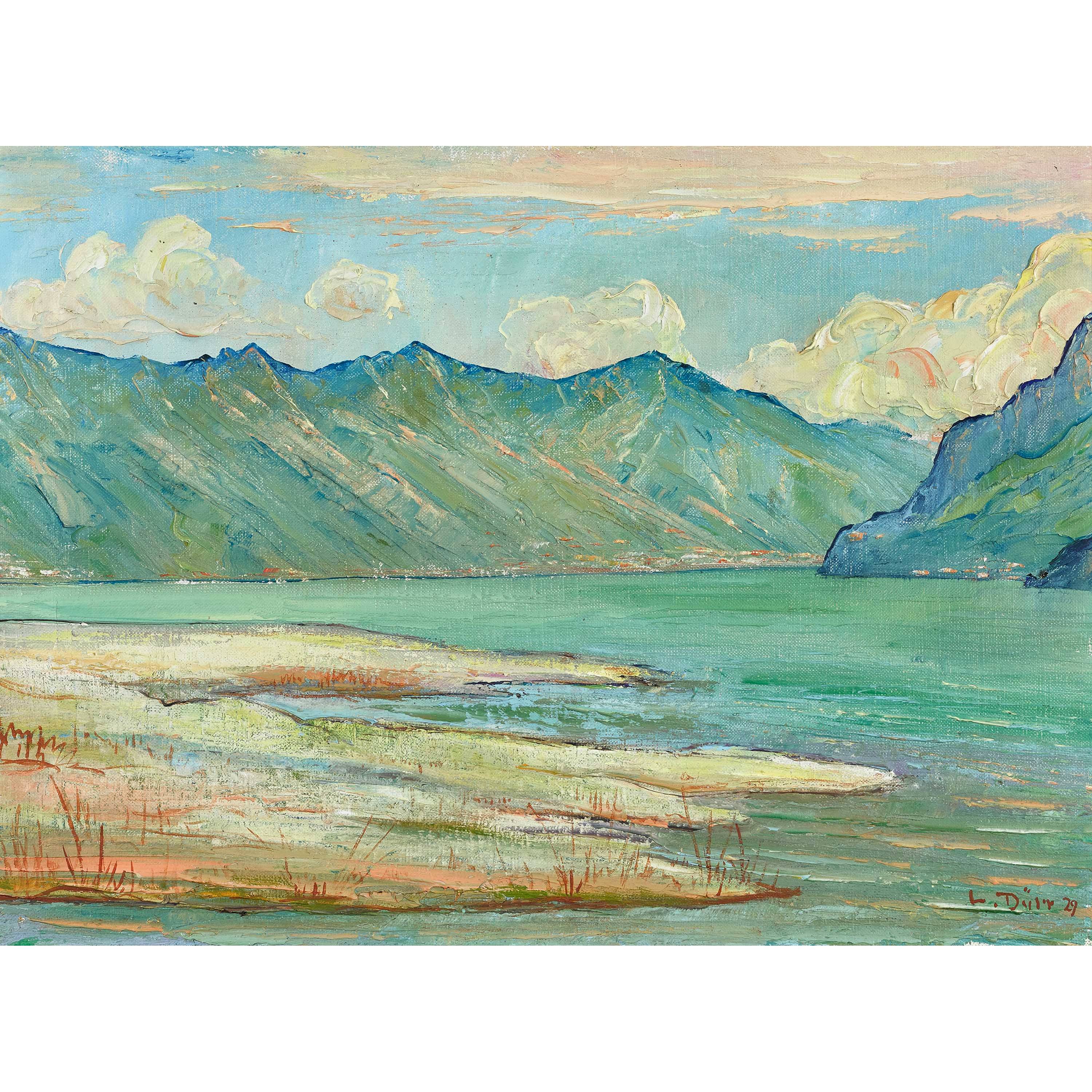
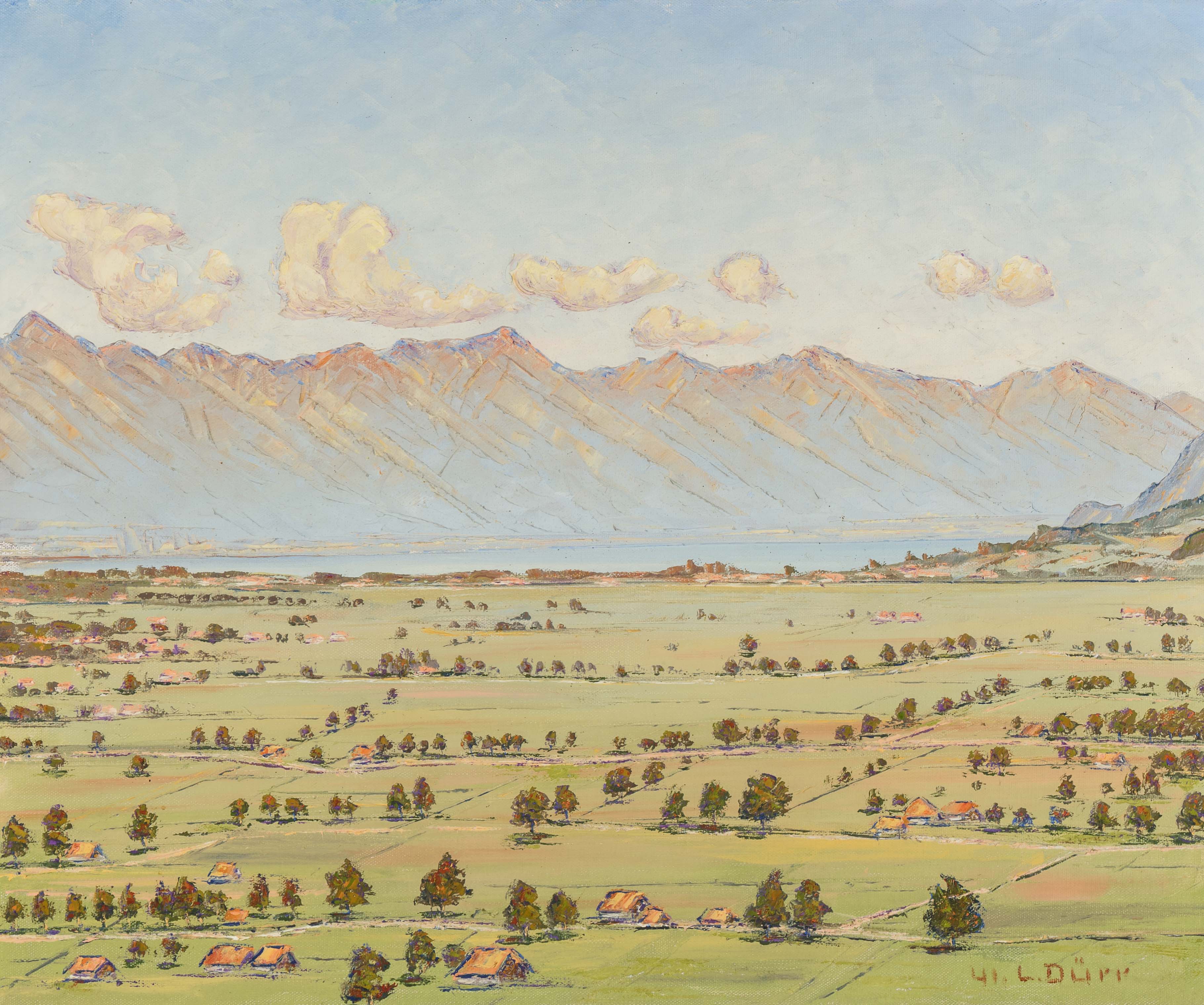
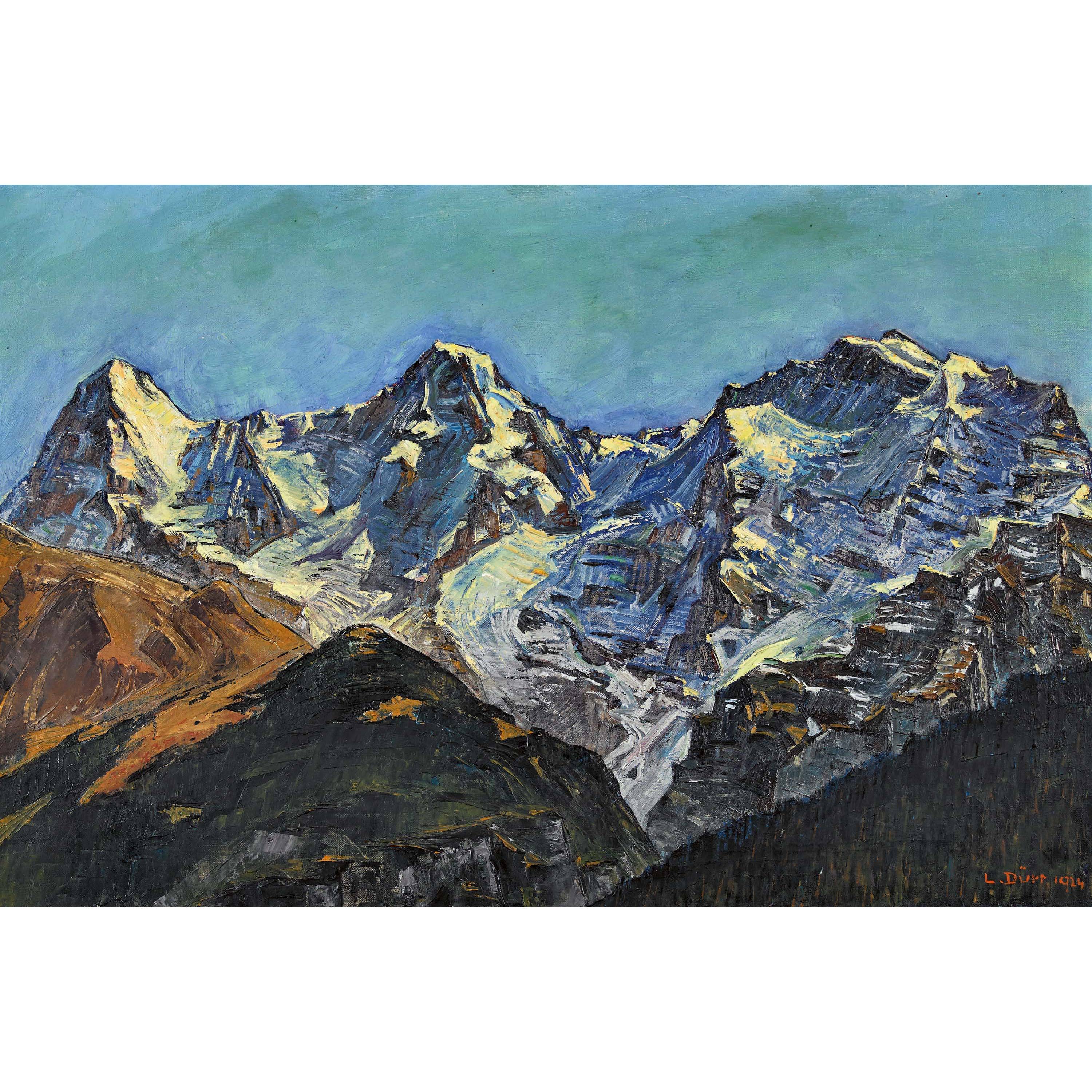
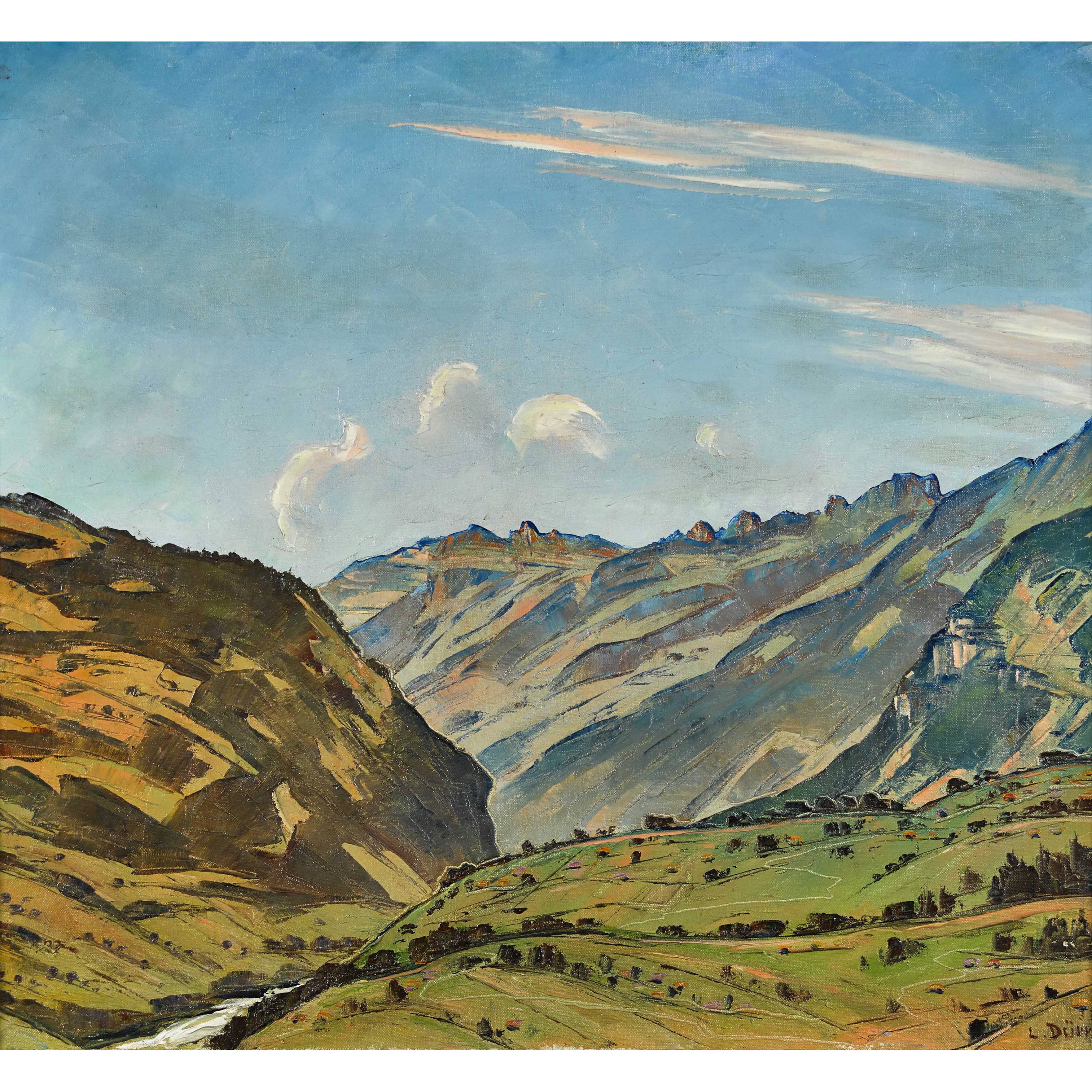
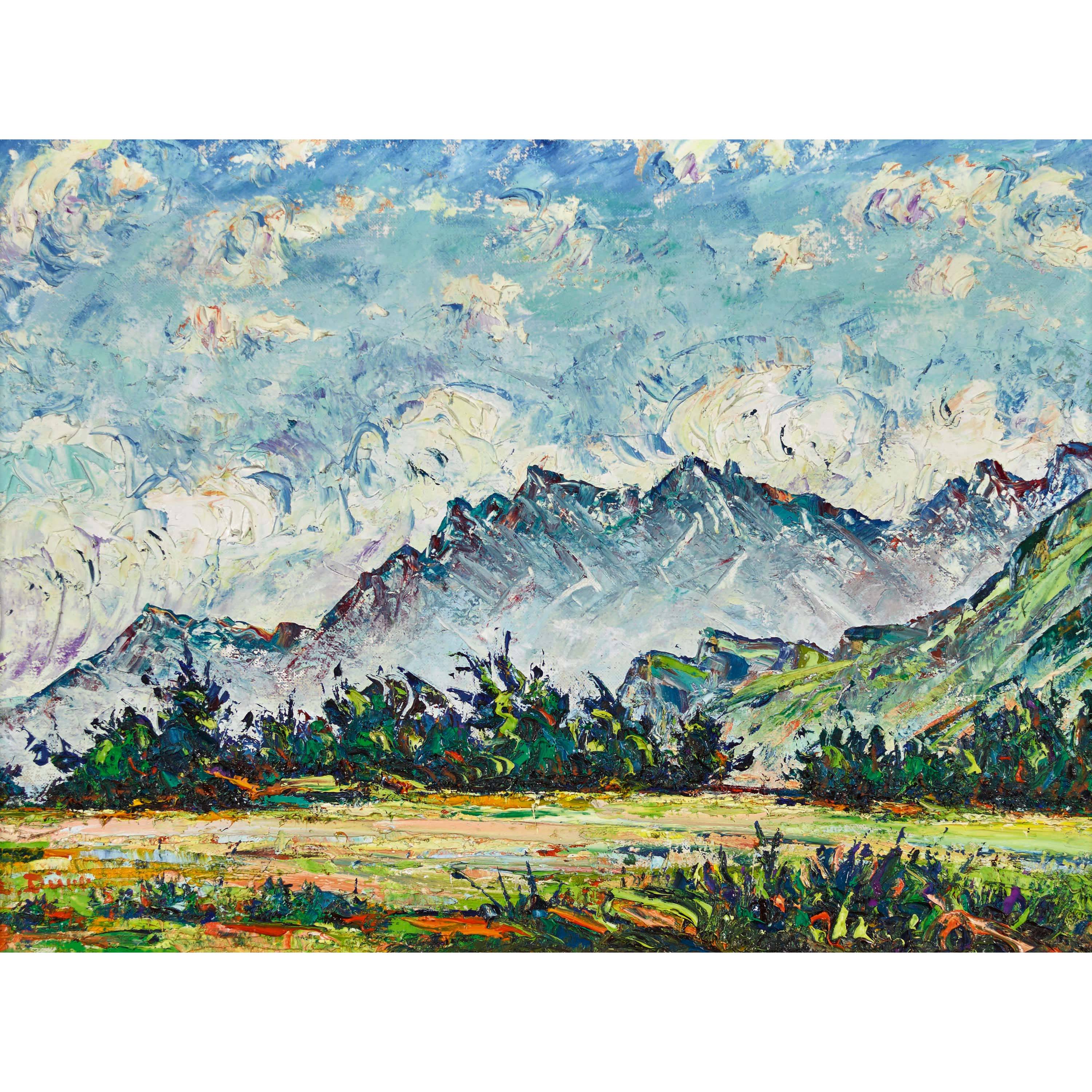
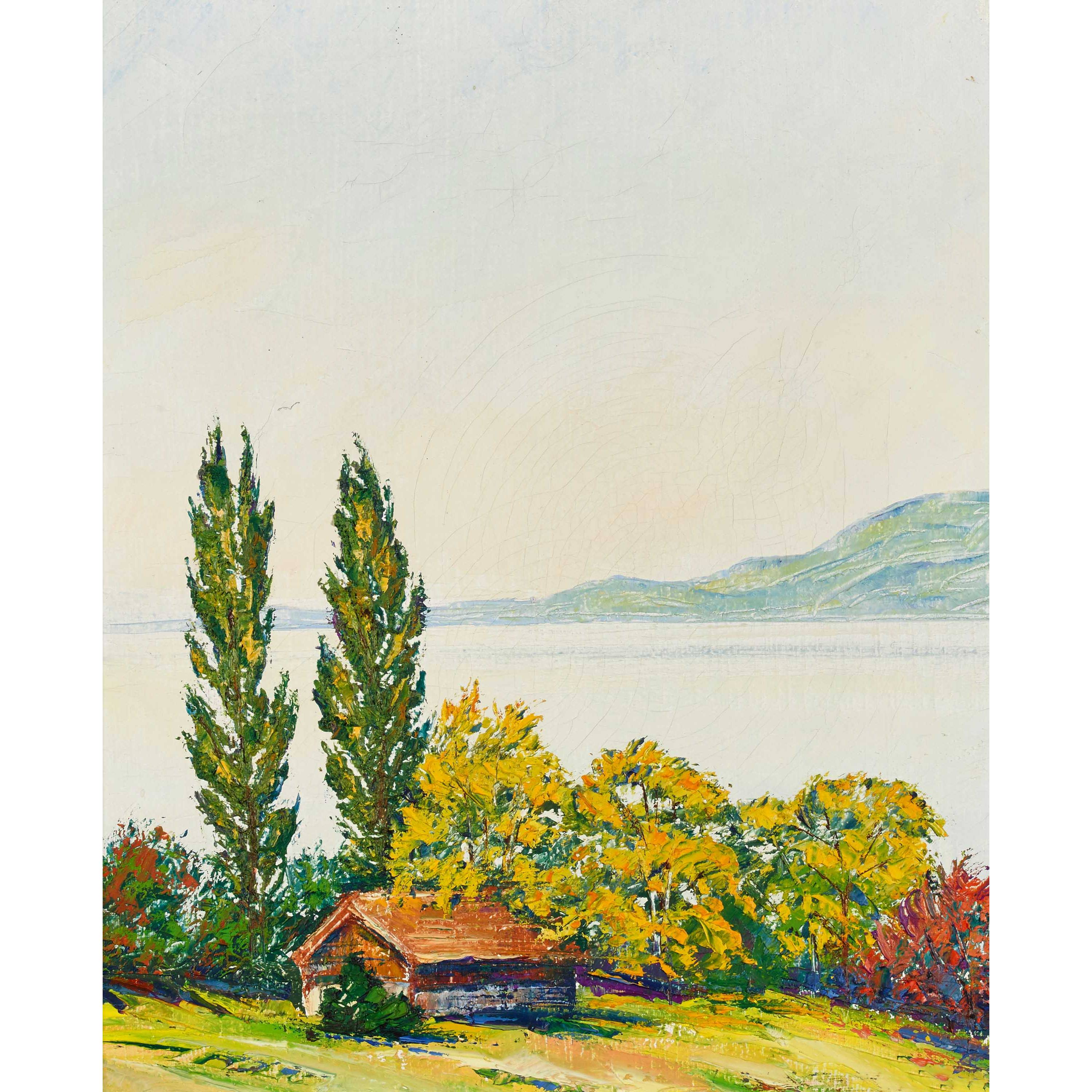
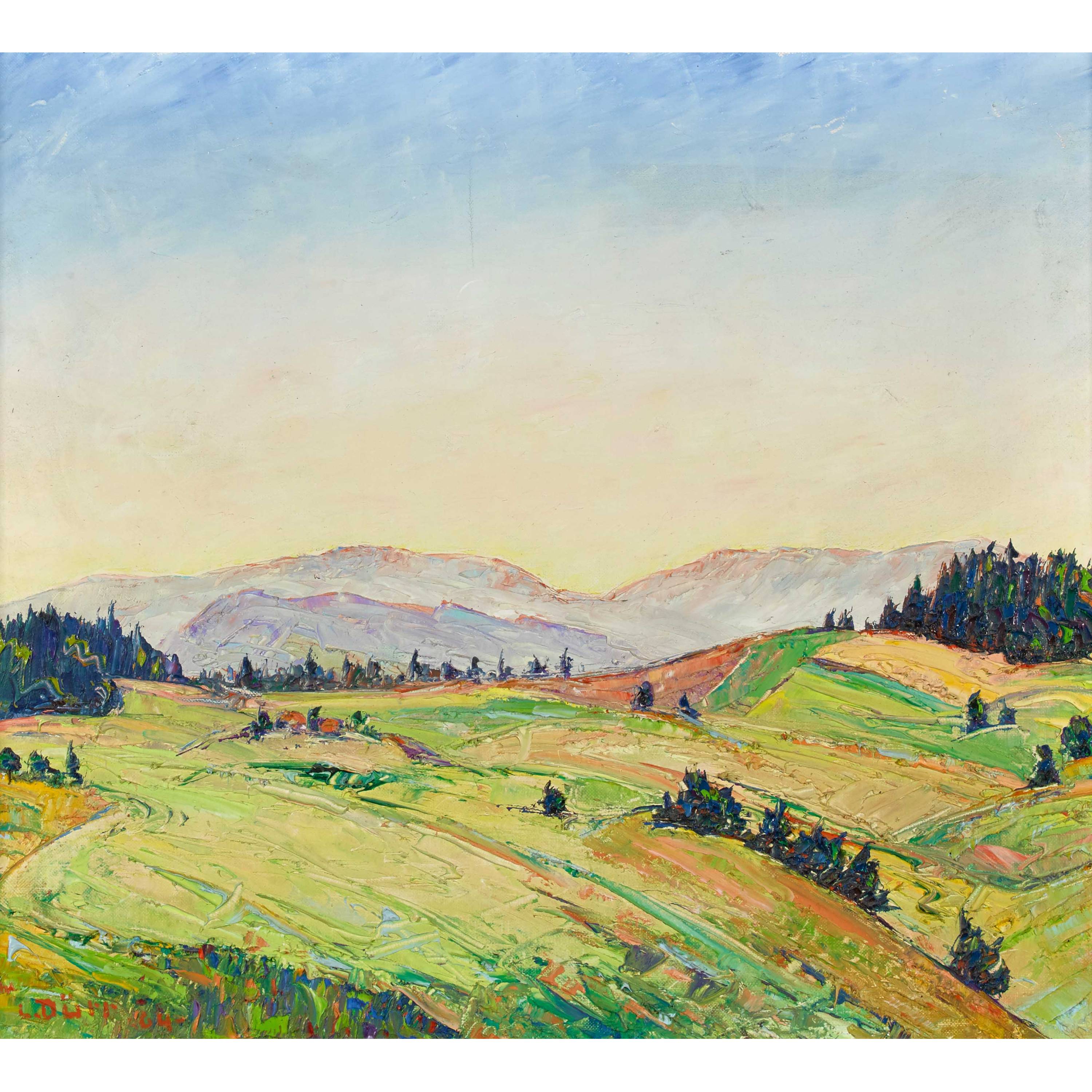
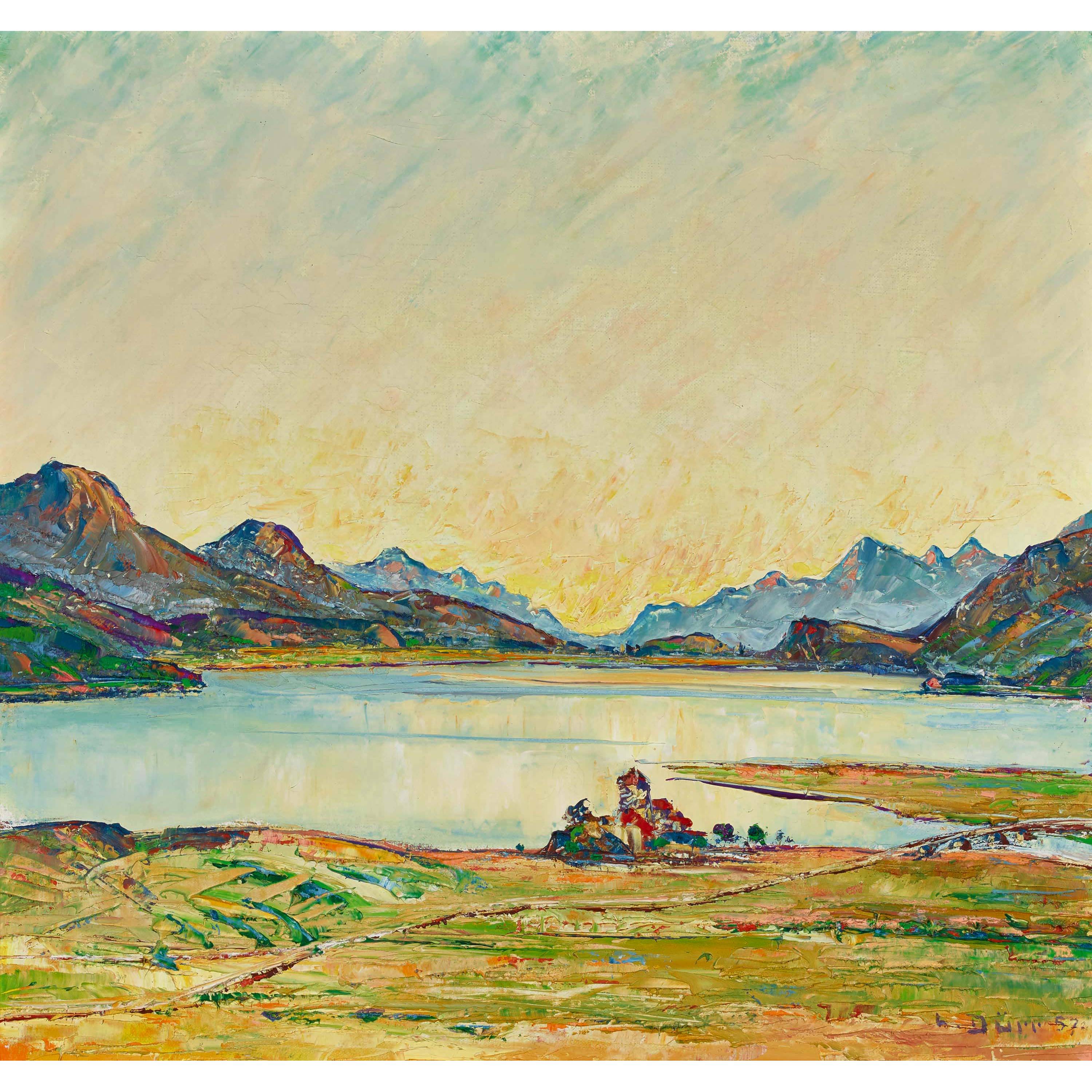
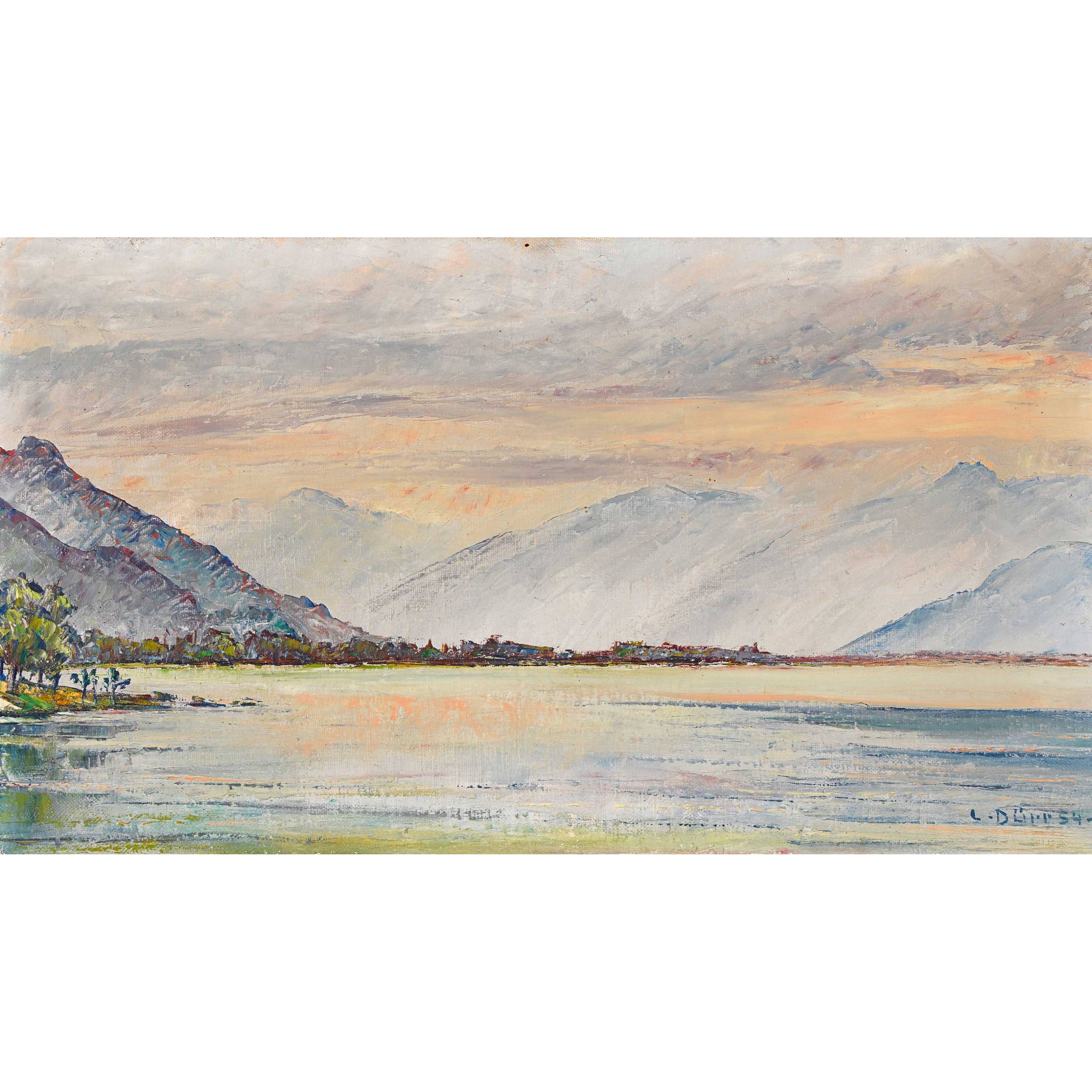
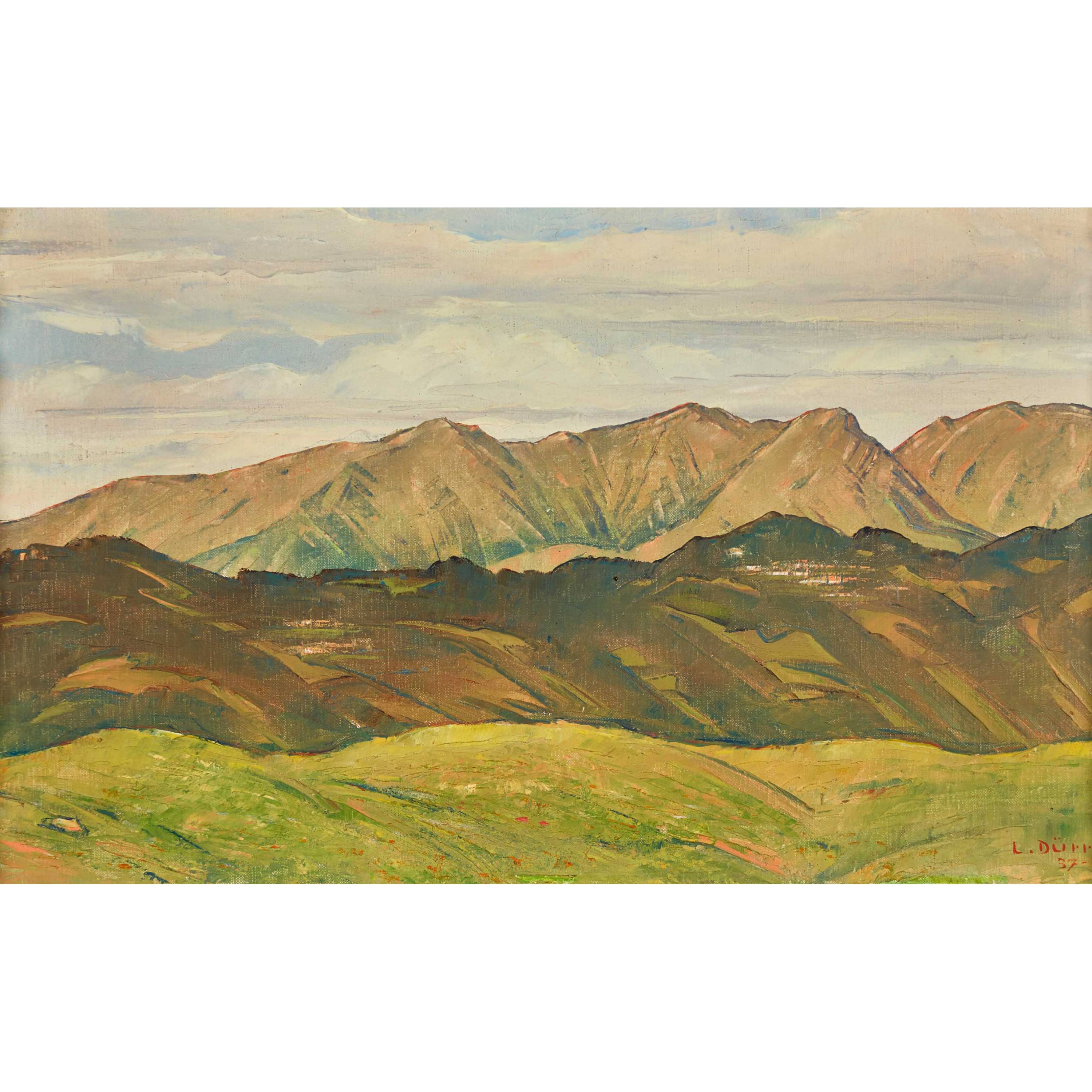
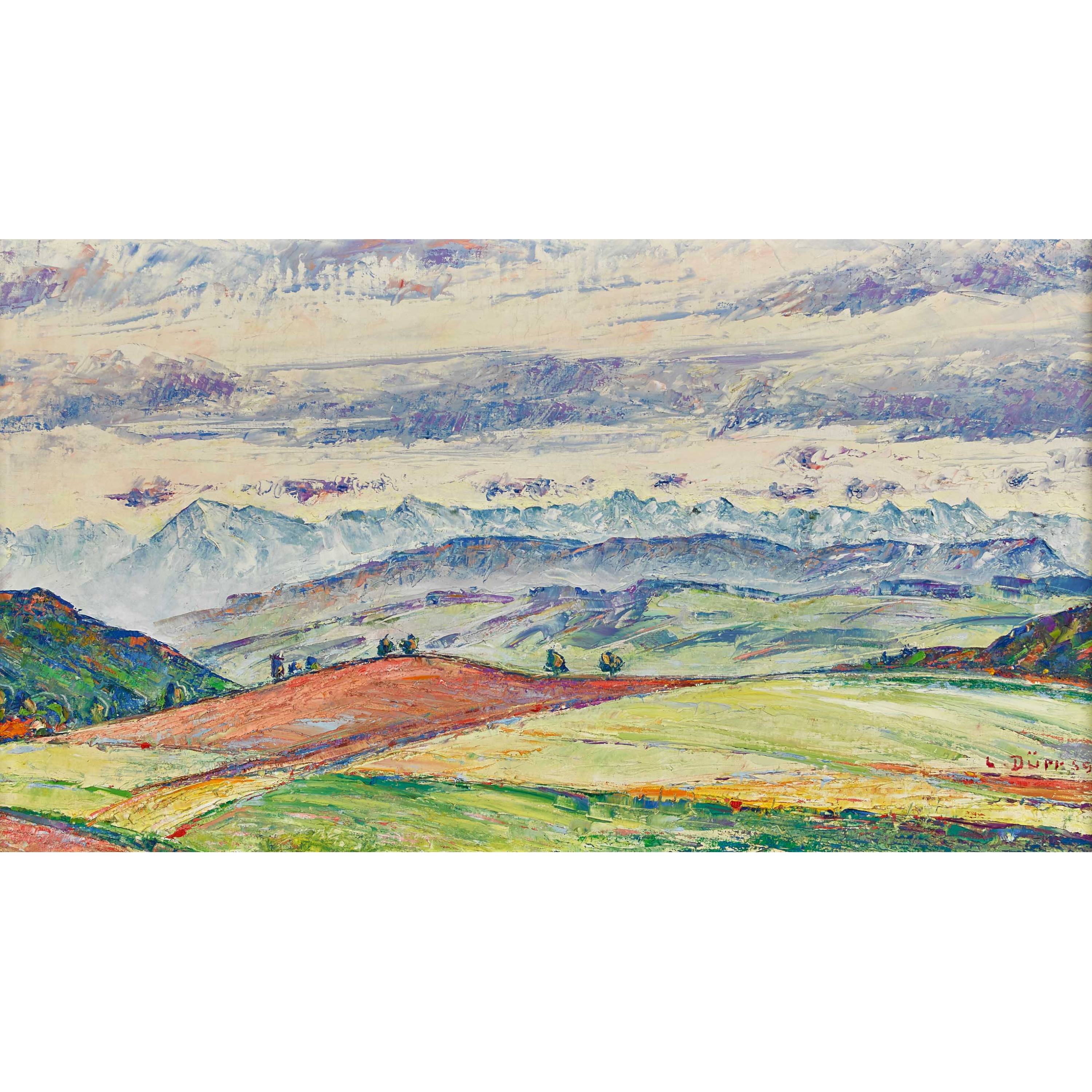
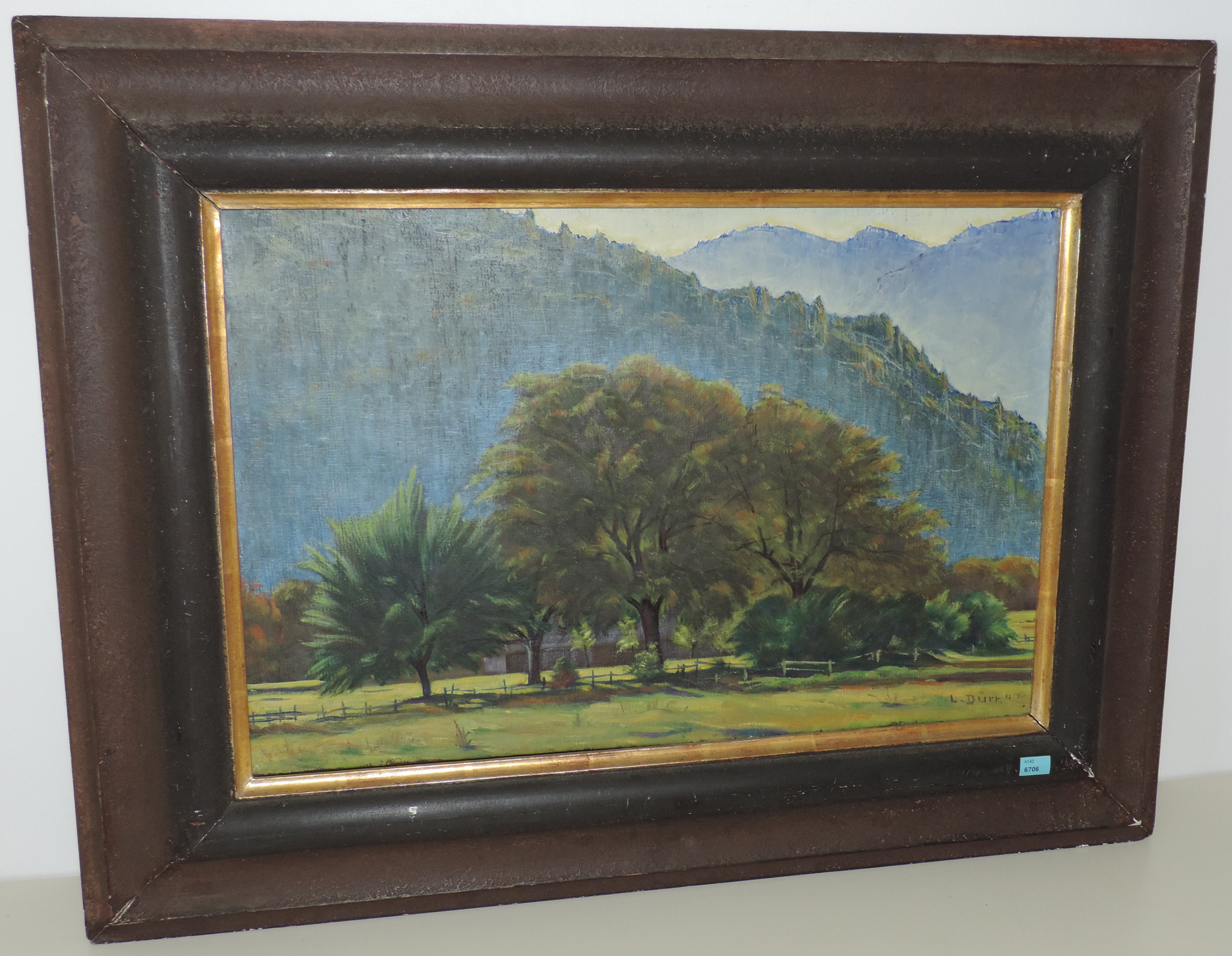
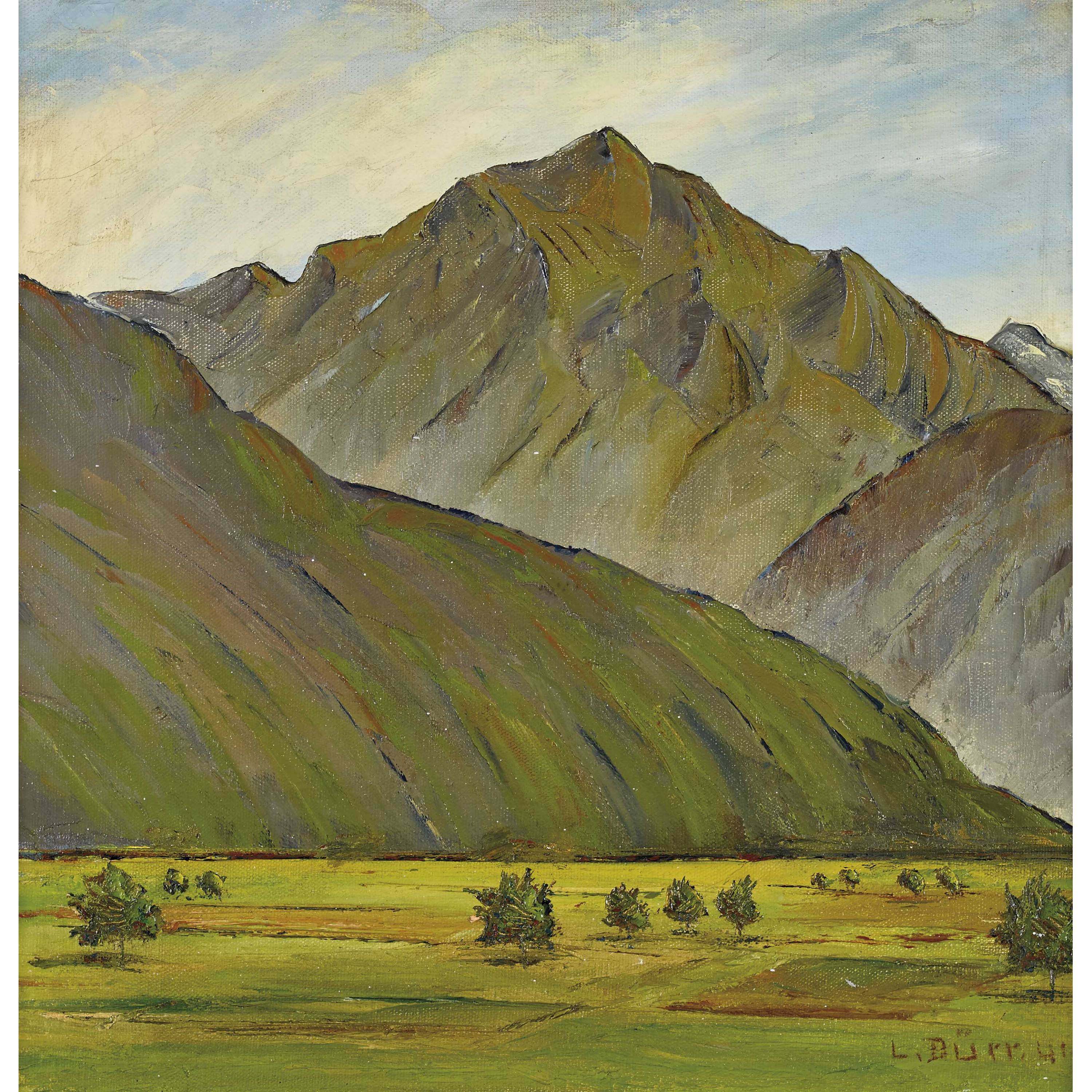
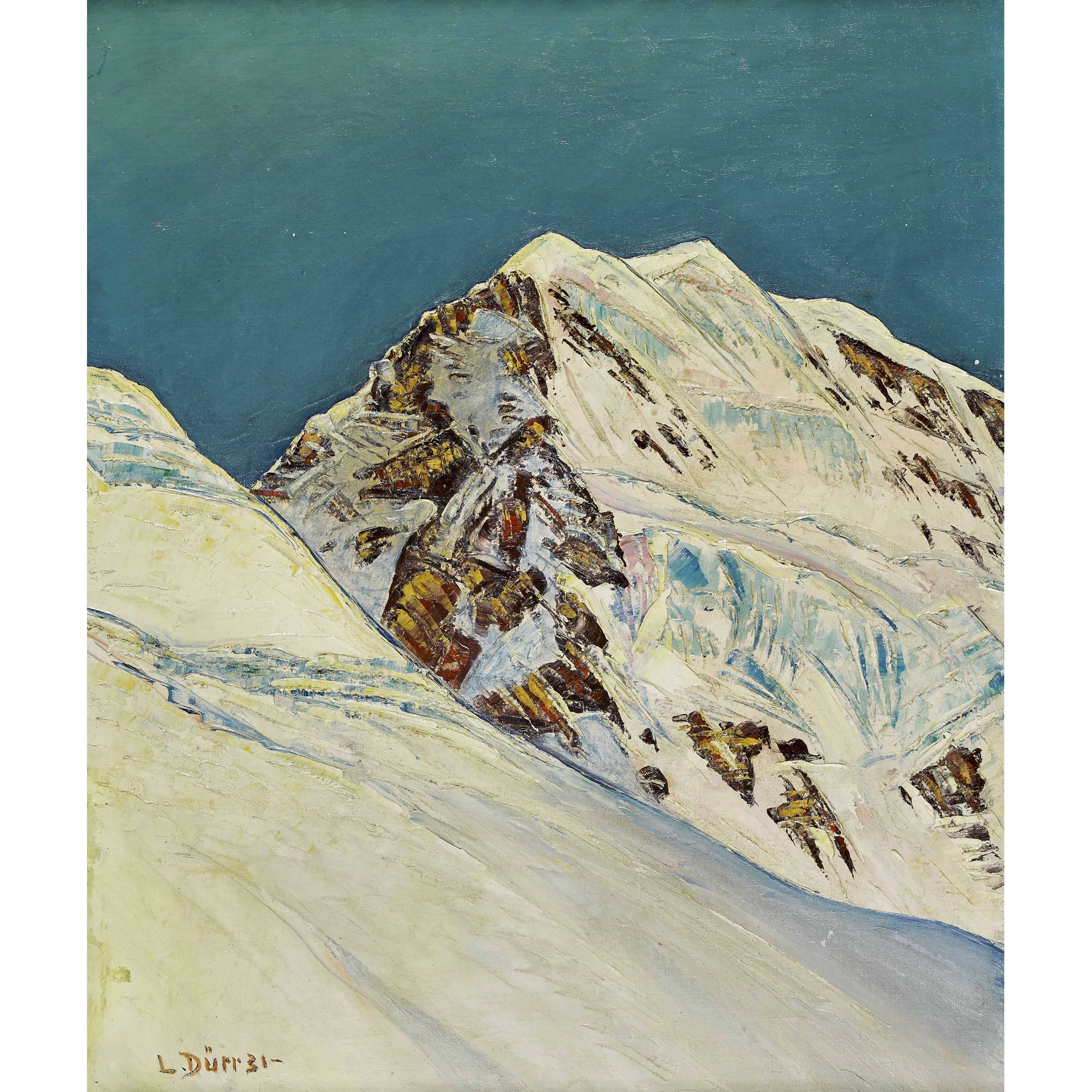
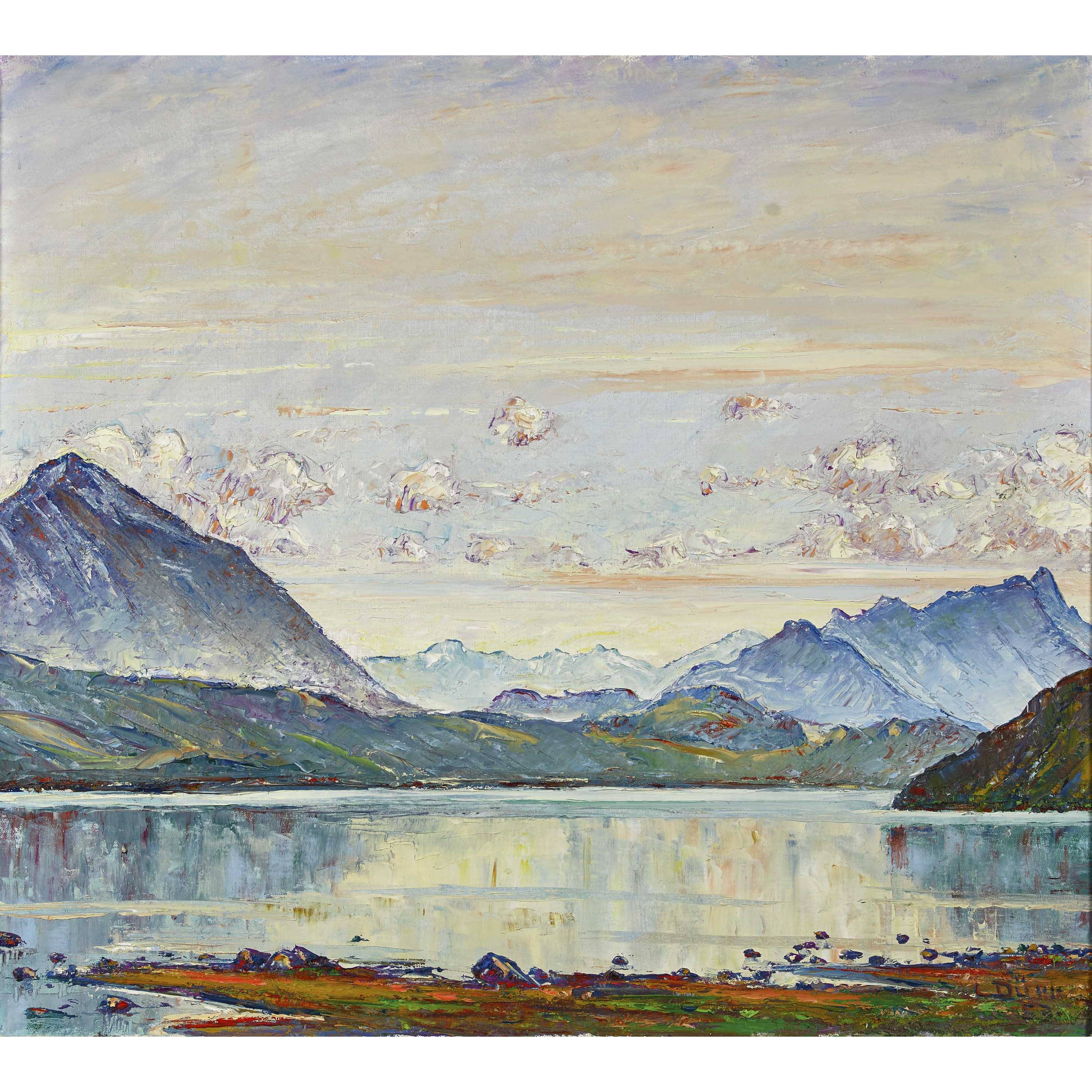
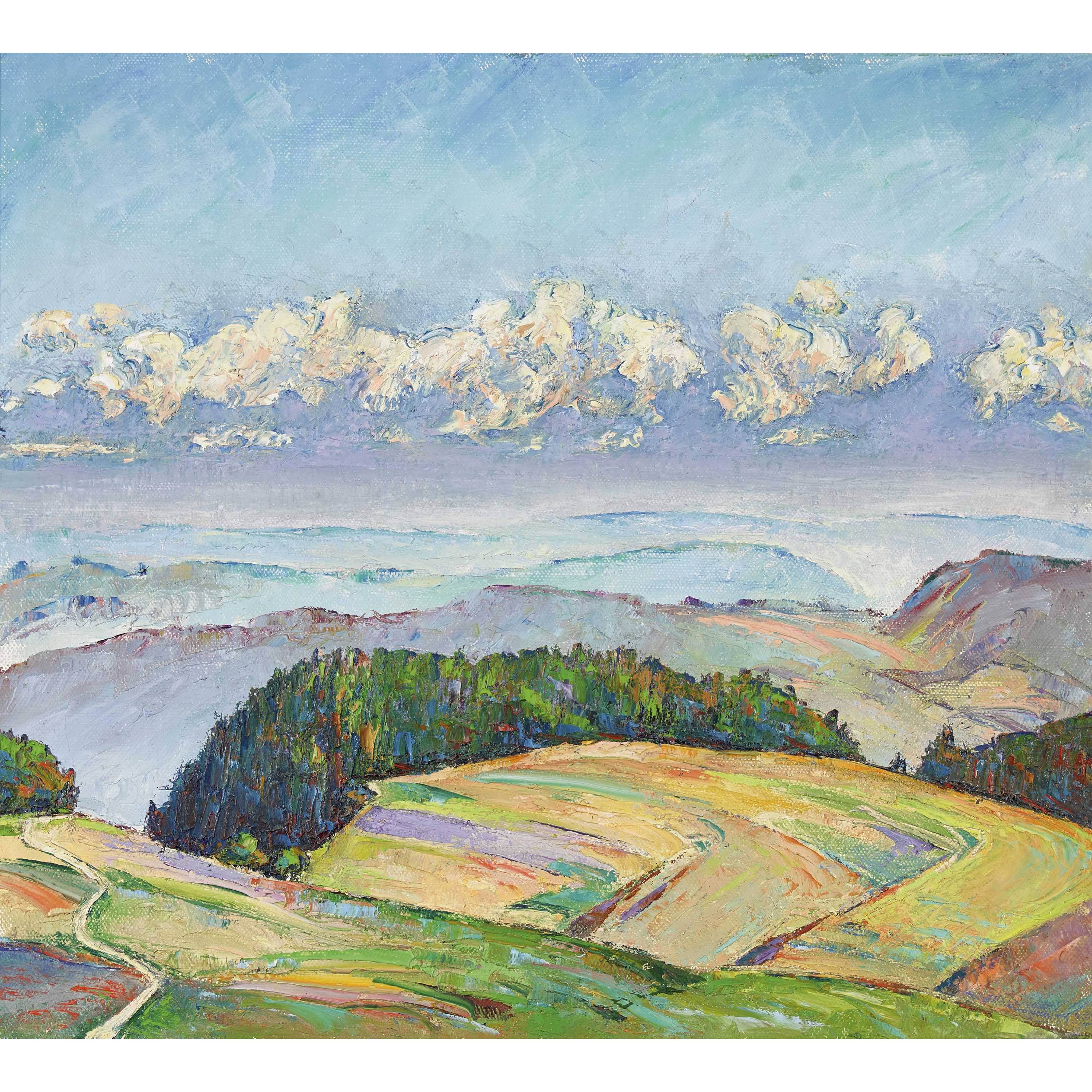
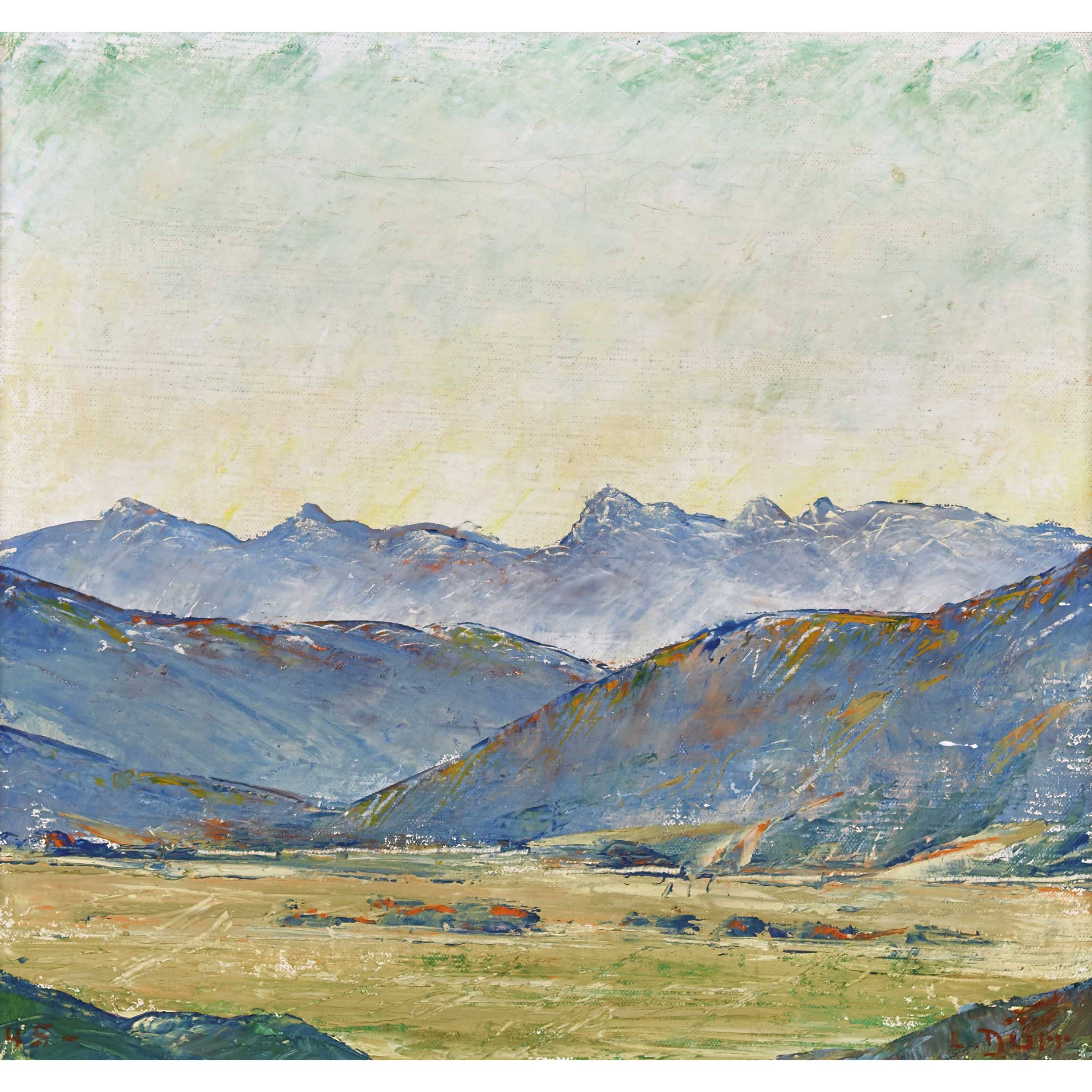
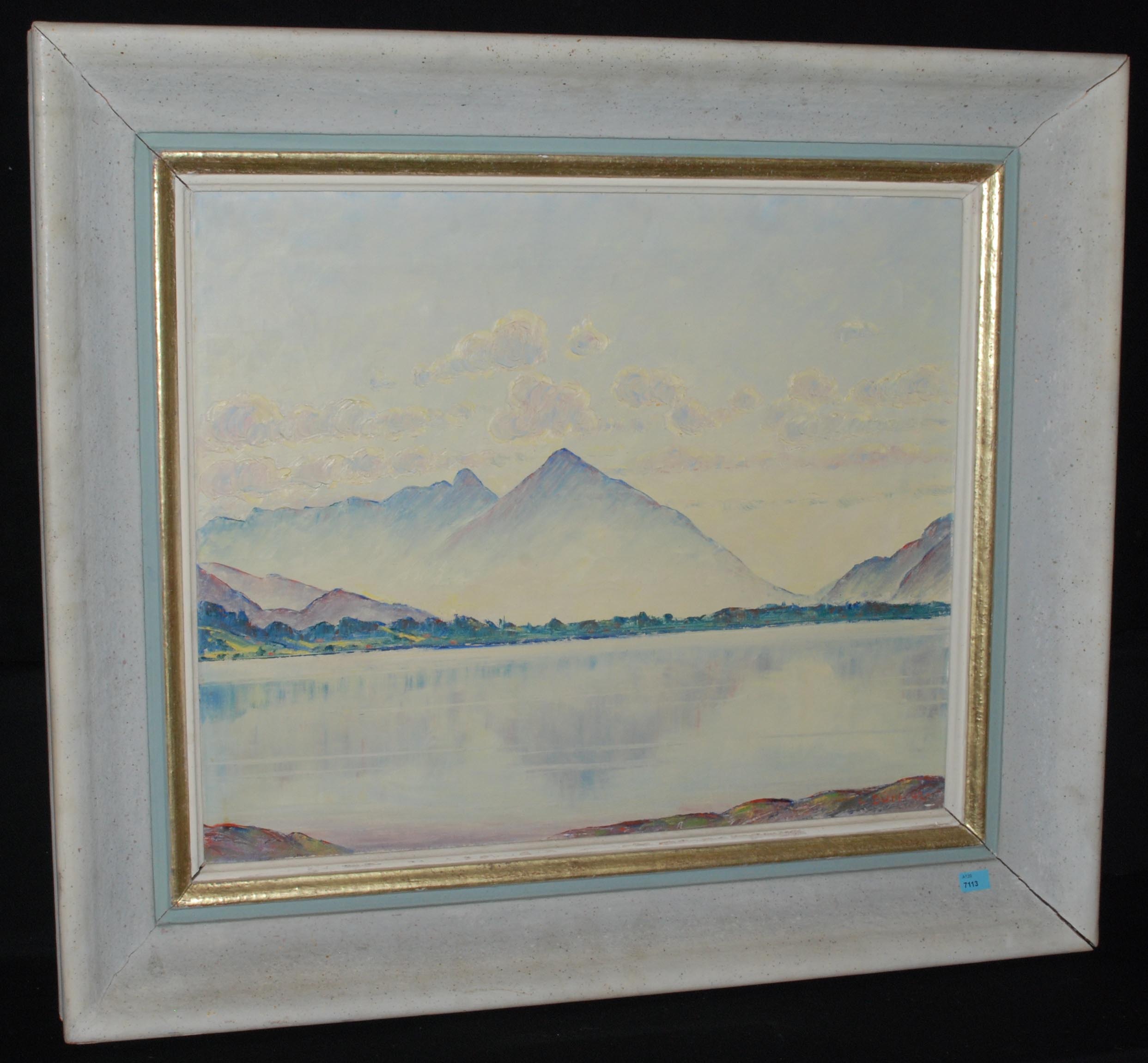
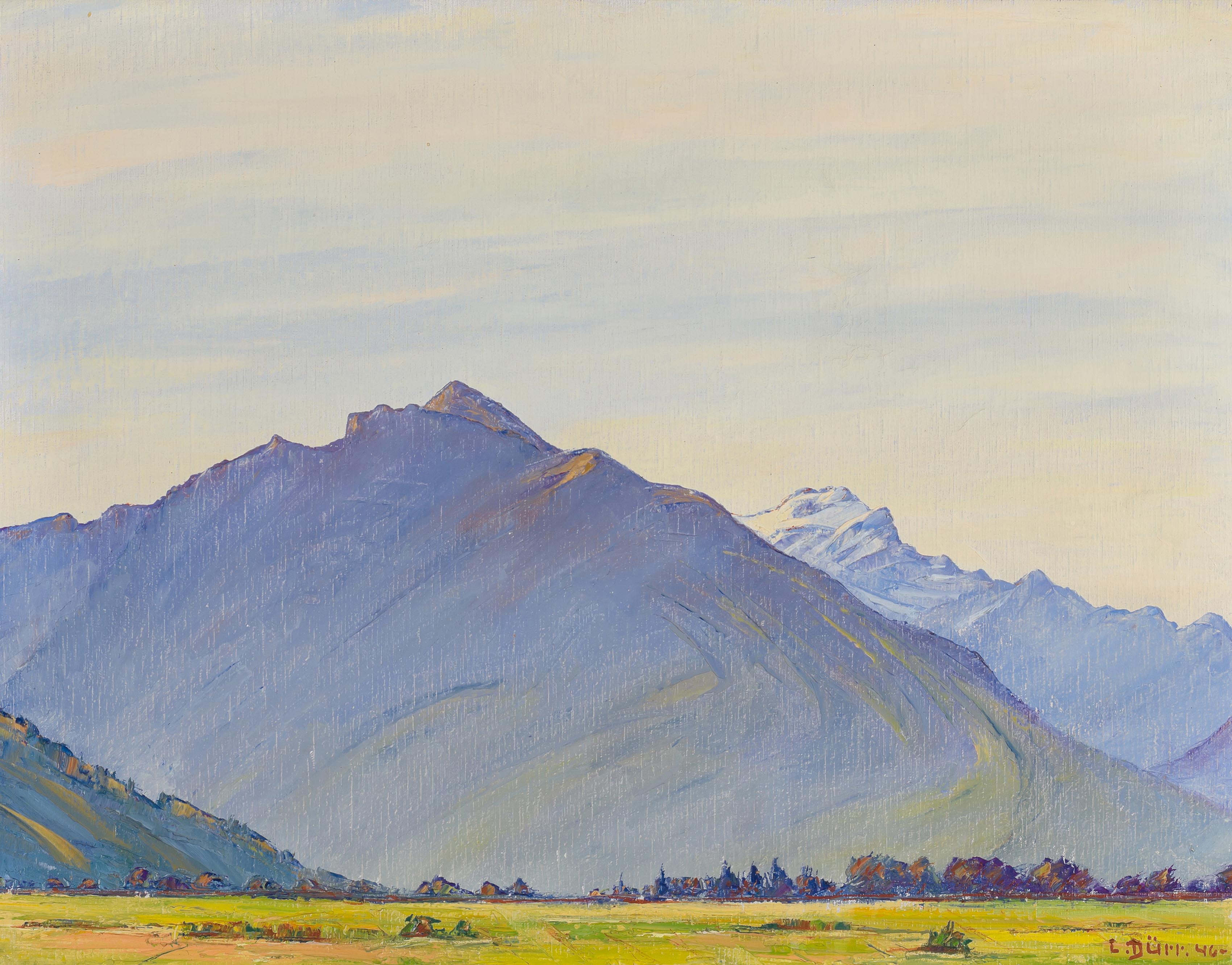
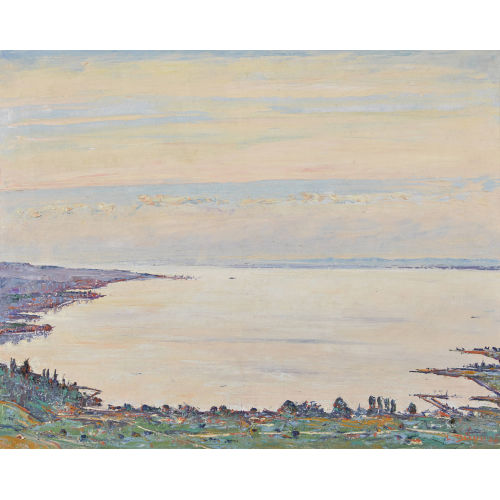
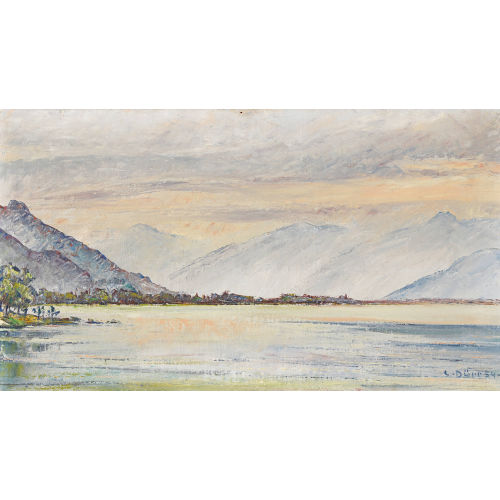
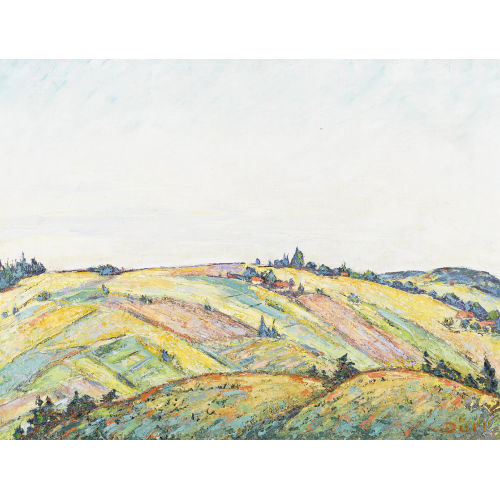
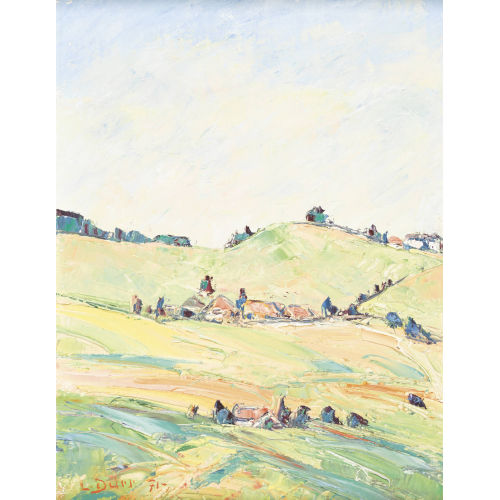
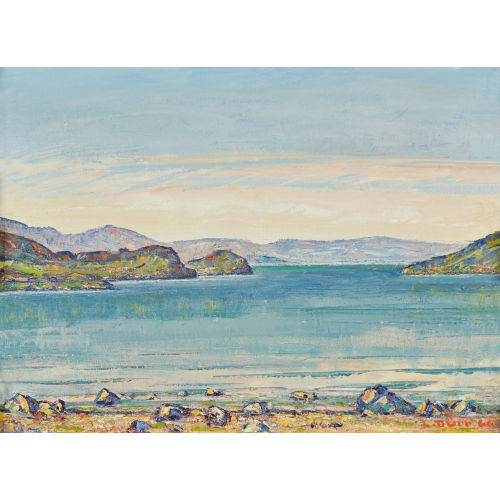
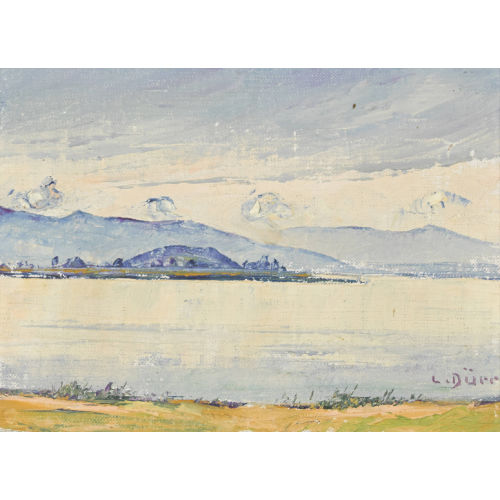
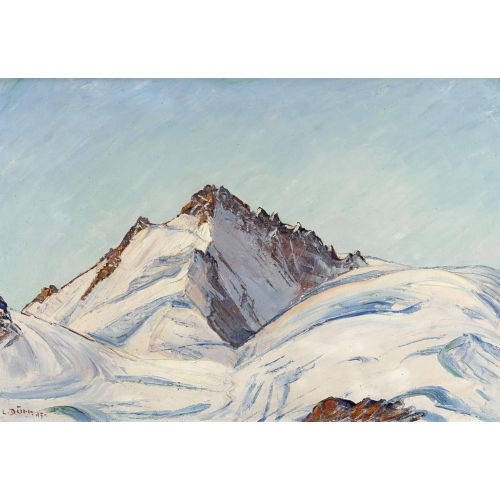
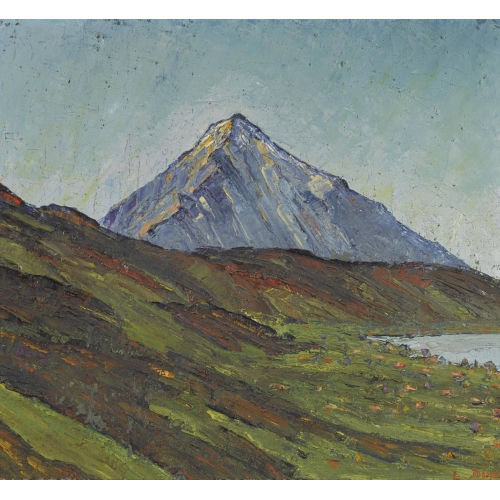
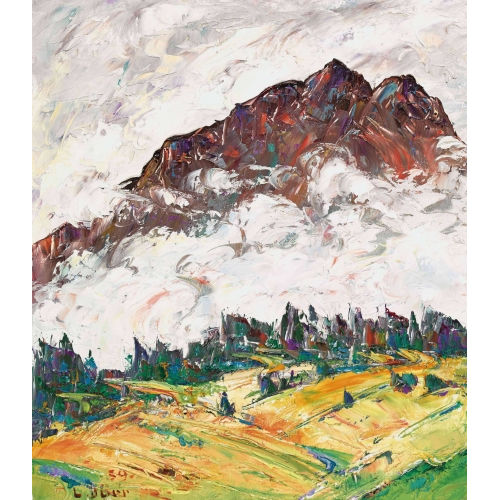
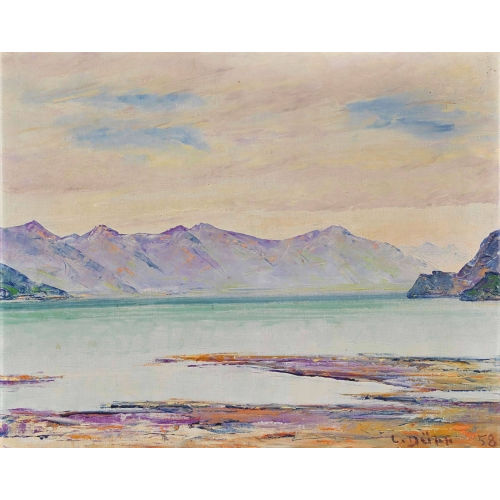
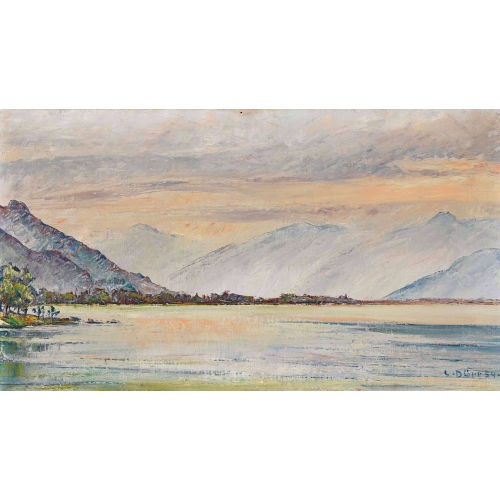
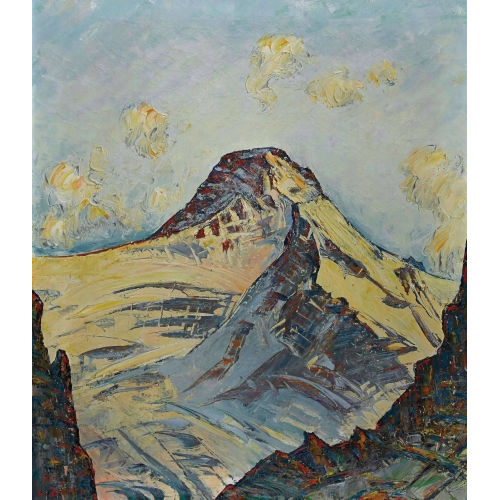
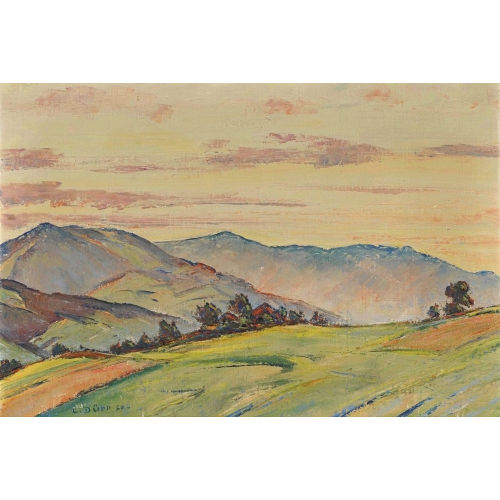
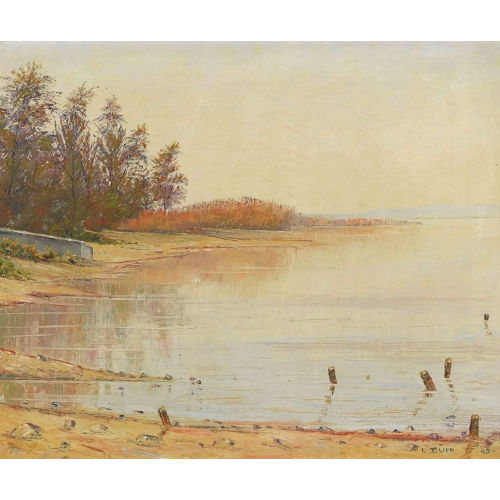
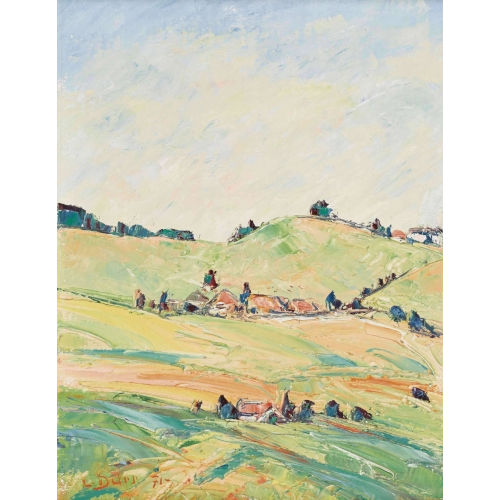
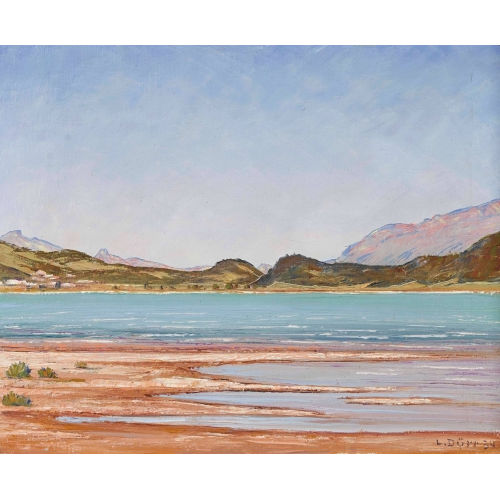
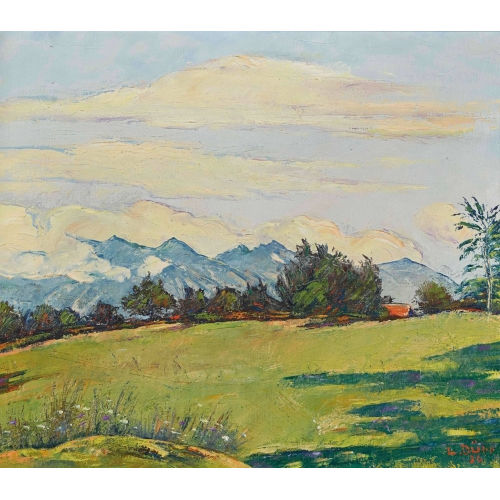
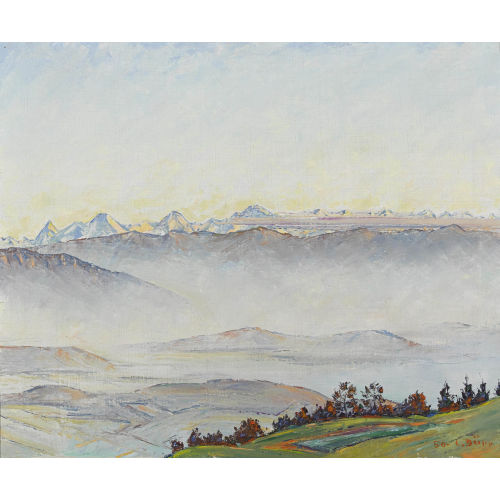
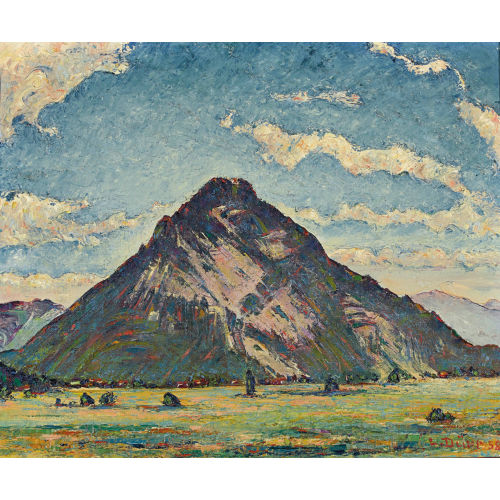
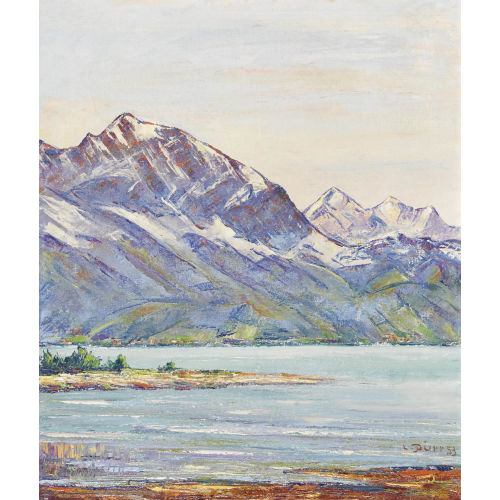
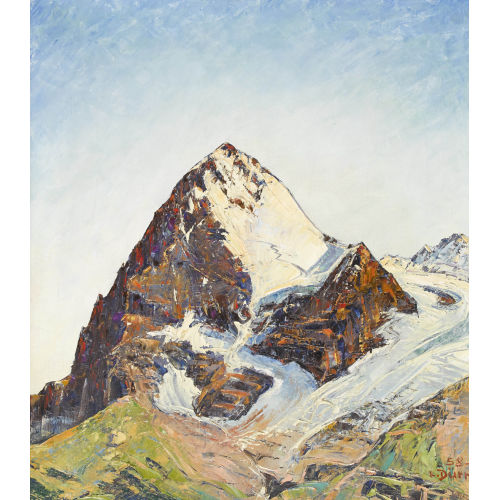
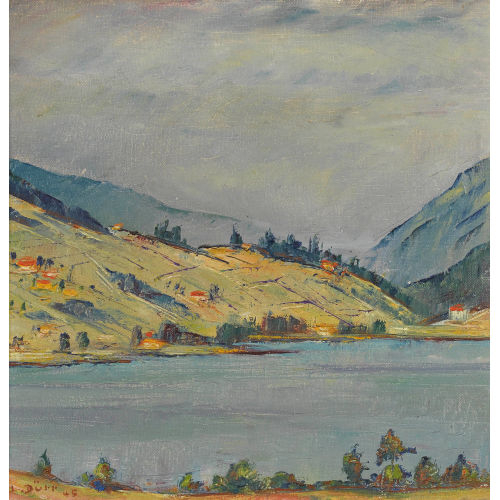
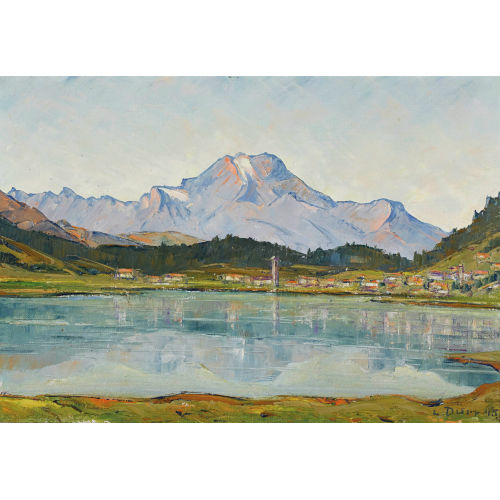
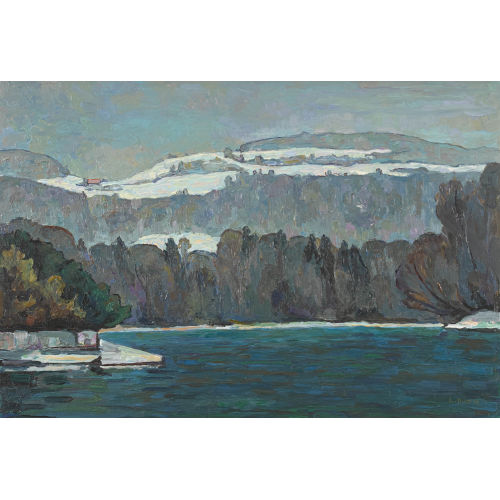
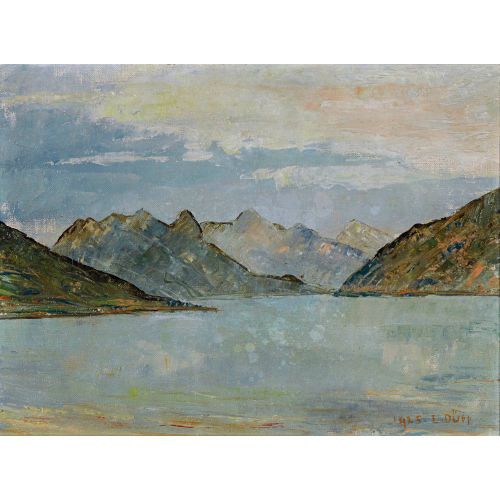
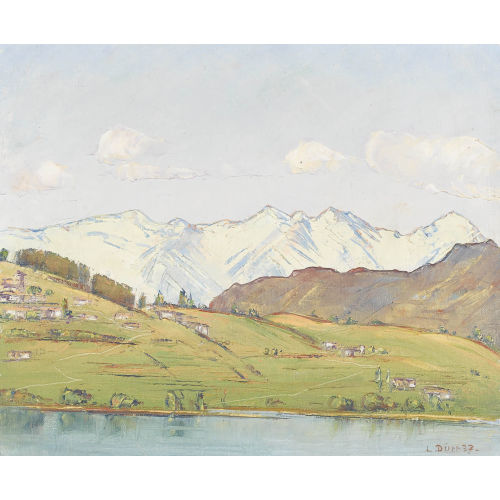
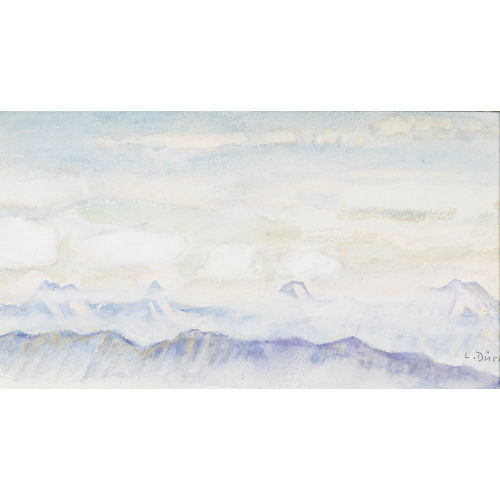
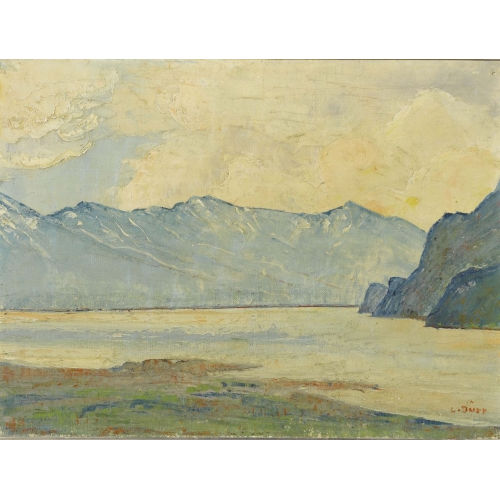
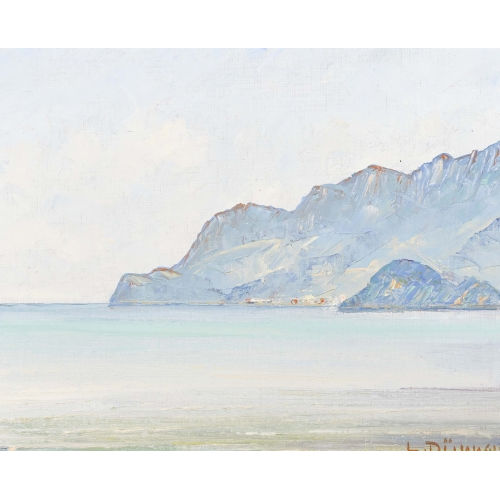
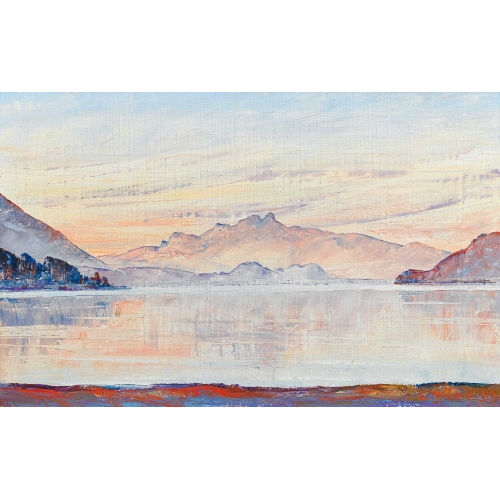
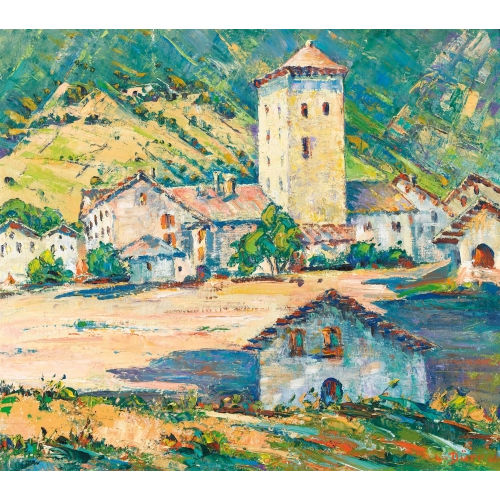
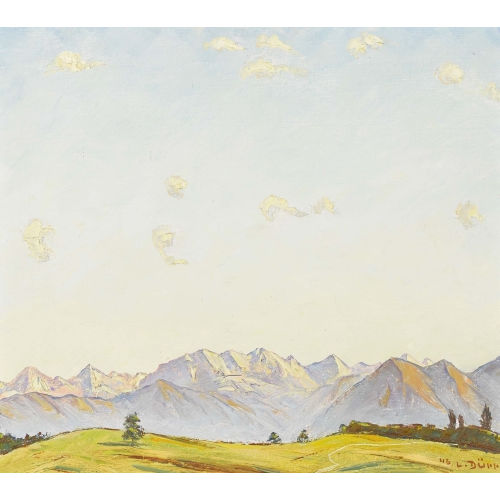
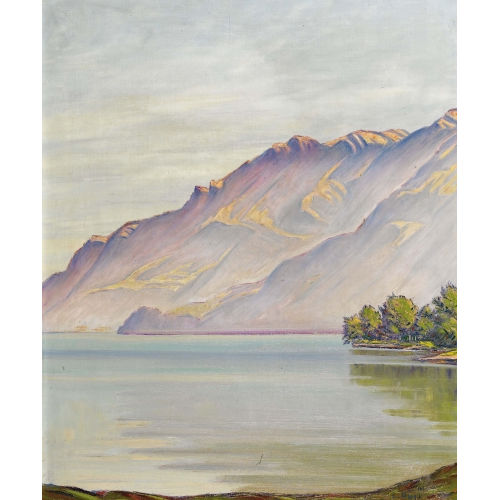
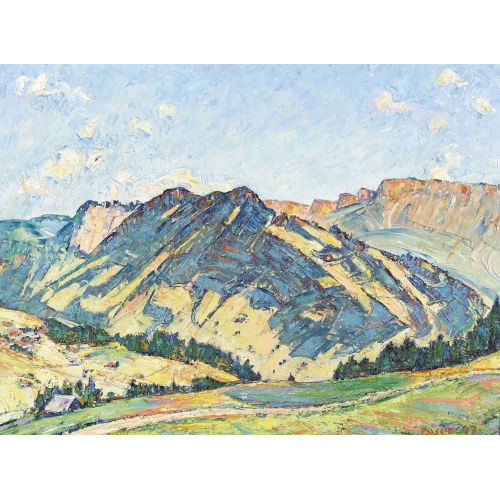
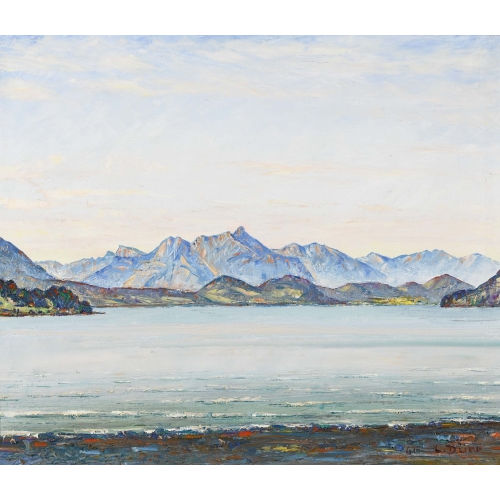
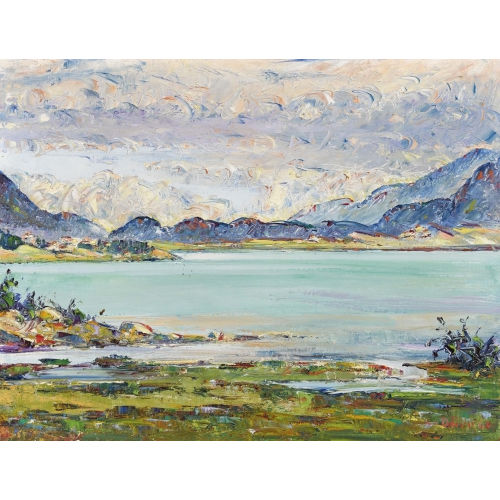
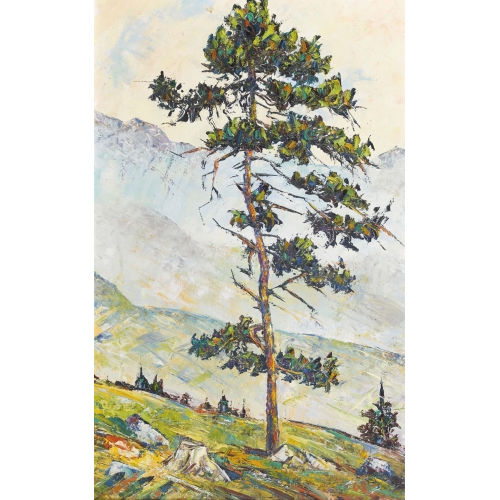
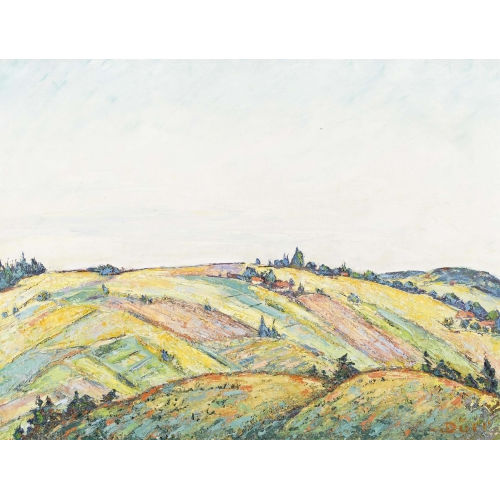
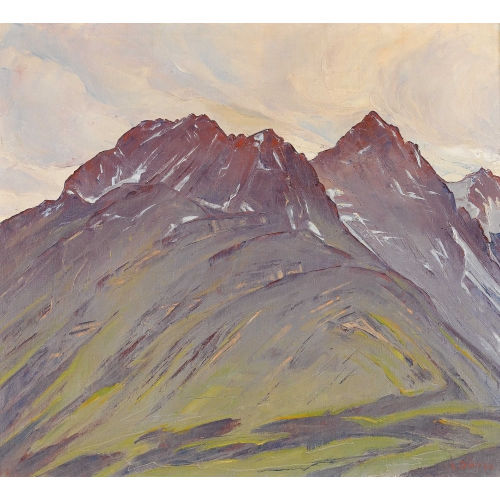
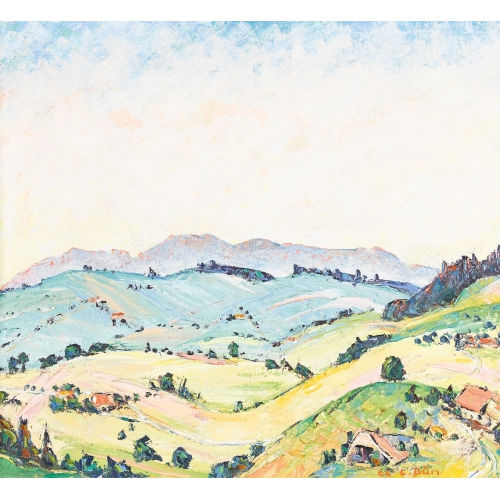
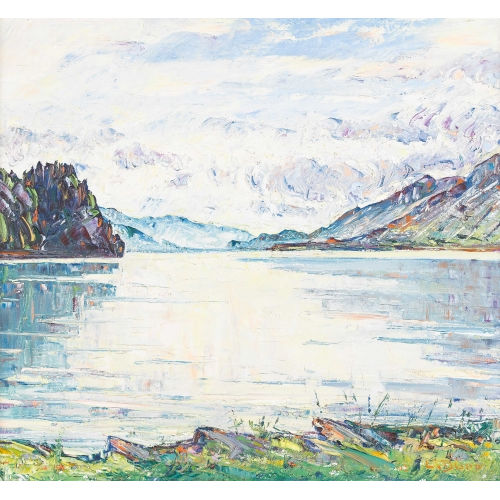
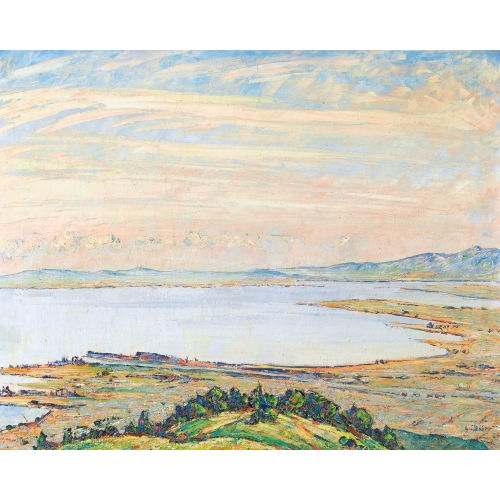
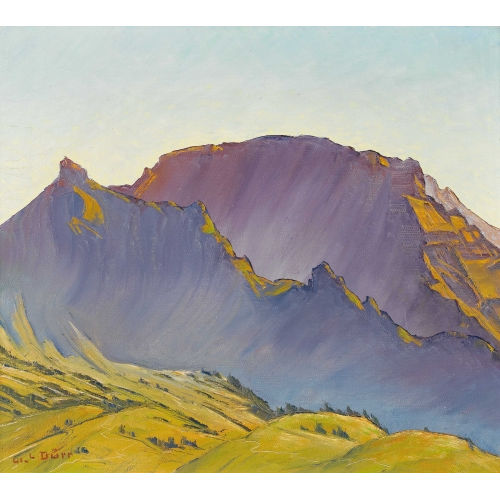
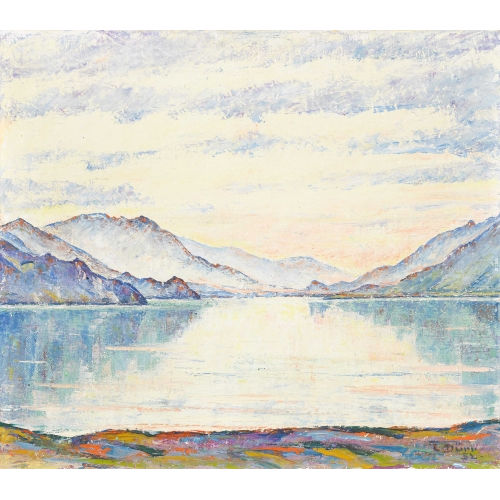
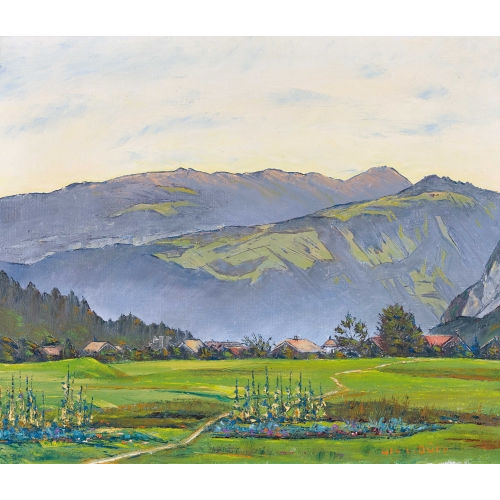
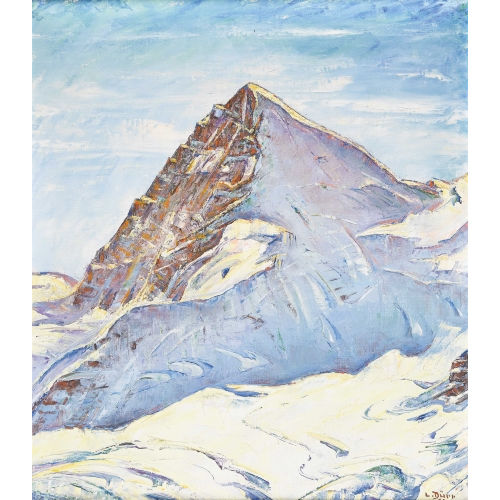
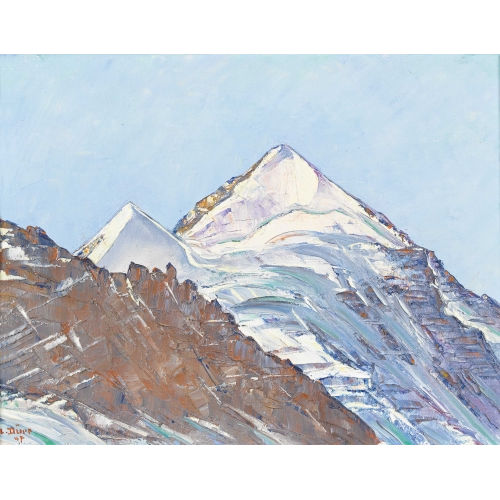
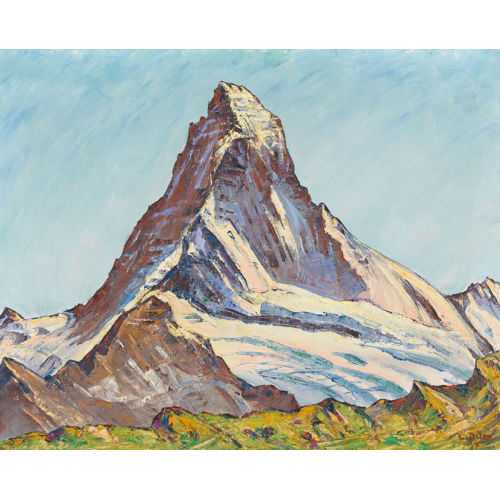
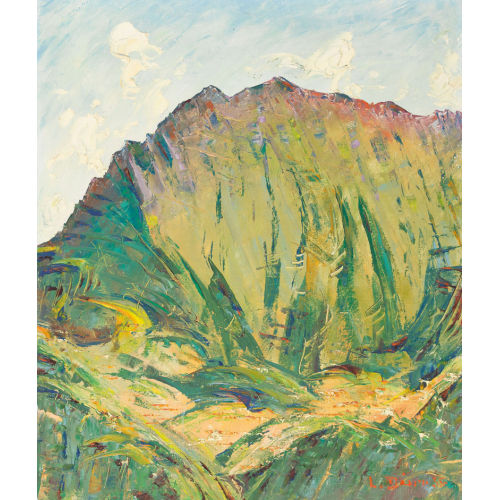
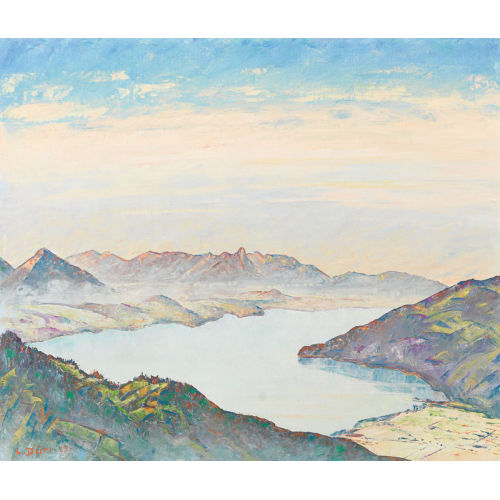
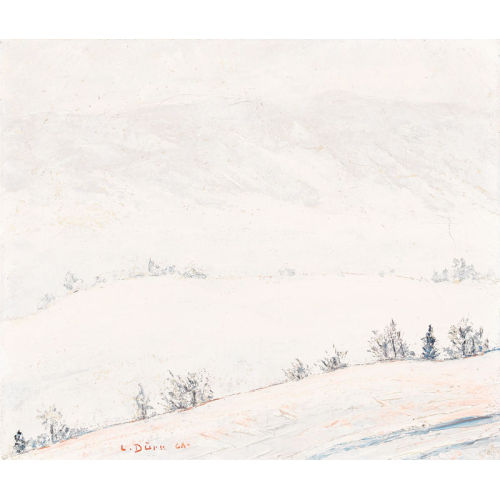
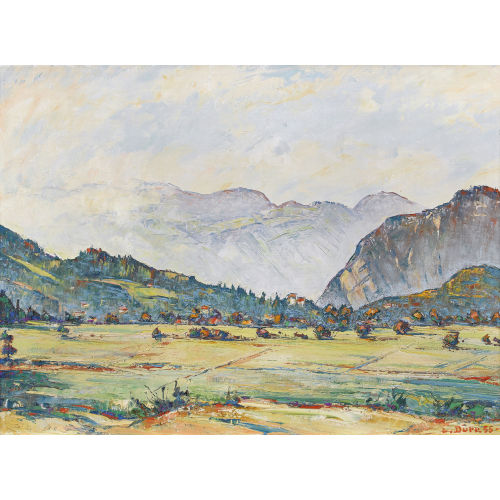
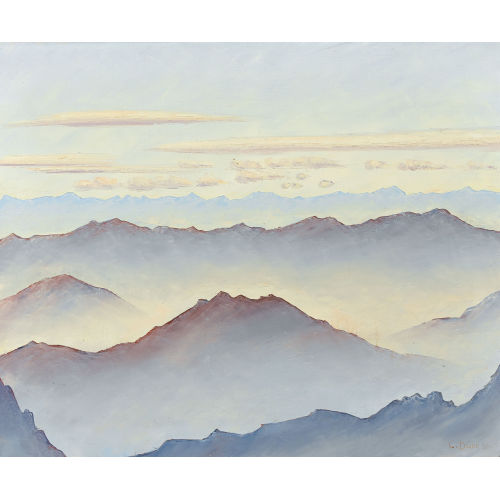
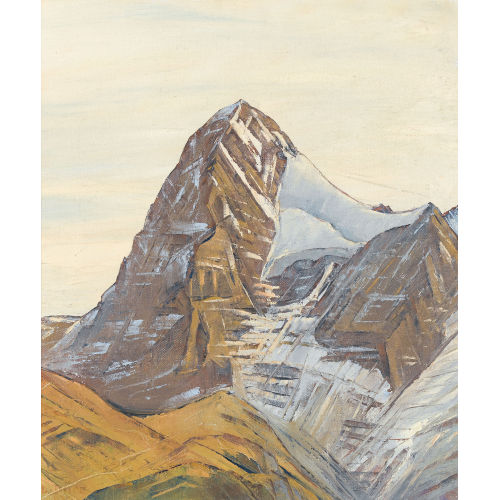
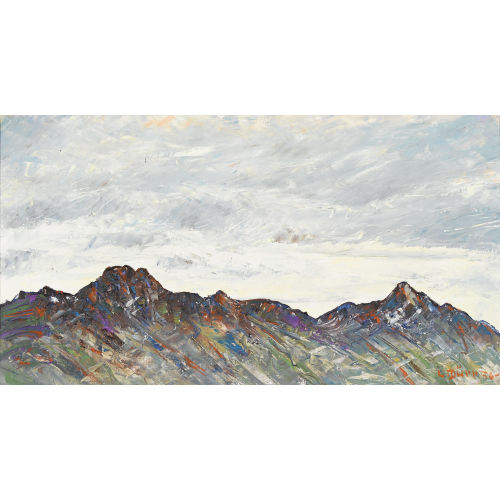
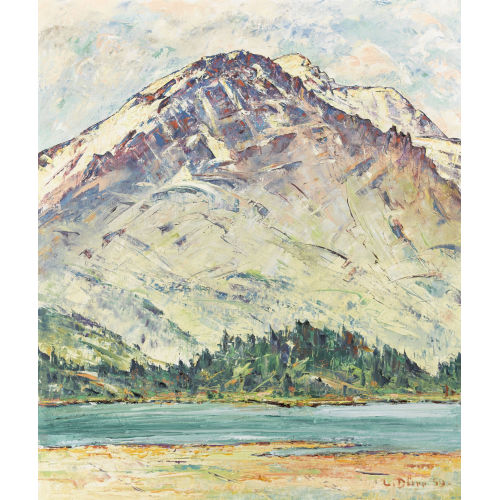
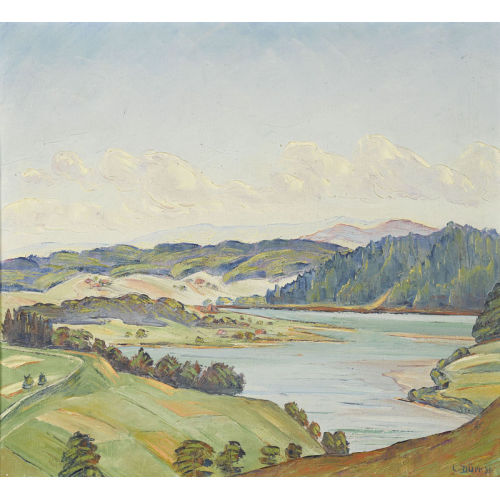
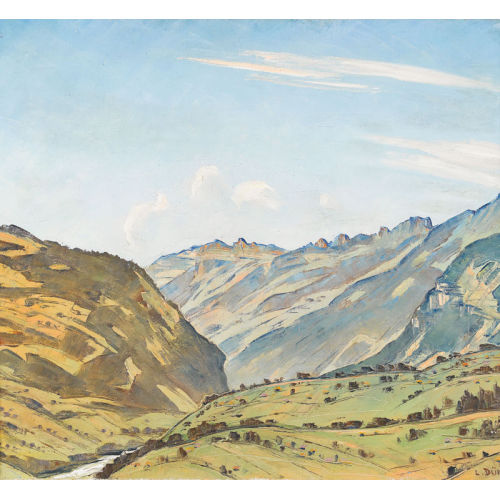
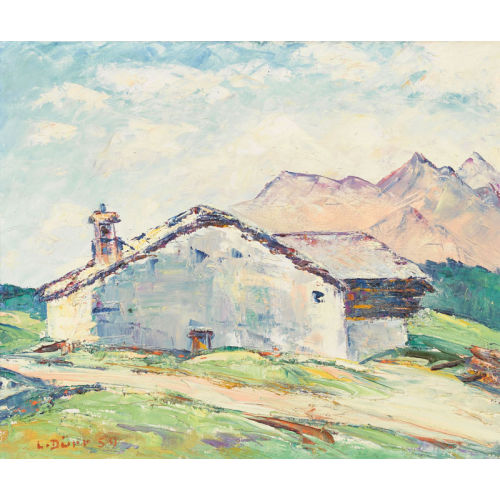
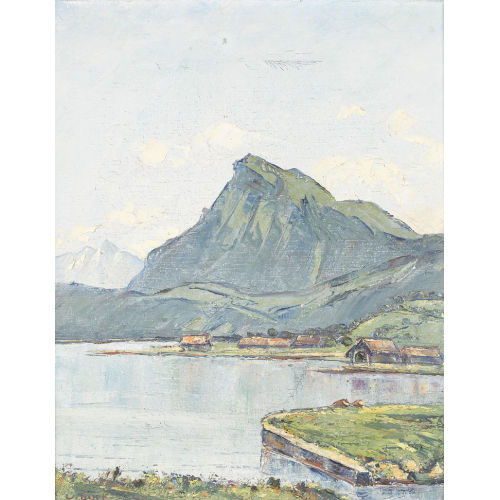
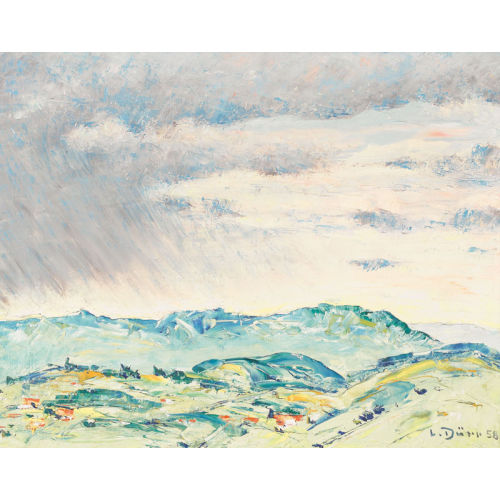
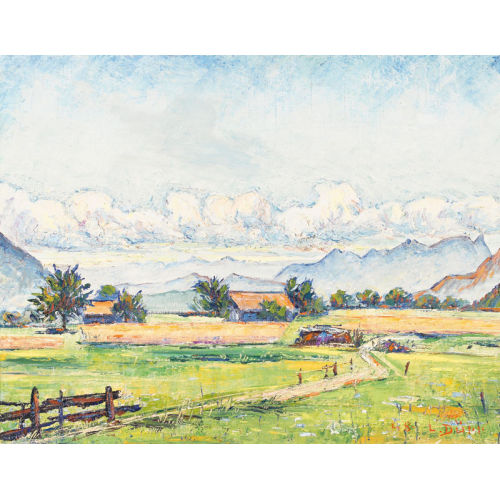
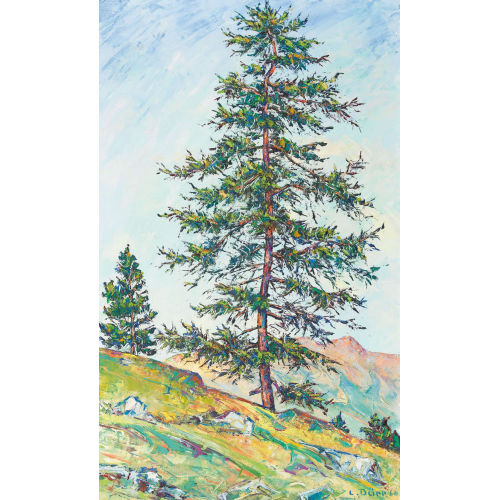
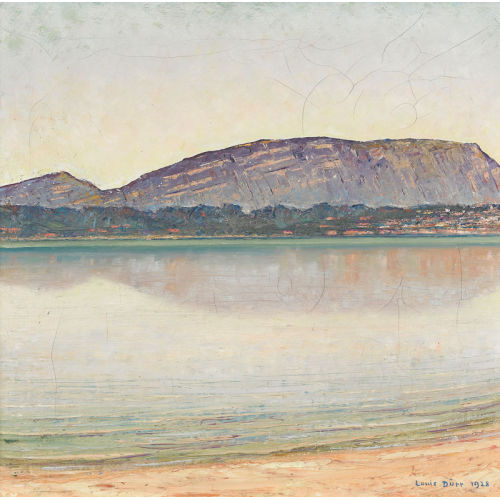
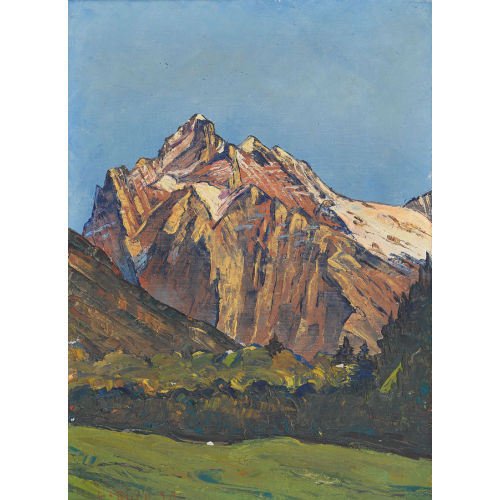
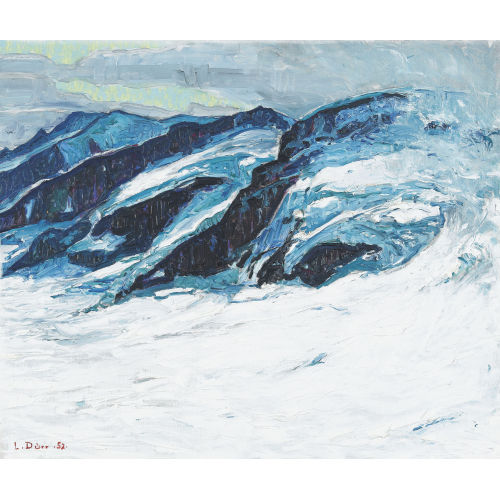
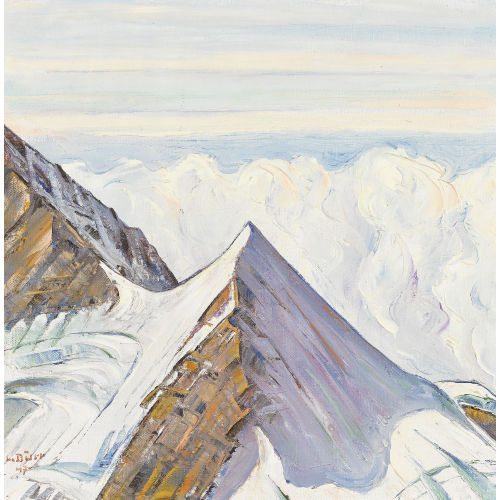
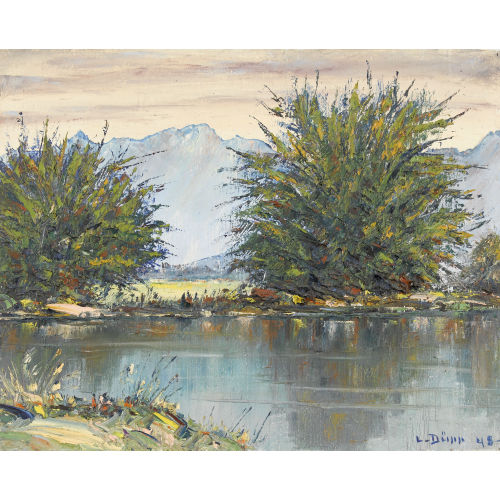
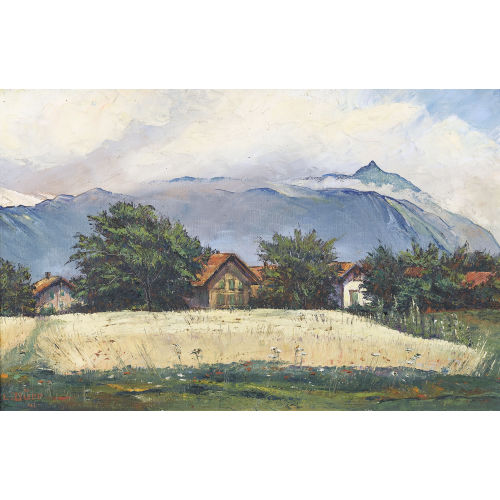
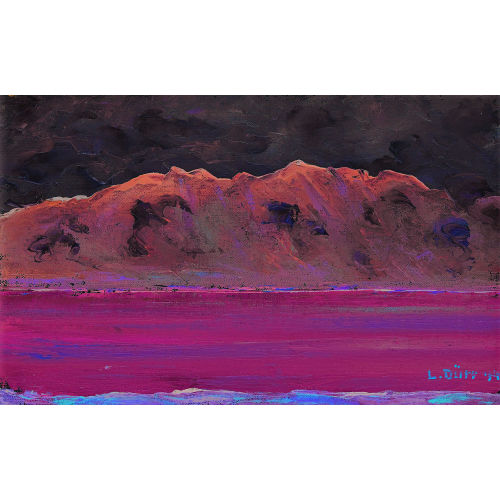
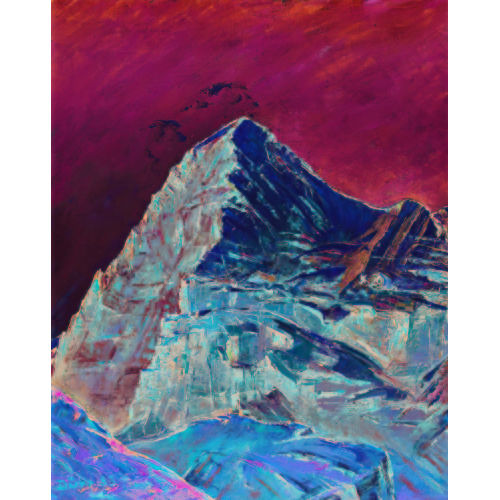
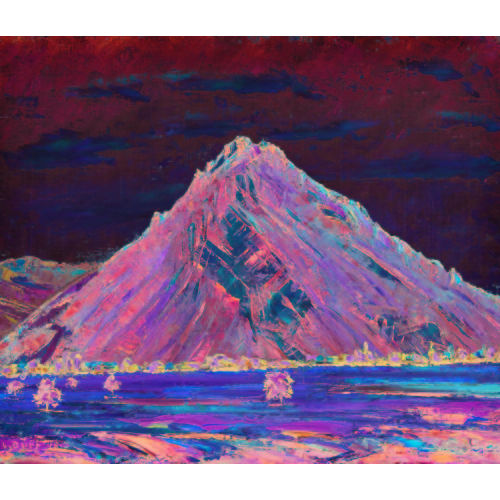
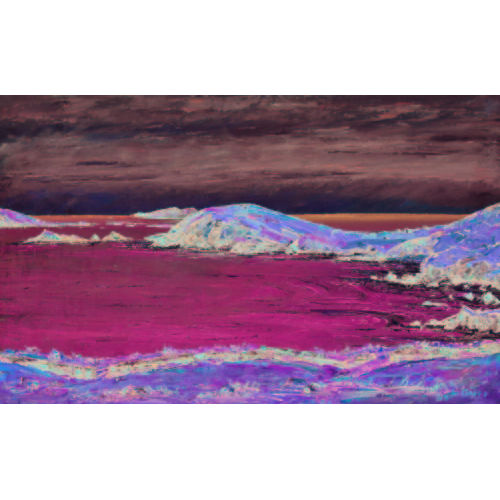
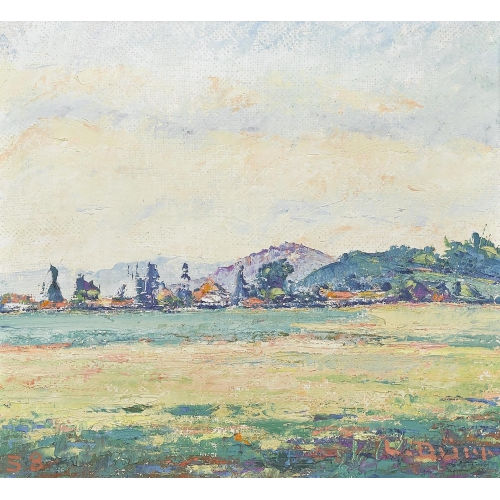
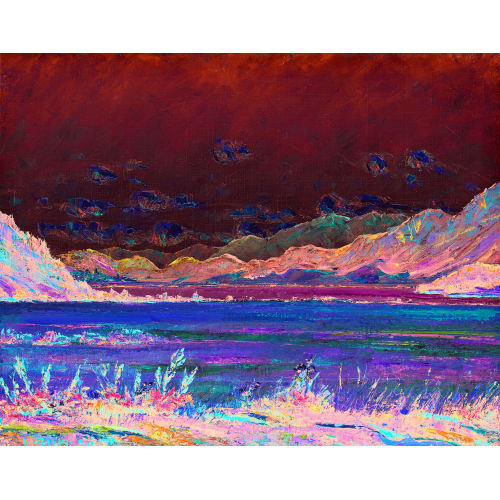
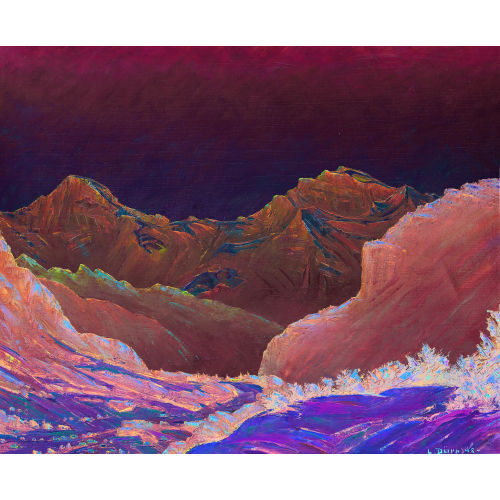
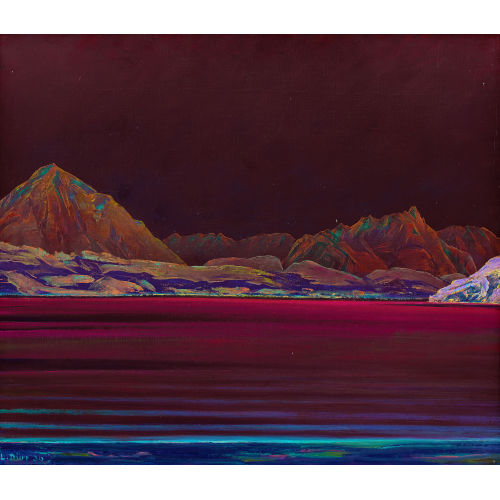
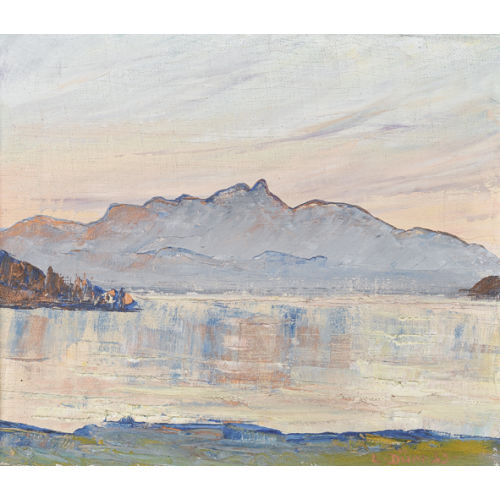
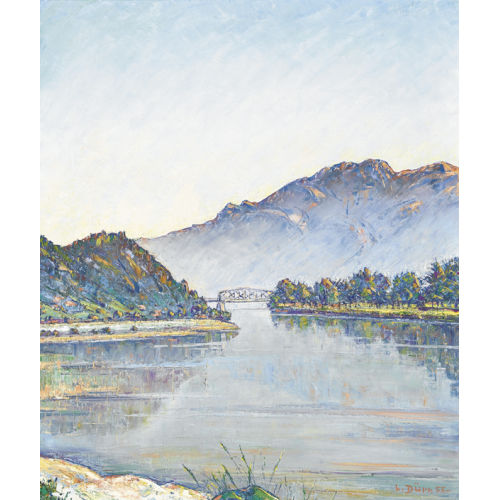
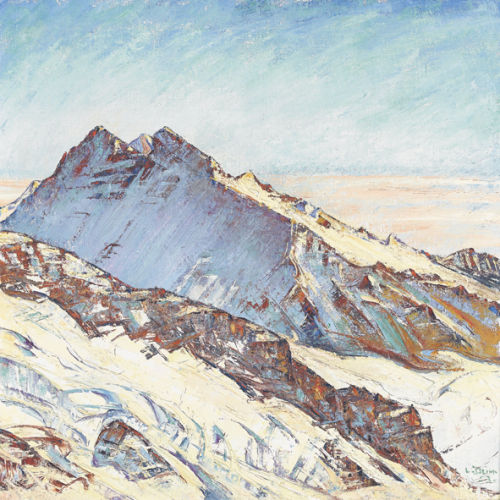
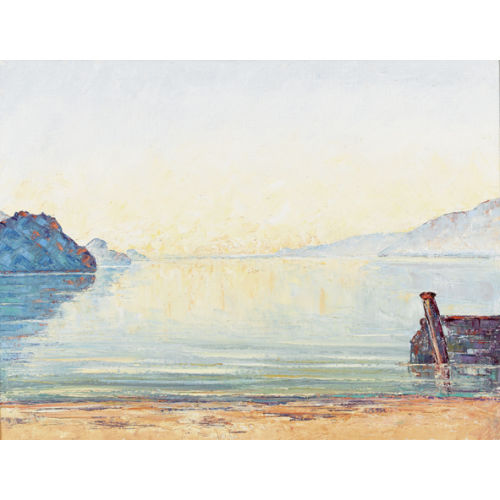
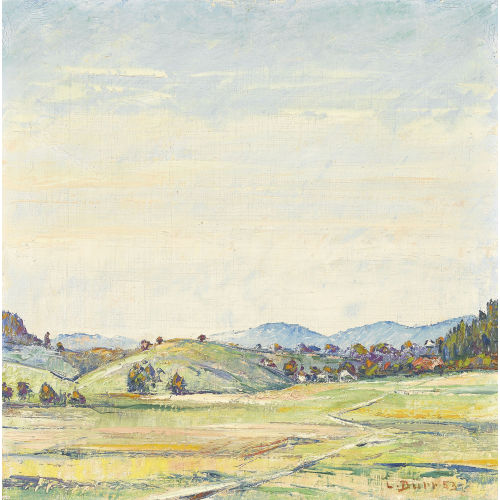
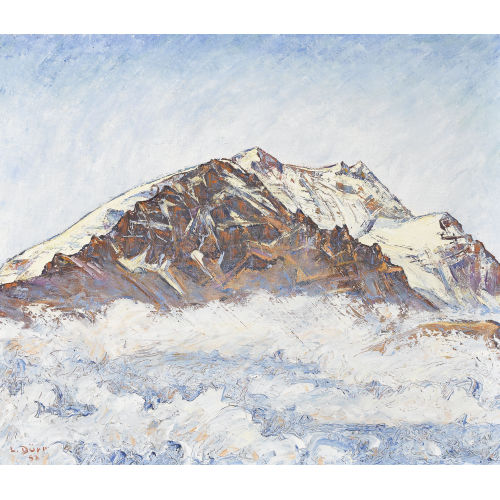
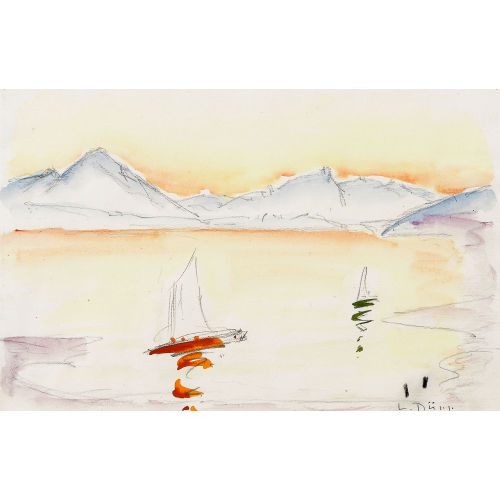
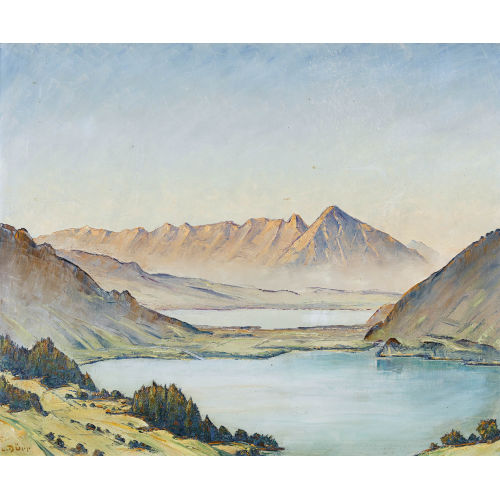
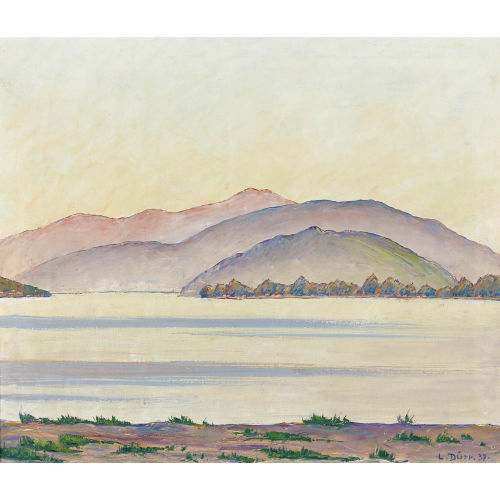
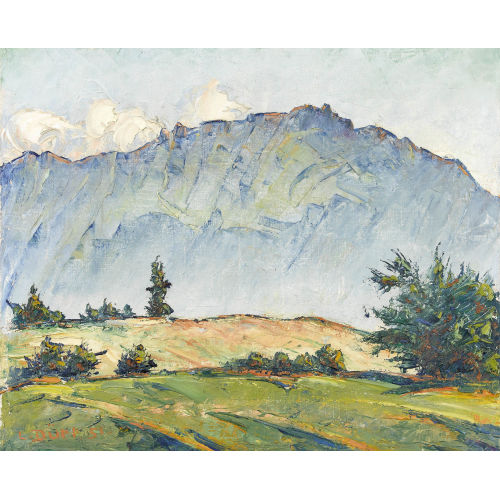
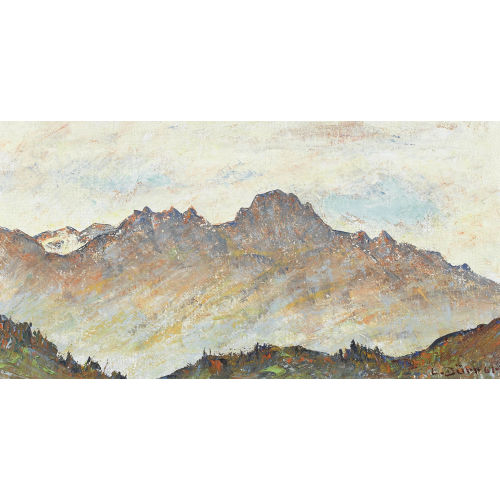
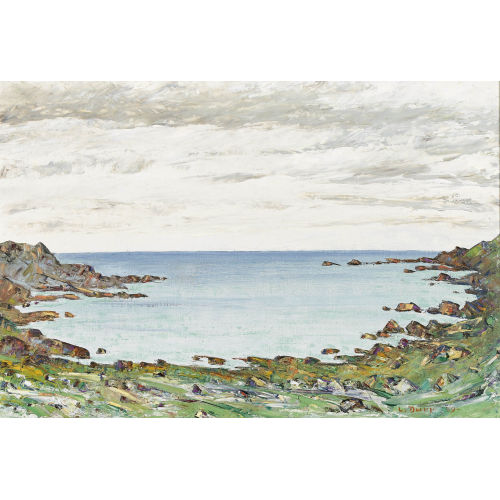
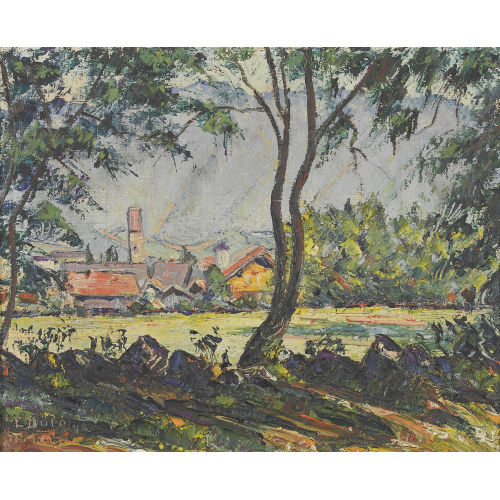
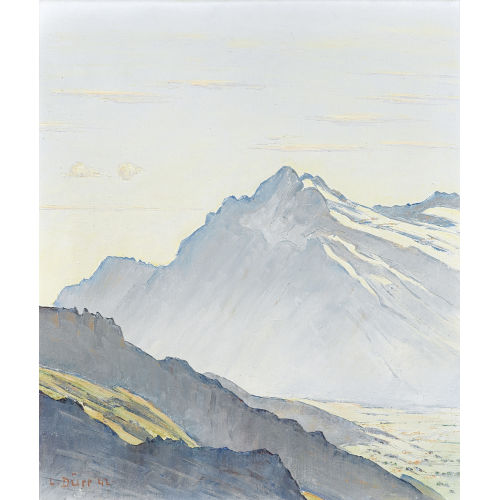
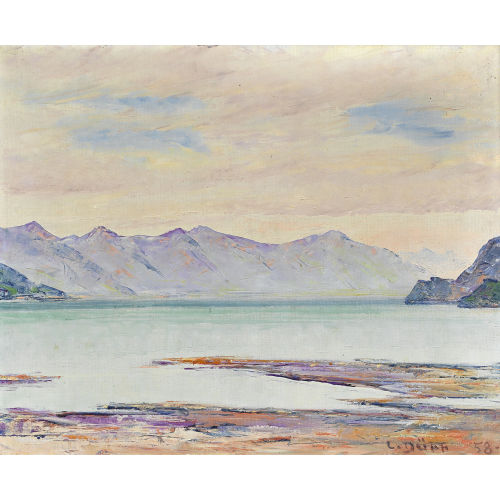
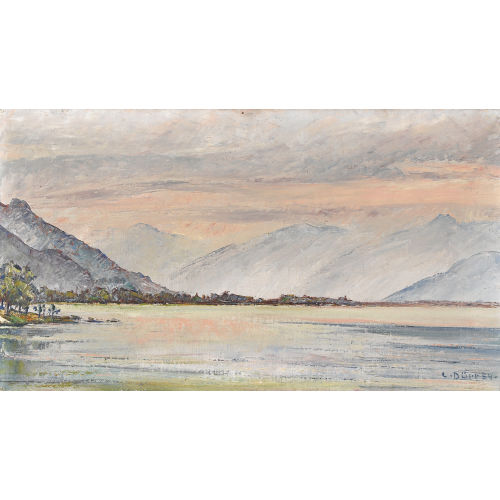
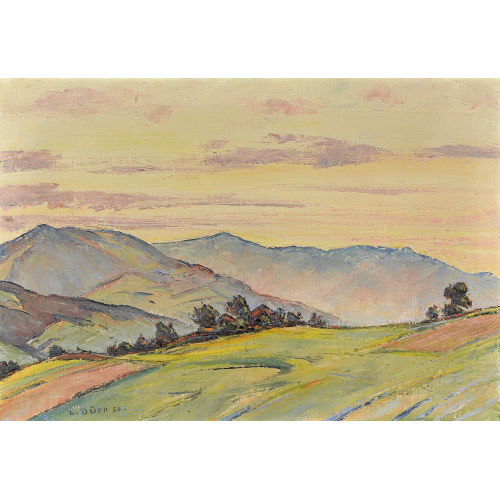
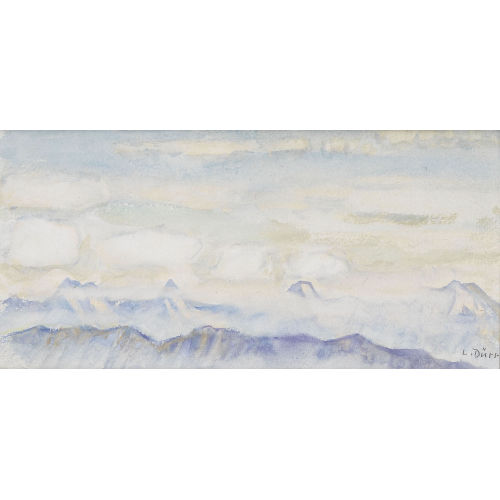
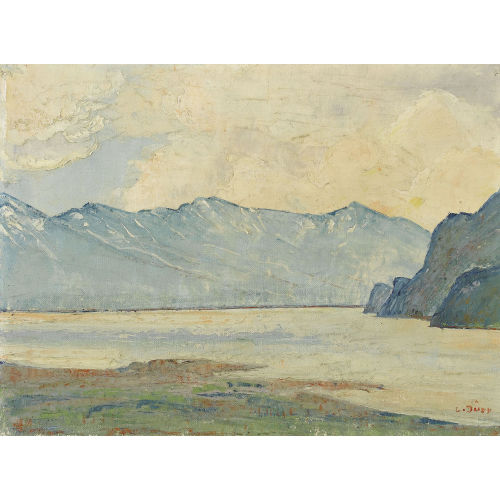
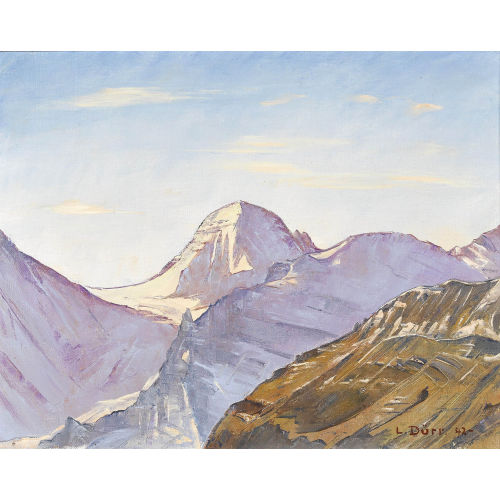
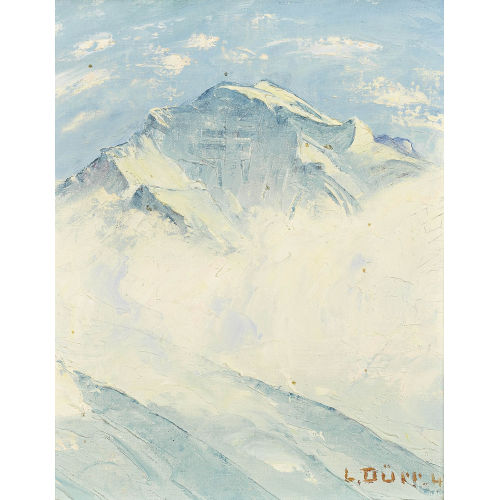
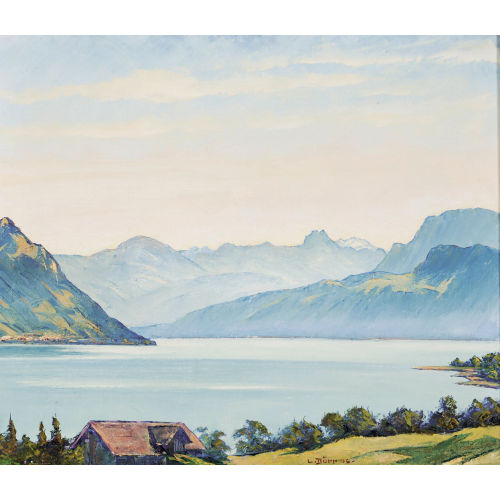
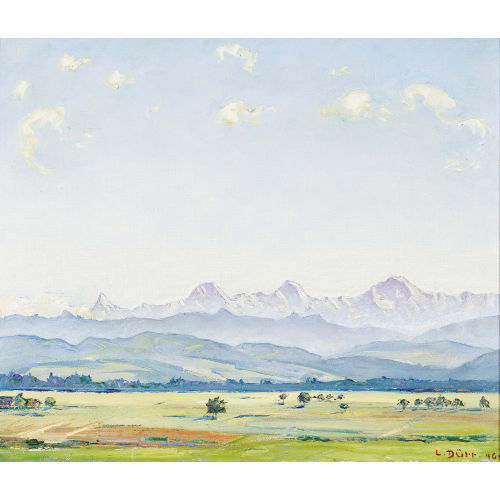
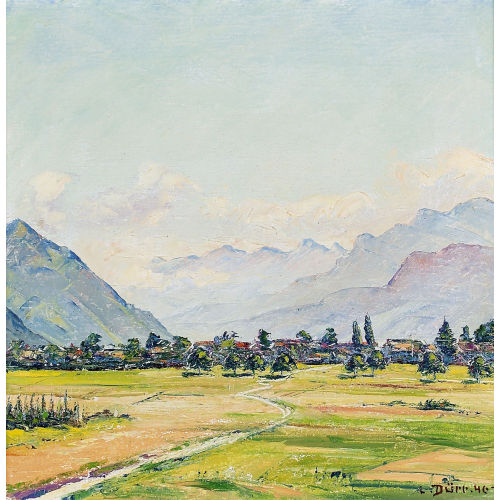
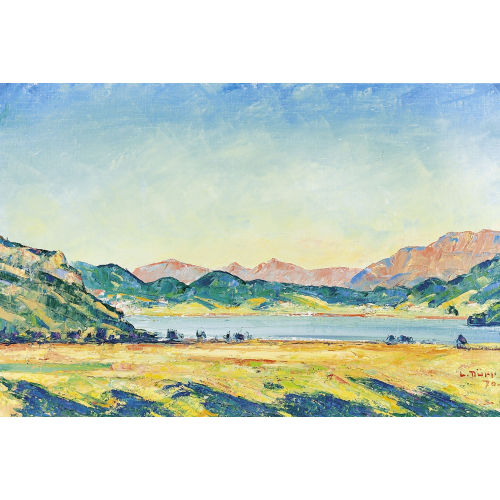
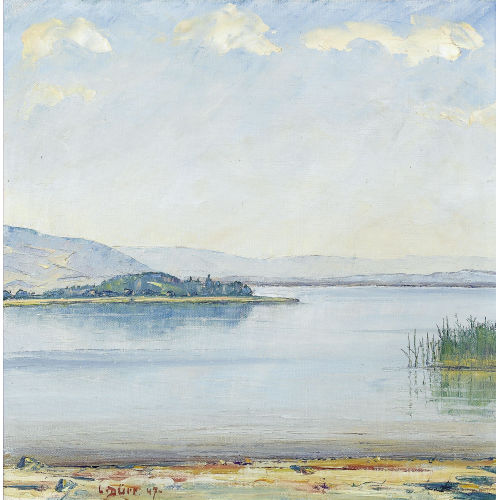
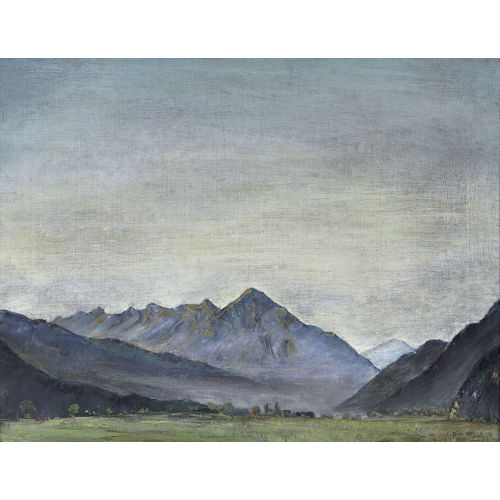
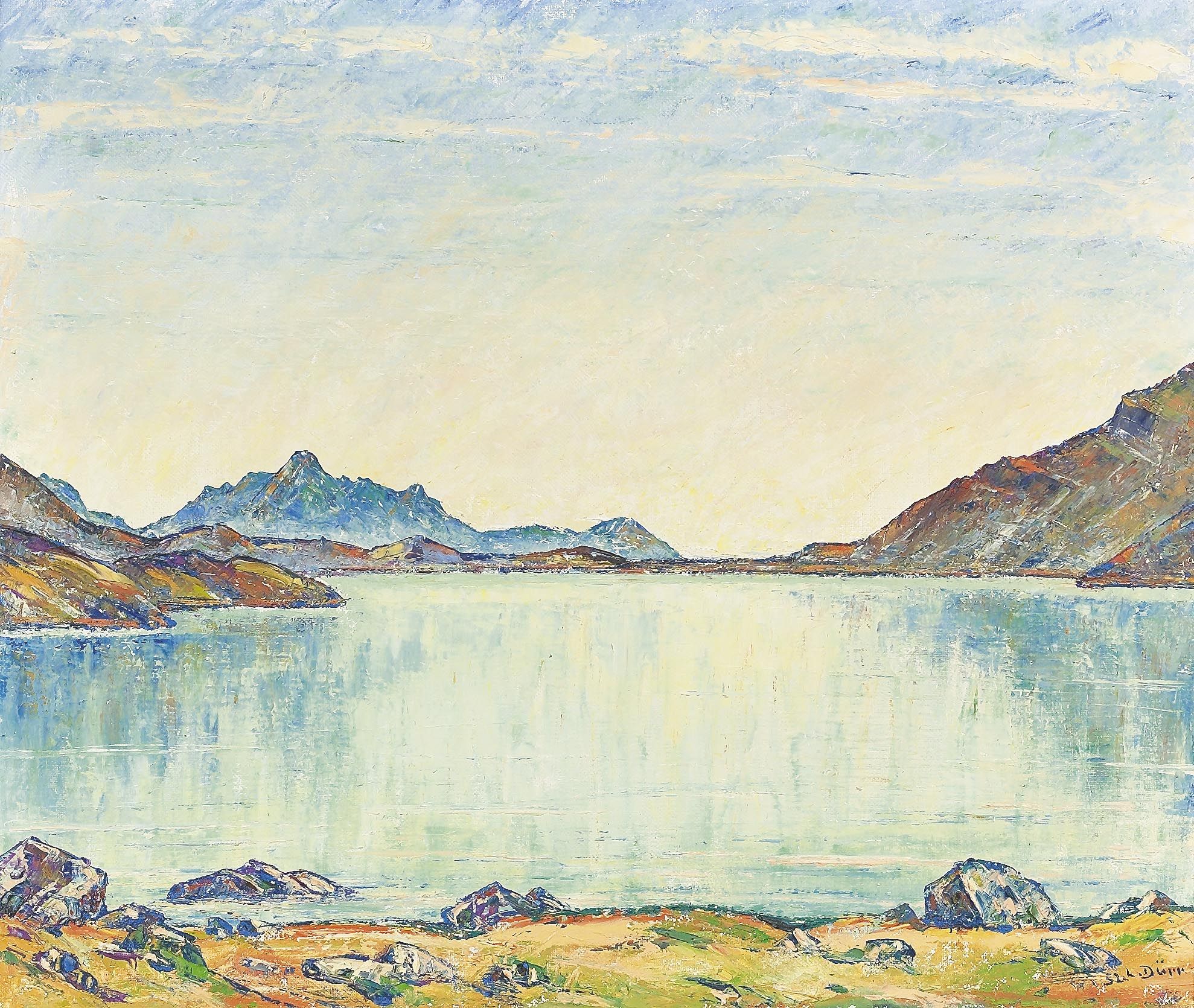
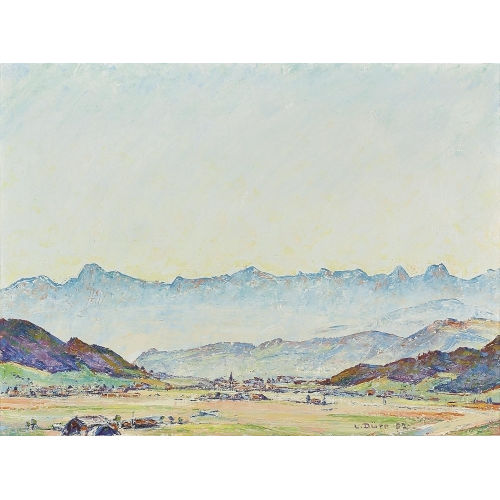
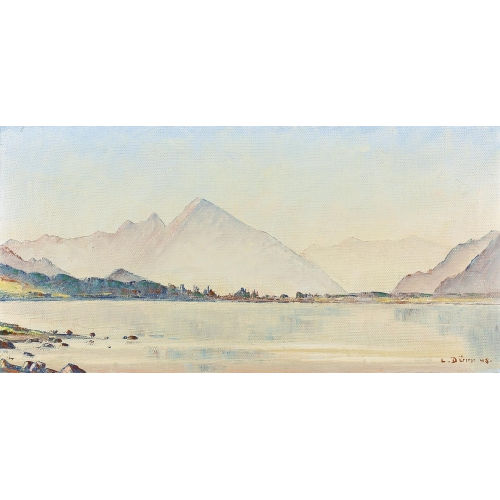
In Louis Dürr’s painting, the mountains reveal themselves as much through their masses as through the light that passes across them. His oeuvre extends an attentiveness to the land that unfolds from the Bernese Oberland to the Grisons and Ticino.
His training began with photography, before he attended the School of Arts and Crafts in Basel. He continued his studies at the Académie Julian in Paris in 1921, and then in Munich the following year. A testimony published by Walter Marti in 1933 in the journal of the Swiss Alpine Club already emphasises the decisive role of his stays in the mountains and the personal nature of his investigations.
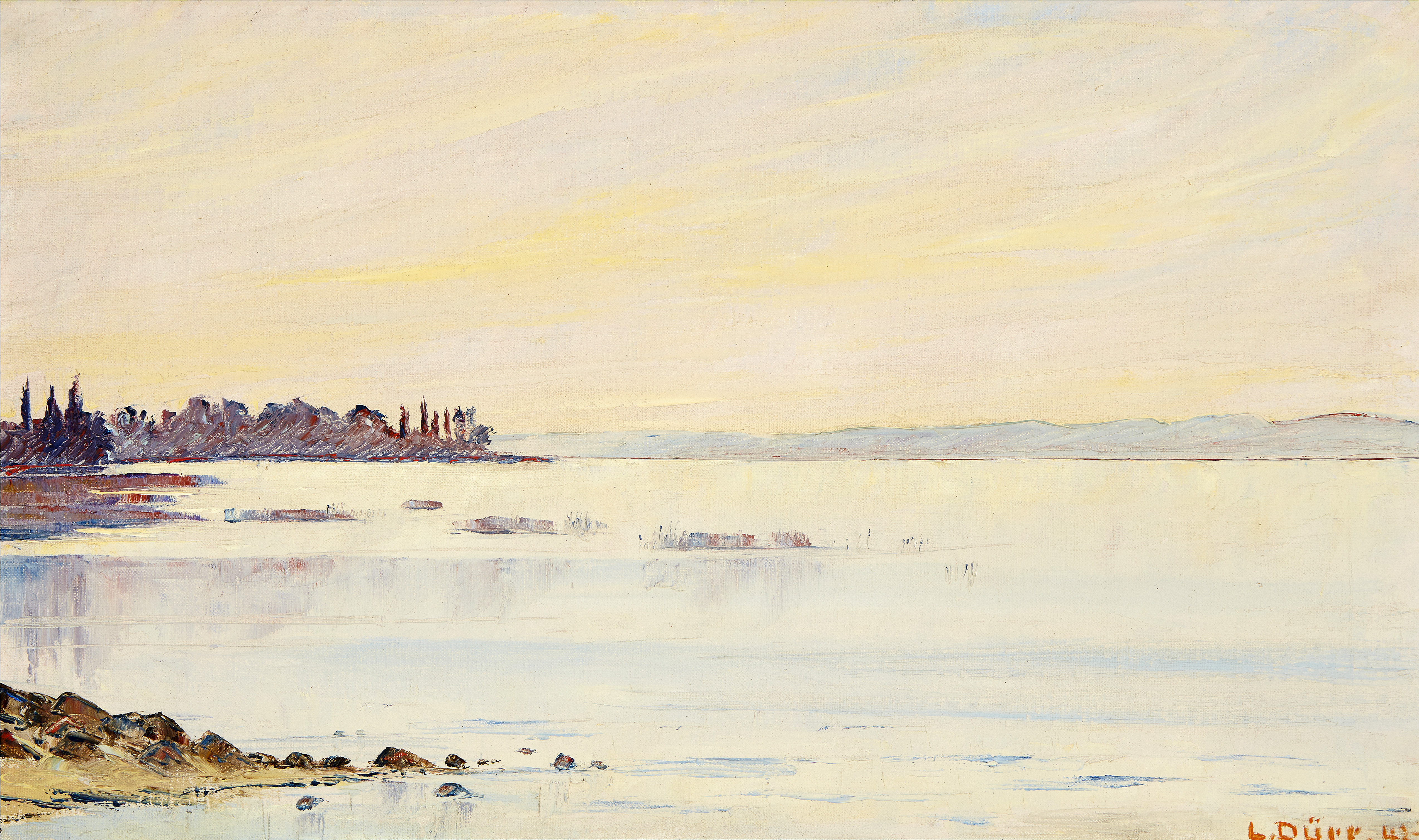
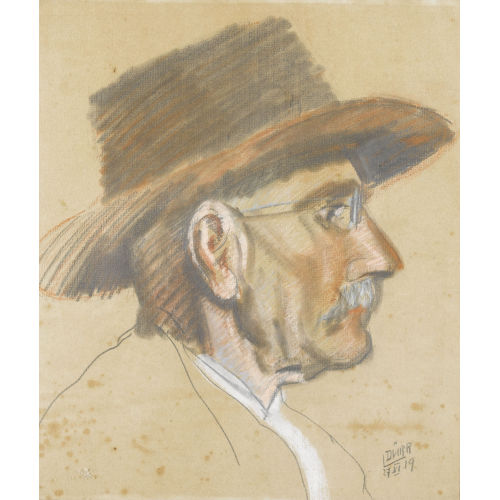
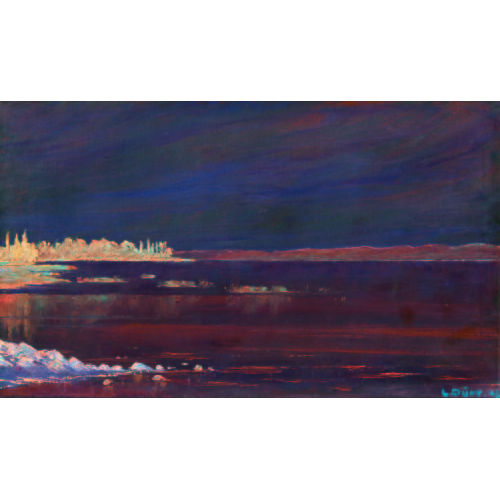
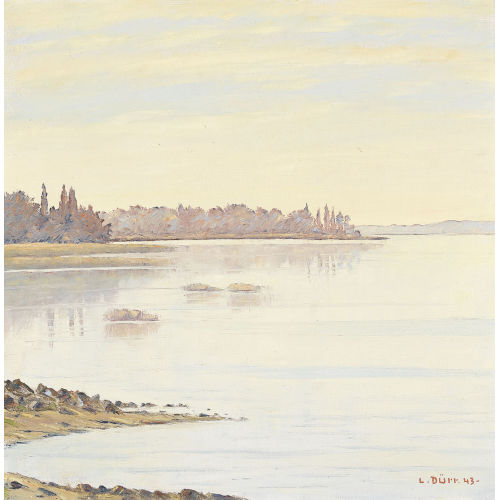
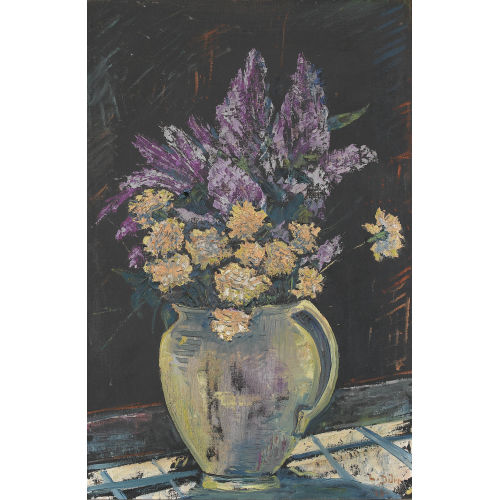
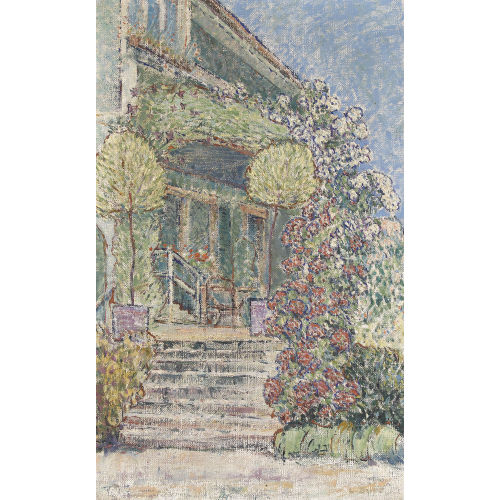
This contemporary text describes a painter attentive to the contrasts between rock, snow, water and sky. It also notes his ability to convey an impression of grandeur in modest formats. The pencil and charcoal drawings contribute to this pursuit by setting the rhythm of the lines and the contrasts of light into play.
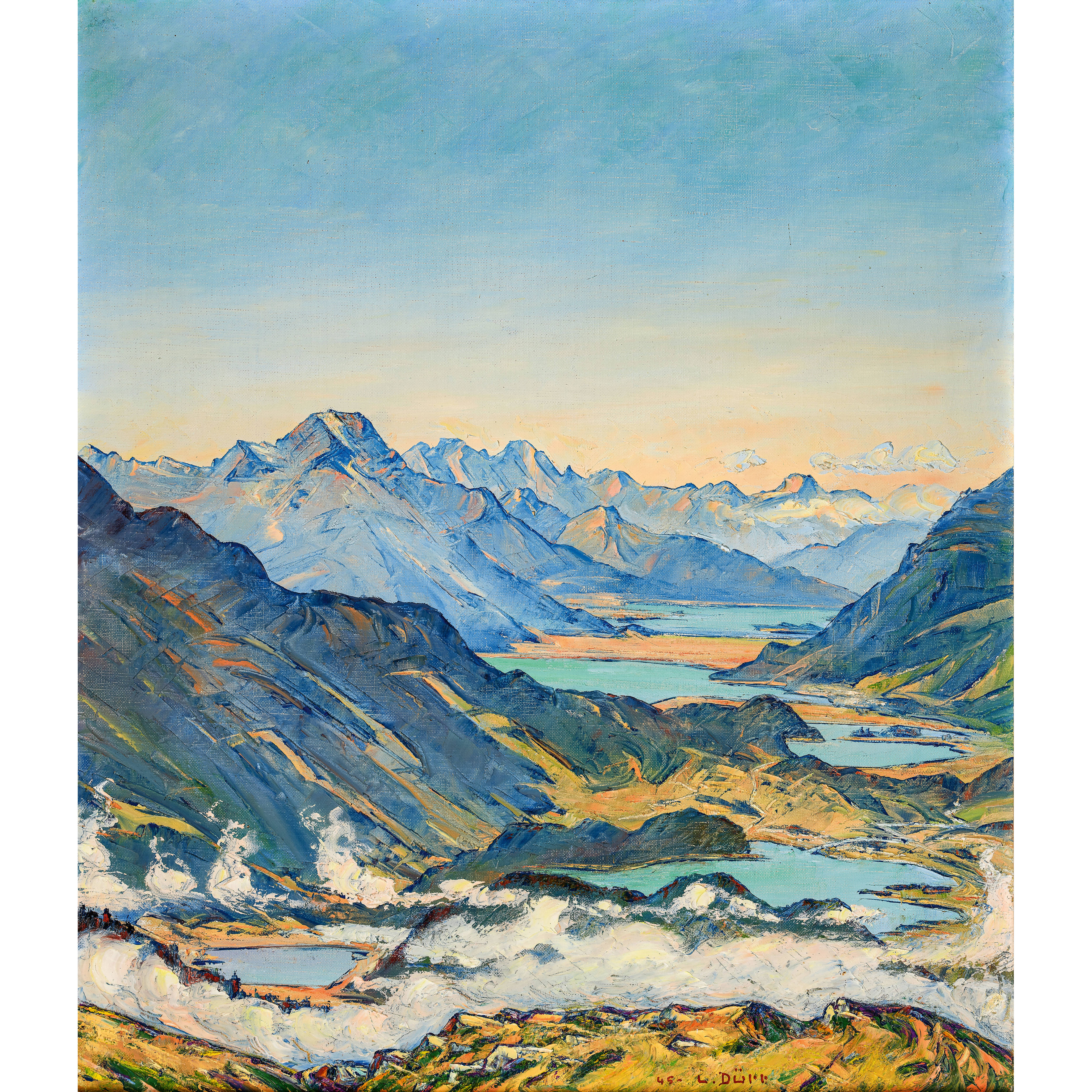
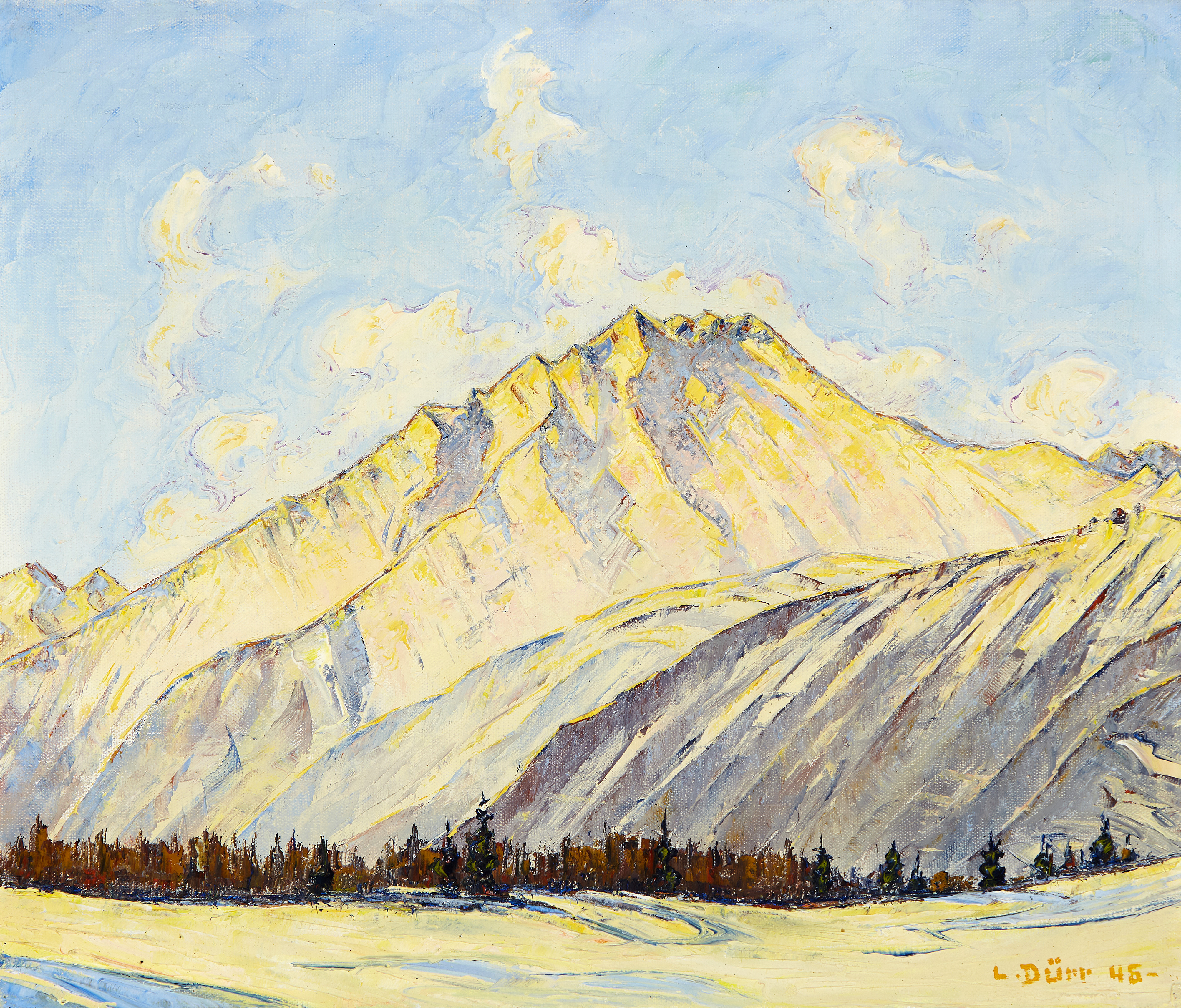
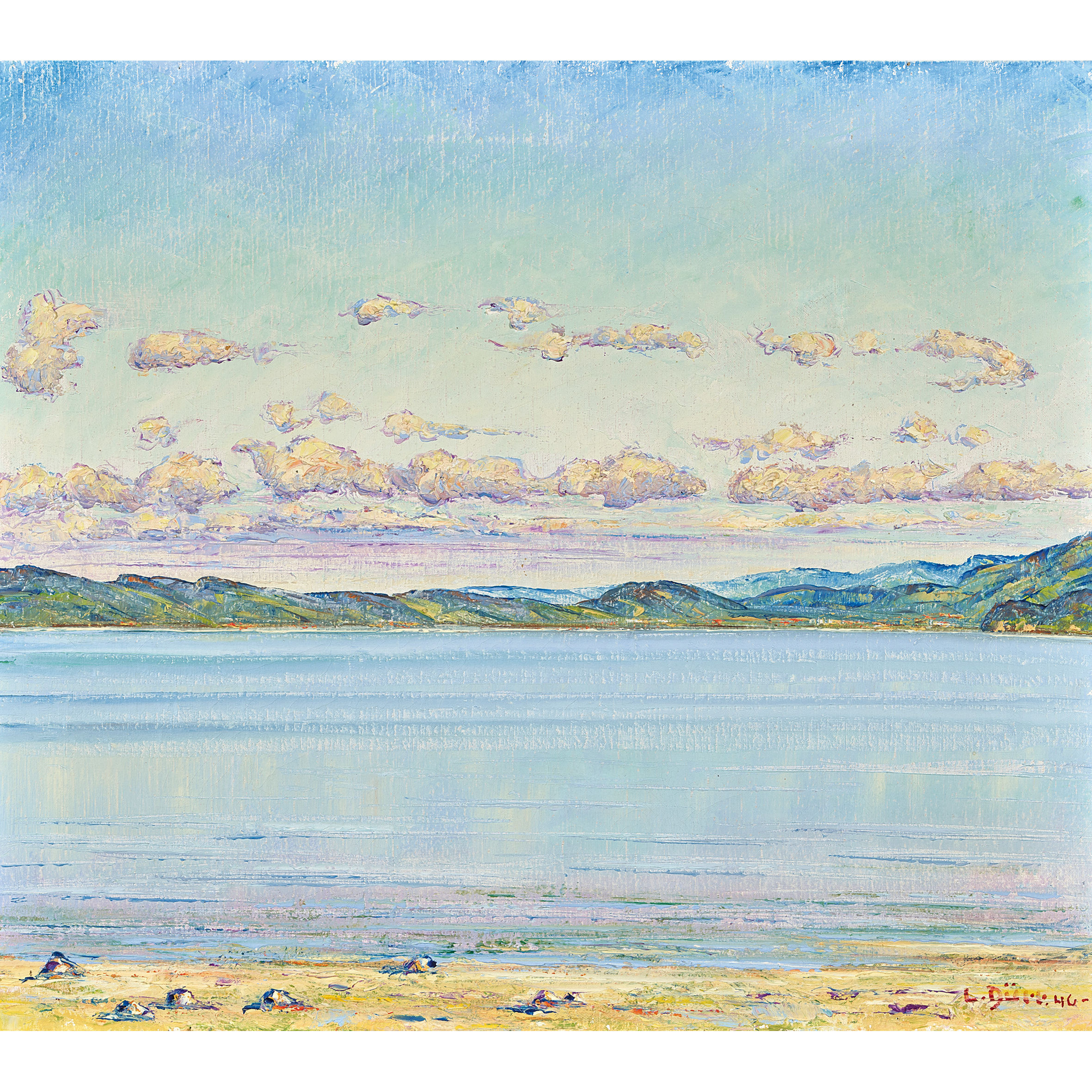
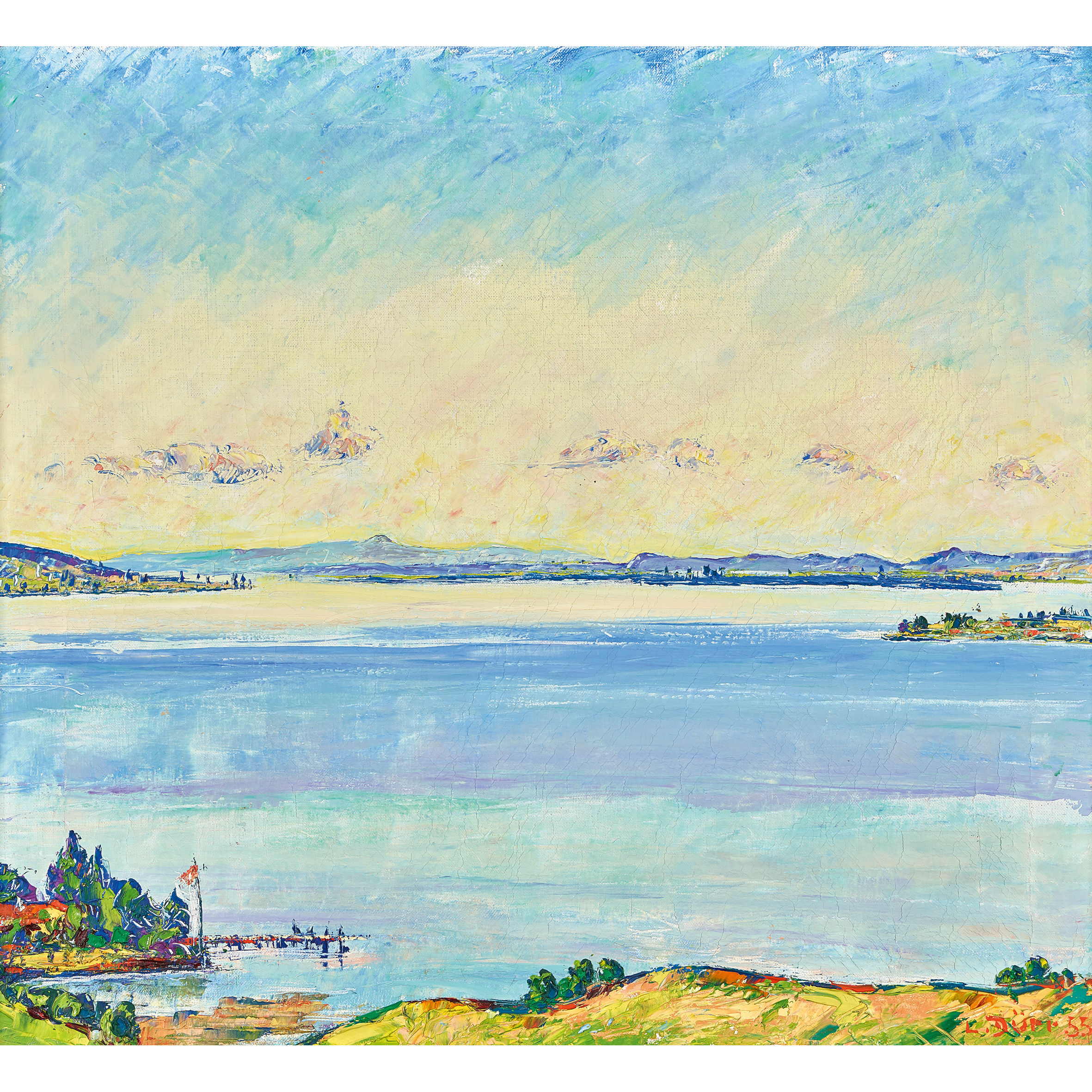
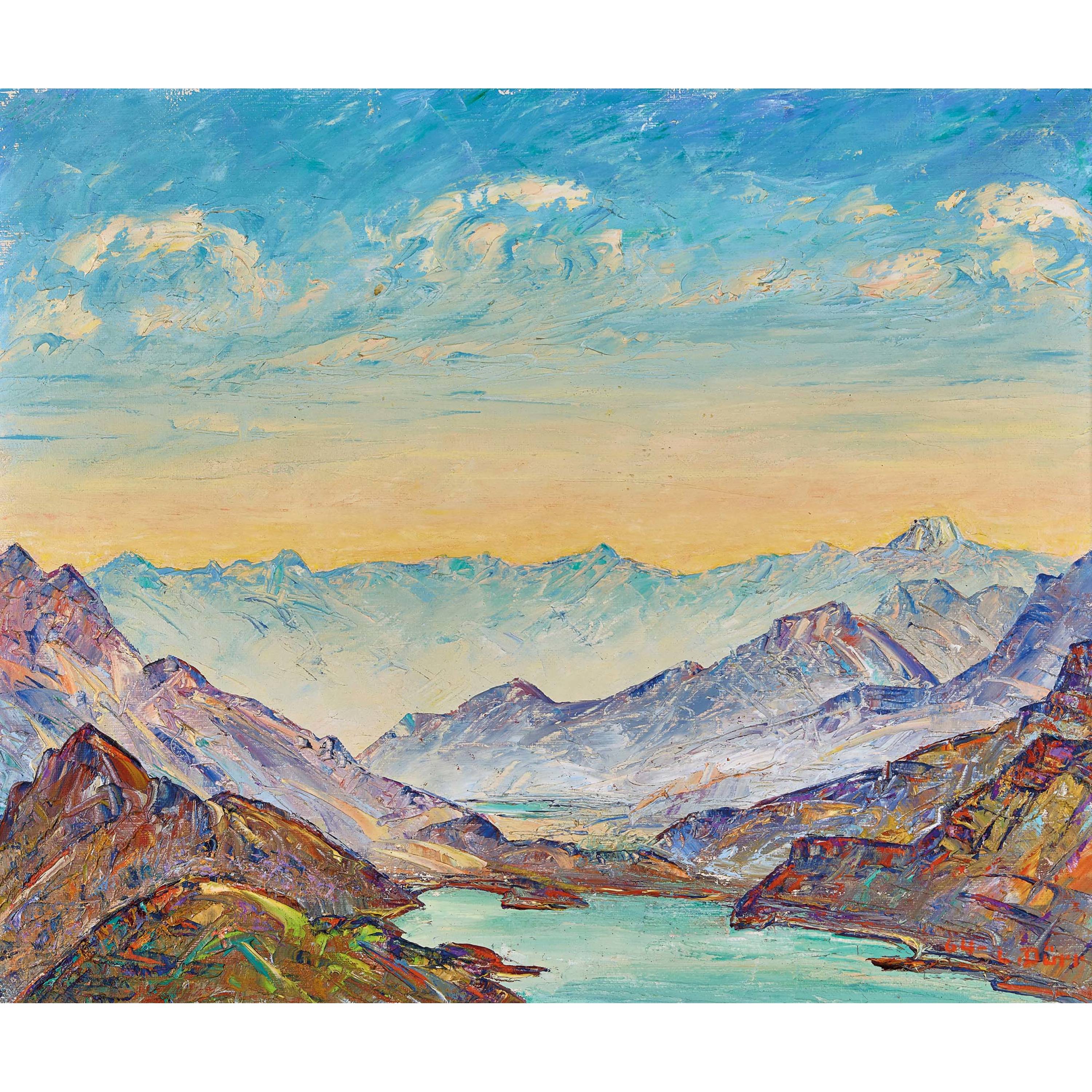
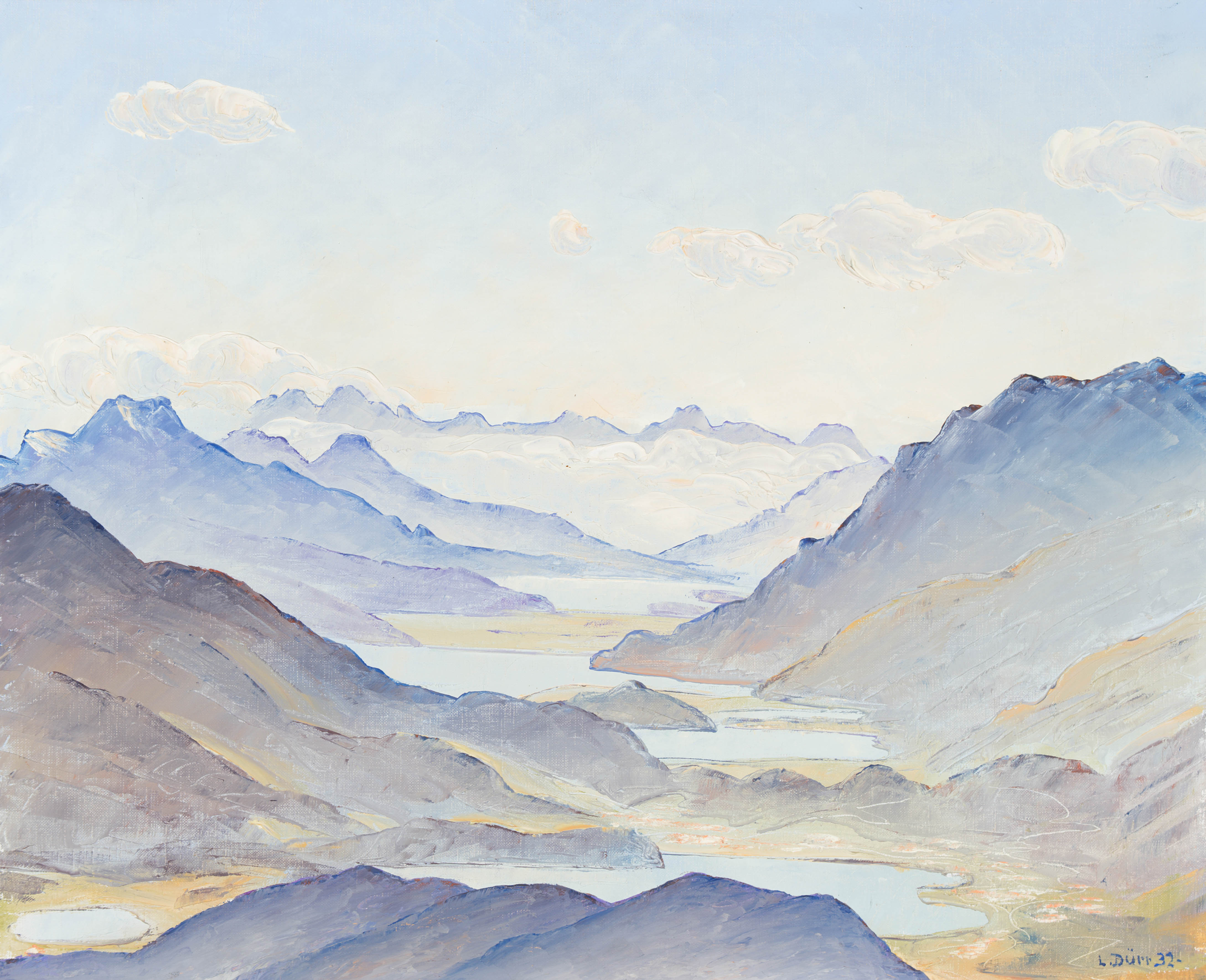
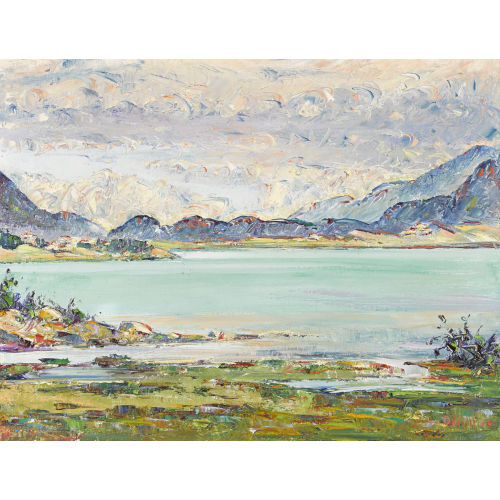
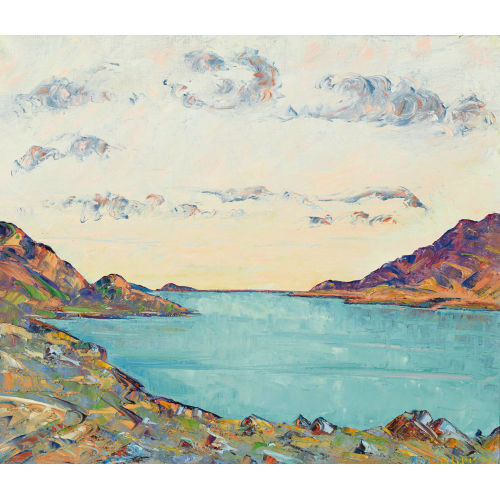
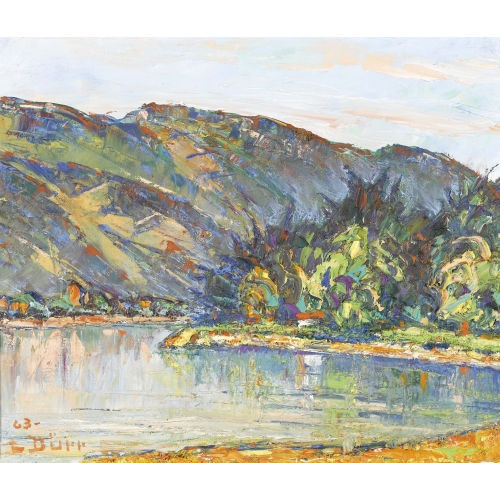
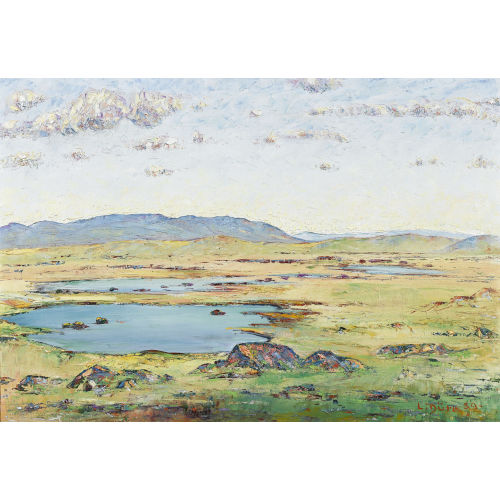
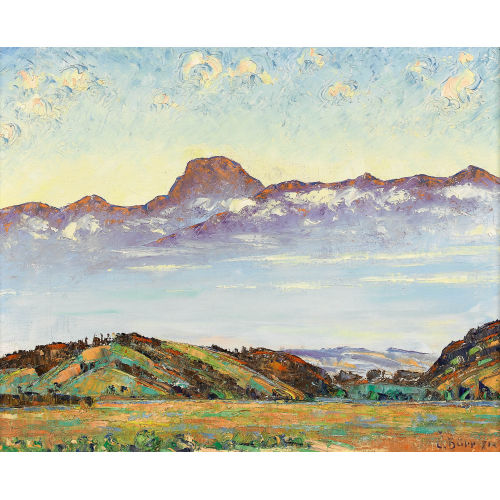
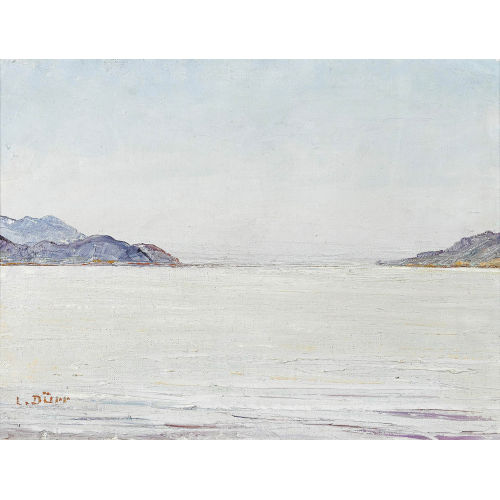
La Vue sur les lacs de l’Engadine en direction de Maloja, dated 1945 and documented by Dobiaschofsky, illustrates the continuity of his interest in alpine sites. The catalogue places his work in relation to Ferdinand Hodler while distinguishing a more heavily impasted surface and a more abundant light. This comparison makes it possible to approach Dürr within the context of Swiss painting without effacing the particularities of his treatment.
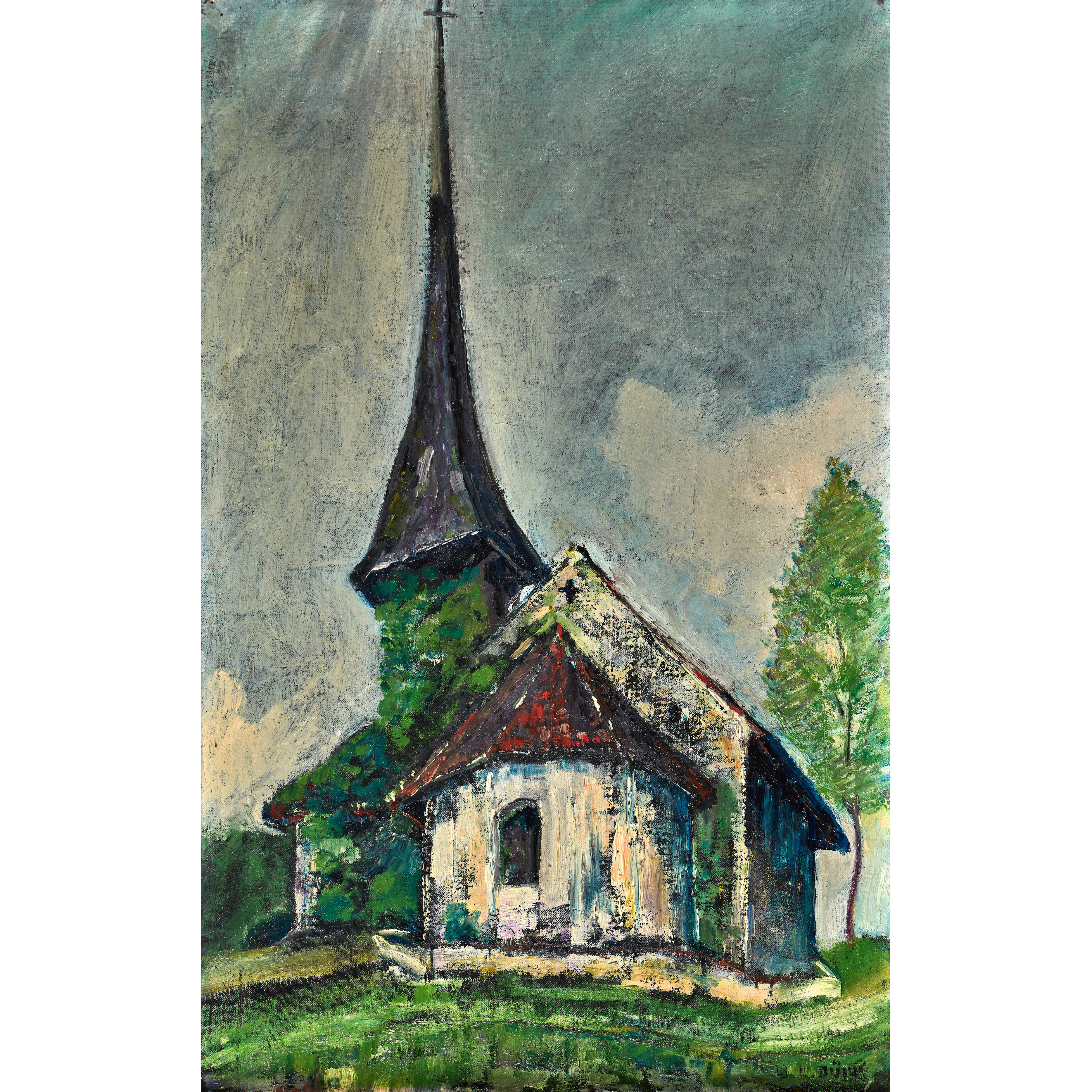
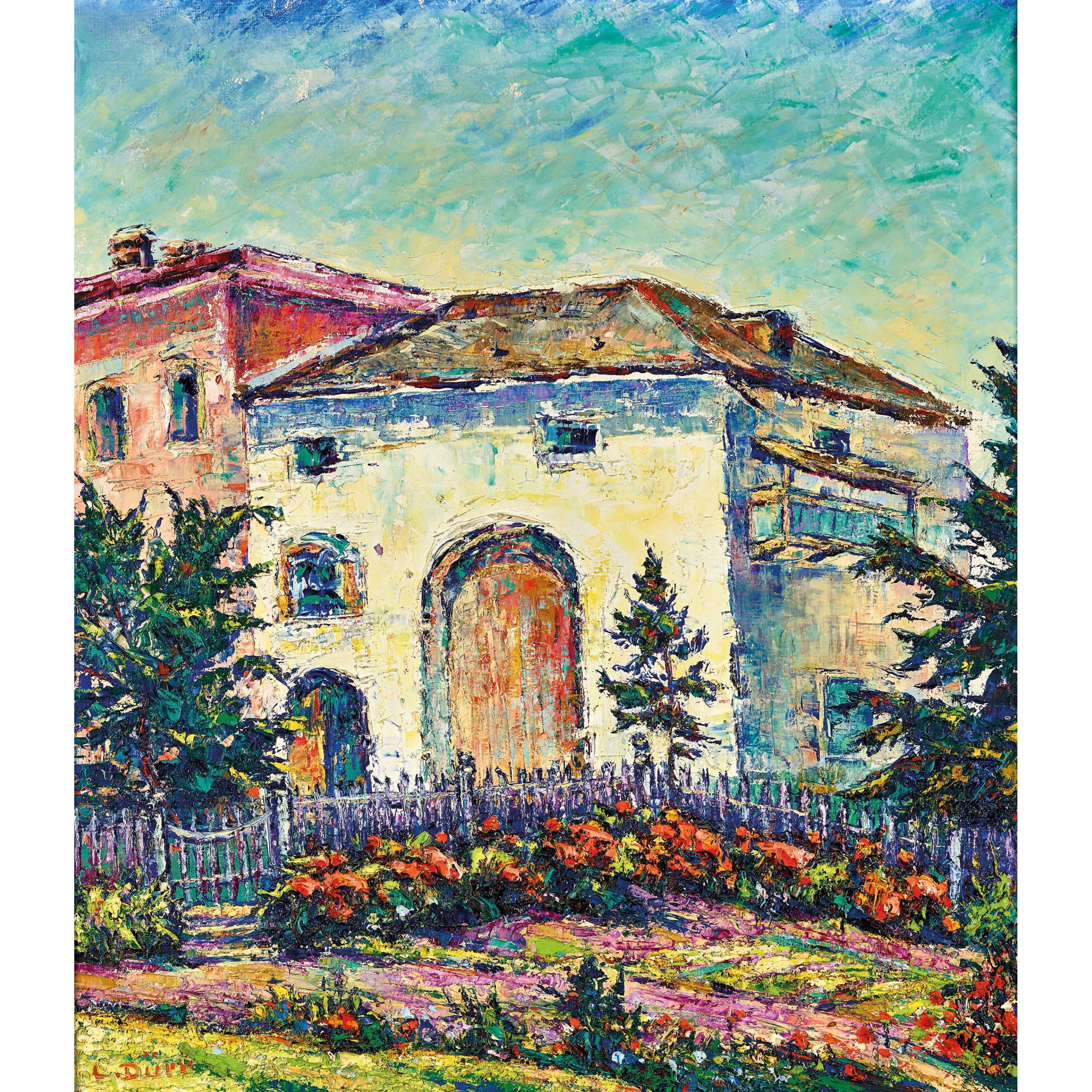
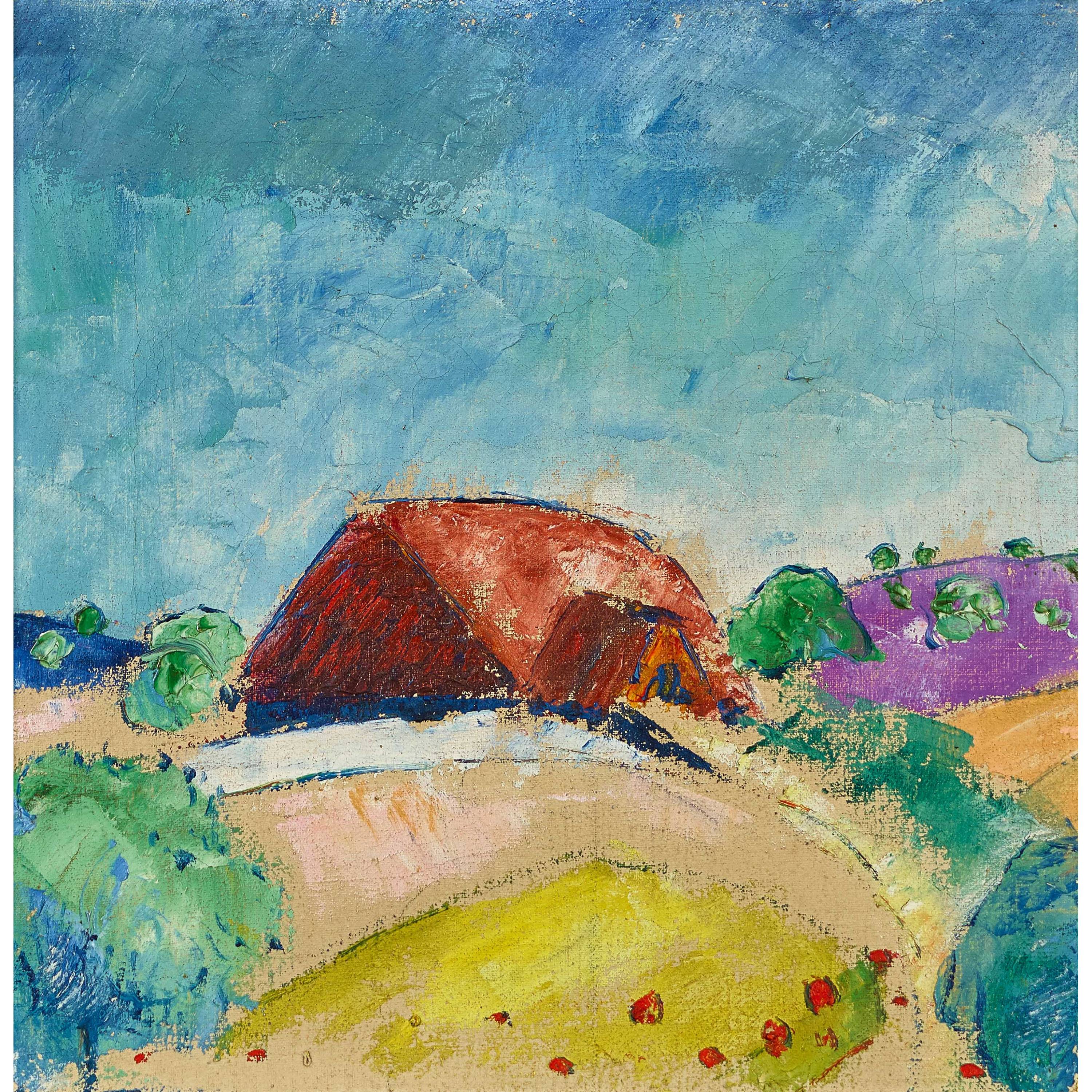
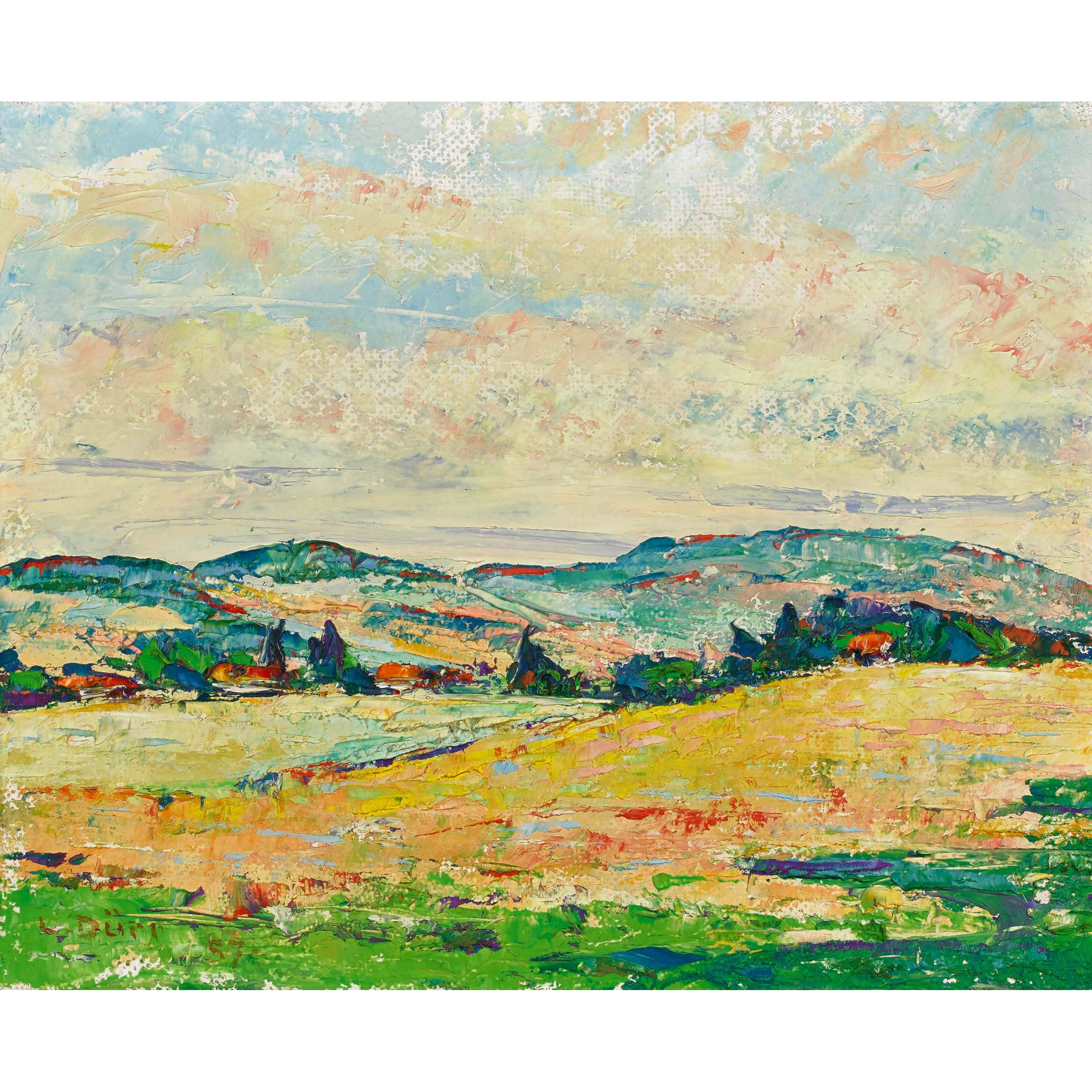
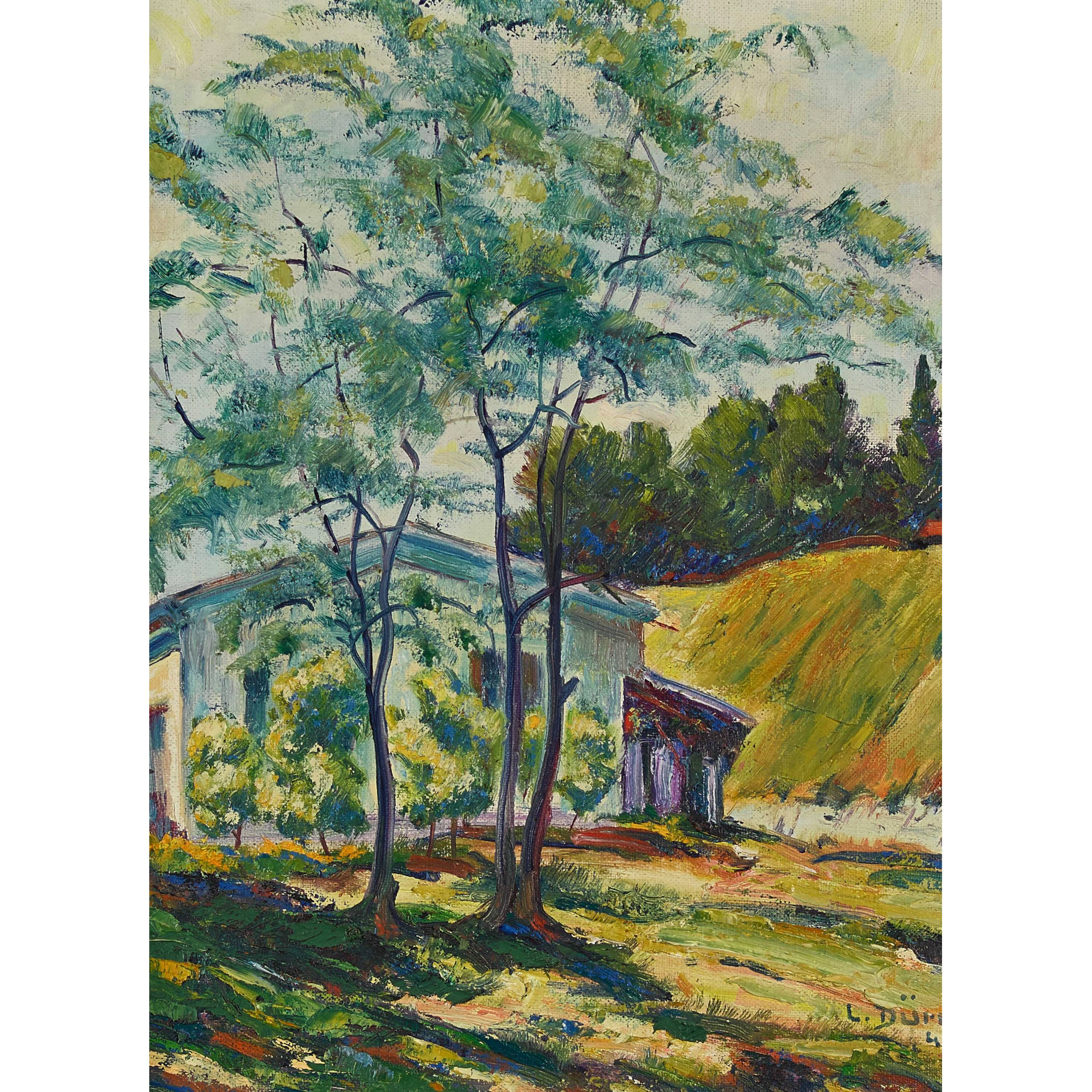
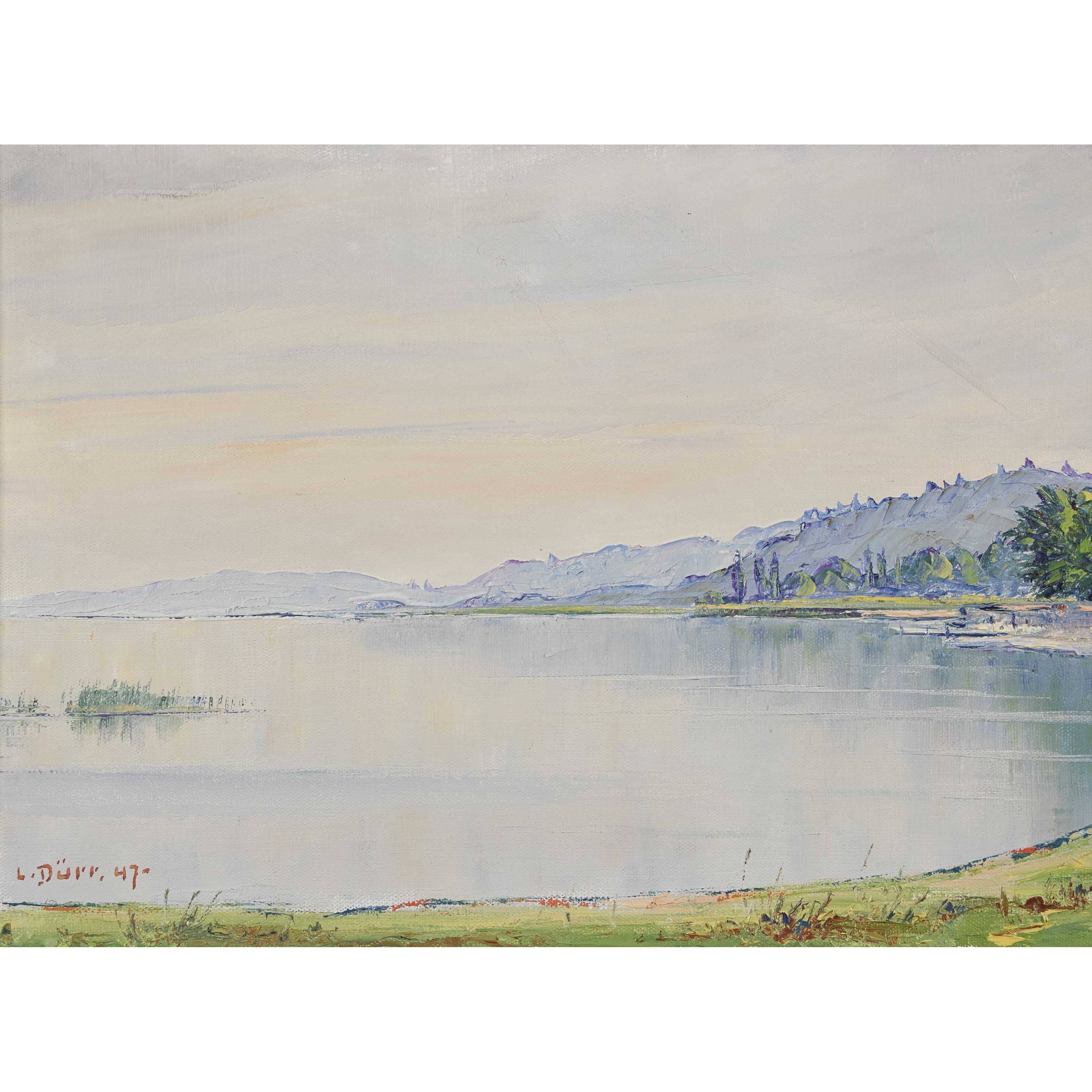
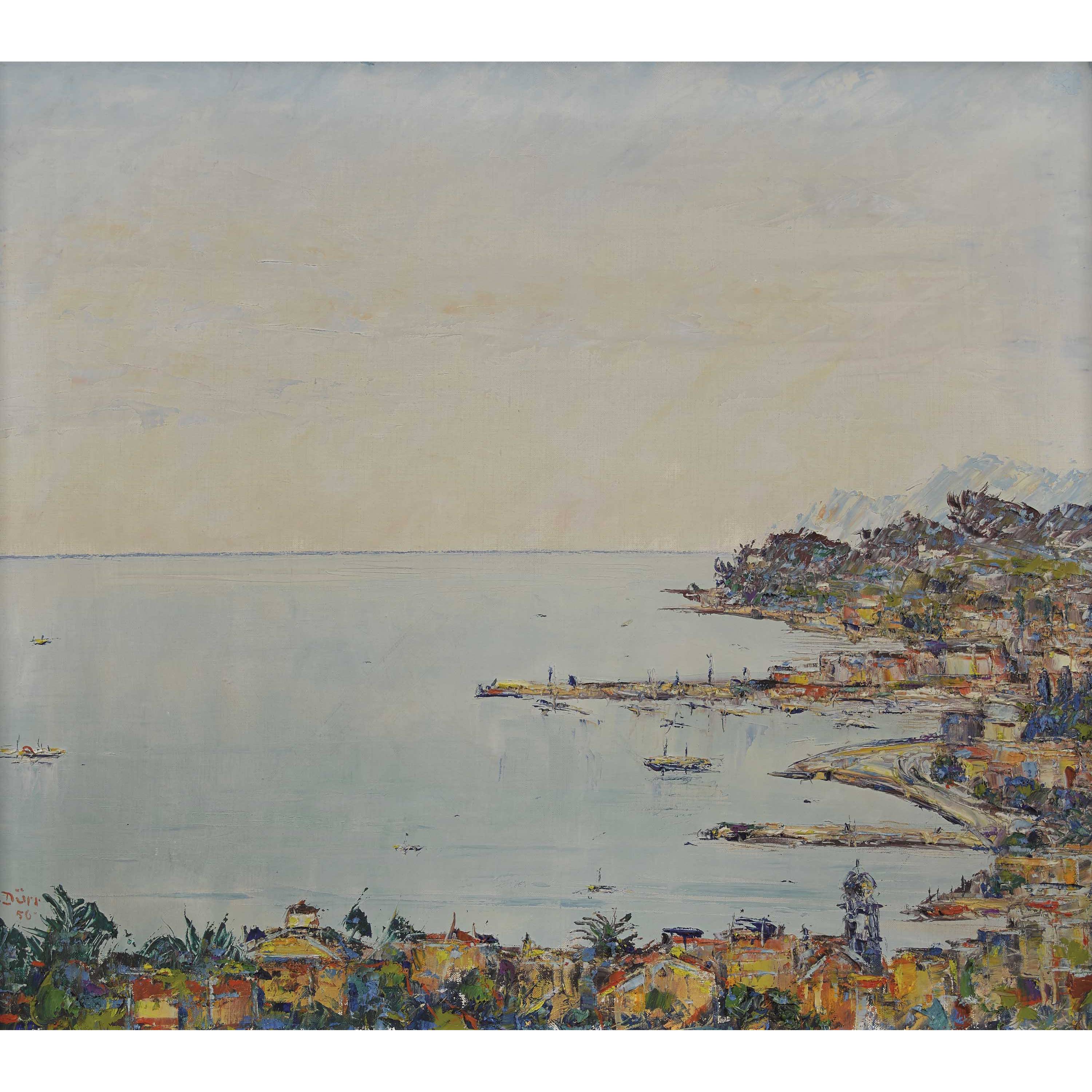
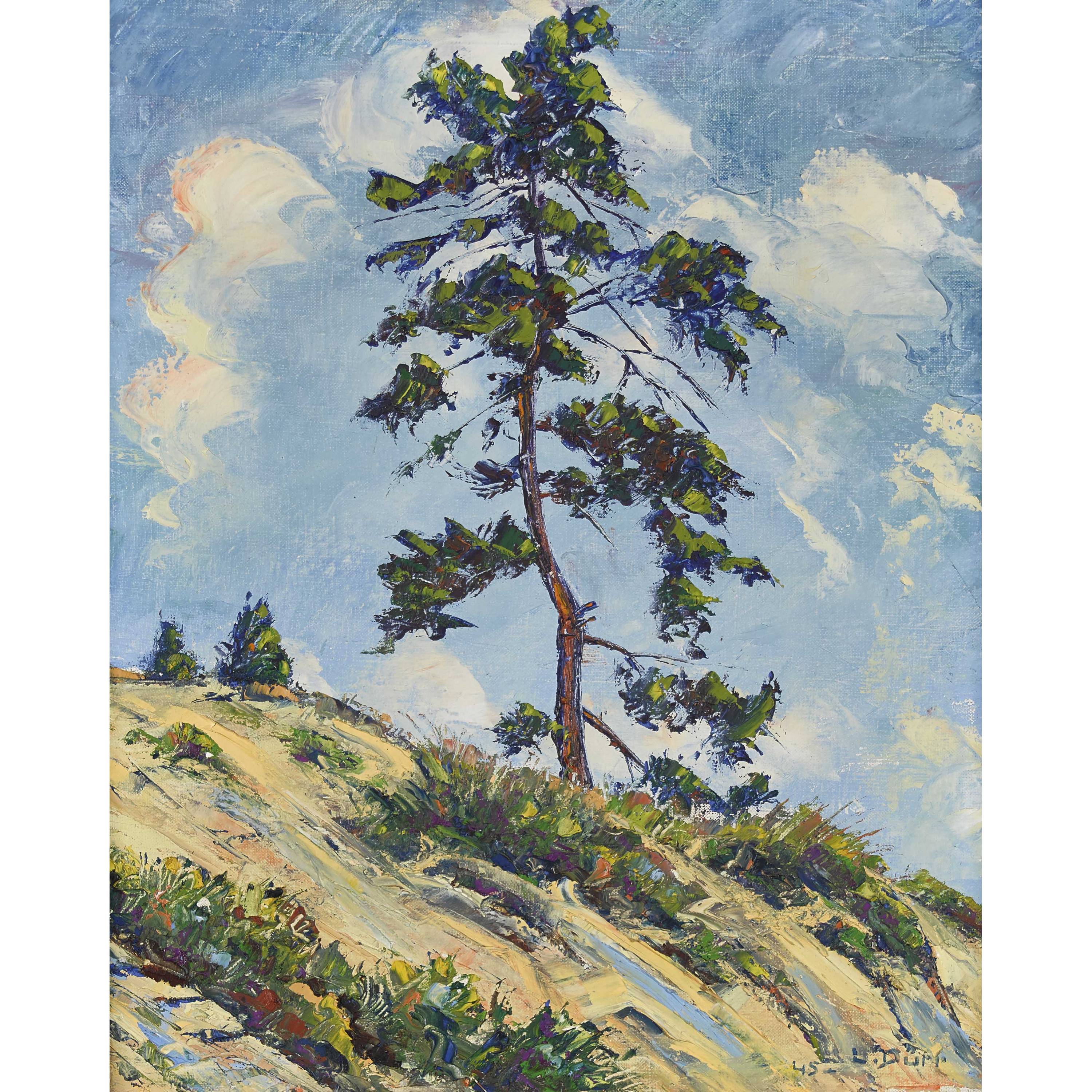
To look at his landscapes, one may follow the profile of the peaks, then return to the foreground and observe how the brushstrokes construct the volumes. Reading the site and reading the painted surface complement one another: the mountain becomes at once a recognisable place and an organisation of forms, materials and colours.