Lill Tschudi
Born in 1911.
Died in 2004.
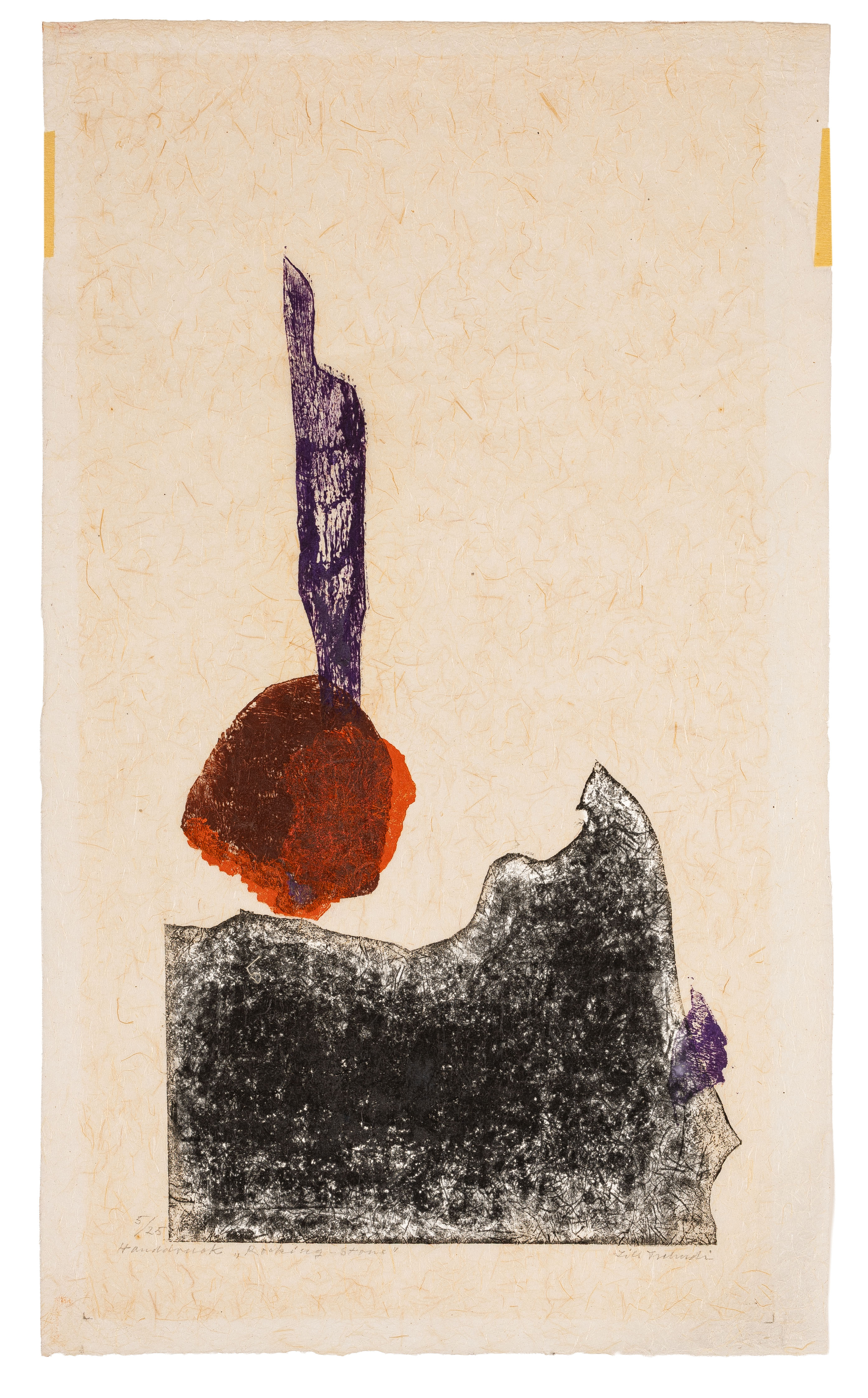
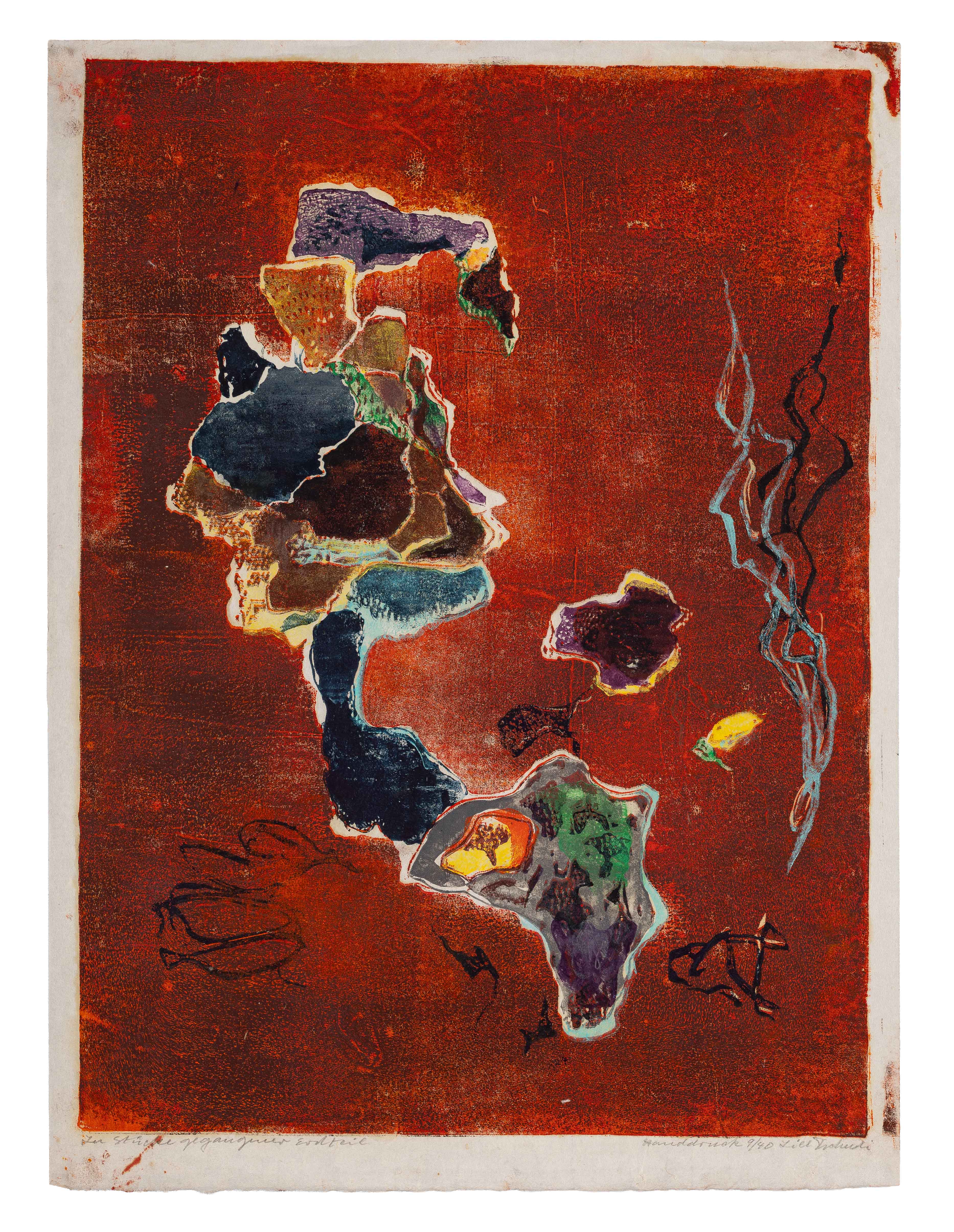
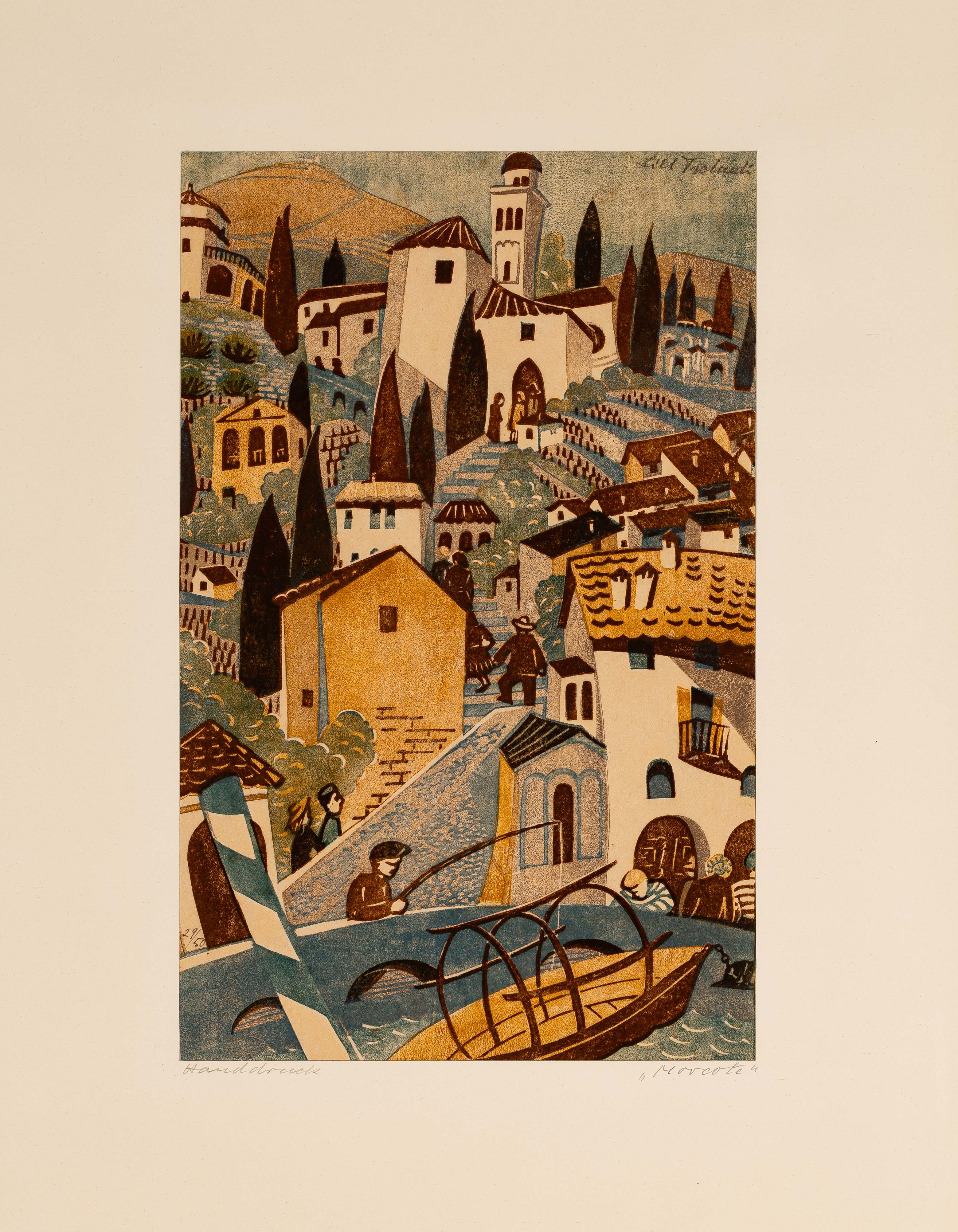
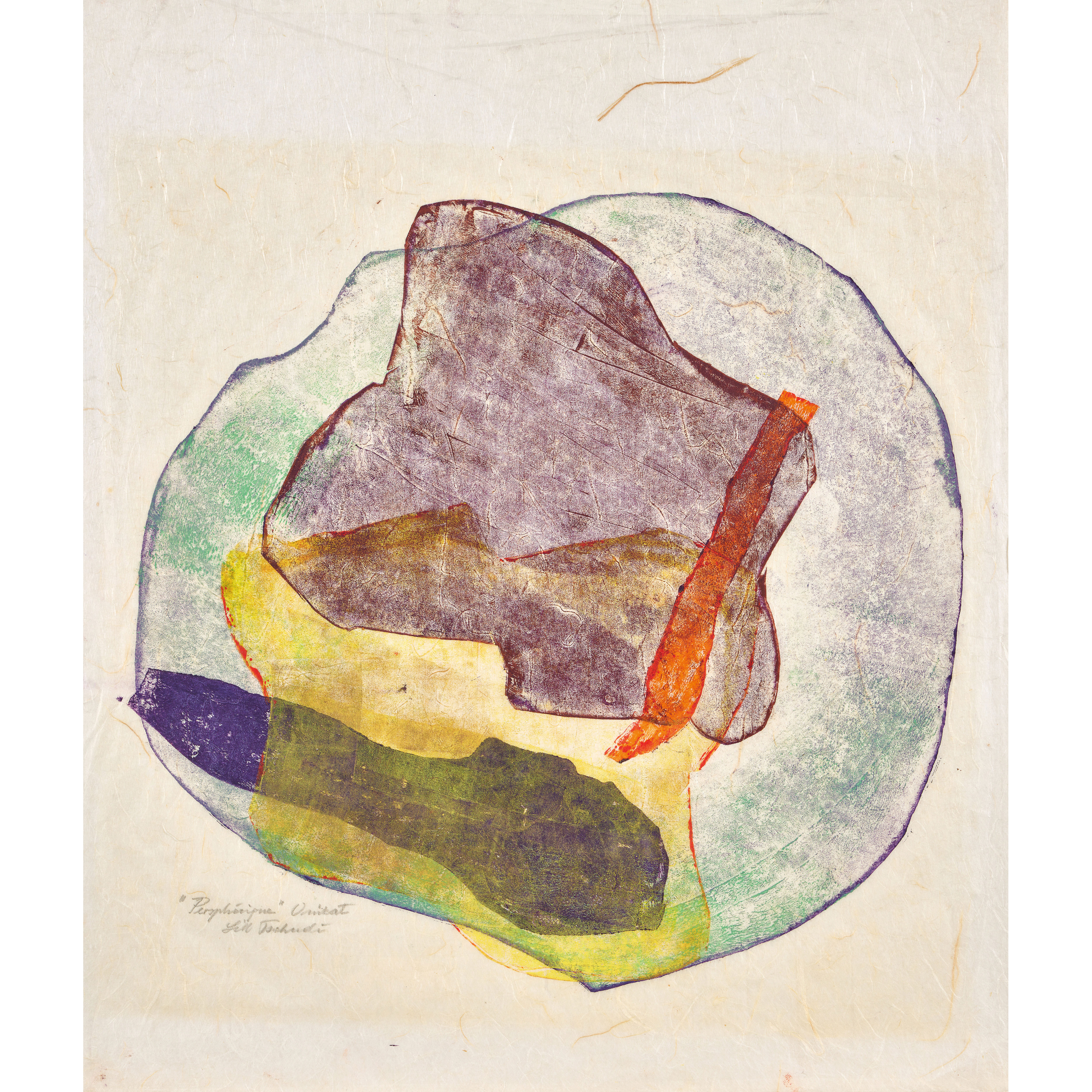
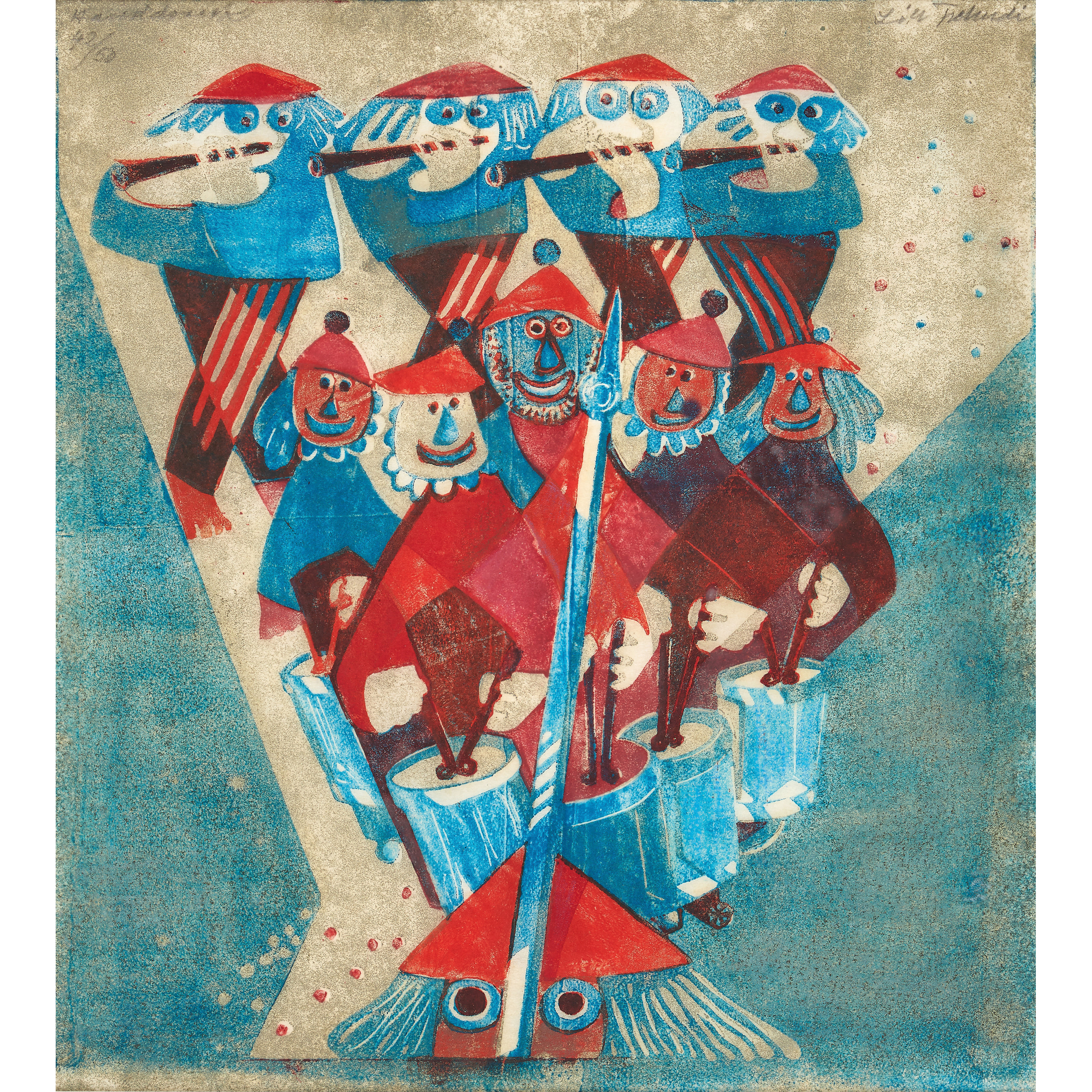
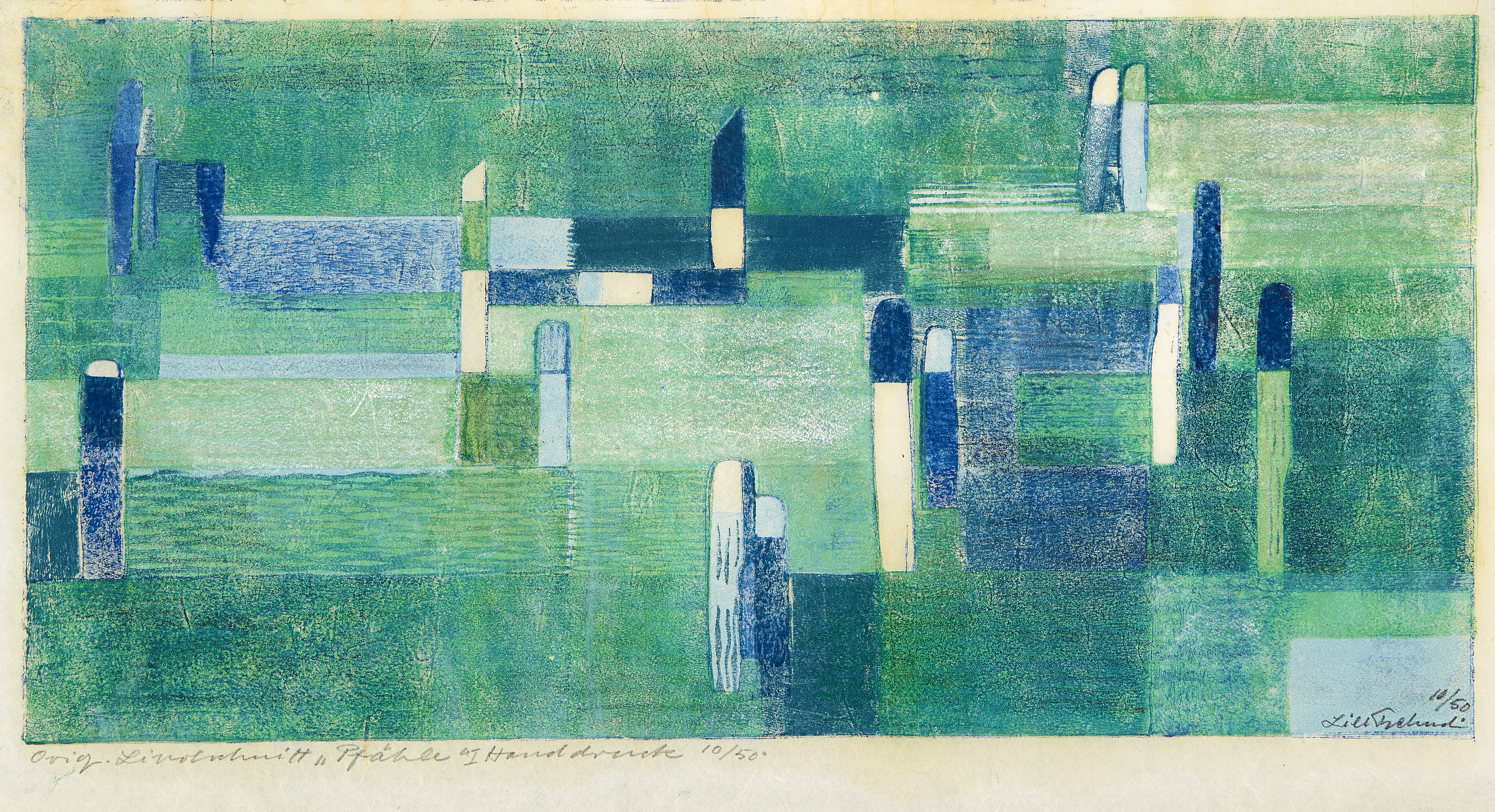
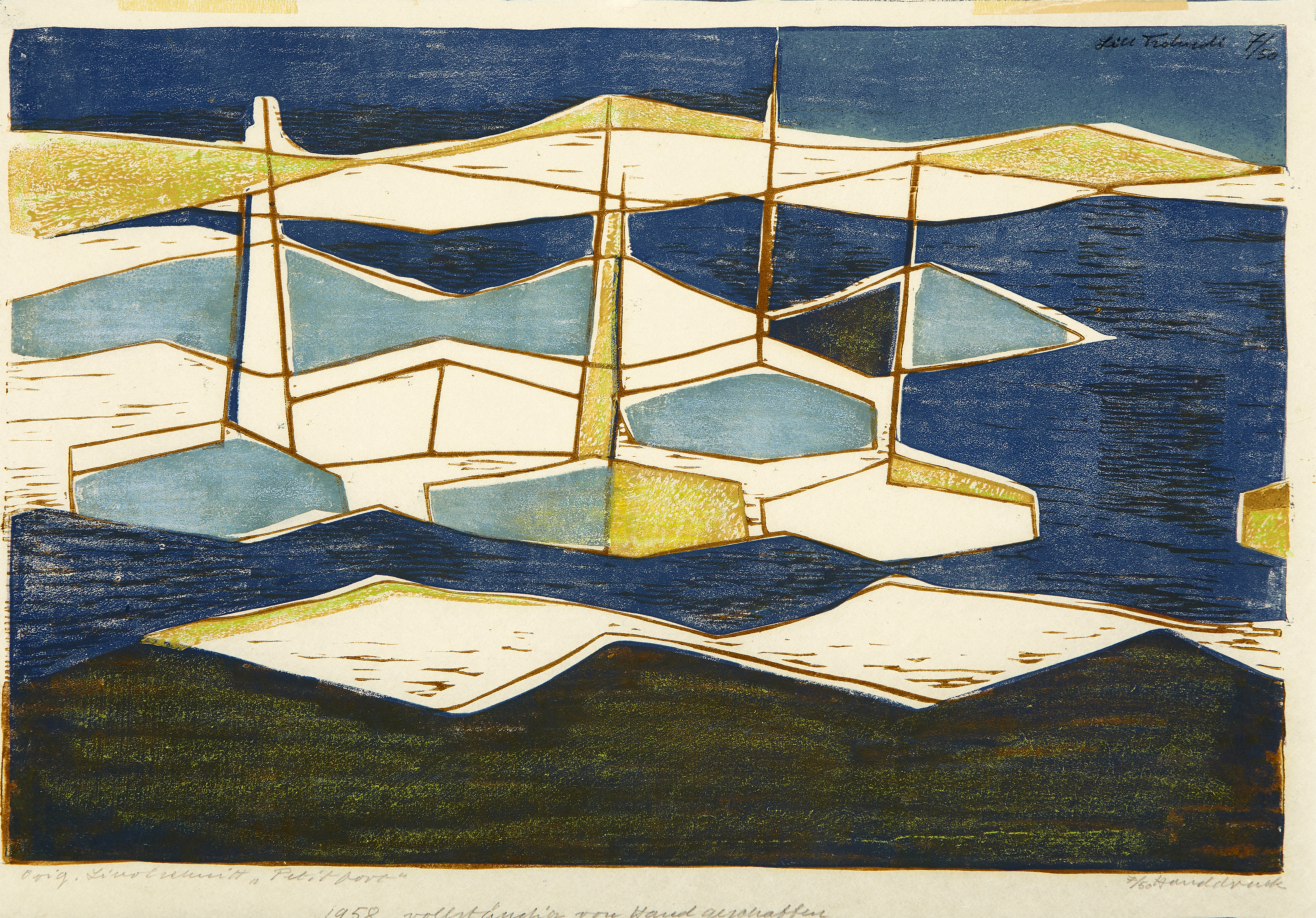
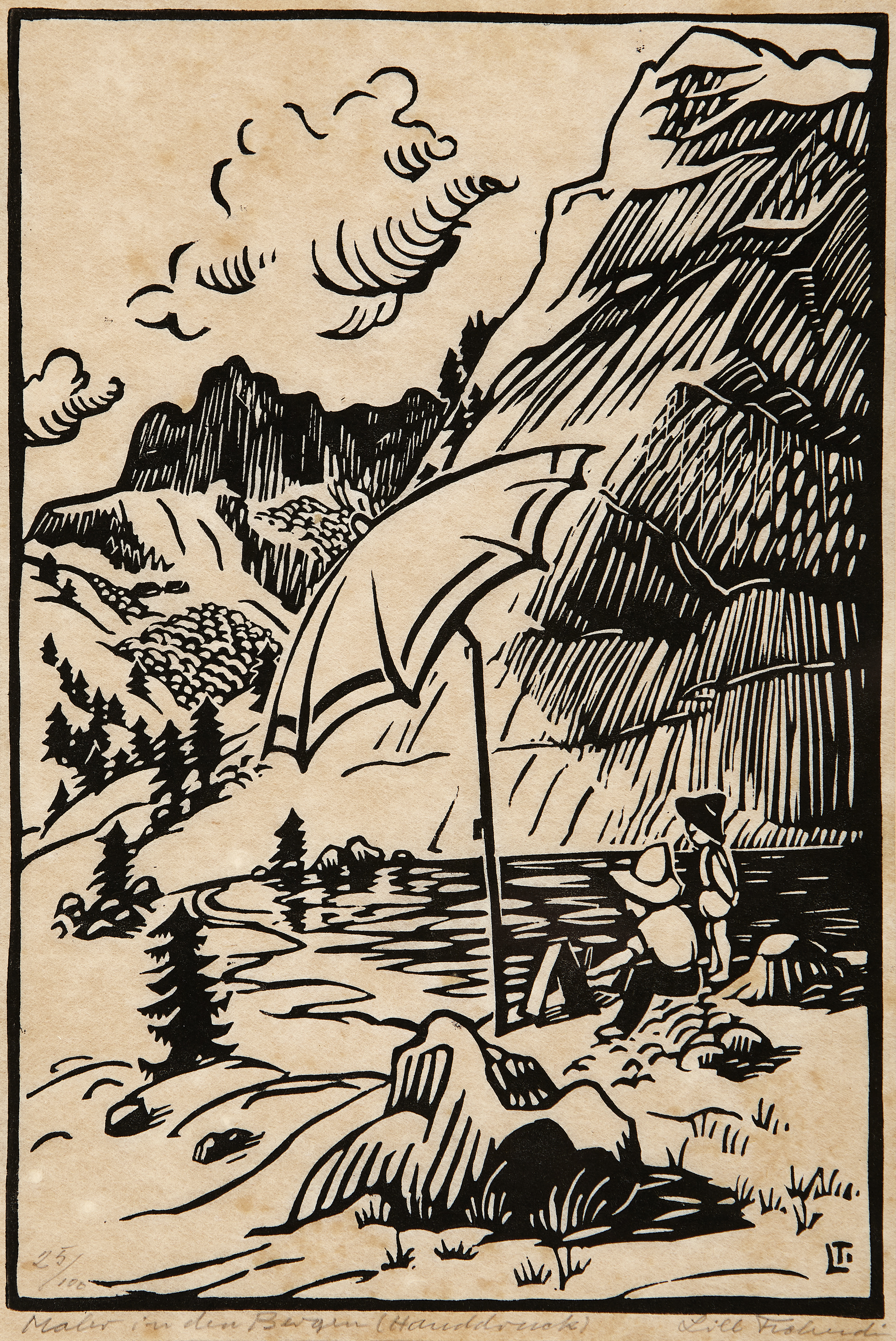
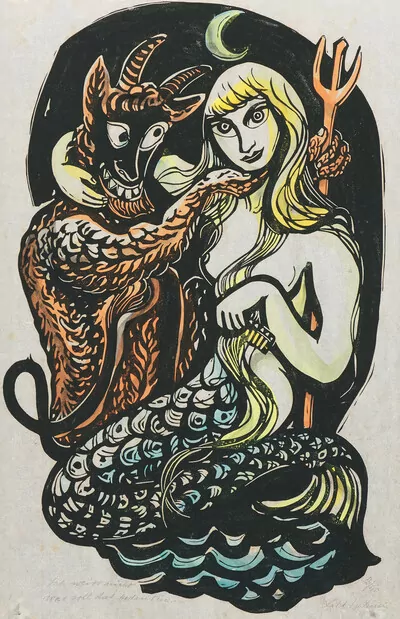
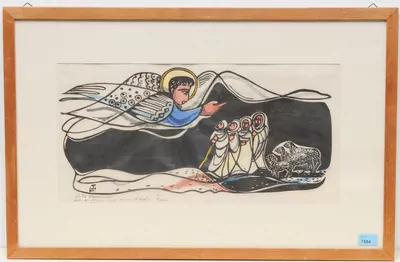
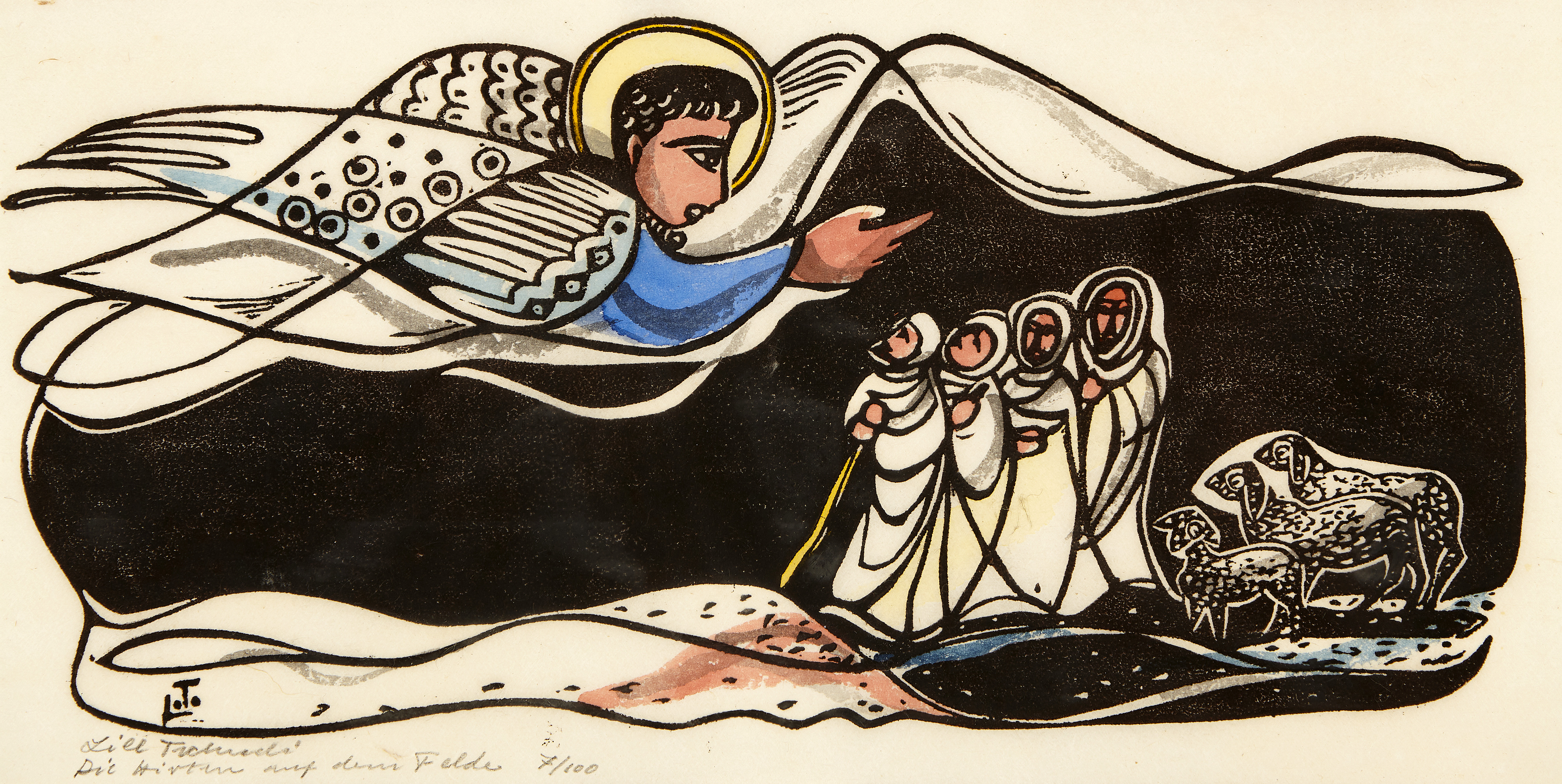
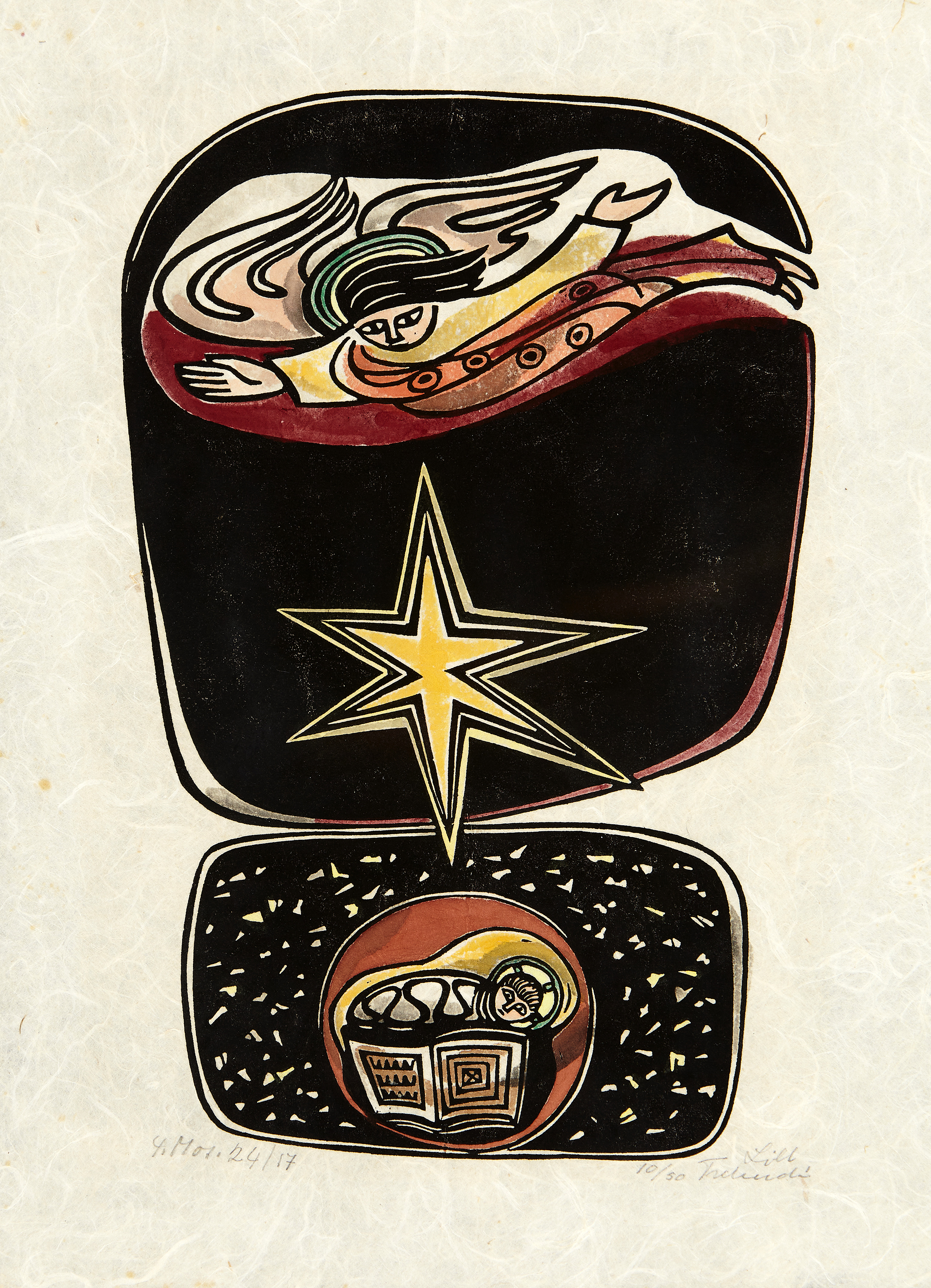
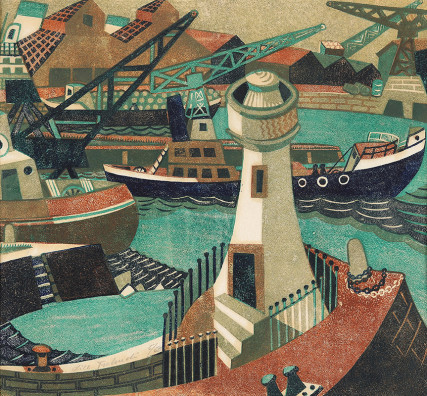
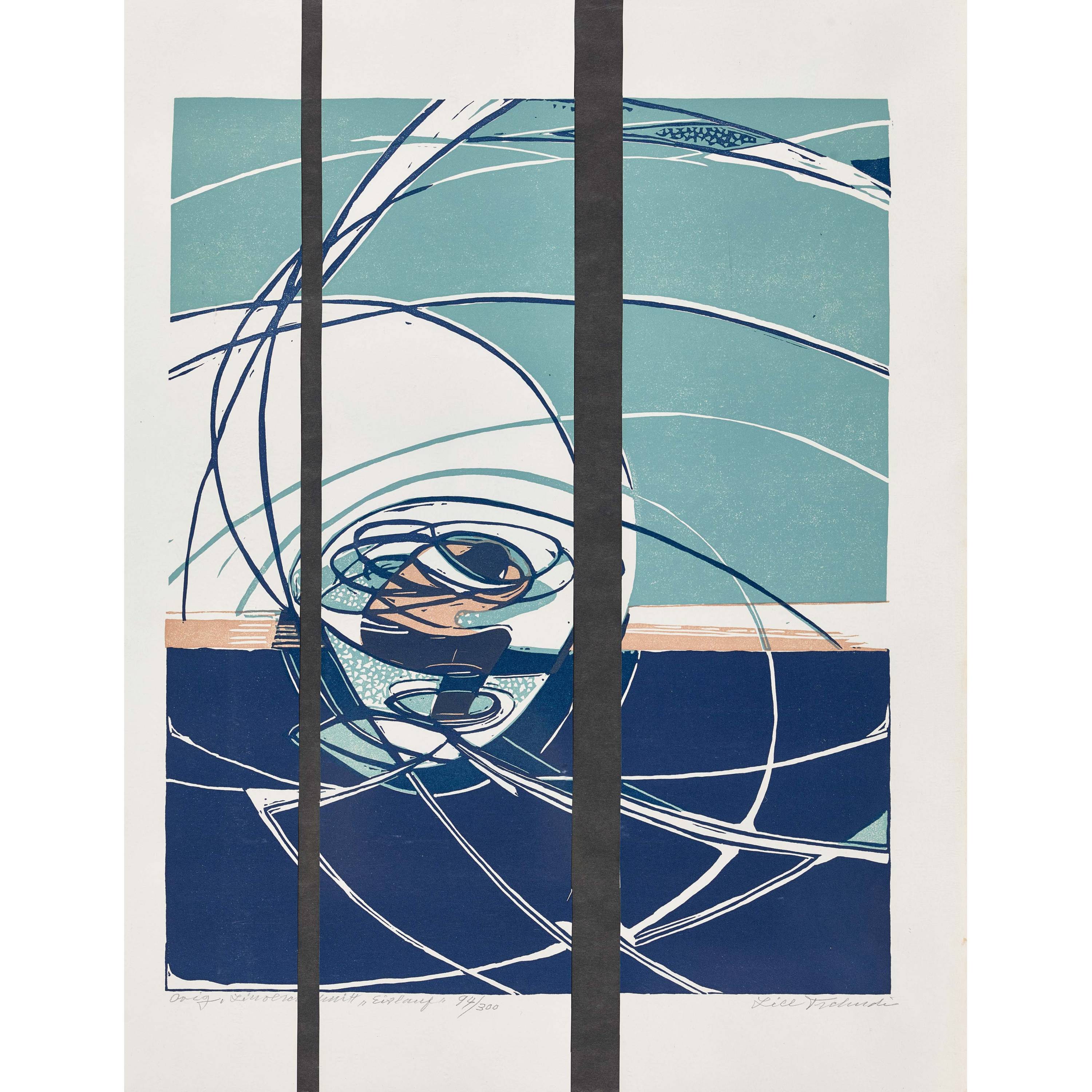
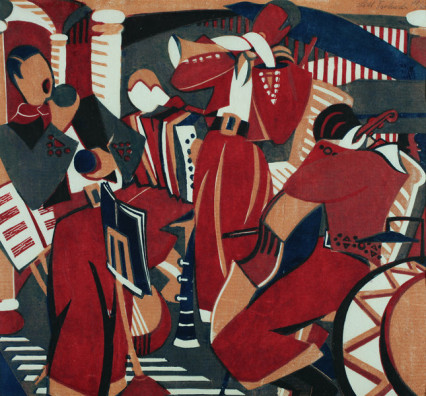
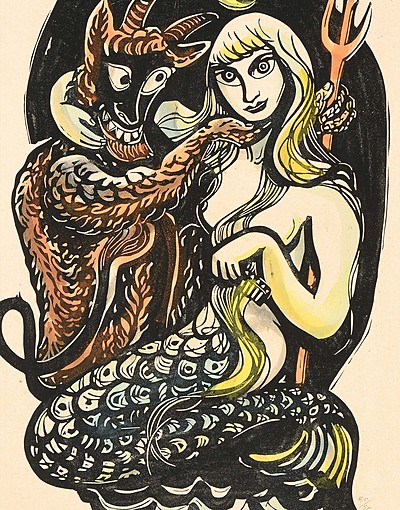
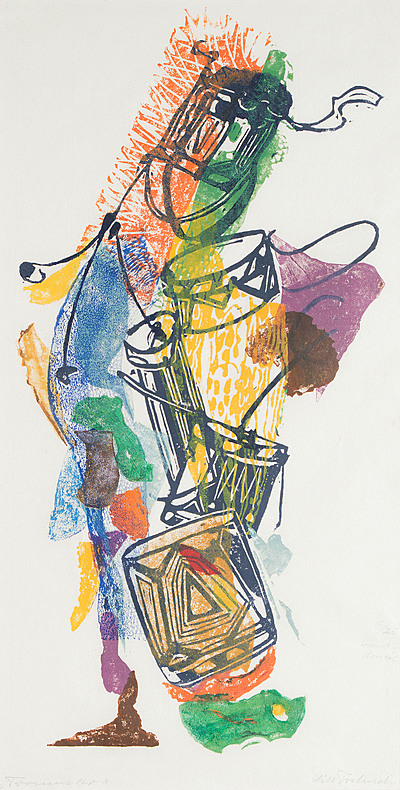
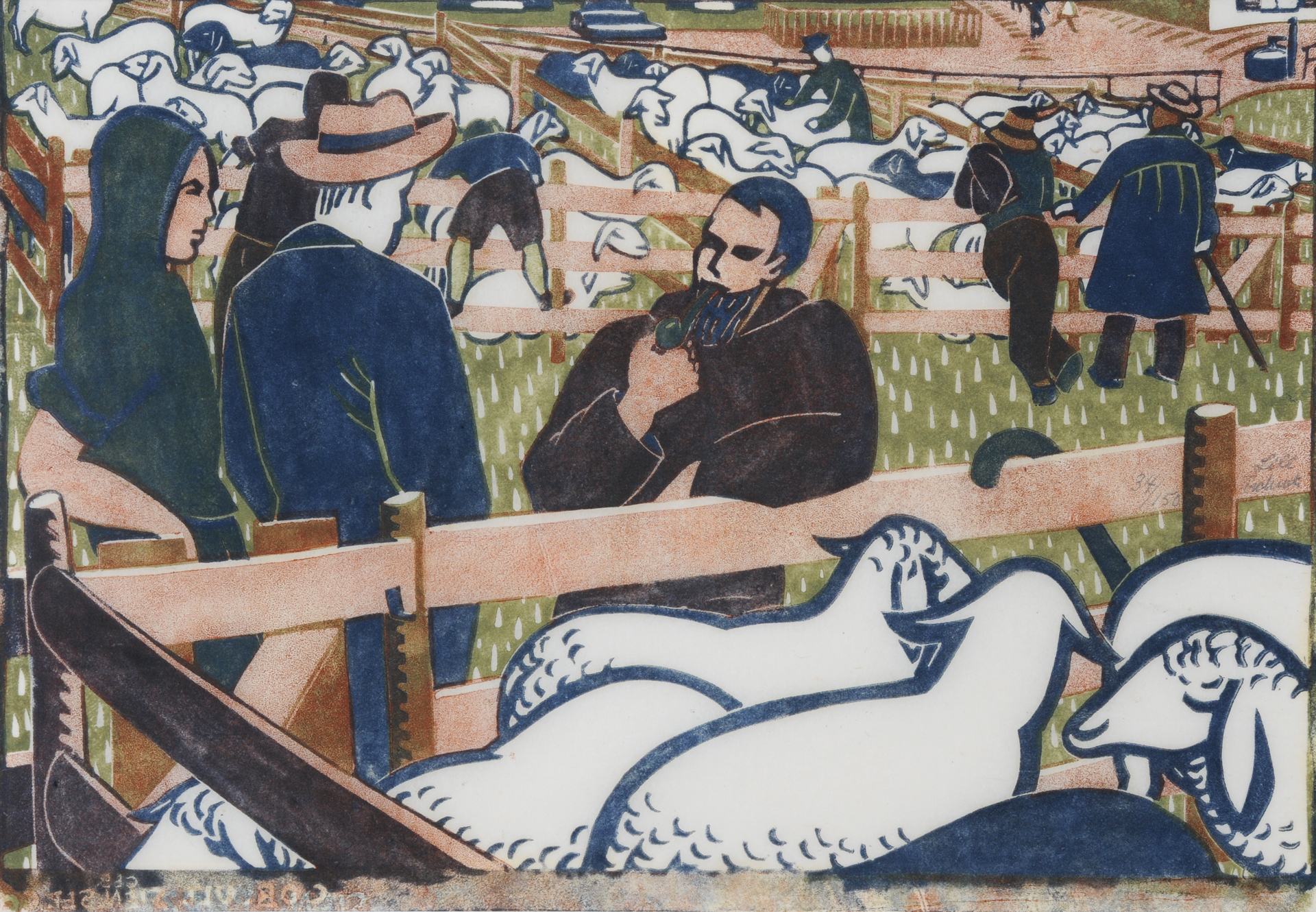
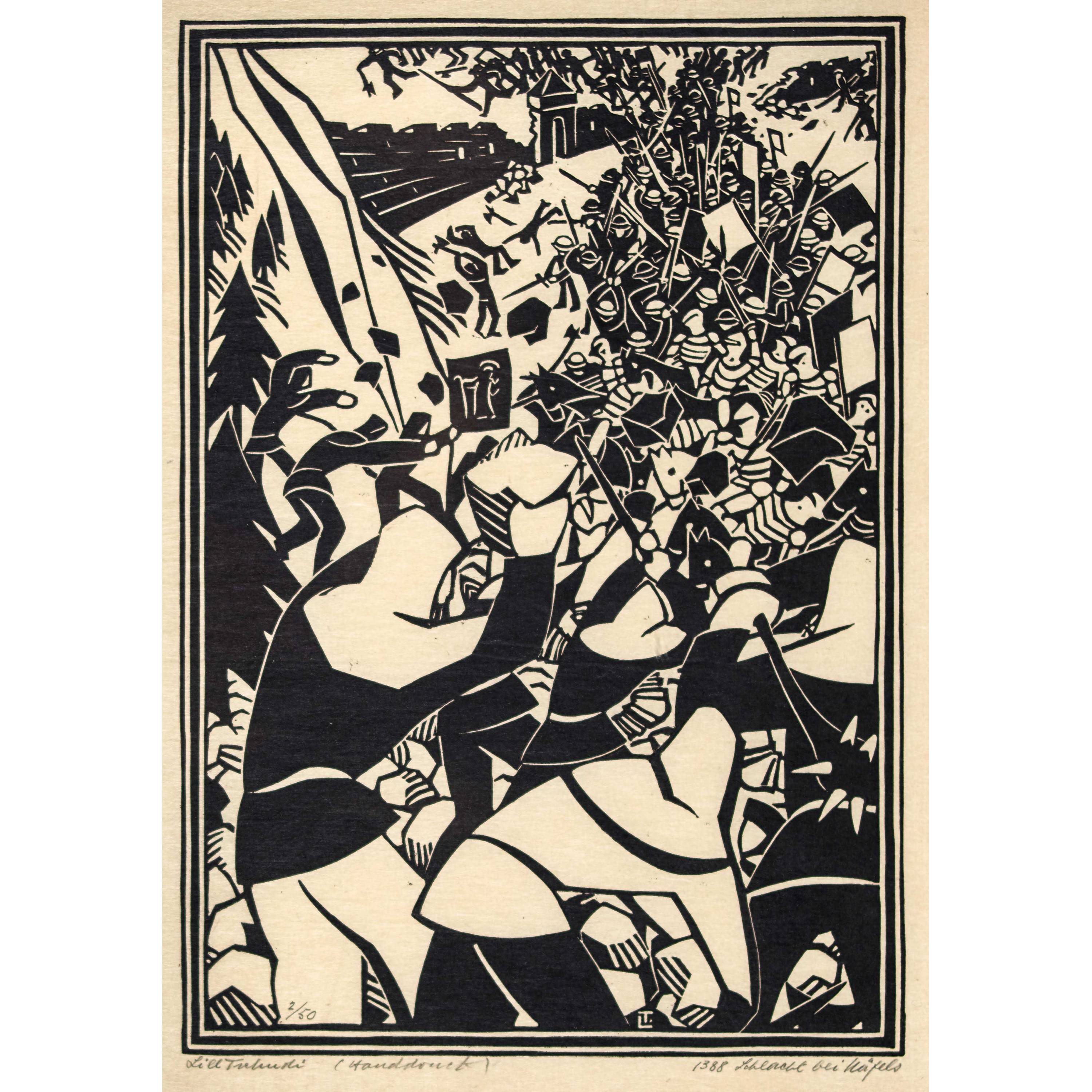
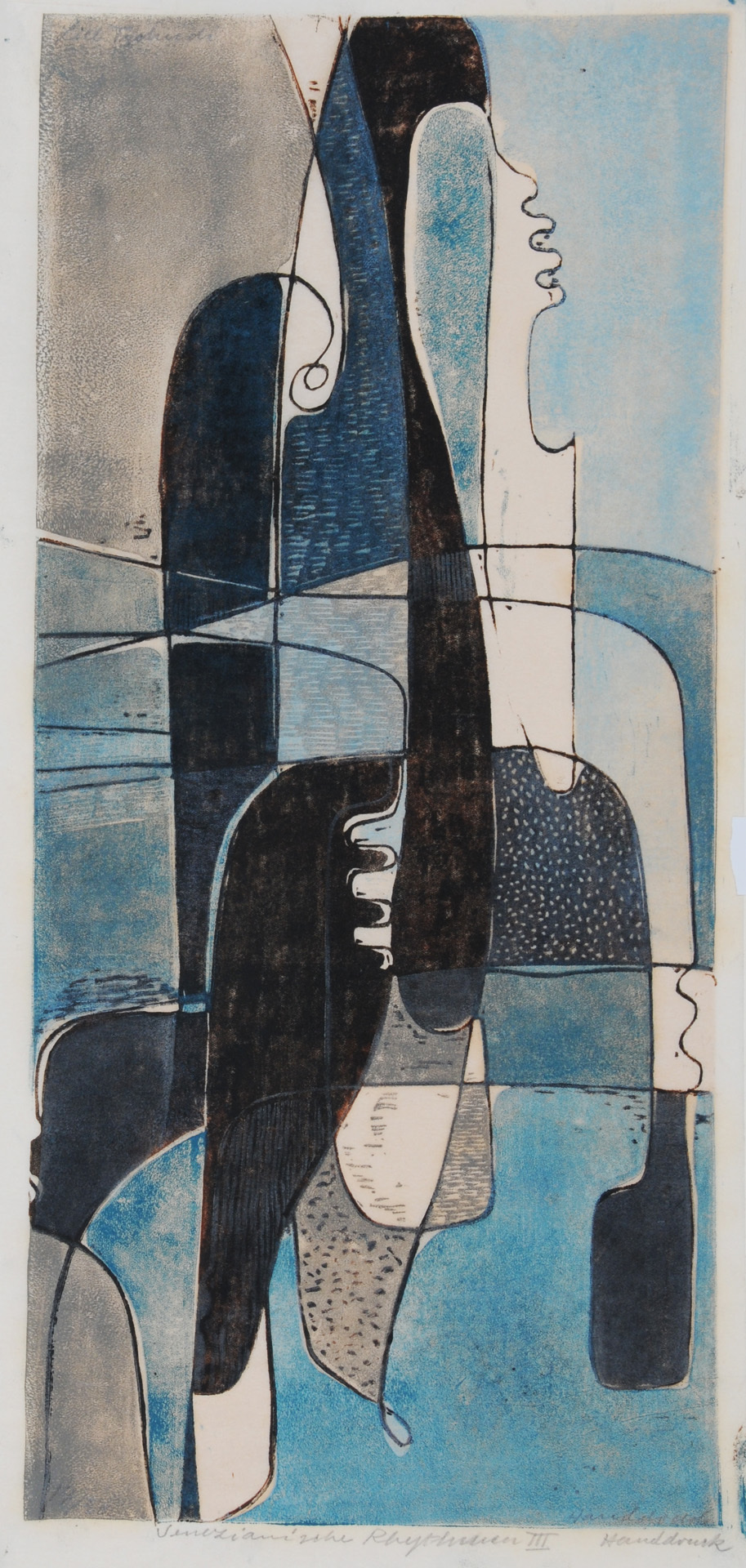
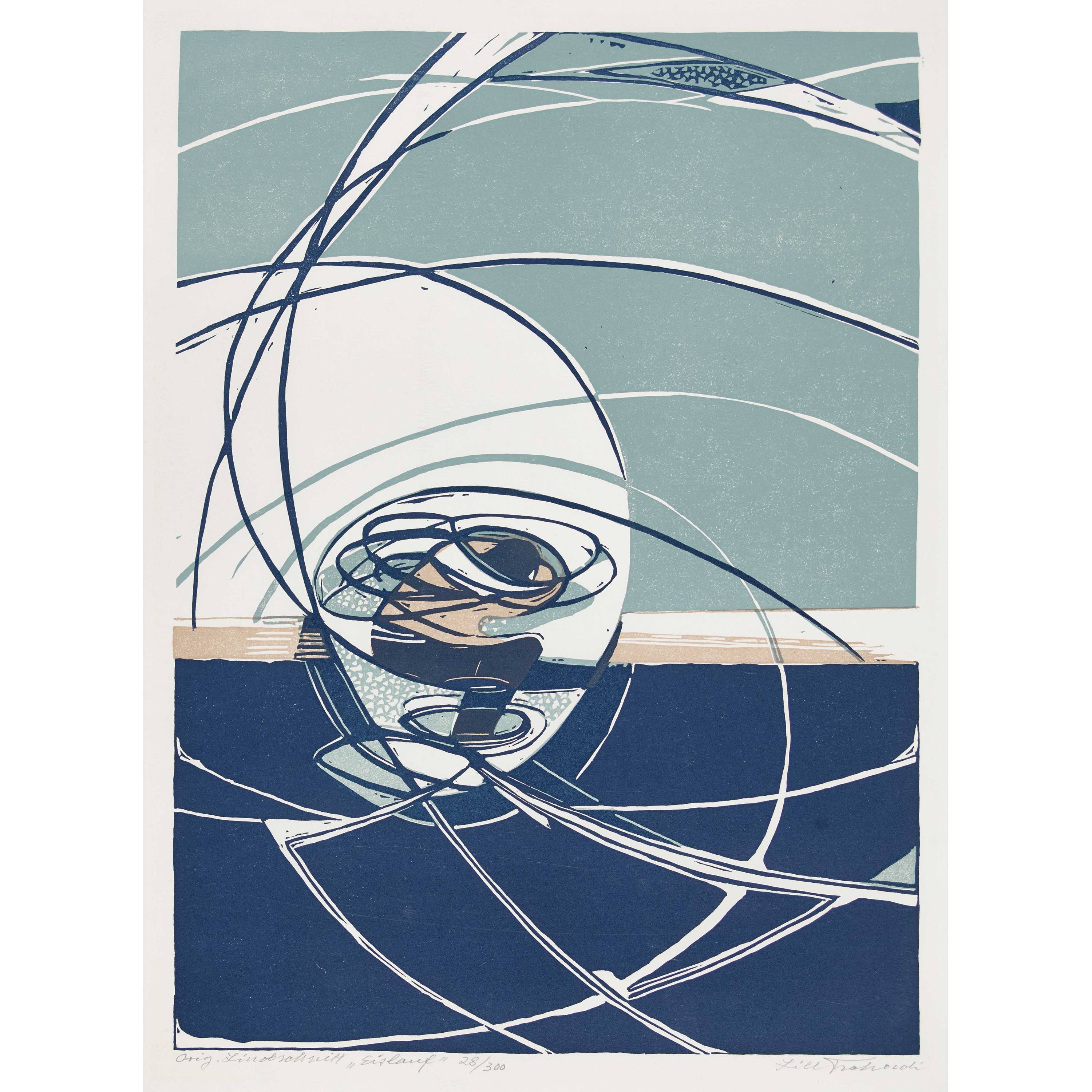
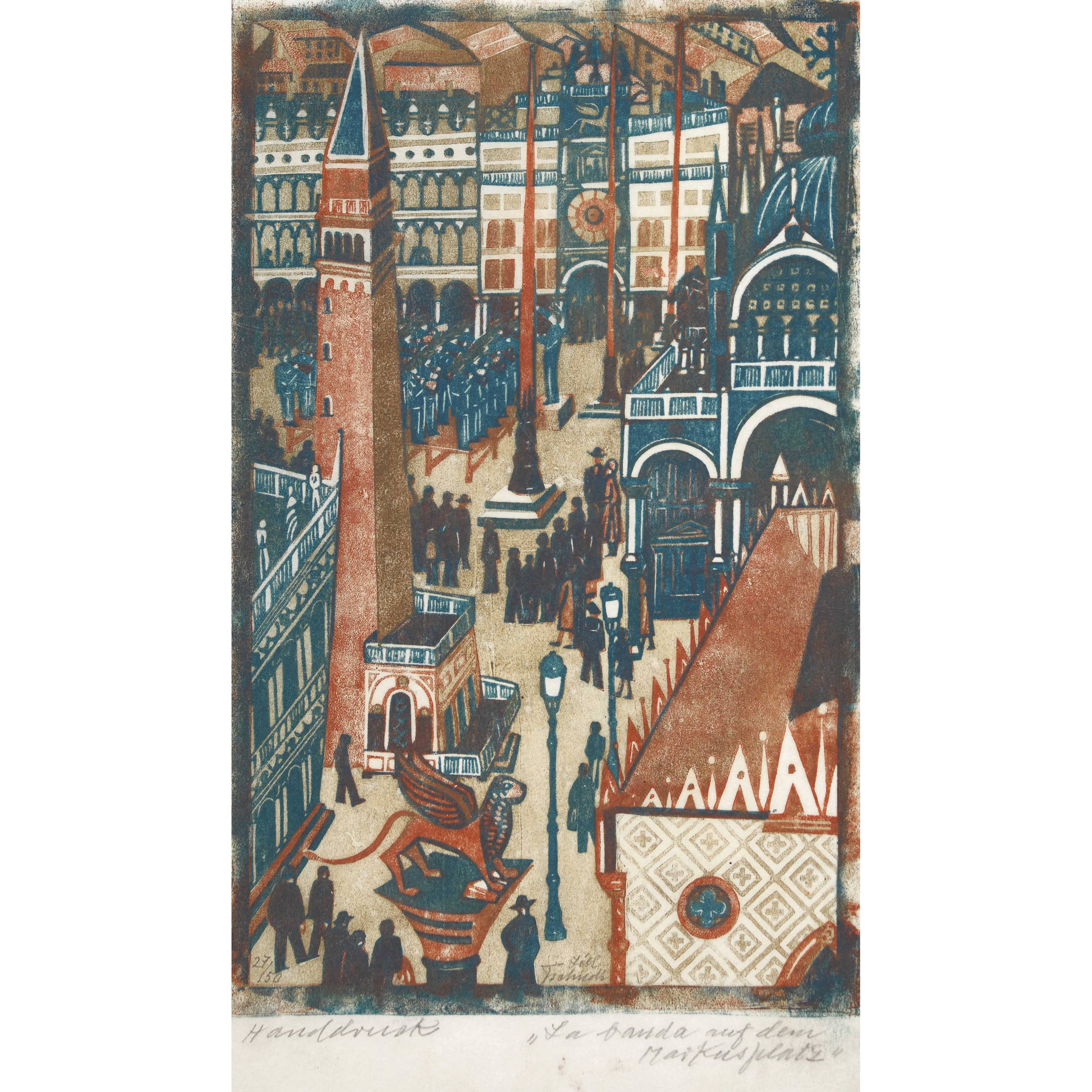
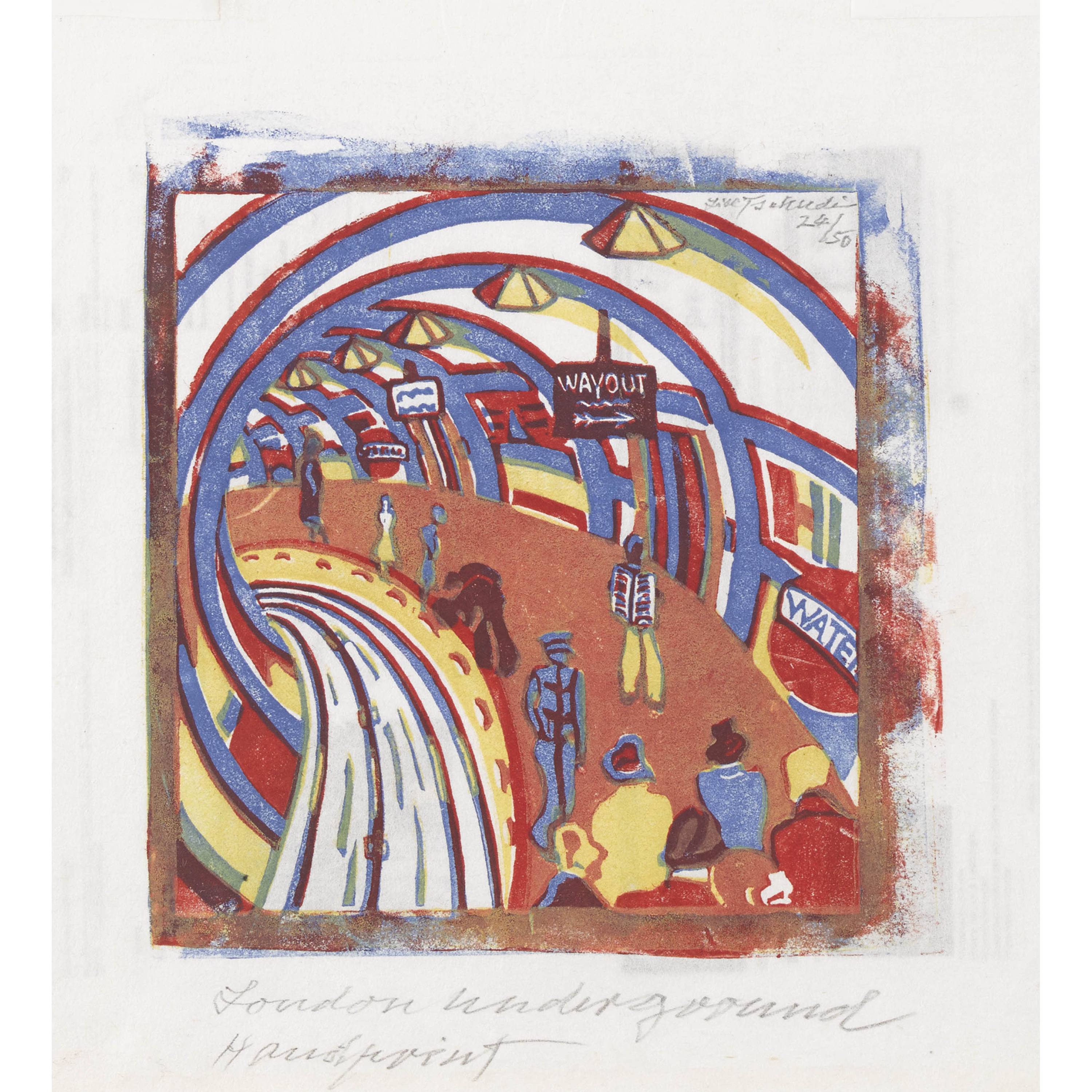
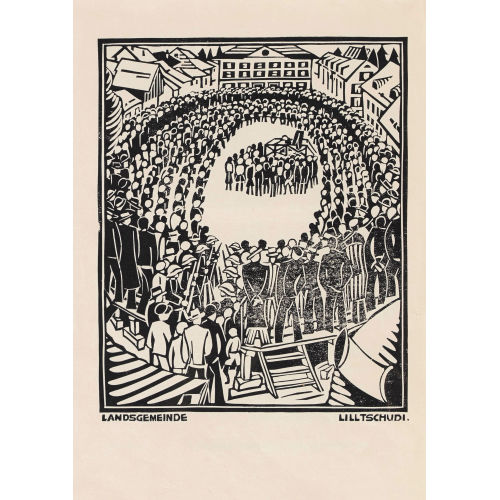
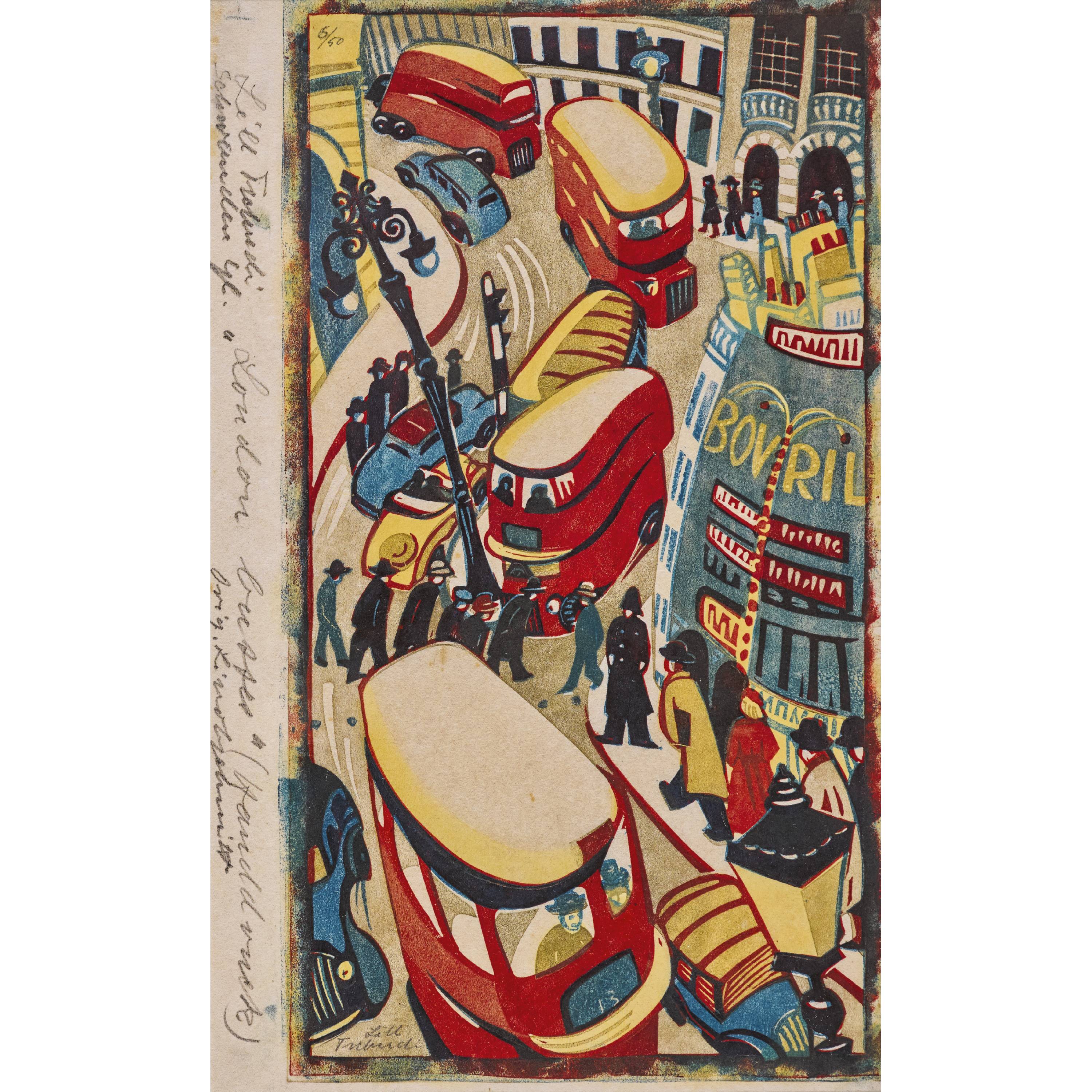
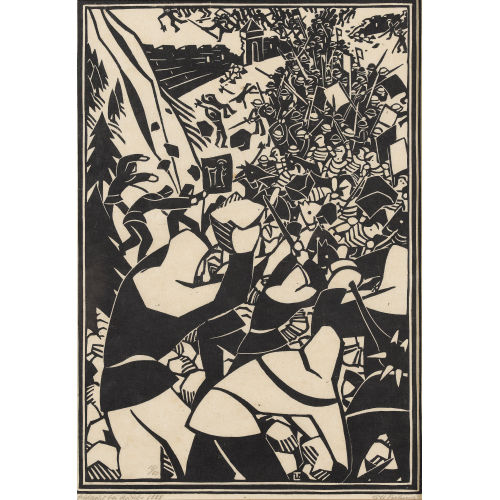
Born and deceased in Schwanden, in the canton of Glarus, Lill Tschudi (1911–2004) made colour linocut a distinctive language of modernity. In 1929, she went to London to study at the Grosvenor School of Modern Art. There she discovered a way of translating the energy of the contemporary world through simplified forms, areas of flat colour and powerful rhythms.
Her training continued in Paris, notably with Fernand Léger and Gino Severini, whose investigations into geometry and movement find an echo in her prints.
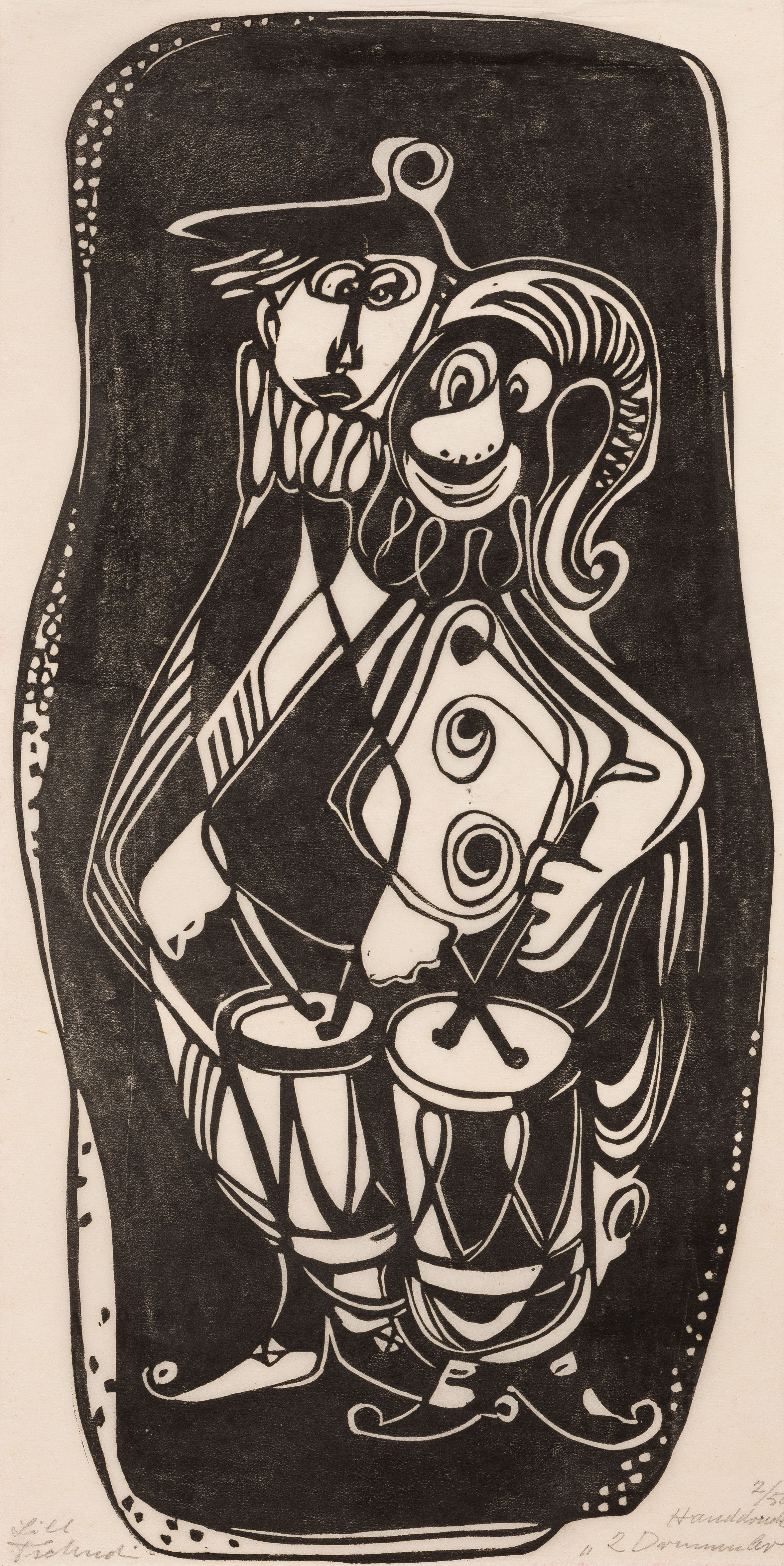
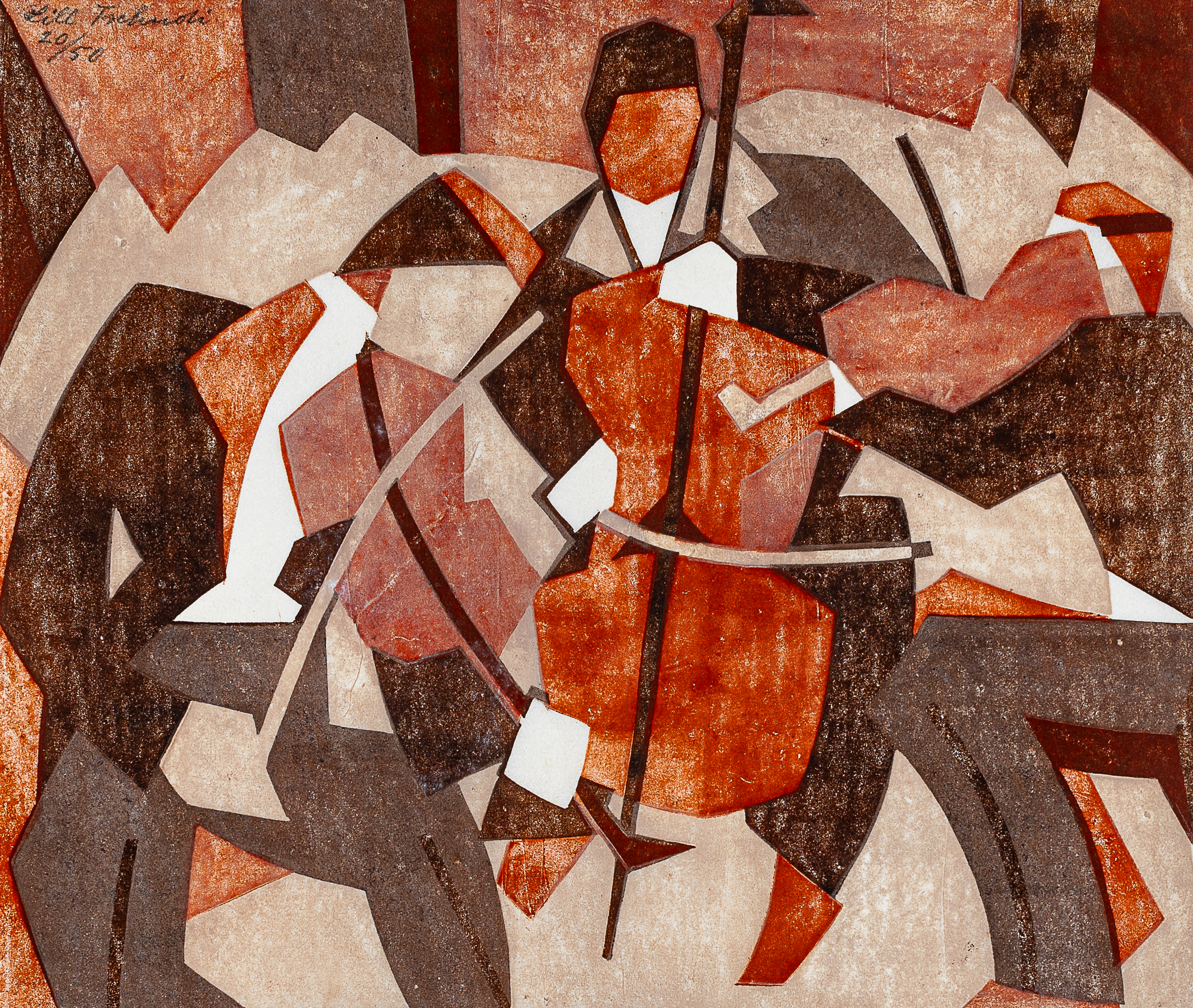
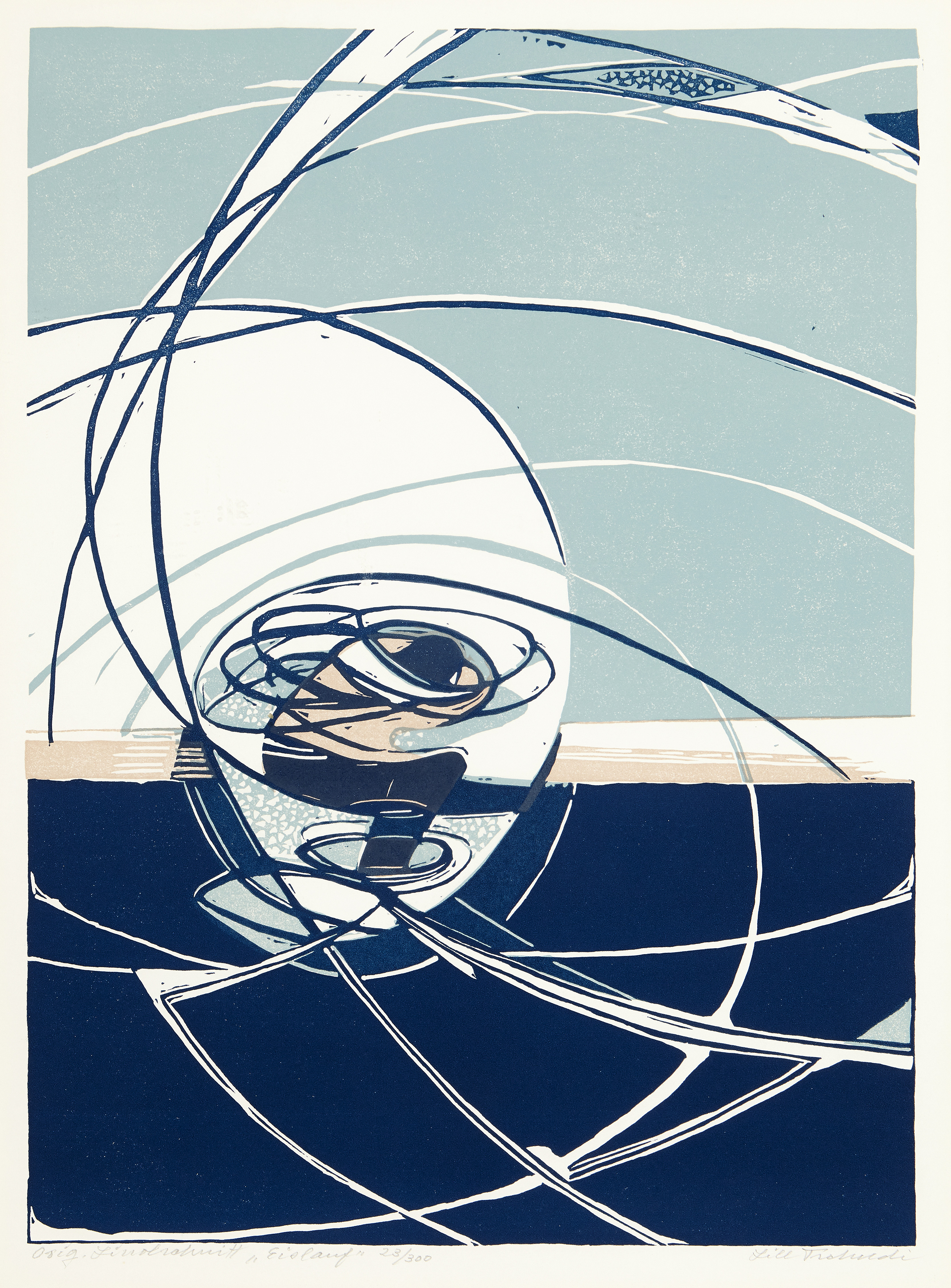
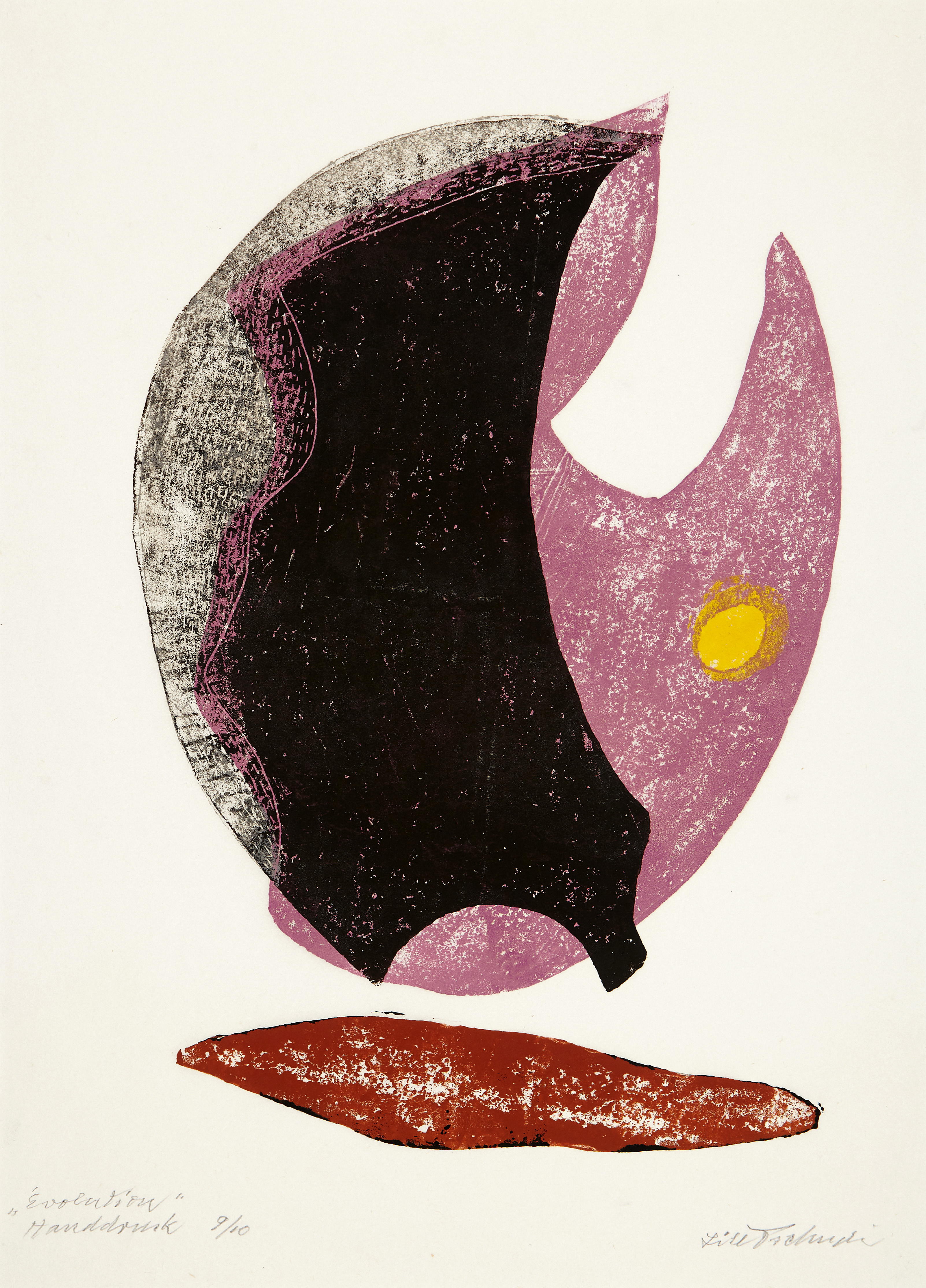
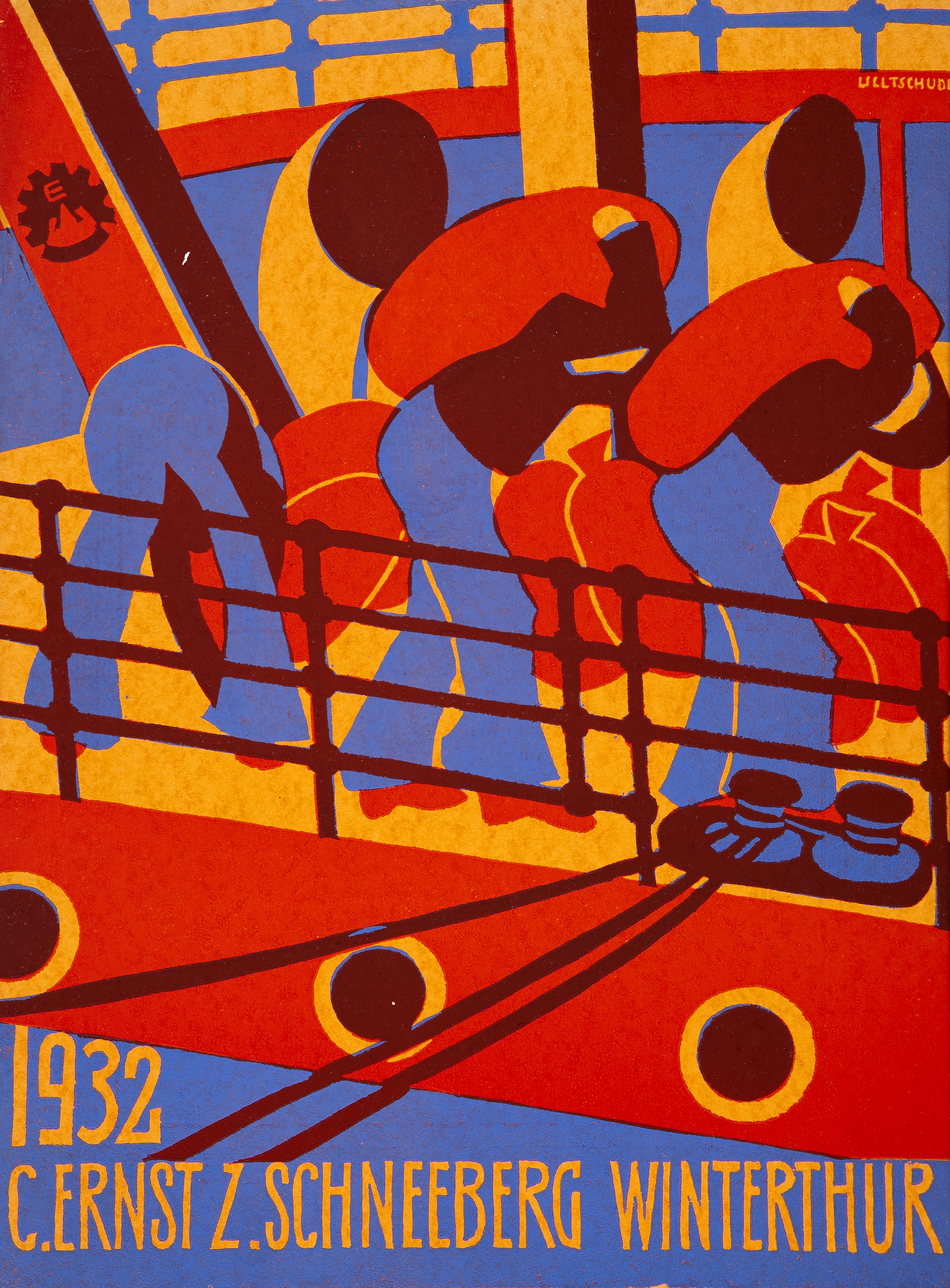
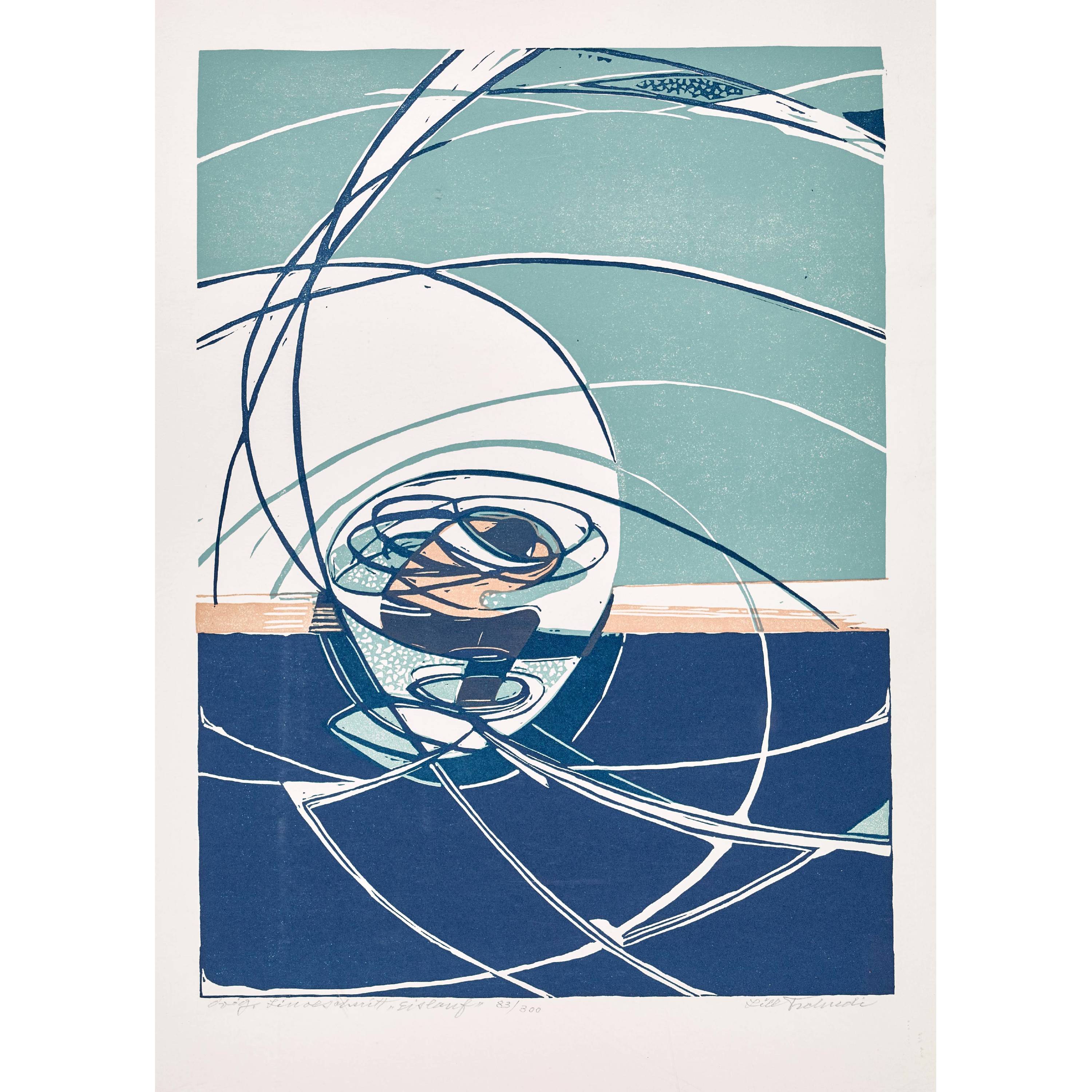
Linocut allowed her to construct her images with a remarkable economy of means. A curve, a diagonal, the repetition of a silhouette or the impact of two colours are enough to convey a dance, a race or the flow of urban traffic. In Dancers (1937), held by the Metropolitan Museum of Art, stylised figures organise a collective movement around a couple.
Tour de Suisse (1935), by contrast, compresses the cyclists onto a winding Alpine path: the rhythm of the image reveals their effort as much as it does the landscape. For Tschudi, modernity was therefore not confined to the big city.
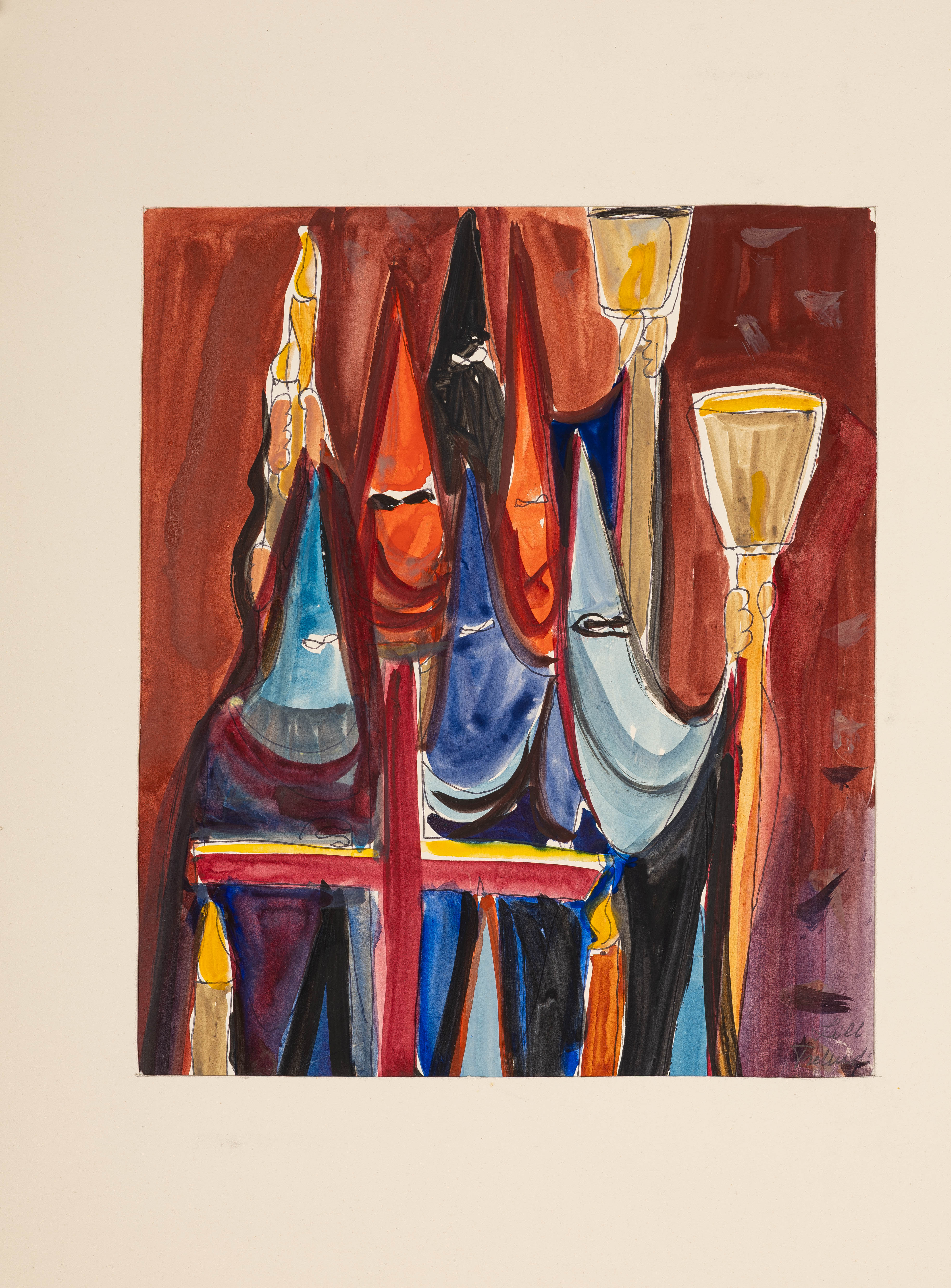
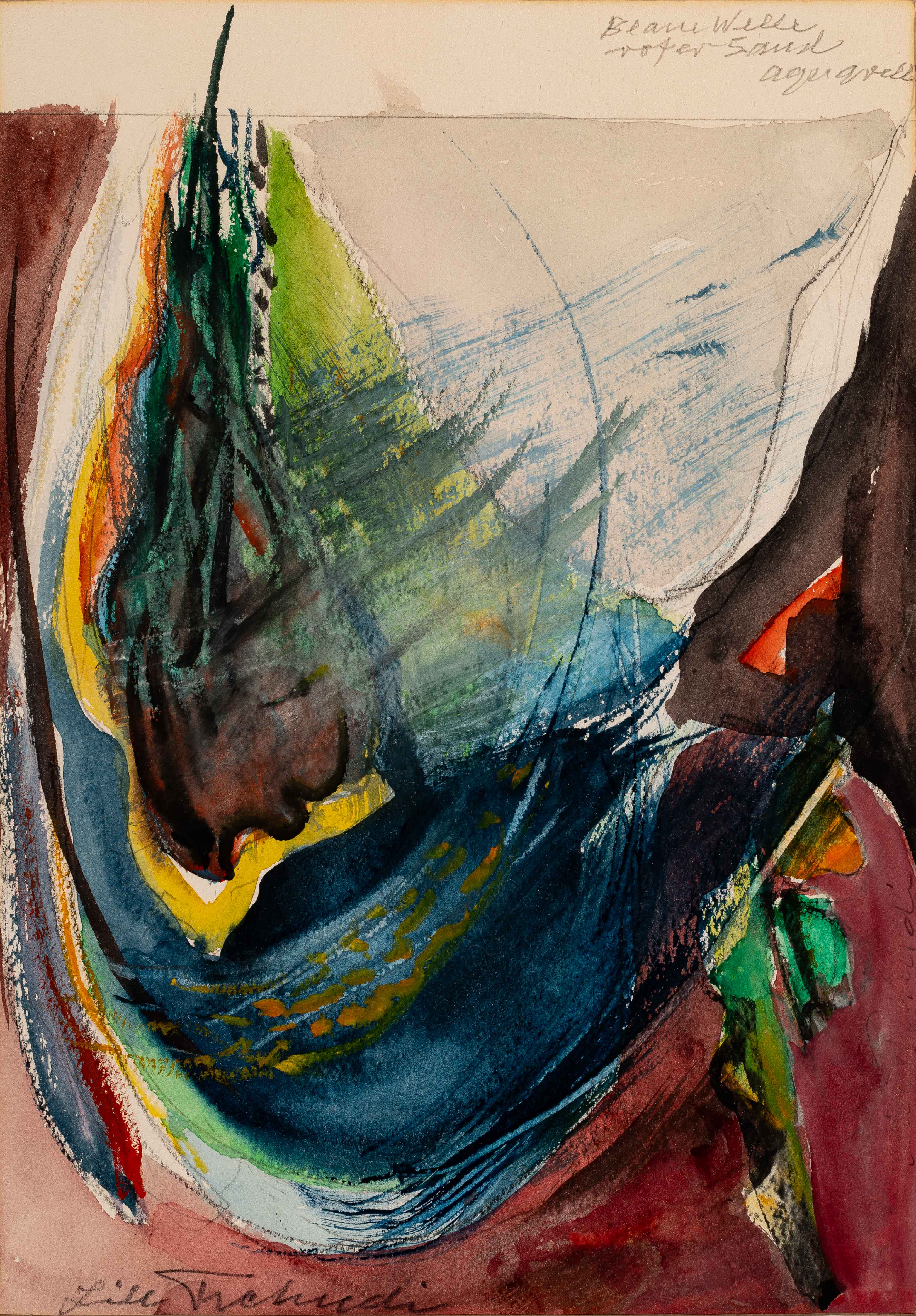
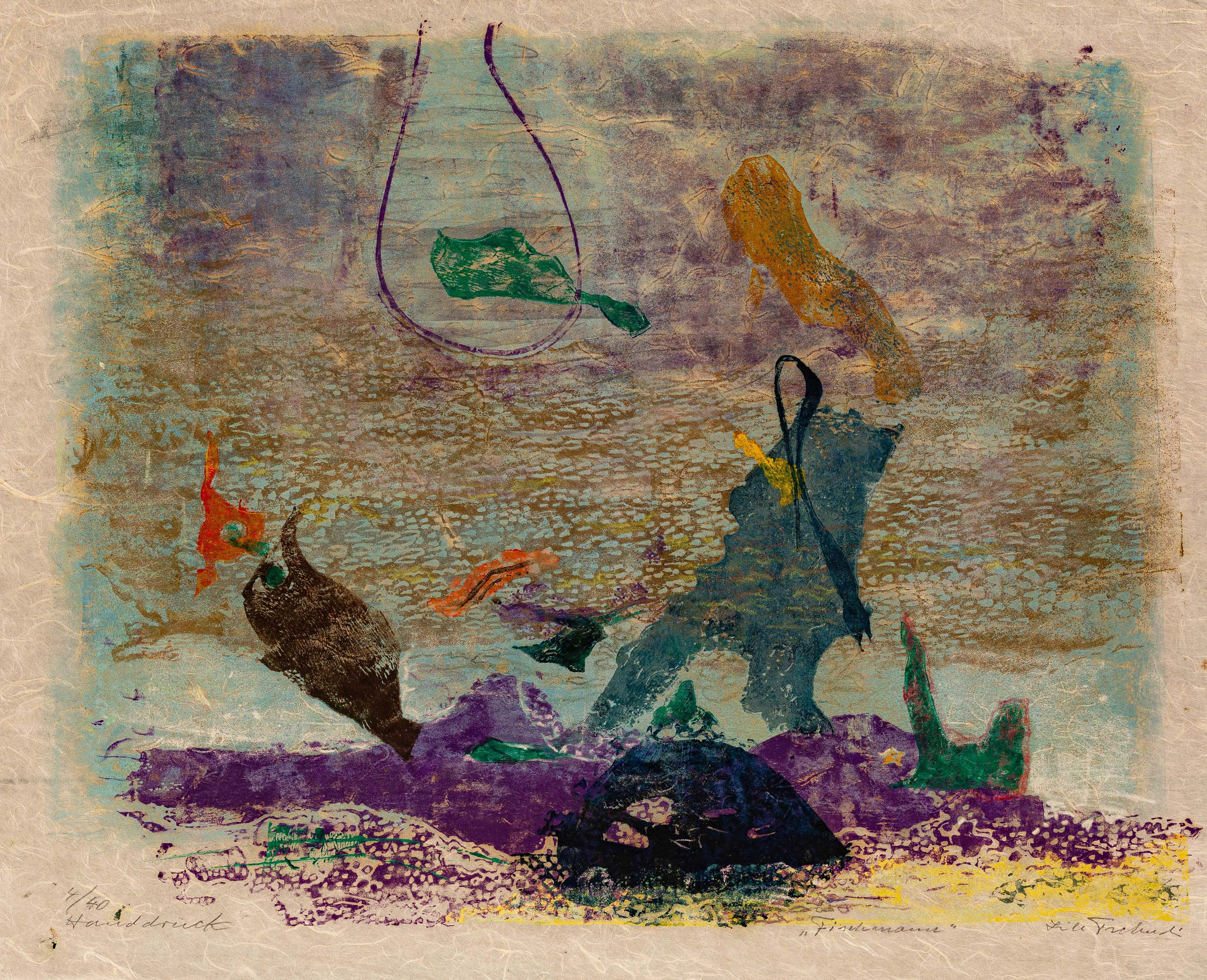
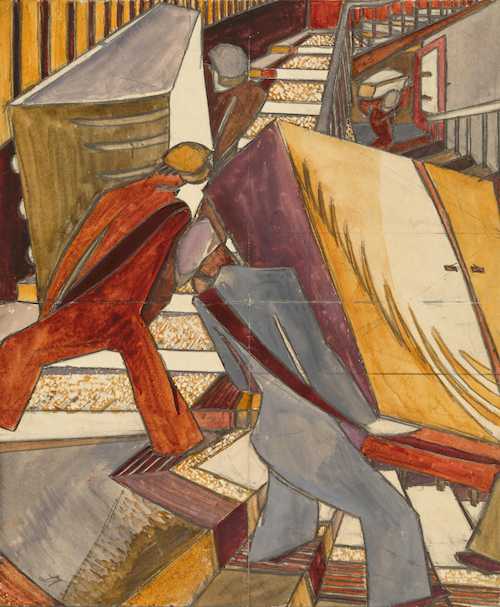
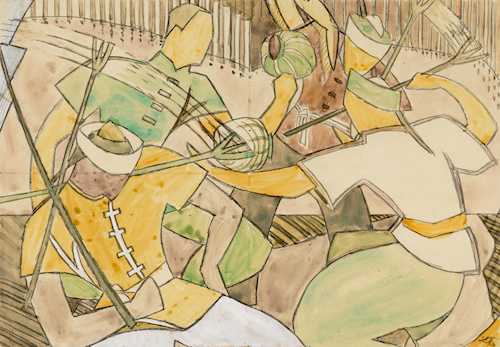
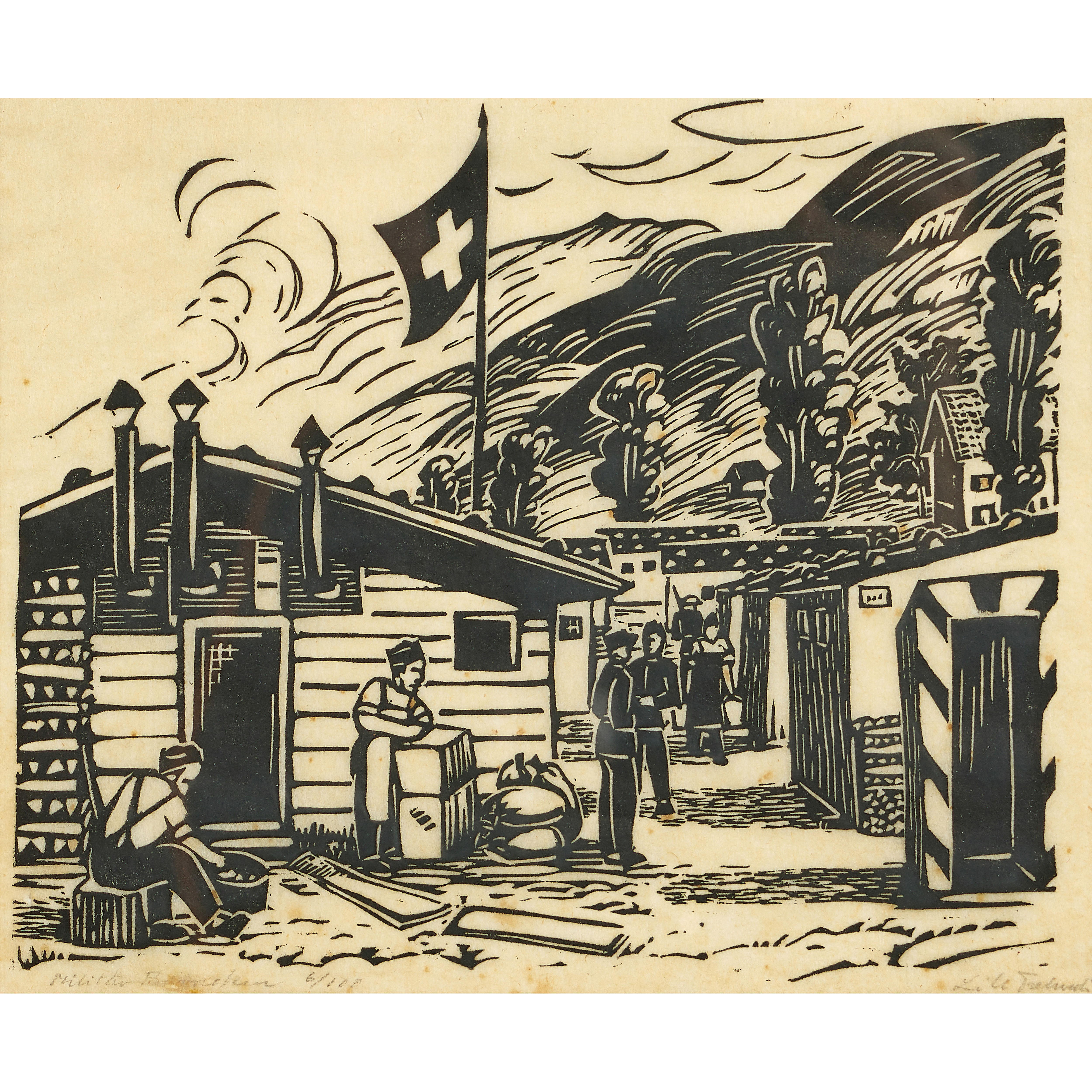
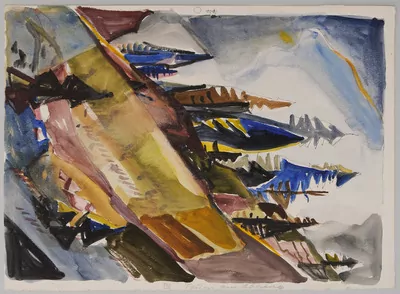
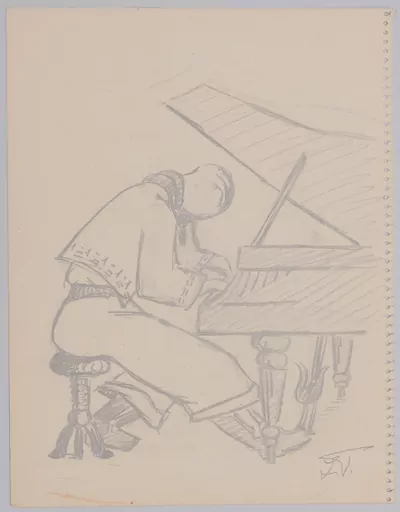
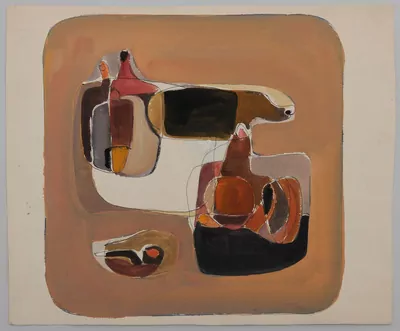
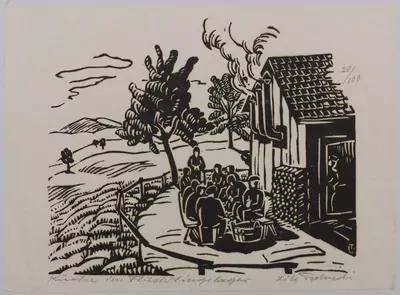
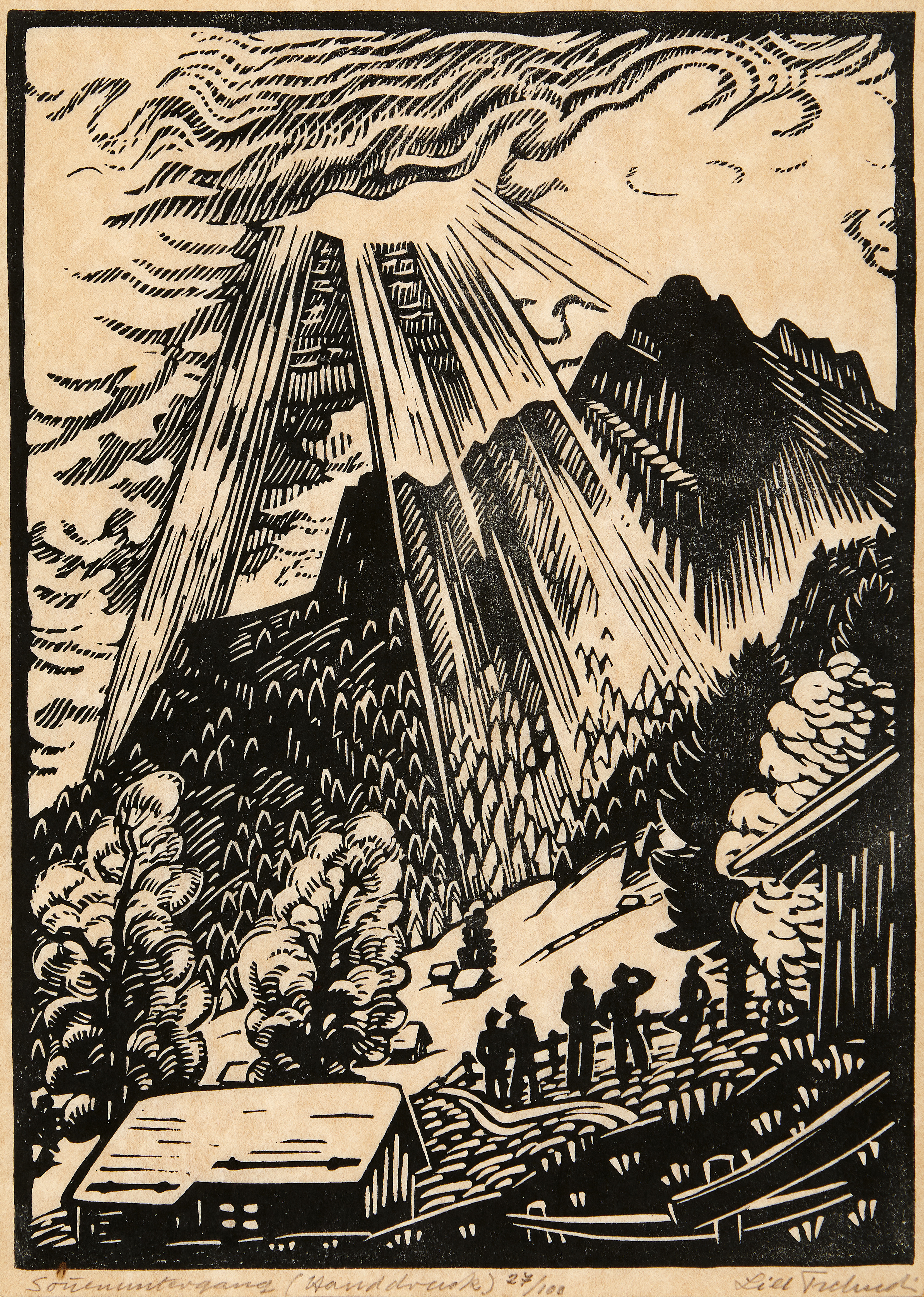
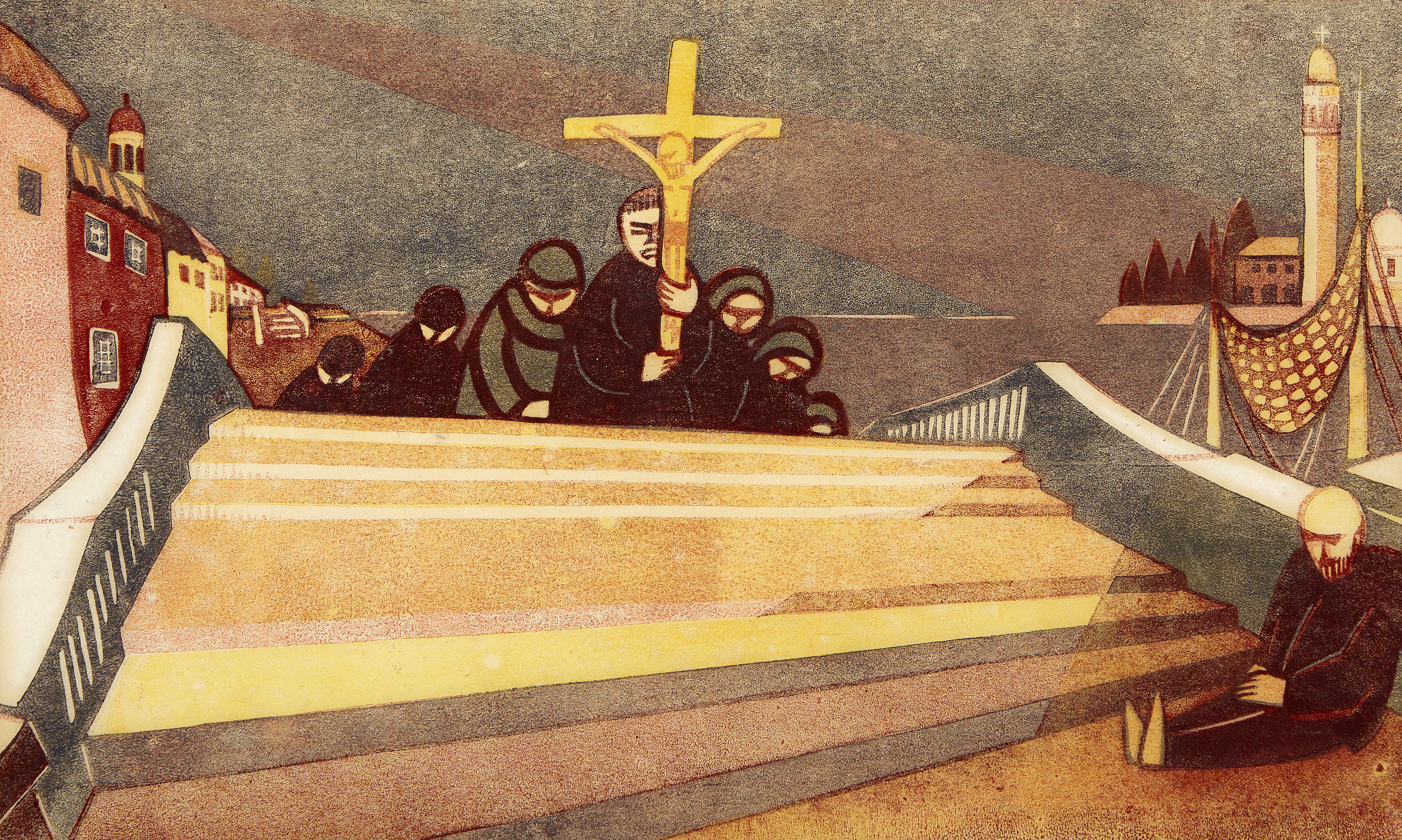
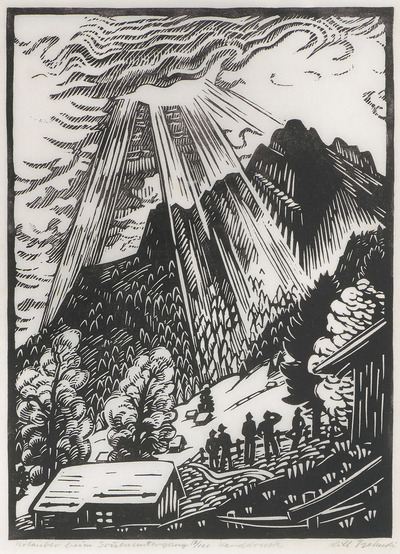
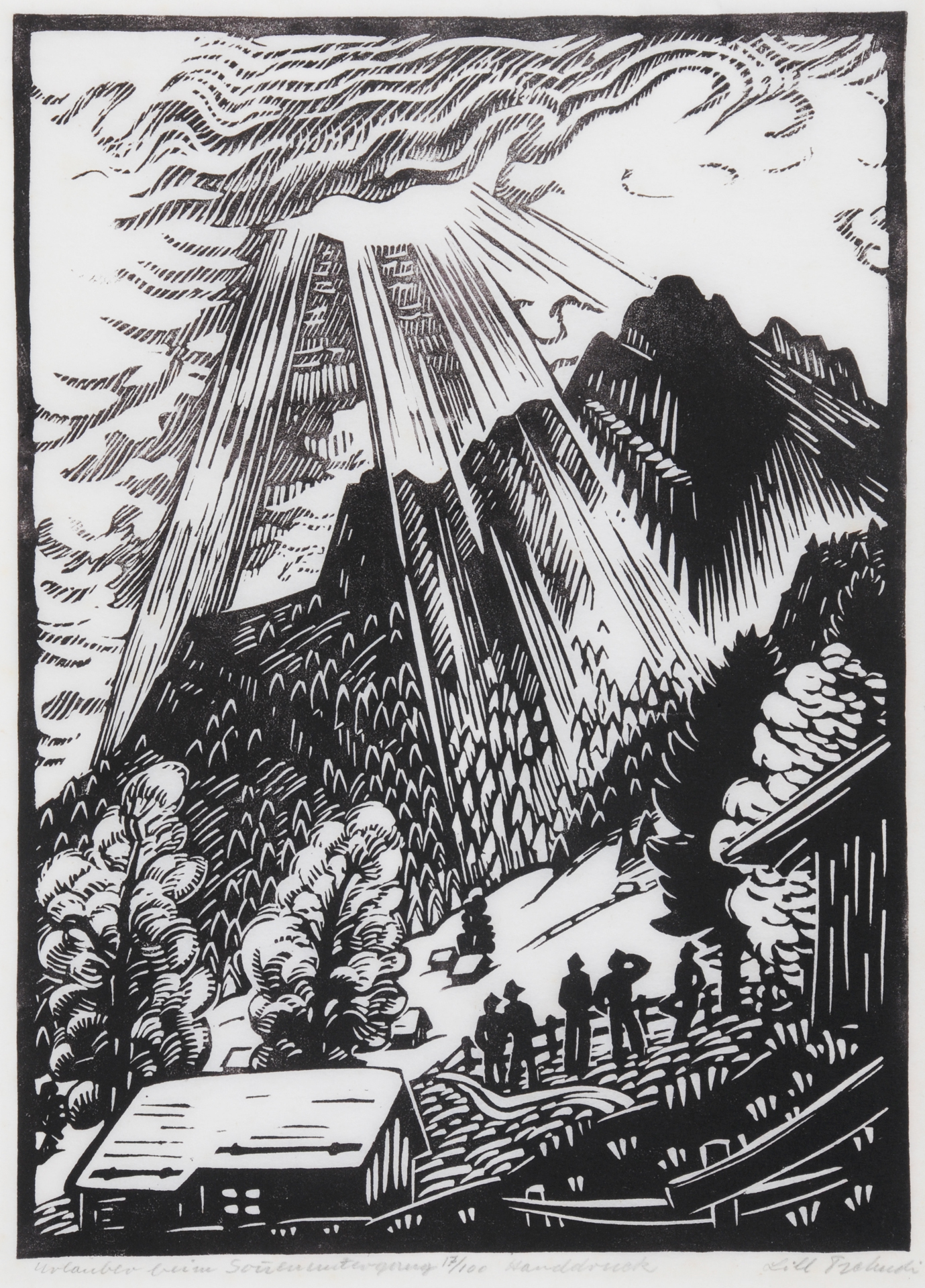
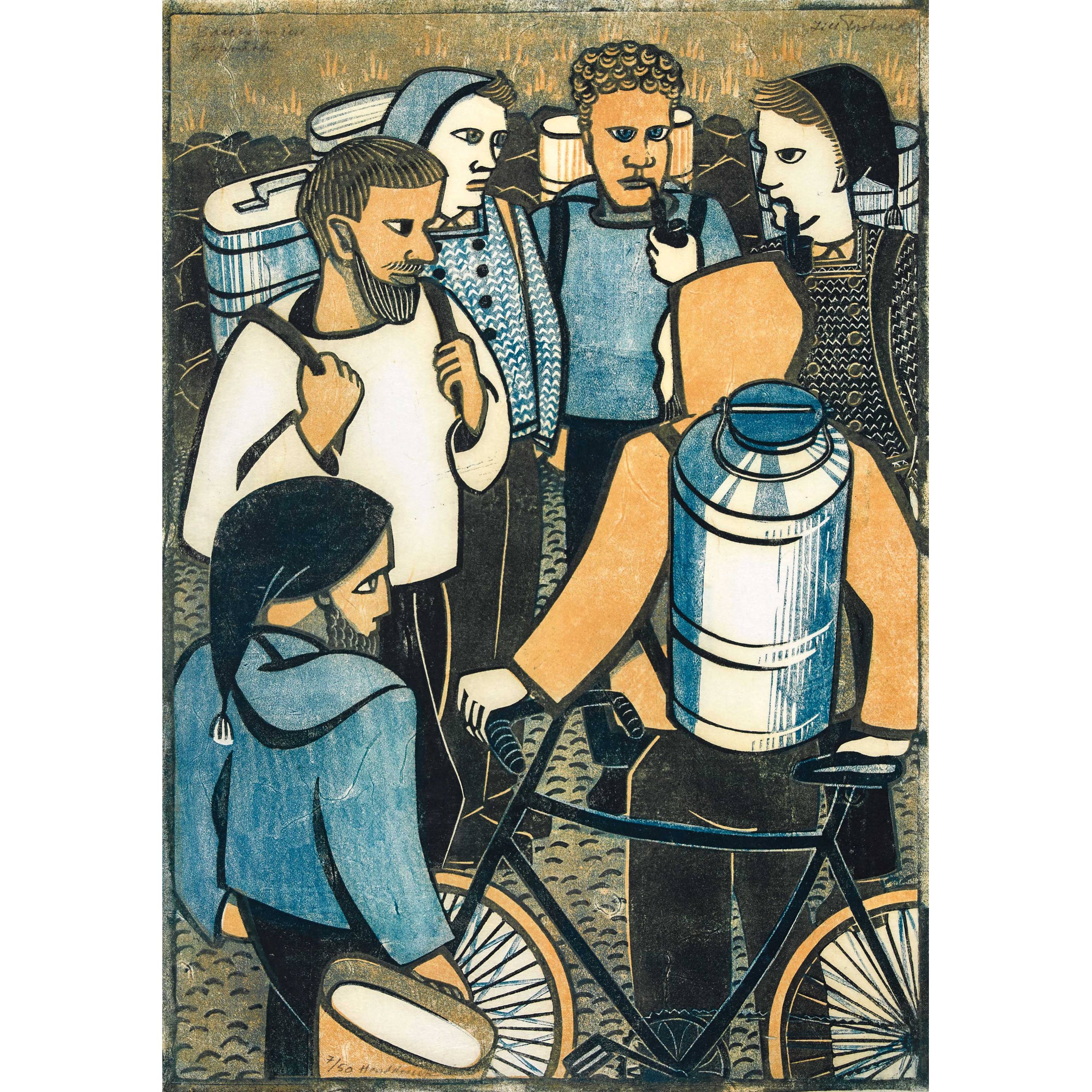
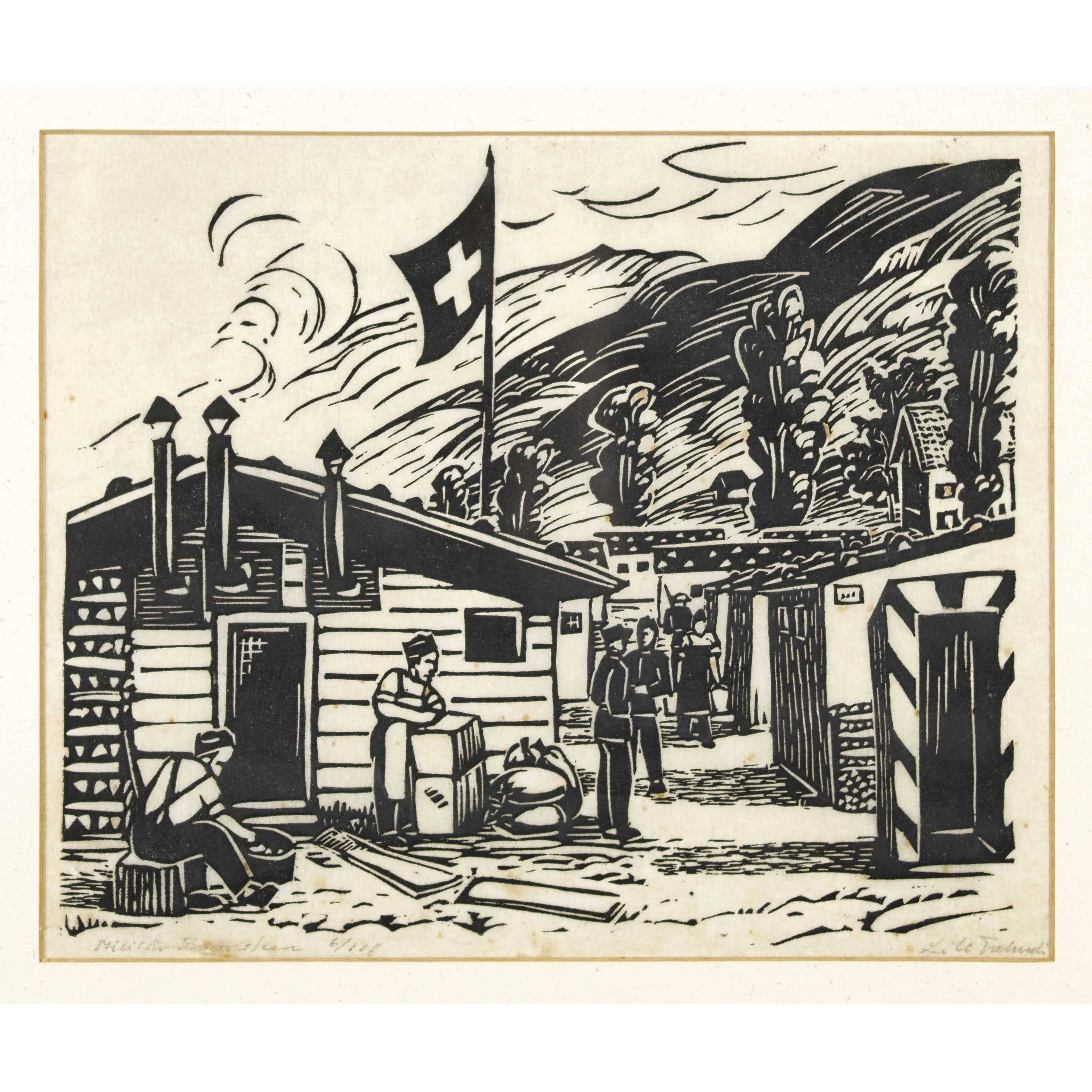
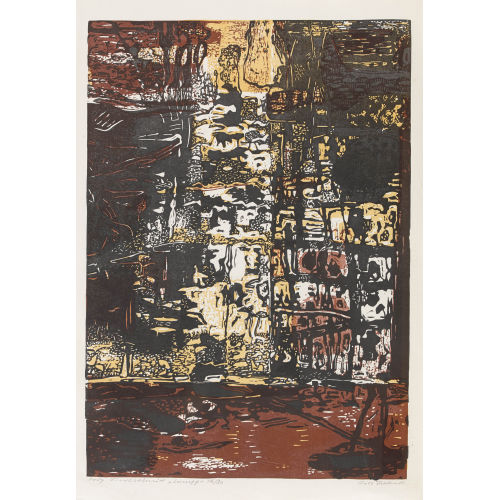
The diversity of her subjects ranges from sport and leisure to rural Swiss life and the women’s auxiliary service during the war. Her archives also reveal preparatory drawings, paintings, printing blocks and projects for posters or textiles. Recognised in the English-speaking world from the 1930s and 1940s onwards, she remained less prominent in Swiss collections.
The exhibition devoted to her by the Graphische Sammlung of ETH Zurich in 2021–2022 brought renewed attention to the inventiveness of this artist, whose images give printed colour the sensation of movement.