Lermite
Born in 1920.
Died in 1977.
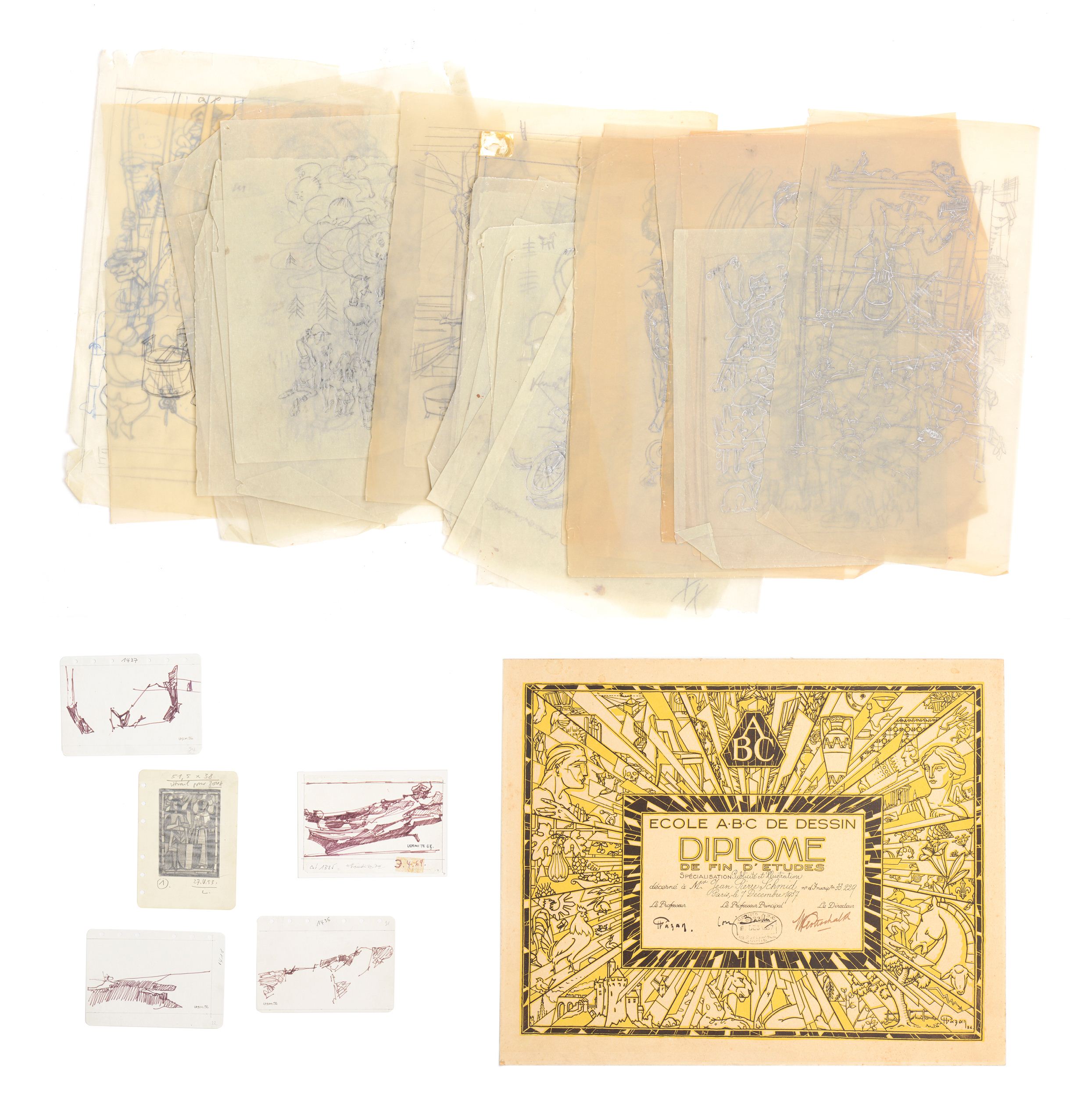
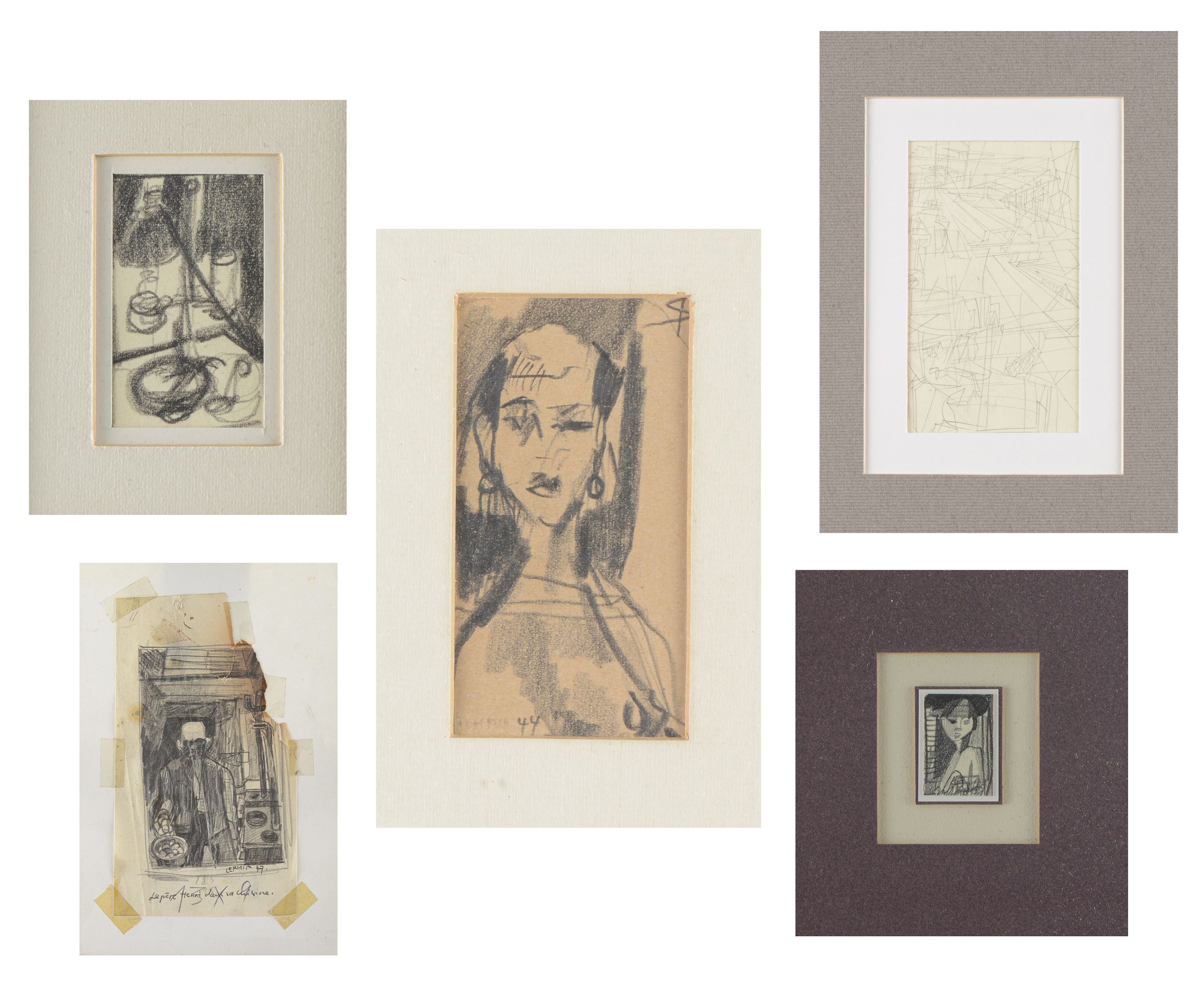
Following beginnings described as academic, his first important painting, Orphée, is dated 1940 and marks the initial phase of a career that rapidly evolved towards formal exploration.
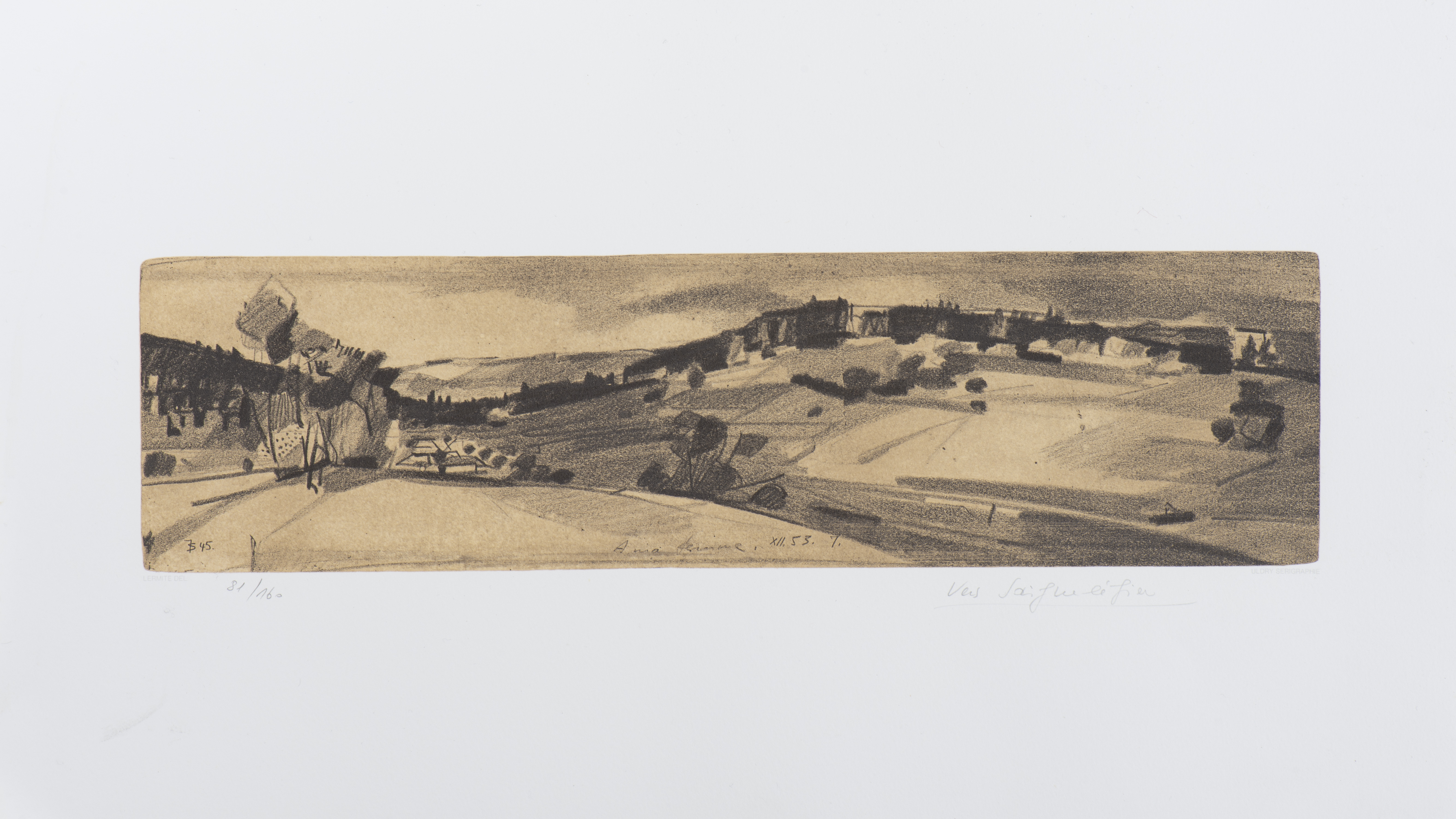
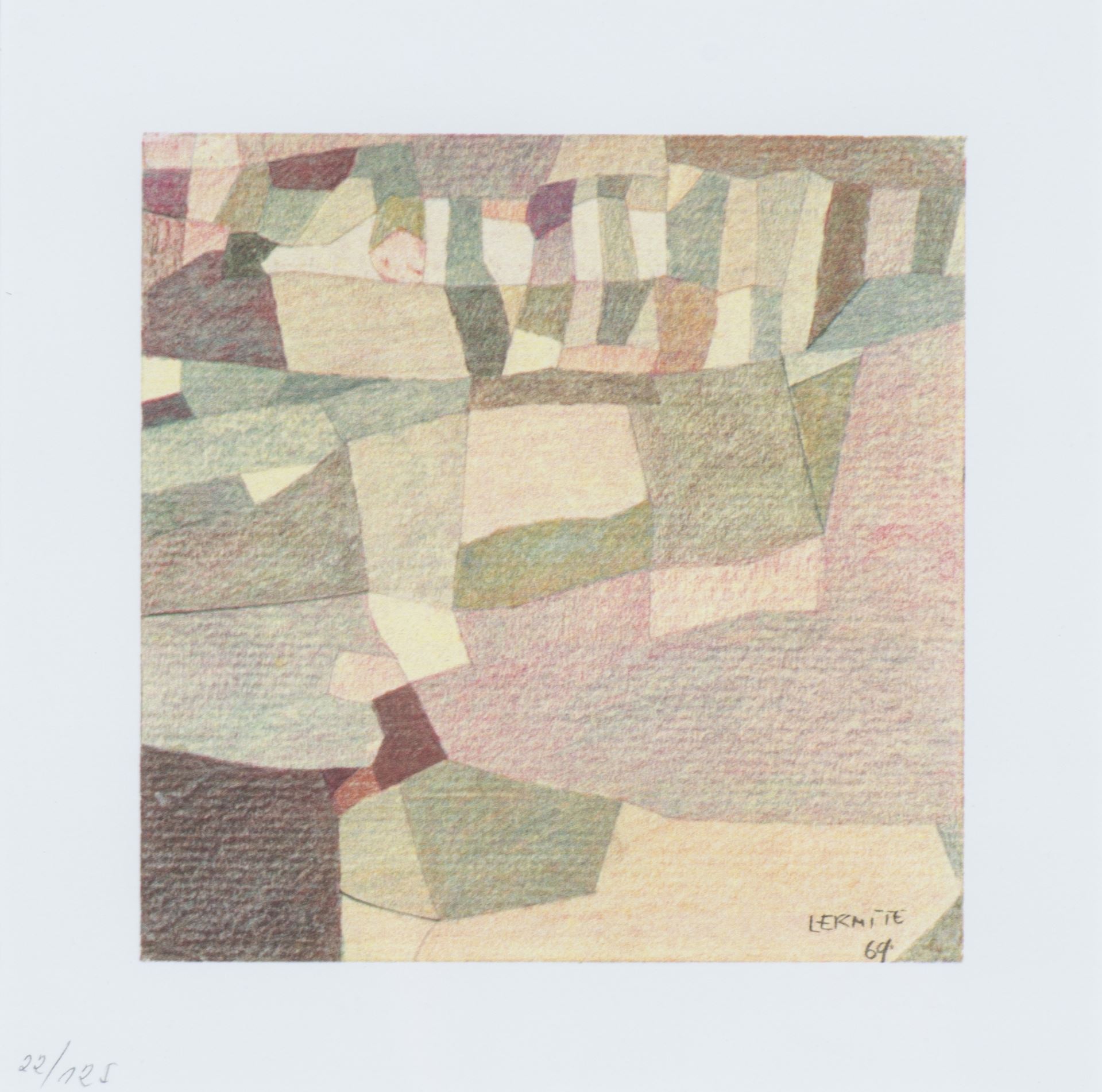
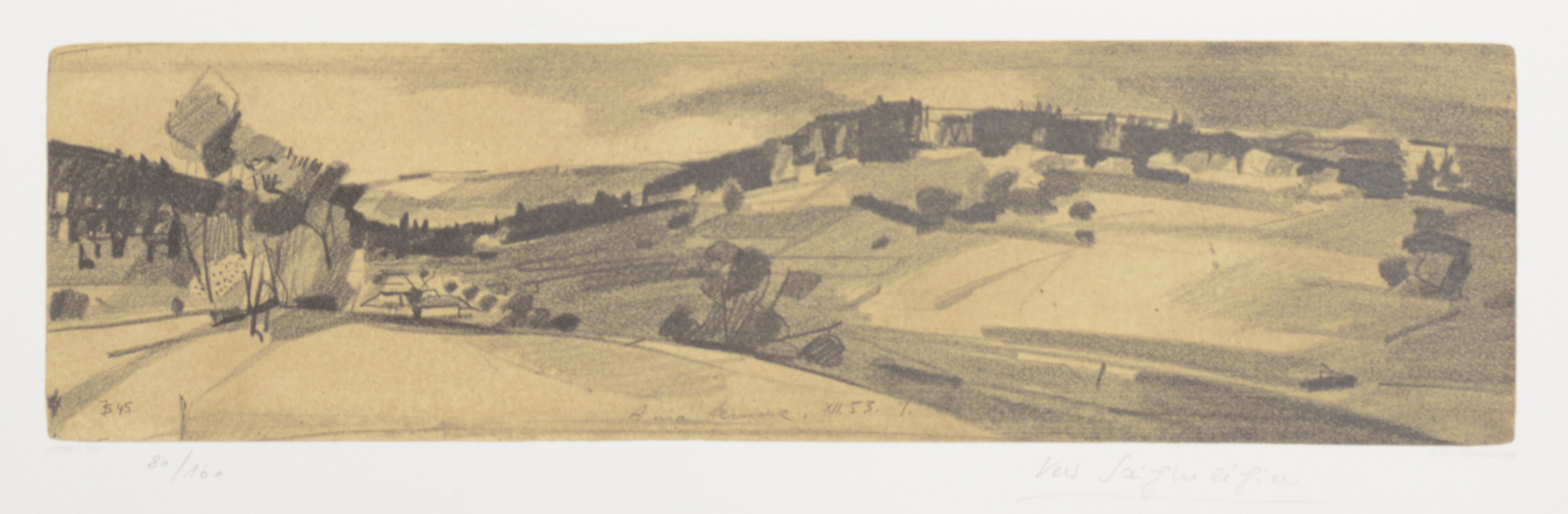
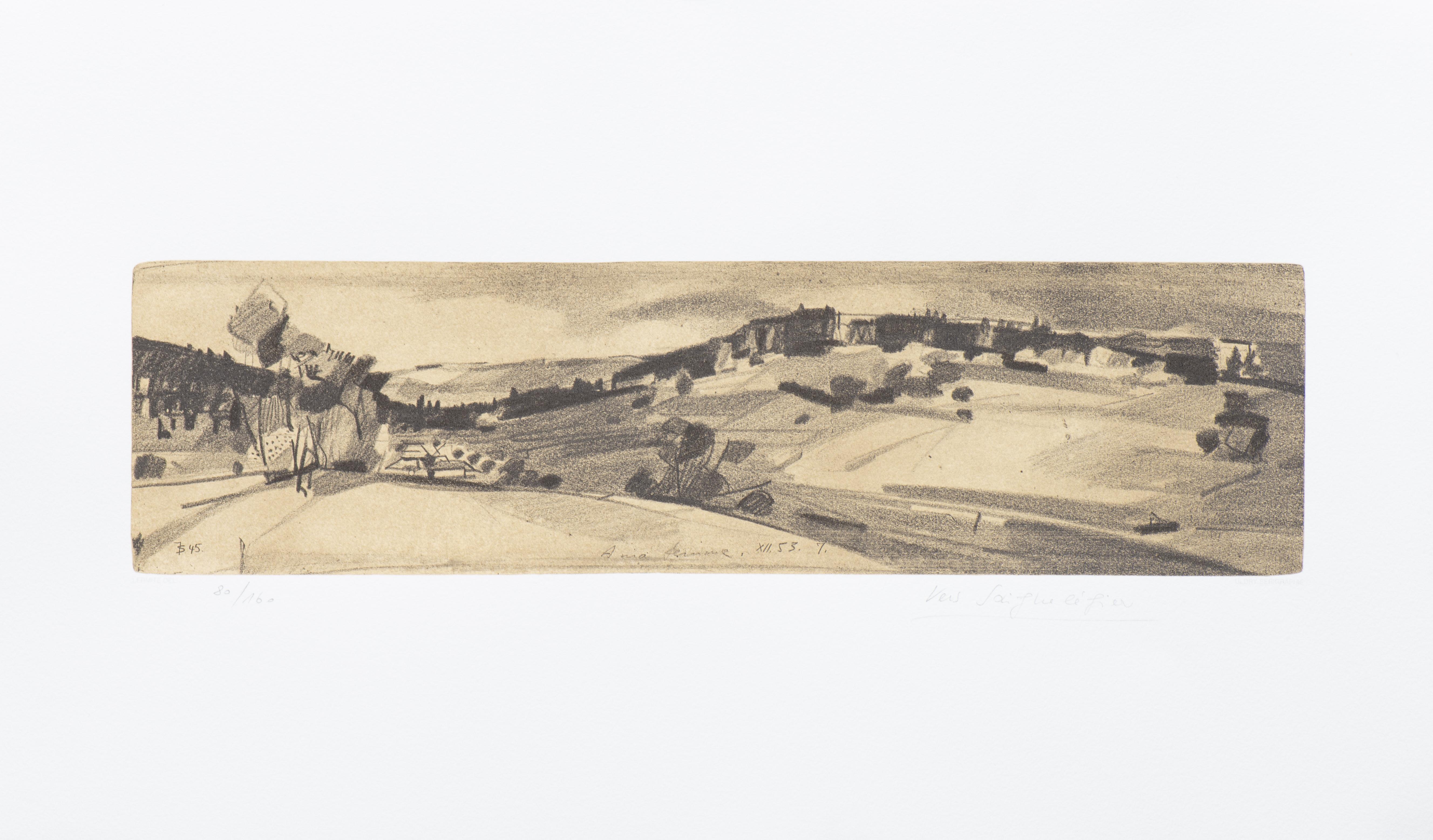
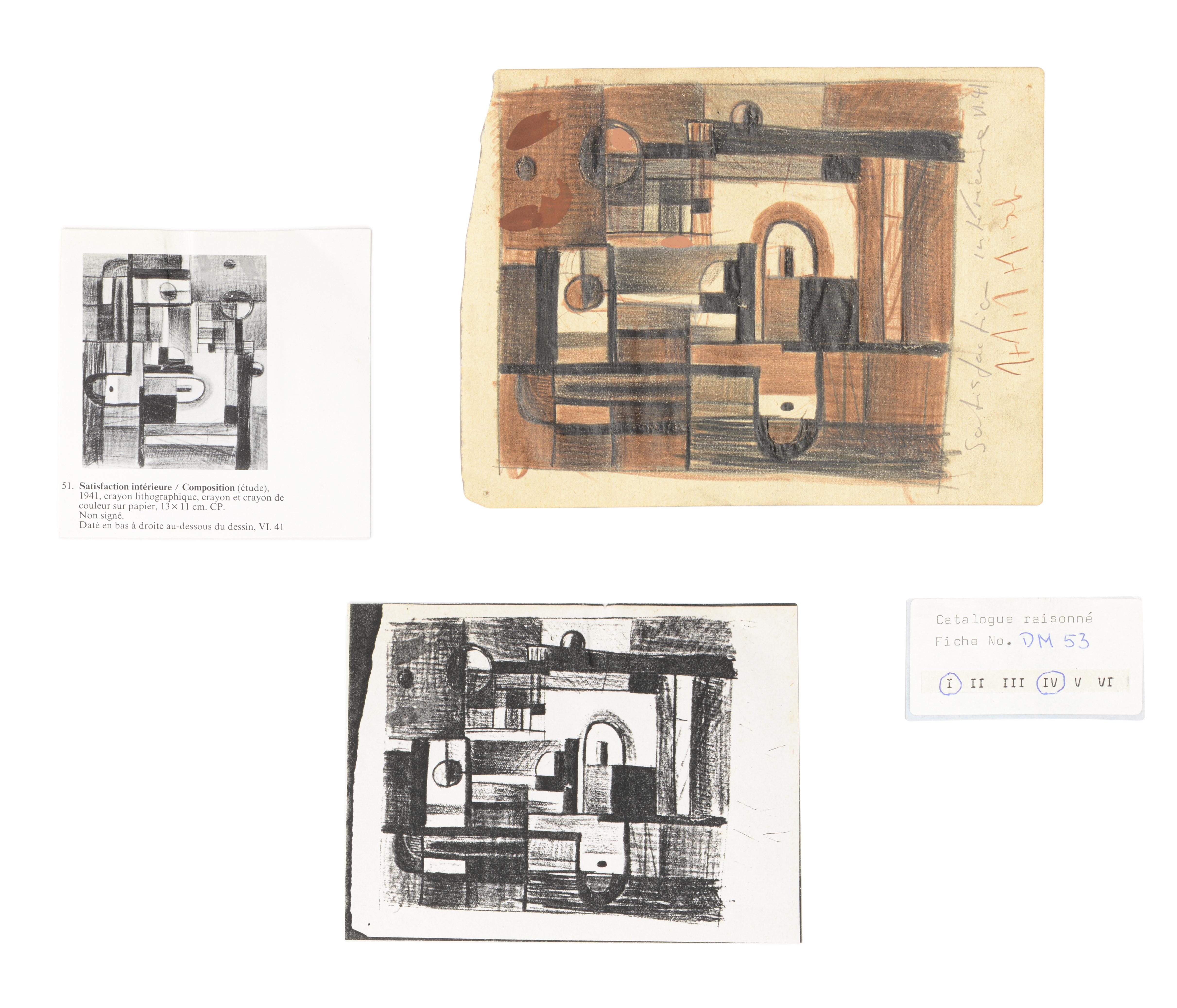
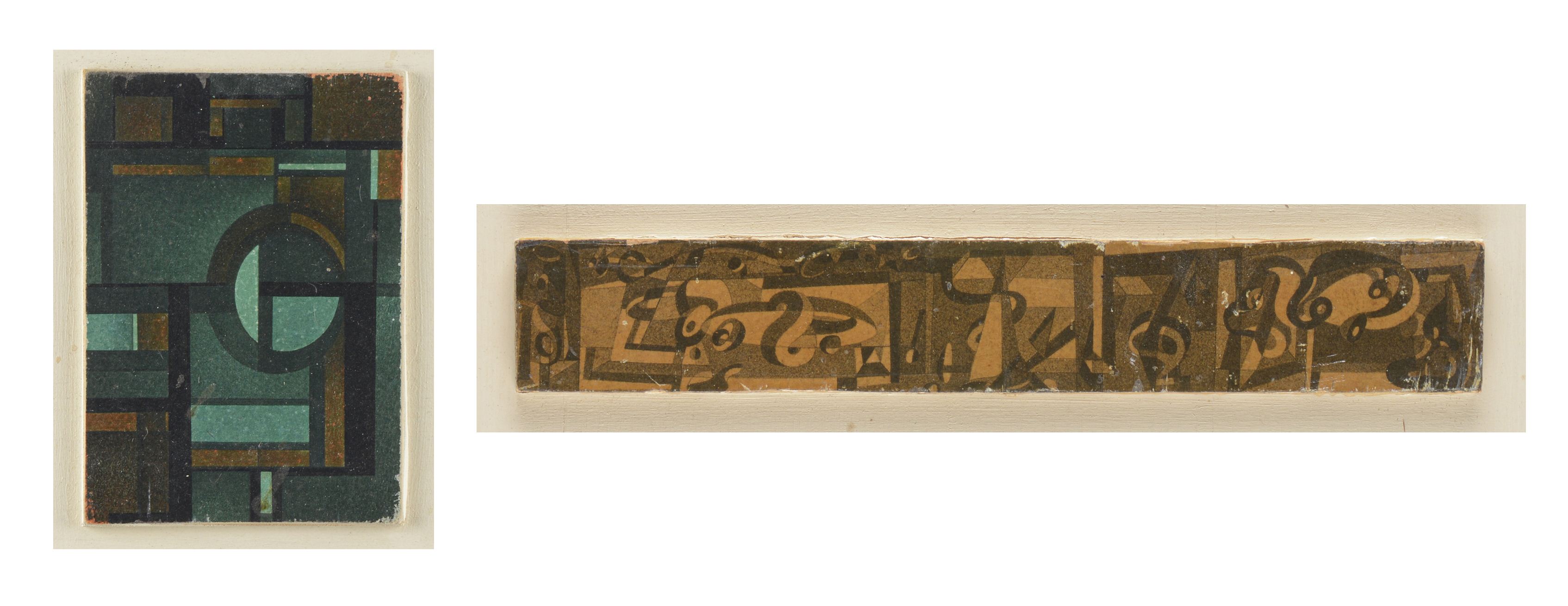
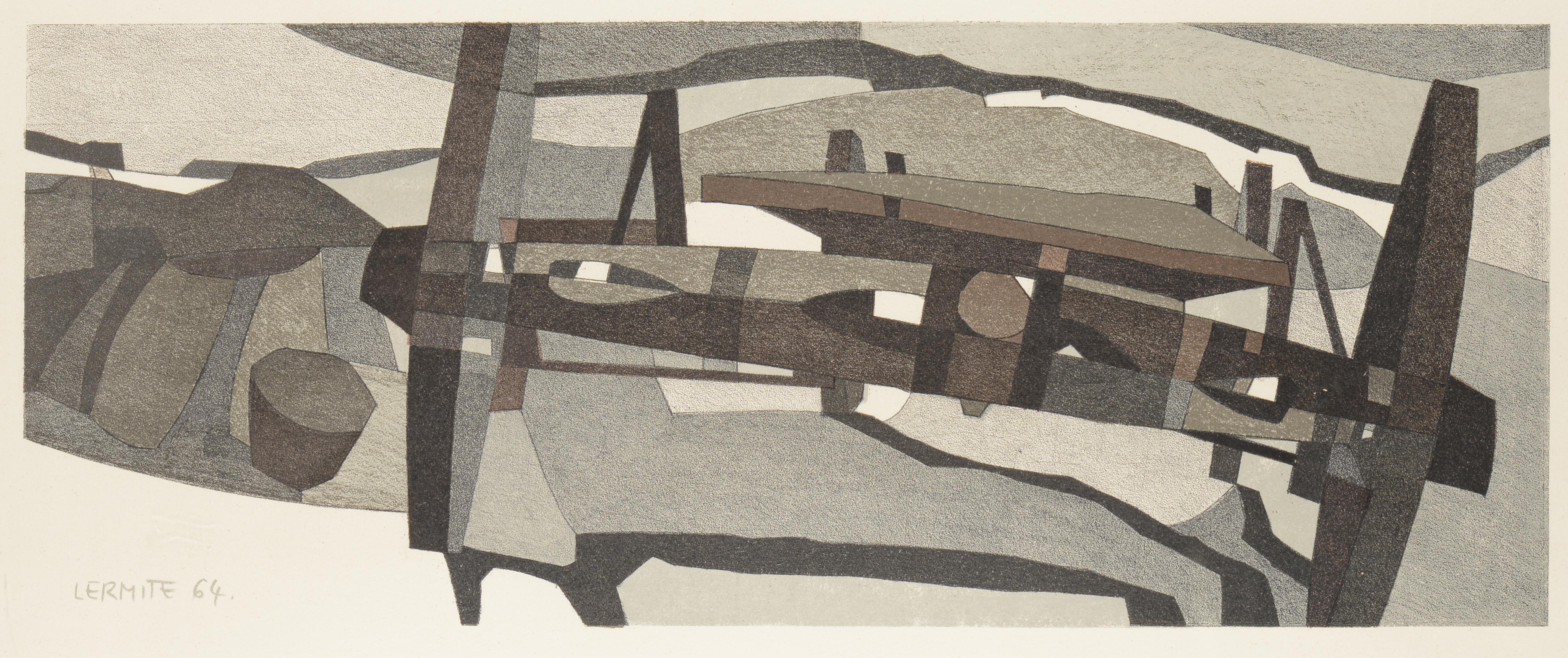
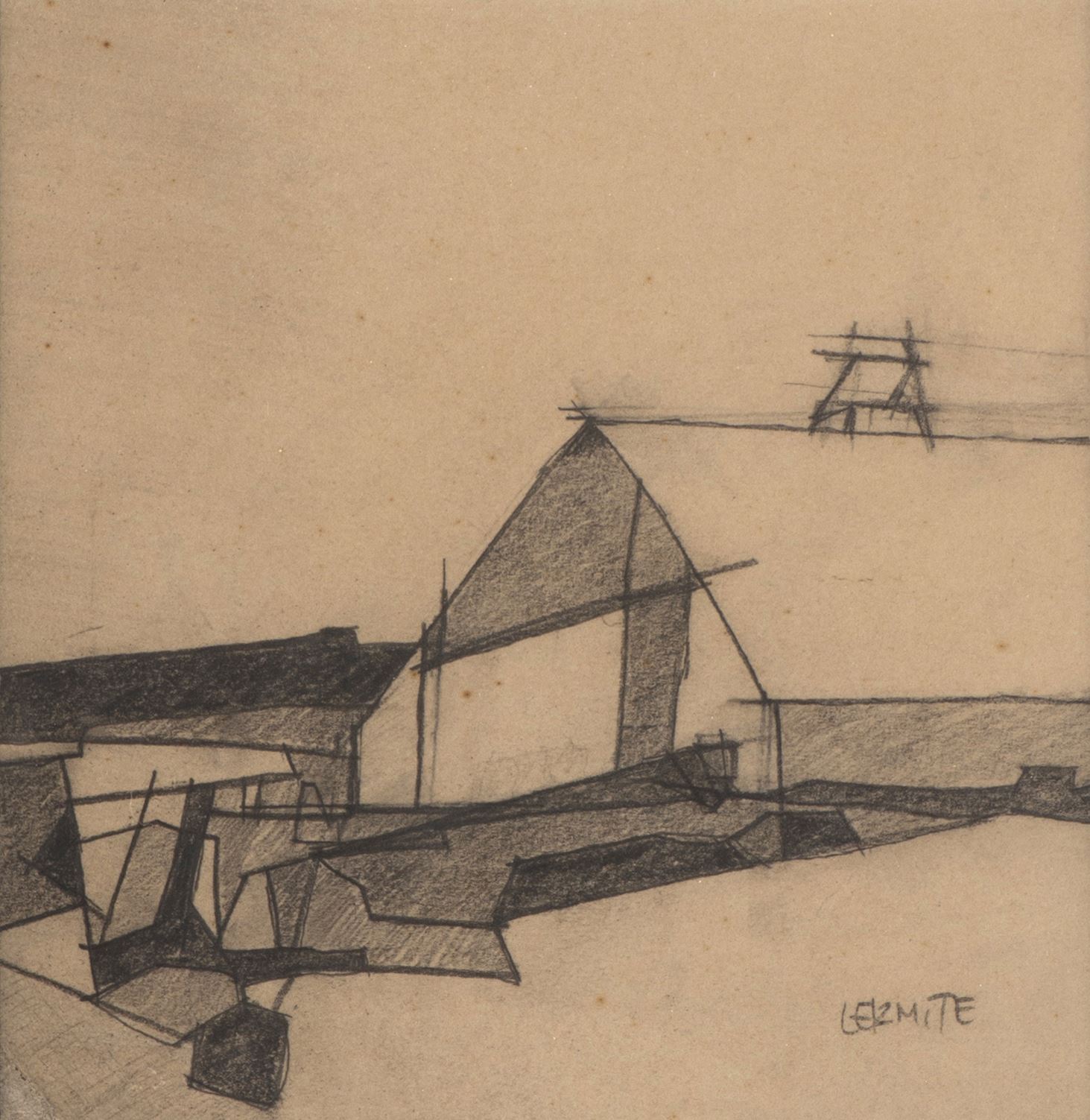
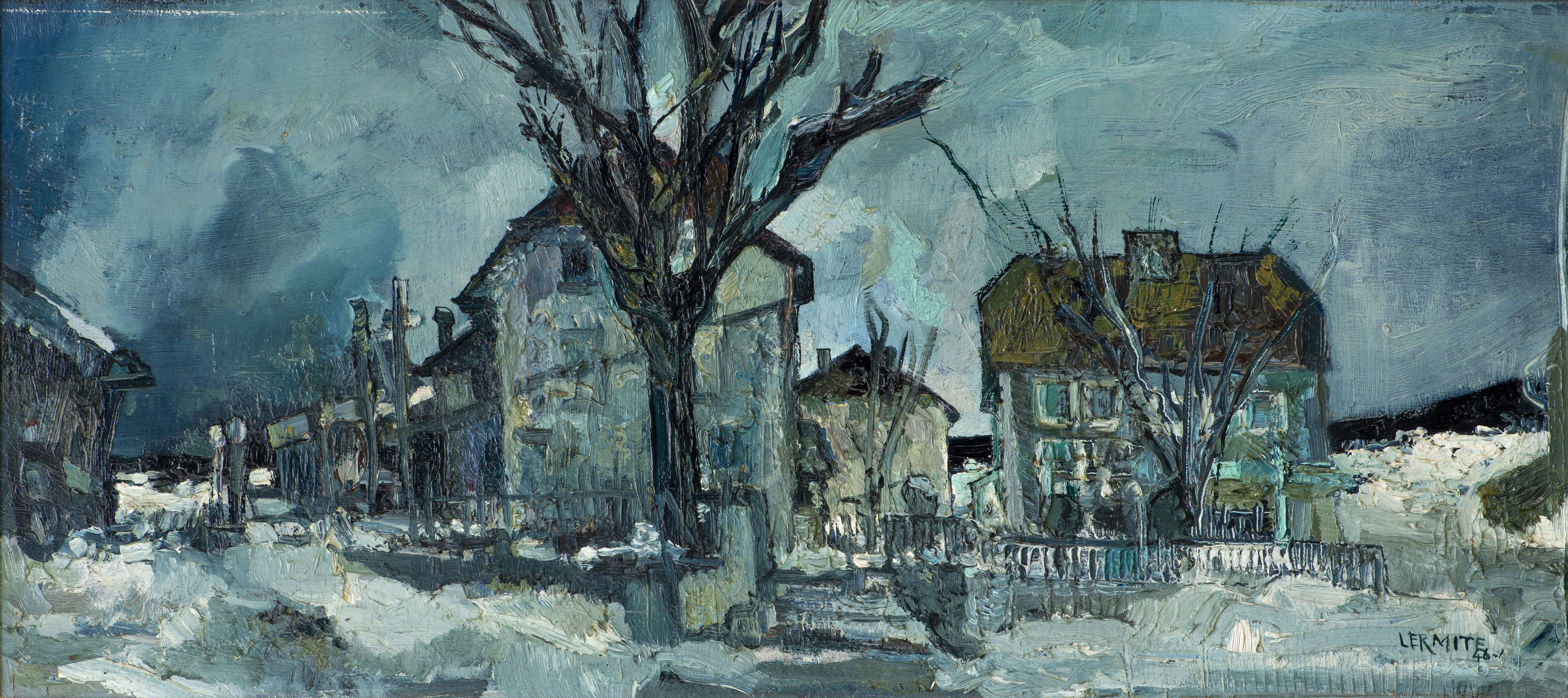
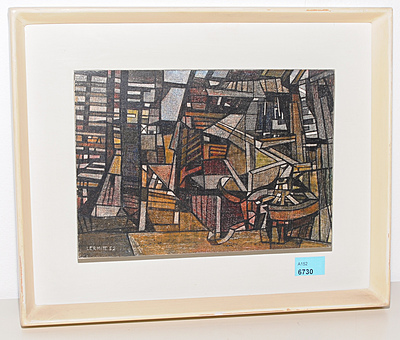
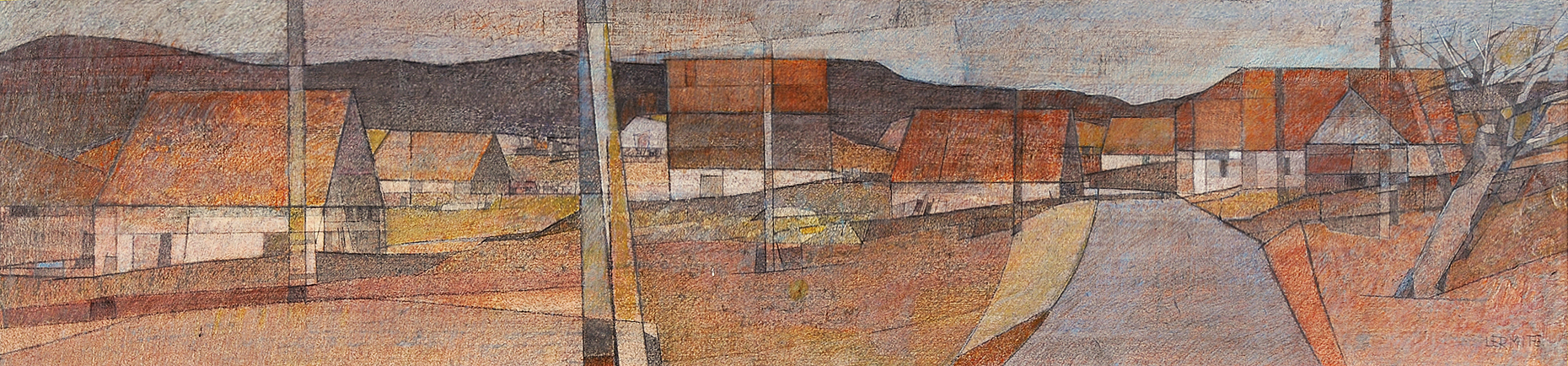
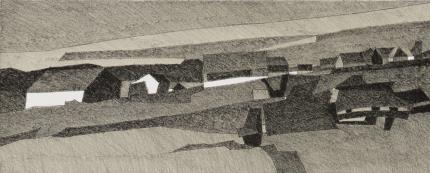
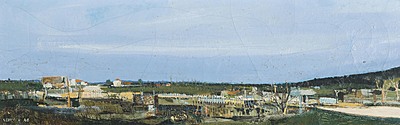
According to the documentation, Lermite’s stylistic trajectory developed from an academic figurative manner towards a style described as abstract‑Cubist‑Constructivist. Around 1950, a rupture is noted: the representation of the human figure was gradually abandoned in favour of geometricised landscapes and studio objects—machines, tools, houses, windows, stones, trees and plants—which recur as motifs.
Internationally, it is stated that he was invited to the São Paulo Biennial in 1953. In terms of distinctions, he received the Auguste Bachelin Prize in 1957 and, a decade later, the Institut Neuchâtelois Prize in 1967.
Among the works mentioned, La Clé d’Or is noted as having been exhibited at the 1964 Swiss National Exhibition in Lausanne, and is indicated as being visible today at the Hôtel‑de‑Ville in La Chaux‑de‑Fonds (location cited according to Wikipedia). Lermite also worked in the public sphere: the large stained-glass window « Paradis perdu », installed in the COOP store on Nidaugasse in Biel, was re-inaugurated on 21 May 2022, according to the Fondation Lermite.
The artist’s legacy has recently been supported by editorial initiatives: in 2021, the Fondation published « Lermite — Petit cahier de souvenirs », a collection of interviews with people who had known him.
The available documentary overview makes it possible to trace the principal biographical and formal stages of Jean‑Pierre Schmid, known as Lermite, from elements of his painted output—exemplified by Orphée (1940) and by panels exhibited in 1964—to works for public space and recent commemorations, without claiming the exhaustiveness of an inventory.