Léon Berthoud
Born in 1822.
Died in 1892.
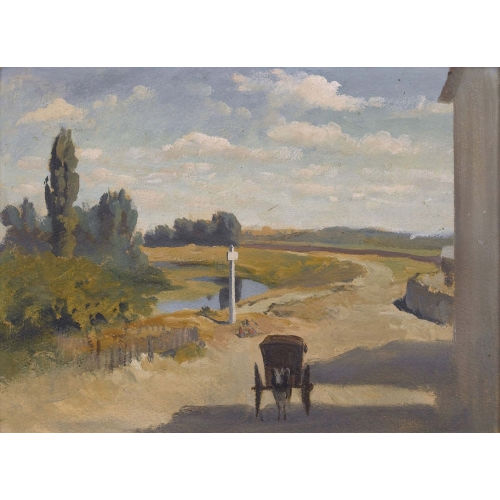
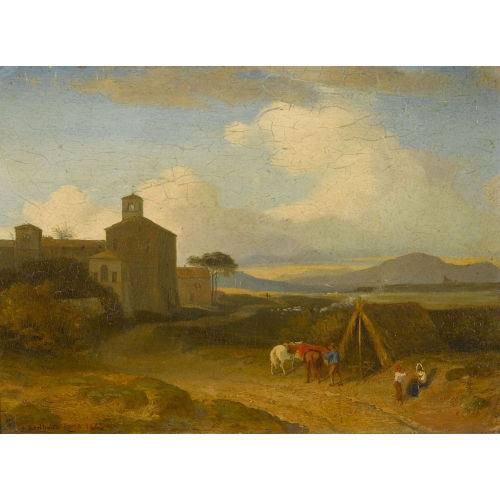
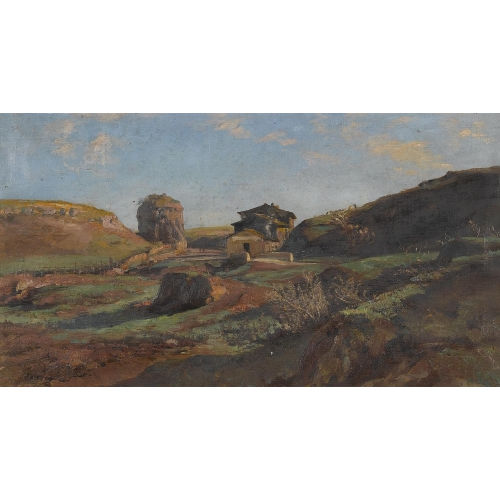
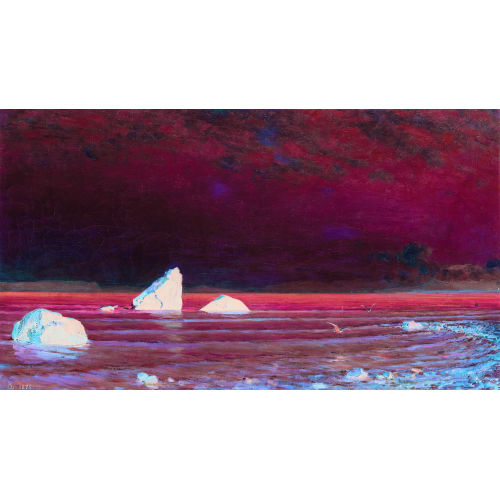
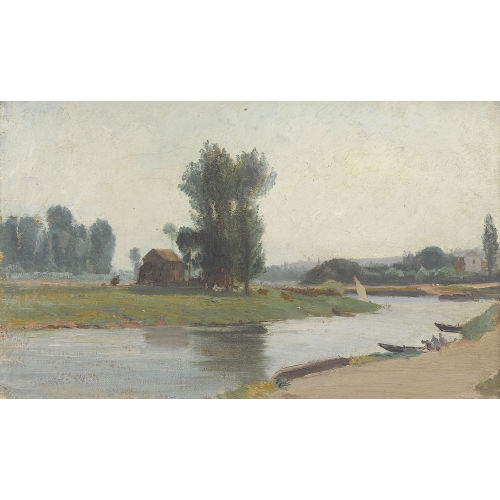
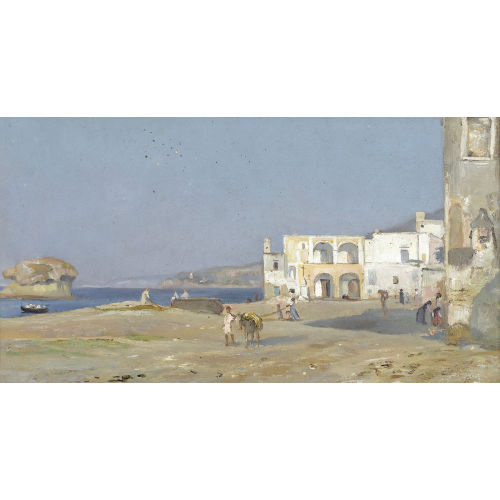
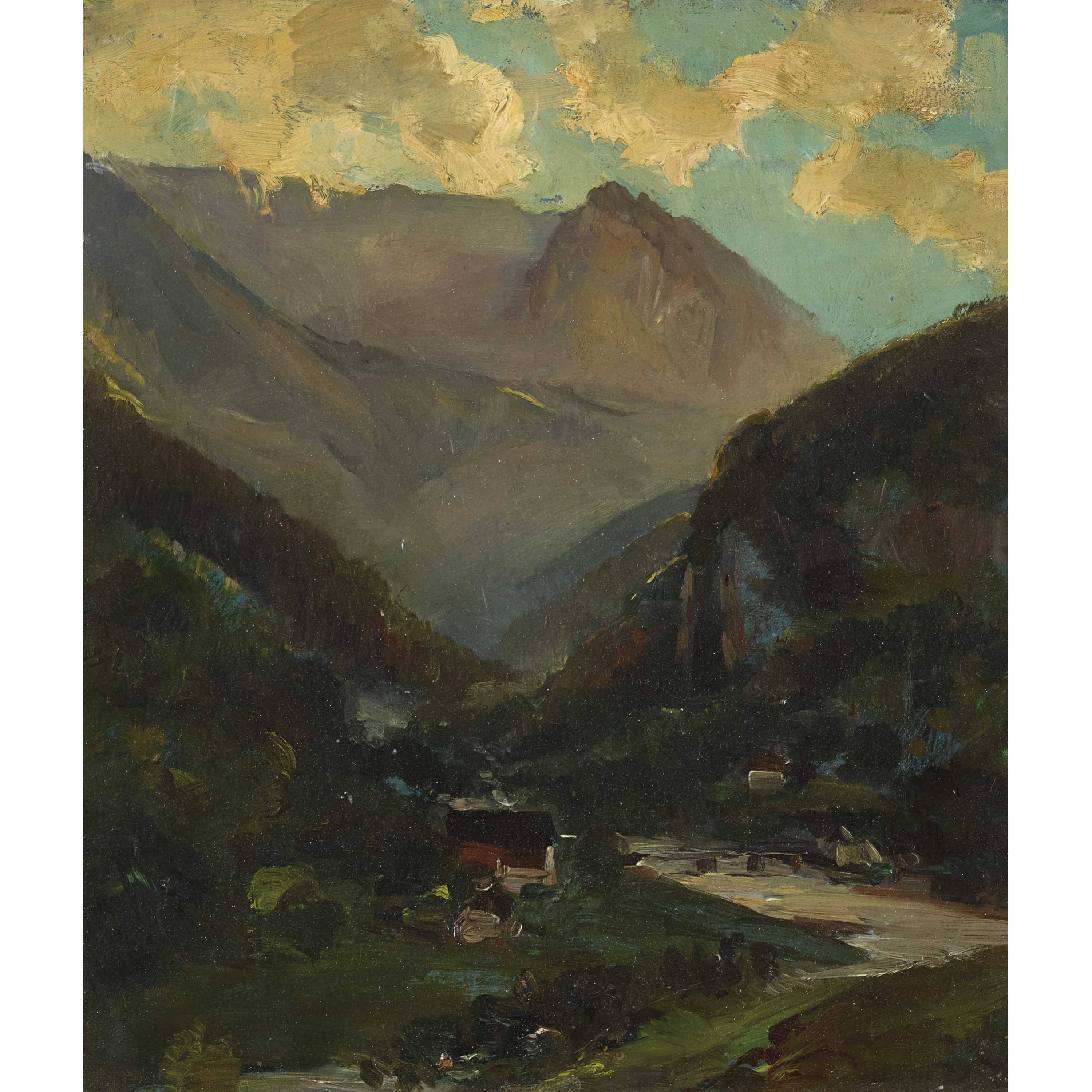
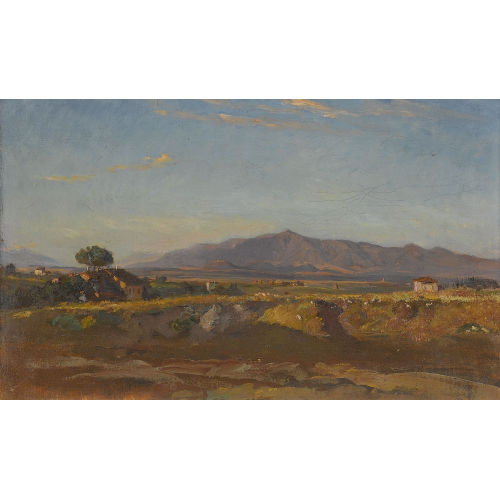
Rodolphe Léon Berthoud is documented as a landscape painter who produced oil paintings as well as a substantial number of studies in pencil, charcoal, or chalk. After initial studies in Neuchâtel with Maximilien de Meuron at the age of sixteen, he went to Paris in 1843, where he first studied with Léon Cogniet and then, according to the documentation, with Camille Joseph Roqueplan.
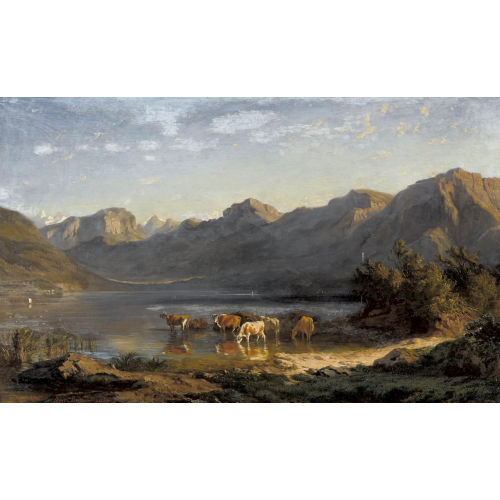
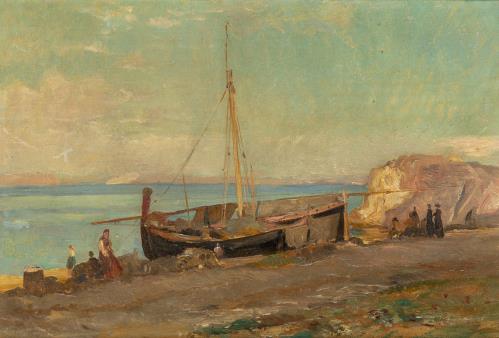
In Paris, he associated with artists close to the Barbizon school and became friends with Gustave Ricard; according to the sources, his subsequent artistic career unfolded between Italy, Paris, and Switzerland. From 1873, he settled on the shores of Lake Neuchâtel and produced several landscapes of the area, giving this territory a lasting place in his painted oeuvre.
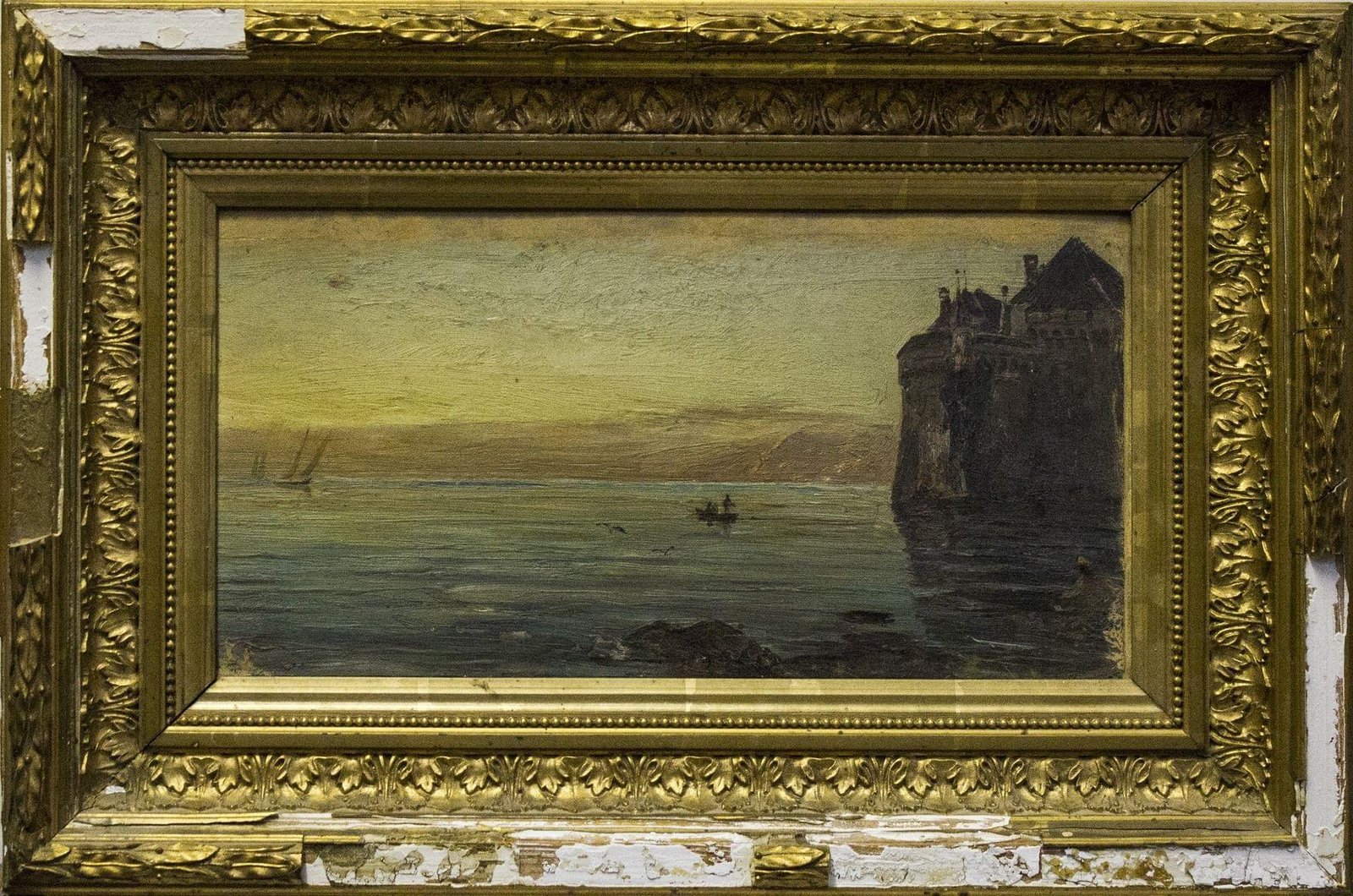
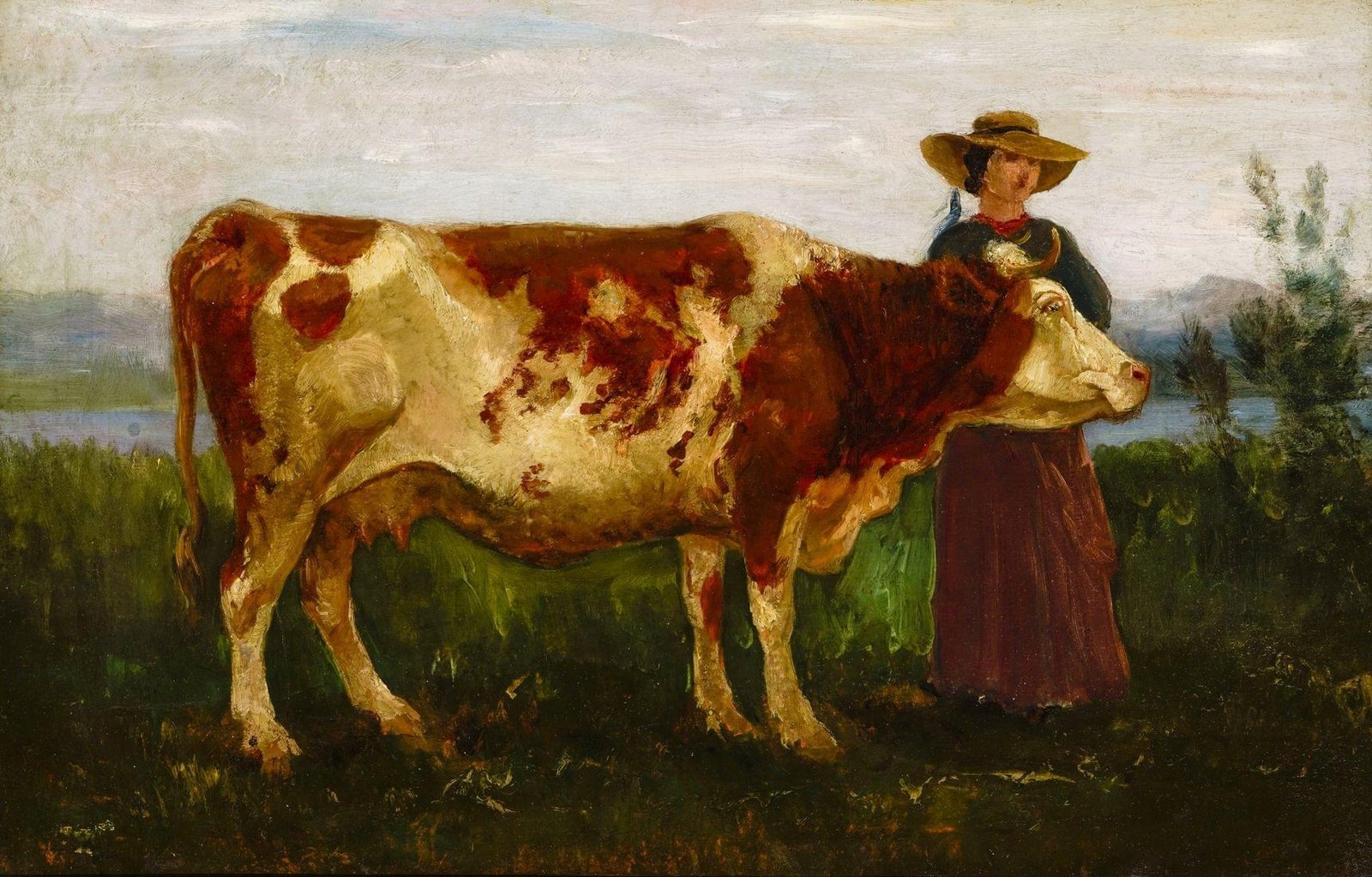
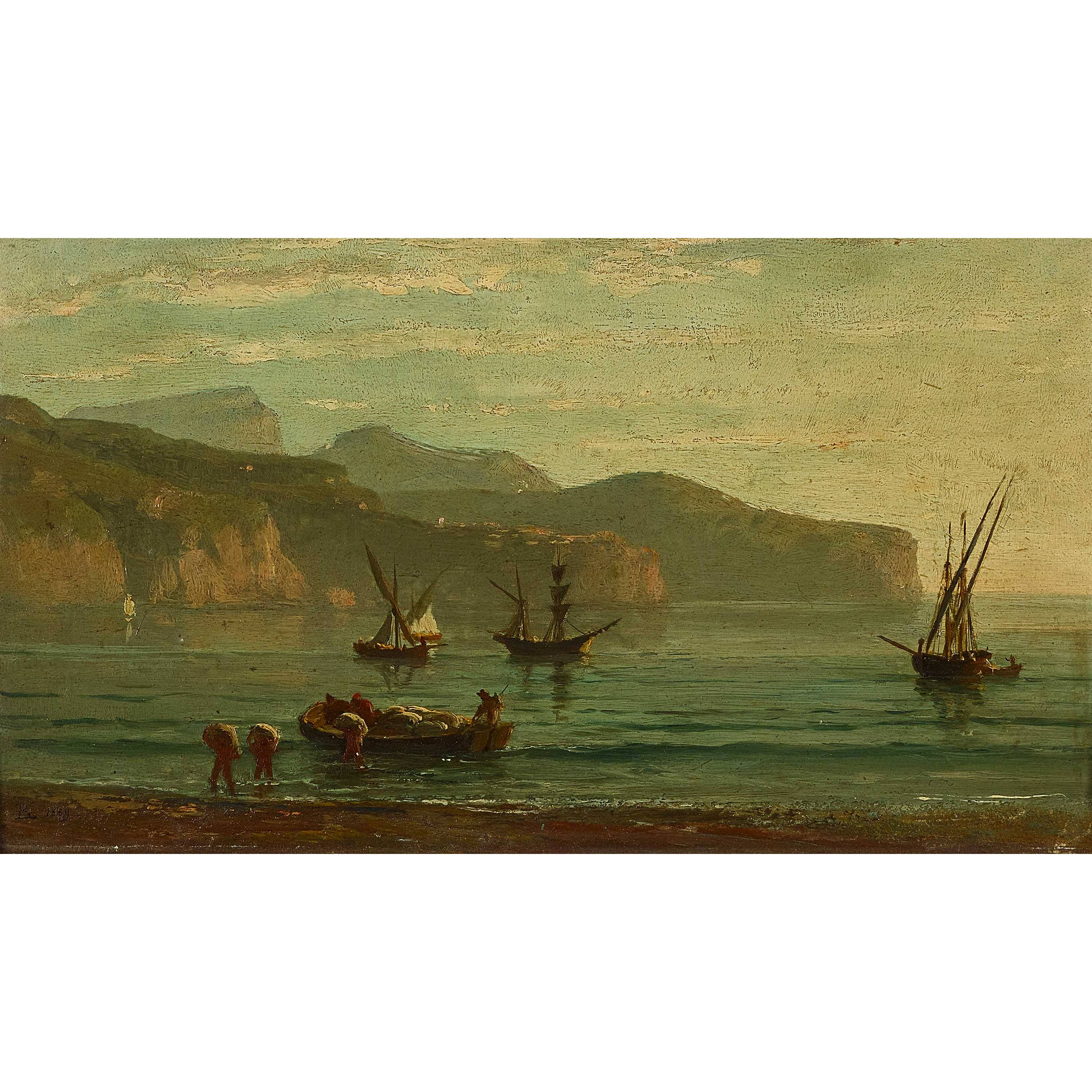
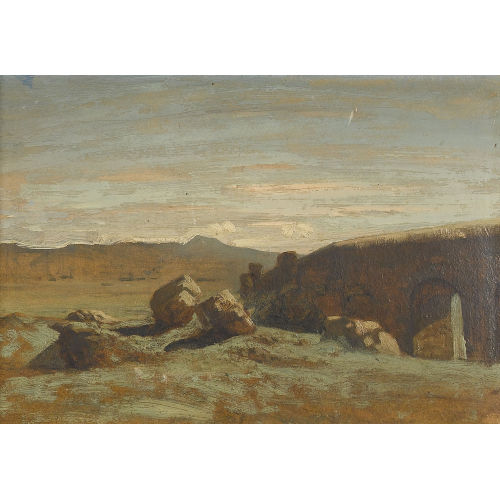
His recorded oeuvre includes landscape oils accompanied by numerous preparatory studies; works noted include Le bord du lac à Vaumarcus (1872) and Ruines dans la campagne romaine au crépuscule (1858), both held by the Musée des Beaux‑Arts de La Chaux‑de‑Fonds. Part of his work is also held by the musée d'Art et d'Histoire de Neuchâtel and the musée des Beaux‑Arts d'Argovie.
He exhibited at the Paris Salons as well as at the salons of the art societies of Neuchâtel and La Chaux‑de‑Fonds; recent bibliography notes a monographic study and, on the market, the 1983 dispersal of 208 drawings and watercolours from a Geneva collection, as well as sales of oil paintings—including at least one work described as having been made in Paris—recorded by specialist galleries.