Lenz Klotz
Born in 1925.
Died in 2017.
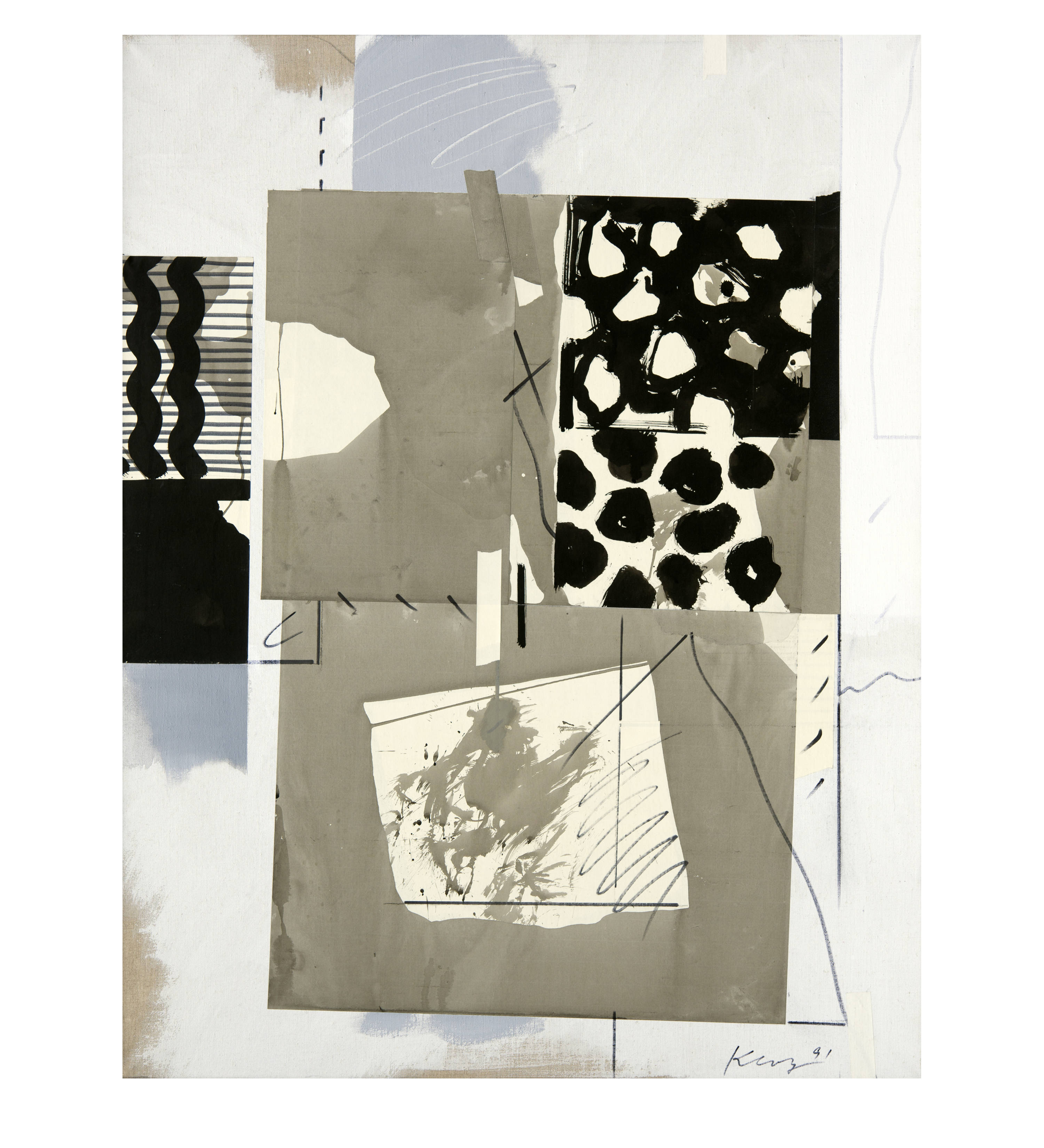
Born in Chur in 1925 and settled in Basel after the war, Lenz Klotz devoted his painting and drawing to the freedom of the line. Trained at the Basel School of Arts and Crafts, he taught there for nearly four decades. His work as a teacher went hand in hand with a demanding personal practice, pursued amid the debates on abstraction that shaped the Basel art scene in the post-war period.
He also contributed to the life of the Kunstmuseum Basel as a member of its artistic commission from 1965 to 1984.
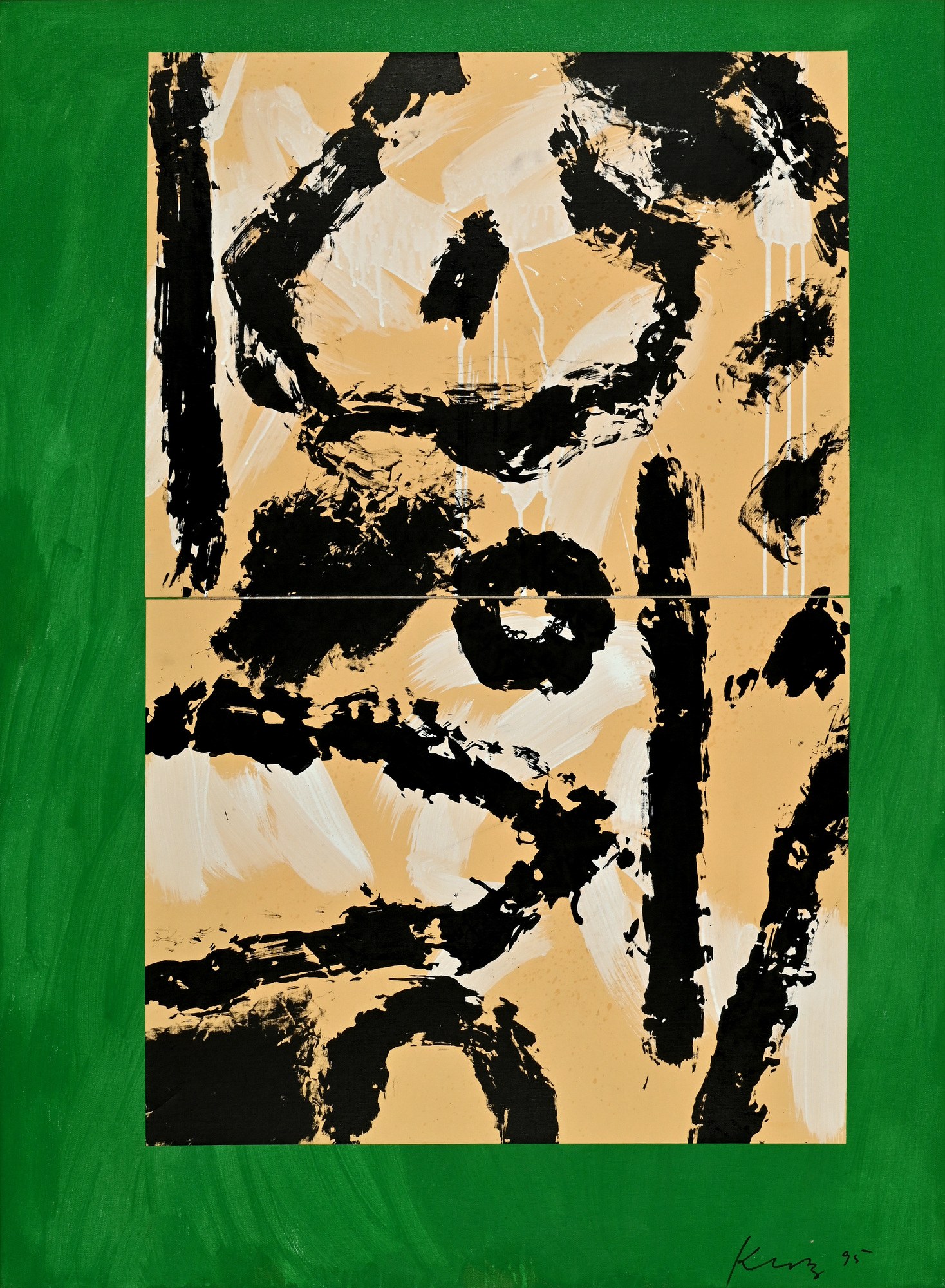
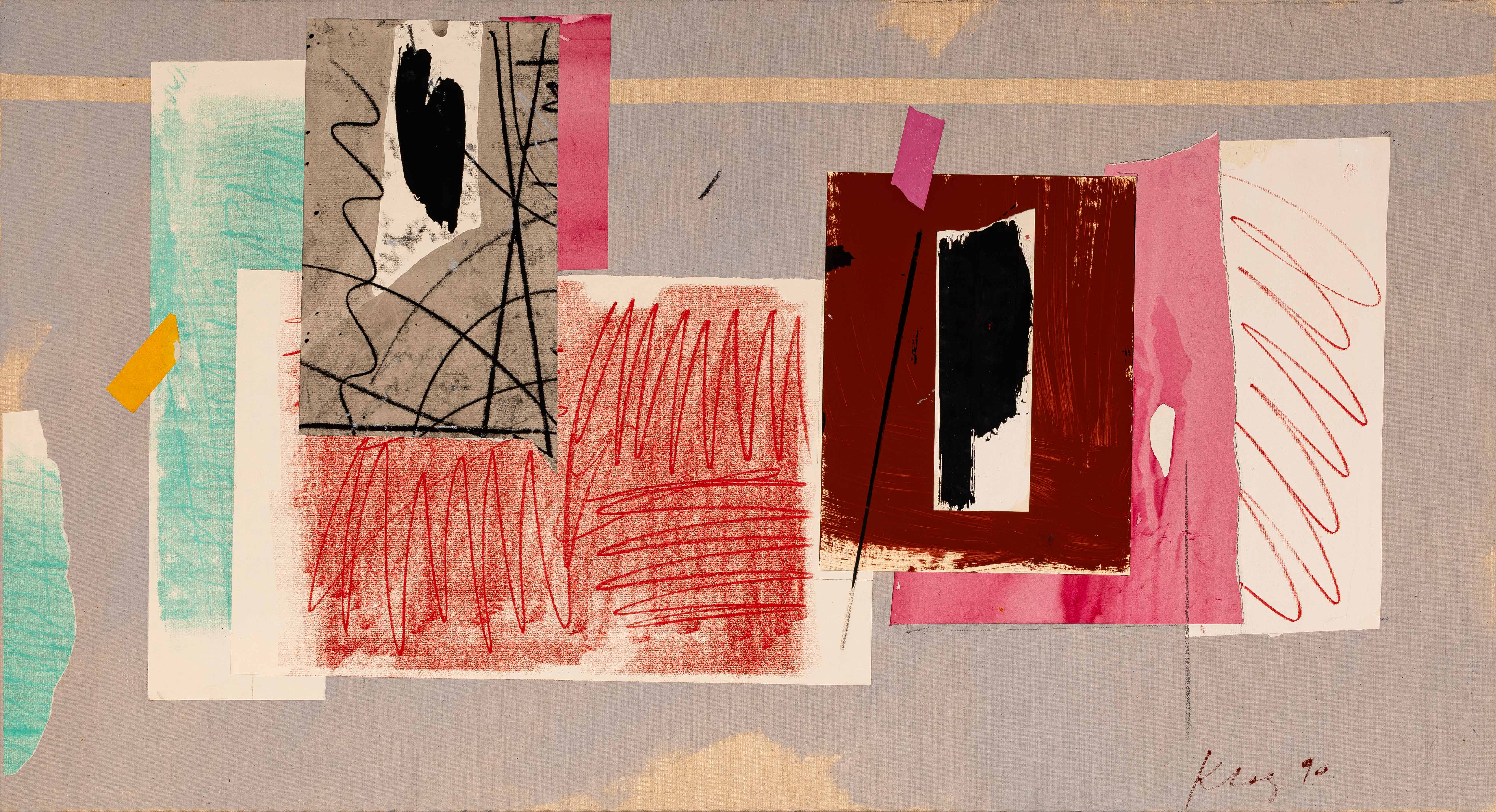
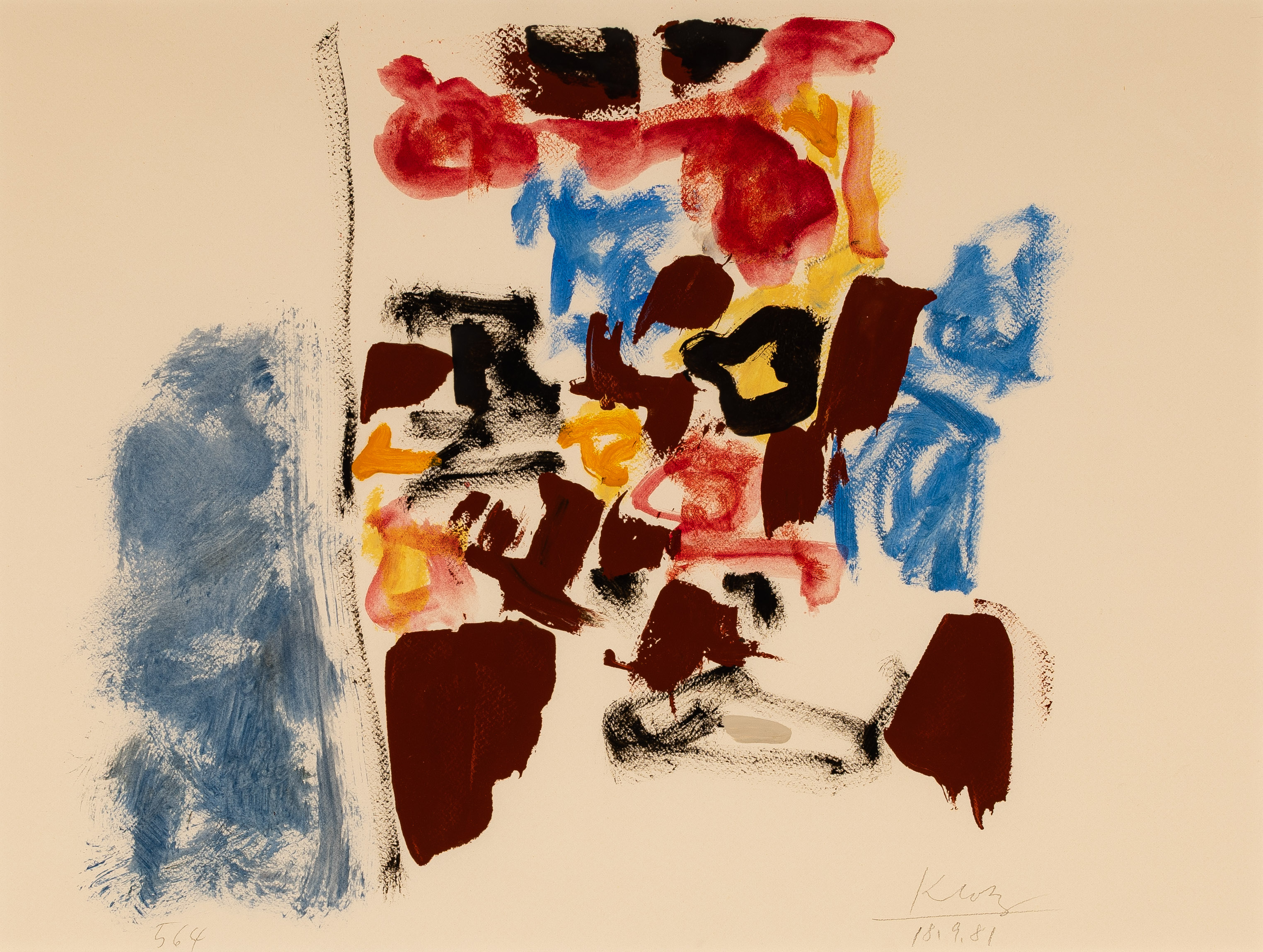
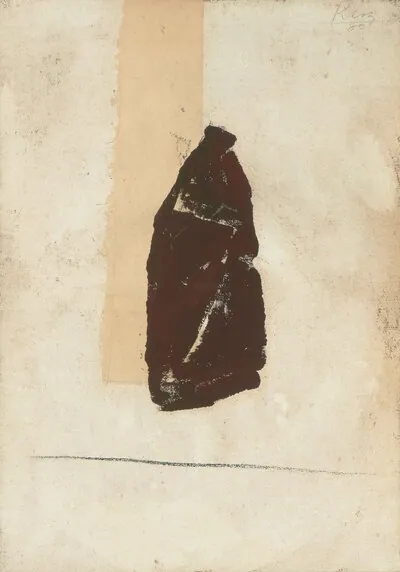
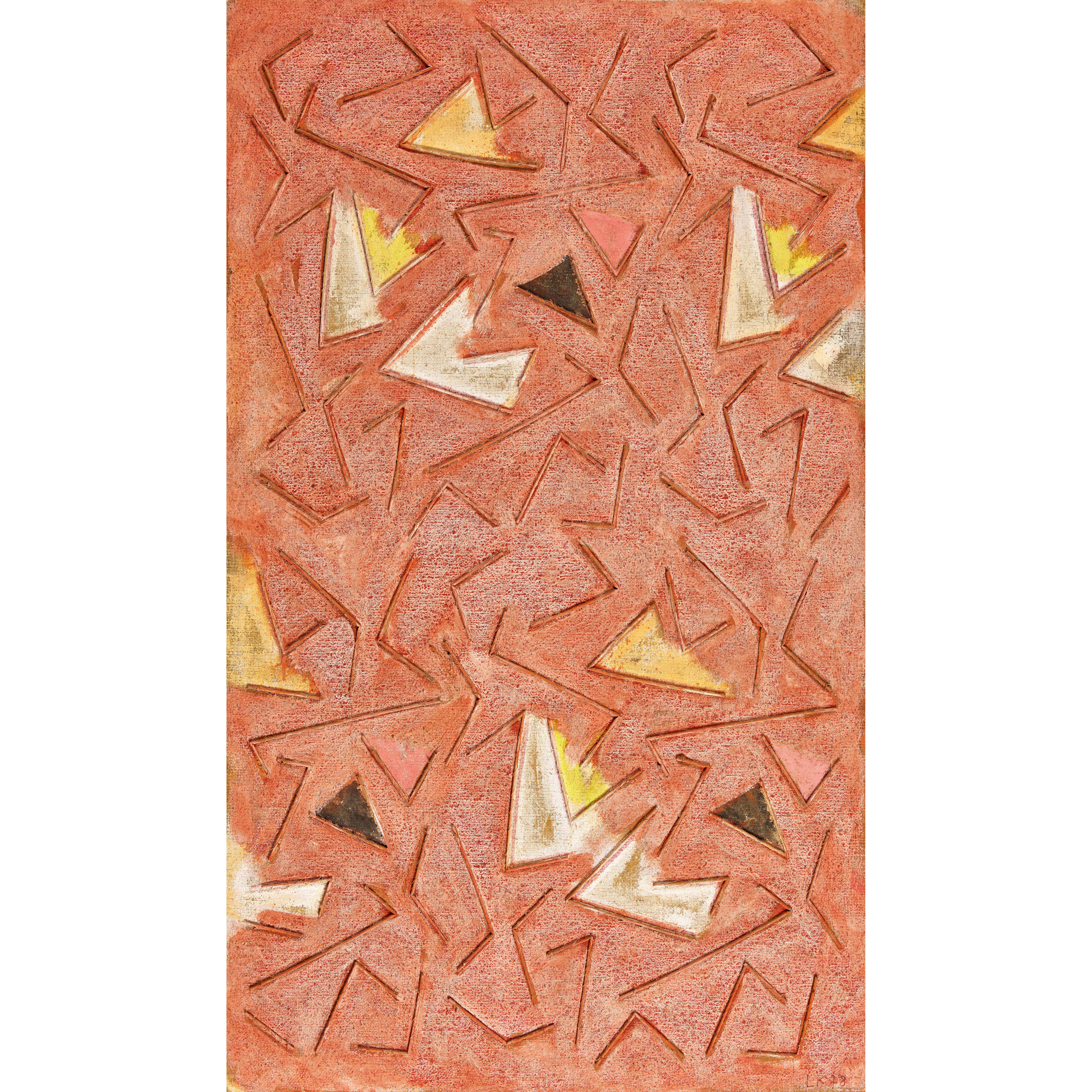
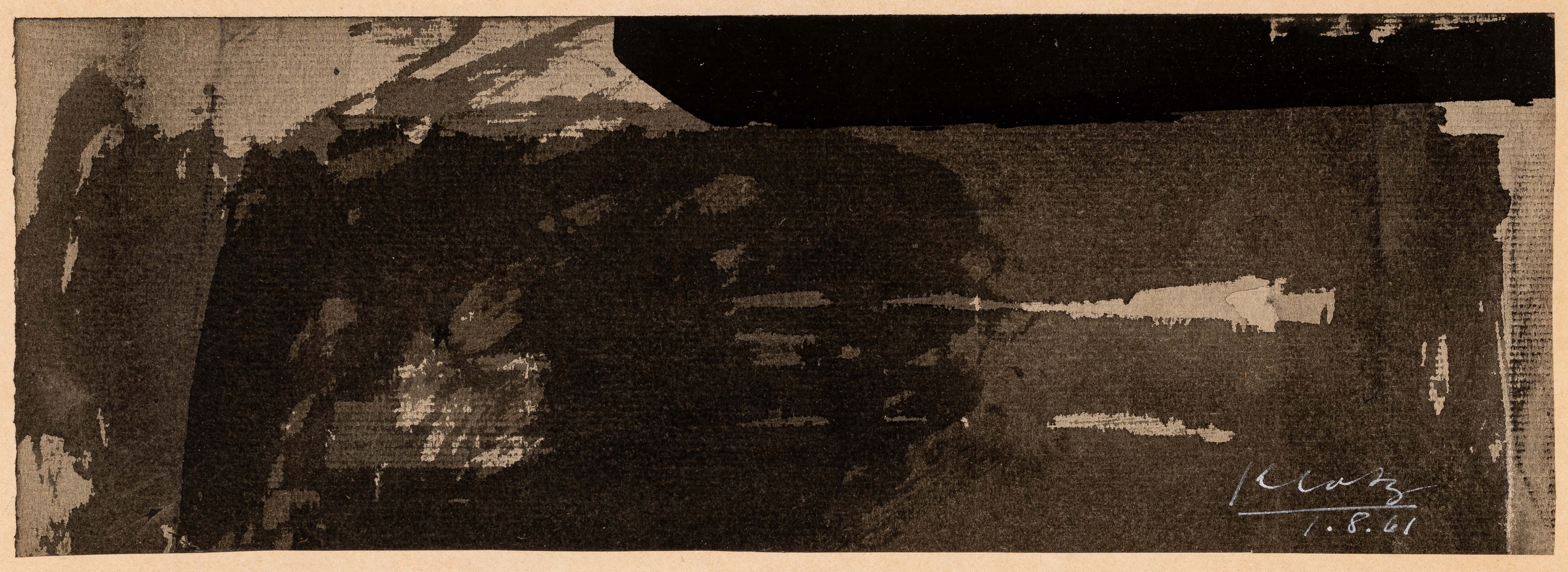
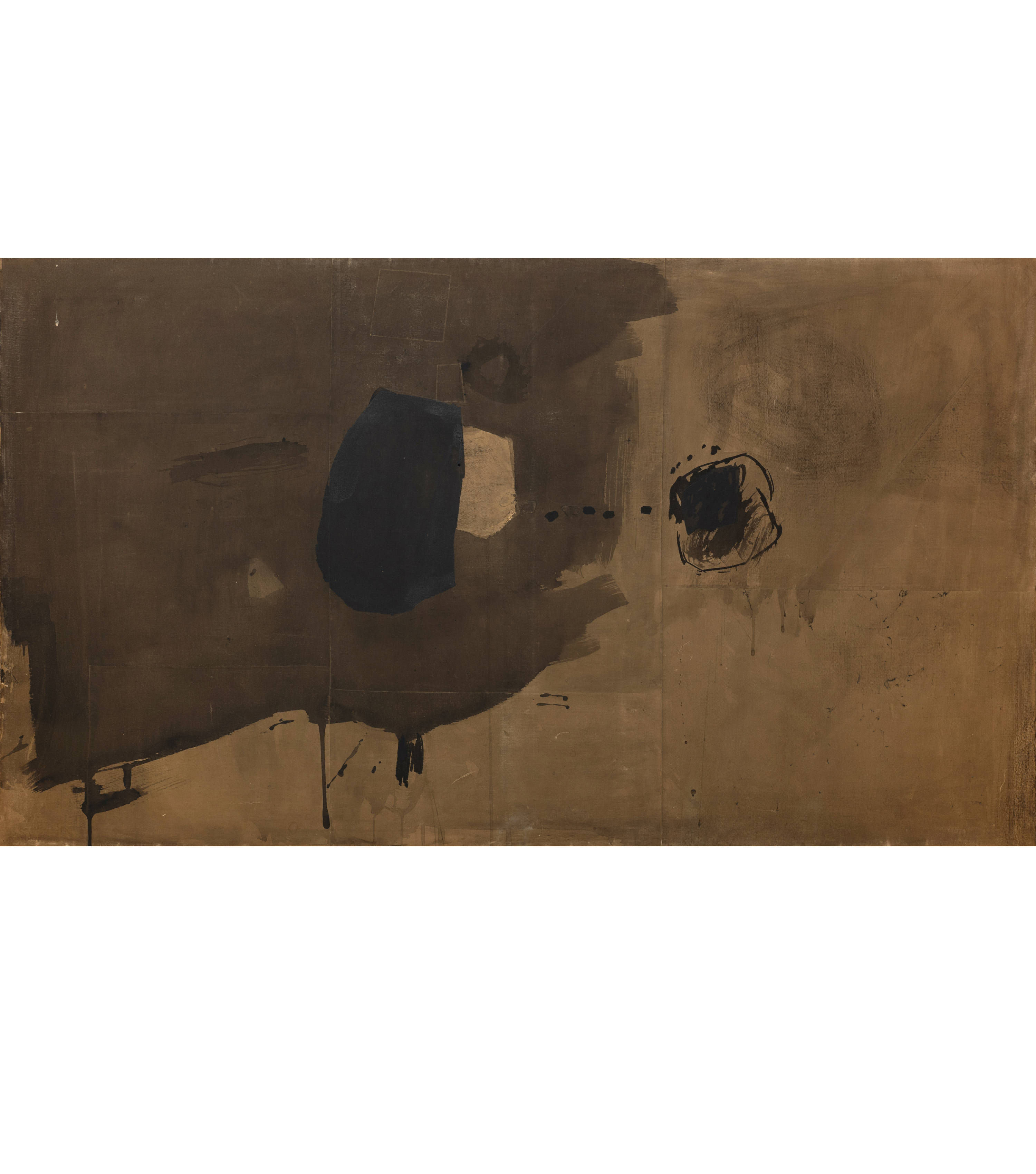
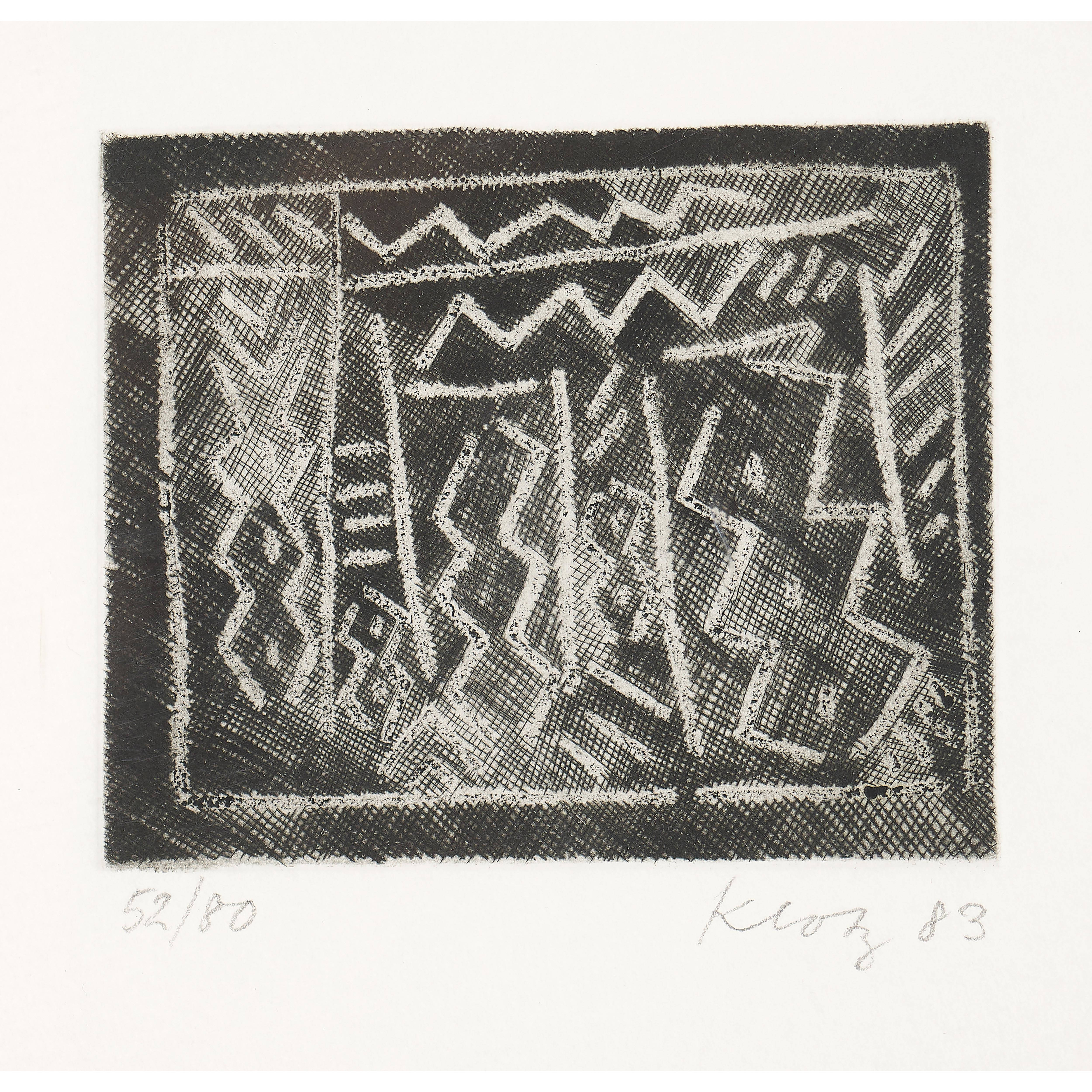
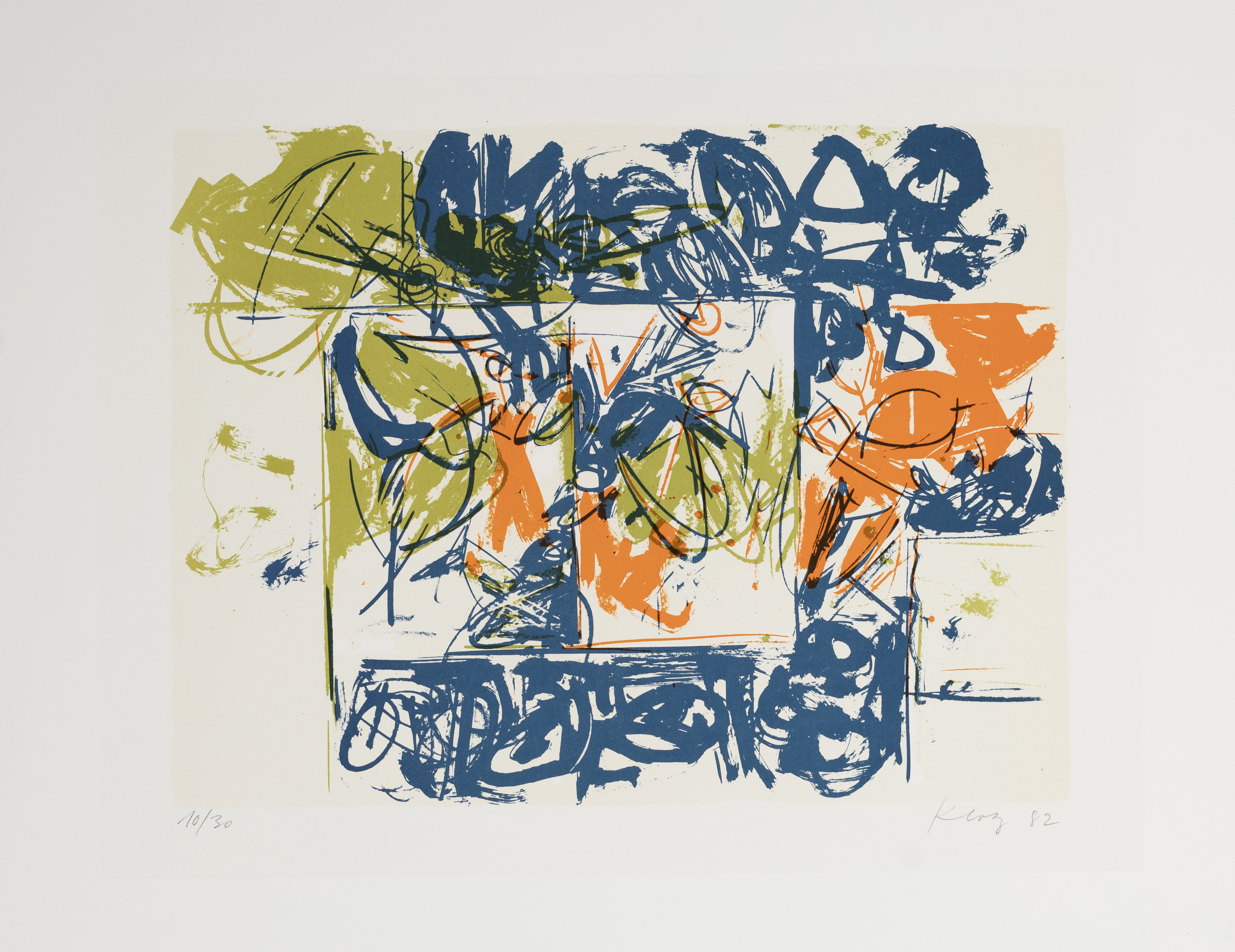
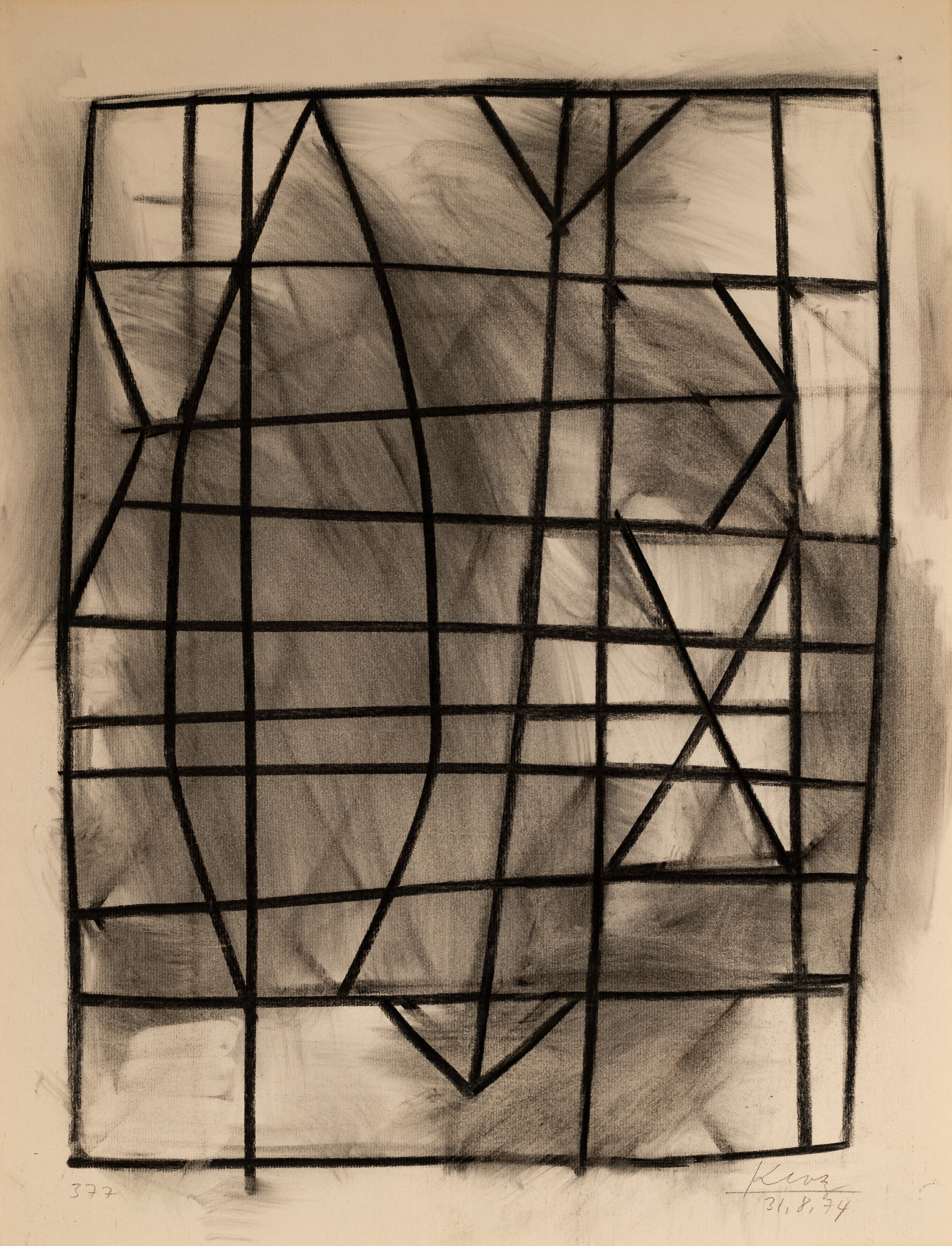
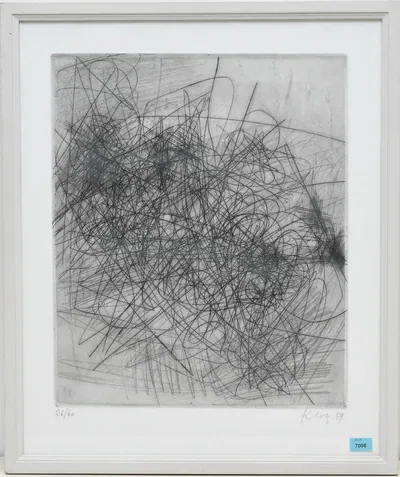
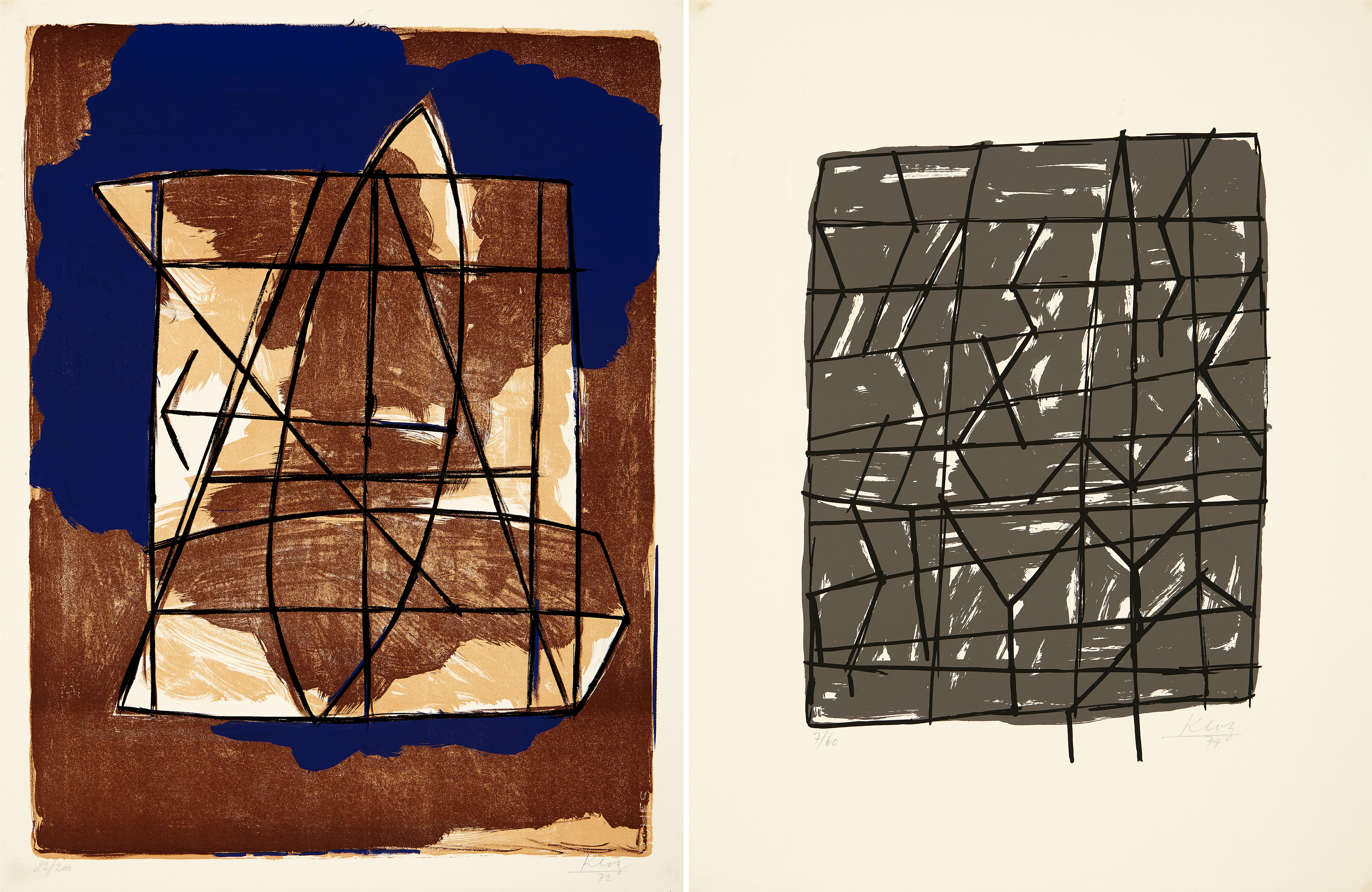
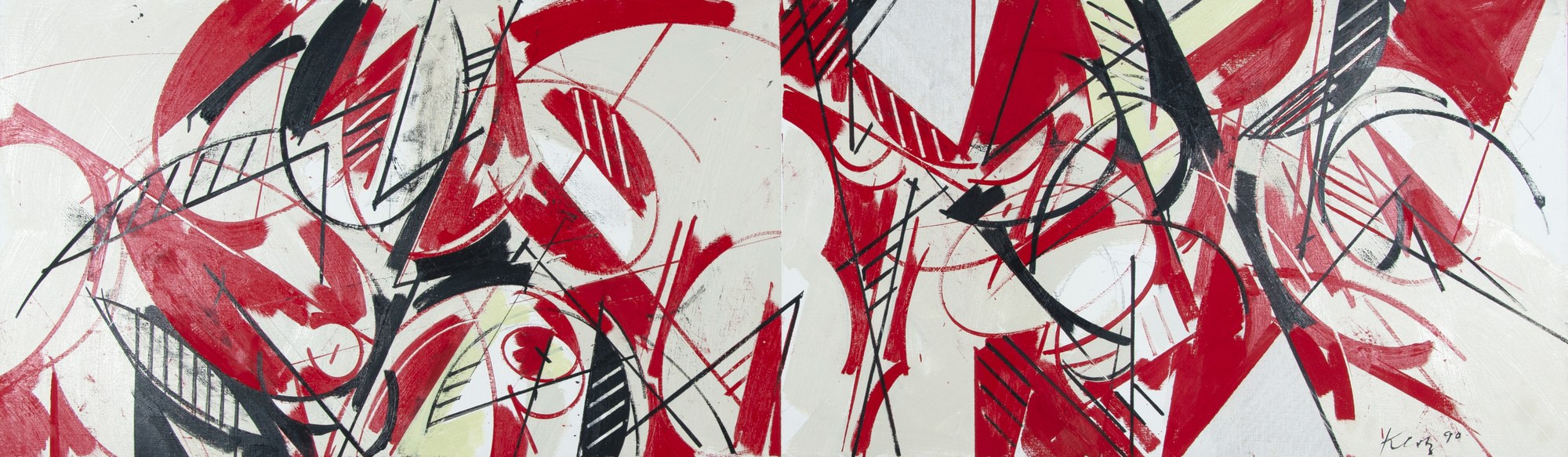
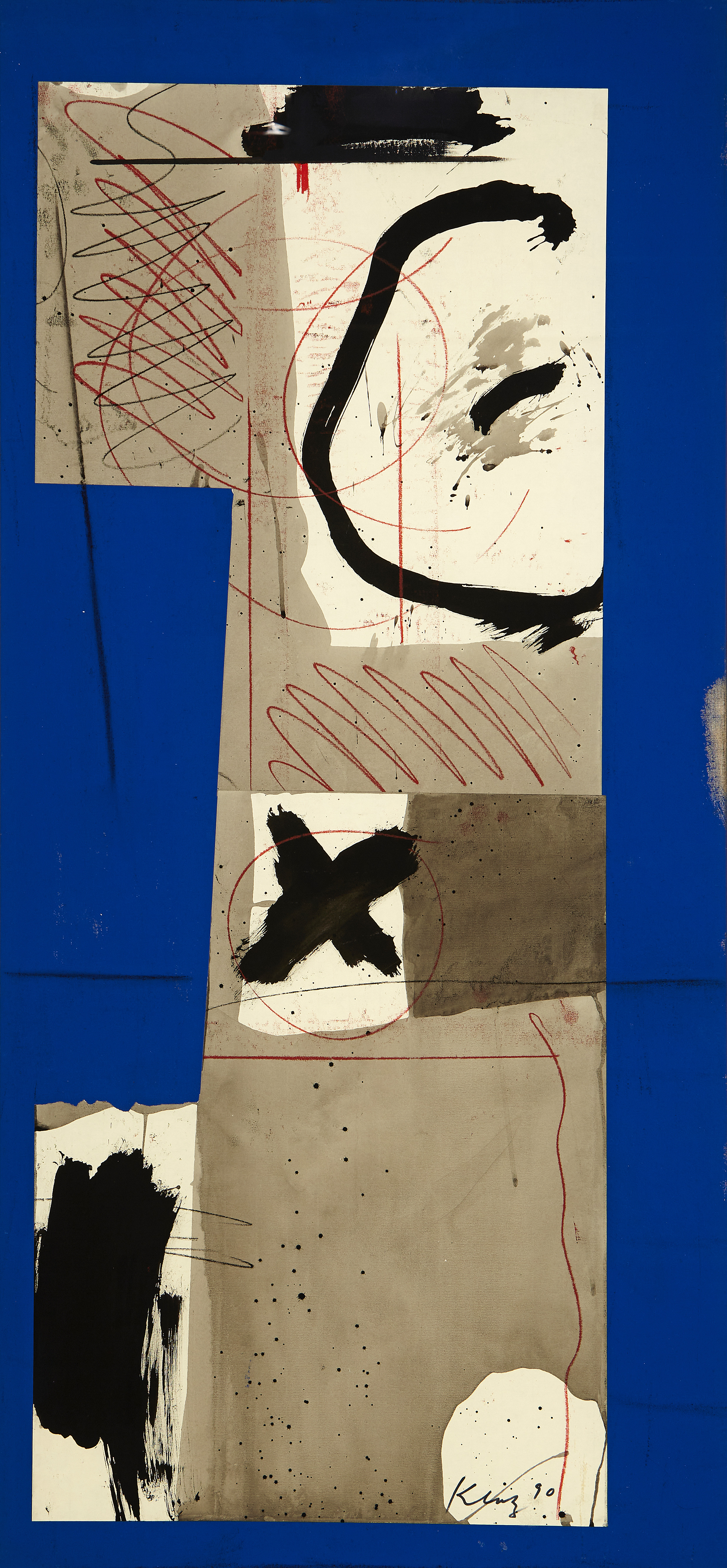
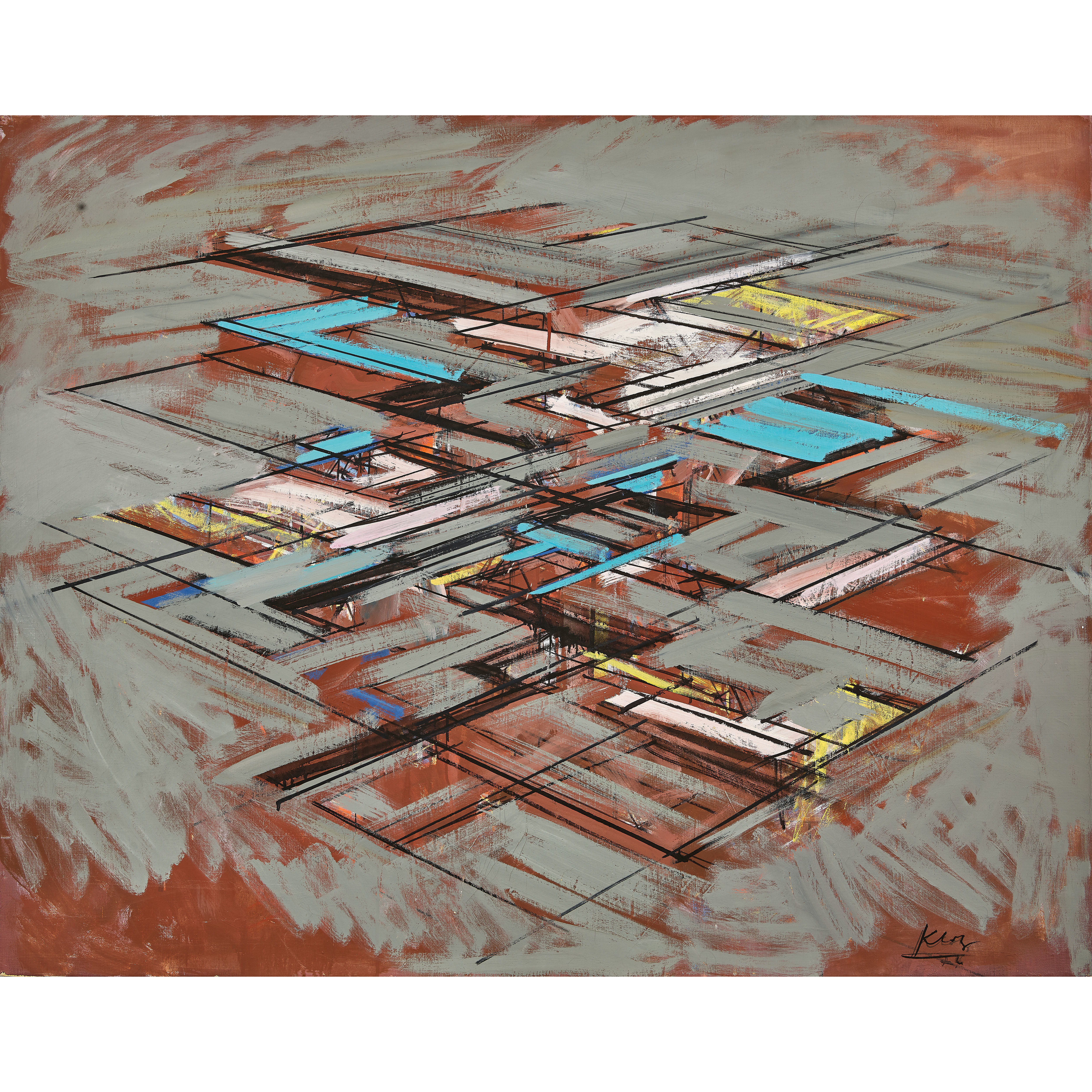
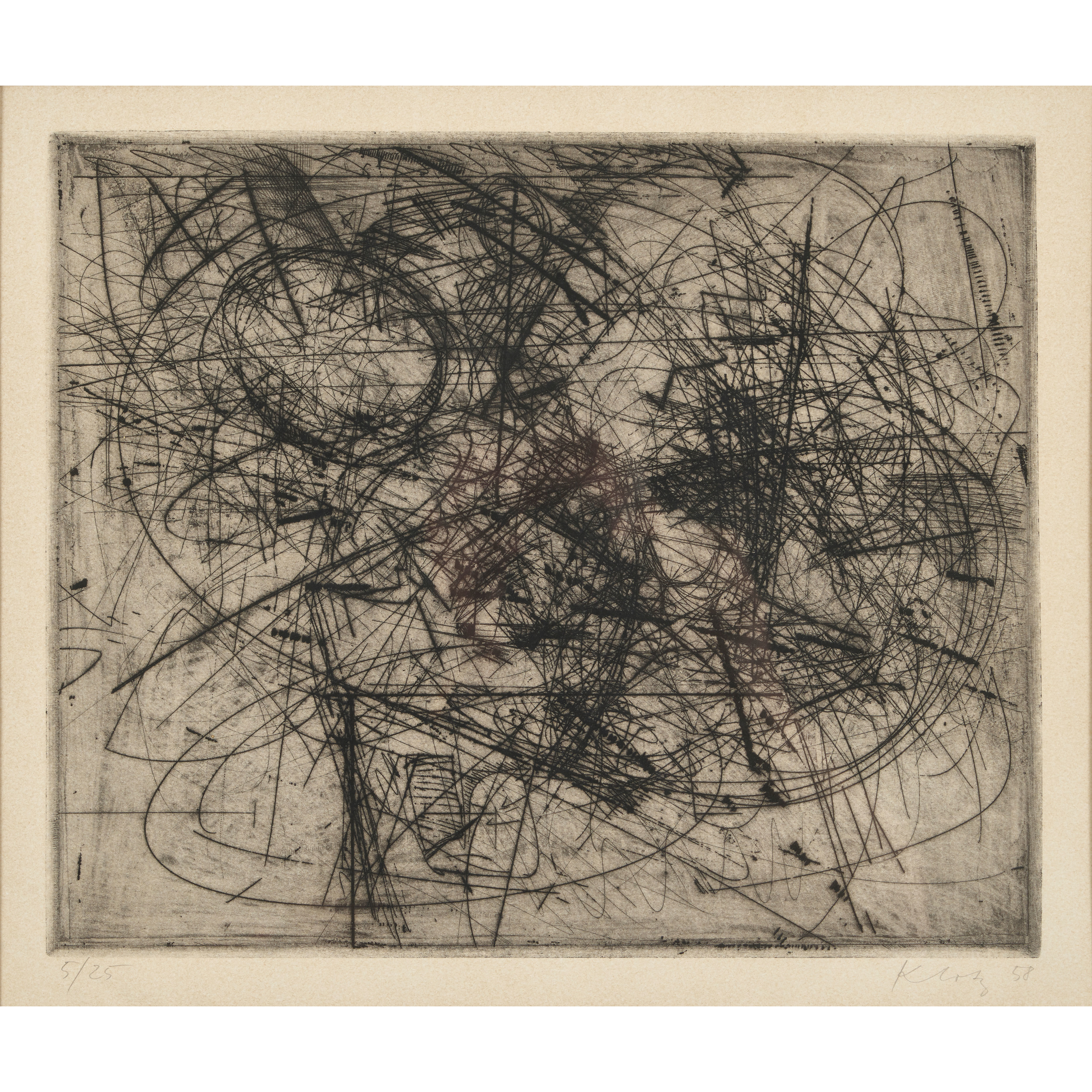
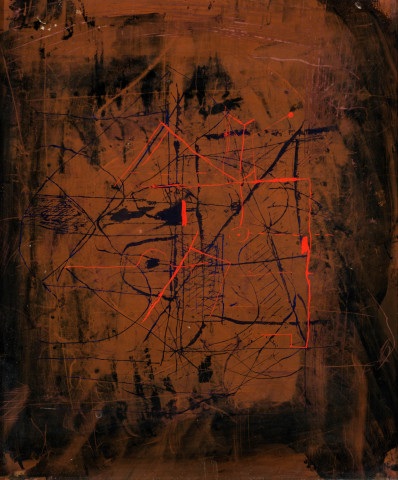
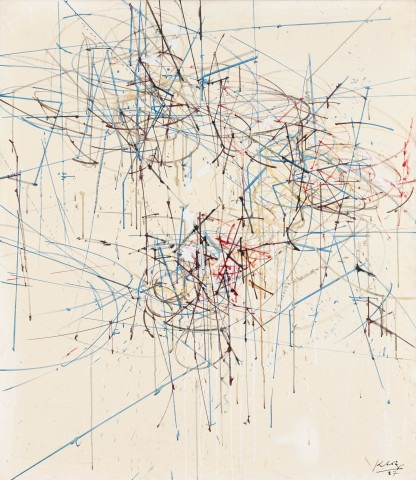
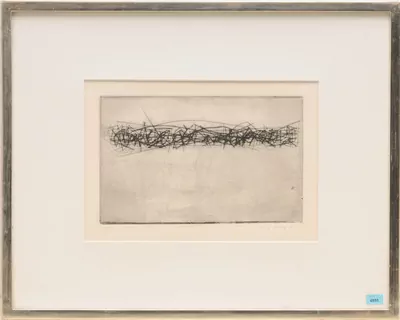
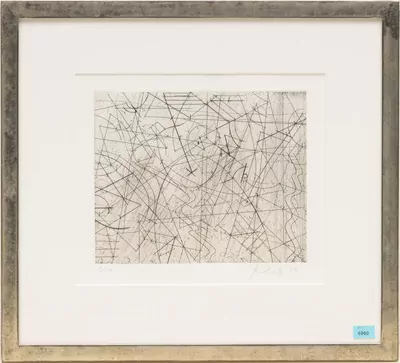
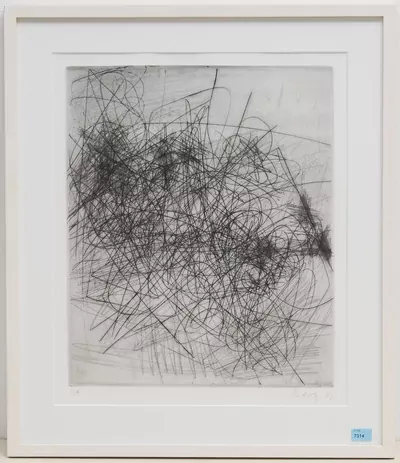
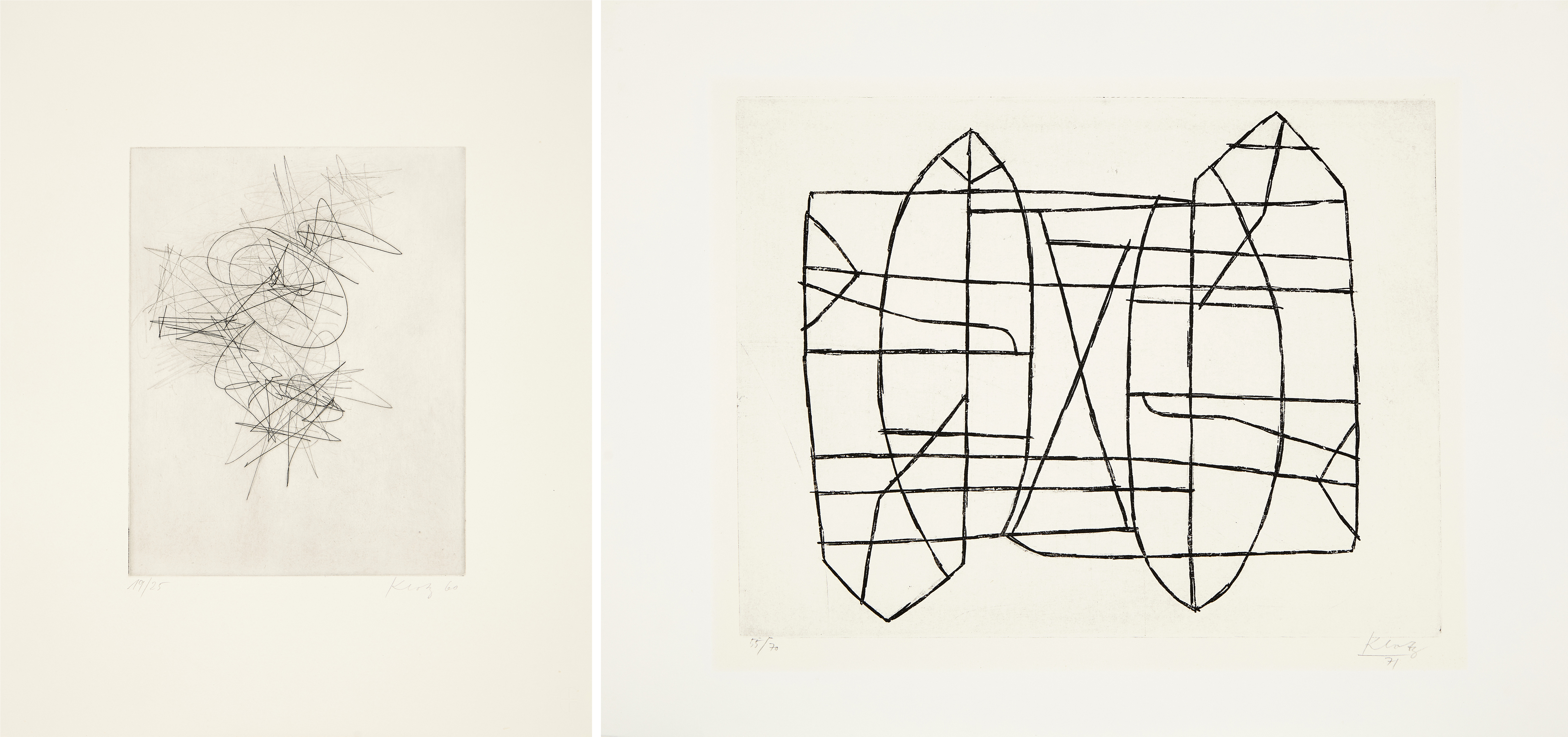
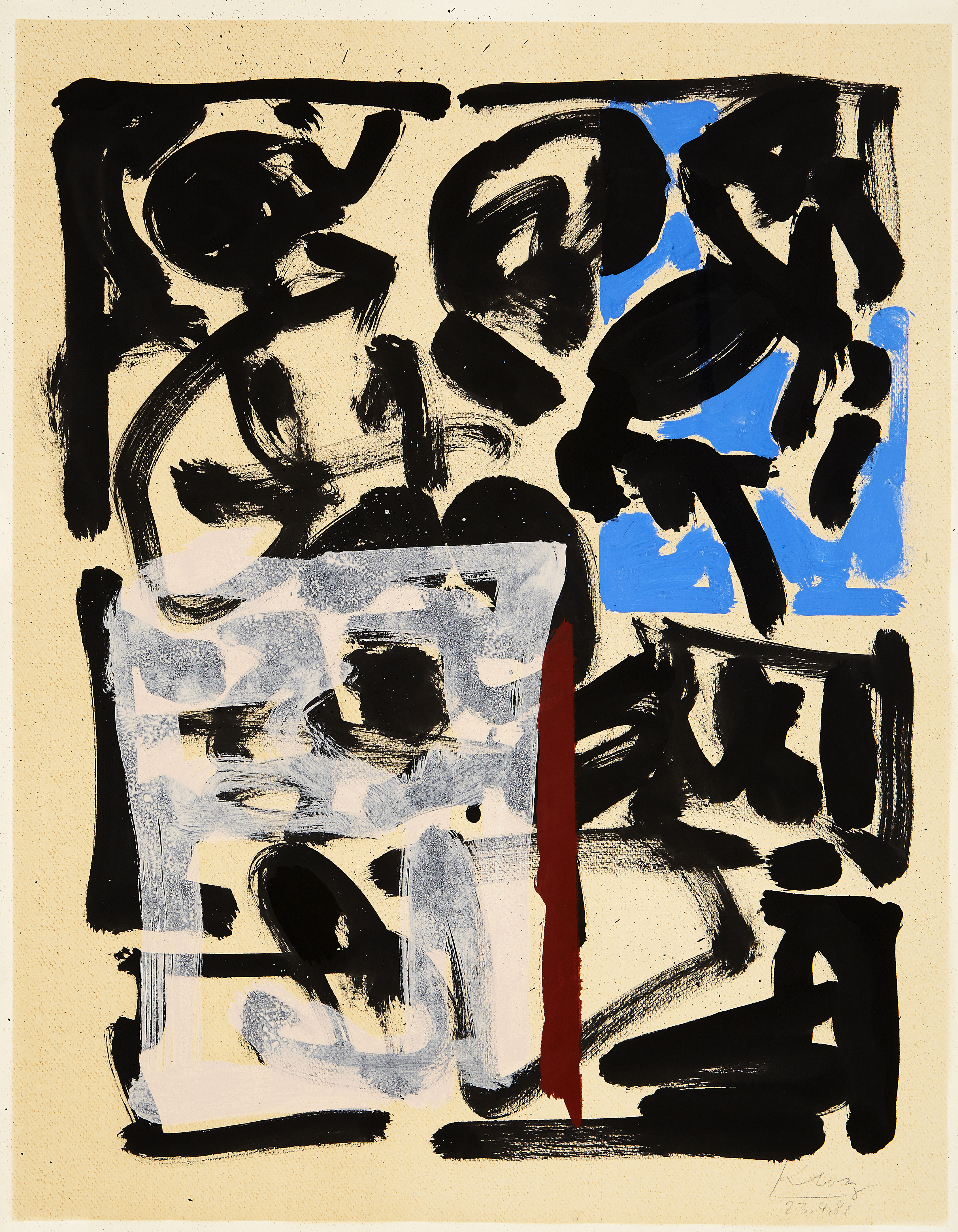
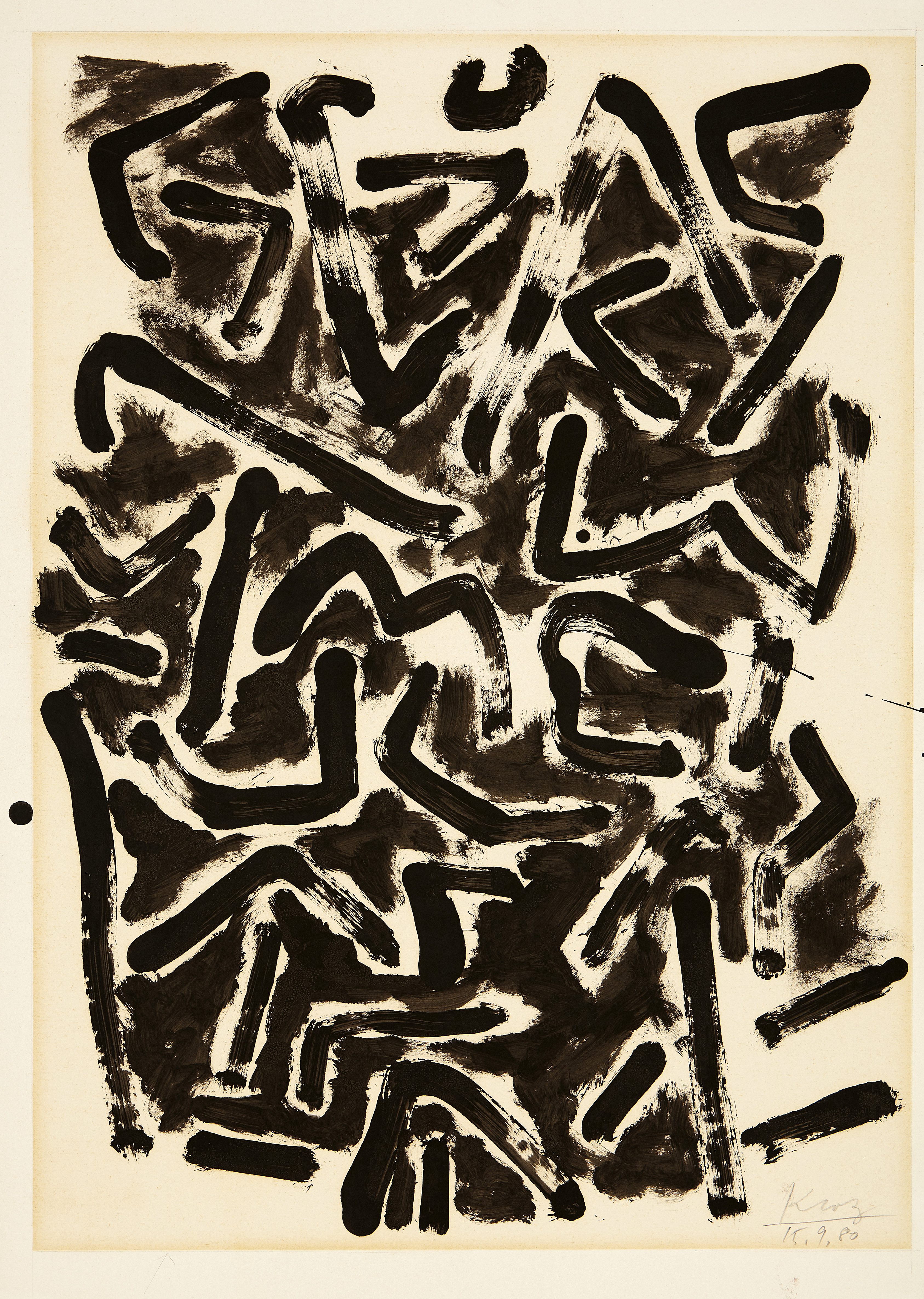
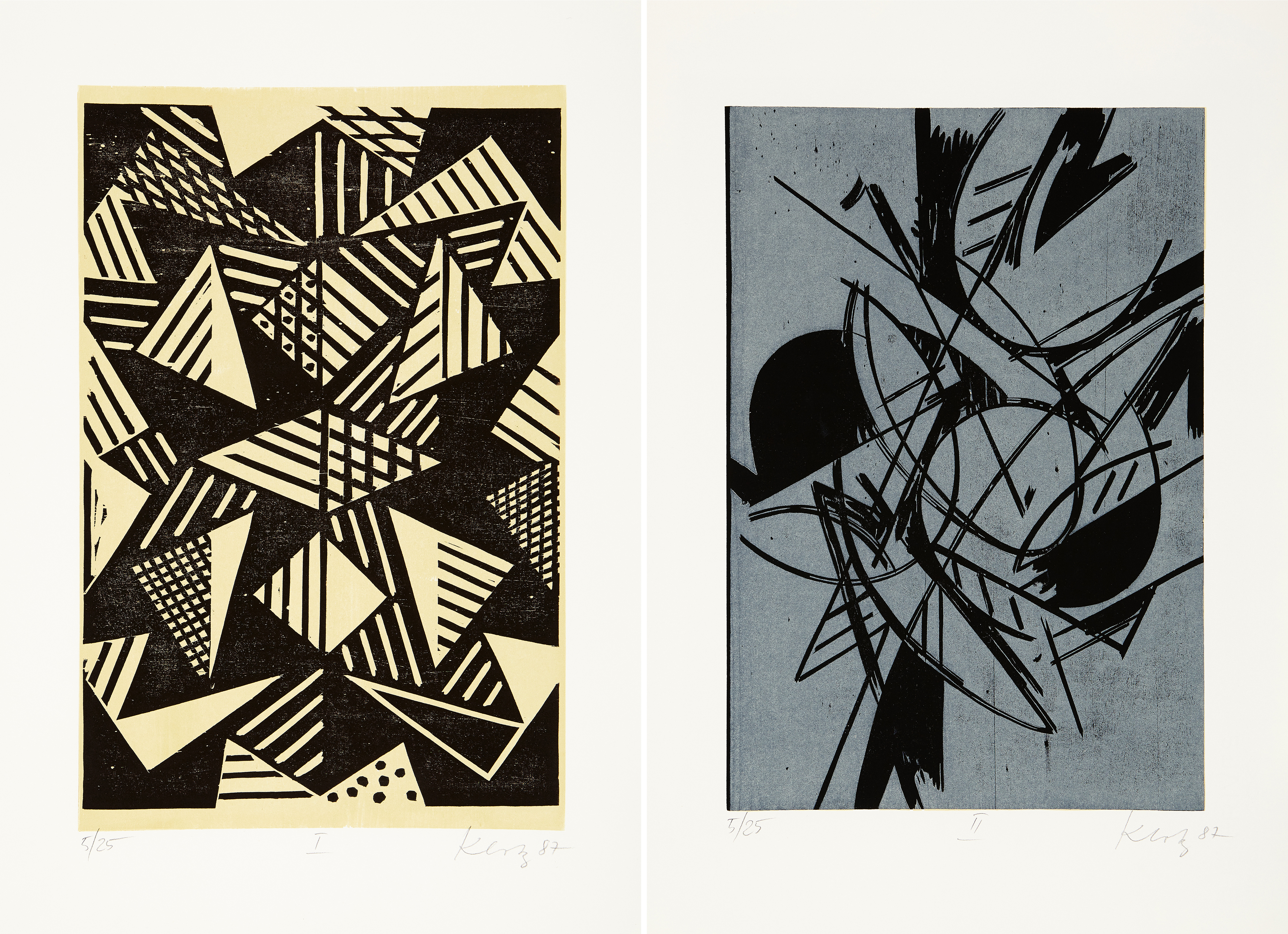
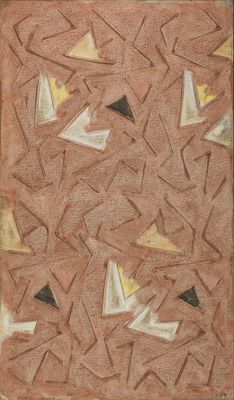
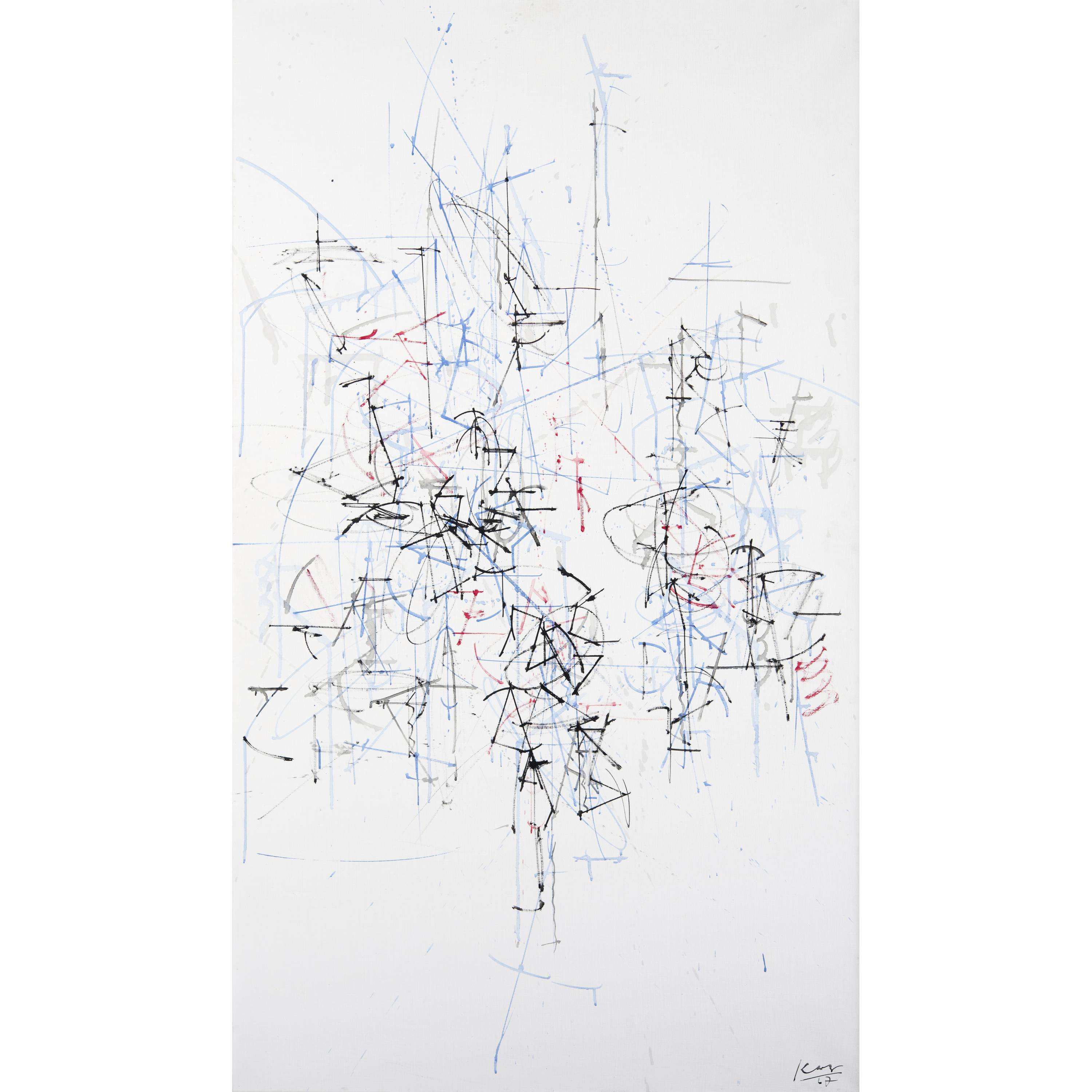
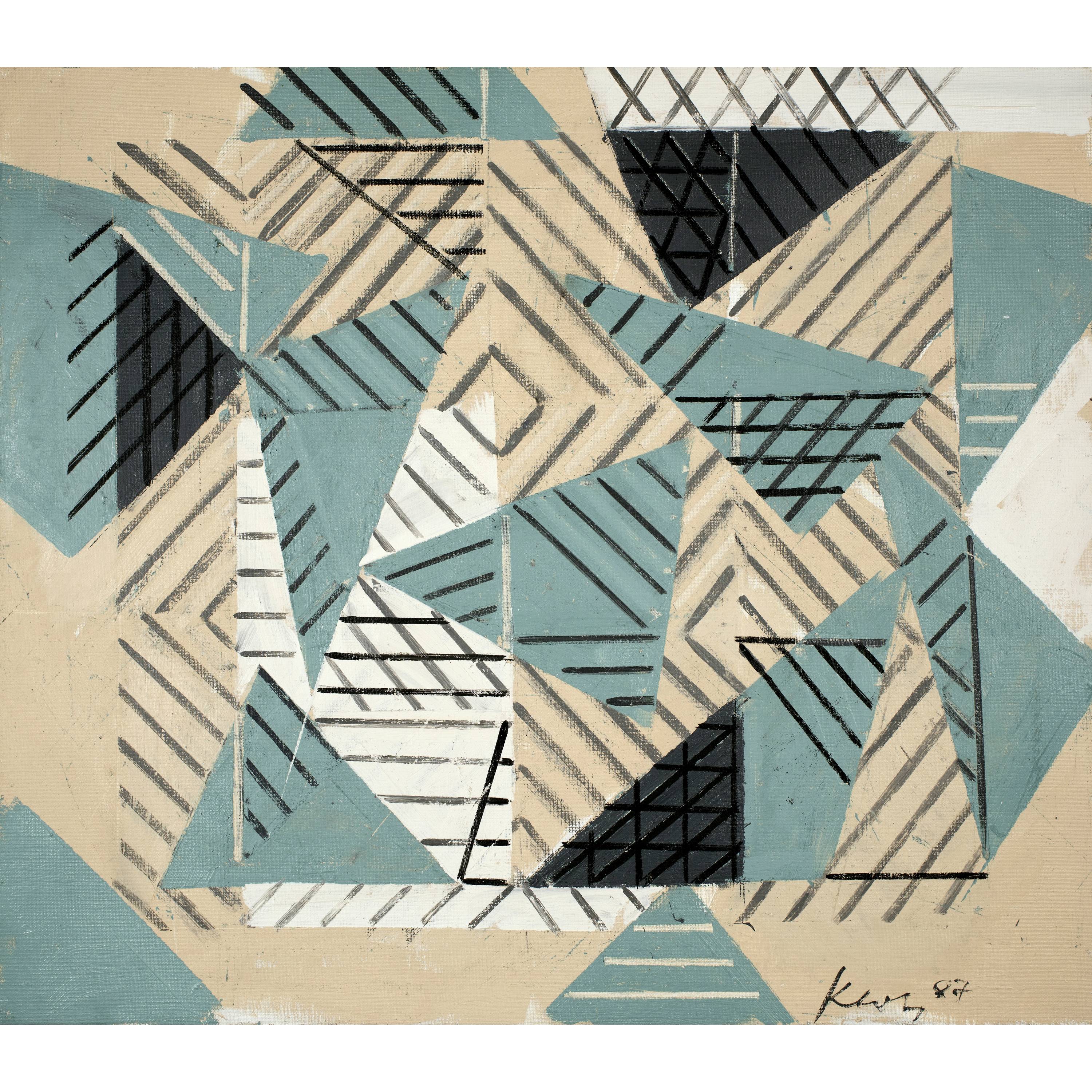
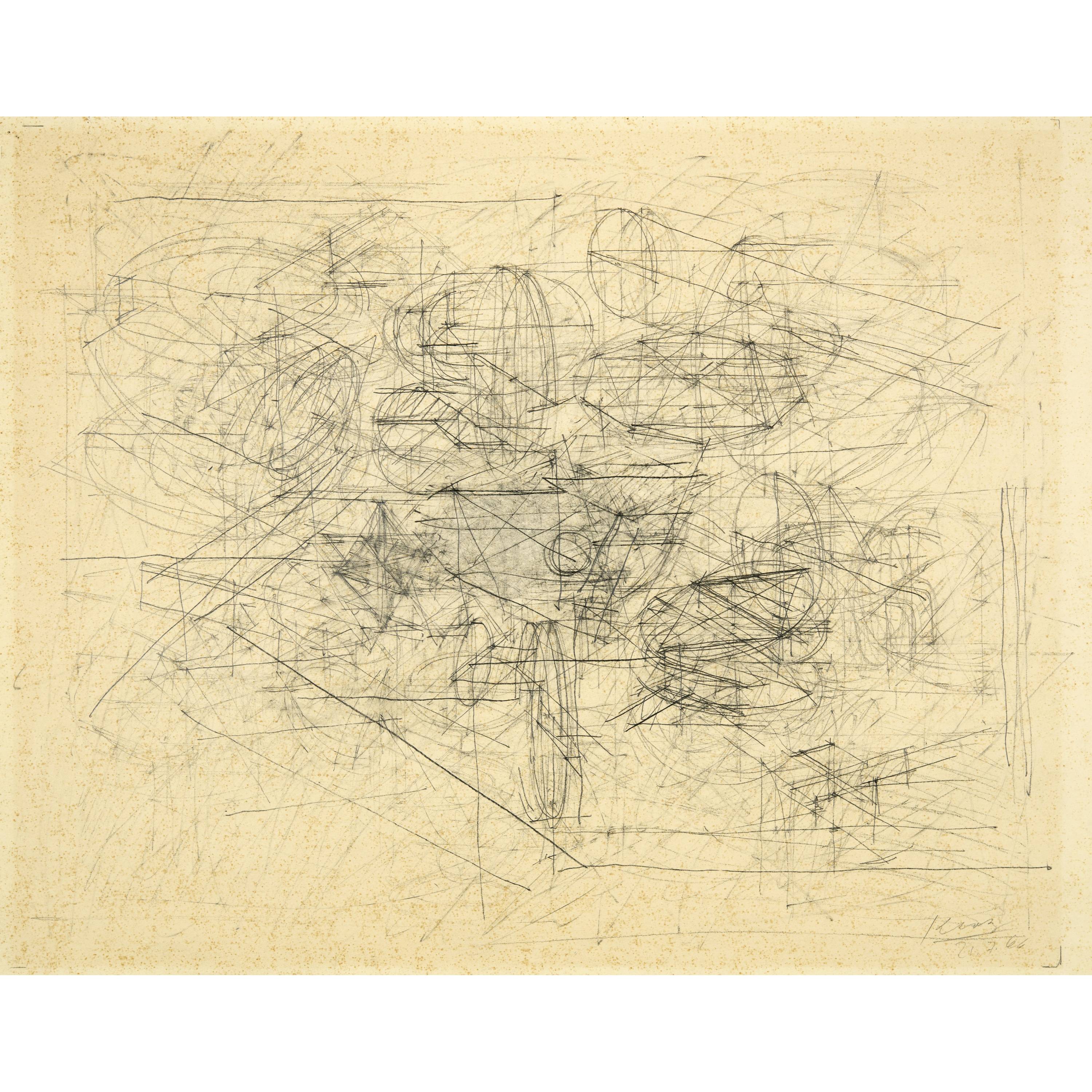
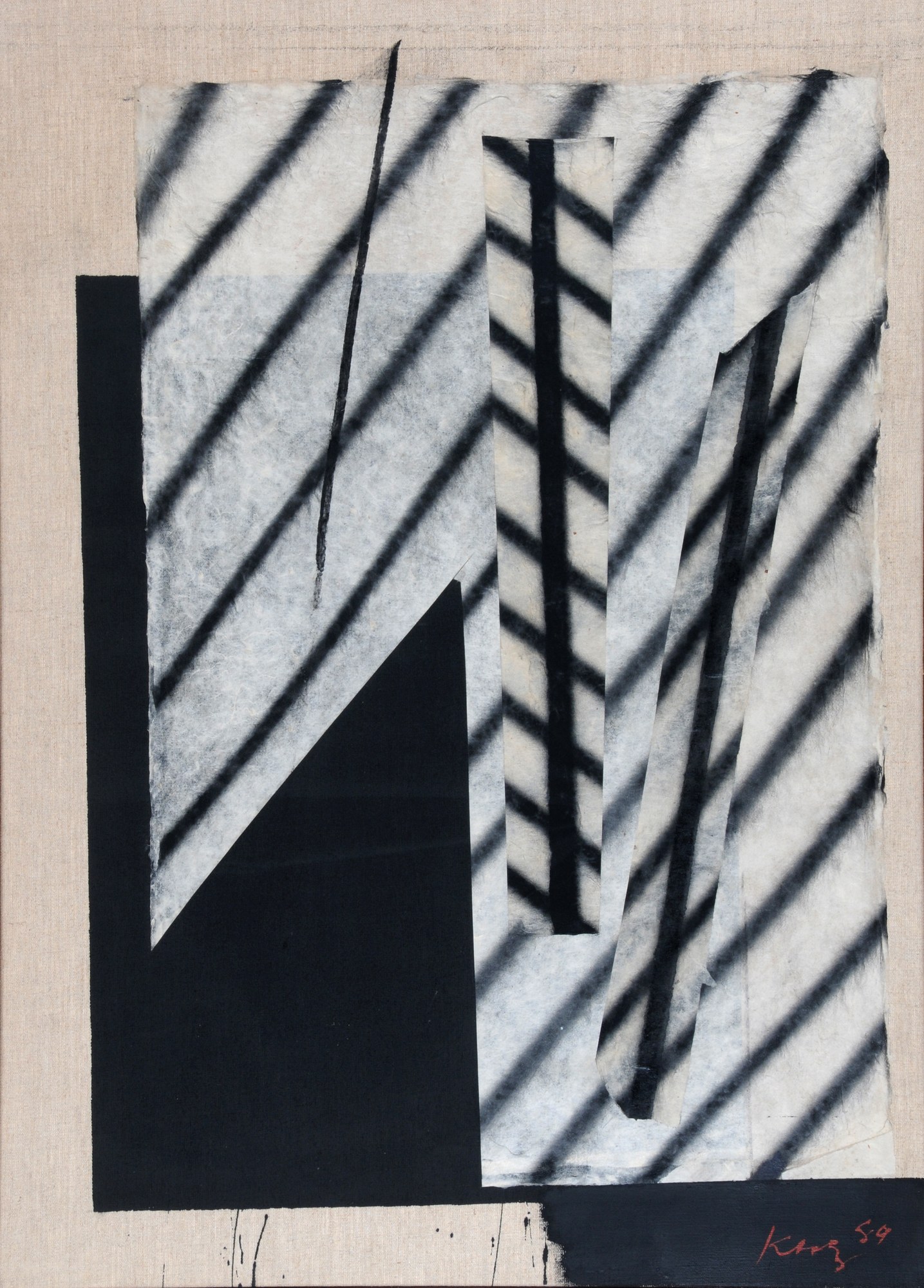
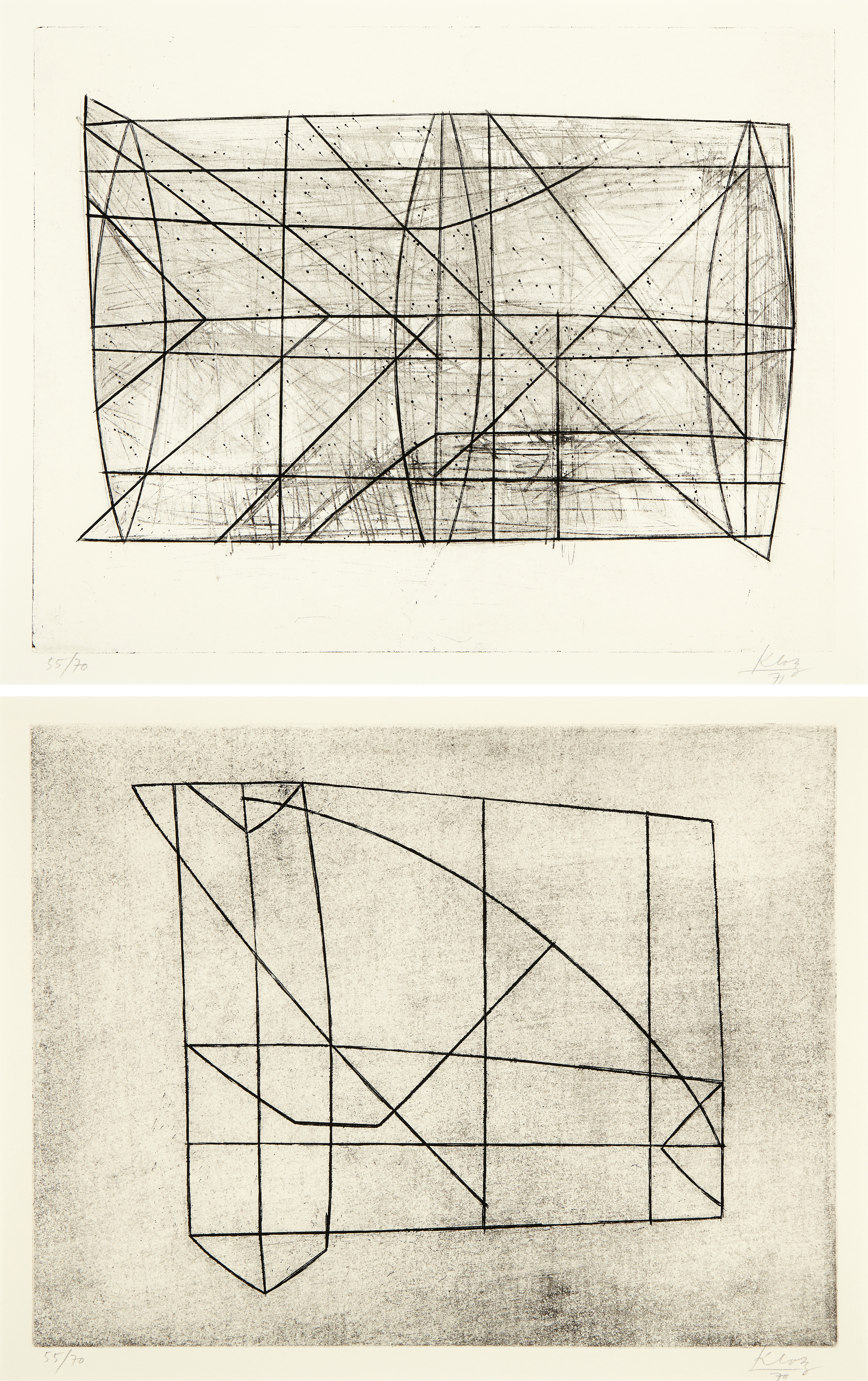
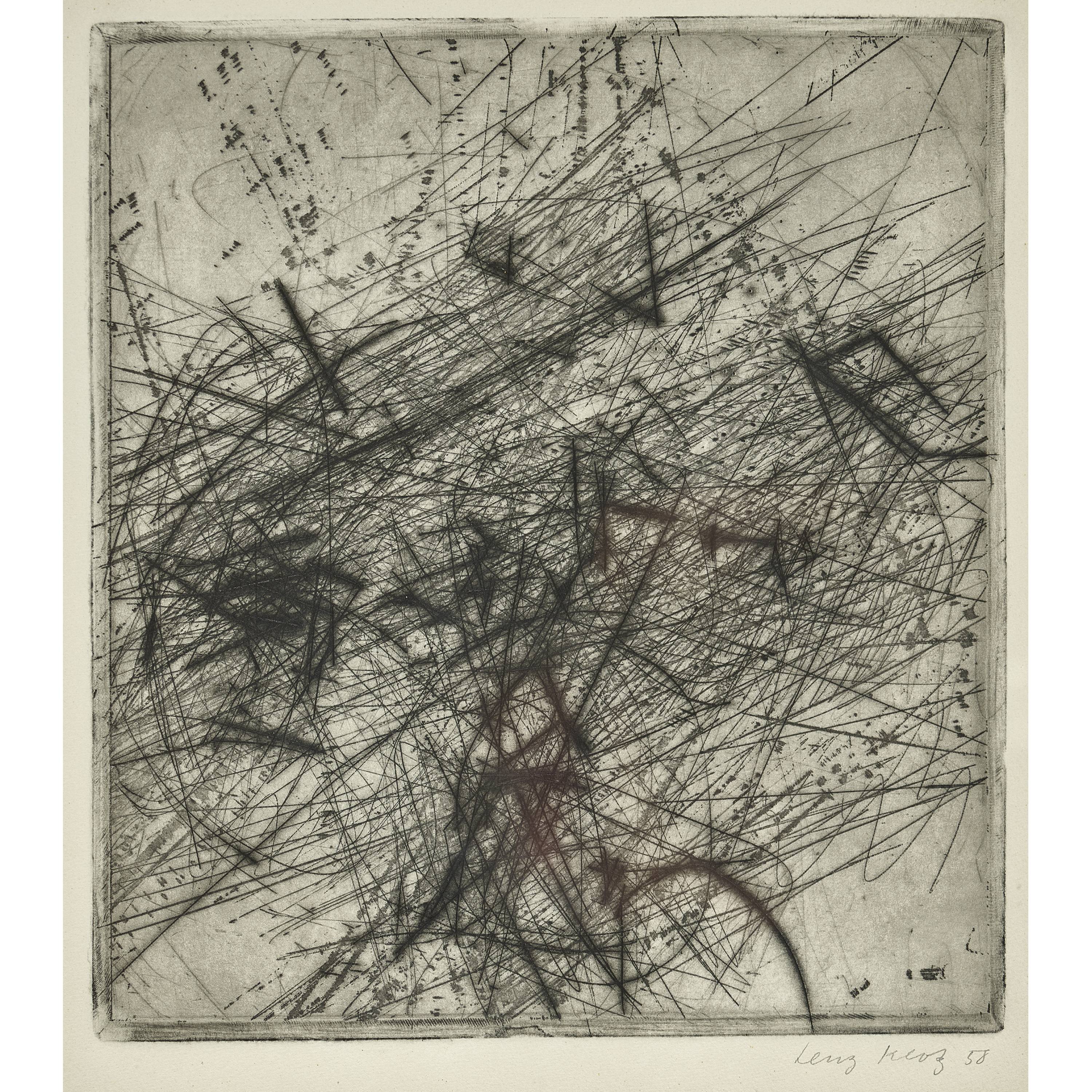
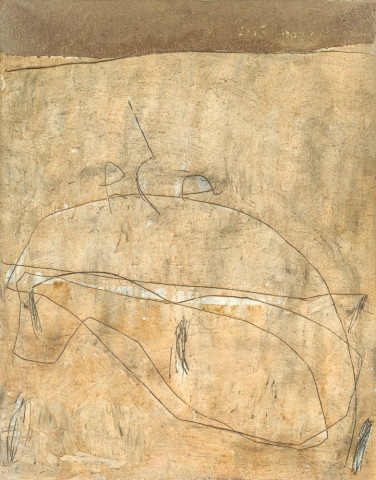
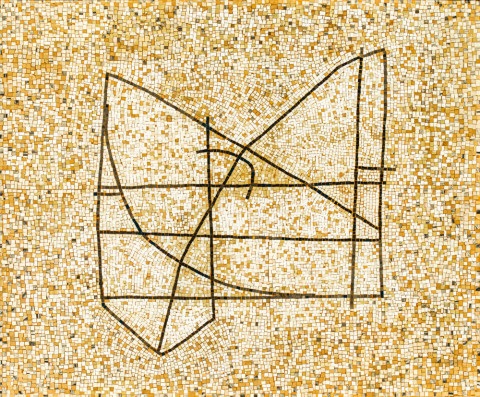
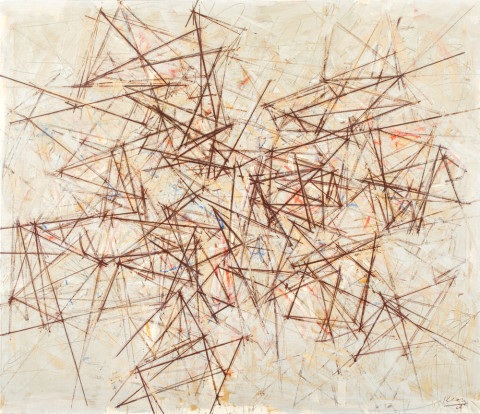
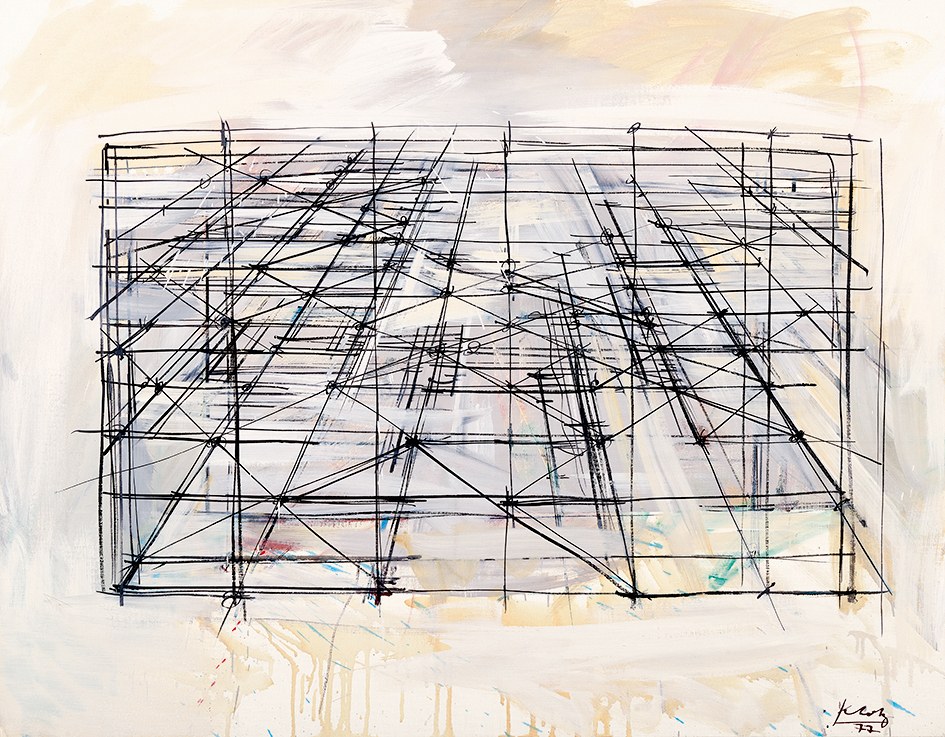
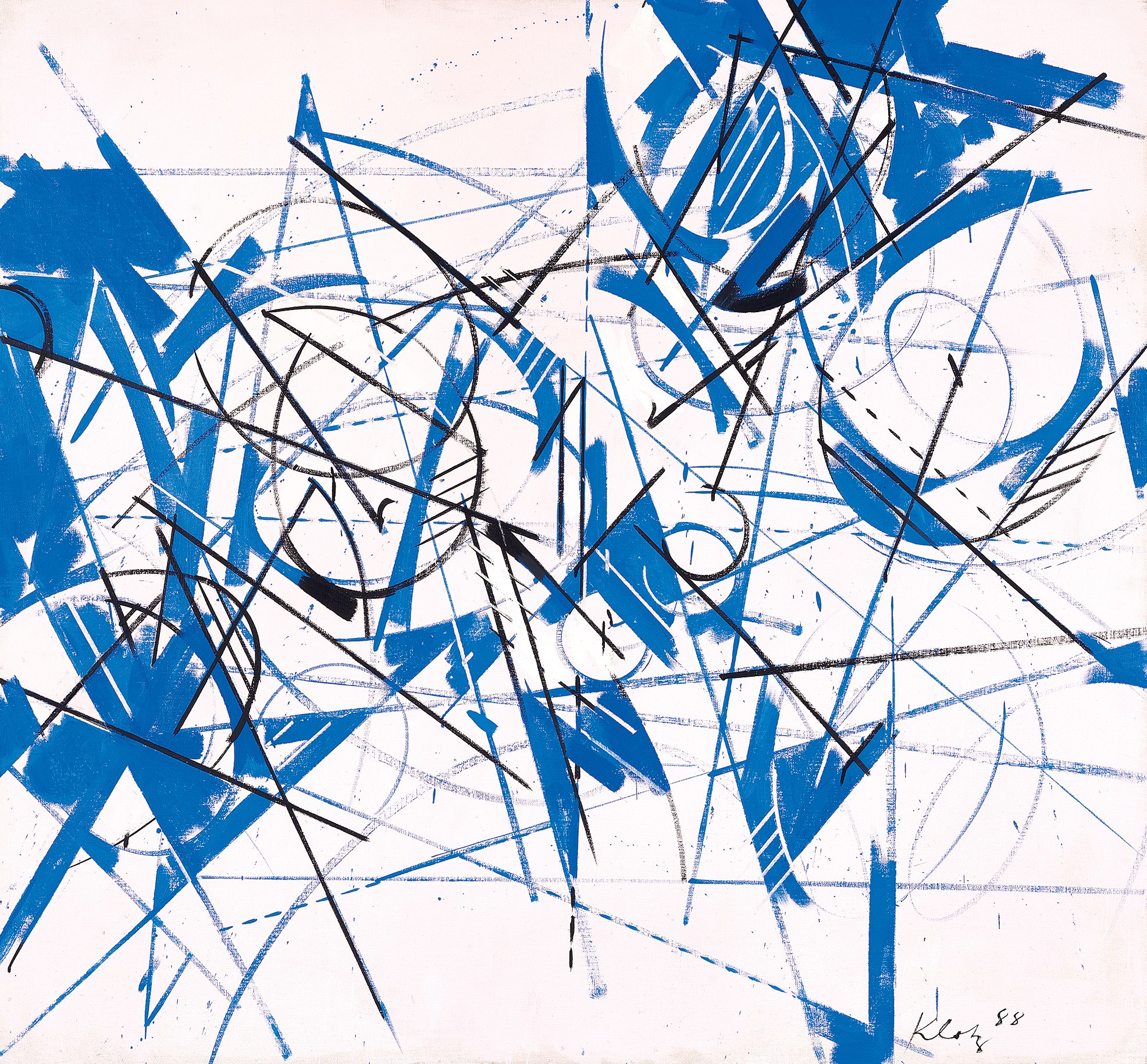
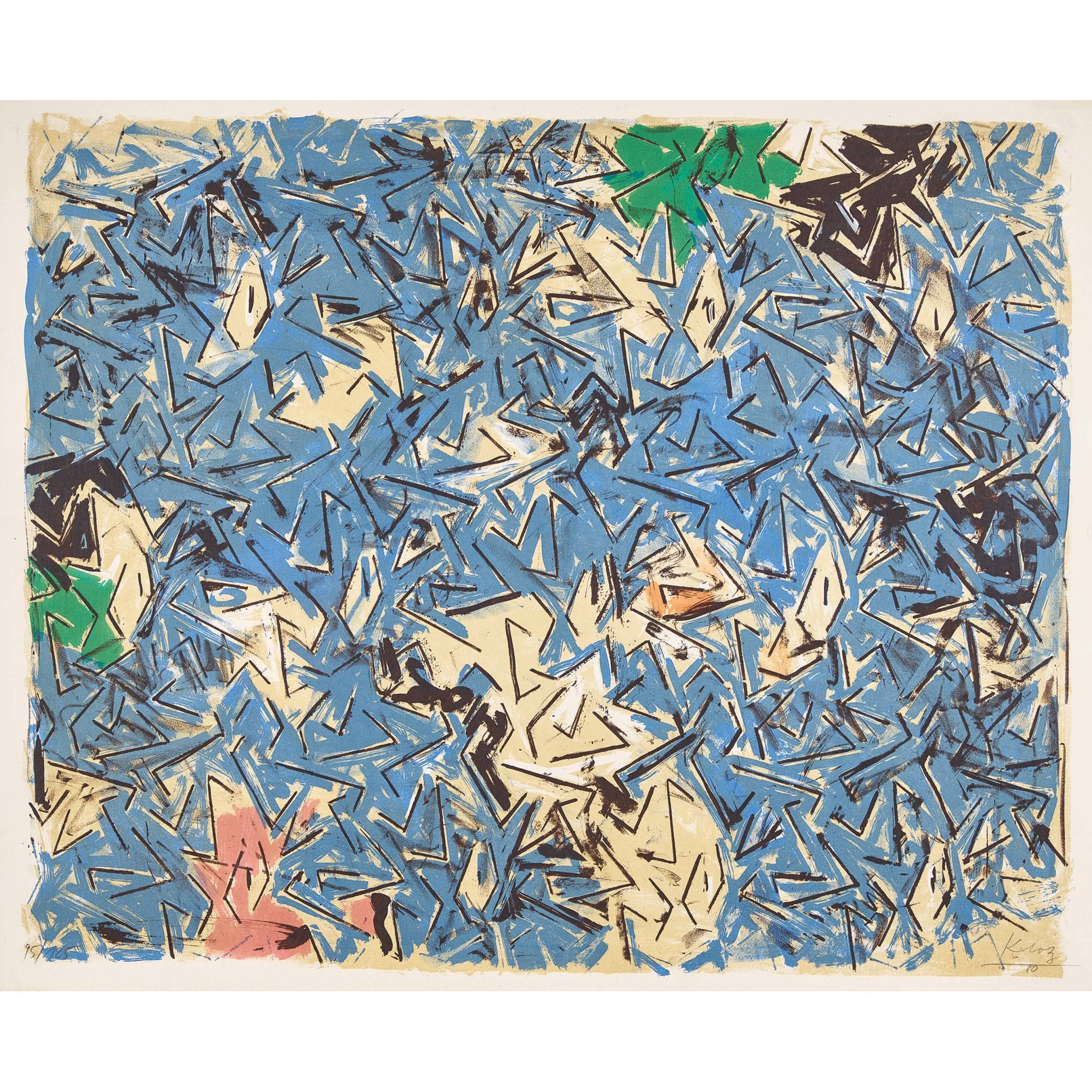
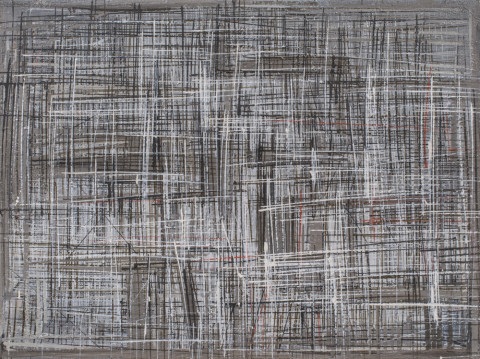
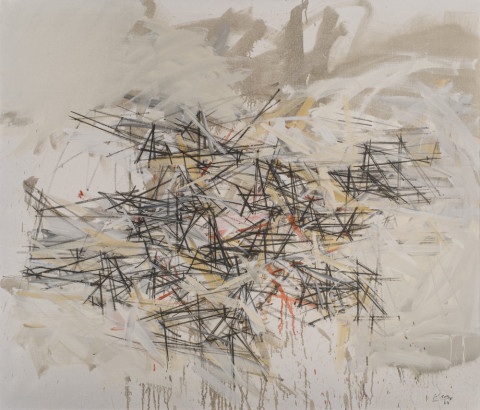
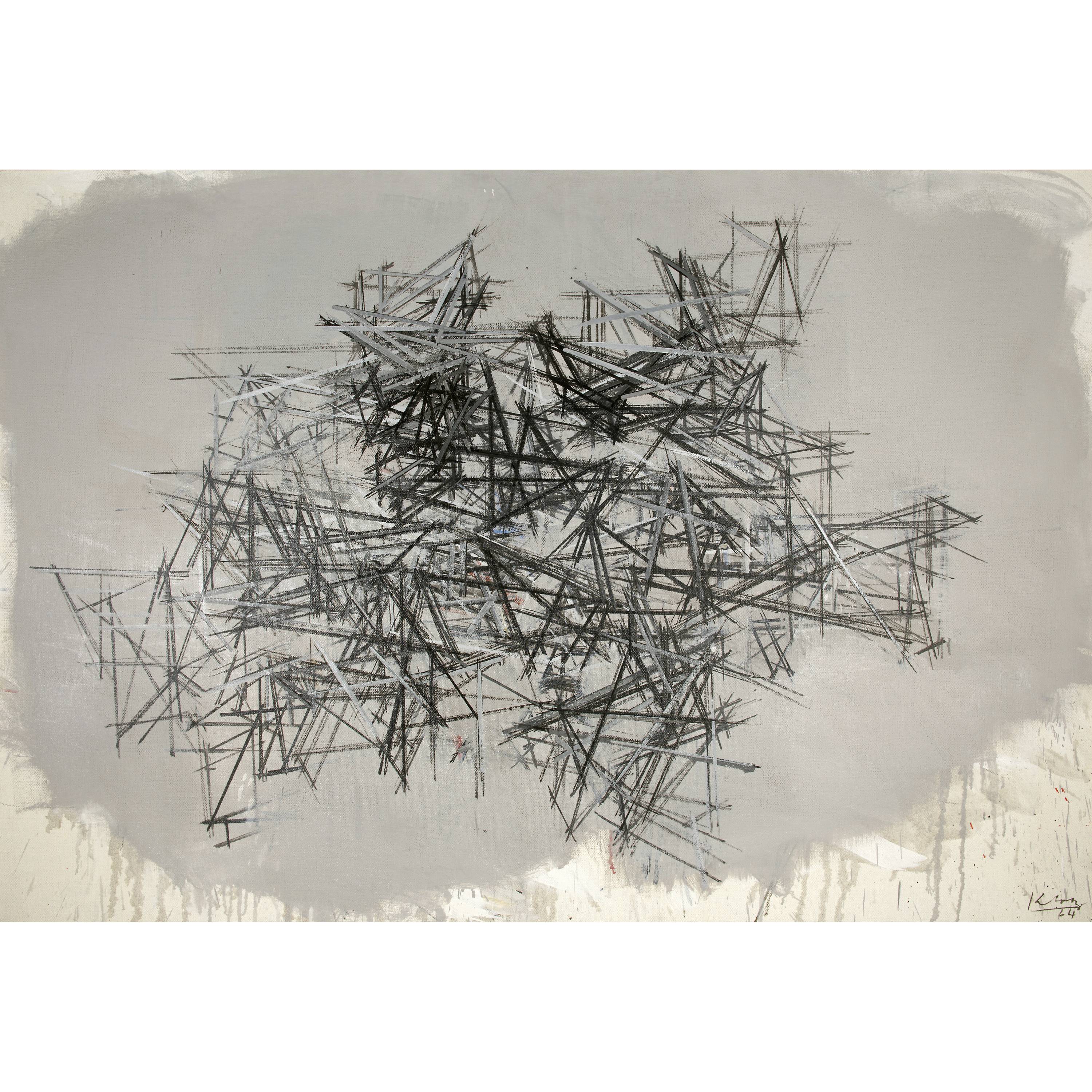
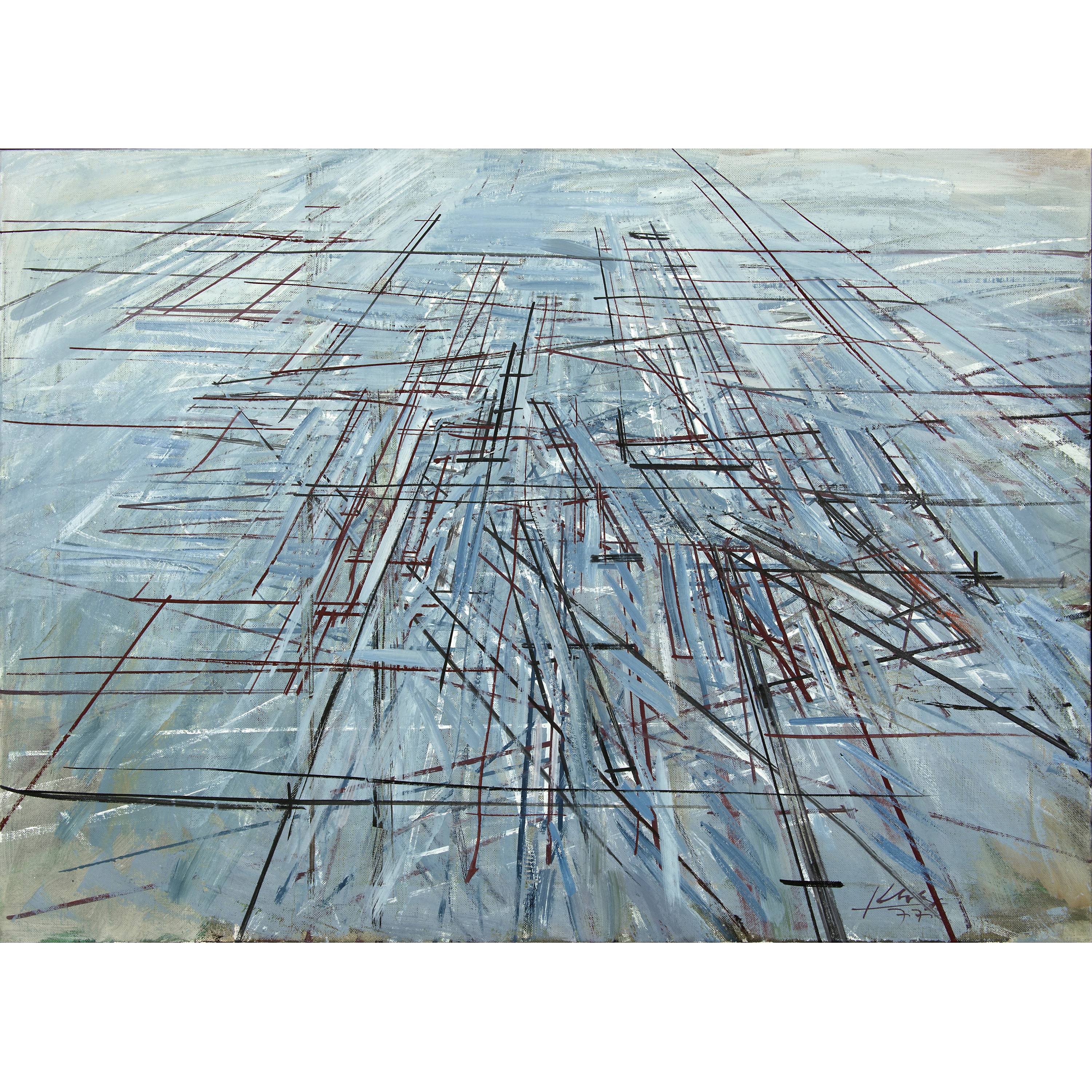
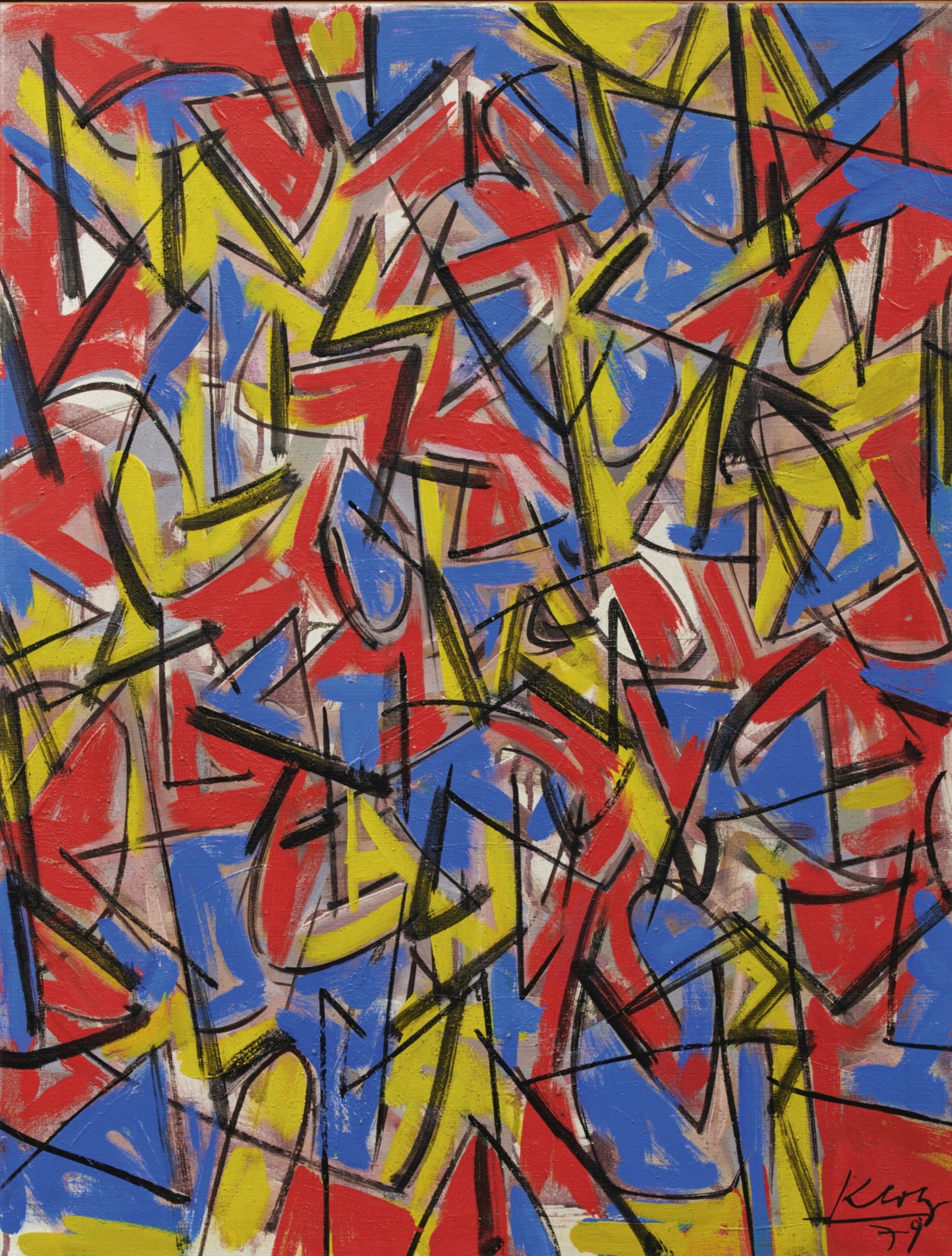
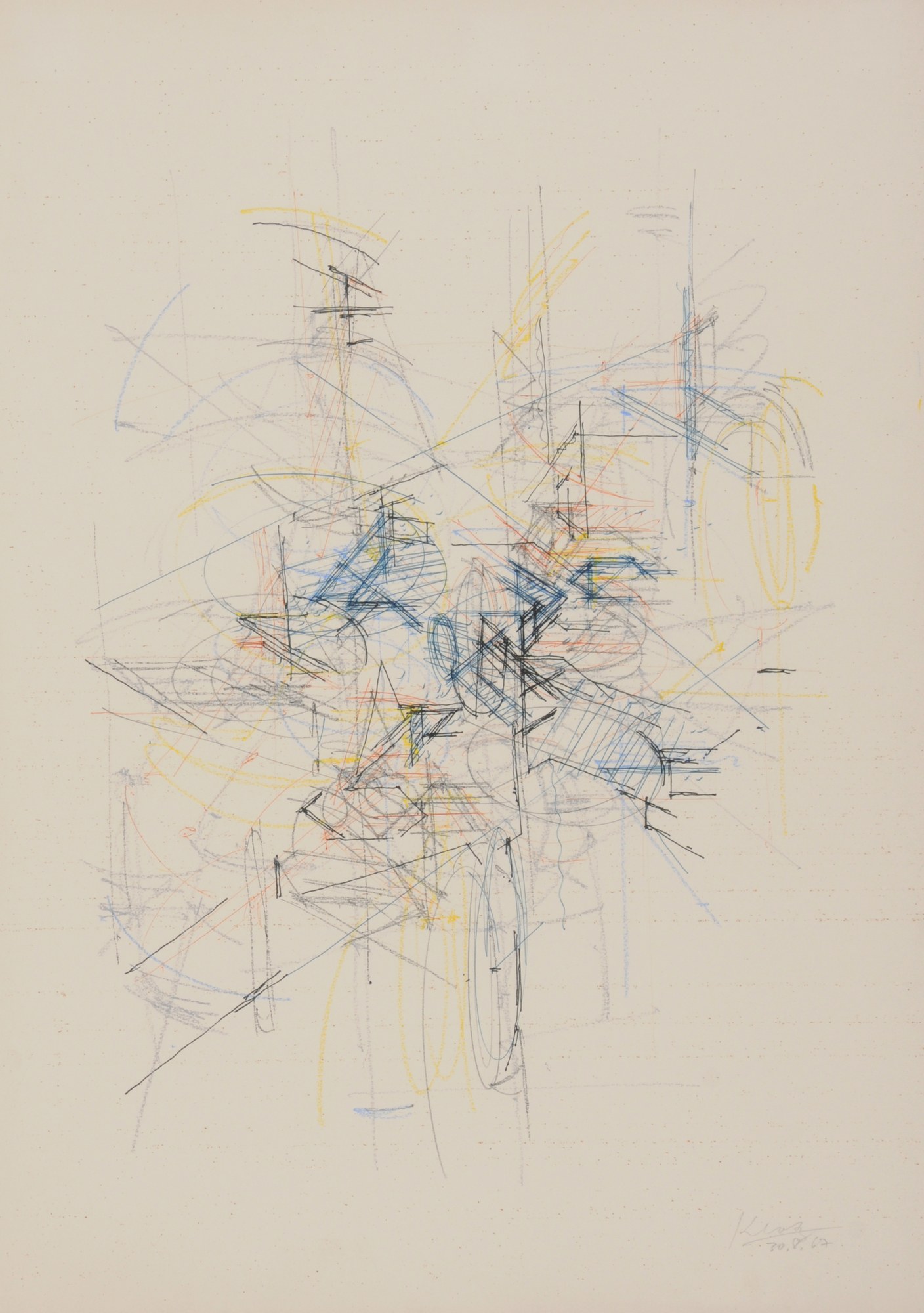
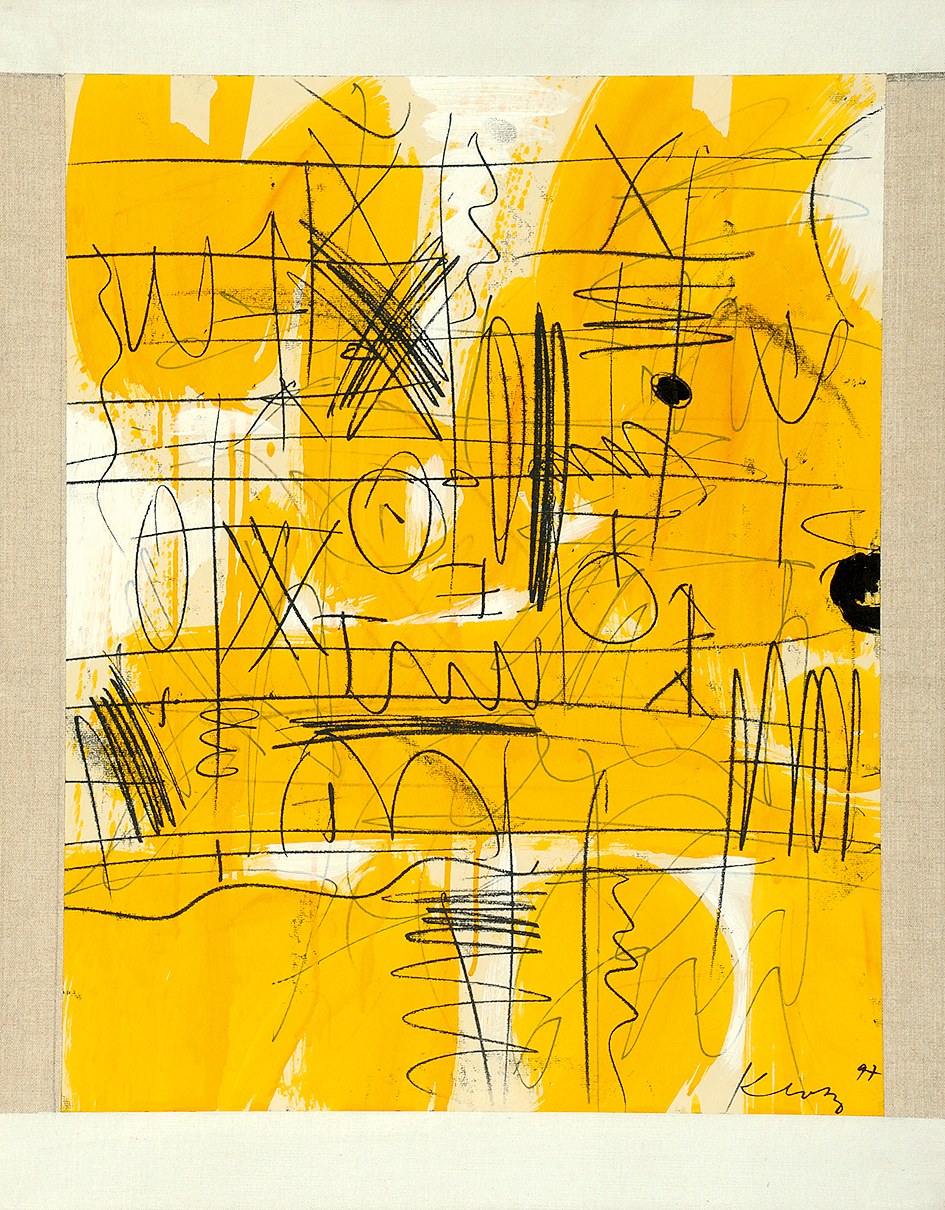
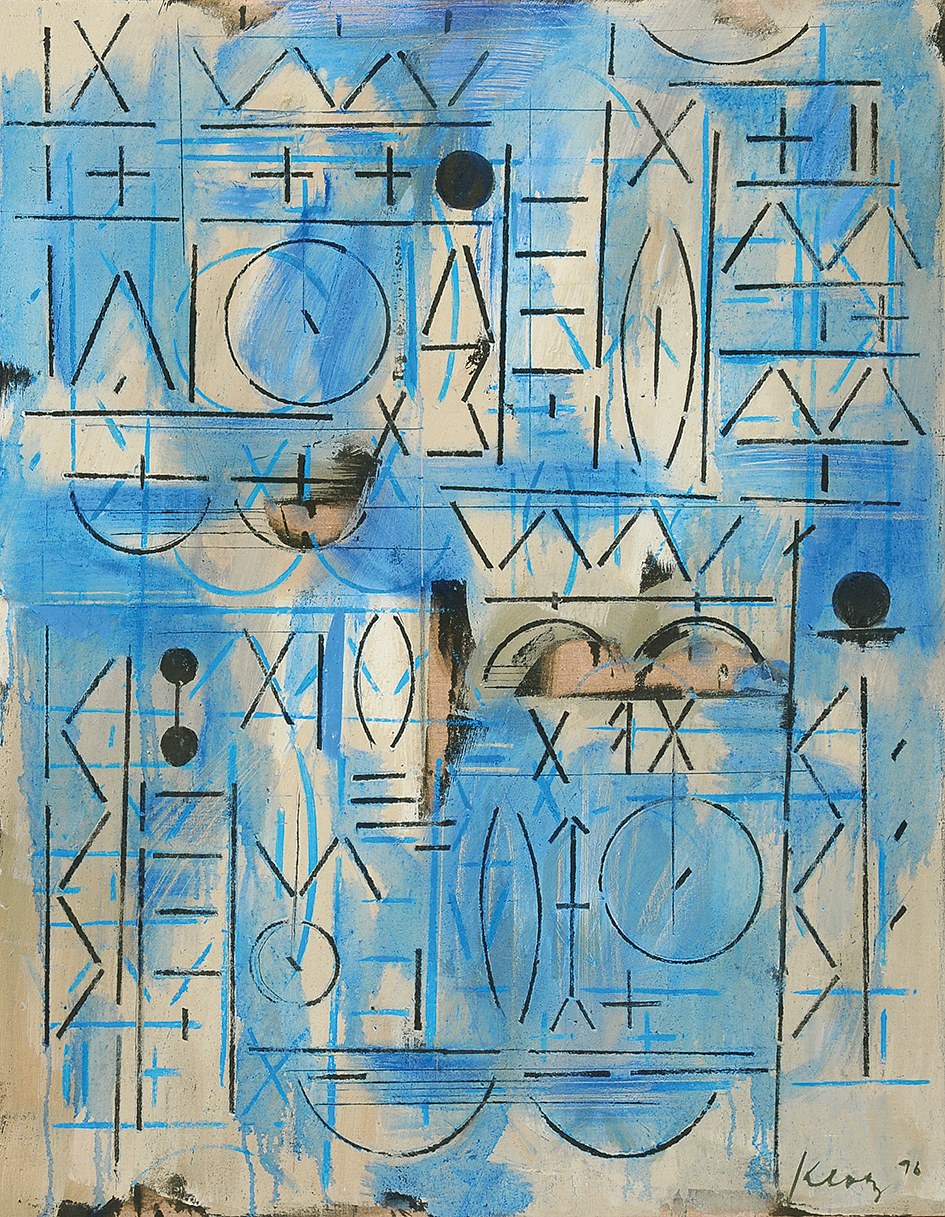
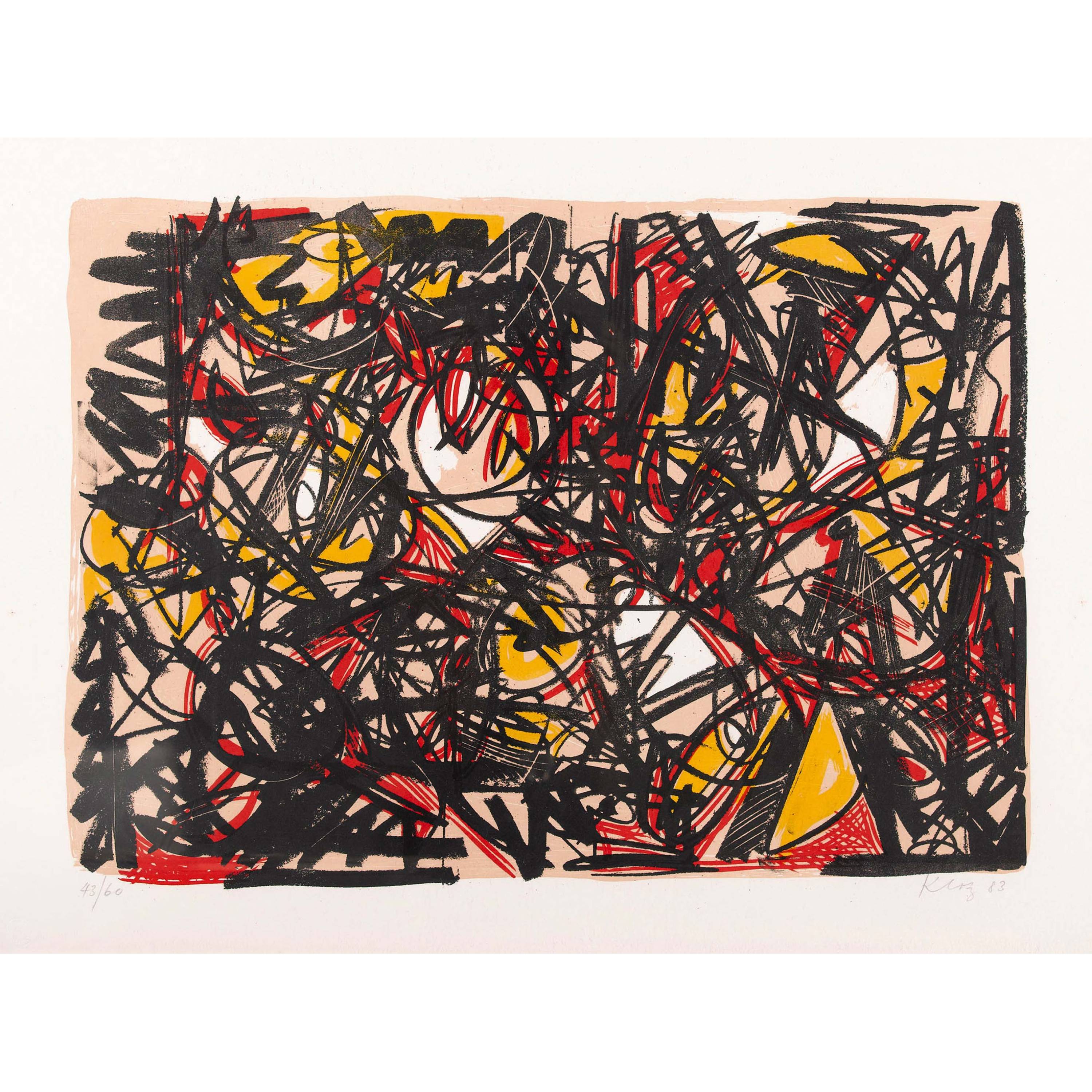
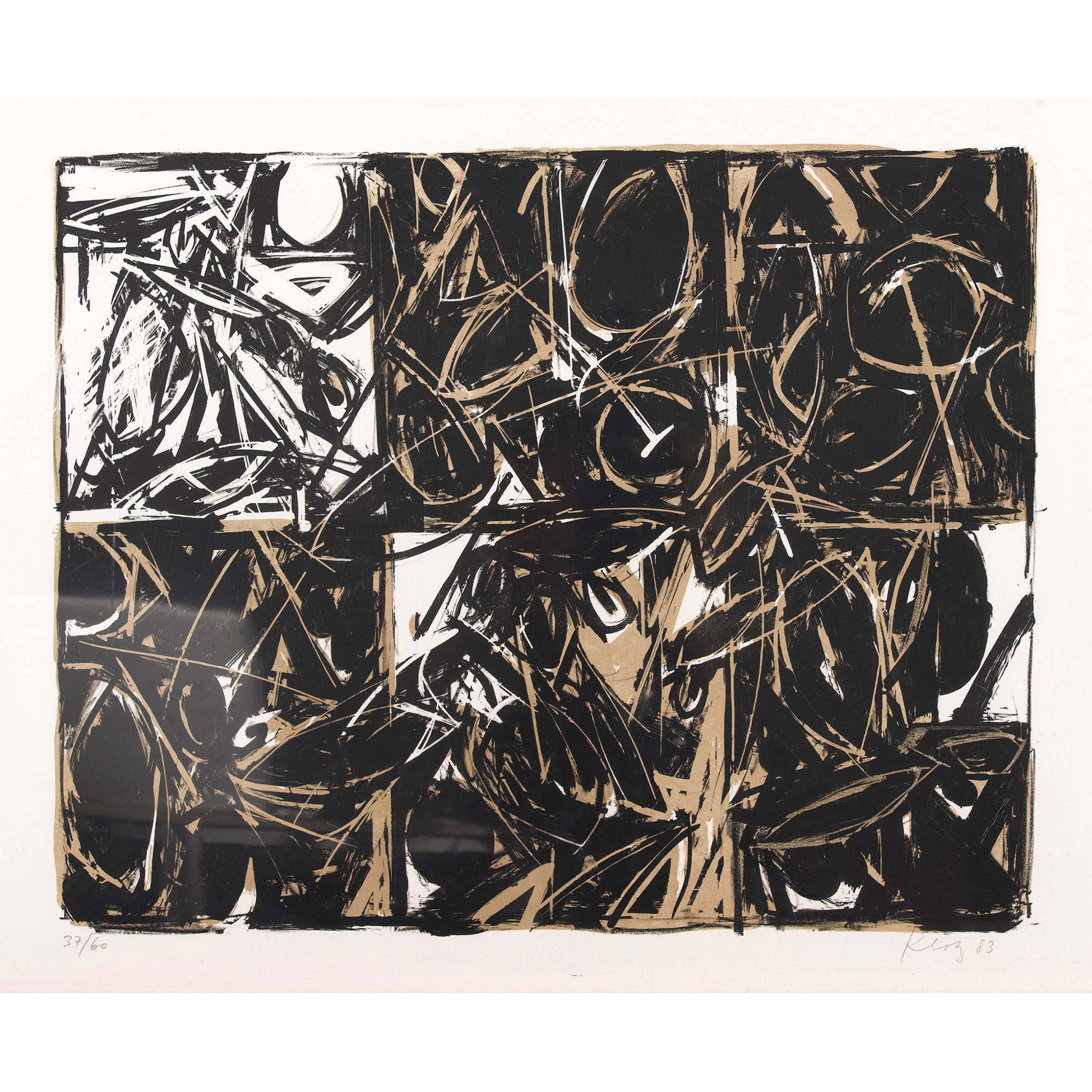
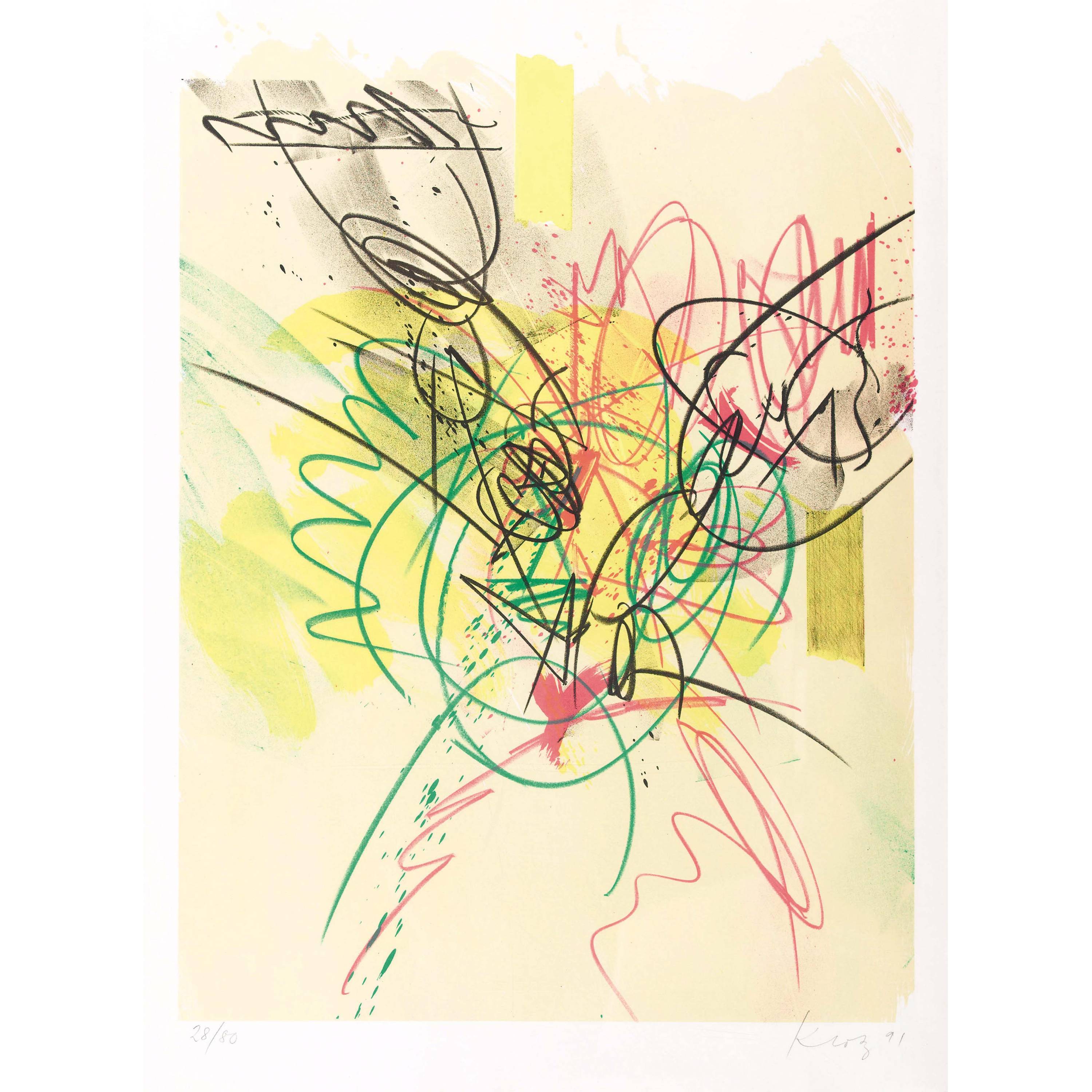
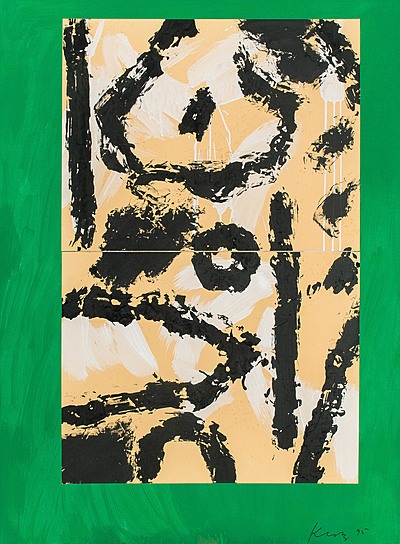
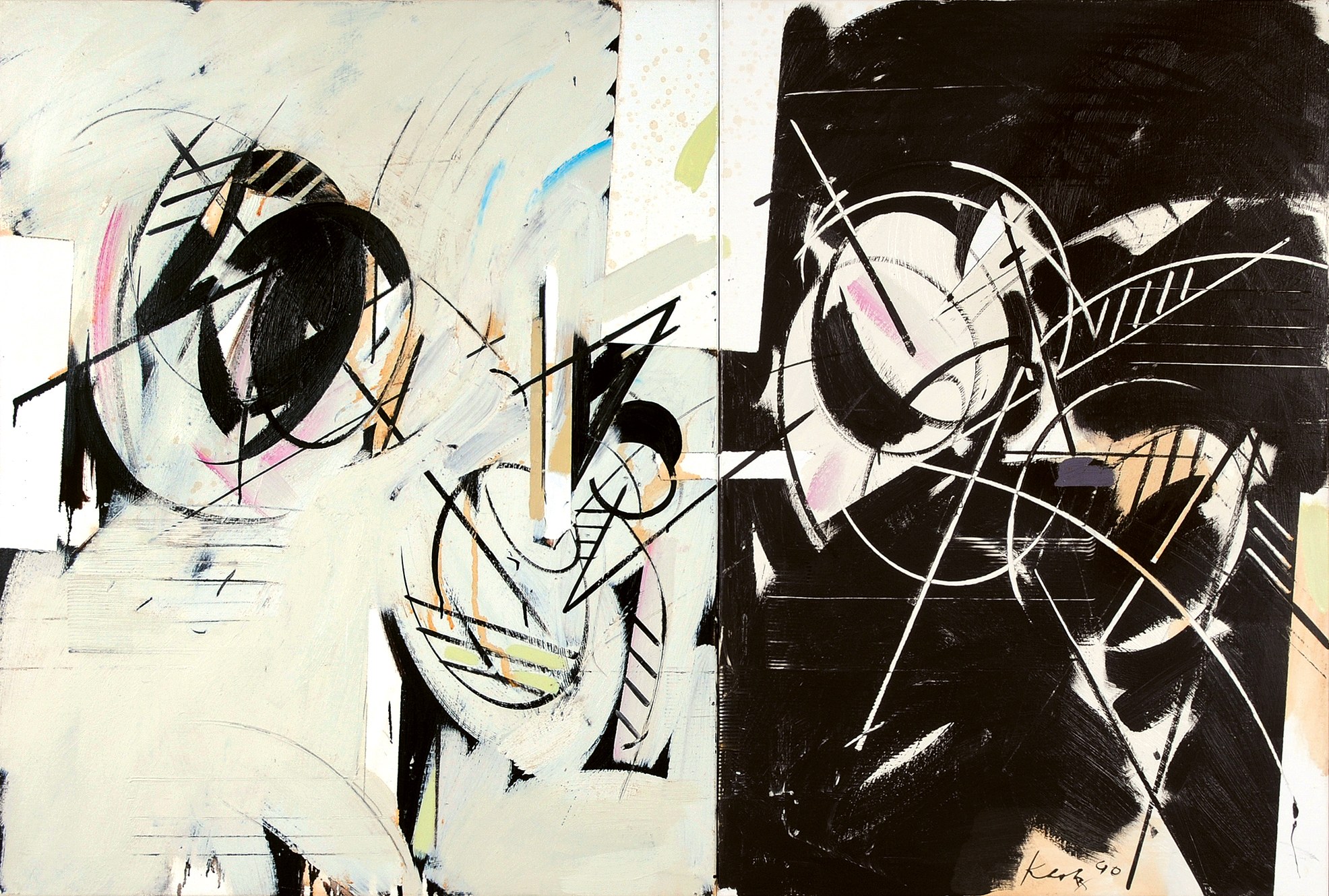
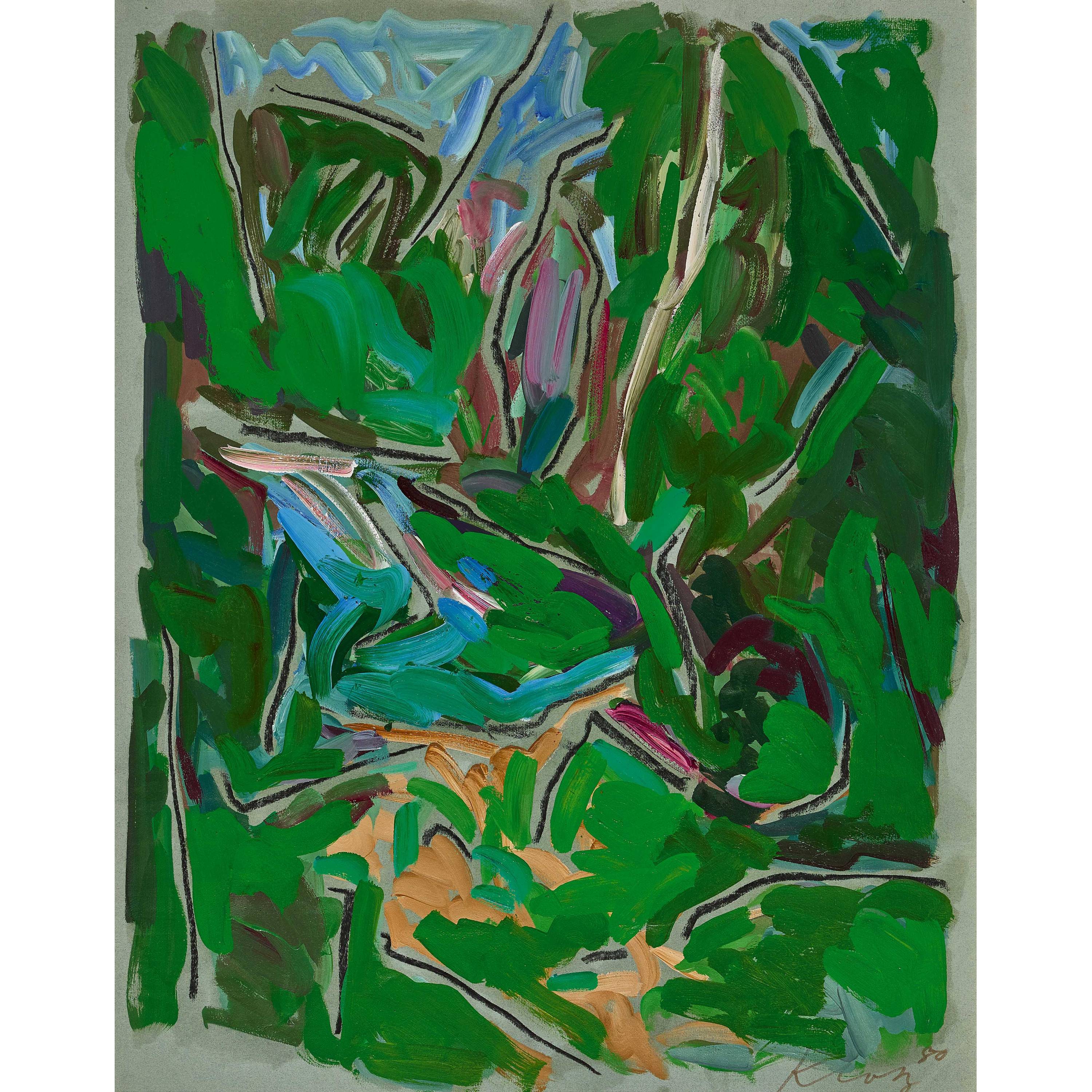
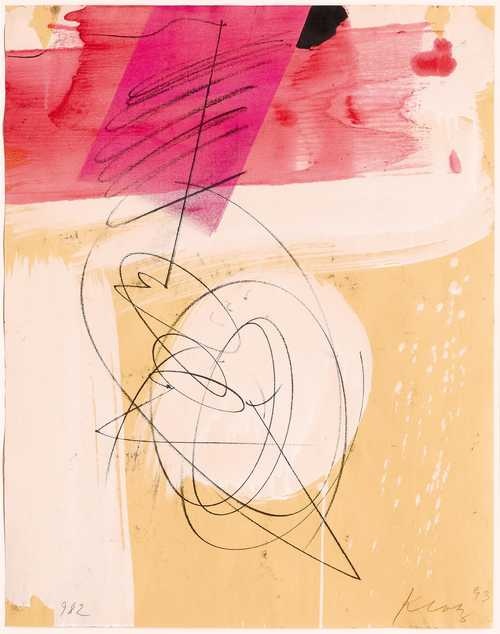
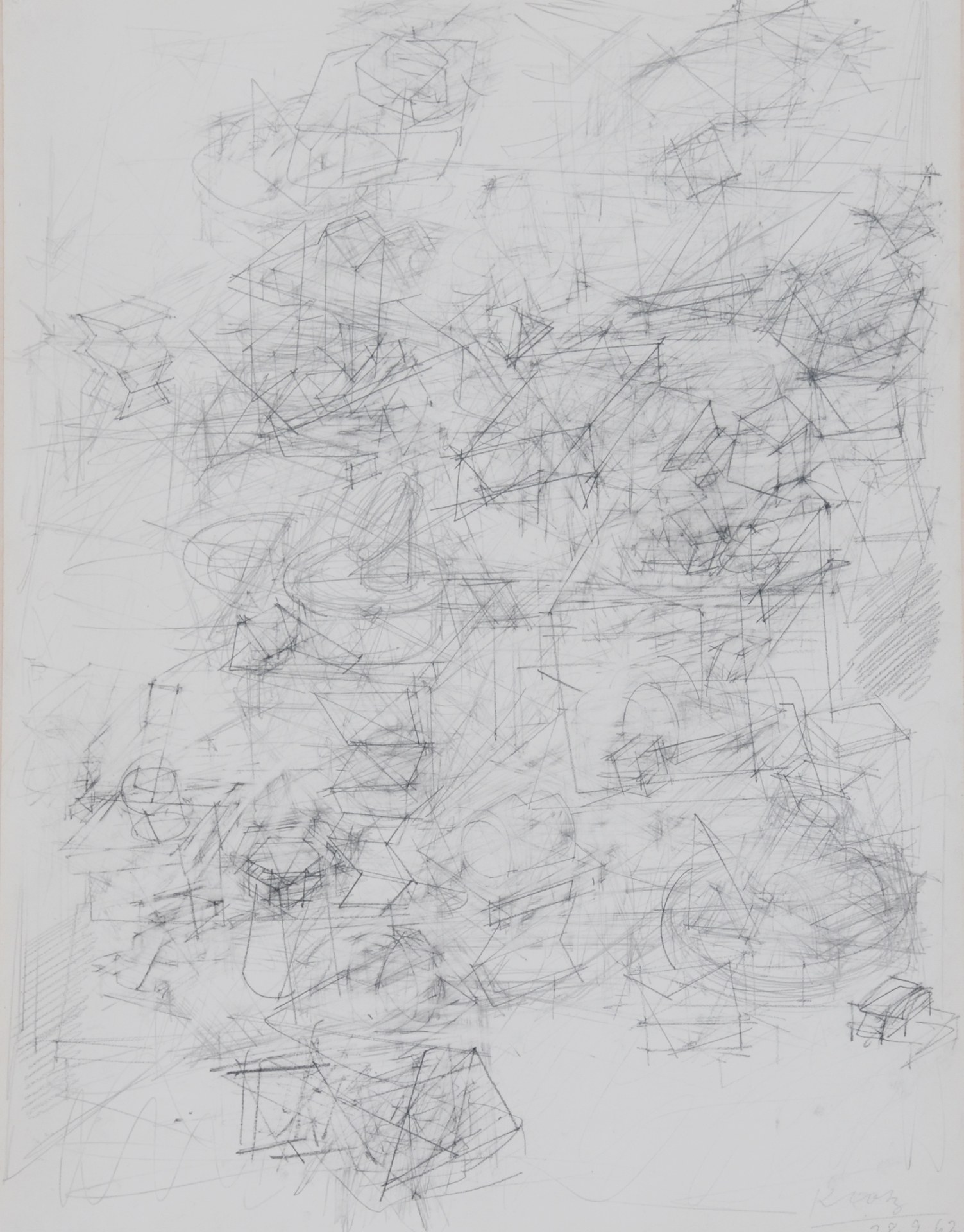
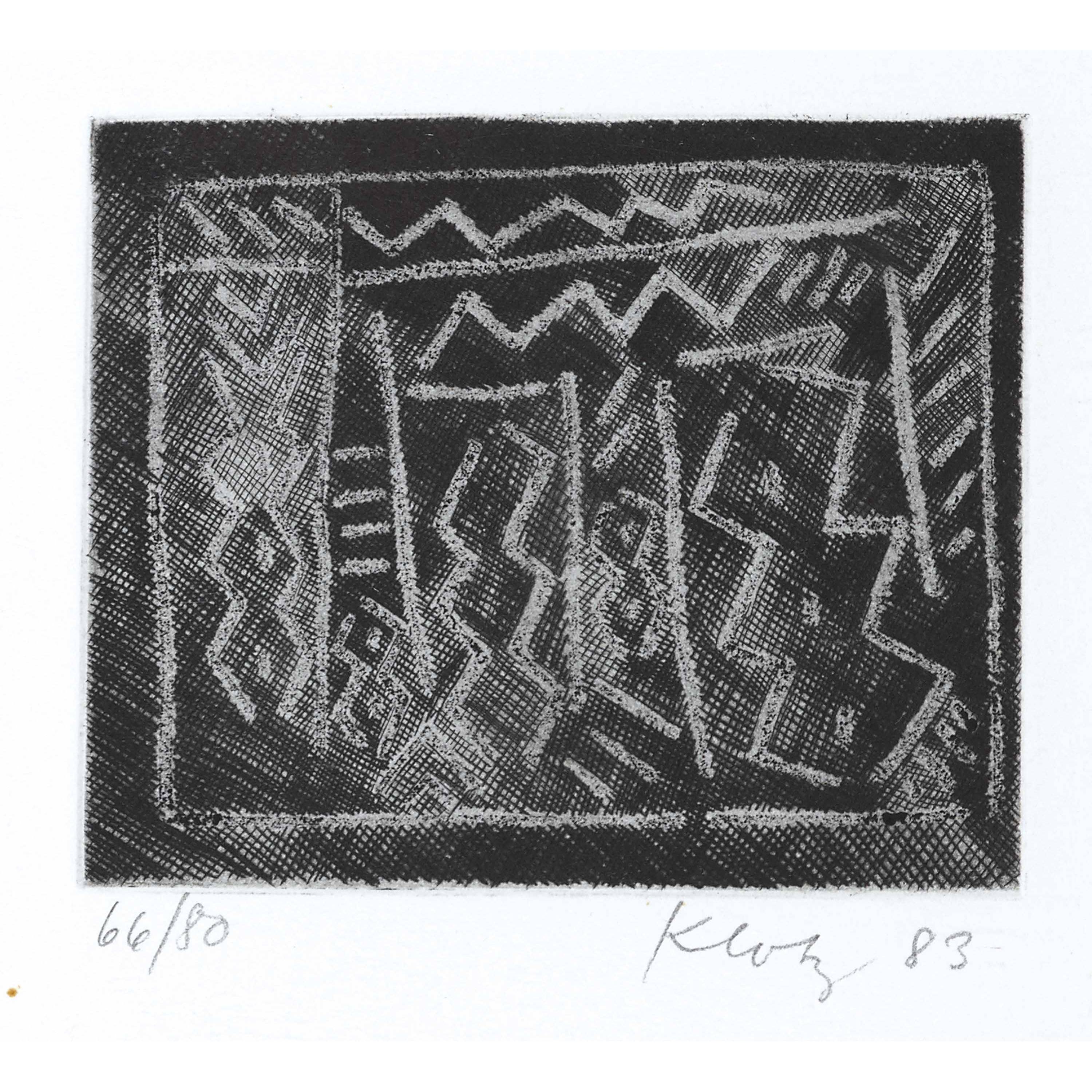
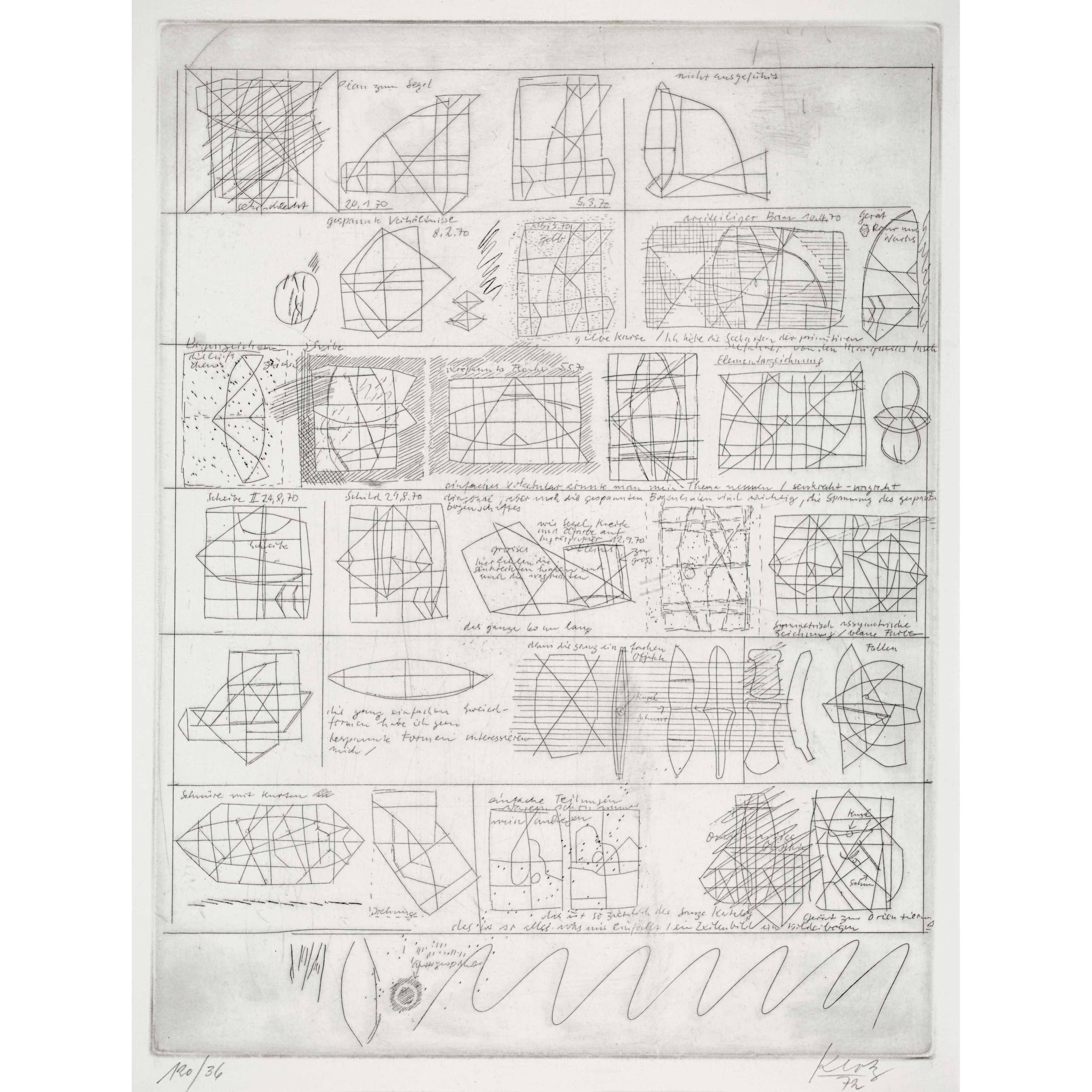
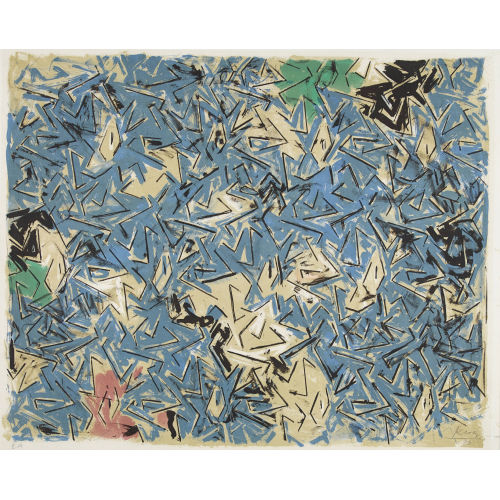
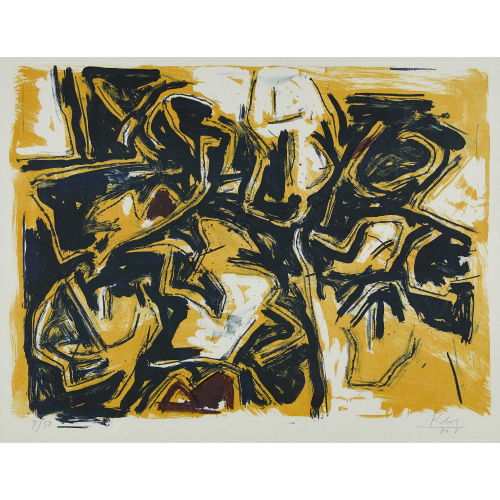
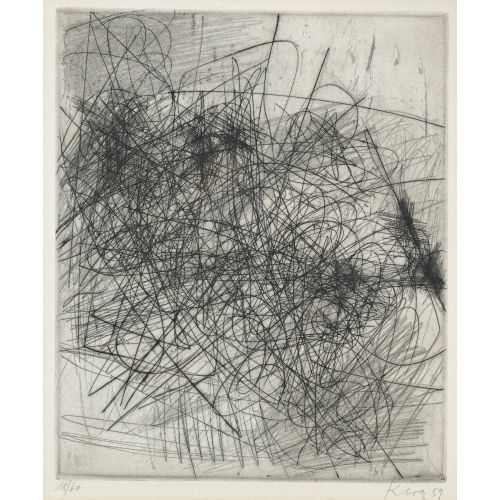
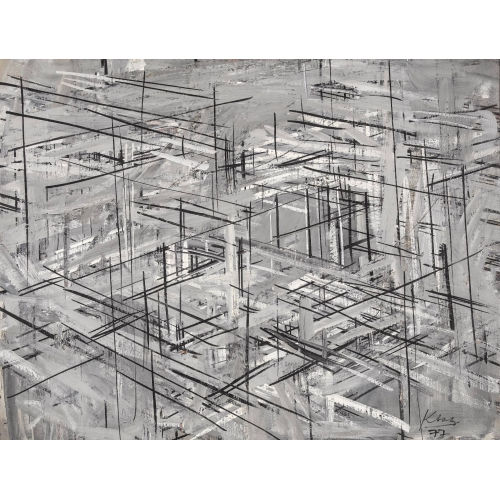
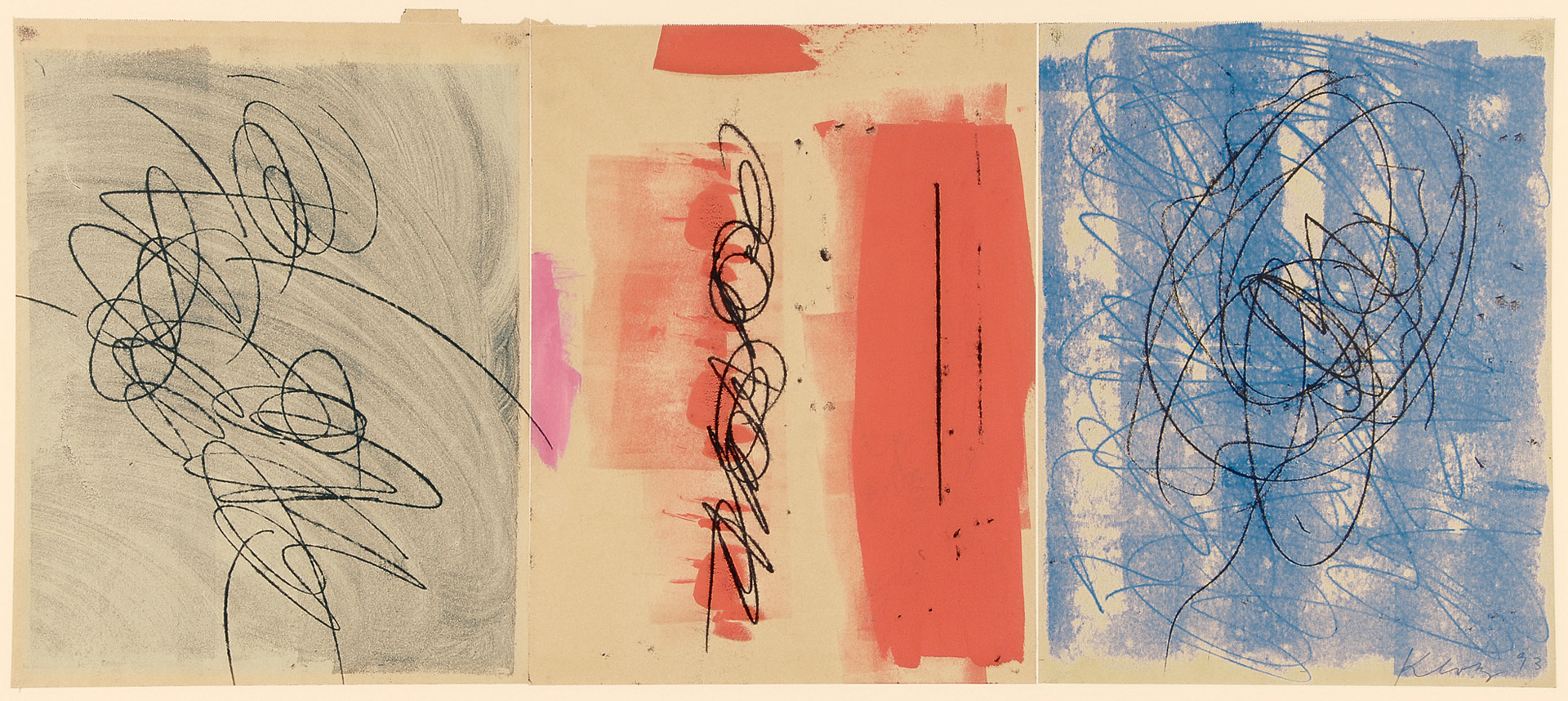
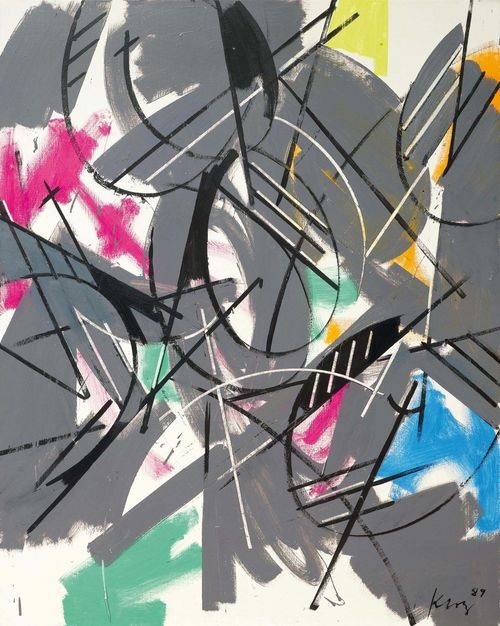
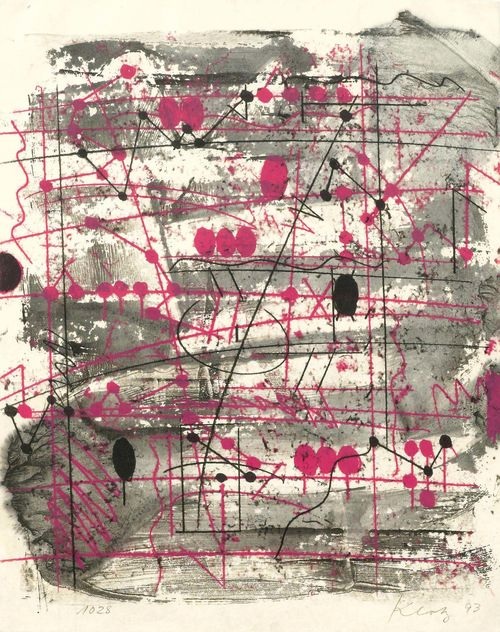
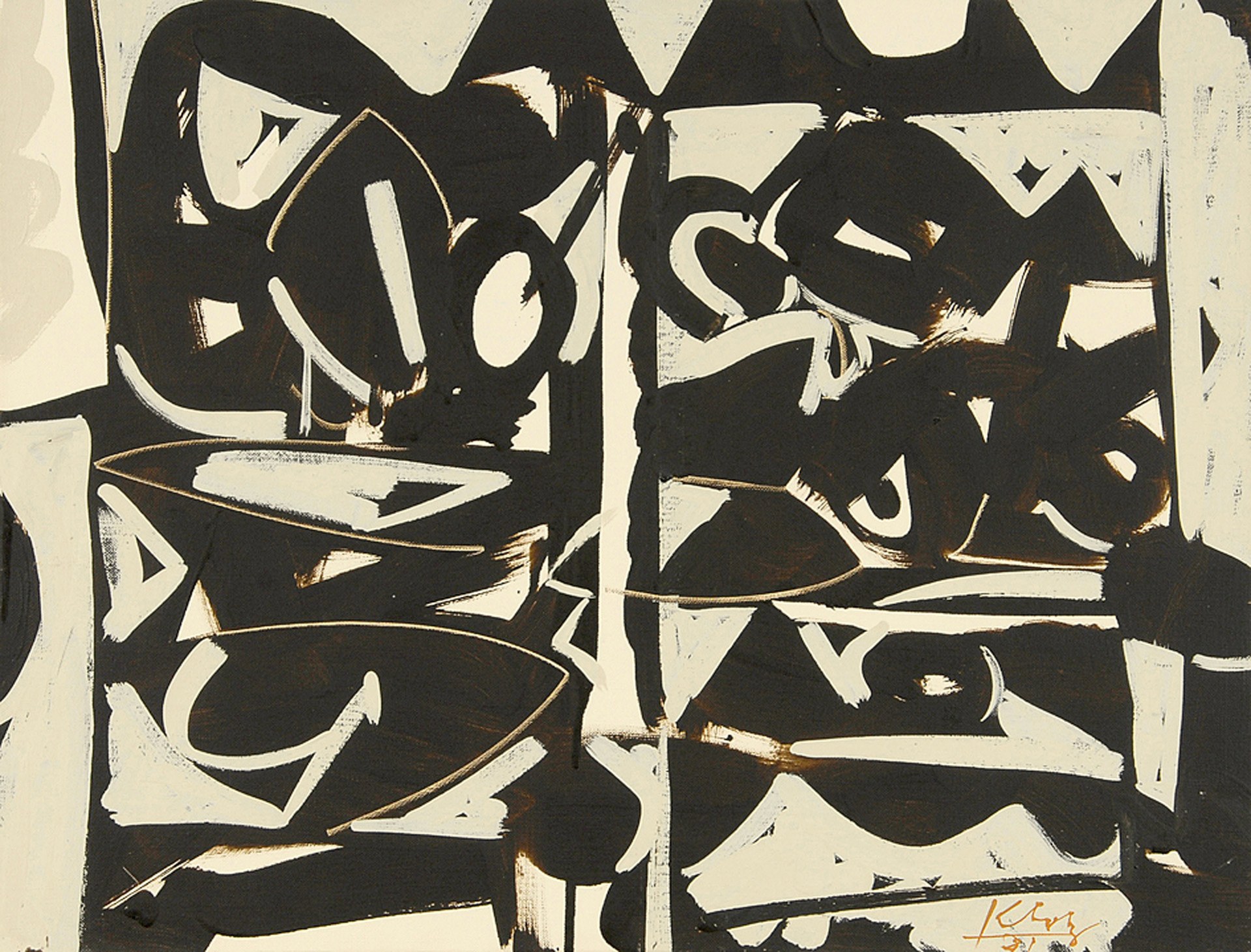
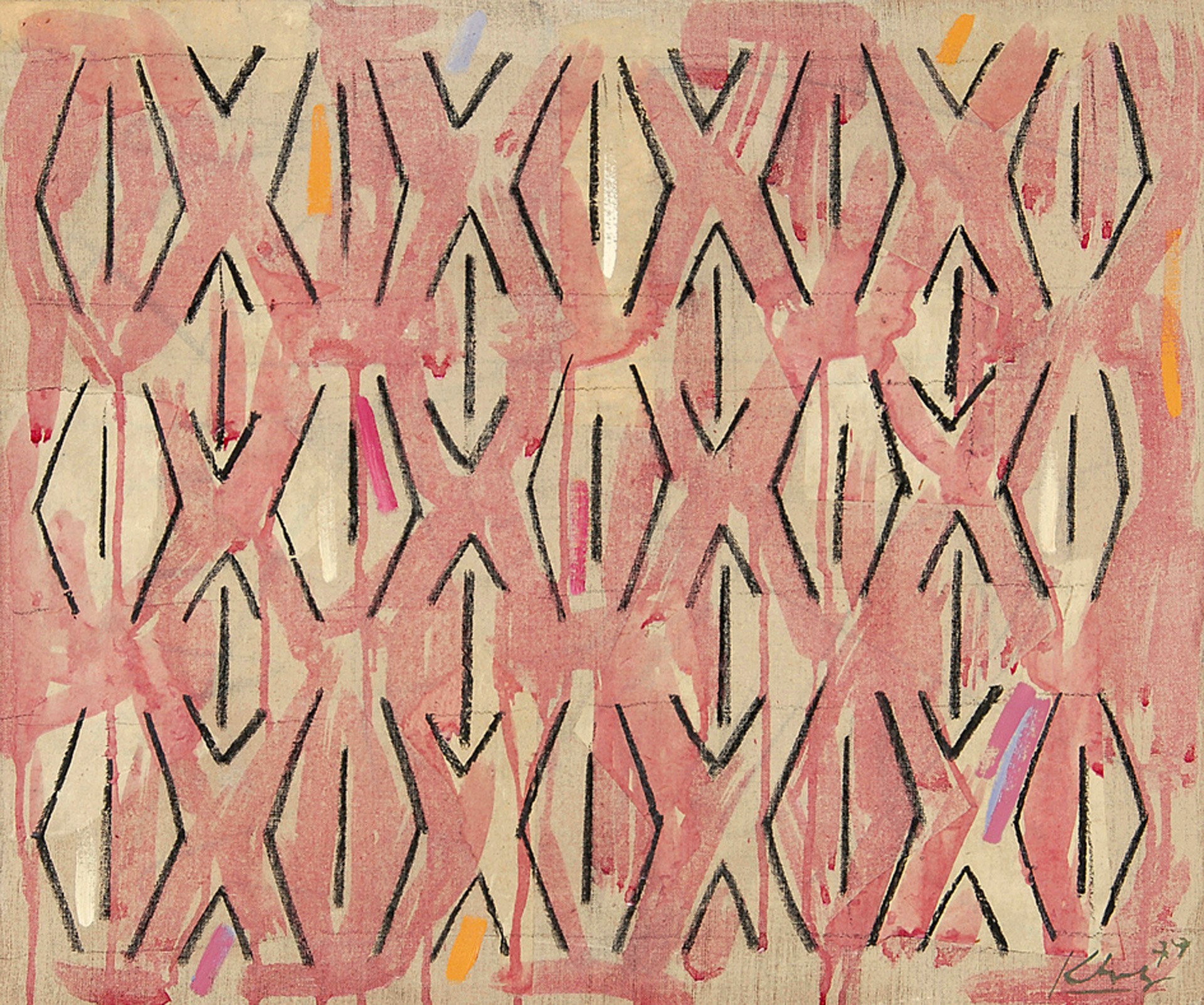
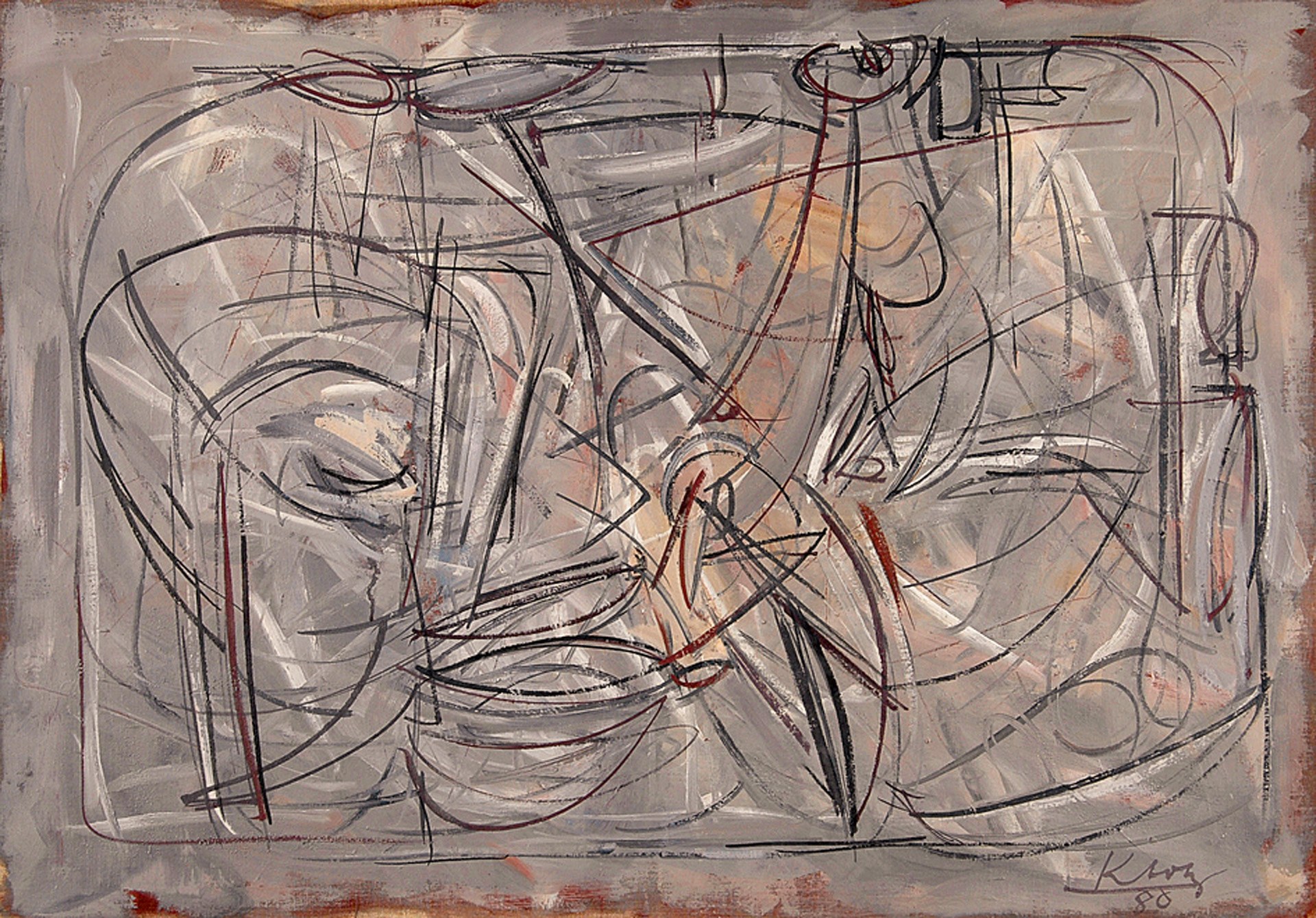
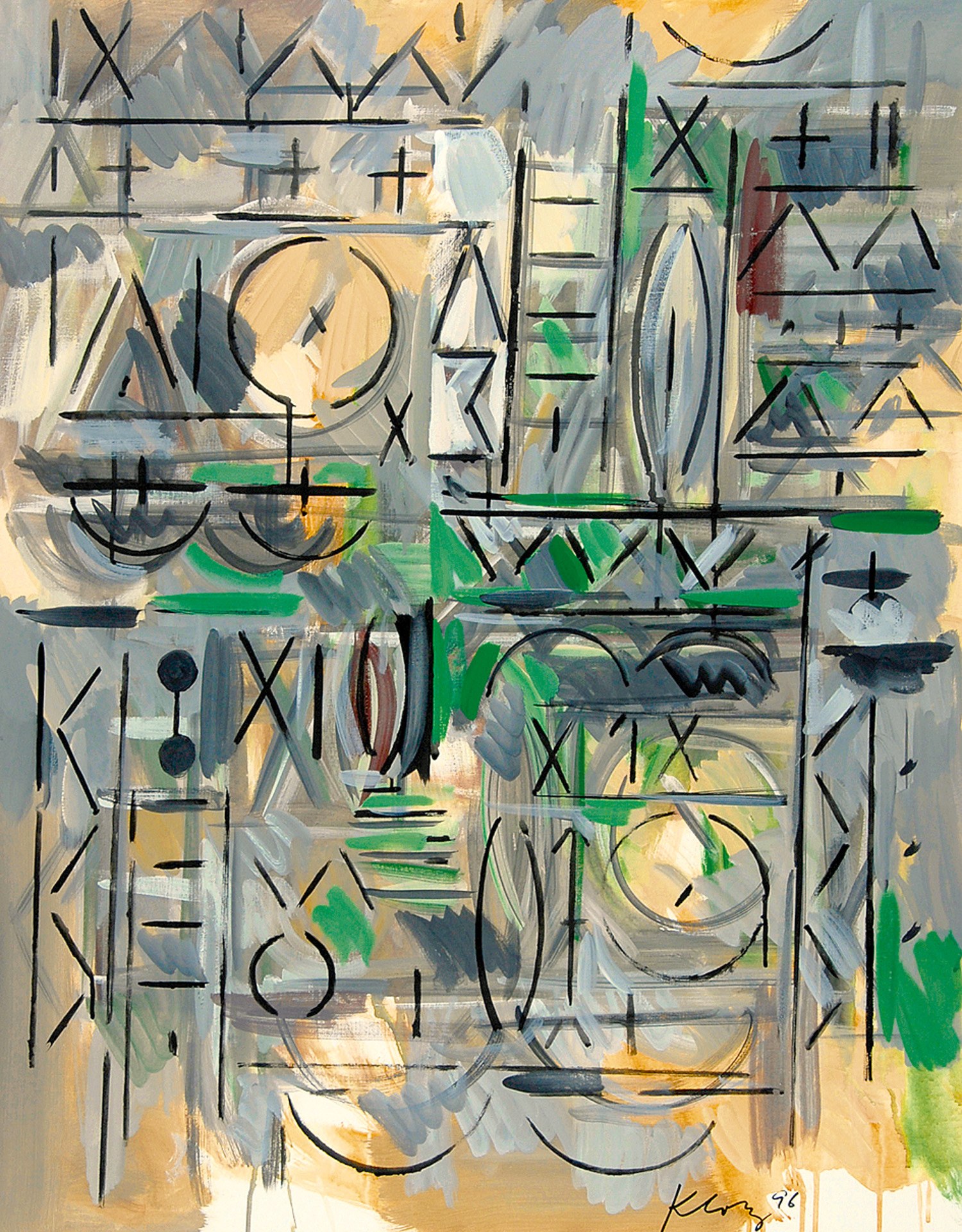
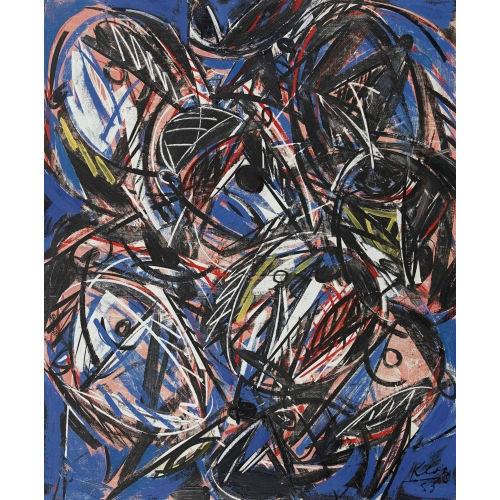
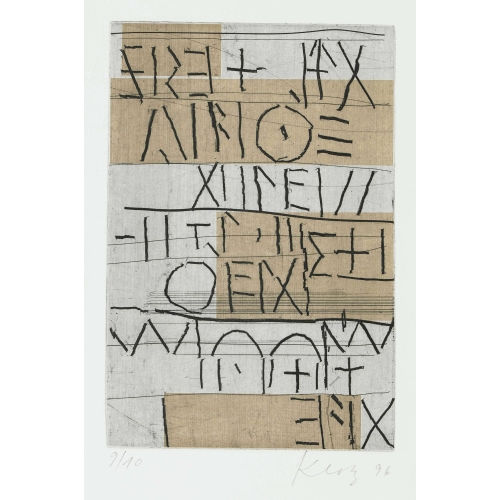
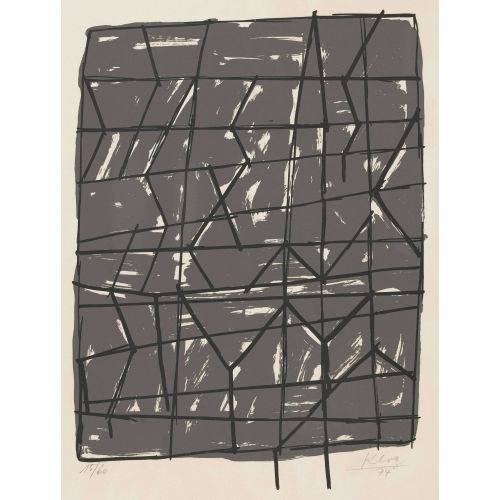
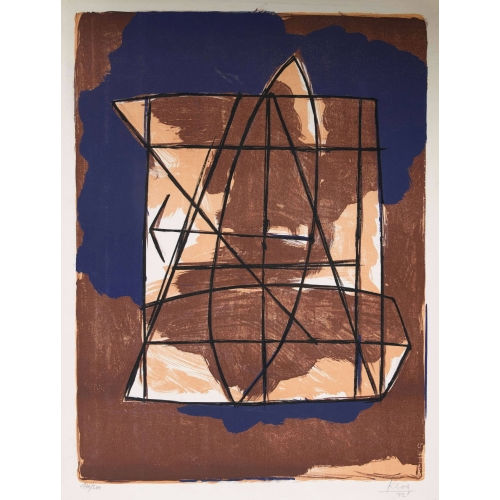
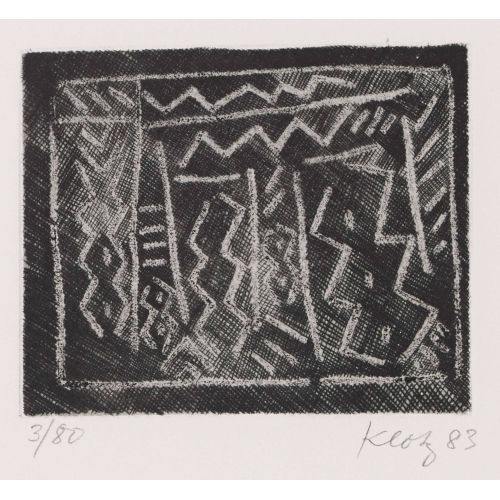
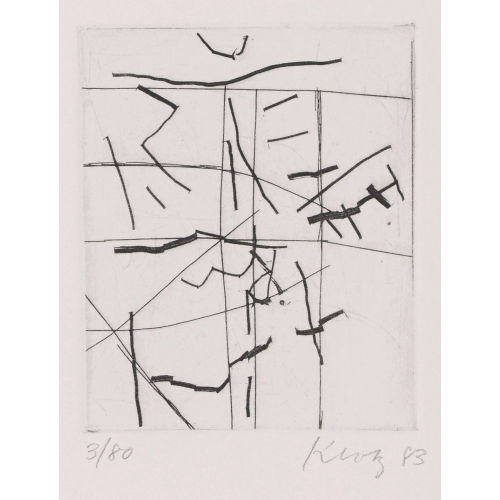
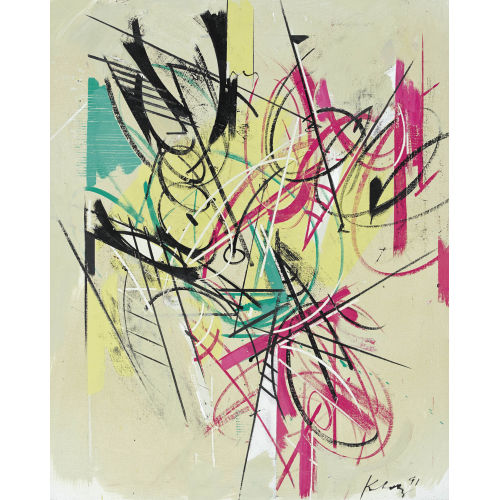
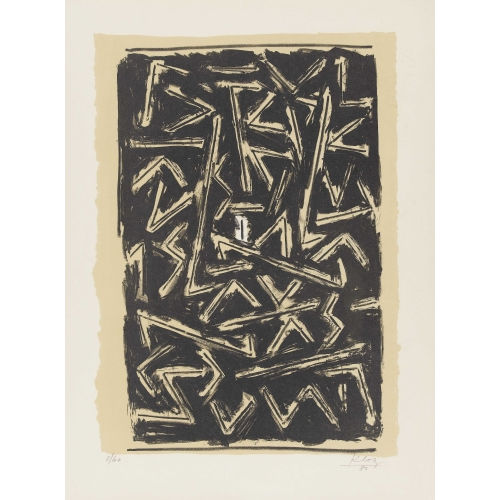
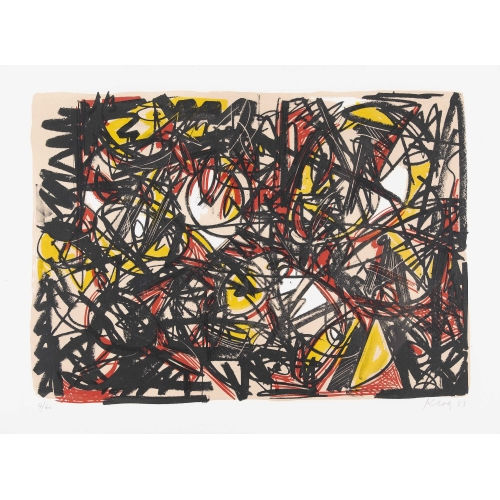
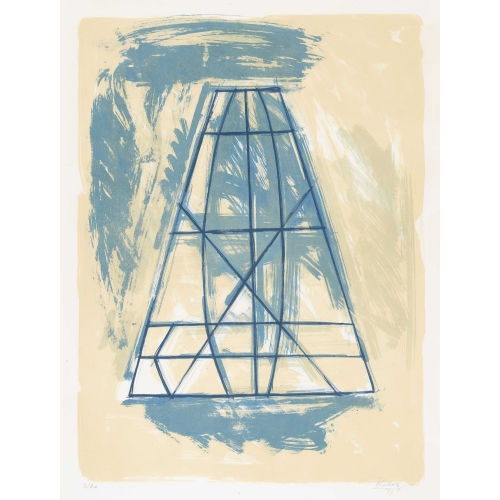
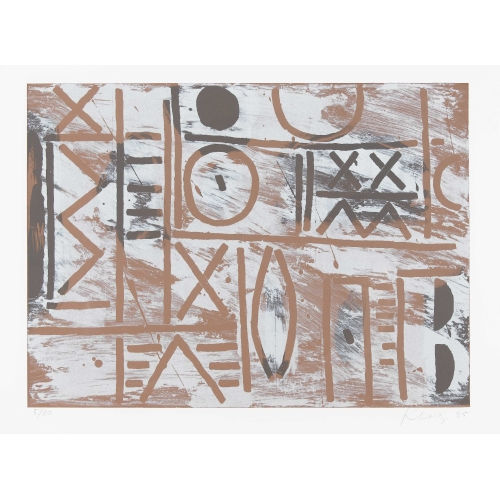
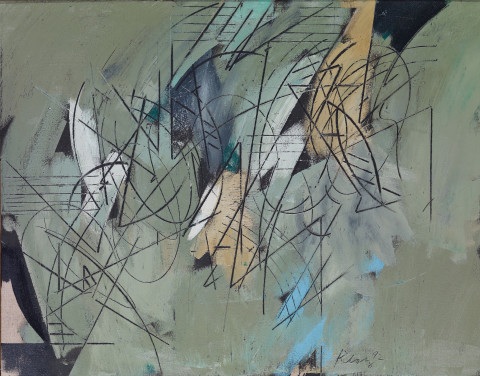
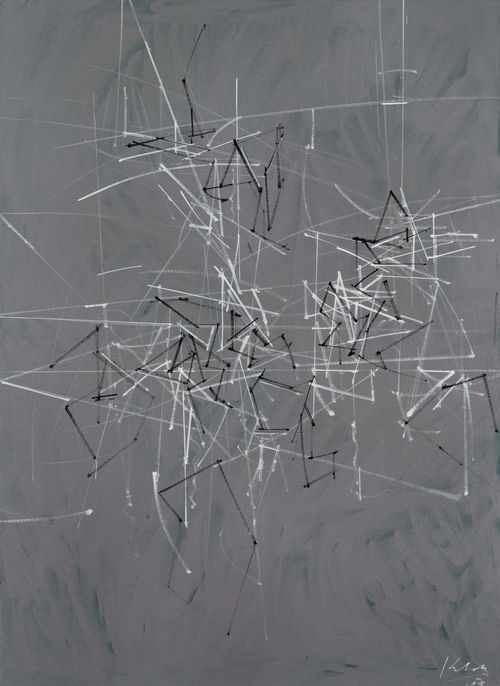
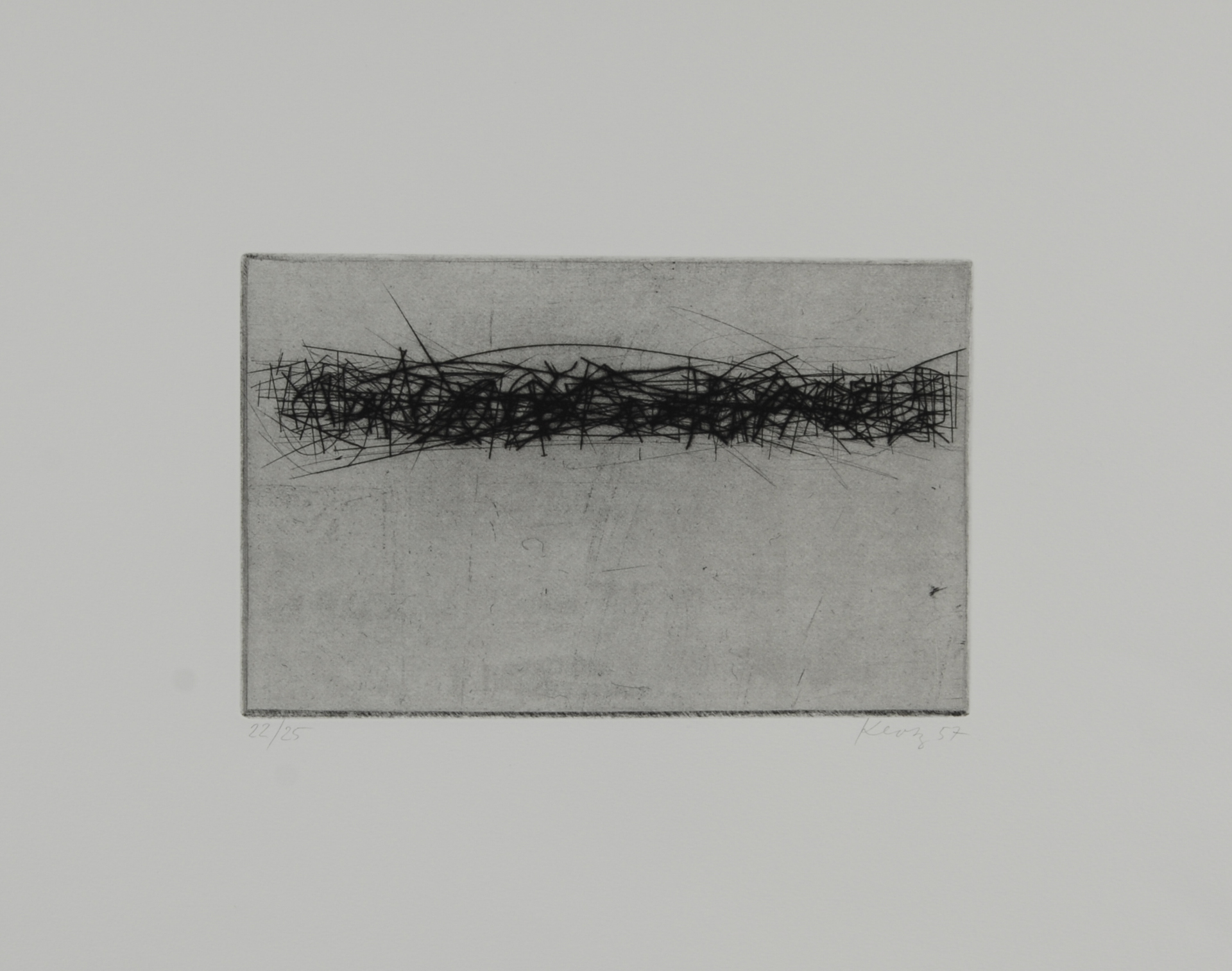
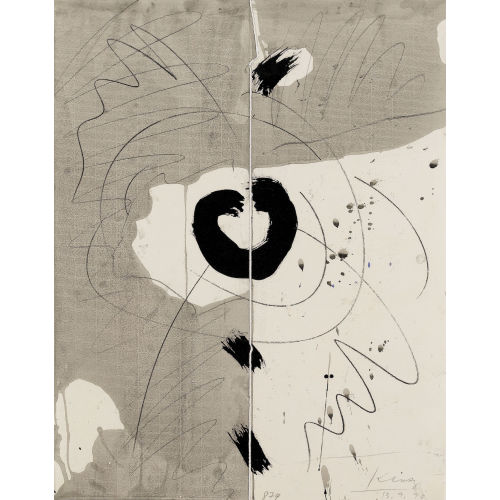
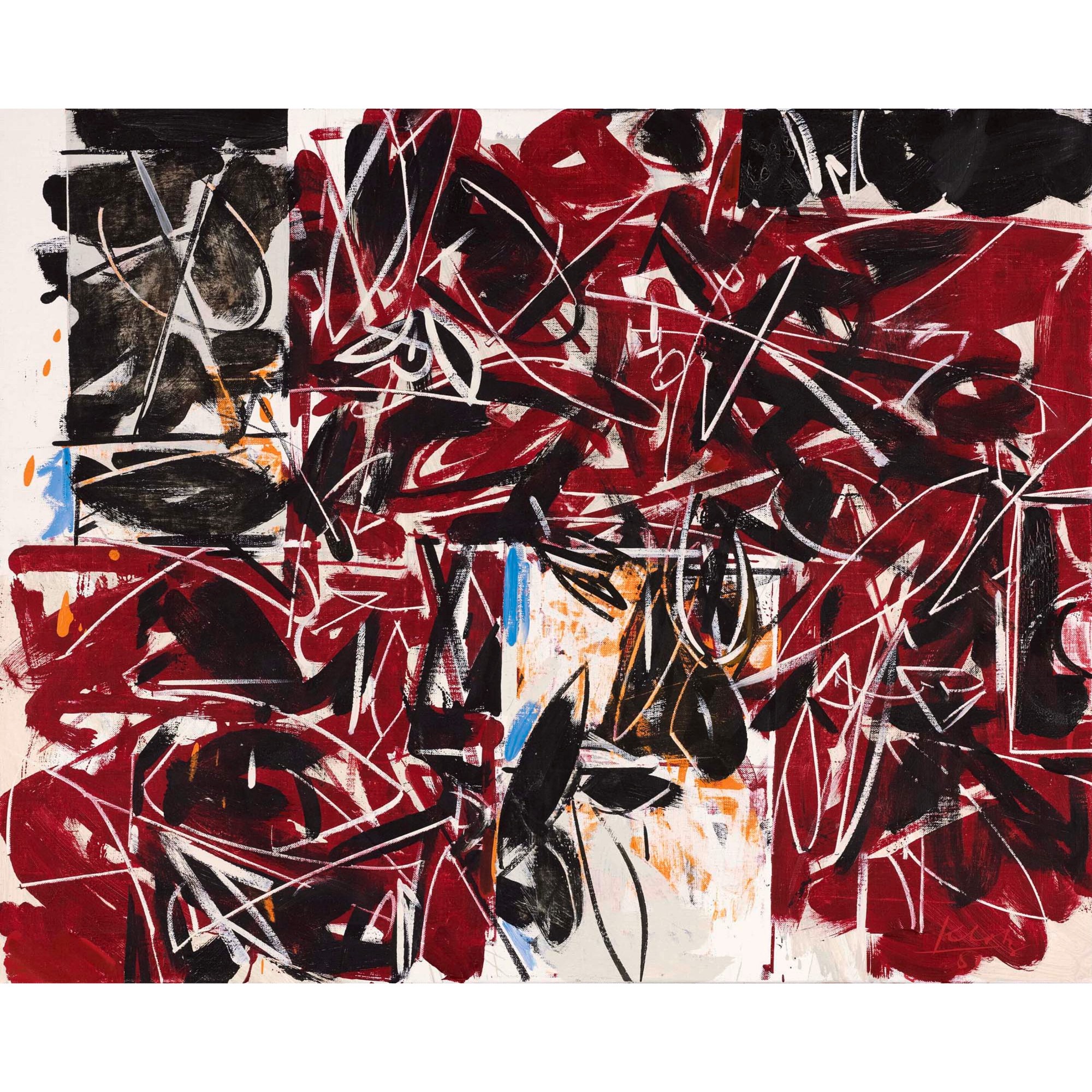
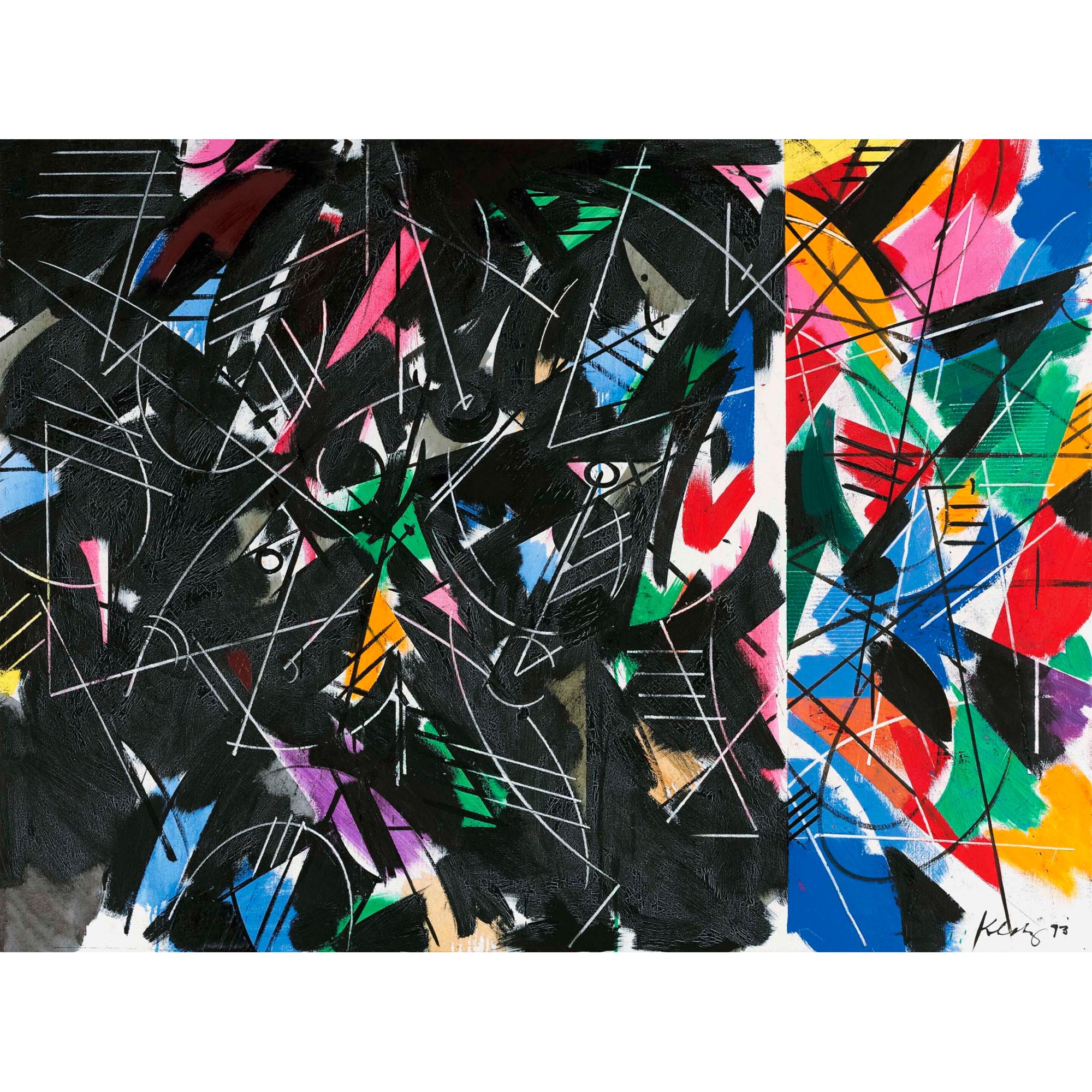
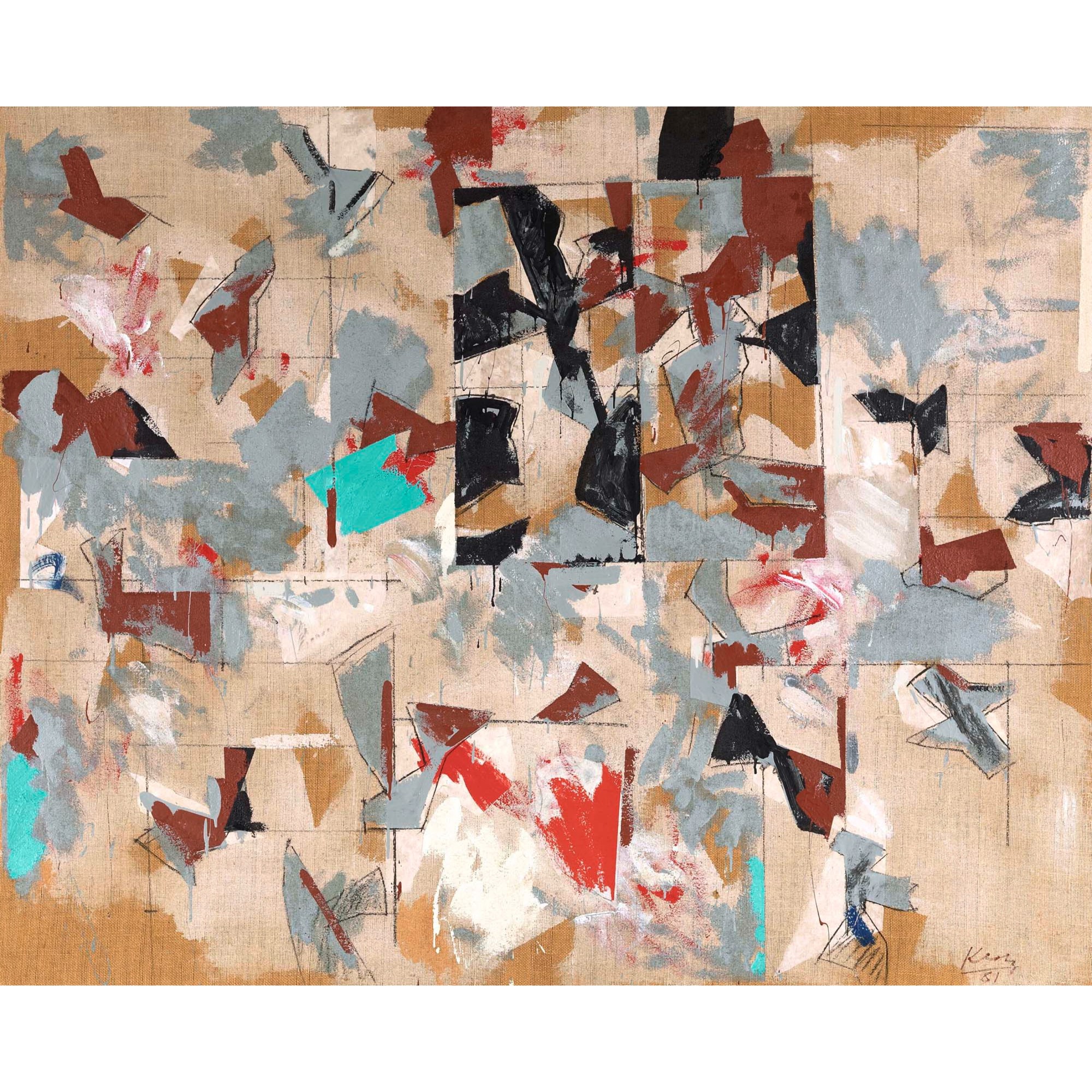
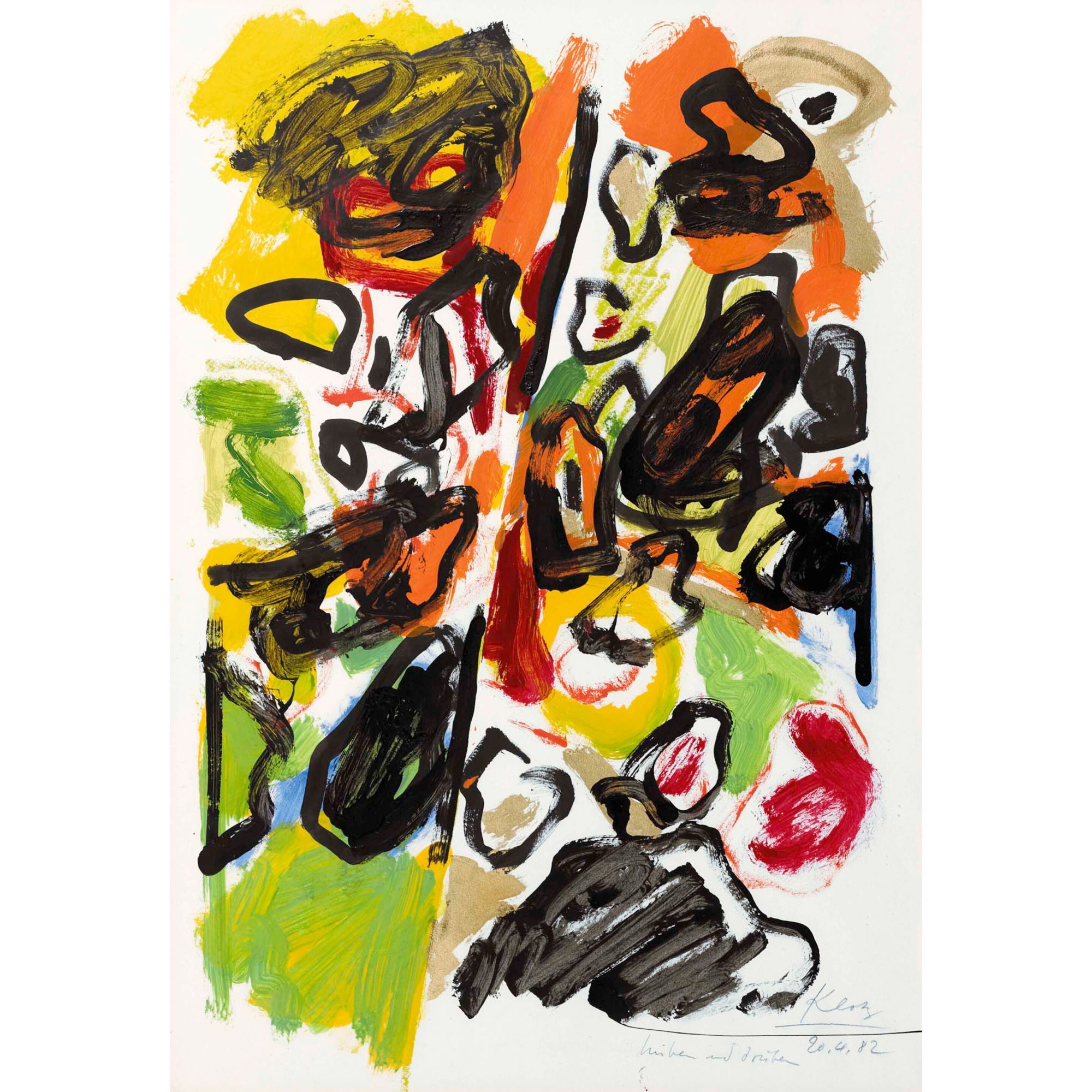
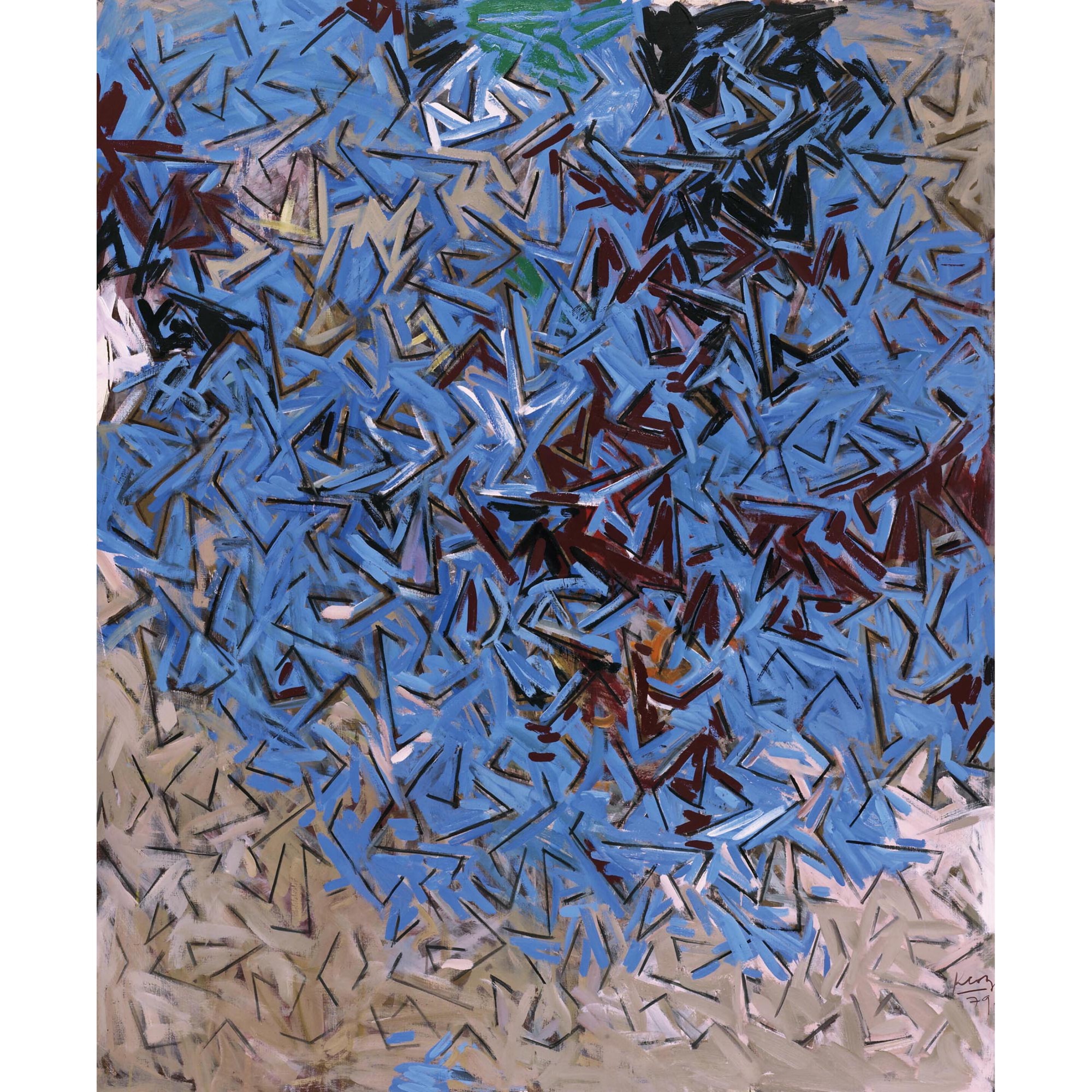
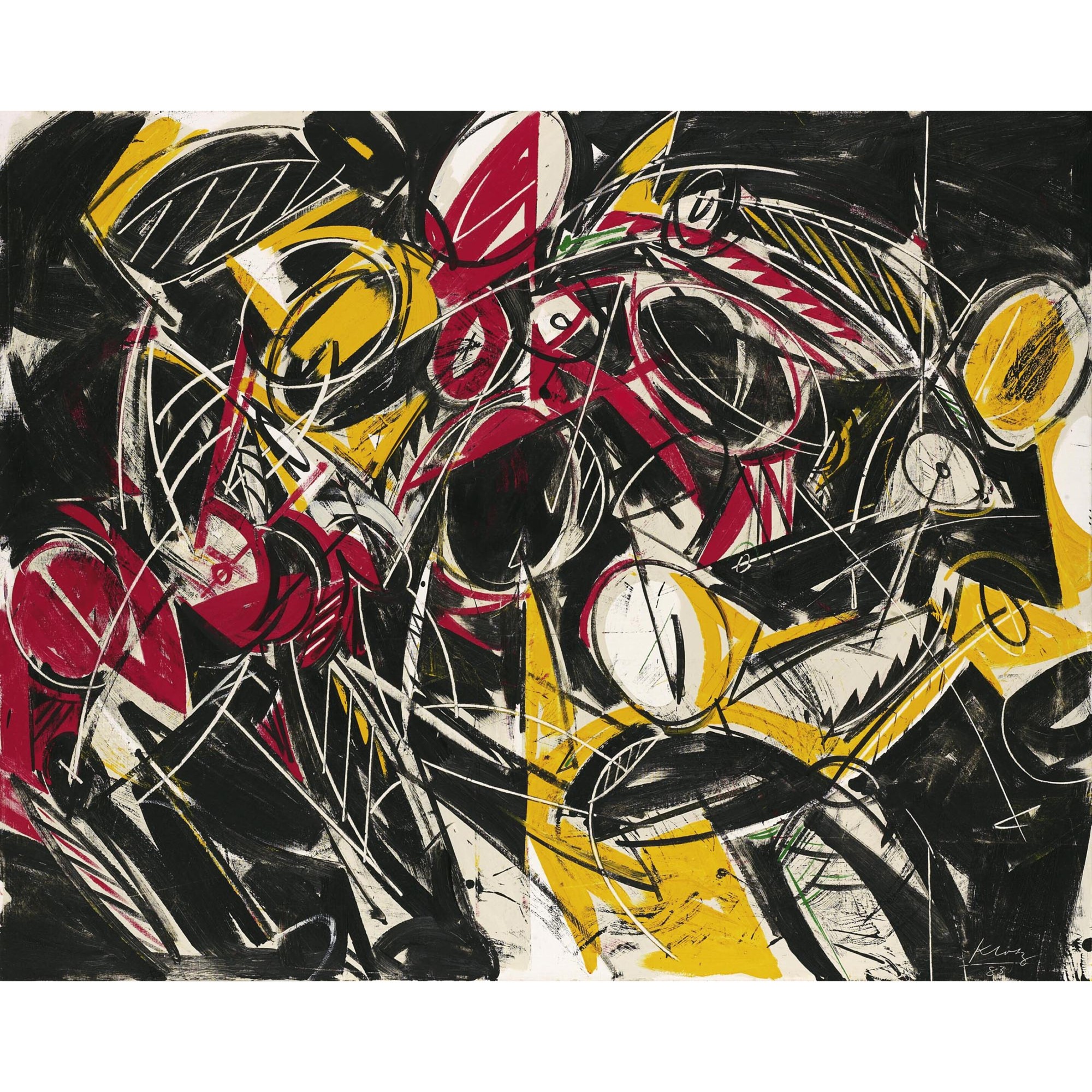
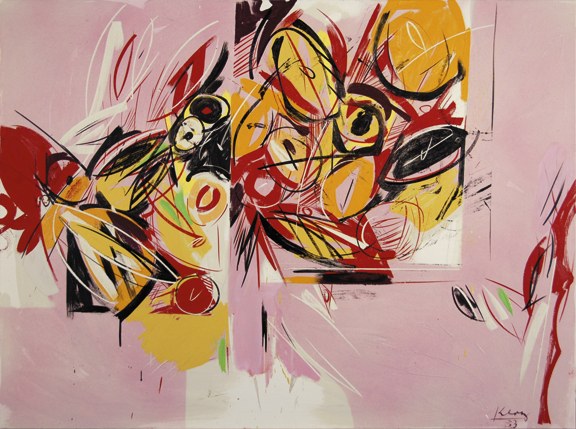
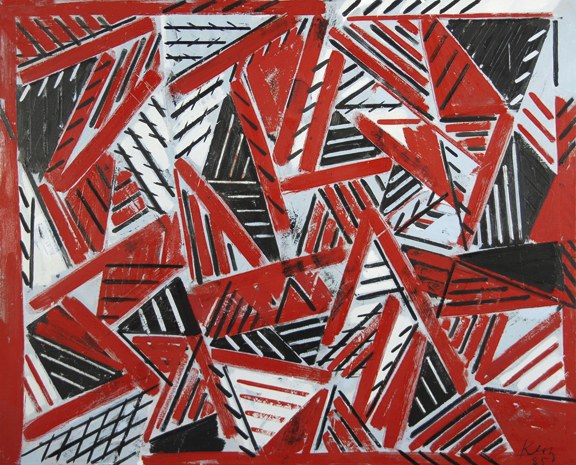
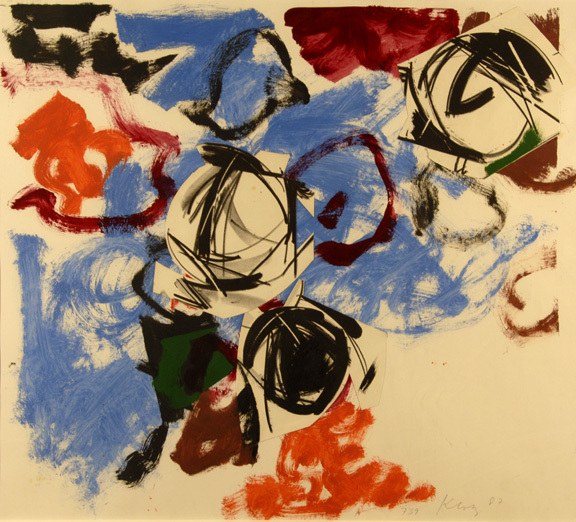
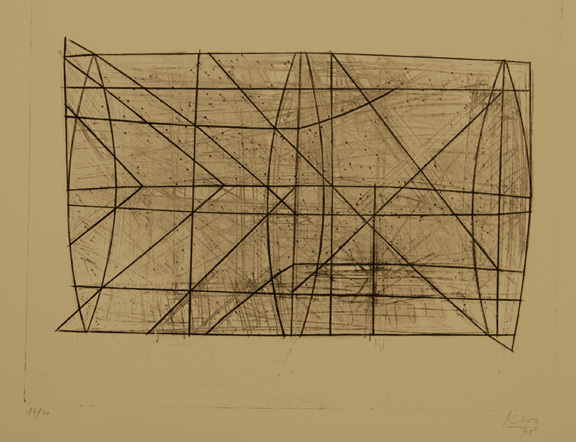
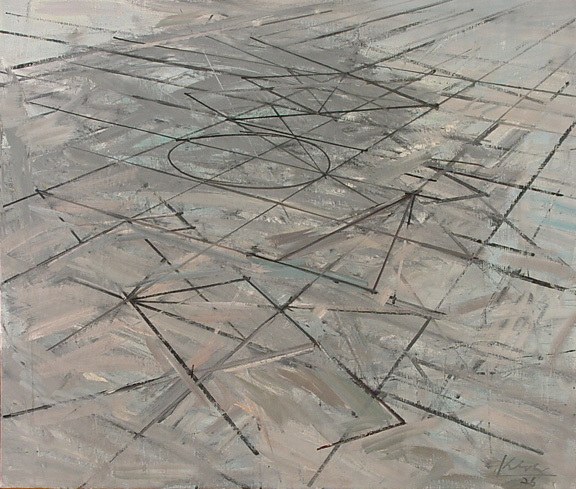
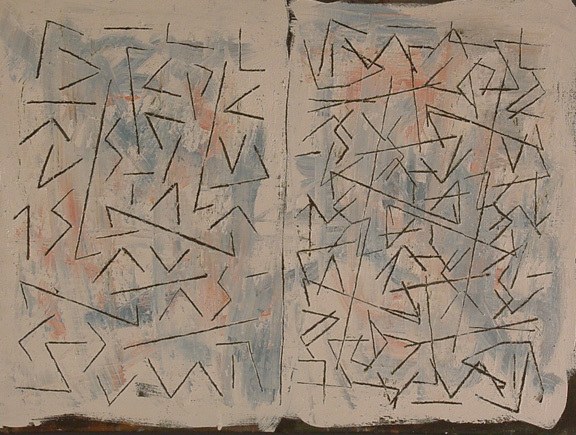
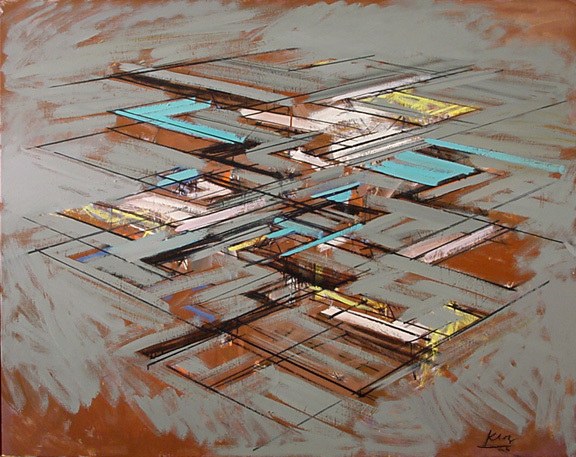
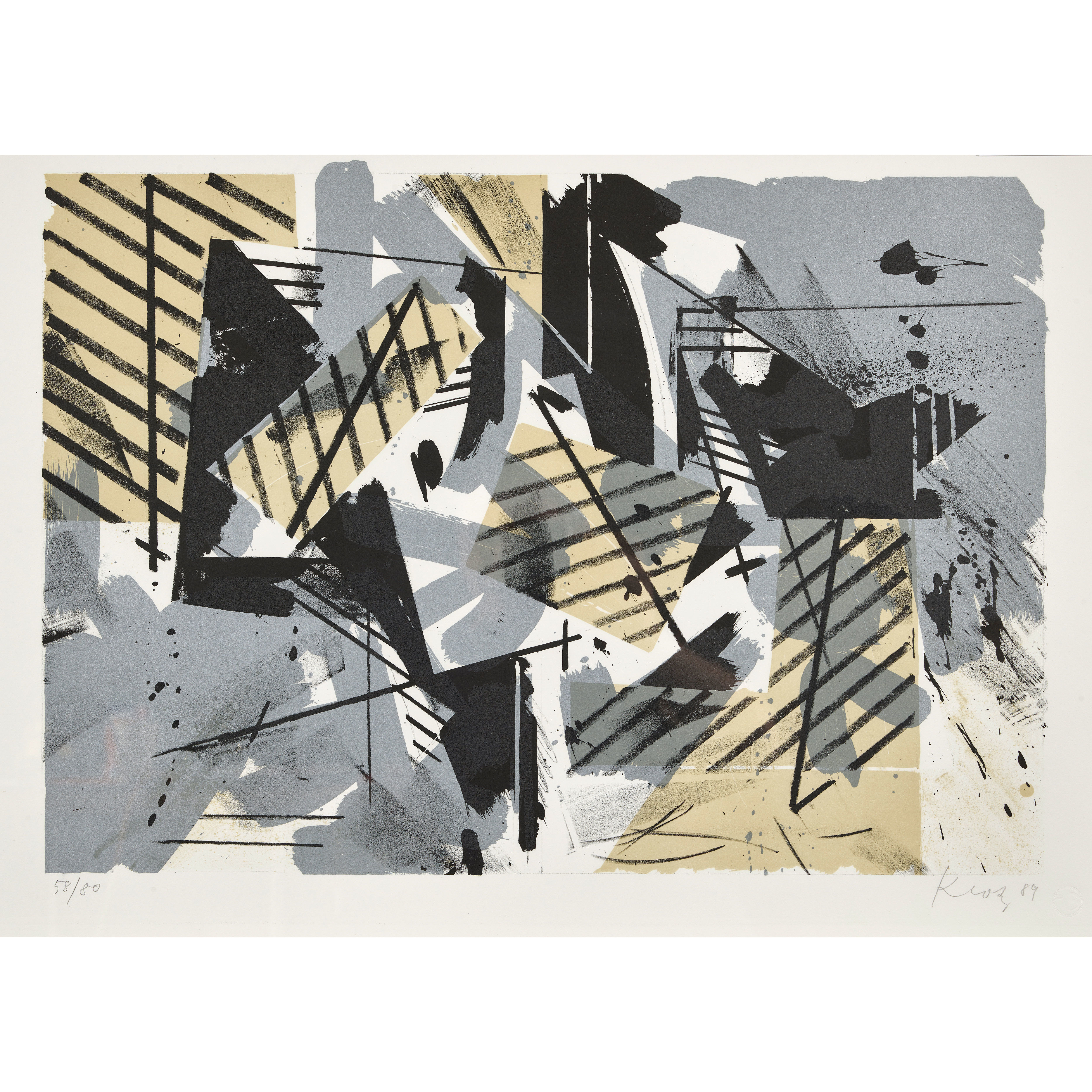
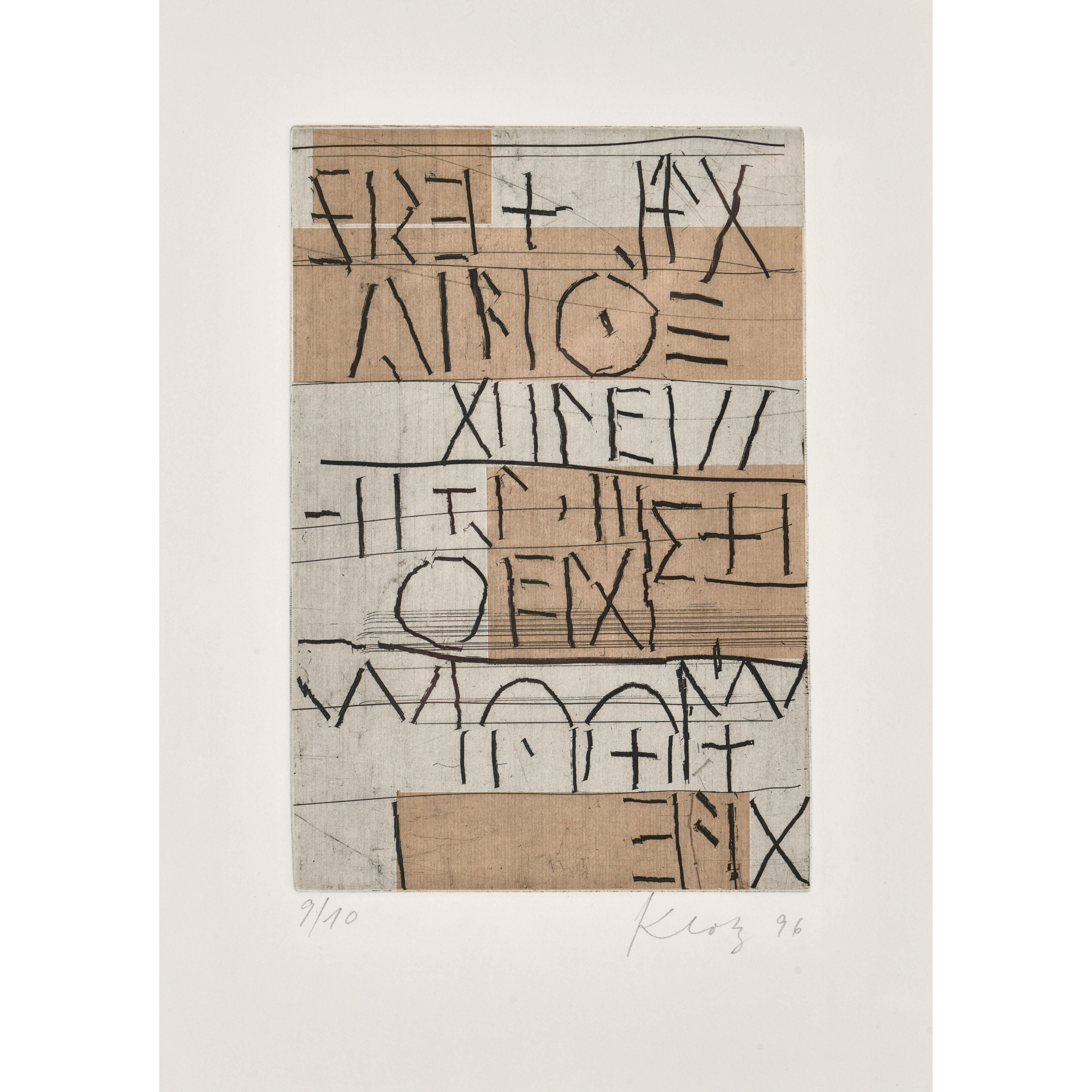
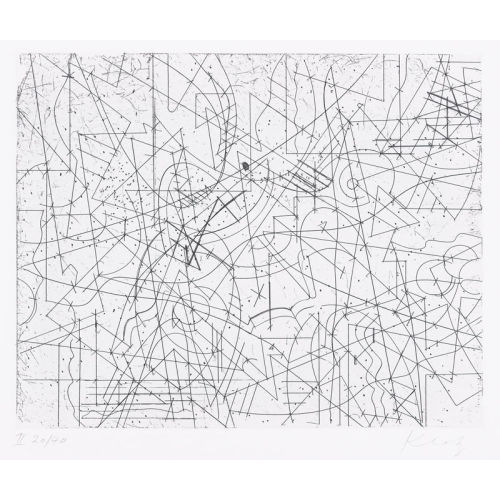
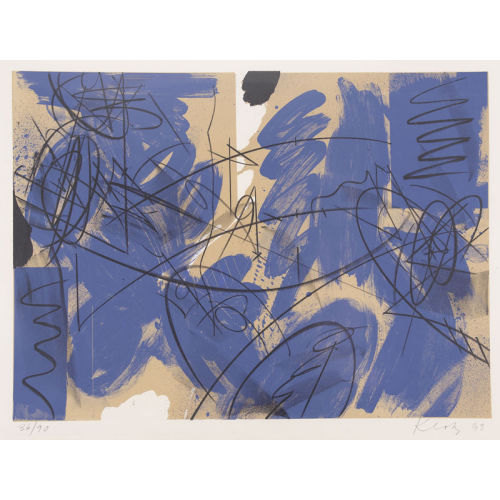
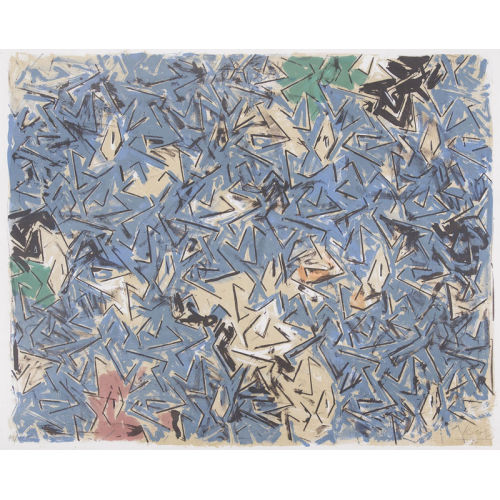
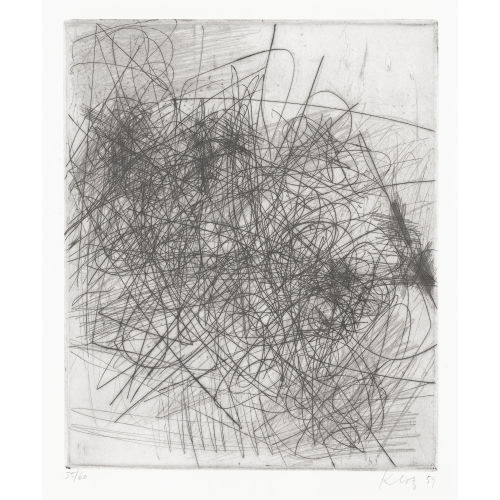
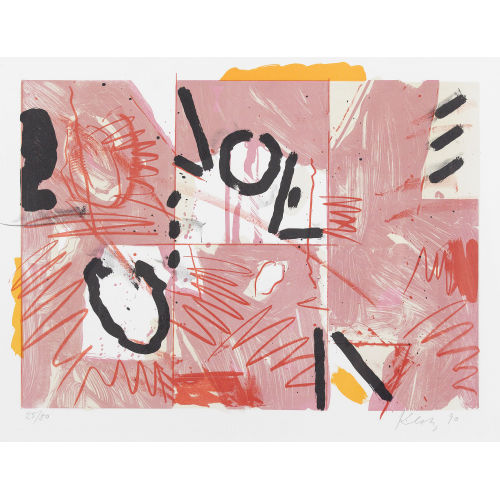
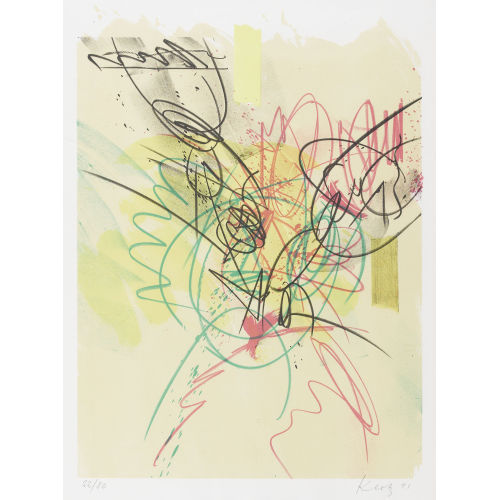
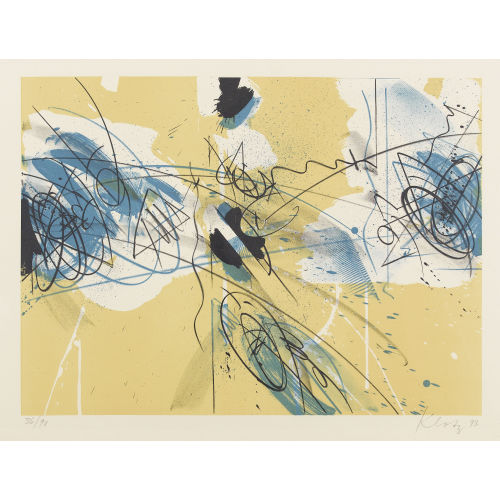
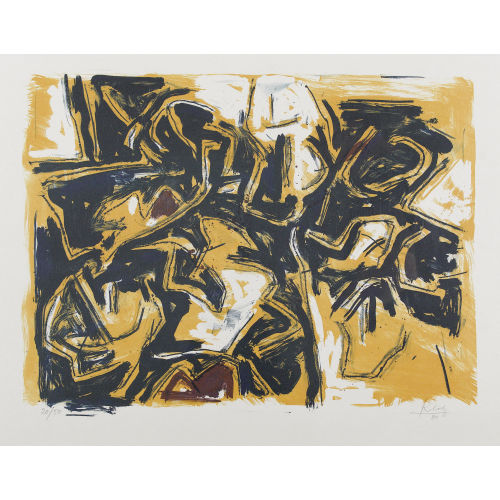
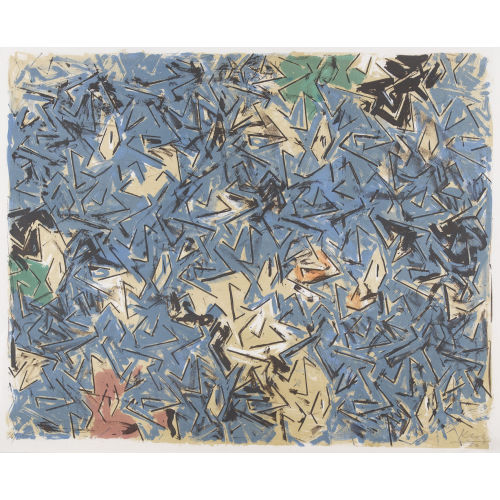
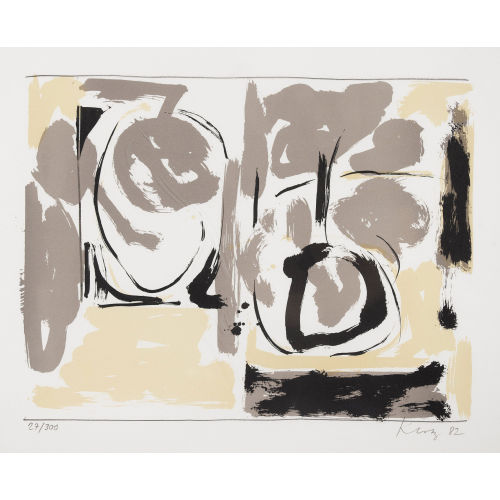
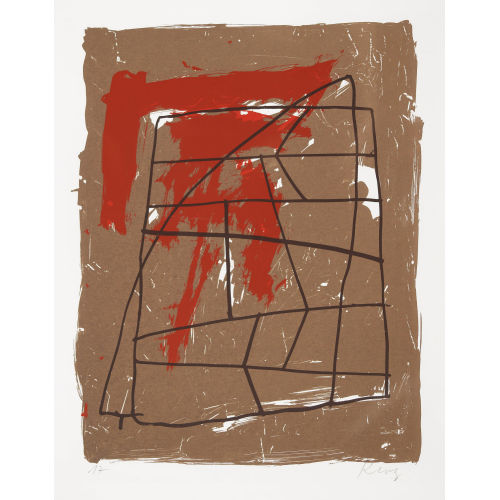
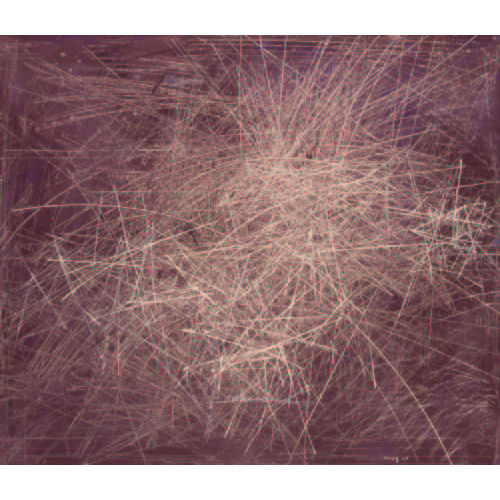
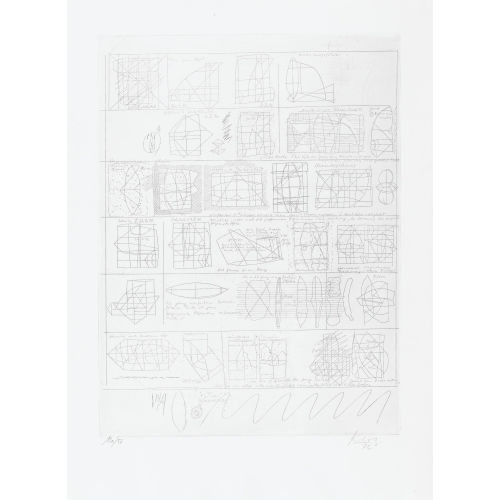
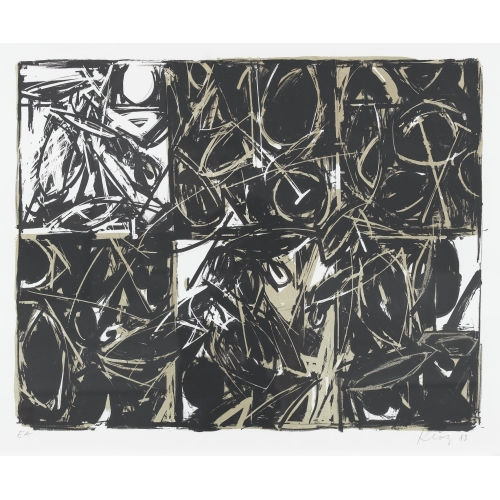
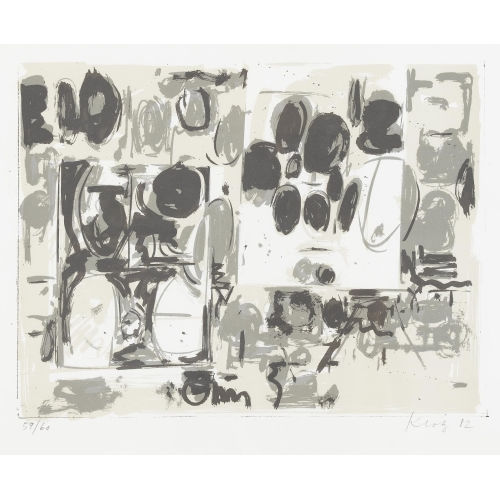
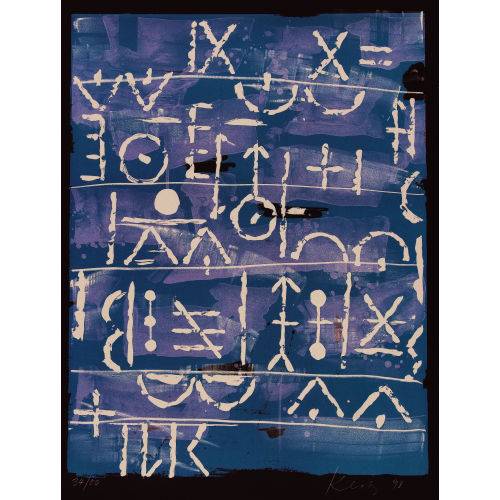
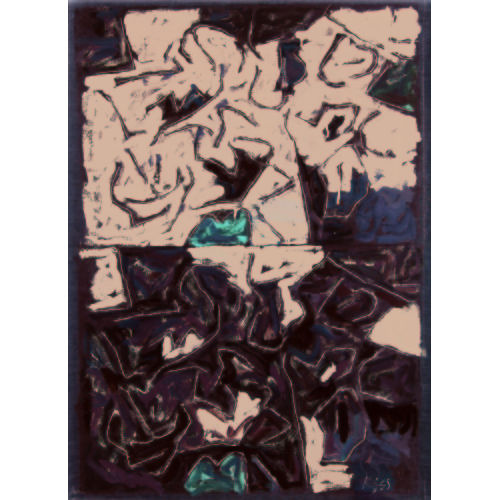
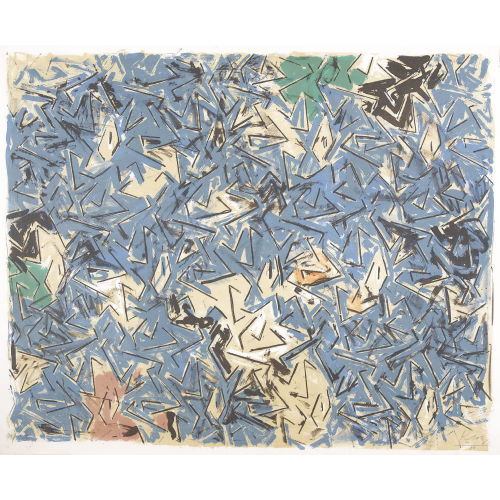
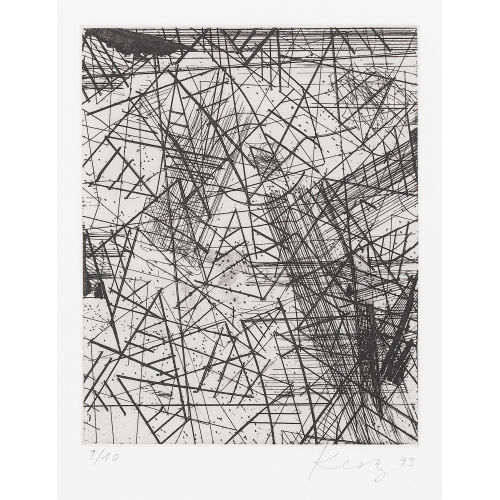
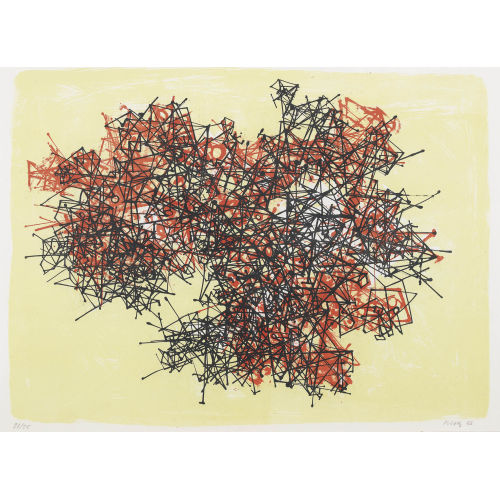
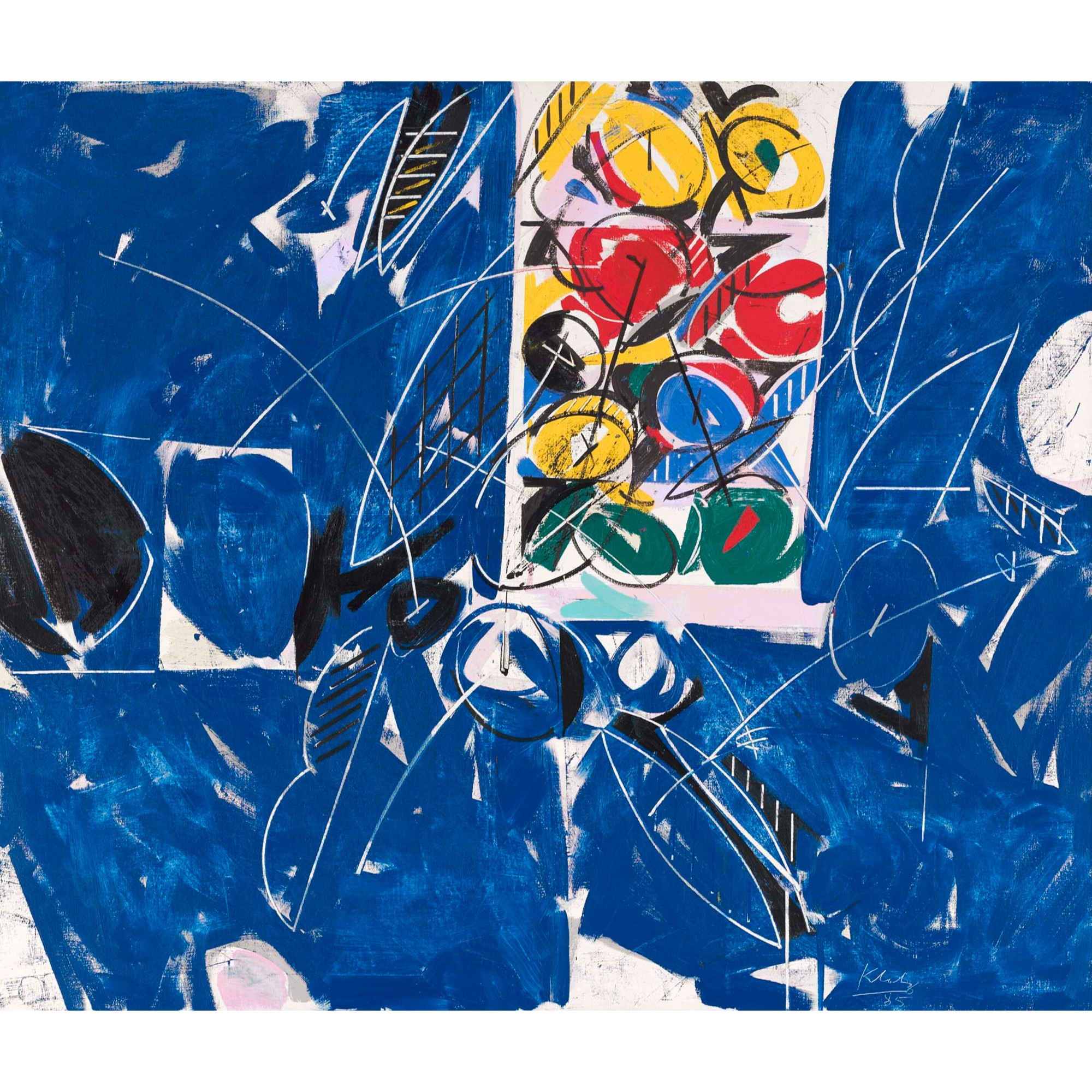
For Klotz, the line is not merely the contour of a form: it can become the form itself. It moves, knots and breaks off, creating networks that invite the eye to follow their rhythms. His paintings and works on paper thus open up a space between construction and spontaneity.
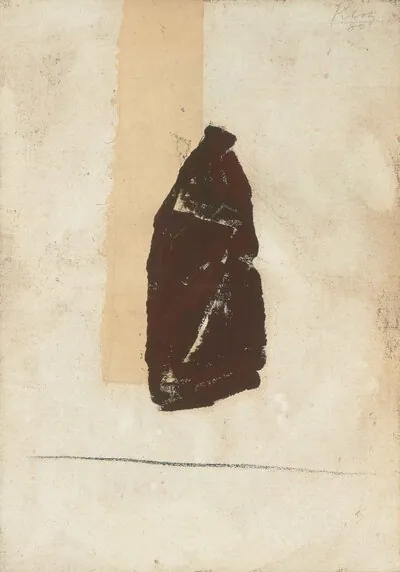
The Bündner Kunstmuseum, which holds significant bodies of the artist’s graphic work, has presented these lines in dialogue with those of Alberto Giacometti: through very different approaches, the energy of drawing explores the boundary between figuration and abstraction. Gräuling, dated 1957 in the collection of the Grisons museum, belongs to these early investigations.
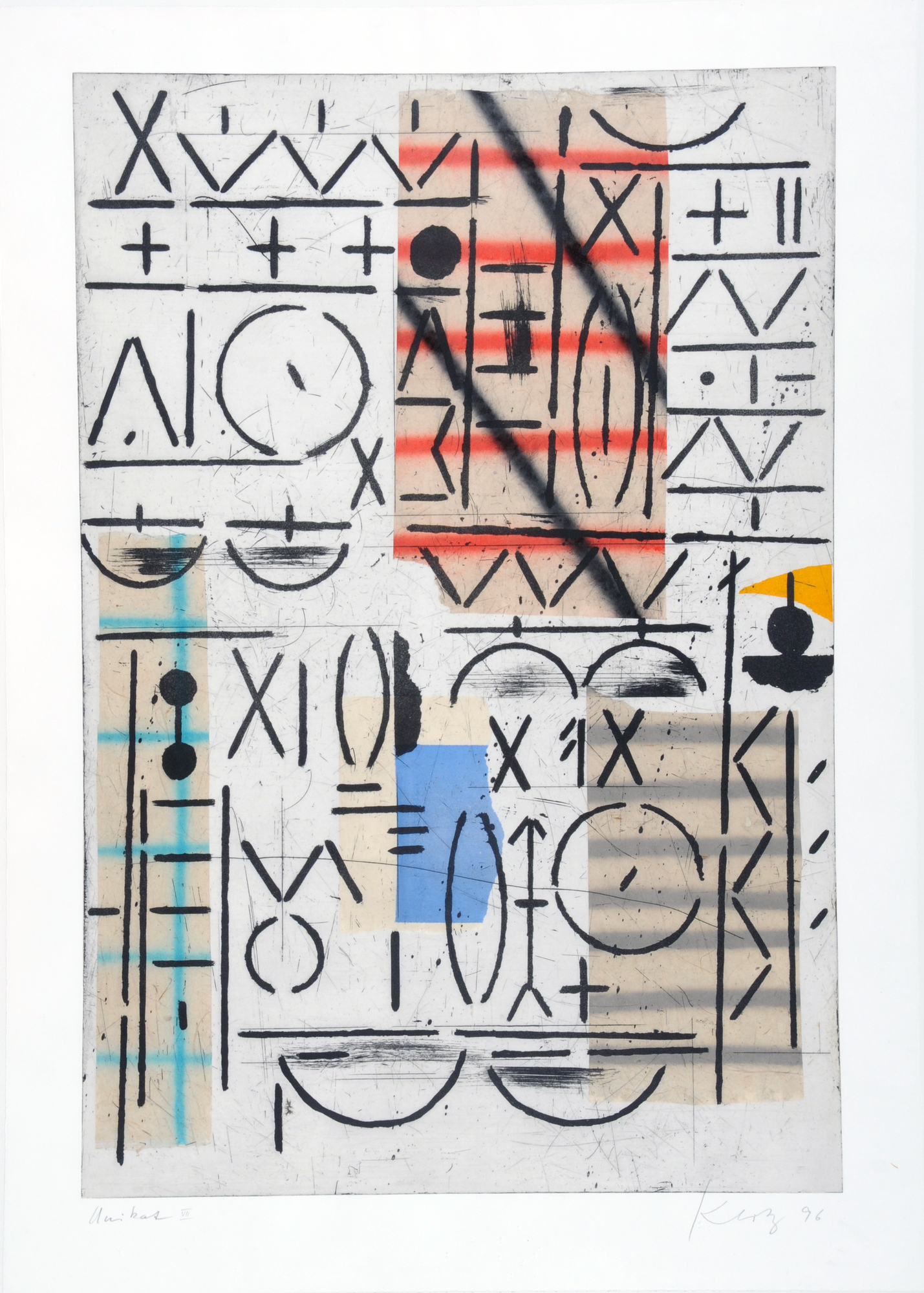
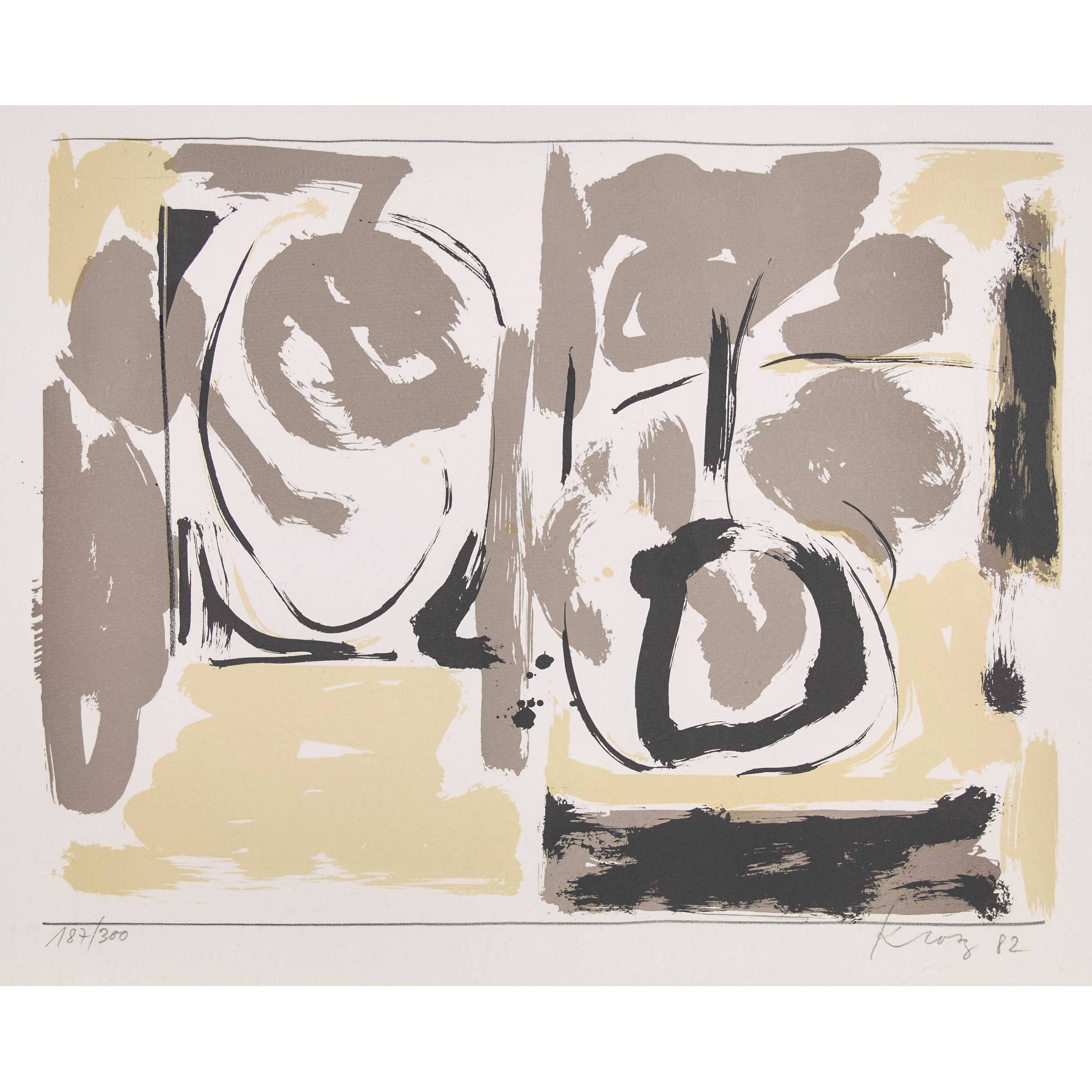
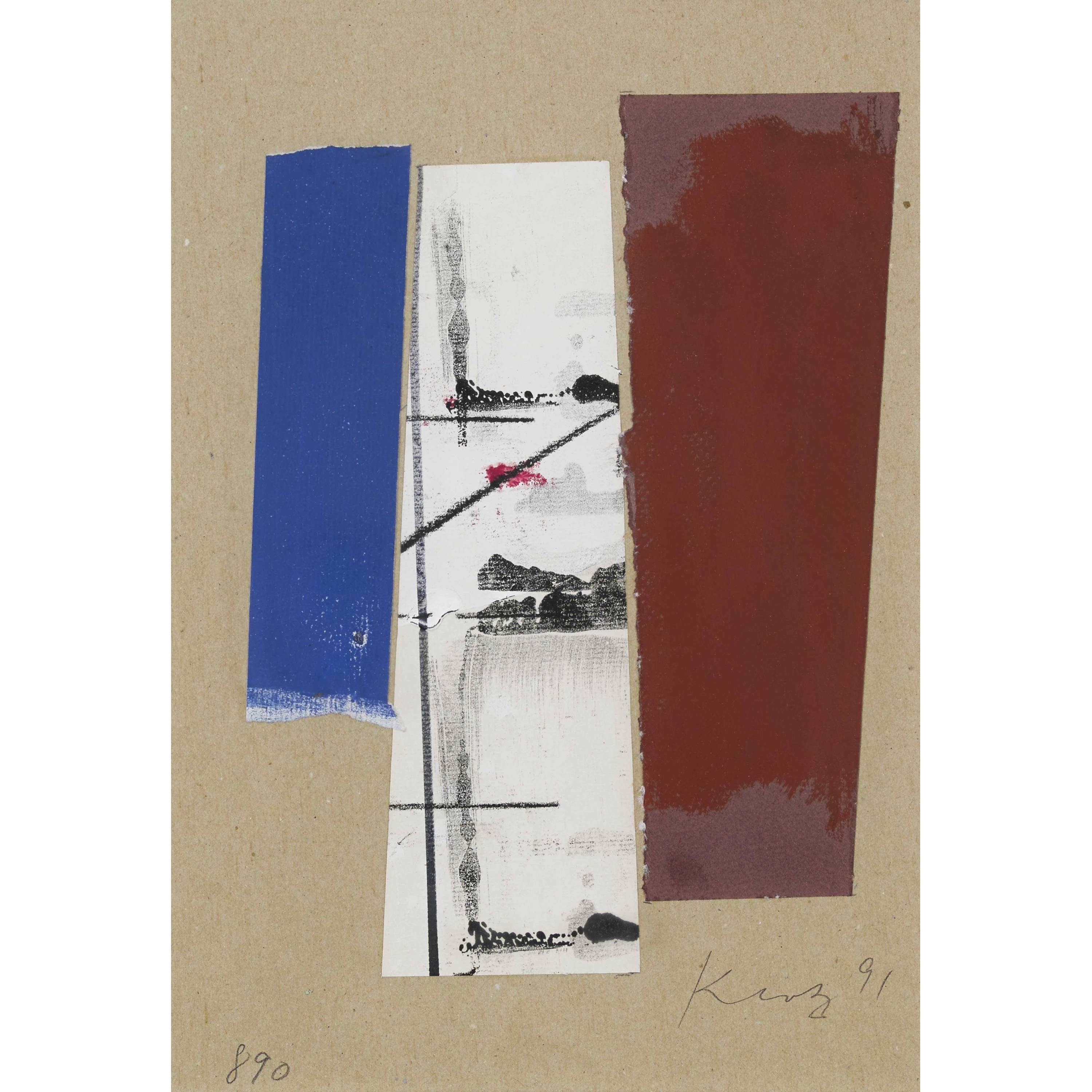
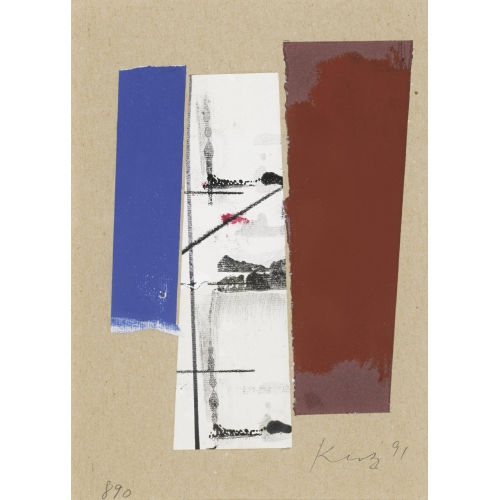
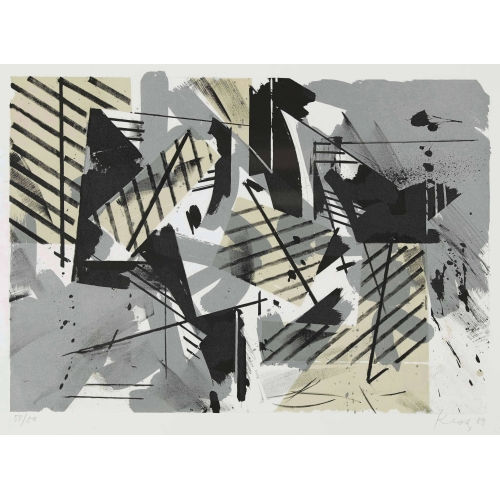
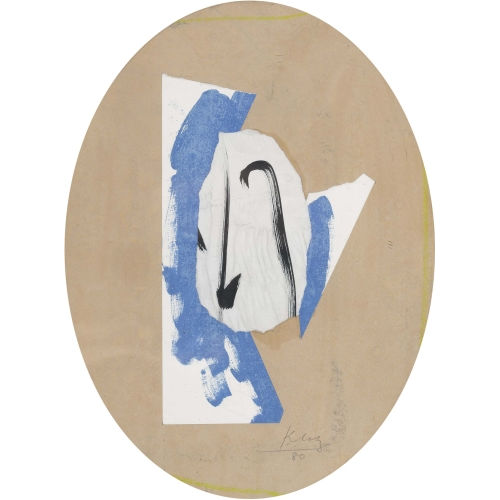
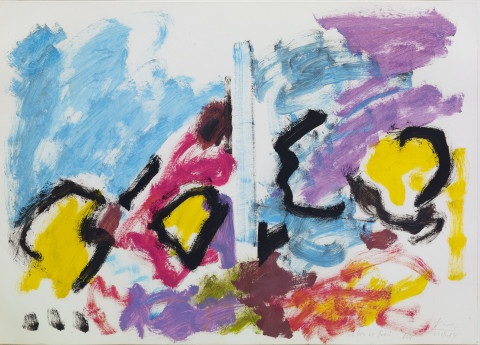
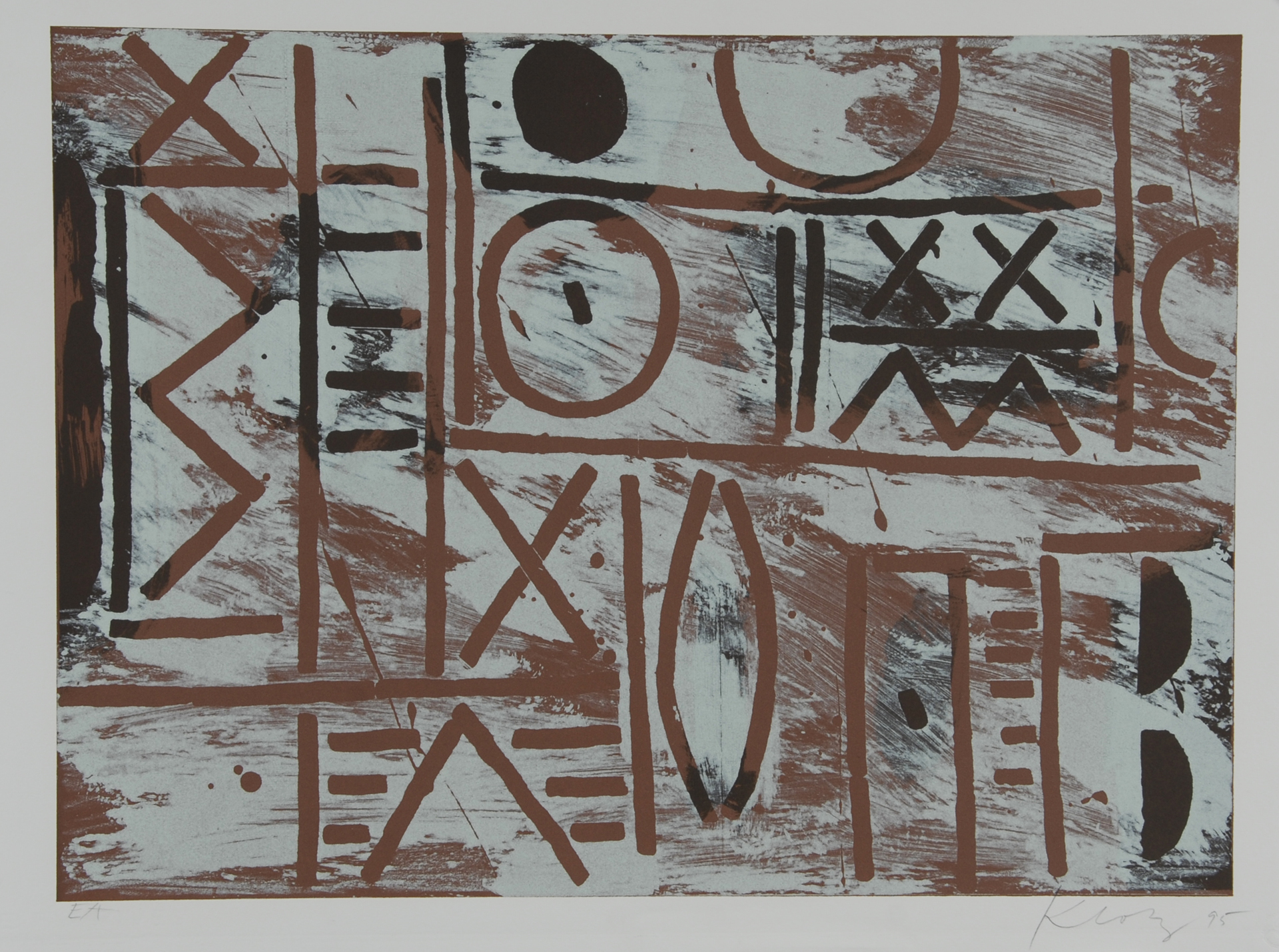
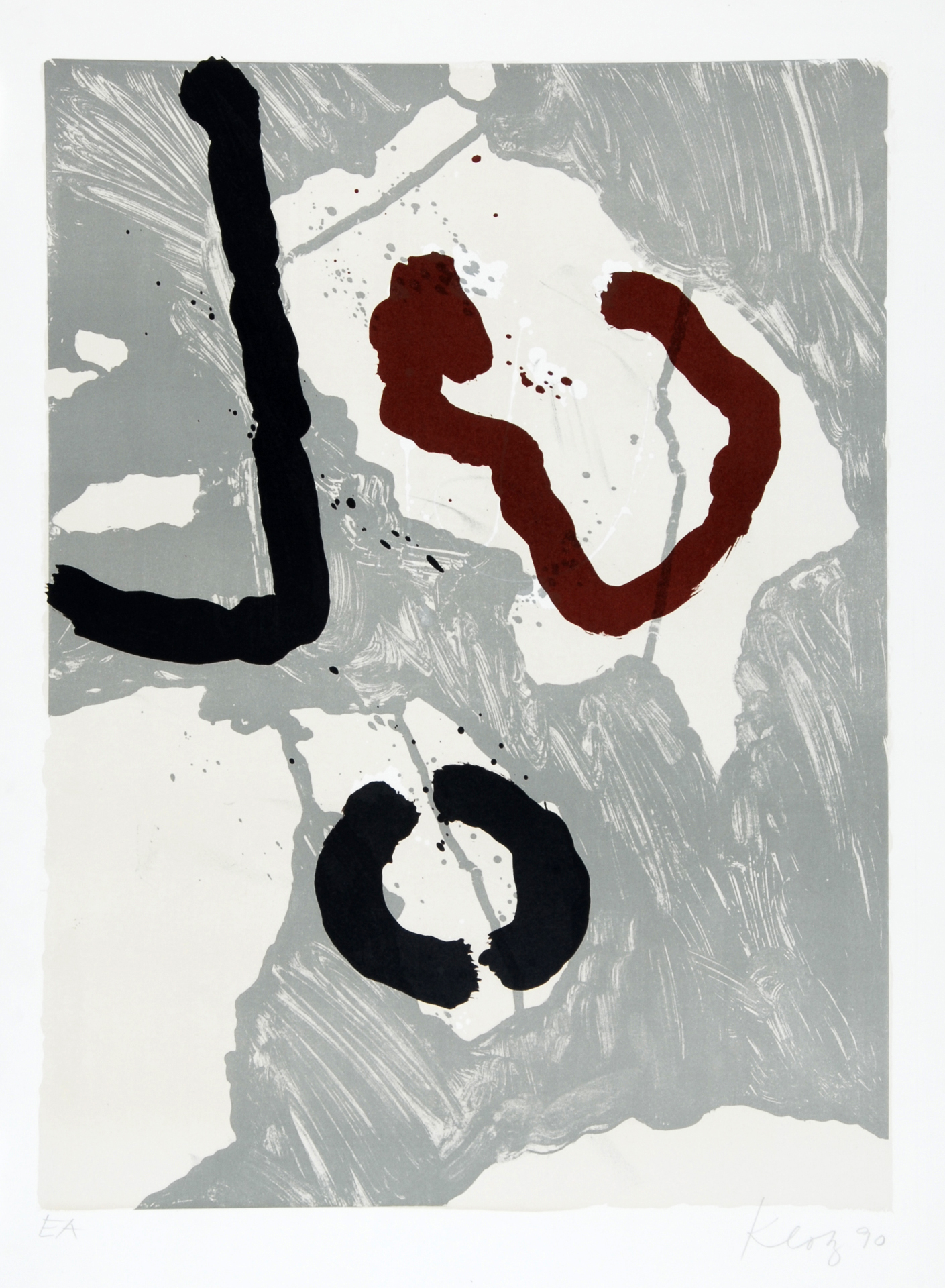
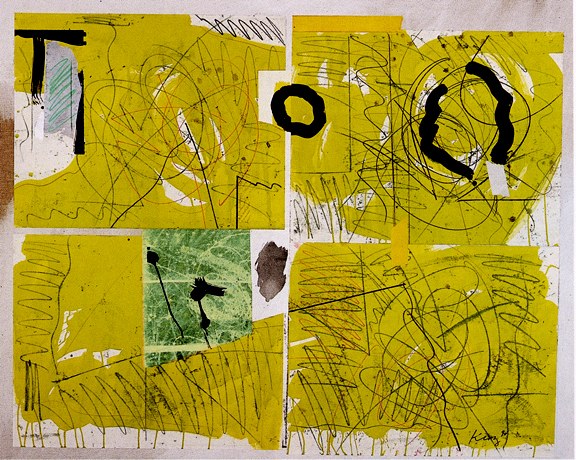
His work is not confined to a single intensity. The compositions of the 1950s and 1960s stand alongside graphic works, monotypes and later experiments with colour. The Kunstmuseum Basel presented his paintings in the exhibition Grands gestes, devoted to expressions of abstraction, and his prints in an exhibition on the monotype.
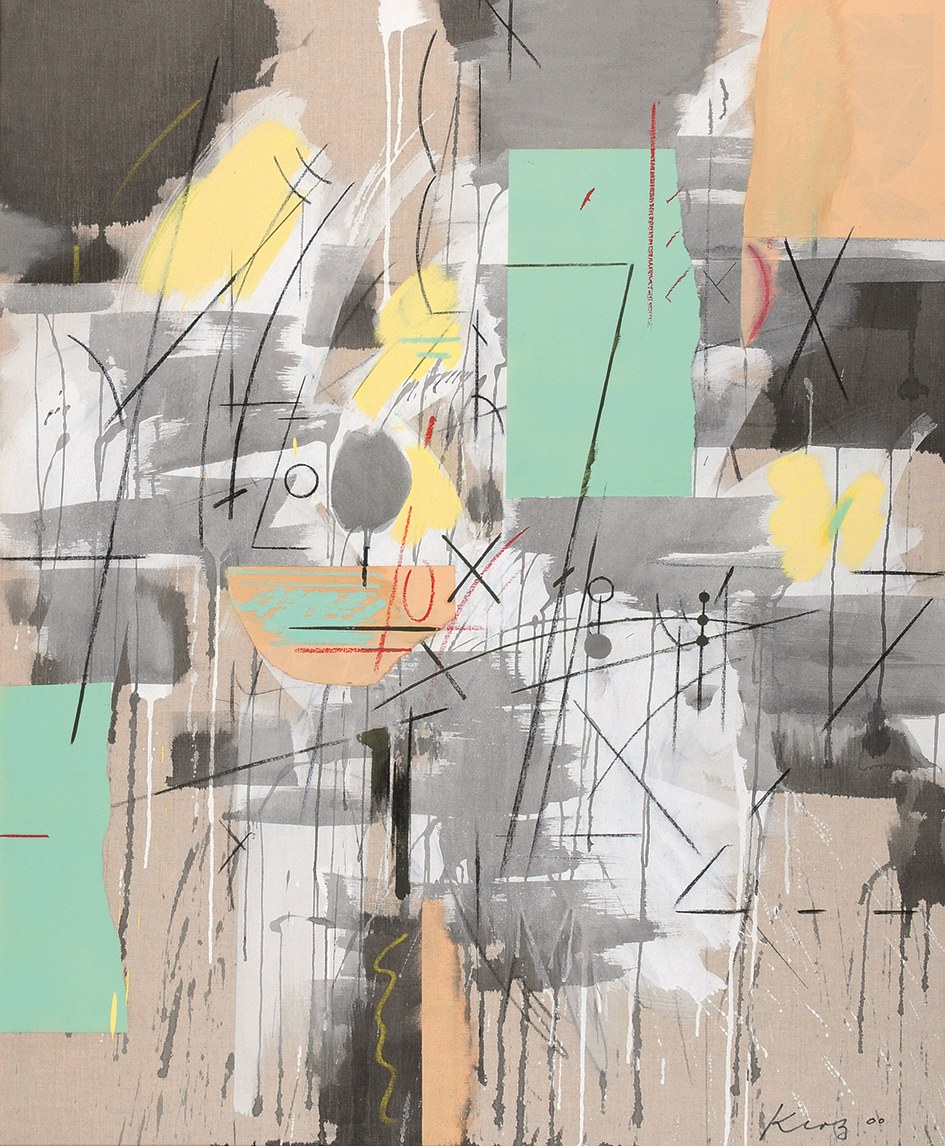
His presence in several Swiss collections testifies to the longevity of an investigation pursued into the 2000s. From the first networks of lines to the late works, he leaves behind a painting that makes thought in motion visible, in the tension between the decisiveness of the gesture and the structure of the image.