Le Corbusier
Born in 1887.
Died in 1965.
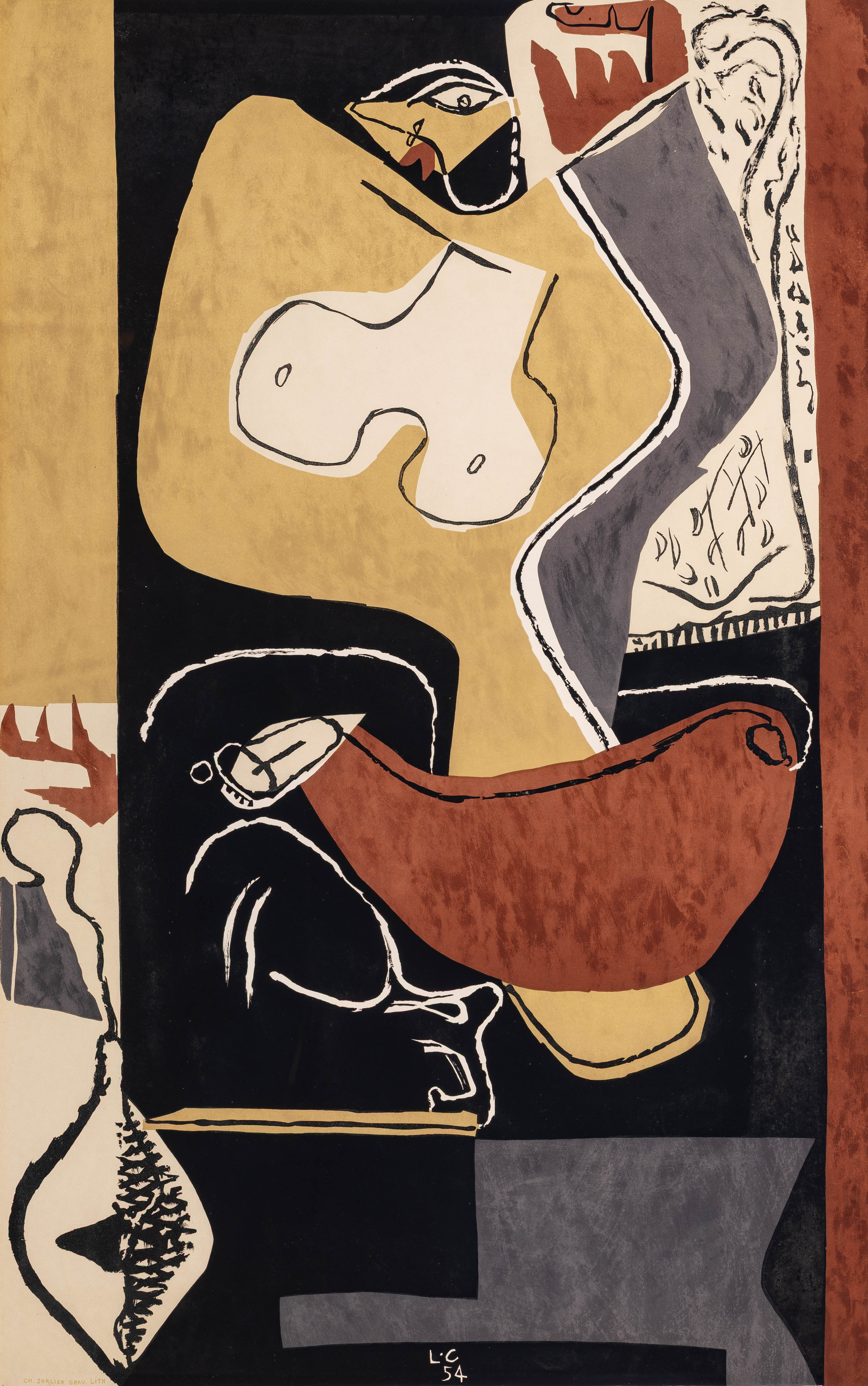
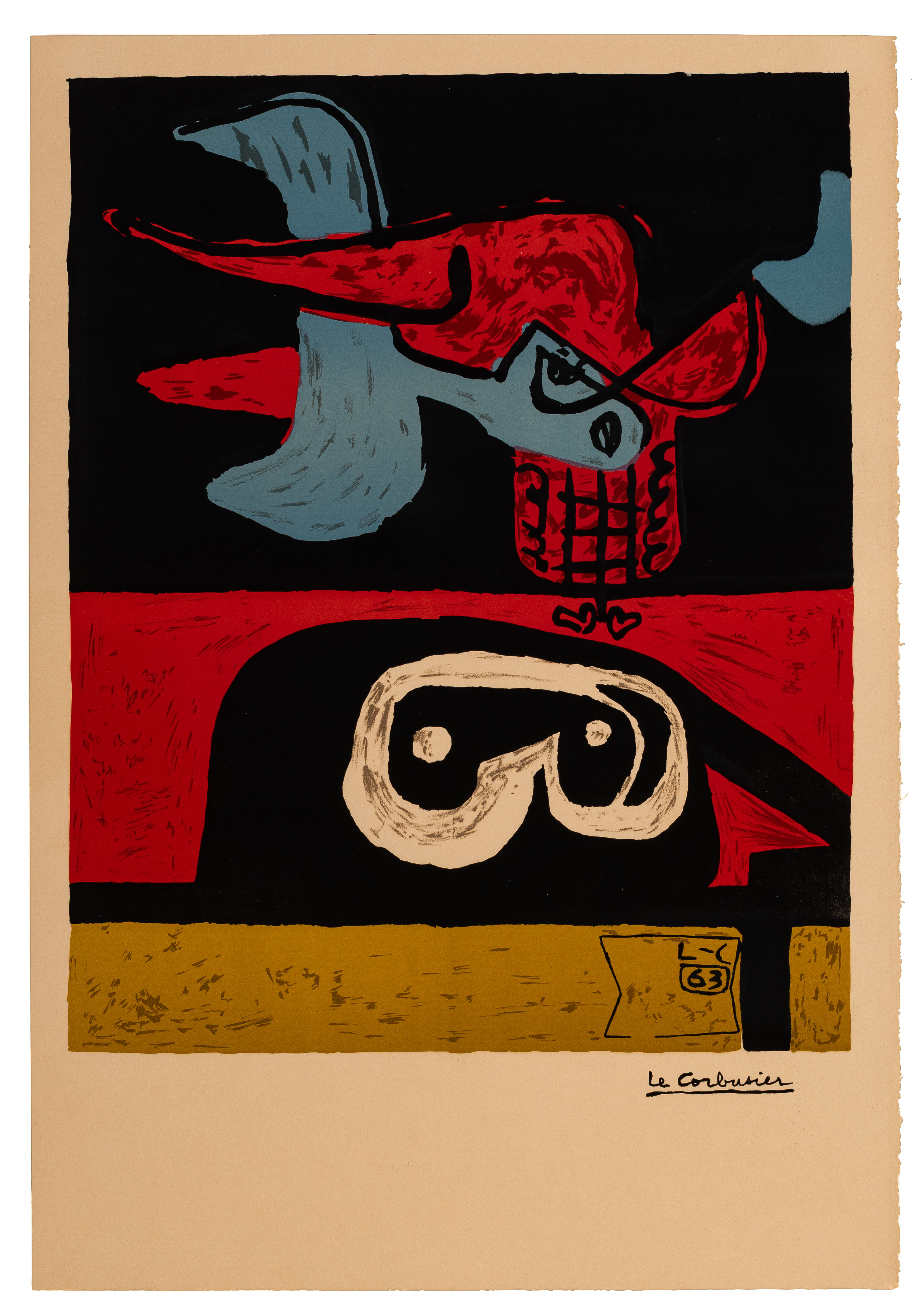
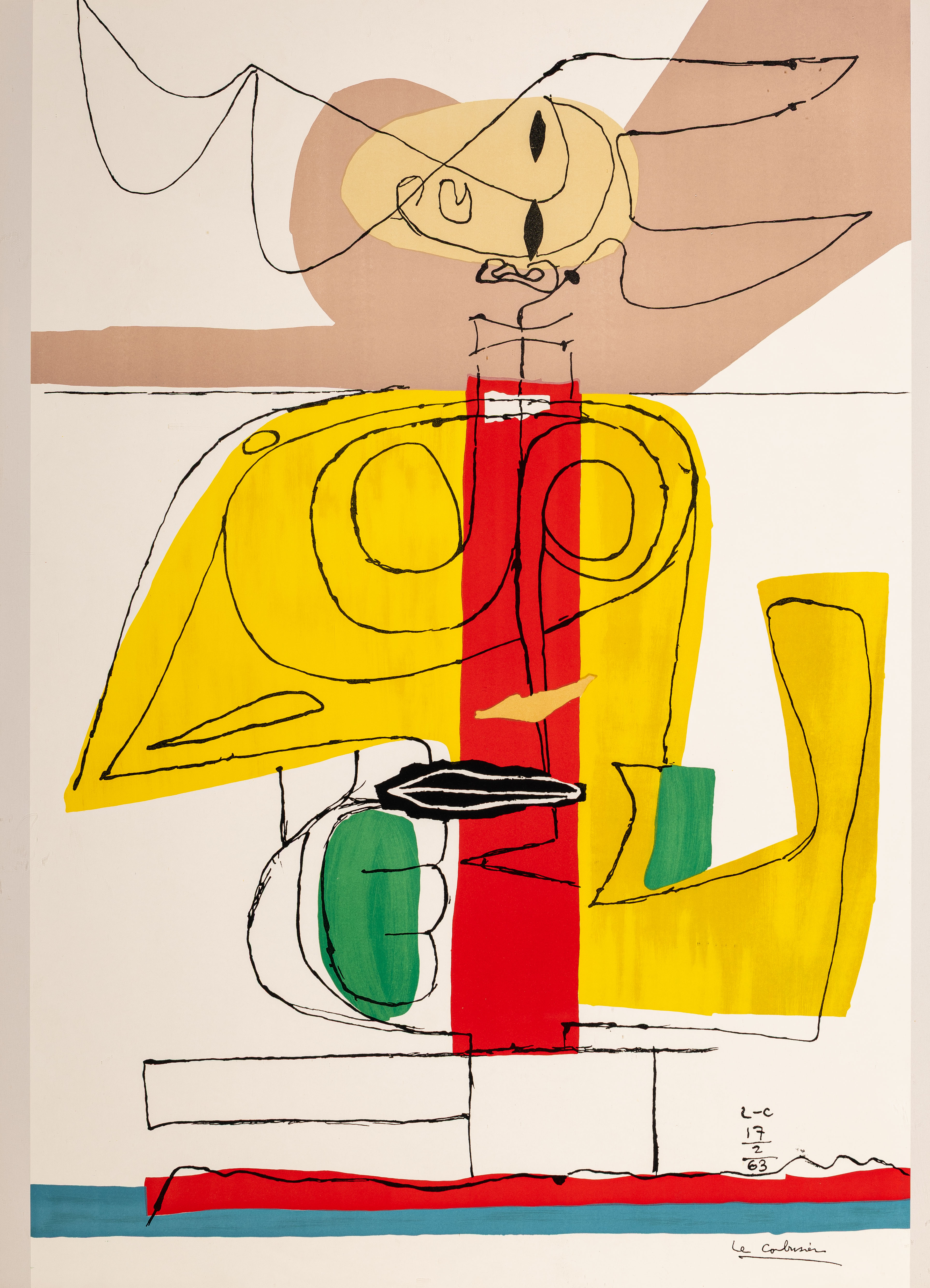
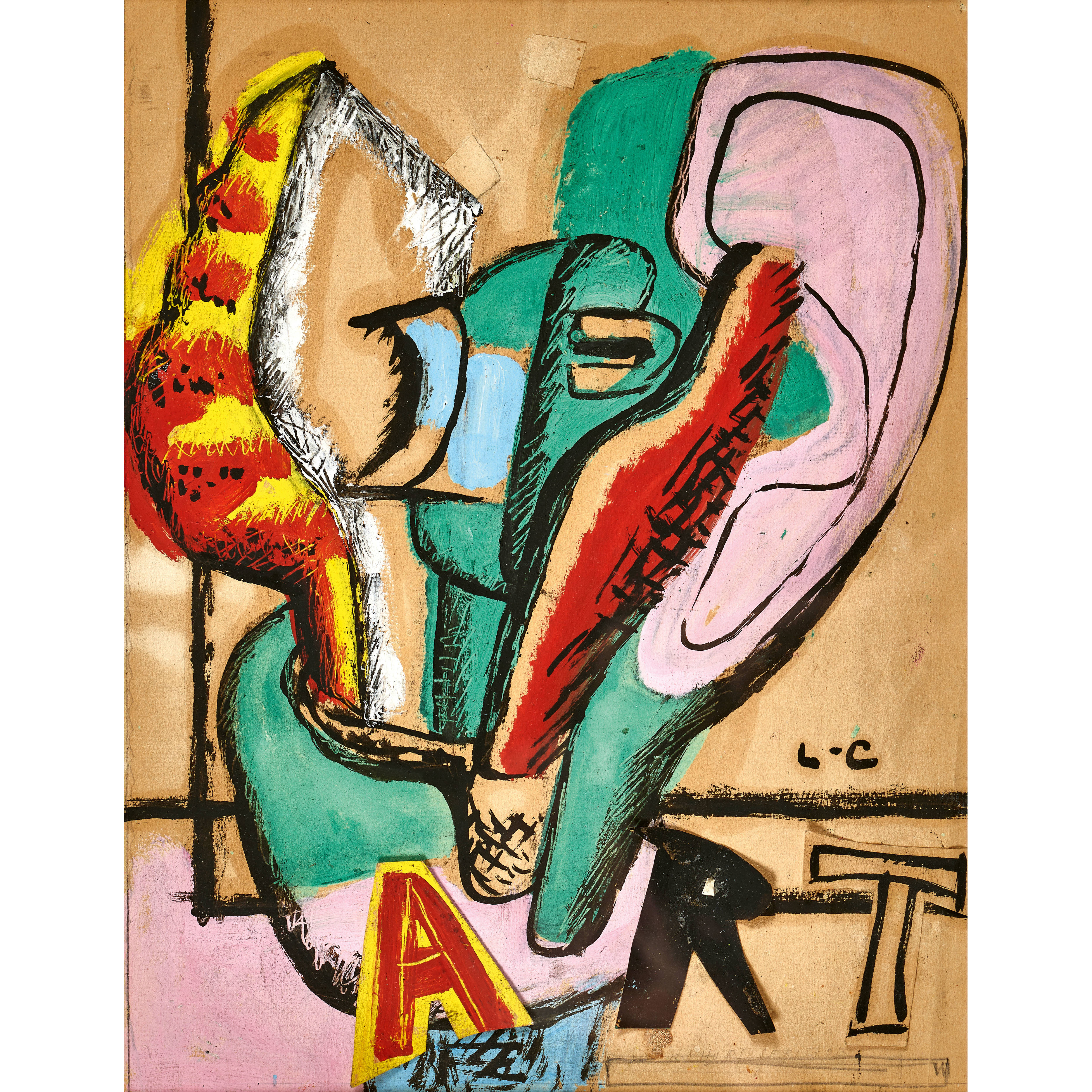
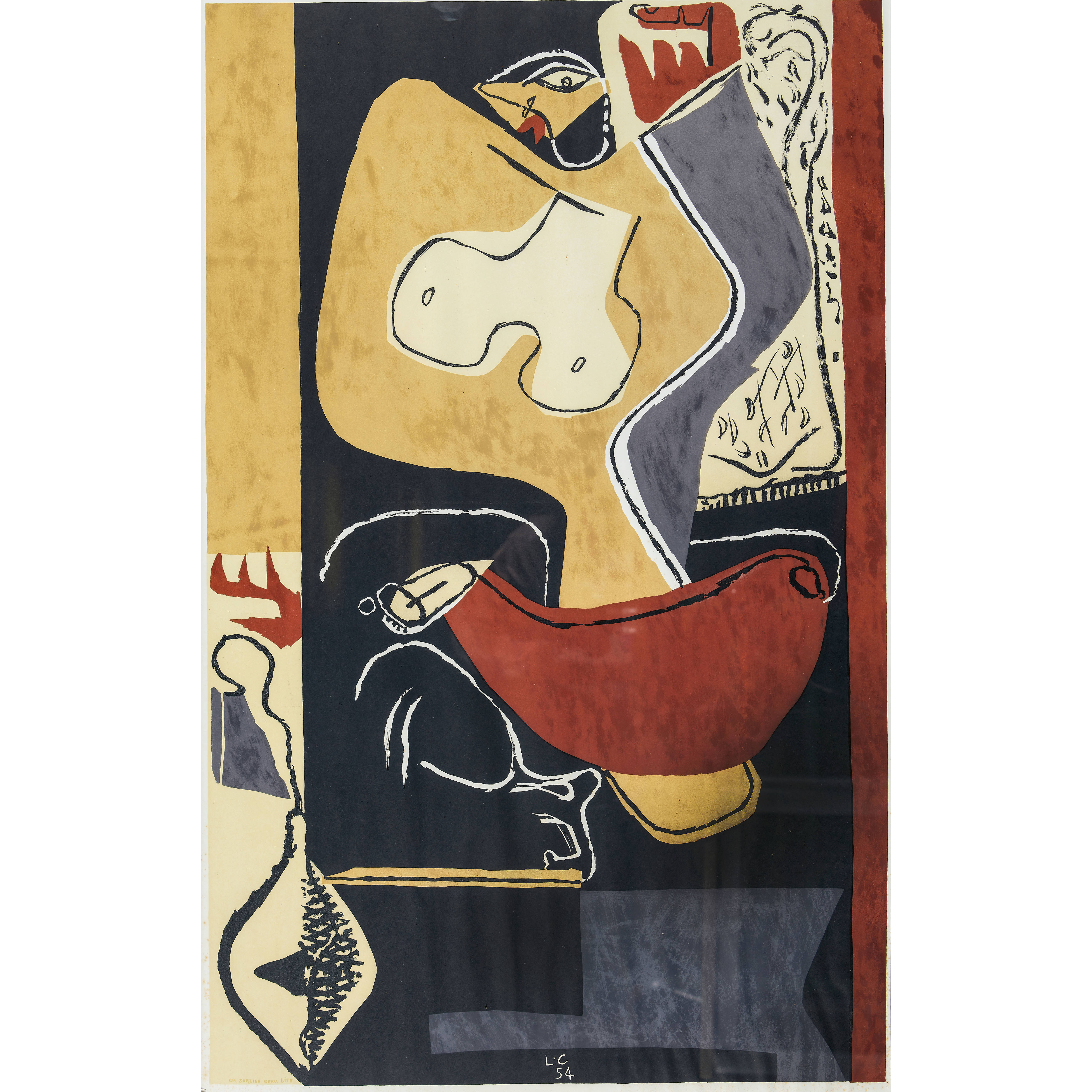
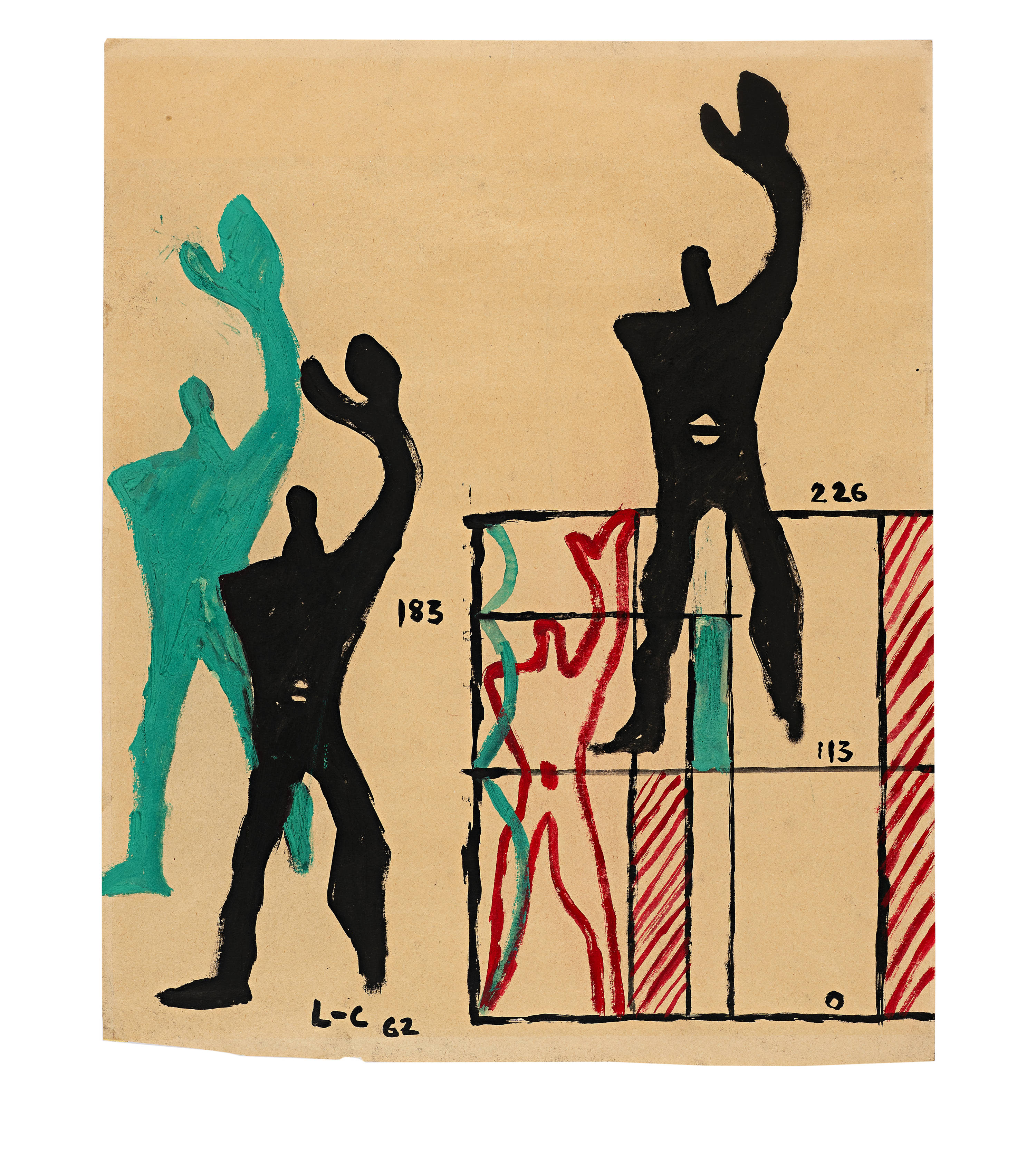
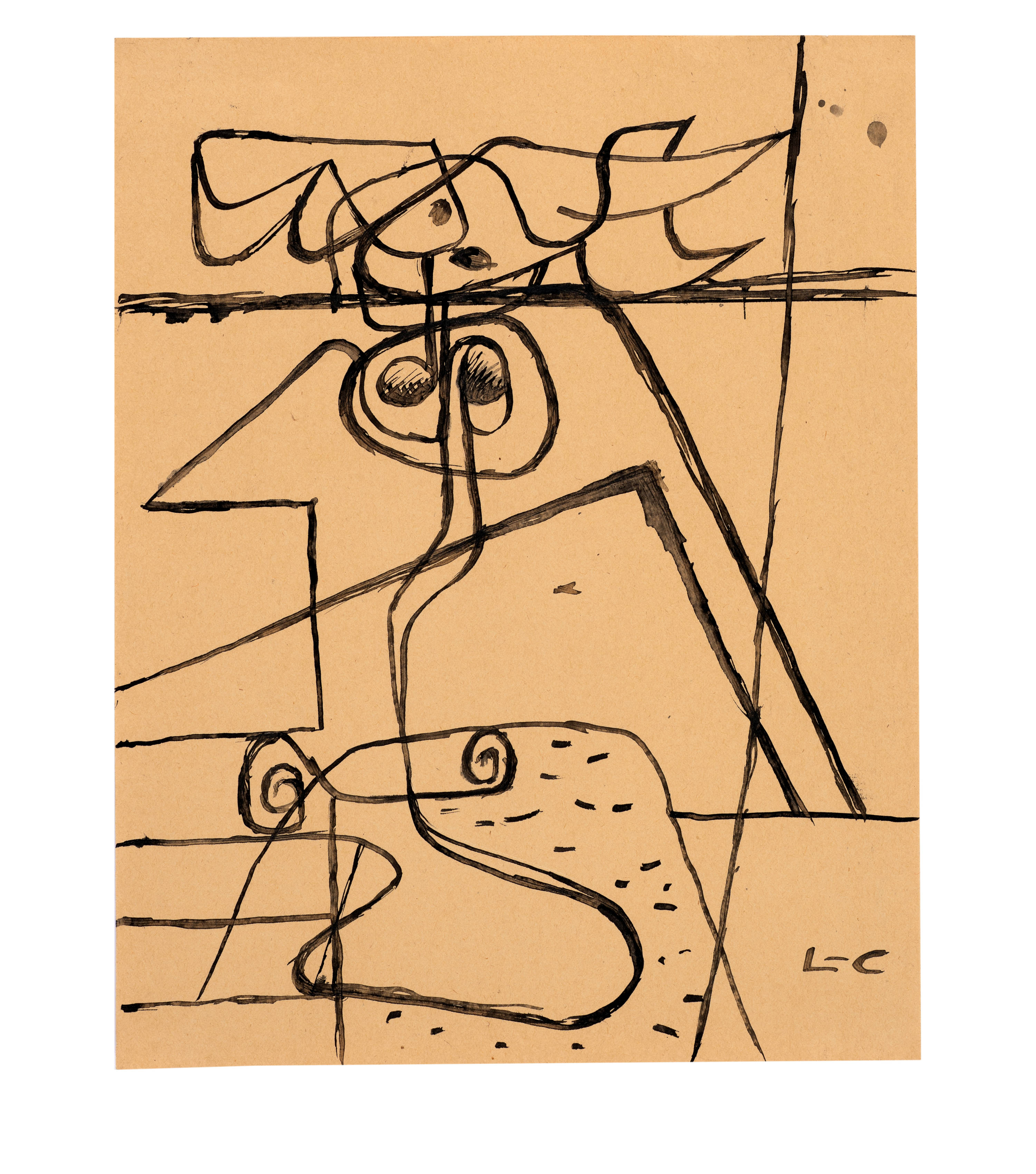
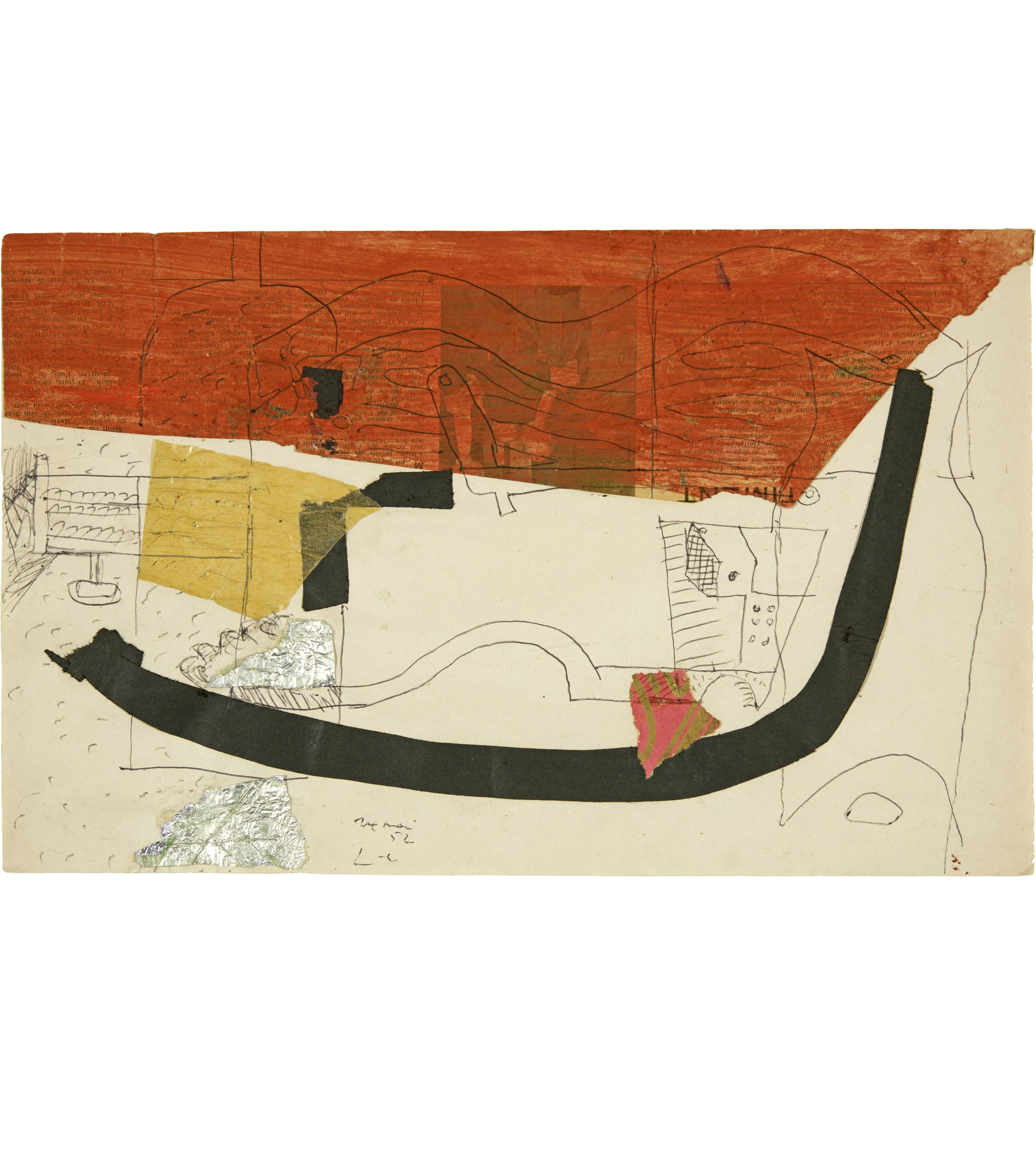
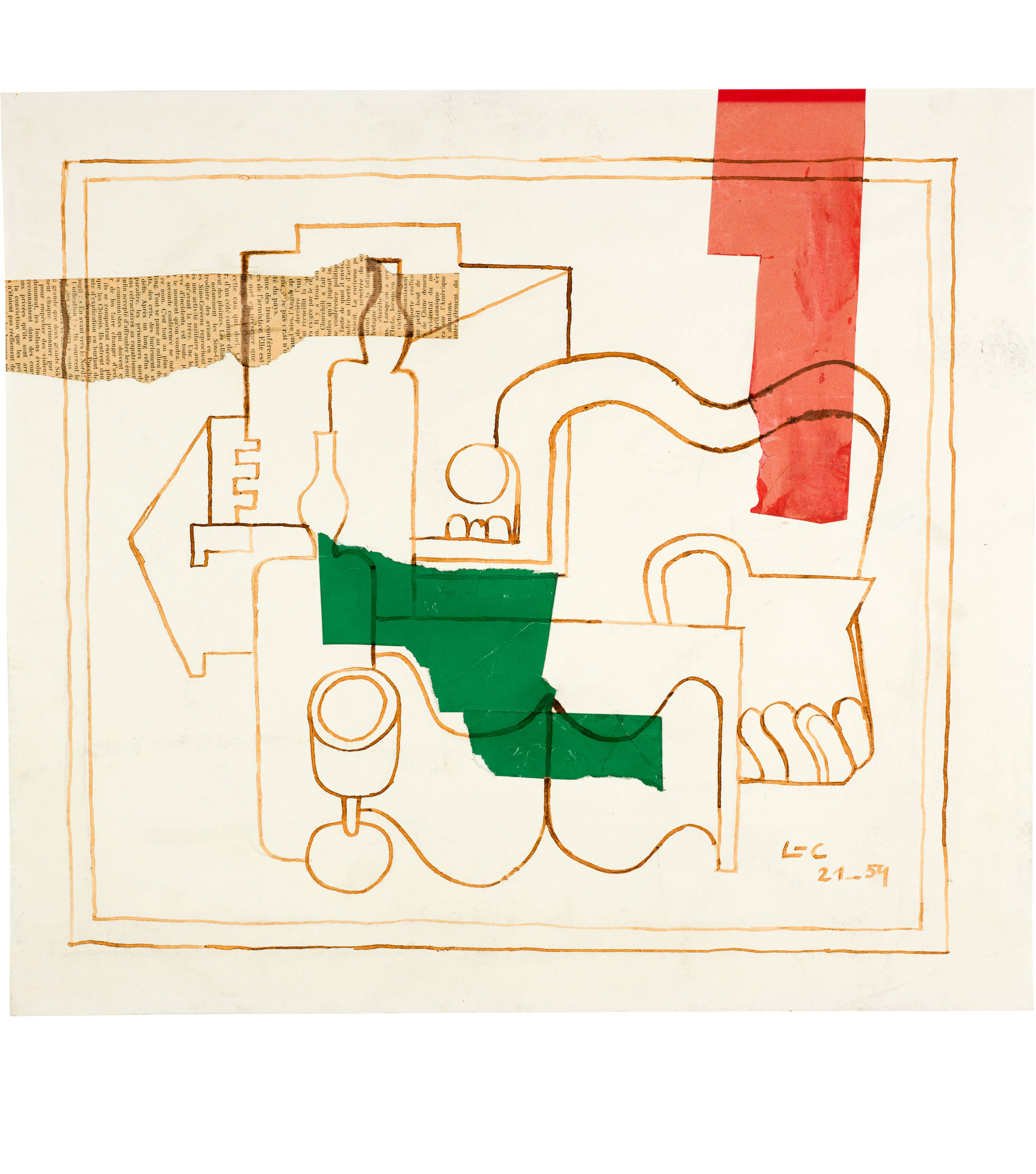
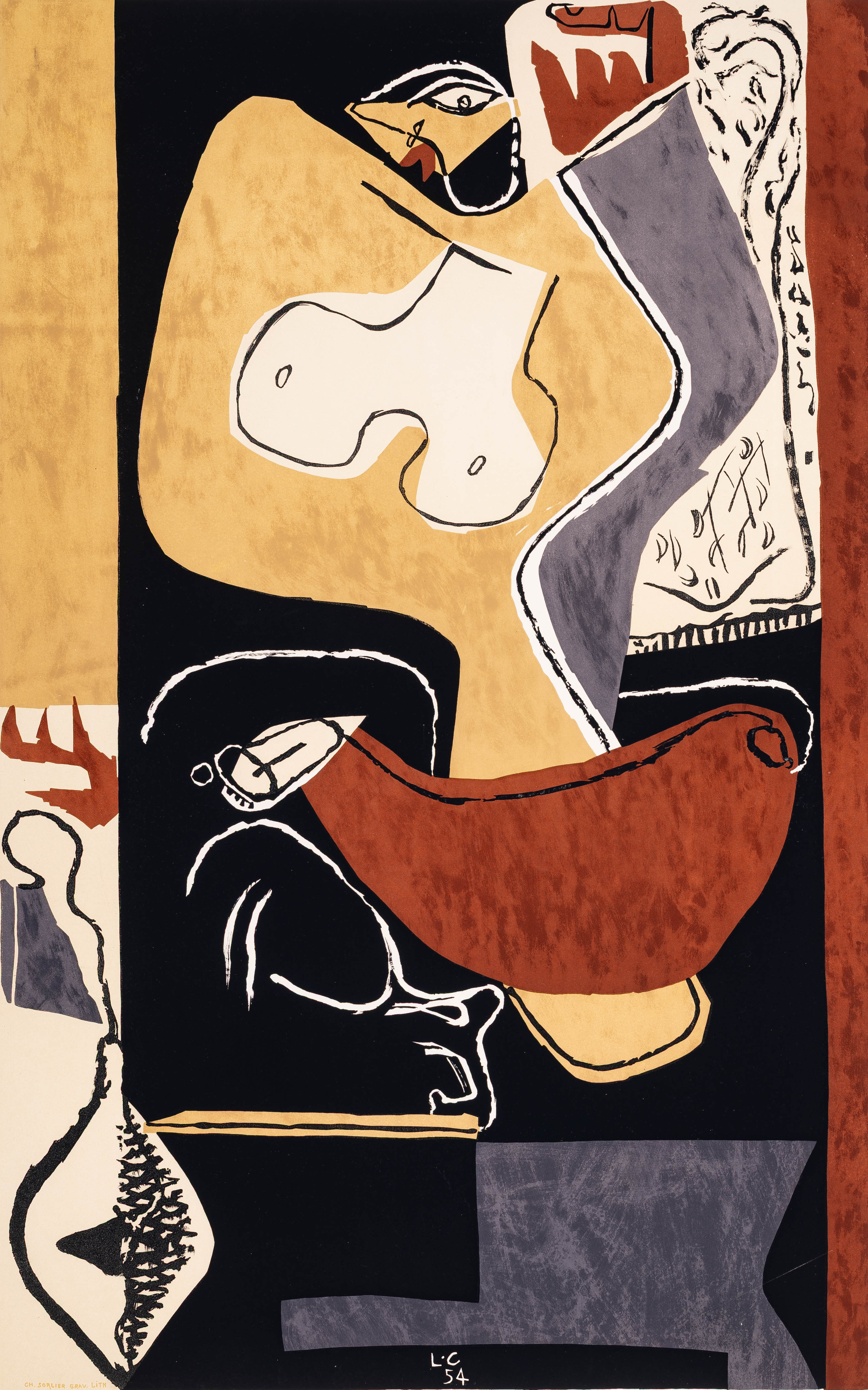
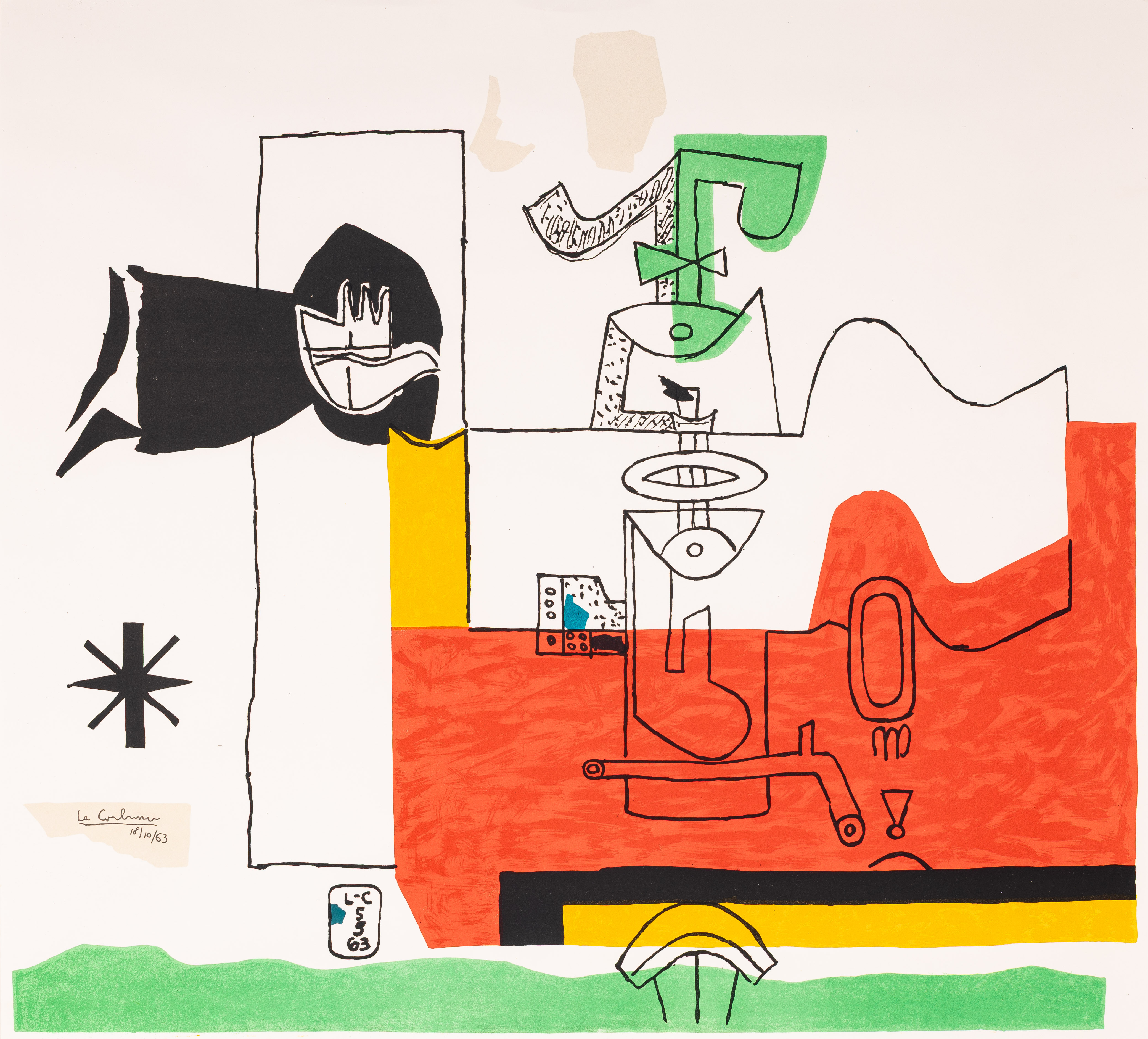
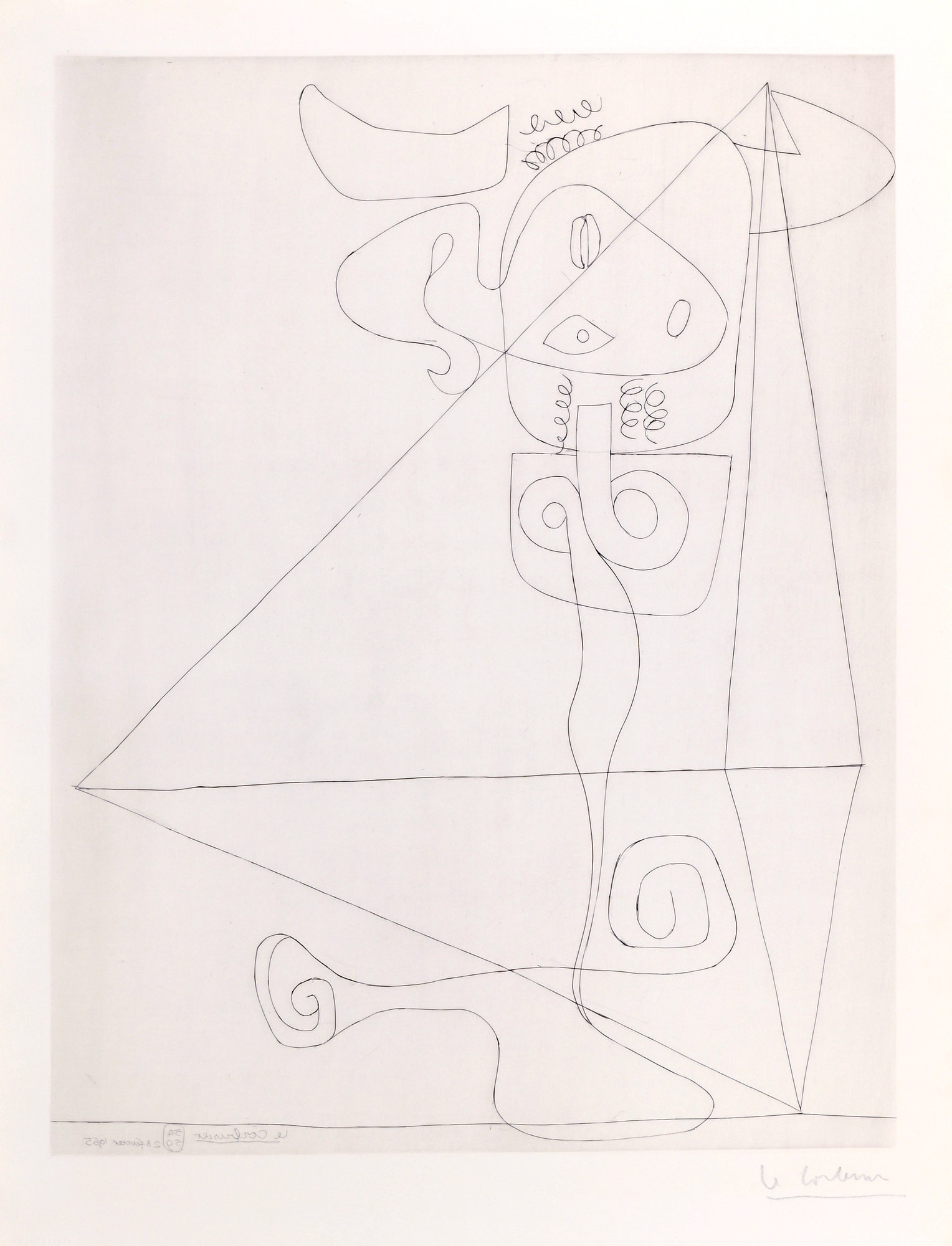
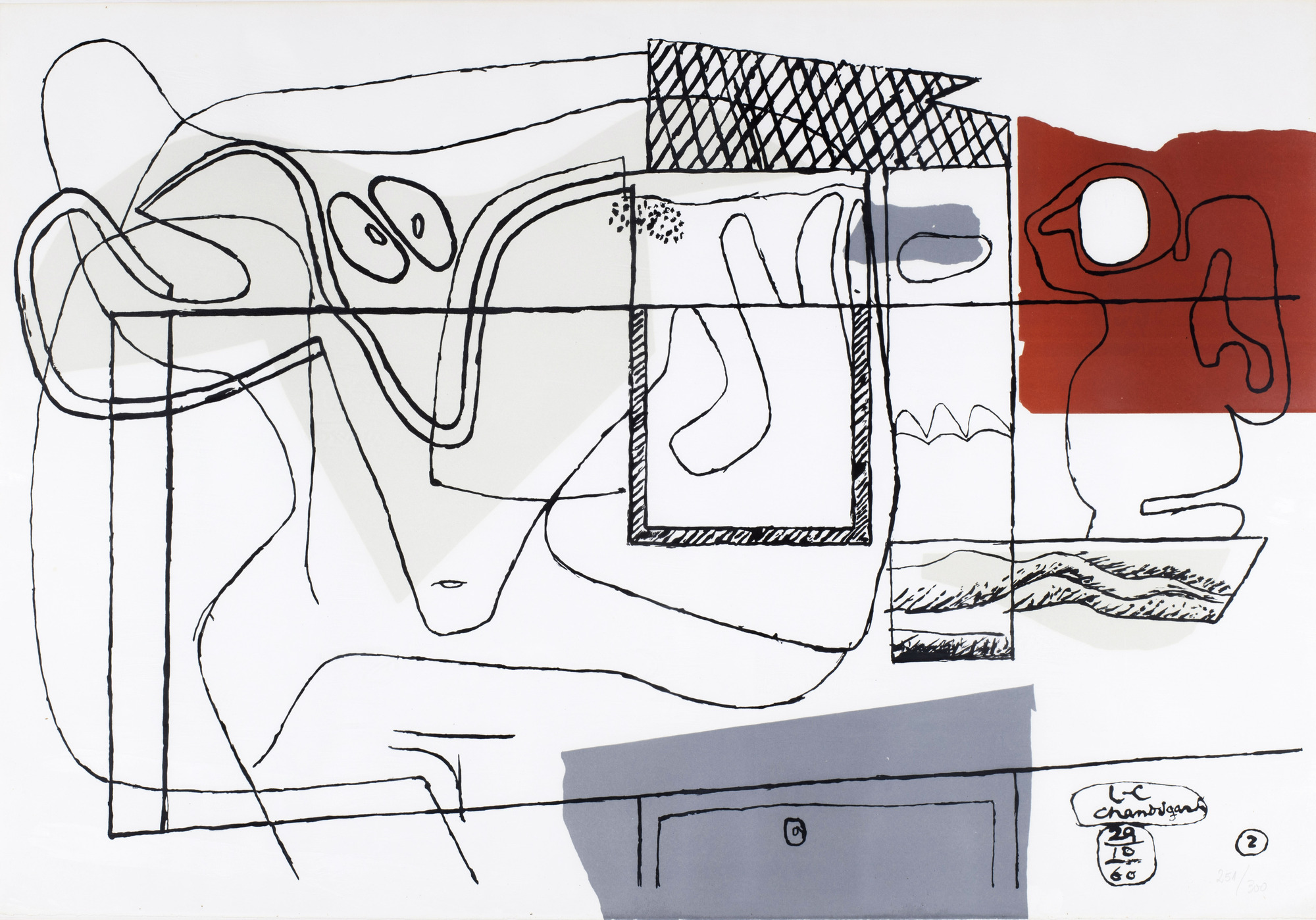
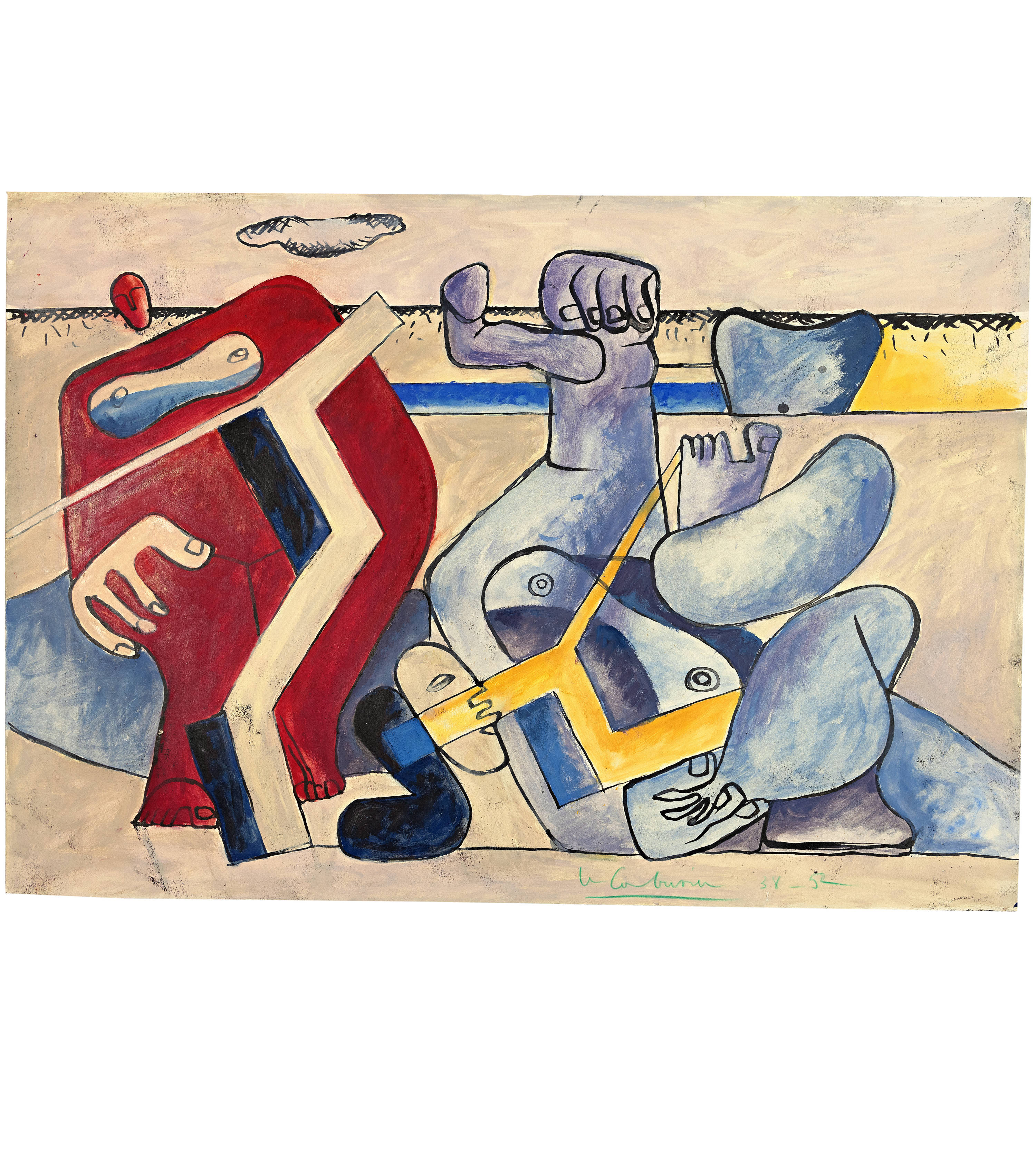
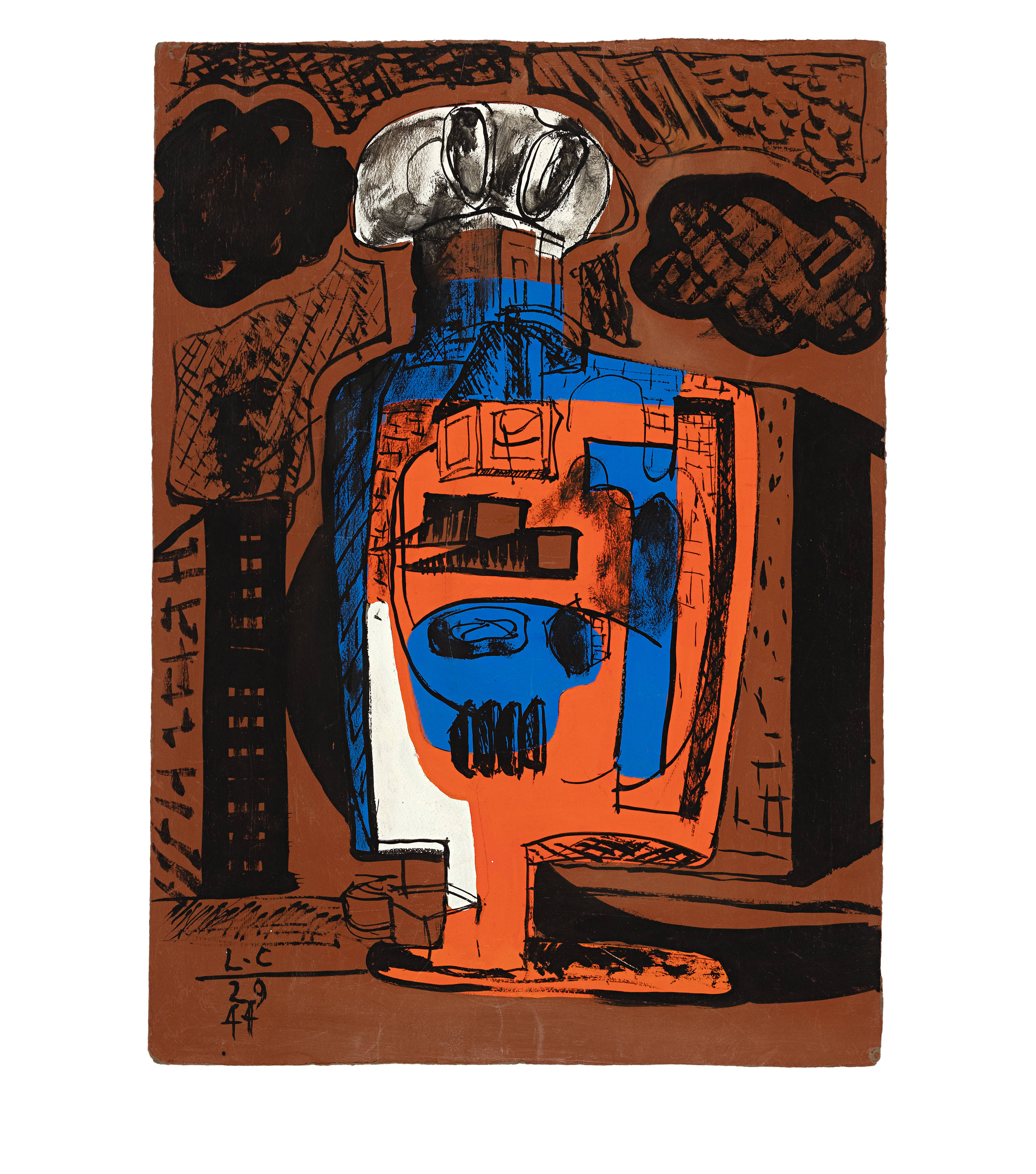
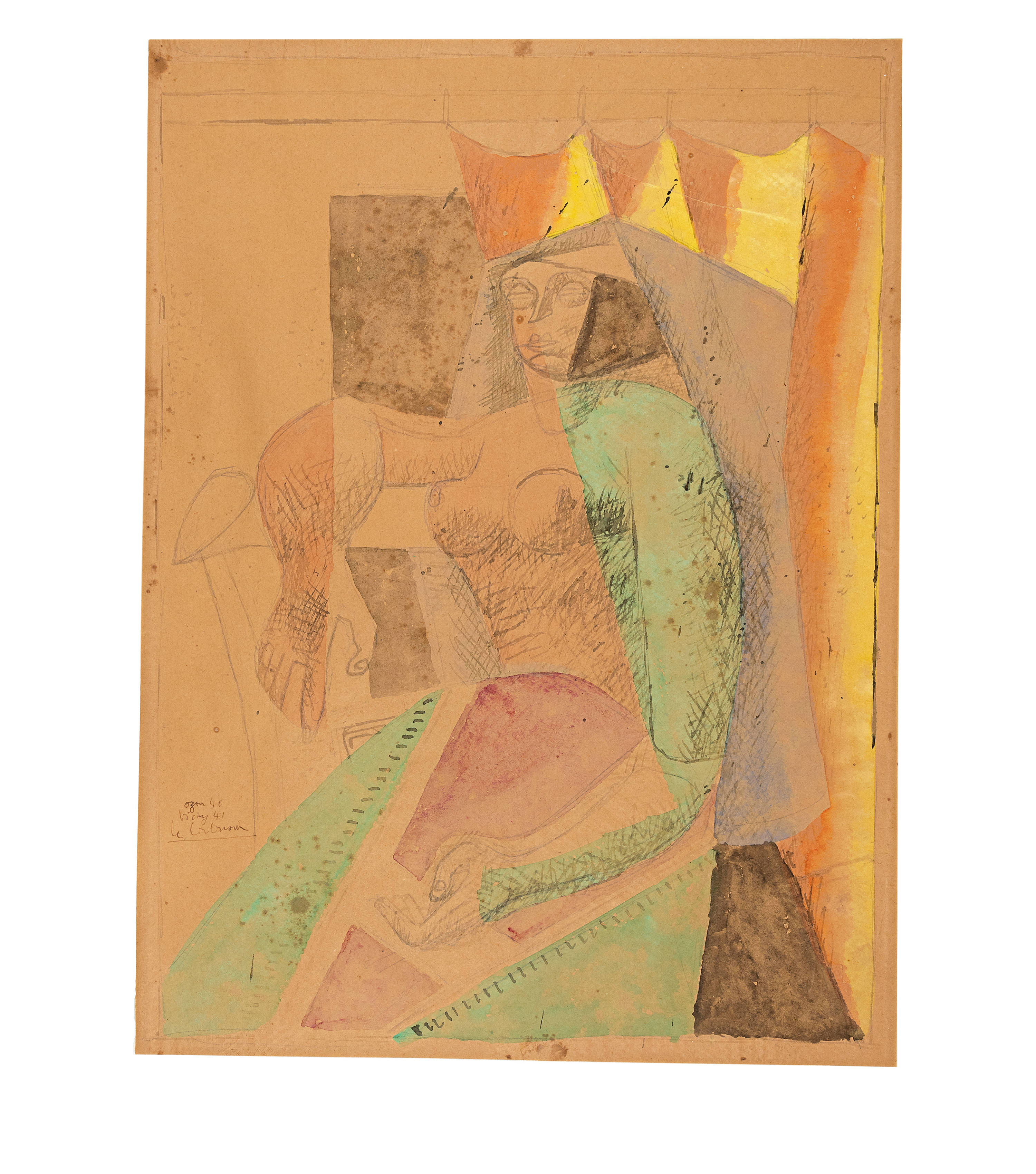
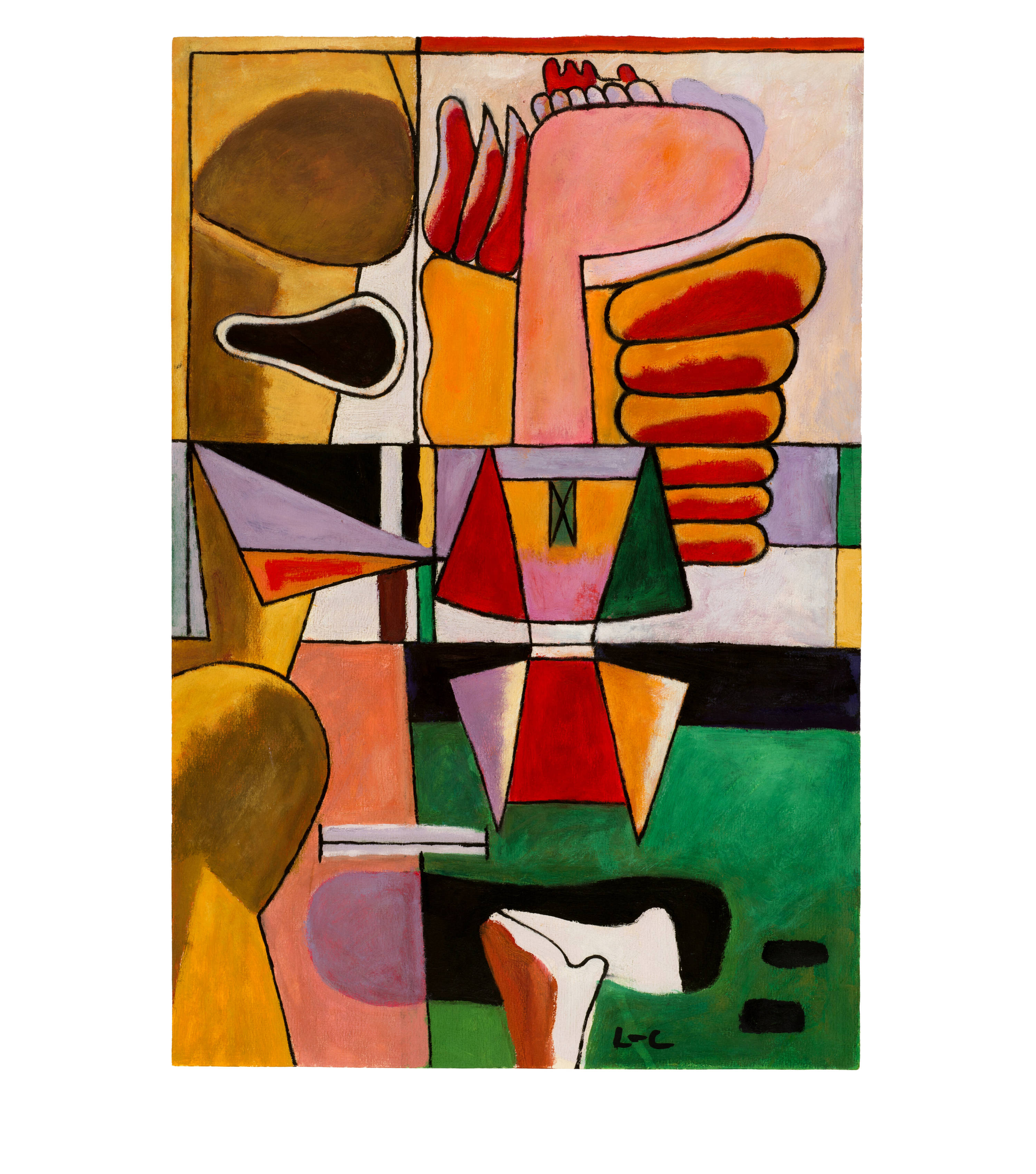
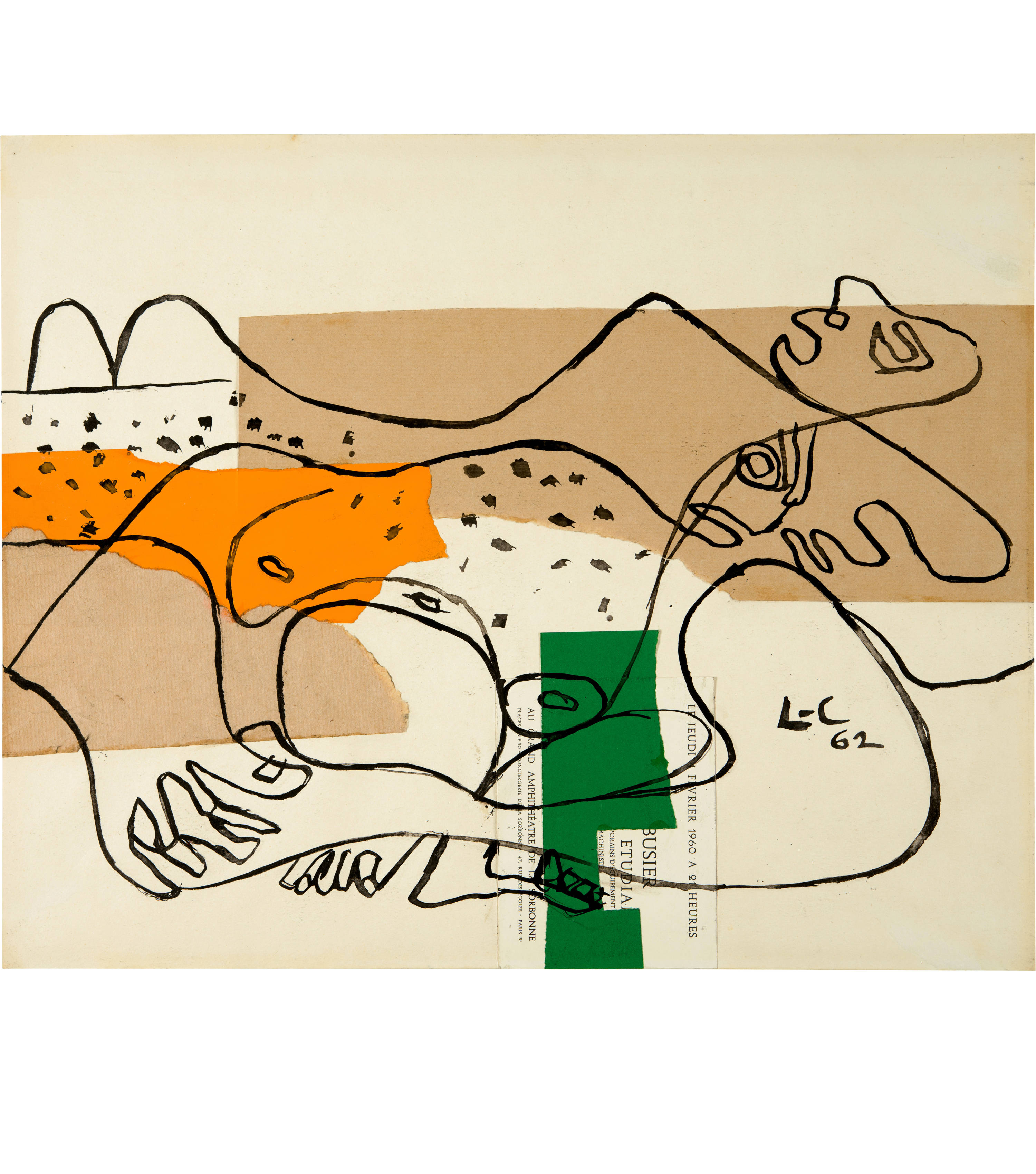
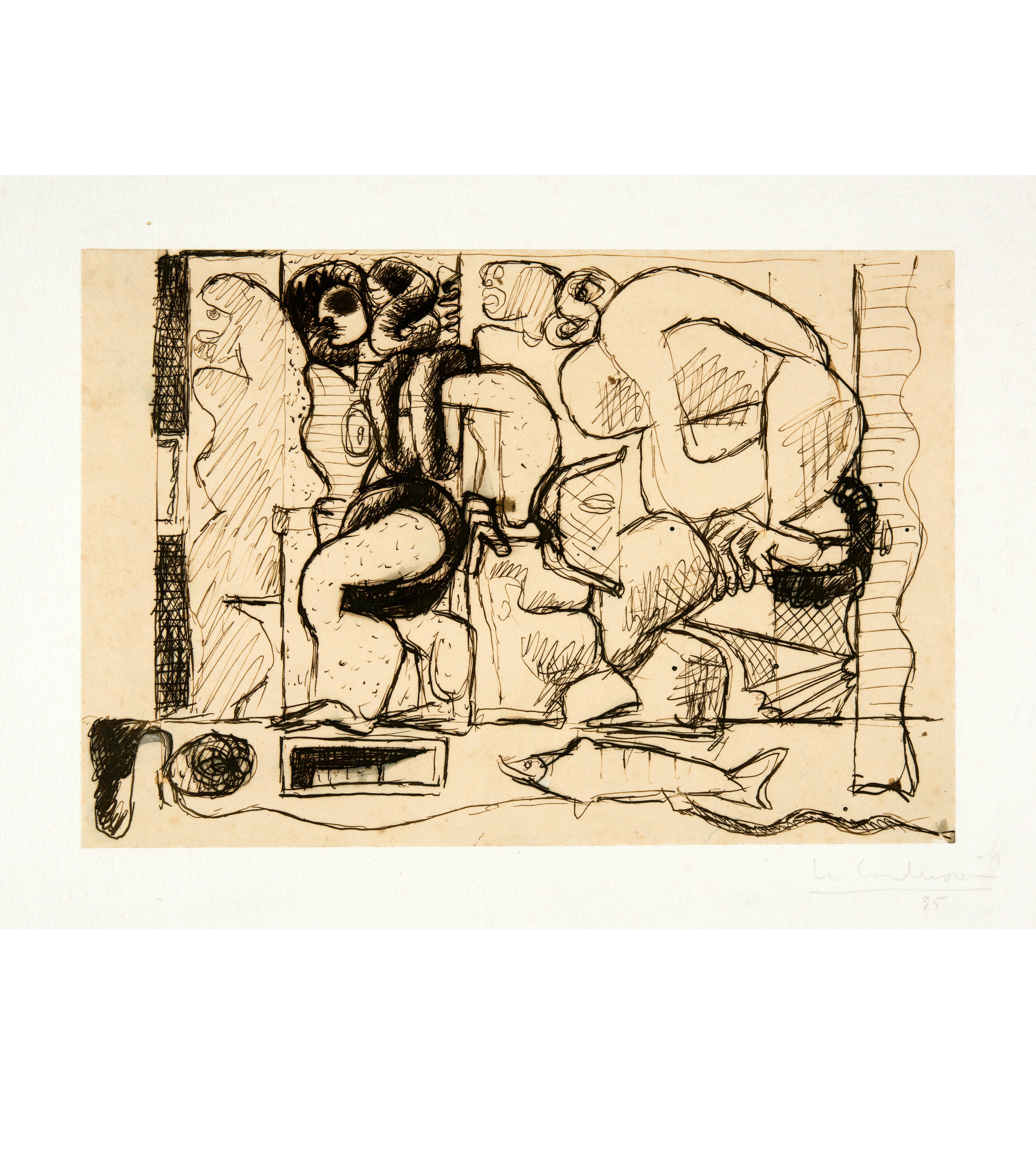
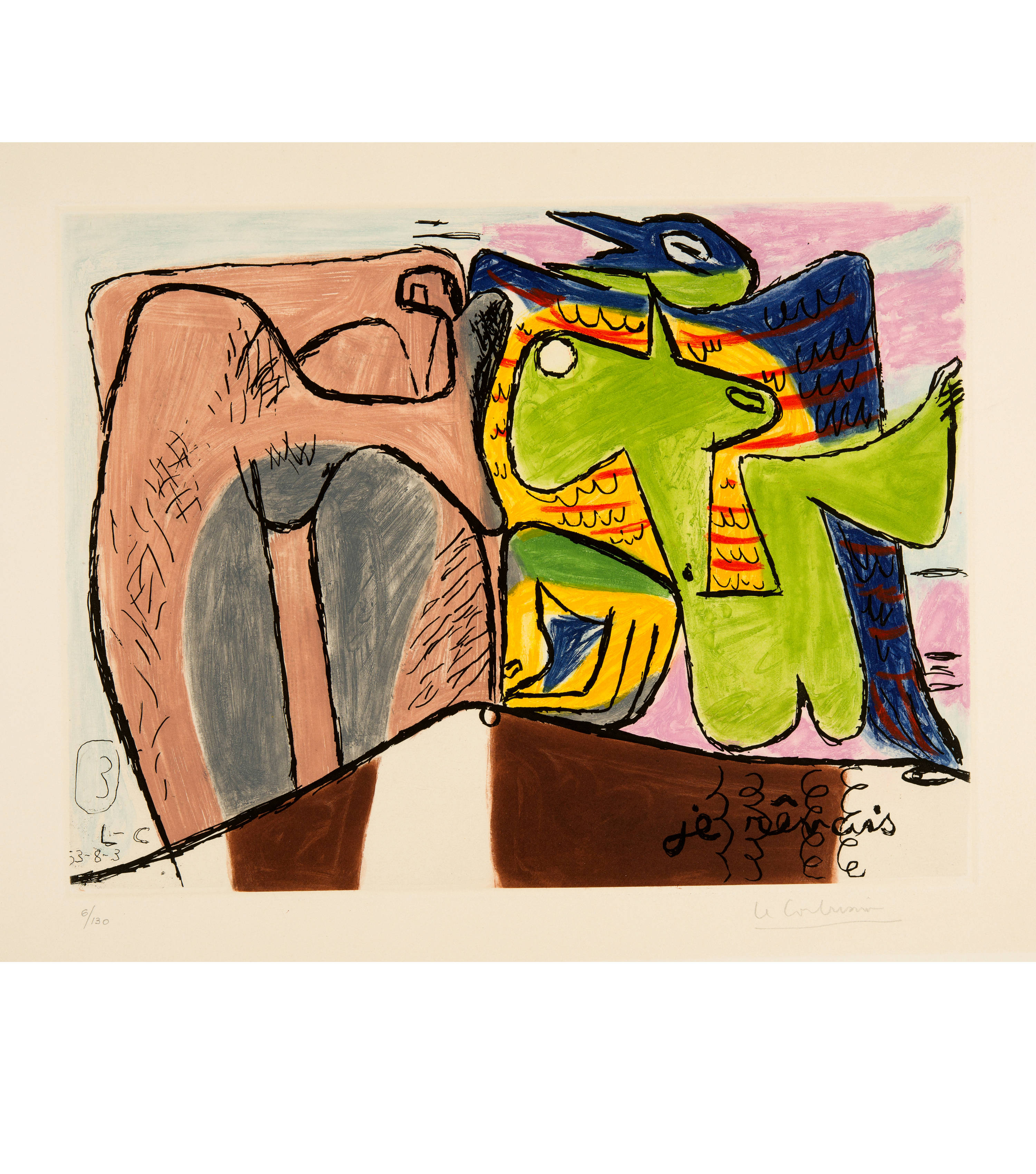
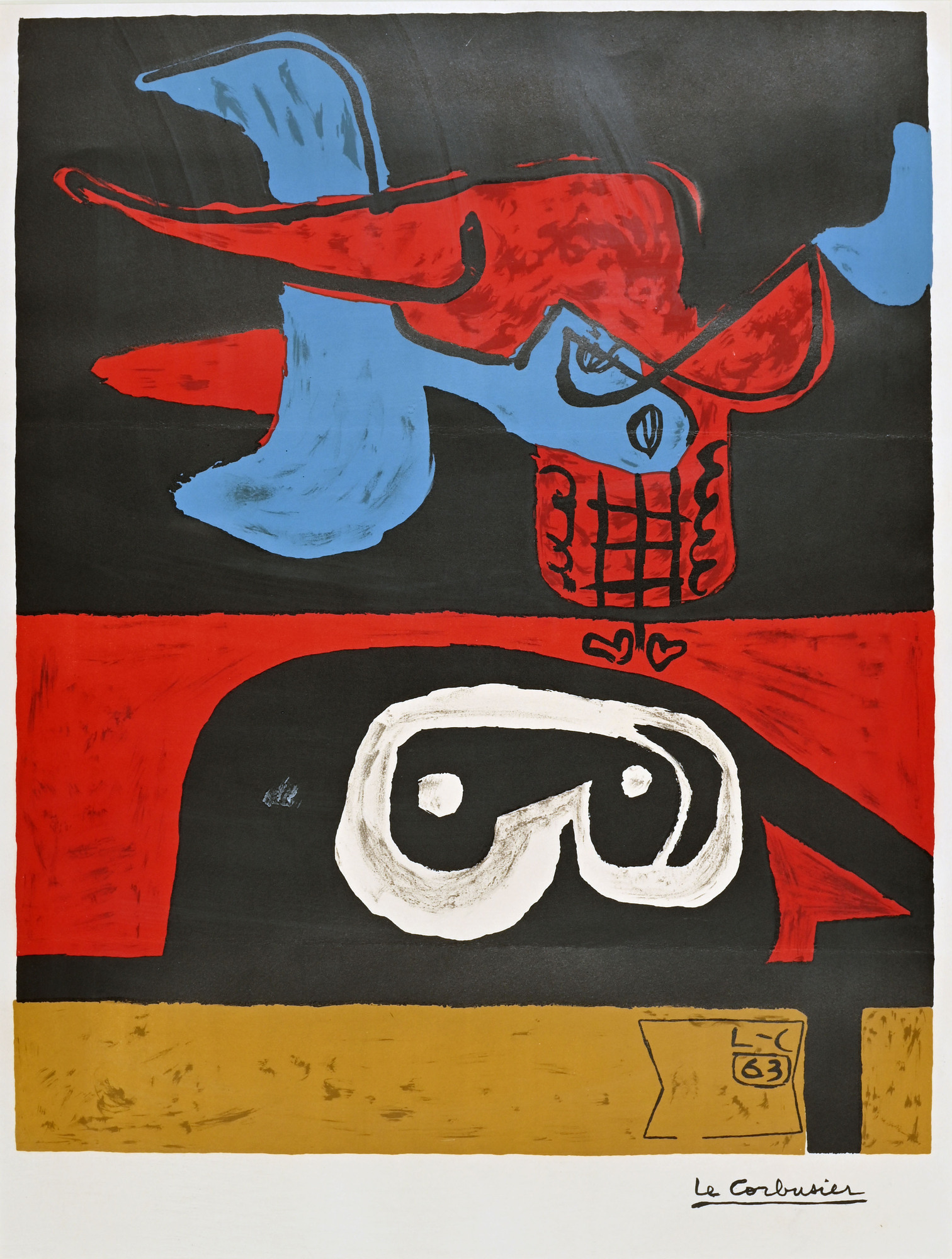
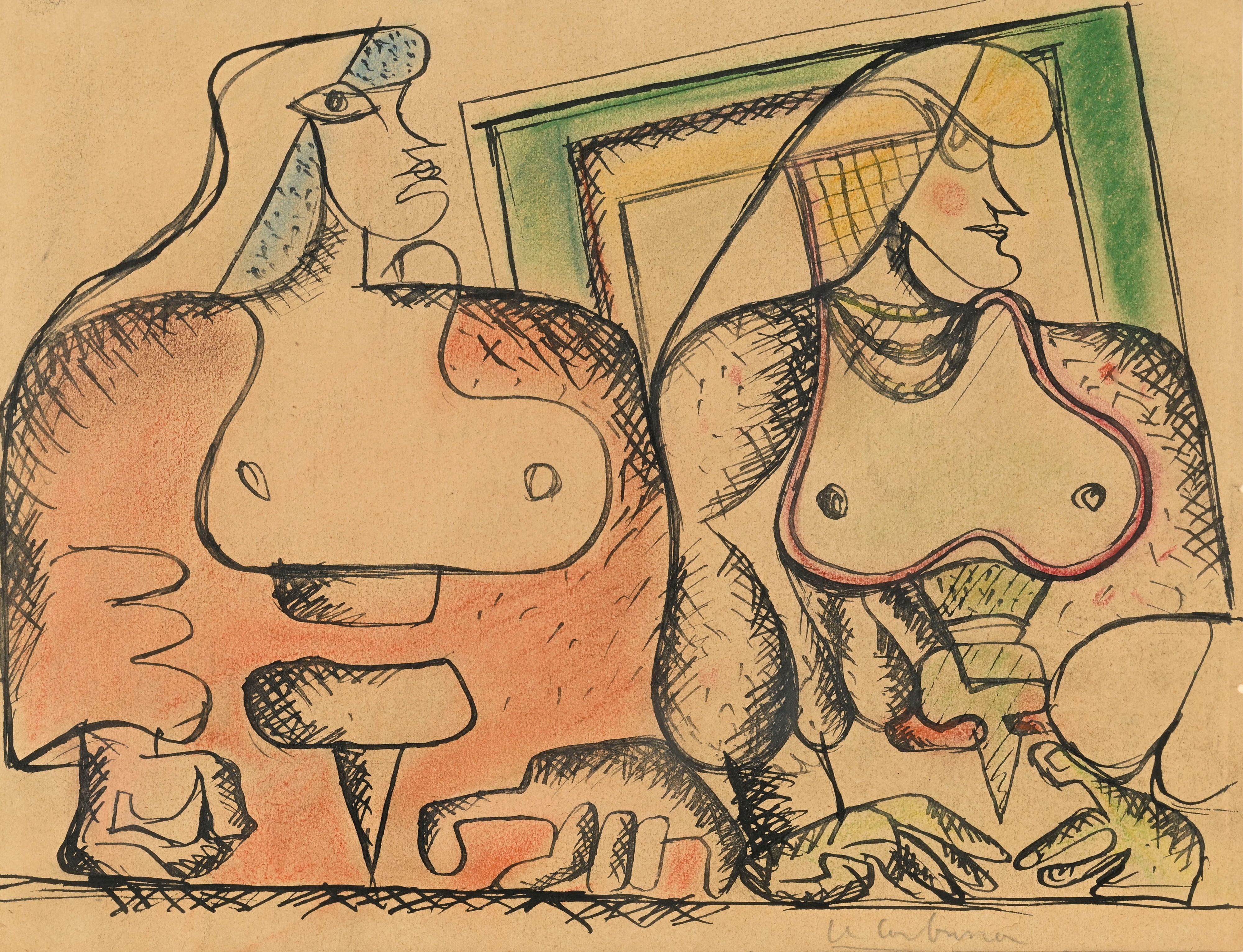
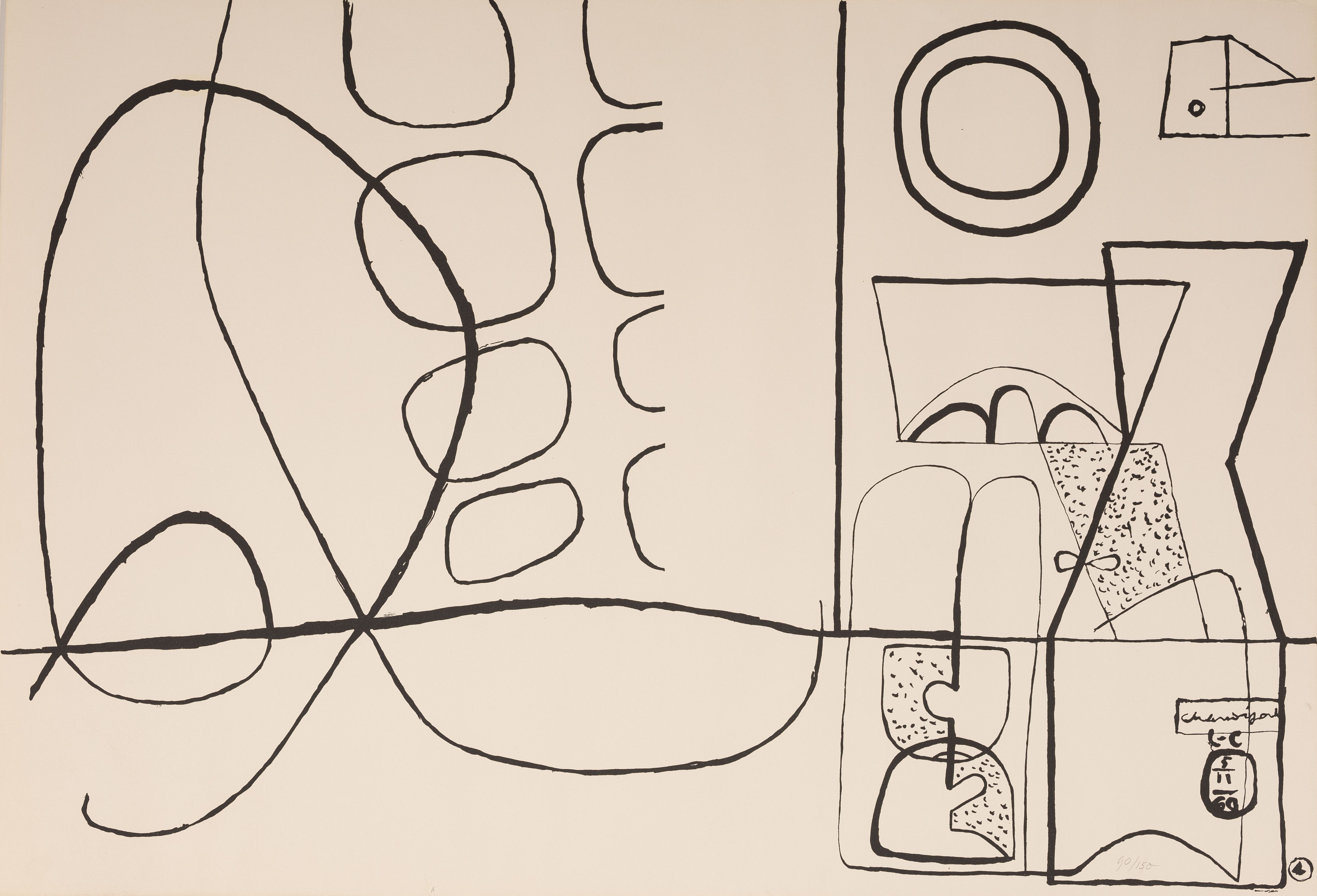
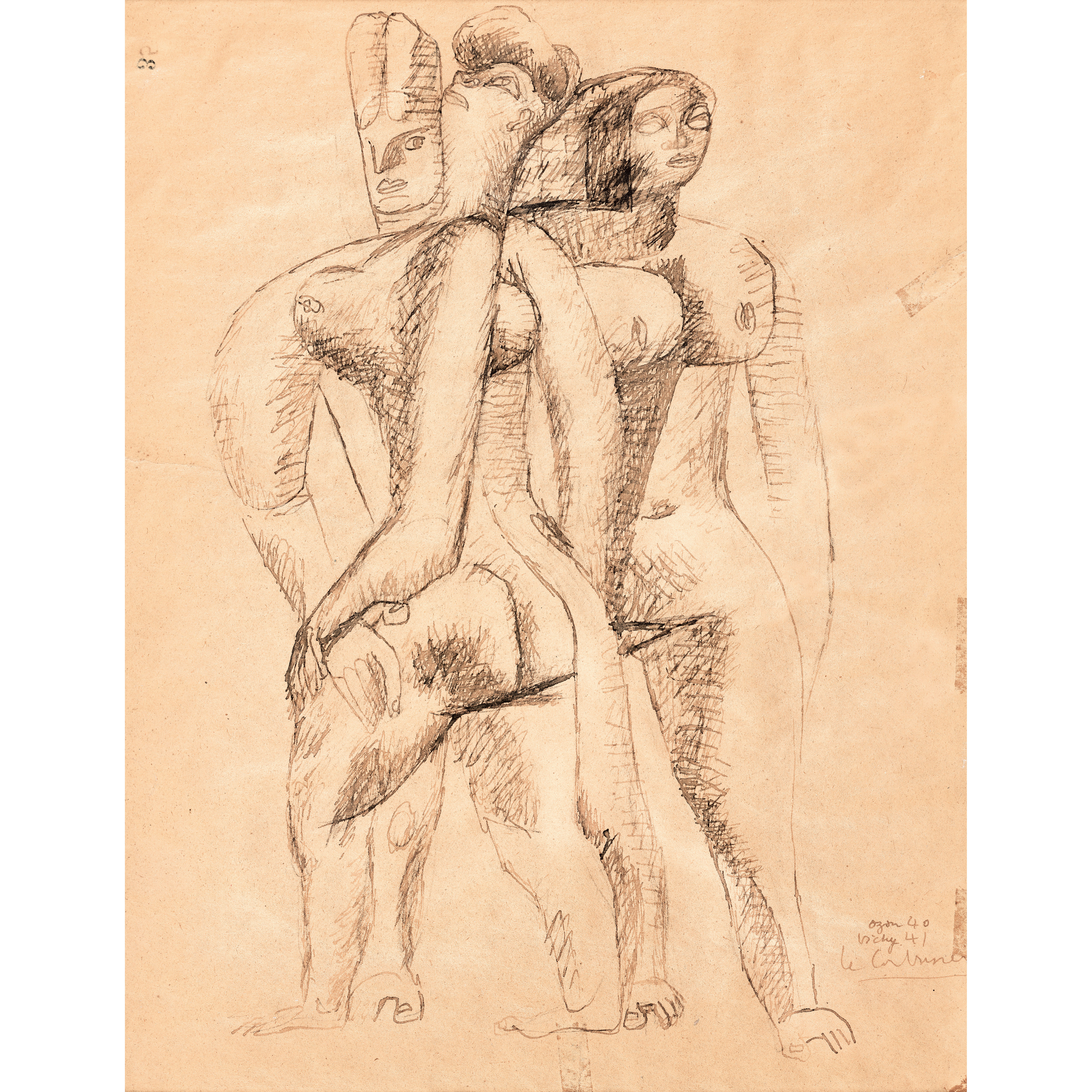
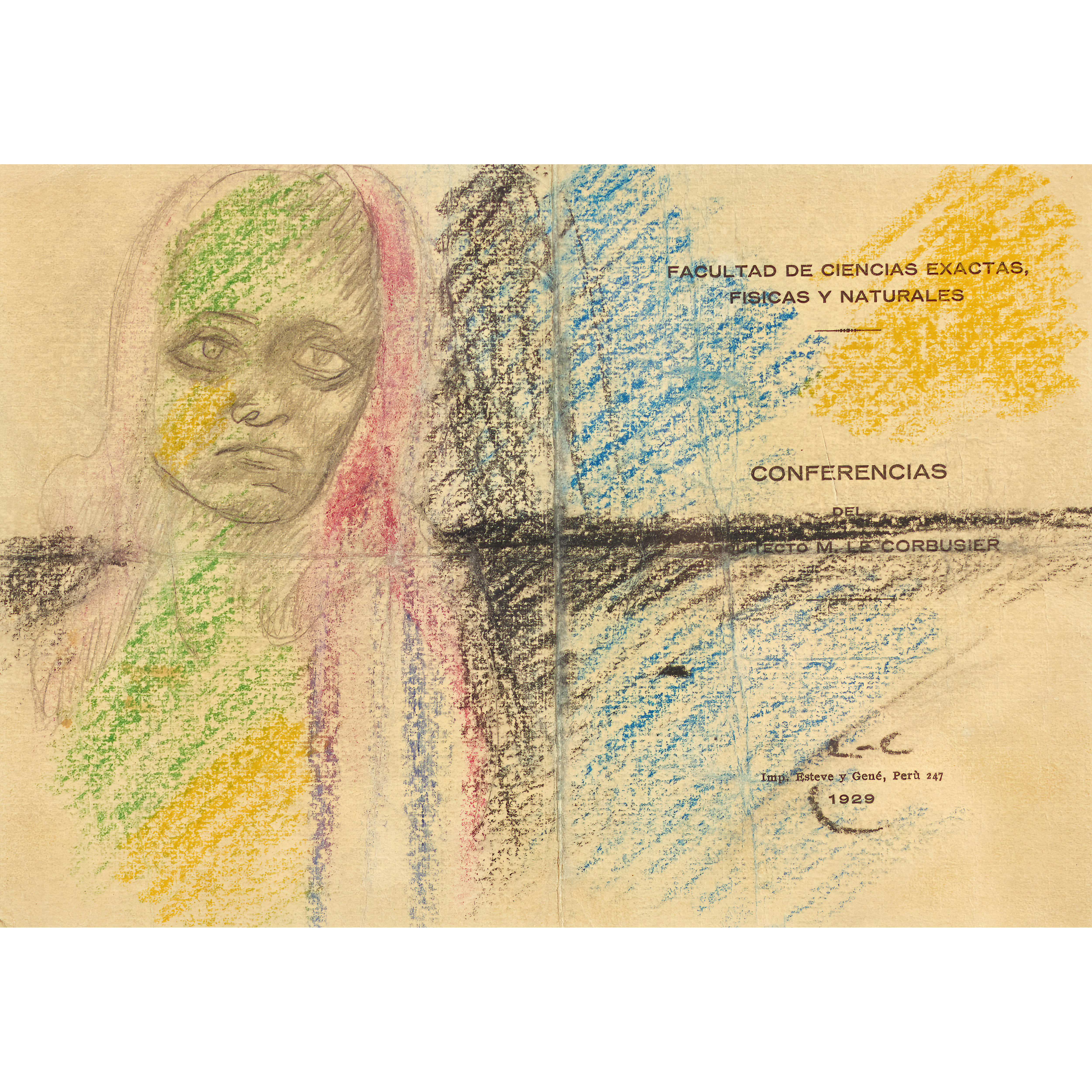
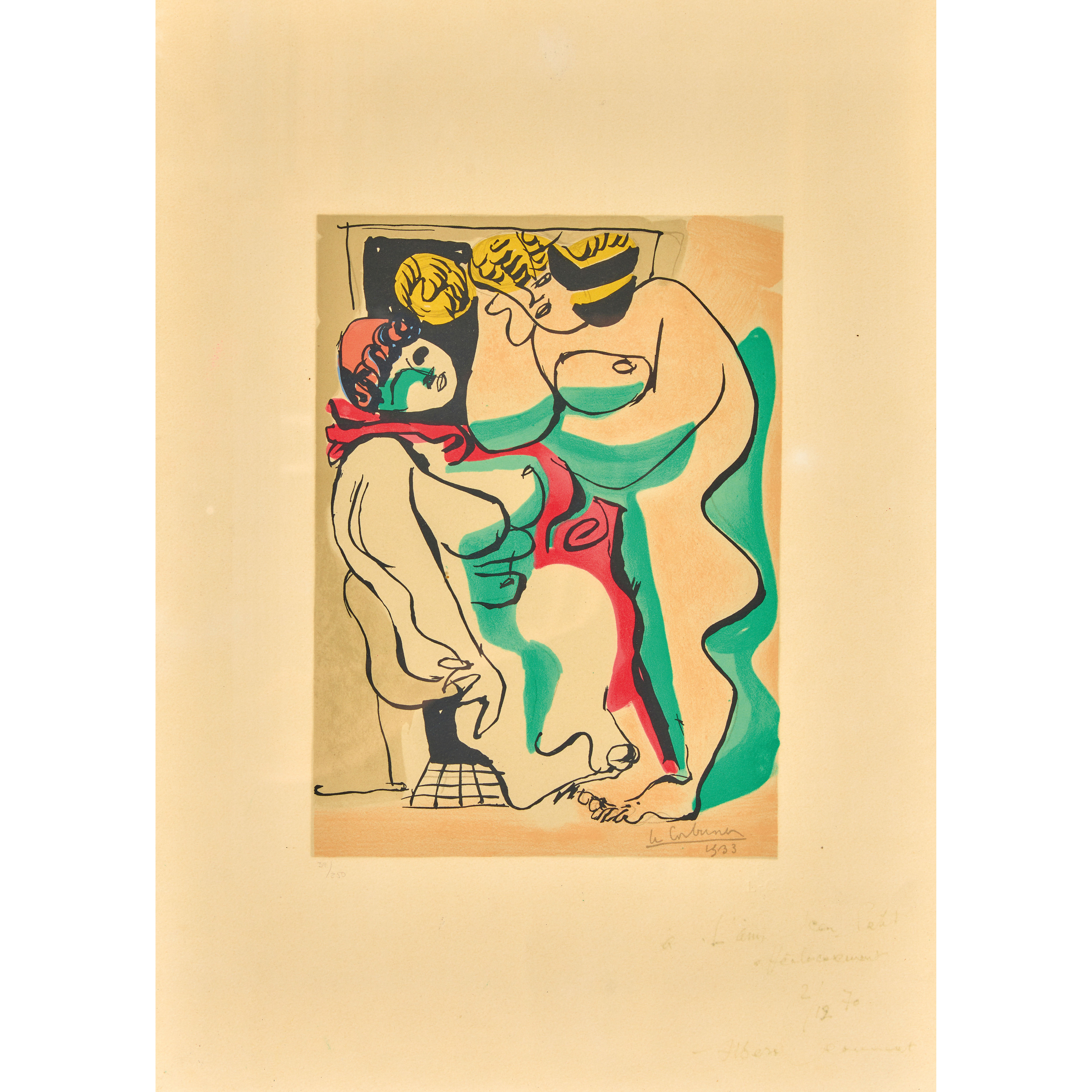
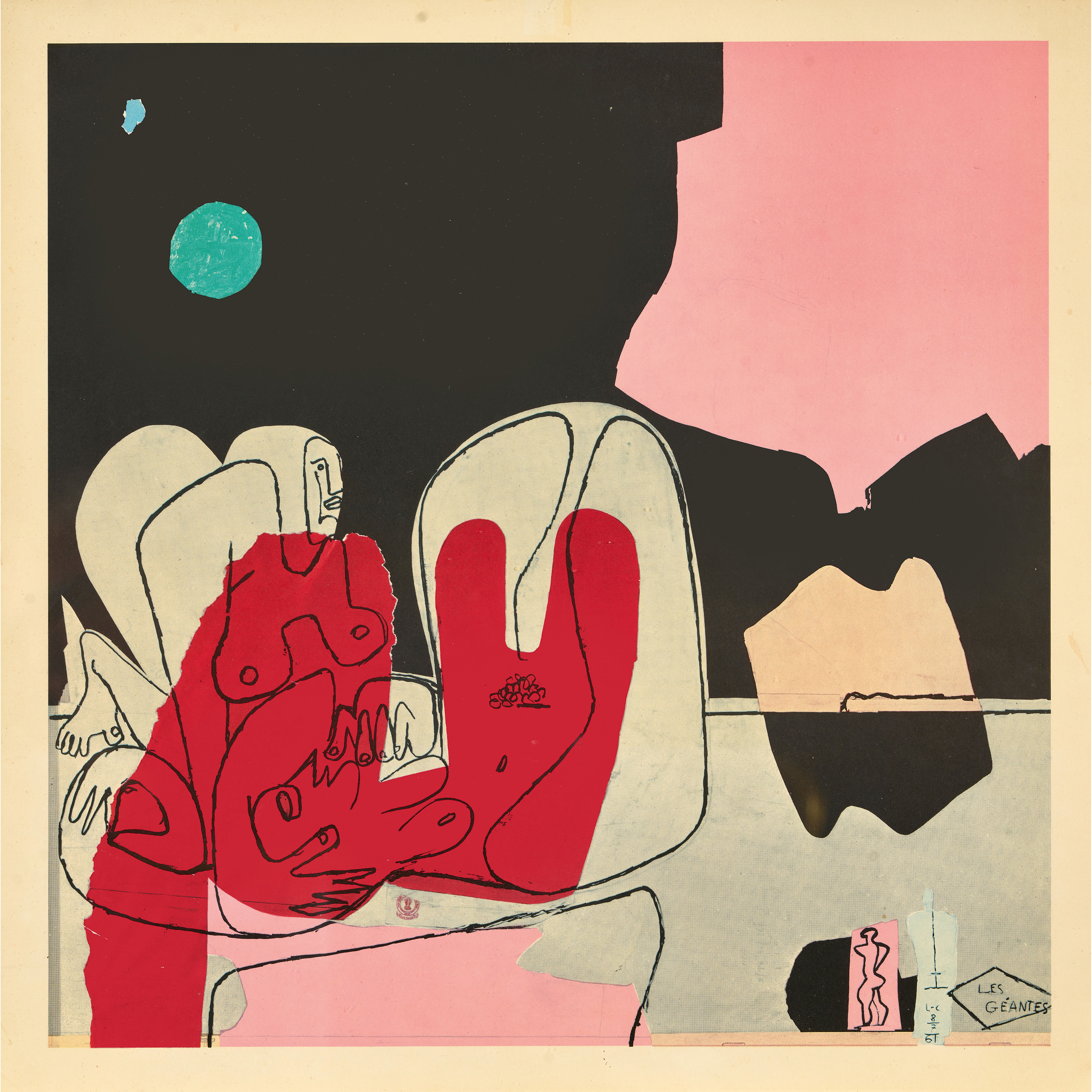
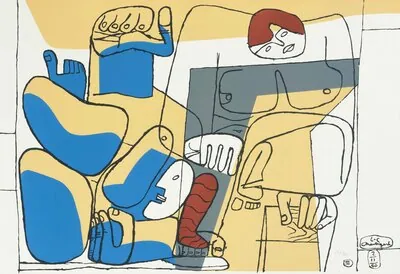
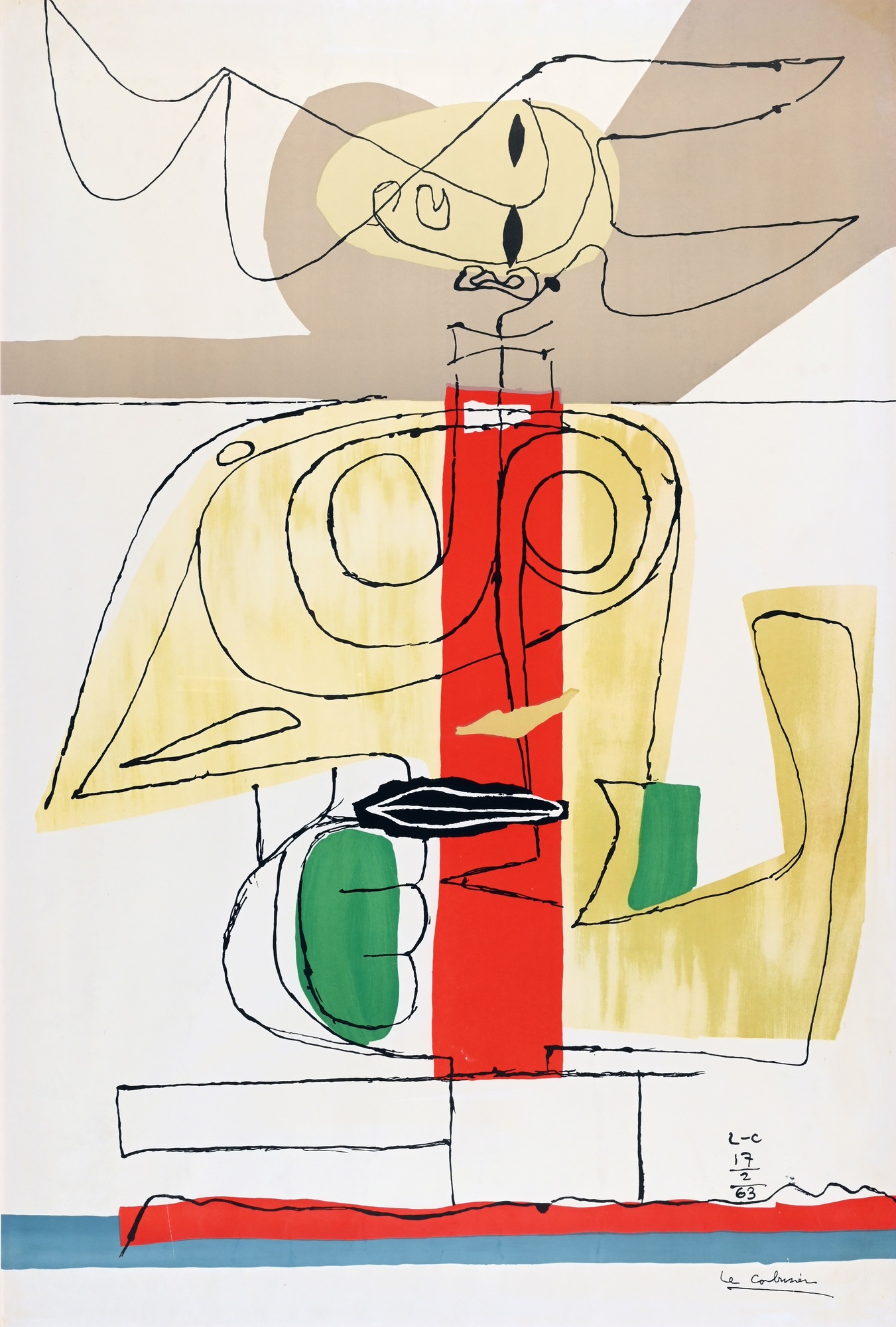
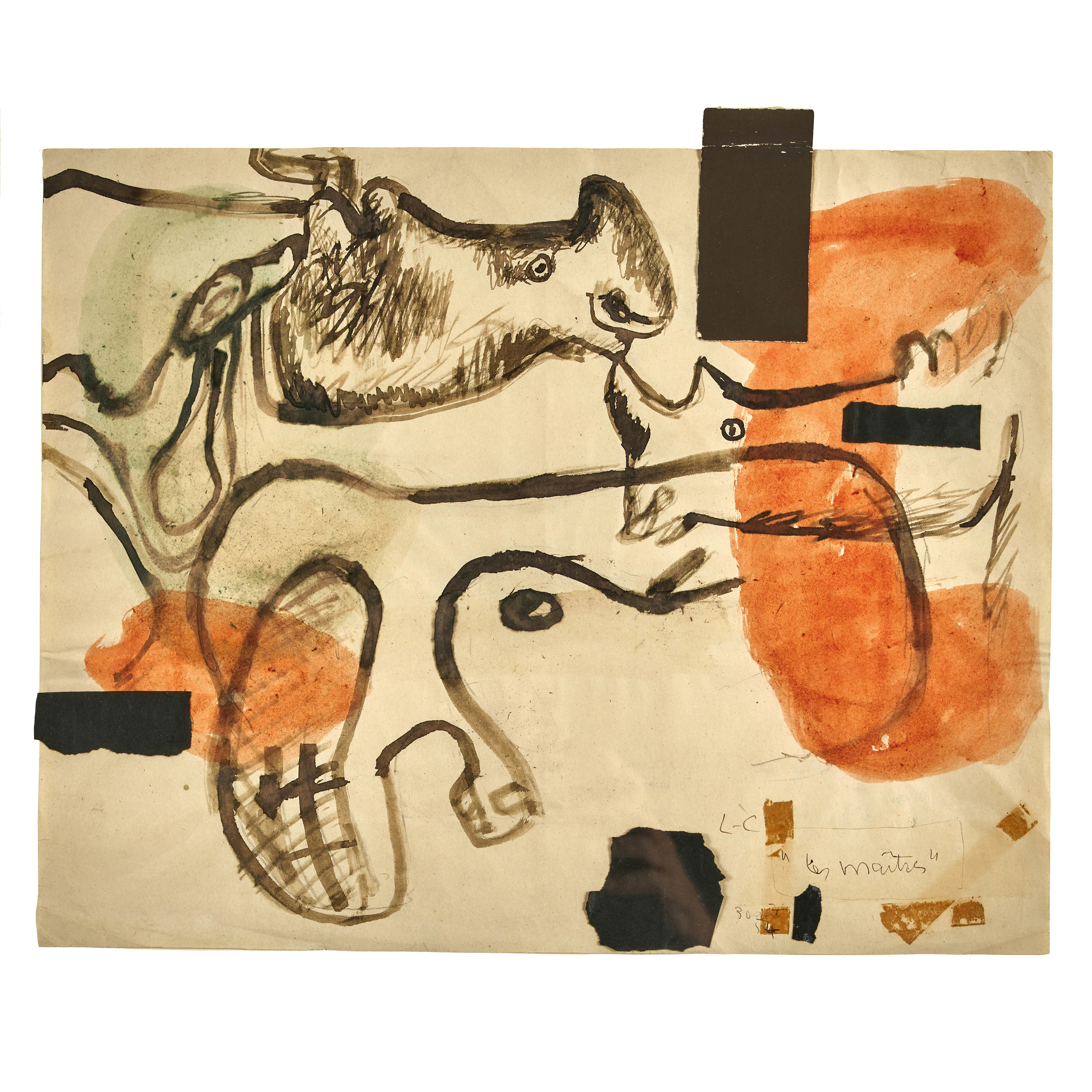
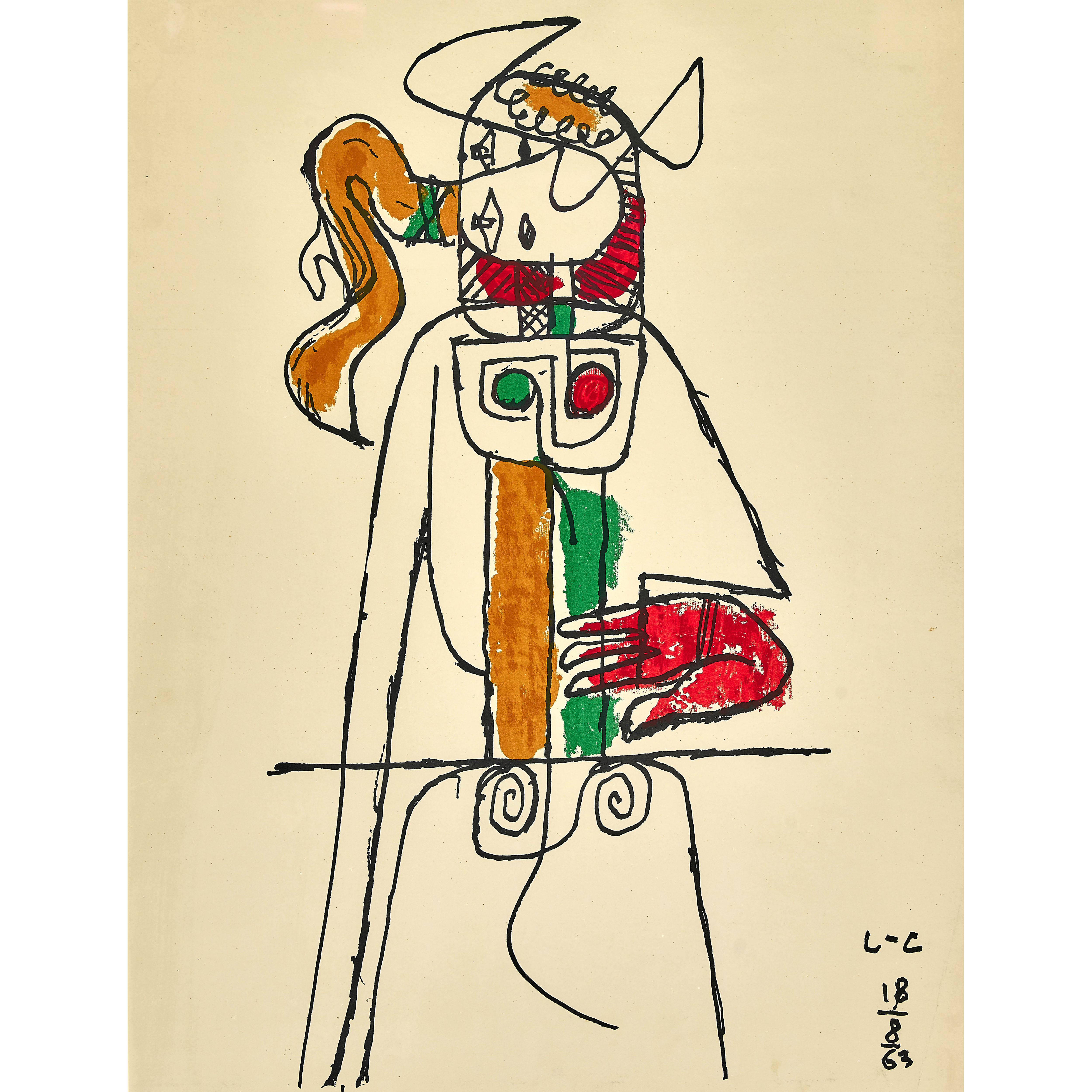
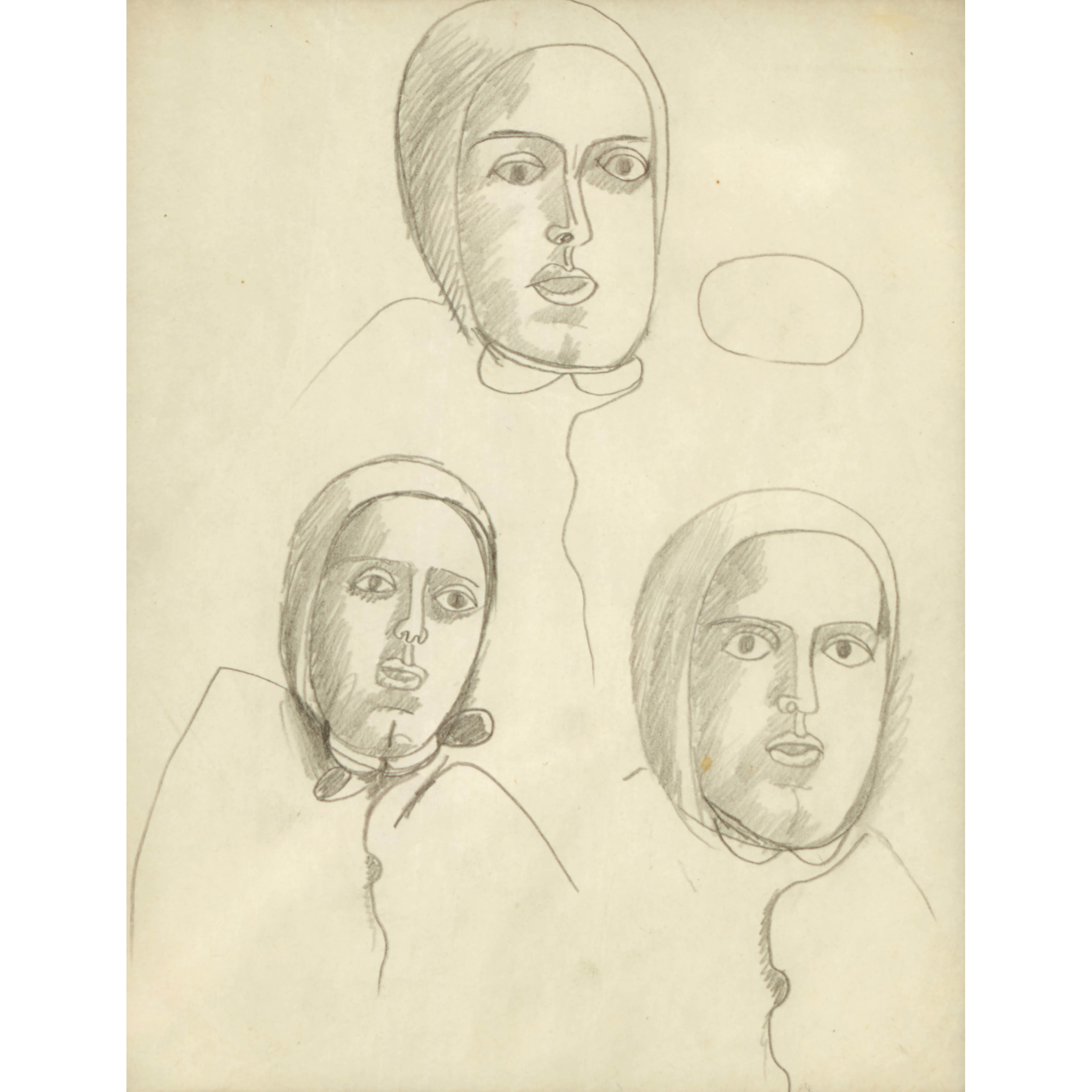
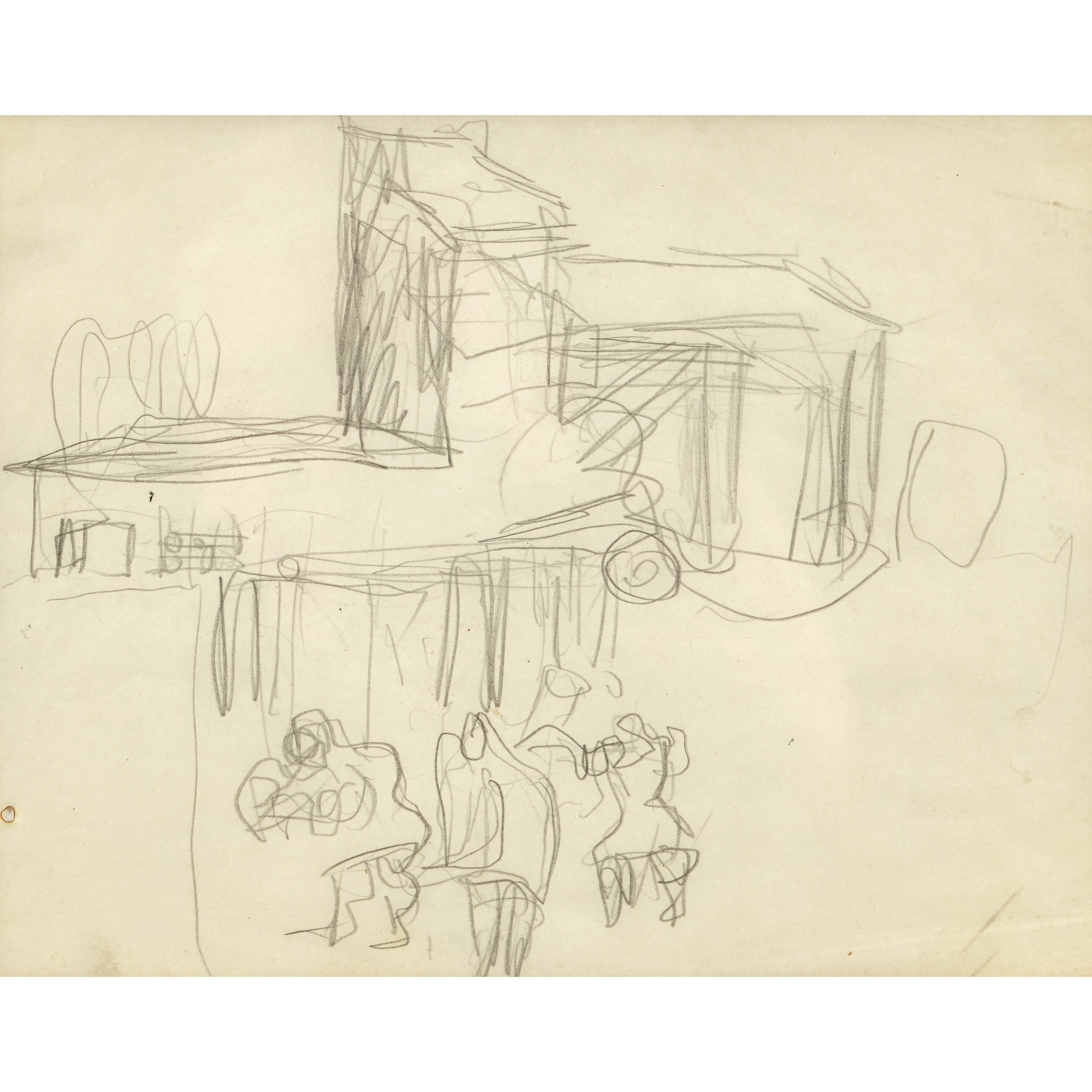
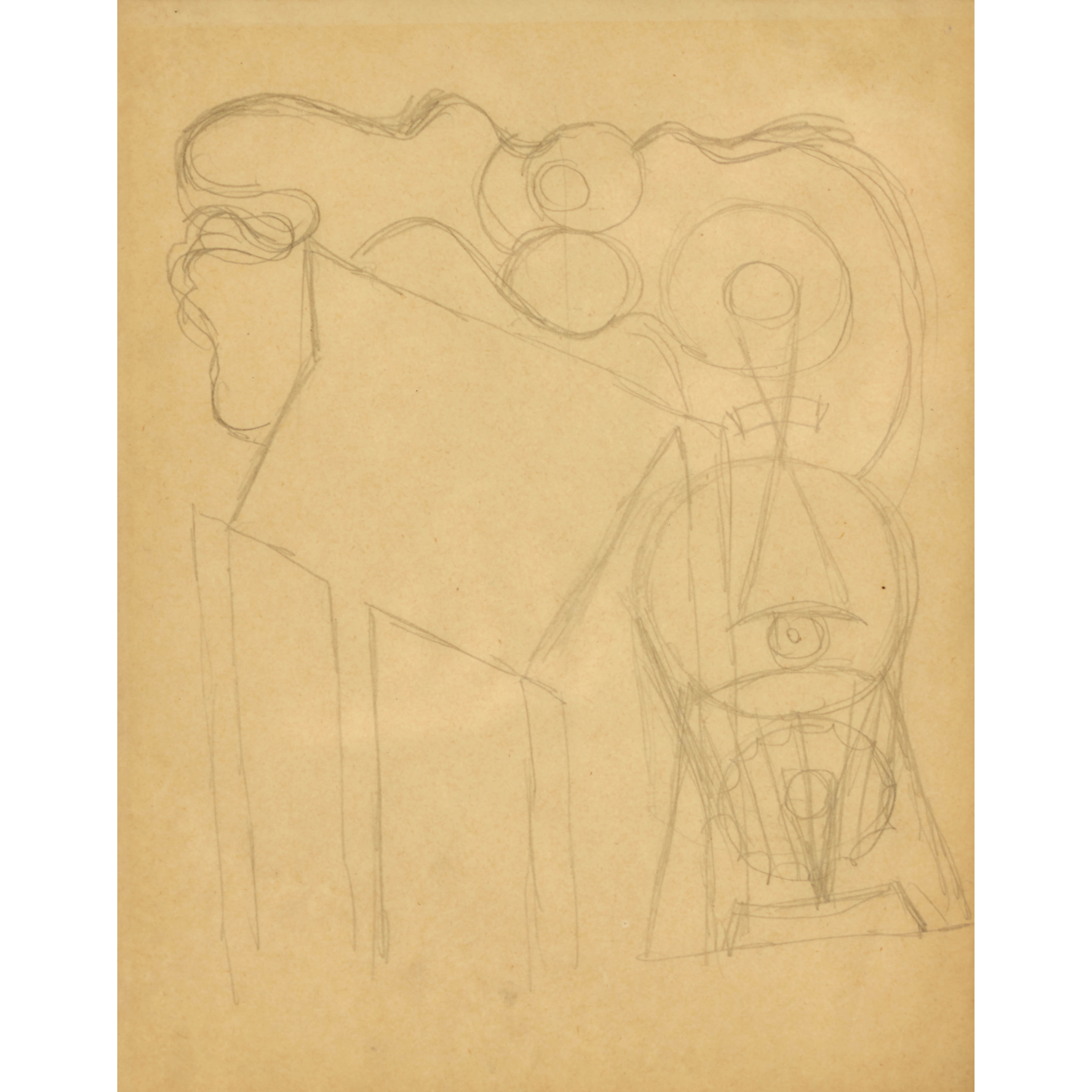
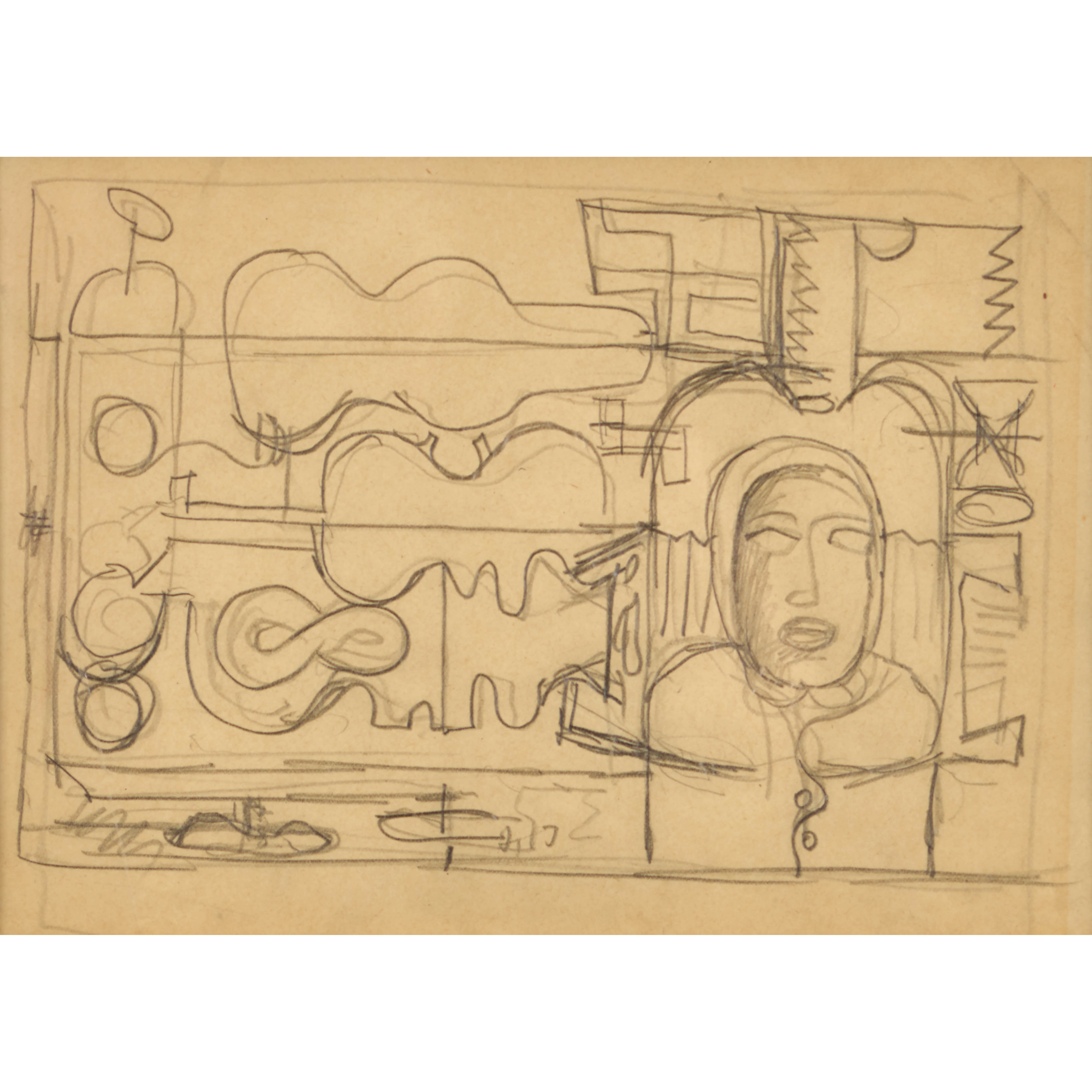
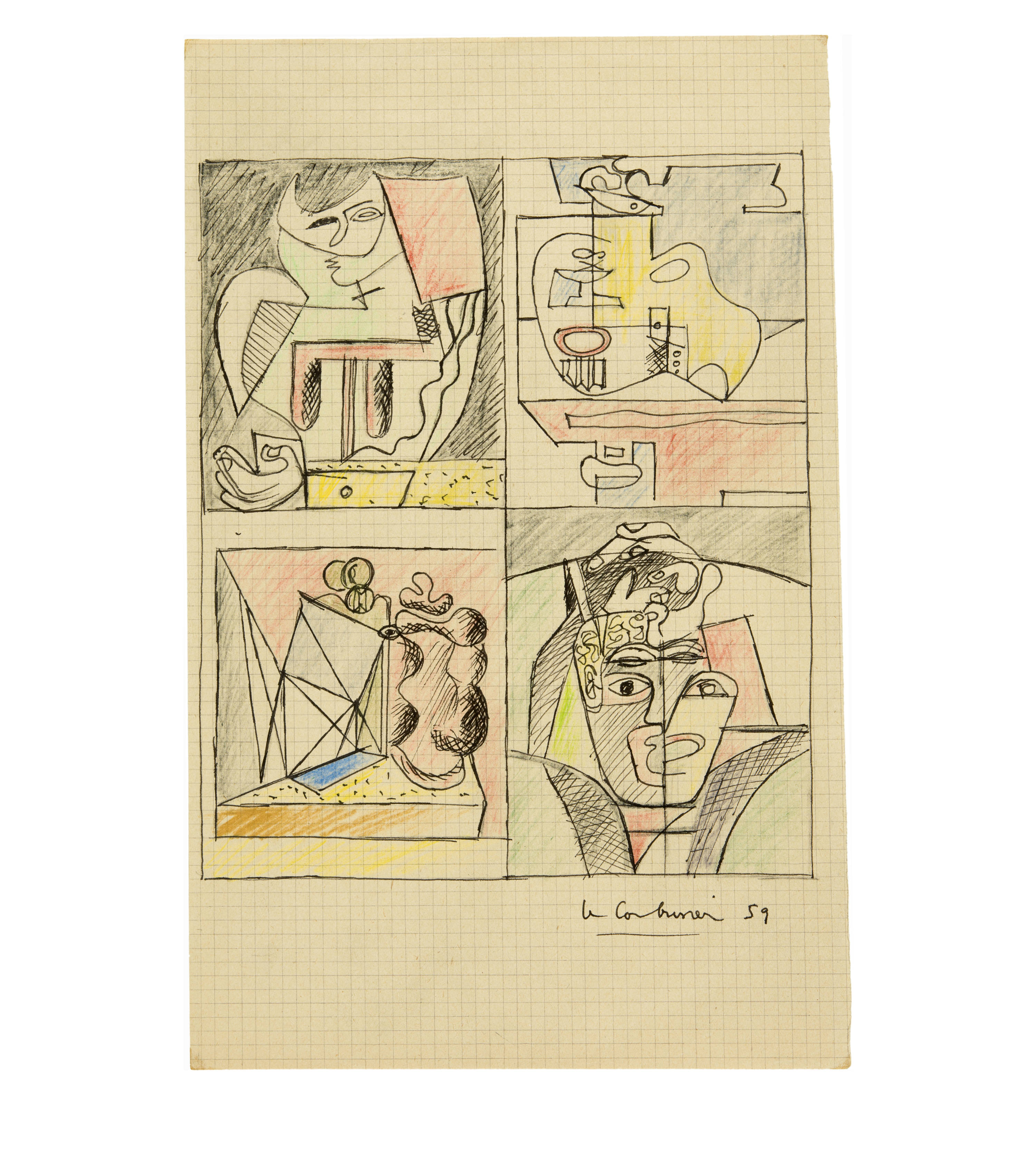
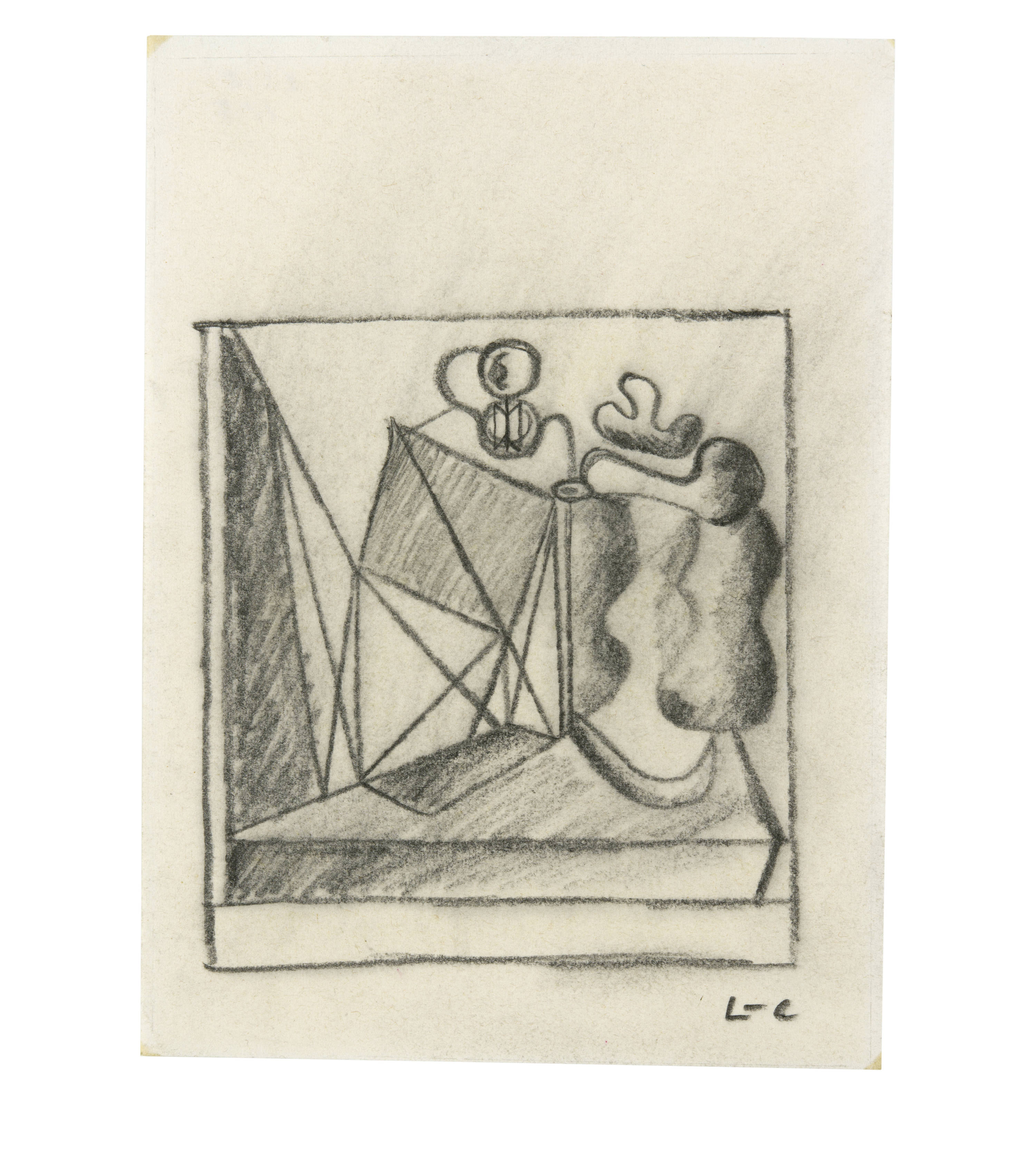
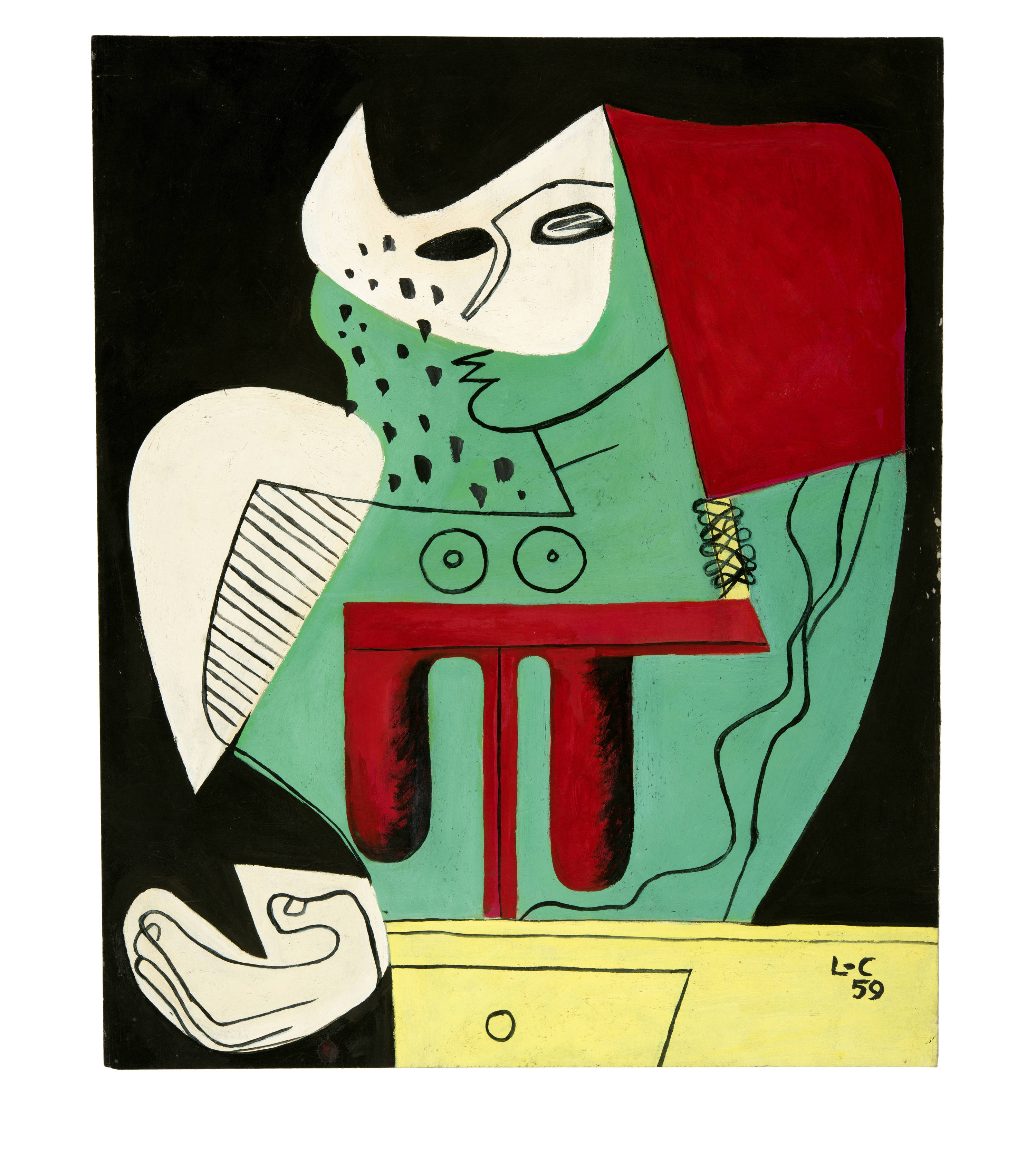
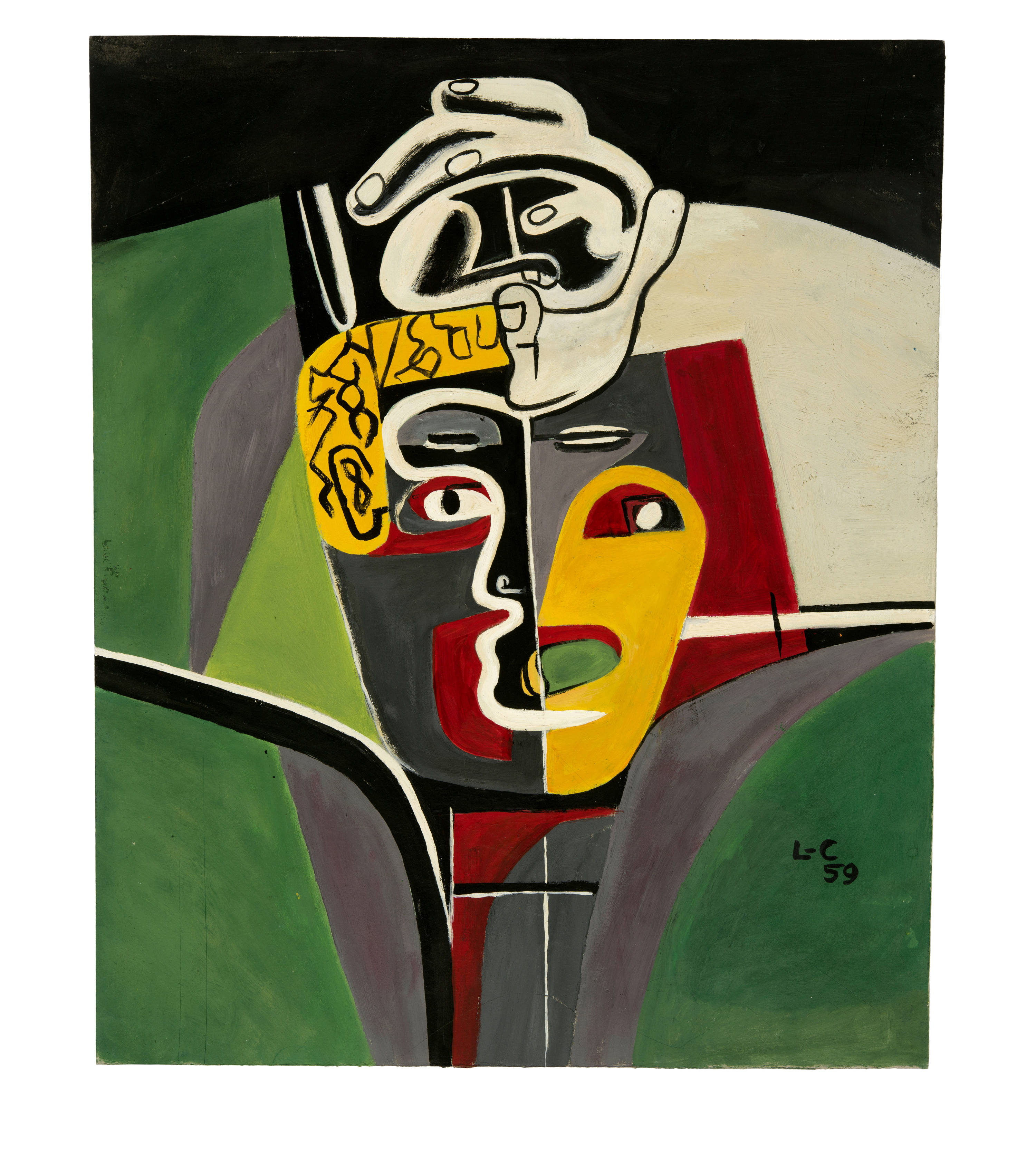
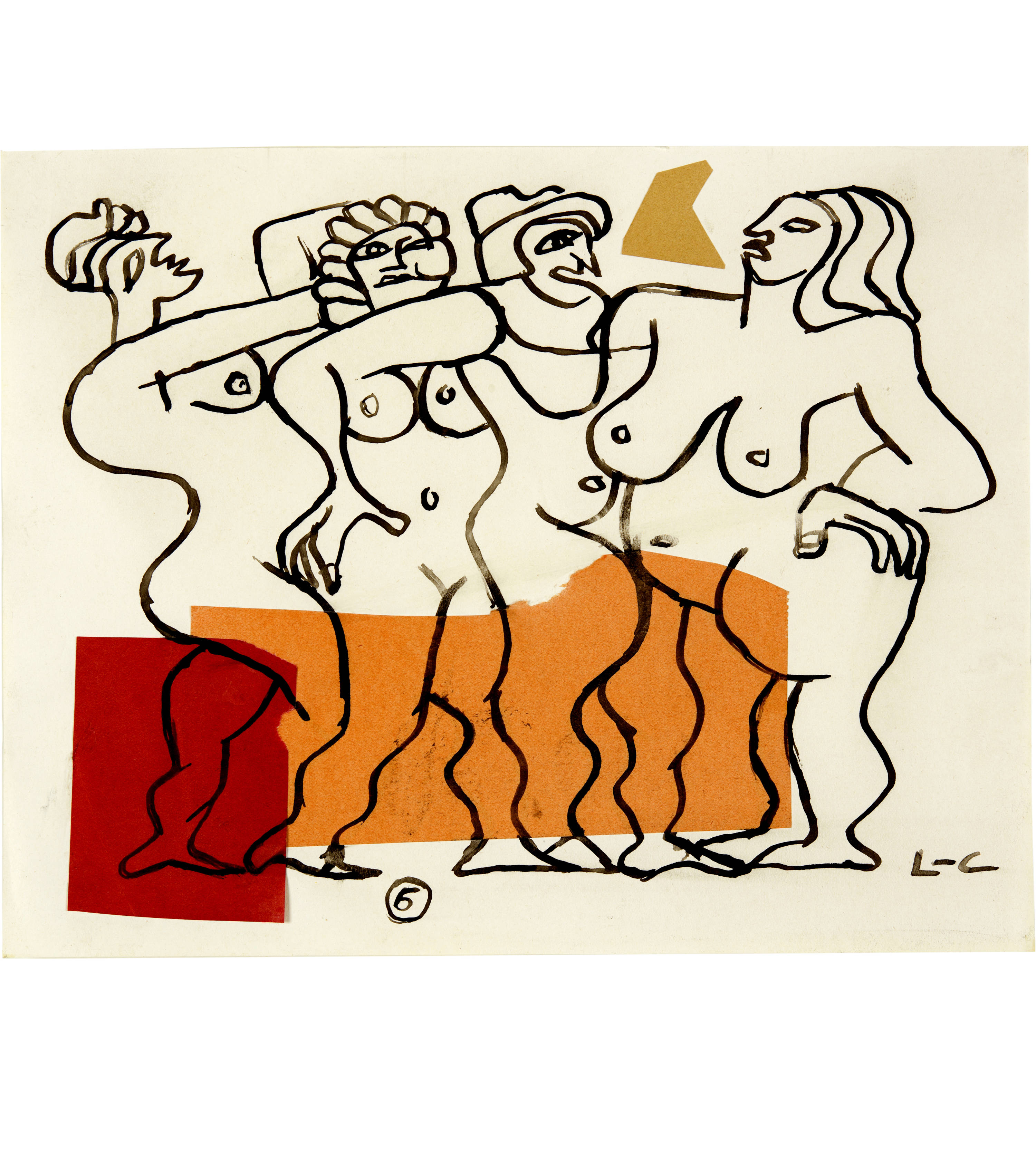
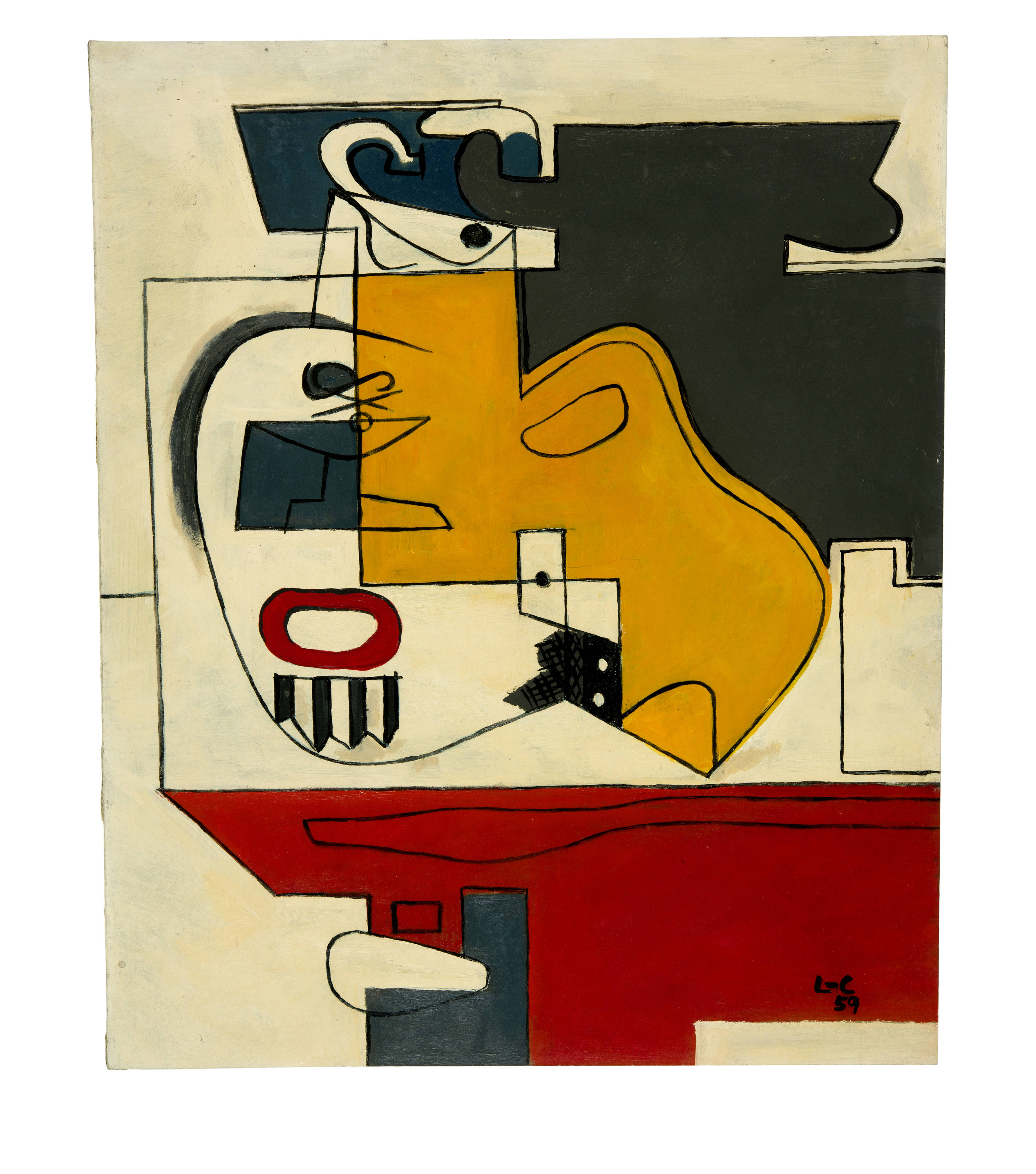
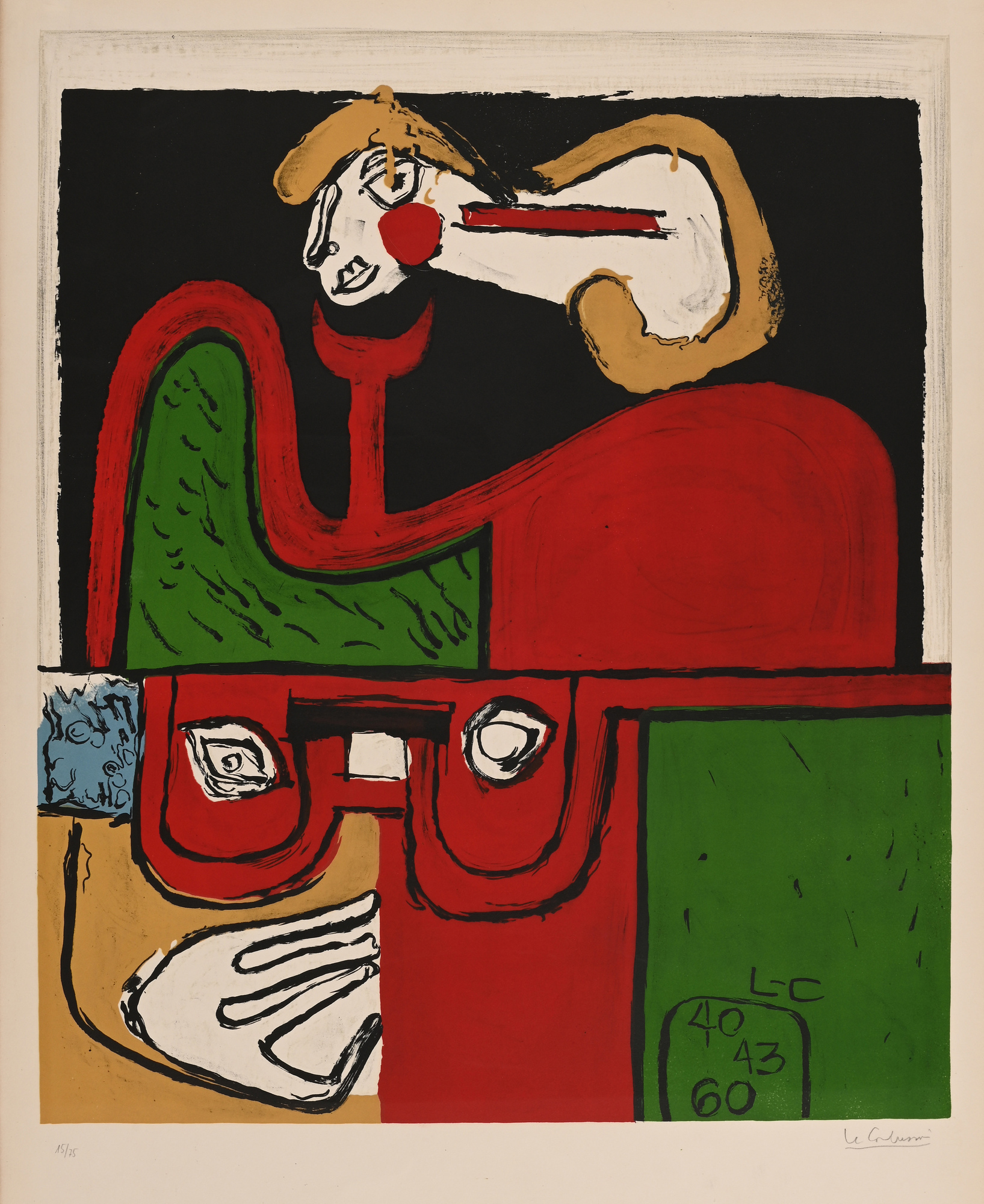
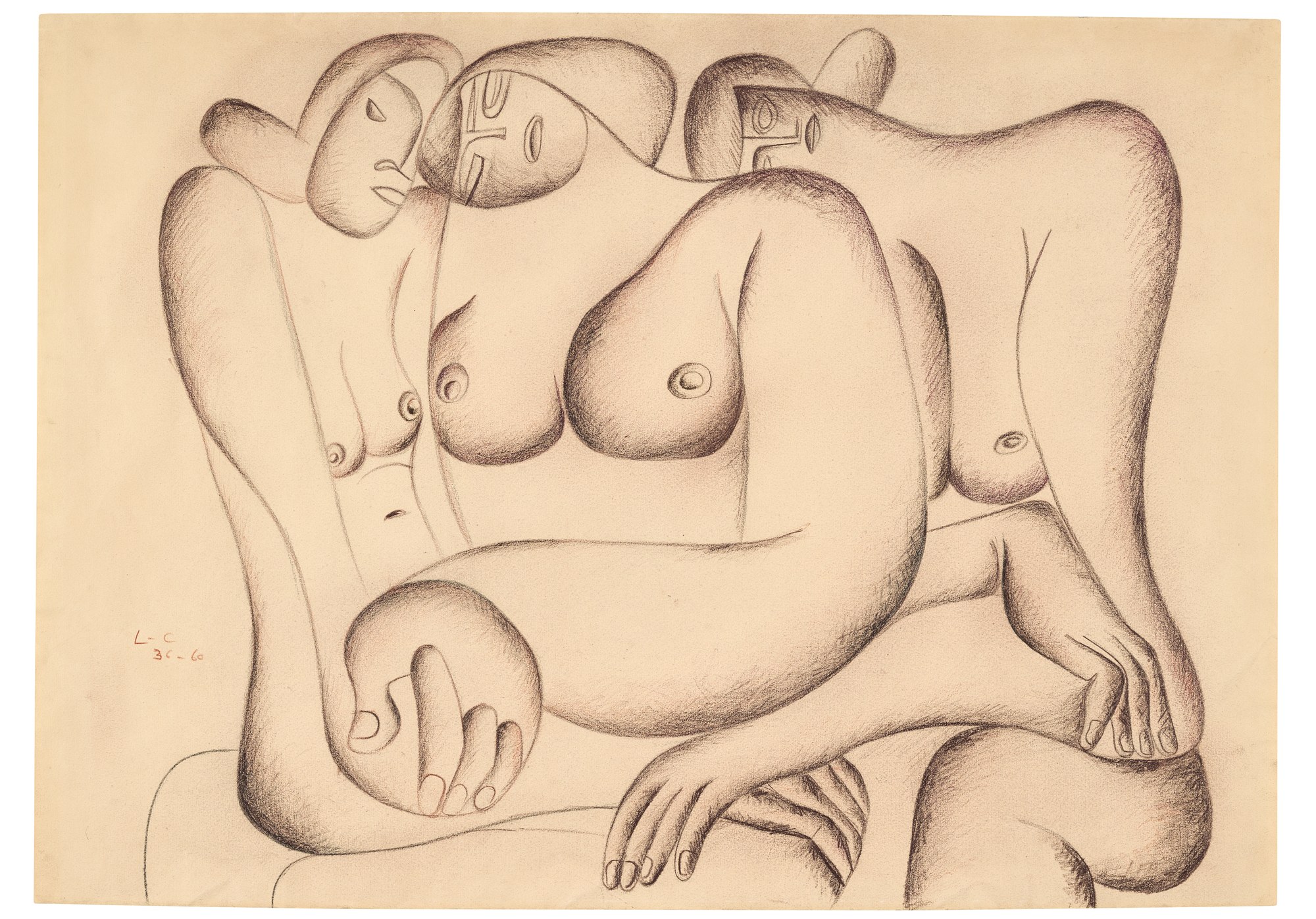
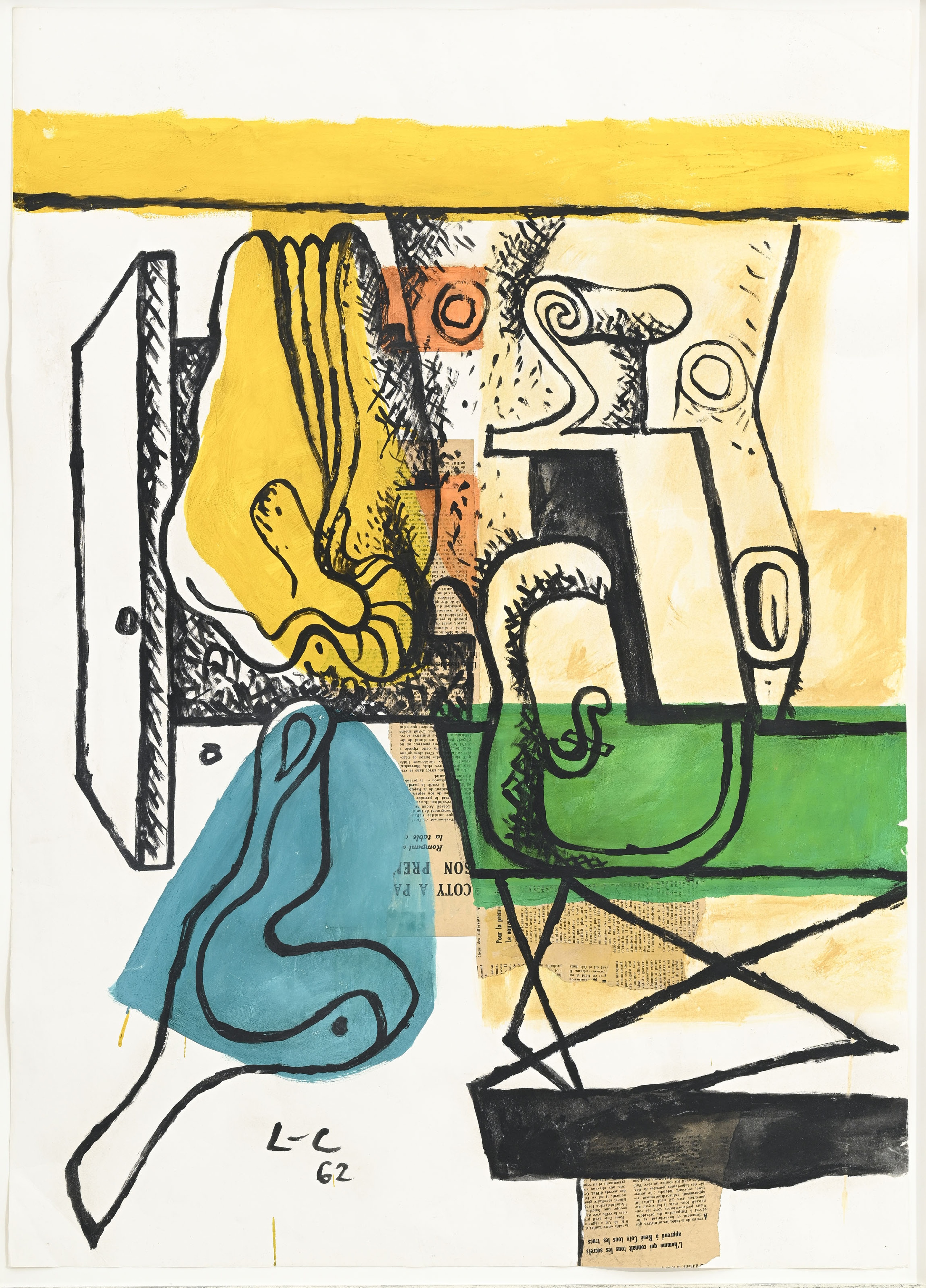
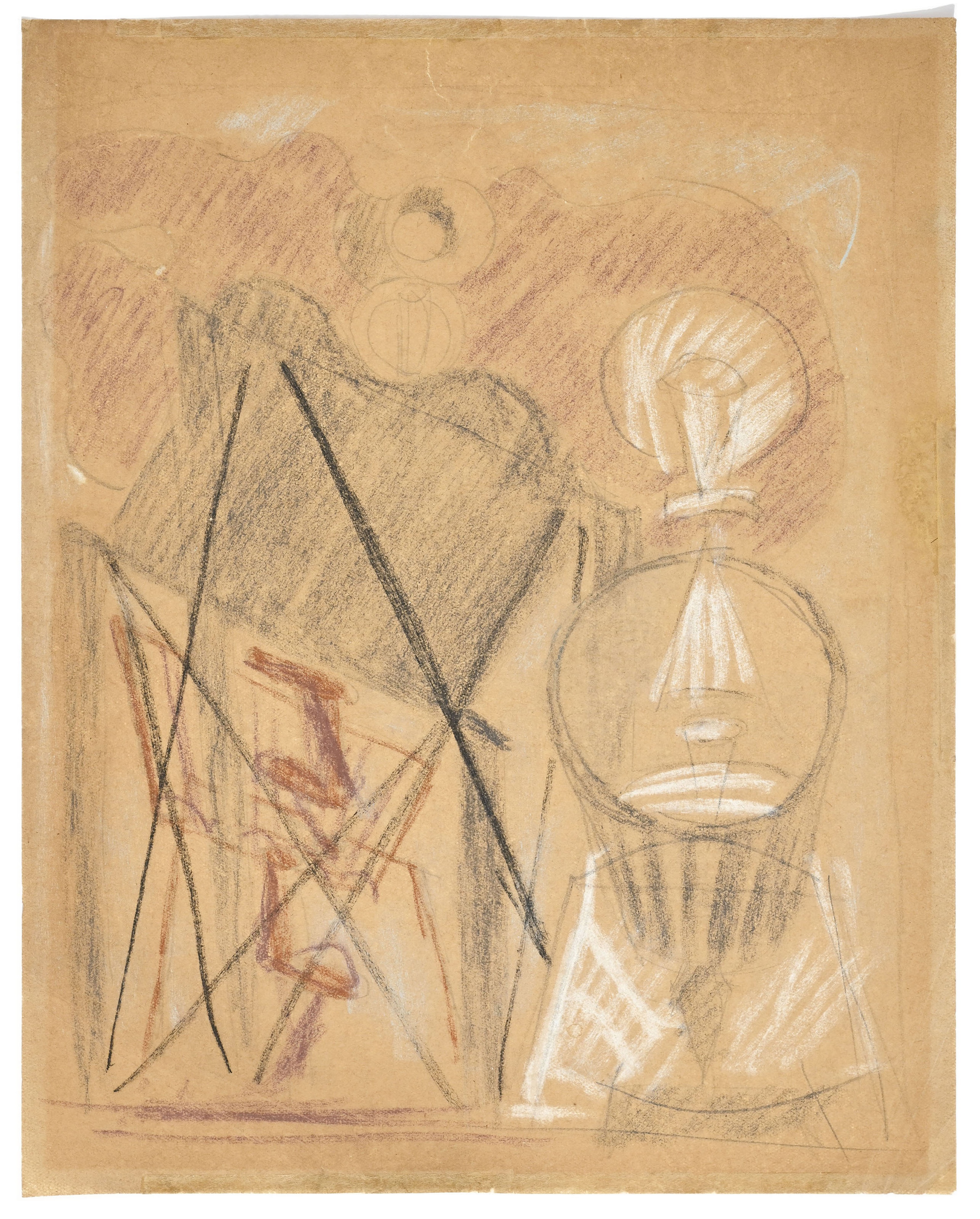
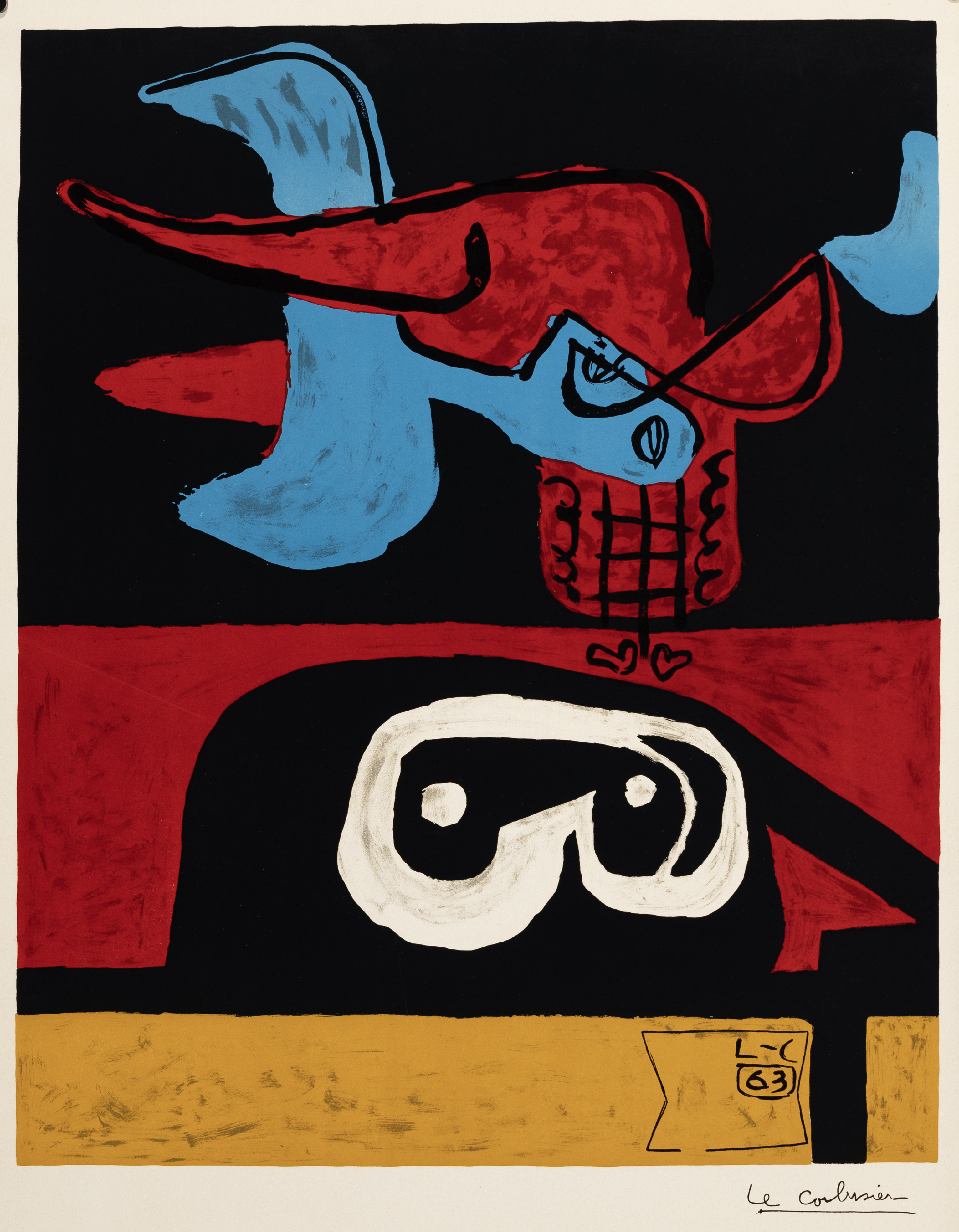
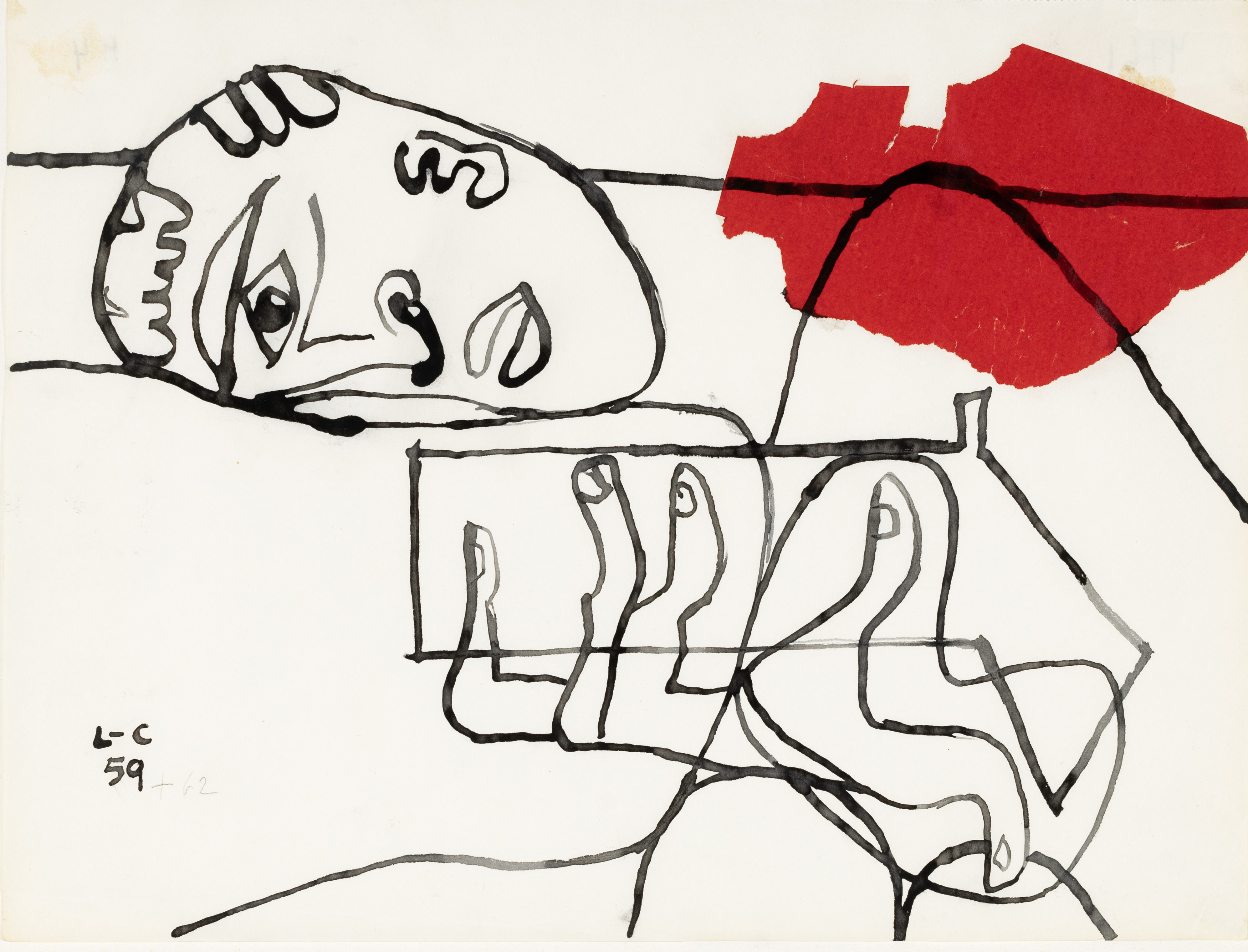
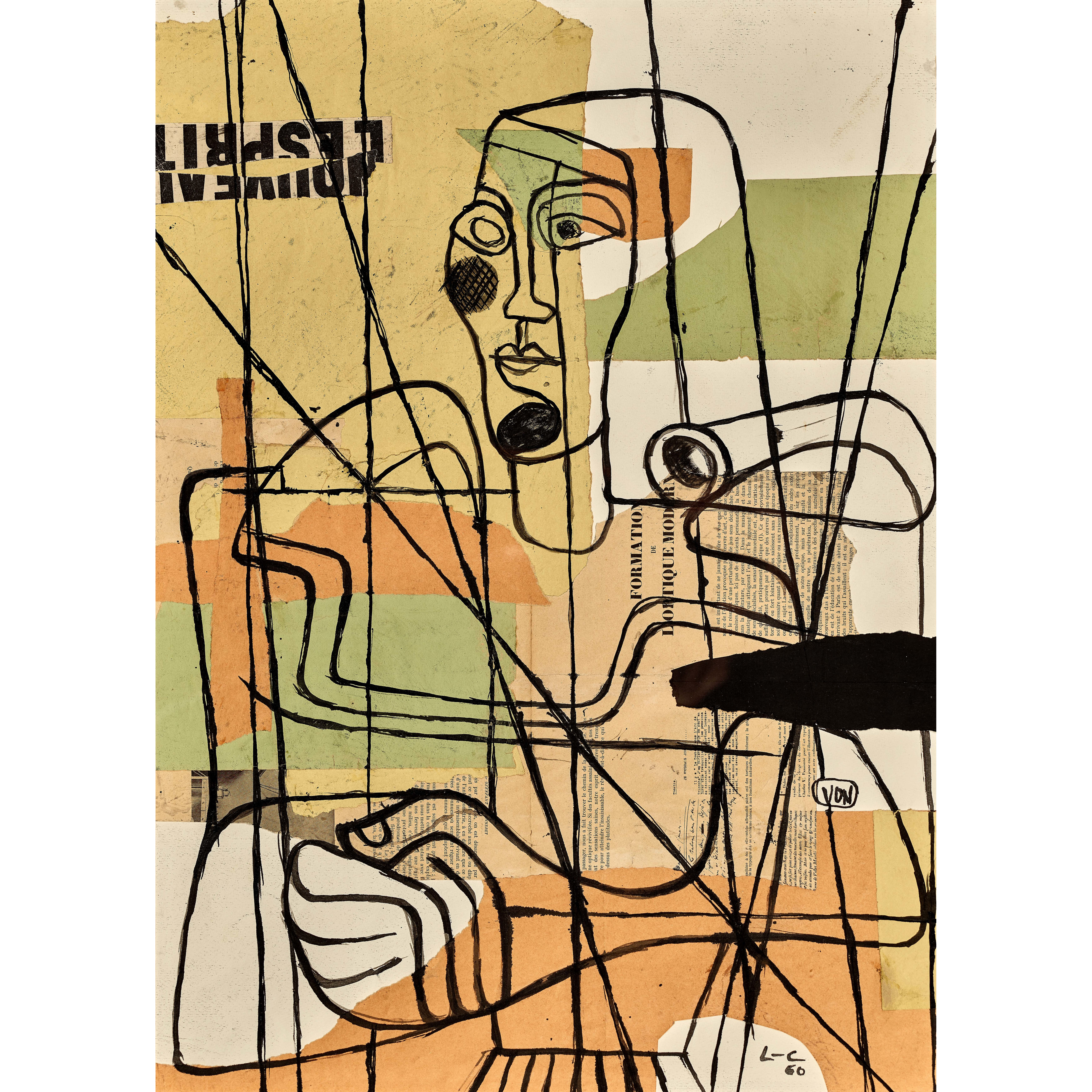
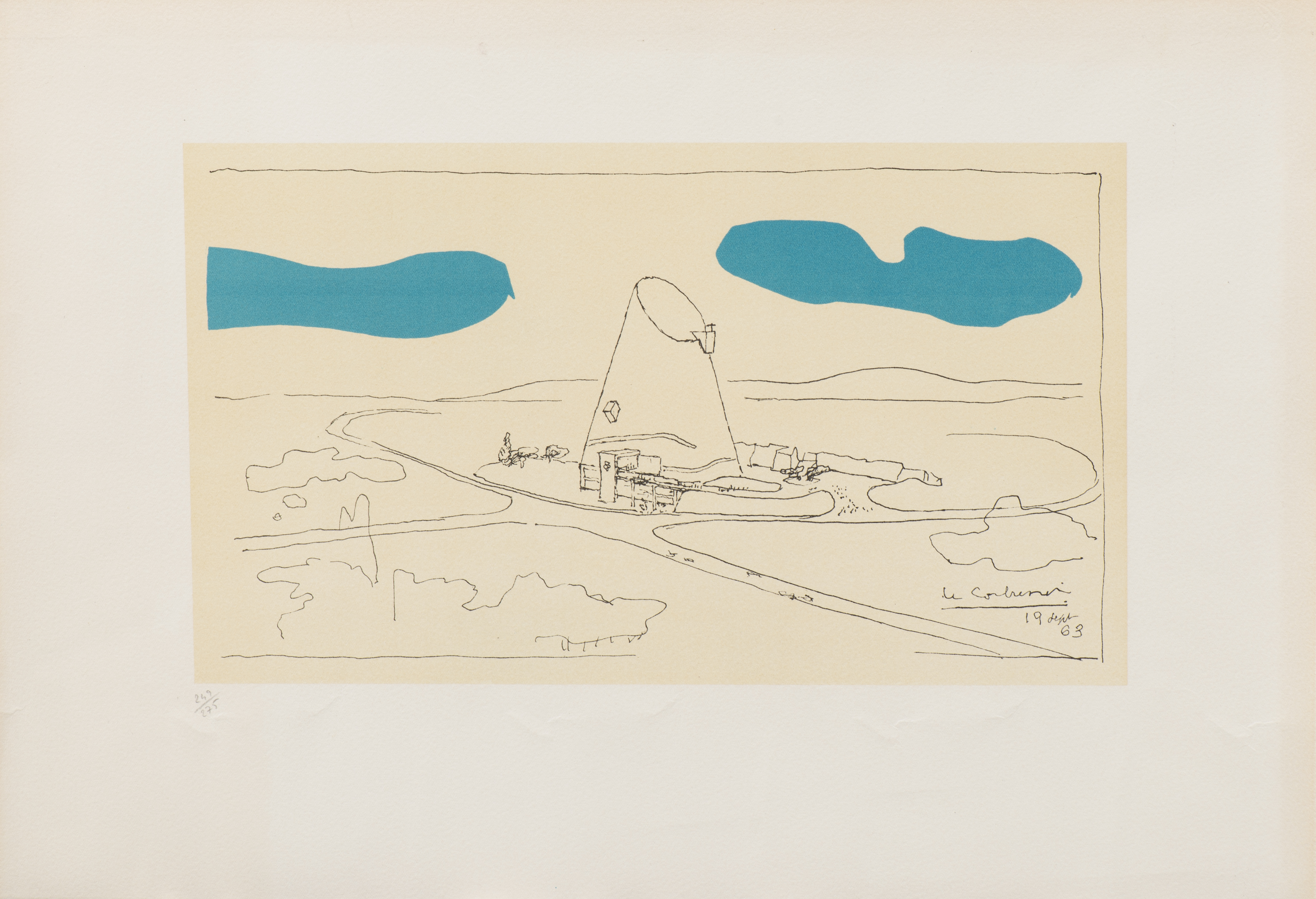
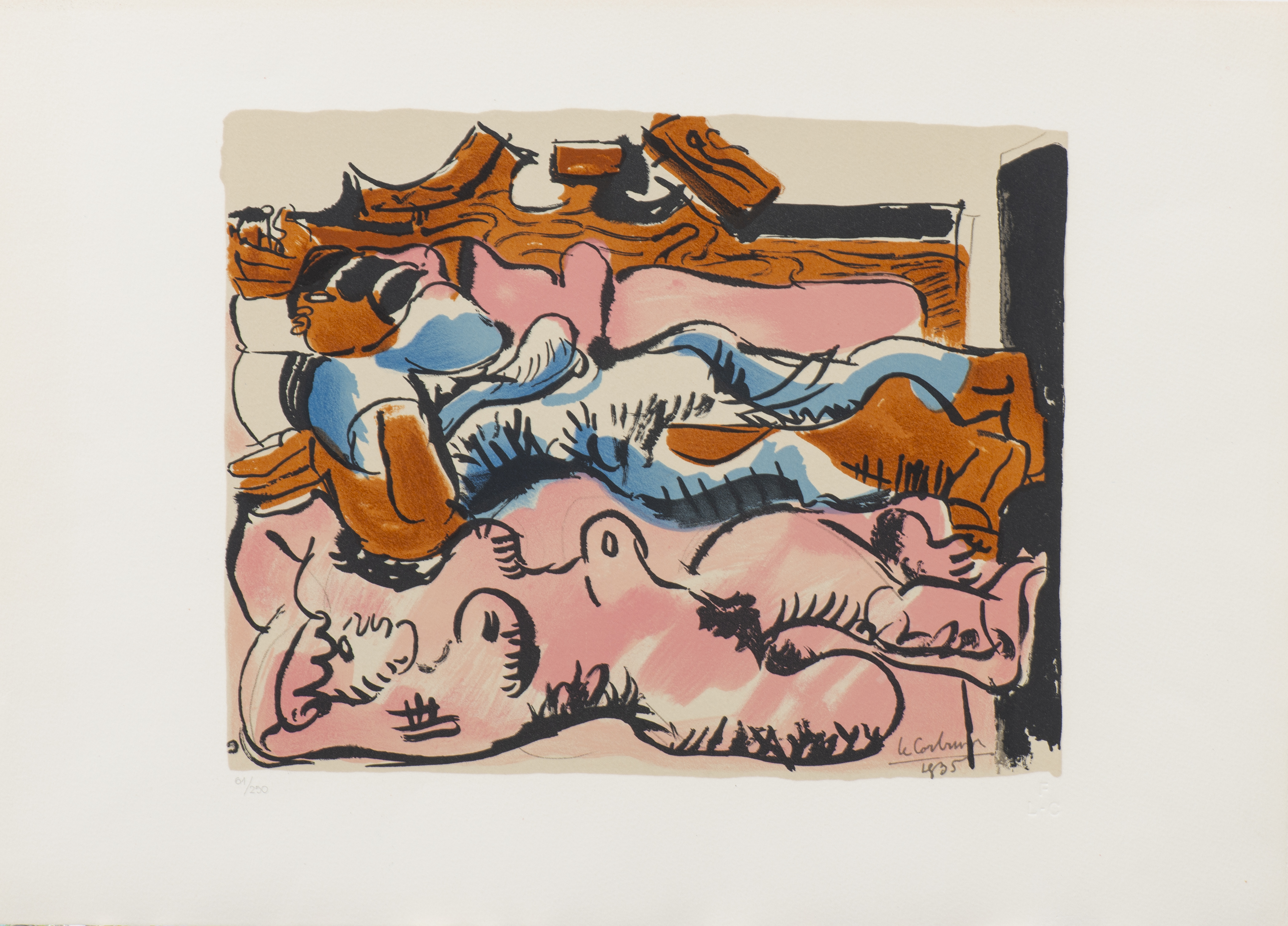
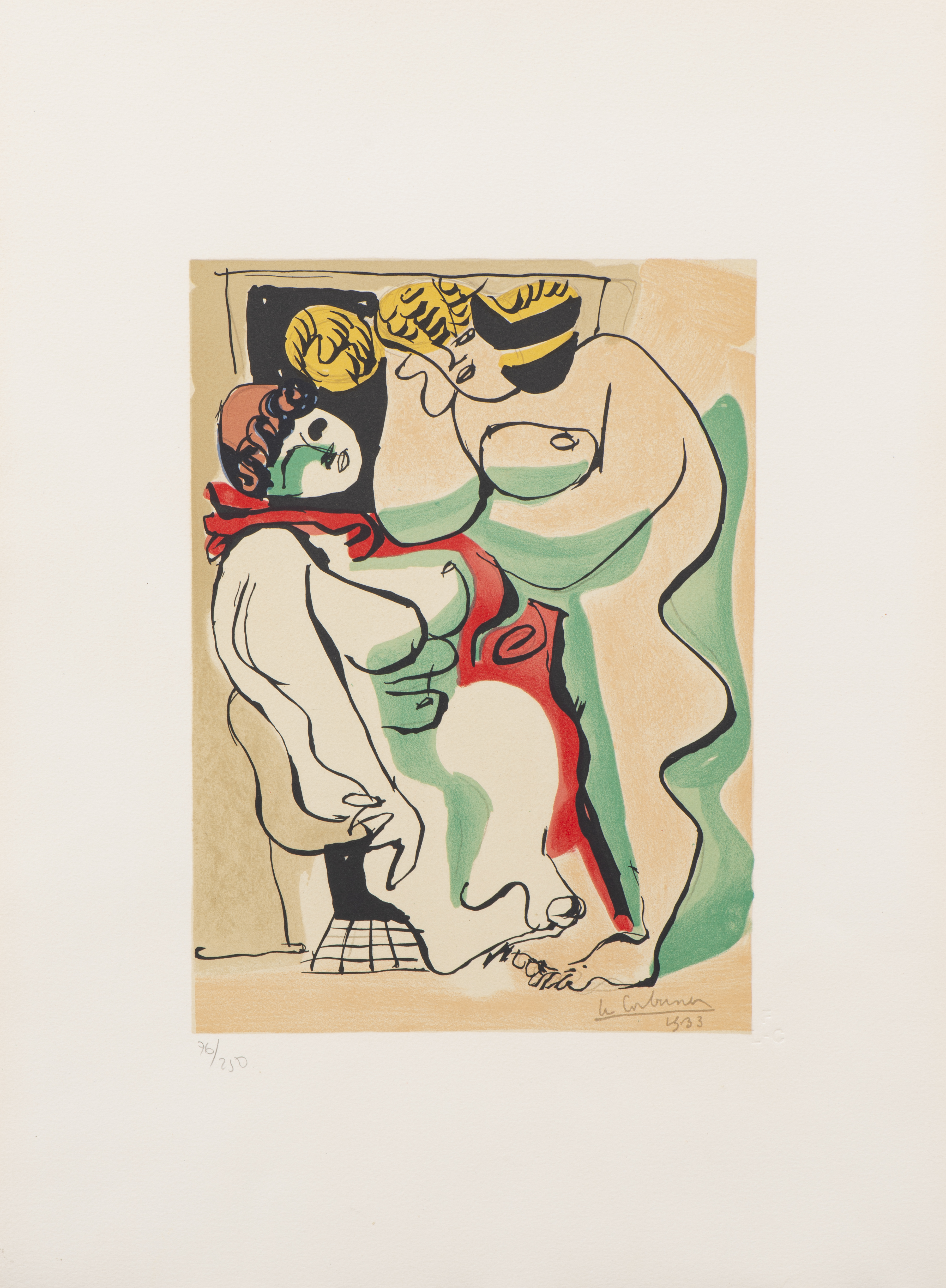
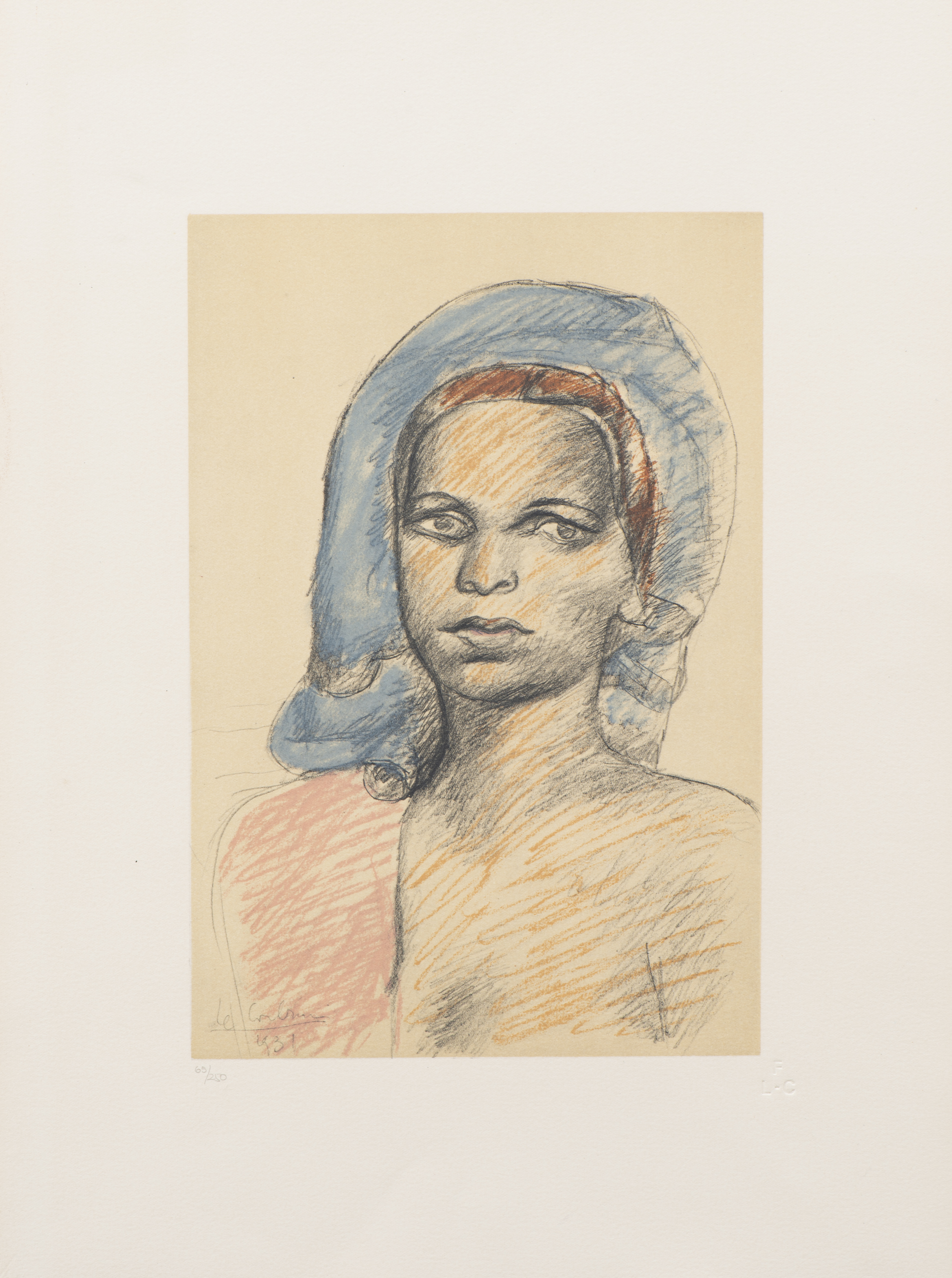
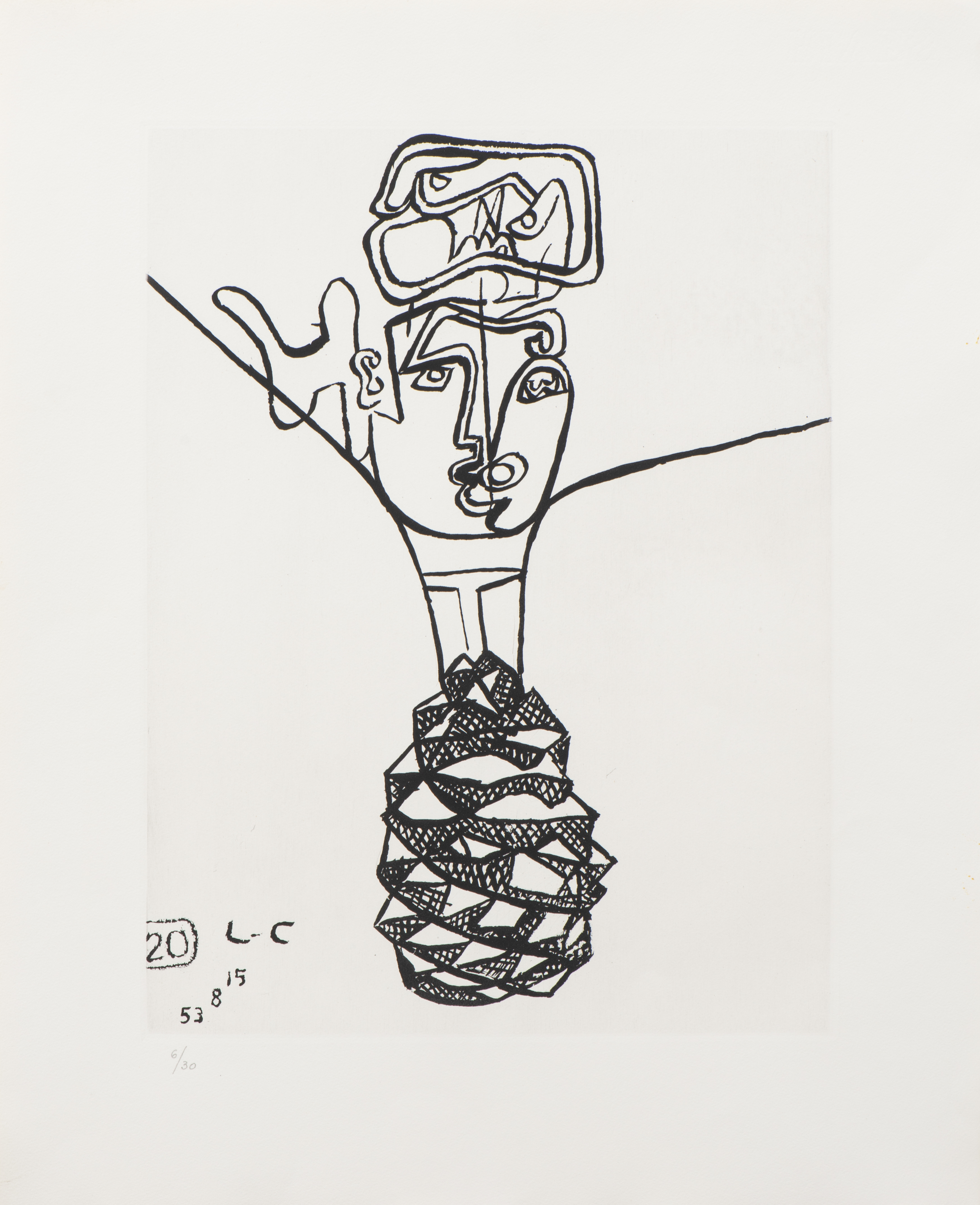
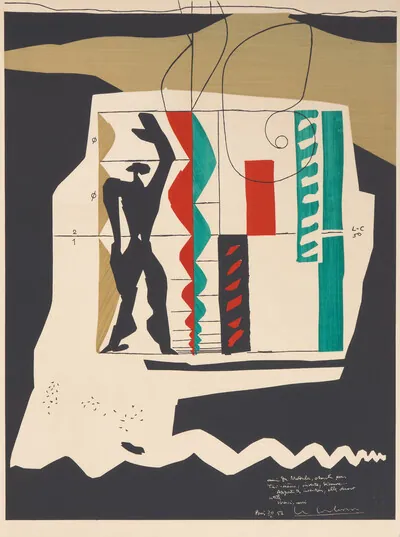
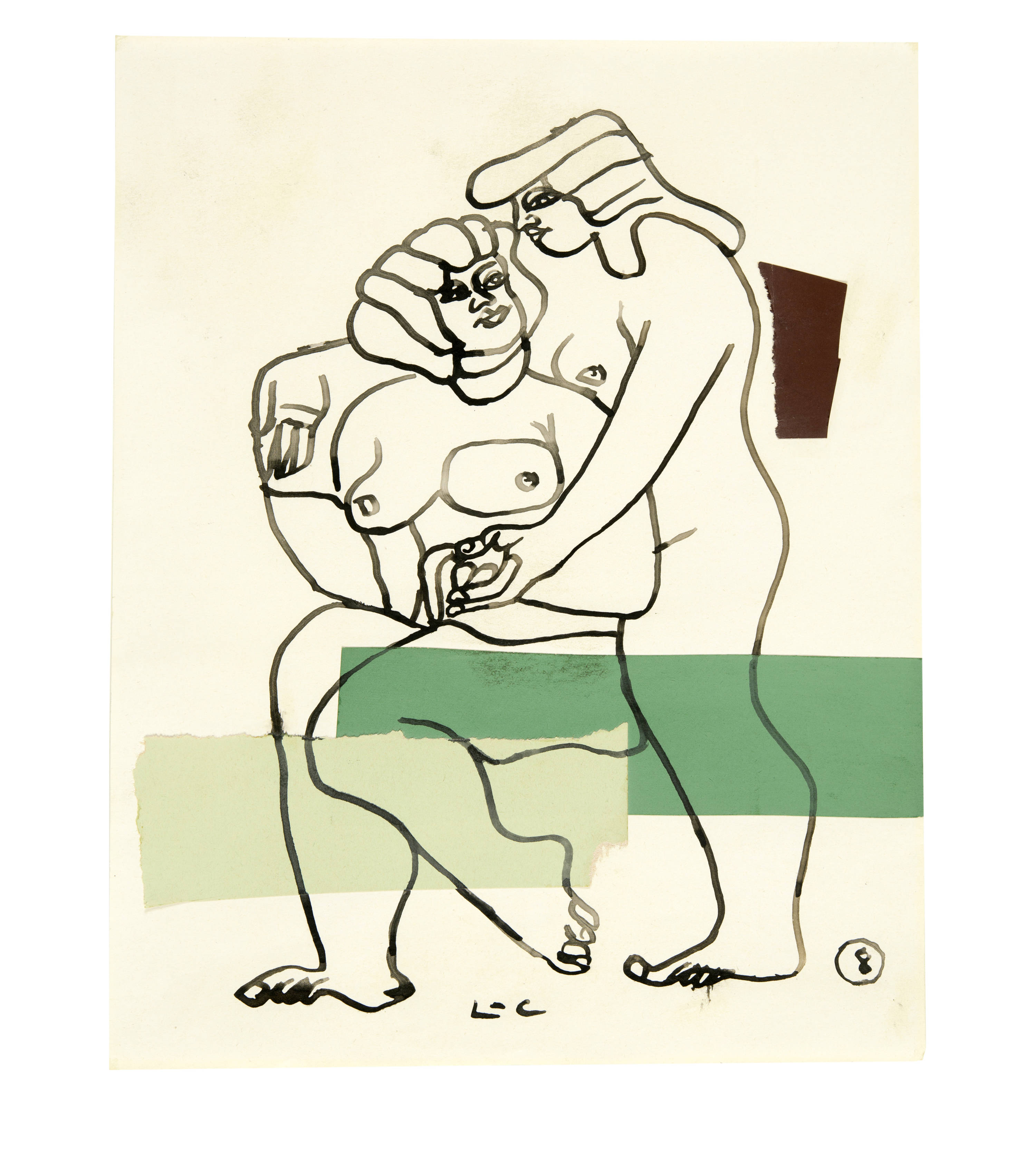
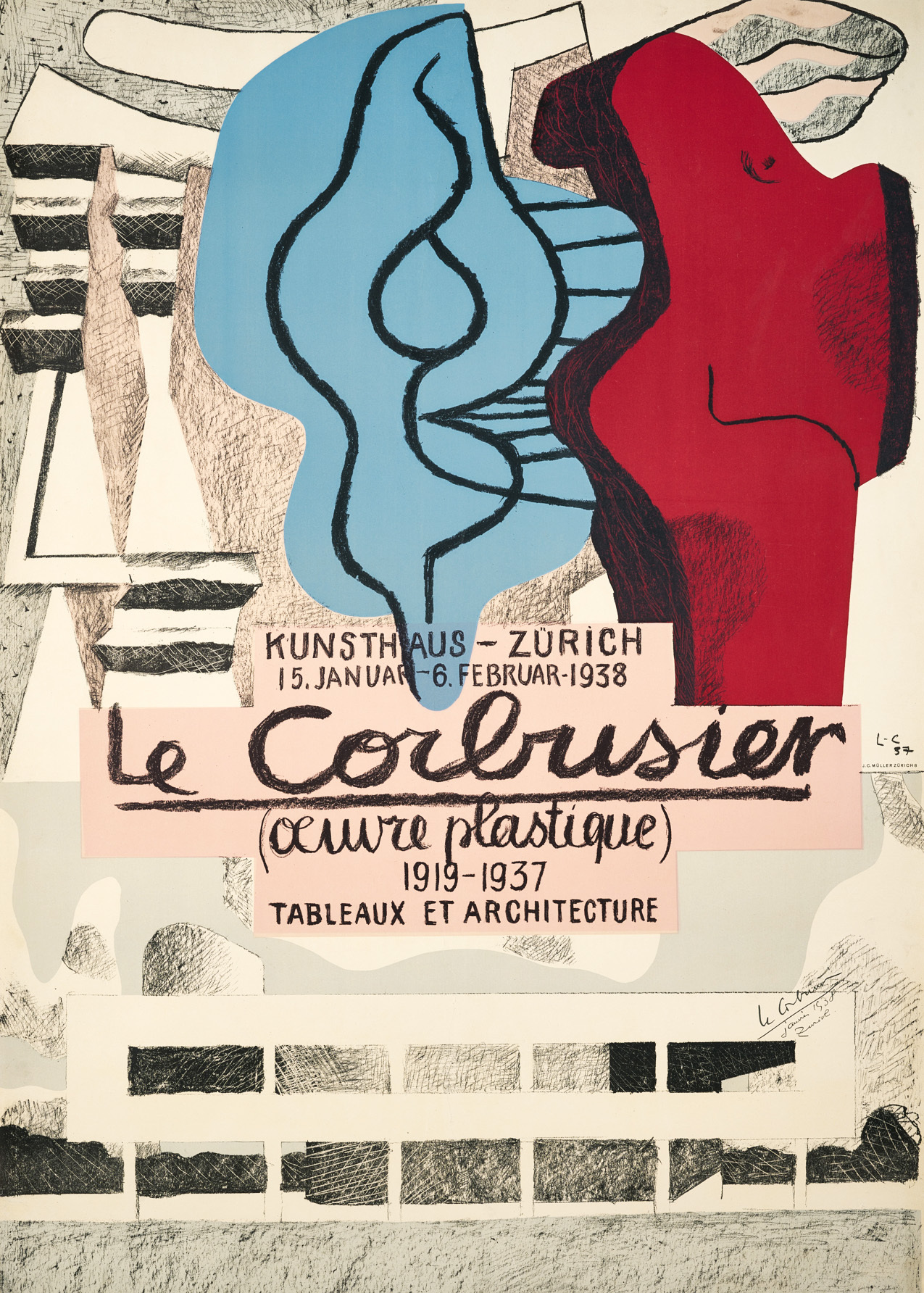
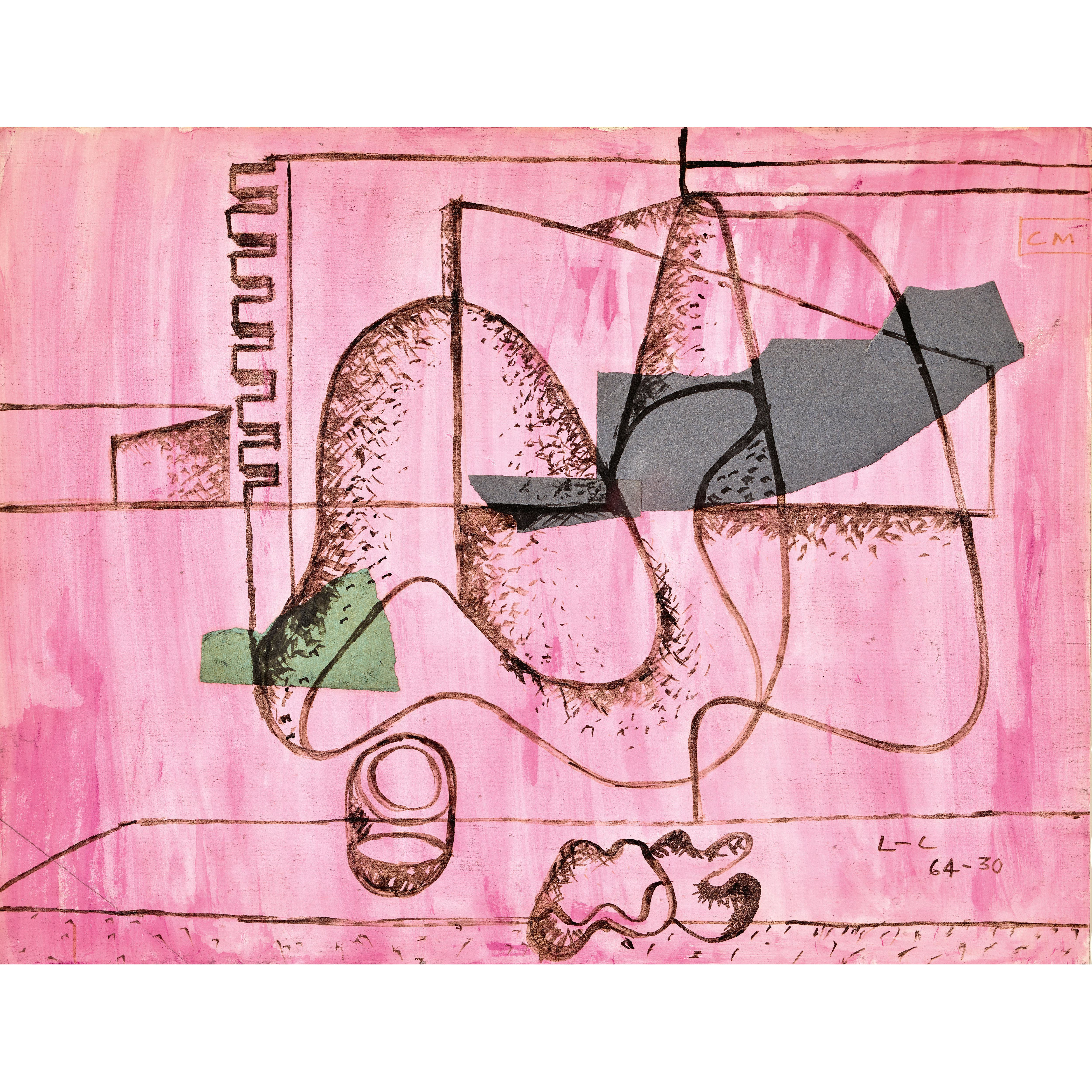
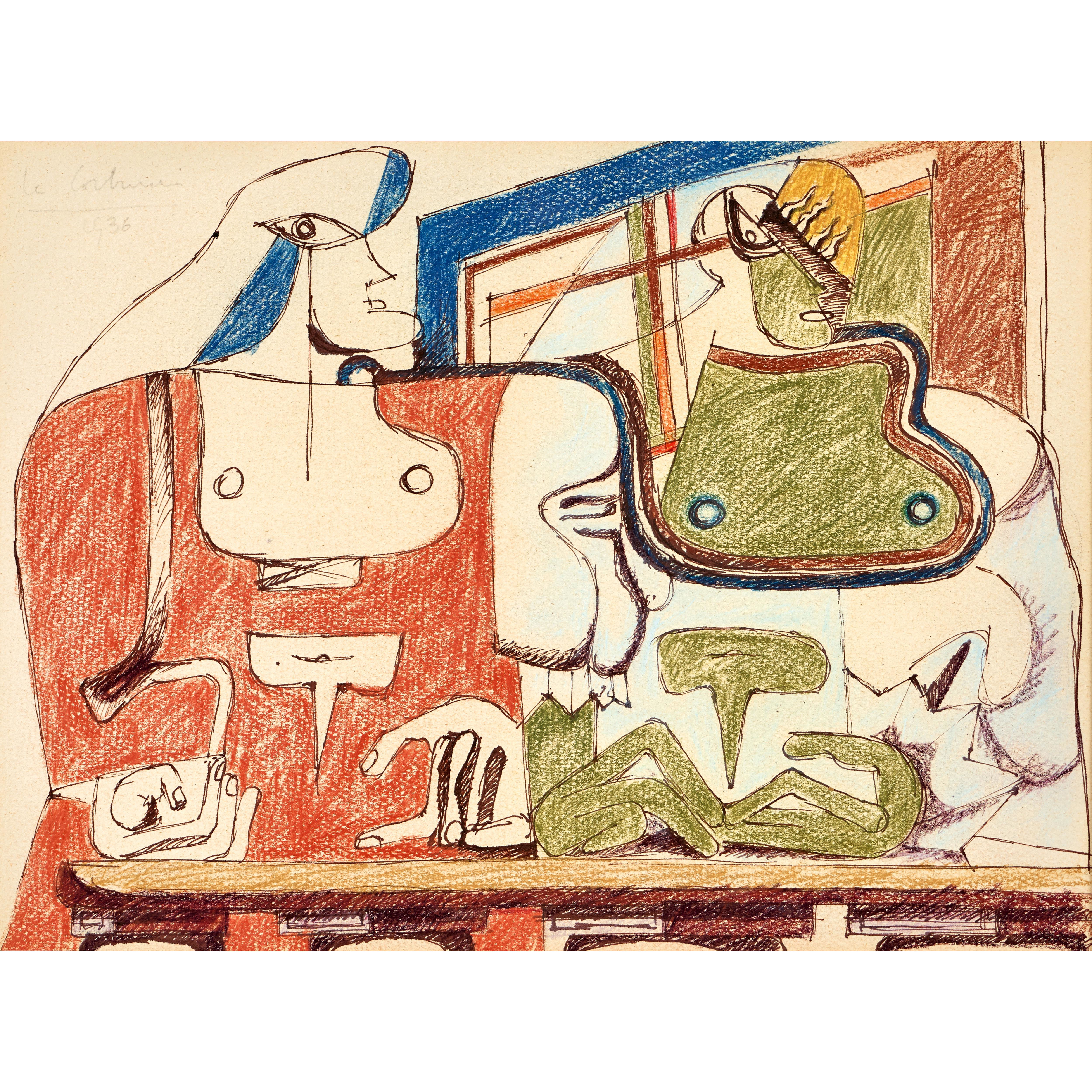
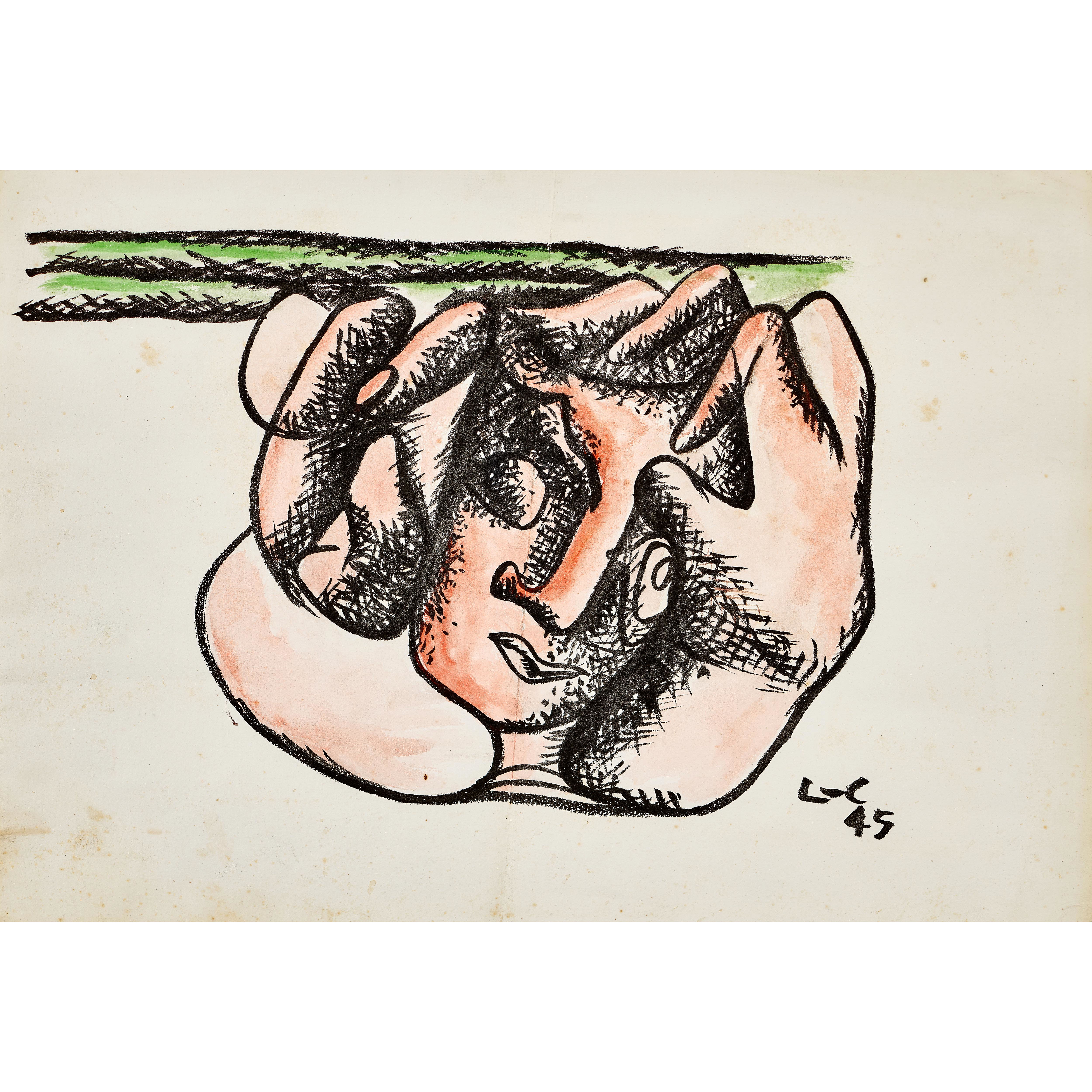
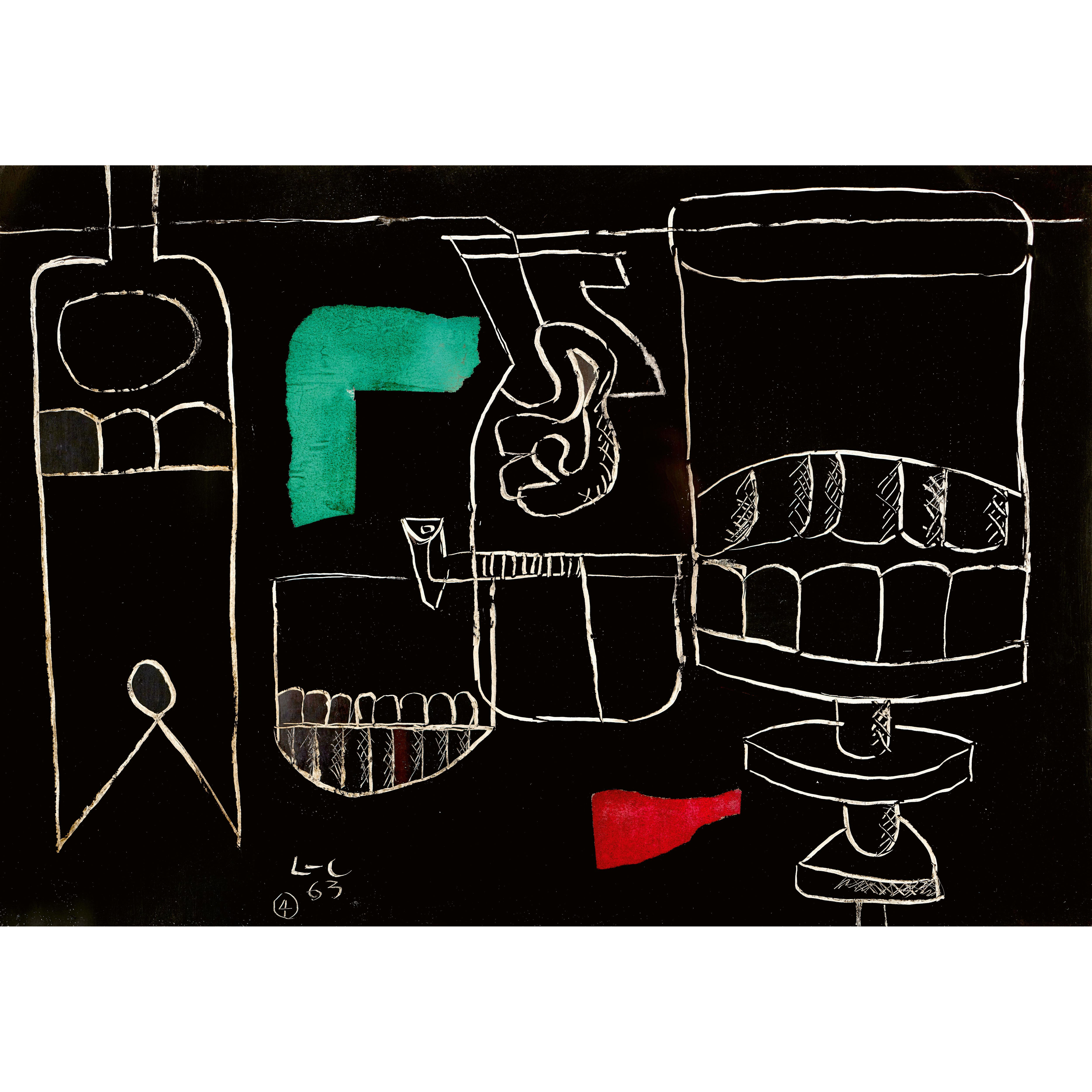
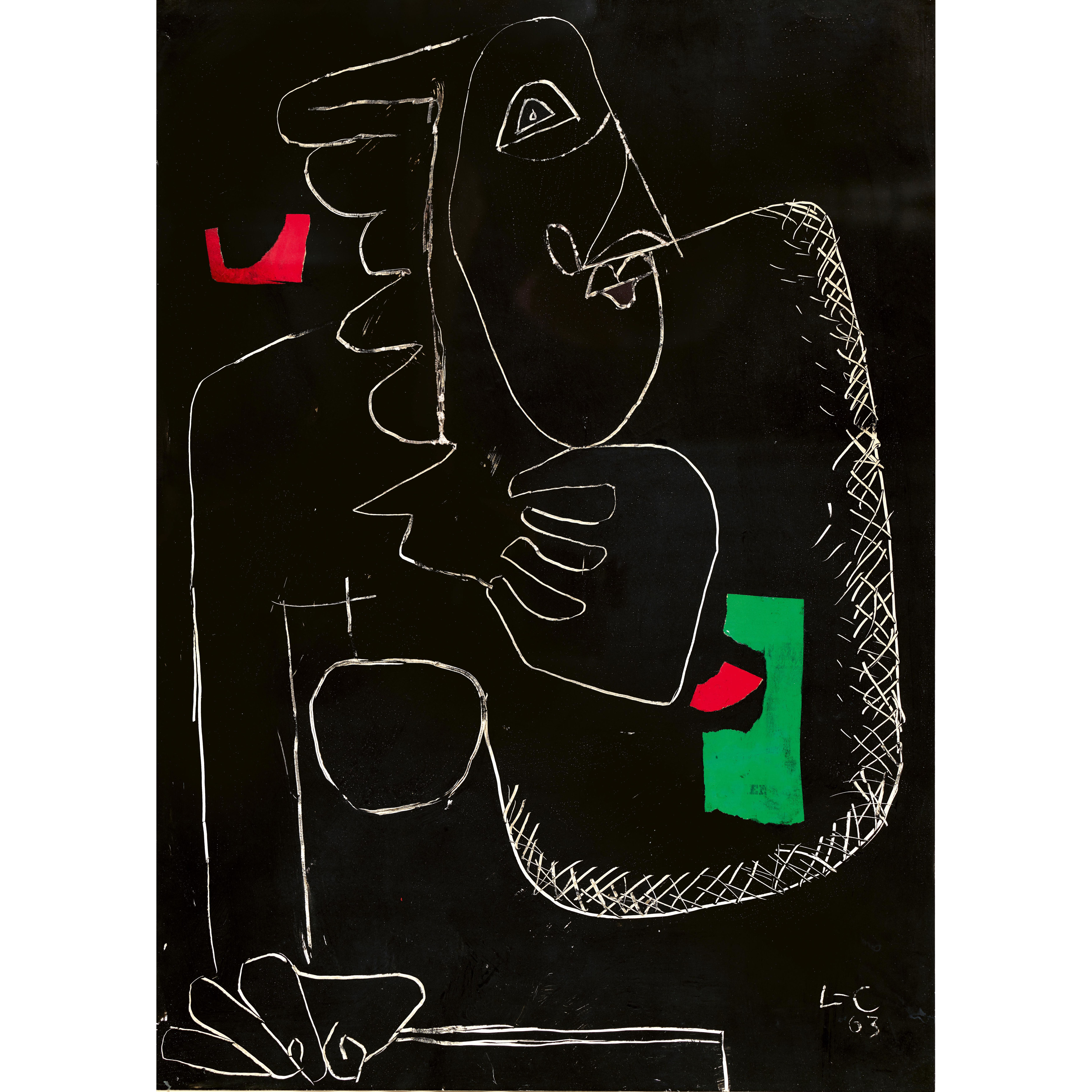
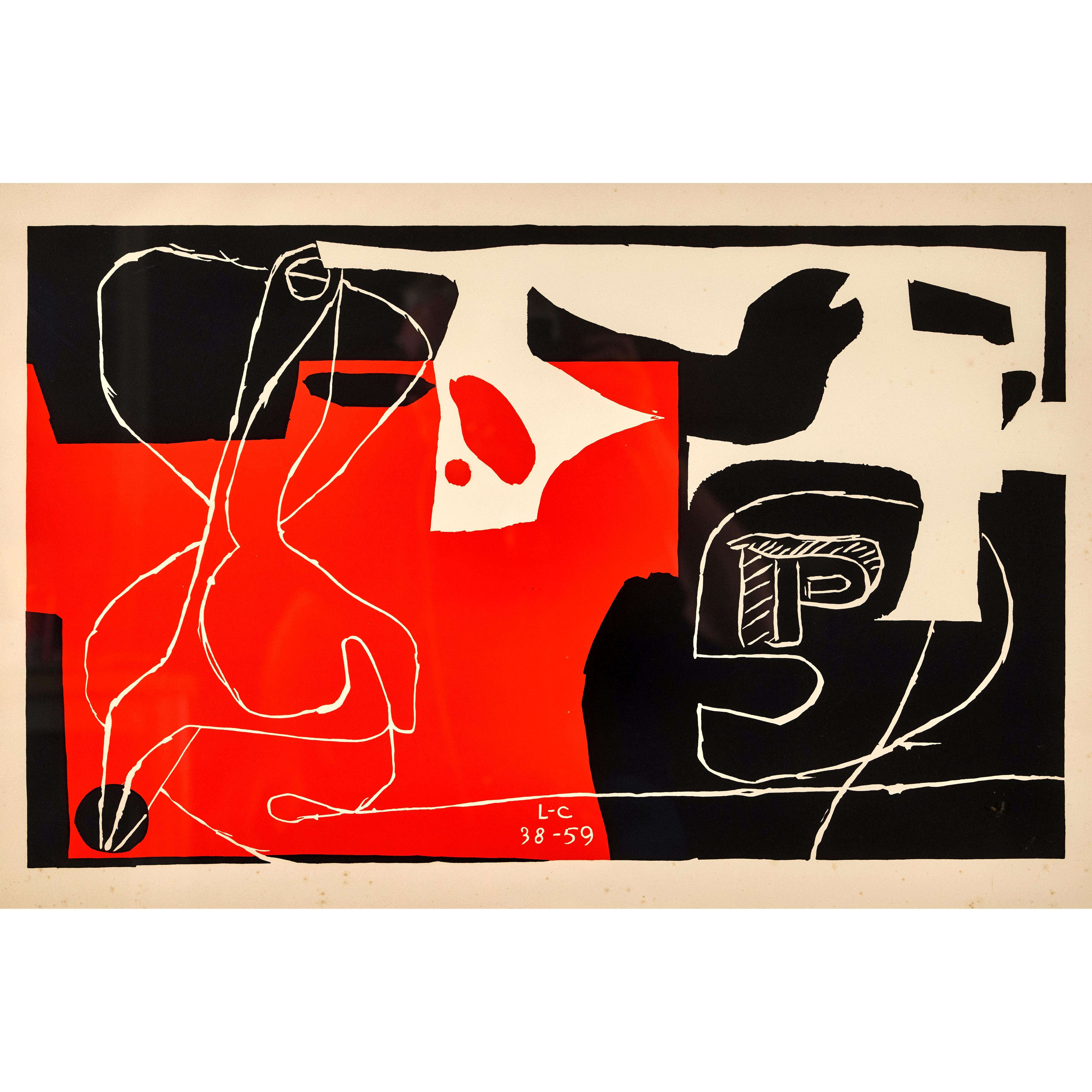
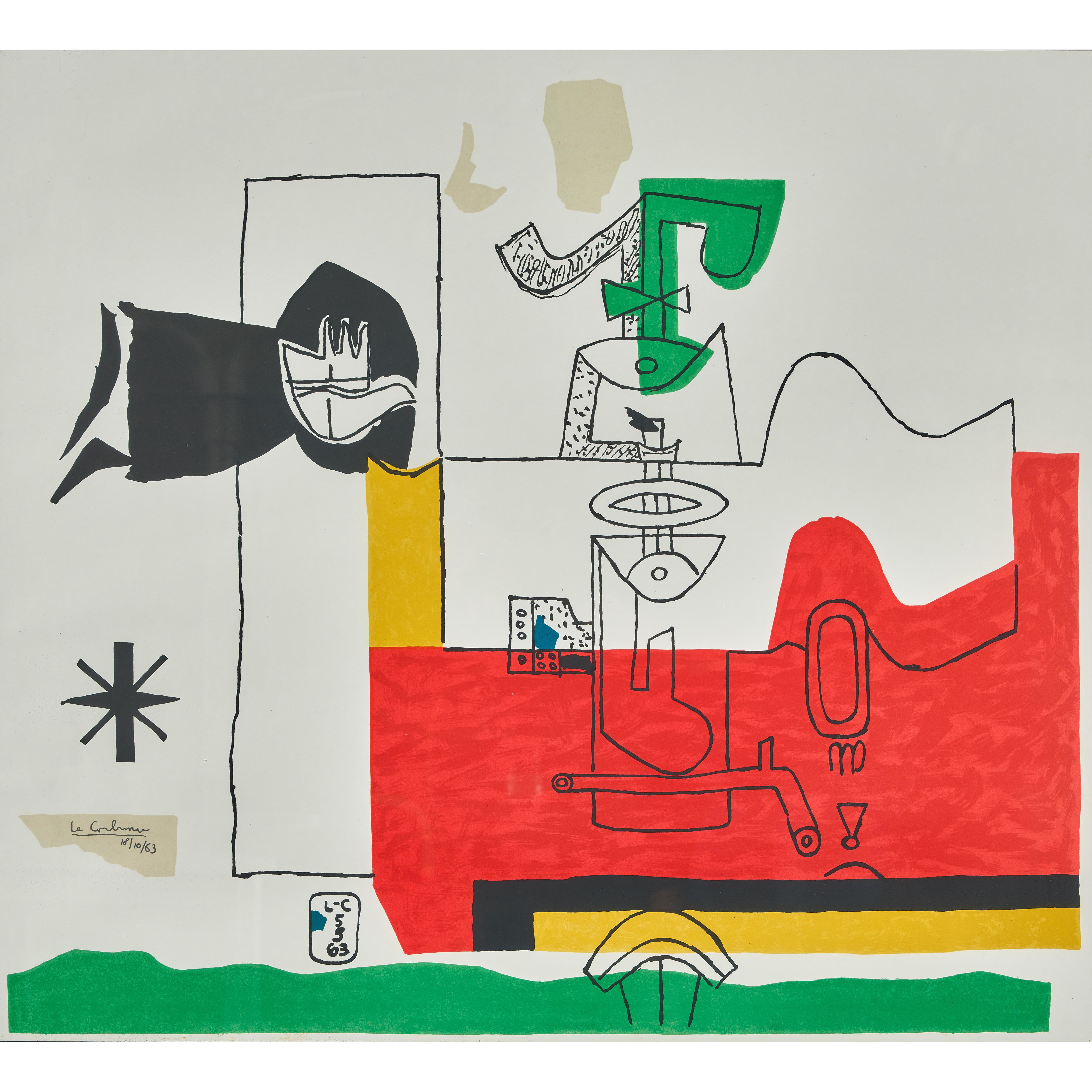
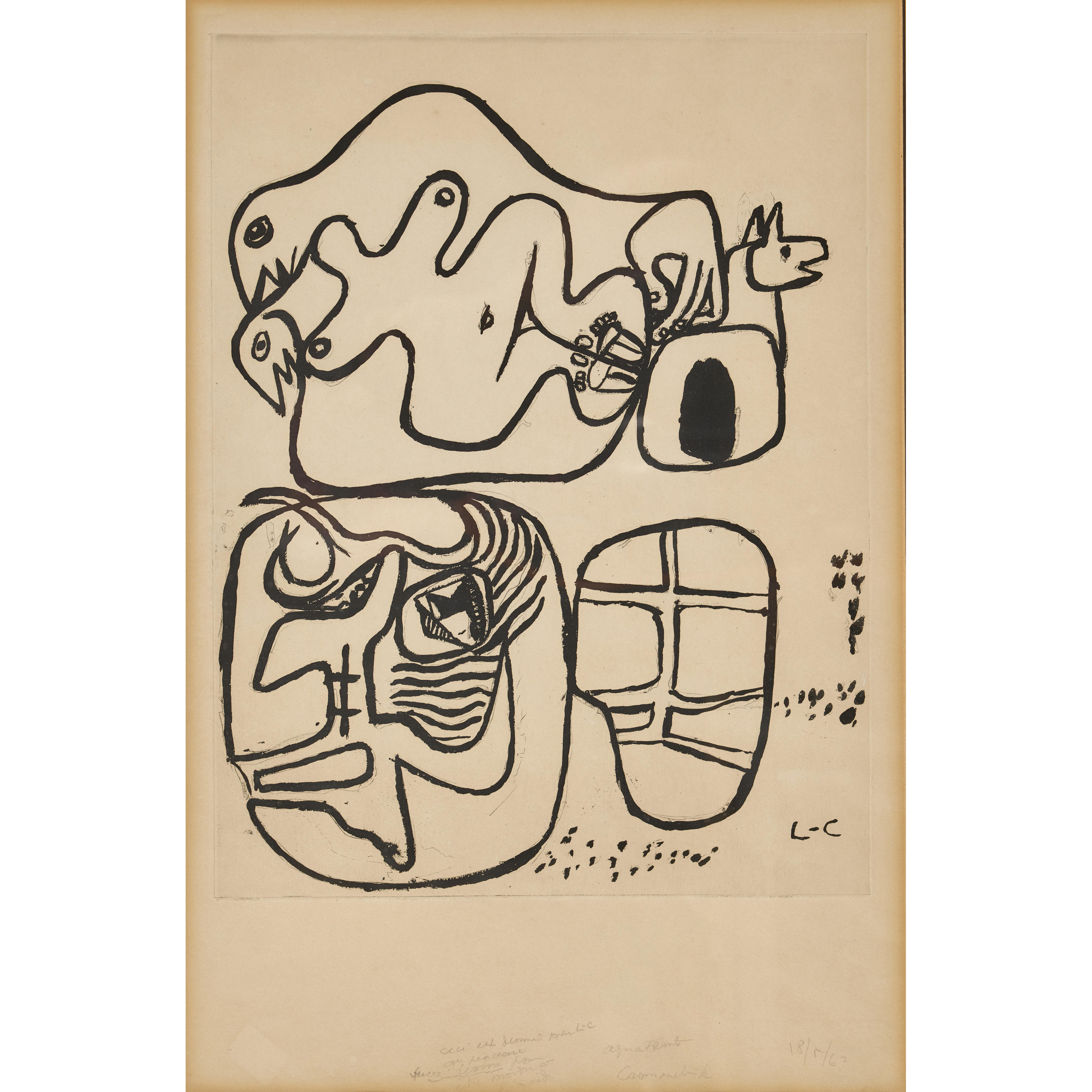
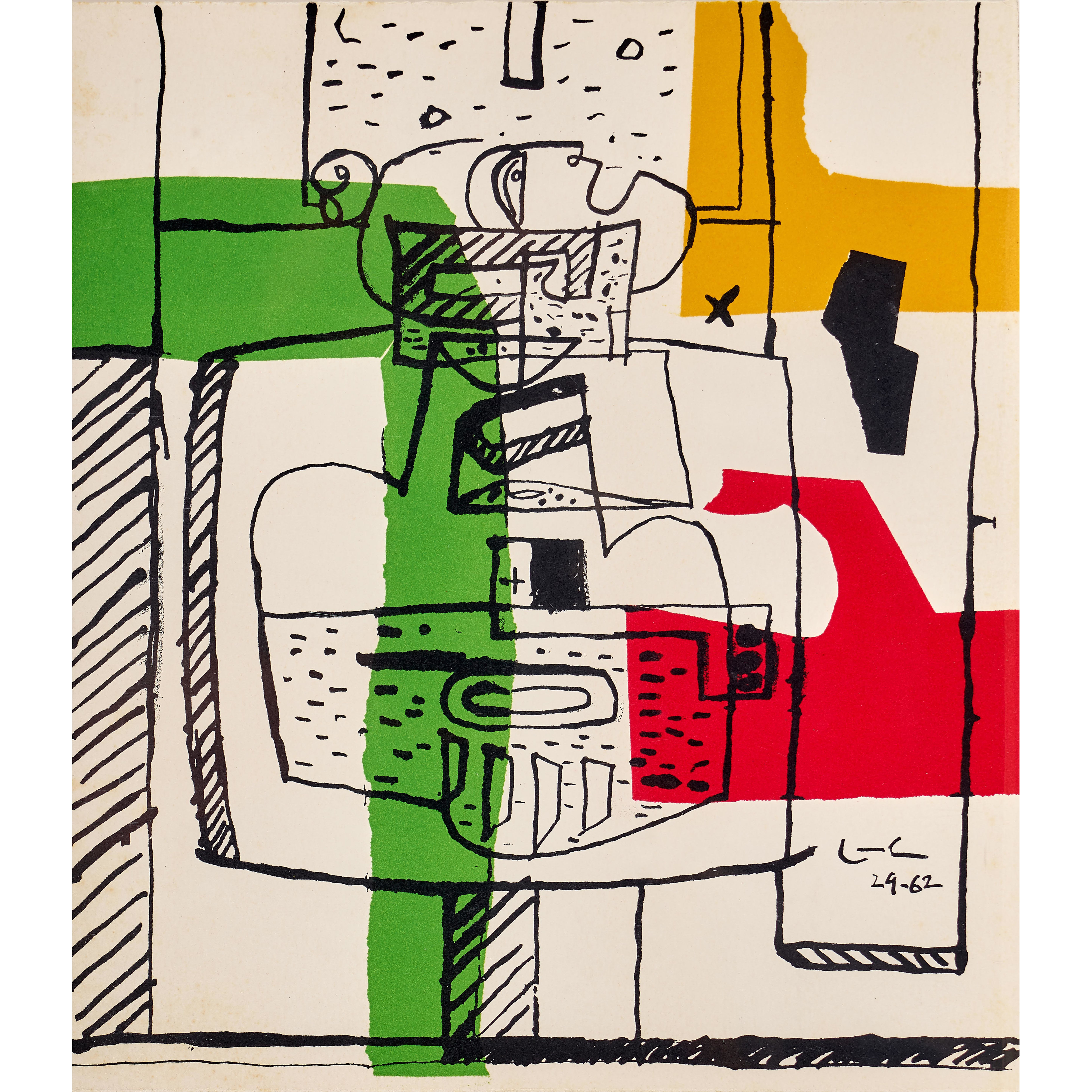
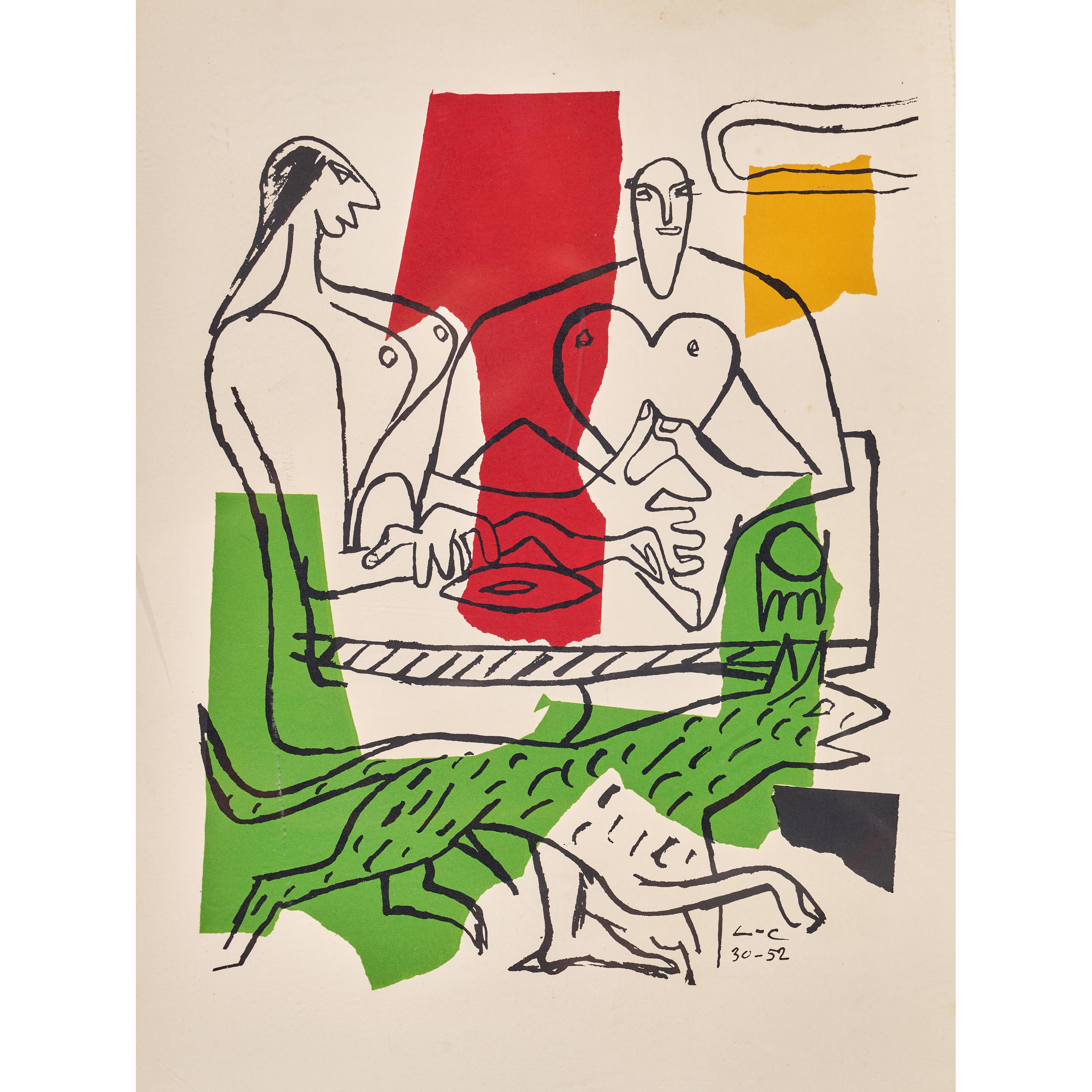
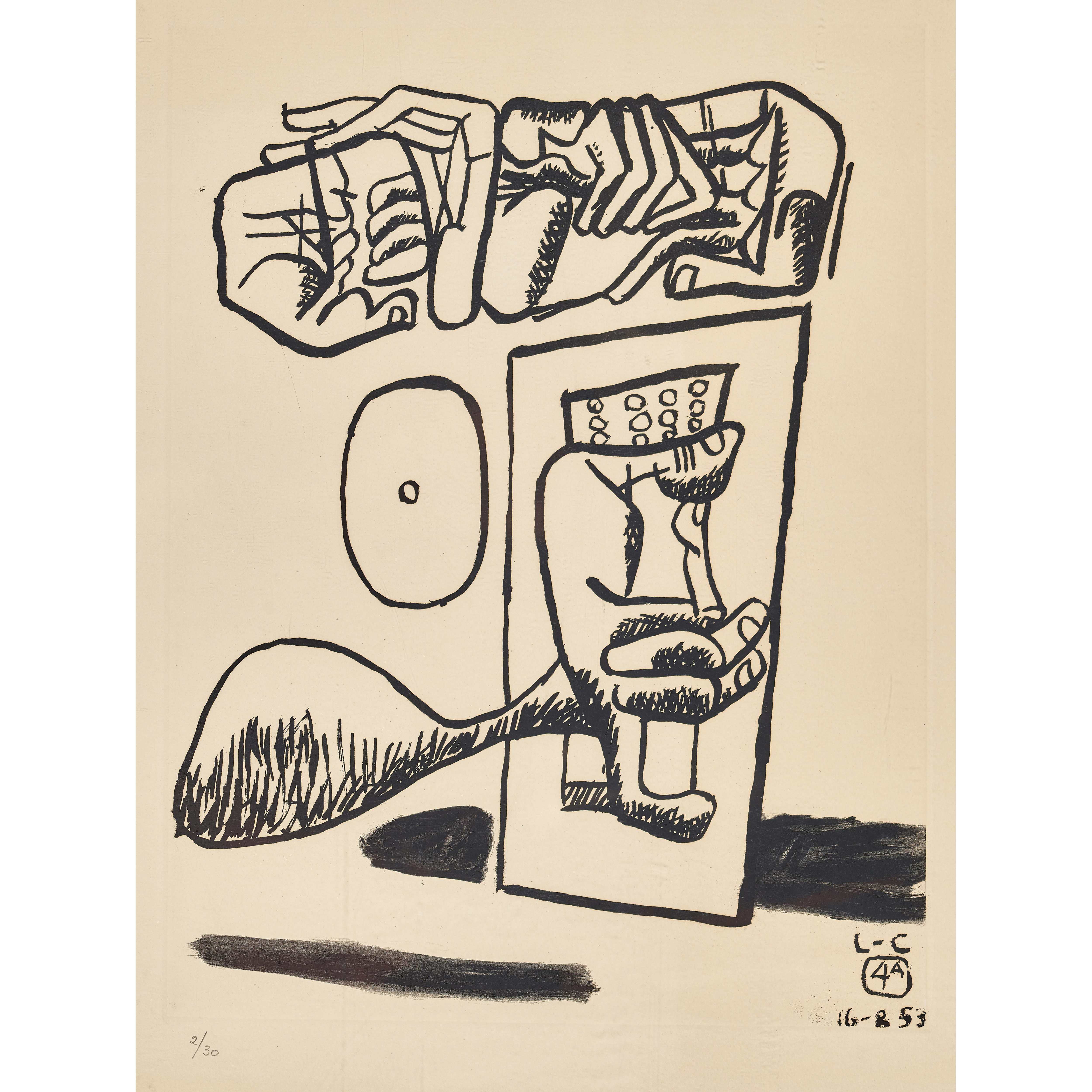
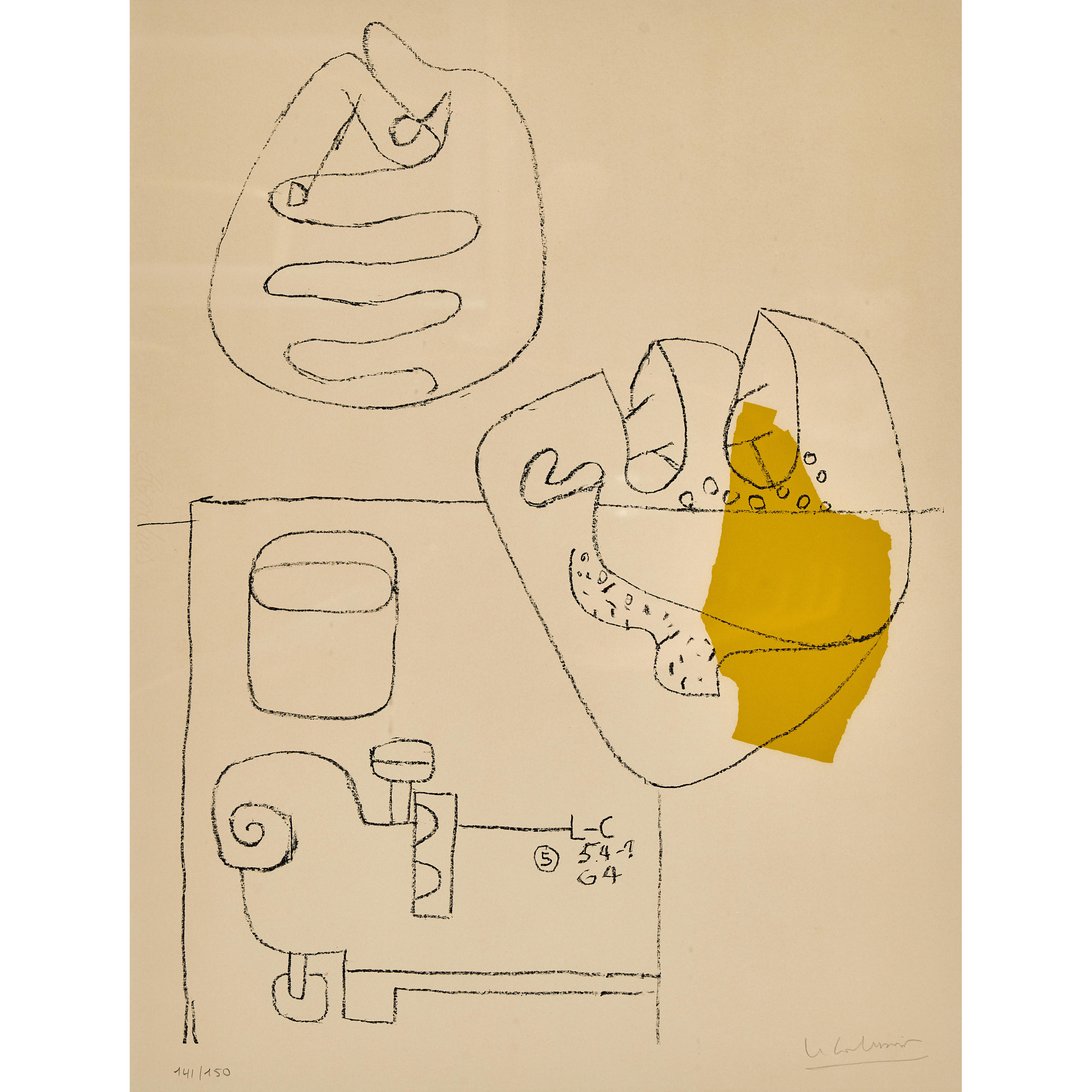
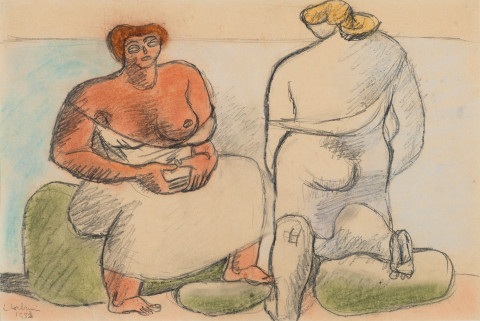
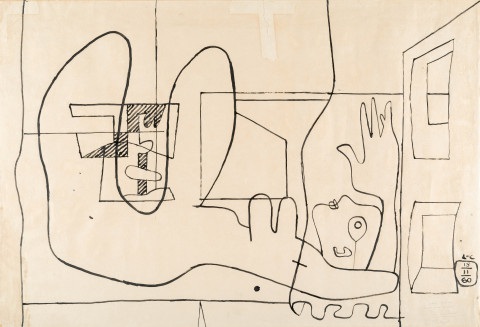
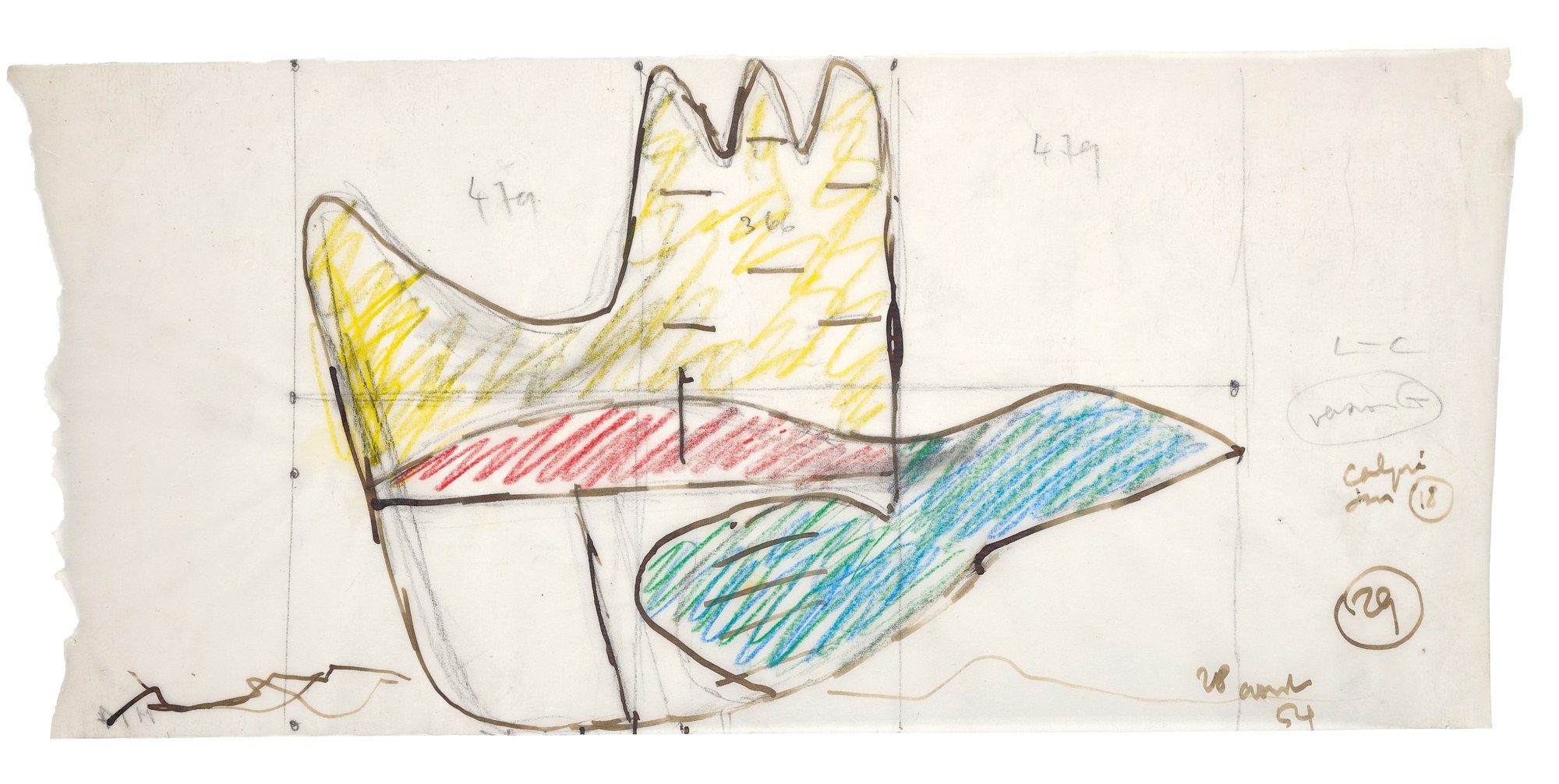
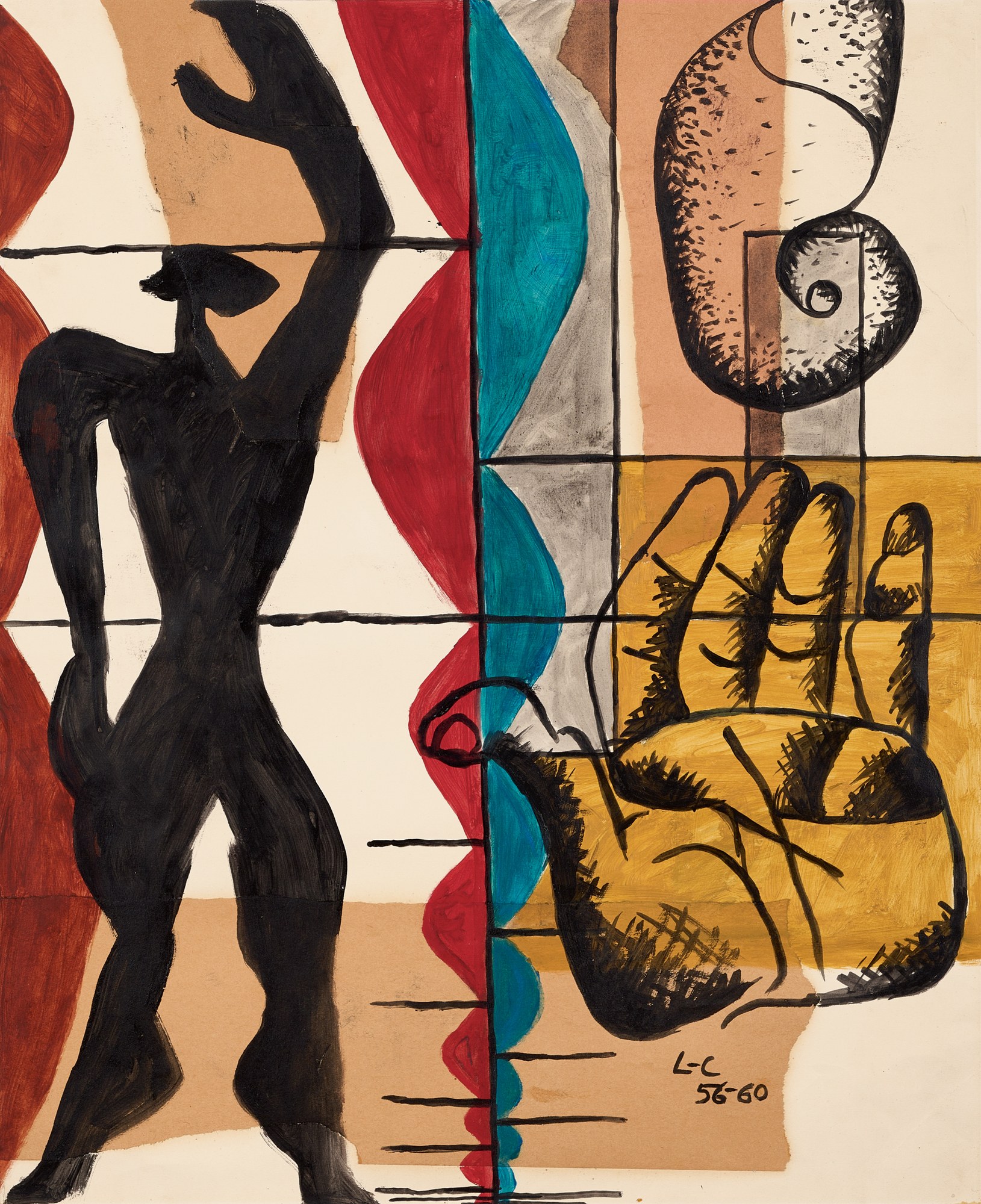
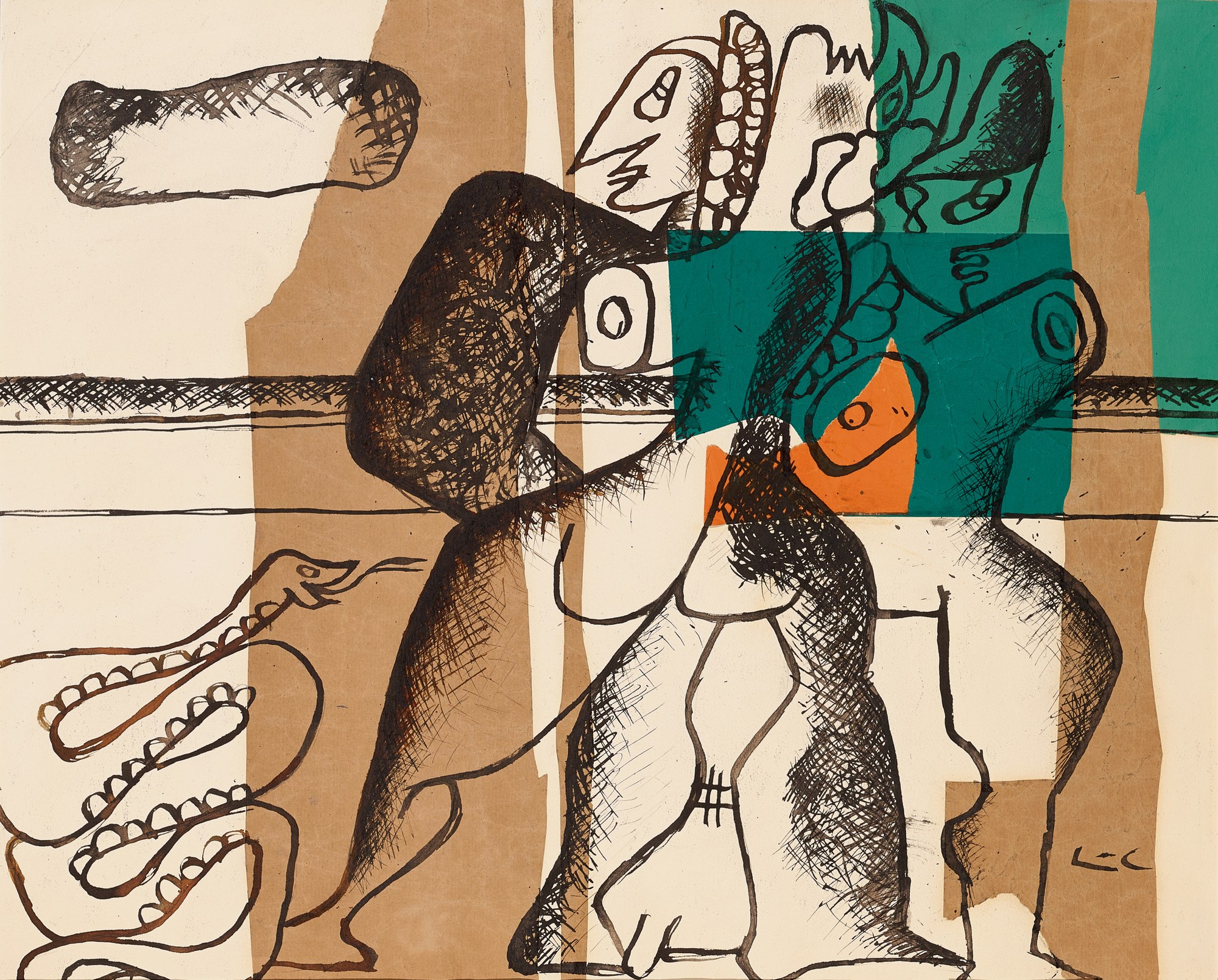
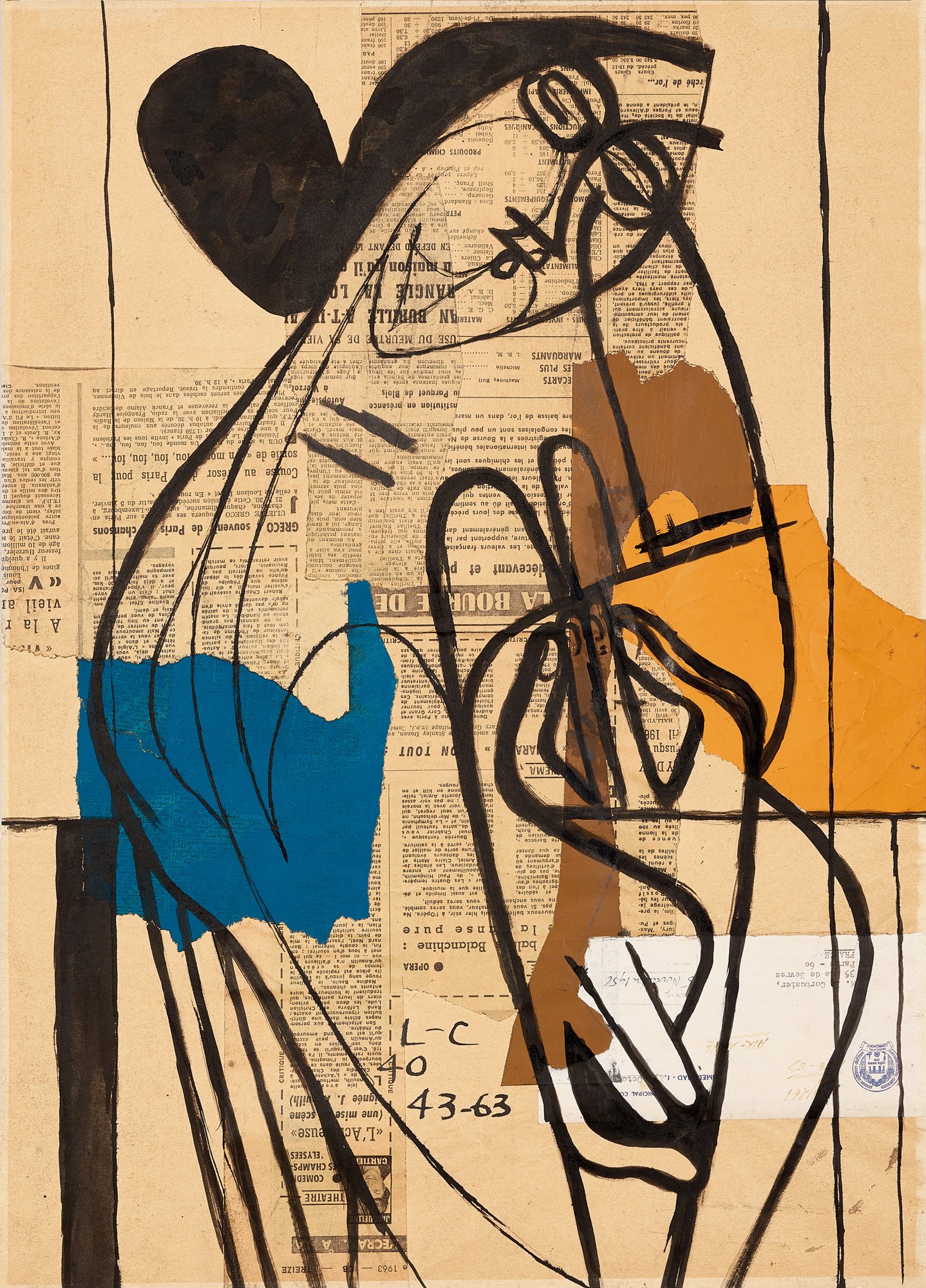
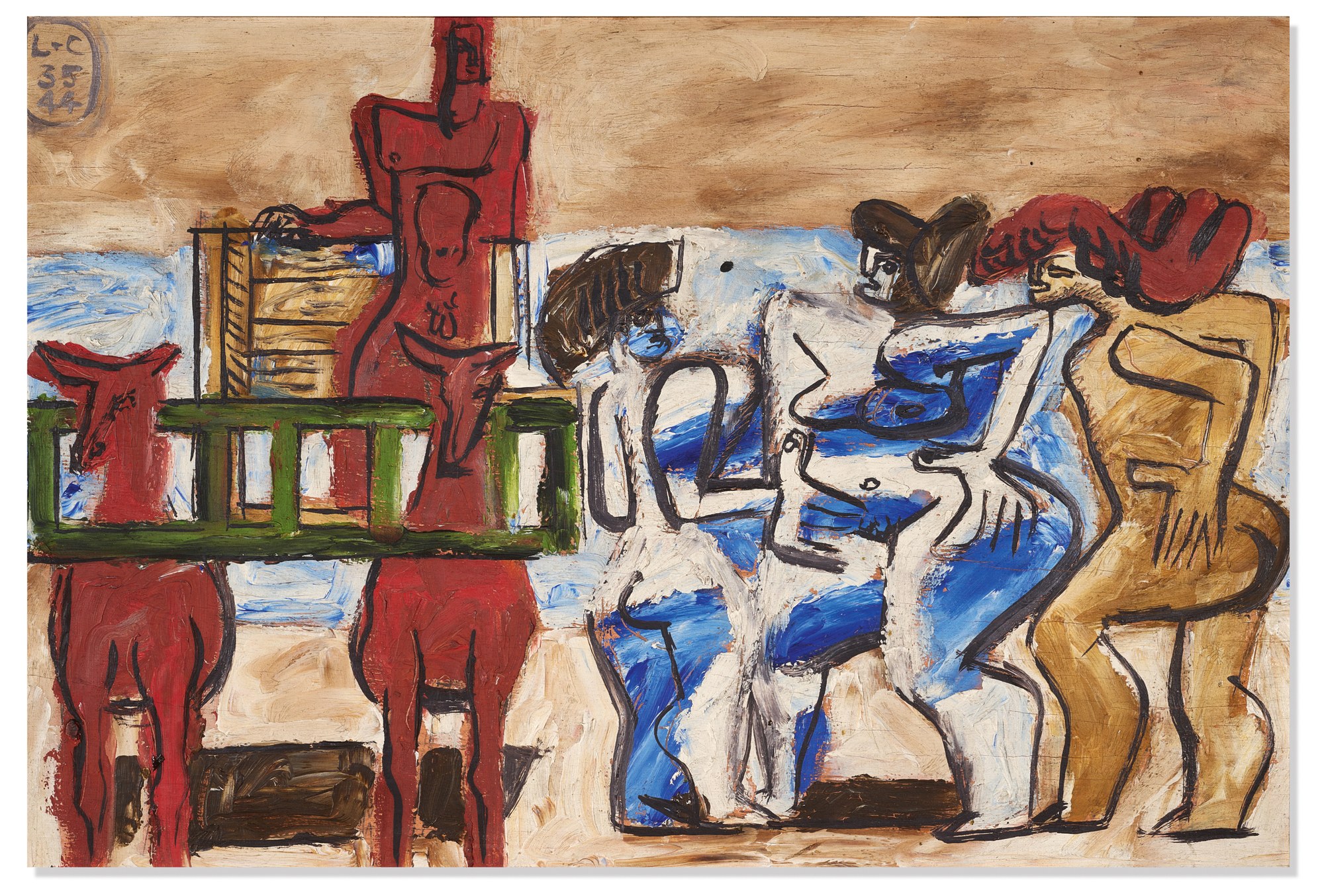
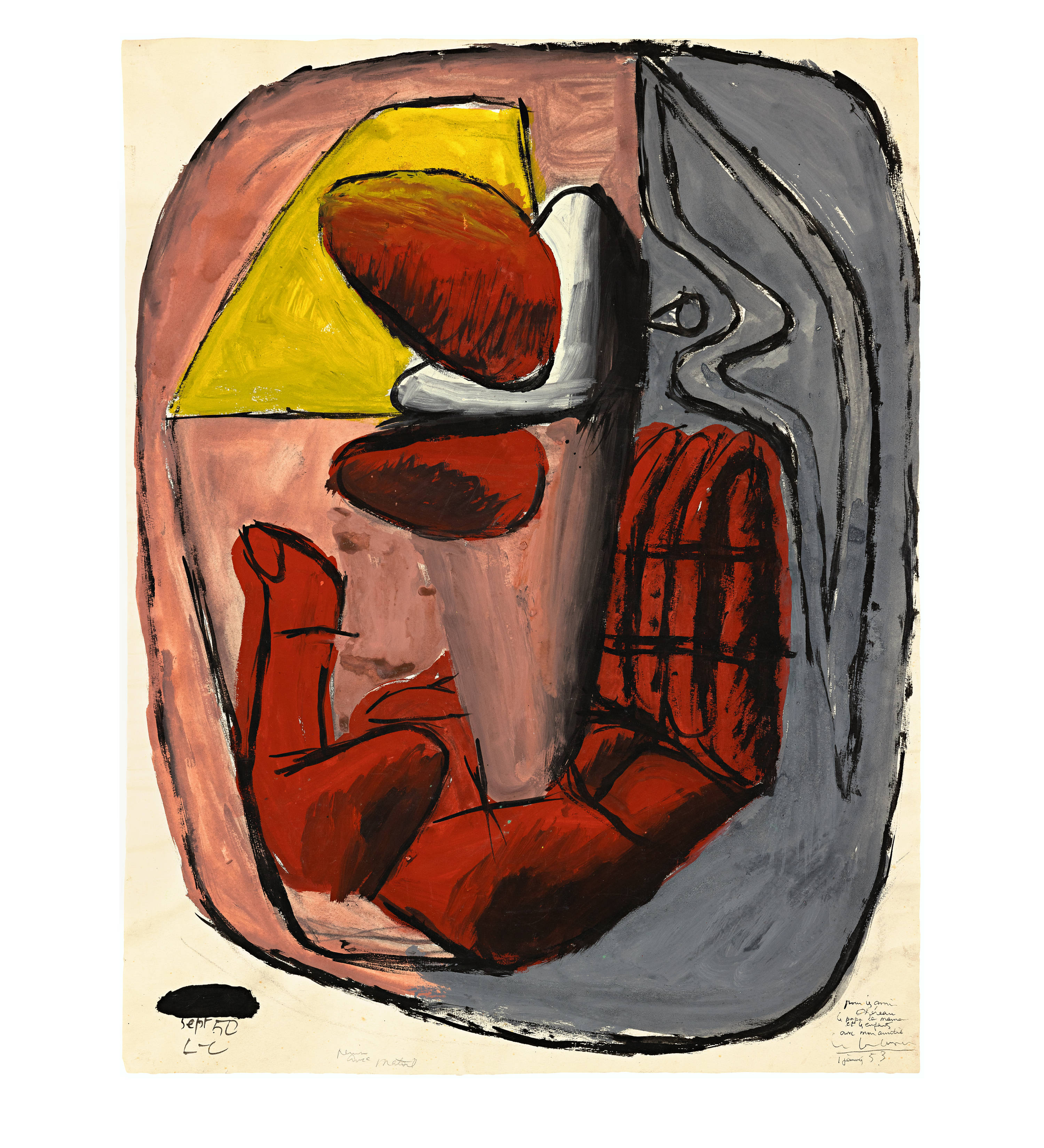
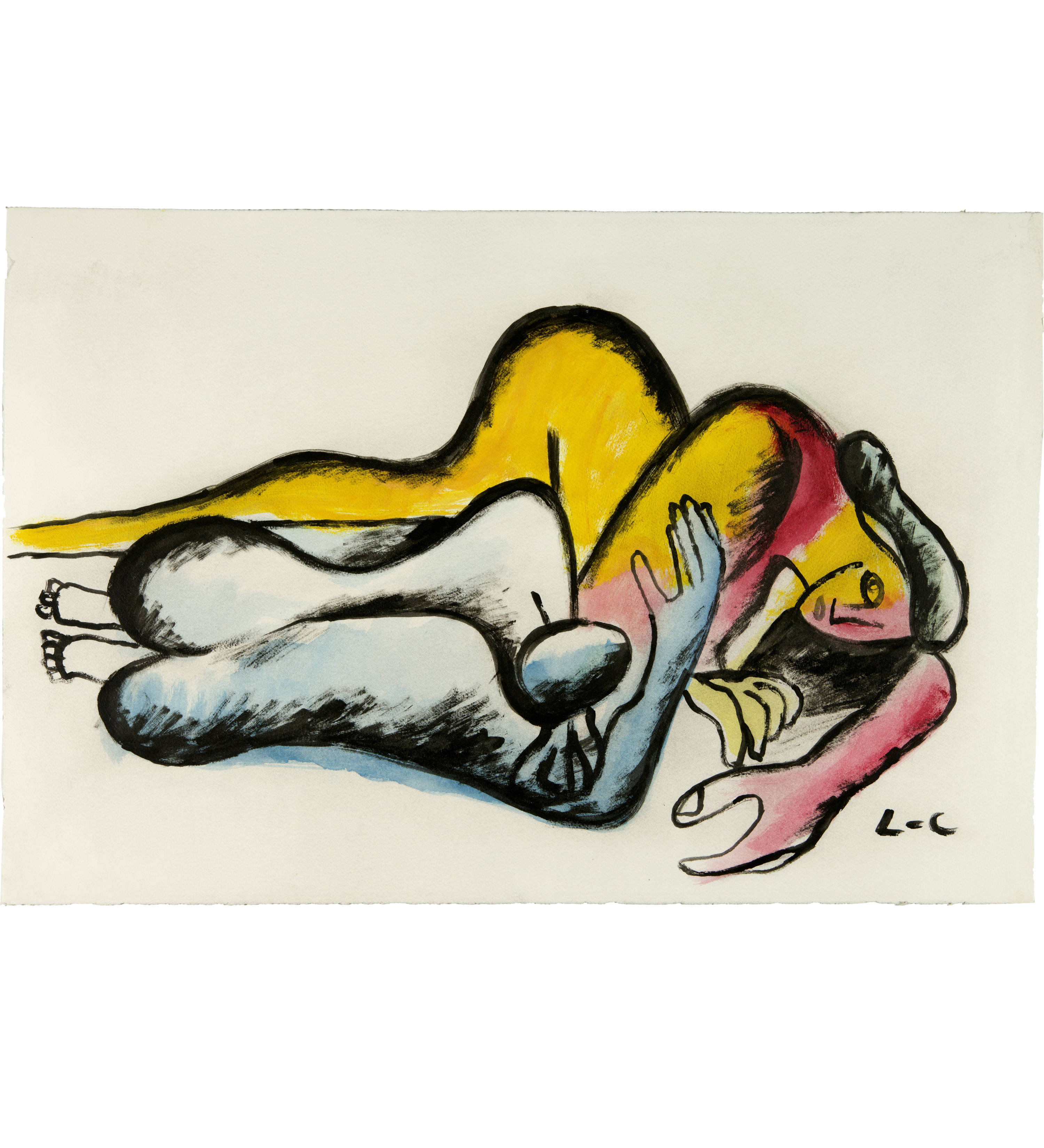
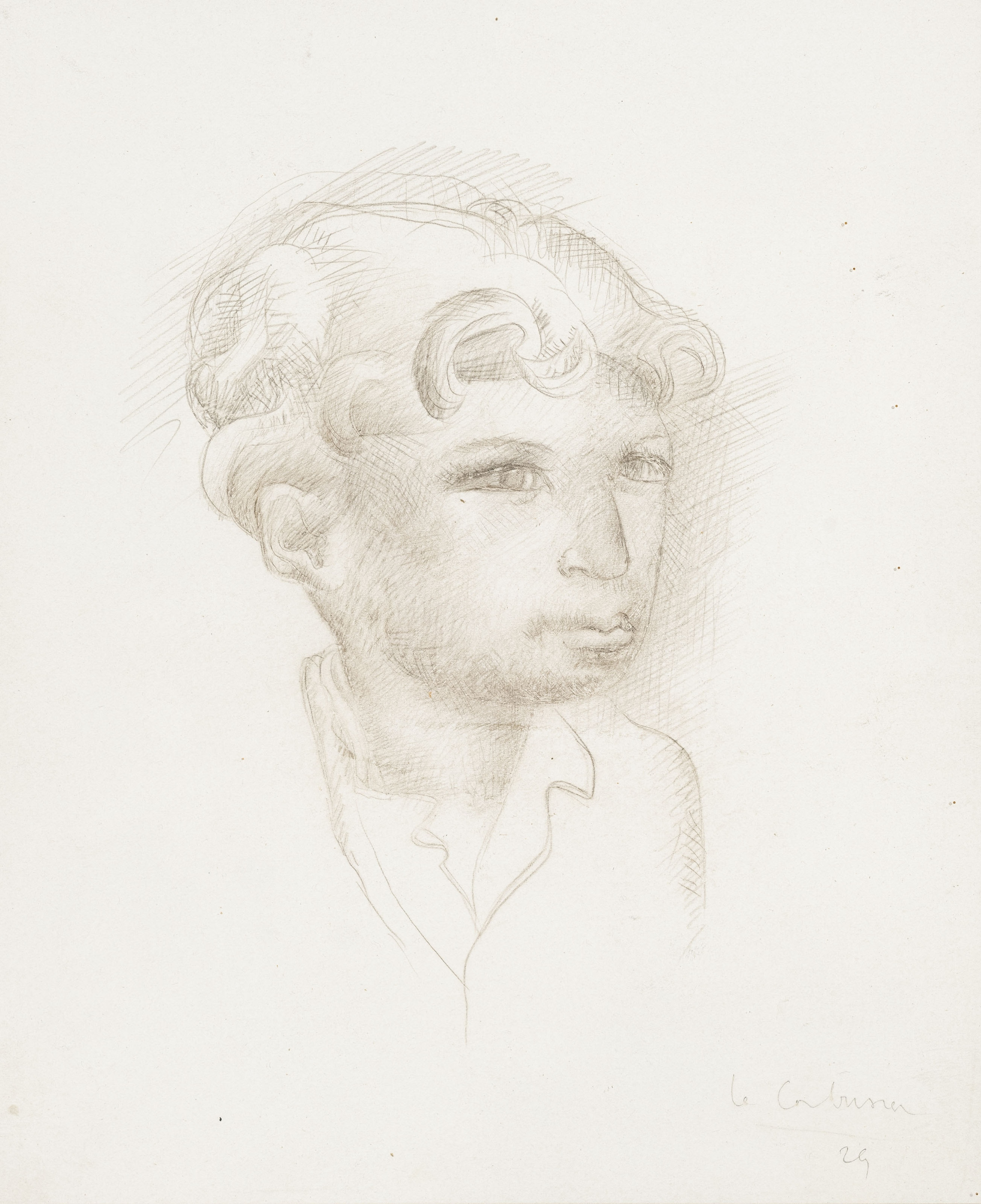
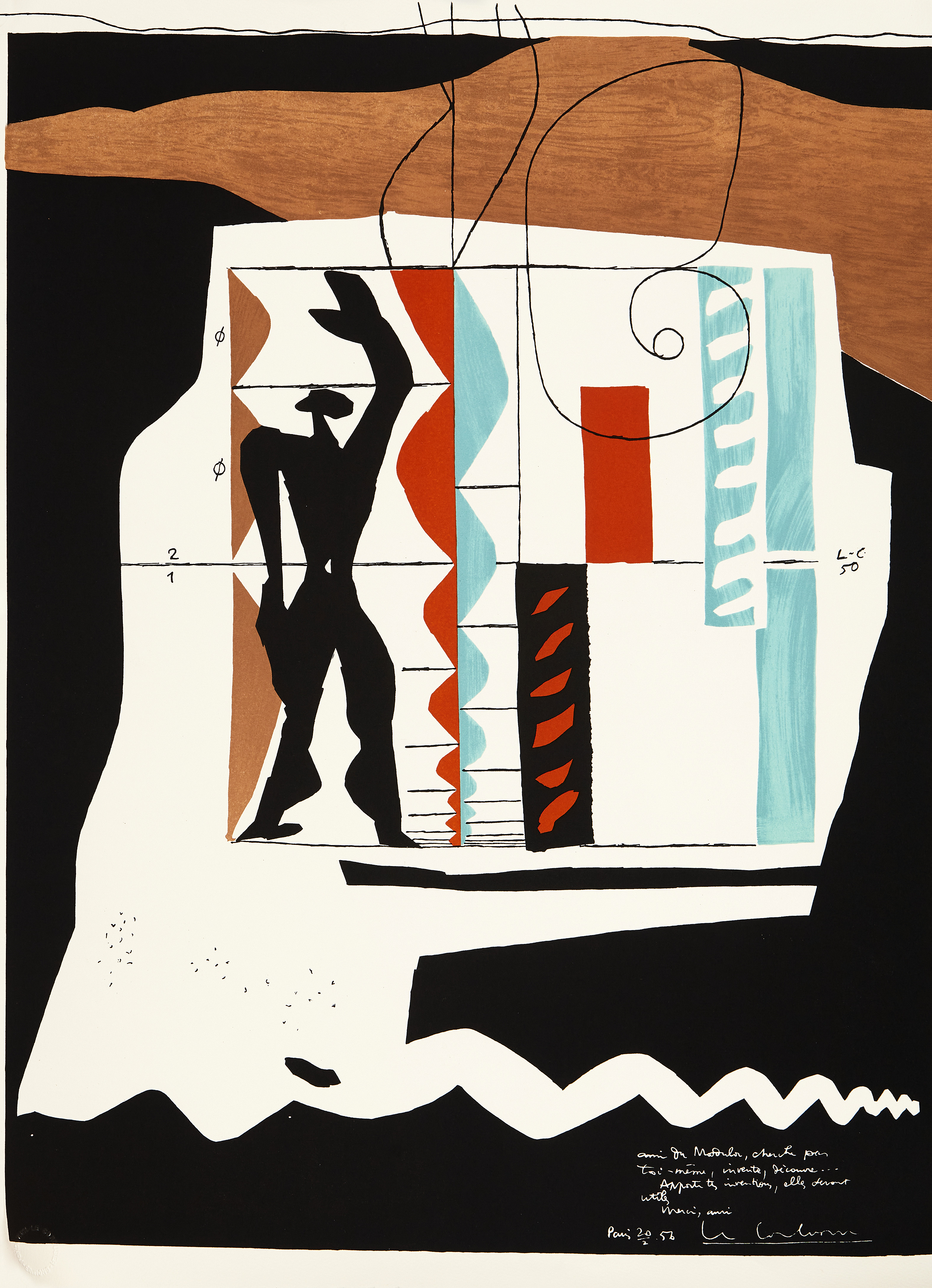
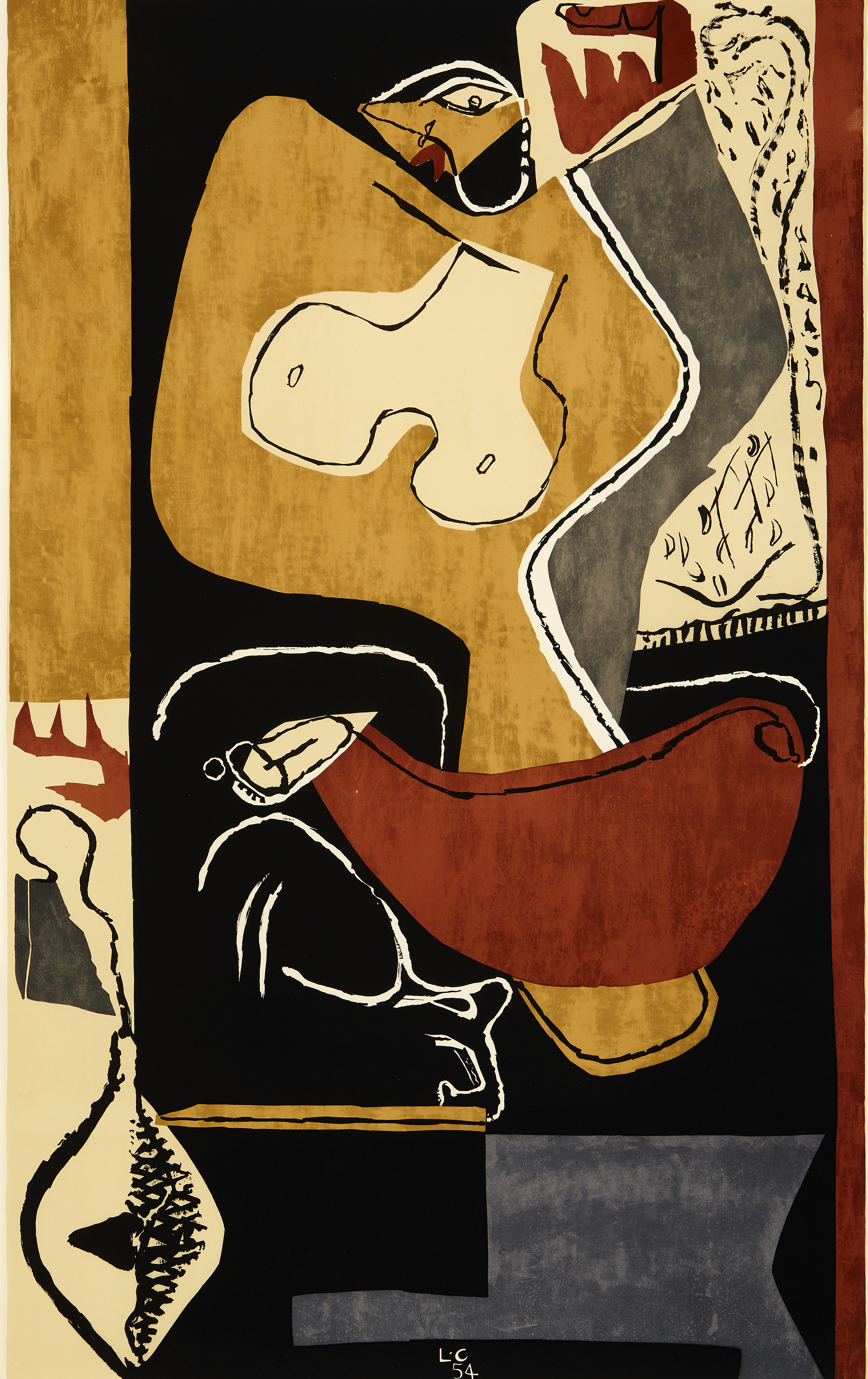
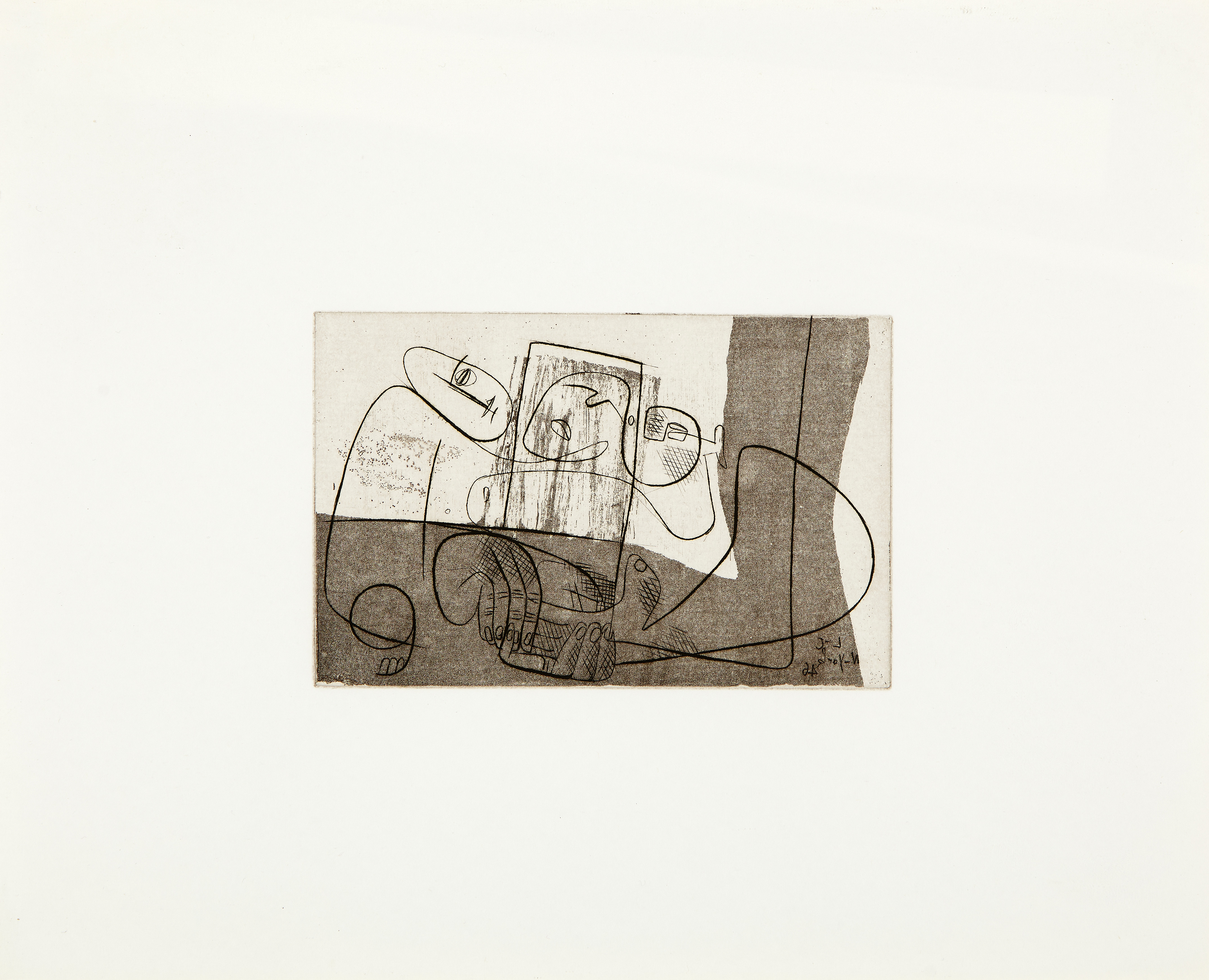
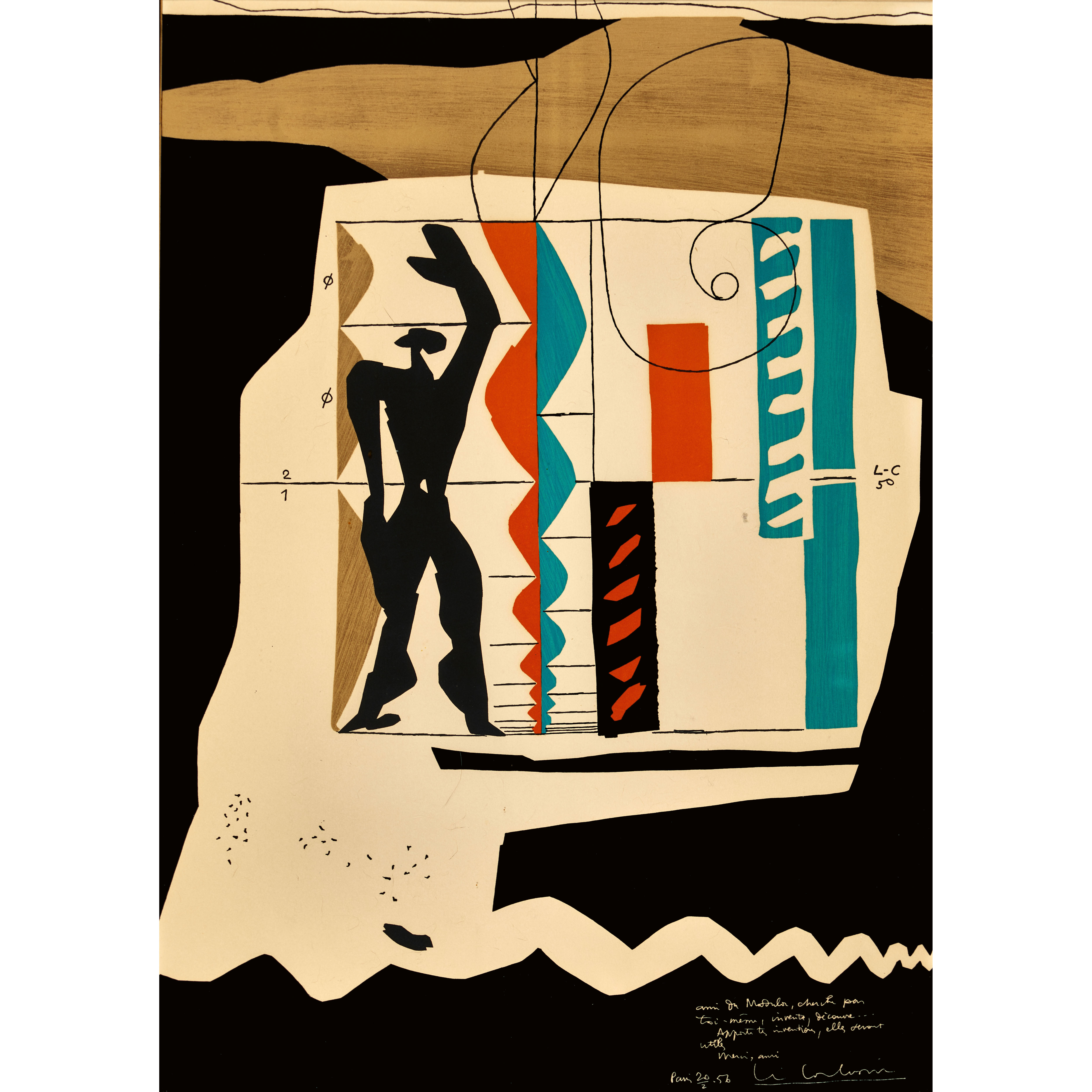
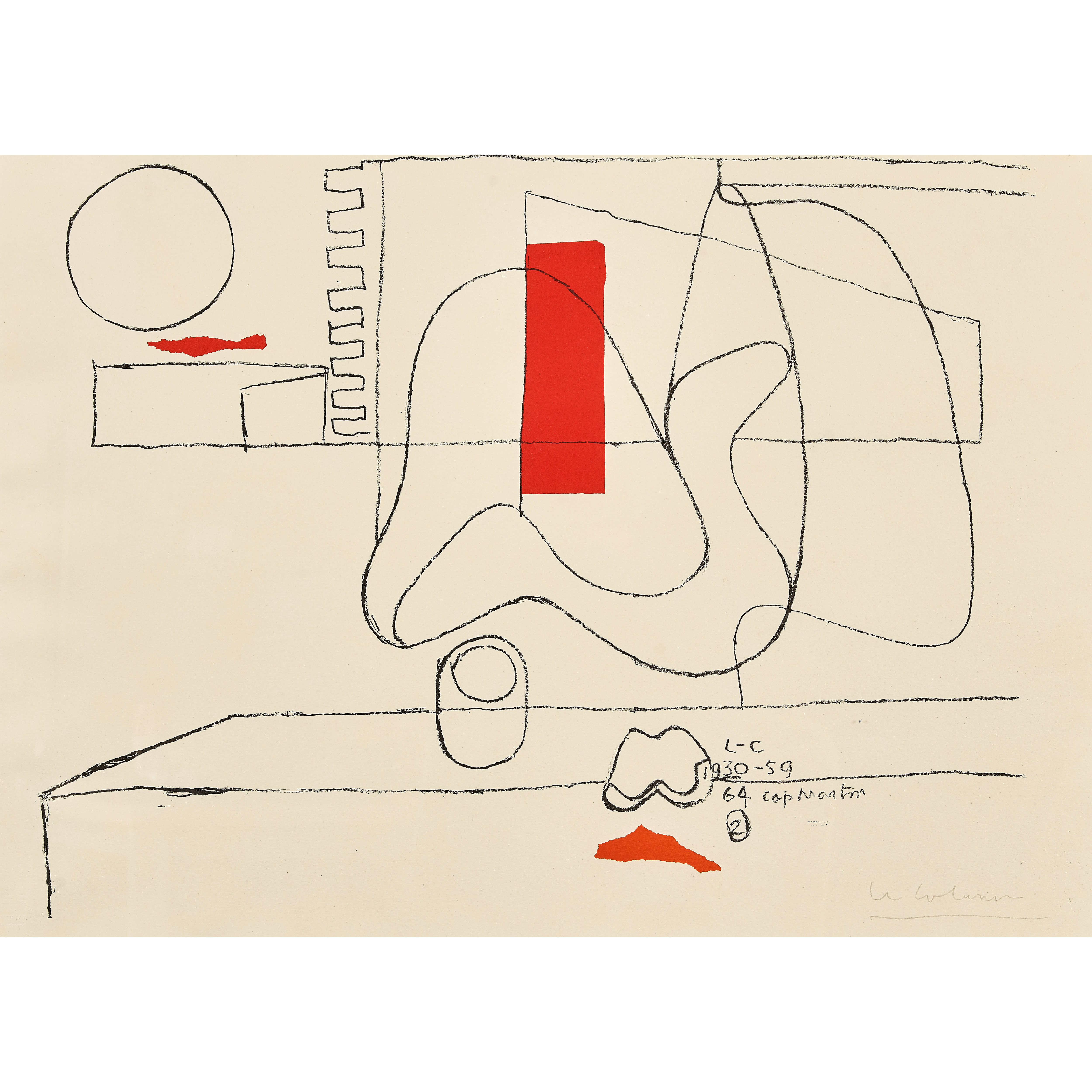
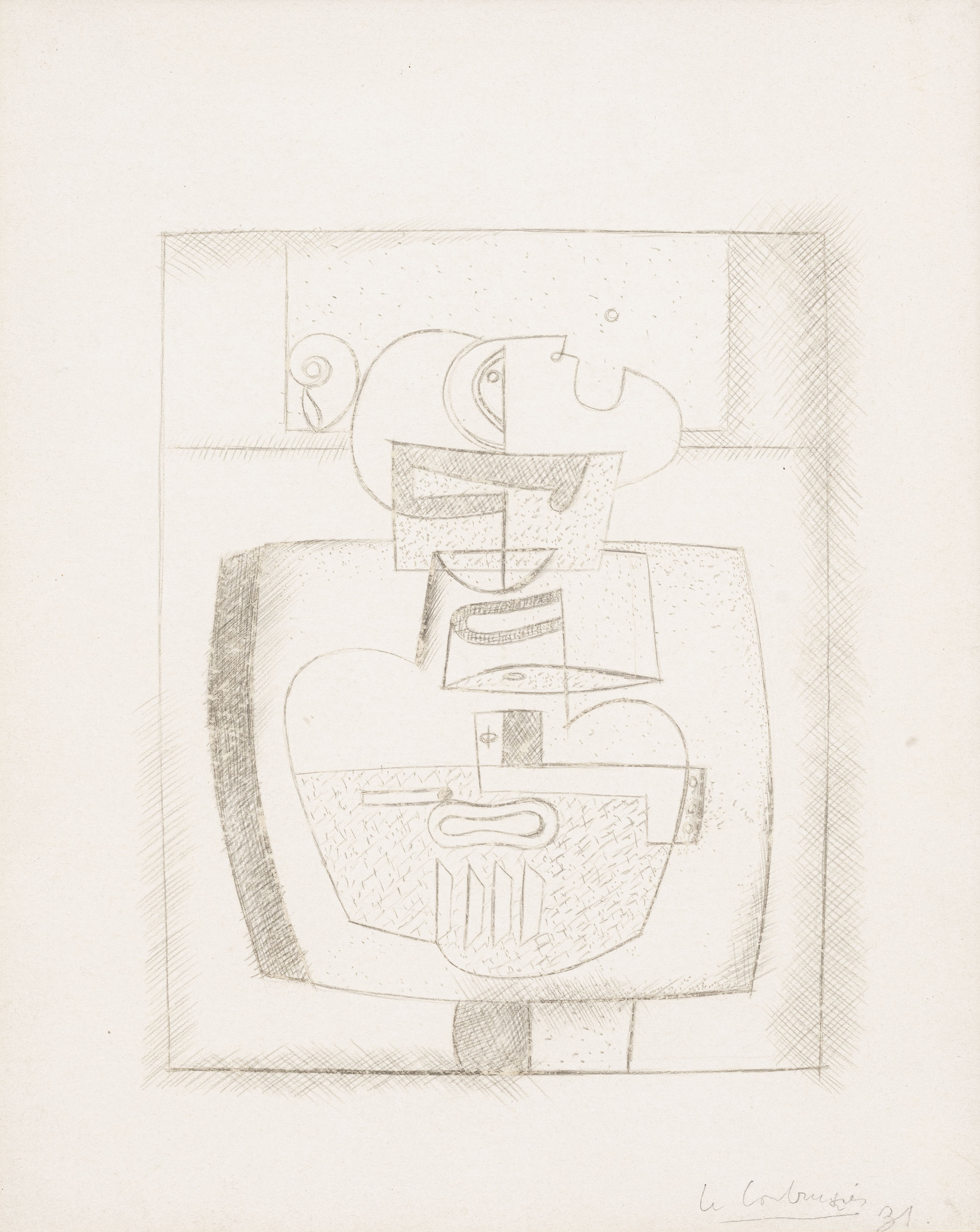
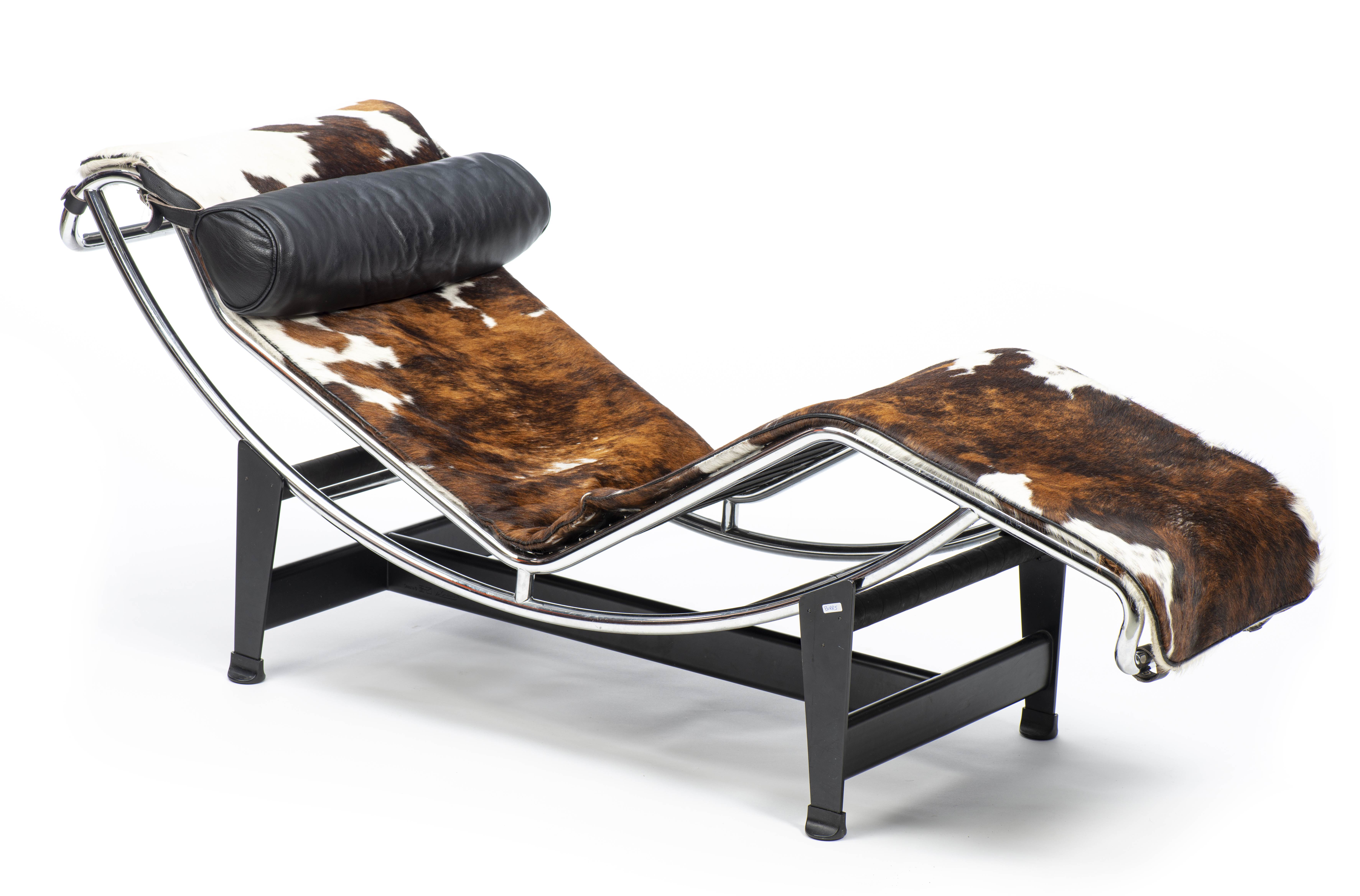
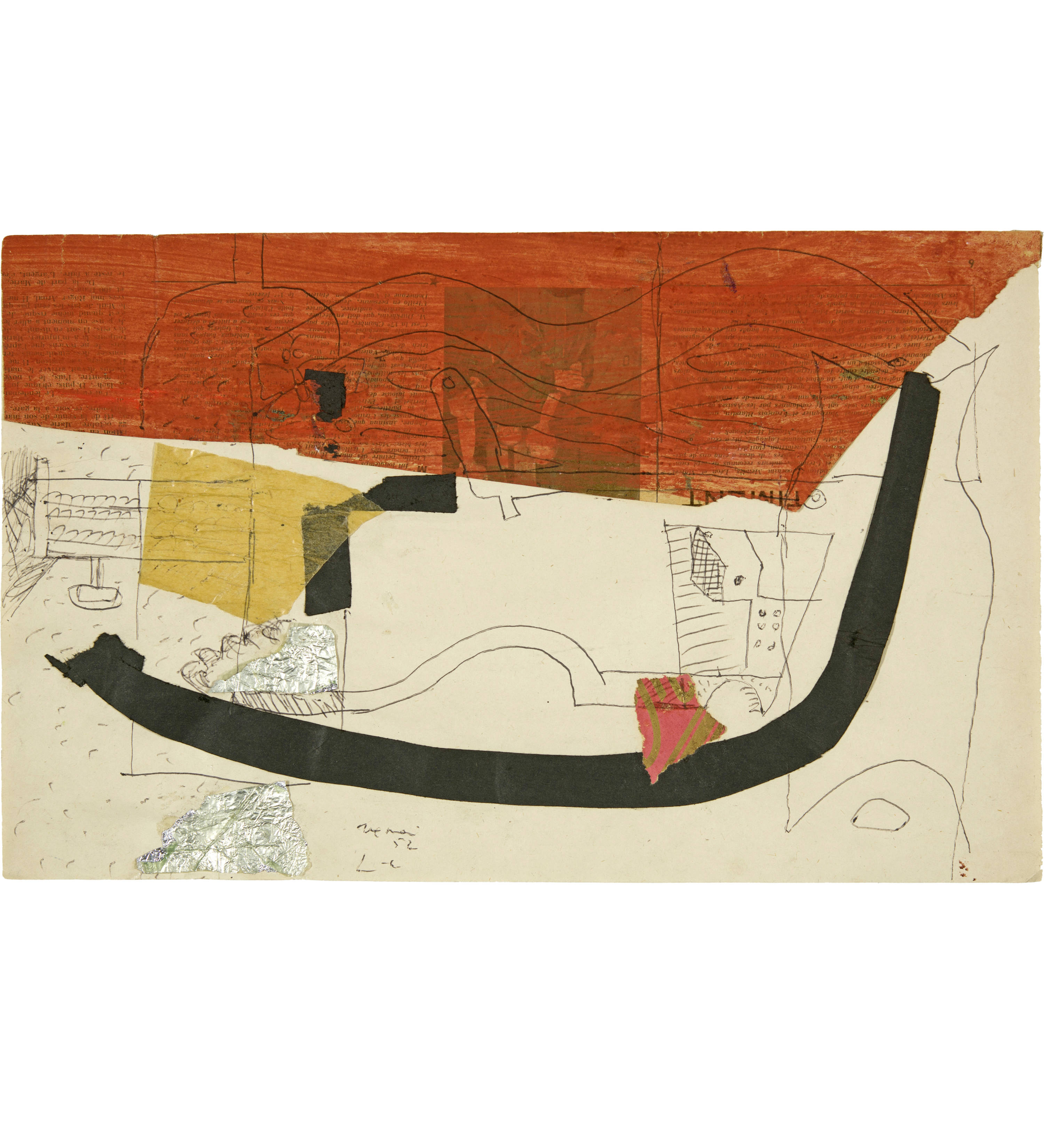
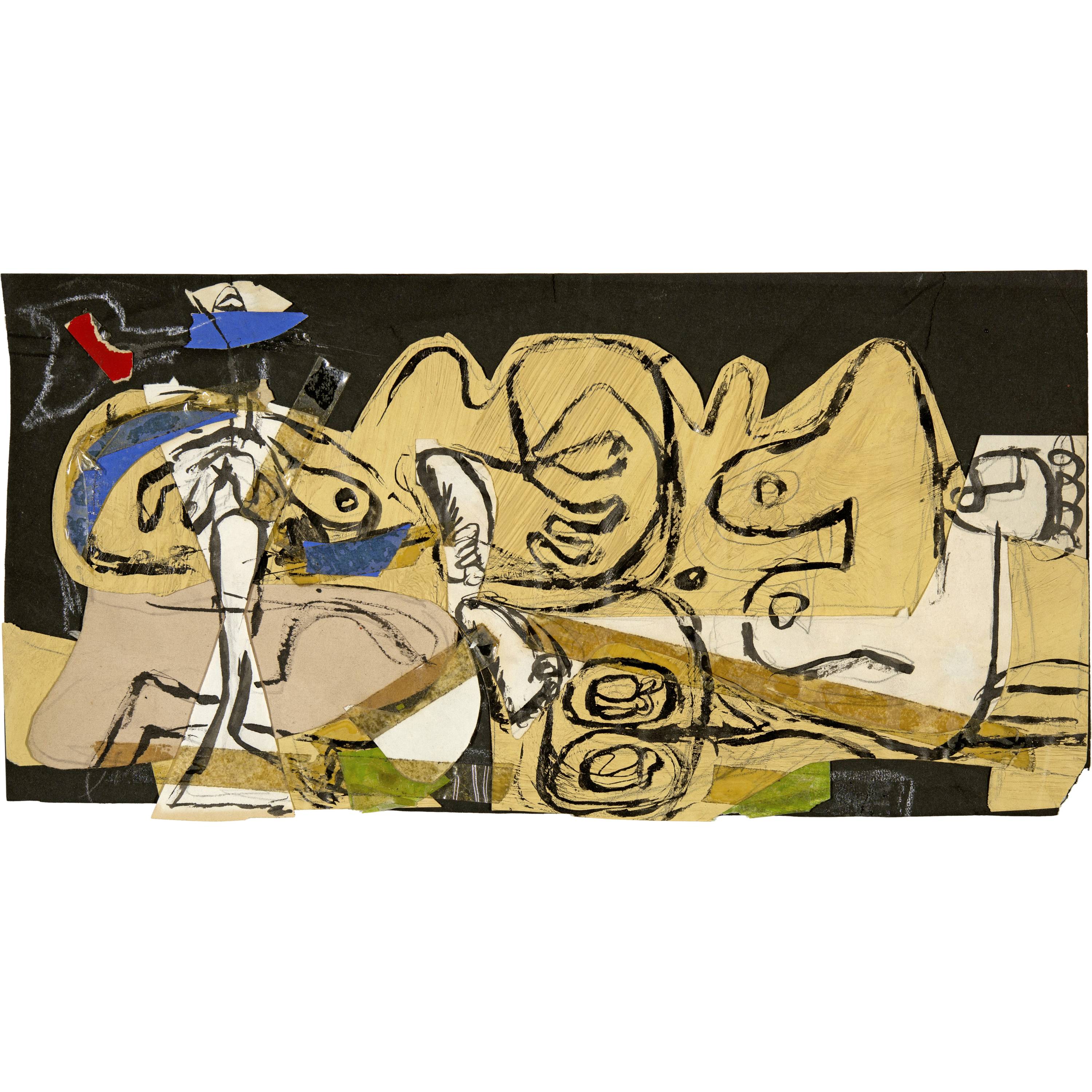
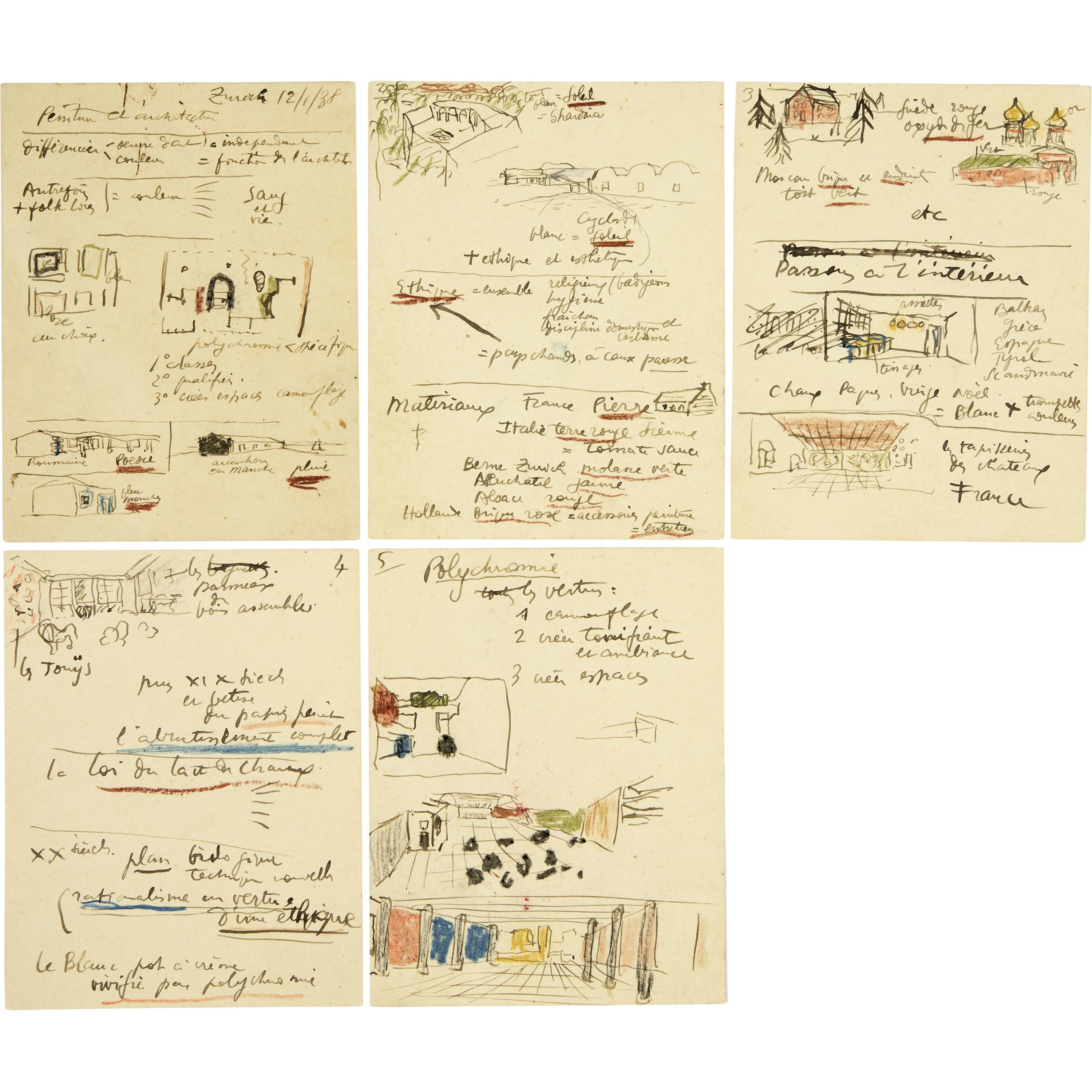
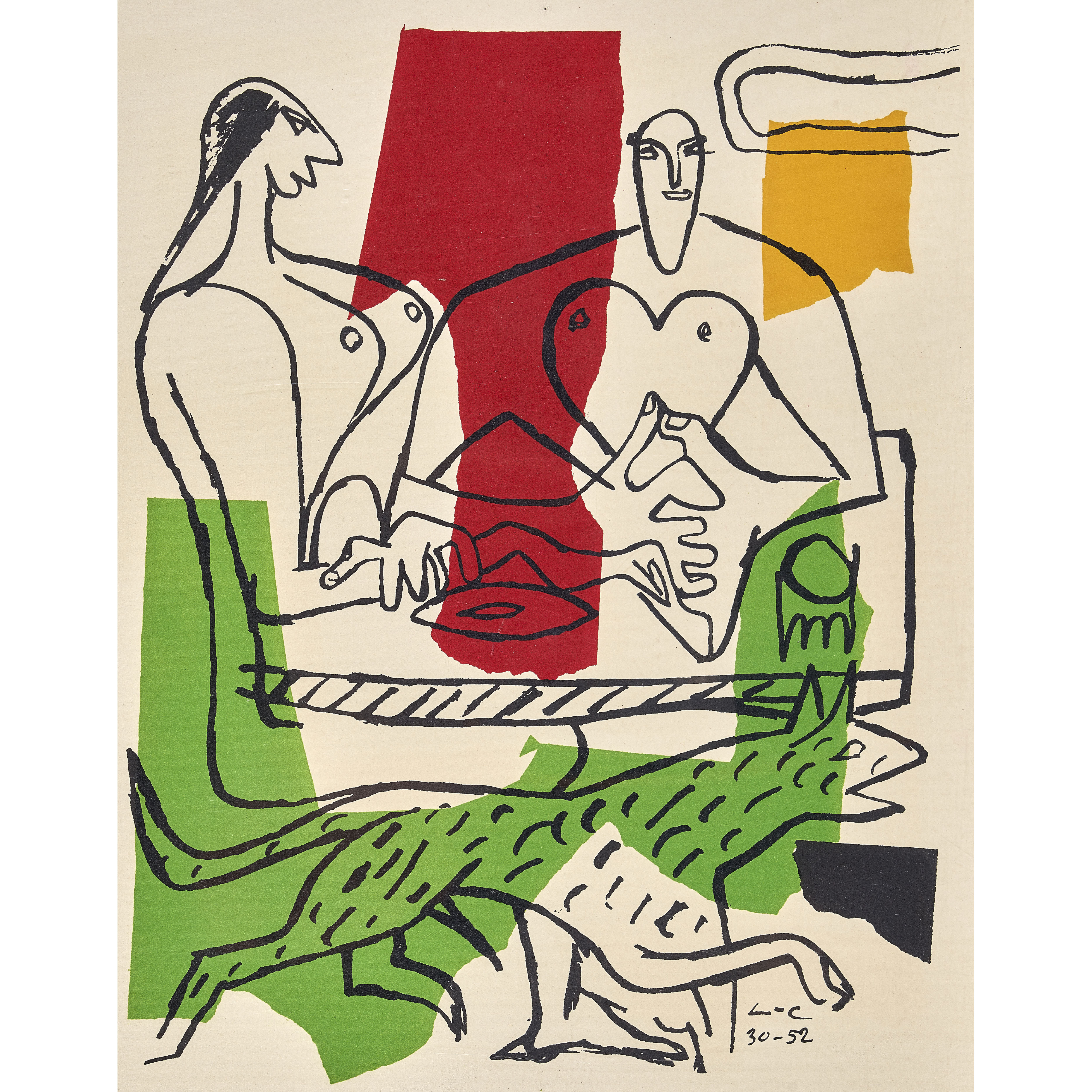
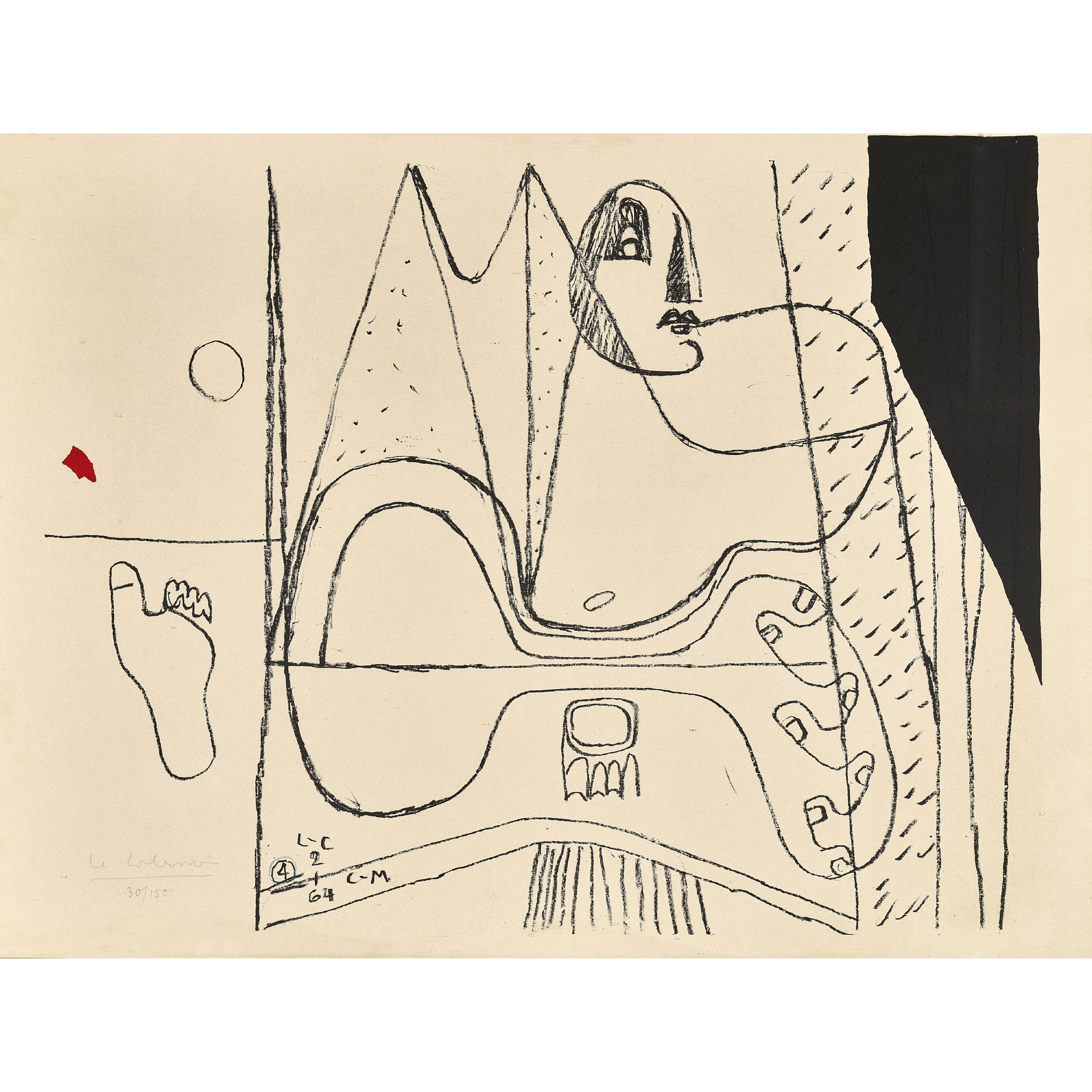
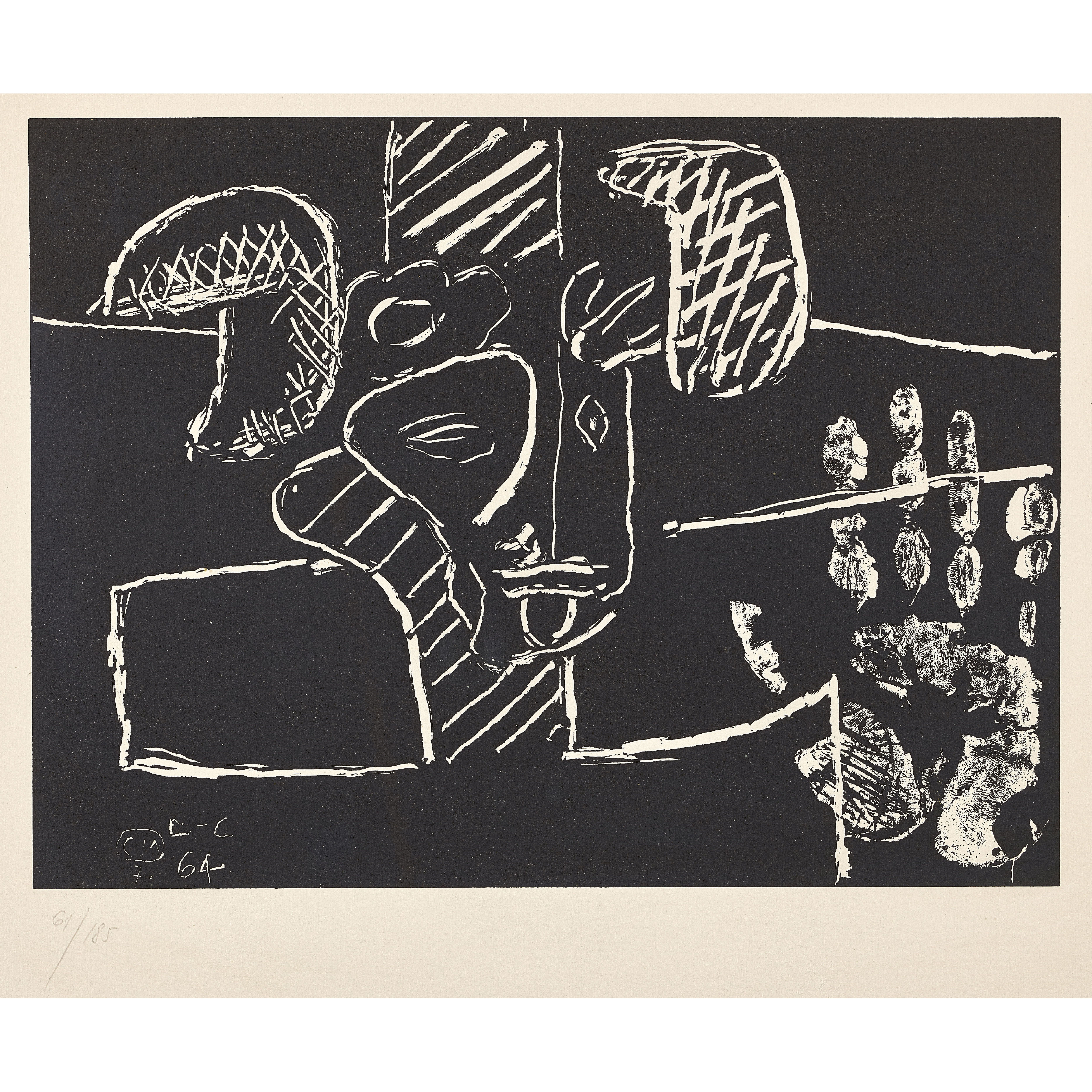
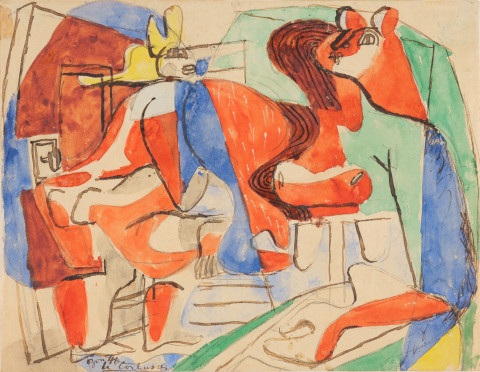
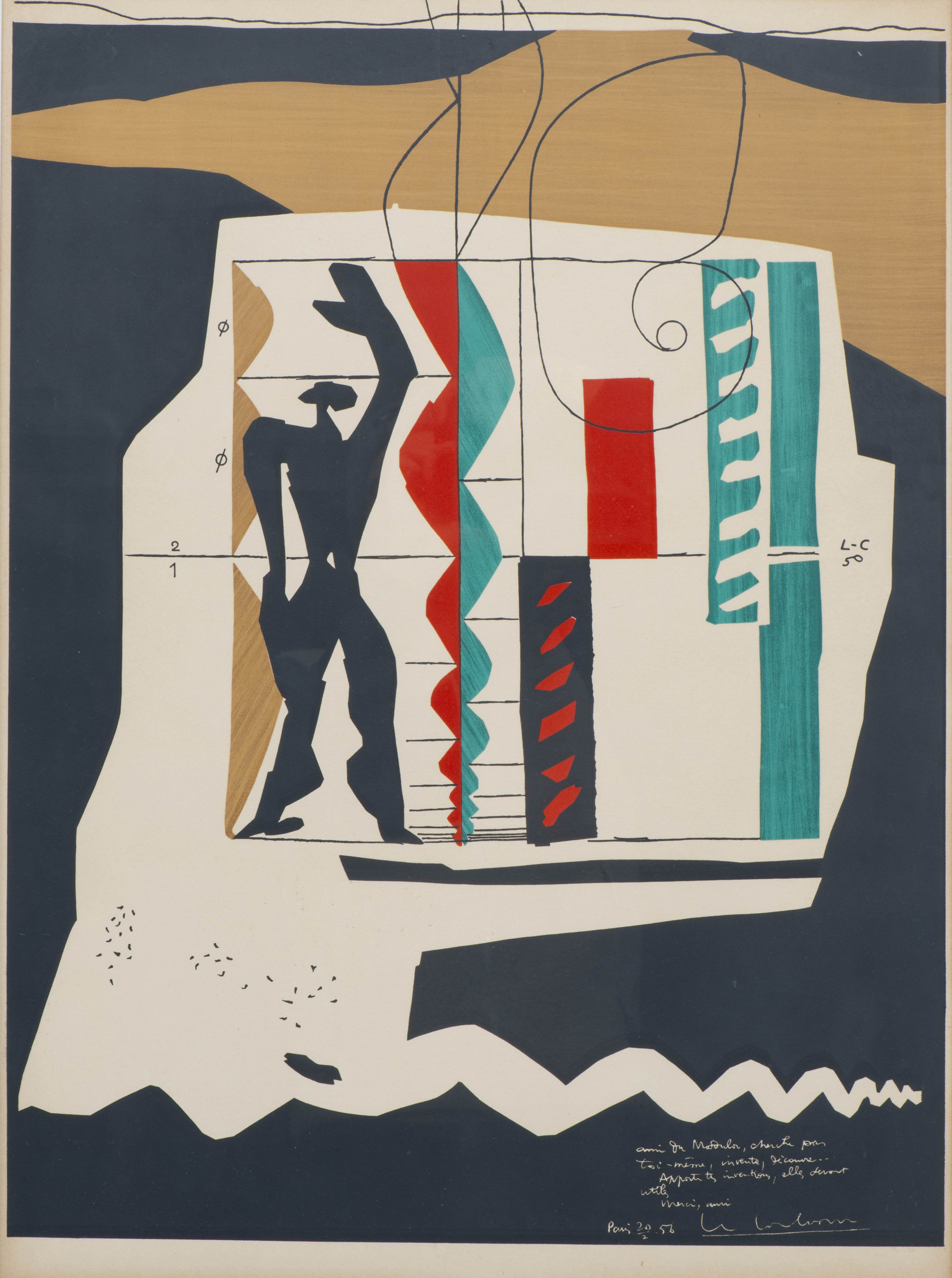
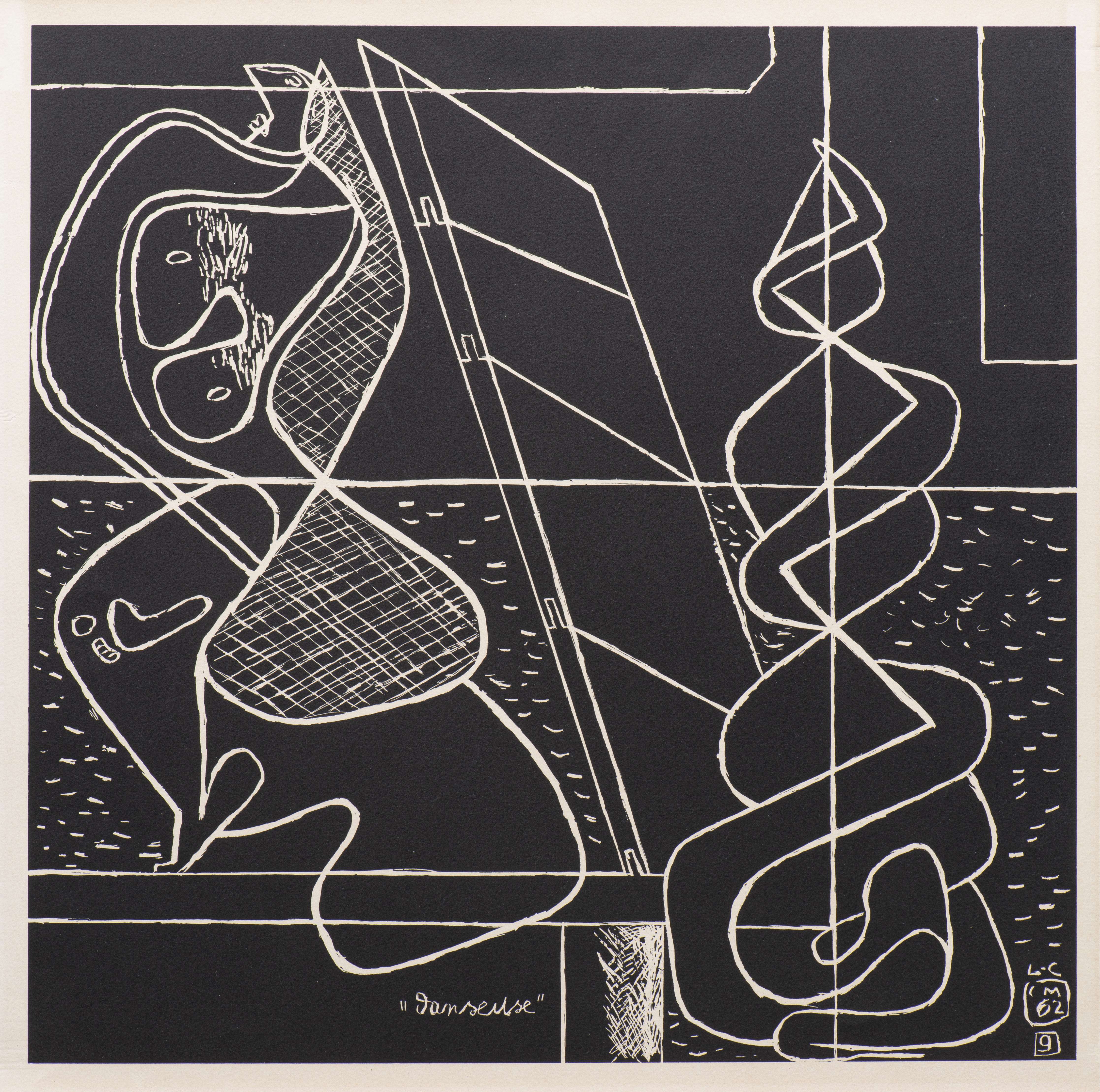
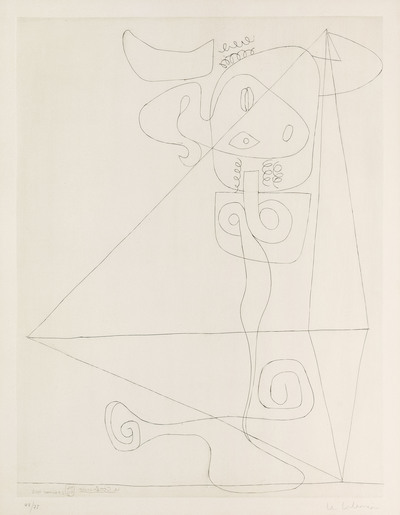
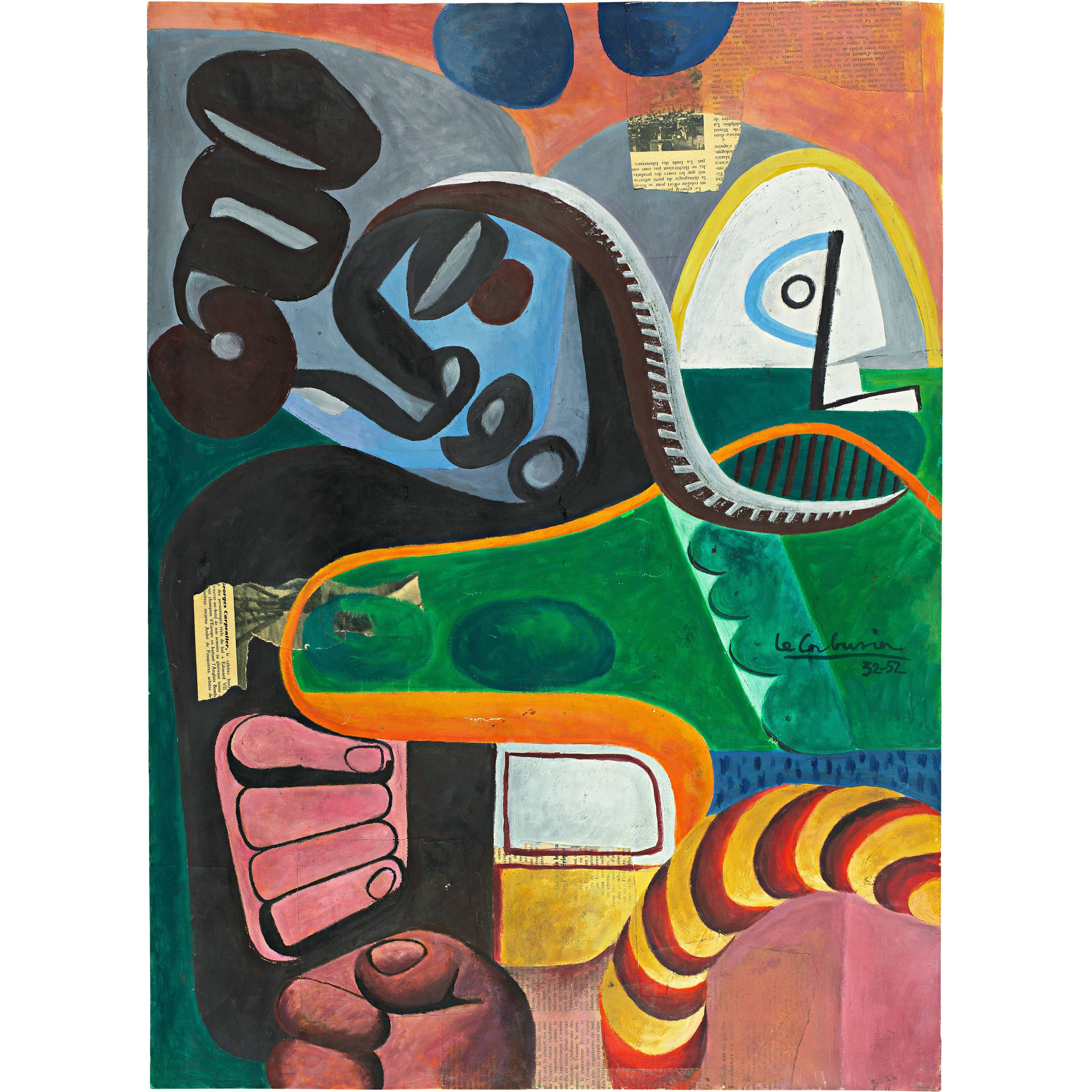
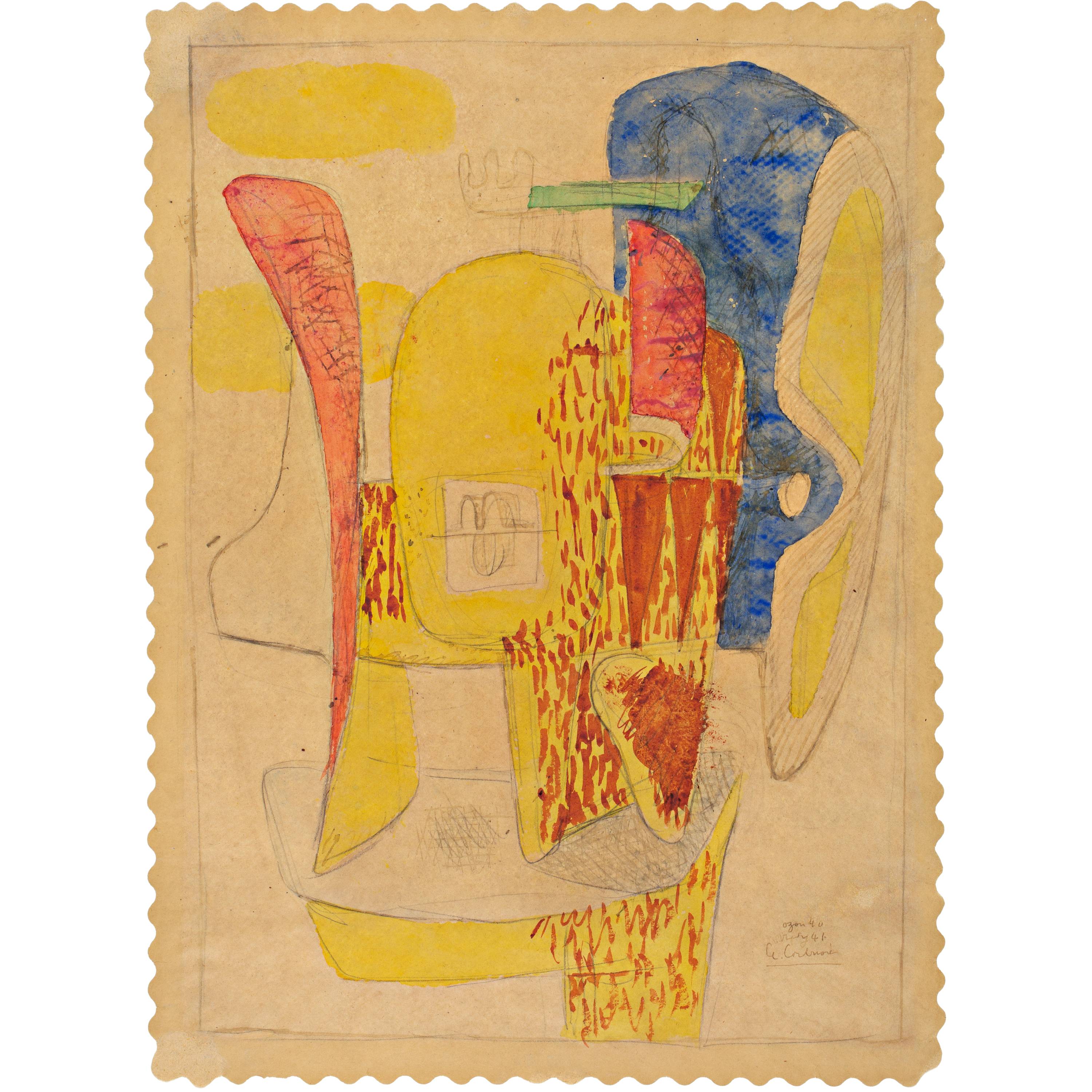
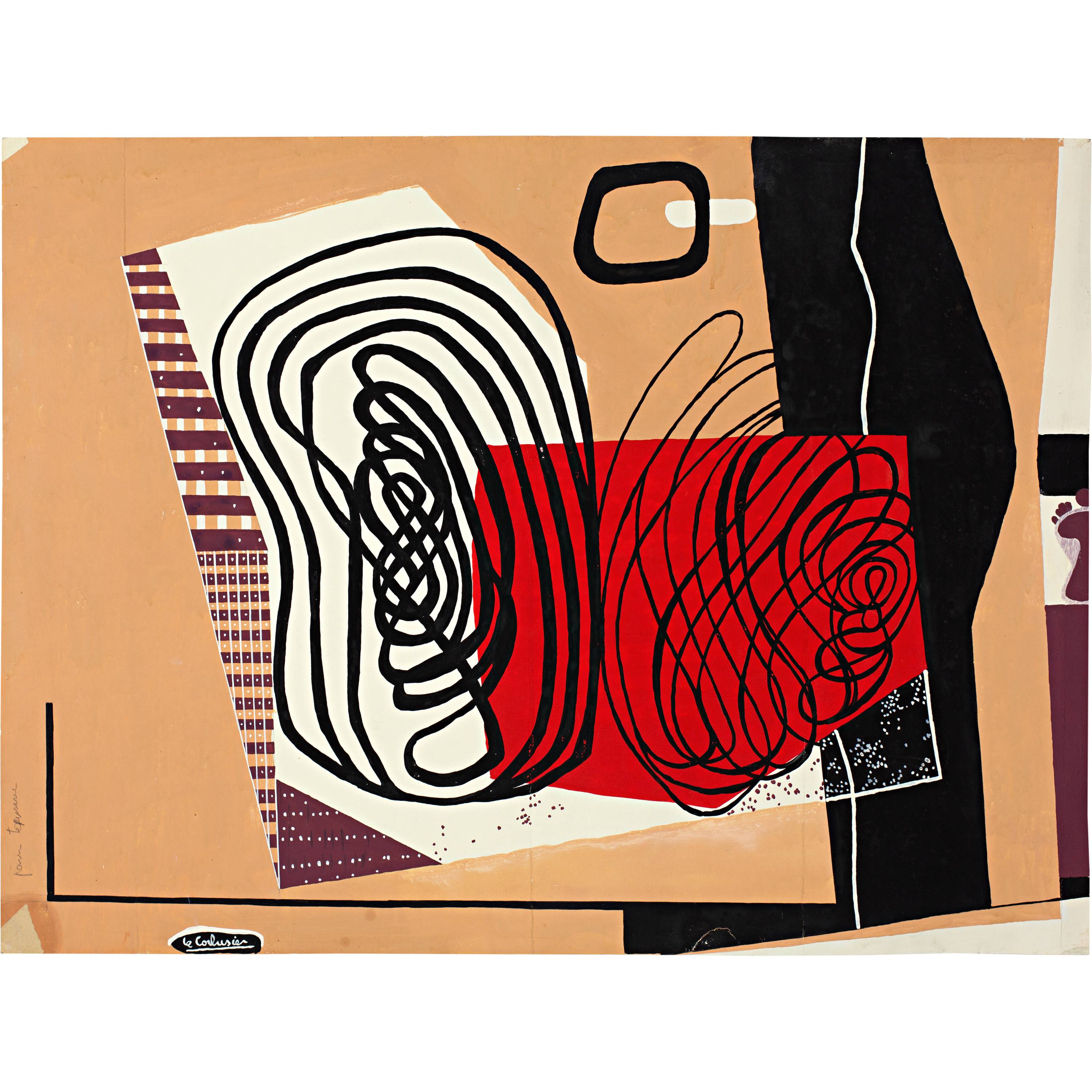
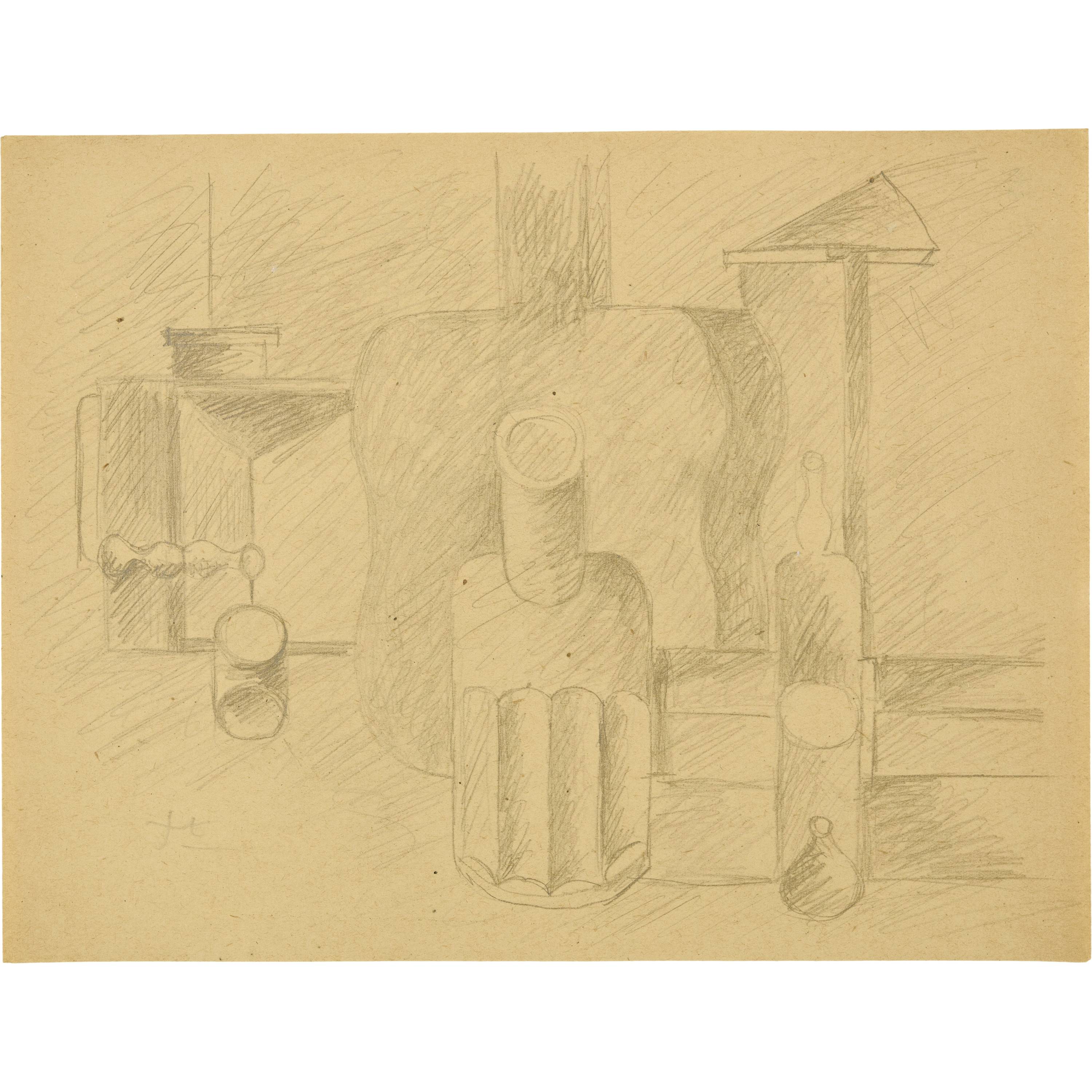
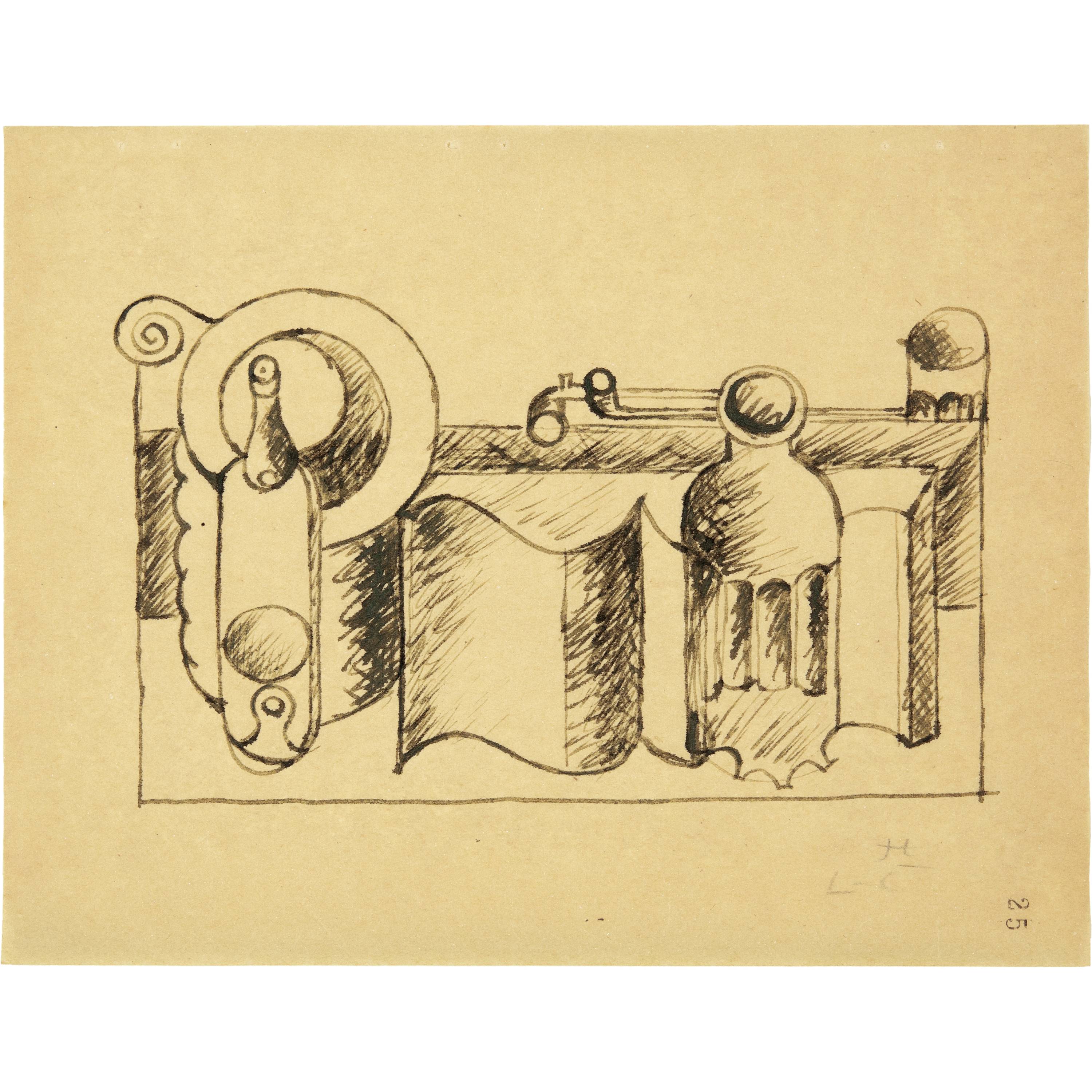
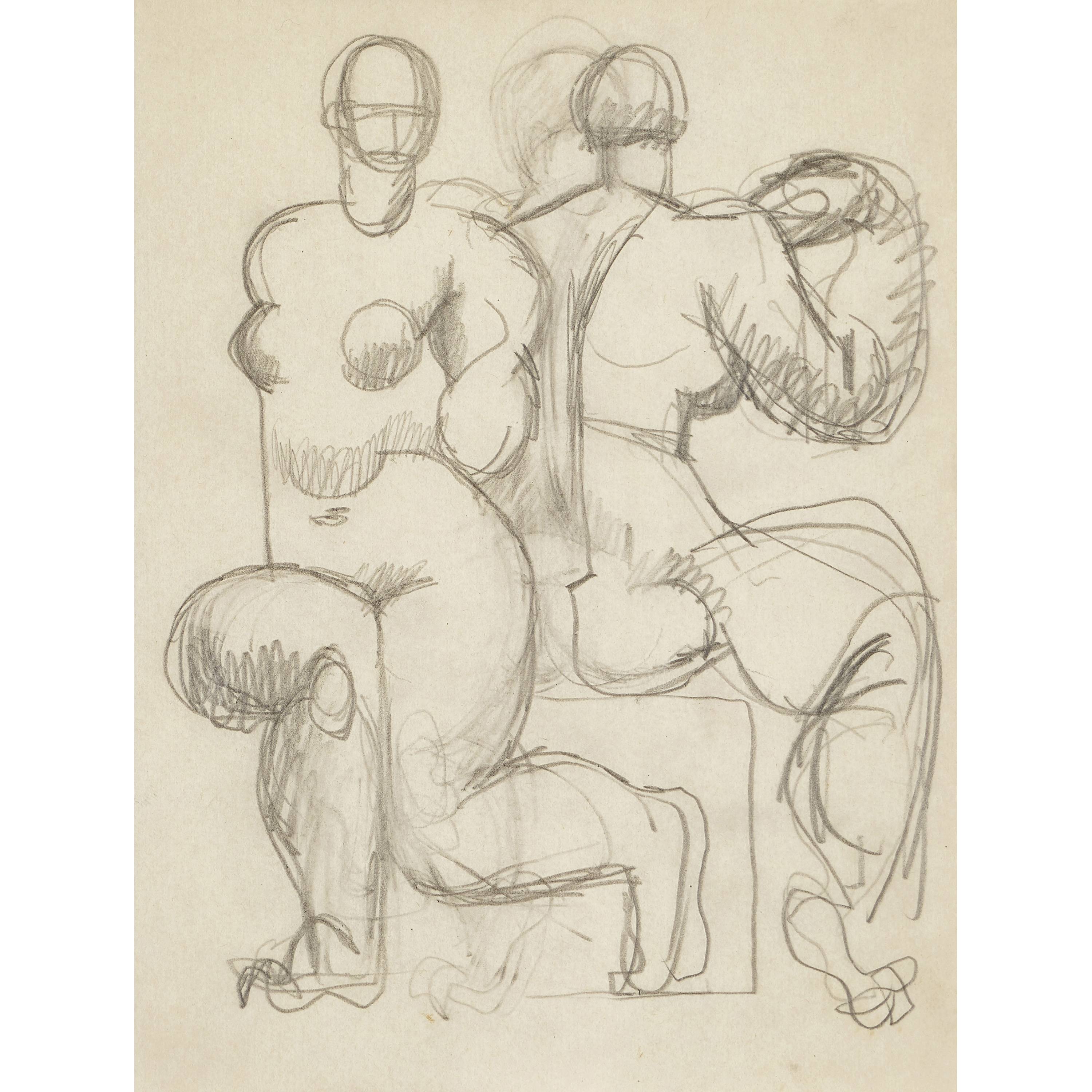
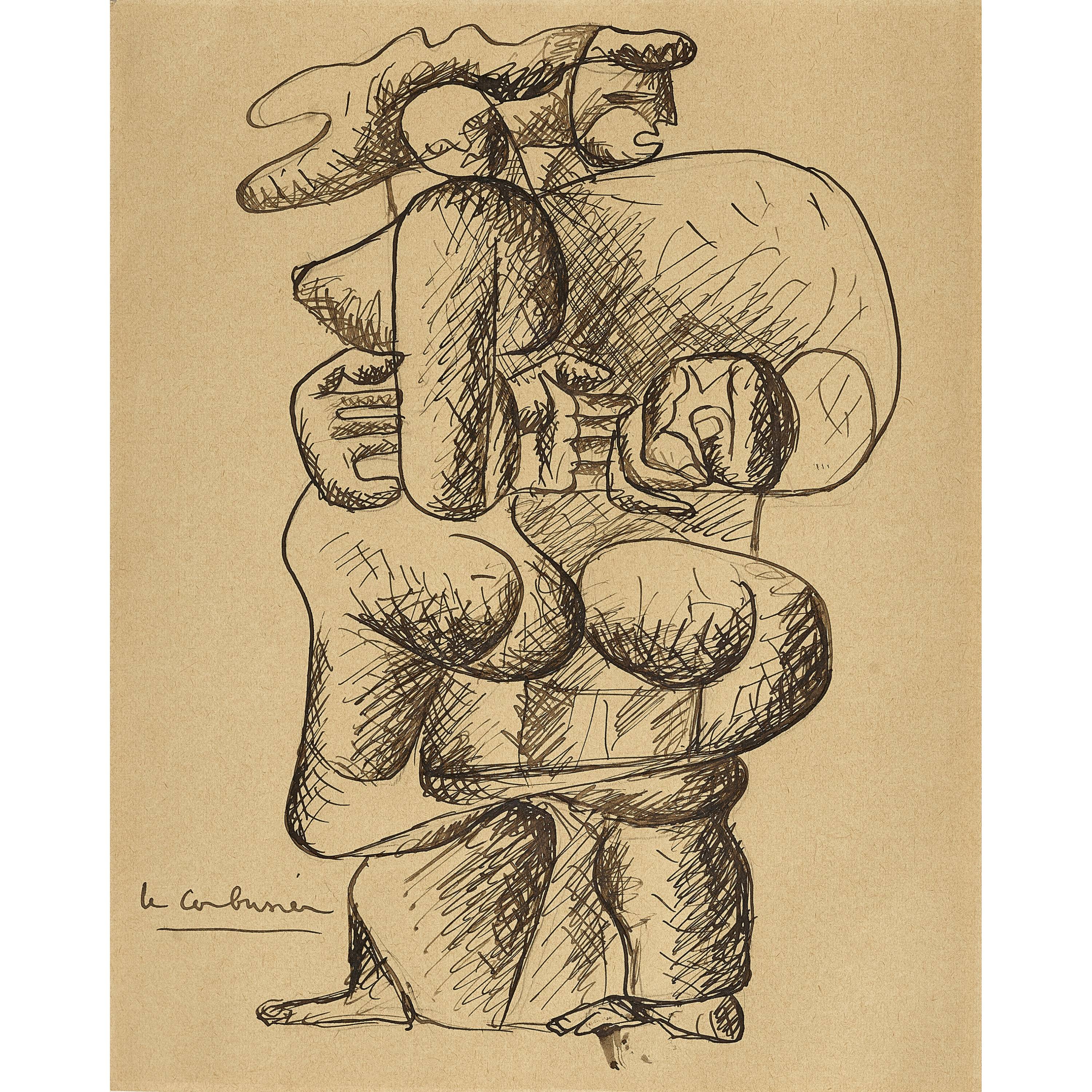
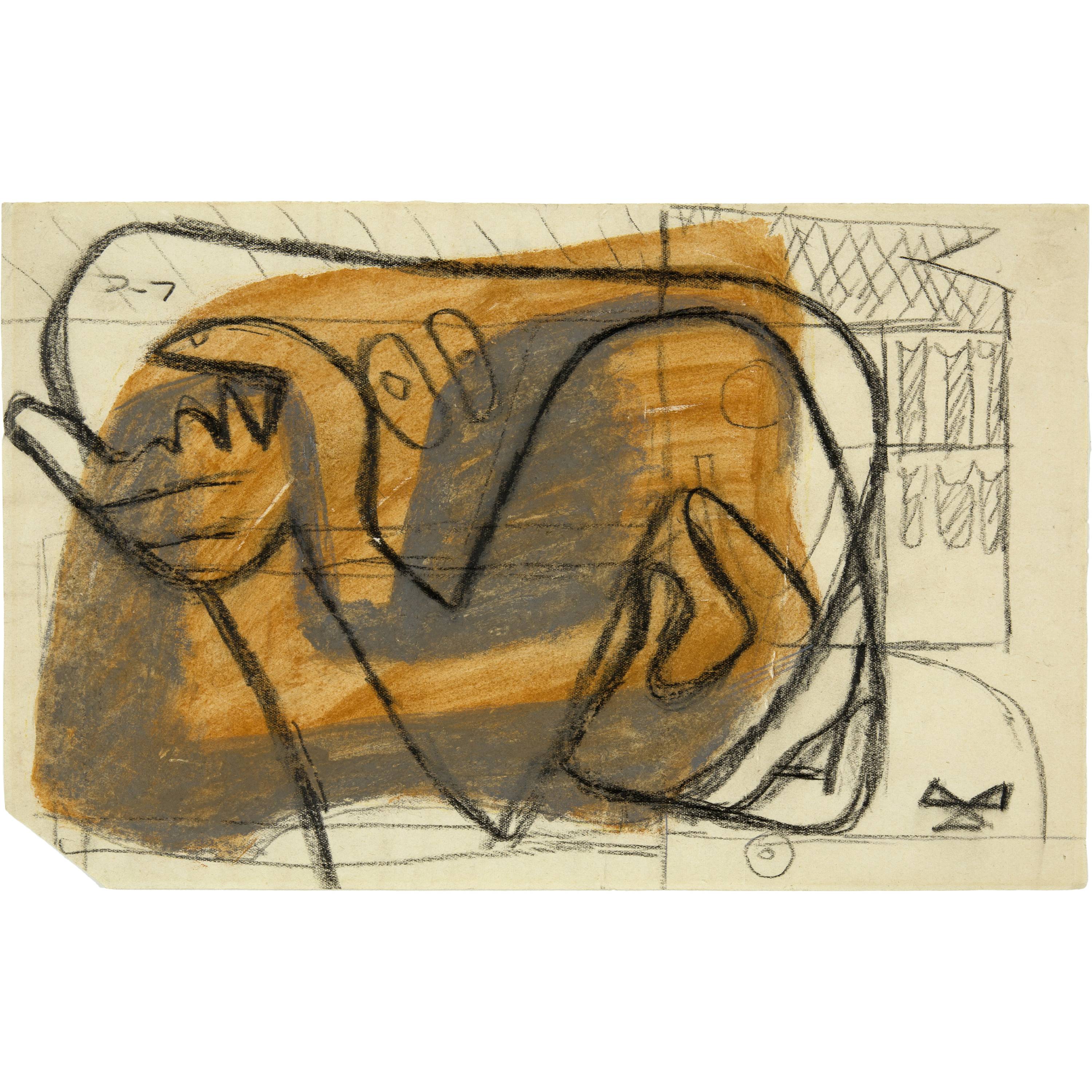
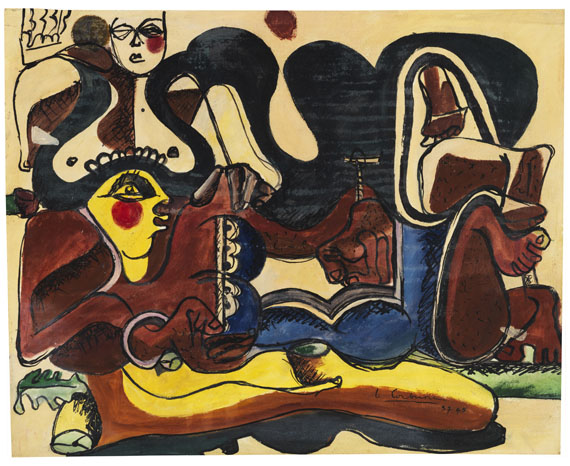
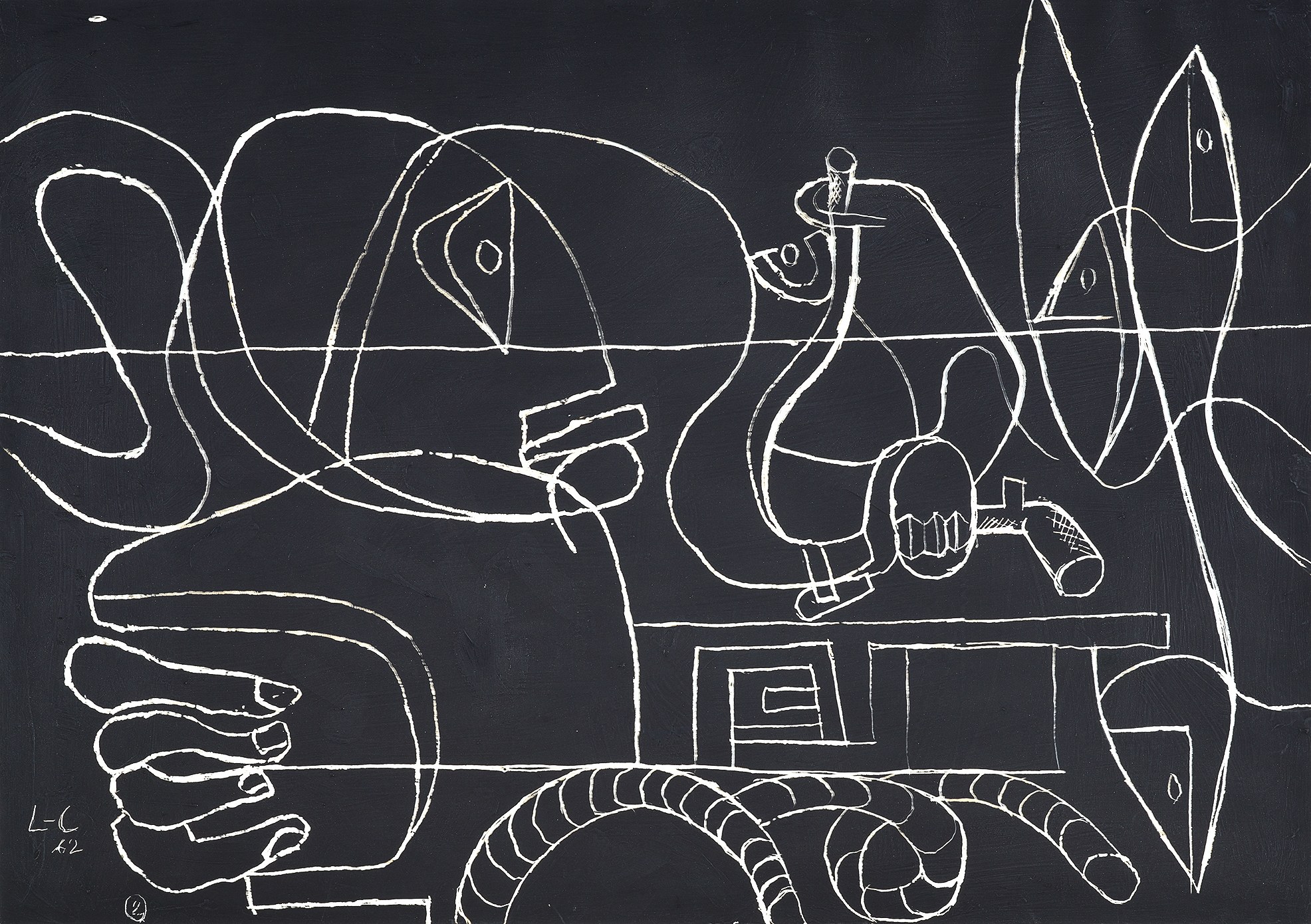
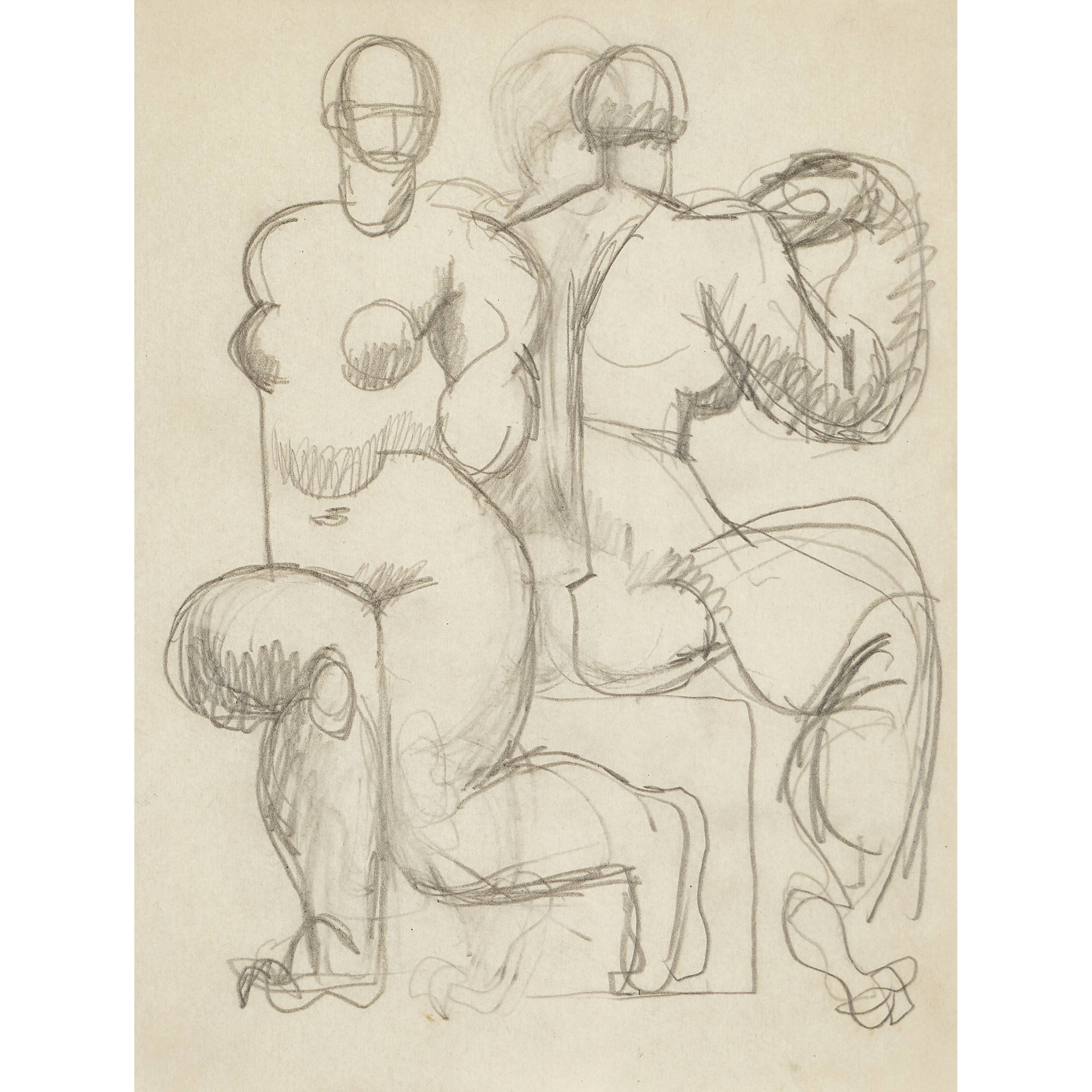
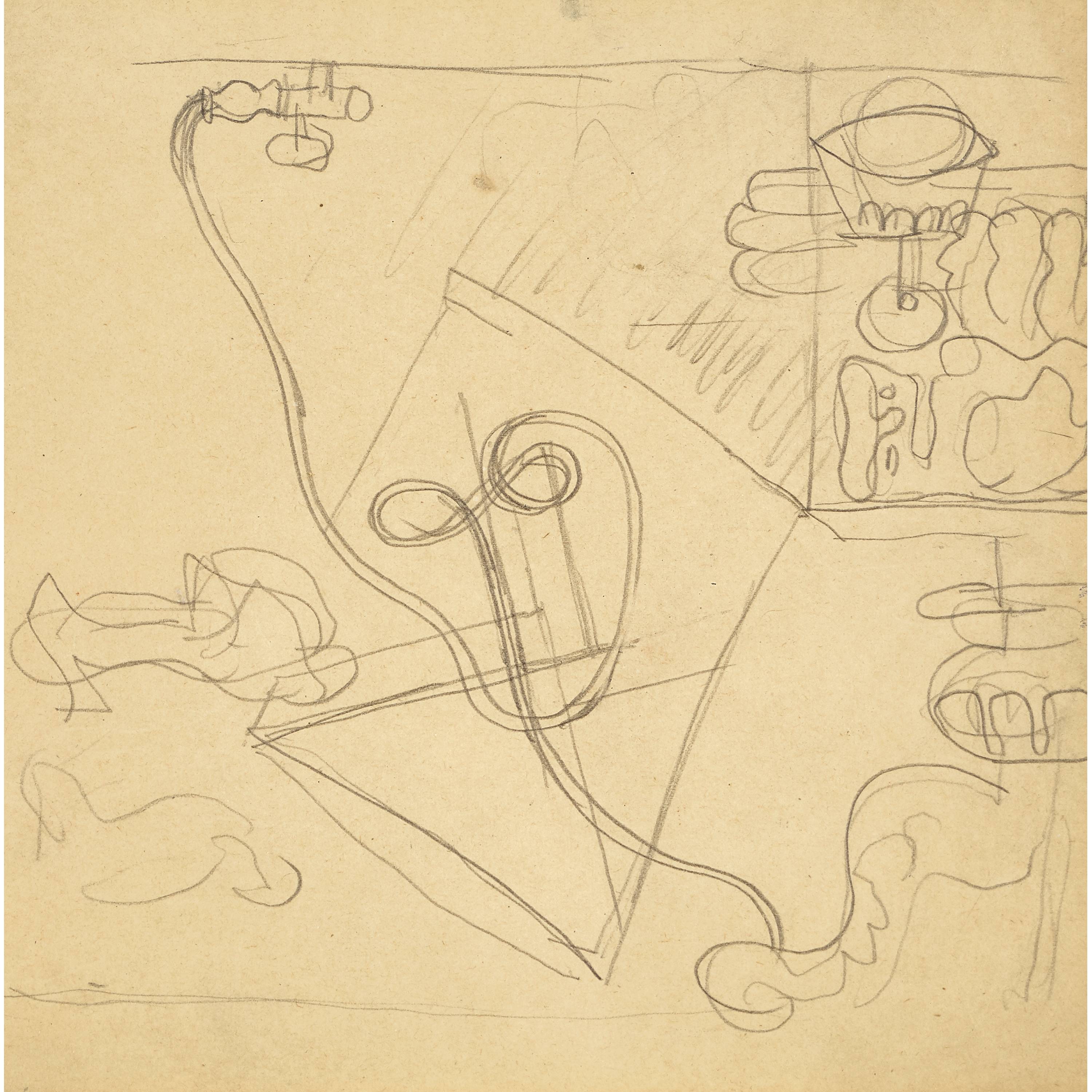
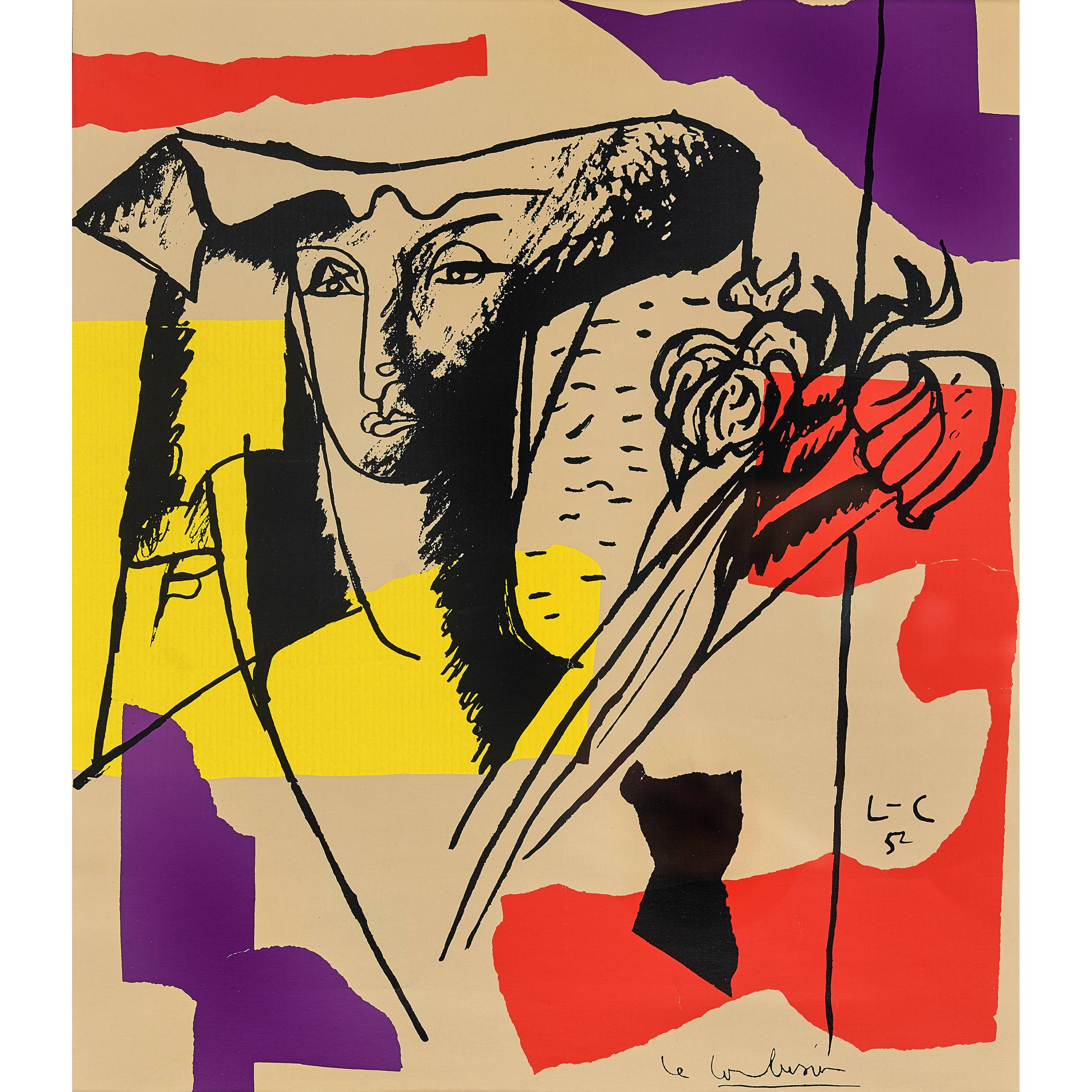
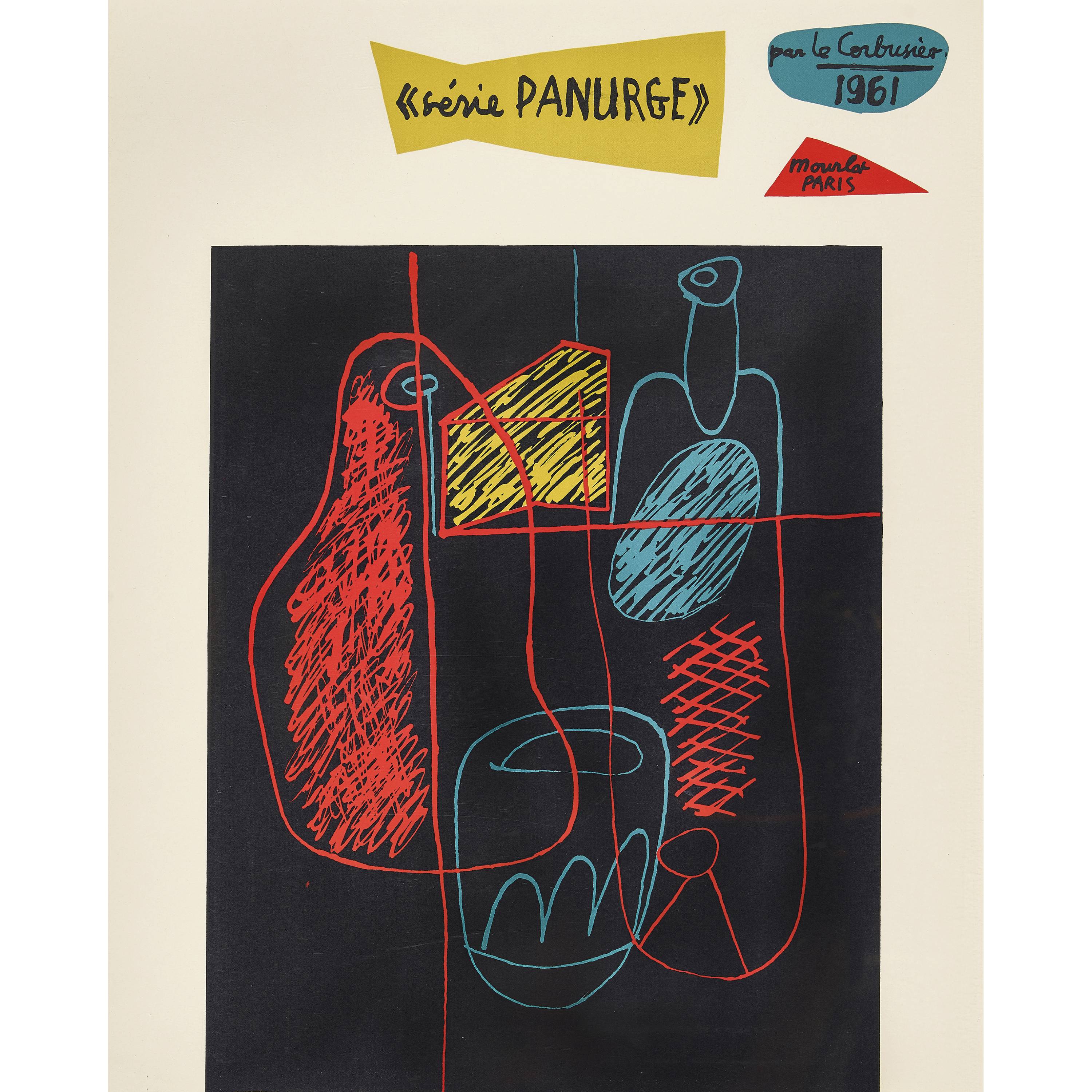
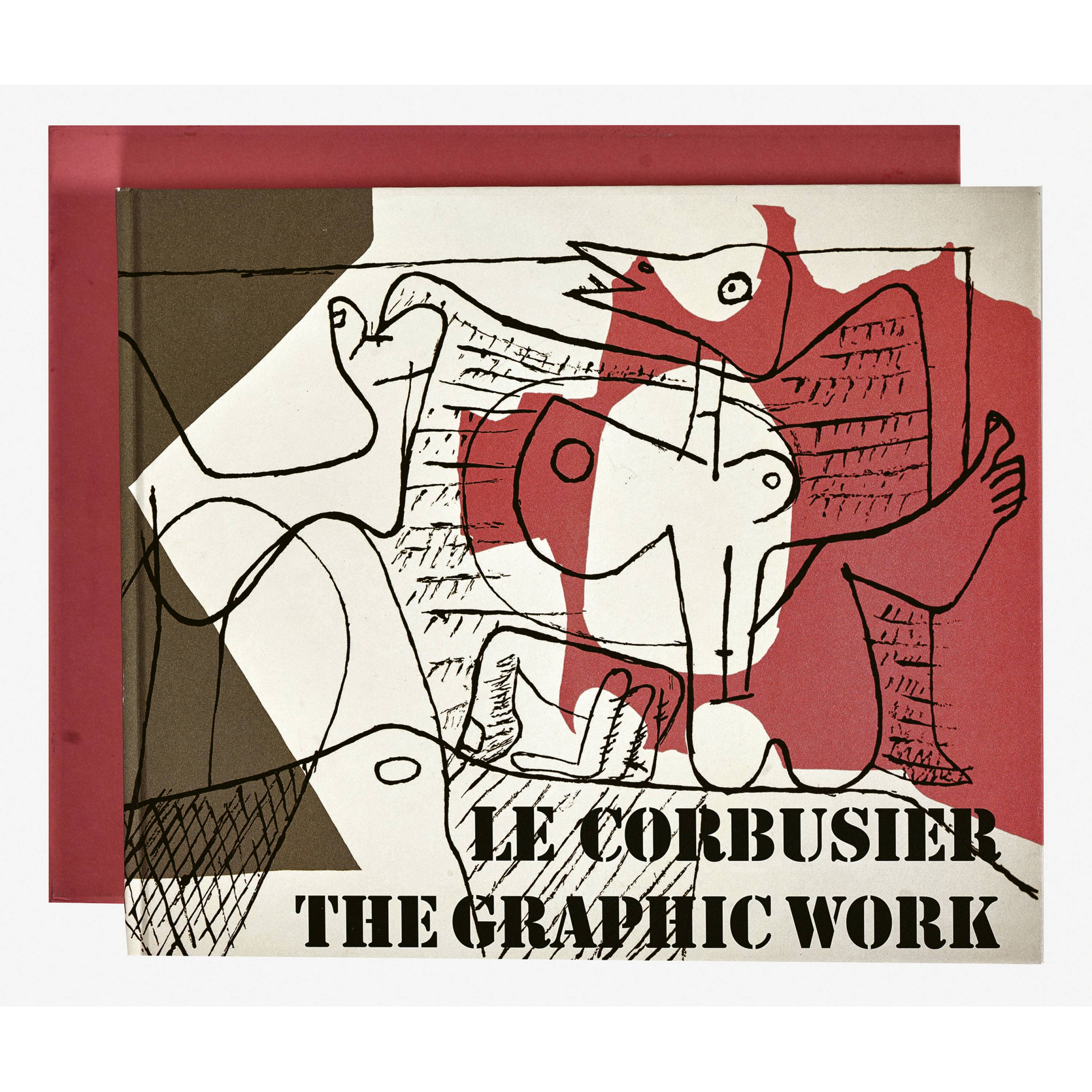
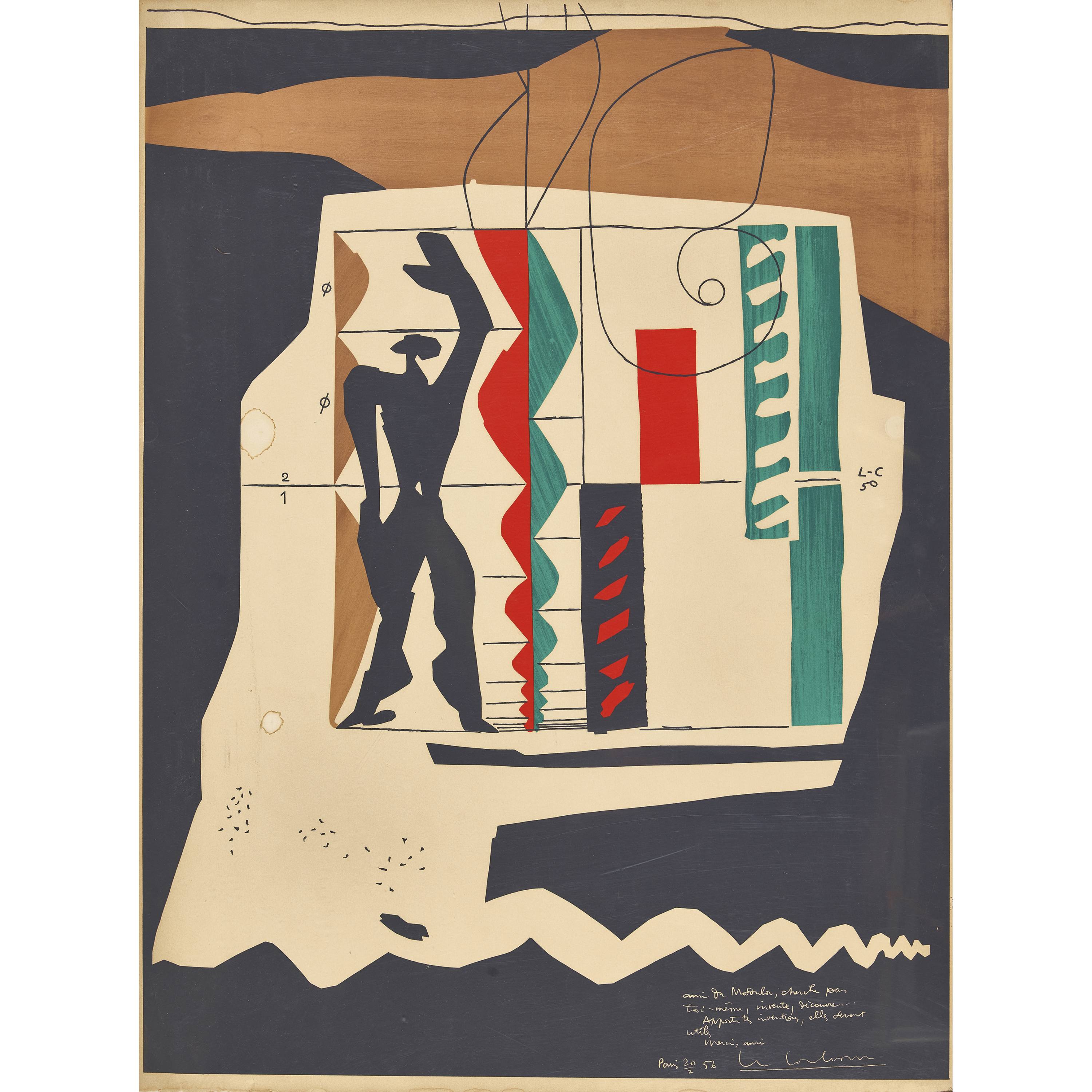
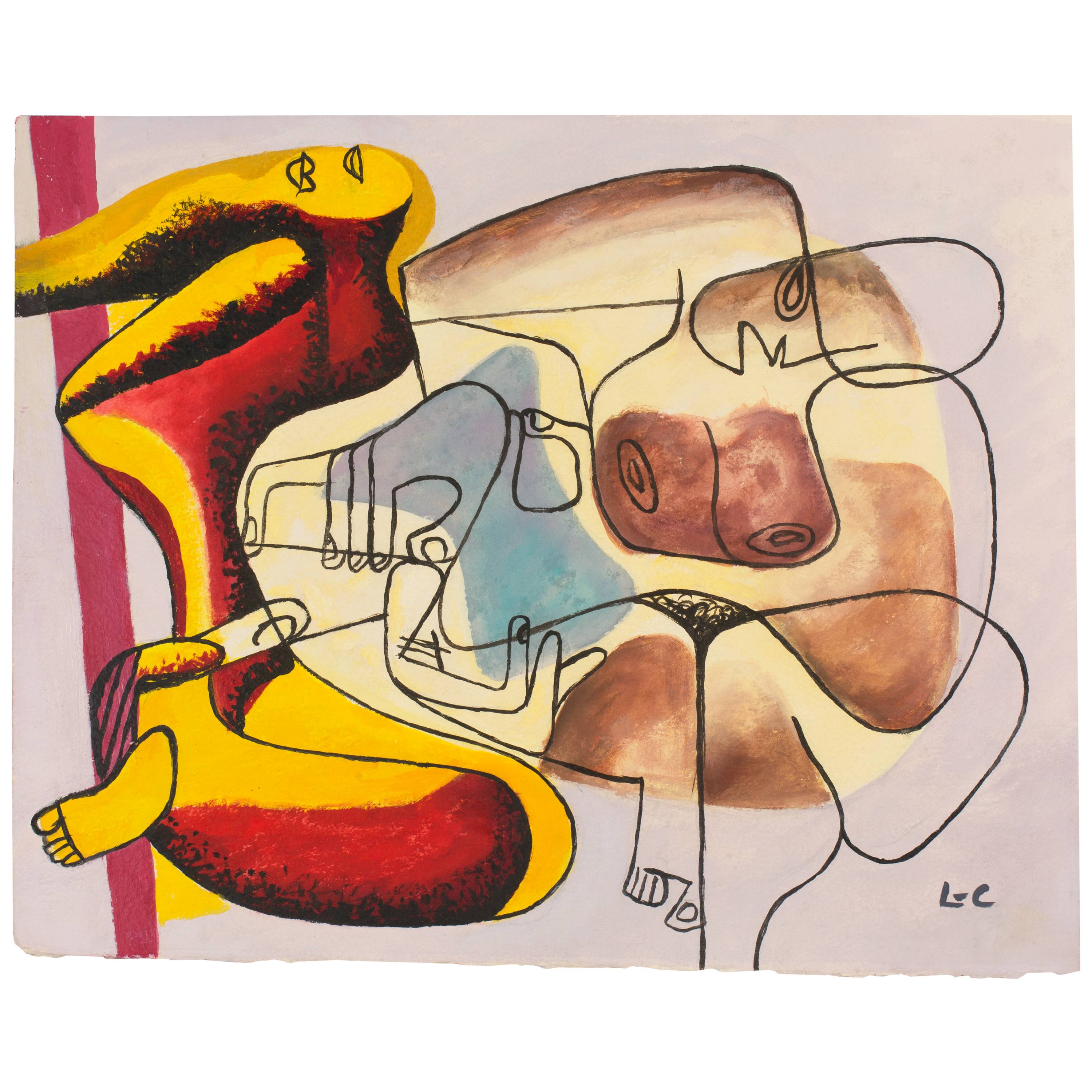
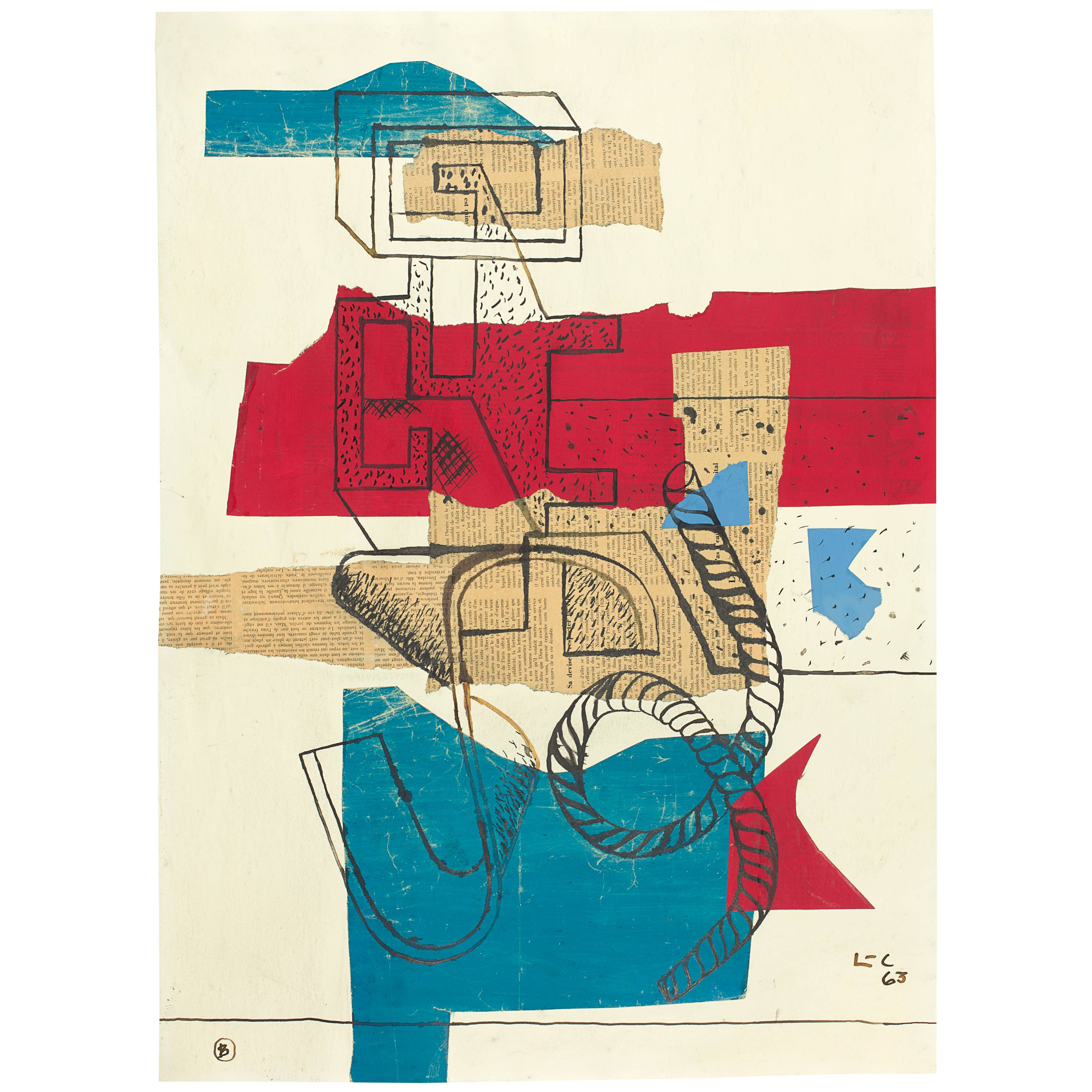
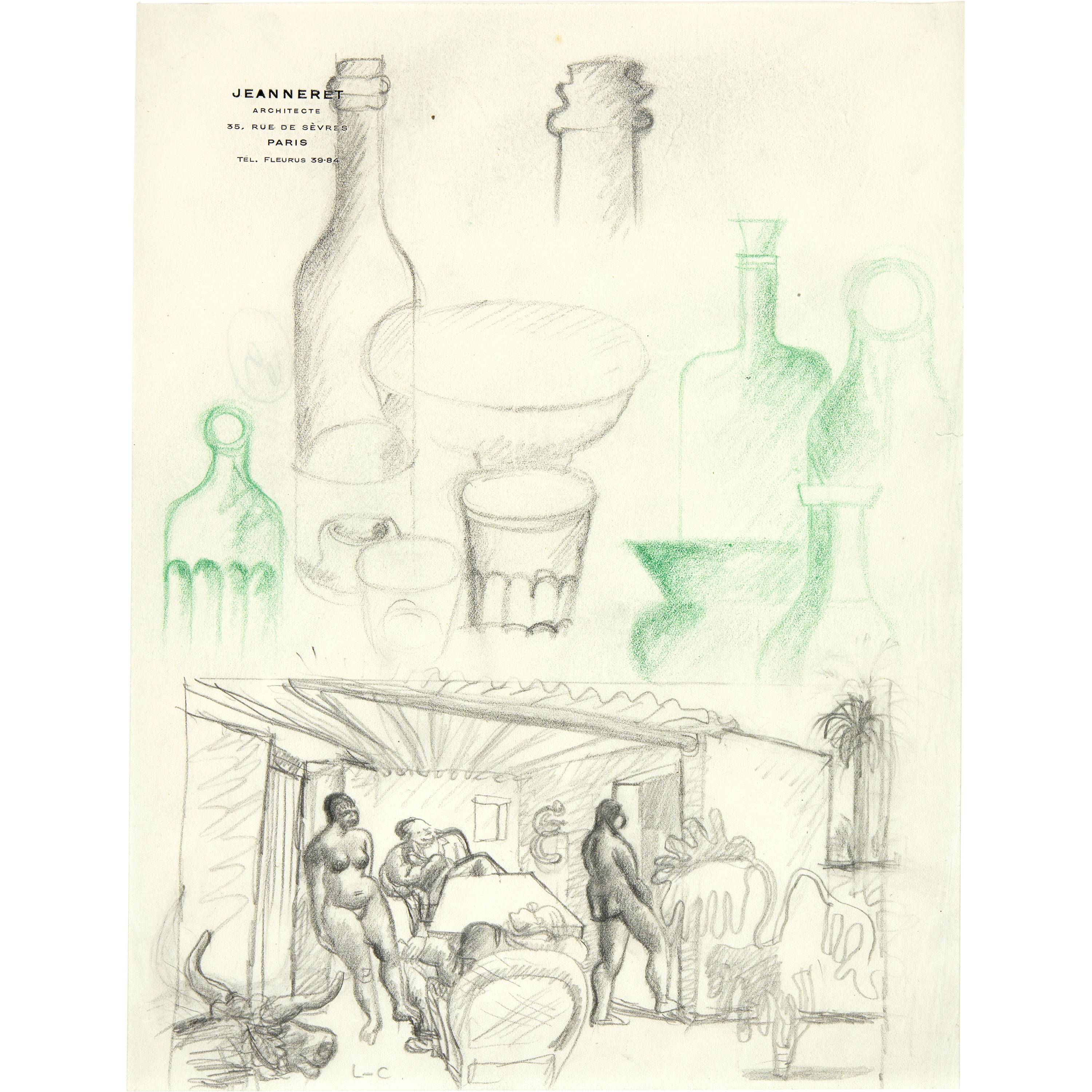
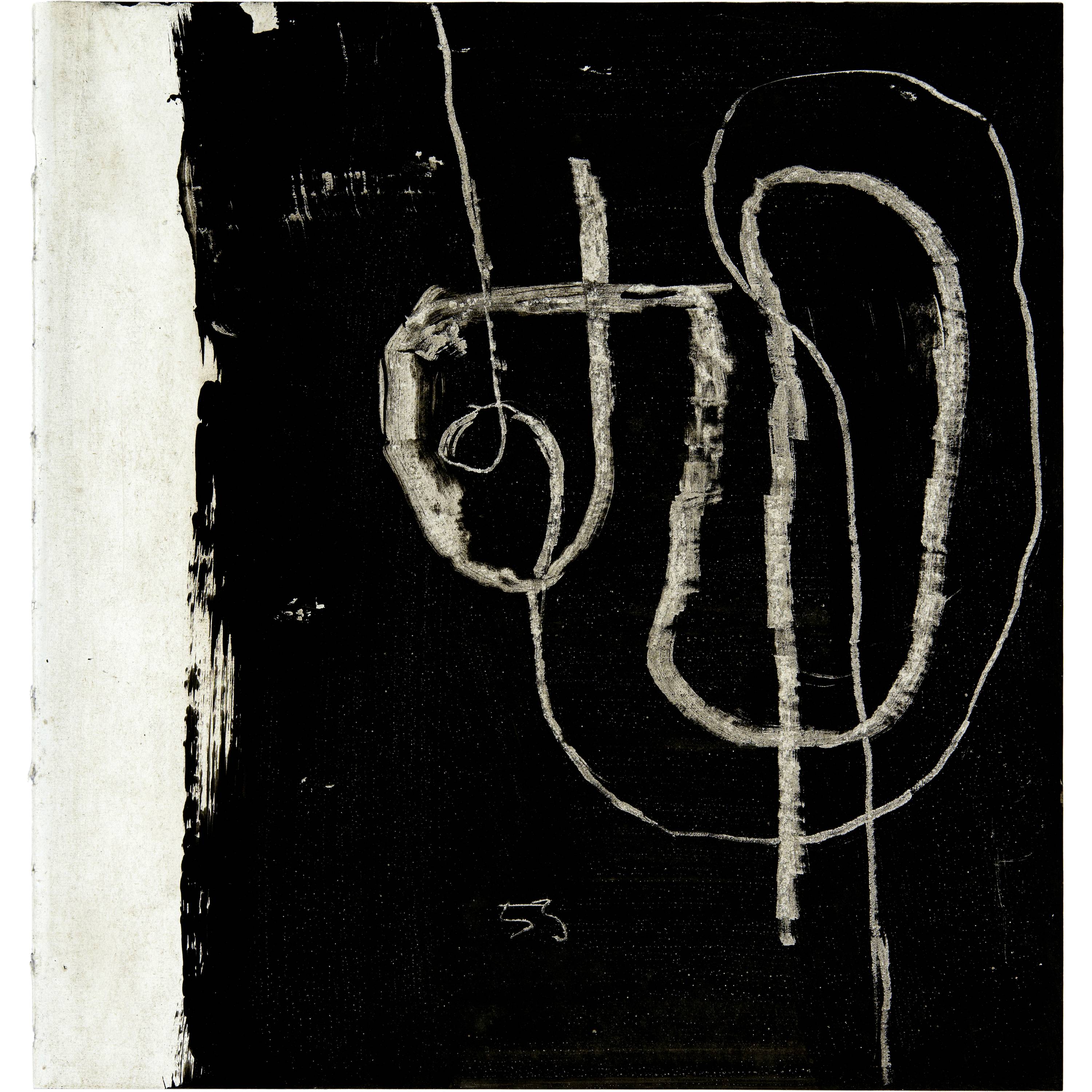
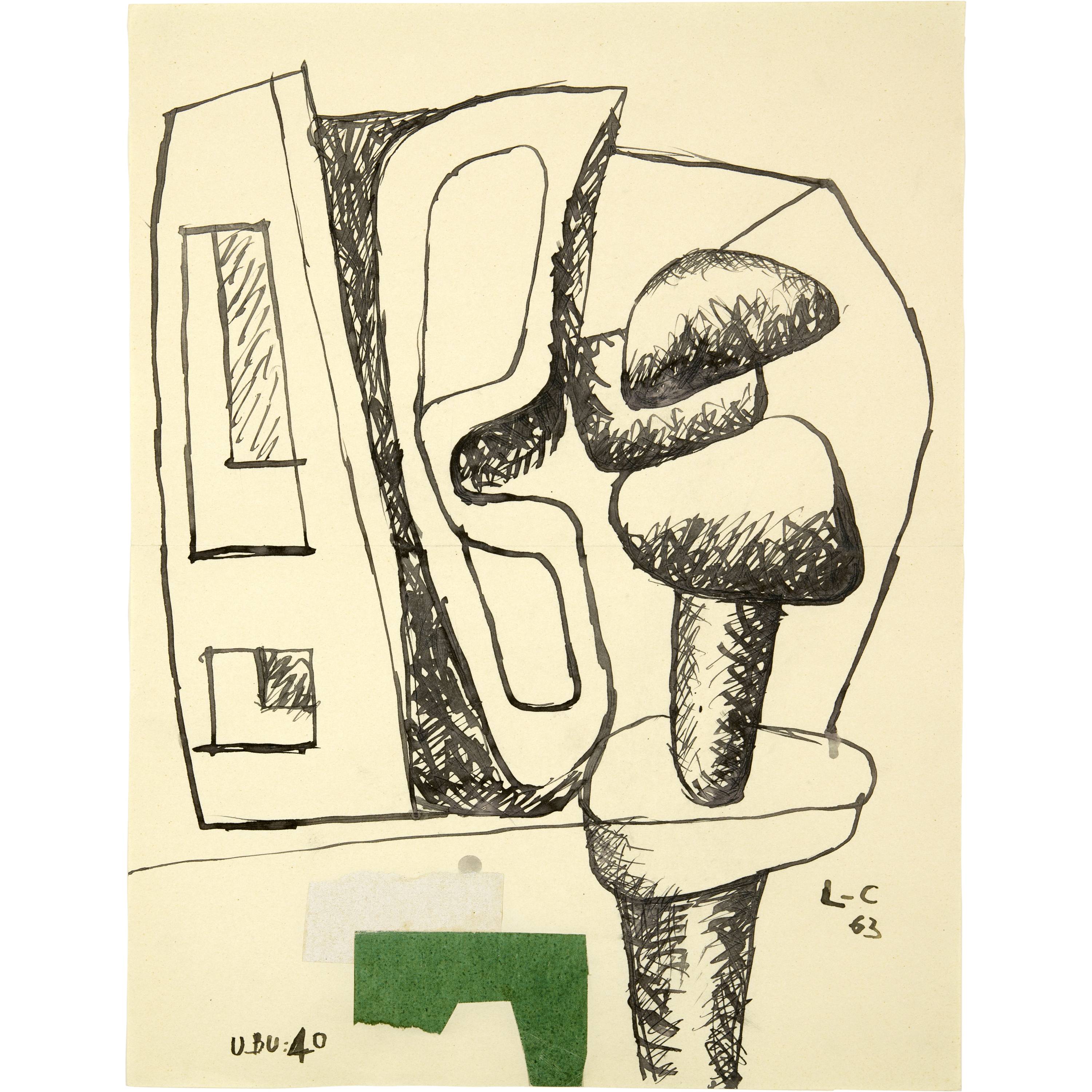
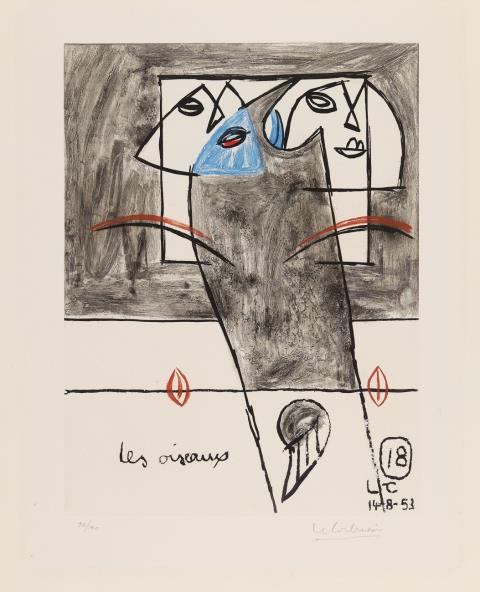
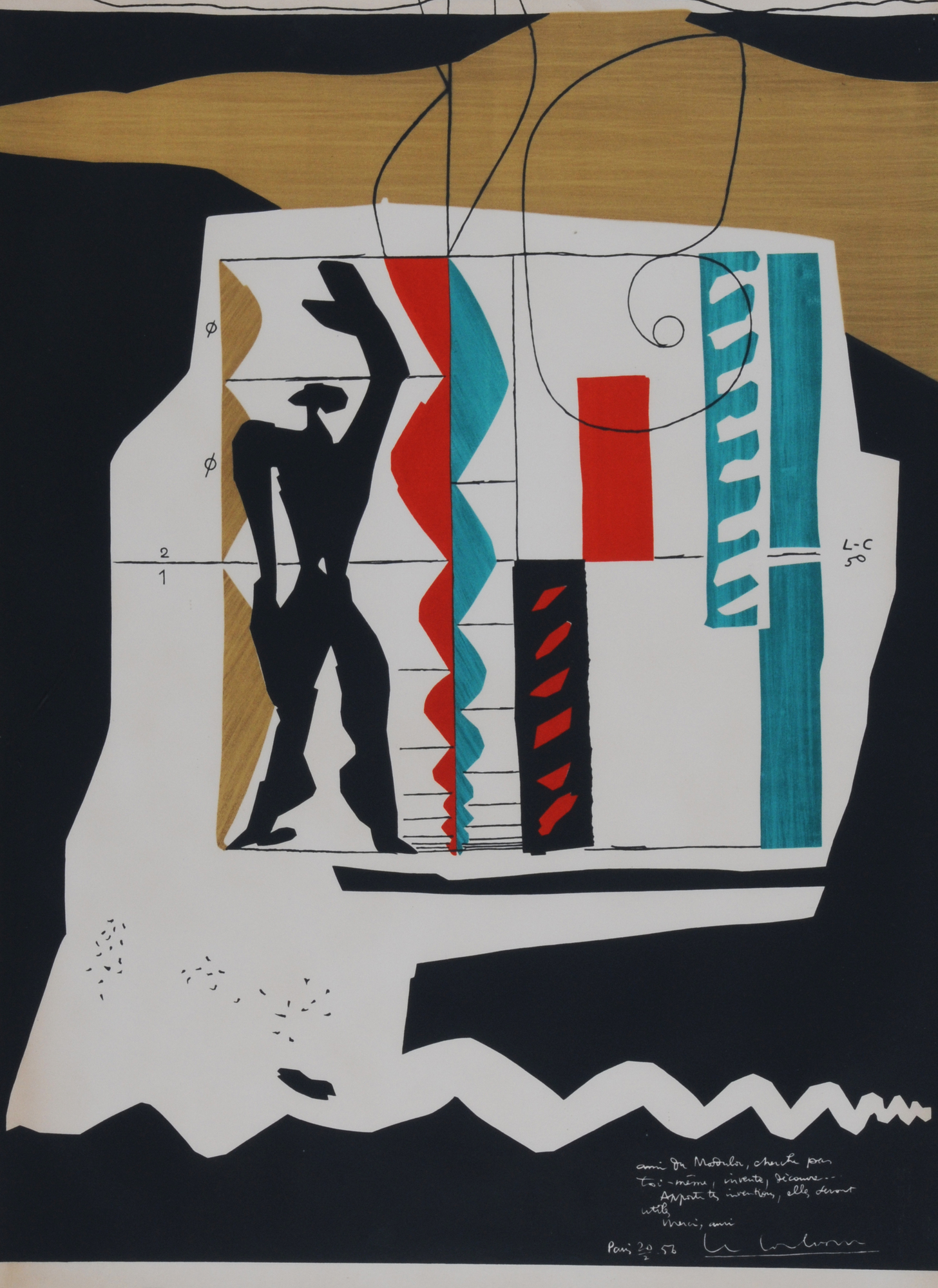
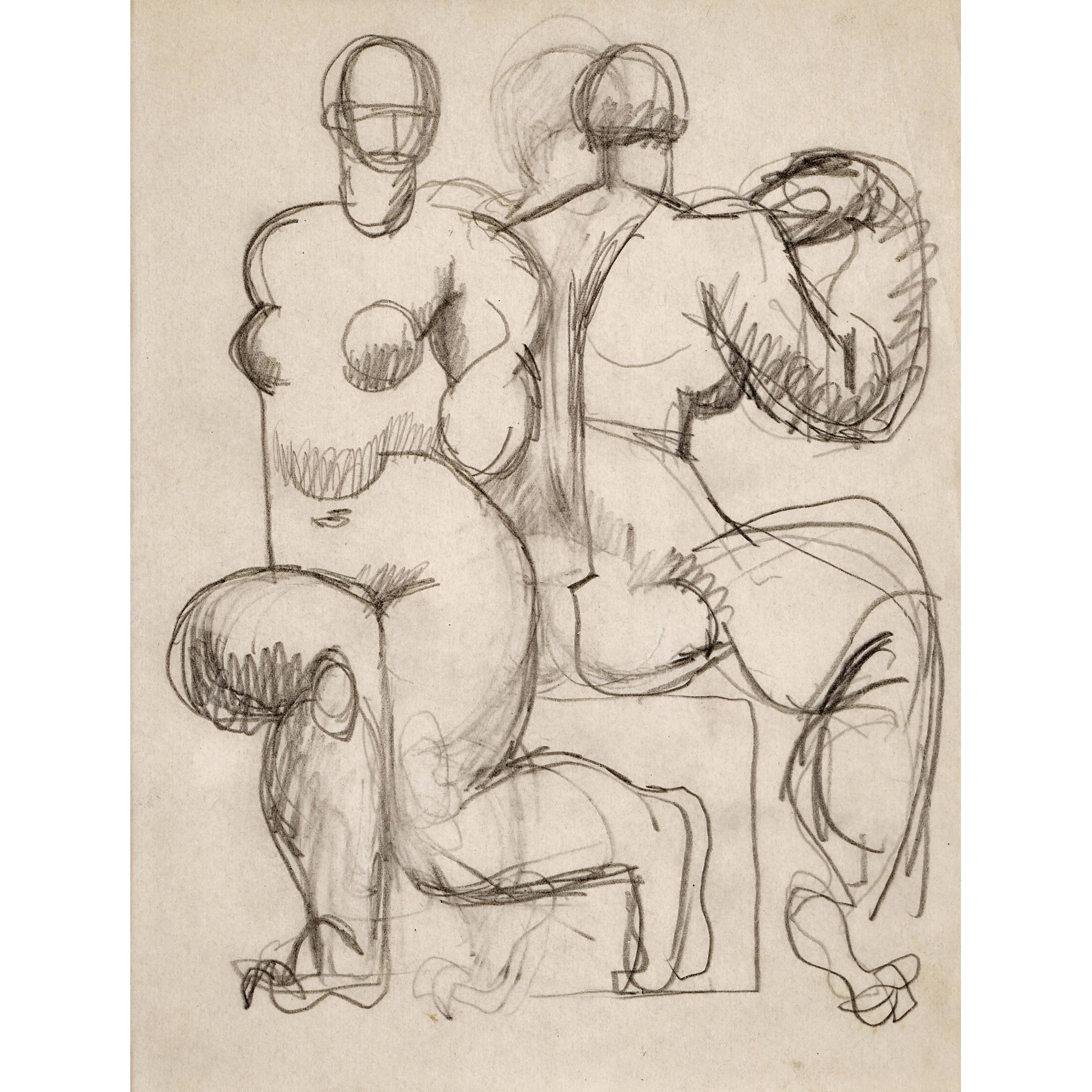
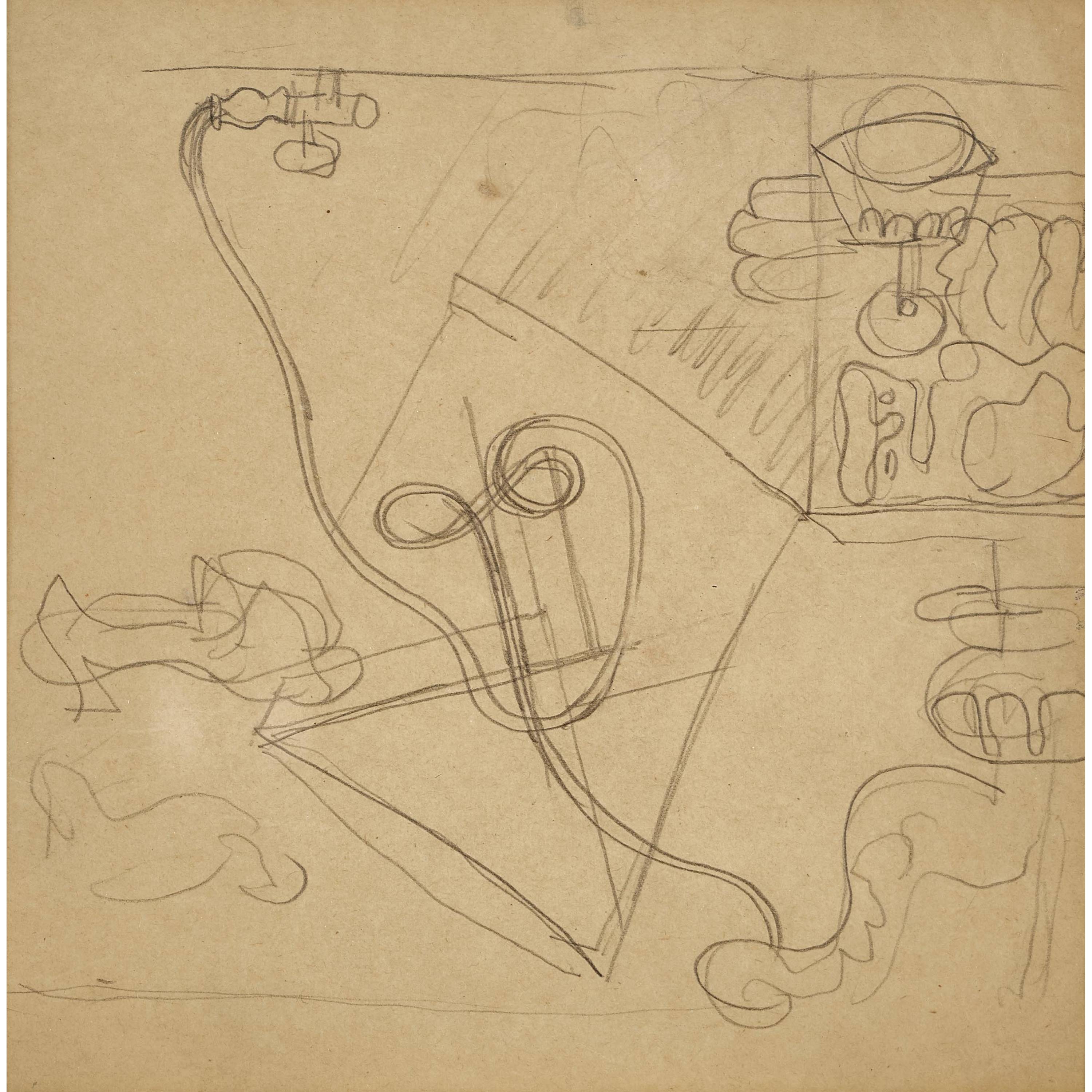
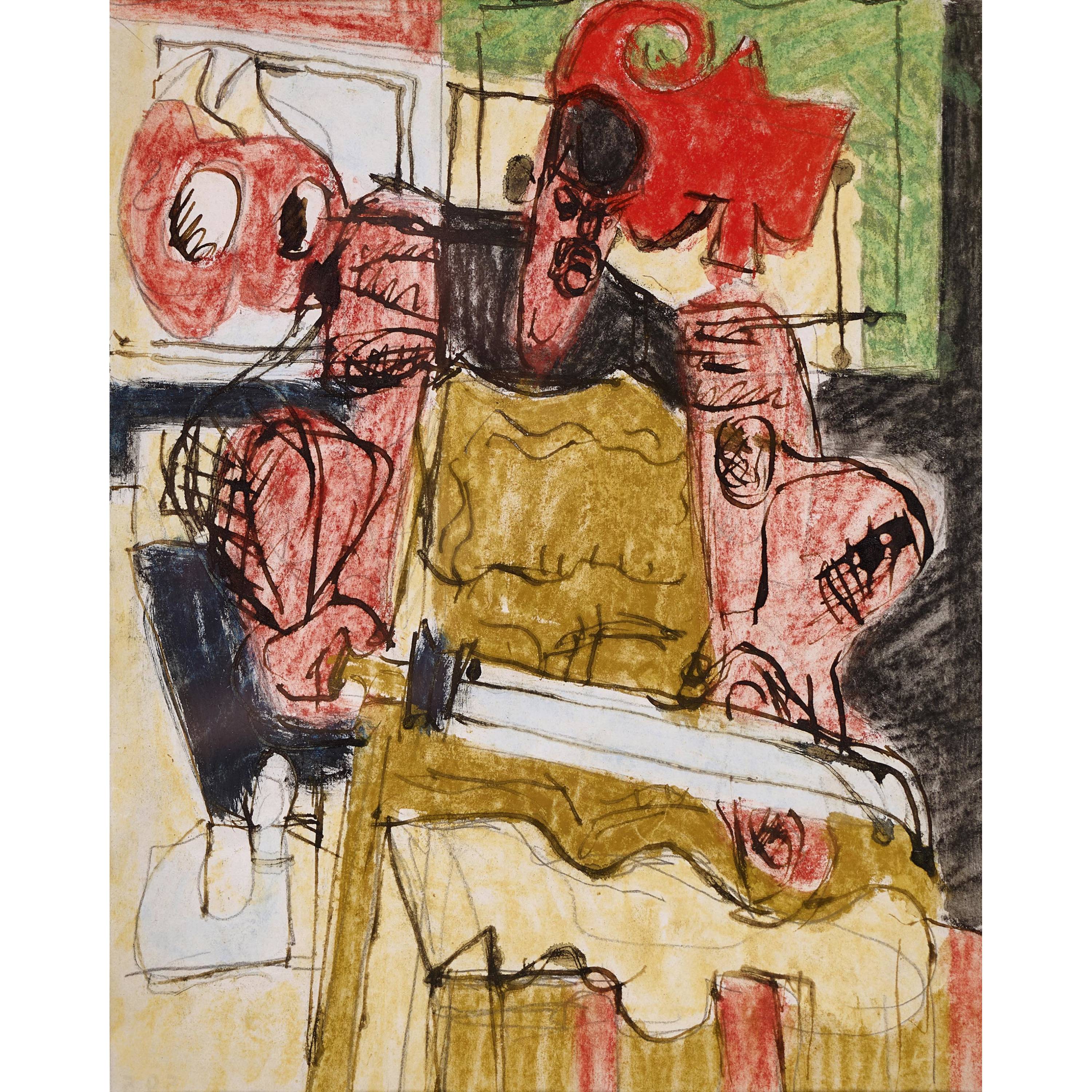
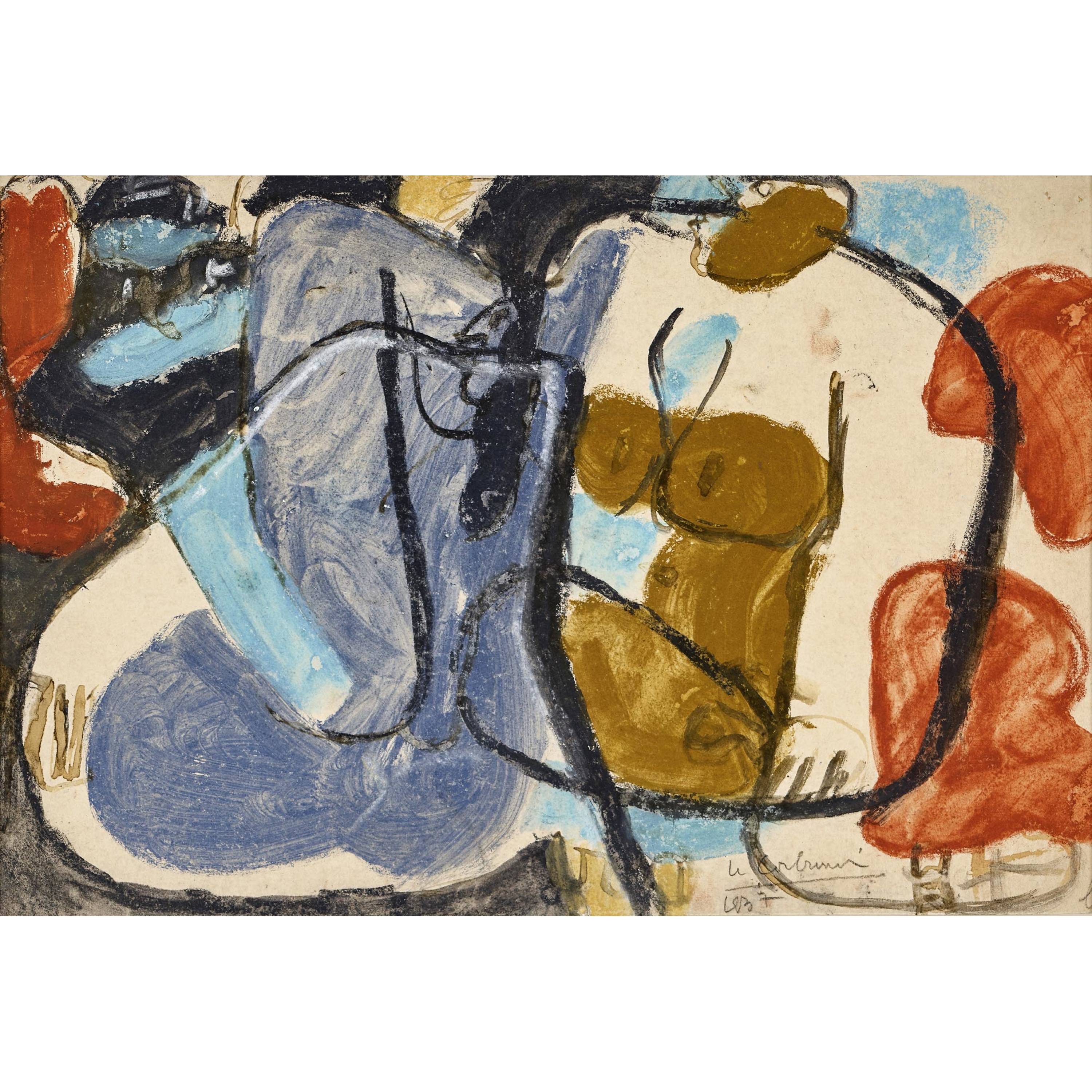
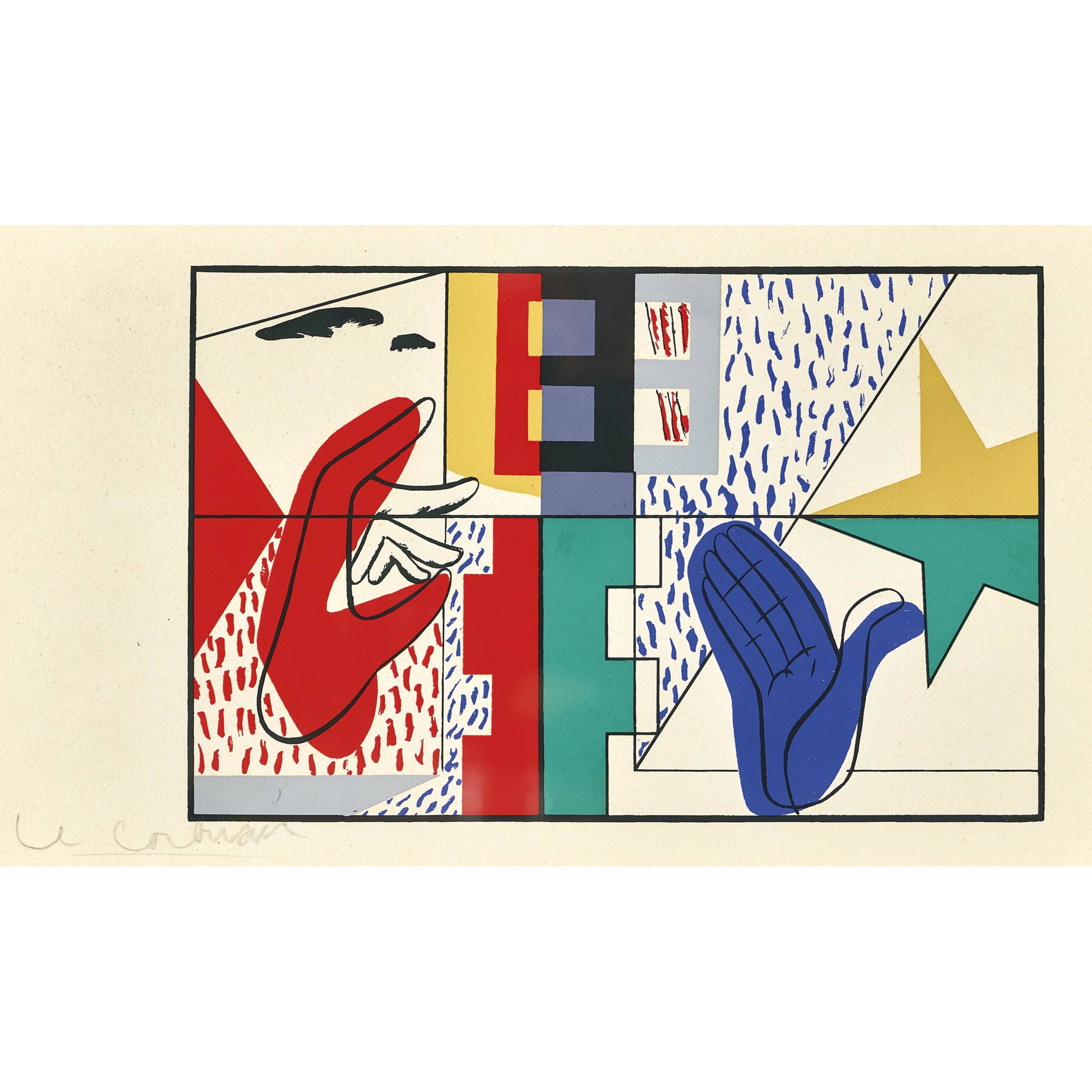
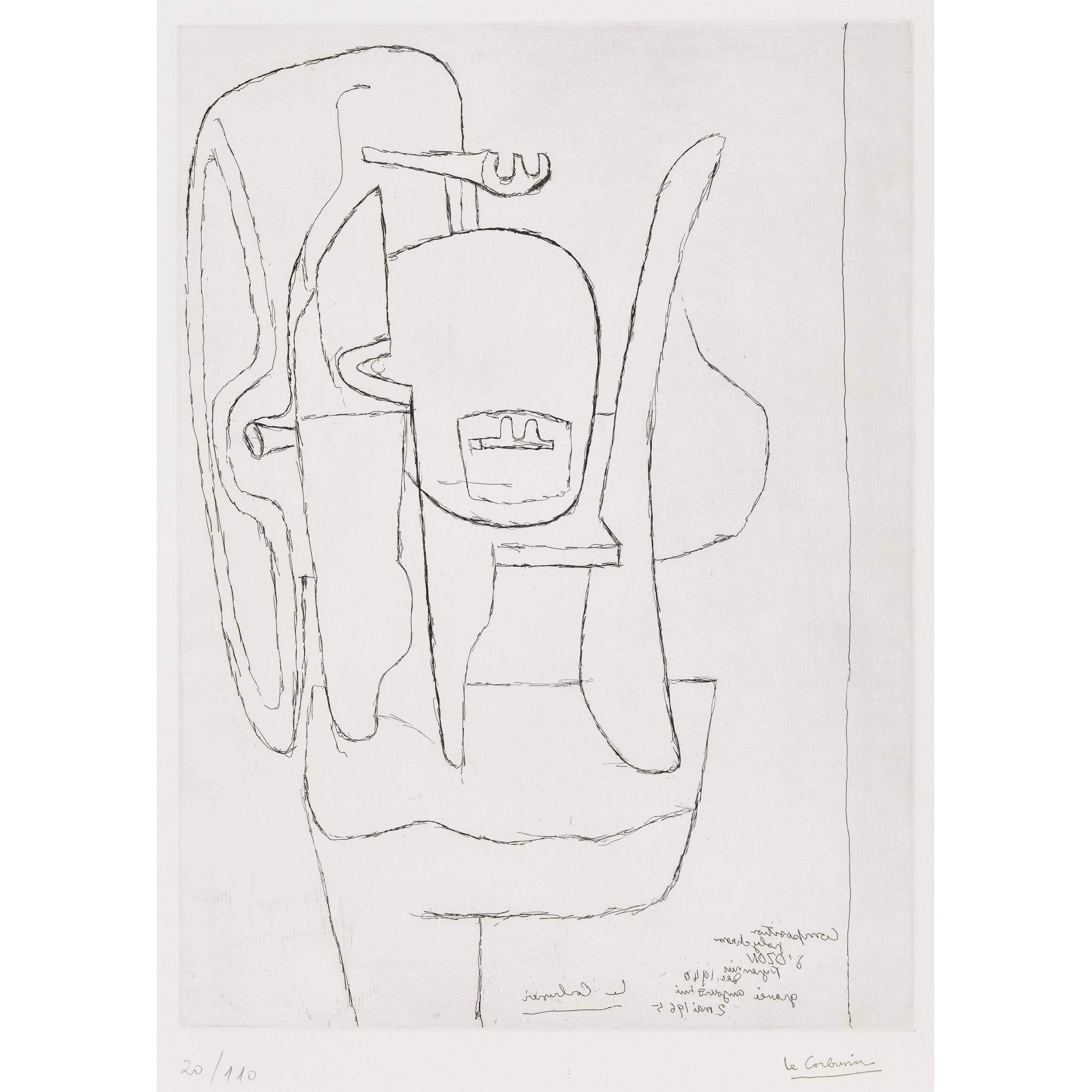
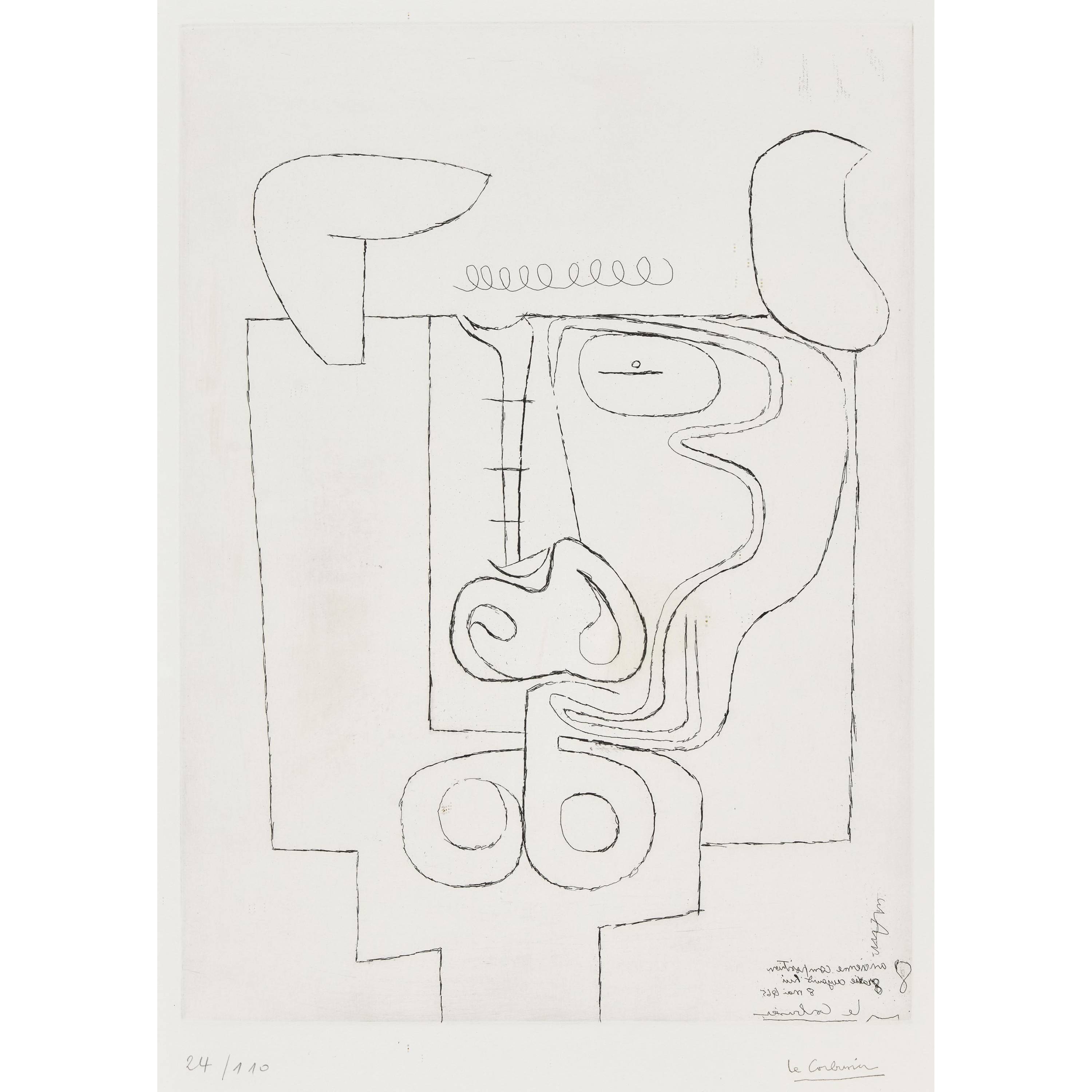
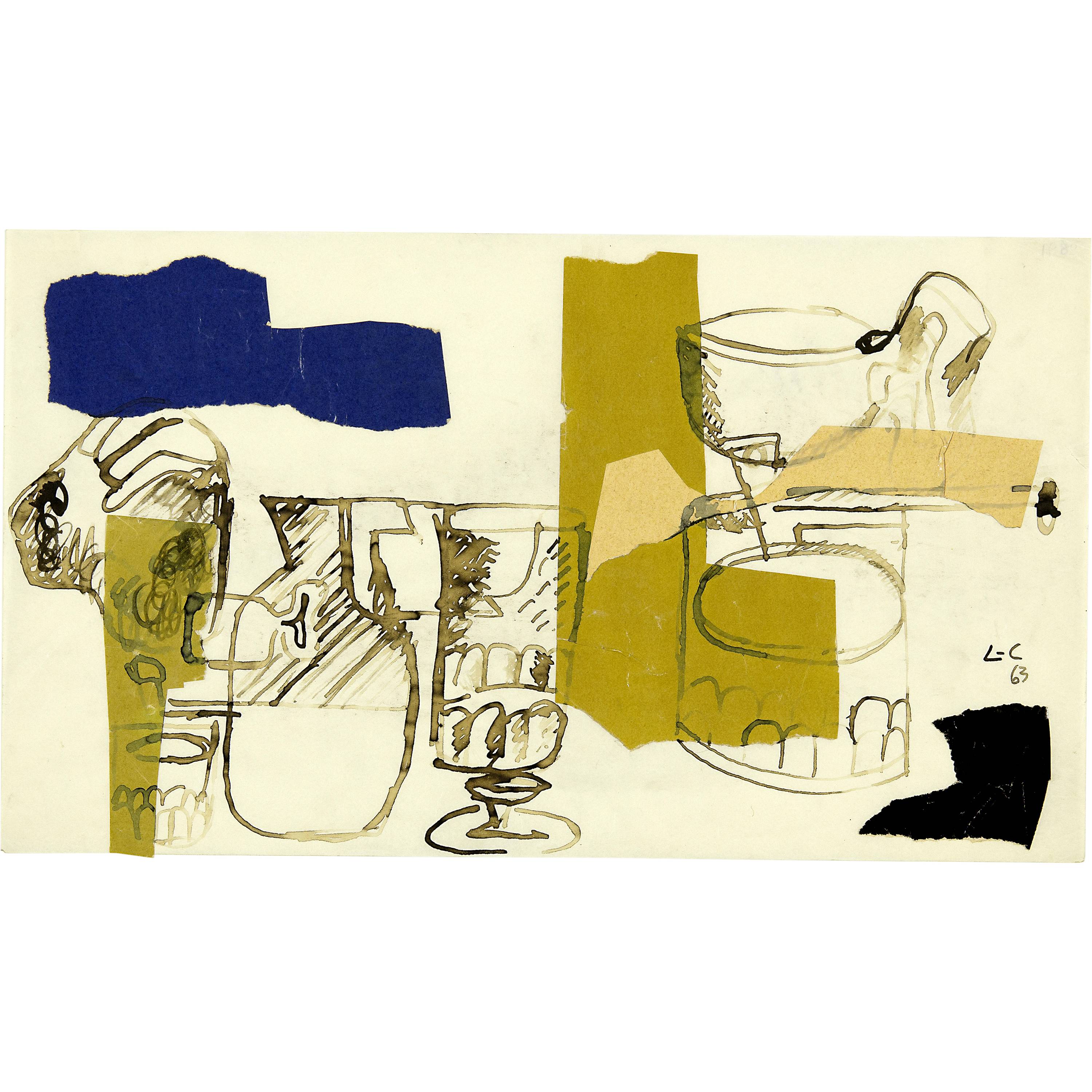
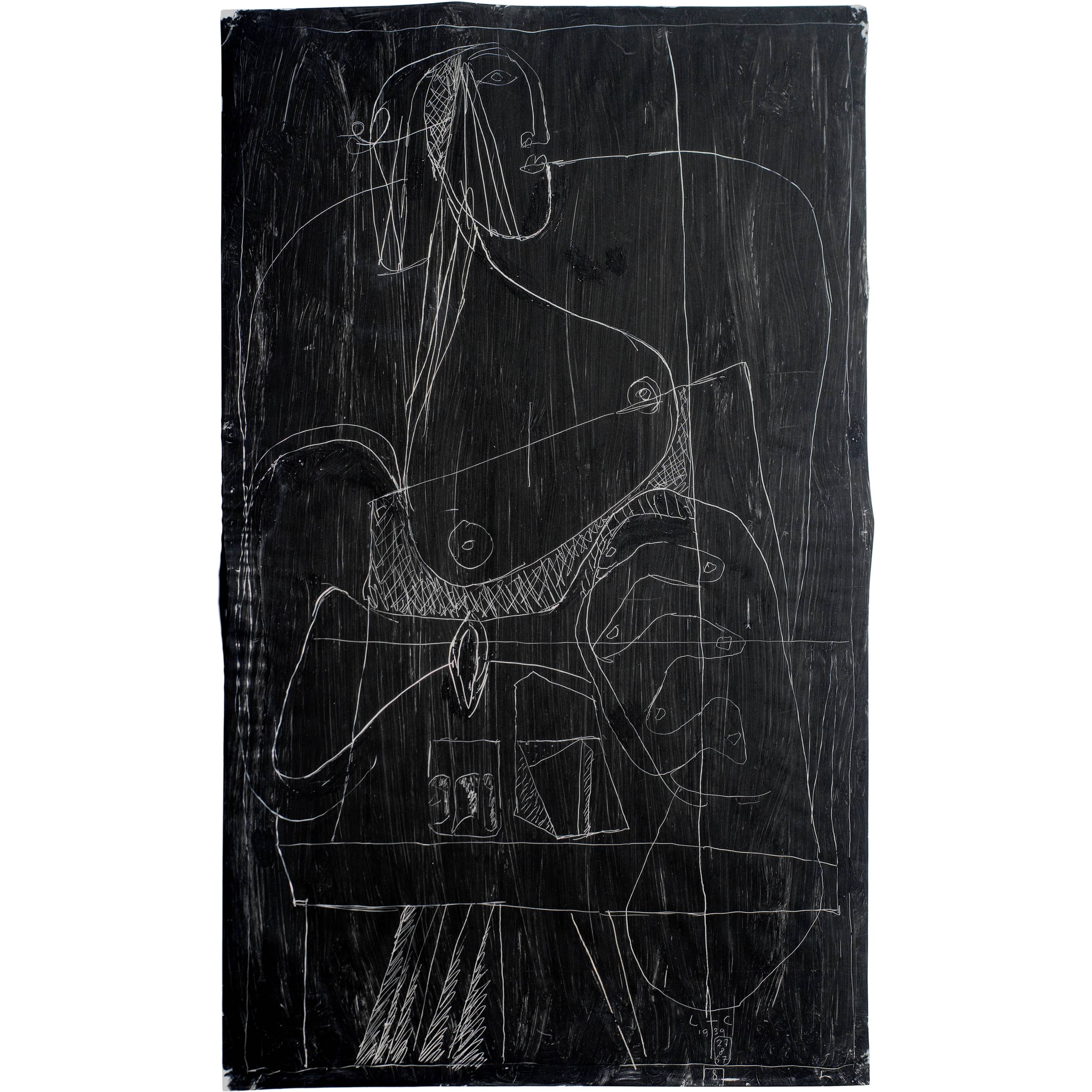
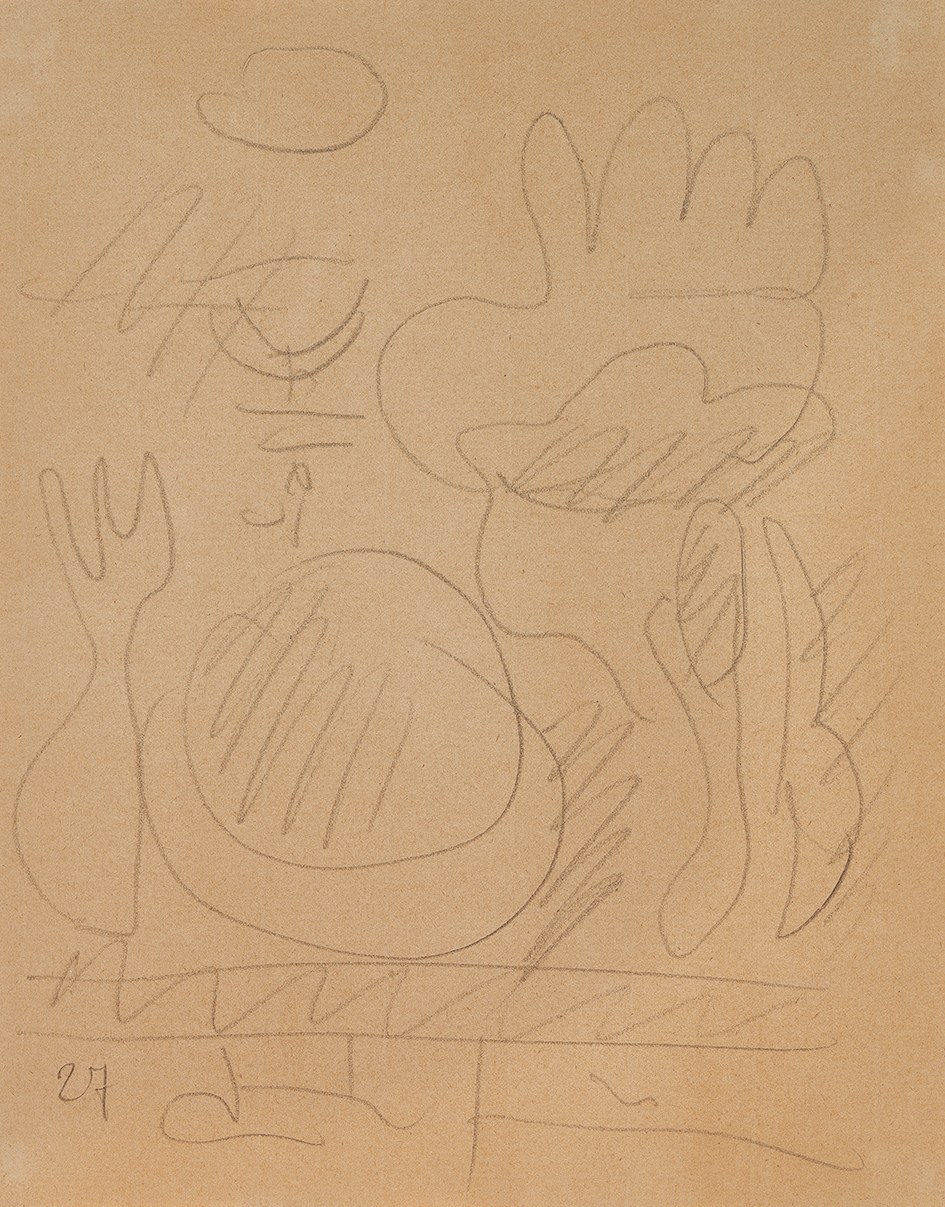
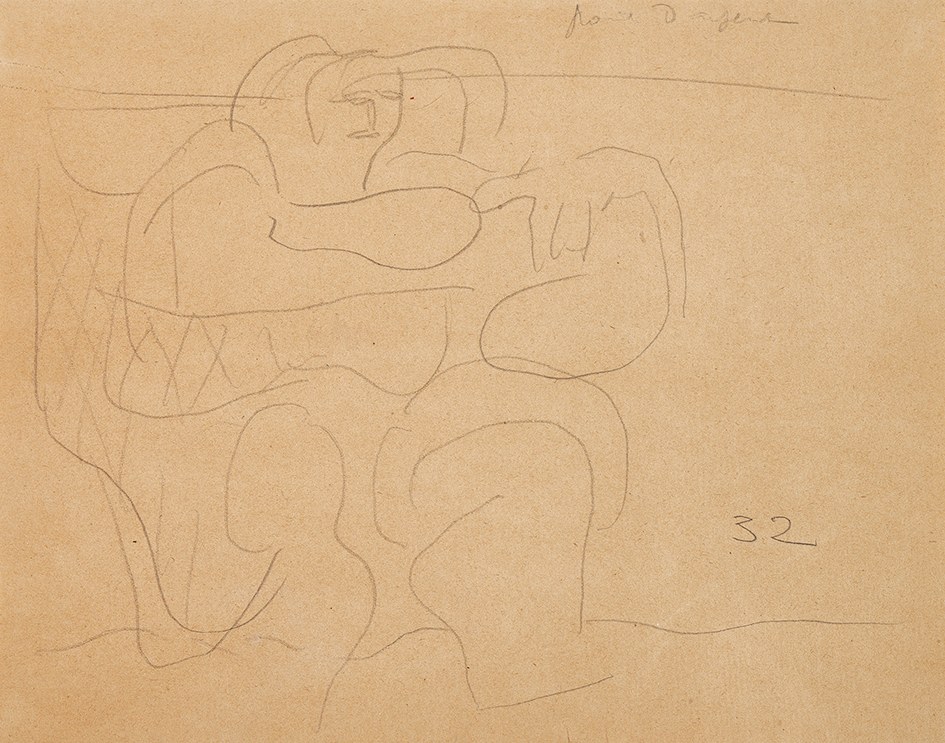
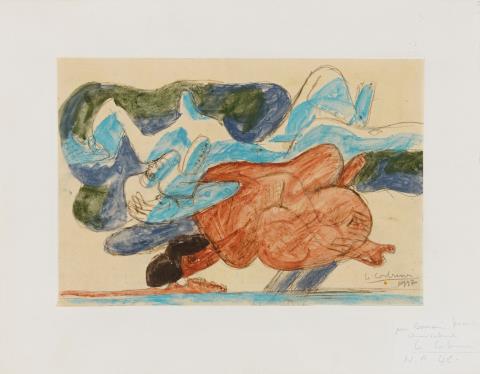
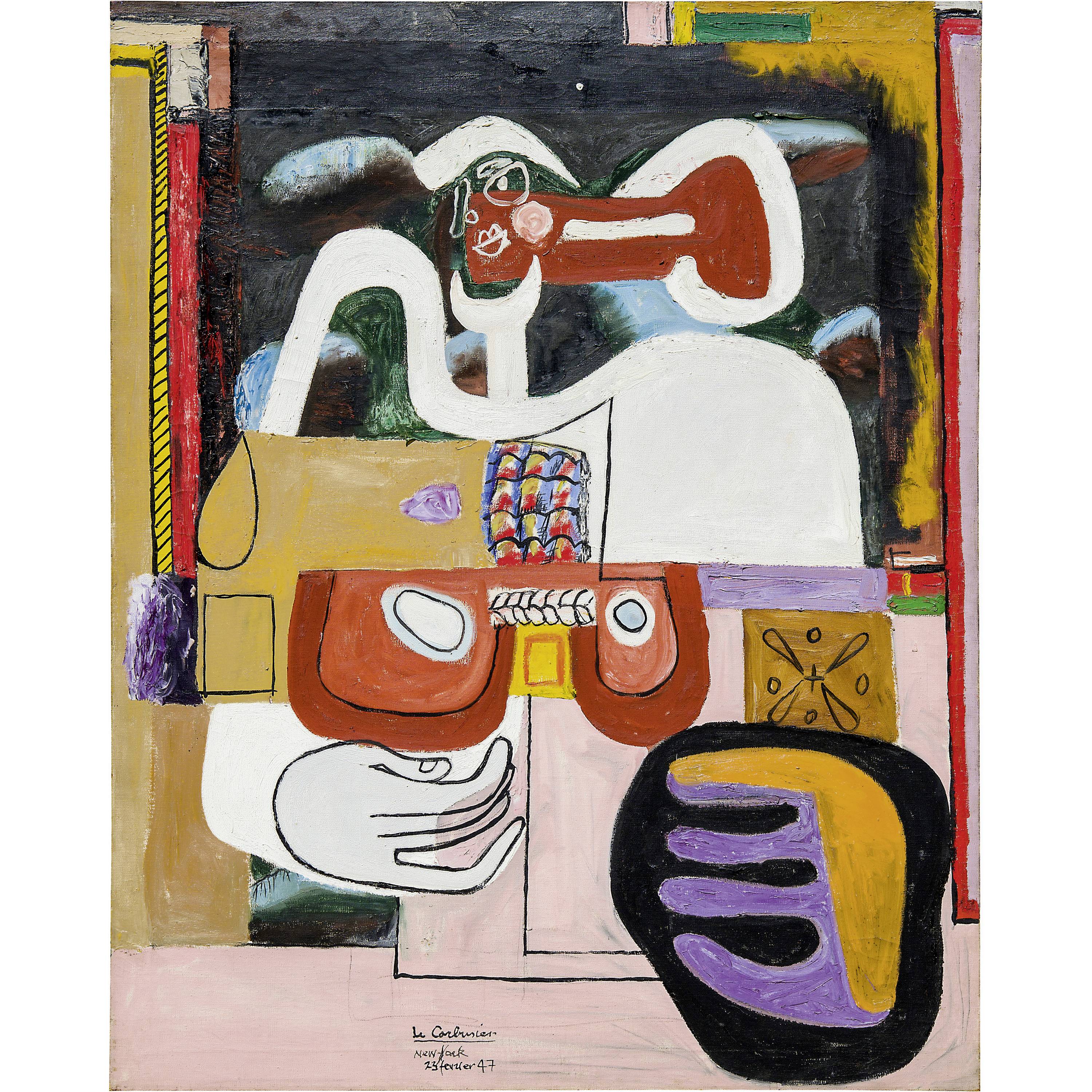
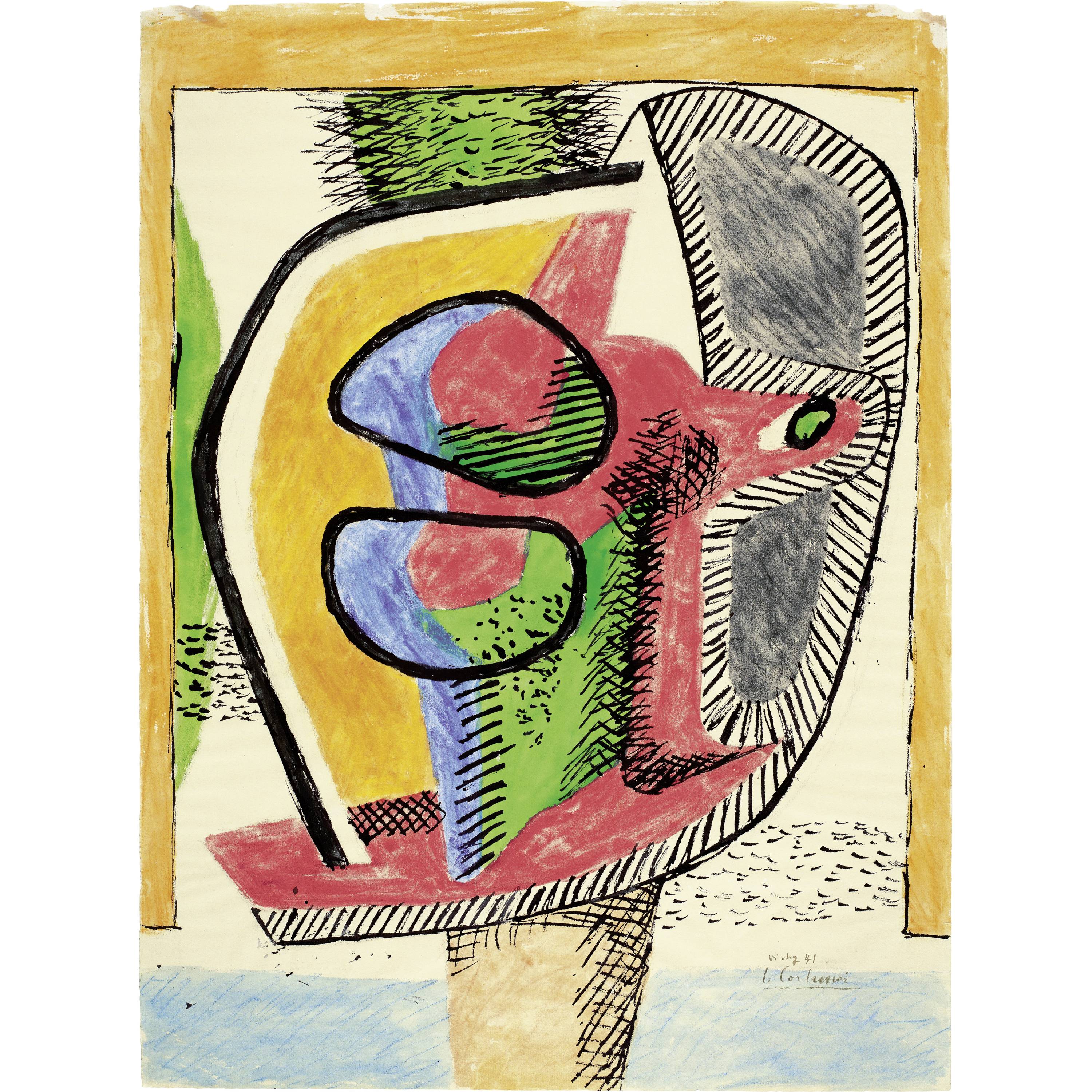
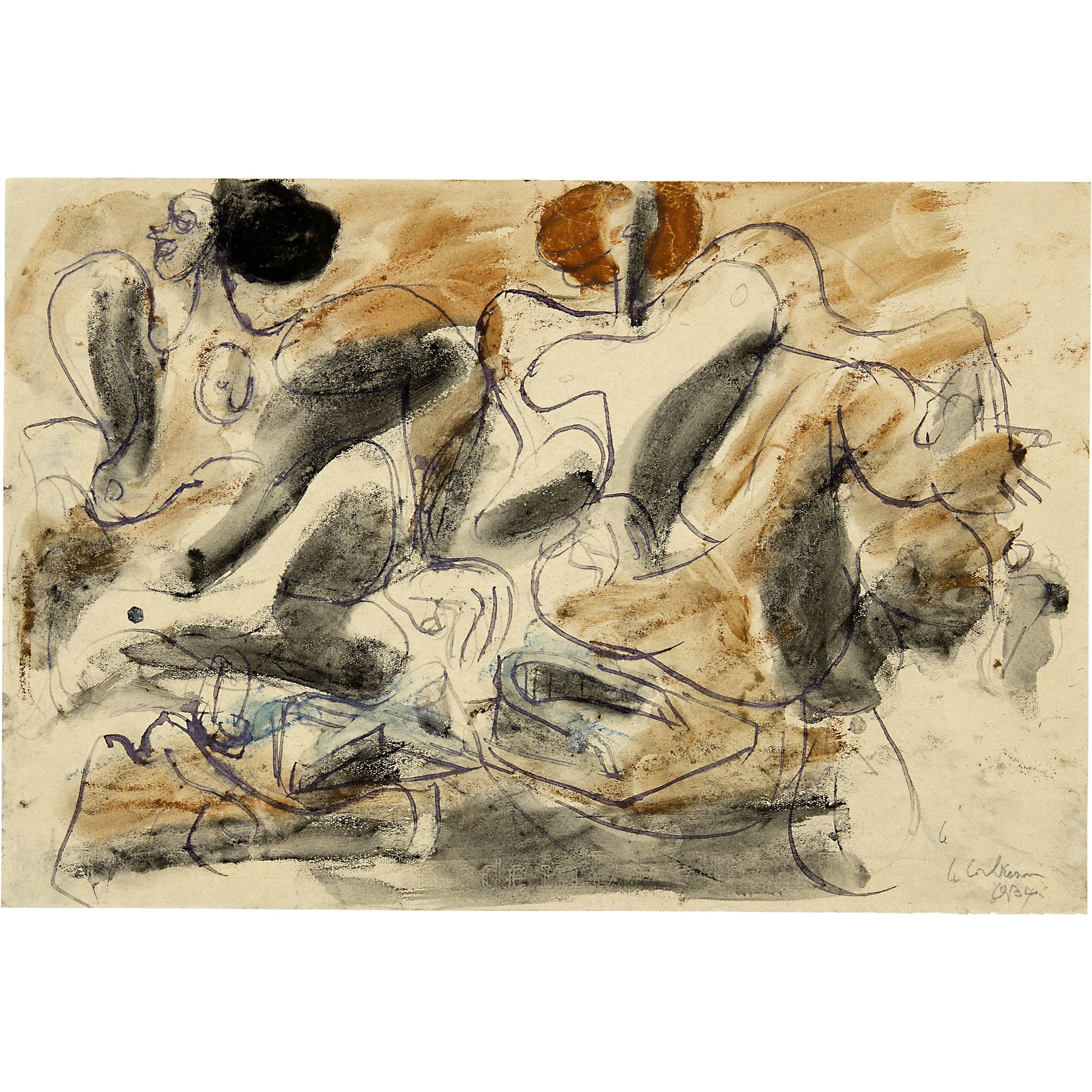
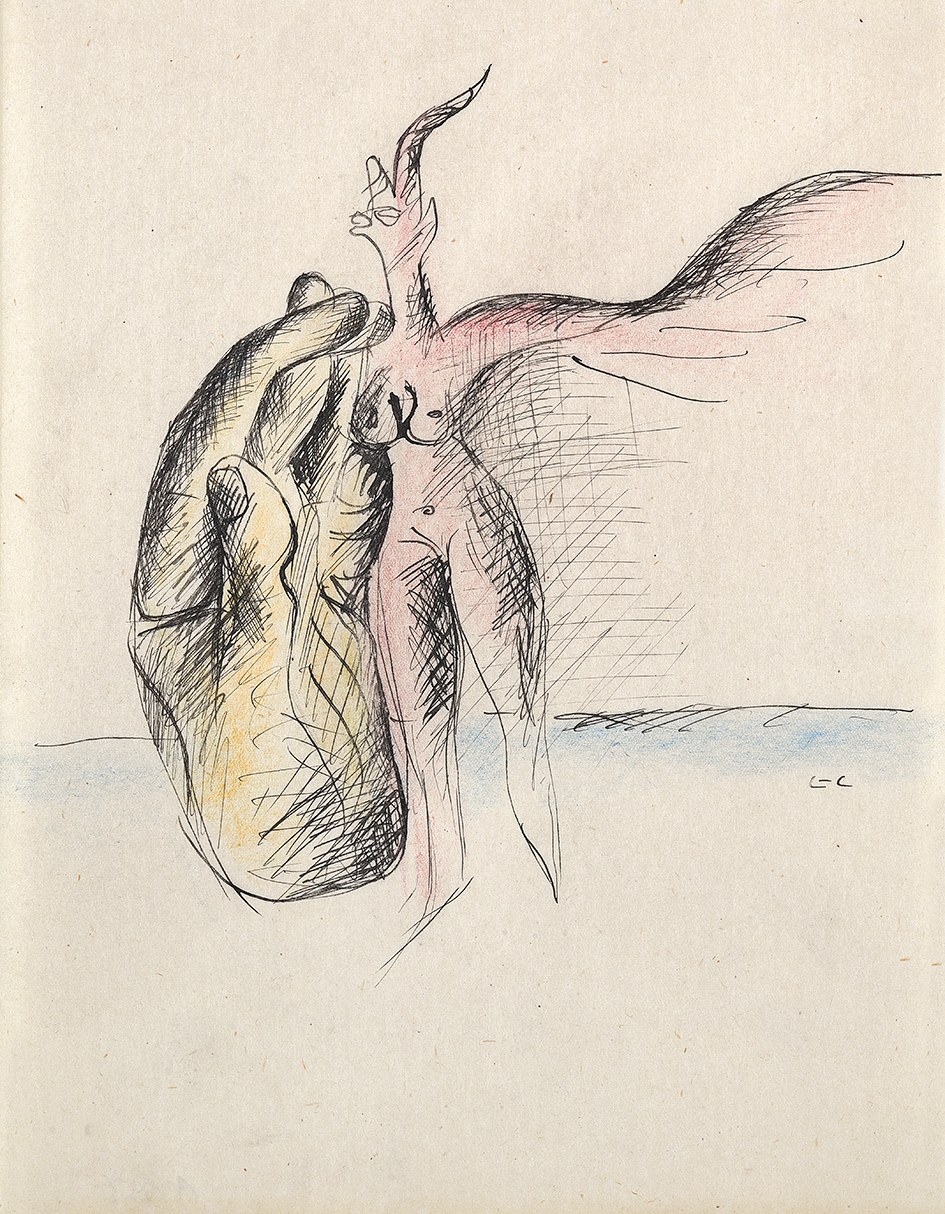
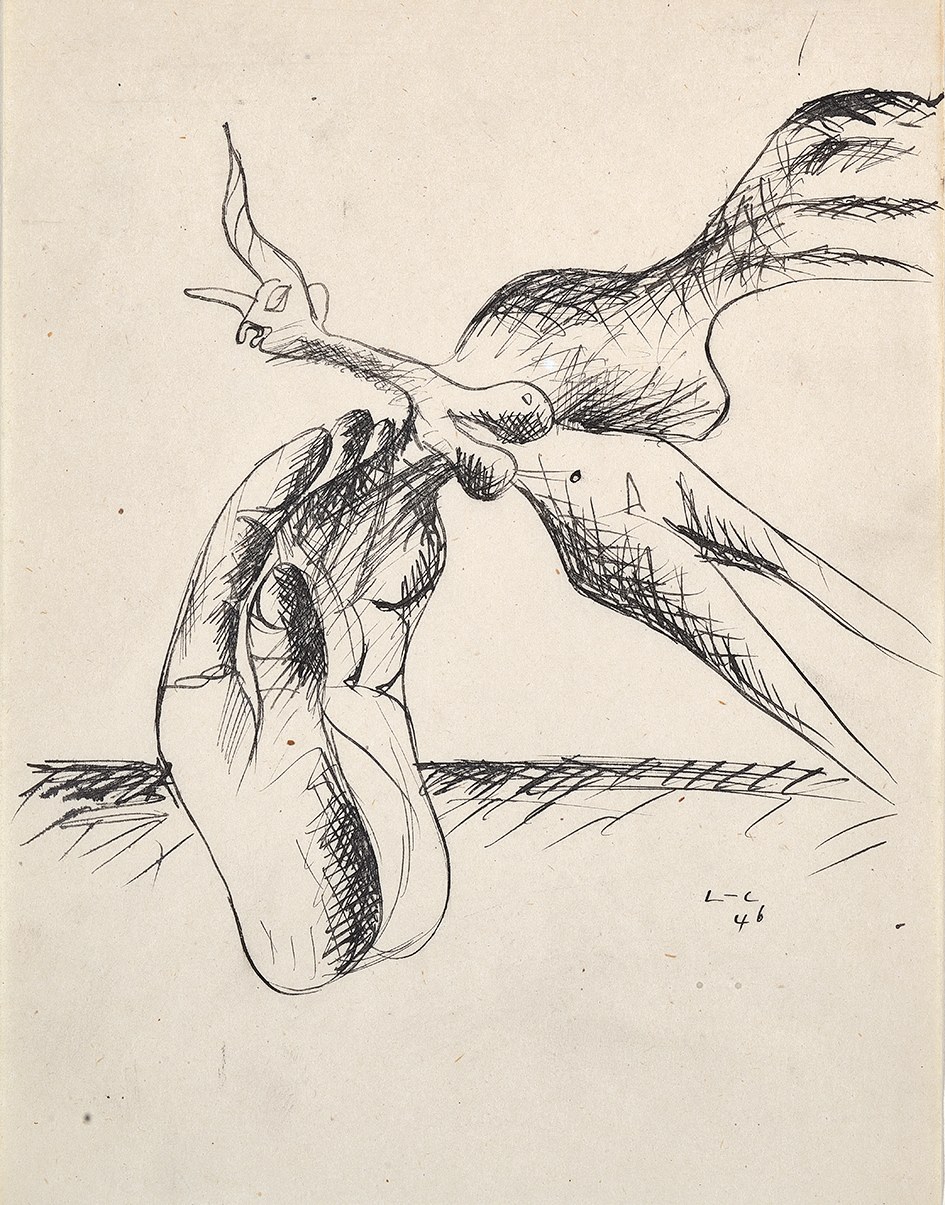
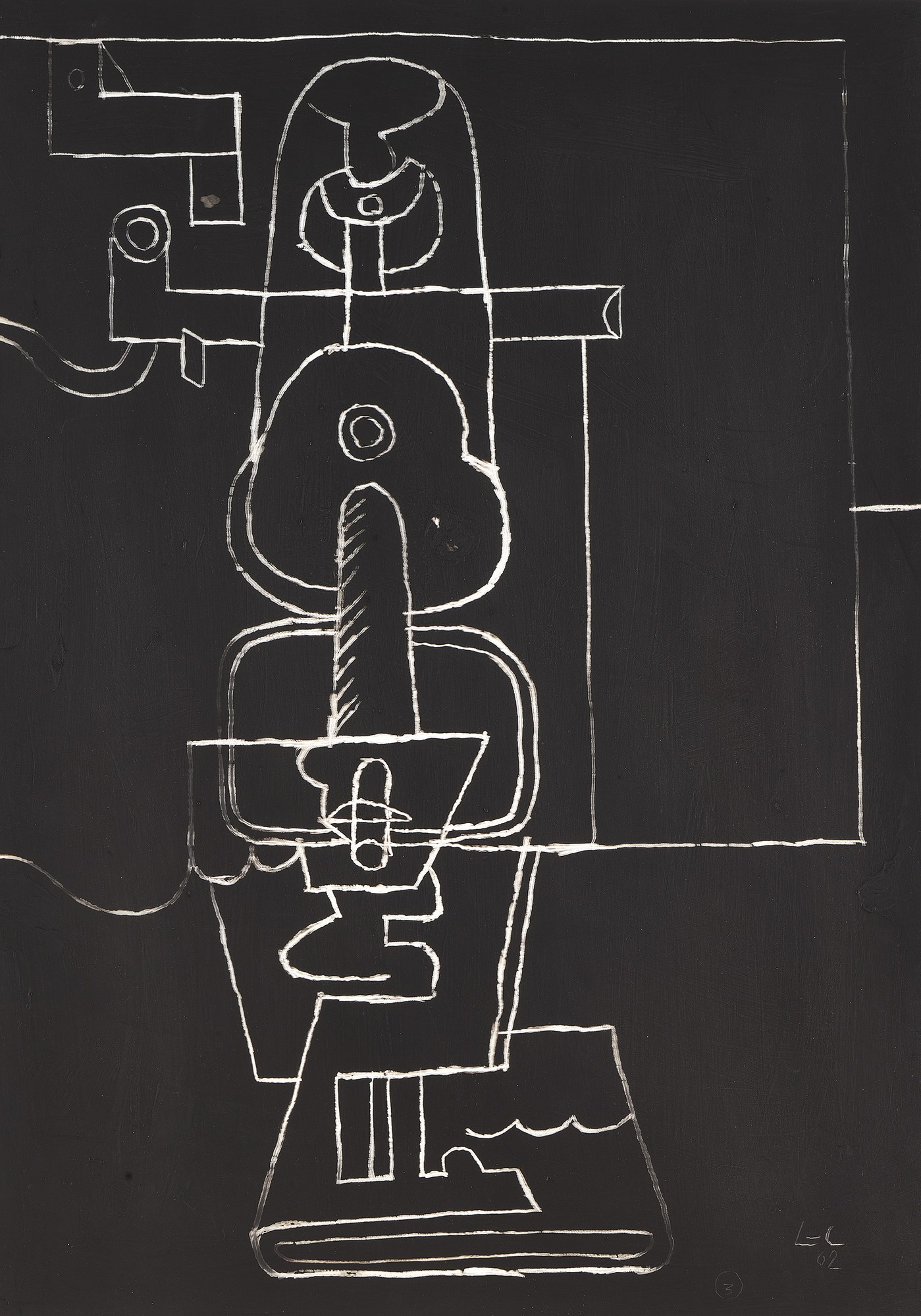
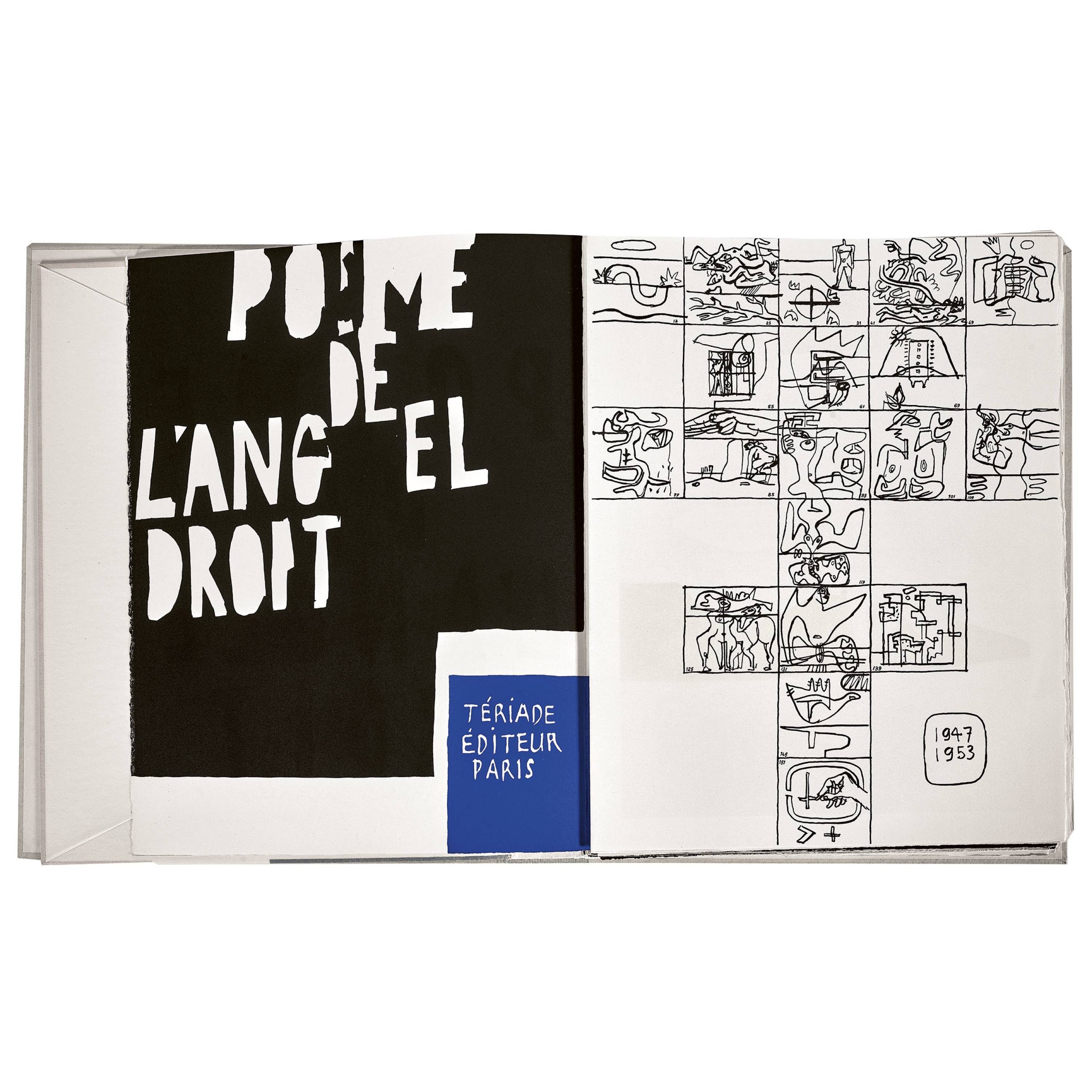
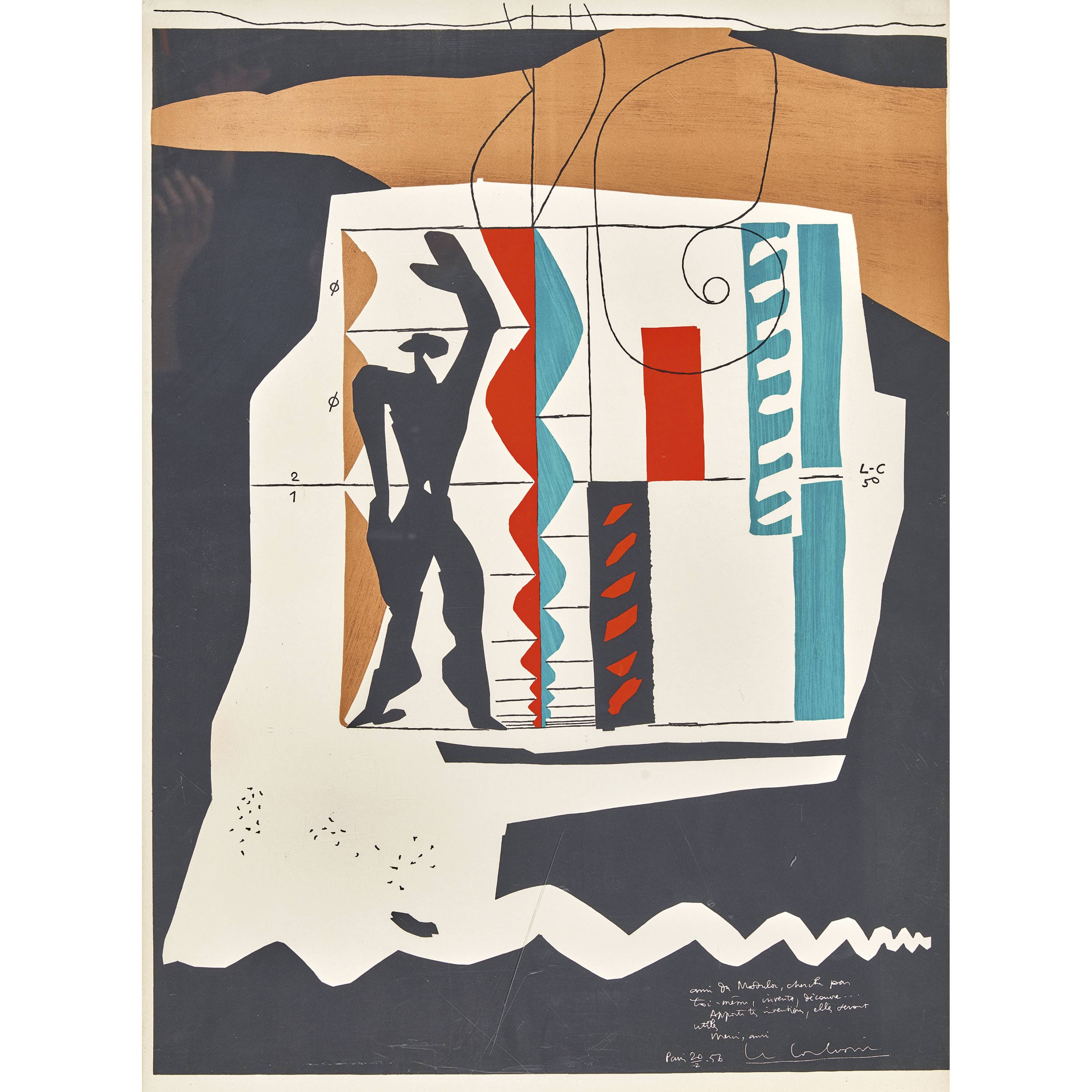
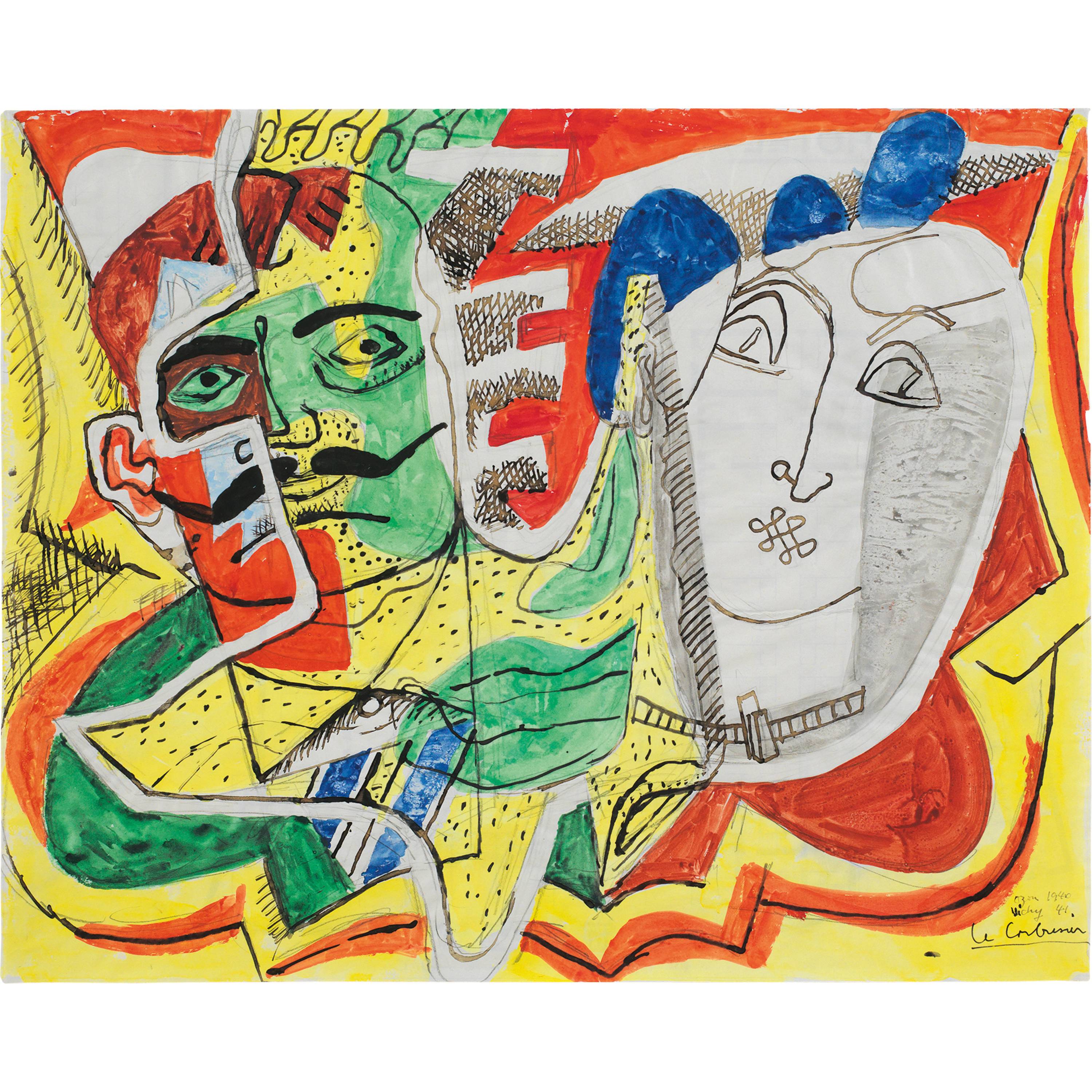
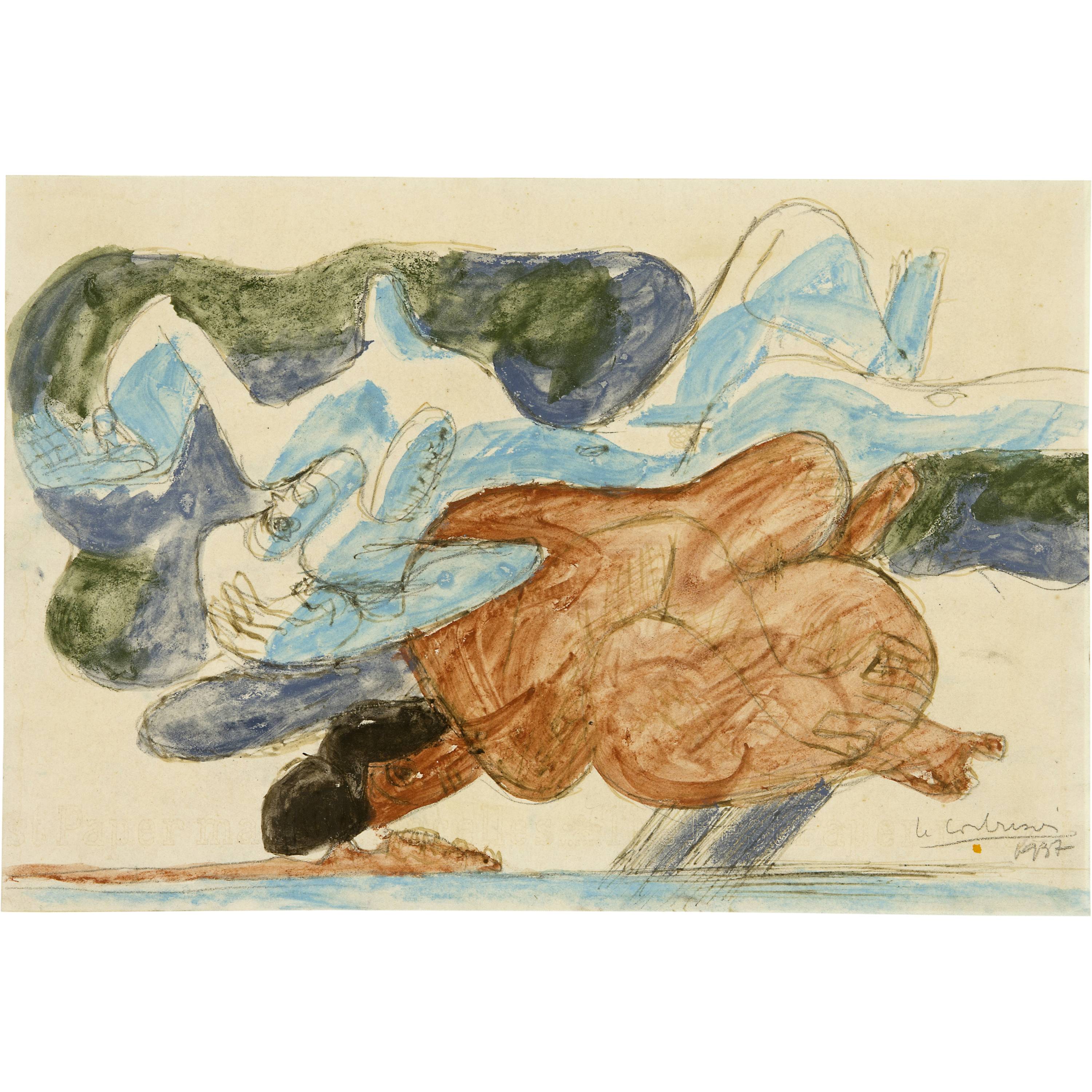
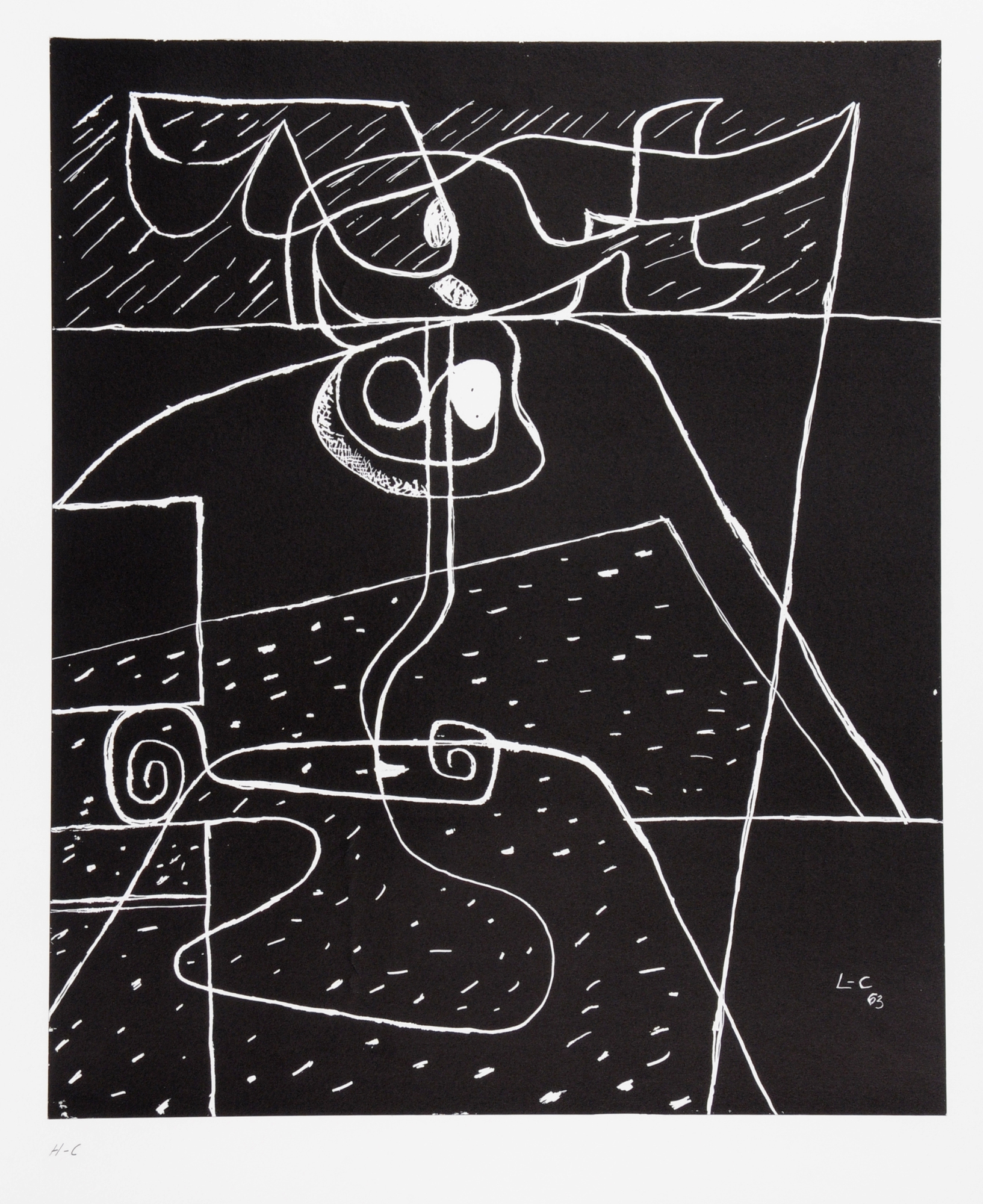
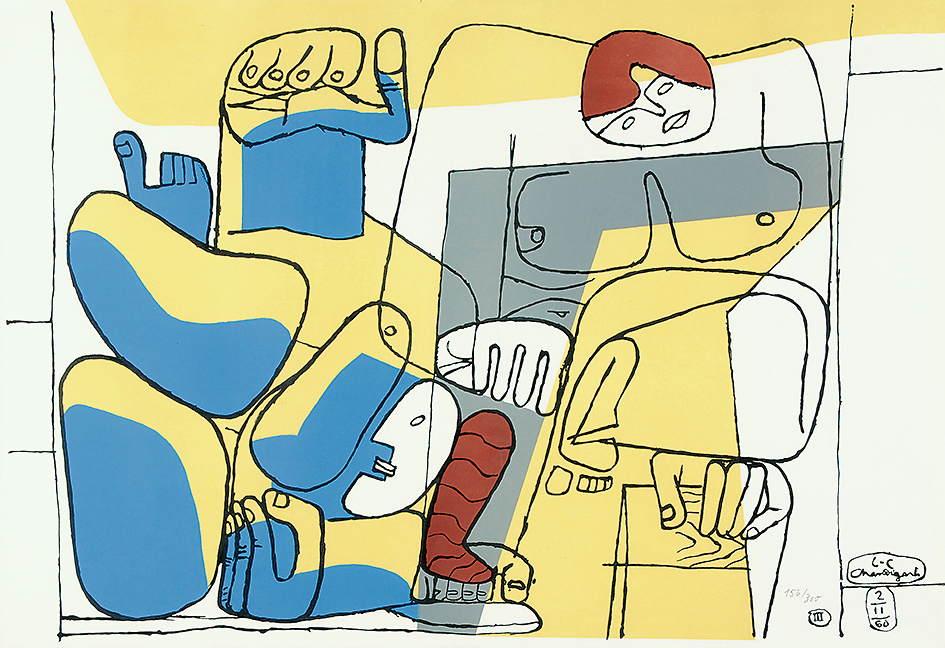
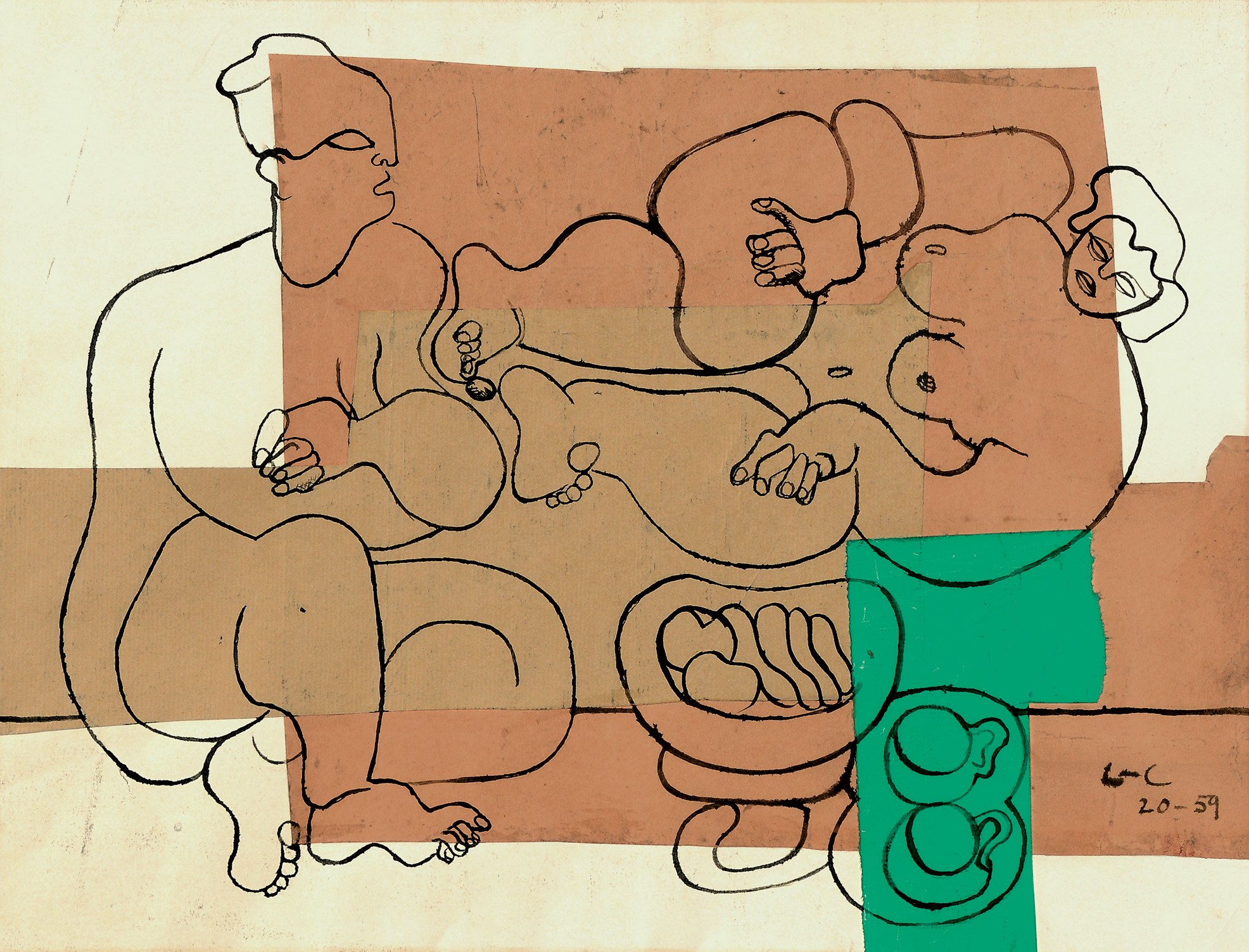
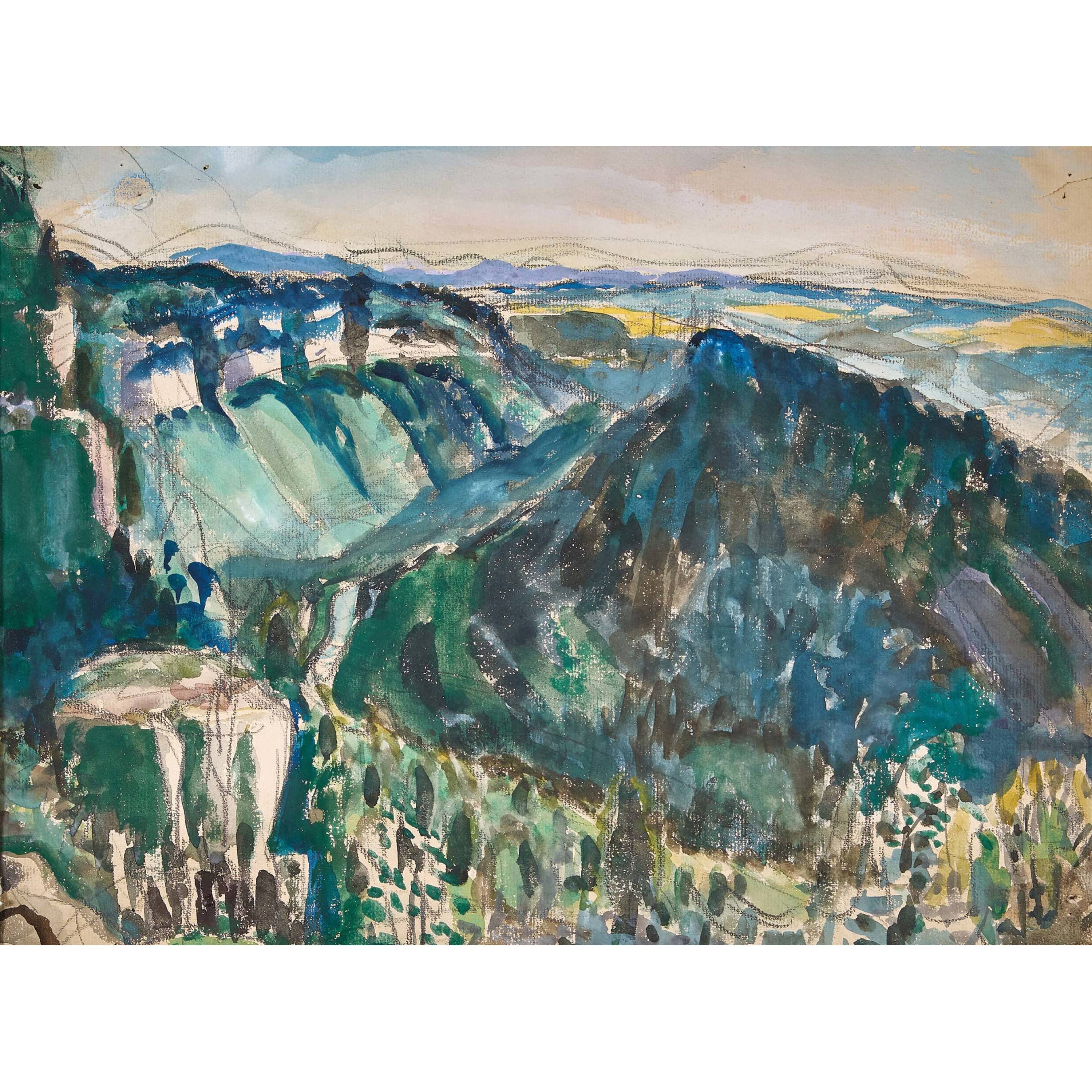
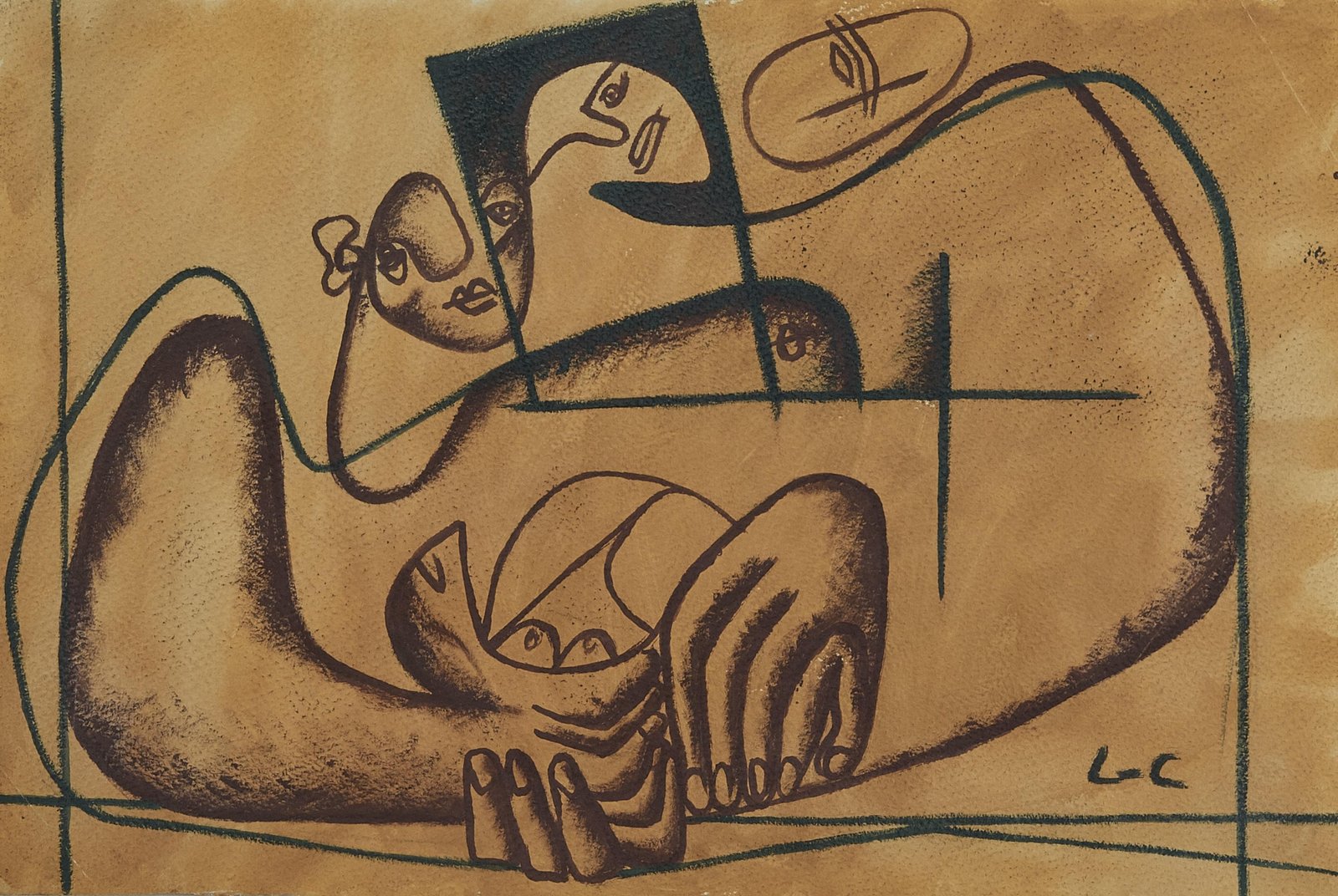
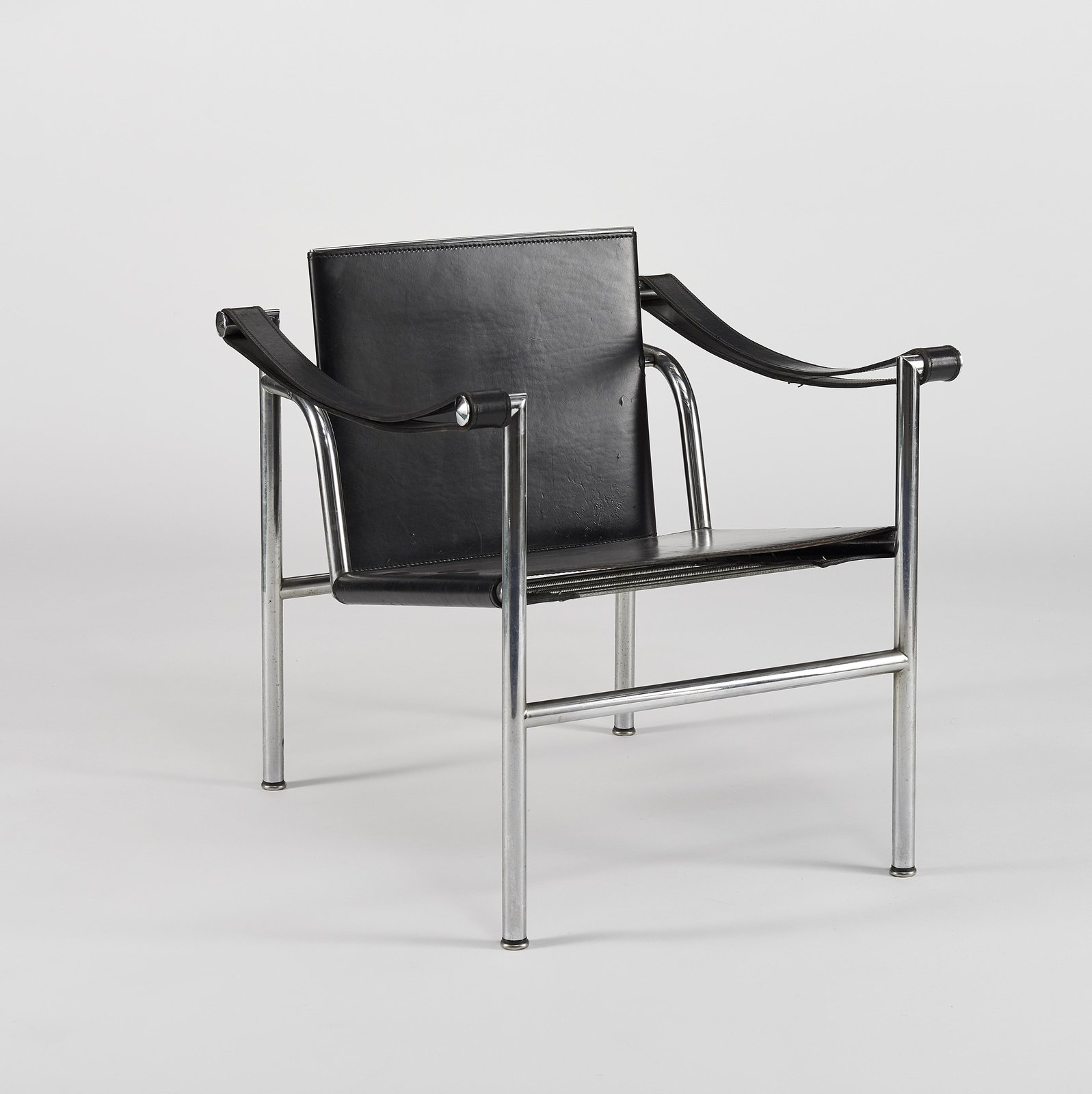
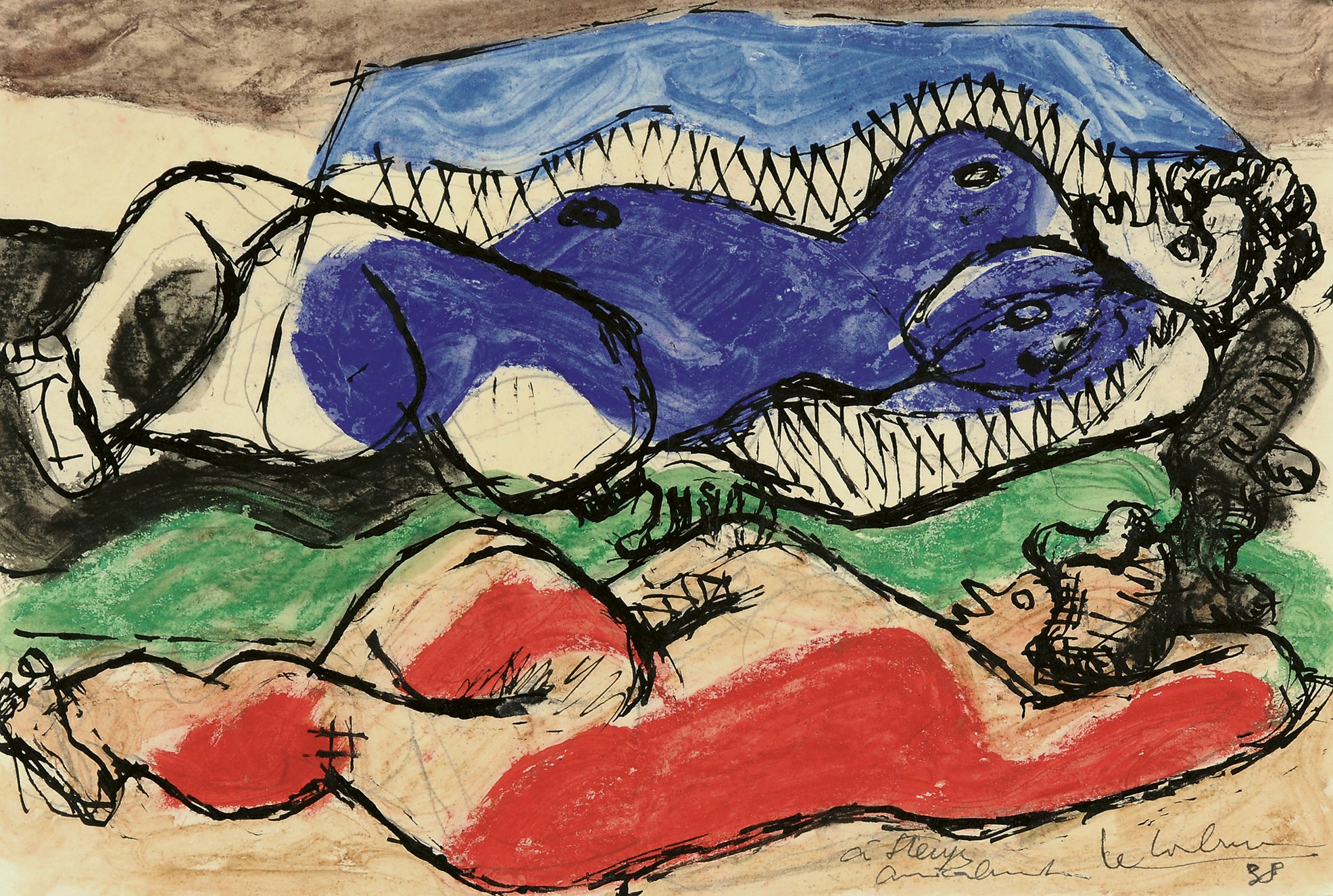
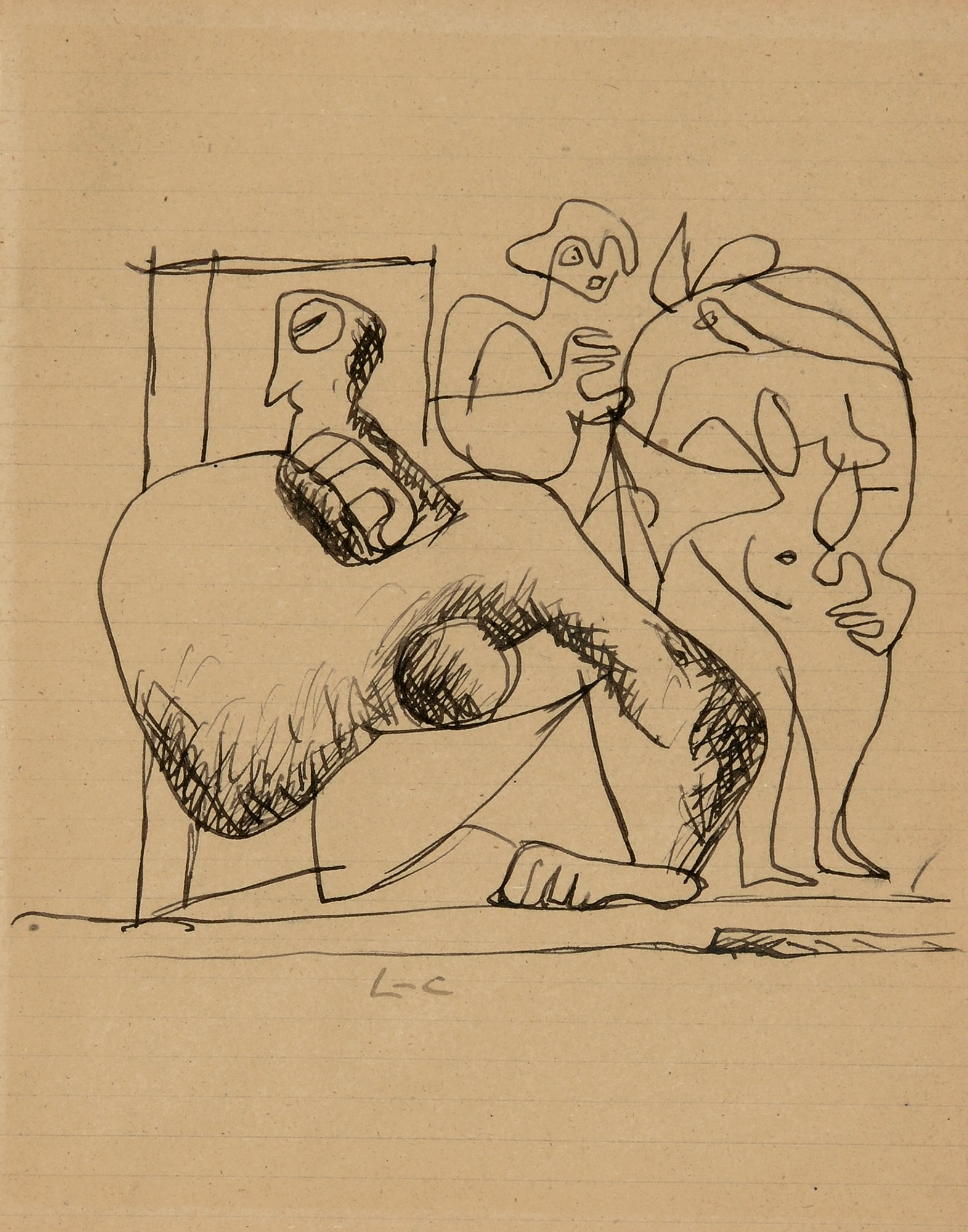
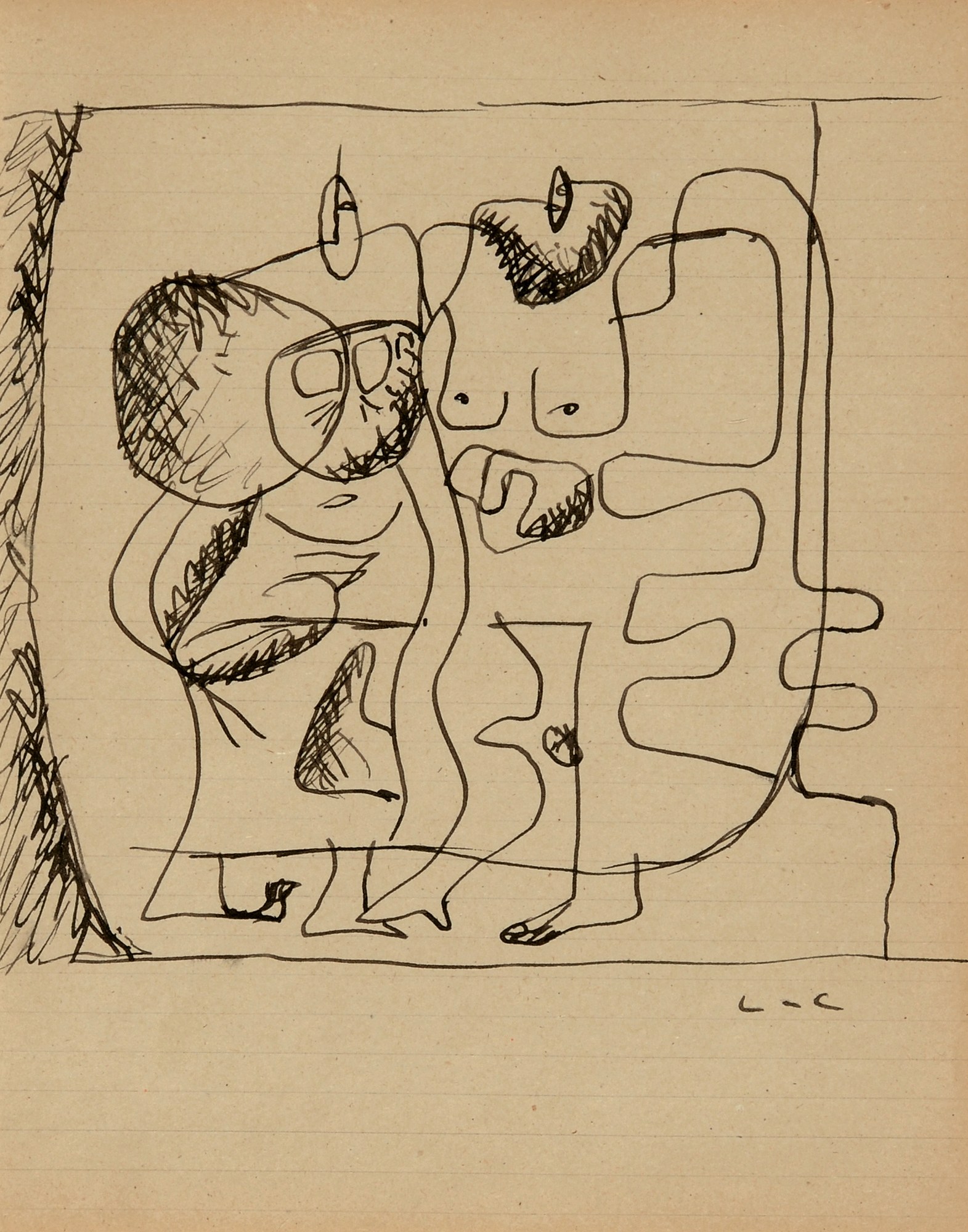
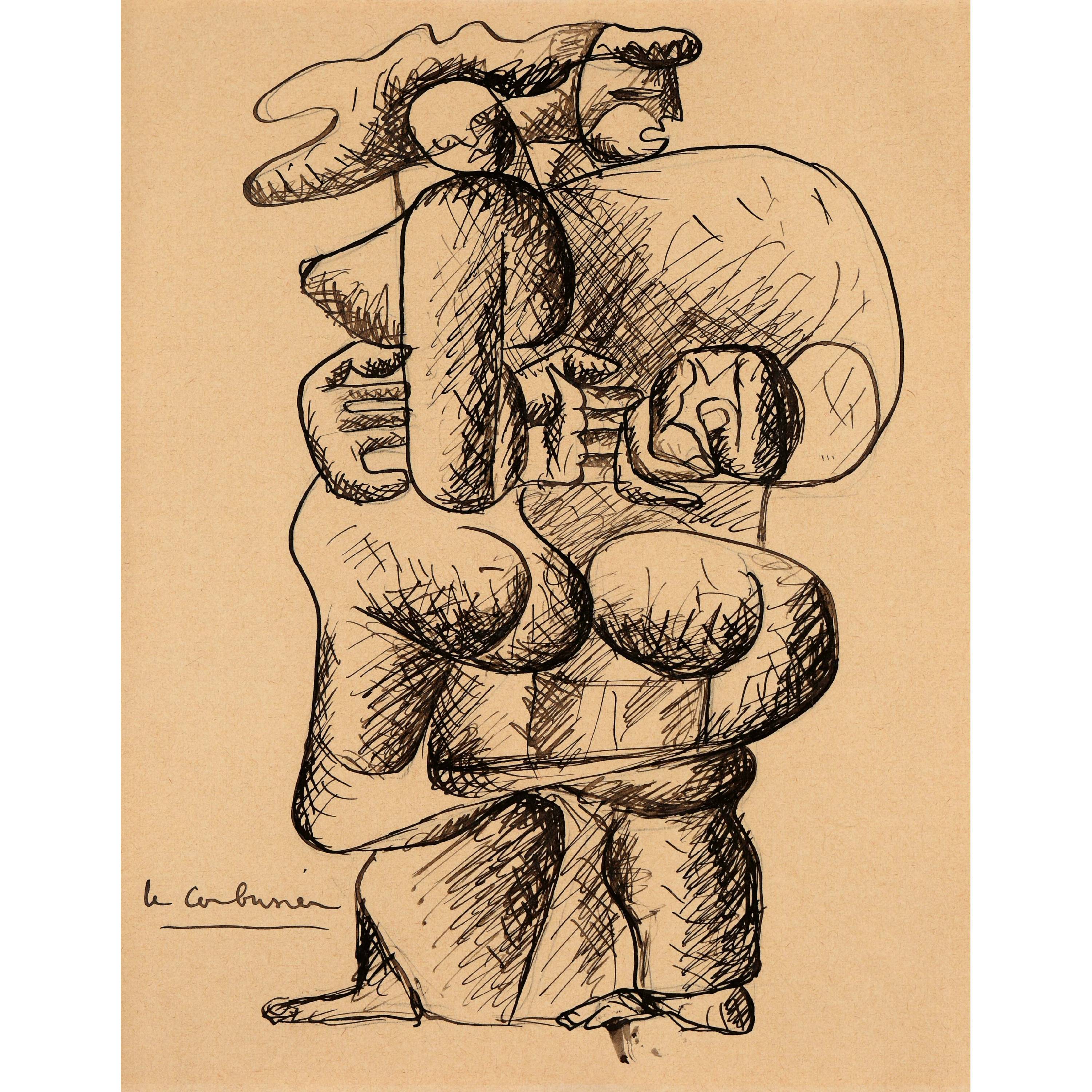
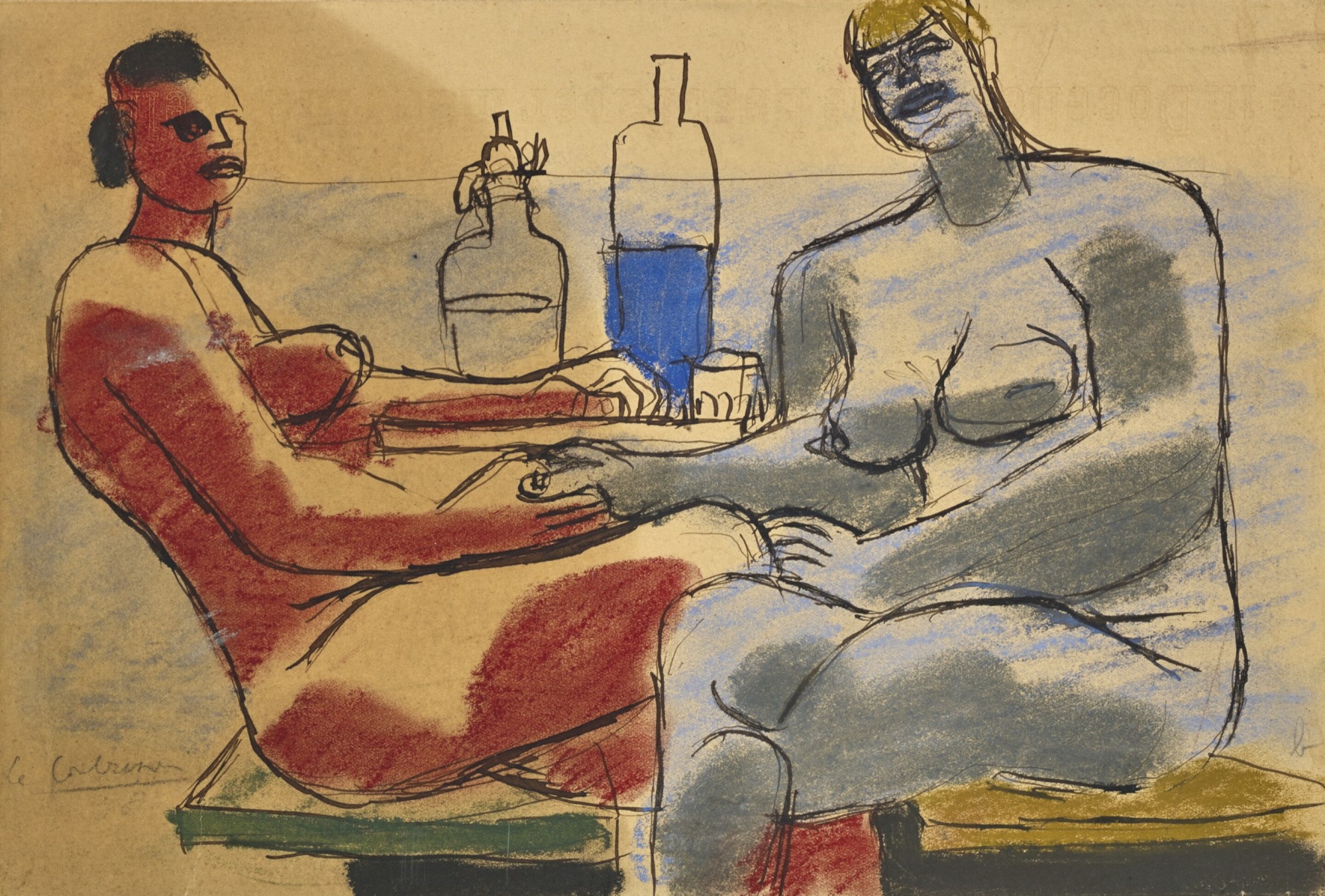
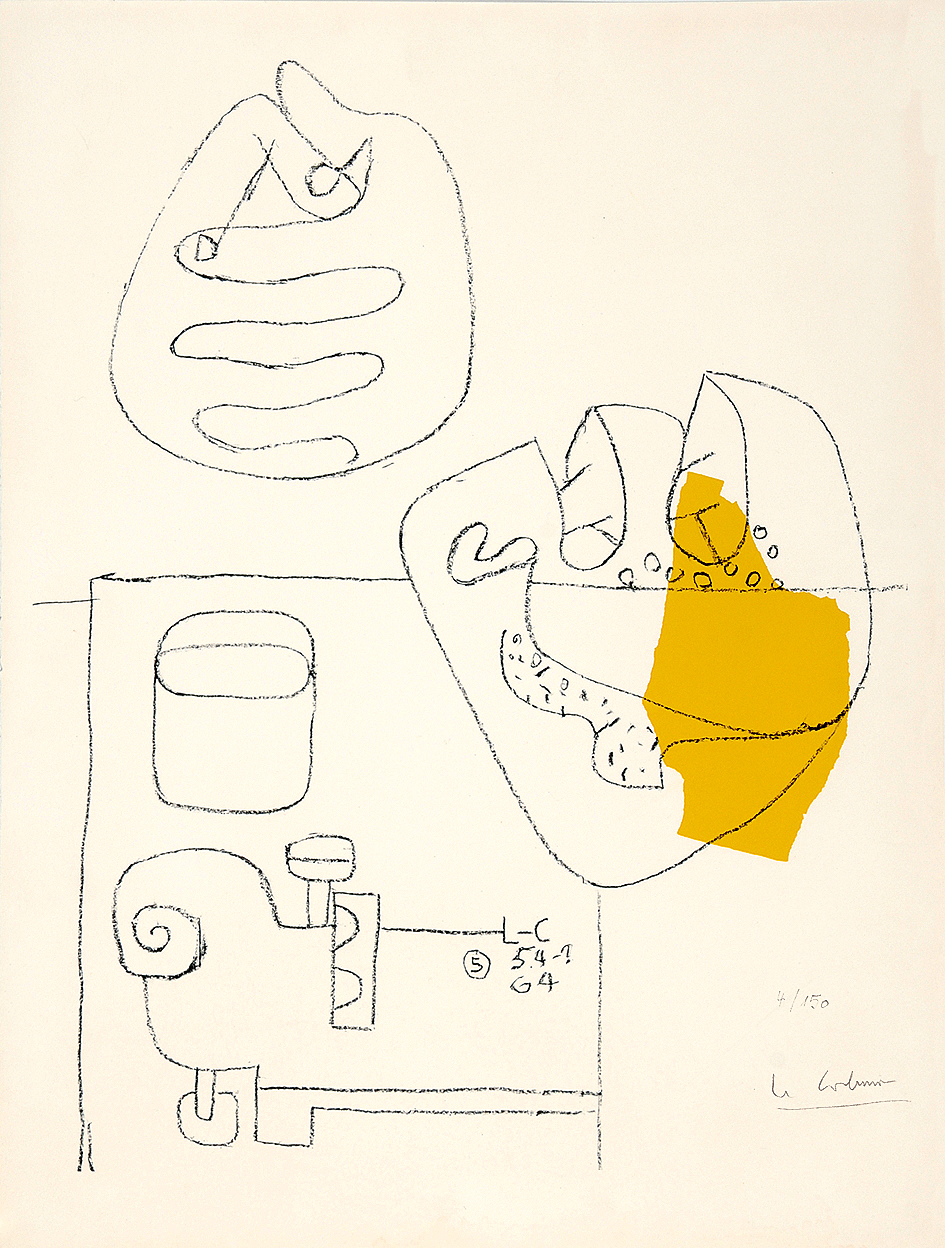
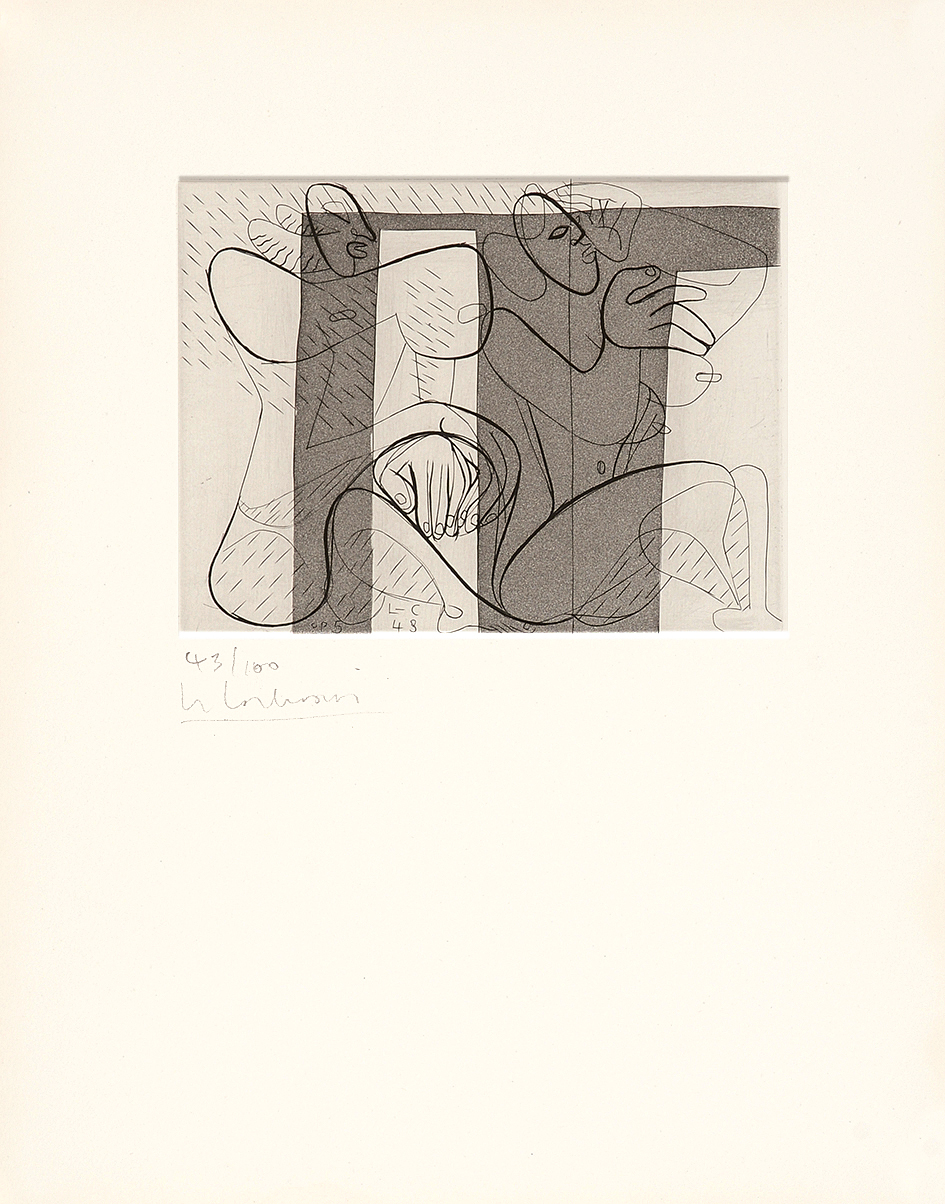
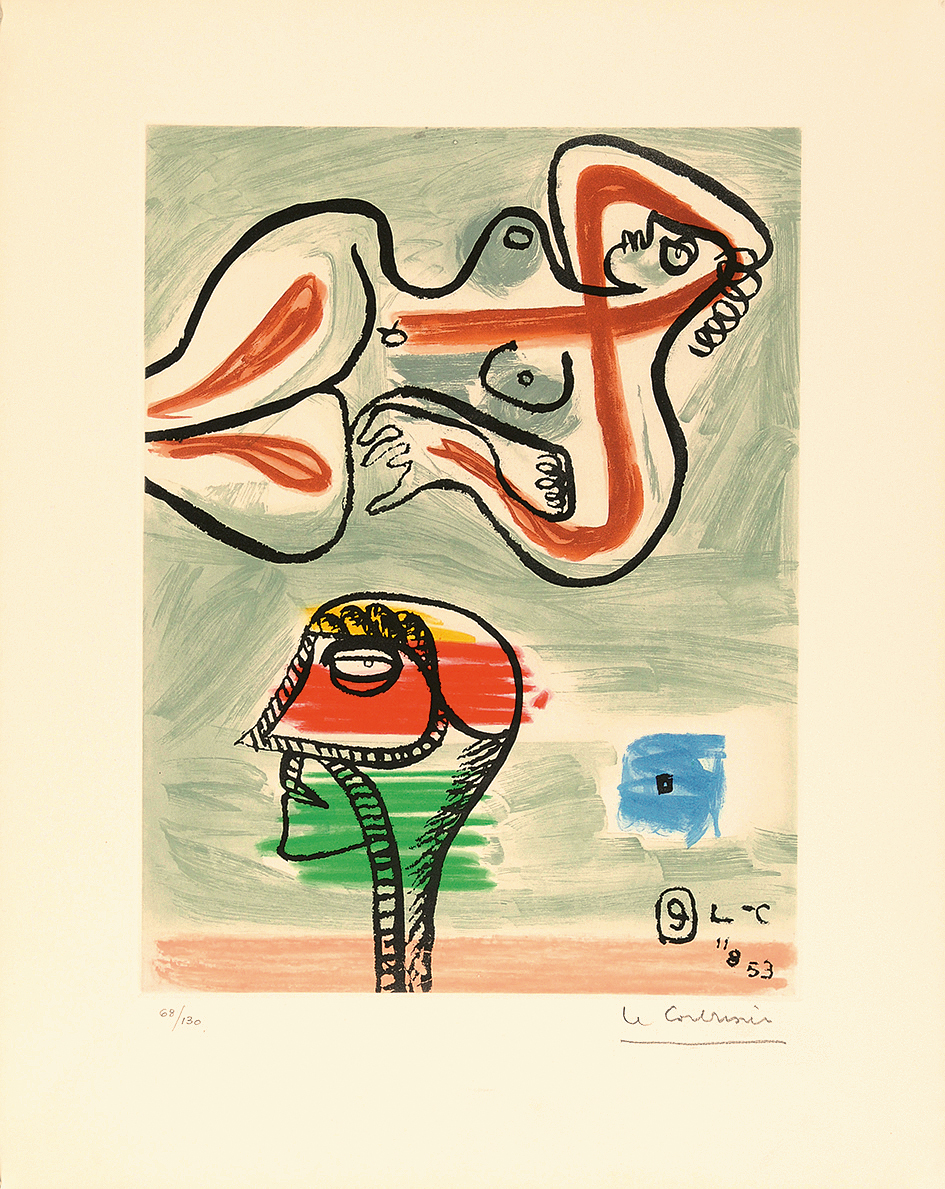
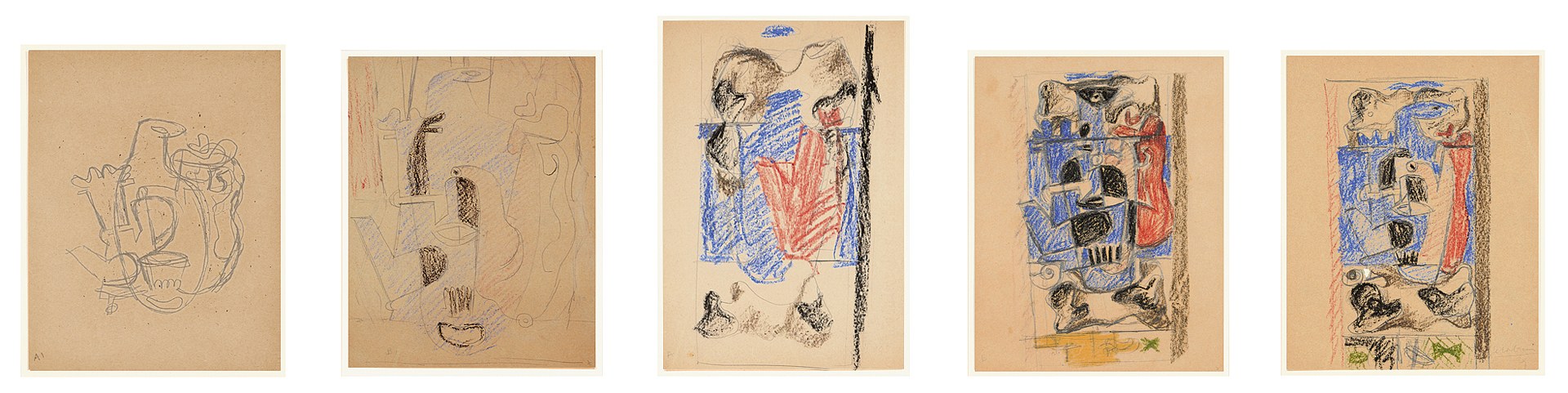
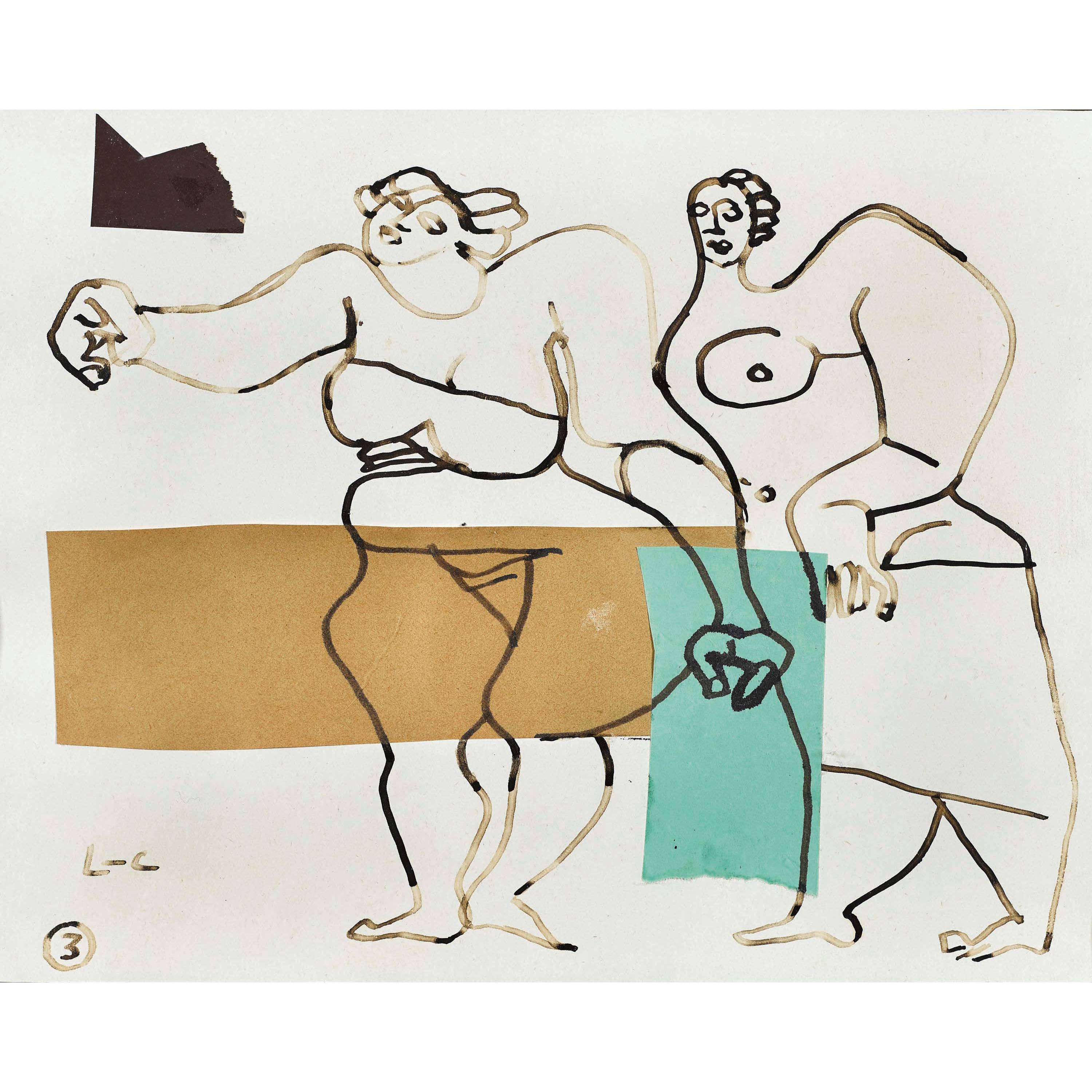
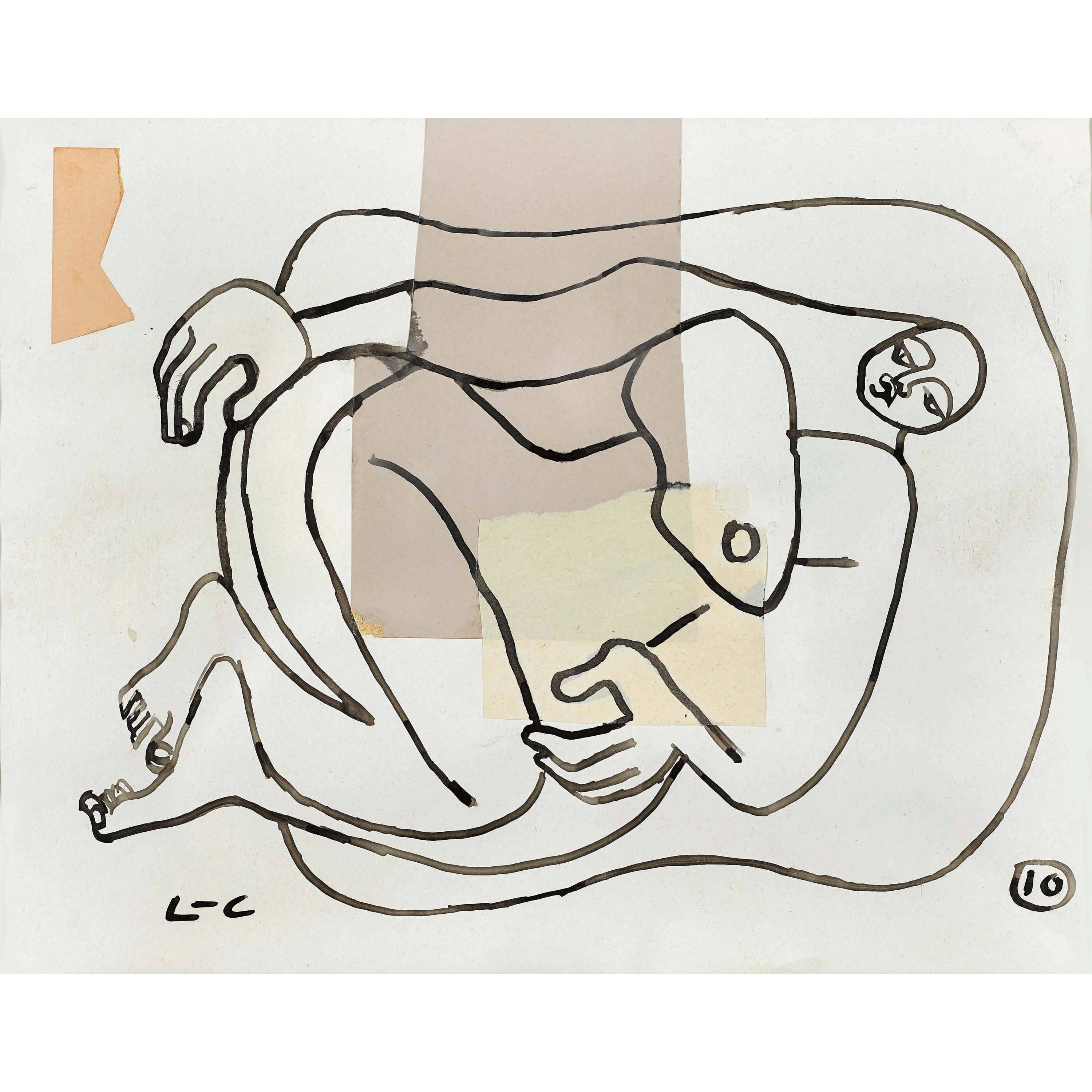
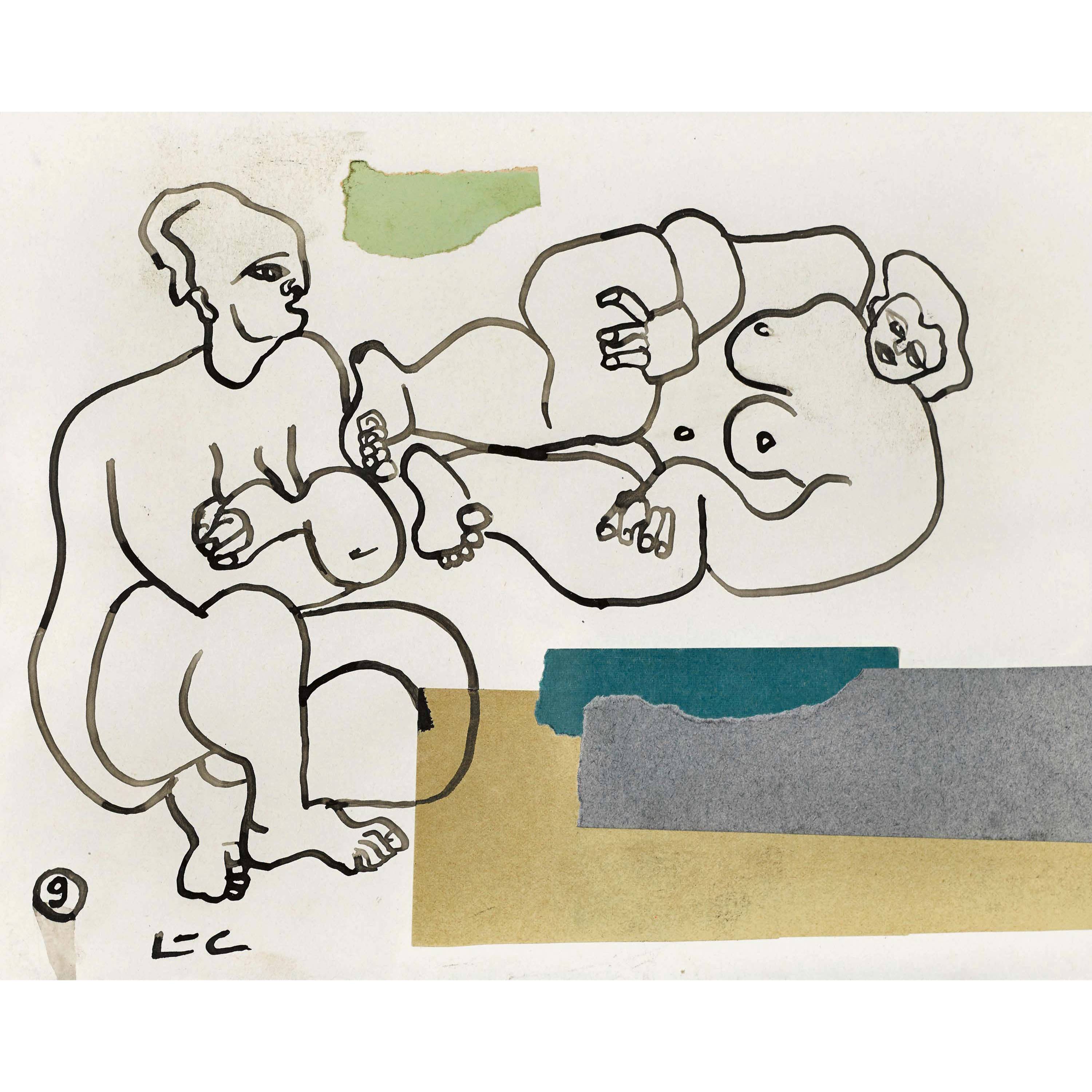
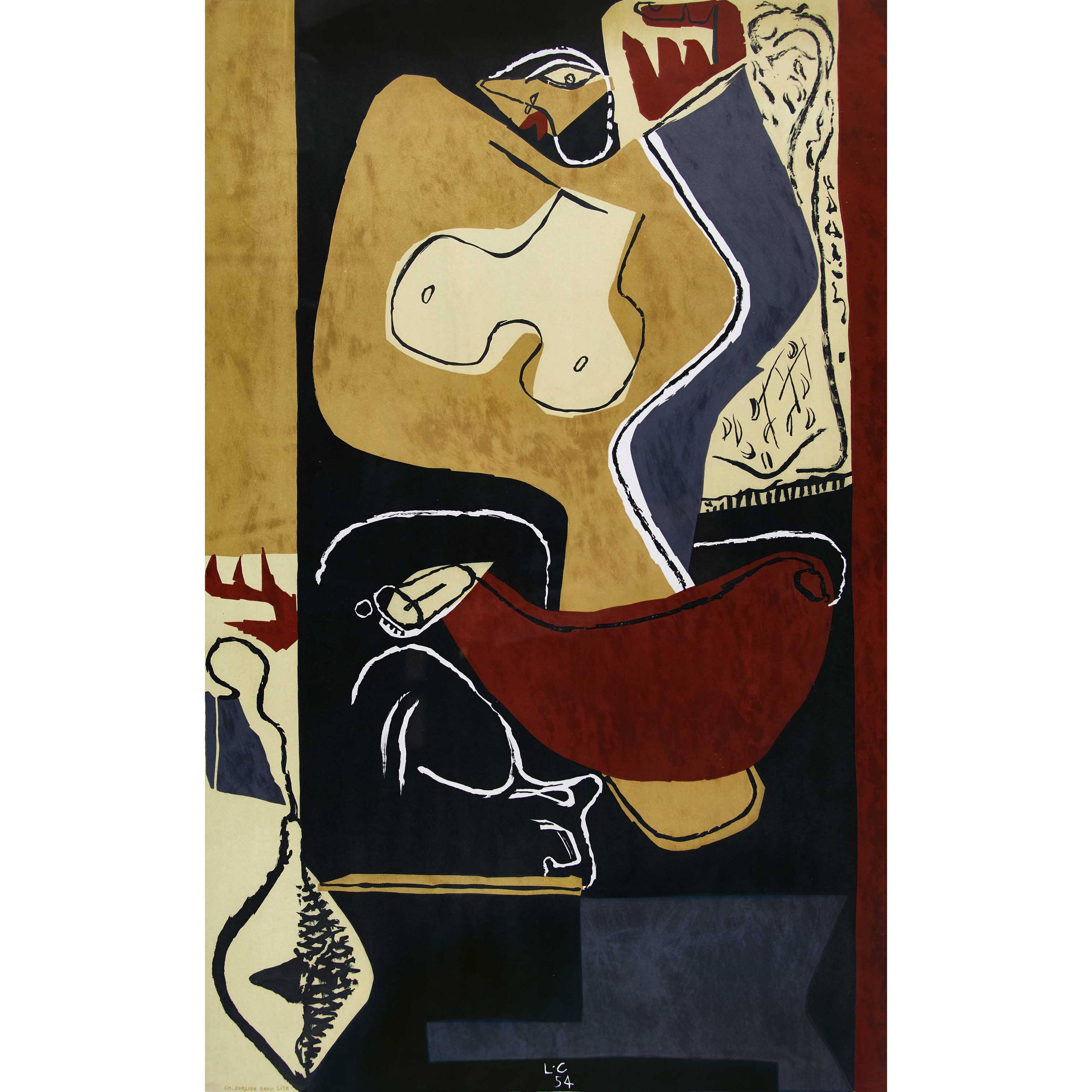
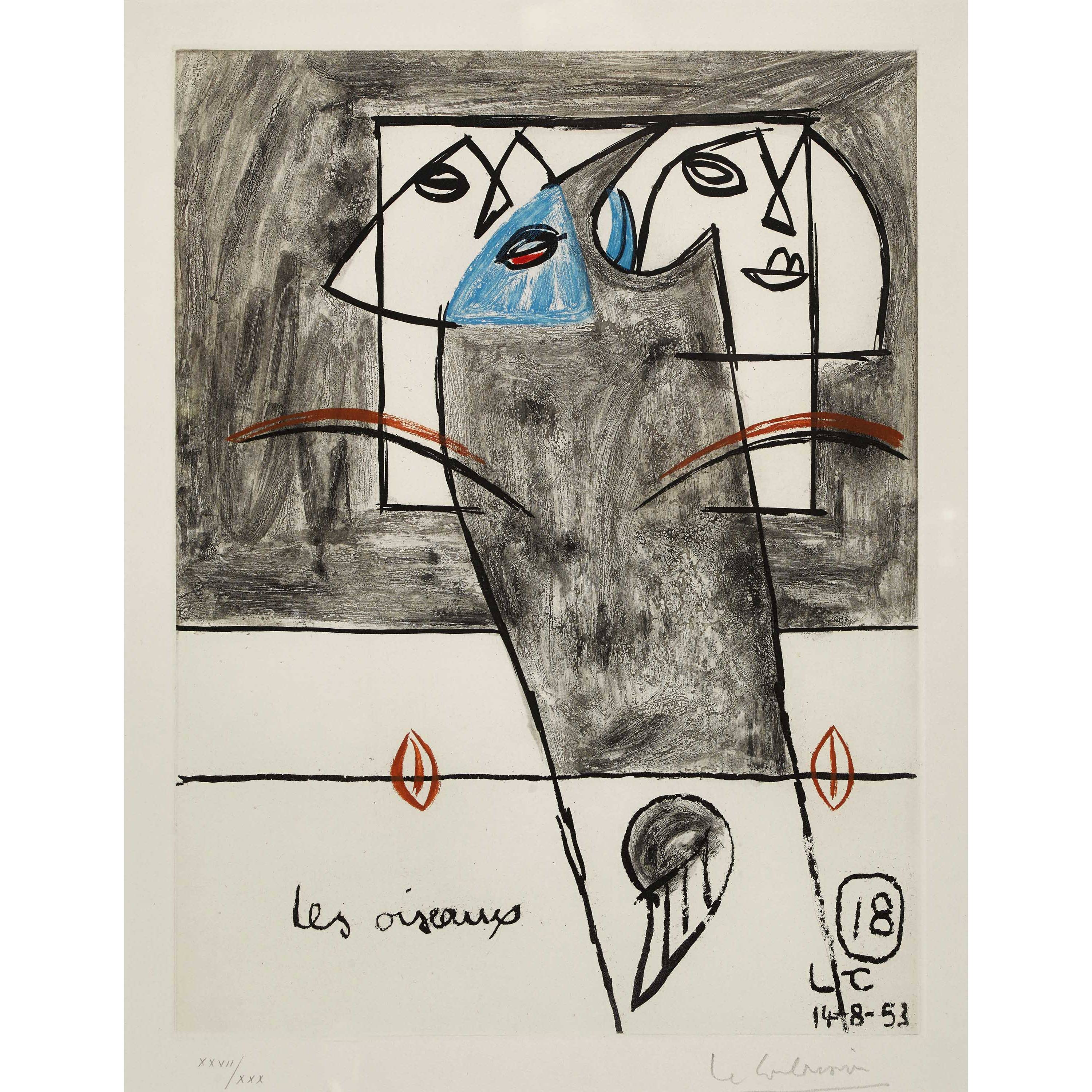
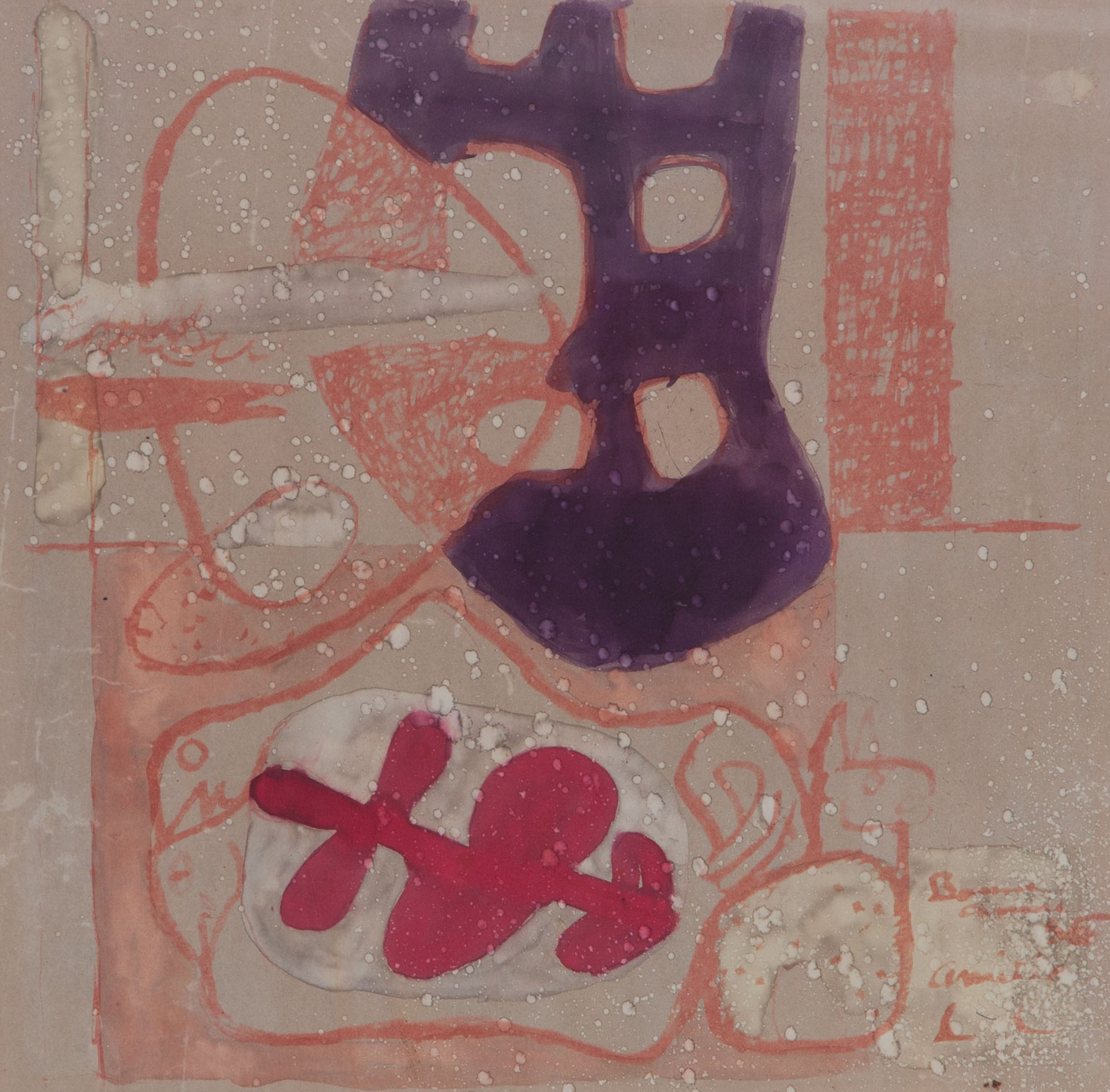
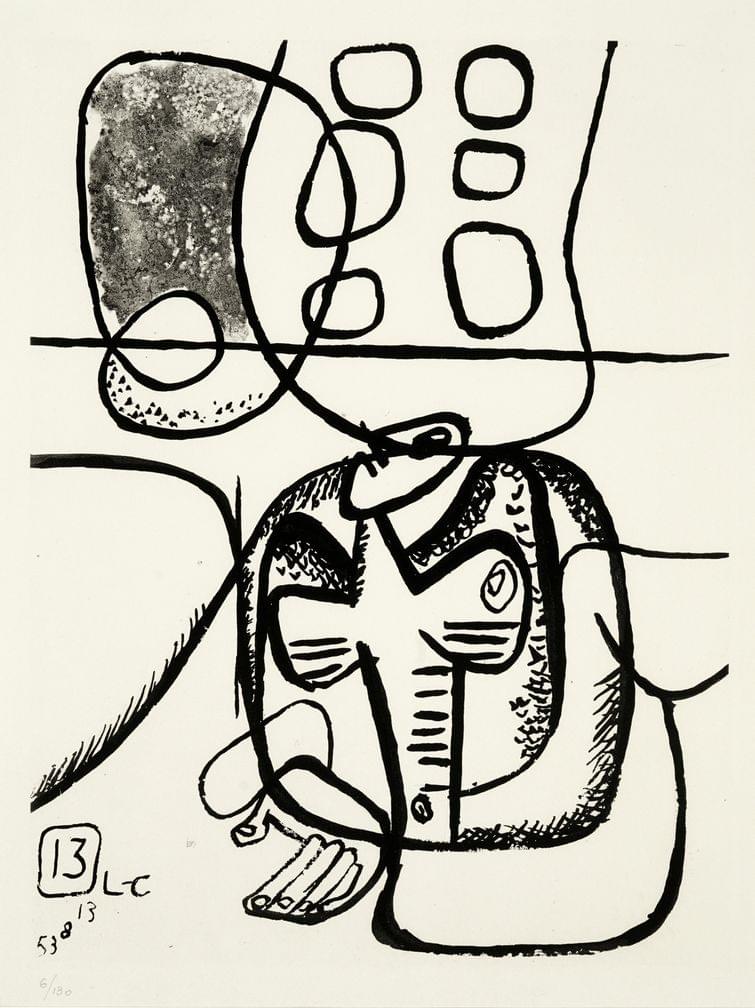
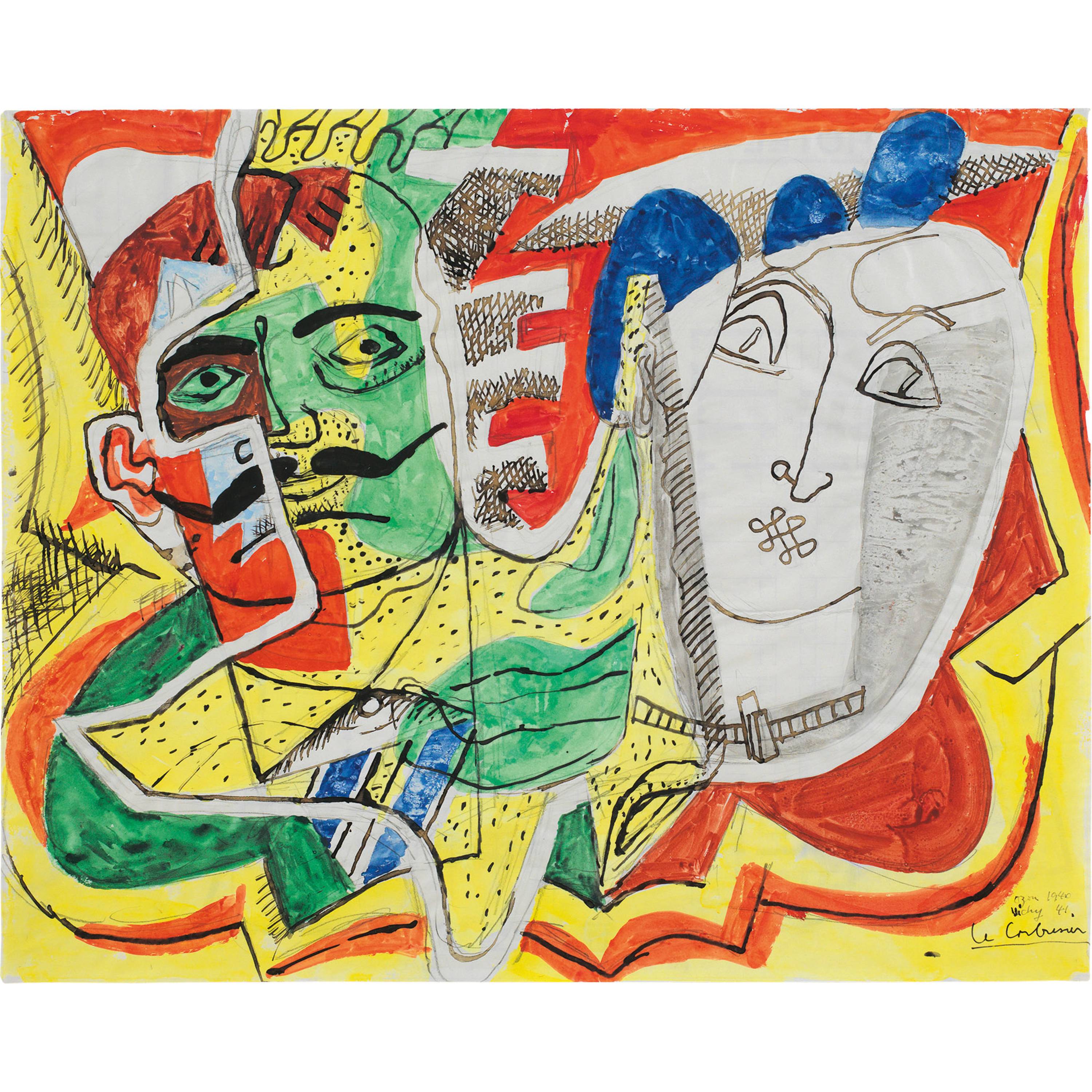
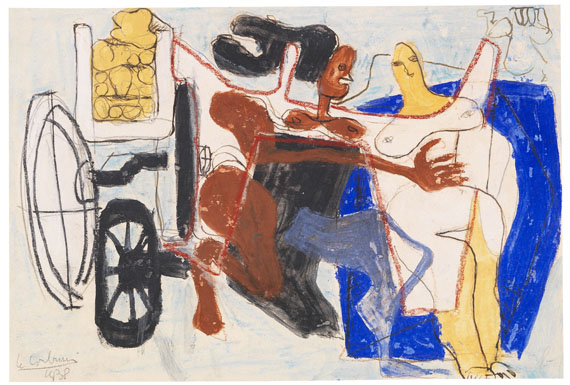
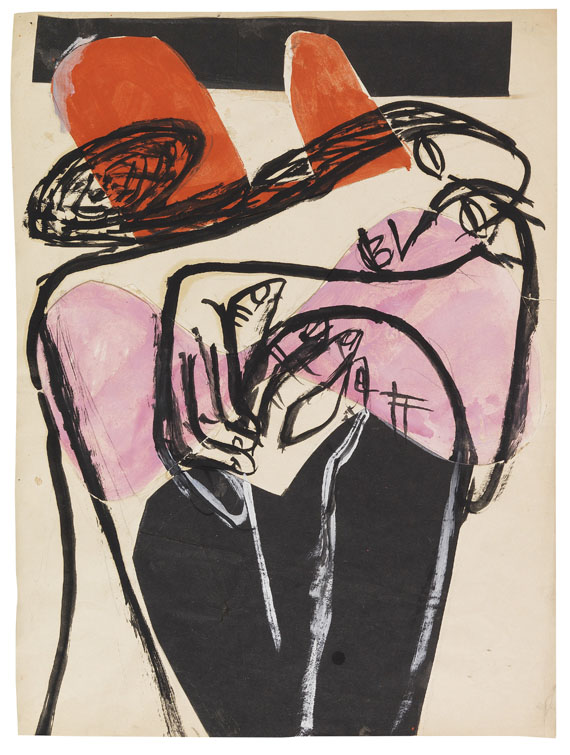
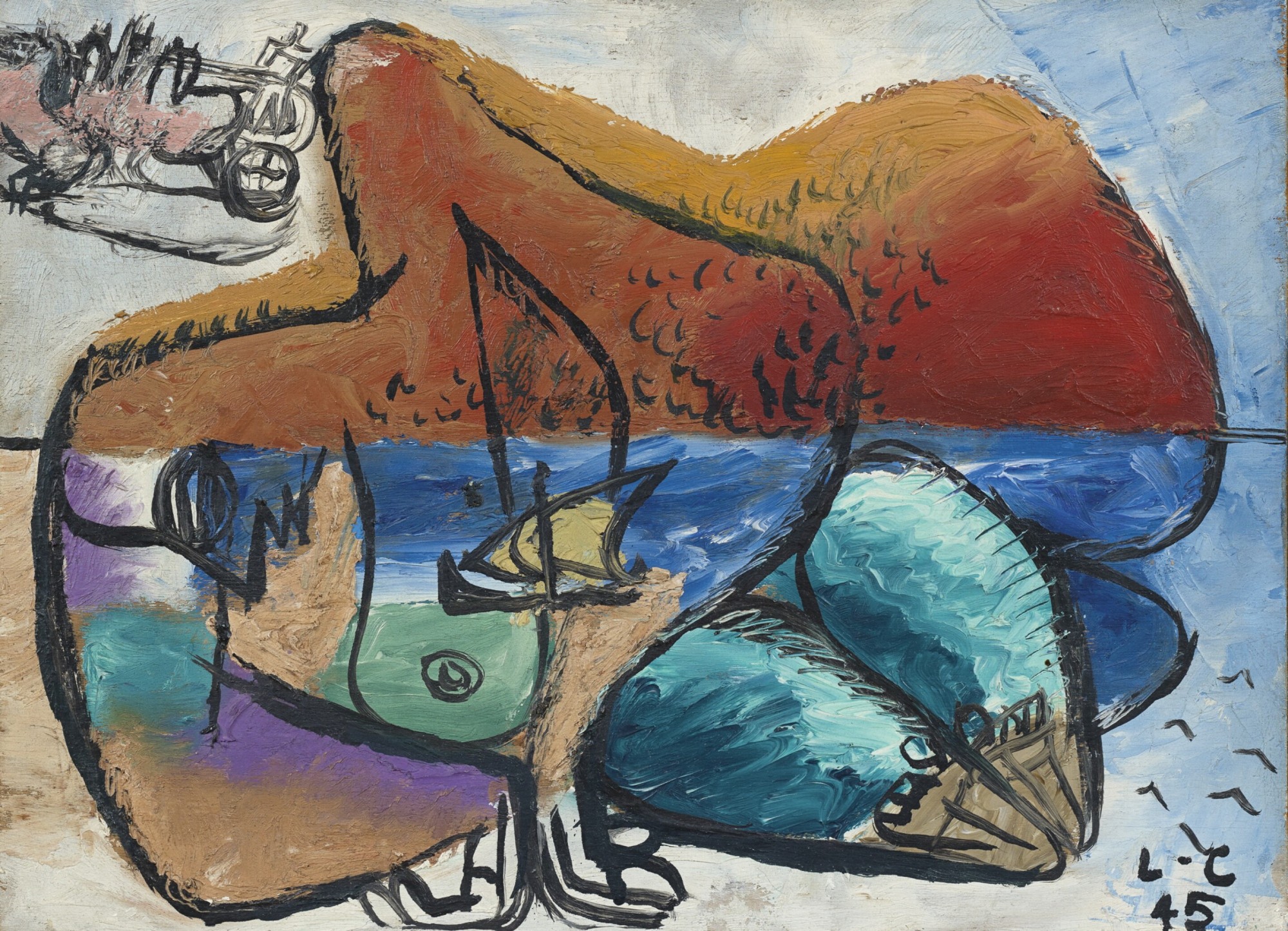
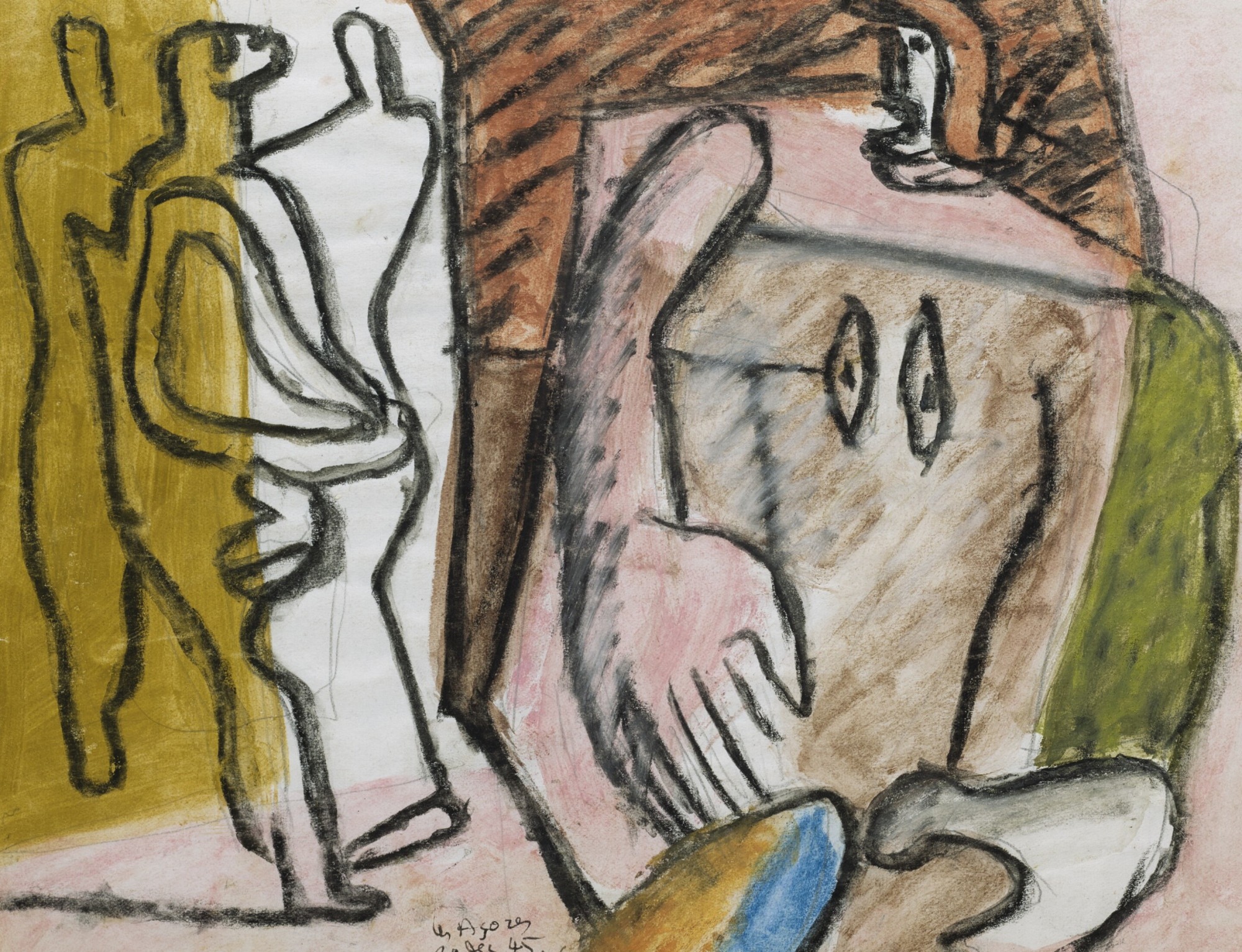
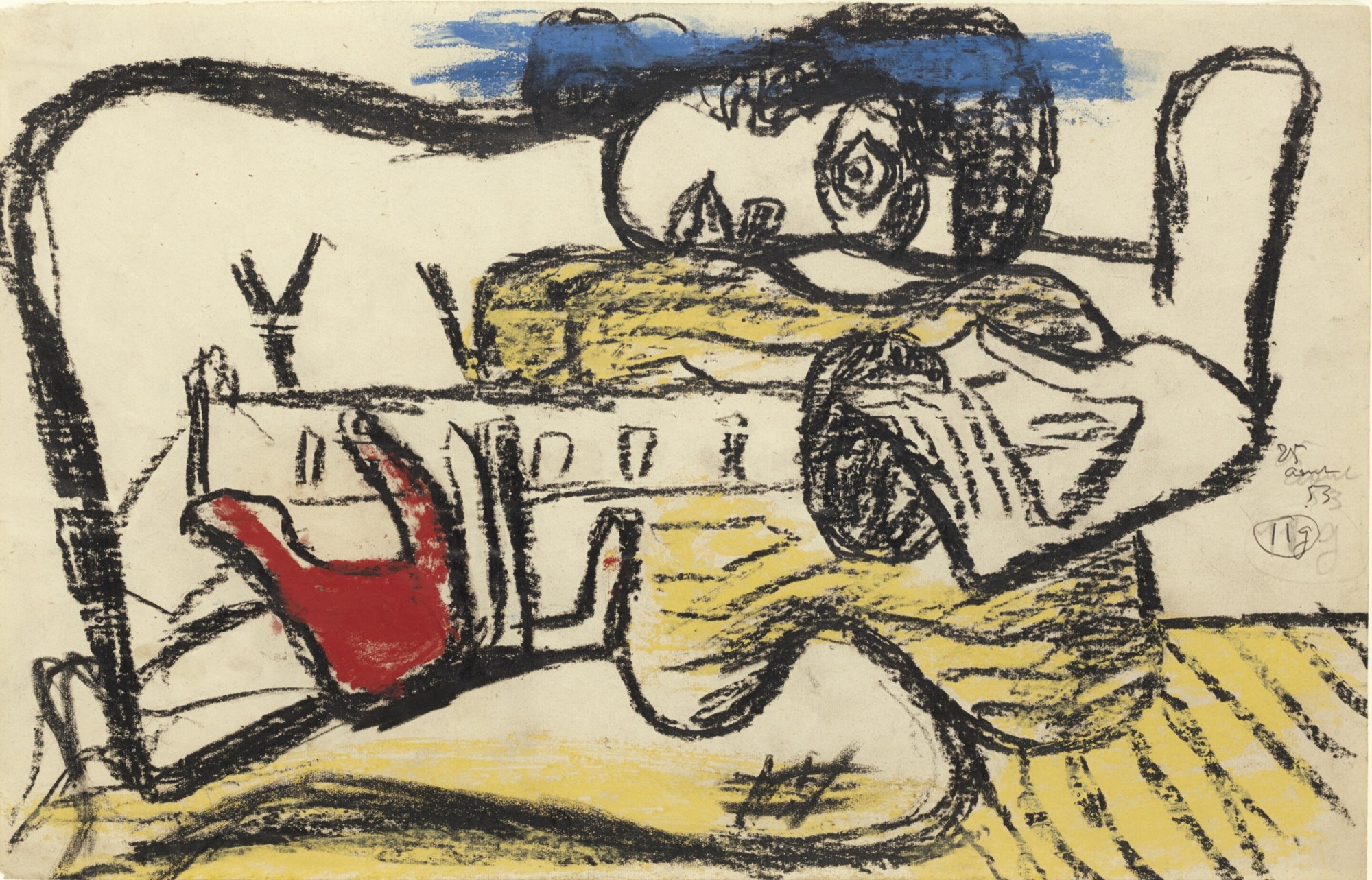
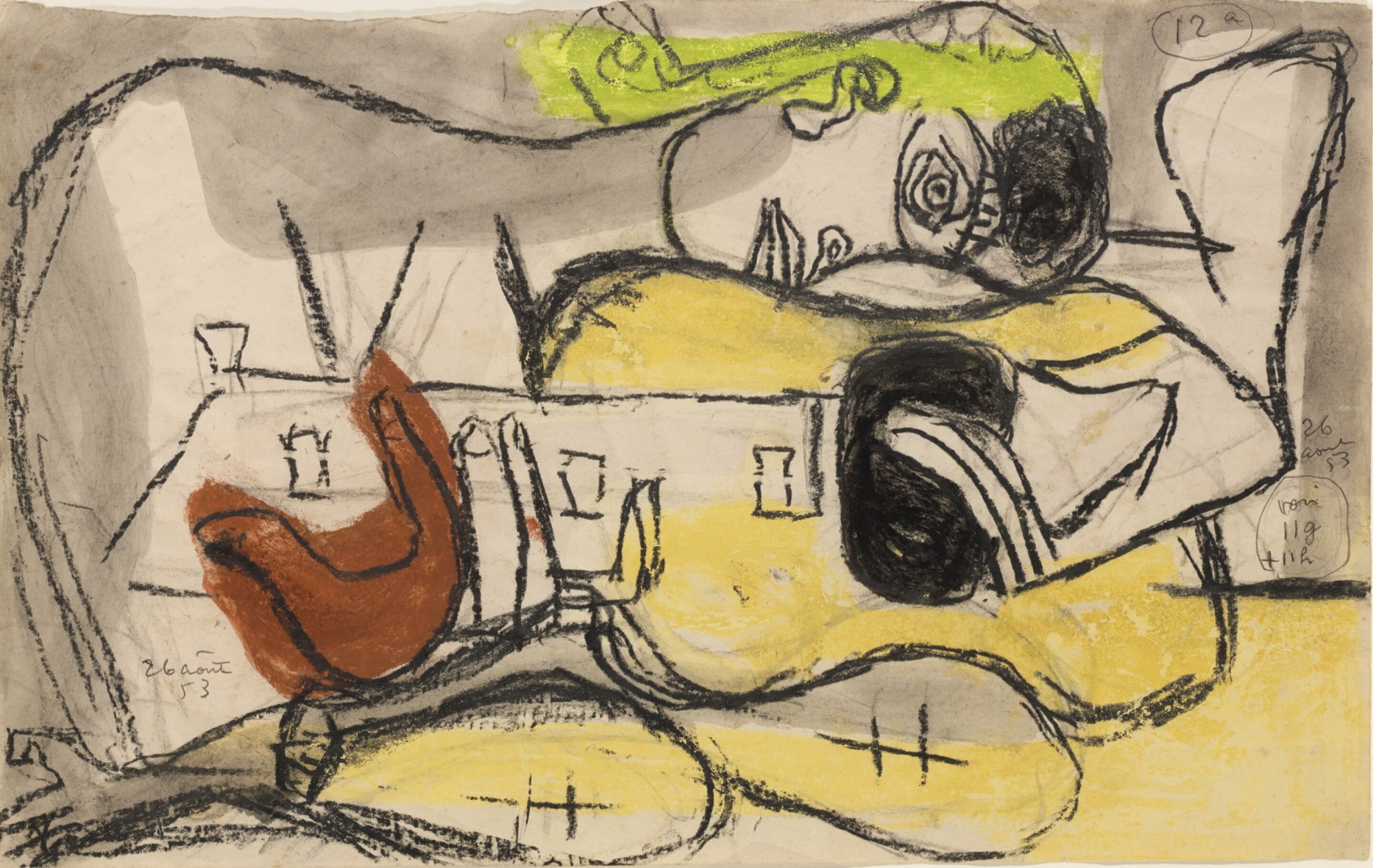
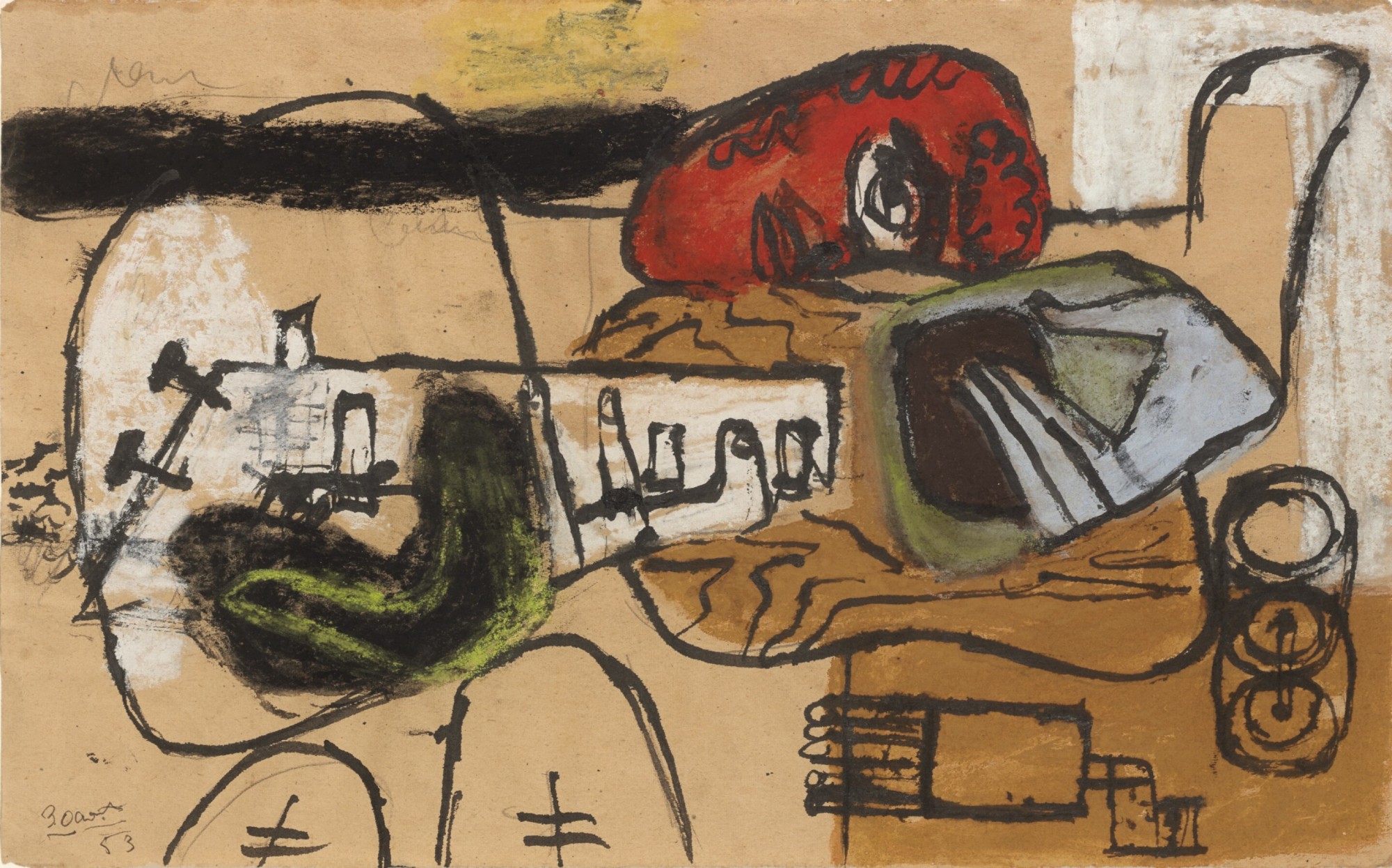
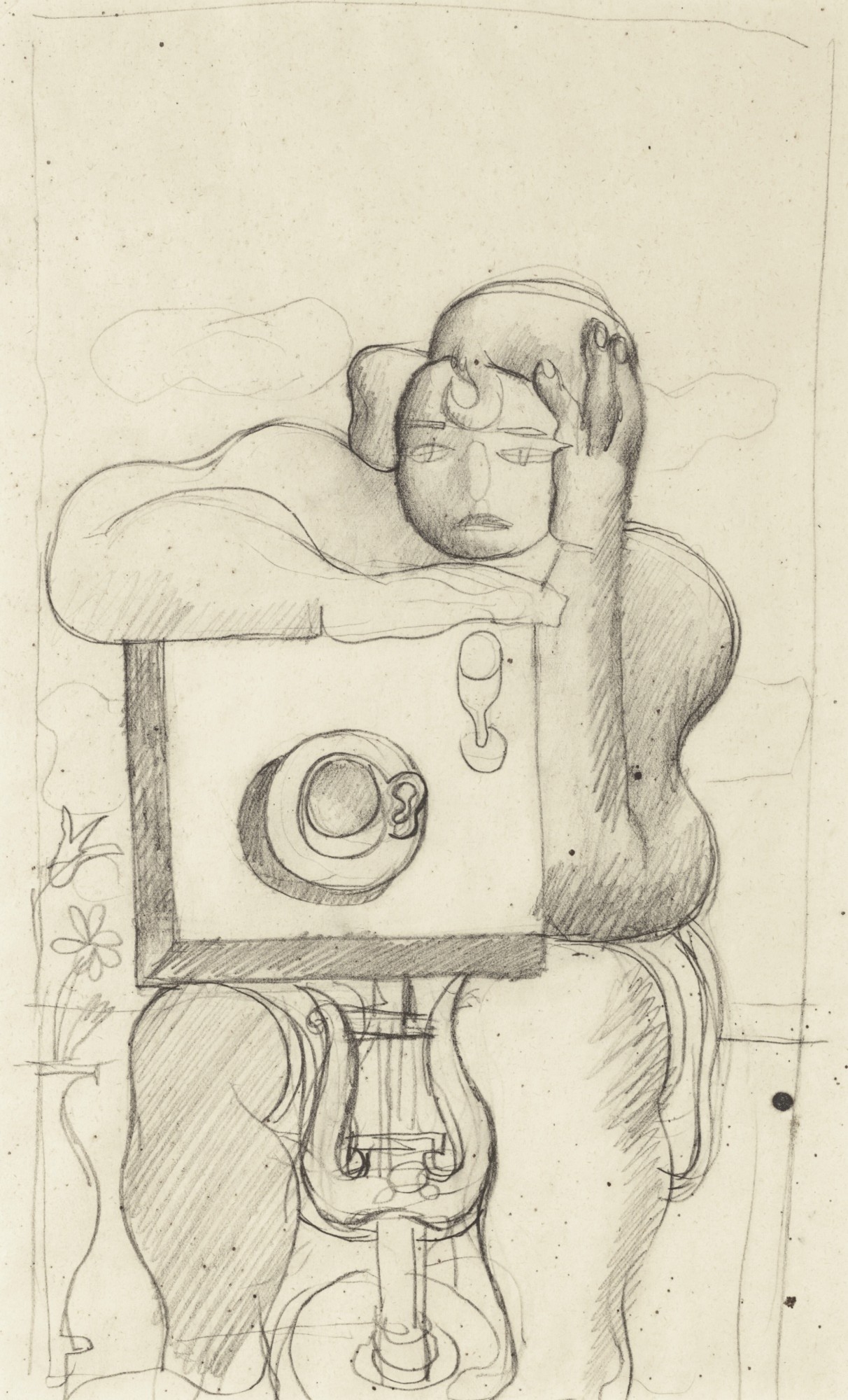
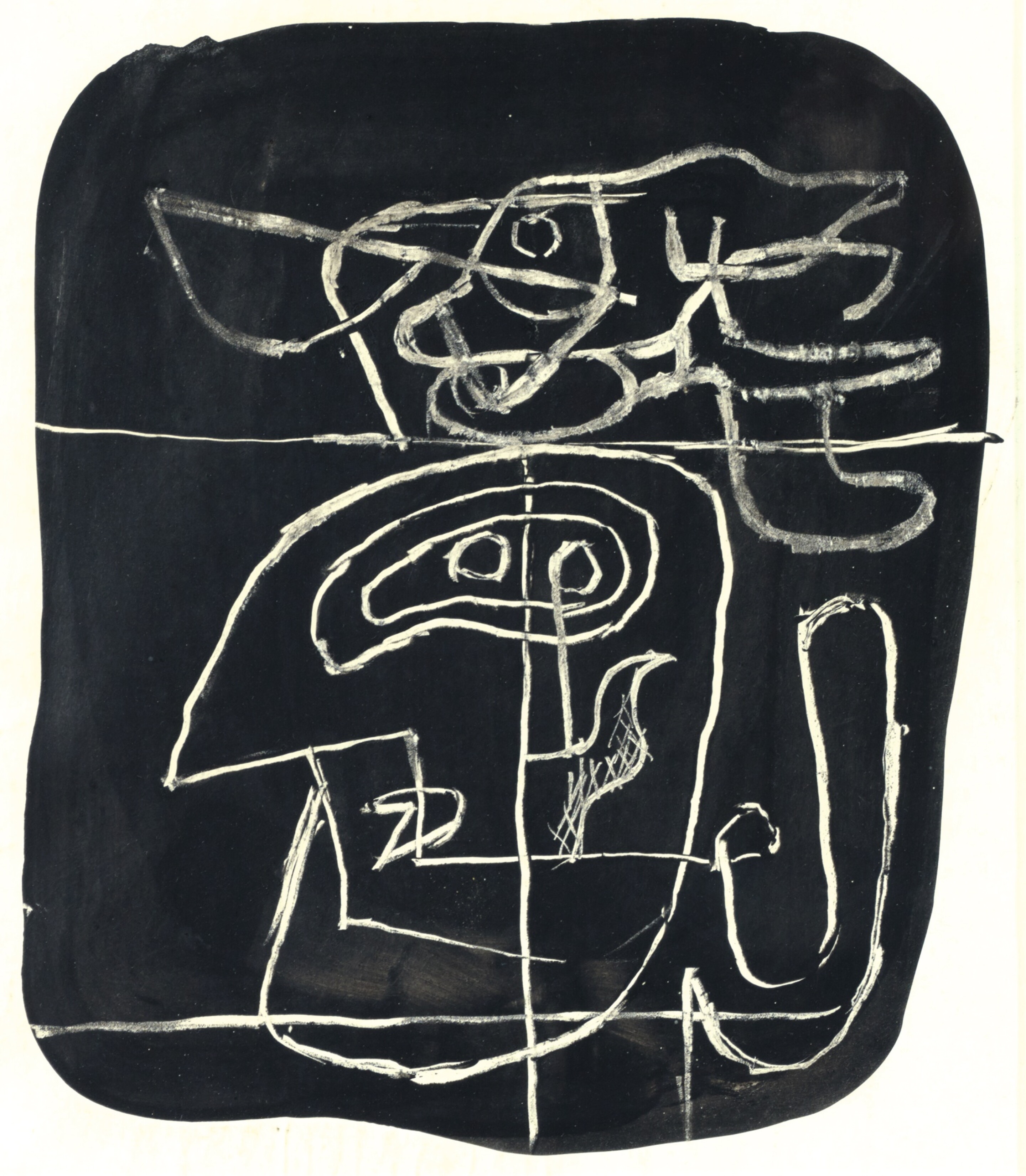
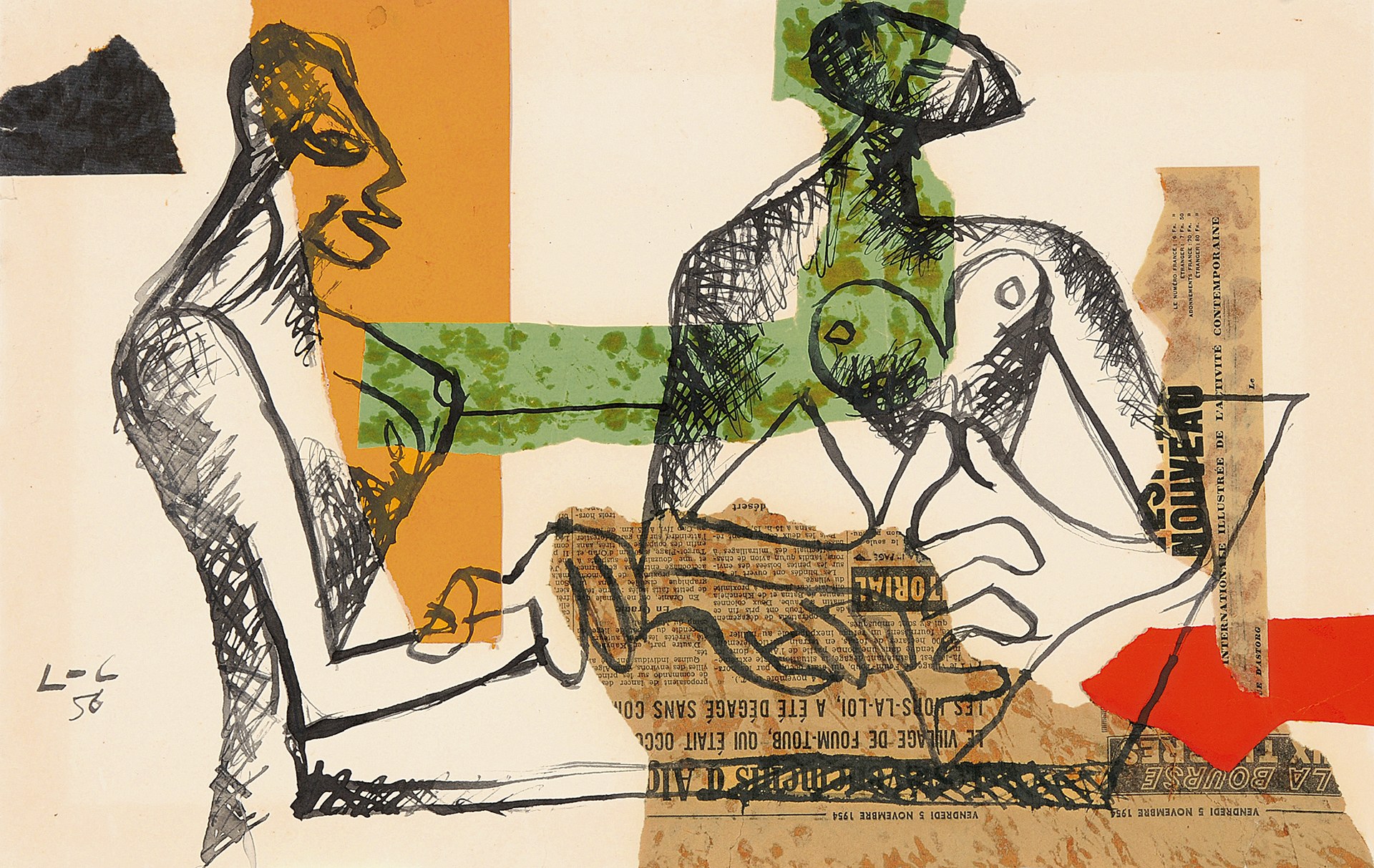
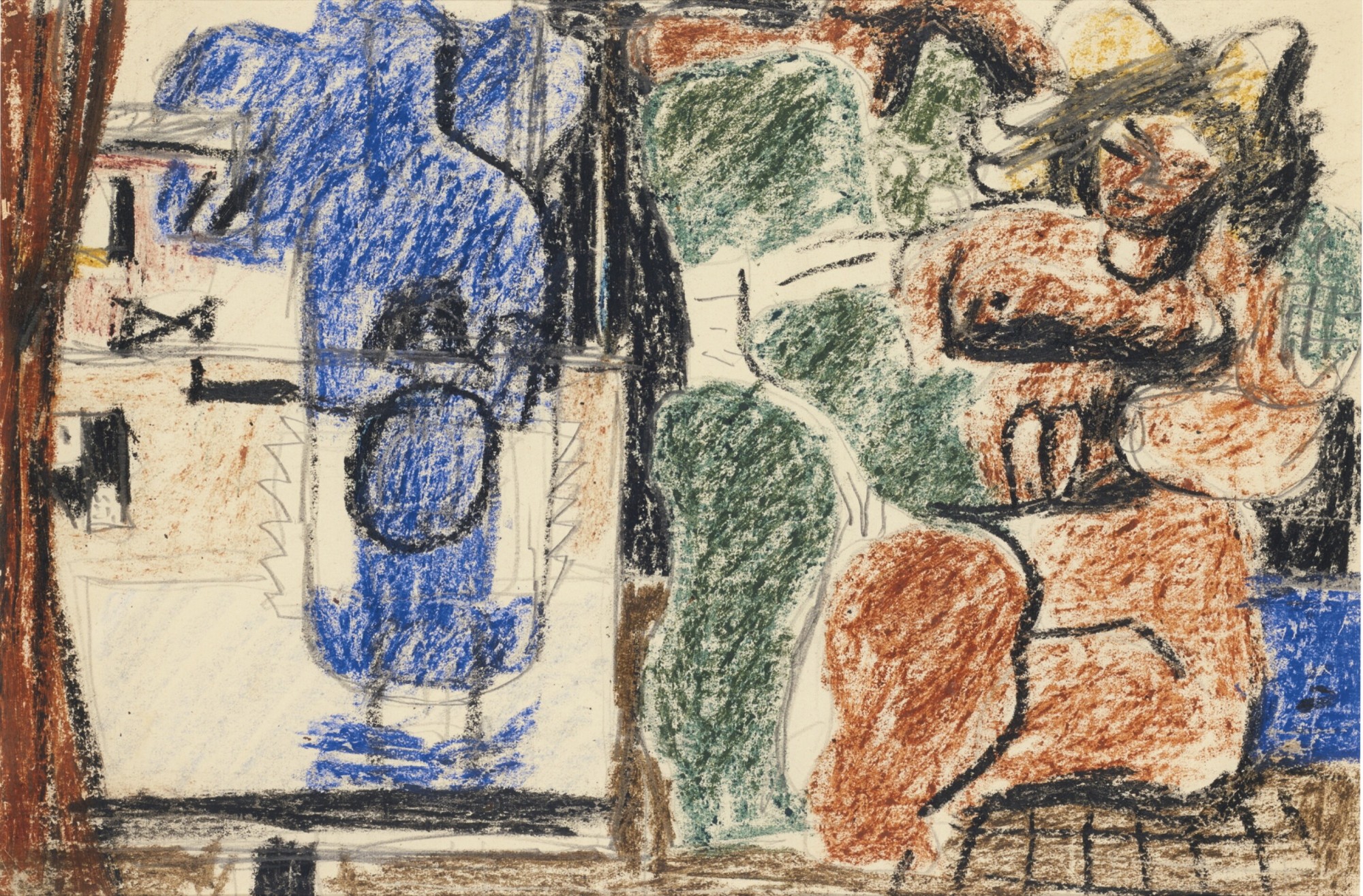
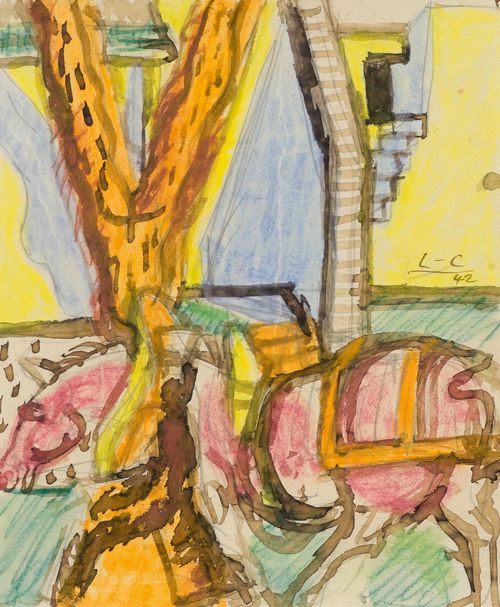
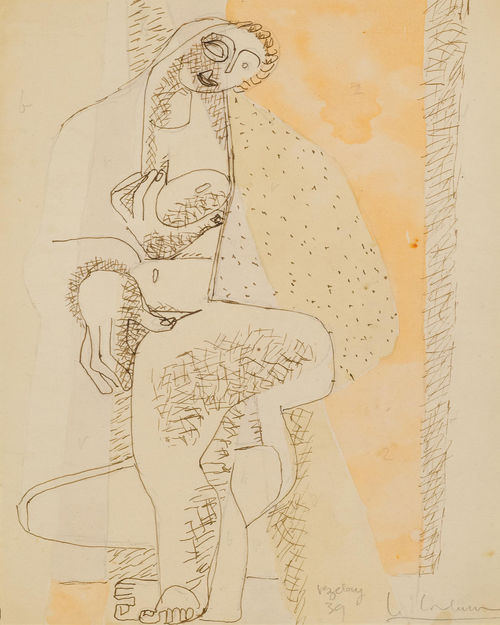
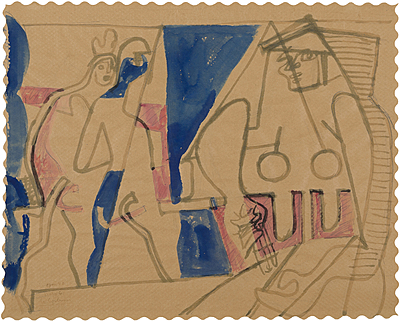
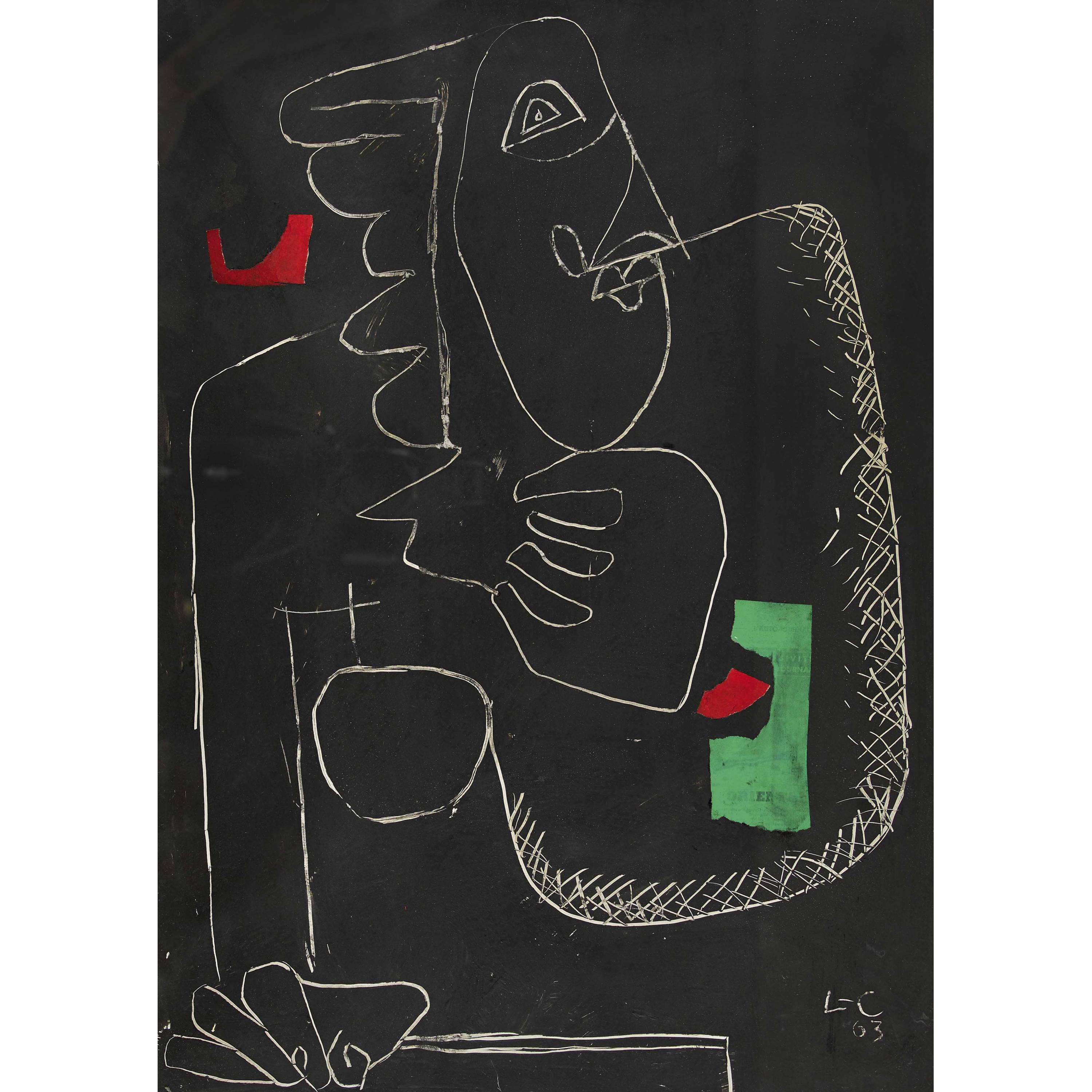
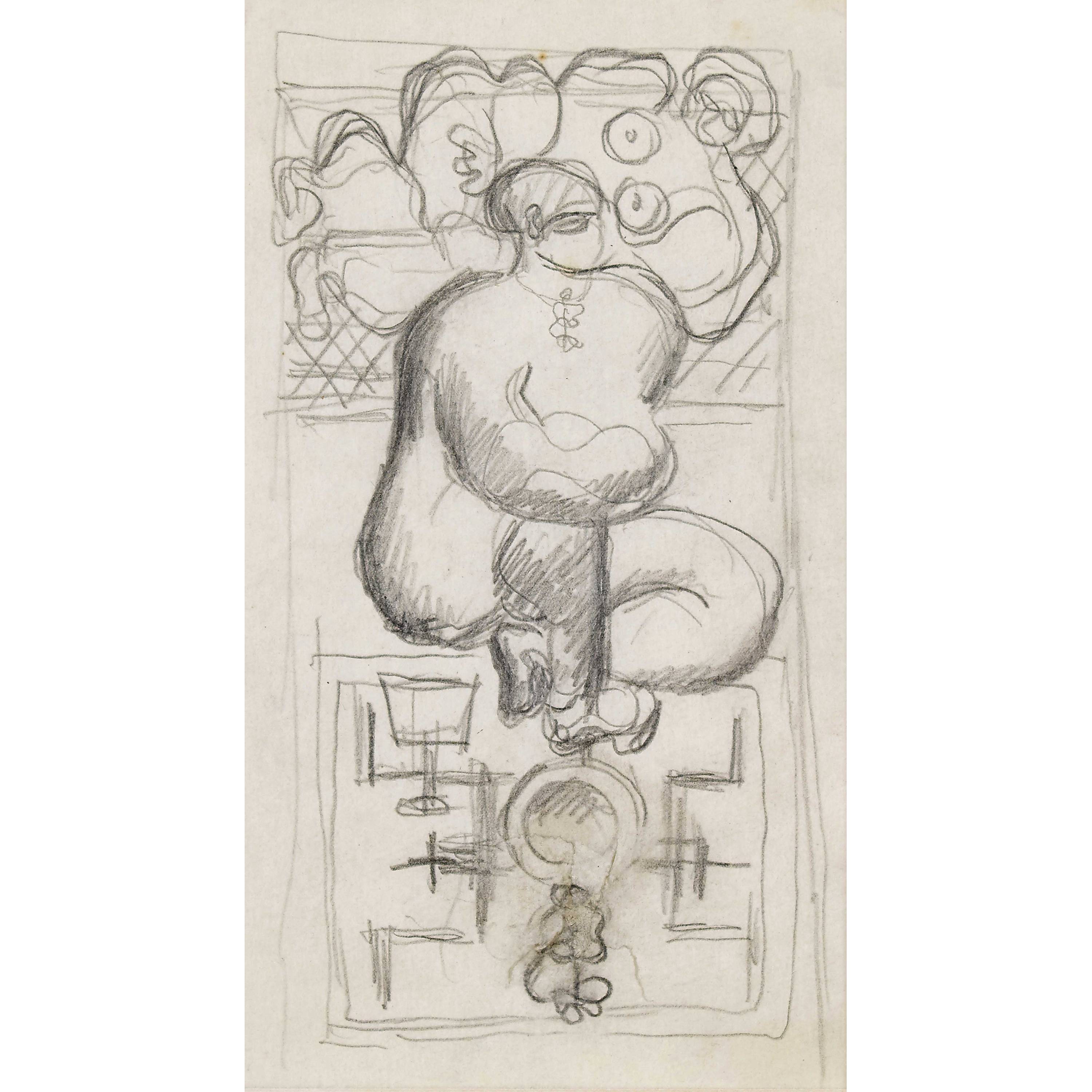
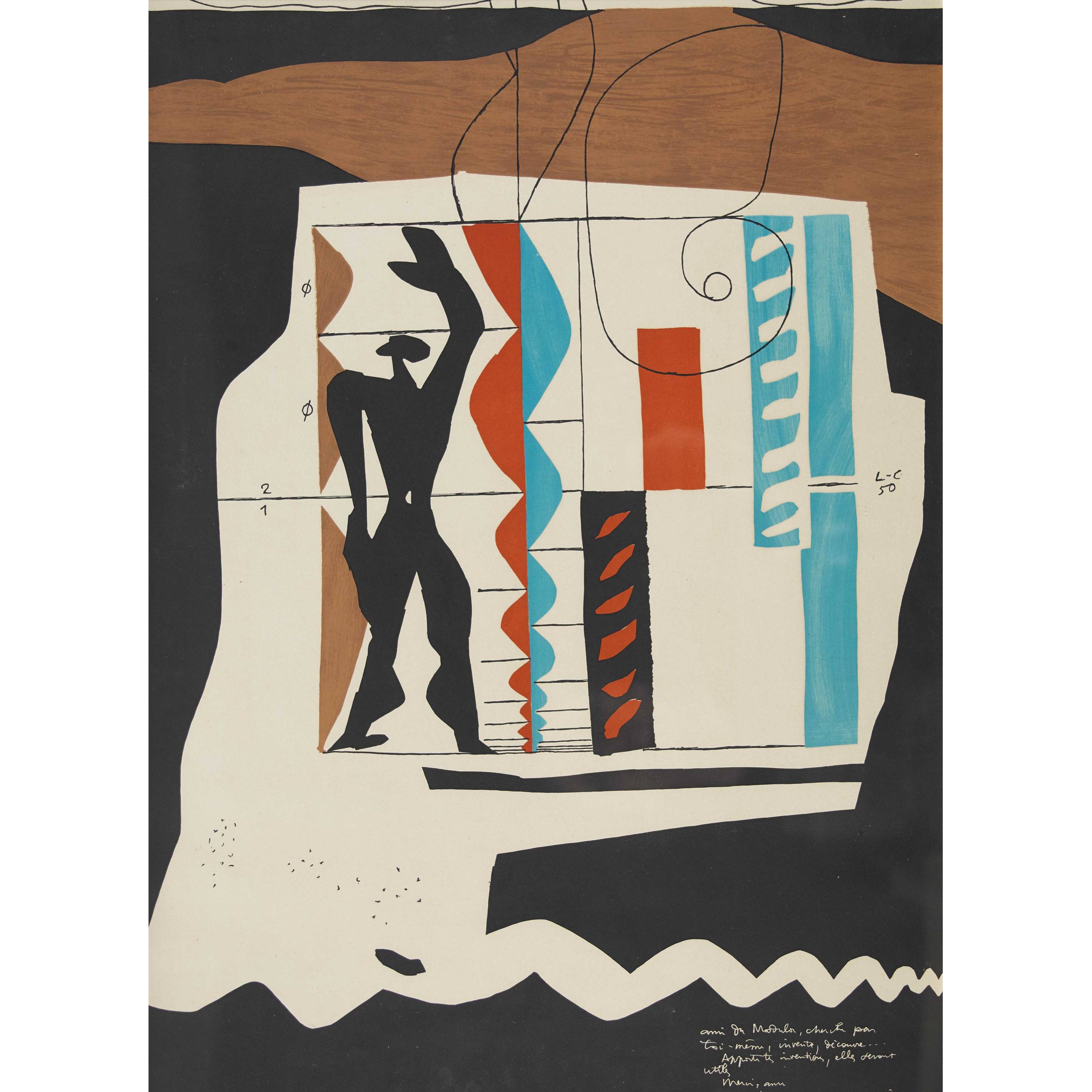
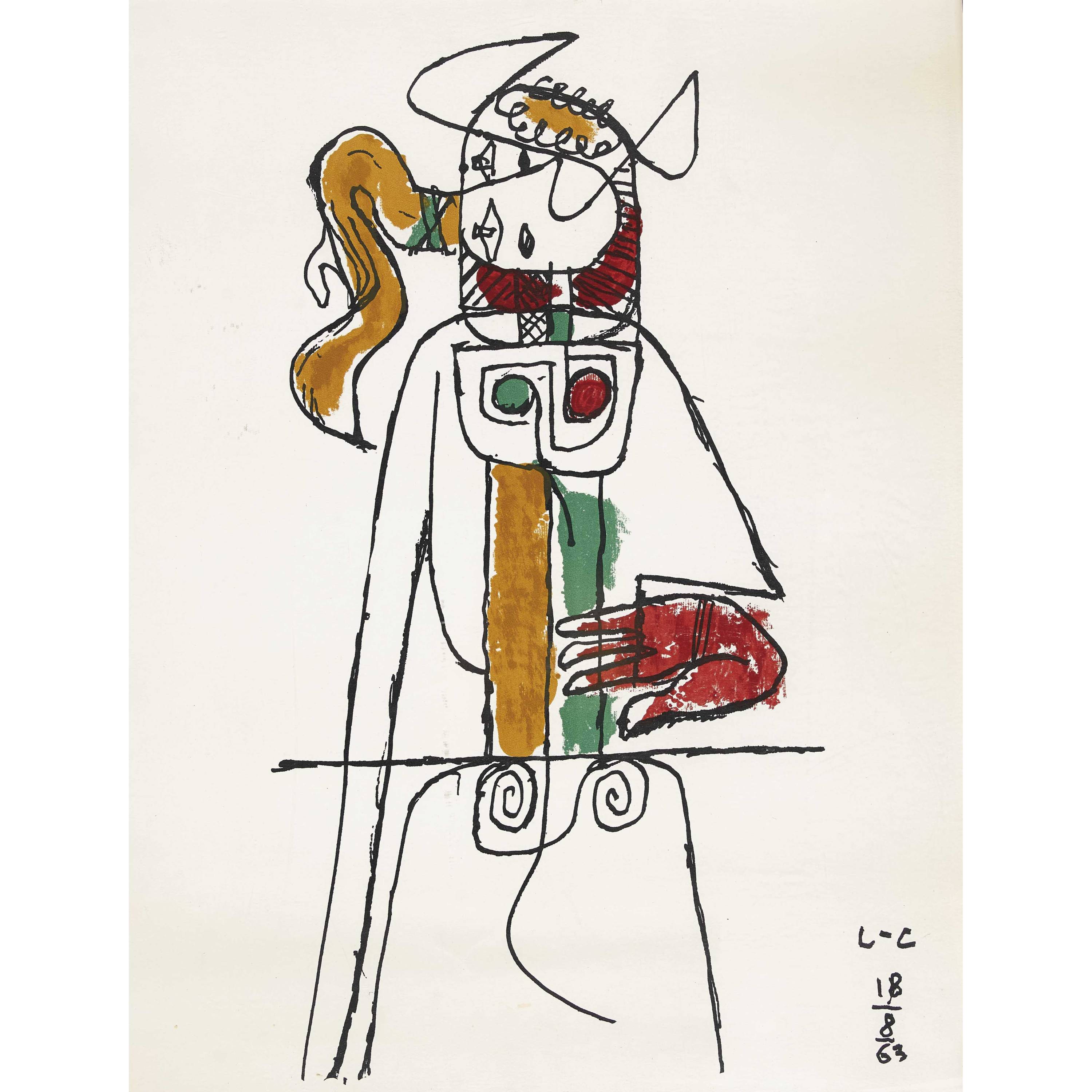
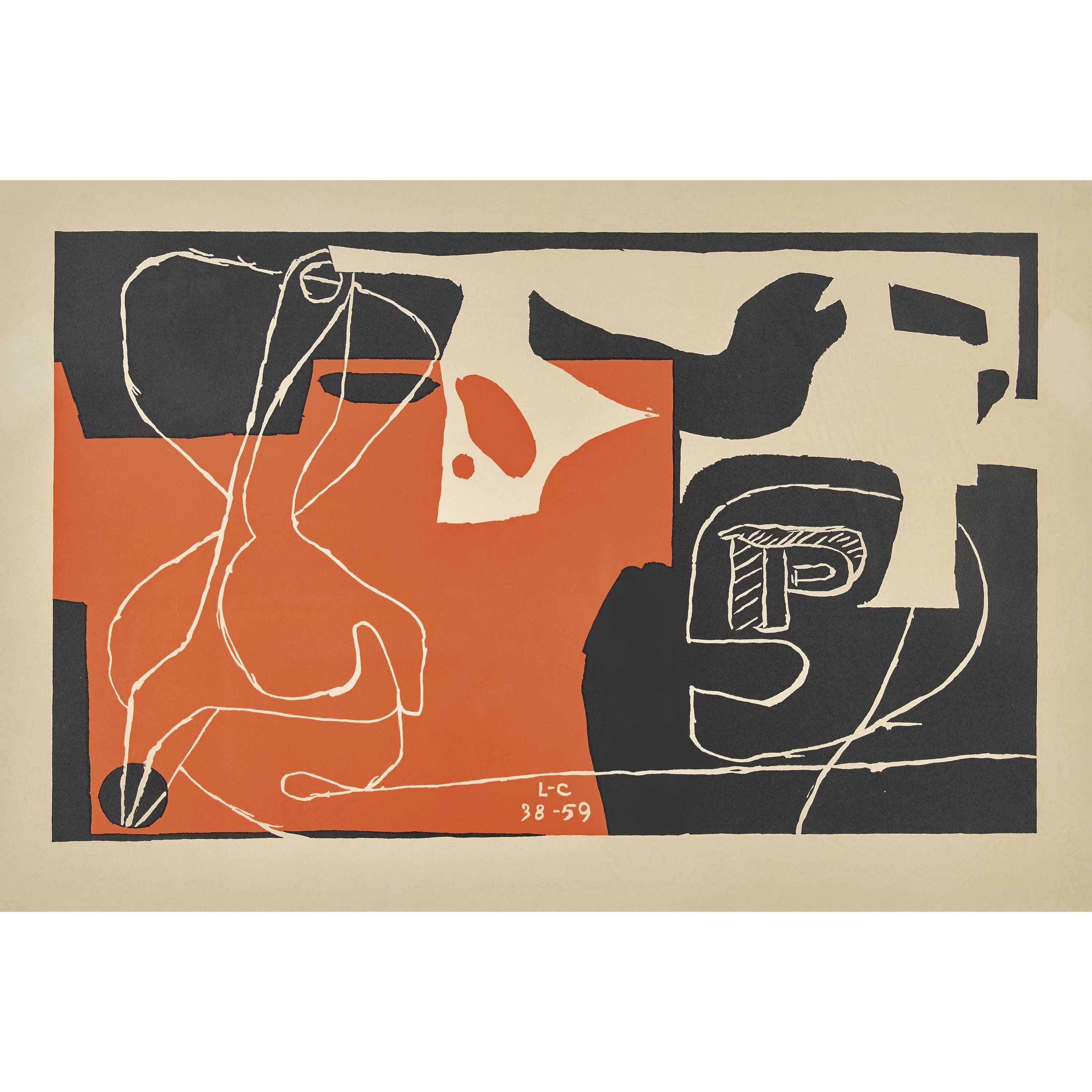
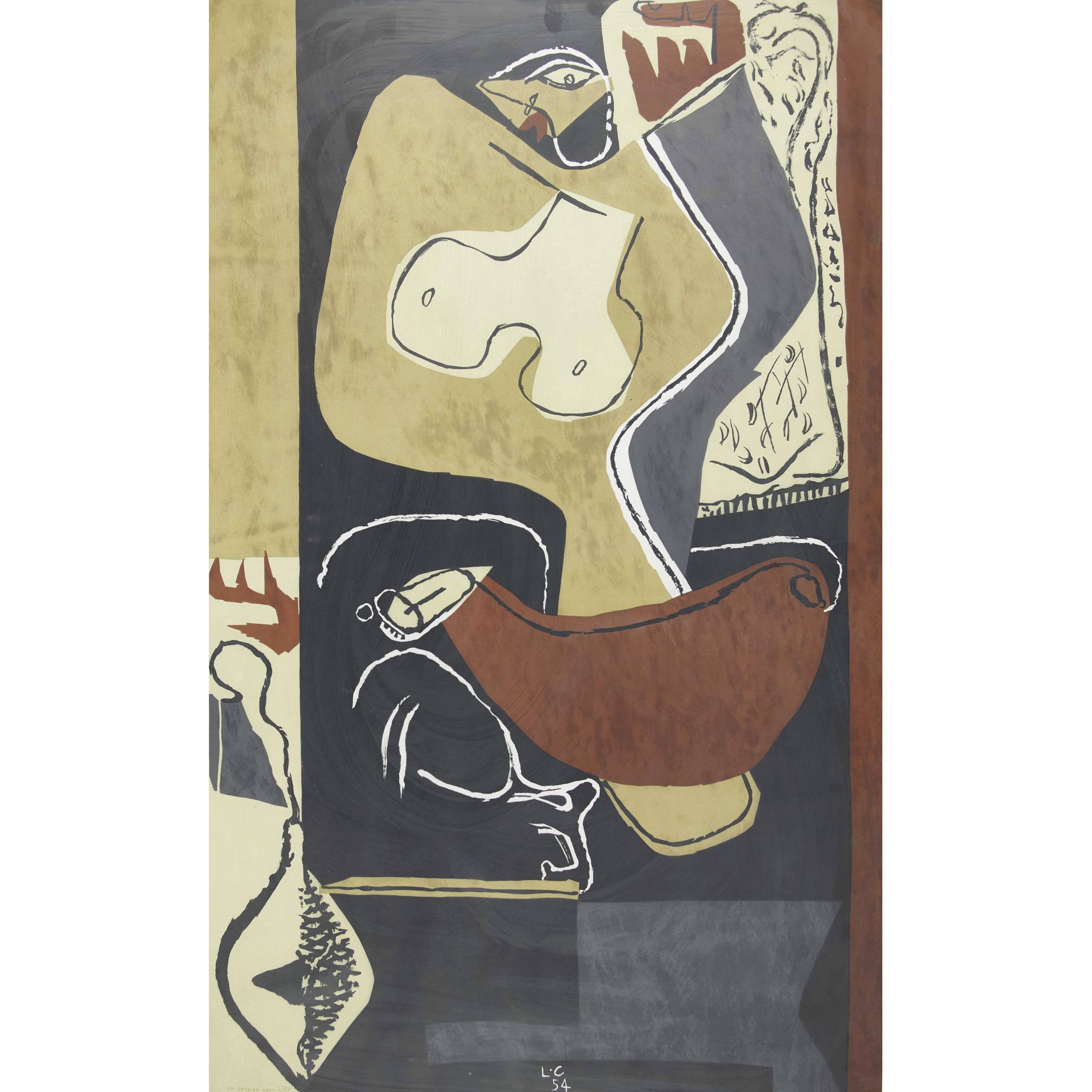
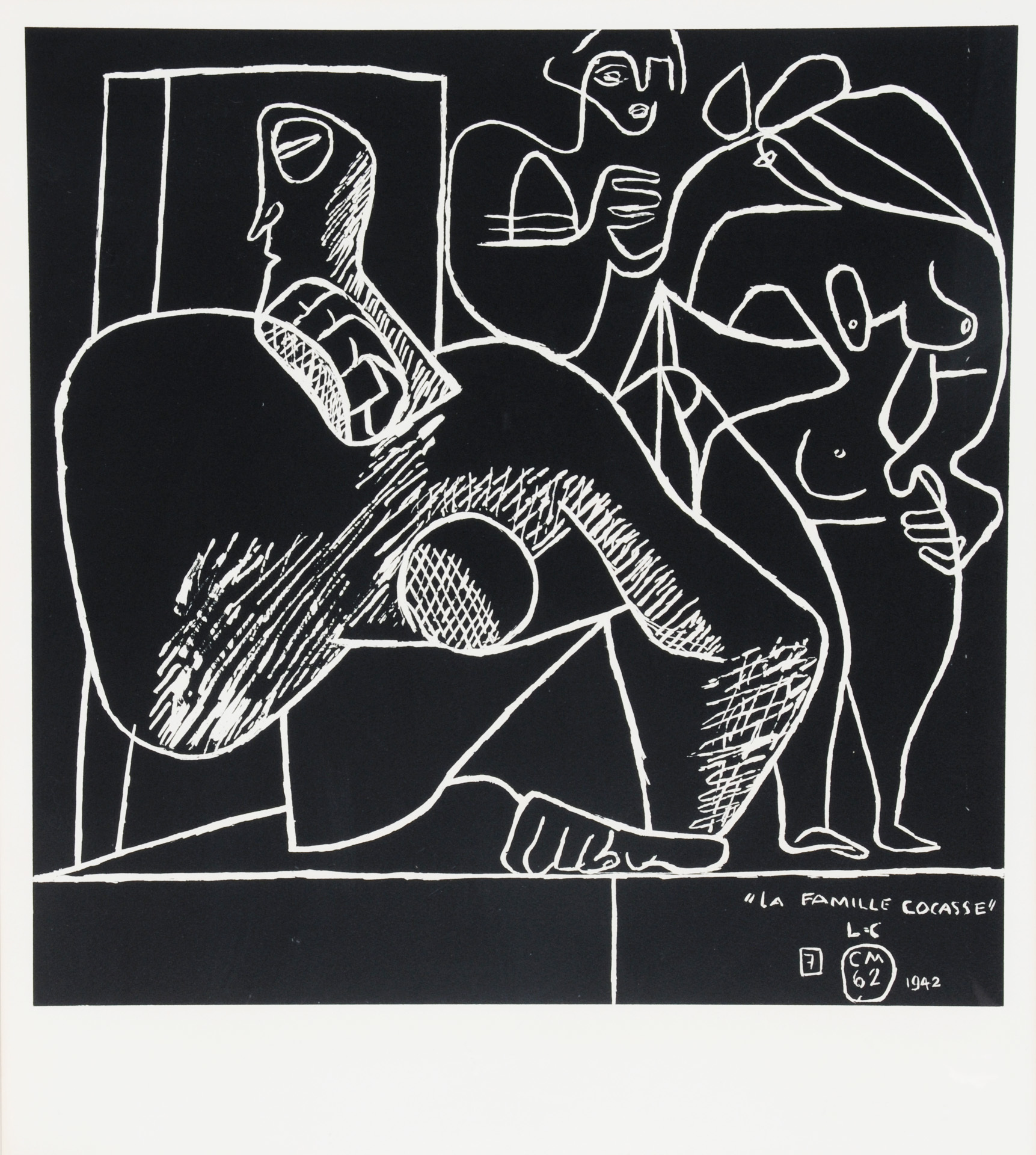
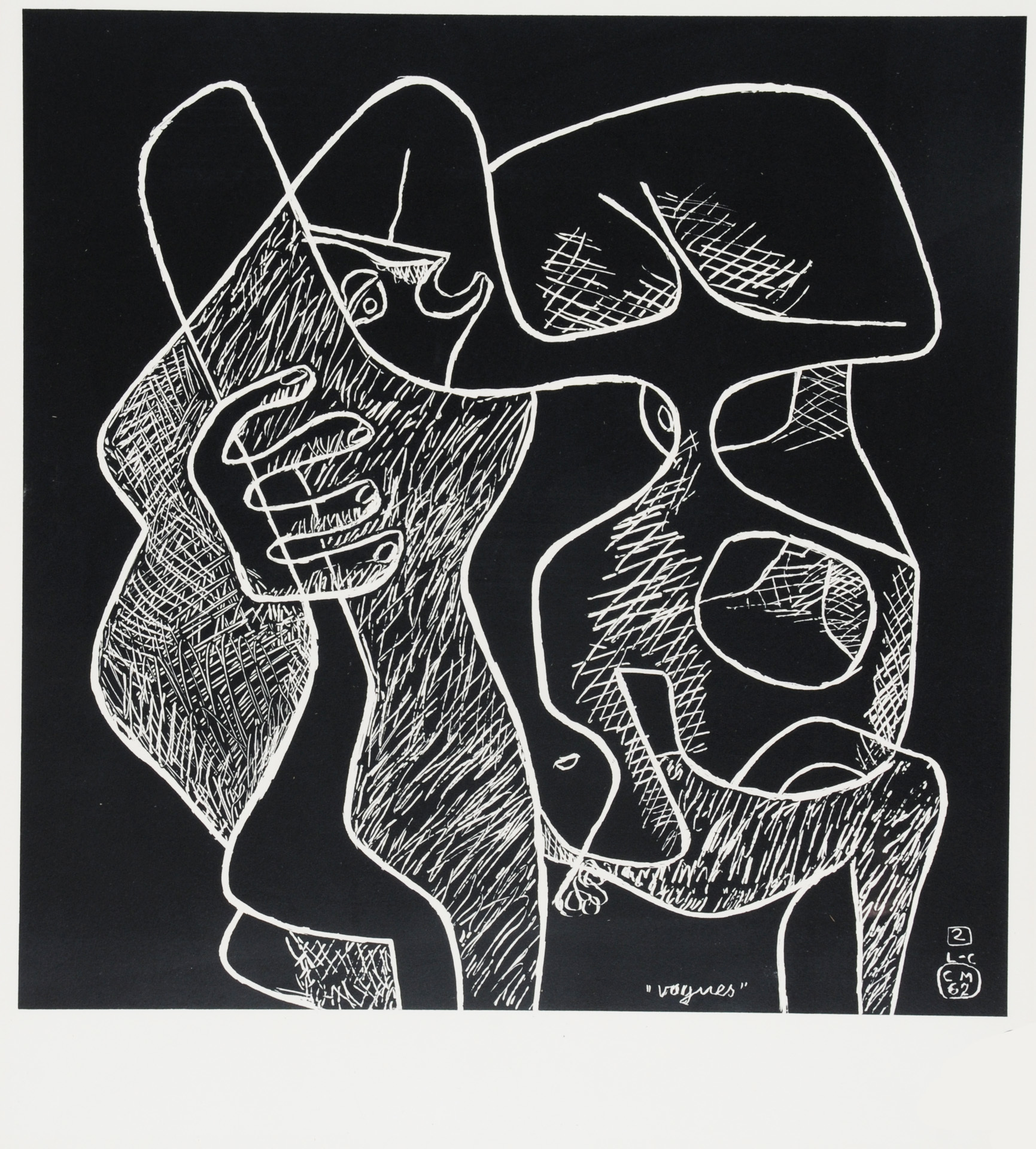
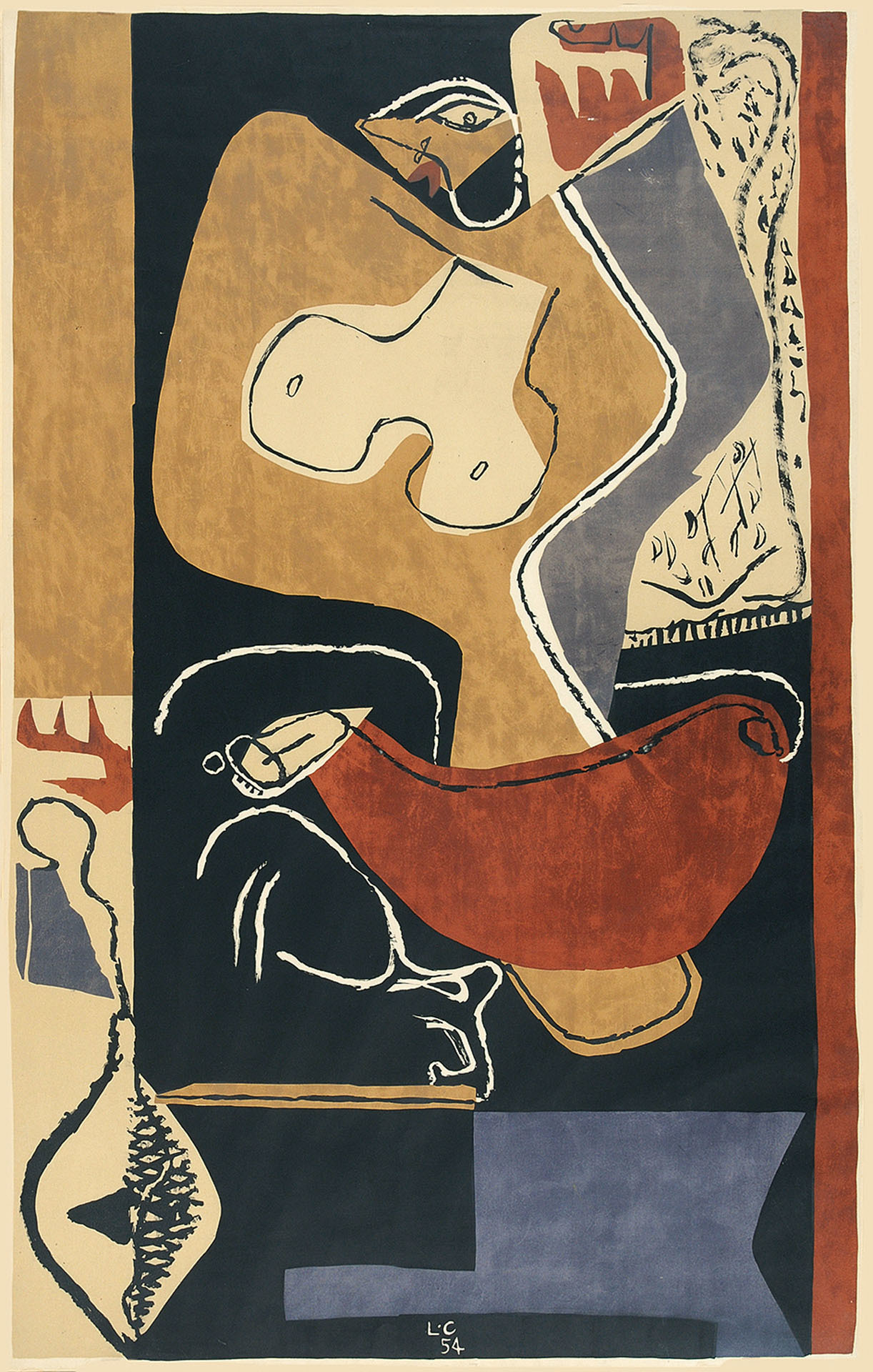
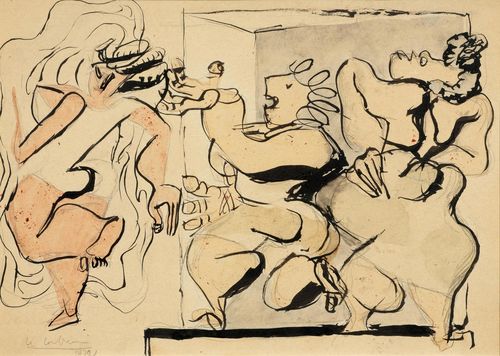
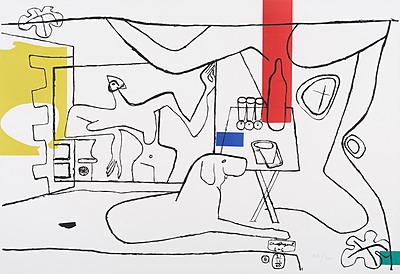
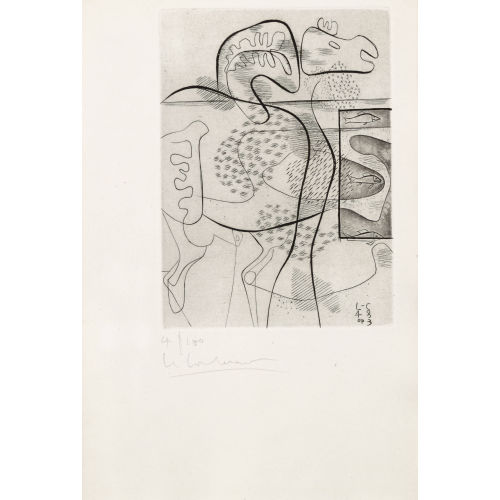
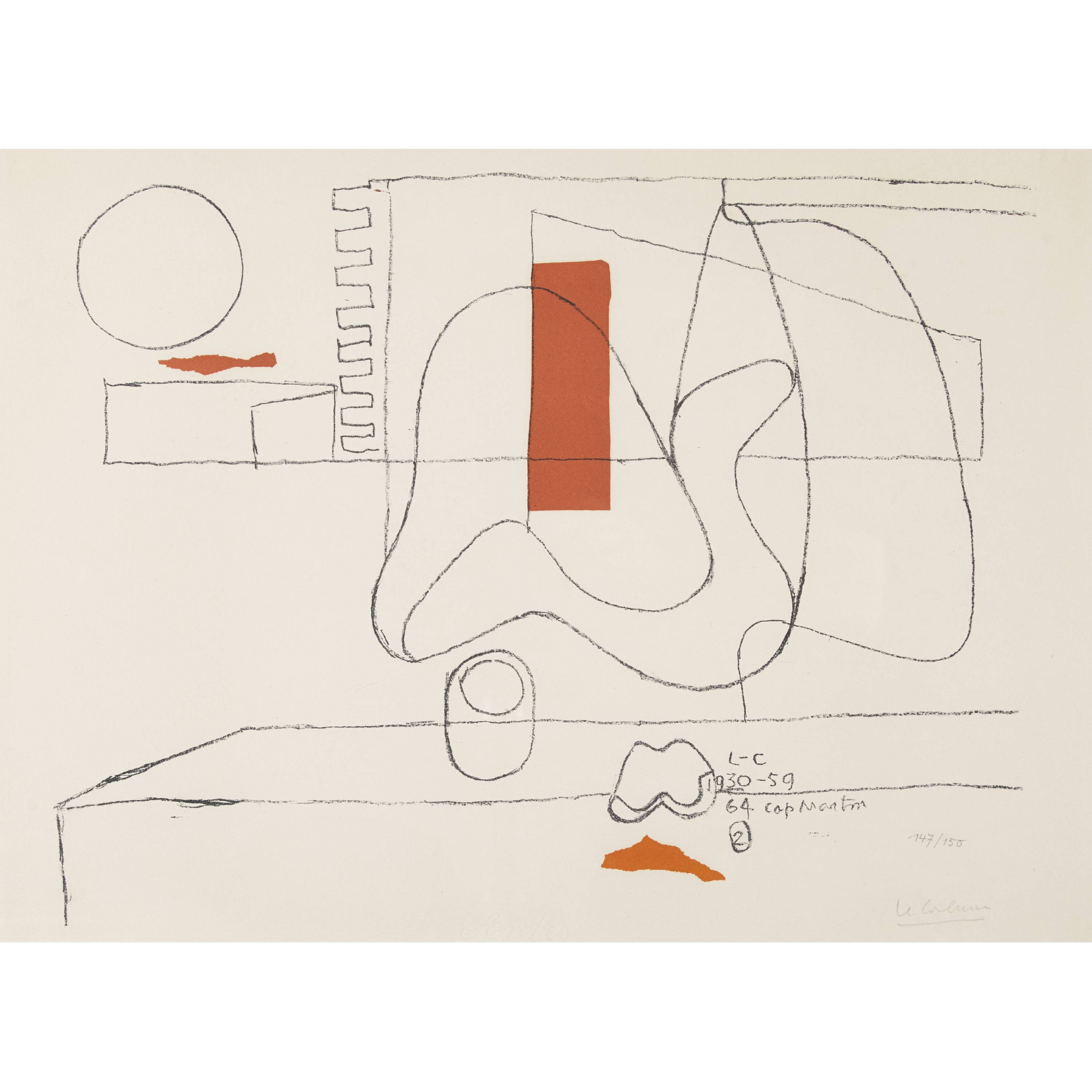
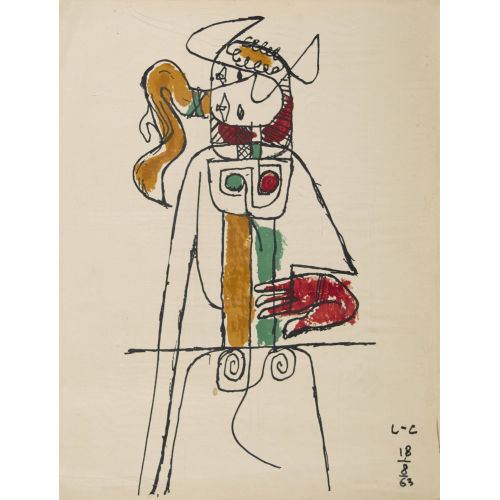
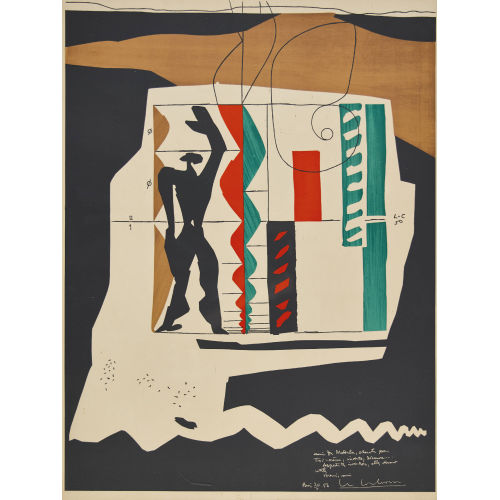
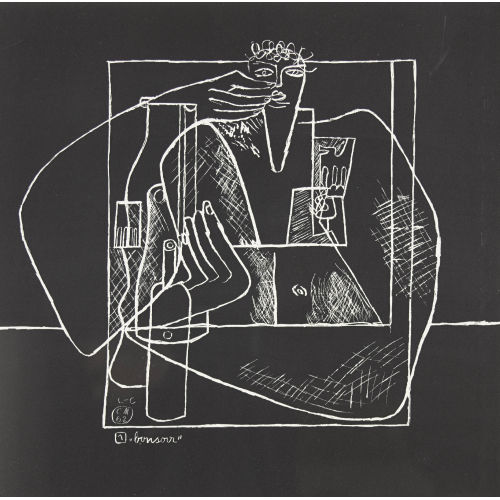
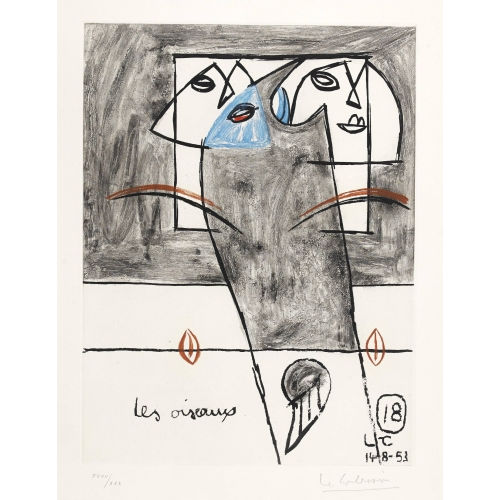
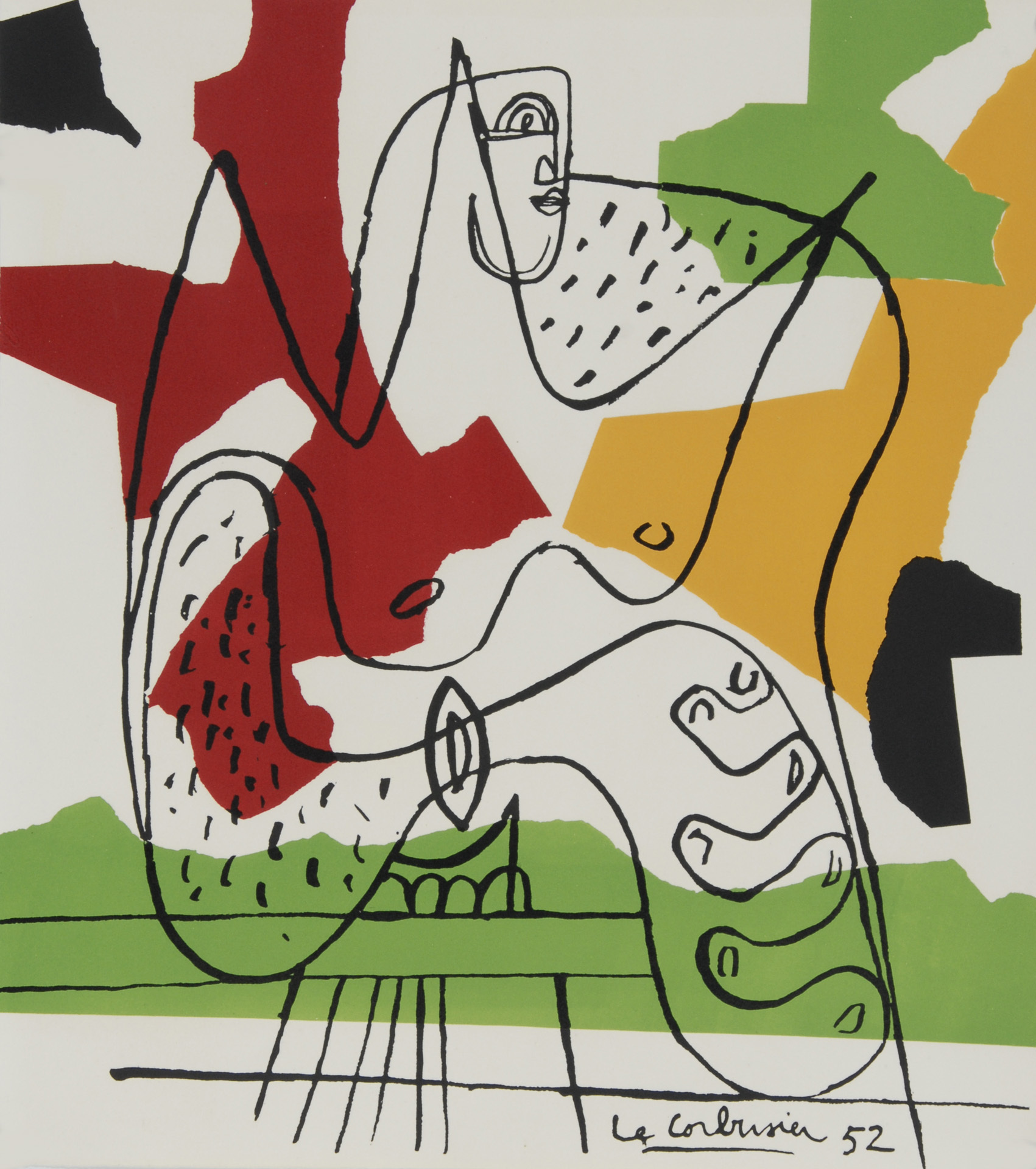
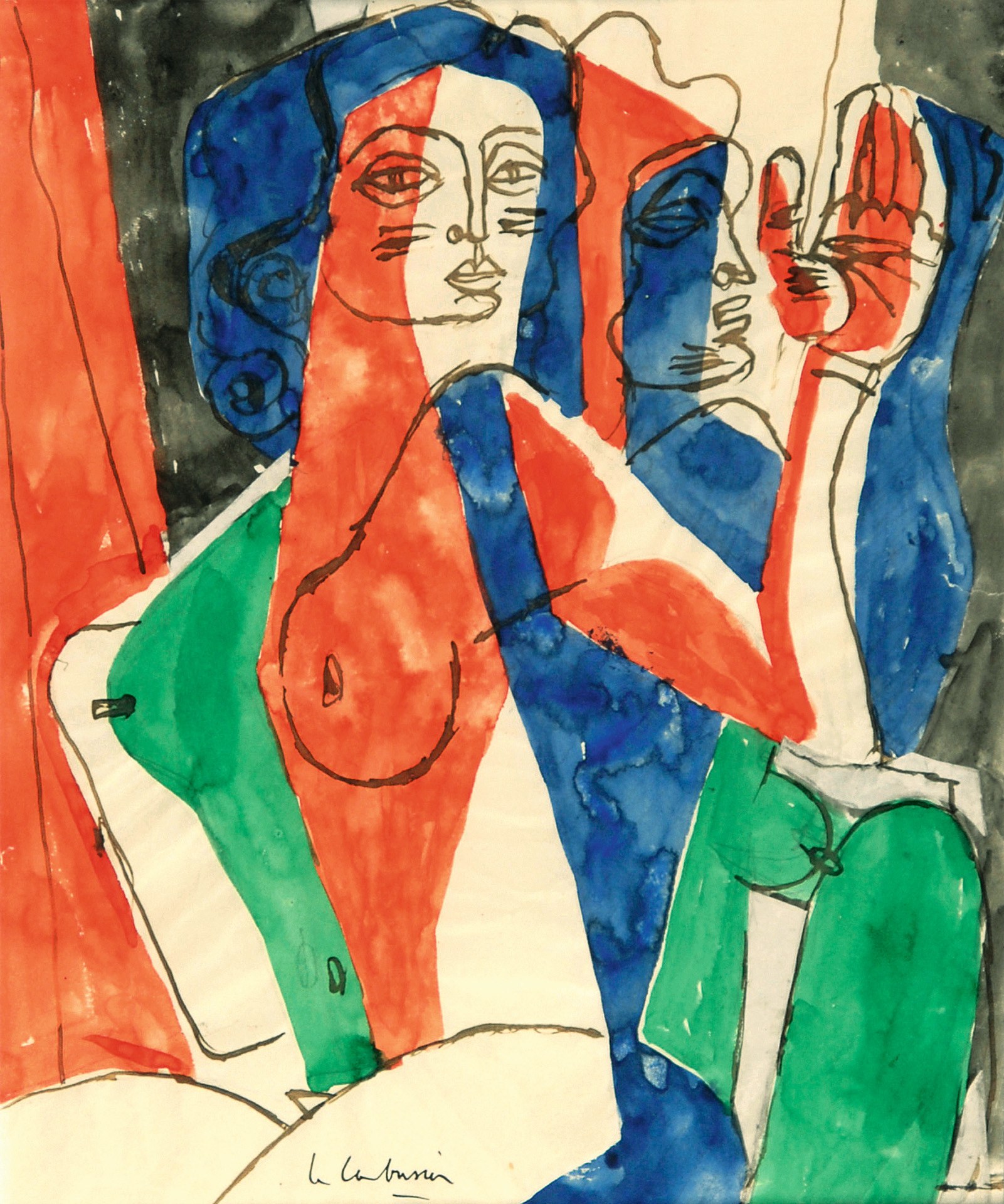
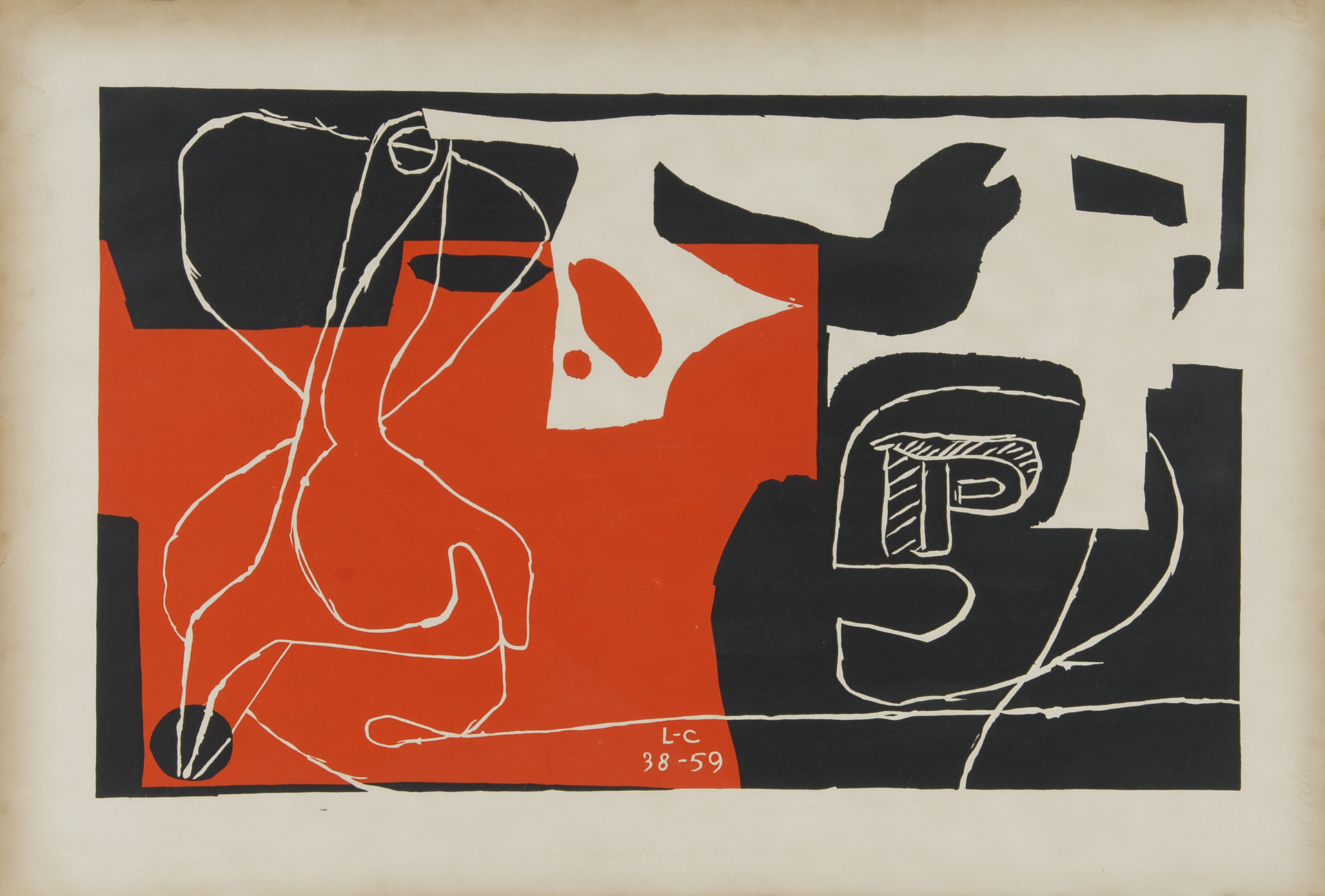
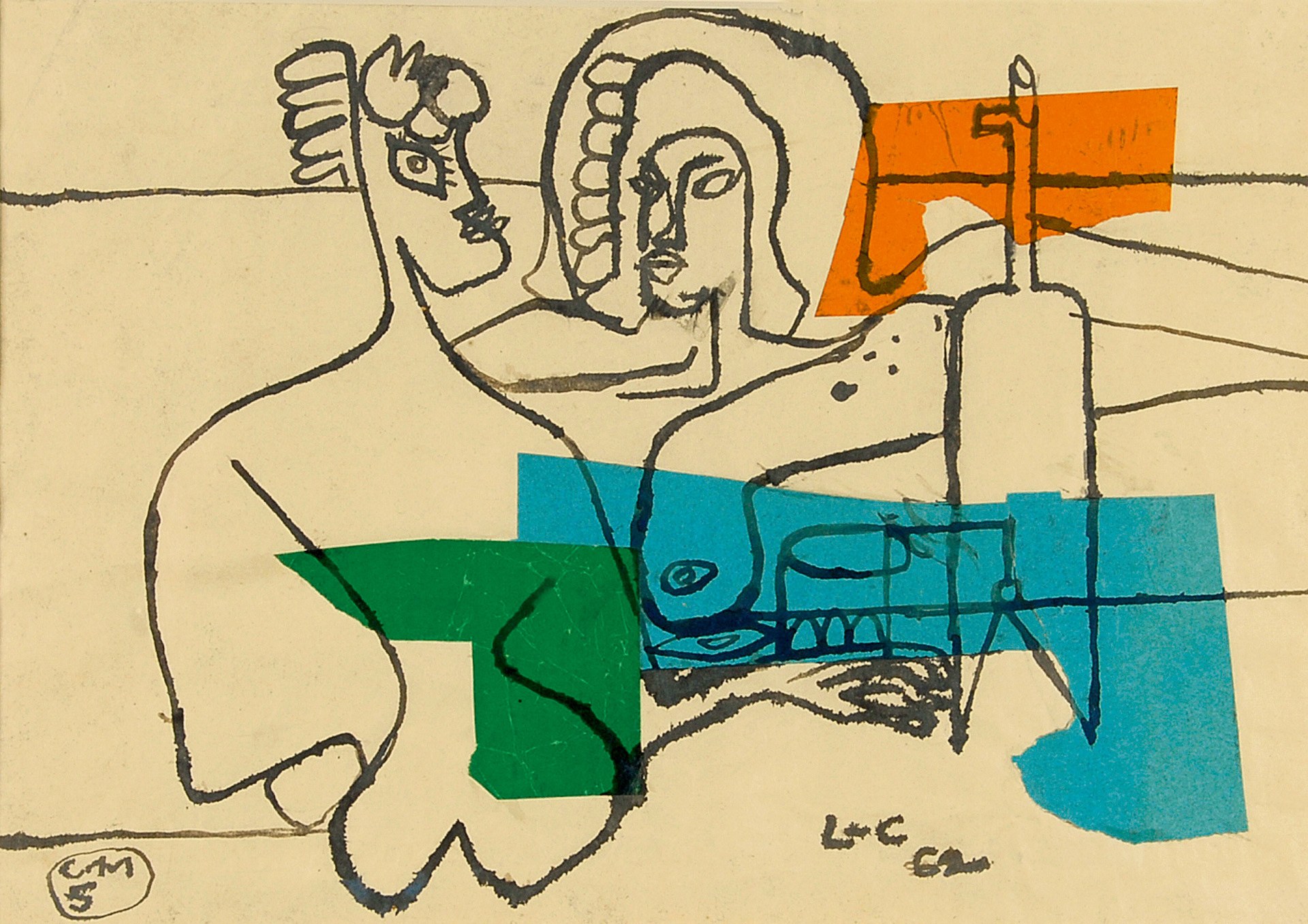
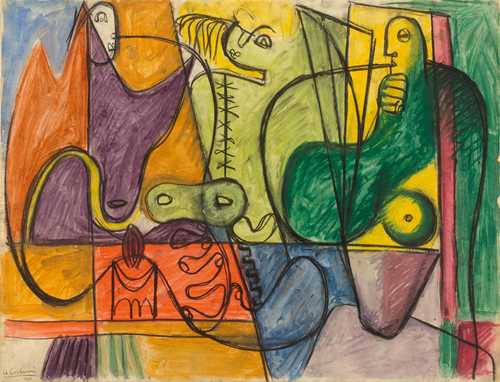
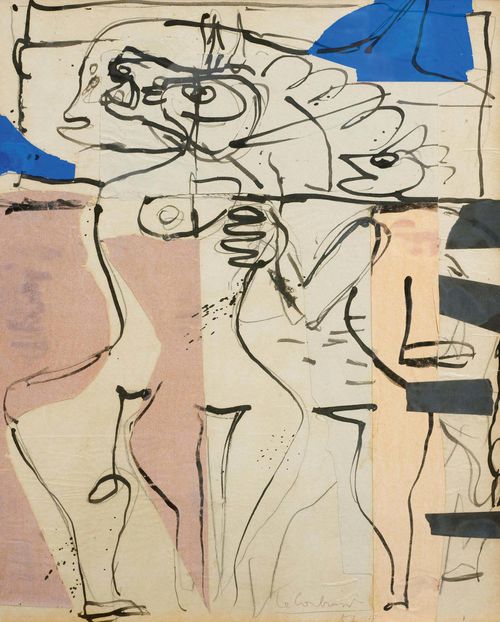
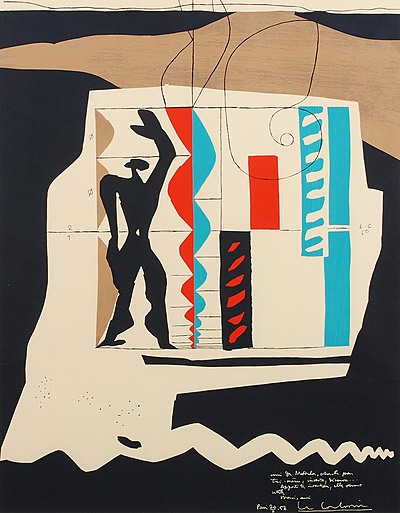
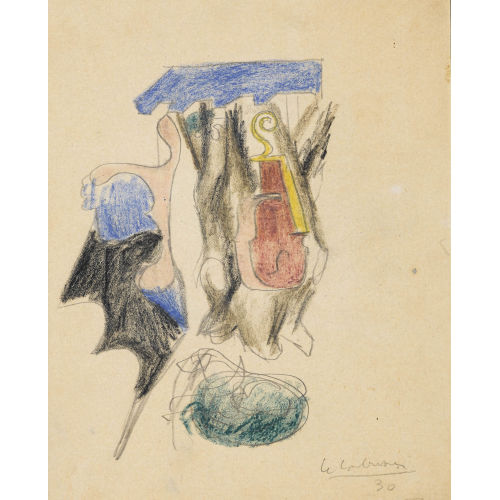
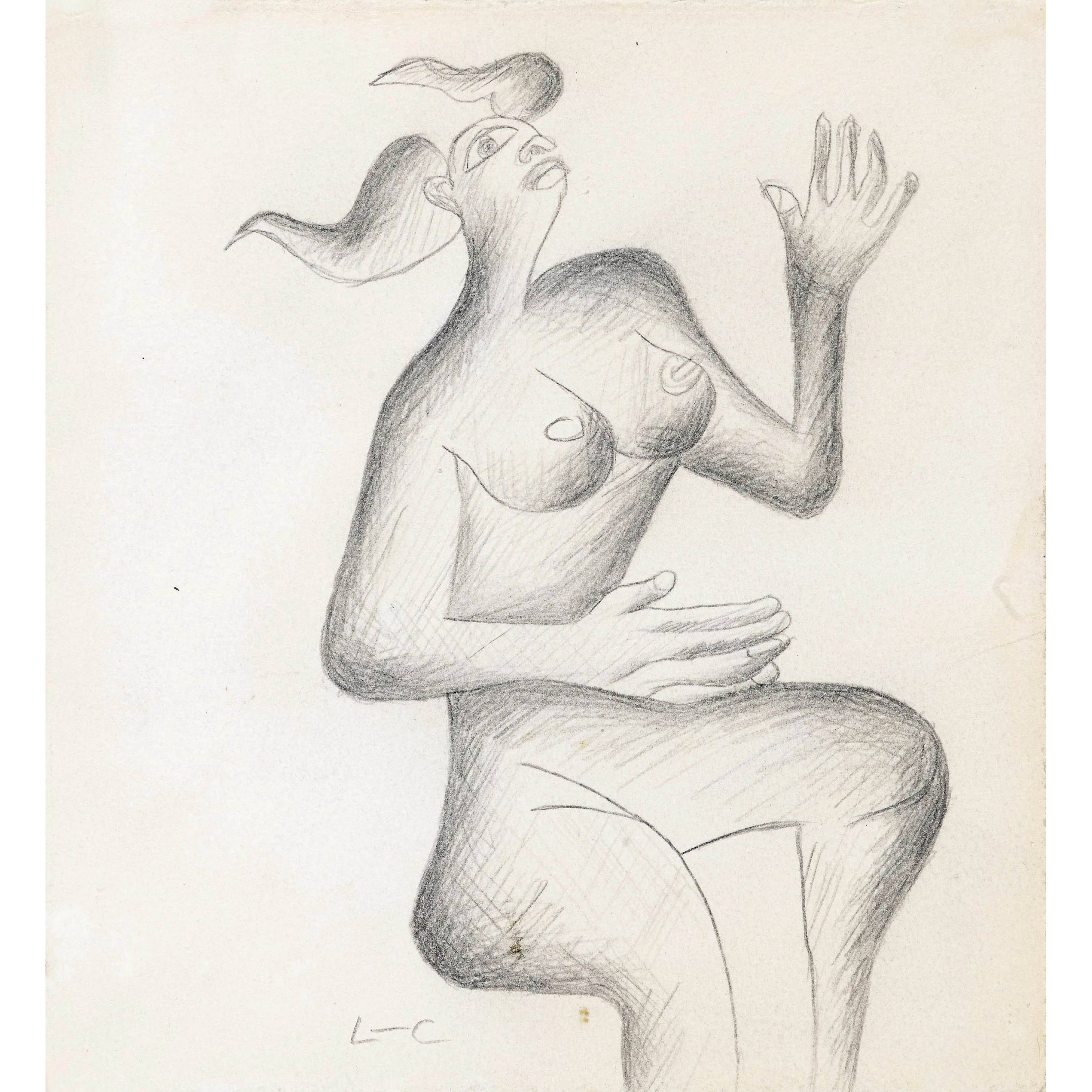
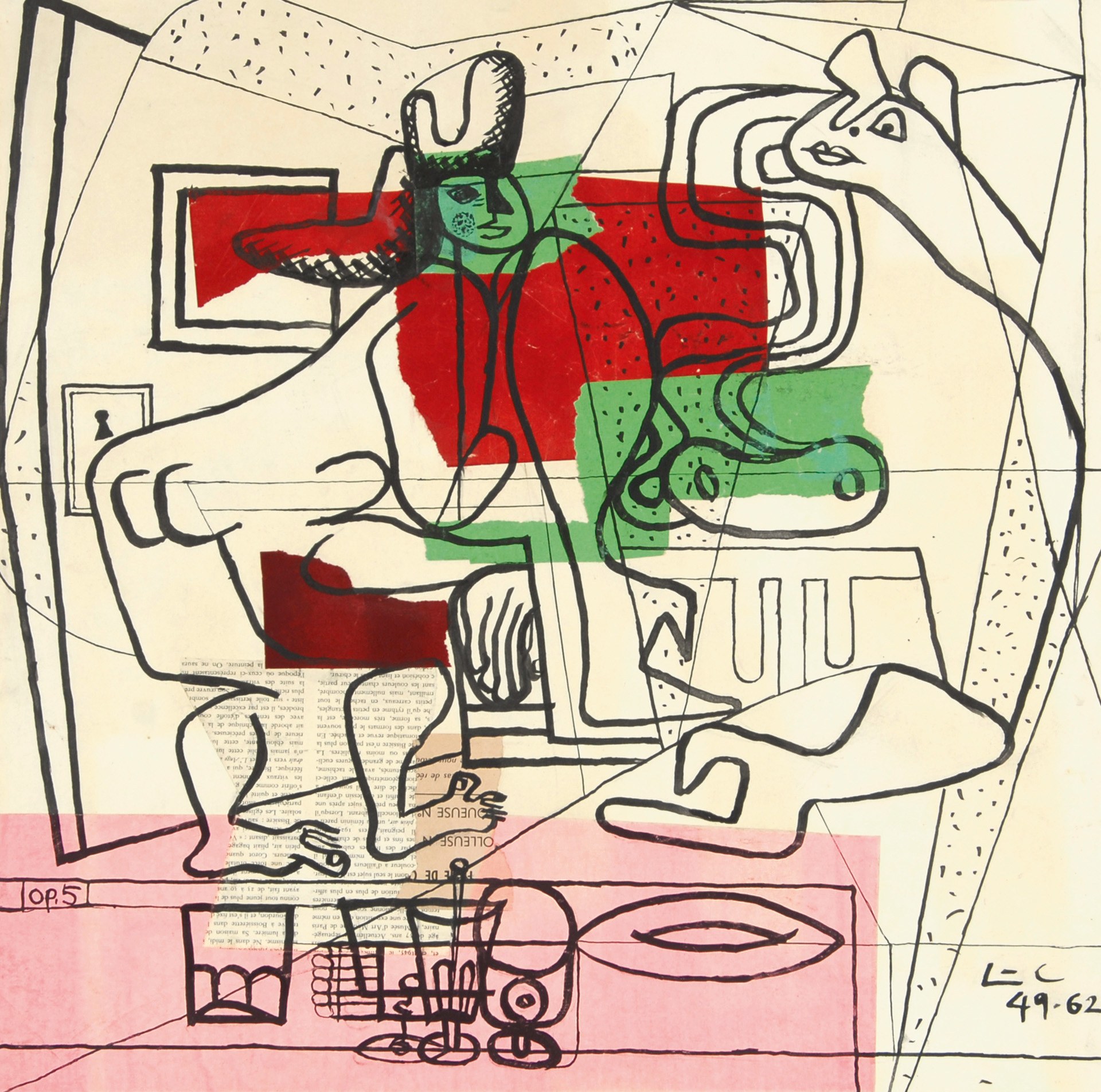
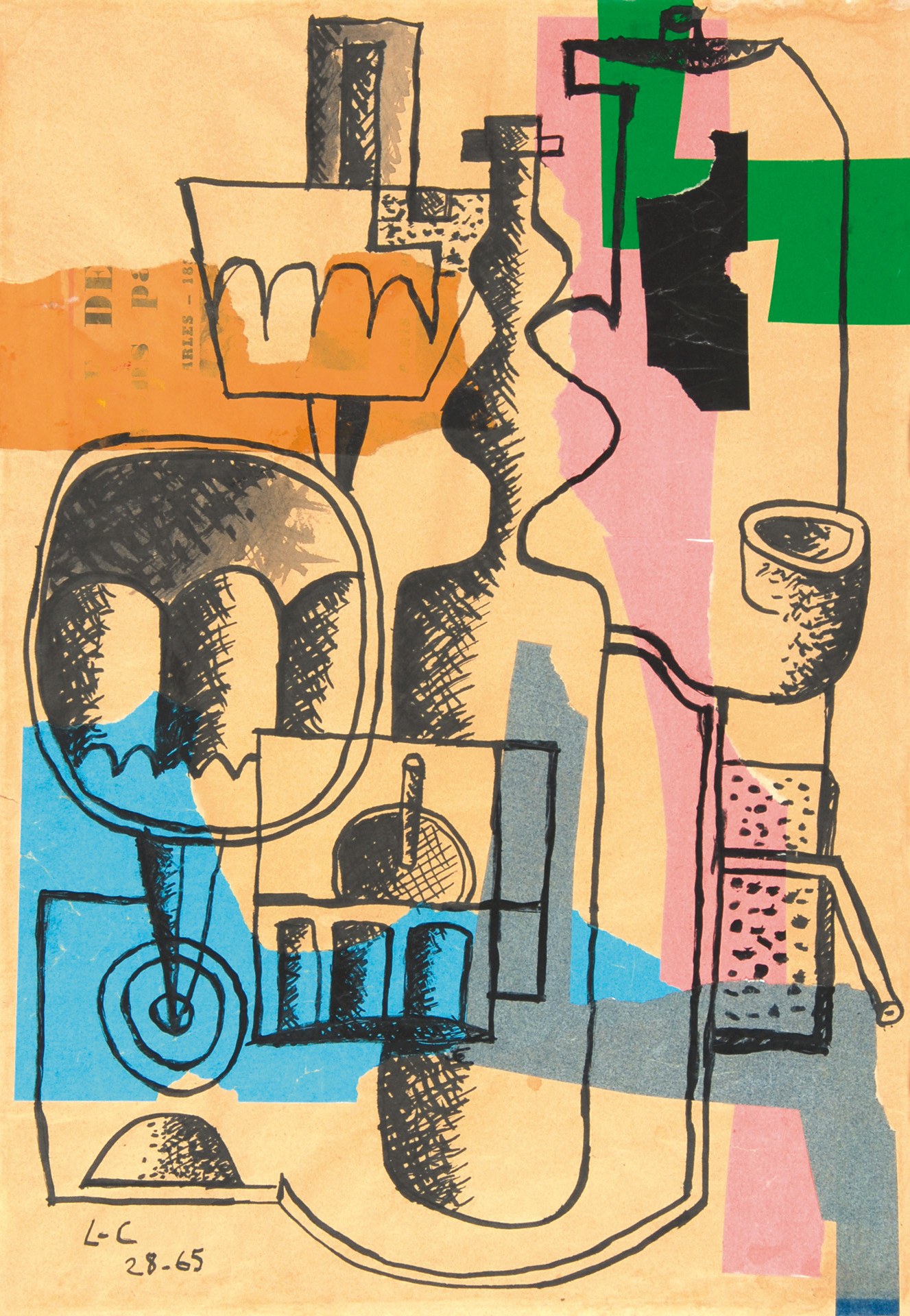
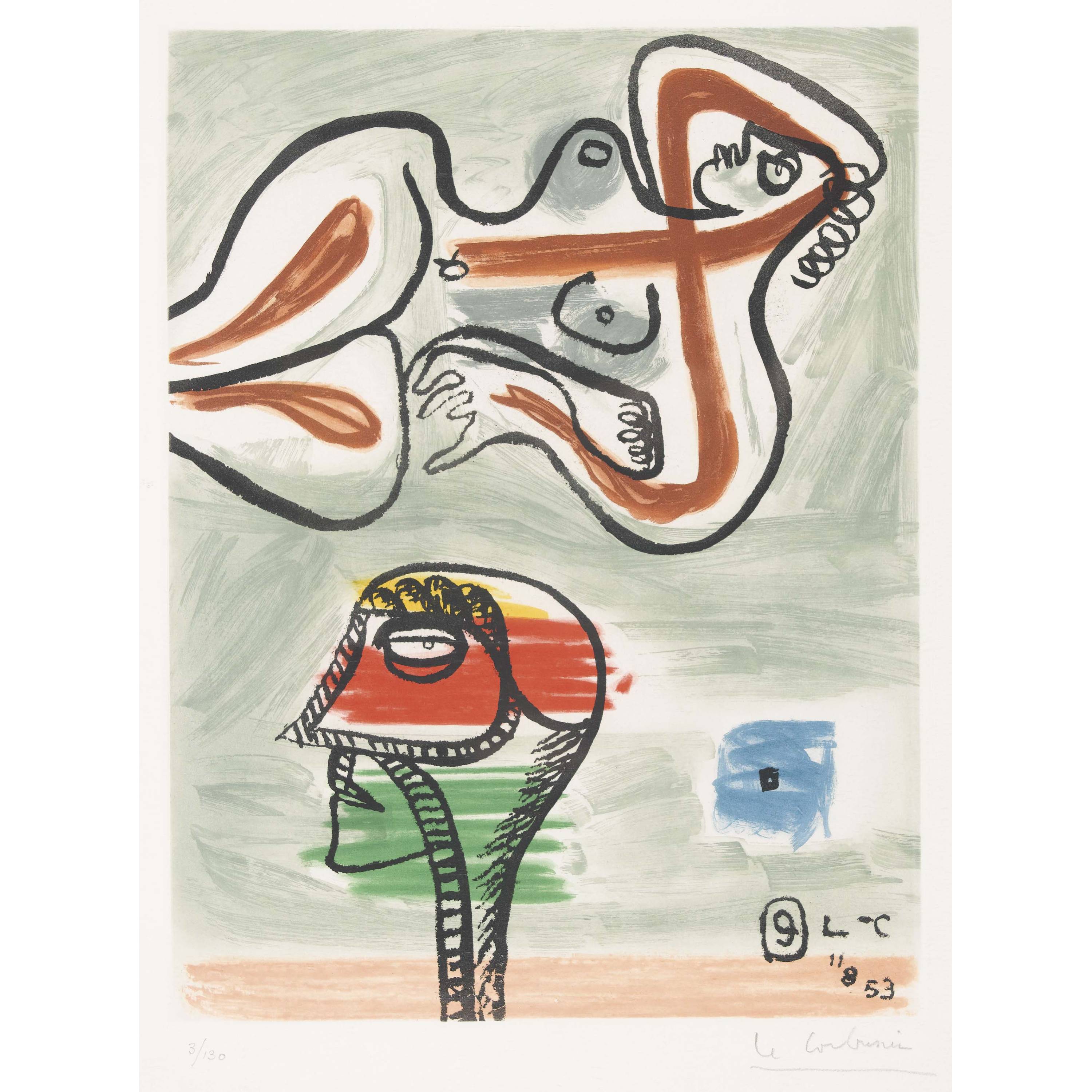
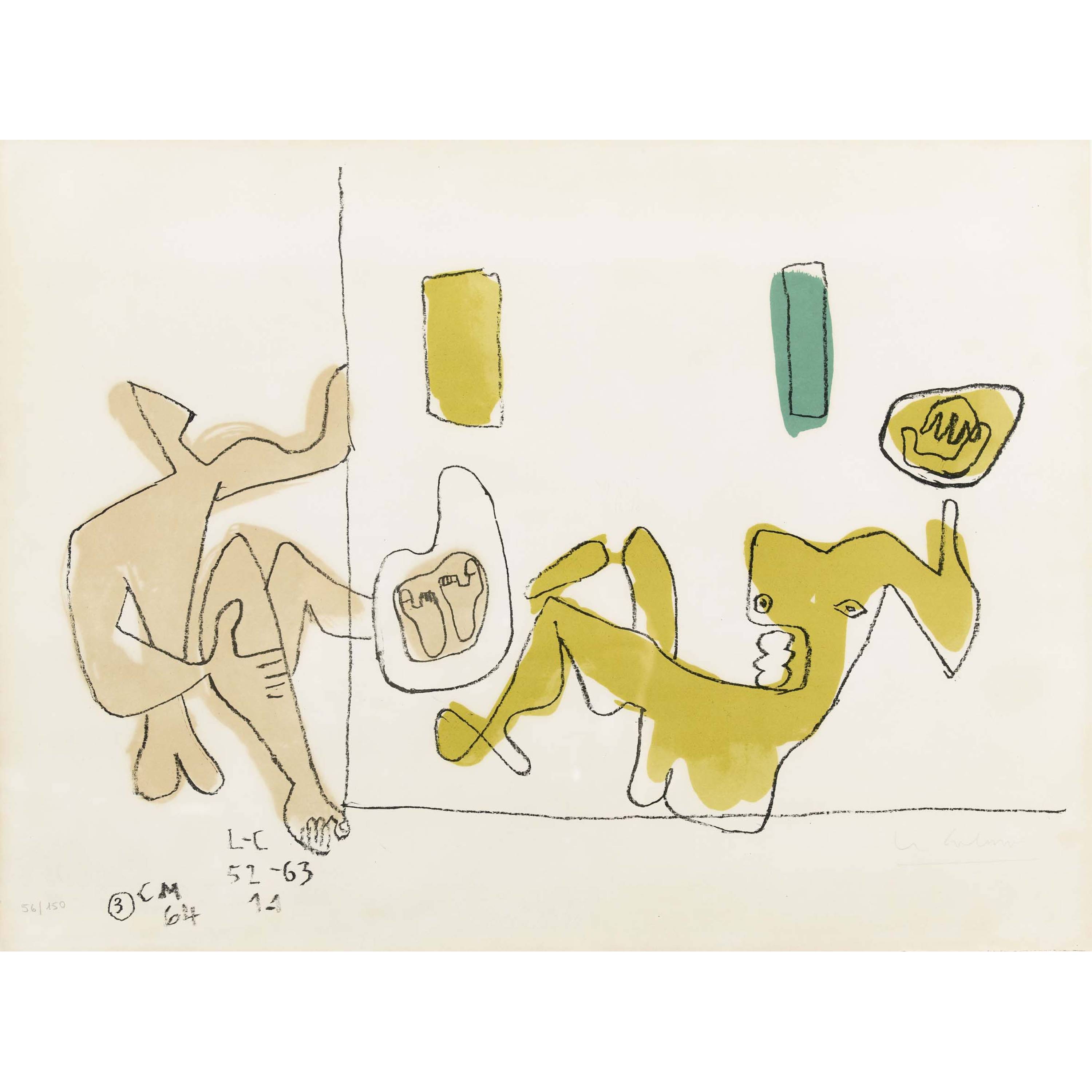
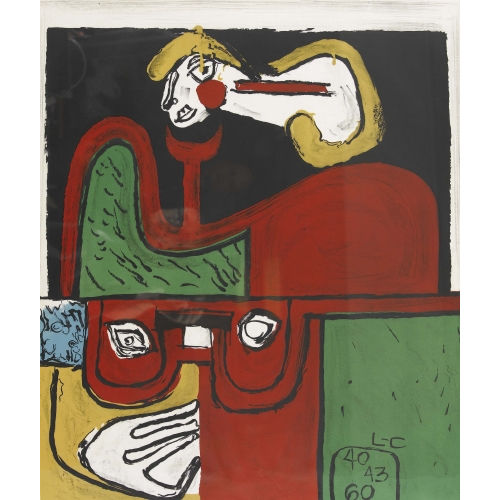
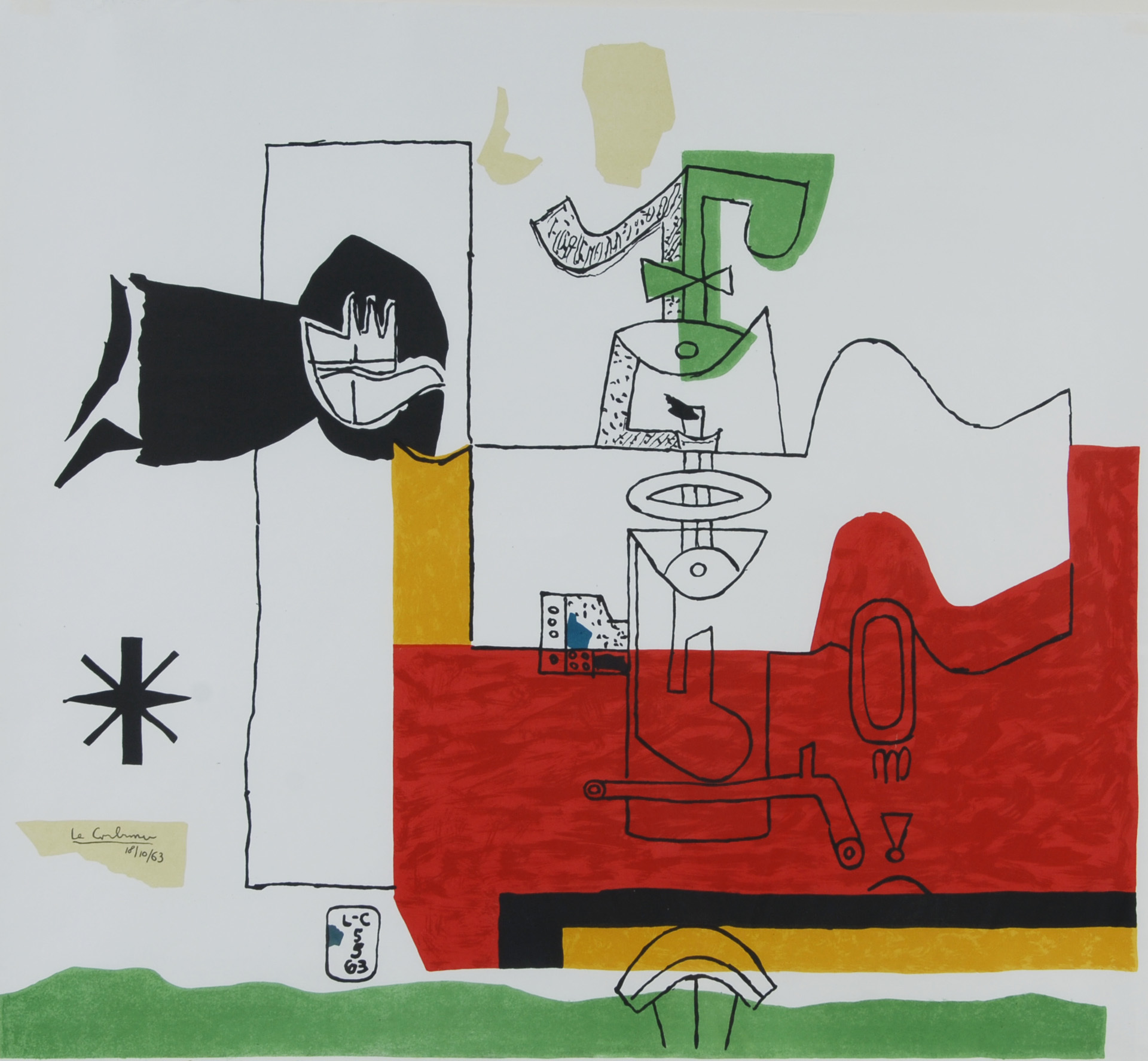
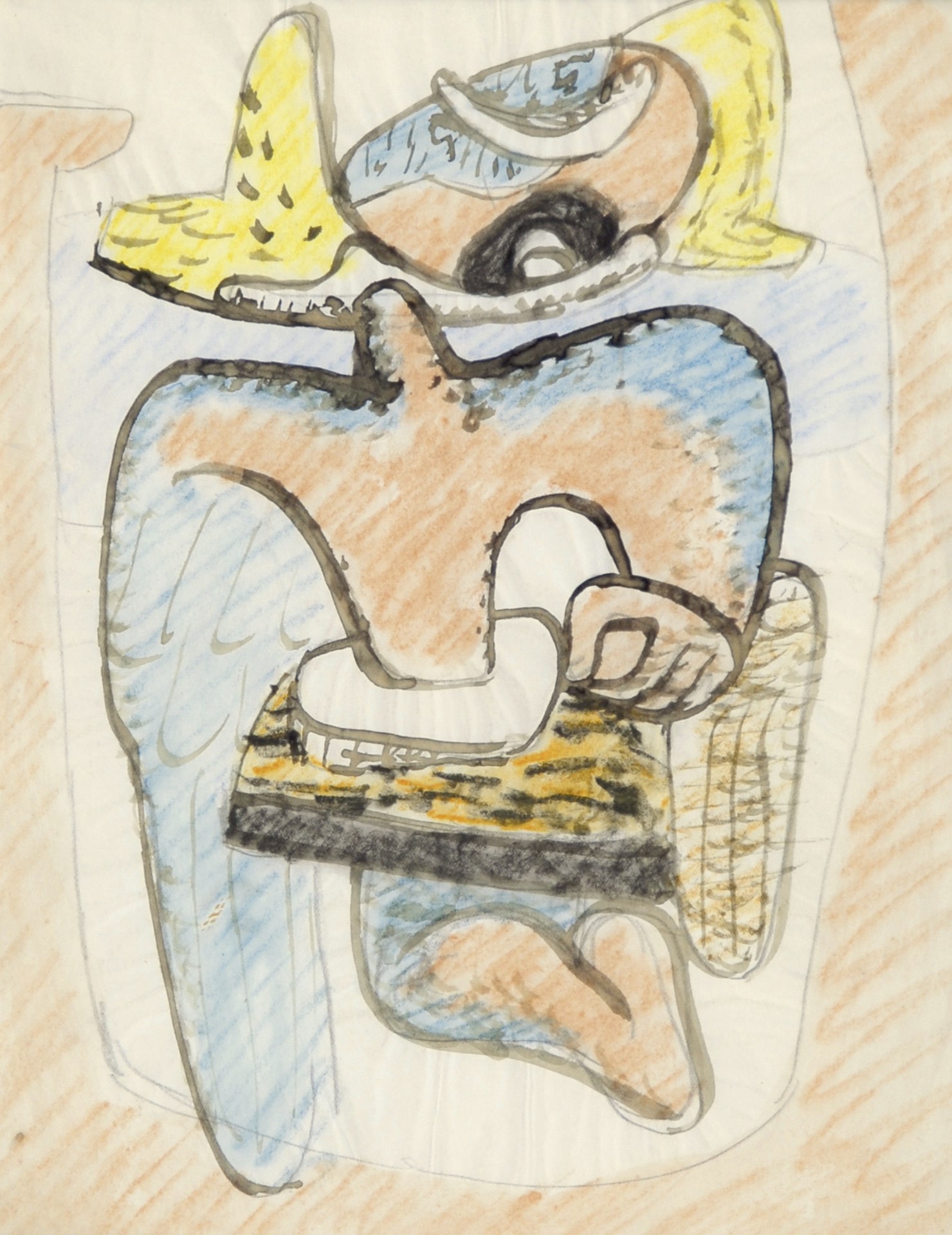
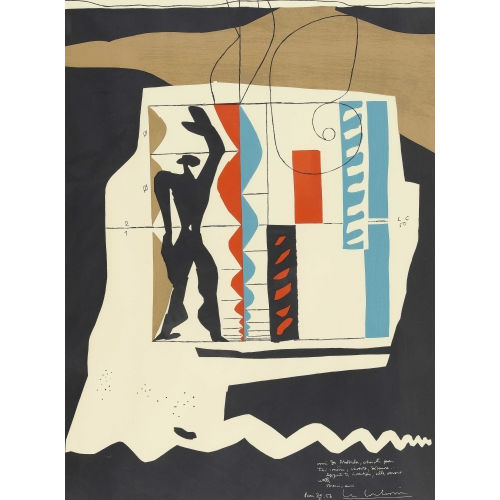
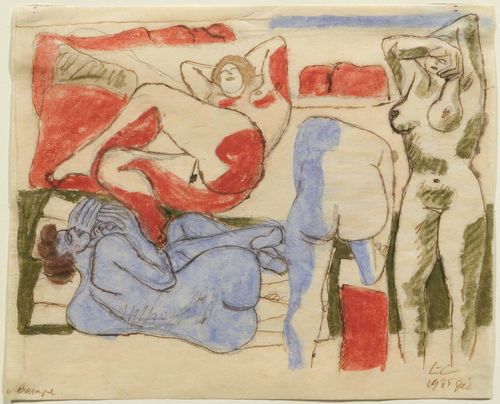
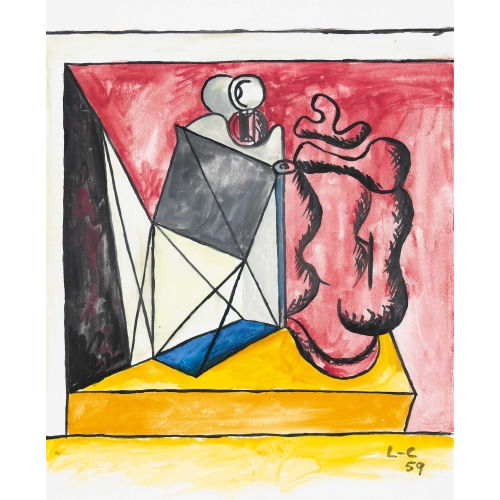
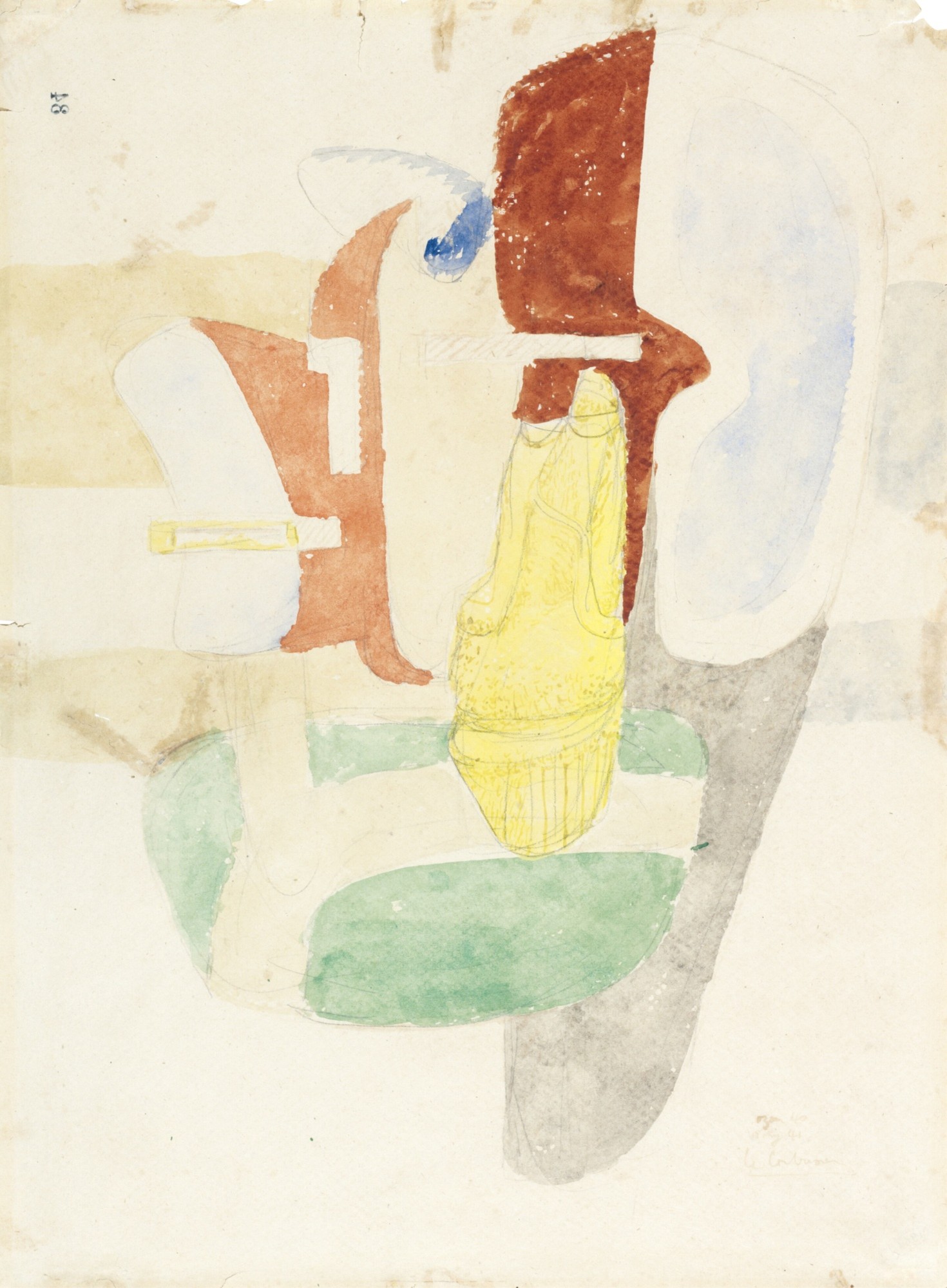
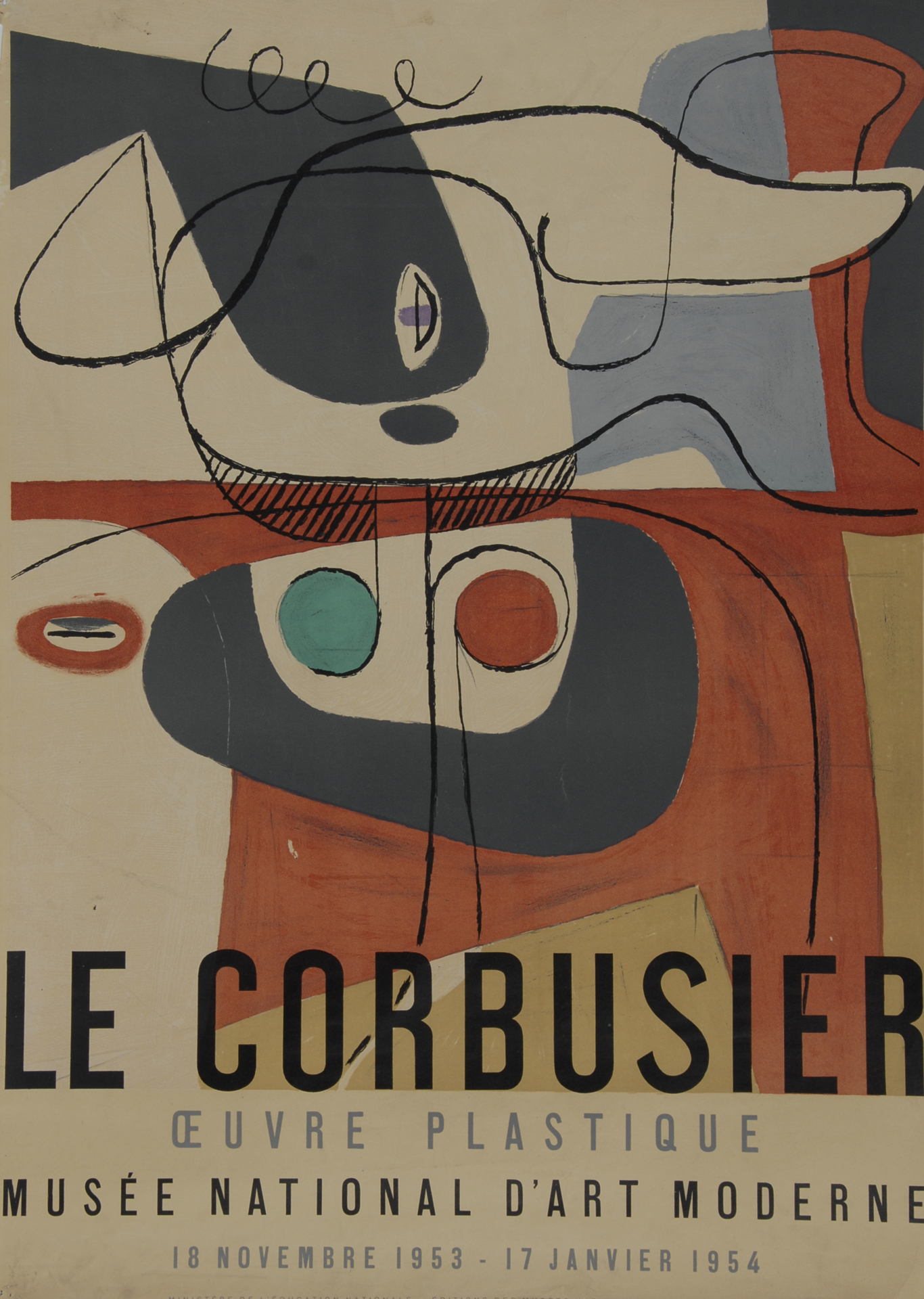
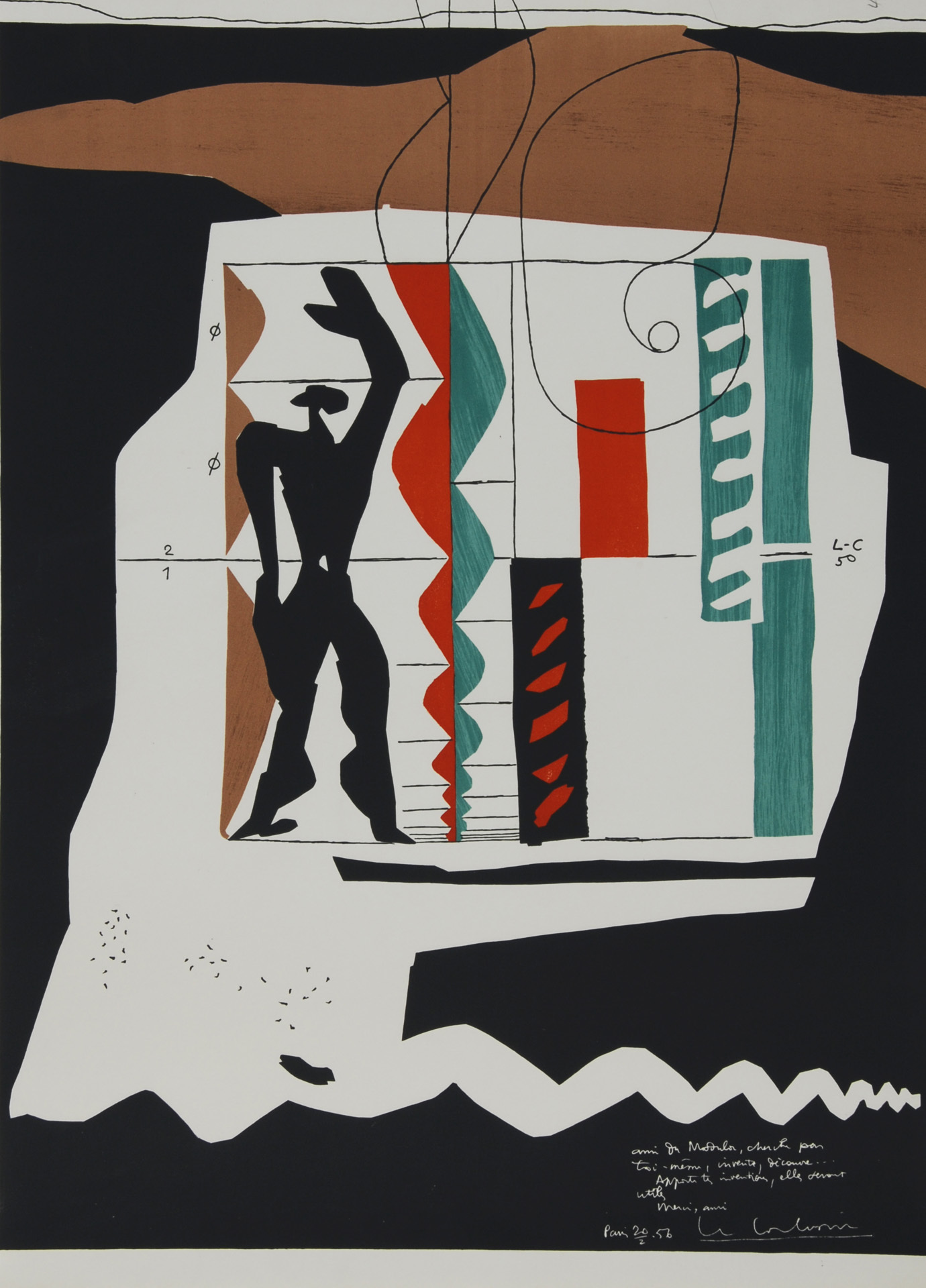
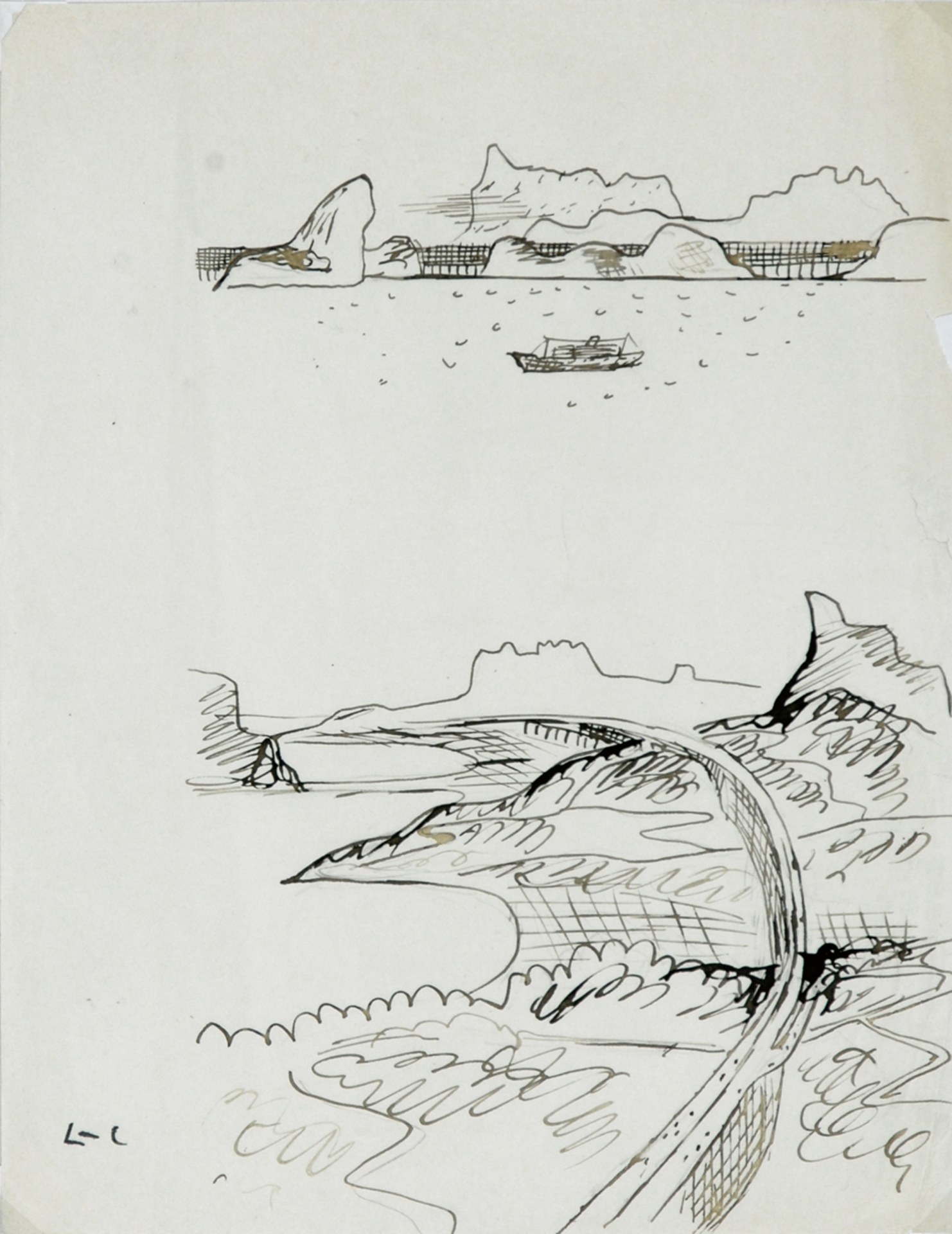
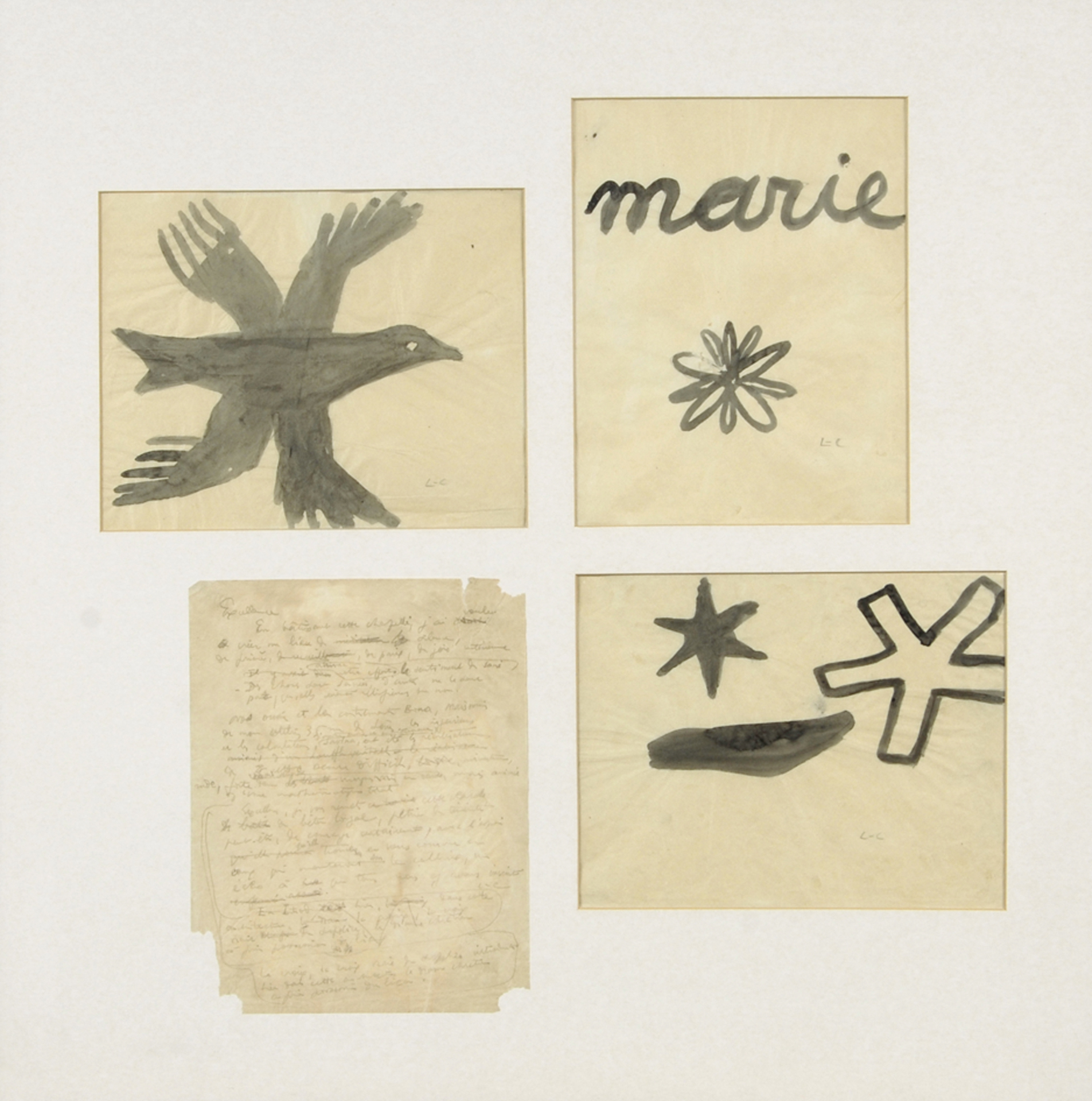
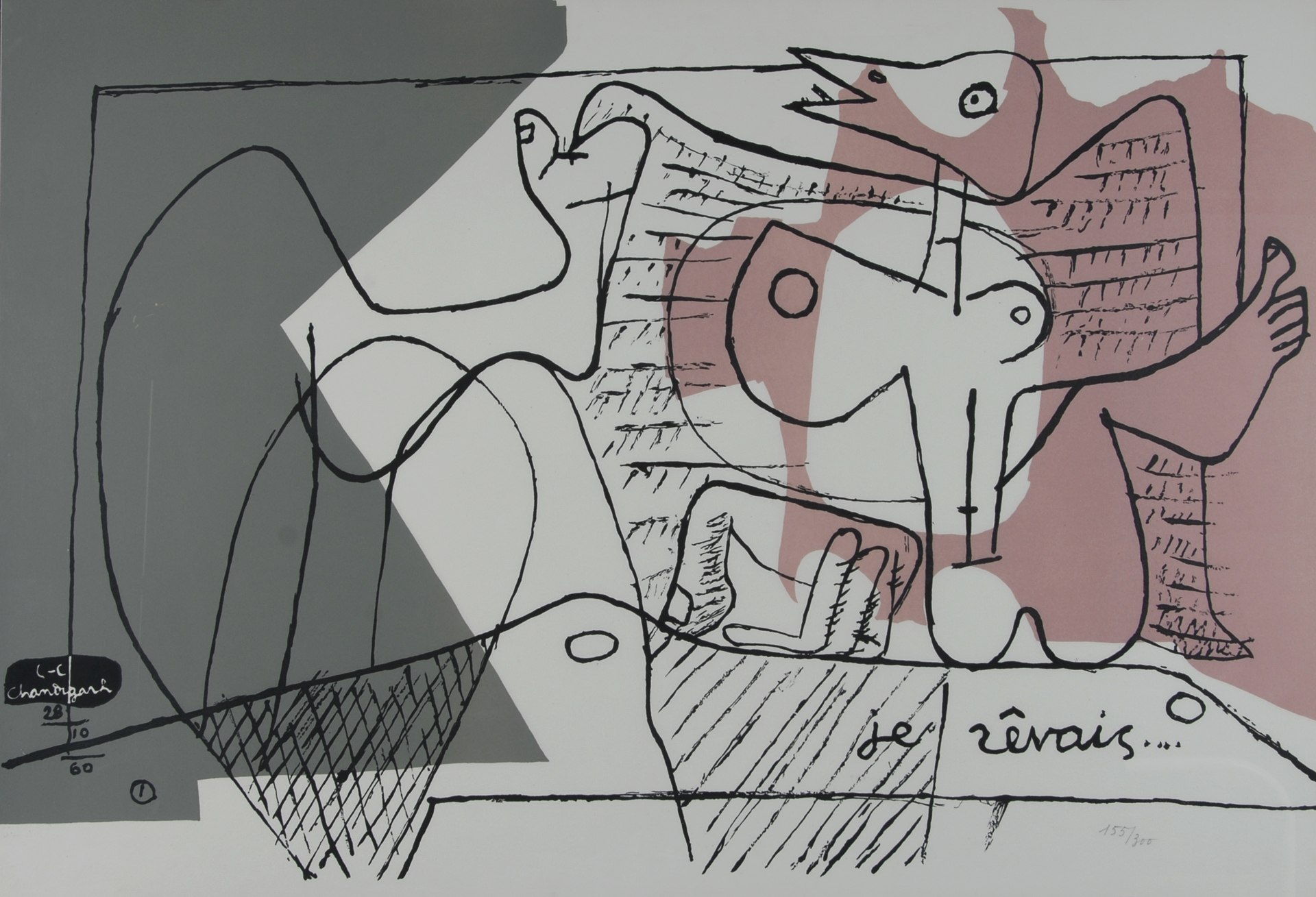
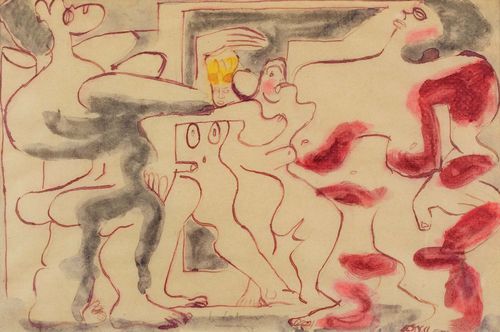
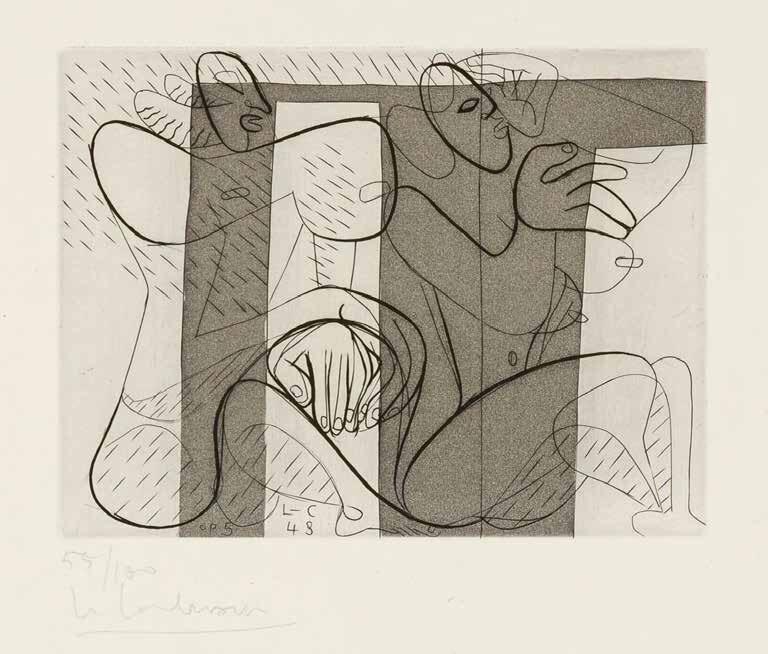
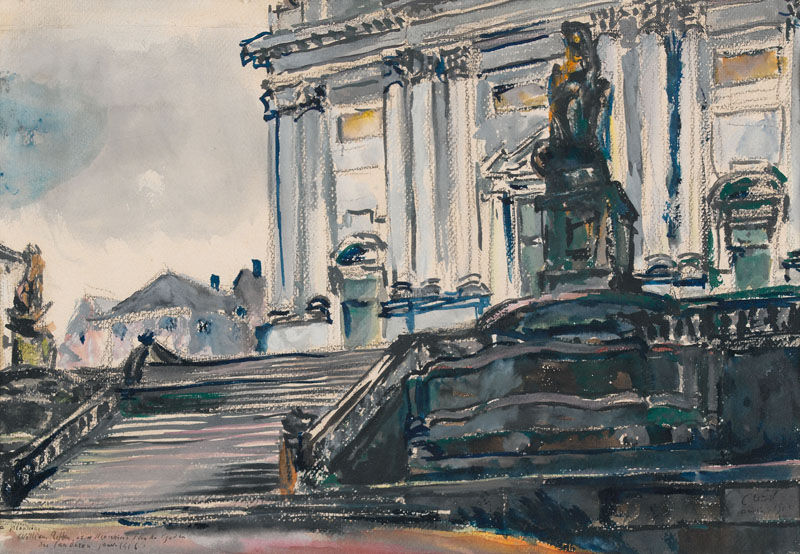
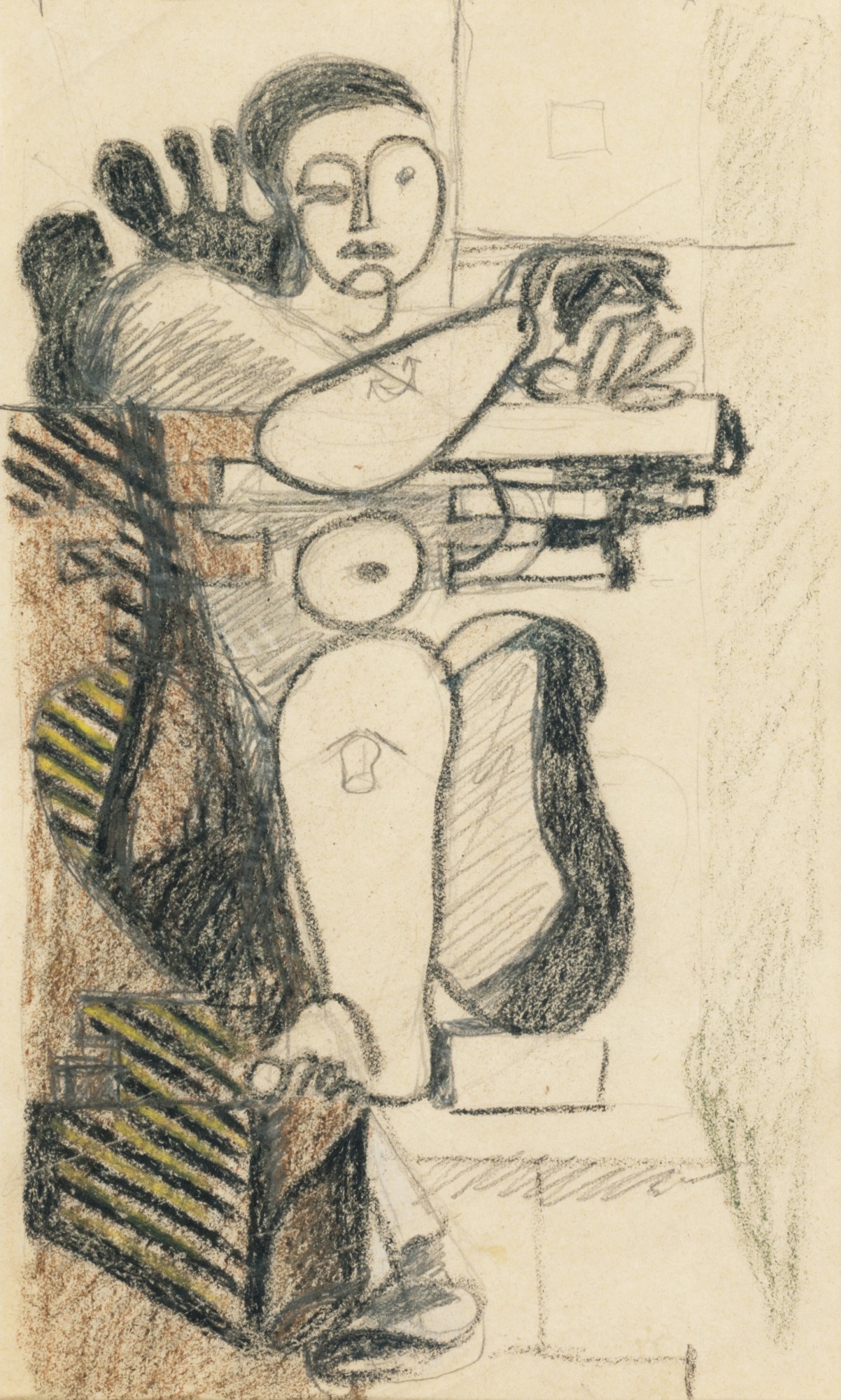
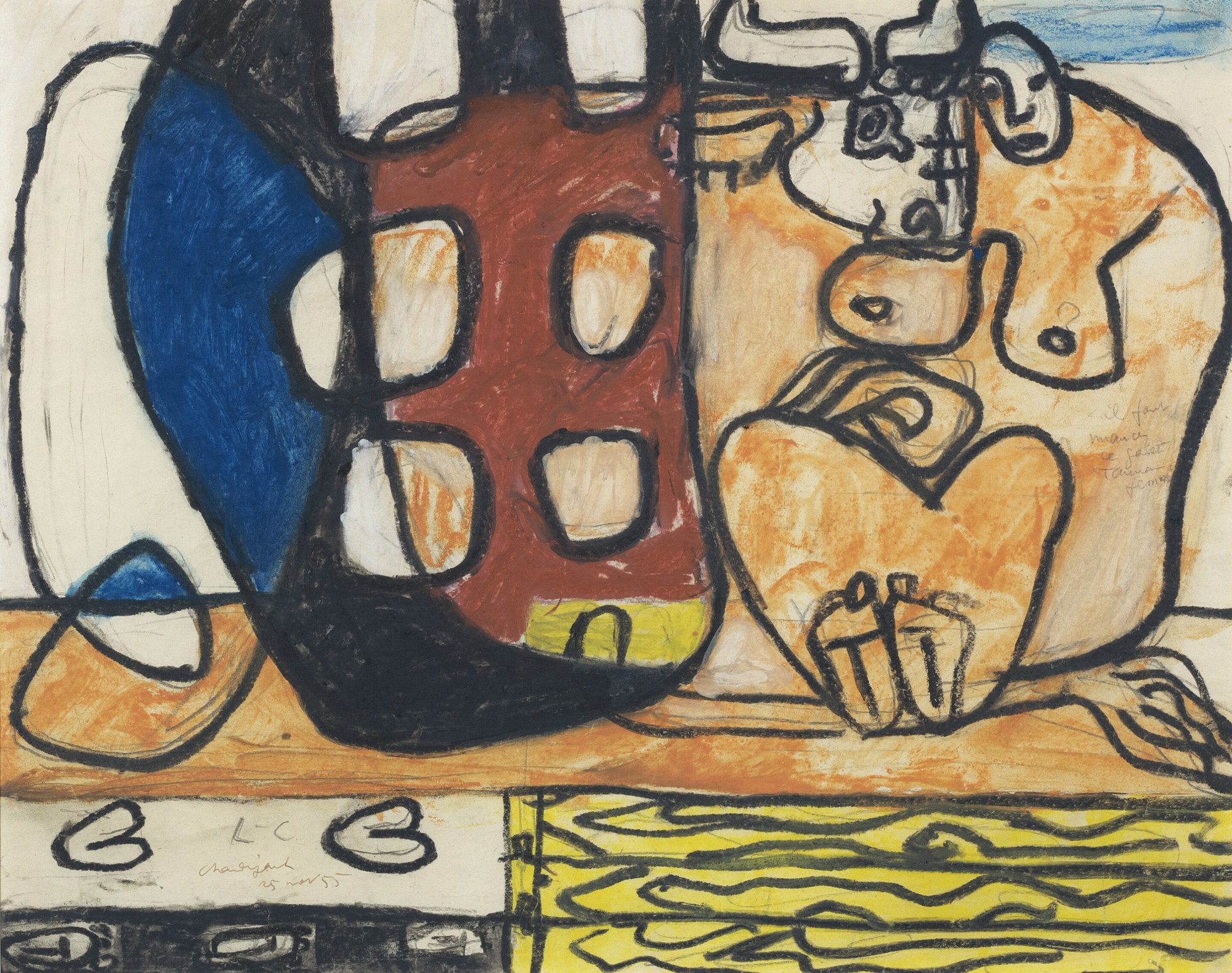
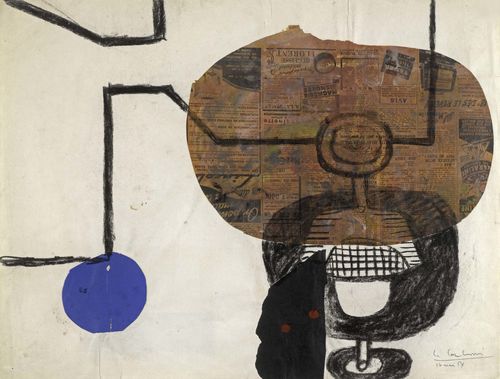
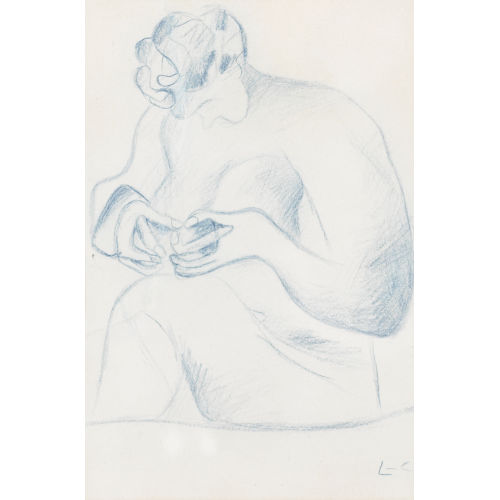
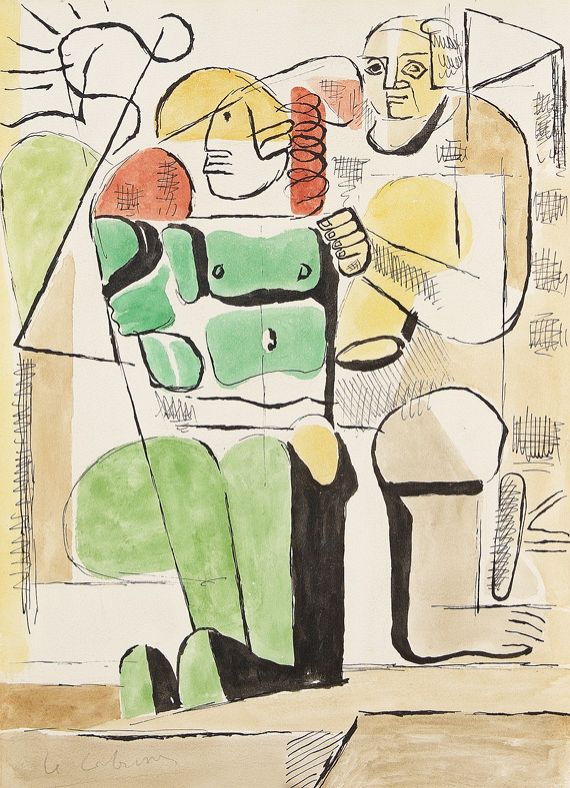
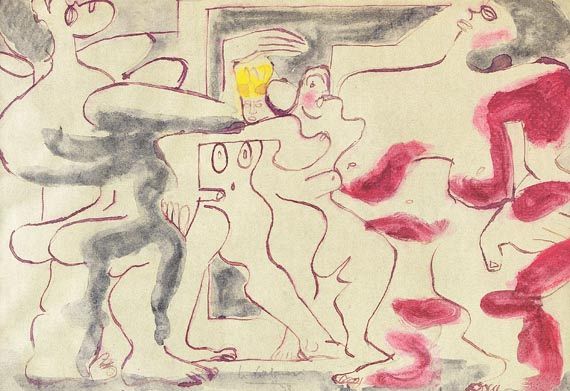
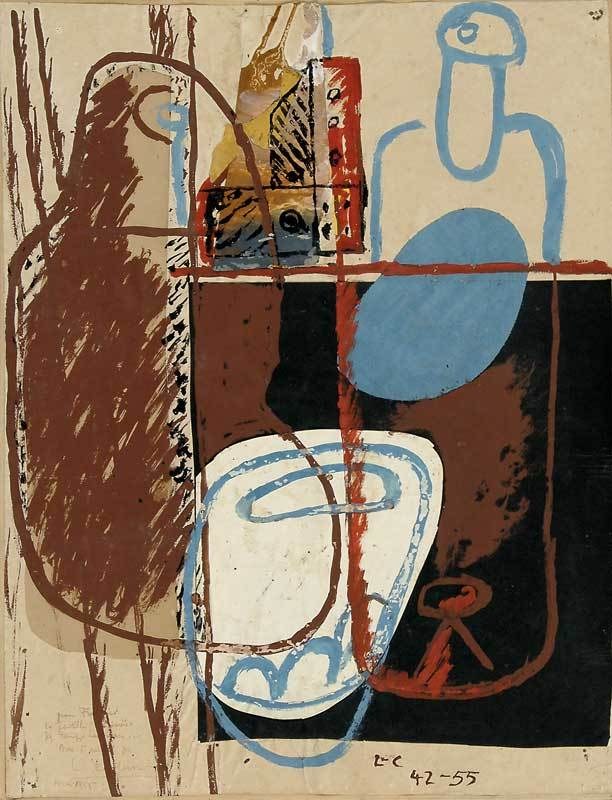
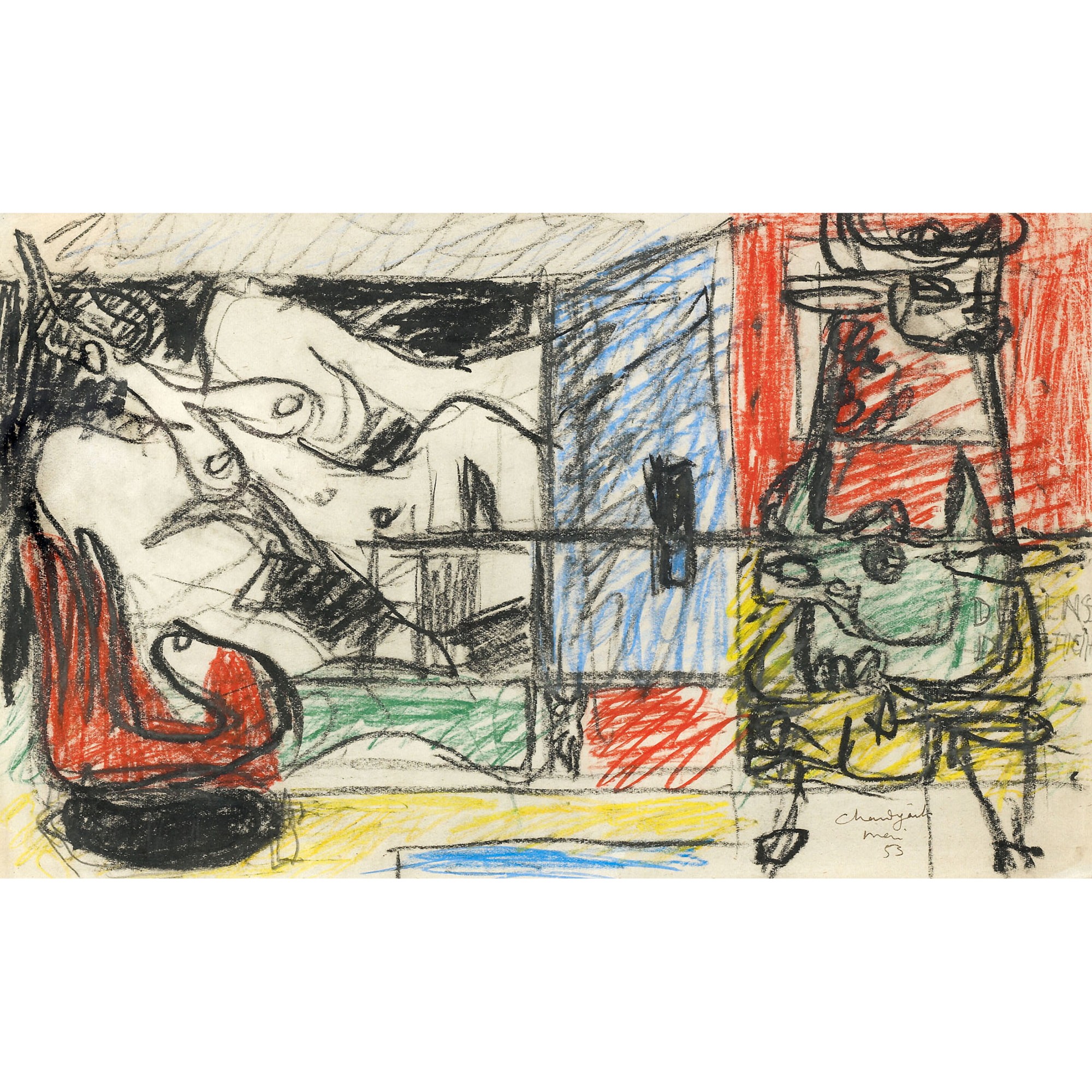
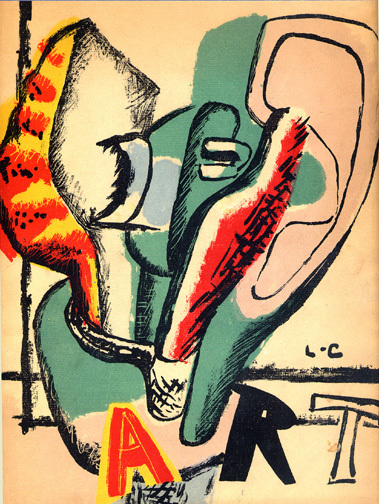
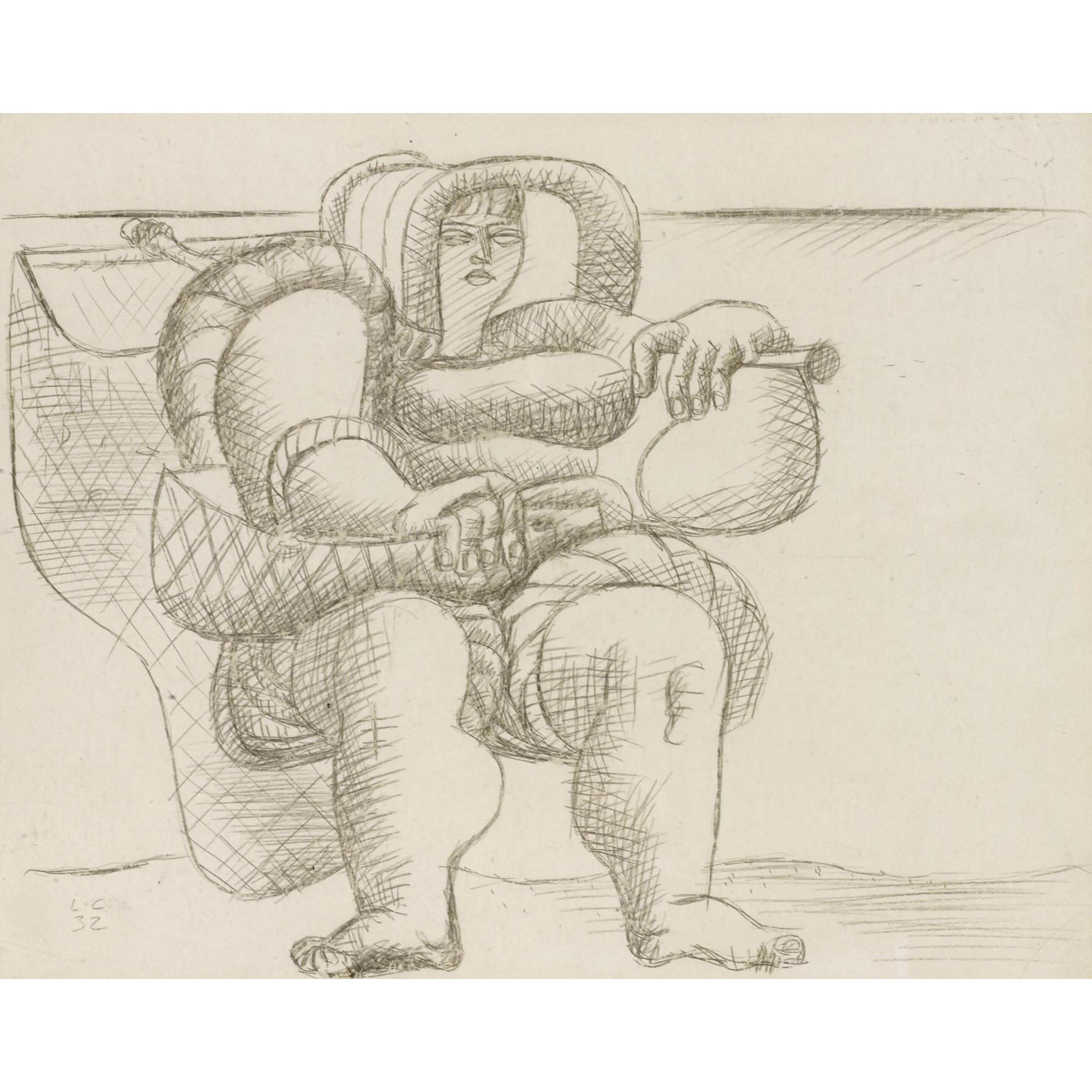
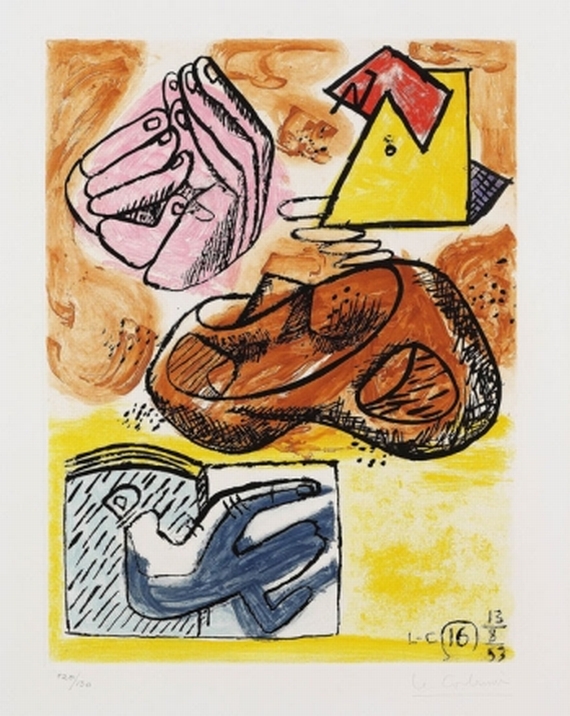
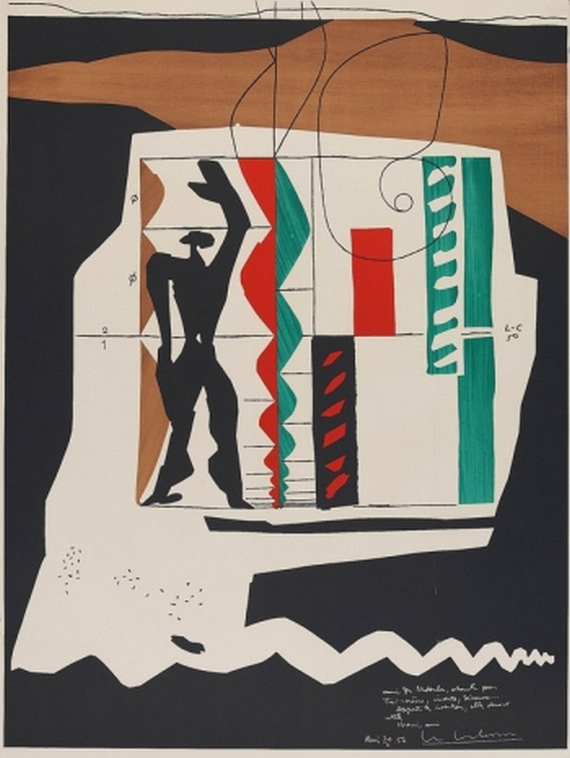
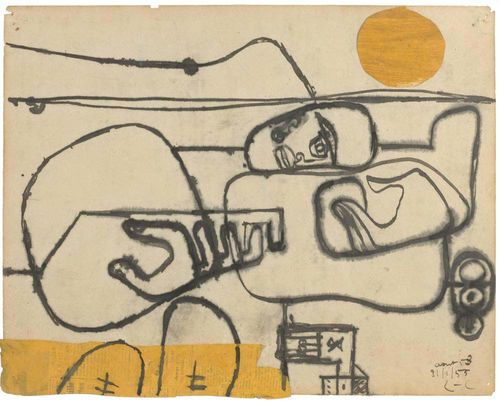
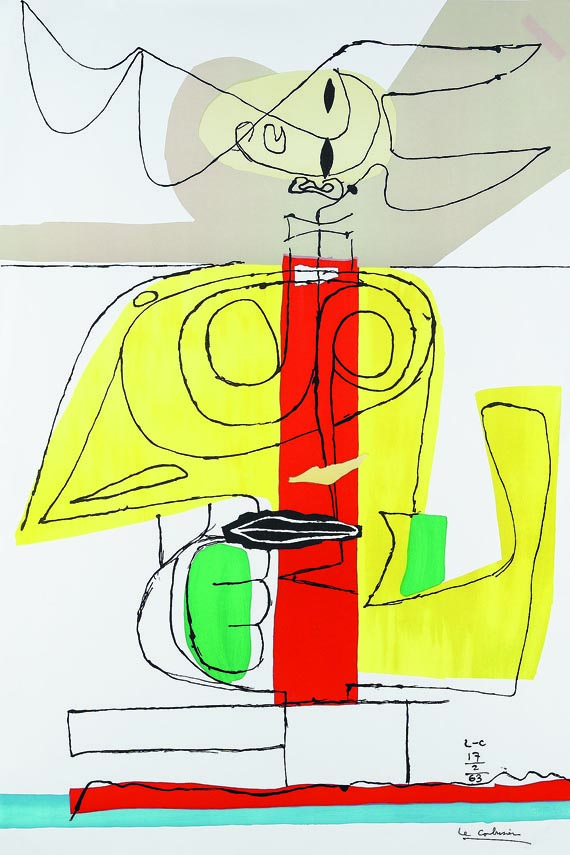
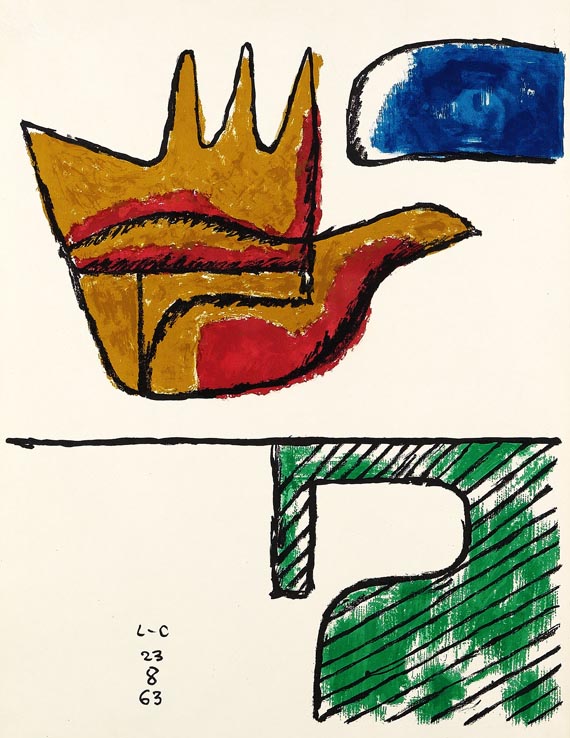
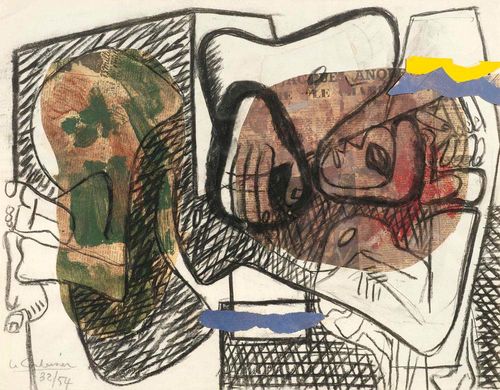
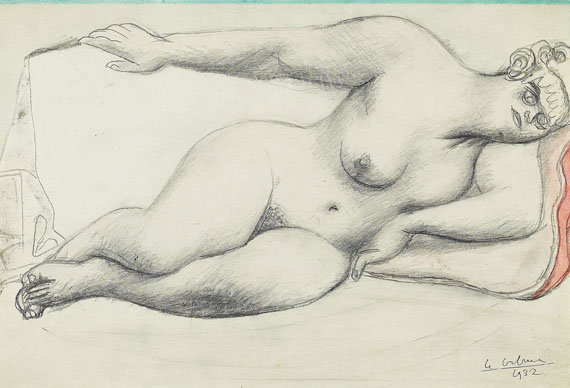
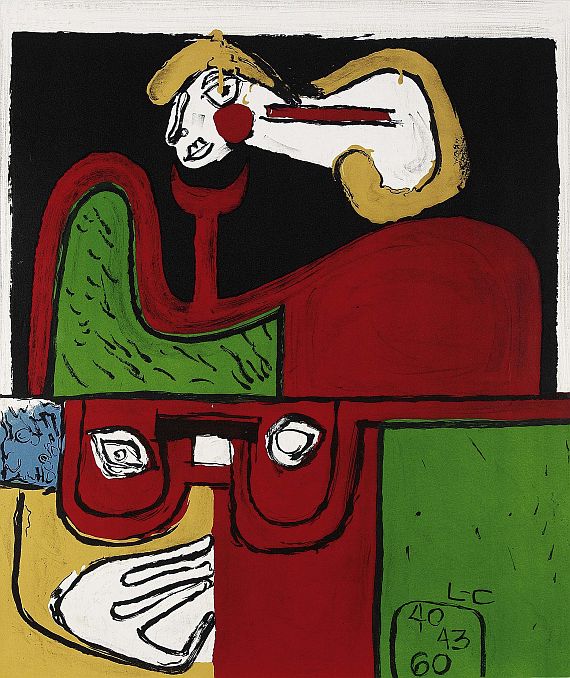
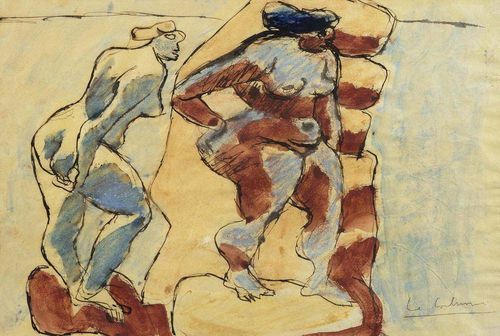
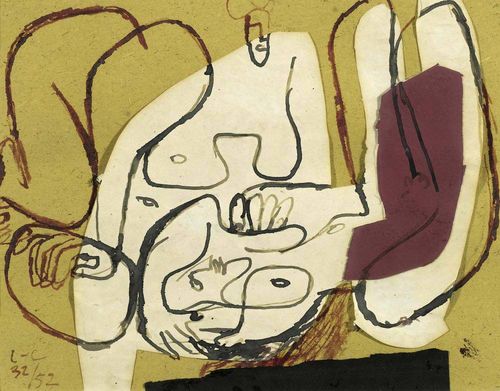
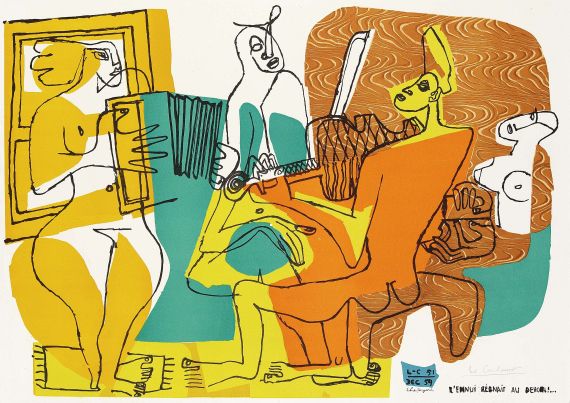
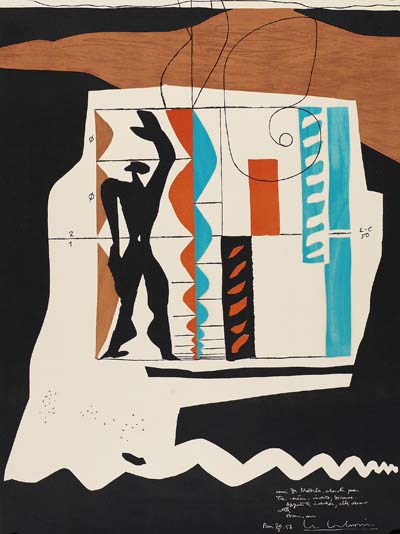
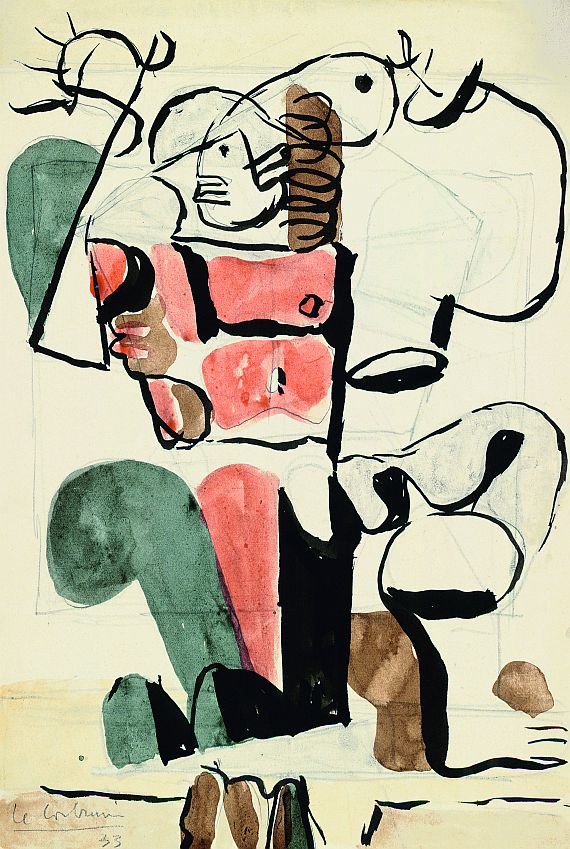
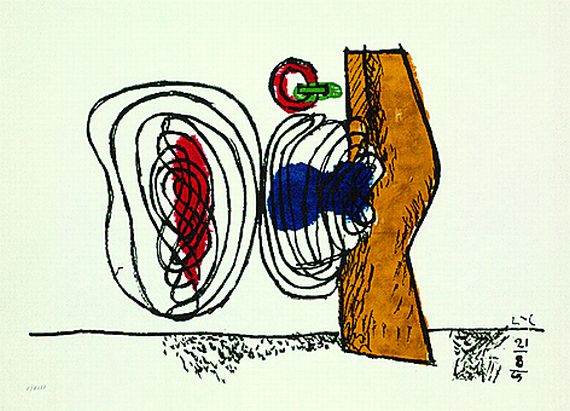
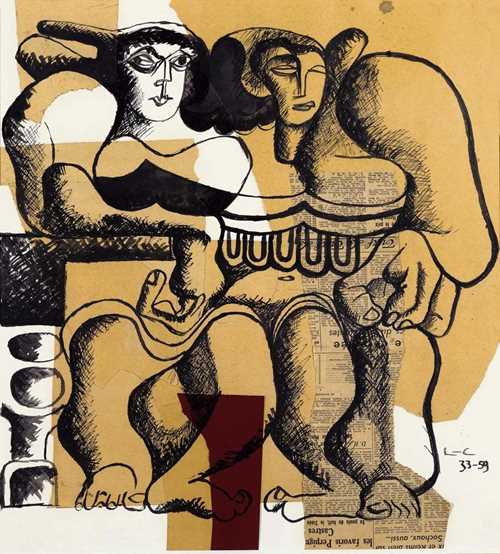
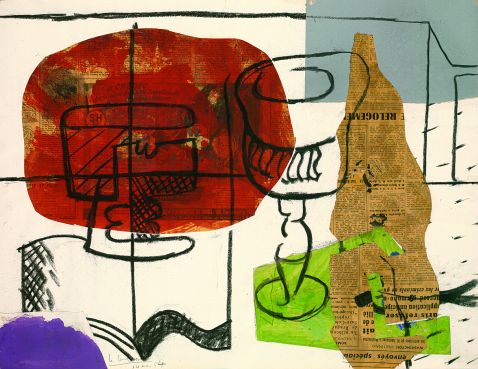
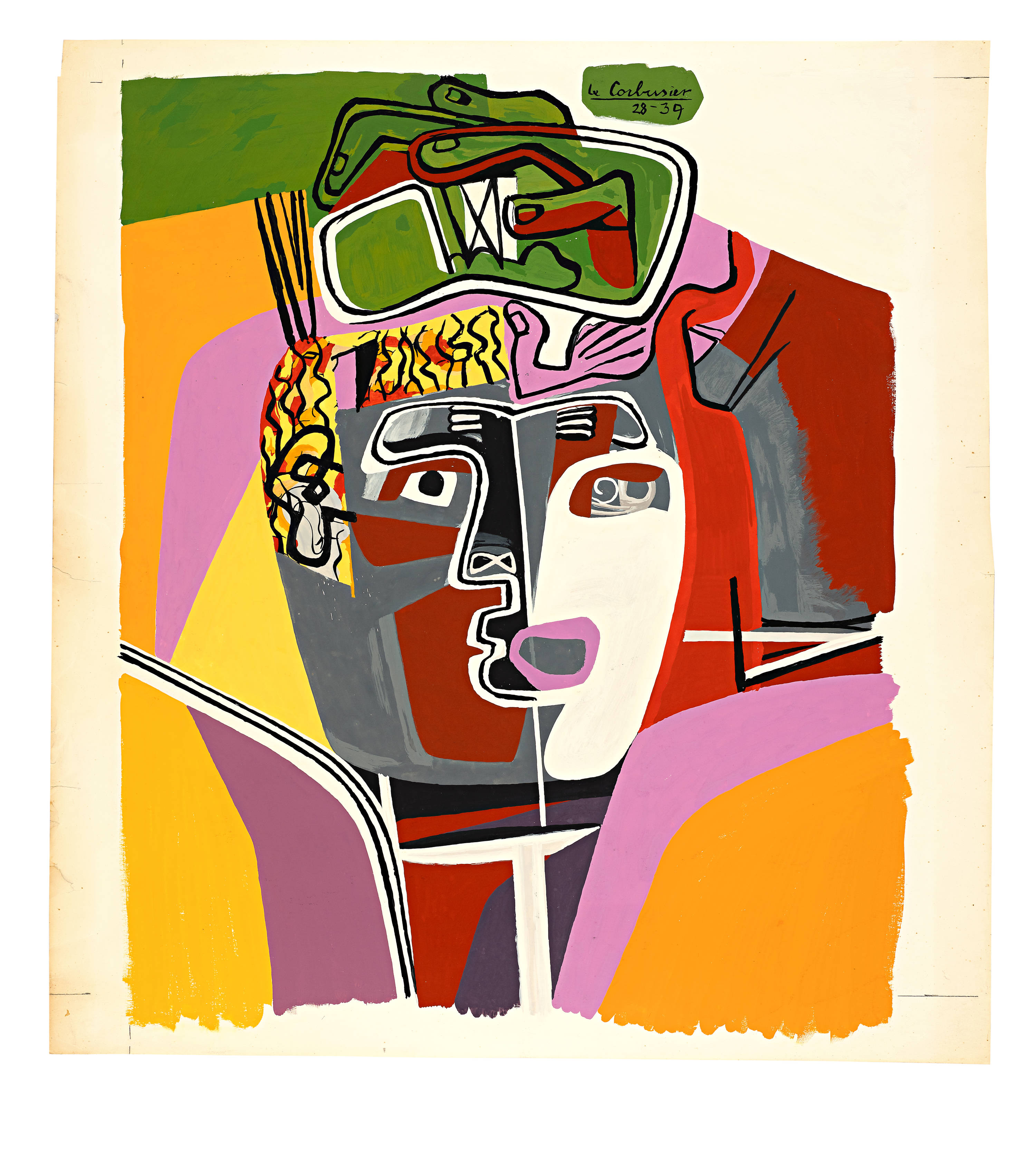
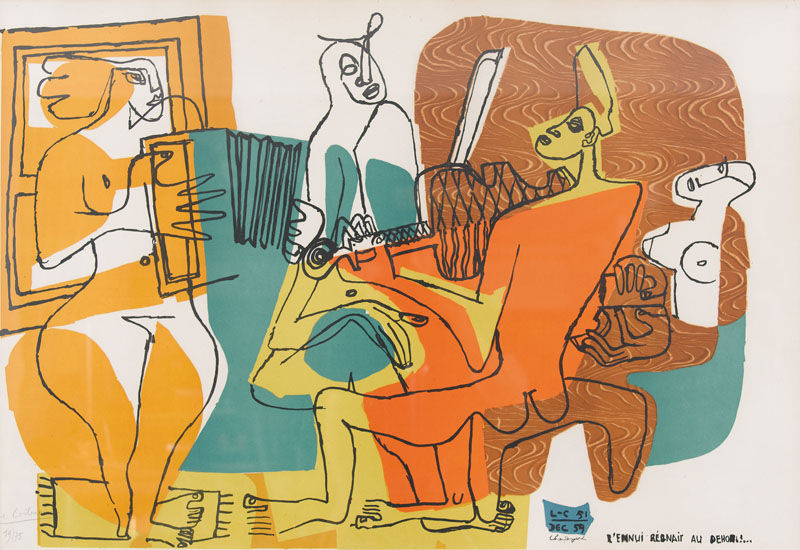
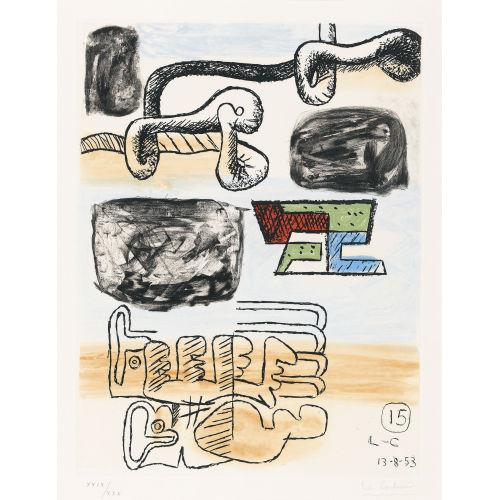
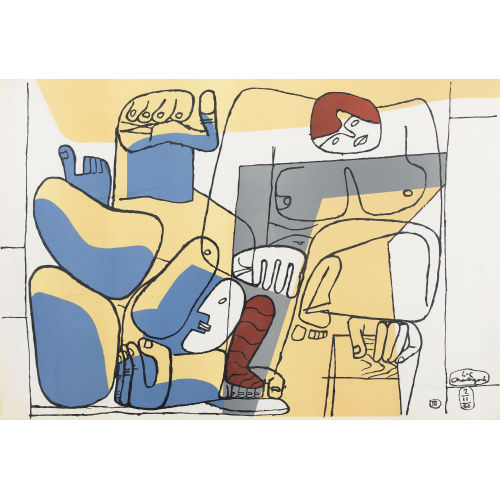
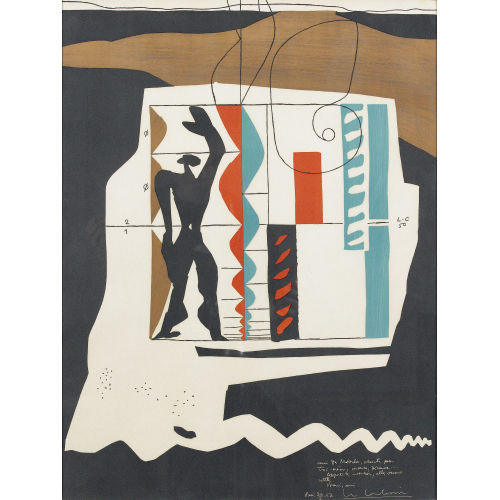
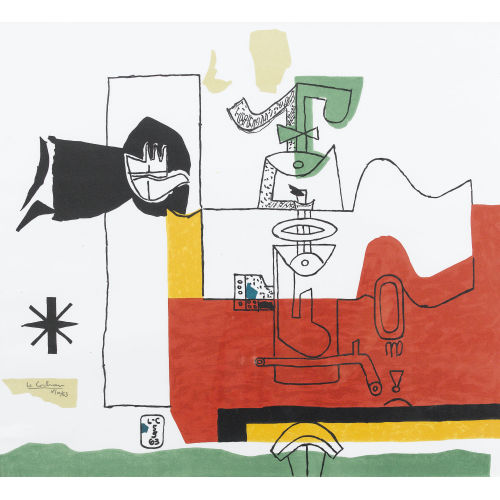
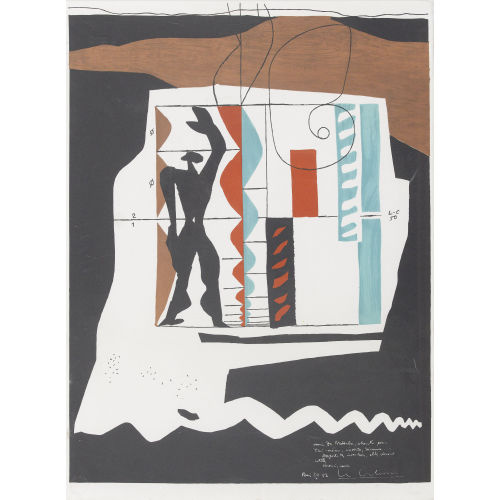
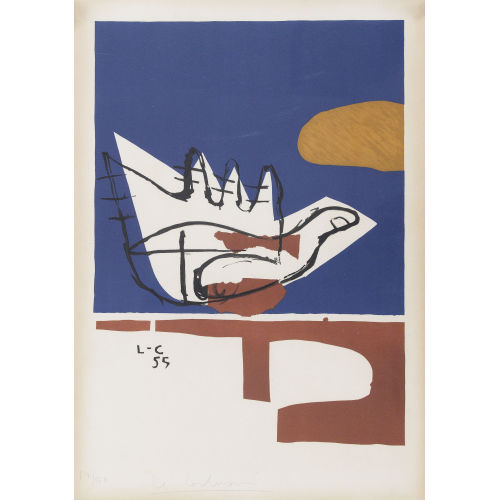
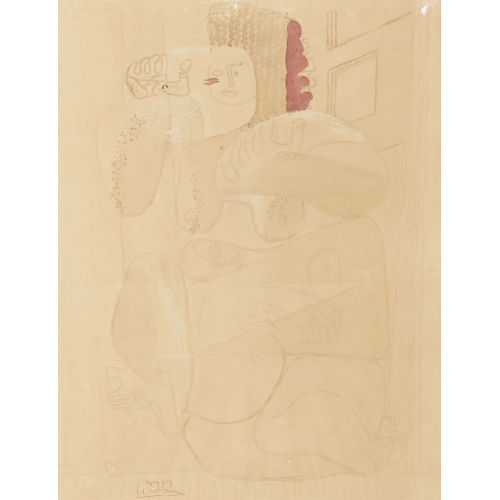
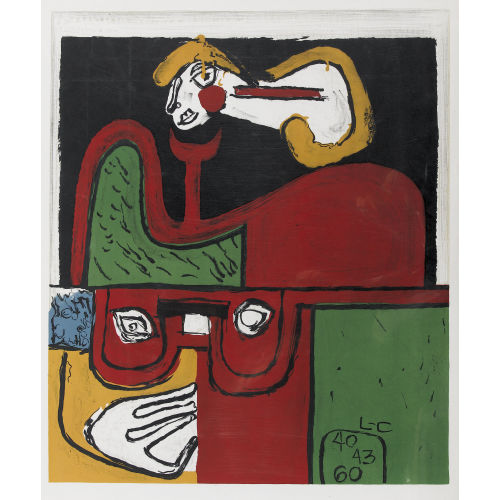
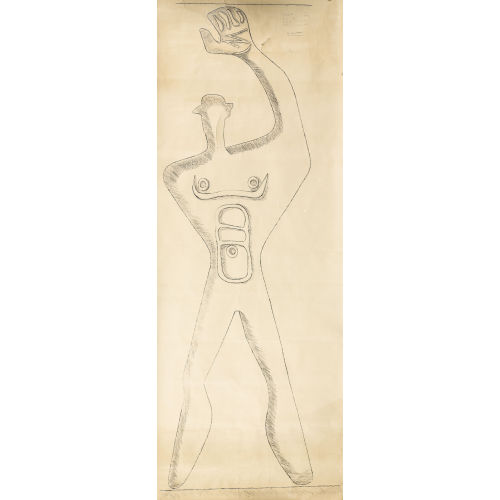
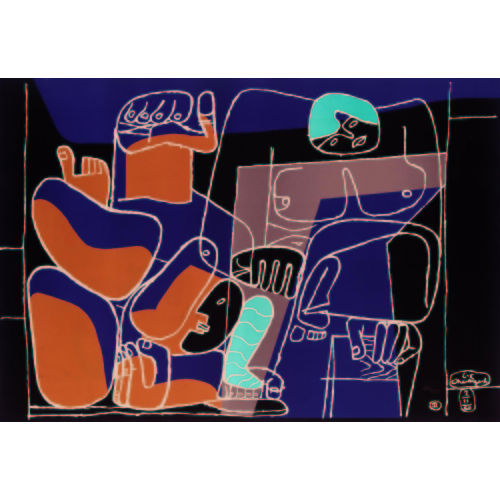
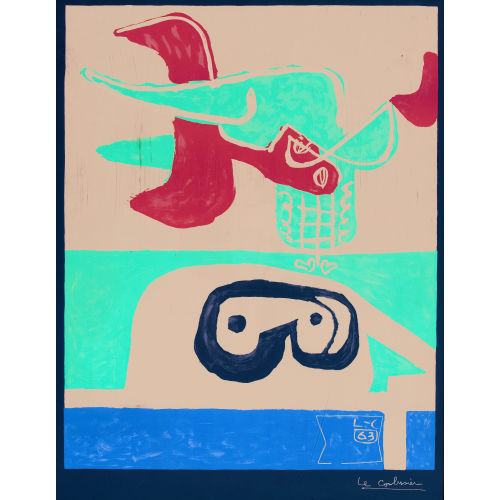
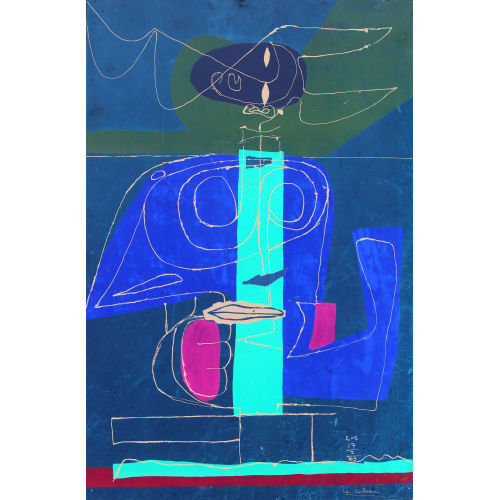
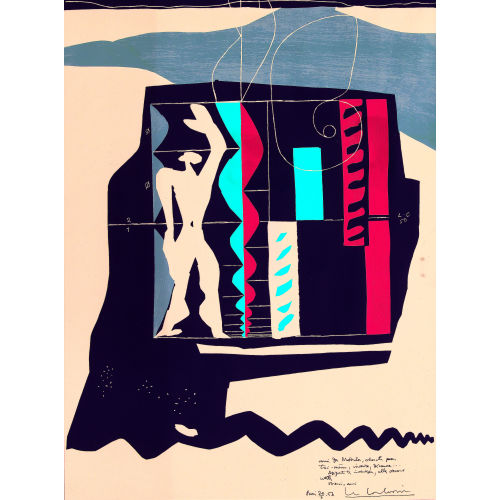
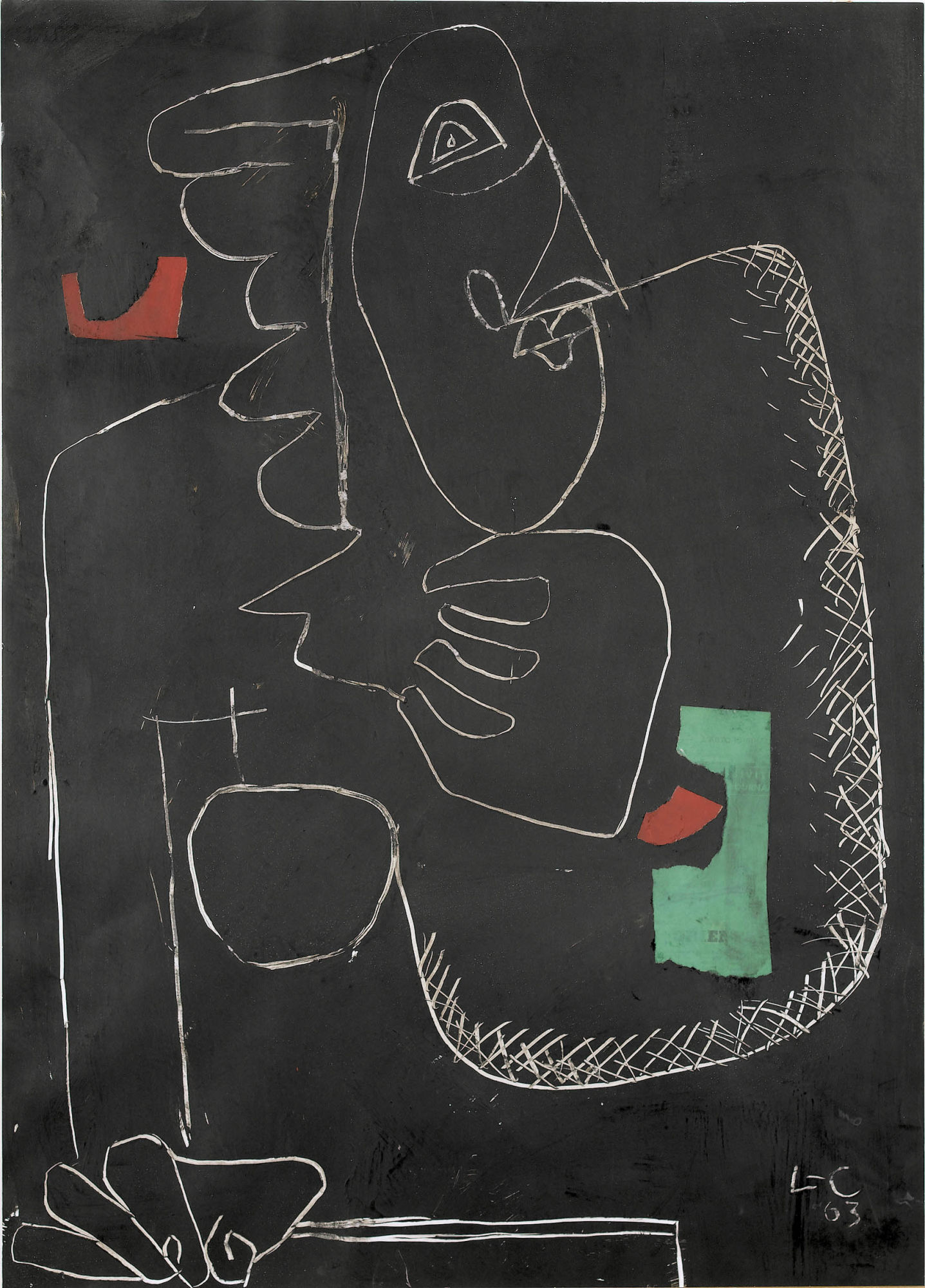
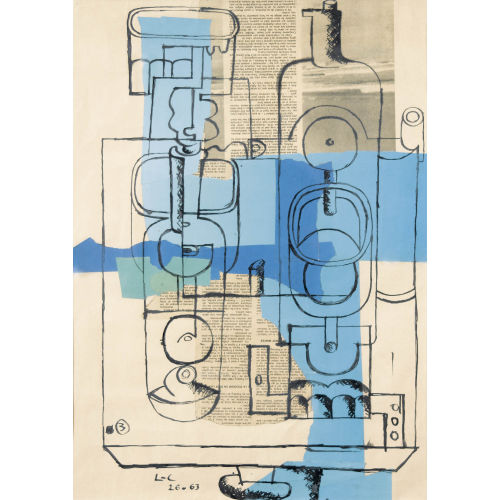
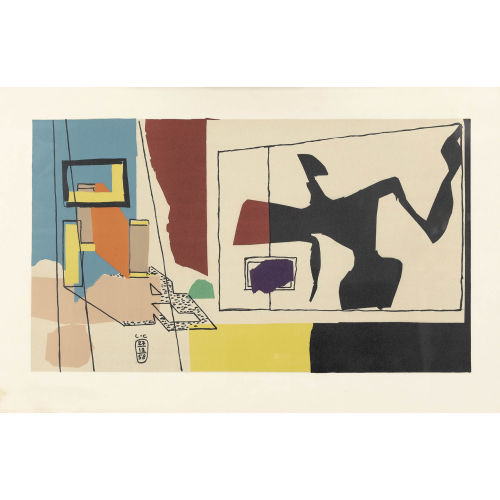
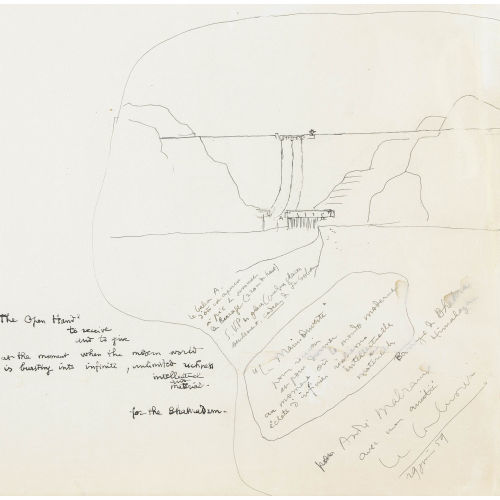
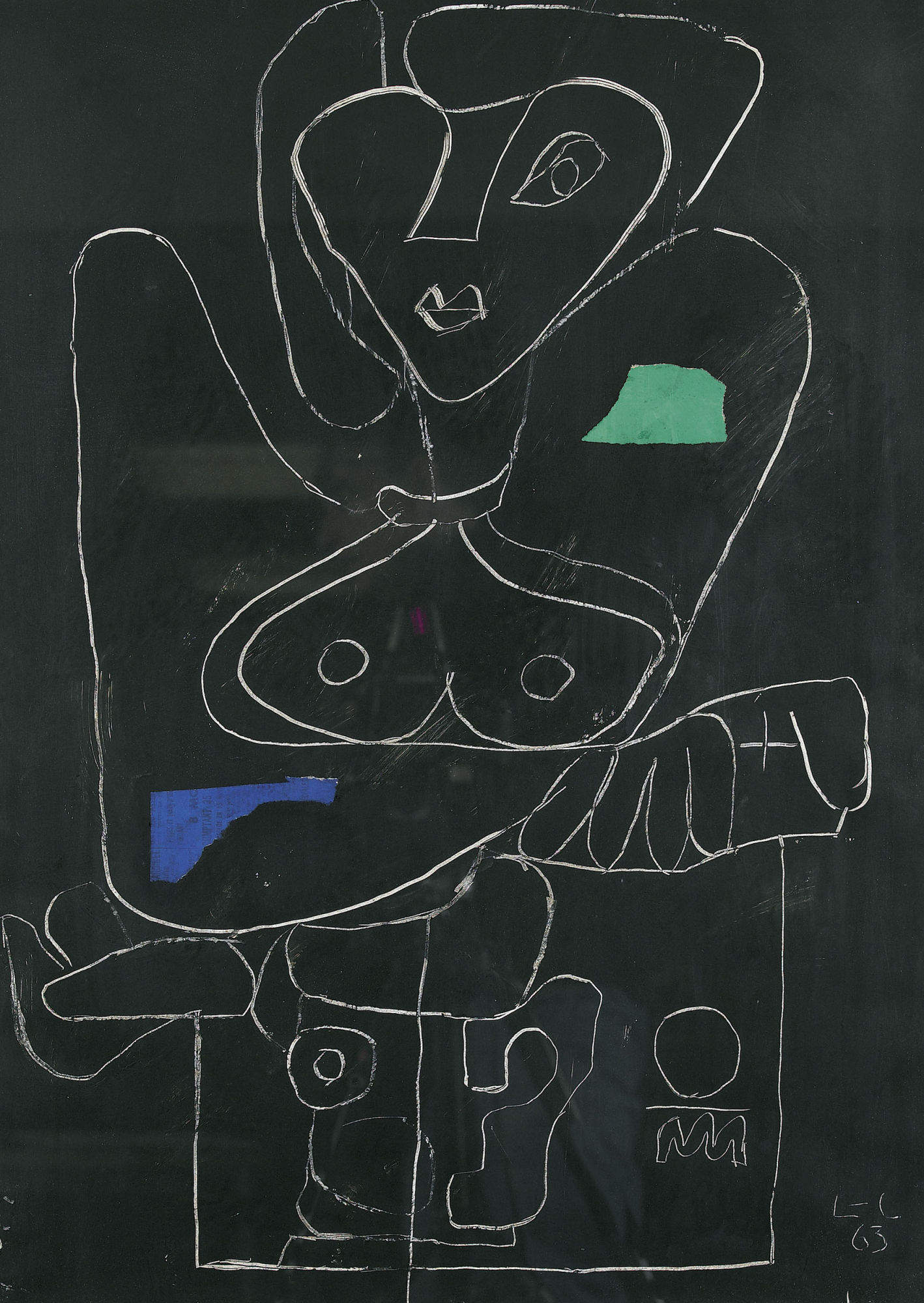
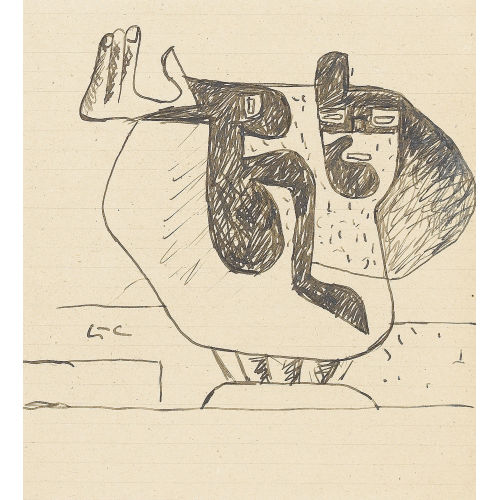
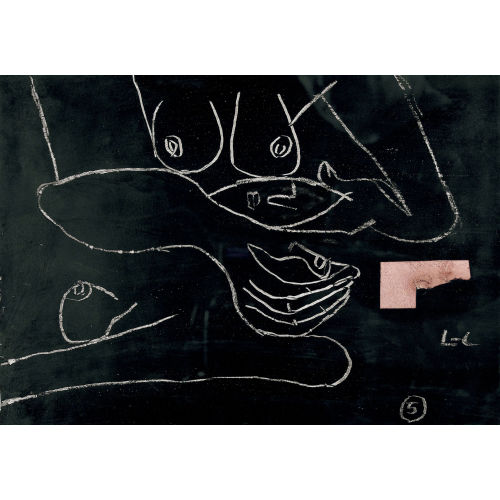
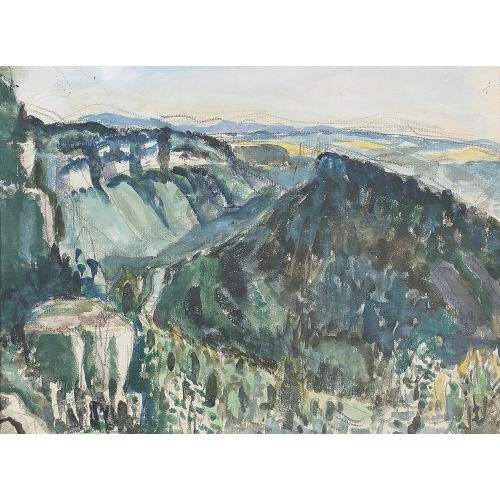
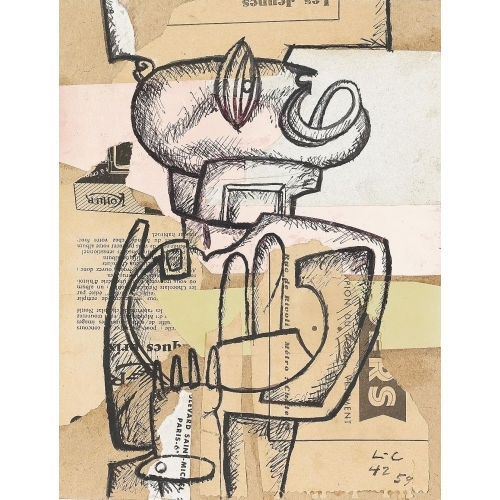
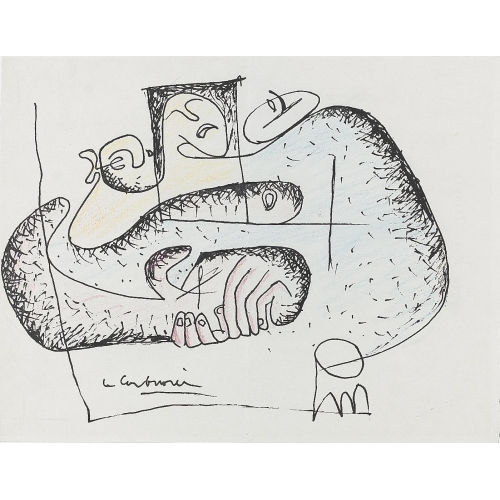
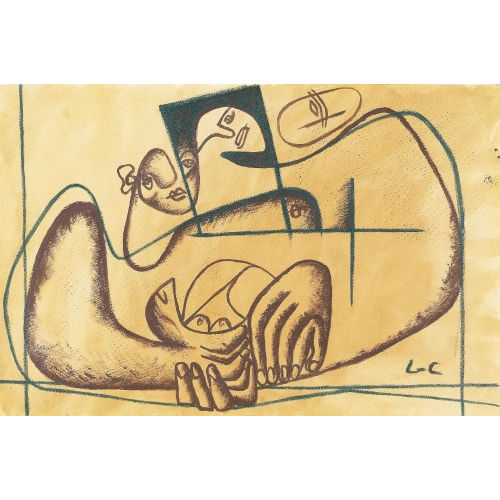
Le Corbusier 1887 – Roquebrune-Cap-Martin, 1965), developed a body of visual work whose richness sheds light on his architecture. Paintings, drawings, prints, sculptures and tapestries constitute a continuous field of research: forms pass from one medium to another, transform themselves and nourish a reflection on space, colour and the body.
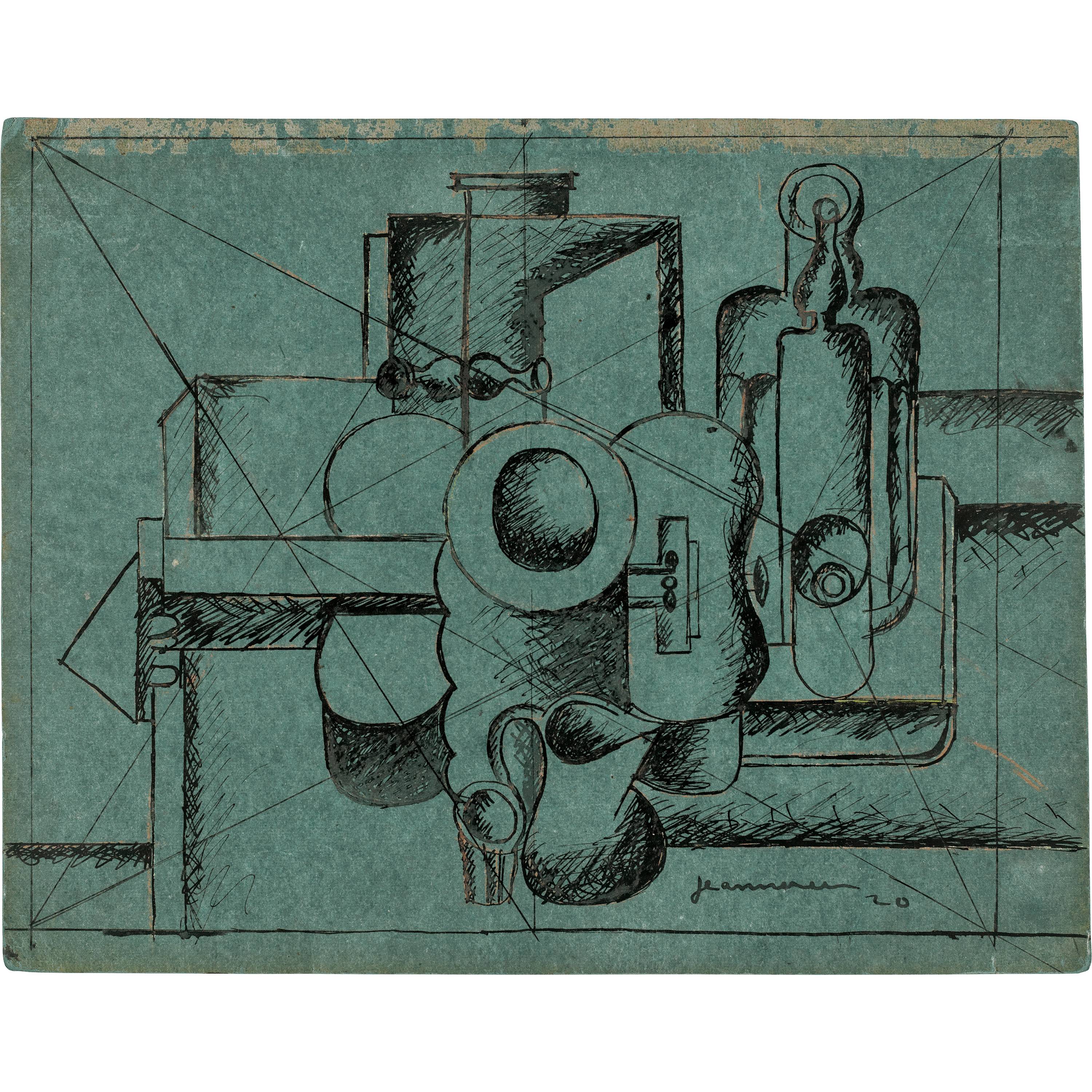
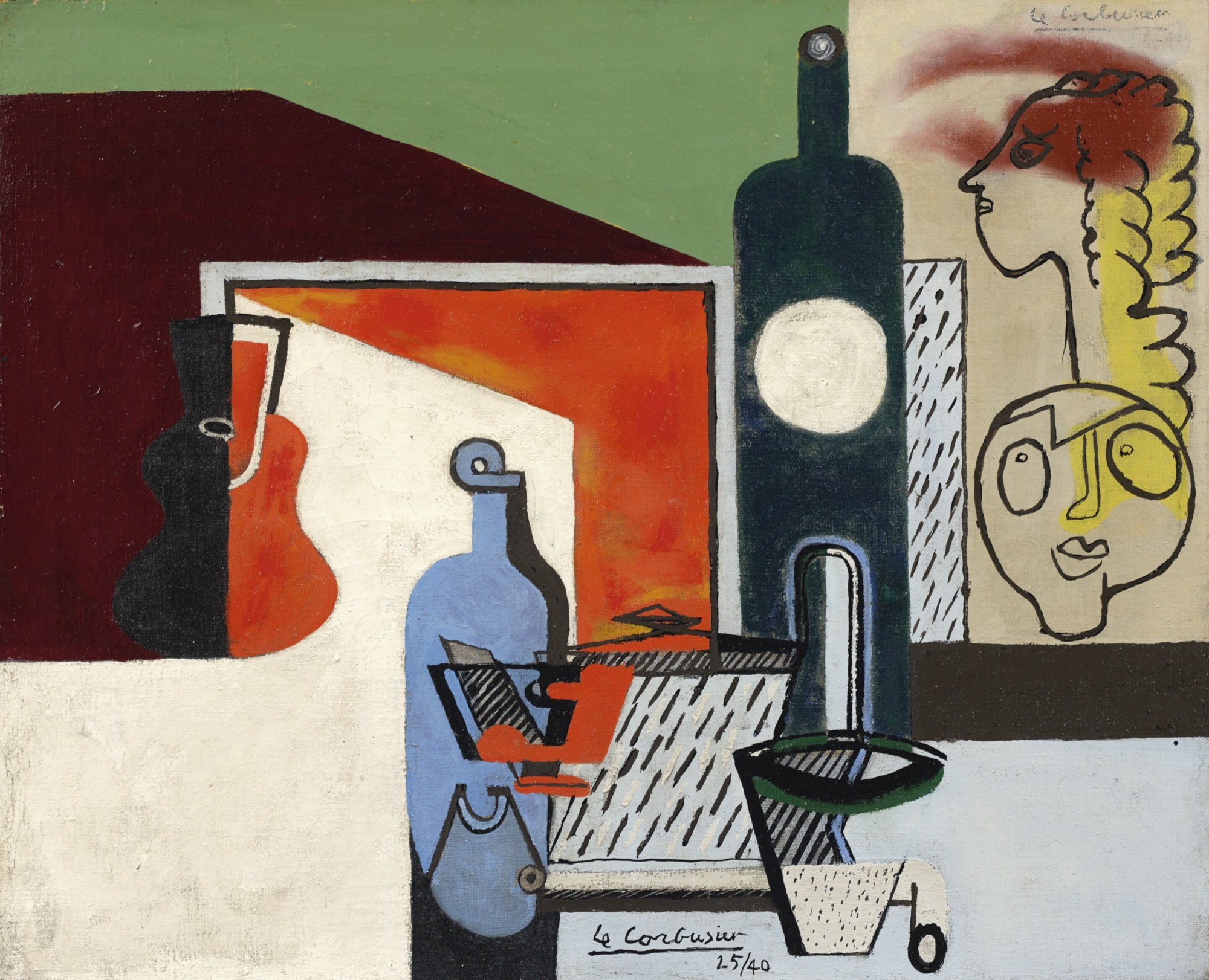
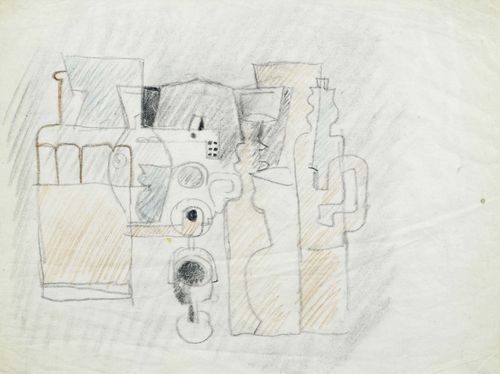
Trained at the art school of La Chaux-de-Fonds under Charles L’Eplattenier, he settled permanently in Paris in 1917. His encounter with Amédée Ozenfant was decisive for his commitment to painting. Together, they published Après le cubisme in 1918 and presented their paintings at the Galerie Thomas.
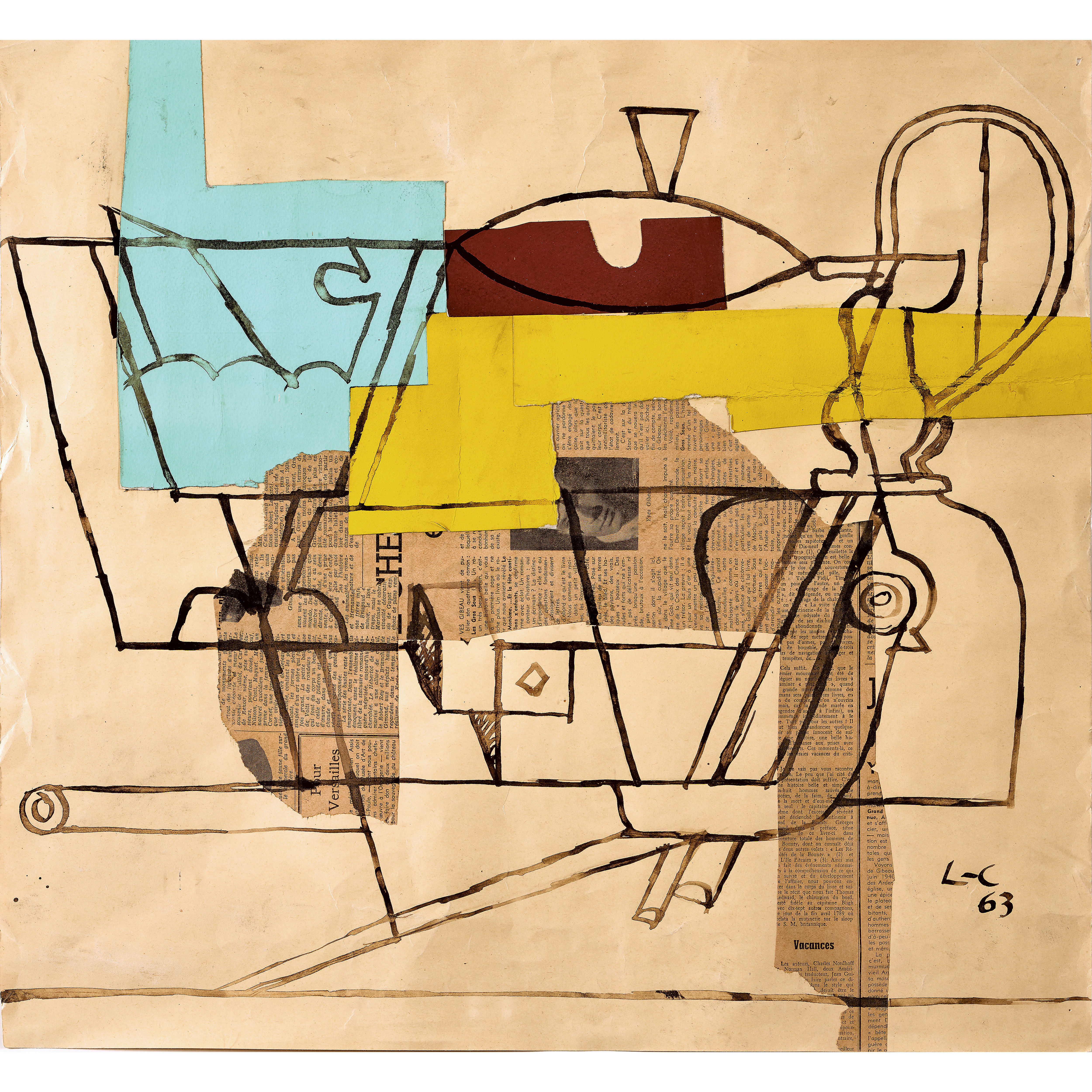
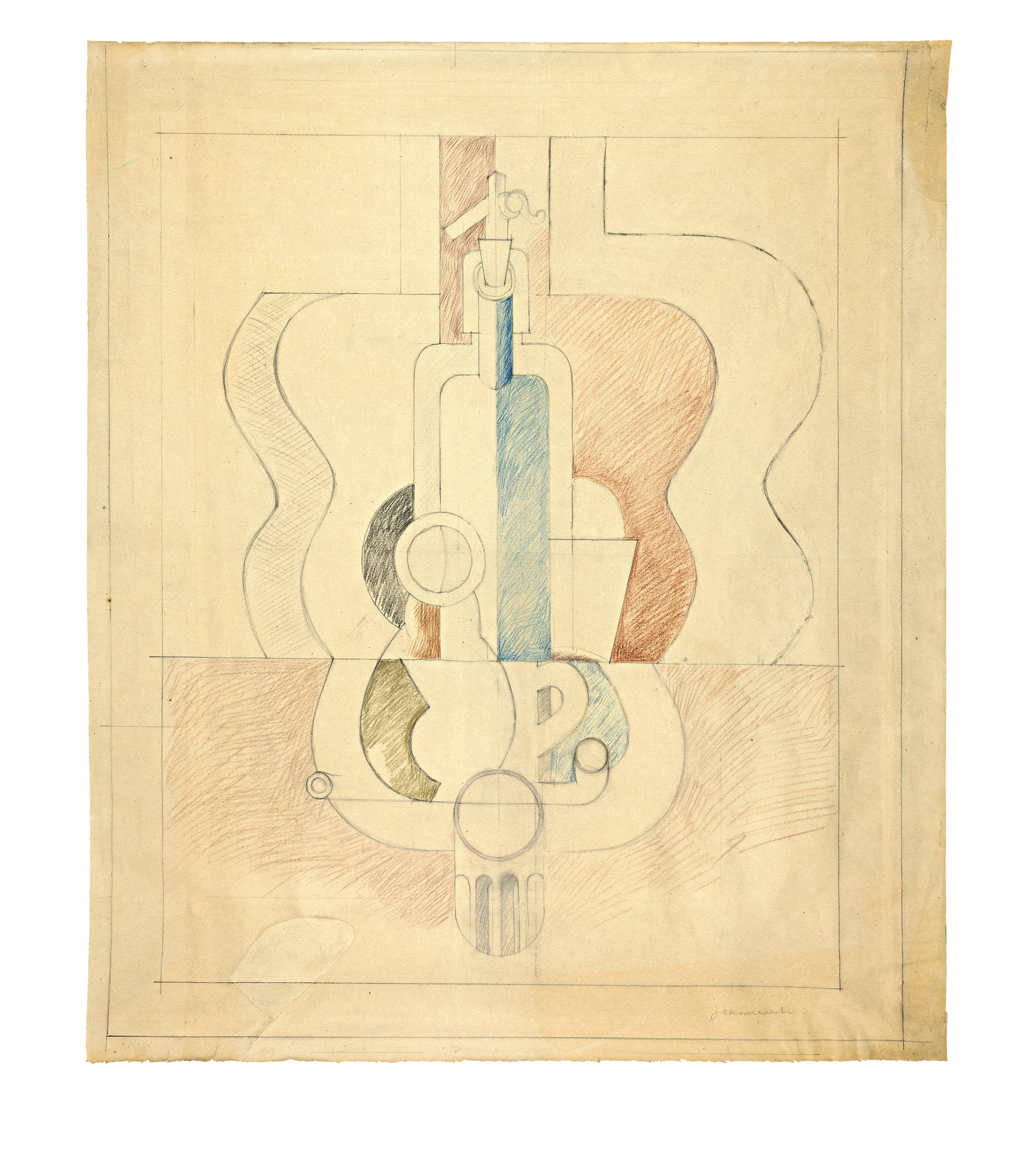
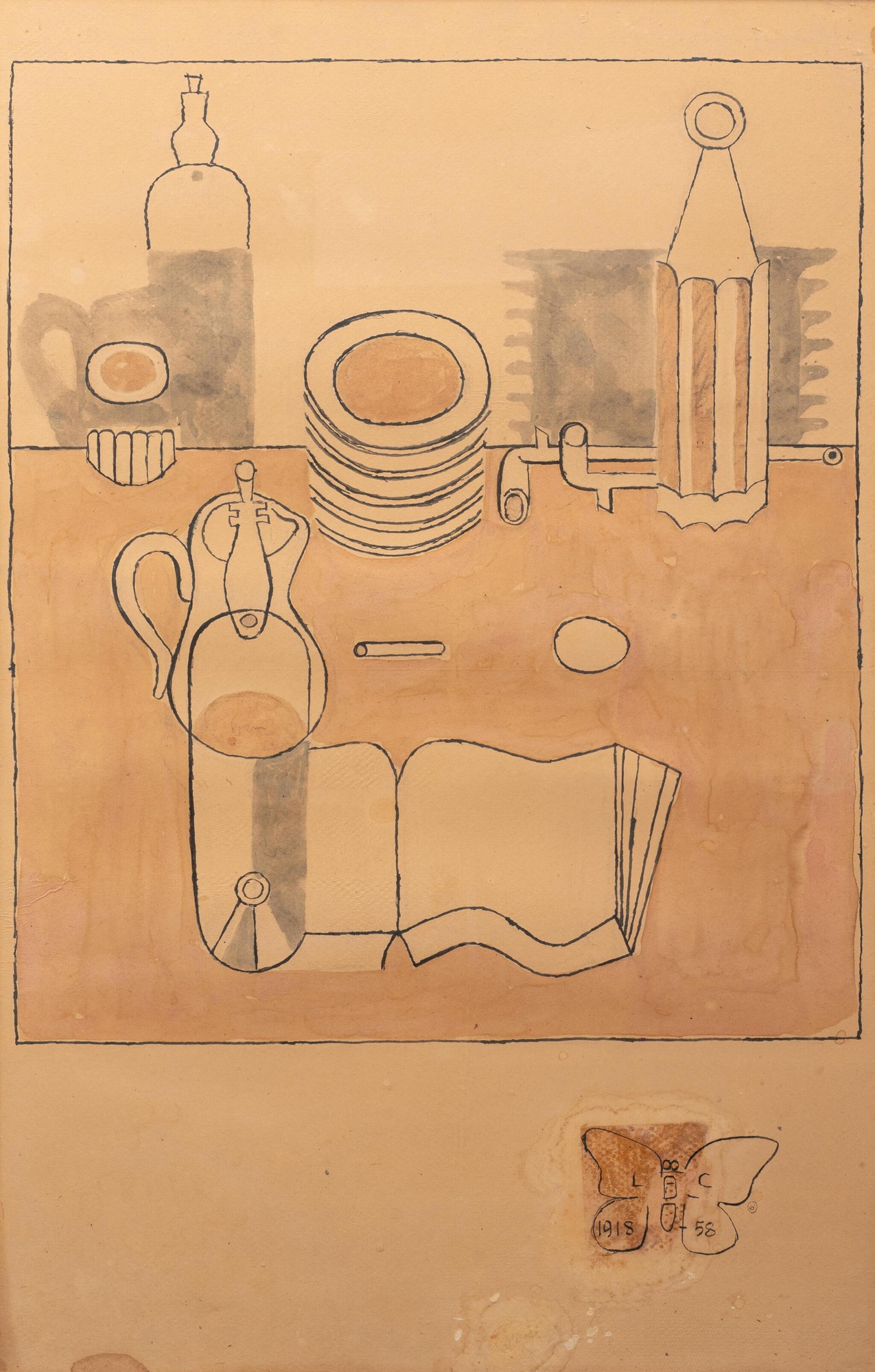
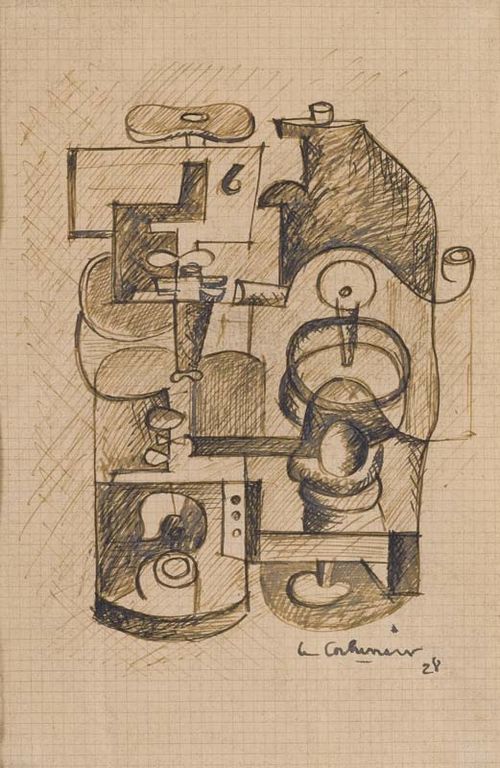
At the time, Purism favoured a clear visual language, simplified objects and a rigorously organised composition. The journal L’Esprit Nouveau, published from 1920 onwards, extended this artistic and theoretical ambition.
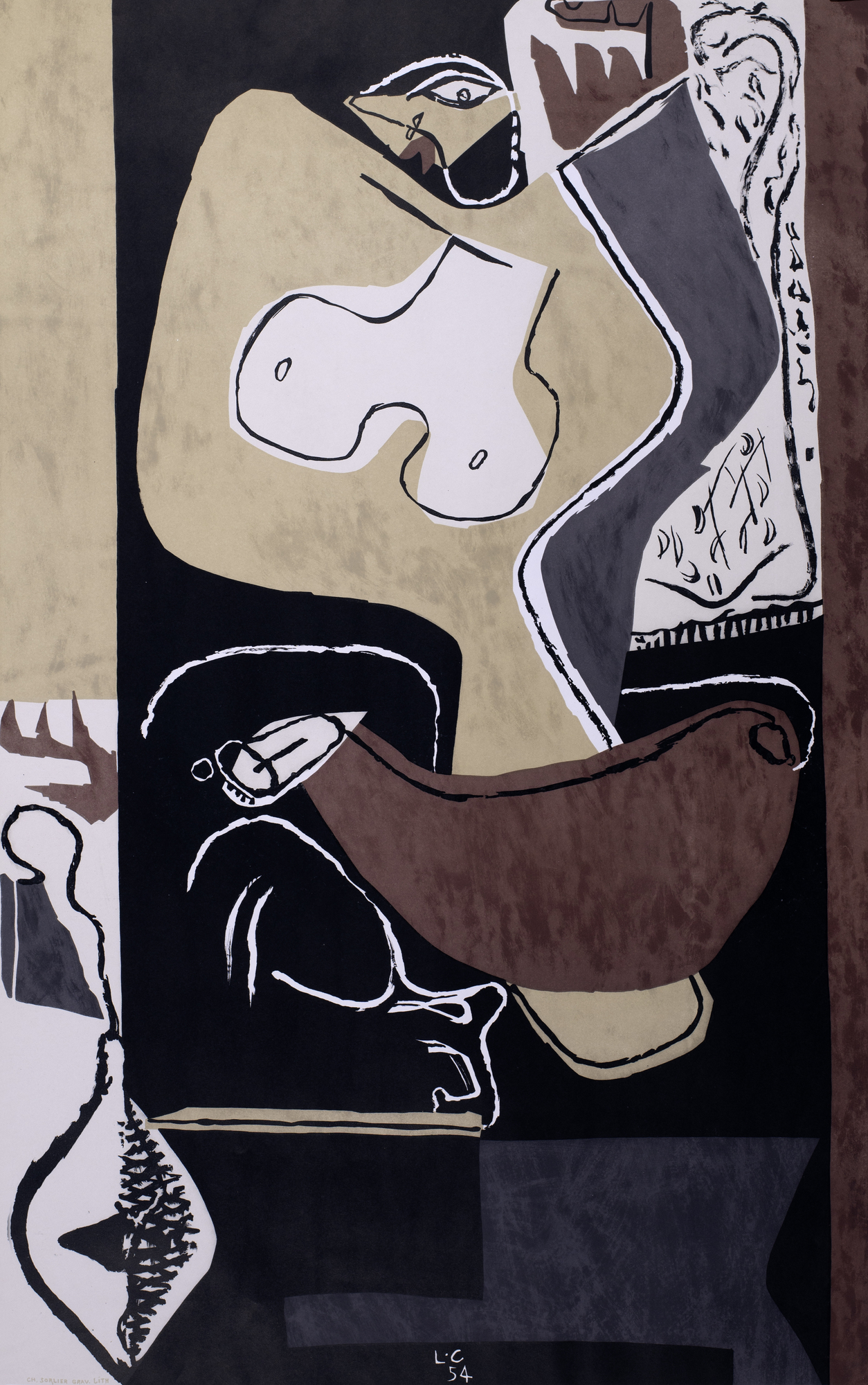
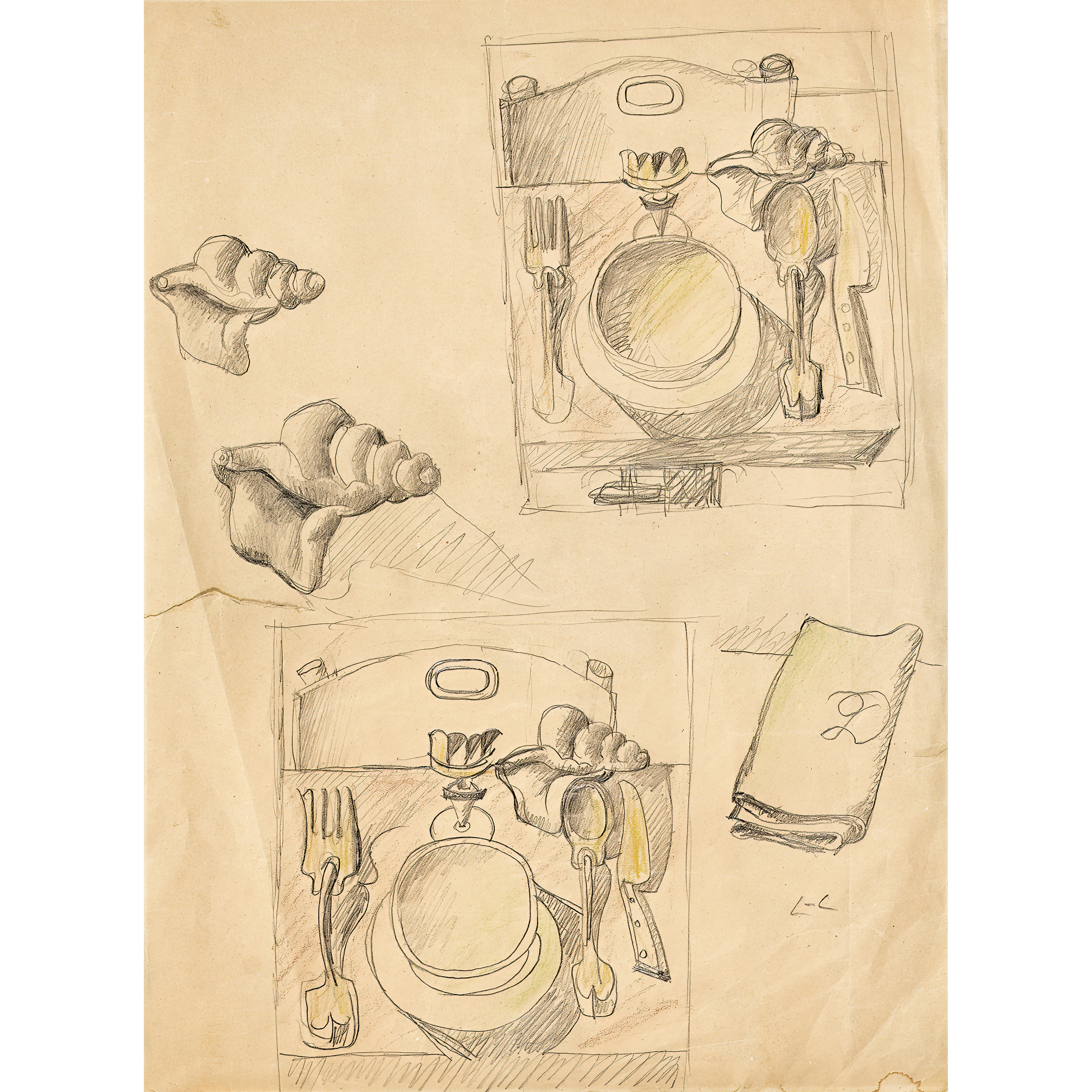
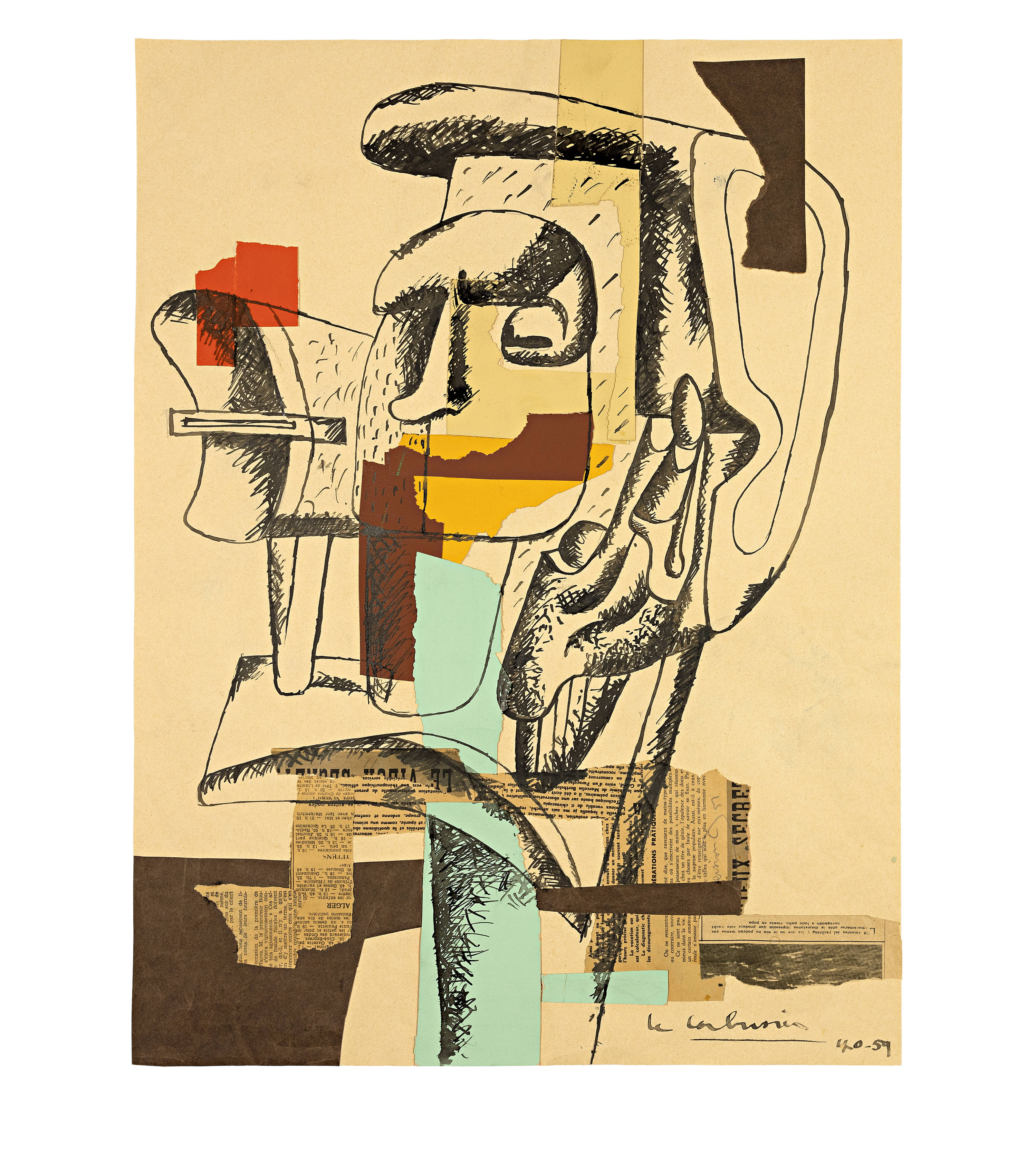
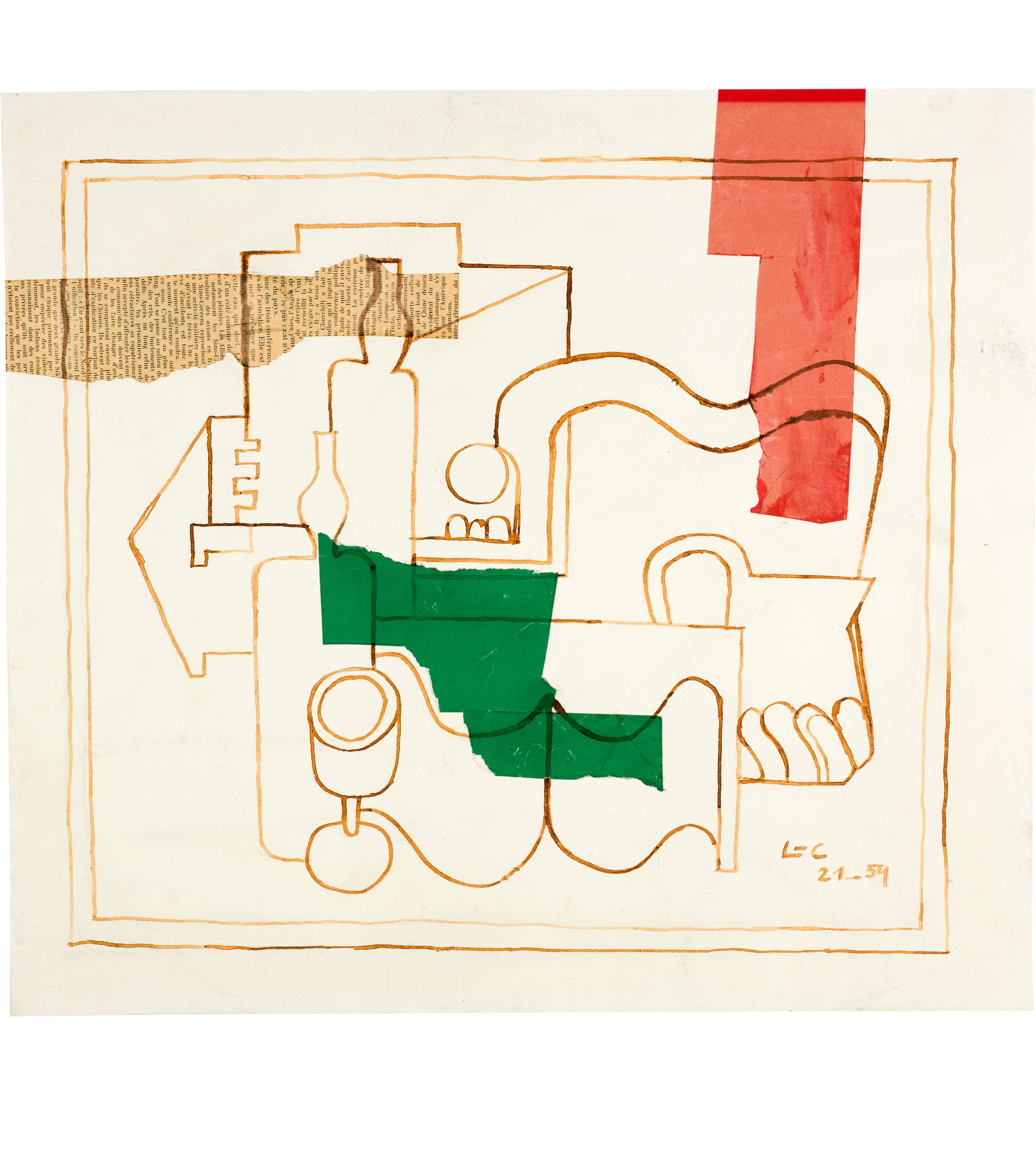
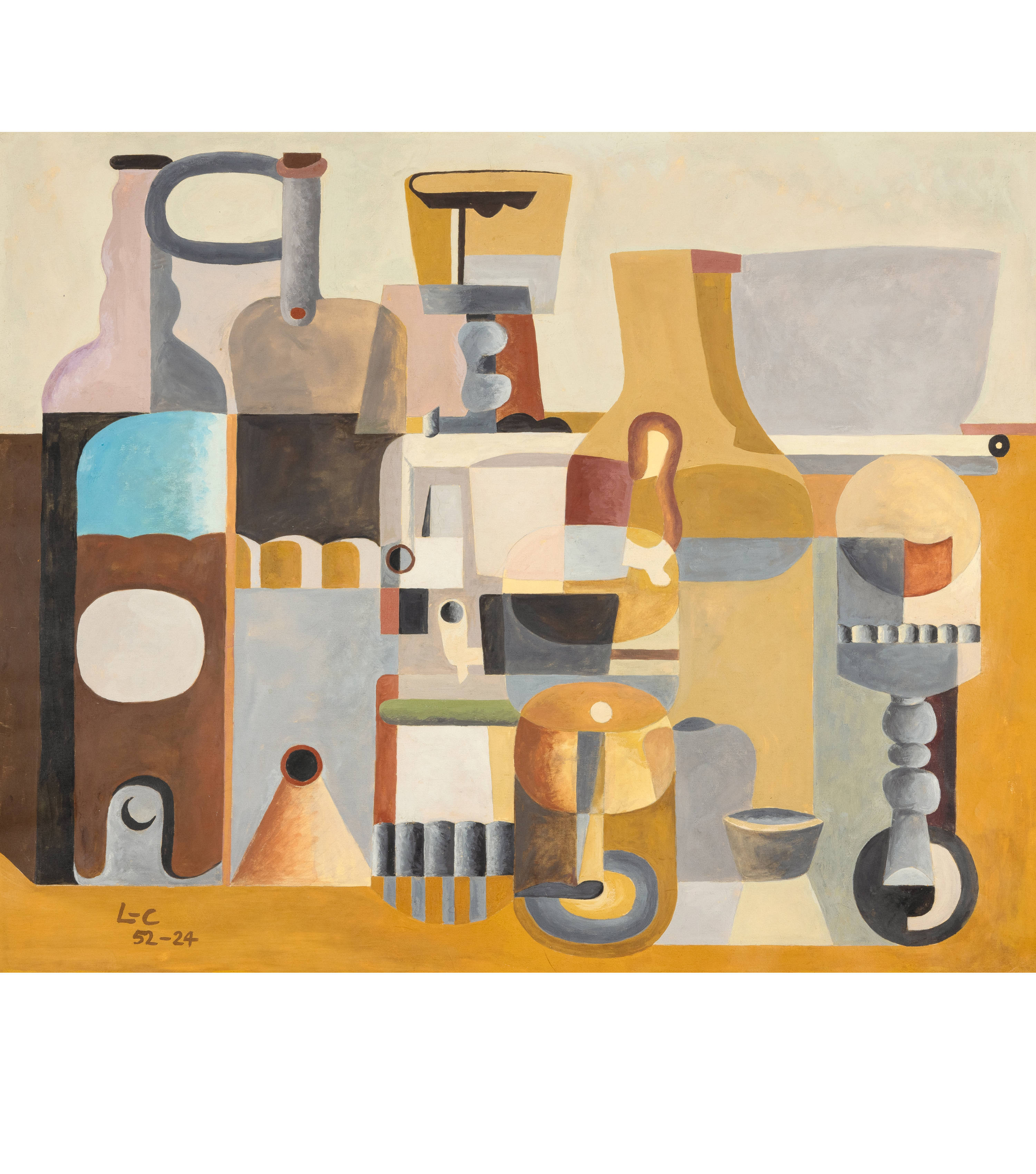
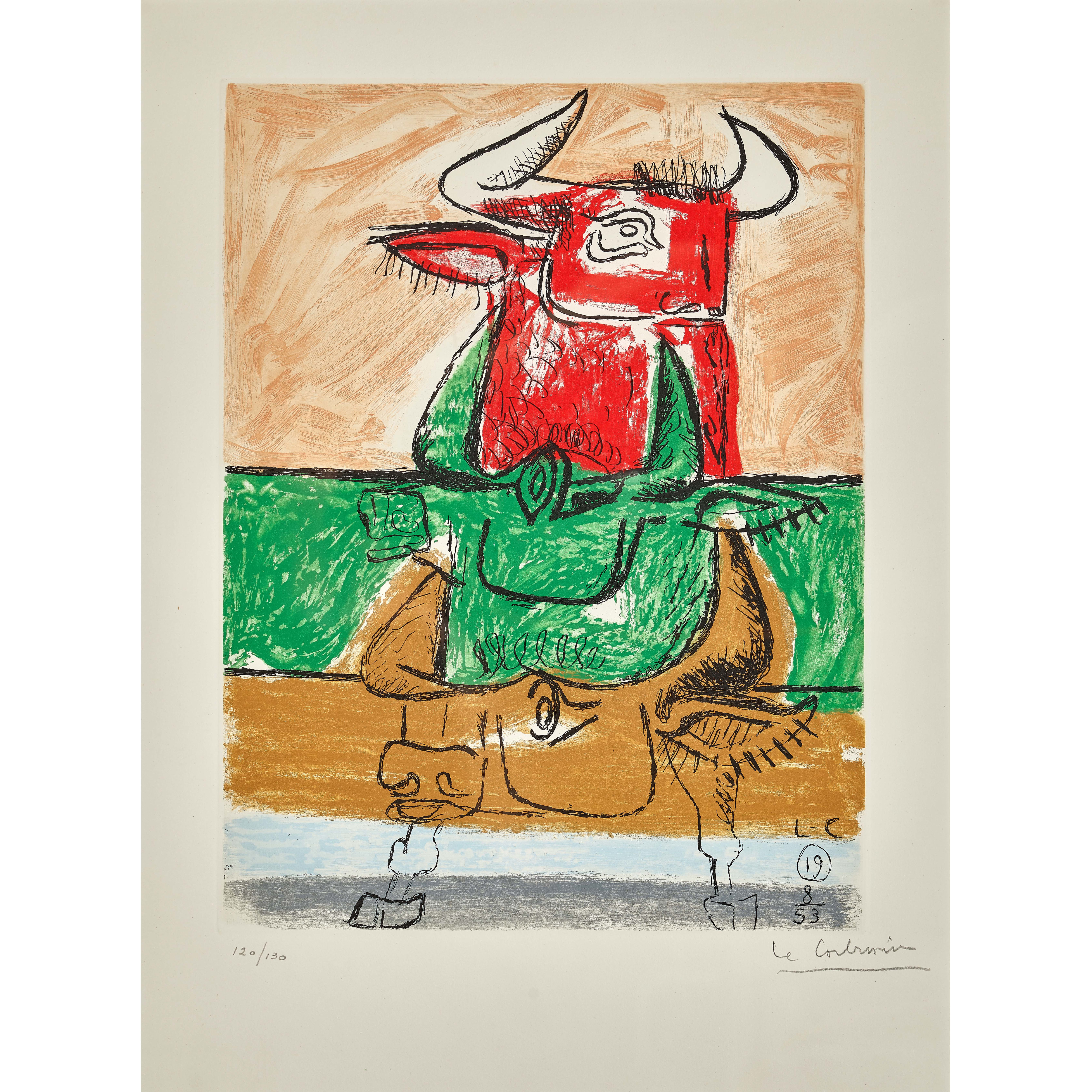
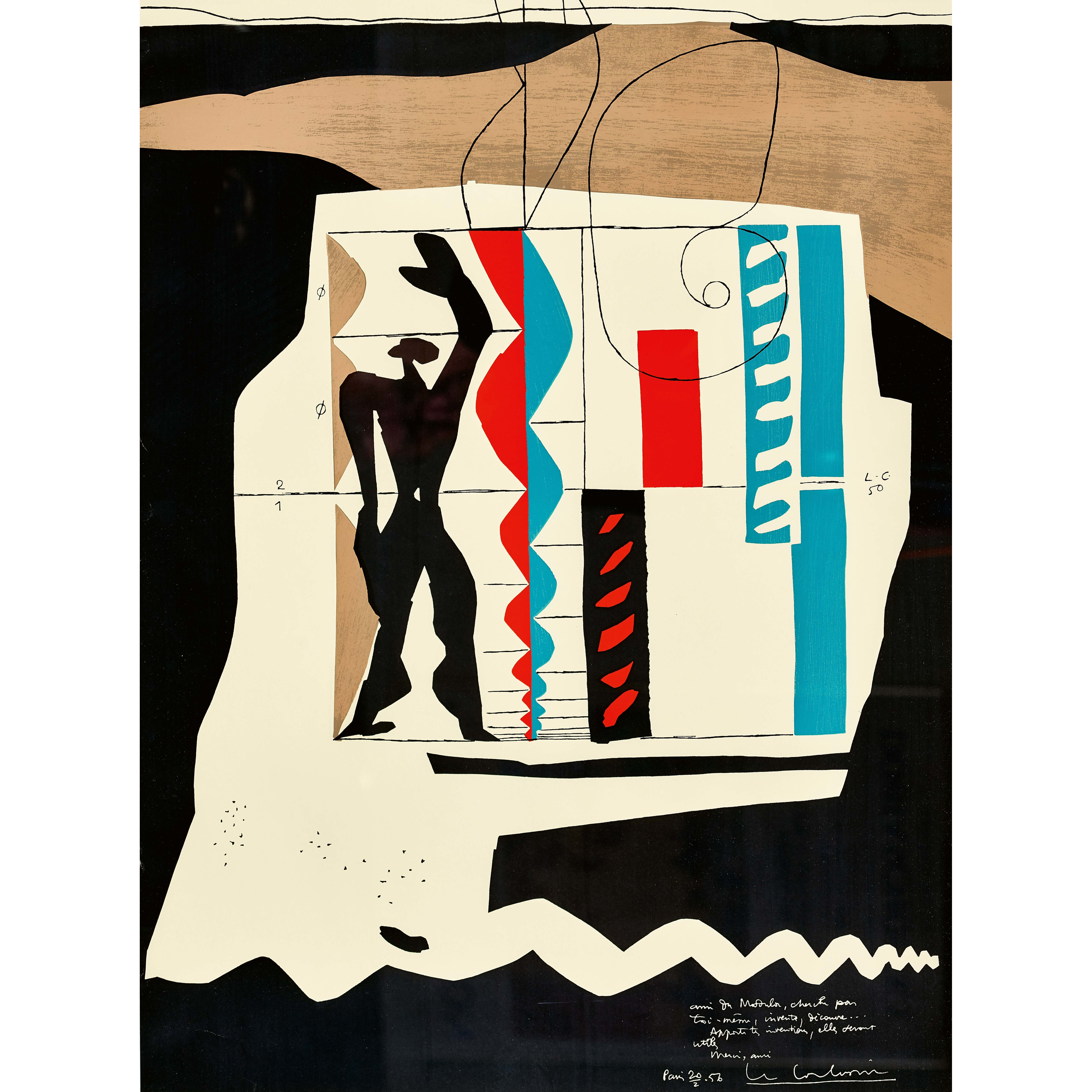
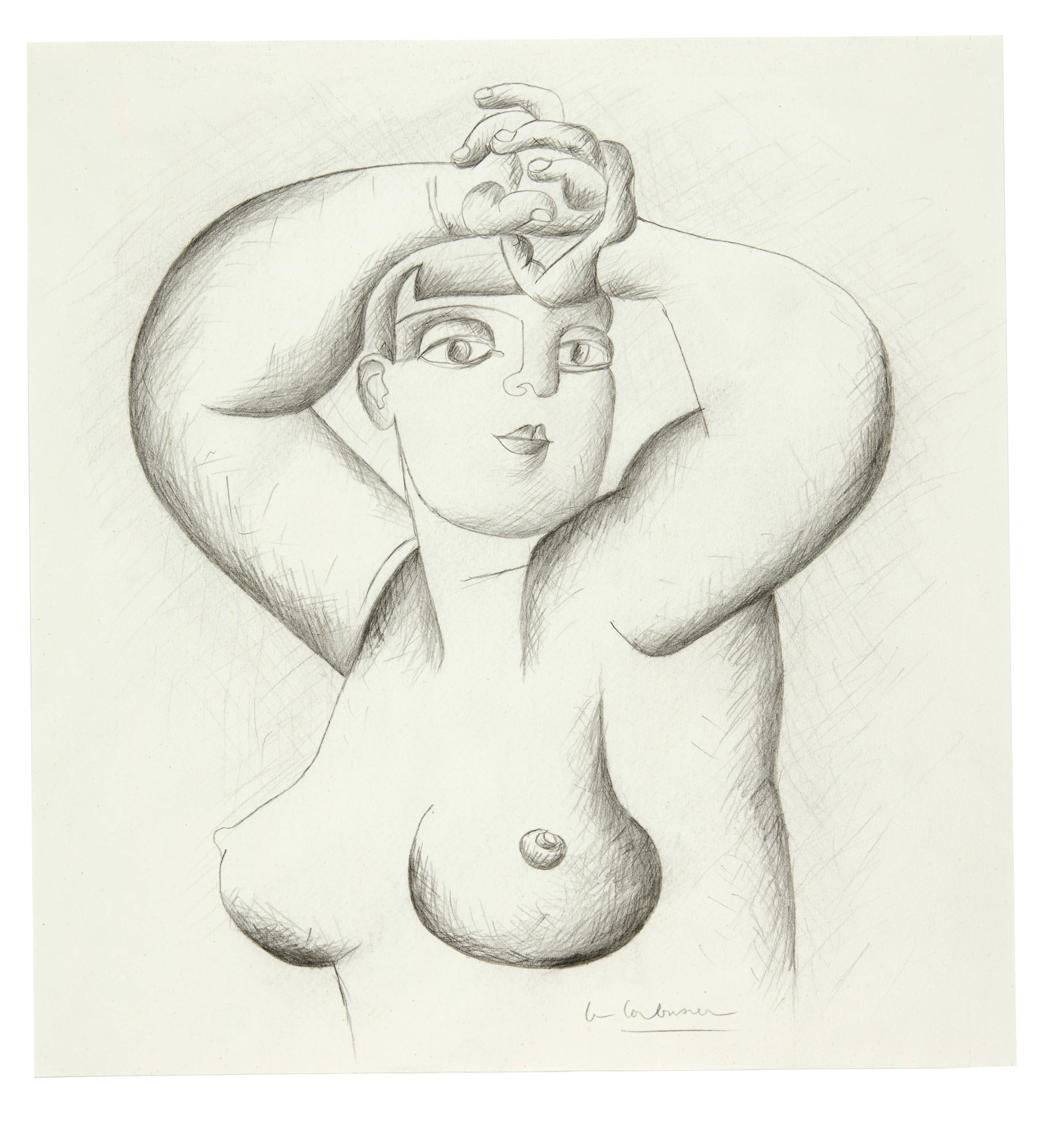
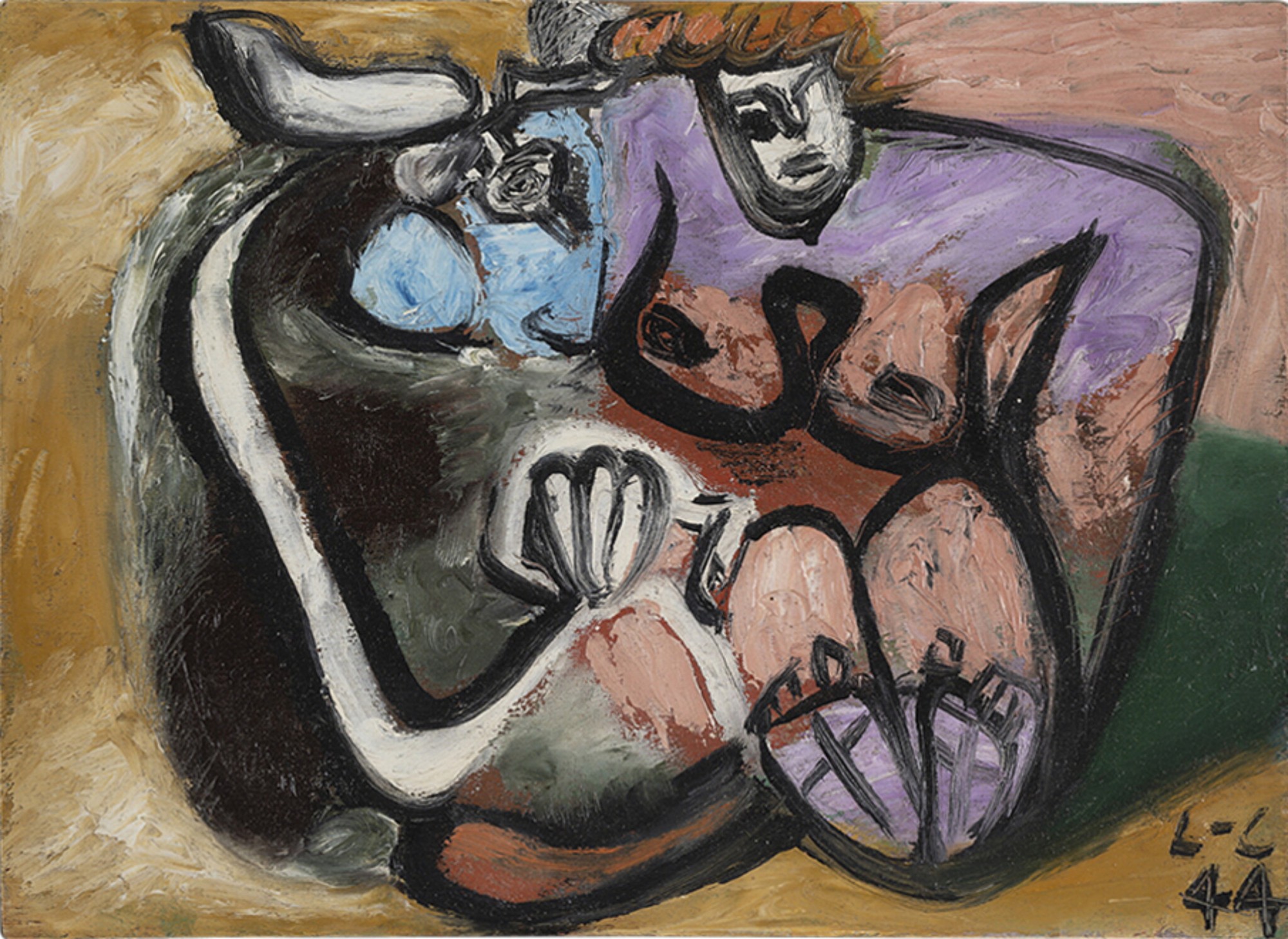
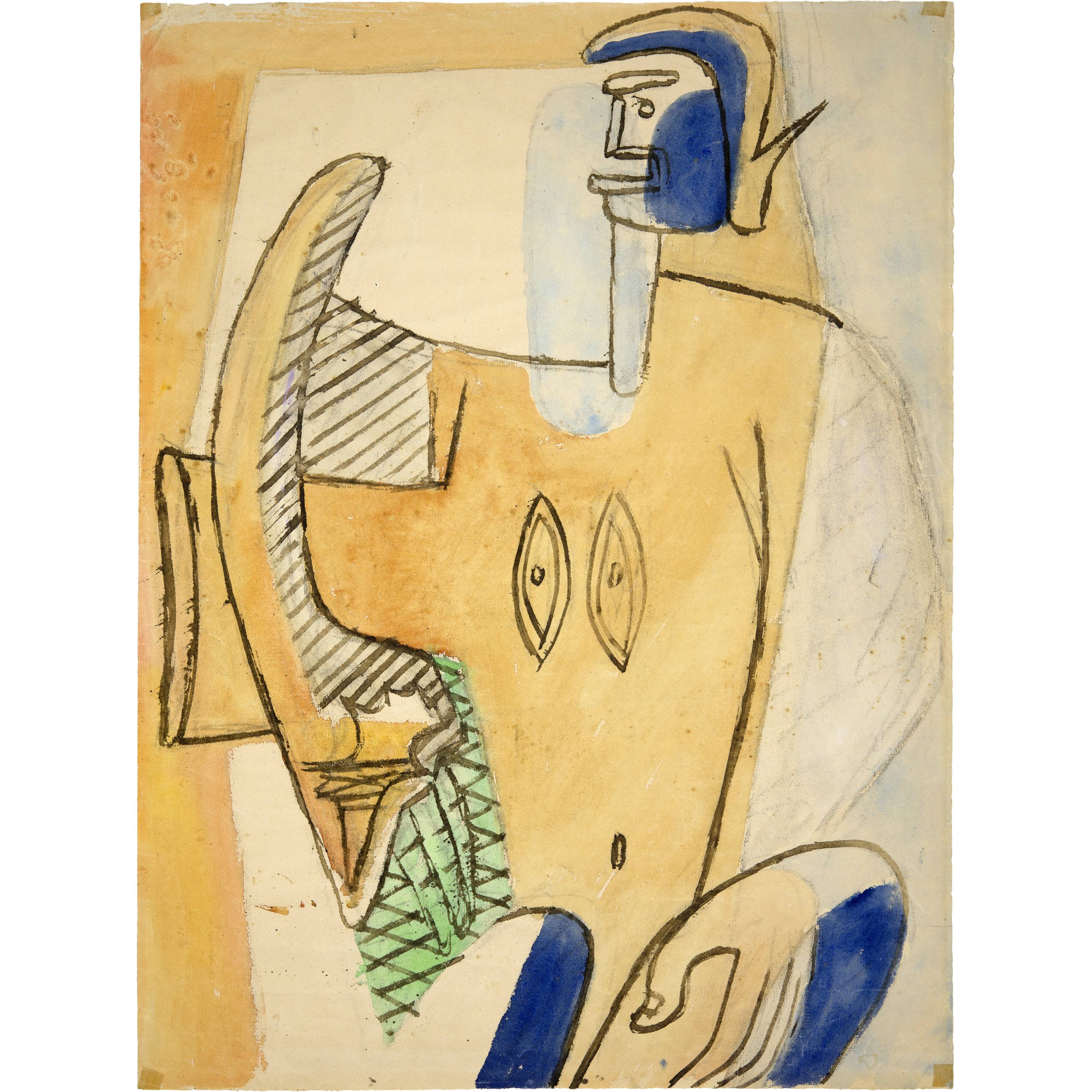
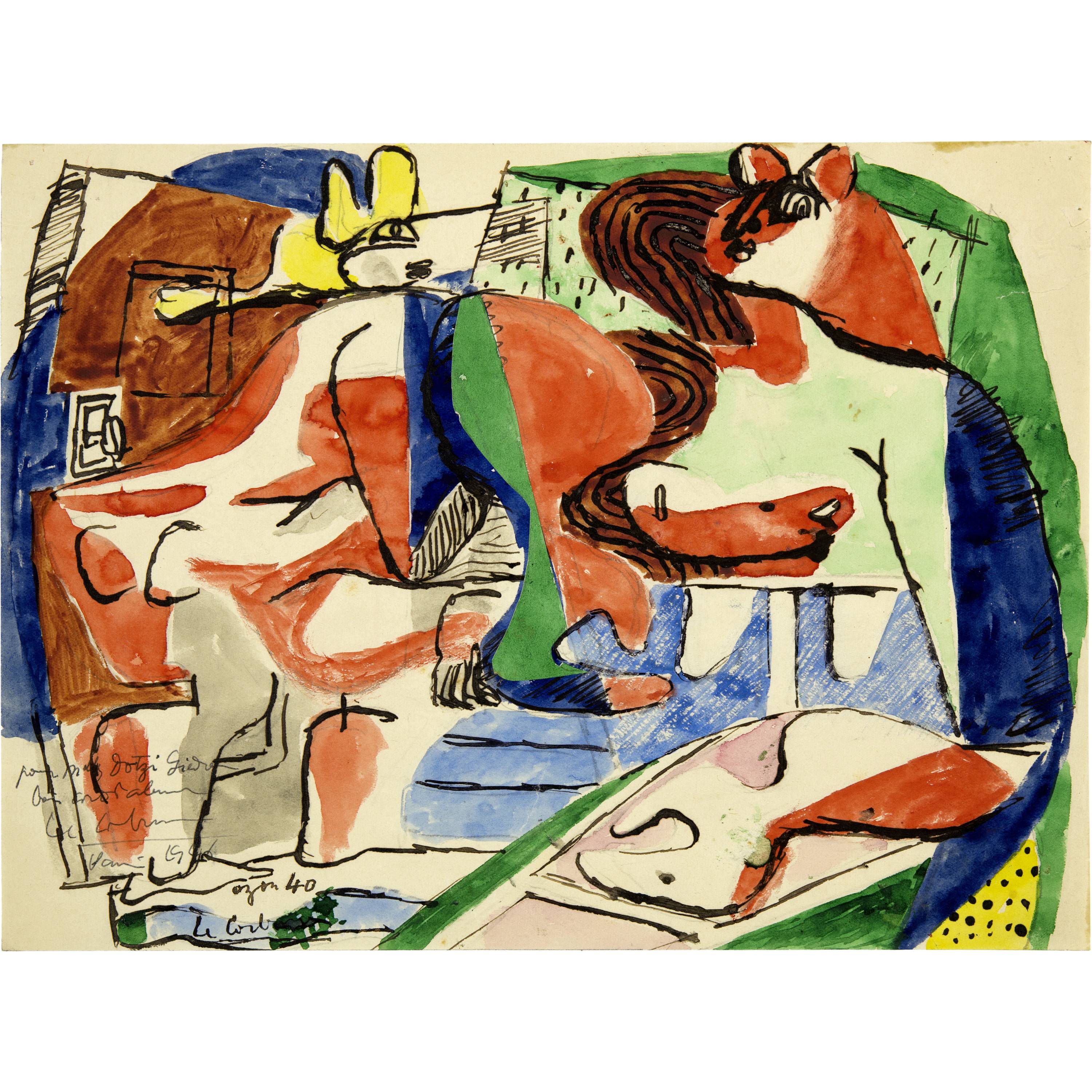
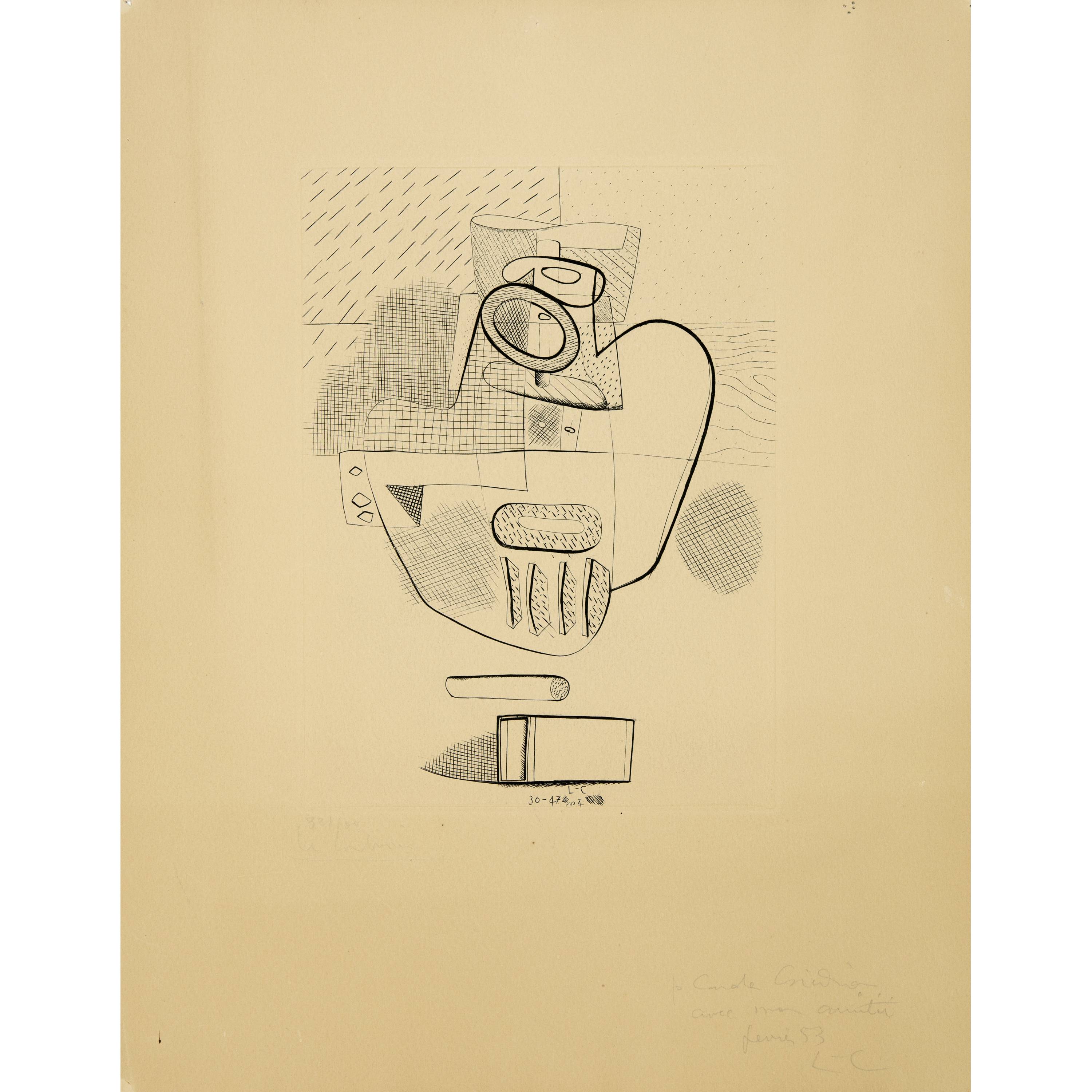
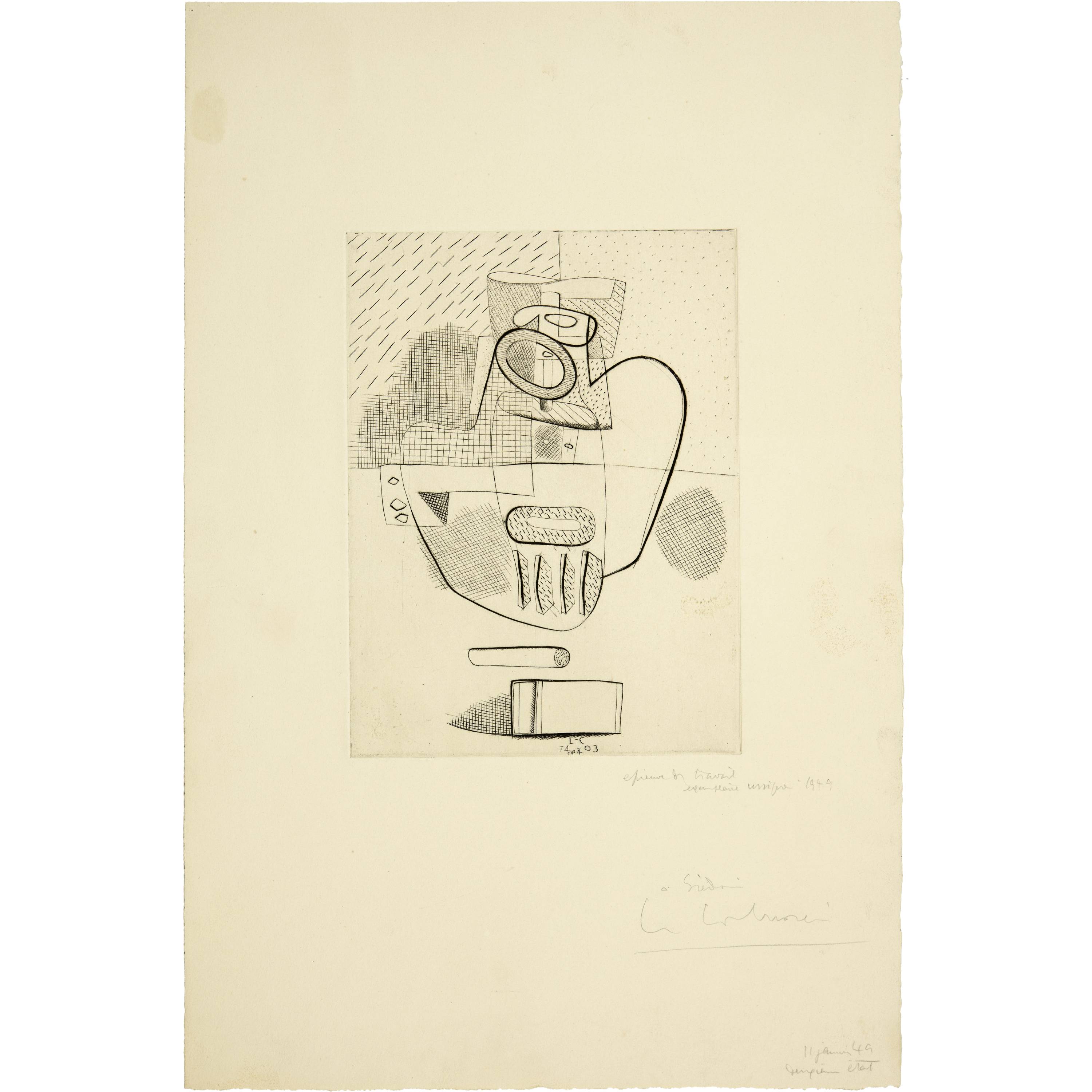
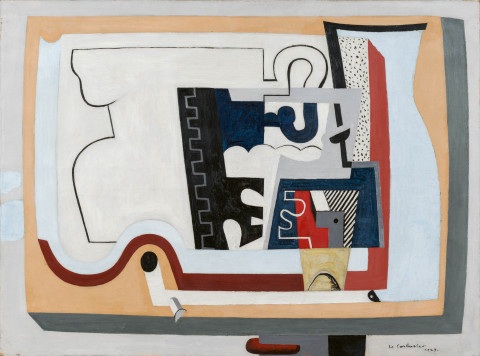
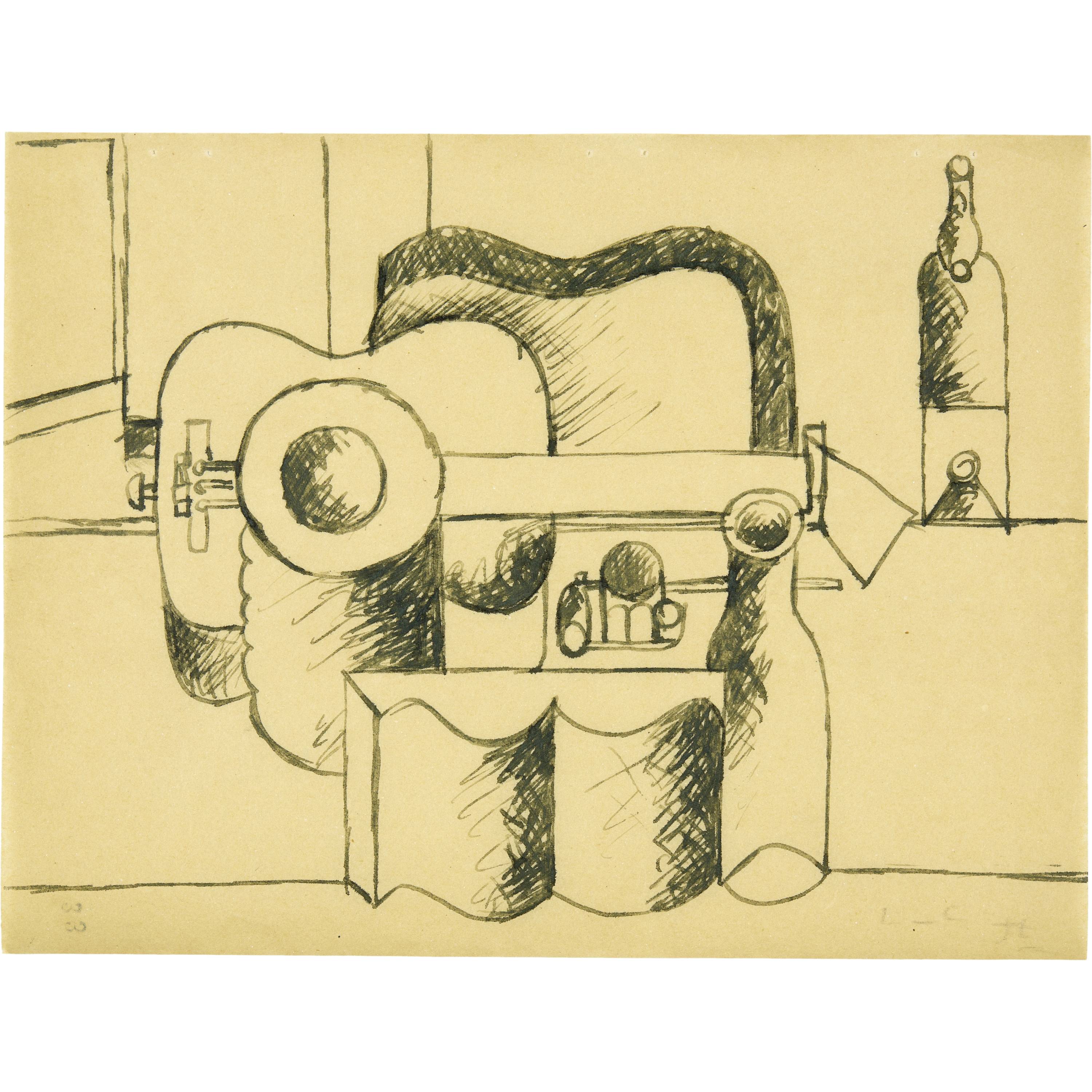
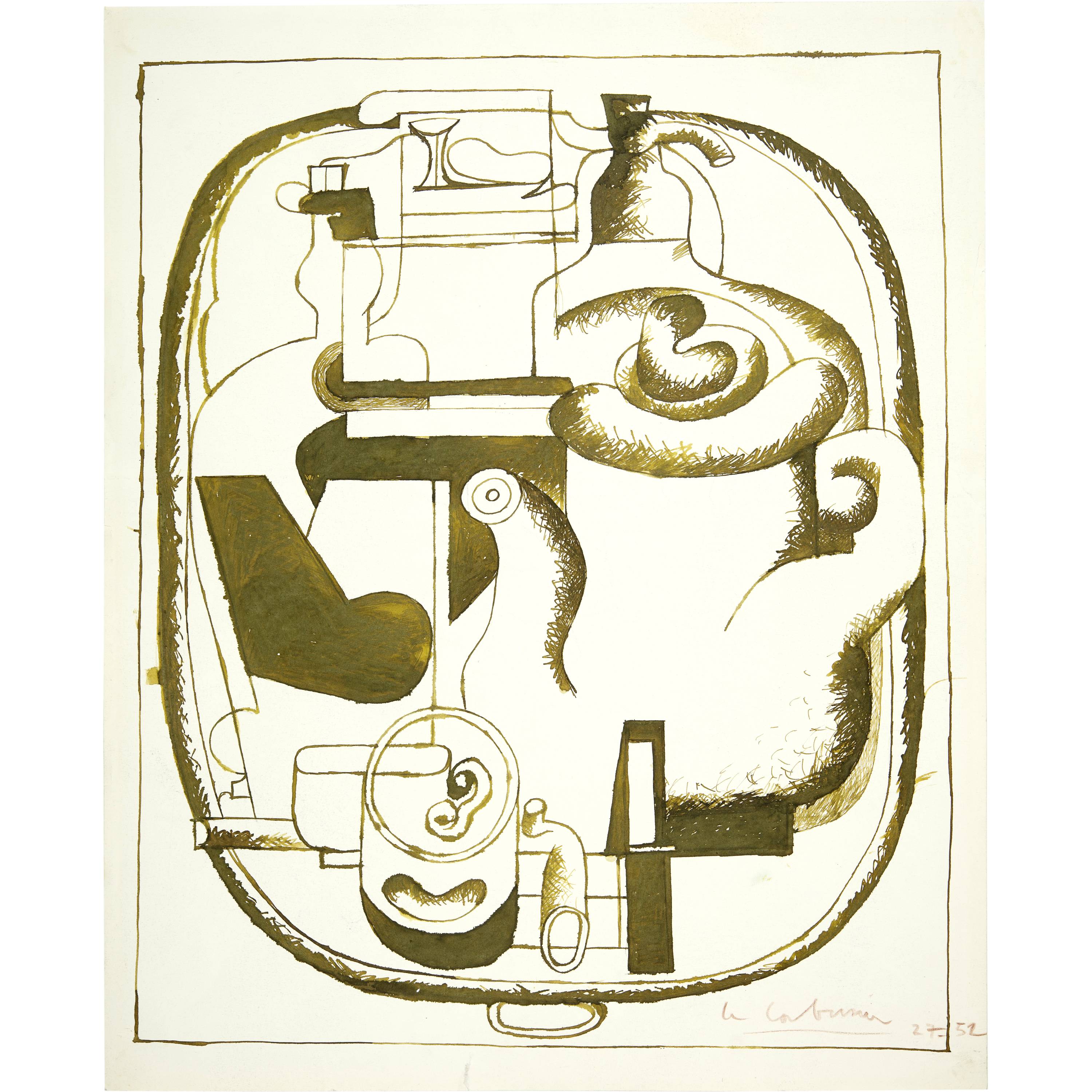
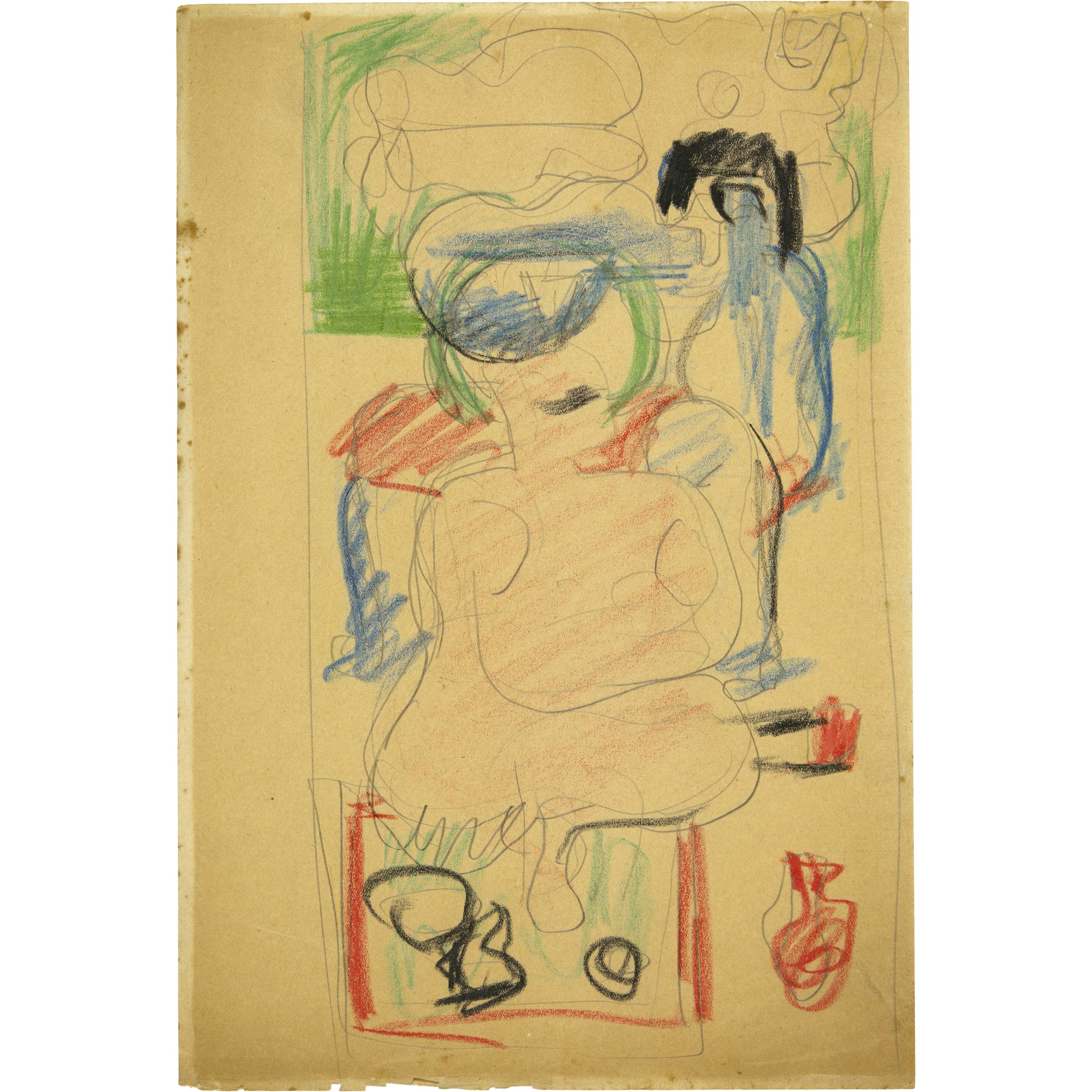
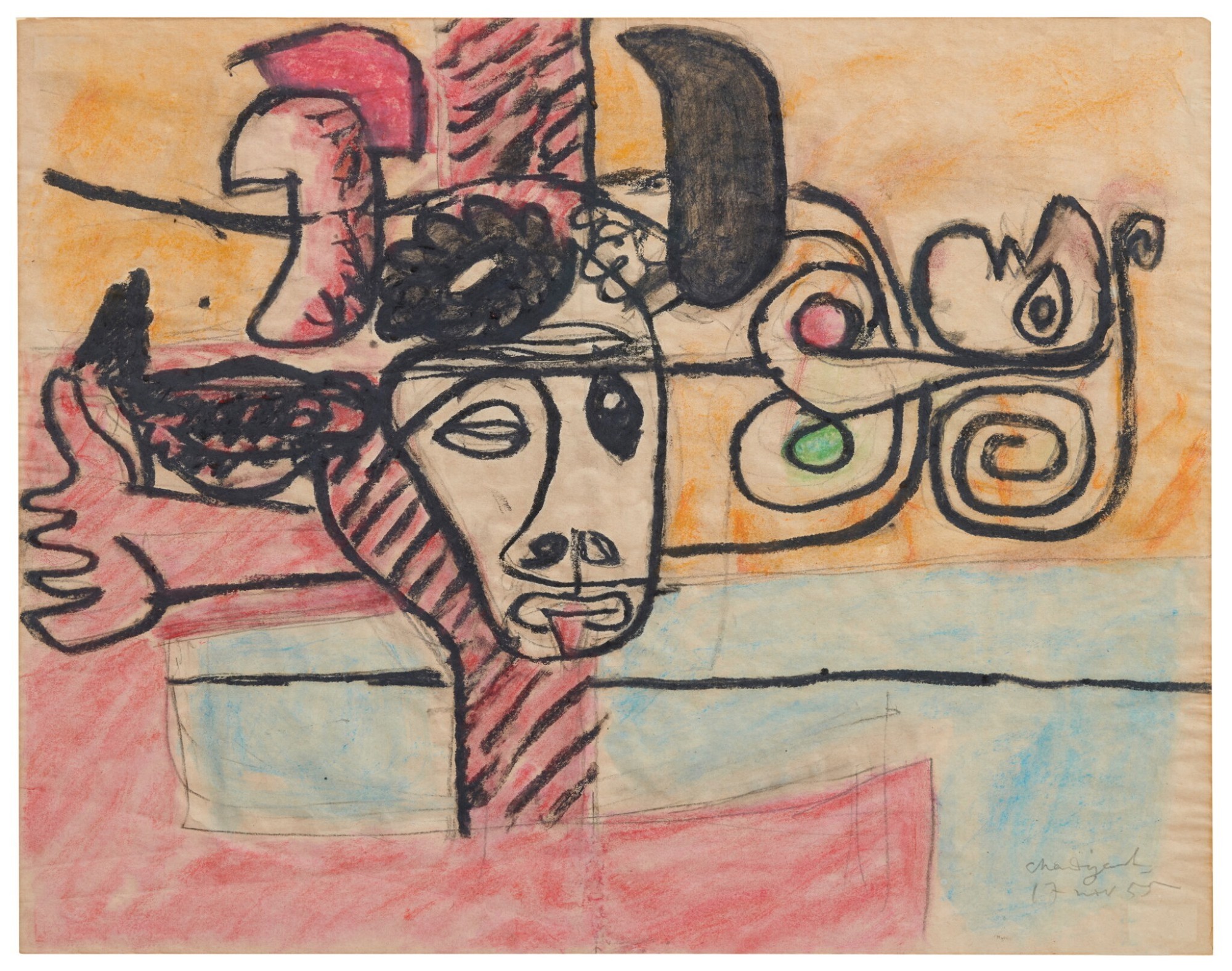
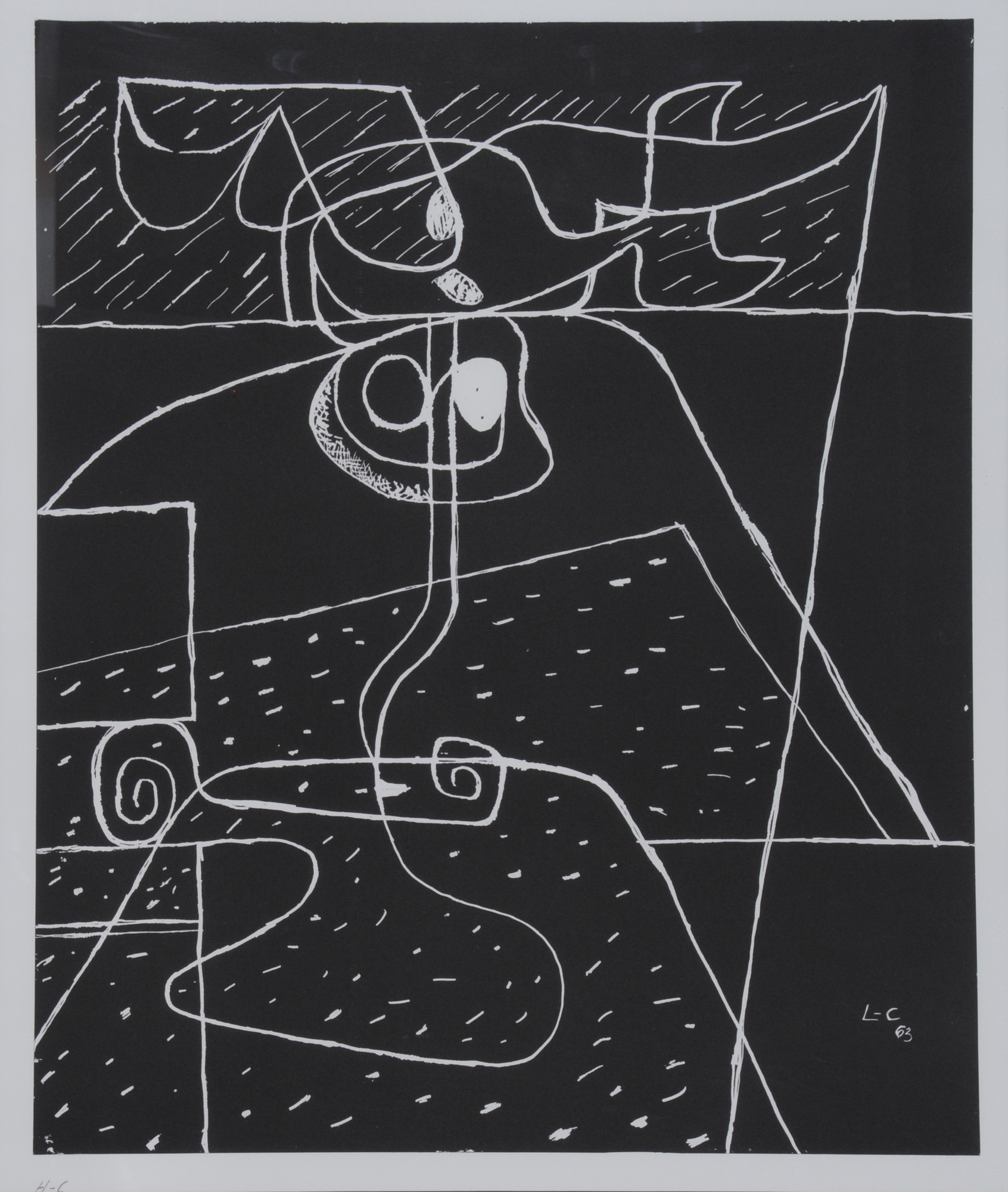
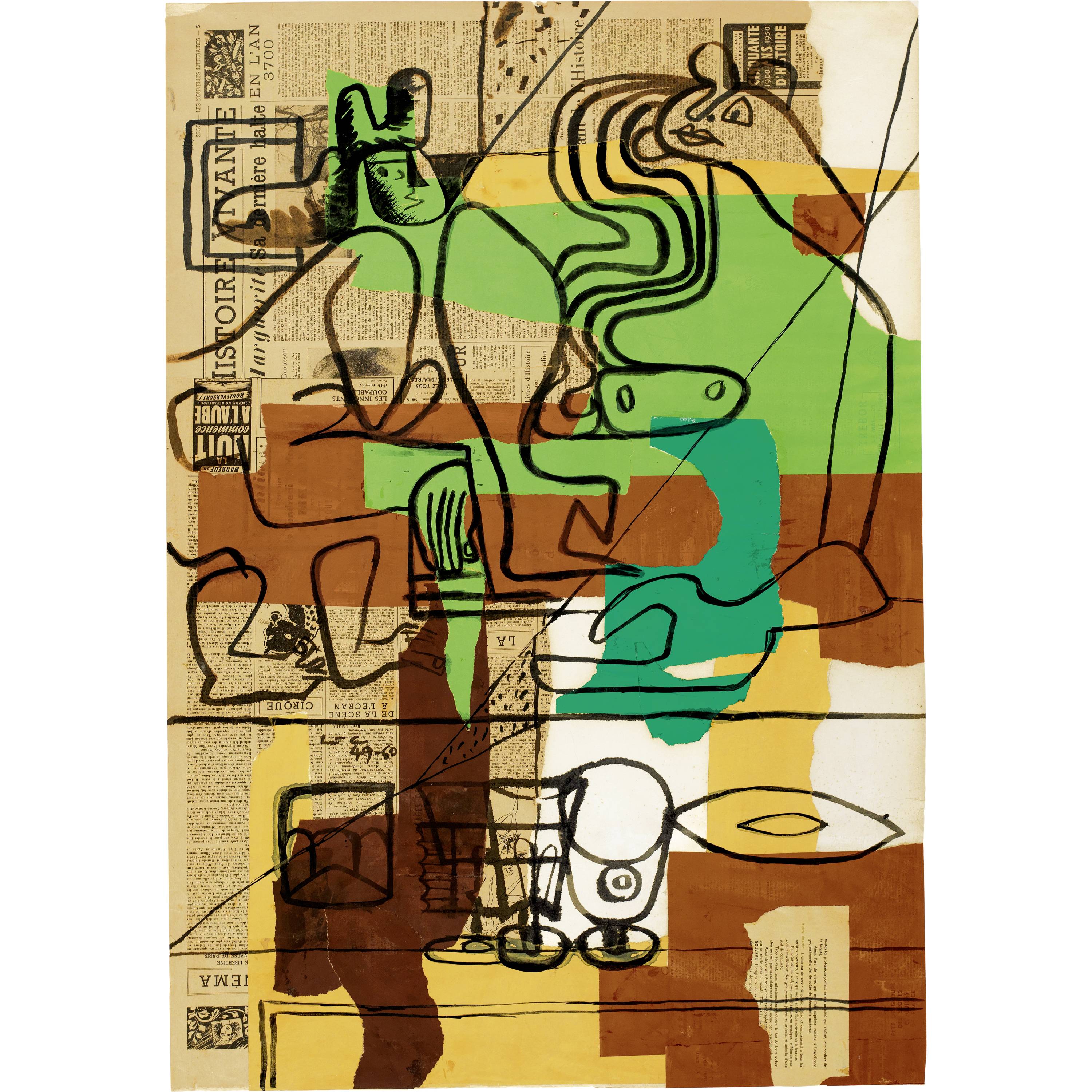
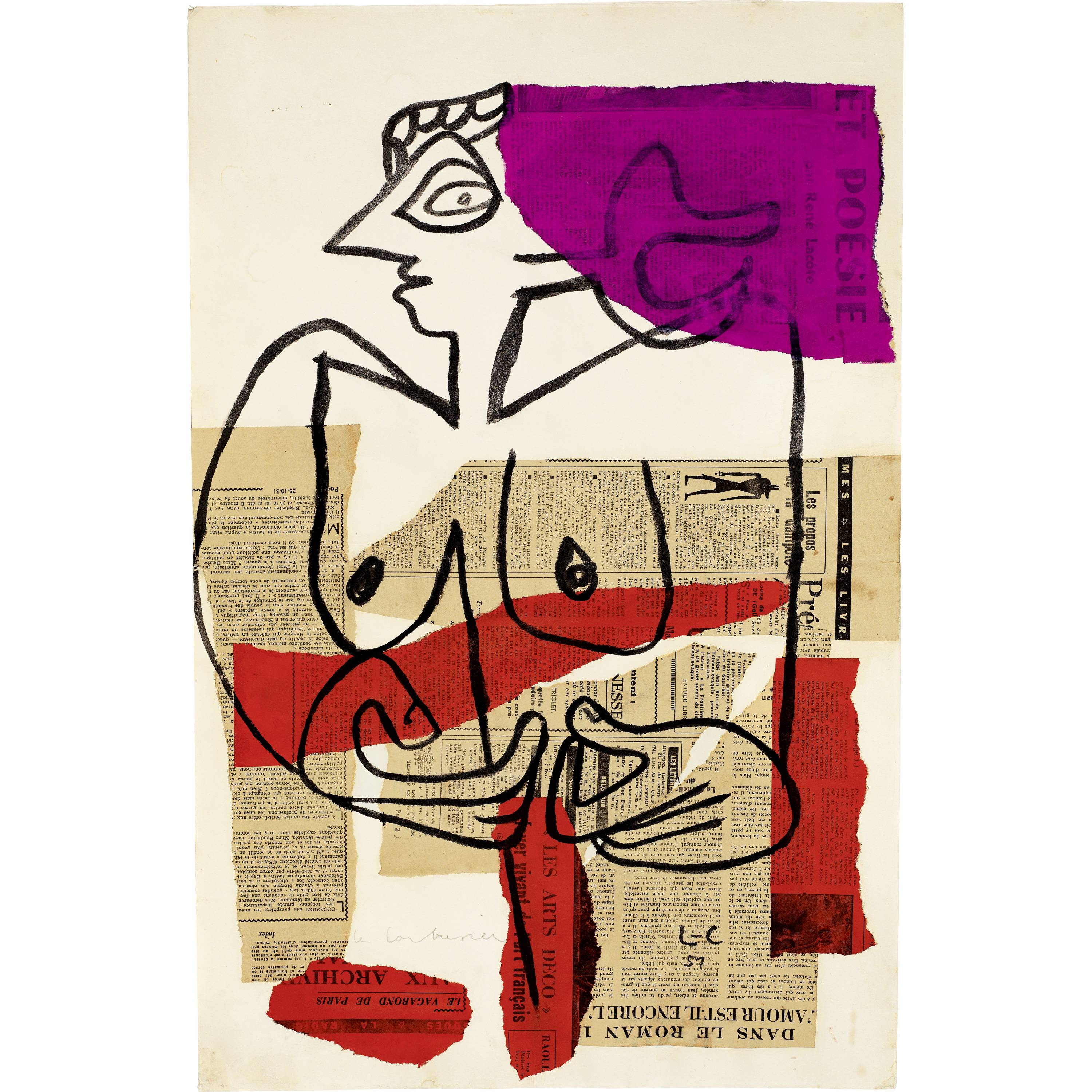
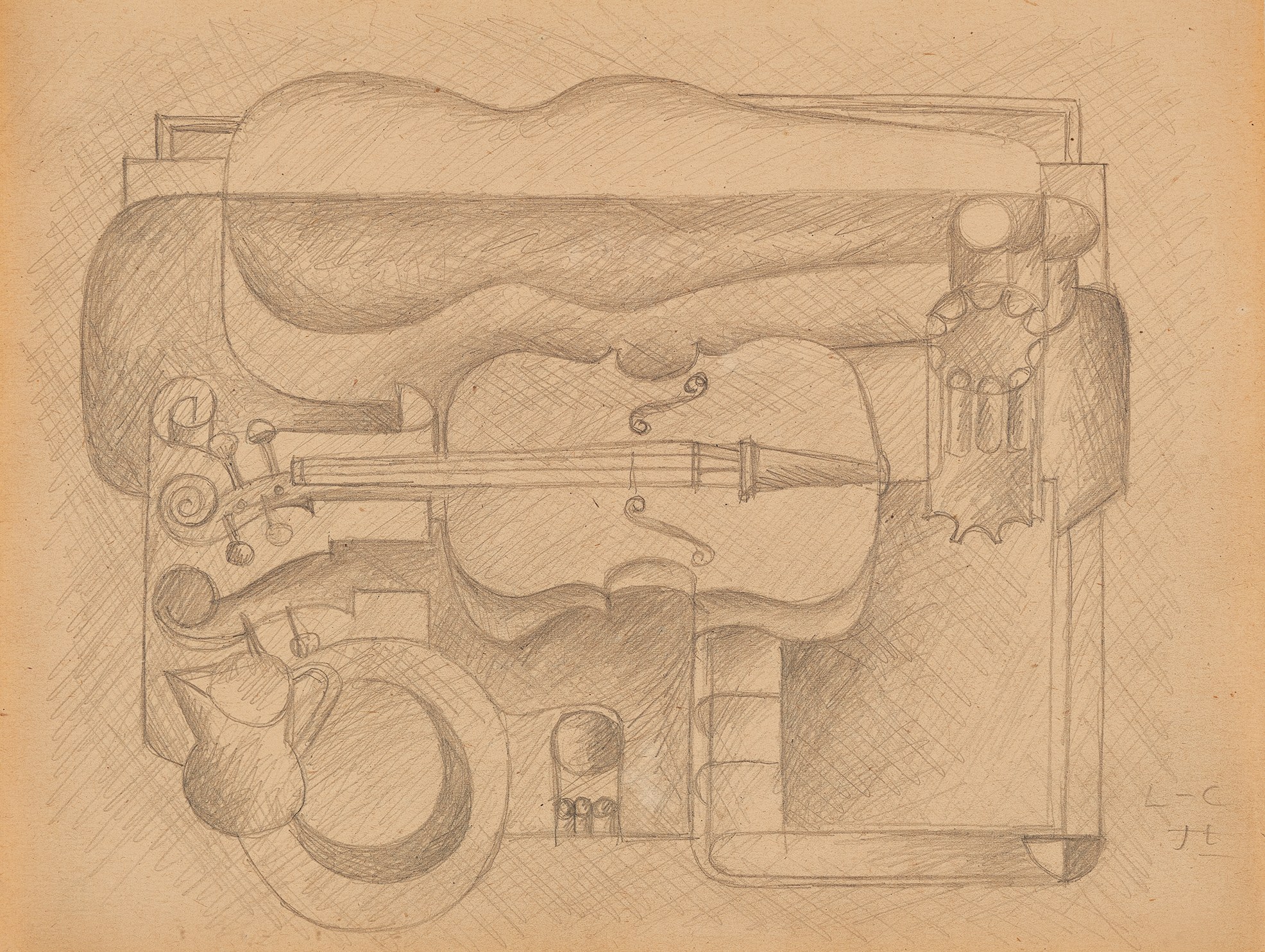
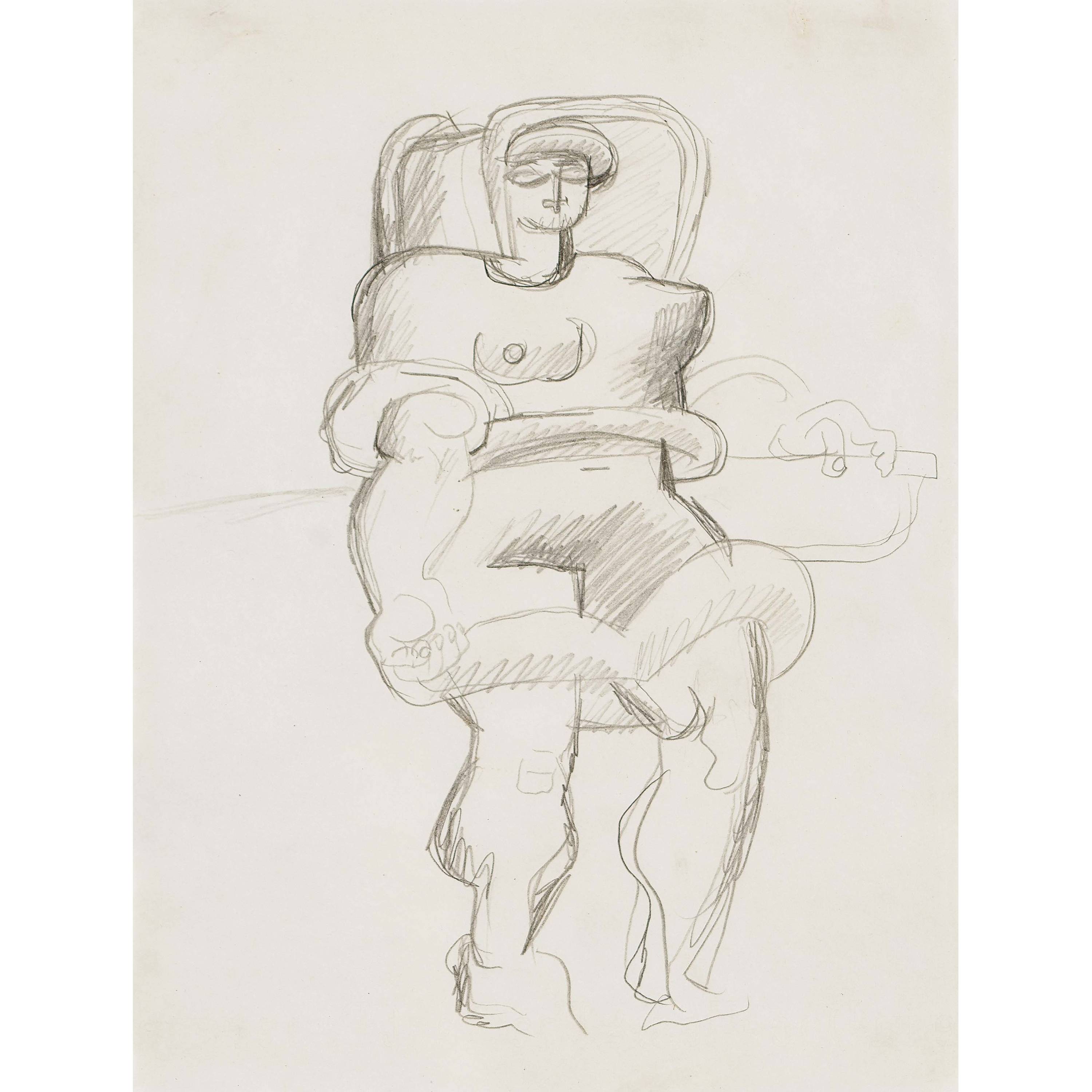
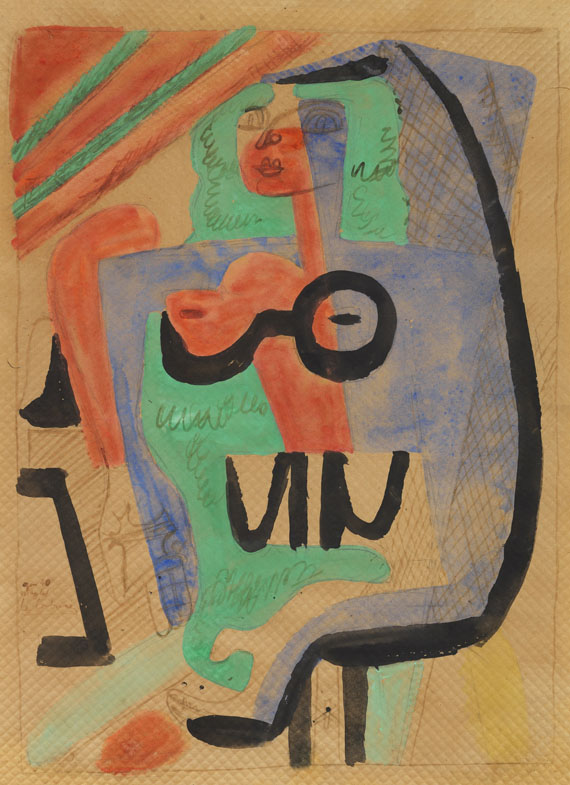
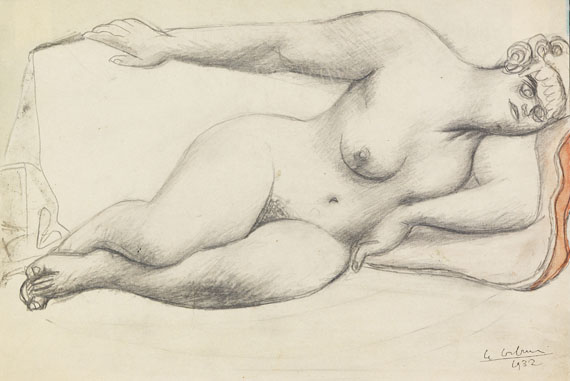
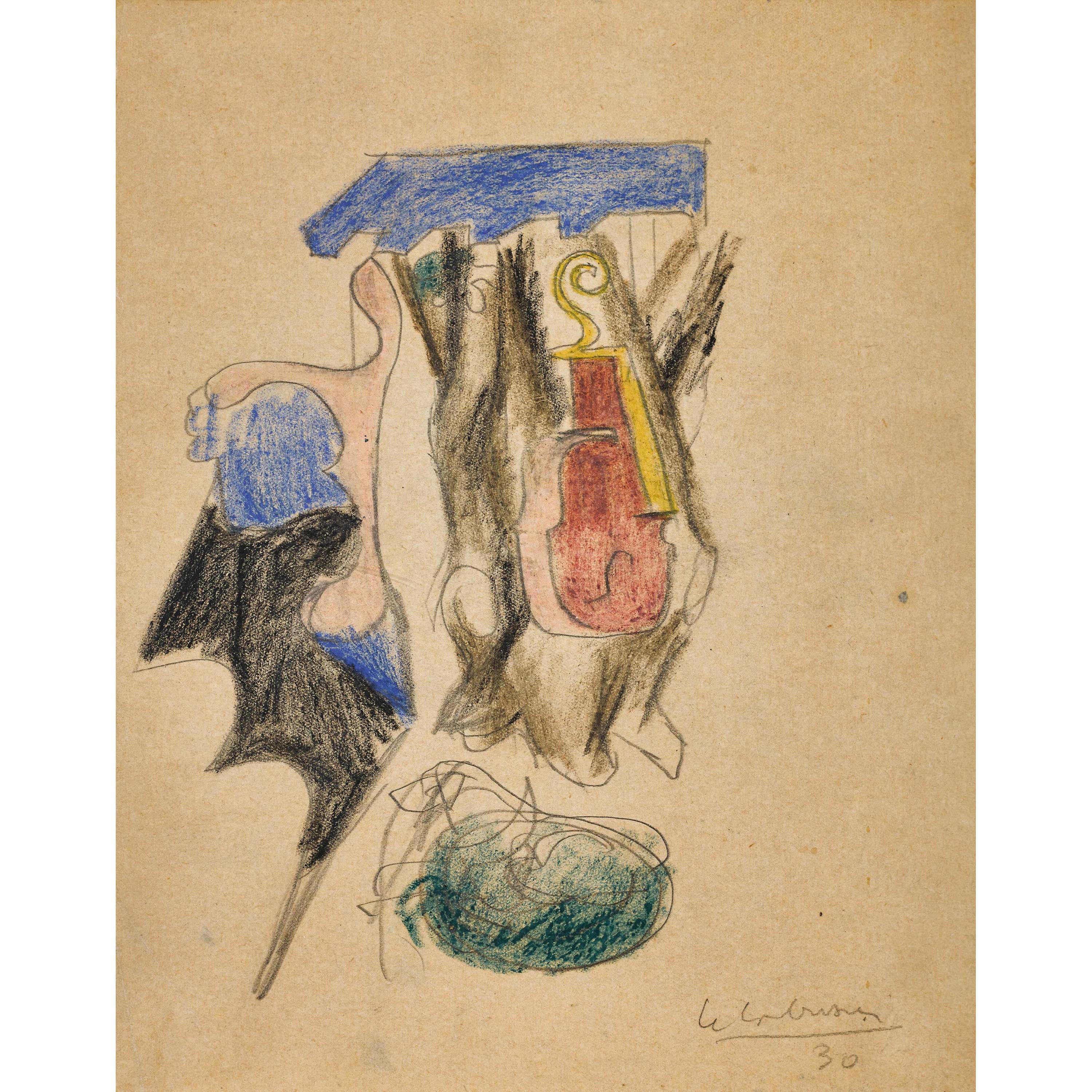
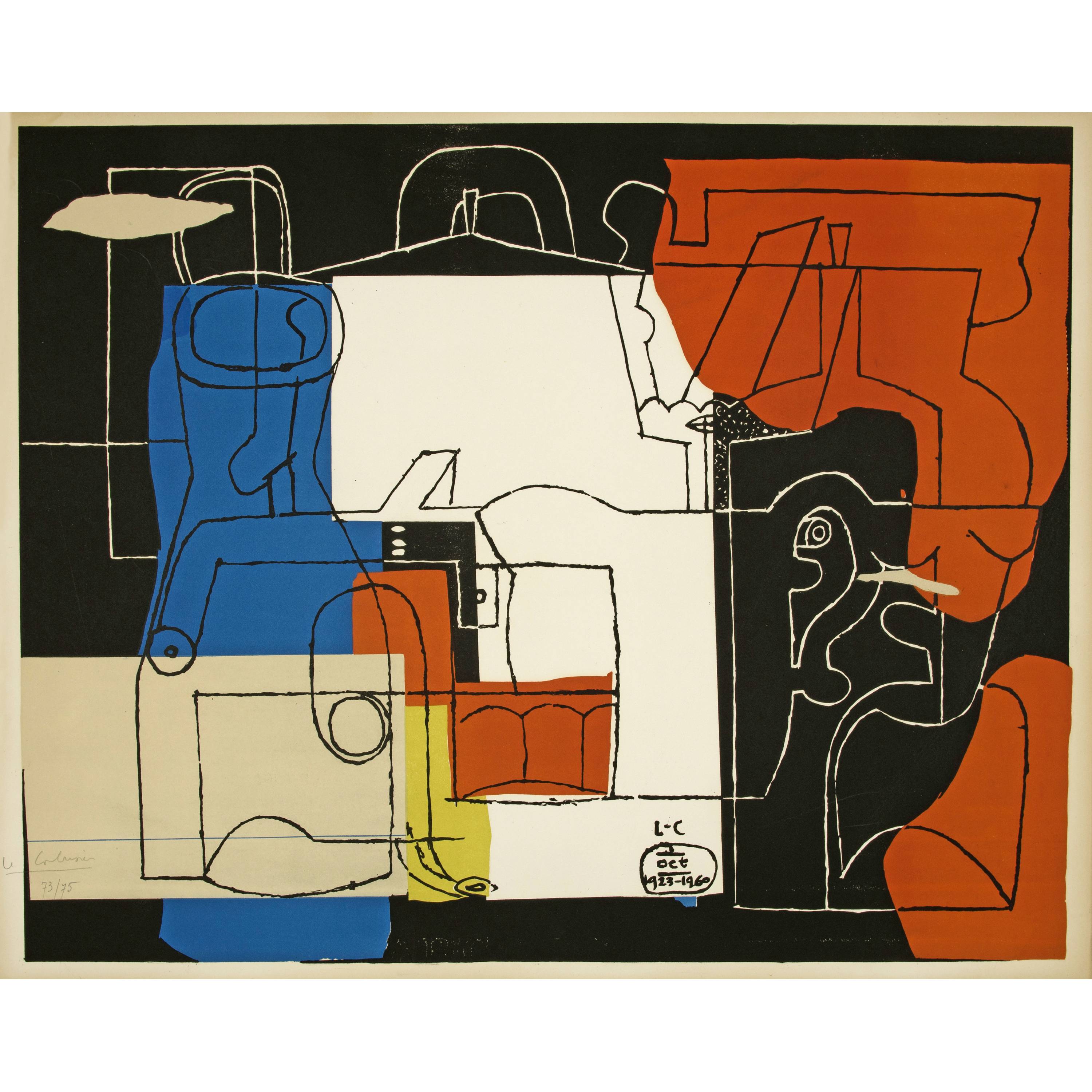
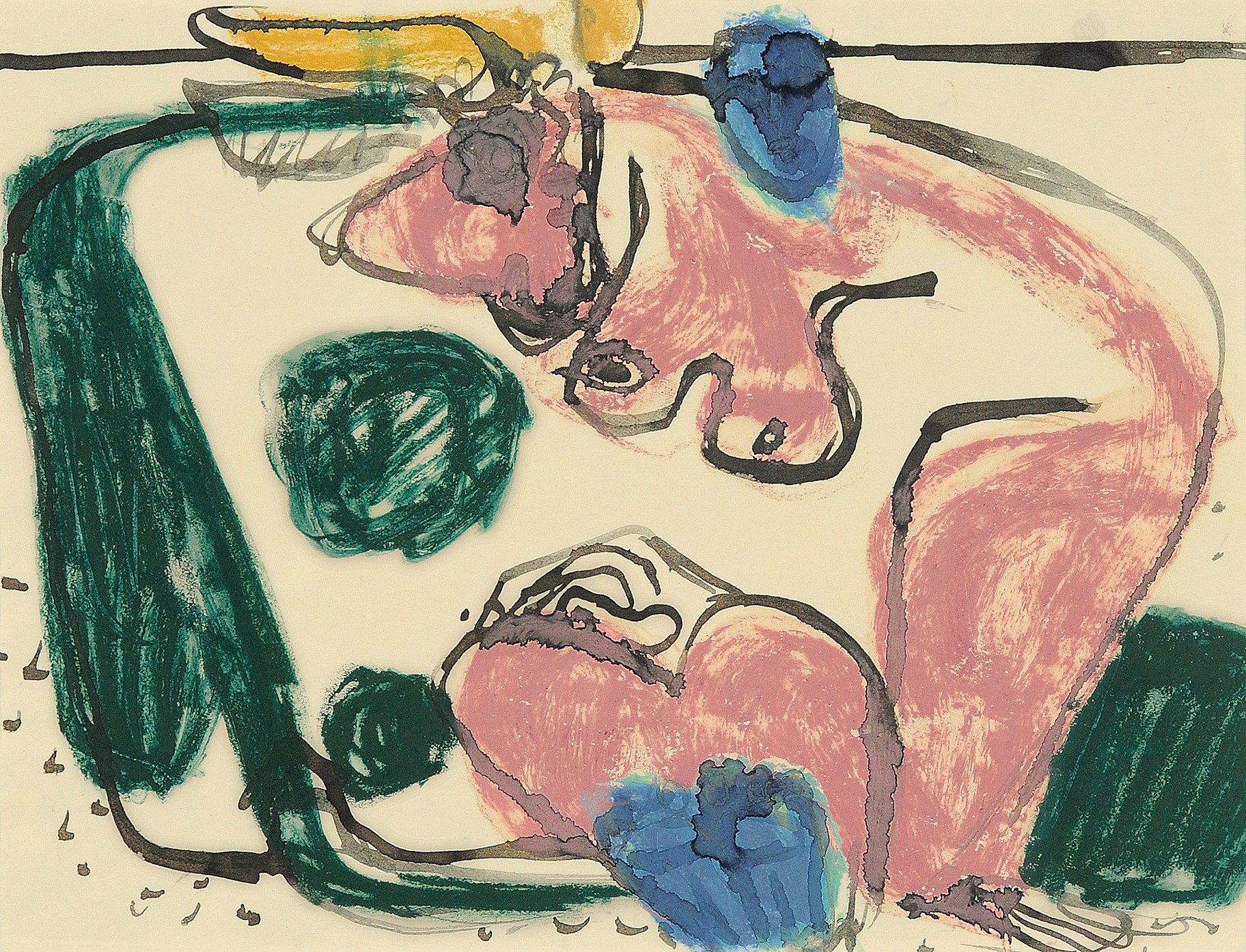
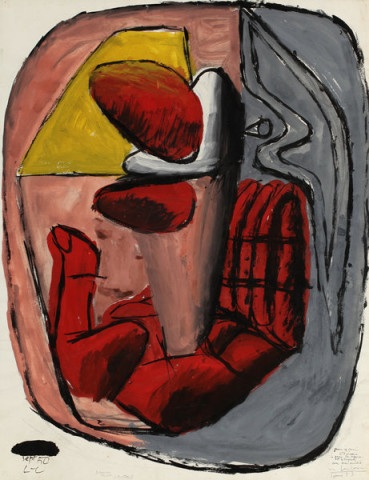
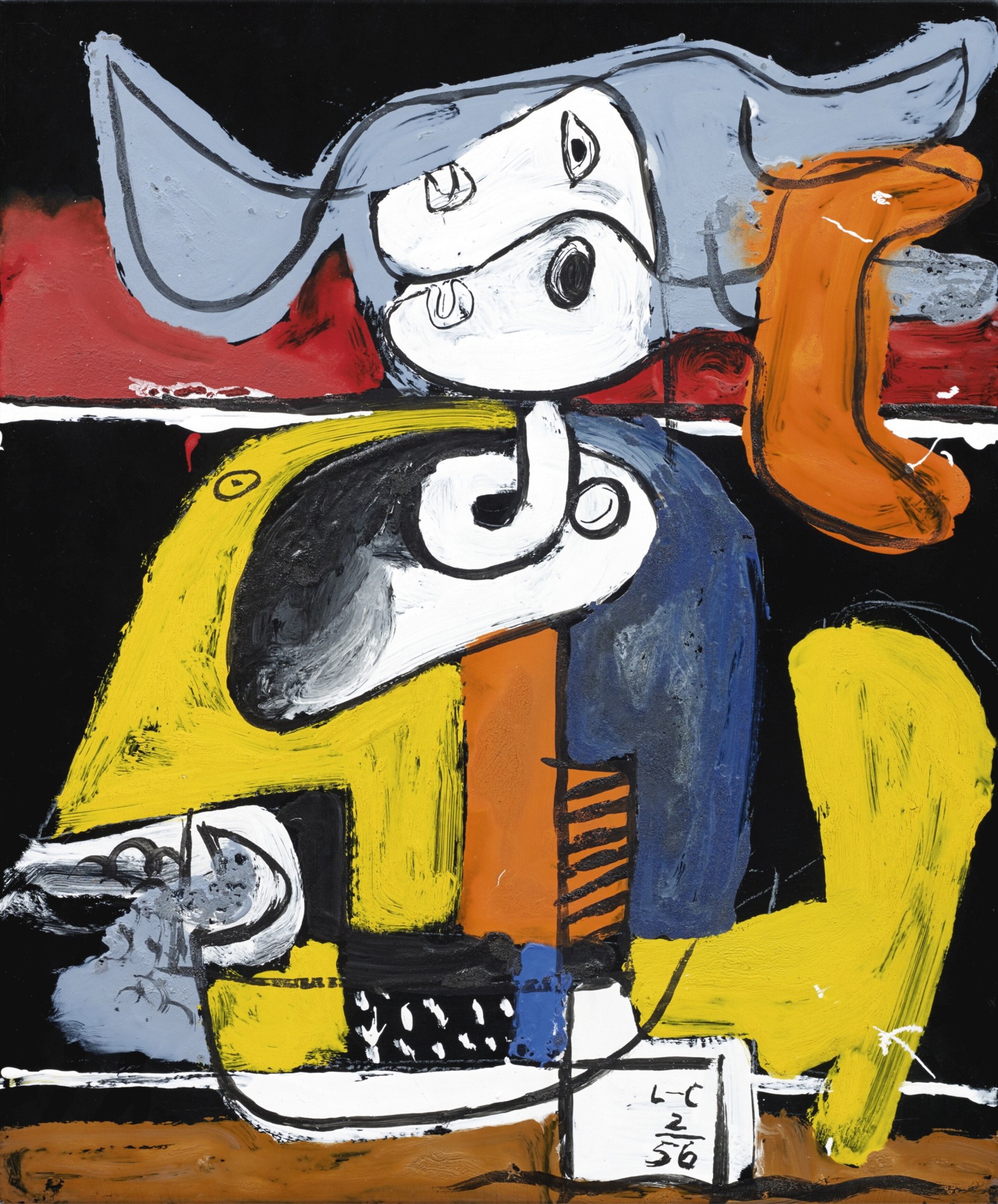
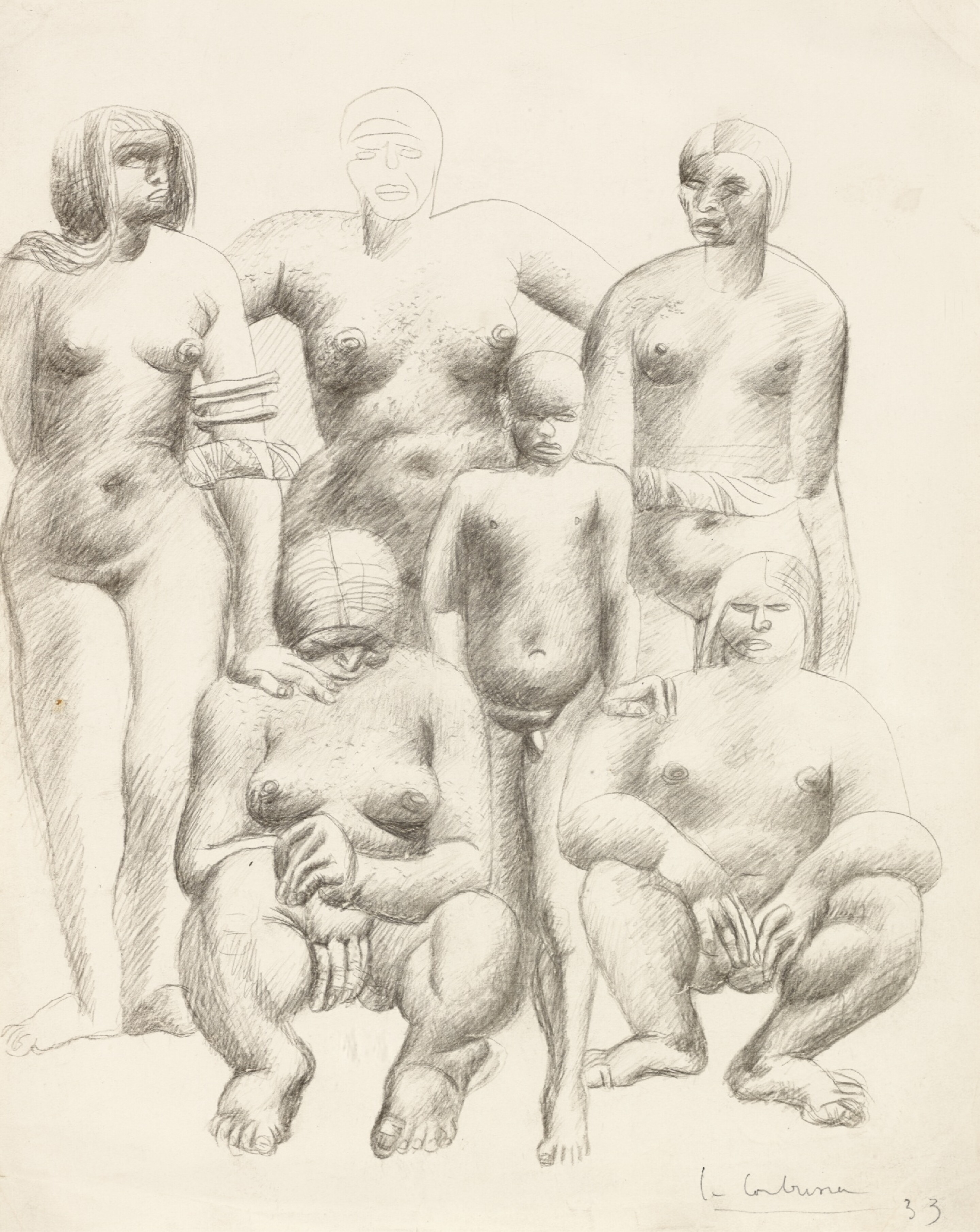
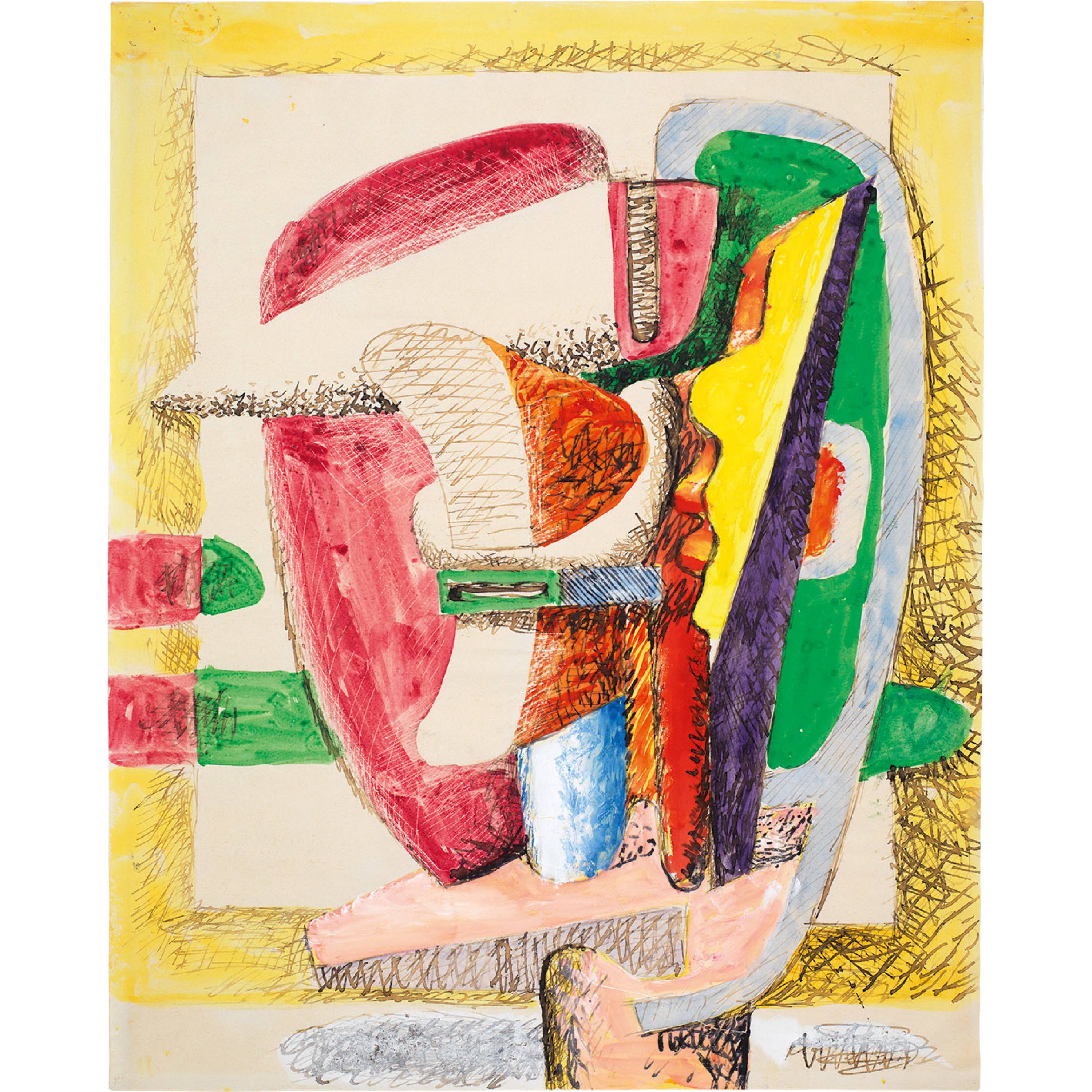
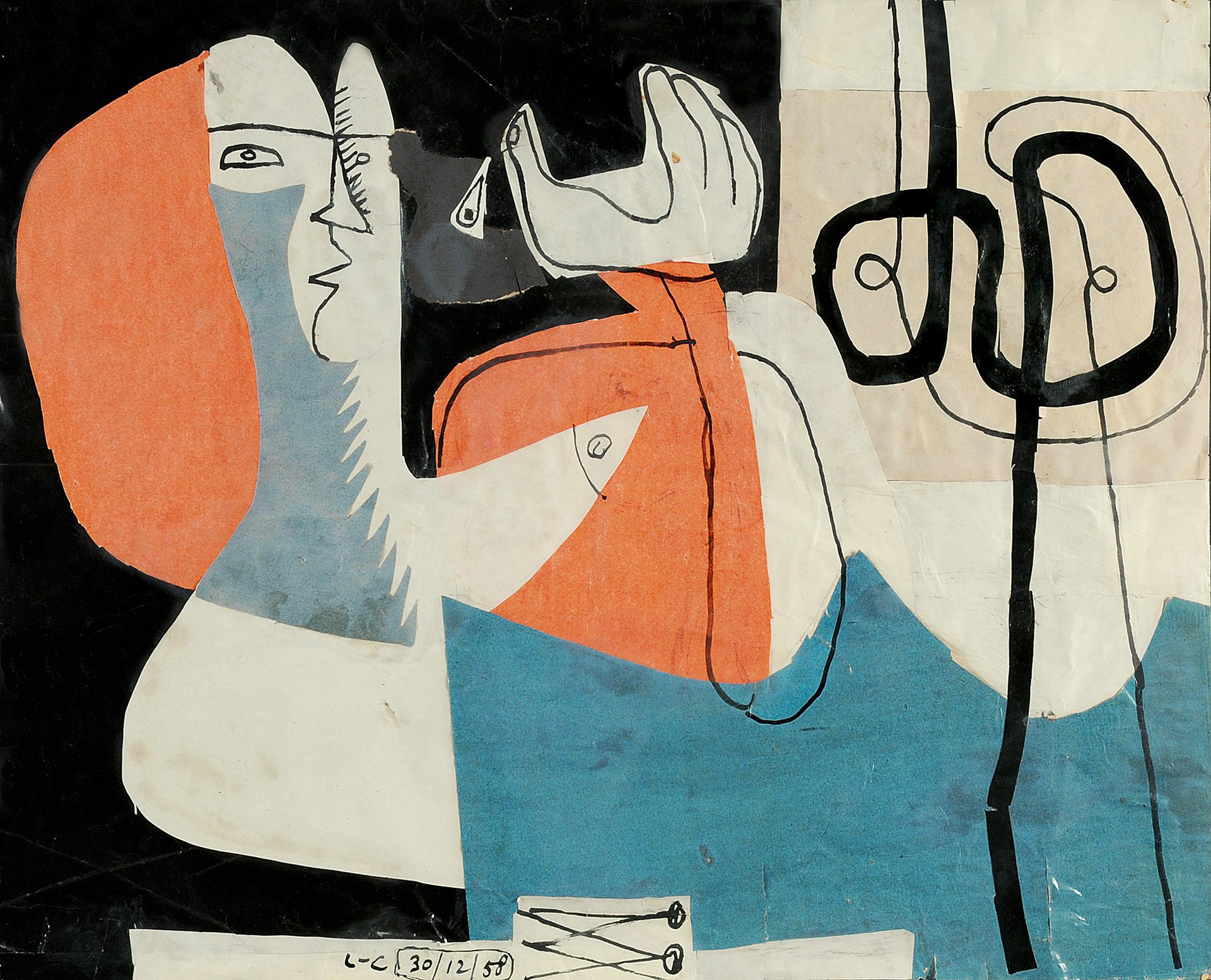
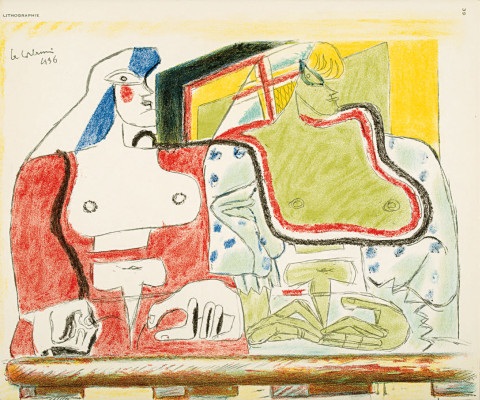
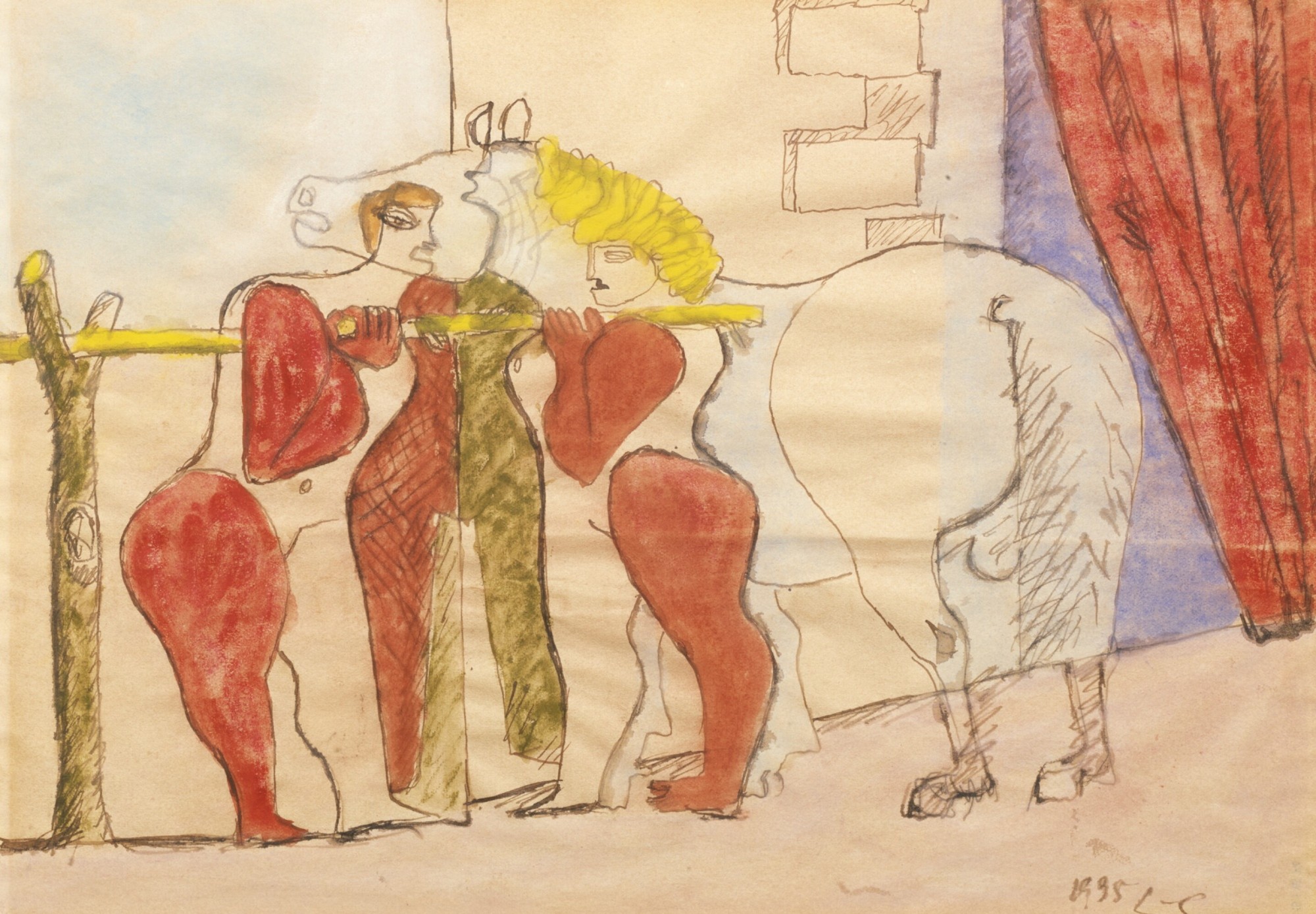
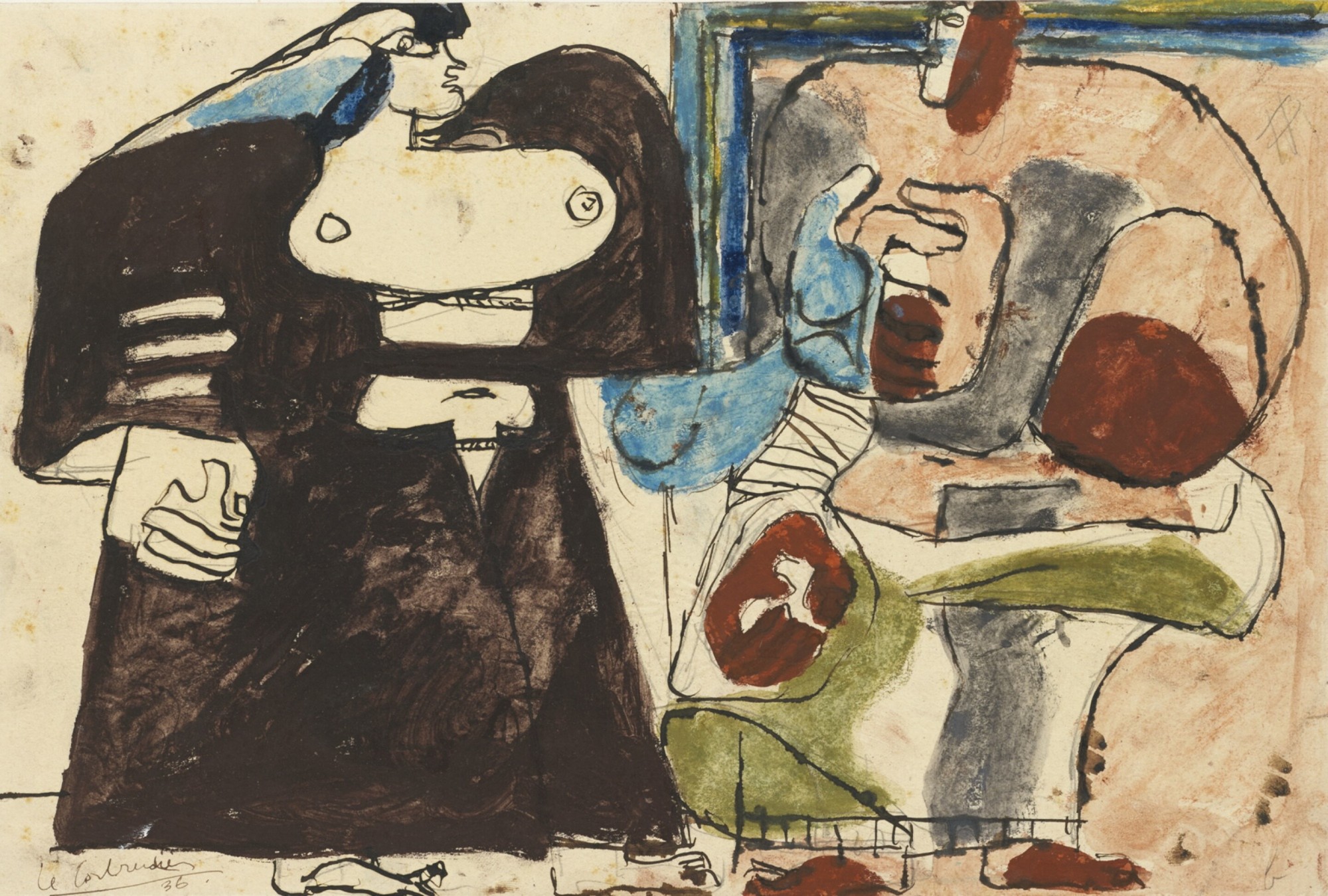
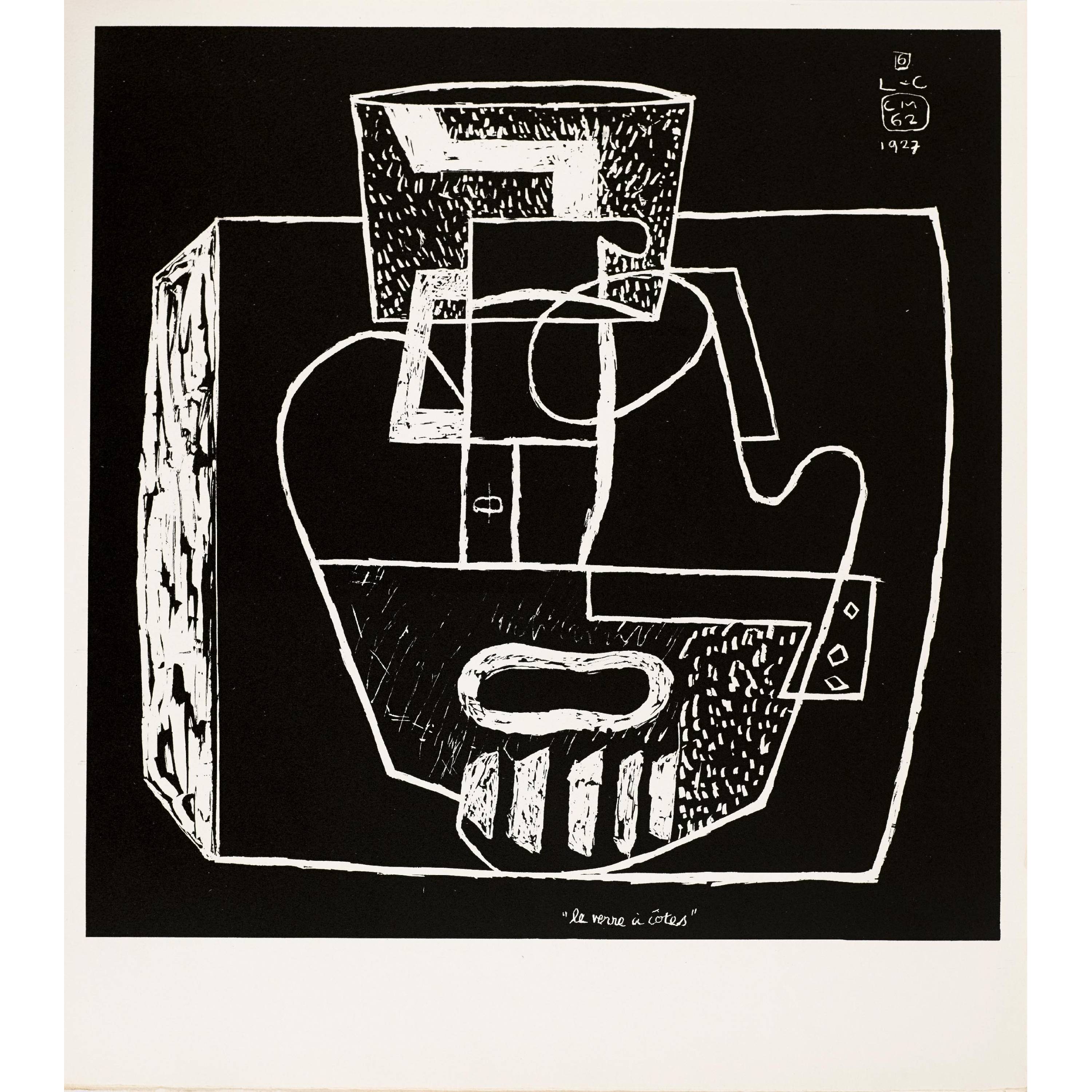
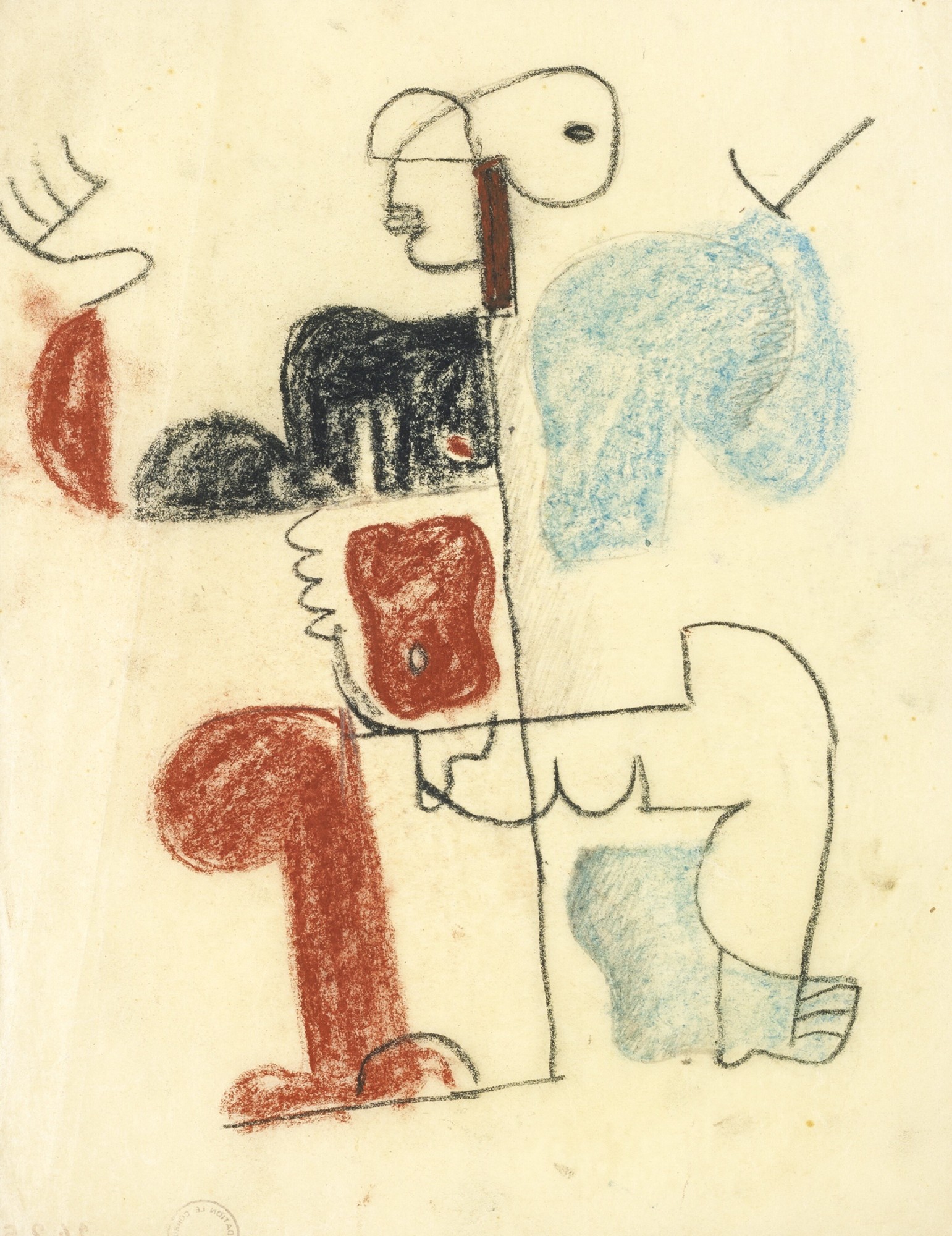
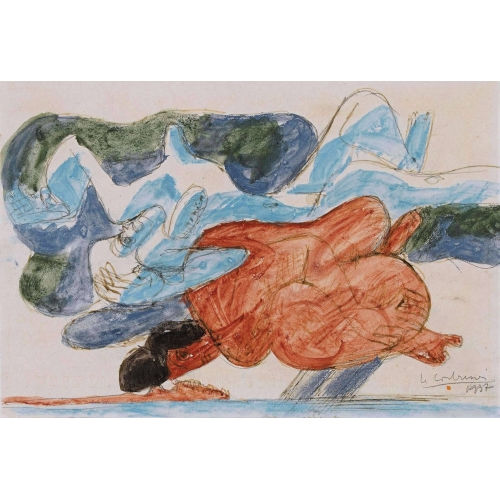
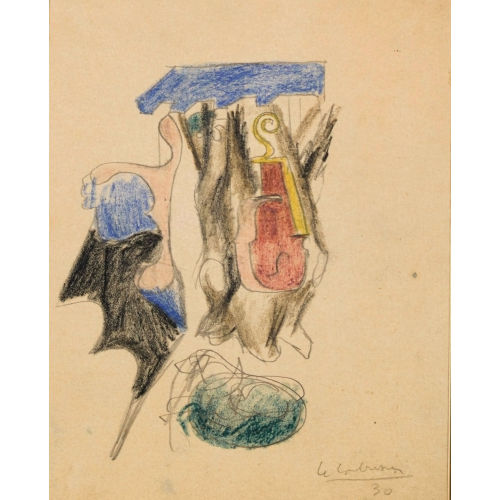
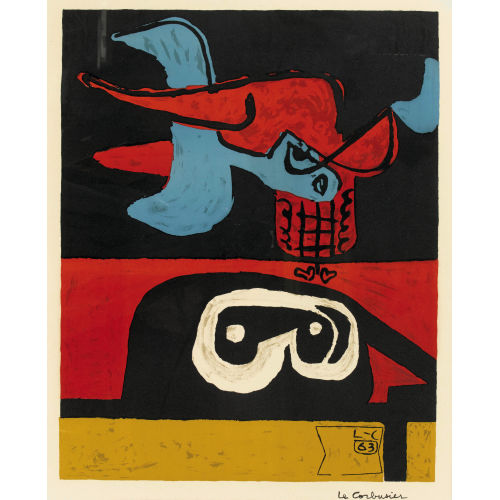
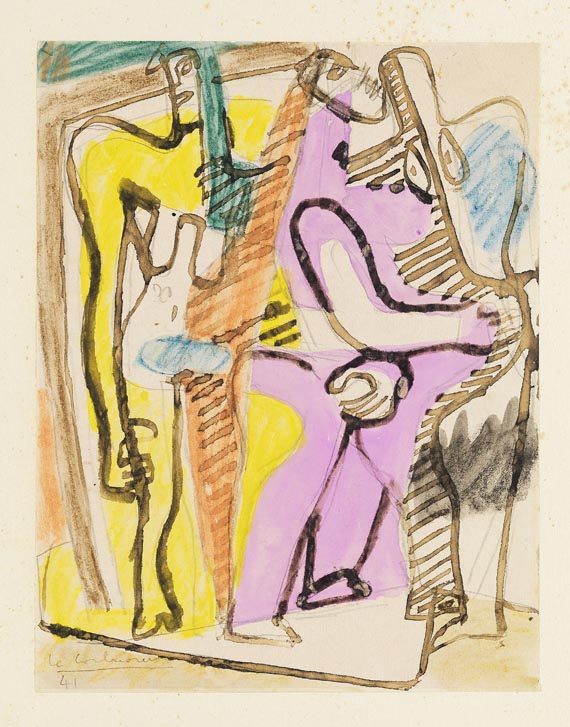
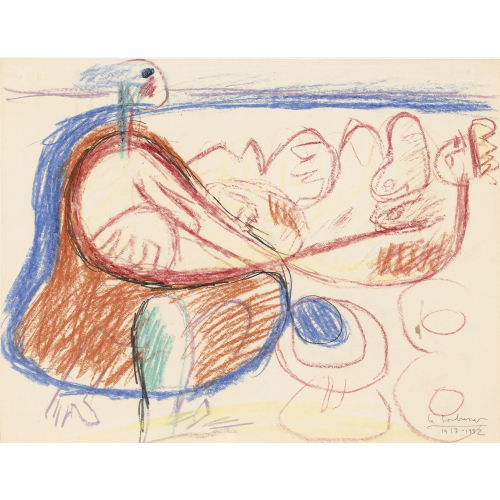
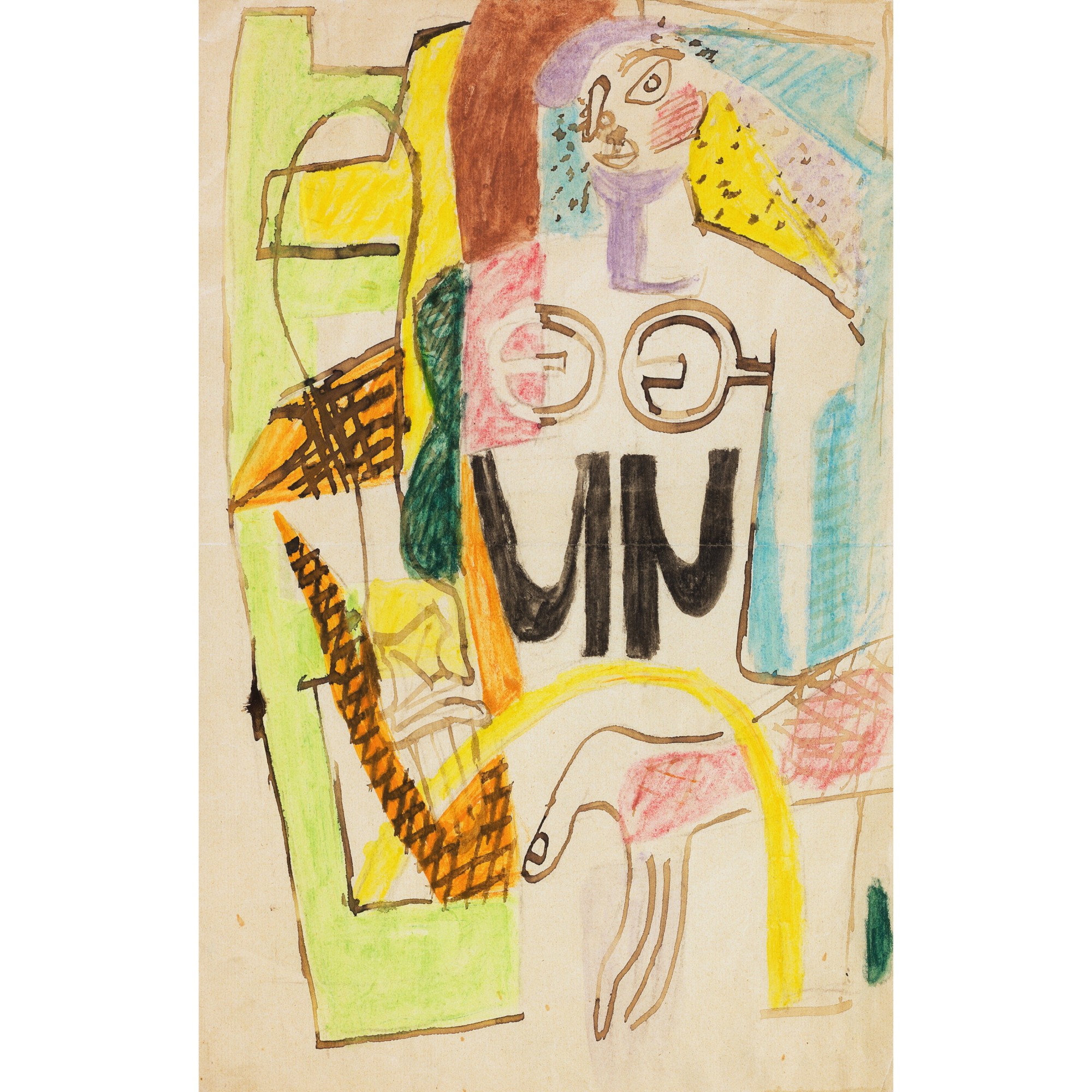
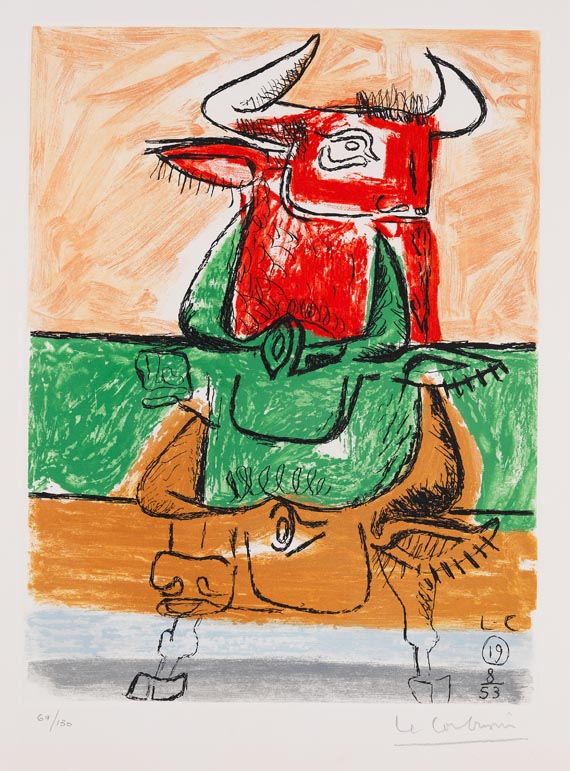
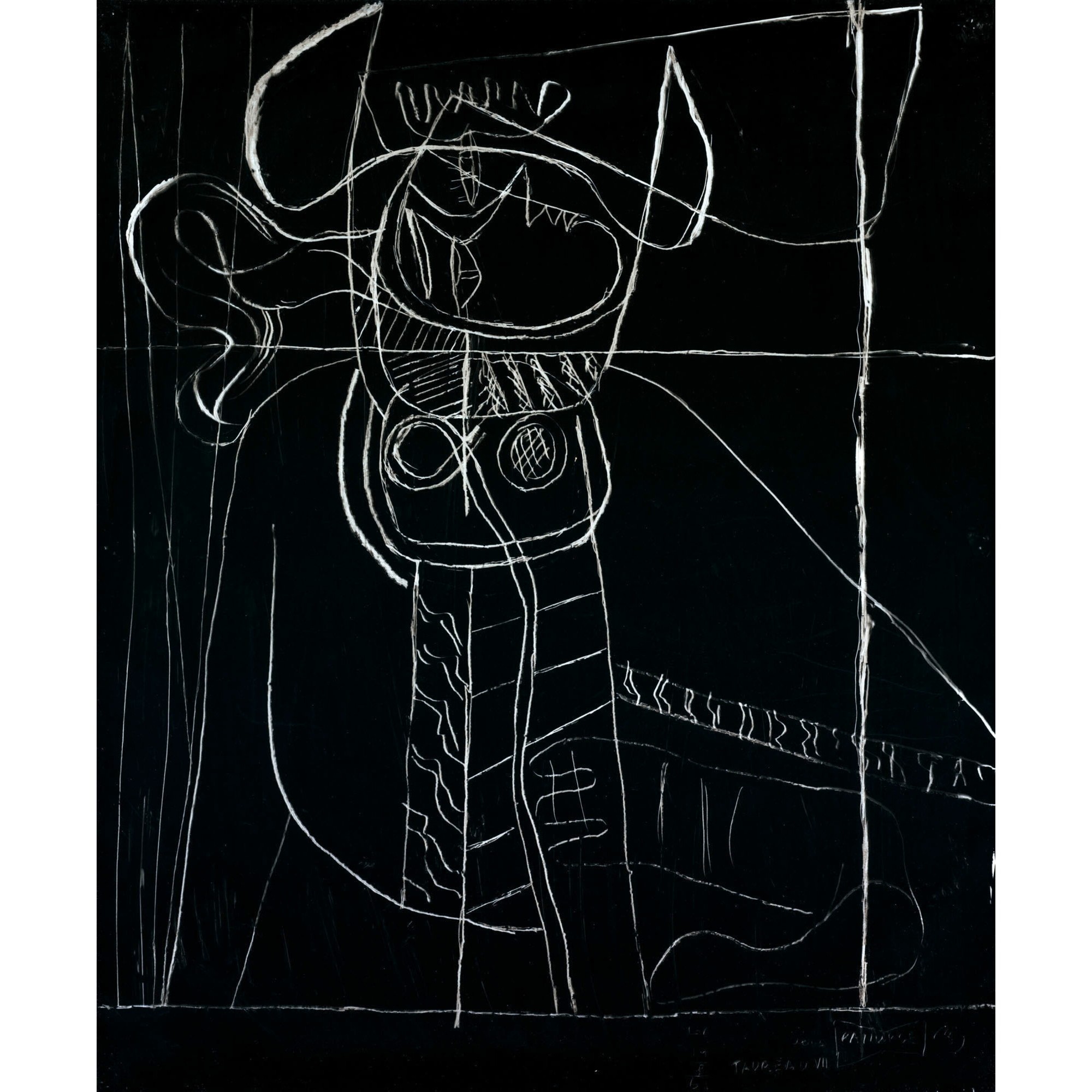
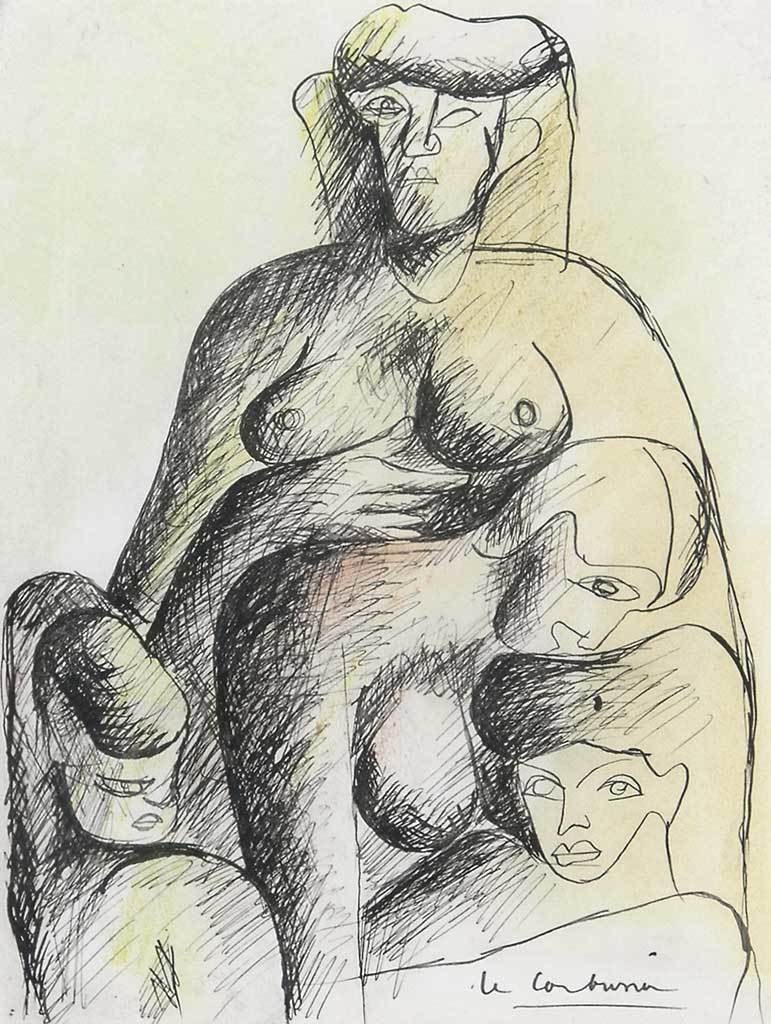
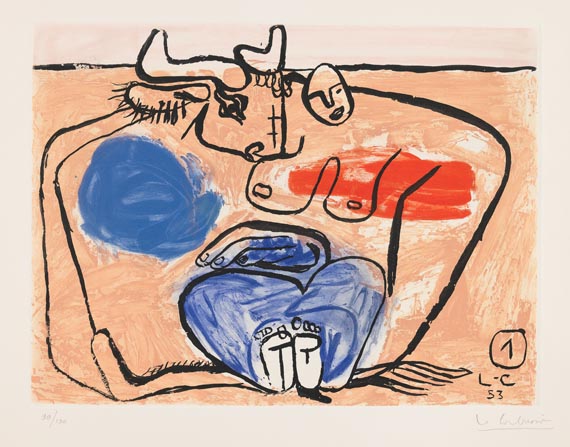
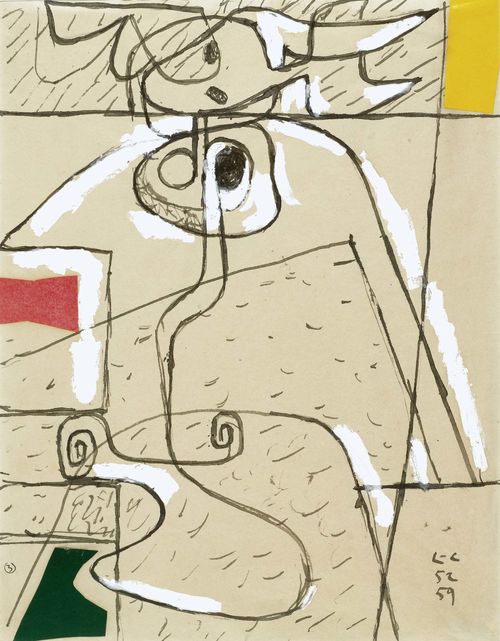
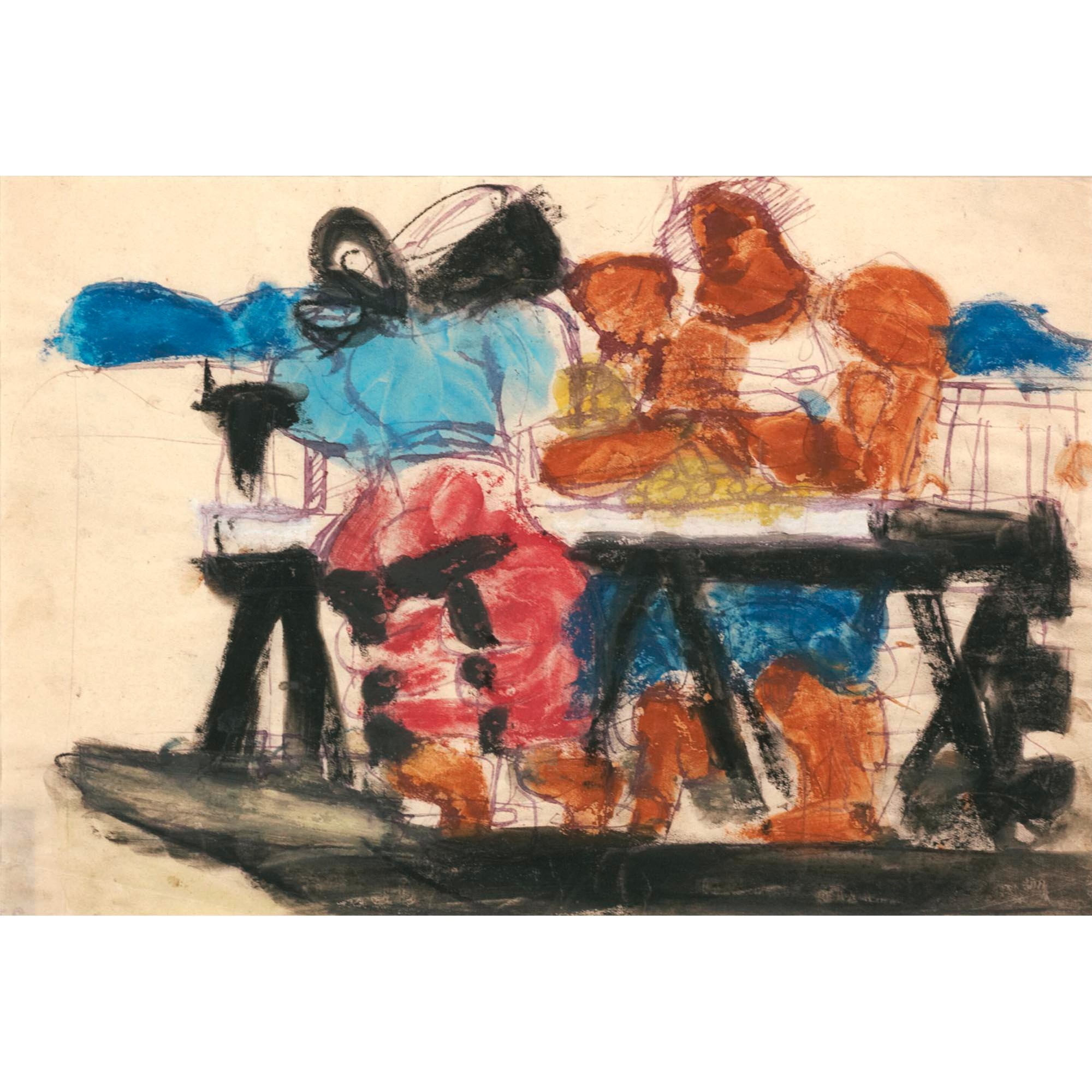
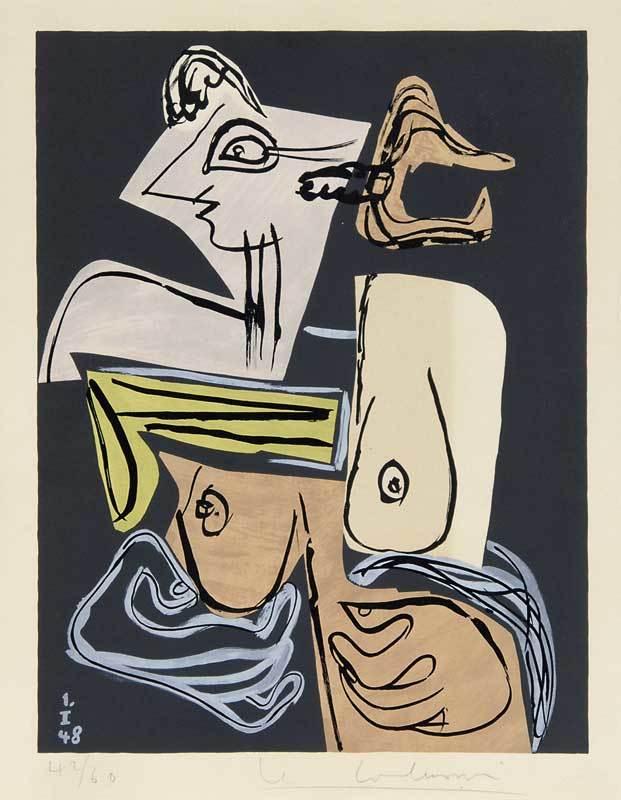
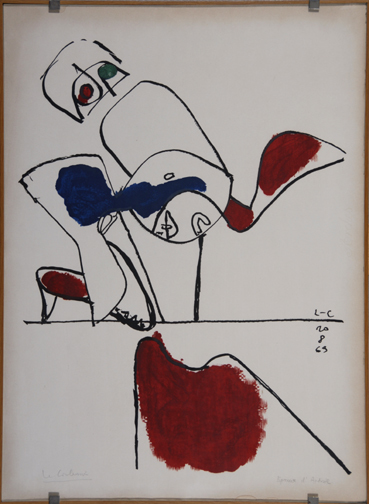
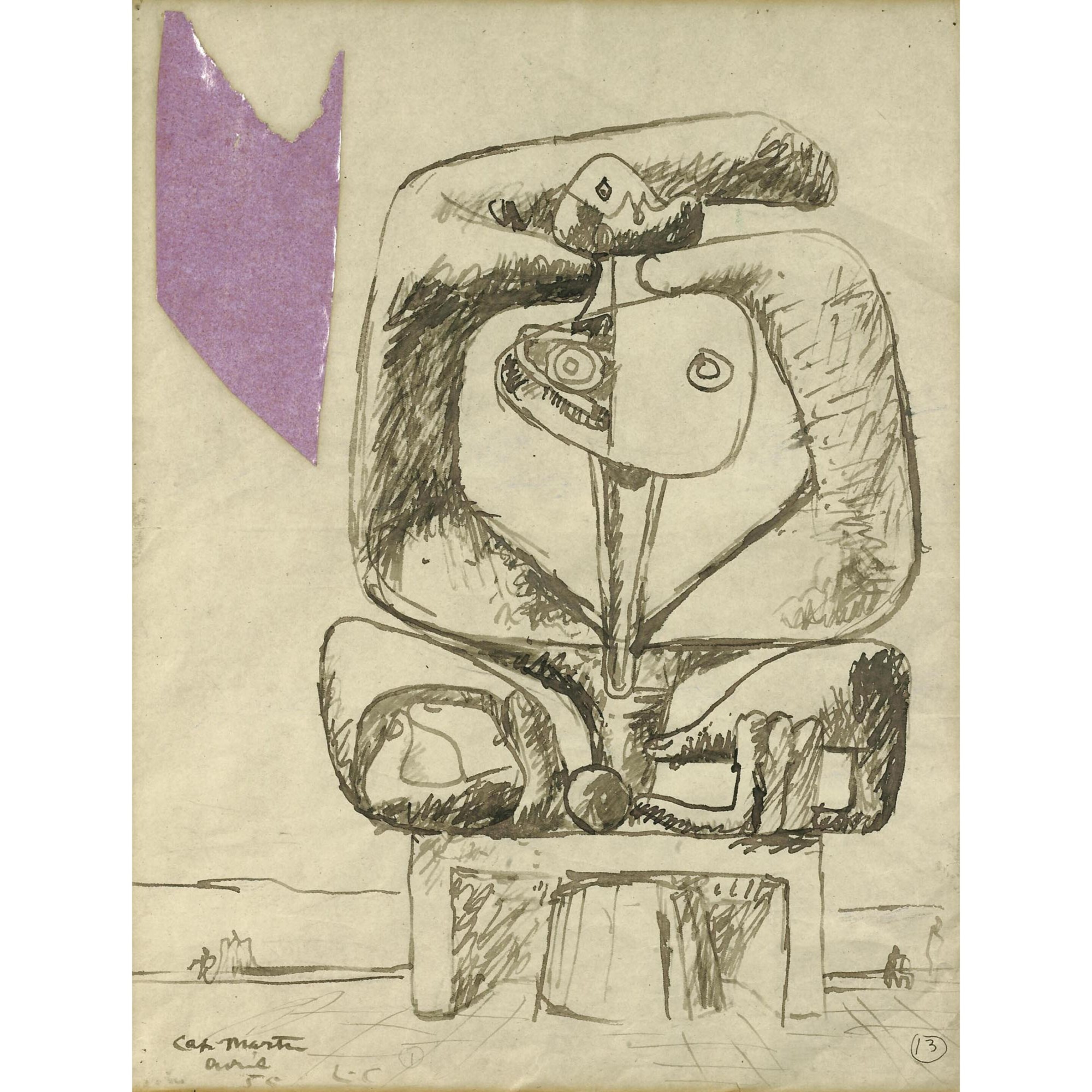
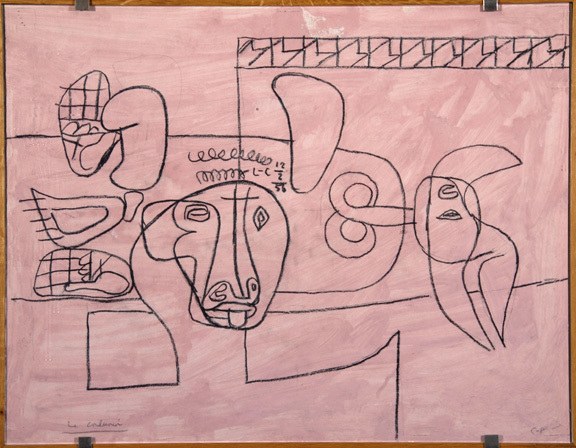
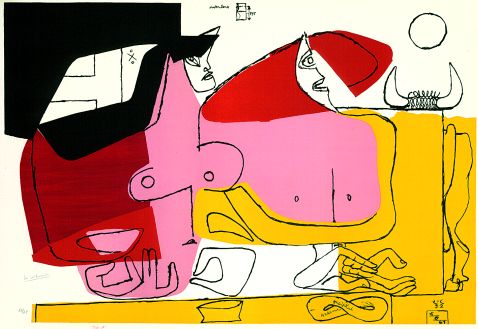
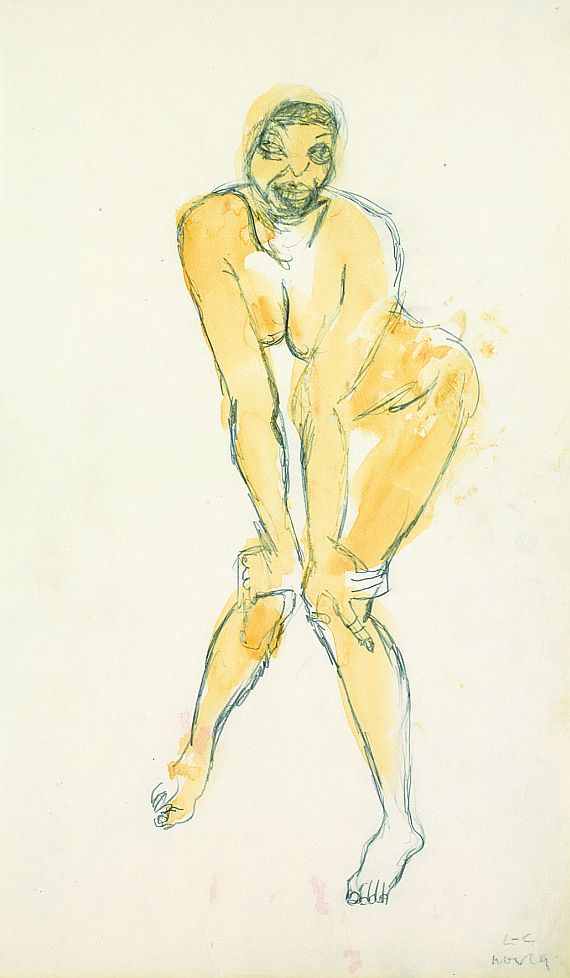
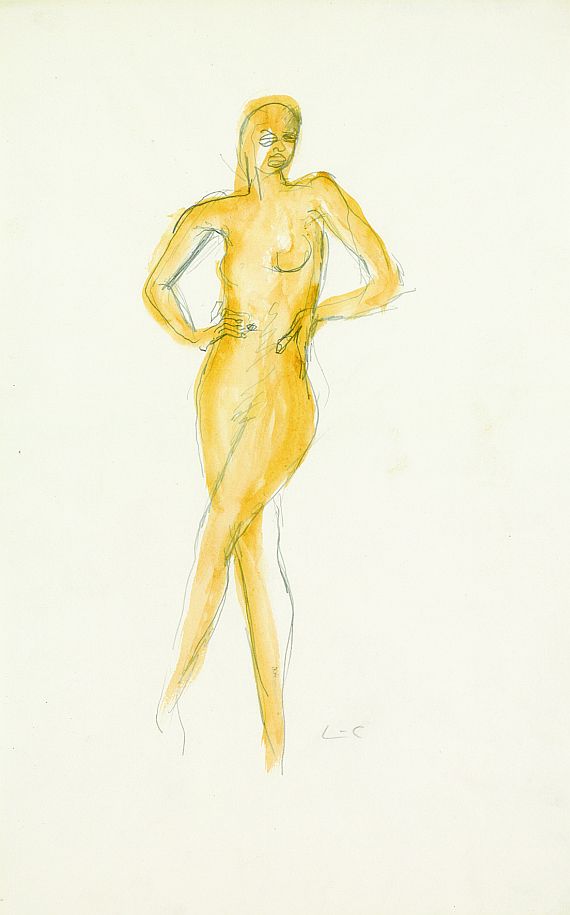
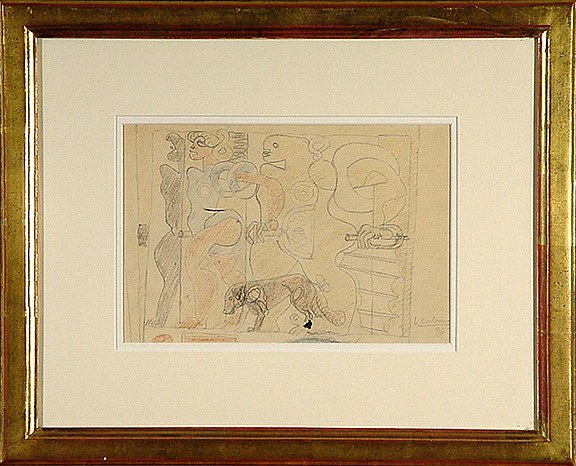
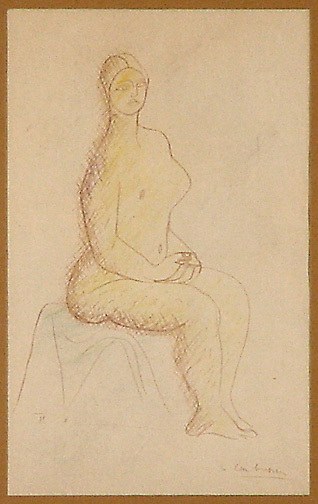
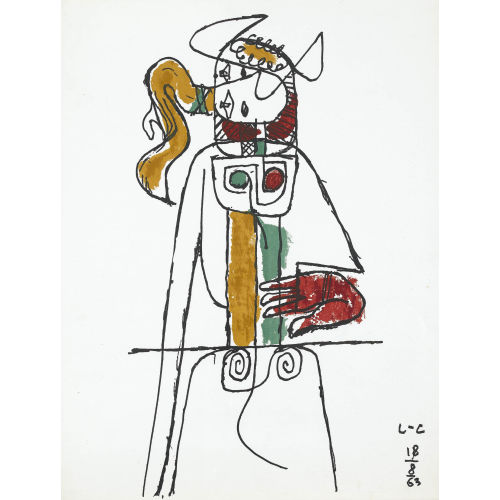
In his still lifes, everyday objects become relationships of contours, surfaces and colours. After his separation from Ozenfant, his repertory expanded to include female figures, bulls and objects whose forms stimulate the imagination. Painting remained a regular practice, developed in parallel with his architectural projects.
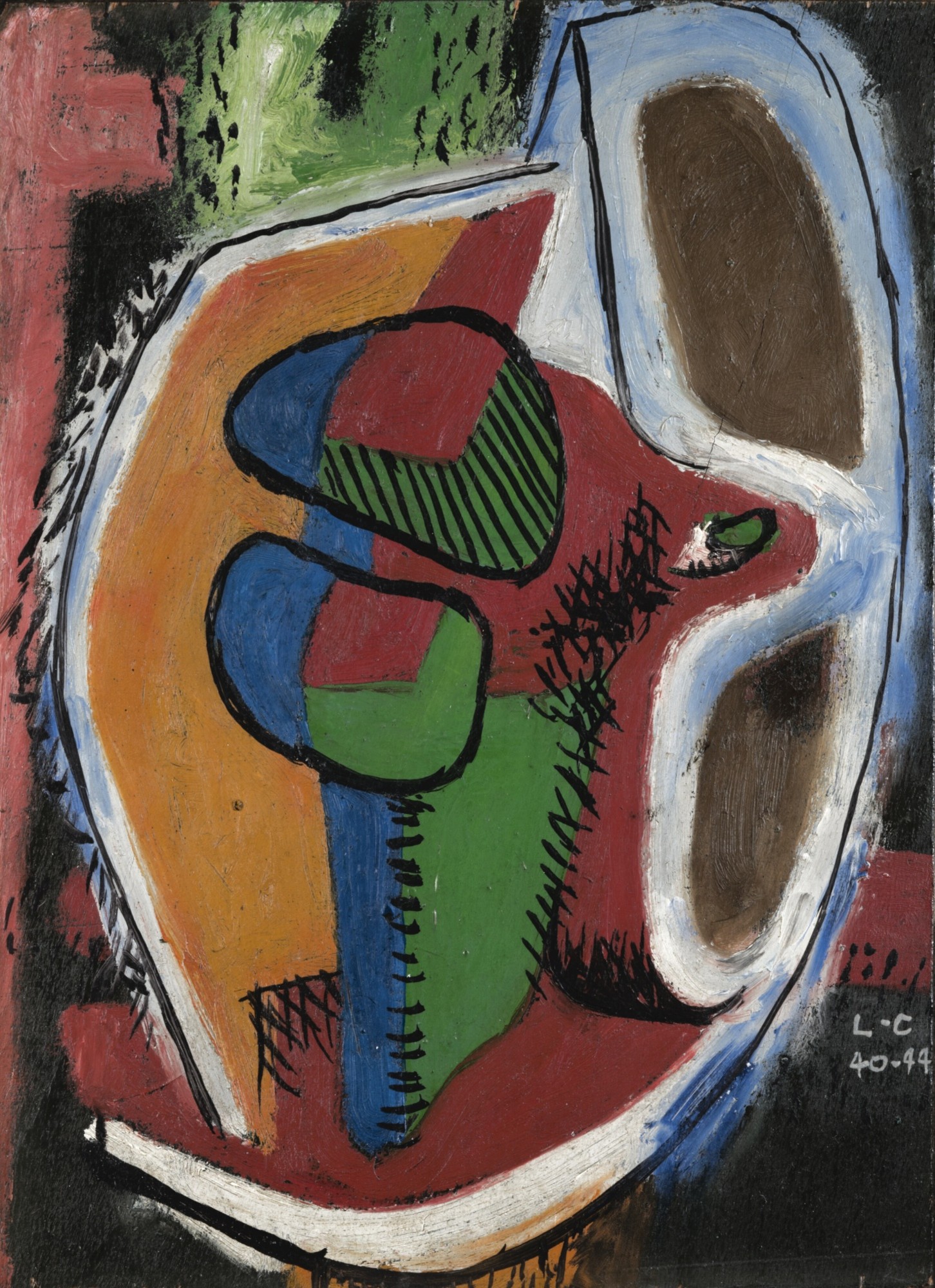
Ubu IV, painted between 1940 and 1944 and held at the Centre Pompidou, bears witness to this universe of forms that runs across disciplines.
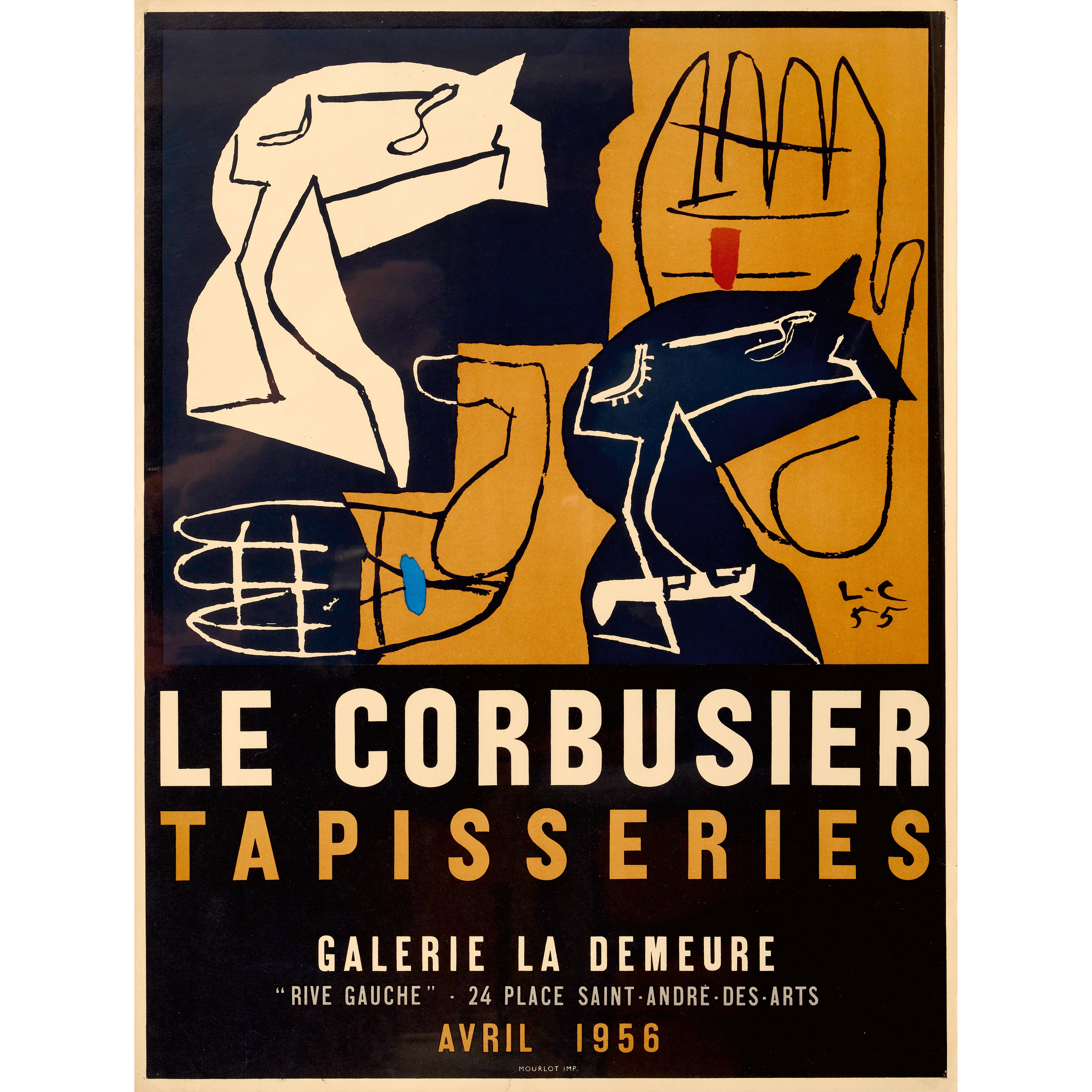
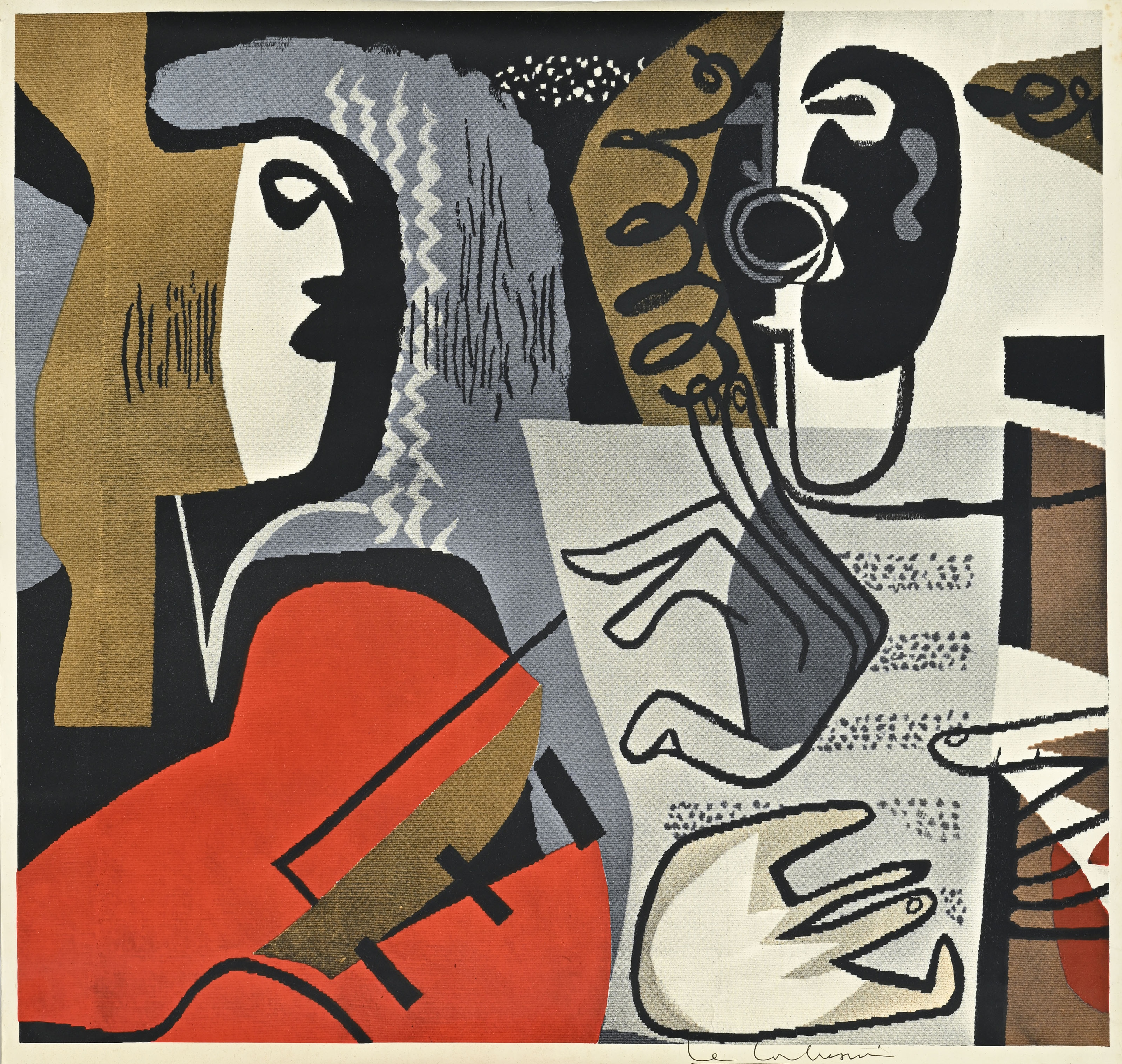
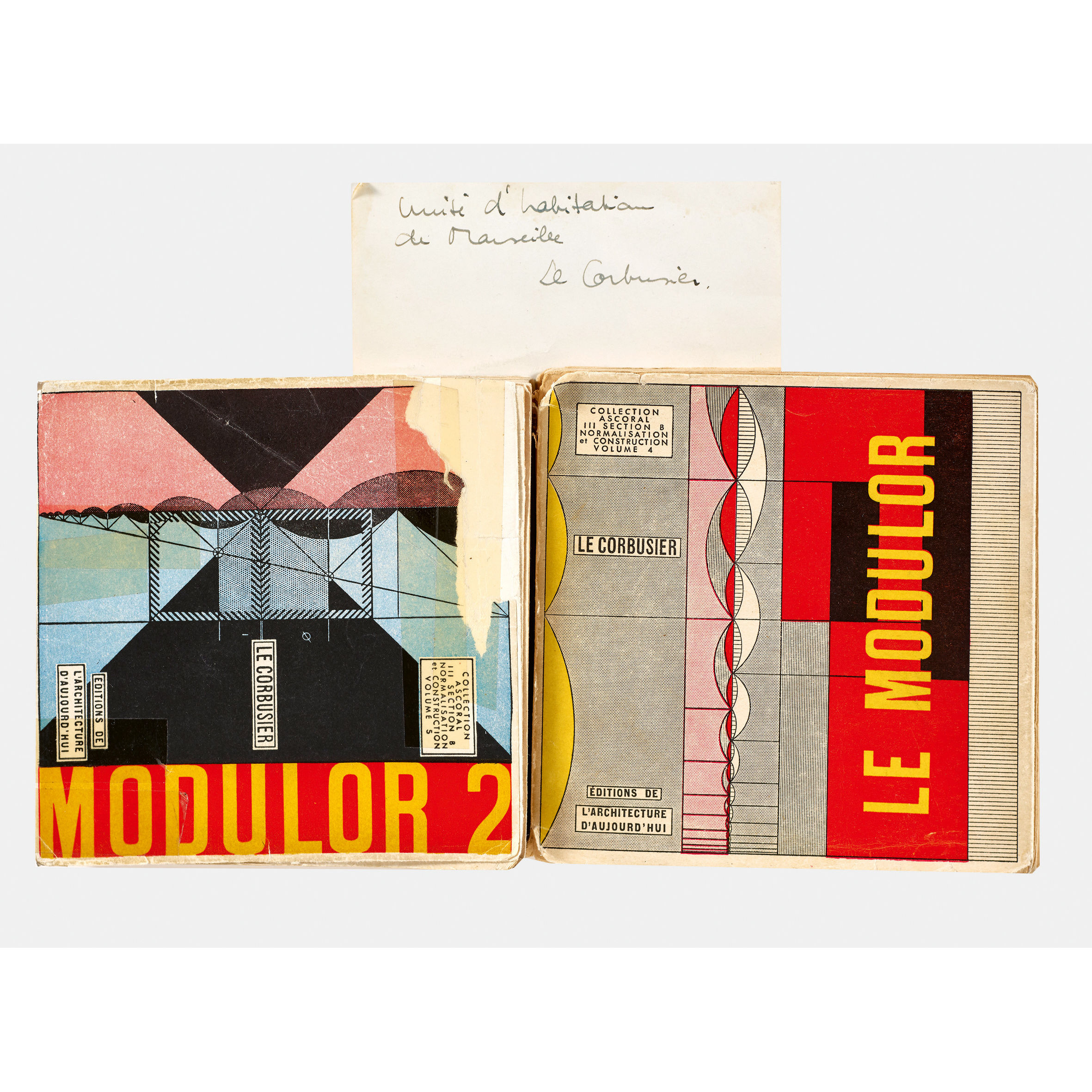
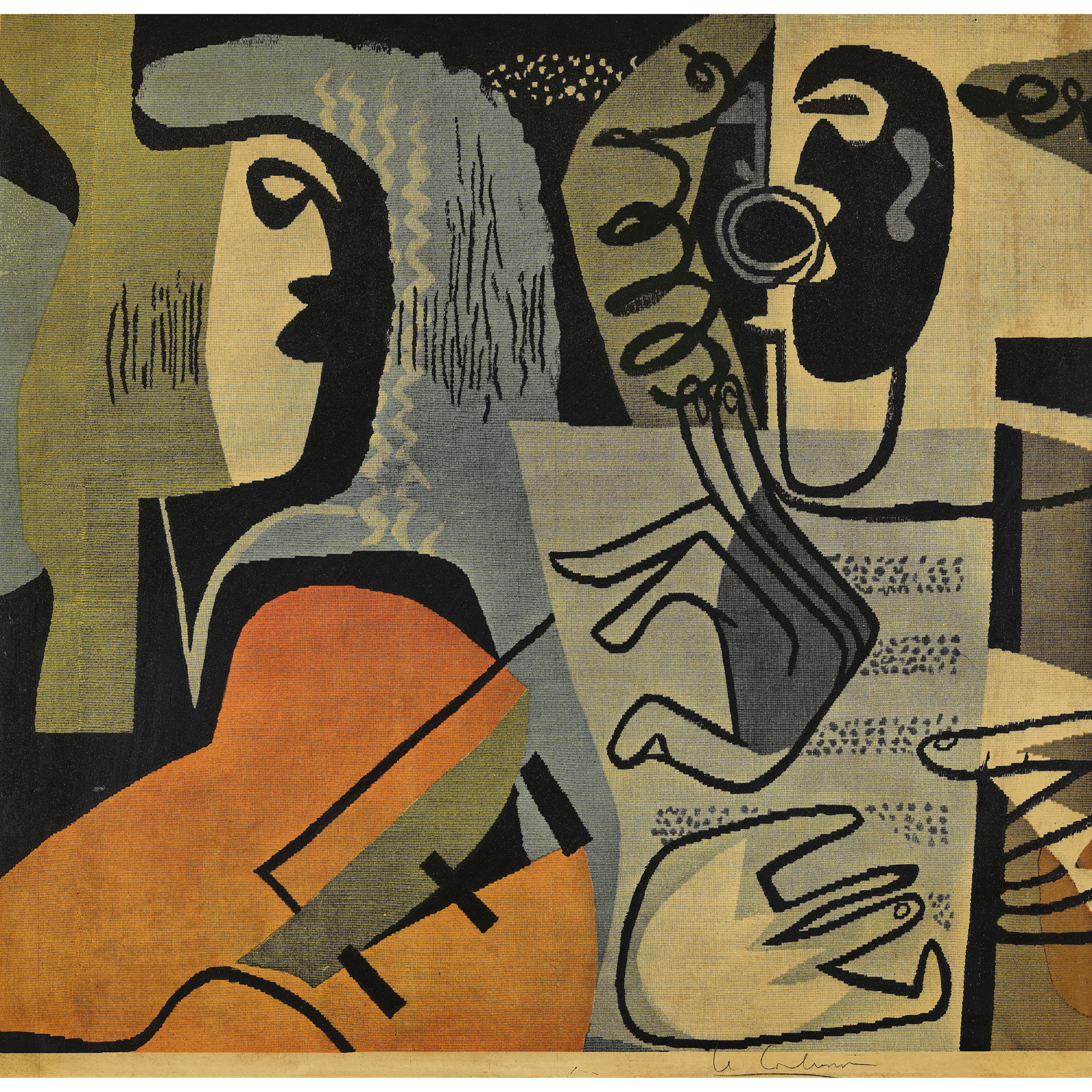
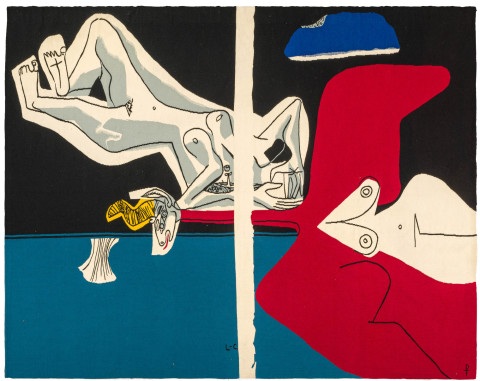
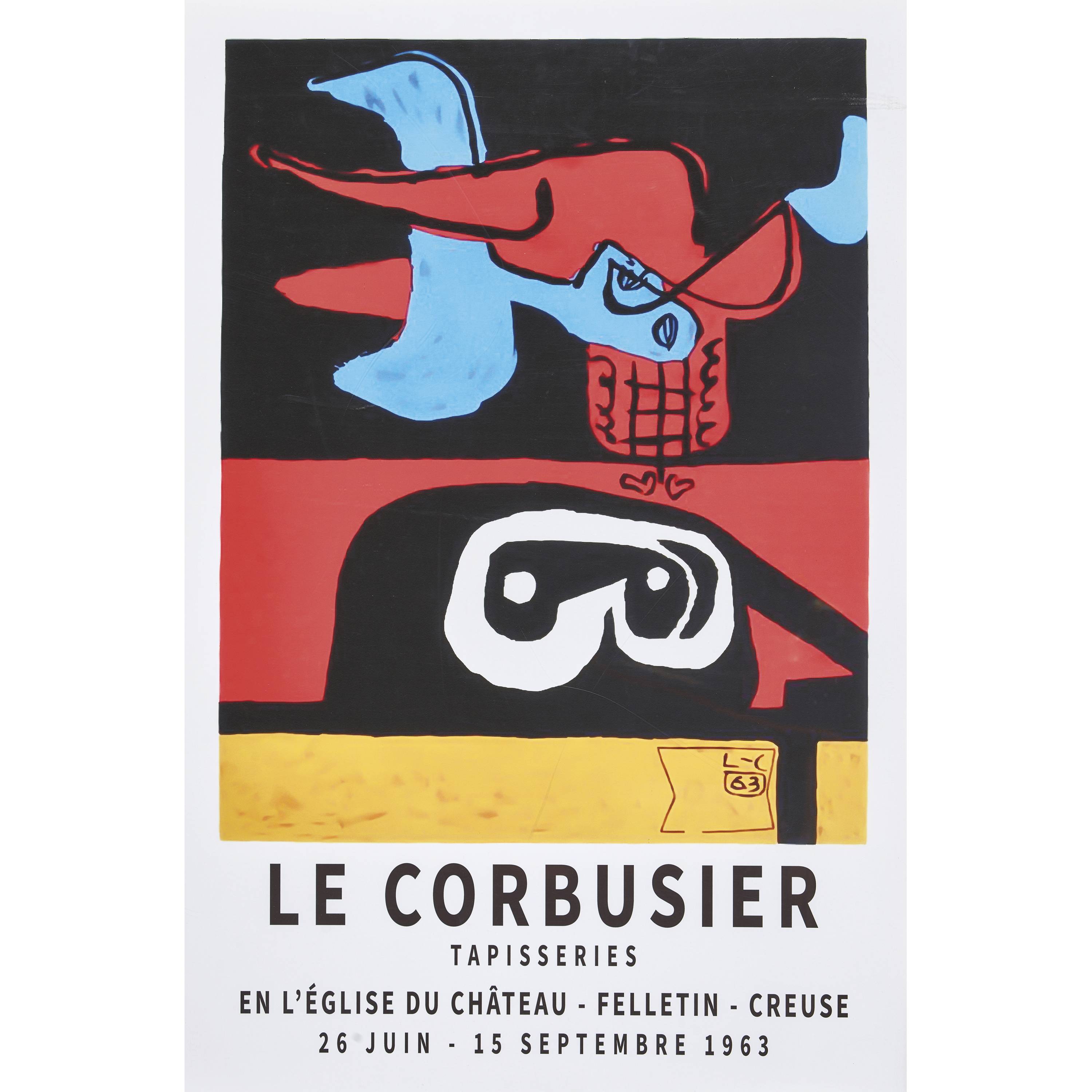
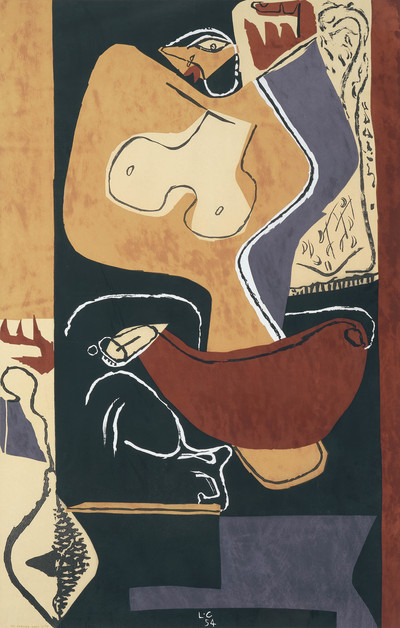
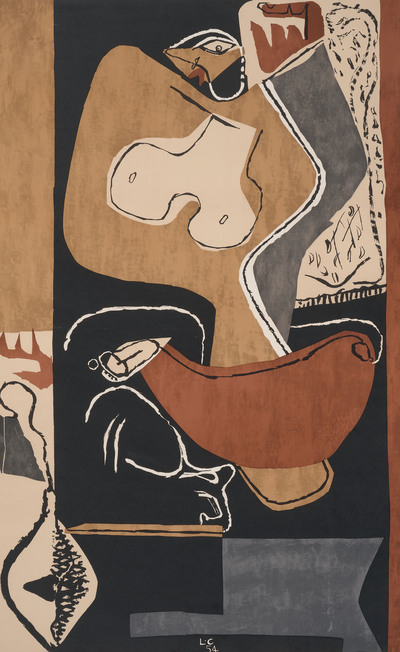
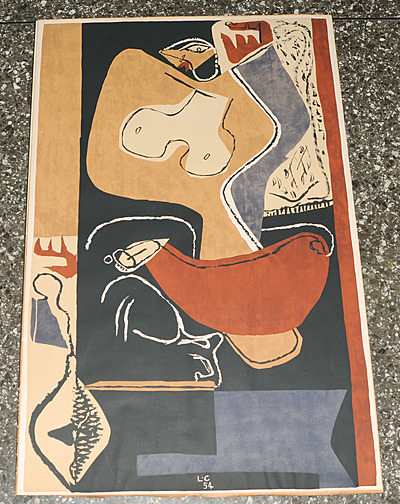
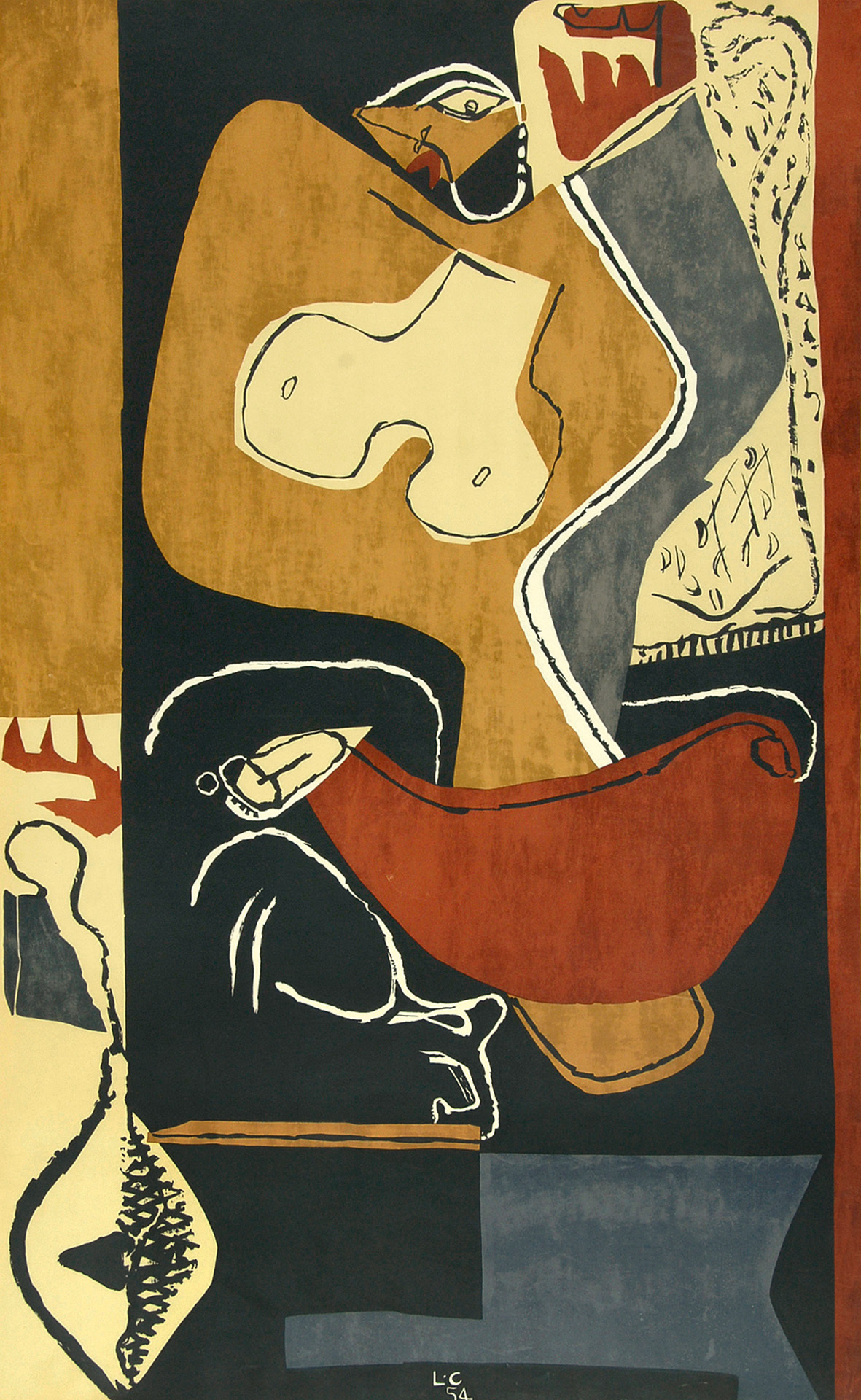
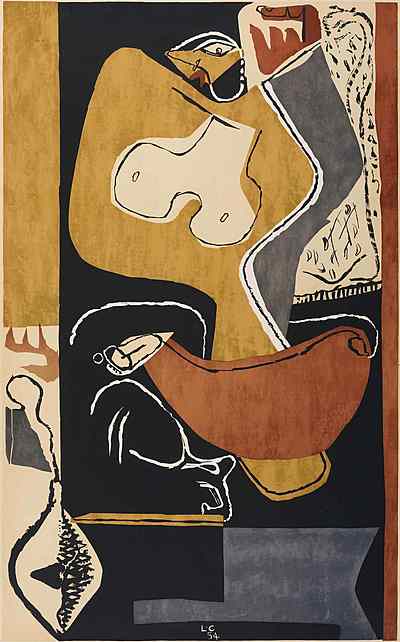
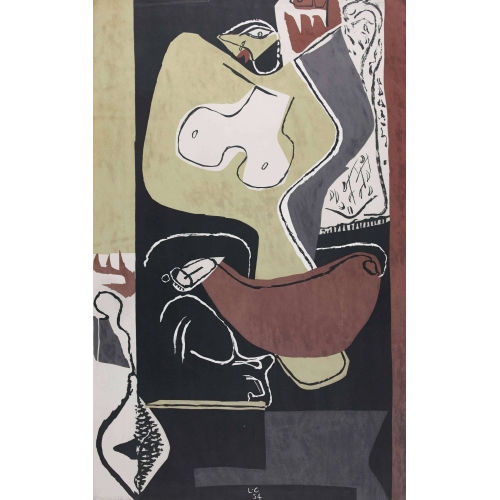
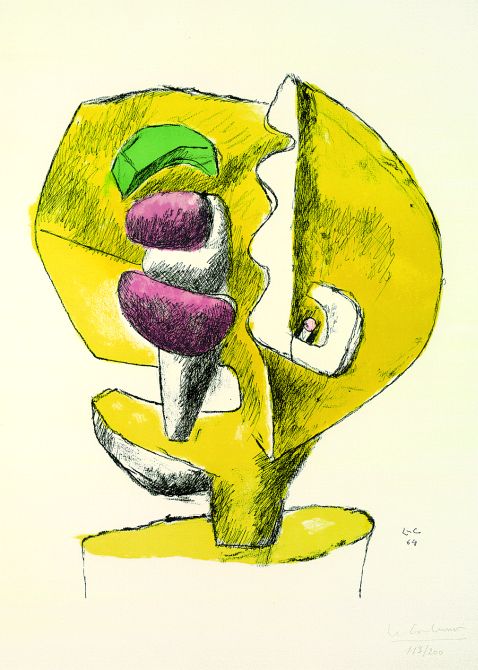
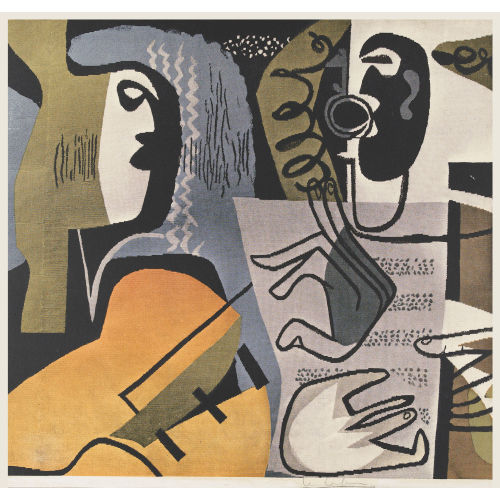
From 1945 onwards, his collaboration with the cabinetmaker Joseph Savina gave sculptural presence to motifs drawn from his drawings and paintings. Le Corbusier conceived the forms and took part in their polychromy; Savina carried out their realisation in three dimensions. Tapestries extended this dialogue with inhabited space in another way.
With the concept of Muralnomad, formulated in 1948, the textile work became a mobile wall, capable of accompanying its owner’s movements.
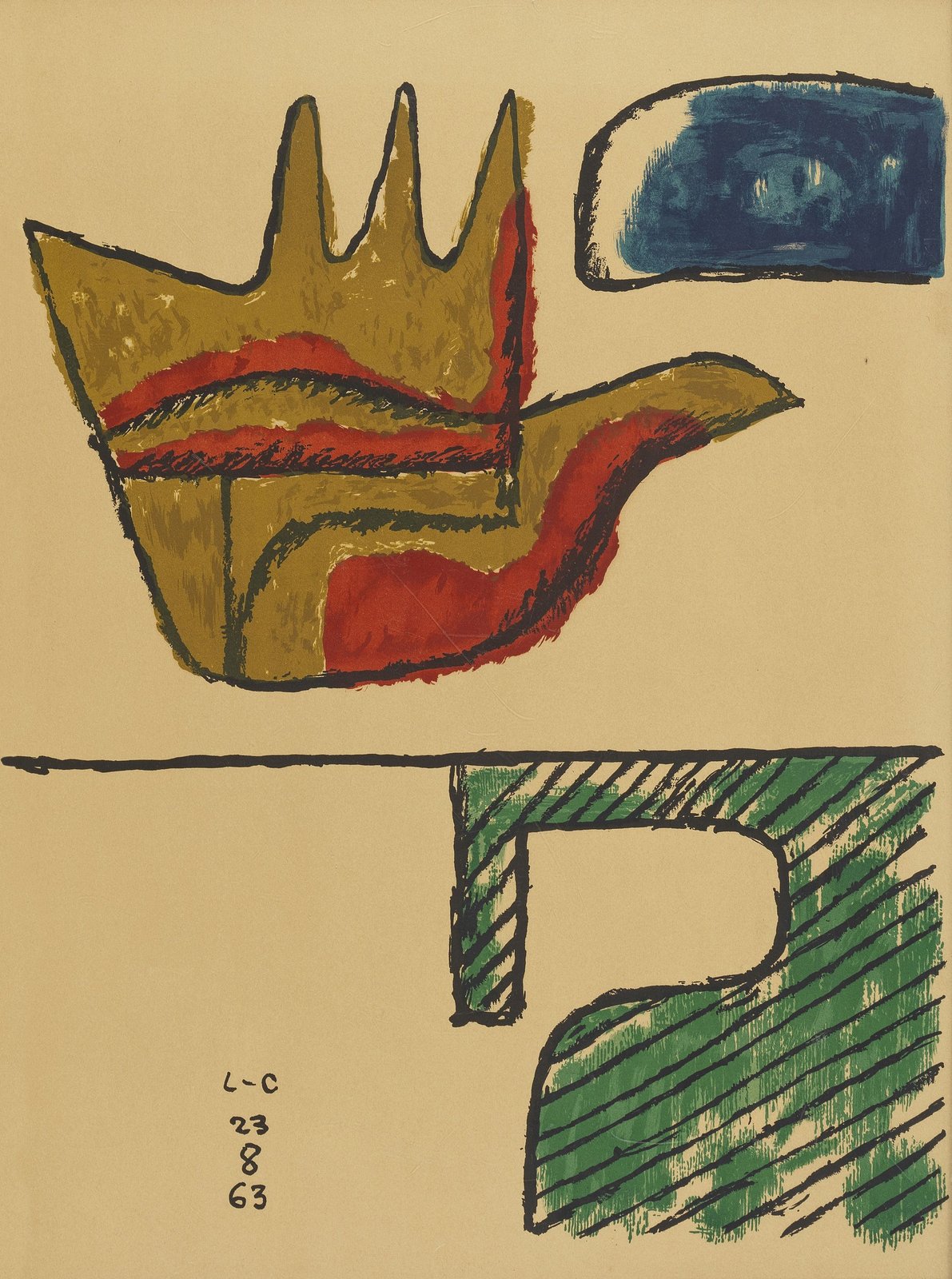
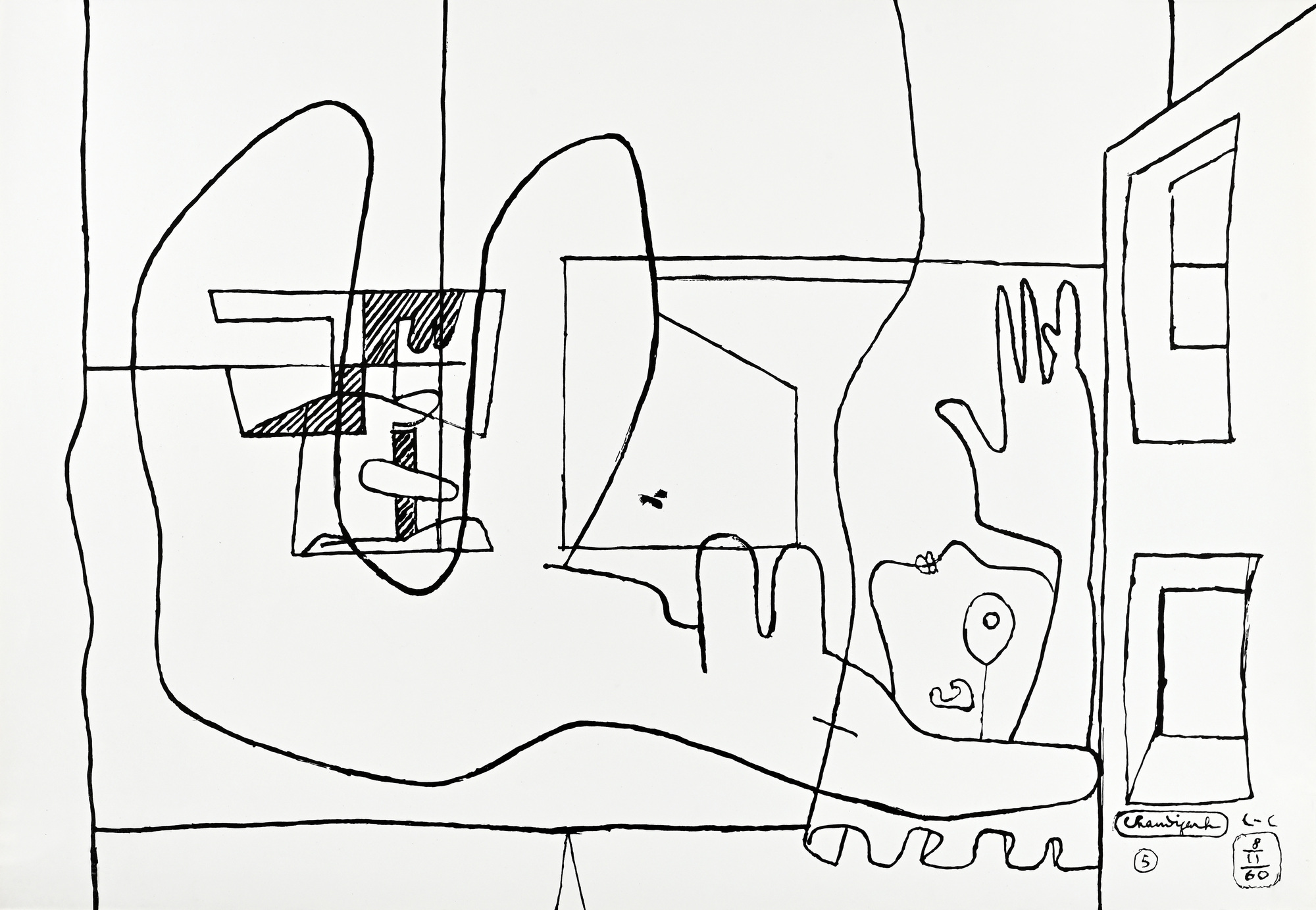
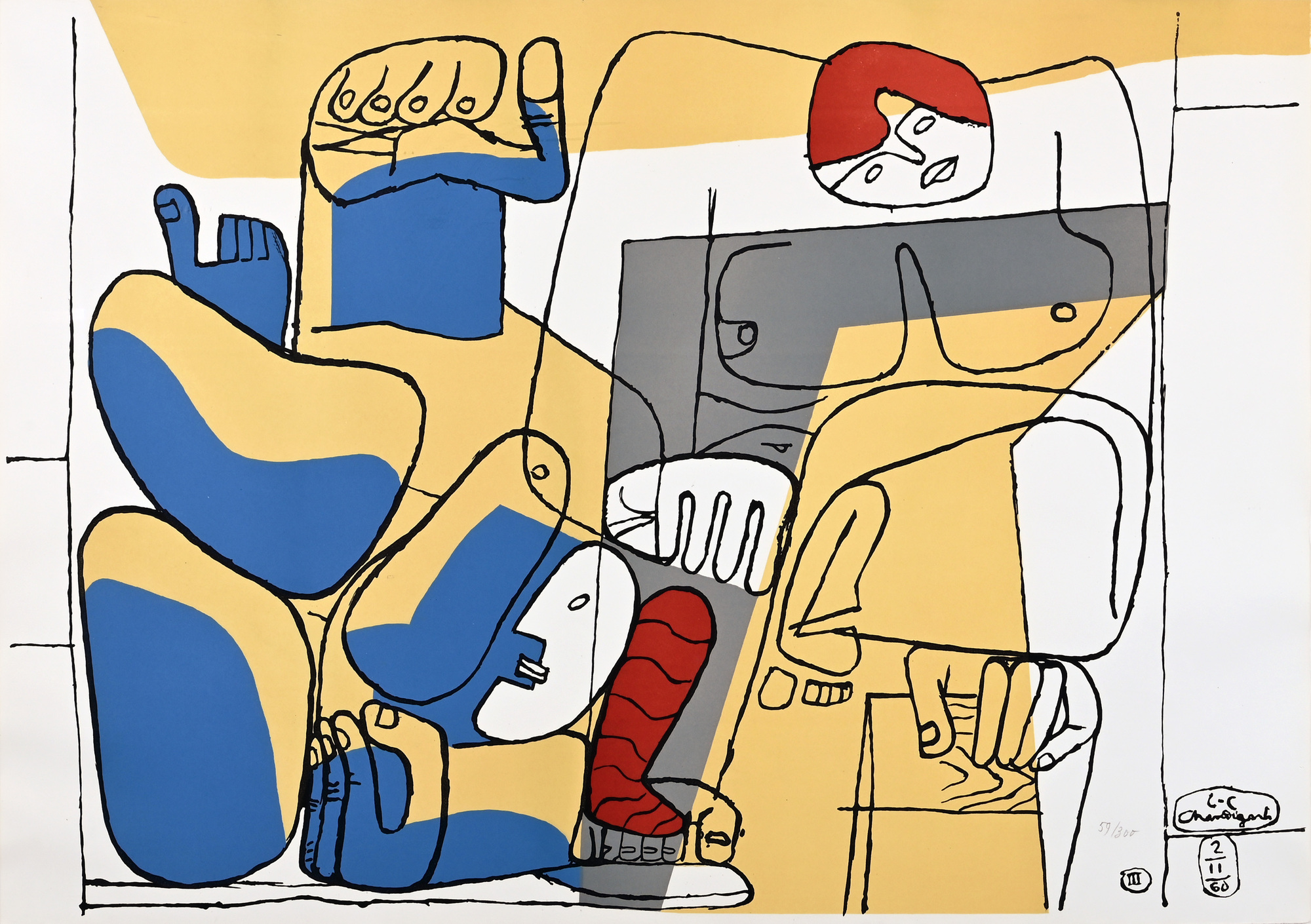
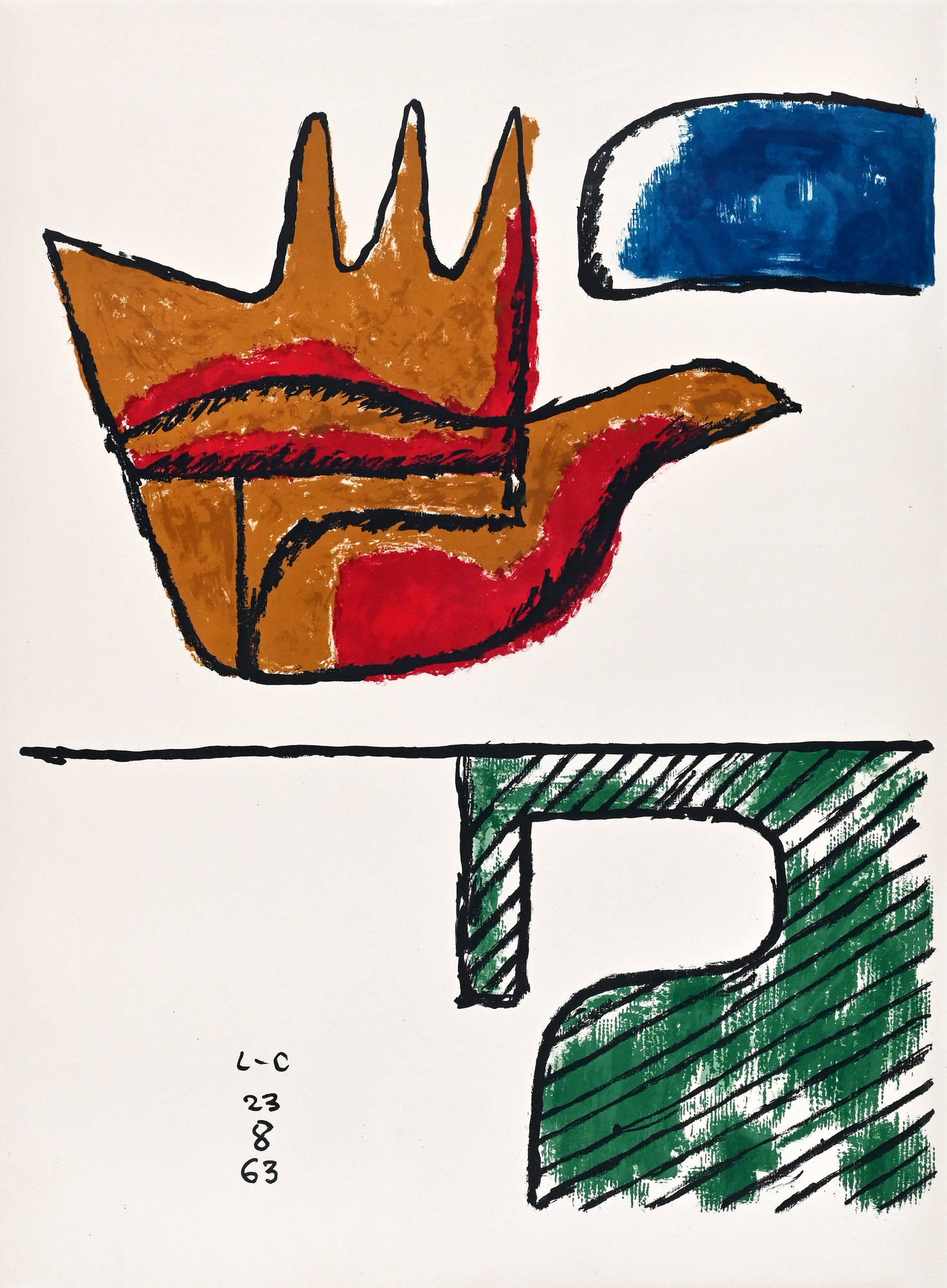
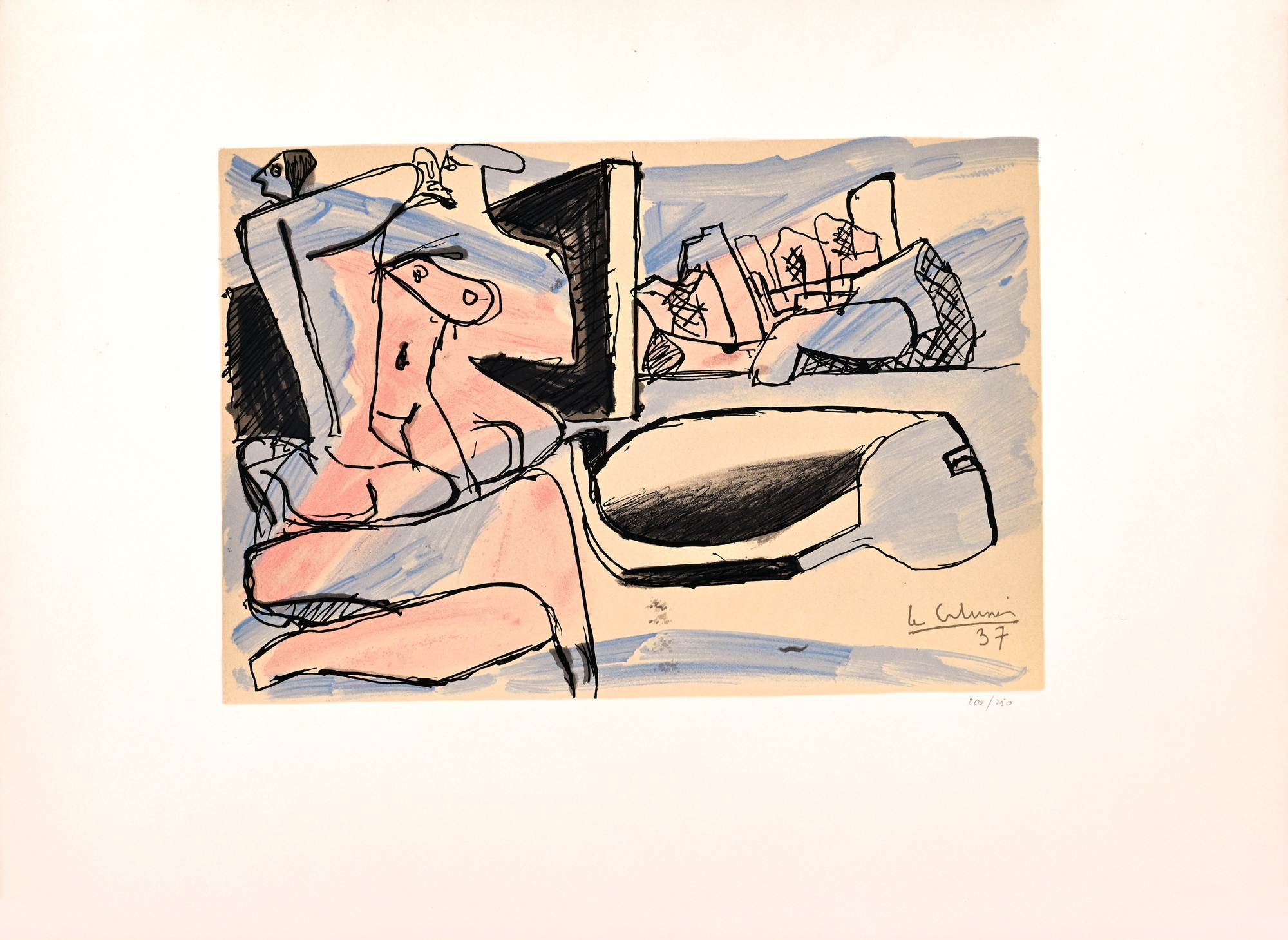
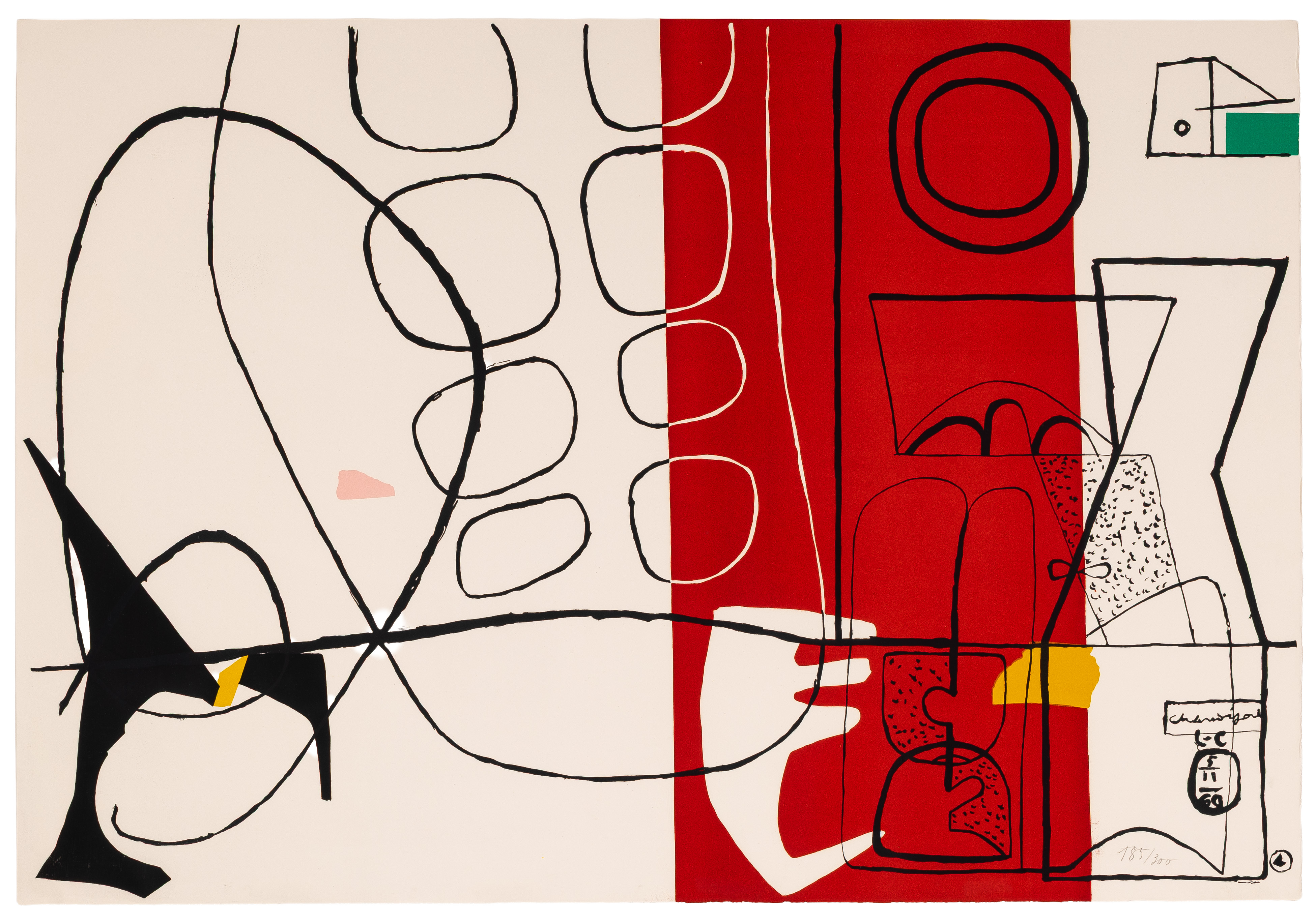
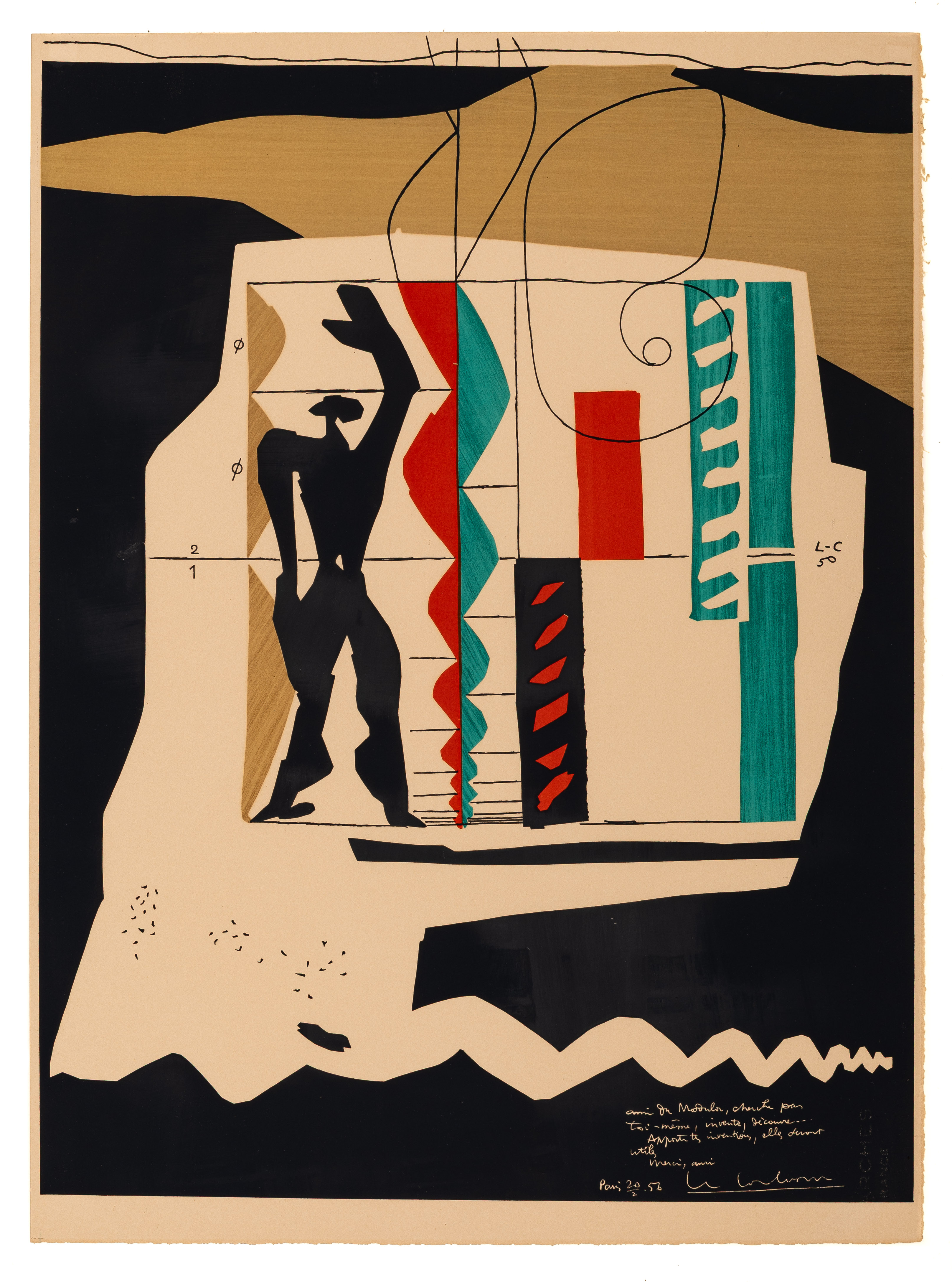
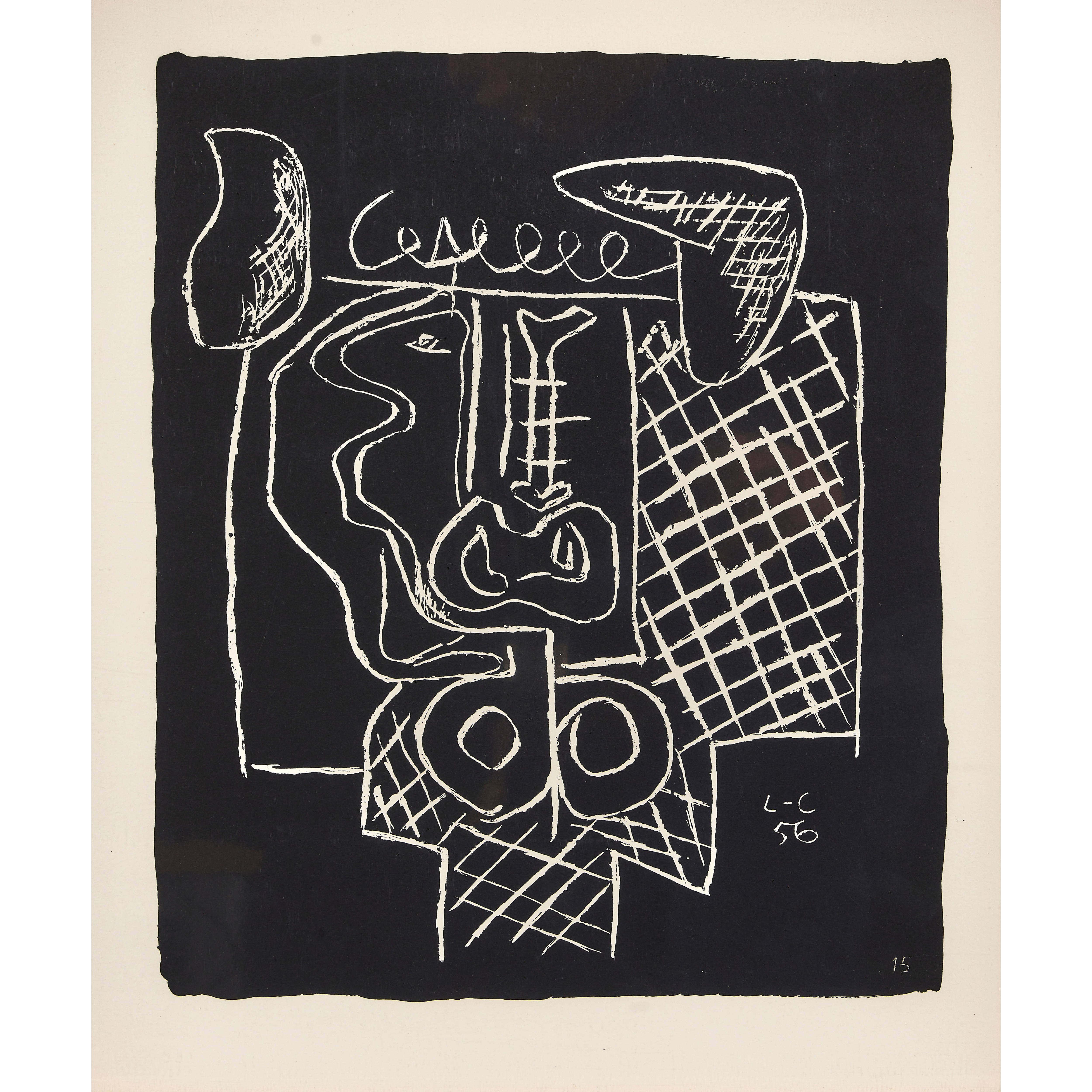
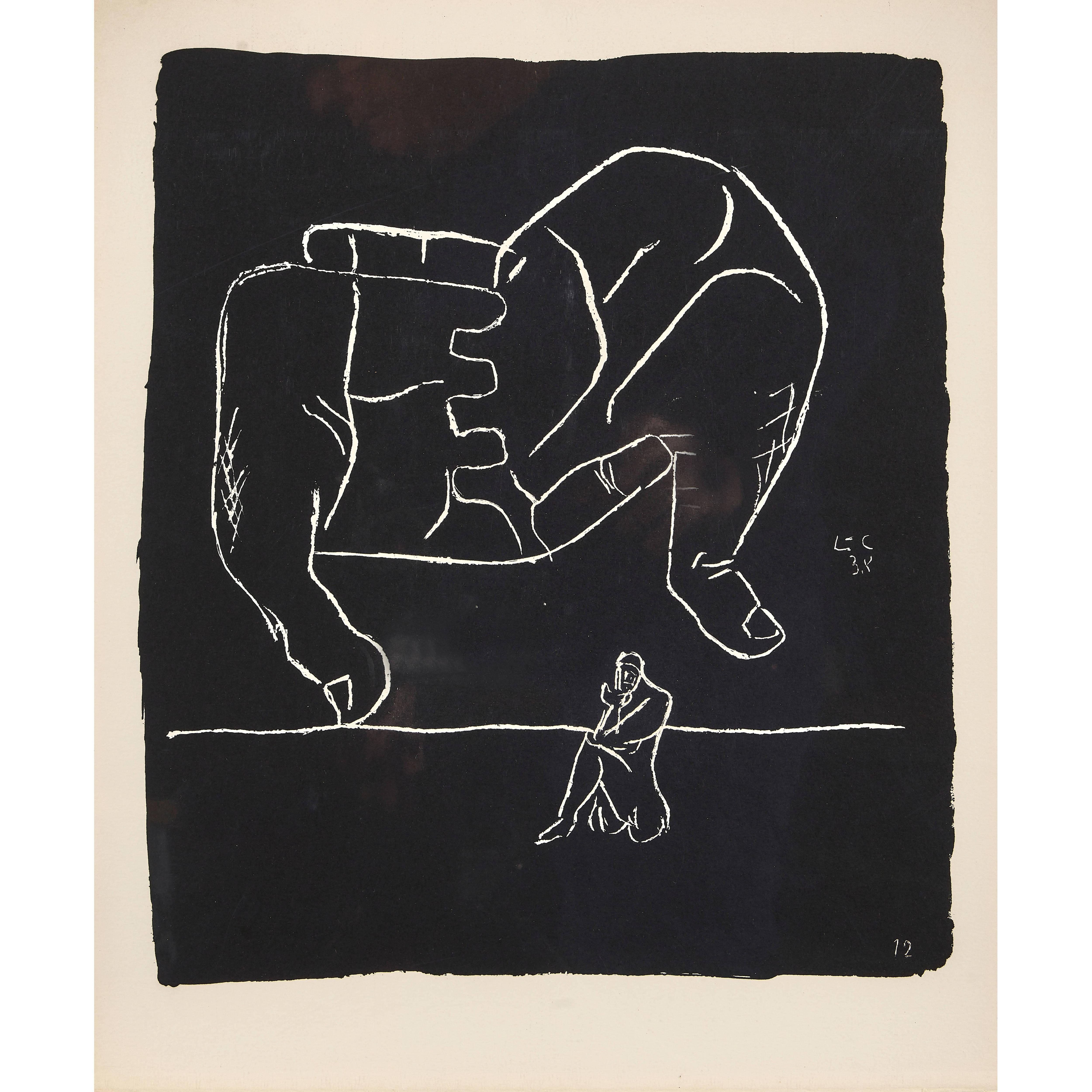
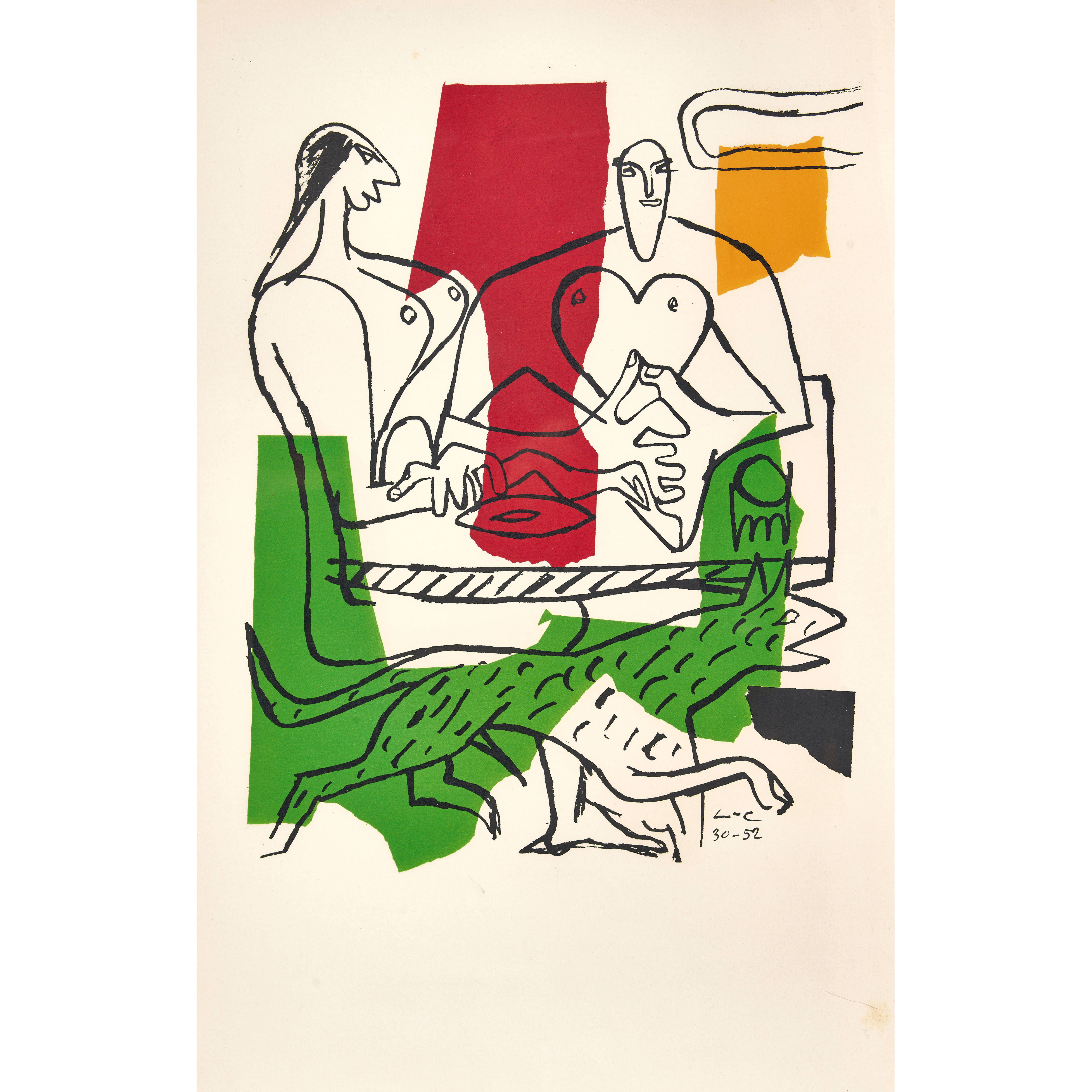
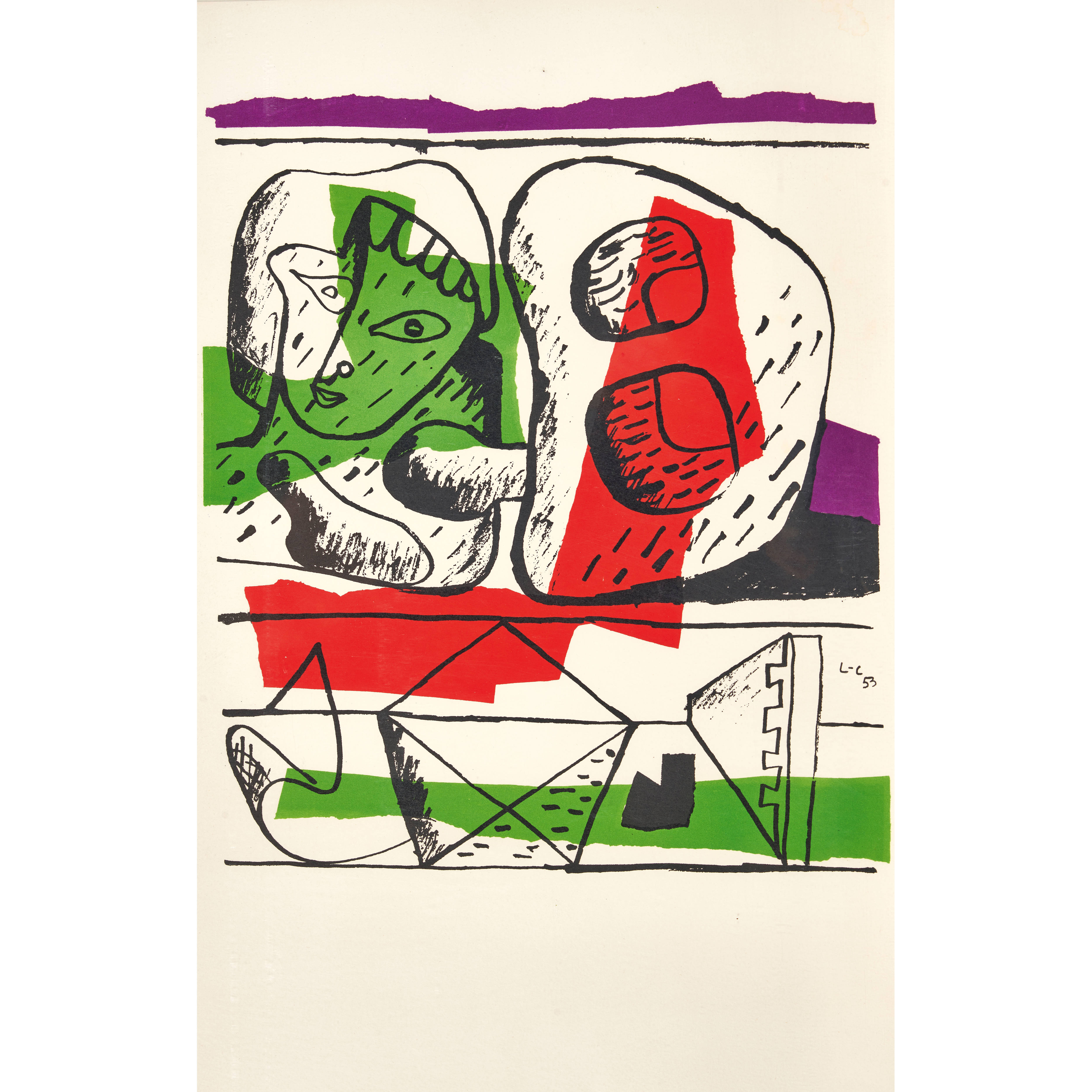
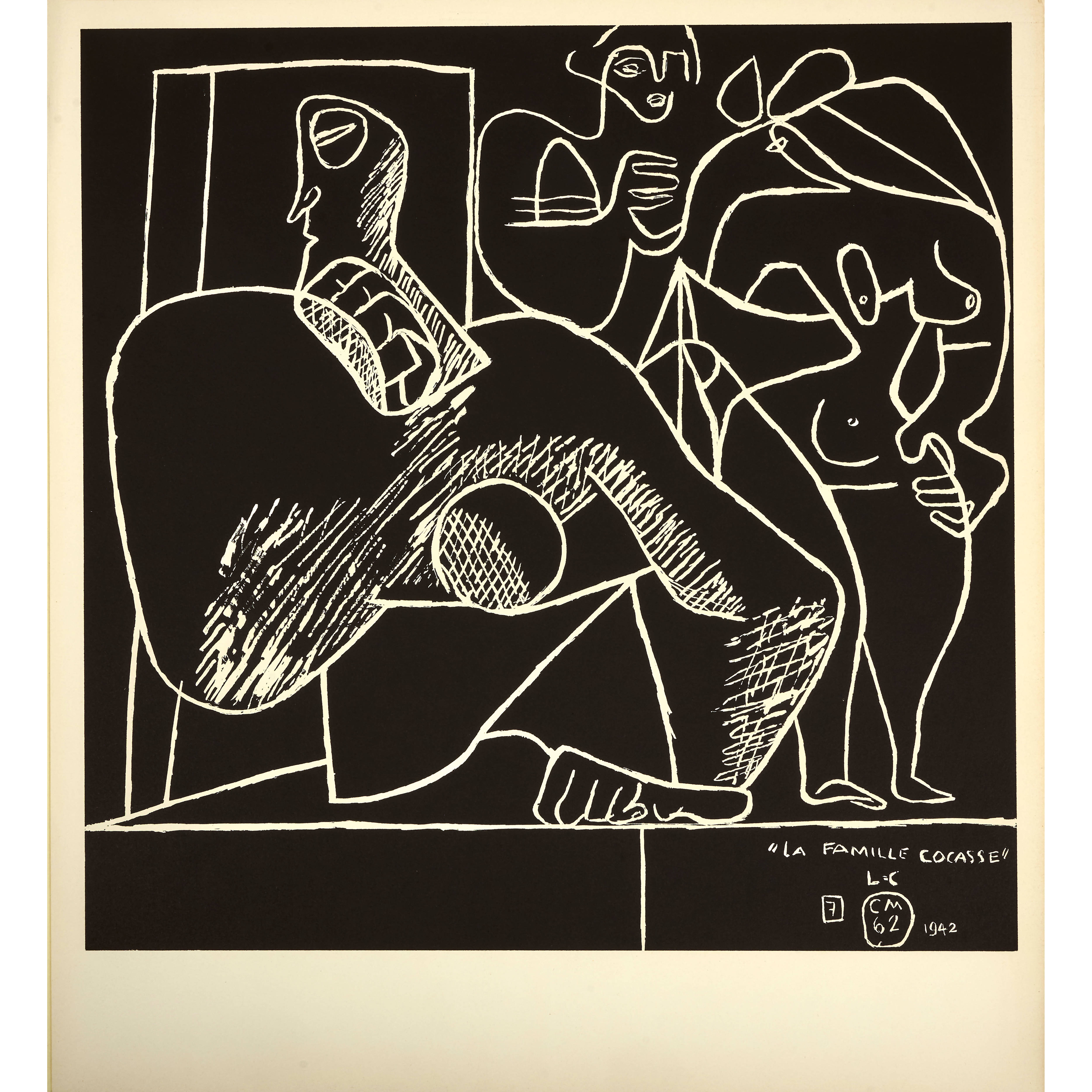
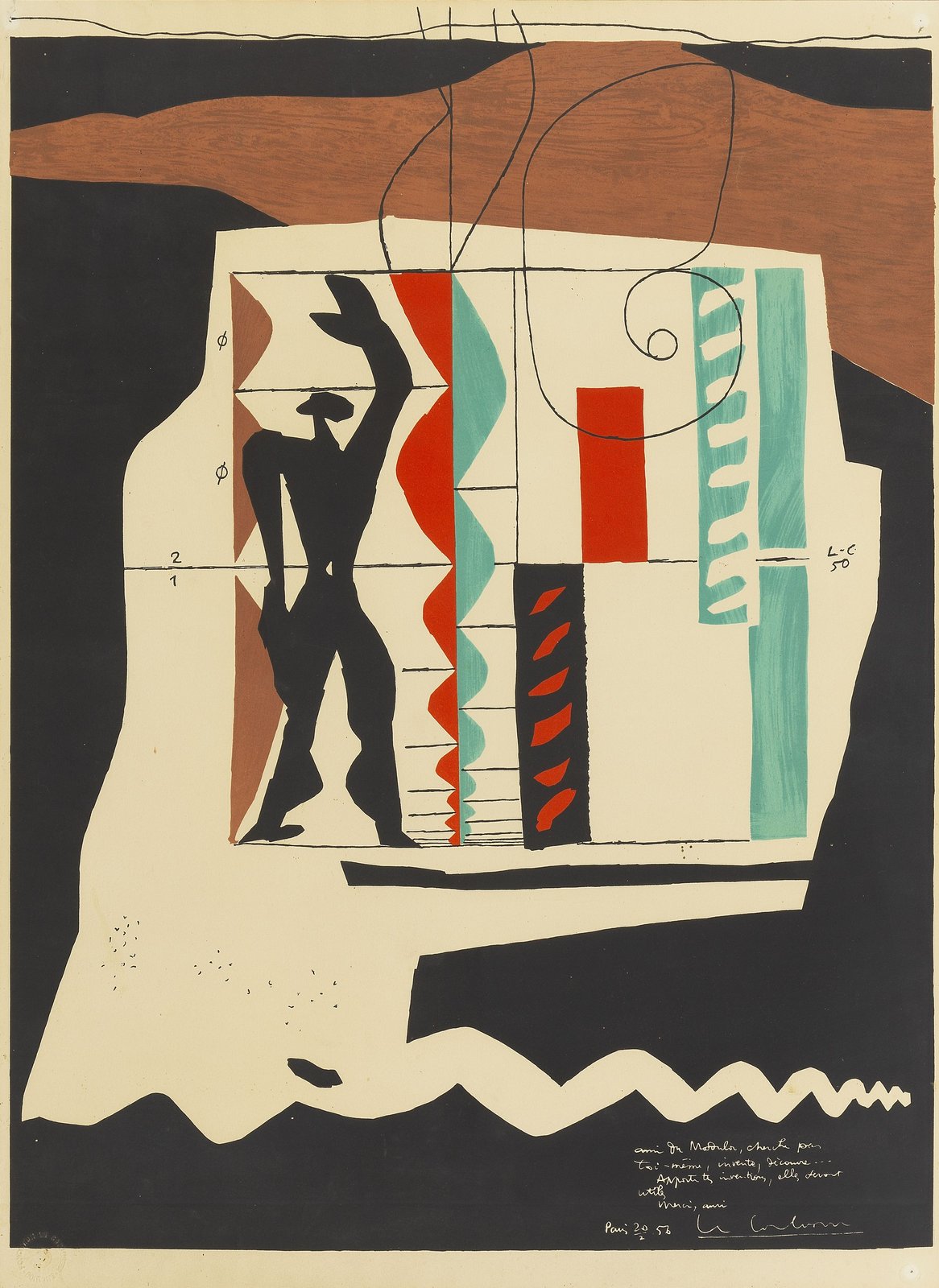
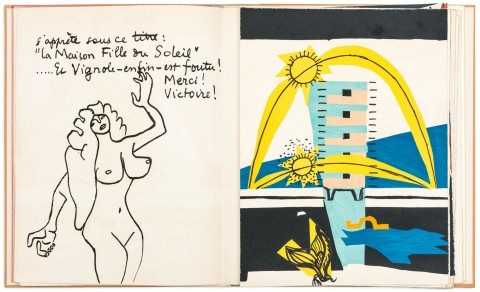
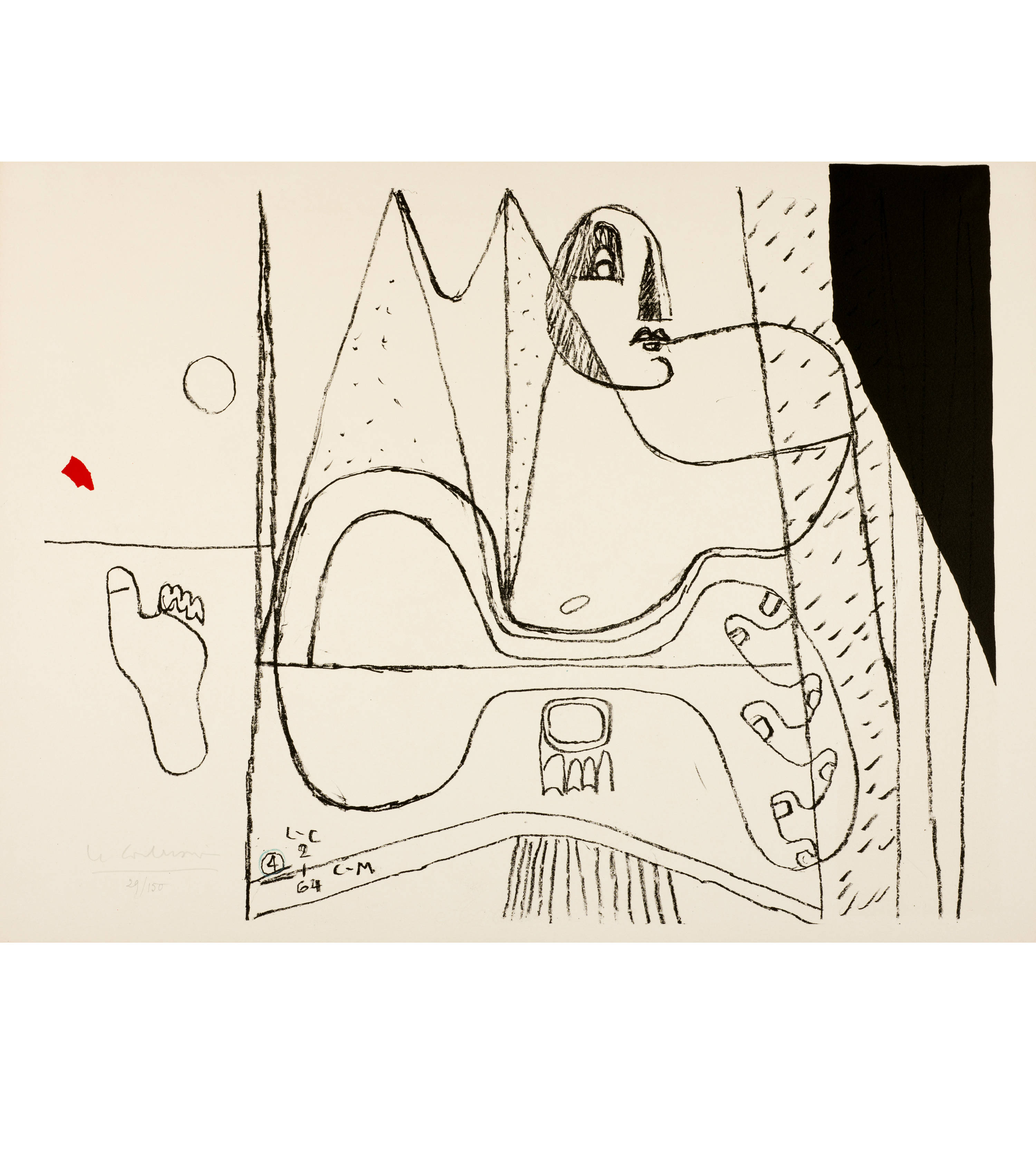
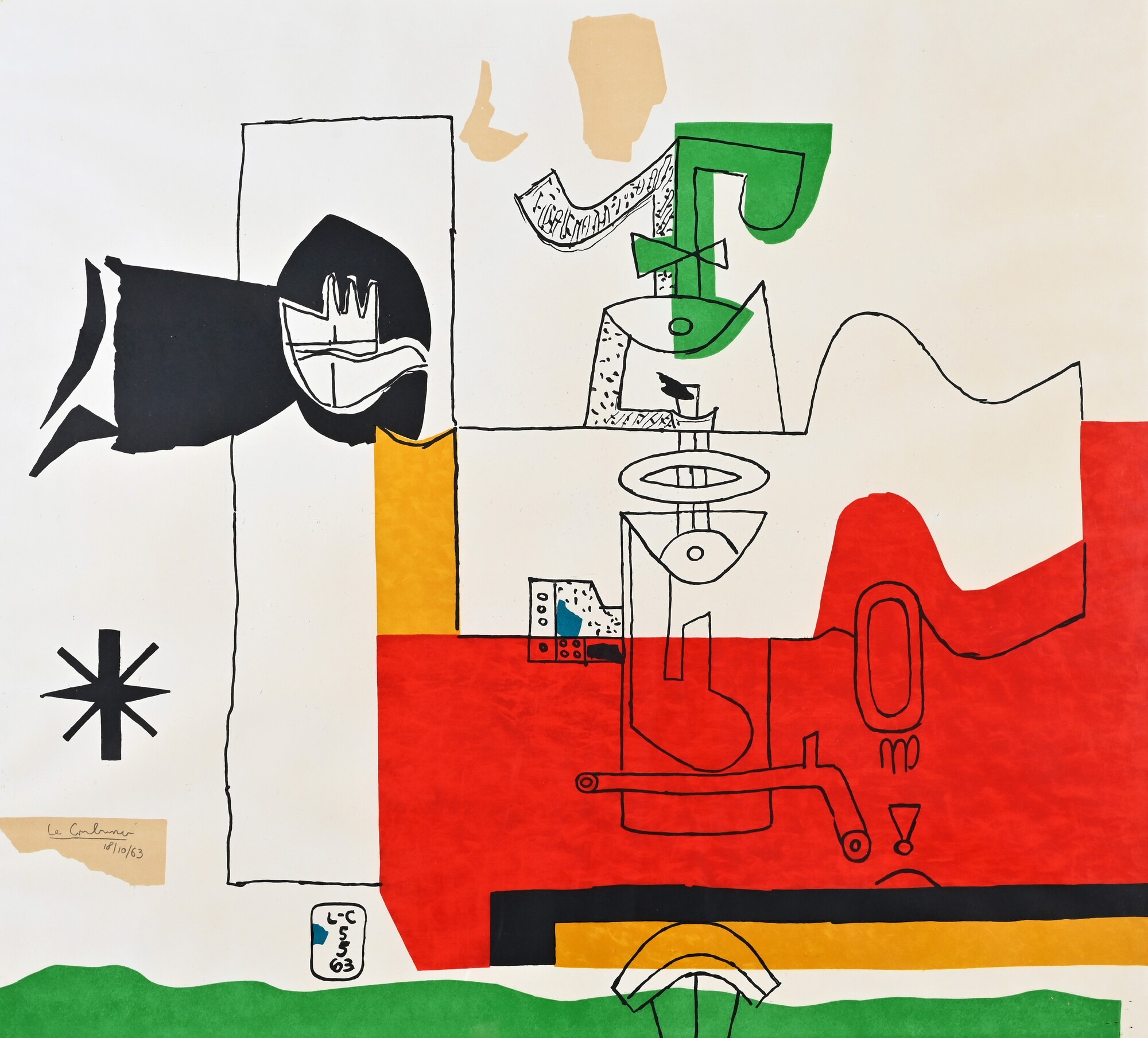
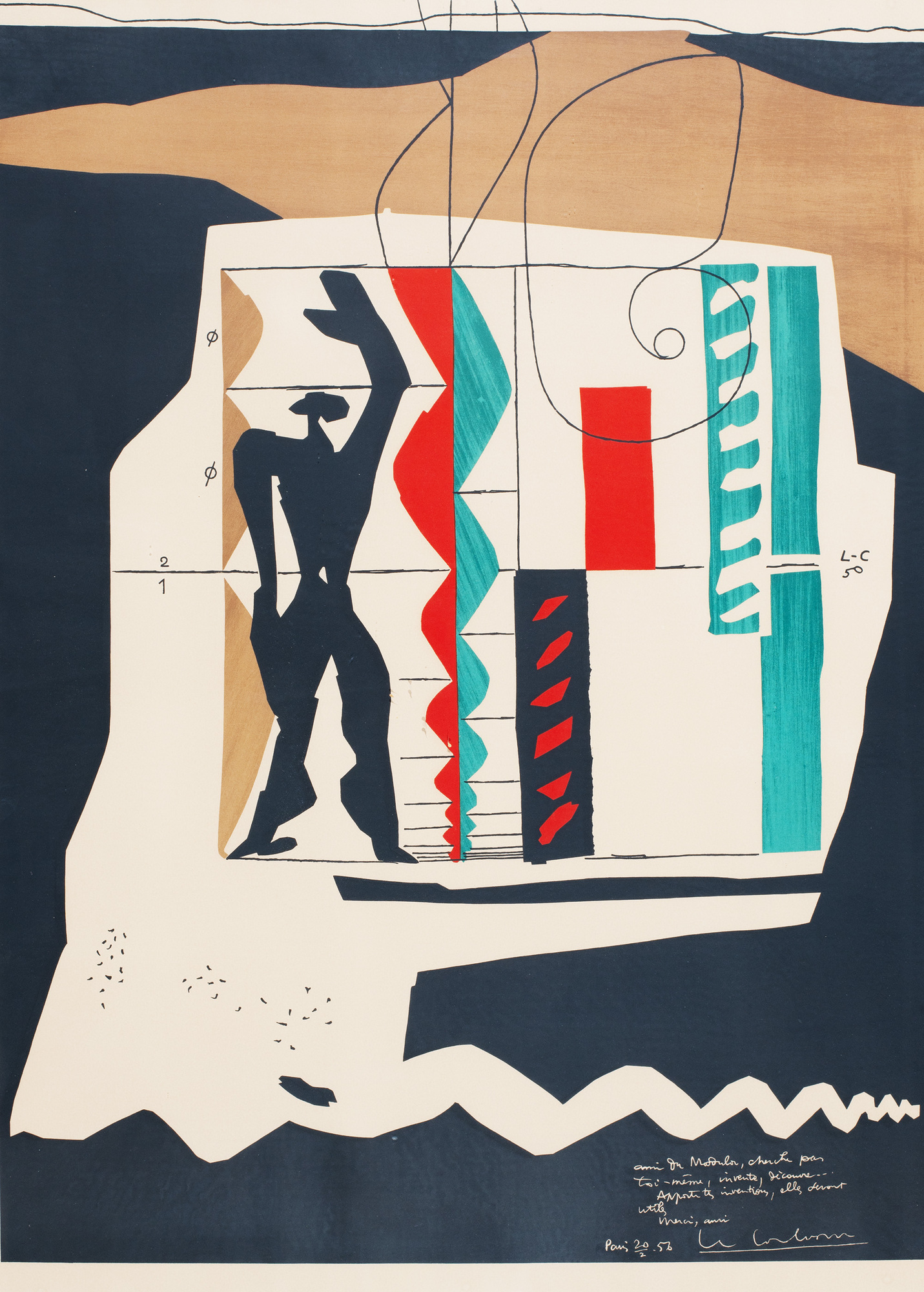
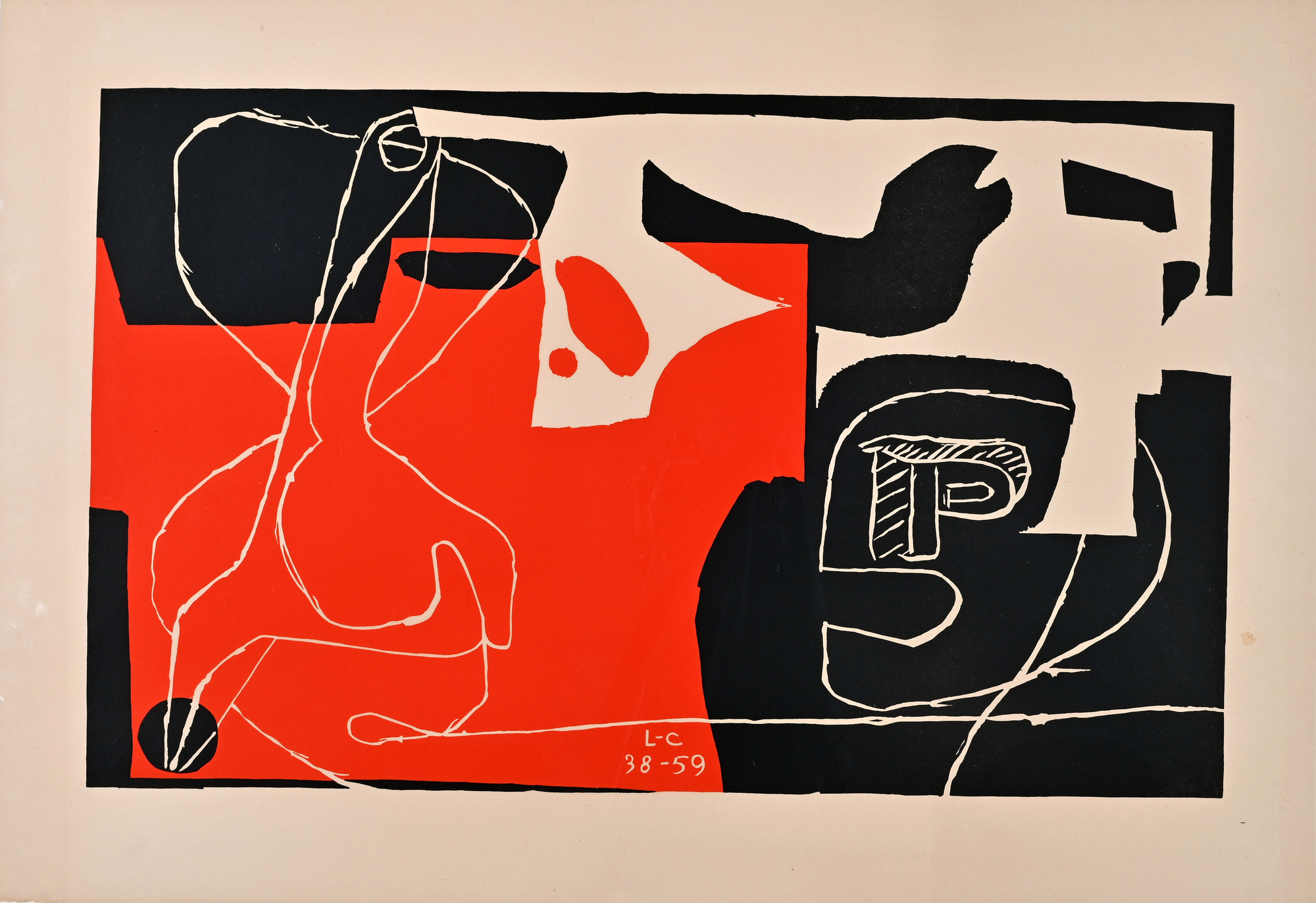
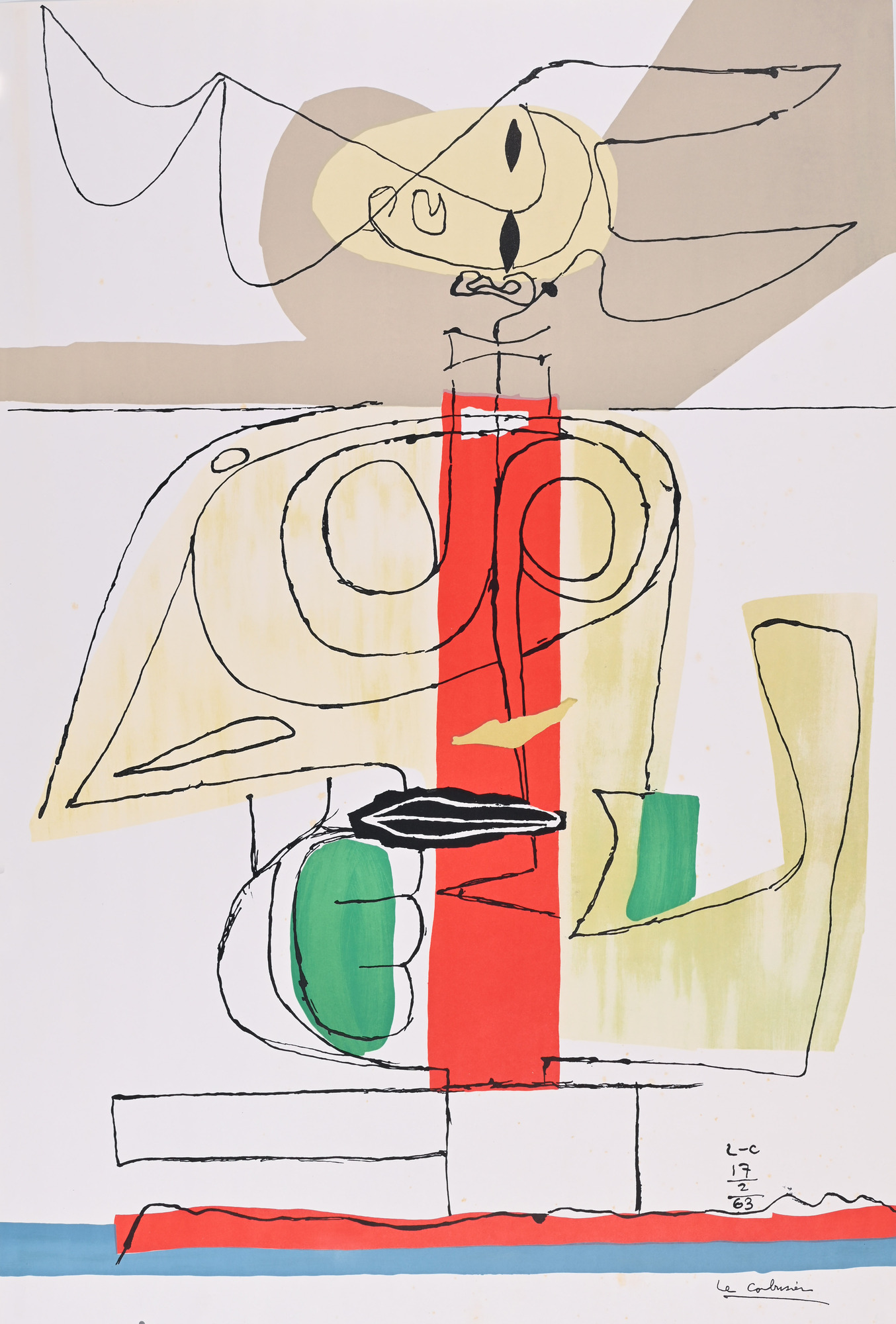
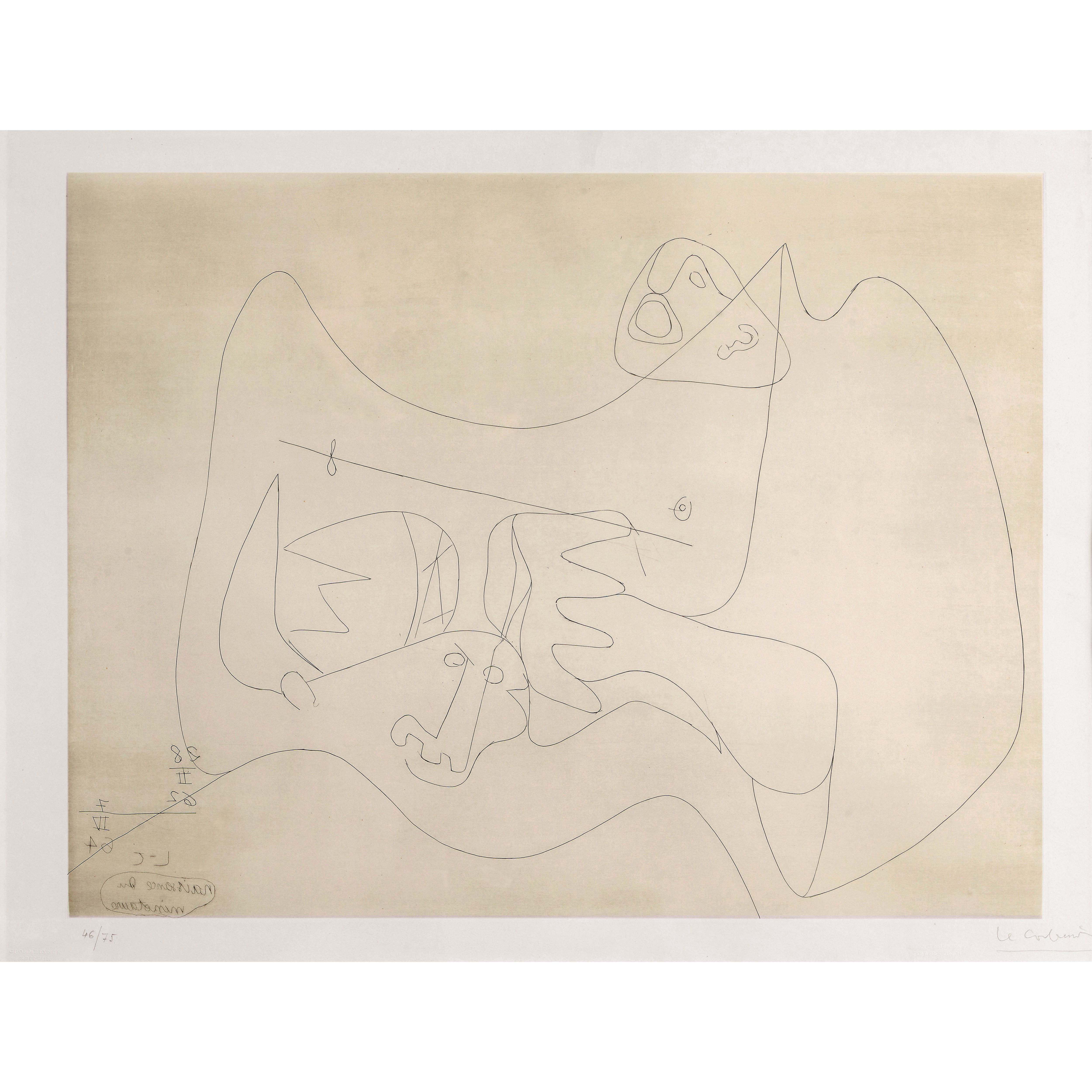
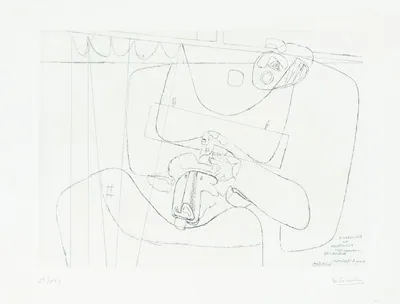
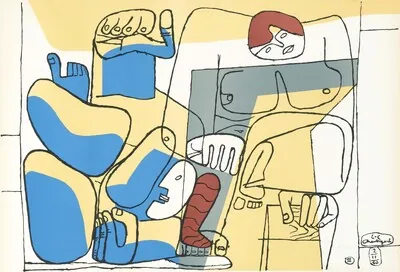
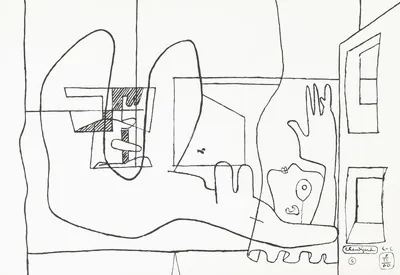
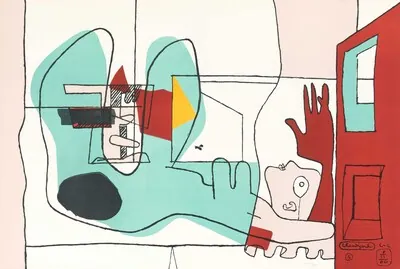
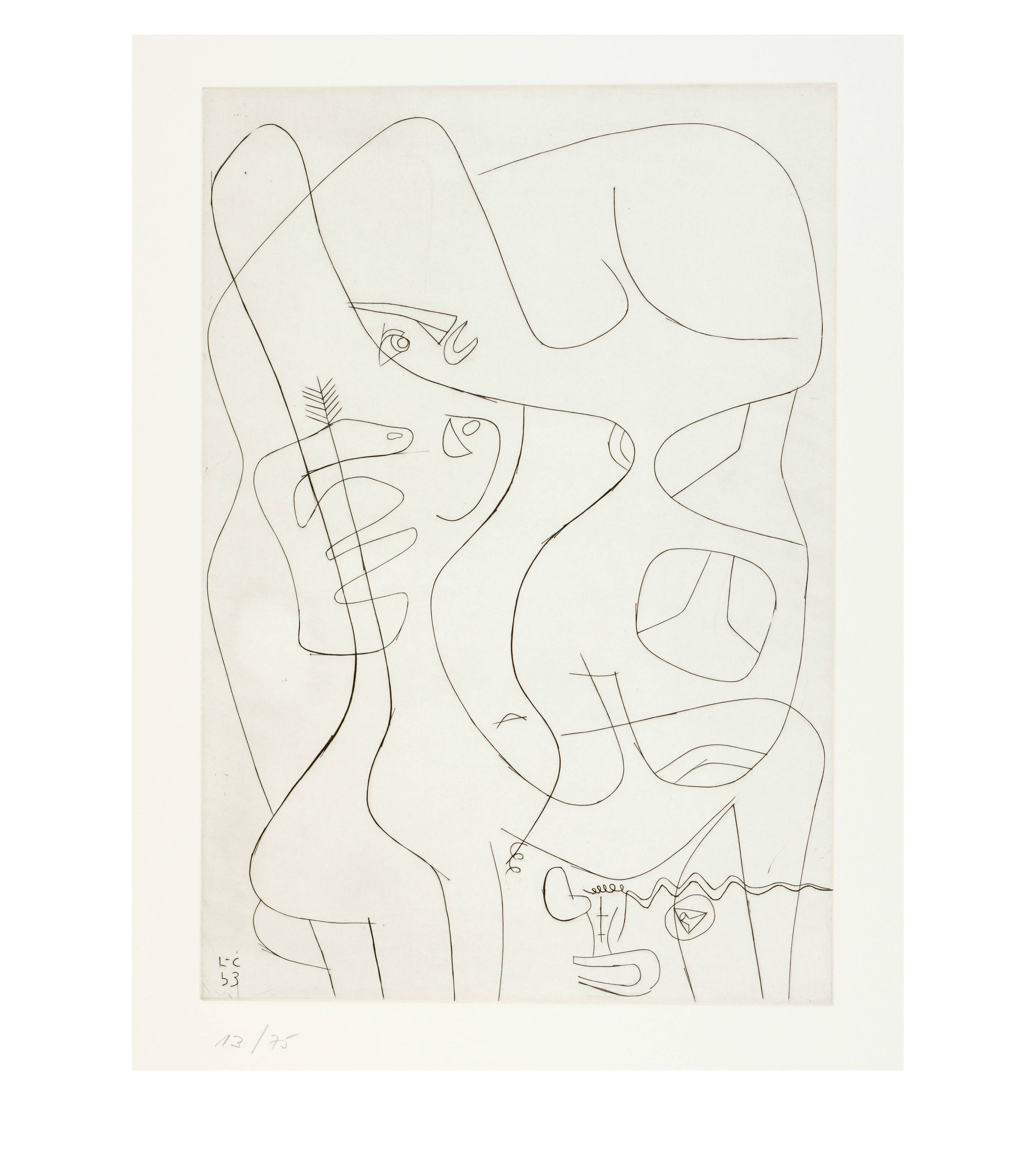
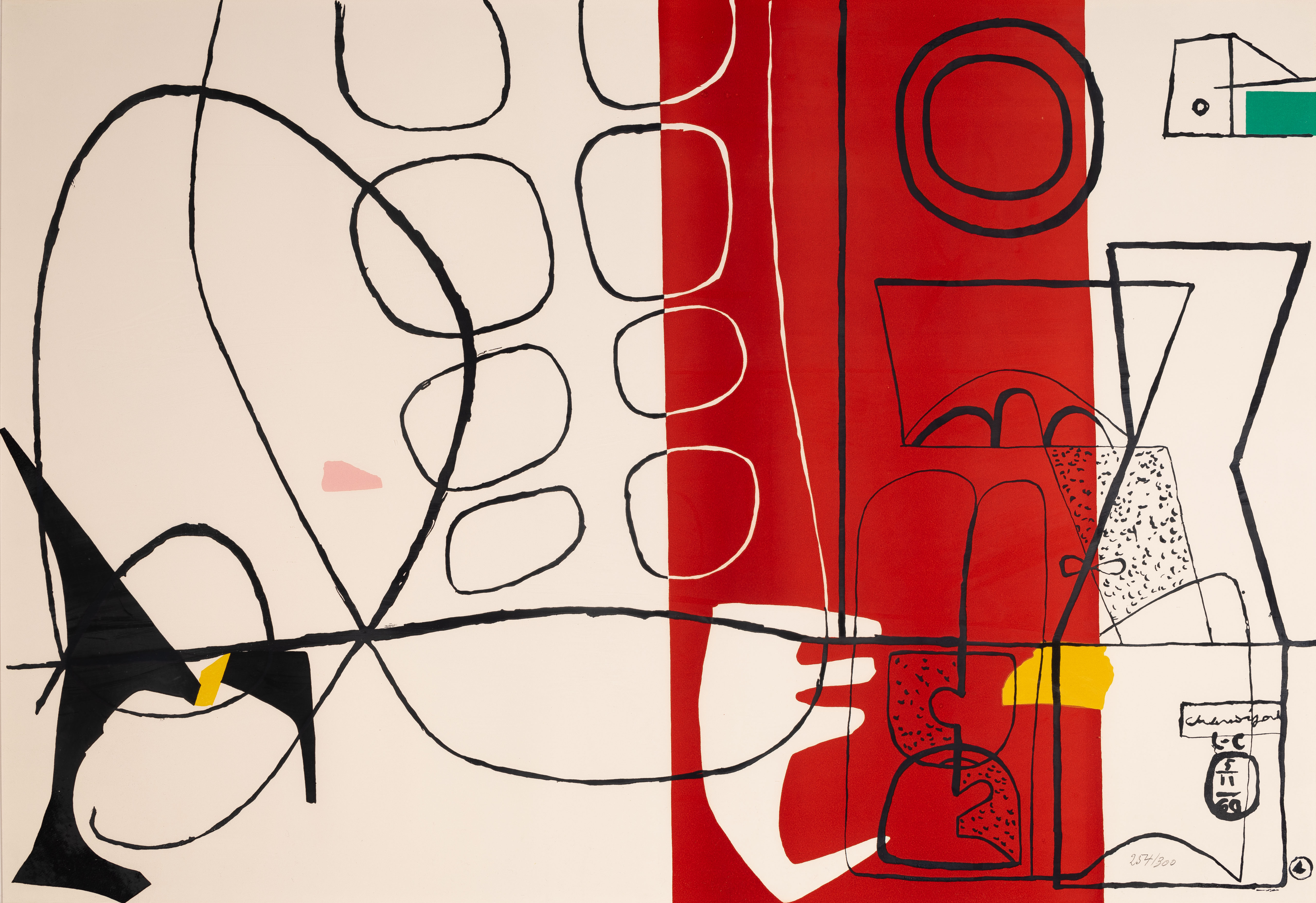
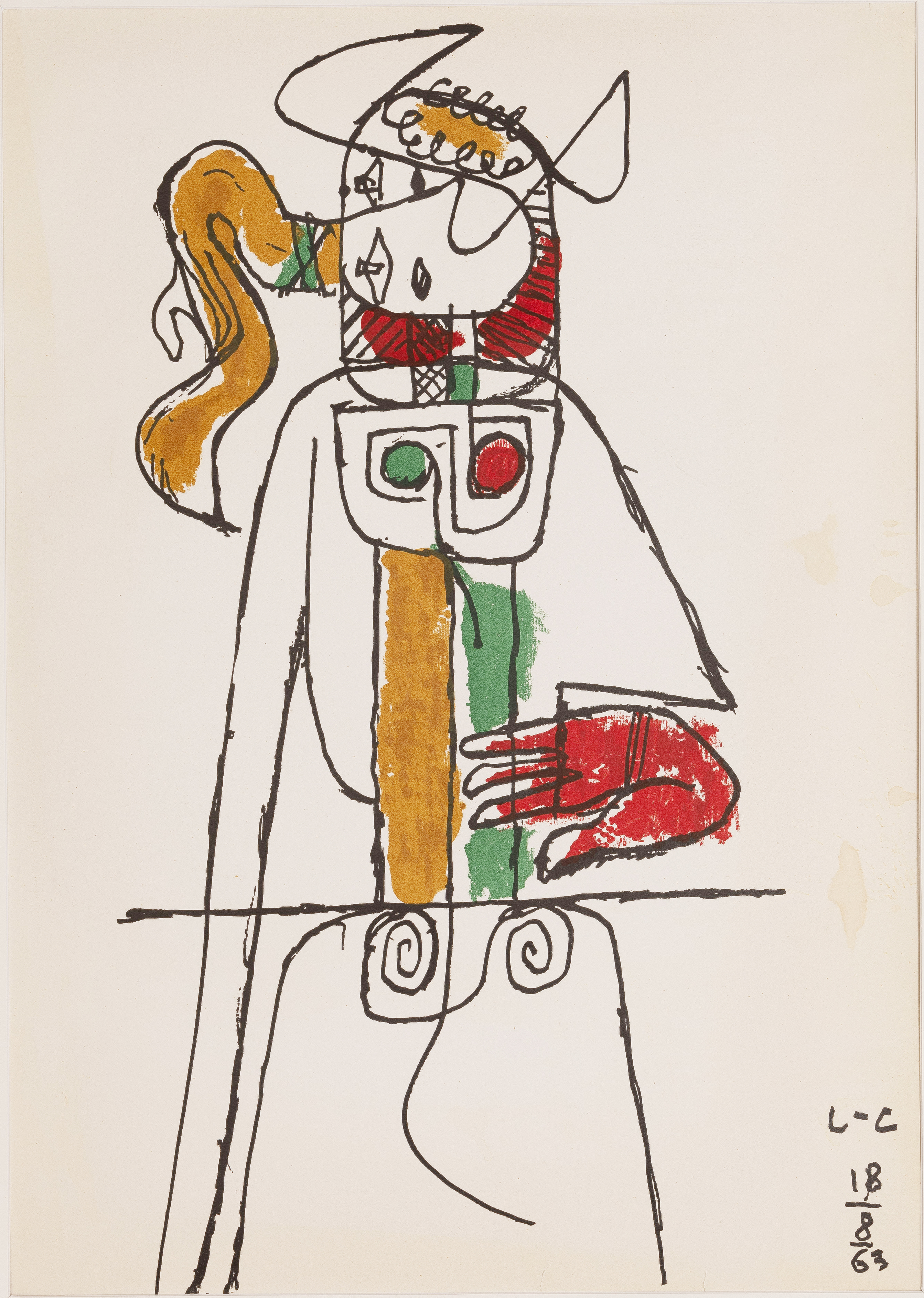
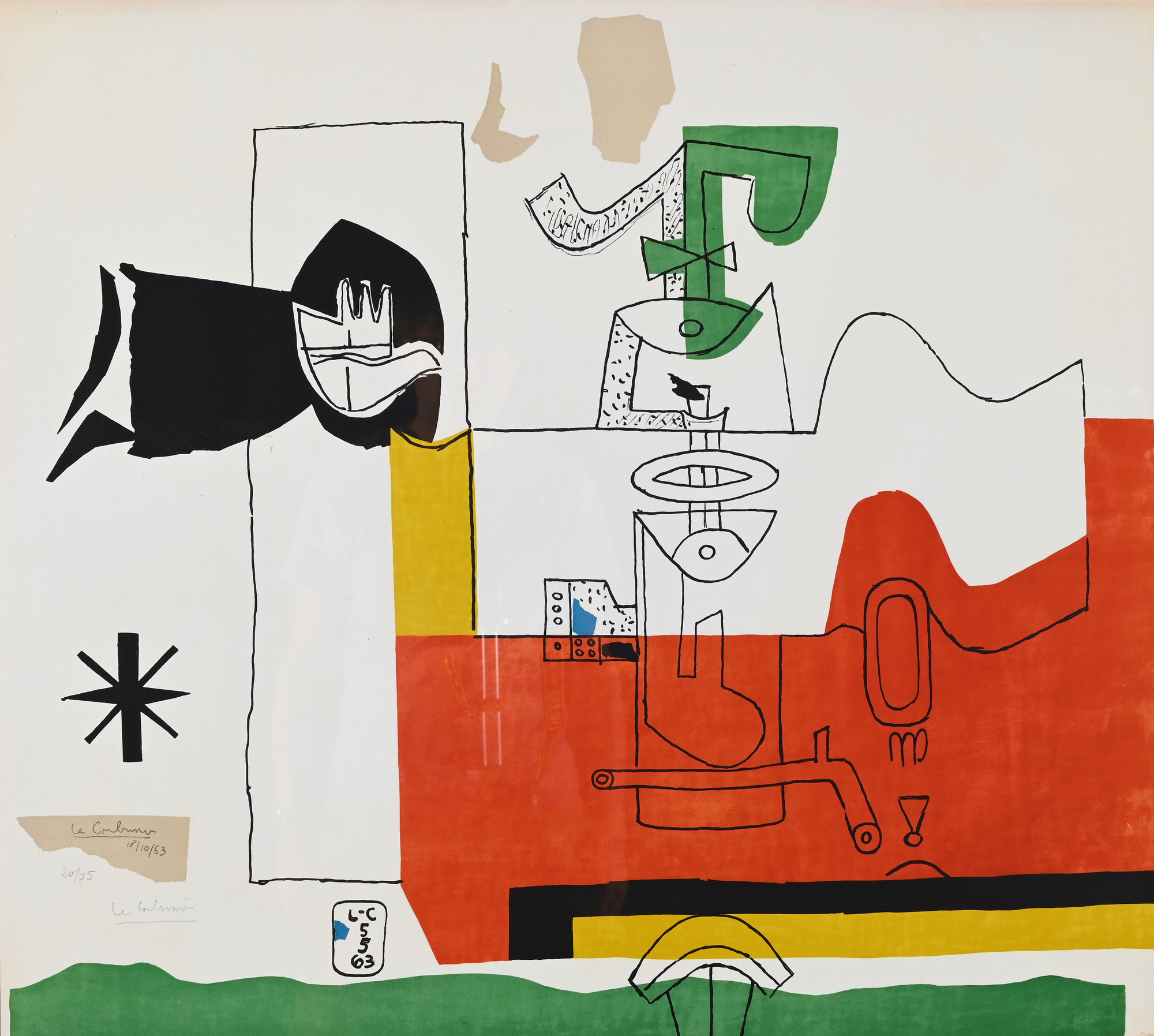
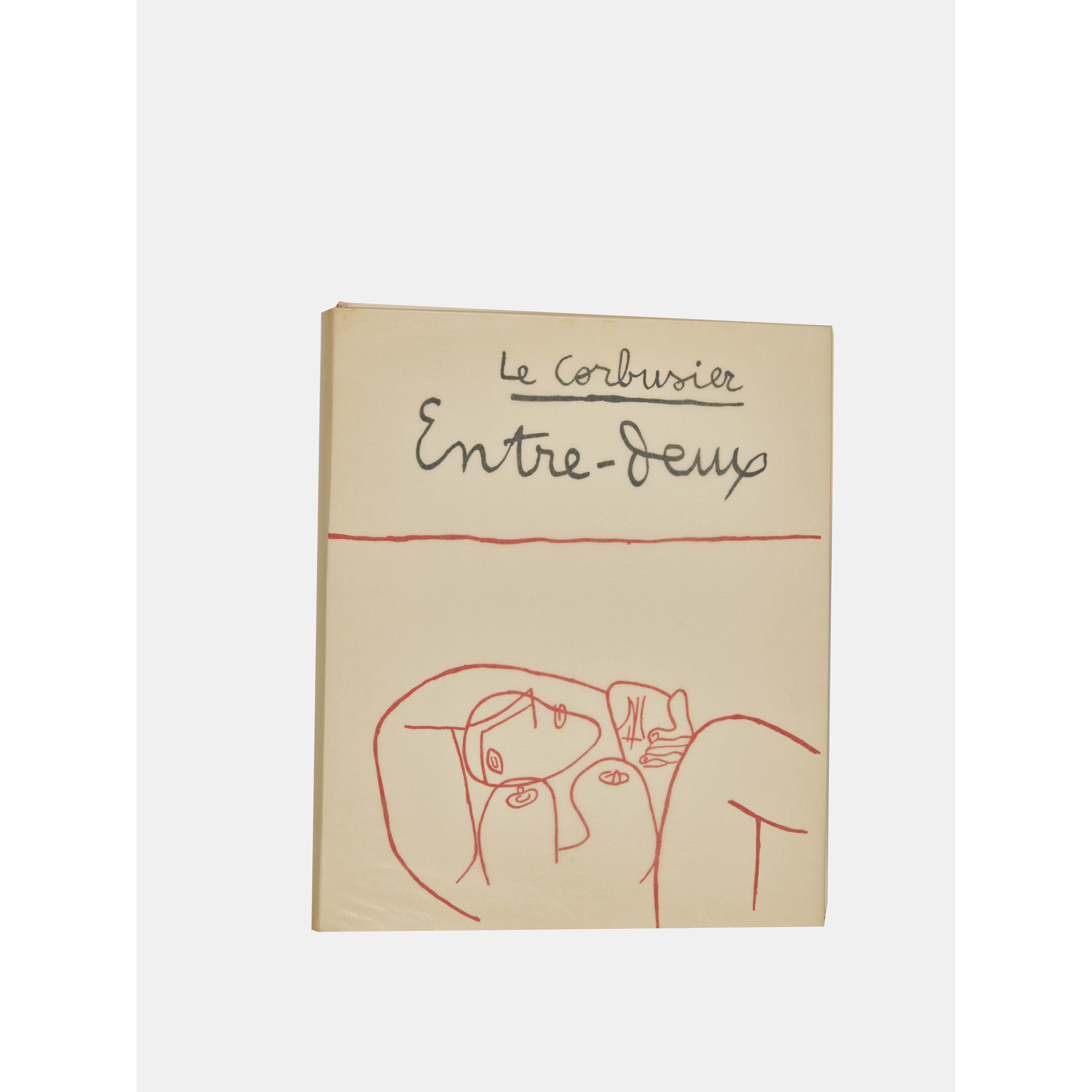
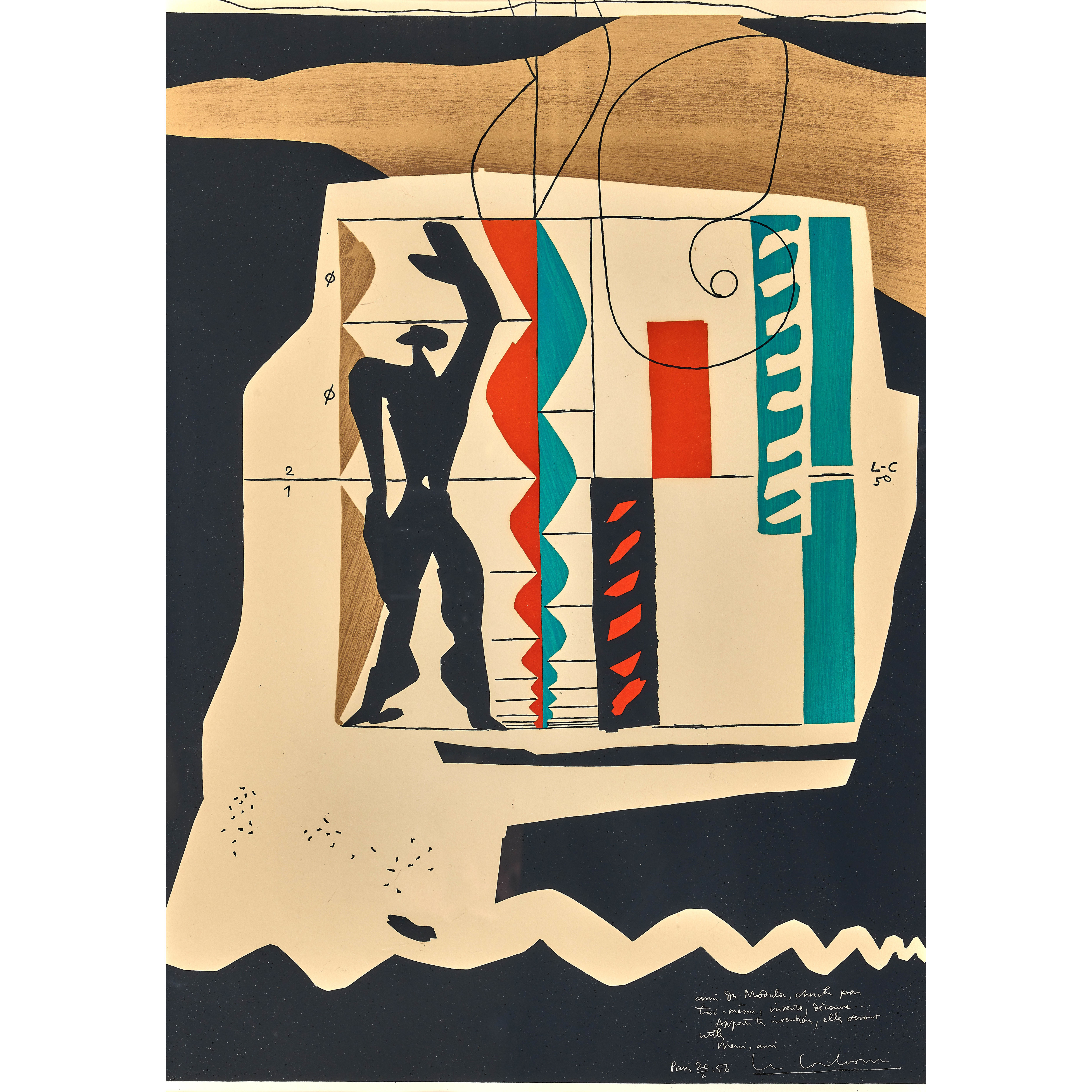
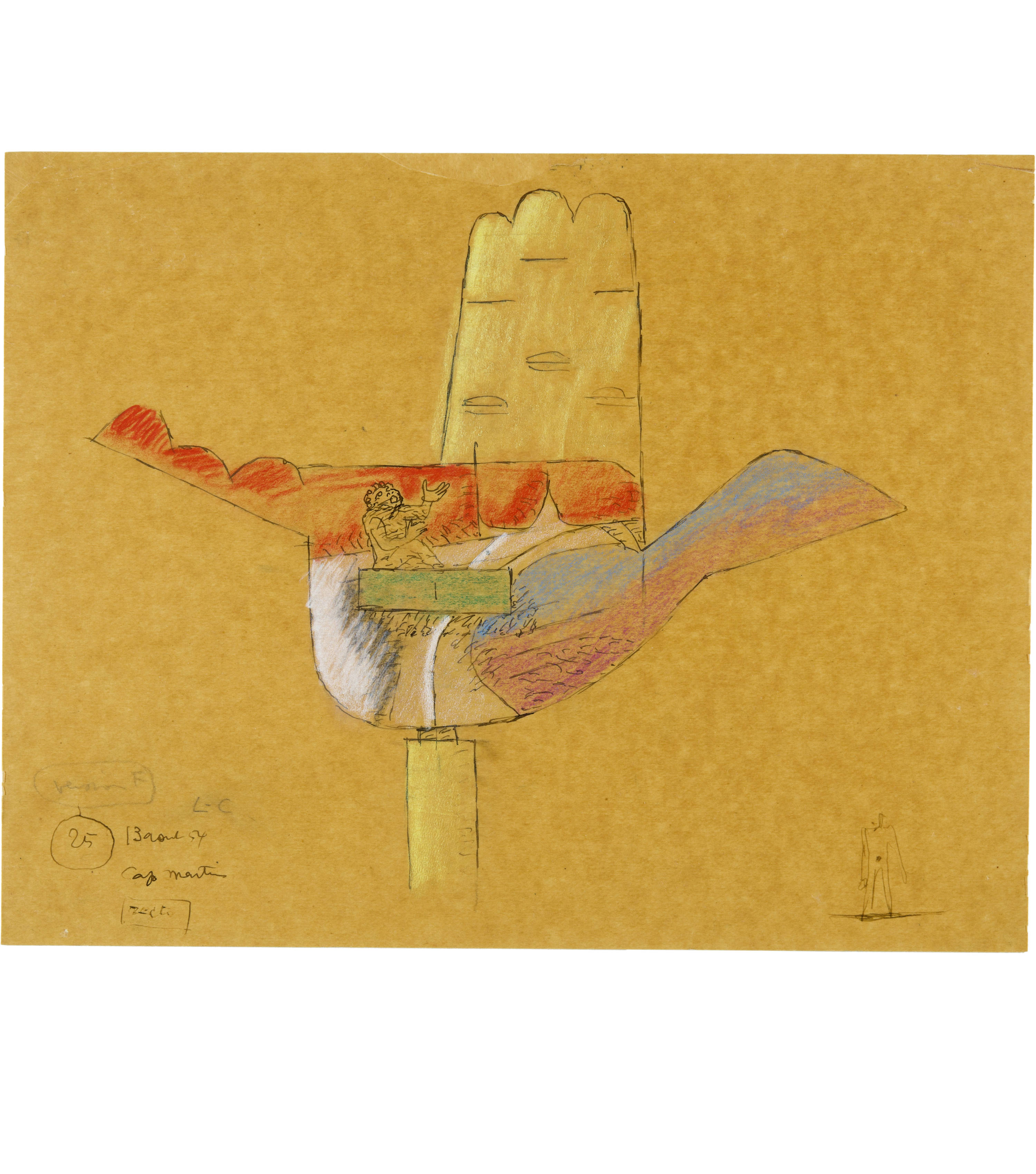
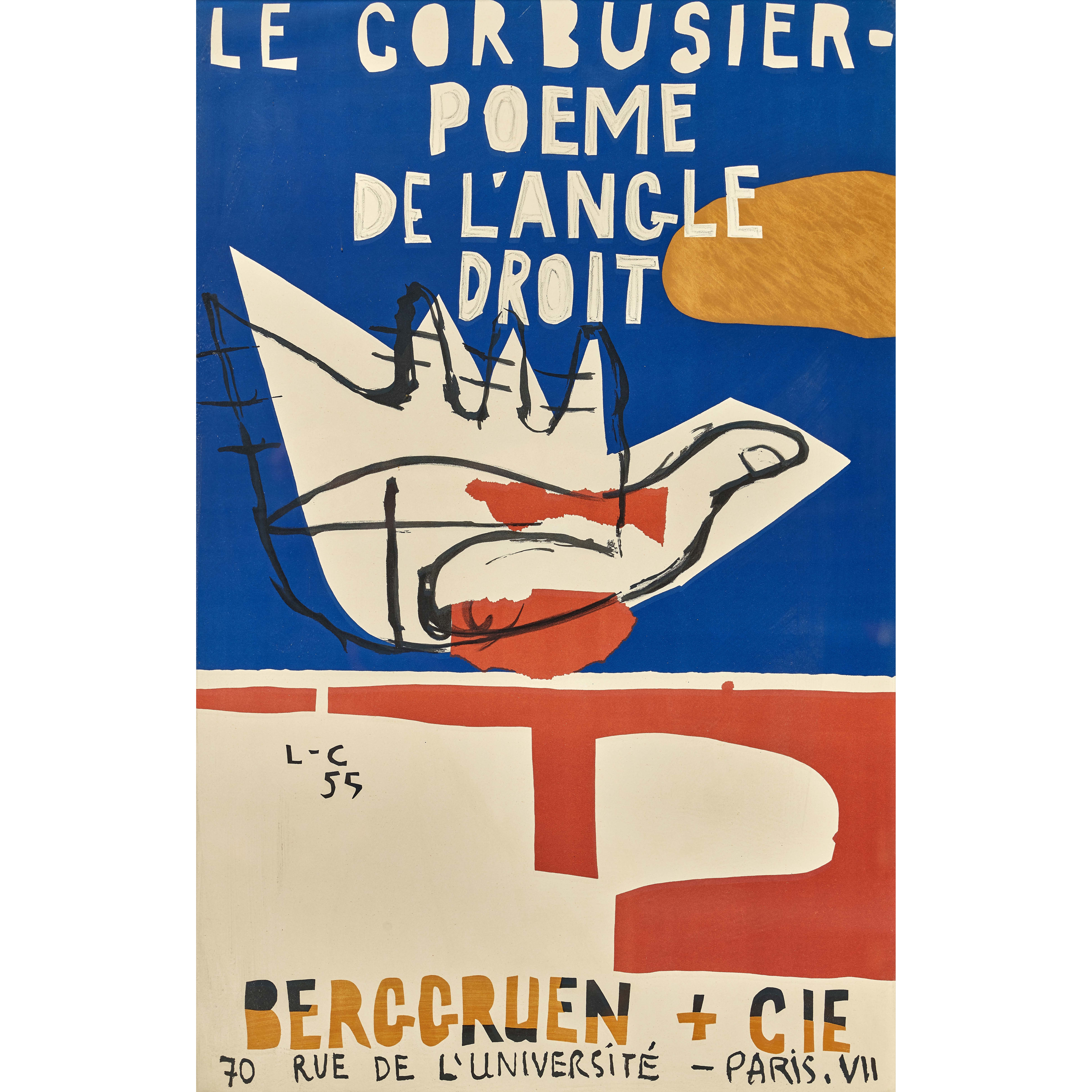
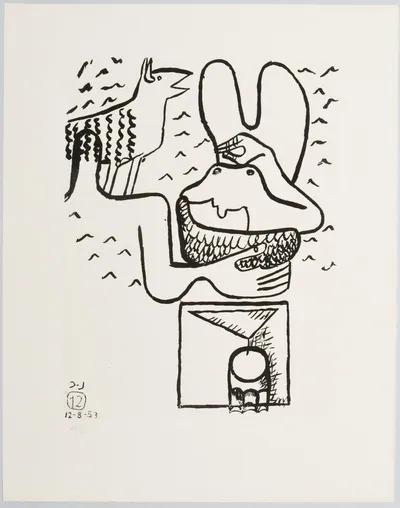
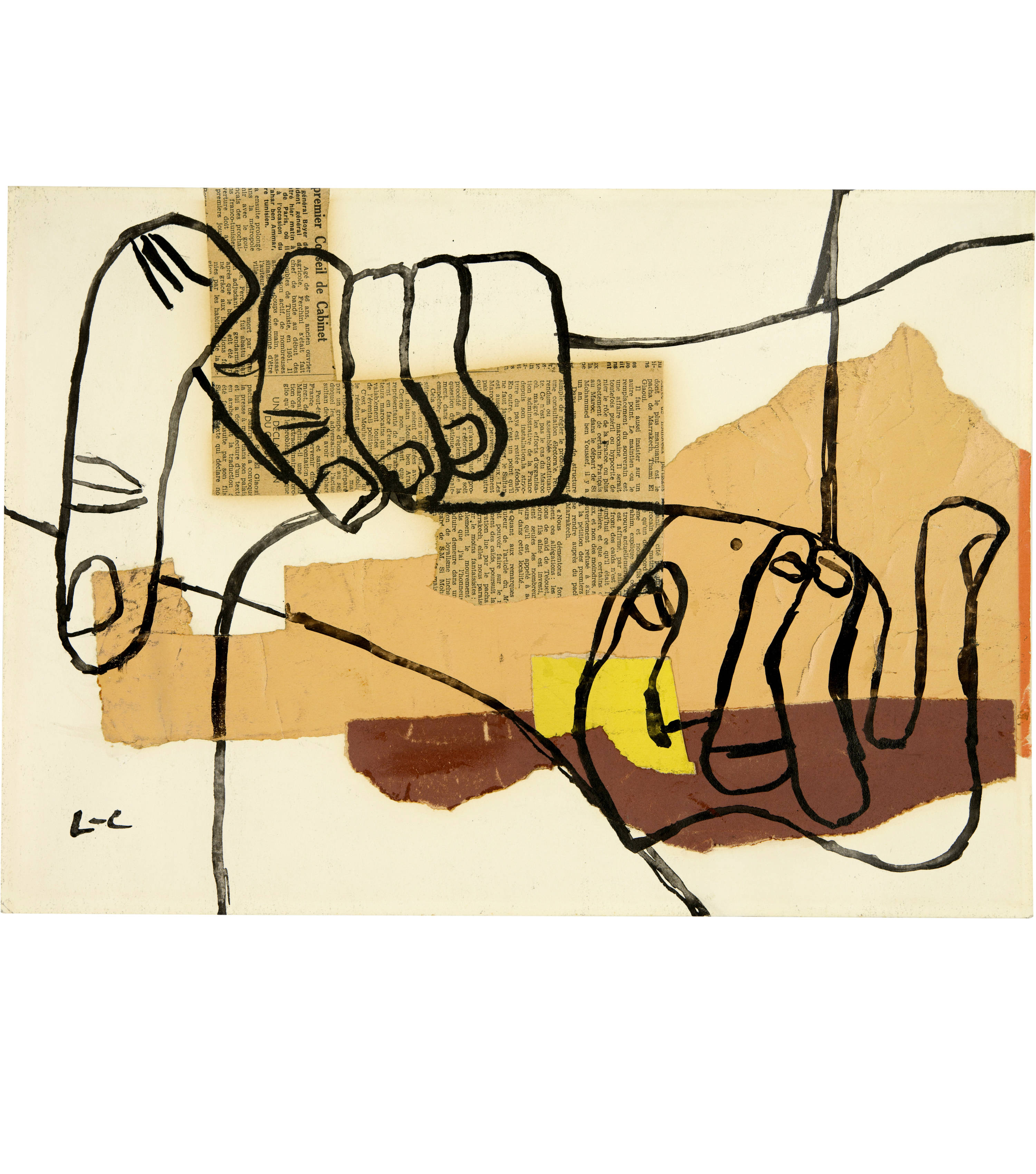
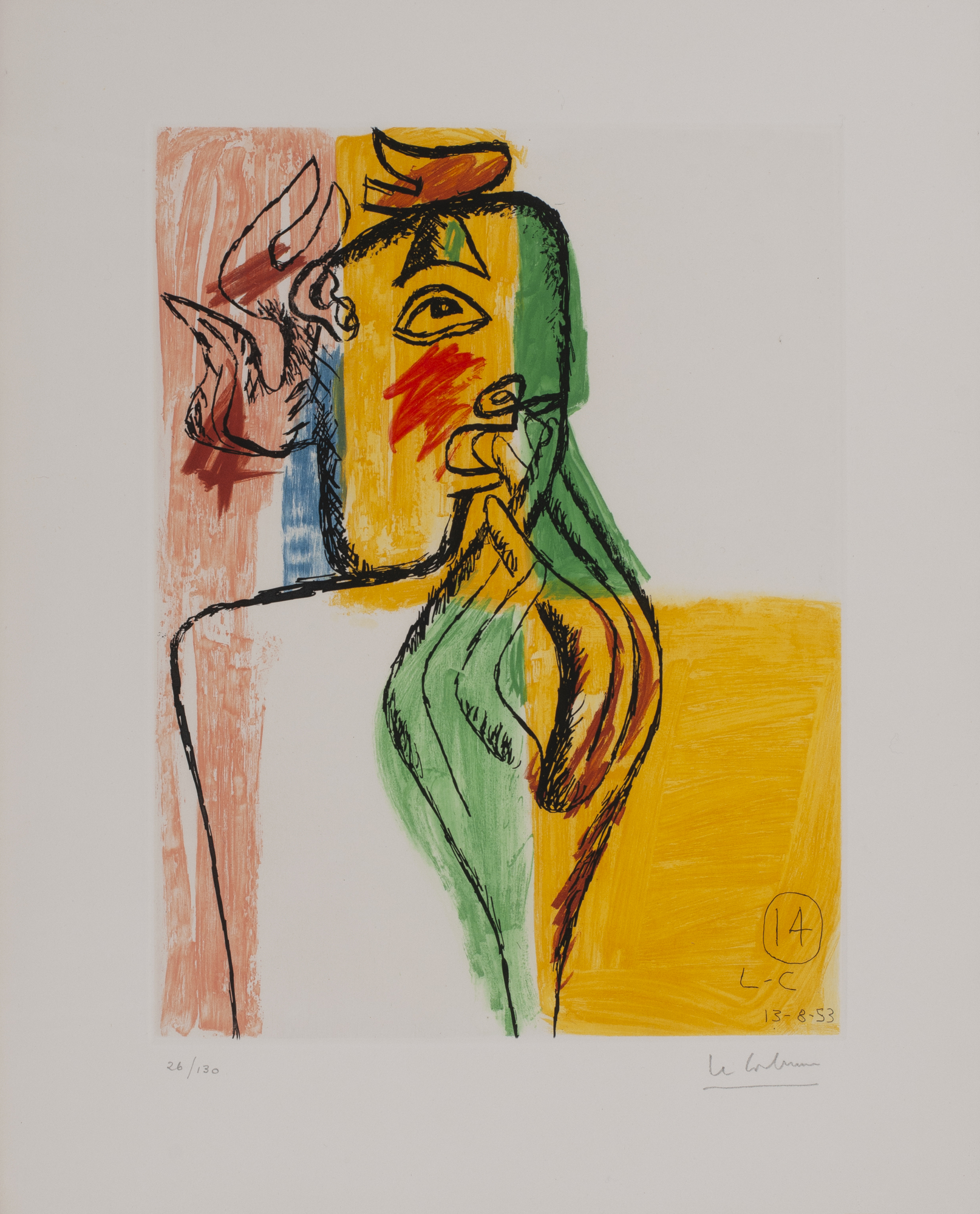
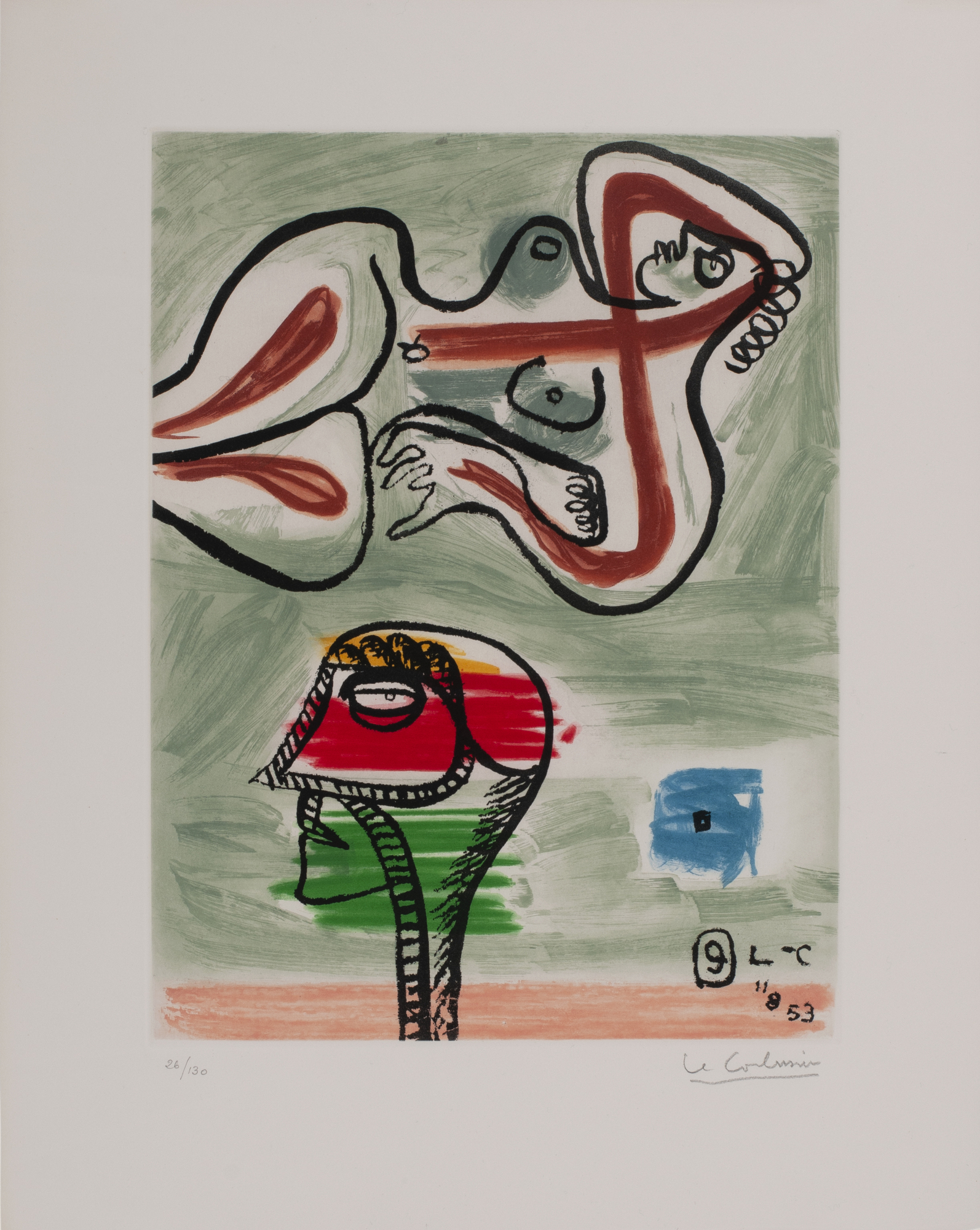
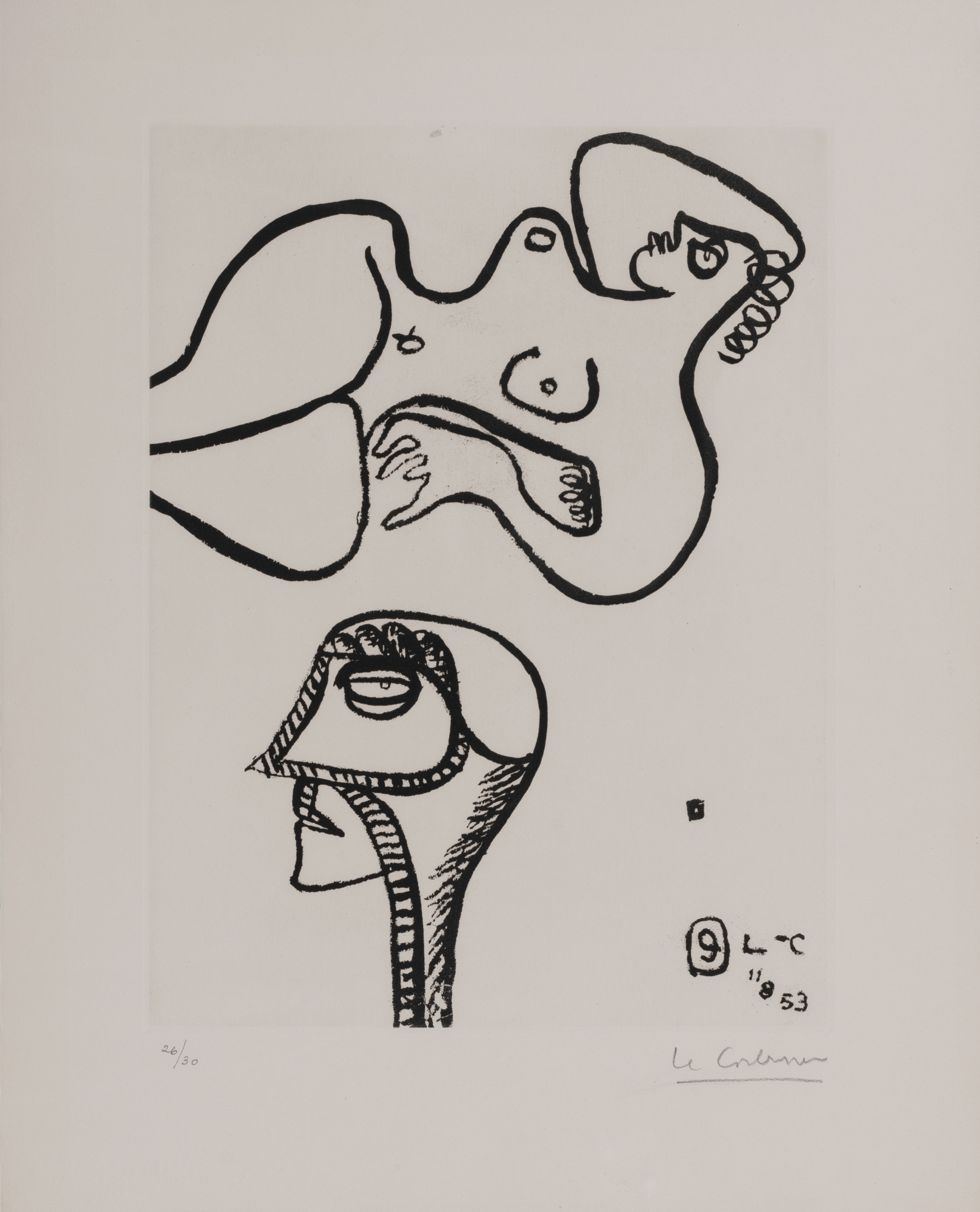
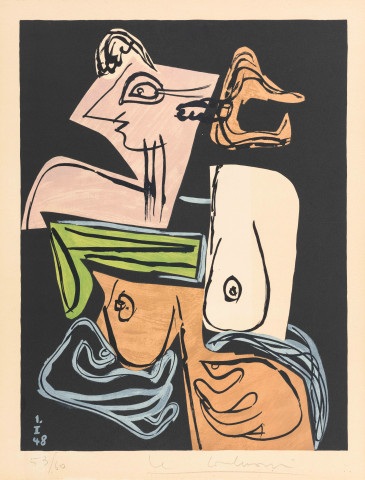
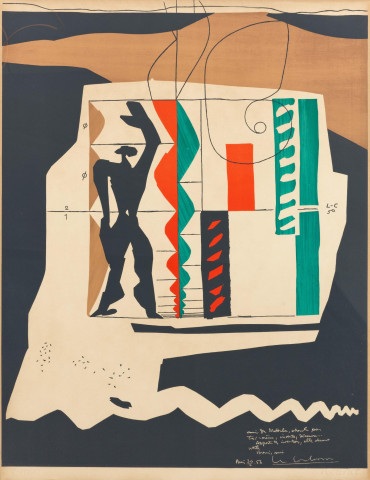
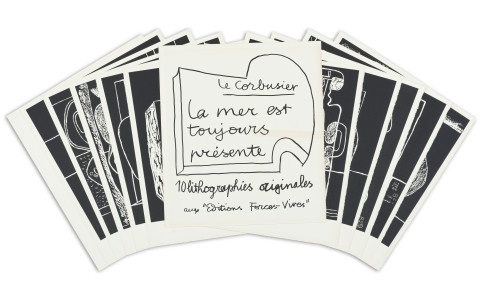
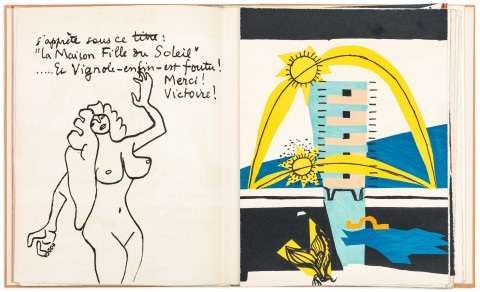
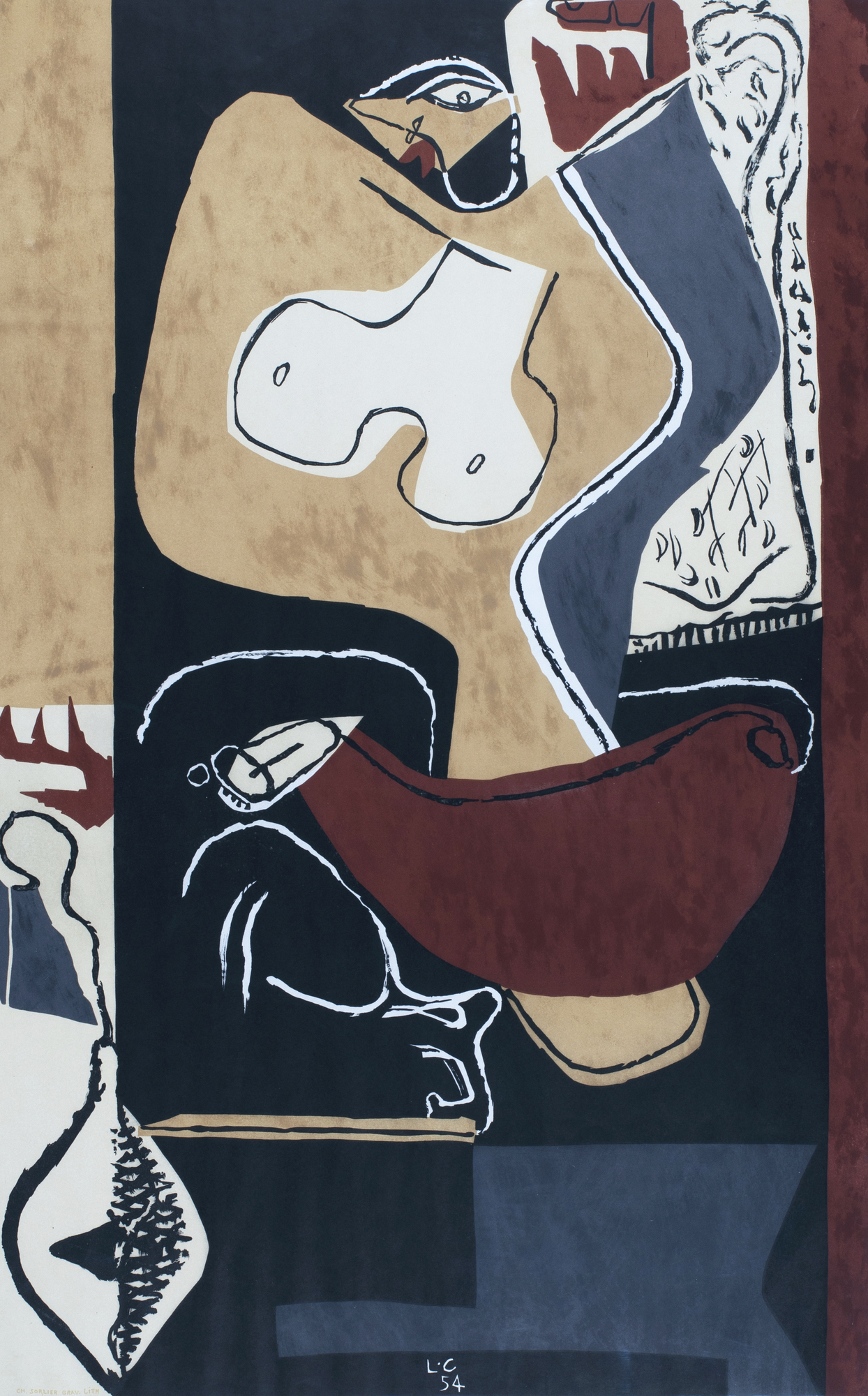
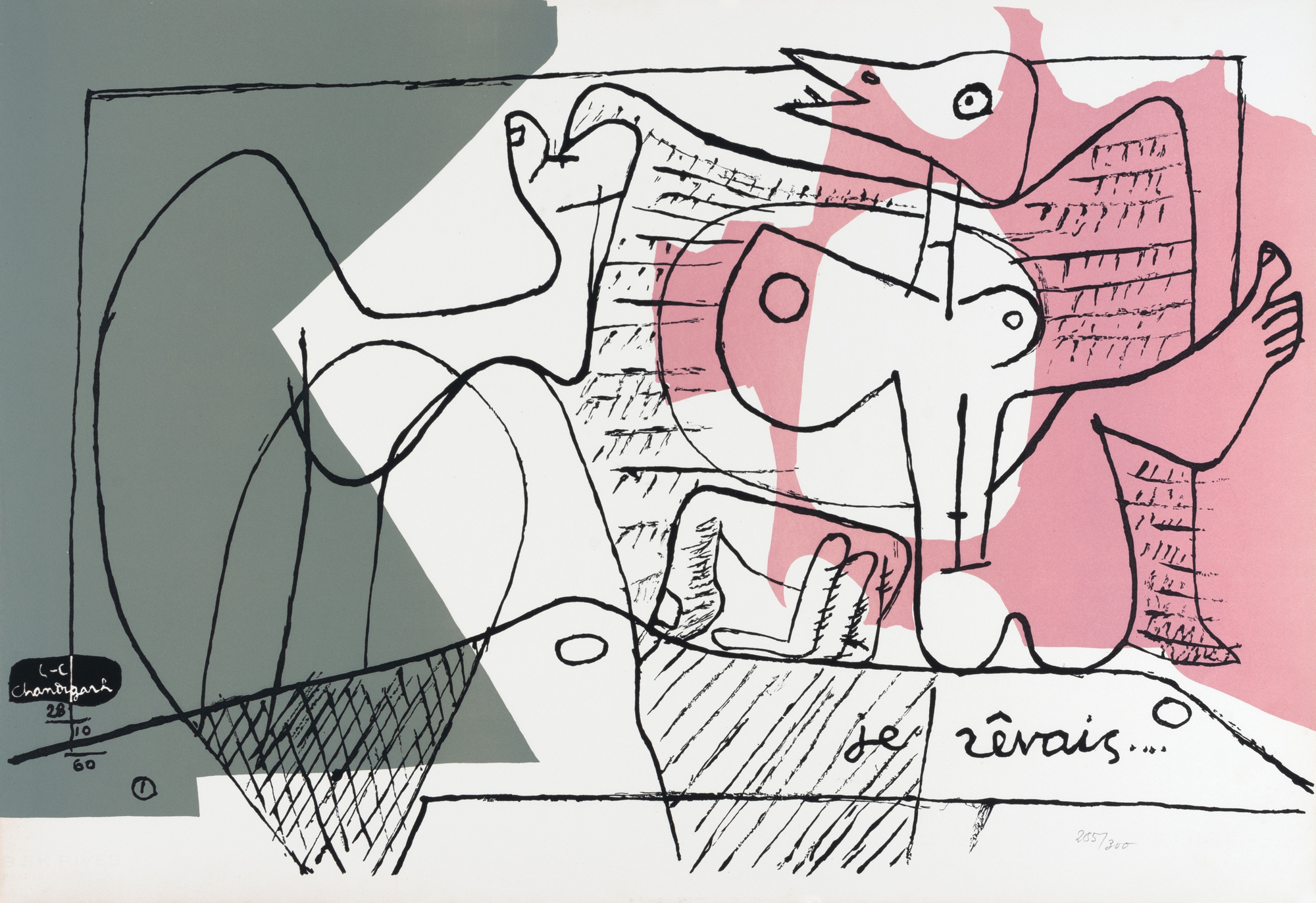
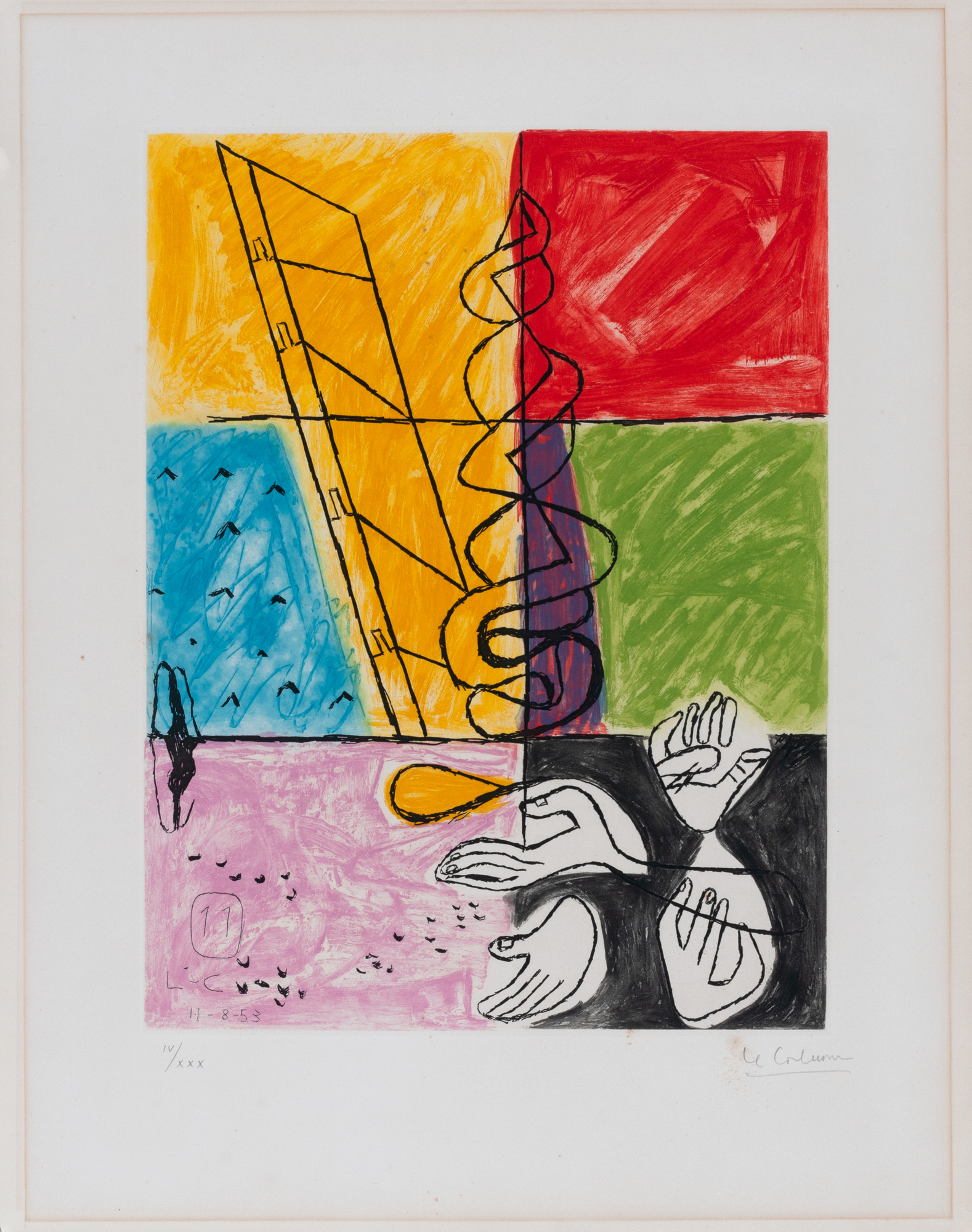
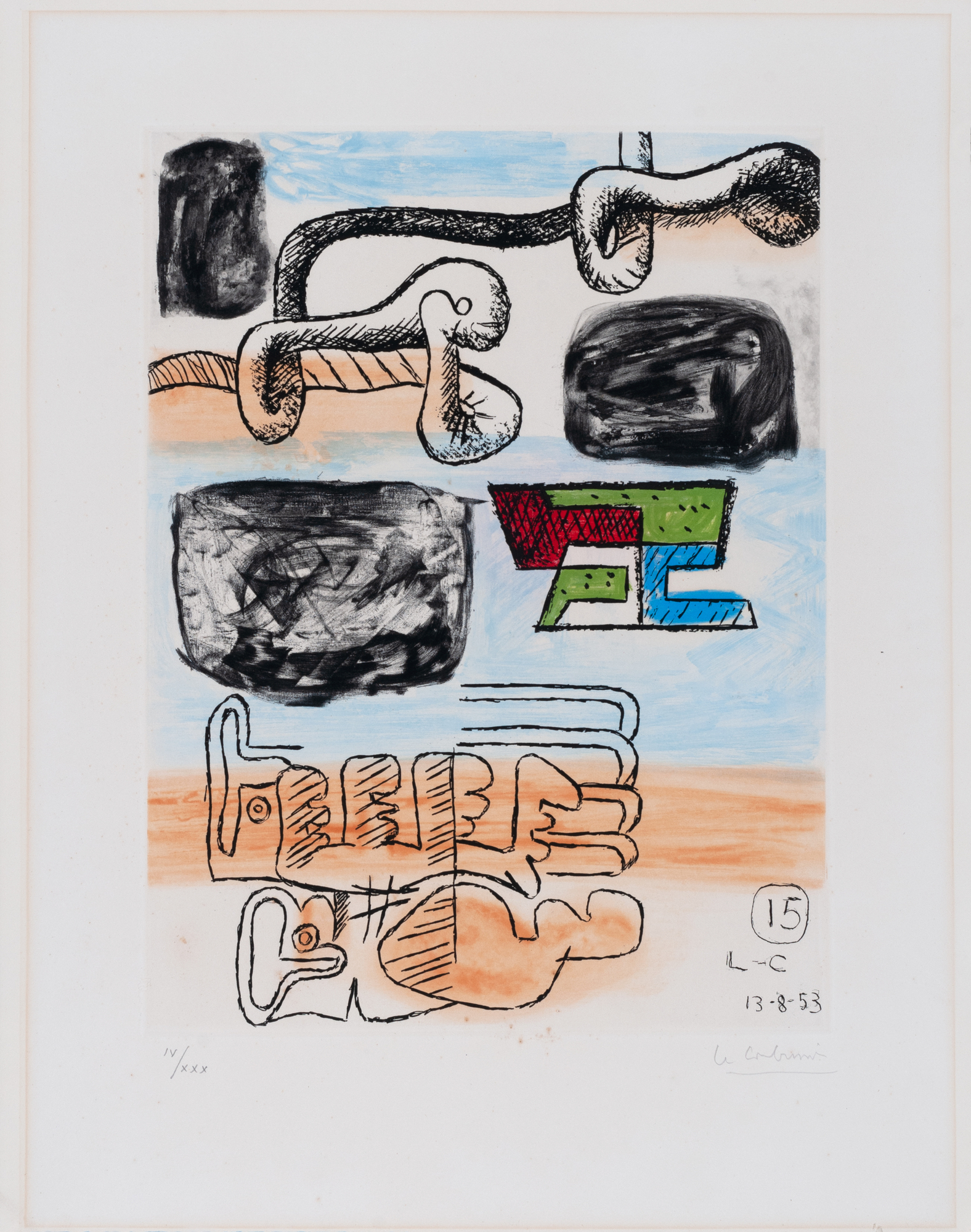
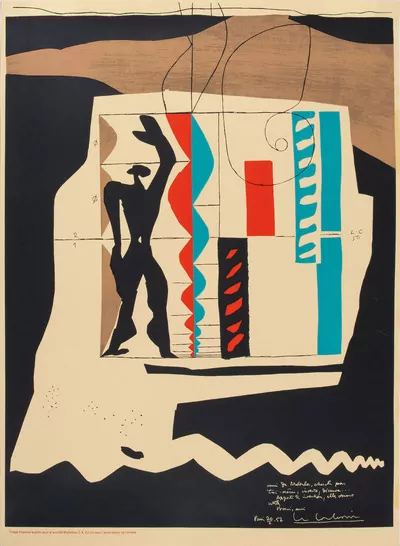
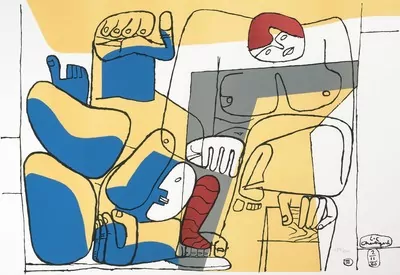
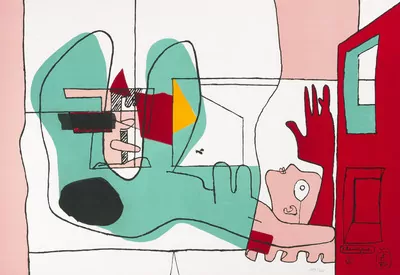
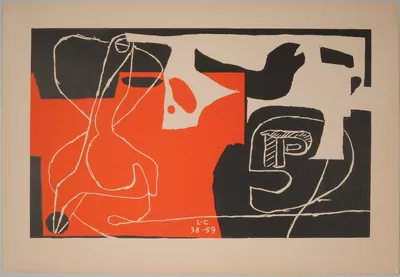
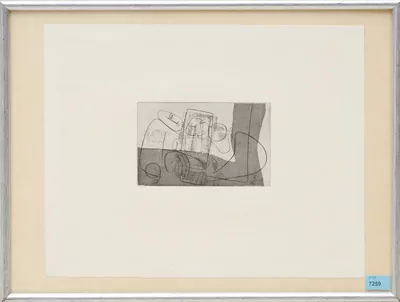
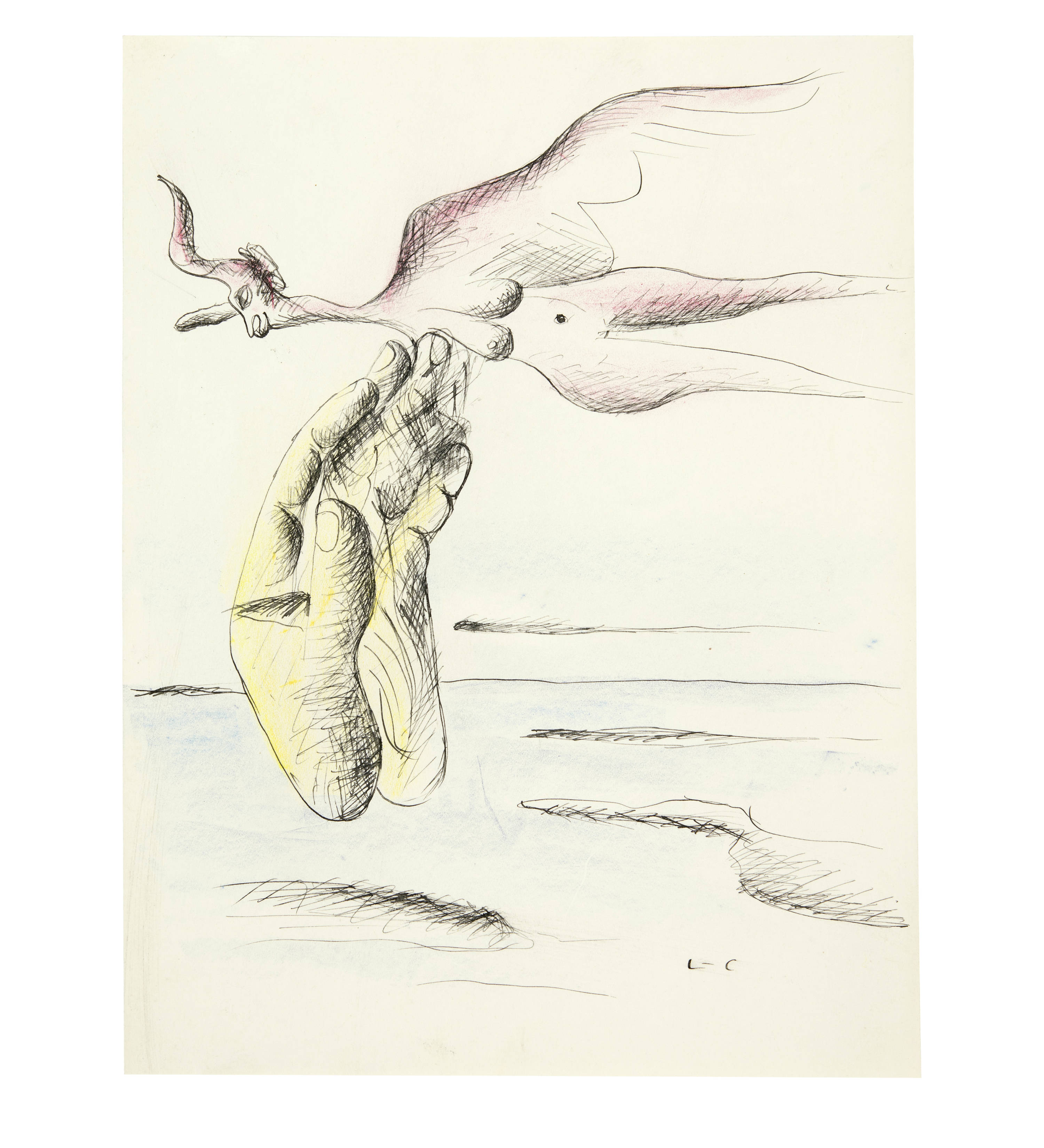
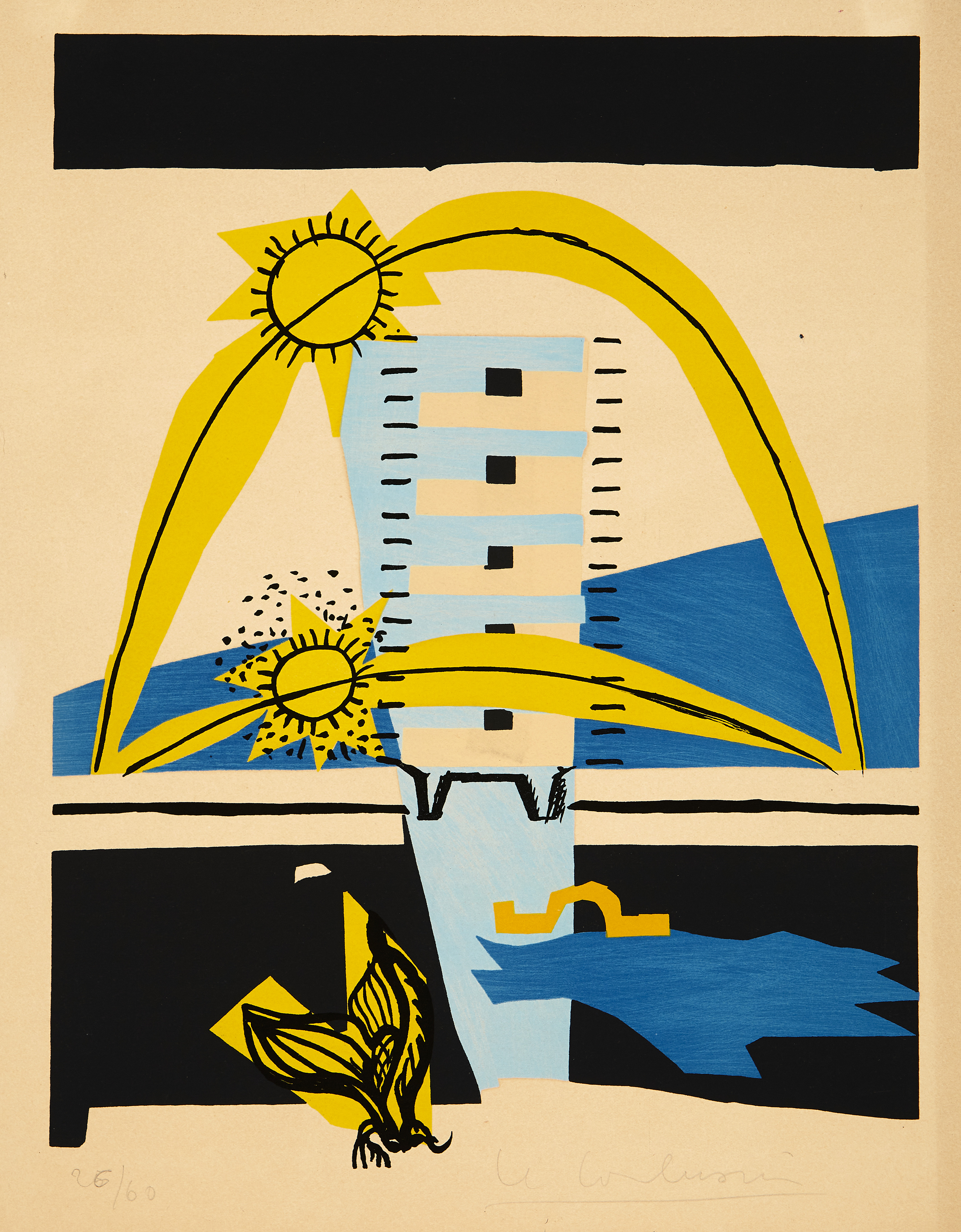
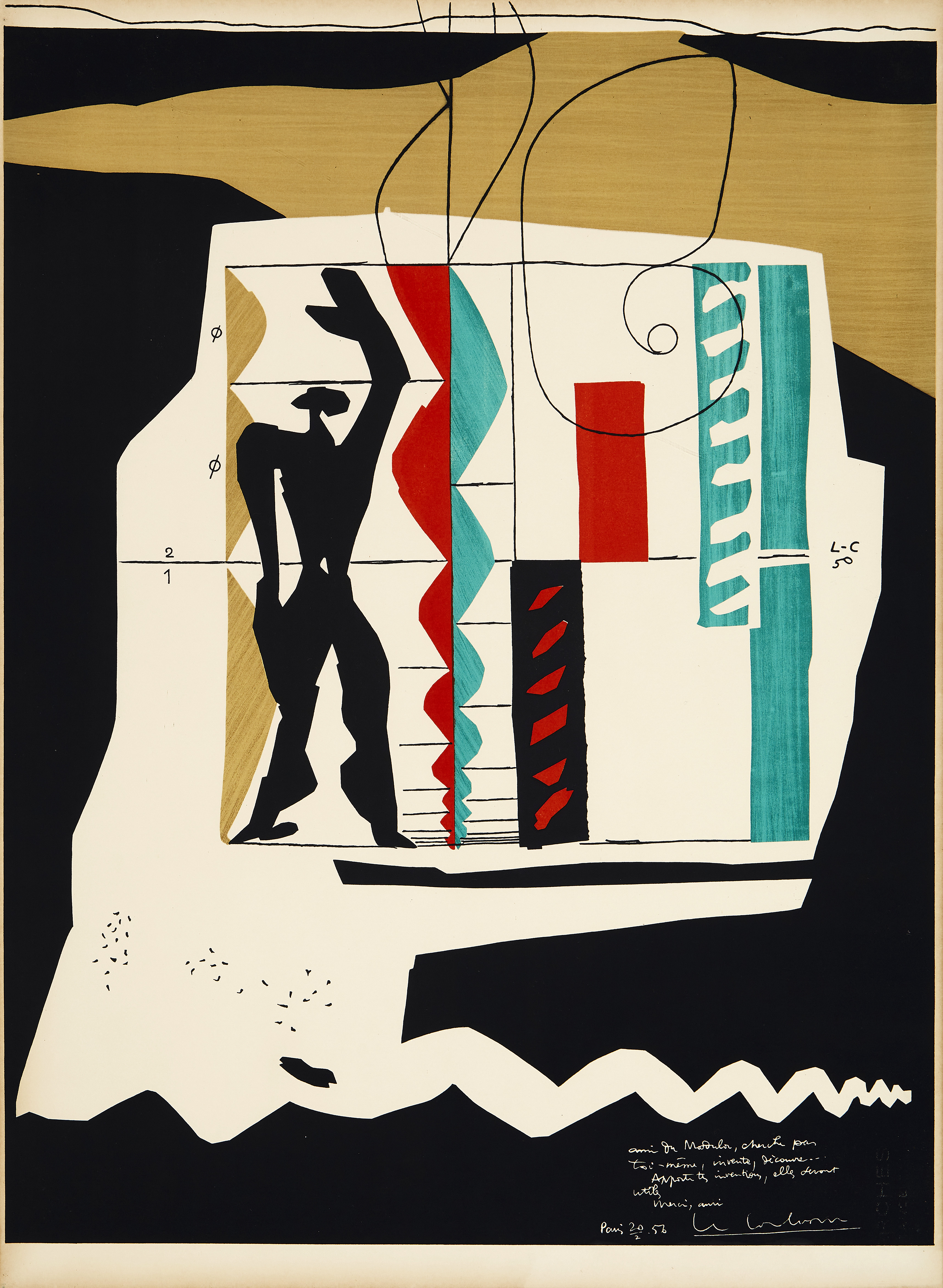
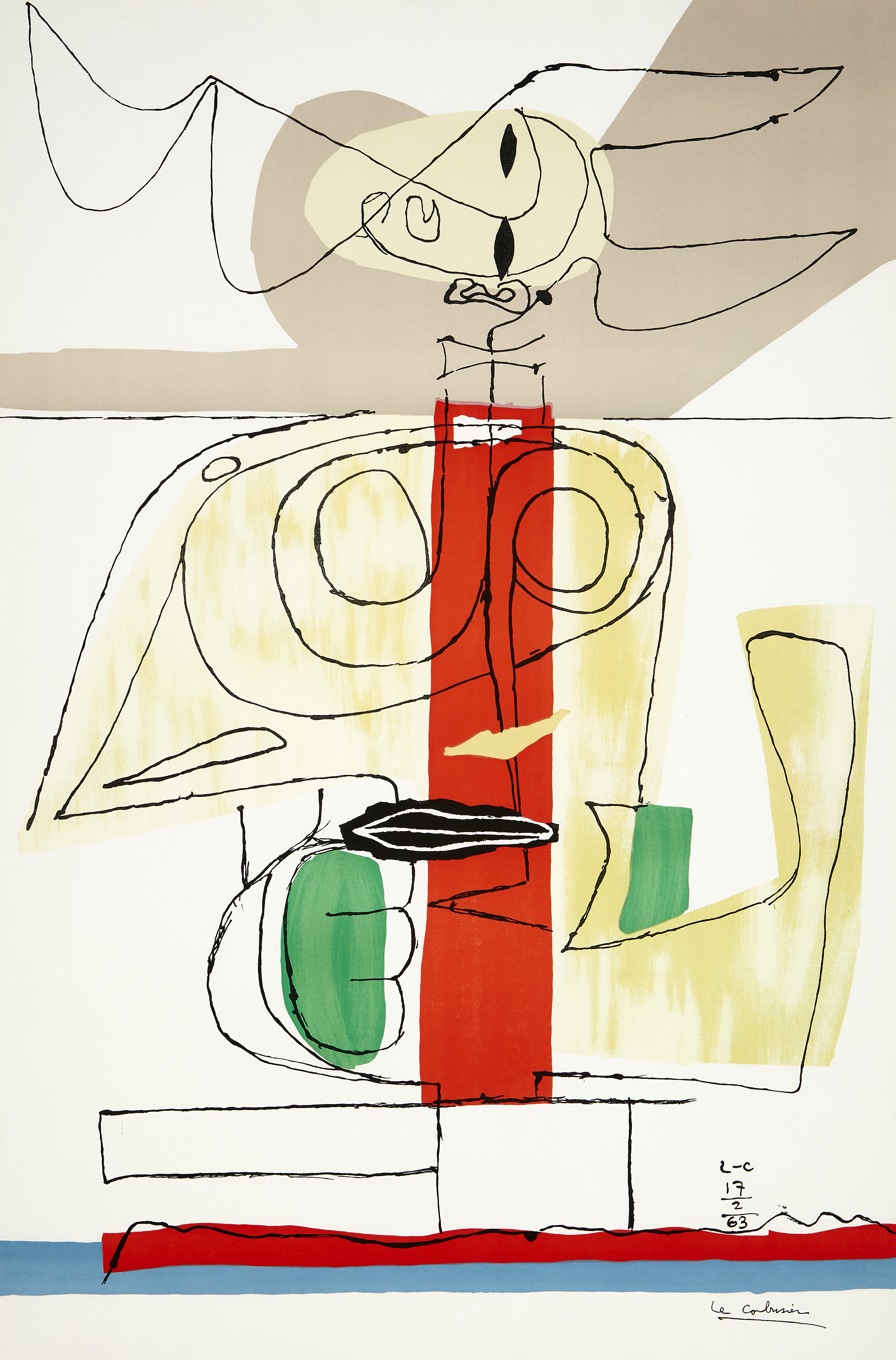
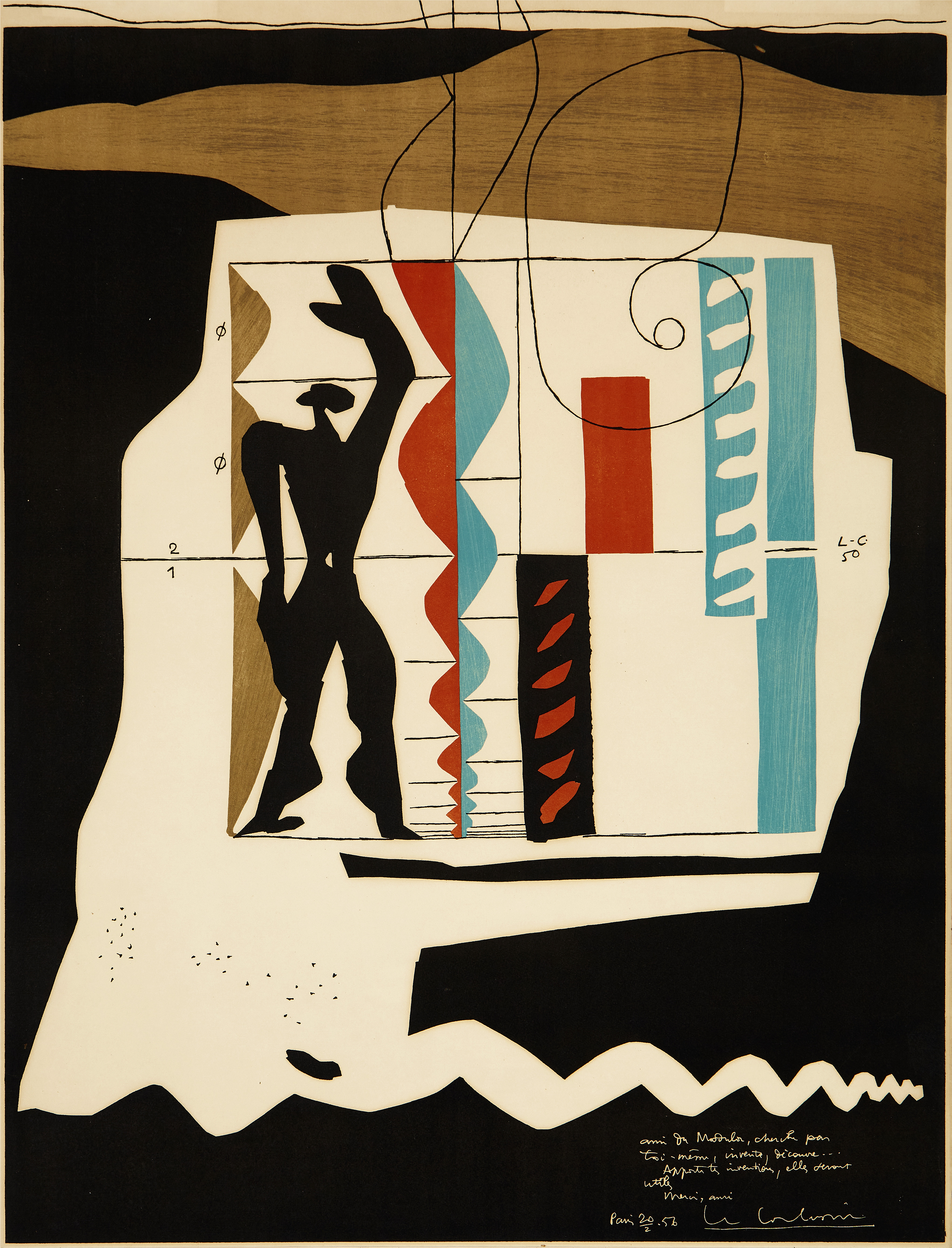
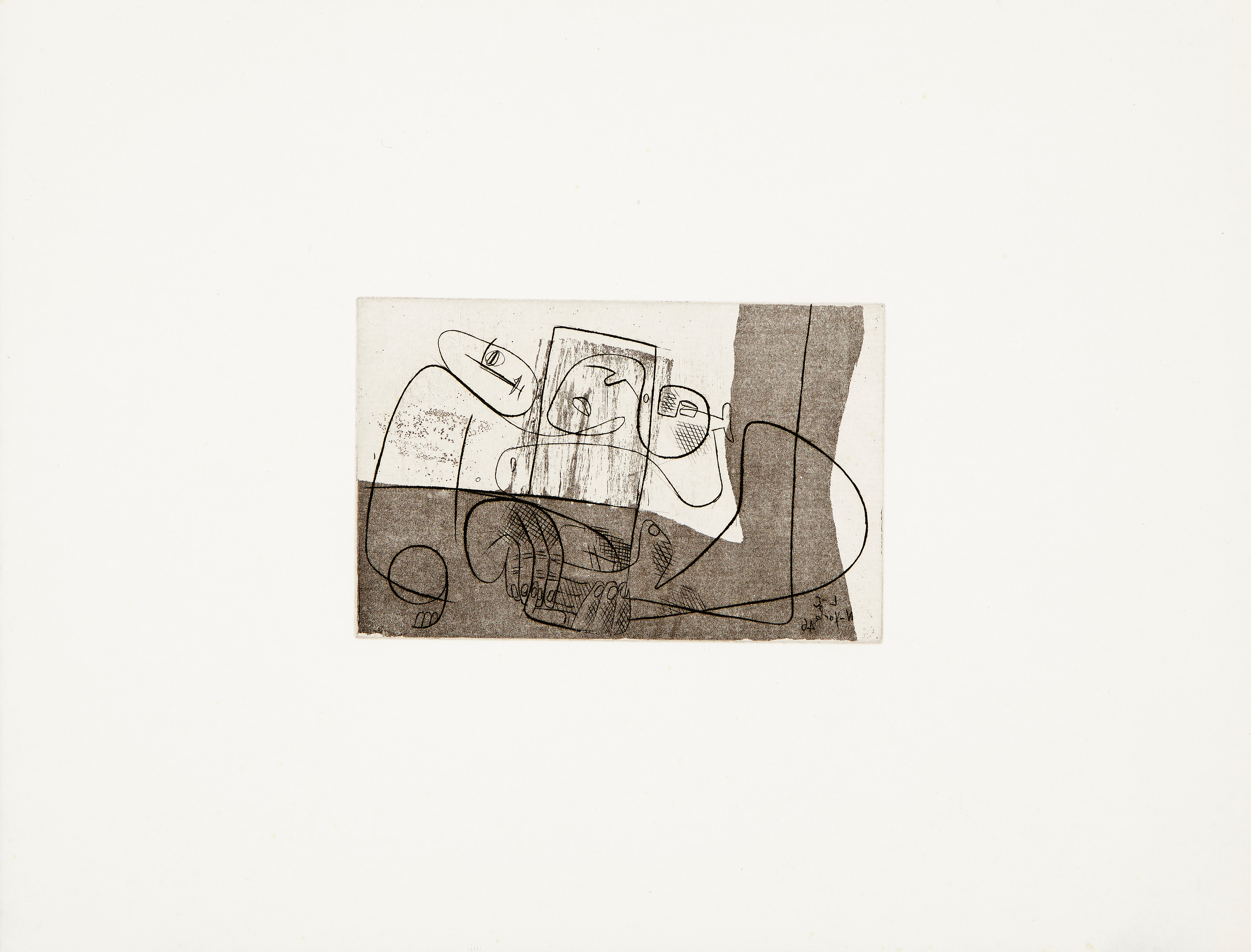
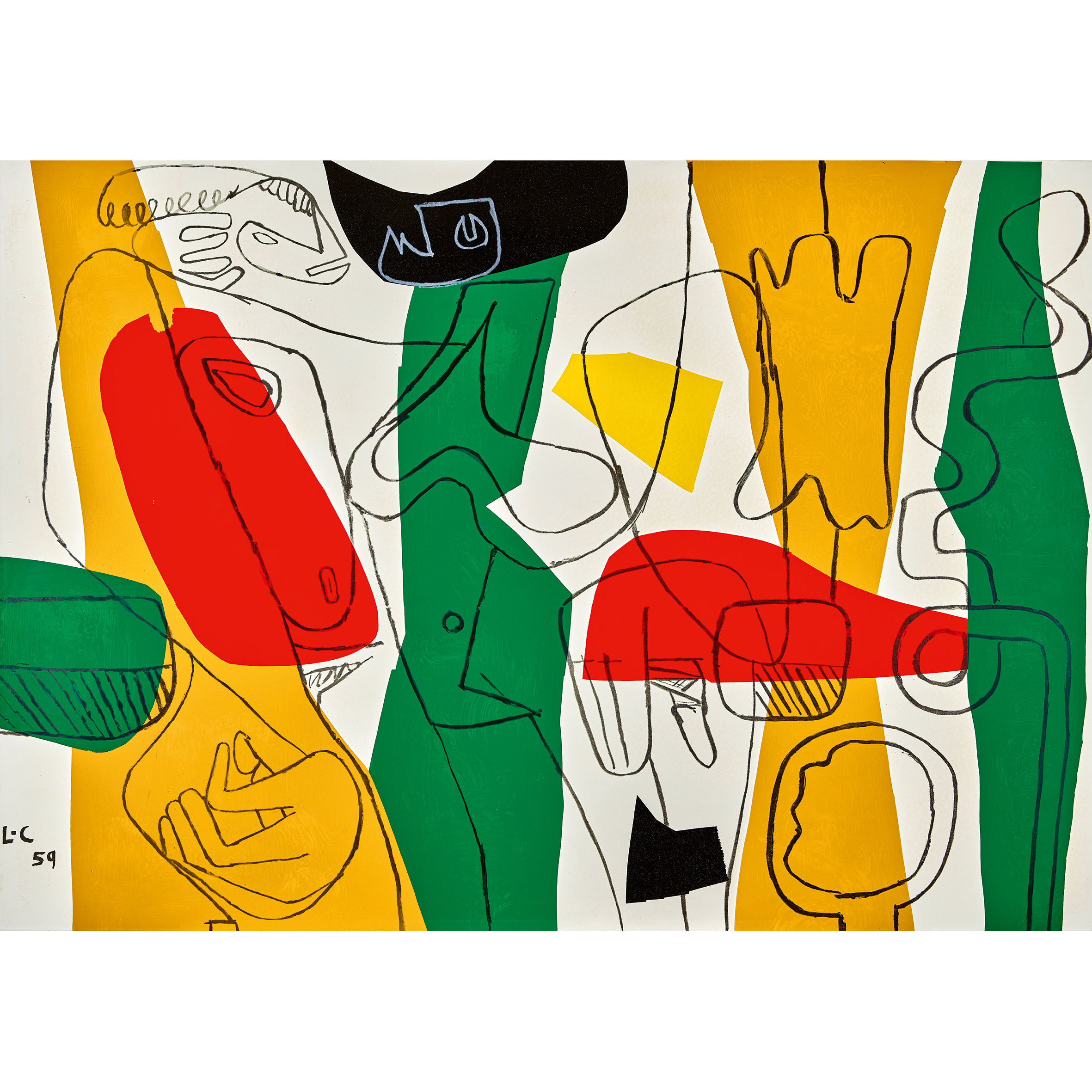
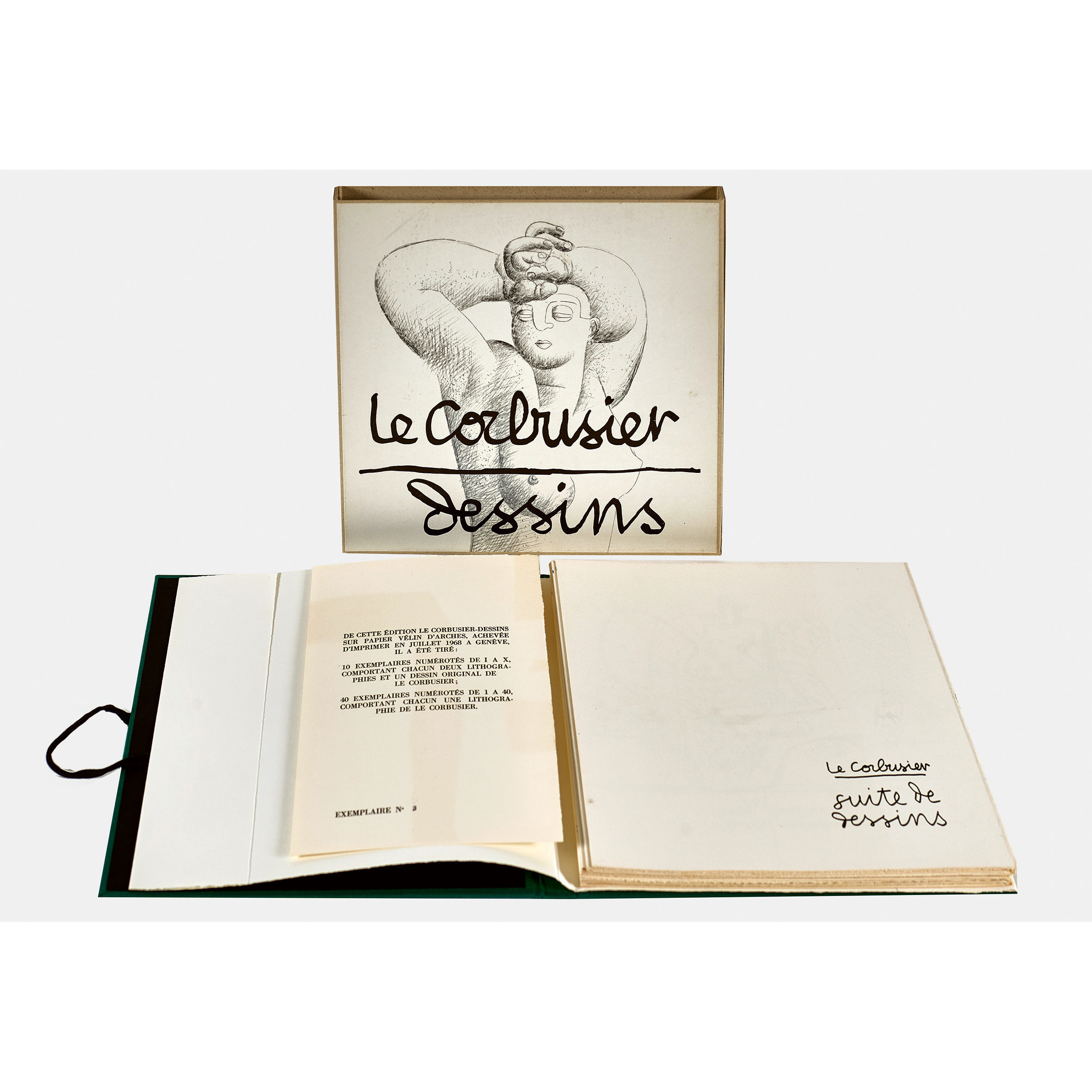
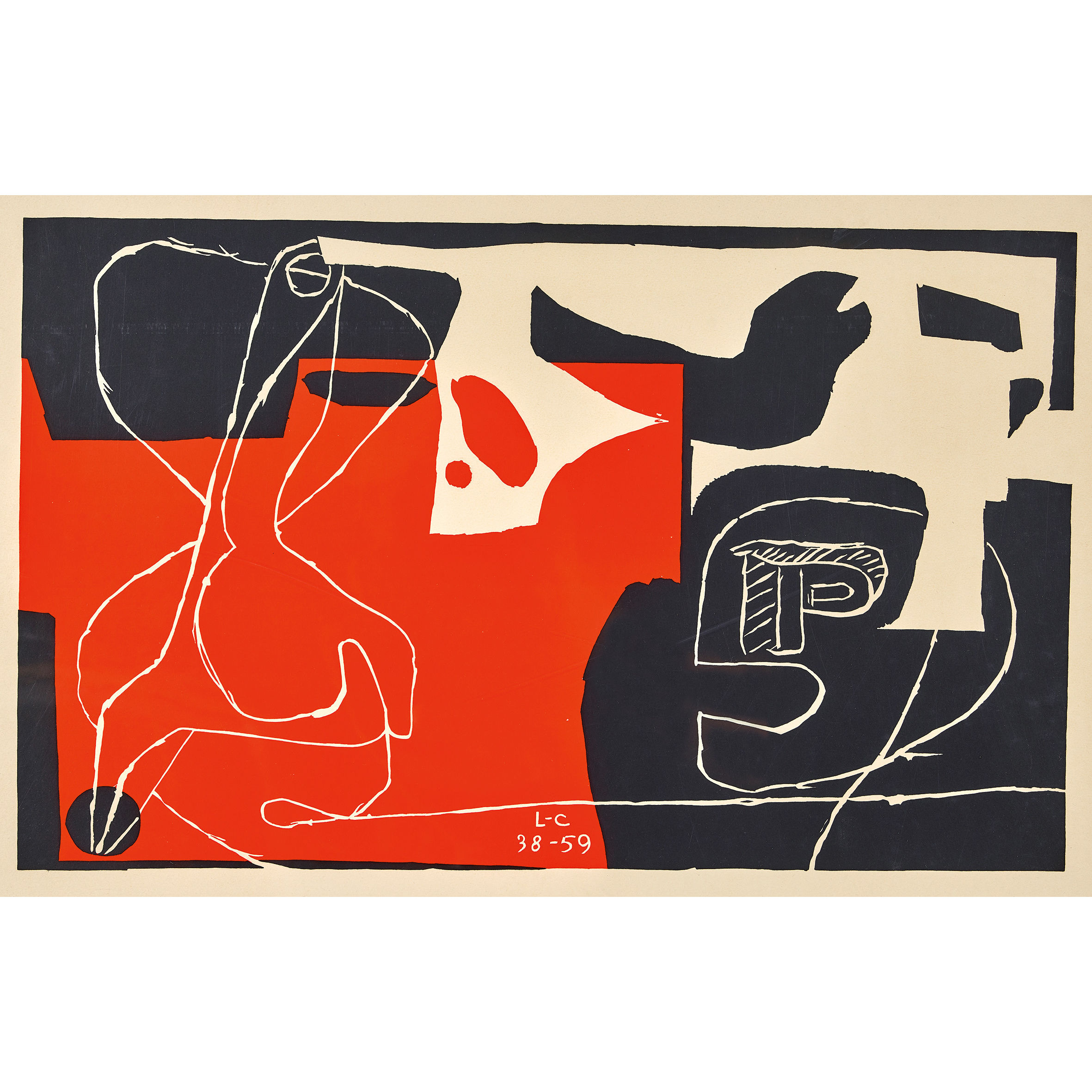
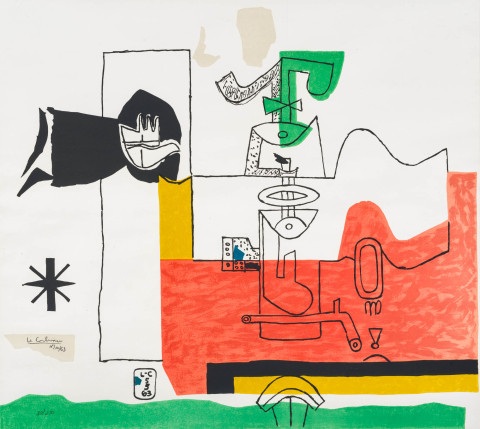
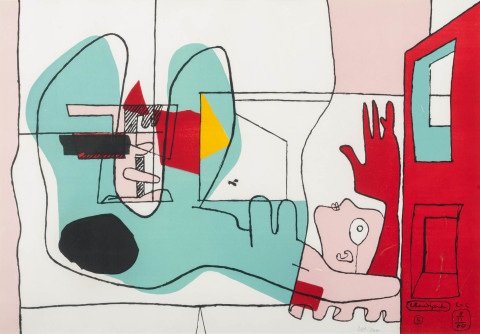
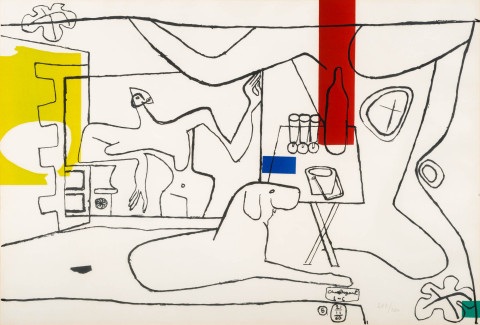
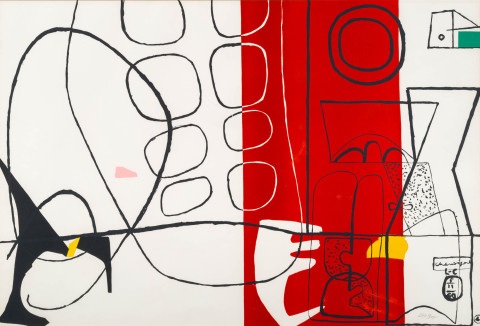
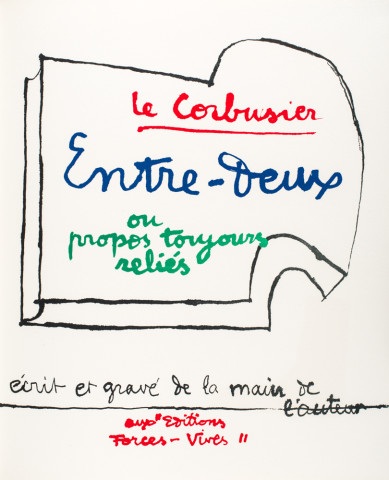
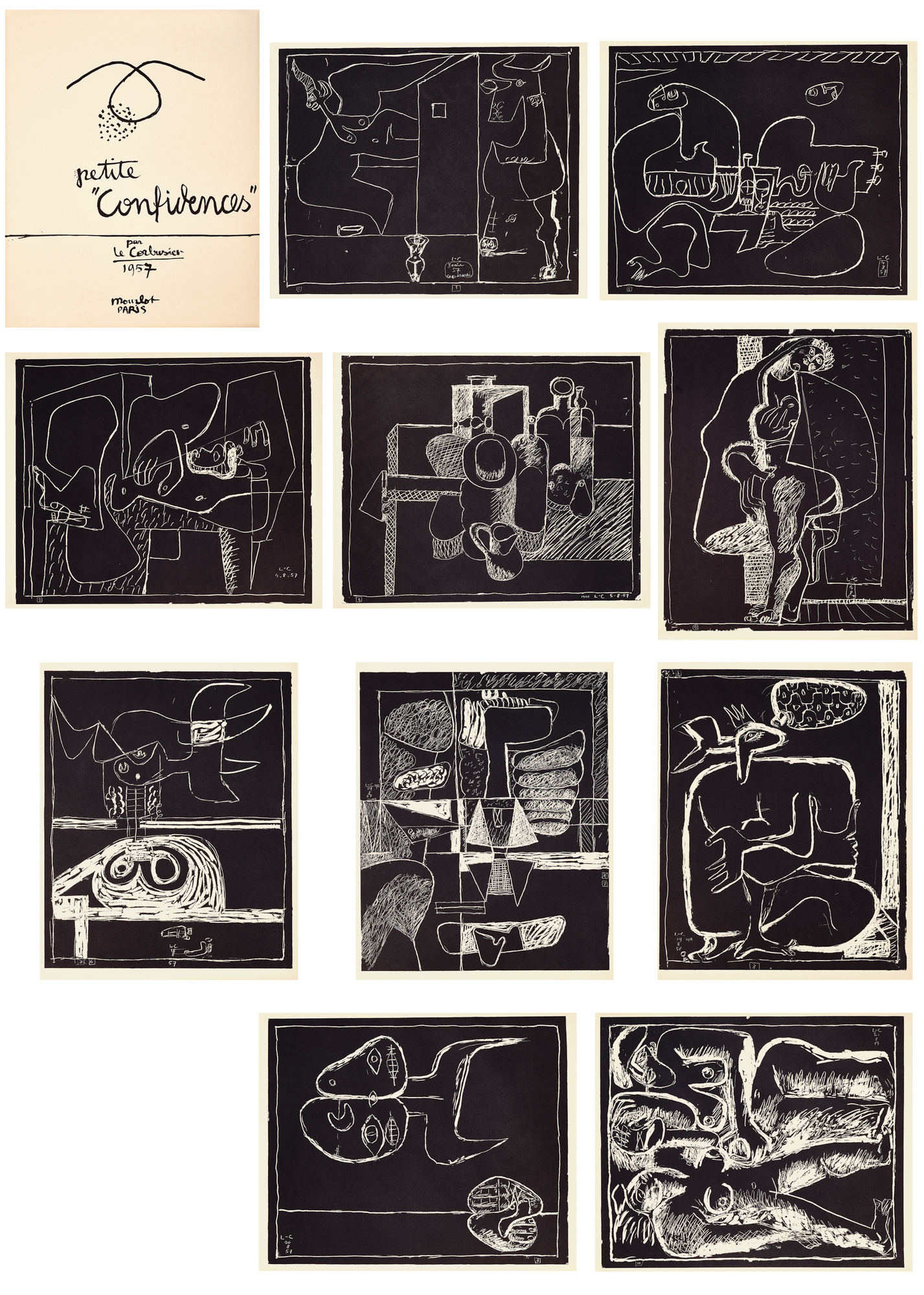
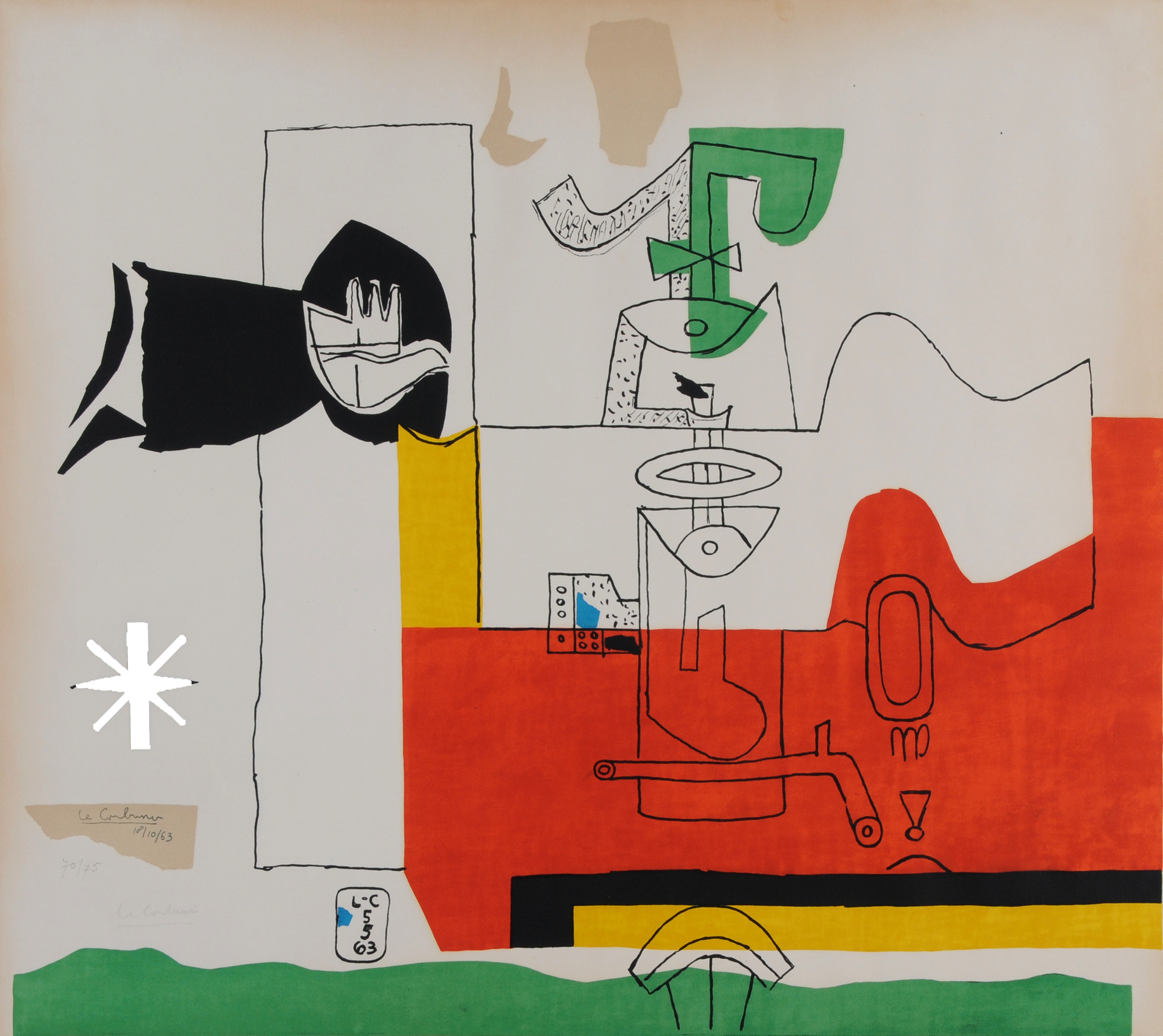
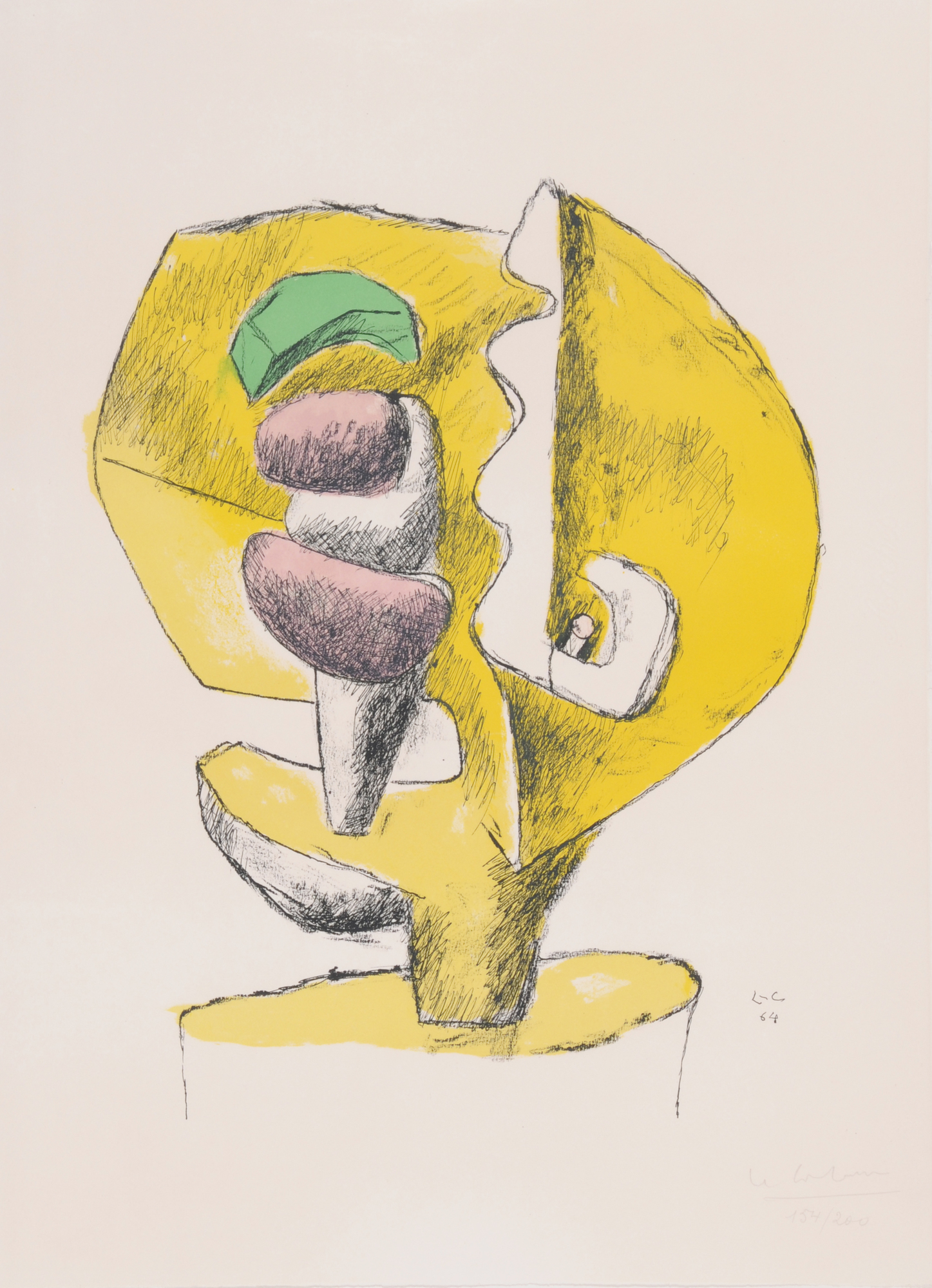
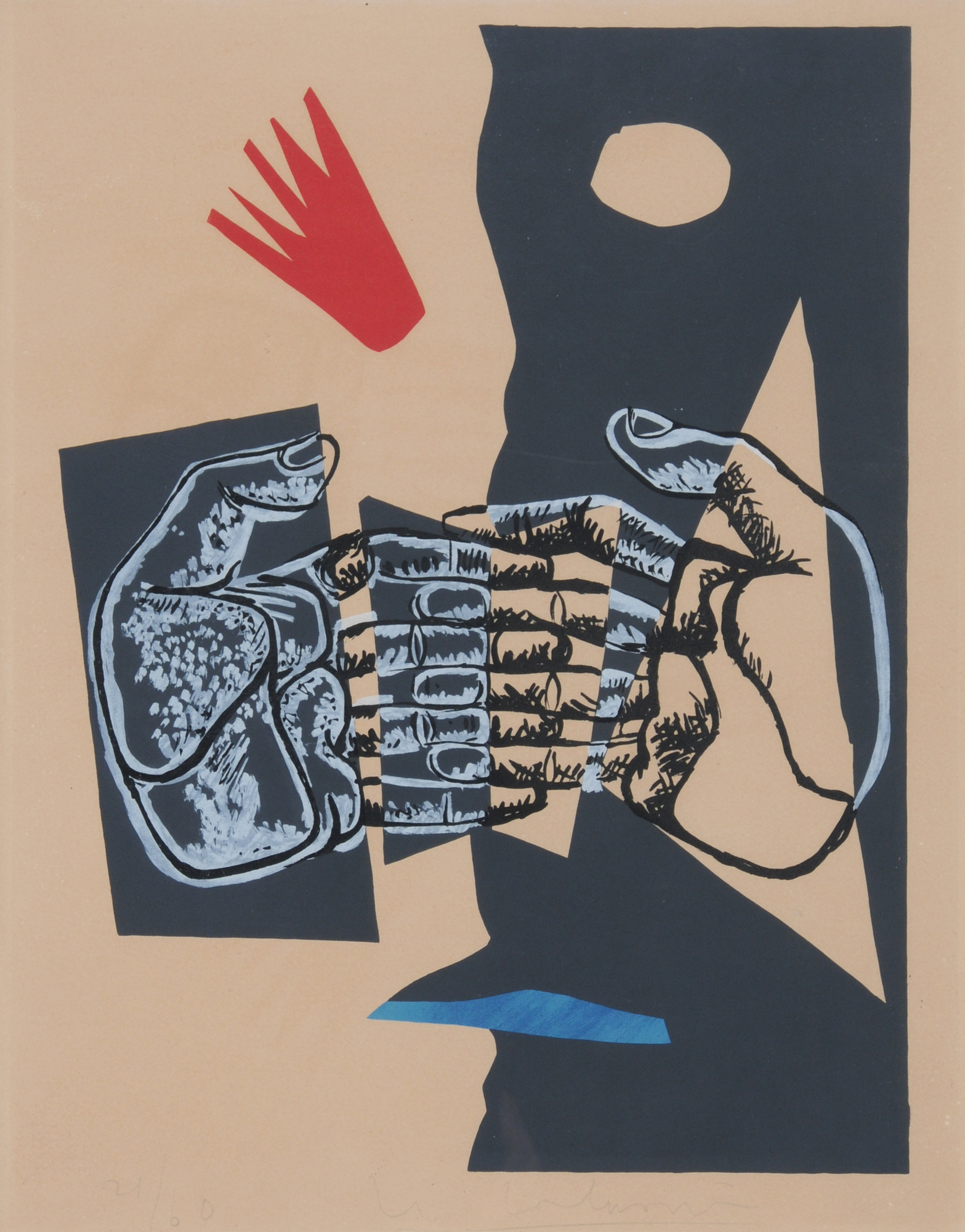
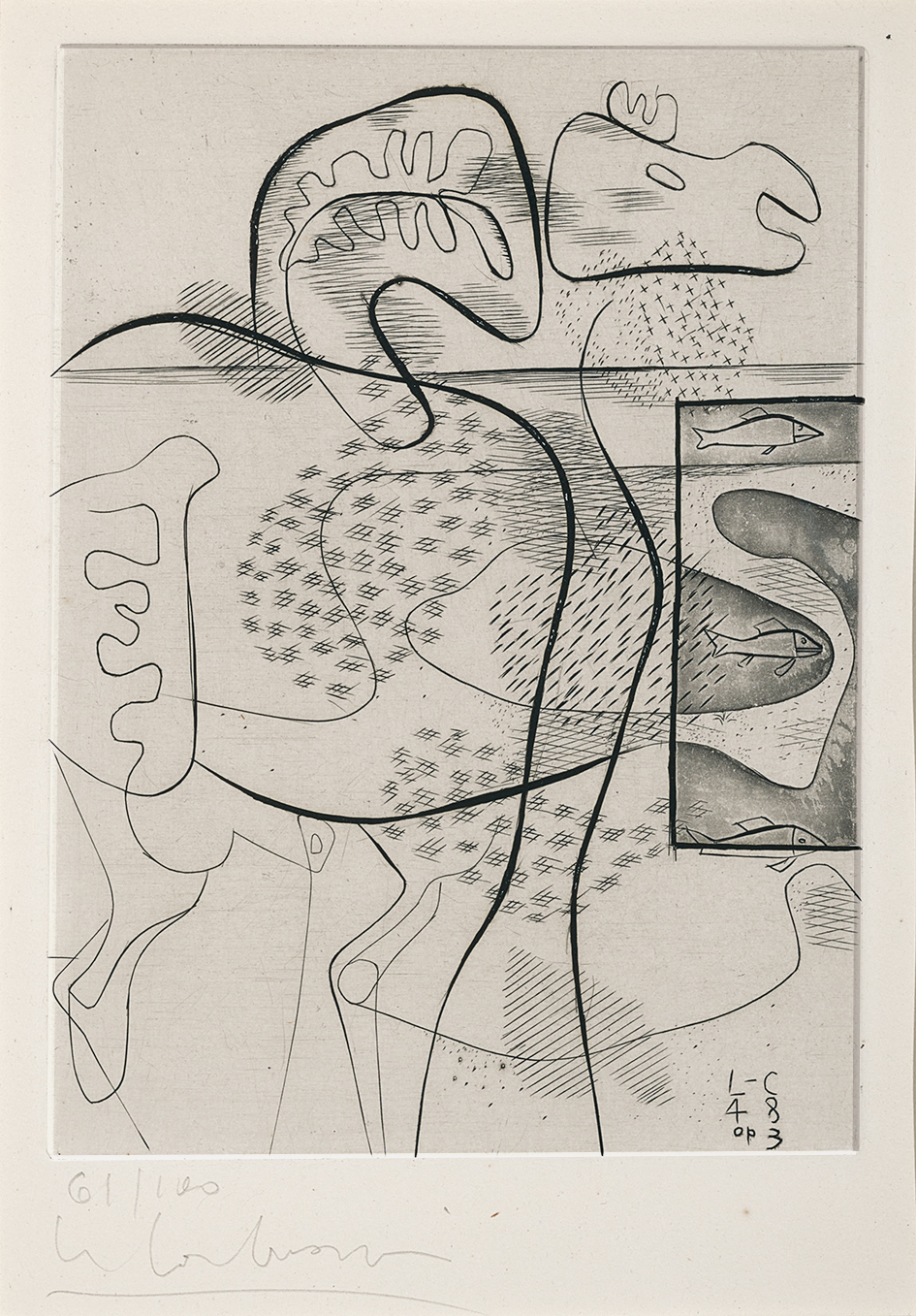
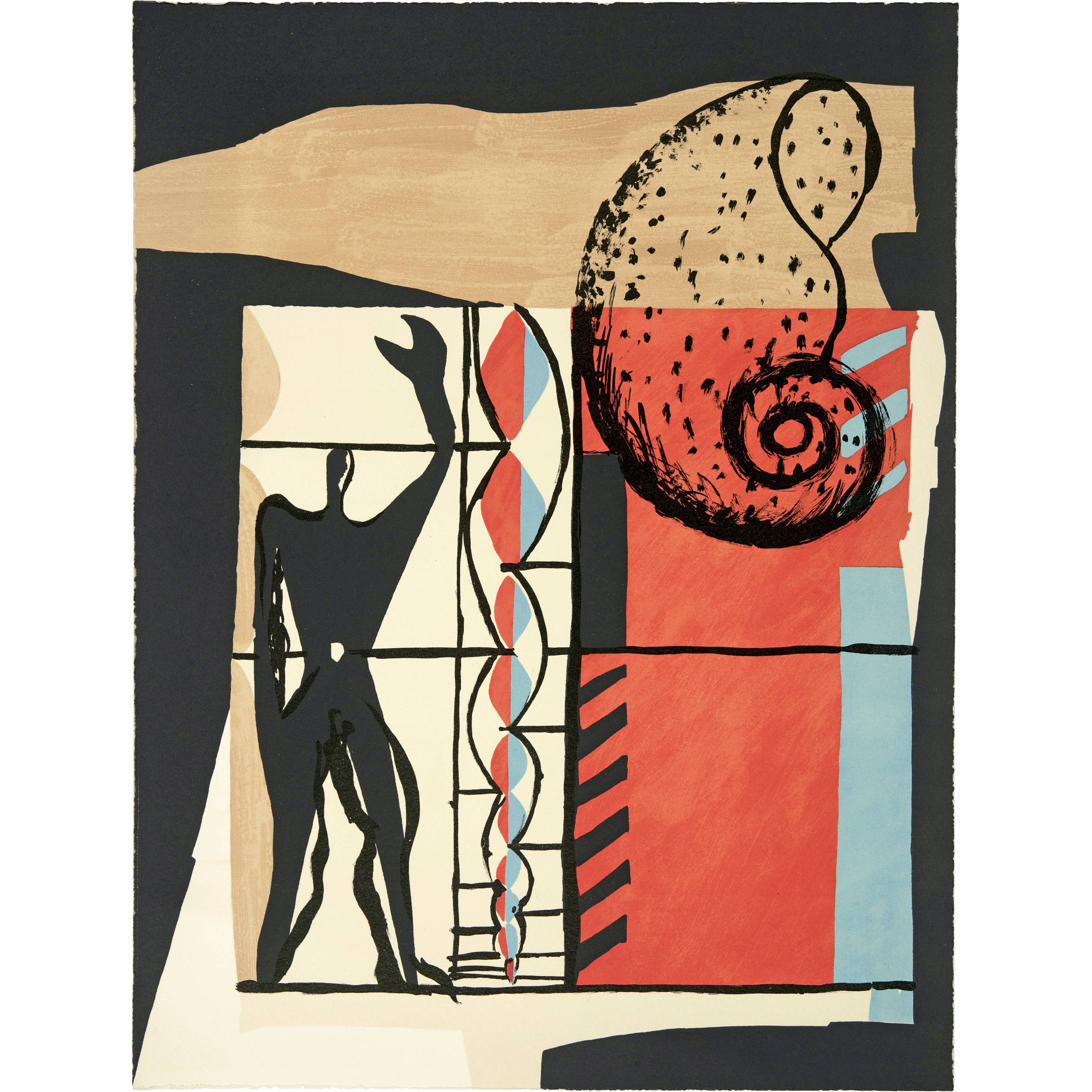
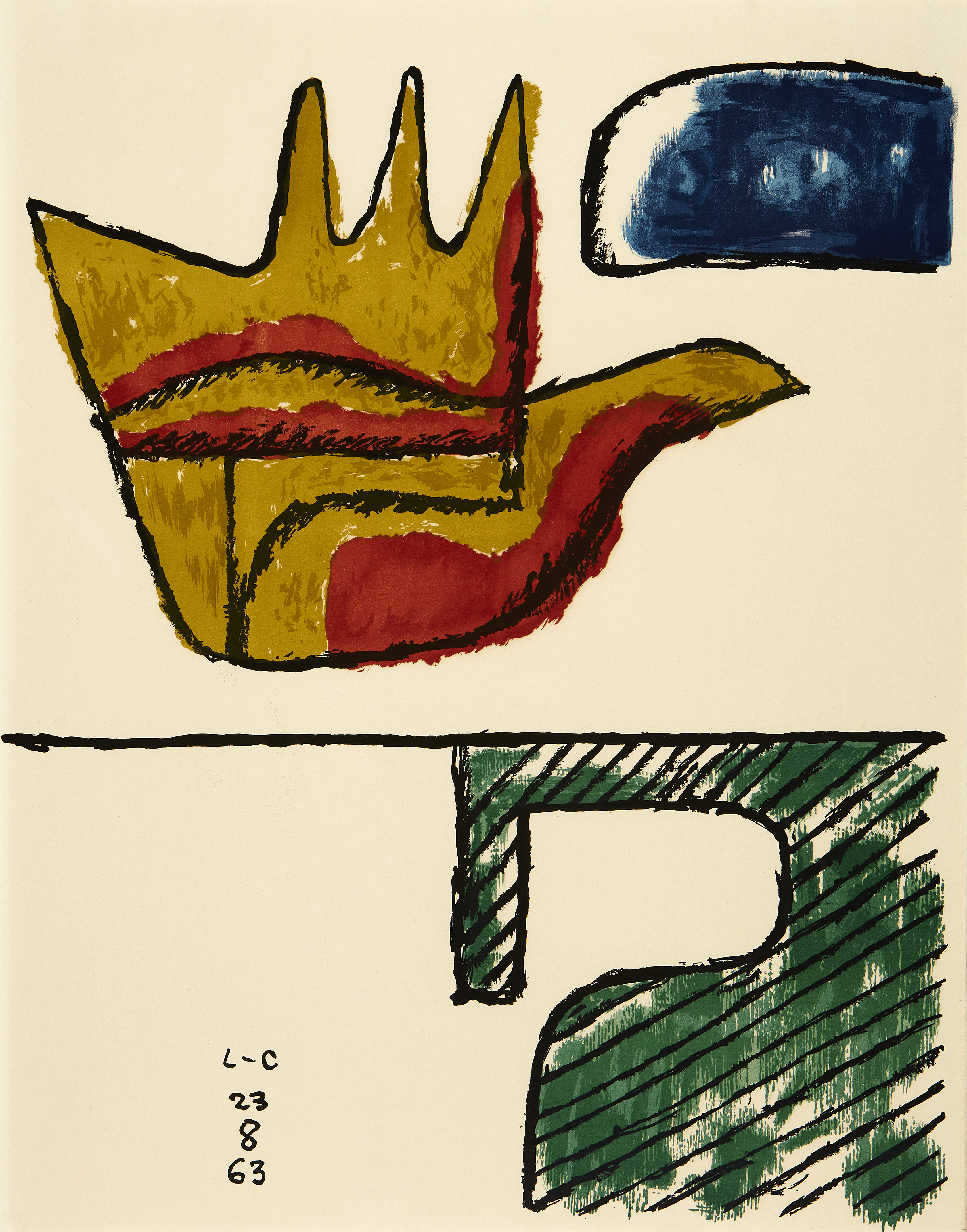
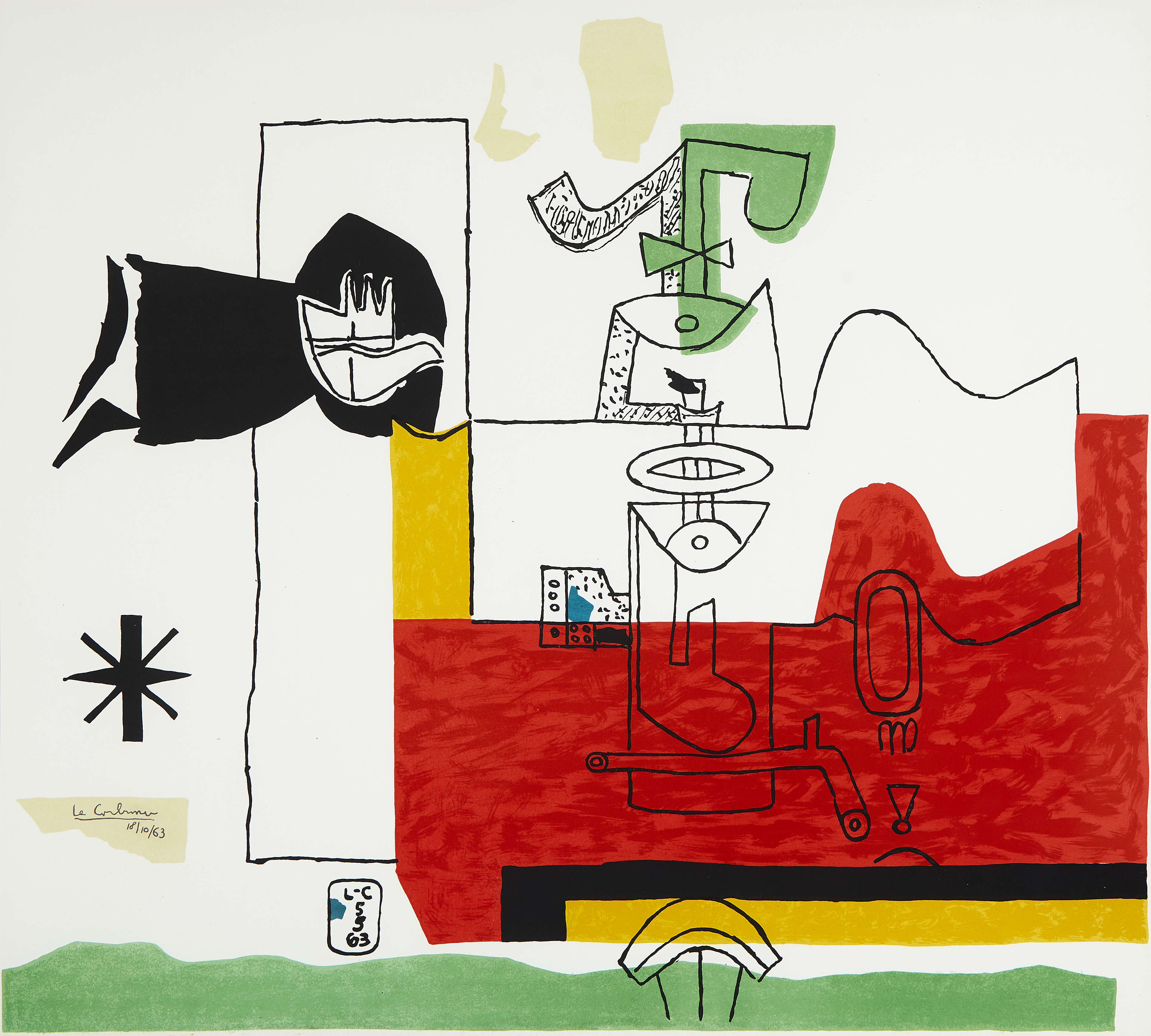
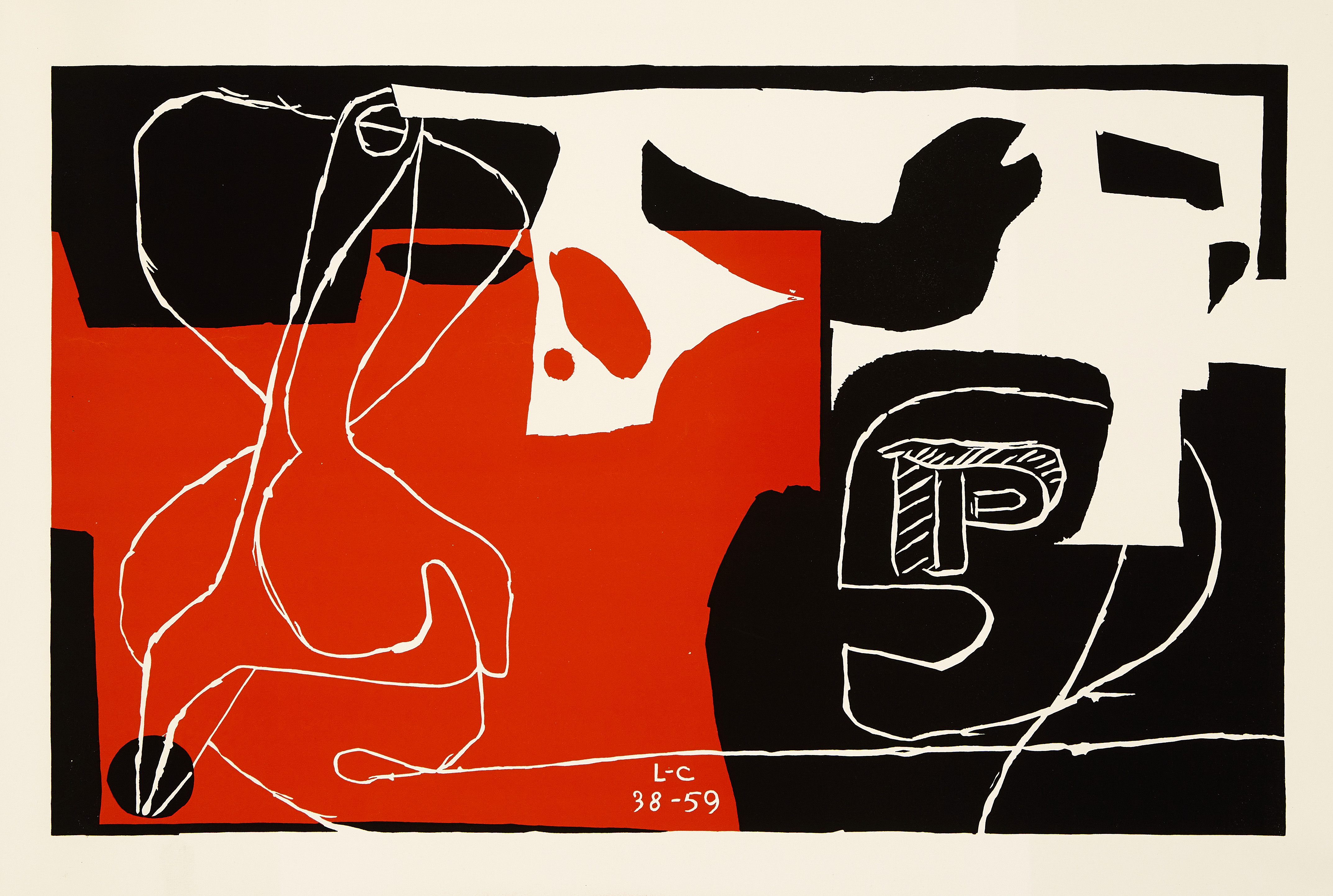
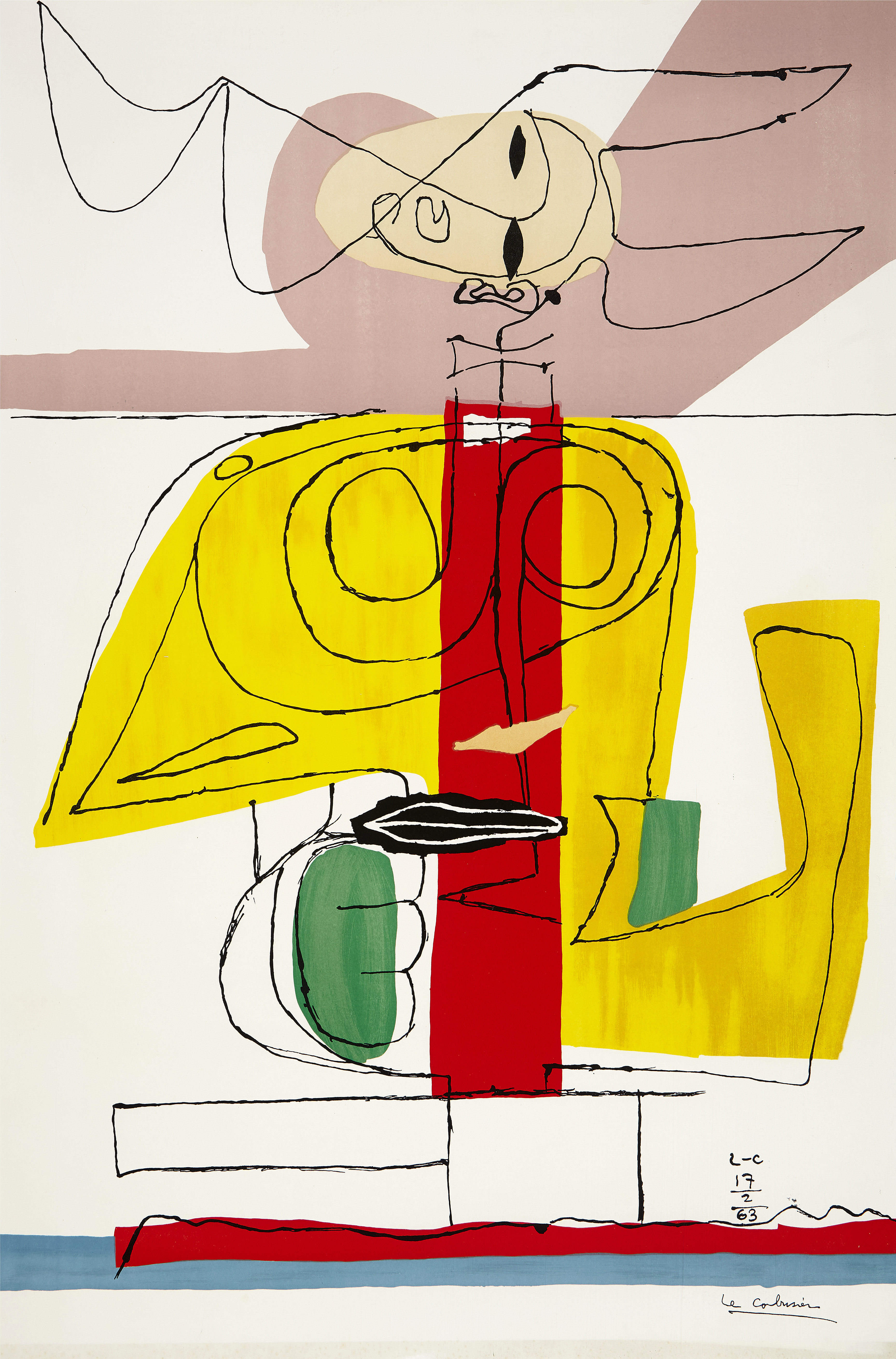
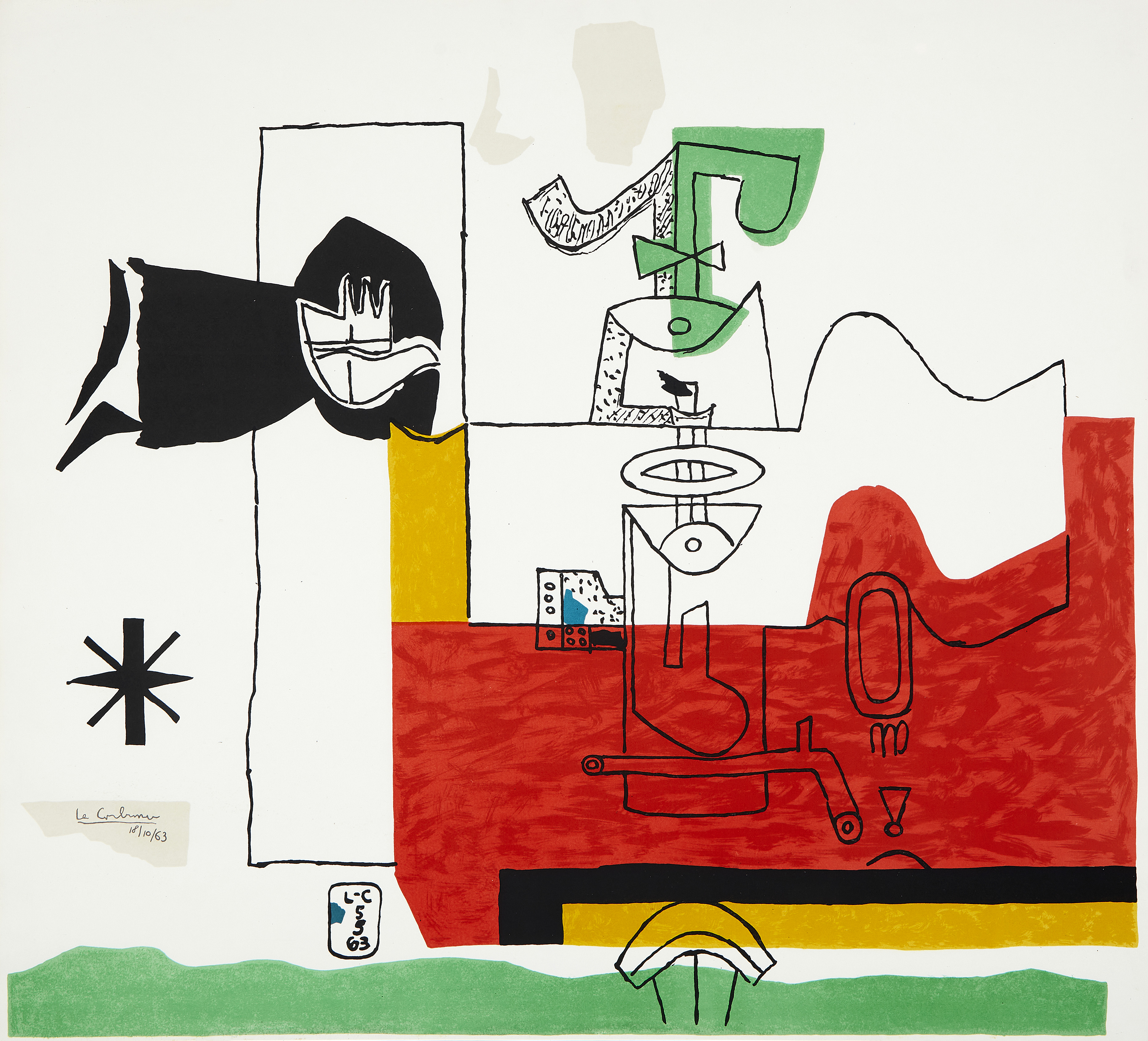
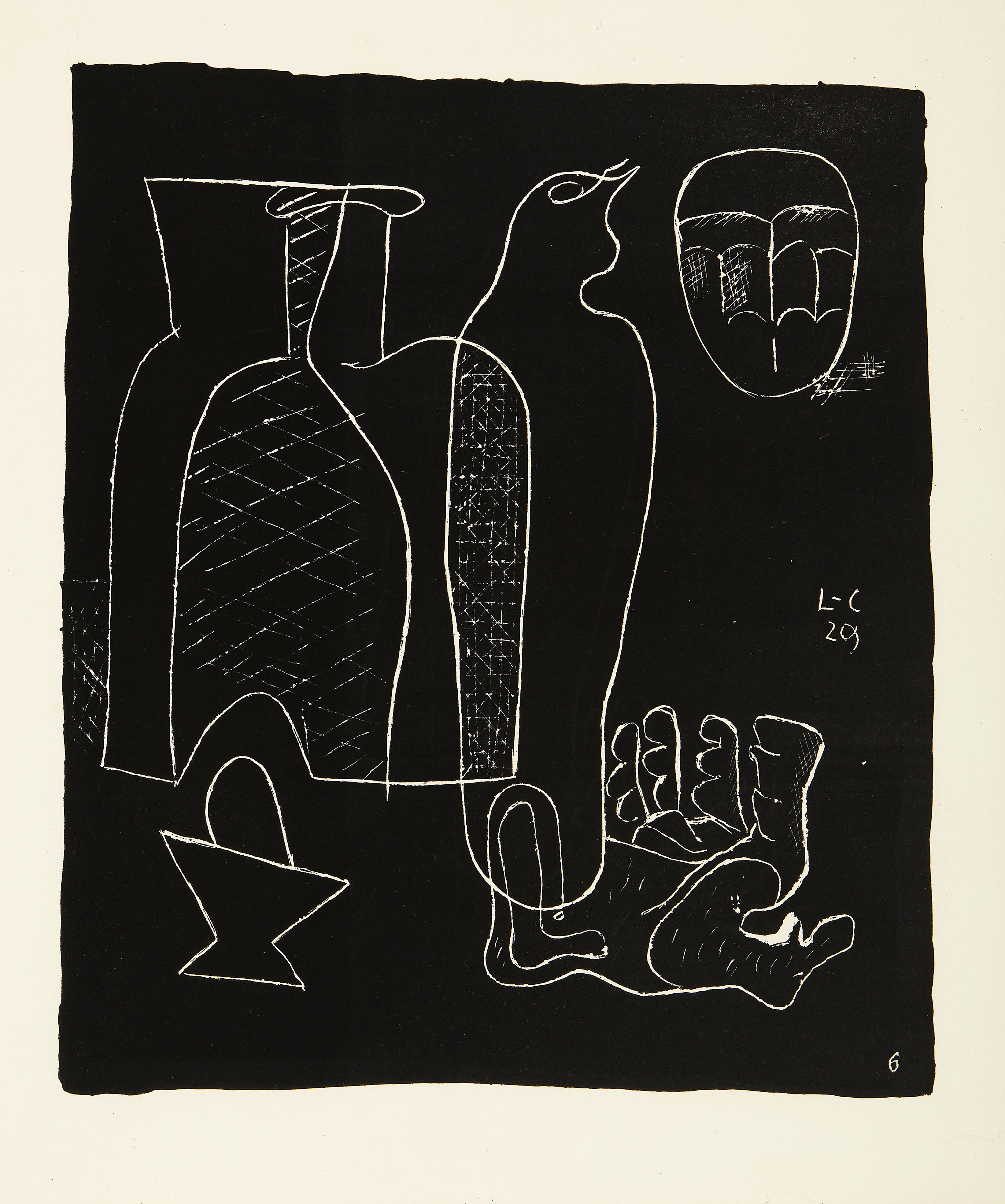
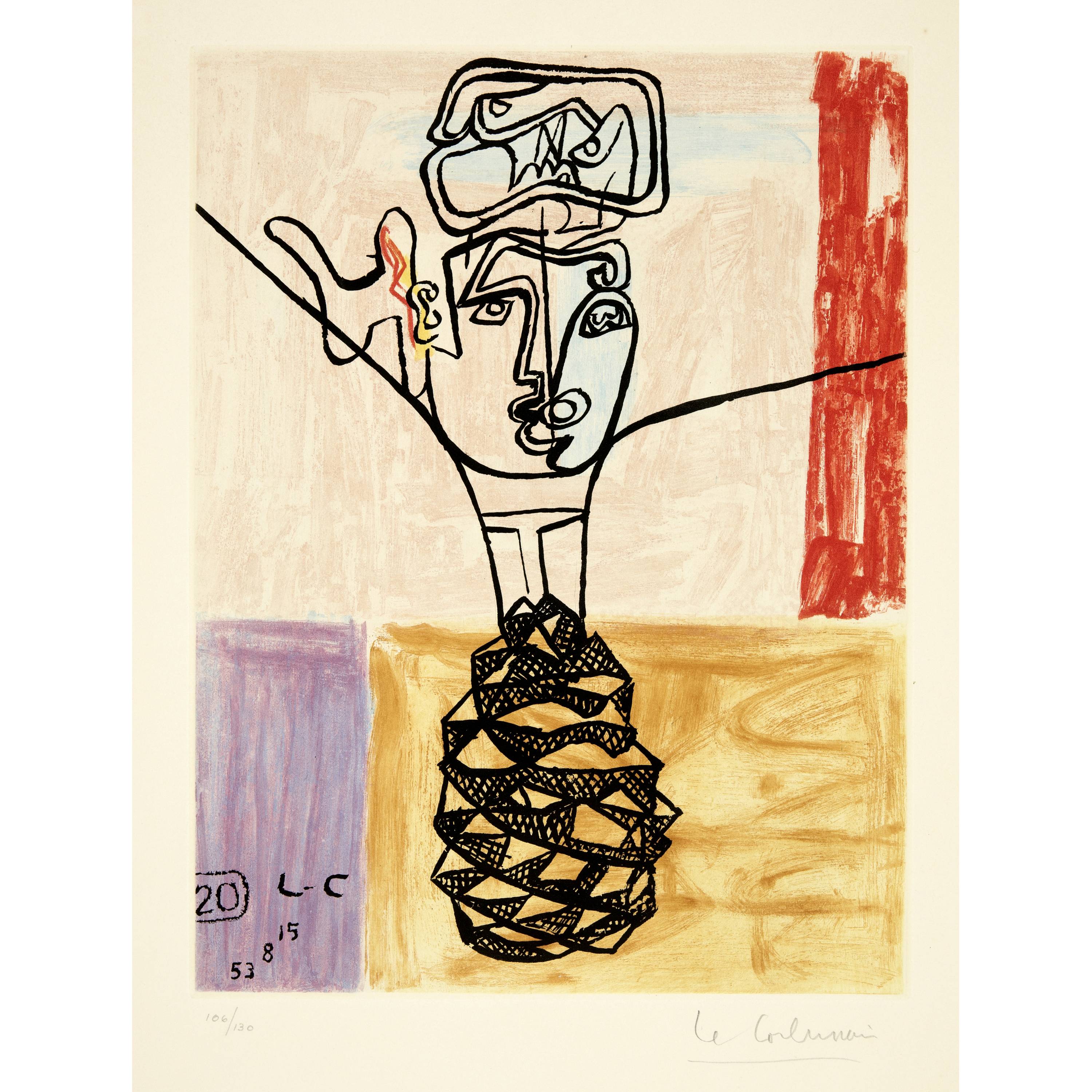
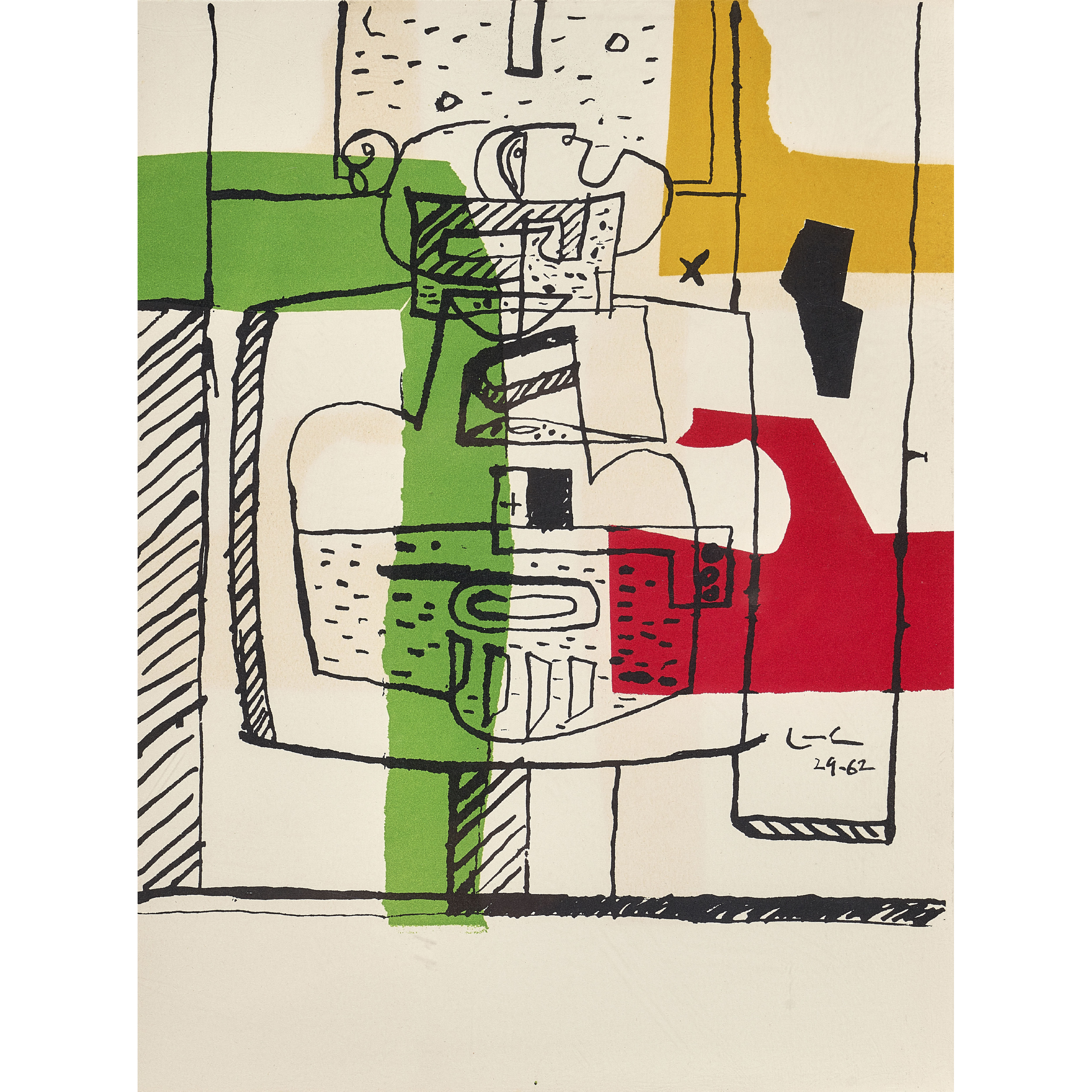
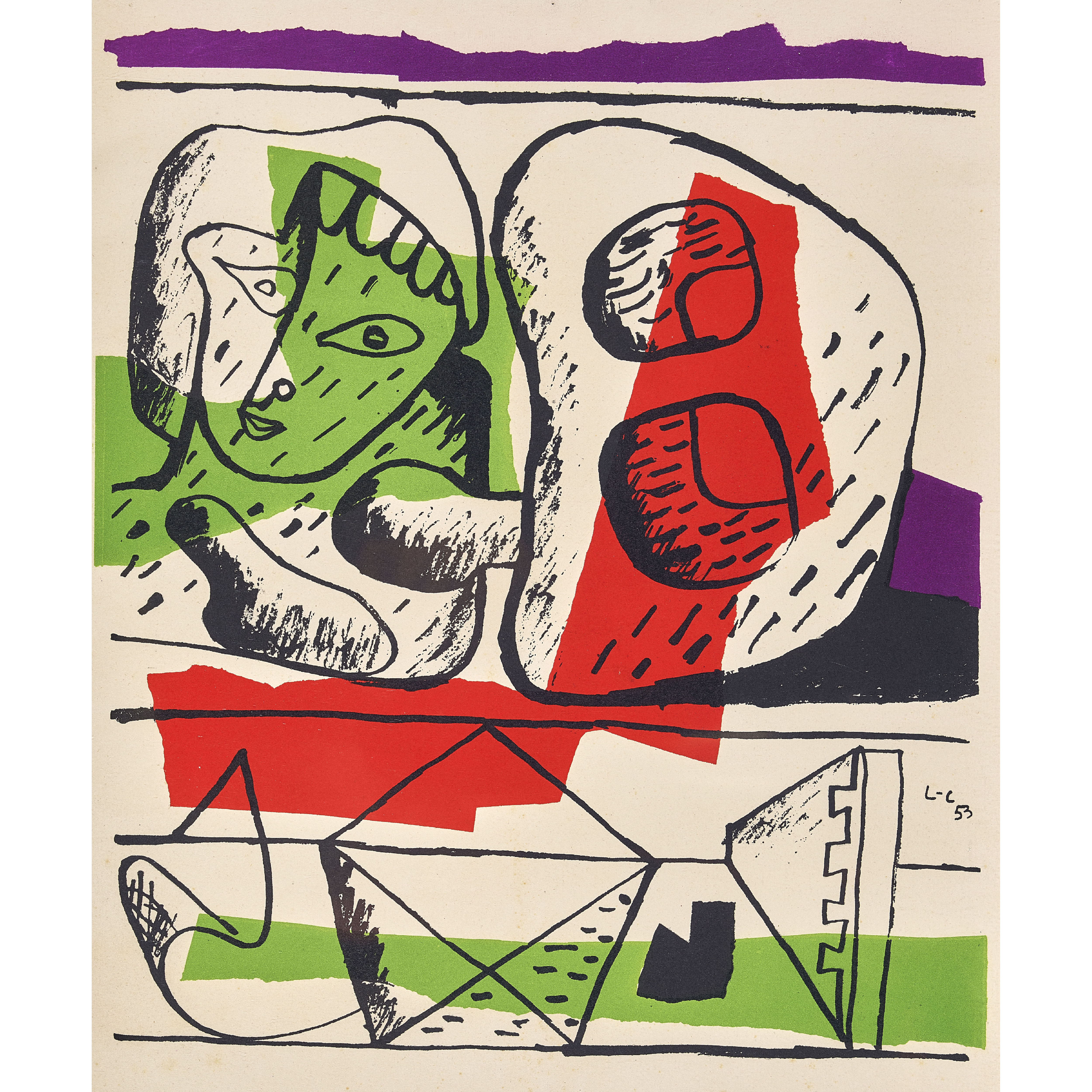
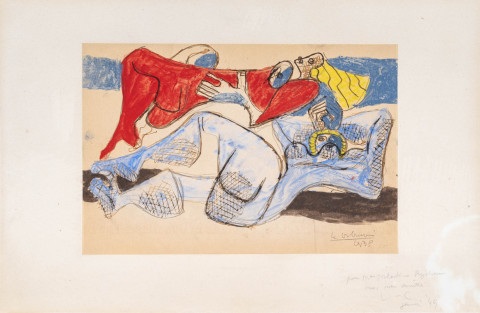
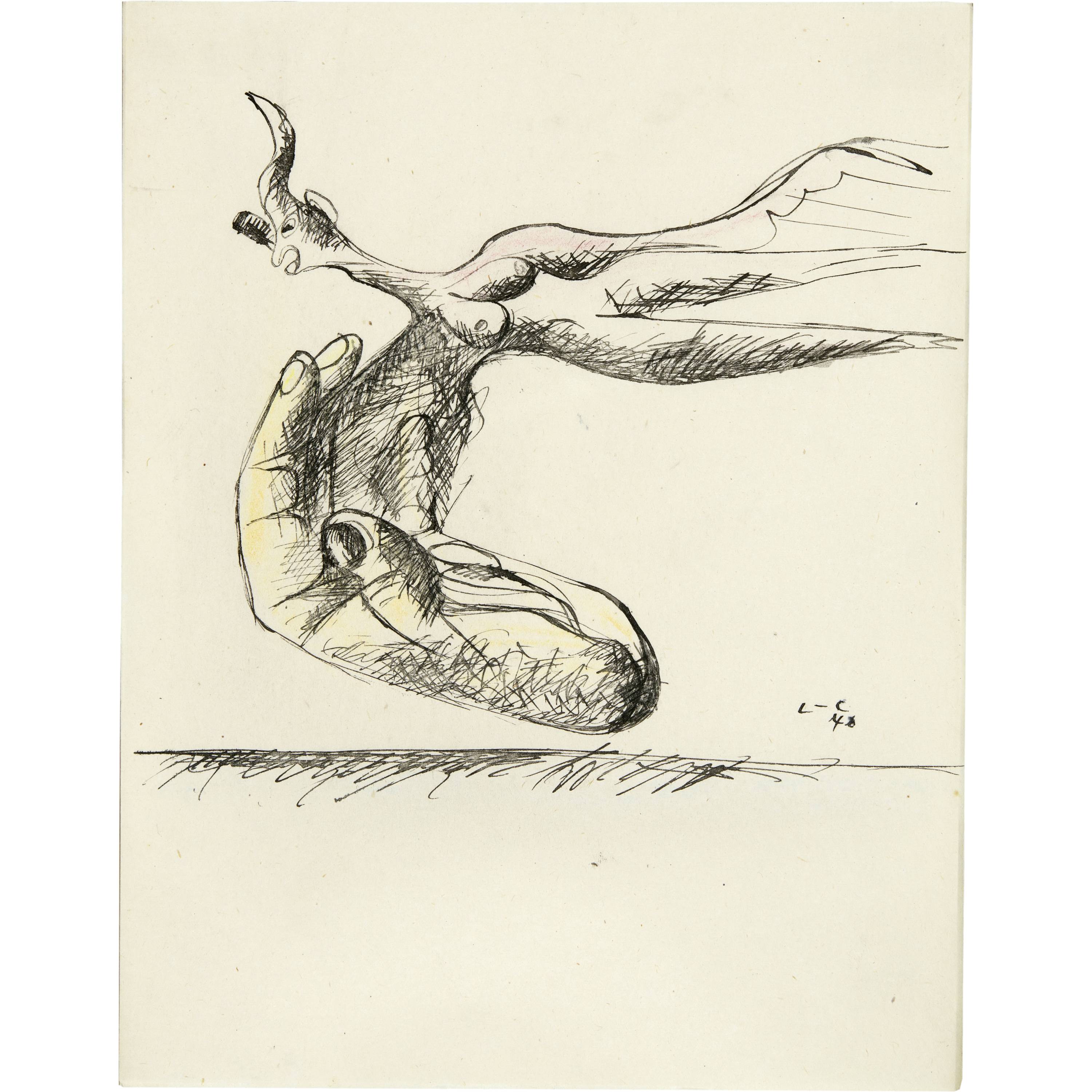
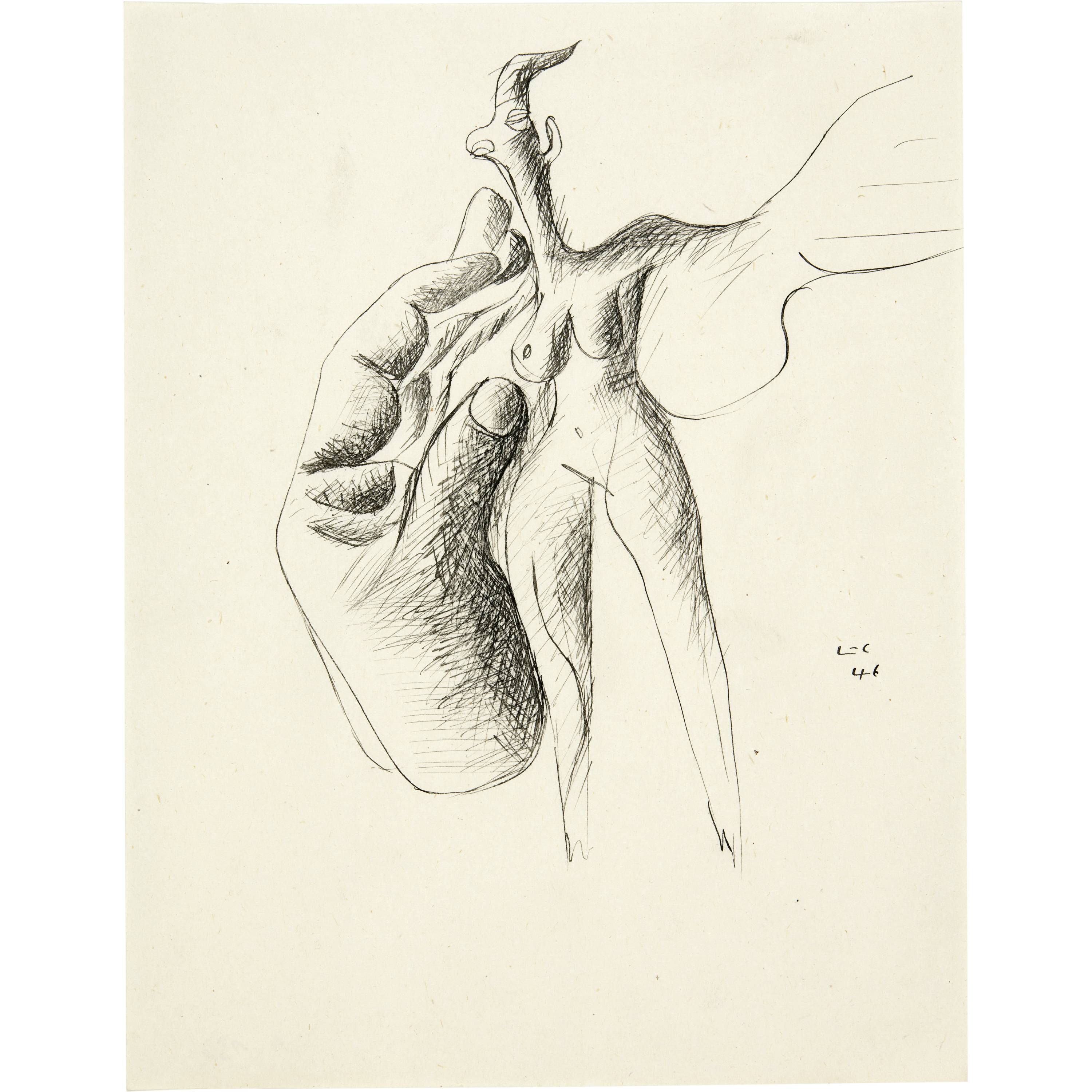
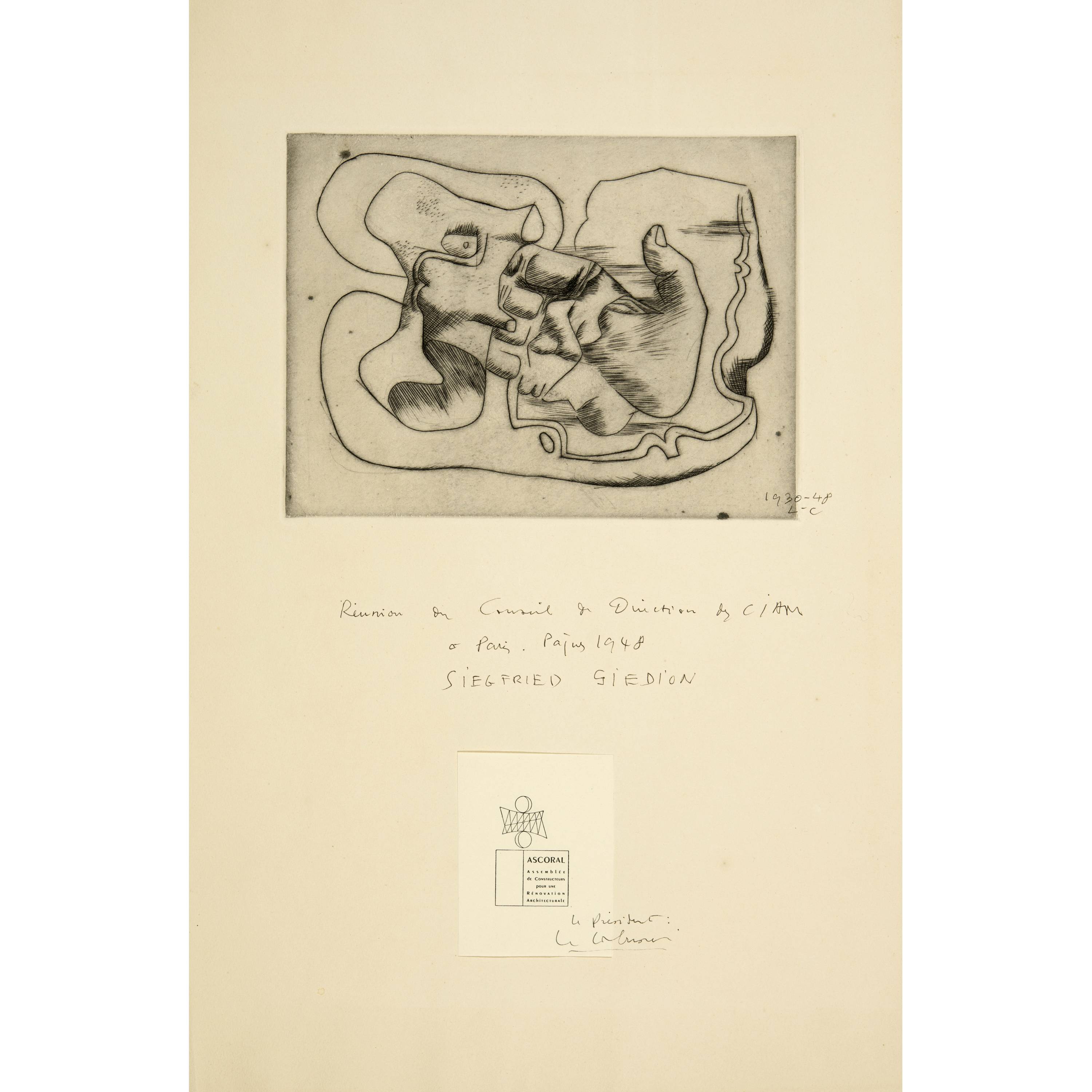
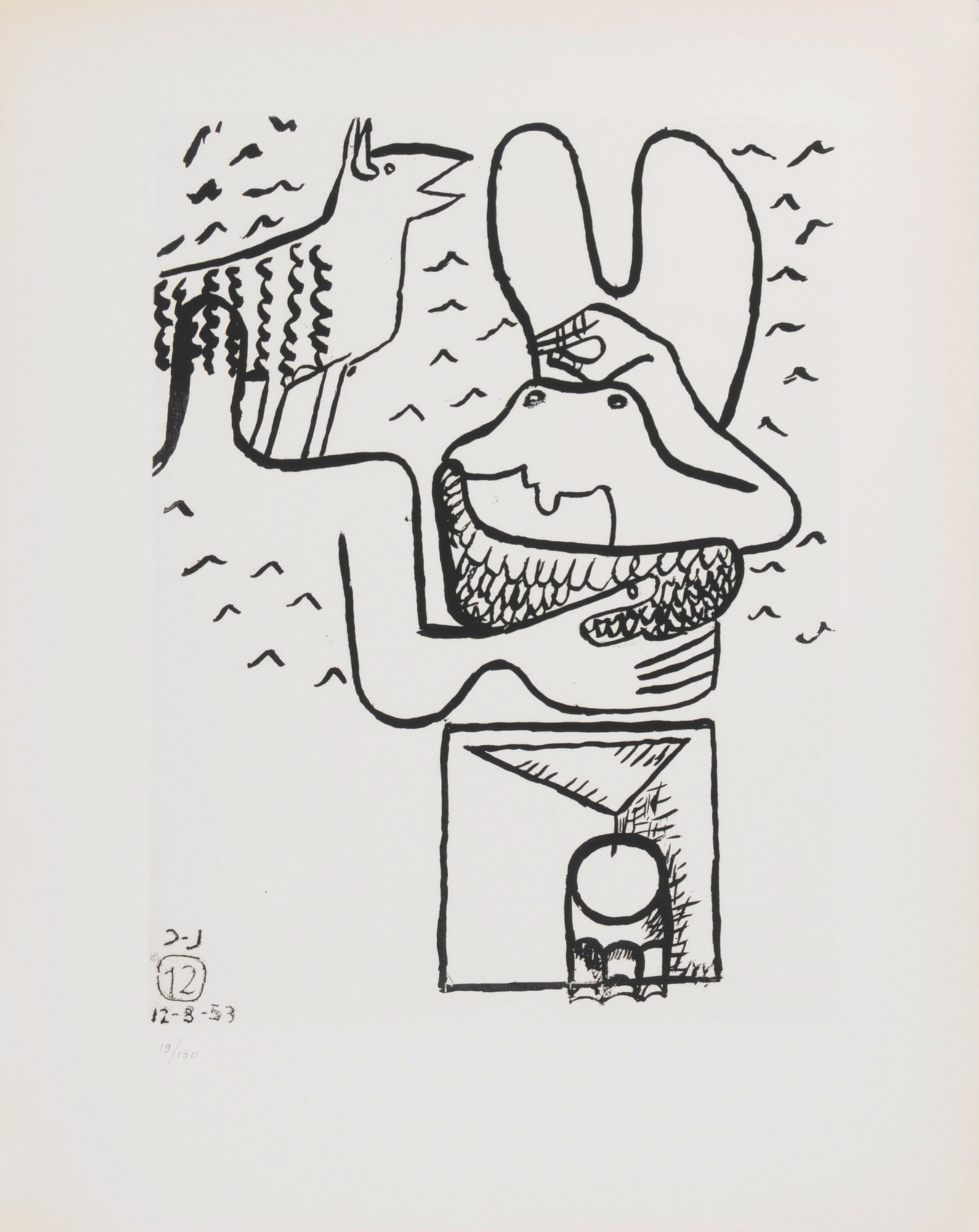
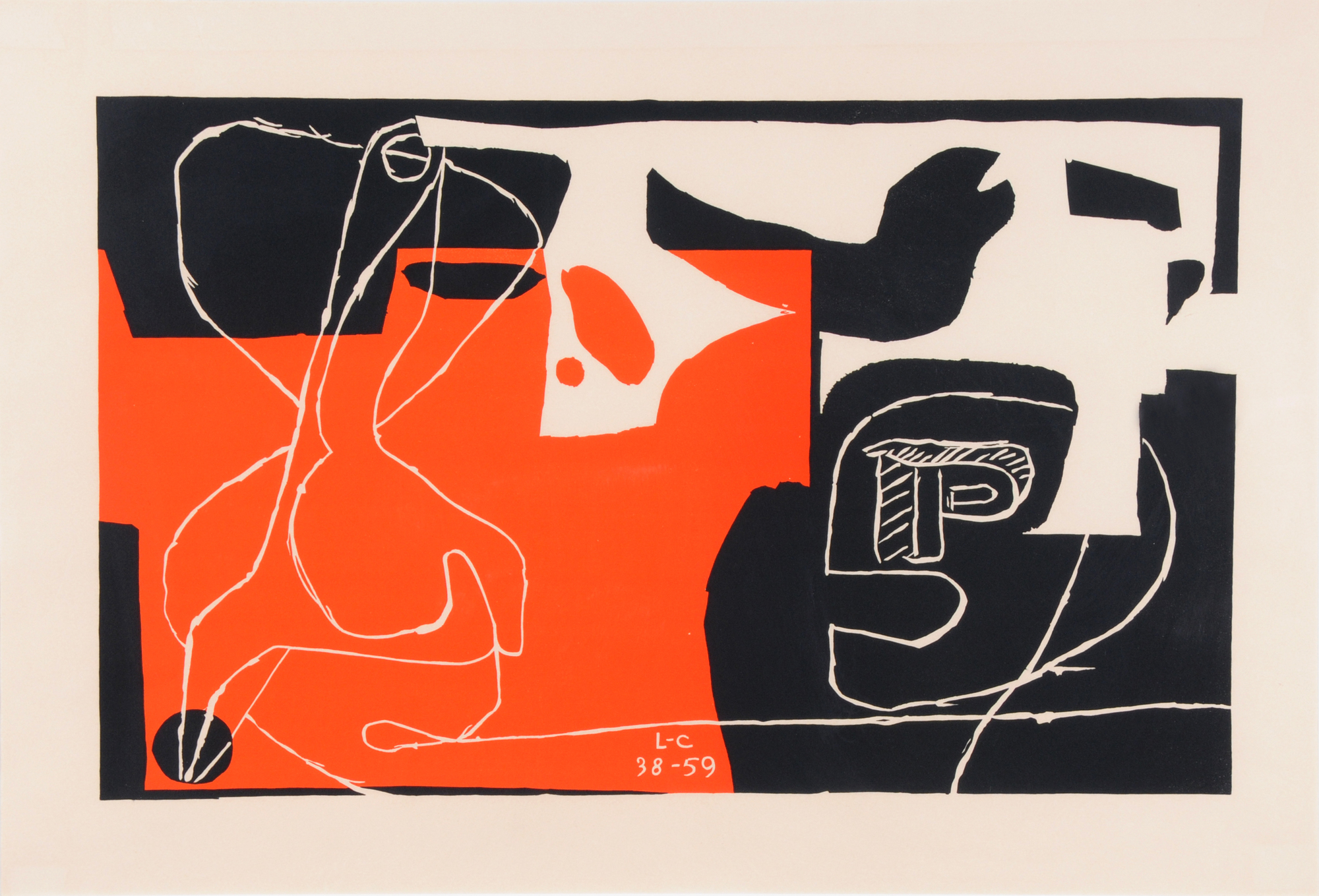
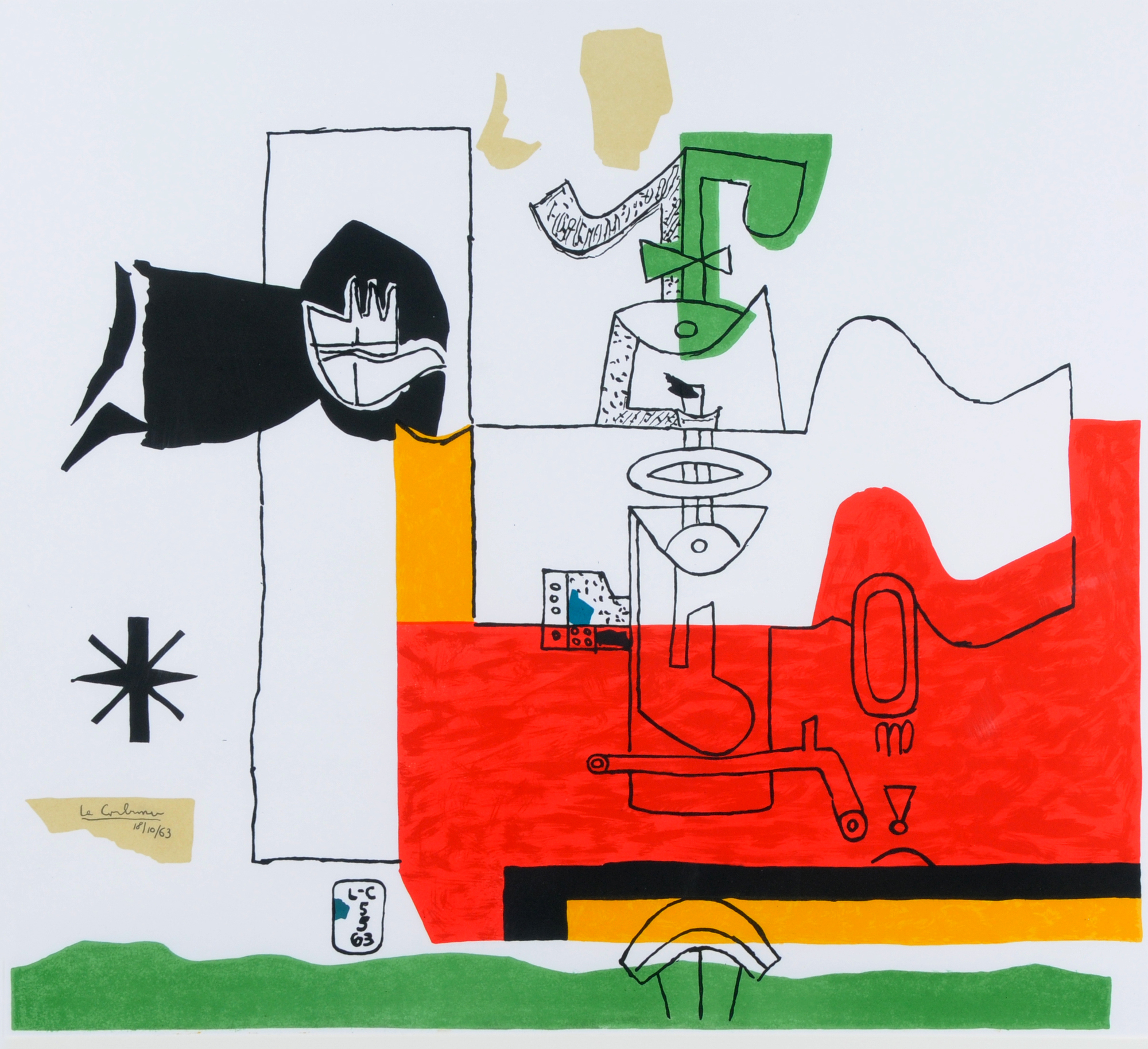
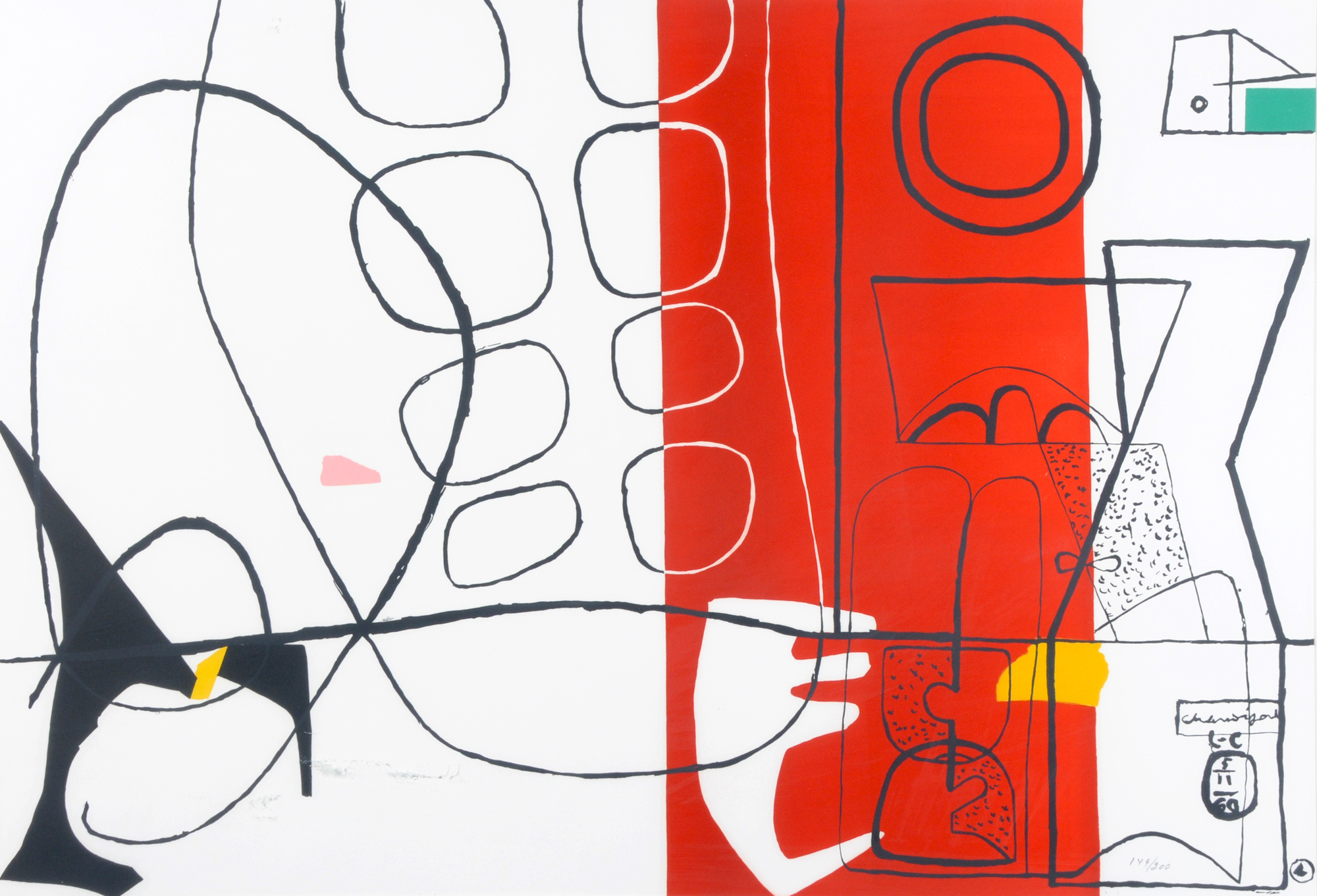
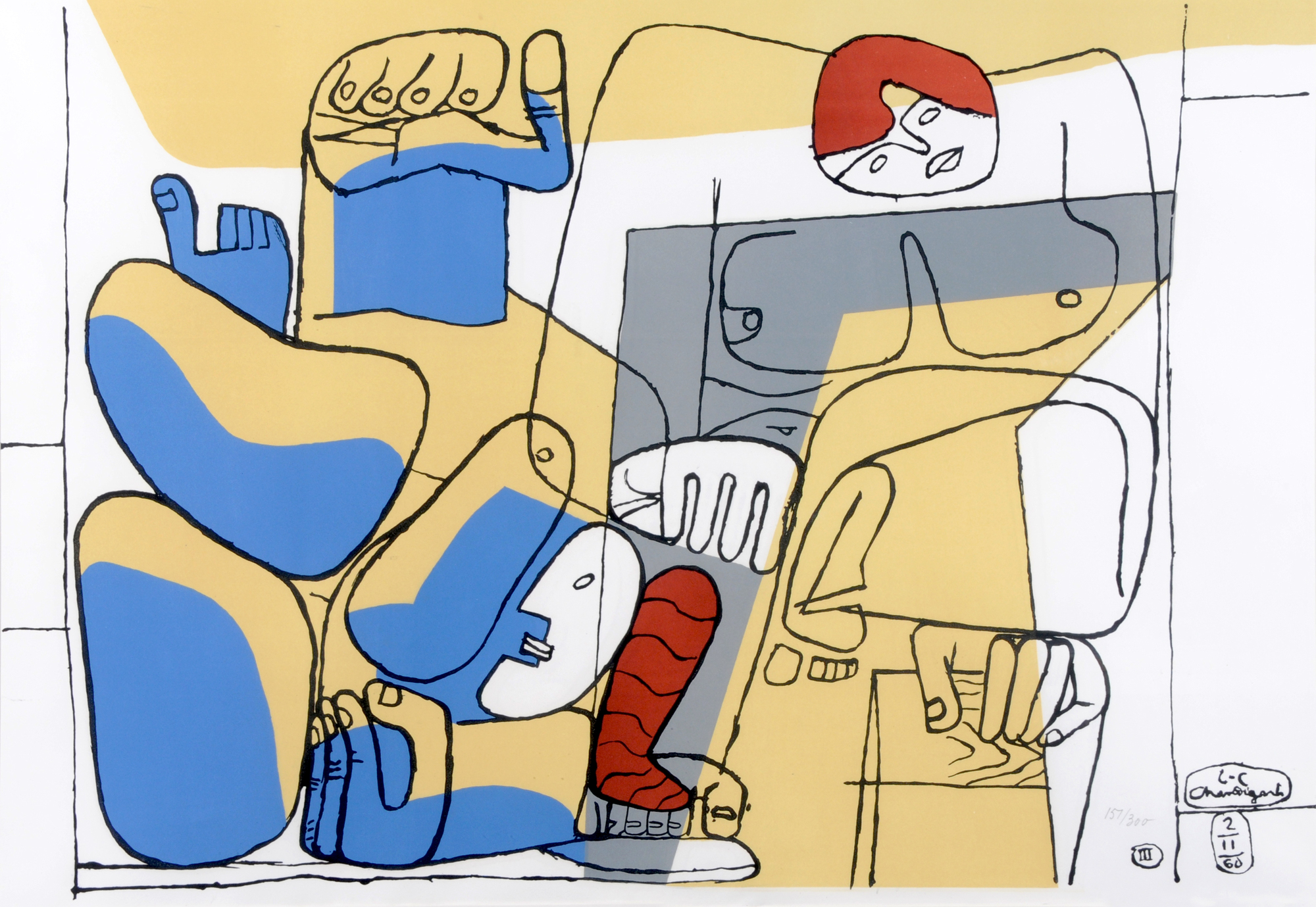
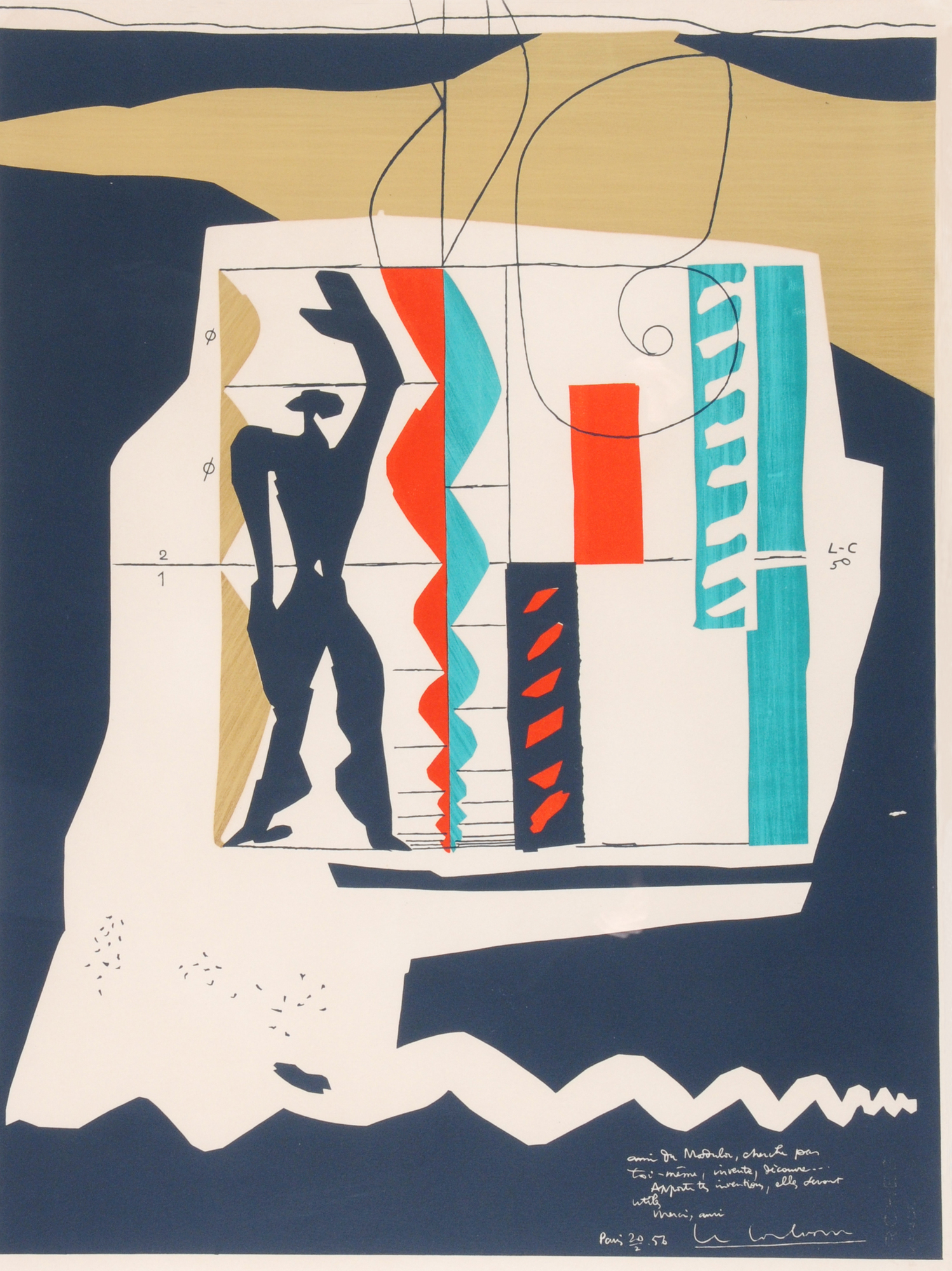
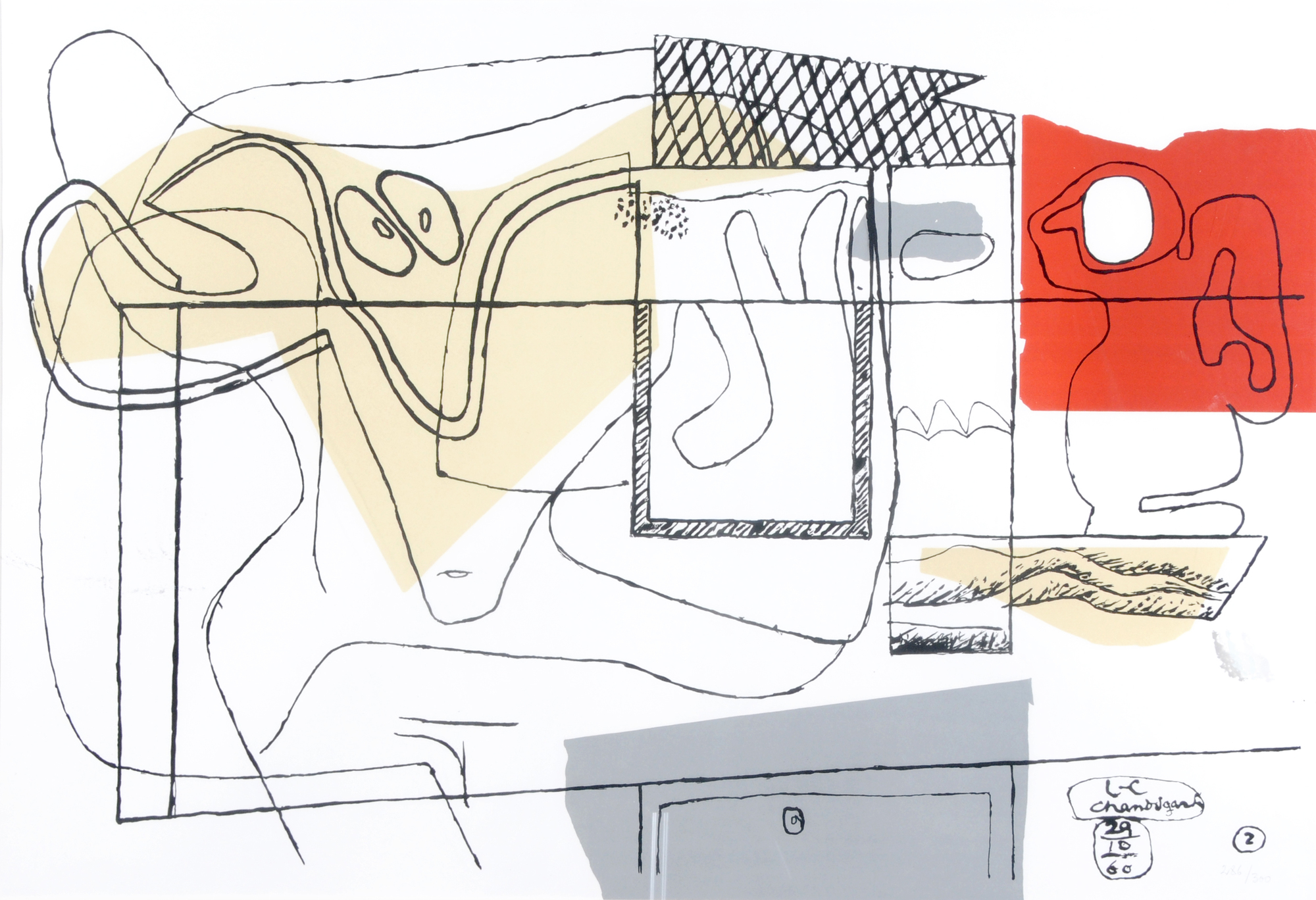
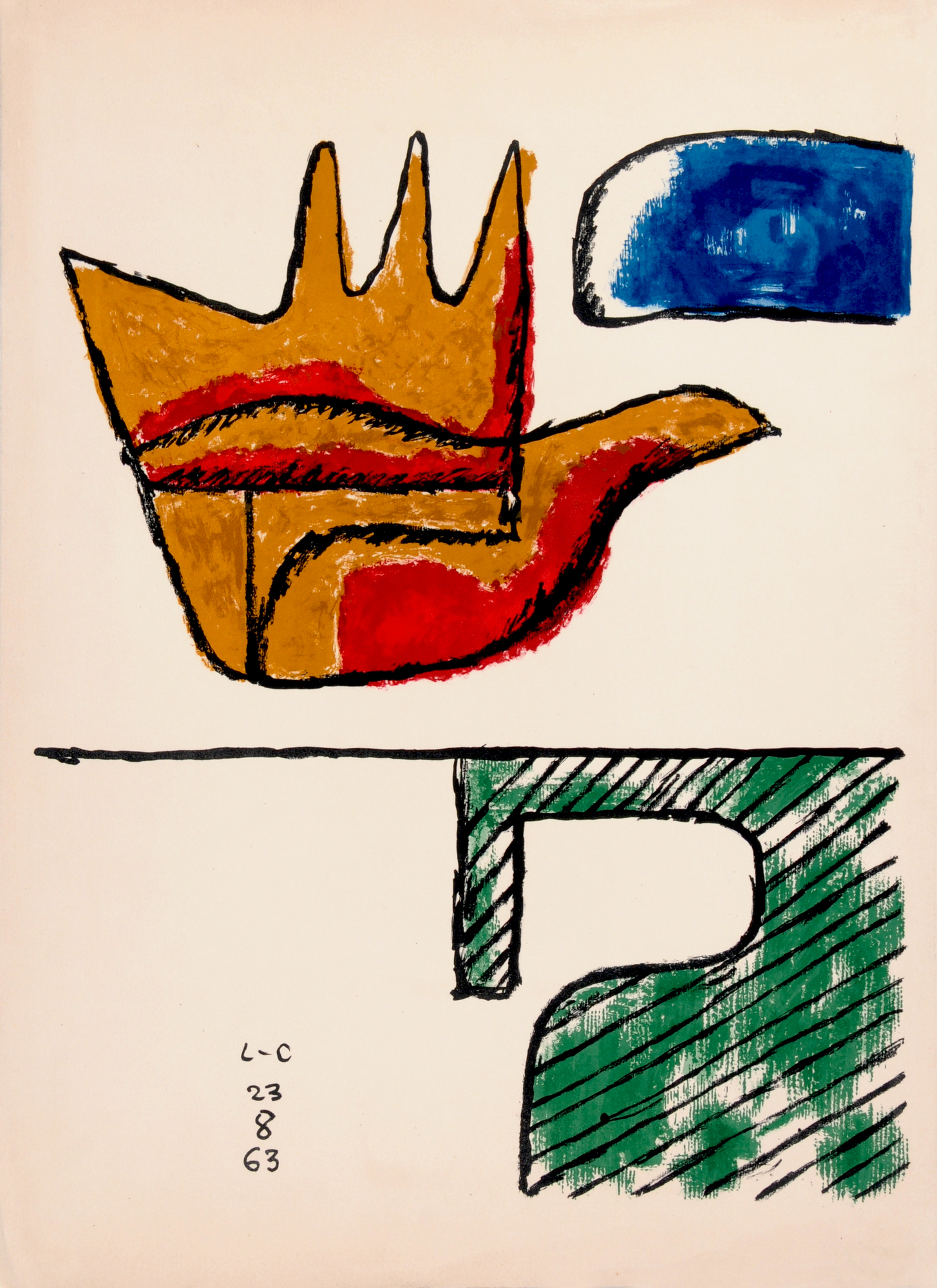
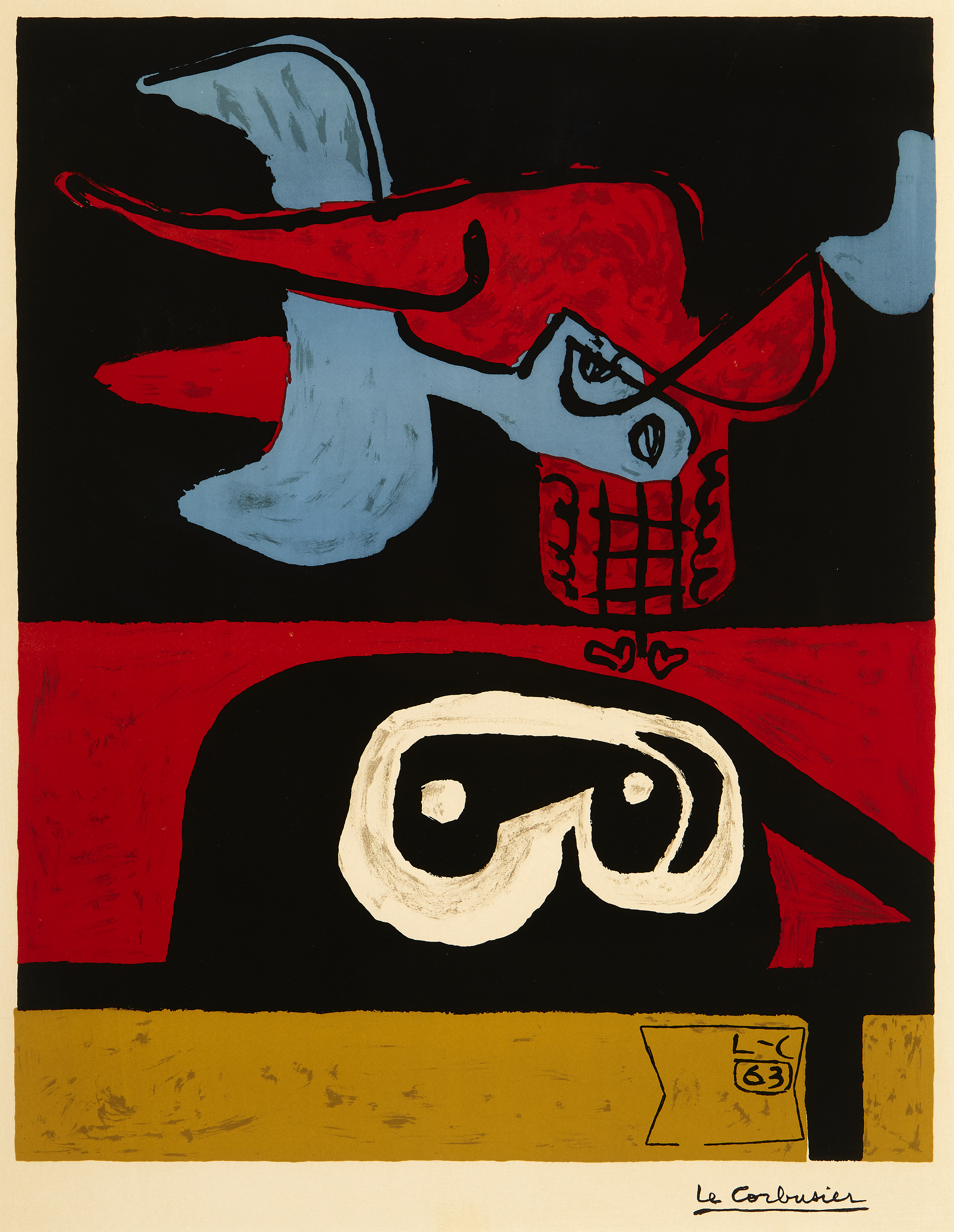
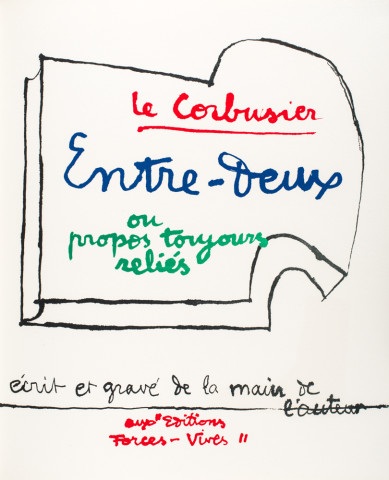
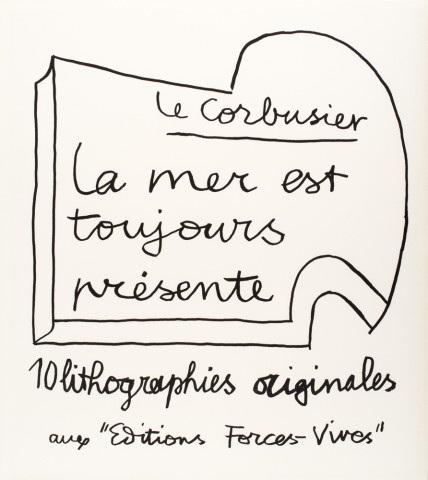
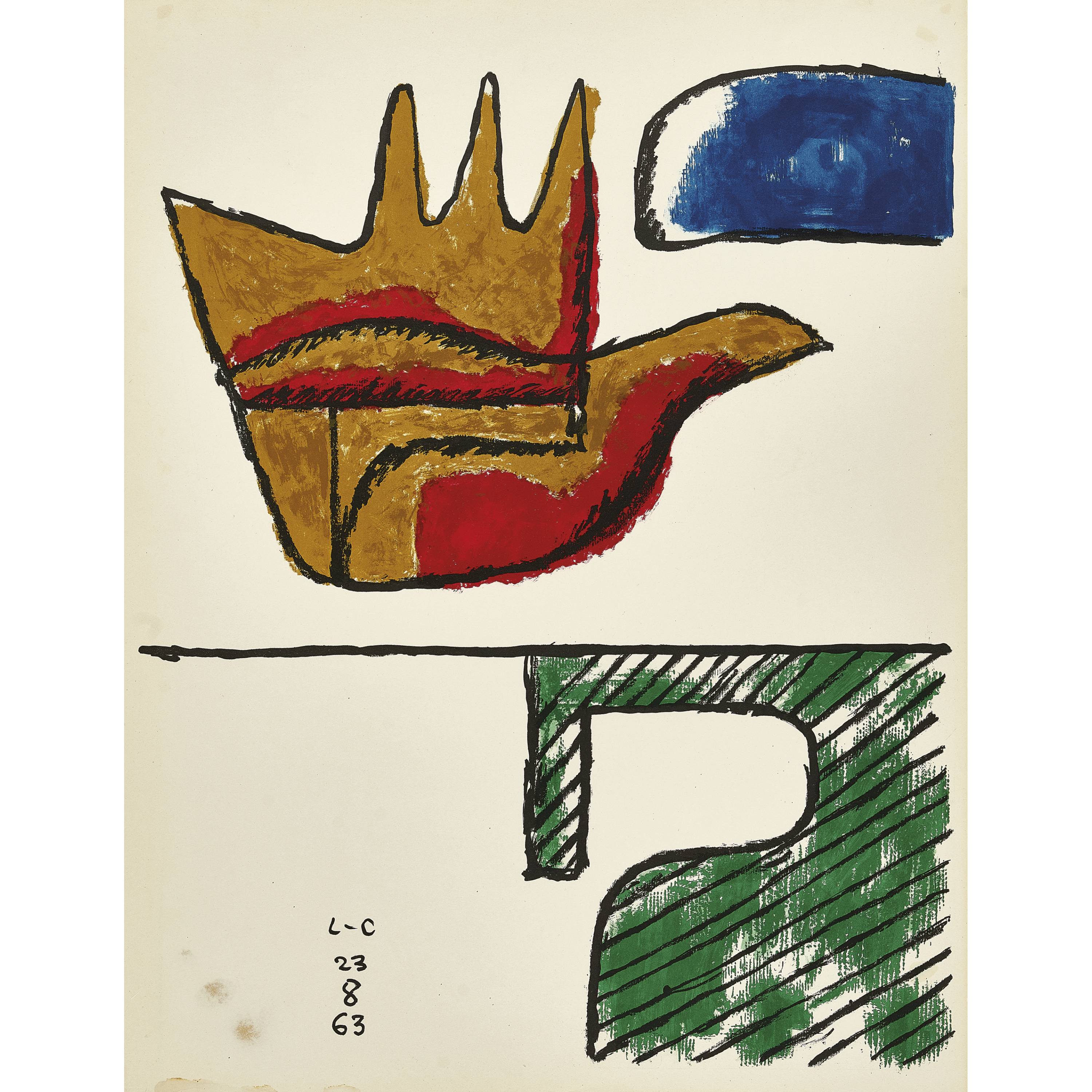
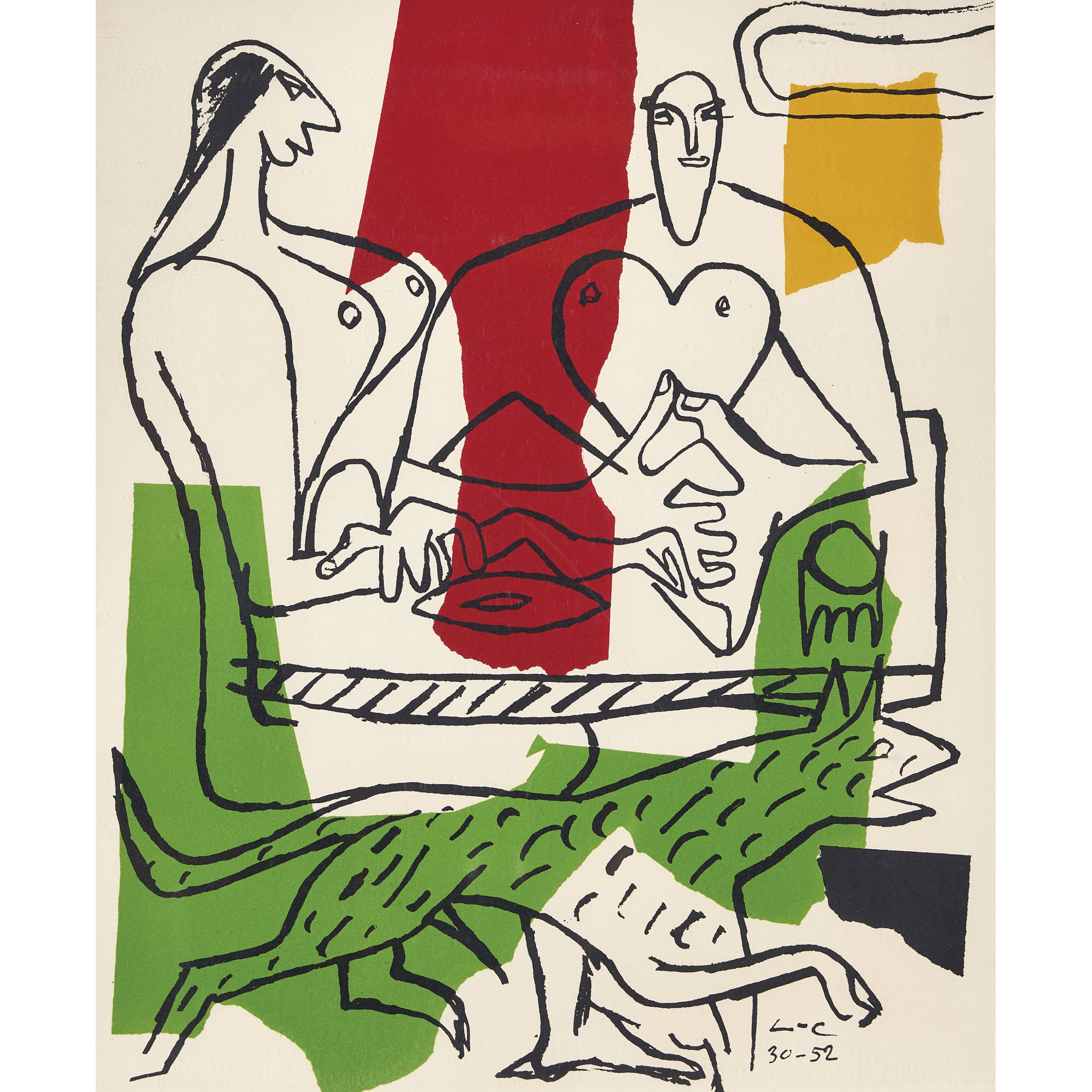
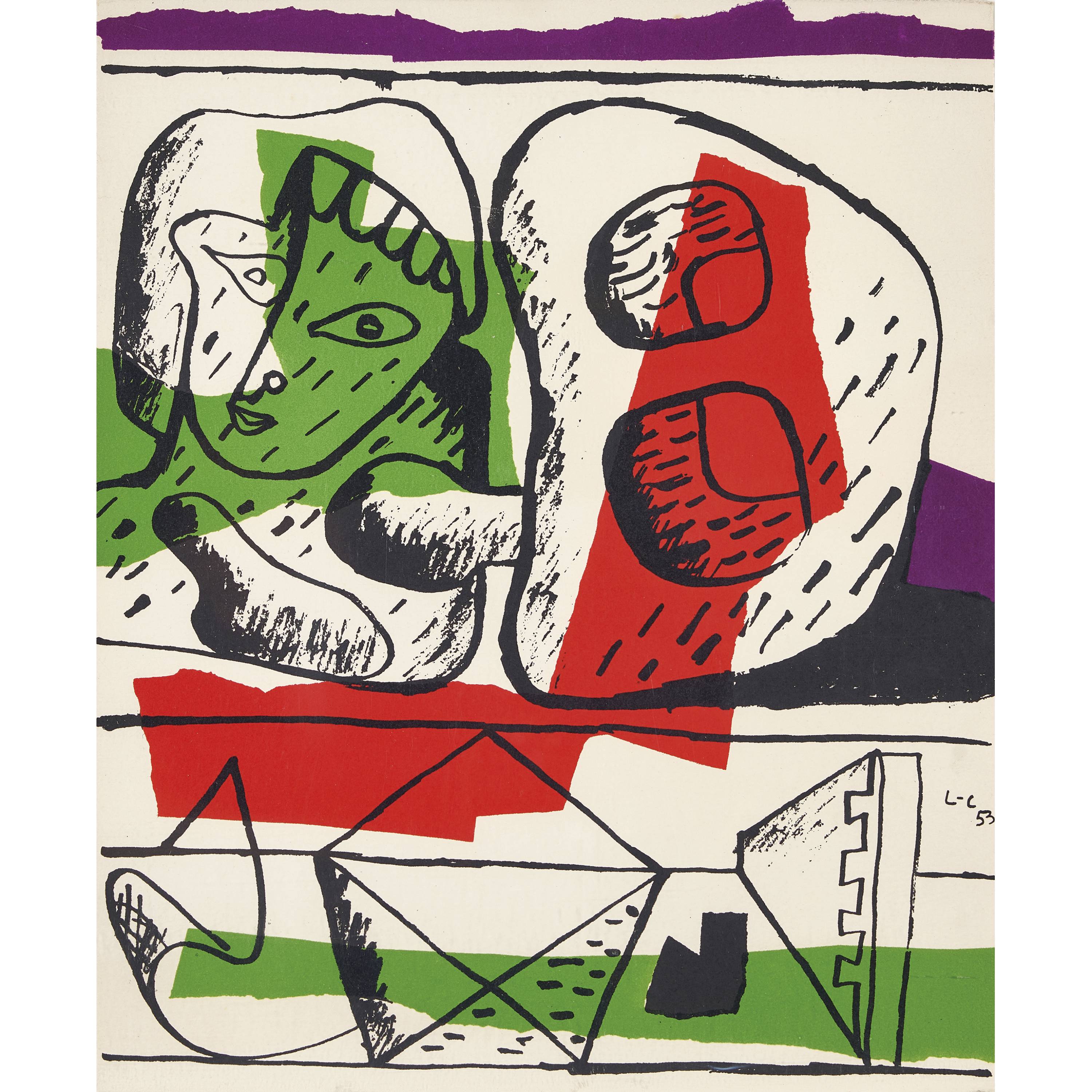
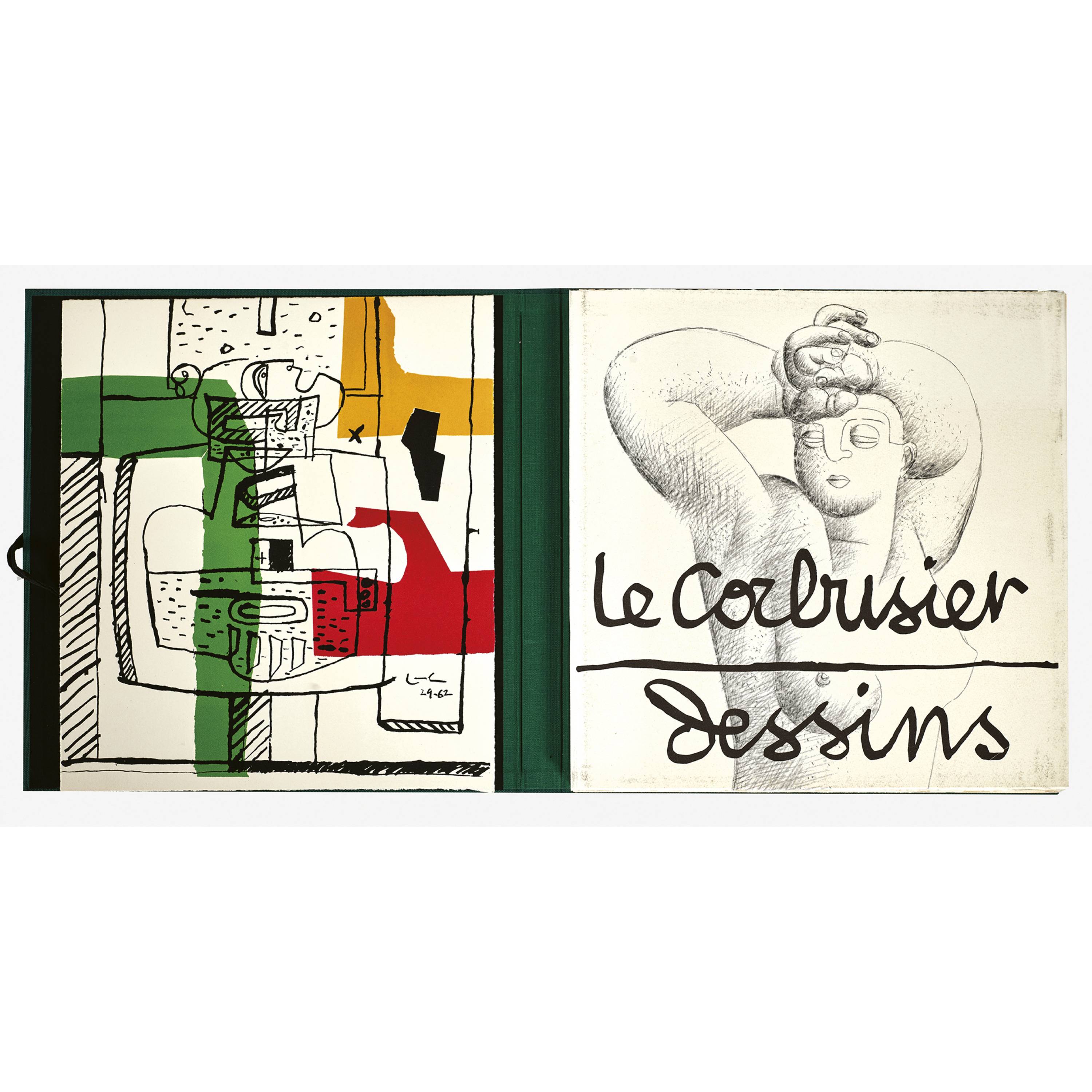
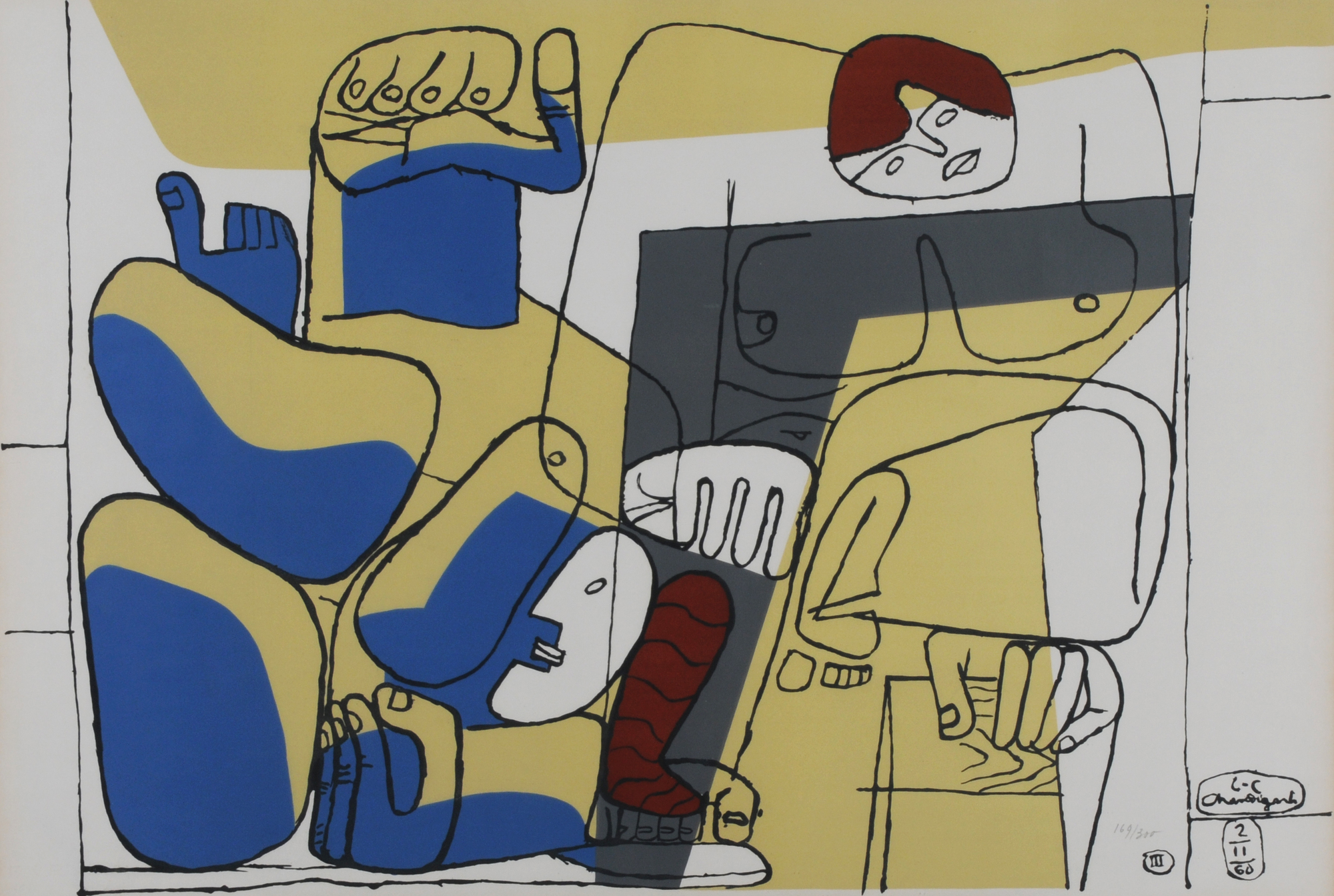
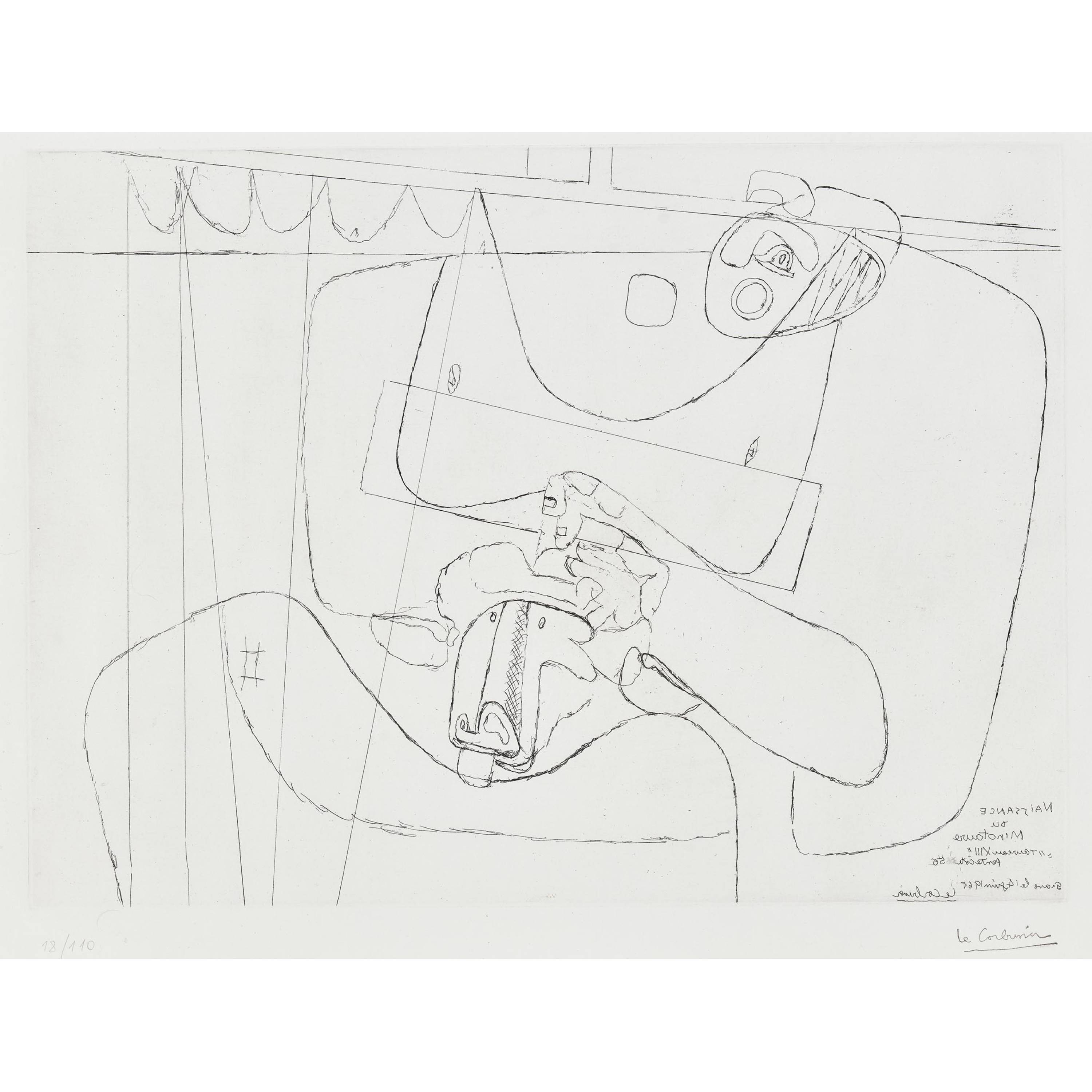
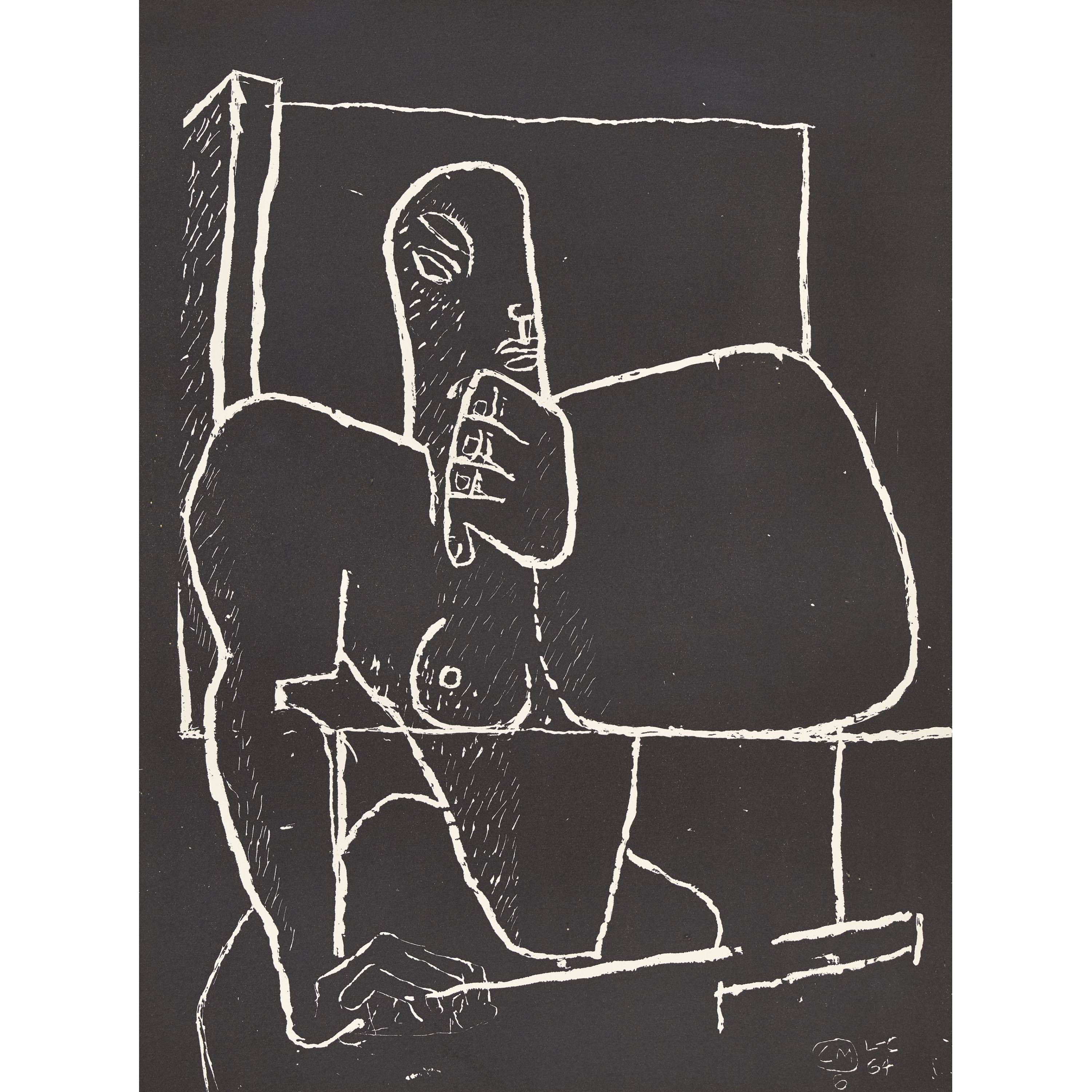
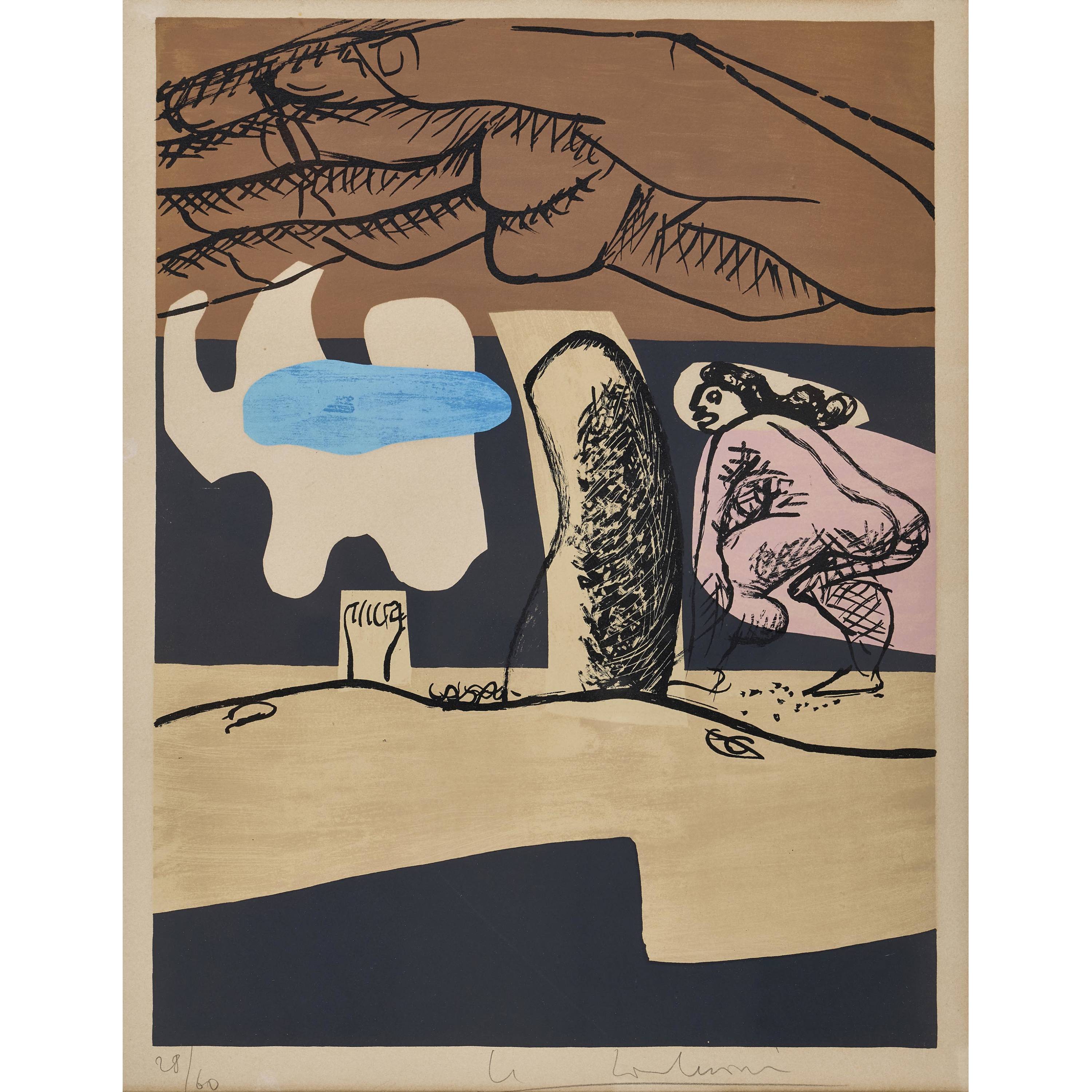
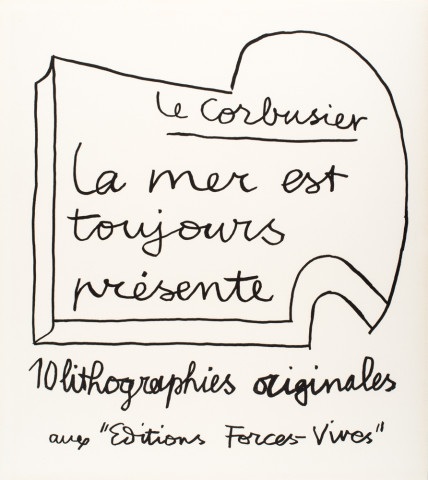
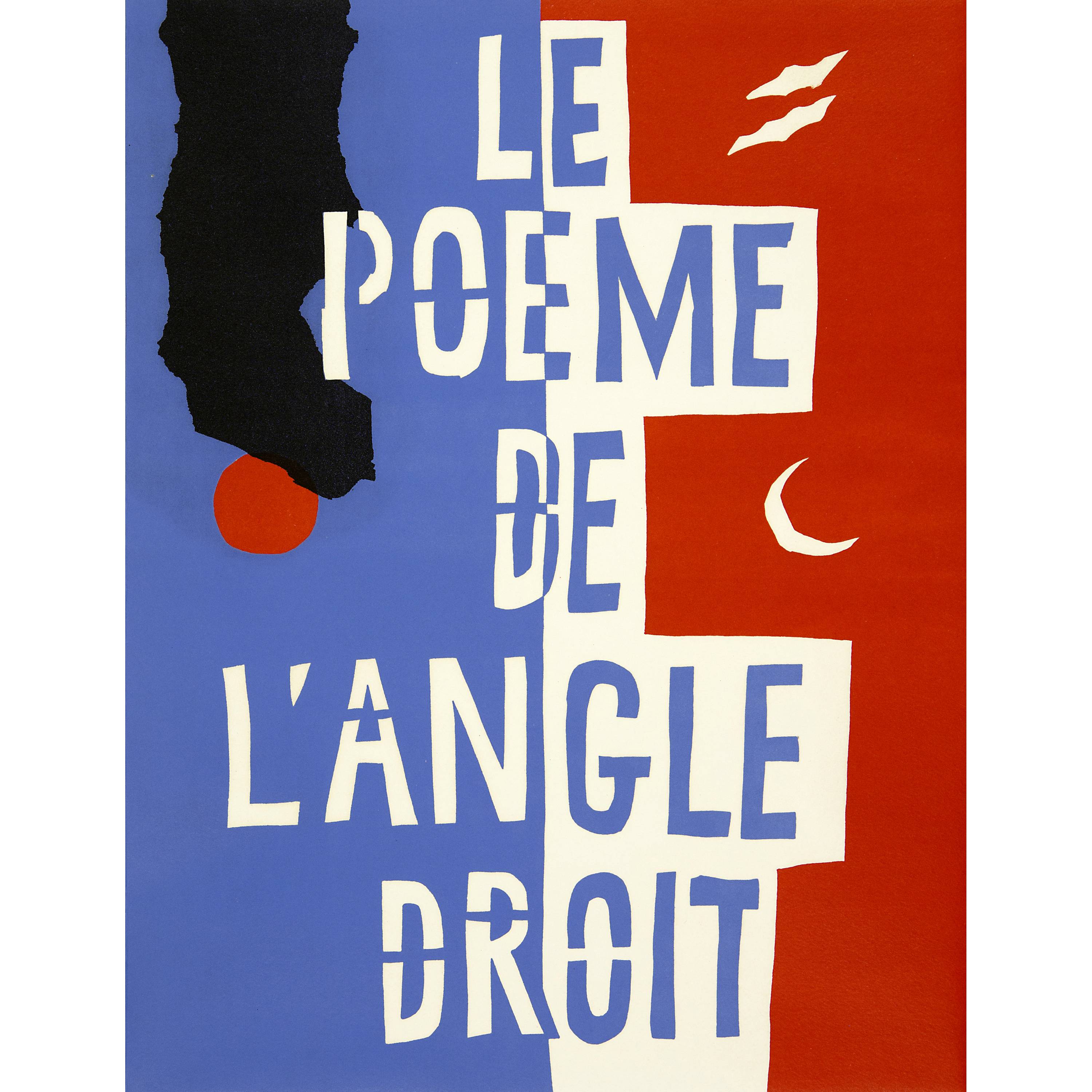
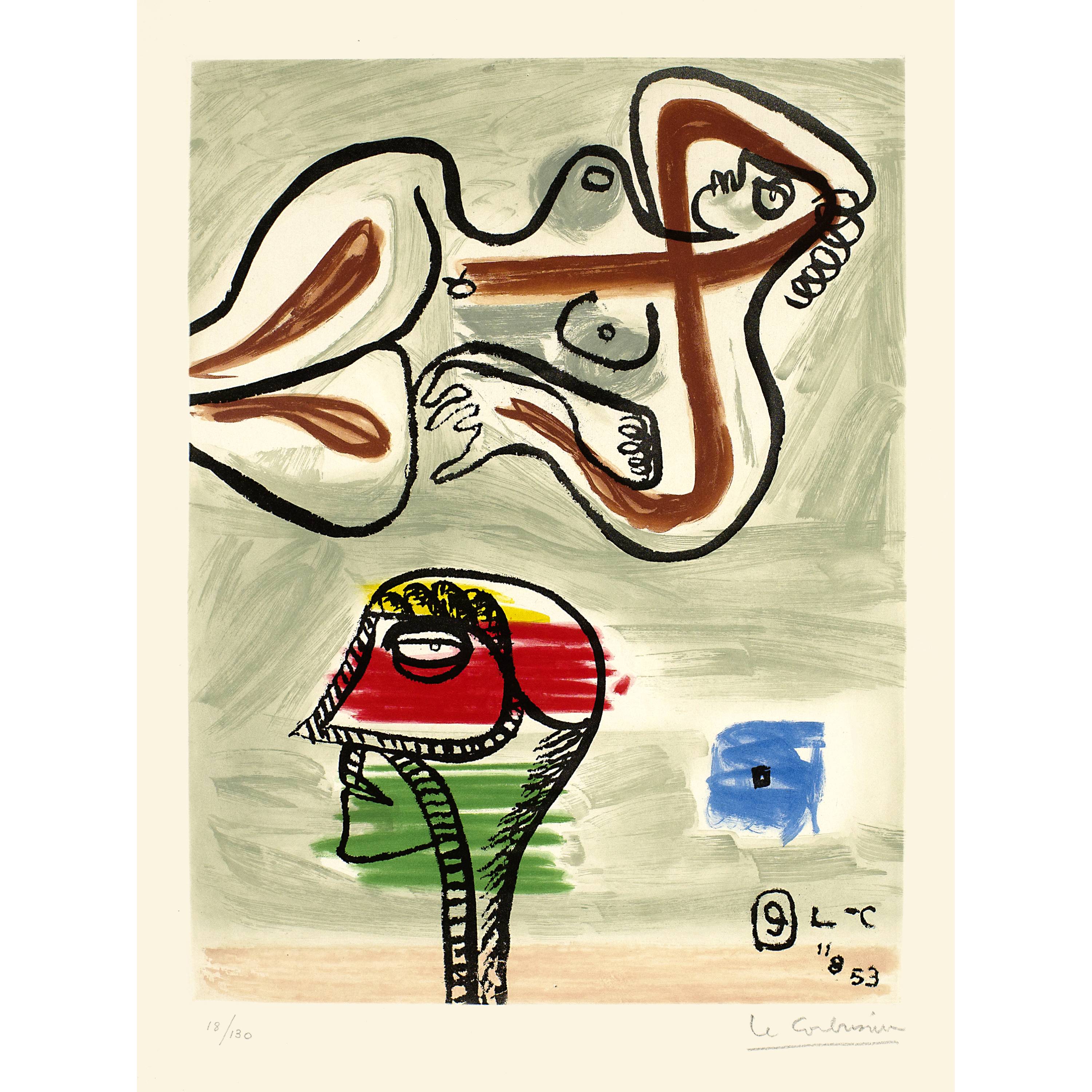
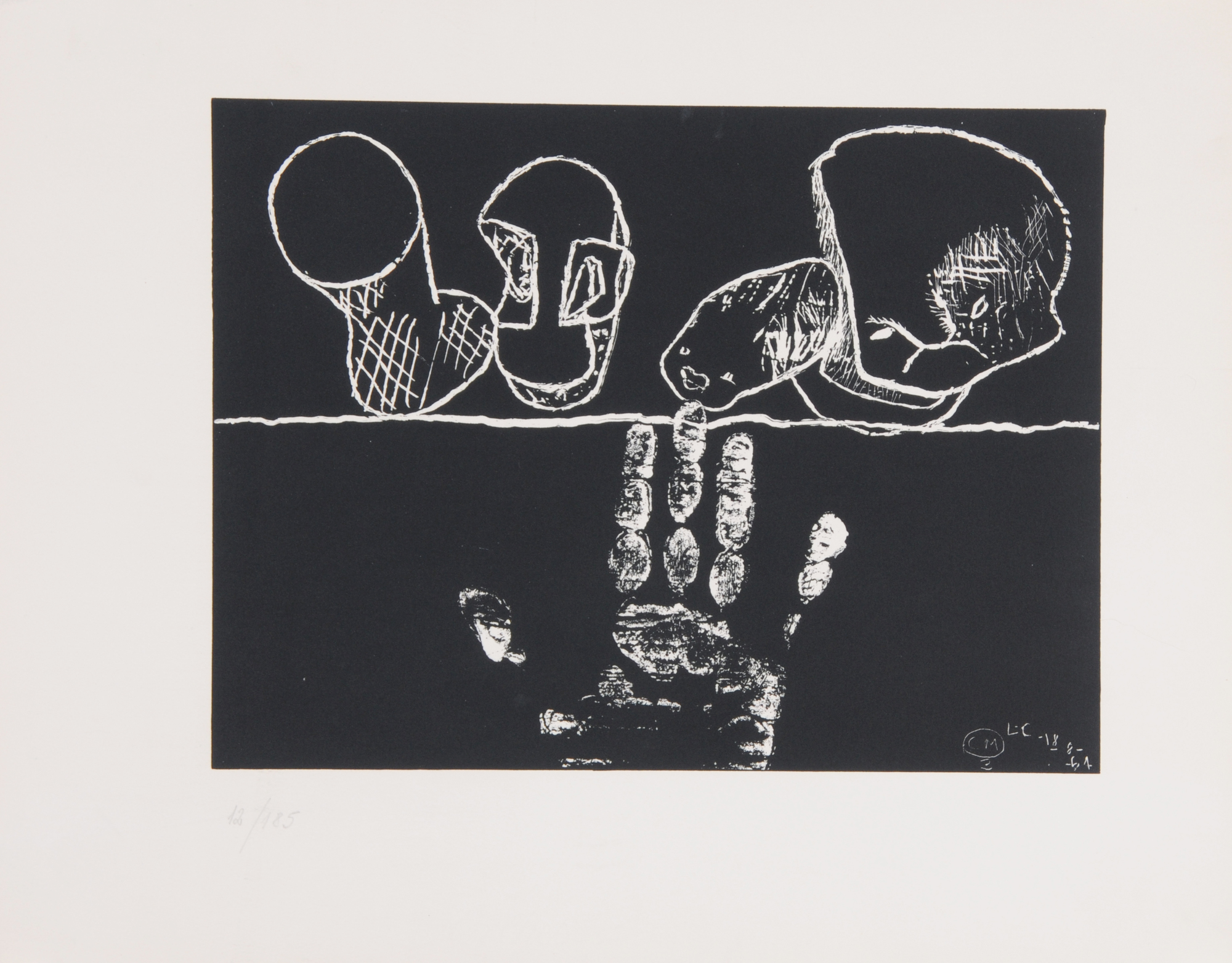
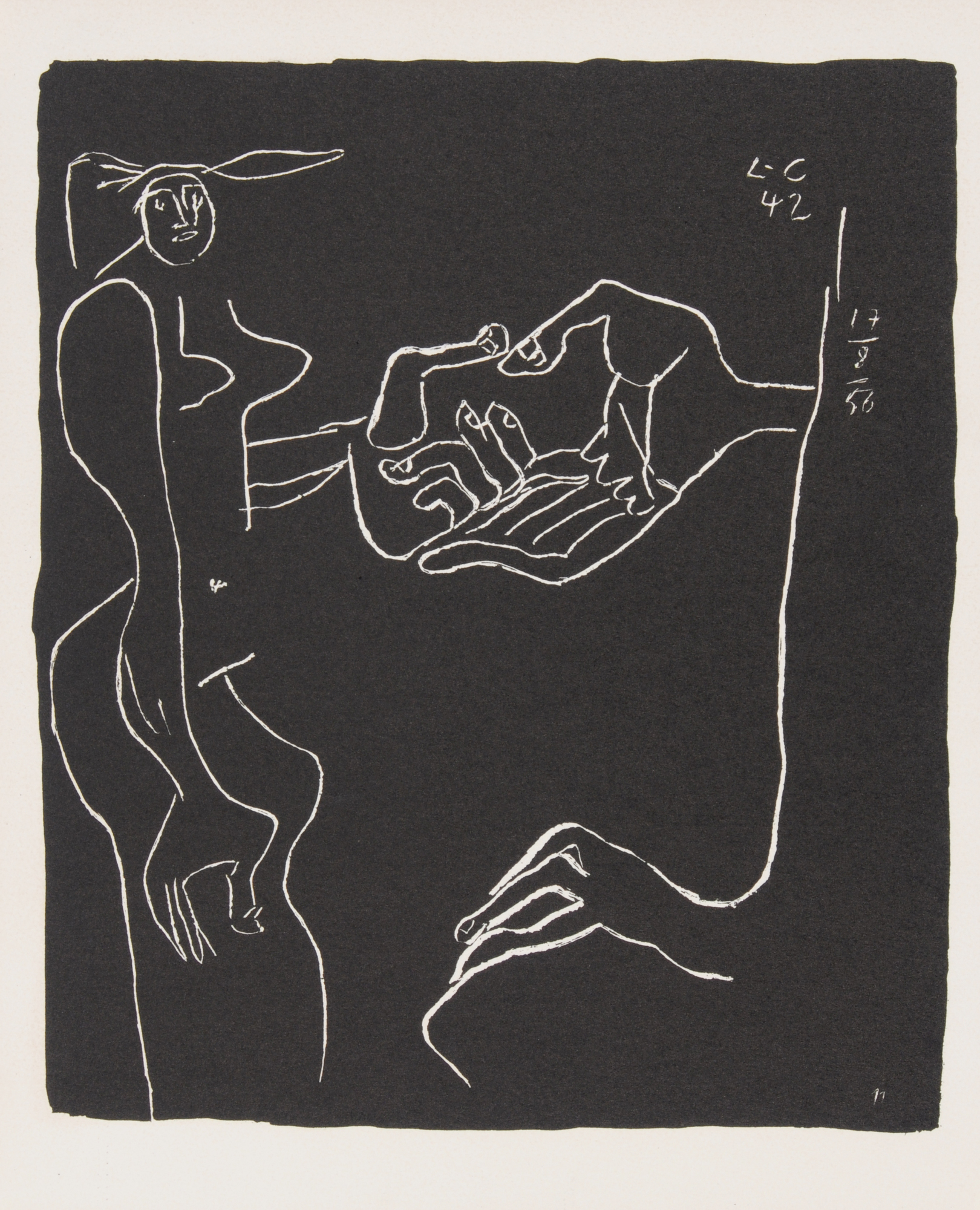
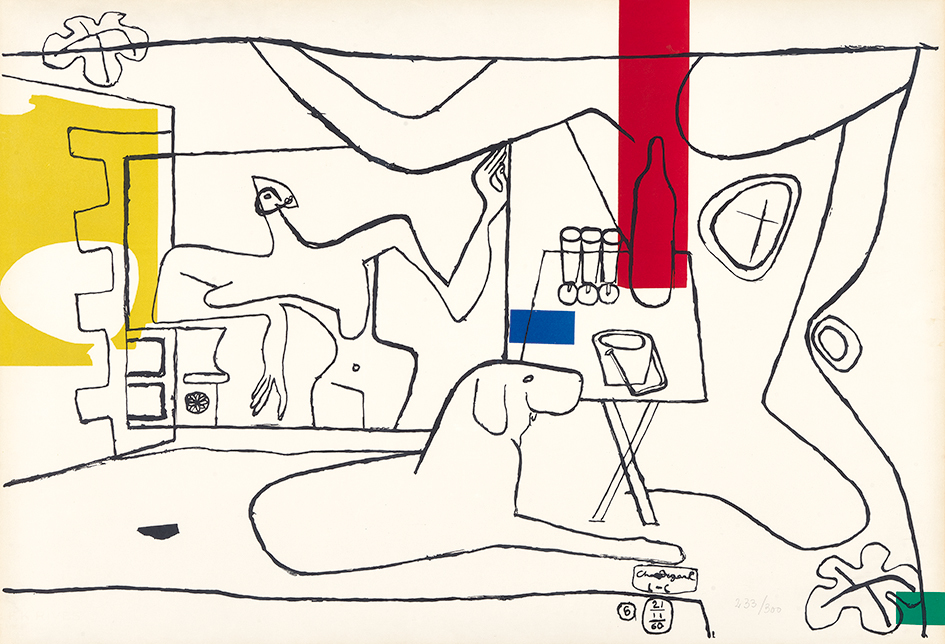
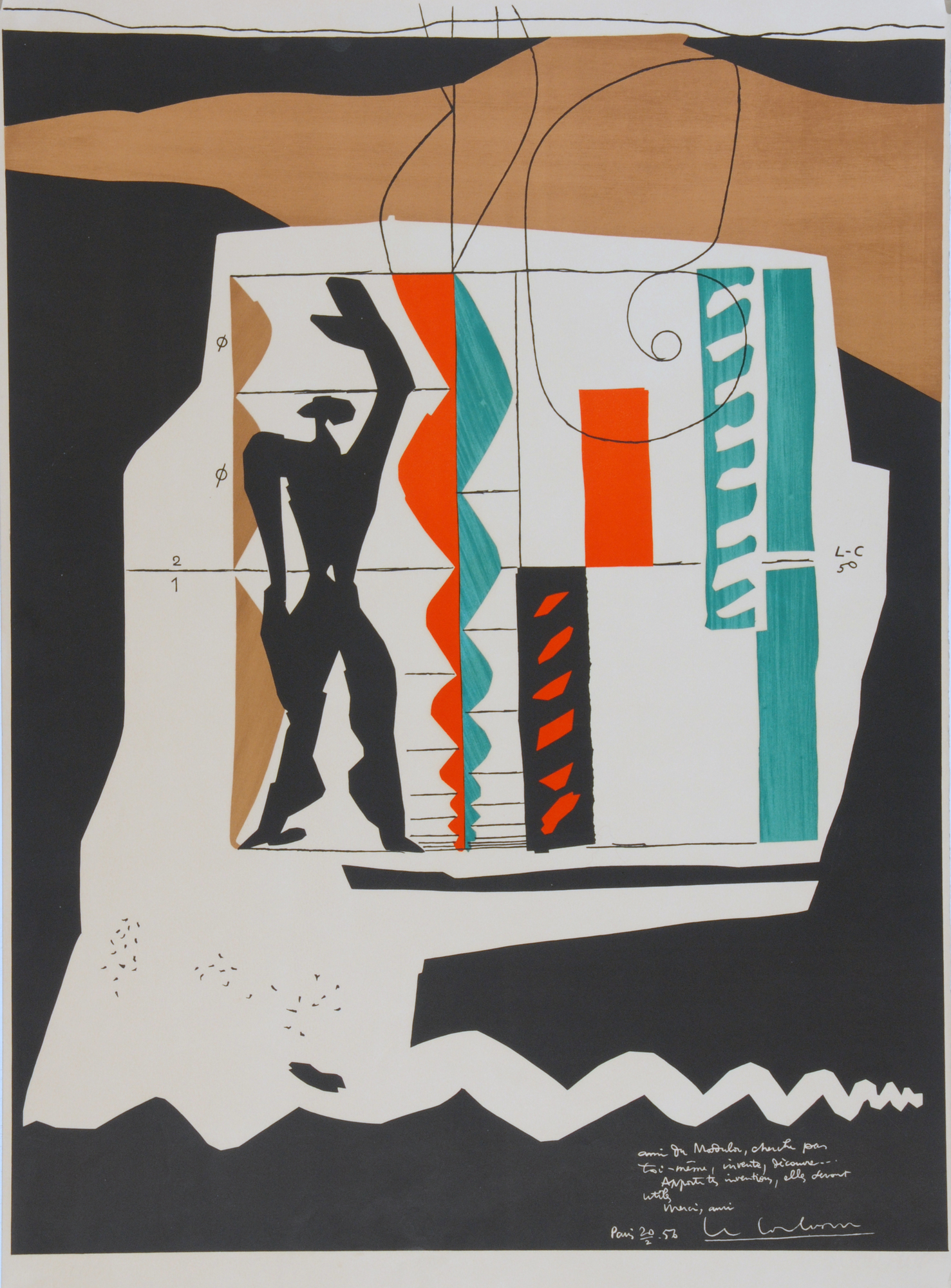
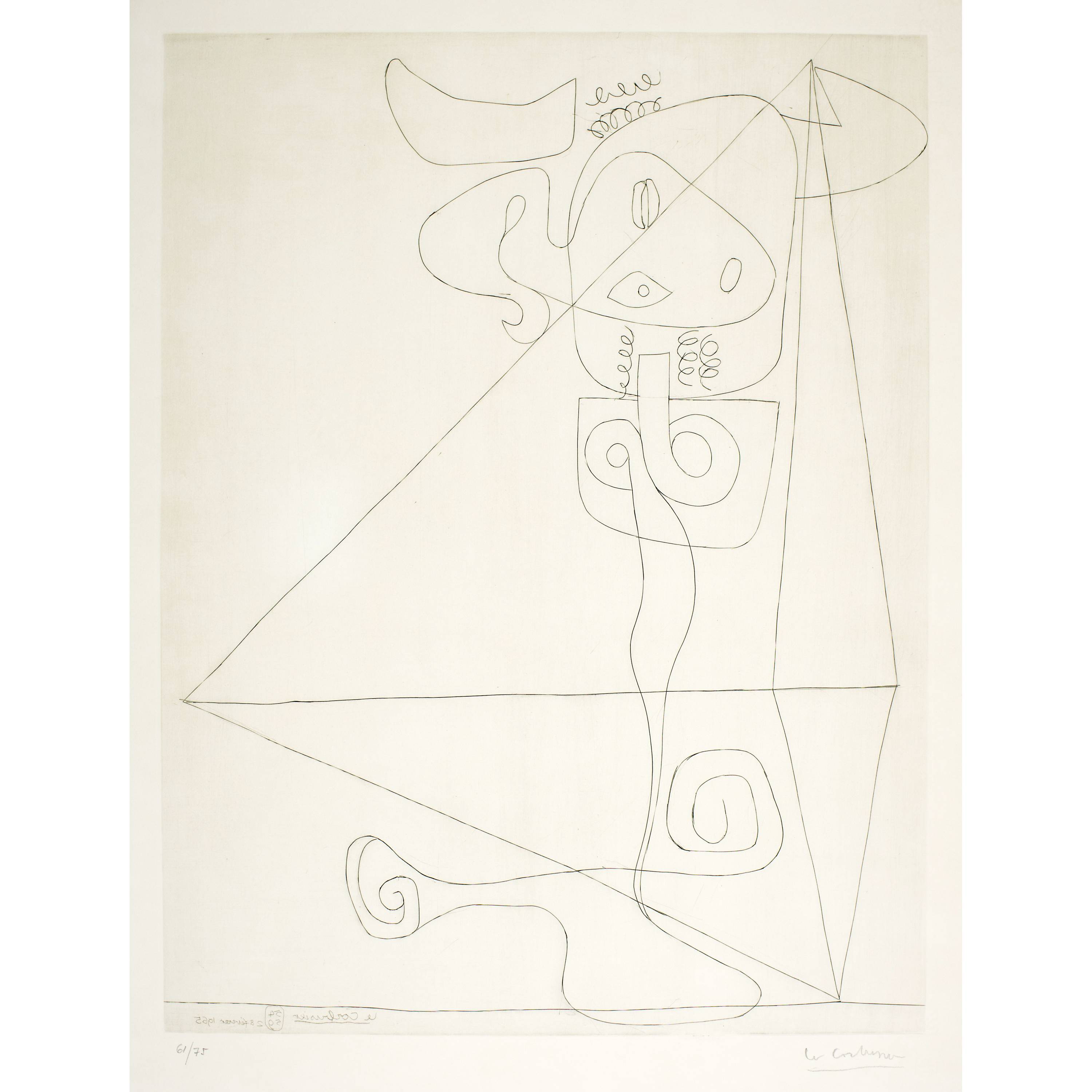
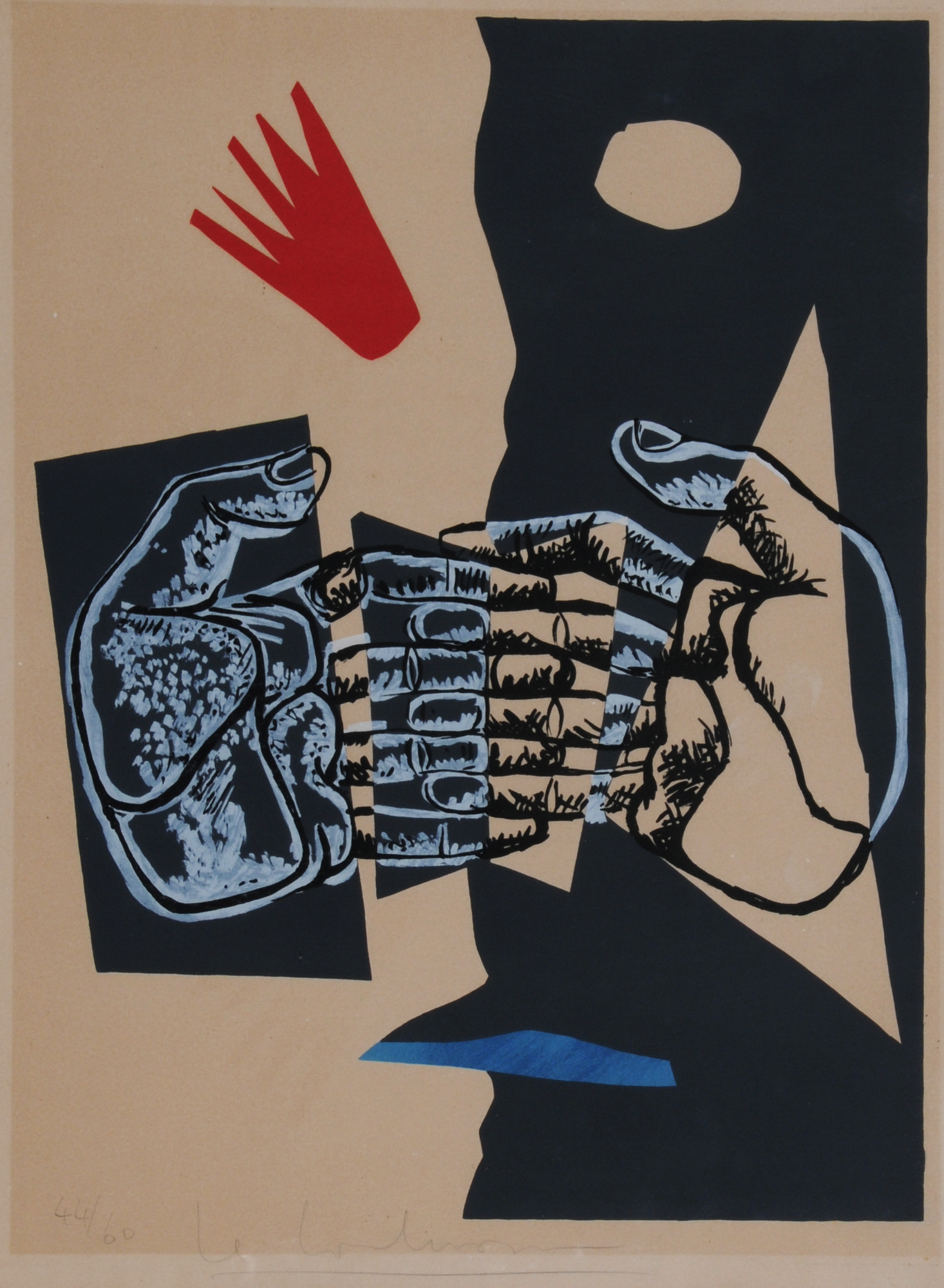
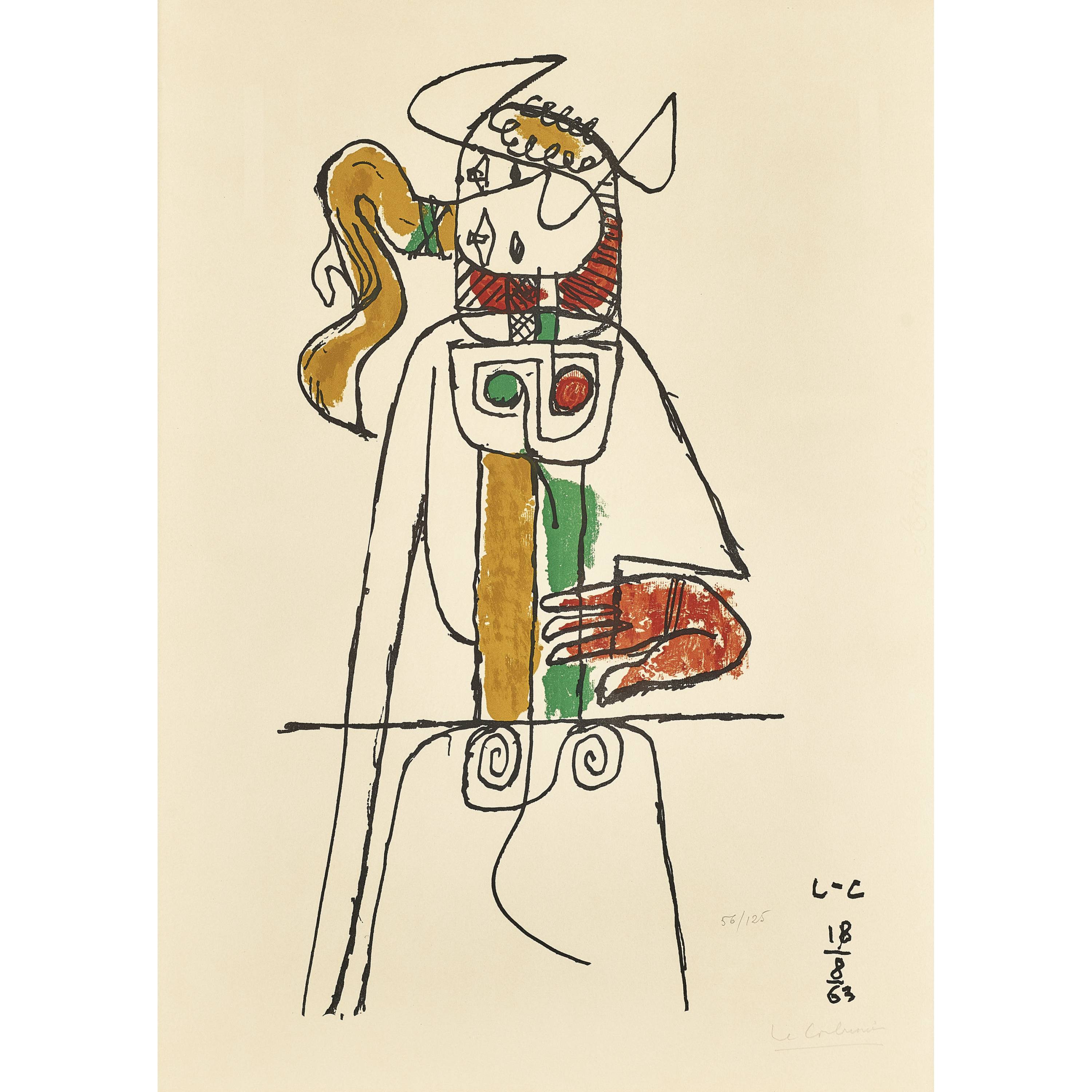
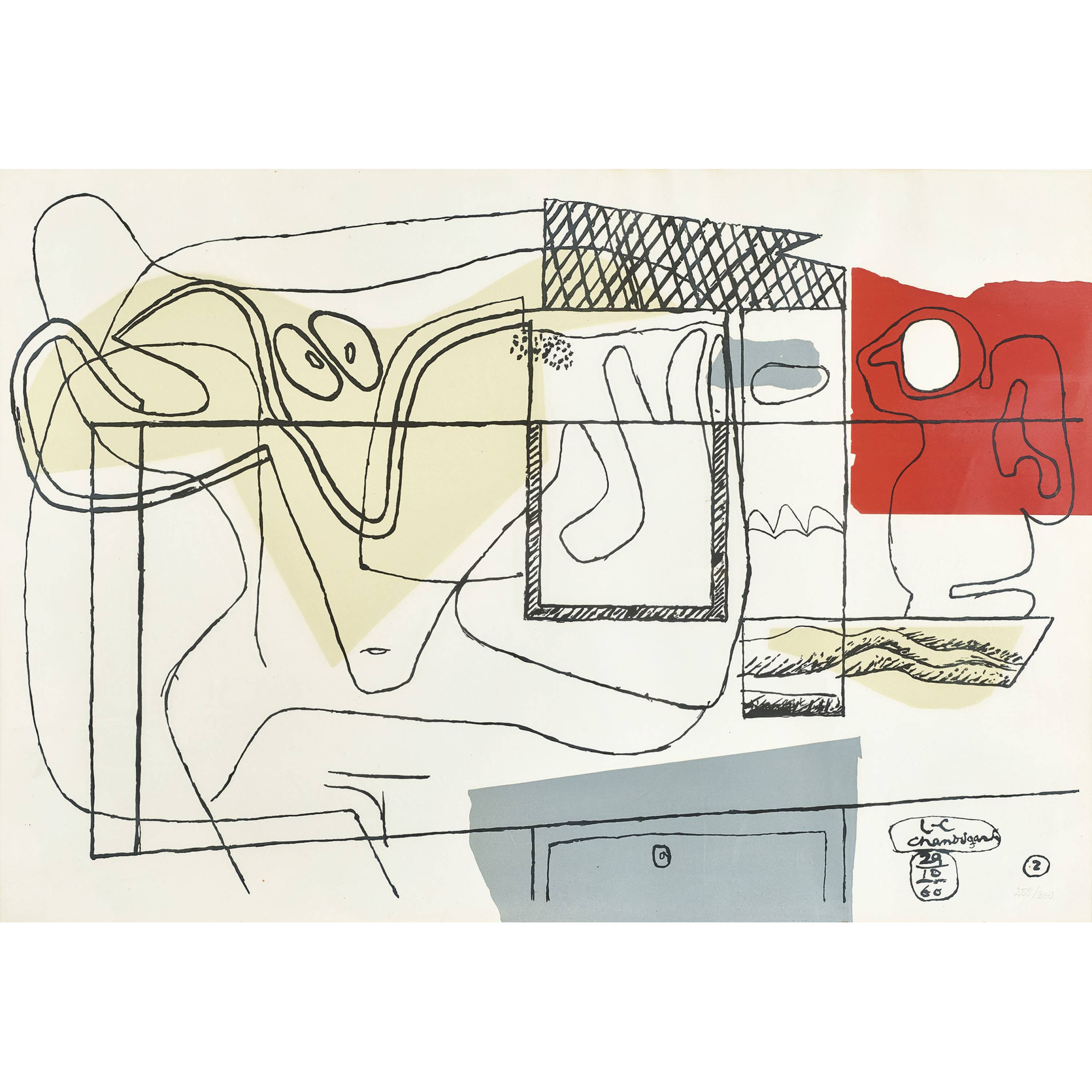
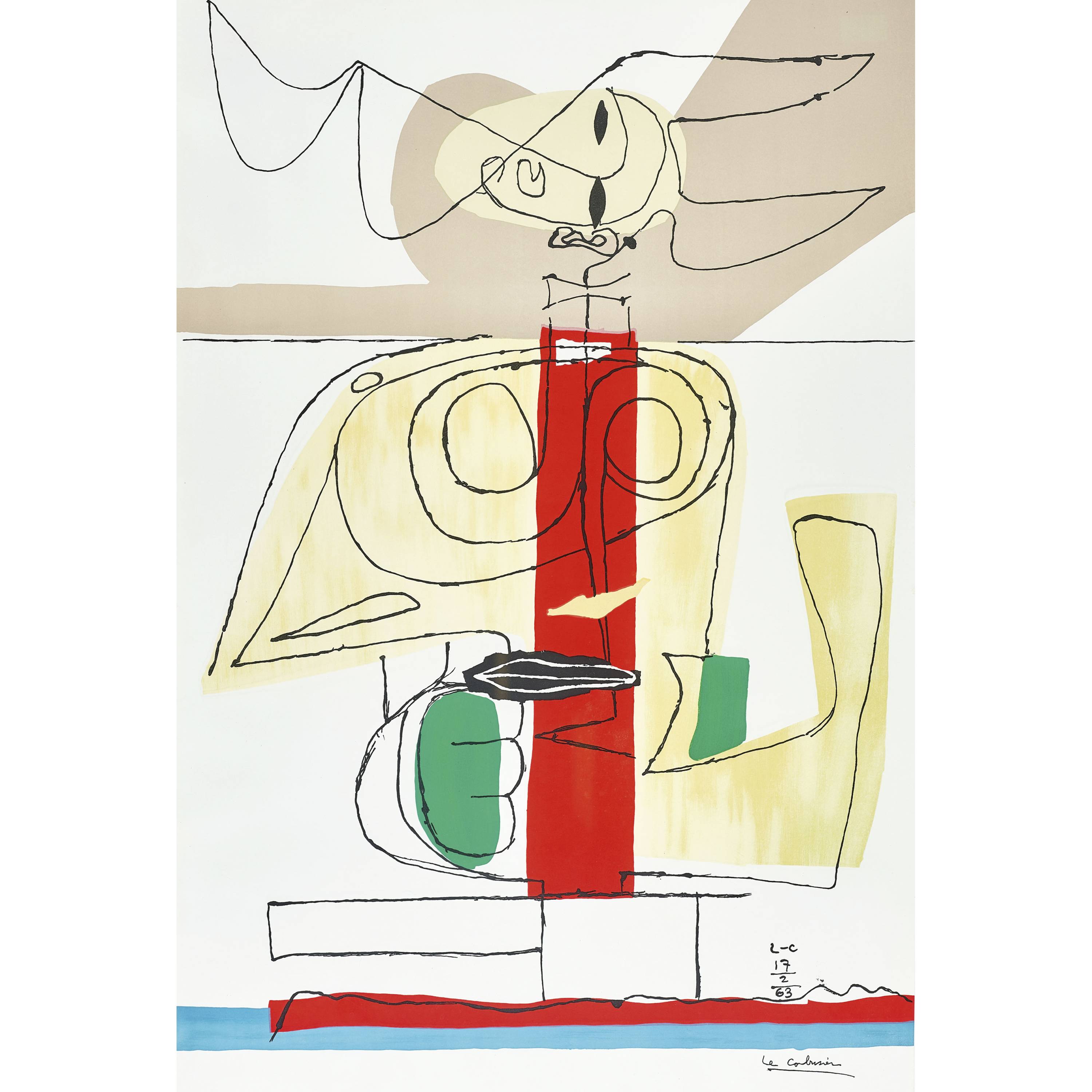
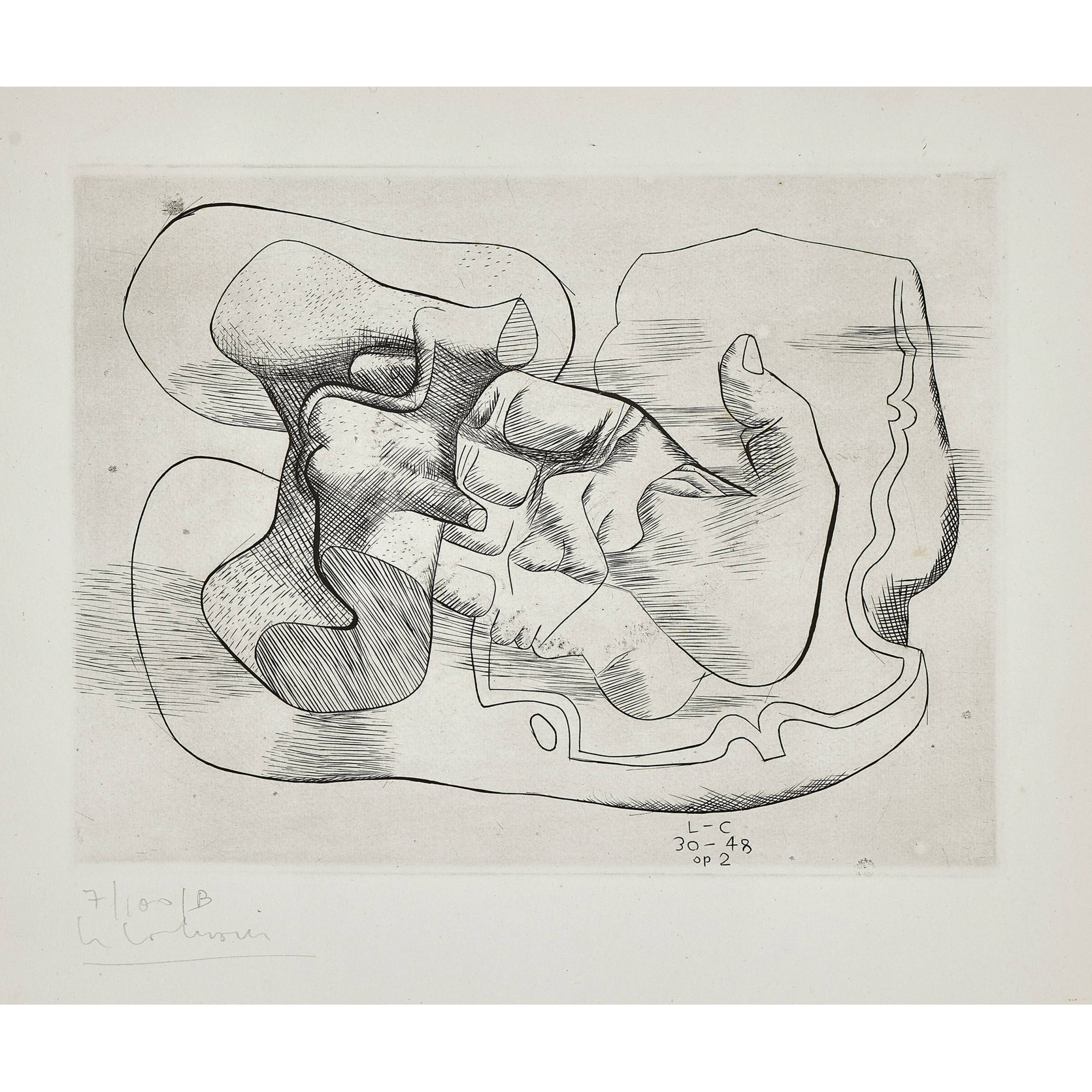
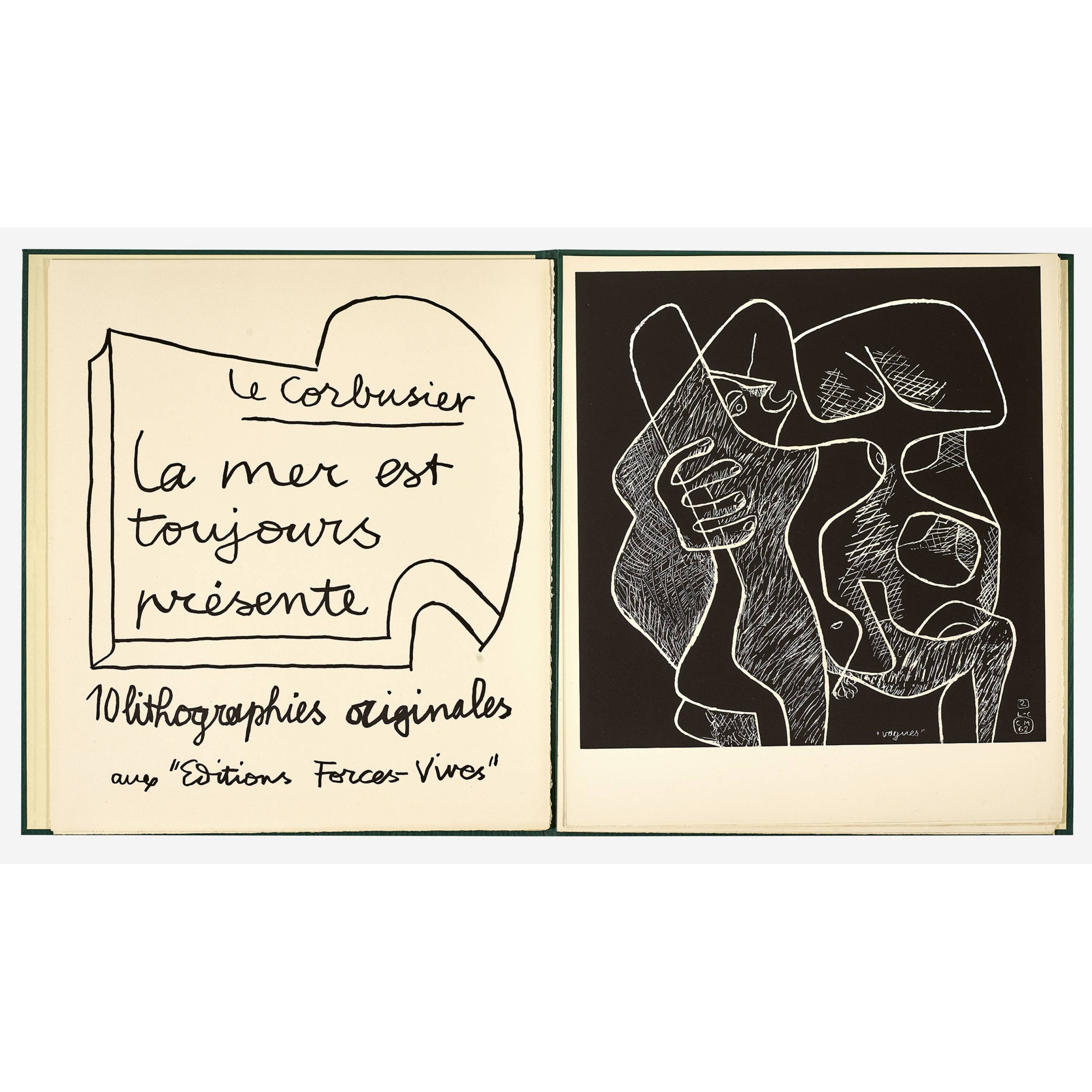
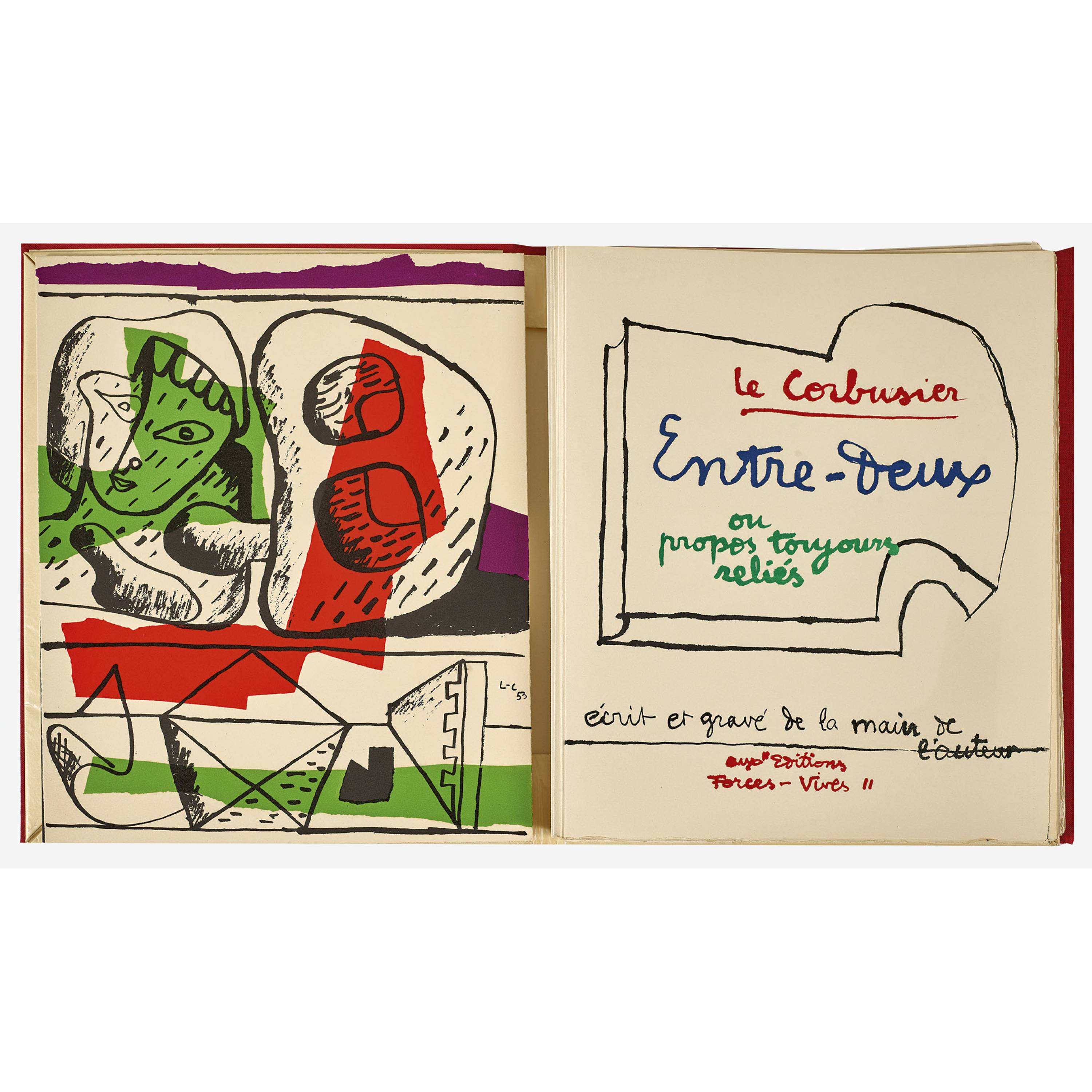
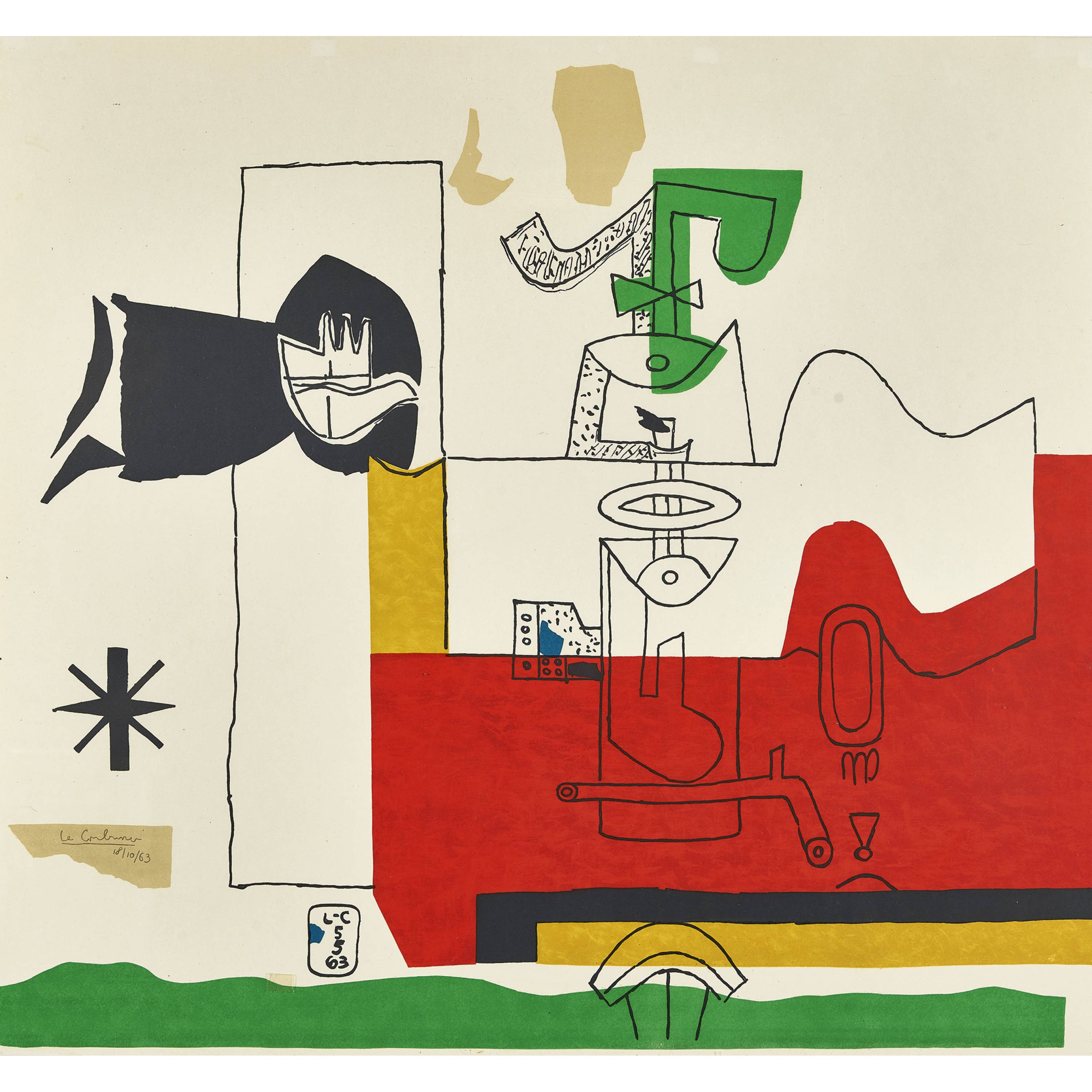
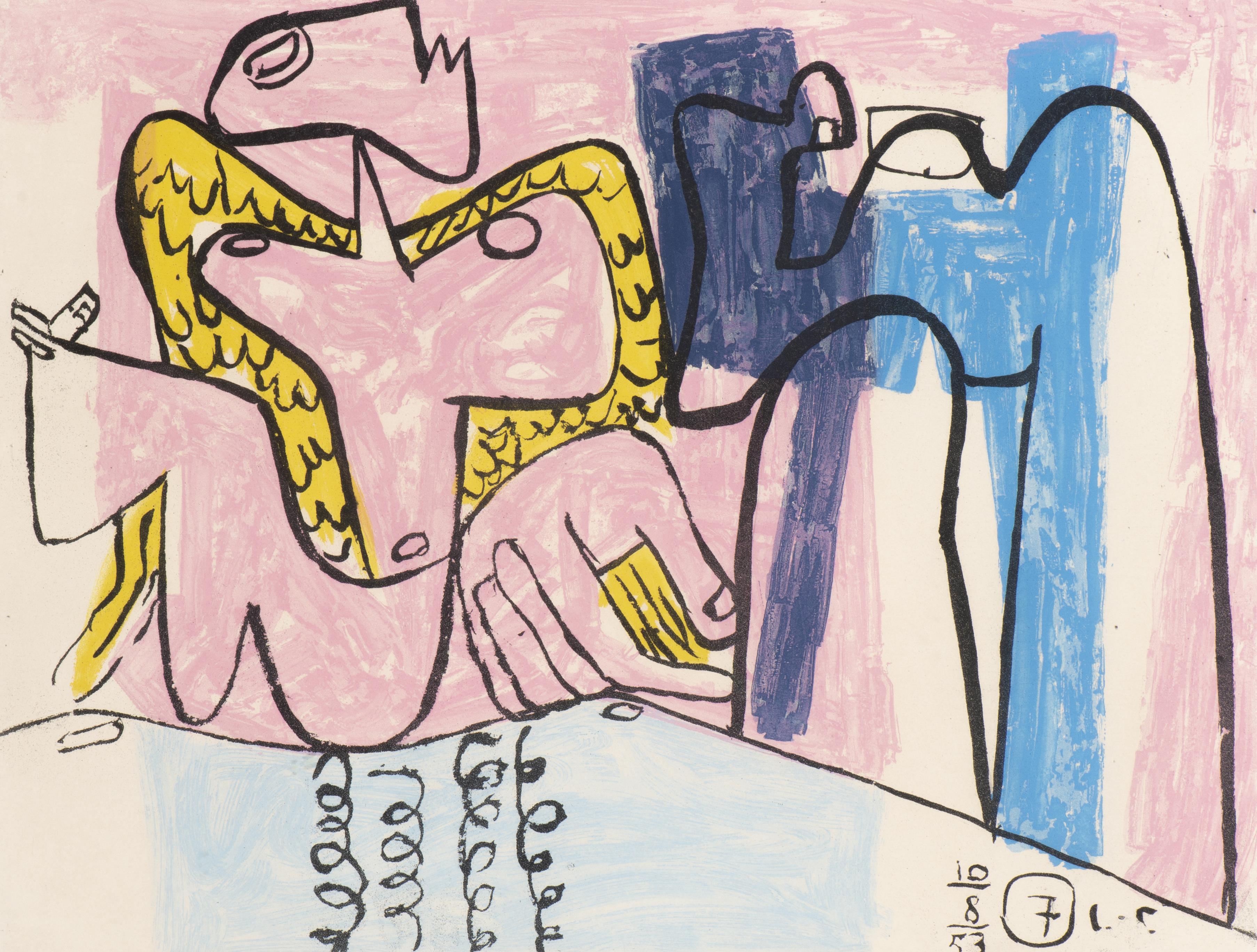
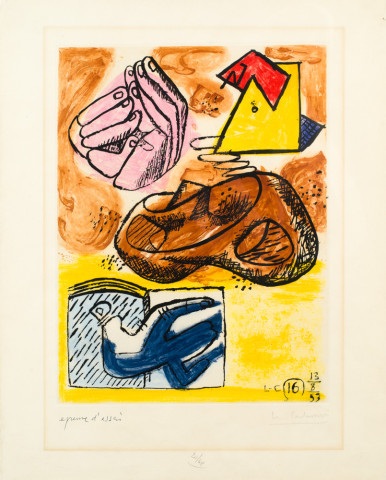
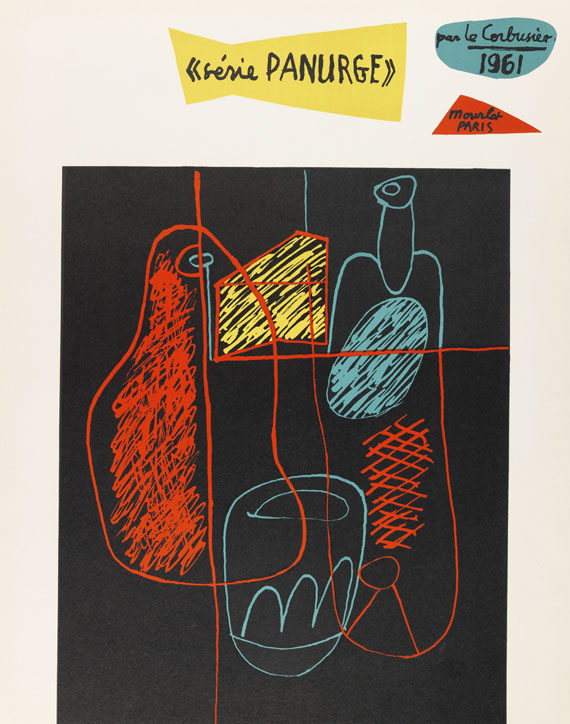
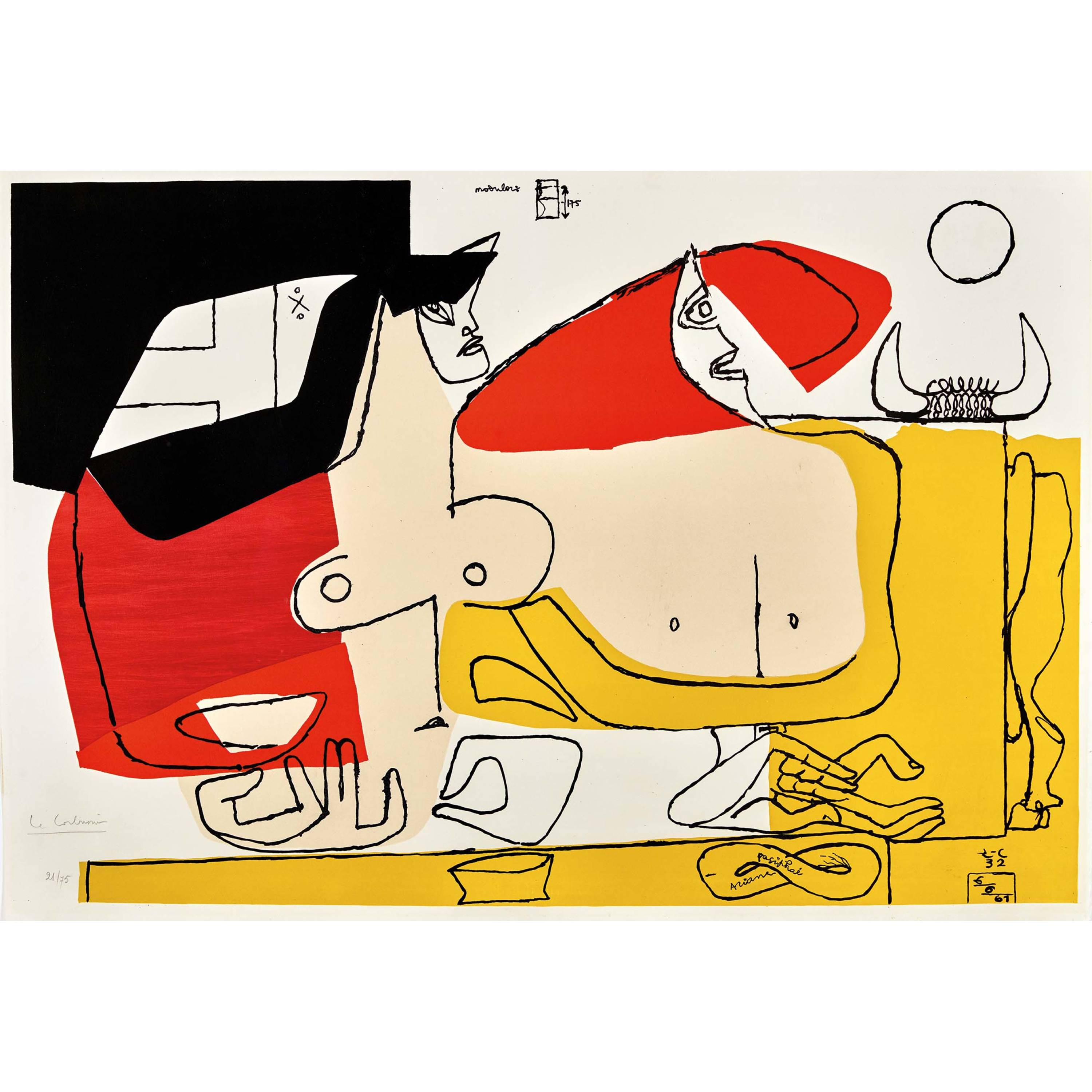
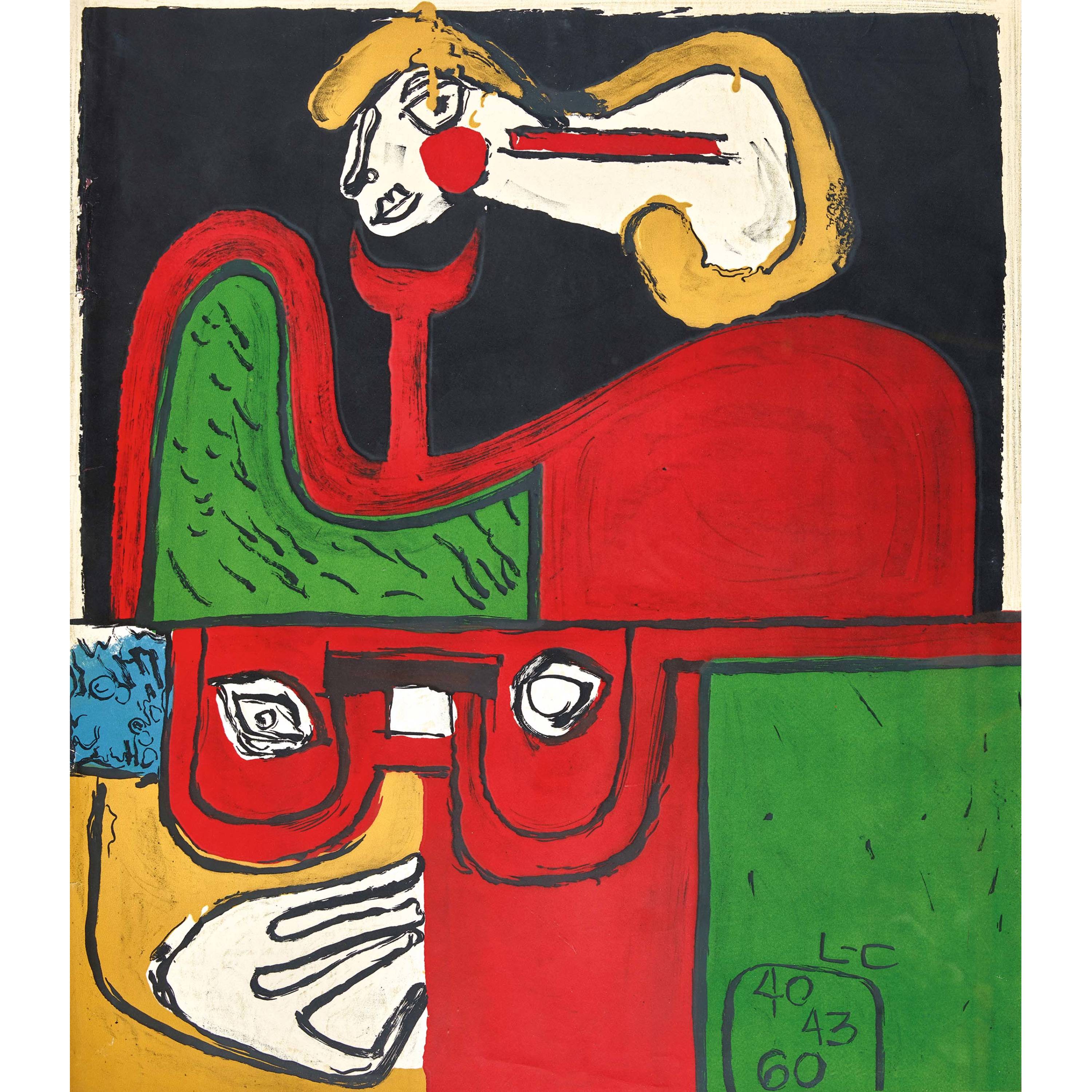
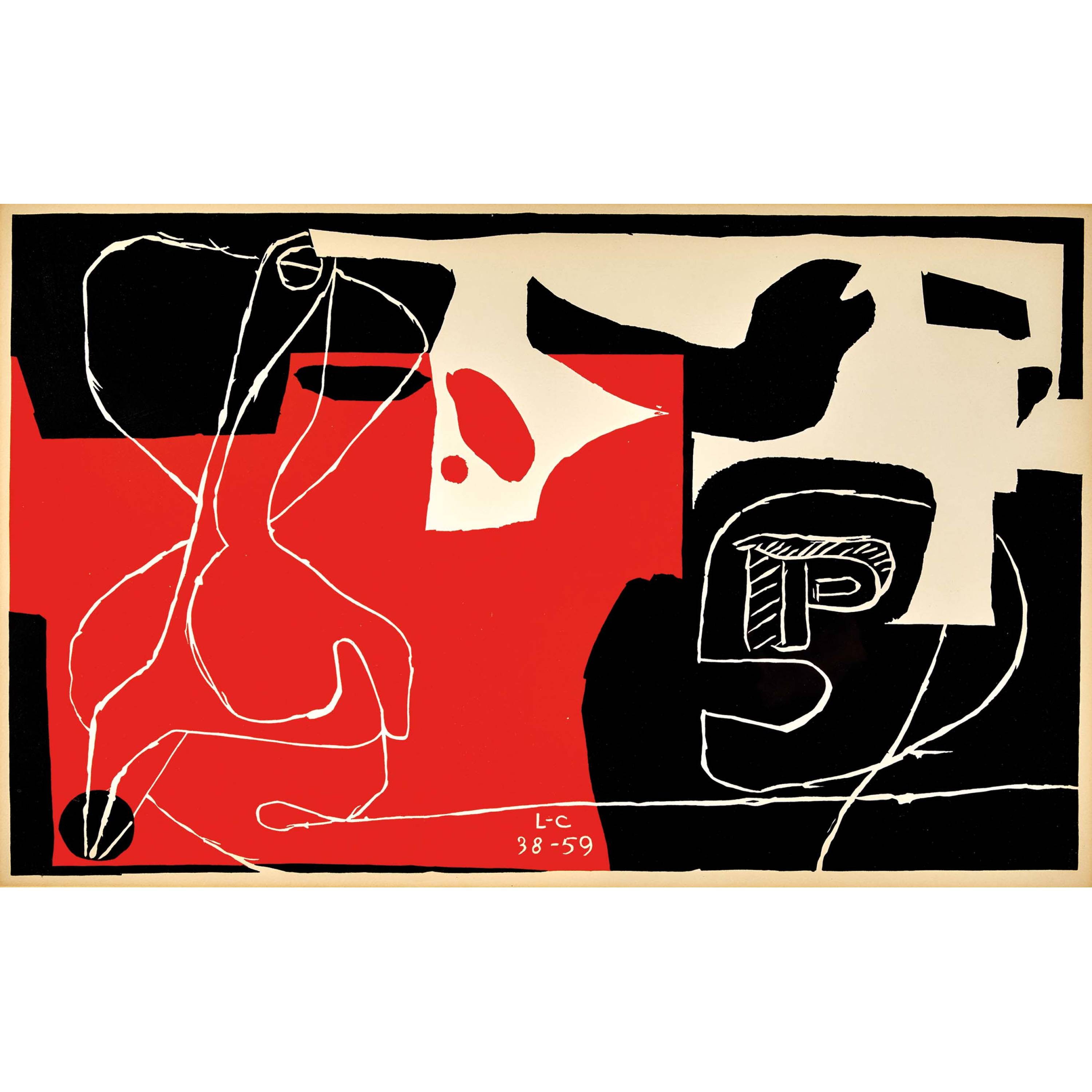
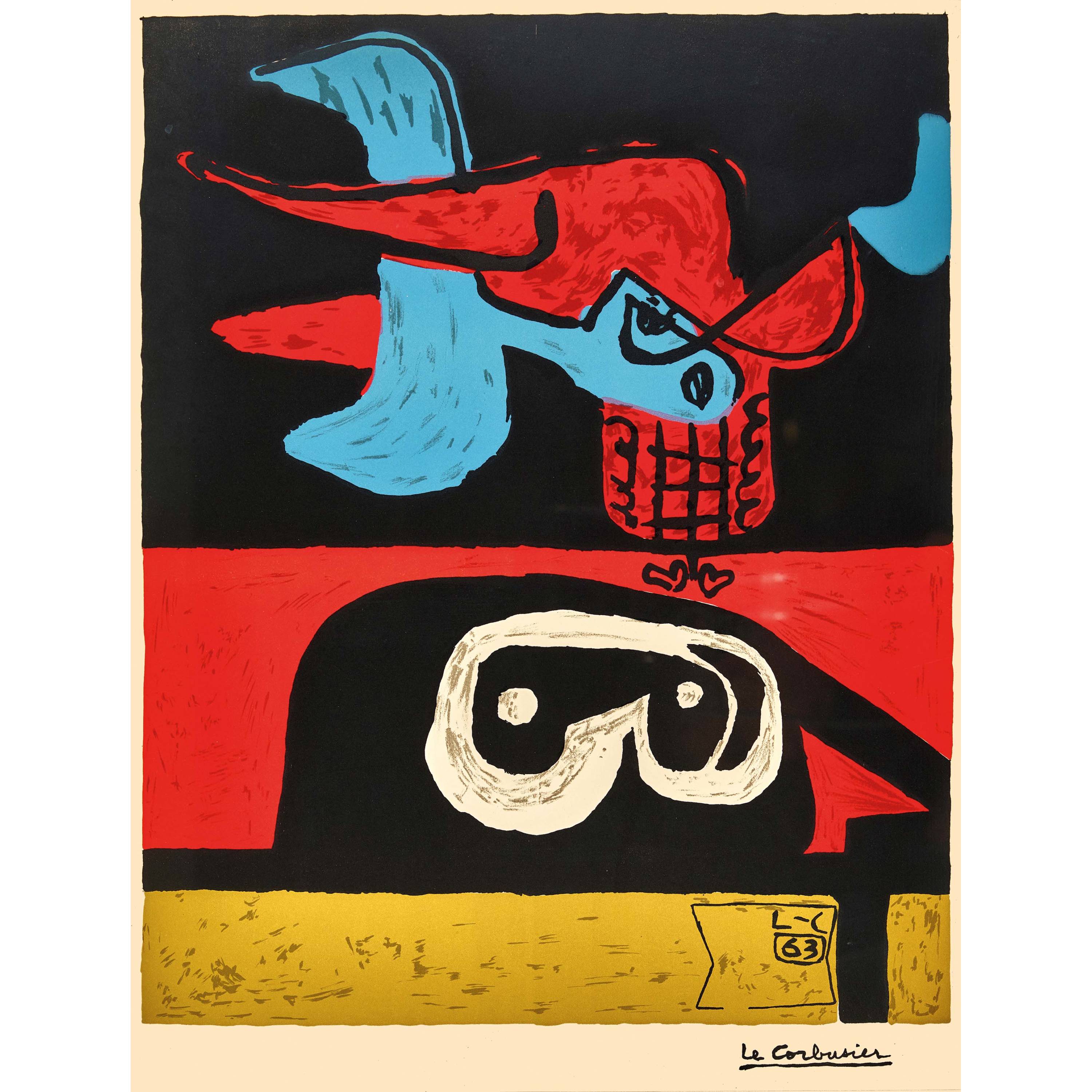
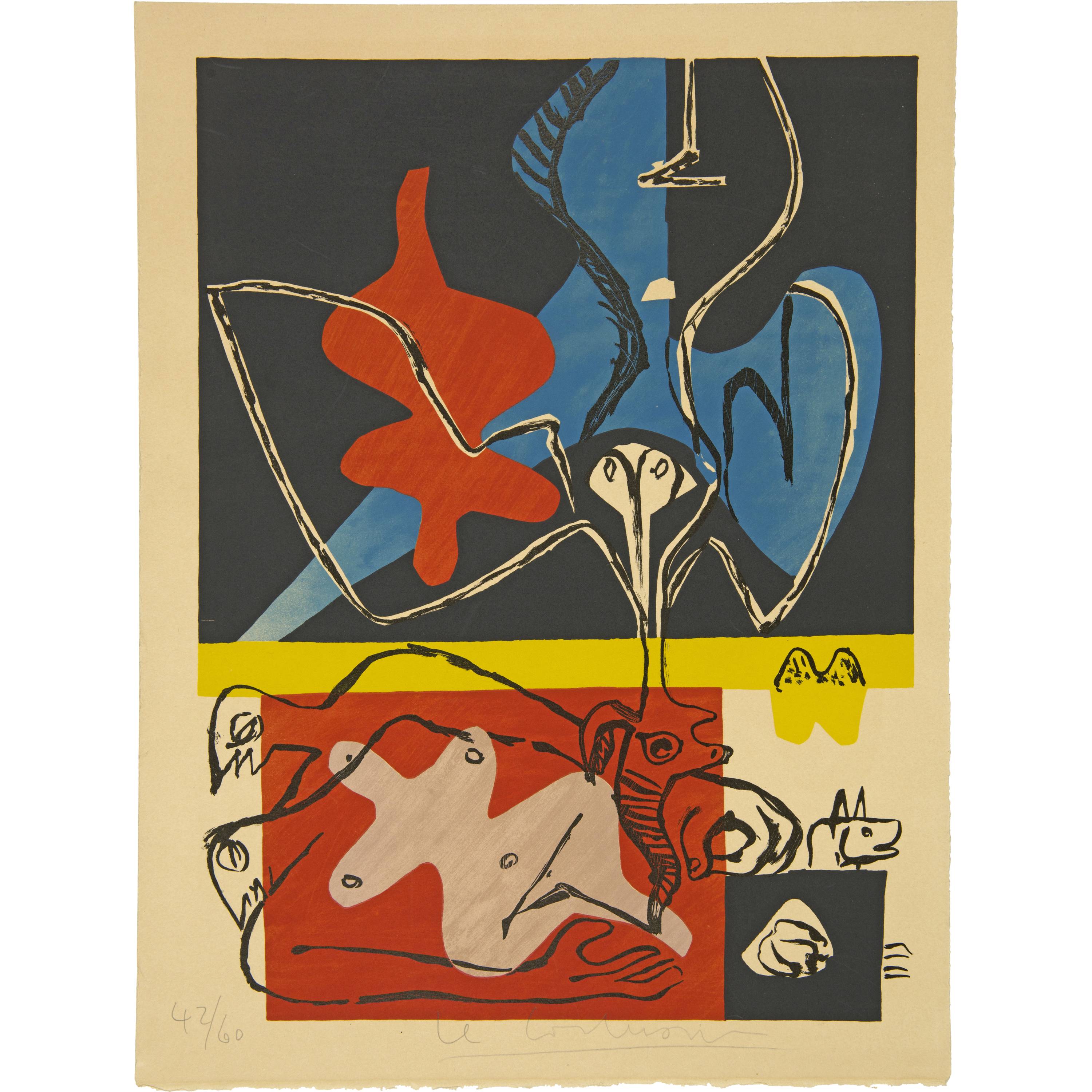
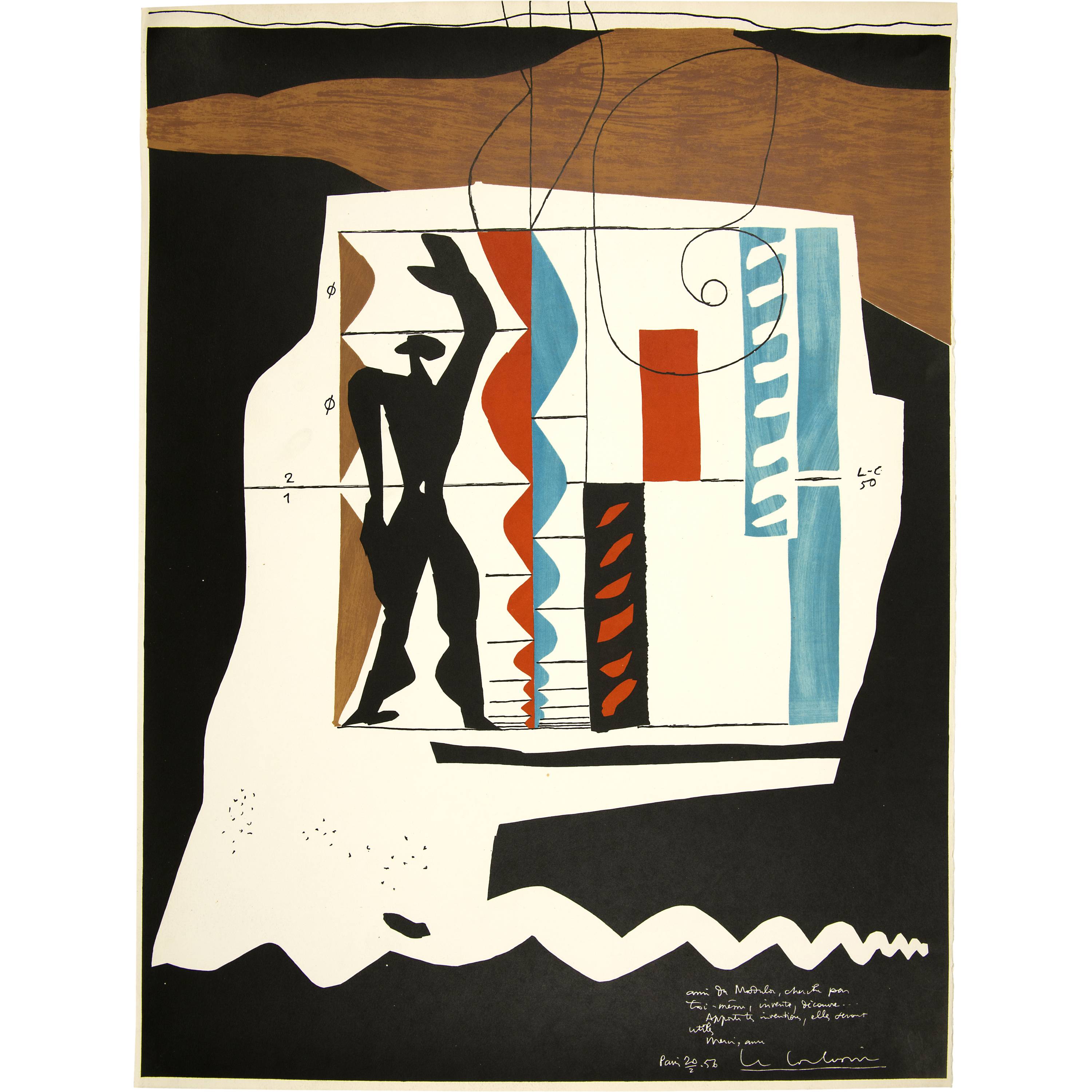
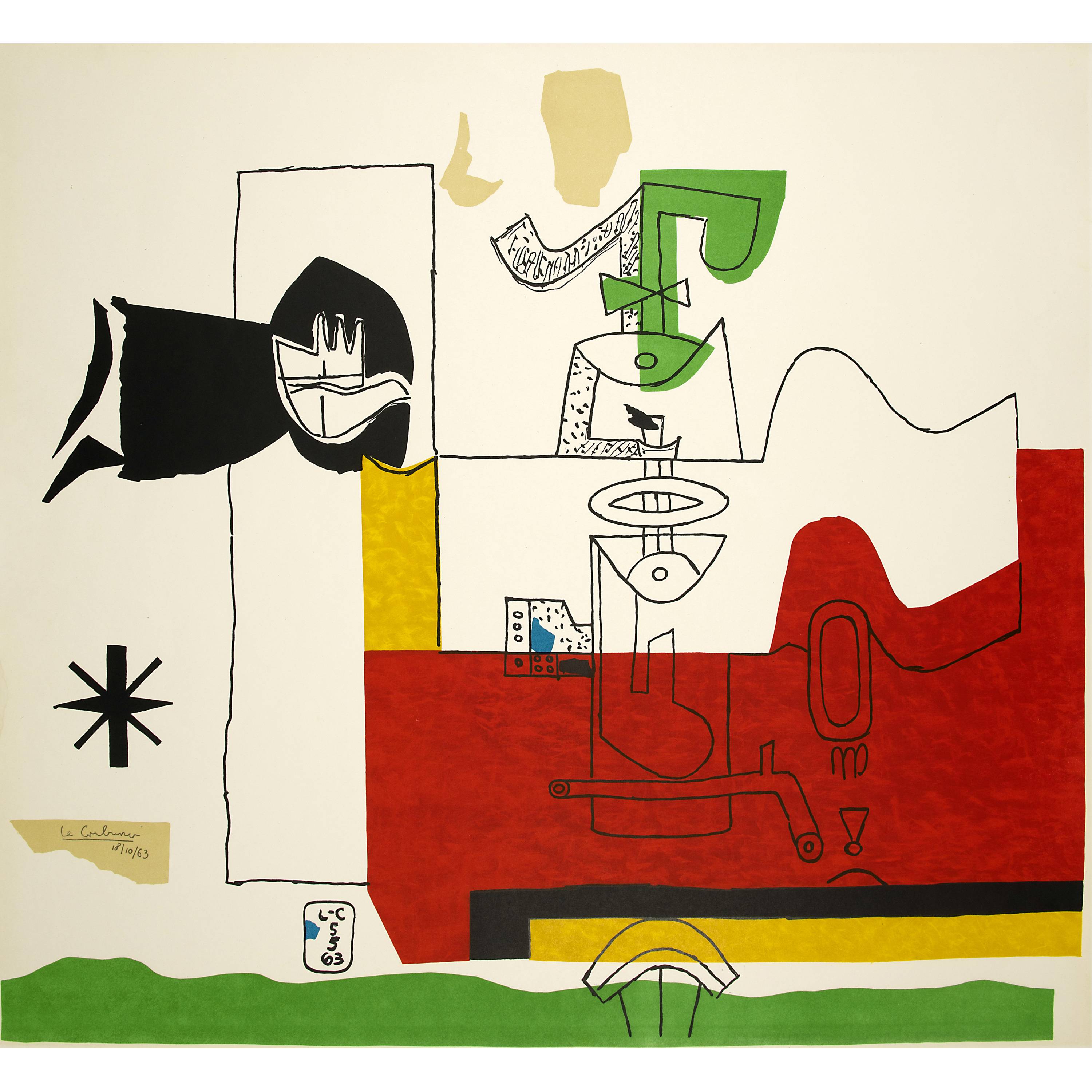
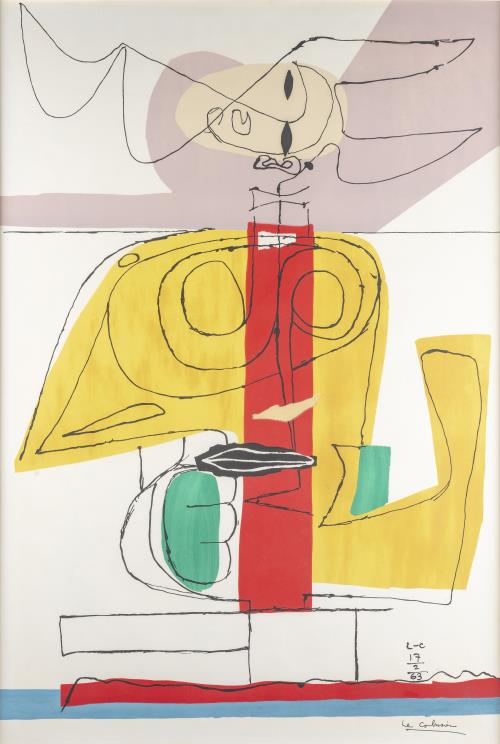
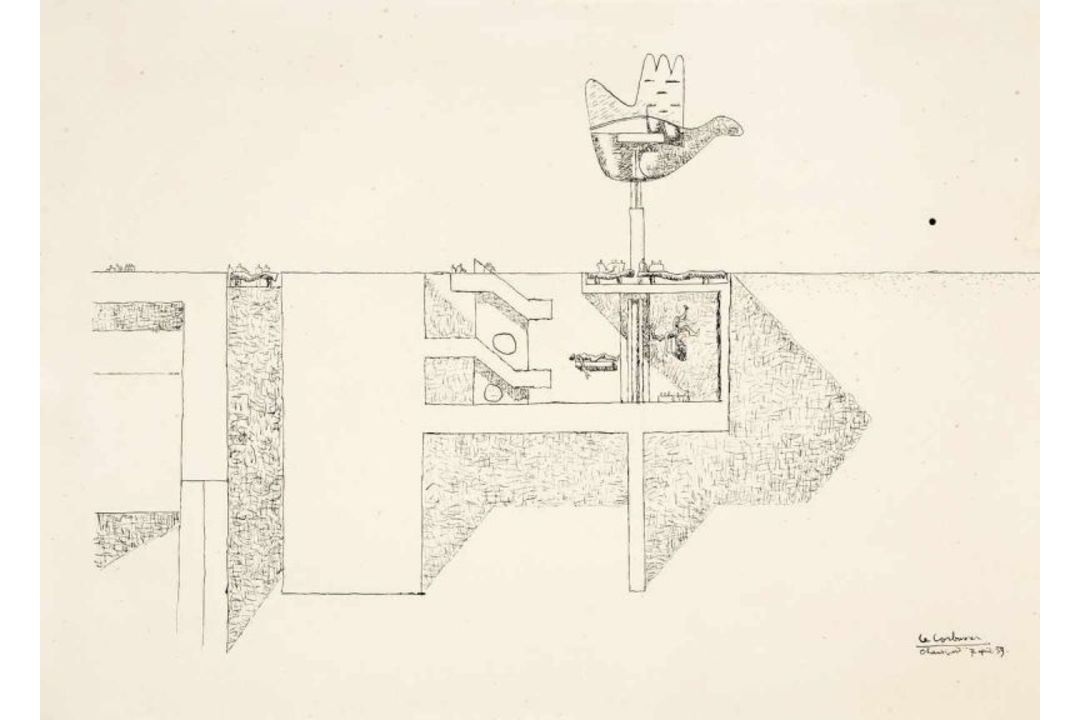
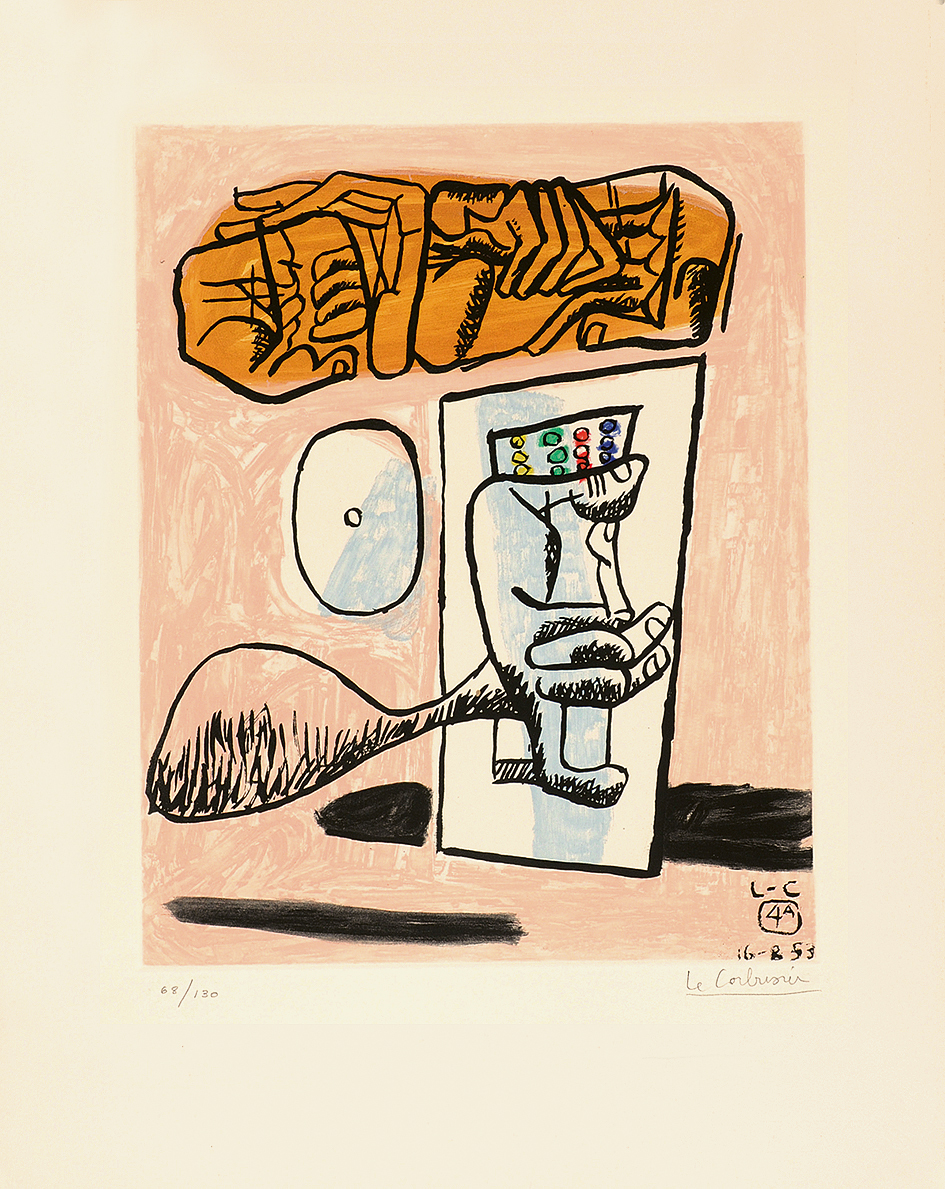
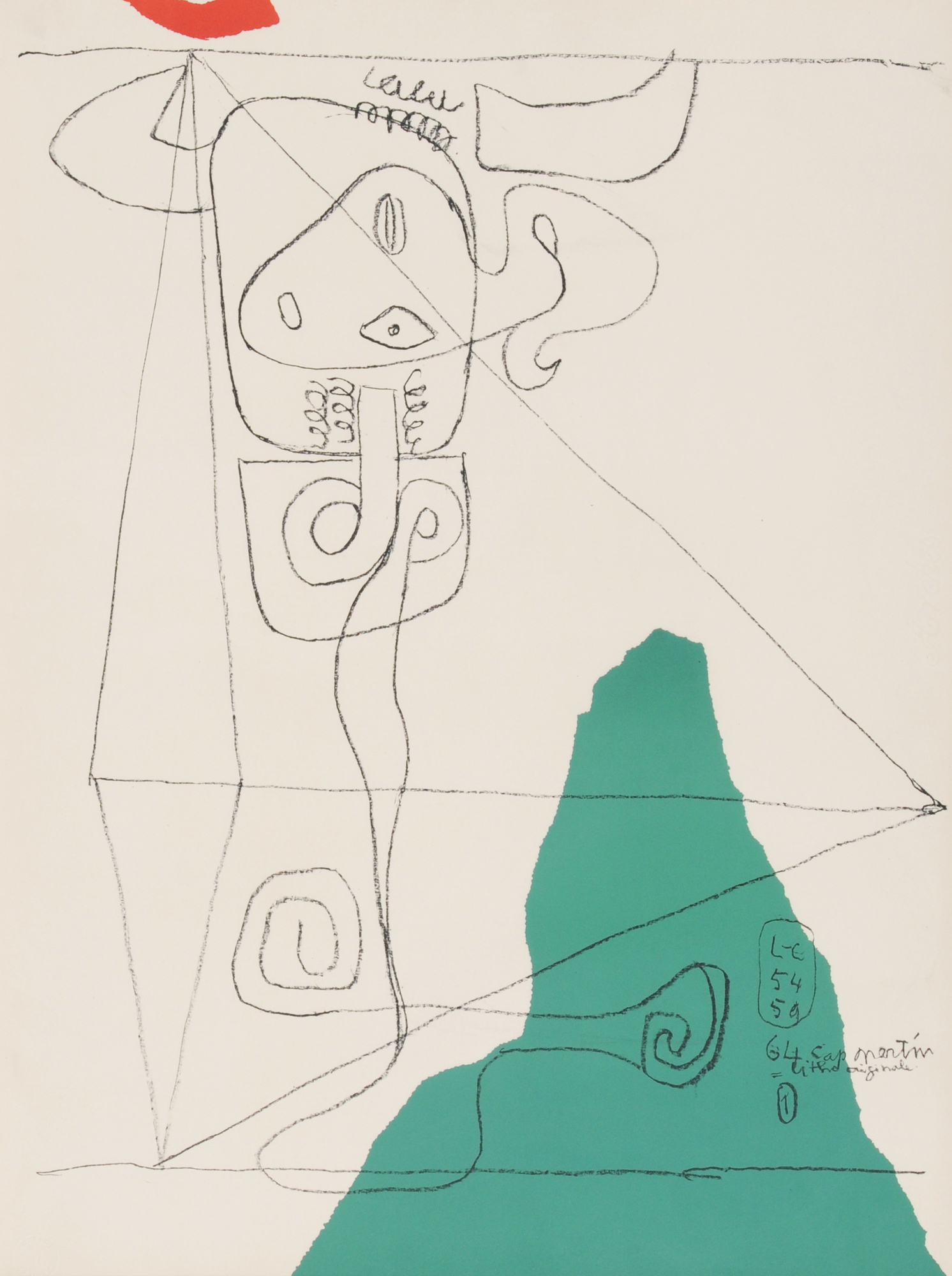
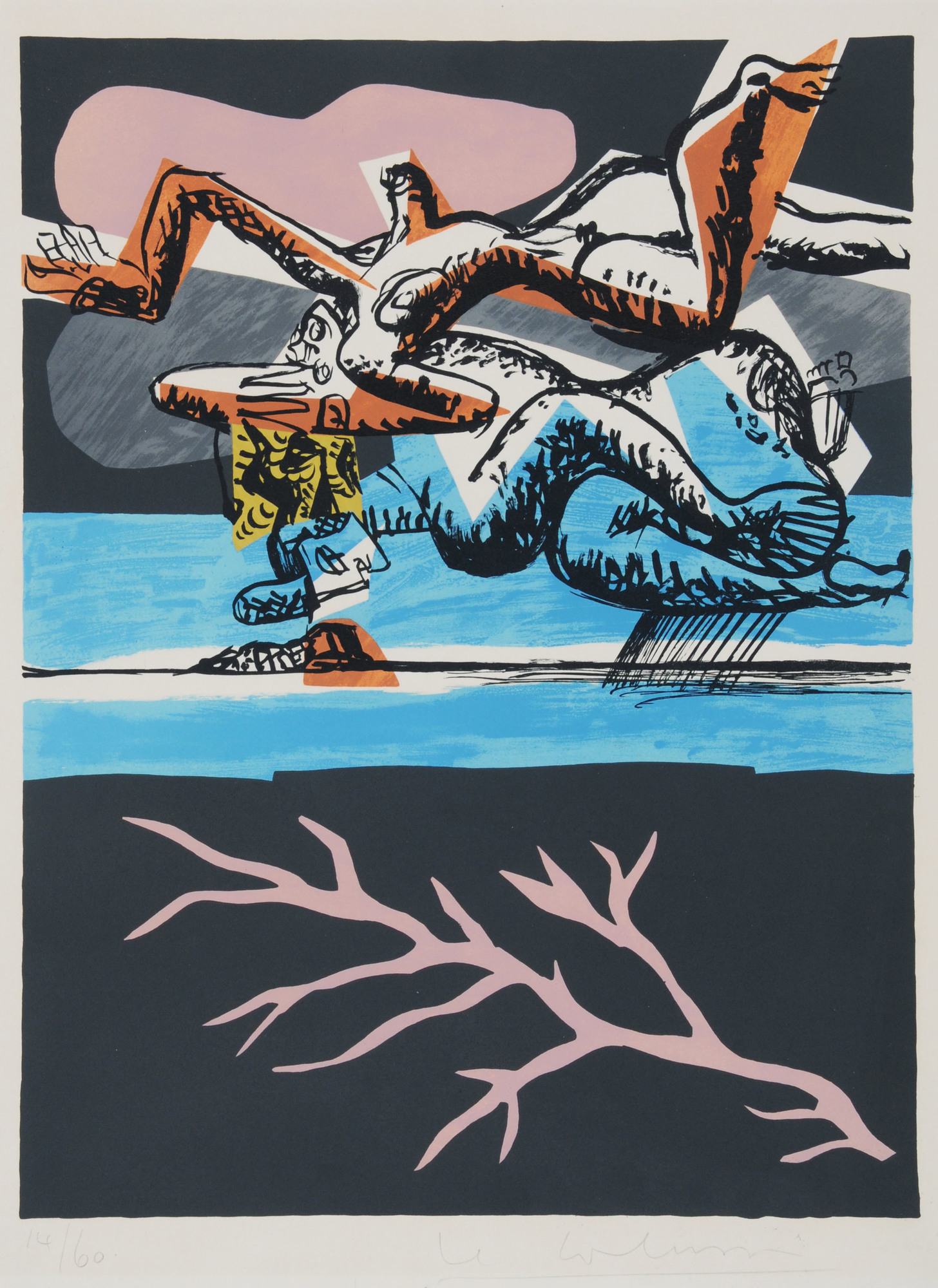
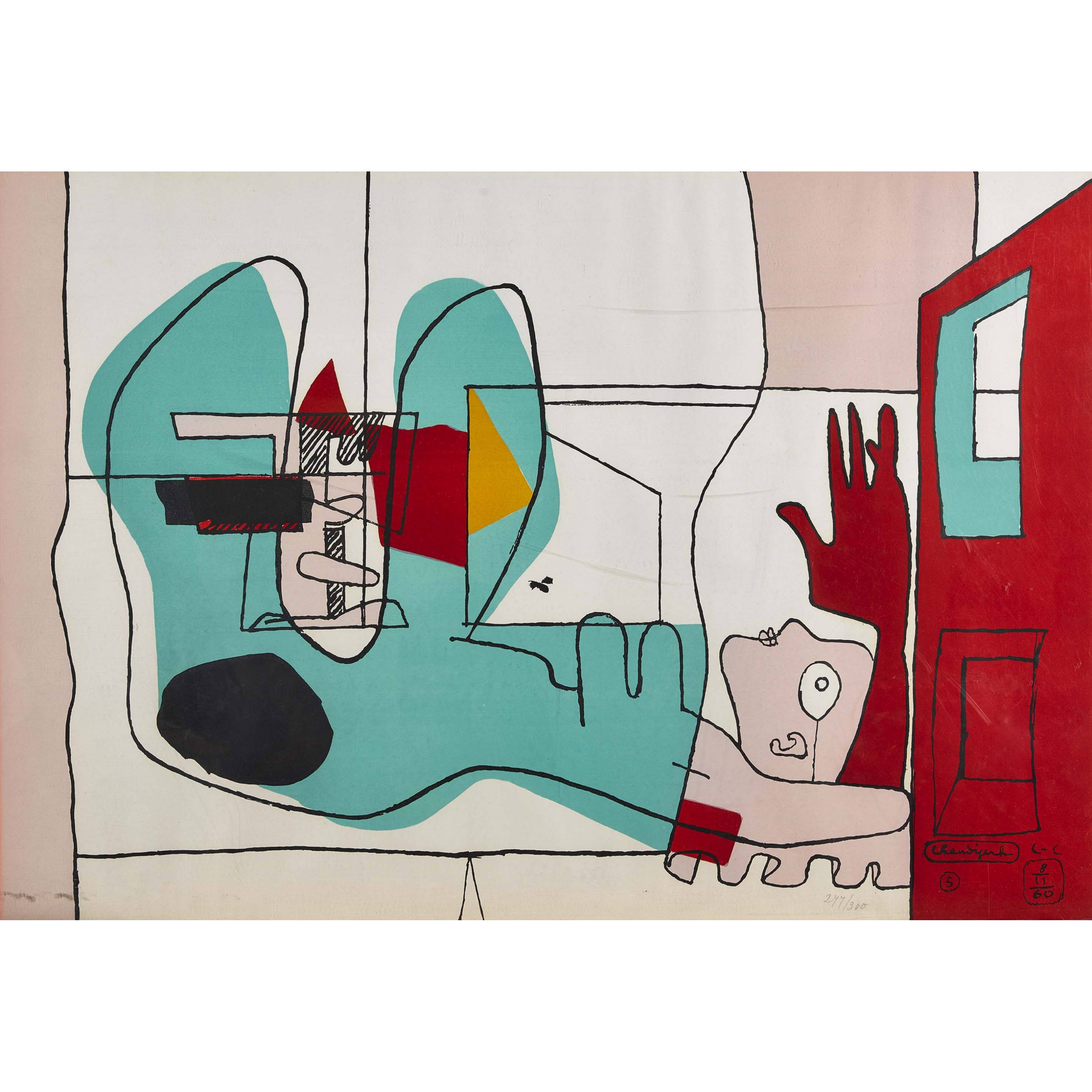
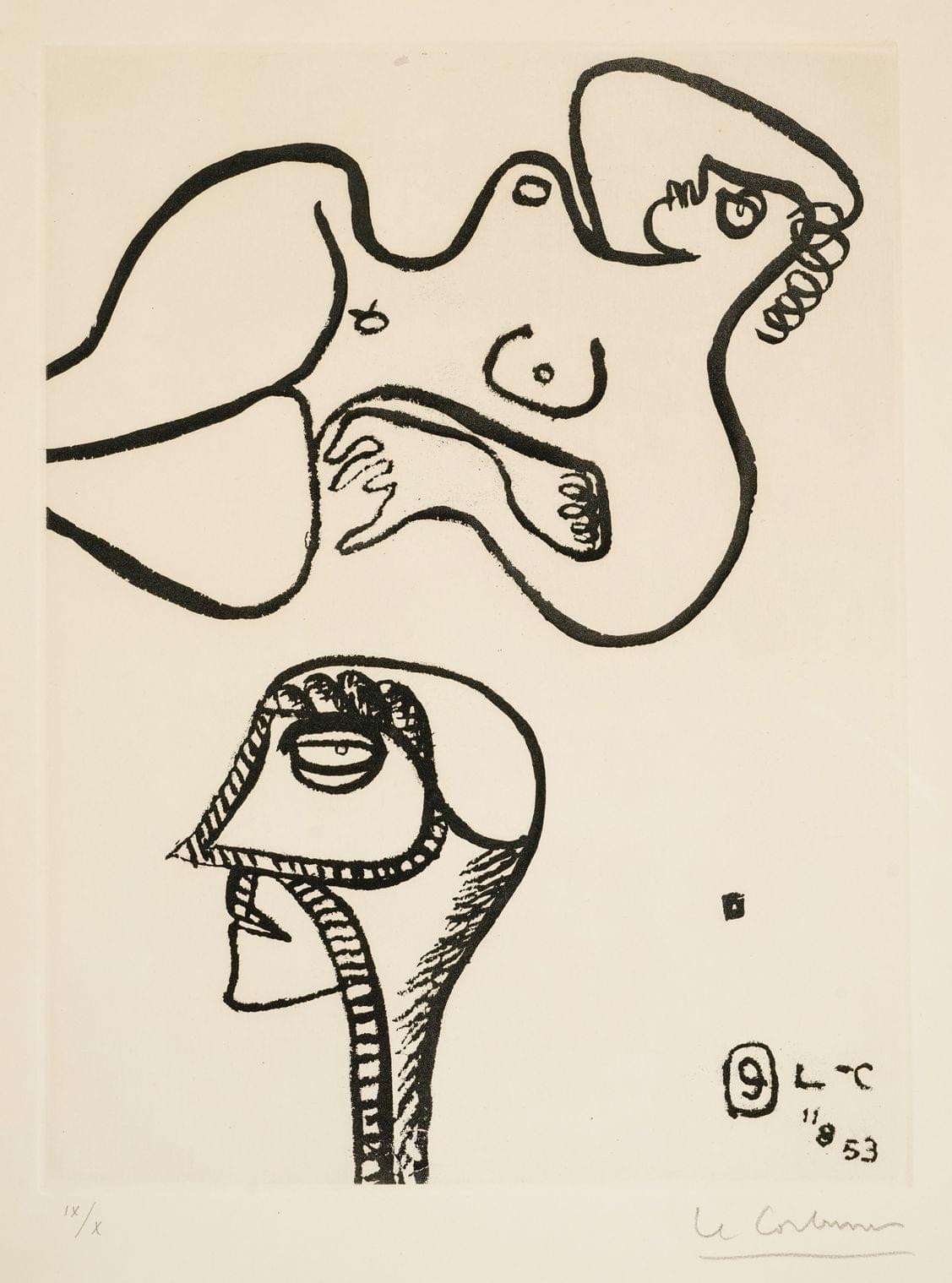
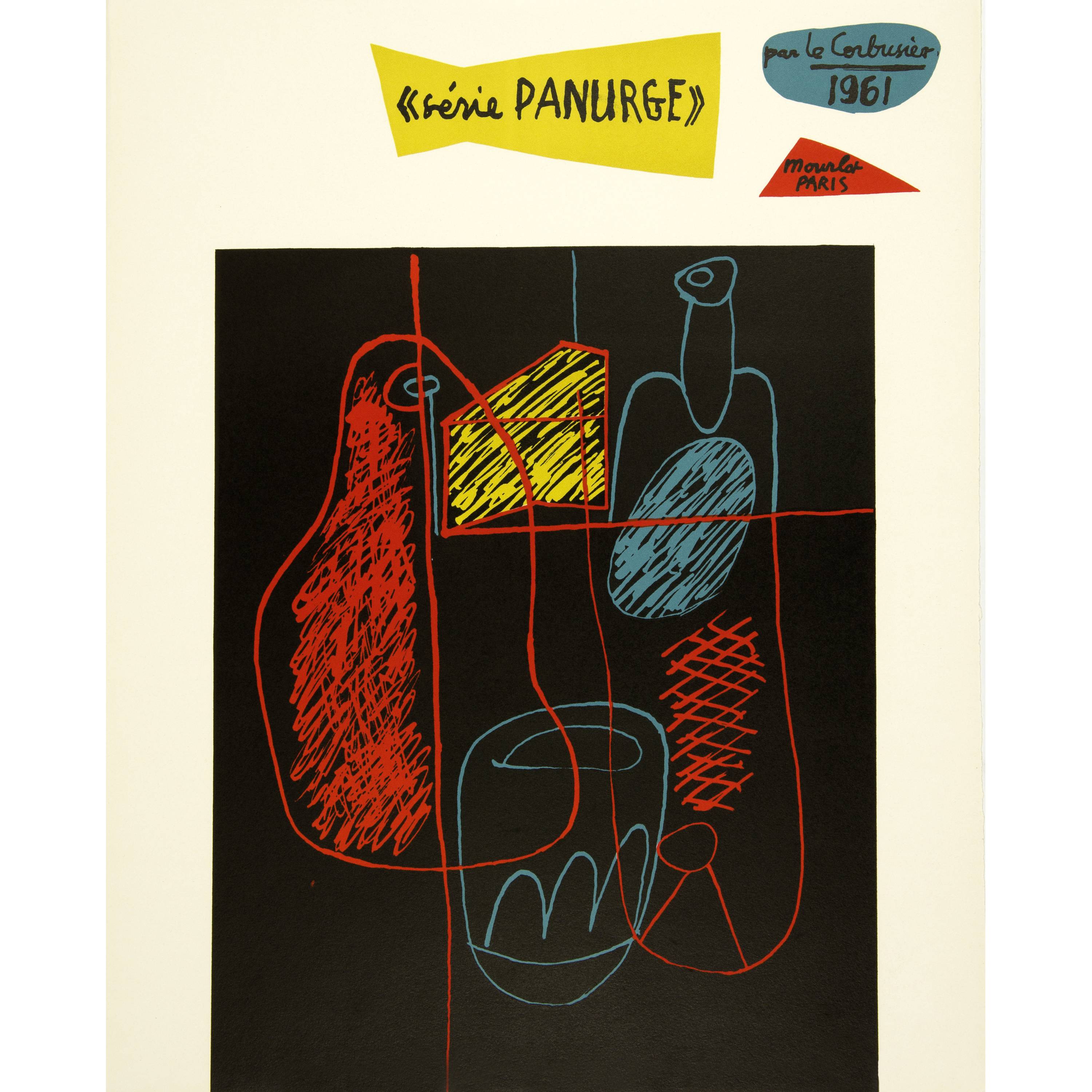
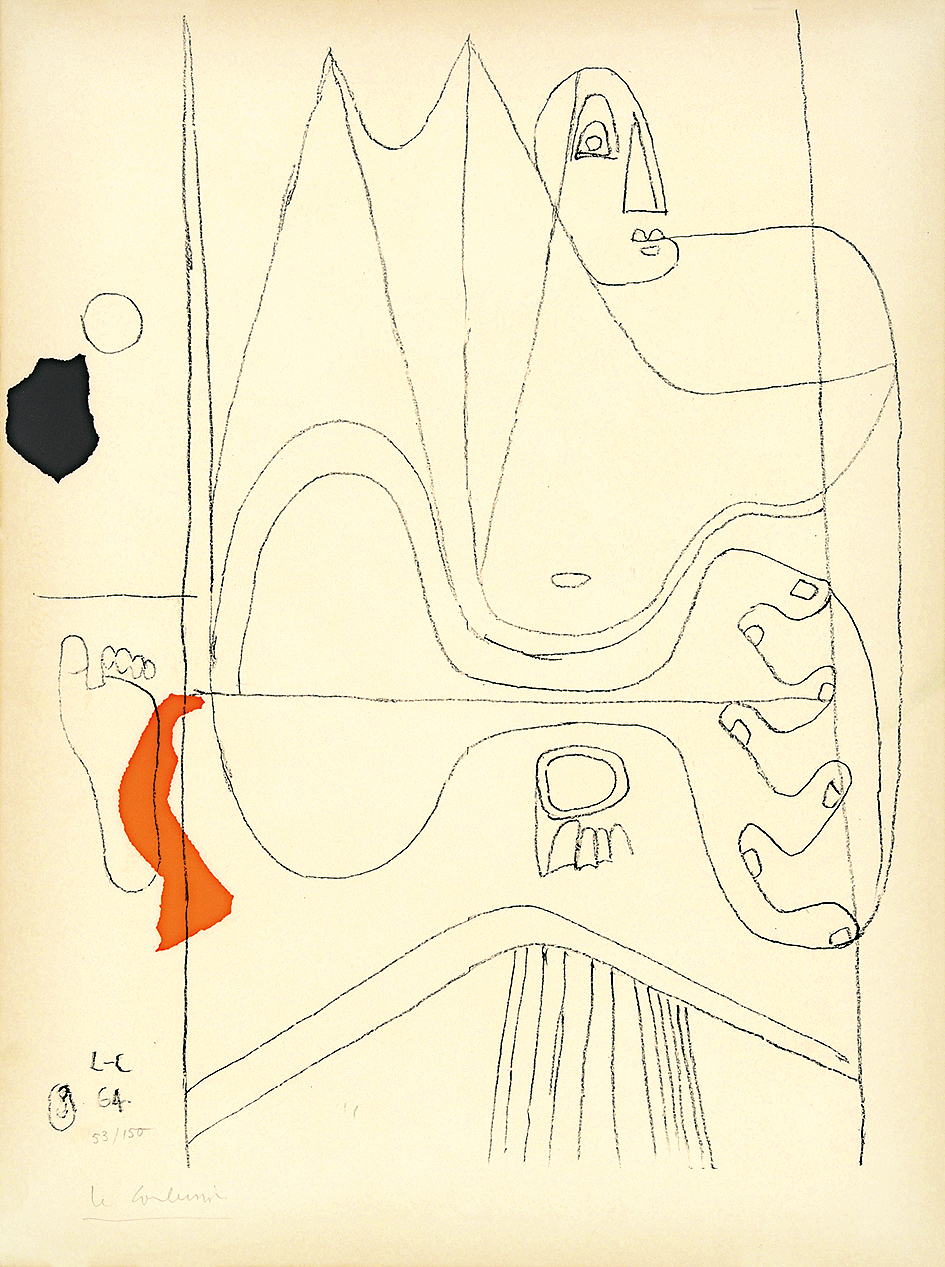
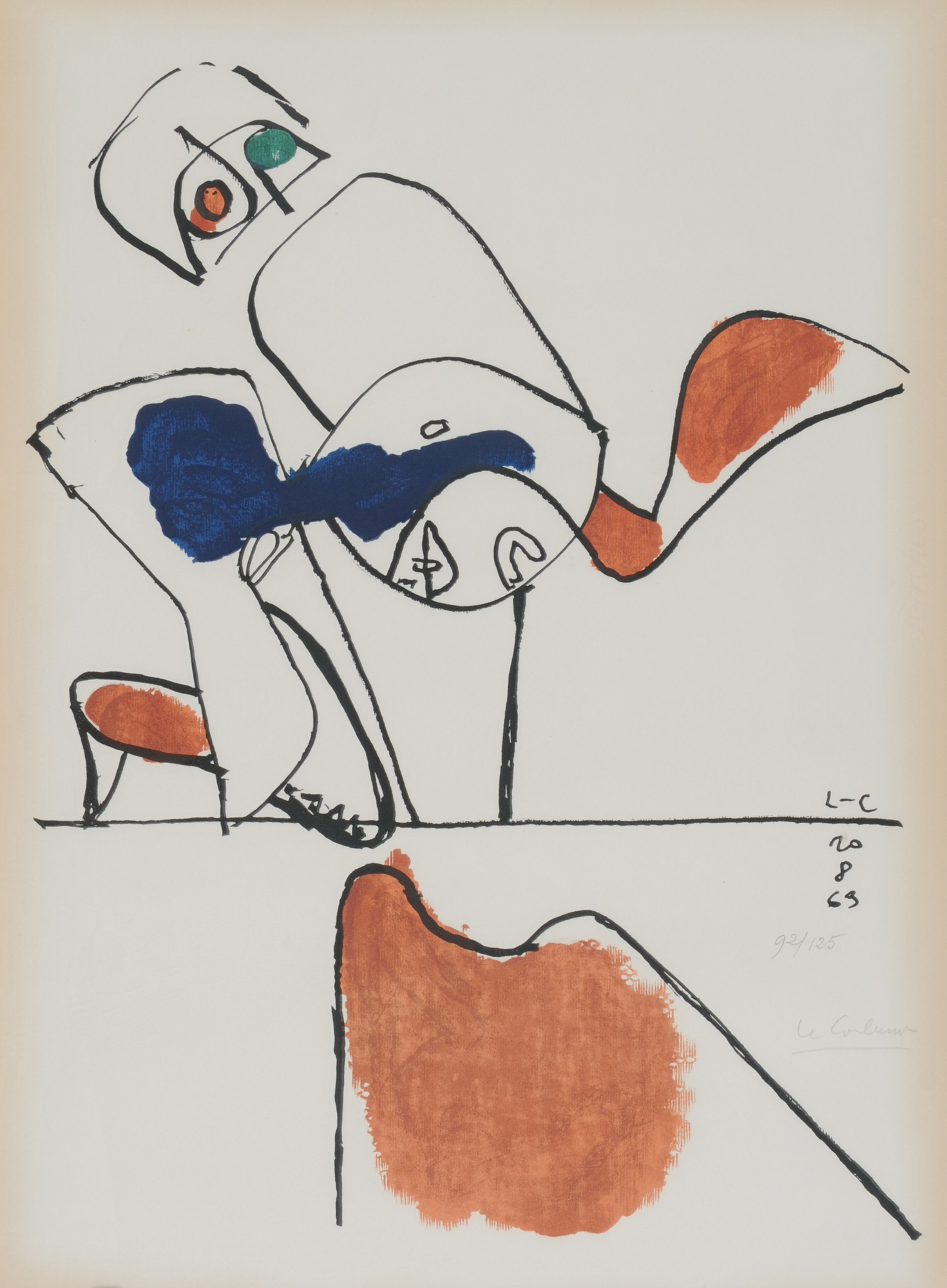
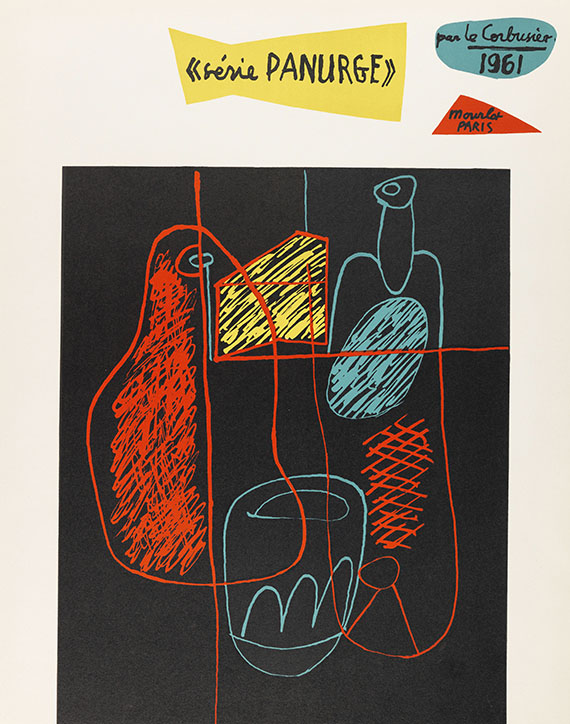
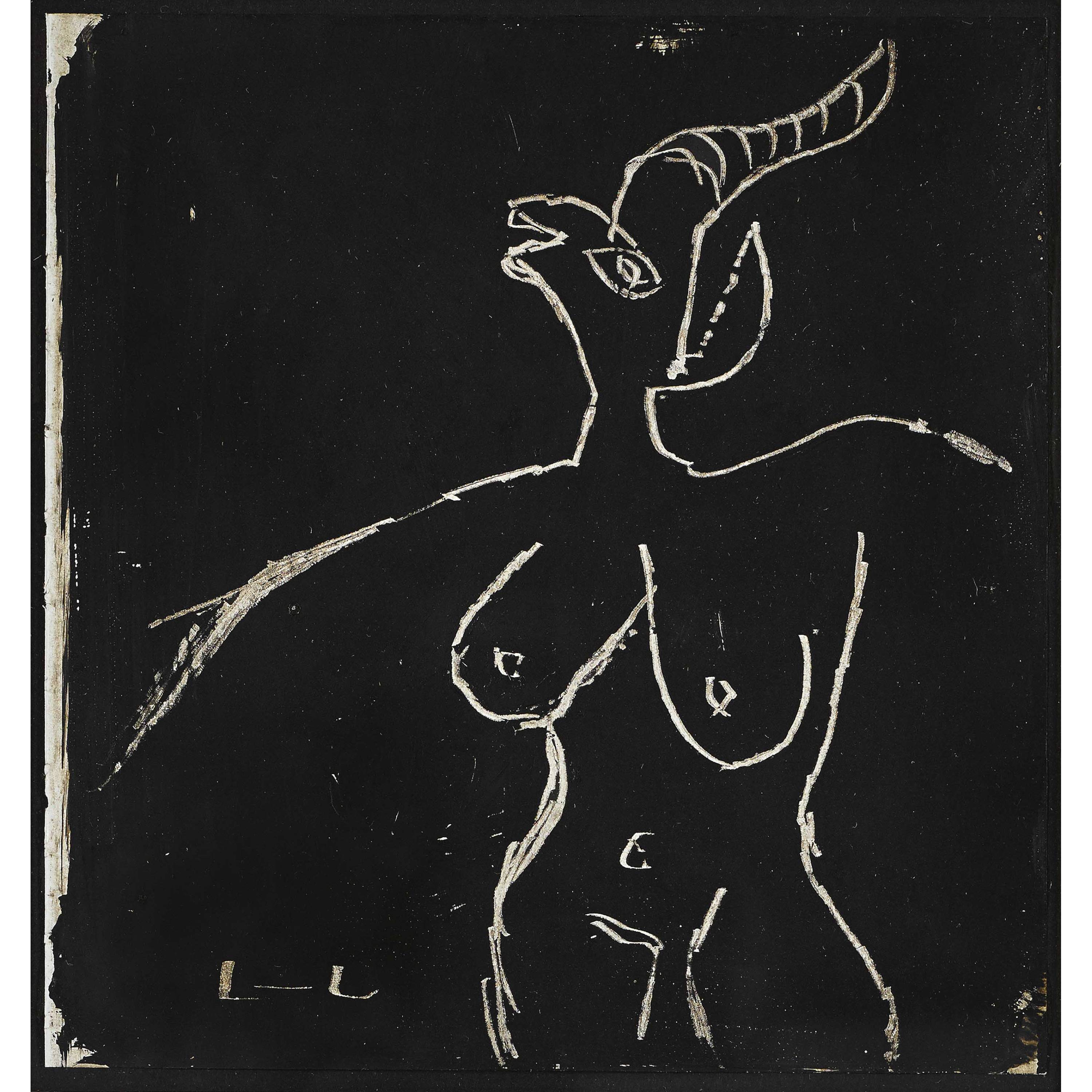
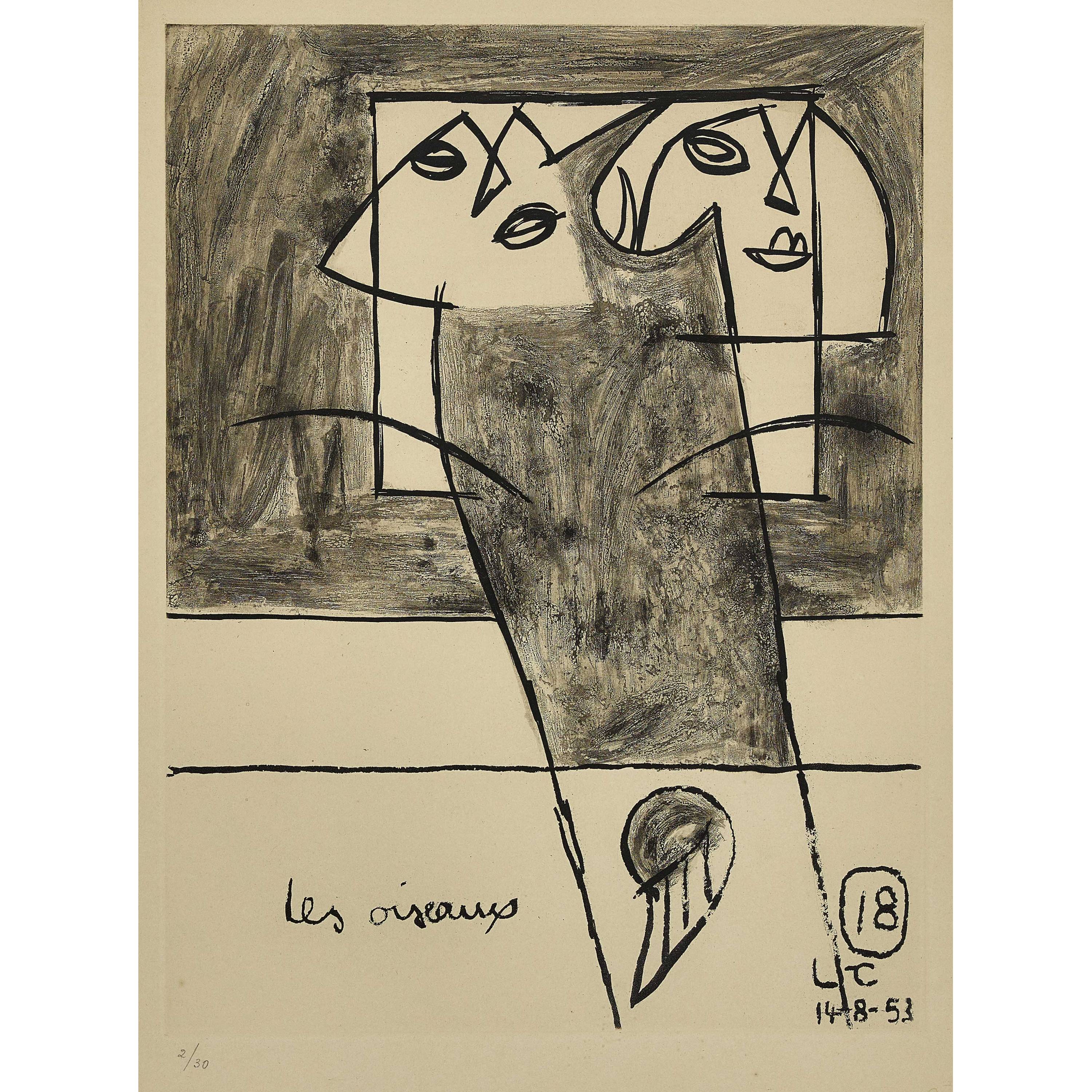
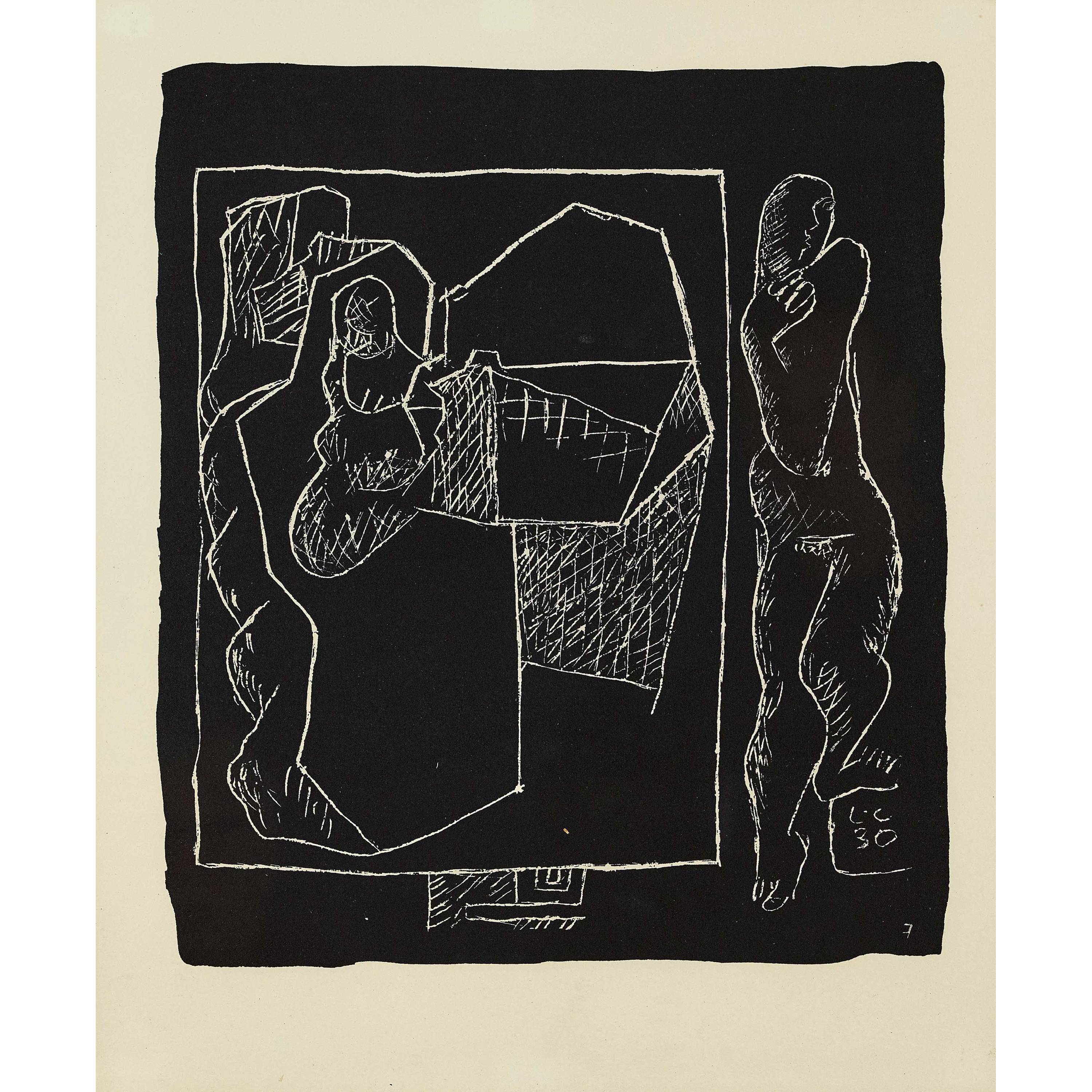
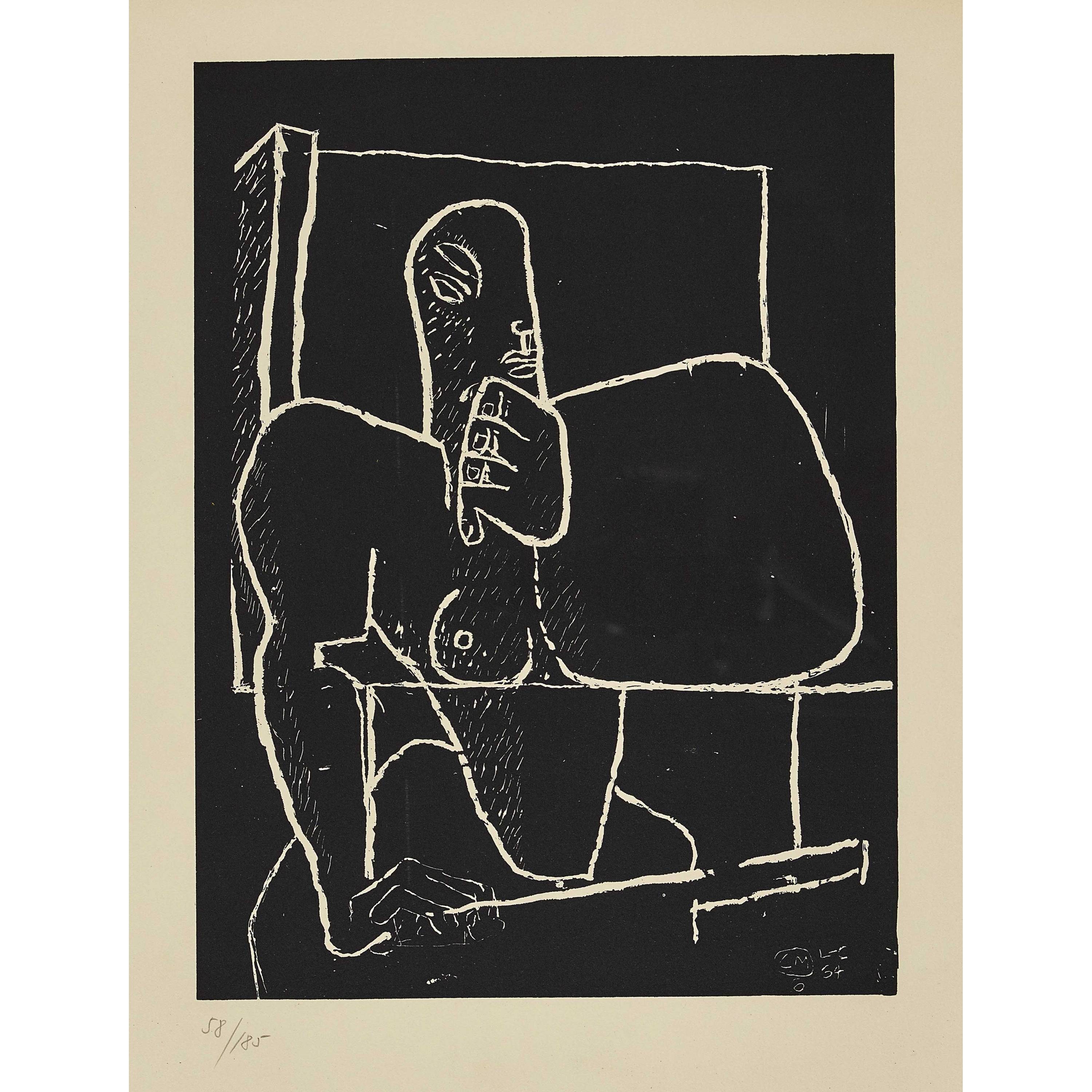
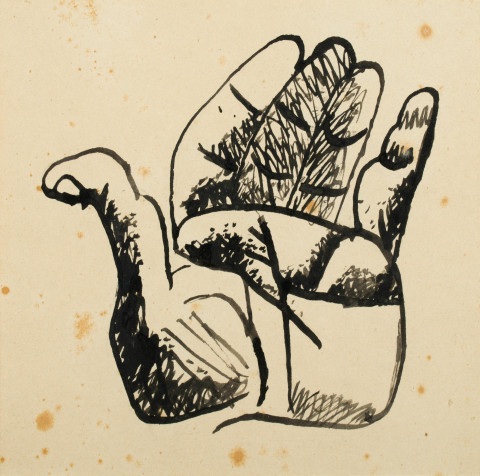
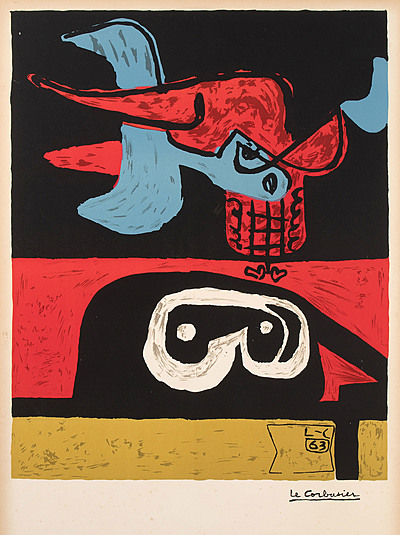
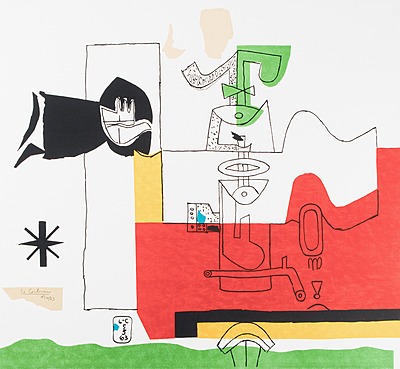
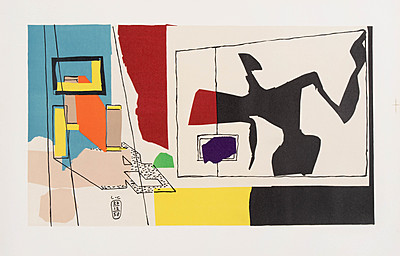
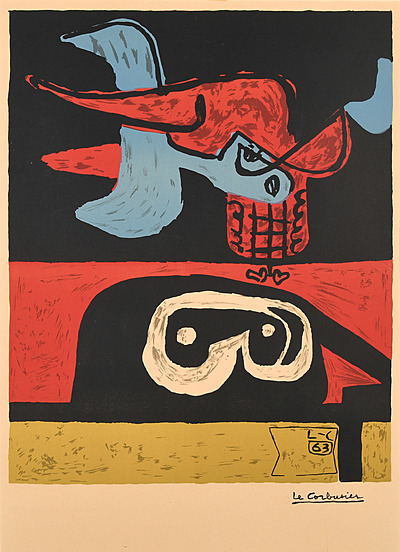
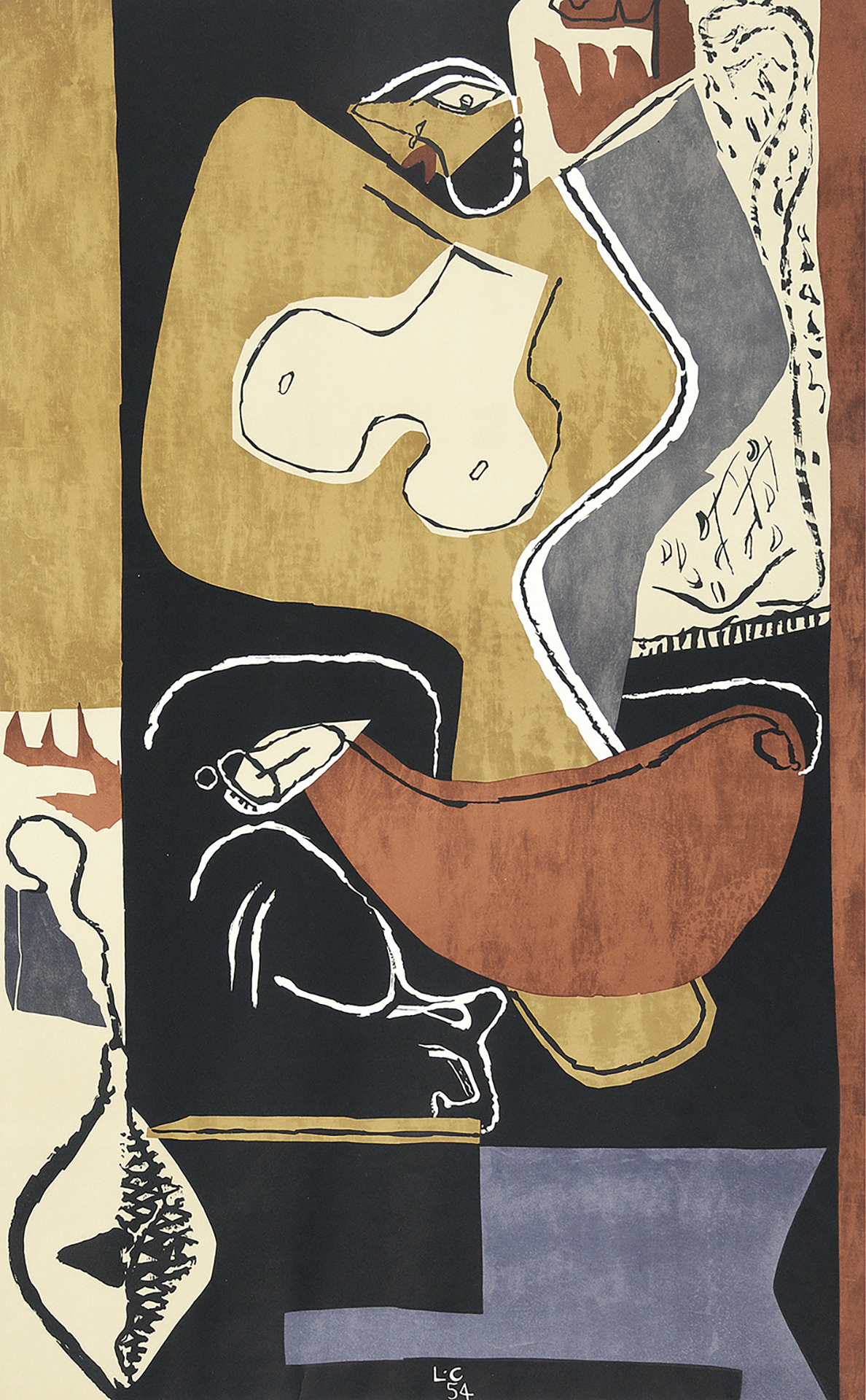
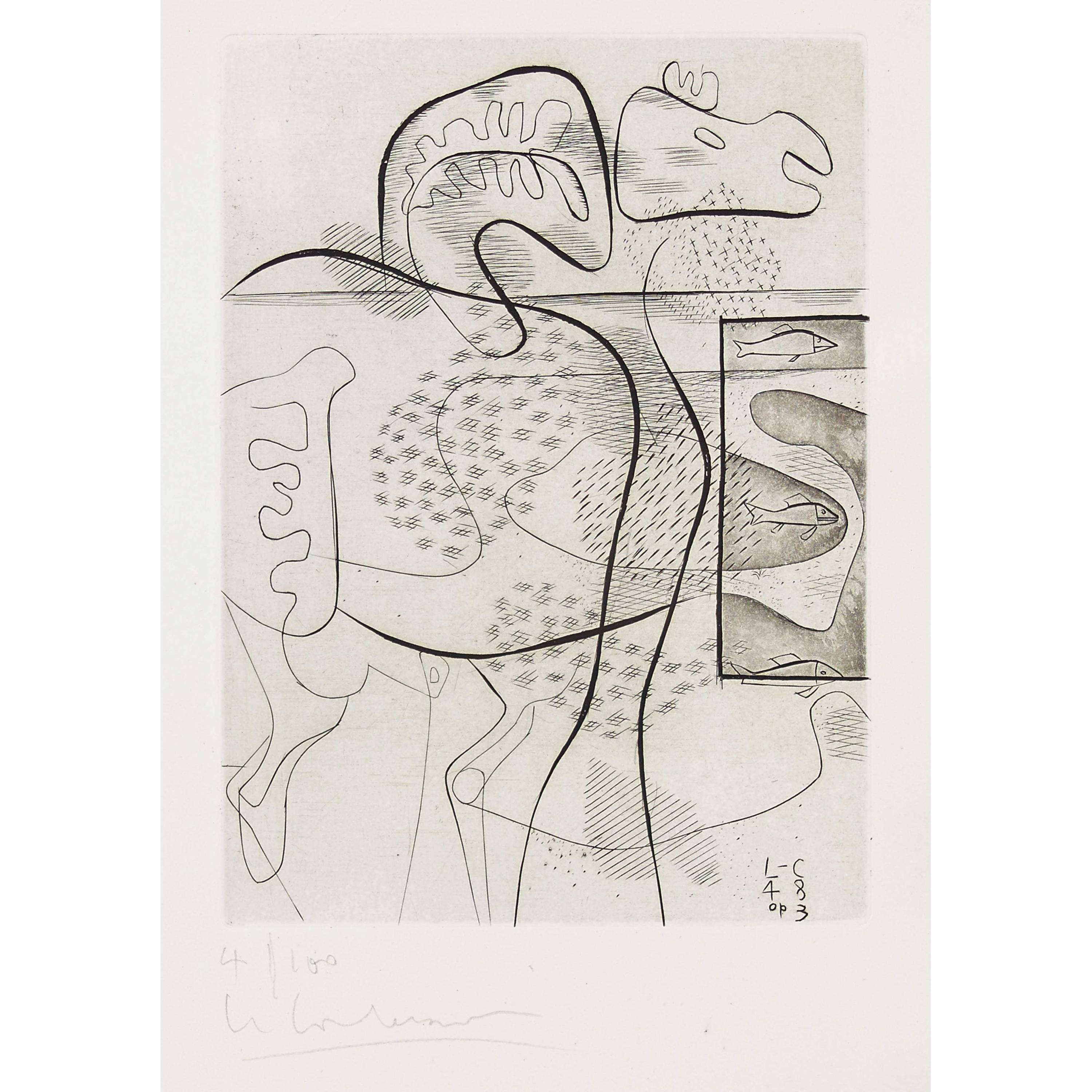
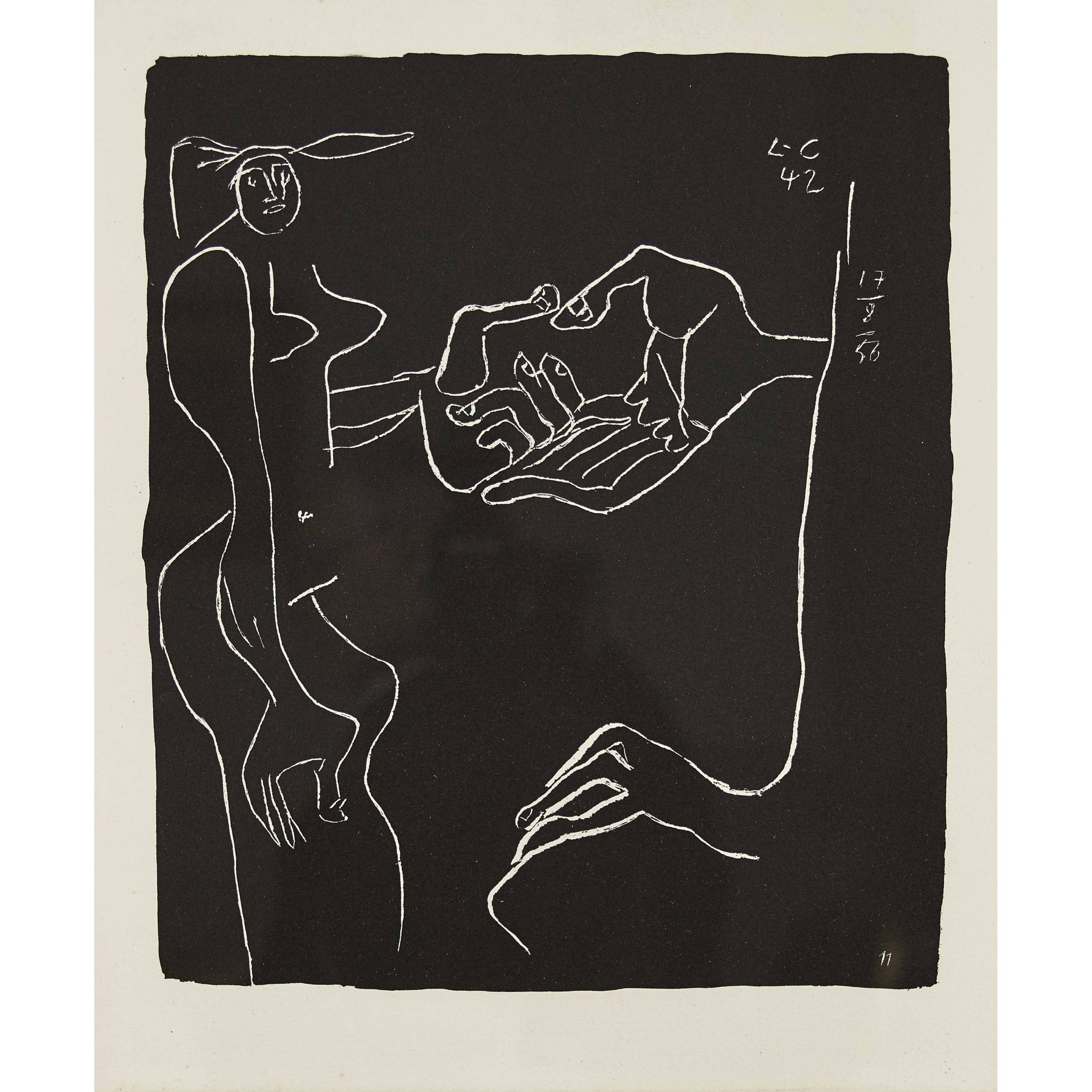
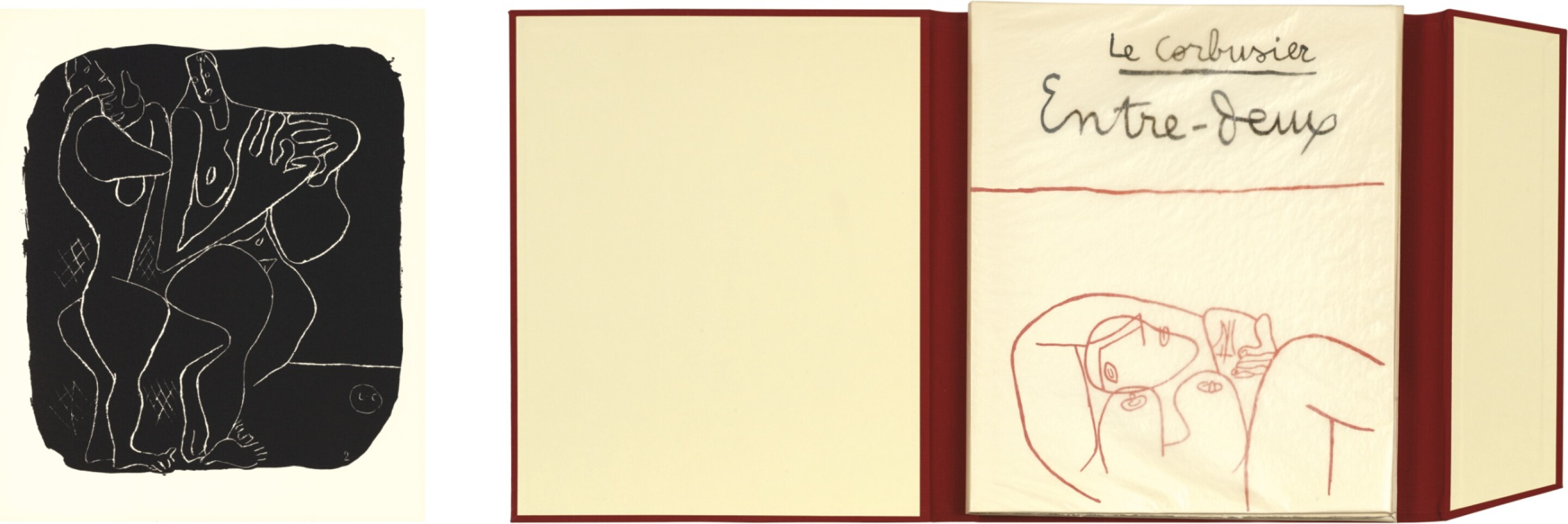
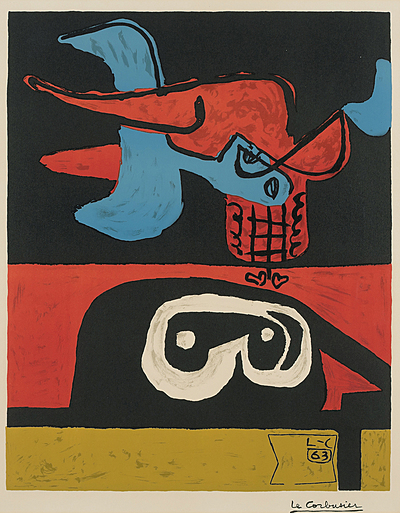
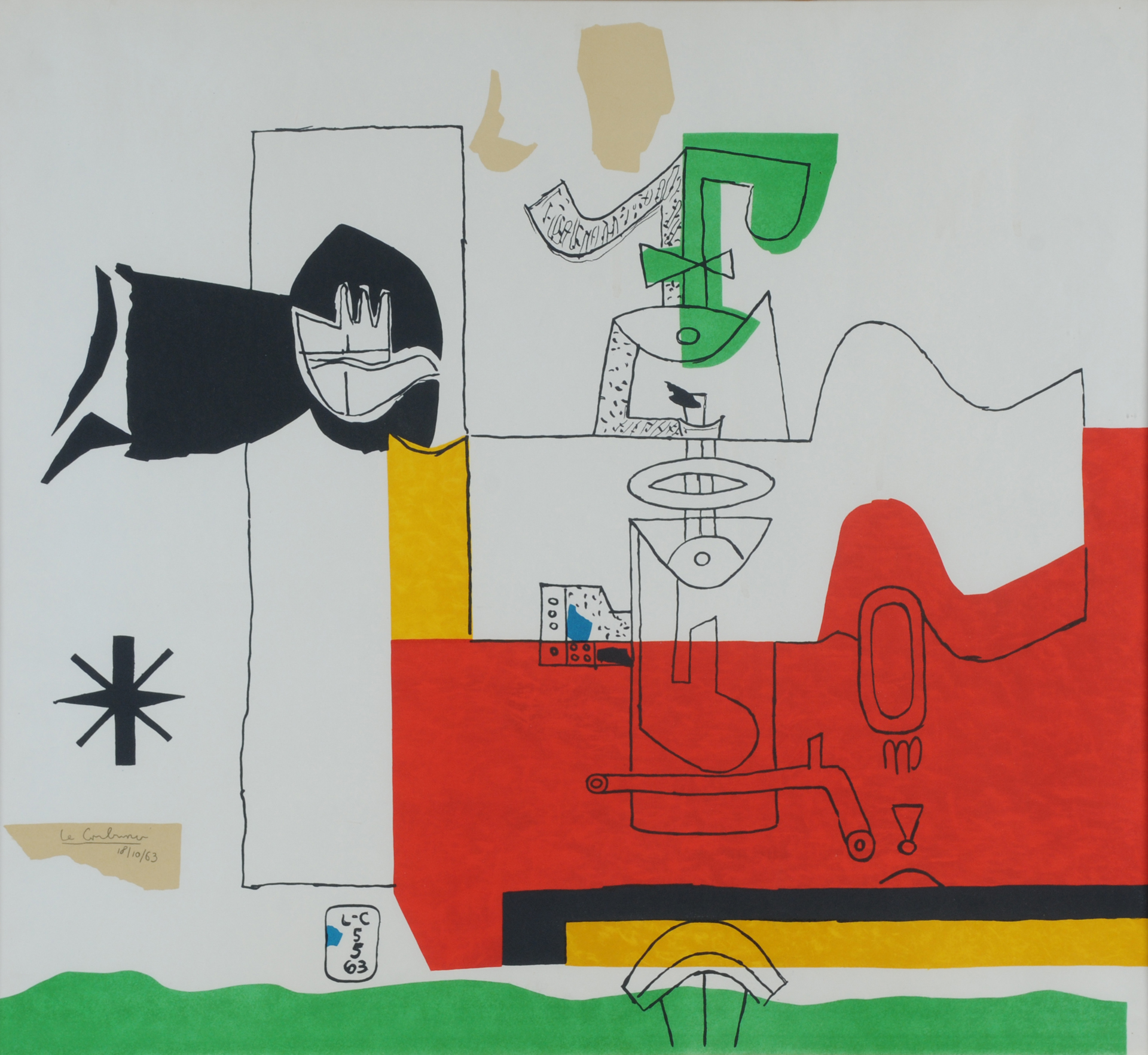
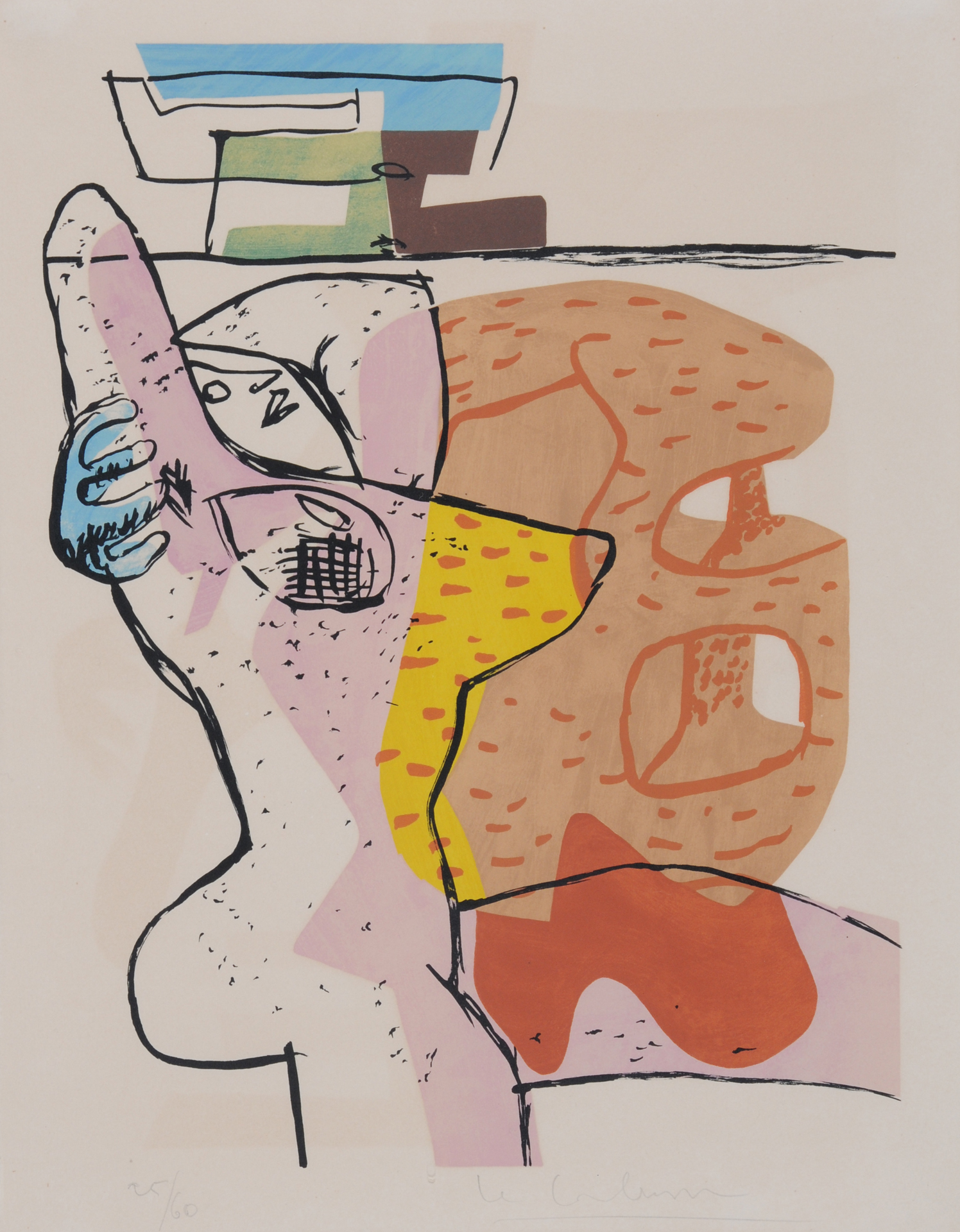
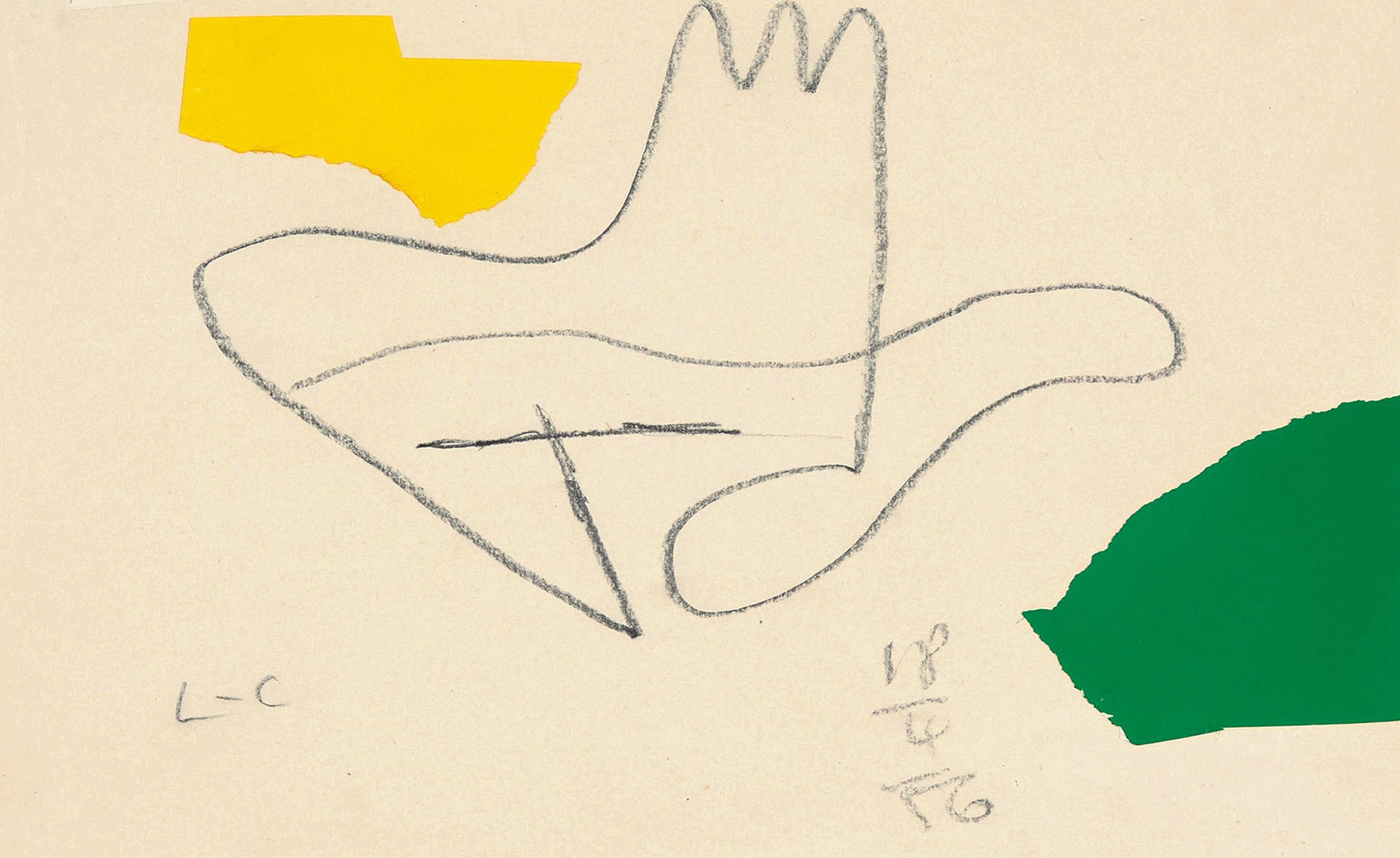
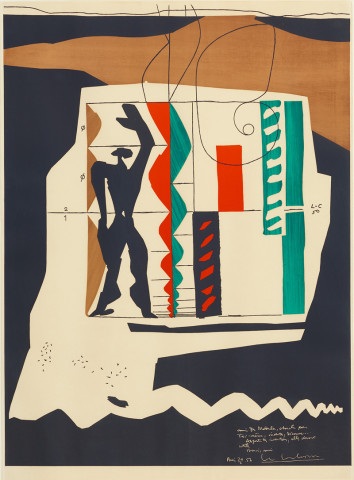
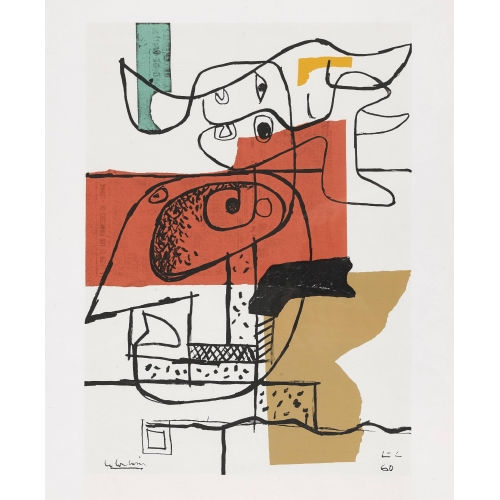
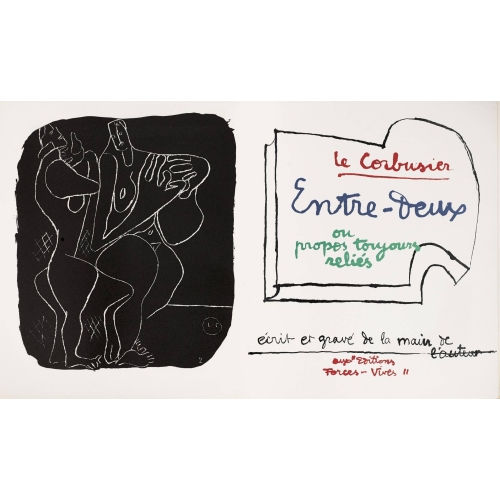
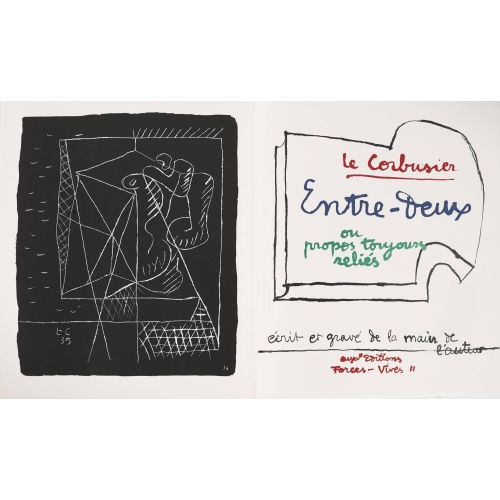
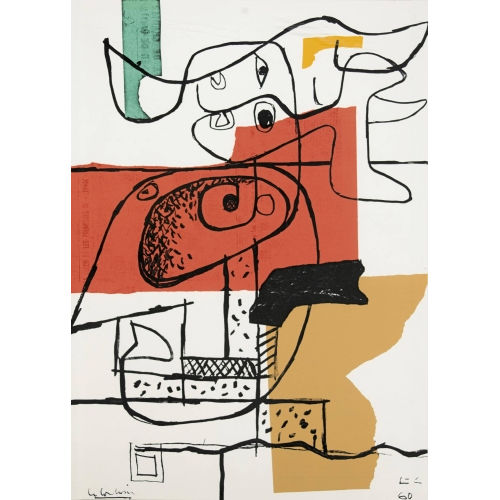
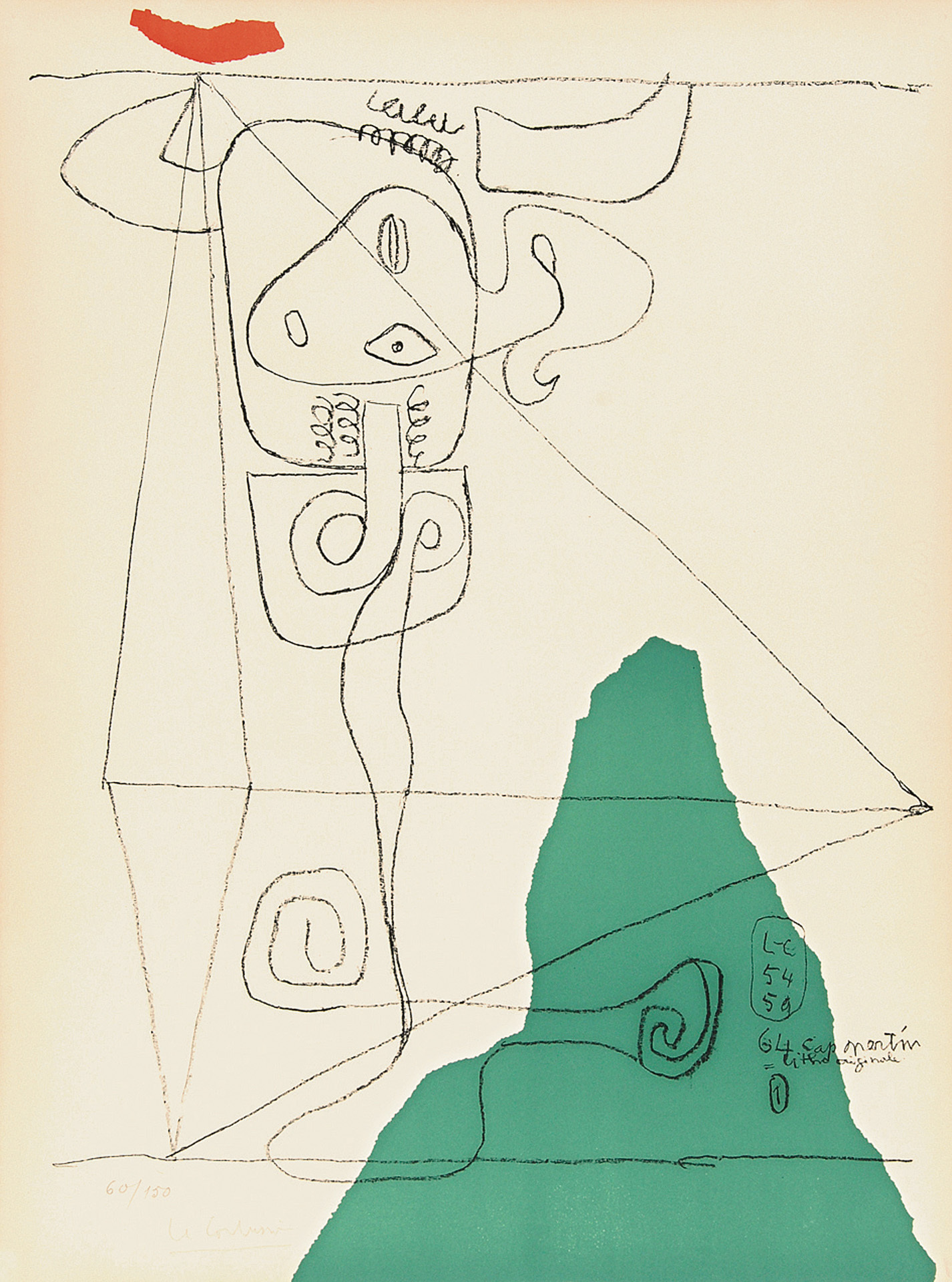
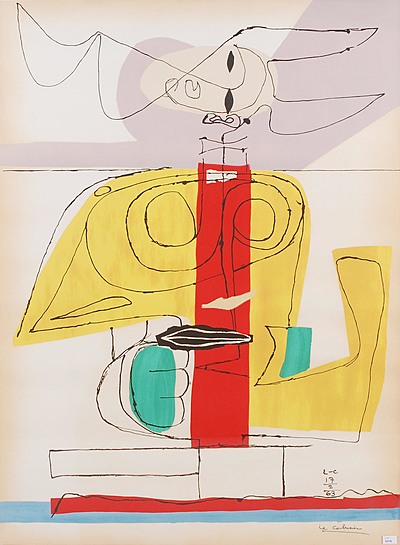
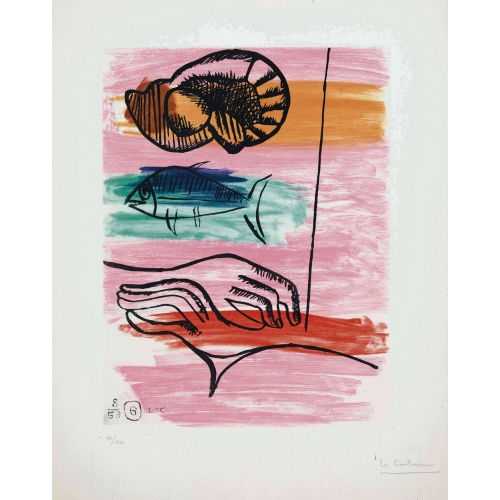
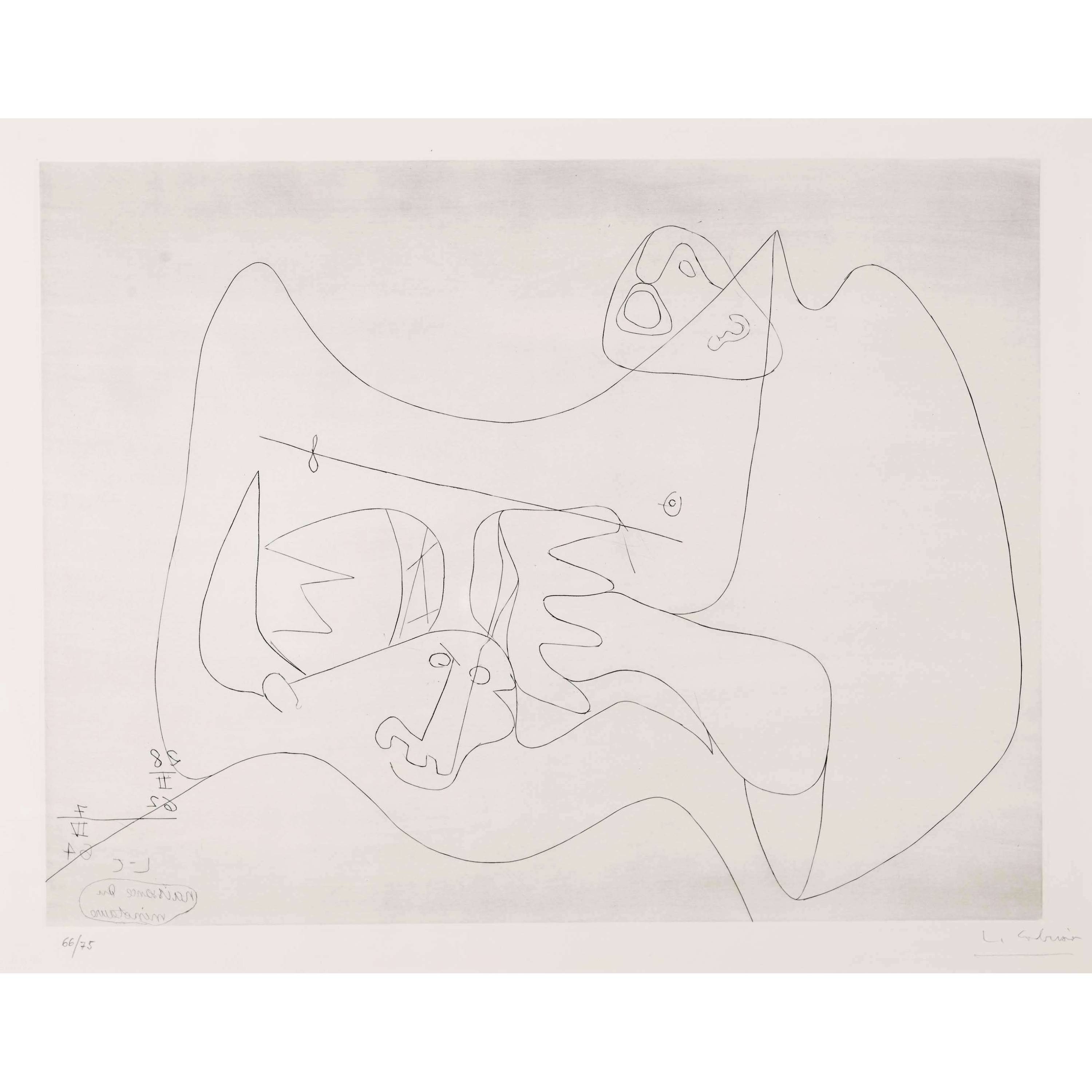
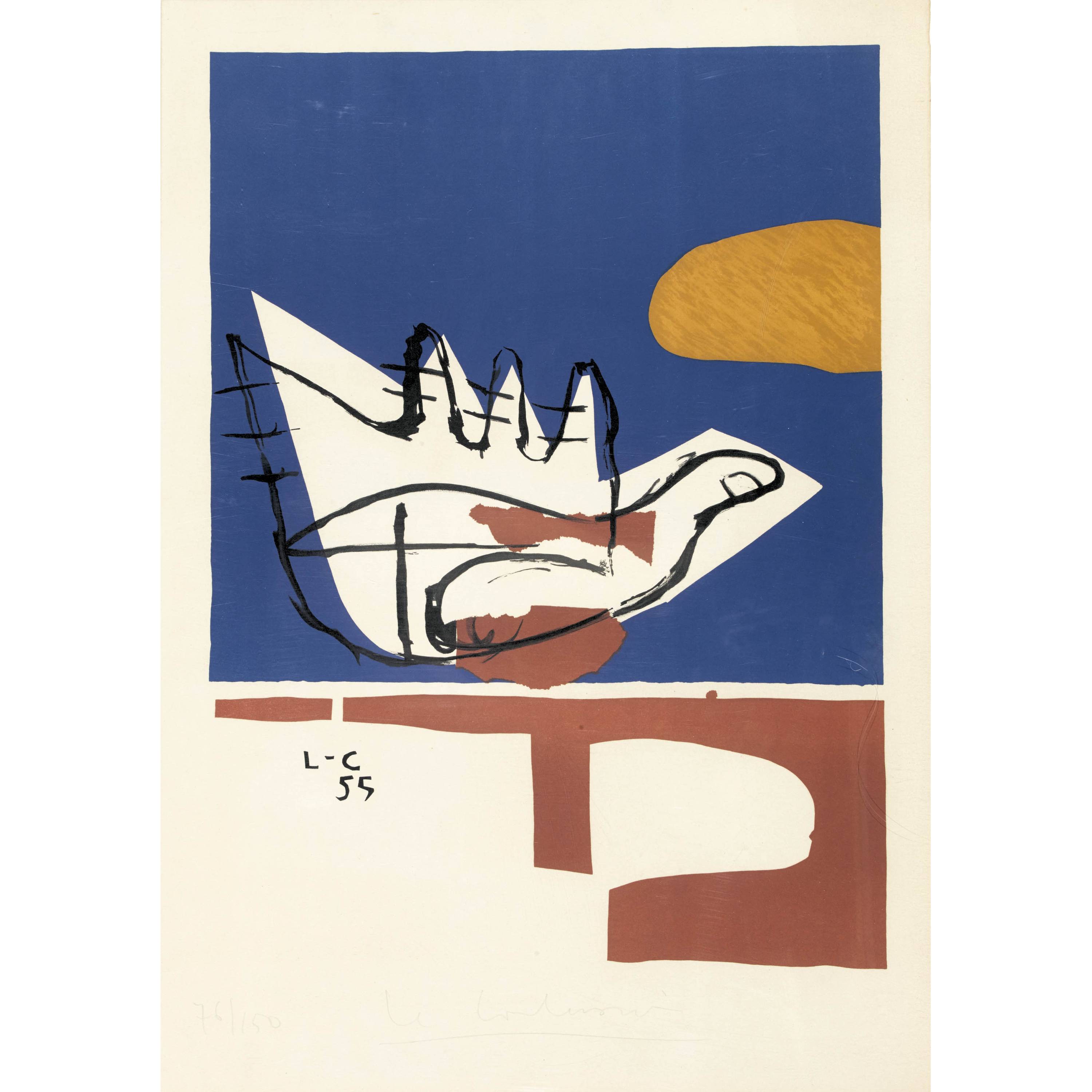
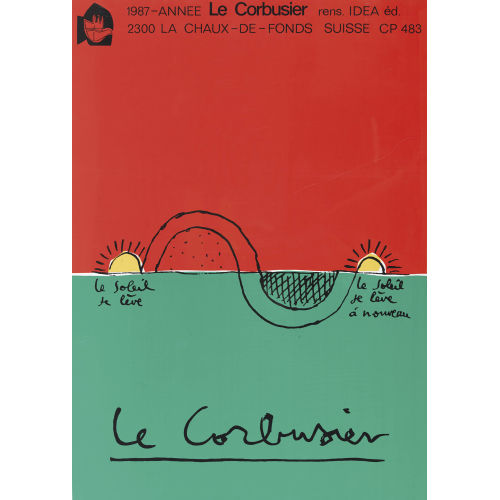
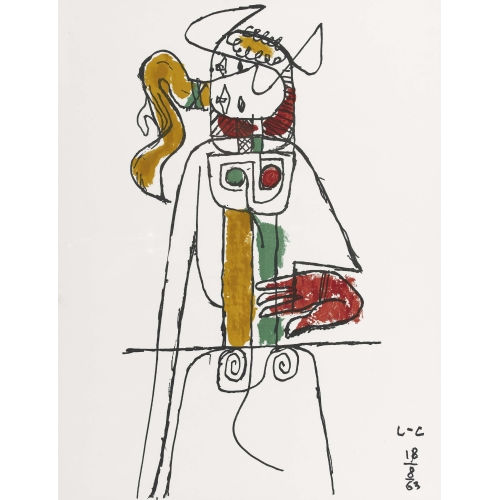
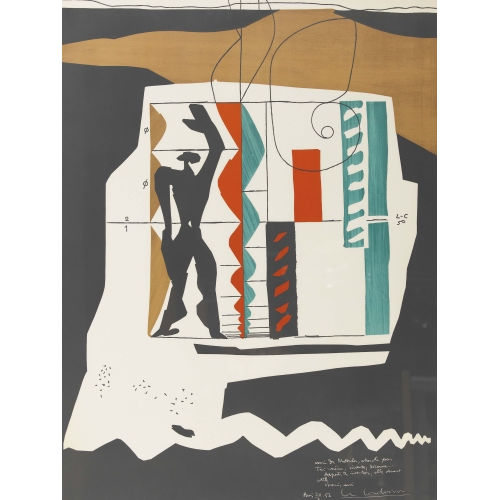
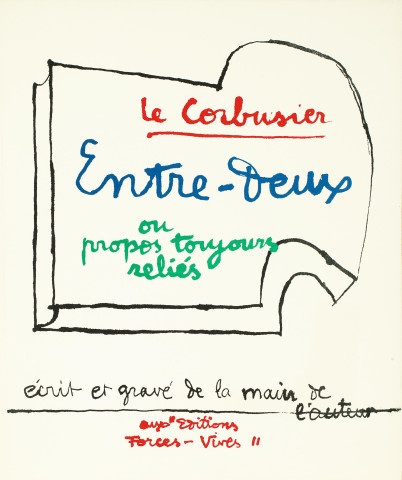
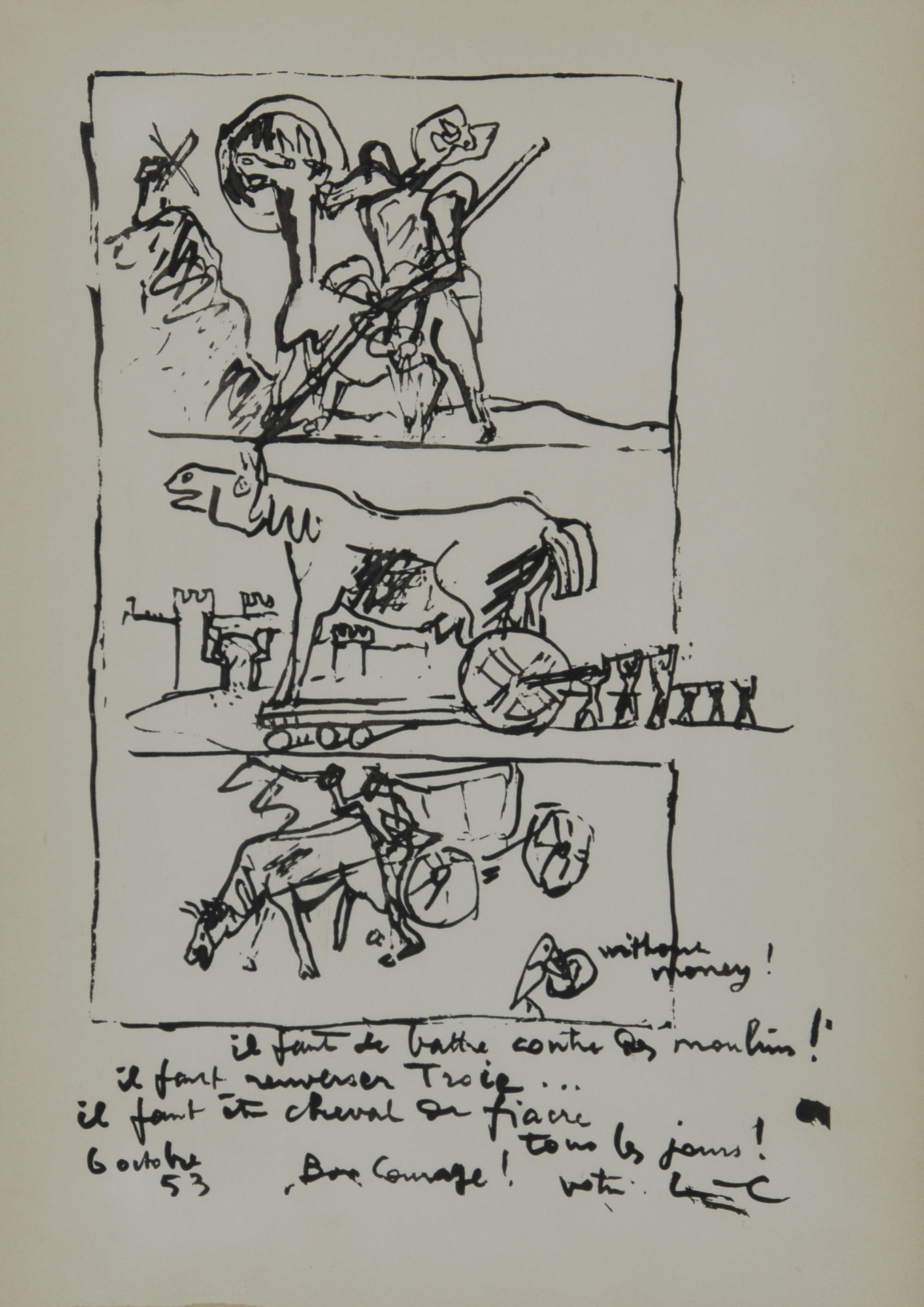
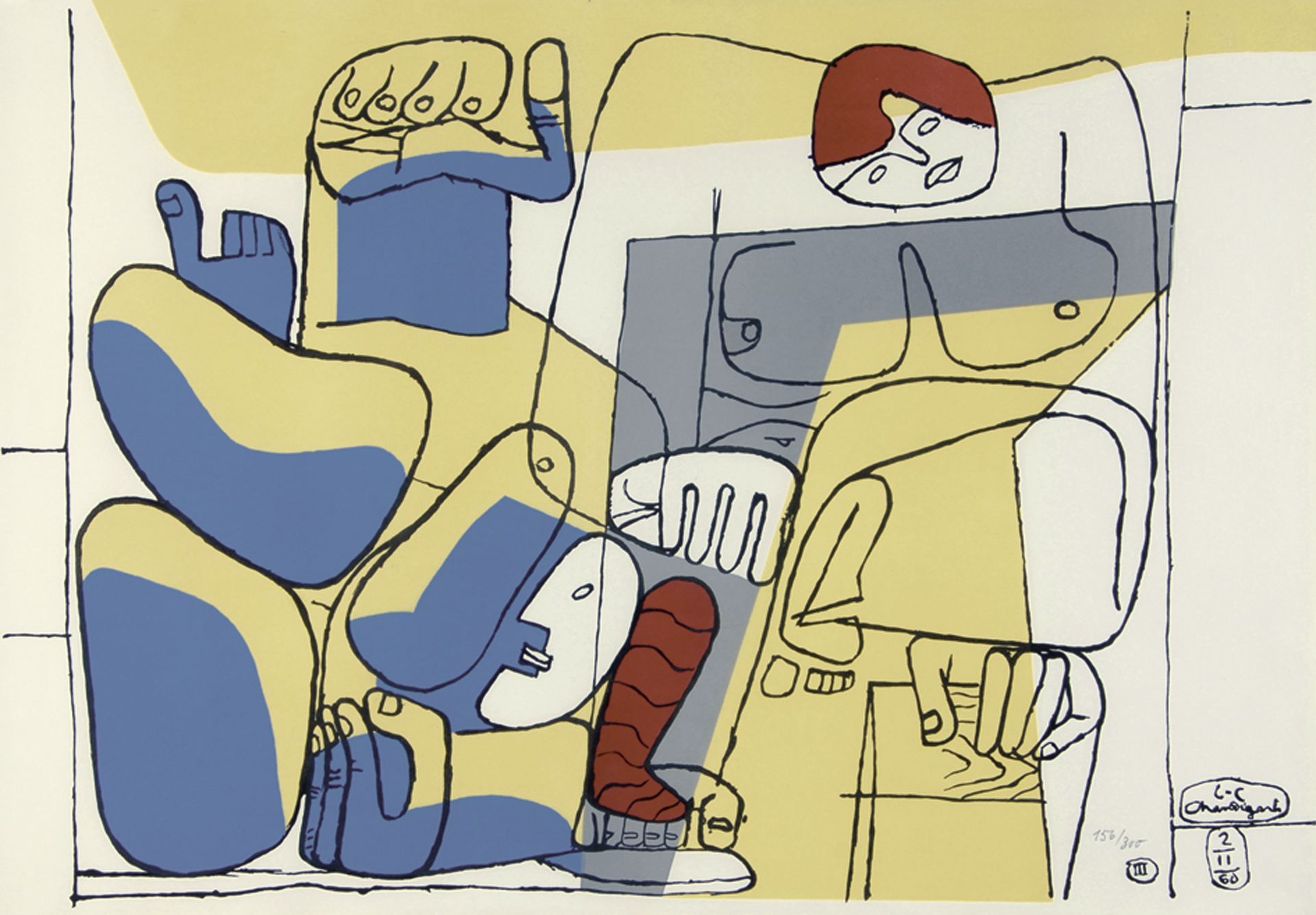
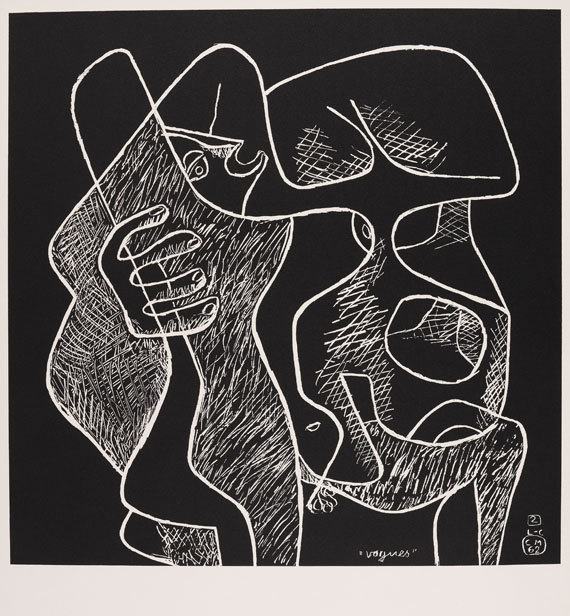
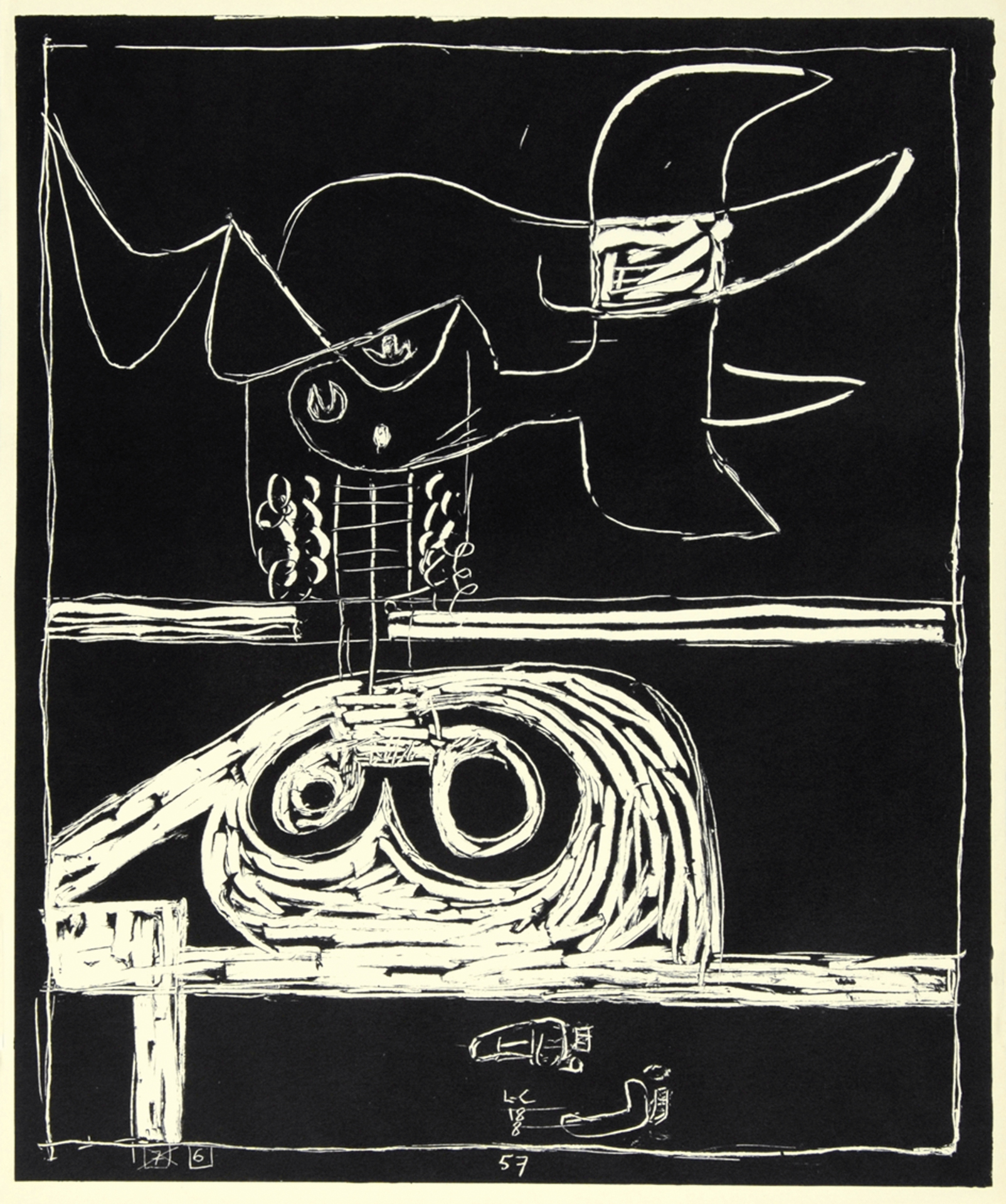
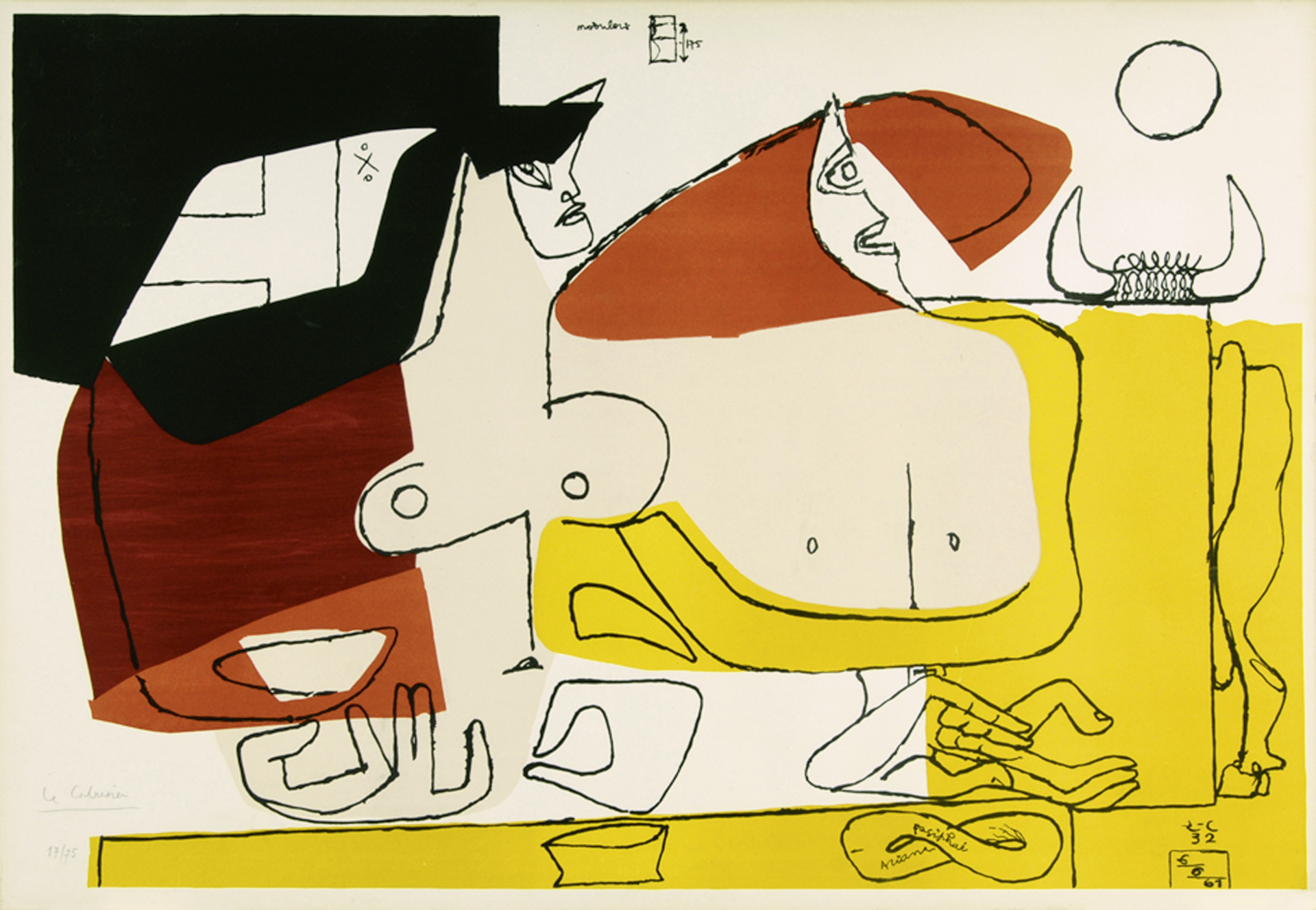
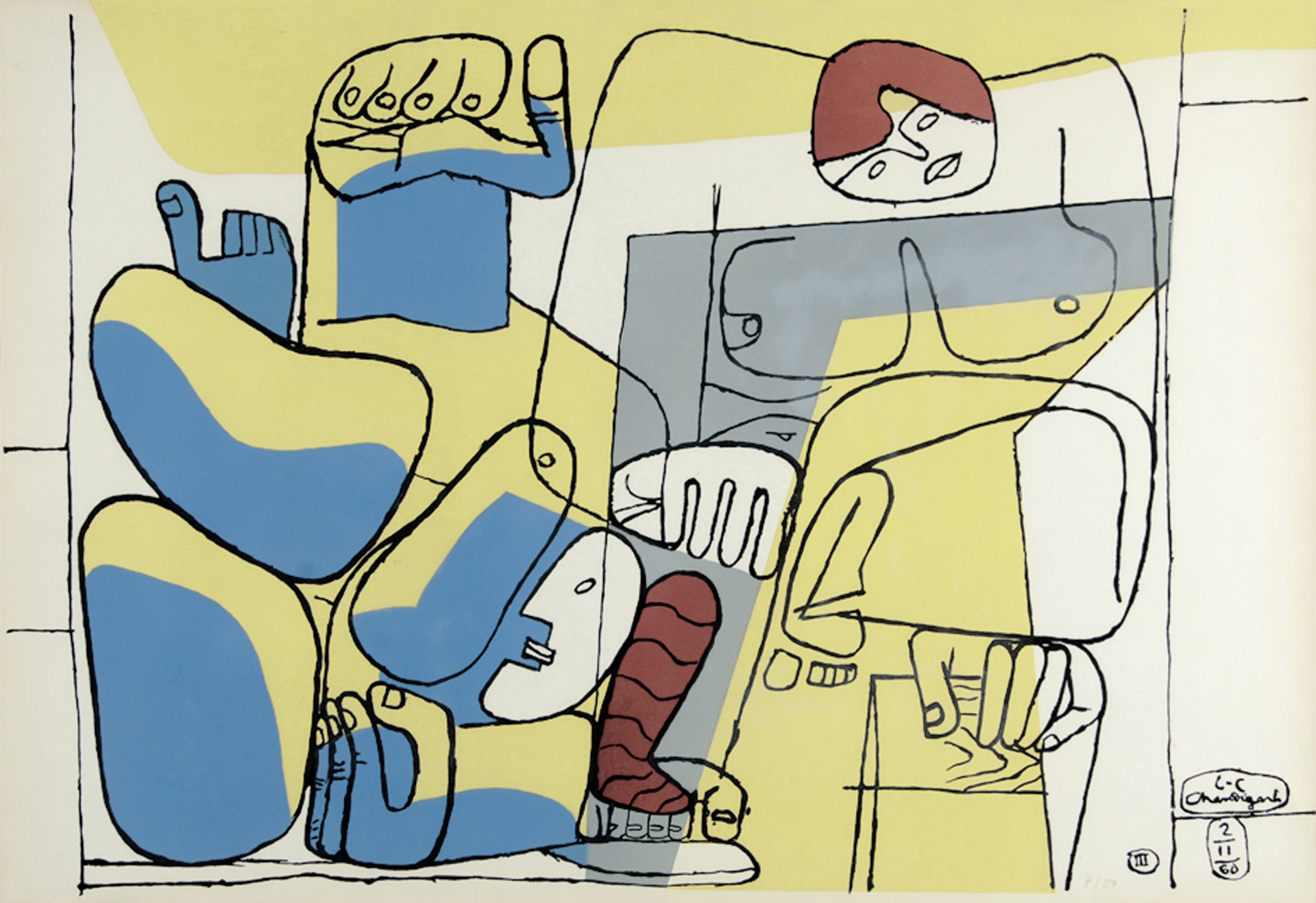
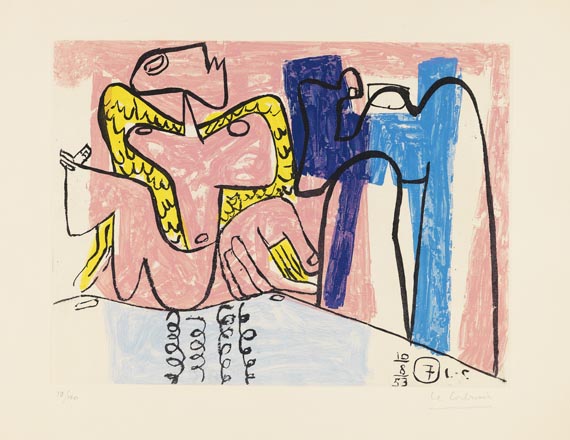
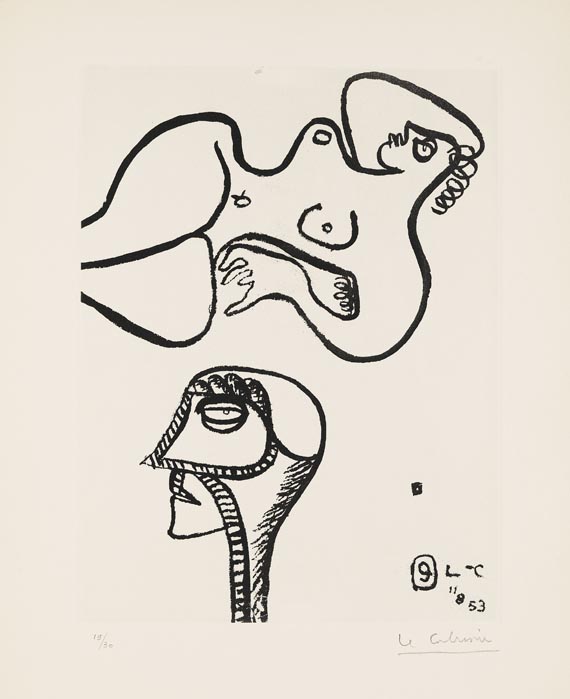
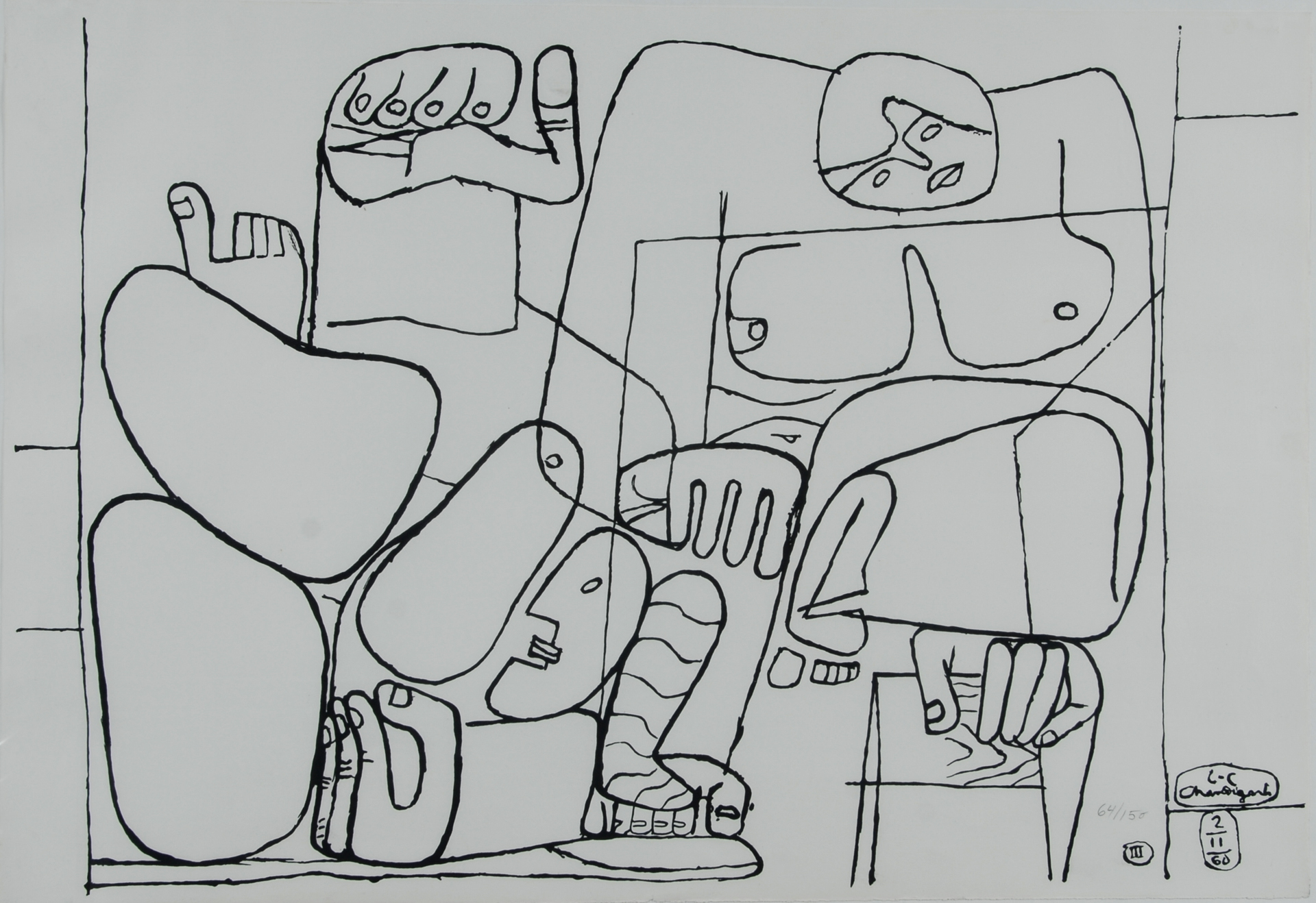
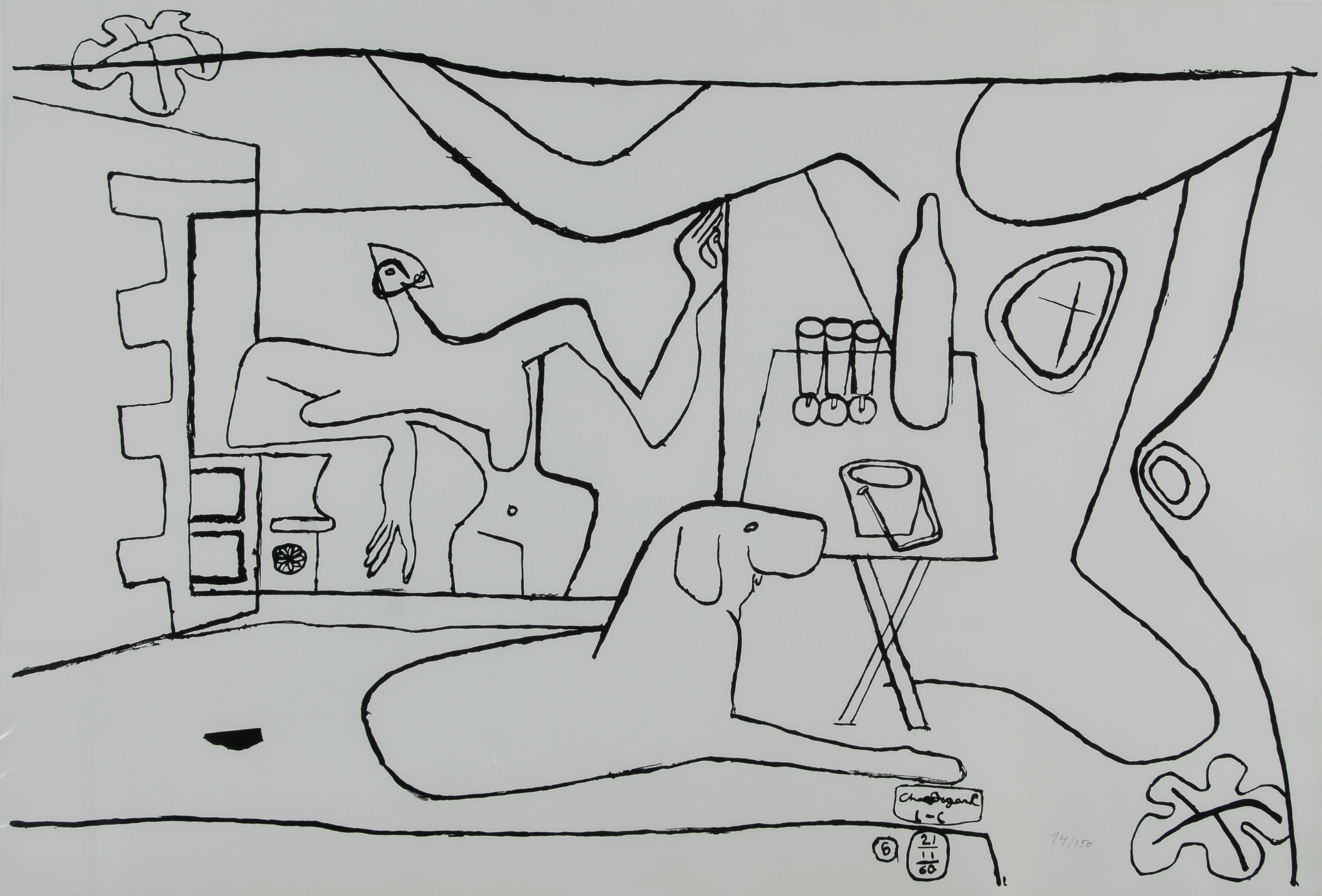
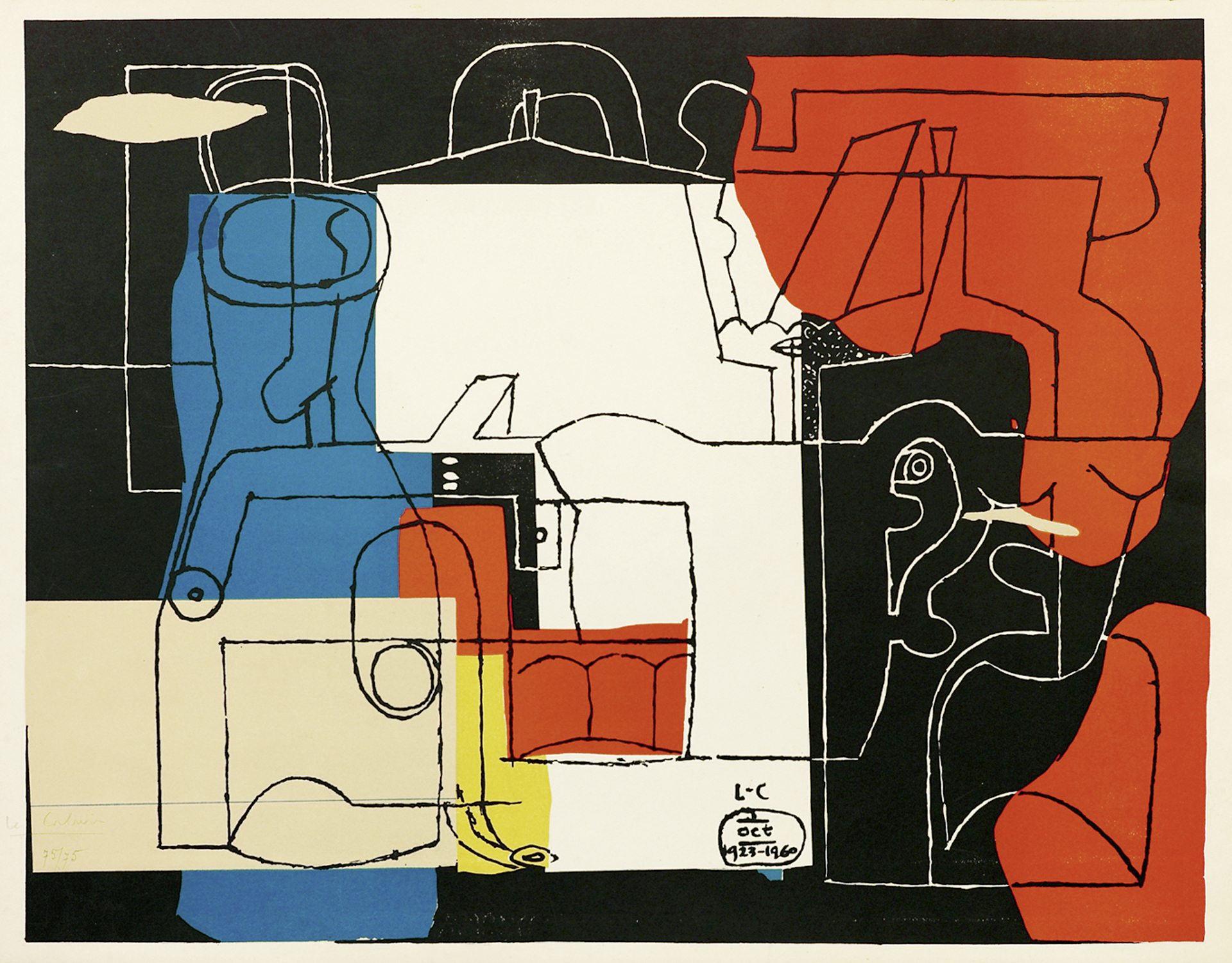
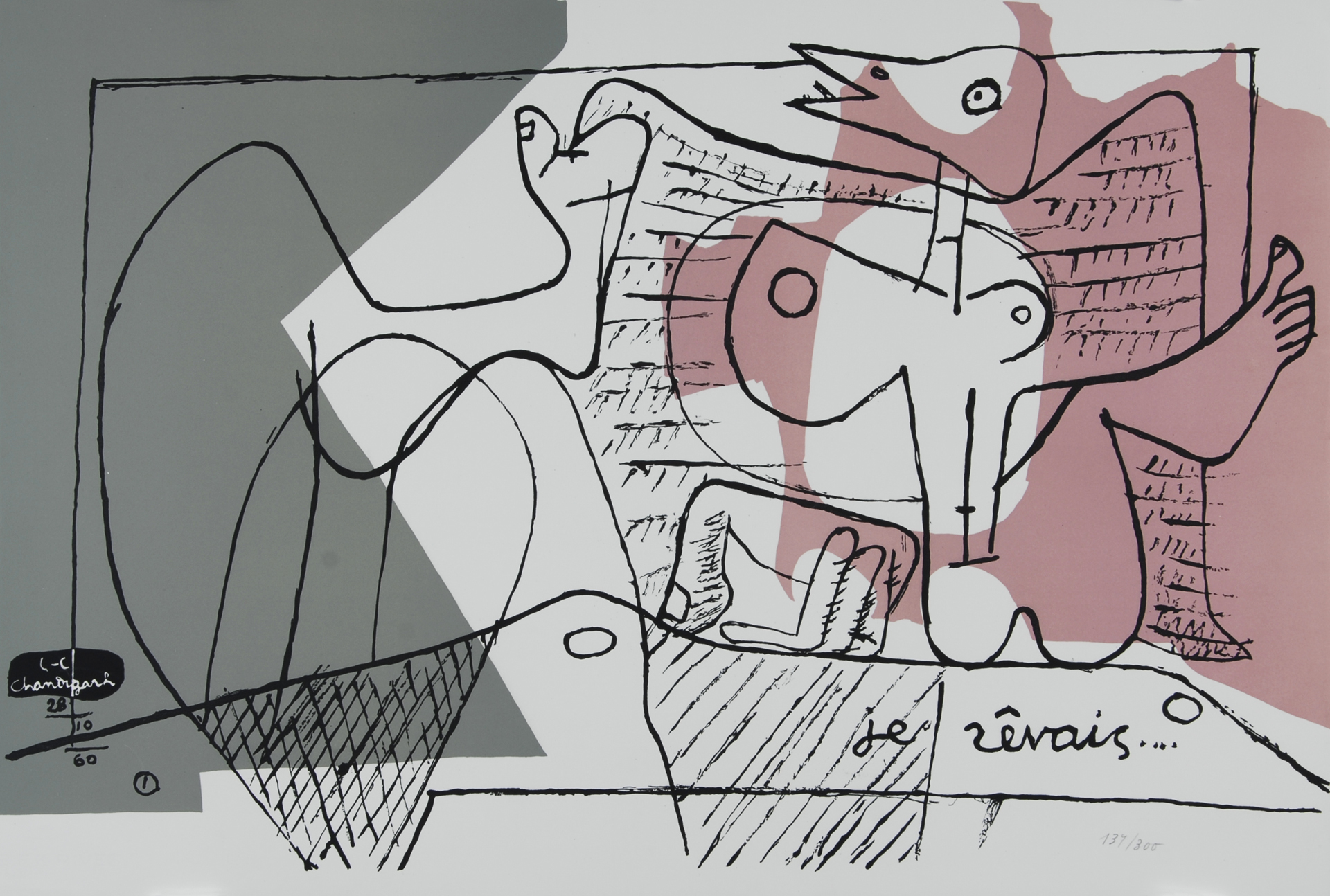
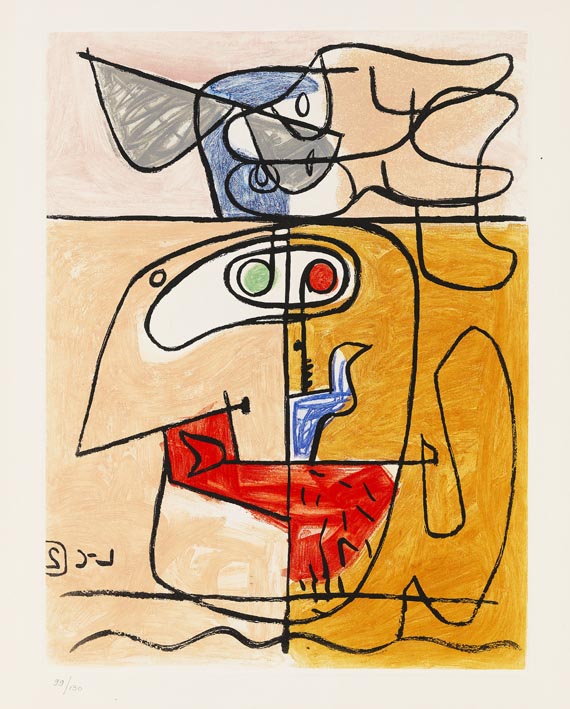
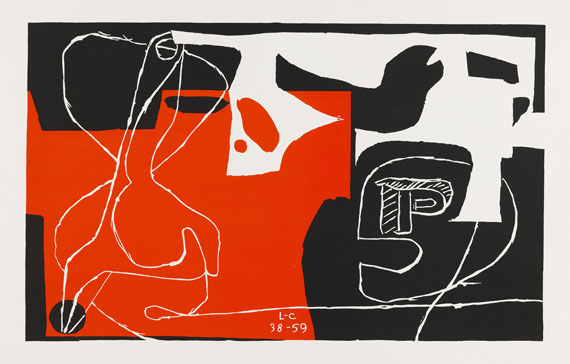
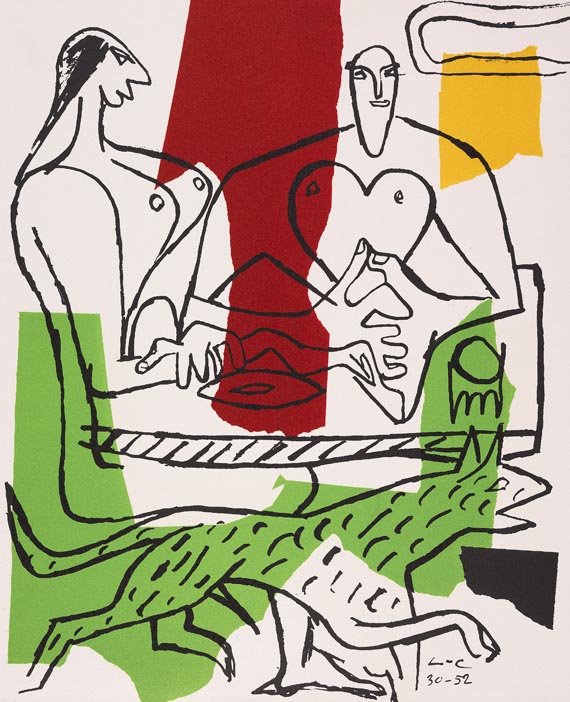
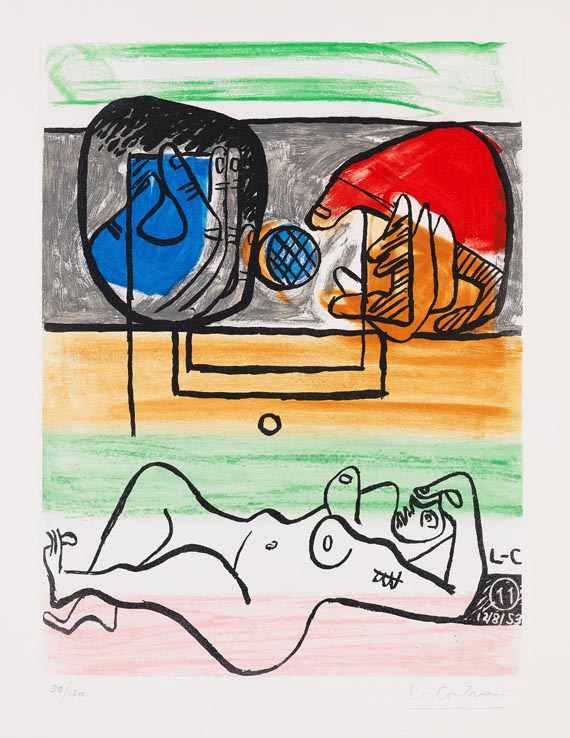
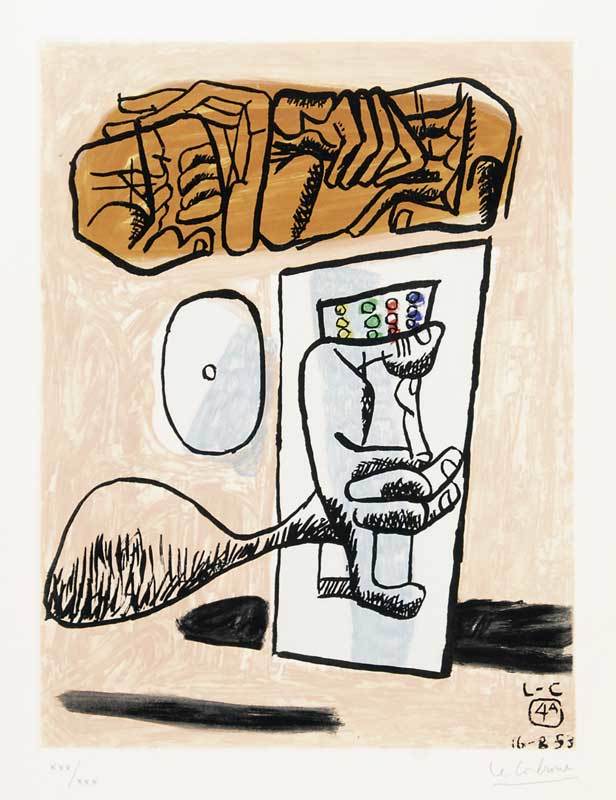
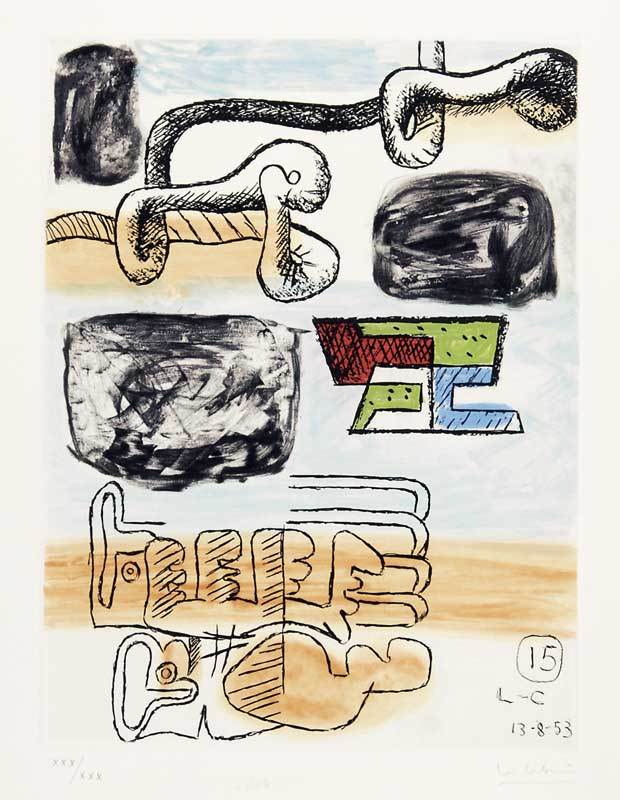
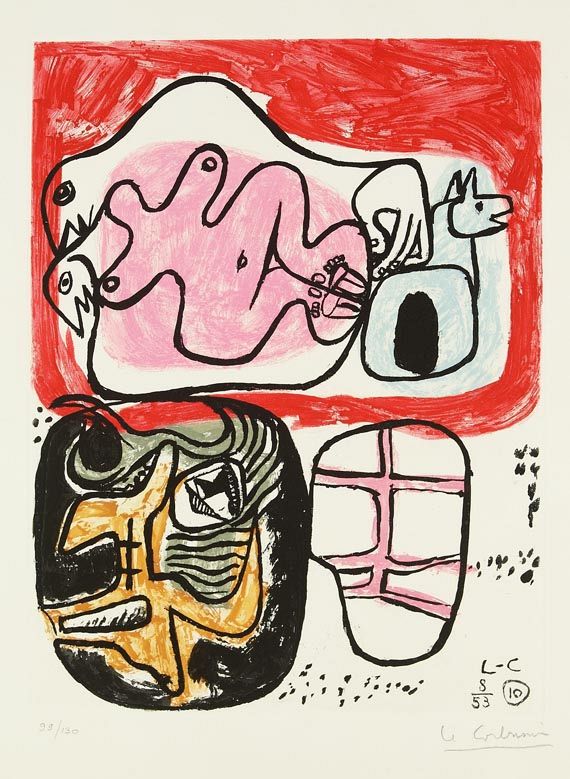
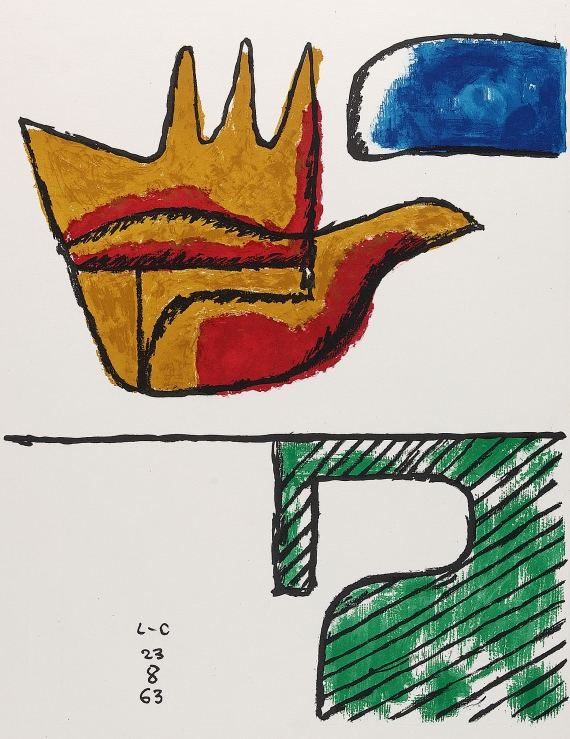
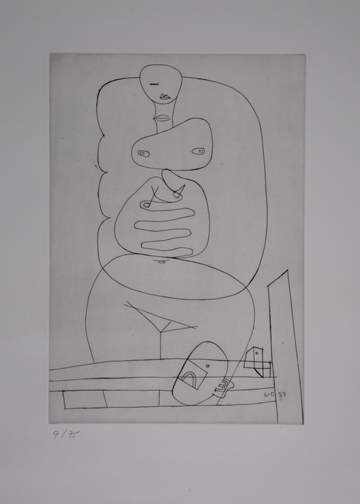
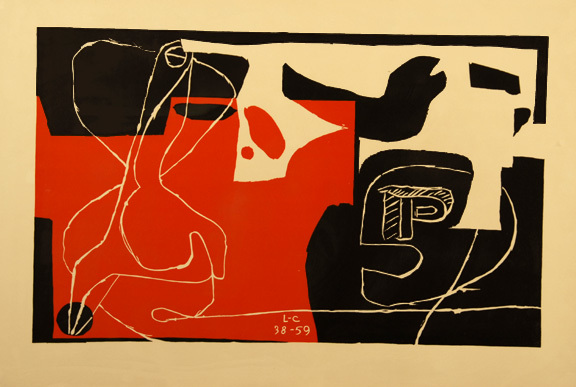
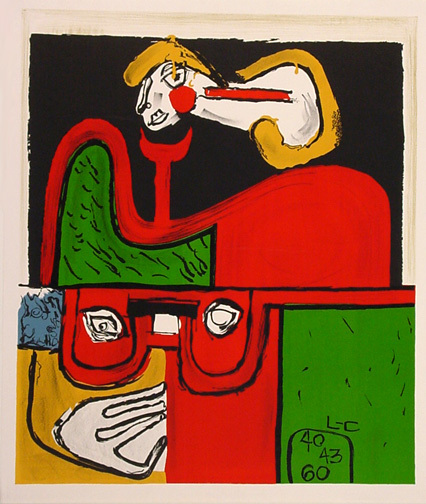
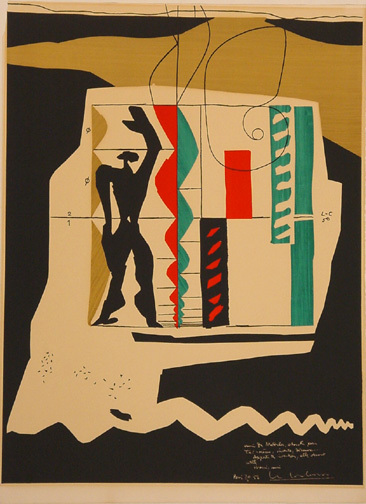
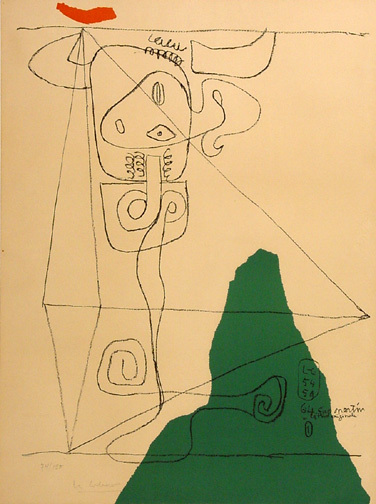
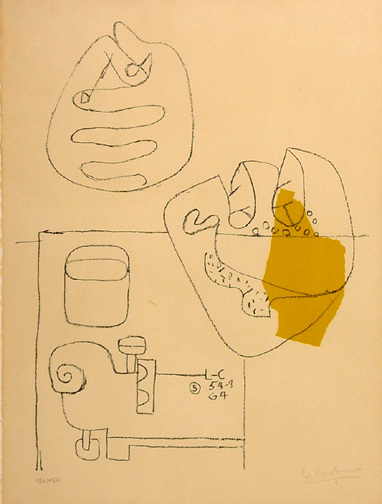
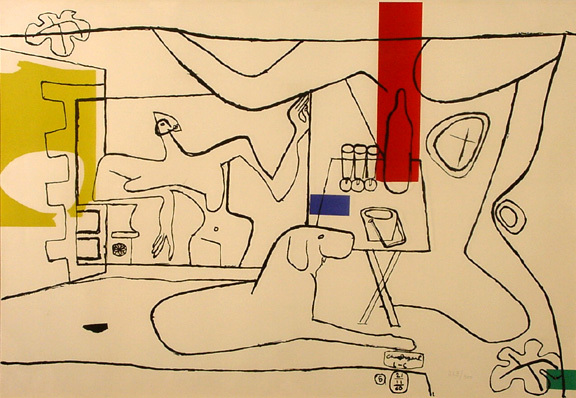
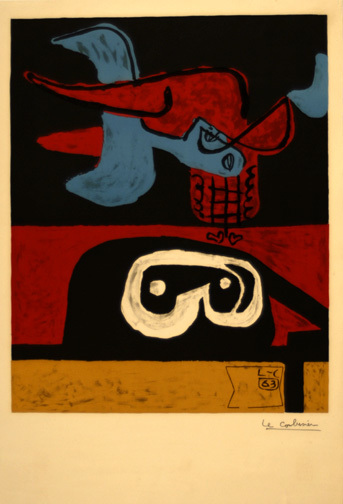
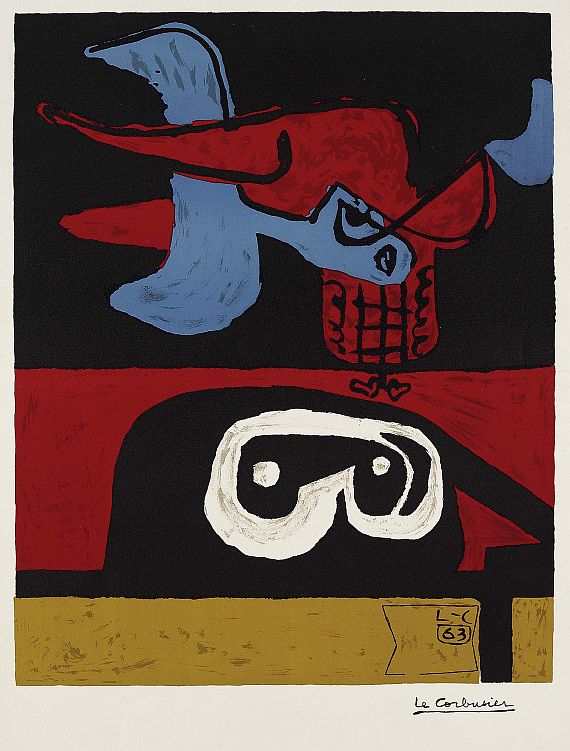
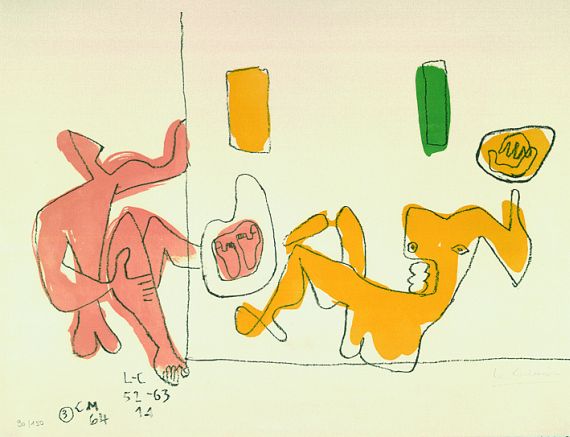
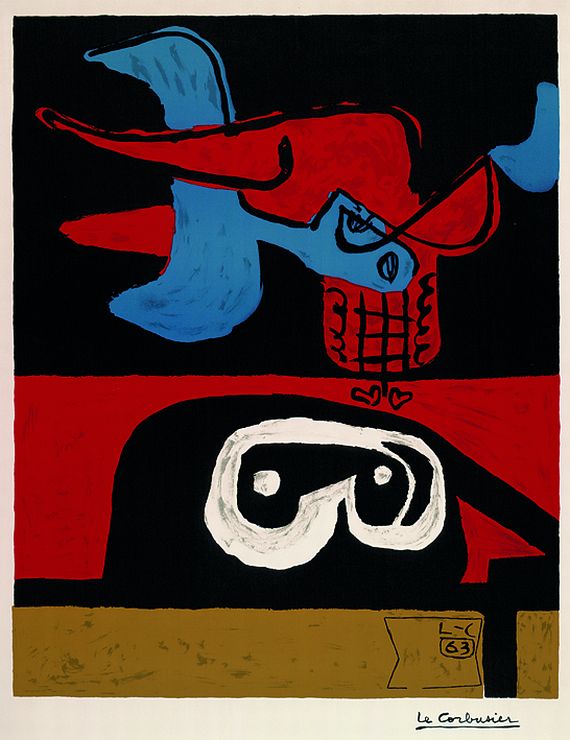
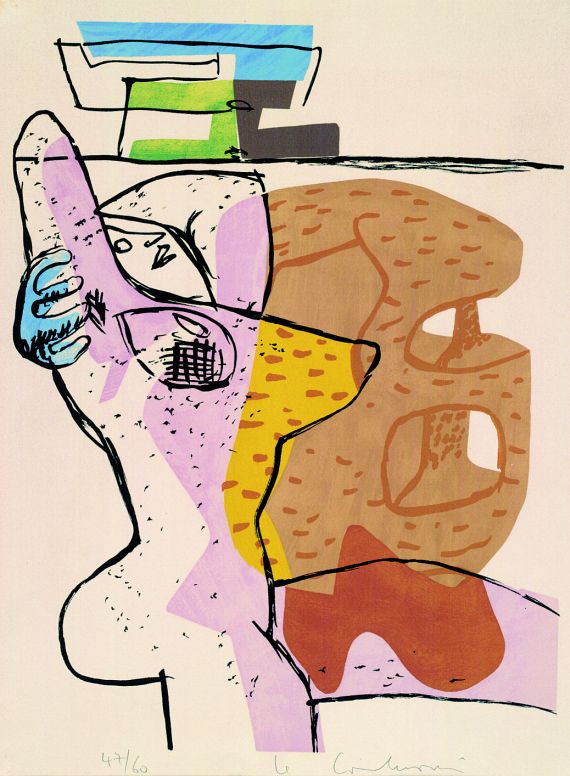
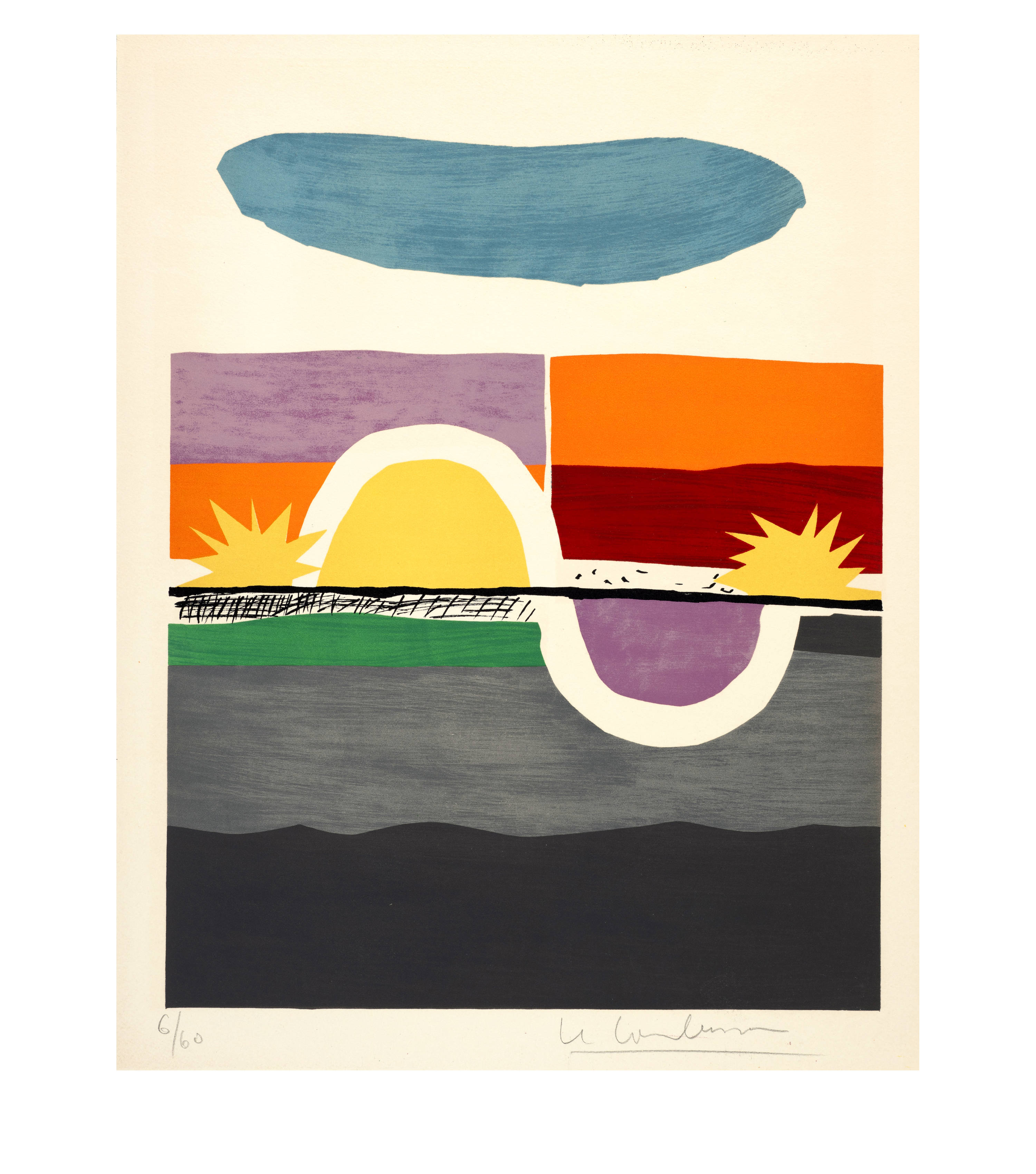
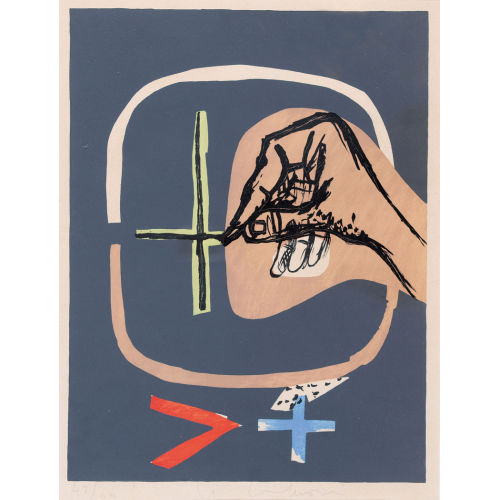
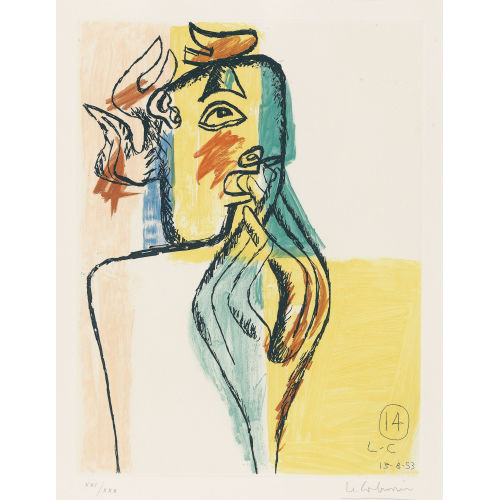
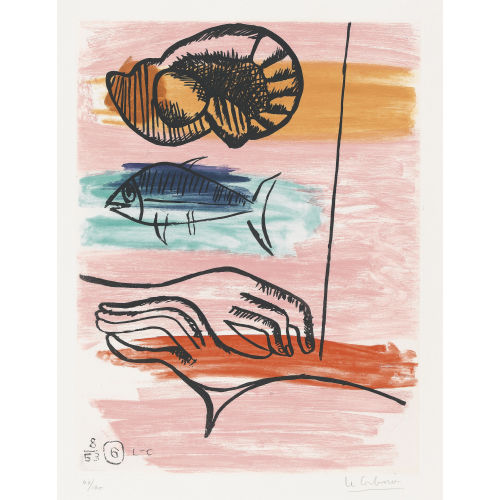
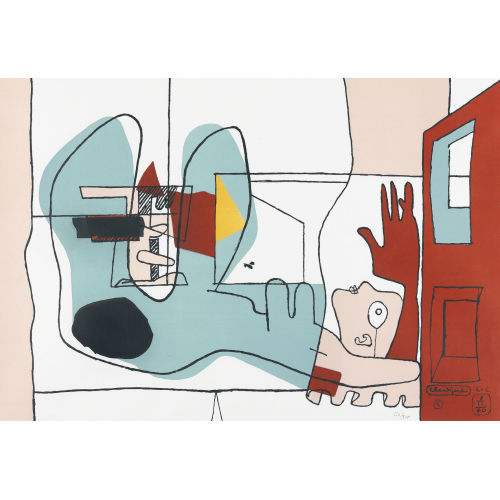
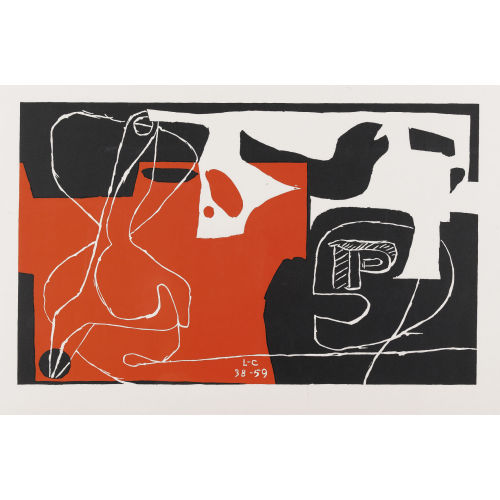
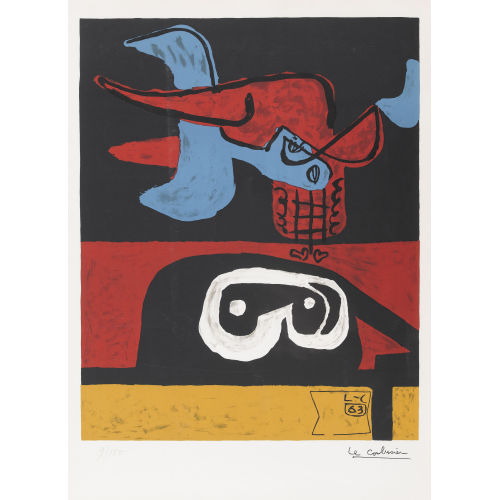
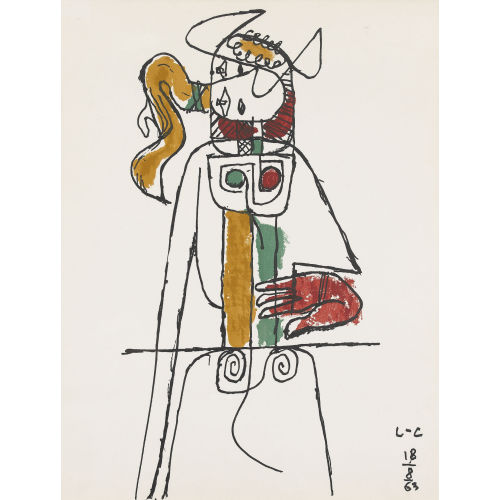
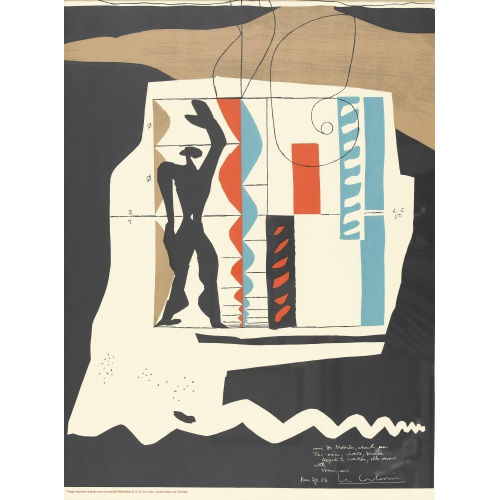
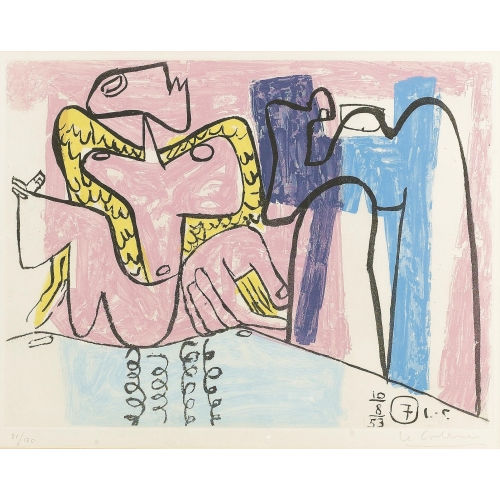
His prints also offer access to this vocabulary: hands, figures and bulls reappear in different configurations. To view Le Corbusier as a visual artist is thus to follow the circulation of a single visual way of thinking, from the intimacy of the sheet to the scale of the dwelling.