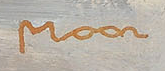
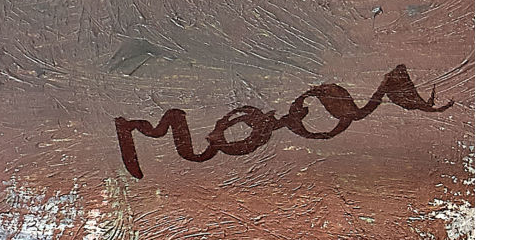
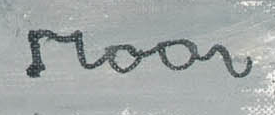
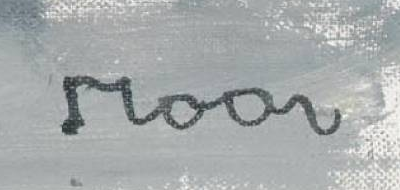
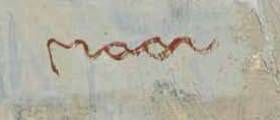
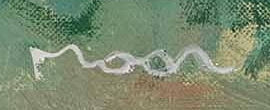
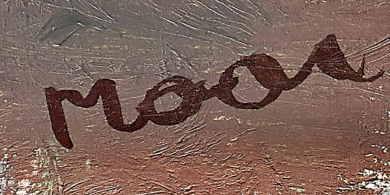
Karl Moor
Born in 1904.
Died in 1991.
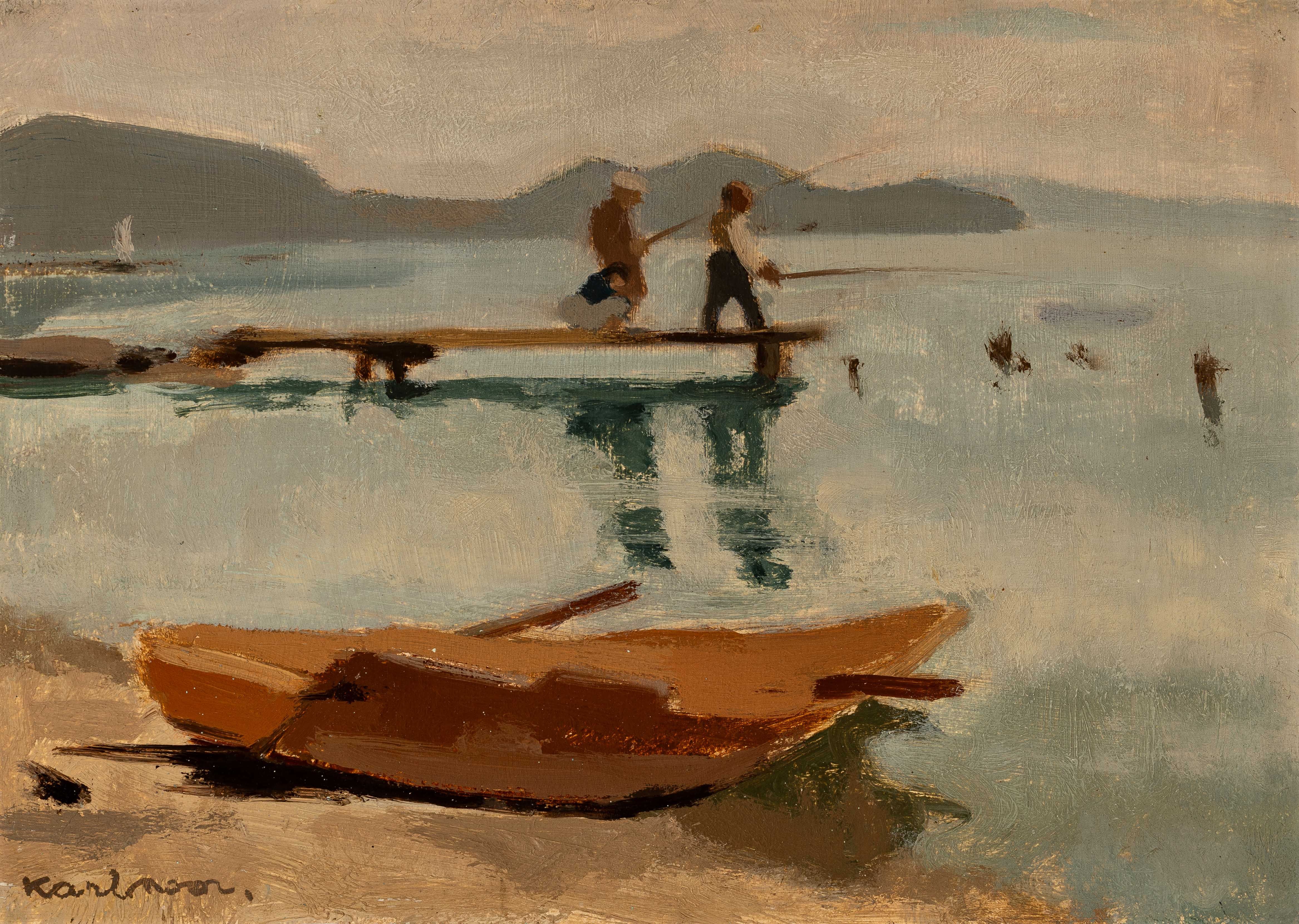
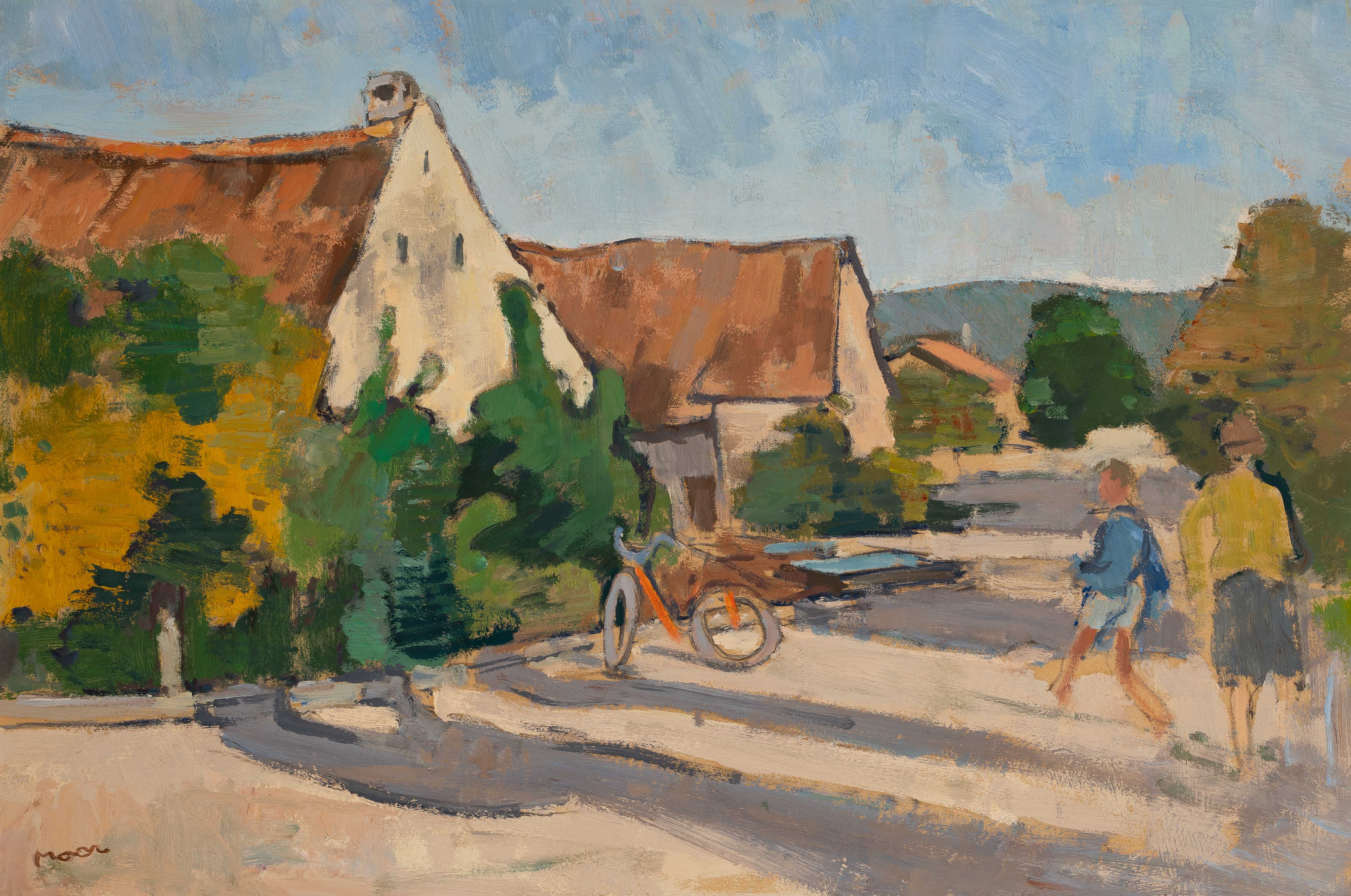
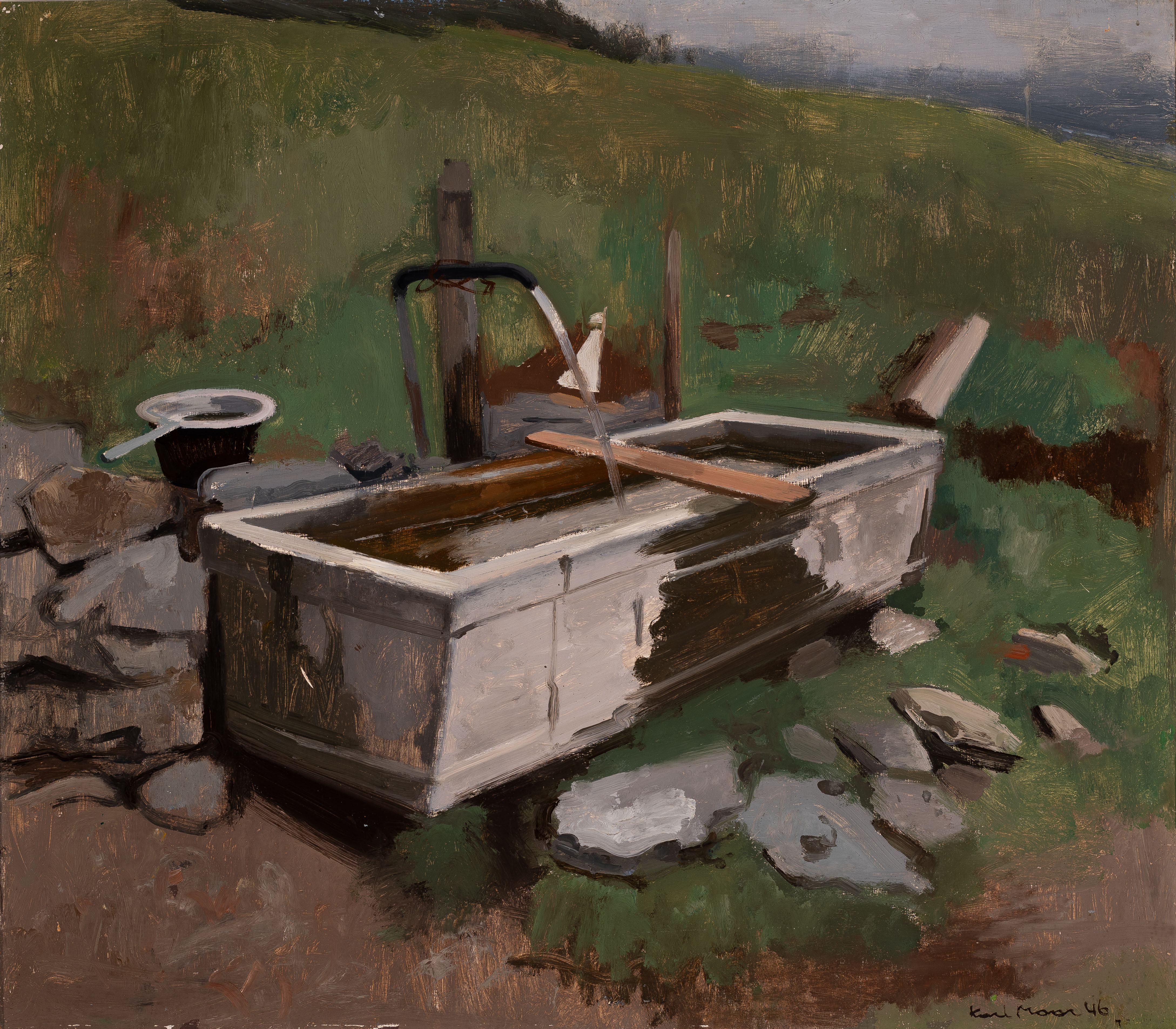
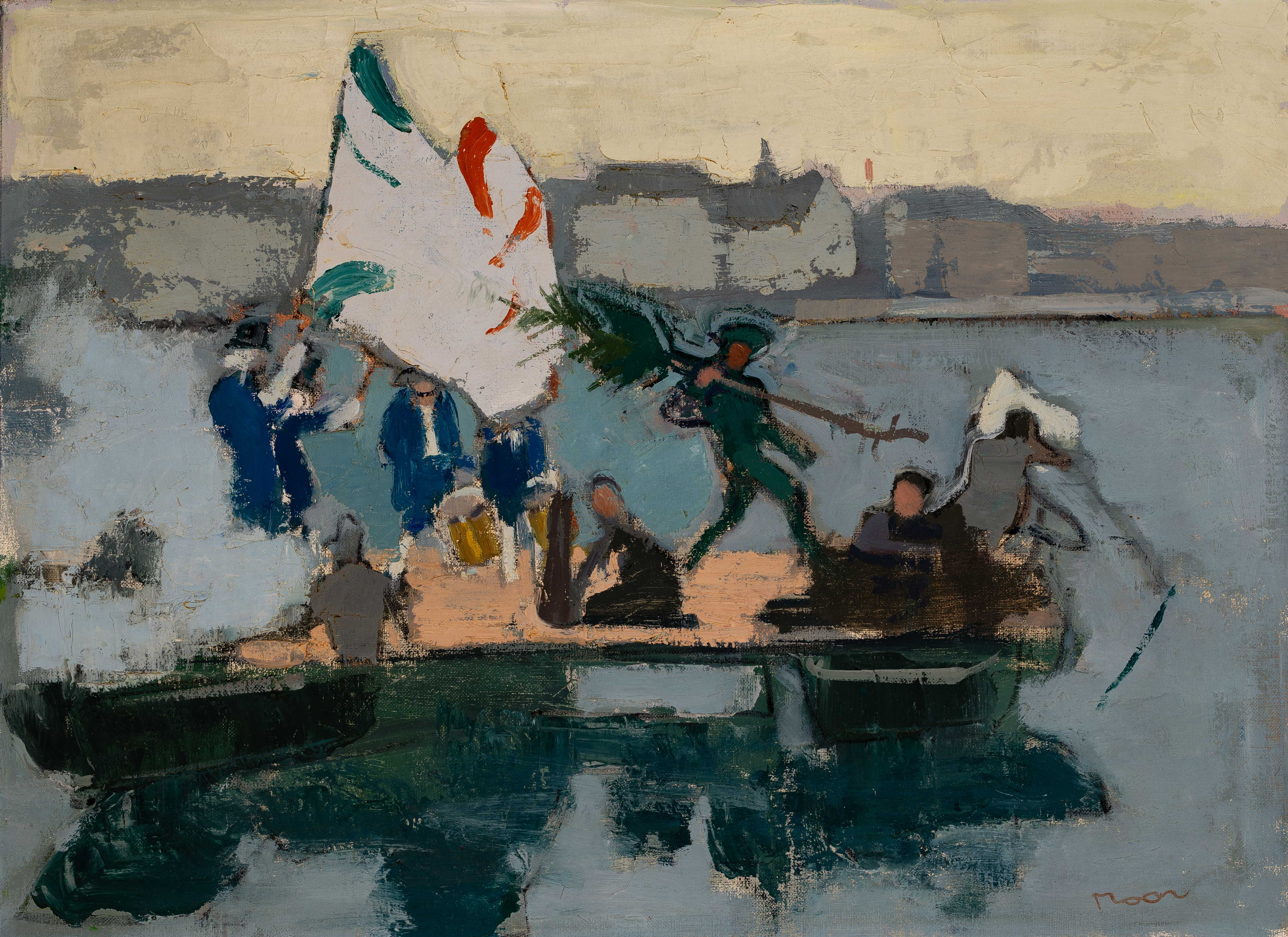
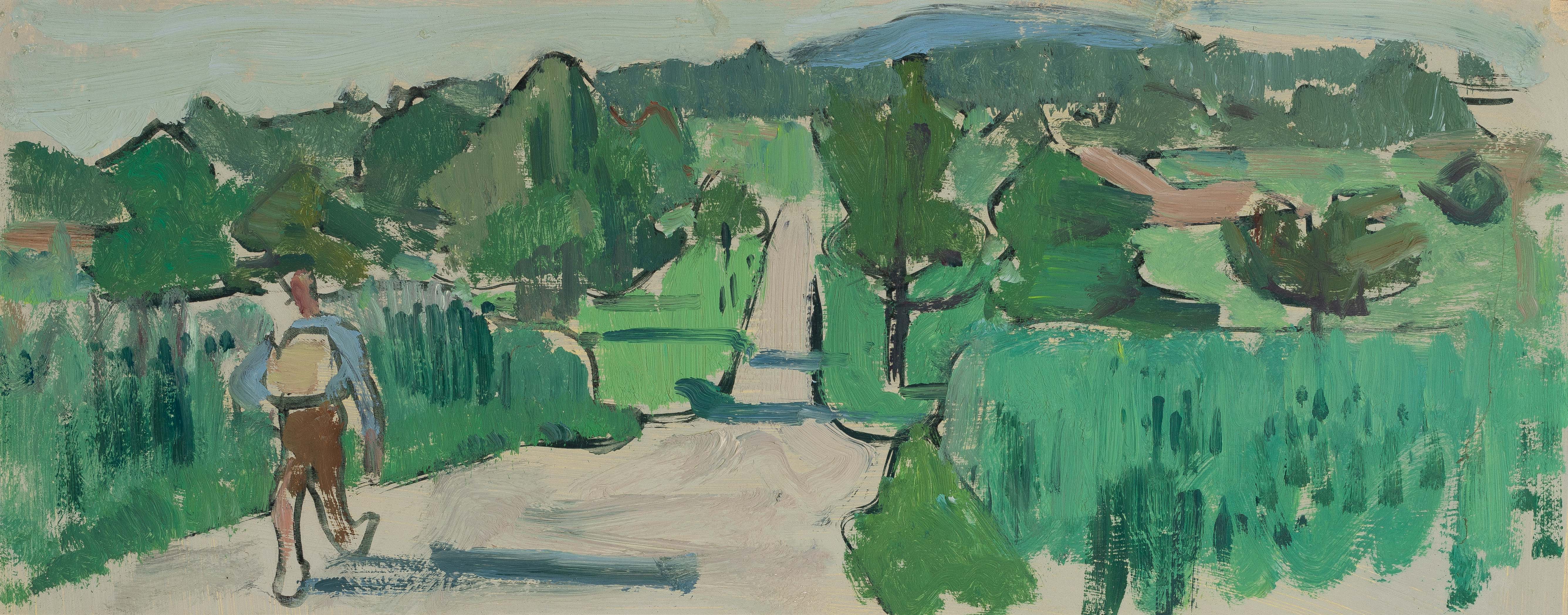
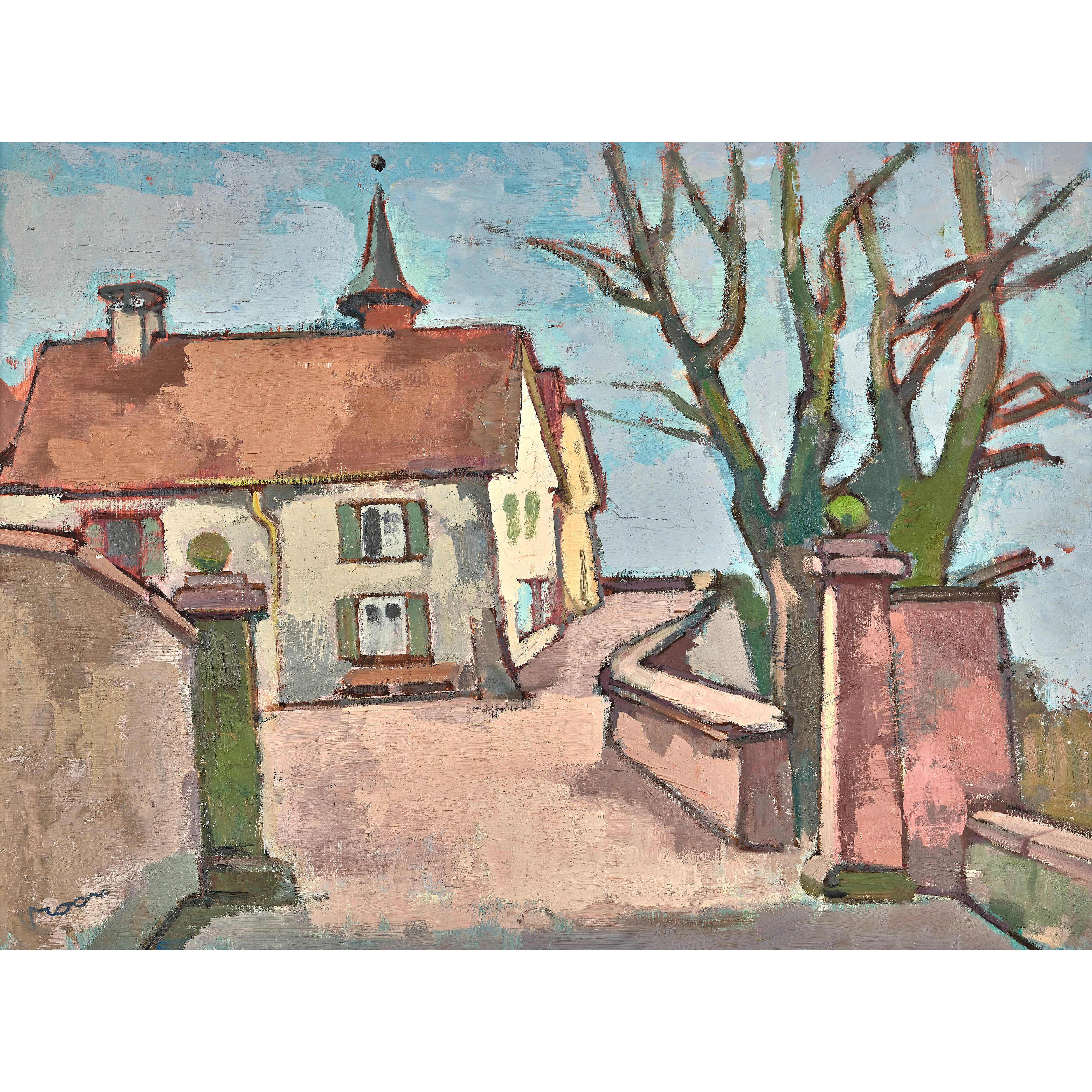
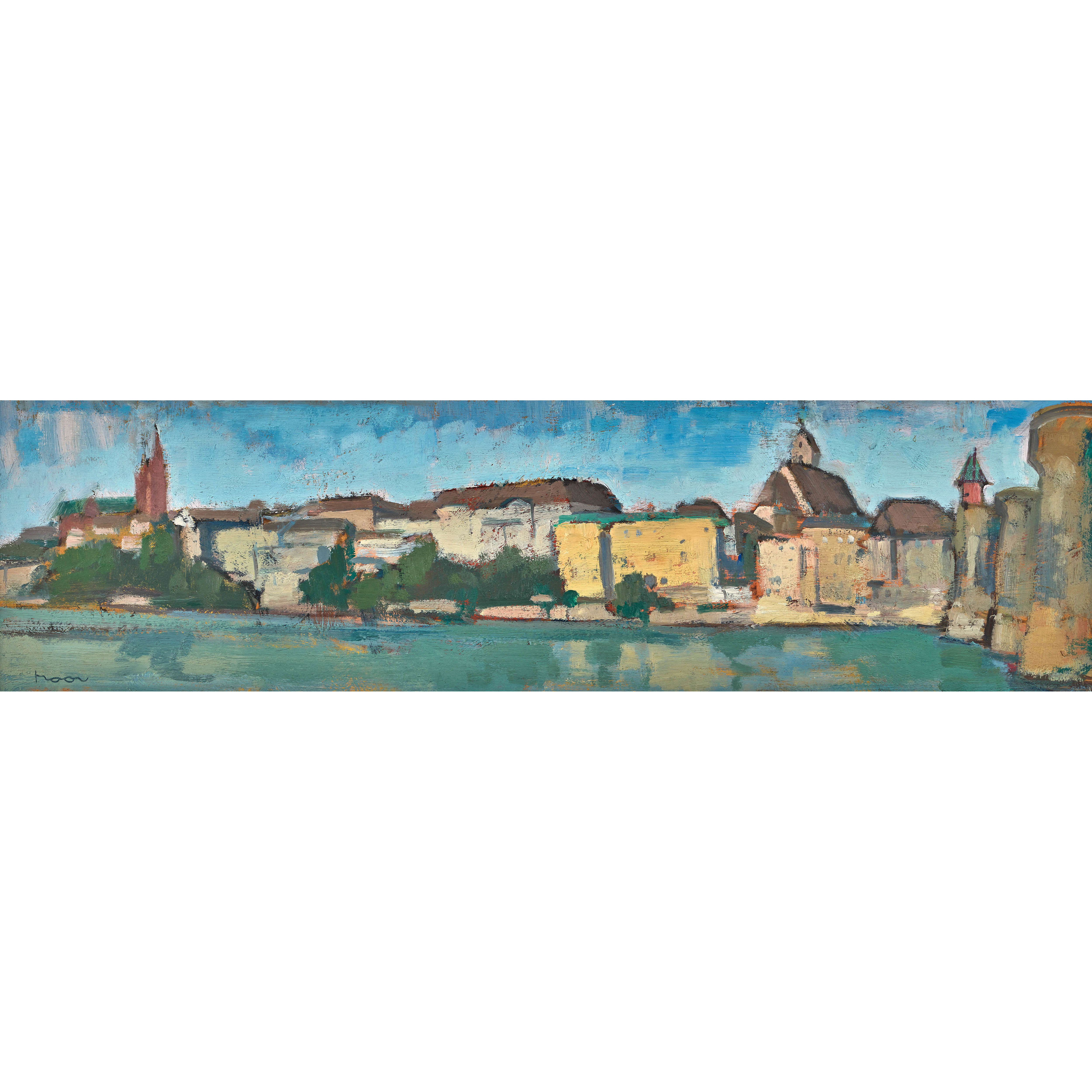
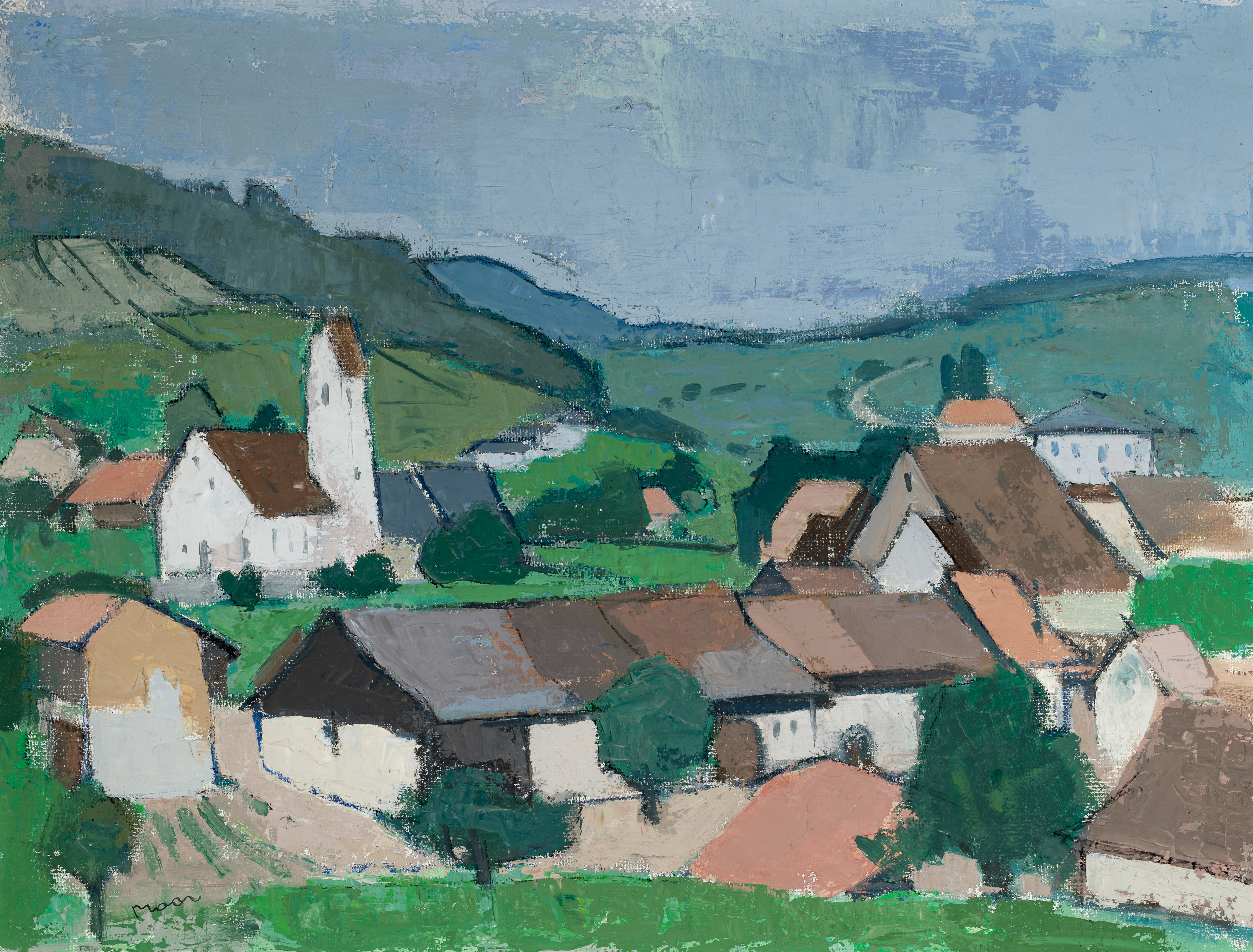
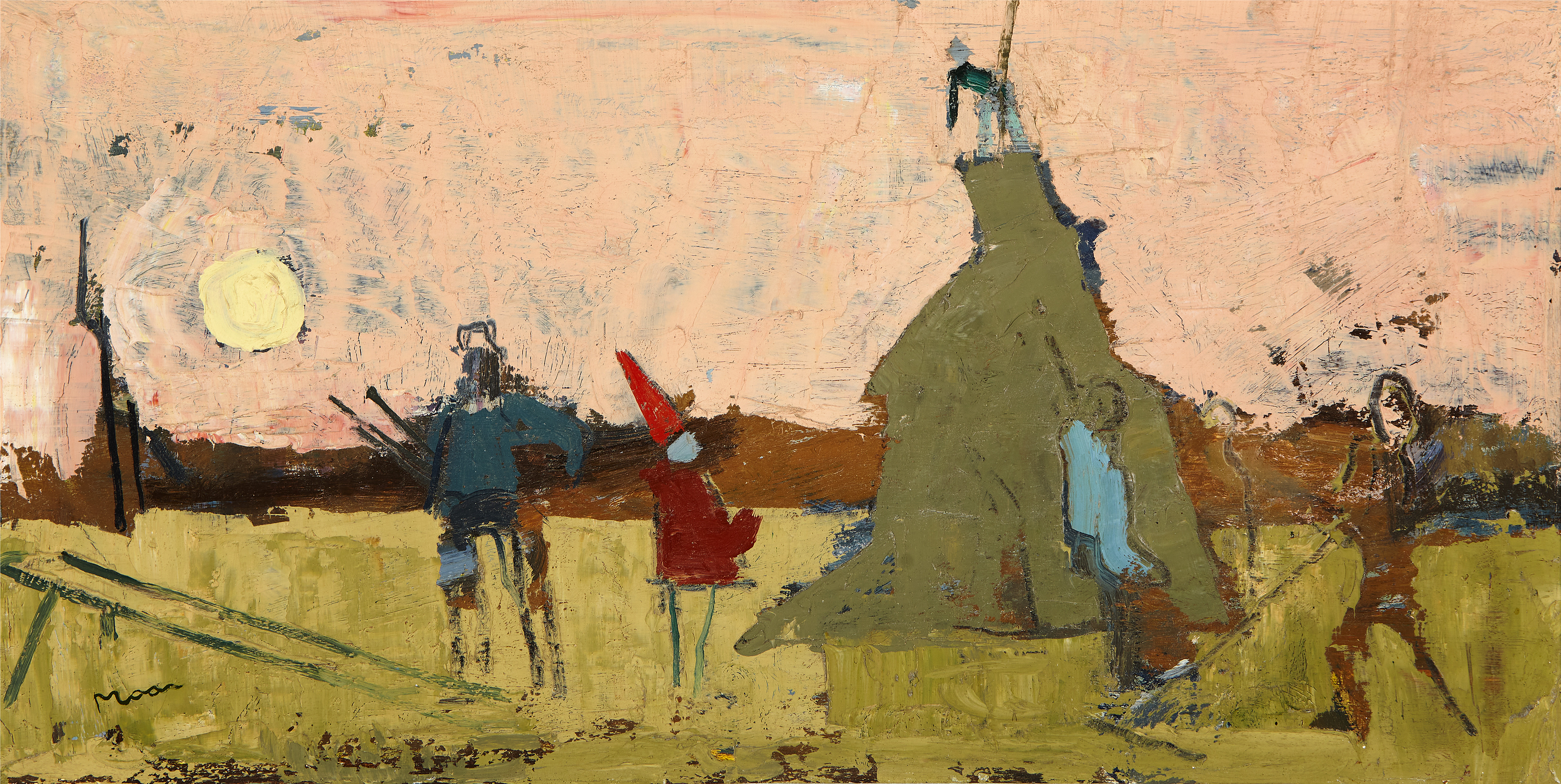
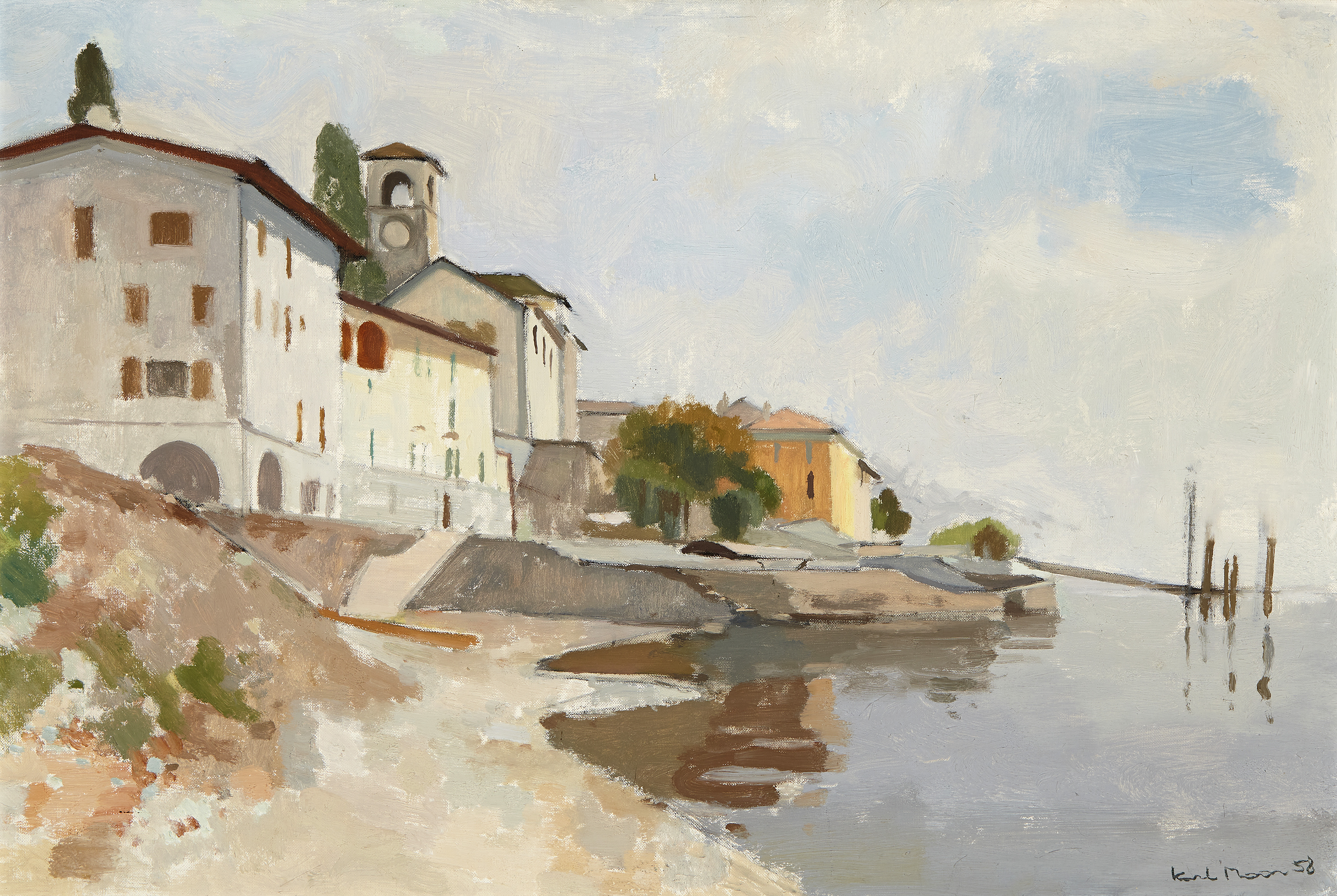
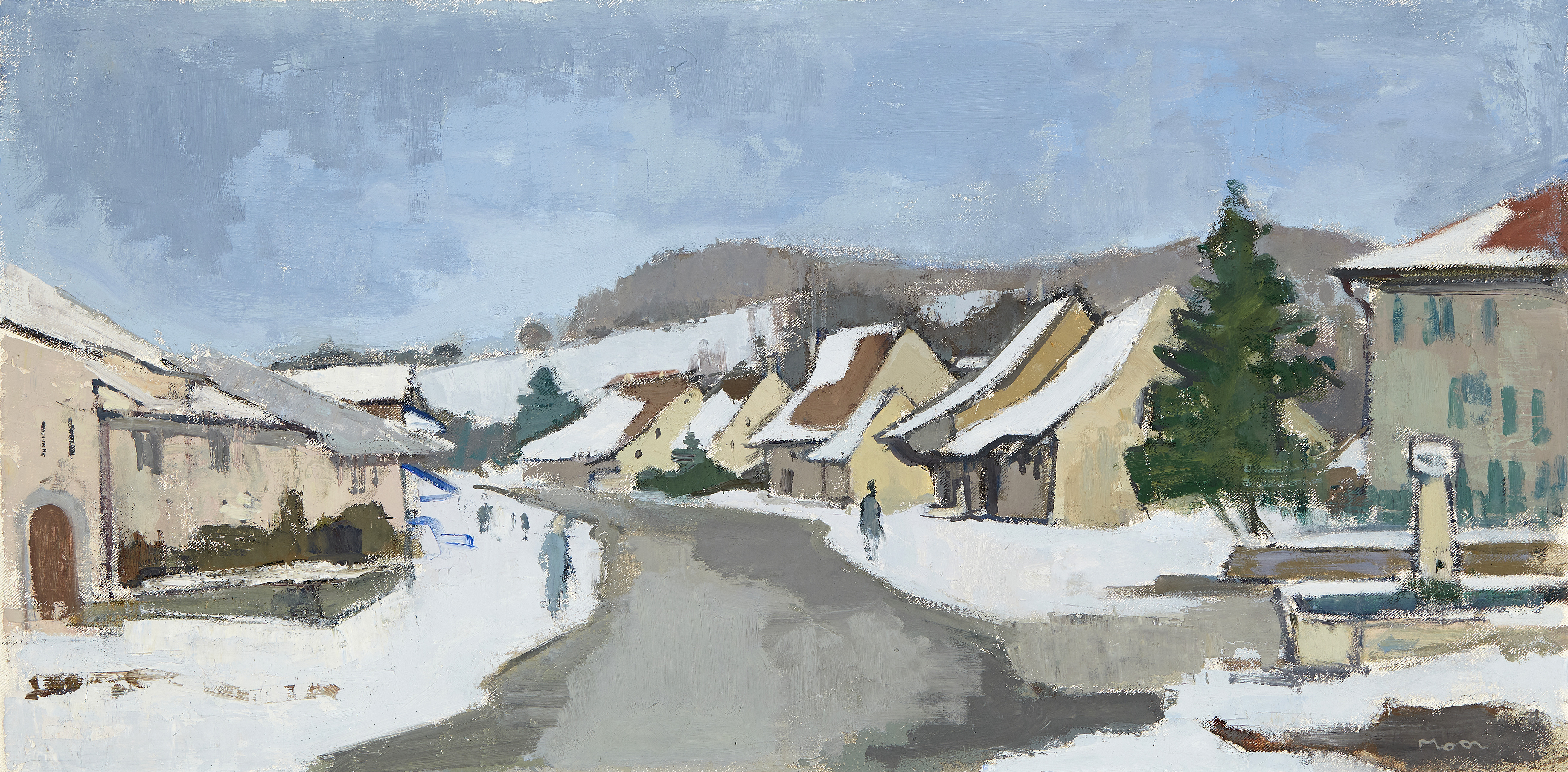
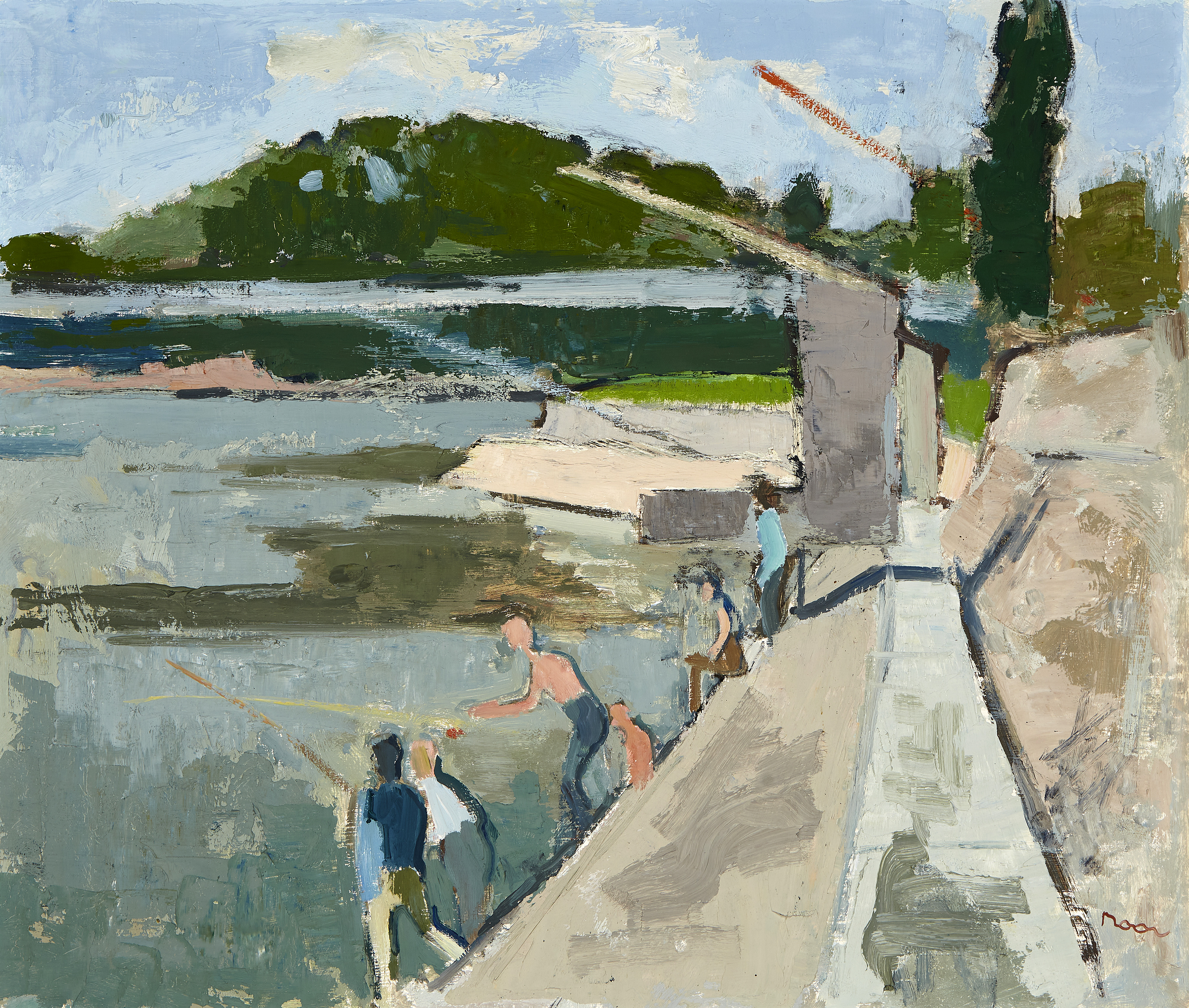
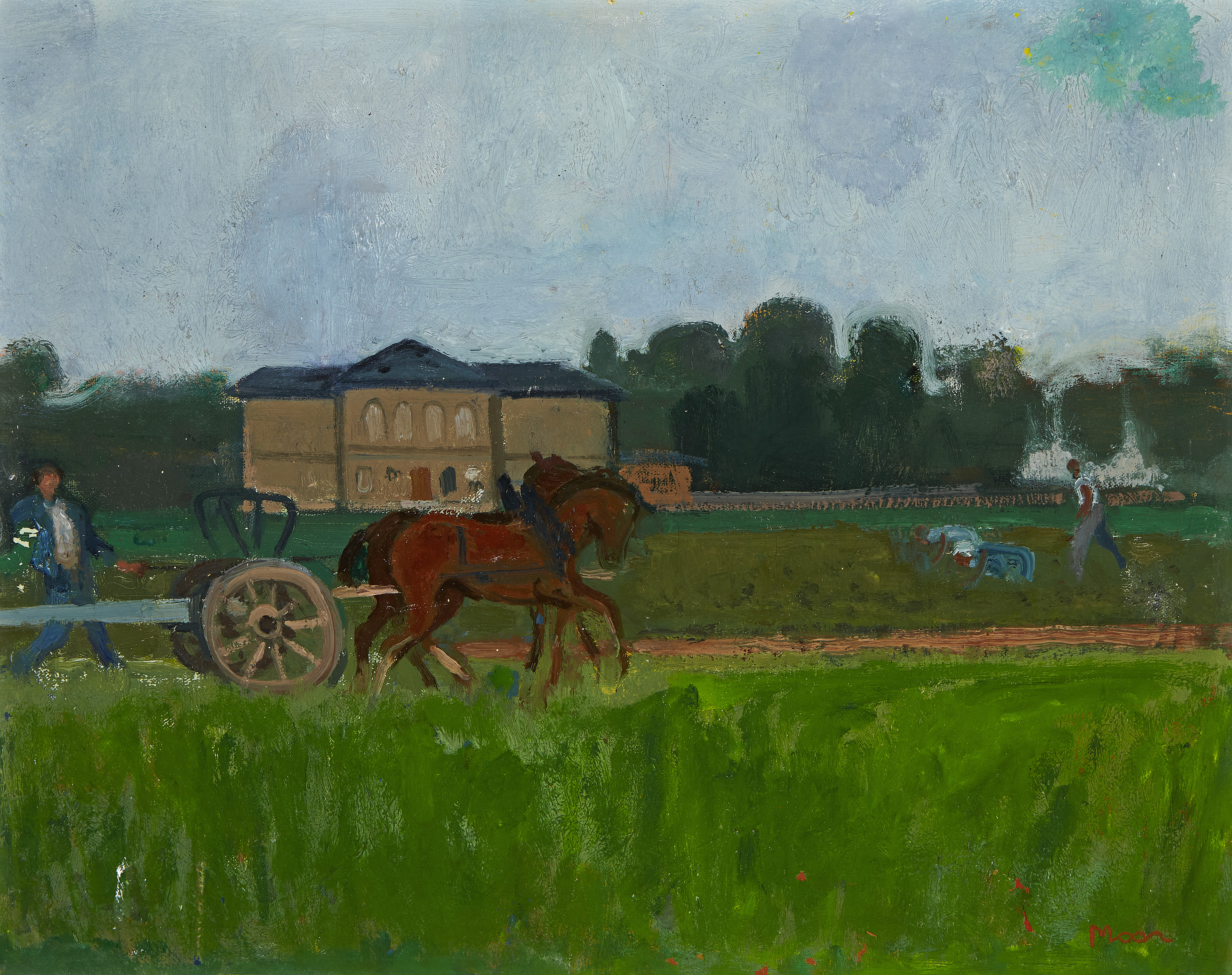
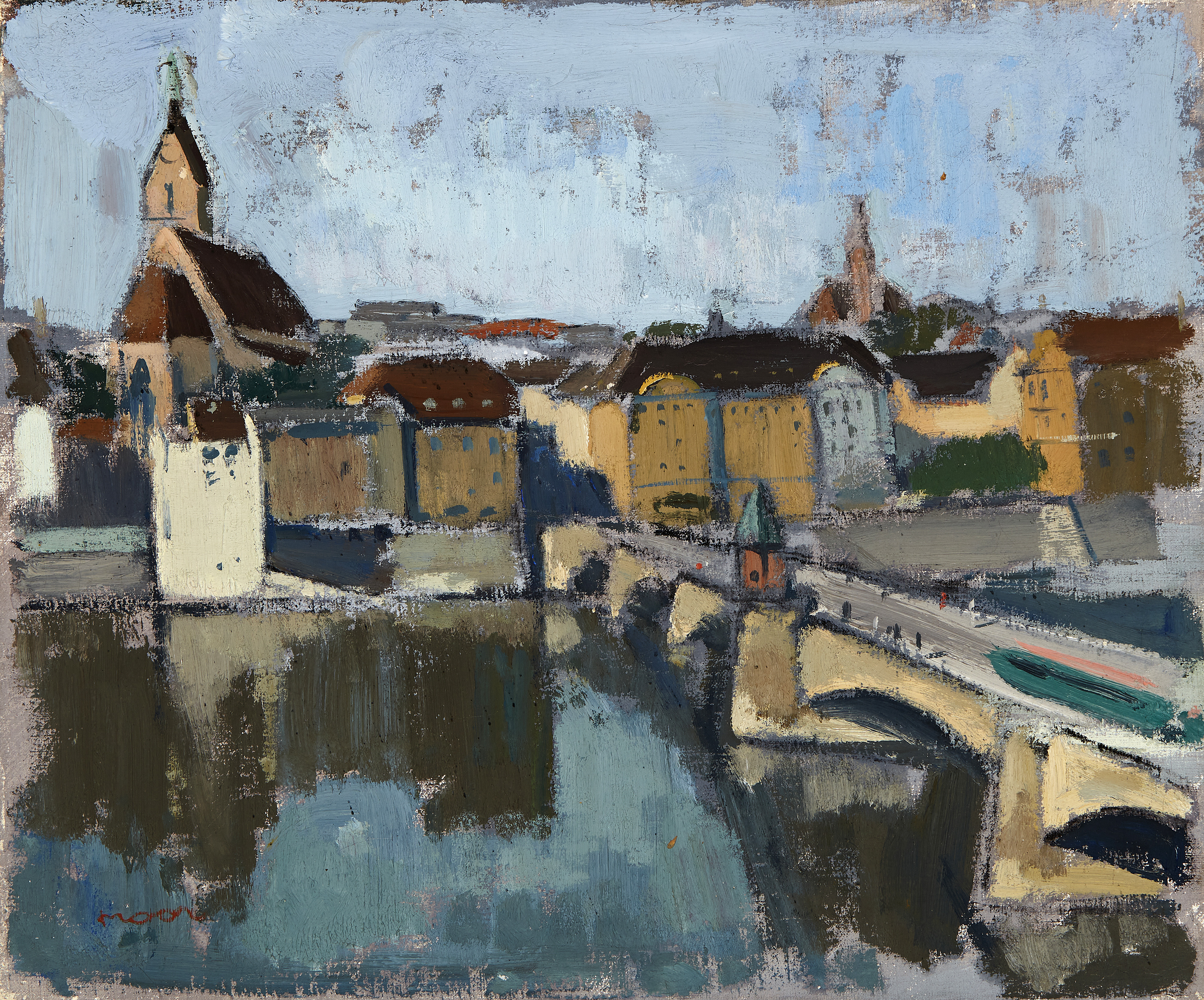
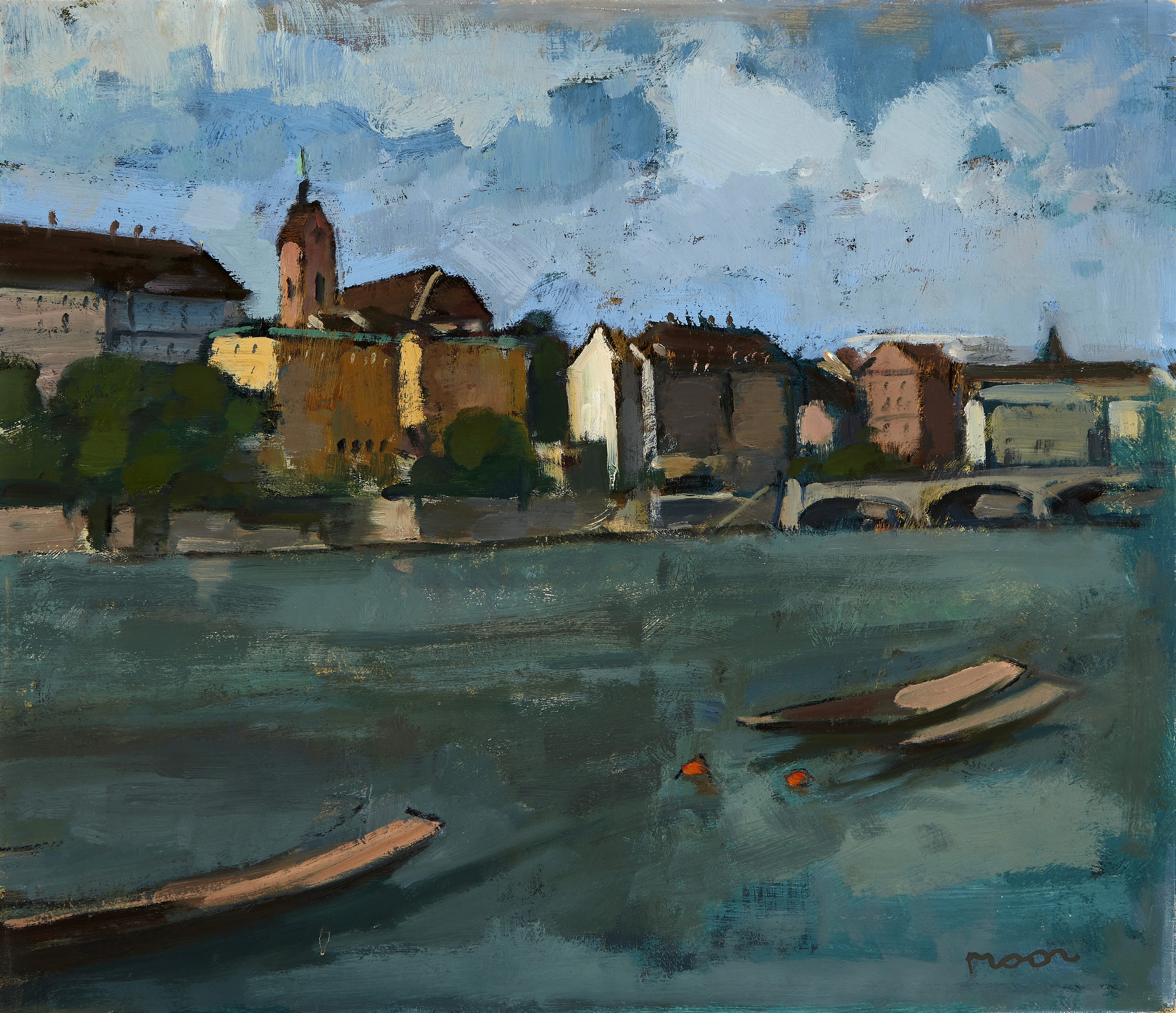
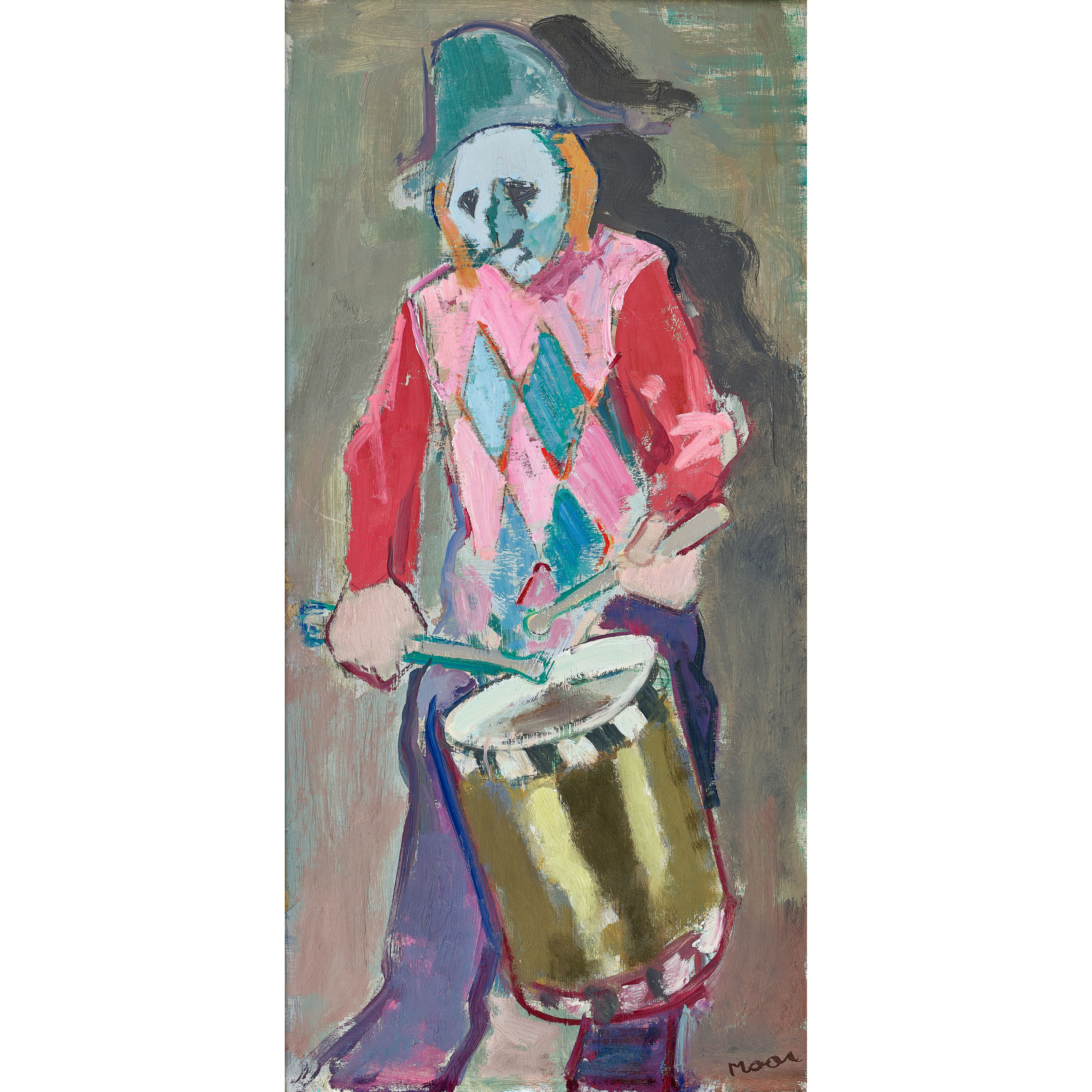
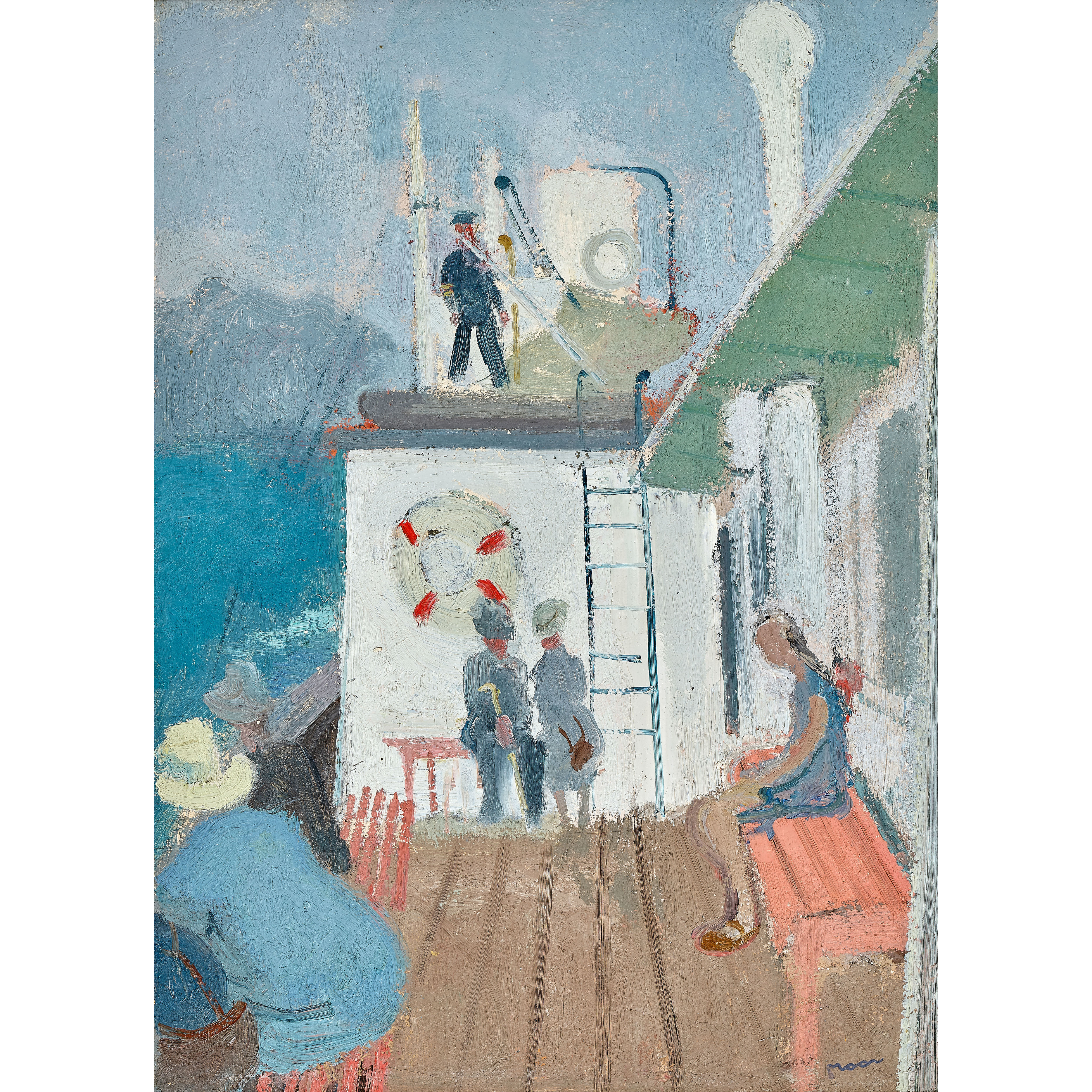
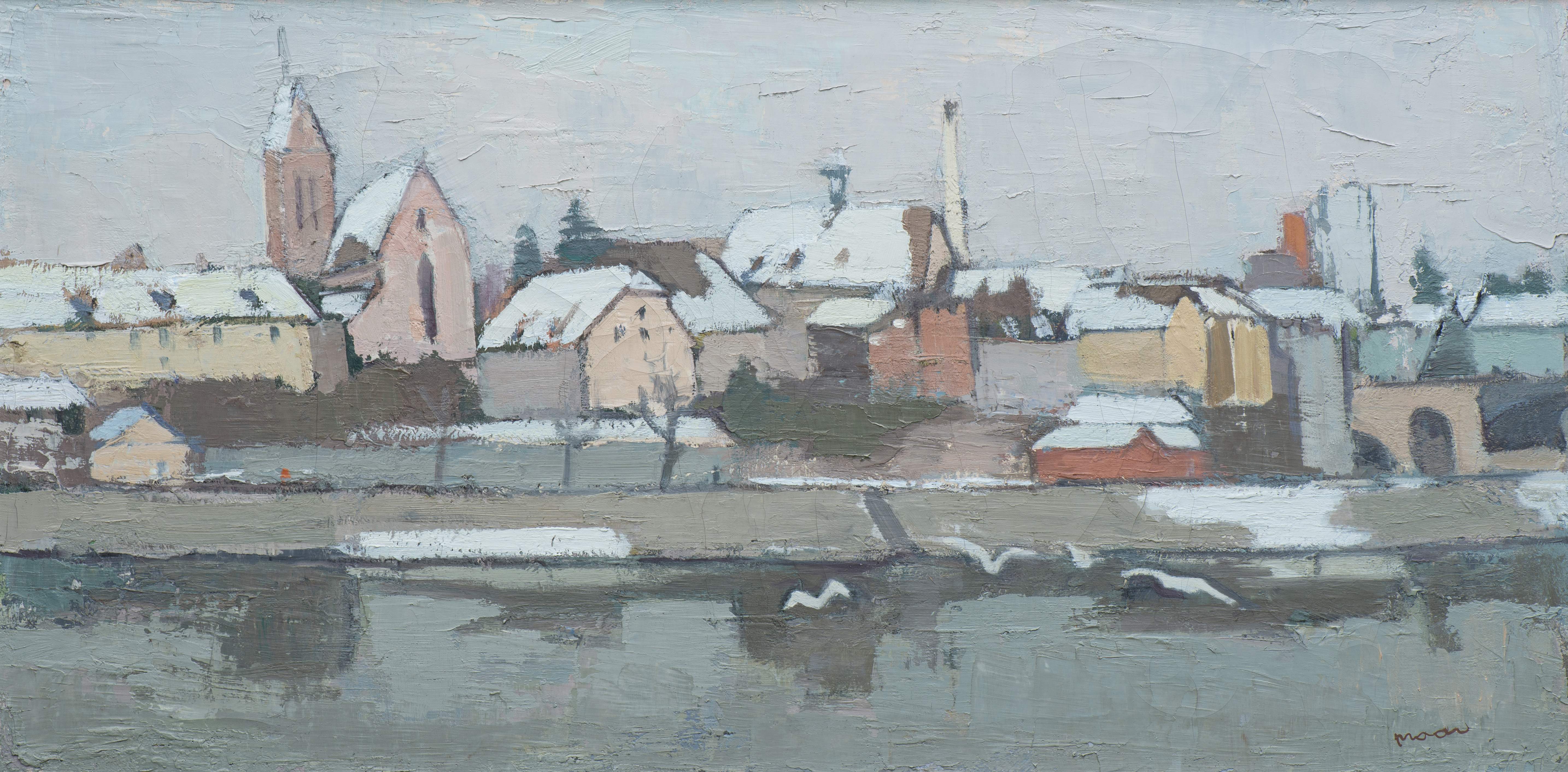
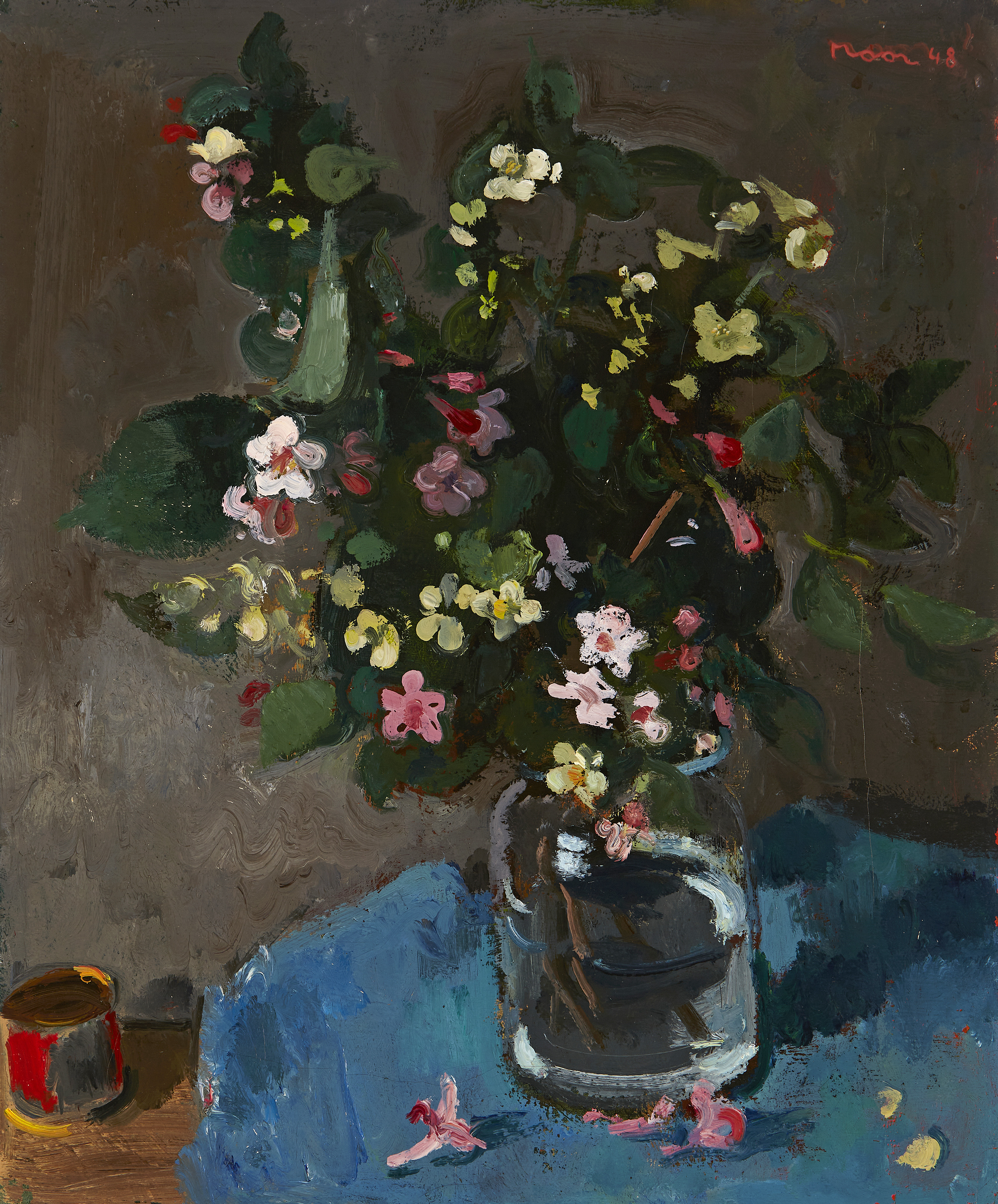
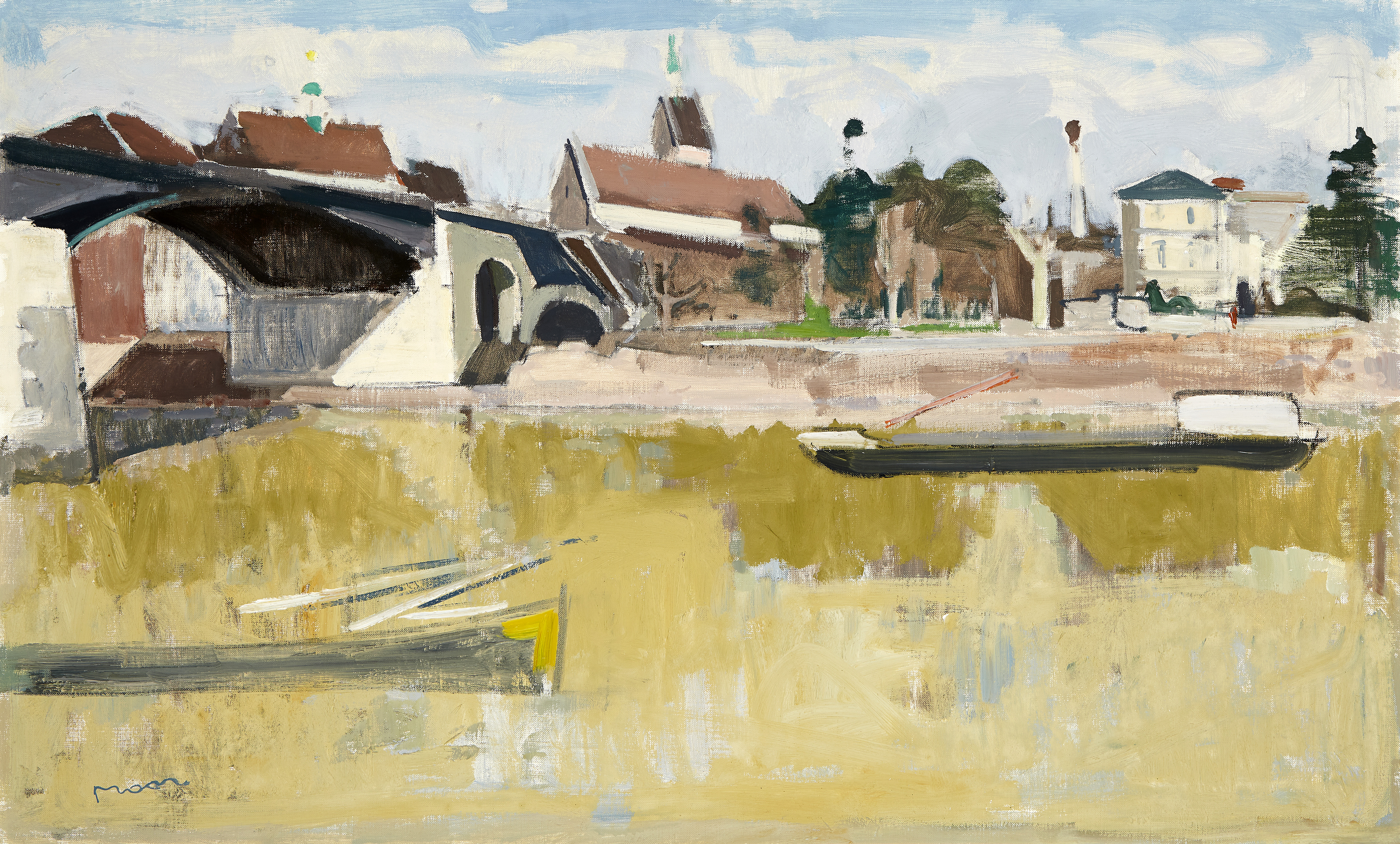
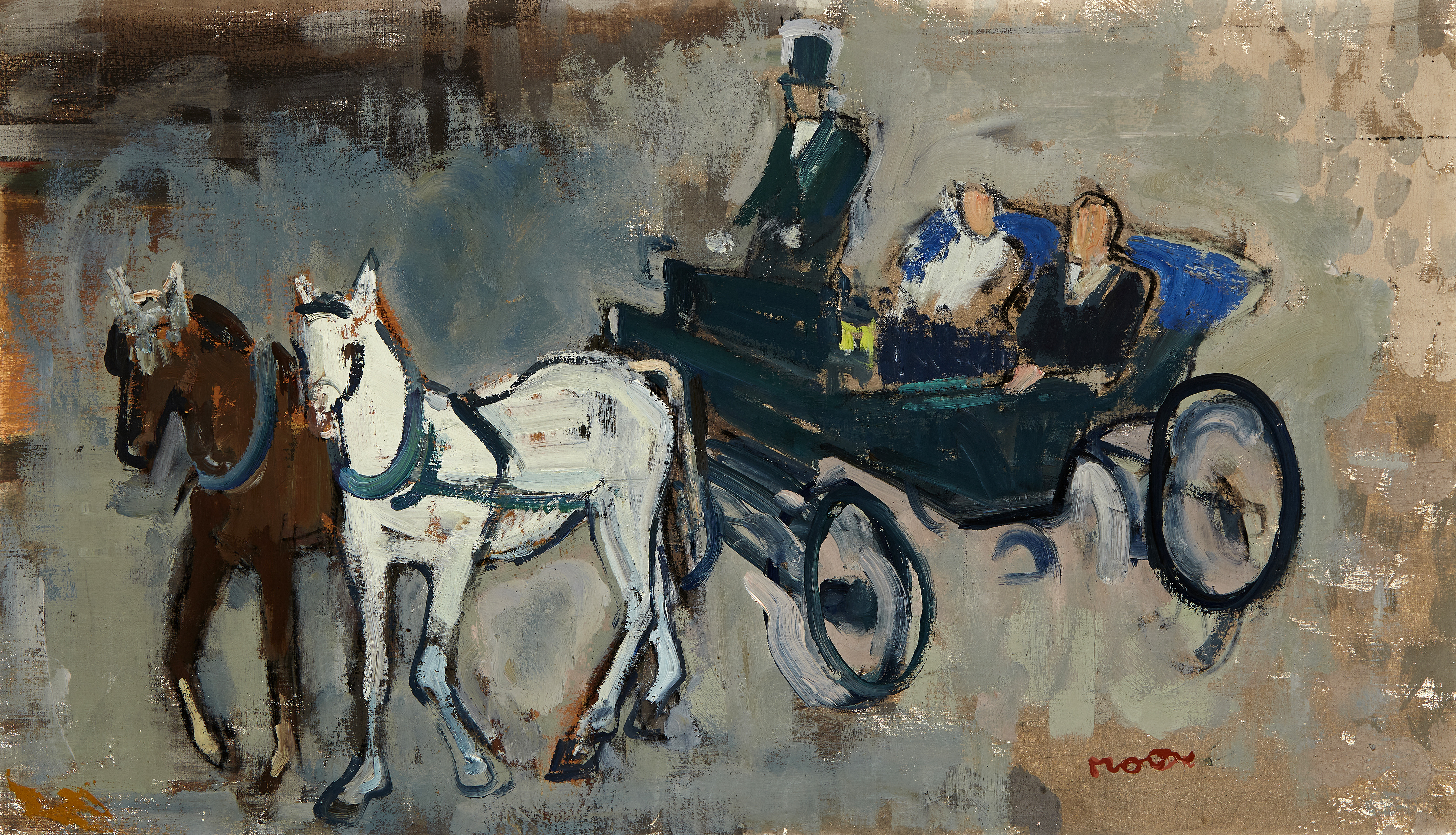
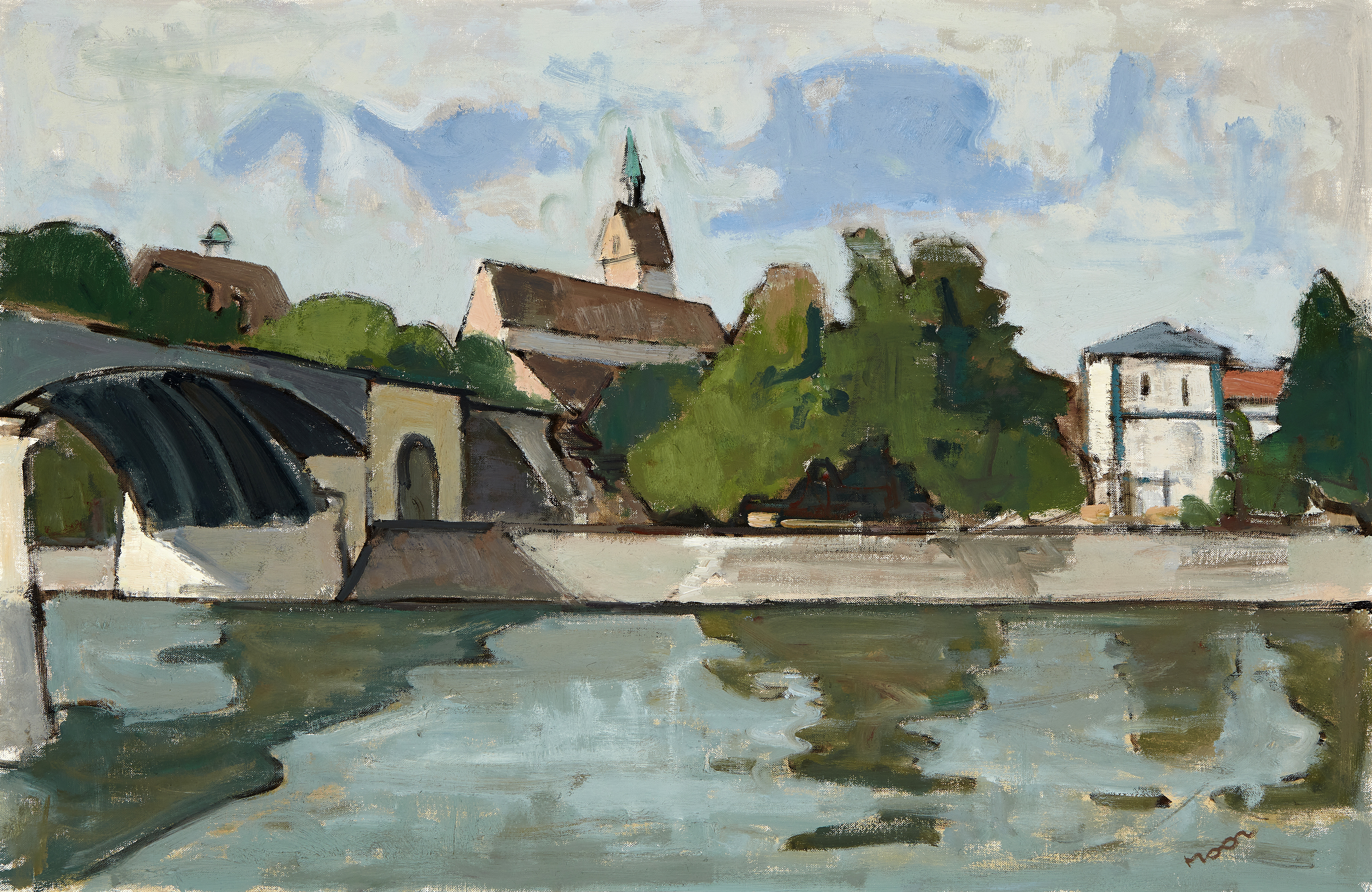
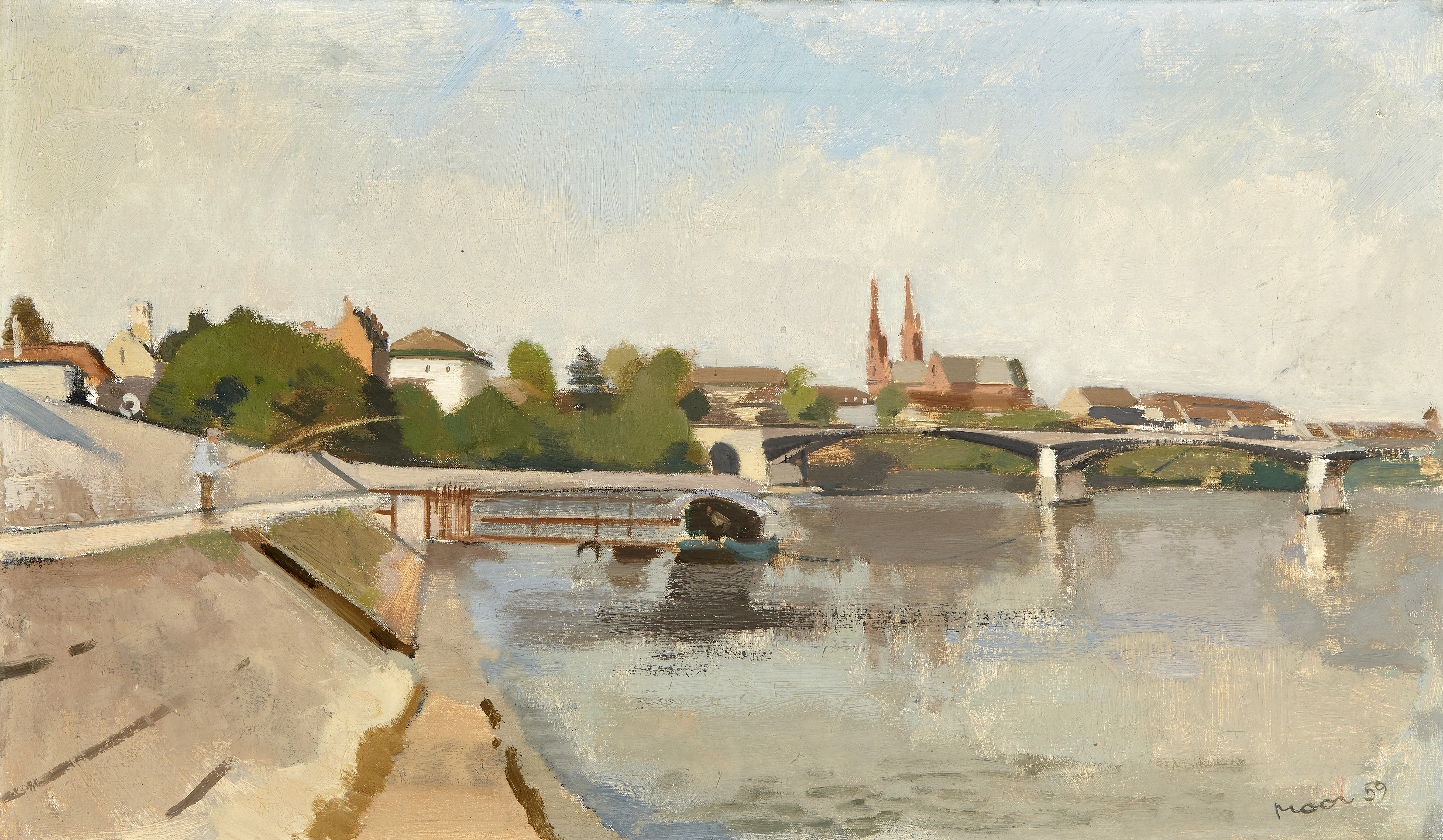
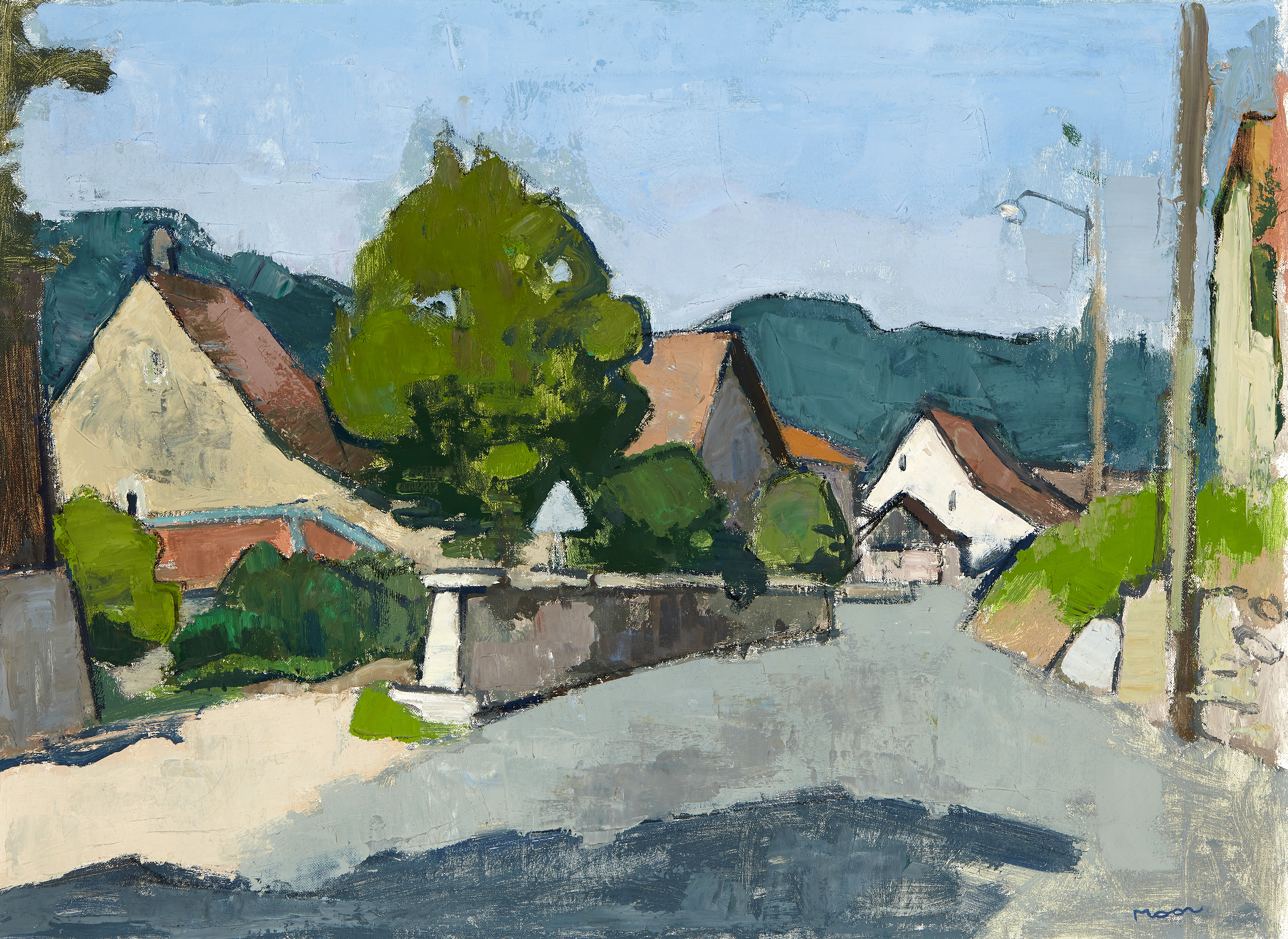
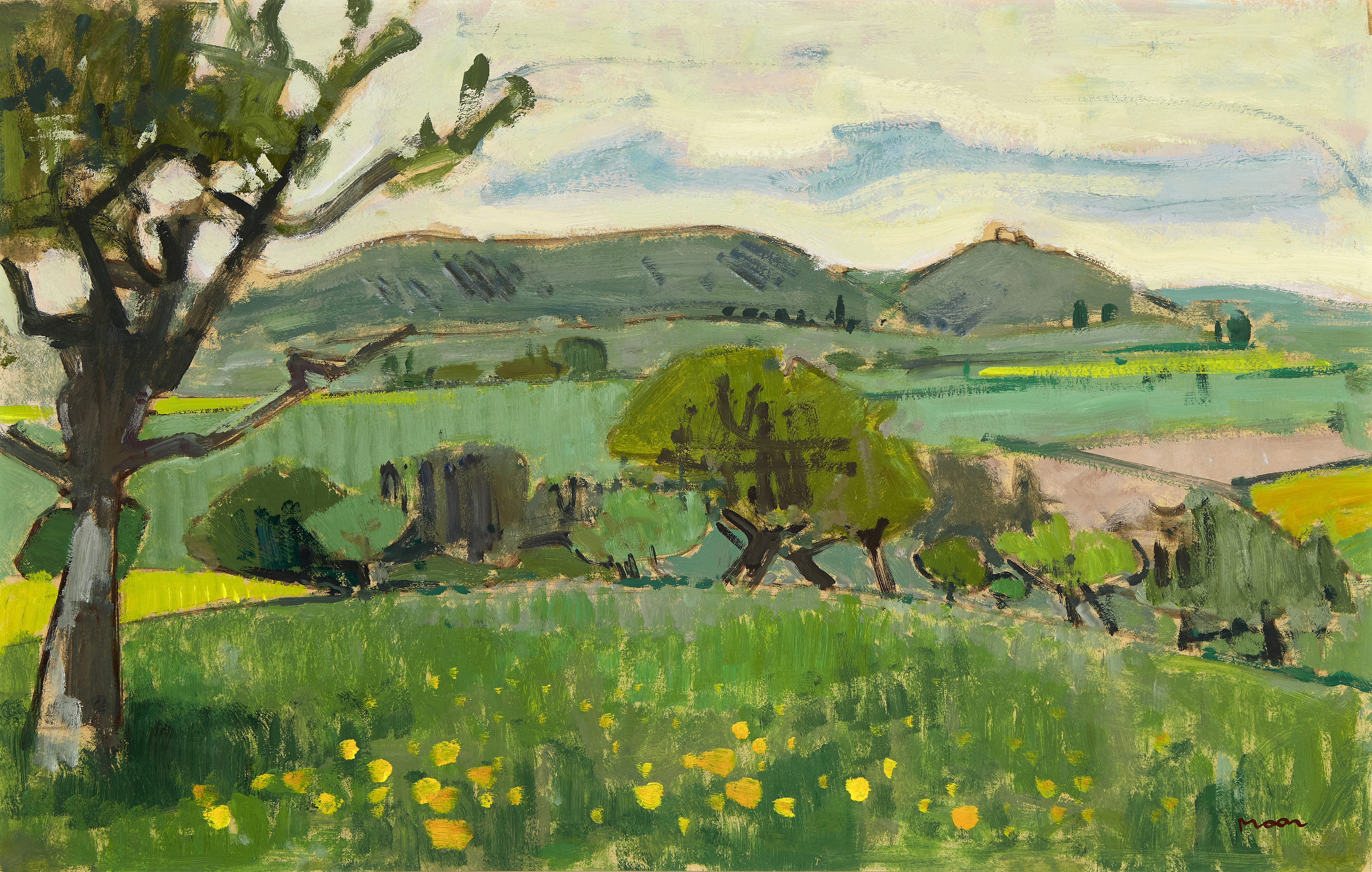
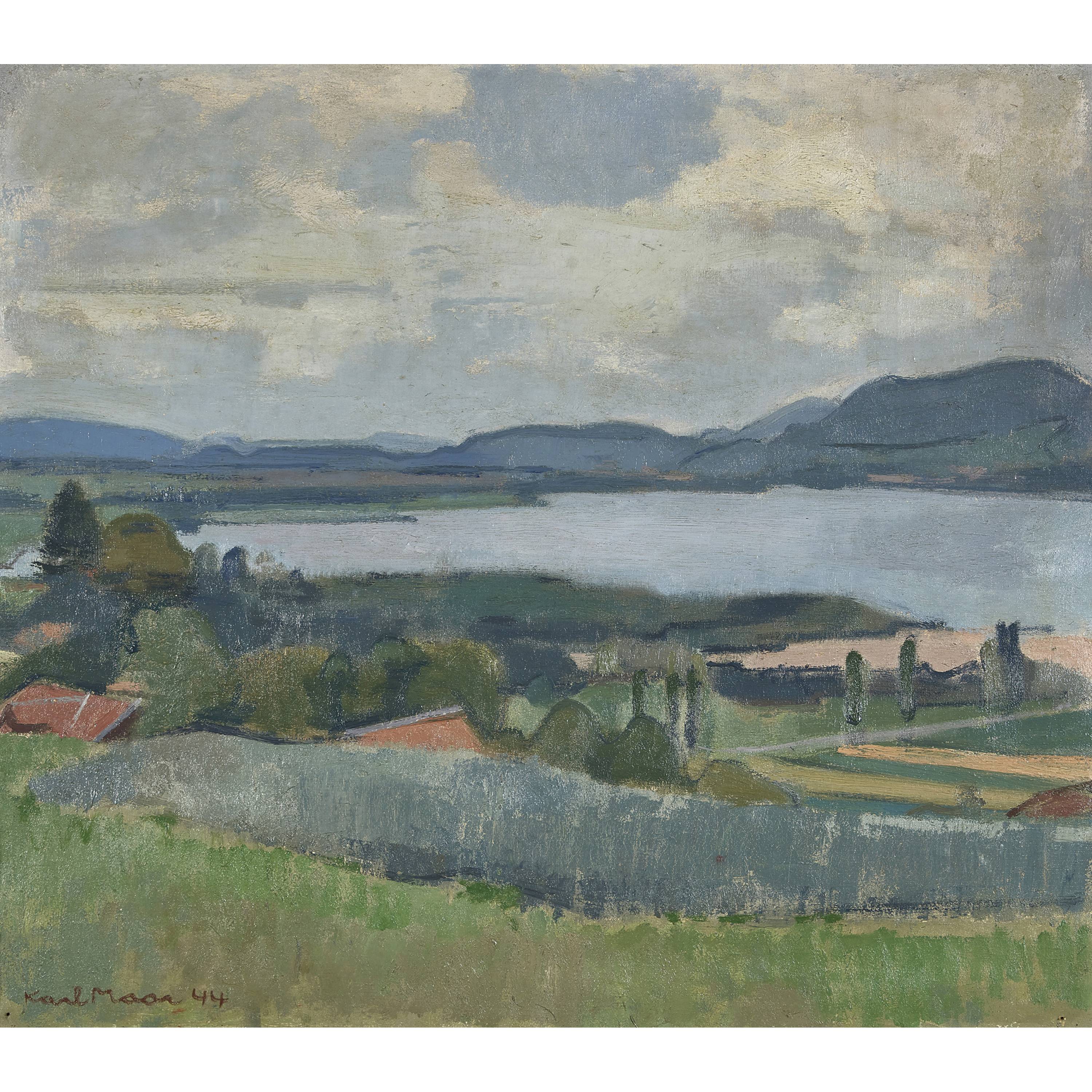
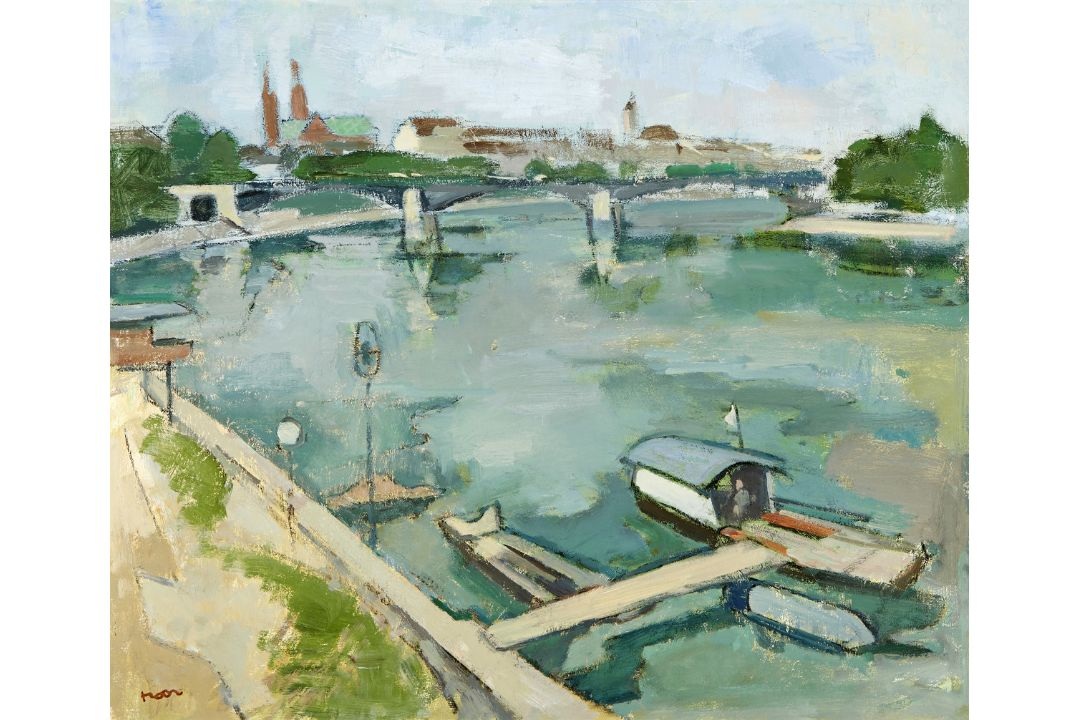
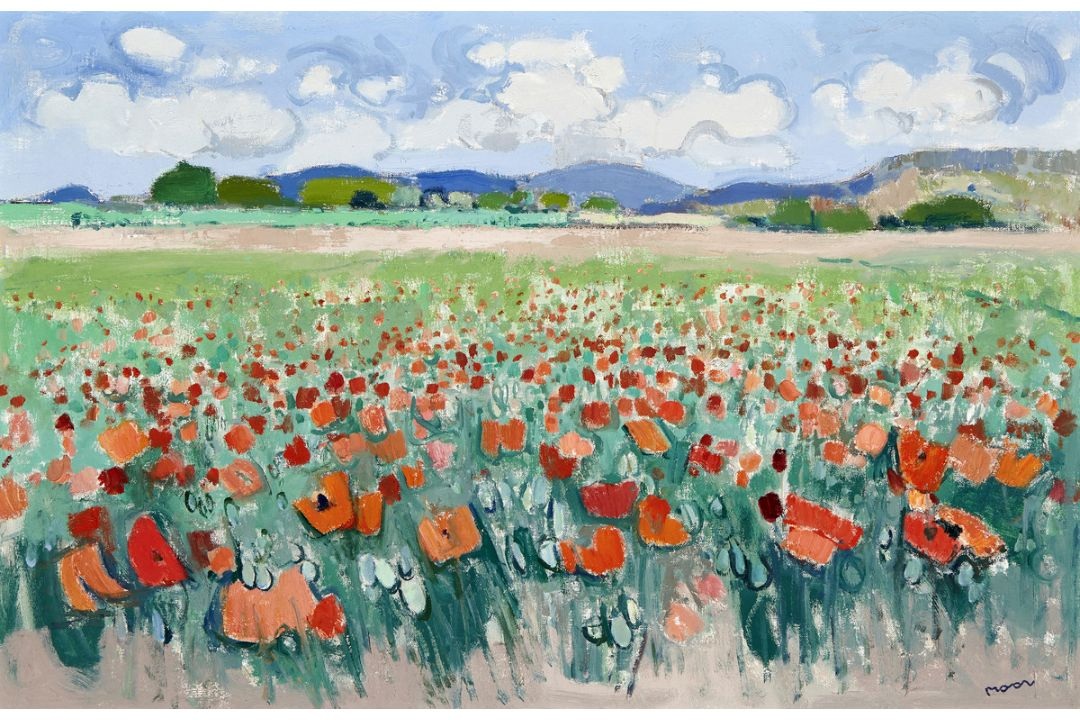
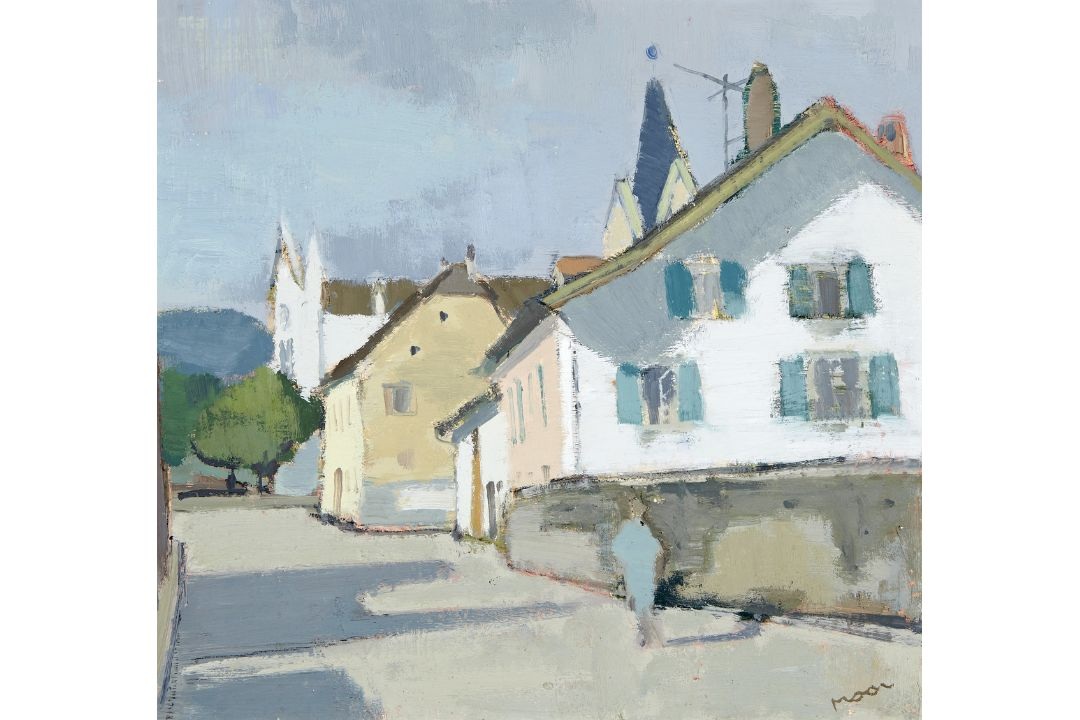
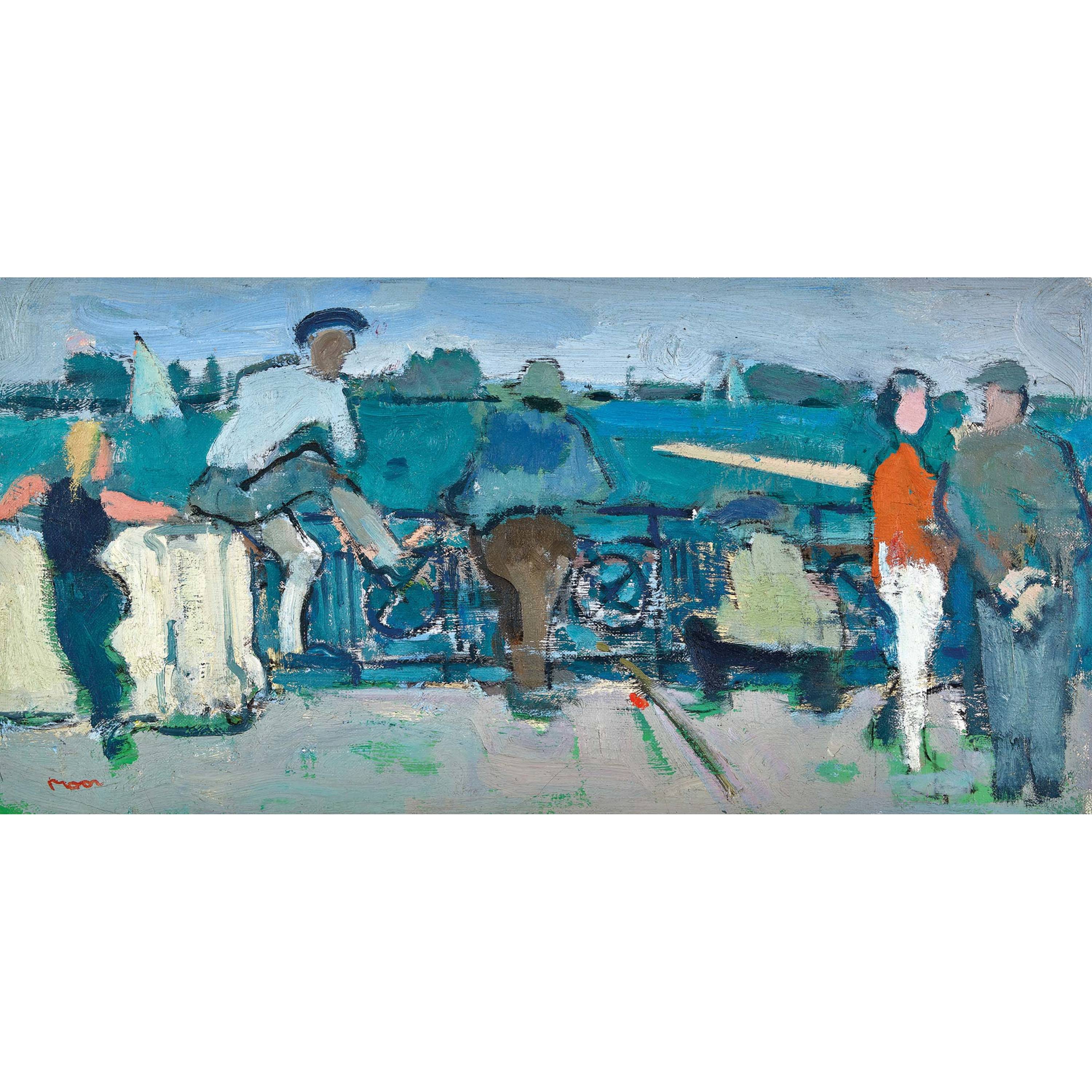
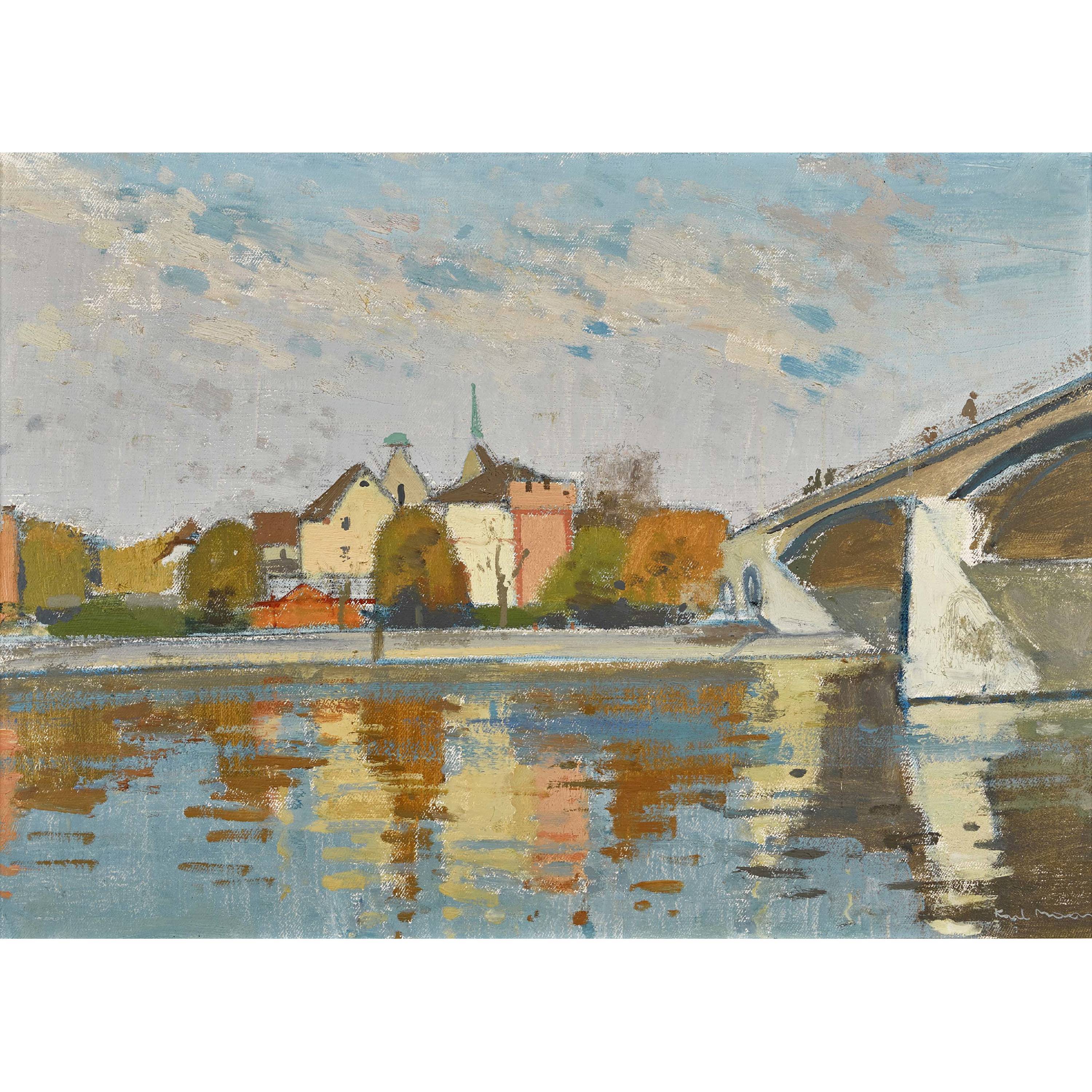
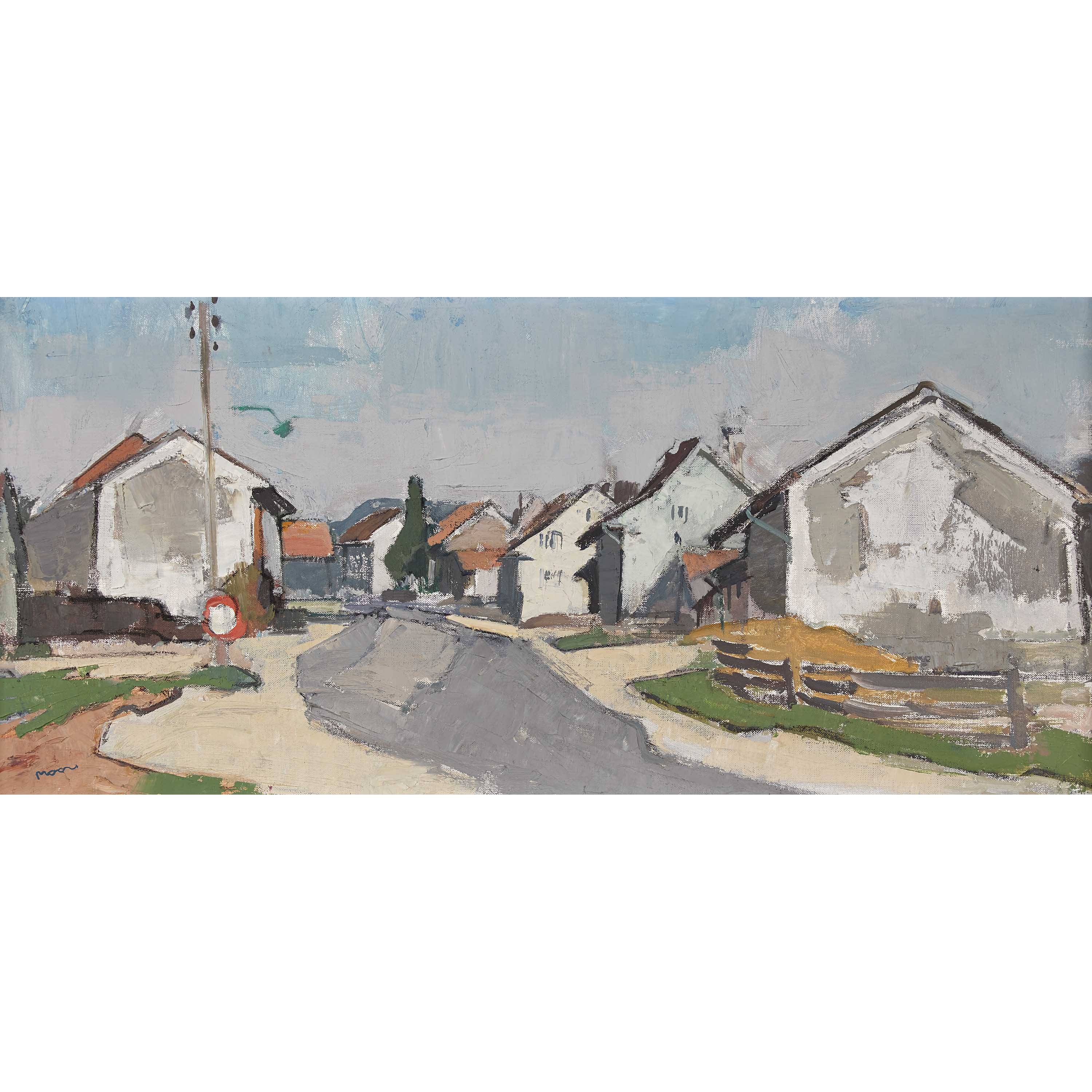
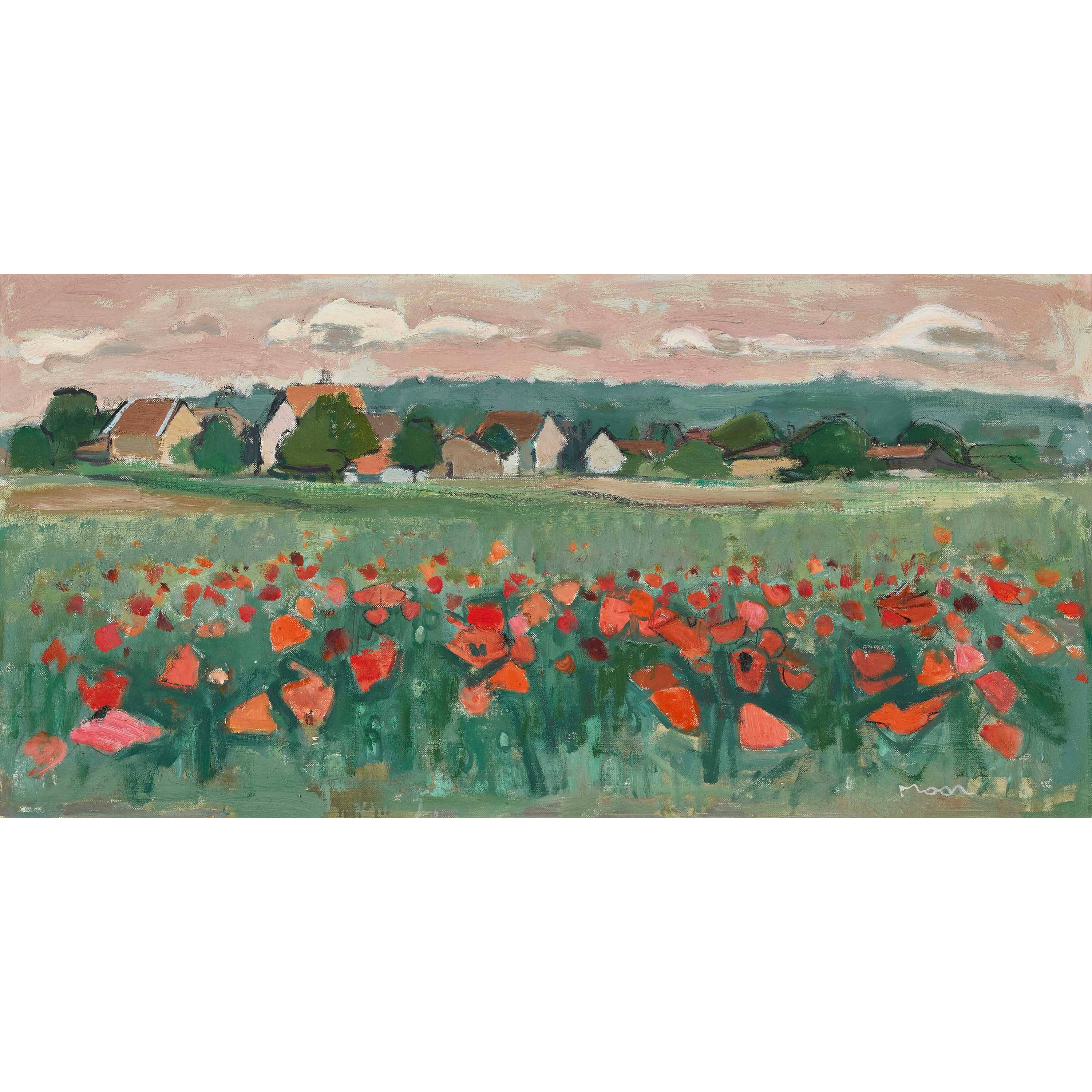
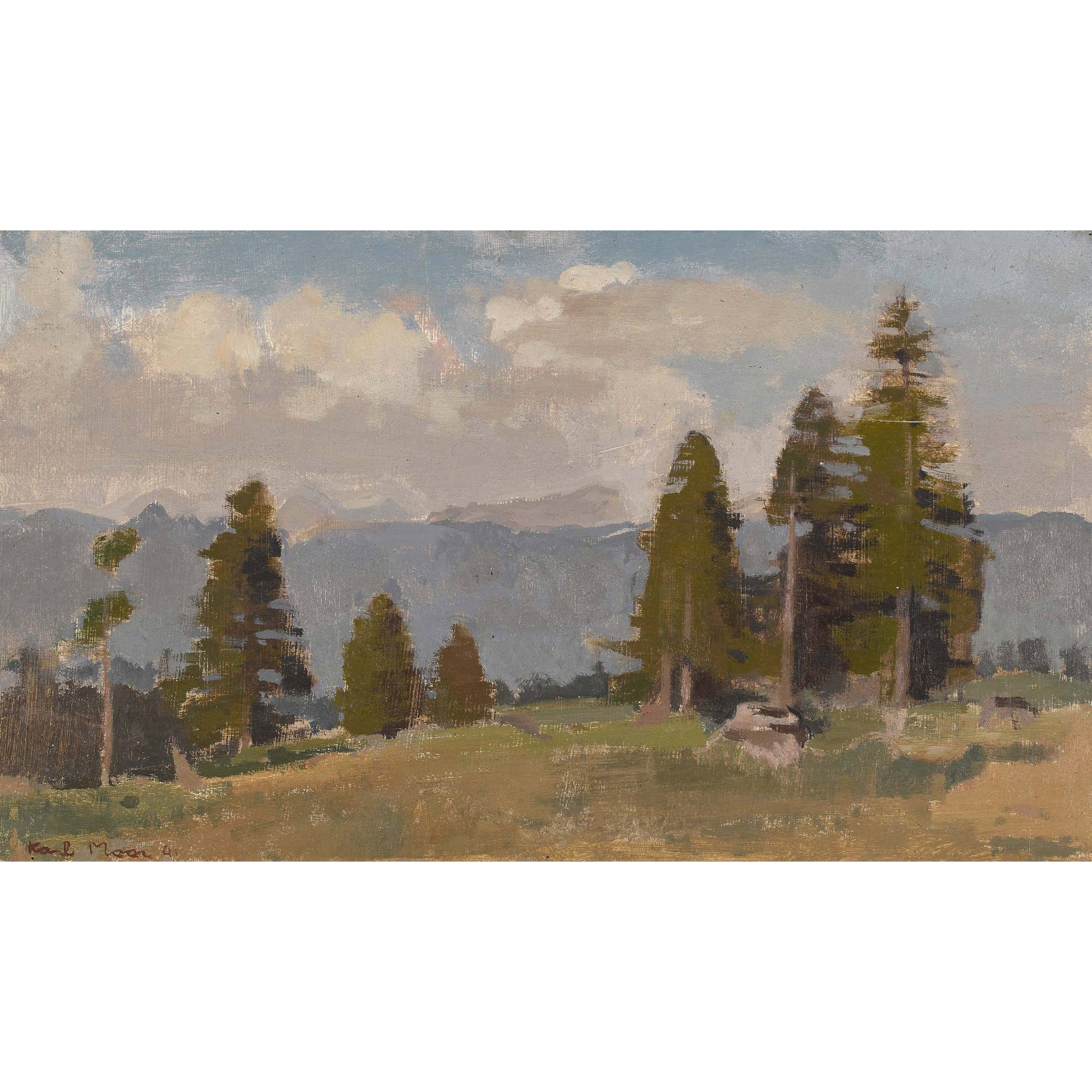
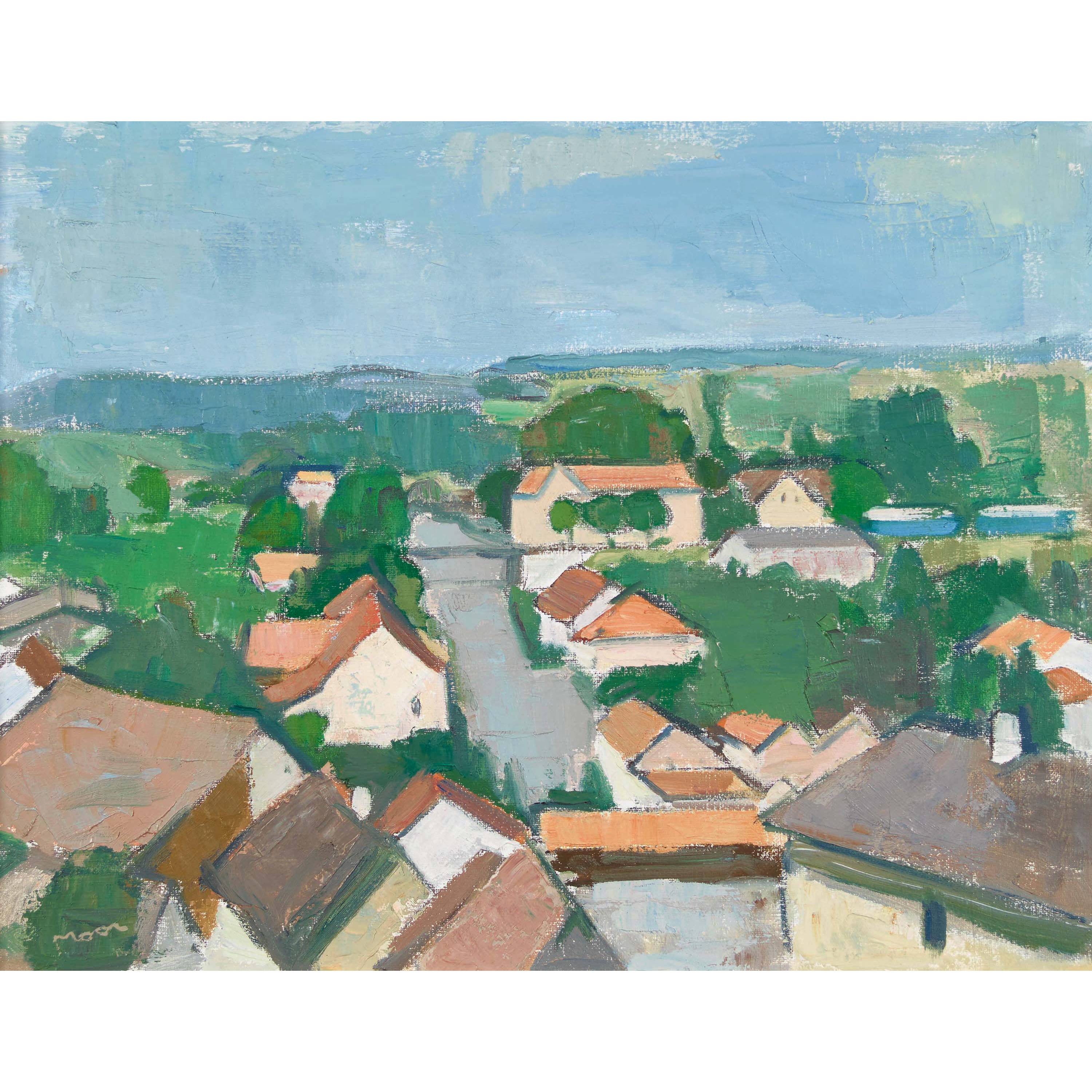
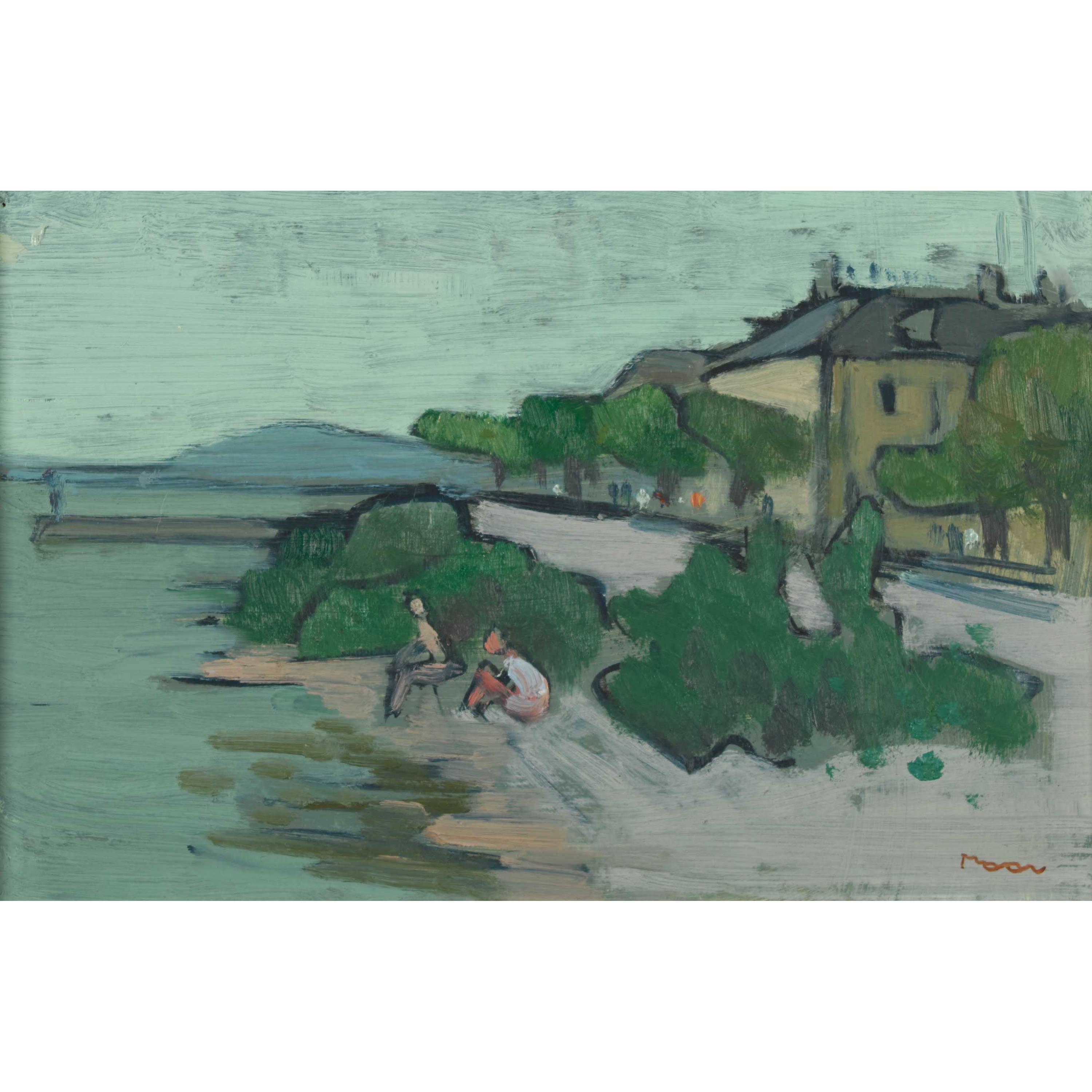
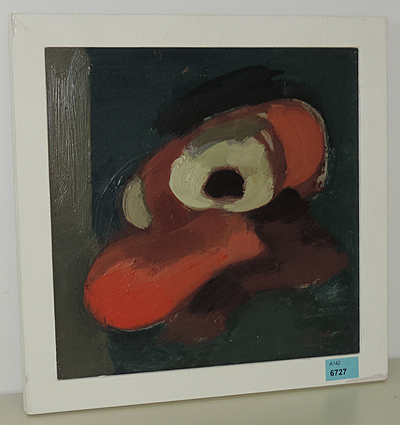
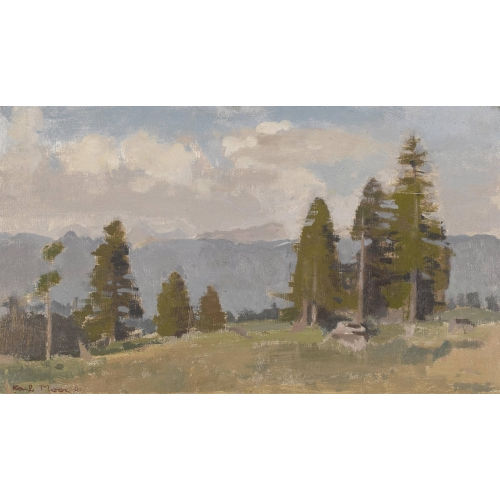
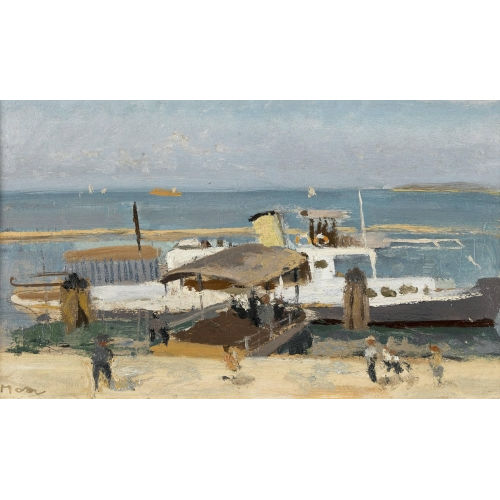
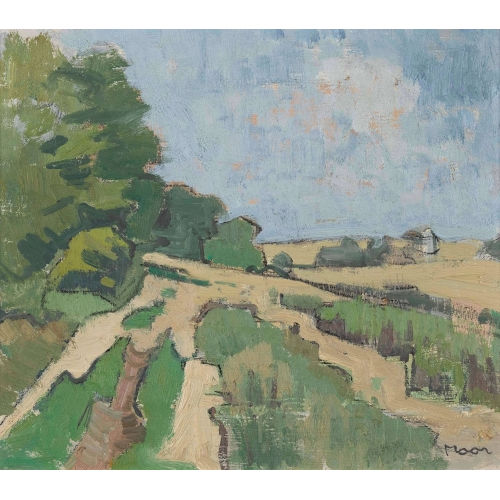
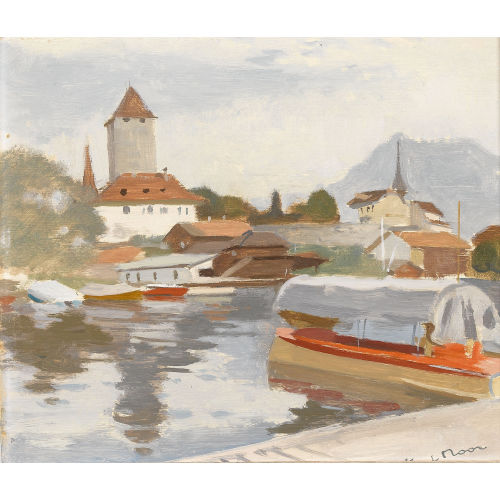
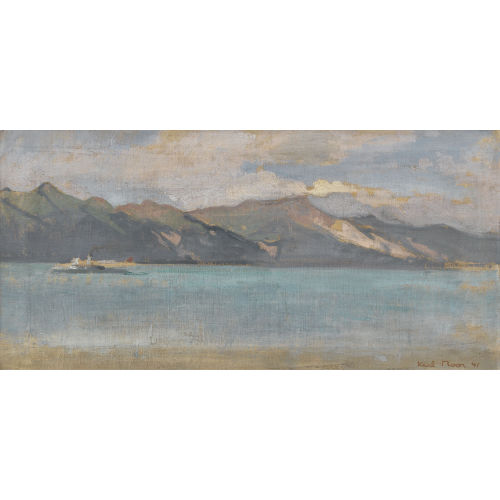
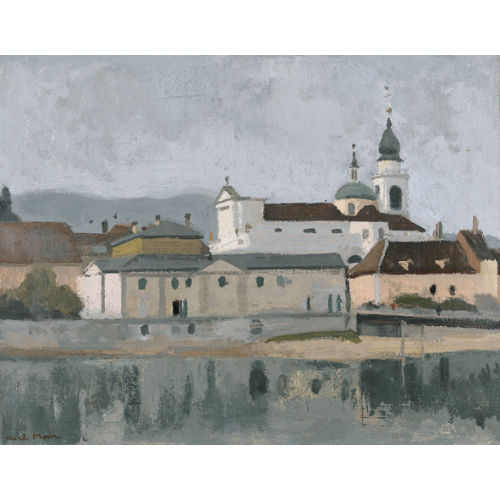
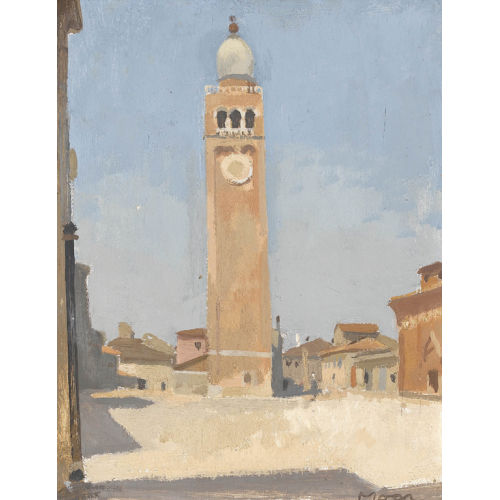
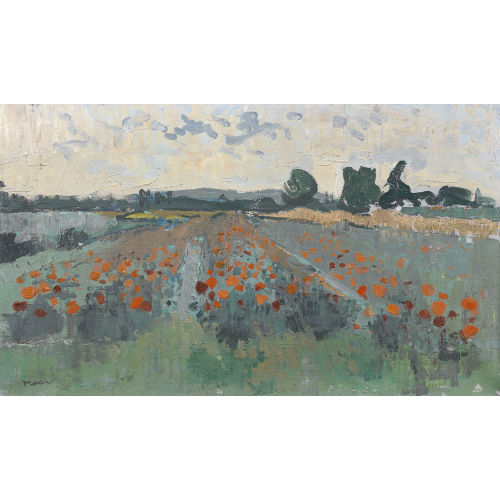
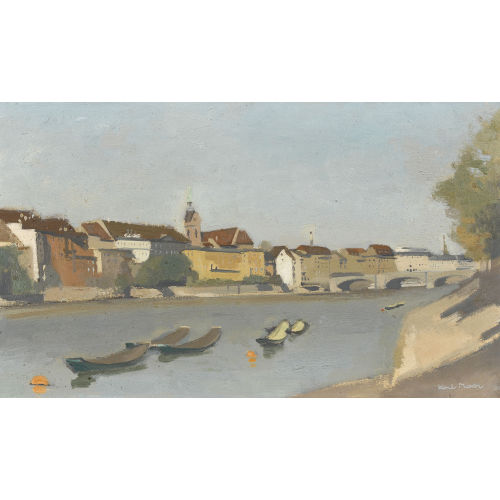
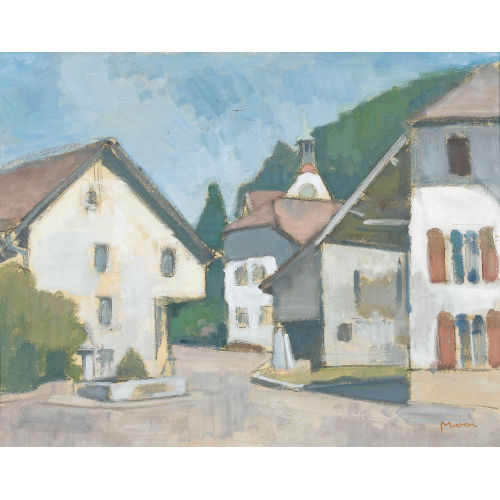
Karl Moor (1904–1991) made Basel and its surroundings the field of observation for a discreet and persistent form of painting. Born and deceased in the city, he trained at the Kunstgewerbeschule after an initial experience in commerce. Canton and federal grants subsequently enabled him to travel to the Netherlands, France and Italy, yet he repeatedly returned to scenes from the Basel region.
He sketched them on site before reworking them in oil in his studio.
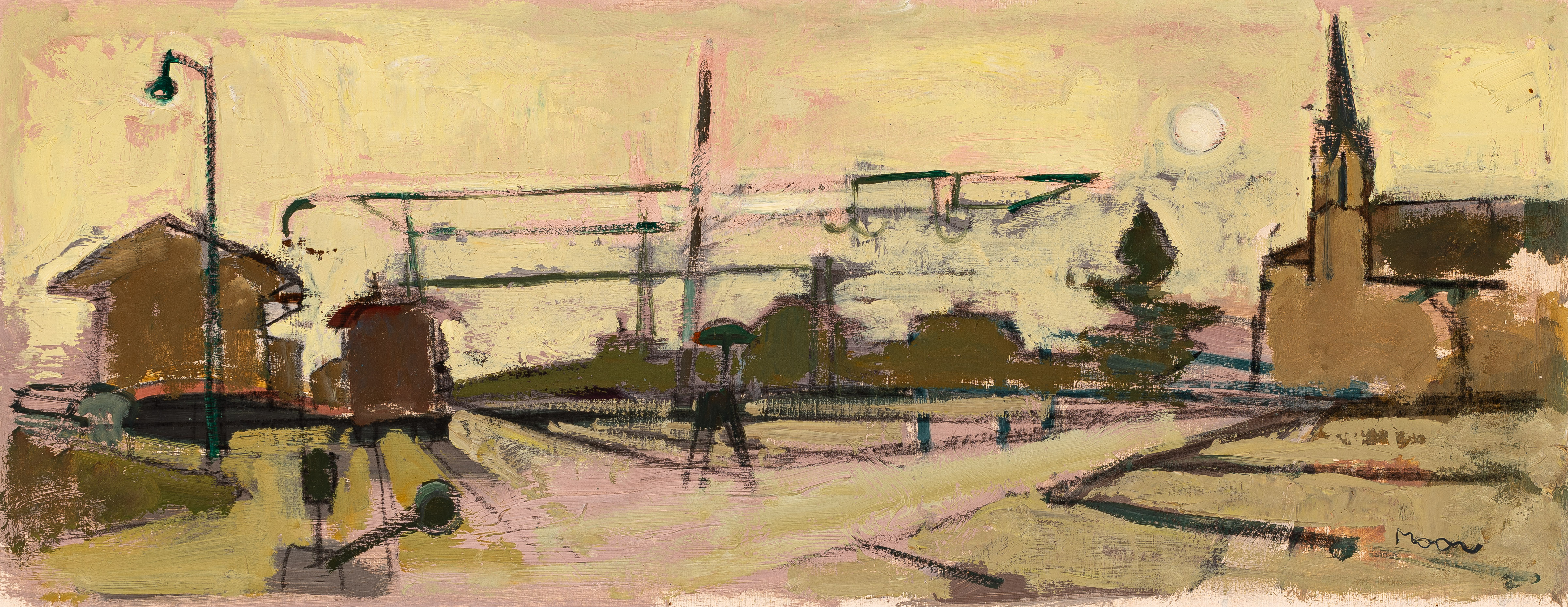
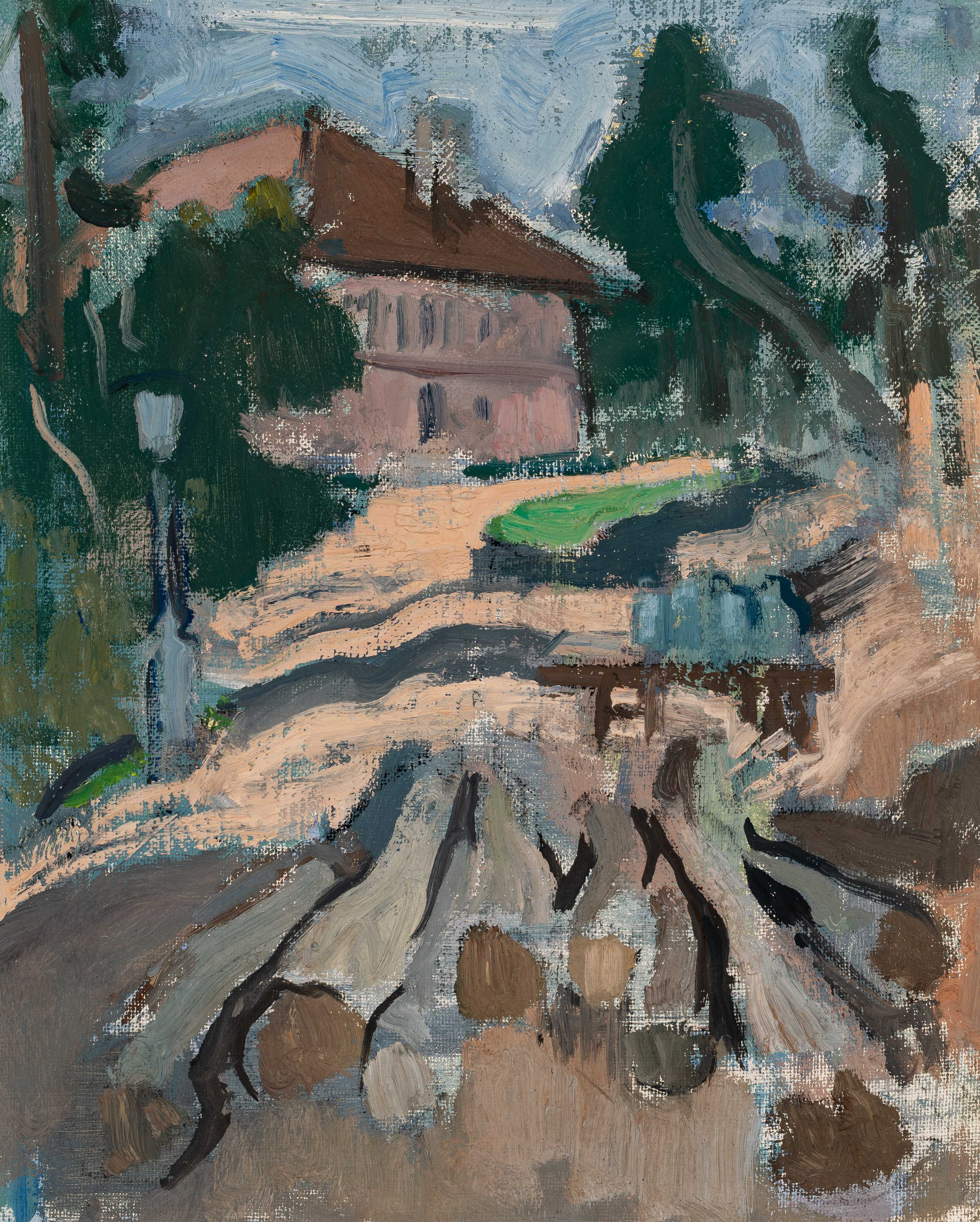
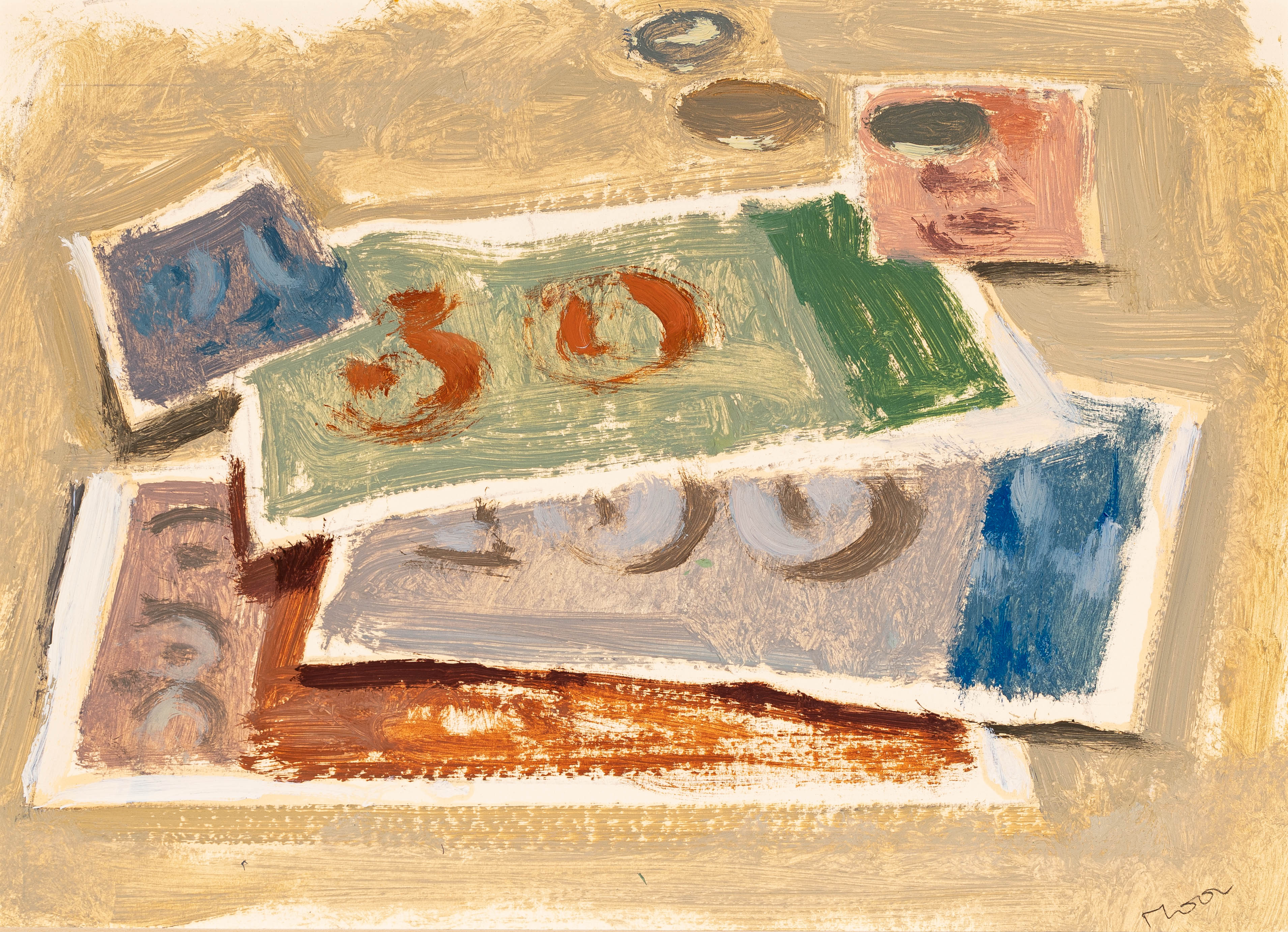
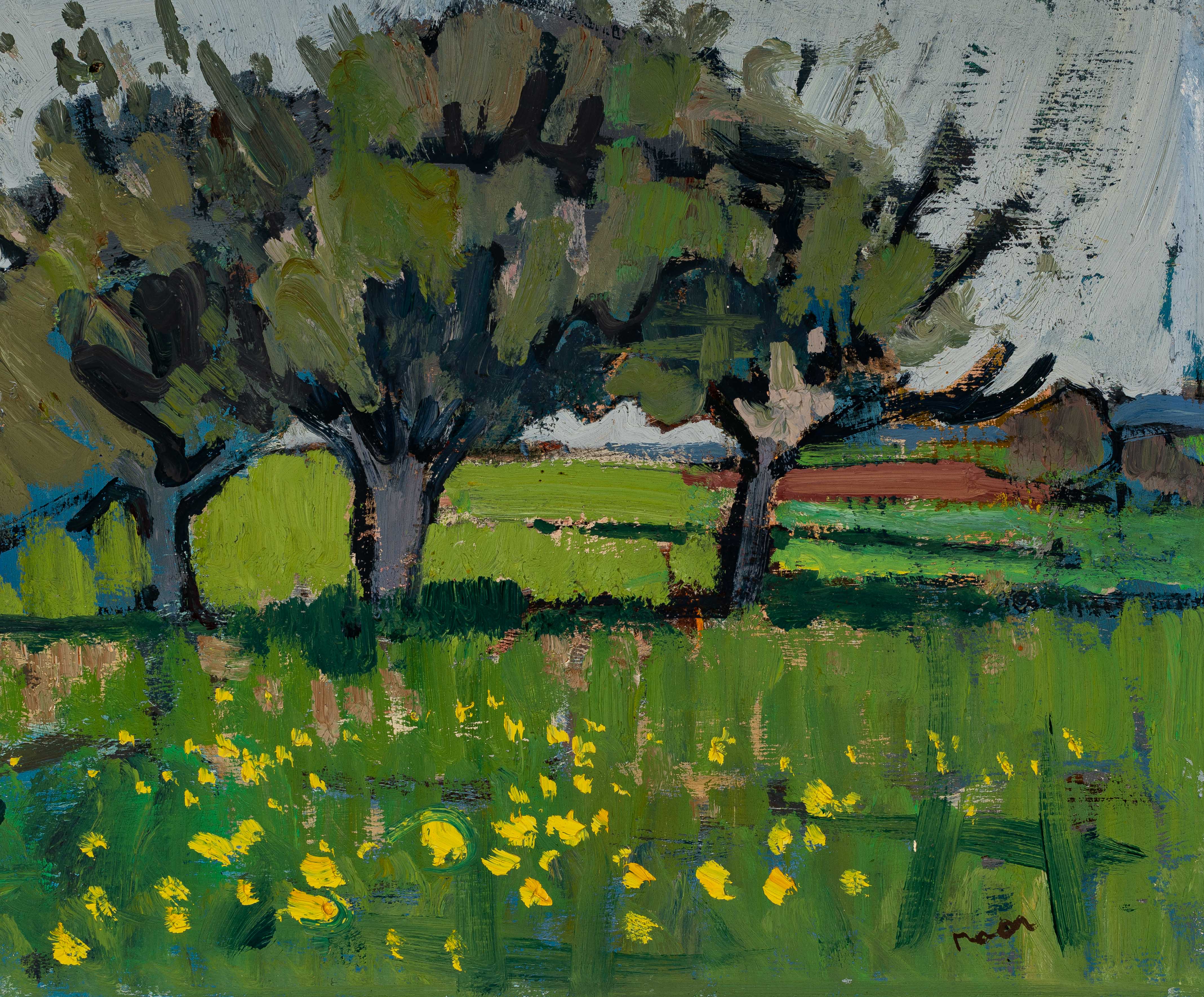
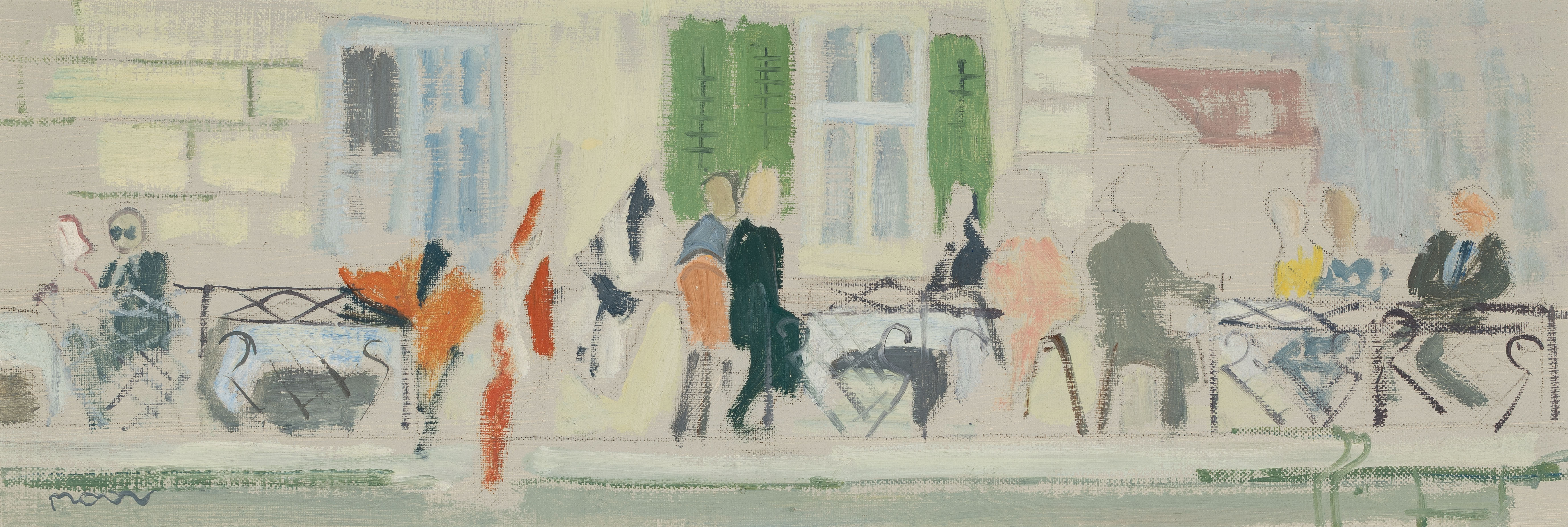
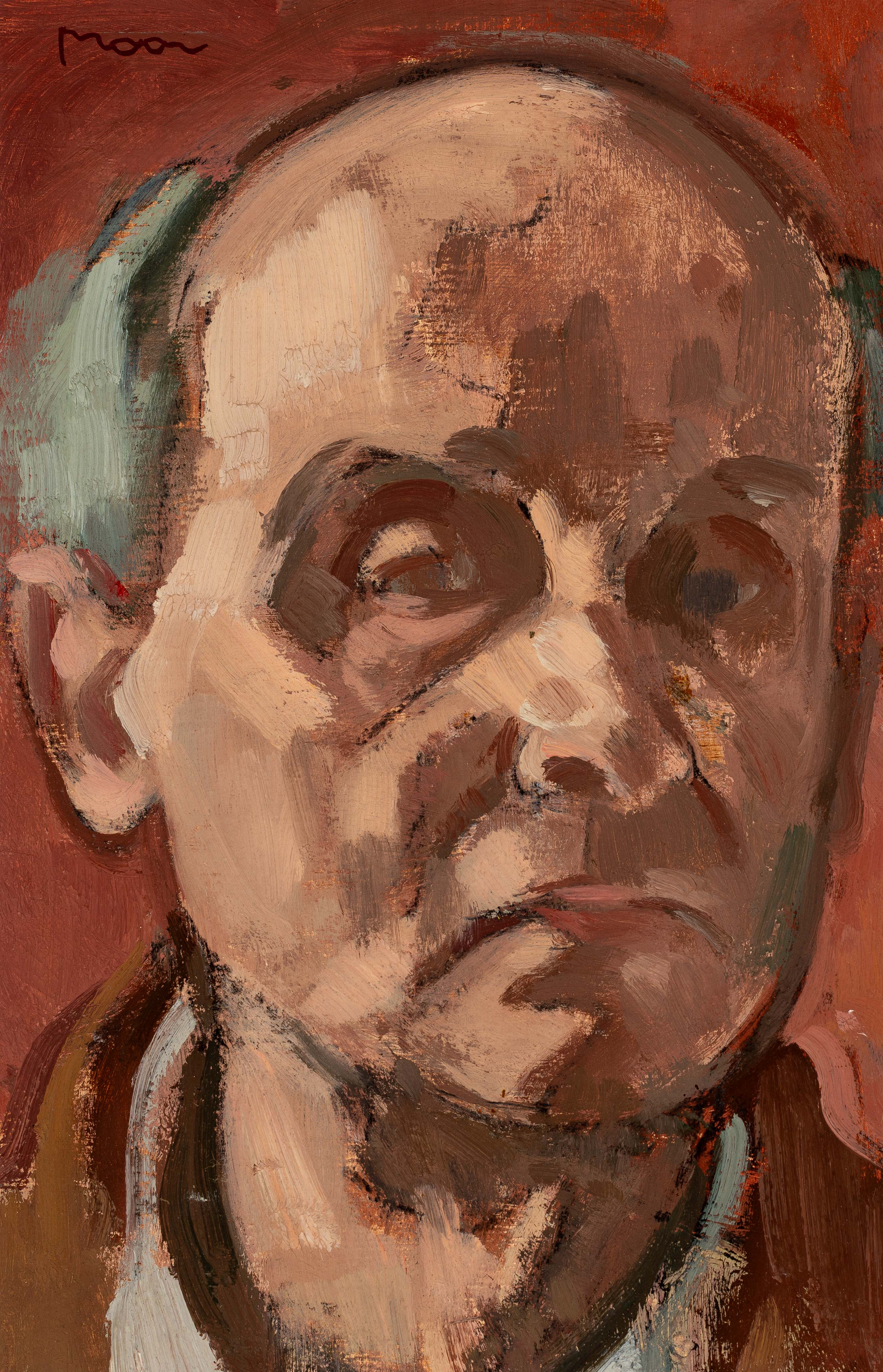
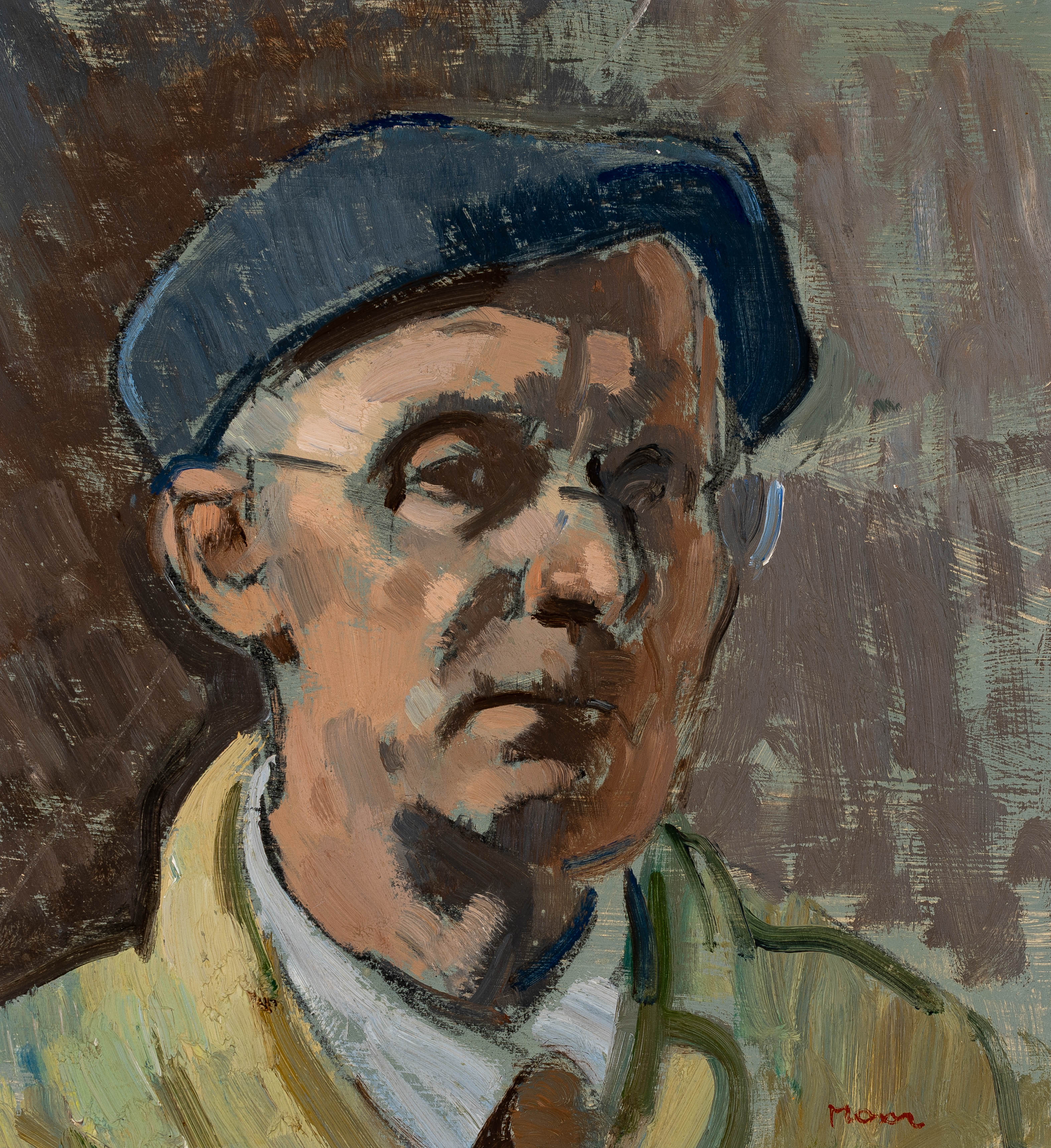
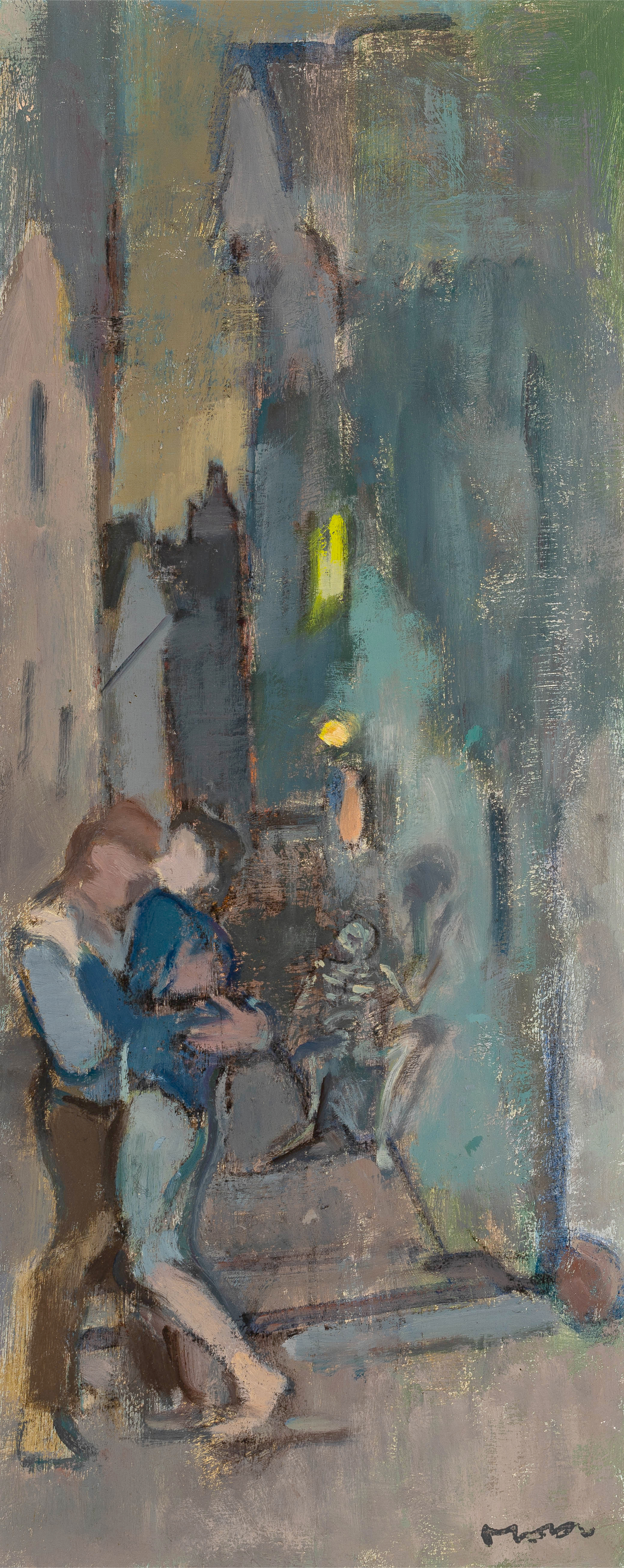
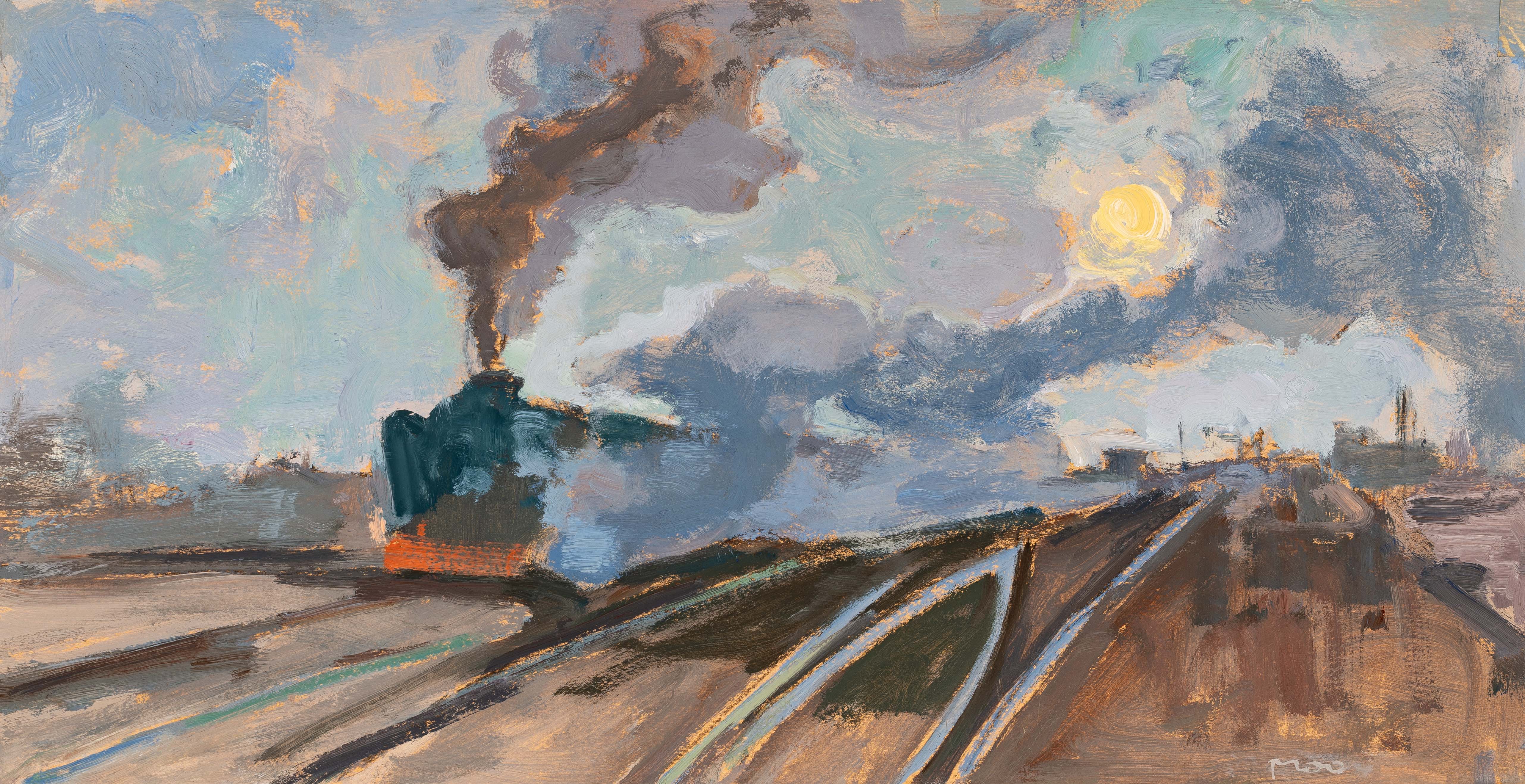
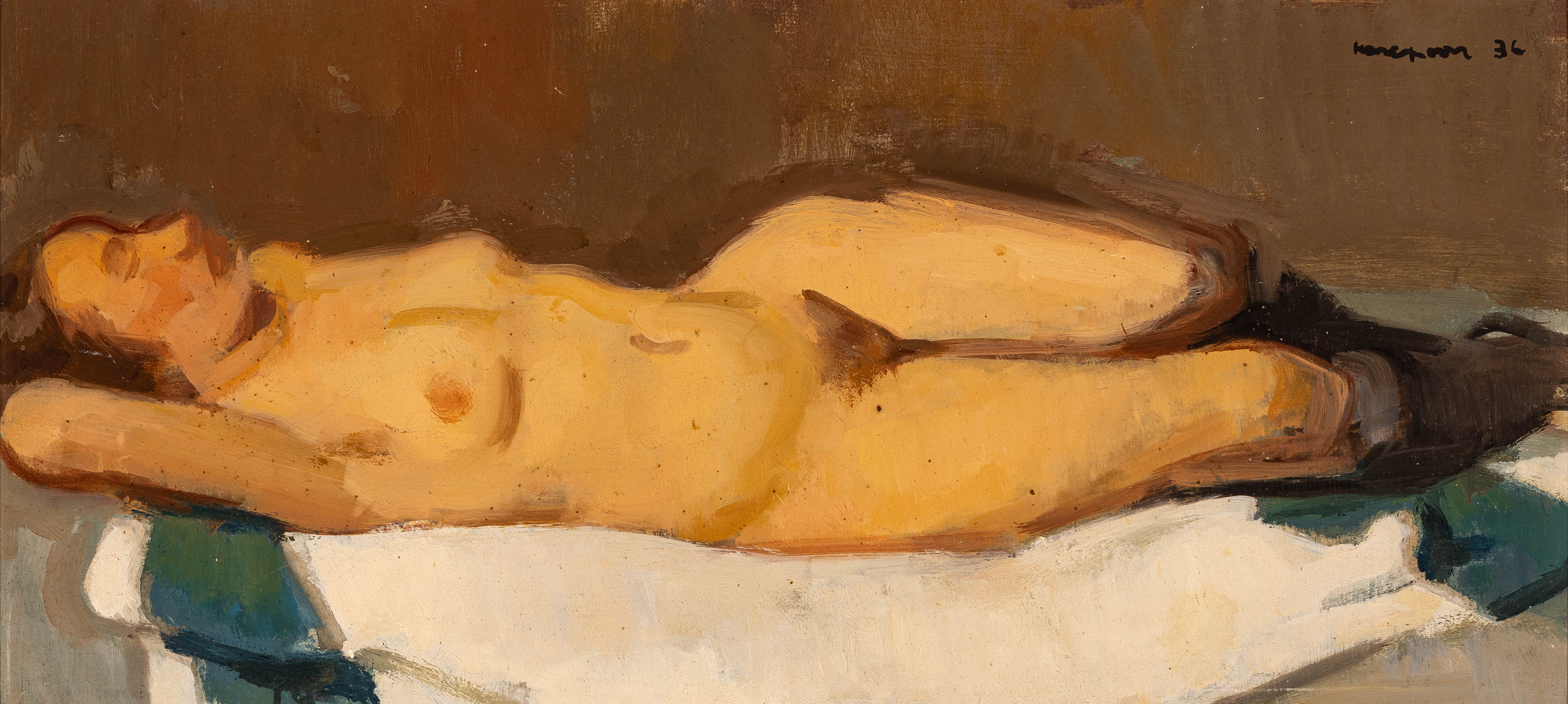
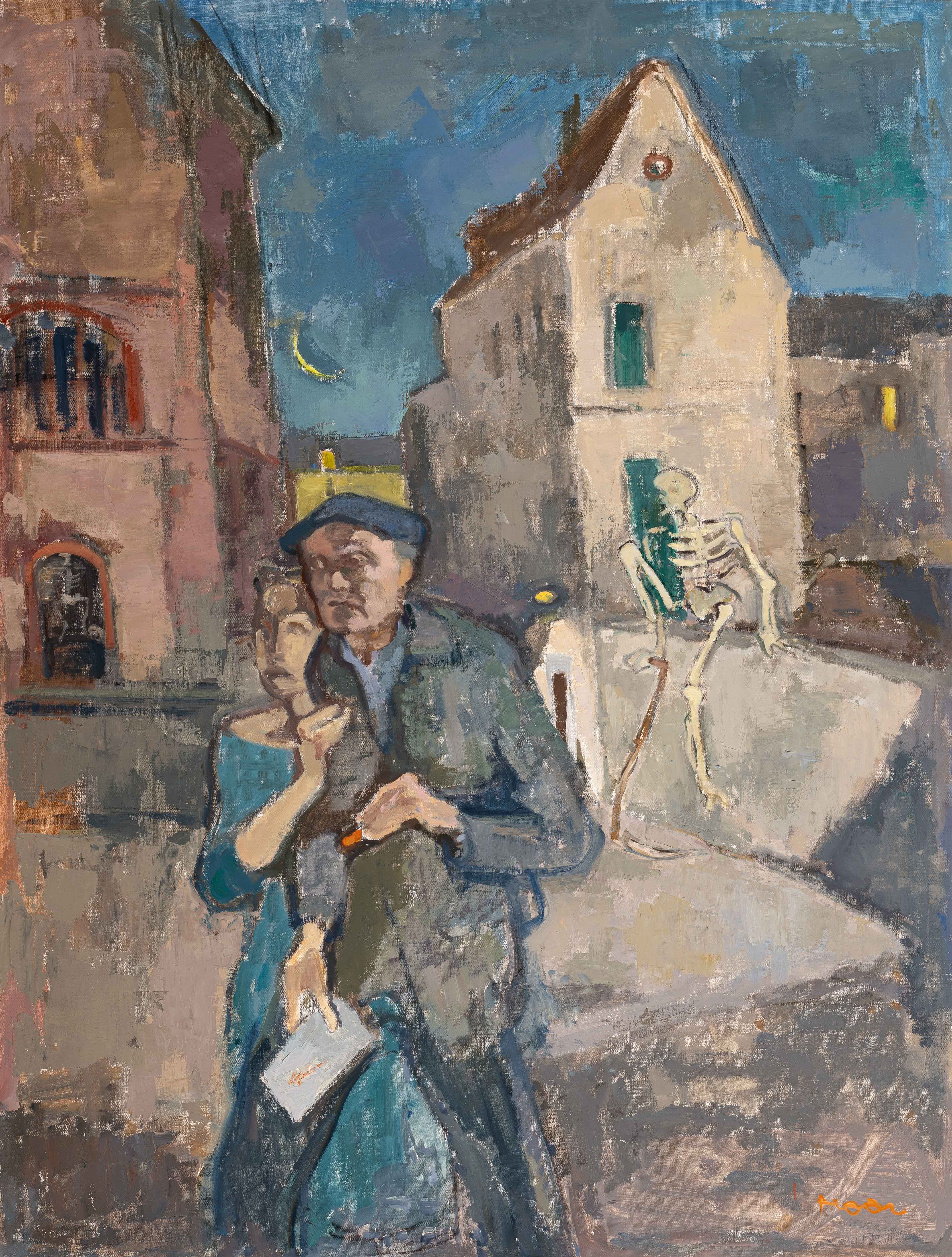
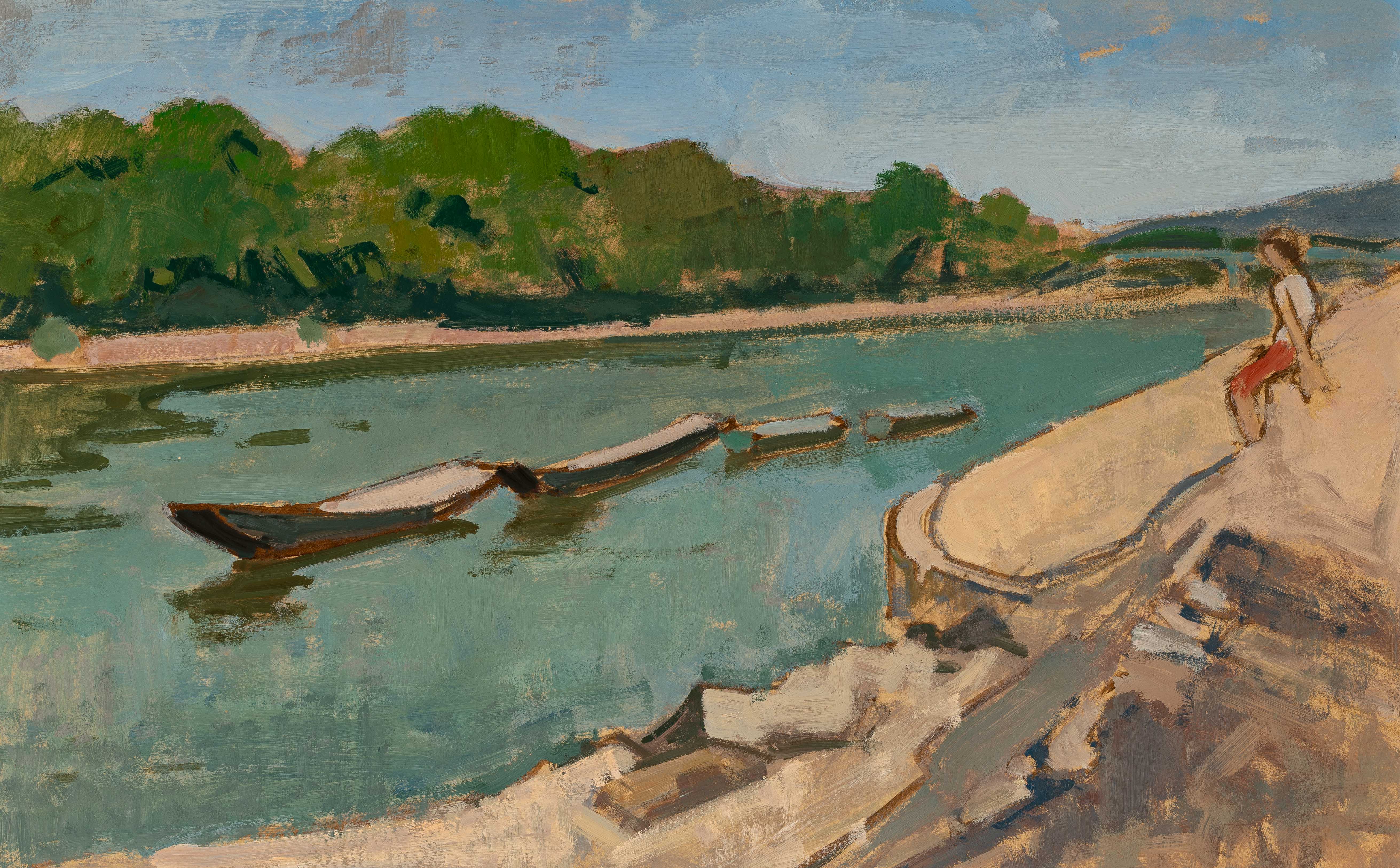
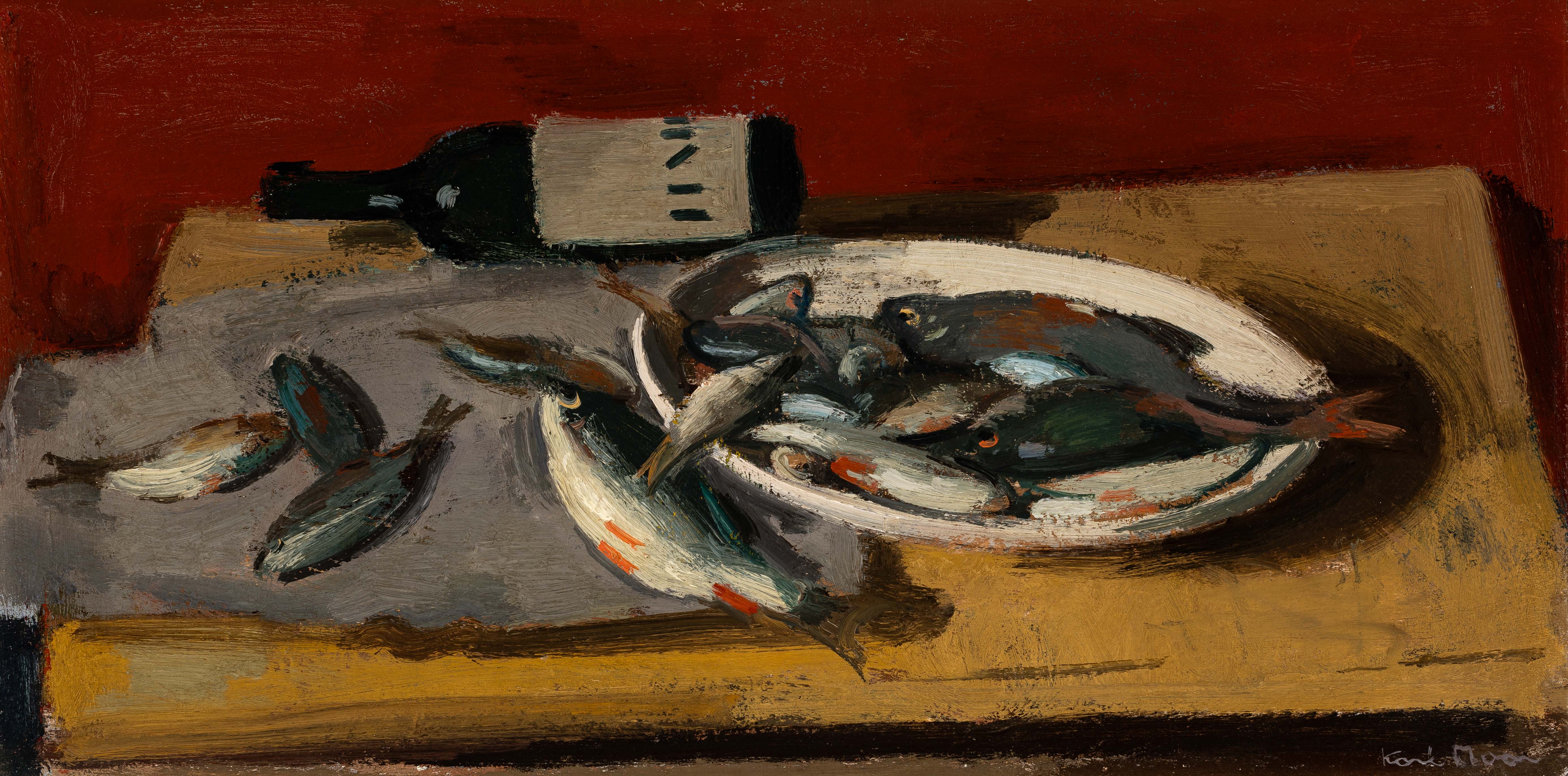
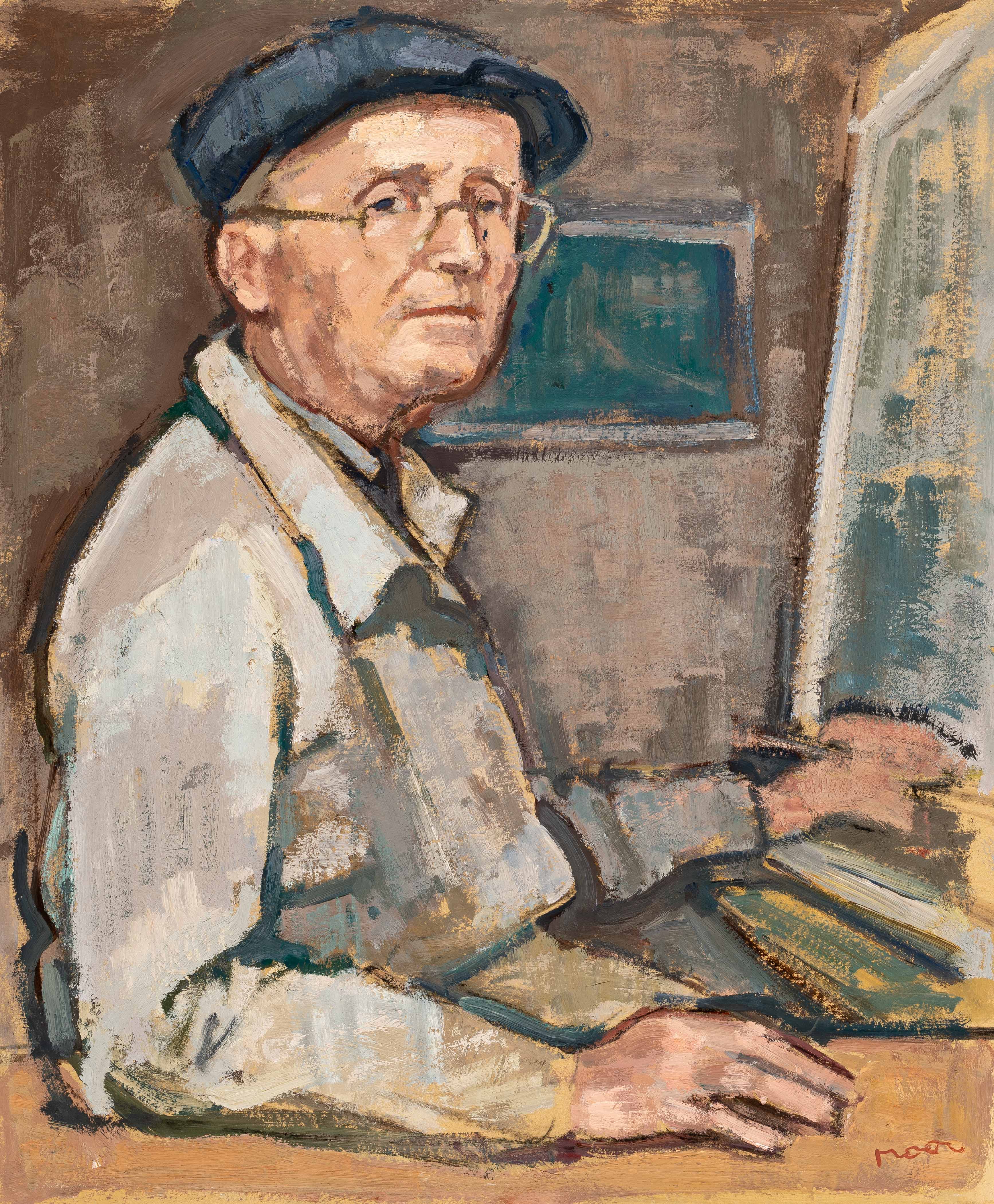
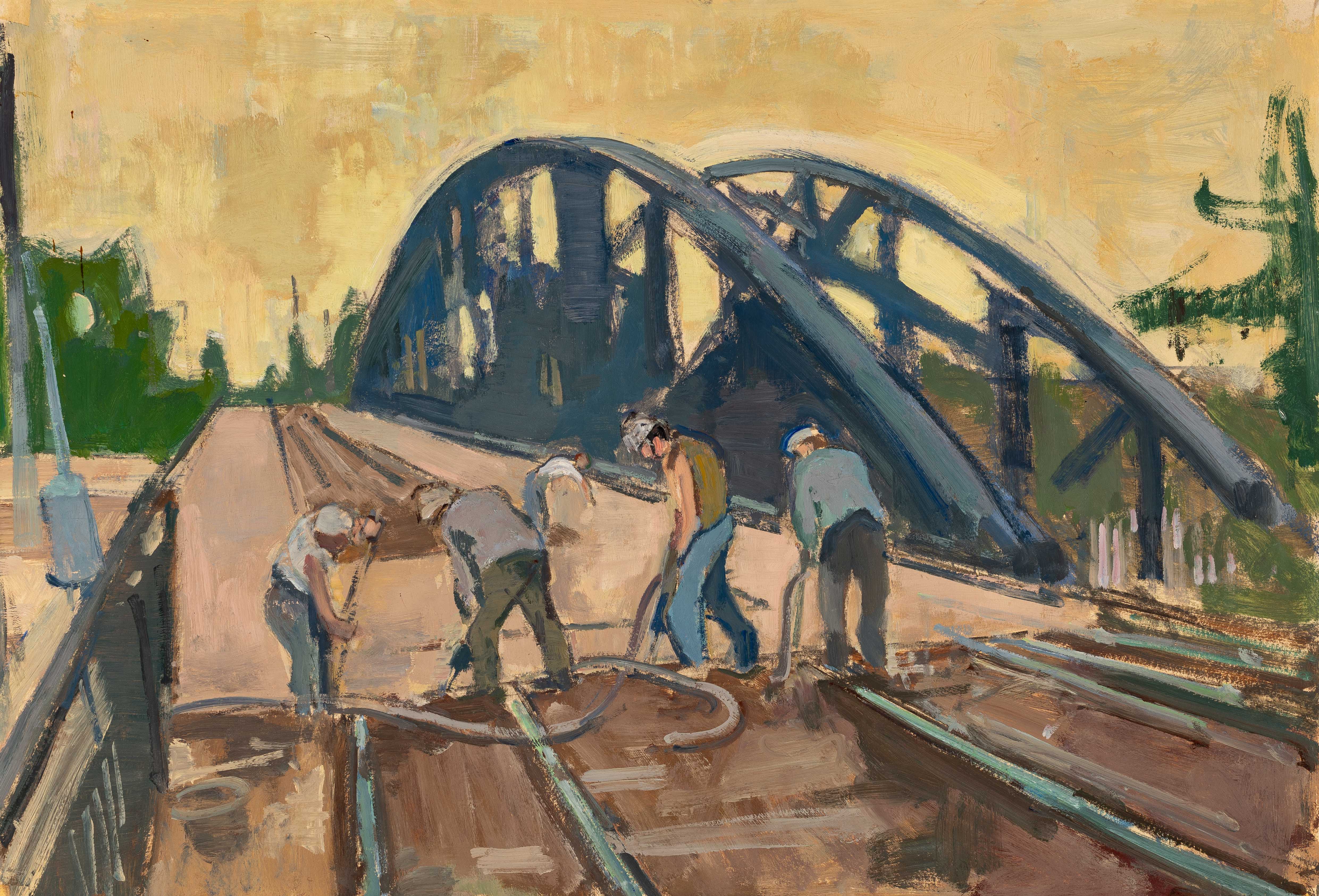
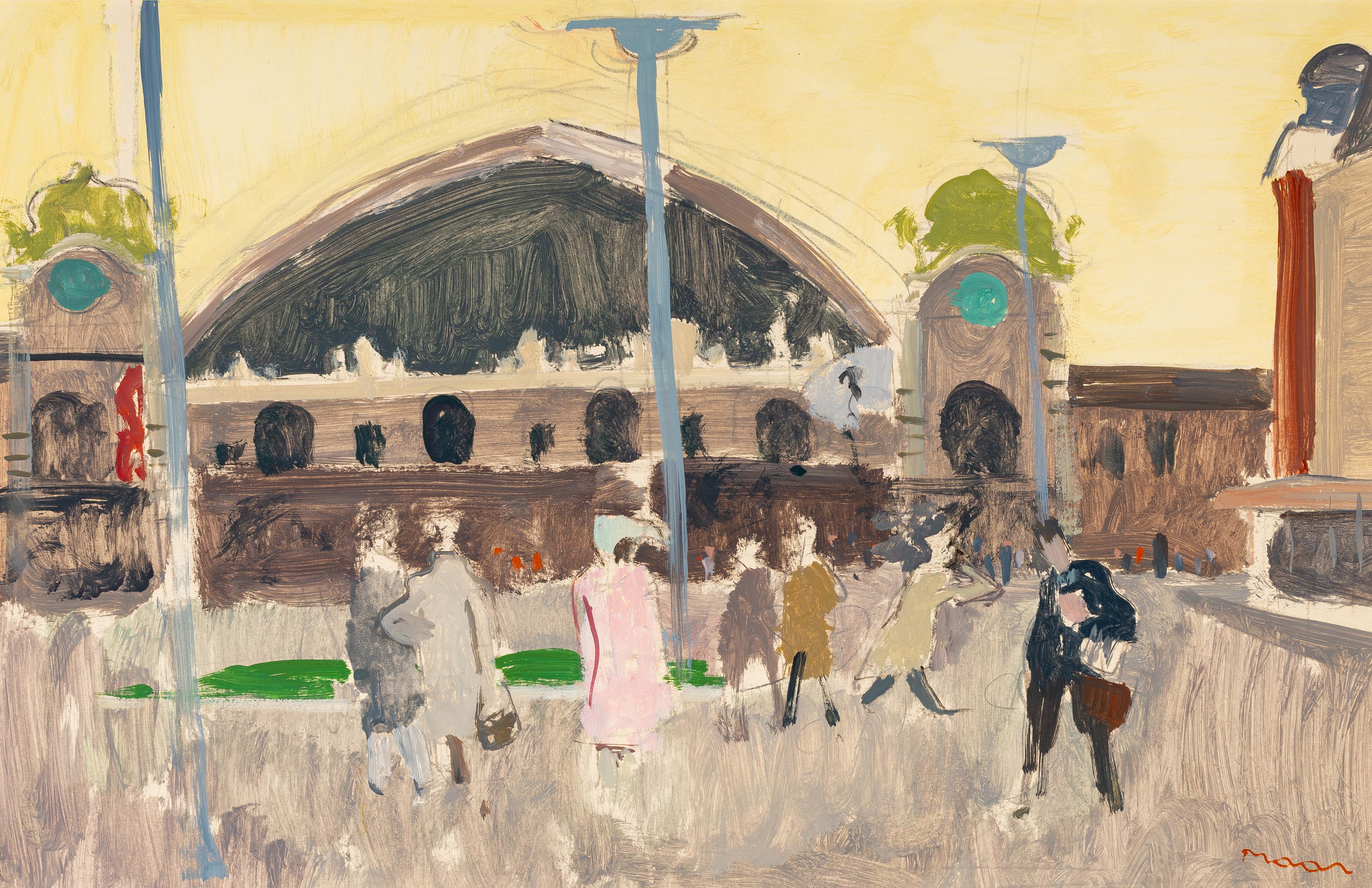
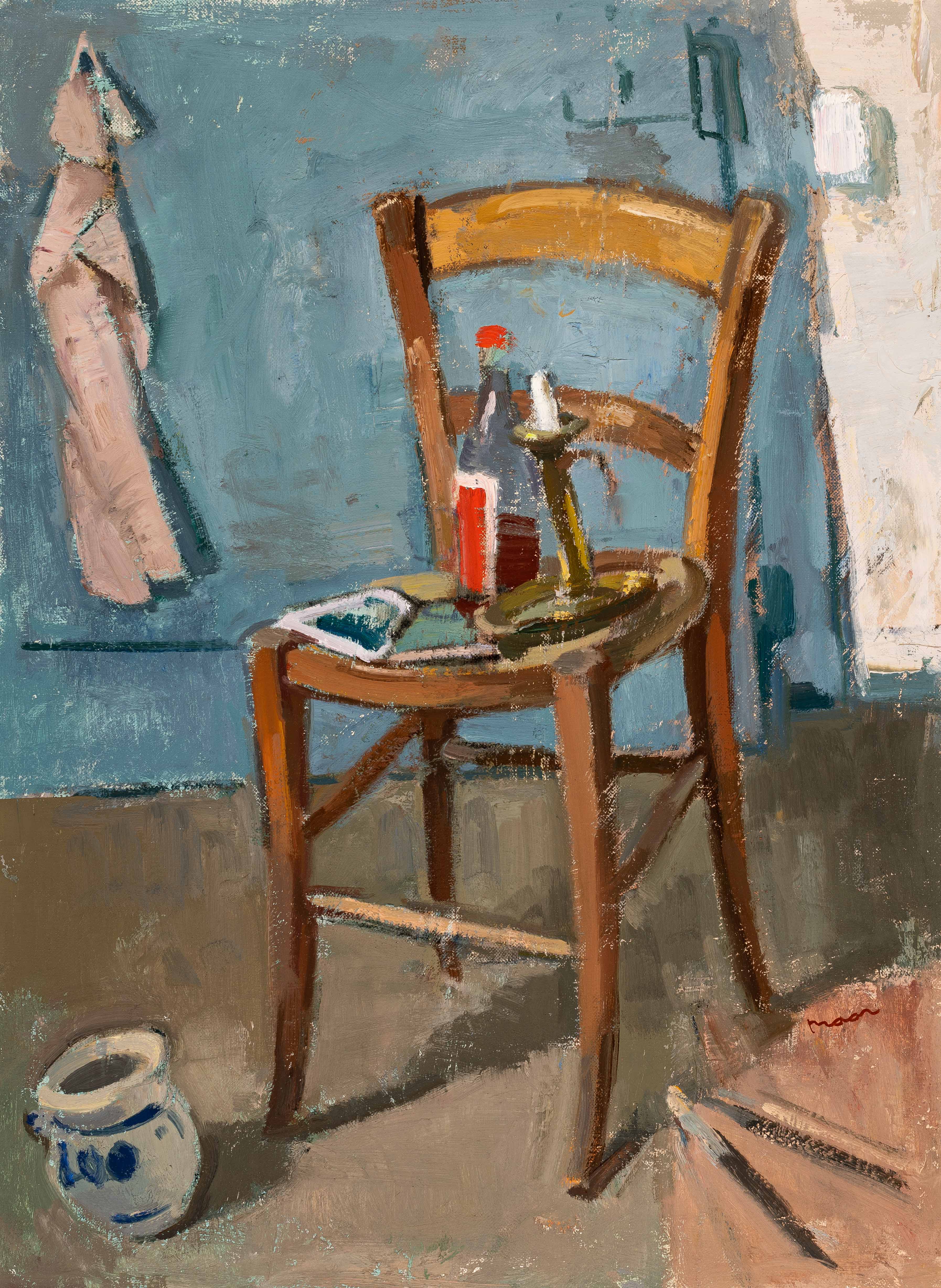
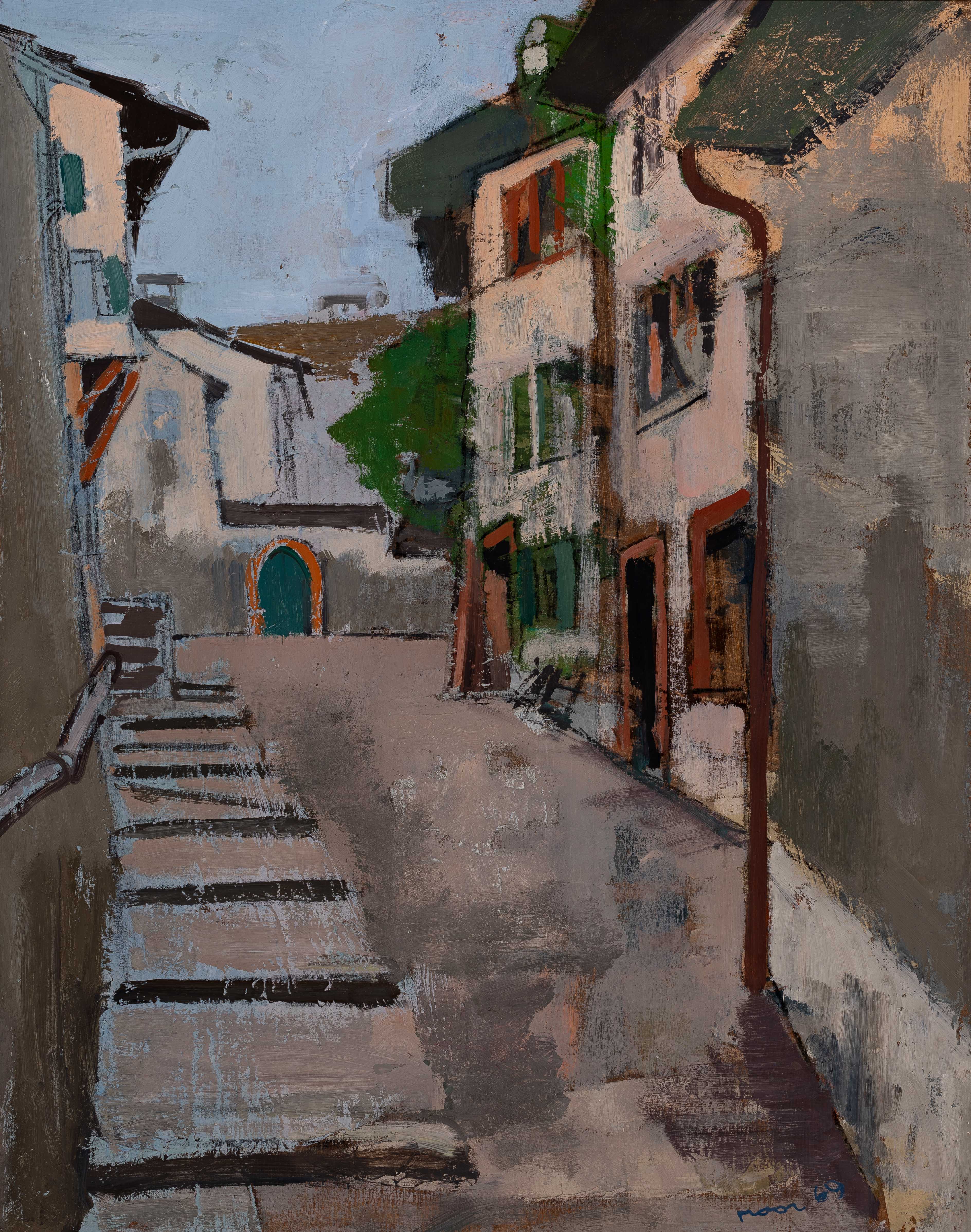
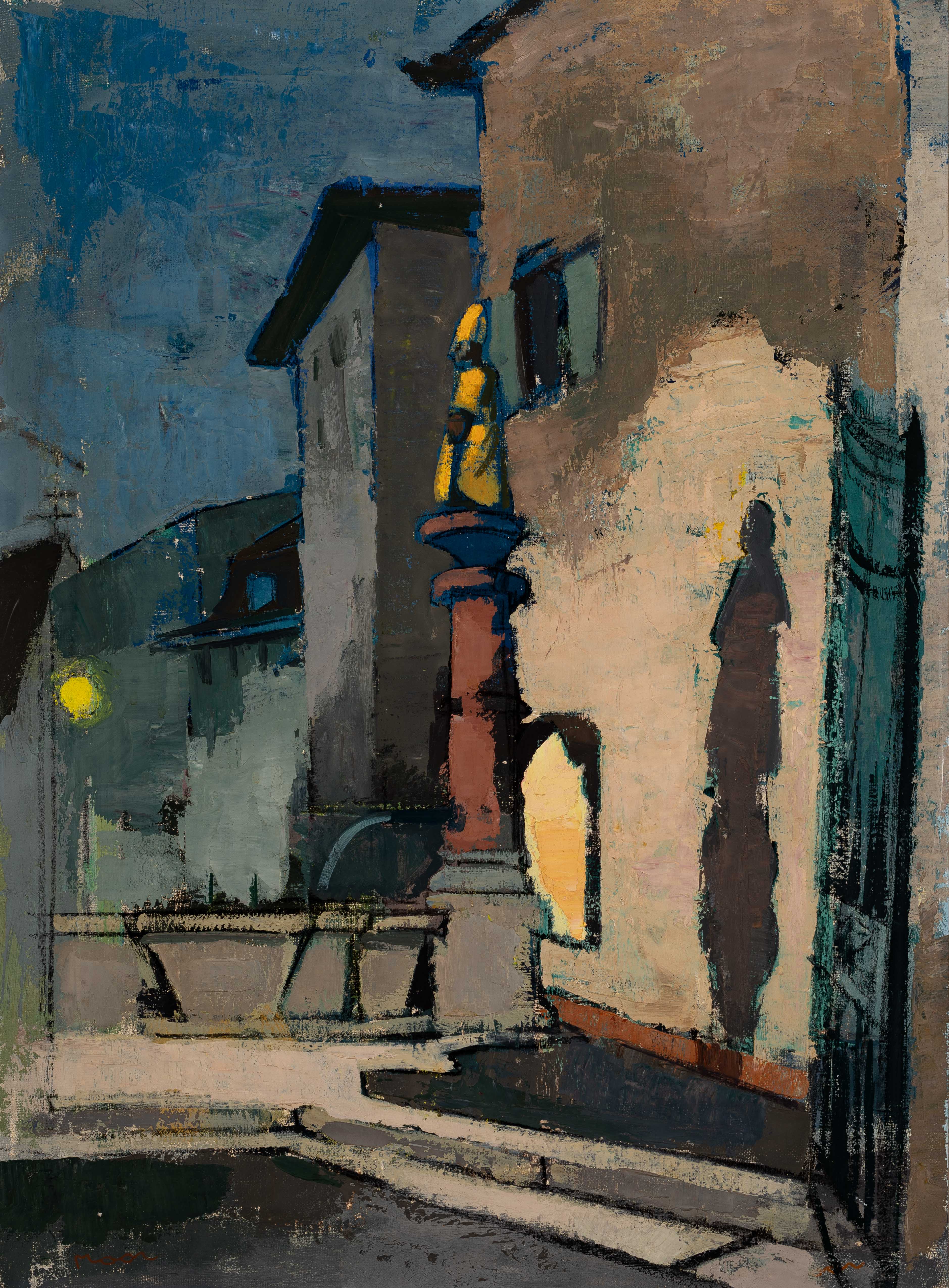
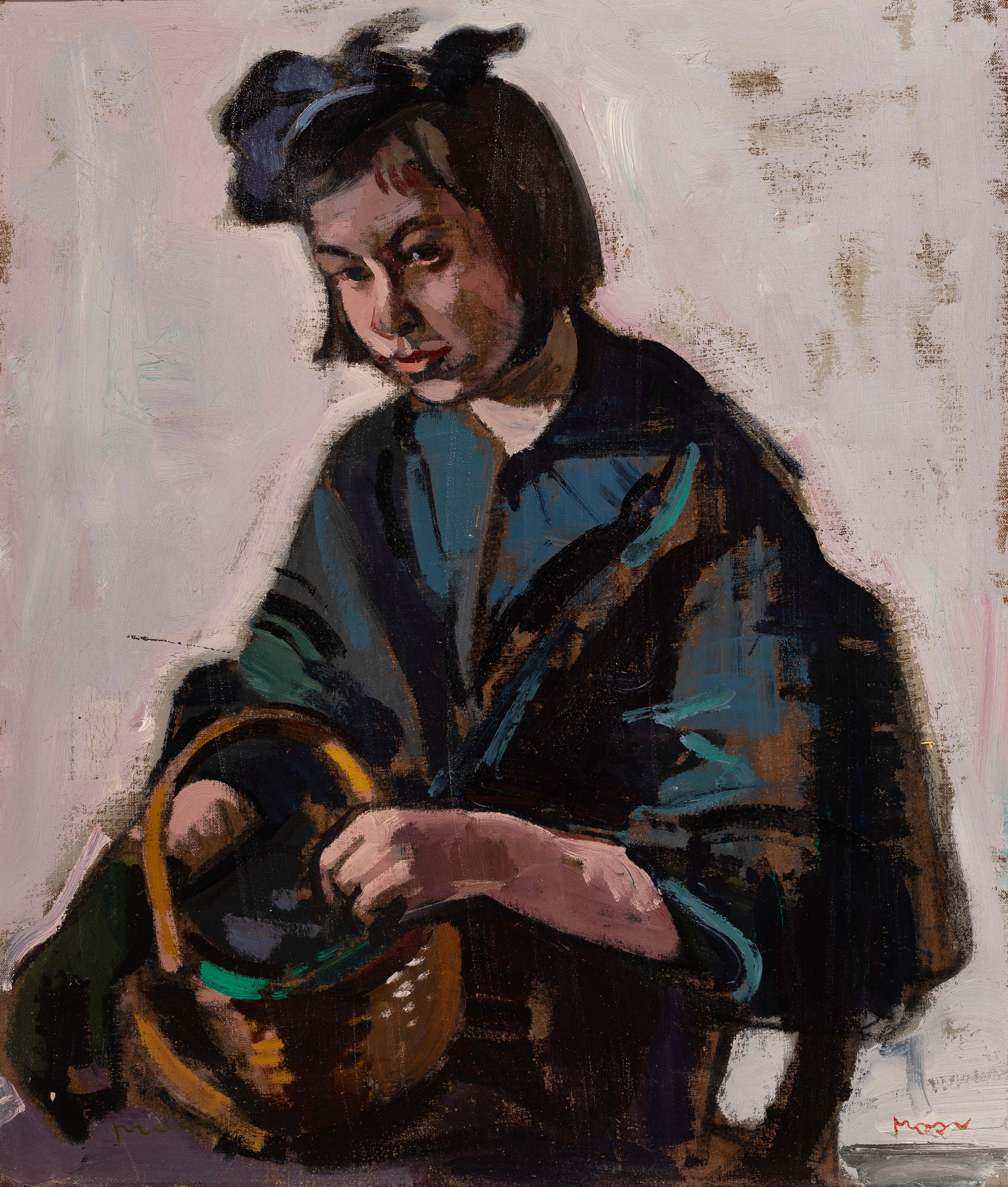
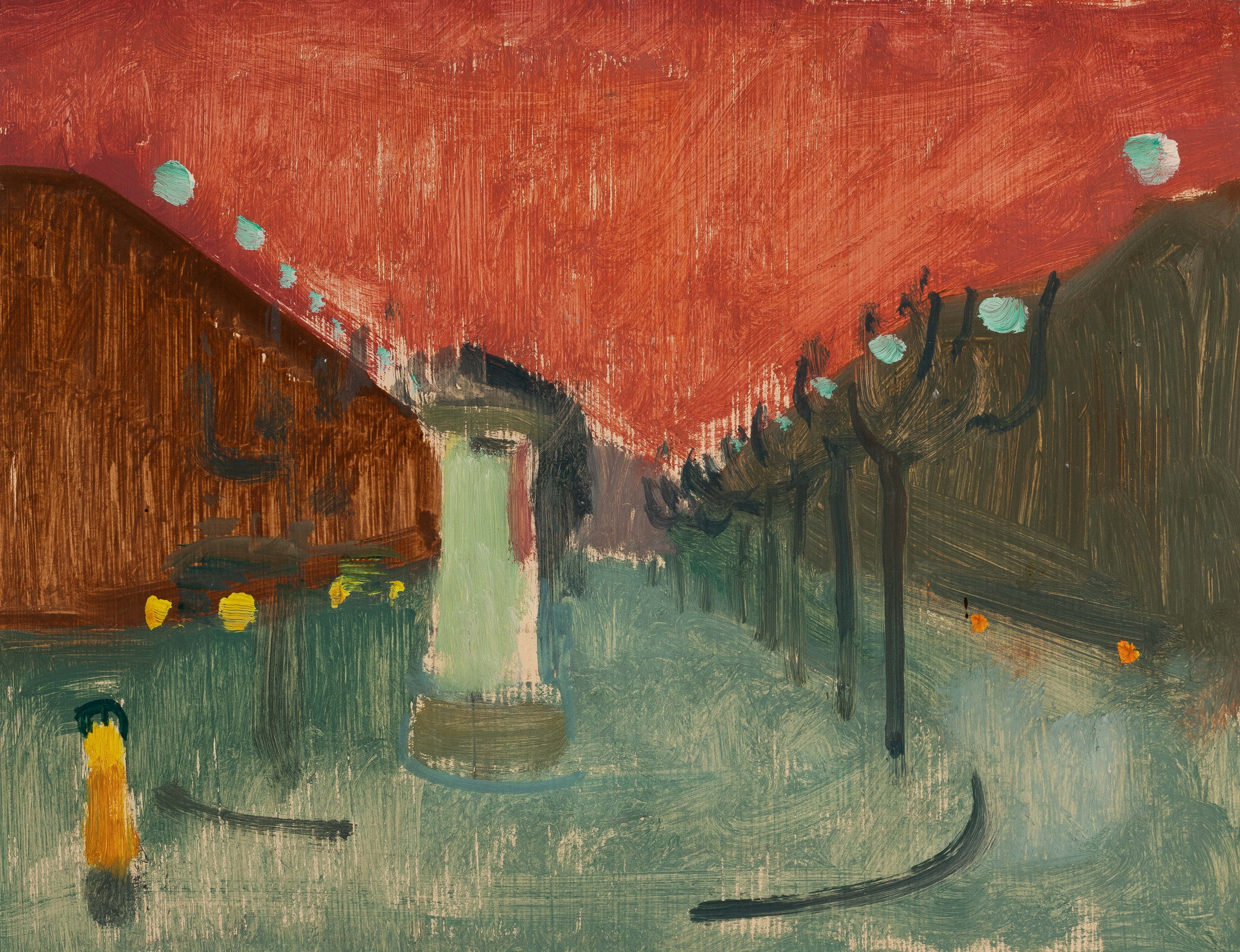
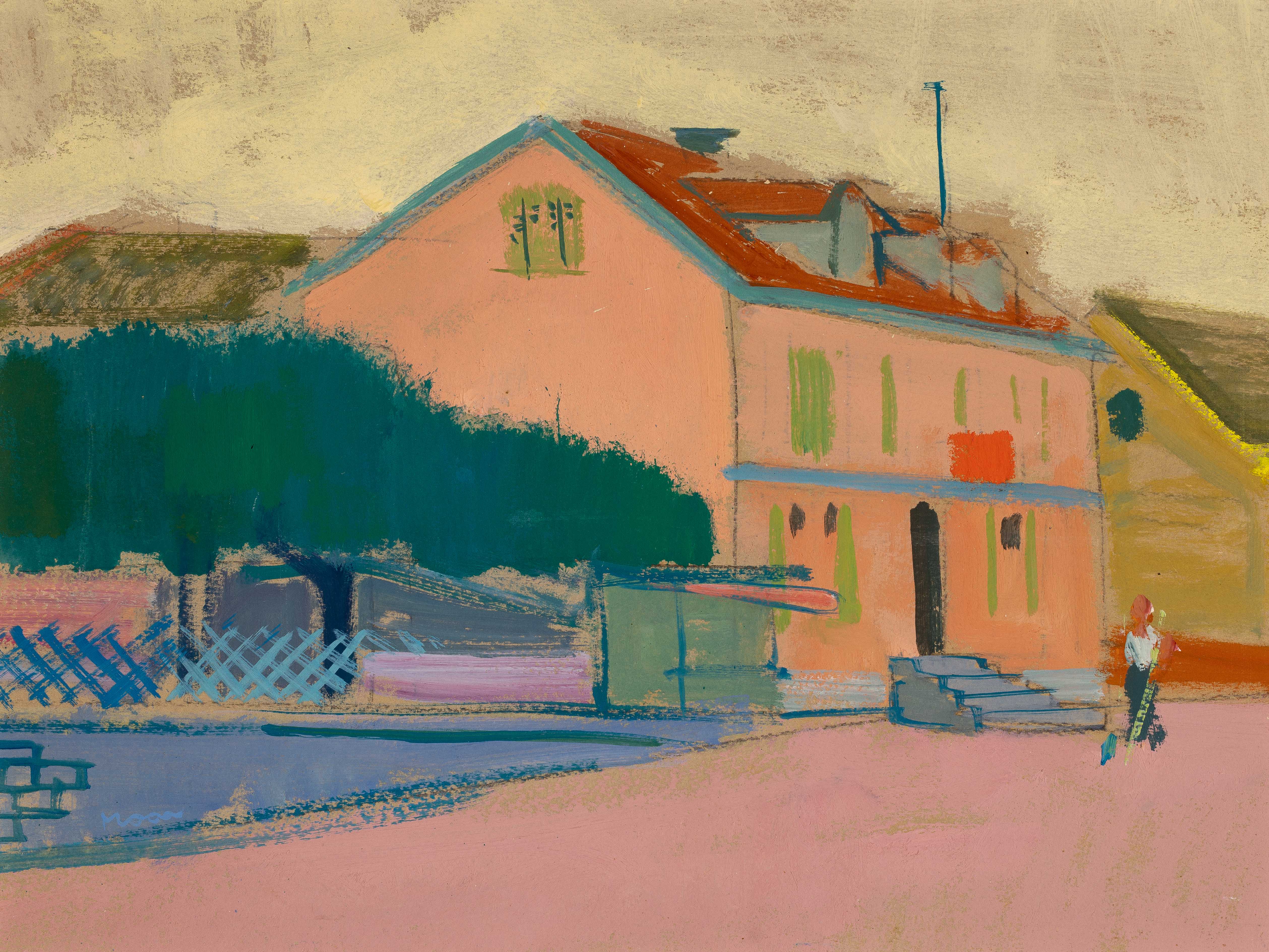
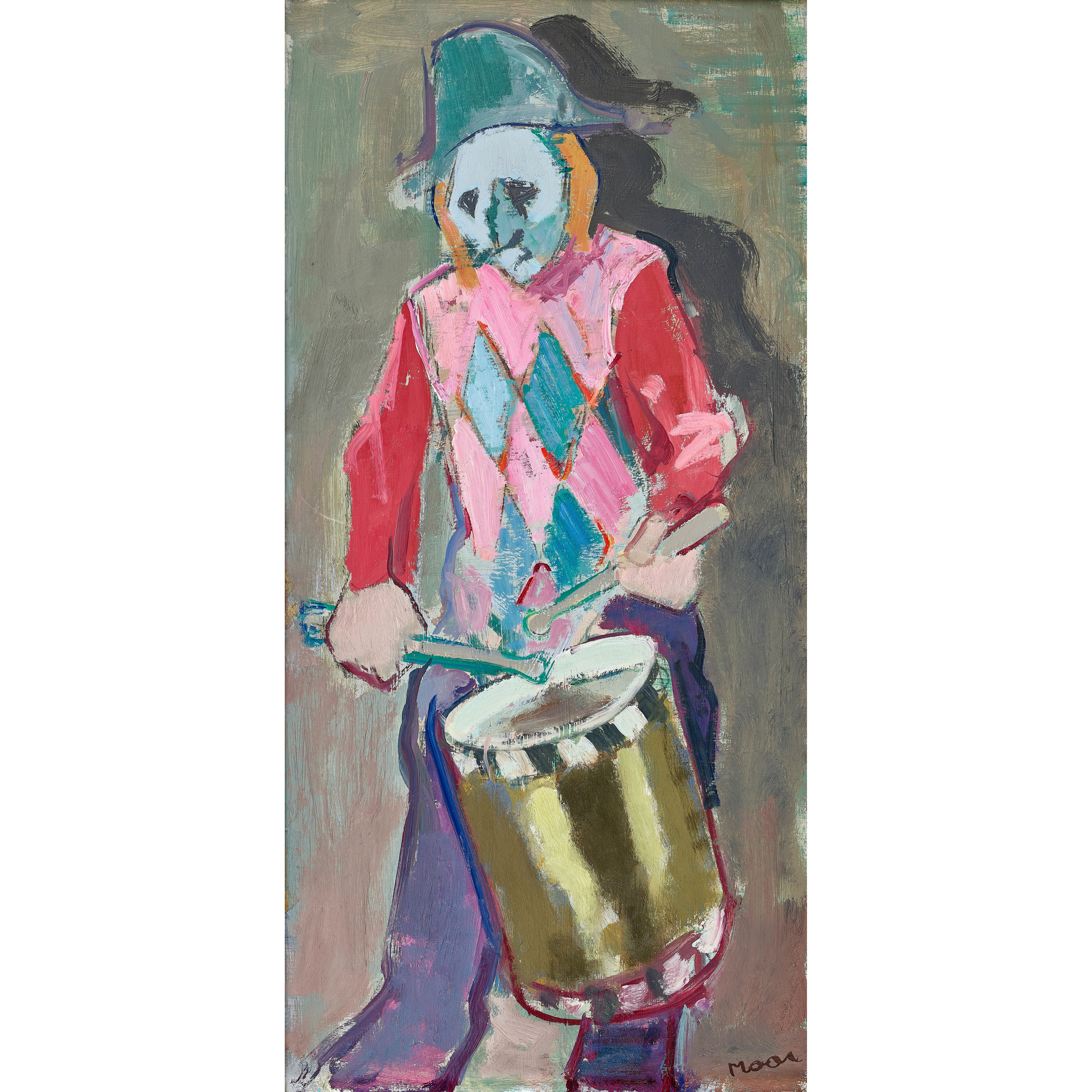
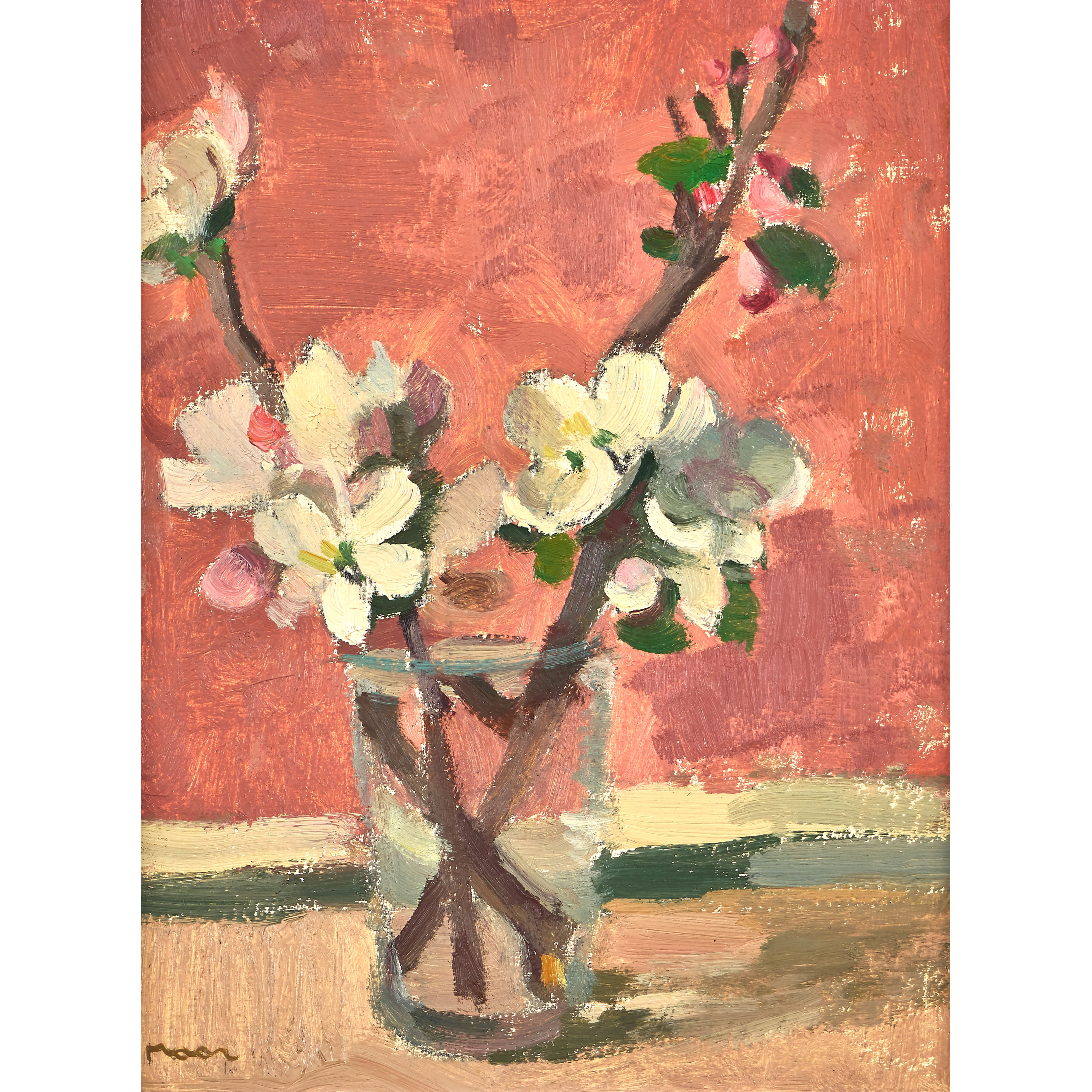
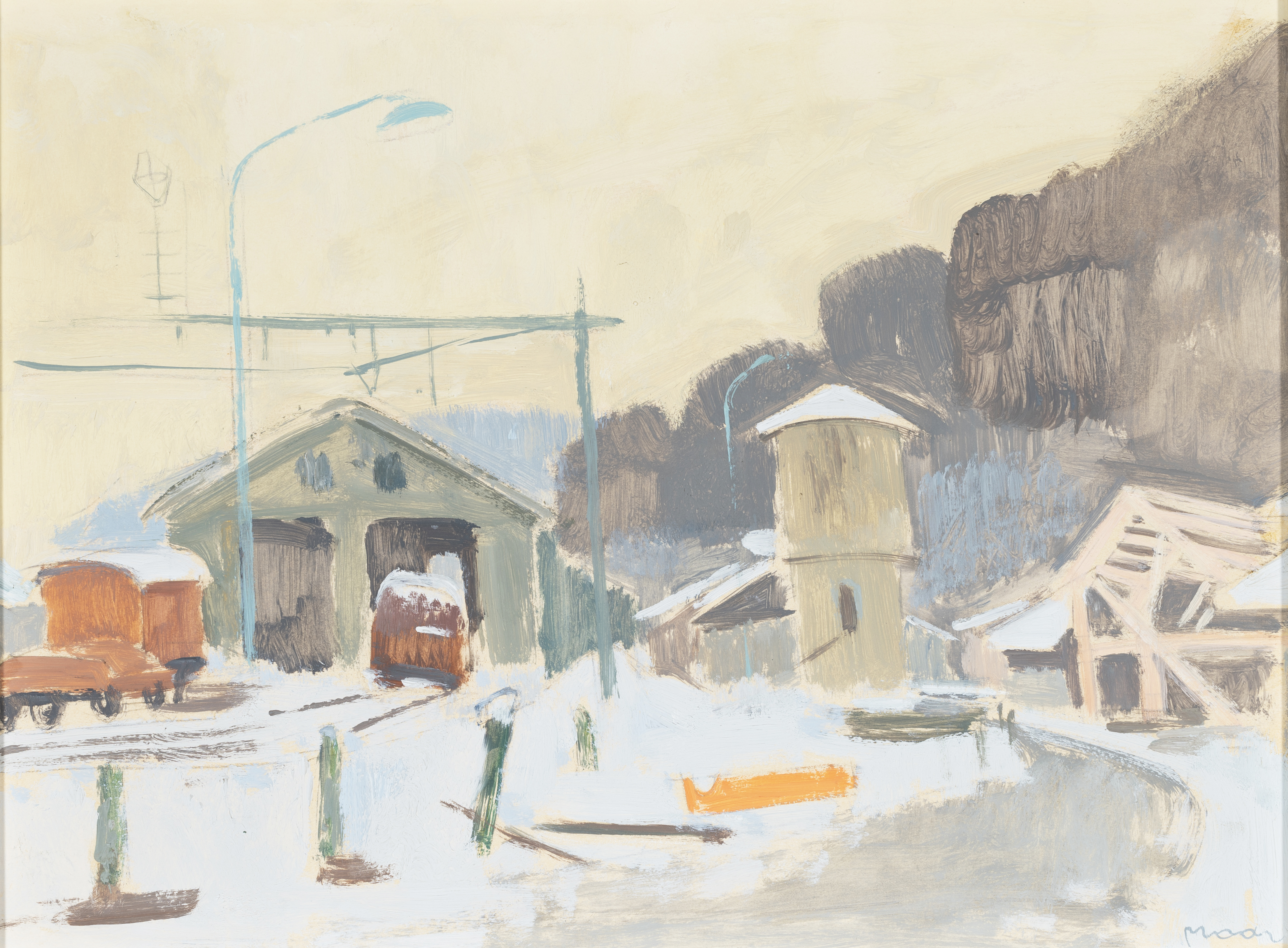
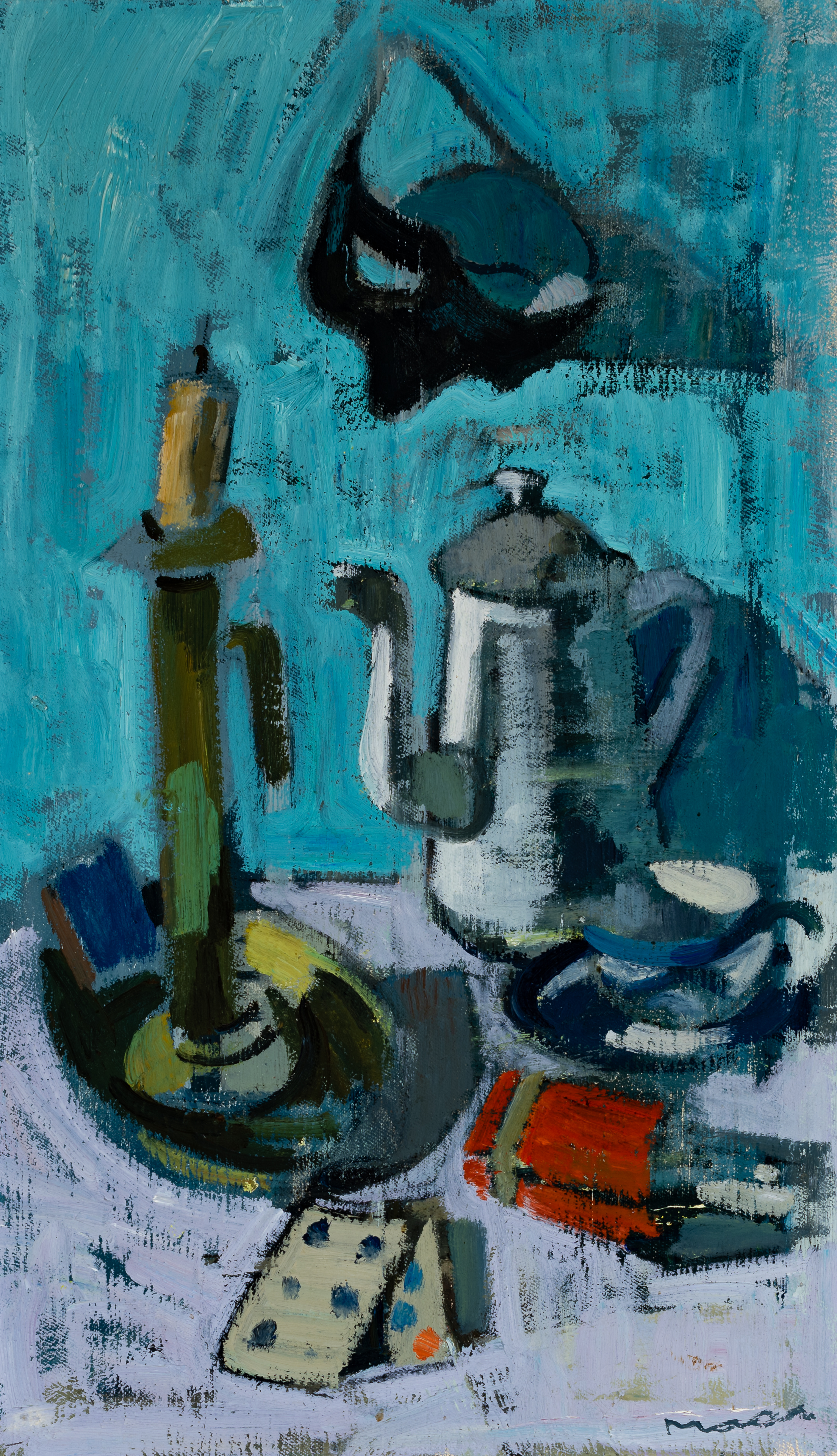
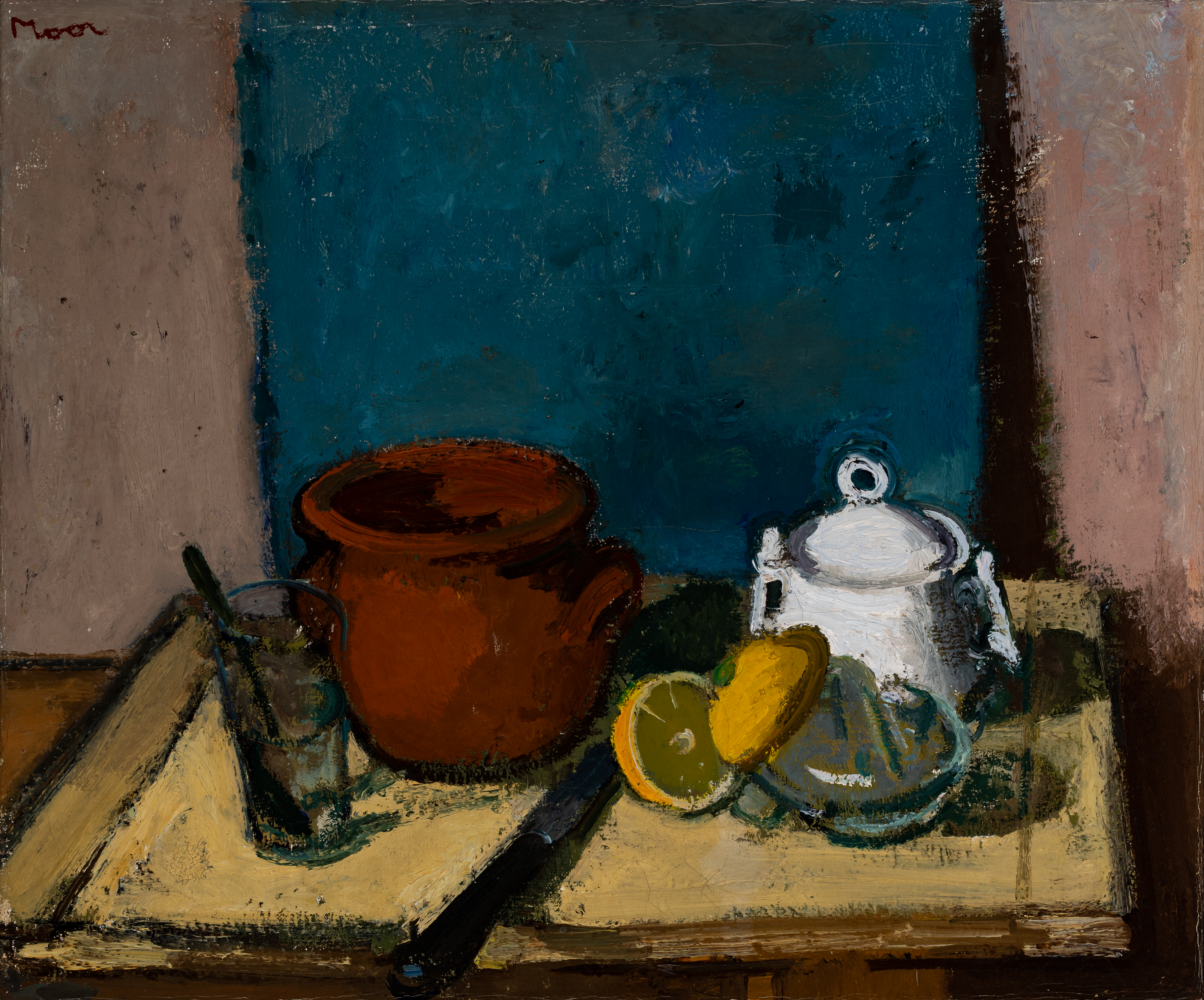
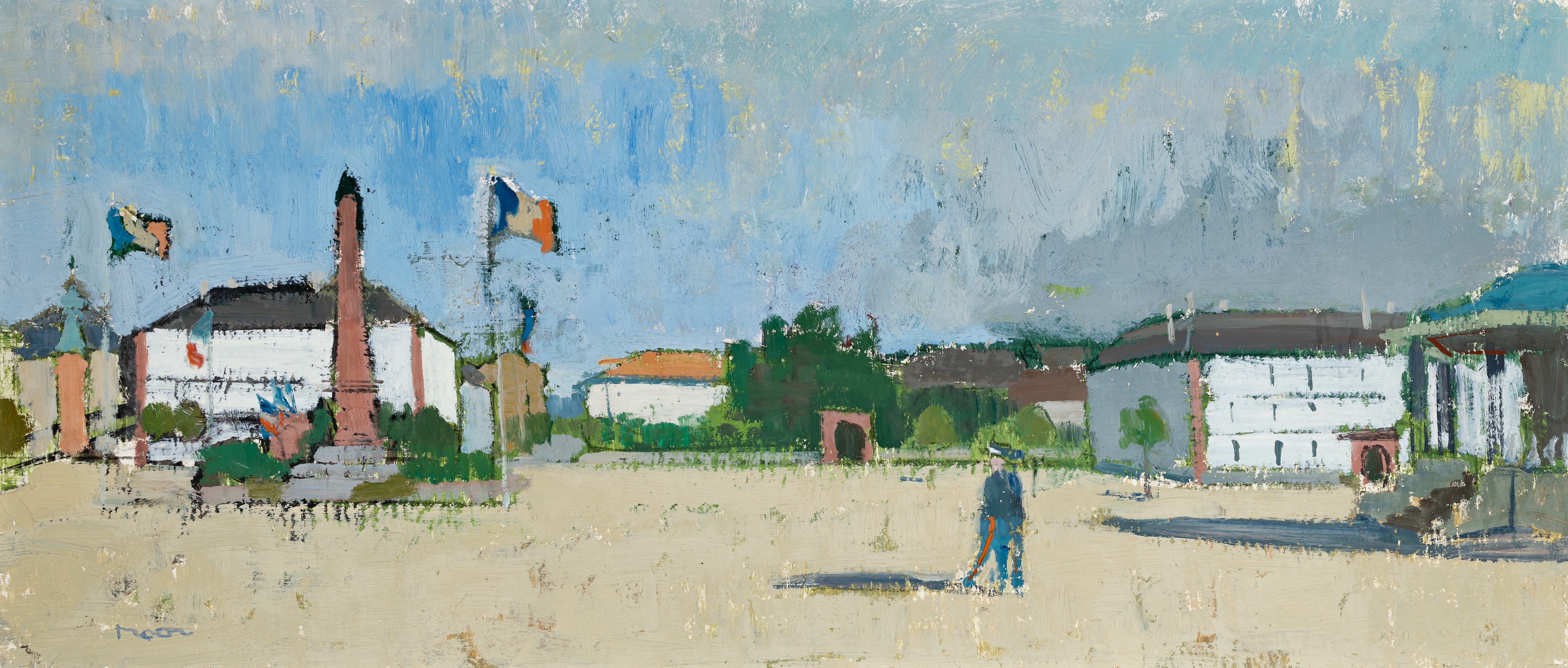
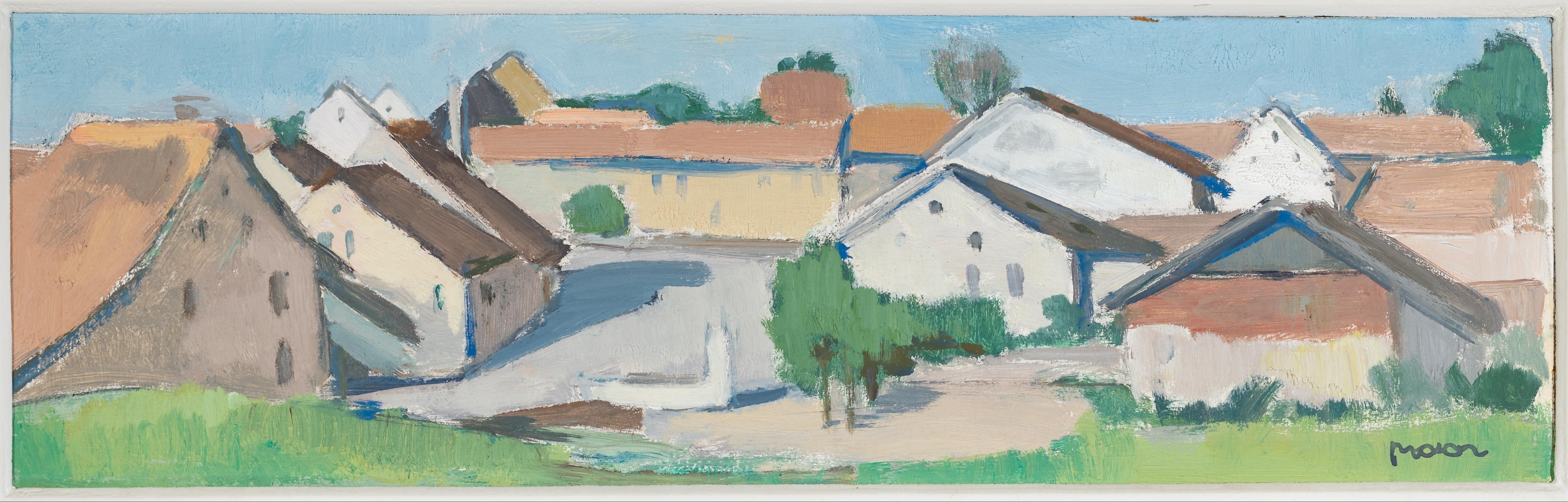
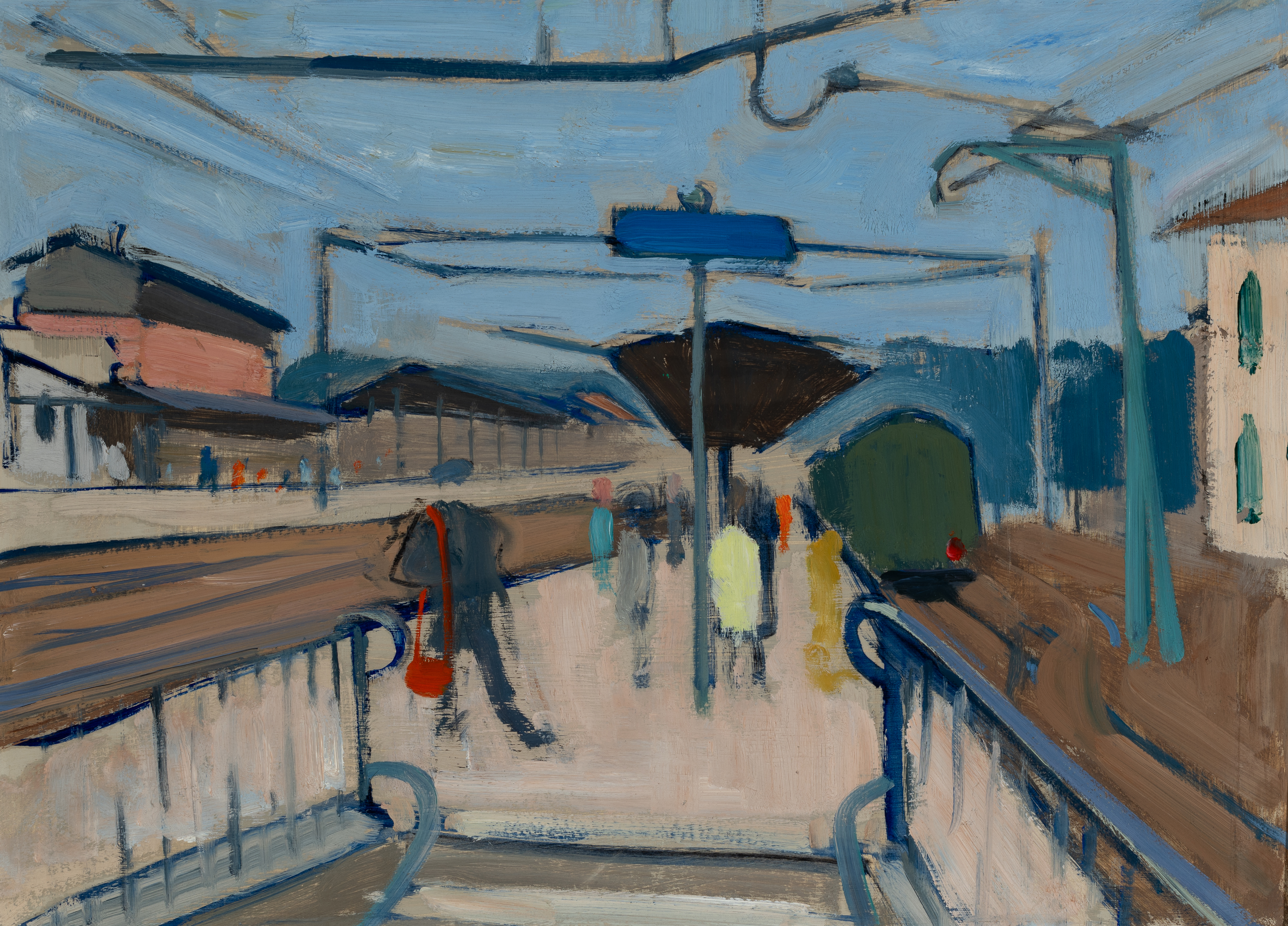
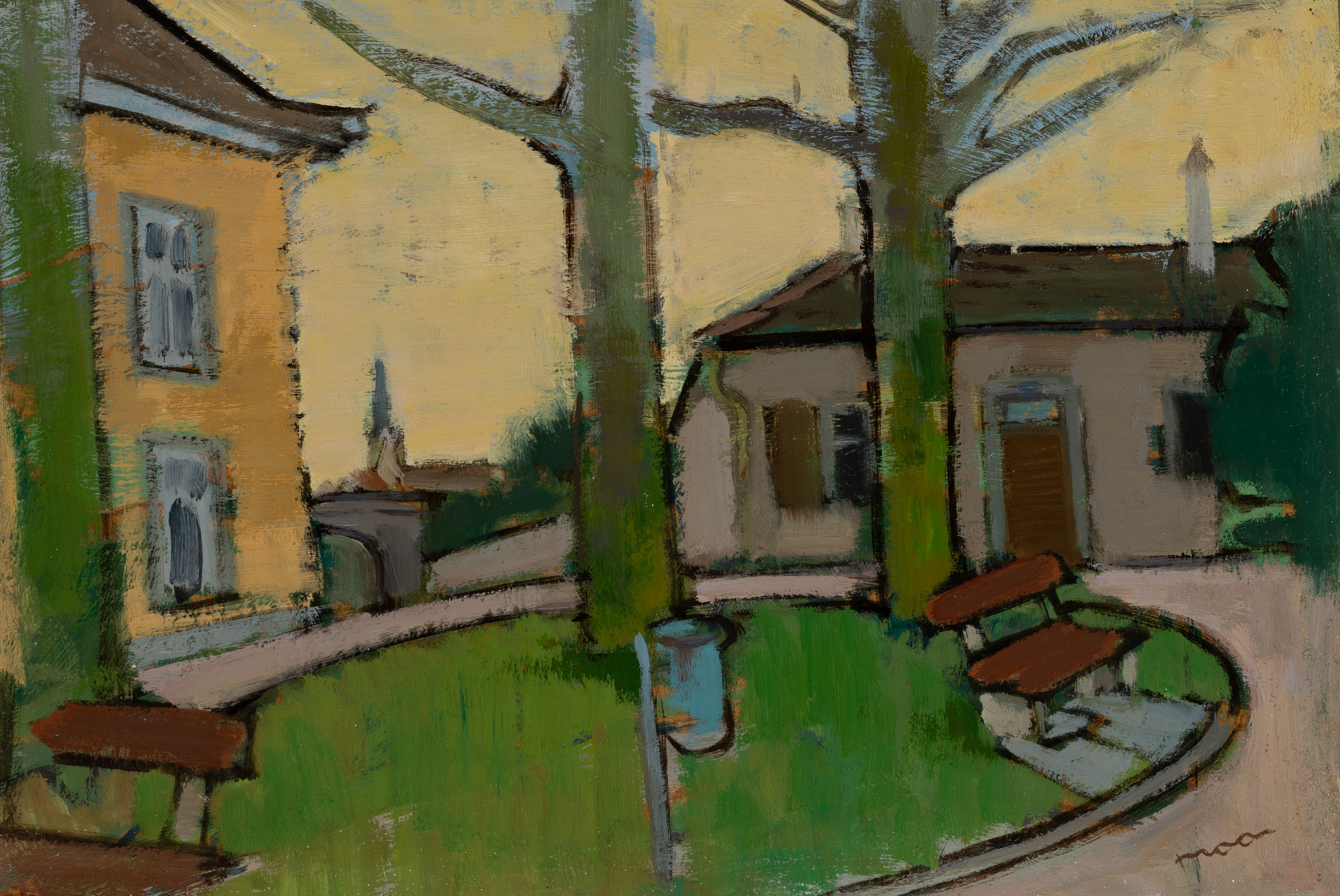
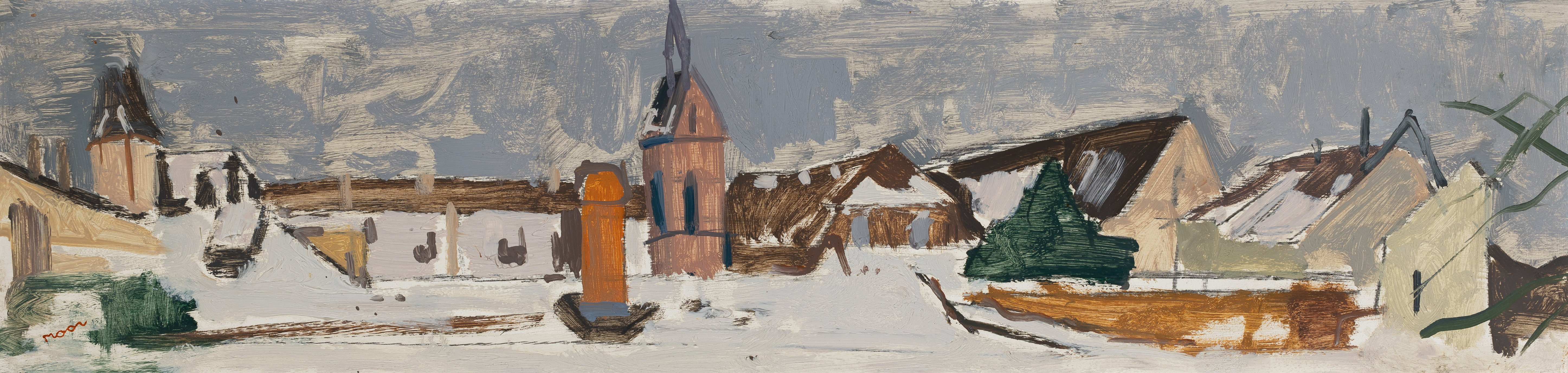
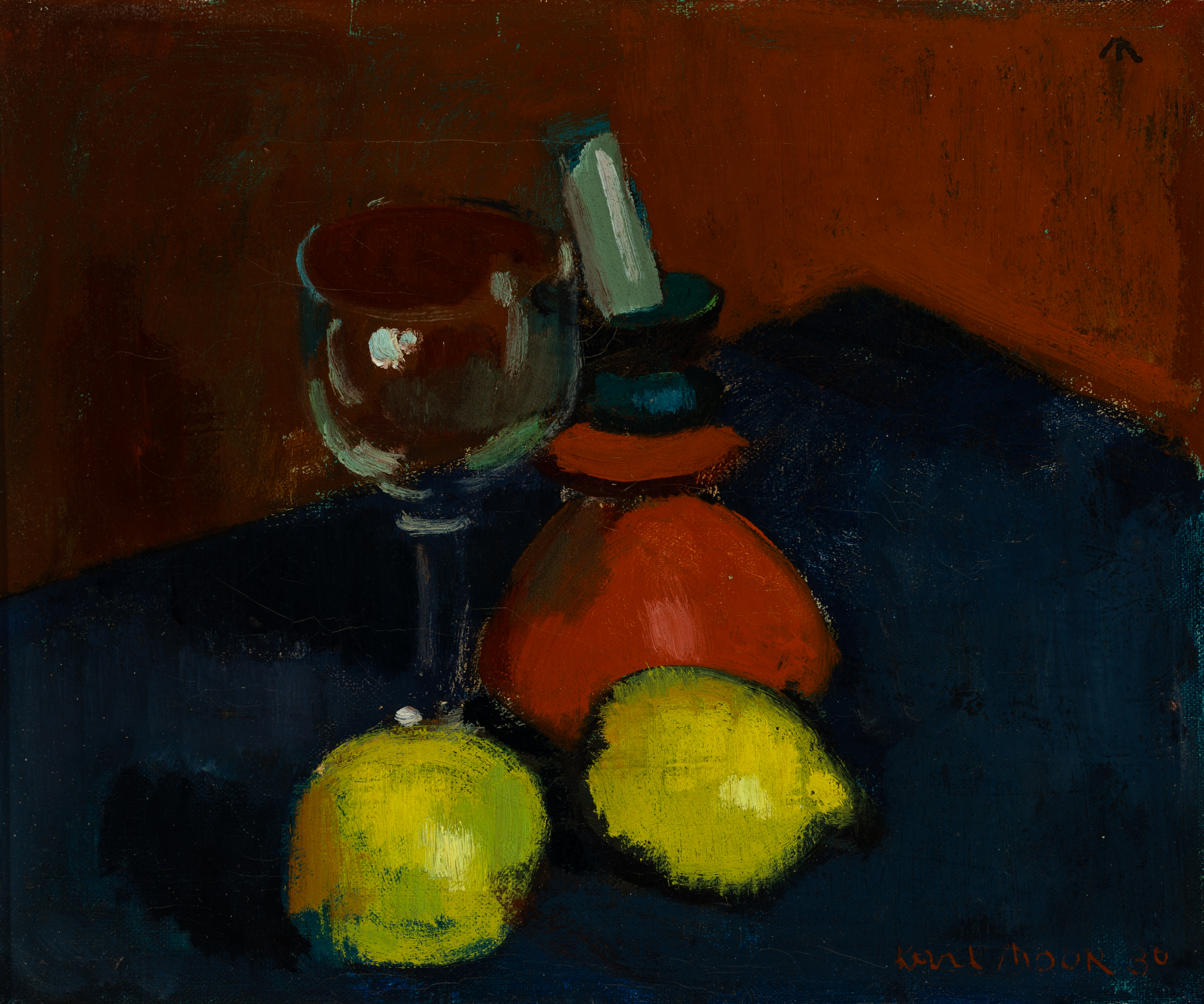
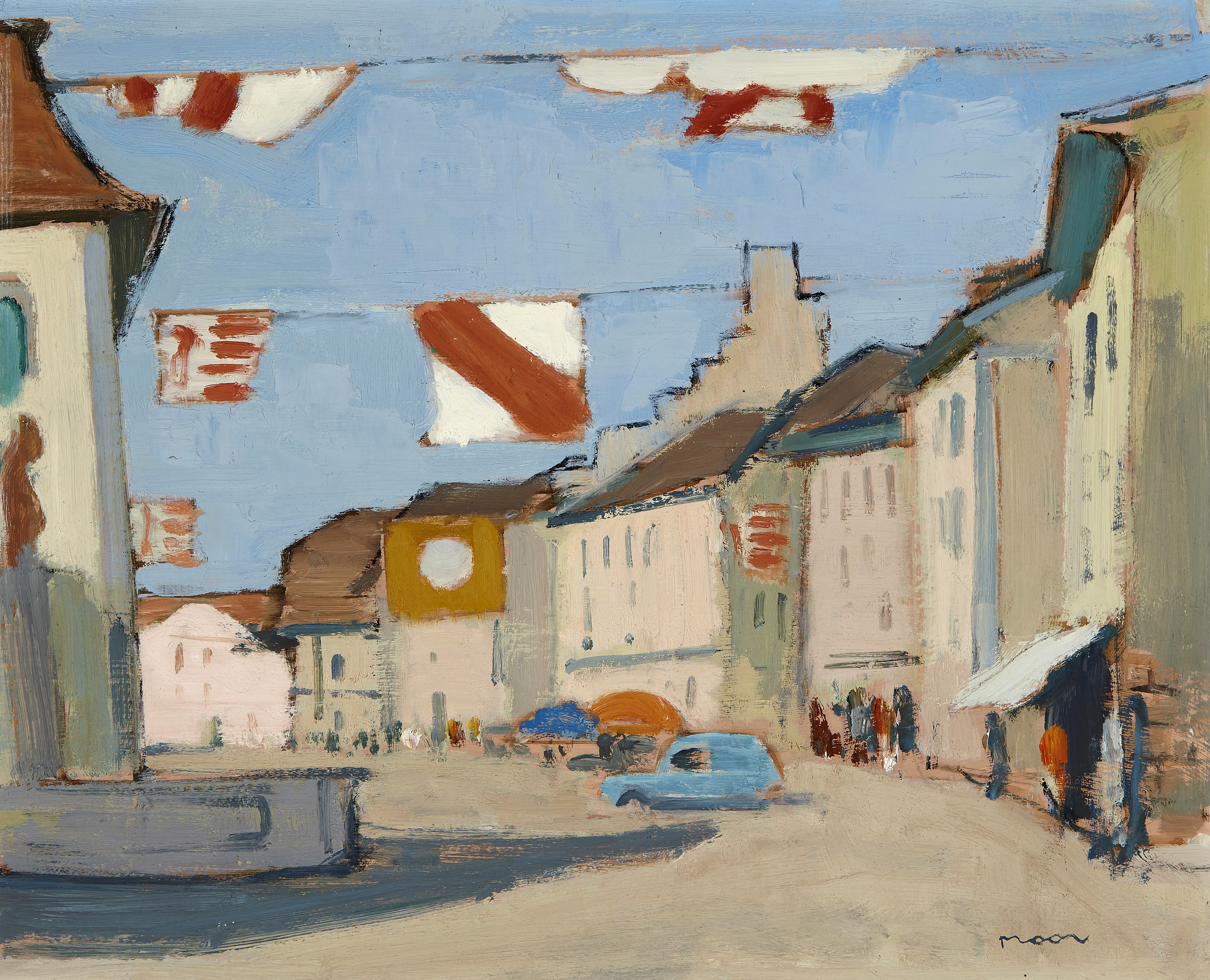
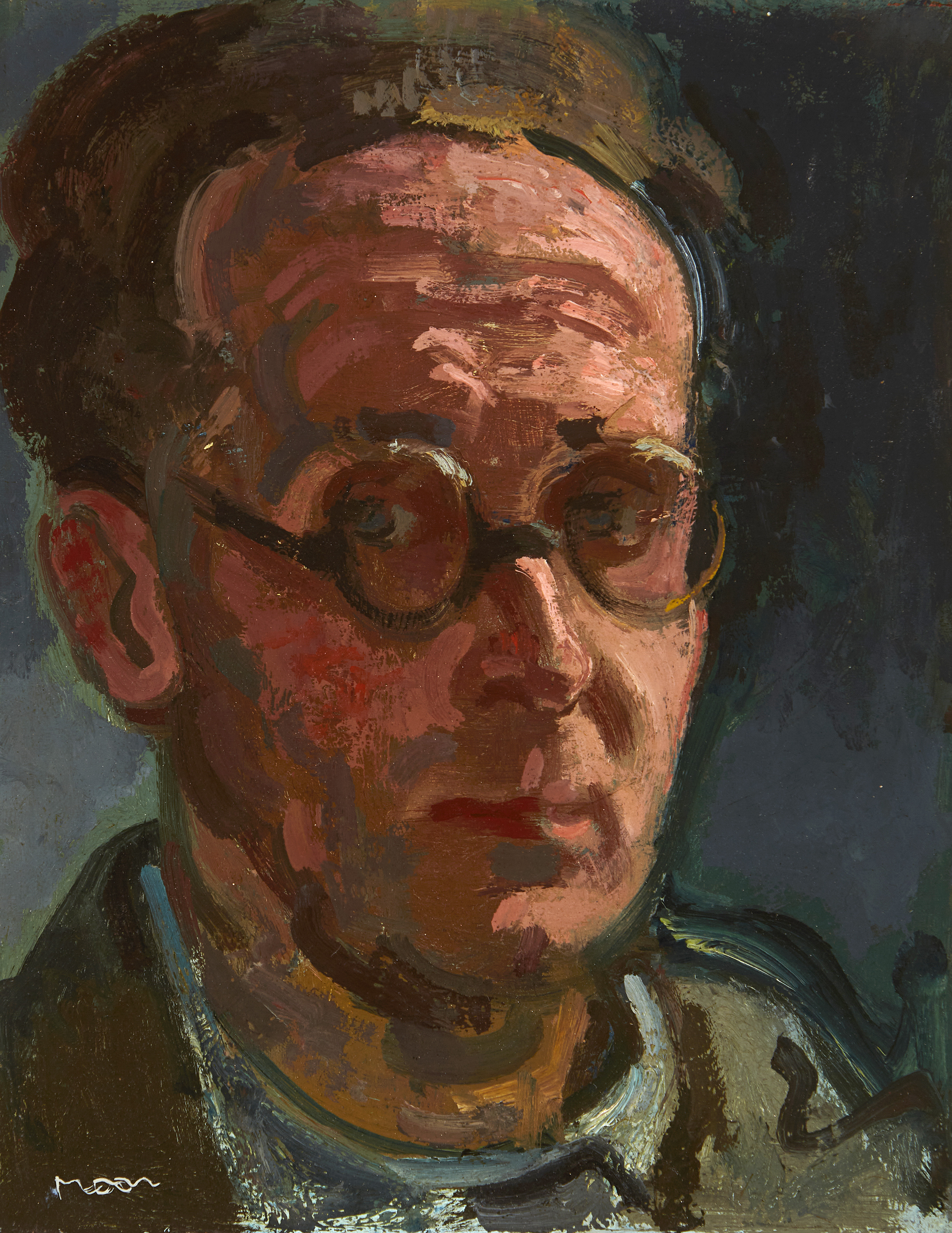
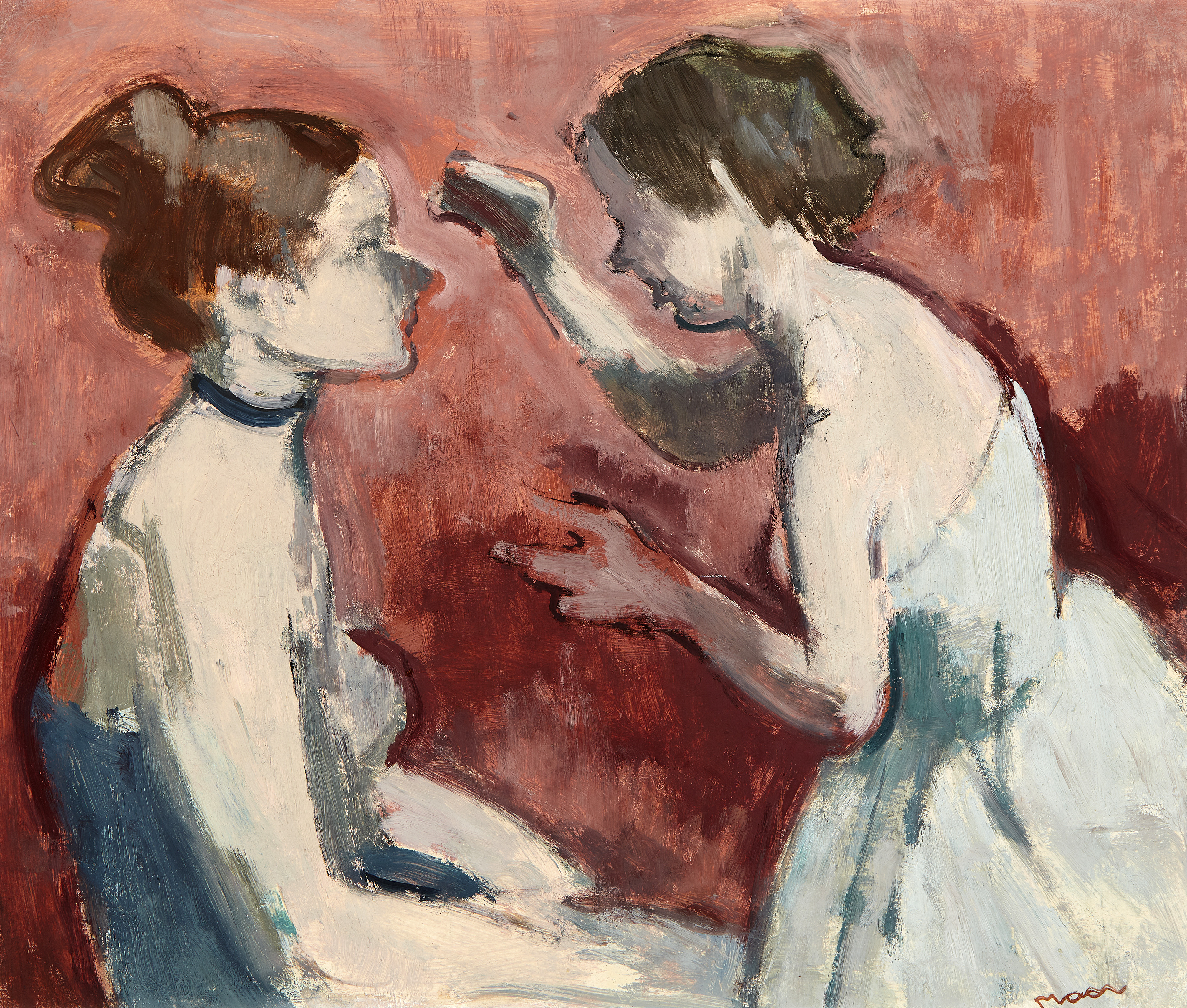
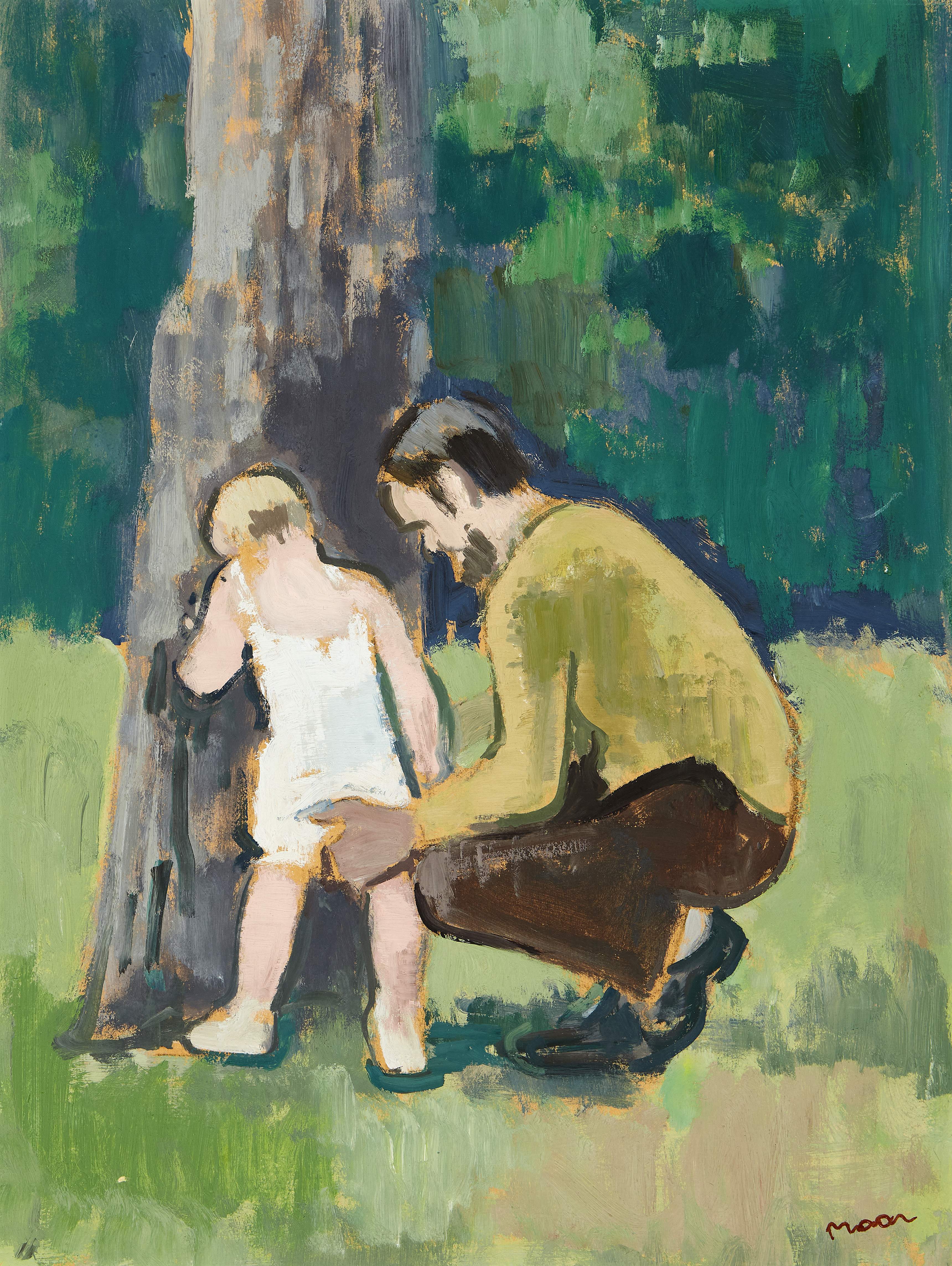
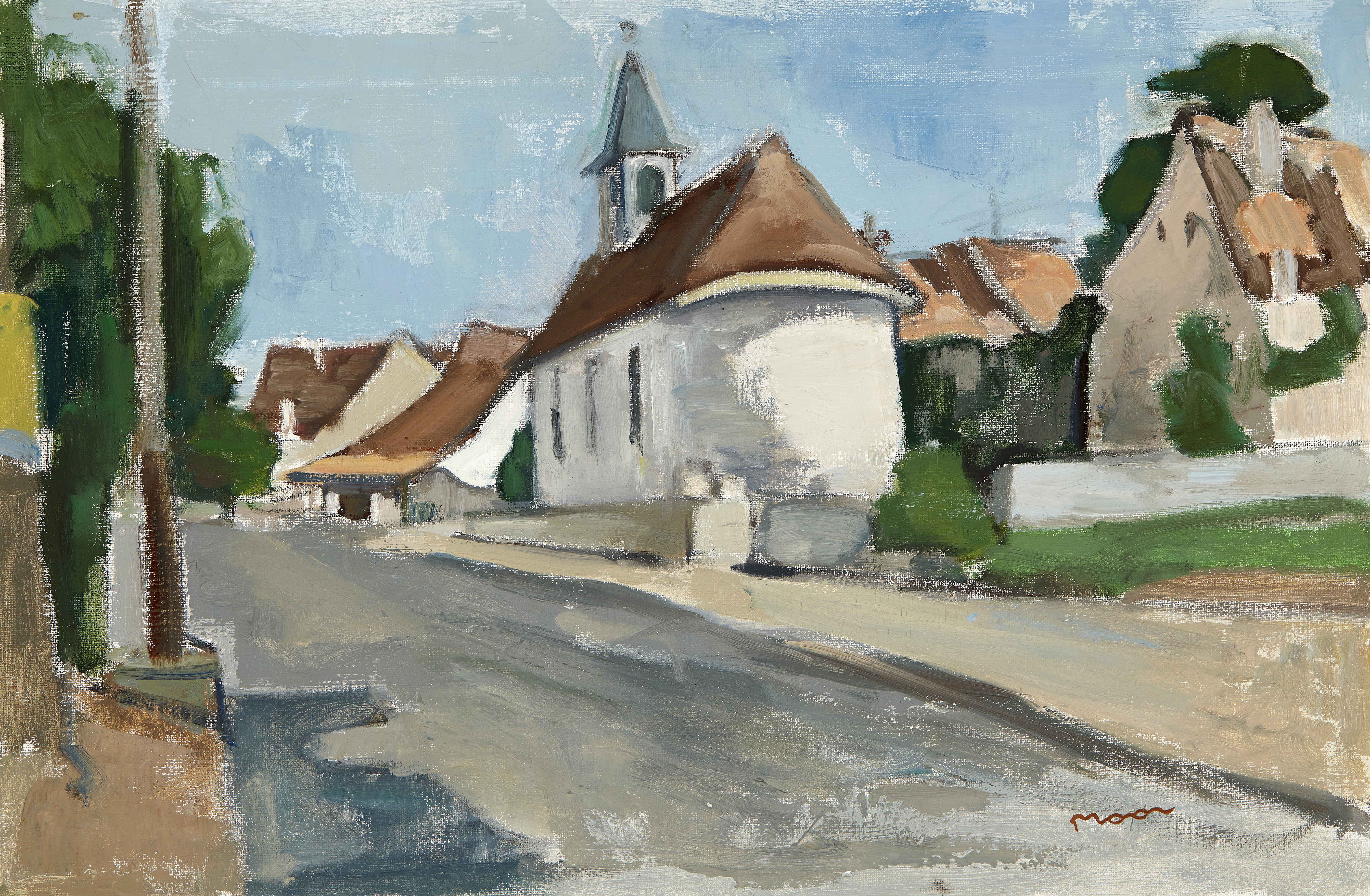
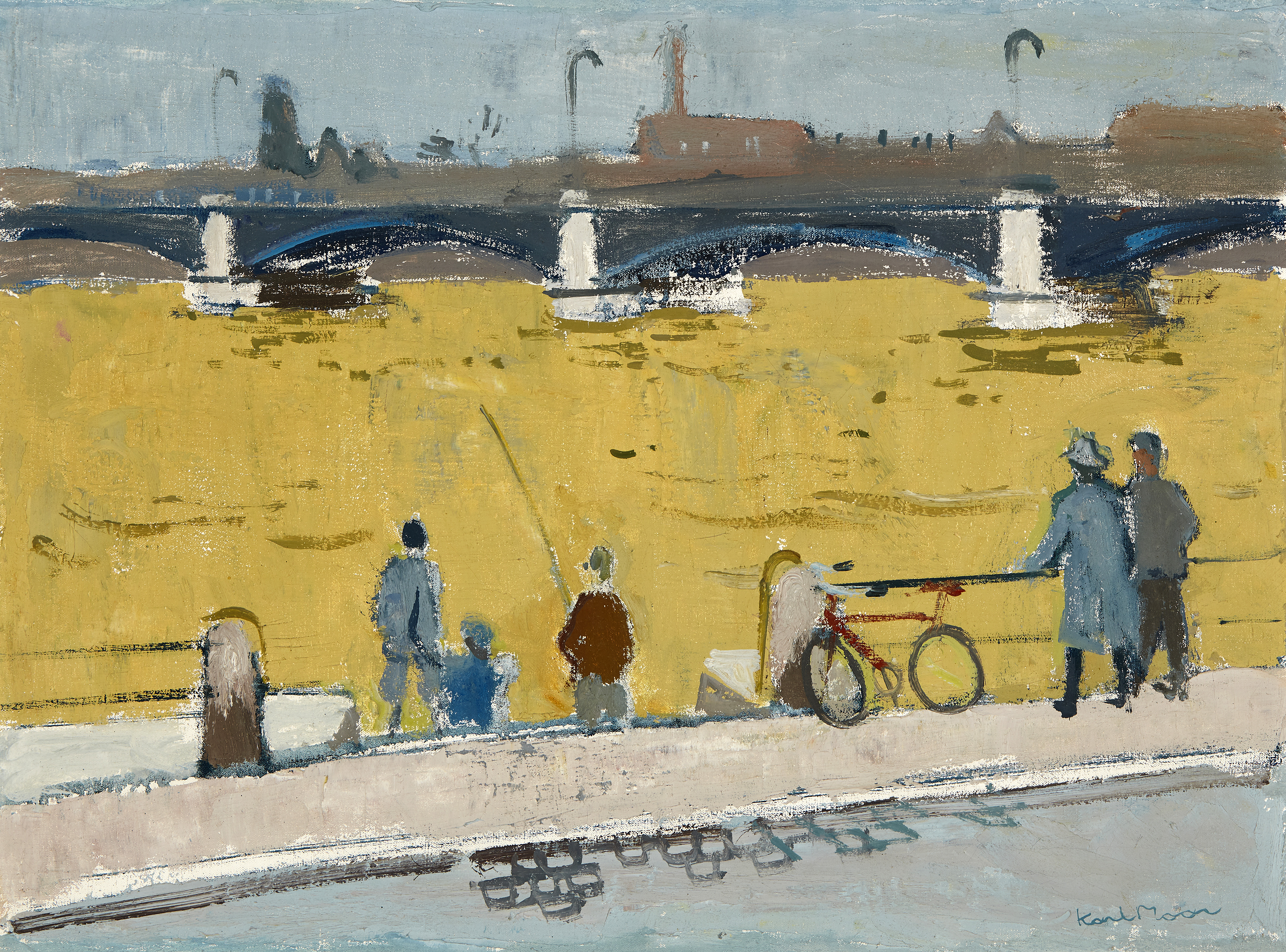
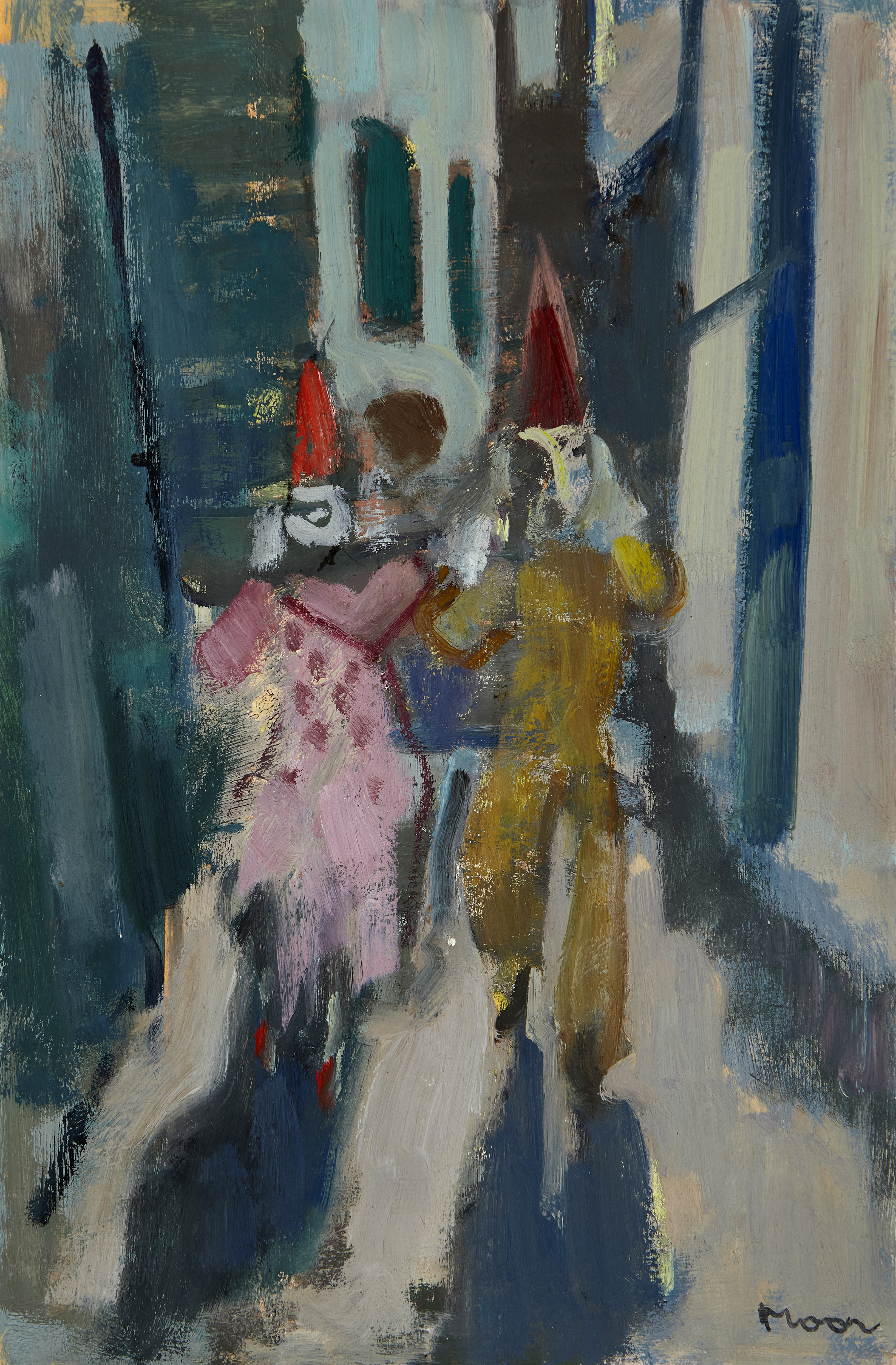
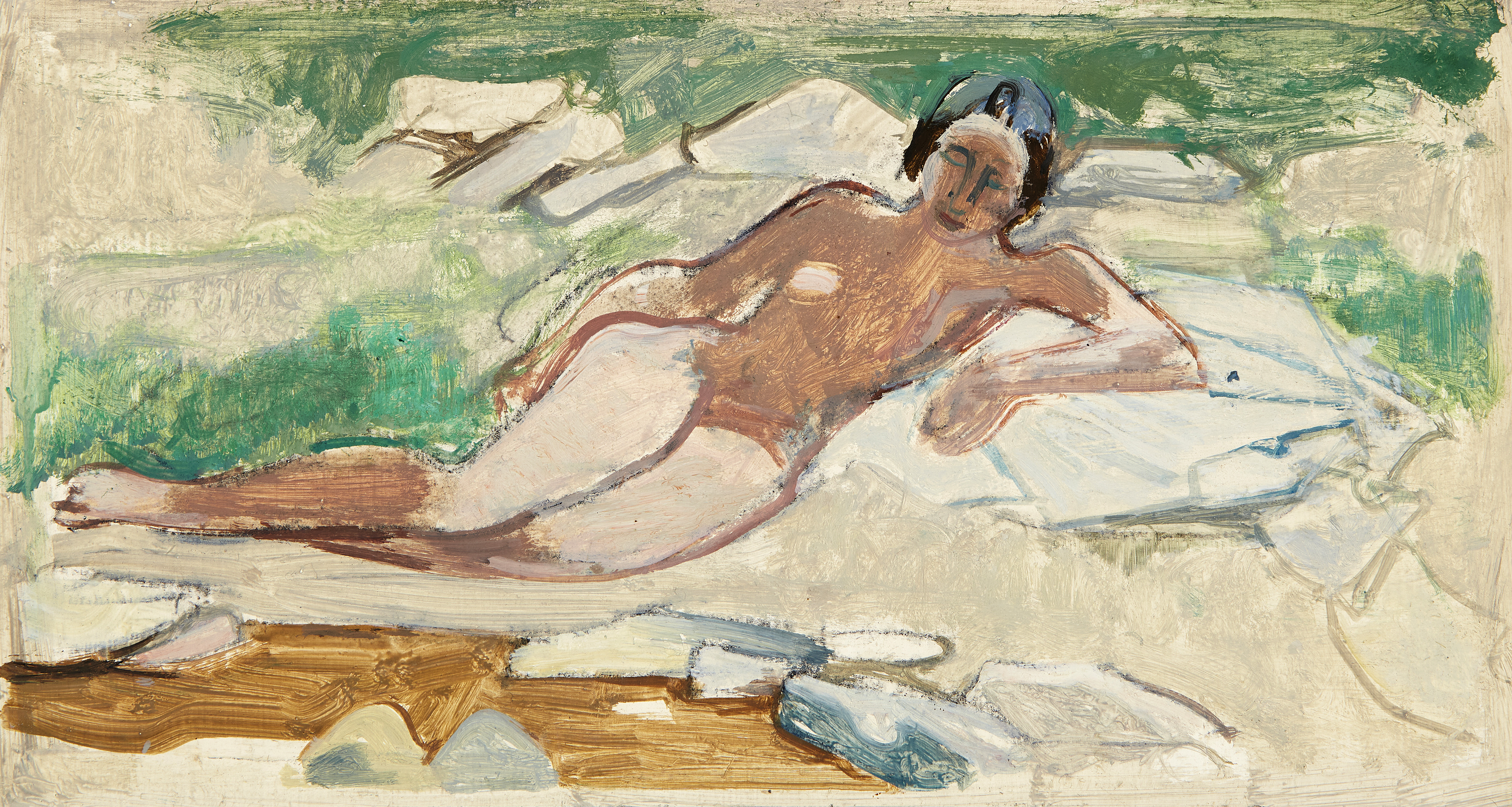
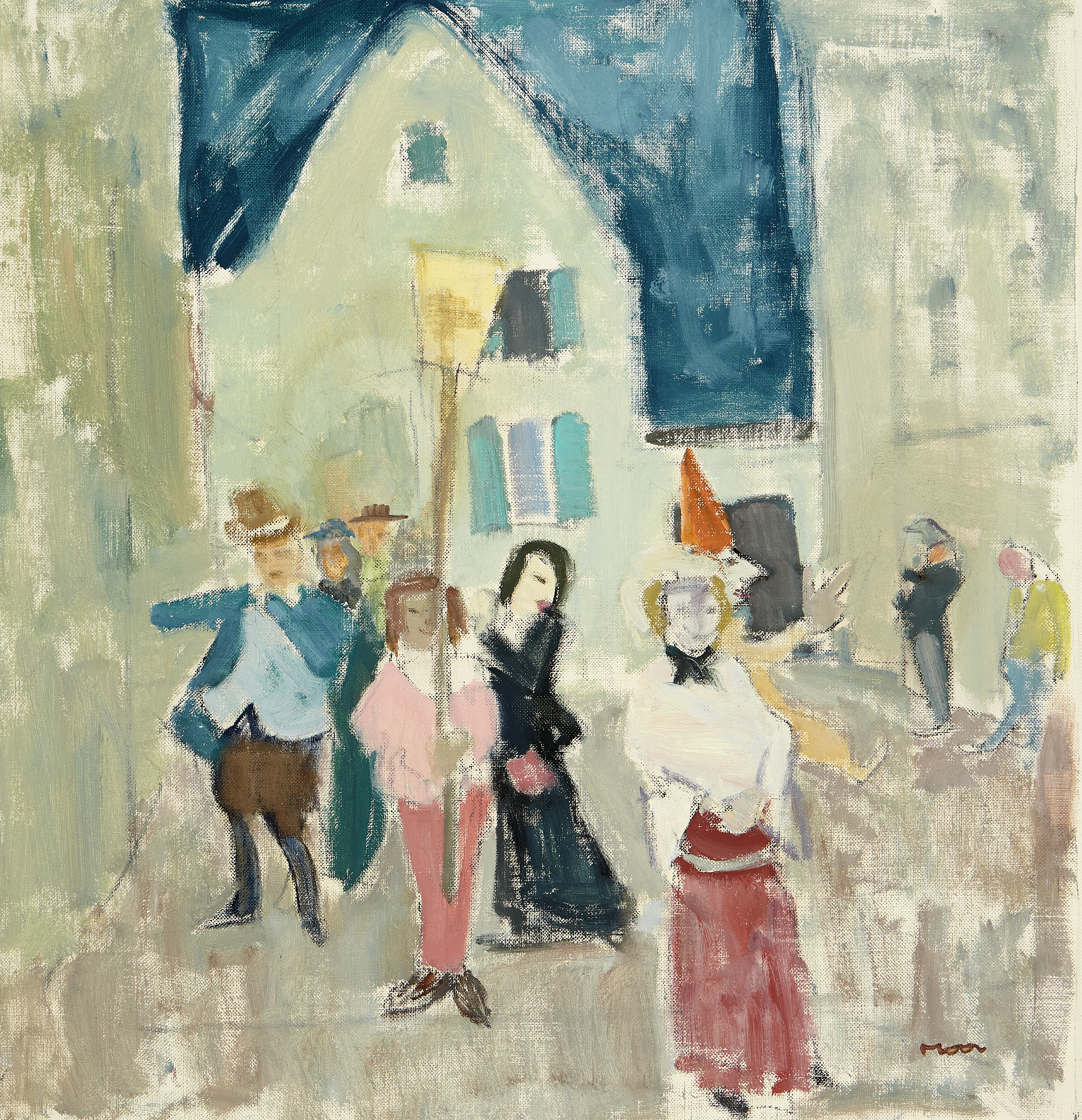
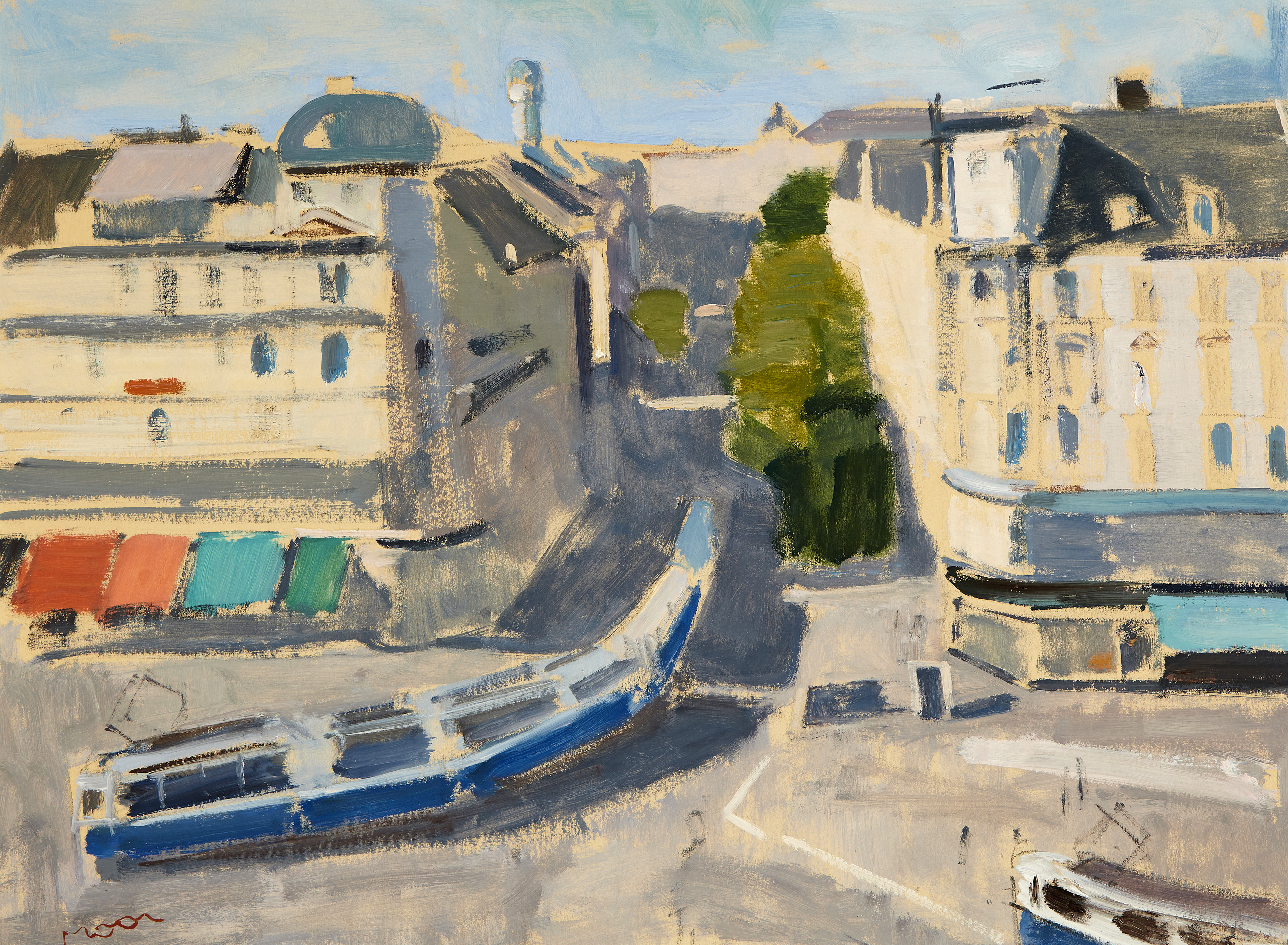
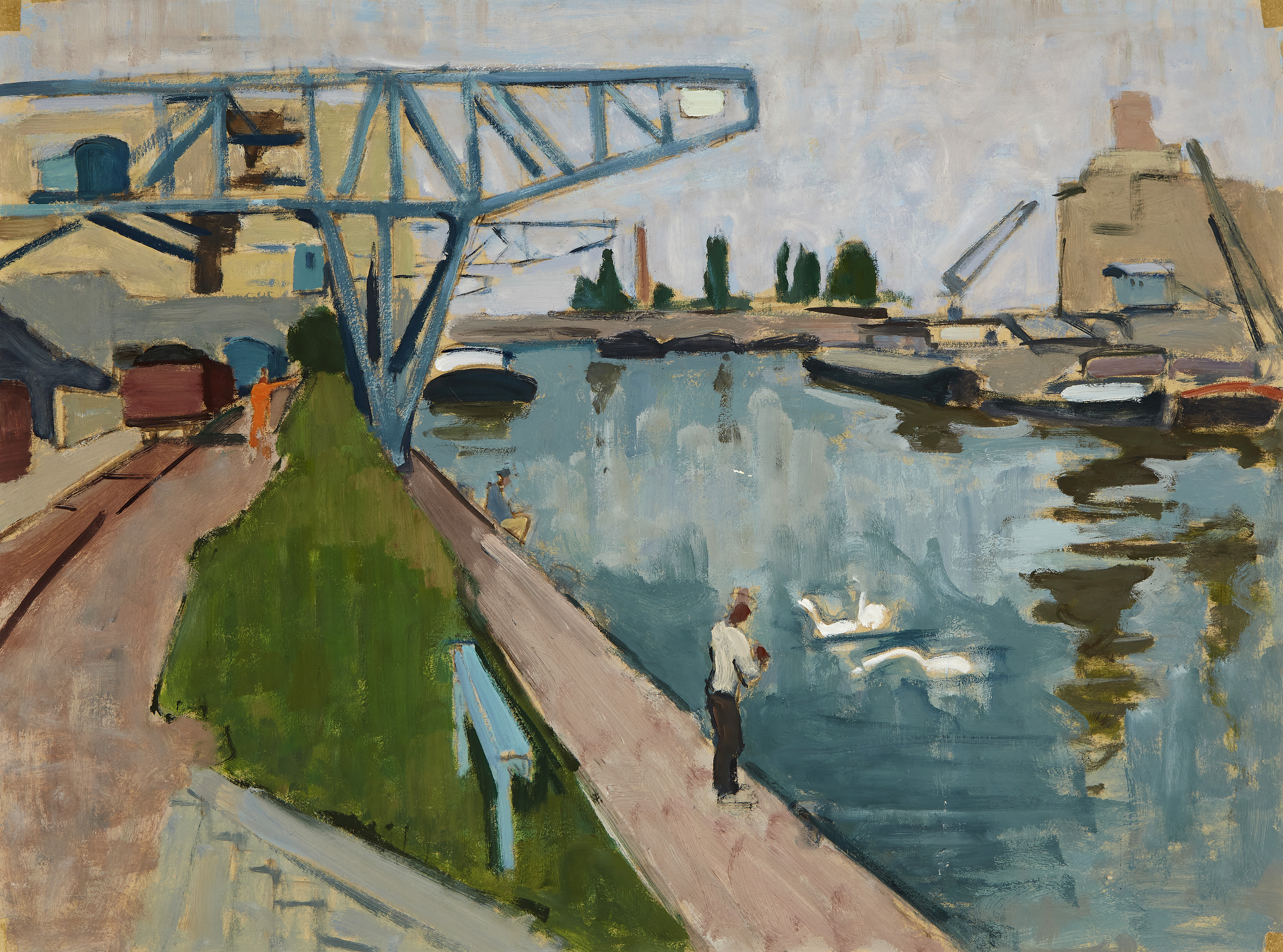
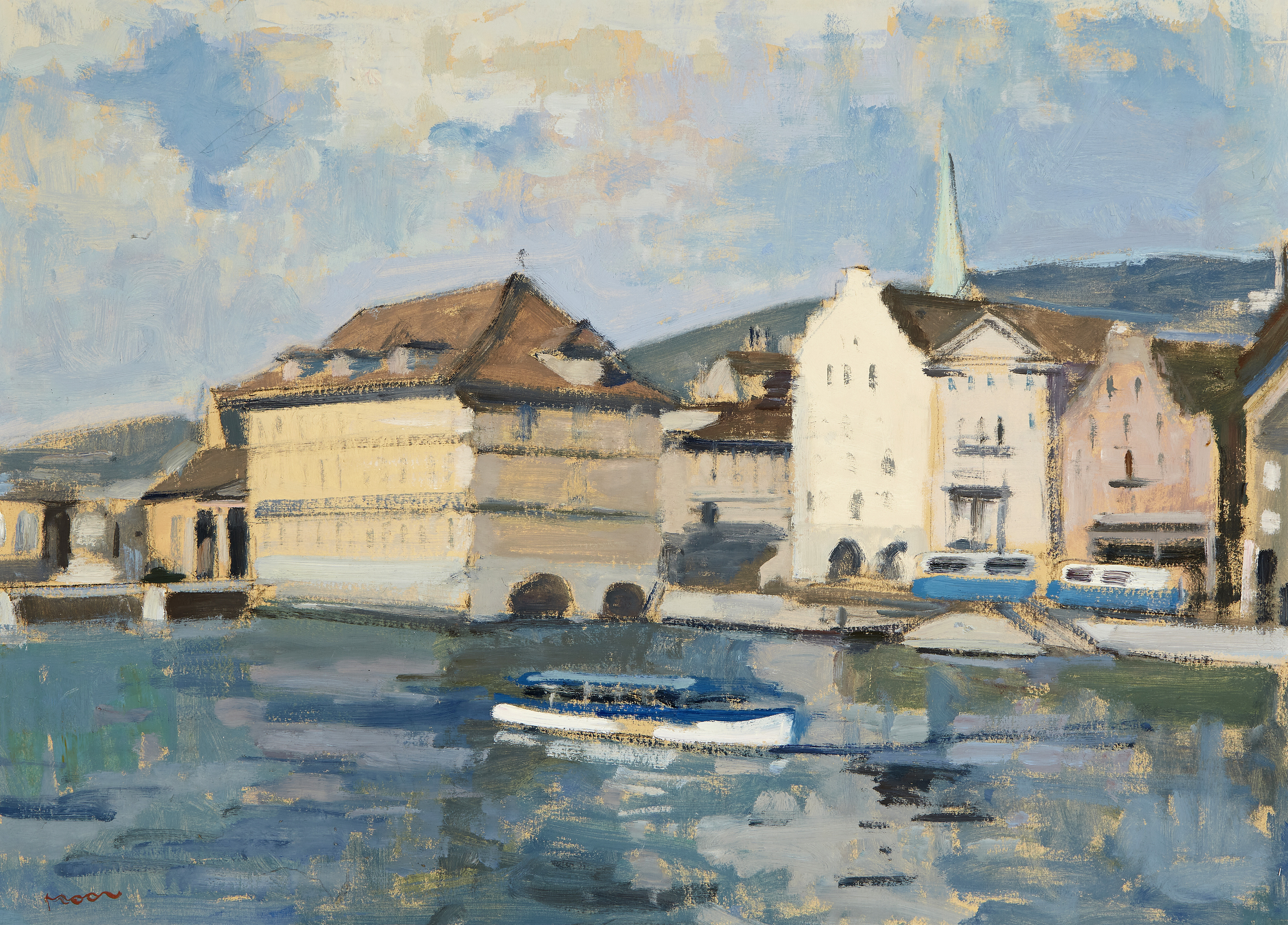
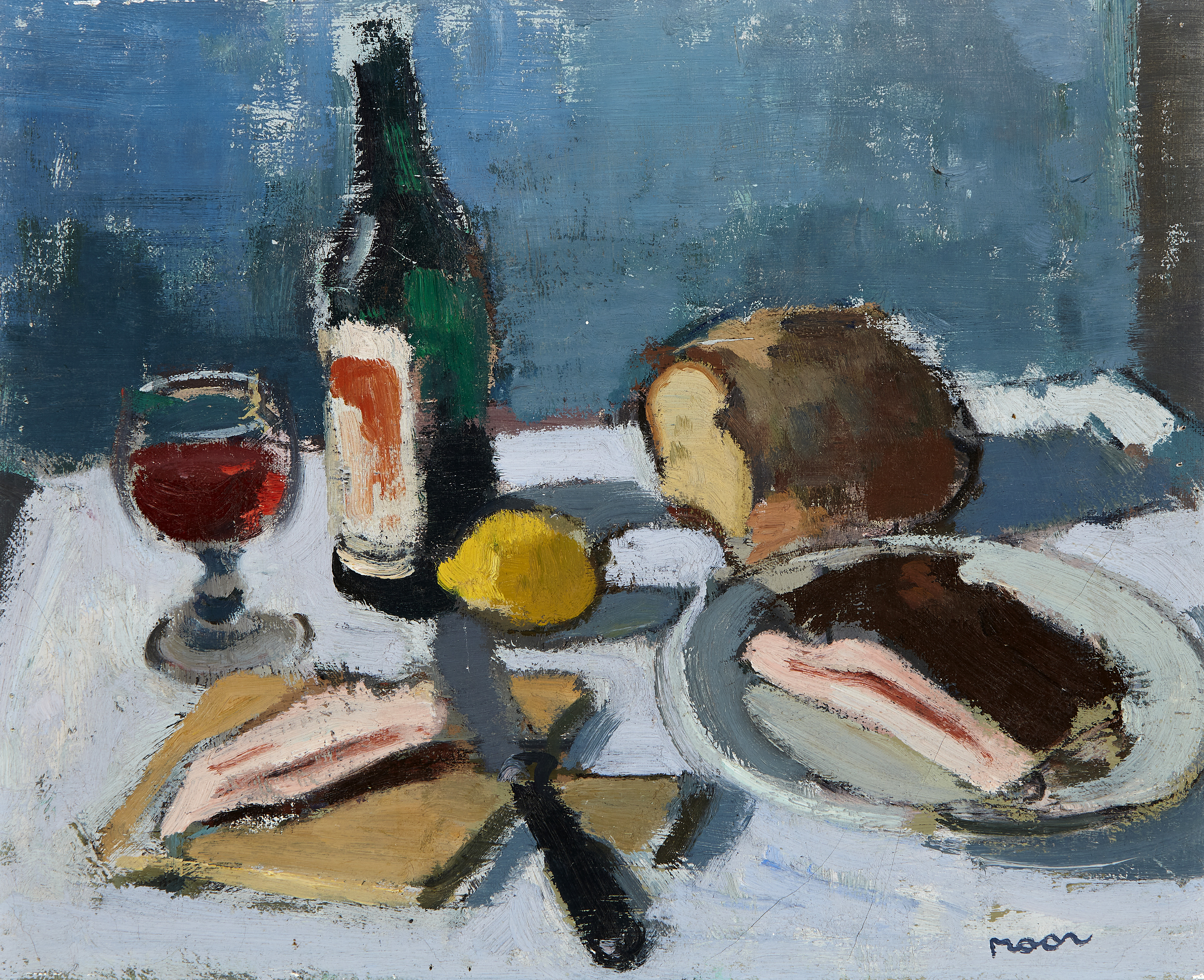
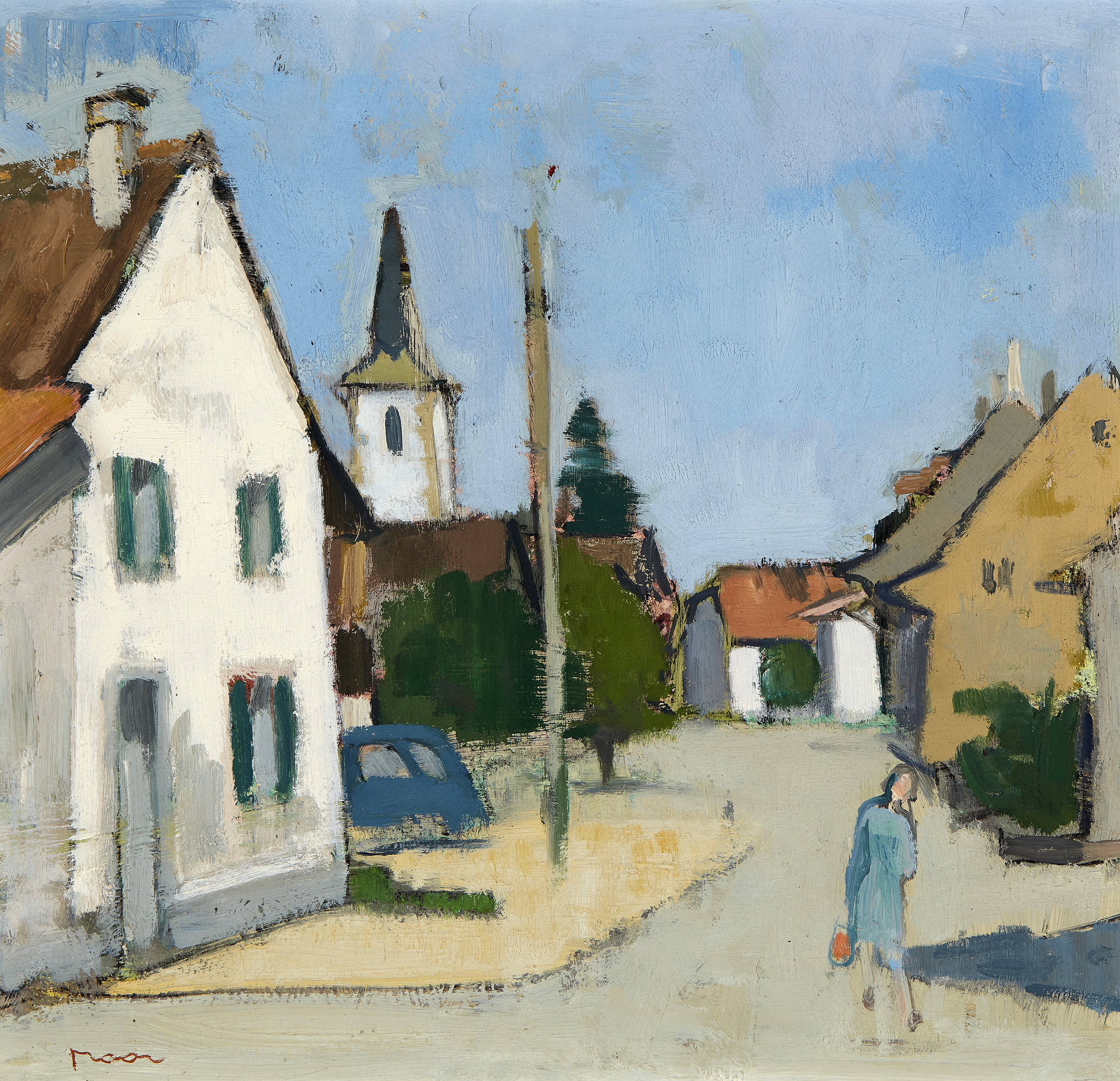
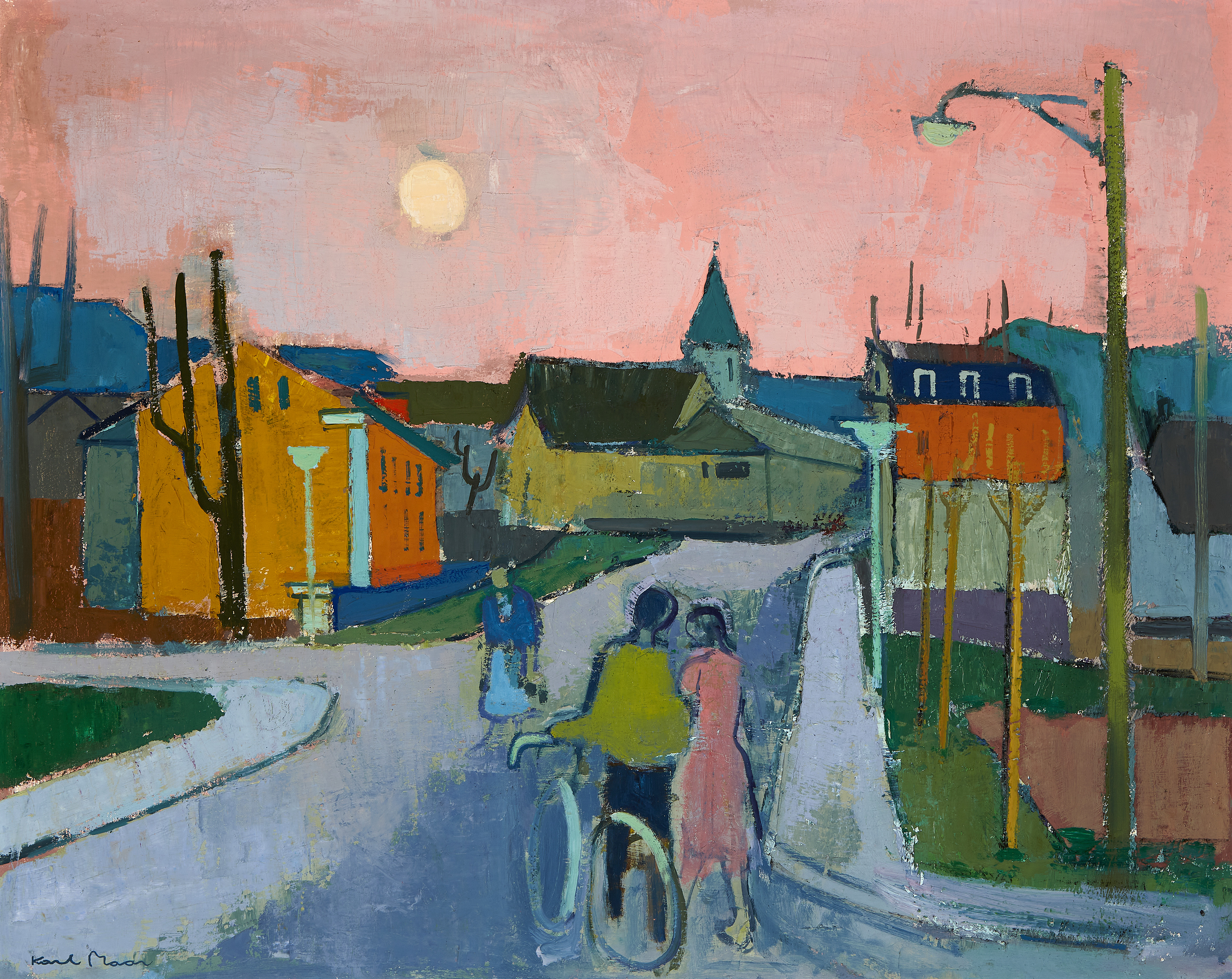
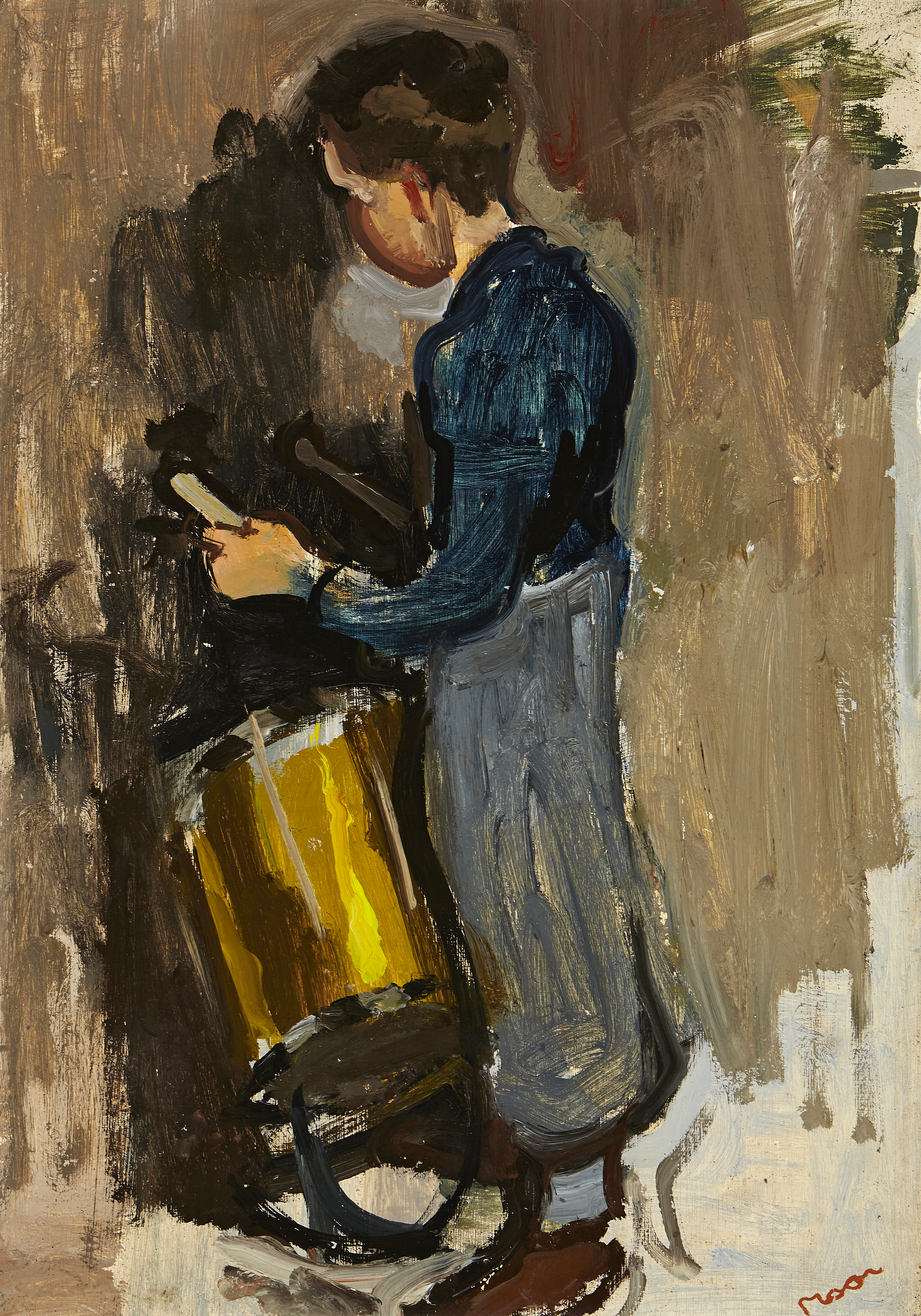
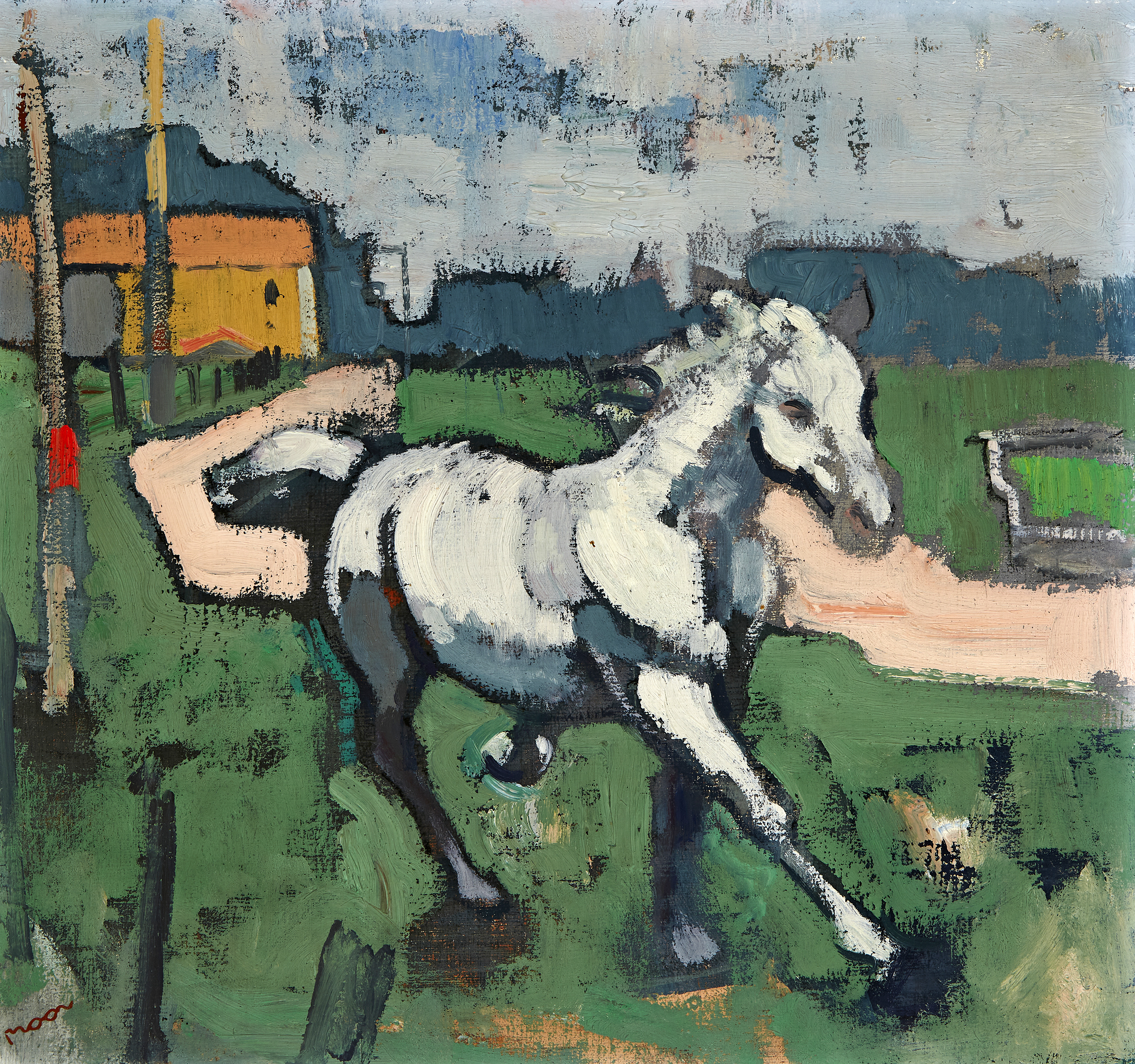
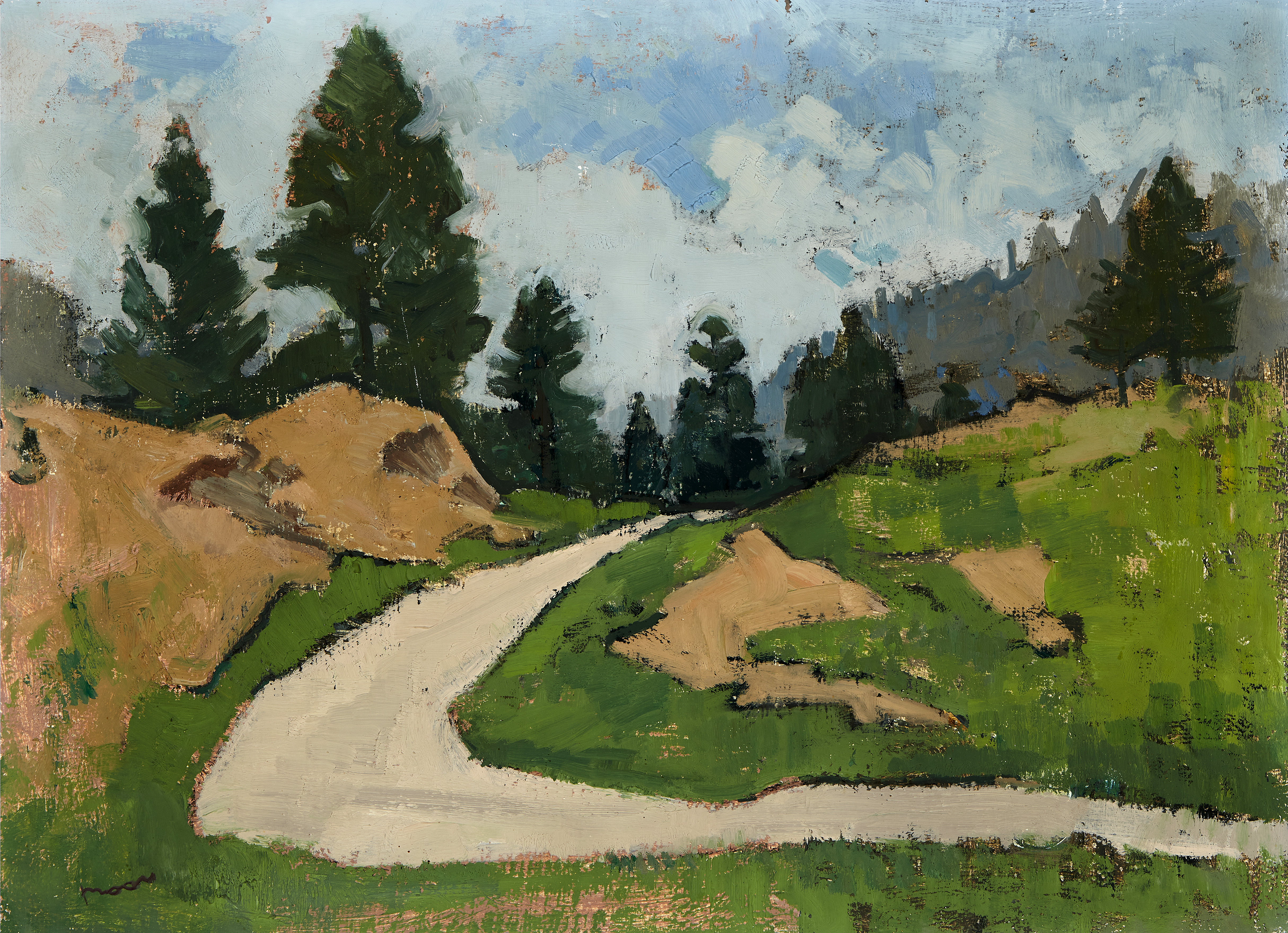
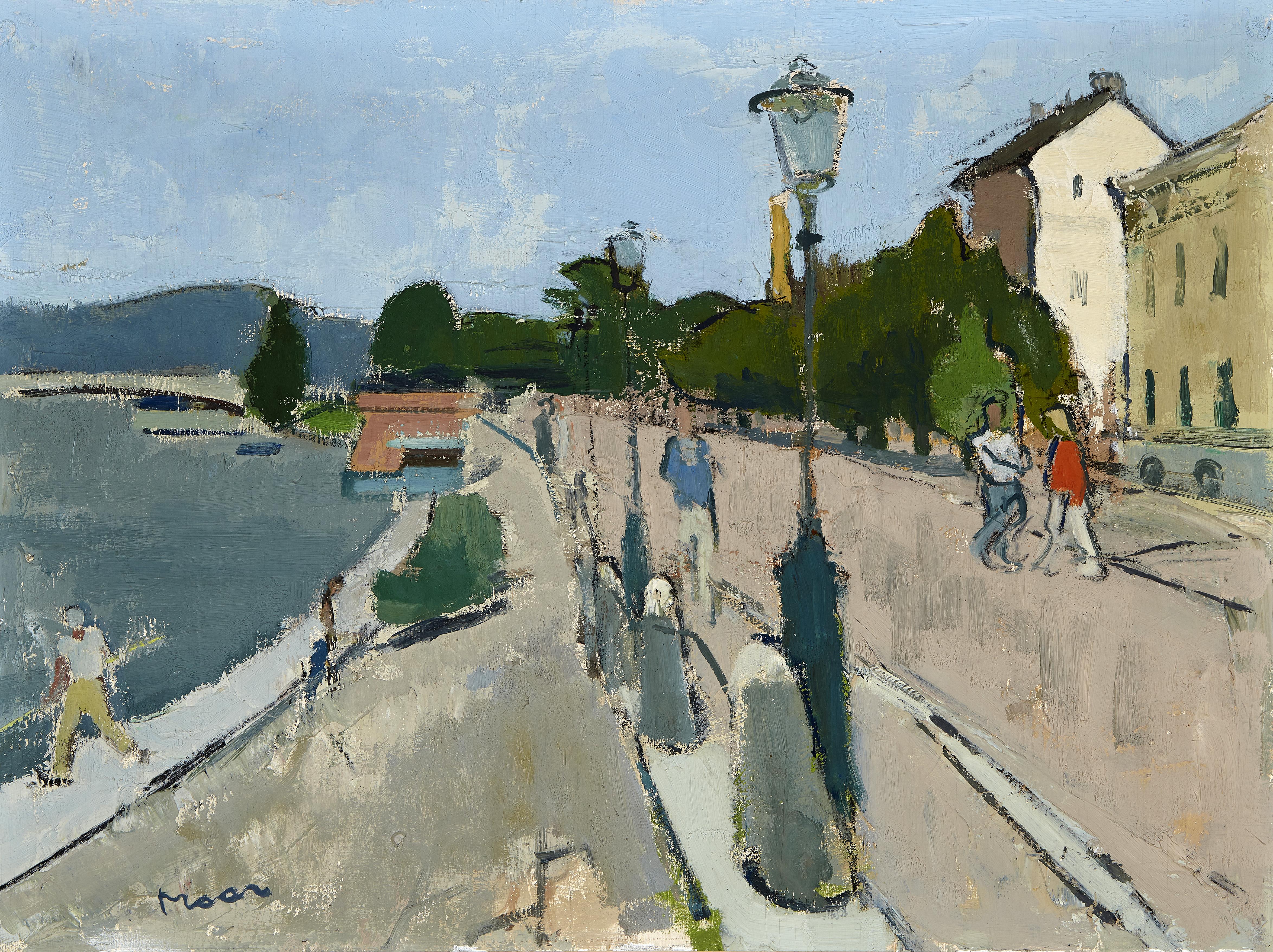
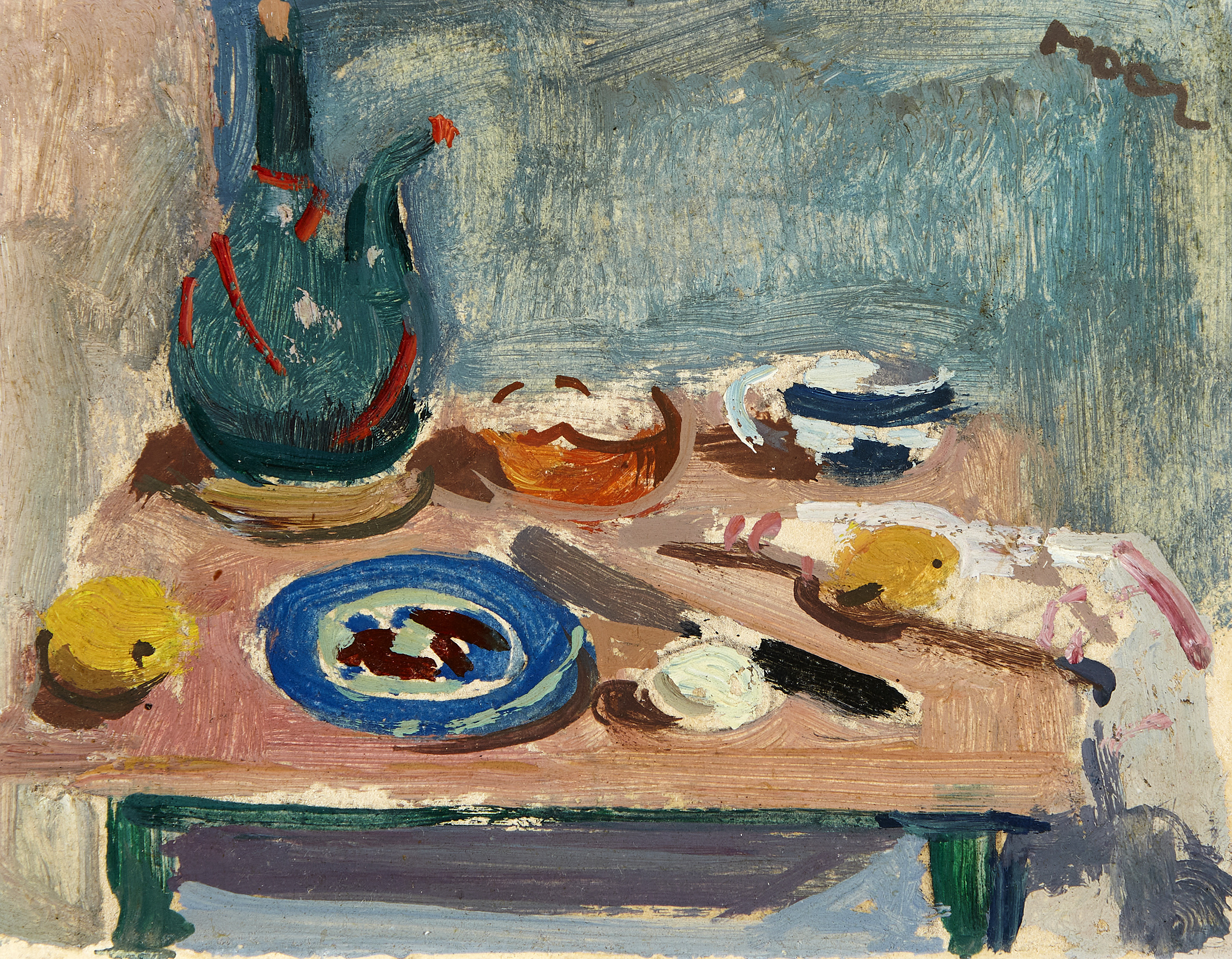
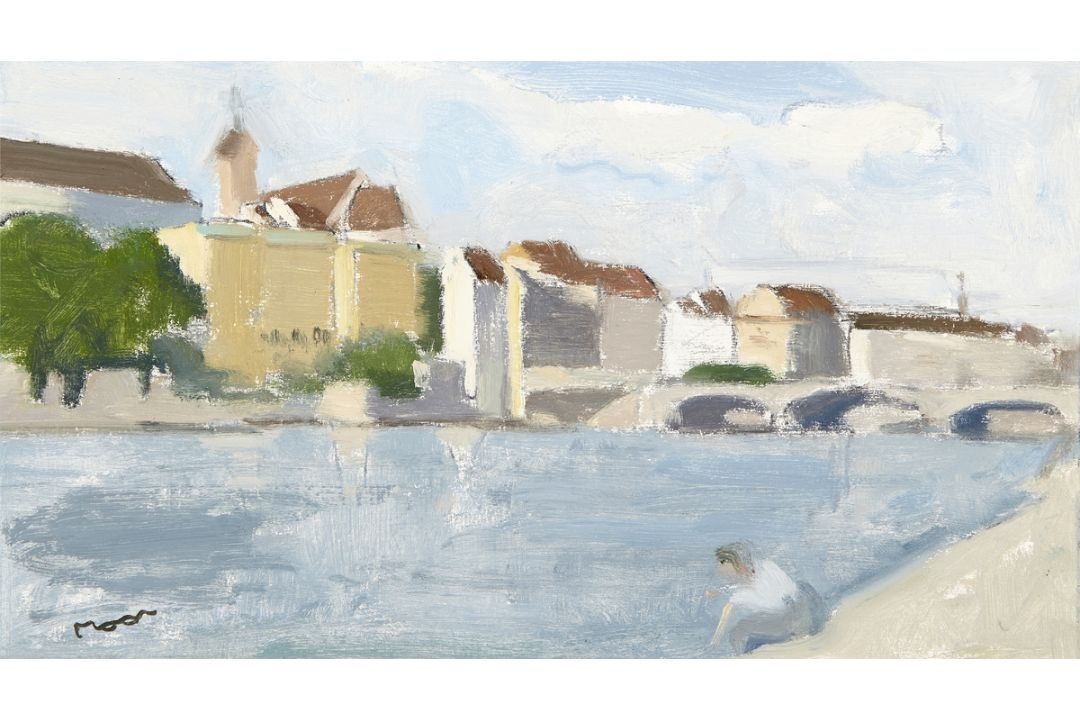
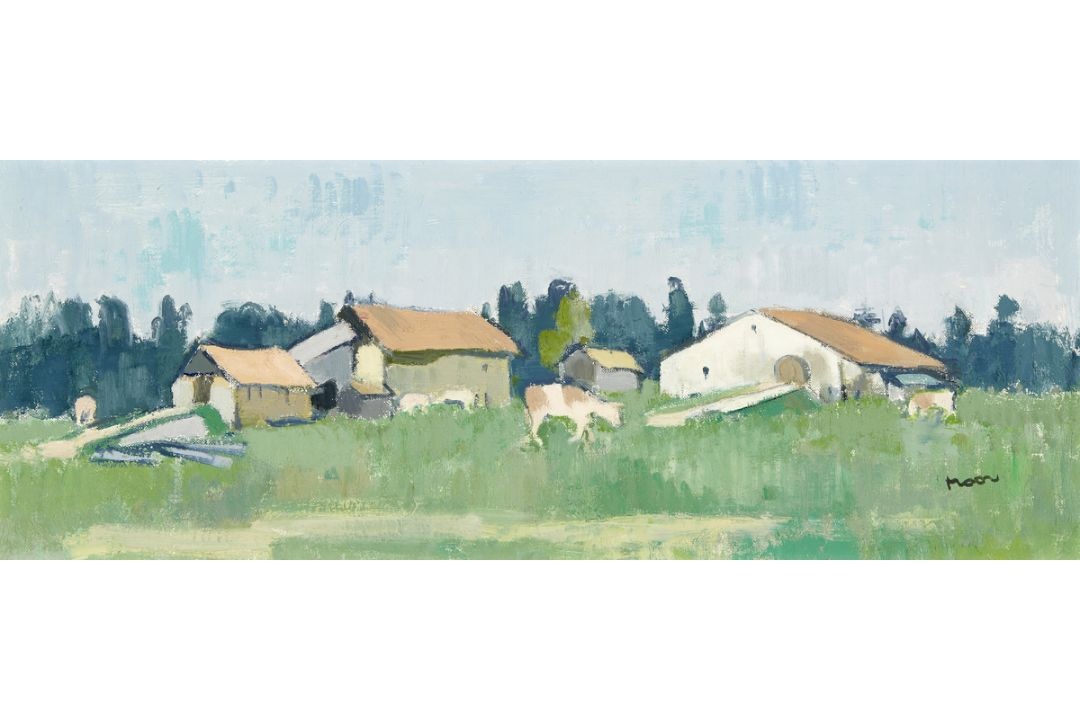
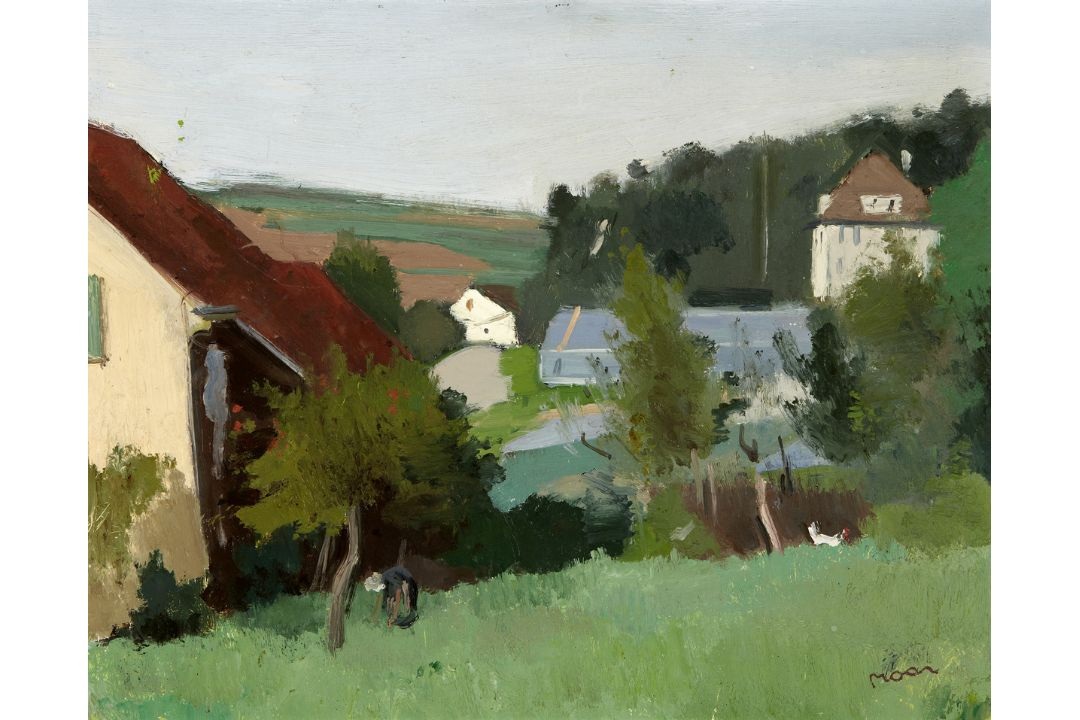
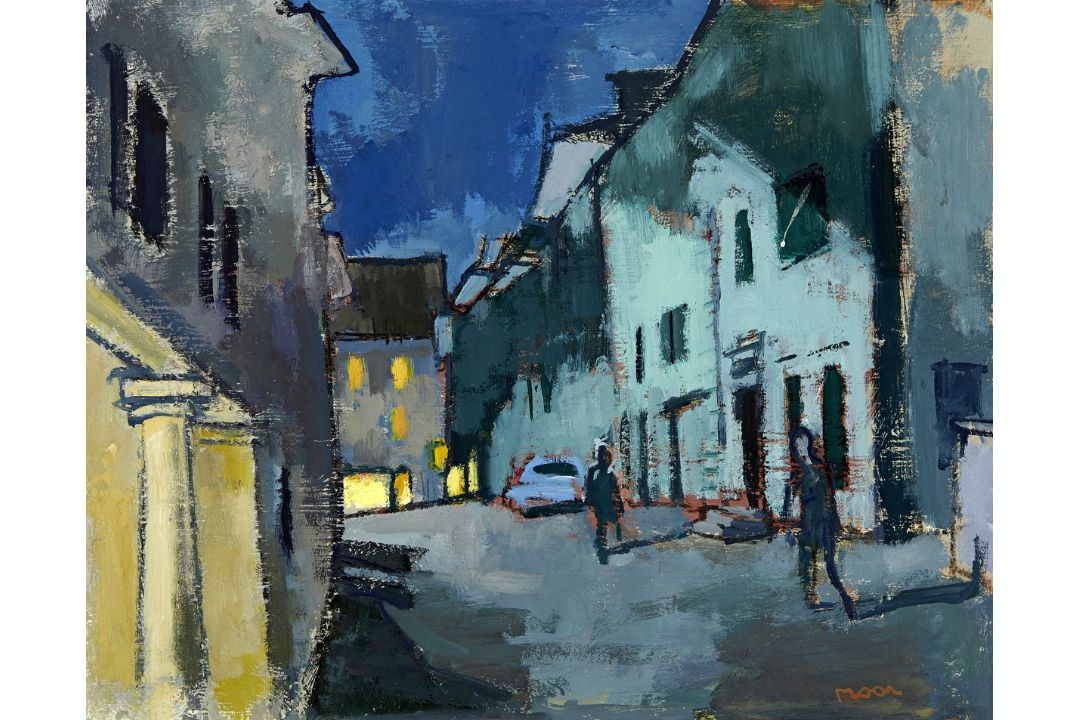
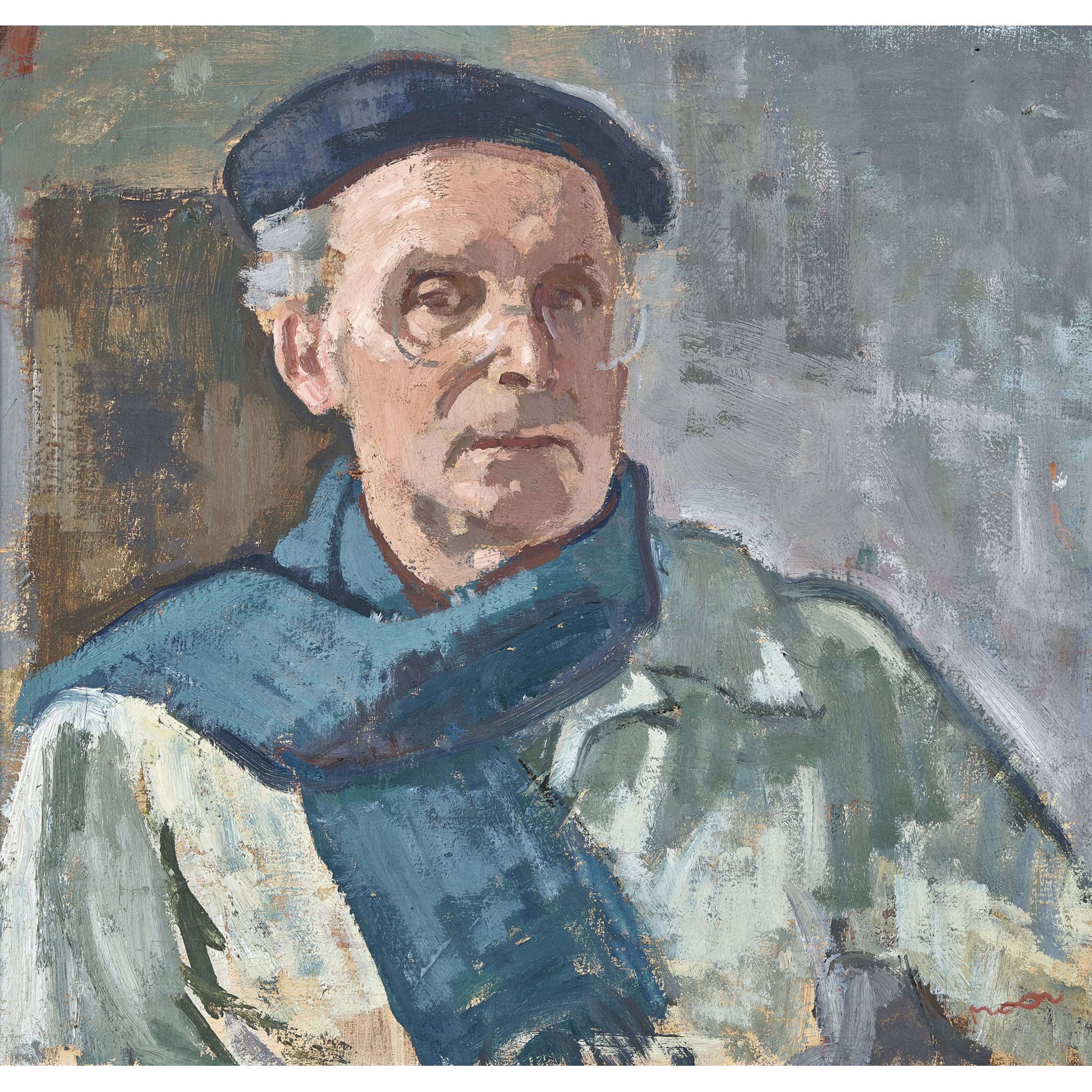
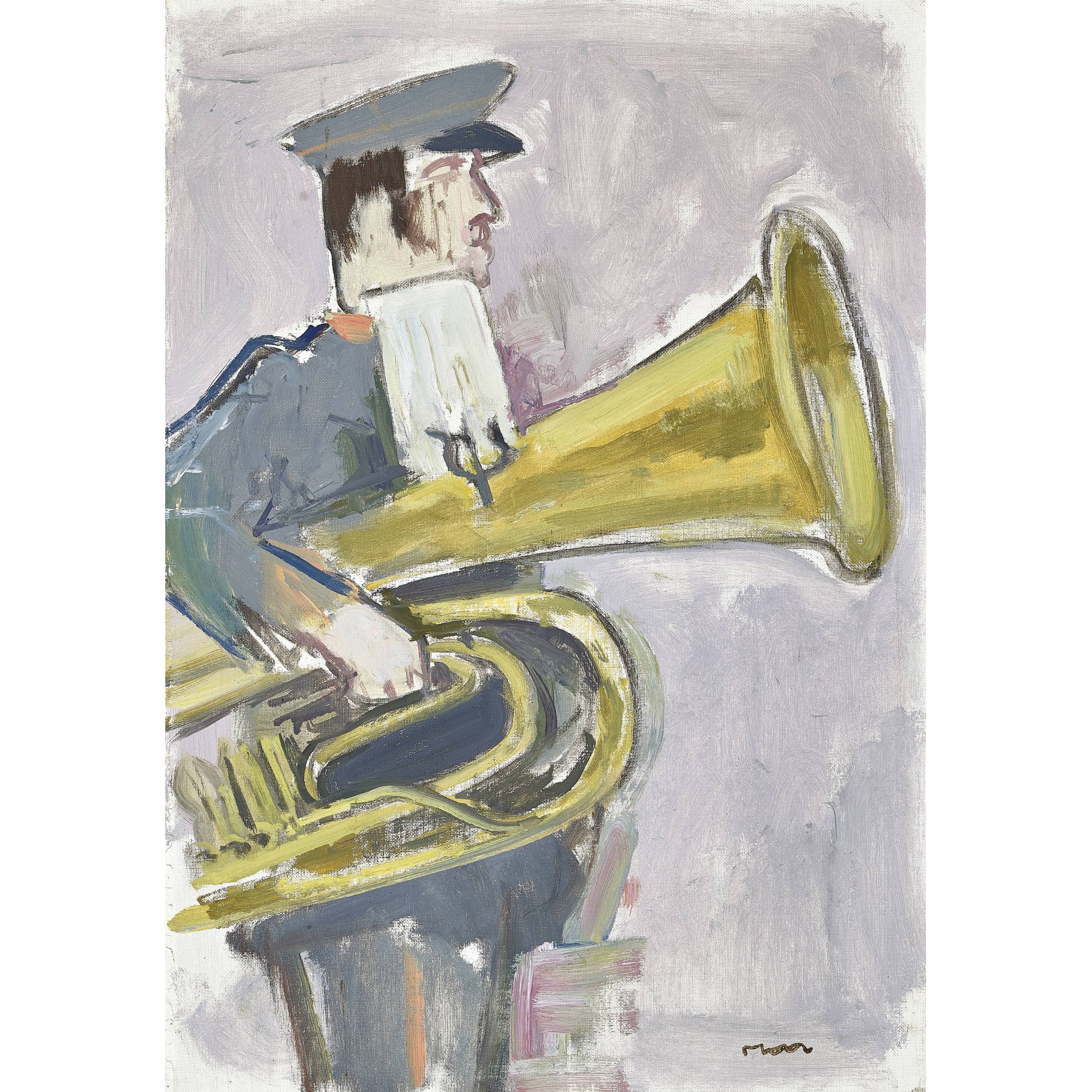
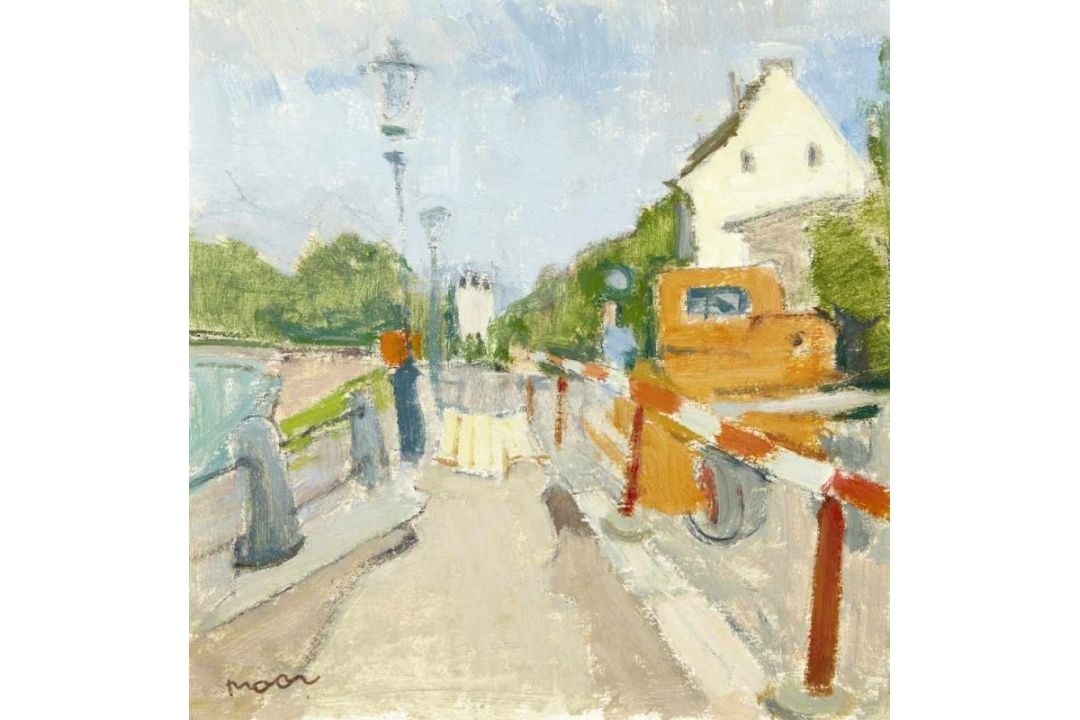
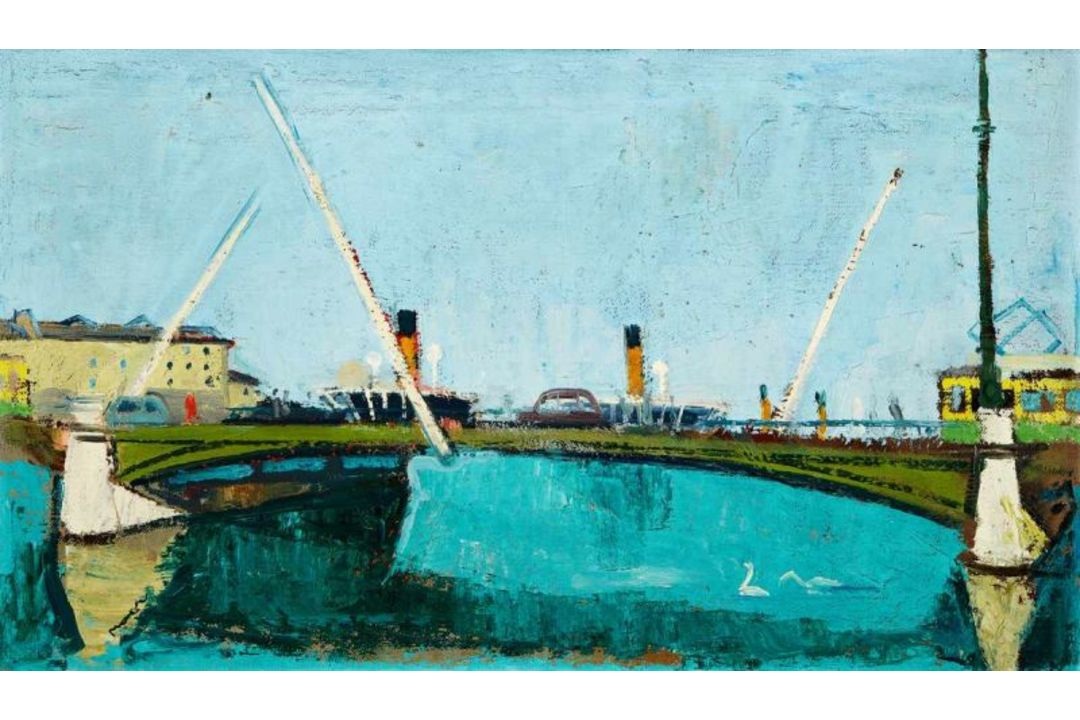
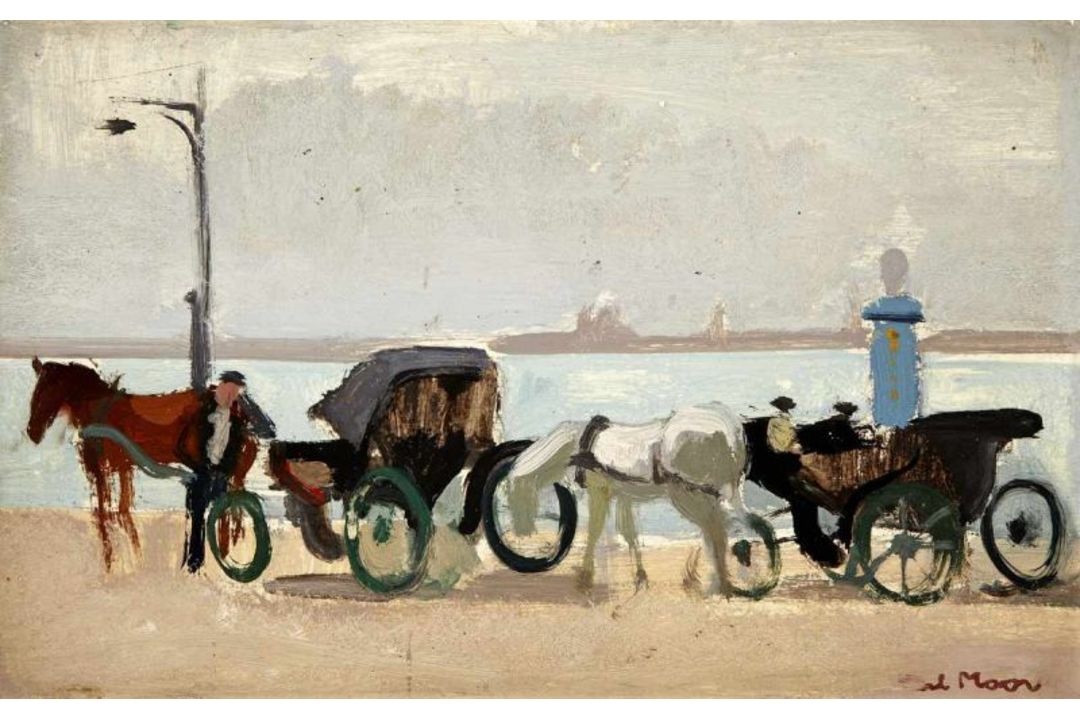
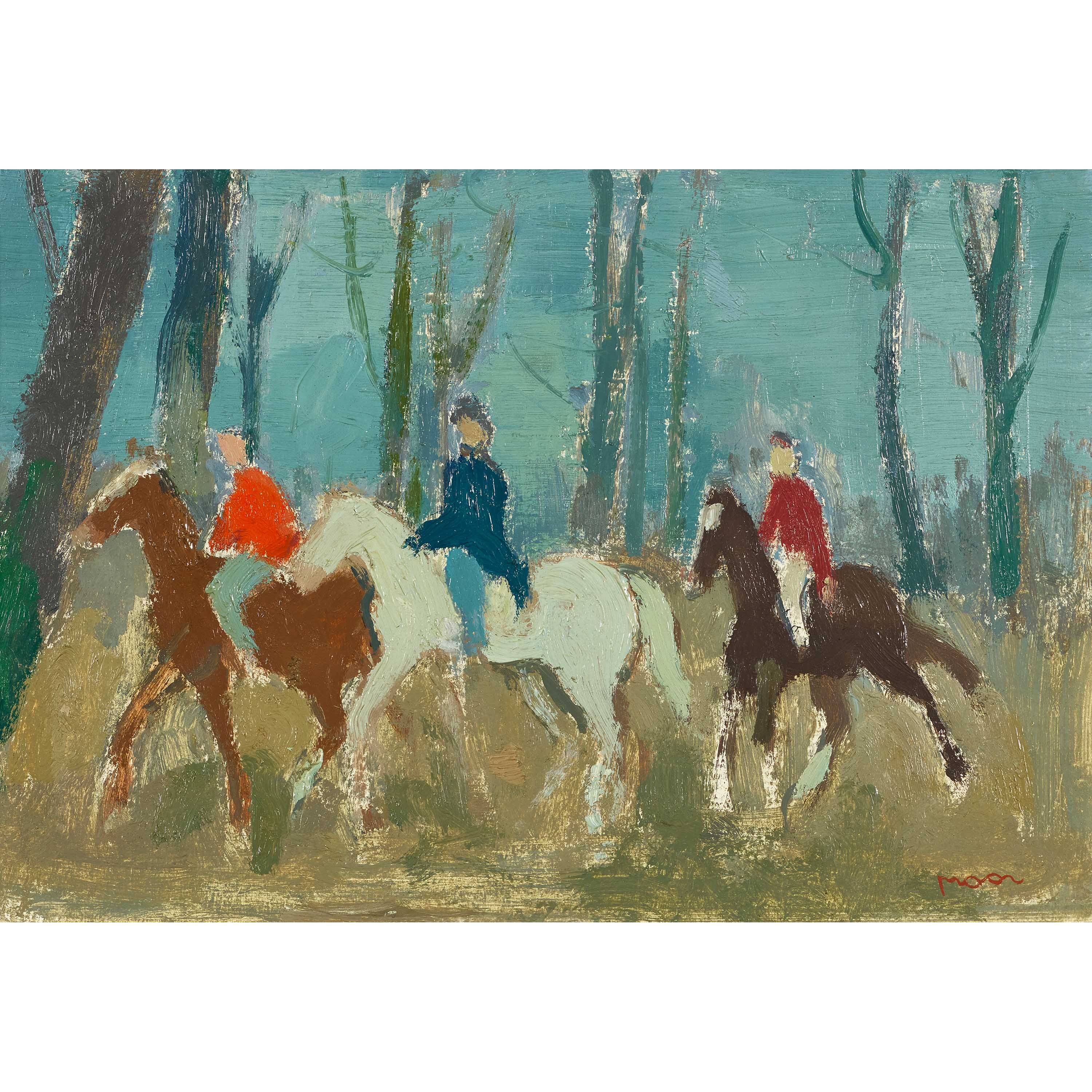
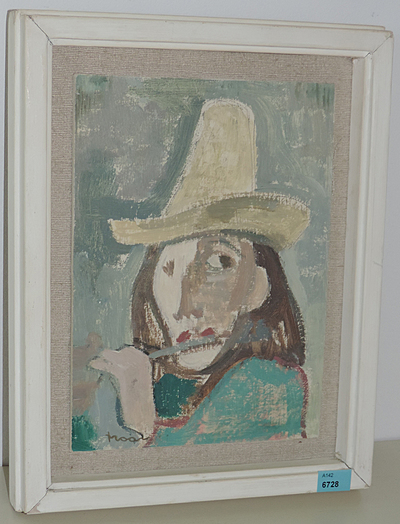
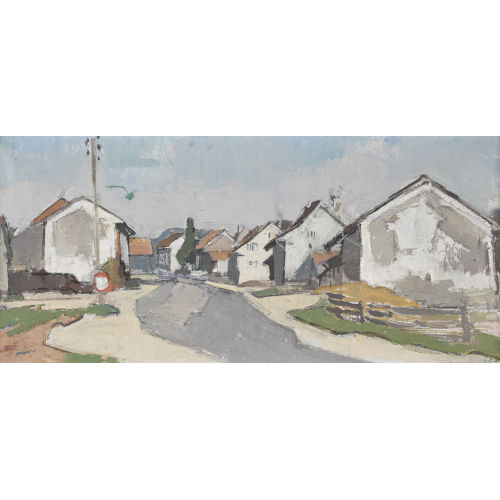
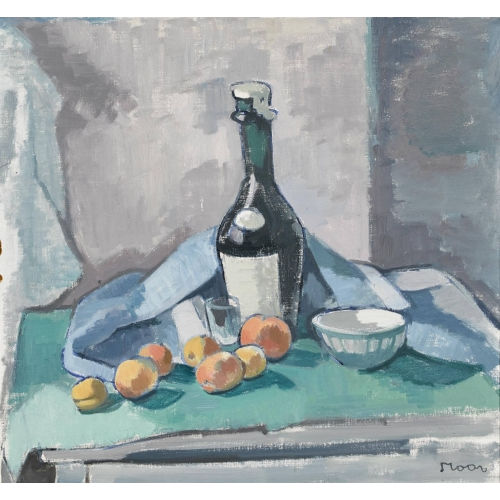
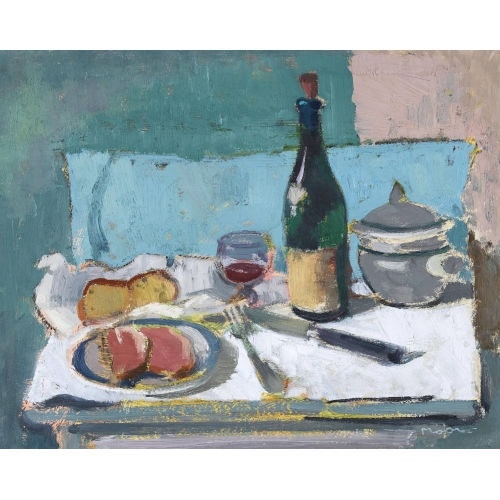
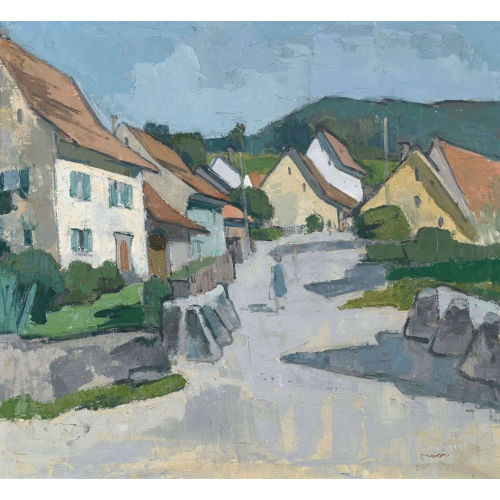
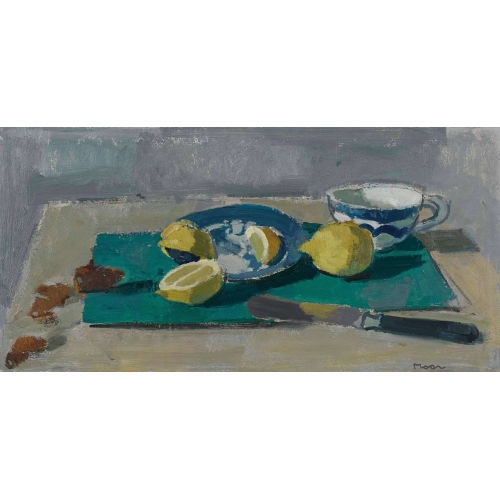
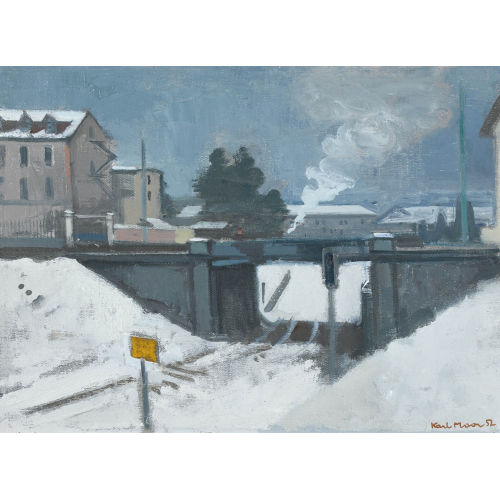
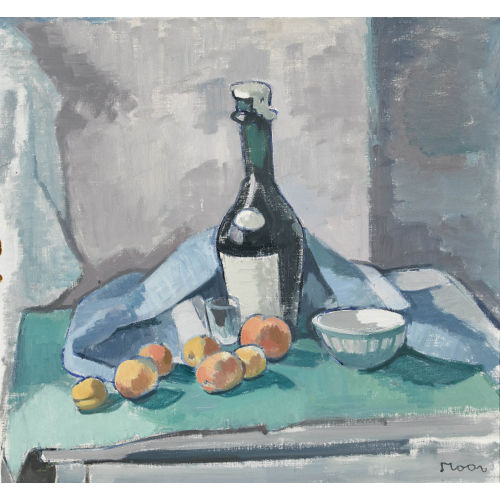
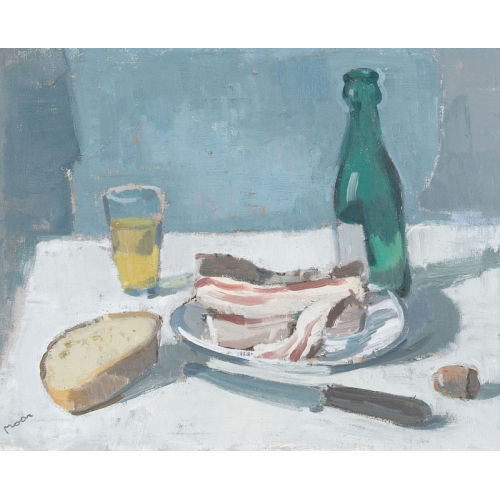
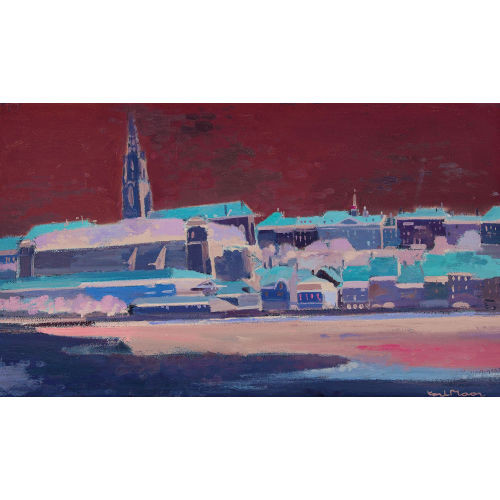
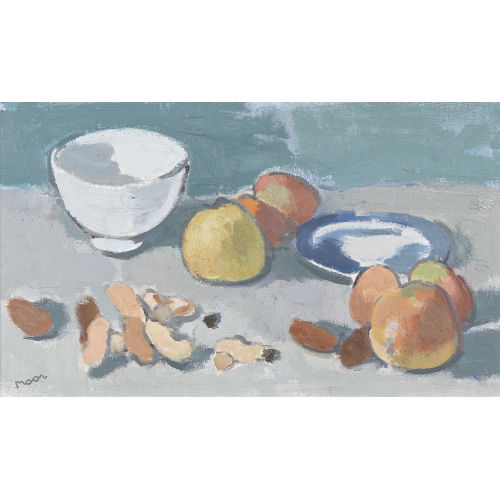
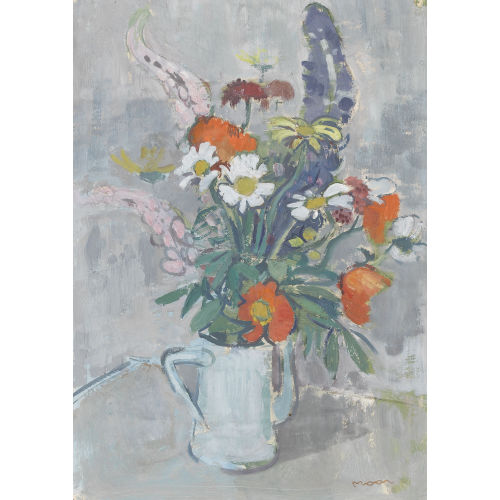
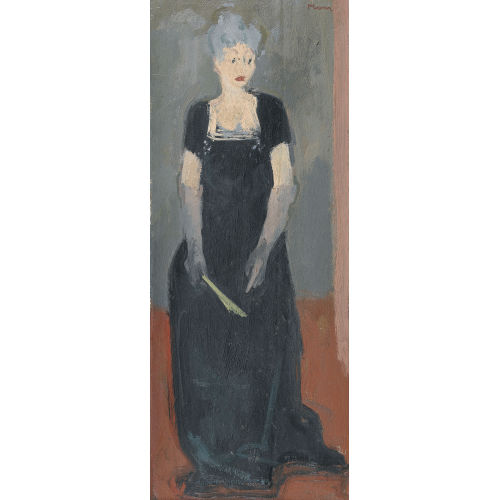
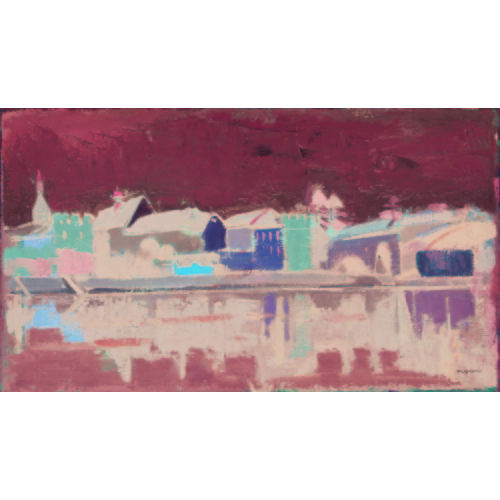
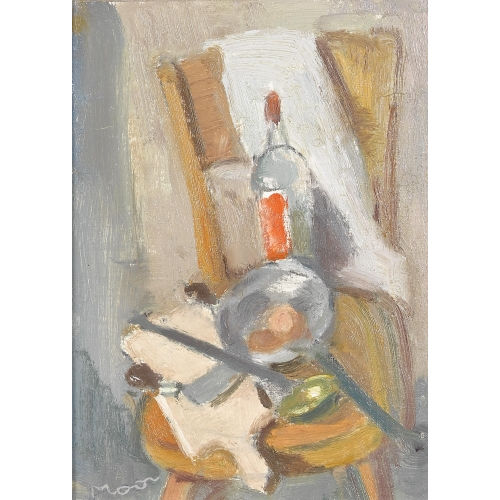
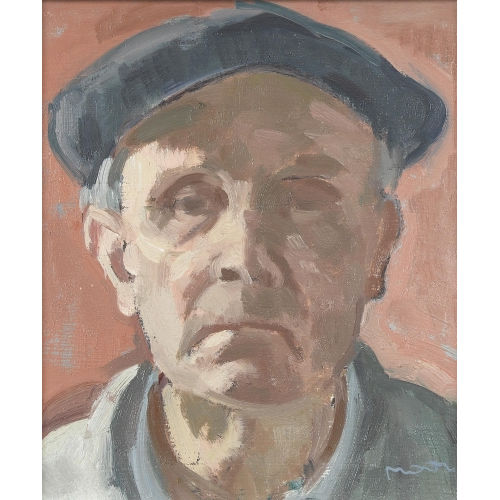
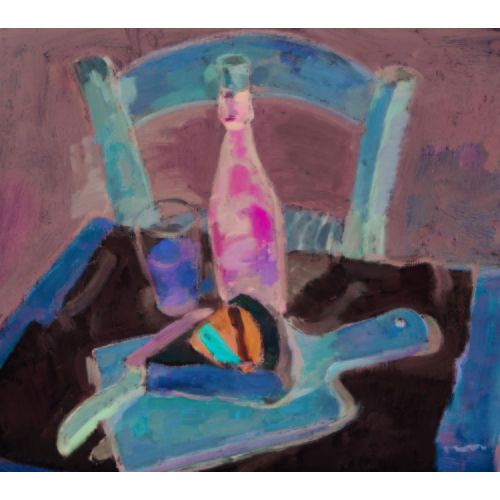
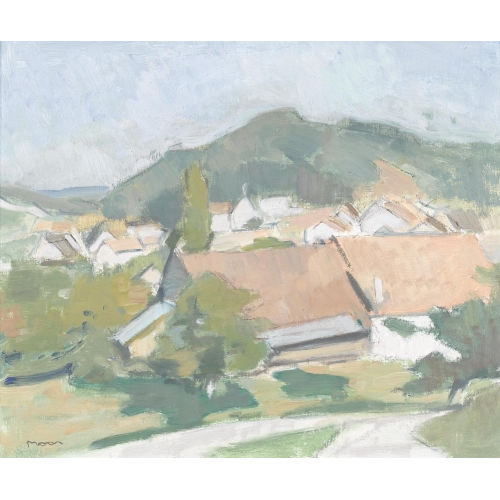
Landscapes of the Jura and neighbouring Alsace, Basel railway stations and streets, portraits of relatives or still lifes make up a repertoire in which places and everyday gestures matter as much as more celebrated views. His painting is generally associated with the so-called “tonal” Basel school: colour is constructed through nuanced harmonies and an often thickly worked surface. A sheet preserved at the Kunstmuseum Basel, “Küchenecke”, bears on its verso a street with a church, tram and passers-by.
This fortuitous juxtaposition of a kitchen corner and an urban scene gives an idea of the breadth of his gaze, from the domestic setting to the life of the city.
Moor also worked for public spaces. The murals of the Dreirosen and Wettstein schools, followed by those of the cantonal hospital gallery, brought his art beyond the studio. These commissions supplemented his exhibitions and easel paintings without breaking with his interest in the people and places close to him.
Moor’s paintings invite us to look at the city unhurriedly: changes in the light, the substantiality of façades or the presence of a few figures are enough to transform an ordinary scene into a pictorial experience.