Karl Landolt
Born in 1925.
Died in 2009.
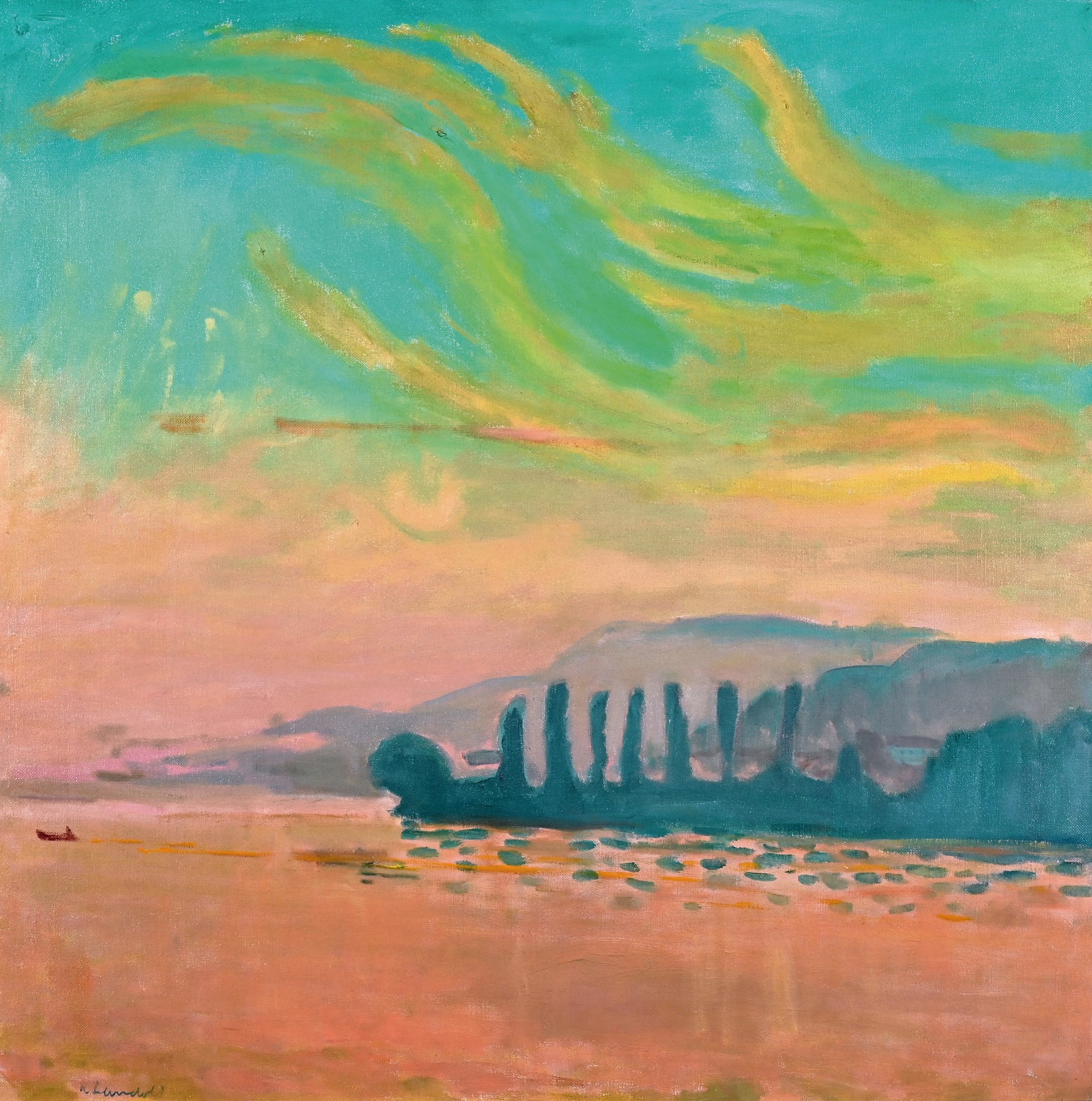
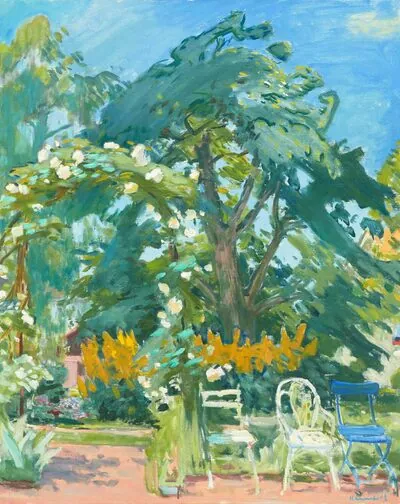
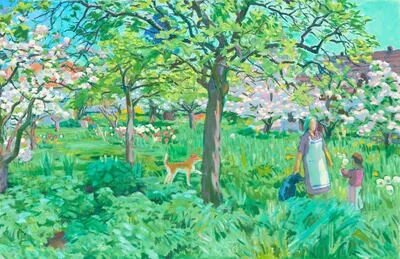
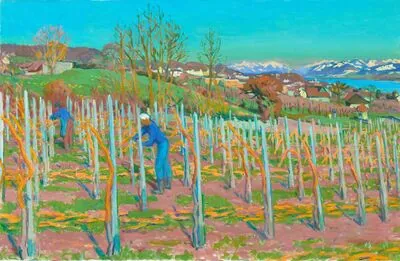
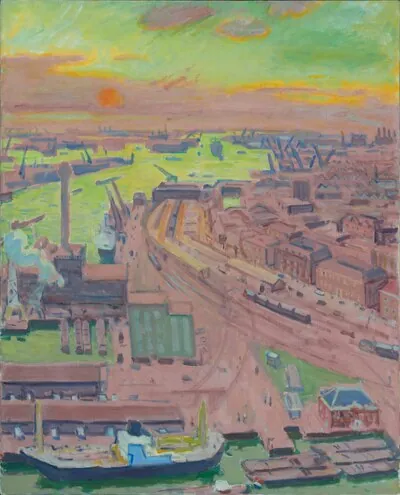
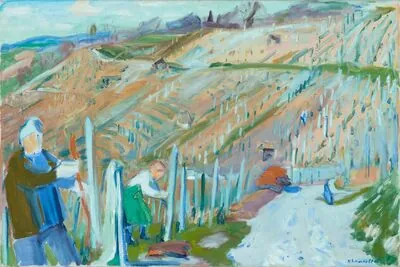
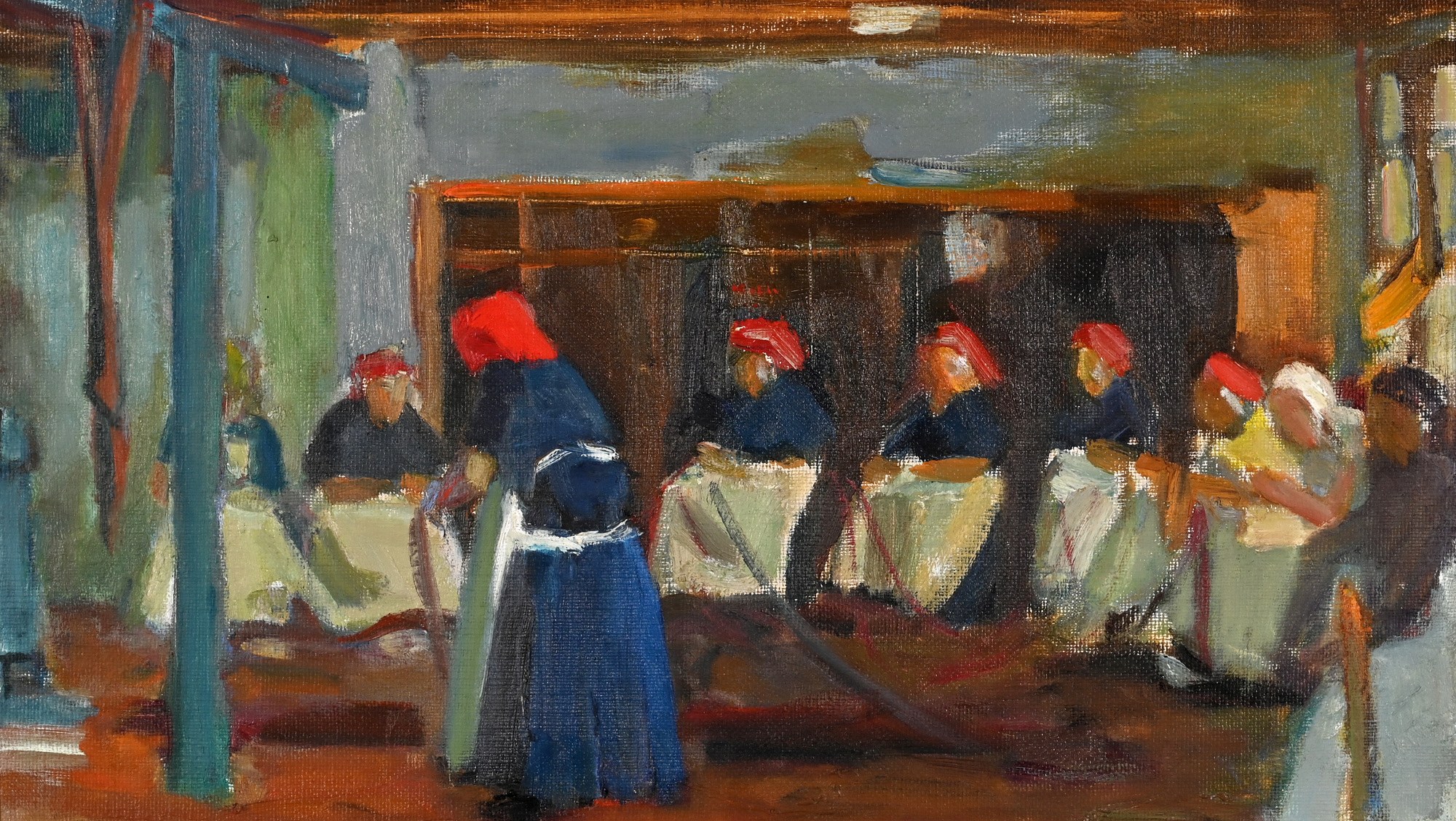
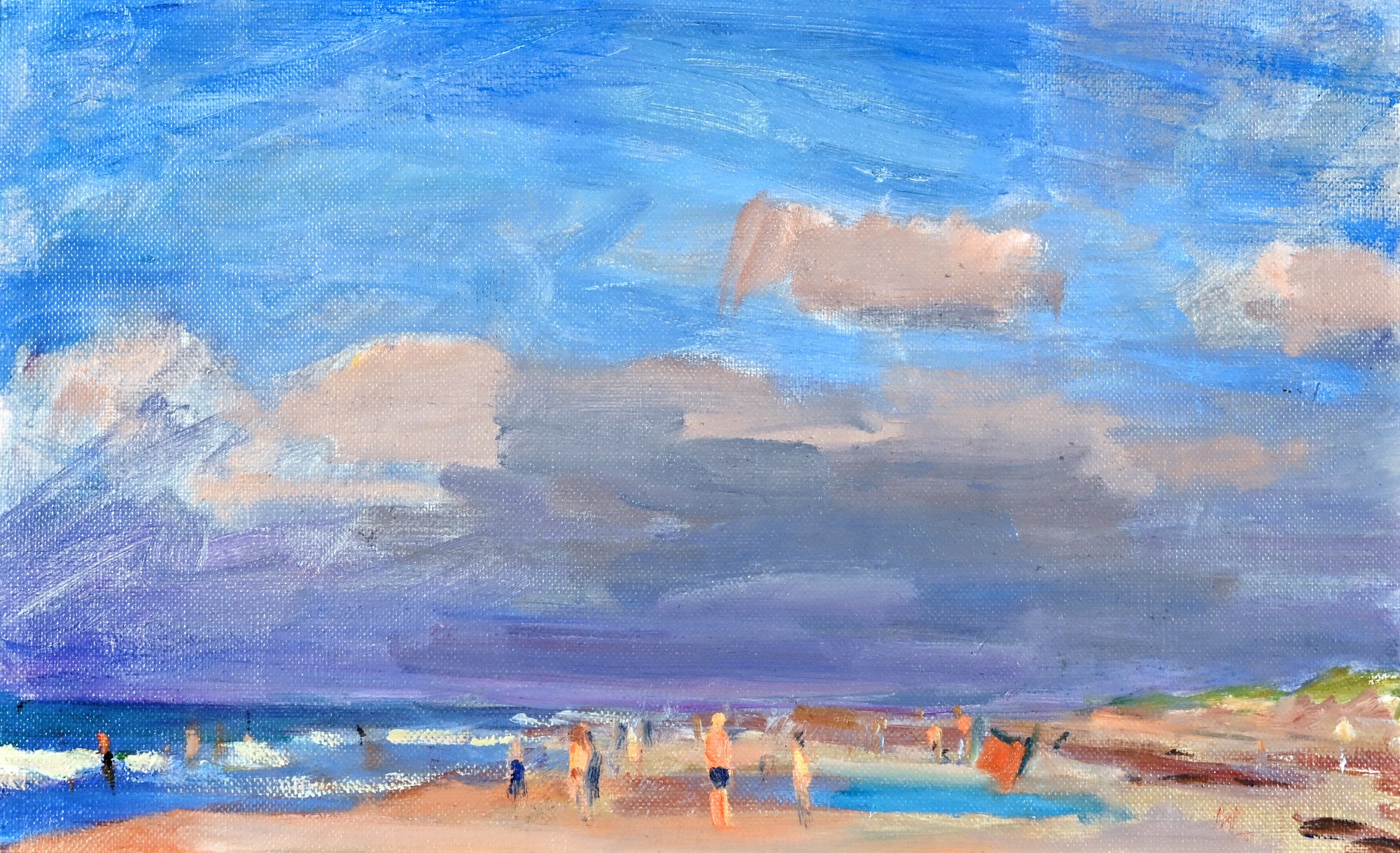
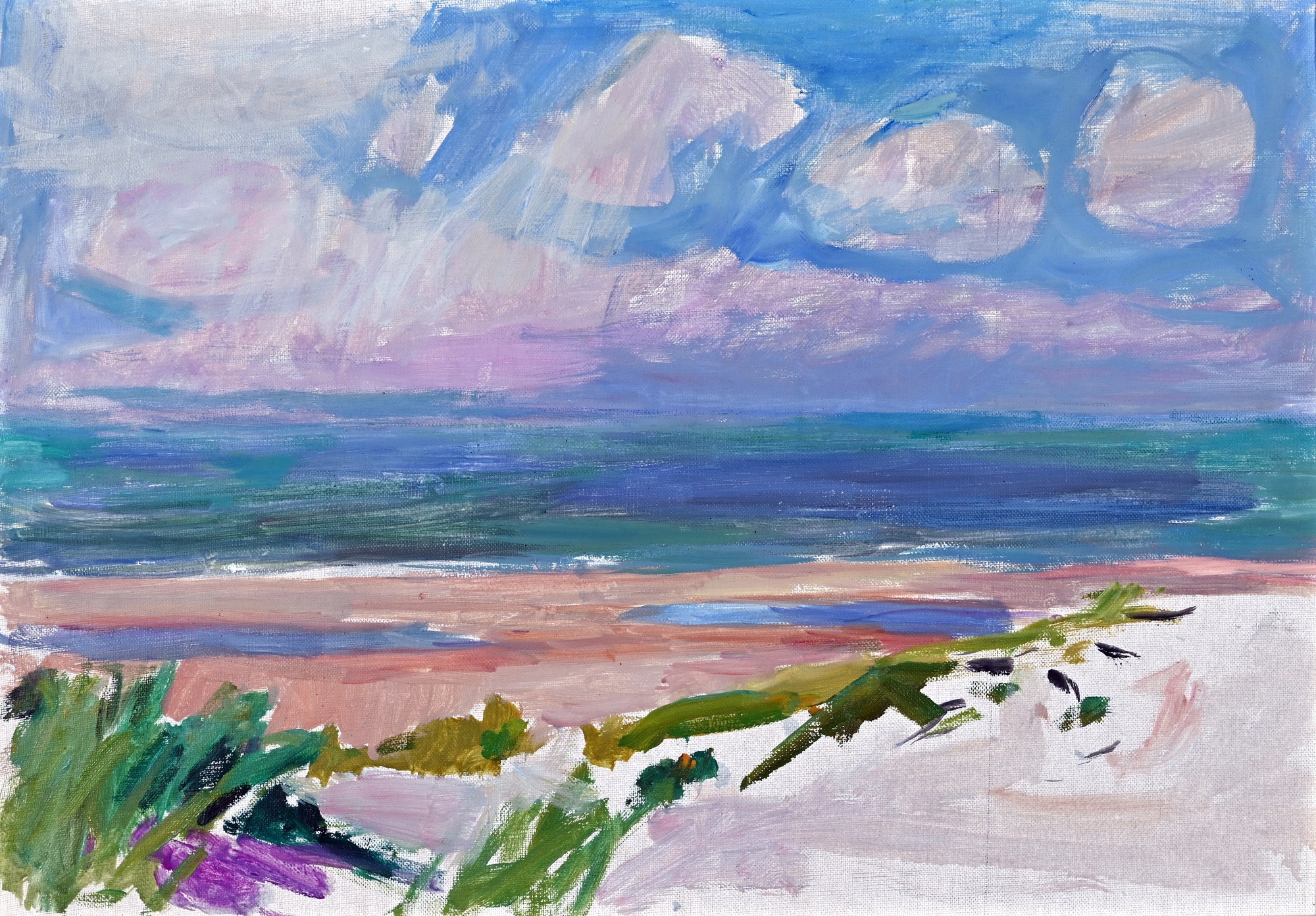
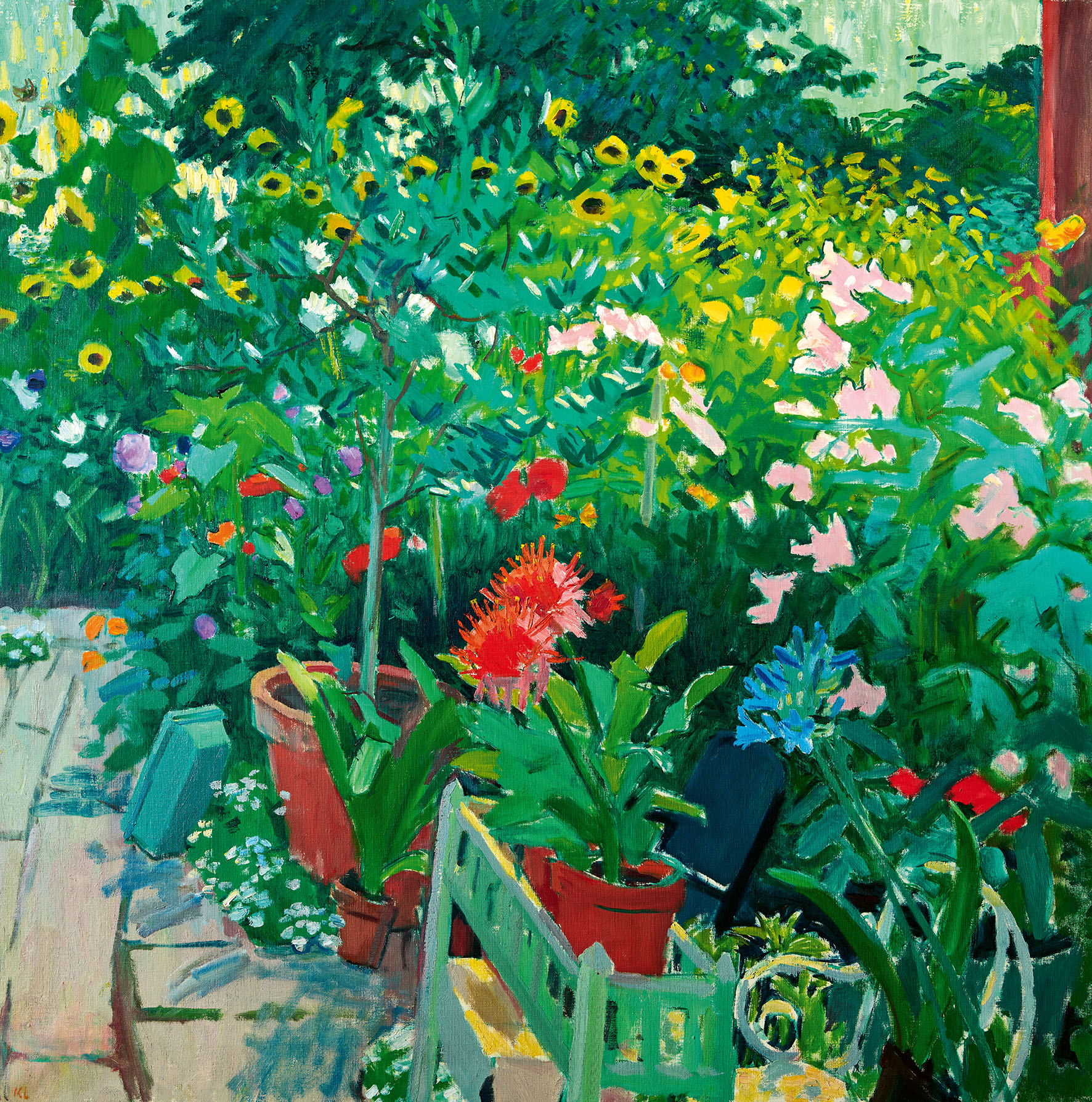
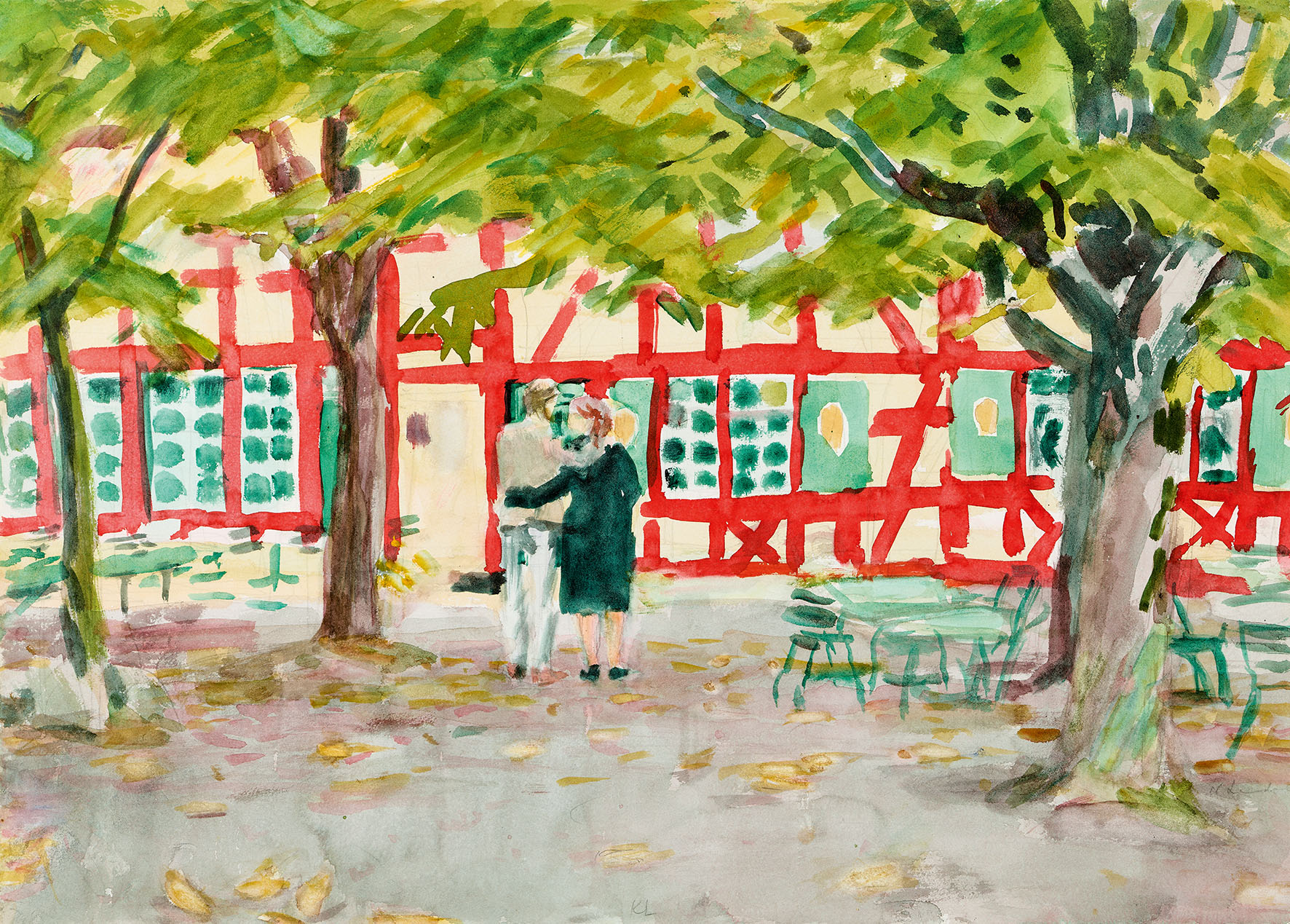
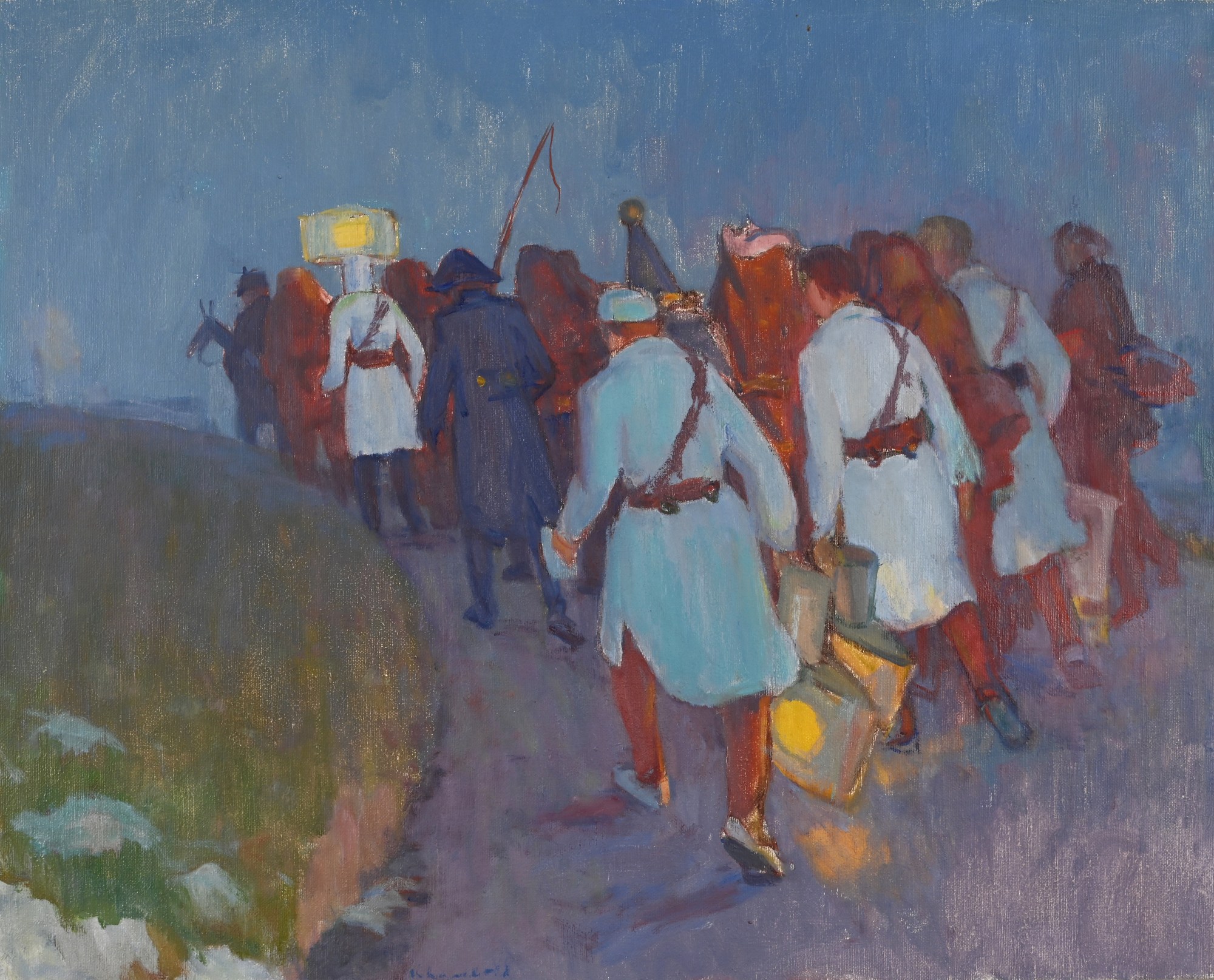
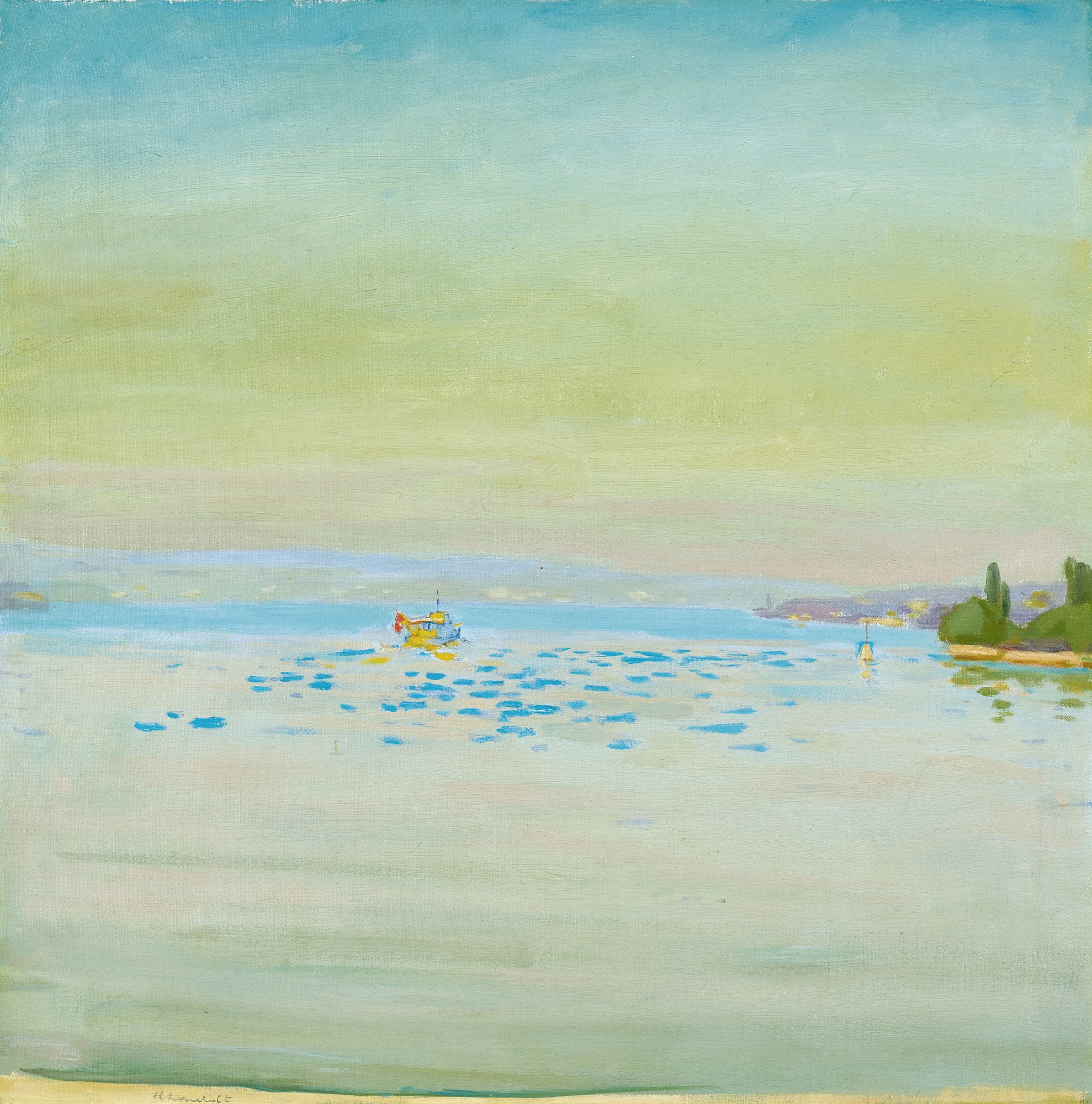
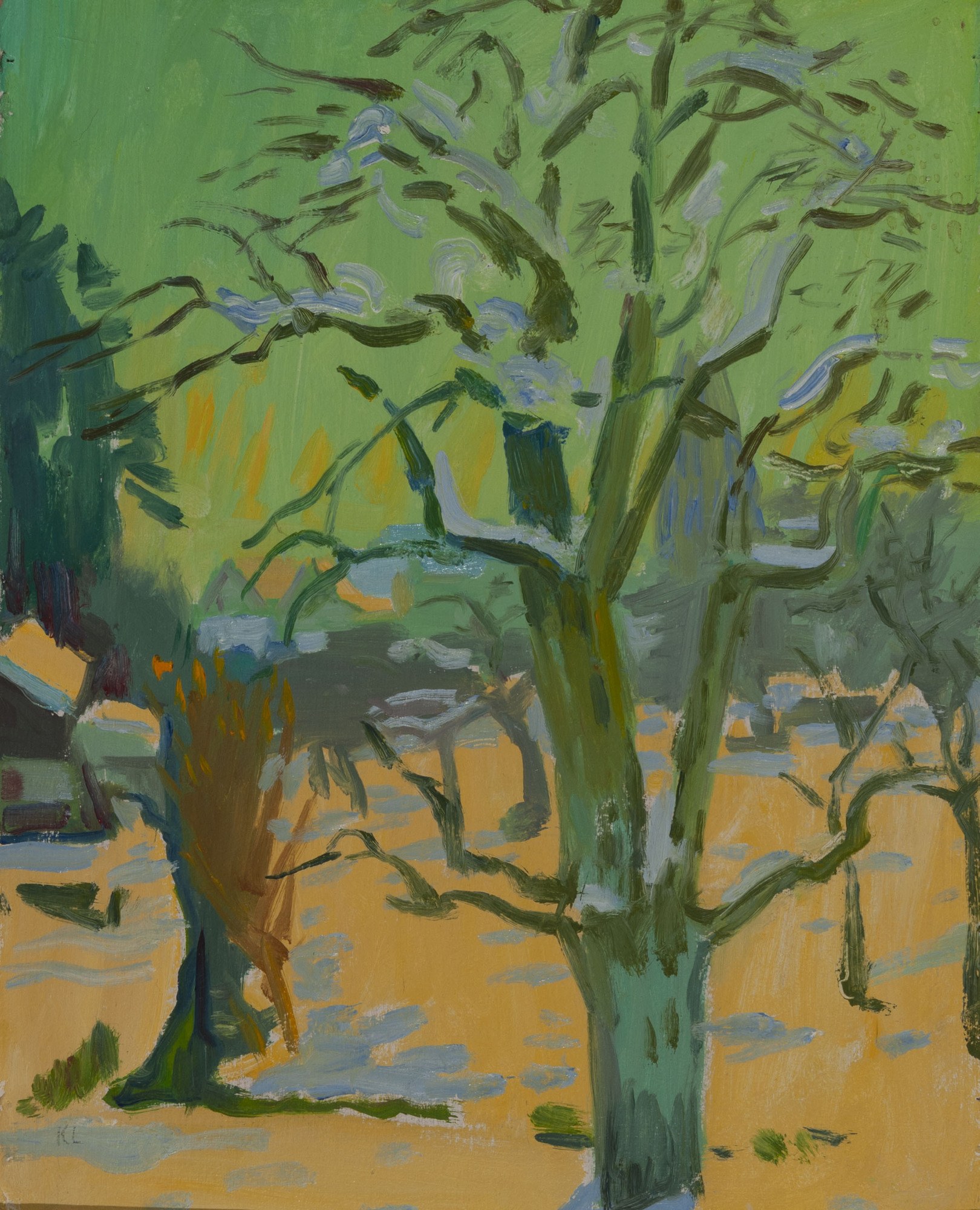
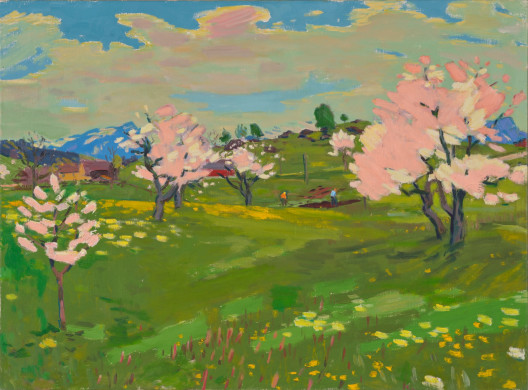
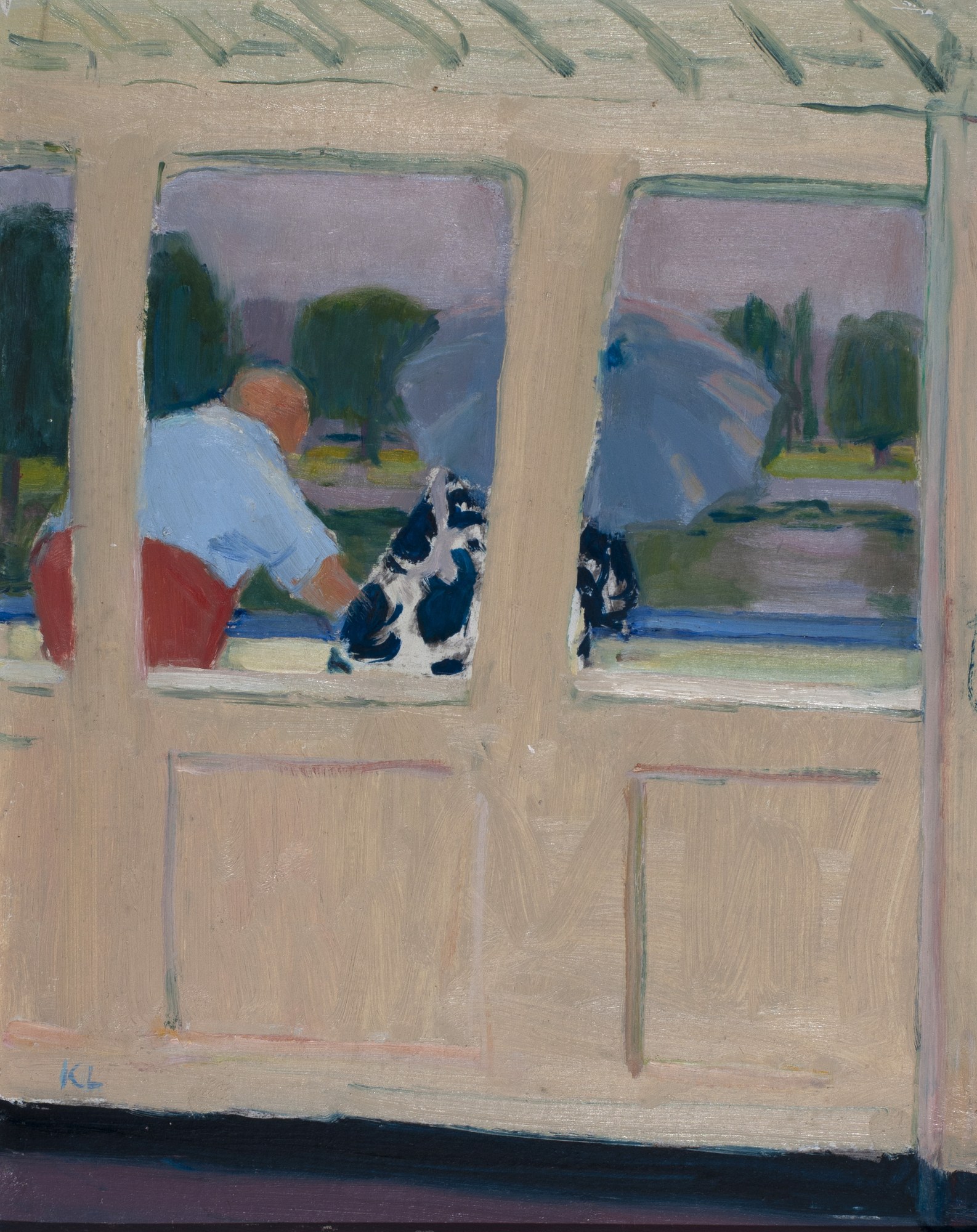
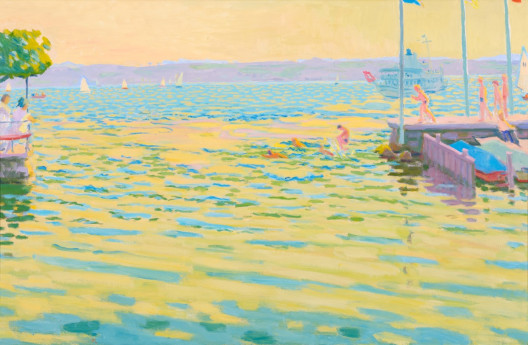
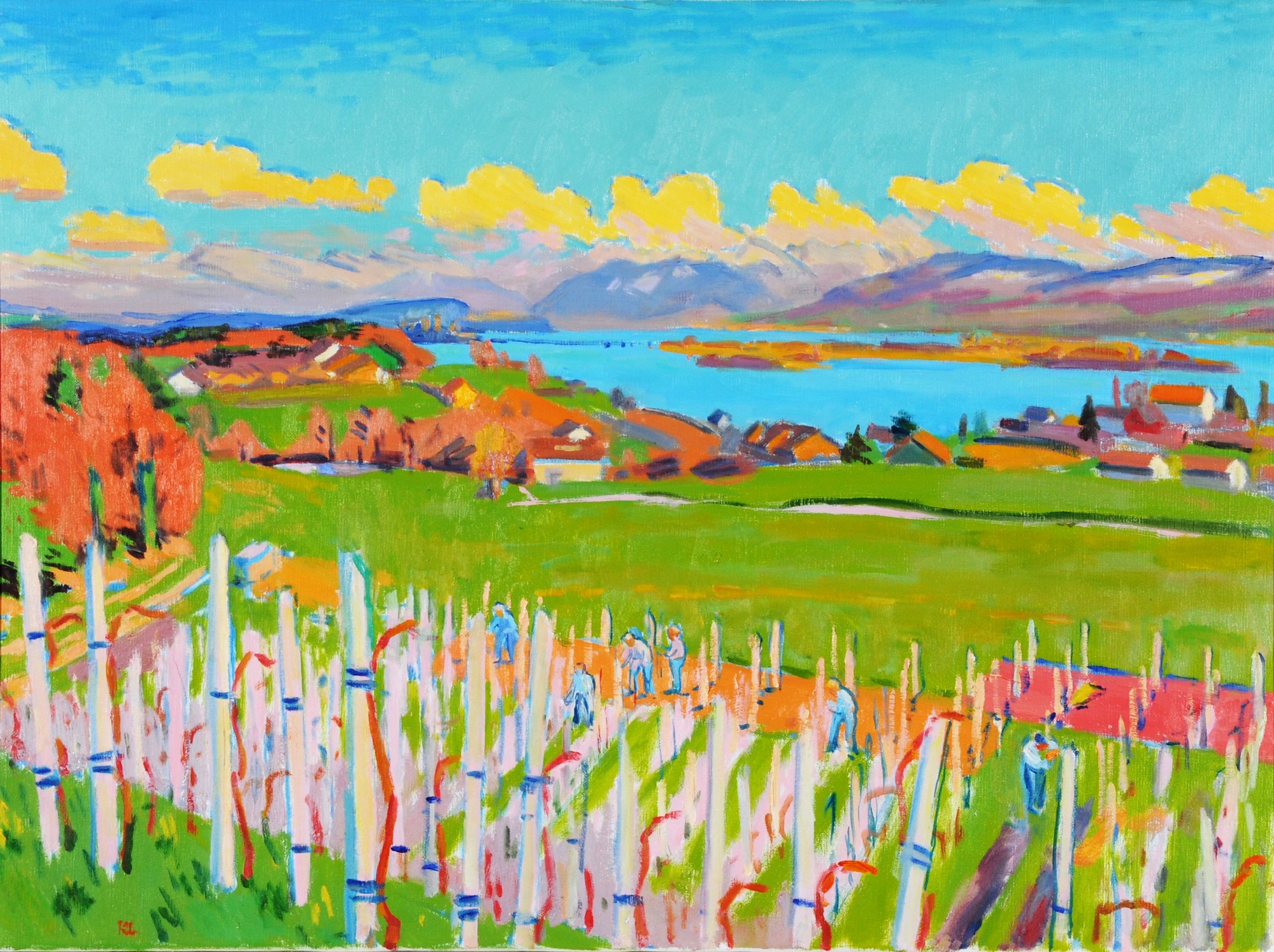
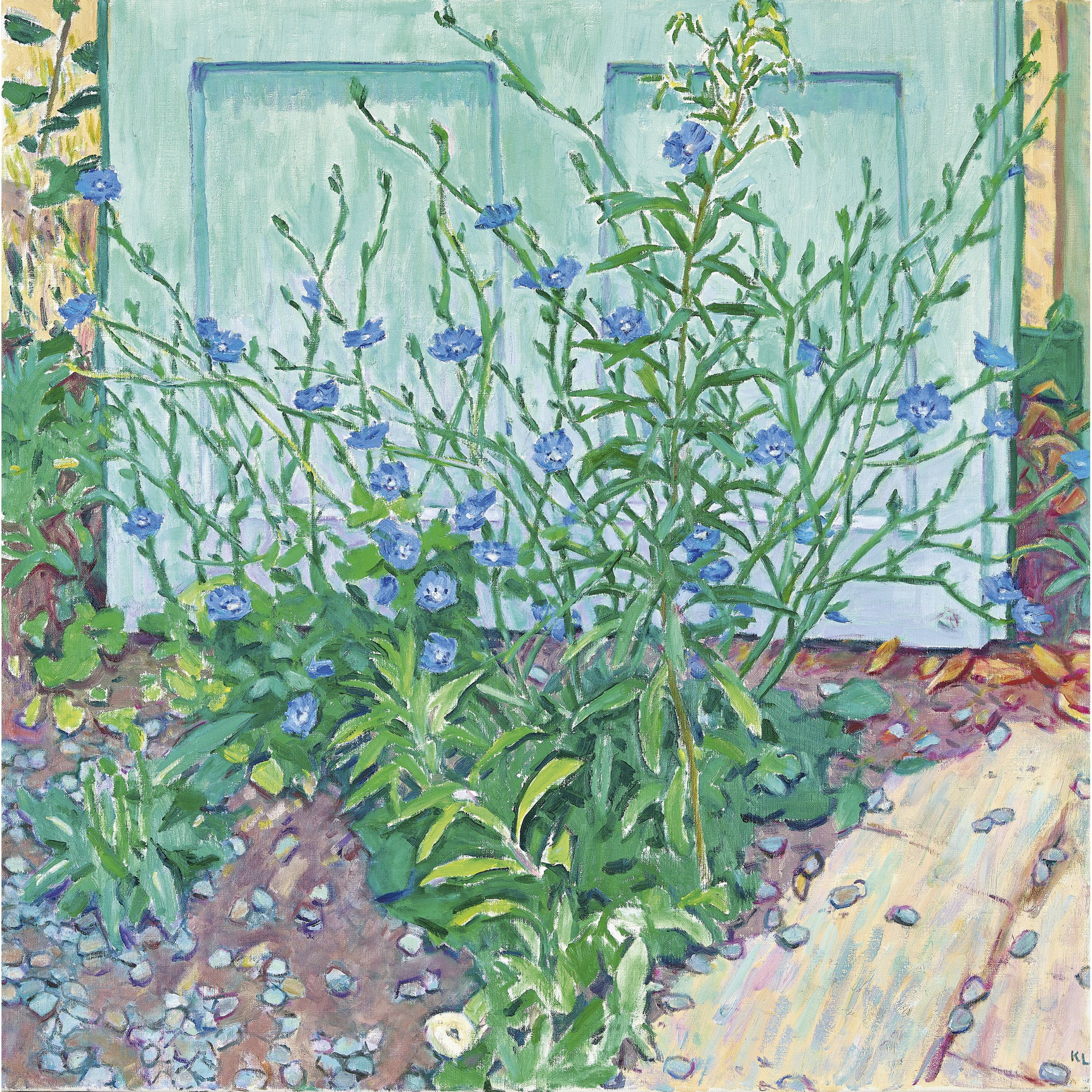
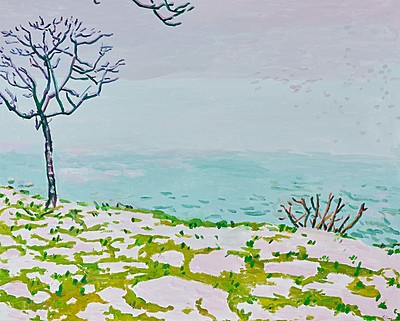
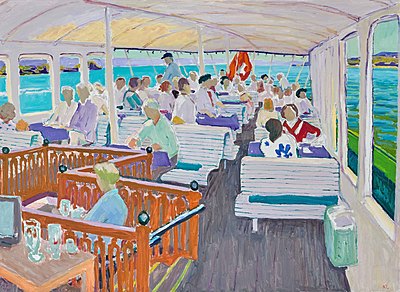
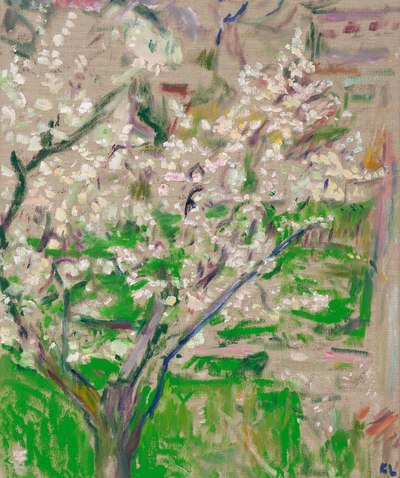
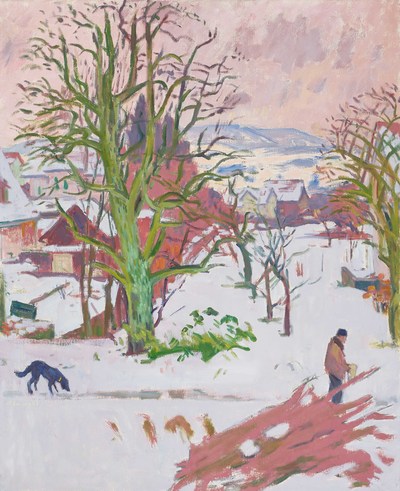
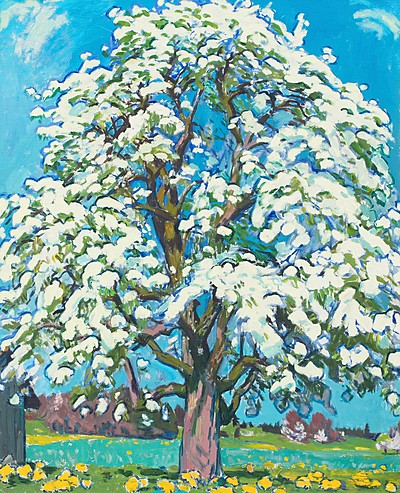
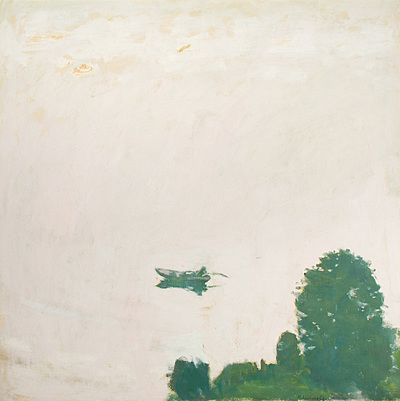
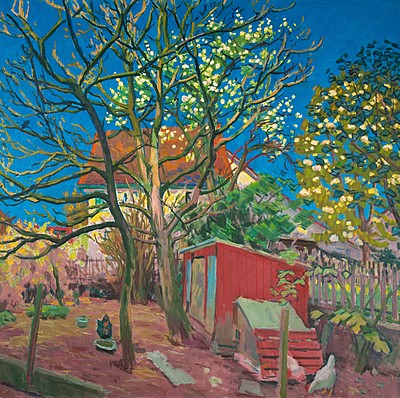
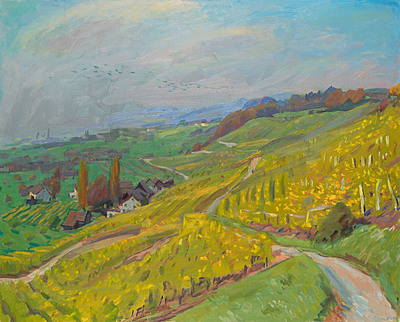
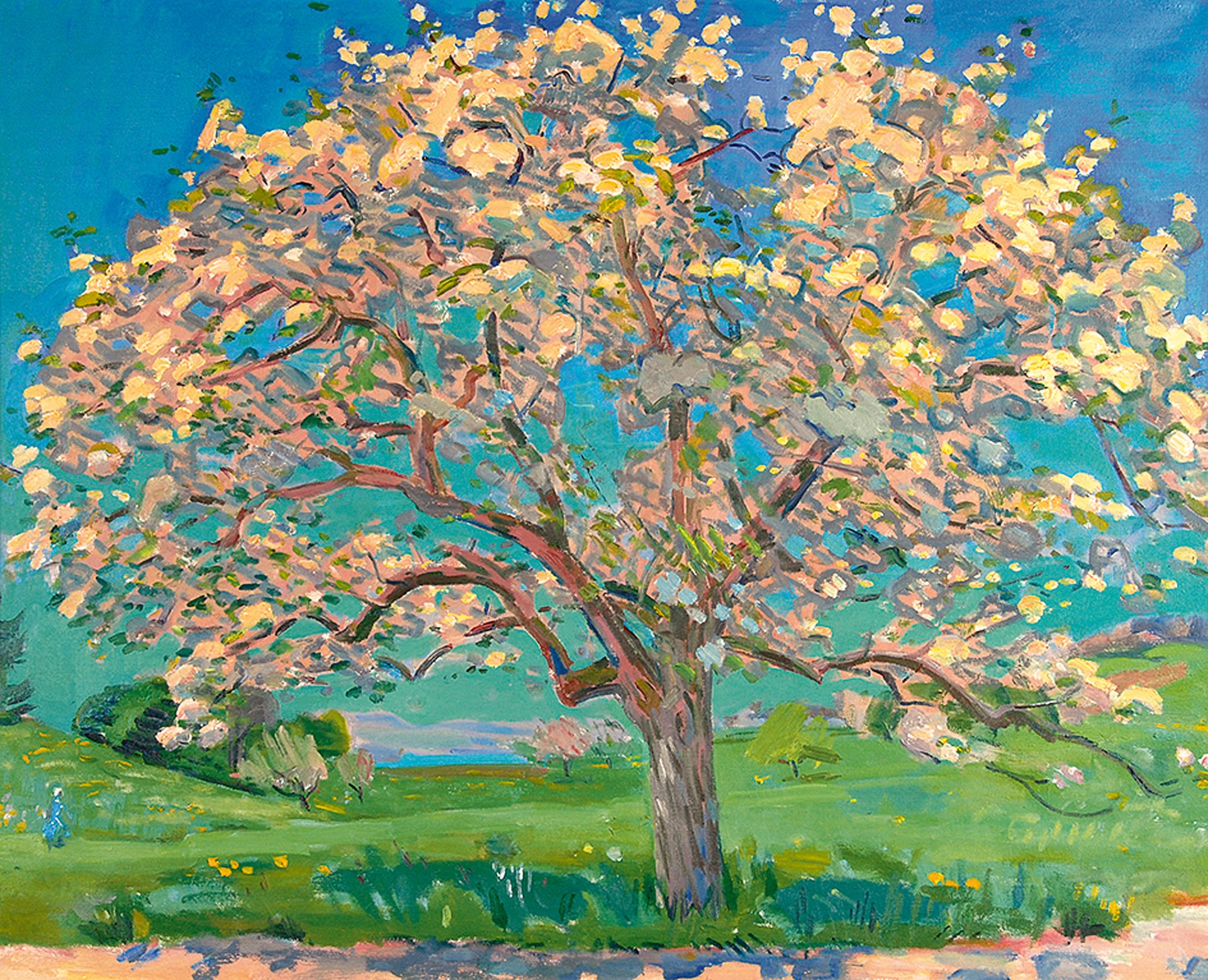
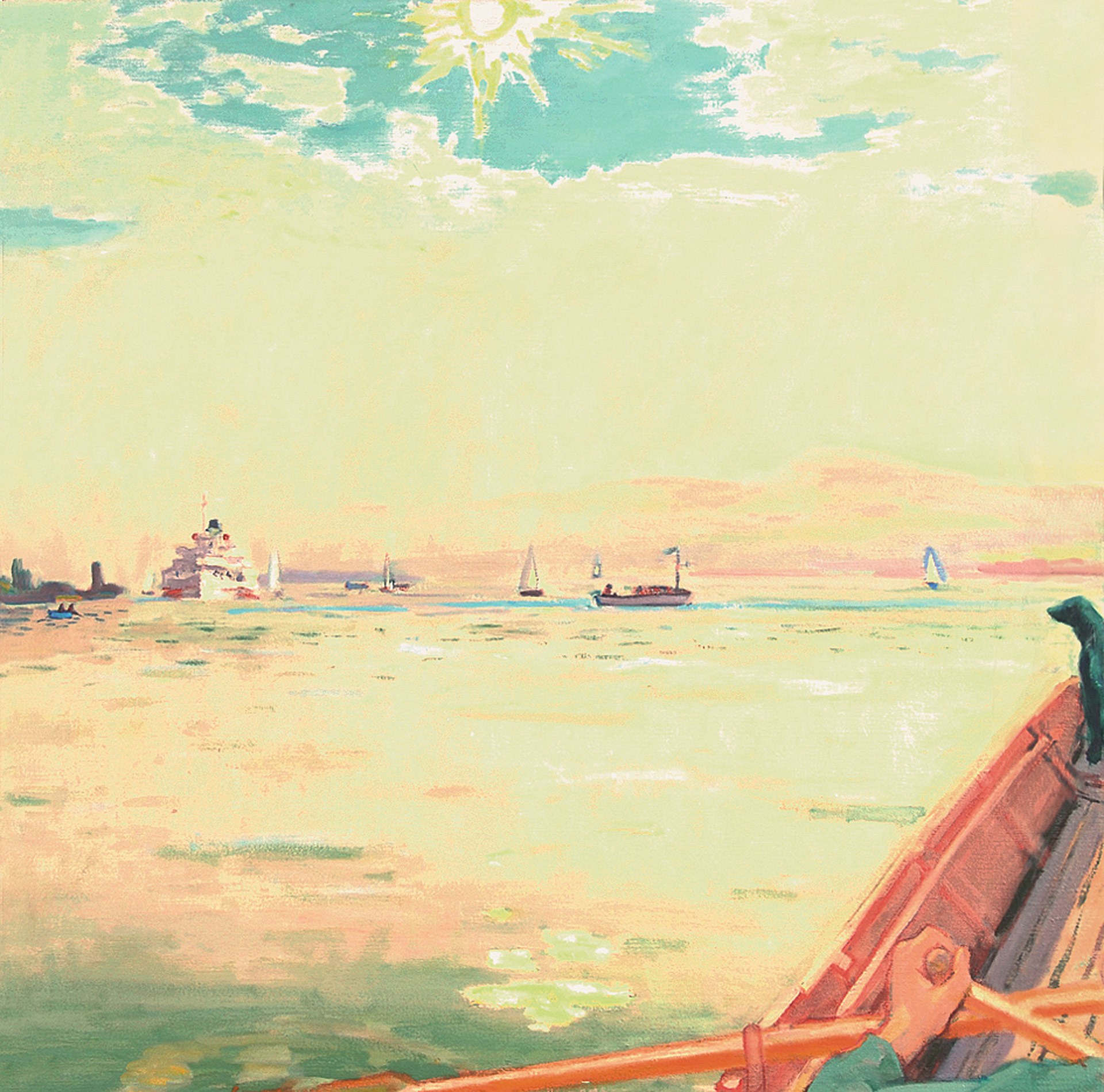
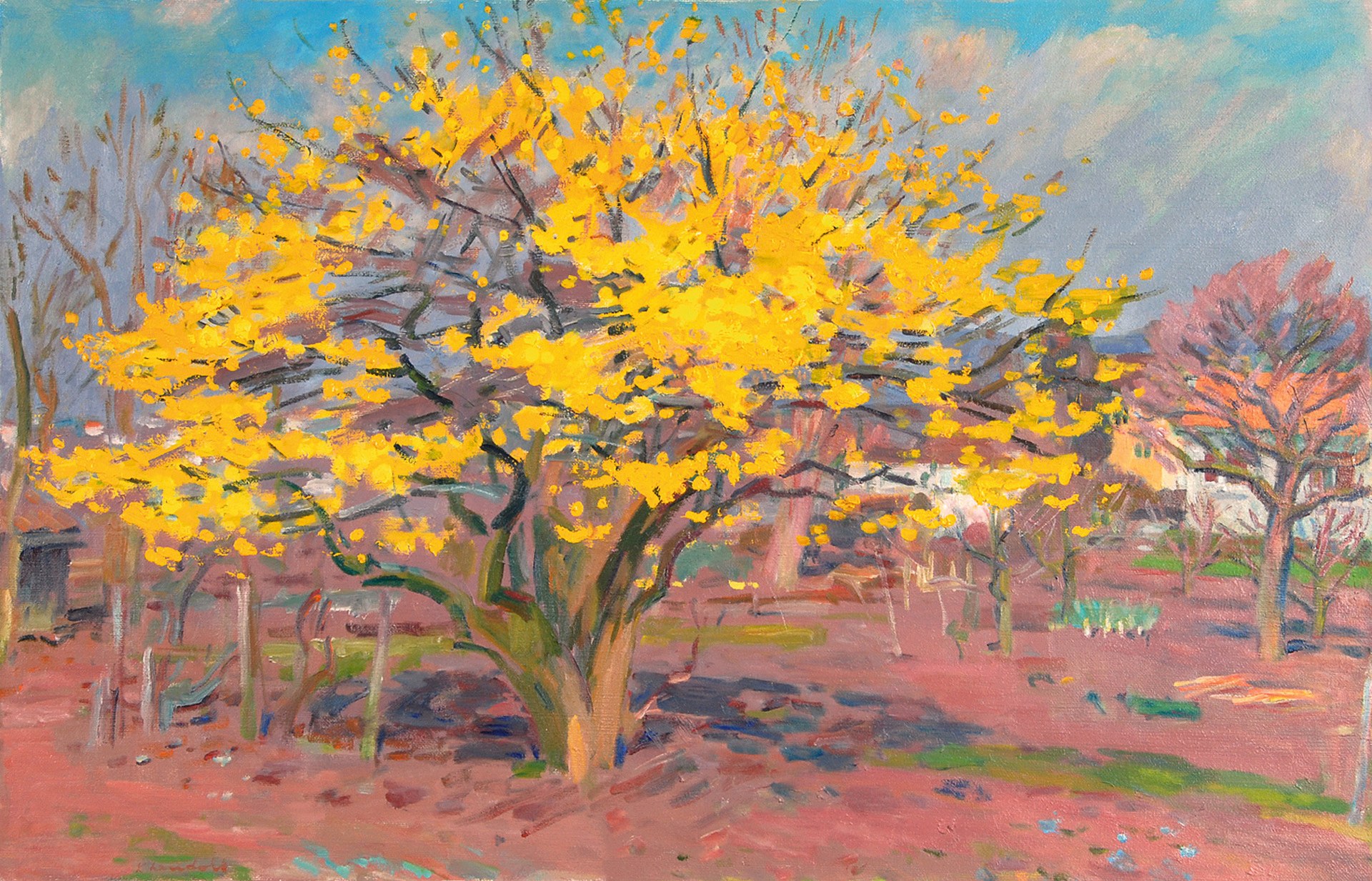
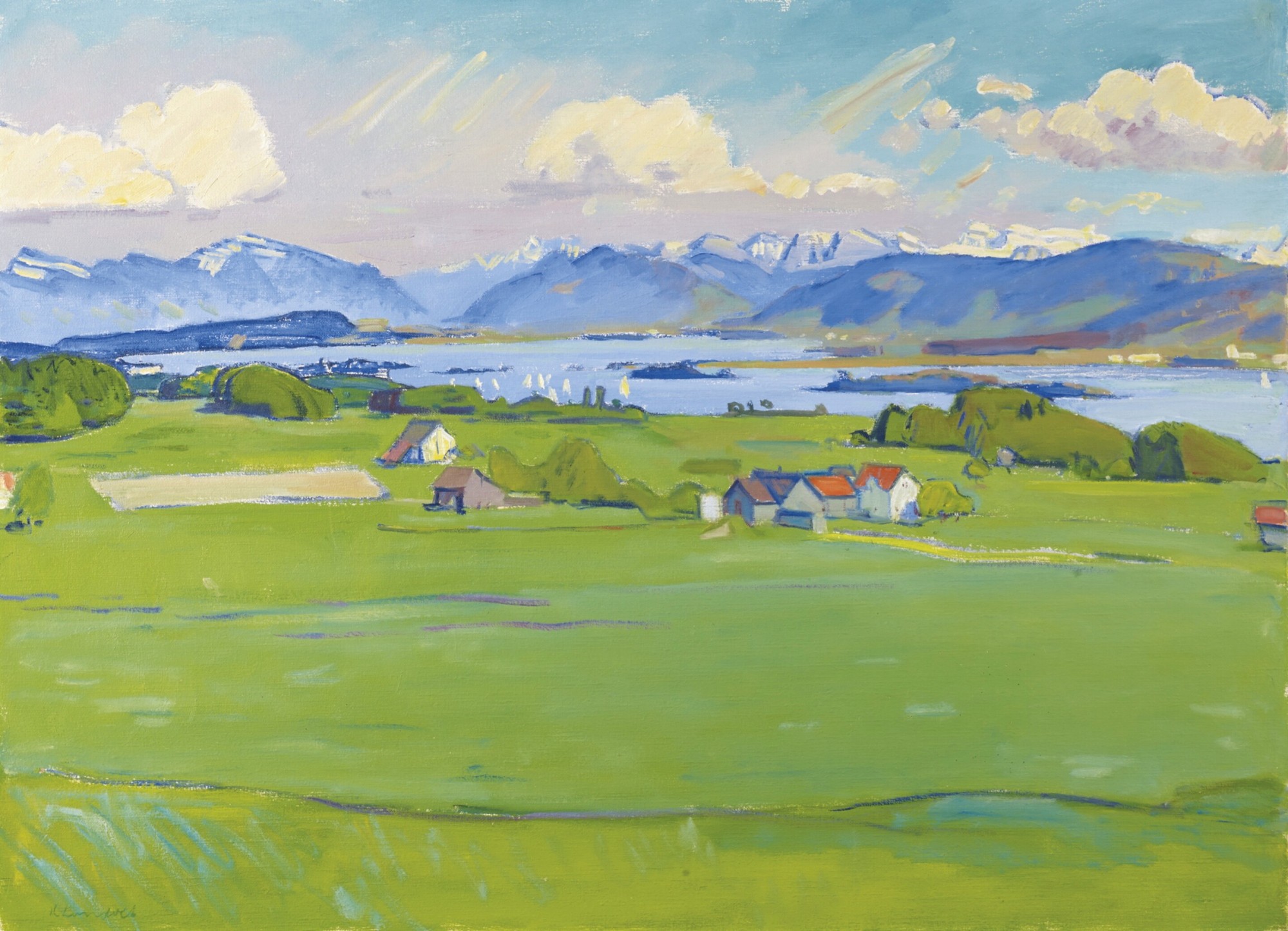
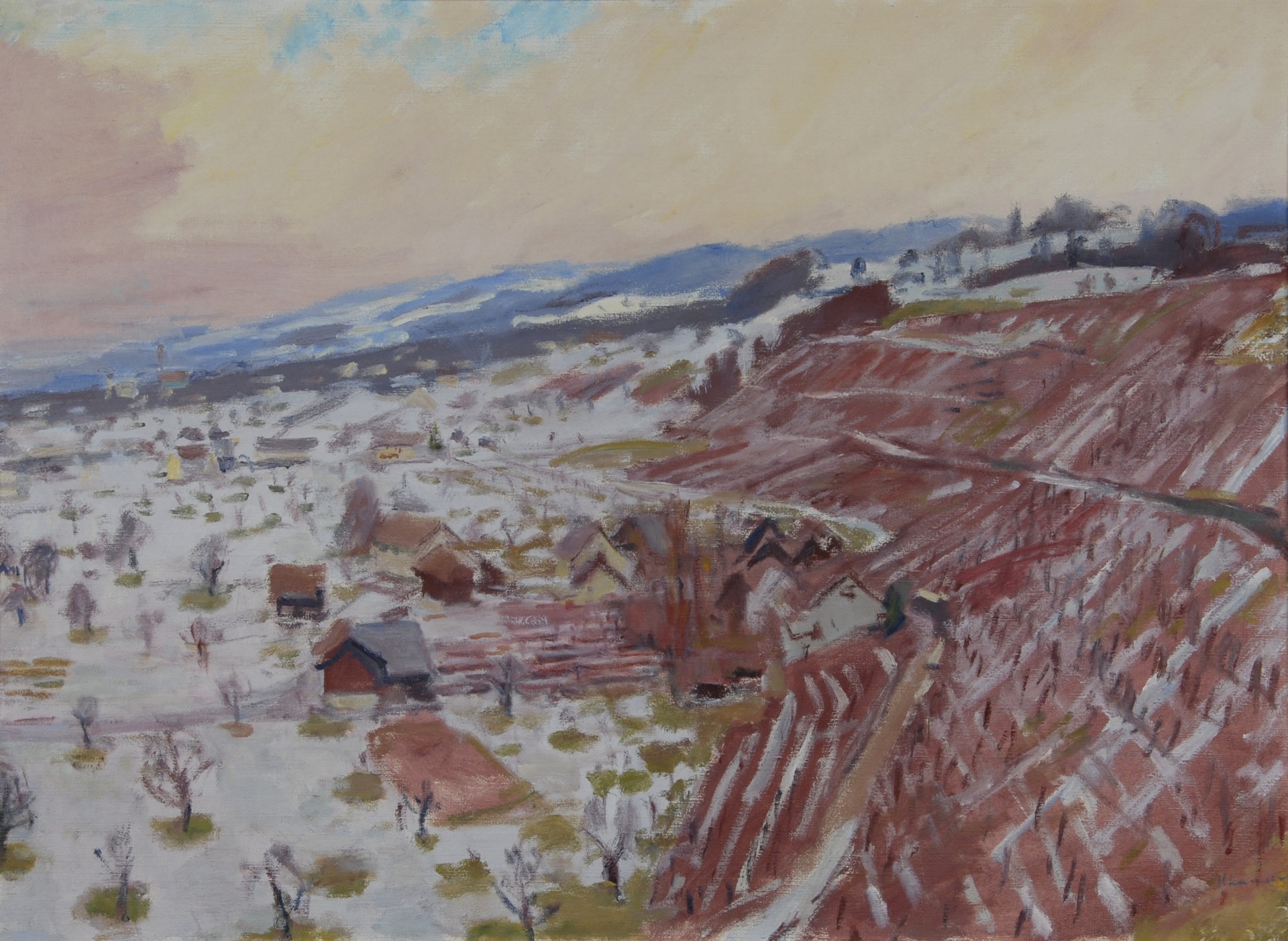
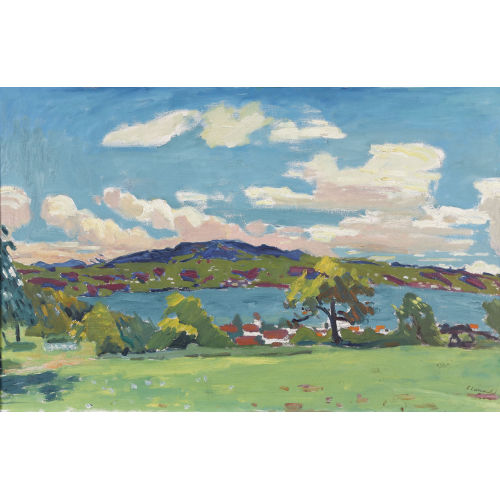
Karl Landolt (1925–2009) divided his practice between painting and woodcut. Closely associated with Stäfa and the shores of Lake Zurich, he drew his subjects from encounters in everyday life: a person at work, a tree, a garden, a scene by the water. The exhibition devoted to him by the Museum zur Farb for his centenary in 2025 also recalled the images brought back from journeys to France, Greece, Japan and the Netherlands.
His career was marked by no clear separation between art and occupation. Trained at the Kunstgewerbeschule in Zurich under Ernst Gubler and Heinrich Müller, and having subsequently spent time in Paris, he worked for several years in his father’s bakery before being able to devote himself to painting. He later taught drawing at the Kantonsschule in Winterthur.
In his studio in Stäfa, painter and printmaker coexisted: the press, woodblocks and canvases belonged to a single practice attentive to the construction of the image.
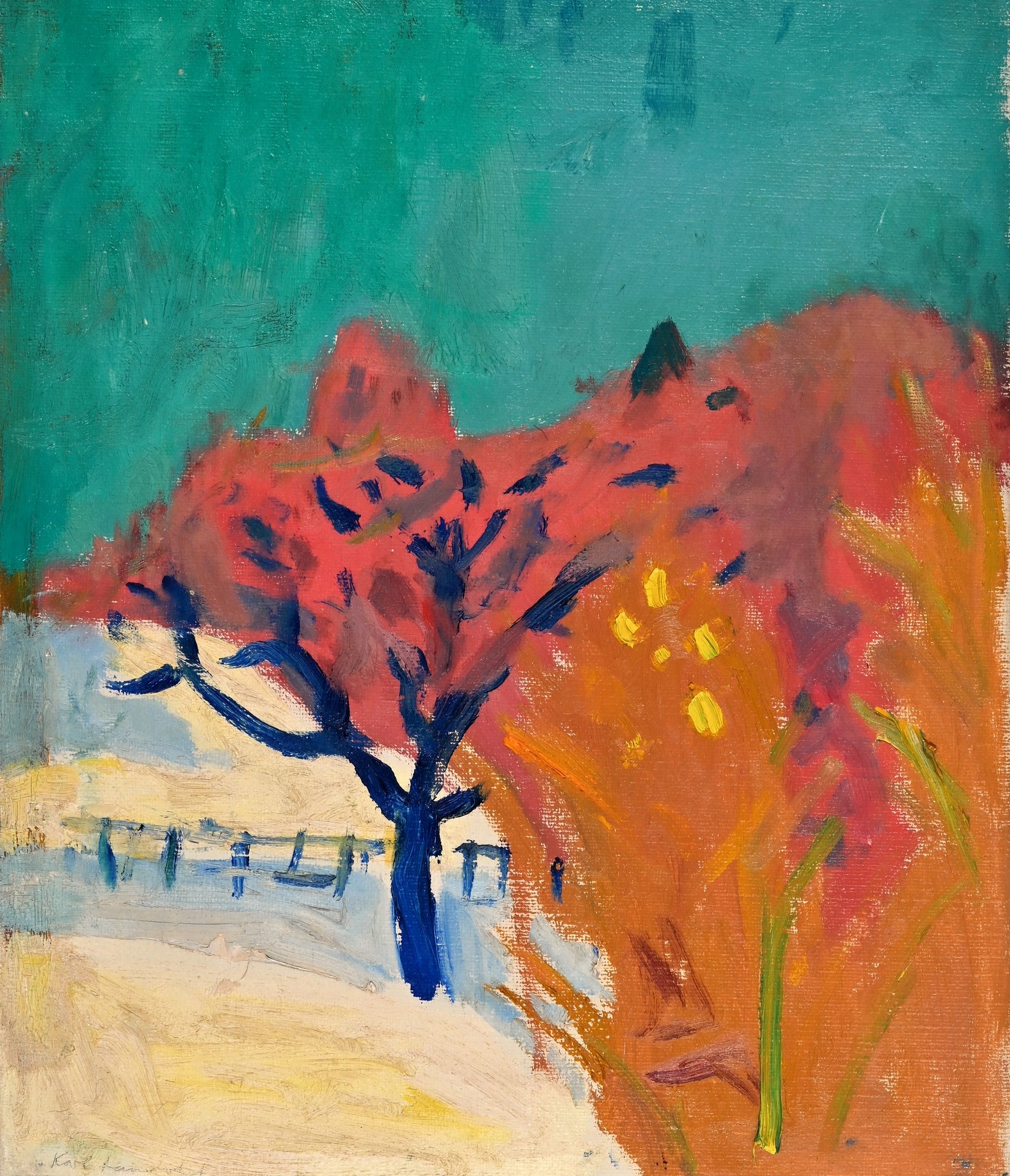
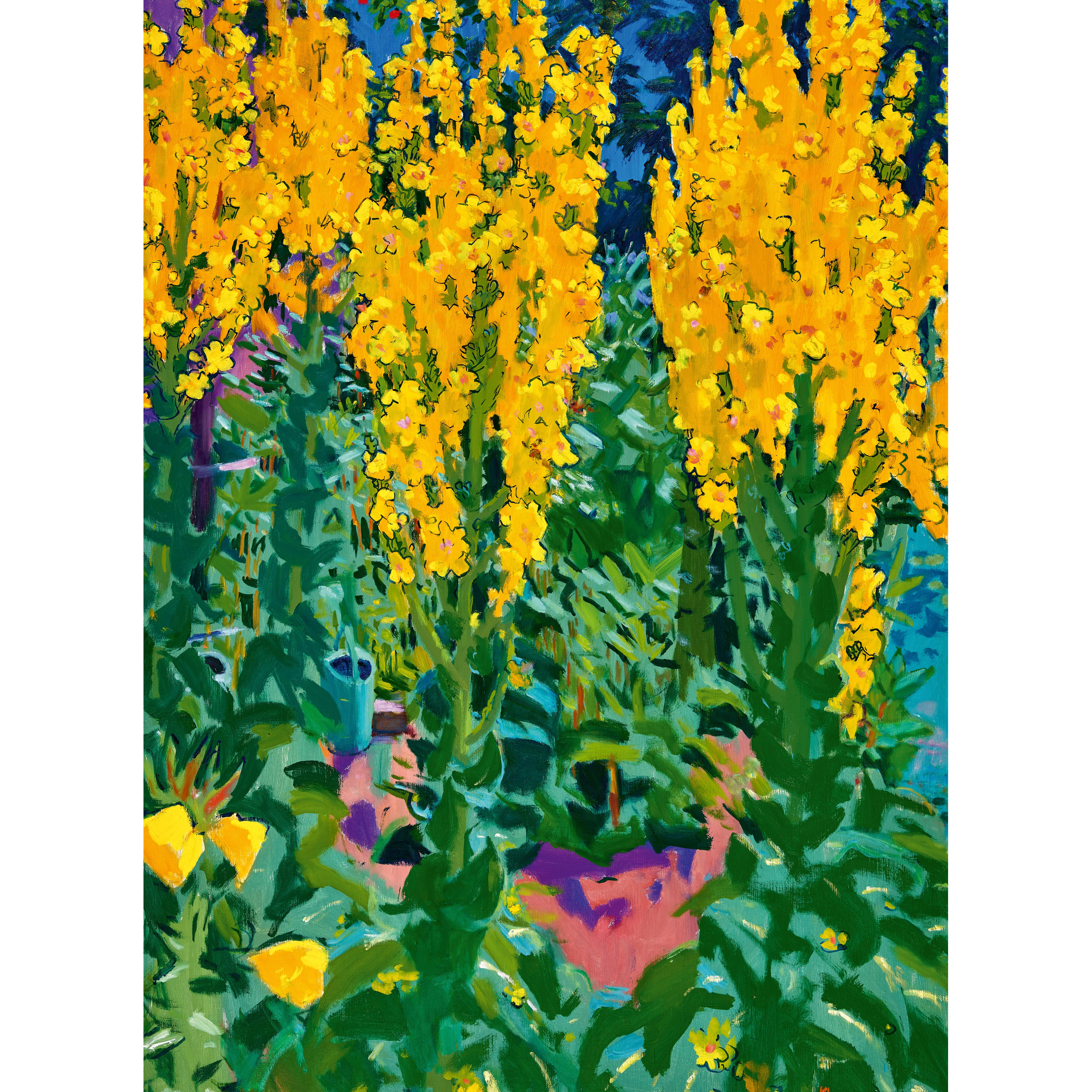
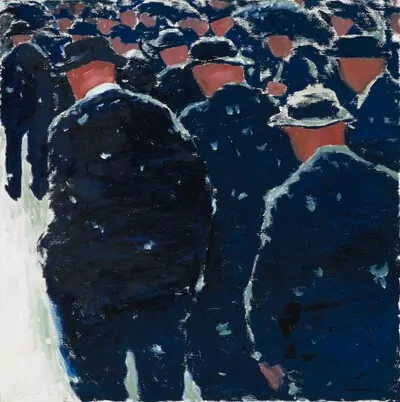
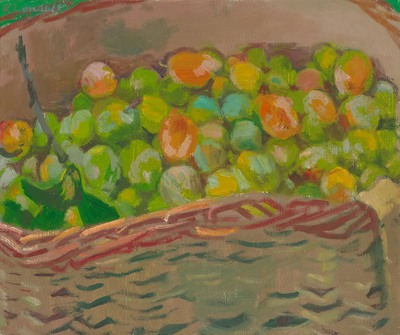
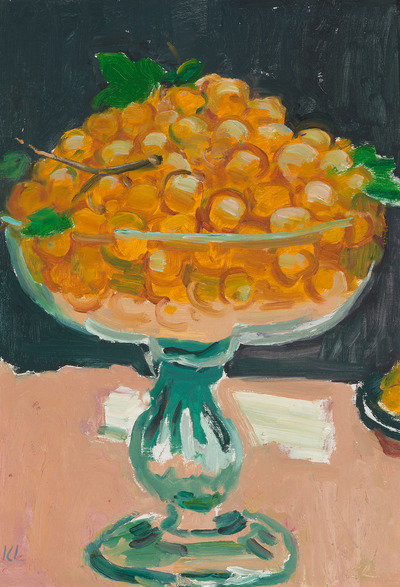
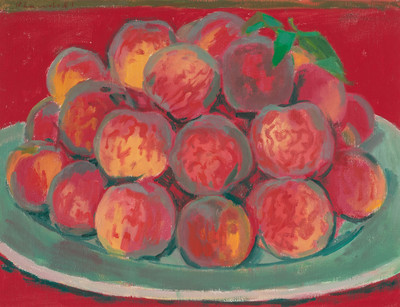
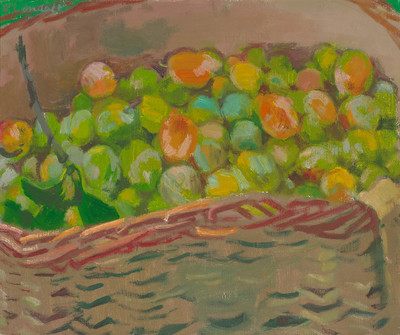
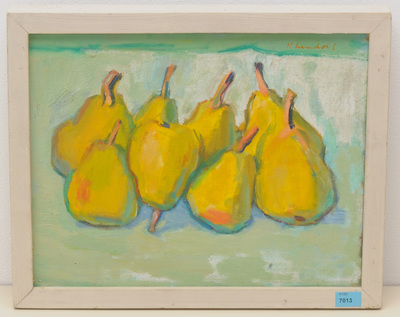
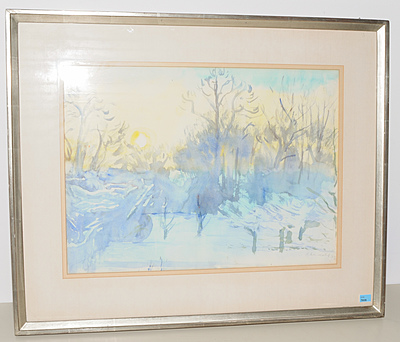
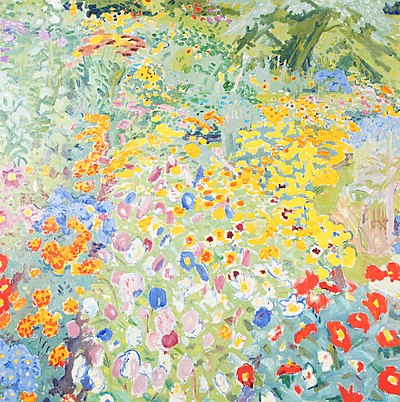
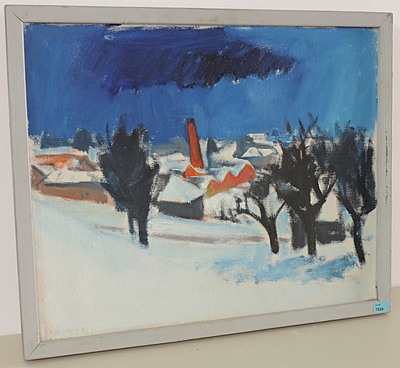
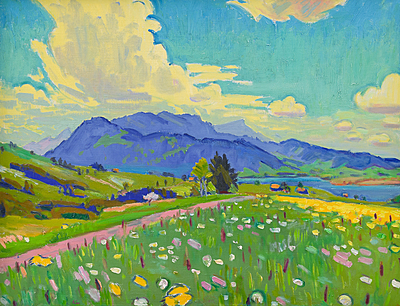
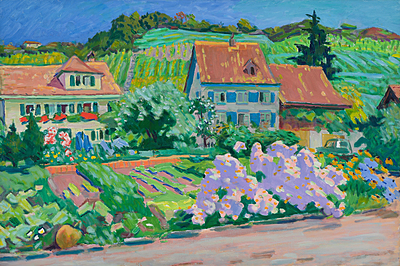
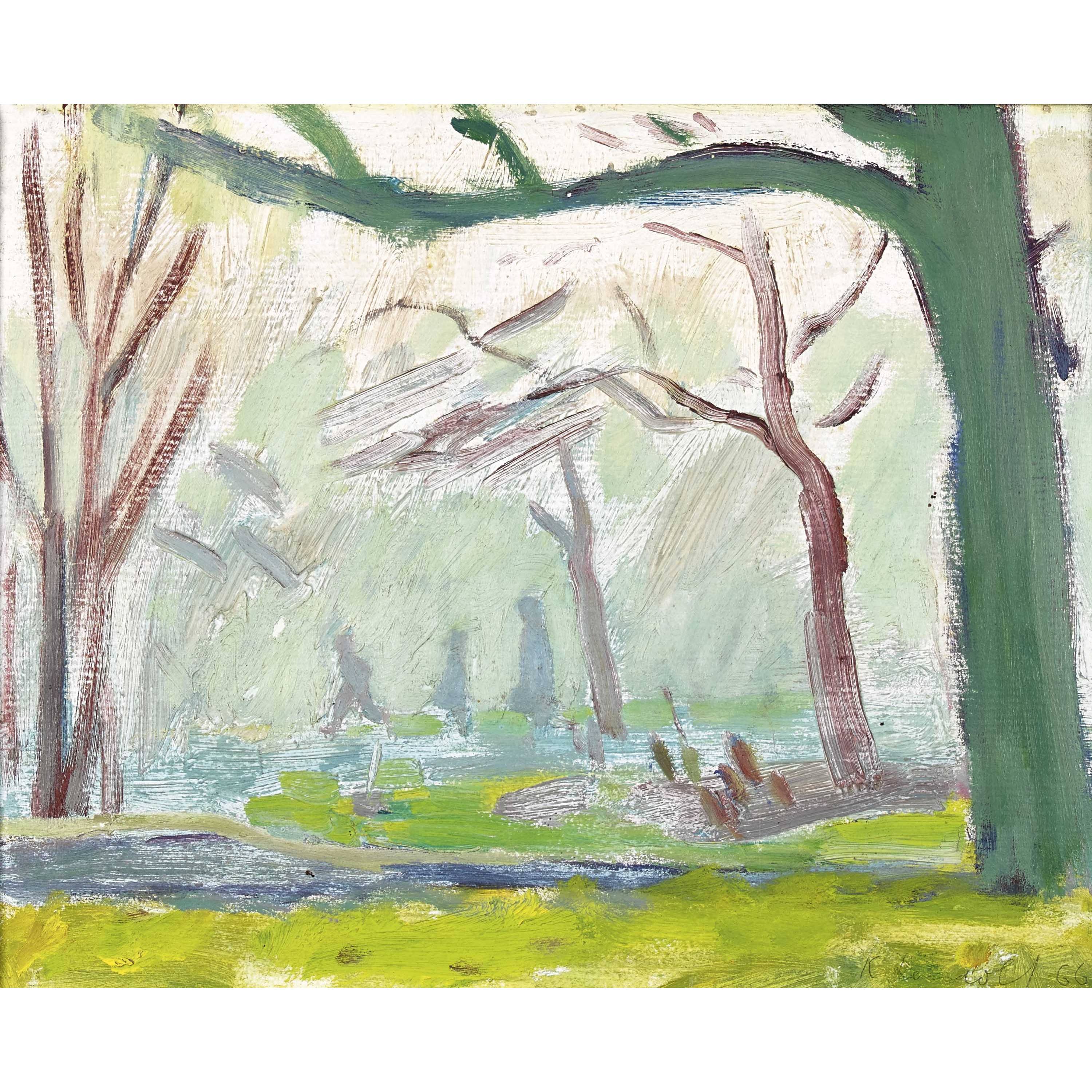
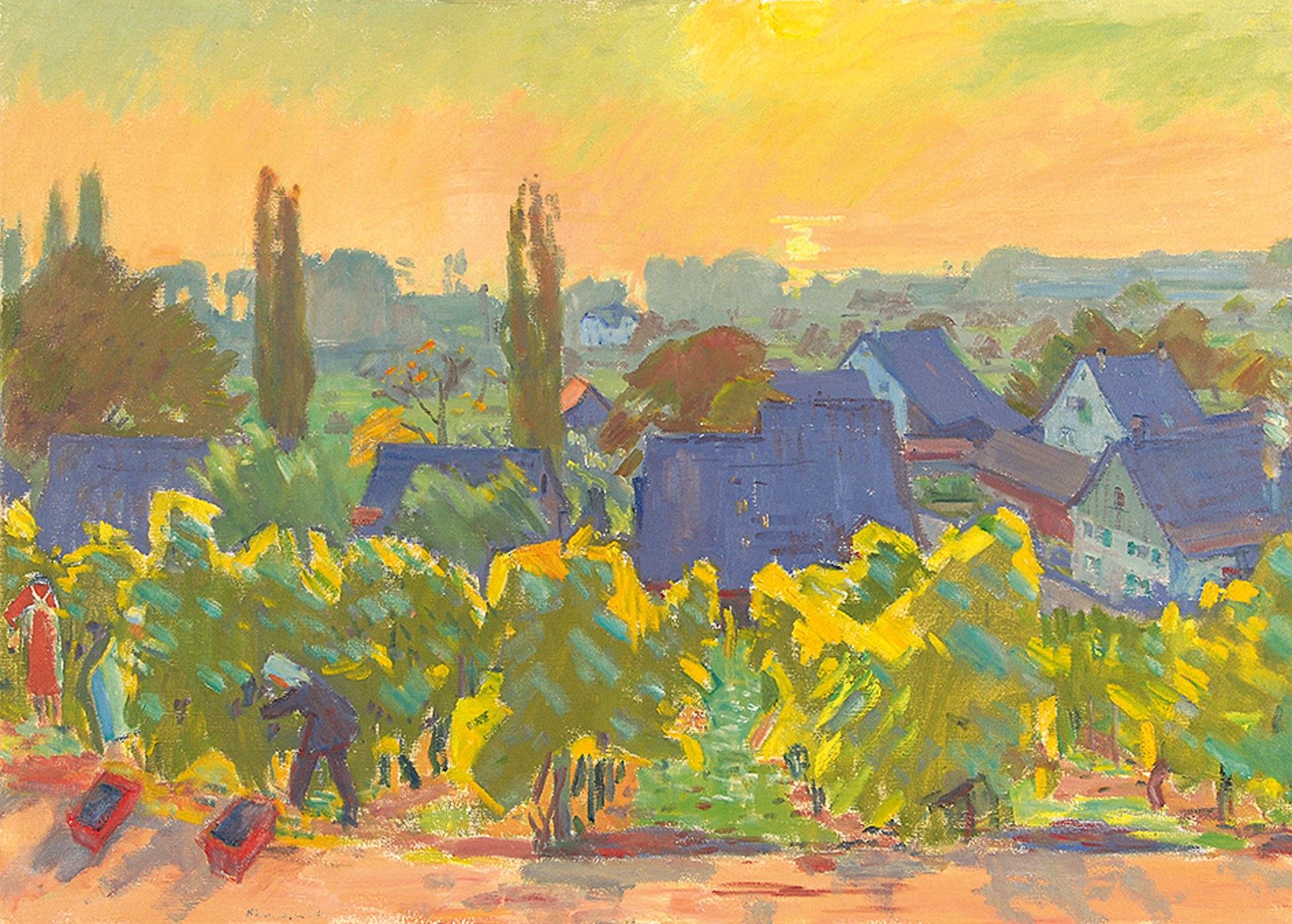
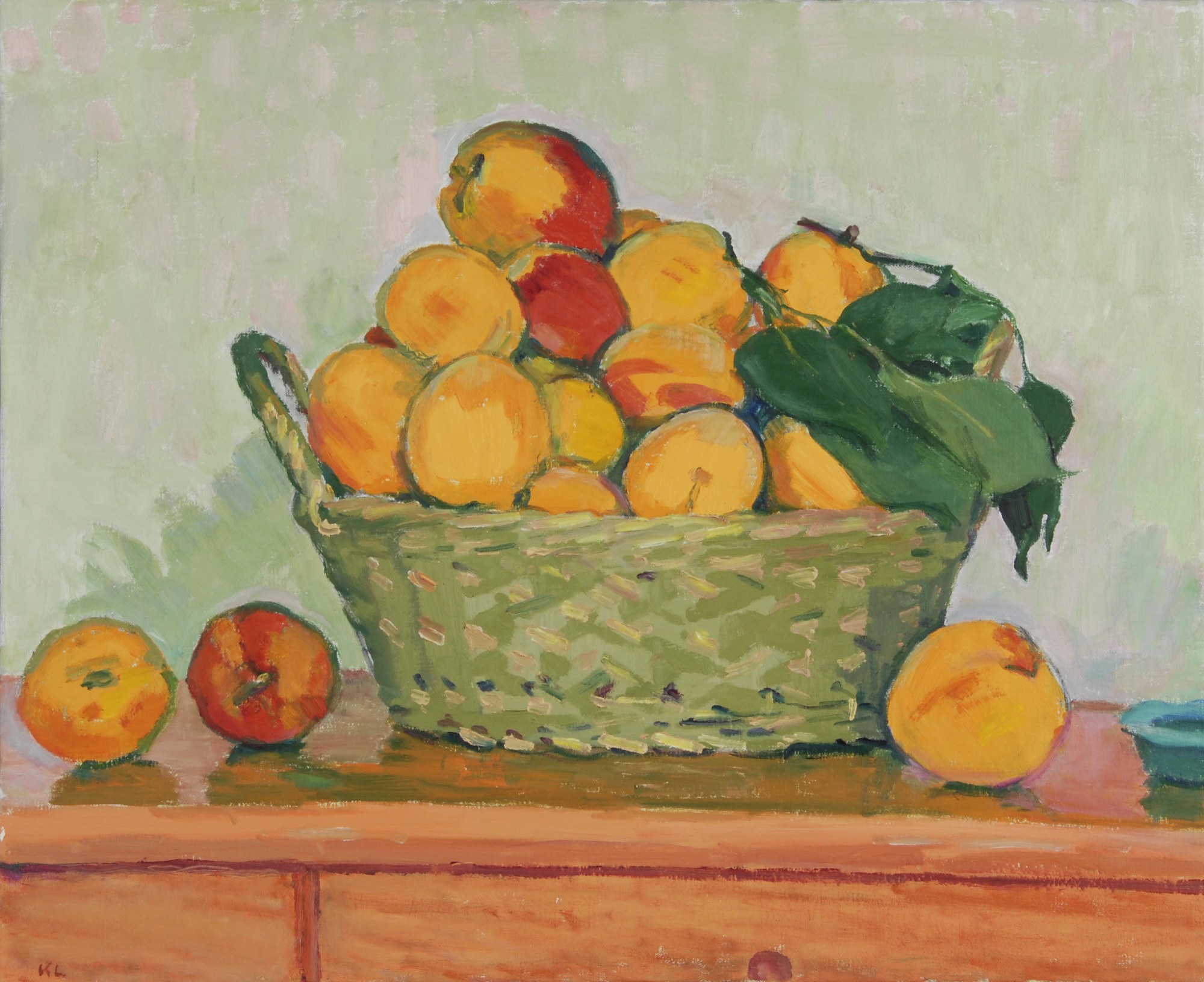
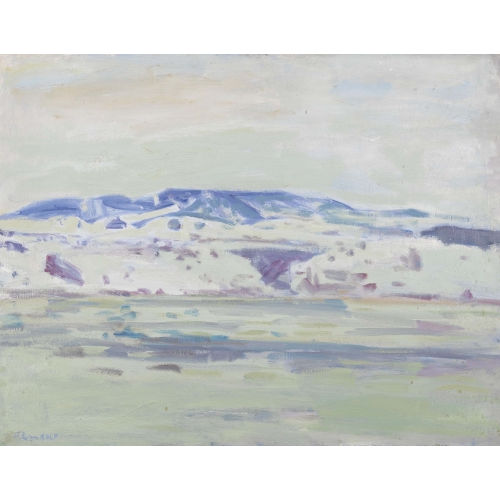
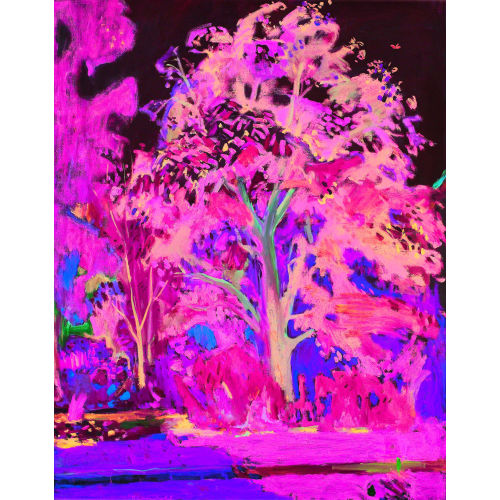
The prints published by the Xylon association depict cattle markets, the grape harvest, snow, the lake or human figures. Broad contours and surfaces deeply cut into the wood give these scenes a direct presence. Painting, by contrast, sets the colours playing against one another and organises animated compositions that go beyond the mere transcription of an observed subject.
Landolt thus maintained a constant contact with visible nature, while renewing its effect through cropping, masses and the rhythms of colour. Between the experience of places and graphic invention, his work lends ordinary scenes a sensuous density.