Karl Girardet
Born in 1813.
Died in 1871.
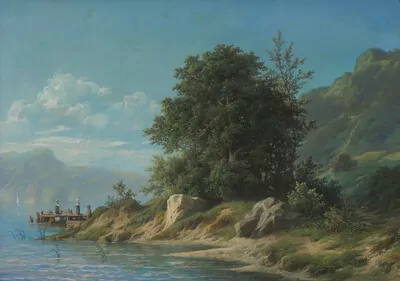
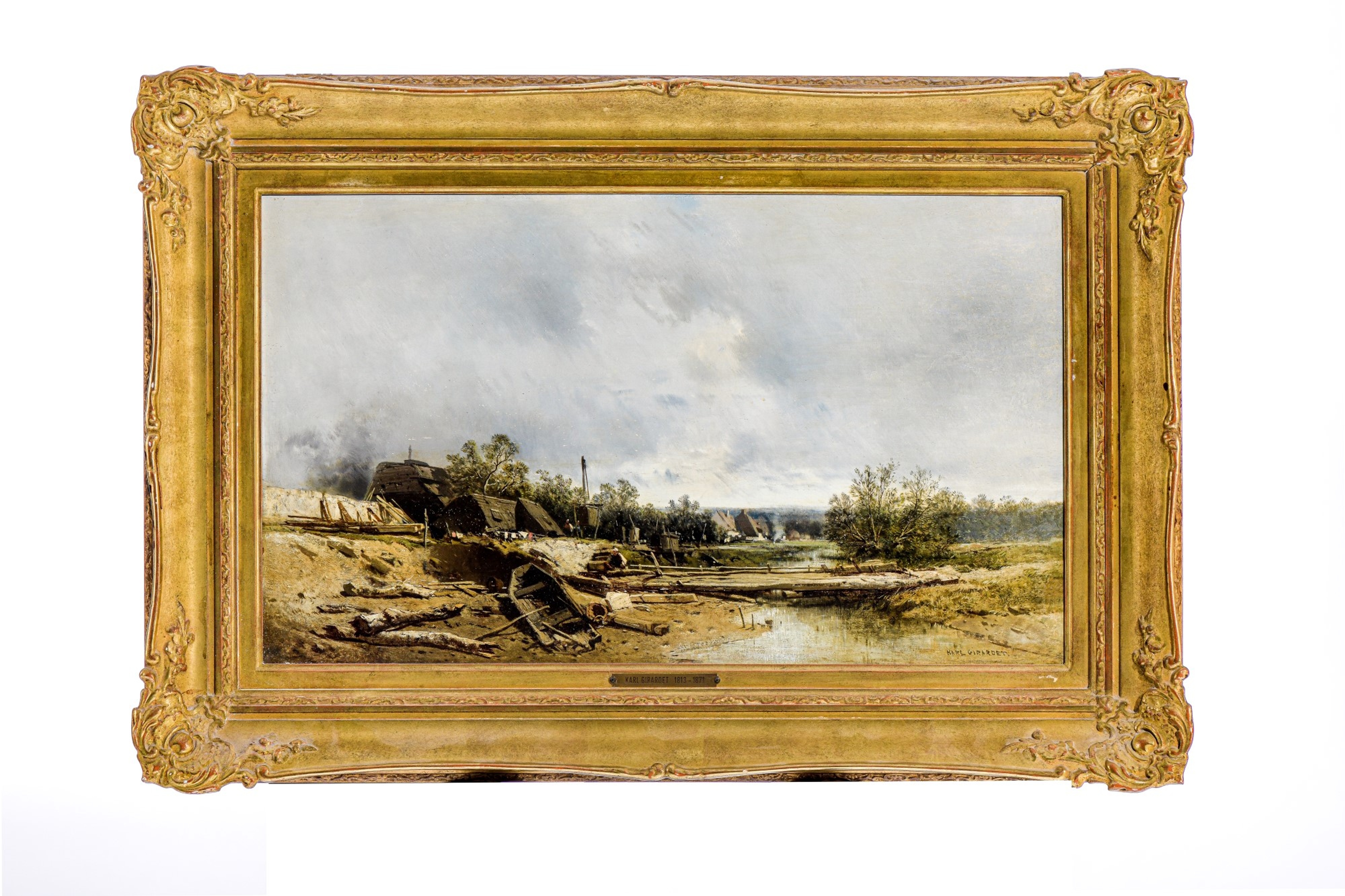
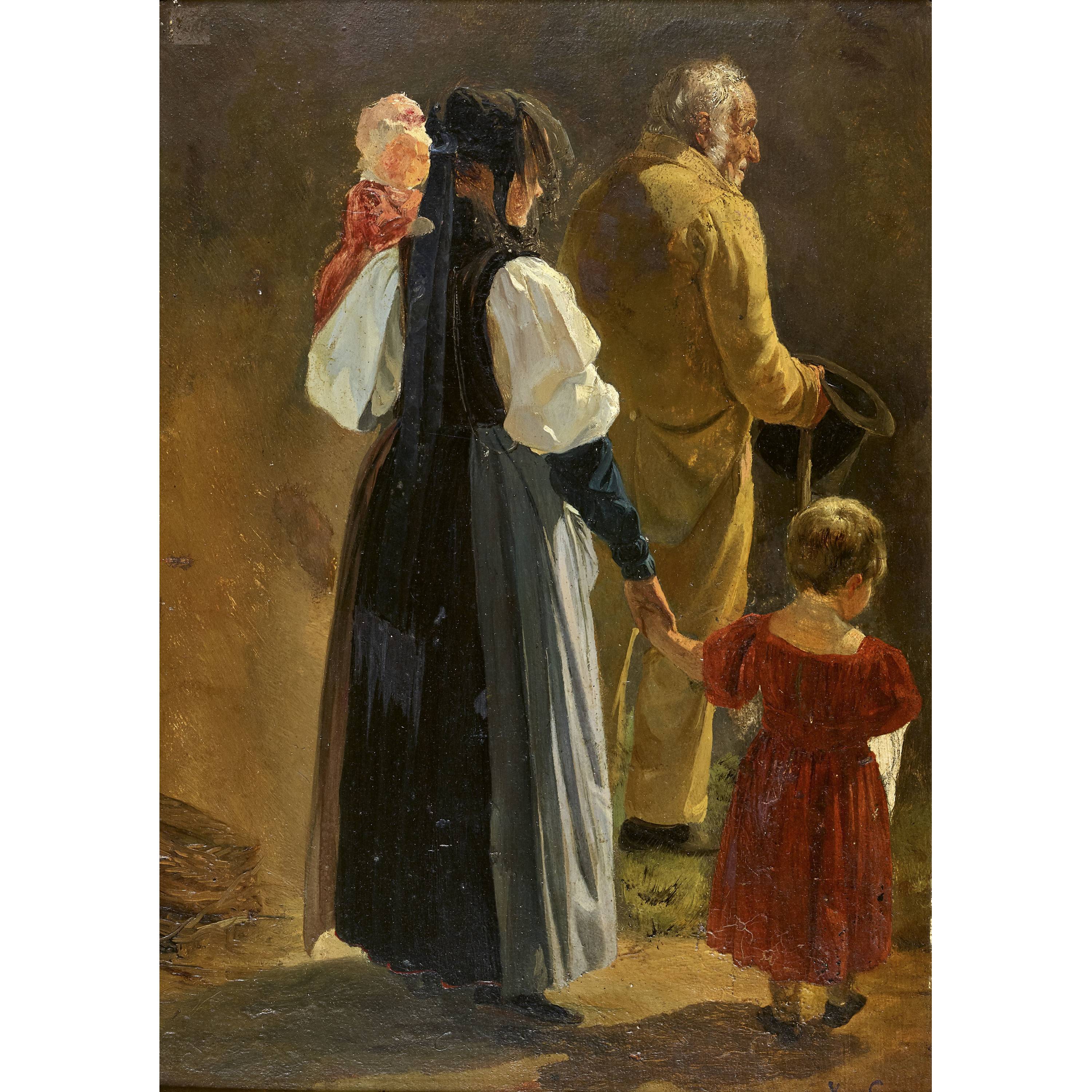
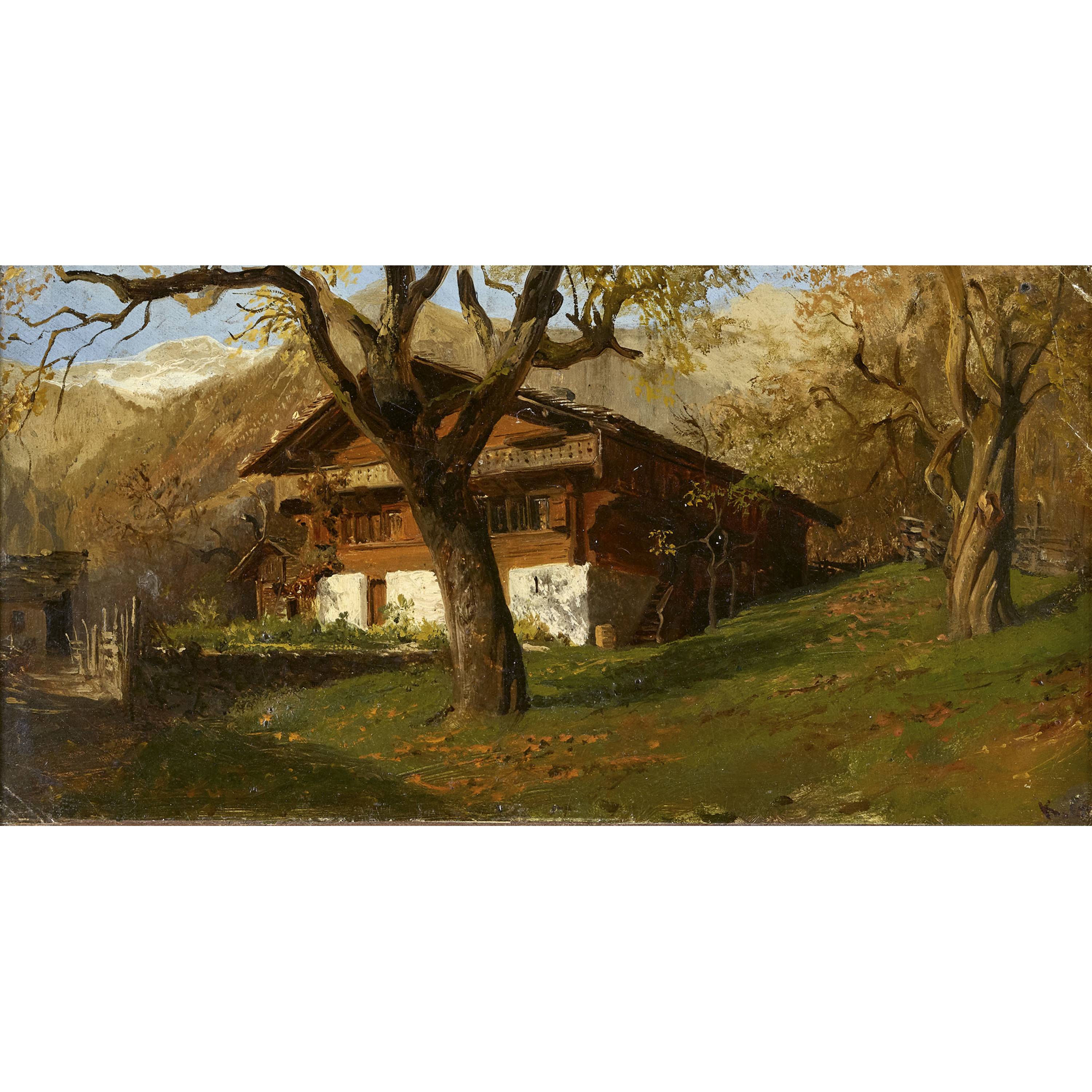
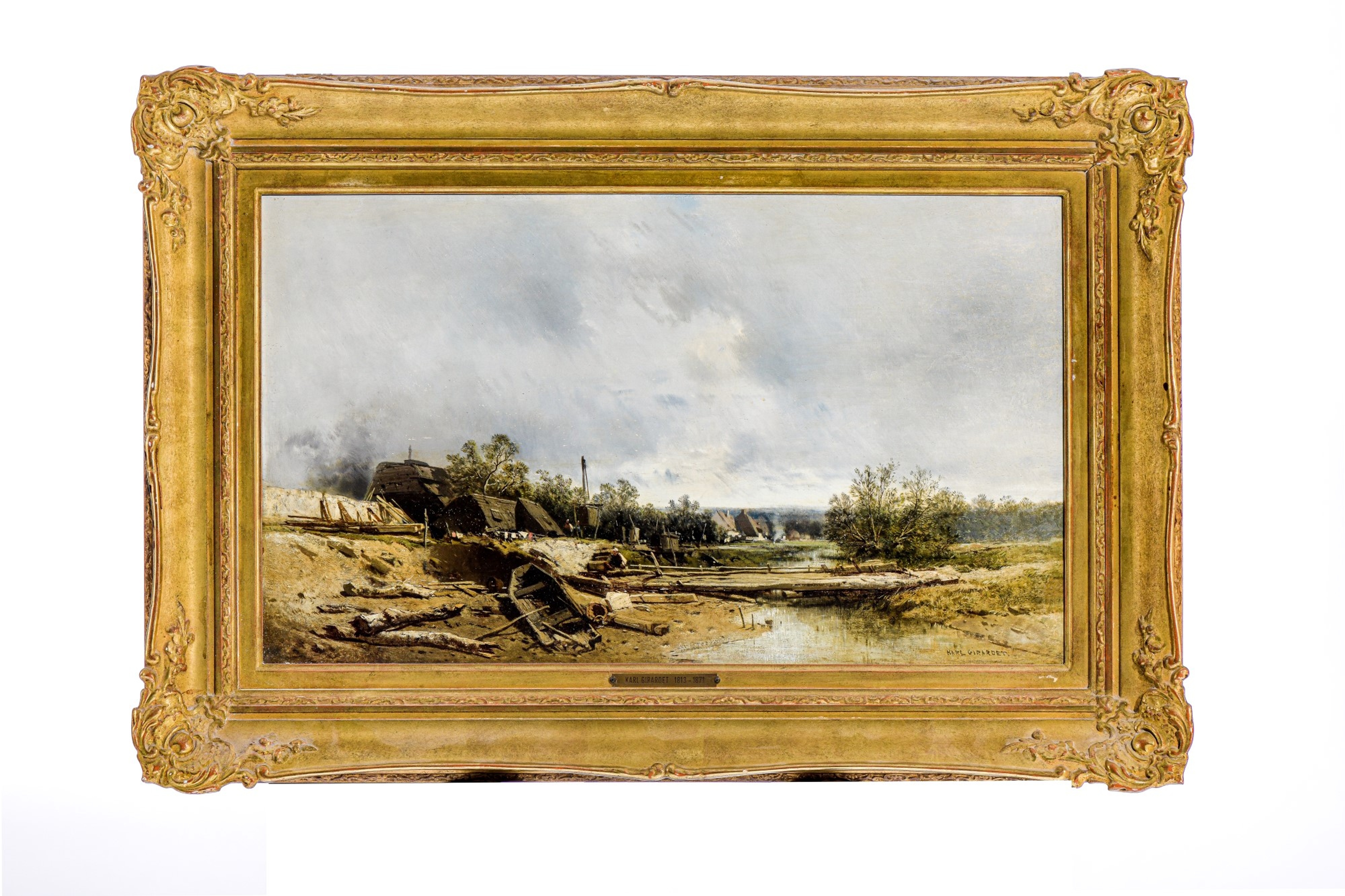
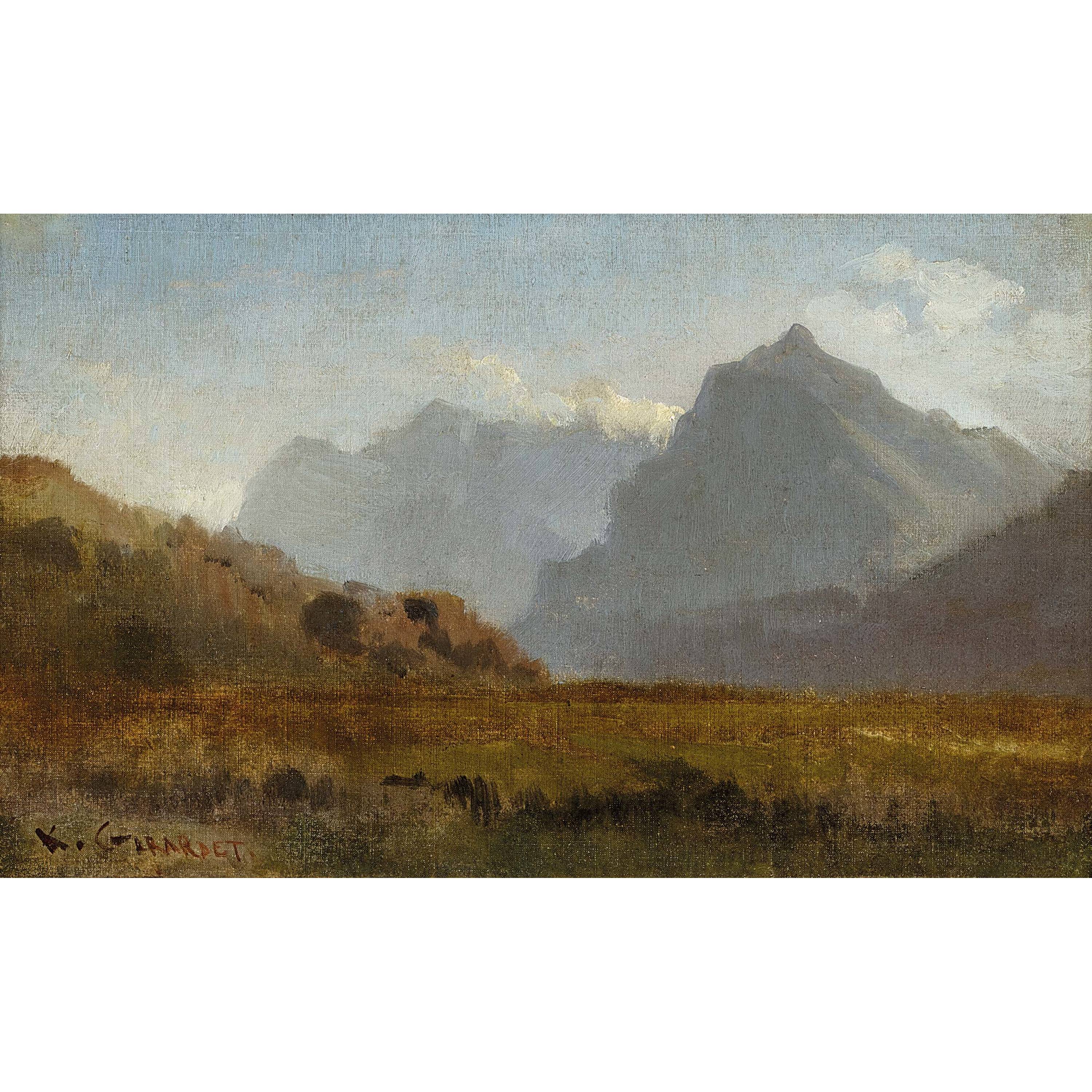
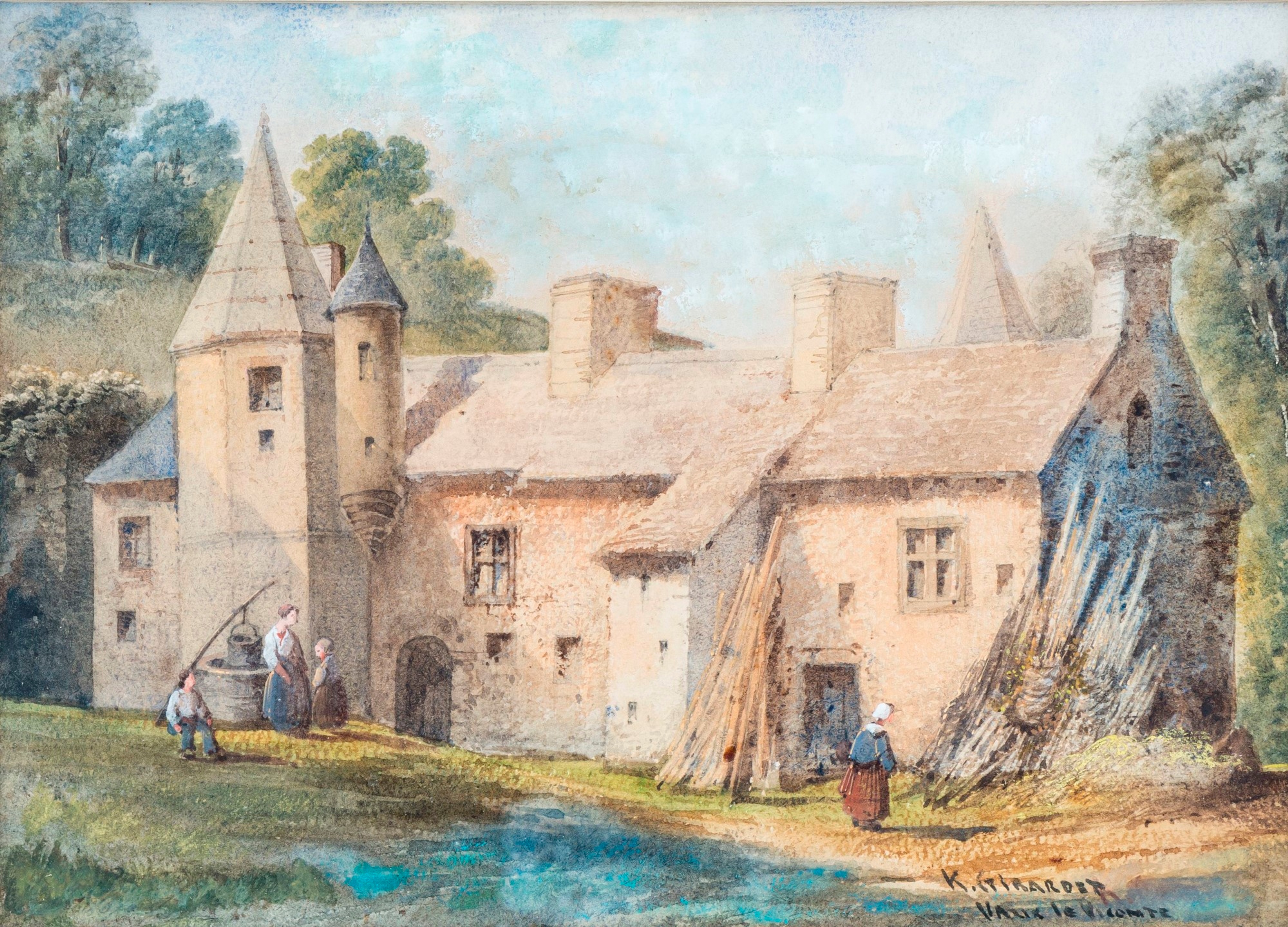
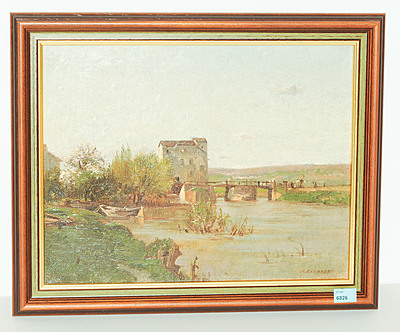
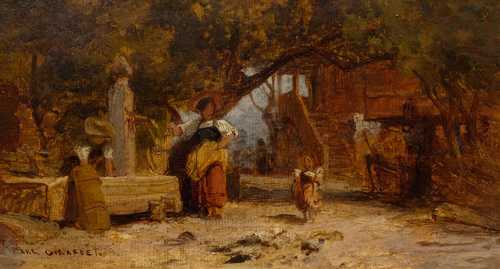
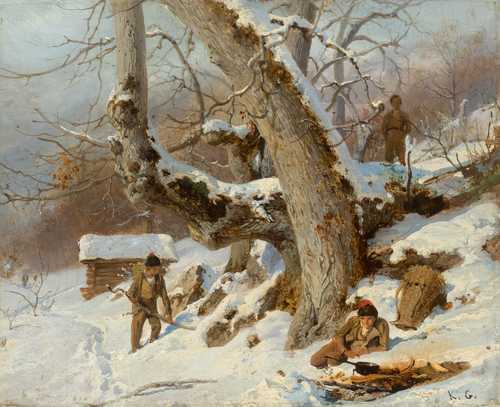
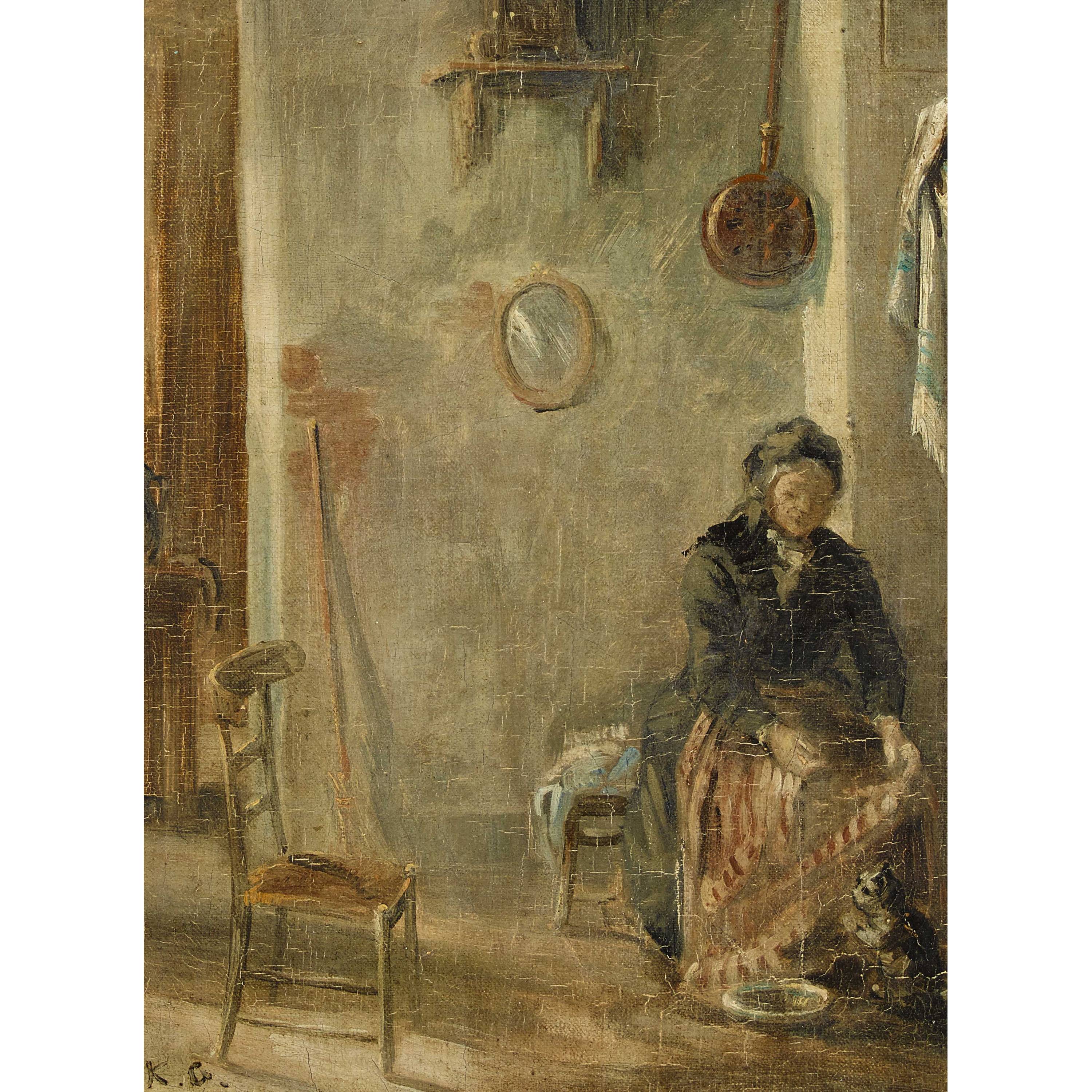
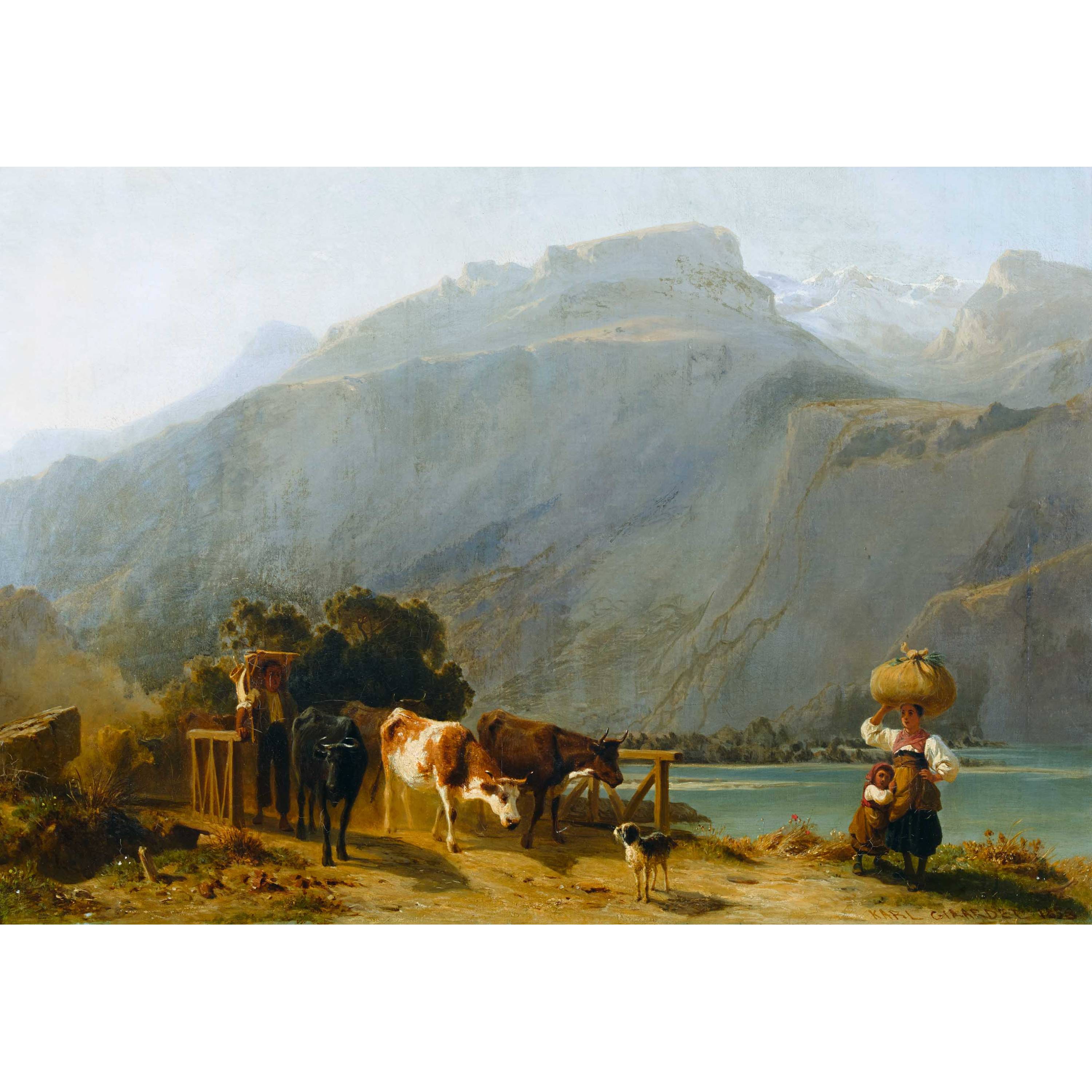
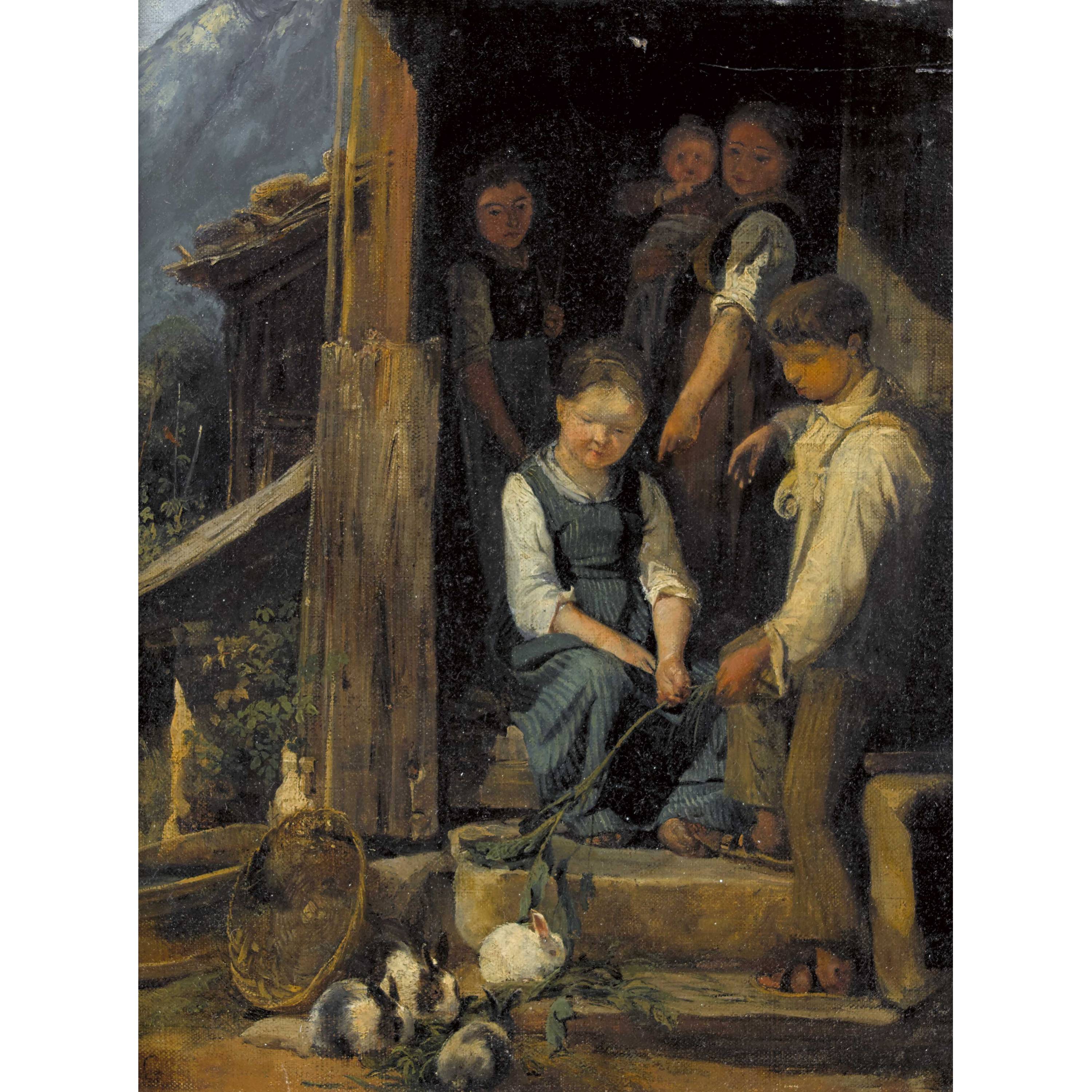
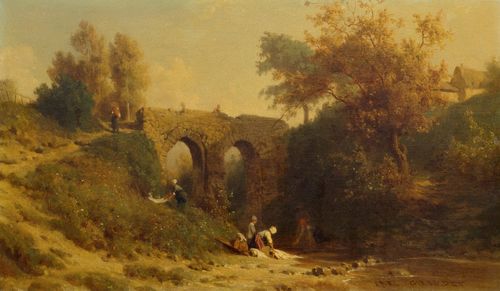
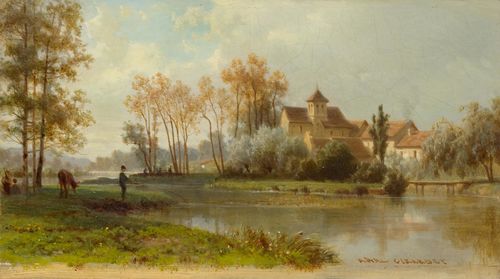
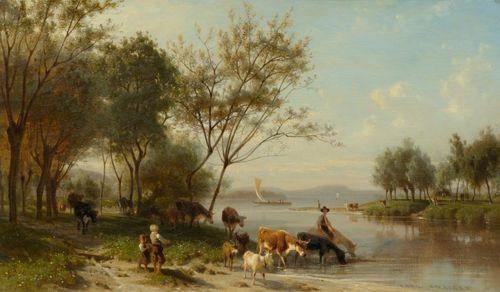
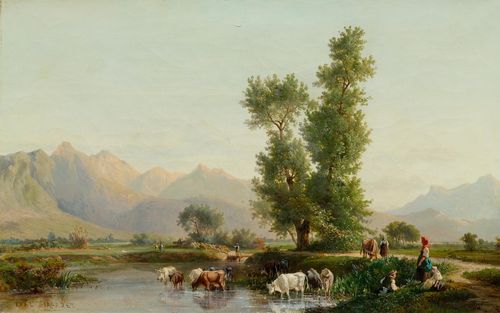
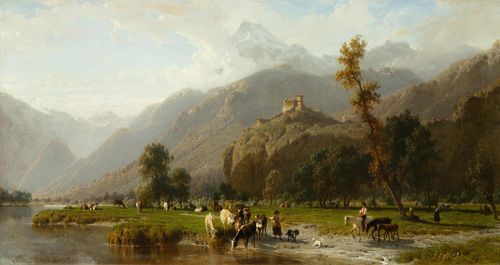
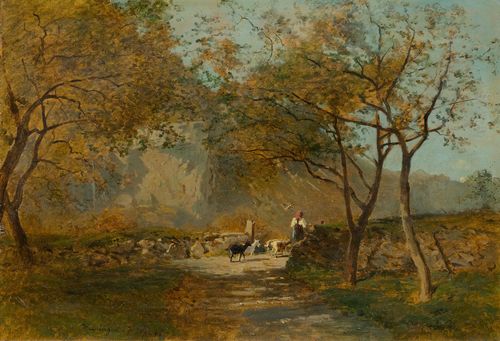
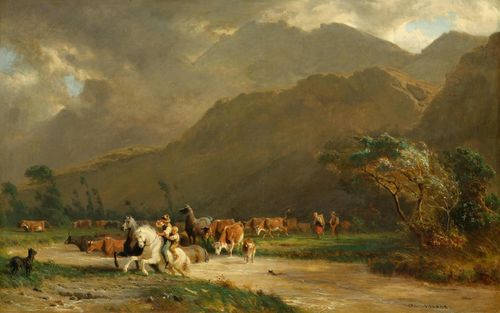
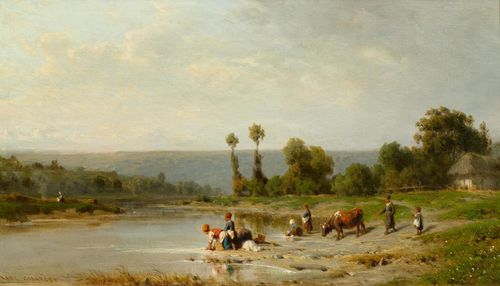
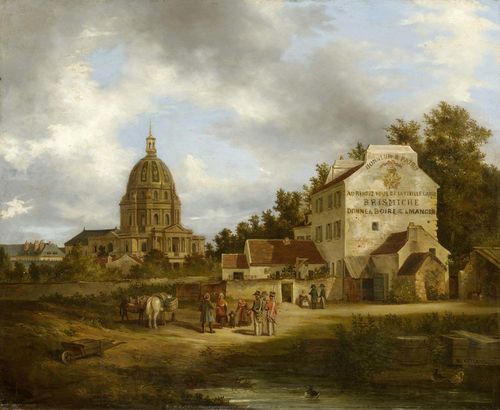
Karl Girardet (1813–1871) pursued a career at the intersection of history painting, landscape and illustration. His work connects the Parisian art scene with Swiss landscapes, combining a taste for narrative with attentive observation of places and human activities.
The son of Charles Samuel Girardet and brother of Édouard, he belonged to a family of artists. Settled in Paris from childhood, he trained under Léon Cogniet. Initially a genre painter, he later established himself in history painting: Assemblée de protestants surprise par des troupes catholiques earned him a medal at the 1842 Salon.
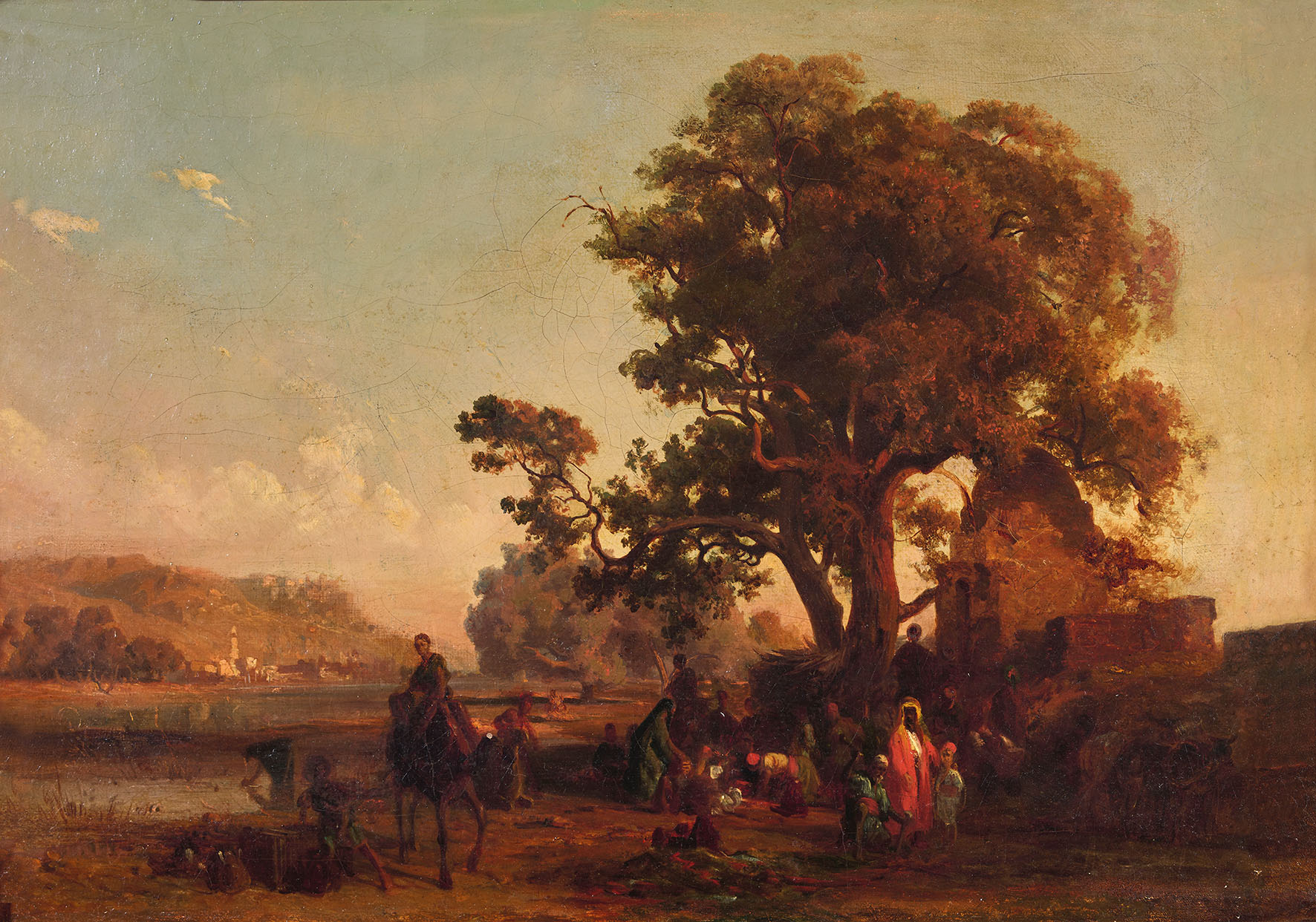
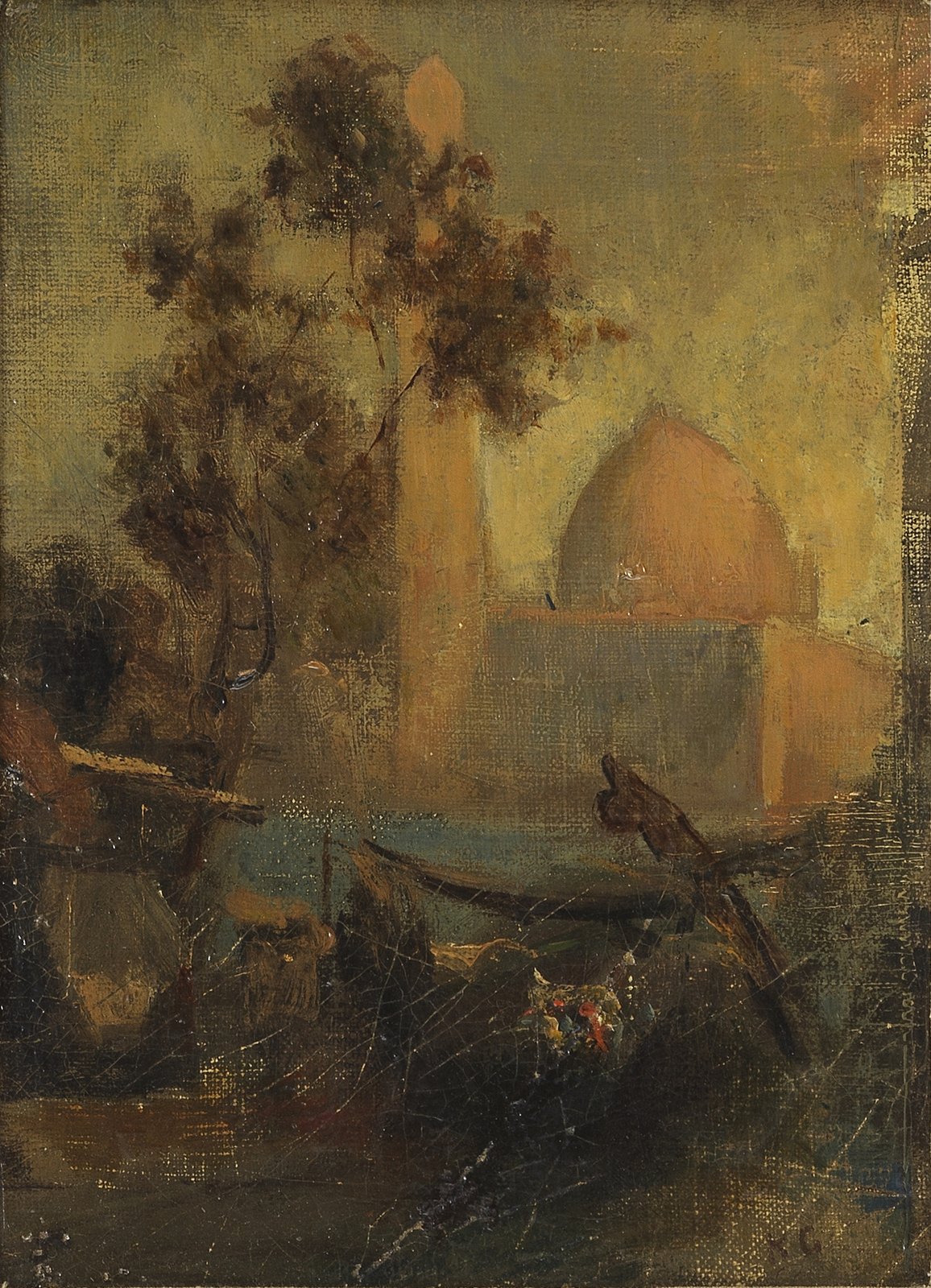
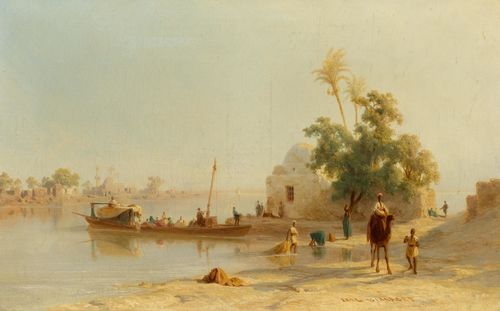
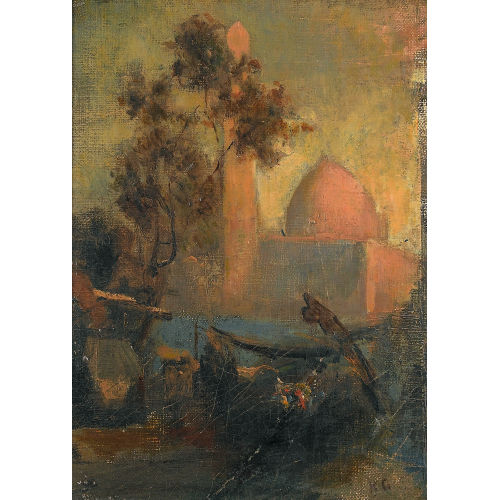
That same year, a journey to Egypt with his brother enriched his repertoire with Orientalist subjects.
Girardet became an official painter to the court of Louis-Philippe. After the fall of the monarchy, he joined his brother in Brienz and took part in local artistic life. Back in France from 1850, he continued his activities as a painter and illustrator; he received a first-class medal at the 1855 Exposition Universelle.
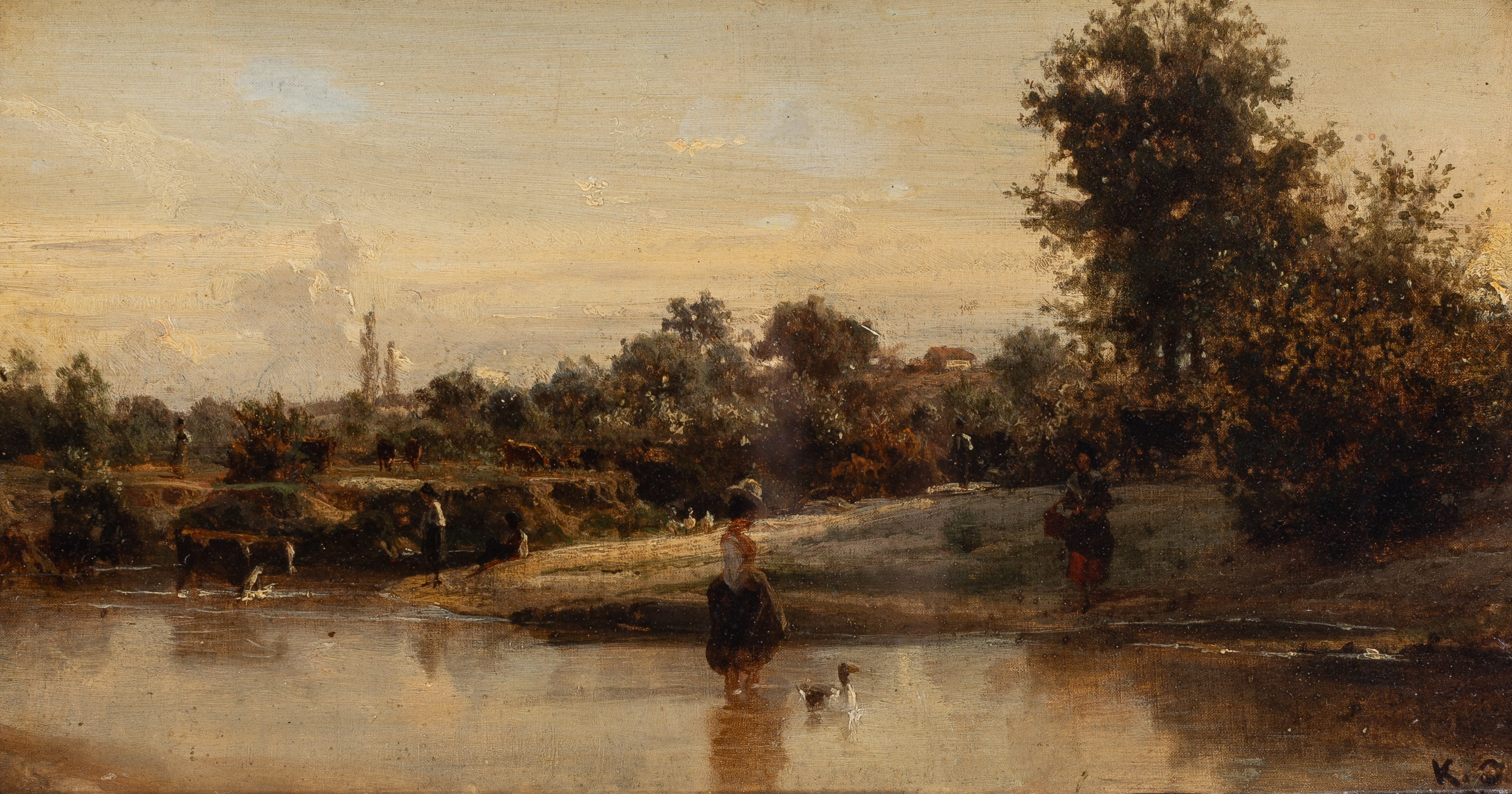
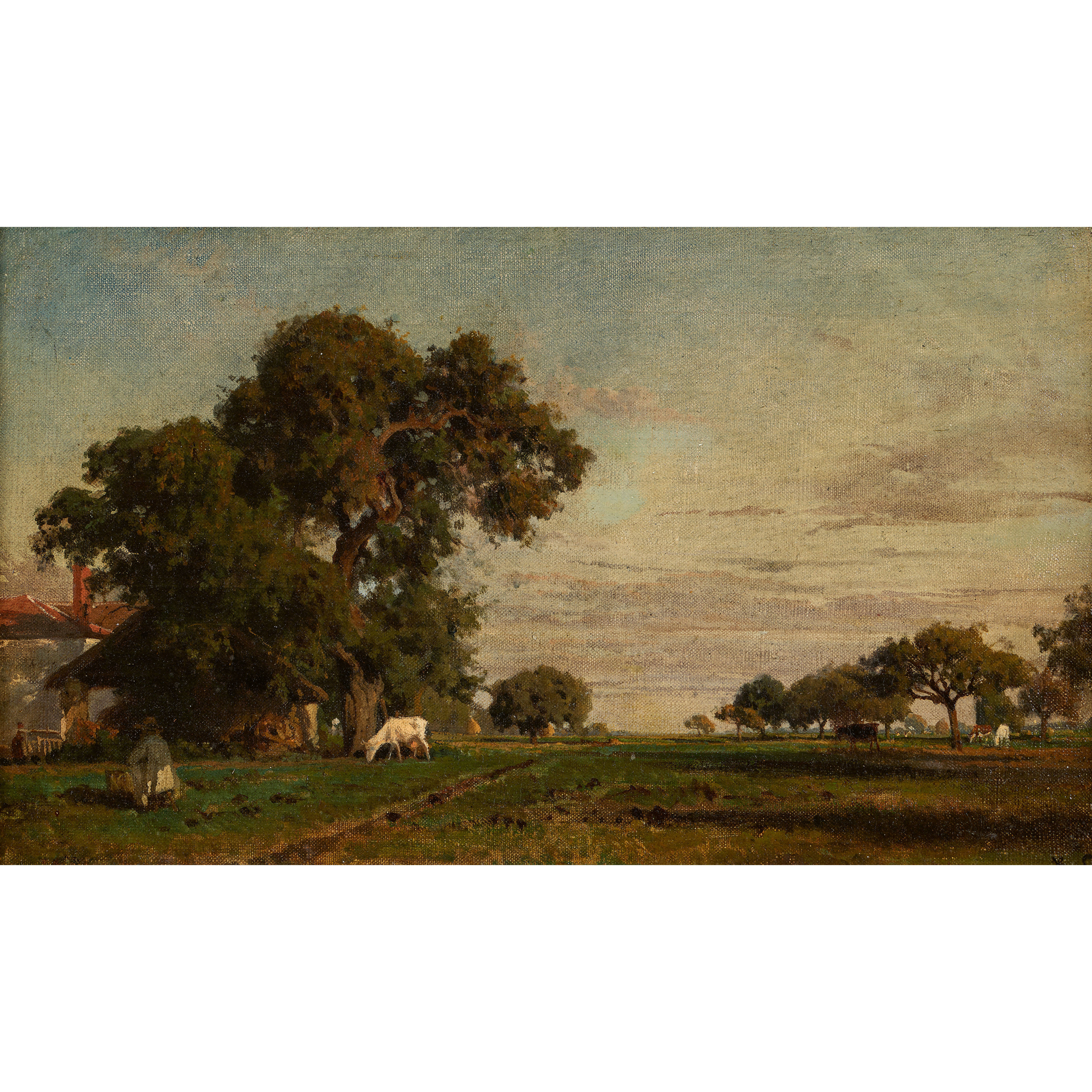
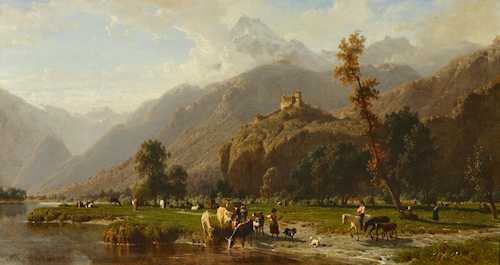
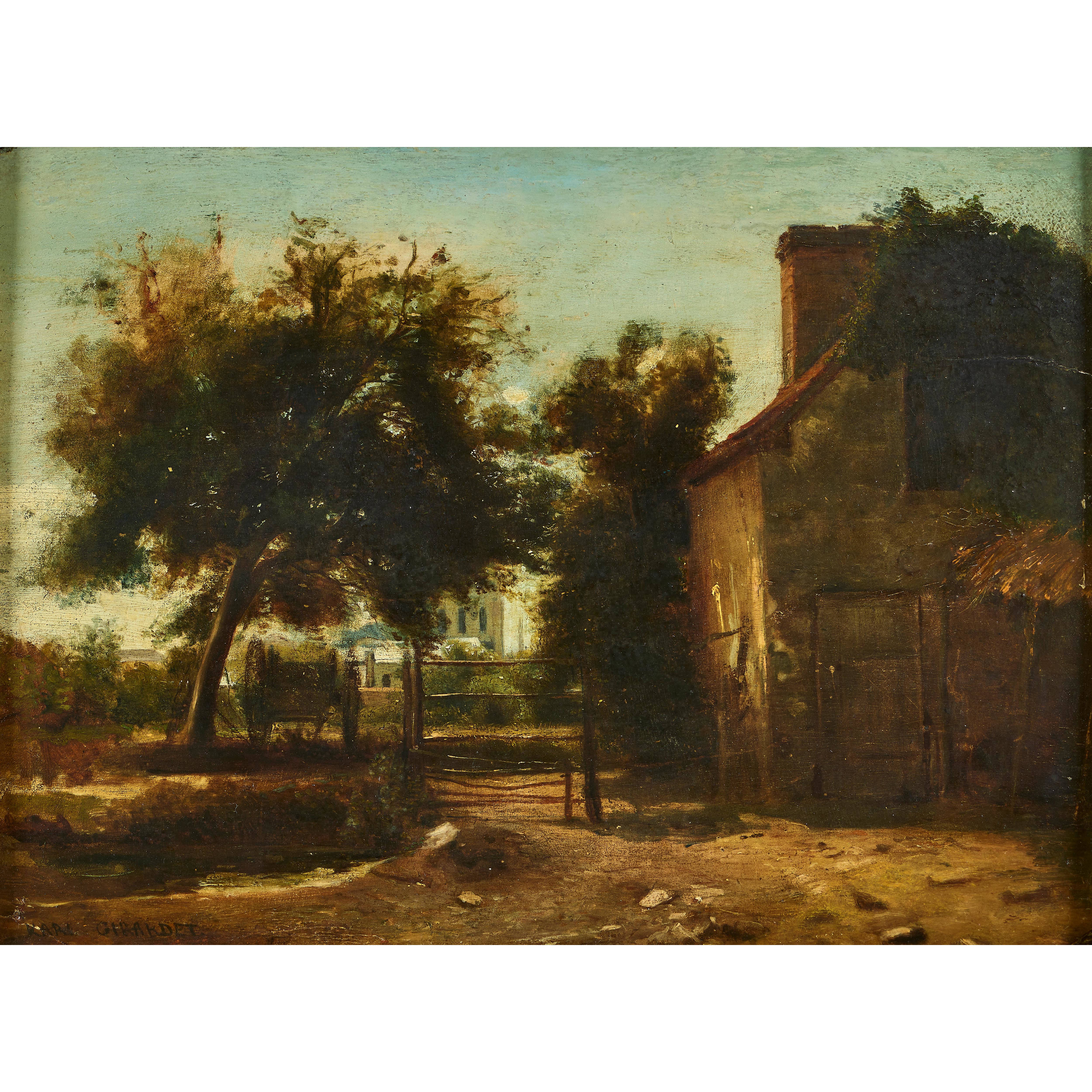
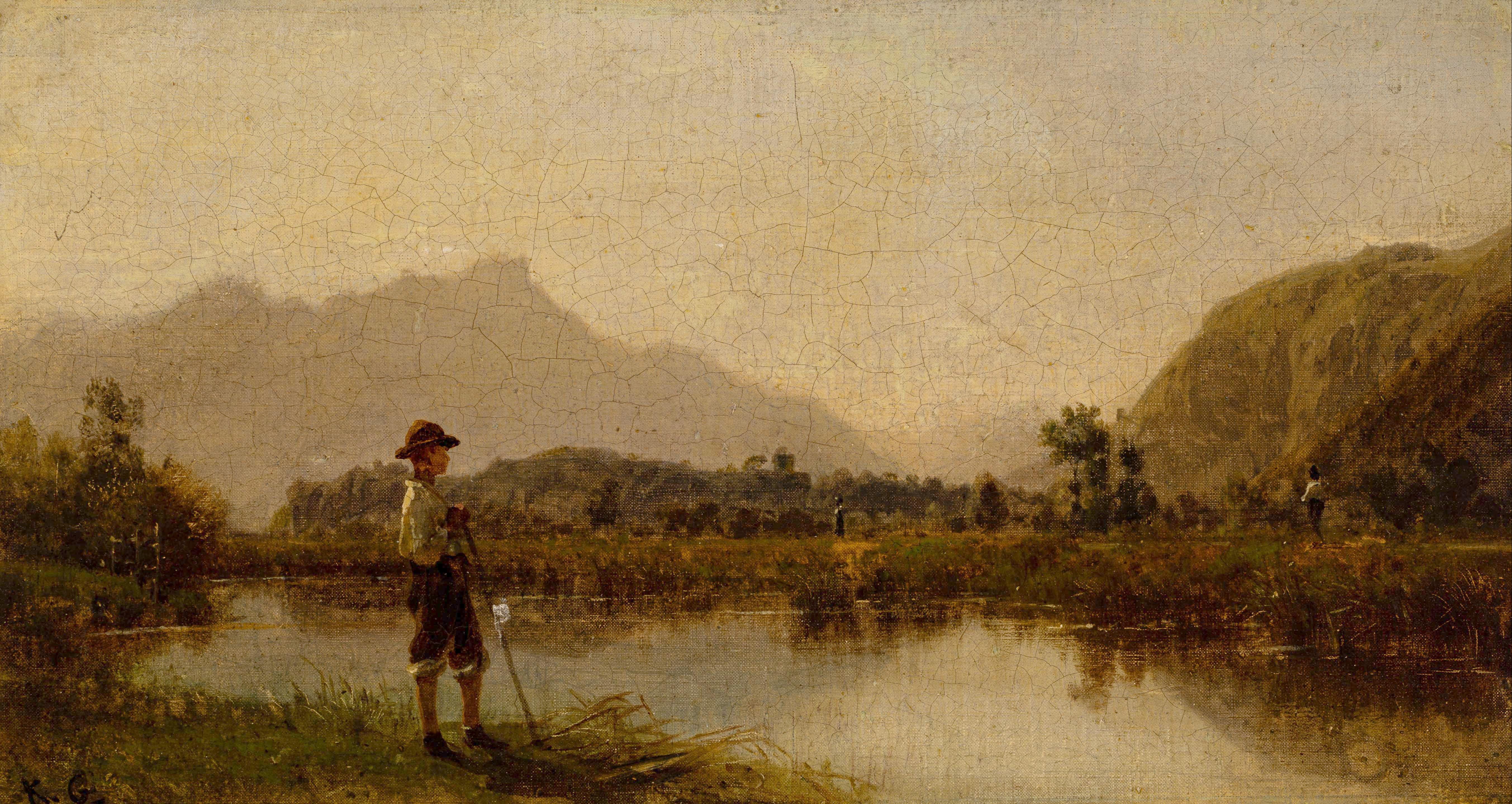
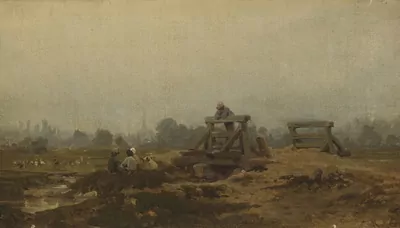
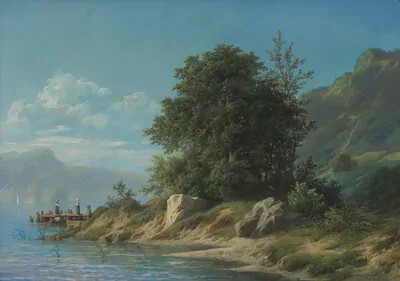
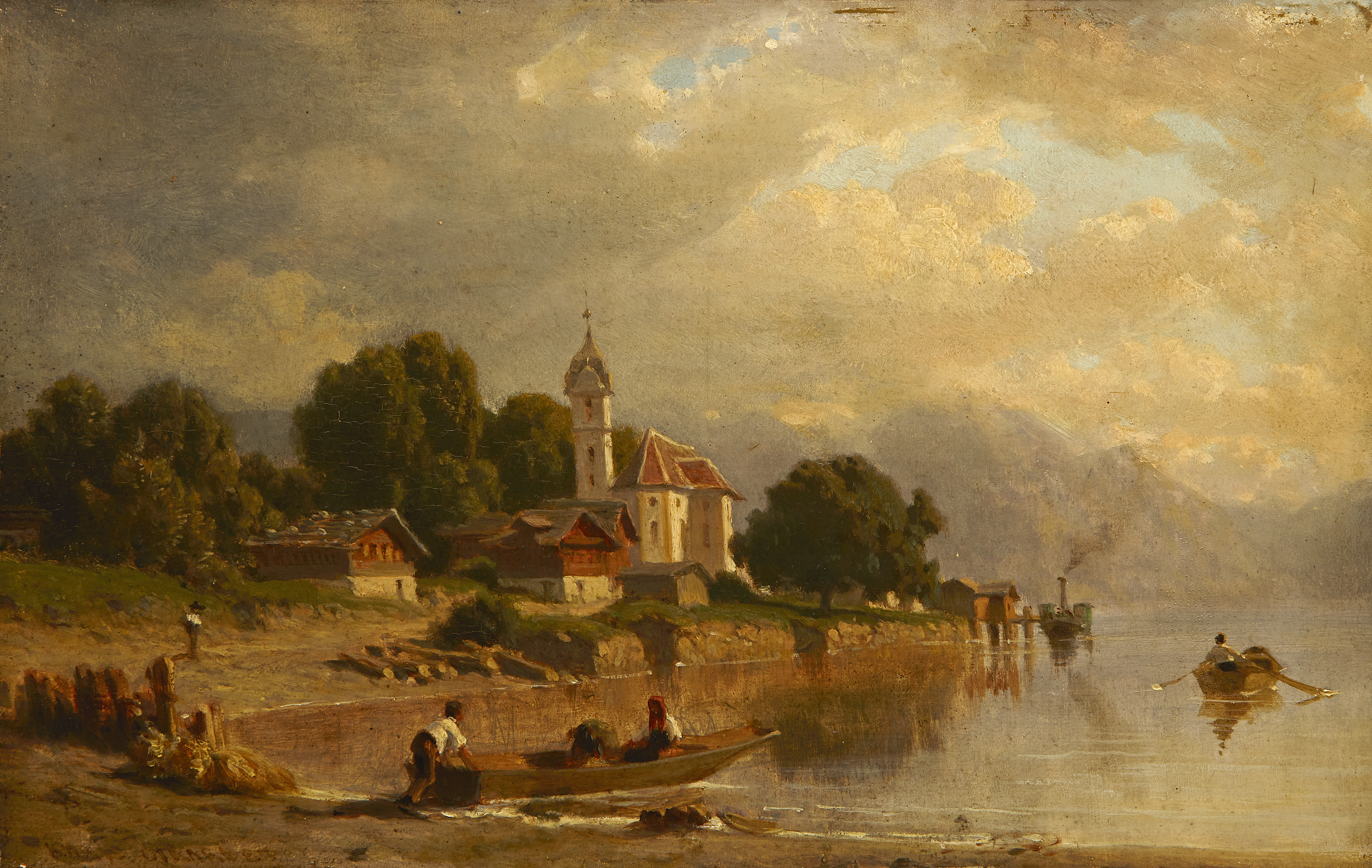
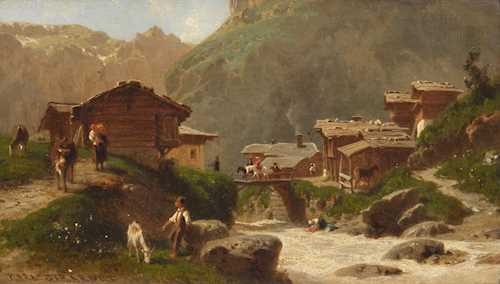
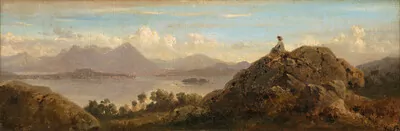
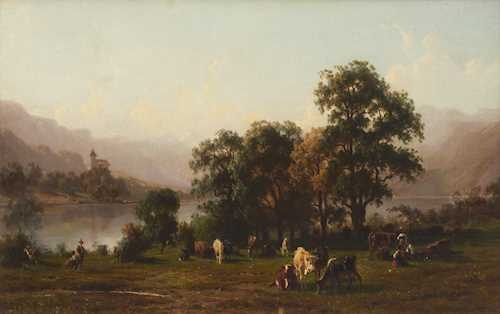
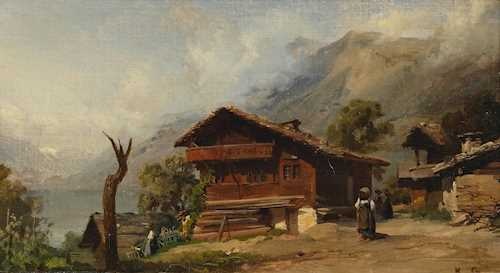
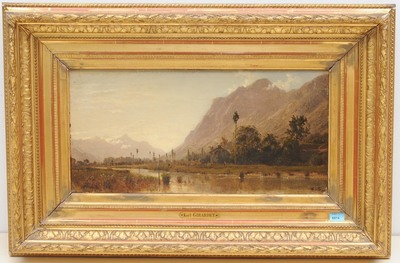
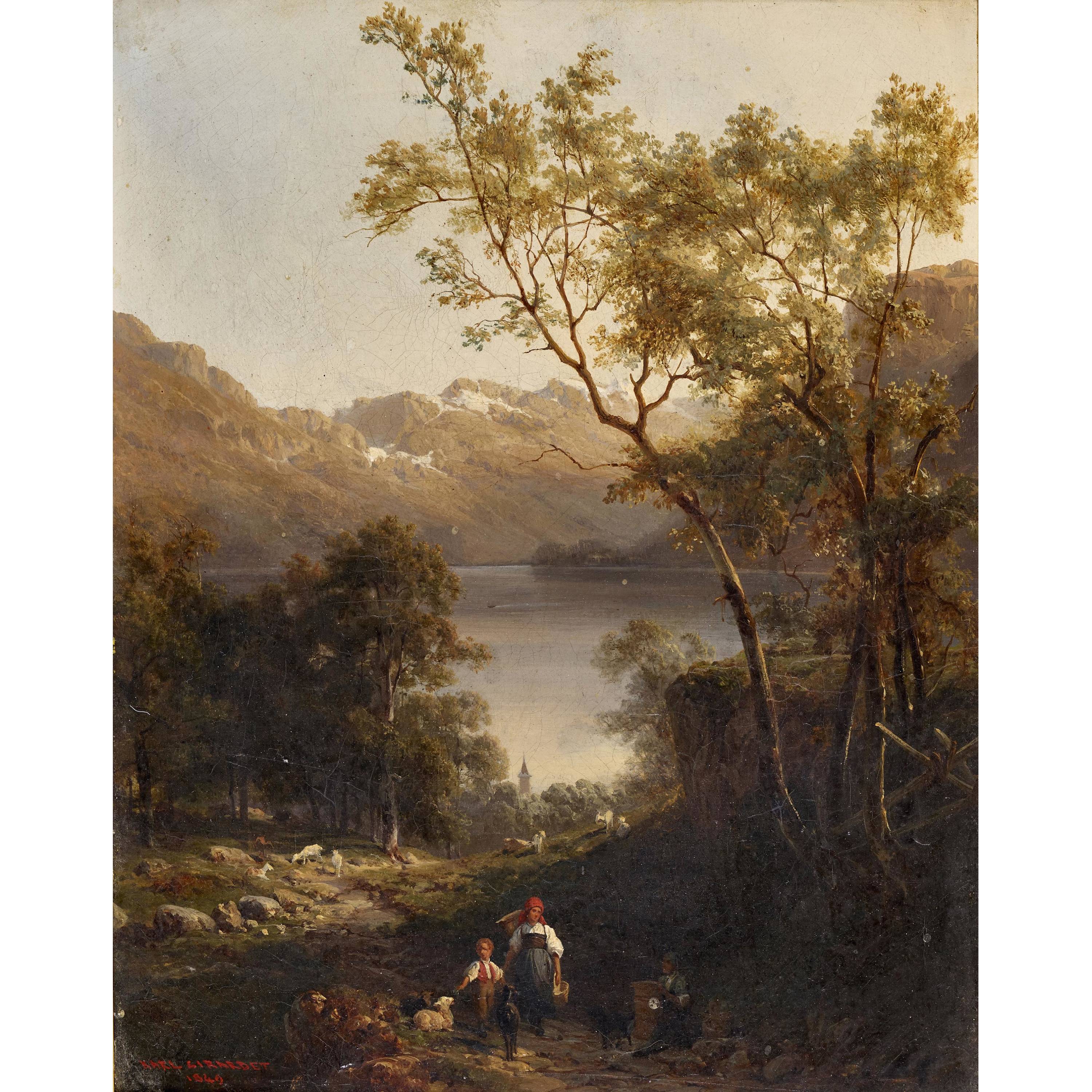
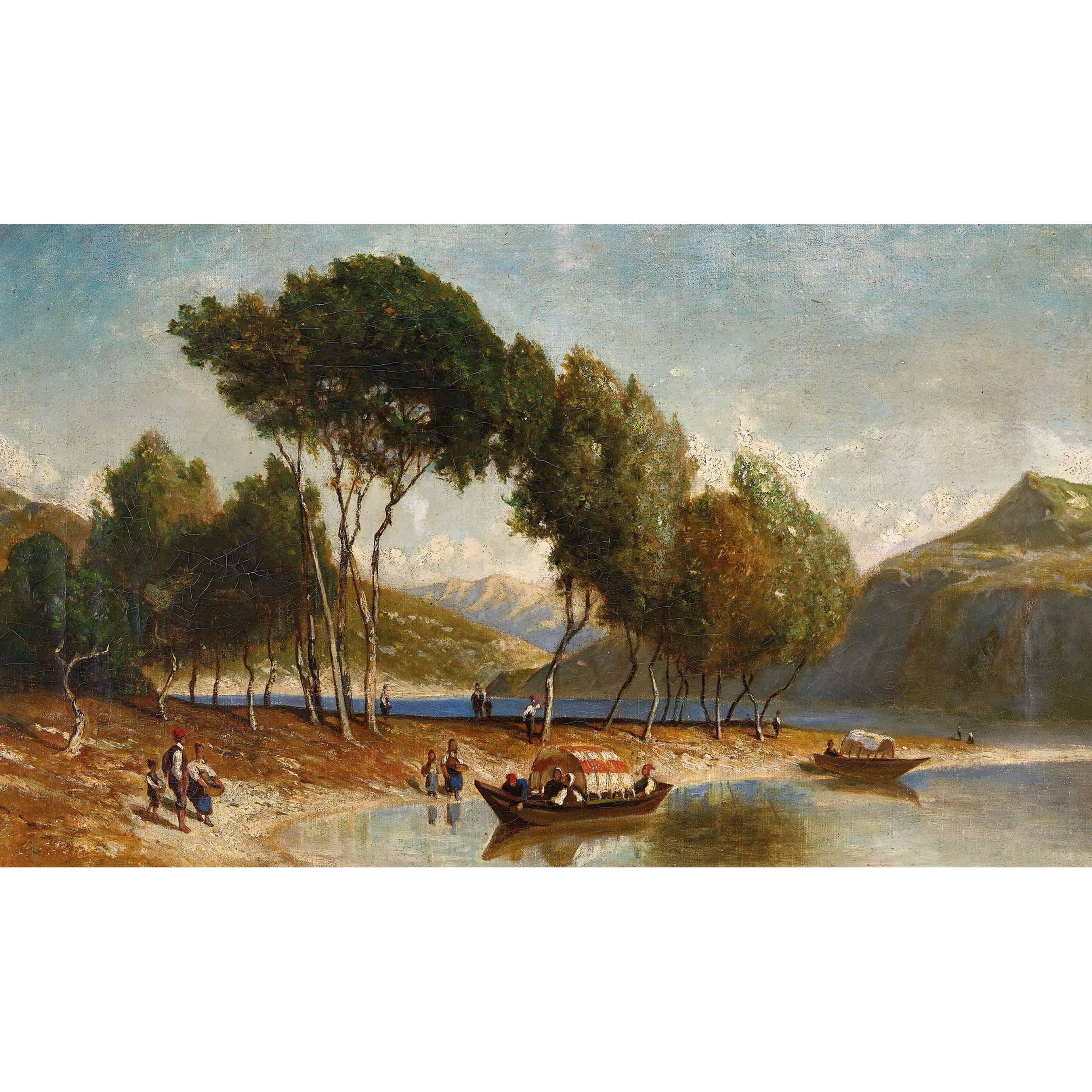
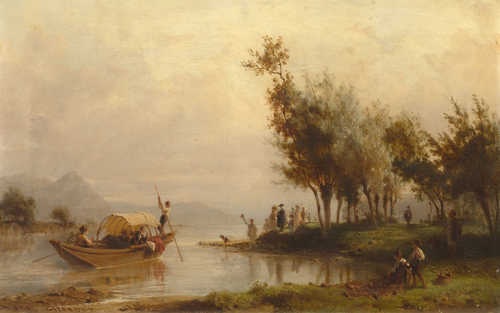
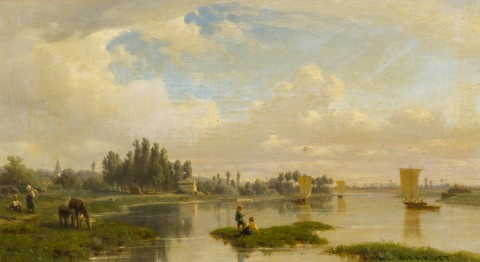
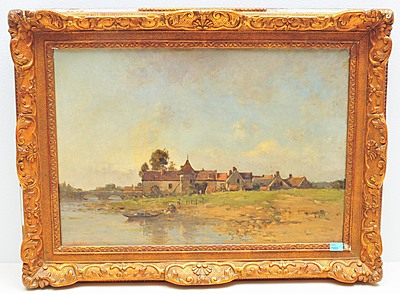
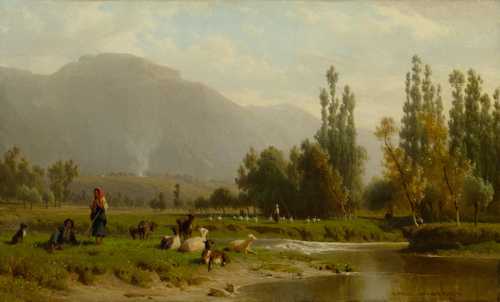
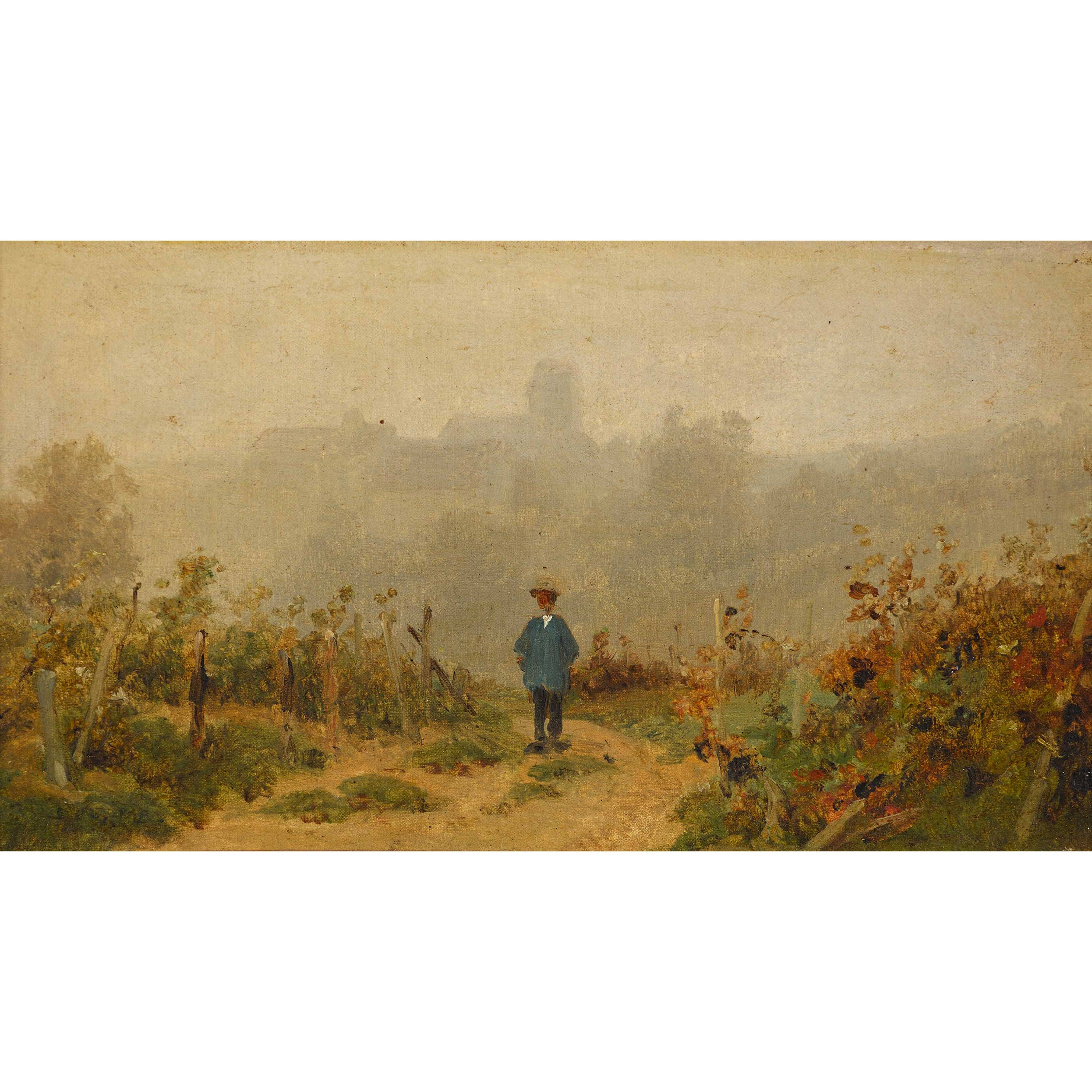
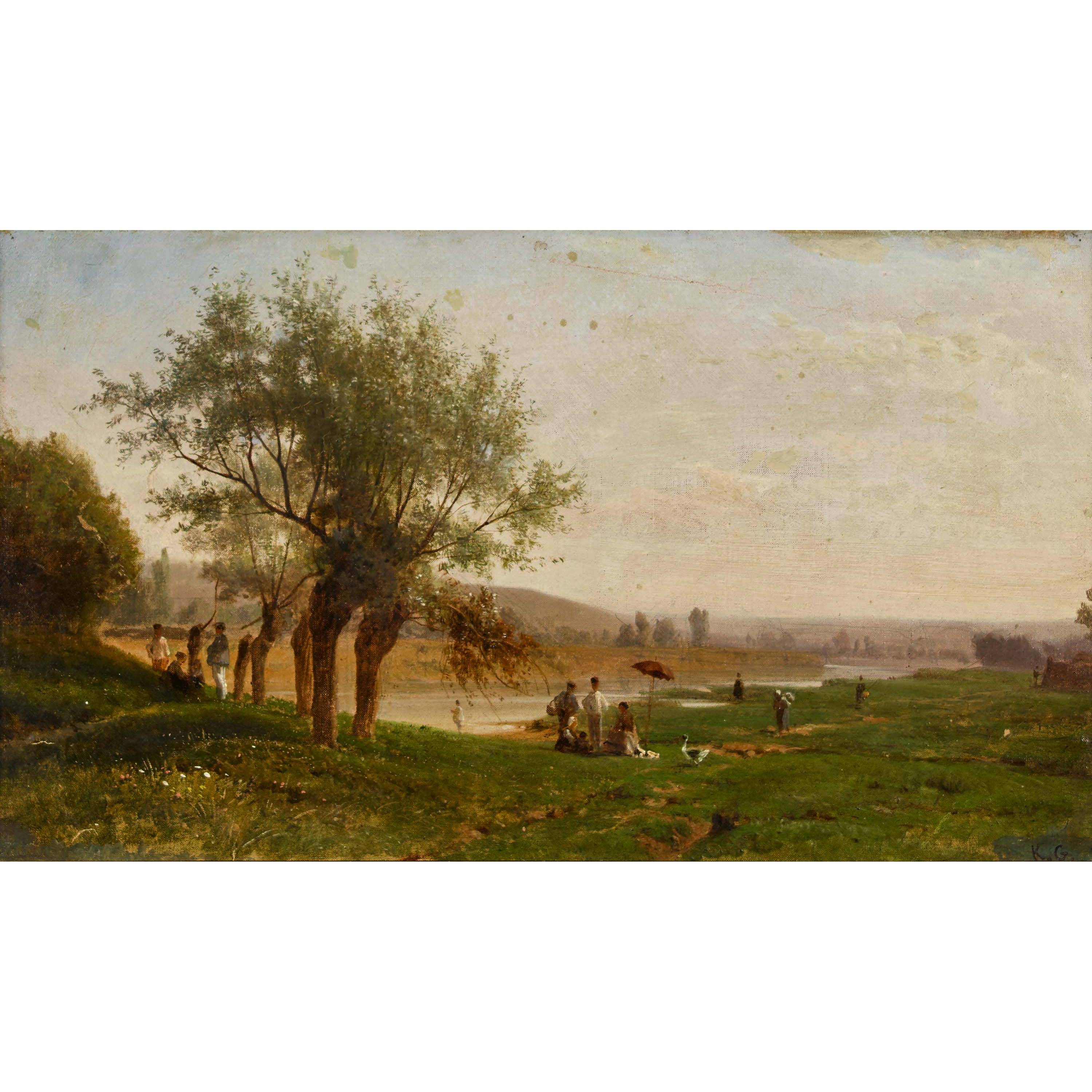
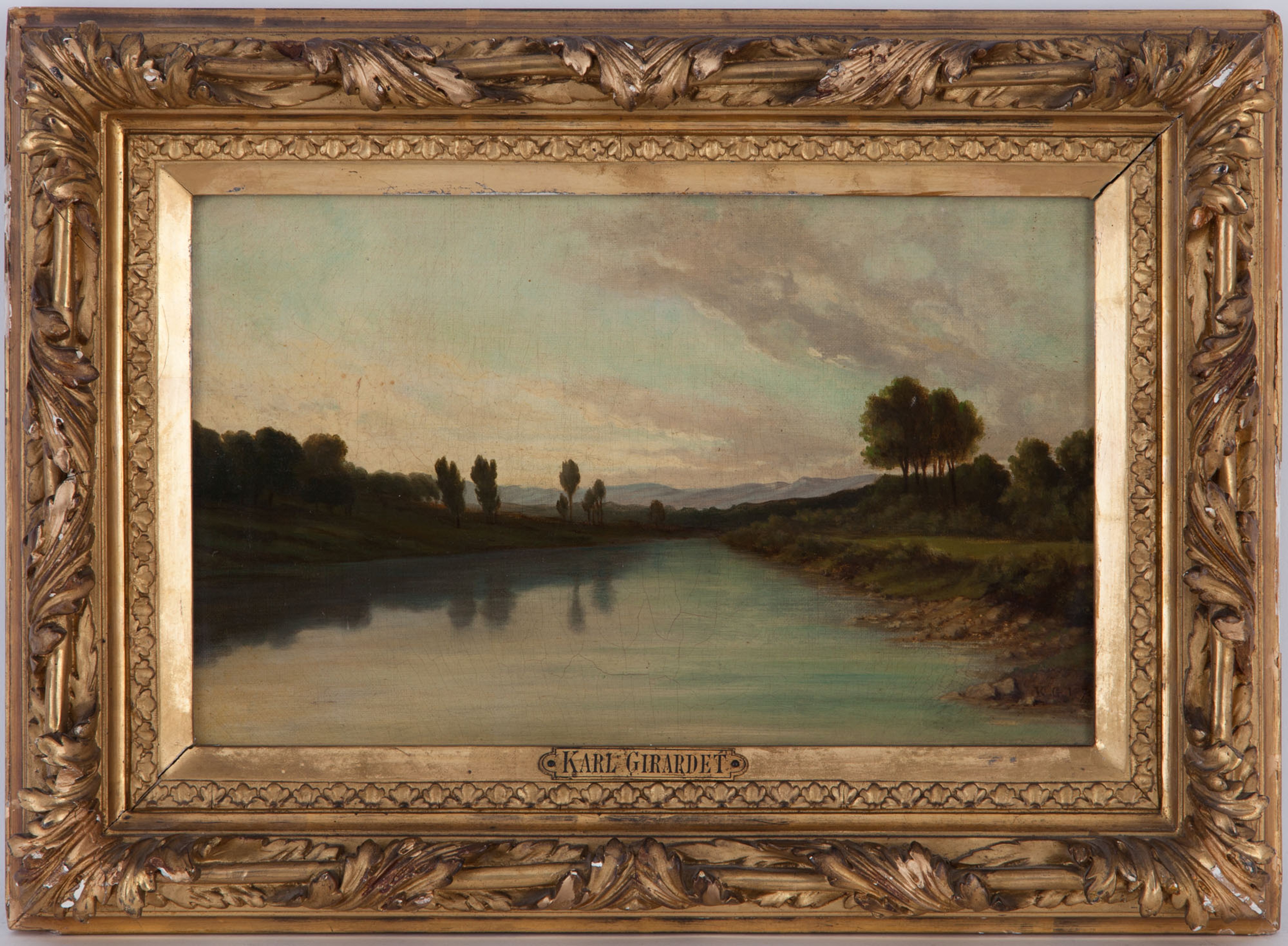
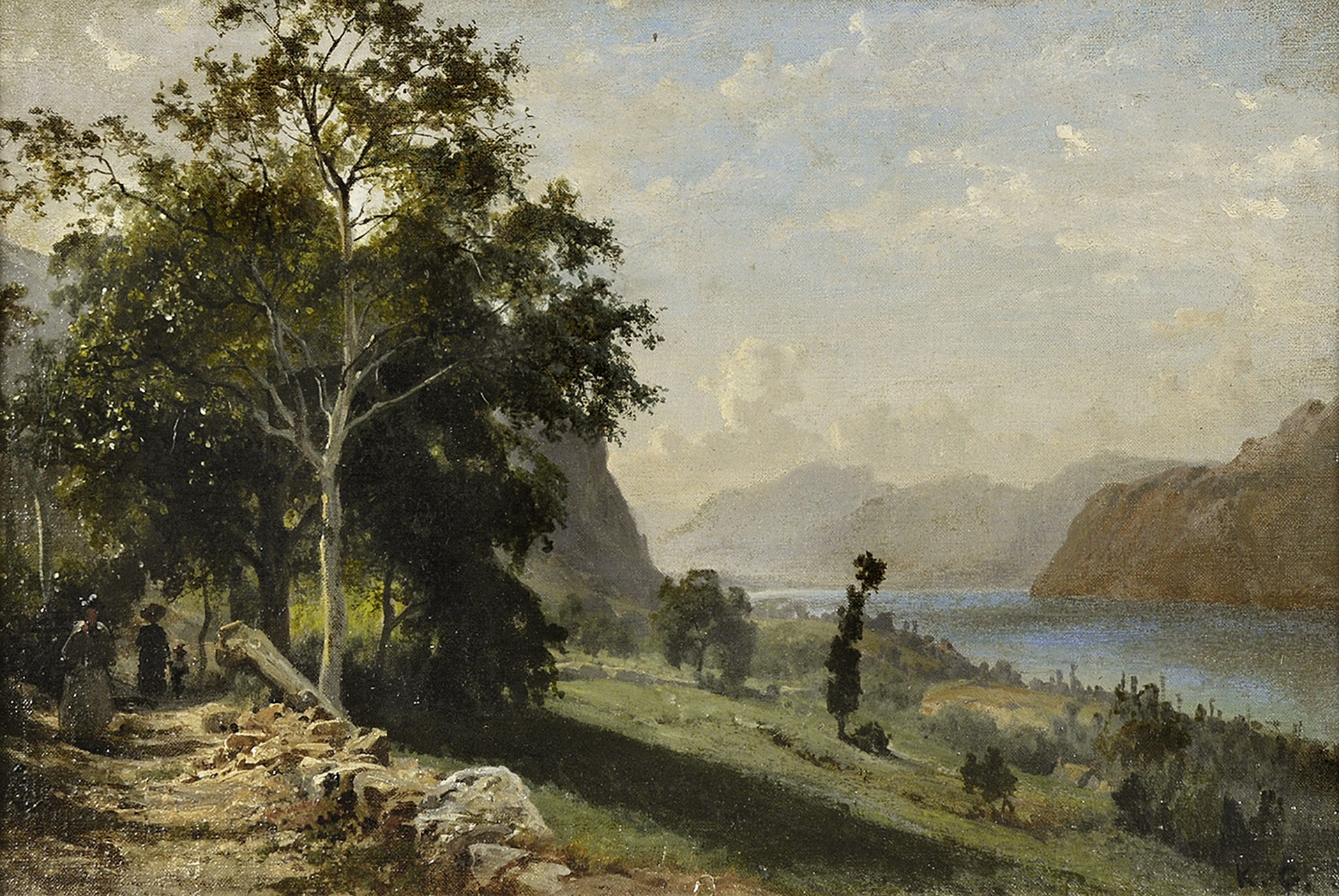
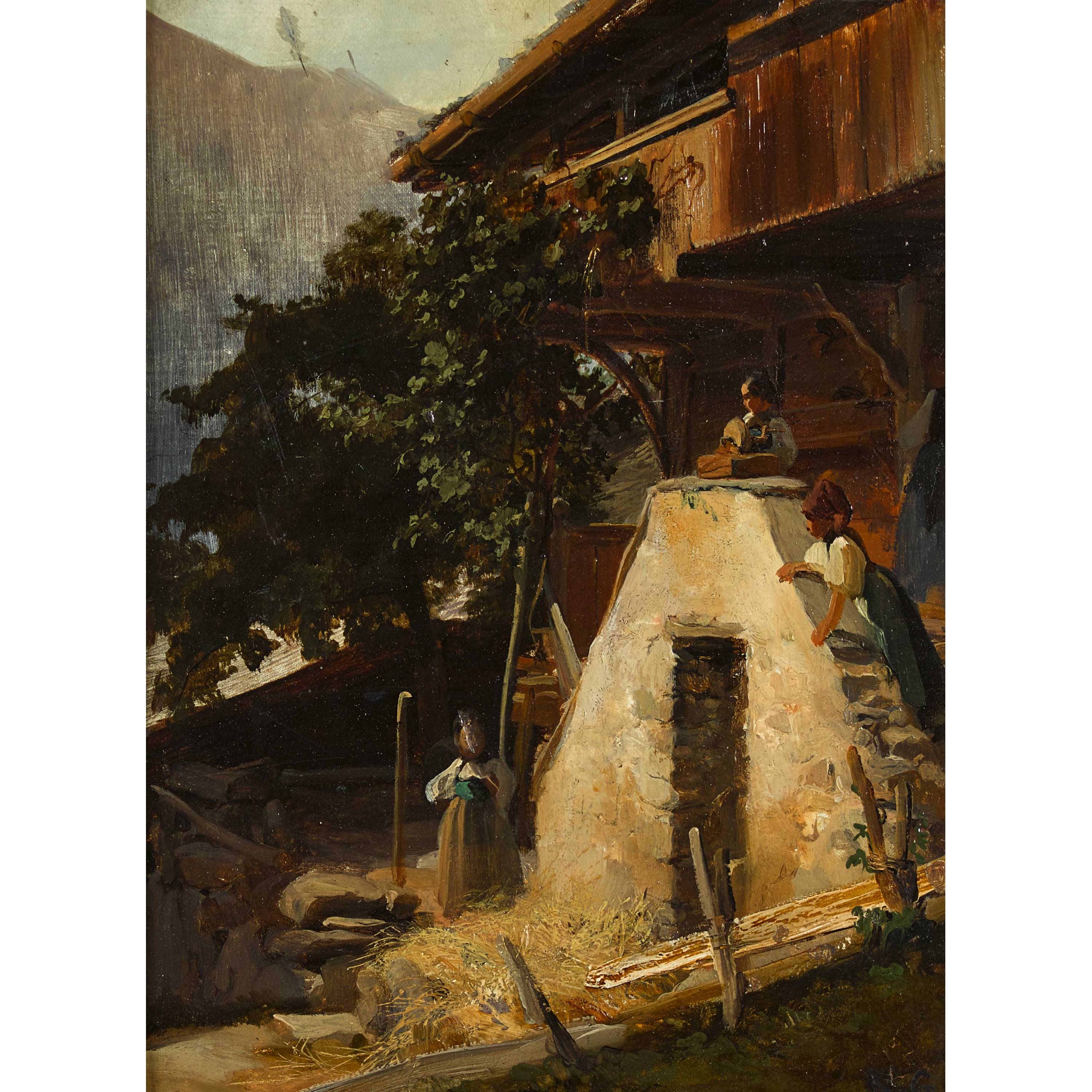
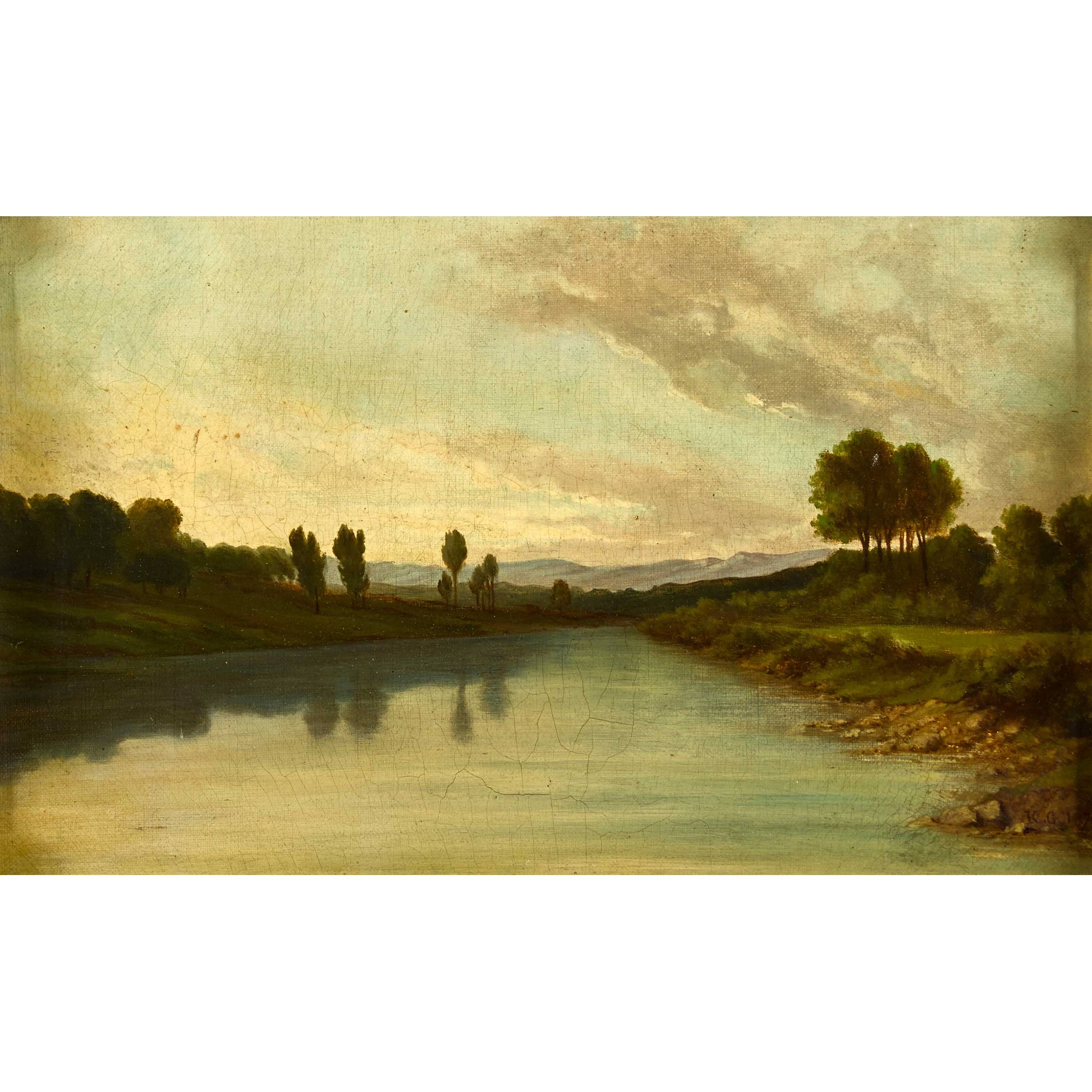
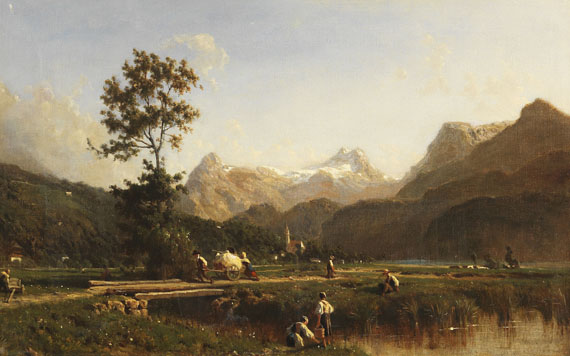
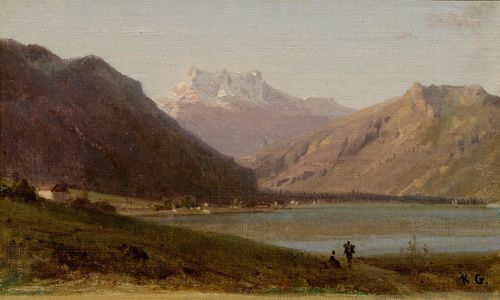
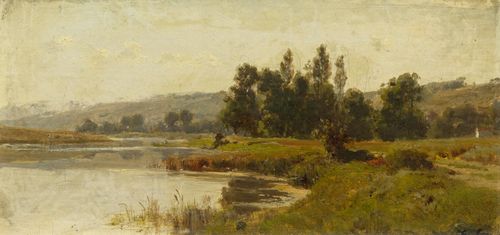
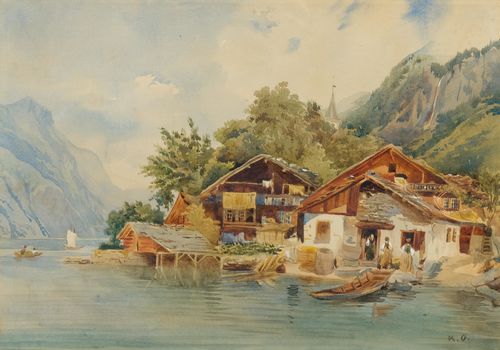
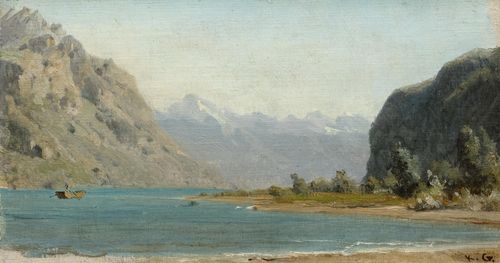
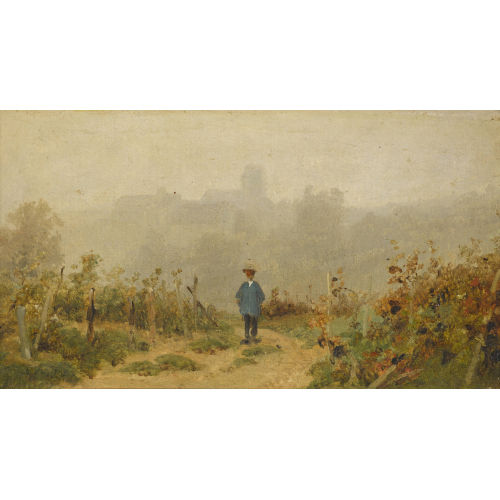
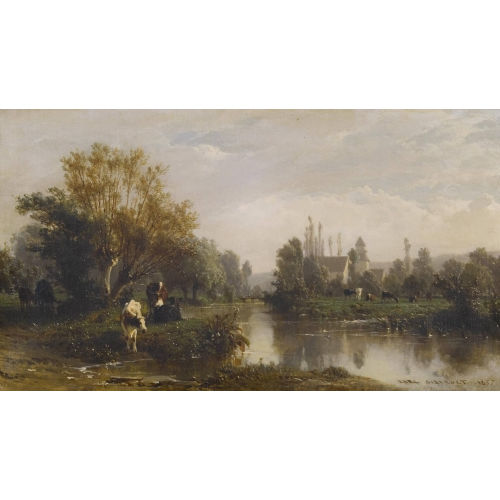
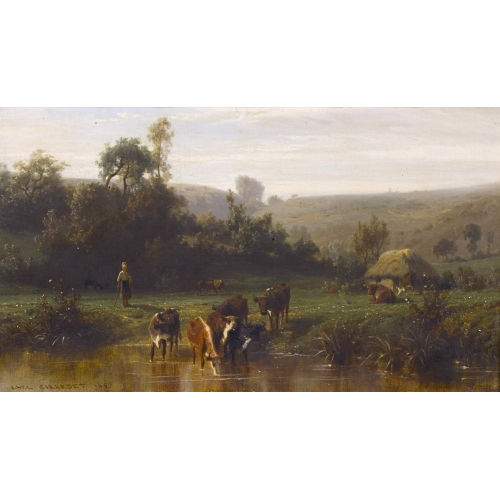
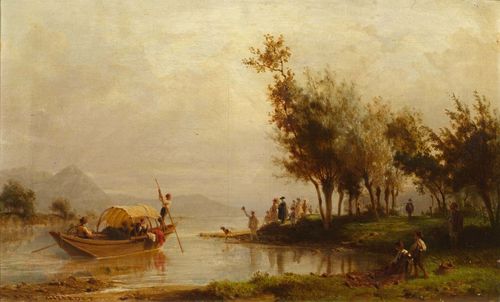
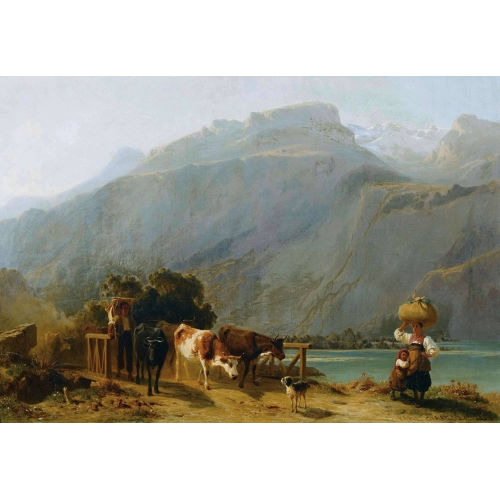
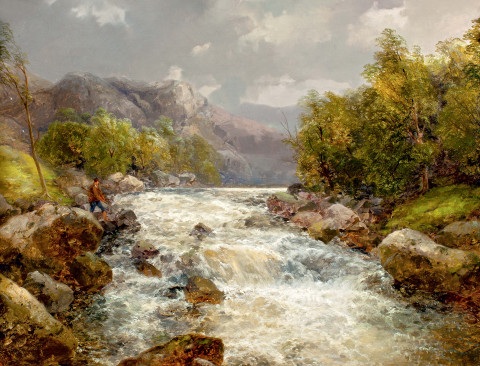
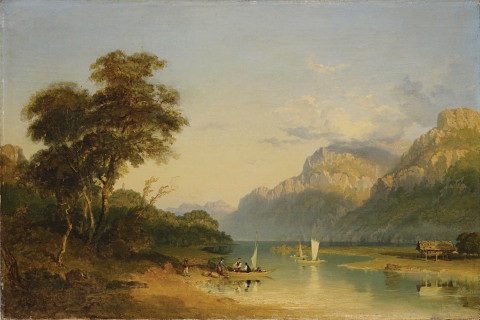
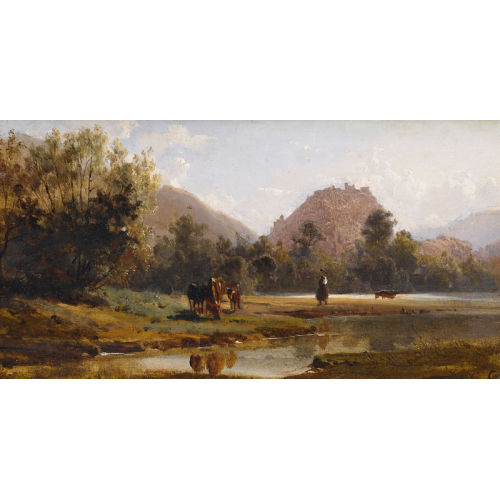
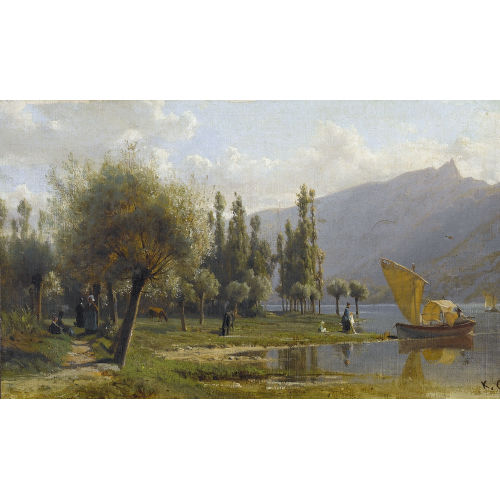
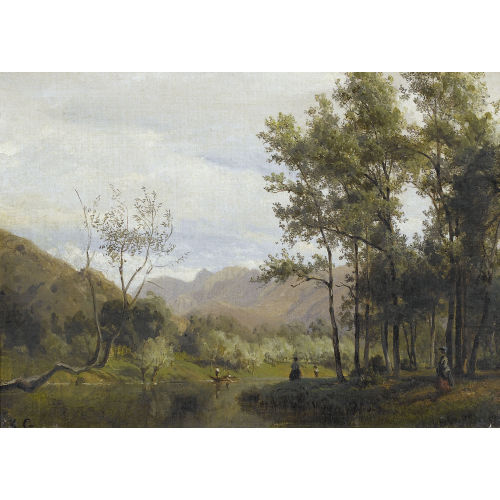
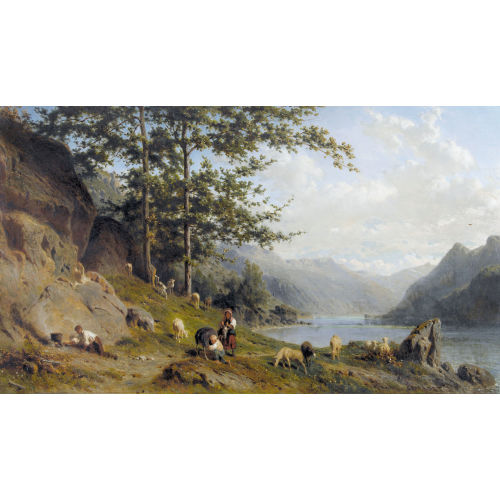
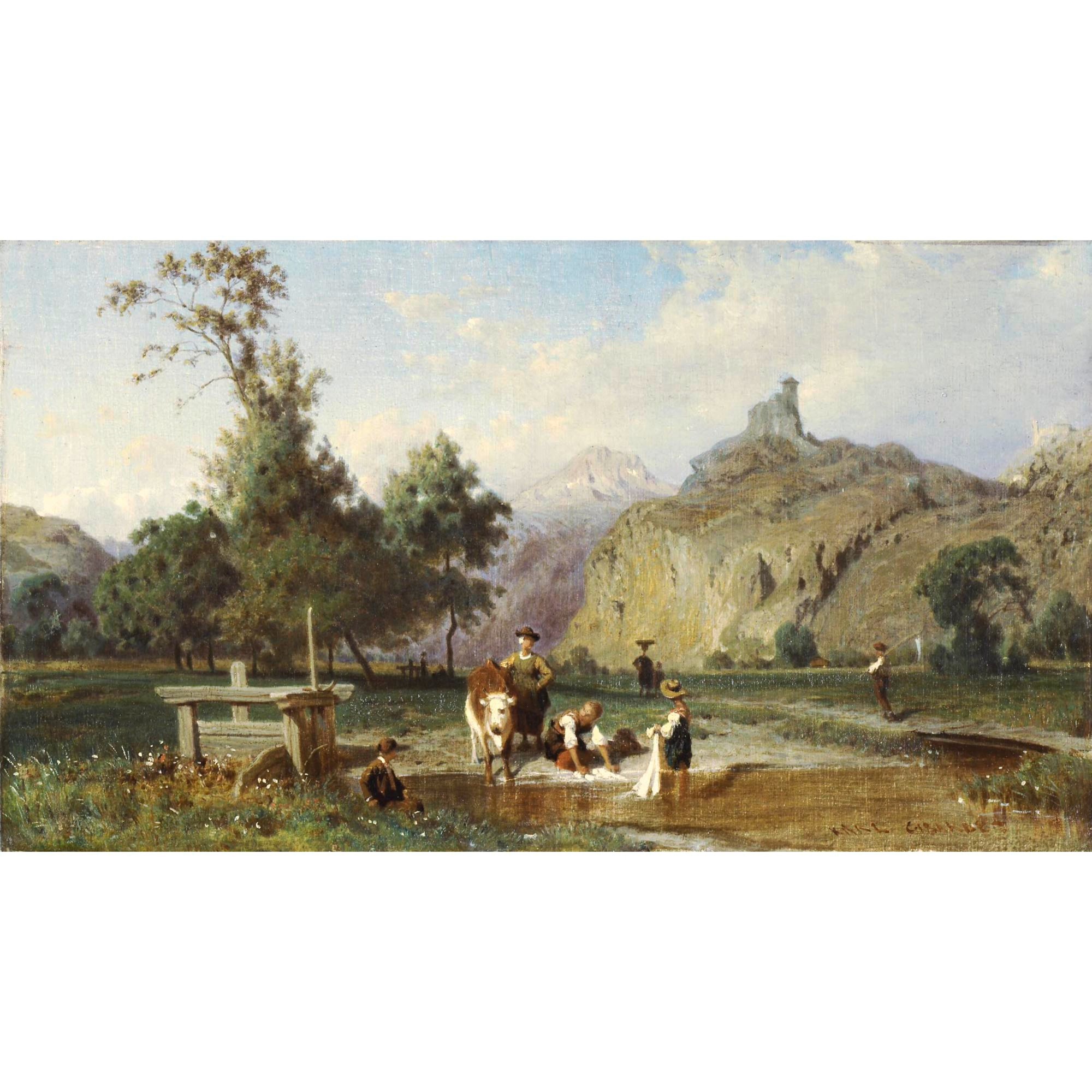
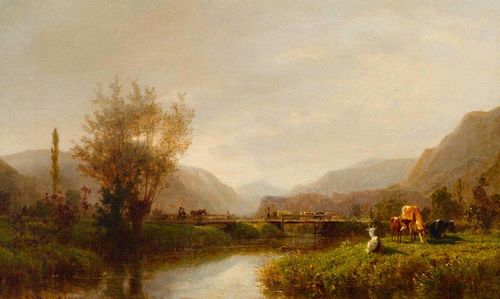
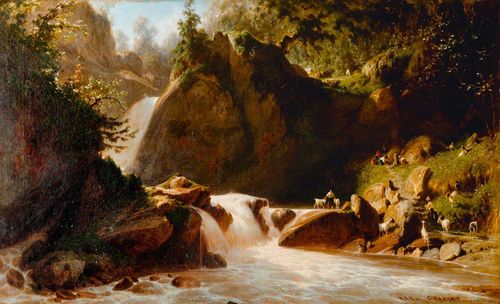
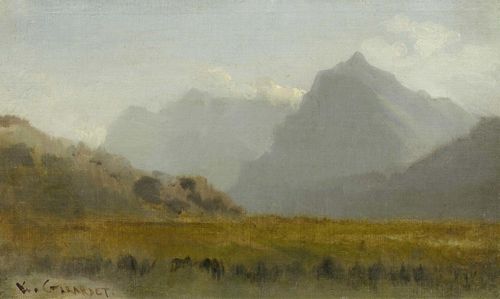
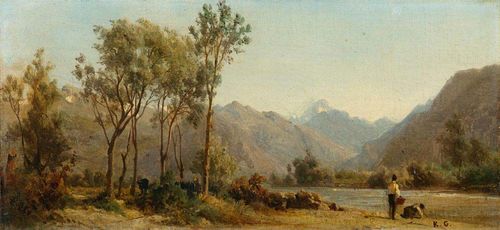
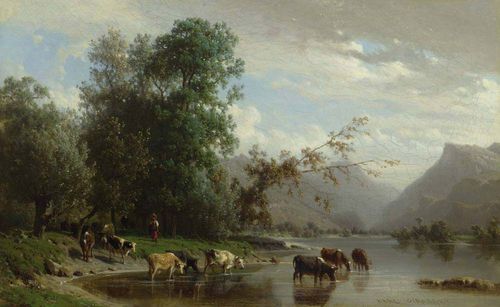
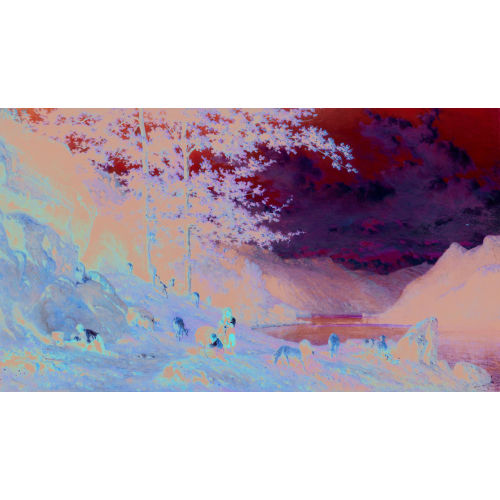
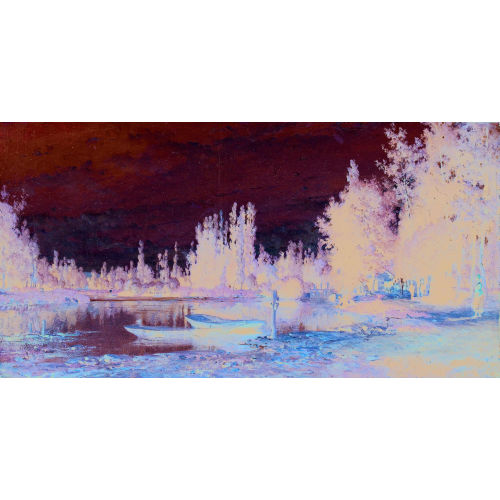
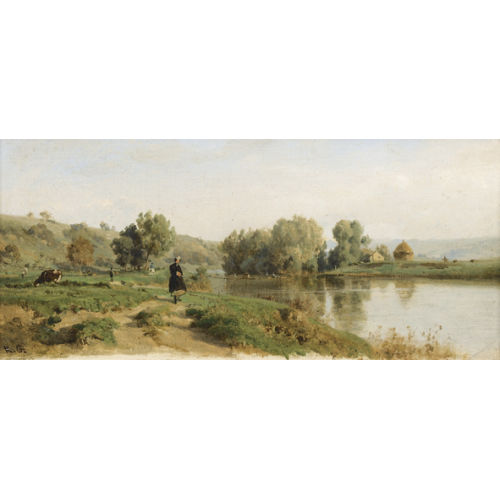
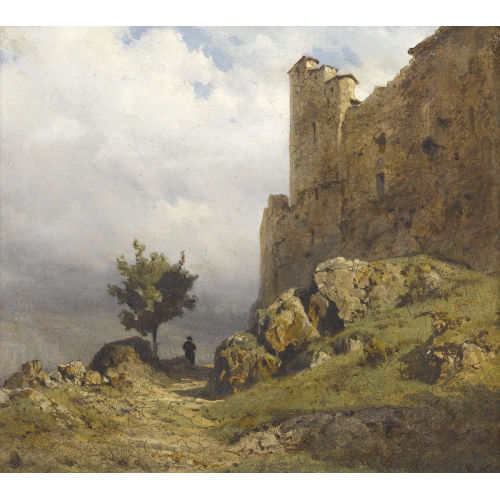
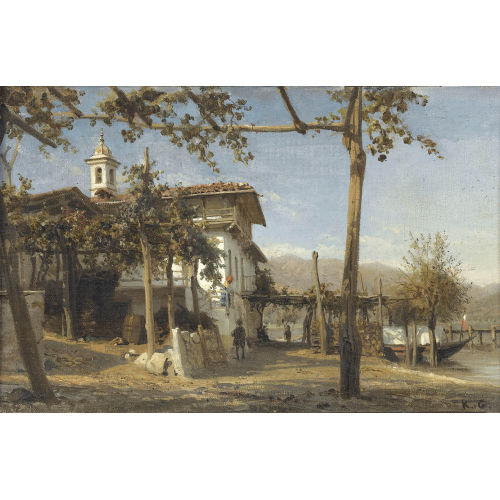
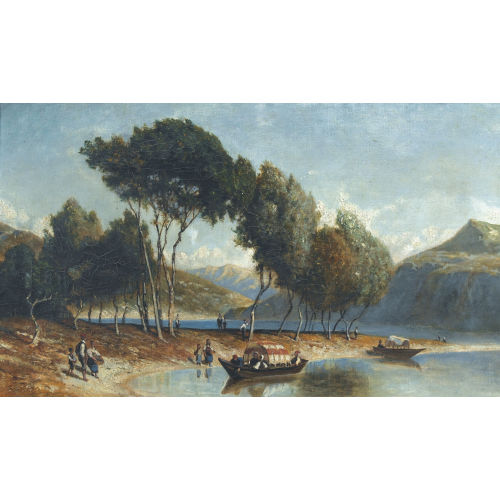
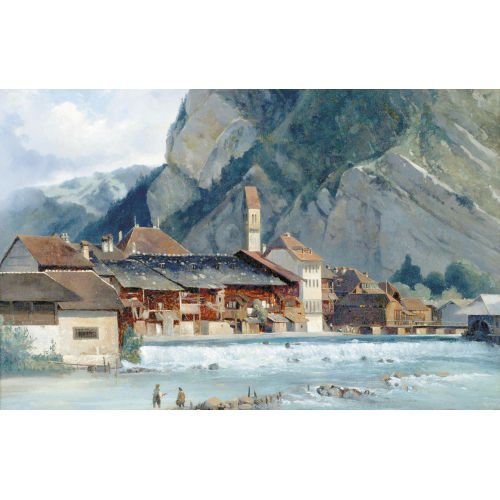
His landscapes offer a particularly sensitive entry point into his art. In Clocher de Weesen, held by the Musée des Beaux-Arts de Reims, a path leads towards a church on the shore of Lake Walen. The mist and mountains lend the view a Romantic tone.
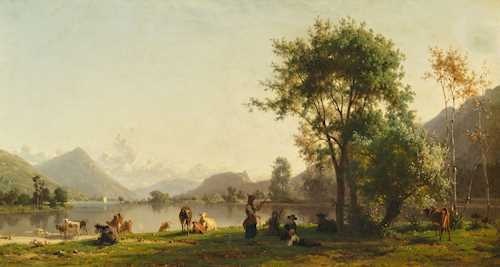
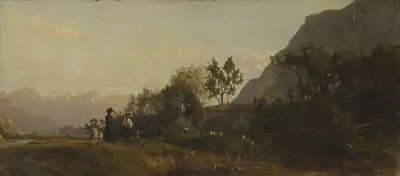
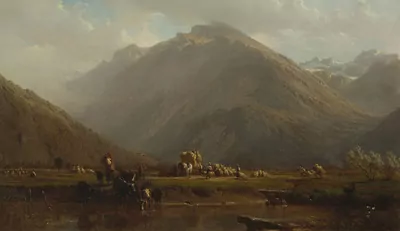
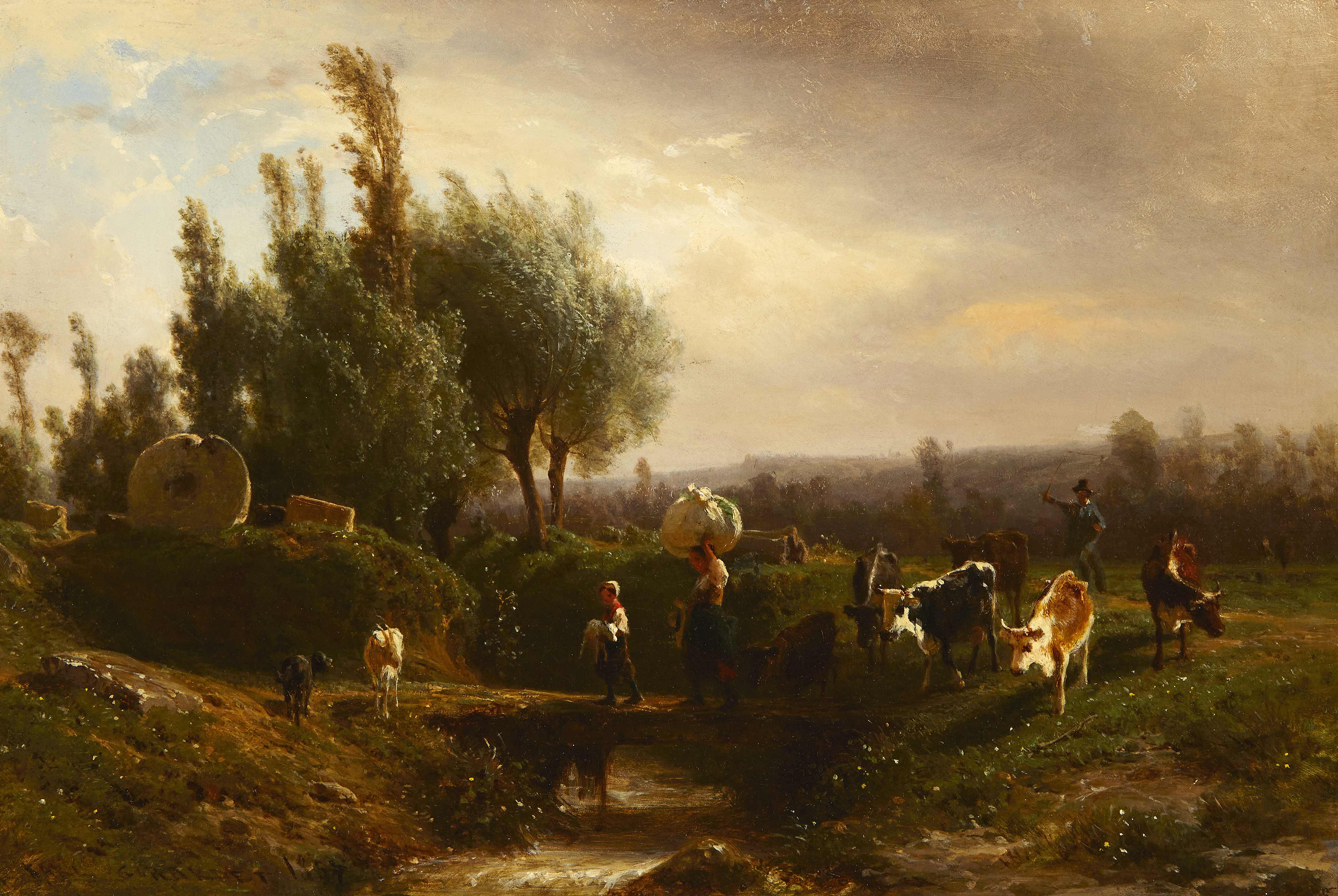
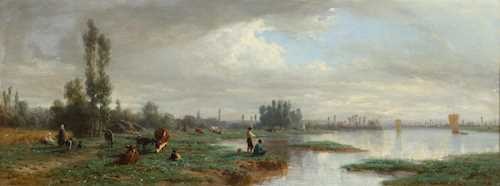
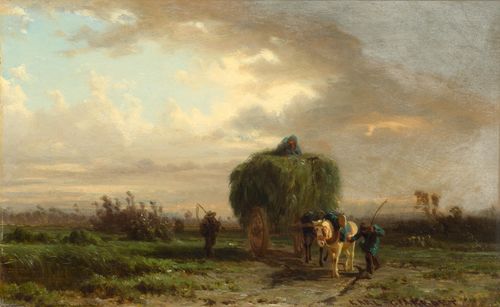
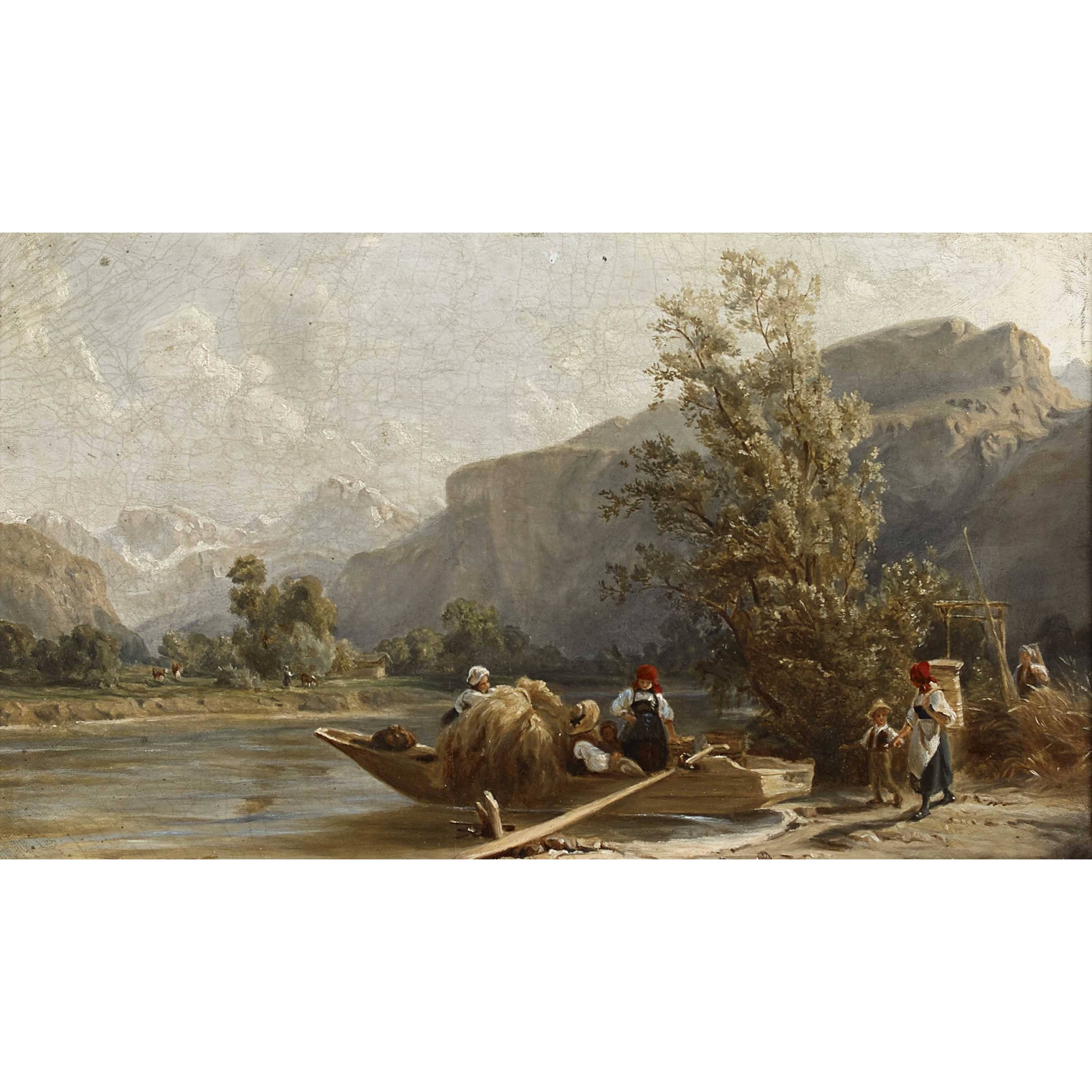
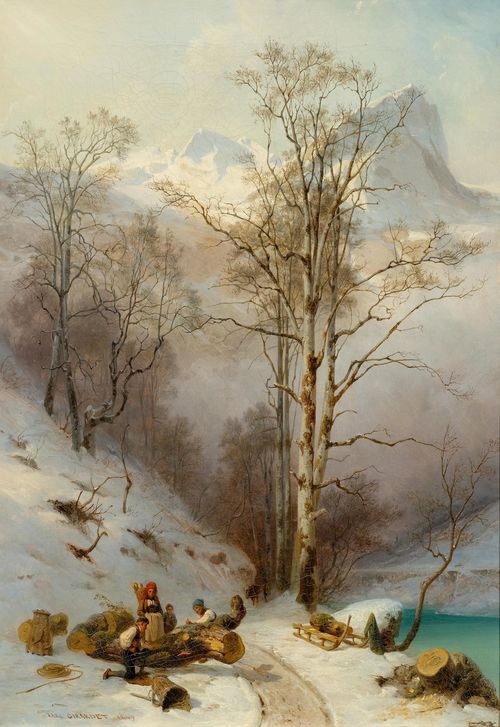
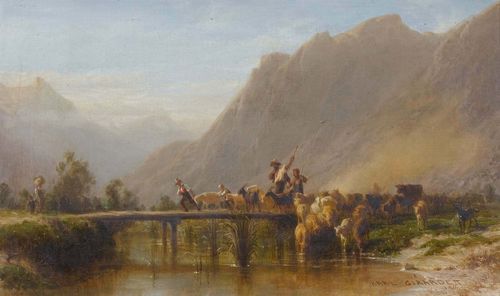
Les Faucheurs, in the same collection, situates the farmers’ work within a tiered landscape: the gestures, the cart and the touches of colour in the clothing animate the rural space.
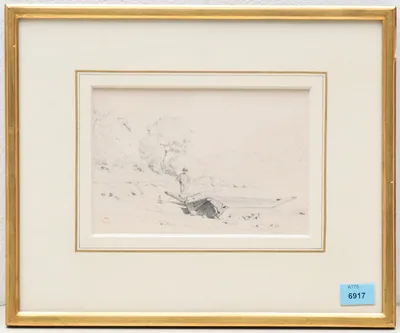
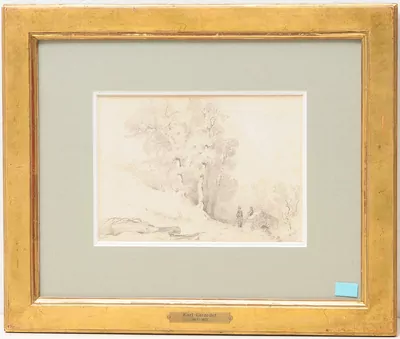
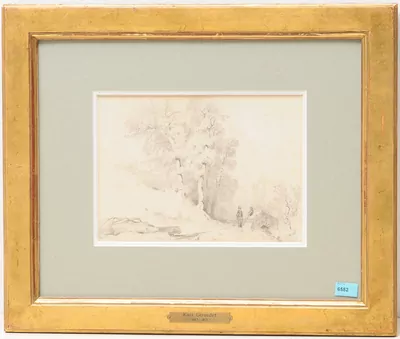
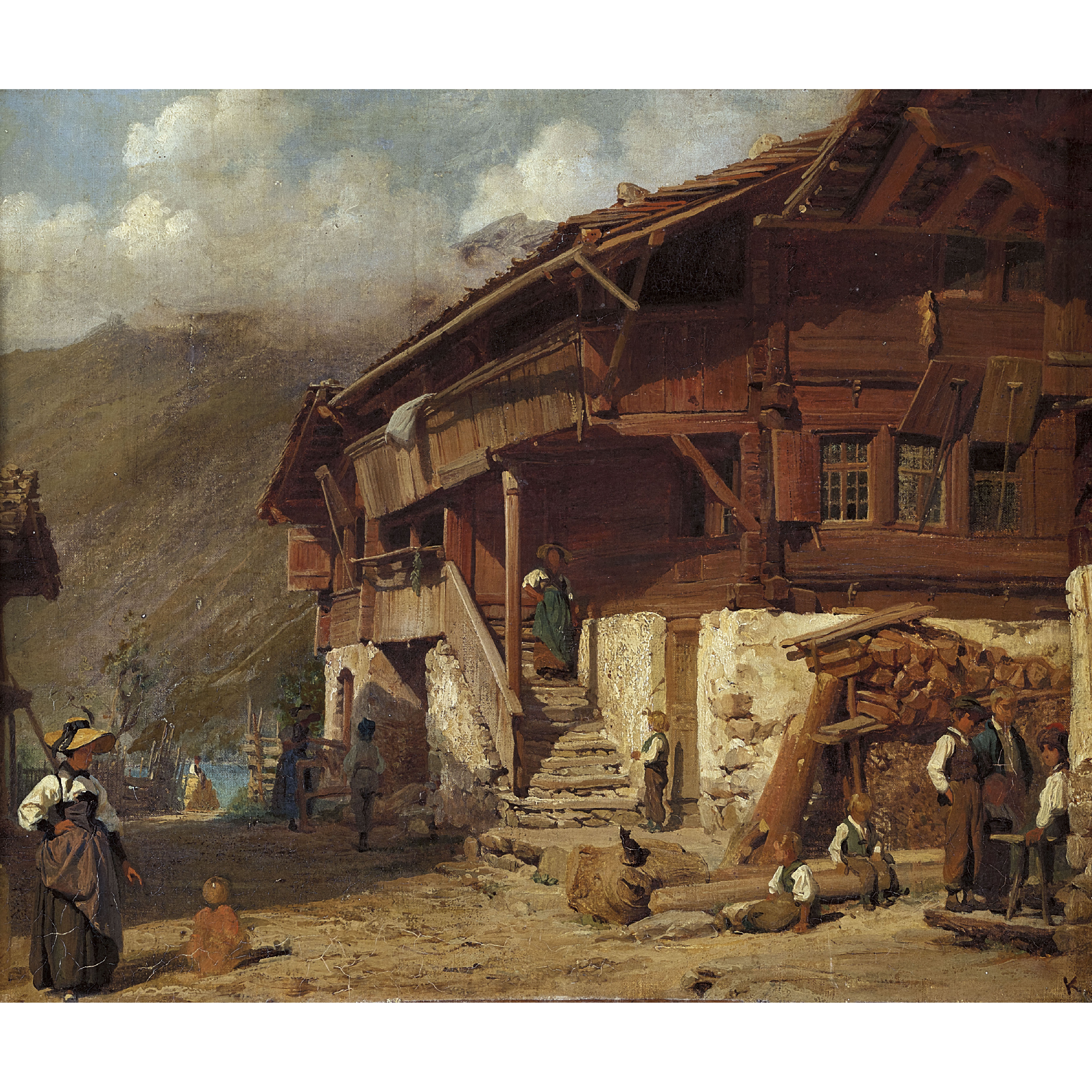
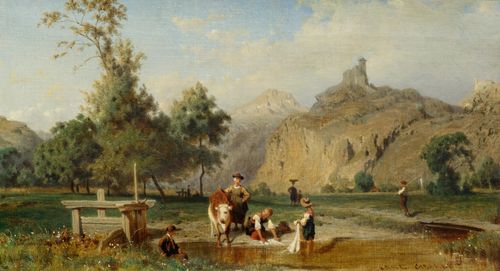
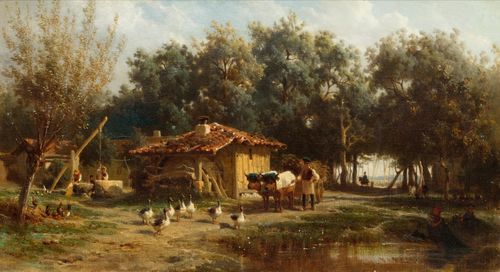
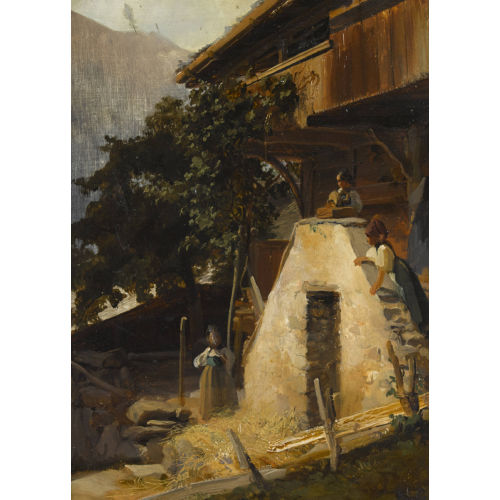
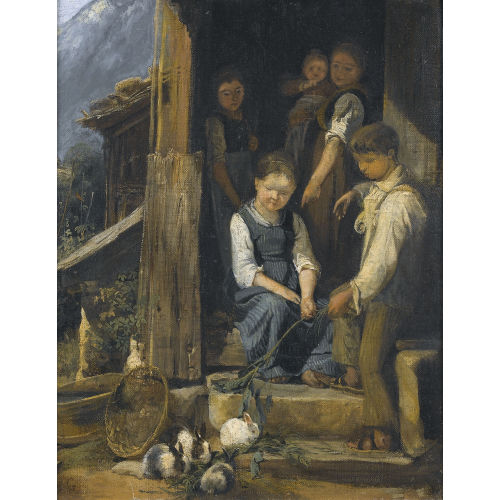
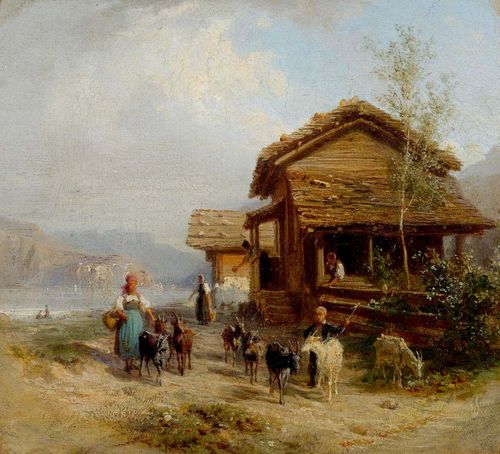
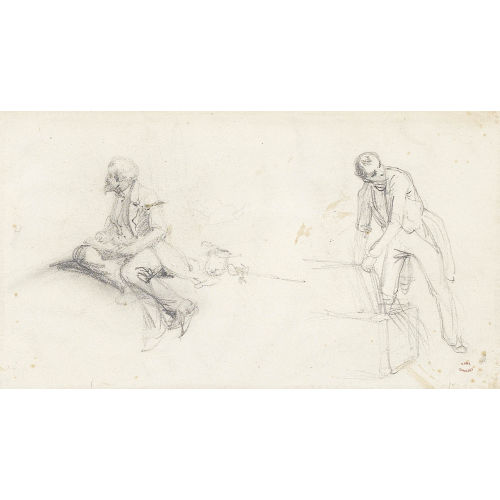
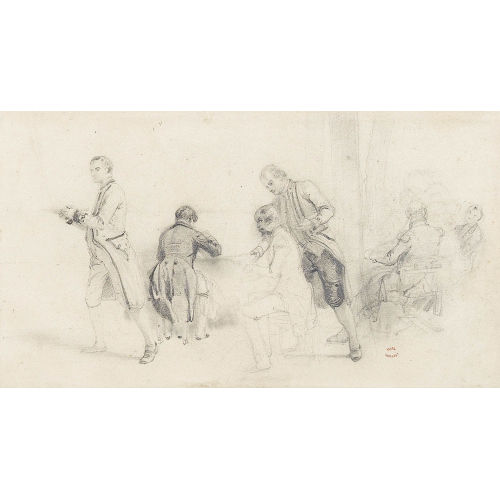
The Louvre also holds an album of drawings comprising Swiss landscapes and figures executed in Brienz. These sheets show how closely the study of everyday life accompanies Girardet’s narrative ambitions. To discover his work, one may follow this passage between grand history and modest scenes: in both cases, drawing organises space and gives the figures their place within a narrative.