Karl Anneler
Born in 1886.
Died in 1957.
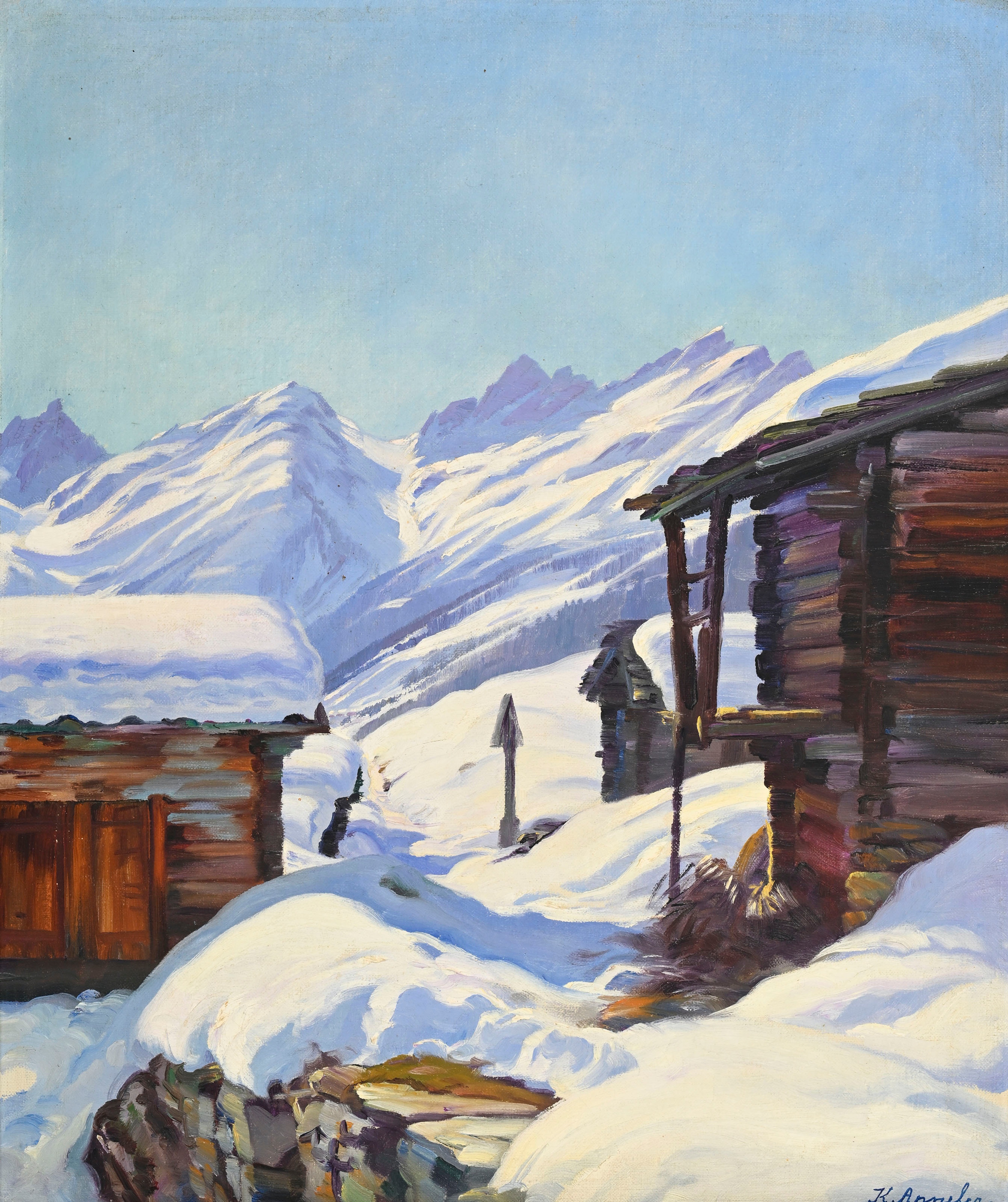
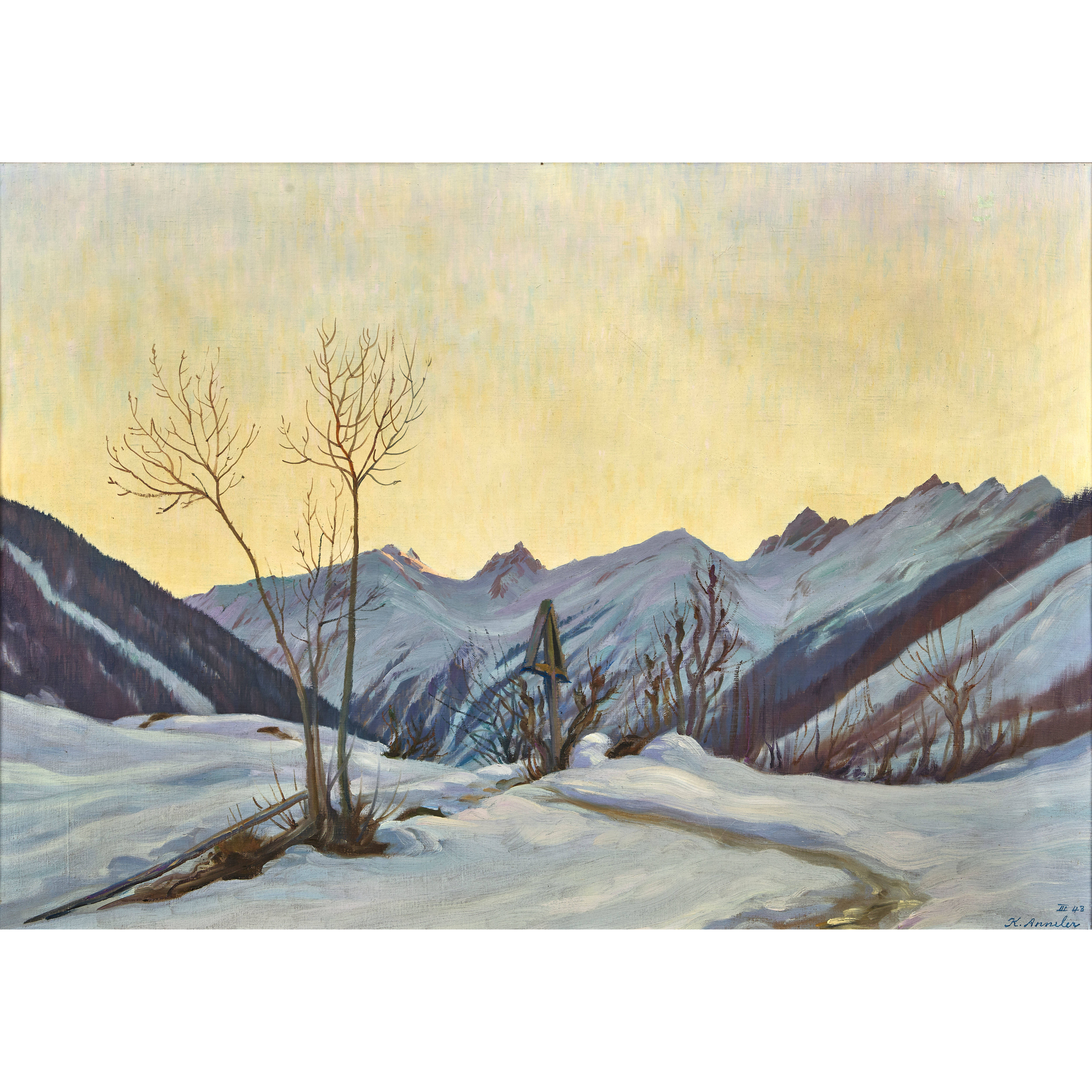
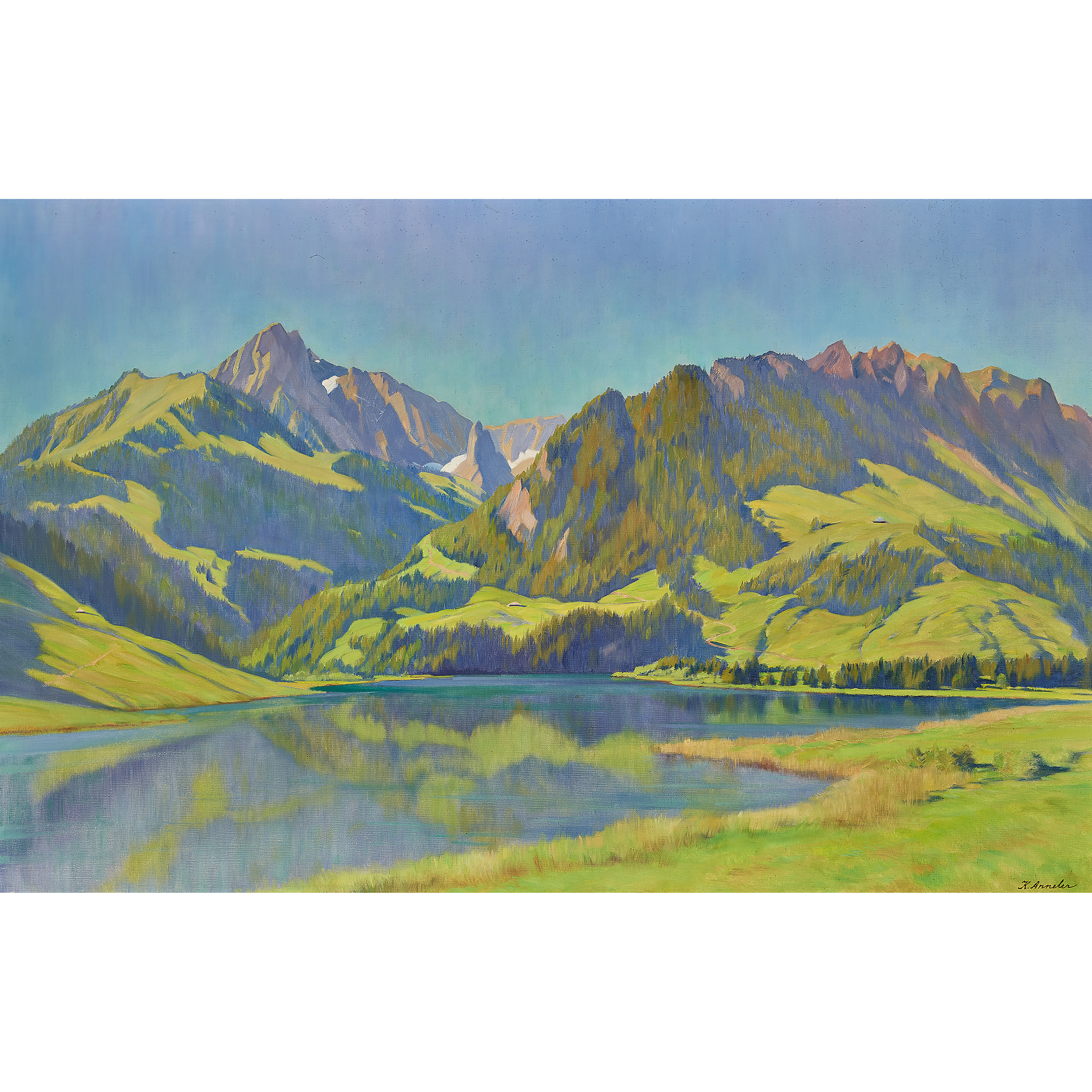
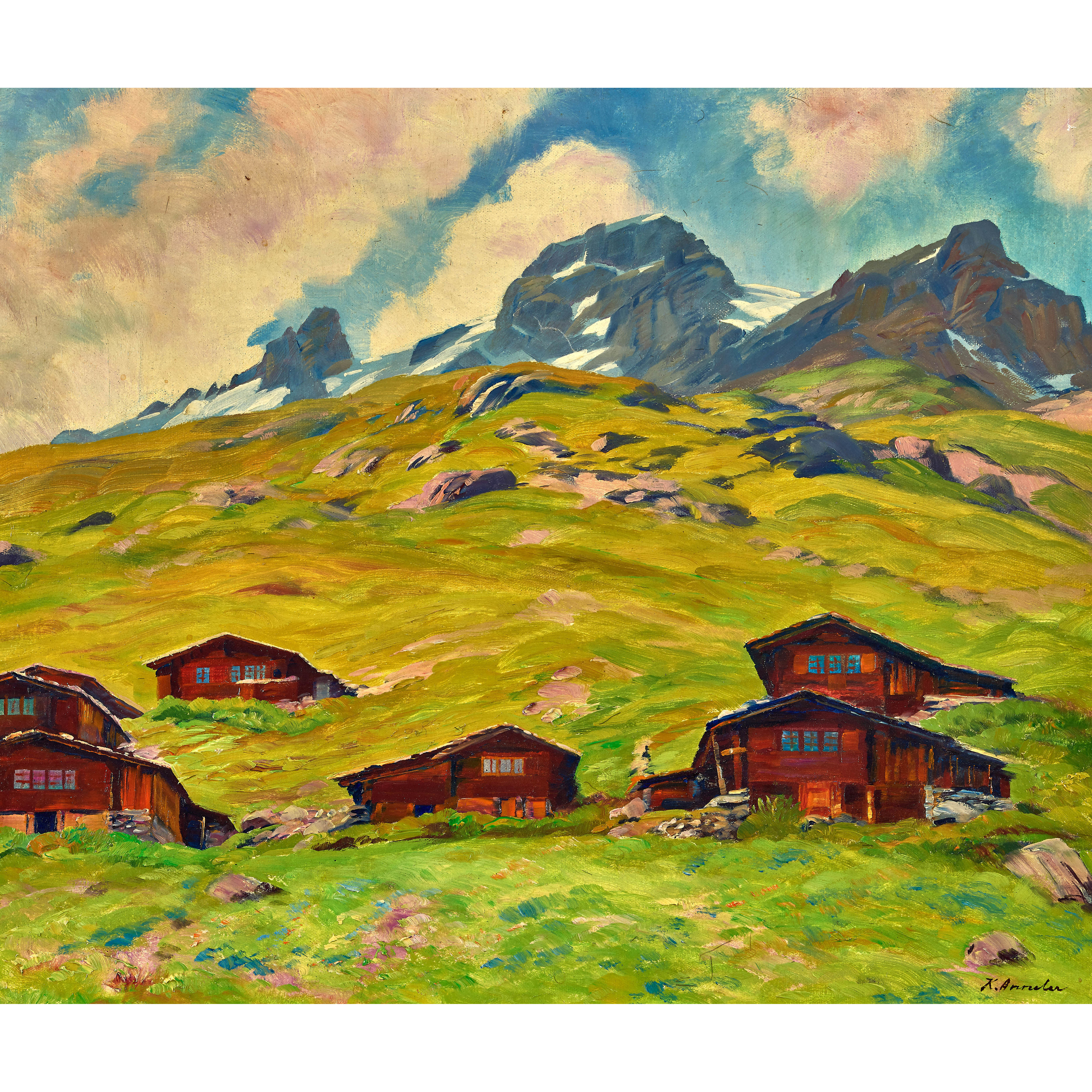
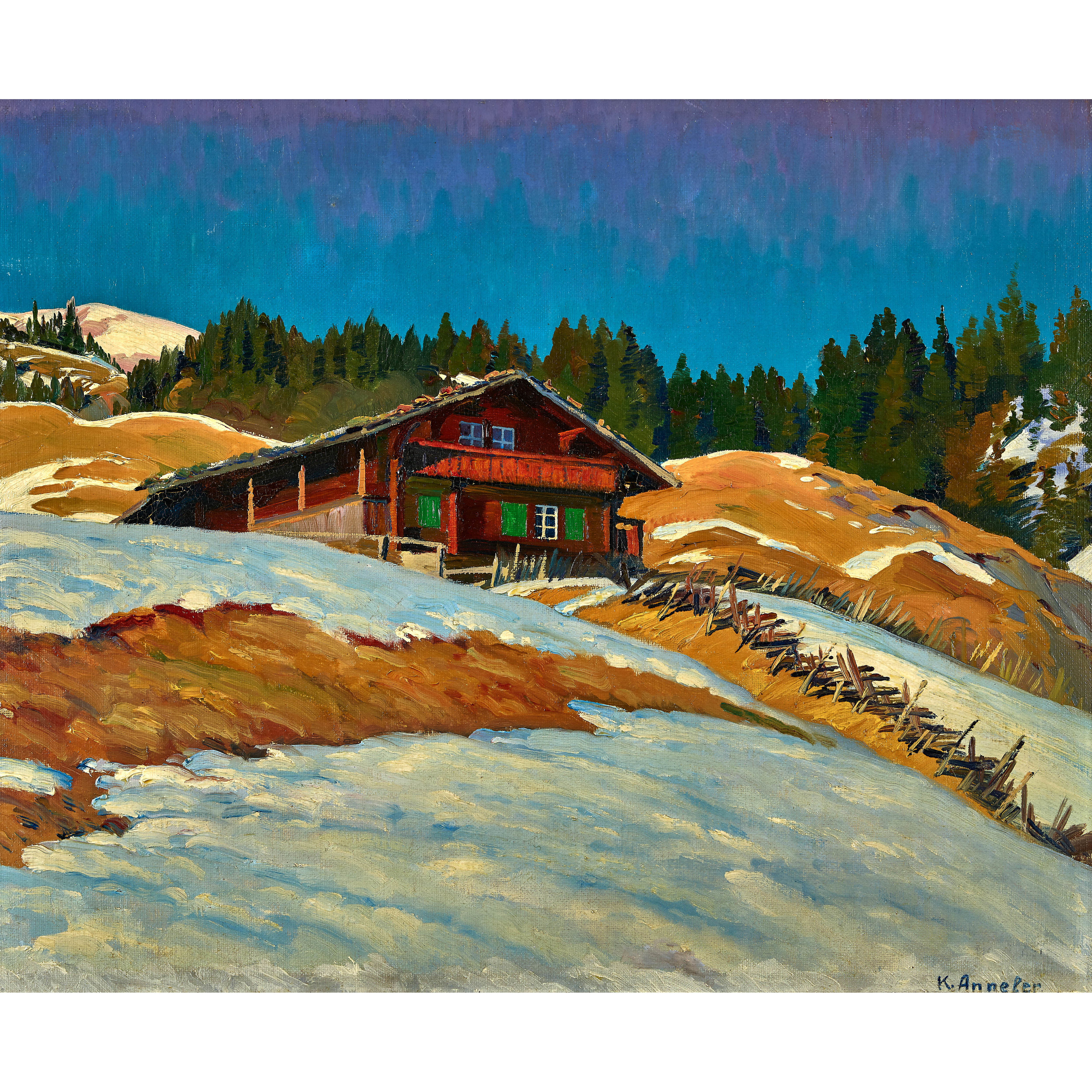
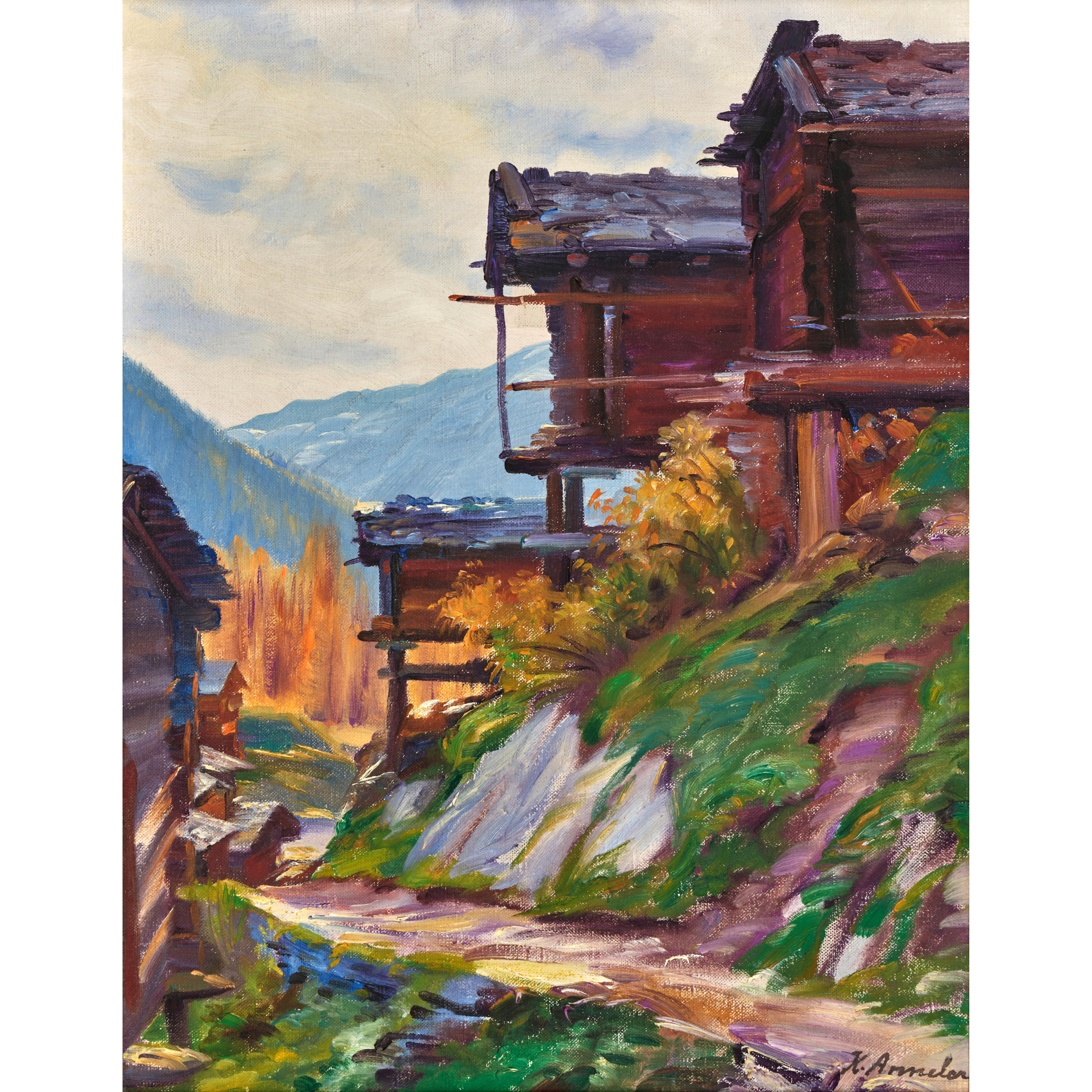
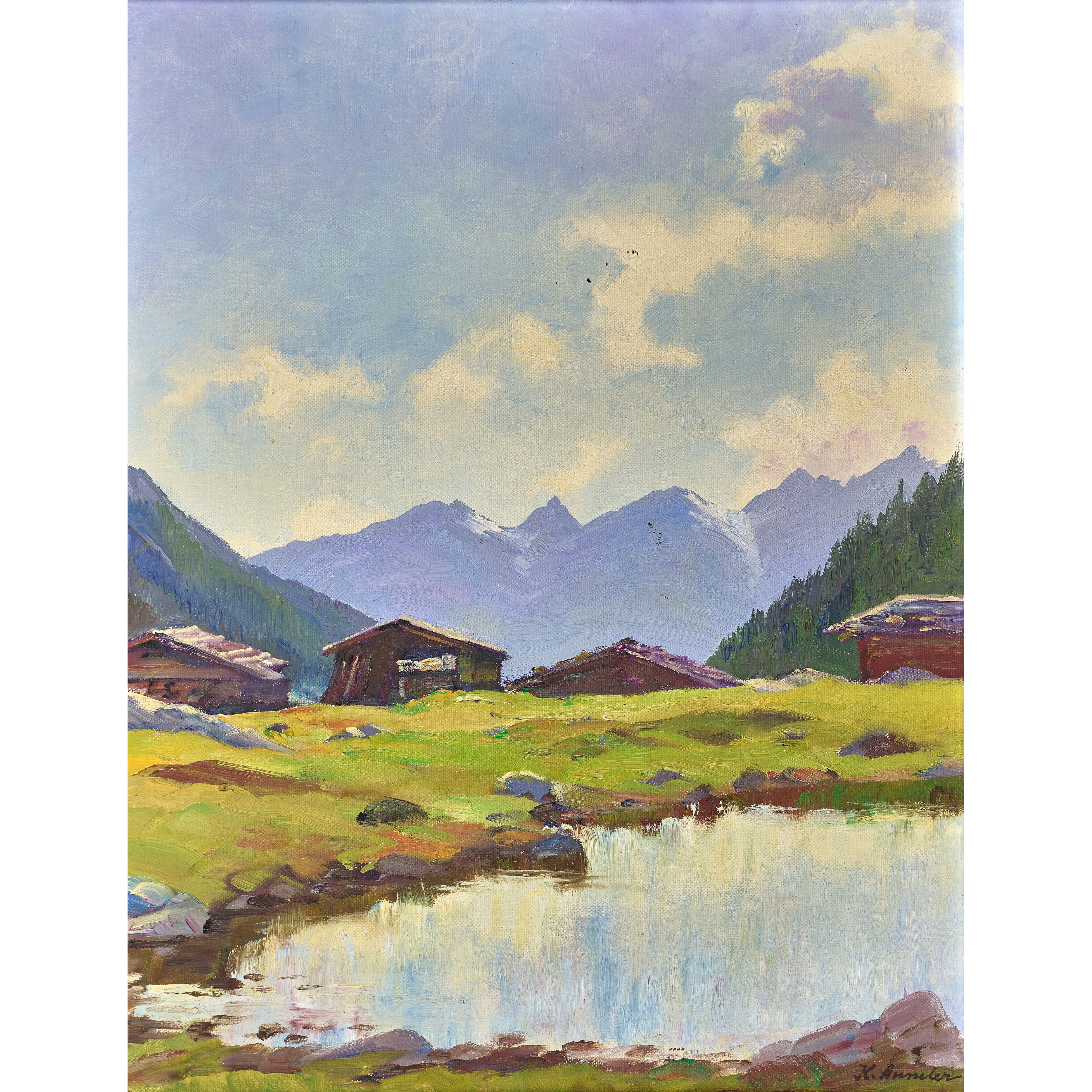
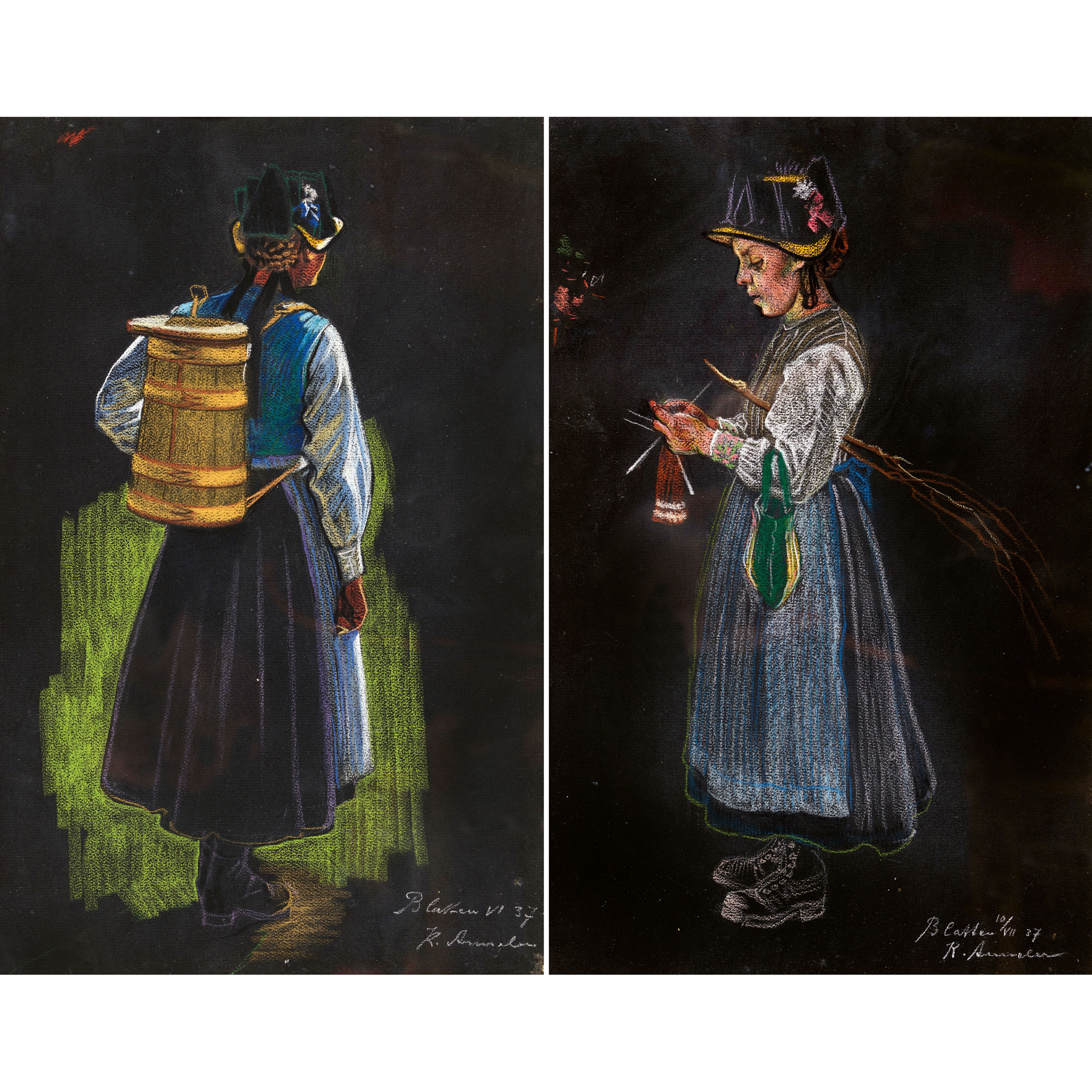
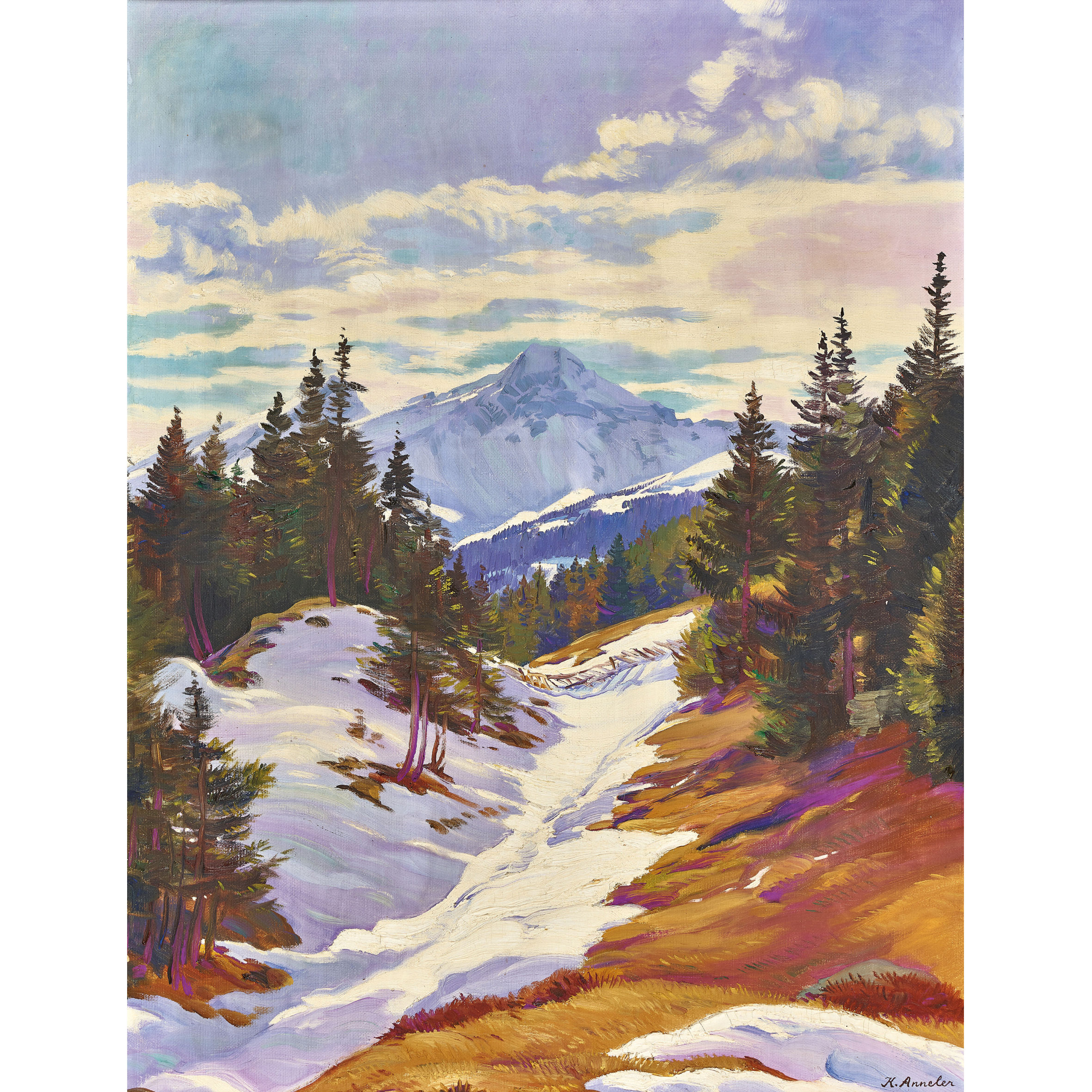
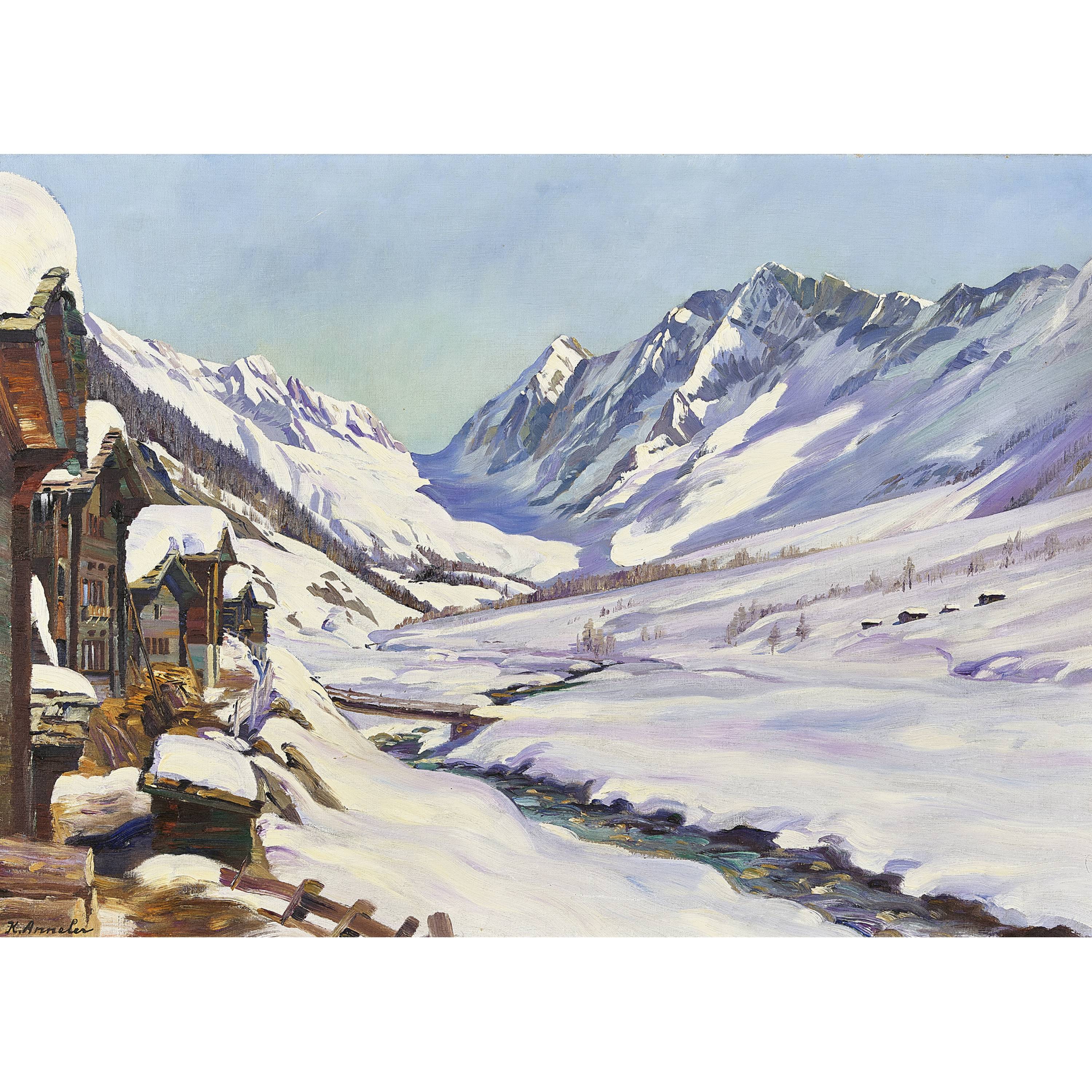
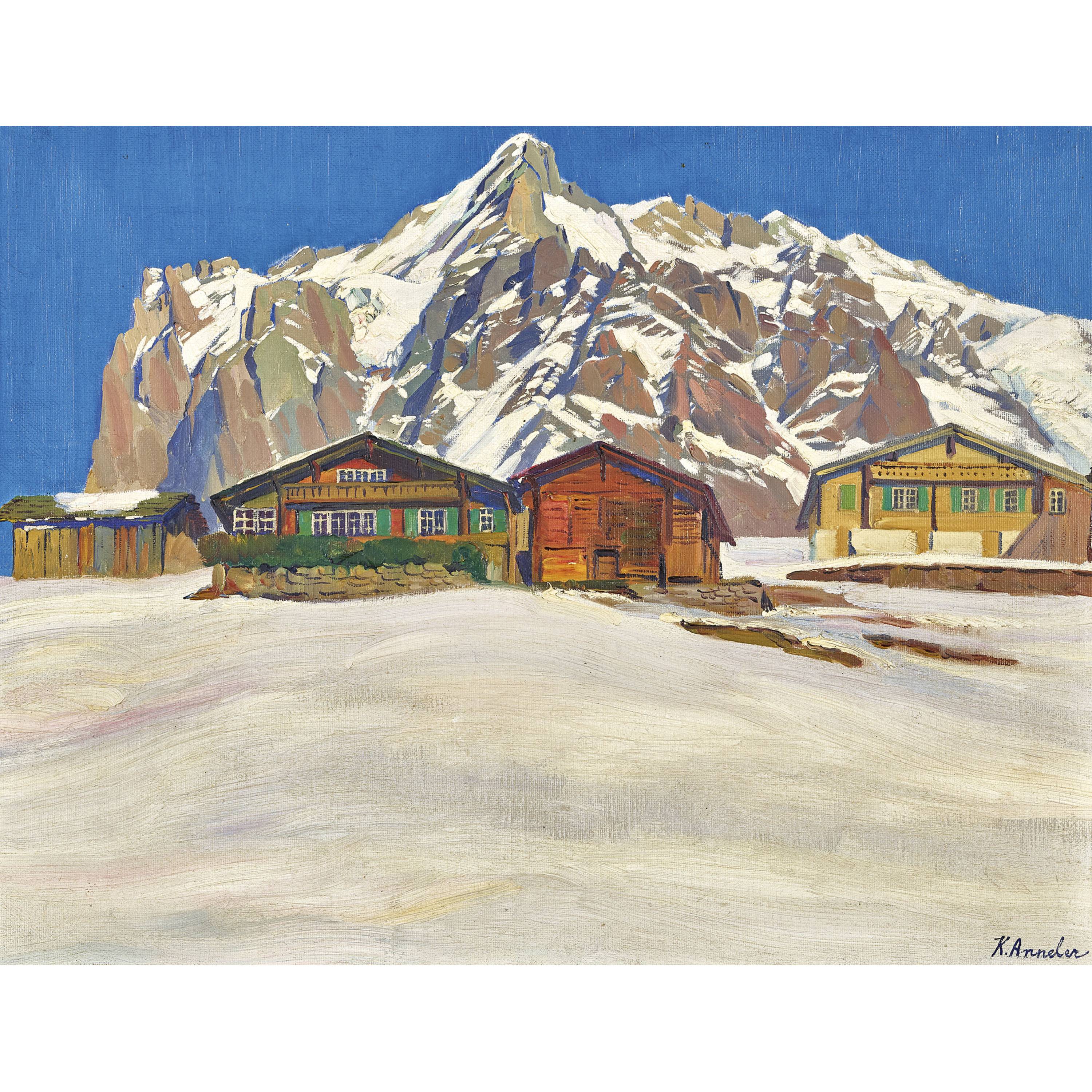
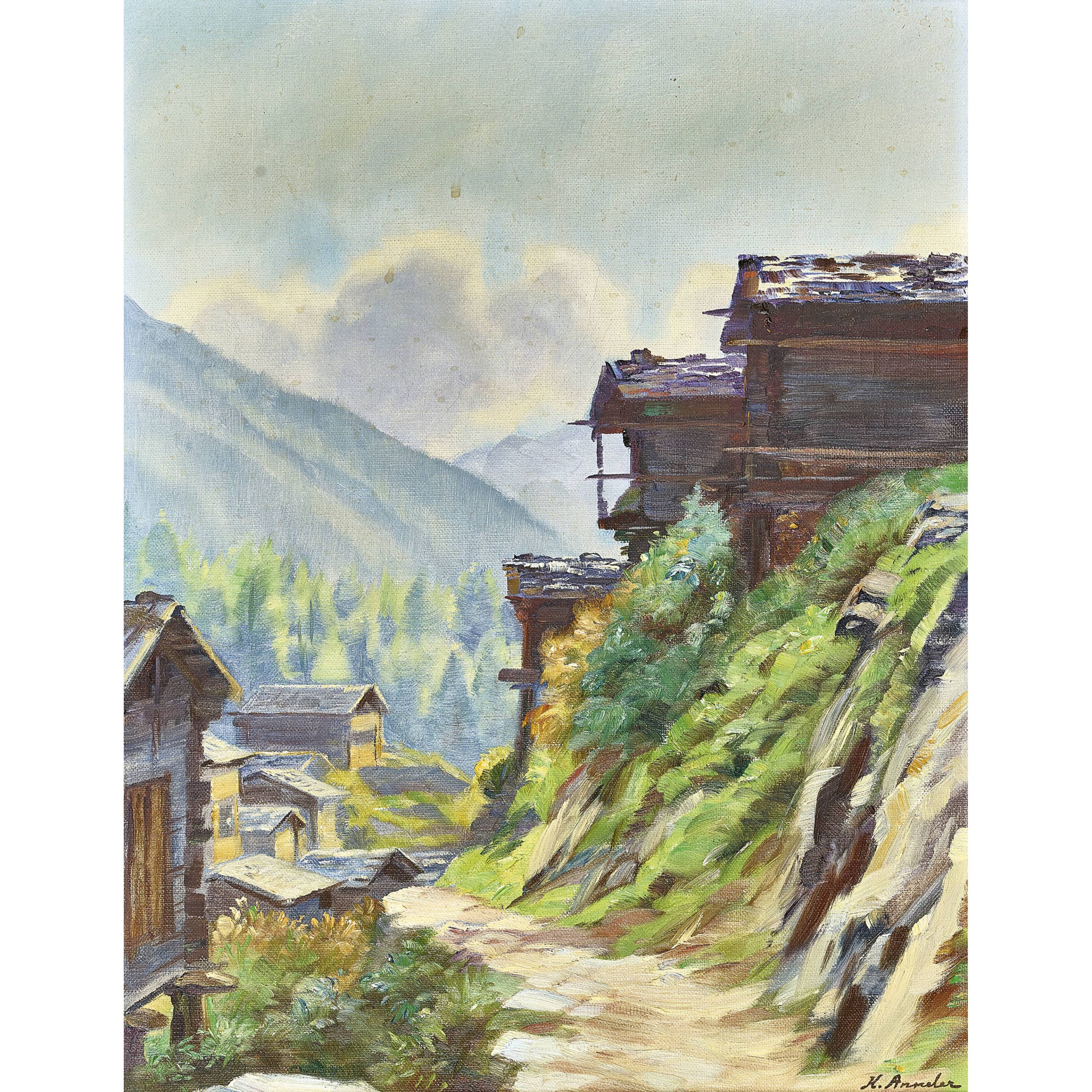
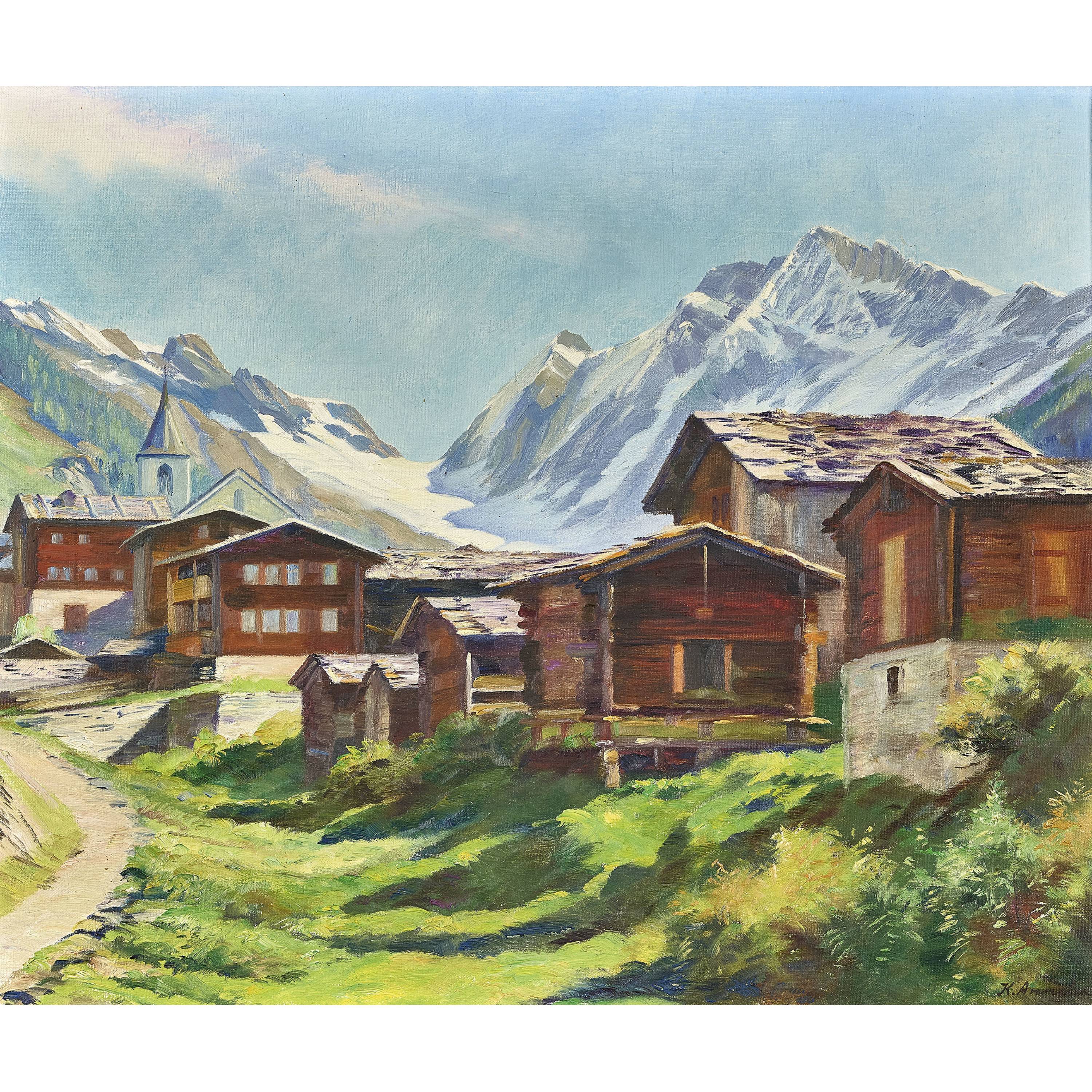
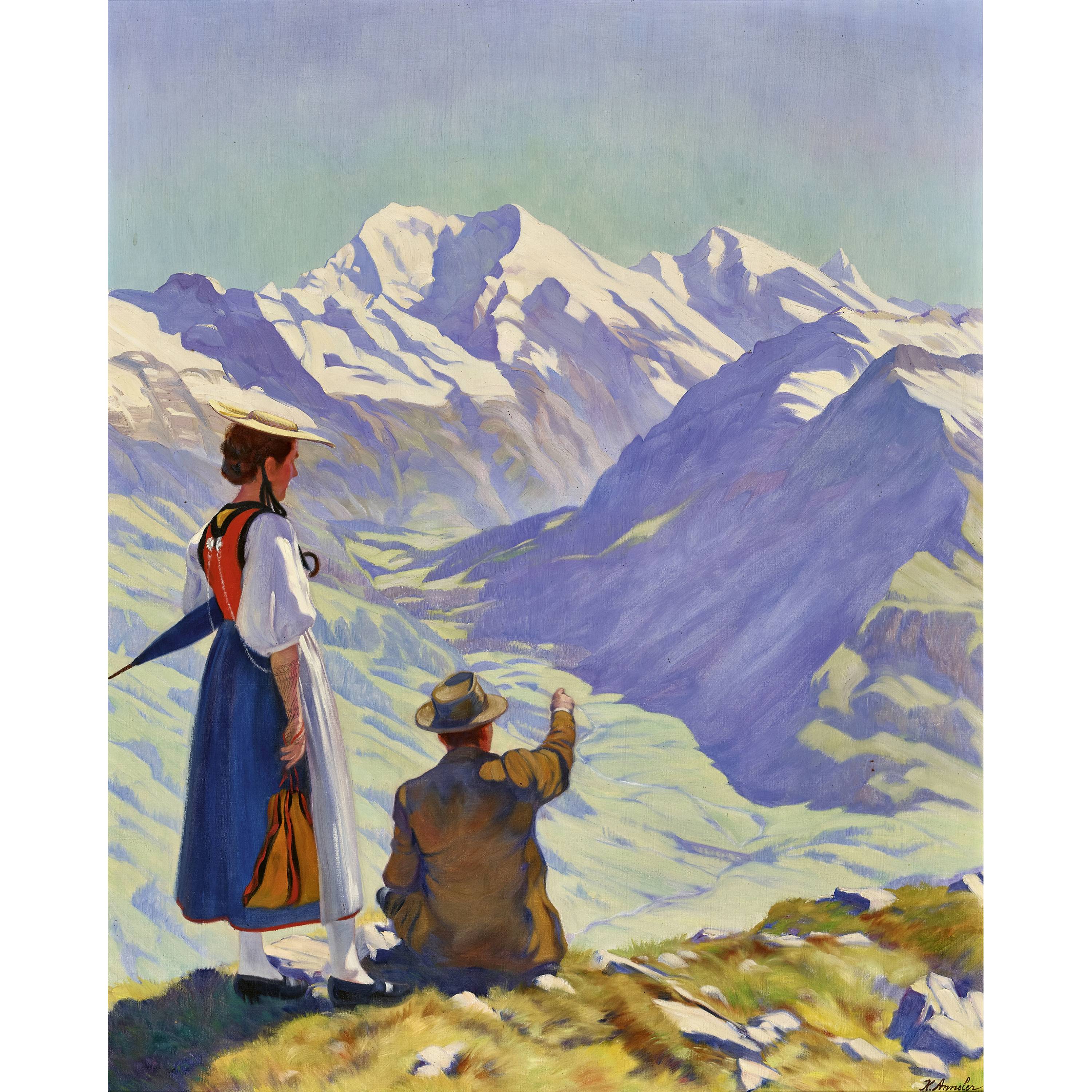
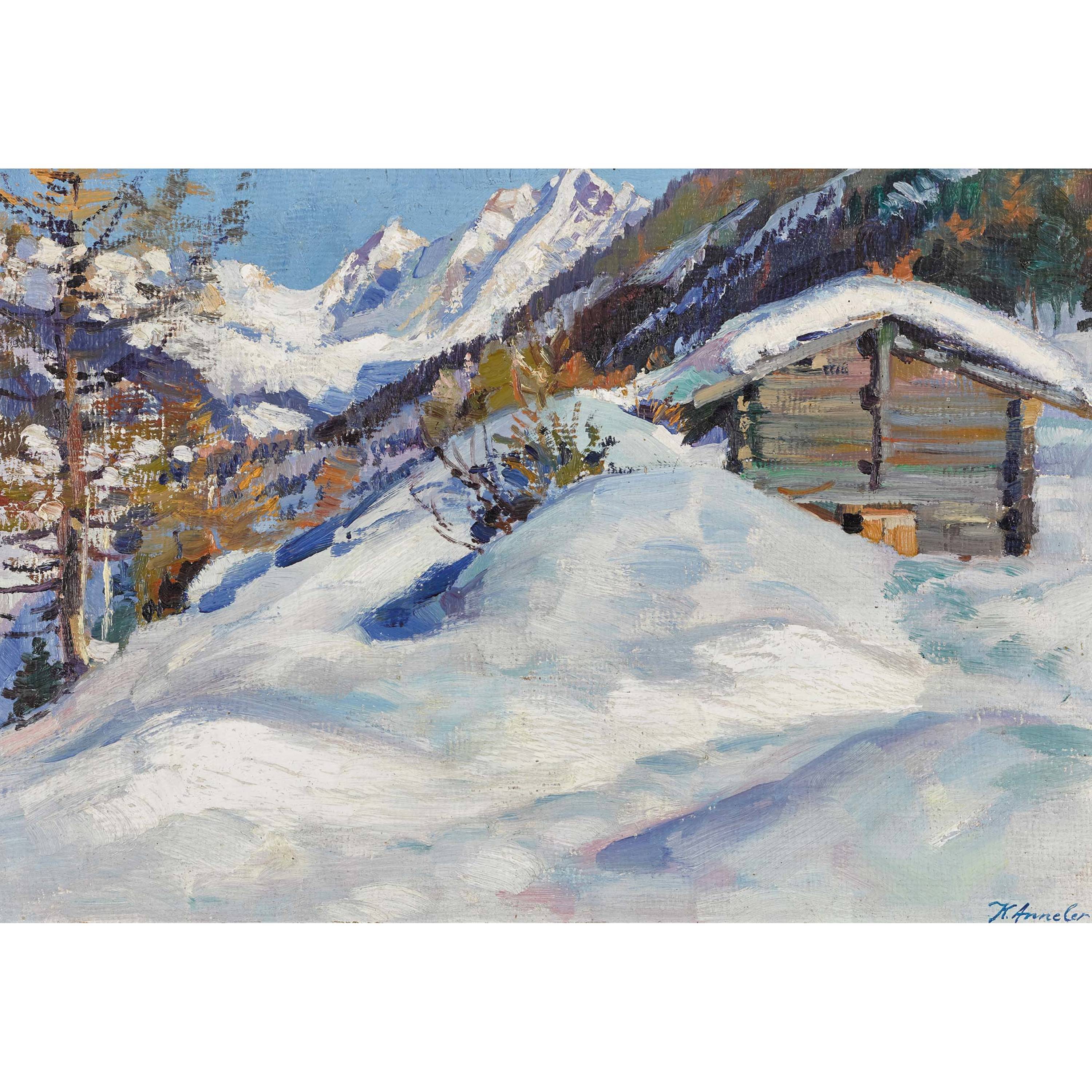
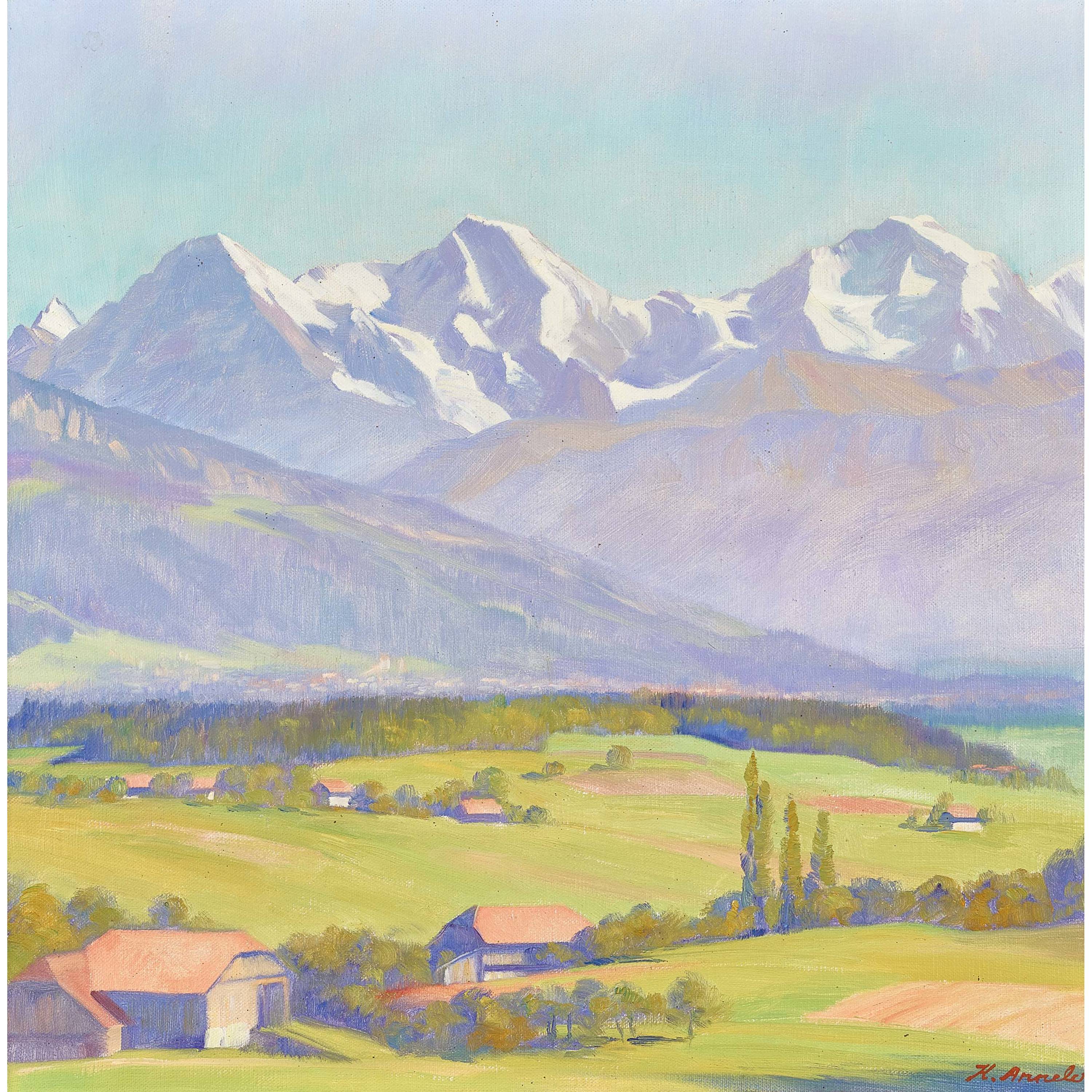
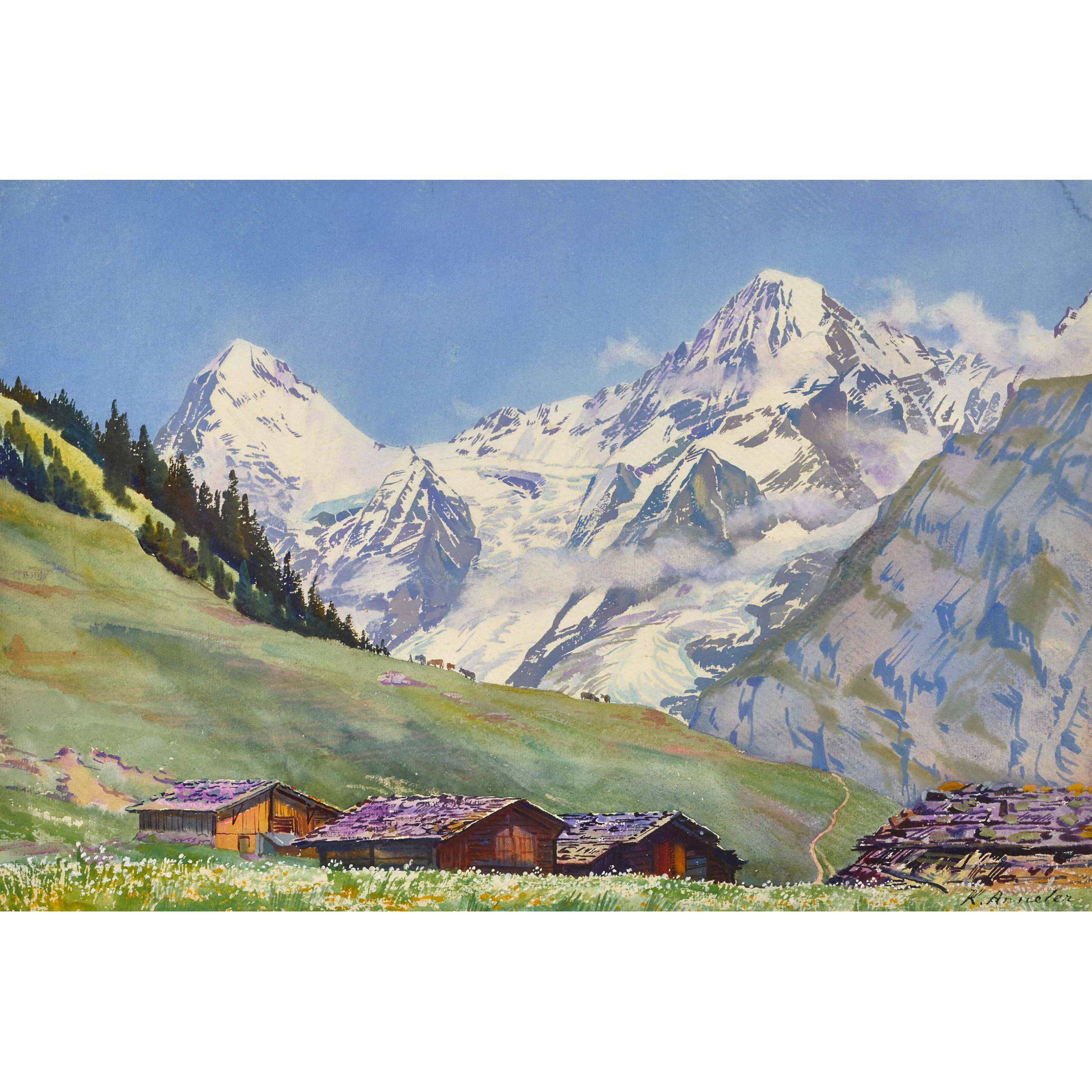
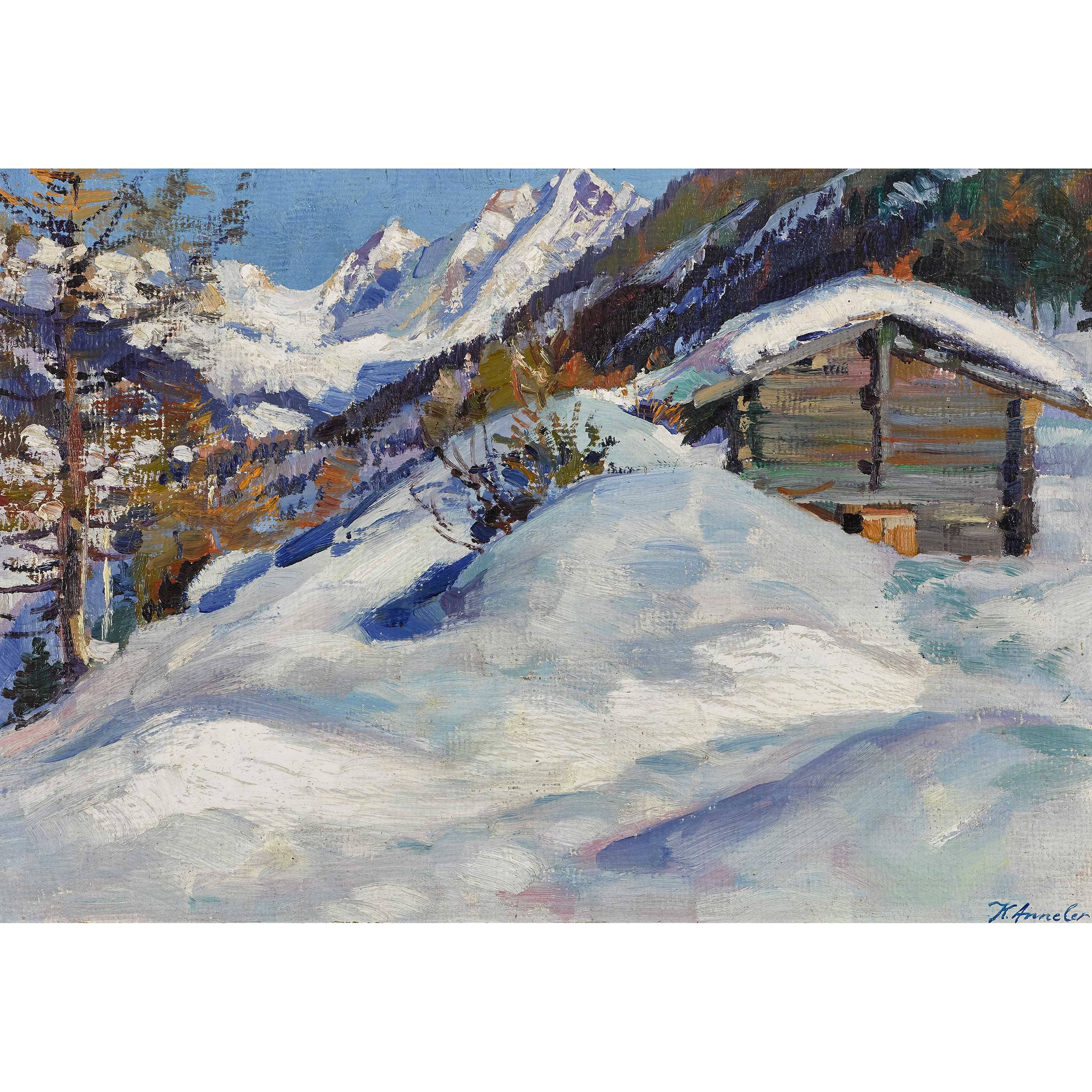
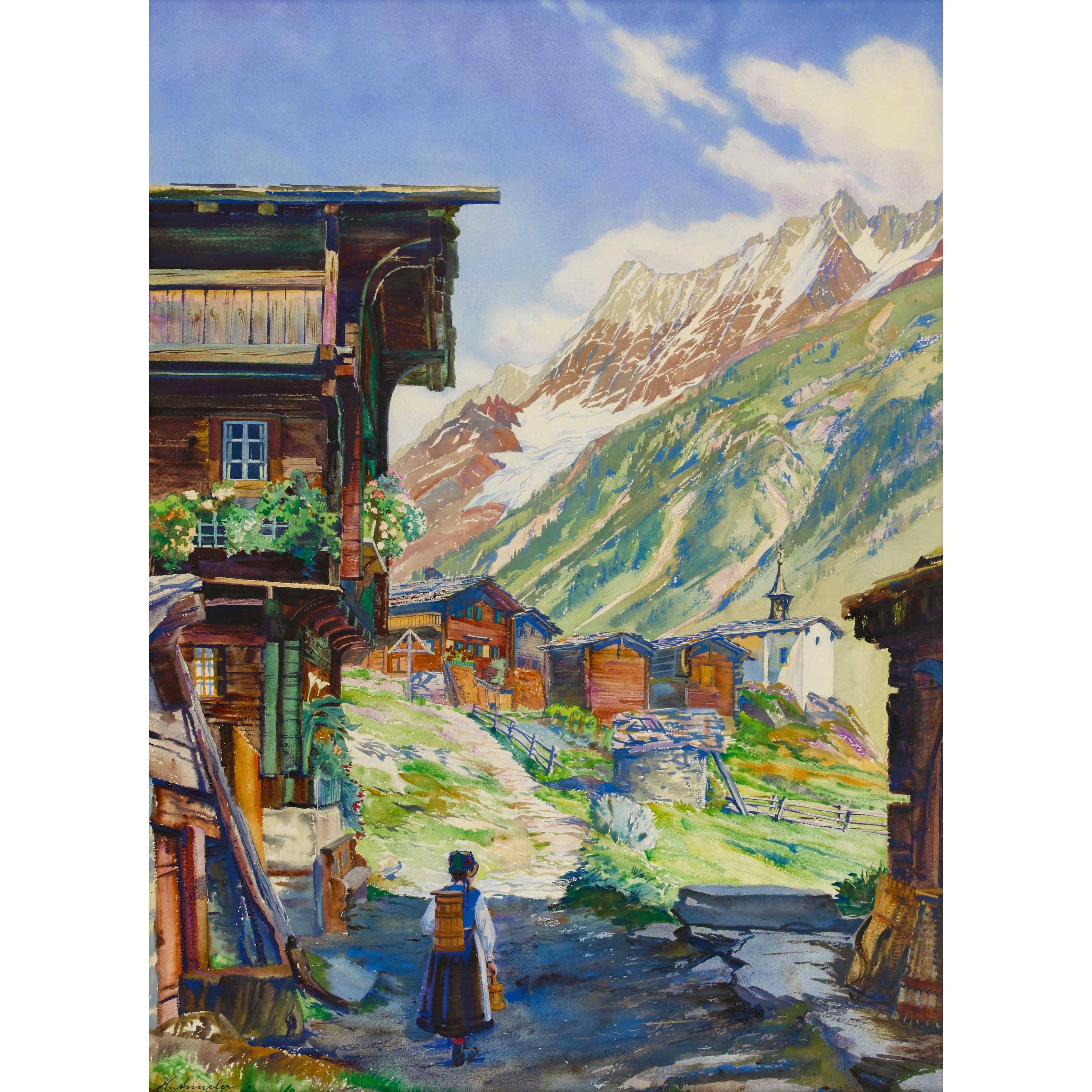
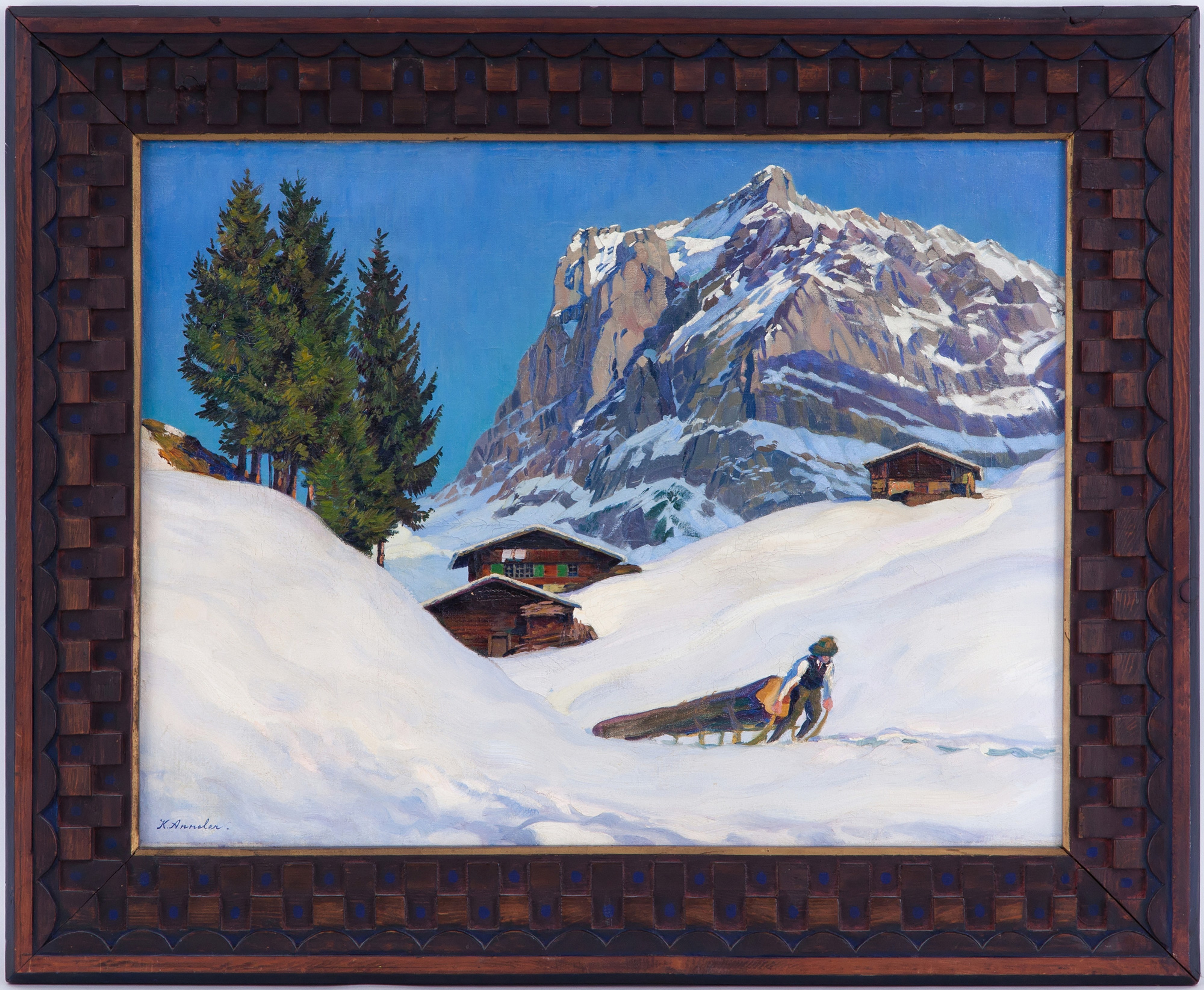
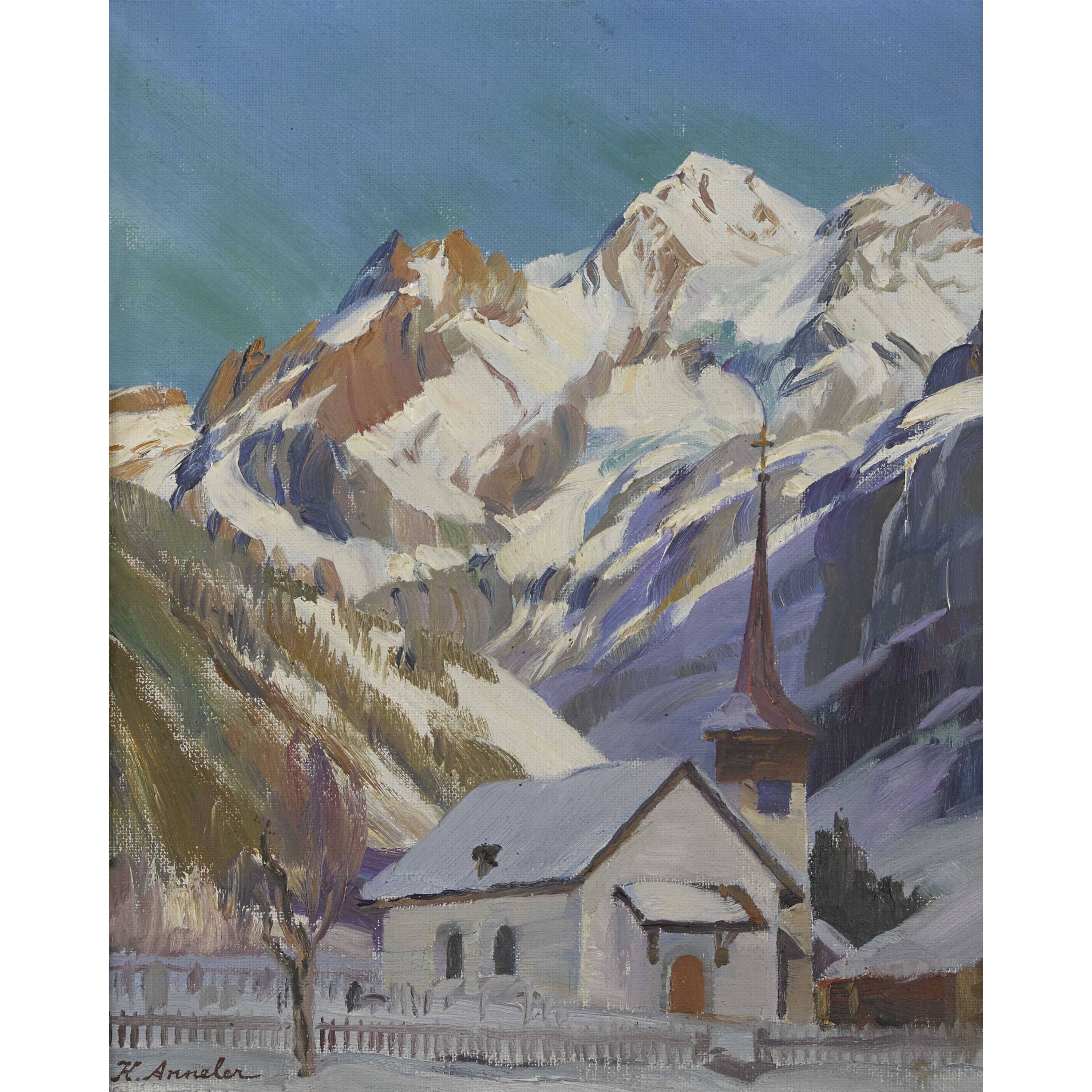
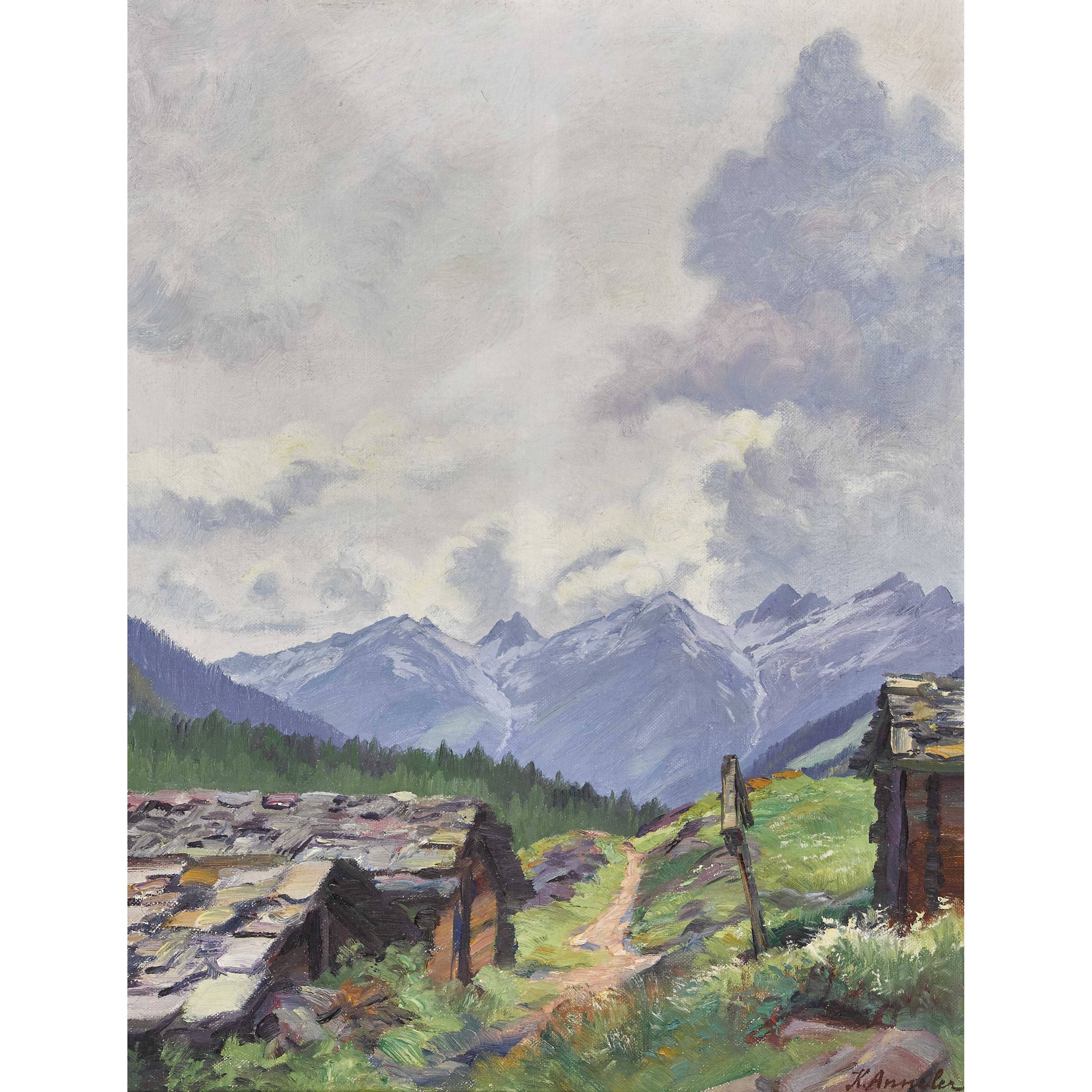
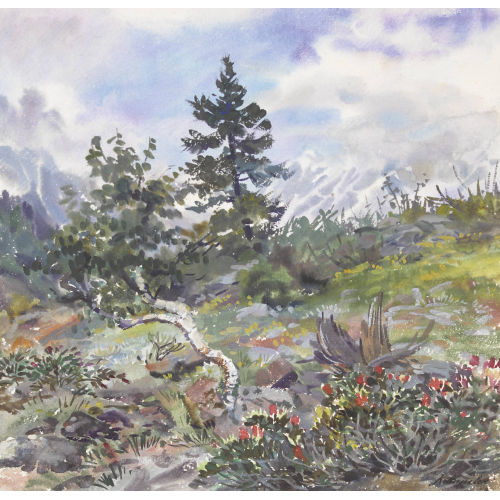
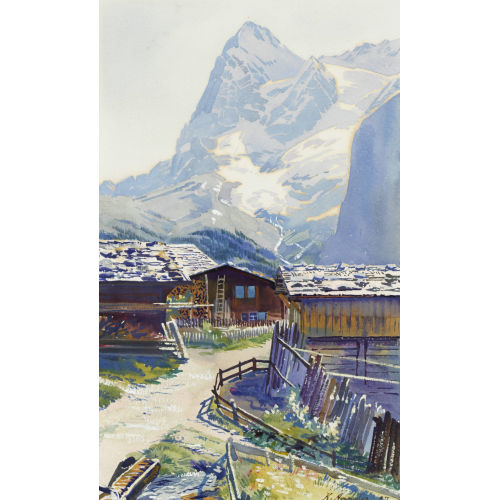
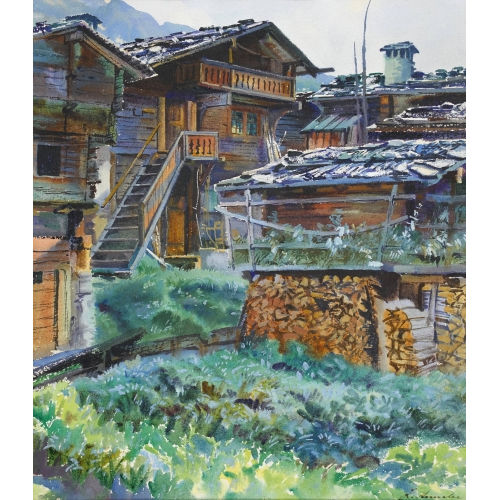
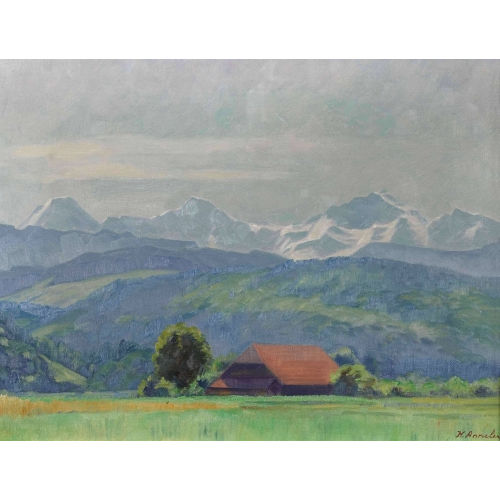
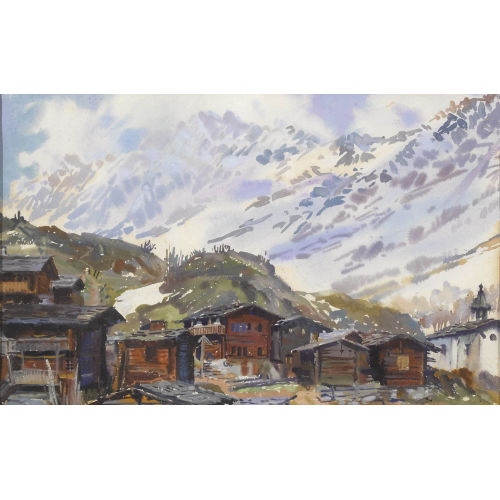
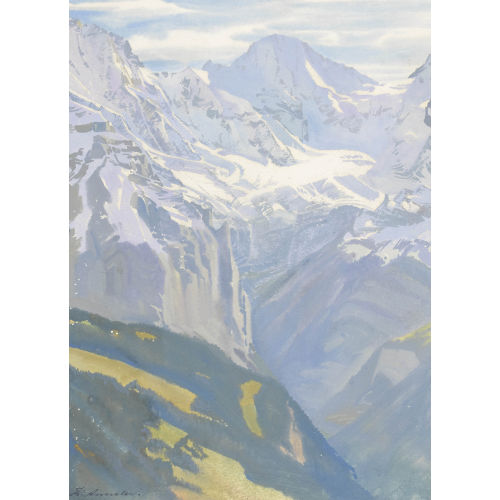
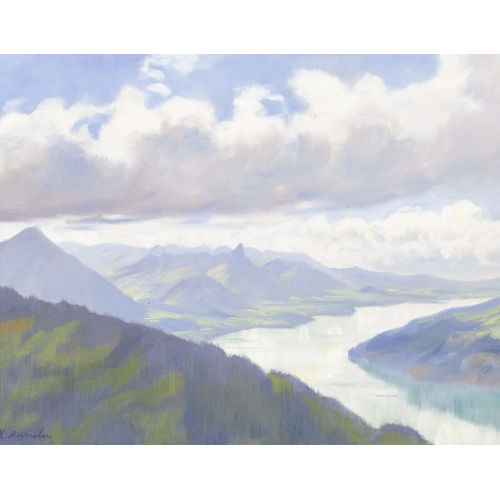
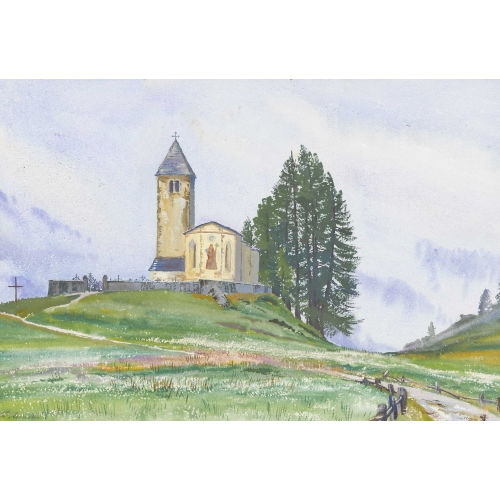
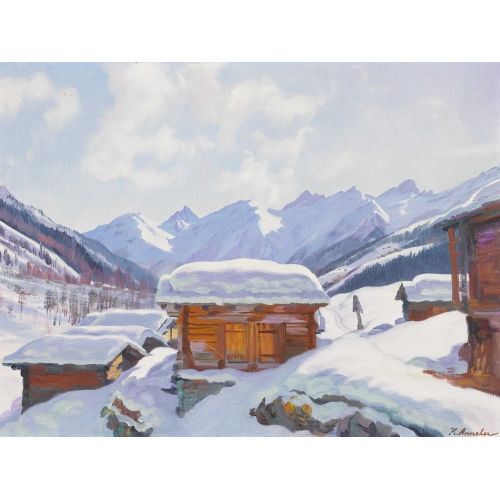
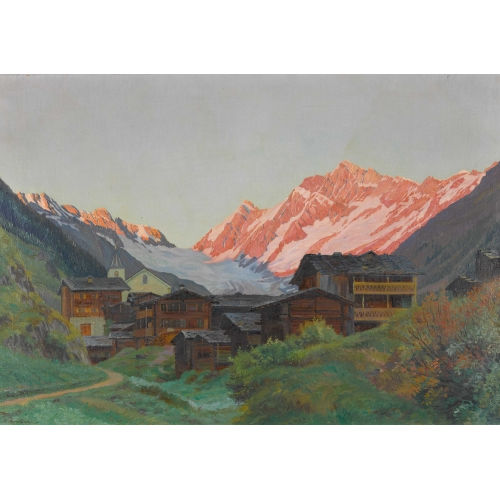
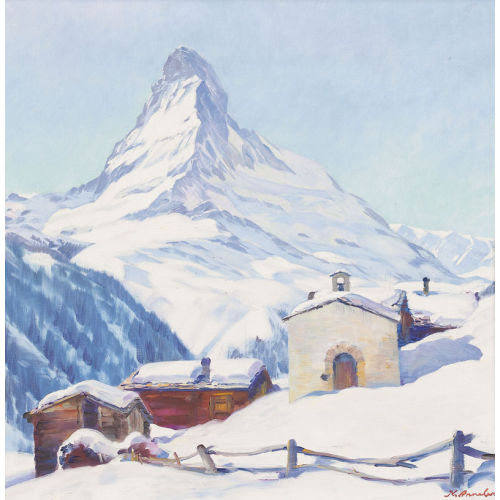
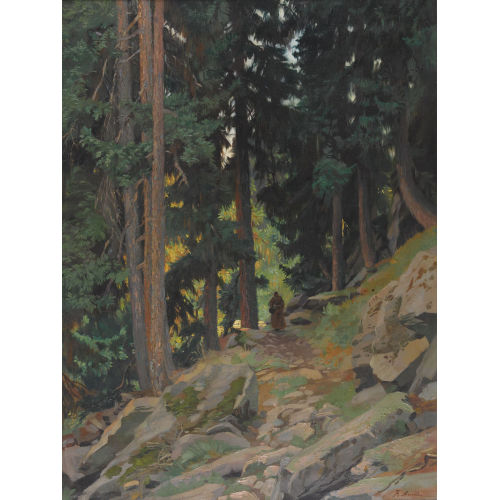
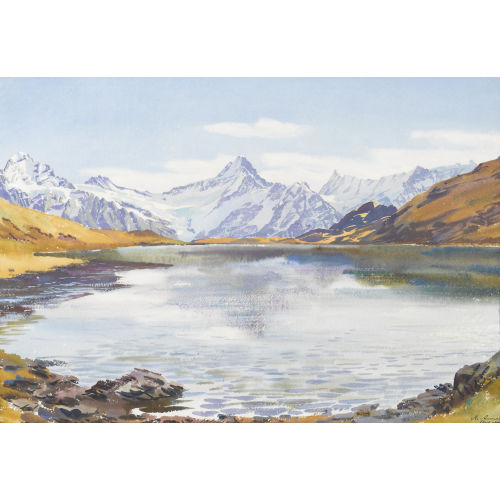
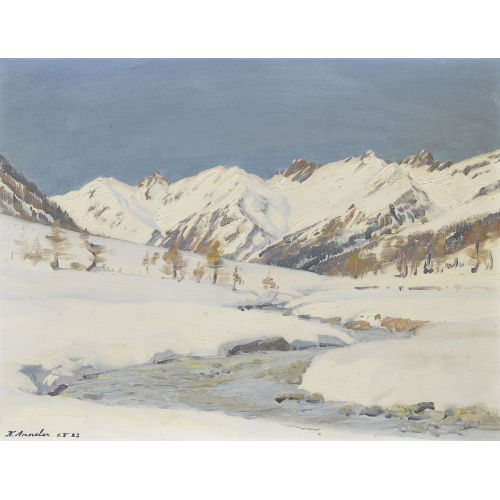
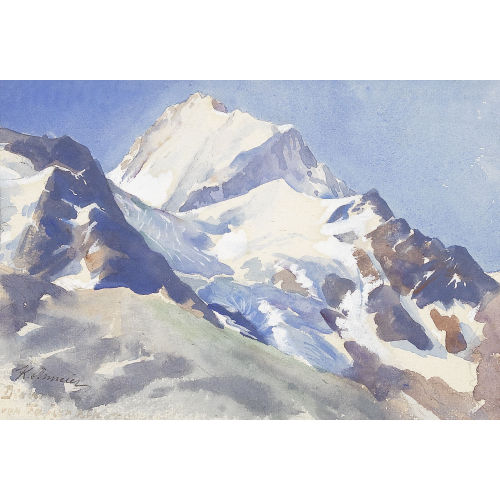
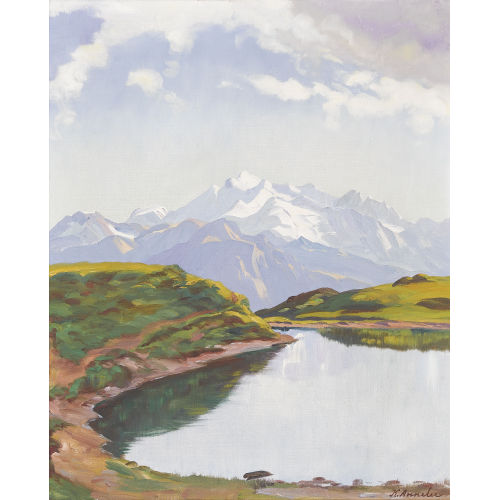
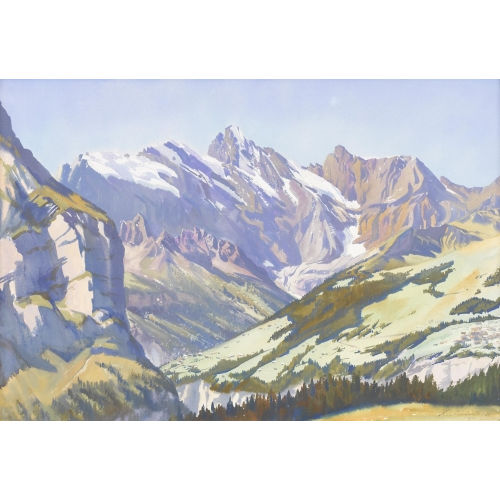
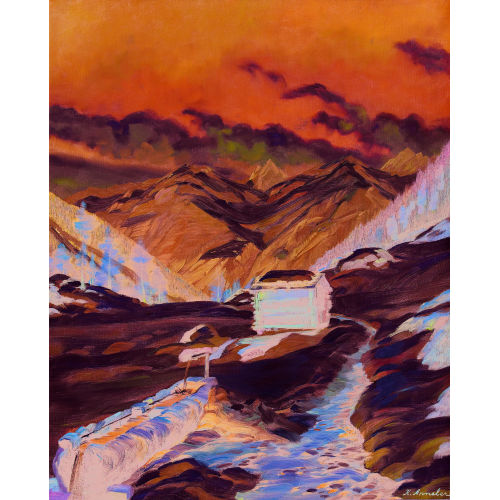
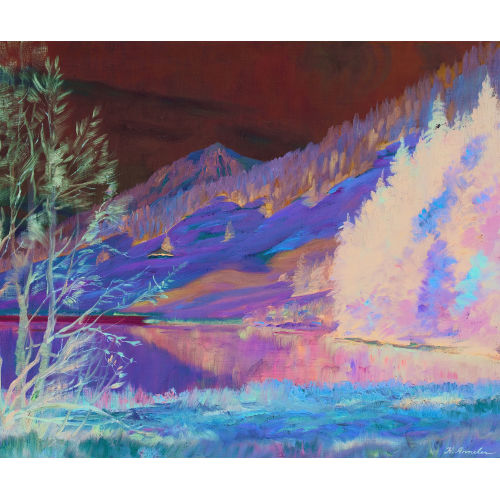
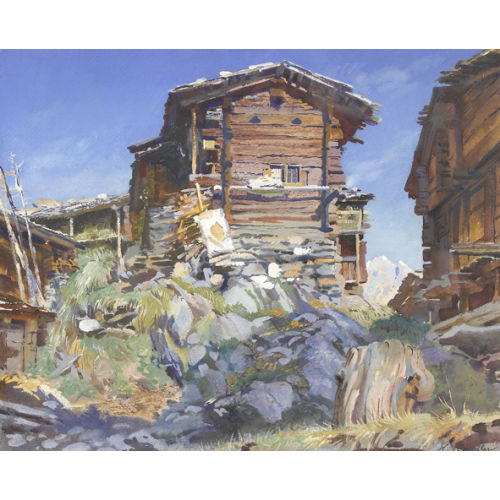
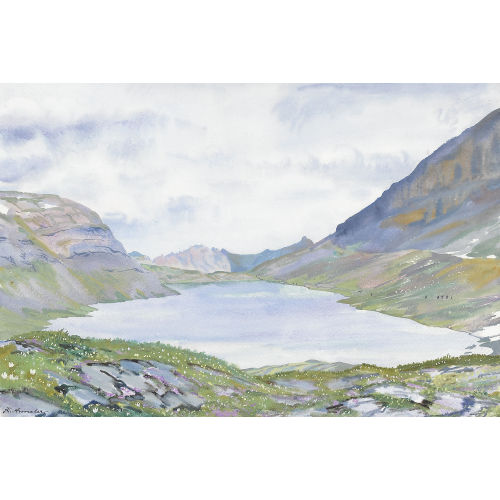
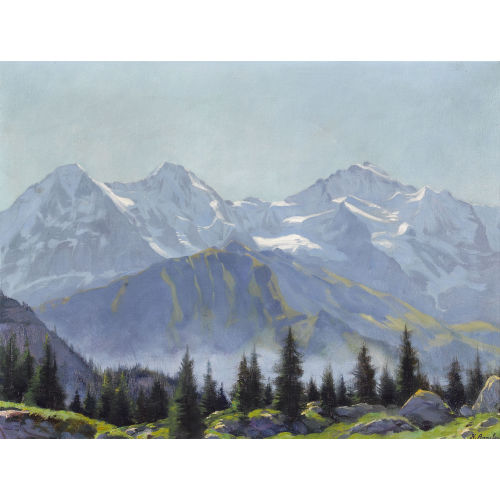
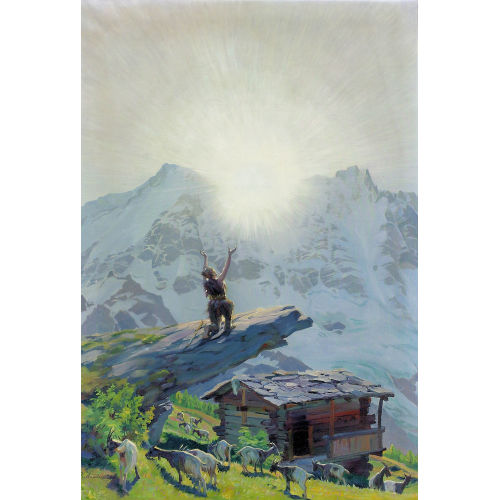
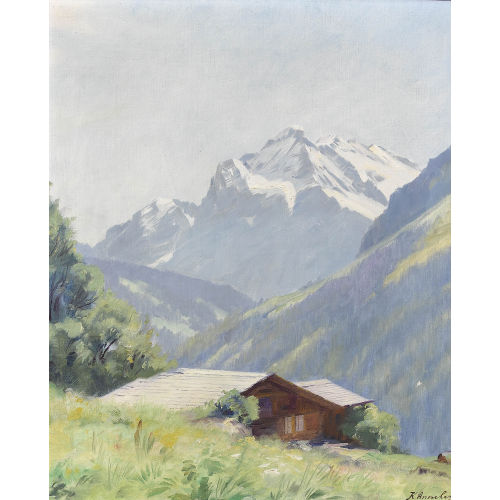
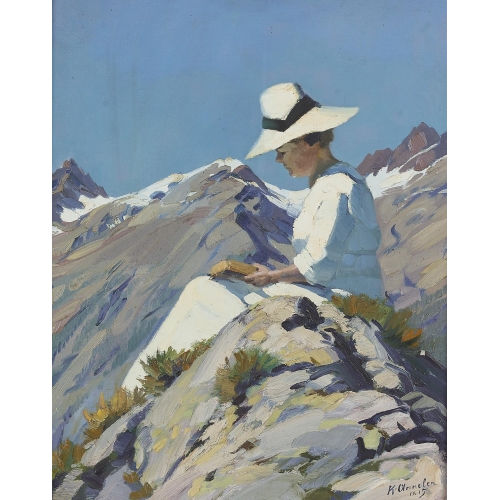
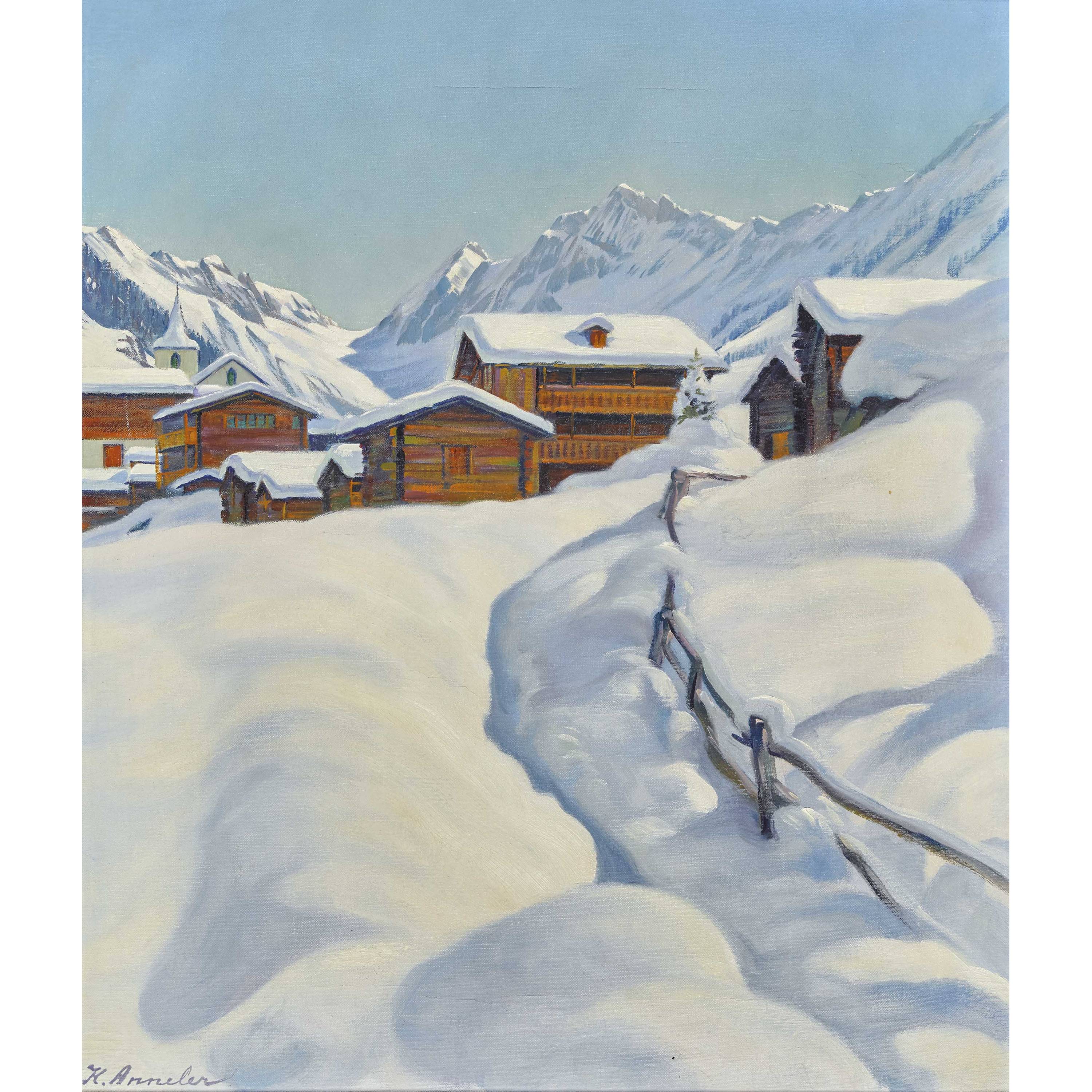
Karl Anneler (1886–1957) made the mountains a place of painting and encounter. Born in Bern, he trained, among other places, in Coburg and Munich, but it was in the Alps that he found his preferred subjects. After a first stay in the Lötschental in 1907, this plein-air painter returned again and again to the Valais valley.
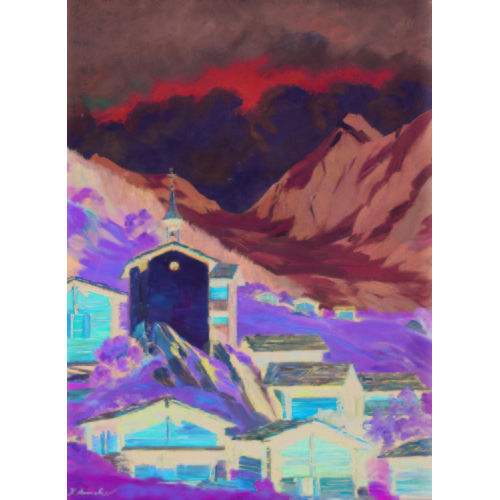
Its terrain, villages and inhabitants nourished a body of work that does not separate the landscape from the life unfolding within it.
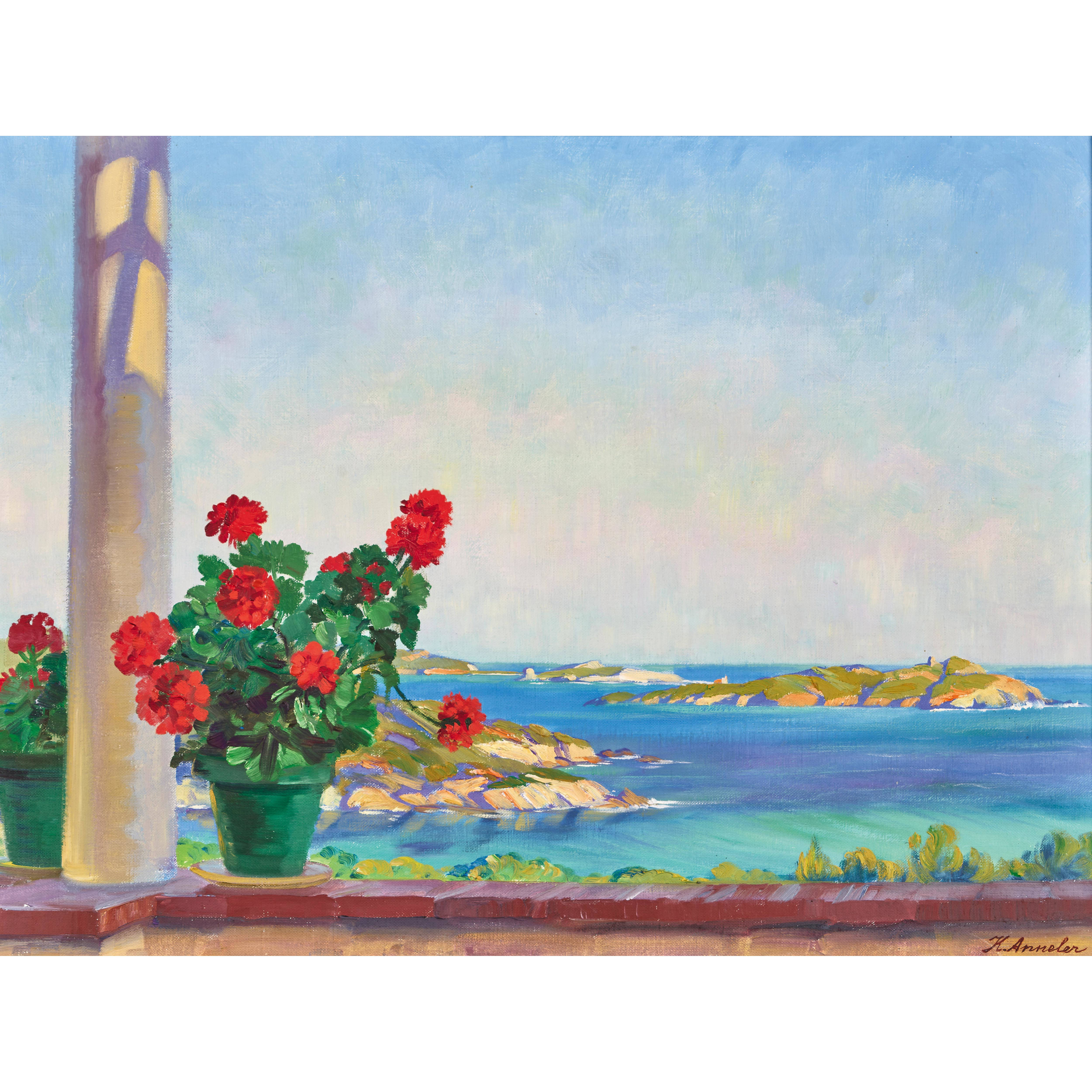
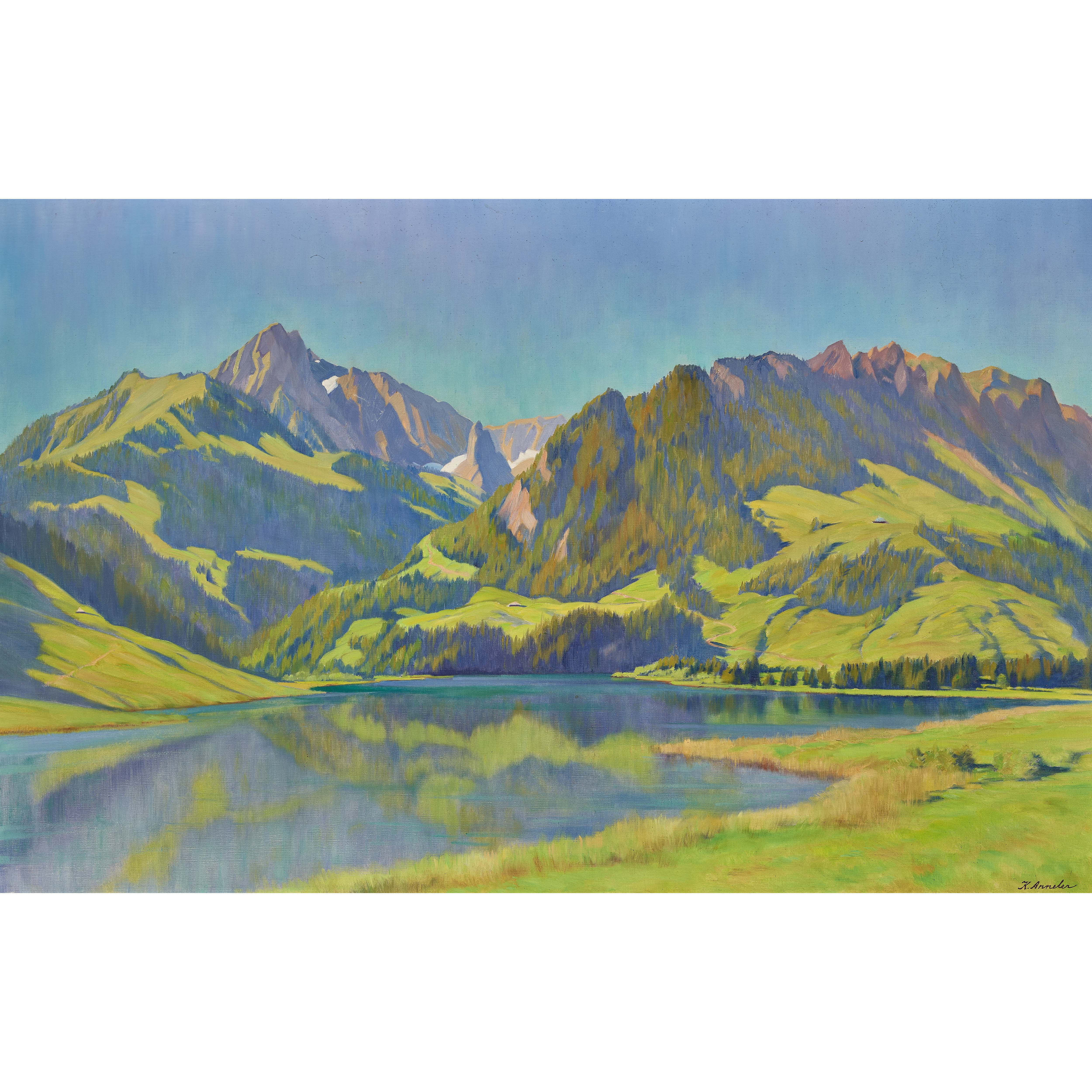
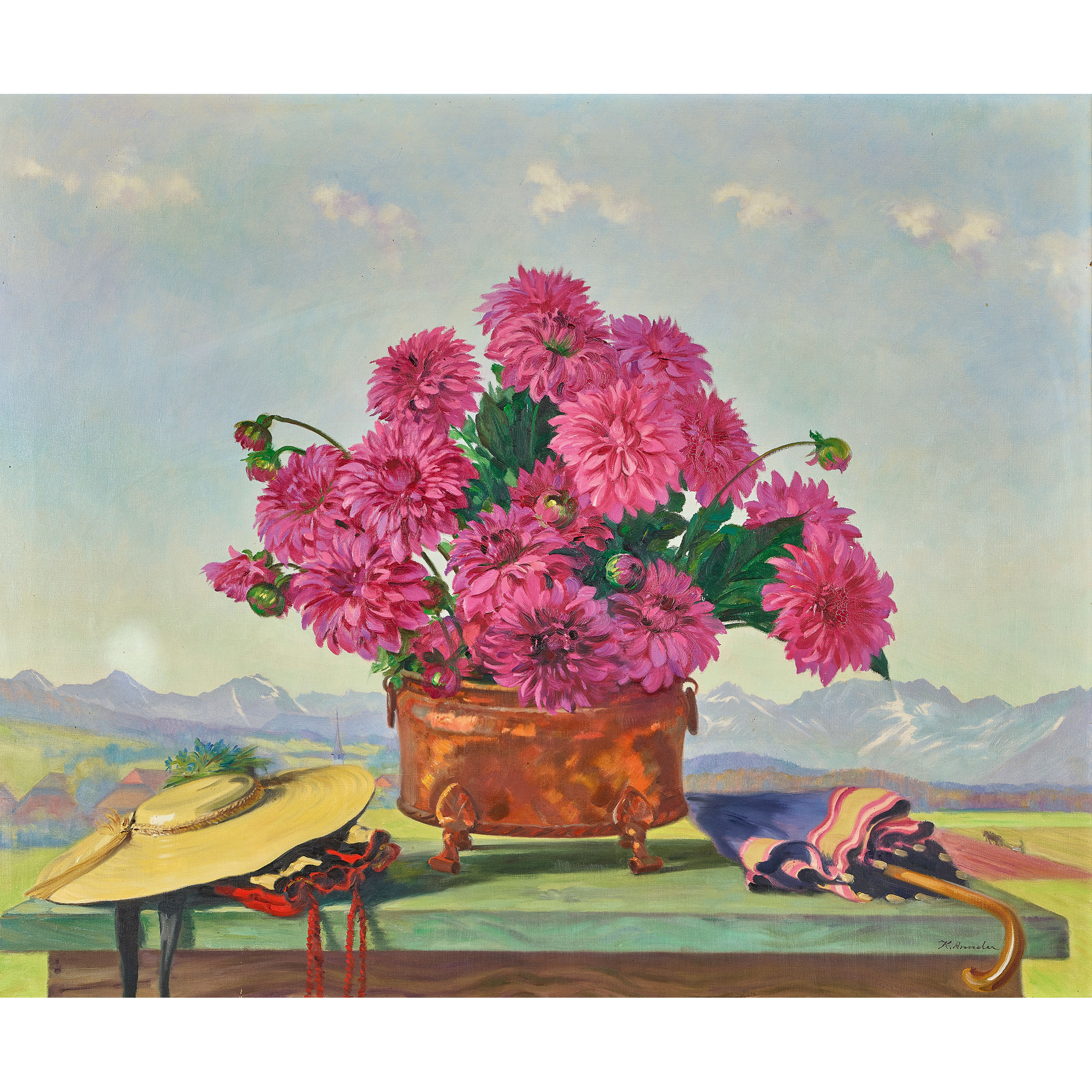
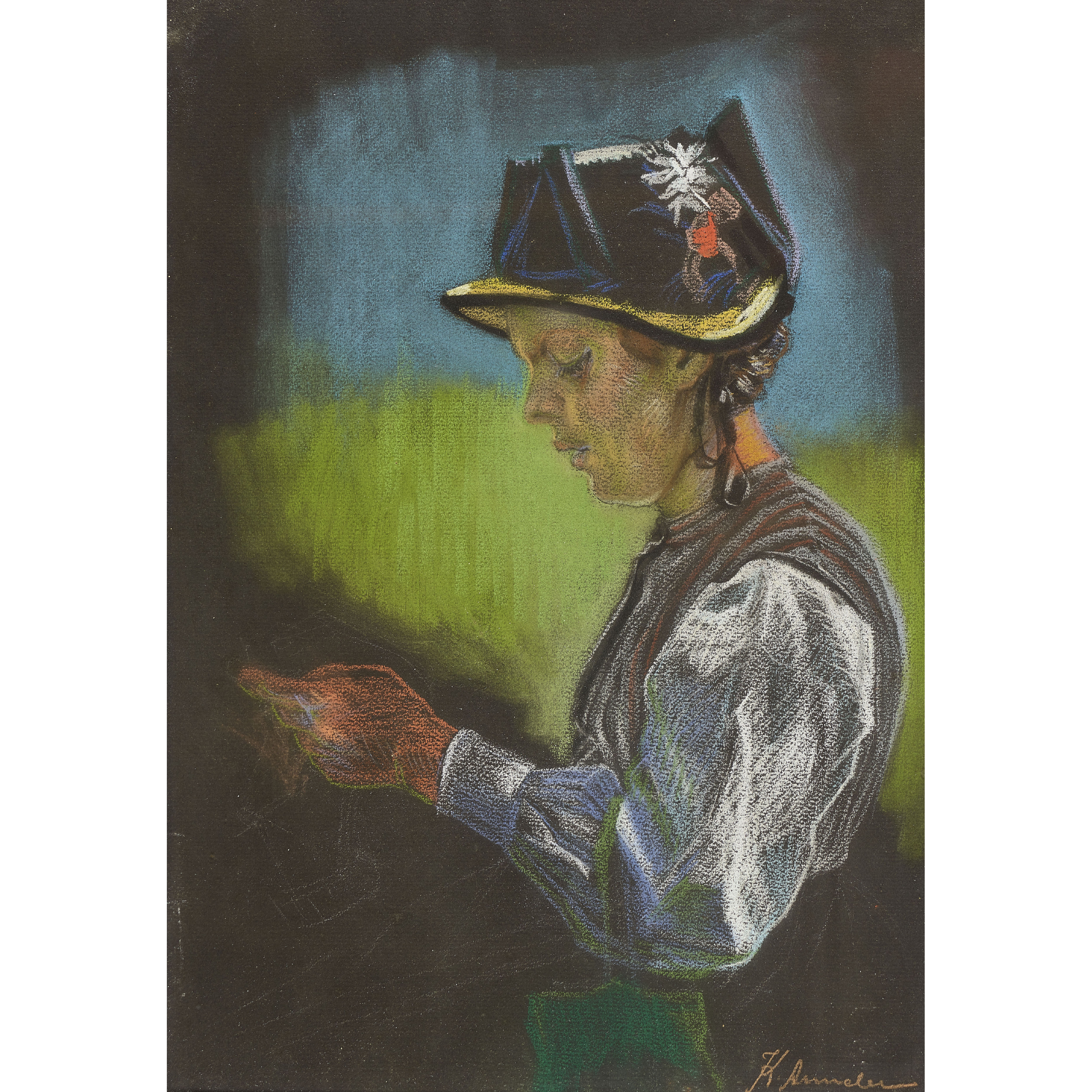
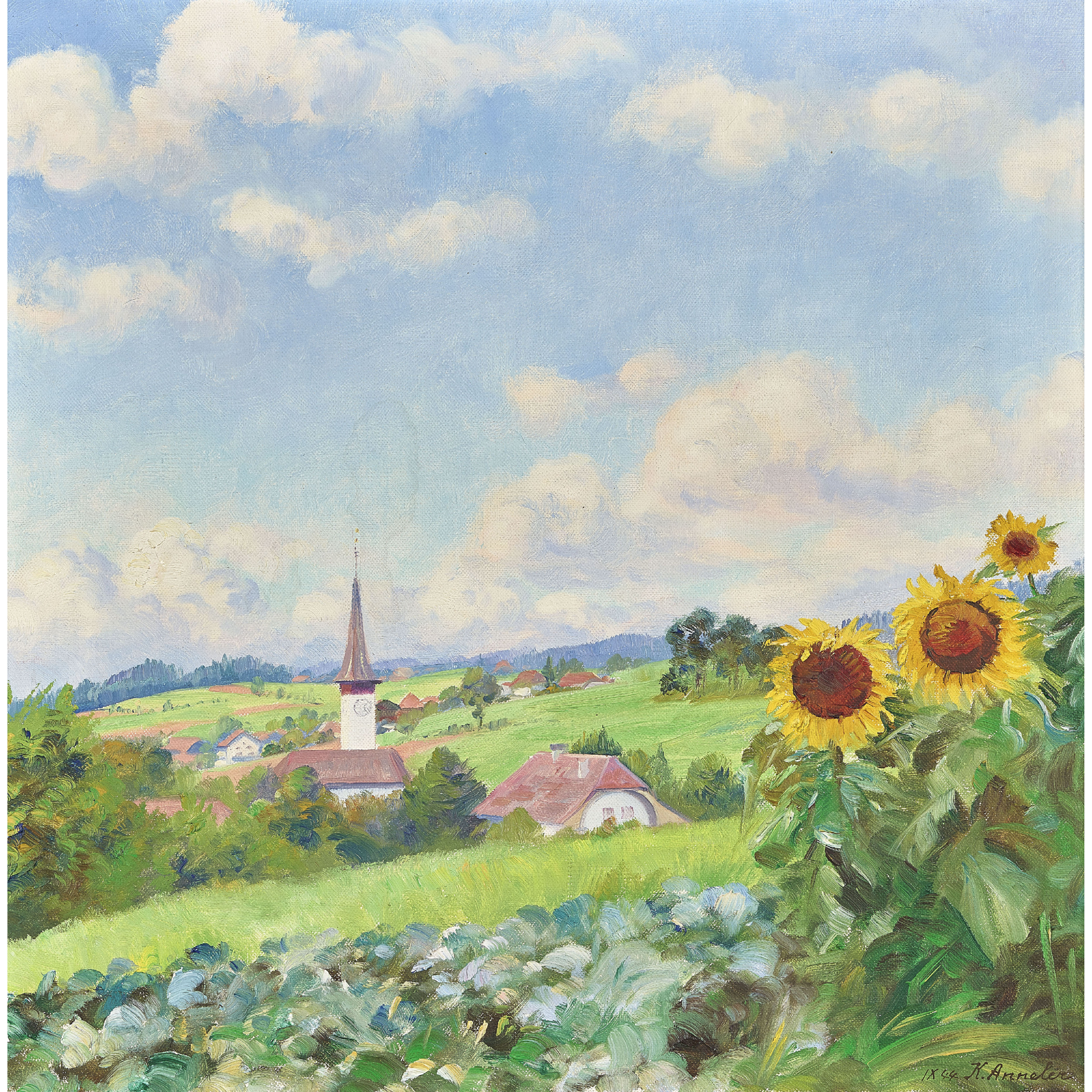
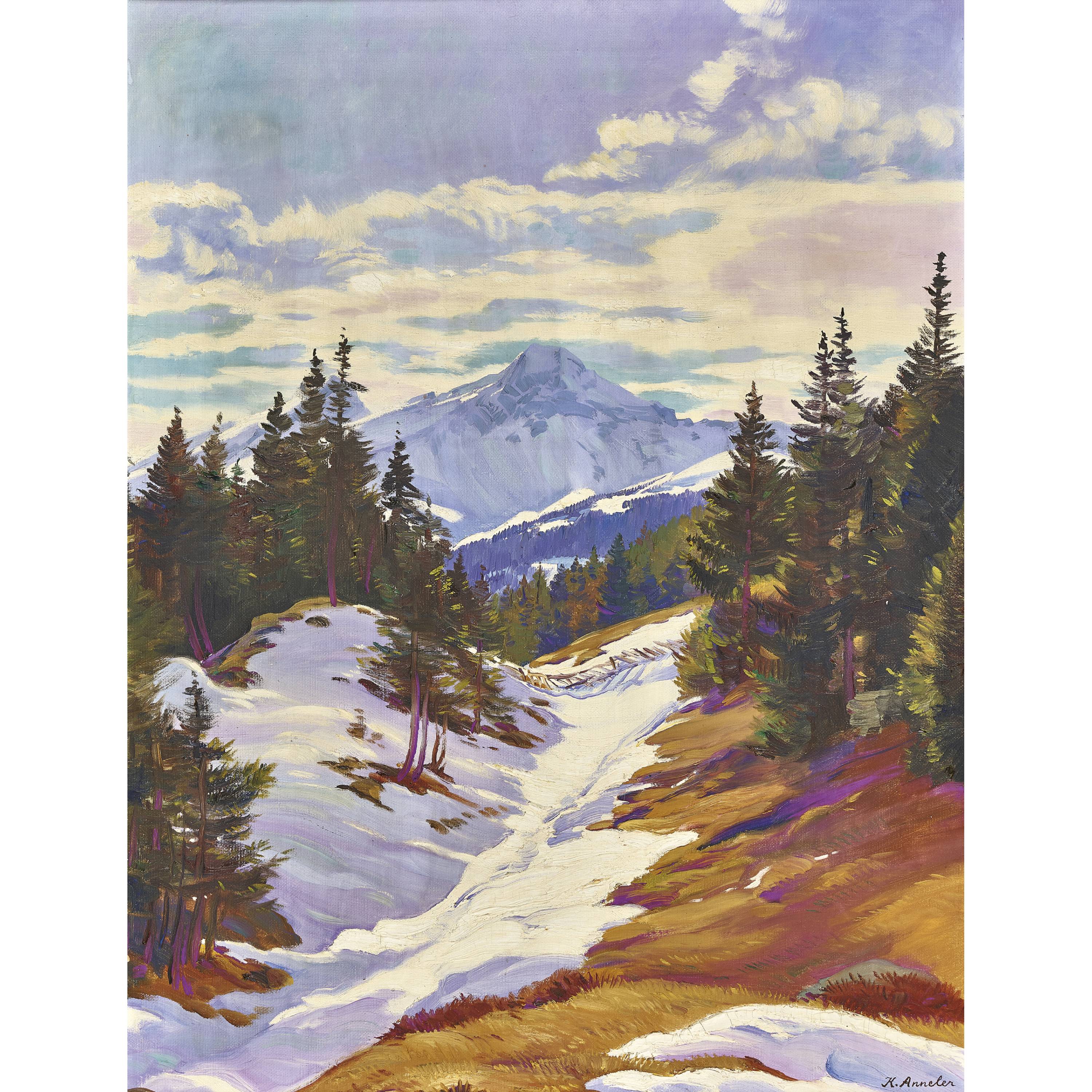
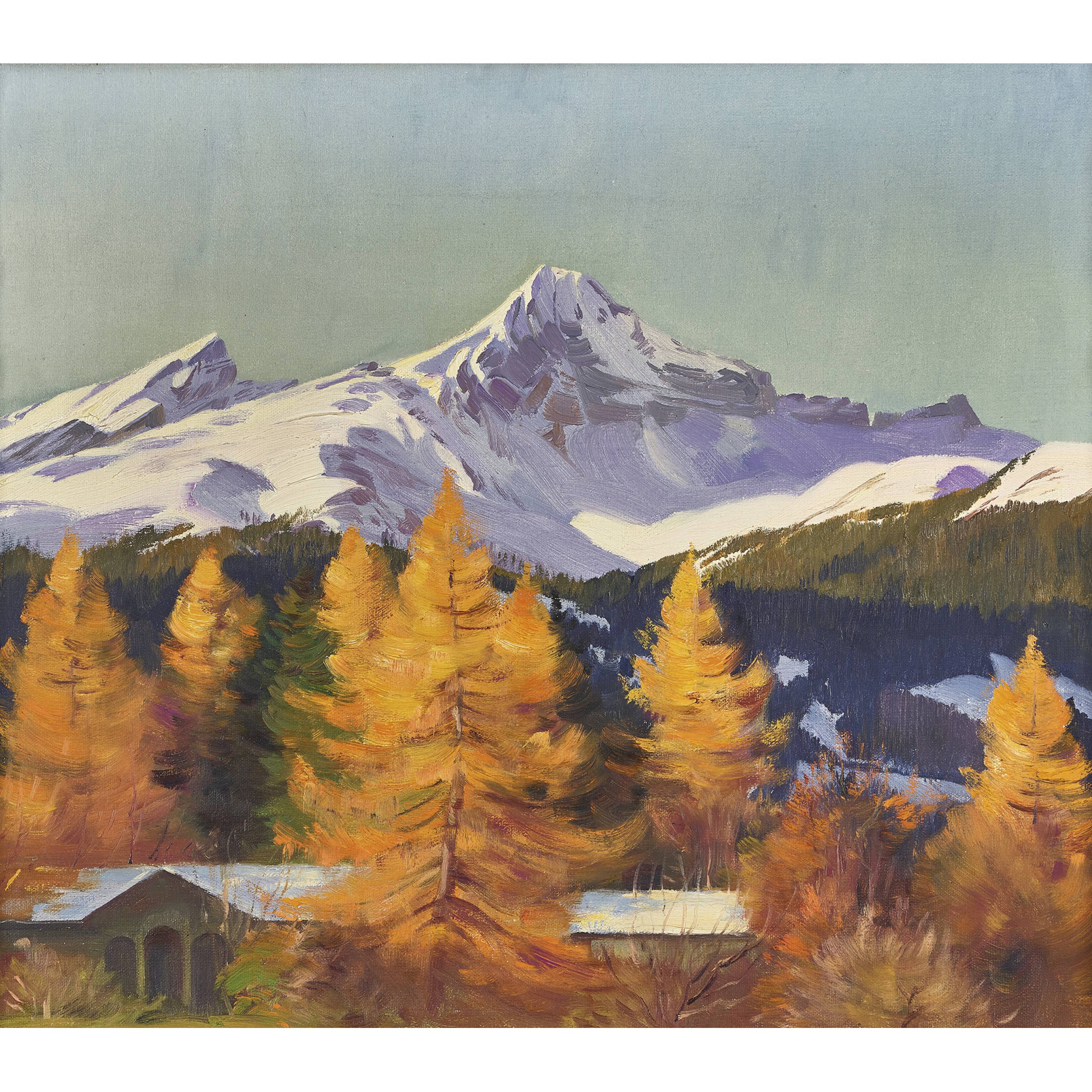
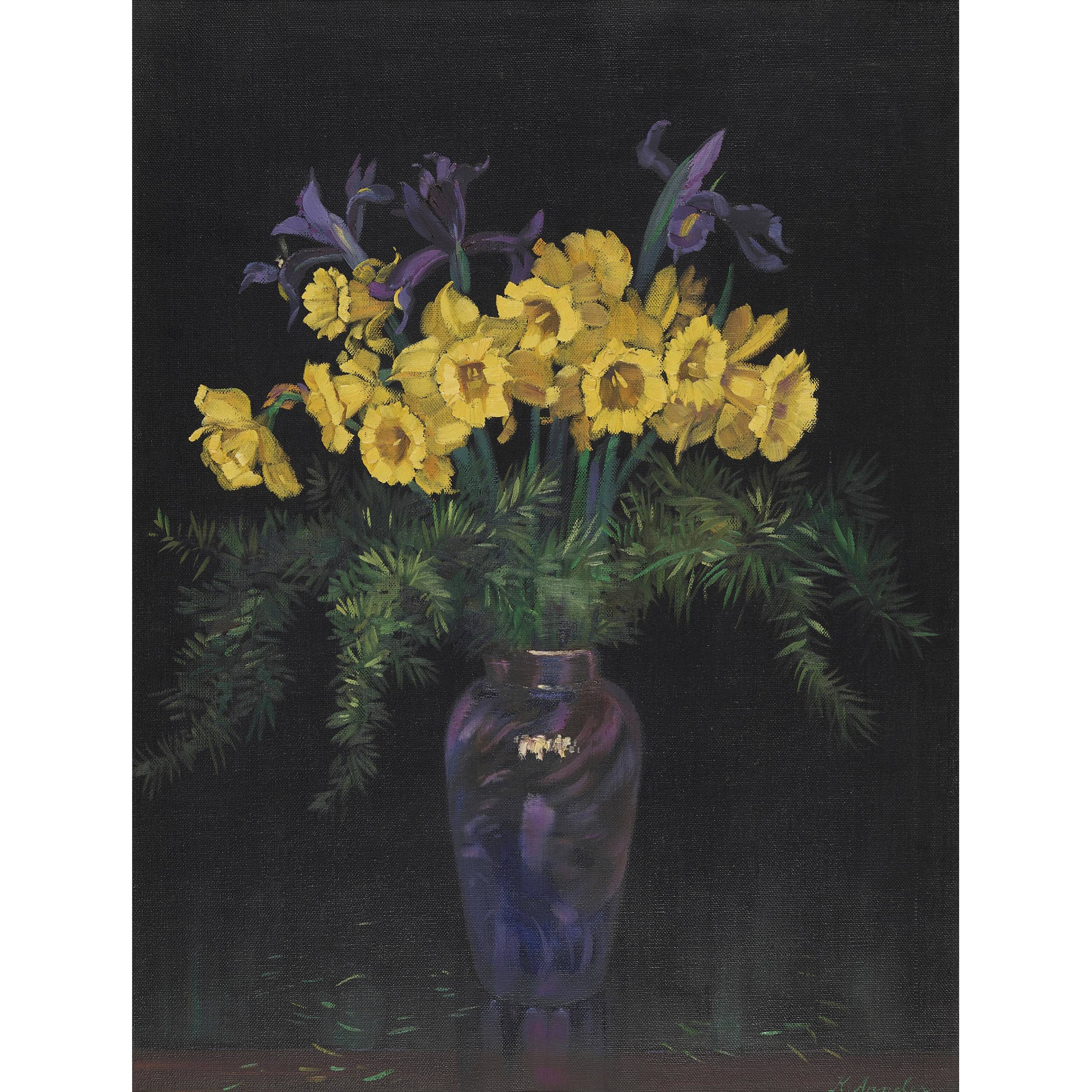
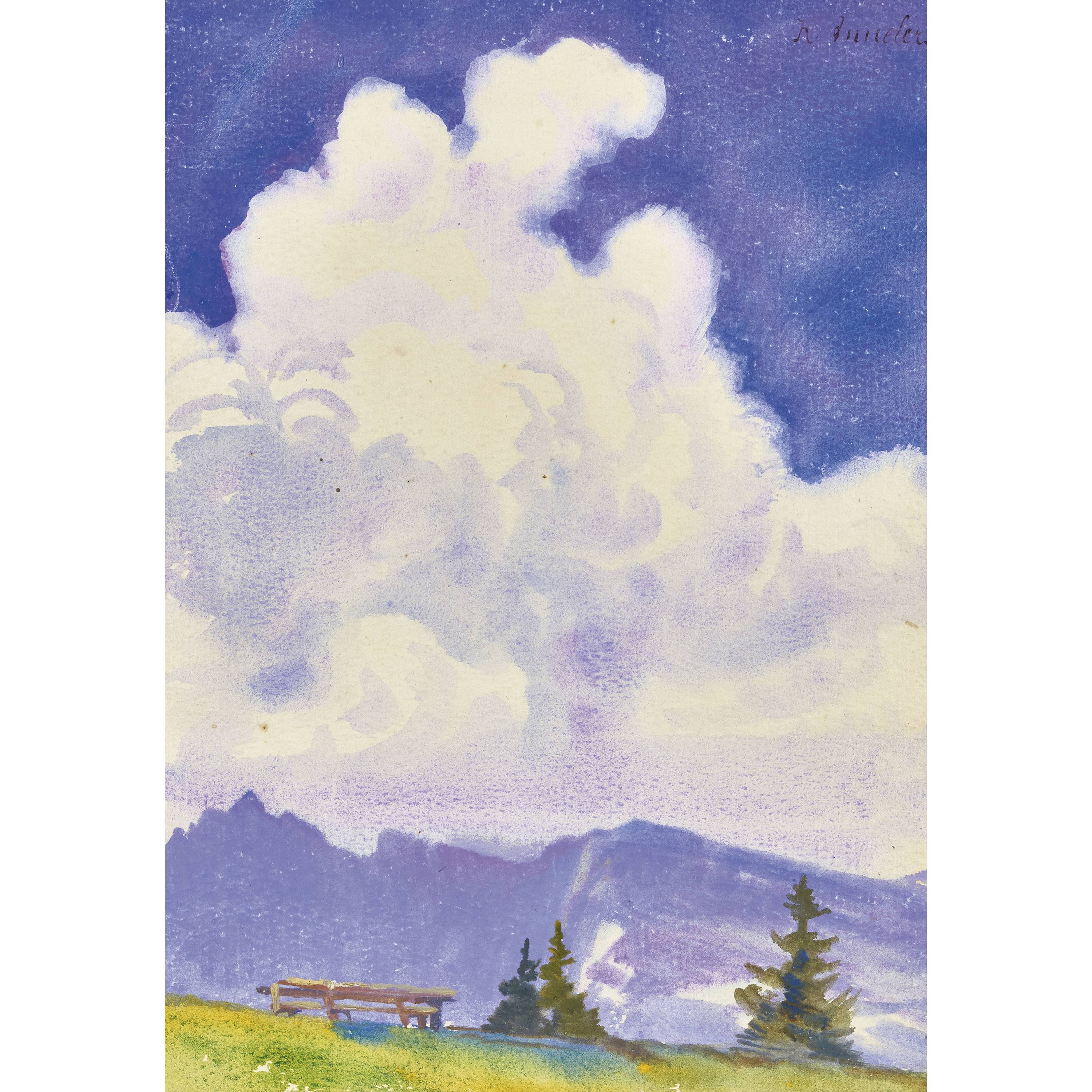
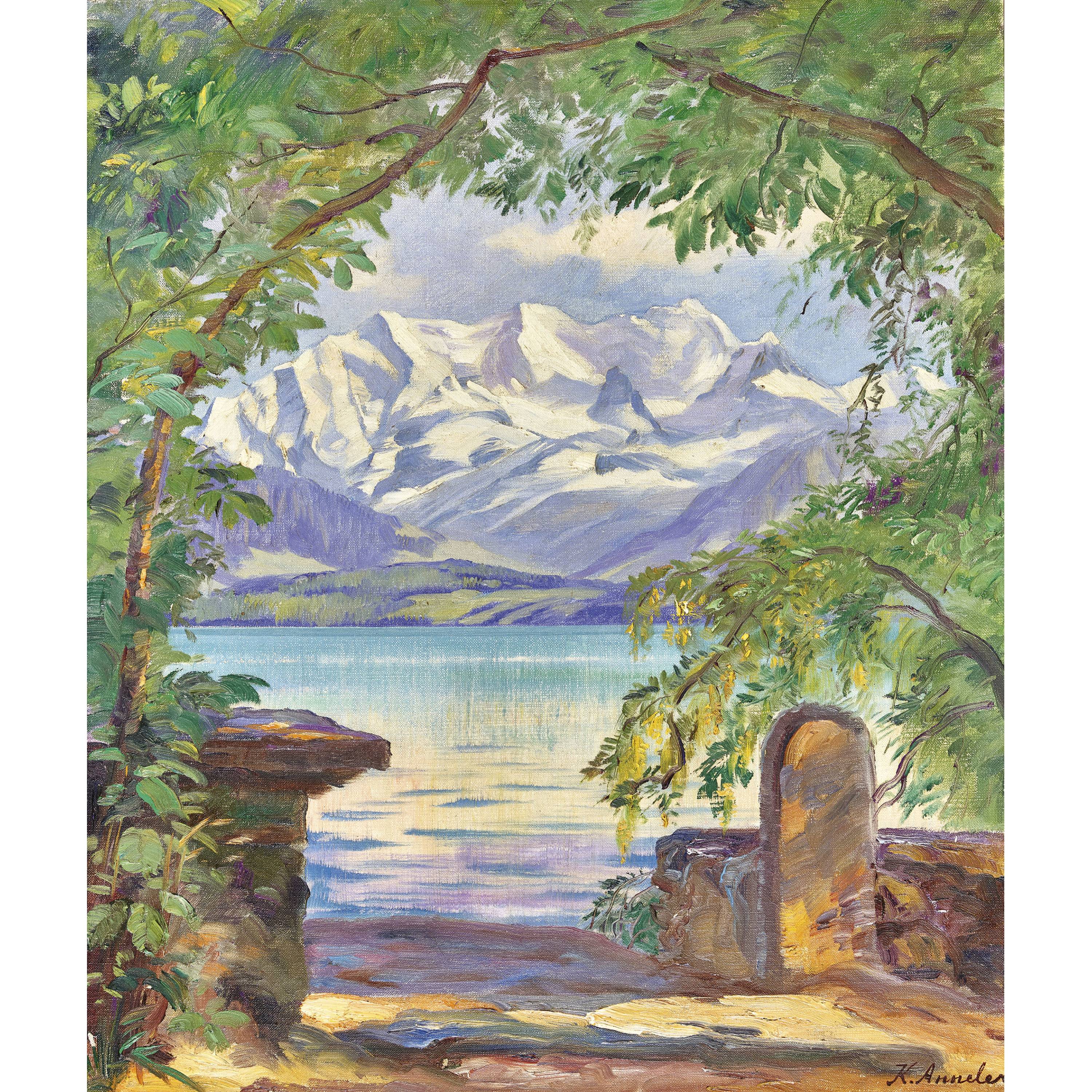
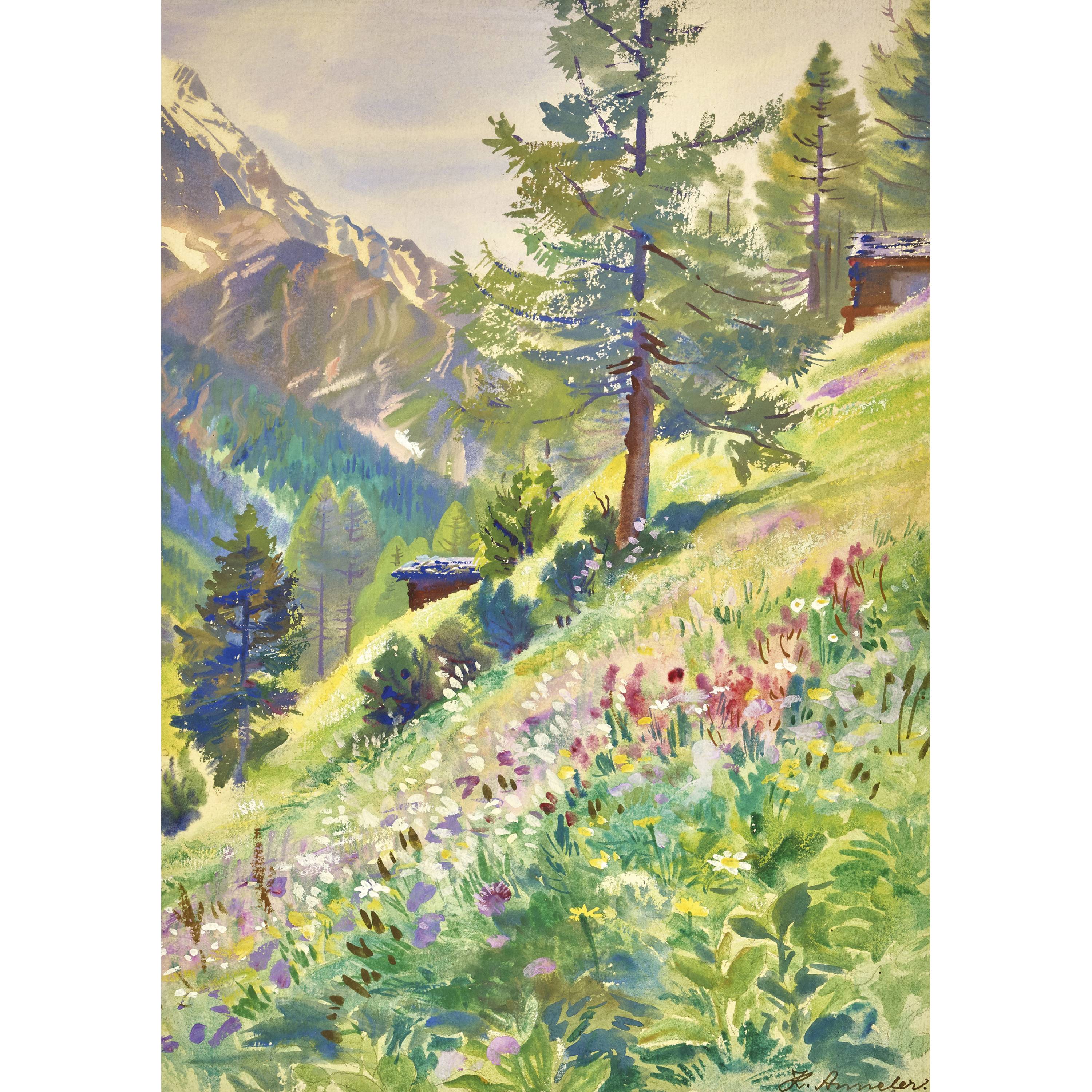
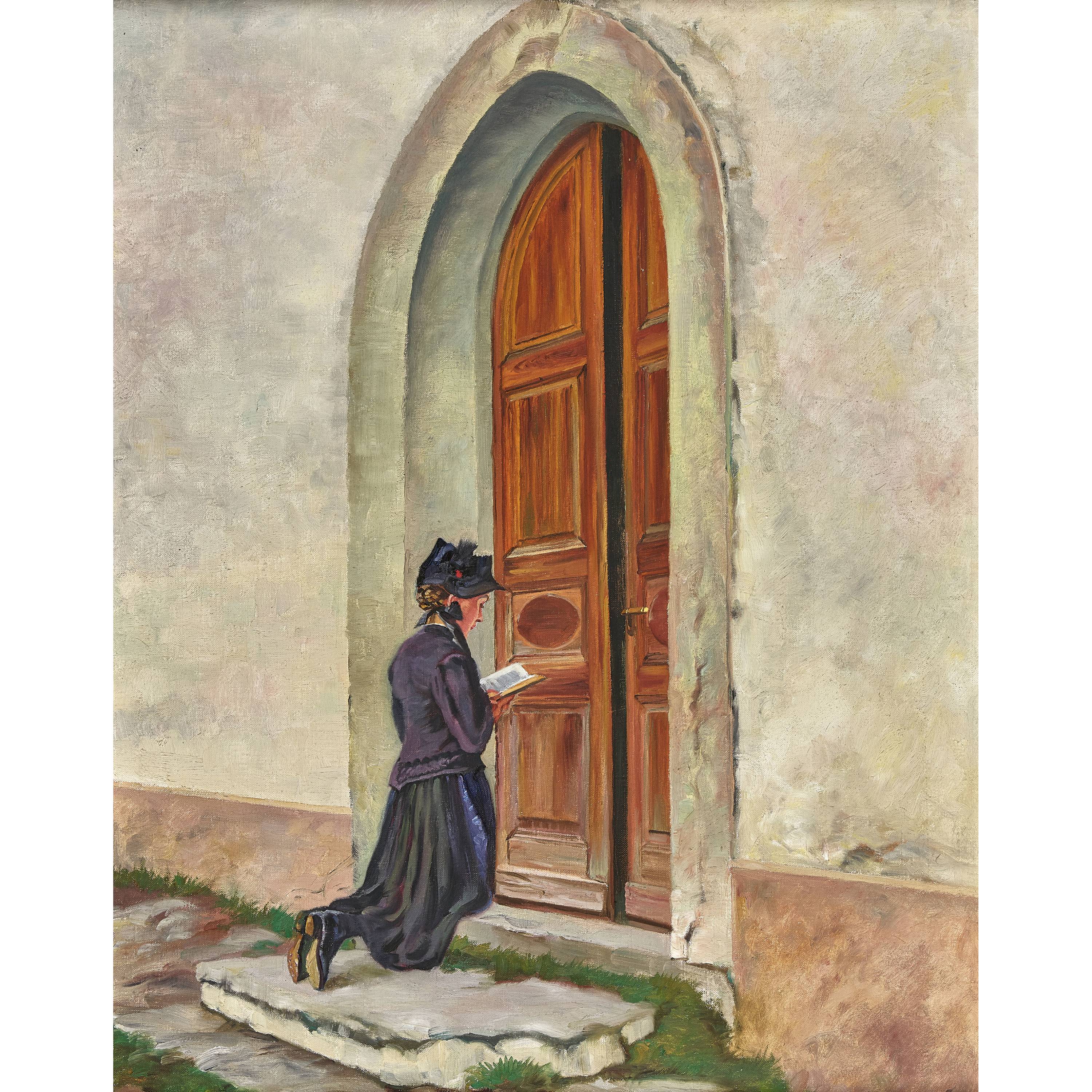
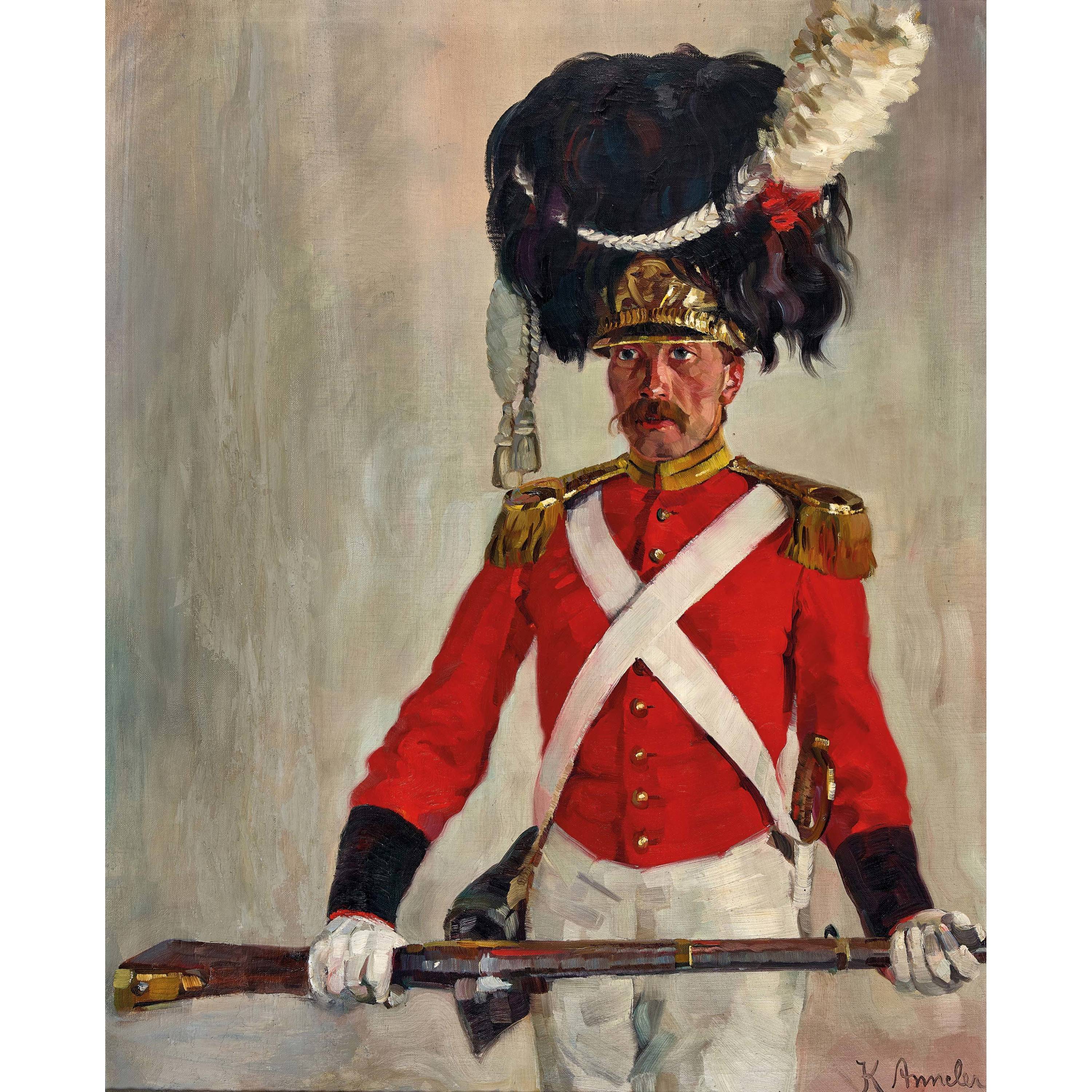
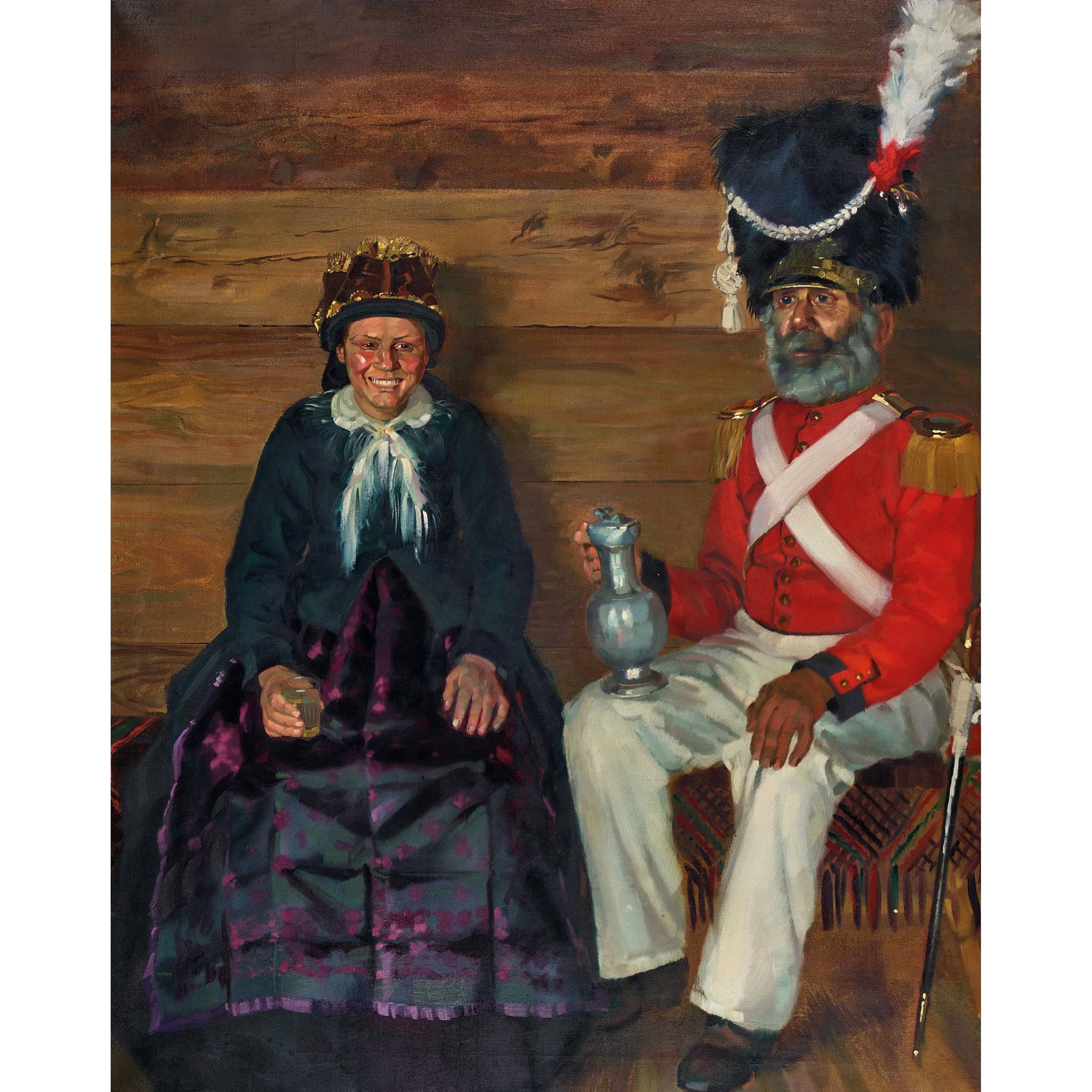
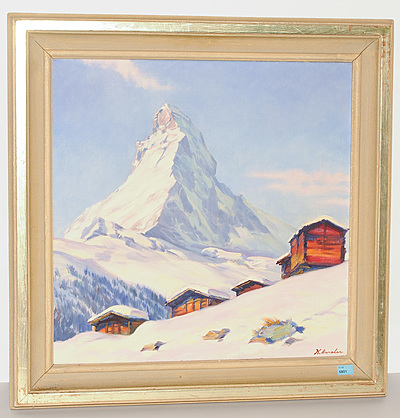
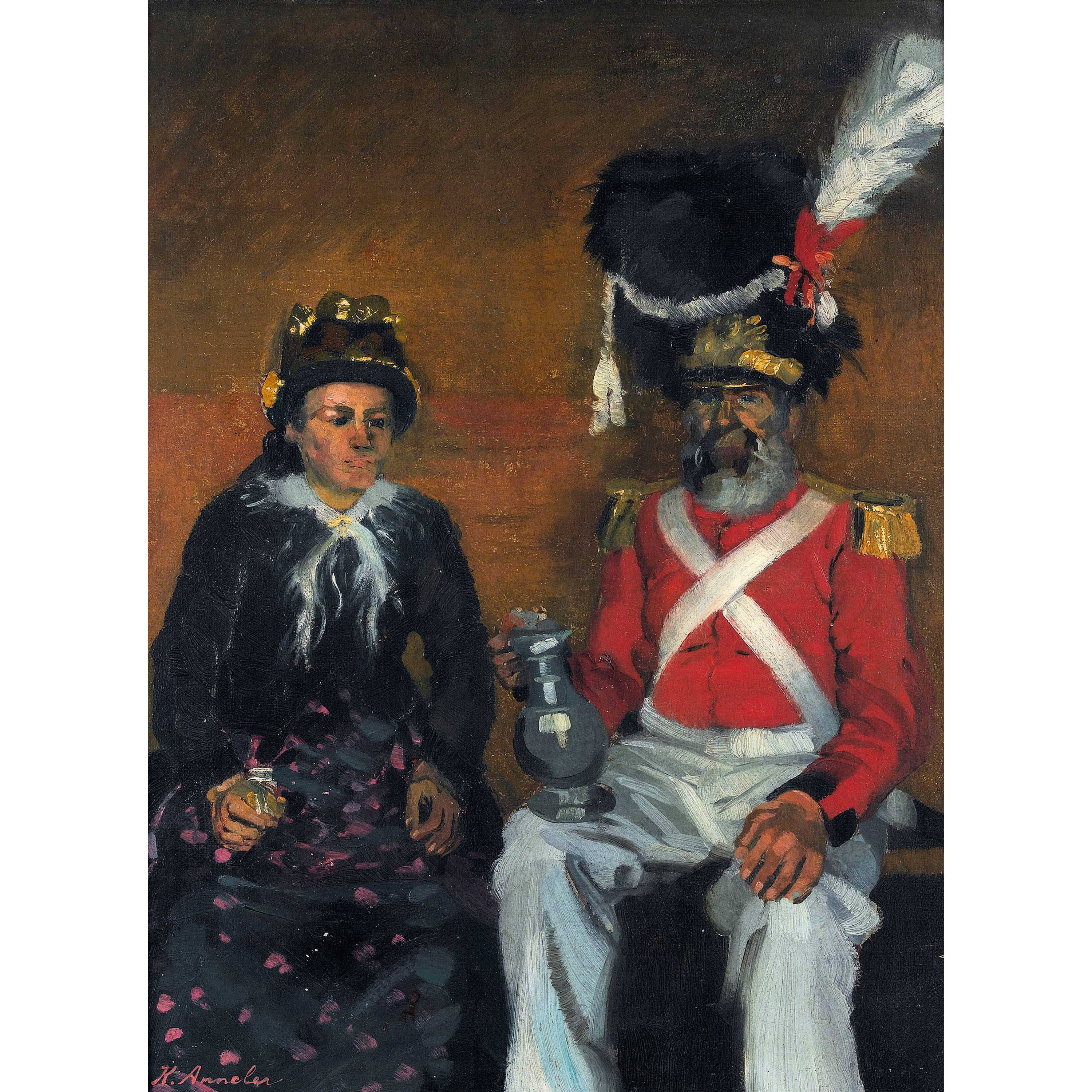
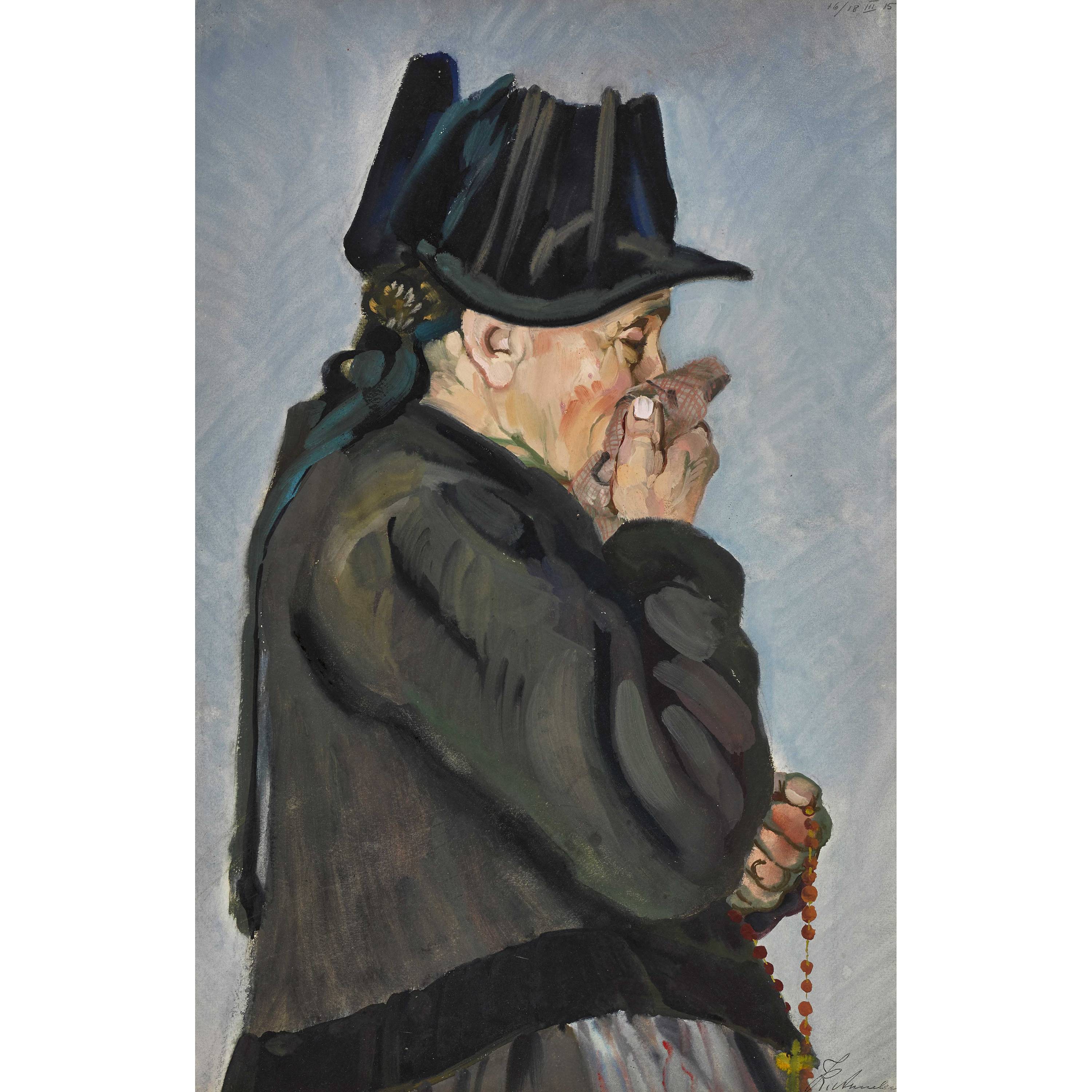
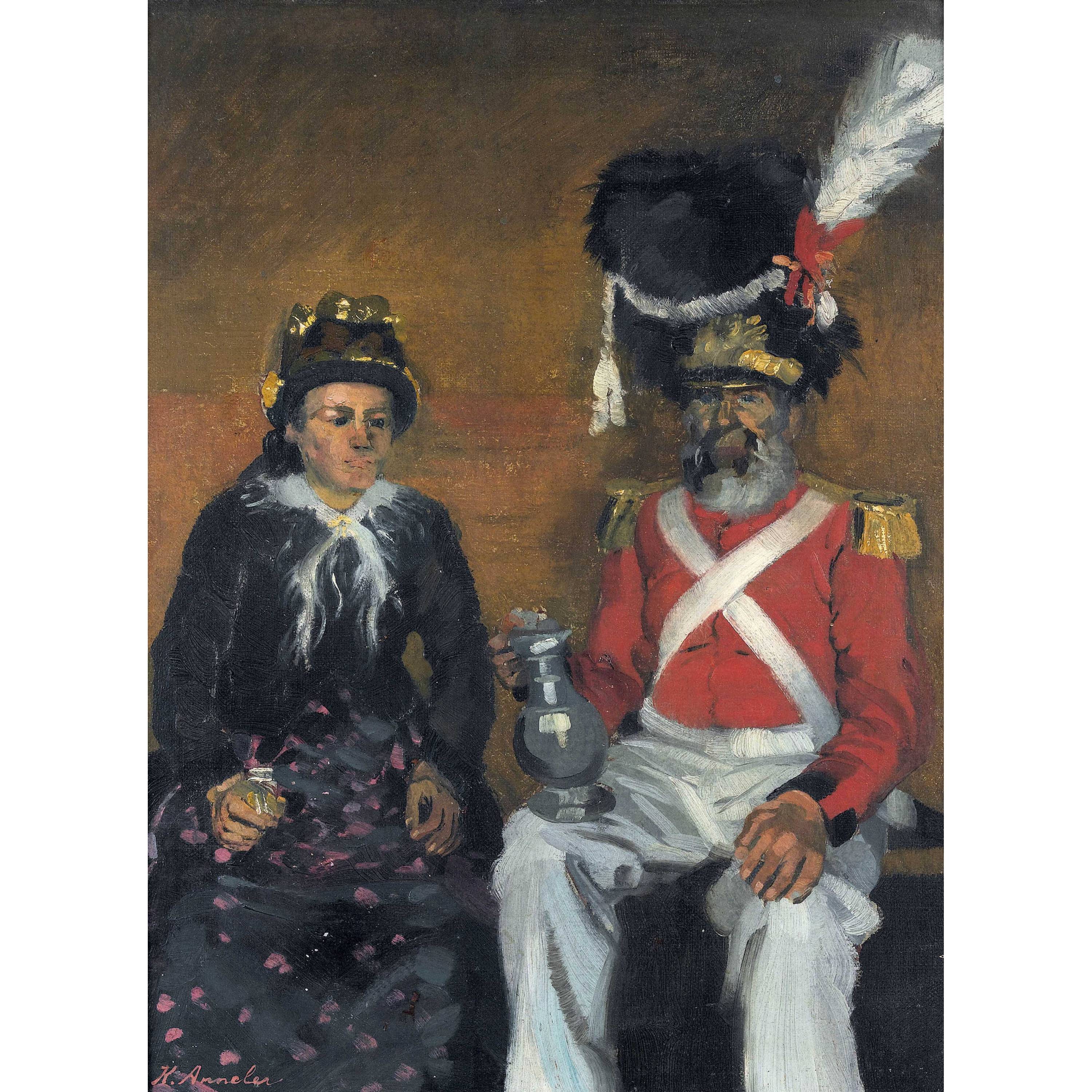
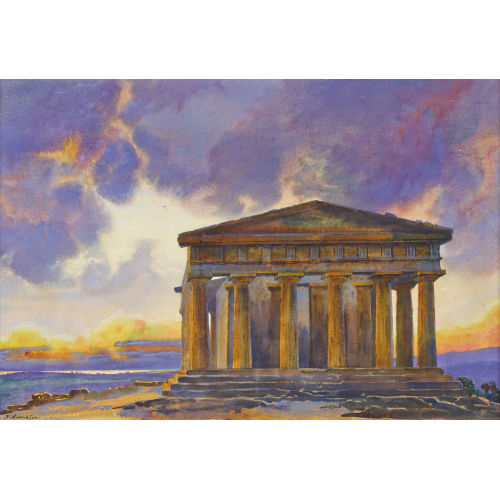
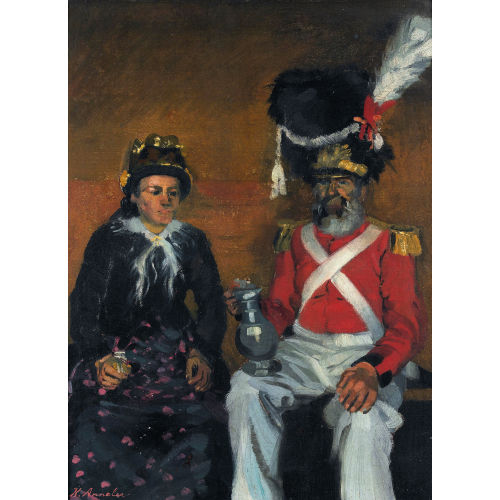
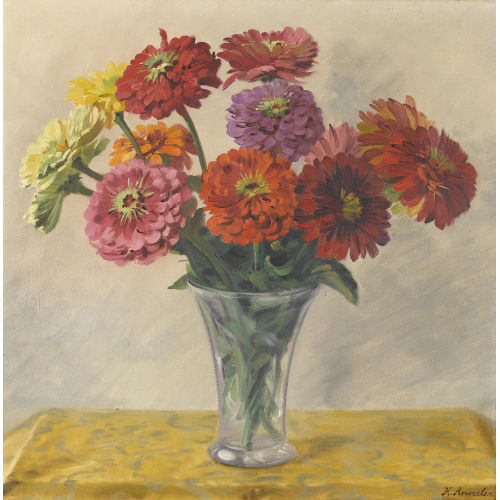
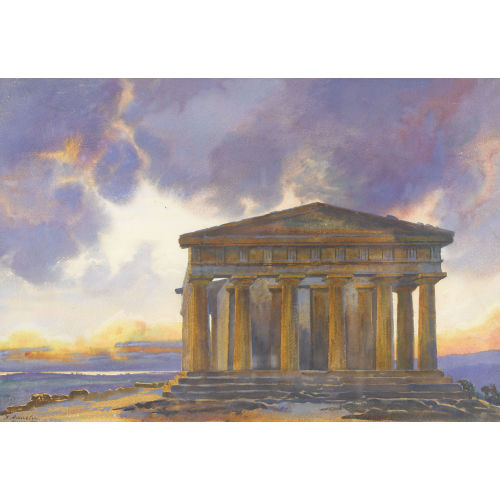
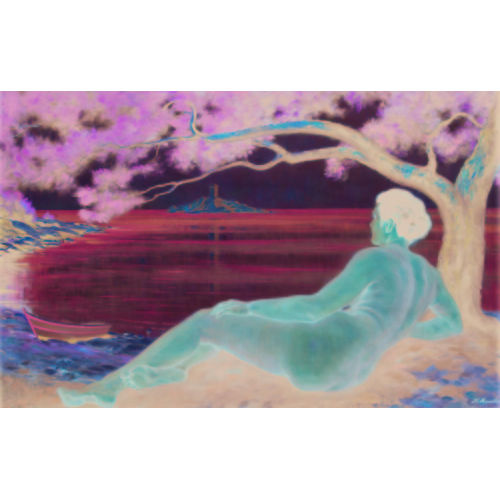
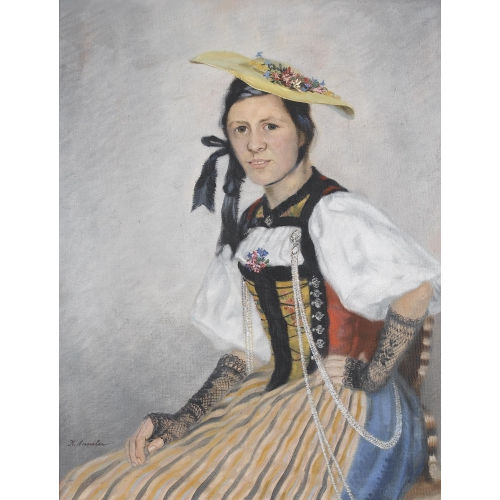
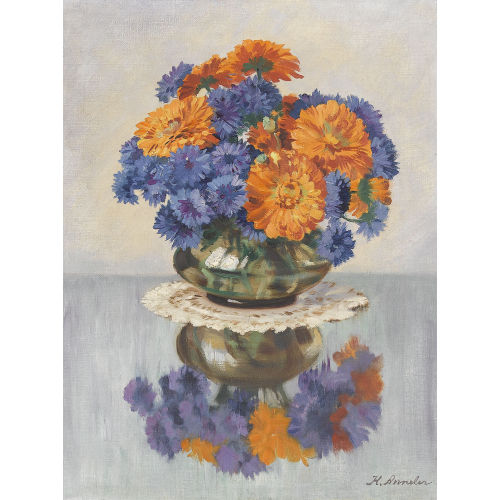
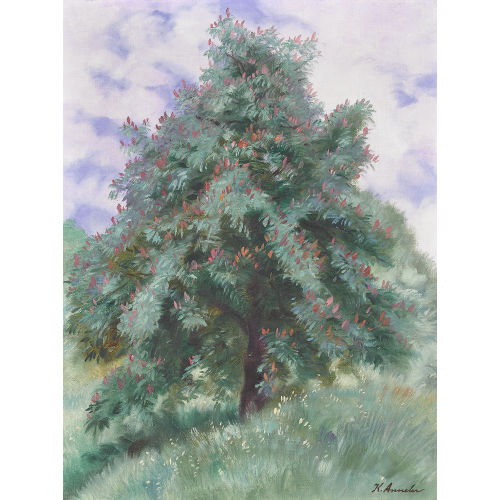
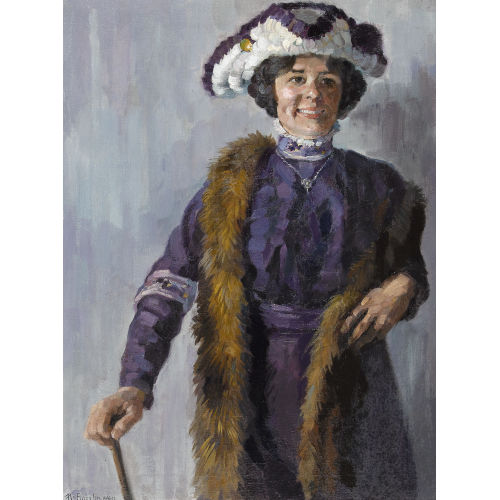
His motifs range from Alpine views to portraits, figure scenes and still lifes. A text published during his lifetime by the Swiss Alpine Club notes the warmth of his palette and the attention he devoted to the harmony of tones. Colour thus conveys a sensitive experience of place, going beyond a simple topographical record.
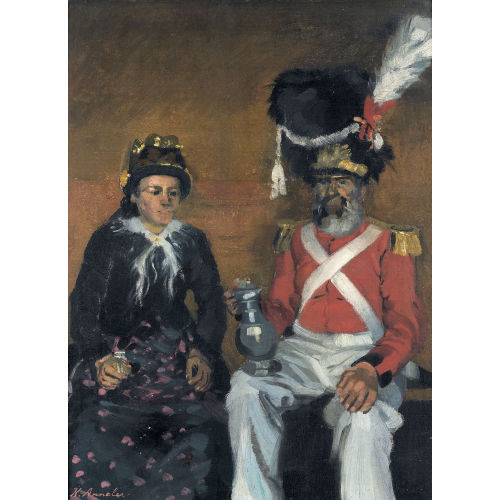
In Fastnachtszeit, a painting held by the Lötschental Museum, three costumed figures stand in a street in Blatten. Anneler chooses an almost intimate carnival scene: the figures engage with one another rather than posing for the viewer. The effects of light bring to life the atmosphere of a festive afternoon, while the detail of the clothing preserves traces of local practices.
The artist also worked with his sister Hedwig Anneler on the book Lötschen, published in 1917. For it, he produced some two hundred pen-and-ink drawings. This collaboration—bringing together observation, image and the study of traditions—constitutes an important record of the valley at the beginning of the twentieth century.
It also sheds light on his painting: in Anneler’s work, the mountains are not an isolated backdrop, and the inhabitants are not merely picturesque silhouettes. His fidelity to the Lötschental lies in the relationship he forged with a territory and with the people who gave it form.