Karl Aegerter
Born in Bâle (Switzerland) on 16 March 1888.
Died in Bâle (Switzerland) on 5 December 1969.
Swiss · Social expressionism and landscape · painting, drawing, graphic art, illustration and mural work
Karl Aegerter (Basel, 16 March 1888 – Basel, 5 December 1969) was a Swiss painter, draughtsman, graphic artist, illustrator and muralist whose work combines social commitment with expressive landscape painting. Born into modest circumstances, he first trained as a decorative painter and later studied in Munich with Heinrich Knirr and at the Academy of Fine Arts.
After returning to Basel in 1926, Aegerter combined artistic work with public engagement. He was a member and secretary of the Basel Communist Party until the mid-1930s and later joined the Social Democratic Party. He served in the Basel Grand Council from 1932 to 1941 and became a judge in 1948.
For many years he chaired the Basel section of the Society of Swiss Painters, Sculptors and Architects.
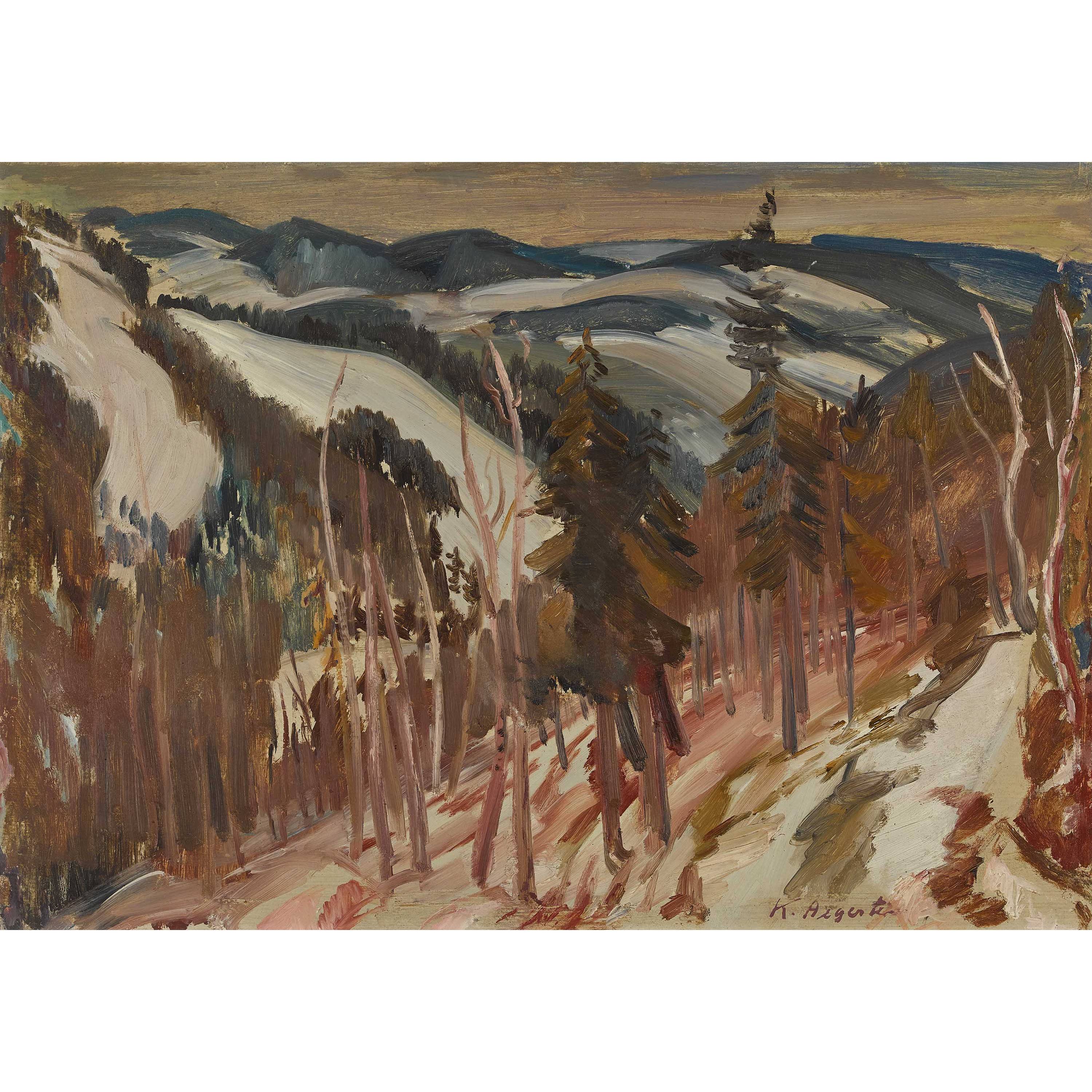
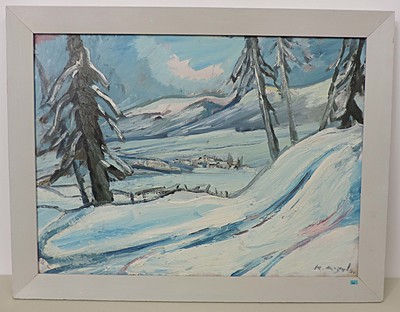
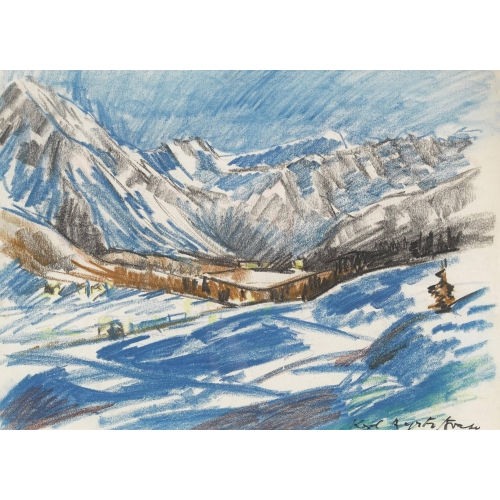
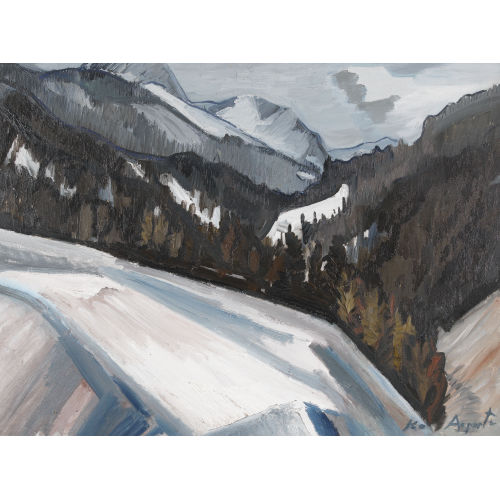
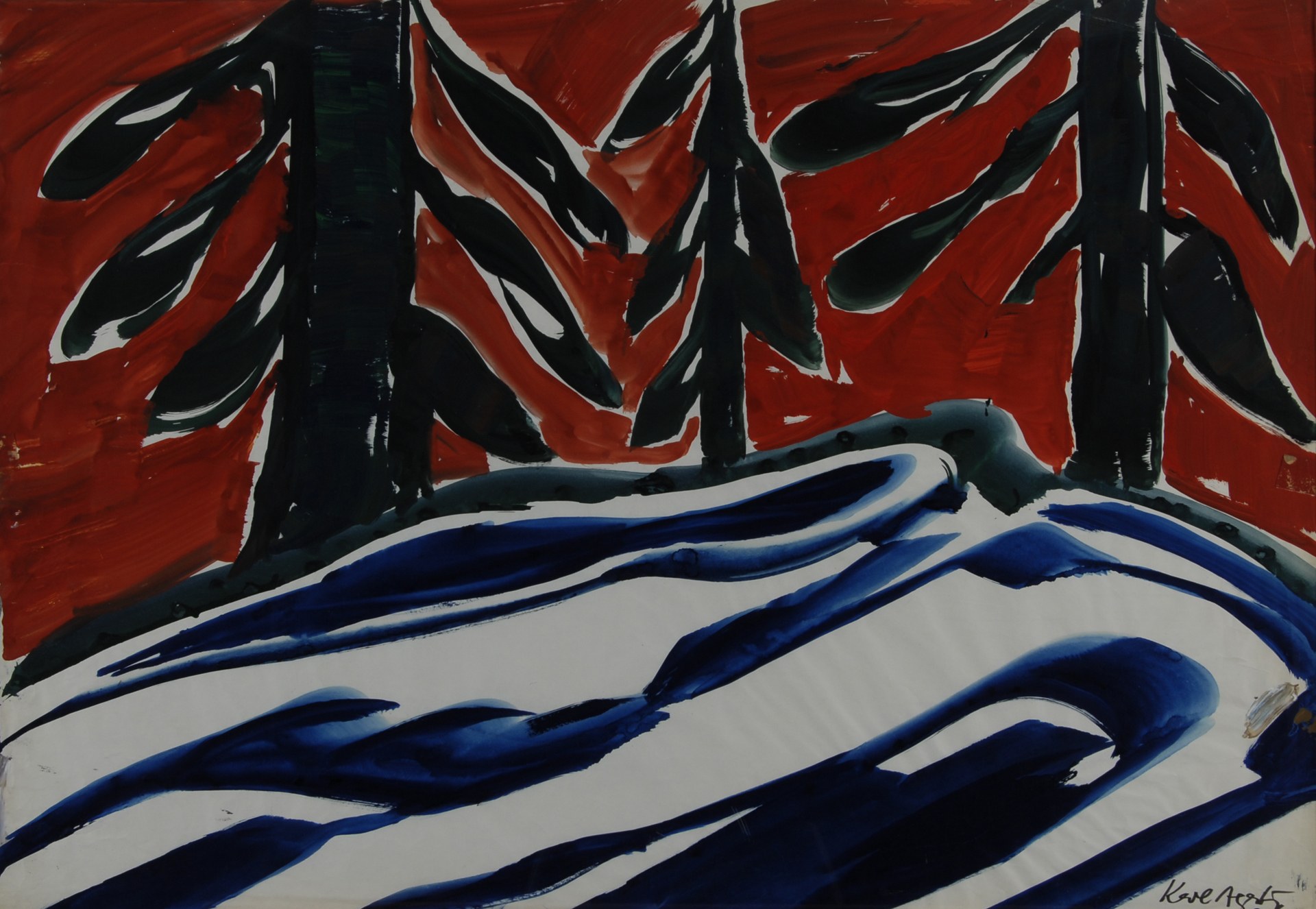
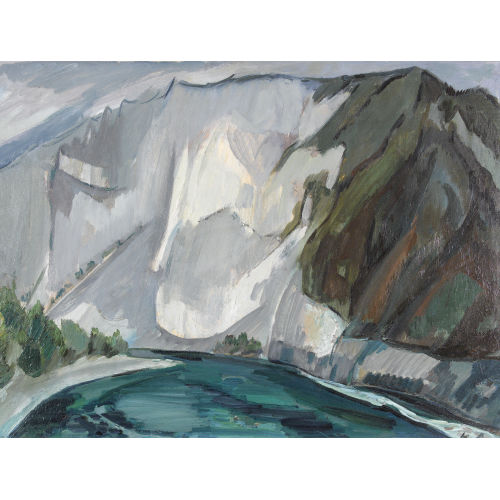
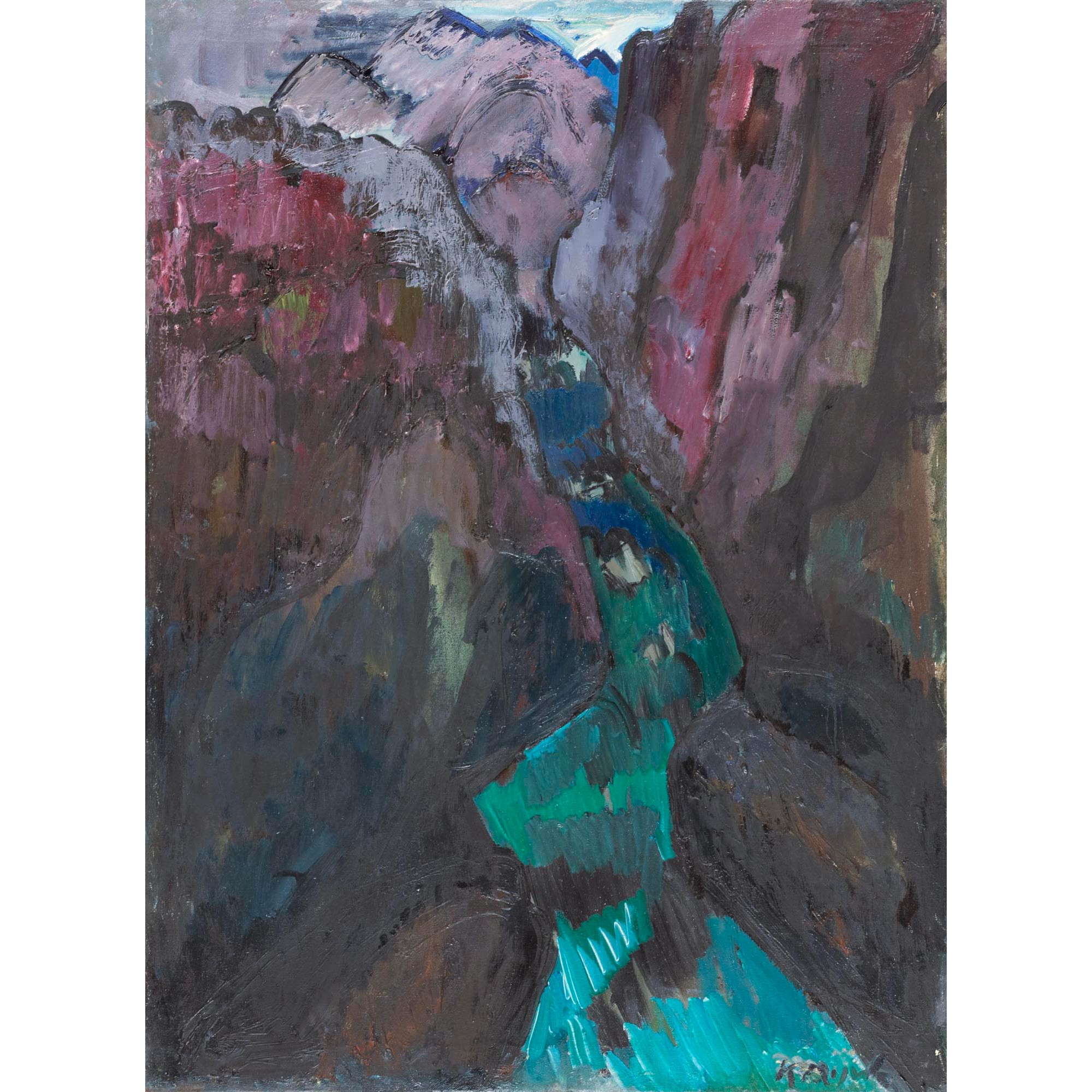
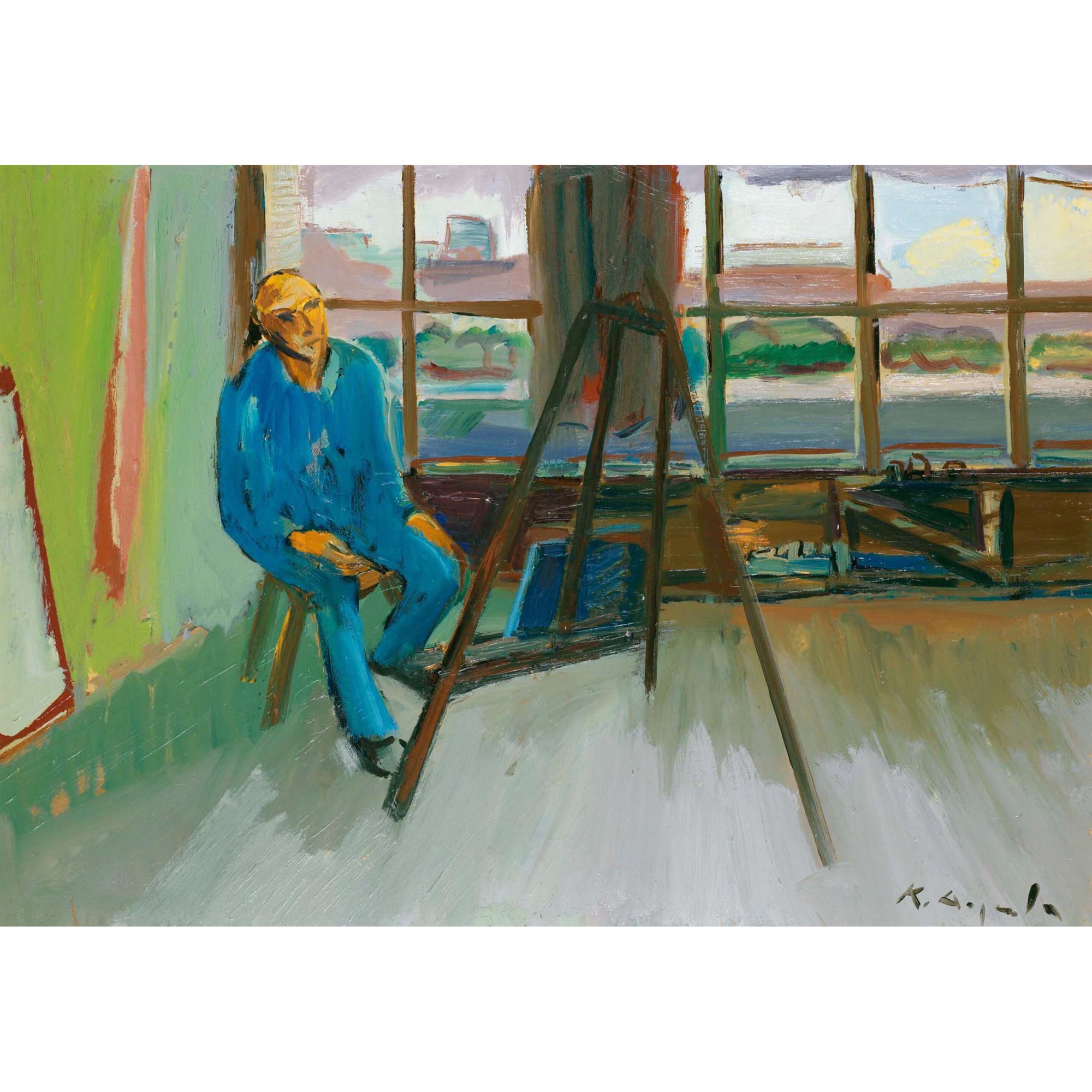
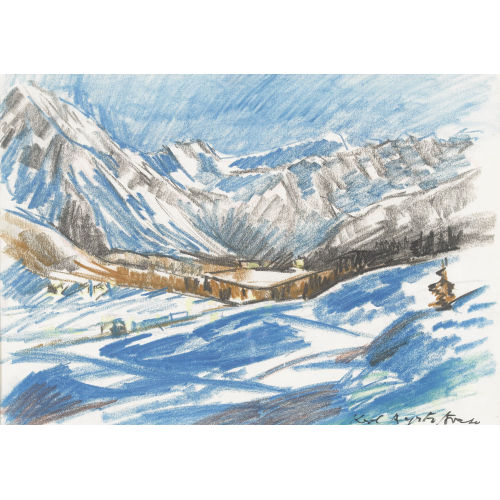
The human figure is central to much of his work. Aegerter depicted war invalids, refugees, unemployed people and those living in poverty, giving his paintings and drawings a strong social dimension. His other major field is landscape, especially Graubünden.
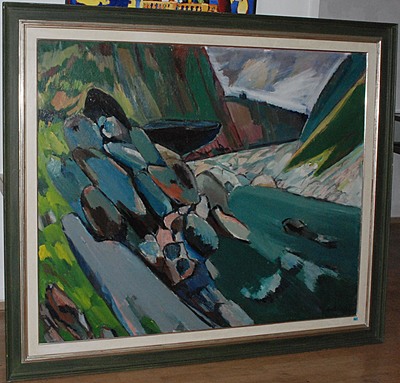
The Historical Dictionary of Switzerland identifies the landscapes as the most convincing part of his achievement today and notes their expressive debt to Edvard Munch.
His career was firmly rooted in Basel’s artistic life. A 1950 anniversary exhibition at Kunsthalle Basel included Aegerter with Jacques Düblin, Emil Knöll, Karl Moor and Walter Schneider; in 1959 the Kunsthalle showed him together with Niklaus Stoecklin. The Kunstkredit Basel-Stadt holds works by Aegerter, while the Basel State Archives preserve substantial documentation.
His Swiss auction market is regular. Swiss Art Gallery documents CHF 2,400 for a view of the Rhine Gorge near Versam in 2011, CHF 1,400 for Winterlandschaft in Graubünden in 2012 and CHF 550 for Engadin at Germann in 2011. Sotheby’s estimated a studio self-portrait at CHF 6,000–8,000 in 2007 and a Viamala view at CHF 6,000–7,000 in 2009.
Ambitious Graubünden landscapes and powerful social figure compositions form the two main market segments.