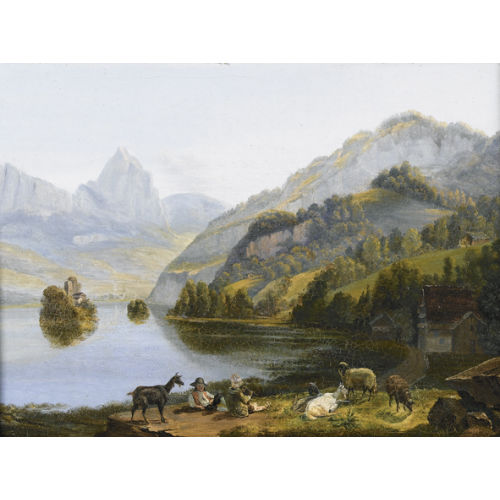
Johann Jakob Biedermann
Born in 1763.
Died in 1830.
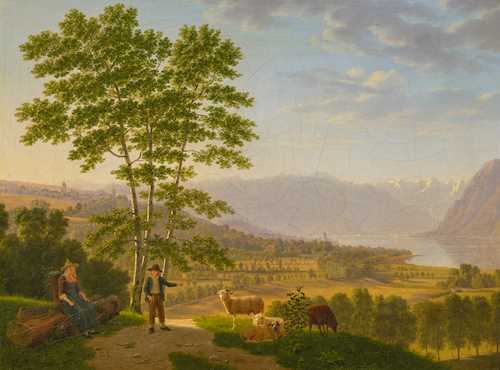
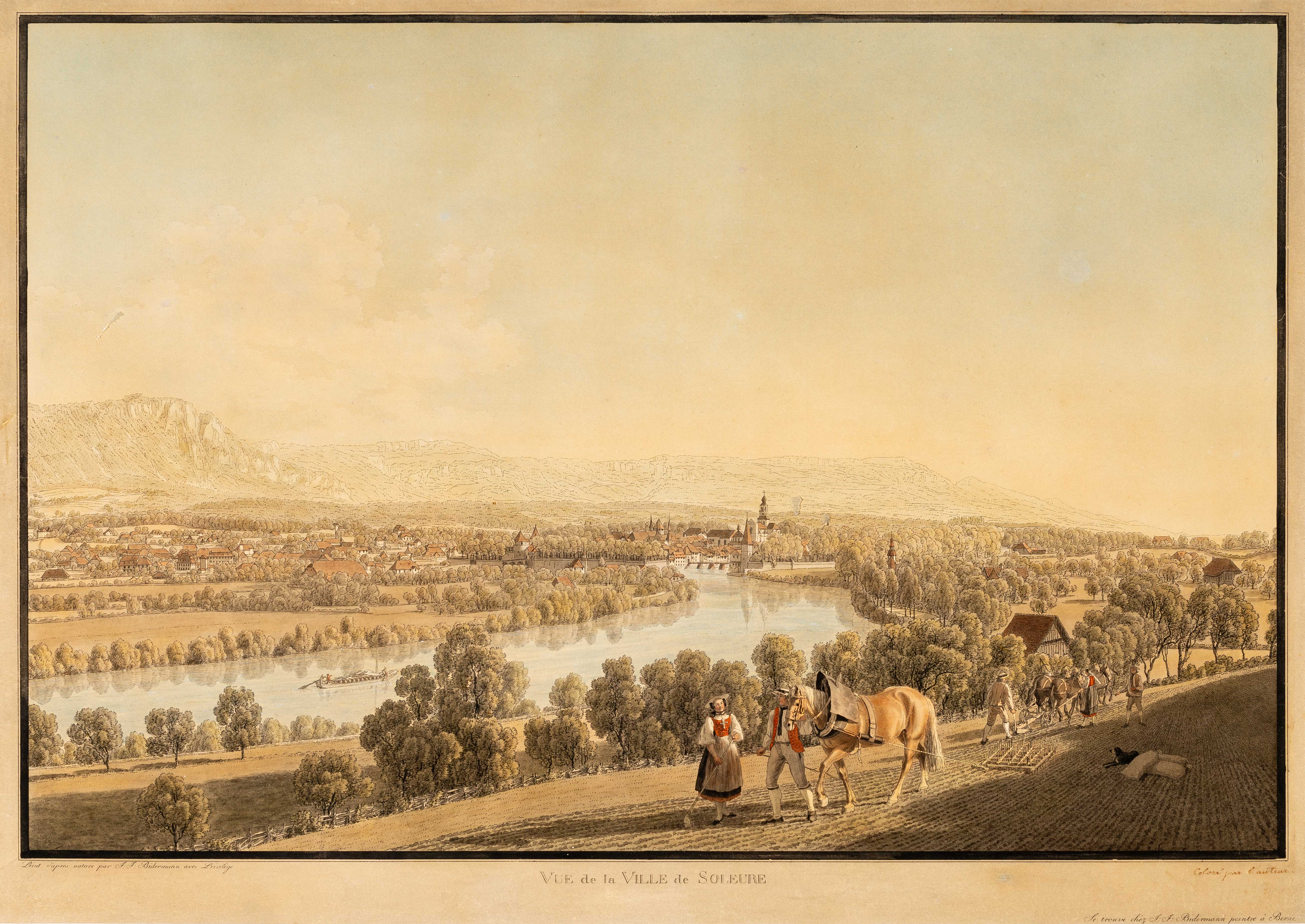
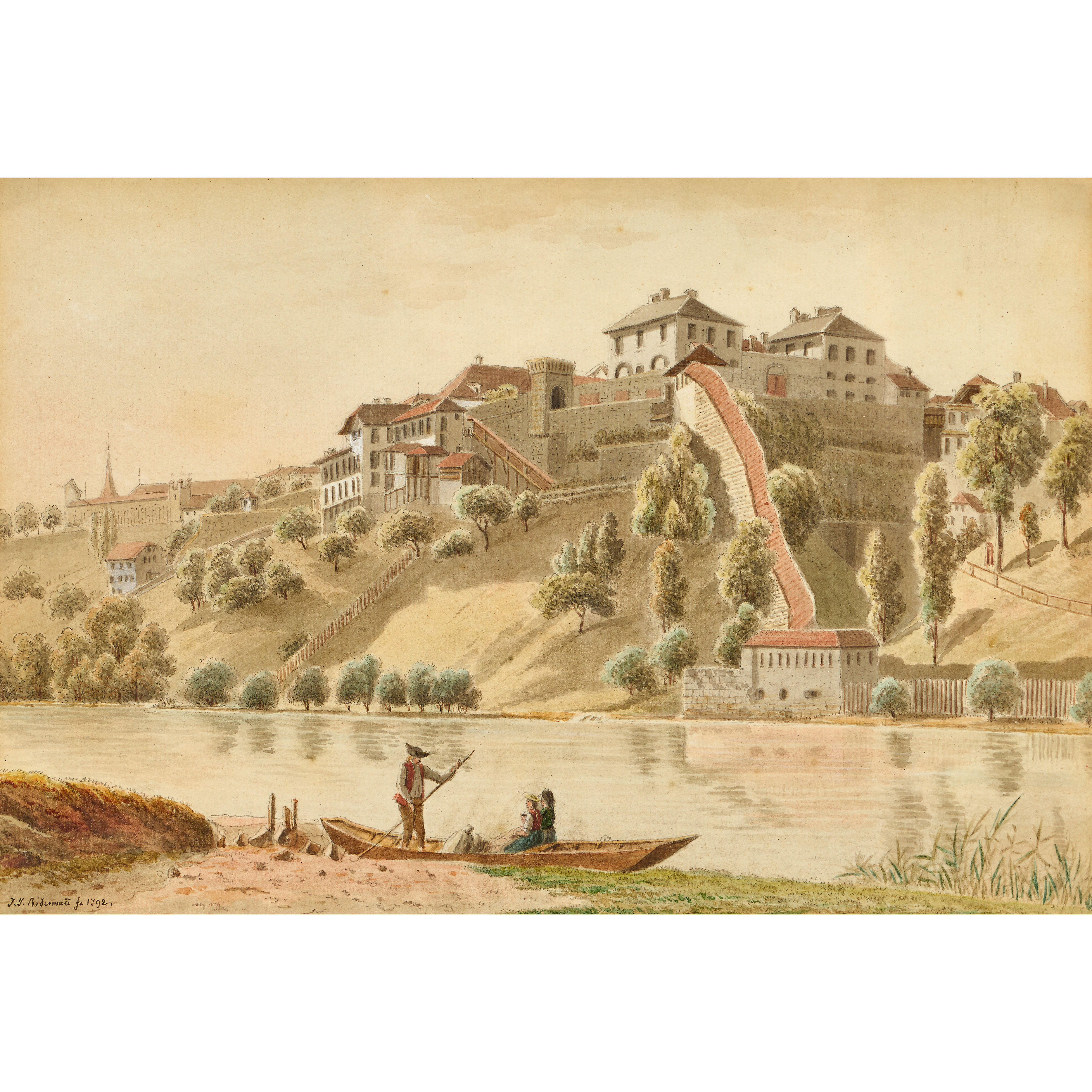
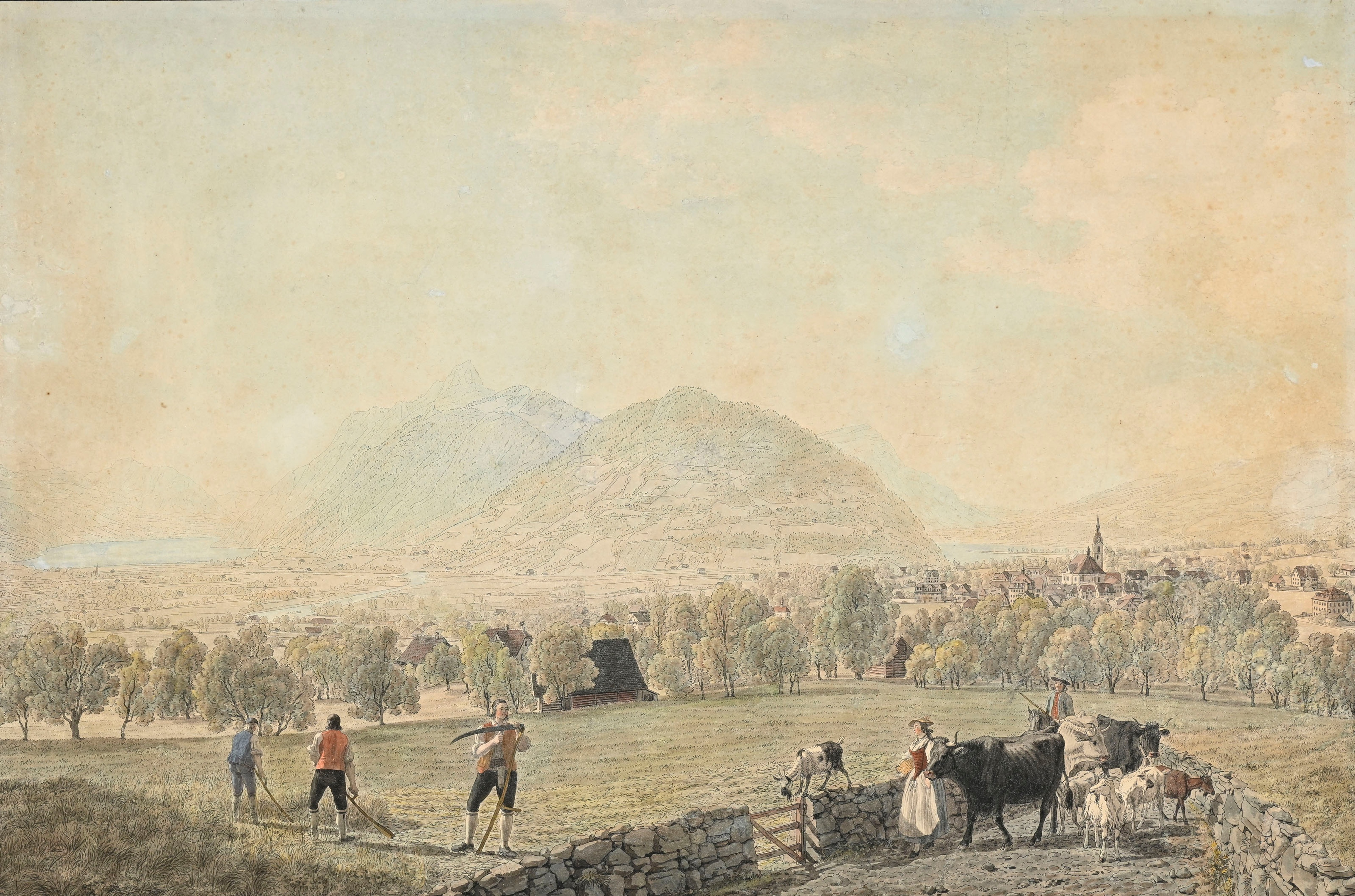
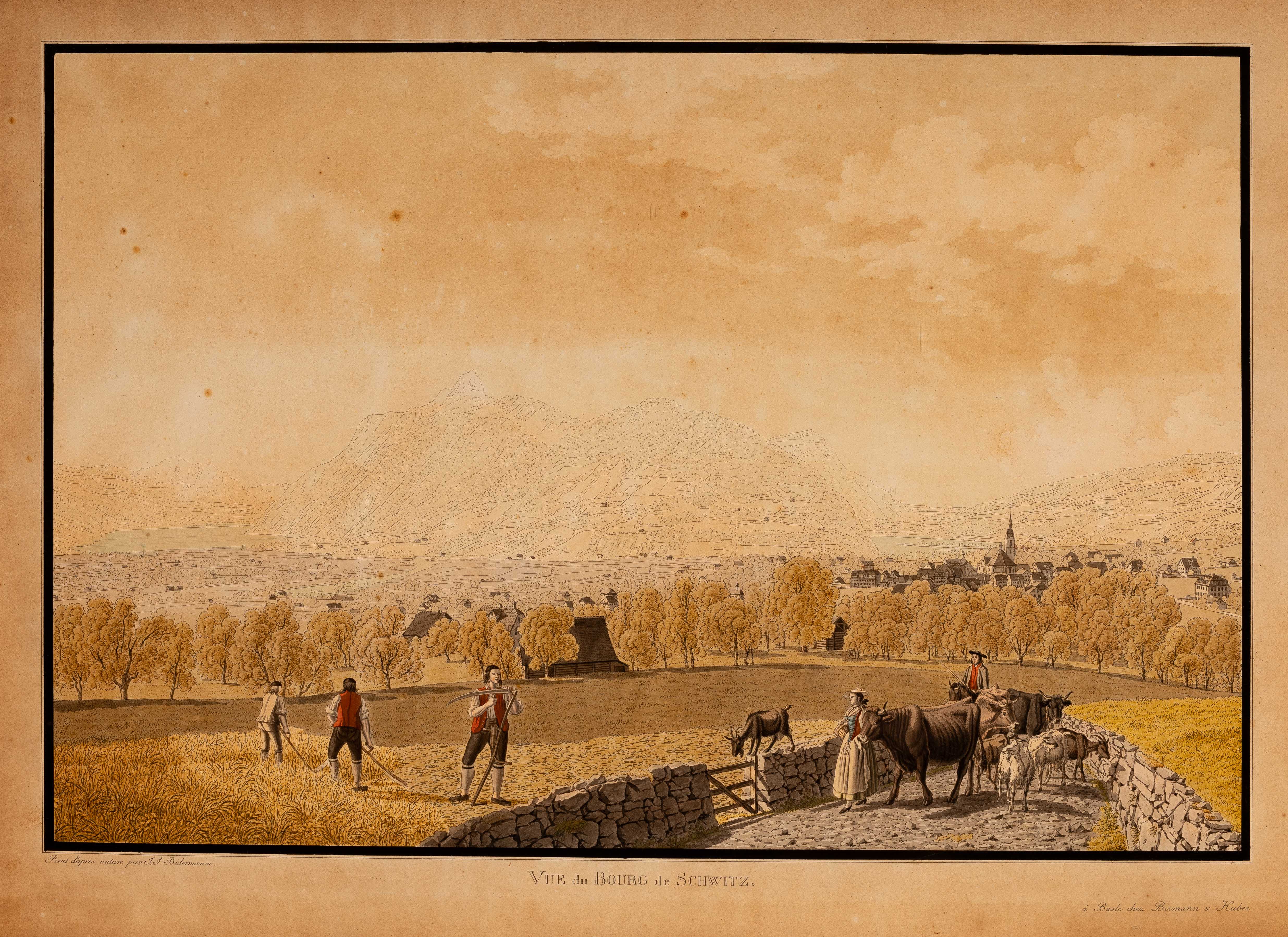
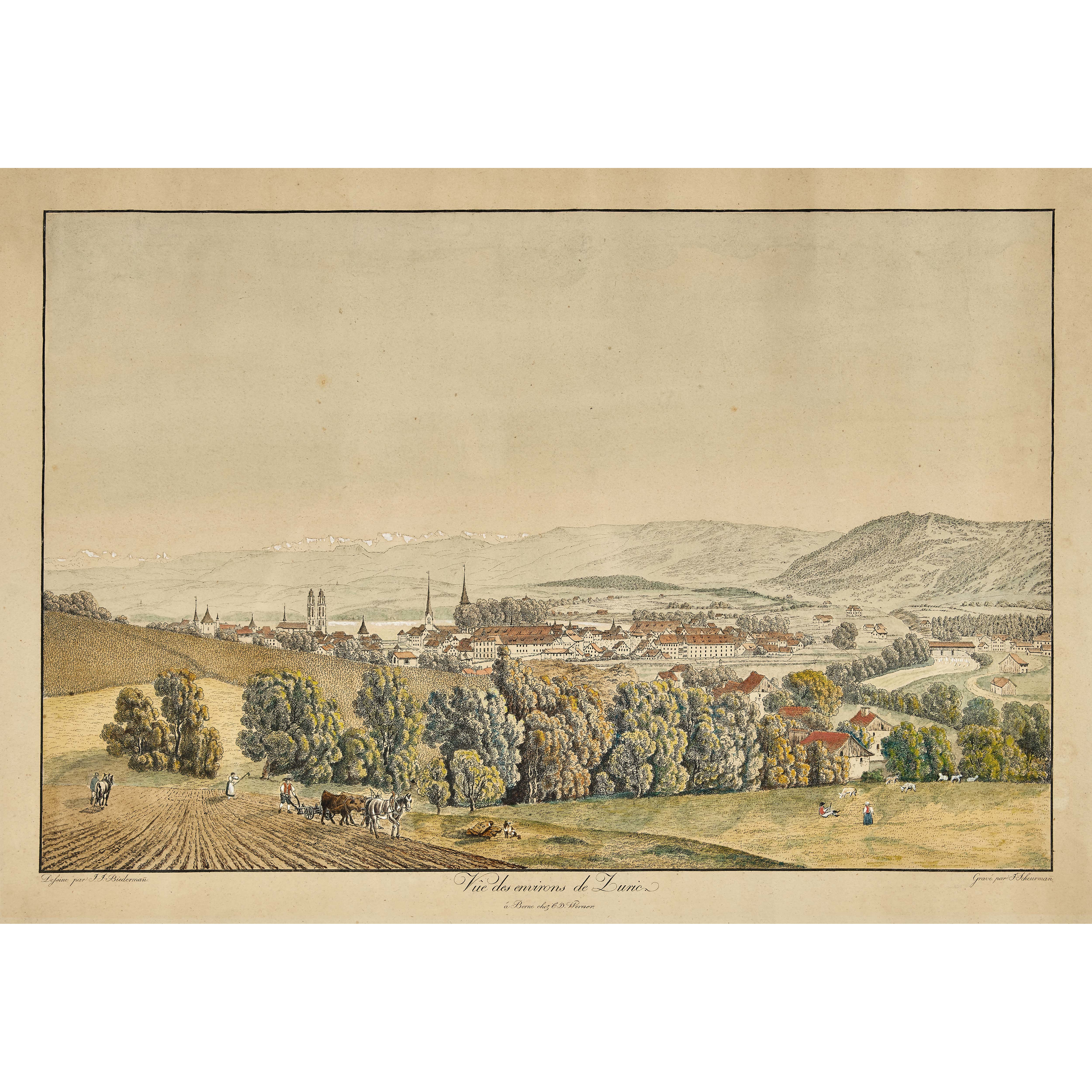
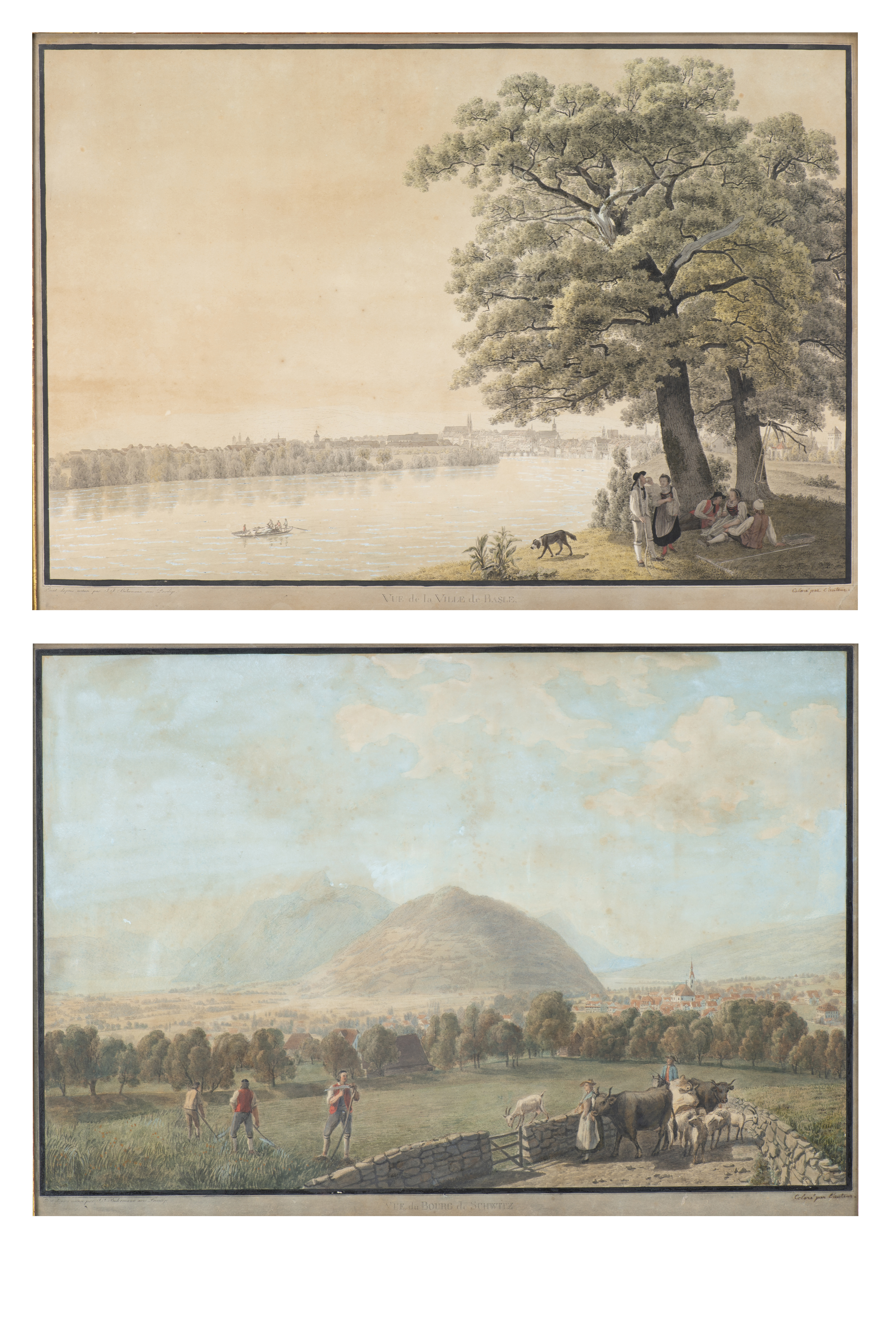
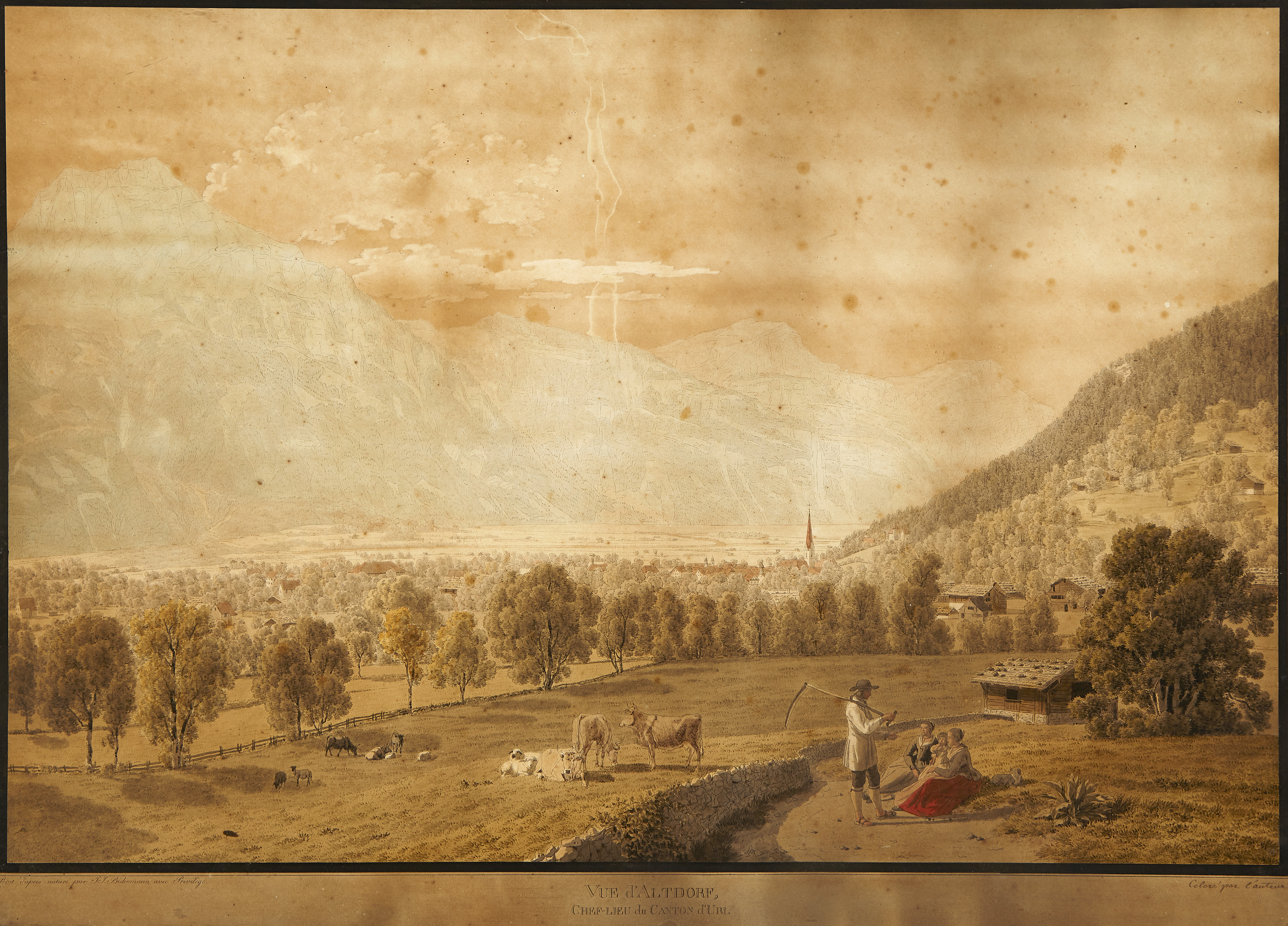
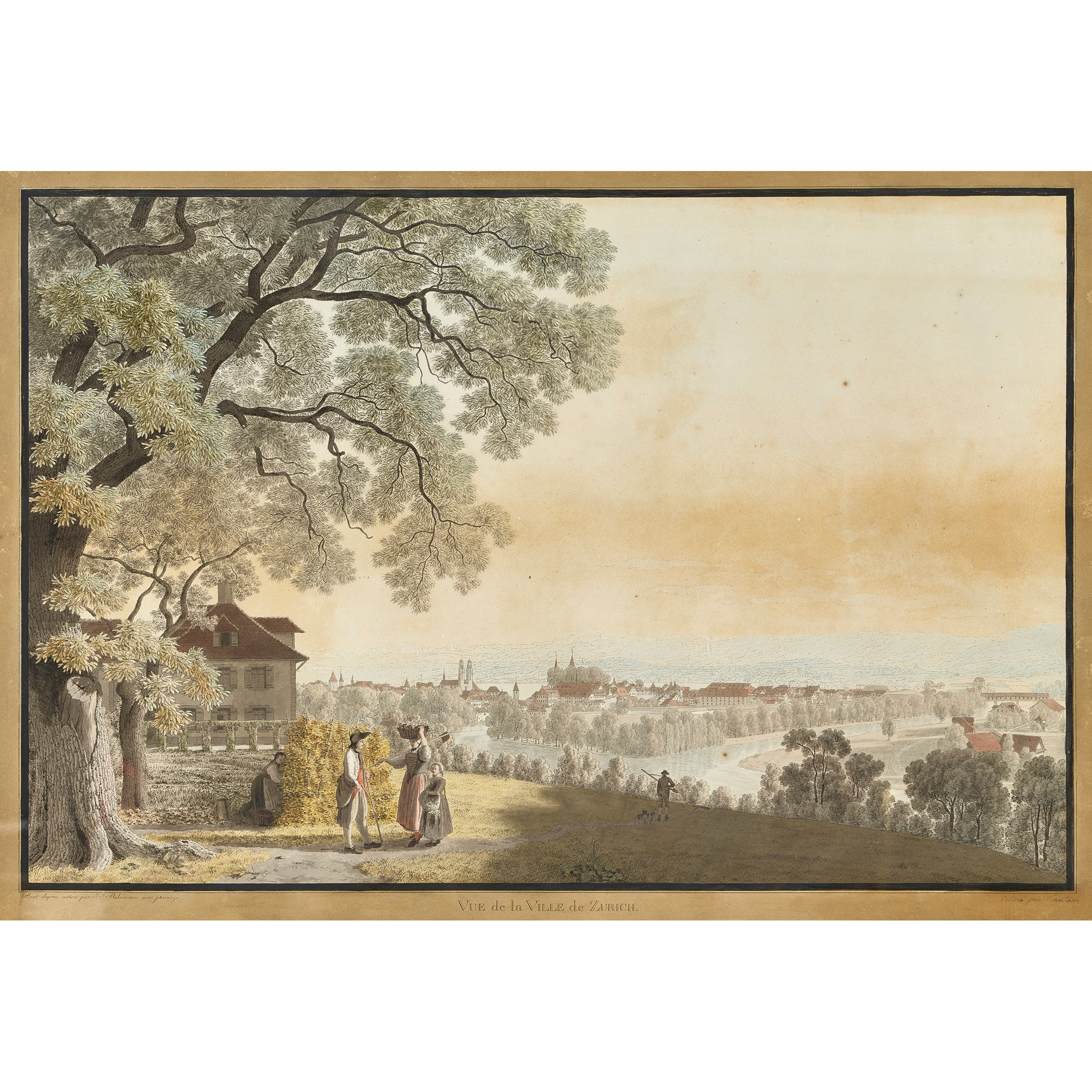
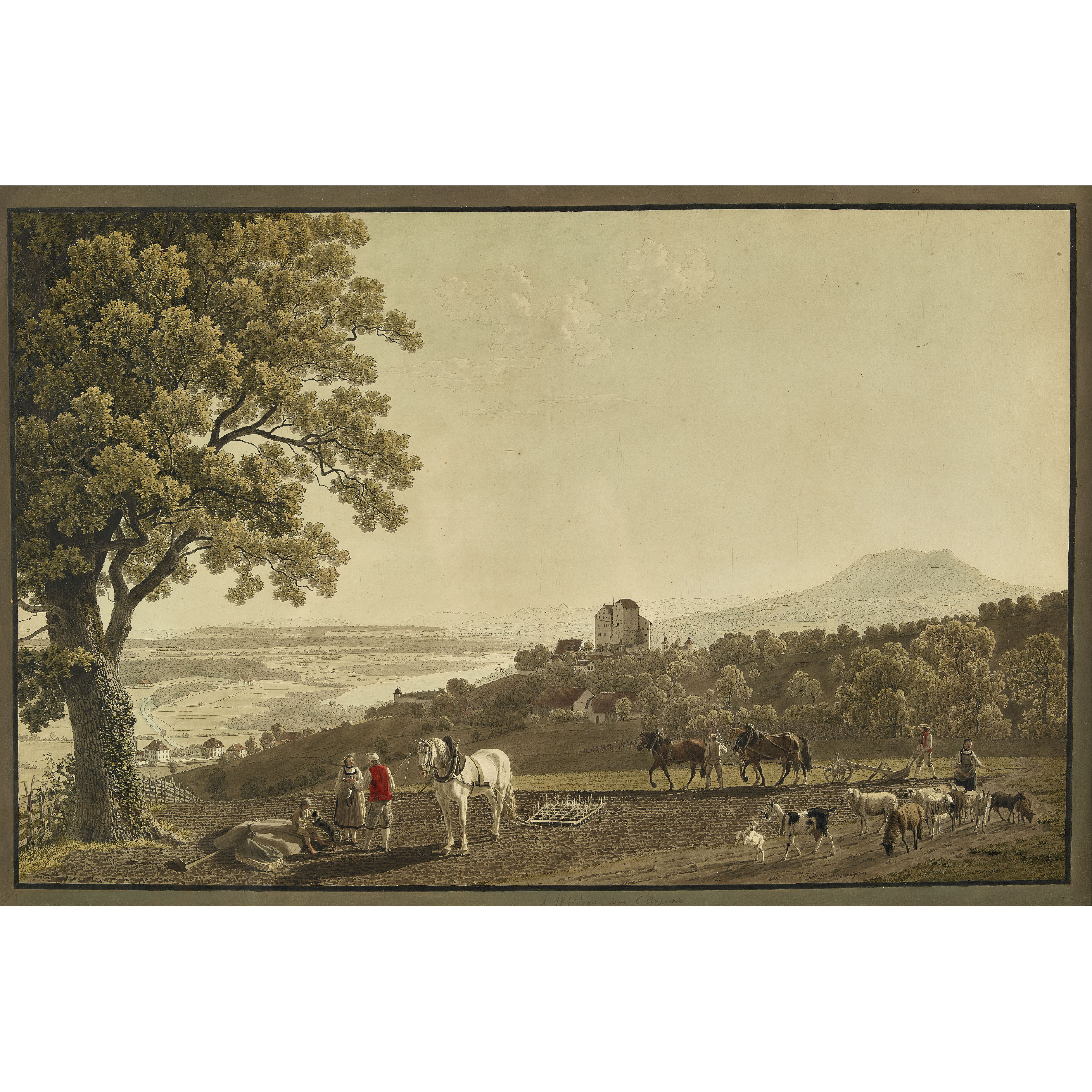
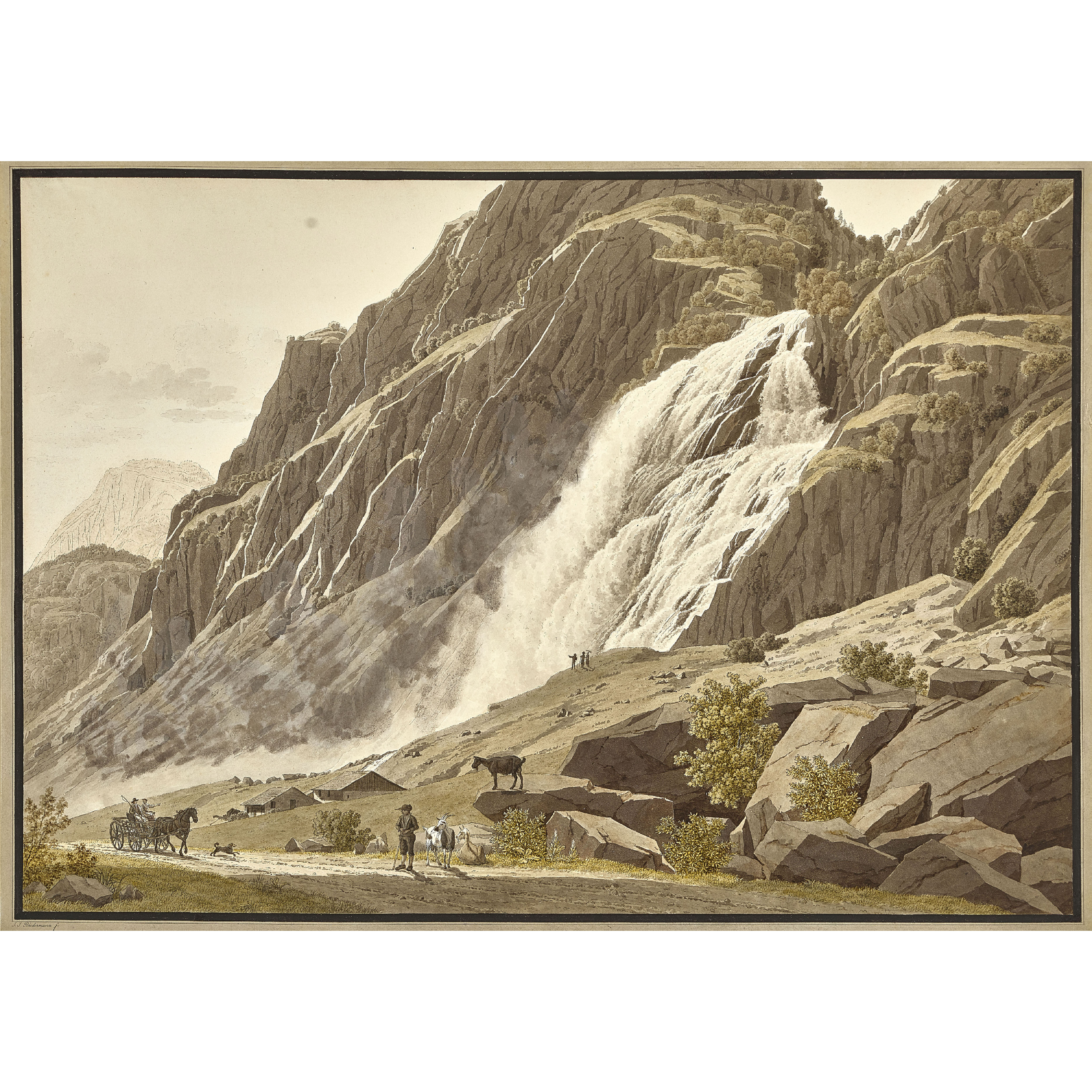
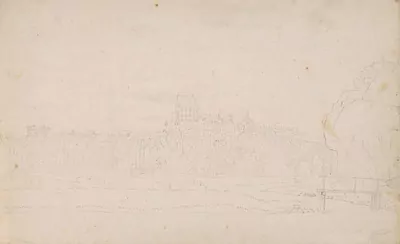
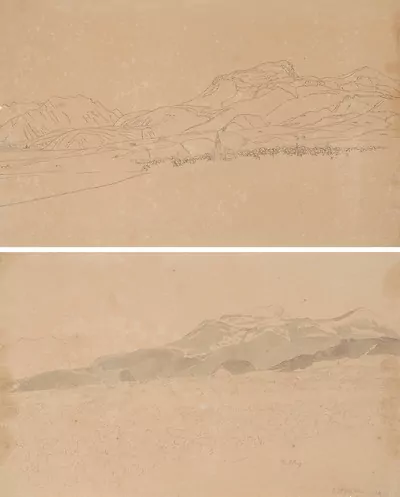
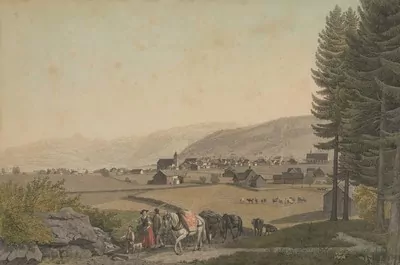
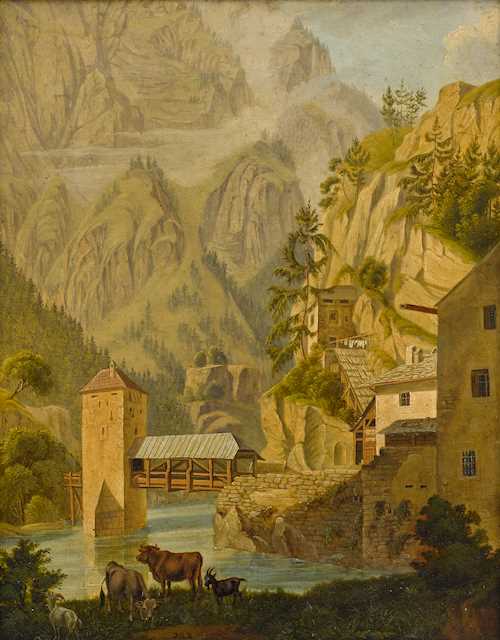
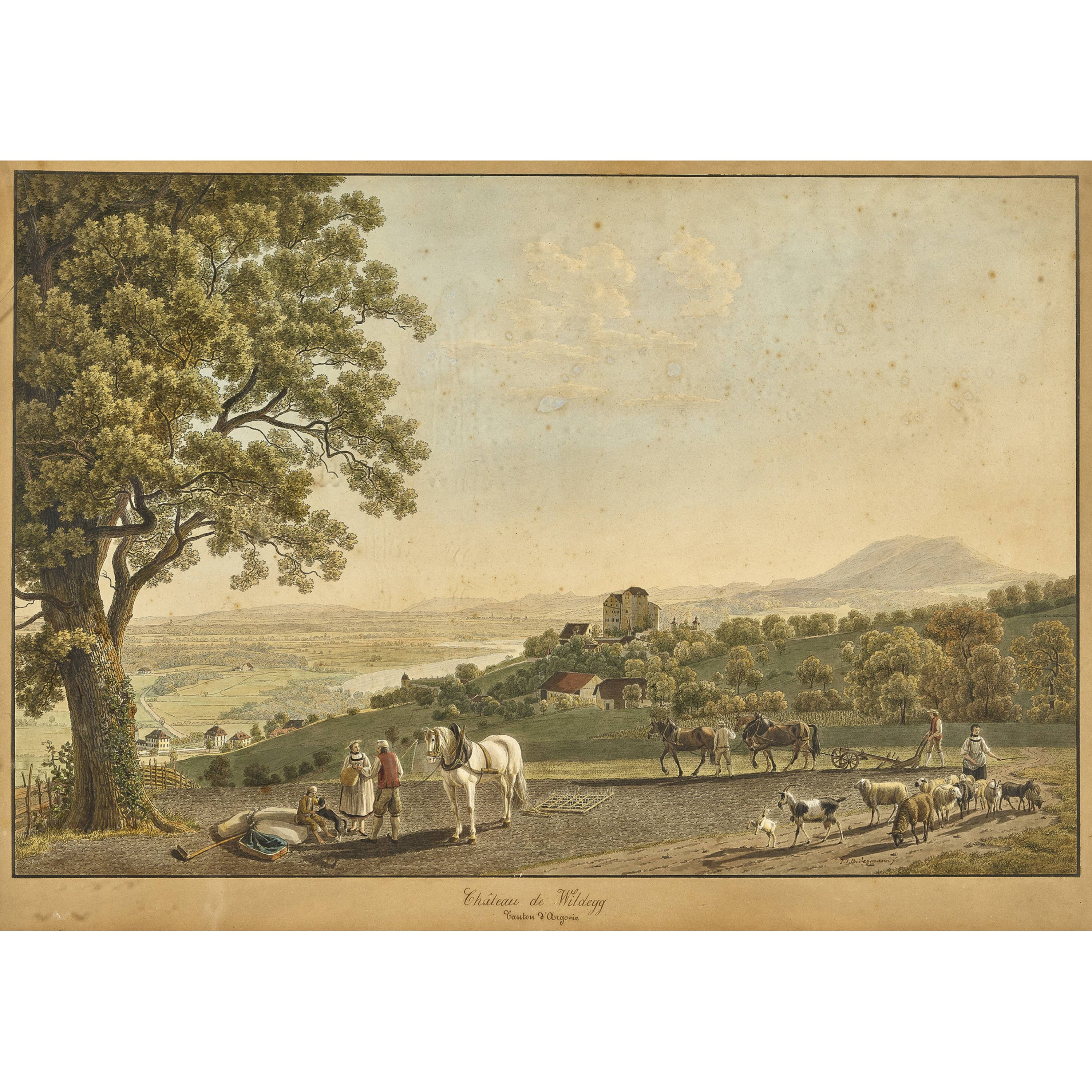
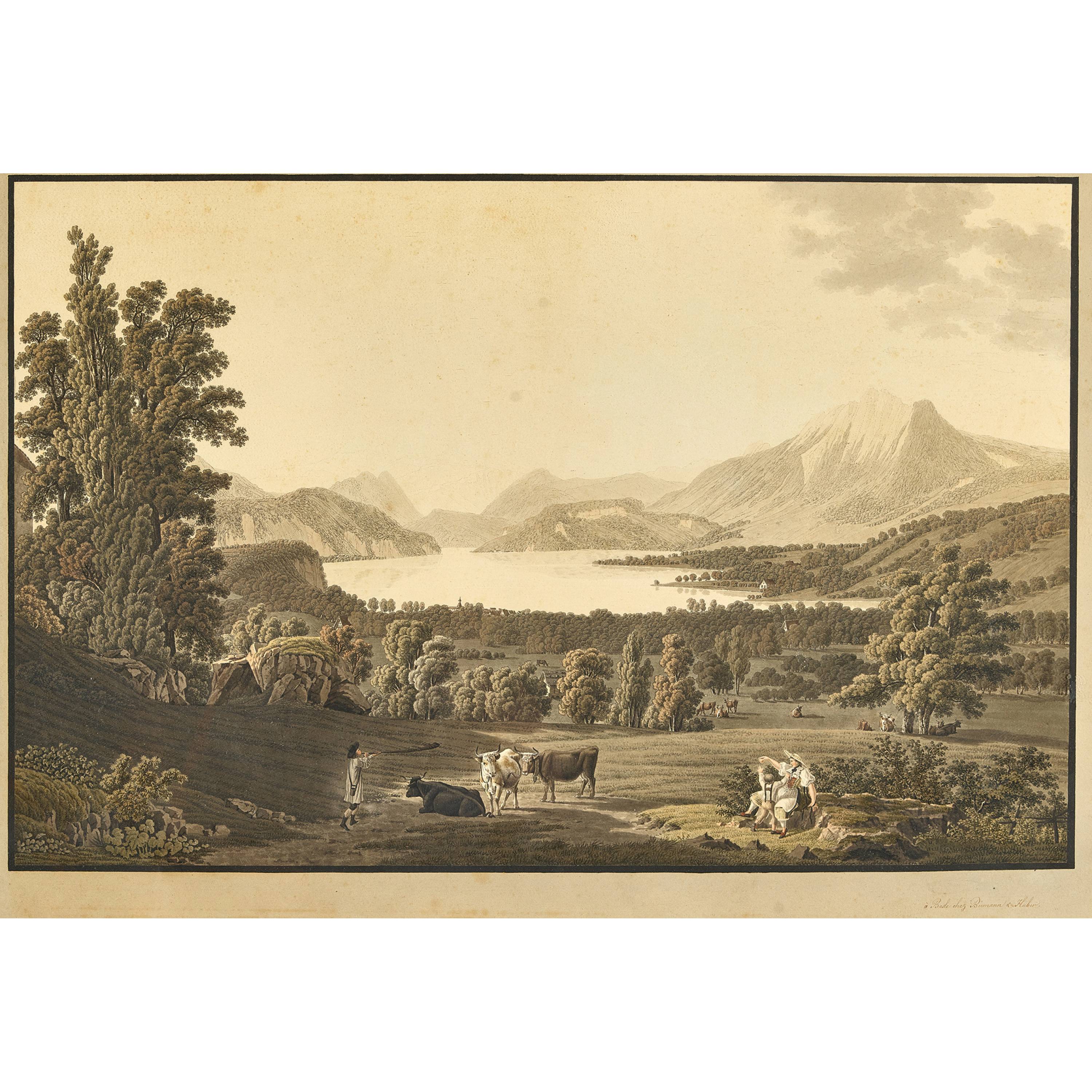
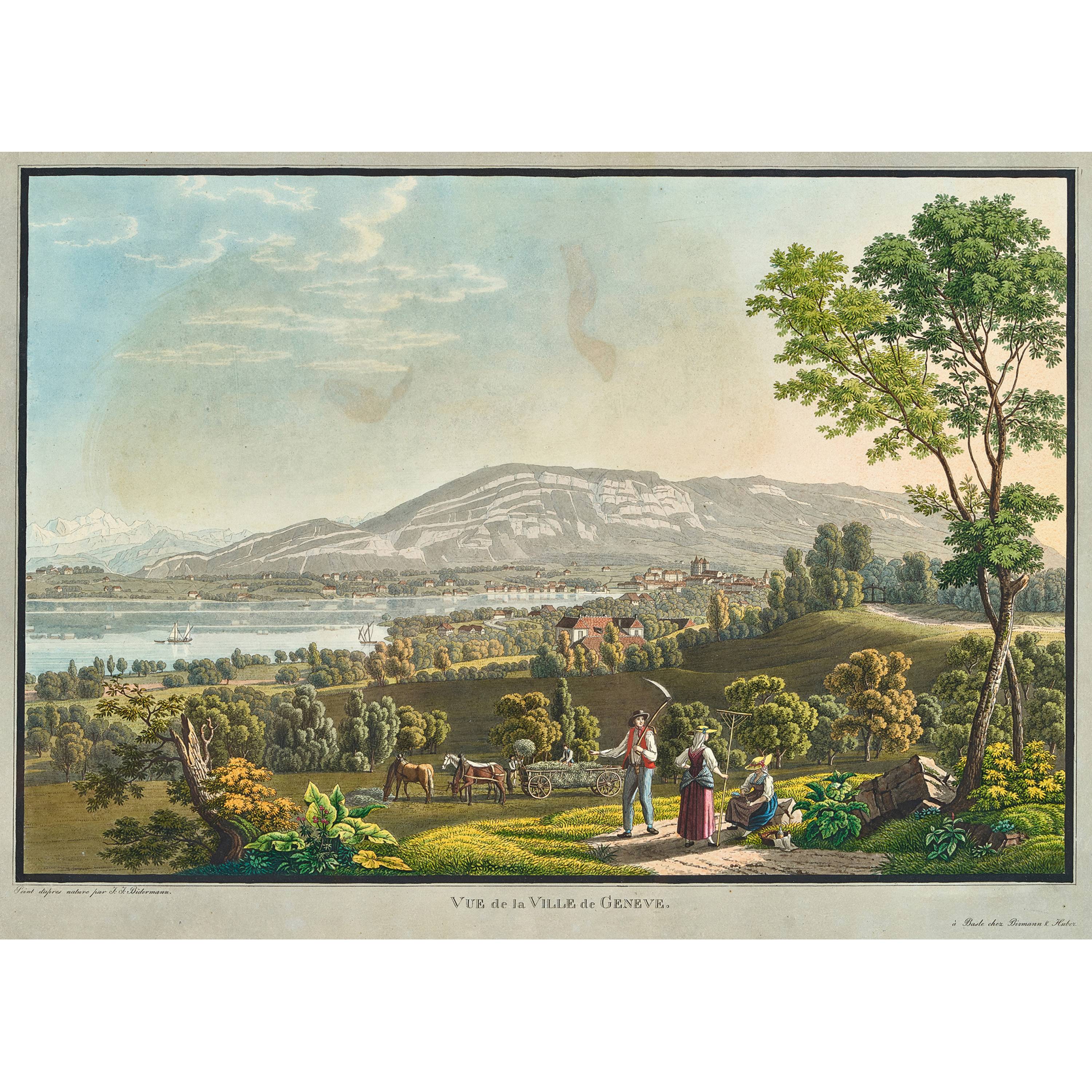
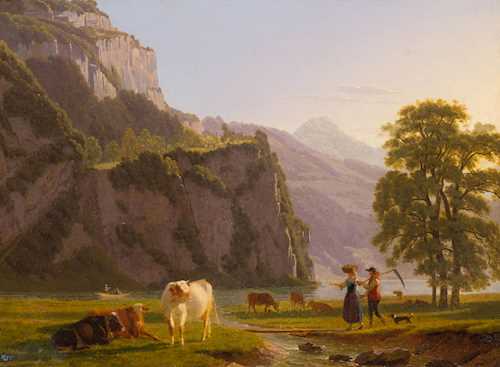
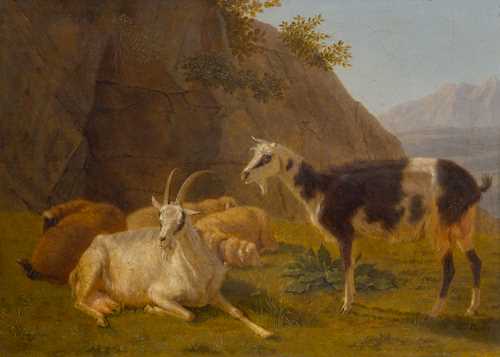
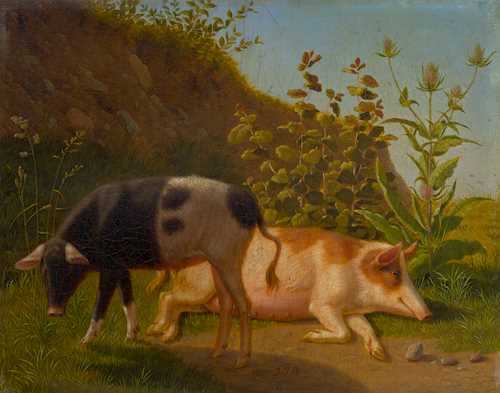
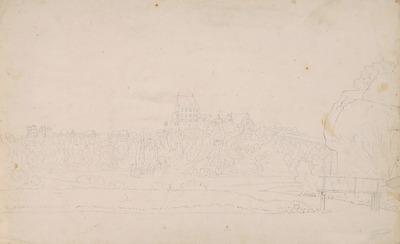
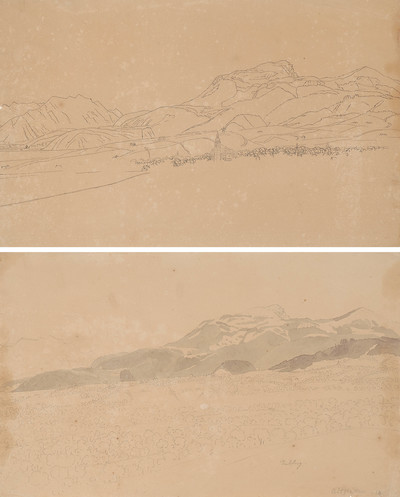
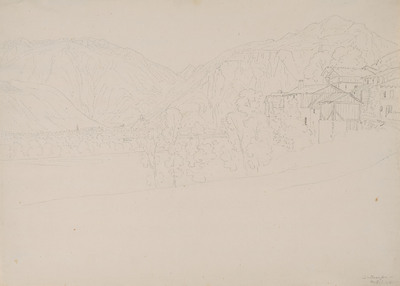
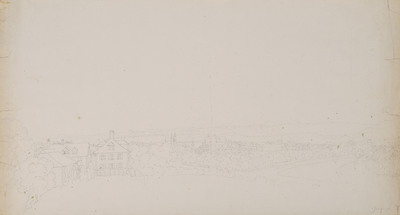
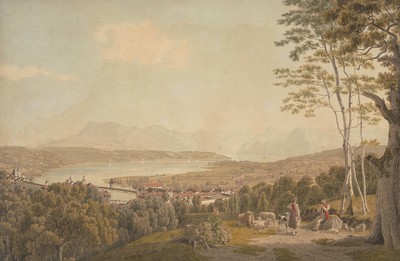
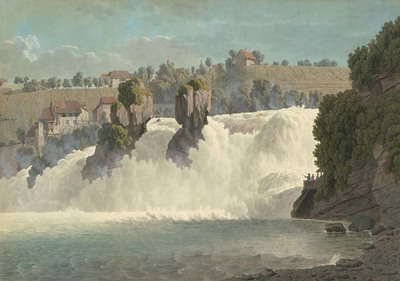
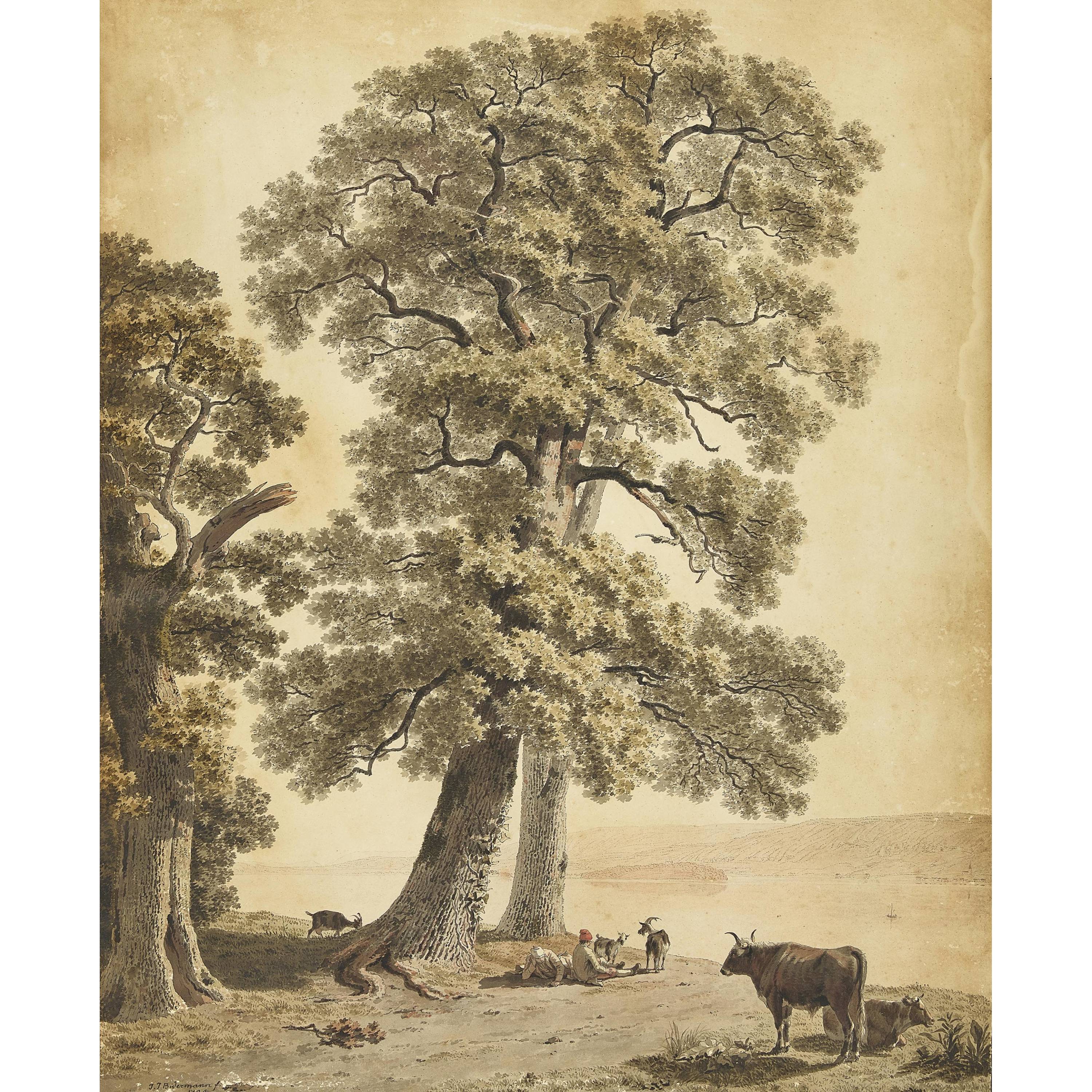
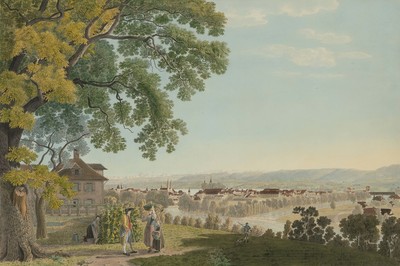
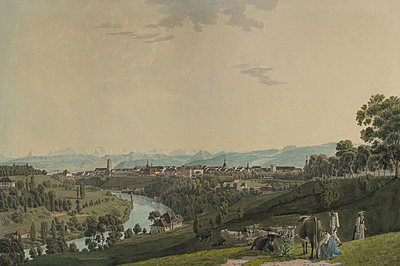
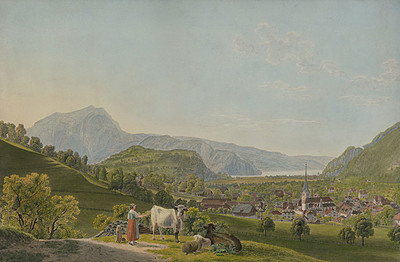
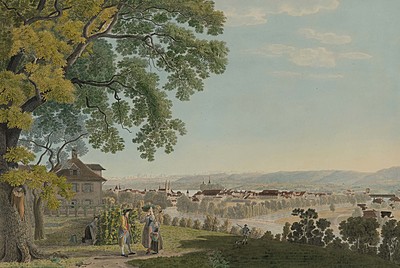
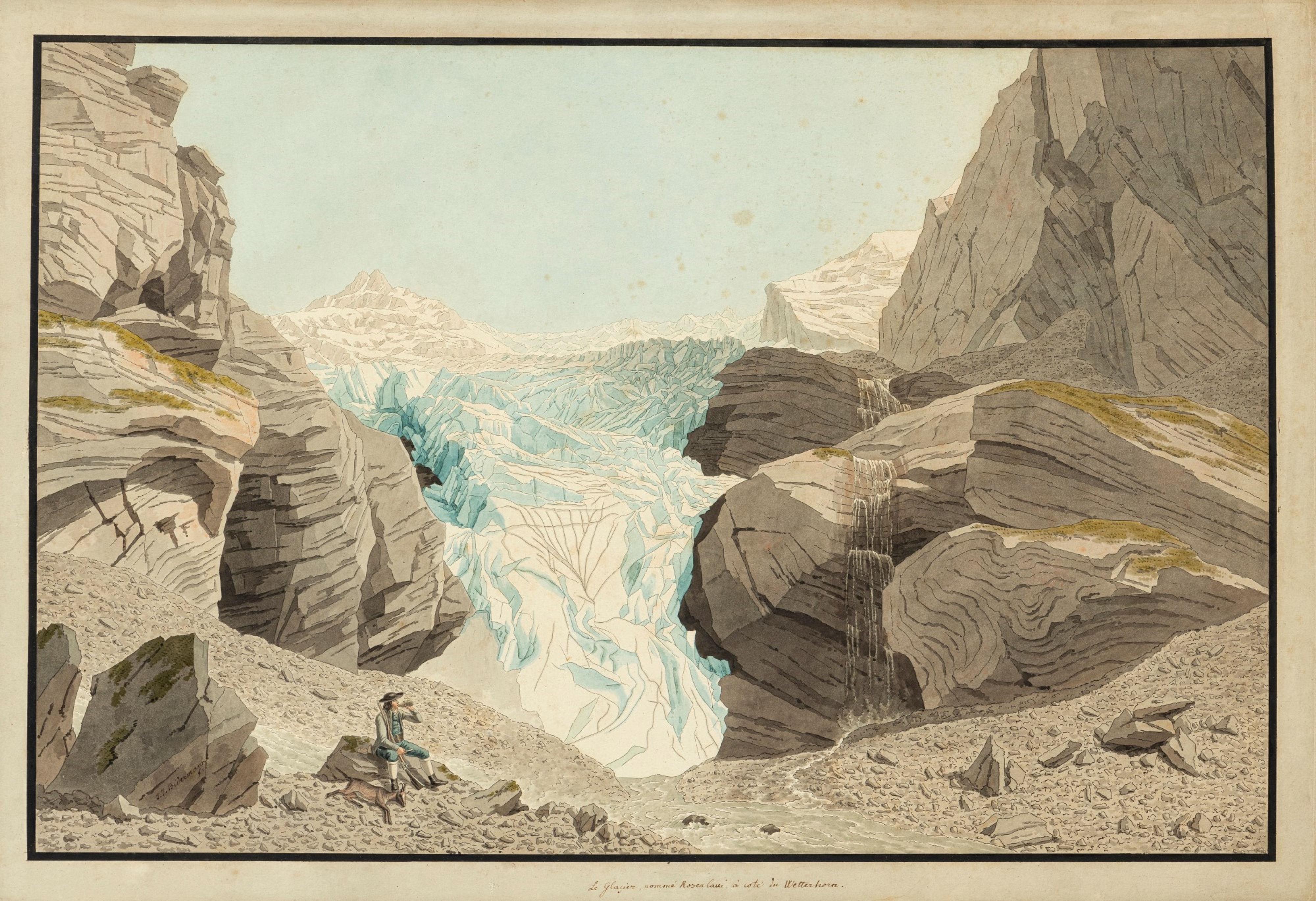
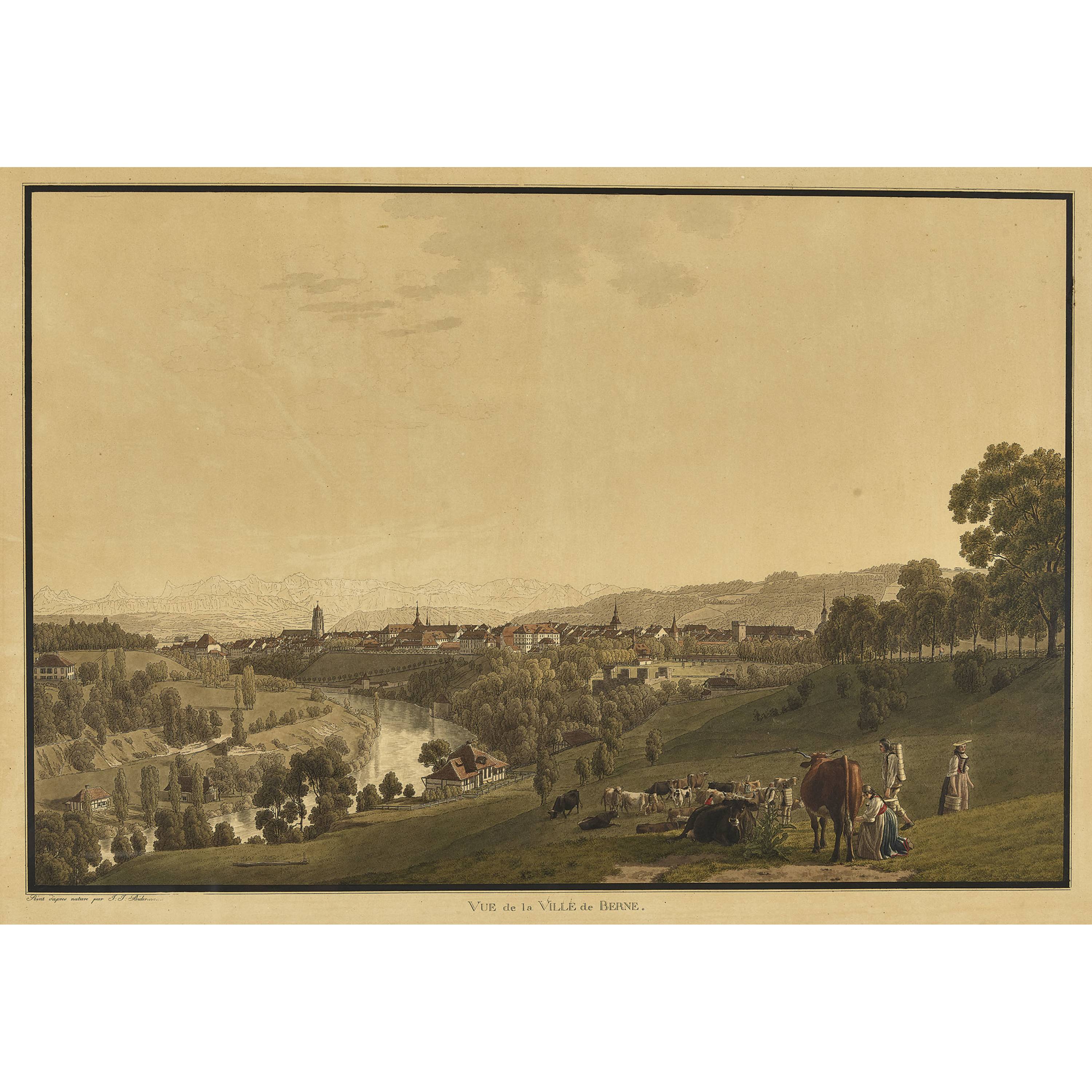
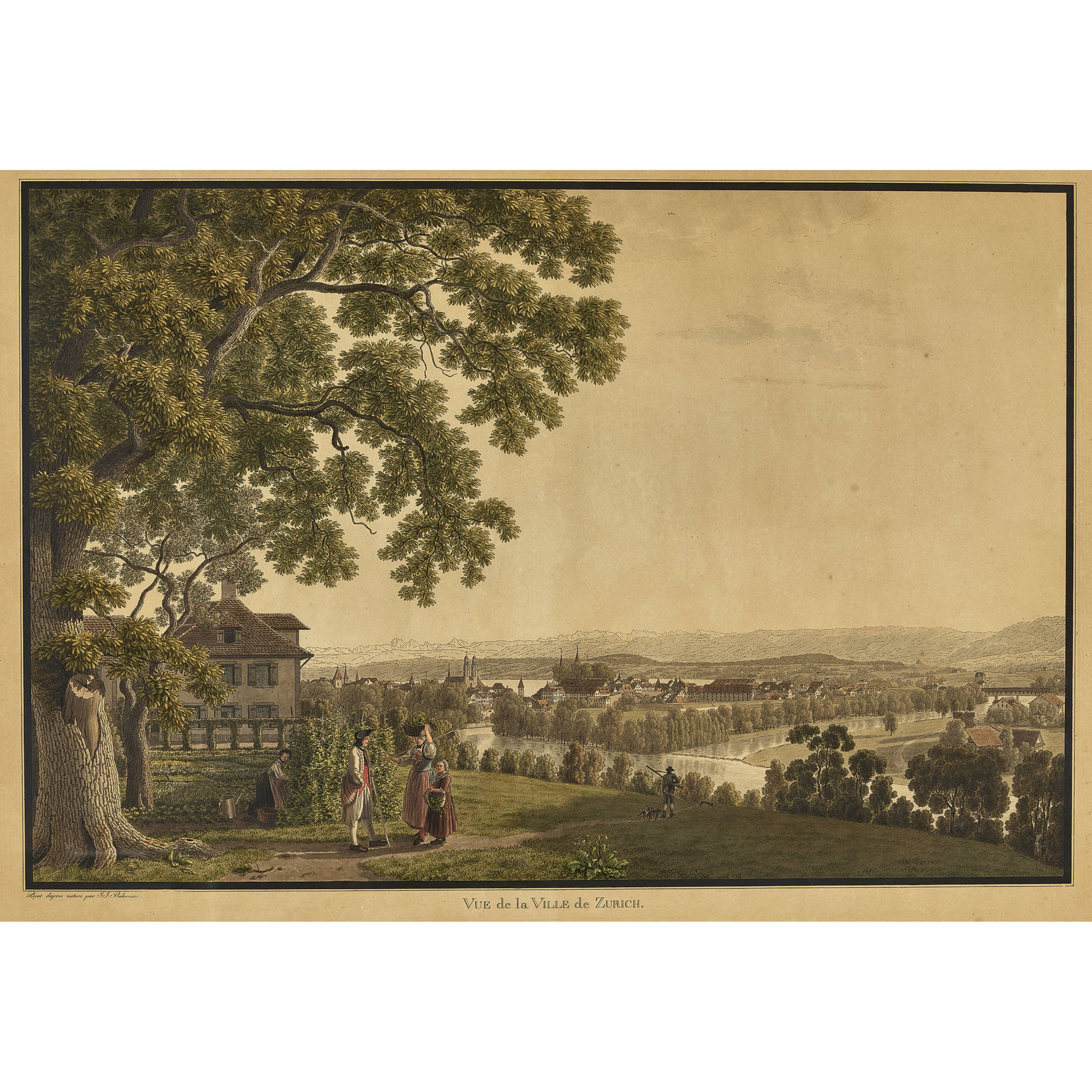
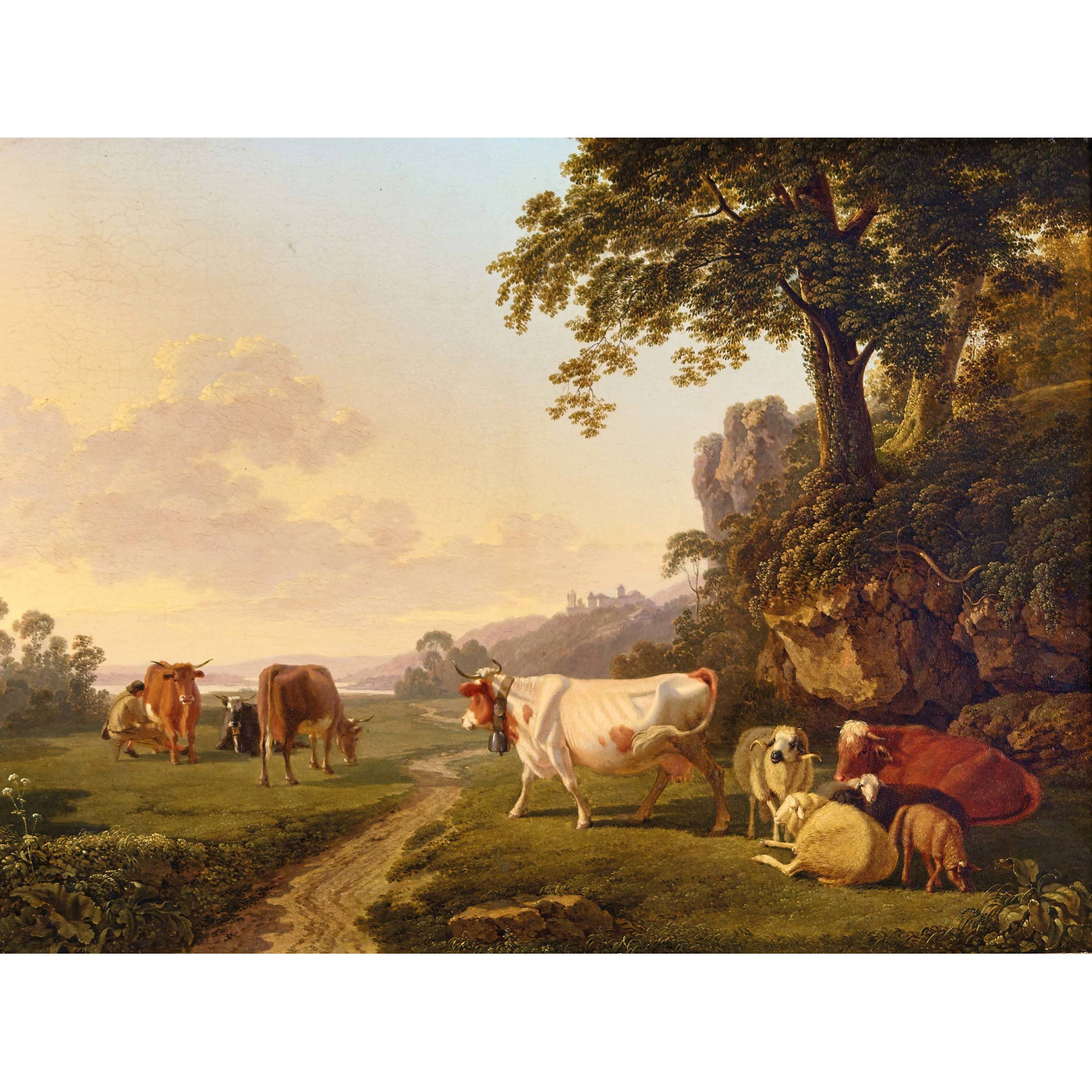
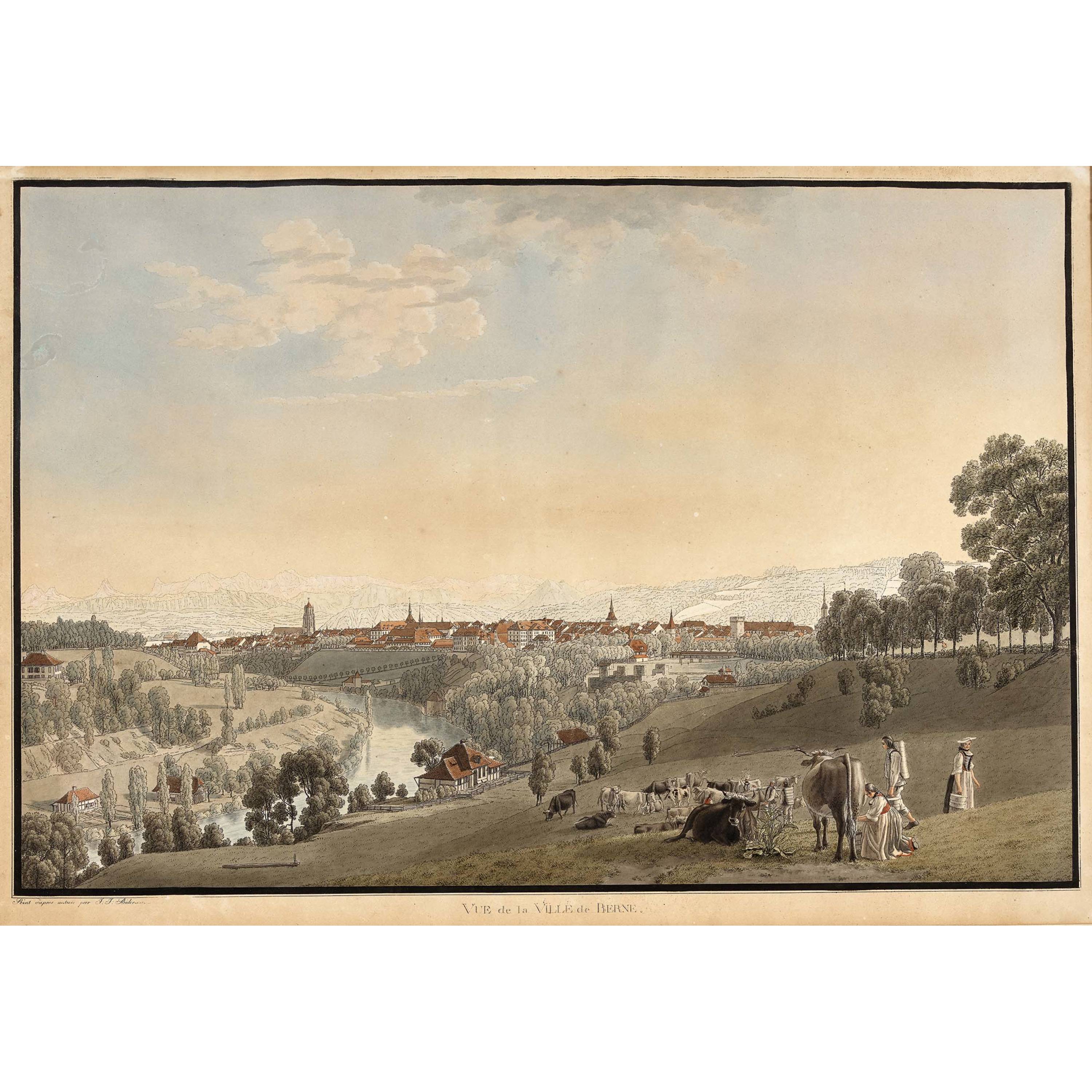
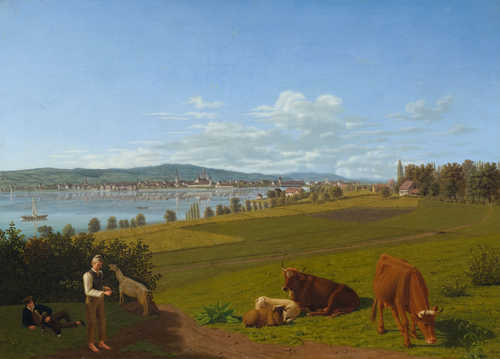
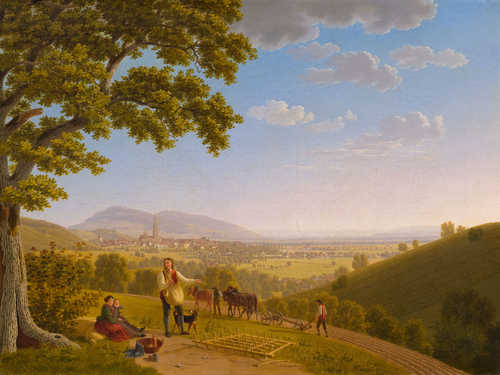
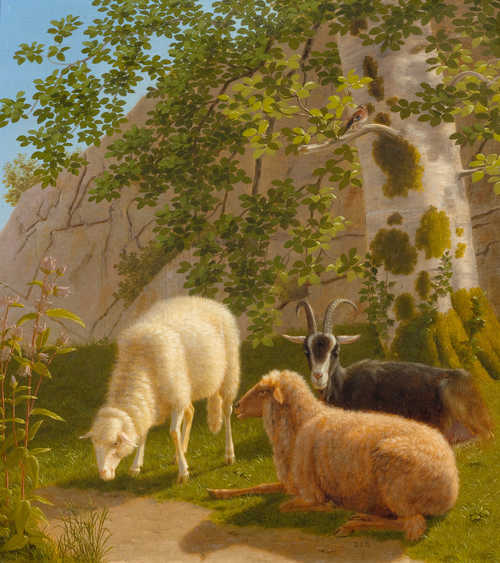
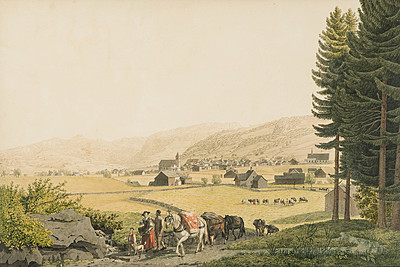
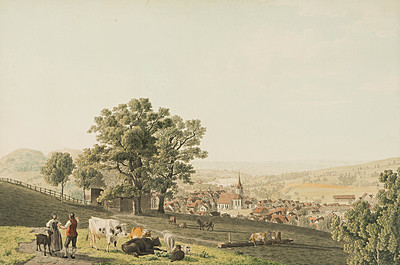
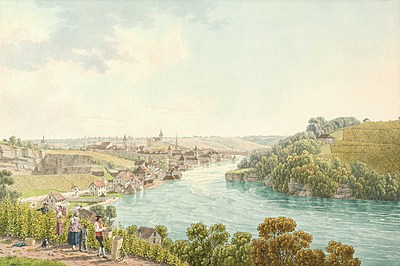
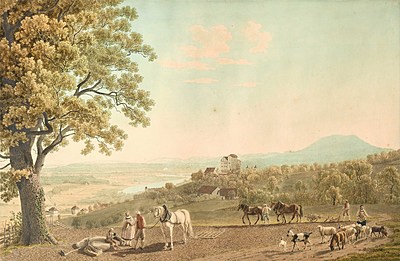
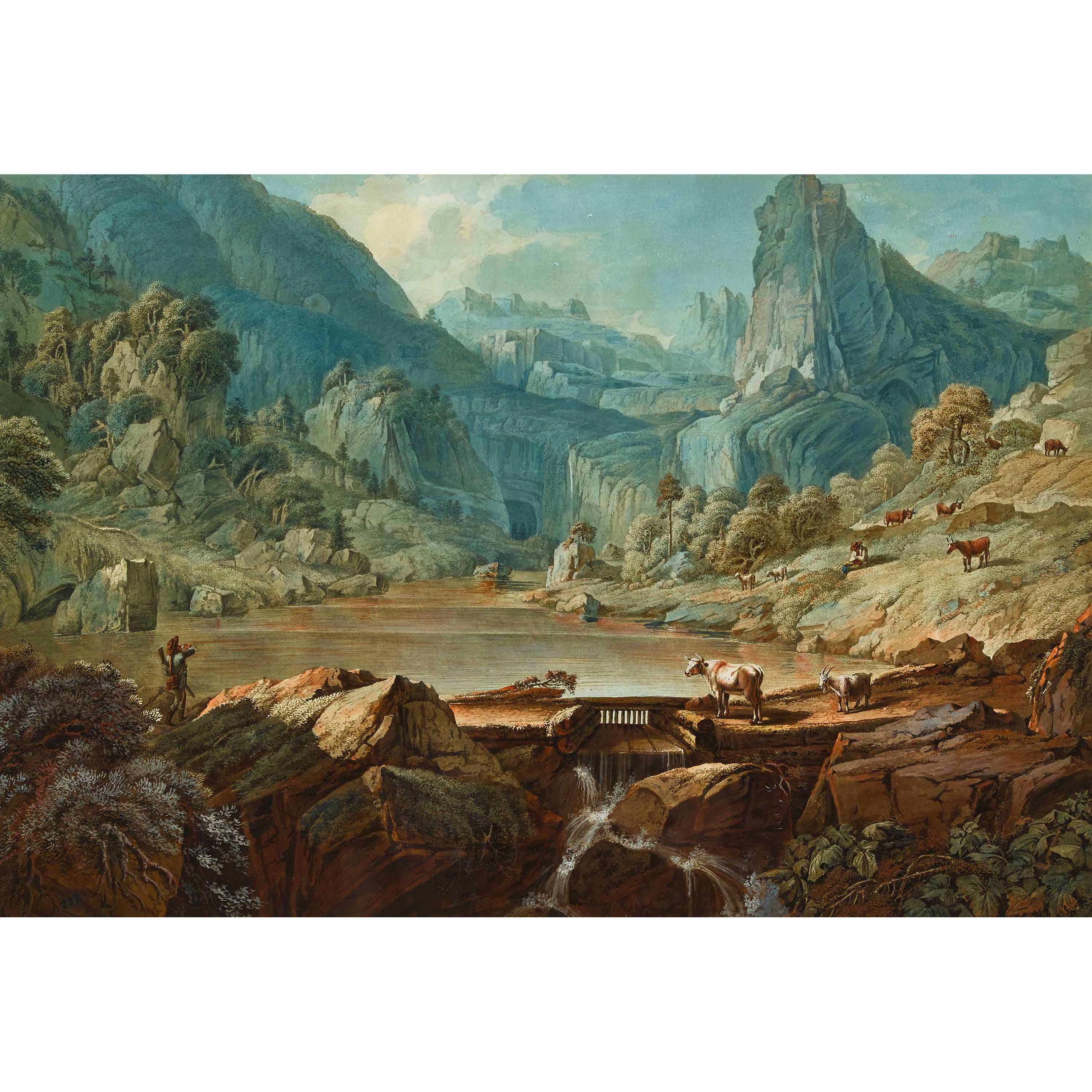
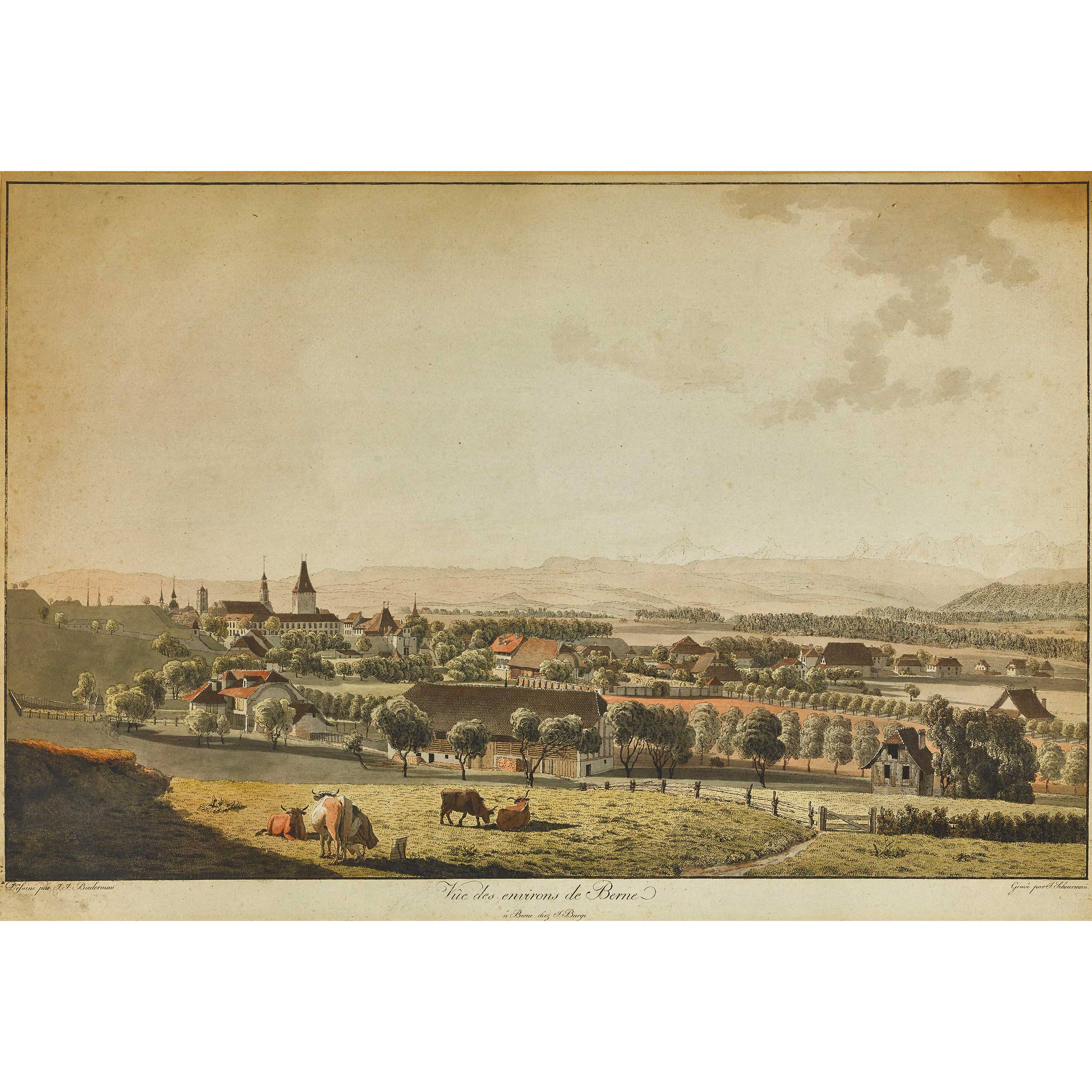
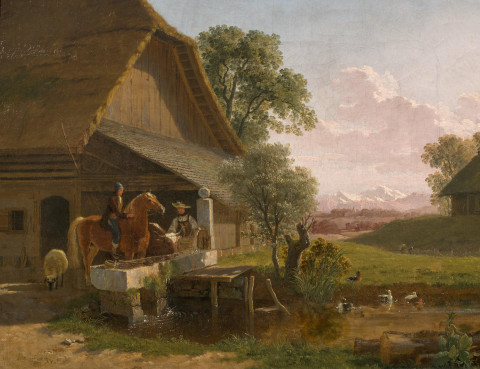
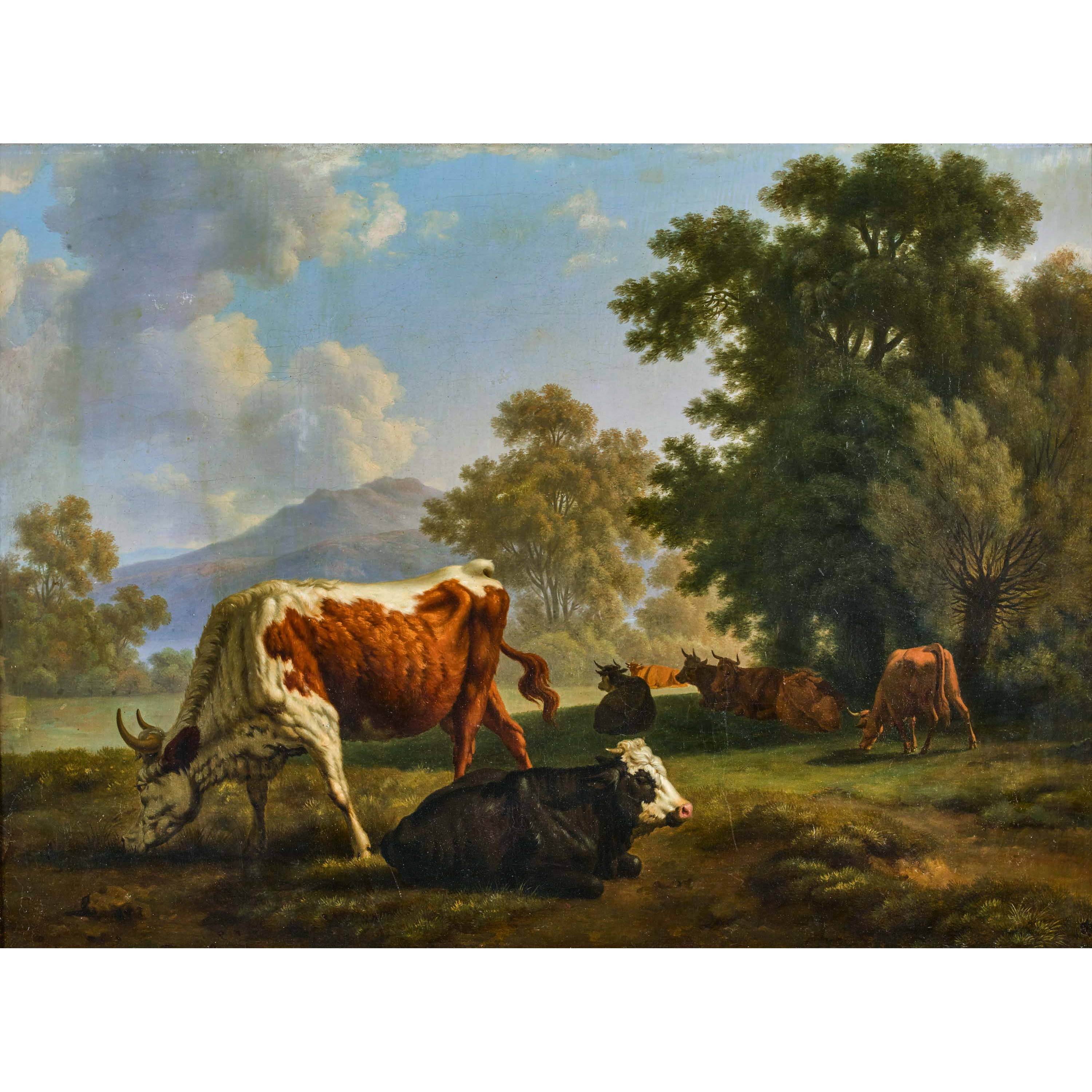
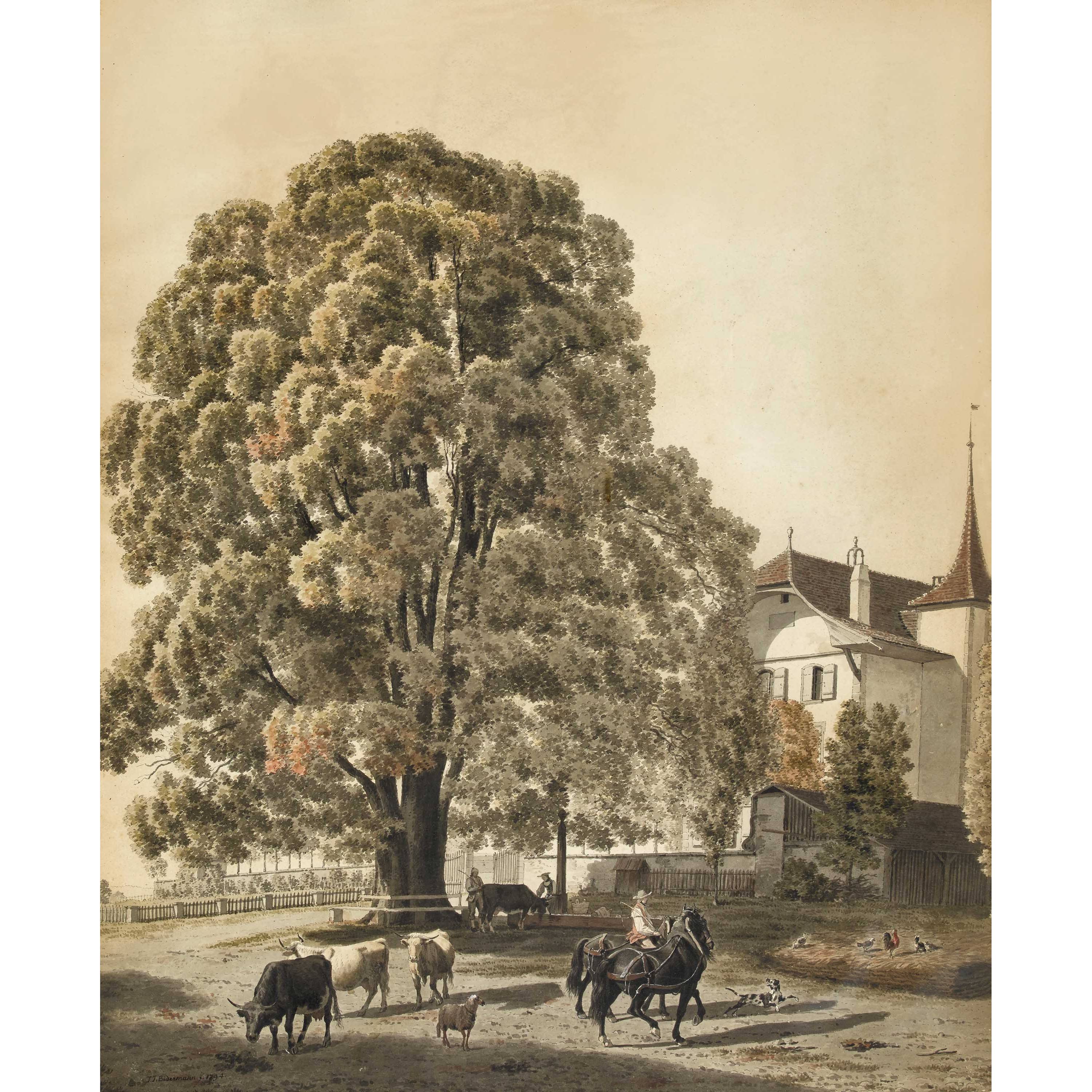
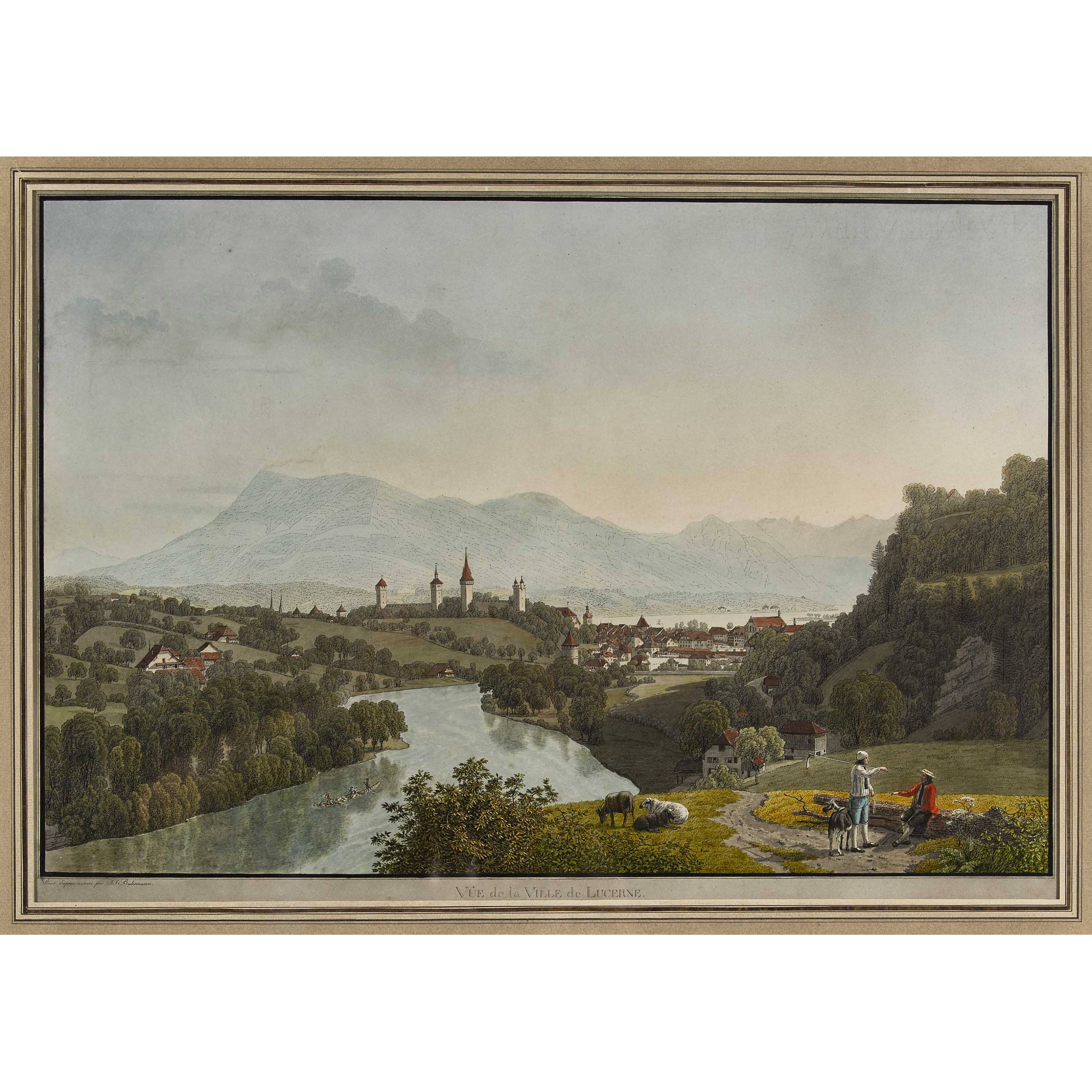
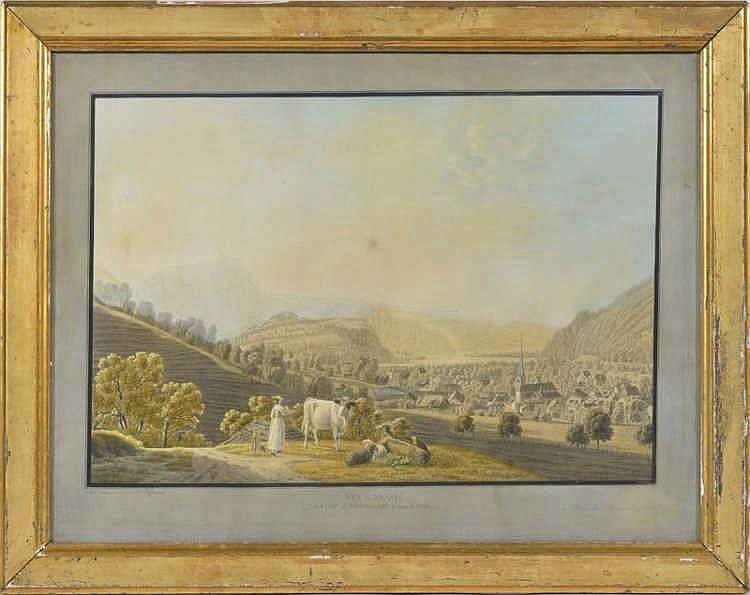
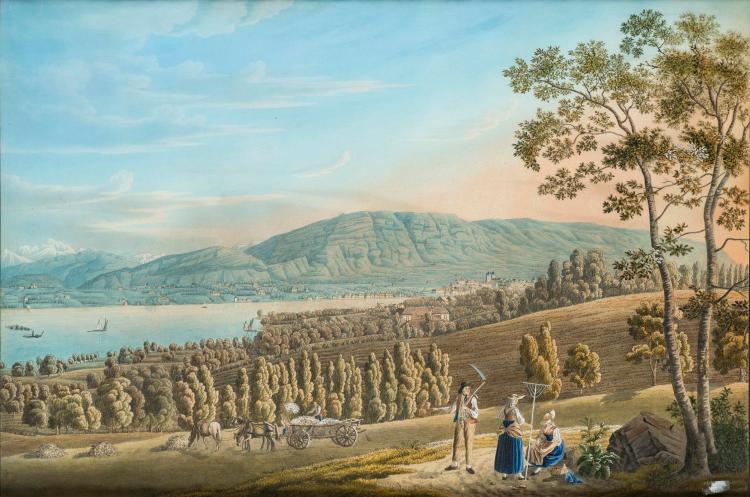
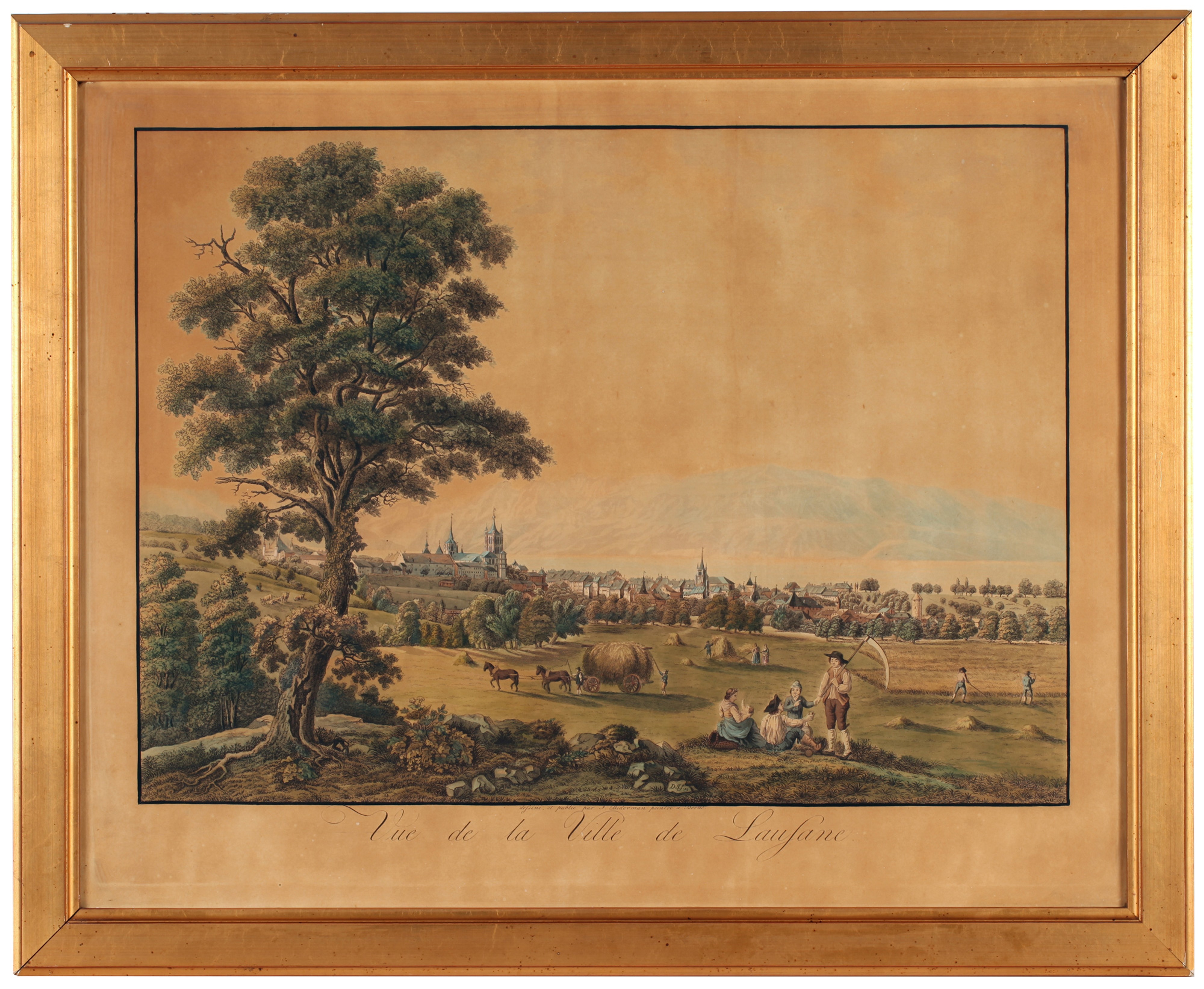
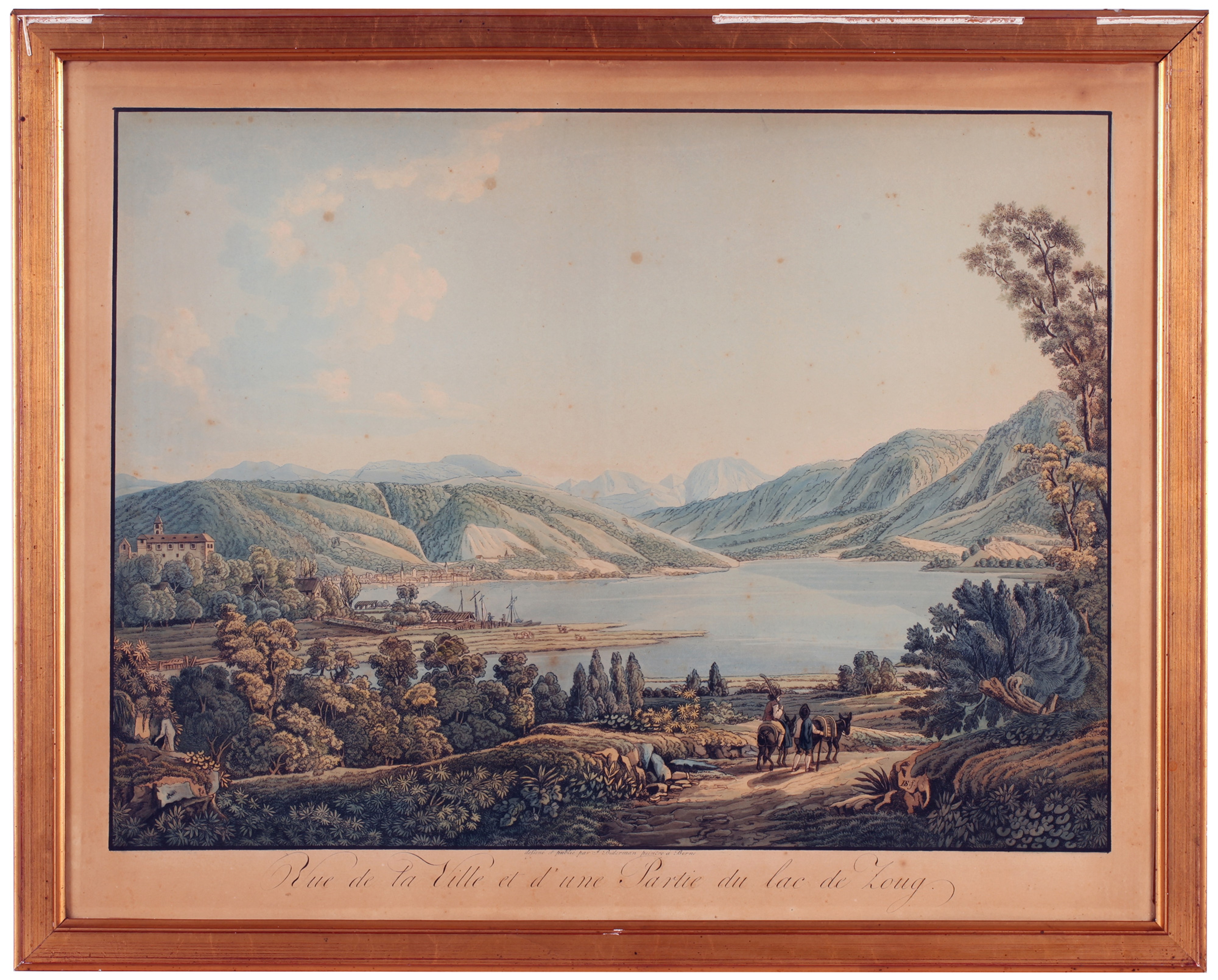
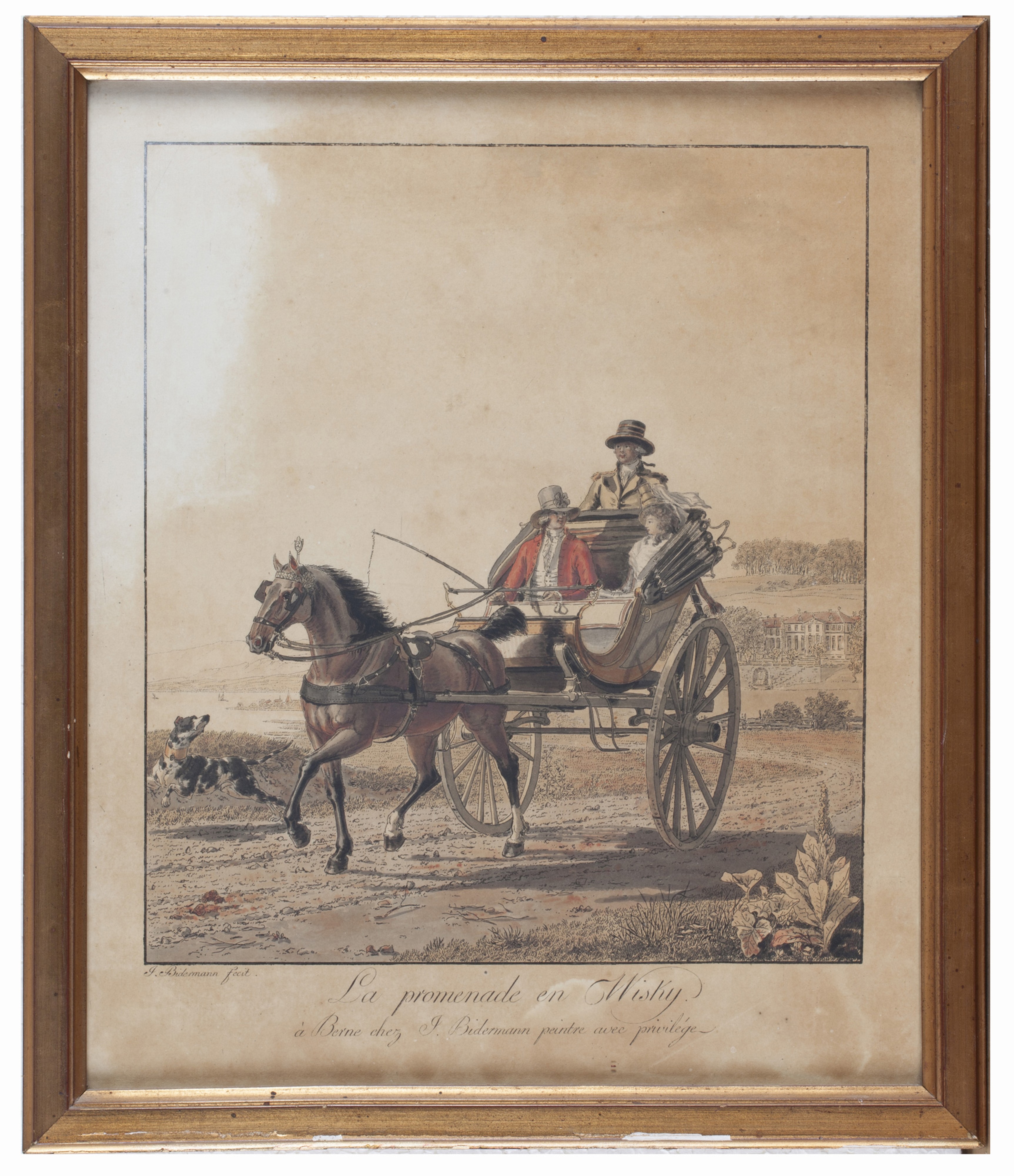
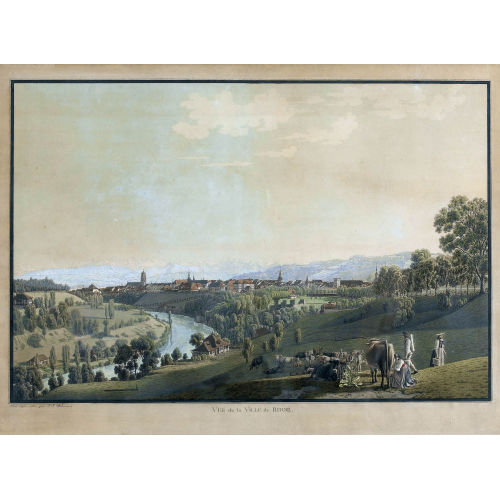
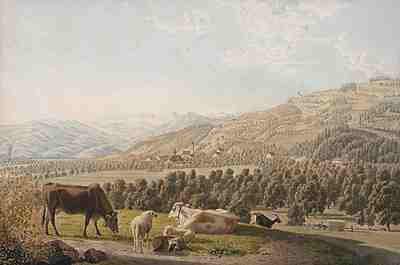
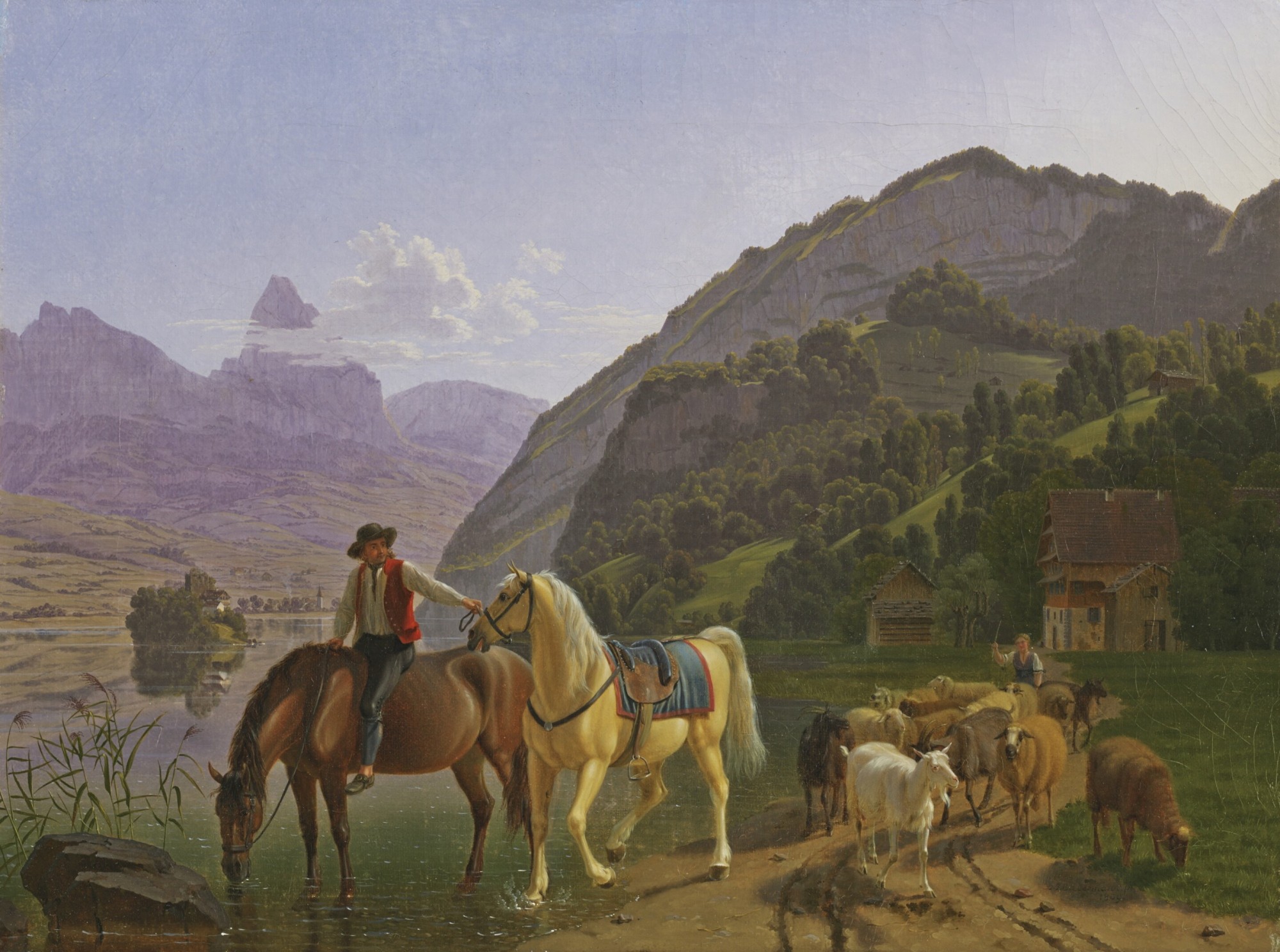
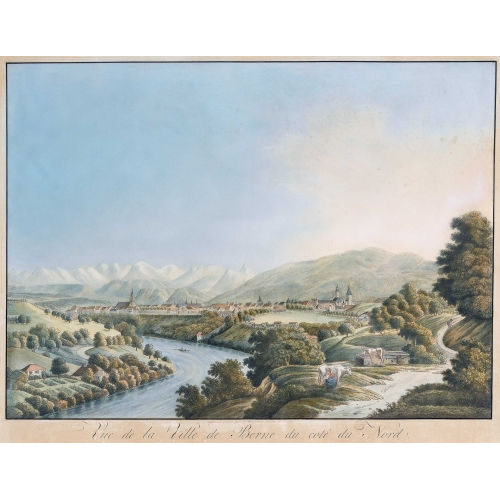
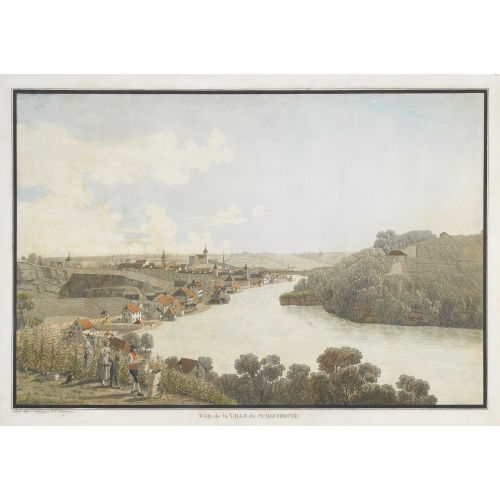
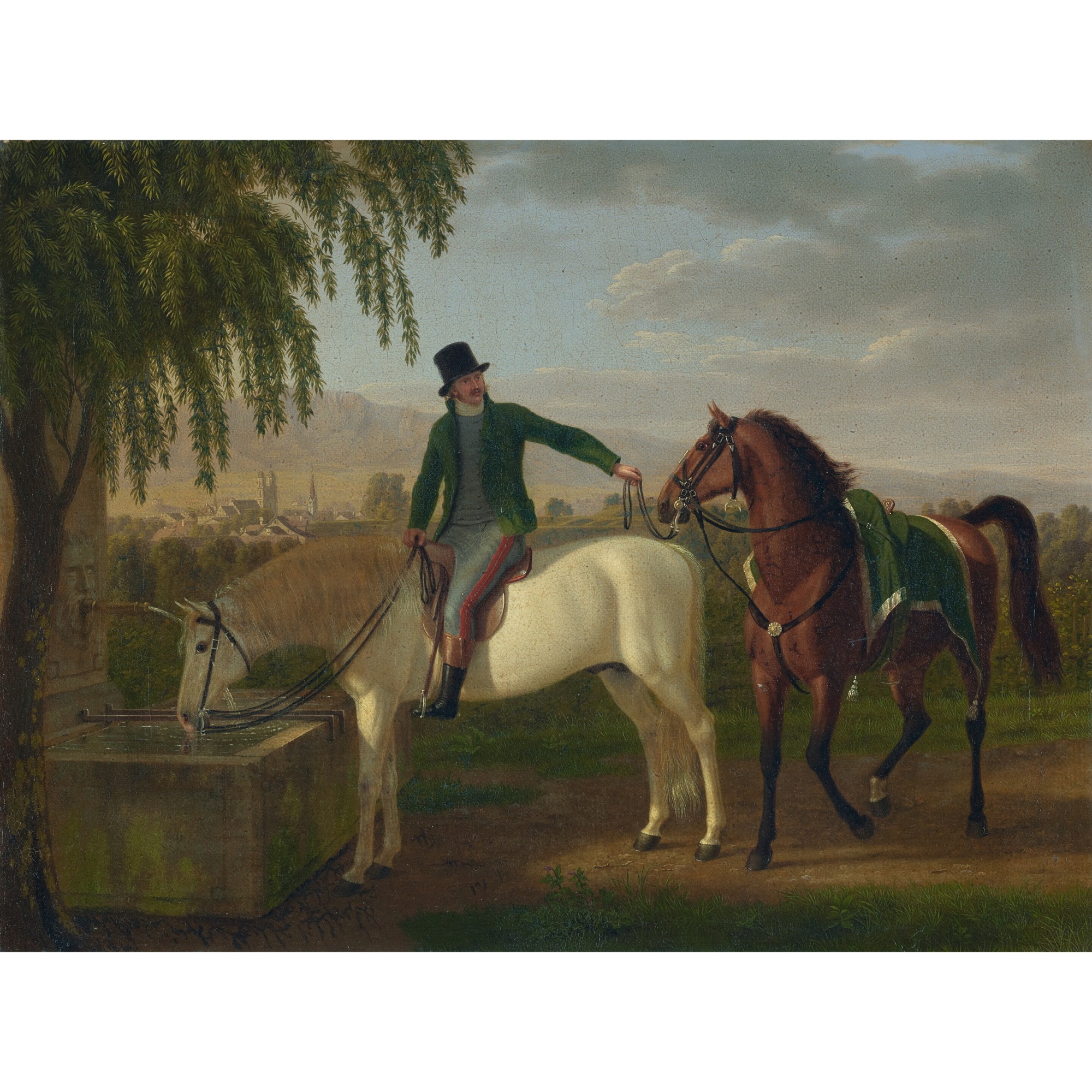
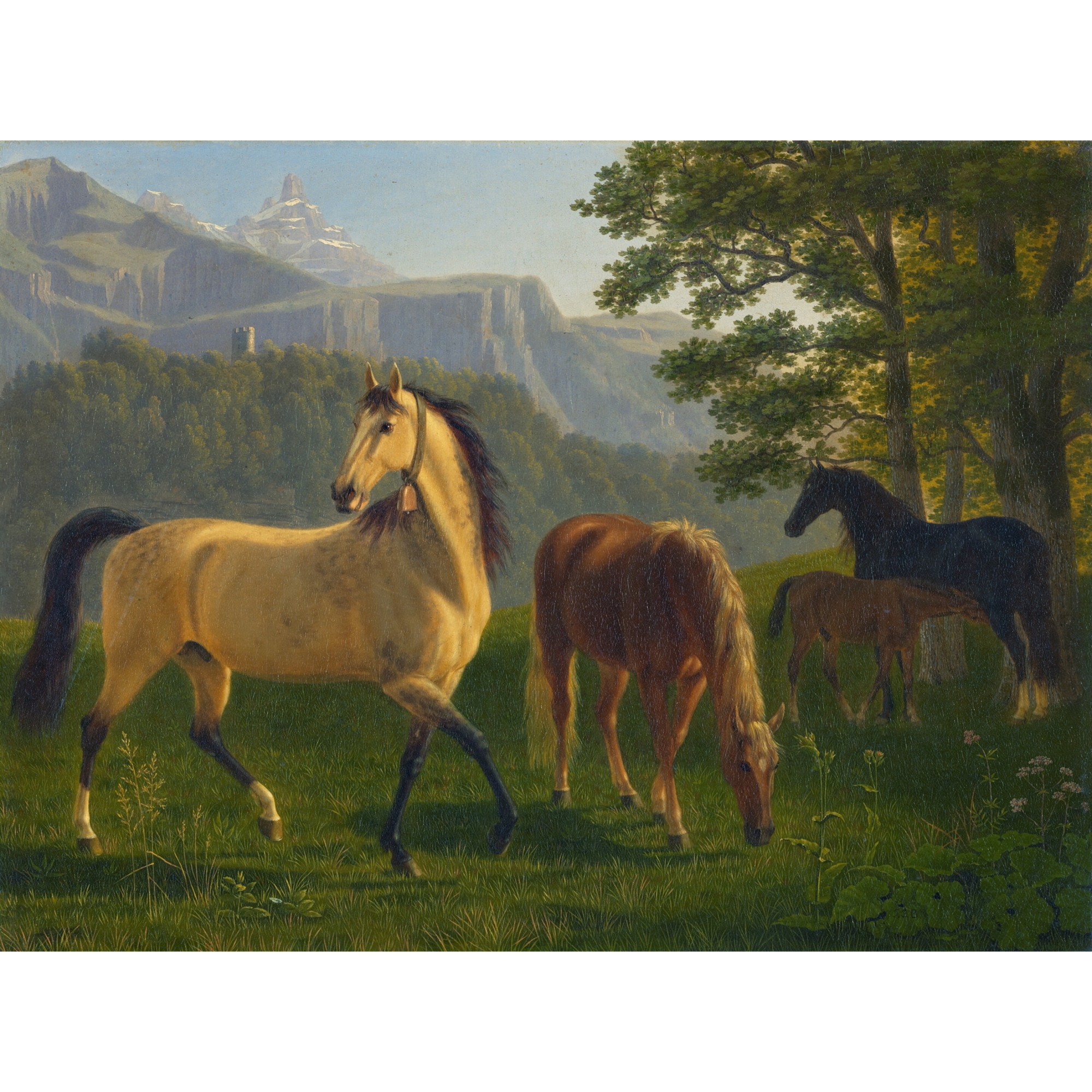
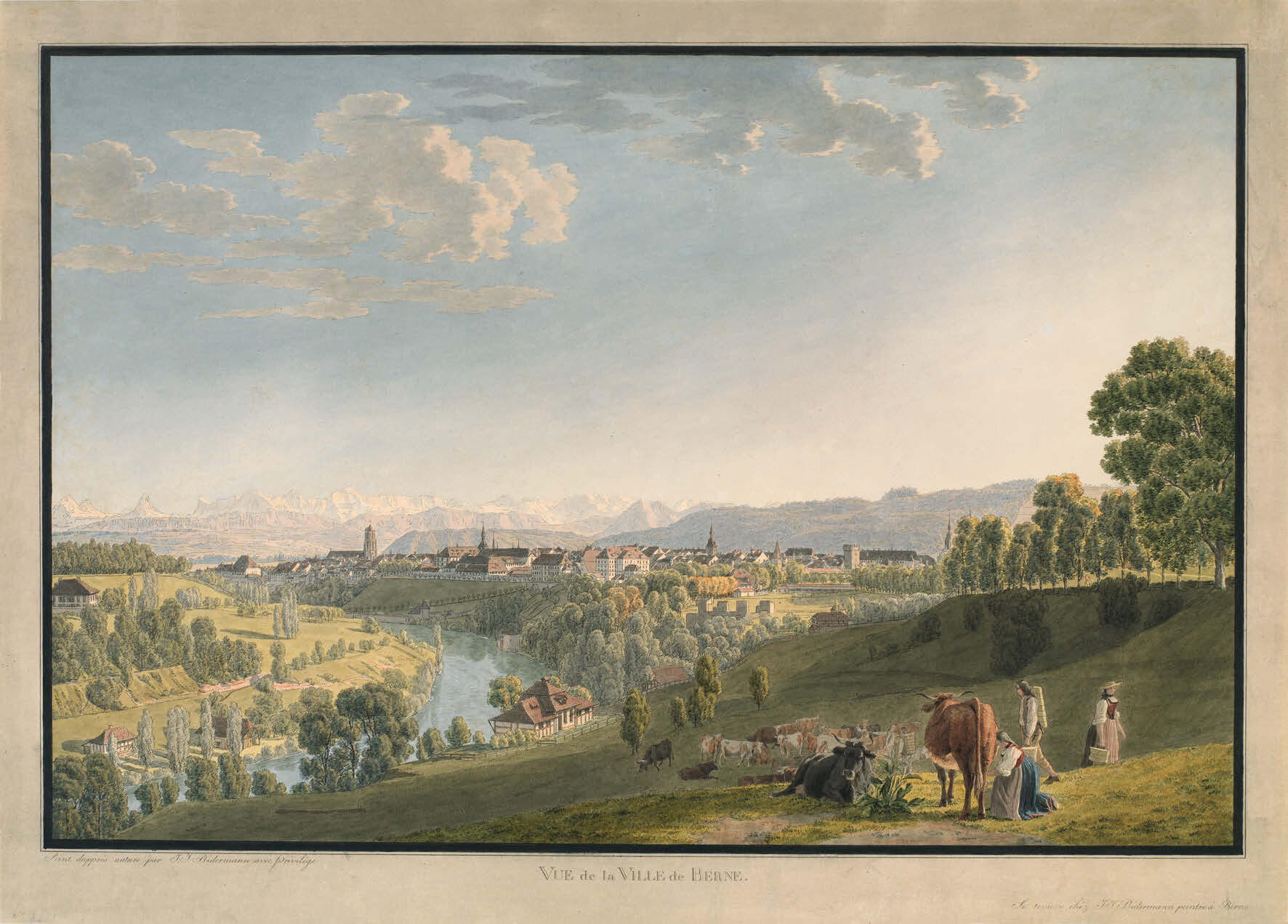
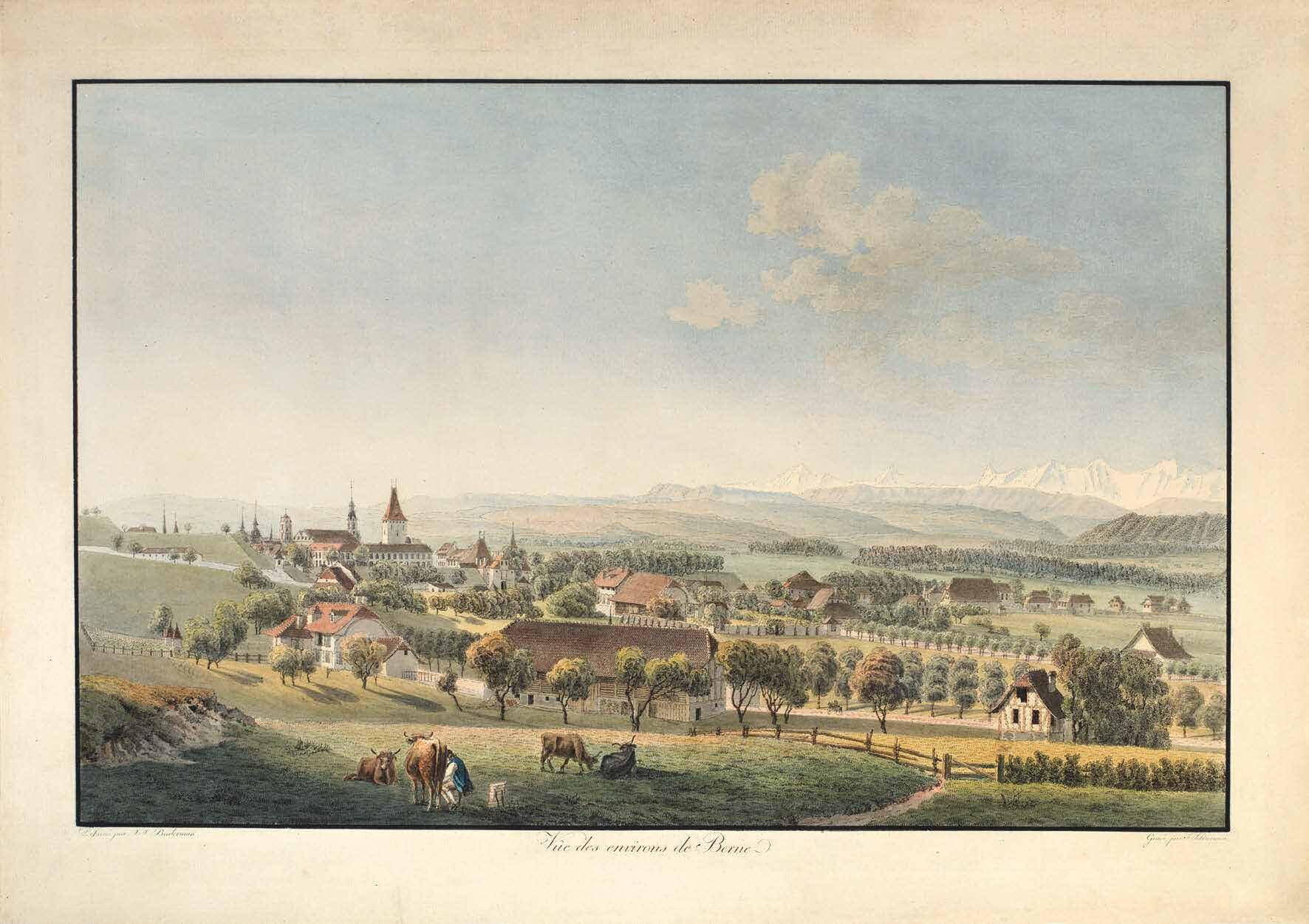
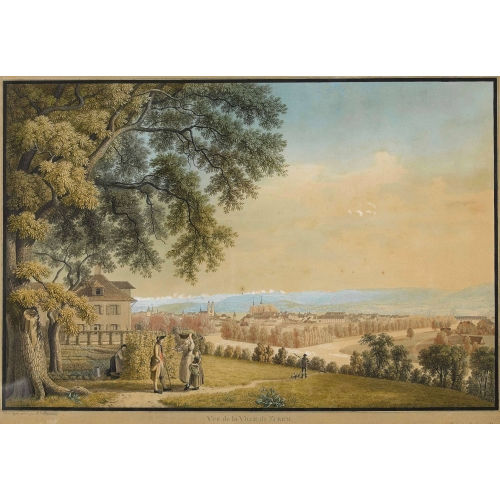
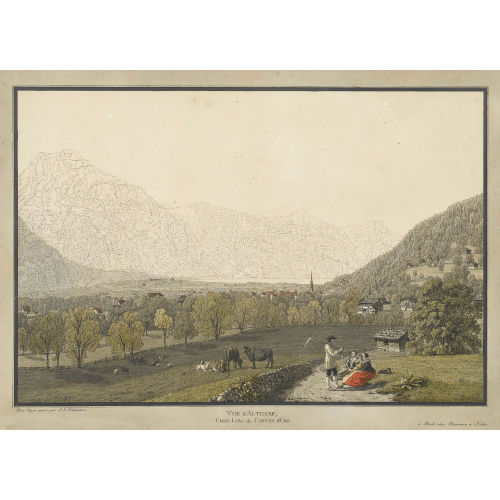
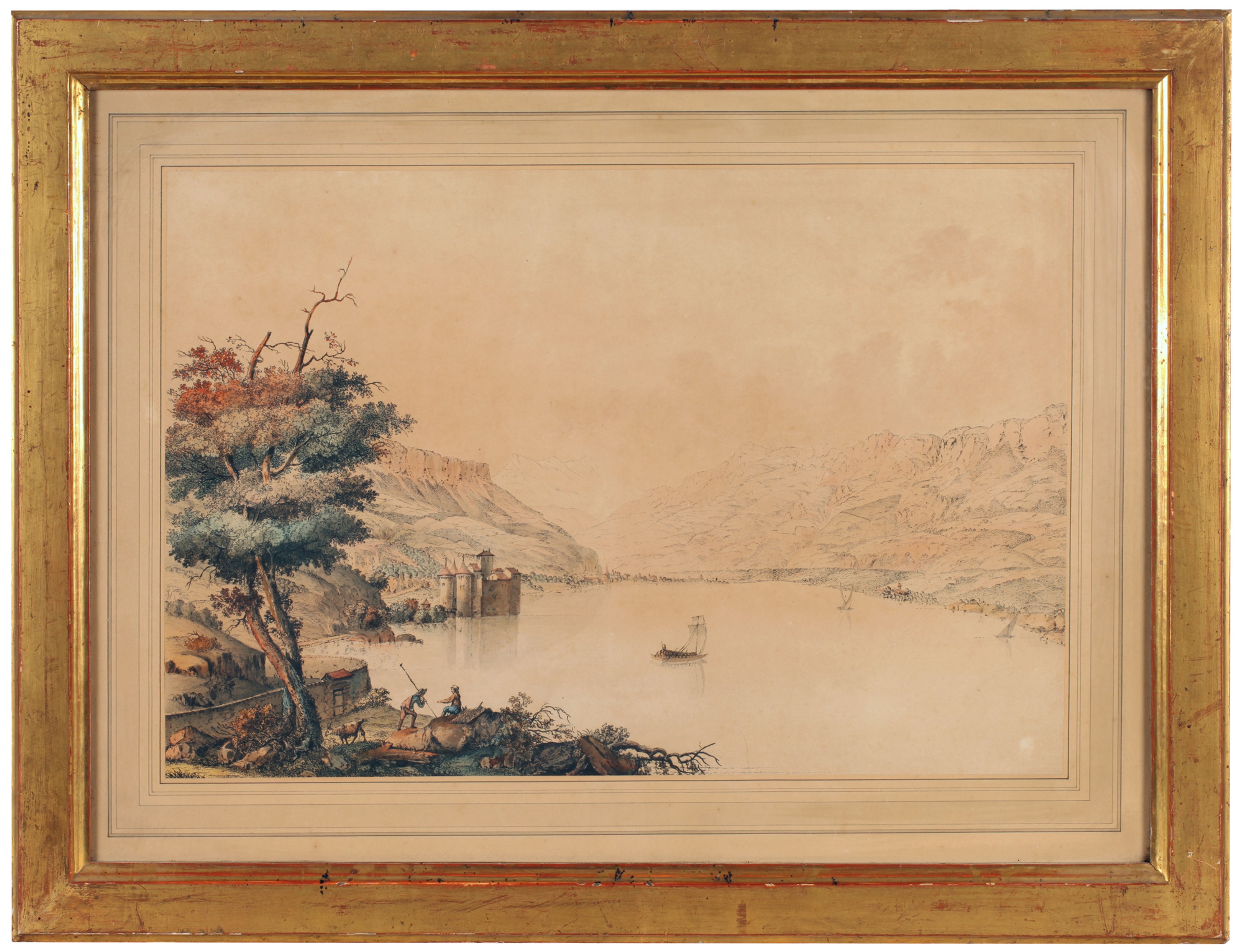
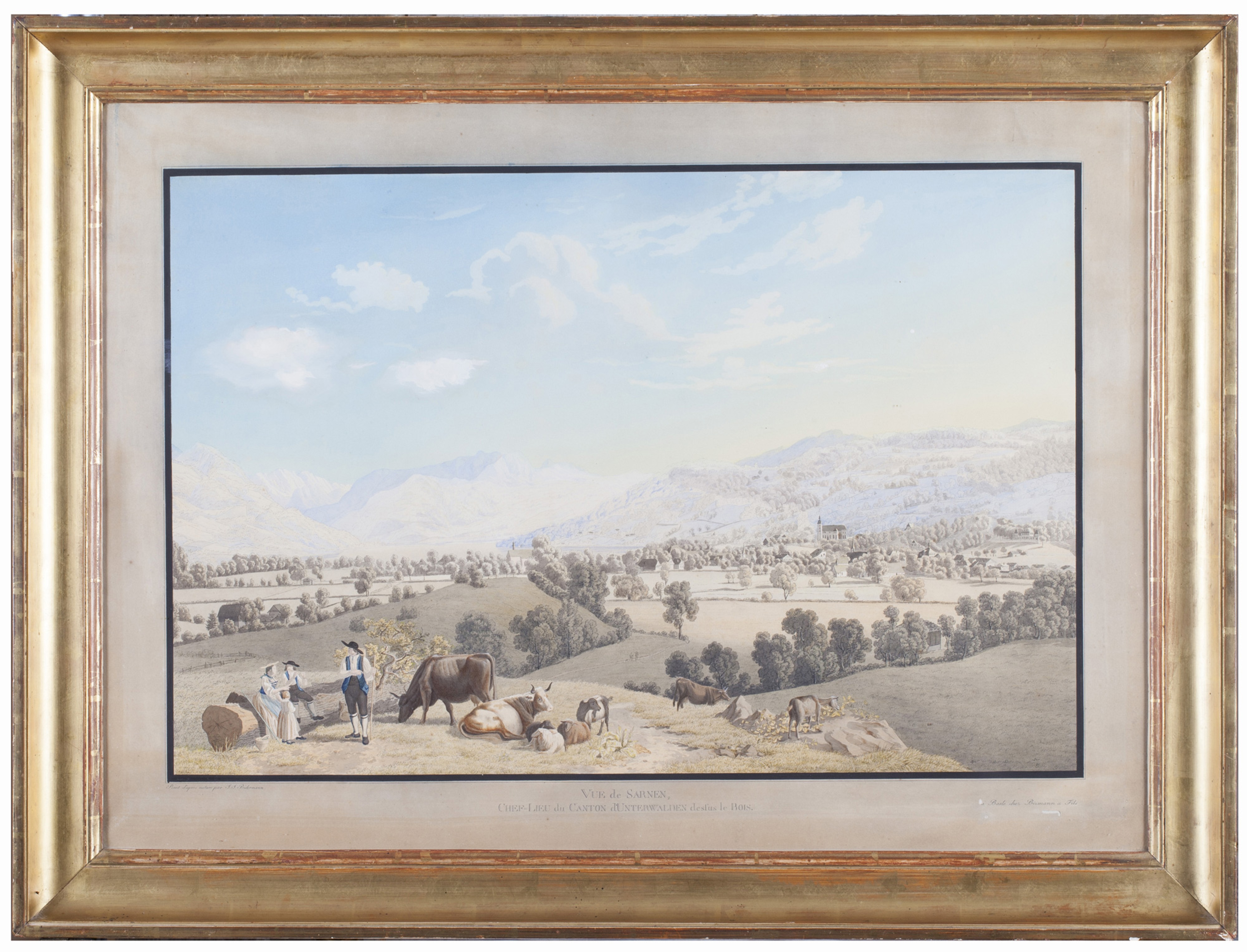
In the available documentation, Johann Jakob Biedermann is distinguished by a production of engraved and partially coloured views made «in the manner» of Johann Ludwig Aberli, while also practising landscape painting, portraiture, animal painting and printmaking.
According to the notices consulted, his first drawing lessons are attributed to Johann Rudolph (Schellenberg). In 1778, he worked with the painter Heinrich Rieter and gained experience in topographical printmaking under Johann Ludwig Aberli. Stays in Lausanne and Geneva are documented around 1783, after which his biographical trajectory continued in German-speaking Switzerland.
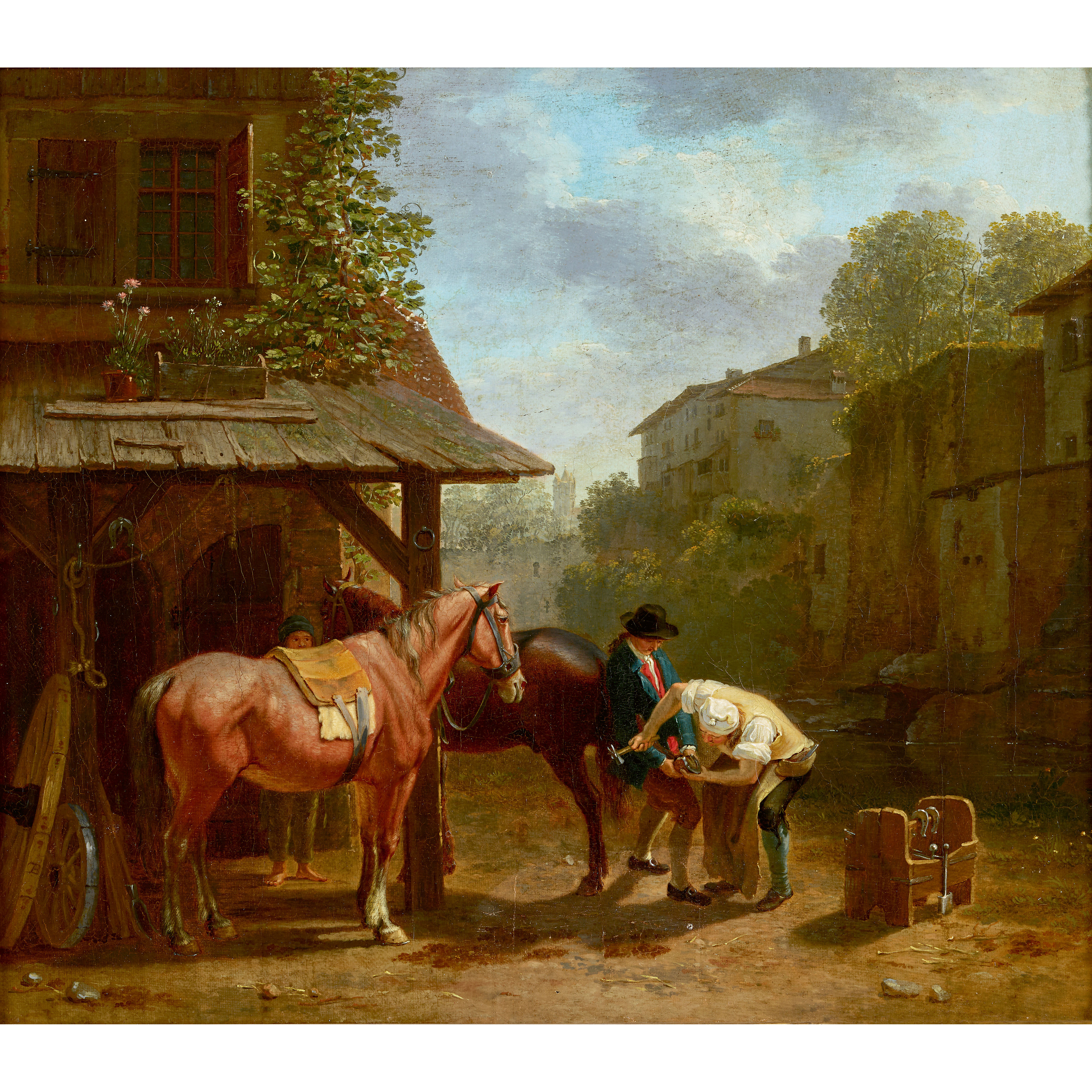
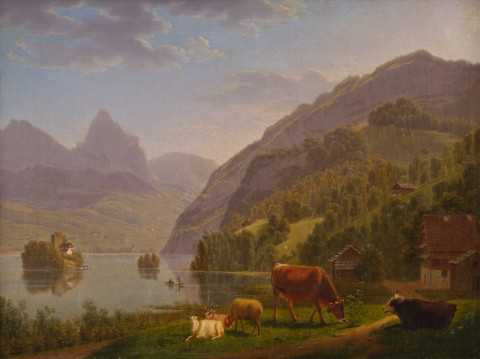
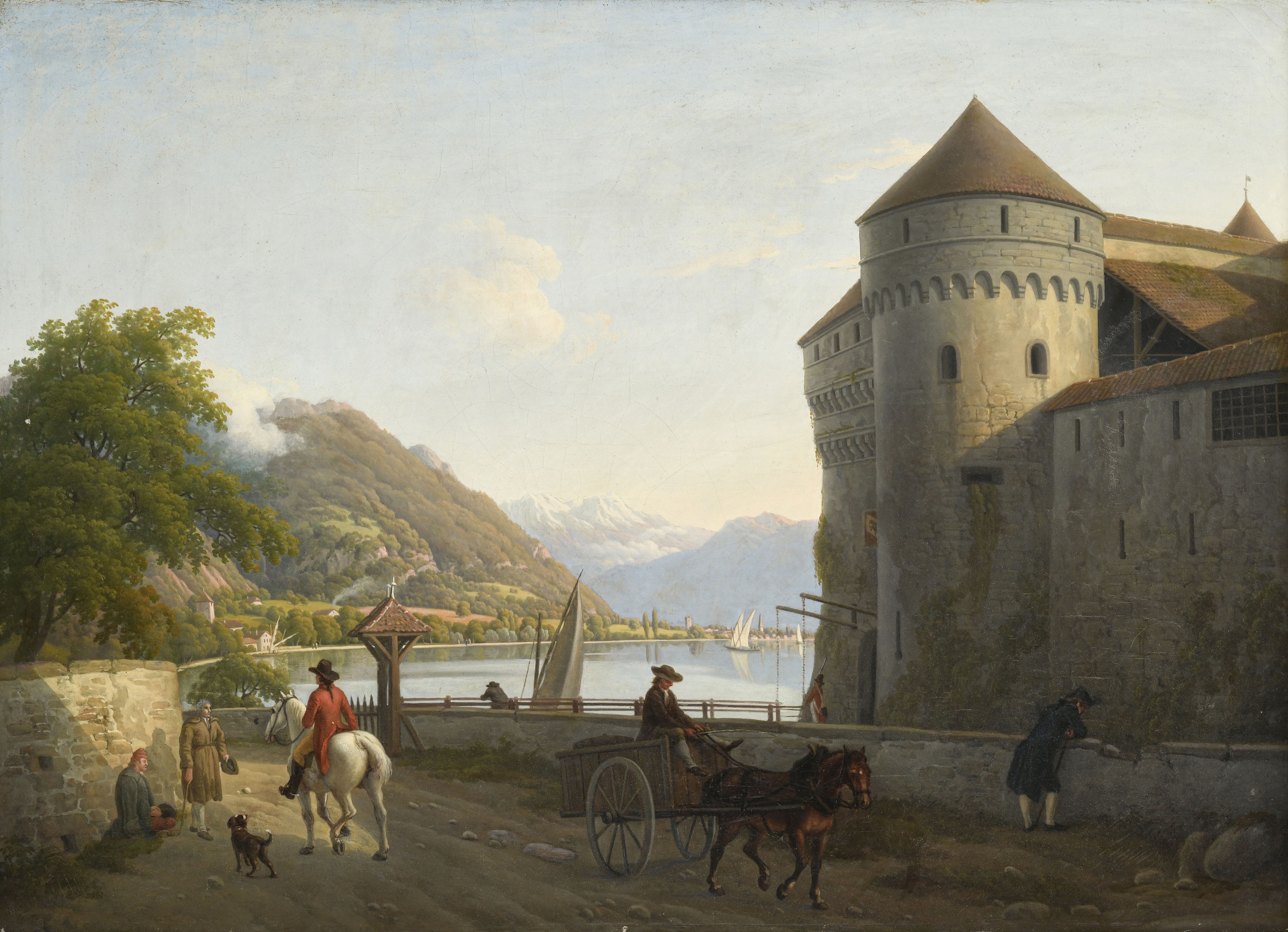
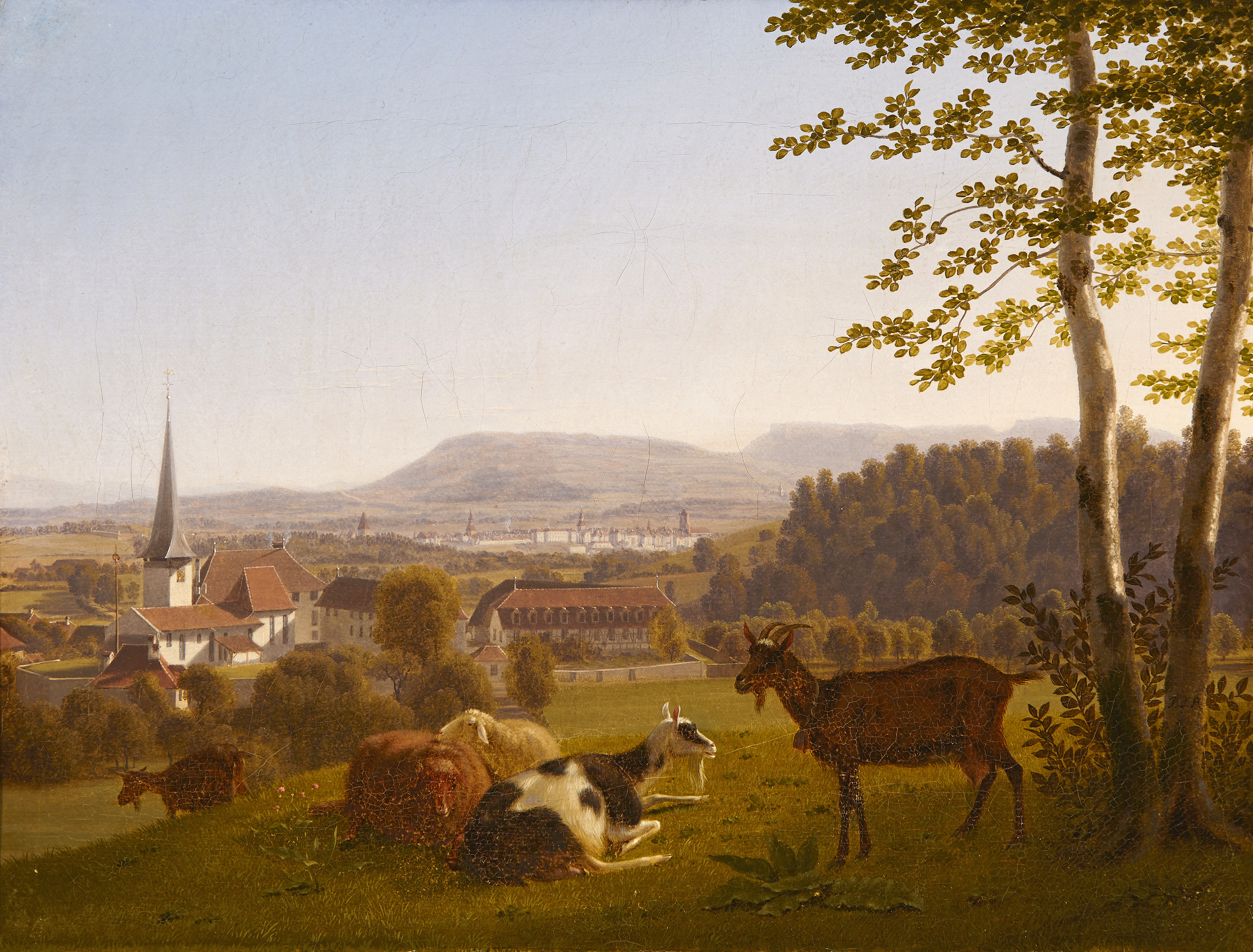
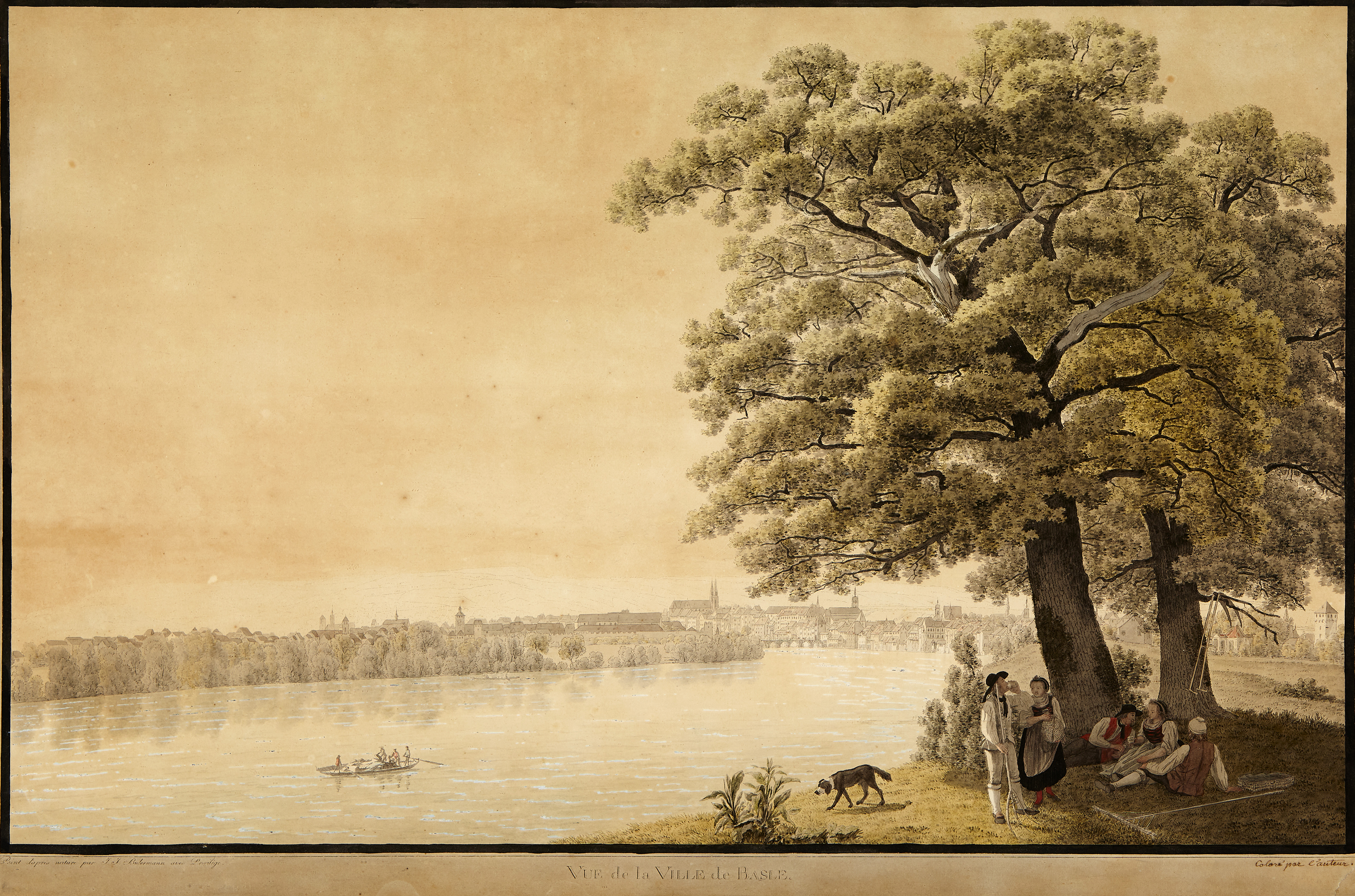
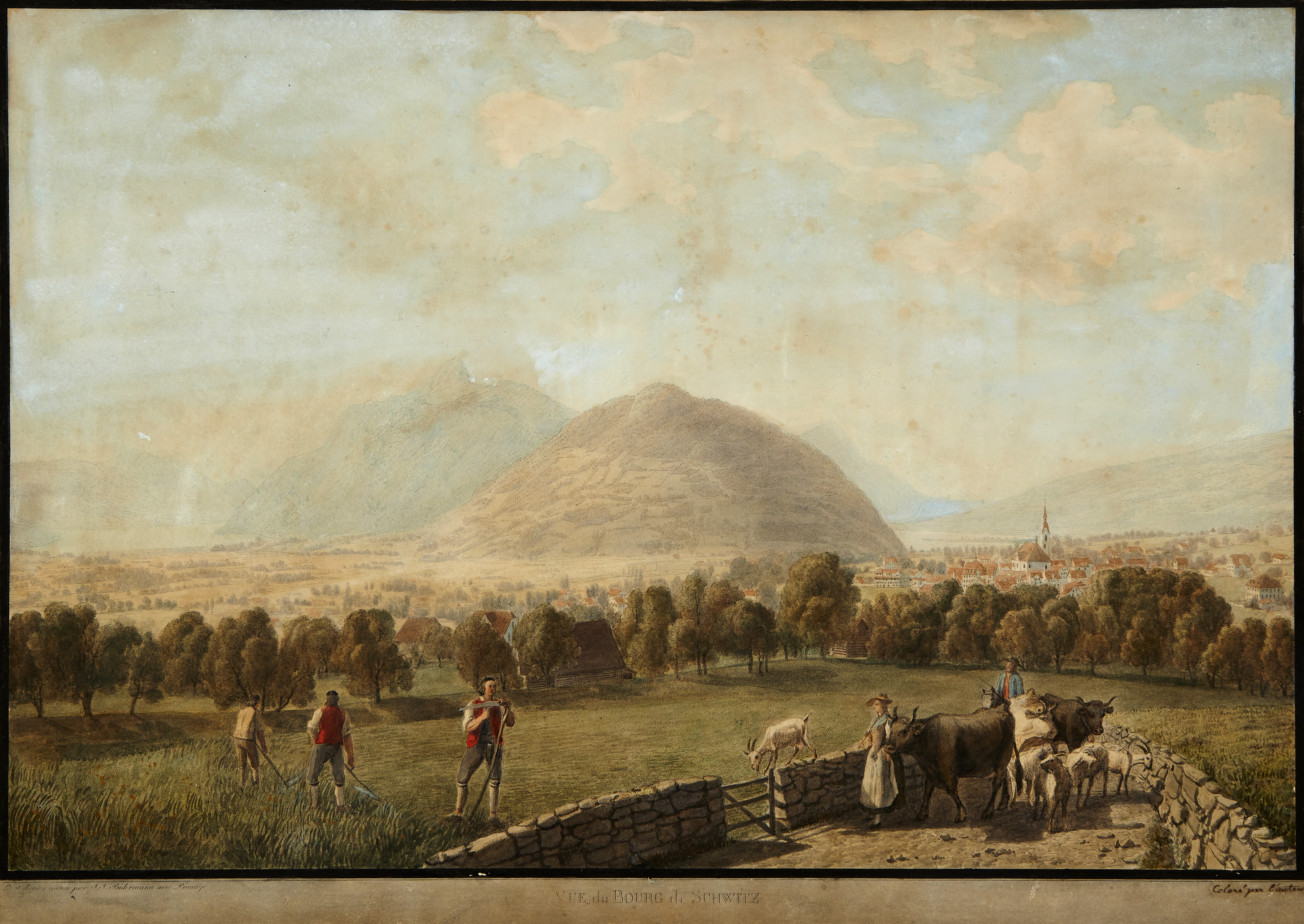
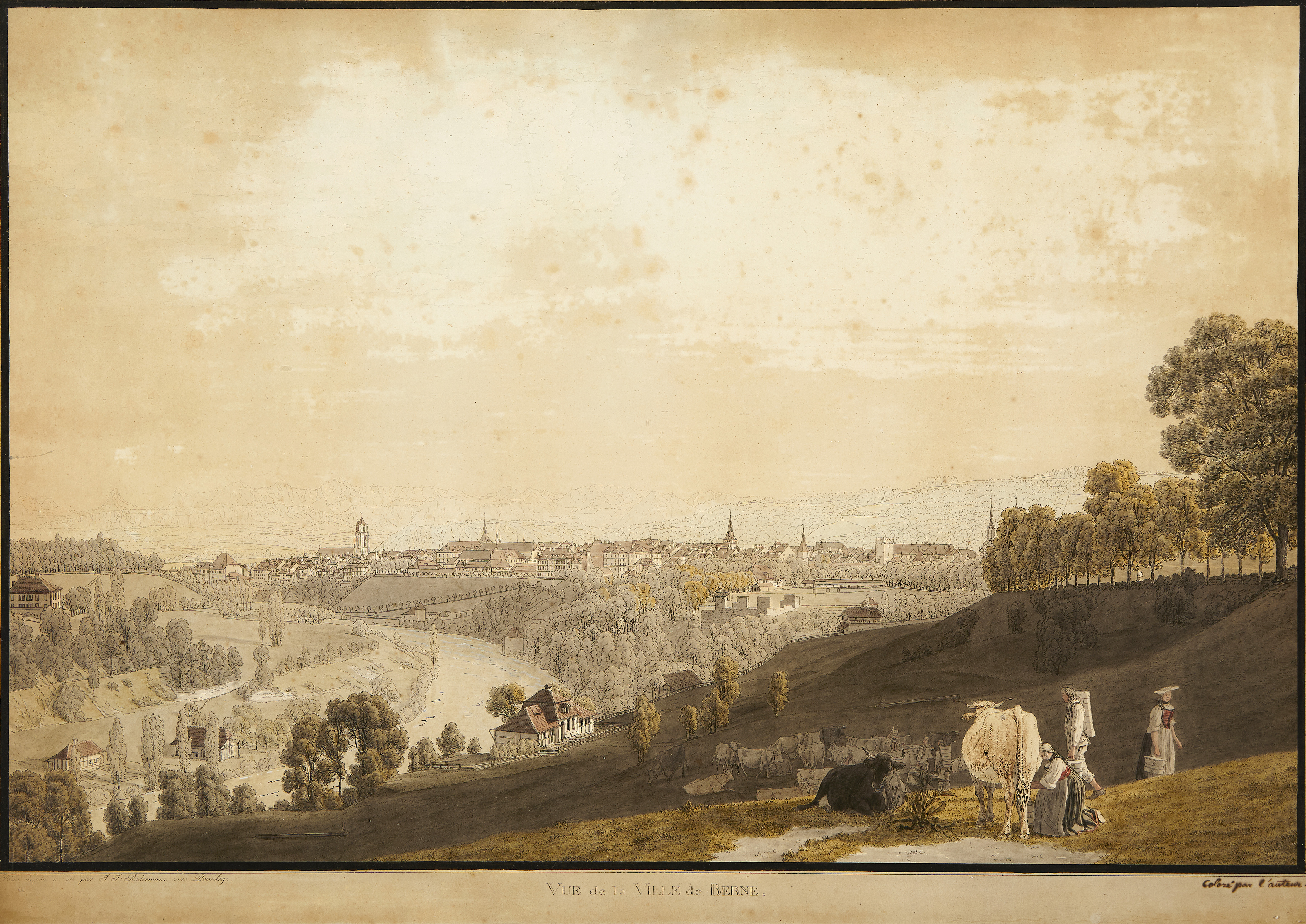
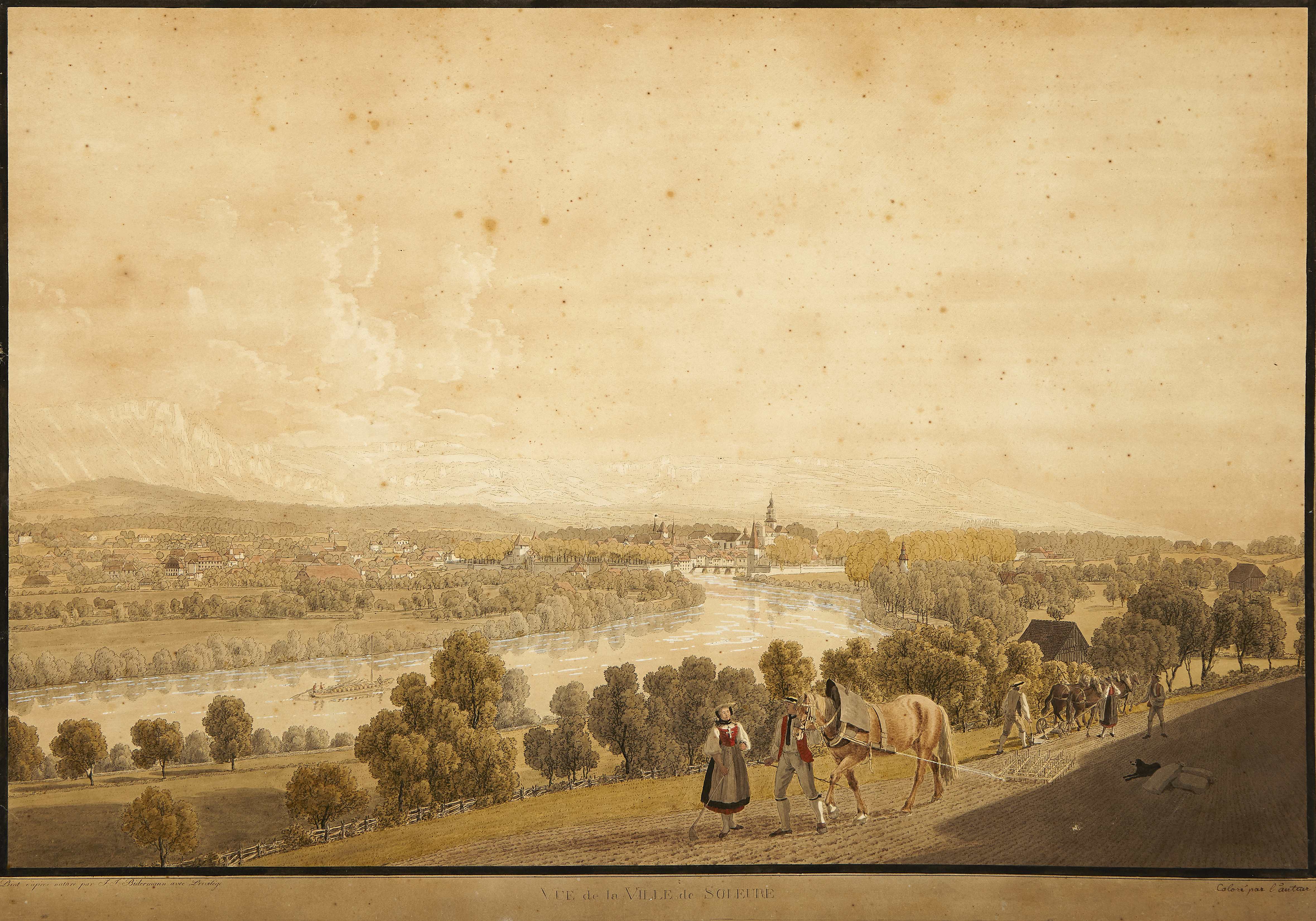
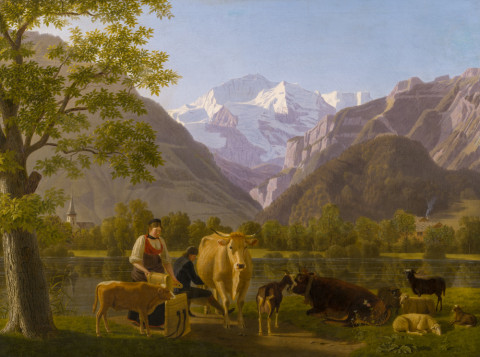
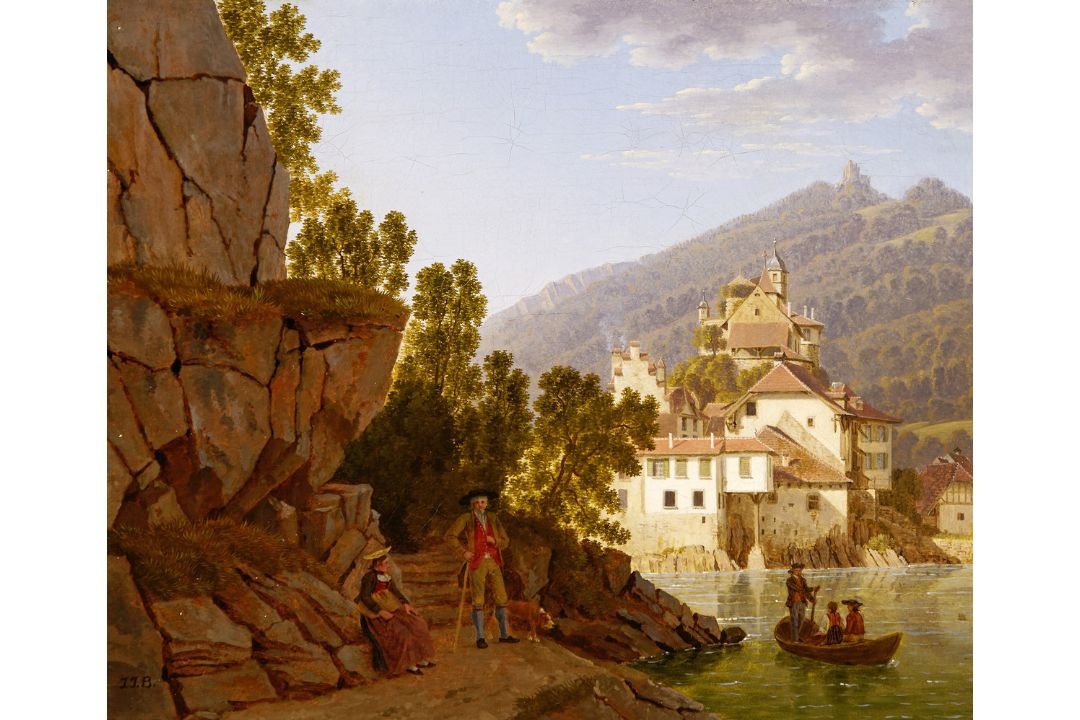
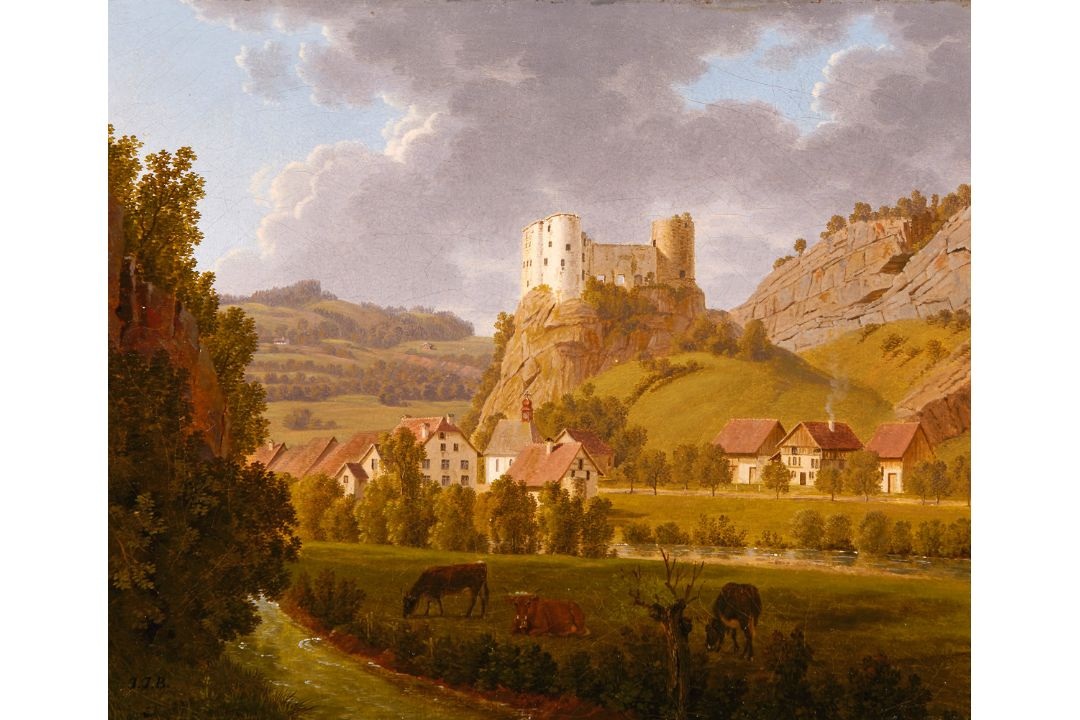
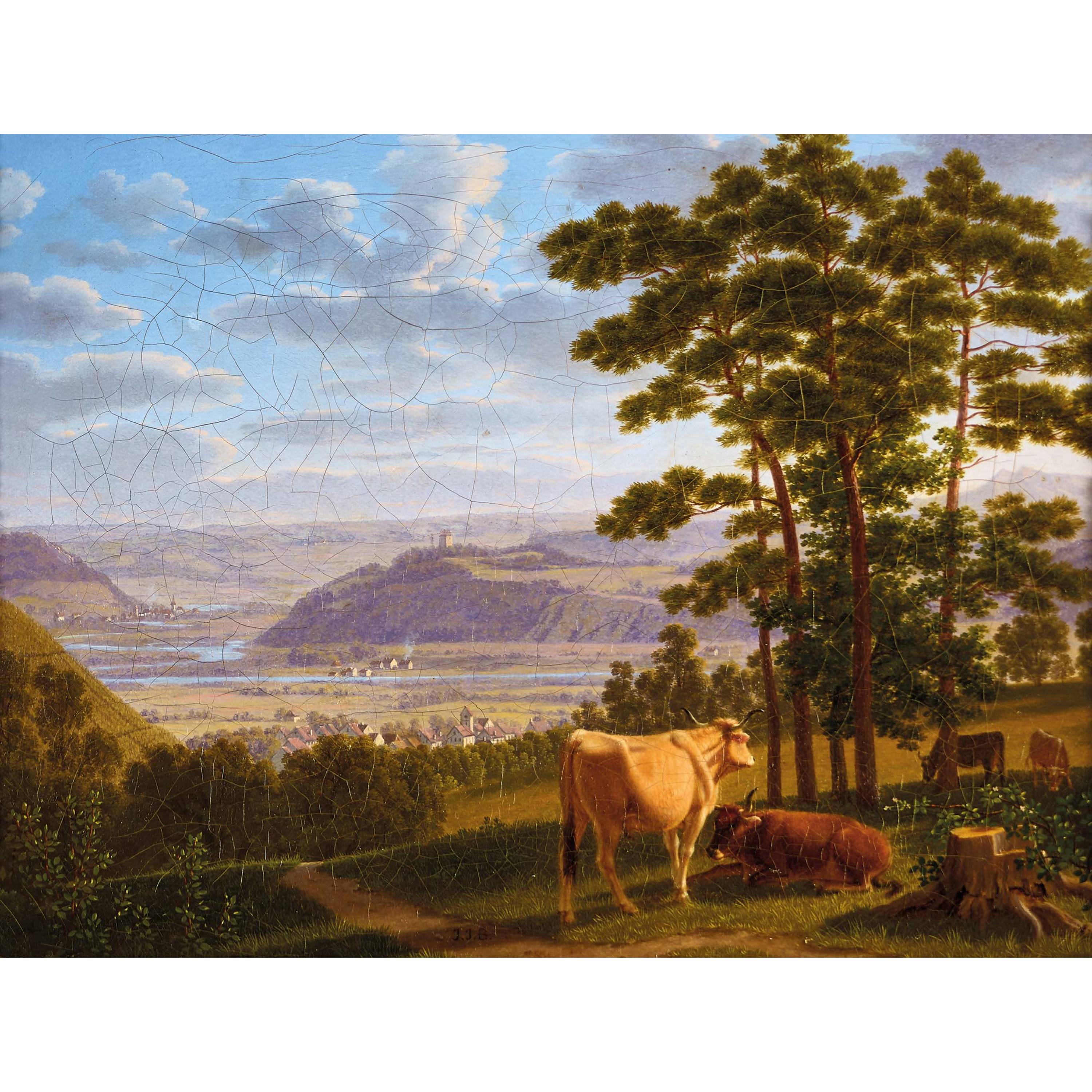
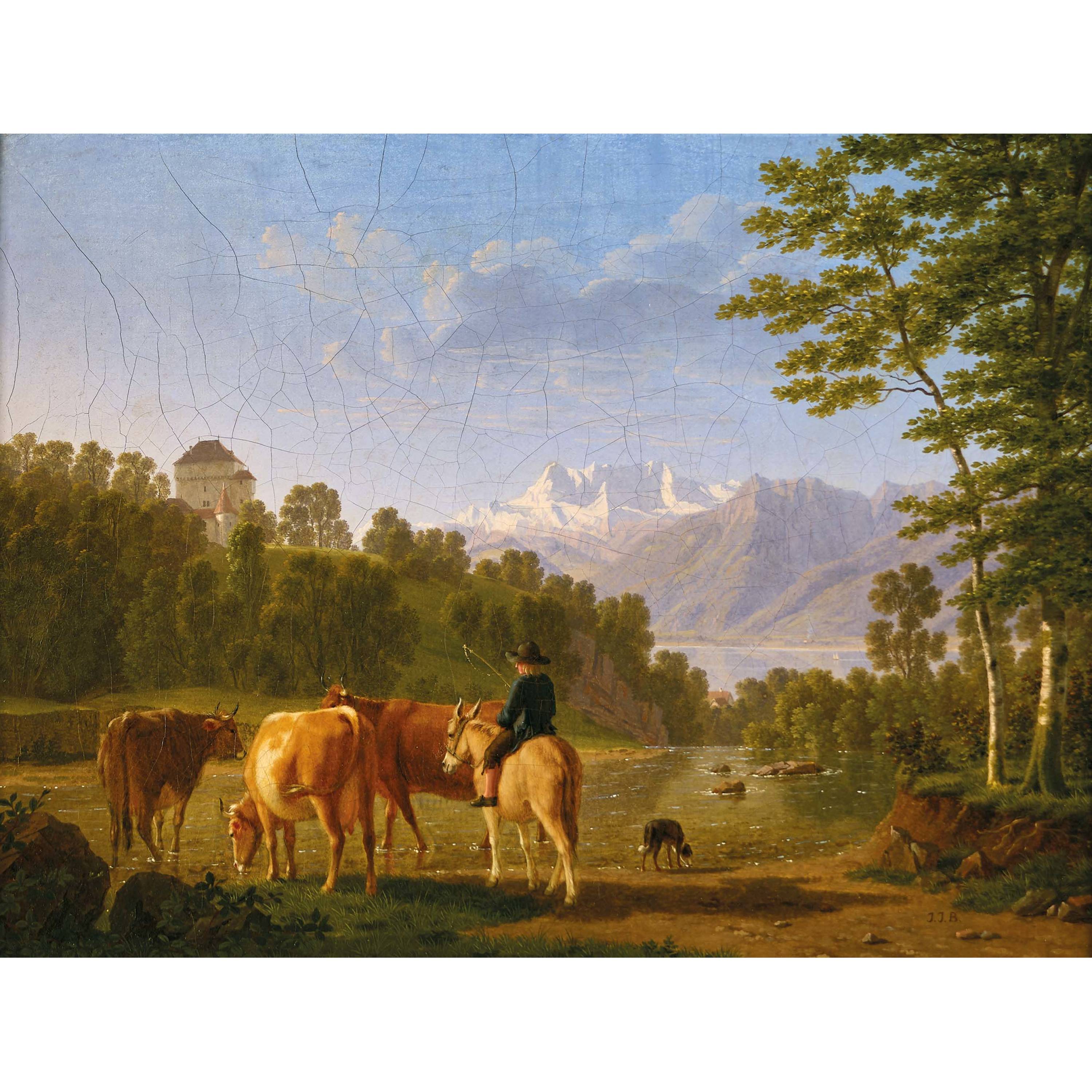
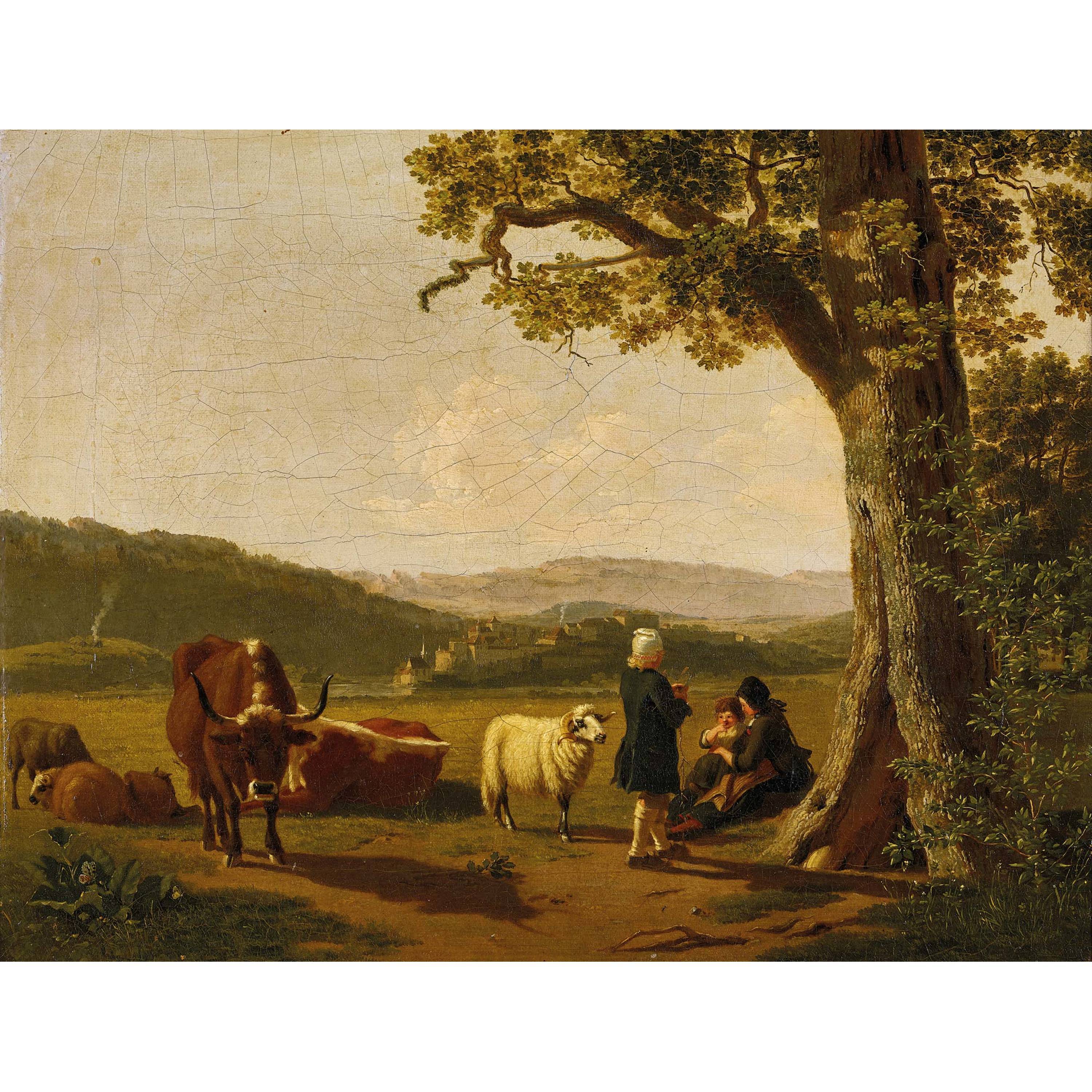
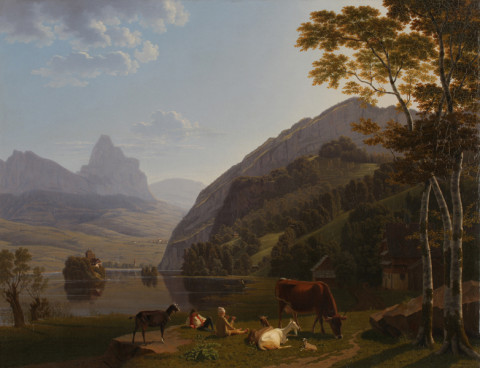
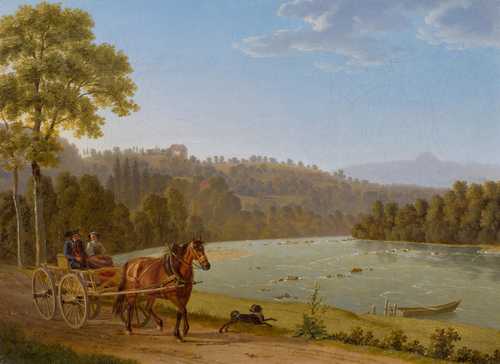
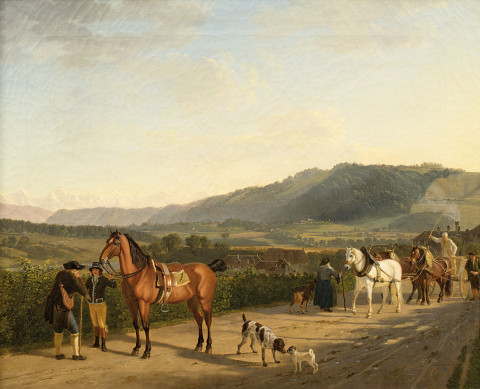
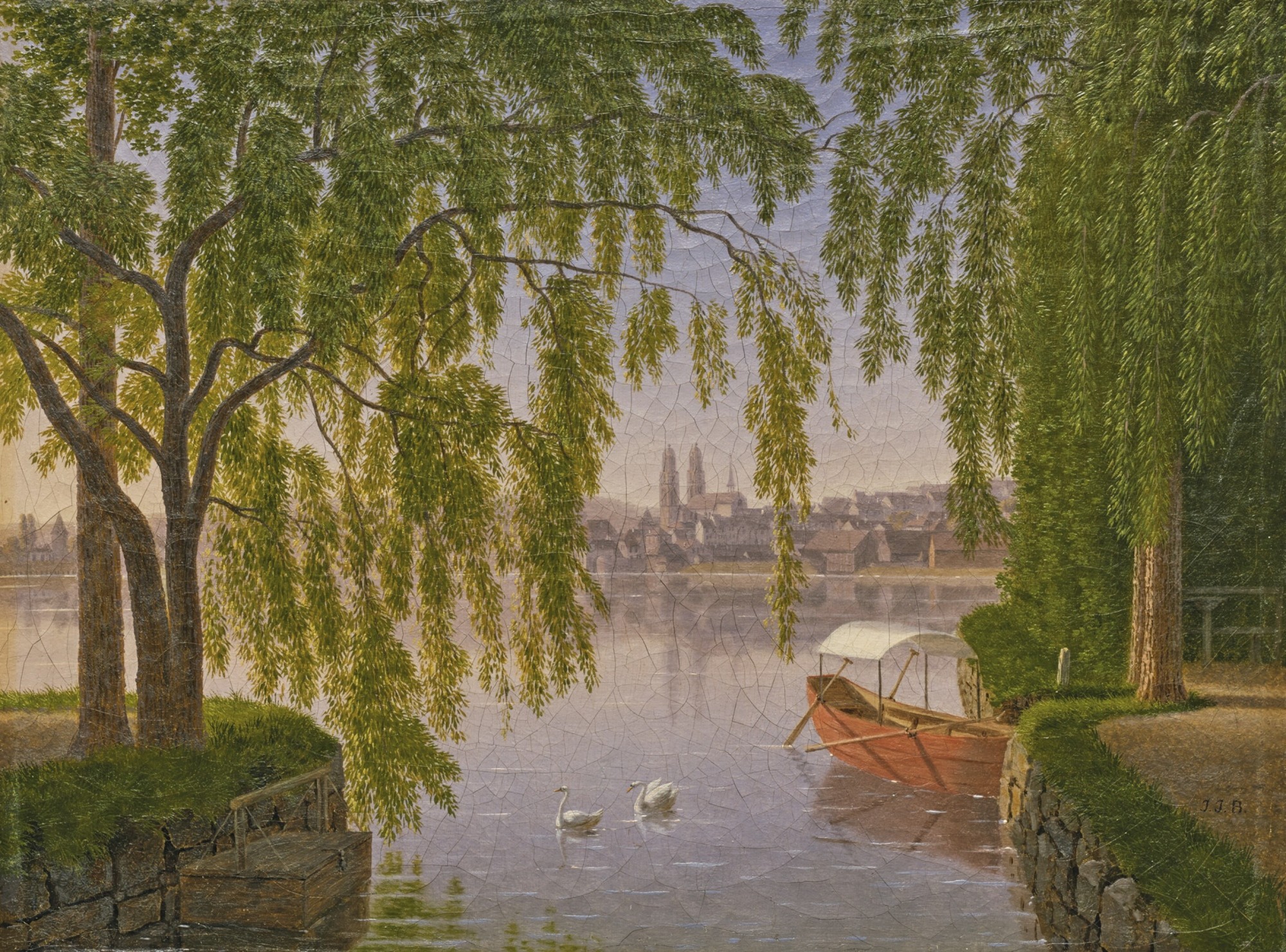
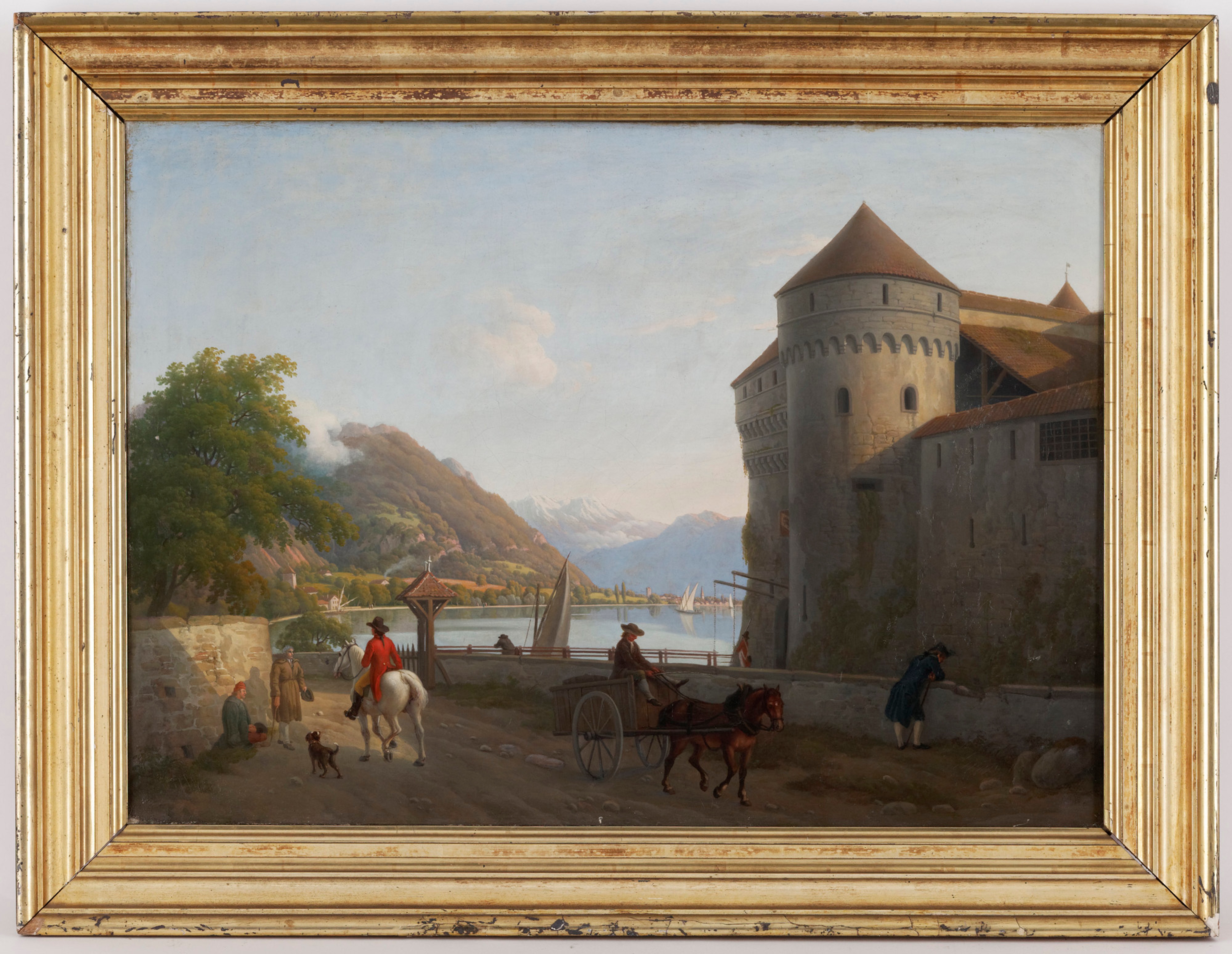
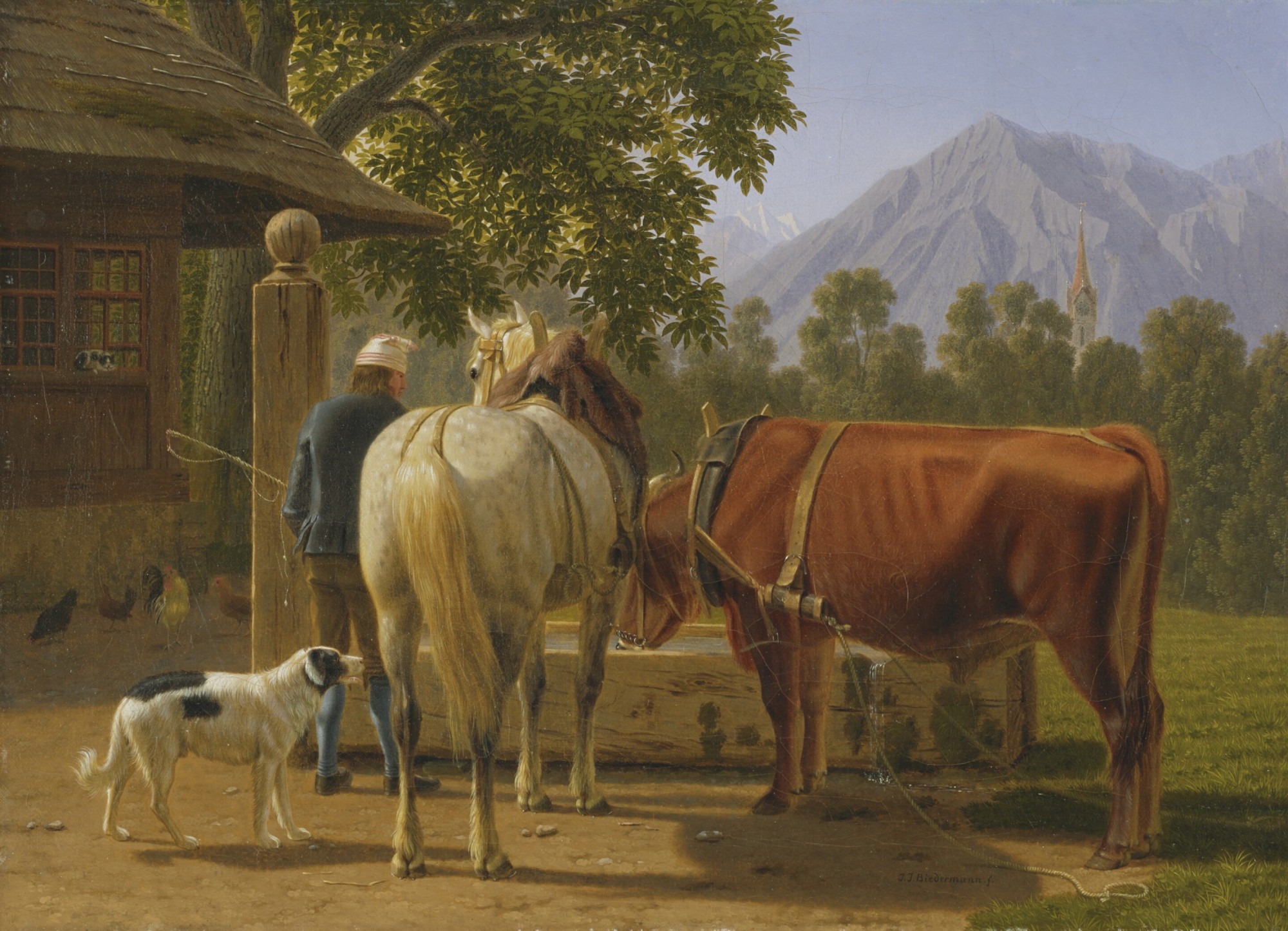
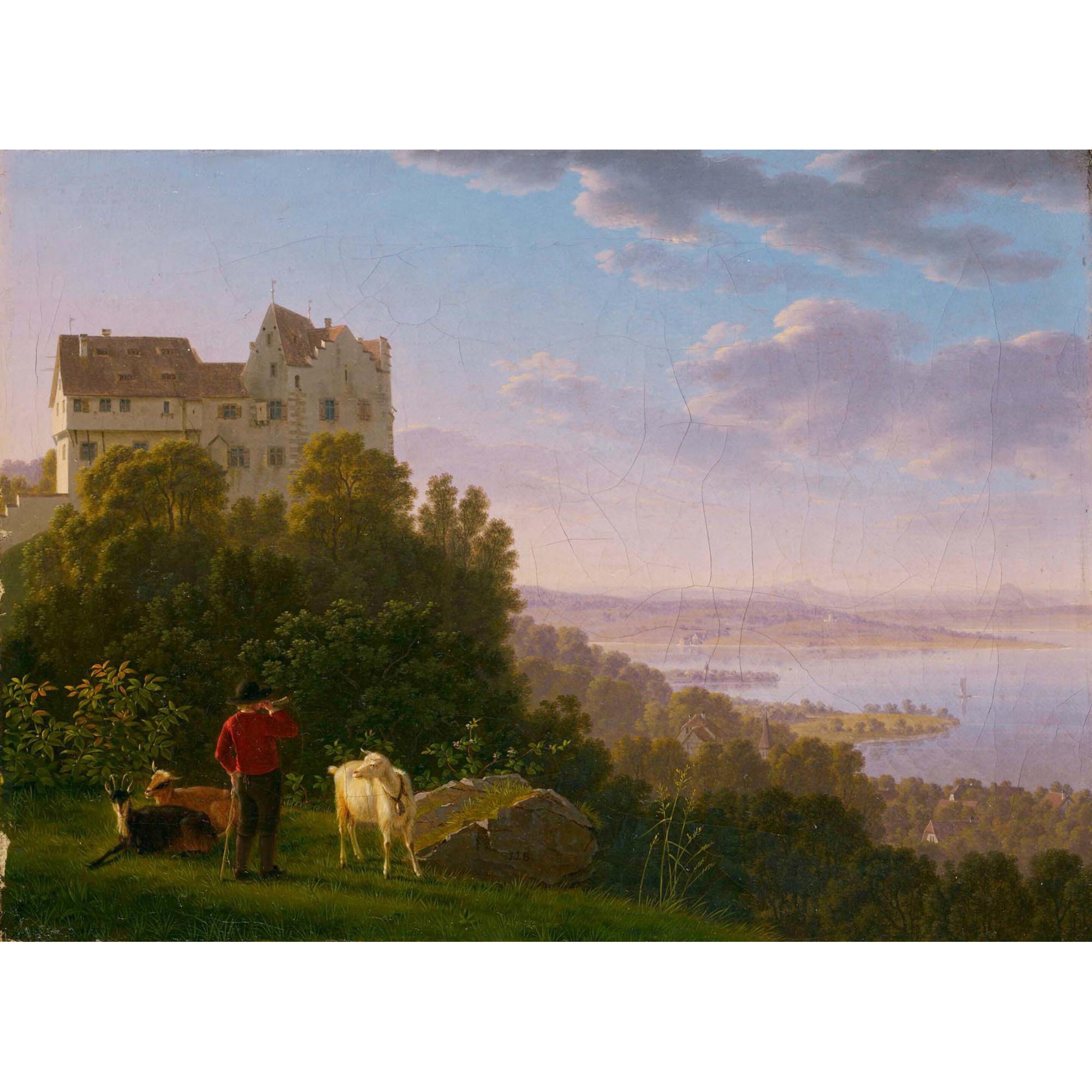
From around 1790, he developed a practice in oil painting that included small landscapes and genre scenes. In 1796, according to the notices, he published two series of views of the principal cities of the Old Swiss Confederacy, which he himself designed, etched and sometimes hand-coloured. These prints, both engraved and coloured, follow the formal lineage observed among producers of topographical views in the late eighteenth century and, according to one source, were well received in their time.
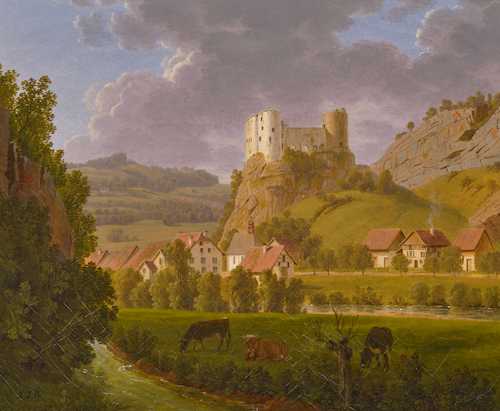
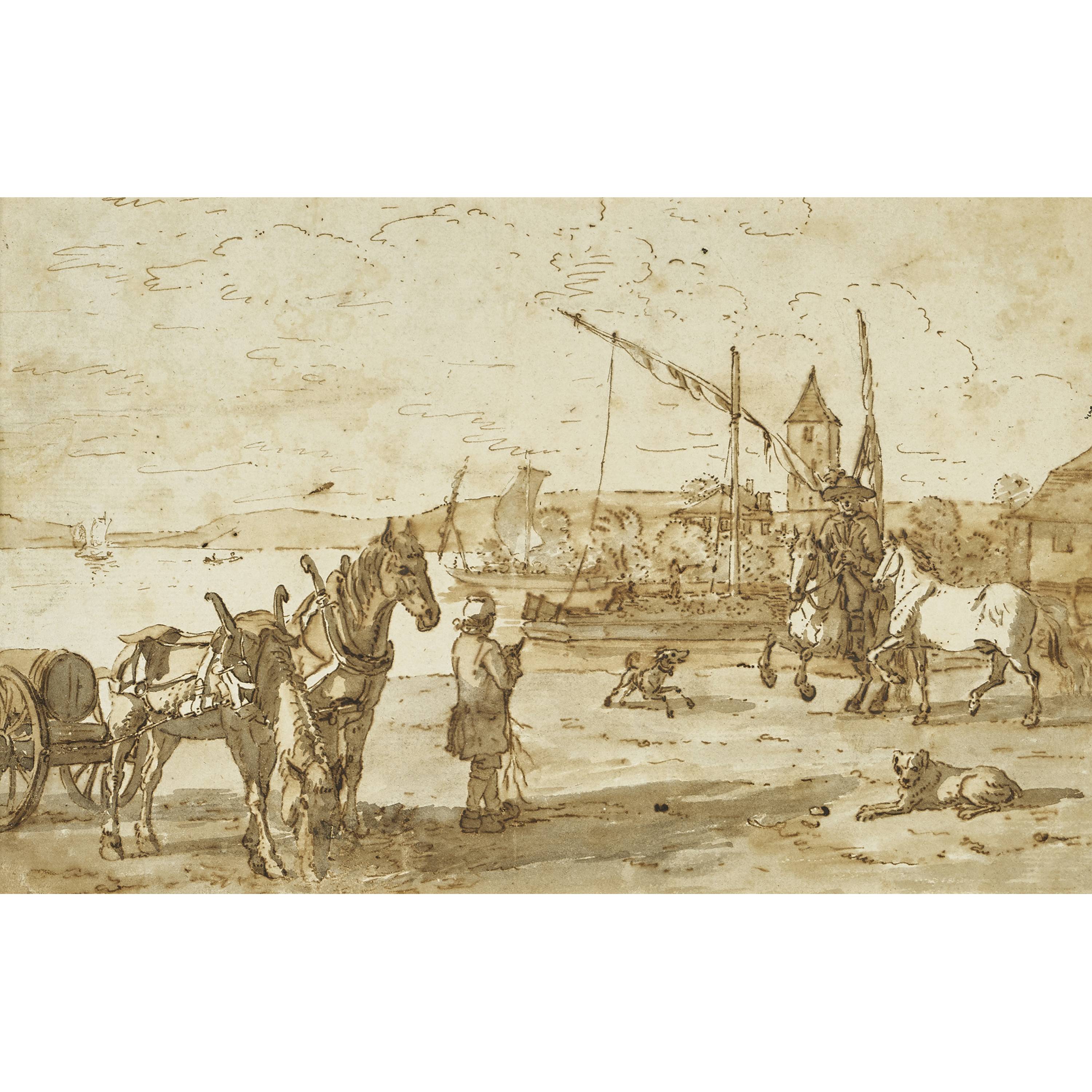
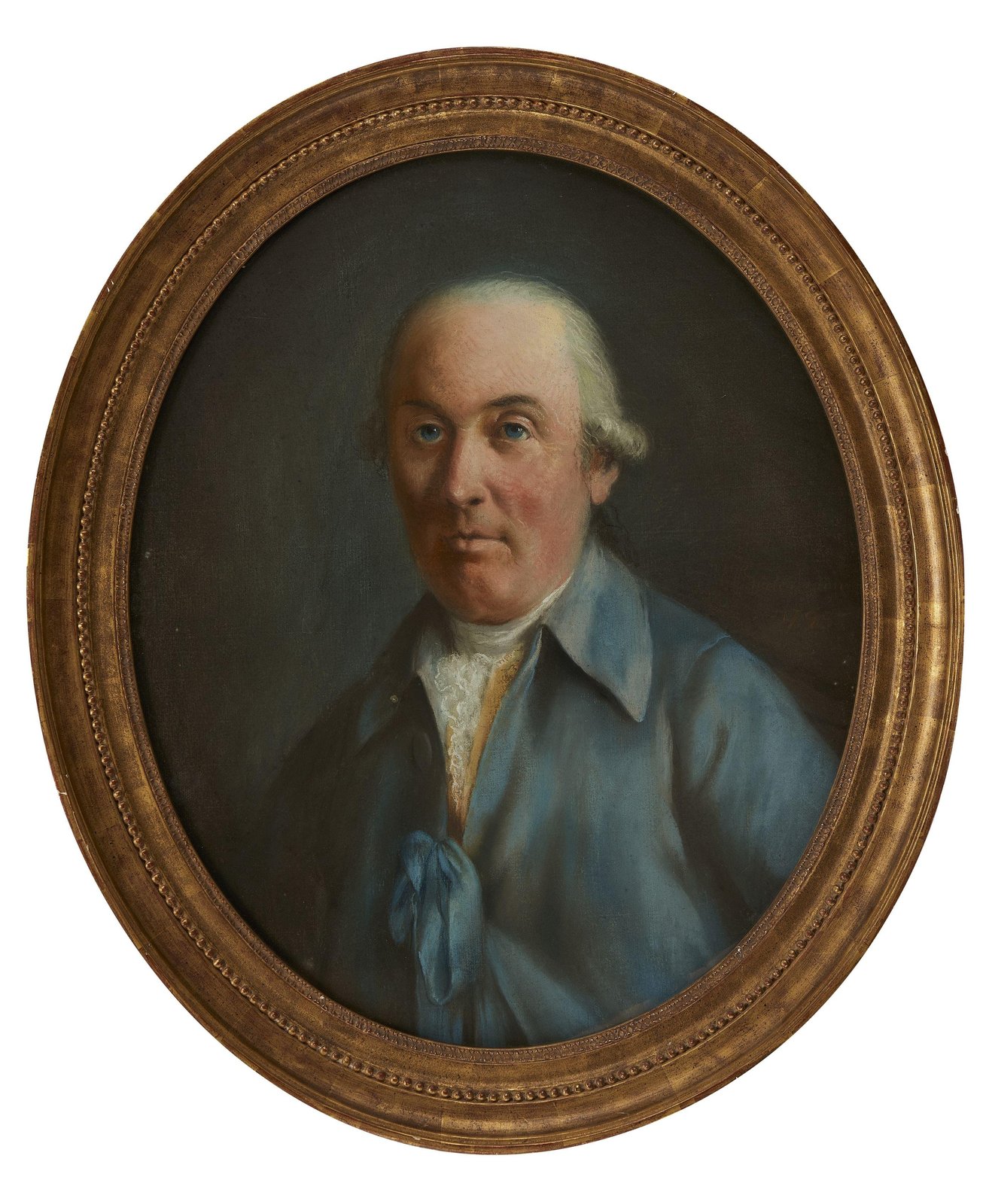
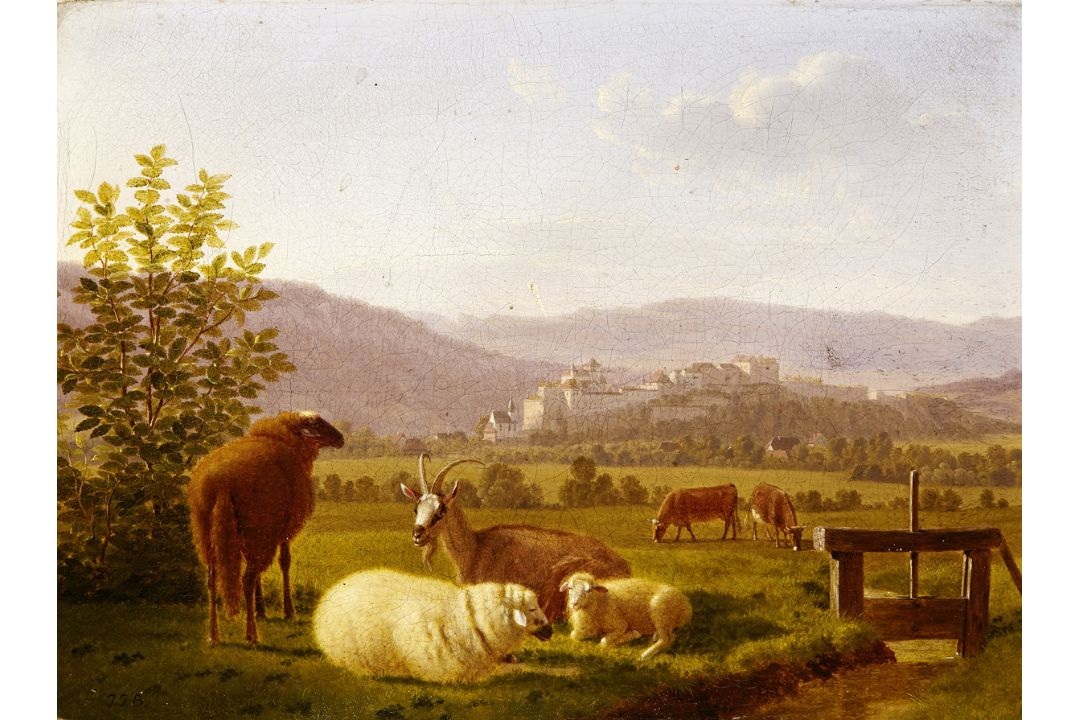
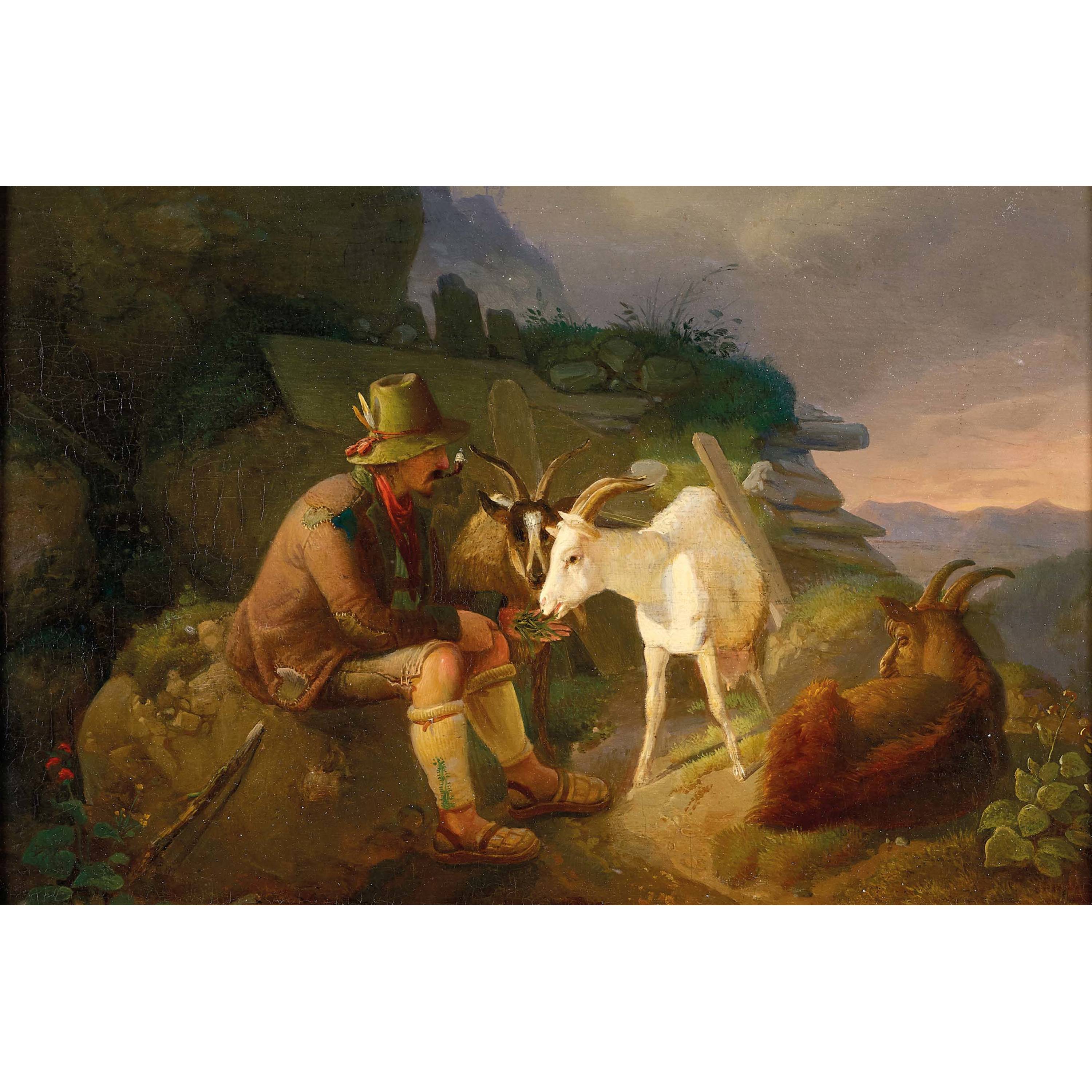
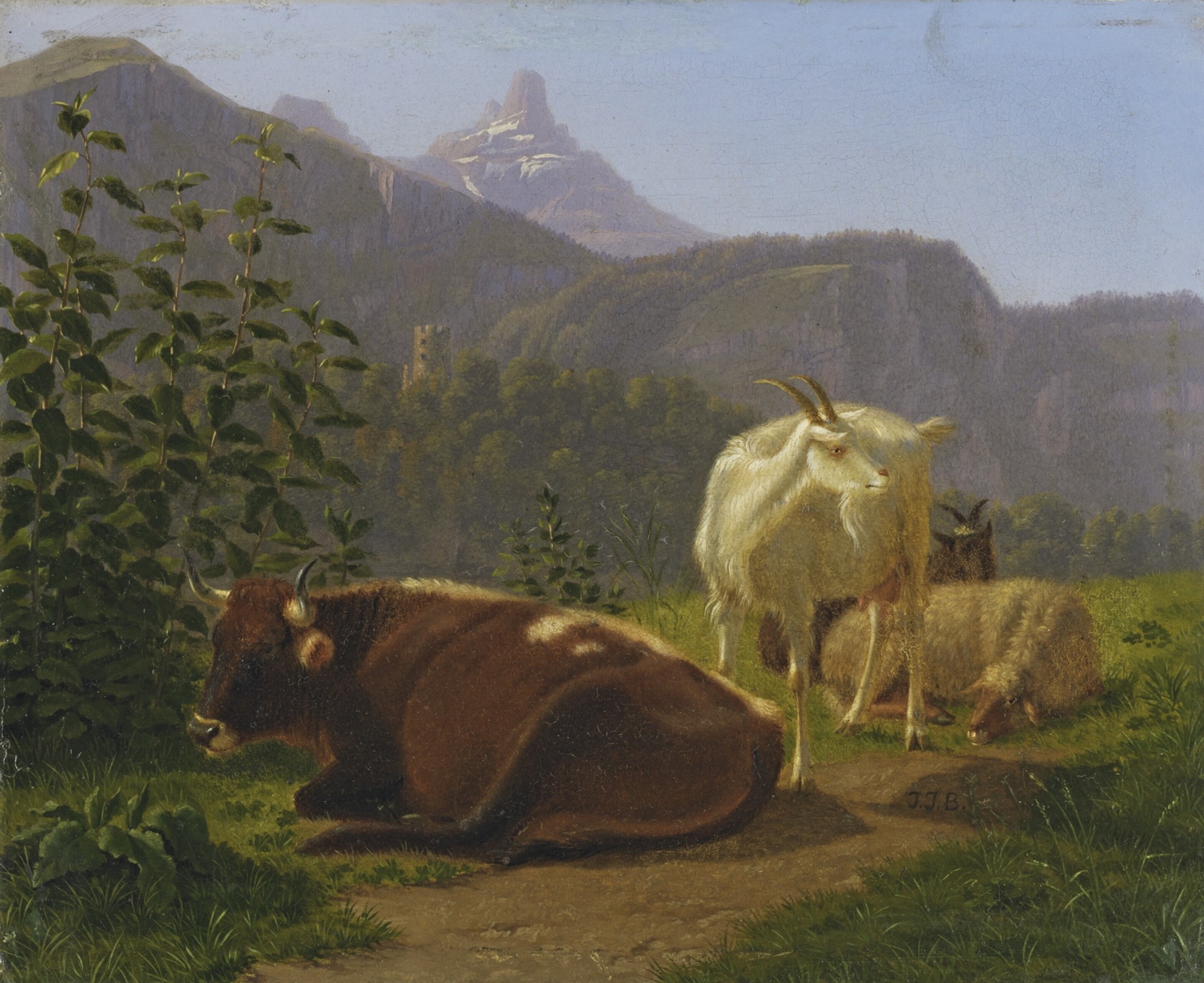
The diversity of media and genres—oil painting, printmaking, portraits, landscapes and animal painting—testifies to a versatile practice, both in the pictorial field and in graphic work.
The public collections mentioned in the references include the Kunstmuseum Bern, the Wessenberg-Galerie in Konstanz, the Staatsgalerie Stuttgart and the Kunst Museum Winterthur, while the cited bibliography includes, in particular, Carl Wilhelm Hardmeier (1835) and the edition of the letters by Rudolf Hunziker (1936).