Jean-Pierre Saint-Ours
Born in Geneva on 4 April 1752.
Died in Geneva on 6 April 1809.
Swiss · Neoclassicism · history painting, portraiture and drawing.
Jean-Pierre Saint-Ours grew up in the world of Geneva’s Fabrique. His father, an enamel painter, introduced him to drawing. In Paris he entered Joseph-Marie Vien’s studio, where the study of antiquity and clearly organised compositions informed his neoclassical training.
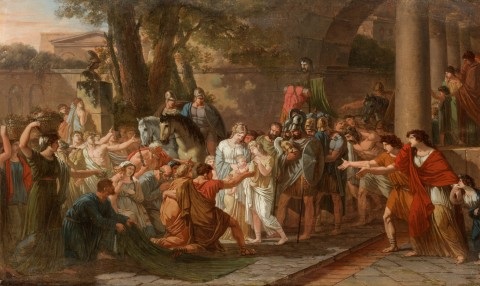
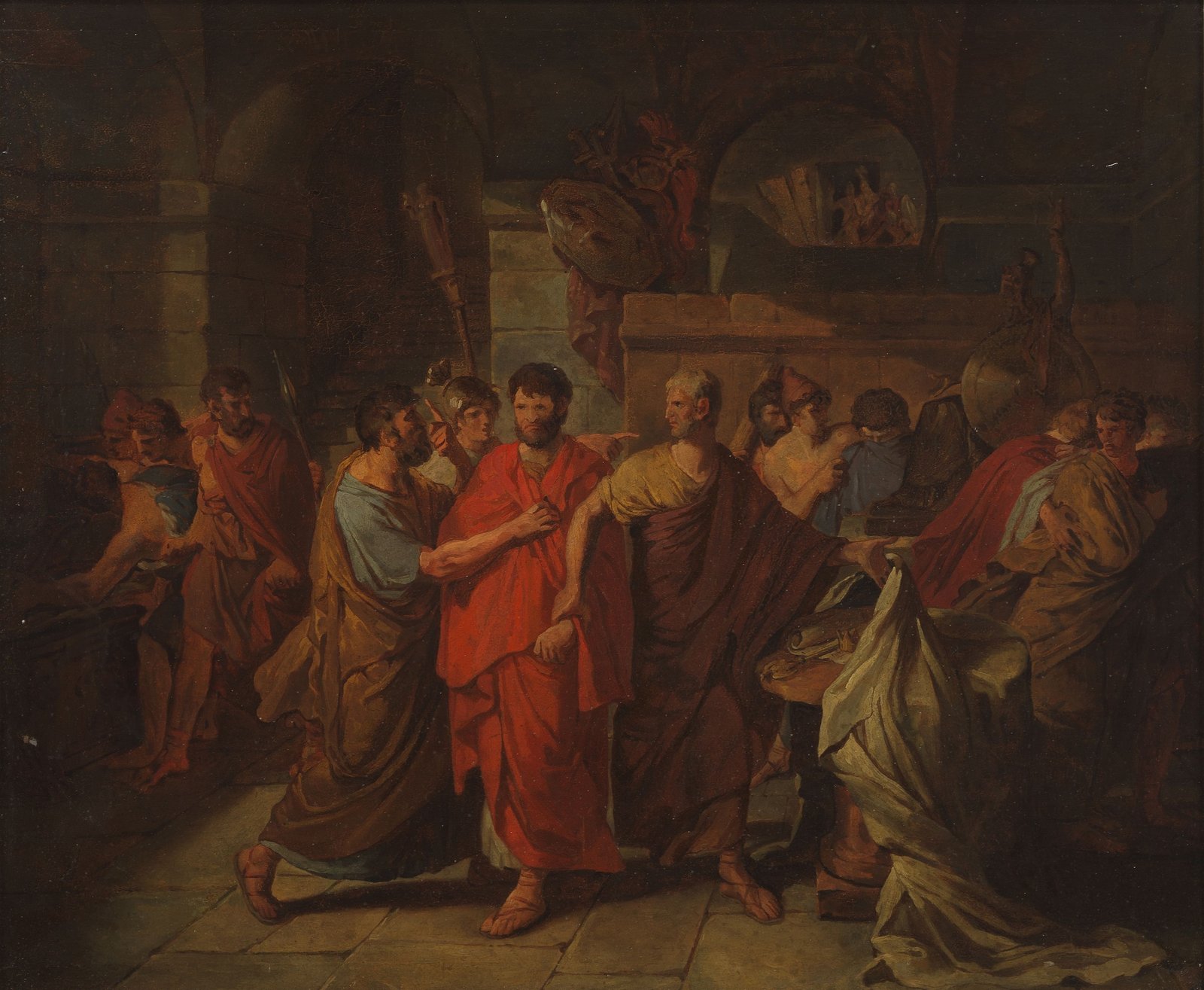
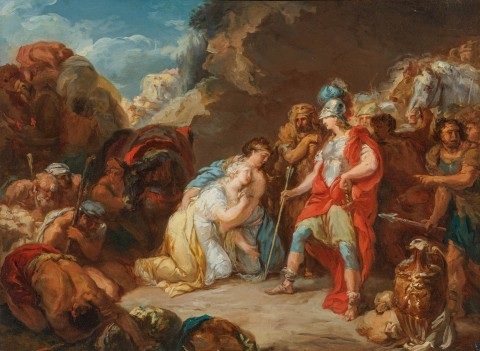
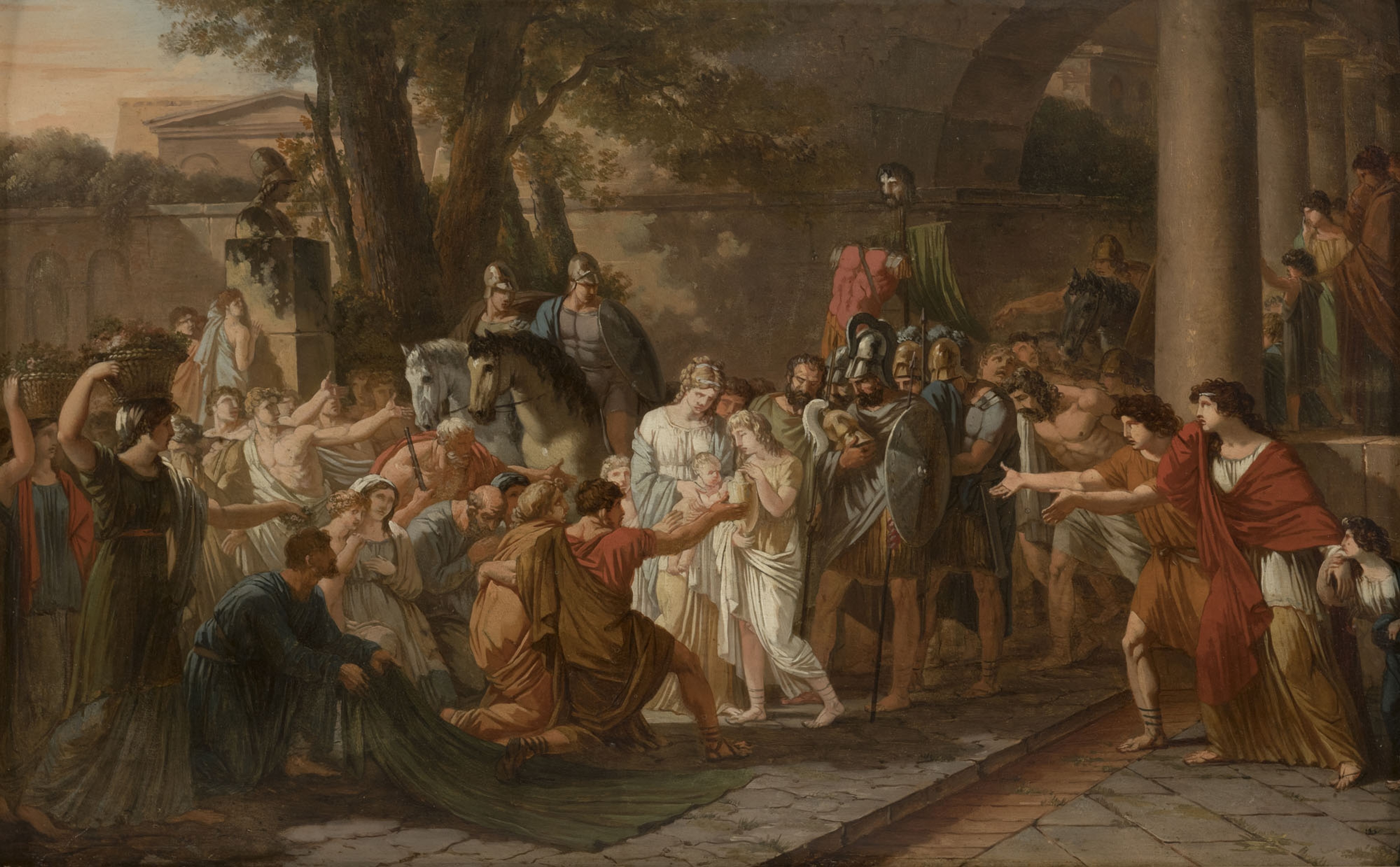
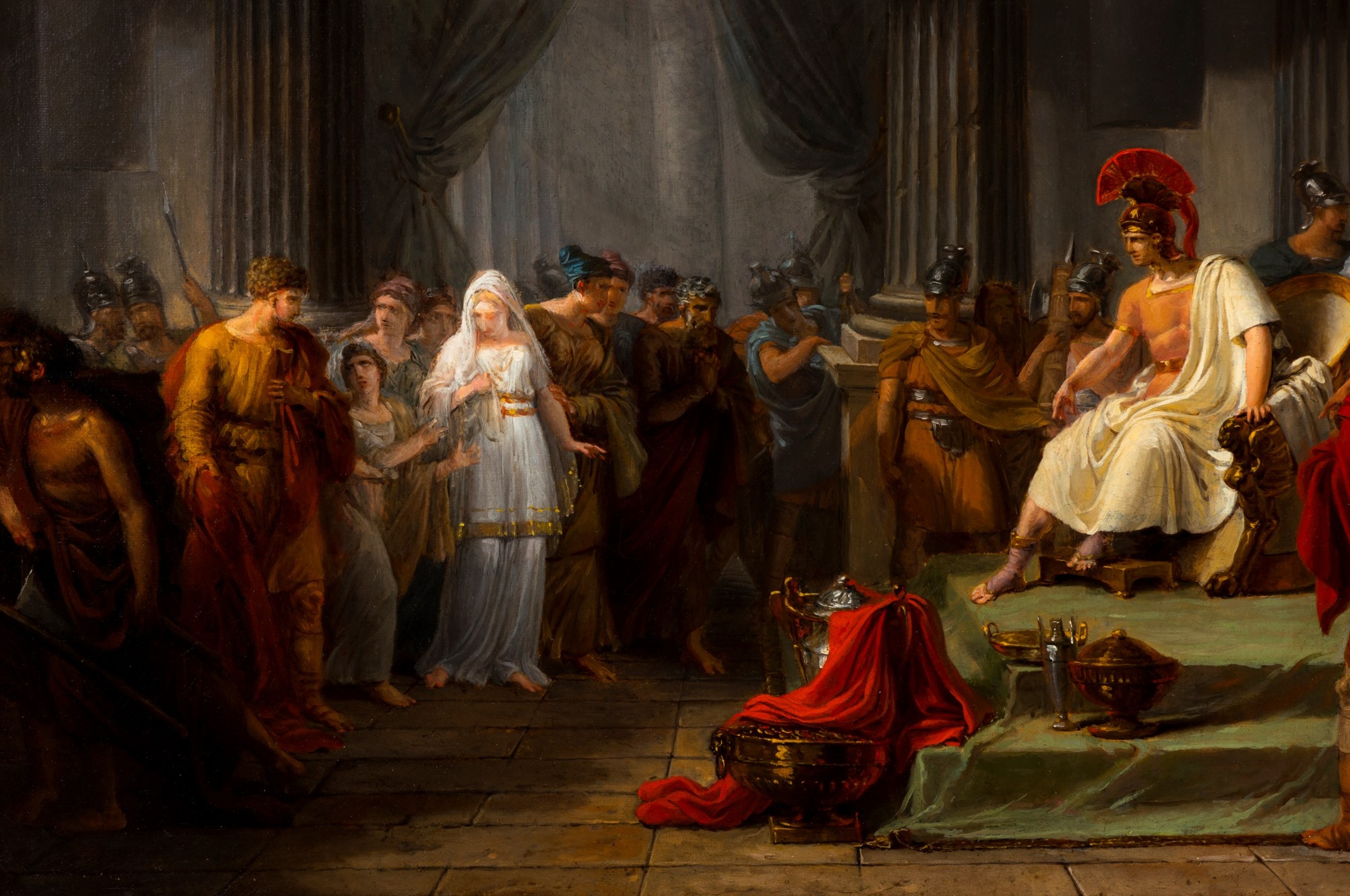
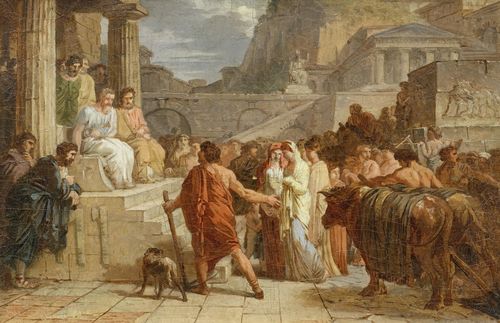
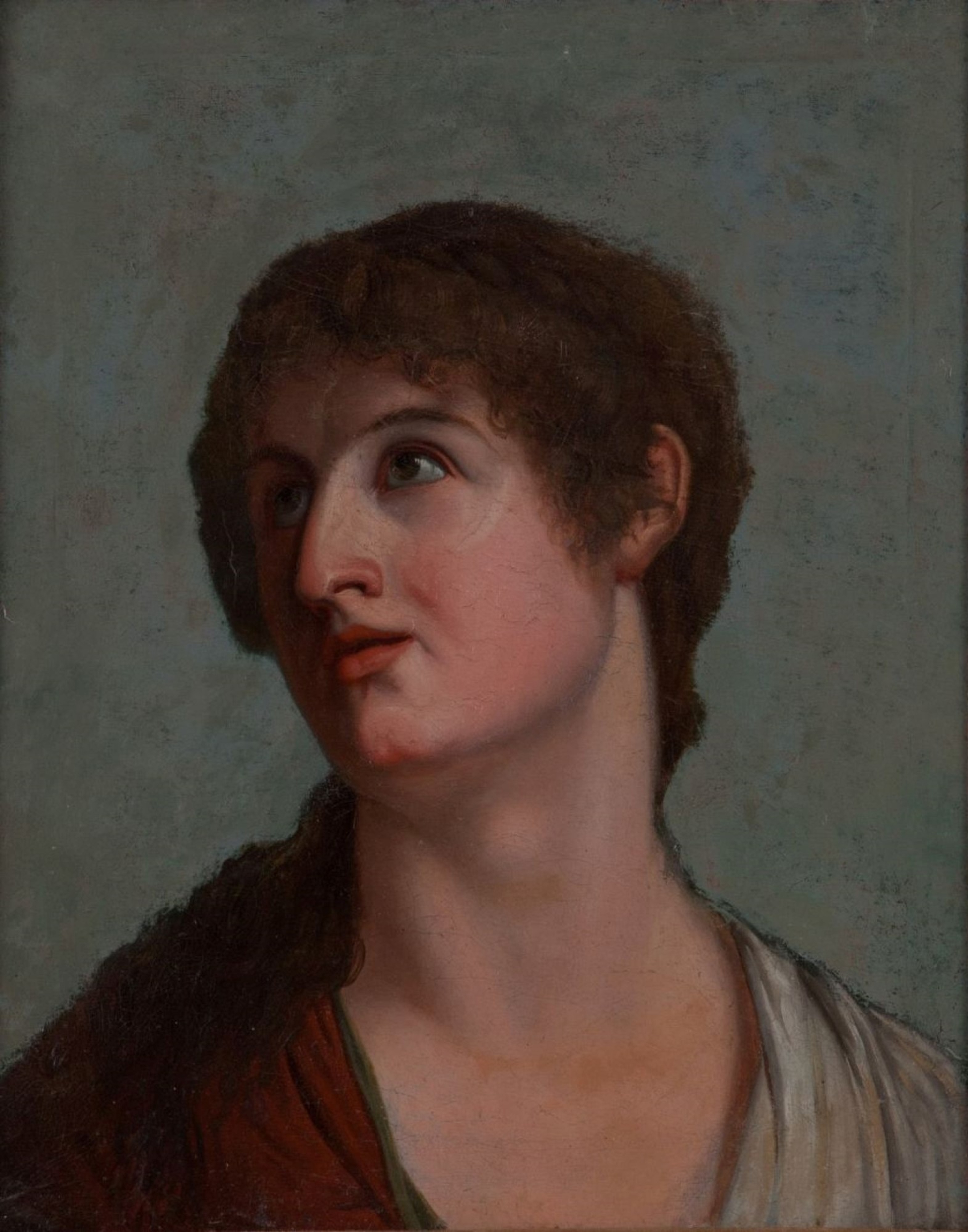
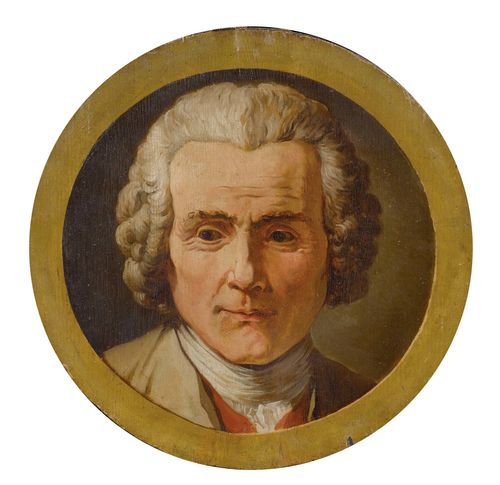
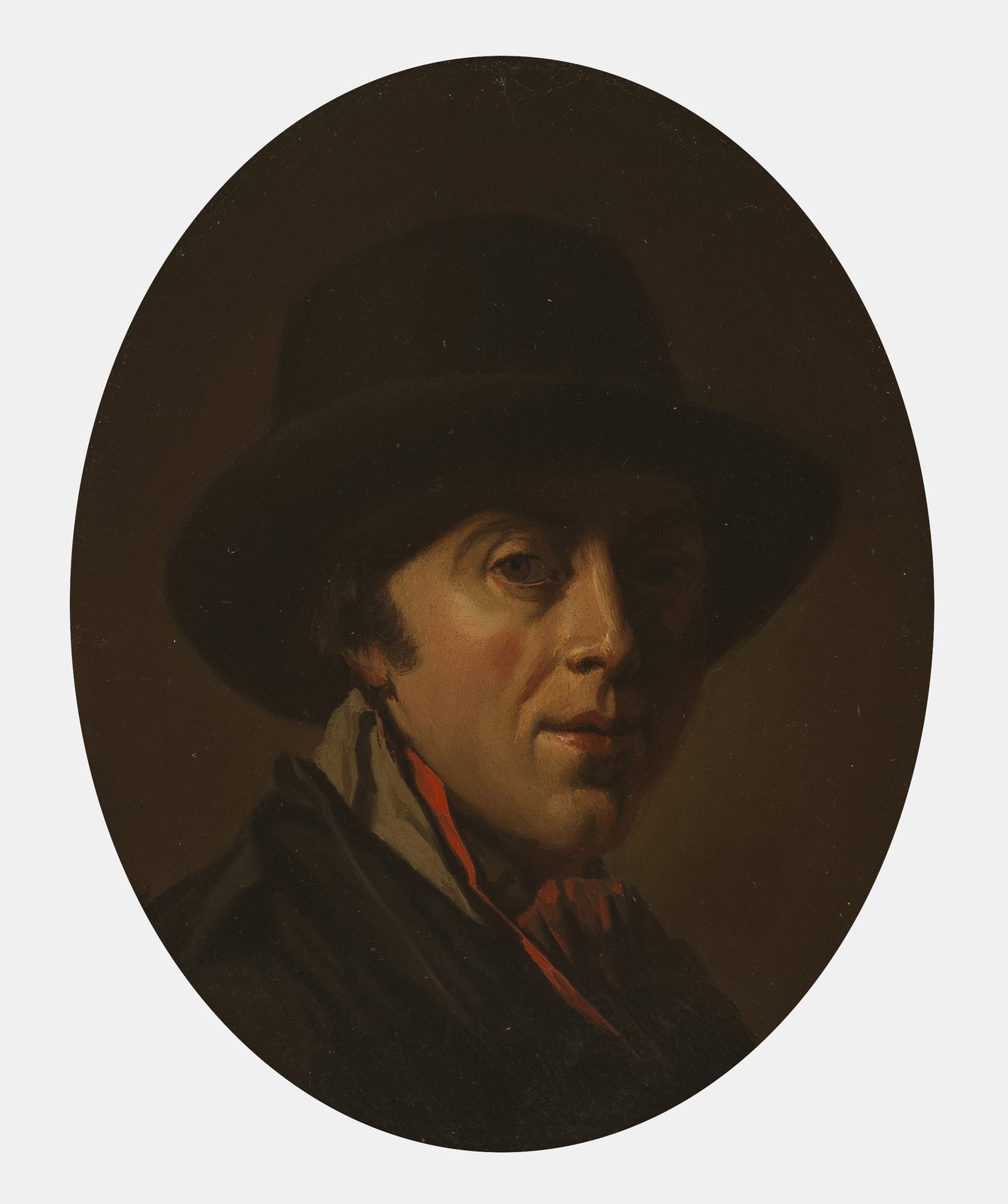
His years in Rome produced major historical scenes, including Le Choix des enfants de Sparte and Les Jeux olympiques. Returning to Geneva in 1792, he participated in revolutionary politics. He also painted portraits of members of the city’s educated bourgeoisie.
The Tremblement de terre cycle reveals a different dramatic intensity. The Musée d’art et d’histoire connects these compositions with the Sicilian earthquake of 1783 and revolutionary violence. The monumental version, completed in 1799, depicts collapsing architecture and people confronting a catastrophe.
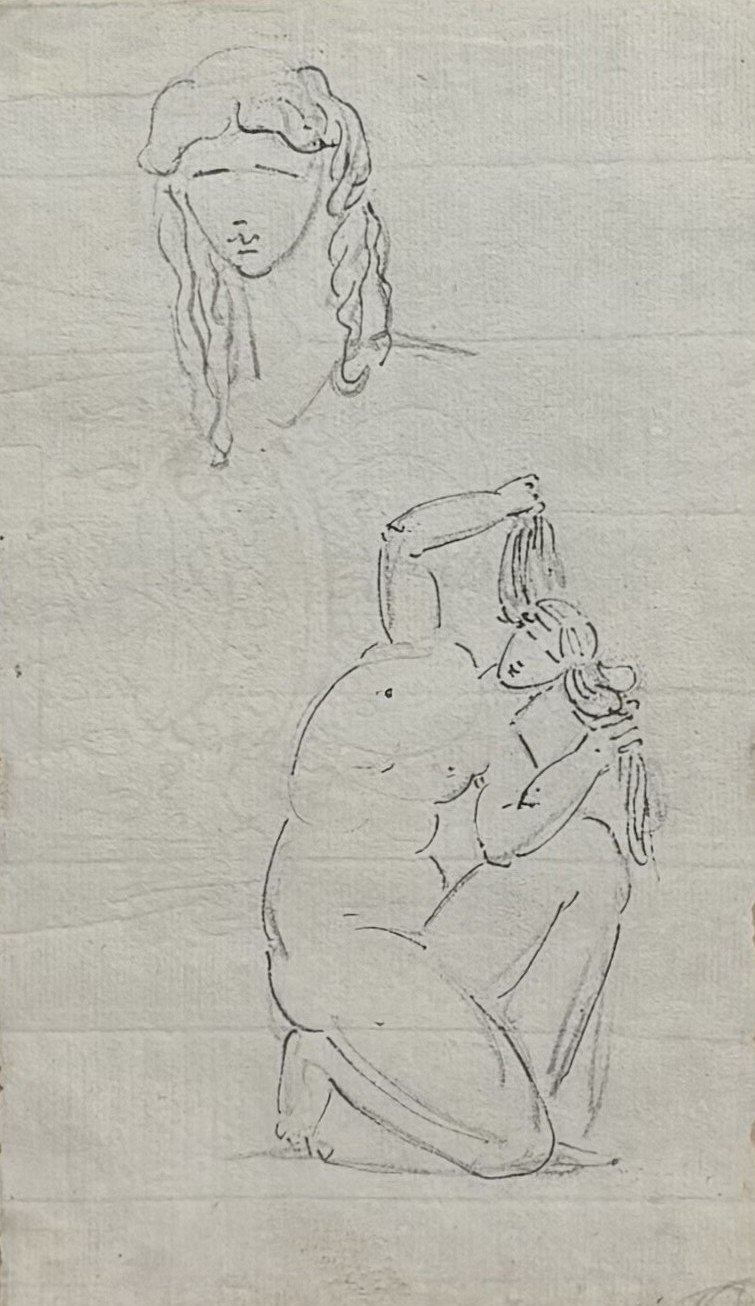
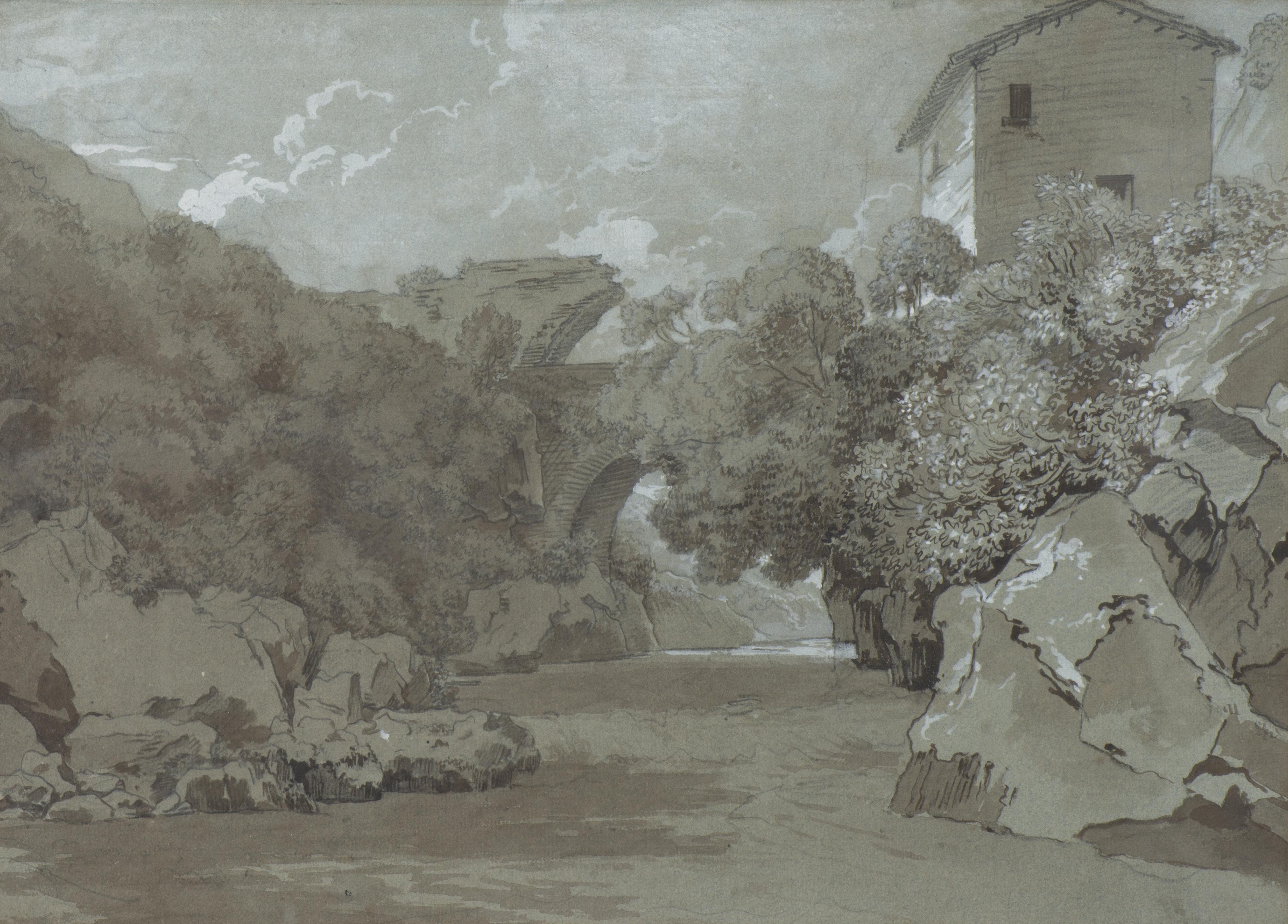
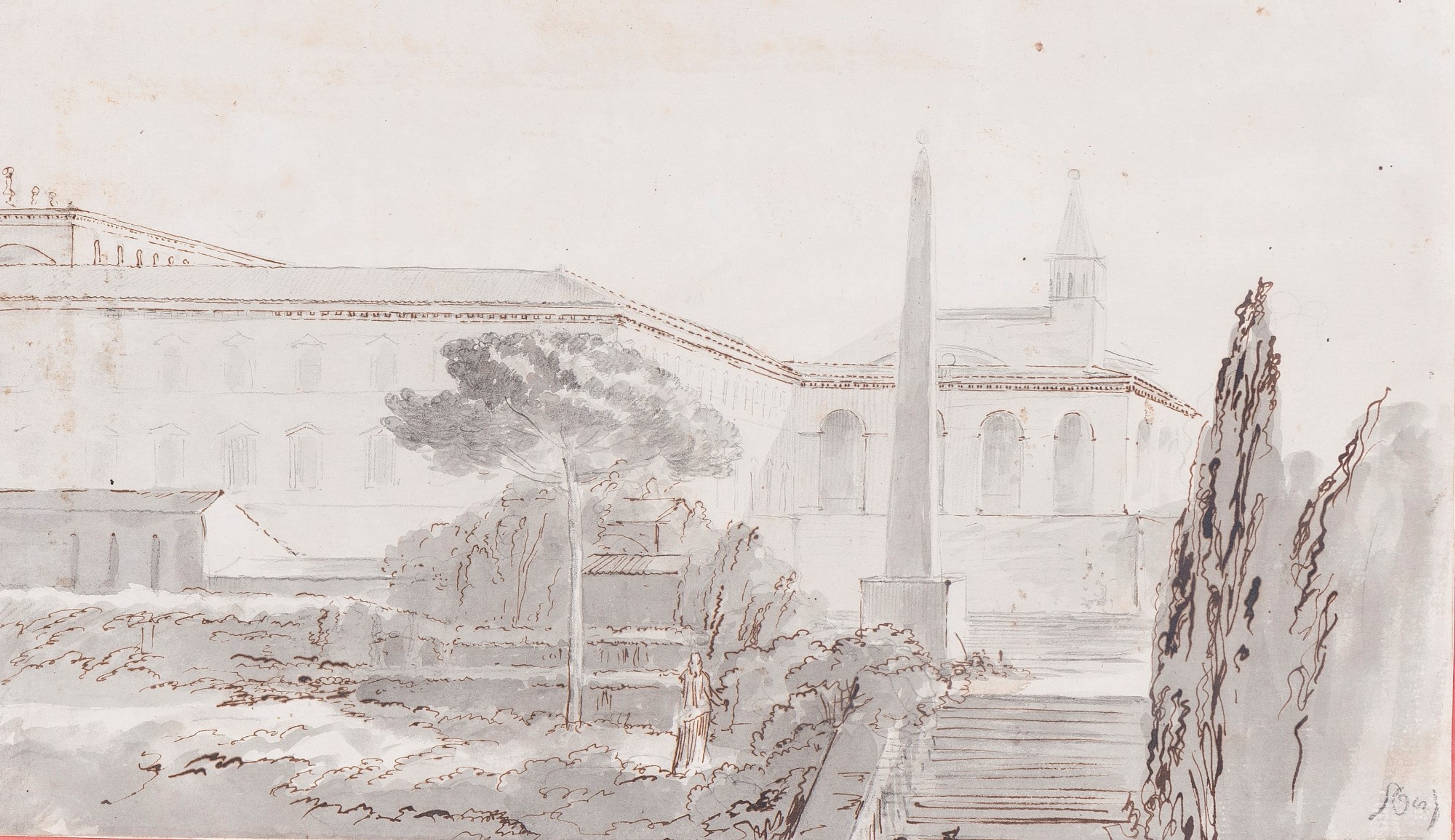
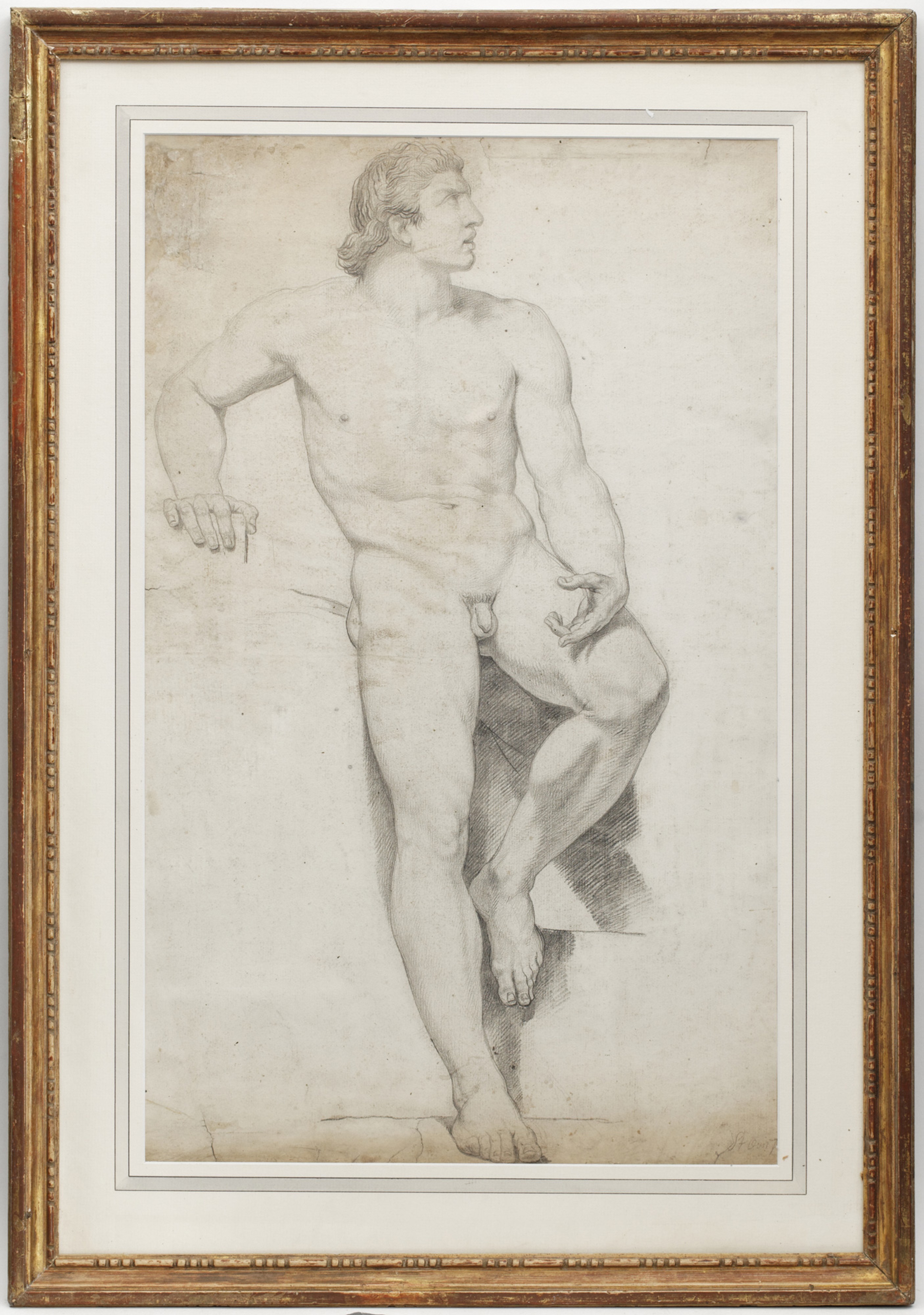
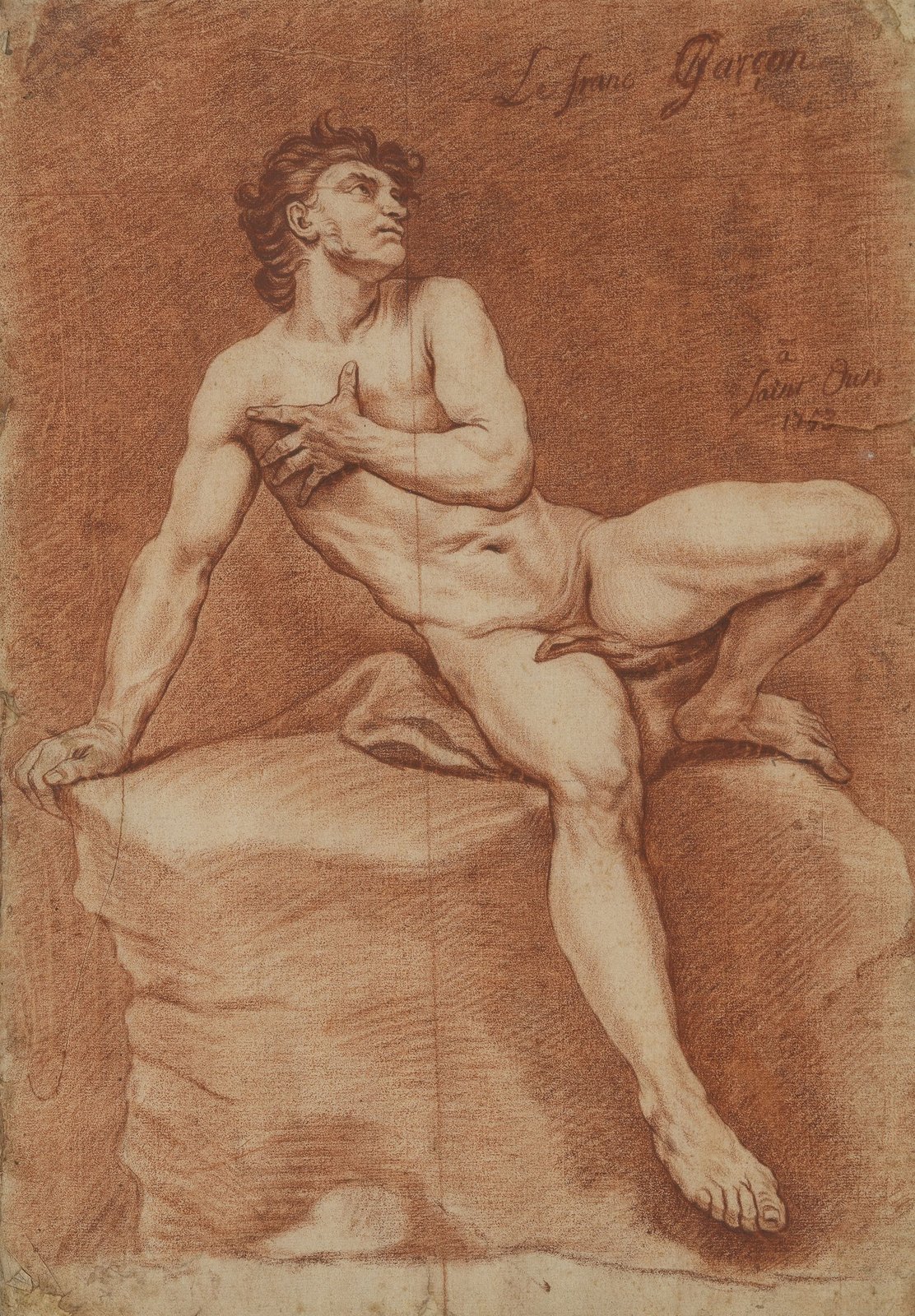
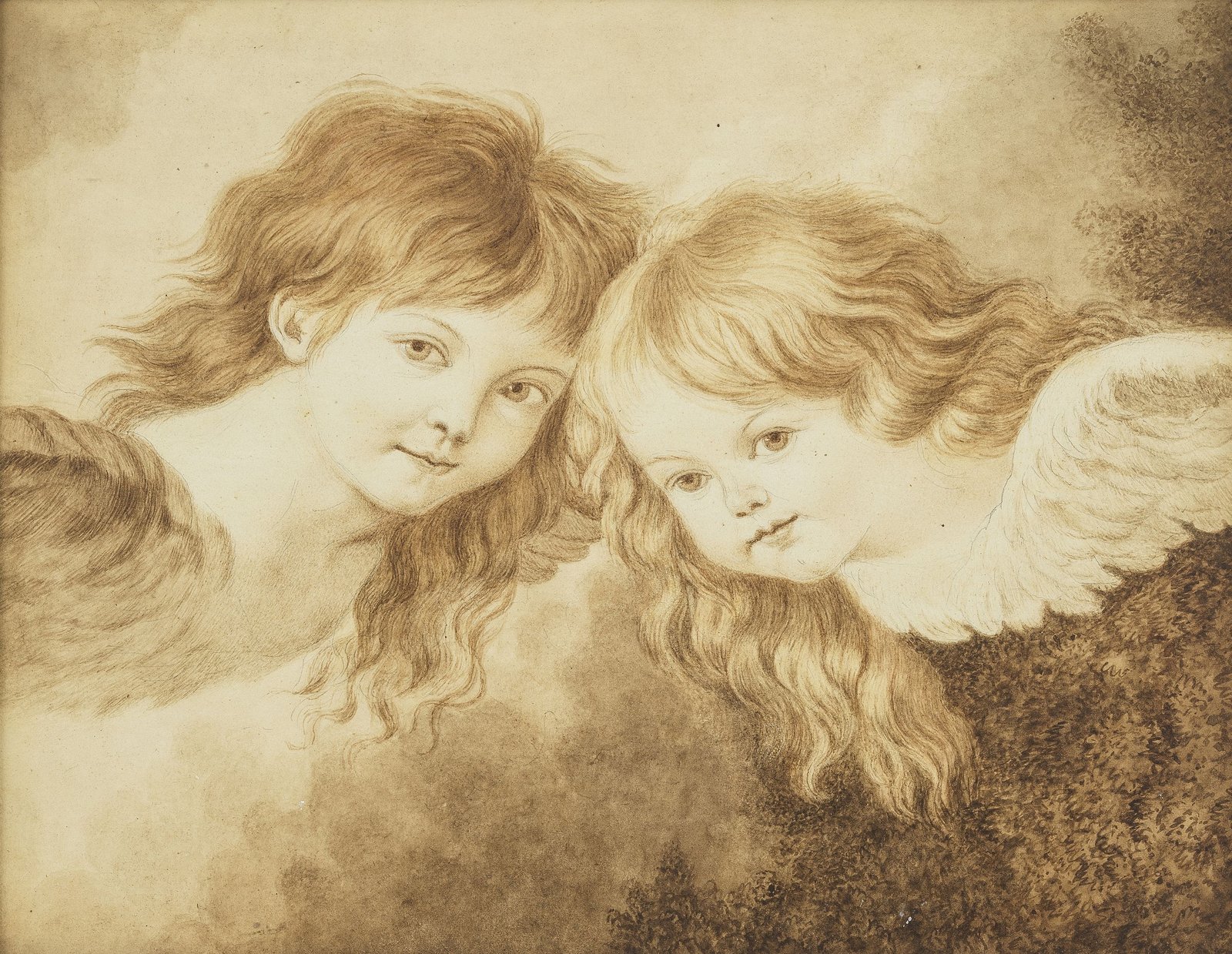
His drawings offer access to his preparatory work. The Louvre holds an Étude de jeunes guerriers, dated around 1782–1790 and made in black chalk with white highlights on grey paper. The sheet demonstrates the attention given to individual figures before their incorporation into a larger composition.
The same museum owns an allegory of War and Impiety trampling an old man, a woman and a child, from around 1802. In this project, which remained a drawing, personifications convey the devastation of conflict. Its learned allegorical language accompanies a reflection on political violence.