Italo Valenti
Born in 1912.
Died in 1995.
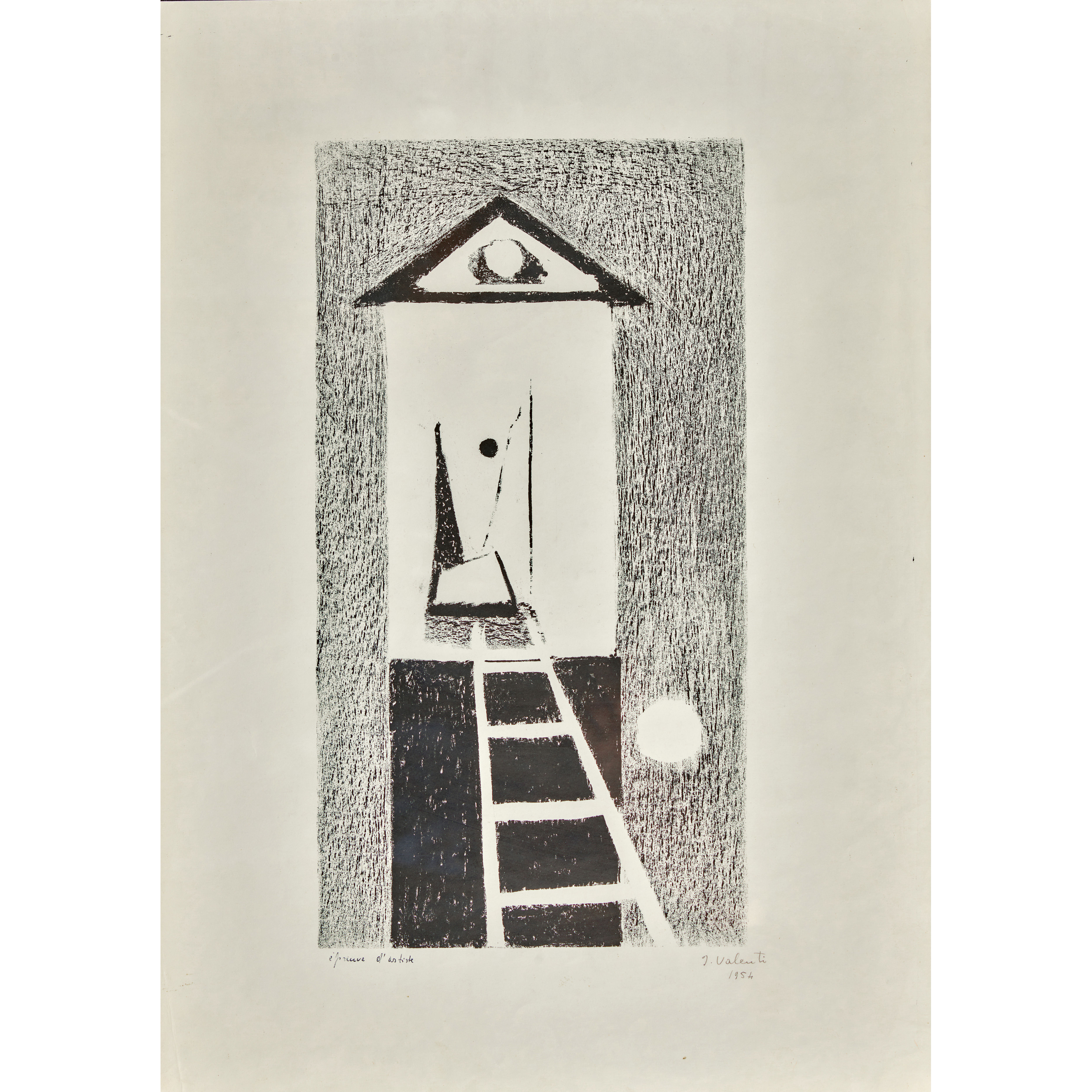
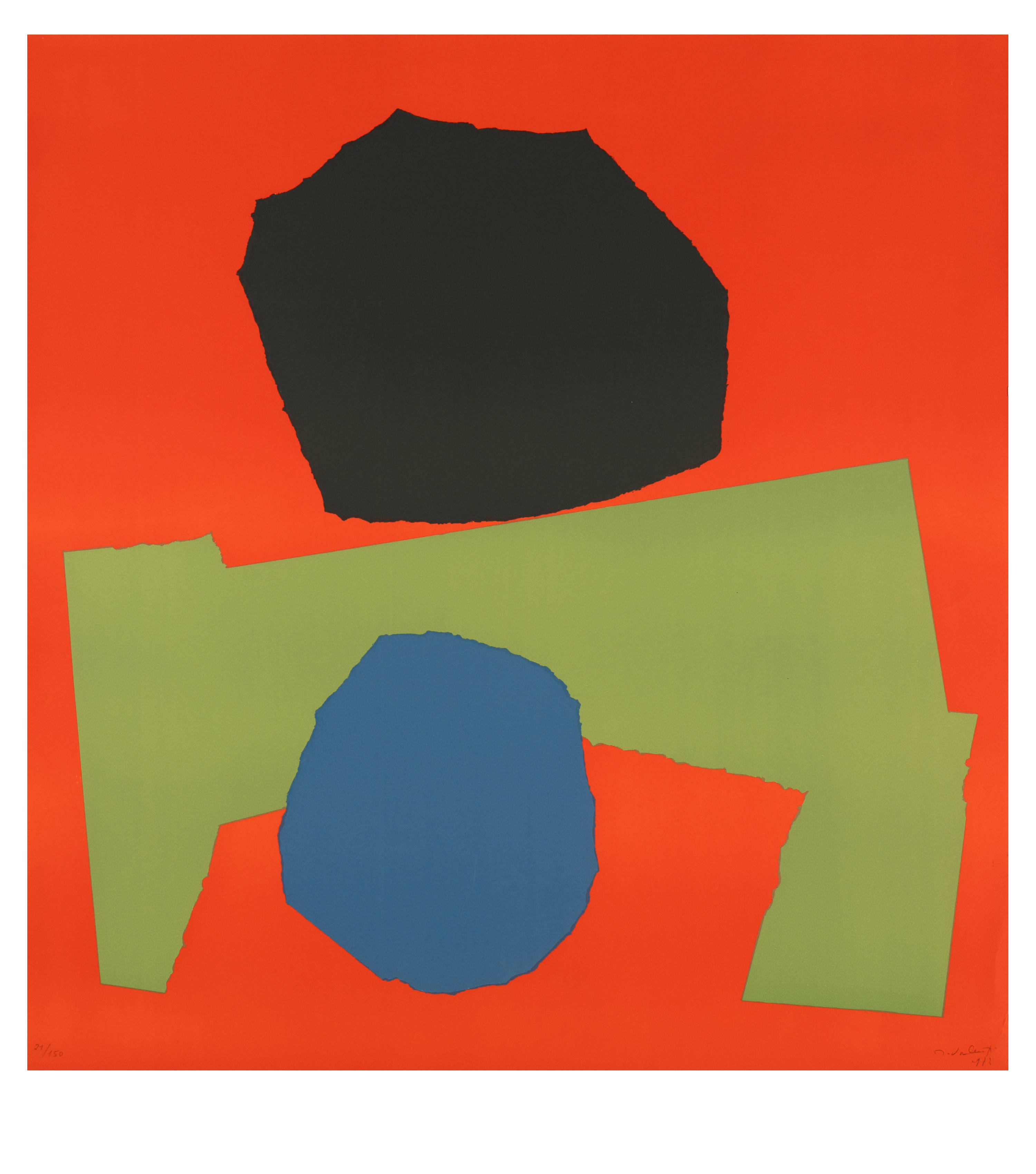
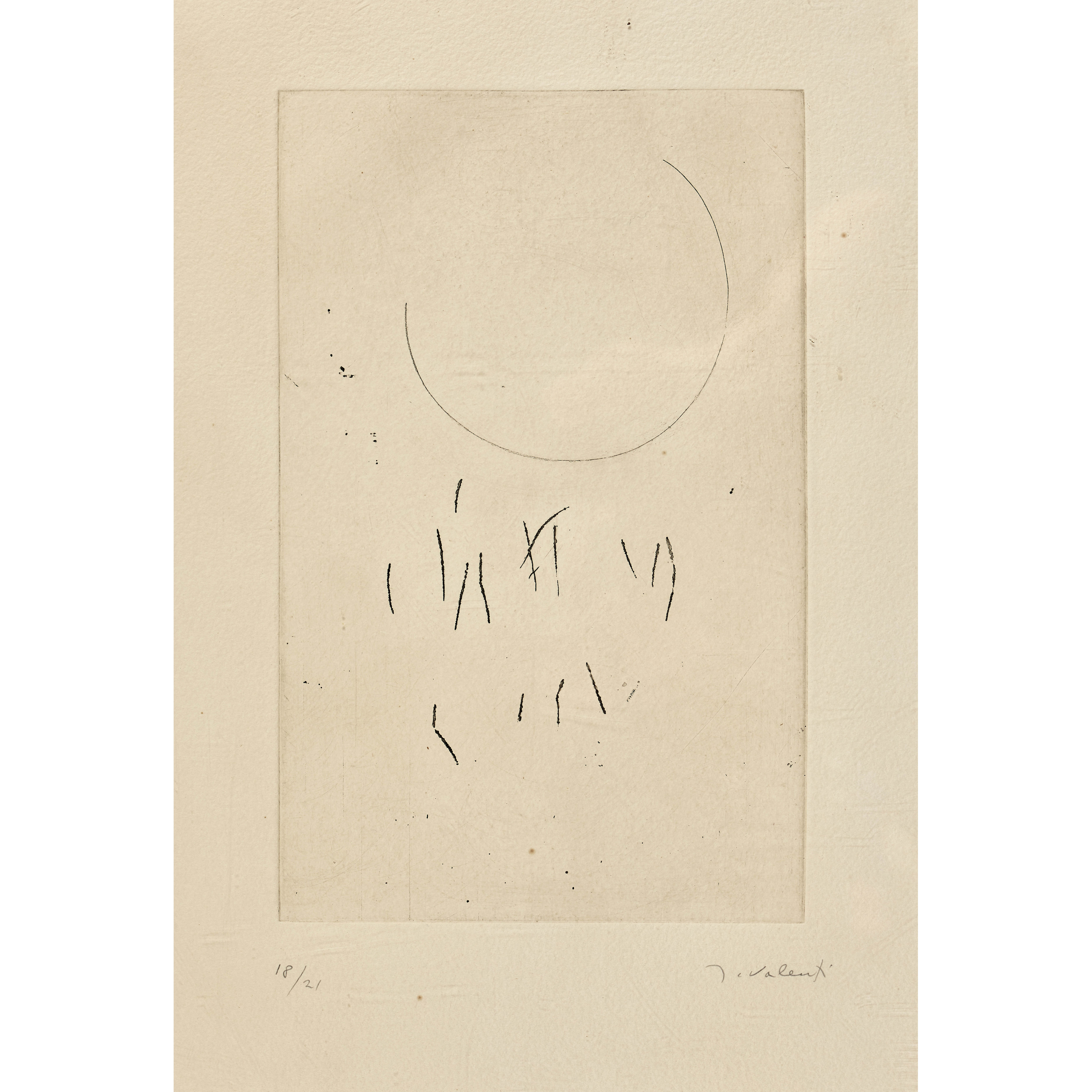
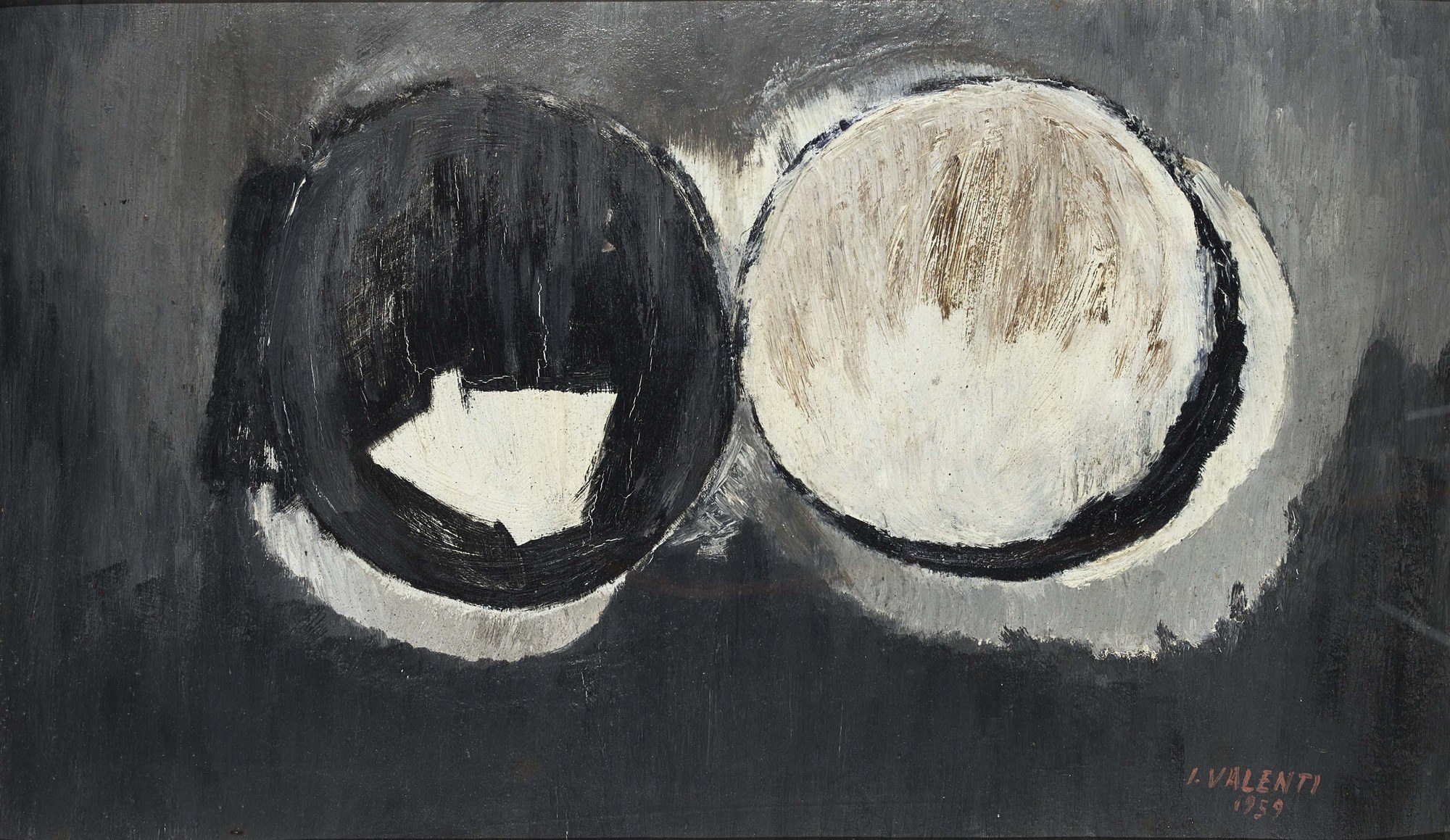
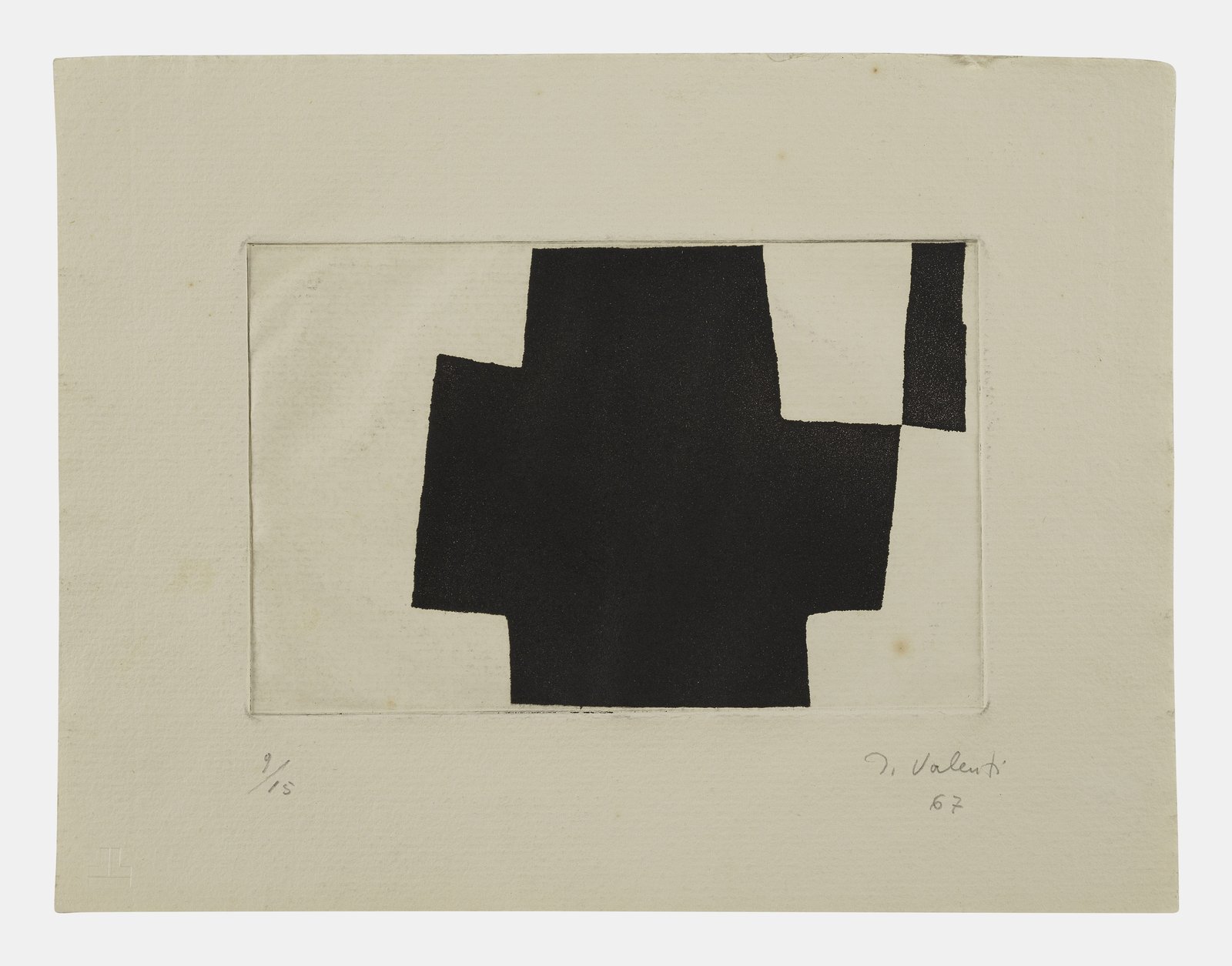
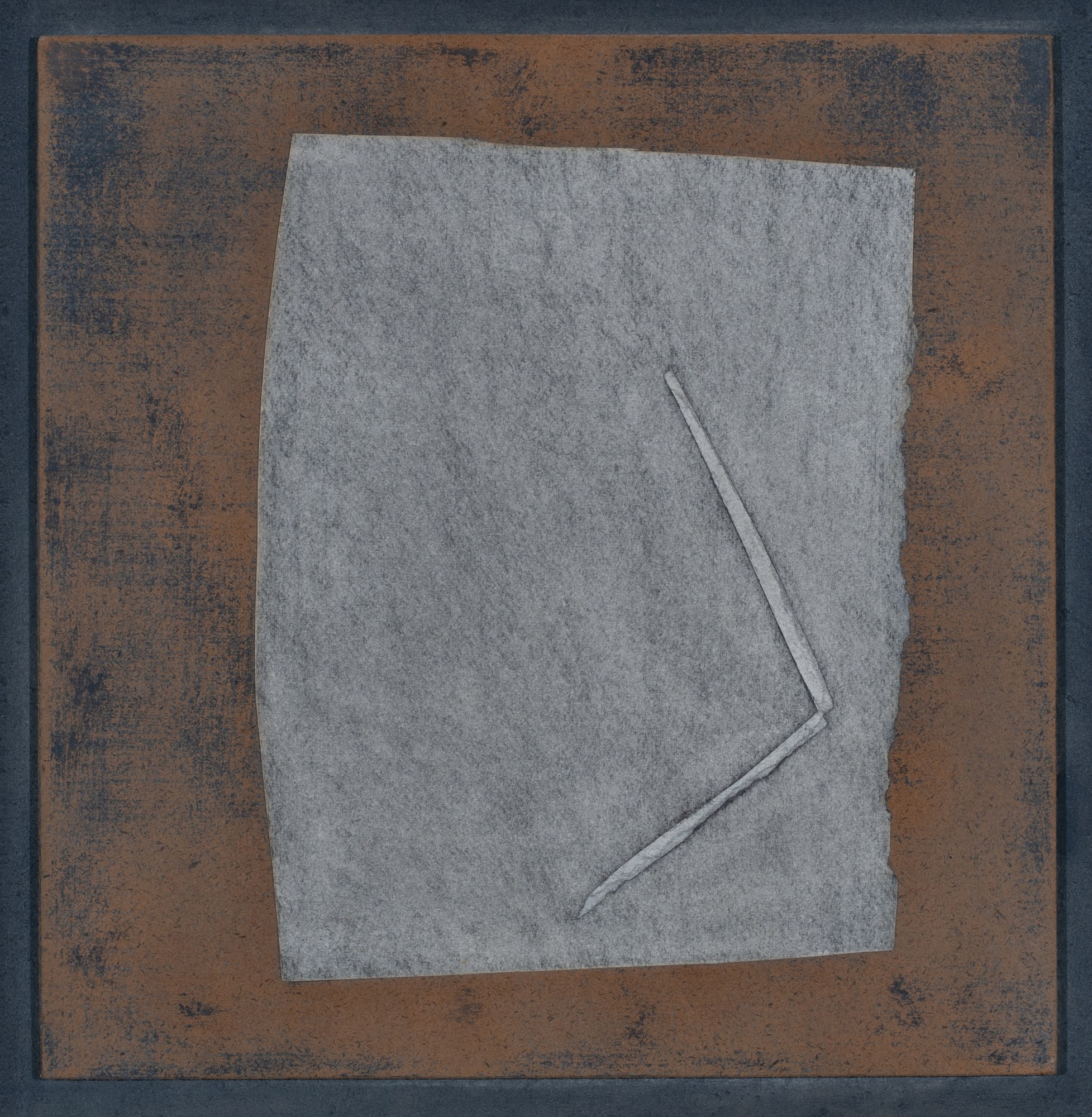
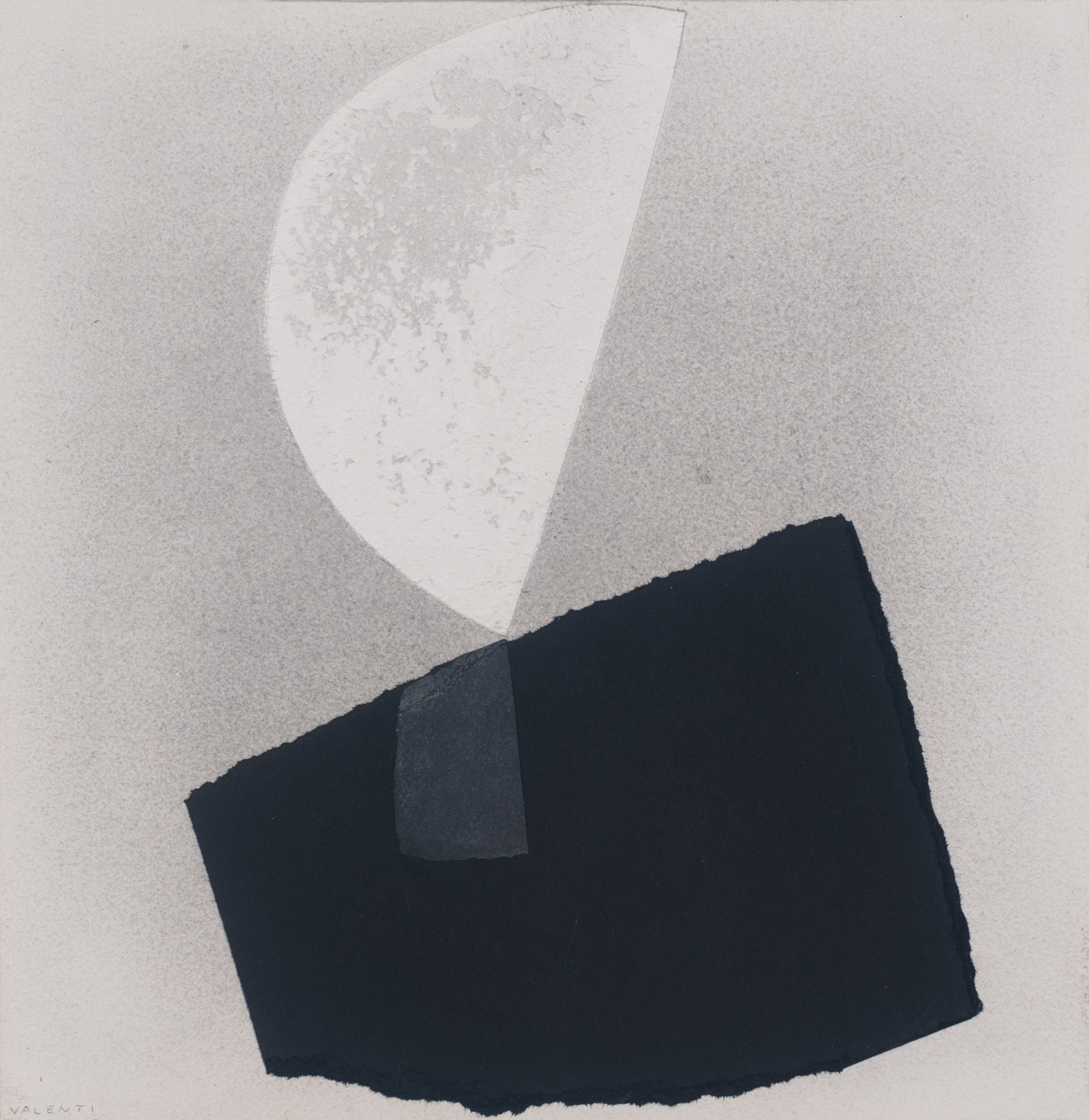
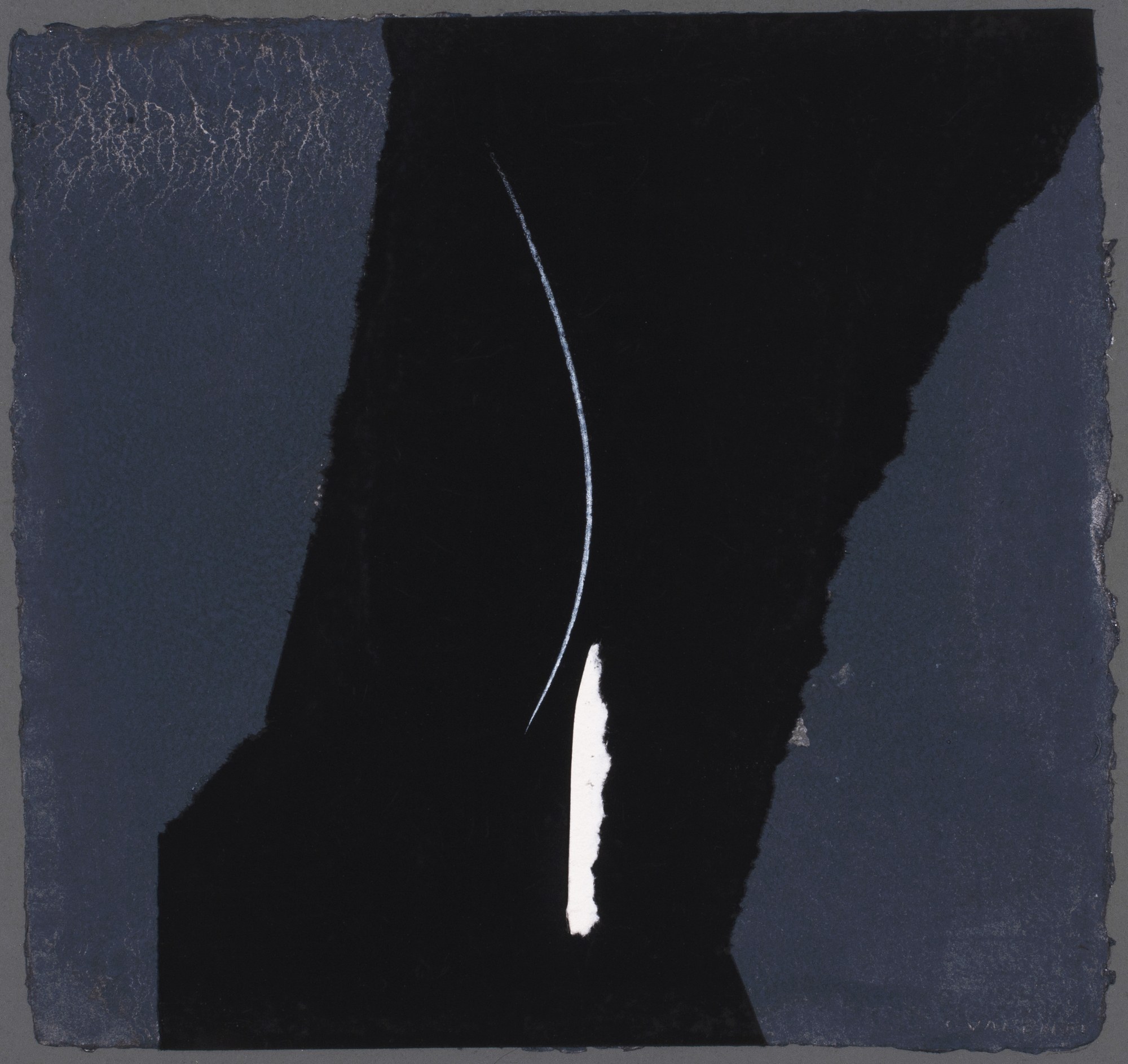
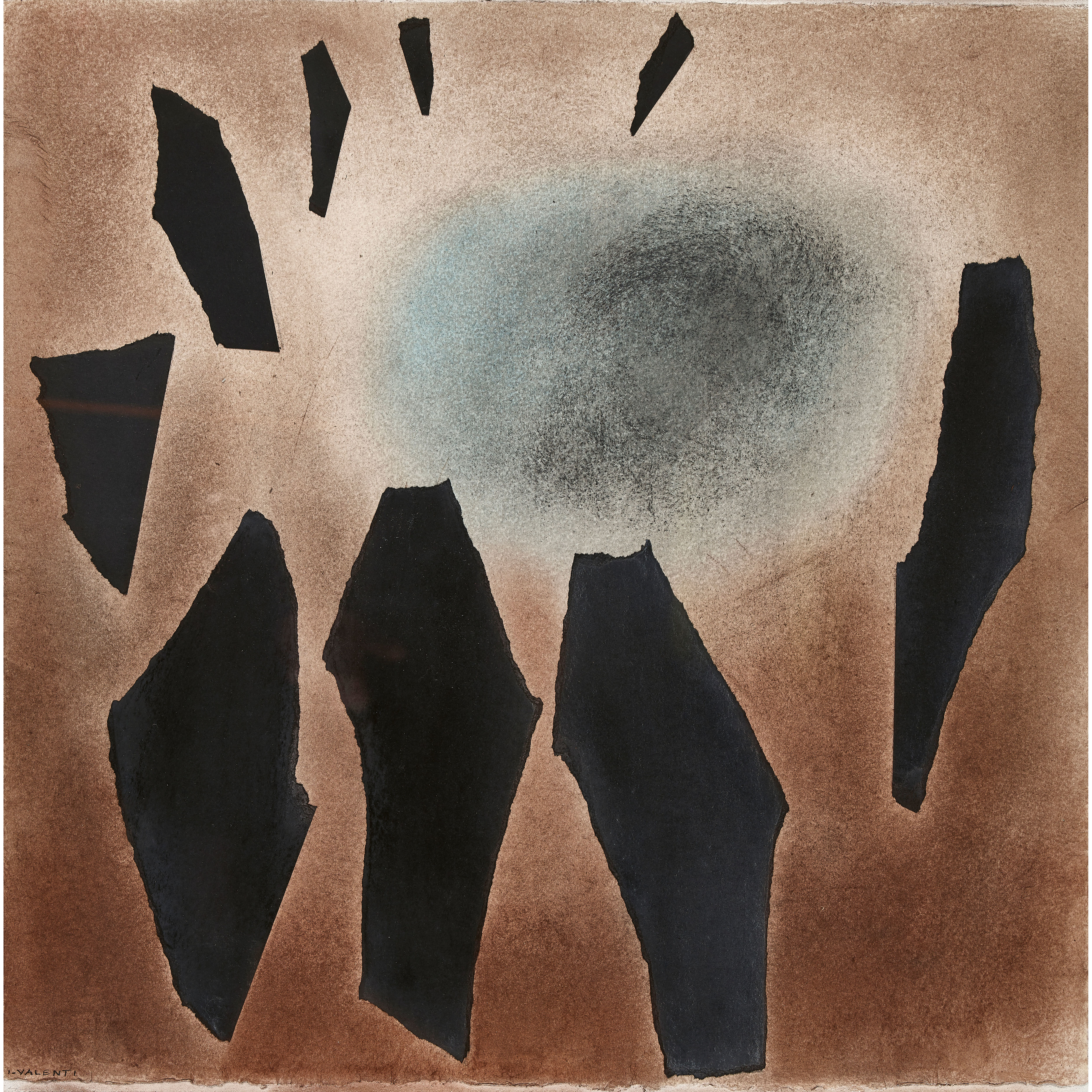
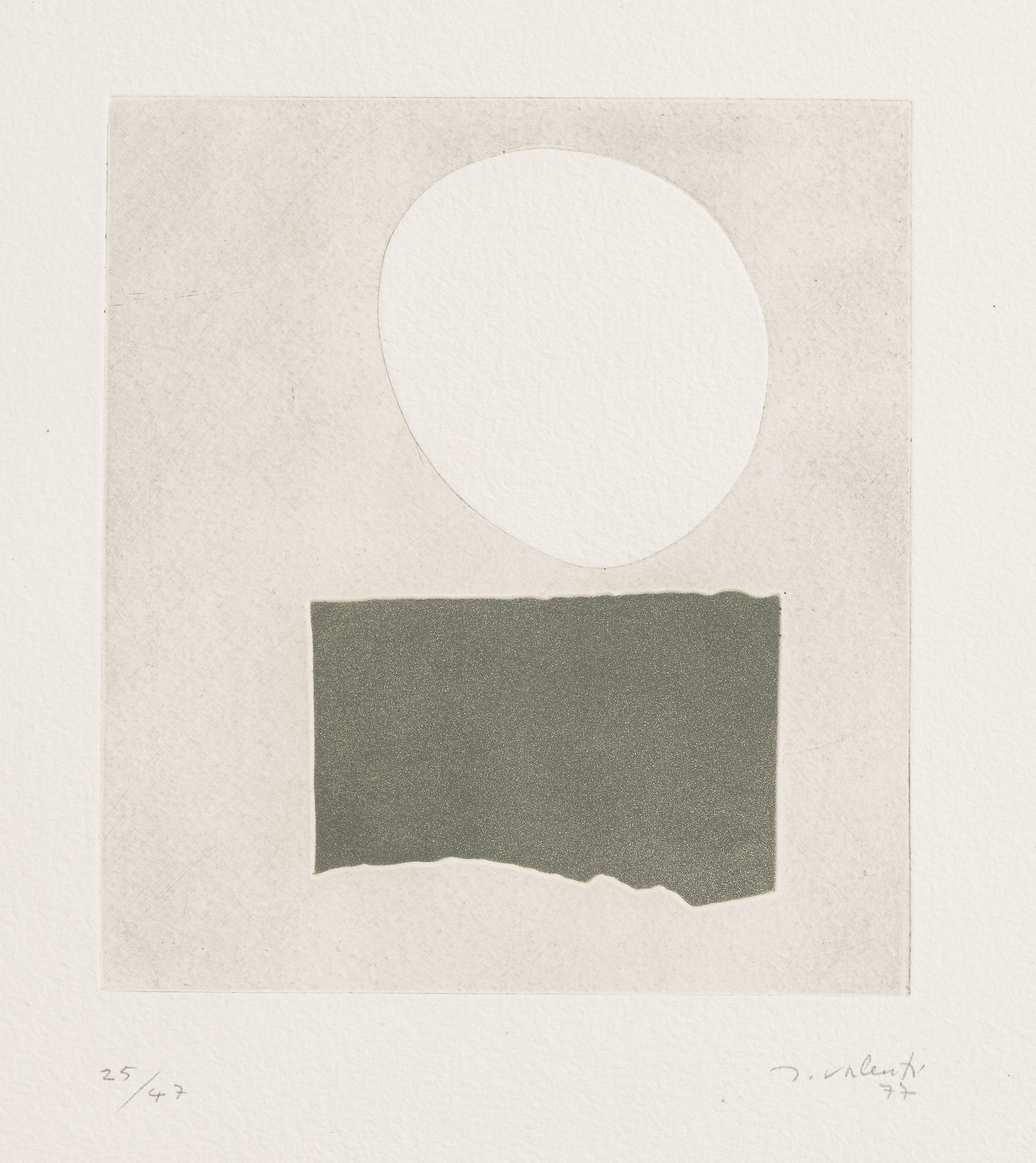
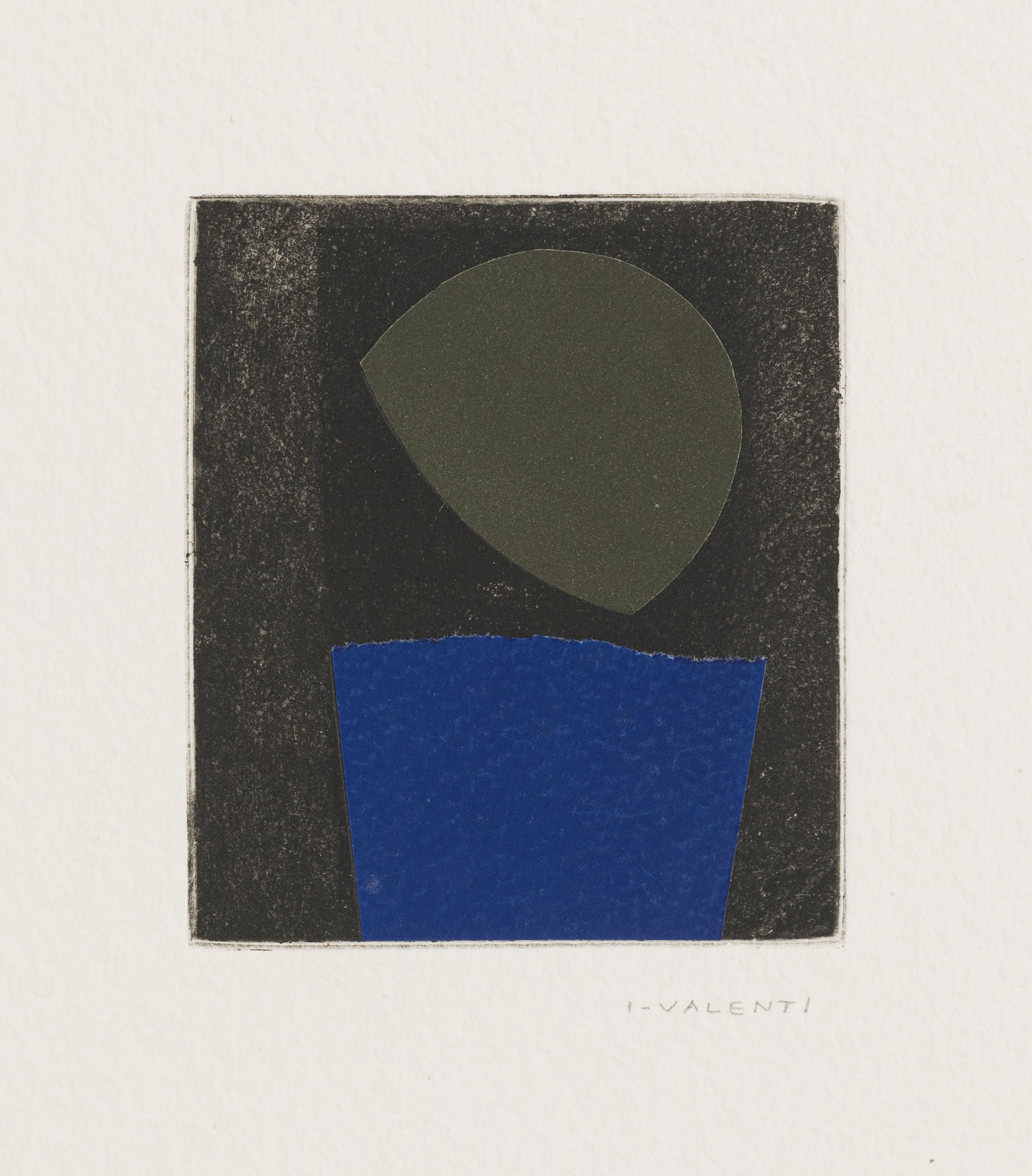
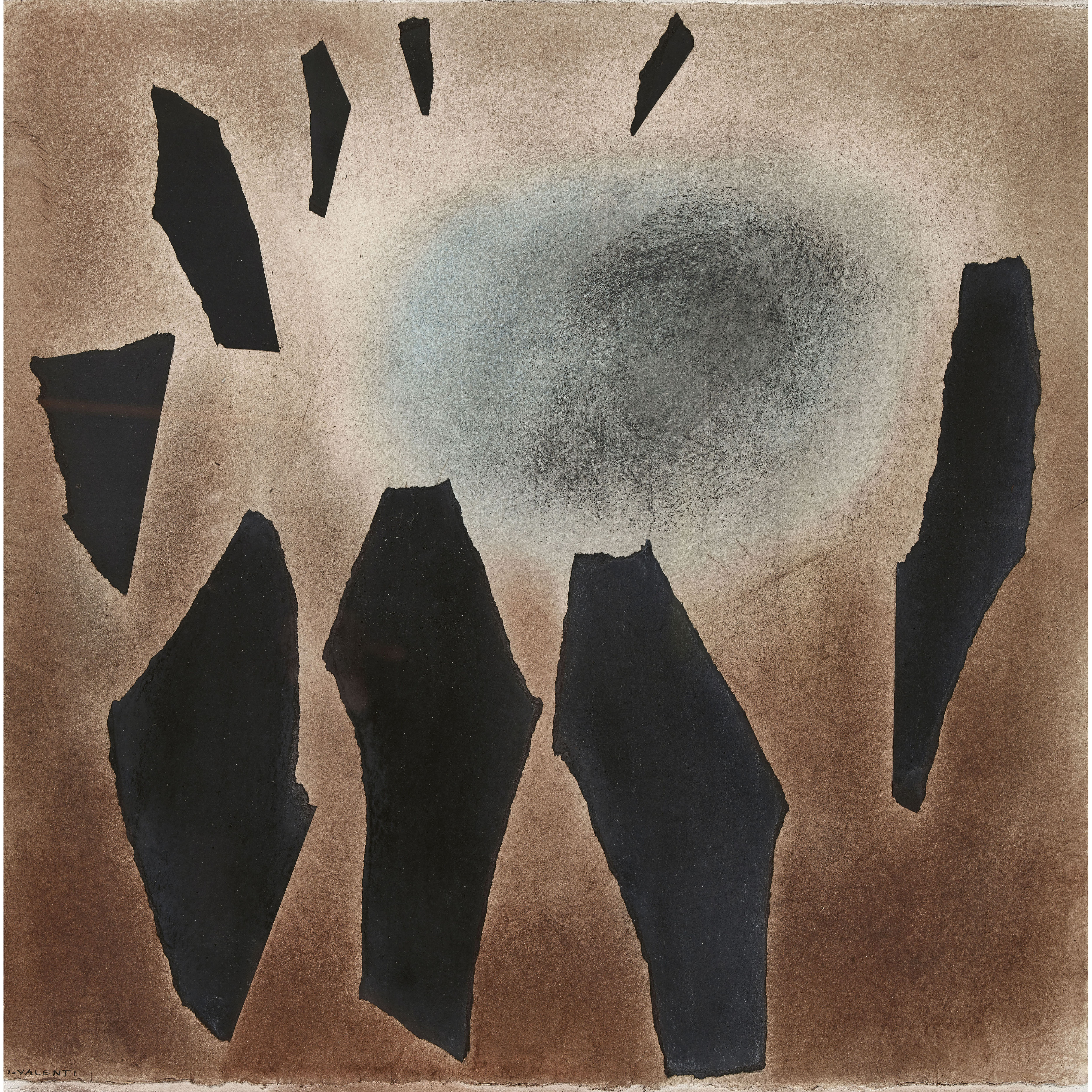
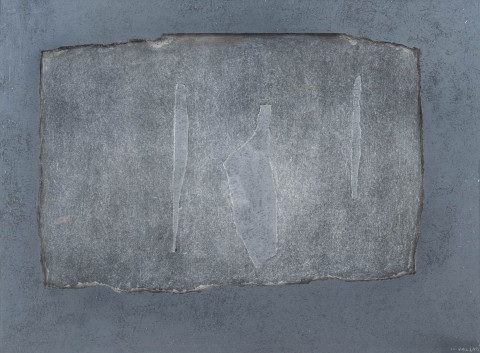
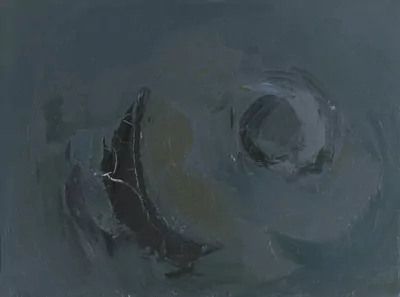
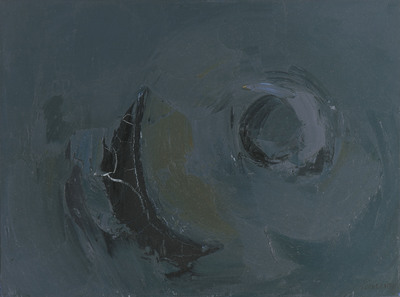
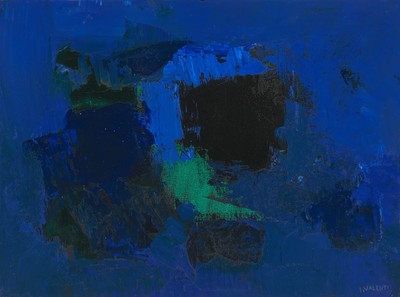
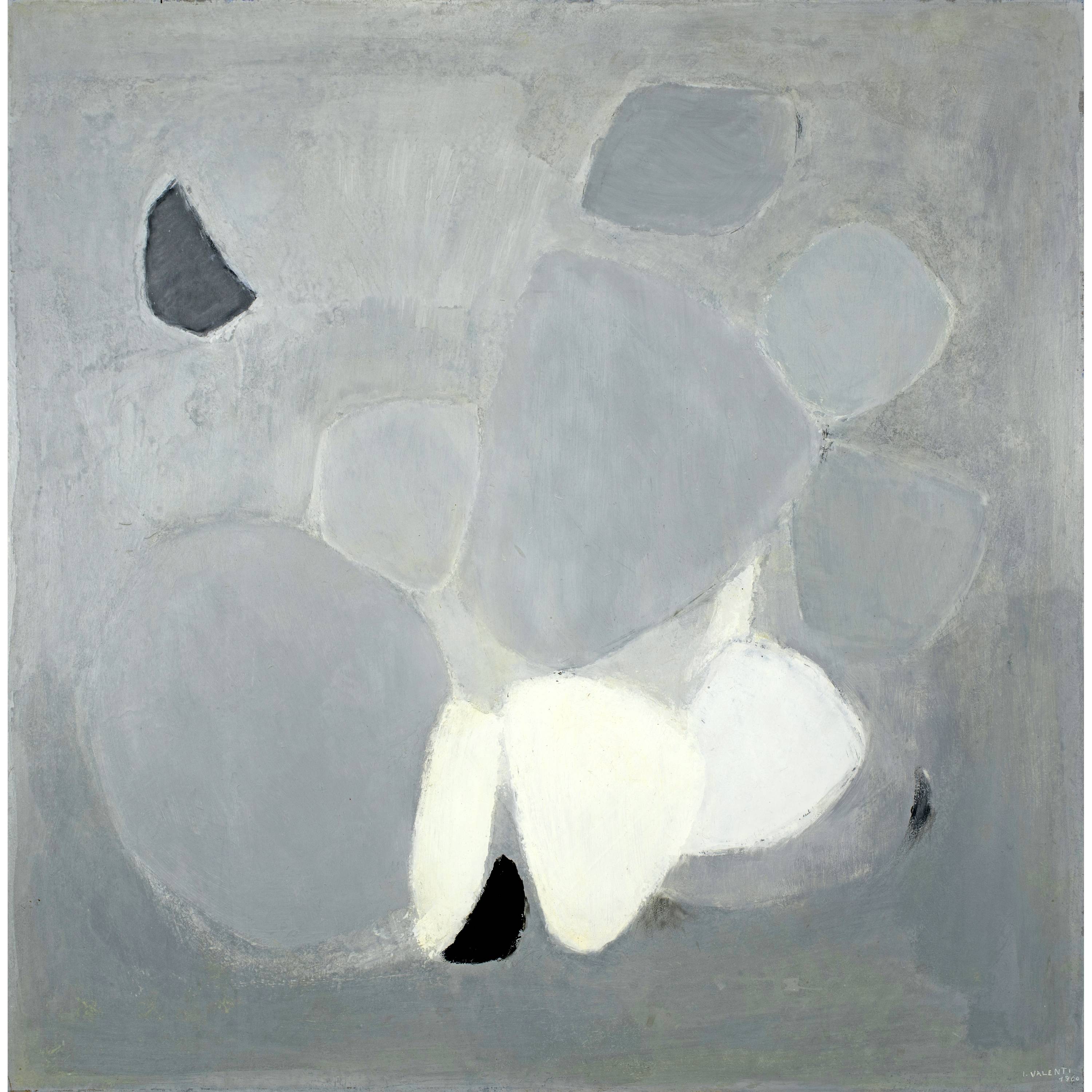
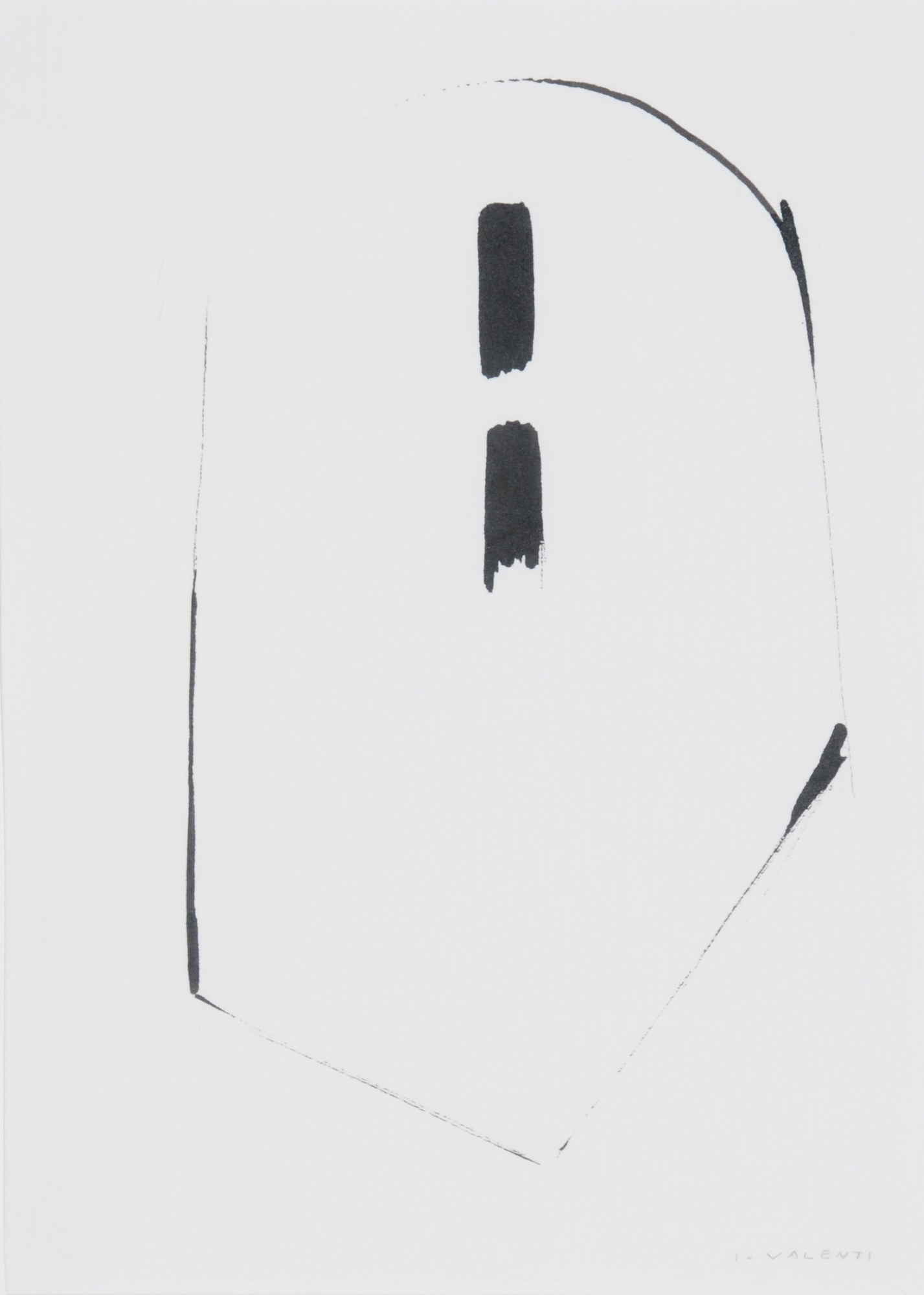
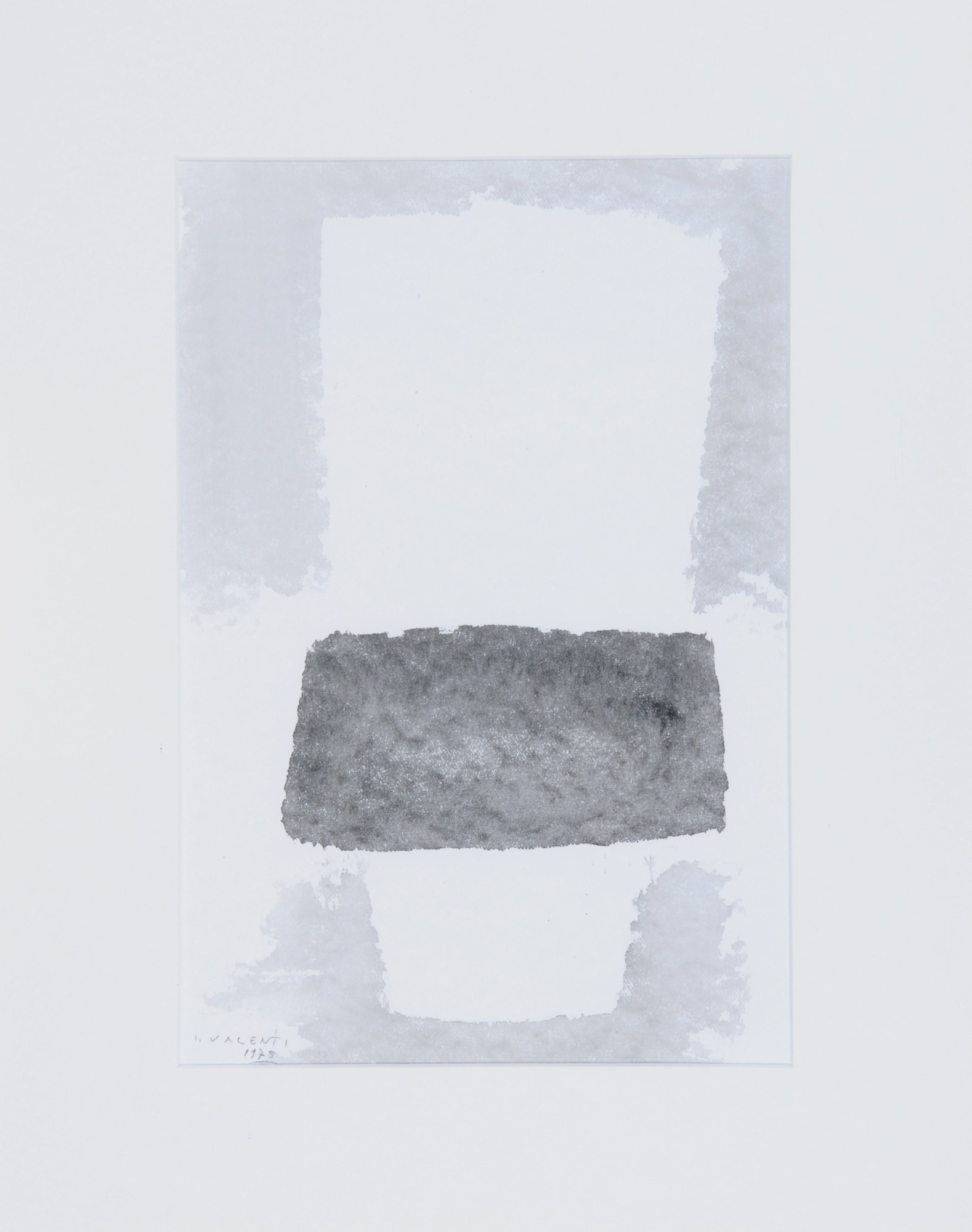
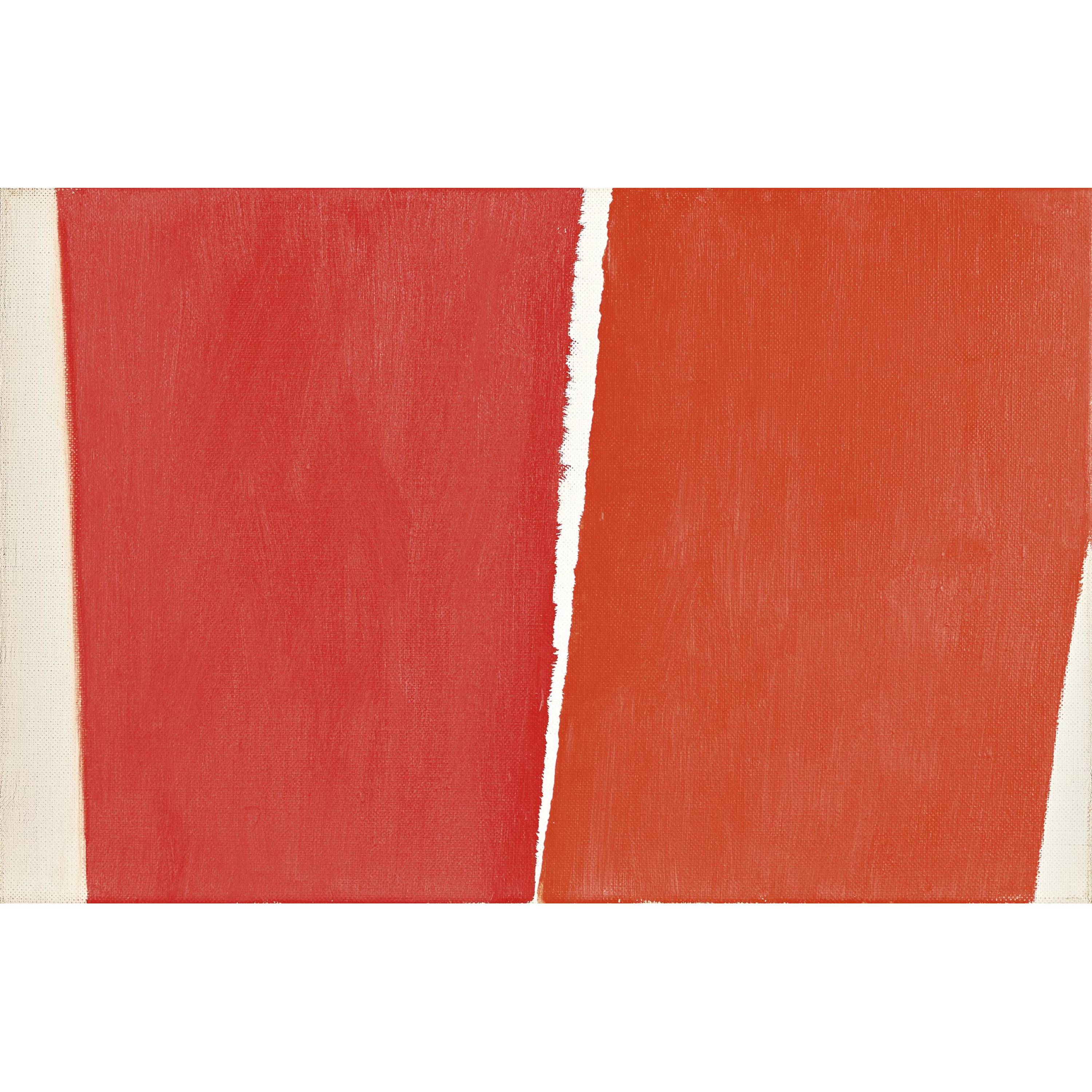
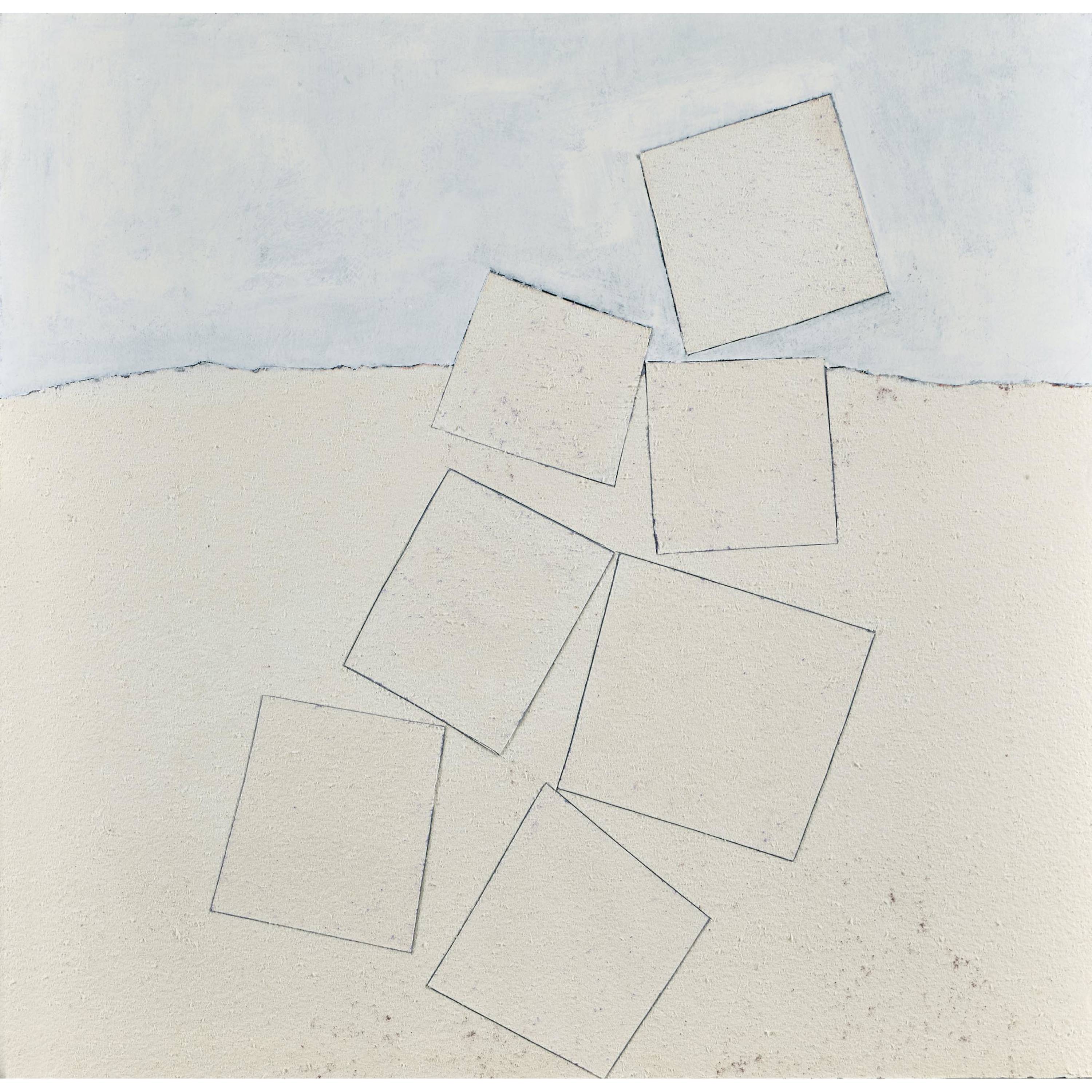
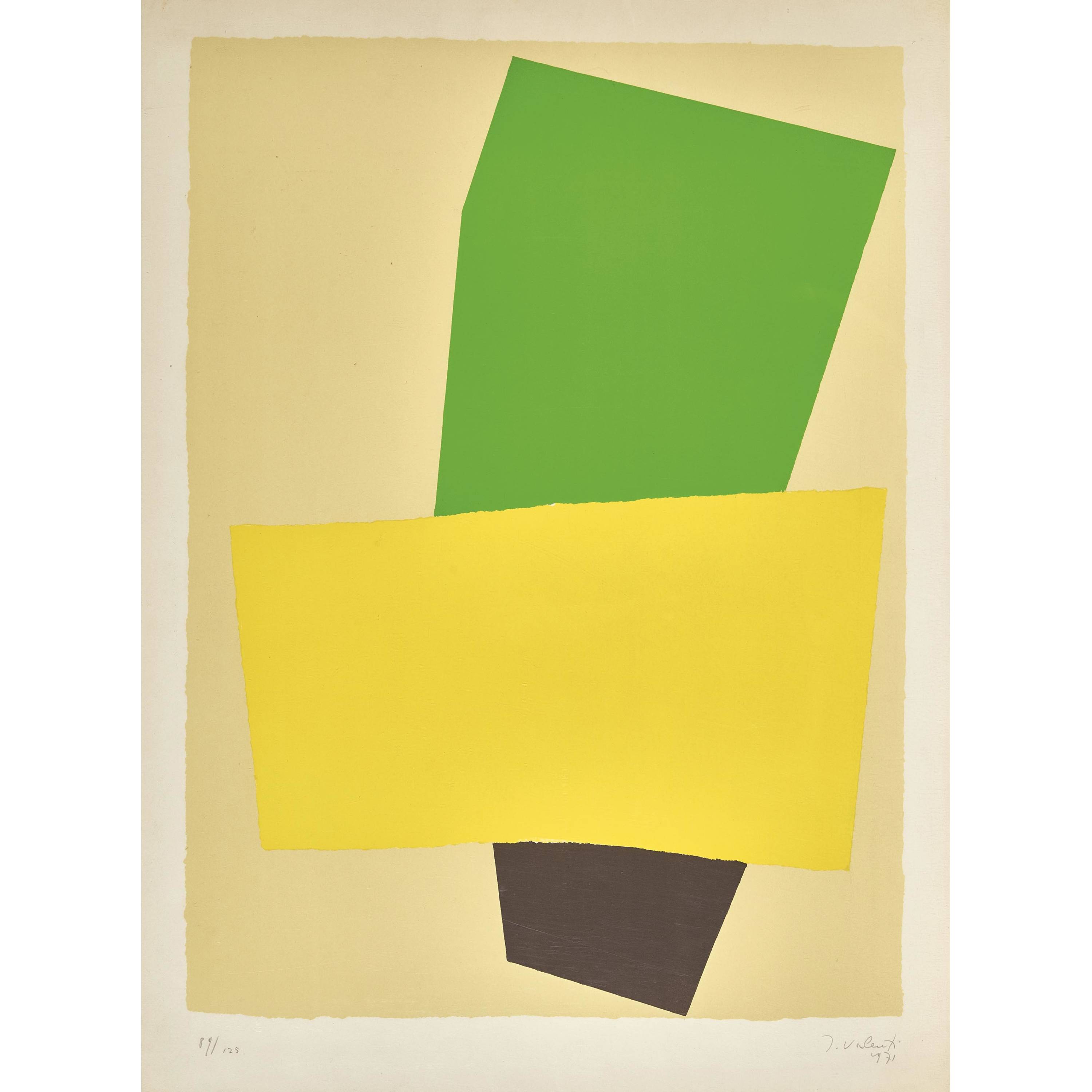
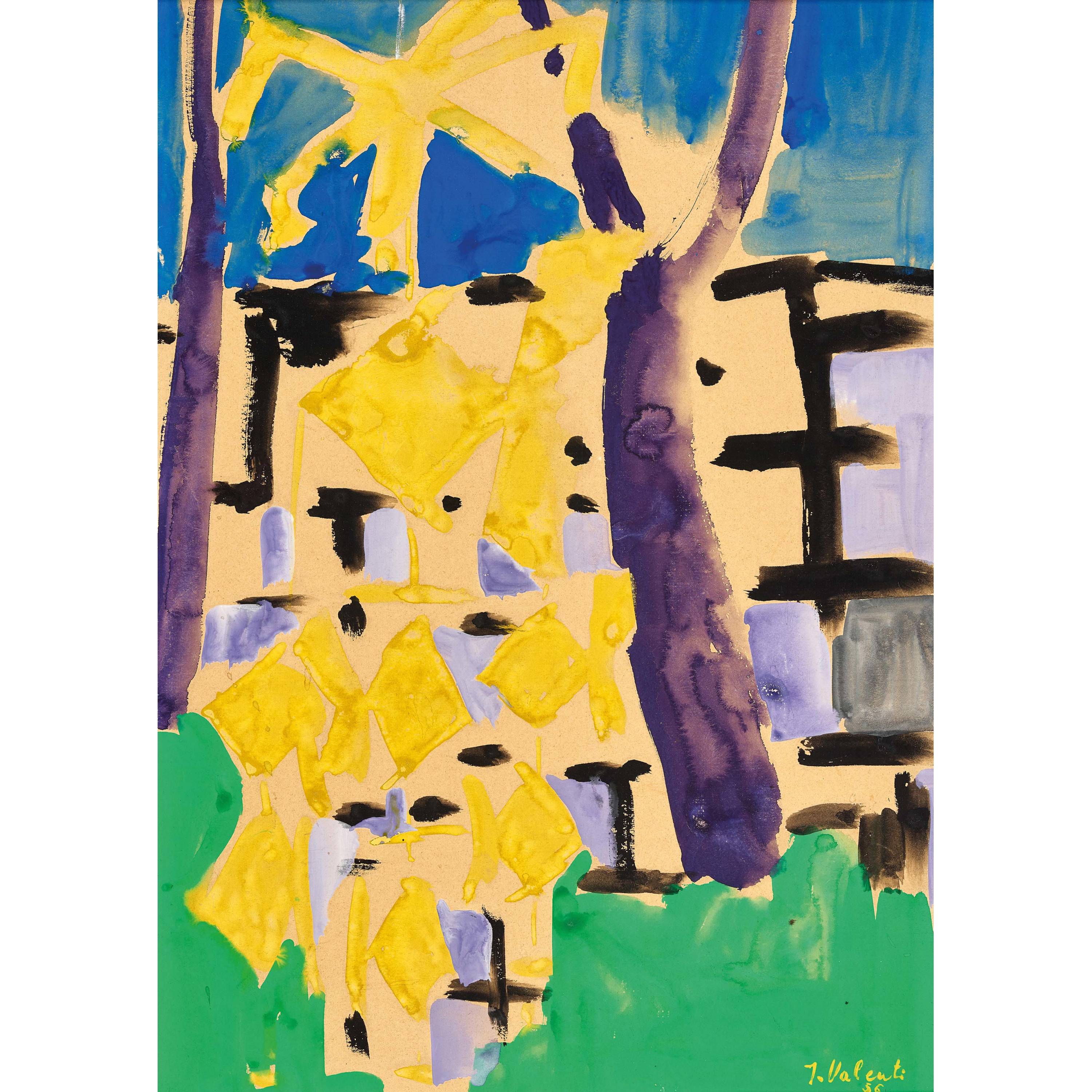
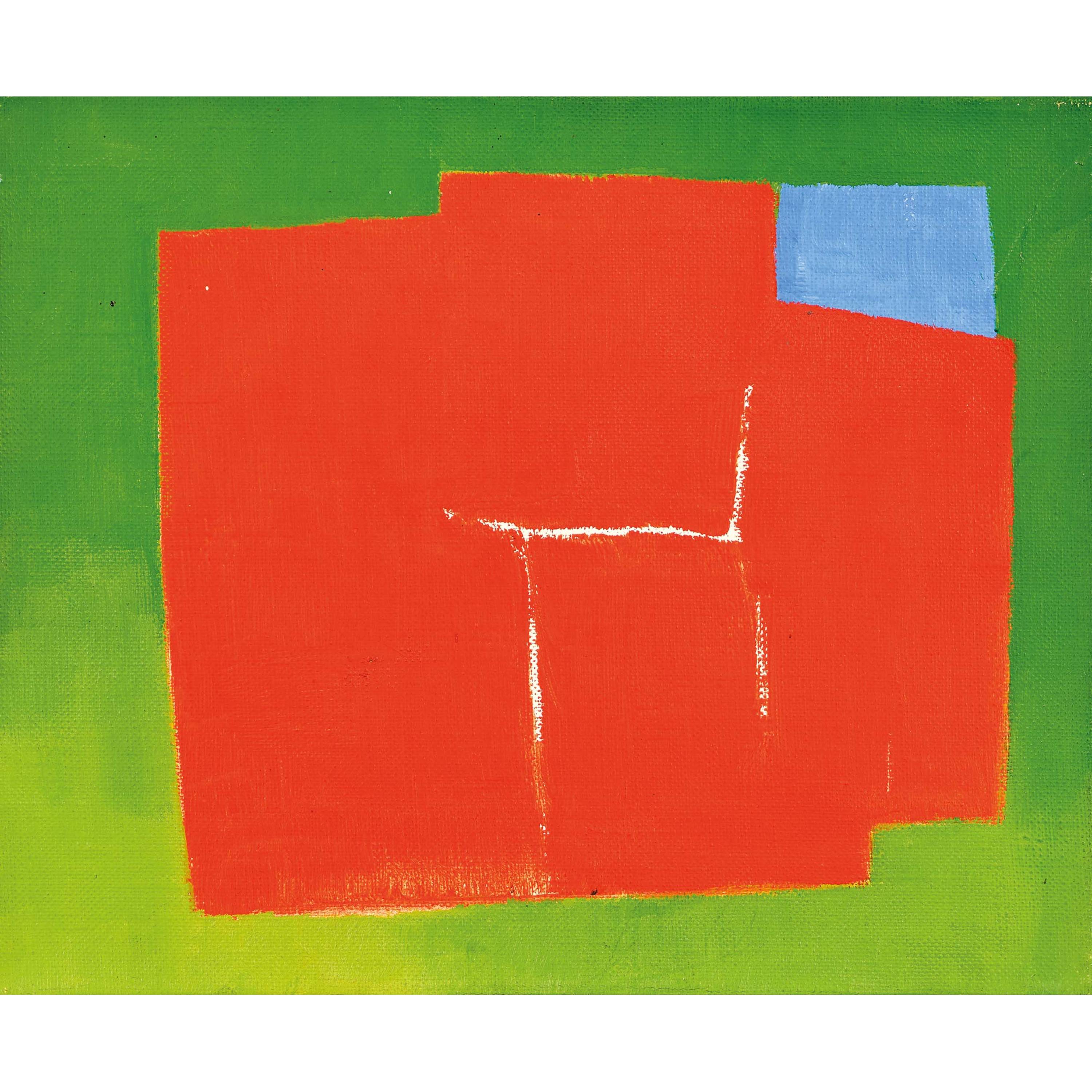
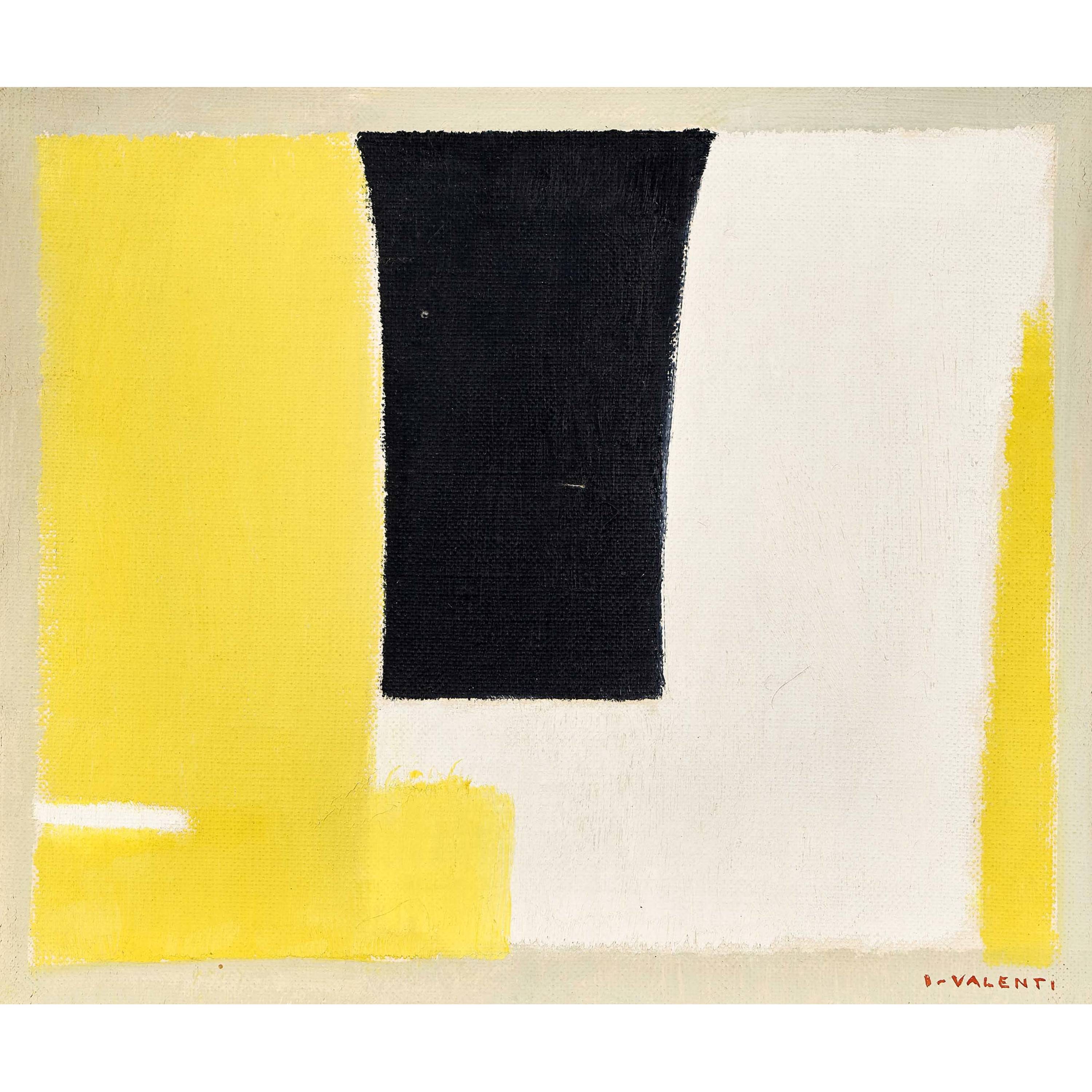
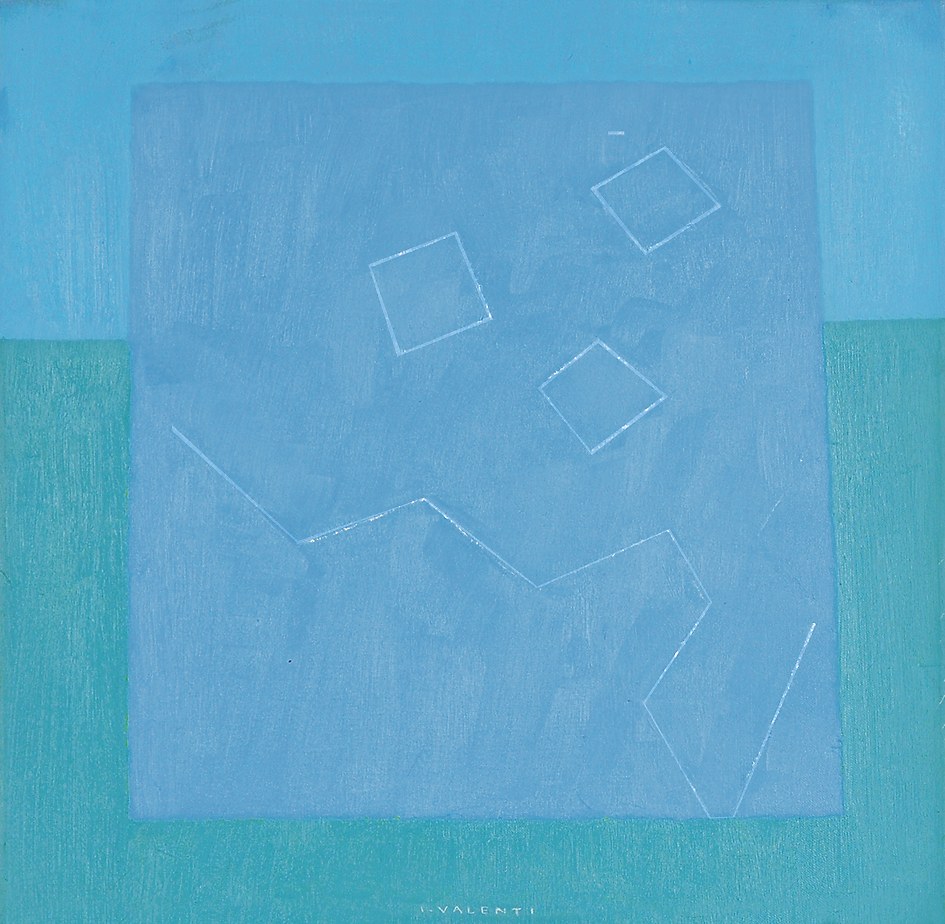
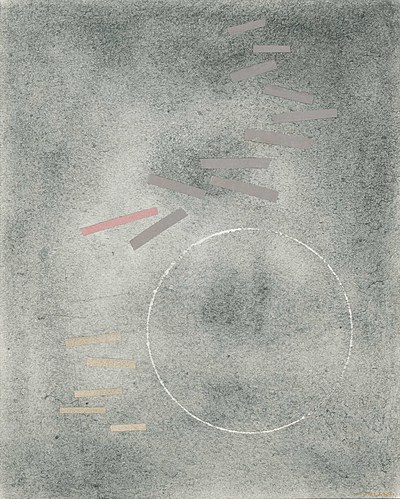
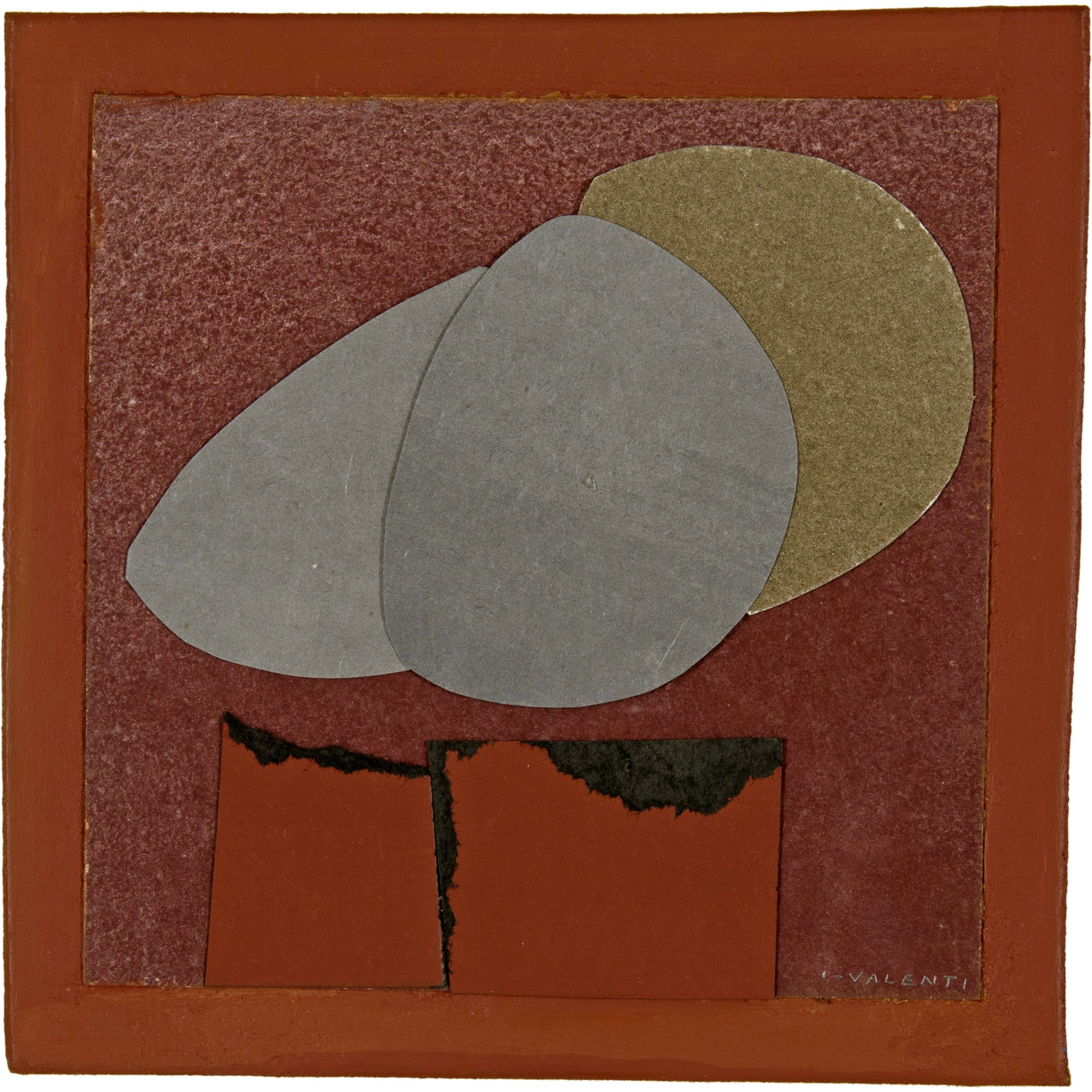
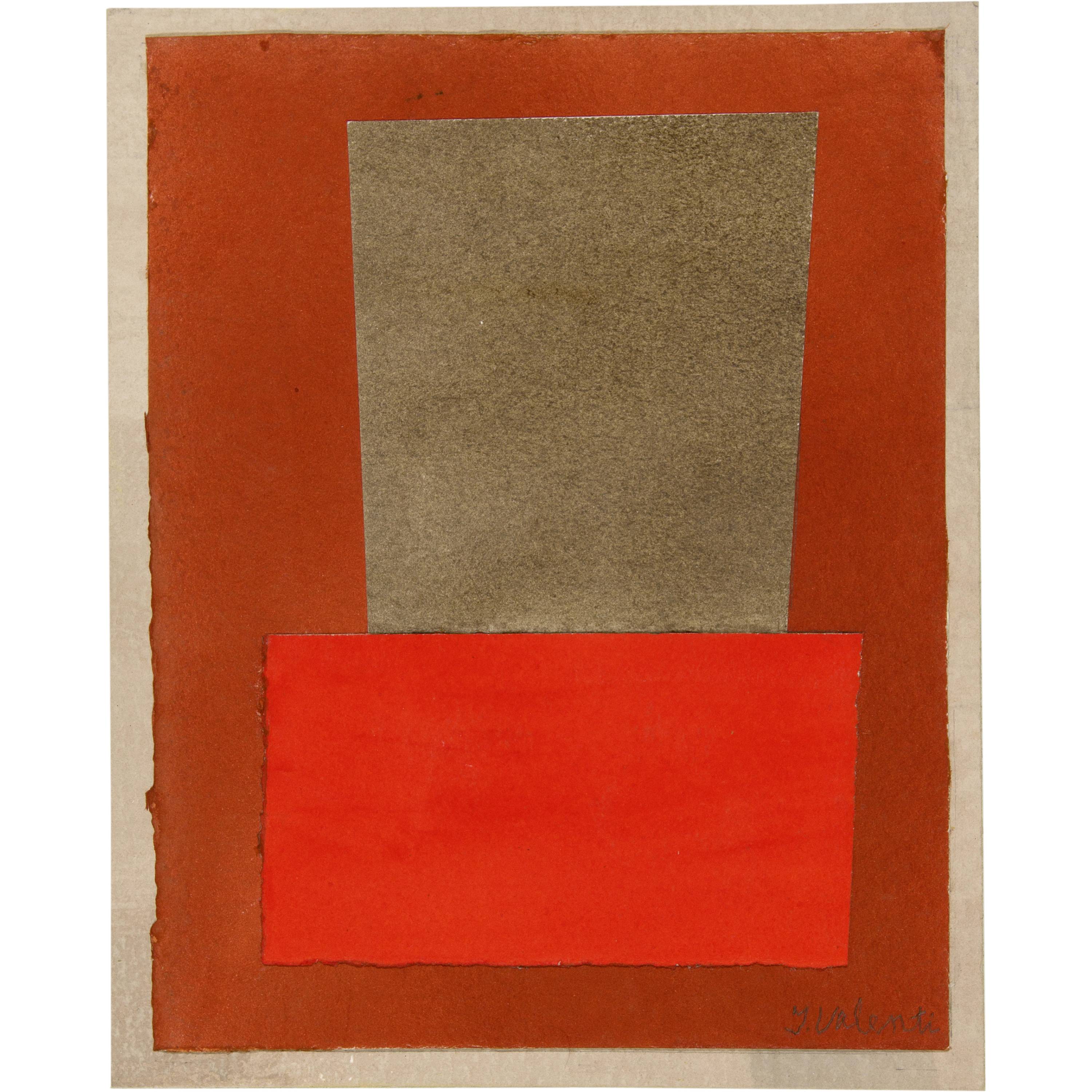
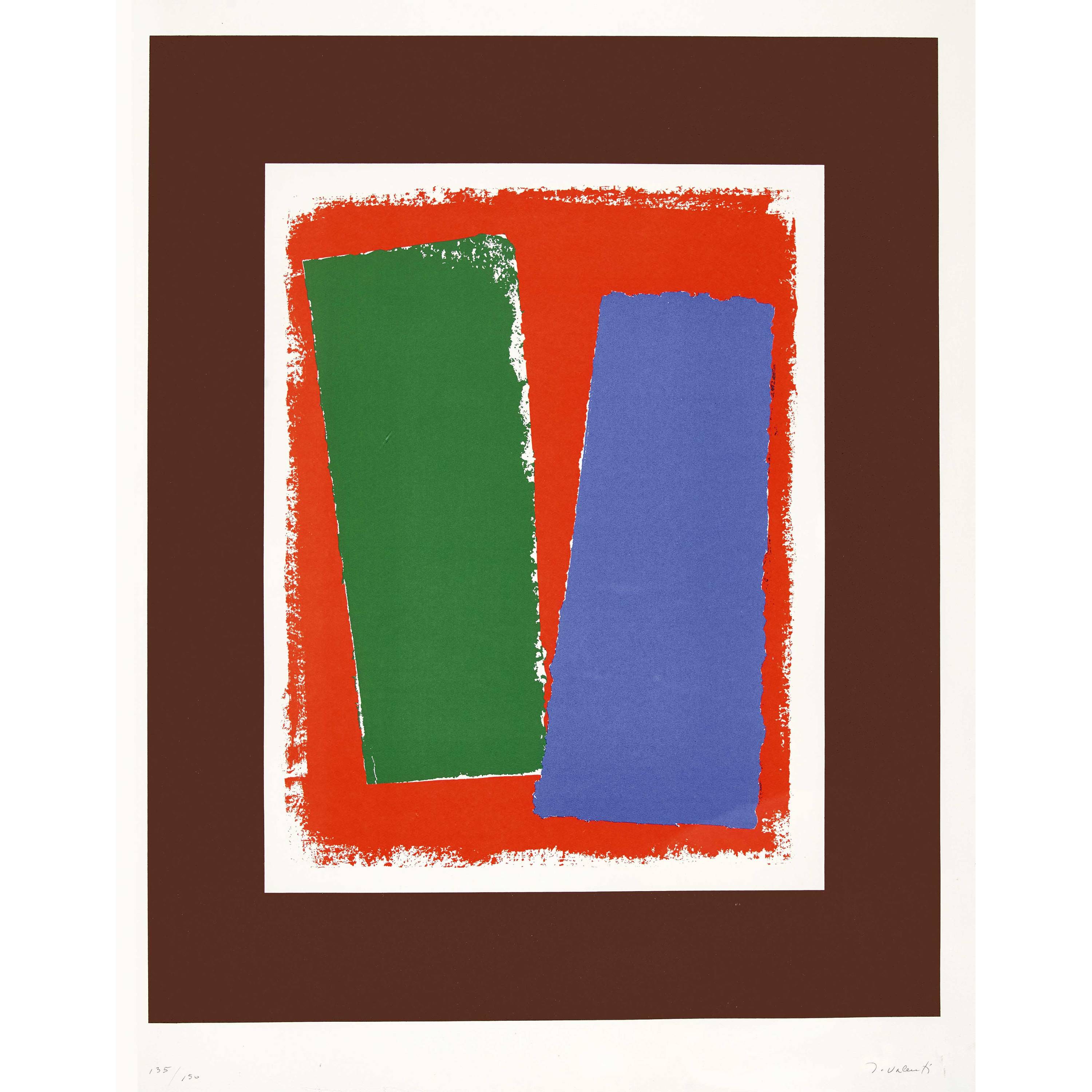
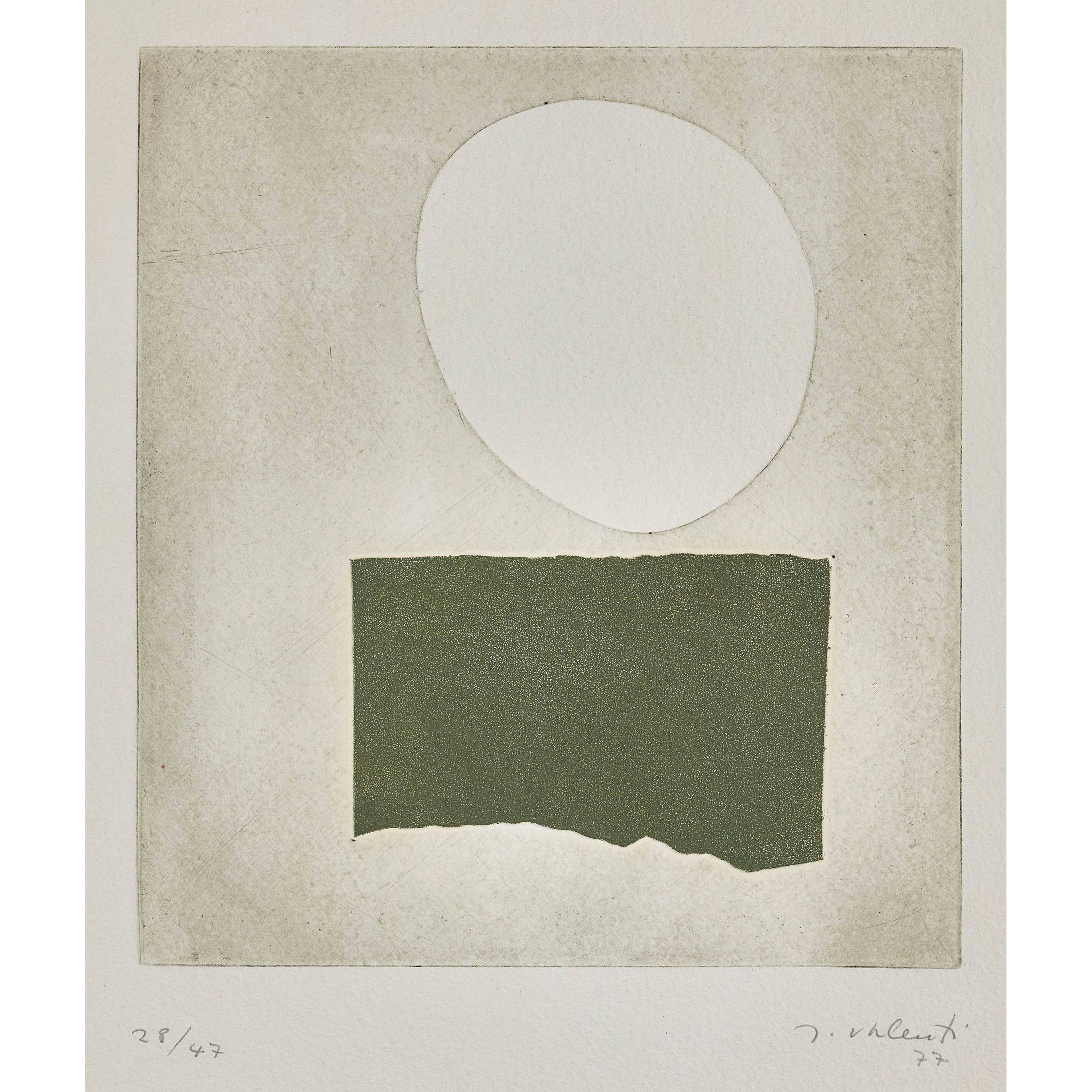
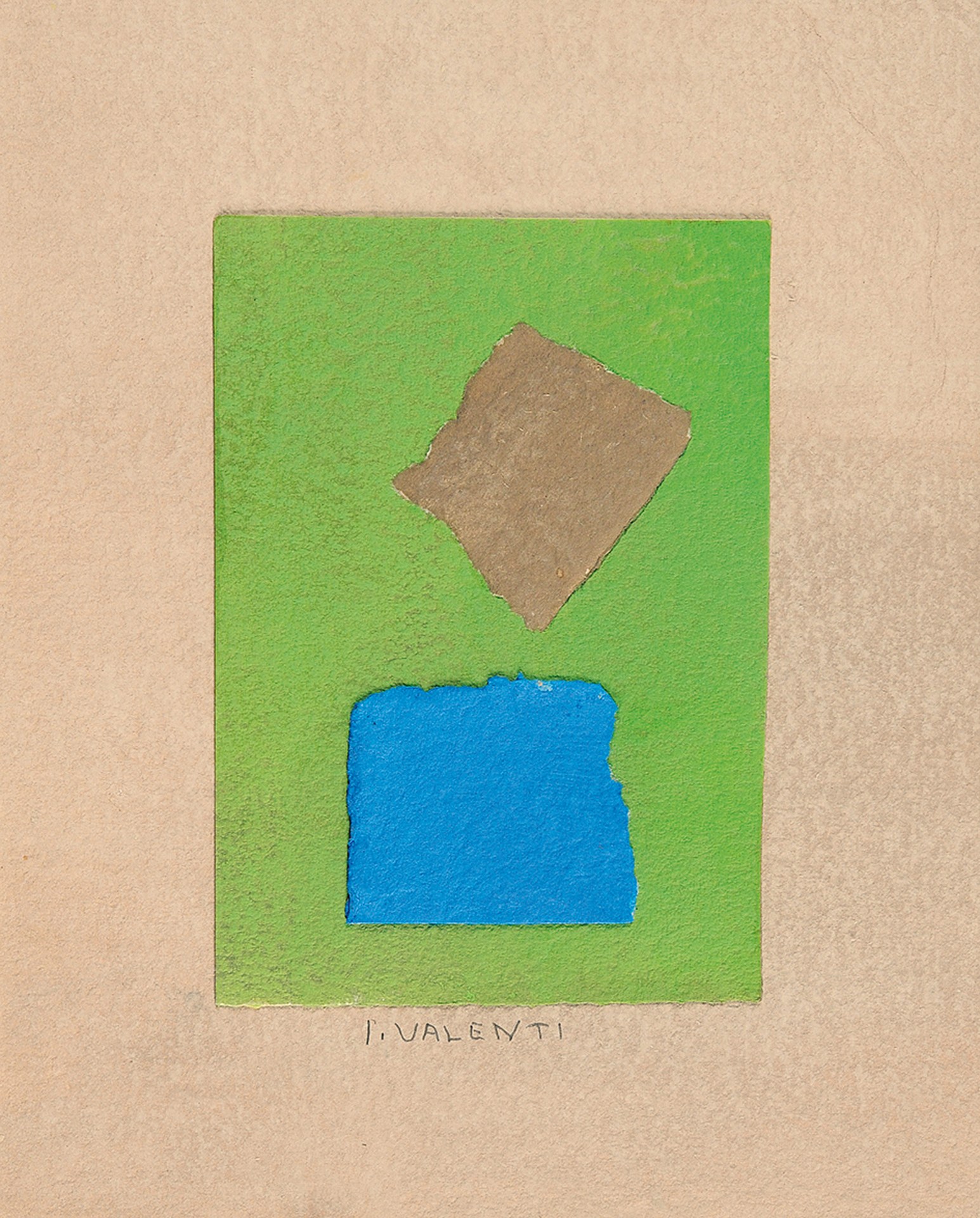
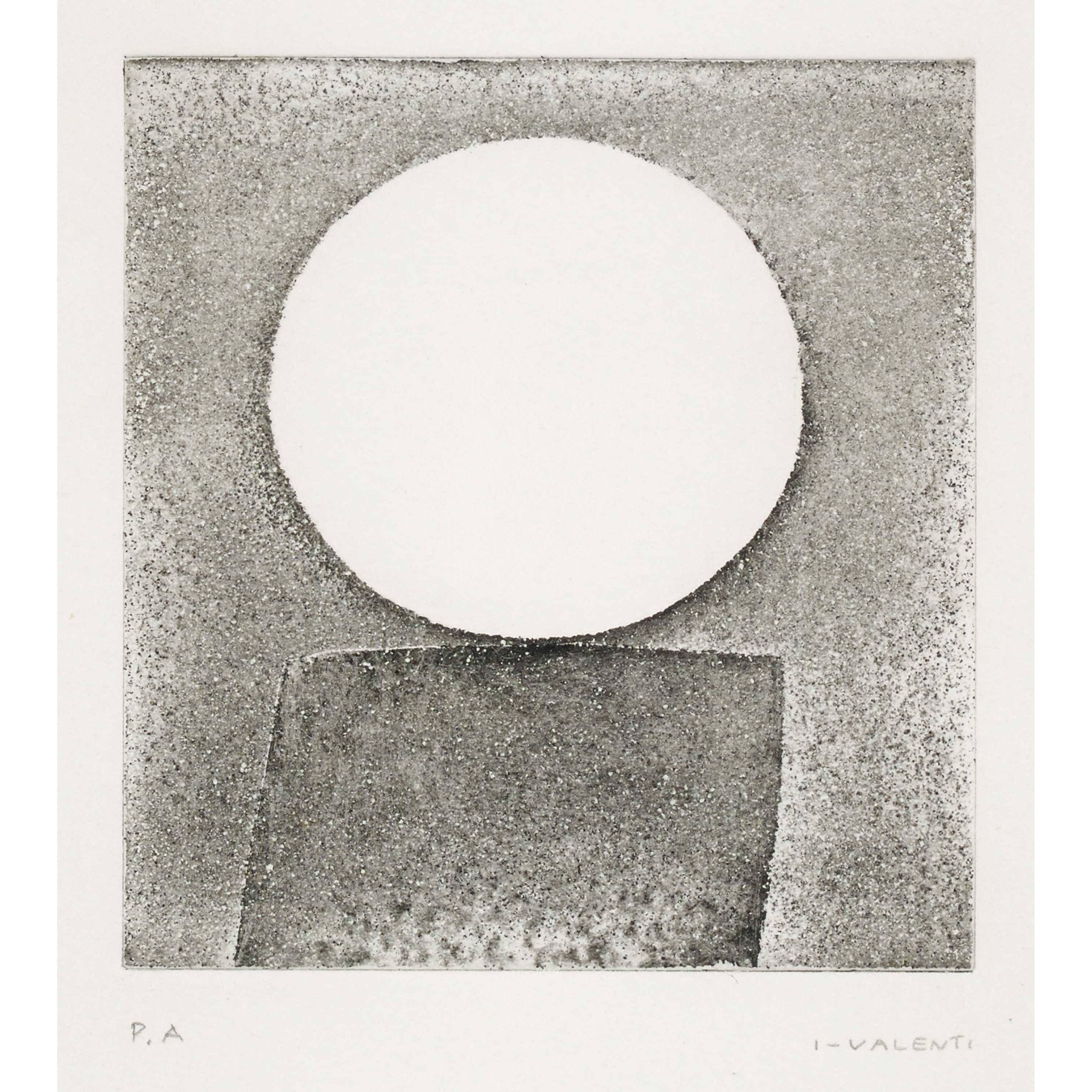
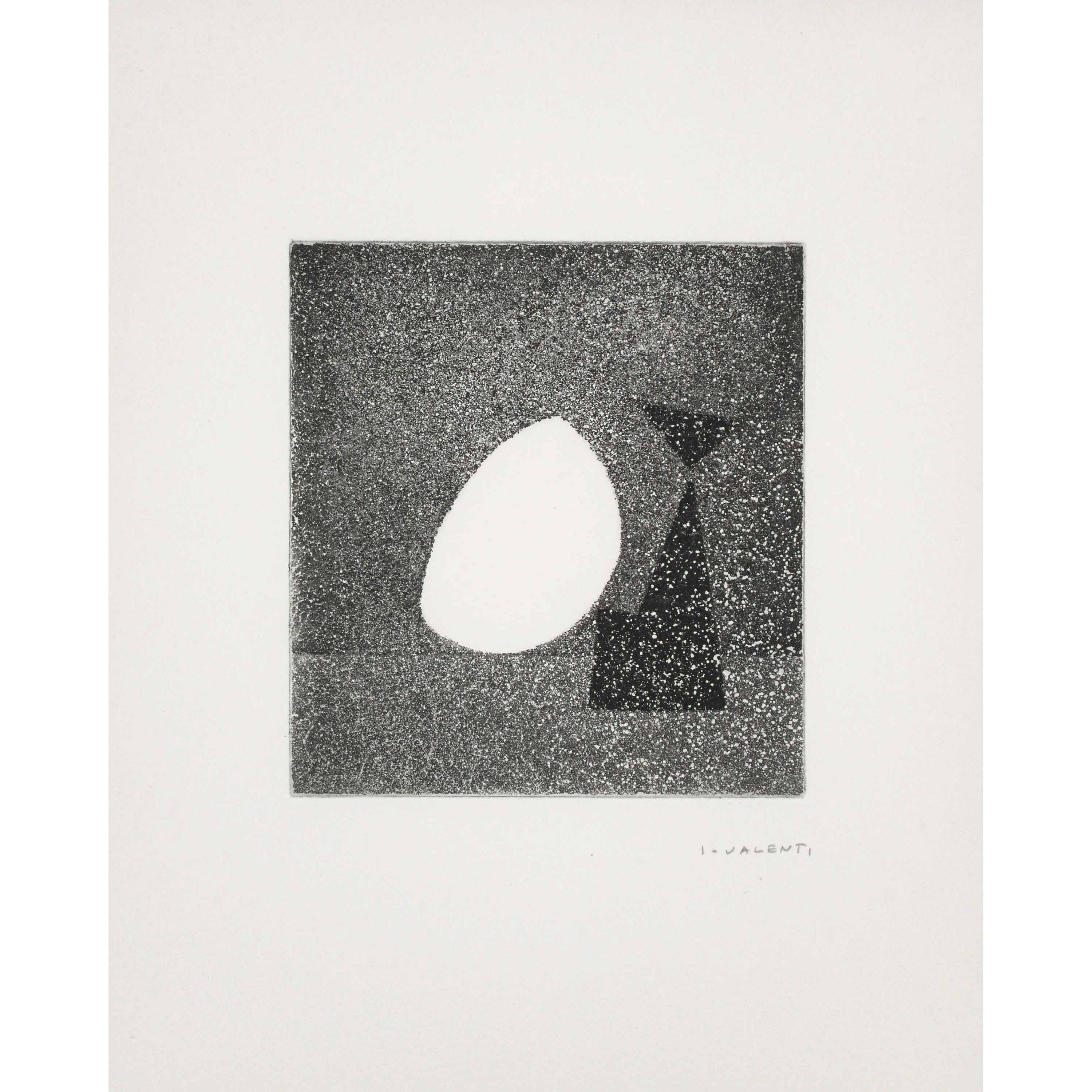
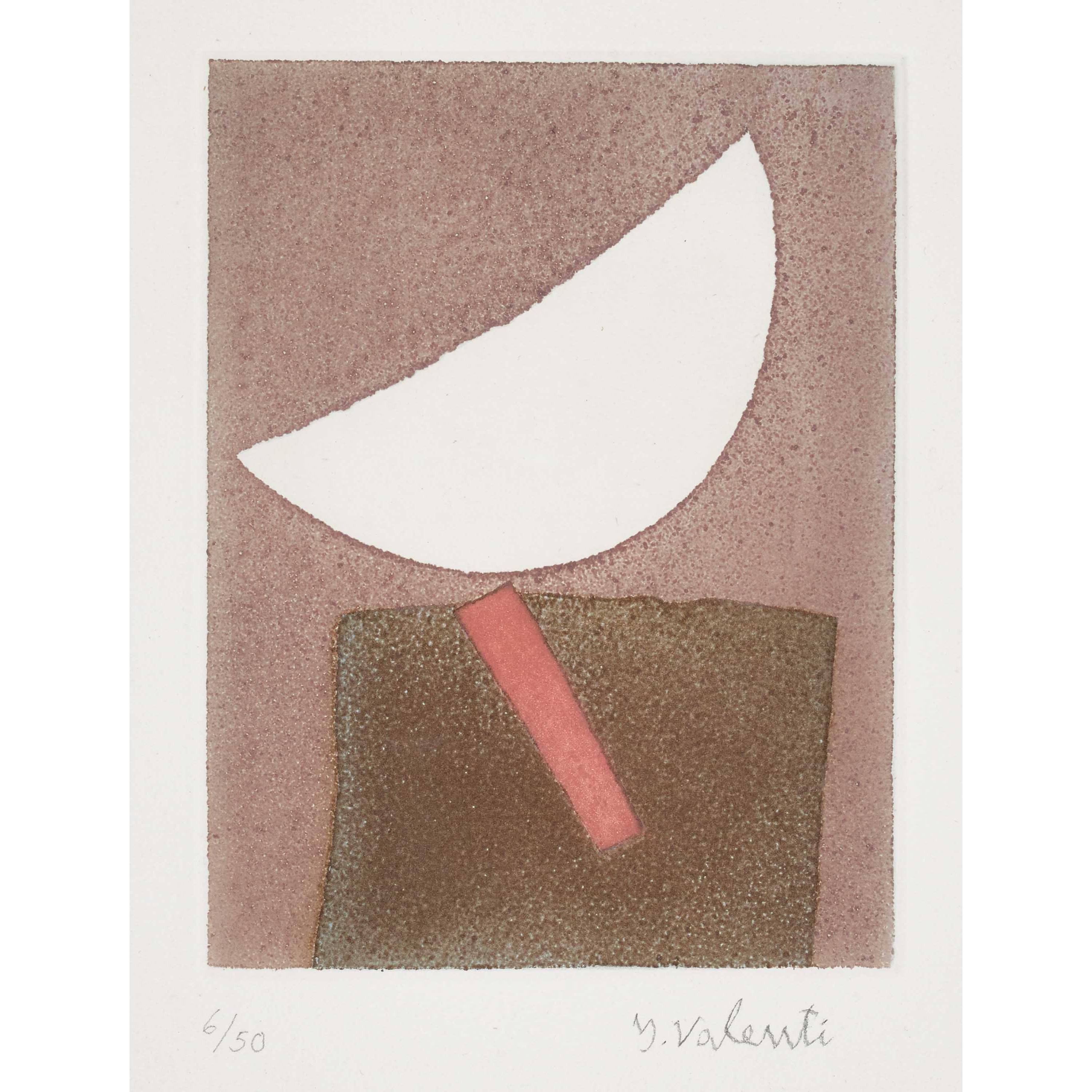
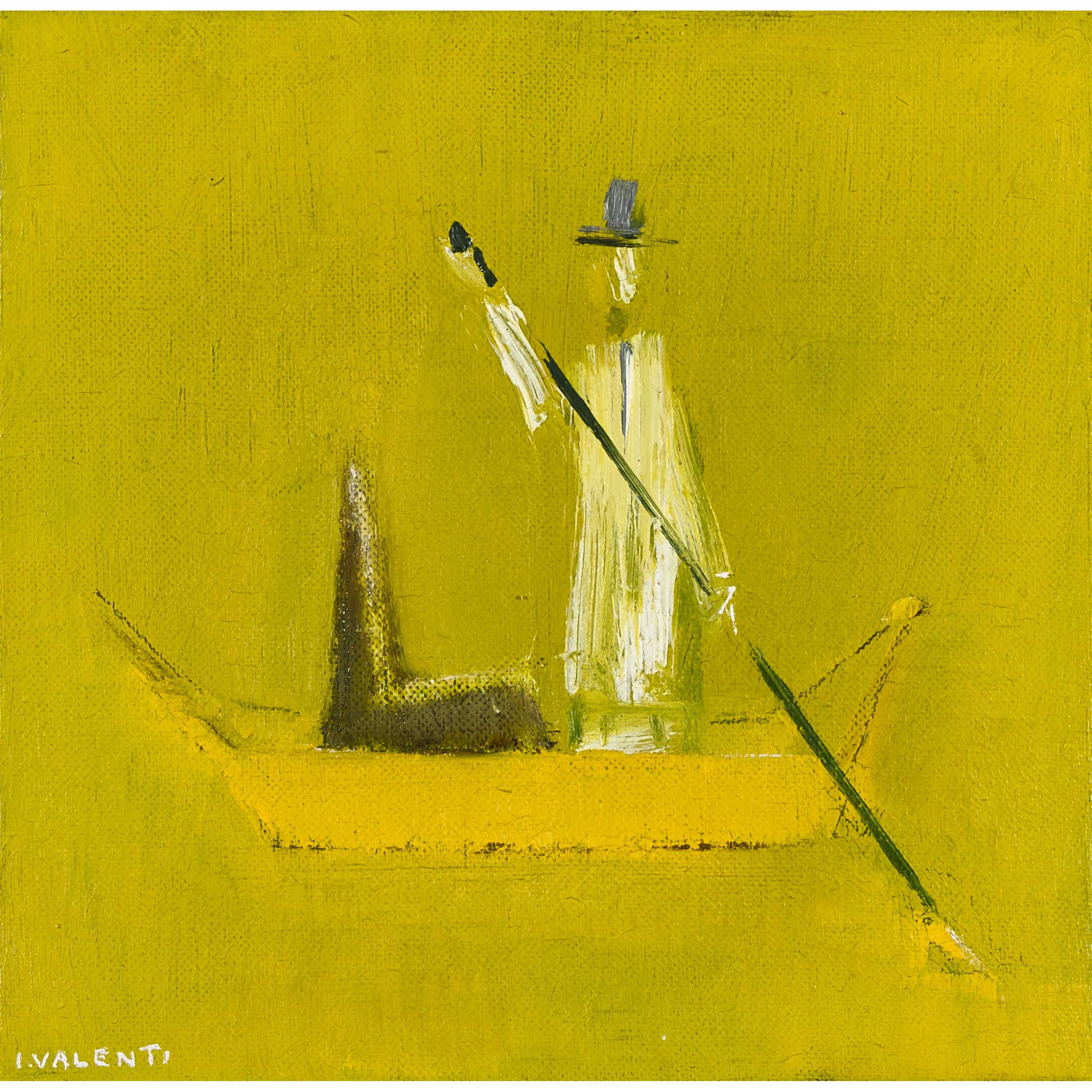
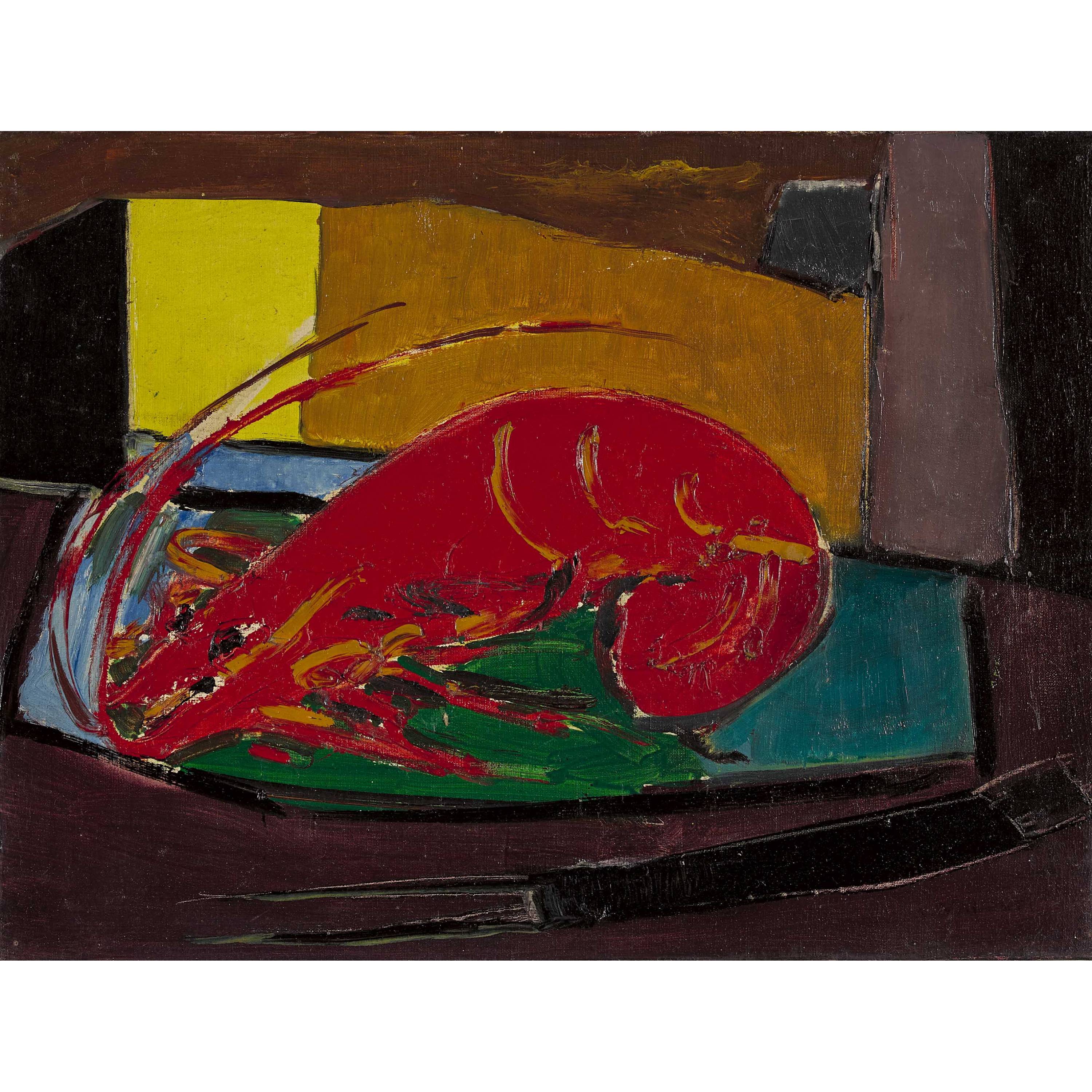
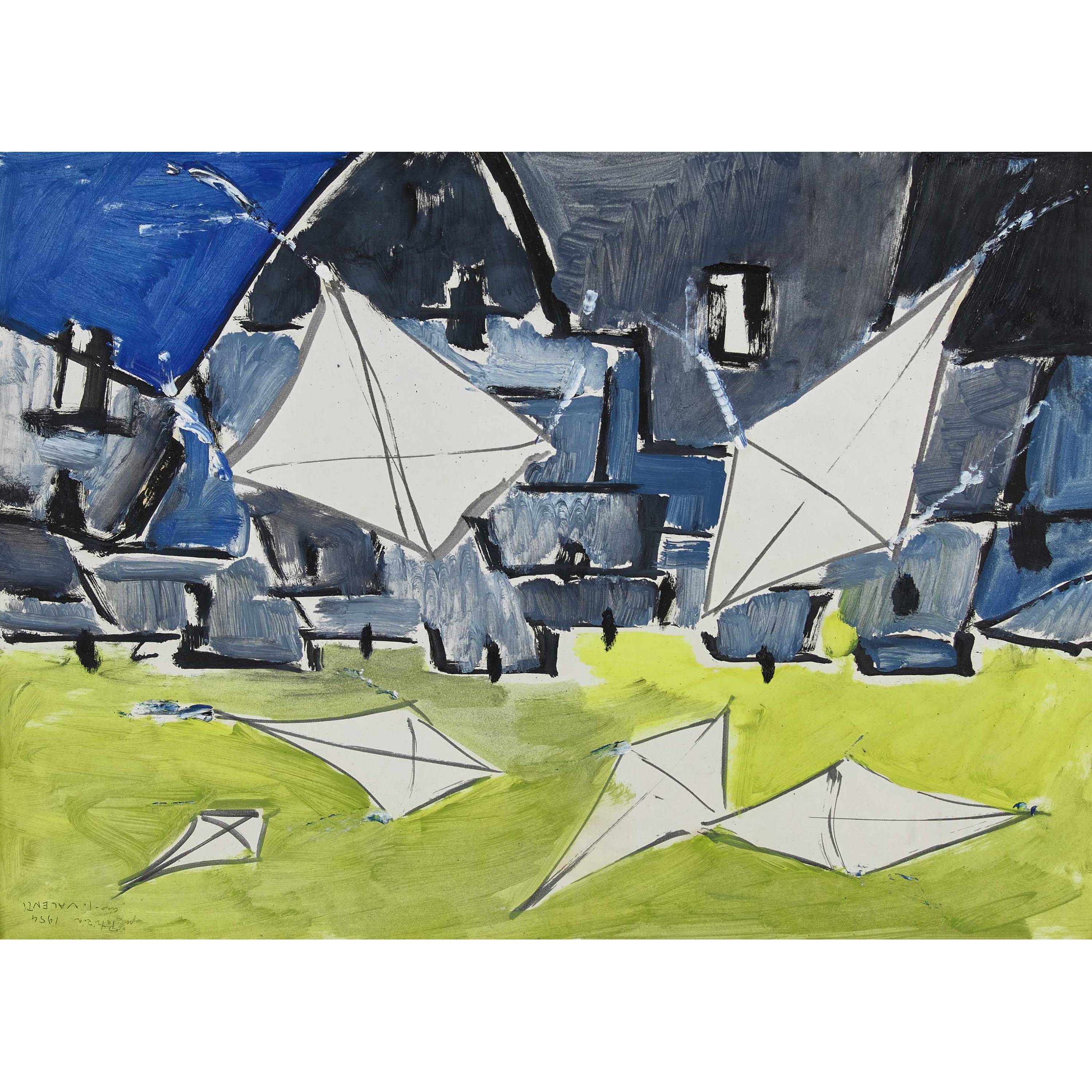
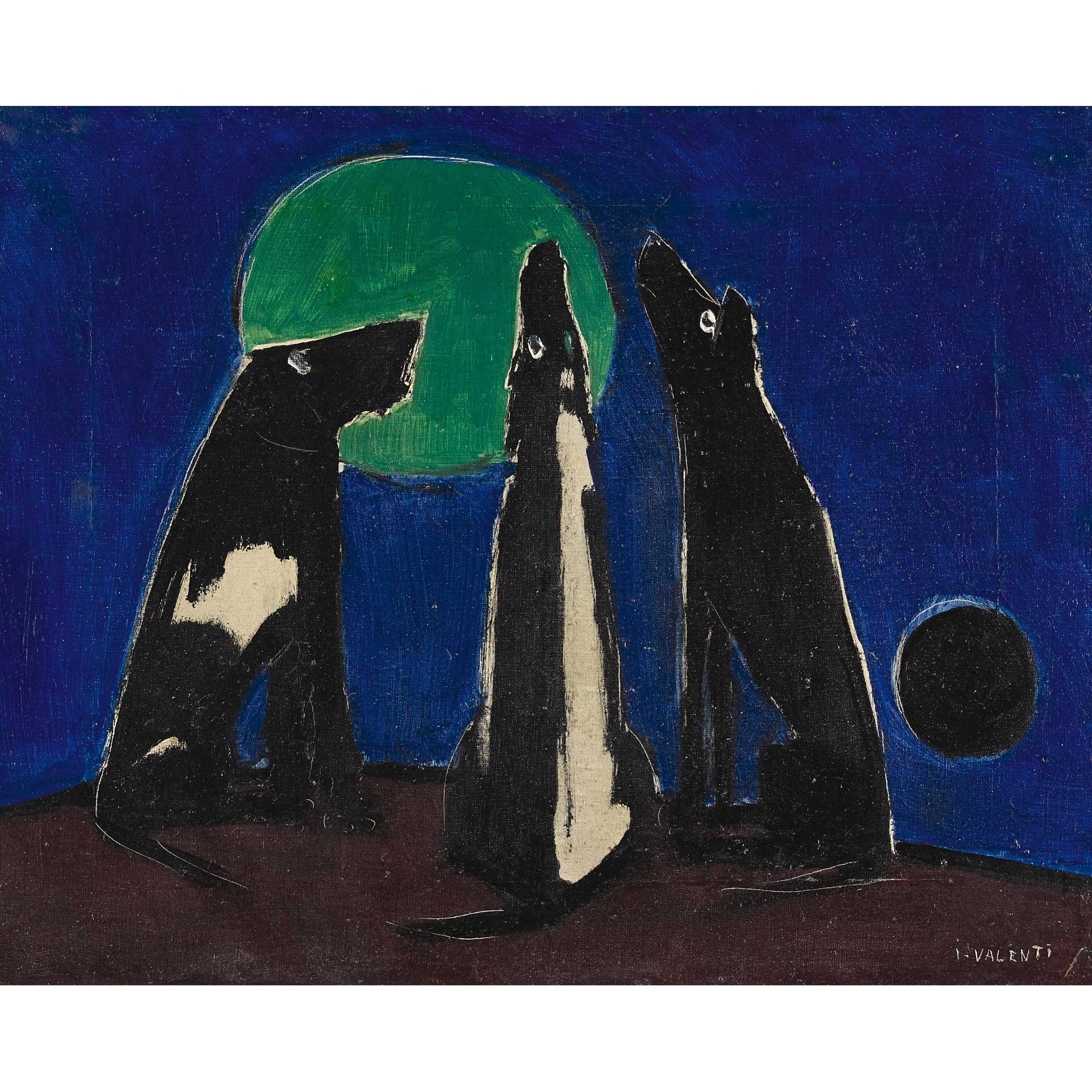
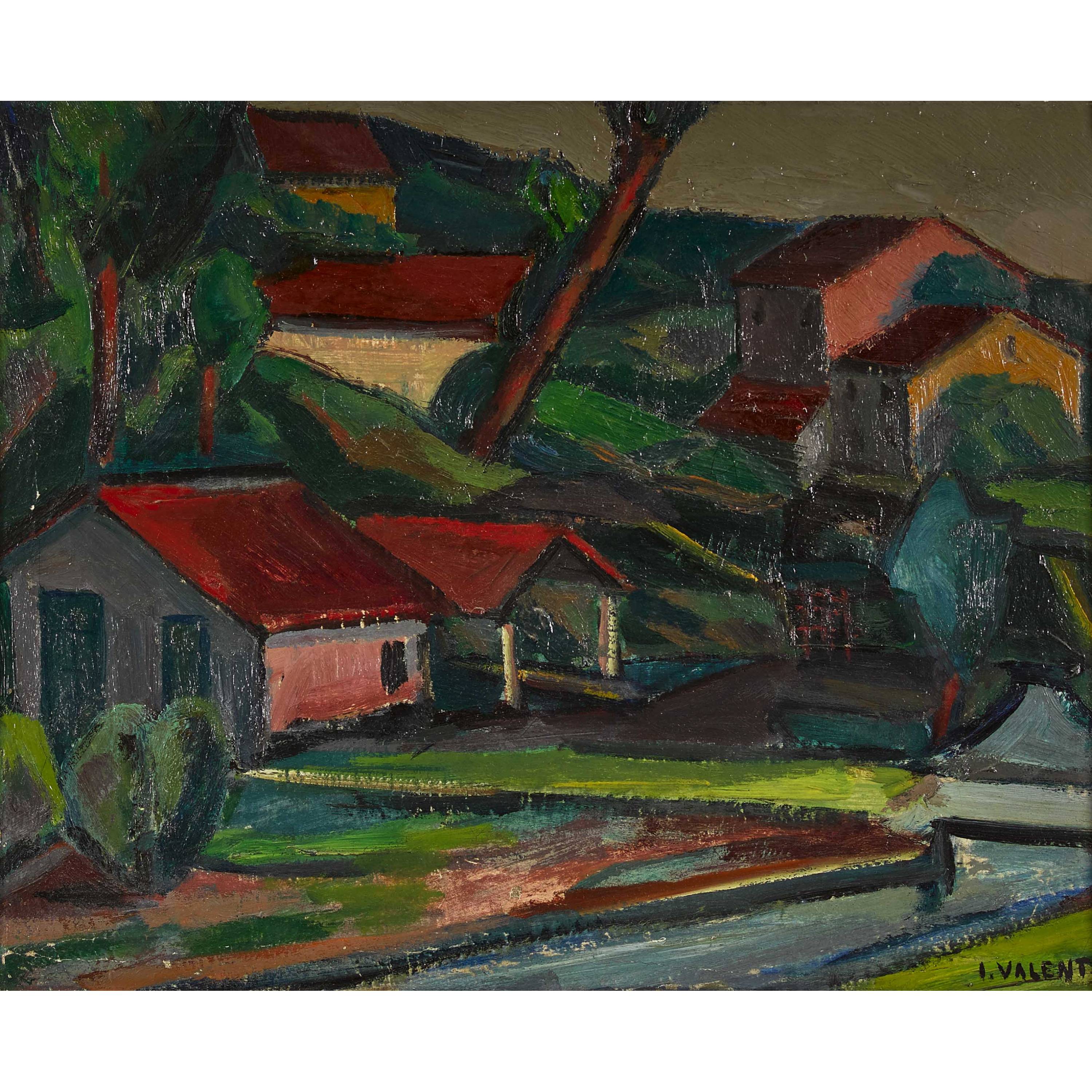
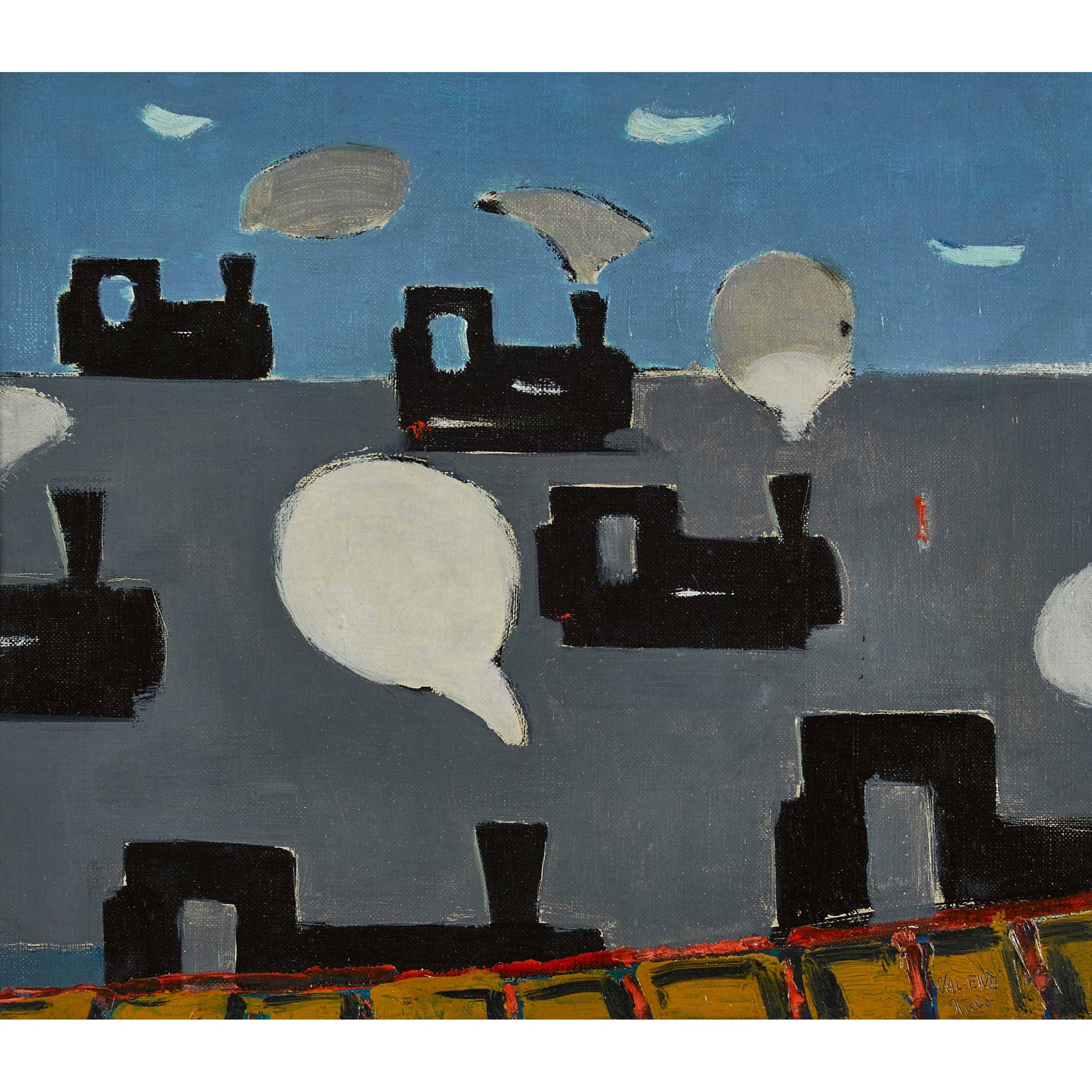
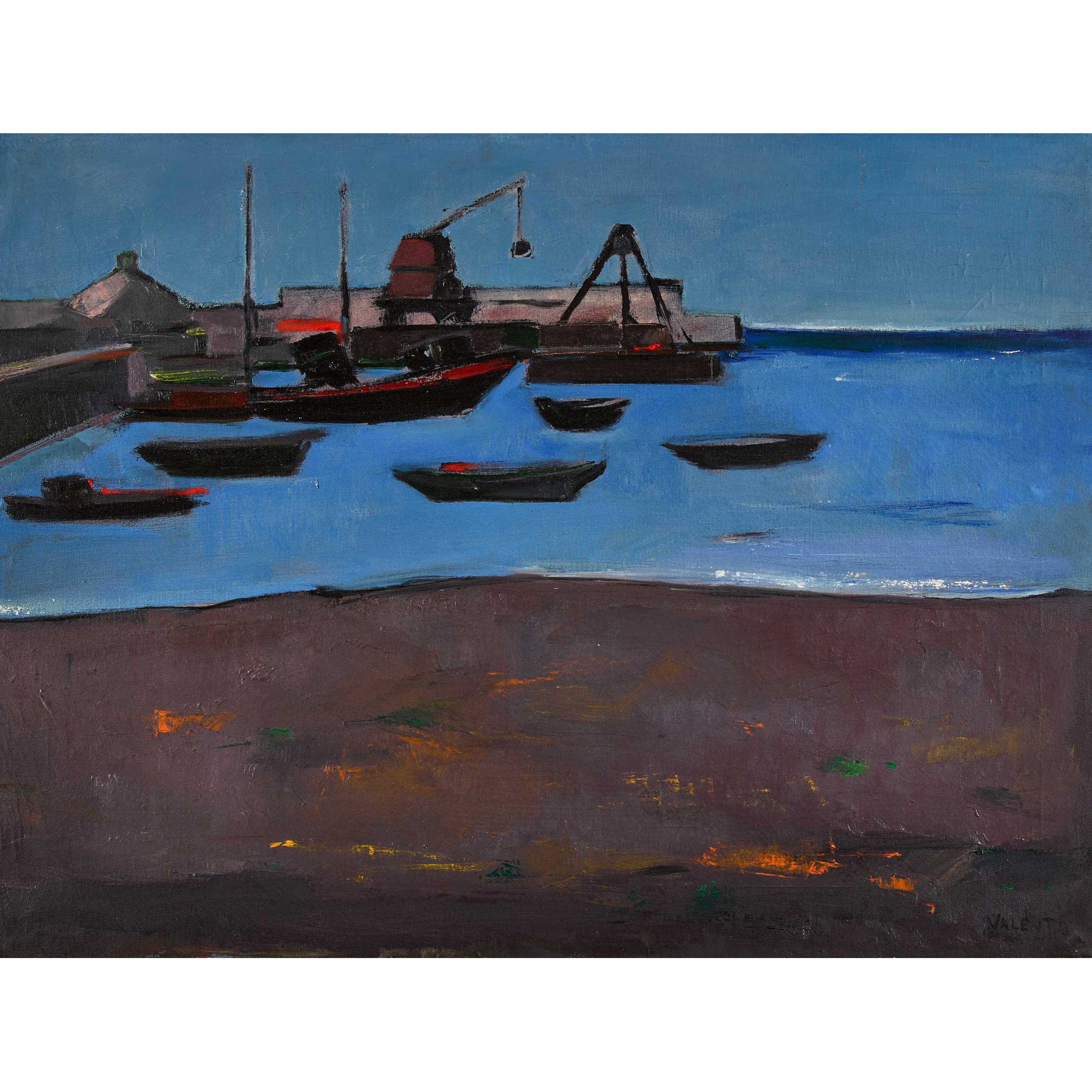
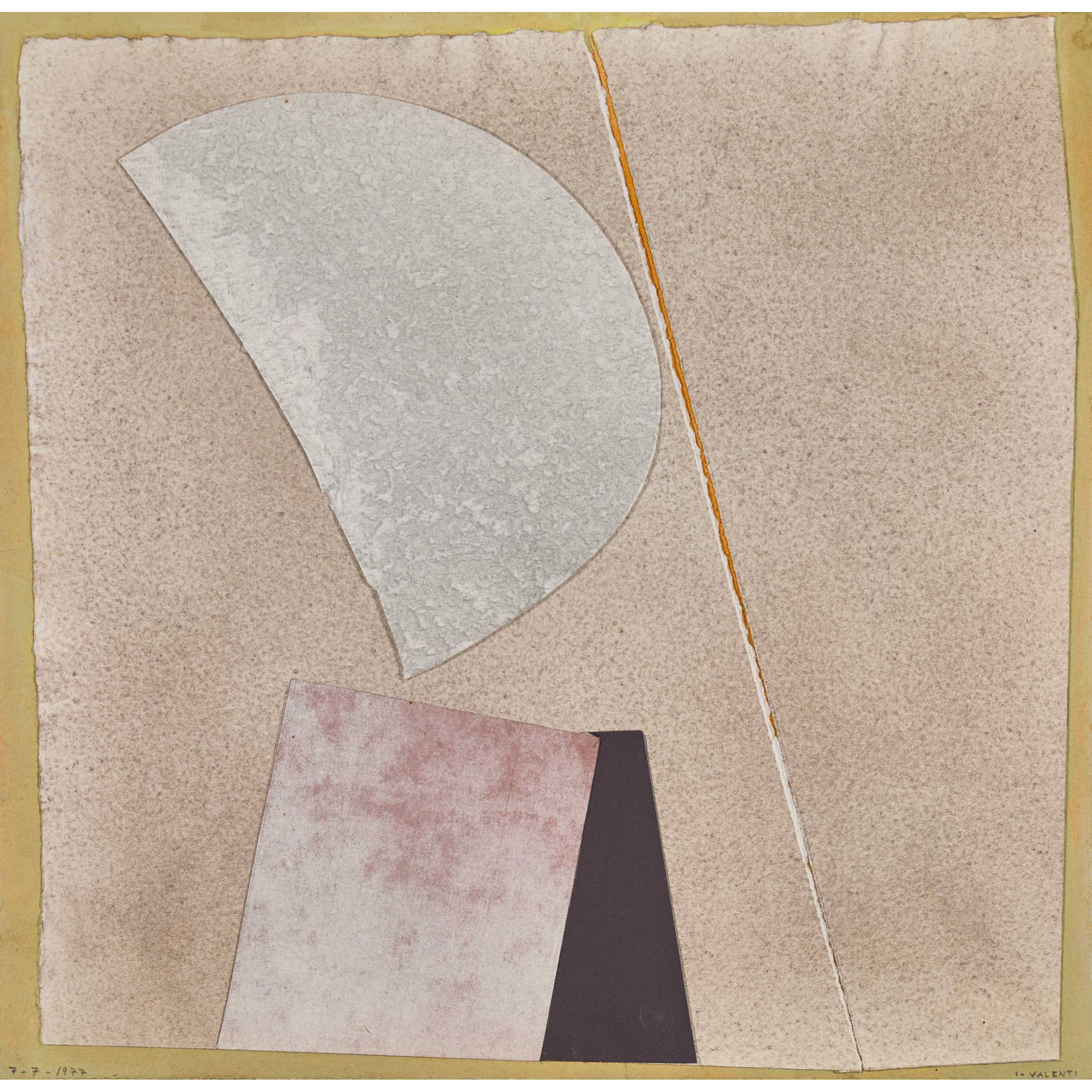
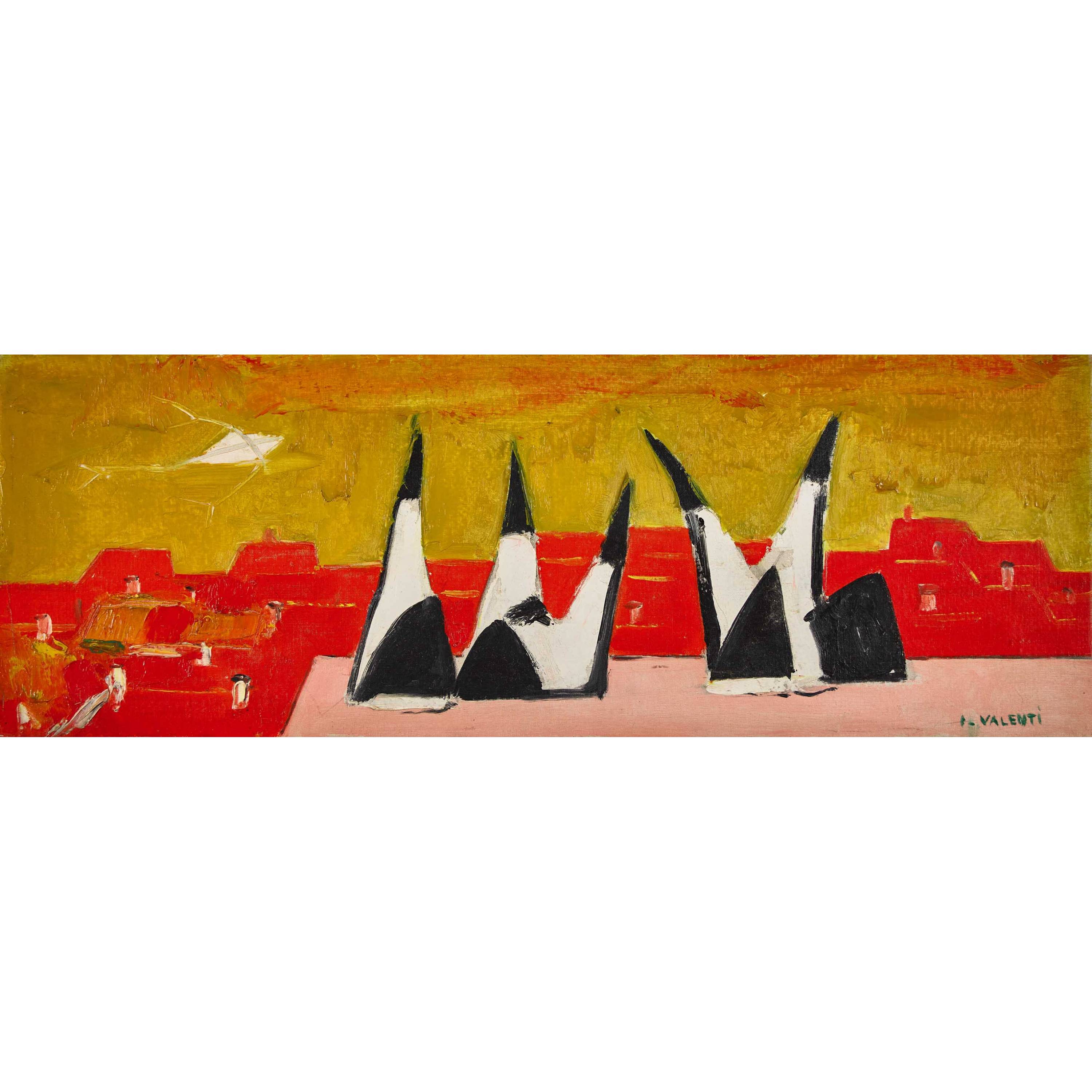
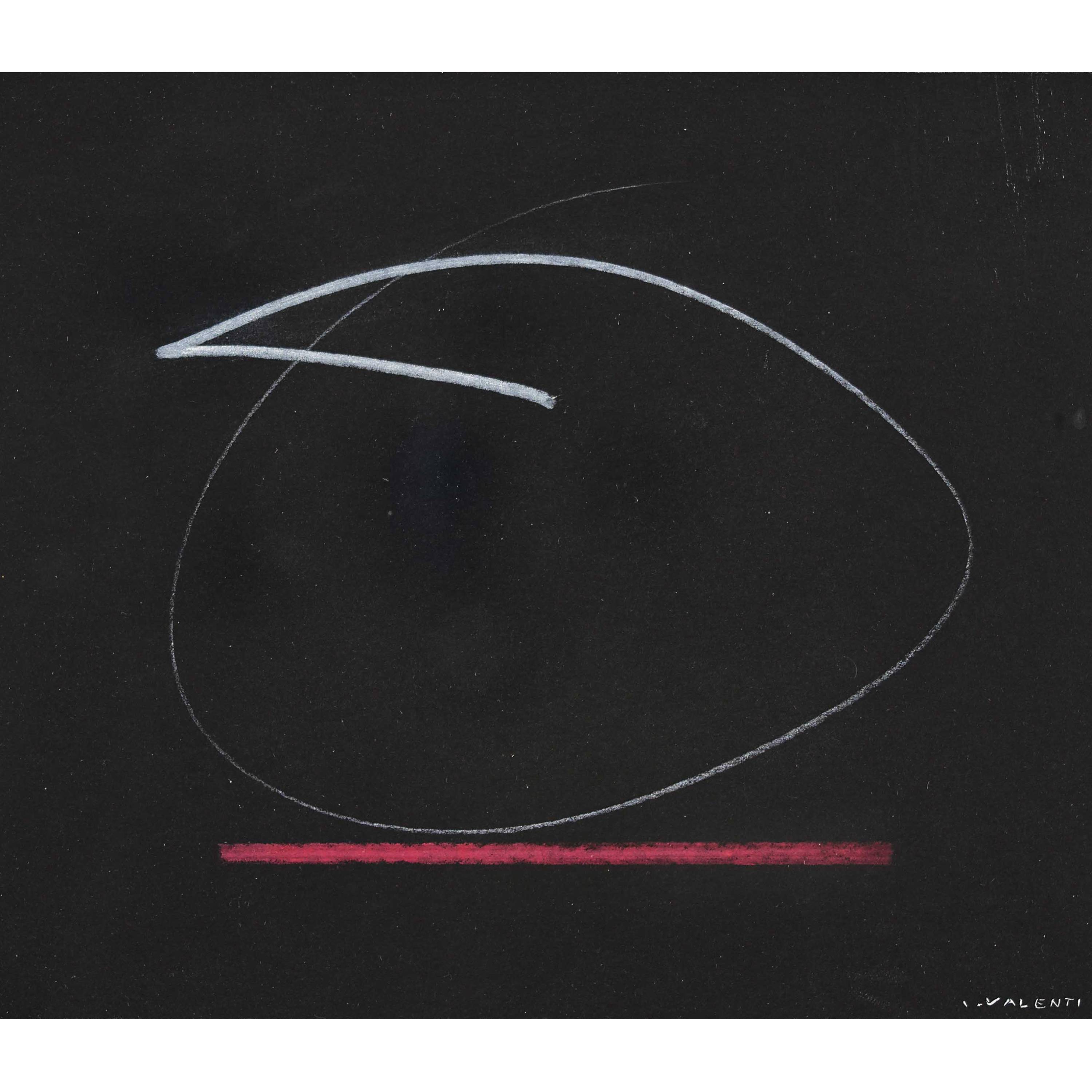
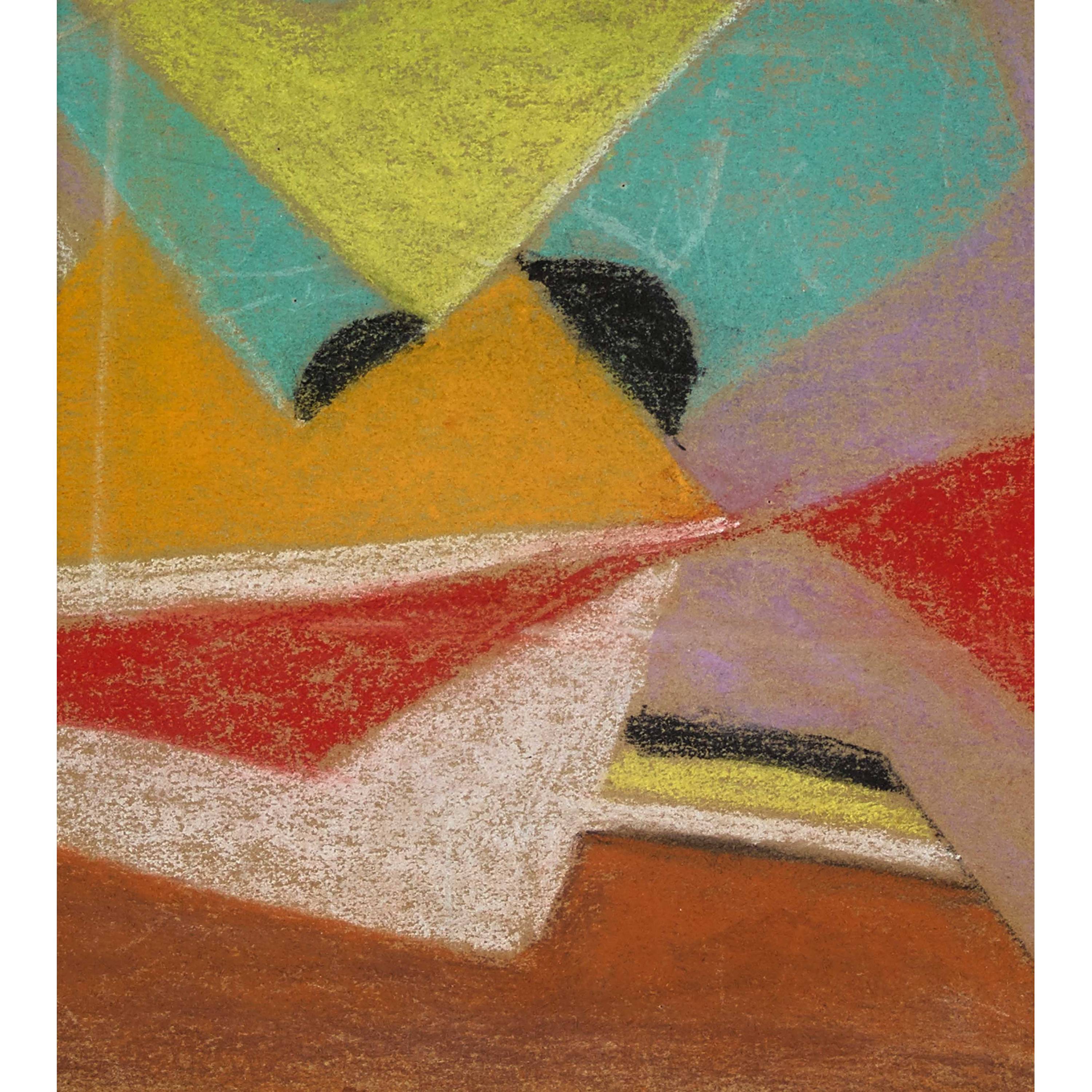
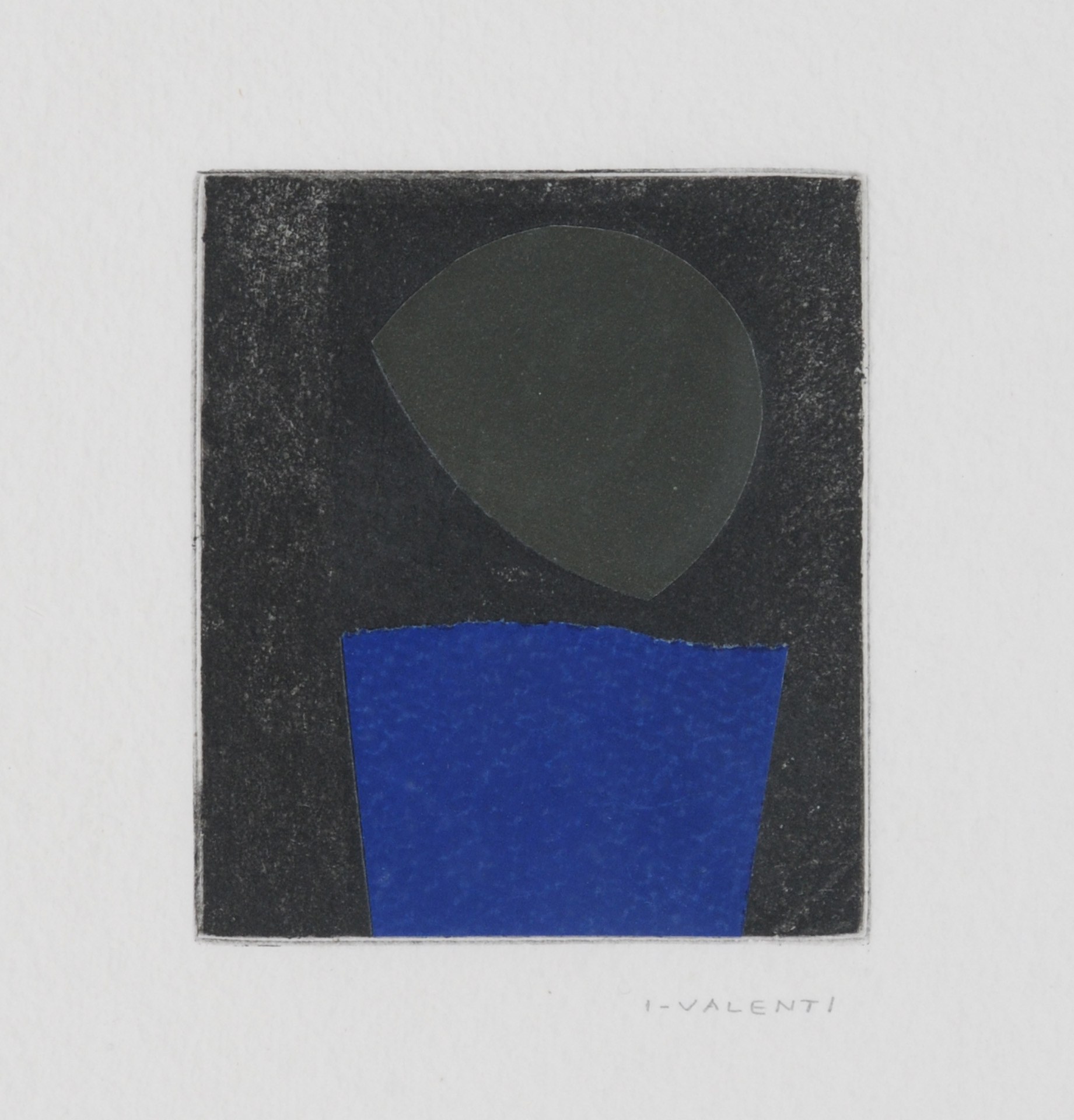
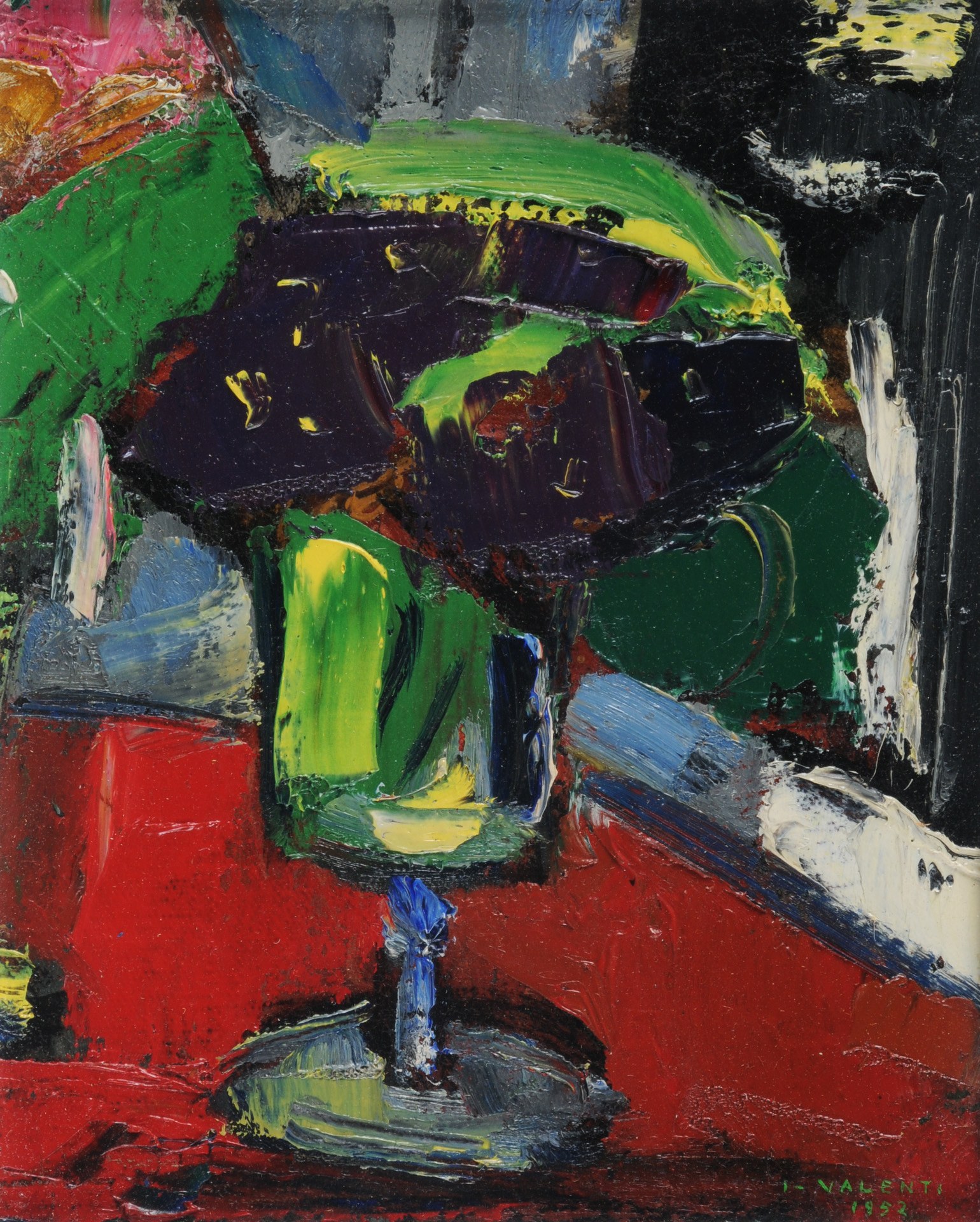
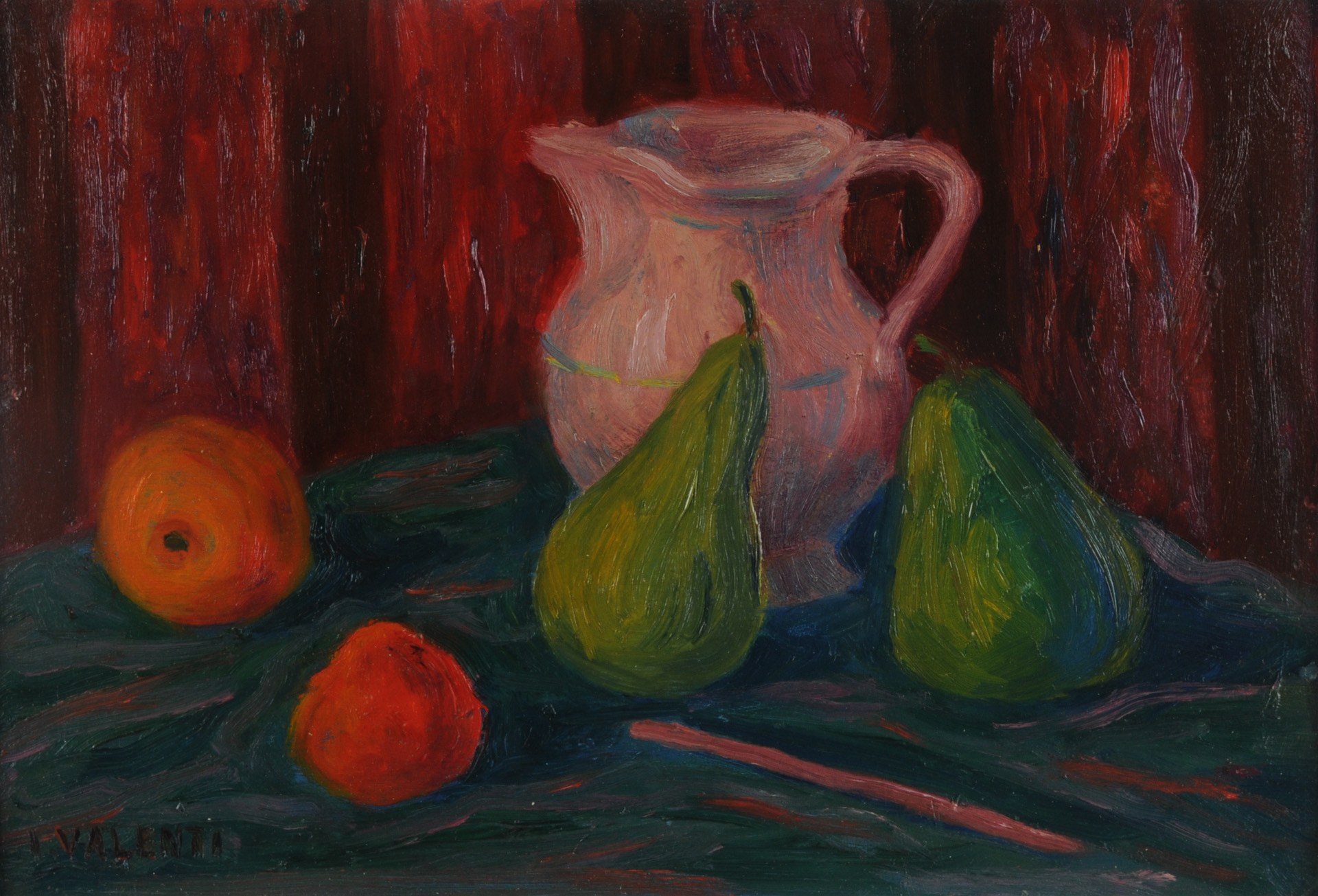
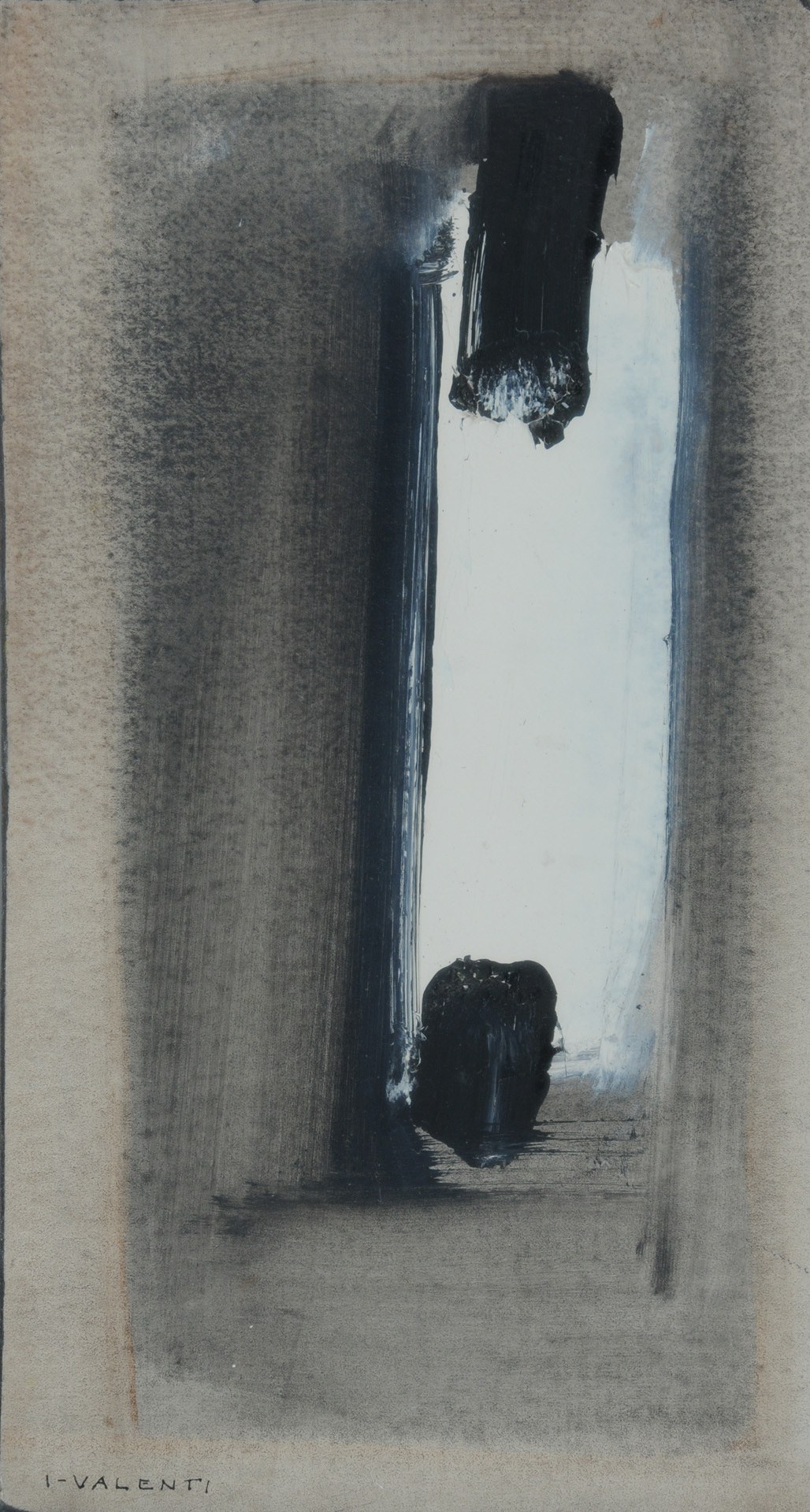
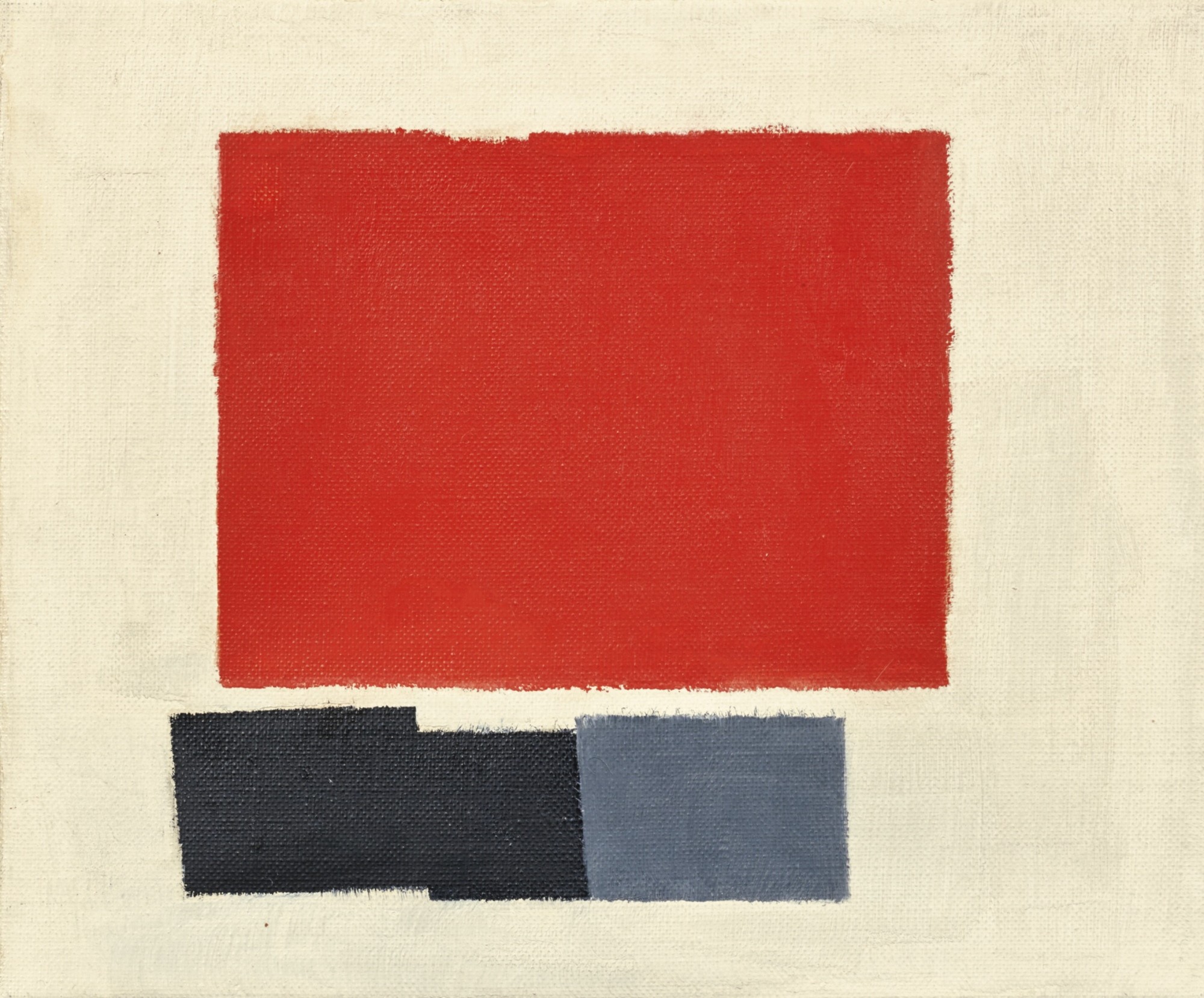
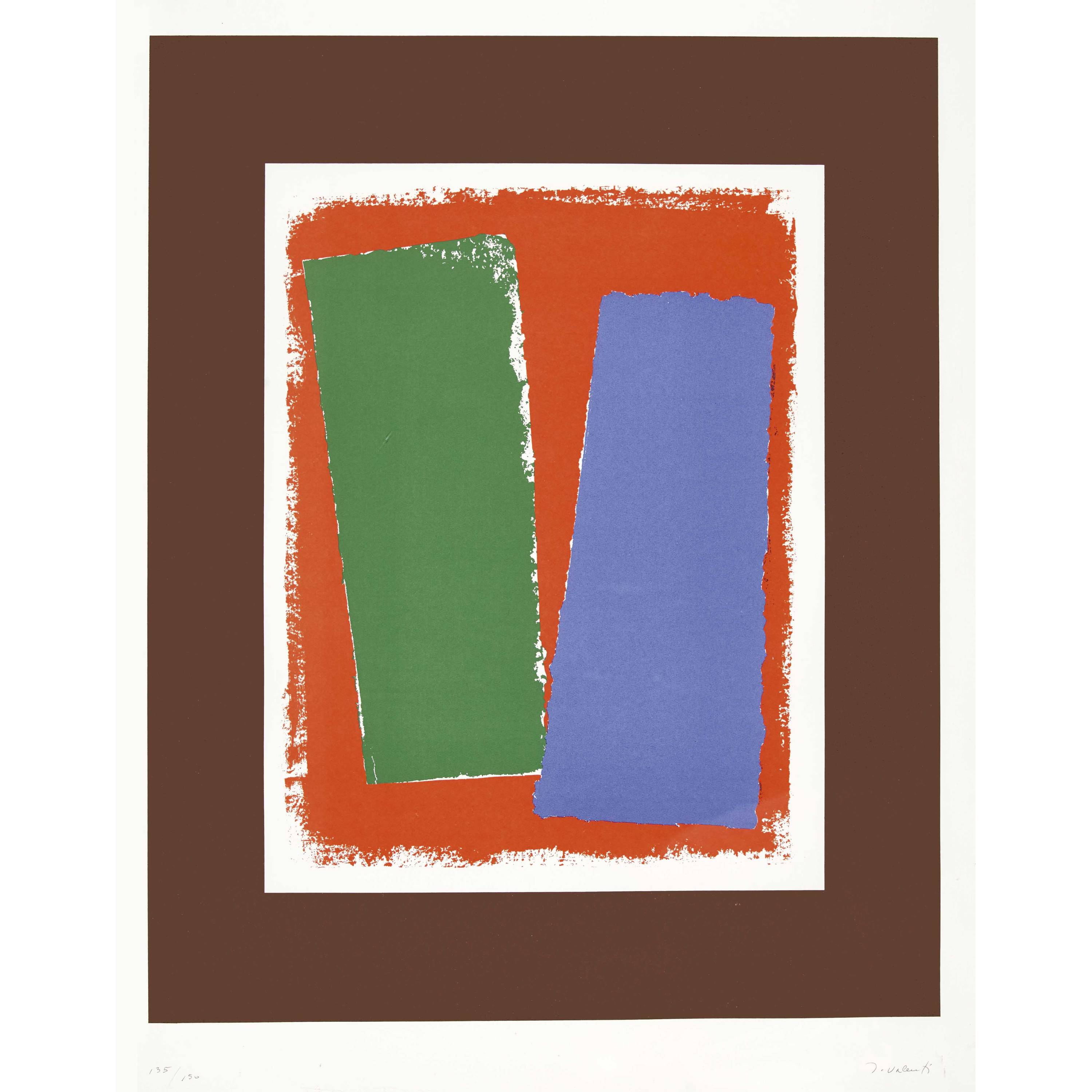
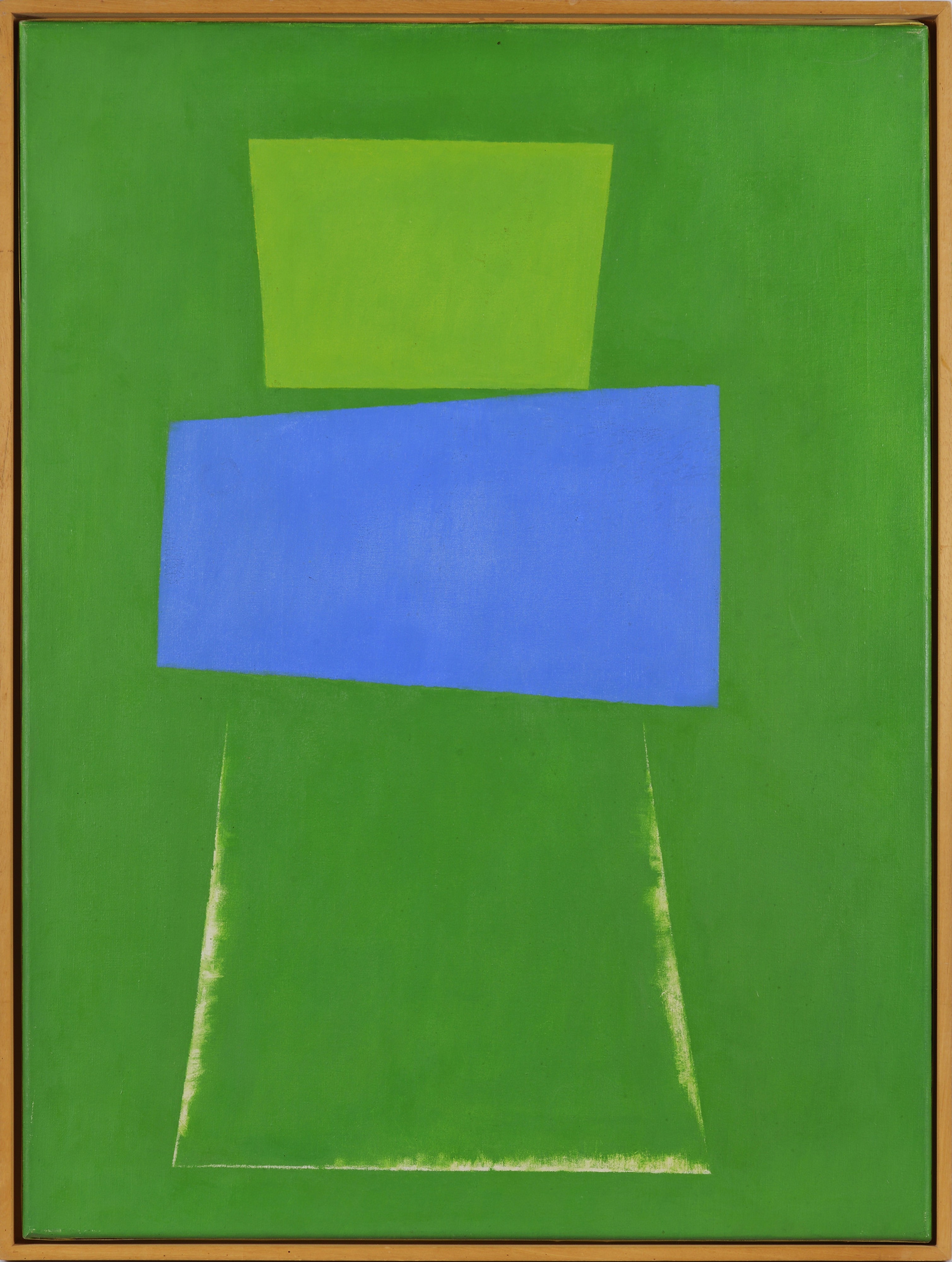
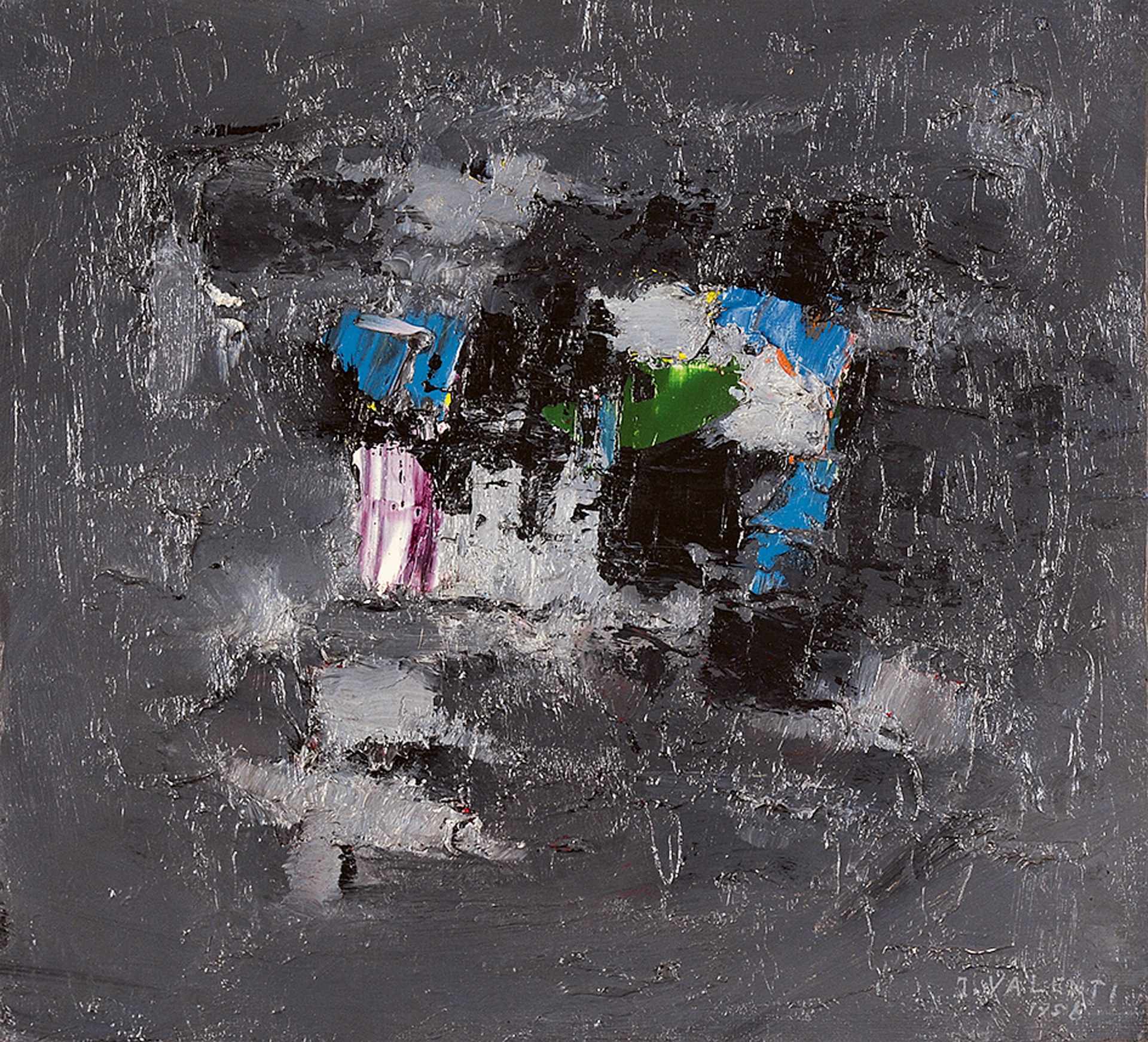
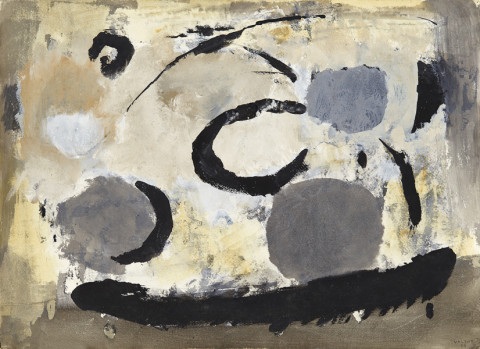
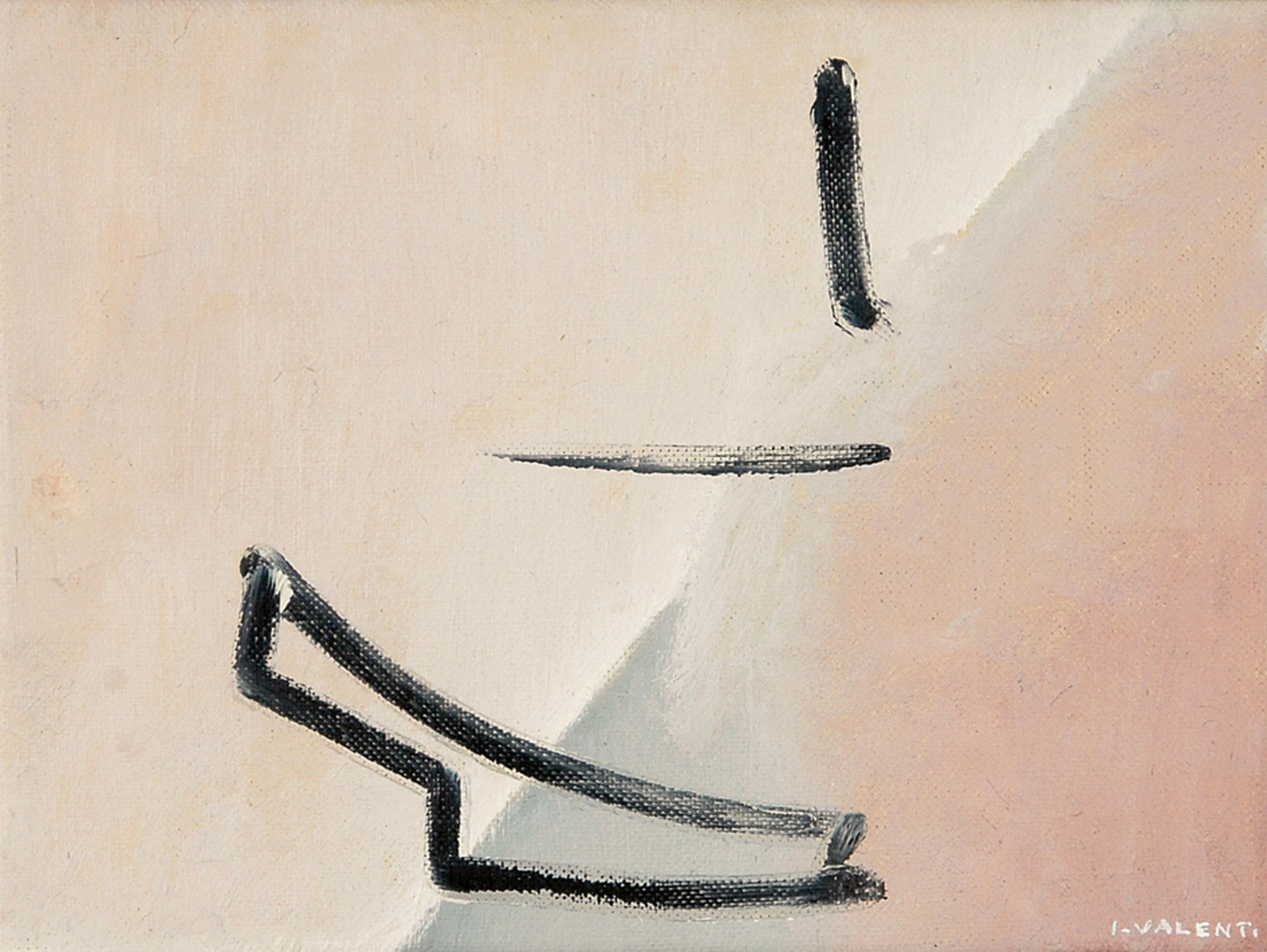
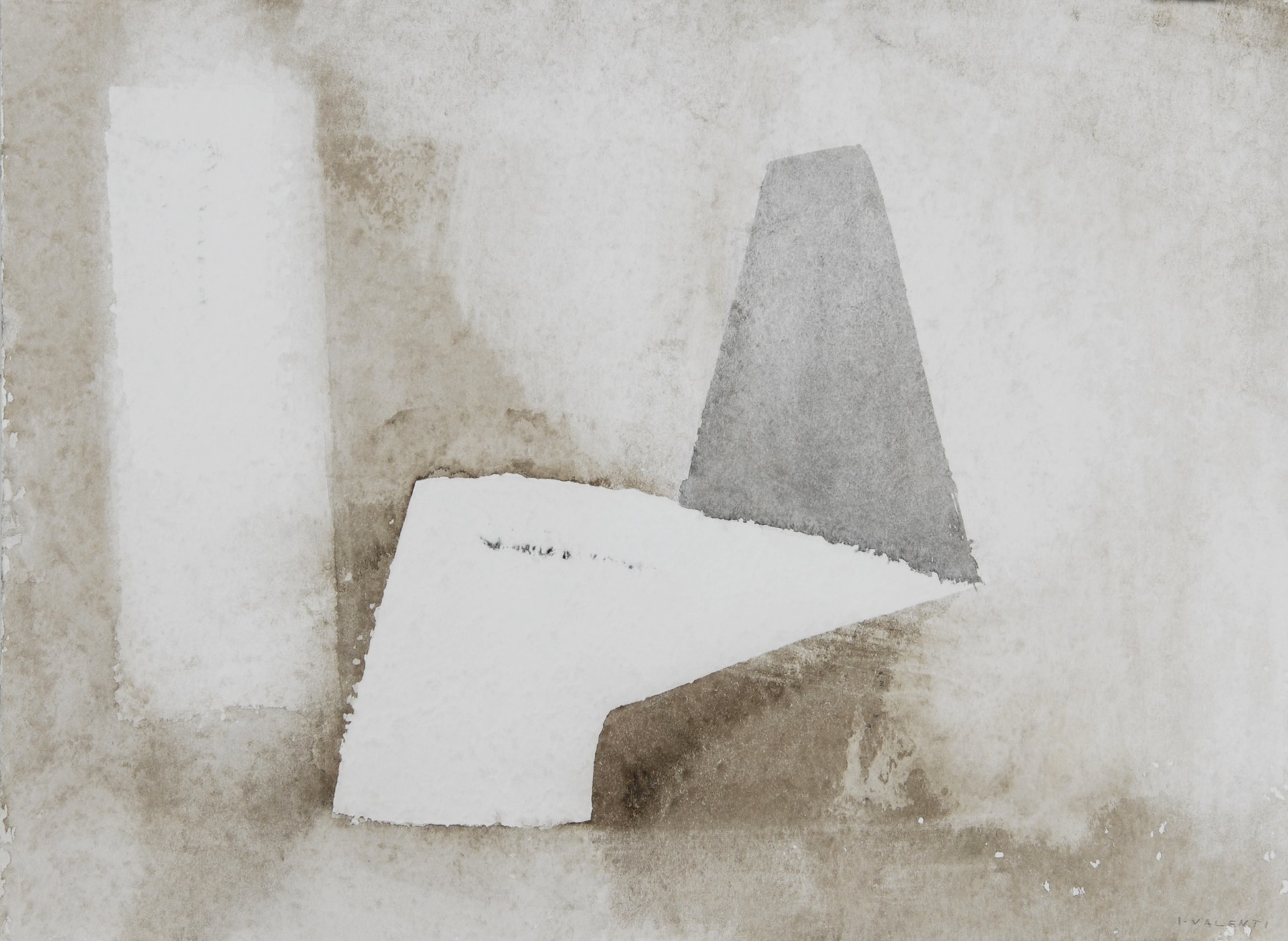
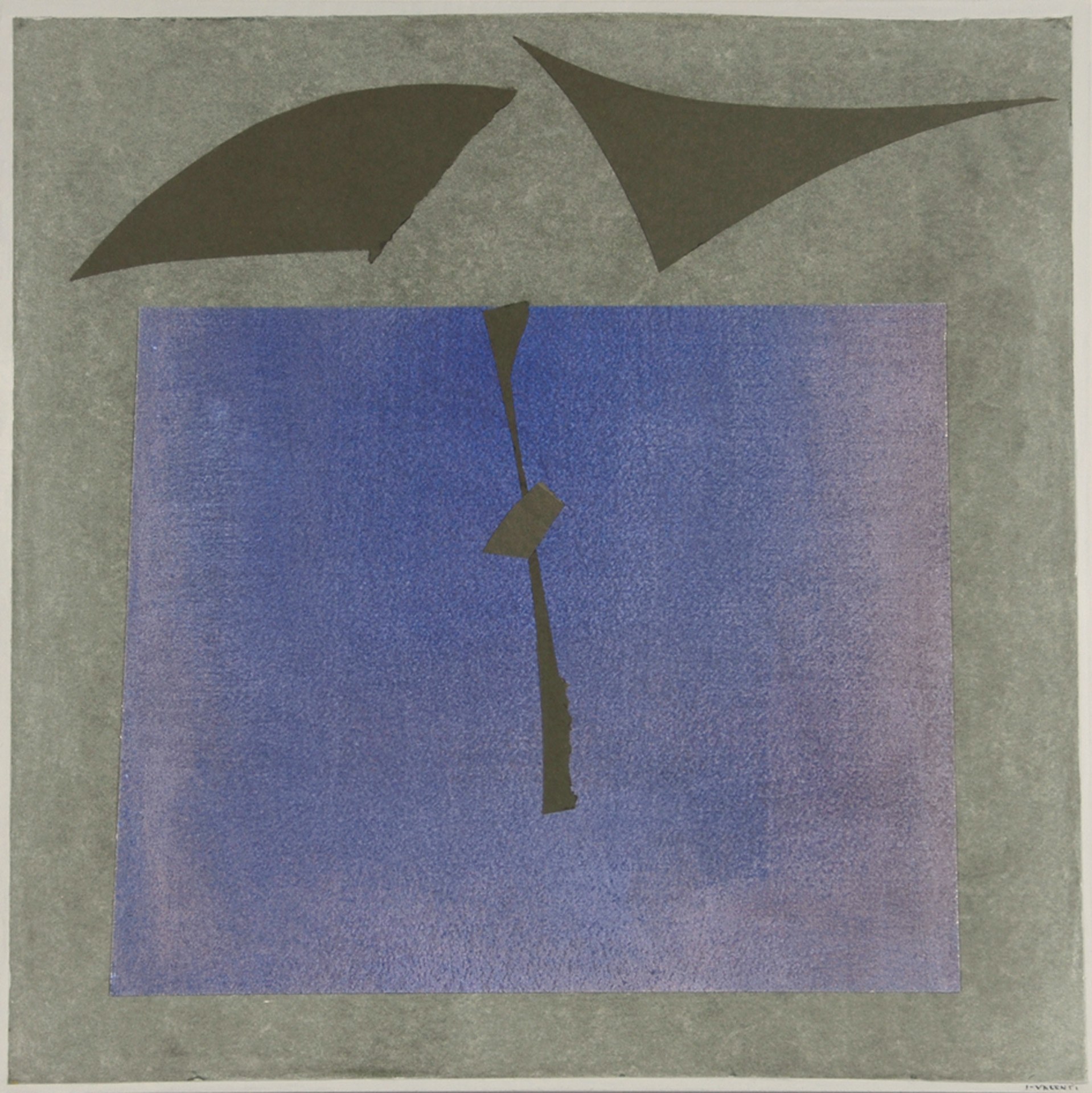
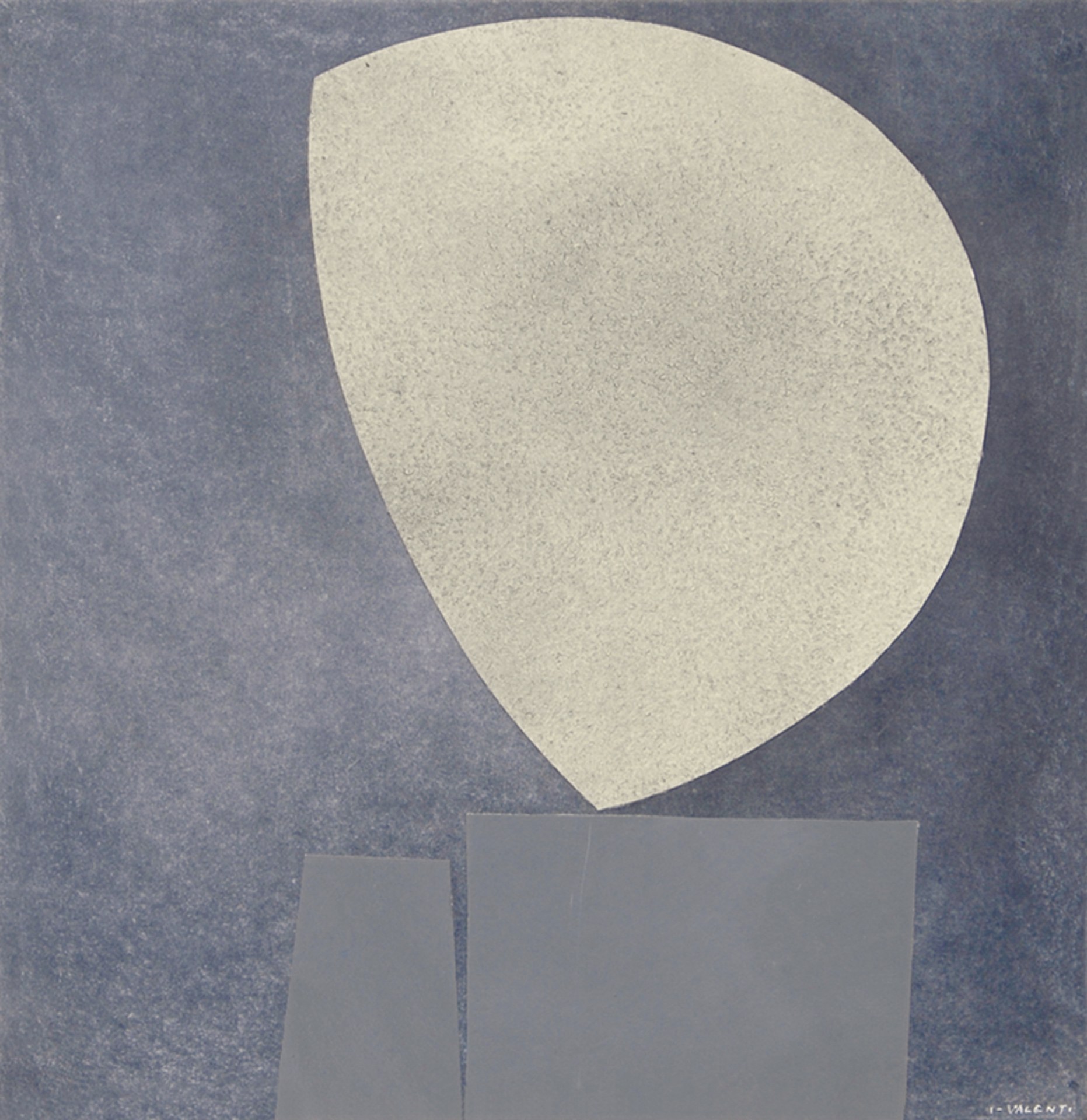
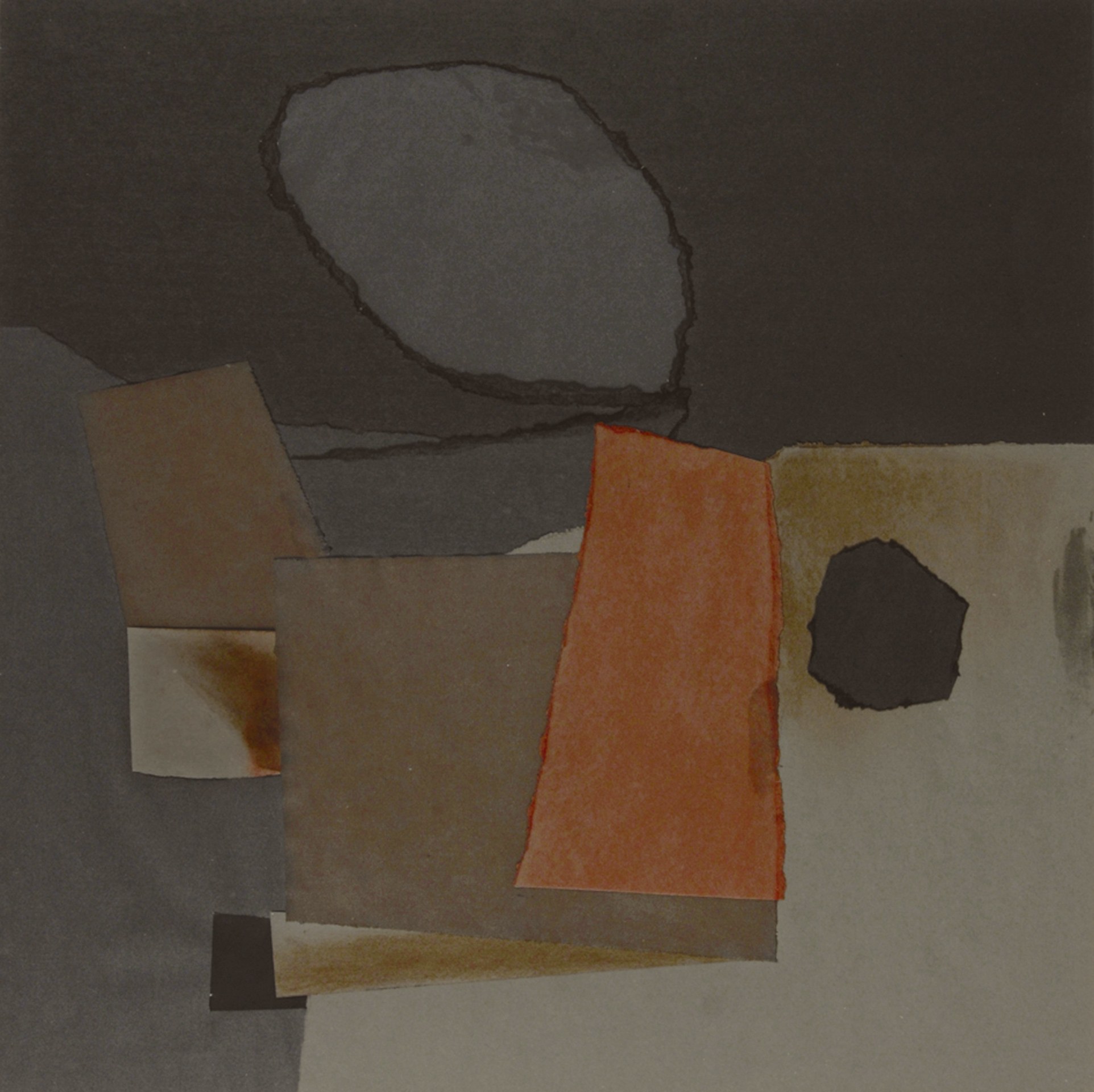
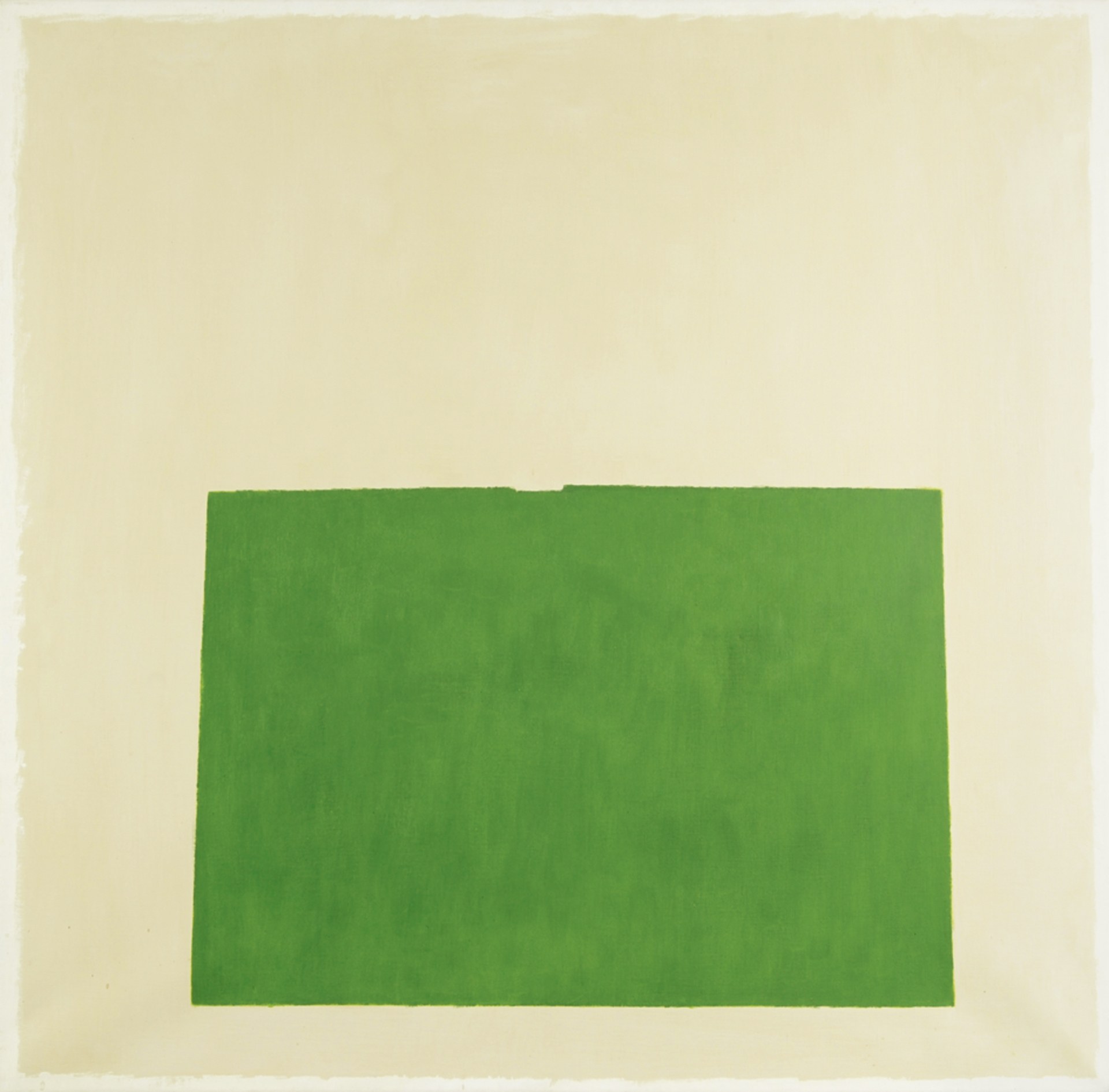
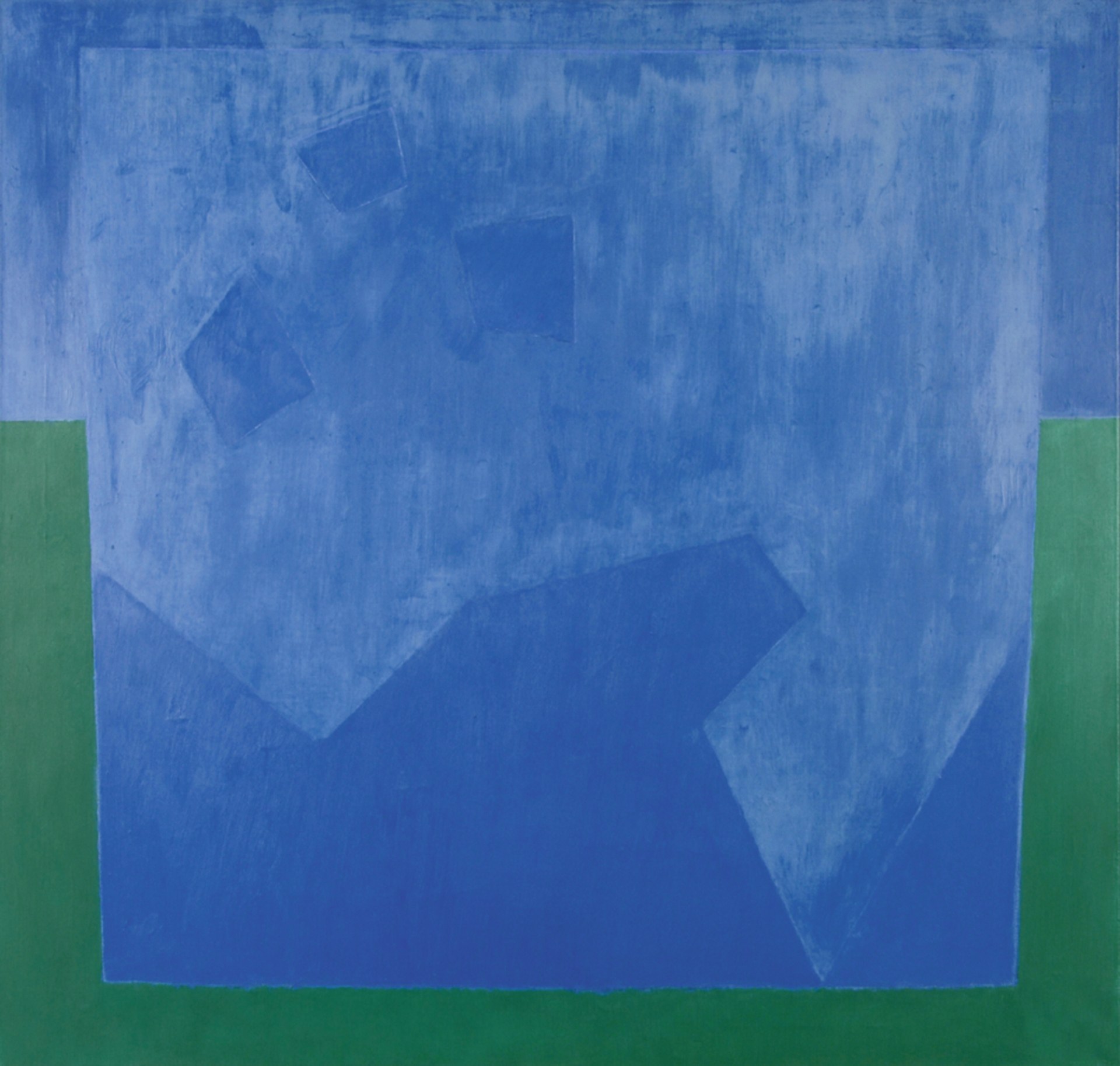
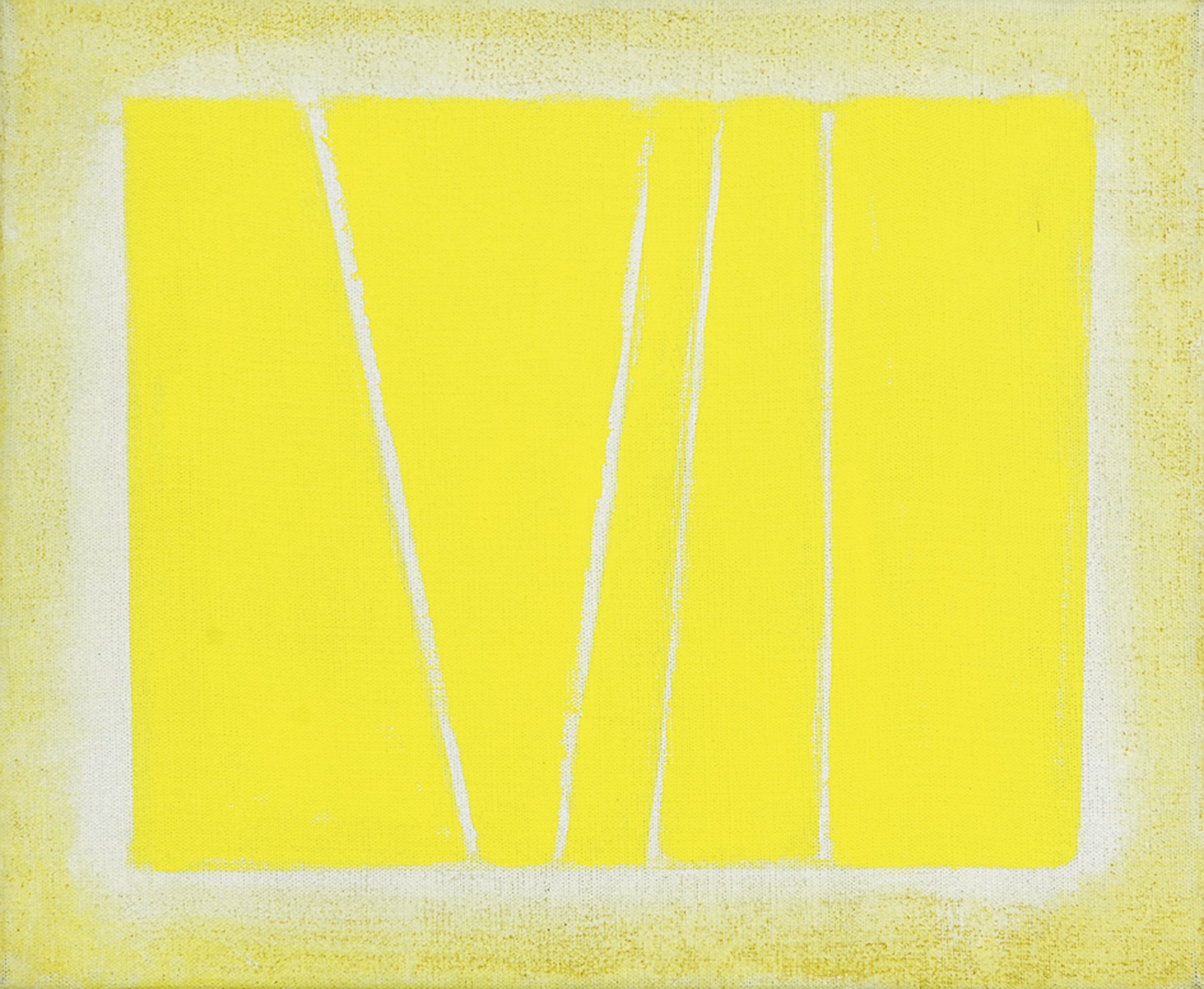
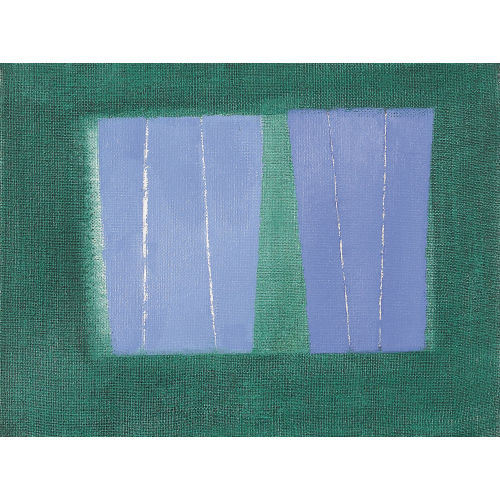
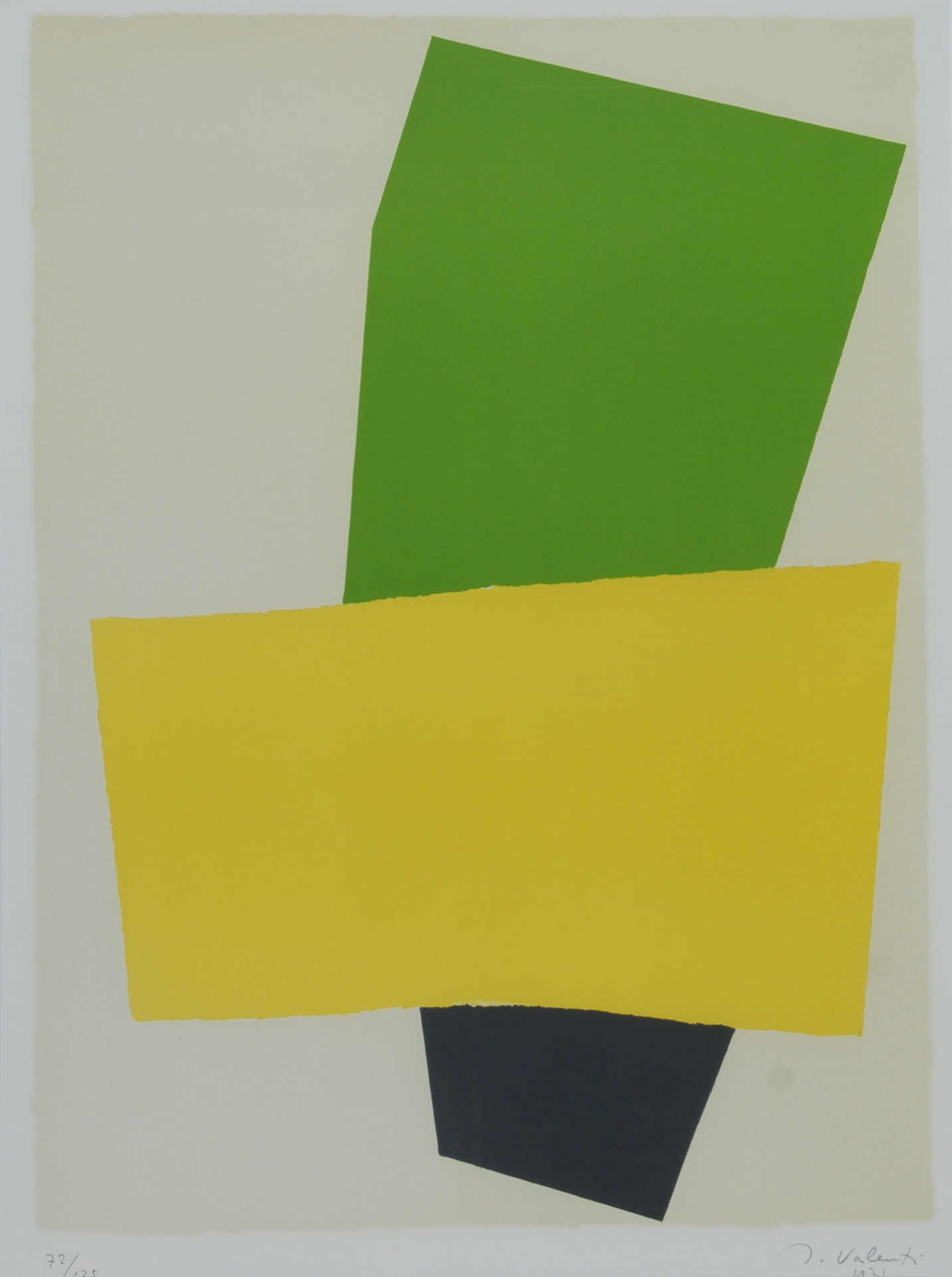
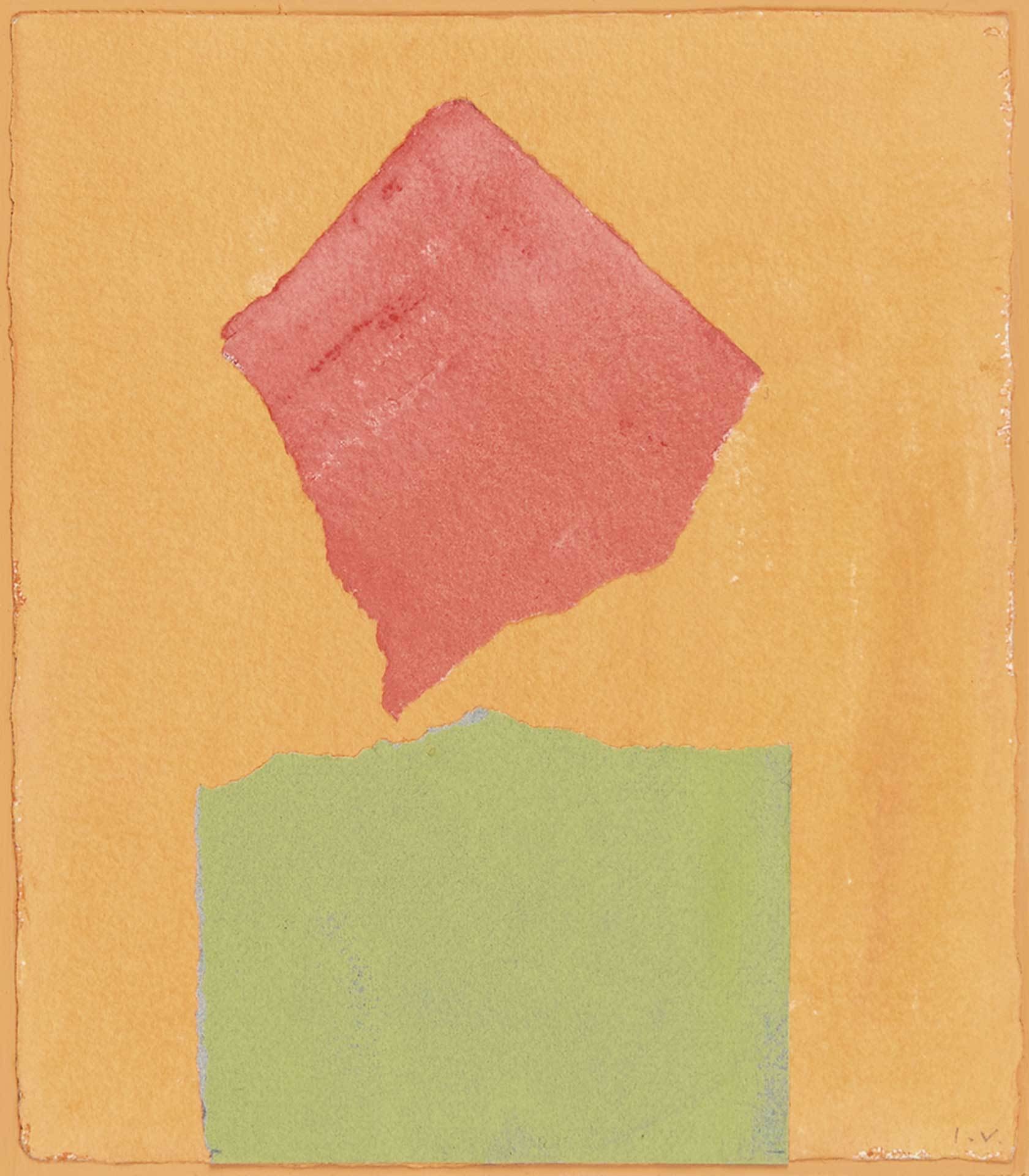
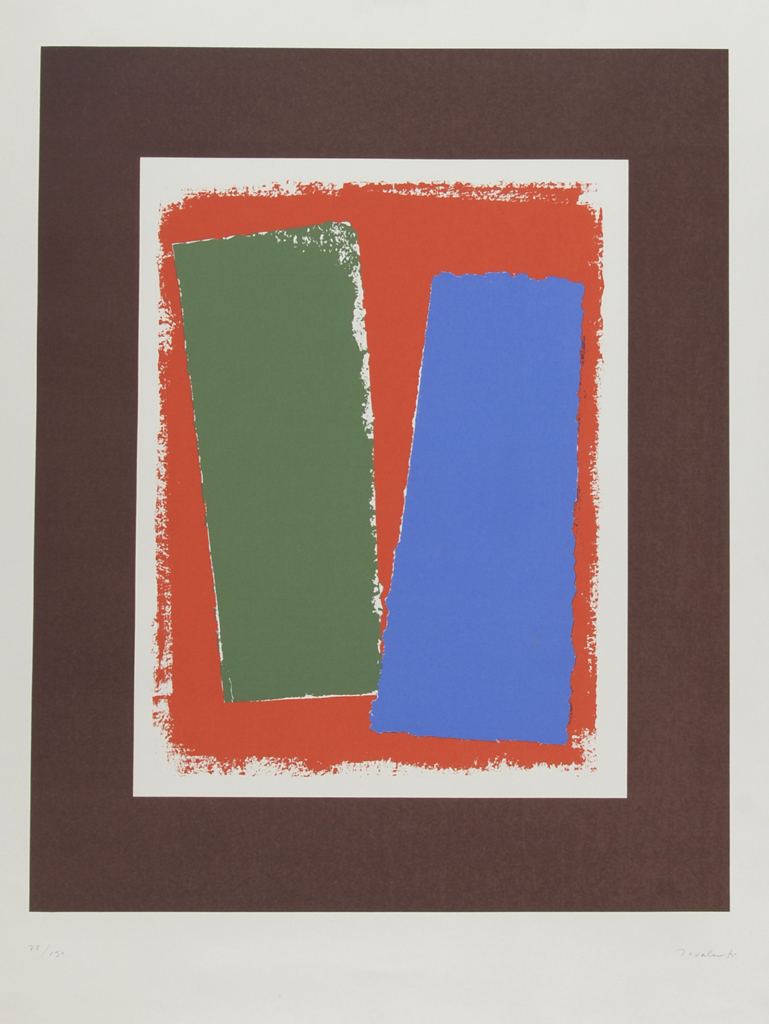
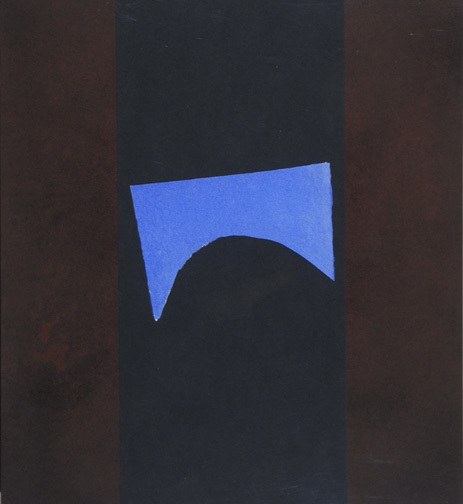
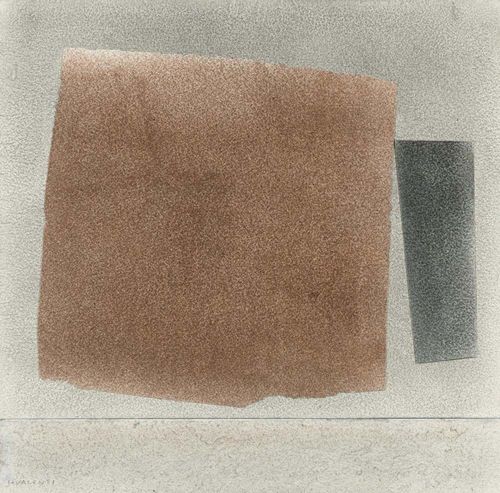
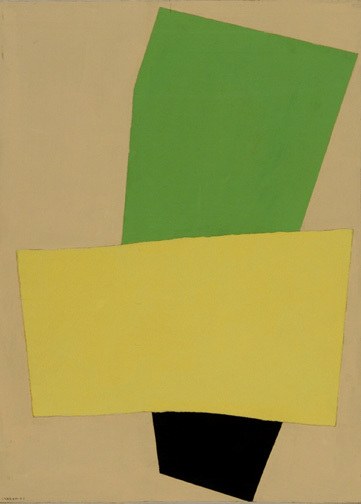
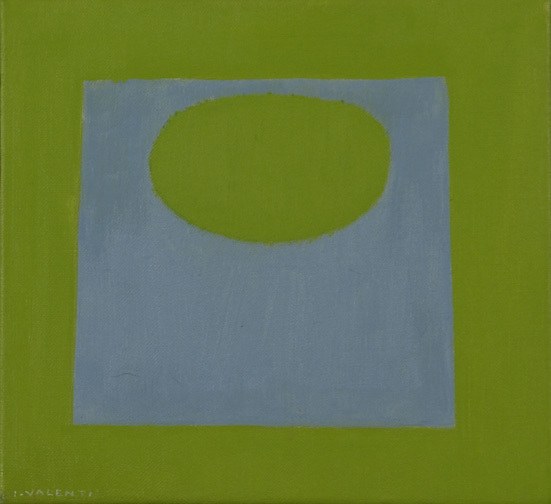
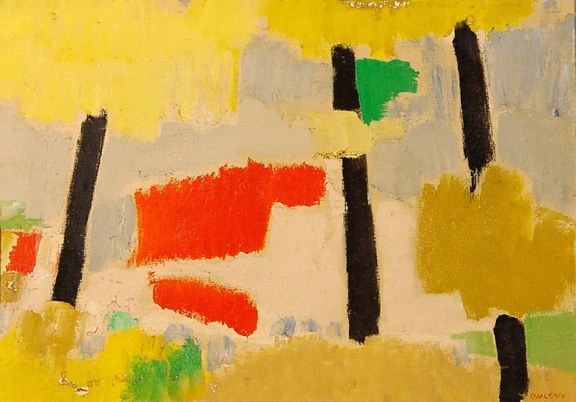
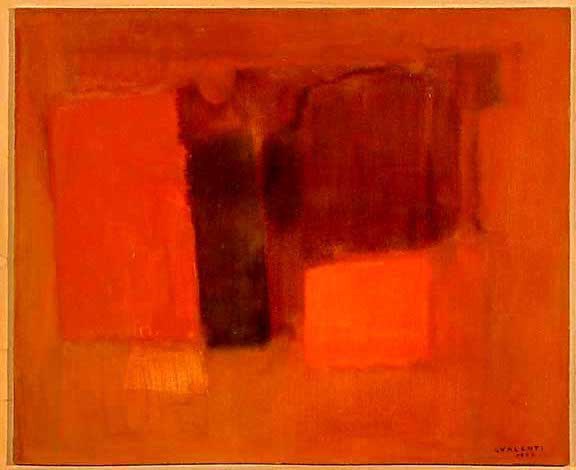
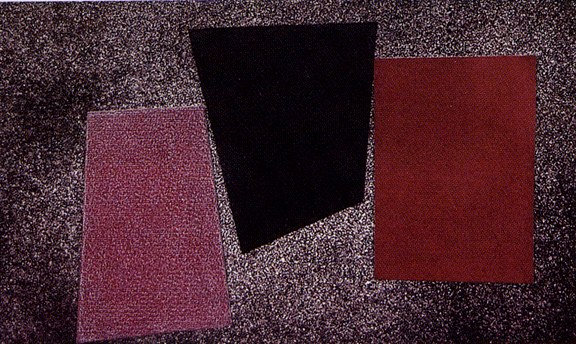
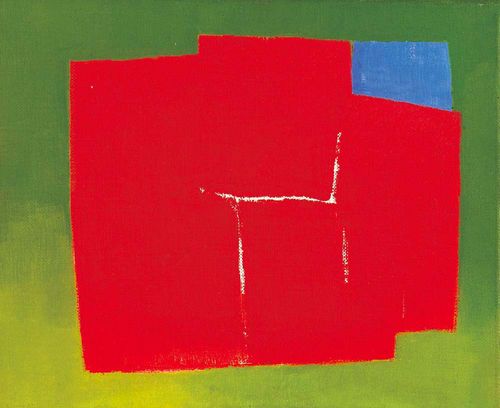
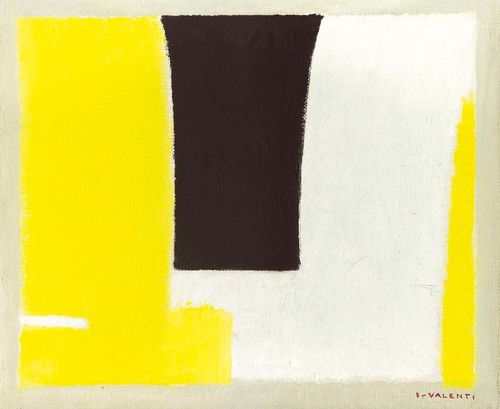
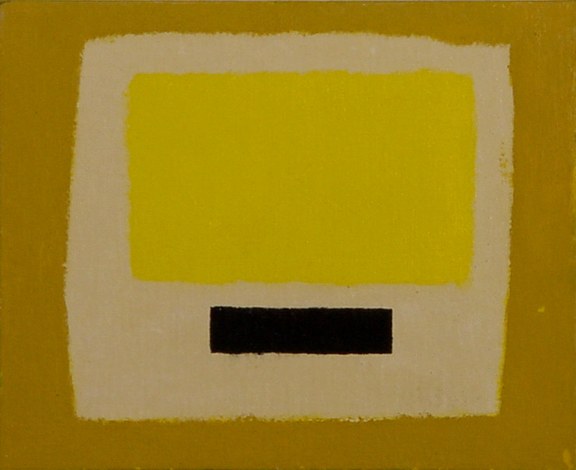
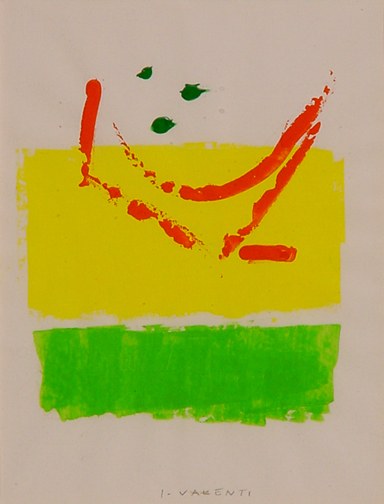
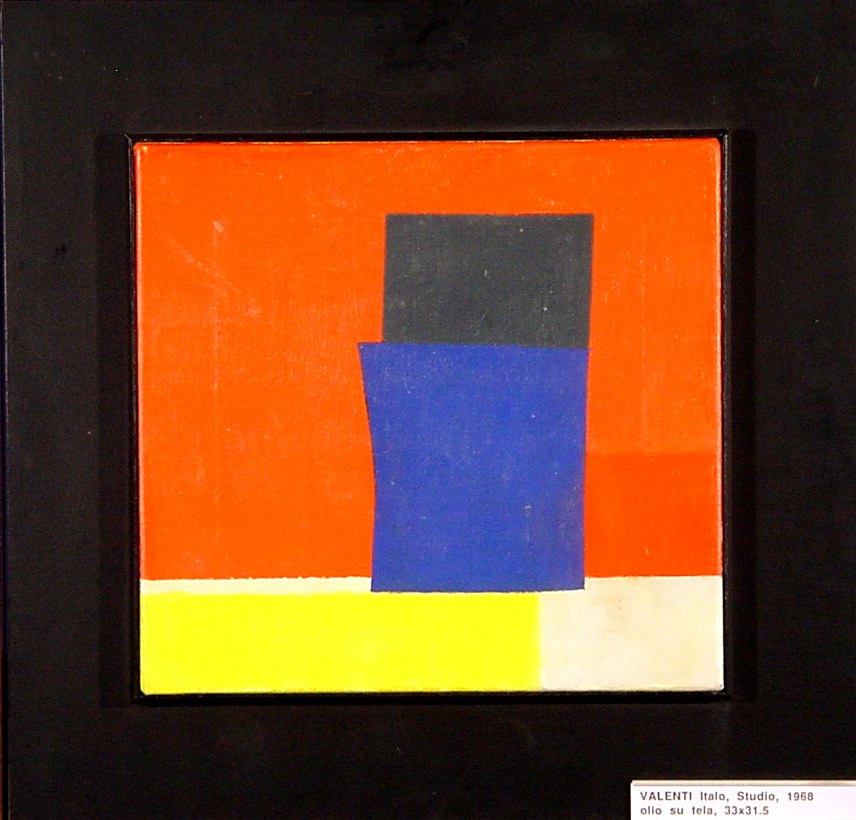
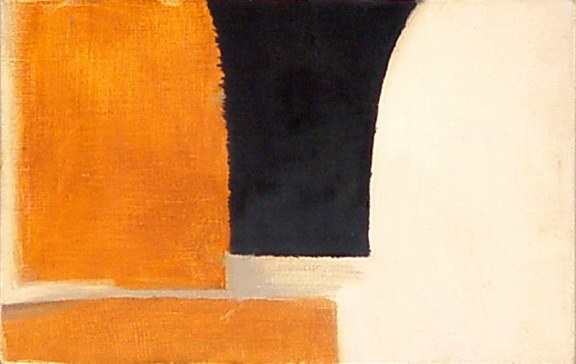
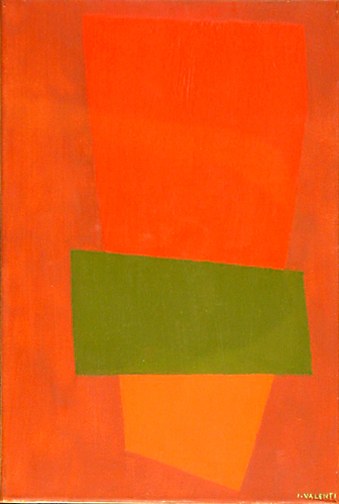
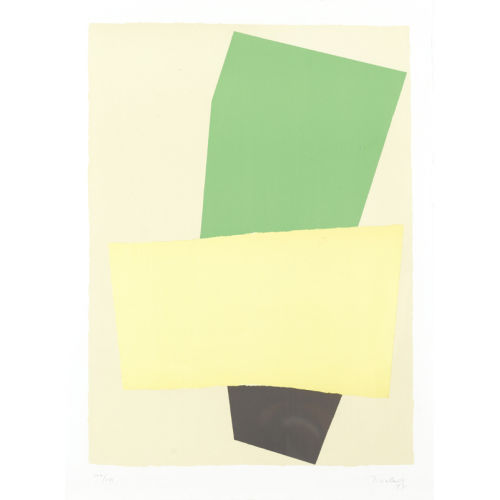
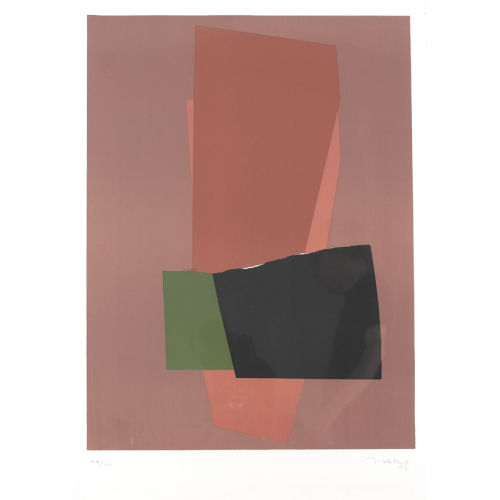
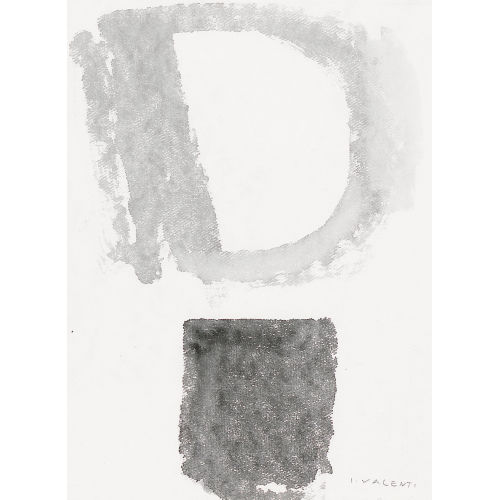
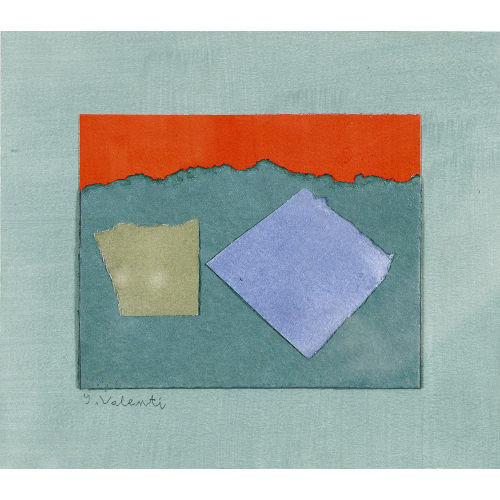
Italo Valenti (Milan, 1912 – Ascona, 1995) developed a body of work in which colour and form become the instruments of a silent poetry. An Italian artist deeply connected to Ticino, he gradually moved from figuration towards a lyrical abstraction in which the composition suggests a space without defining its limits. His paintings and collages invite a slow attentiveness to harmonies, intervals and balances.
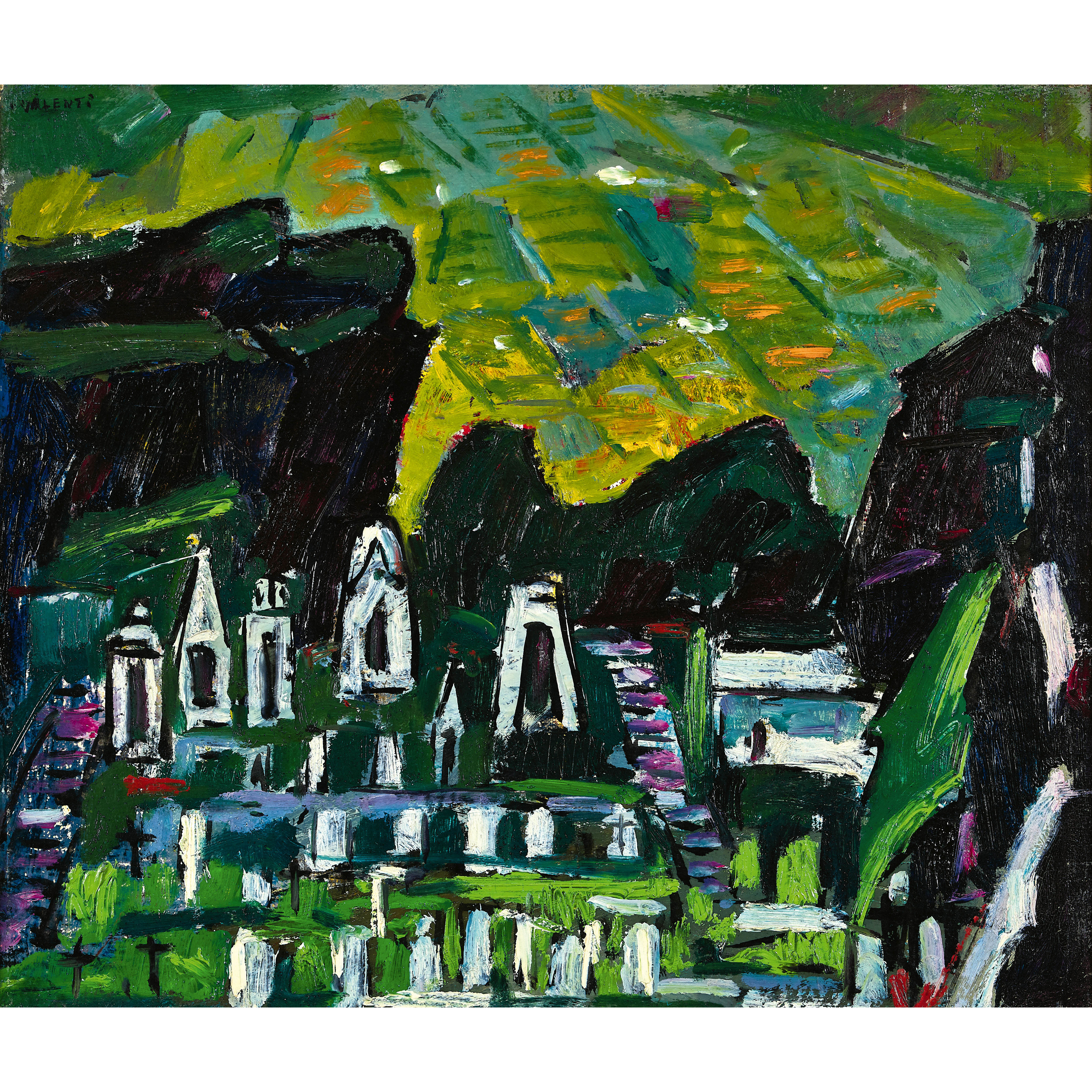
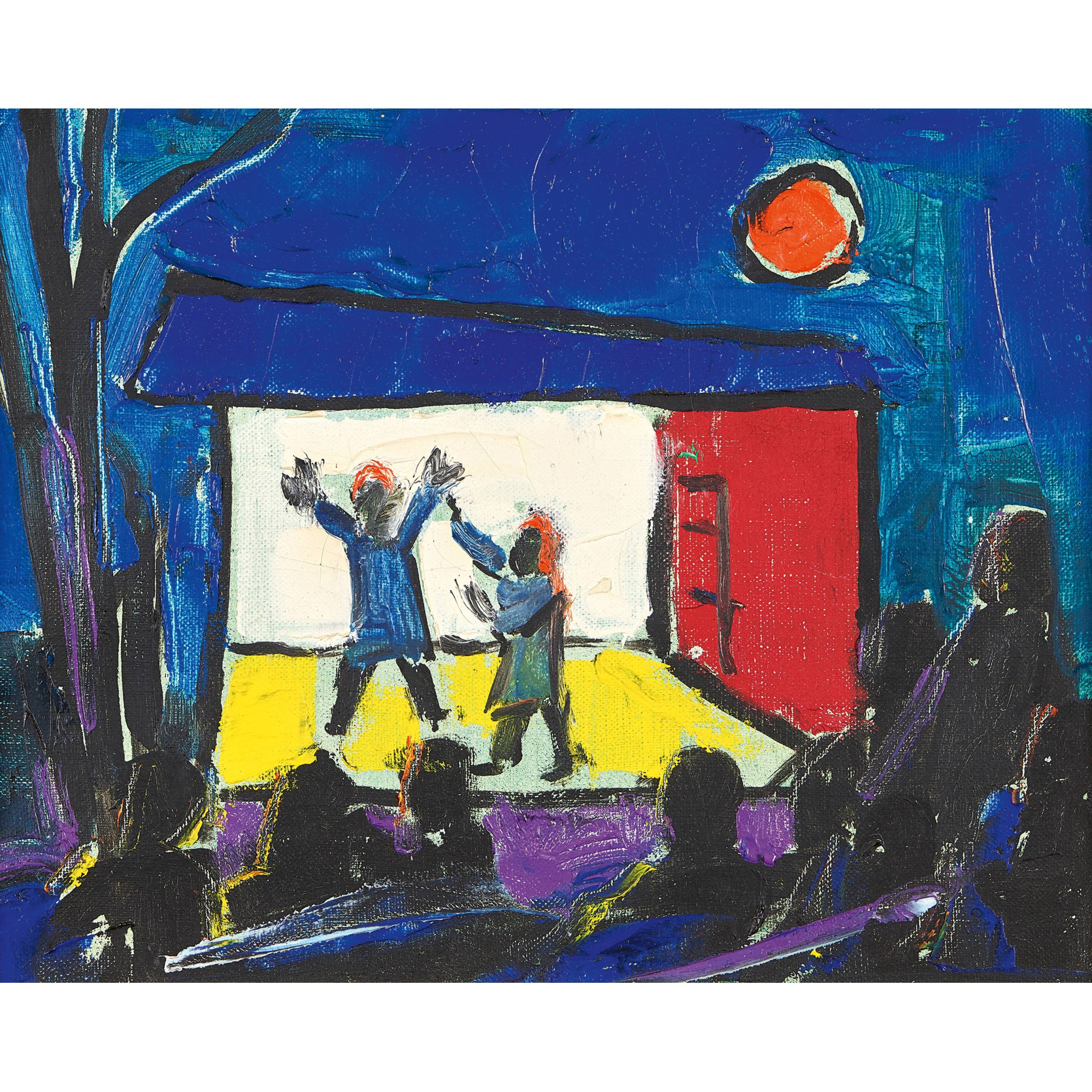
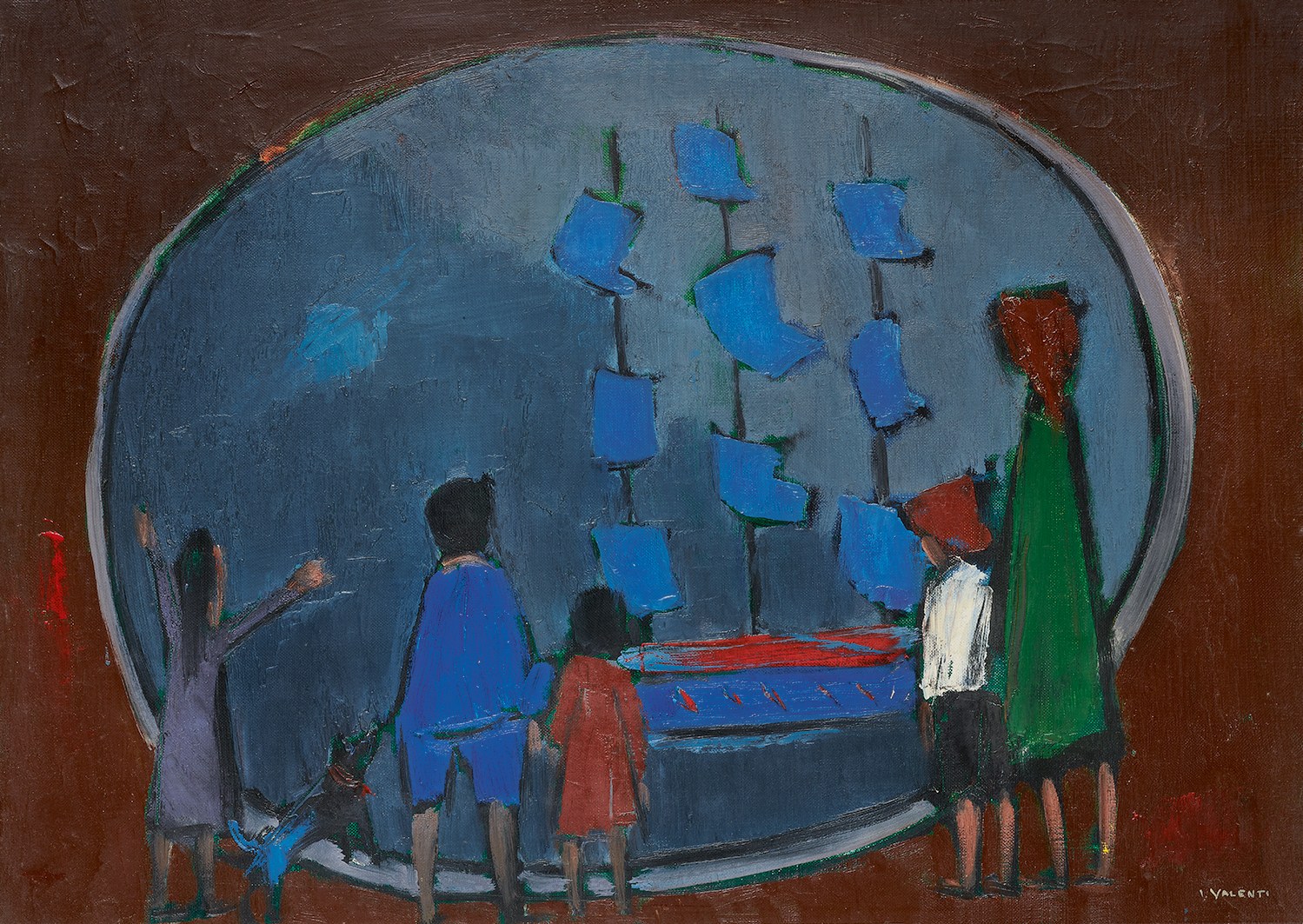
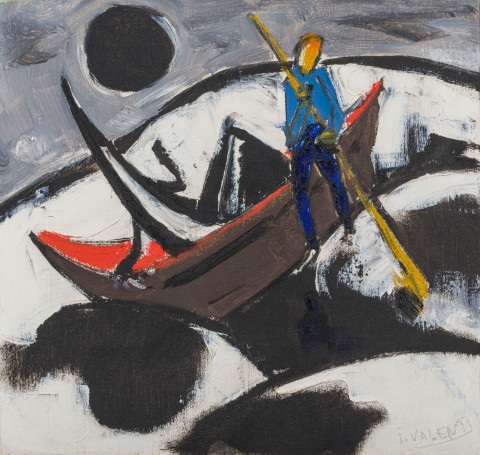
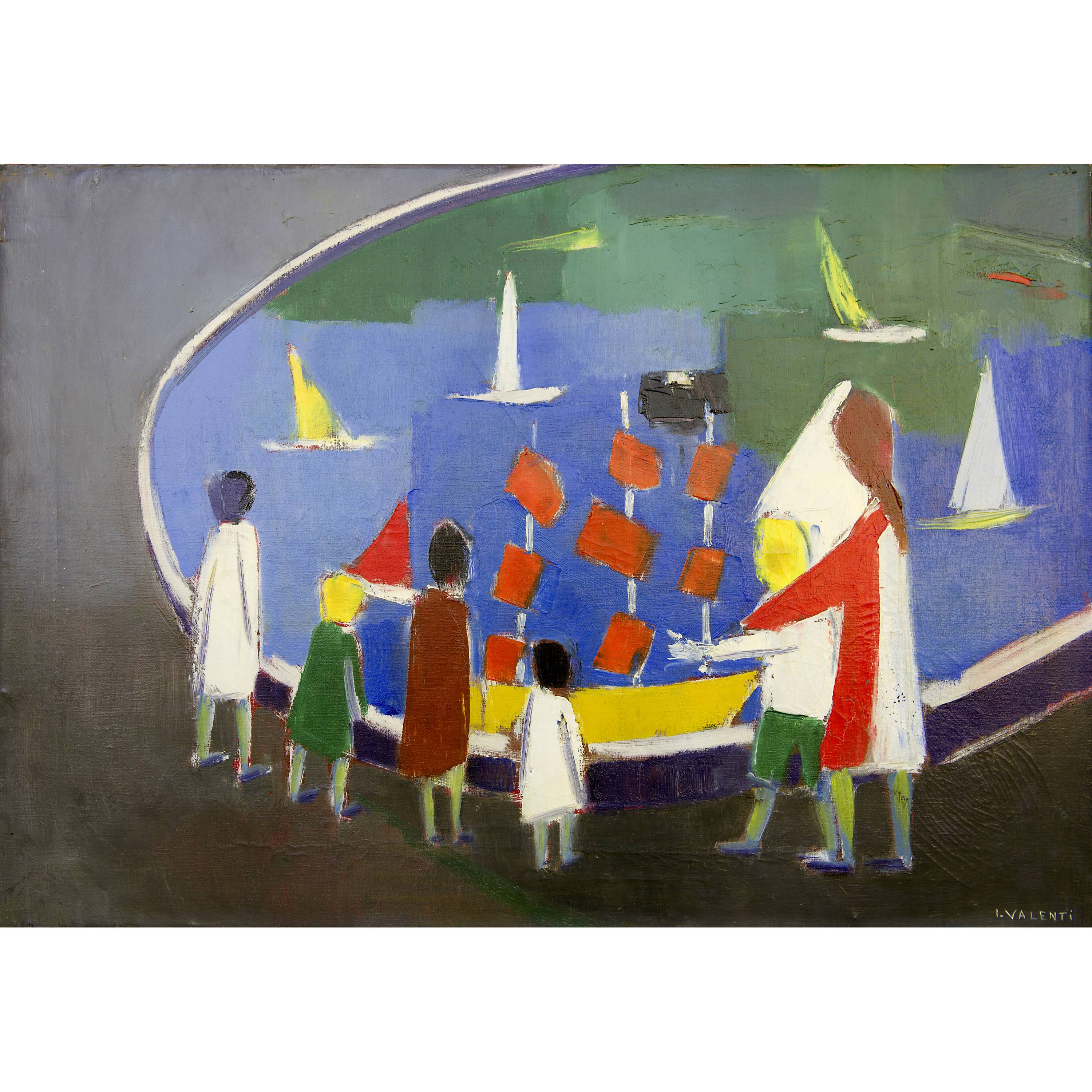
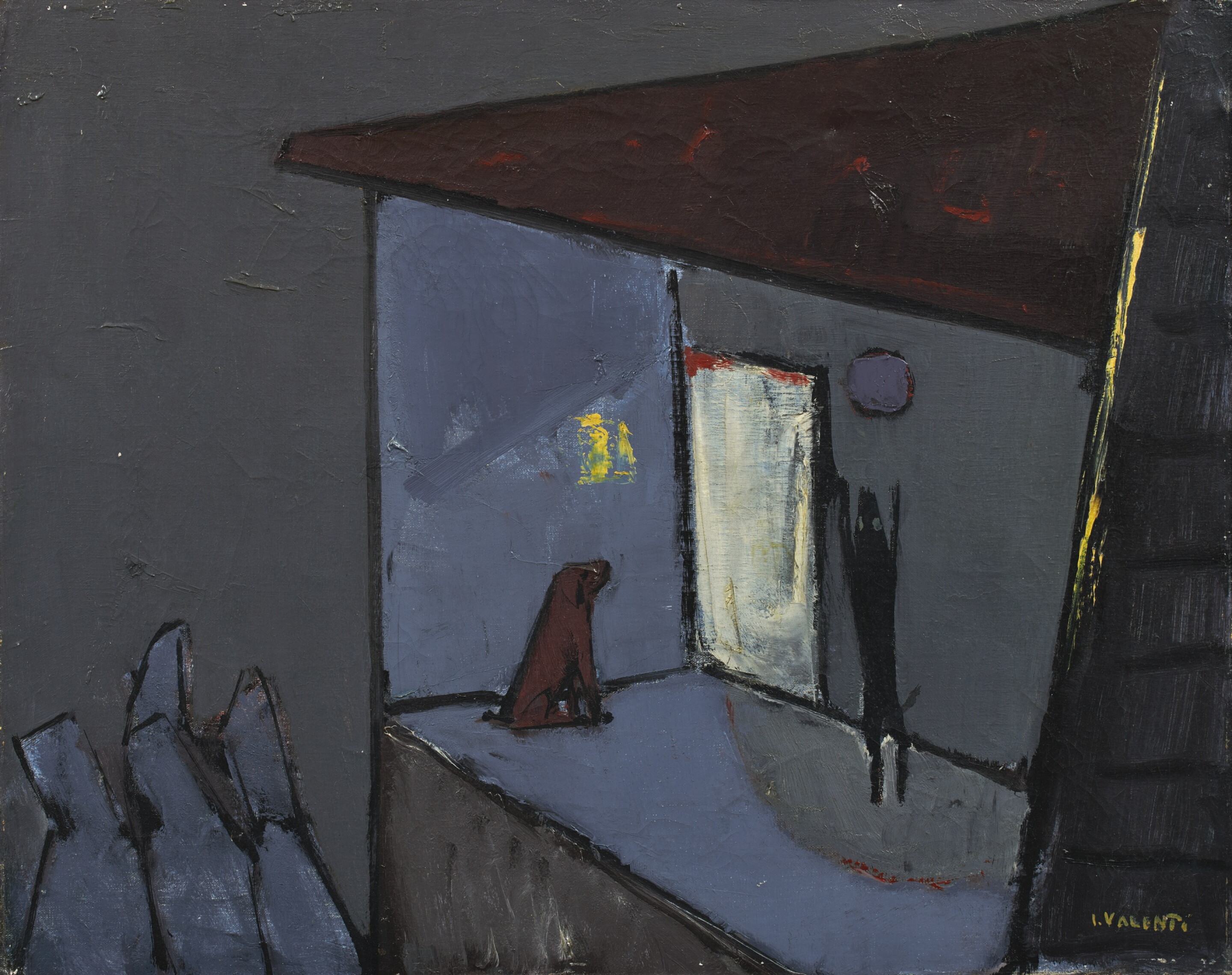
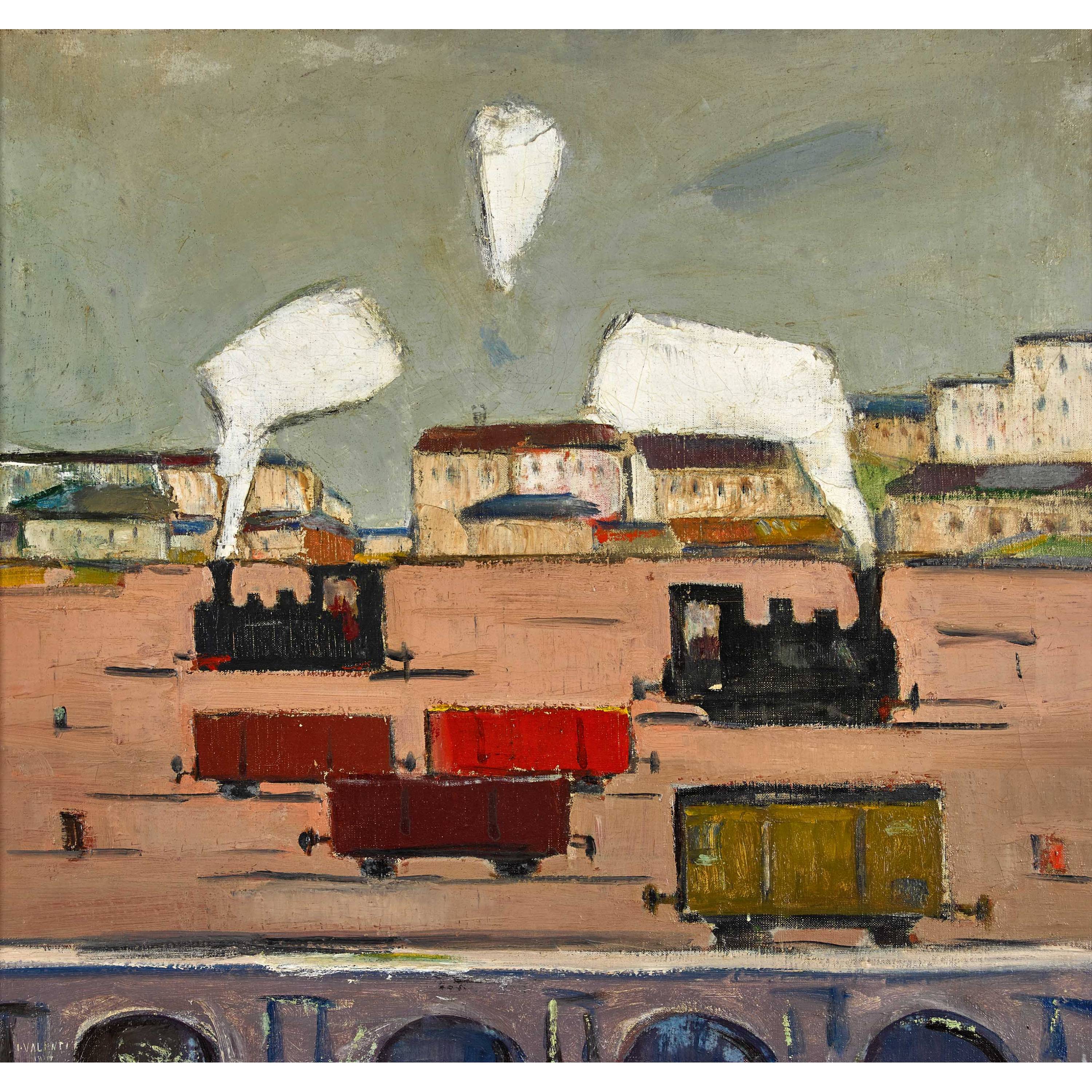
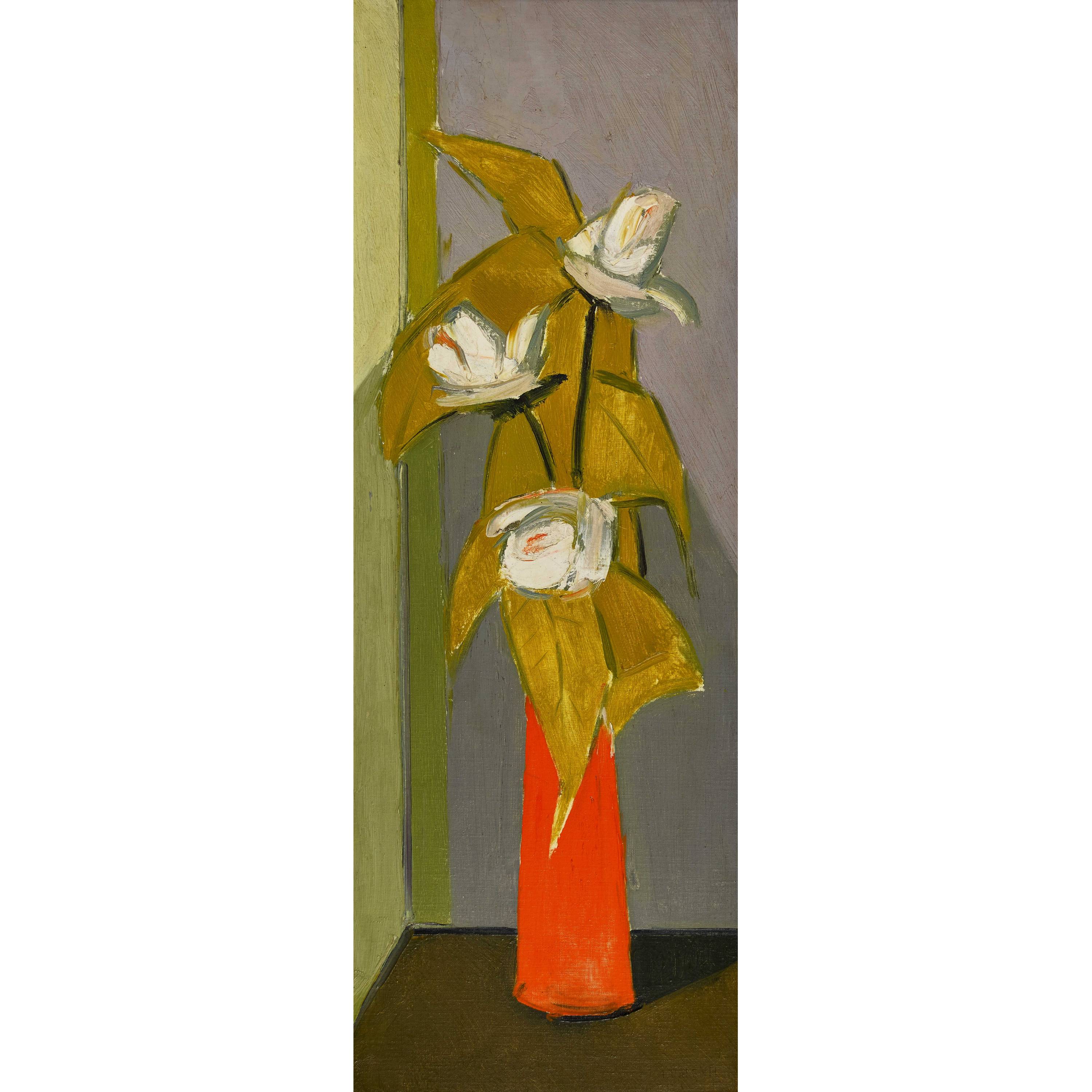
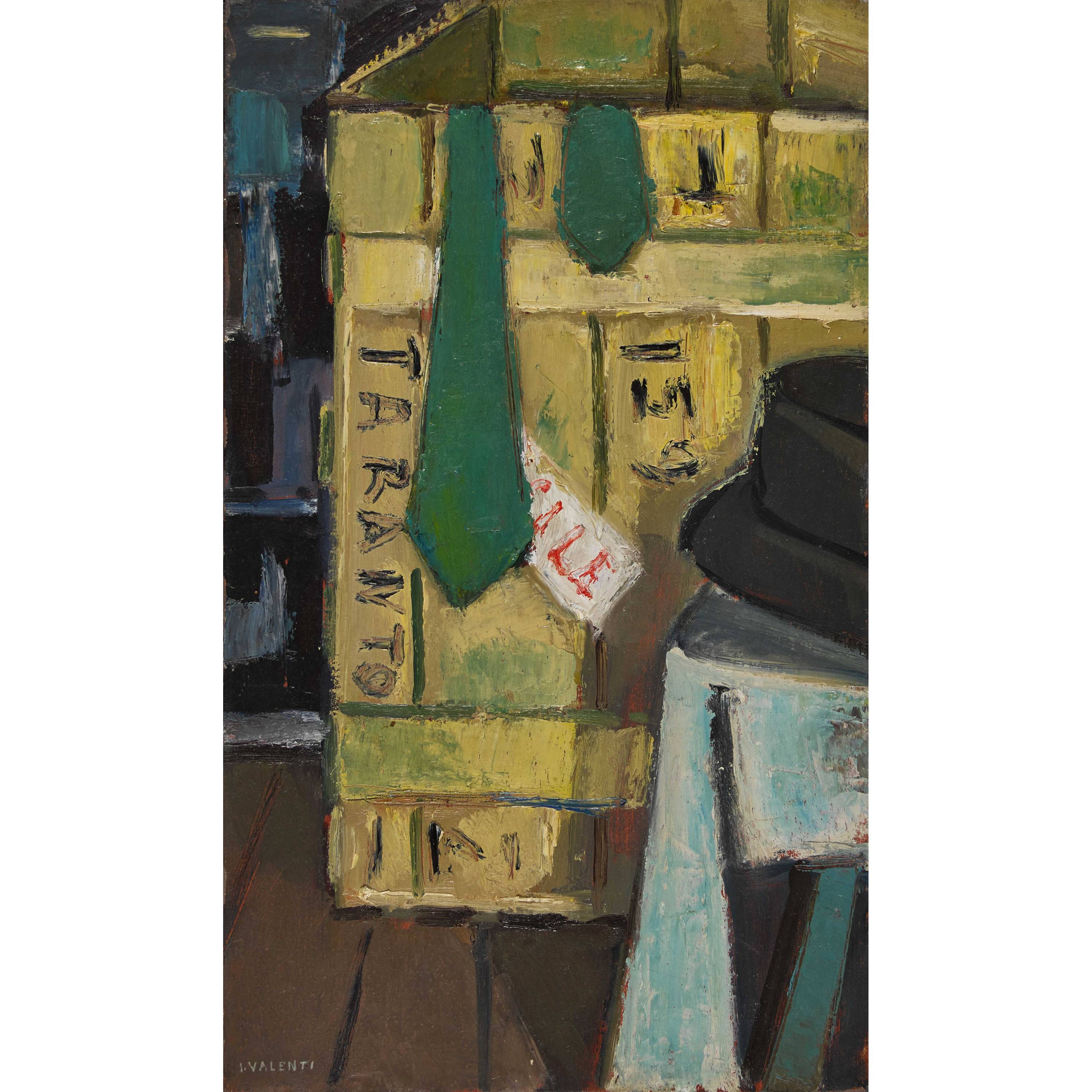
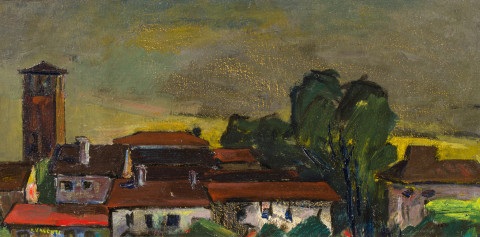
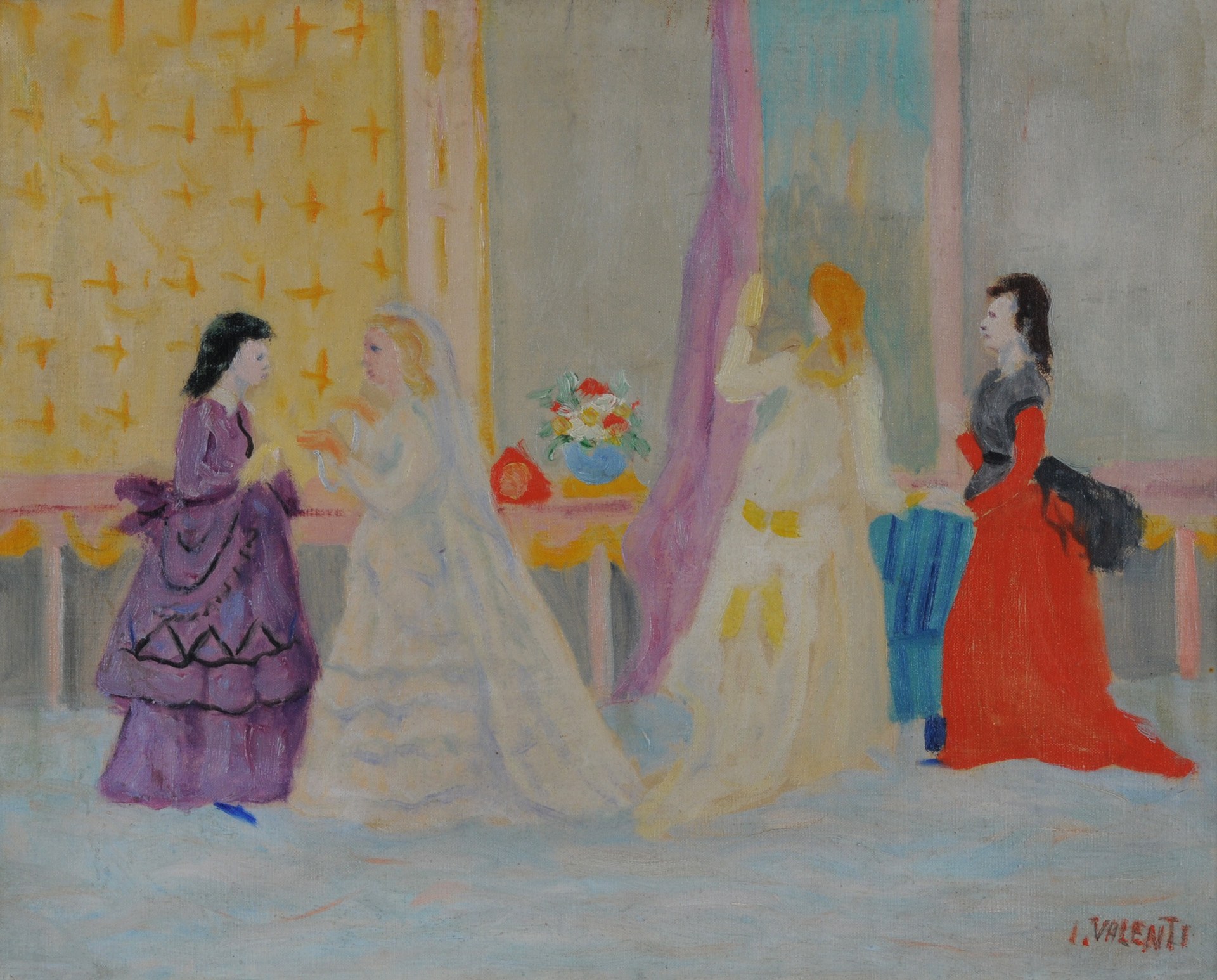
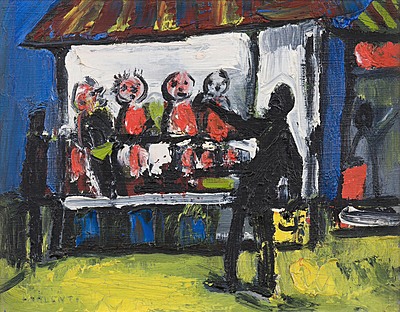
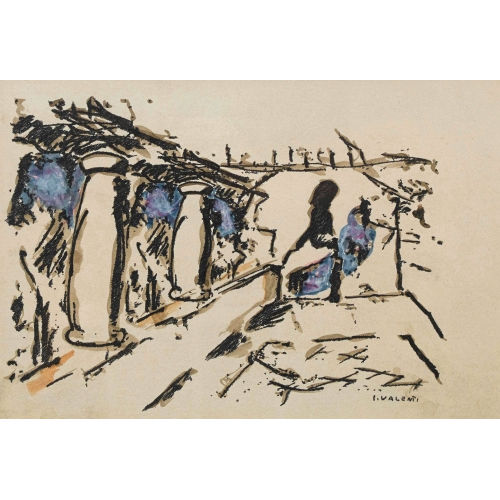
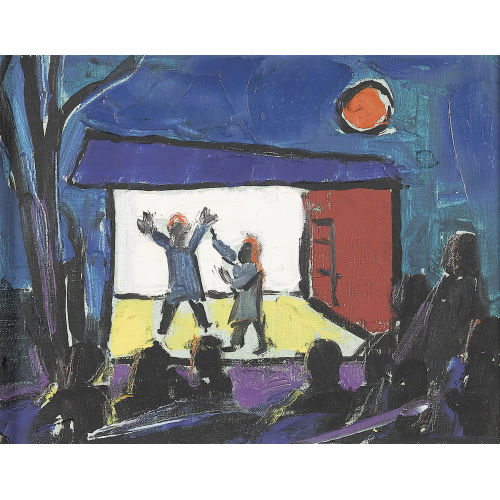
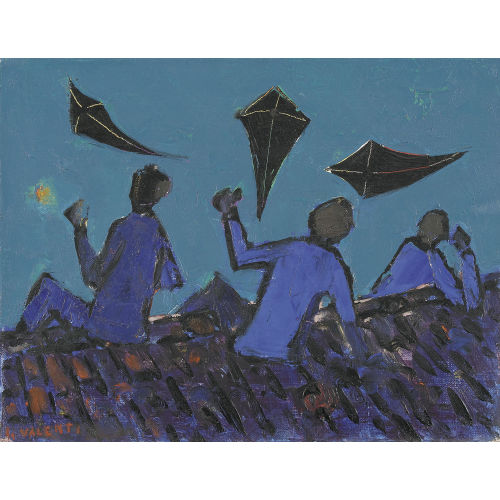
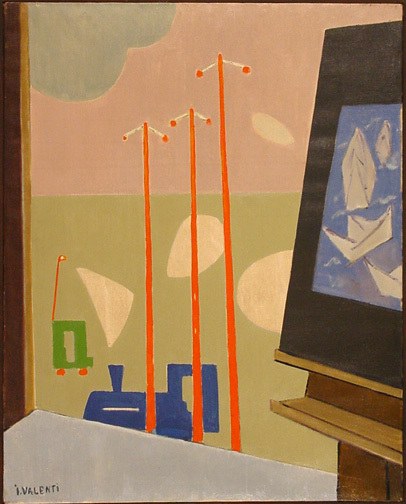
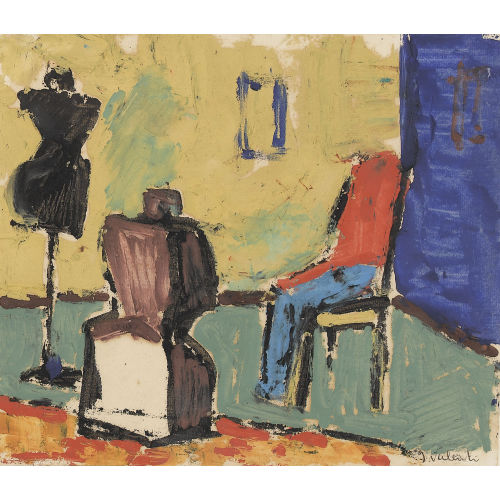
Trained at the Brera Academy under Aldo Carpi, he took part in the formation of the Corrente movement in 1938, which opposed Fascism and the retreat of official culture. His early figurative works, marked by Expressionism and social concerns, subsequently gave way to more intimate subjects.
In 1952, Valenti left Milan for Locarno-Muralto. His career in Ticino developed through contact with an international milieu: Jean Arp, Julius Bissier, Ben Nicholson and Hans Richter were among his friends. Remo Rossi’s studios in Locarno and François Lafranca’s printing workshop were important places for these exchanges.
His friendship with the writer Alfred Andersch also contributed to this intellectual horizon.
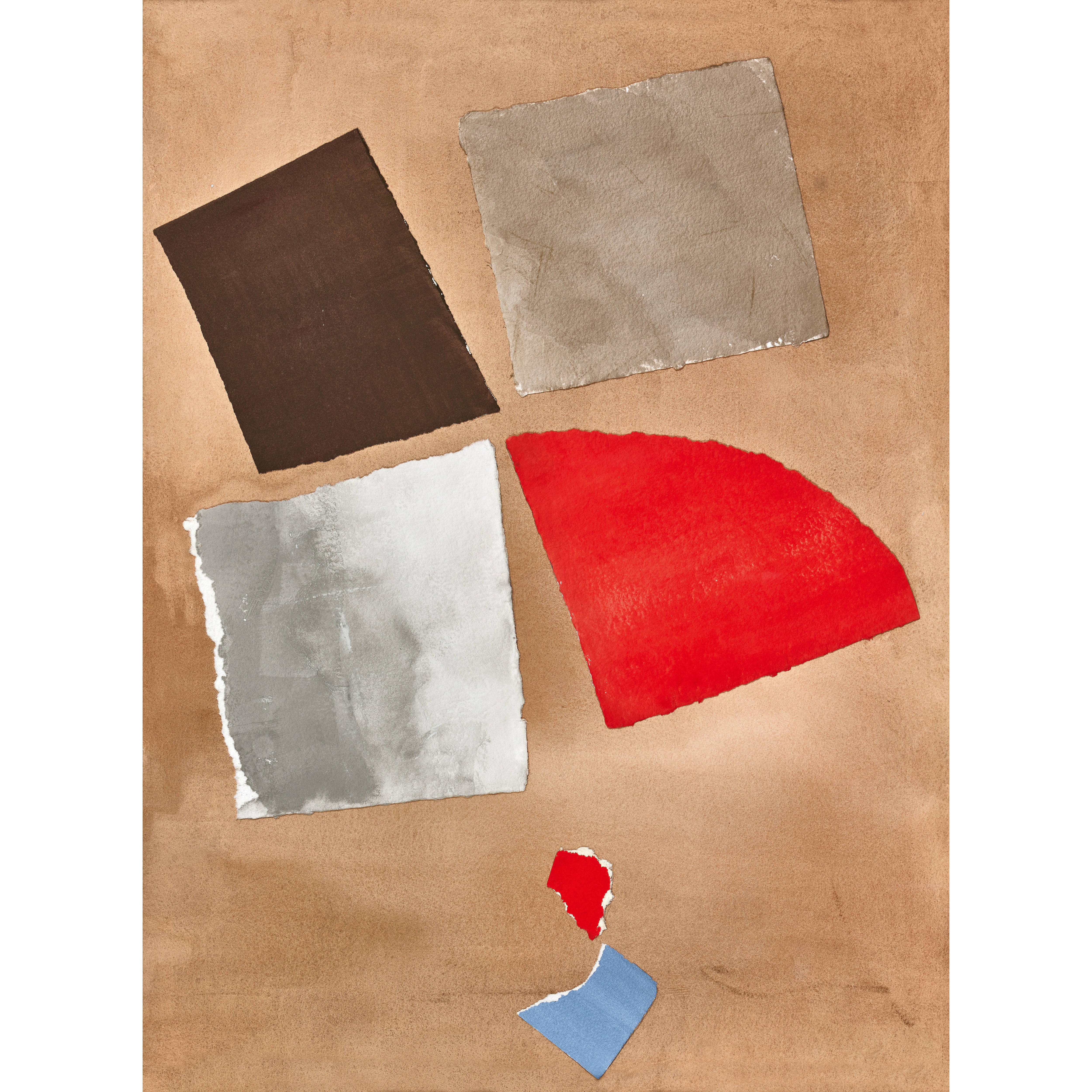
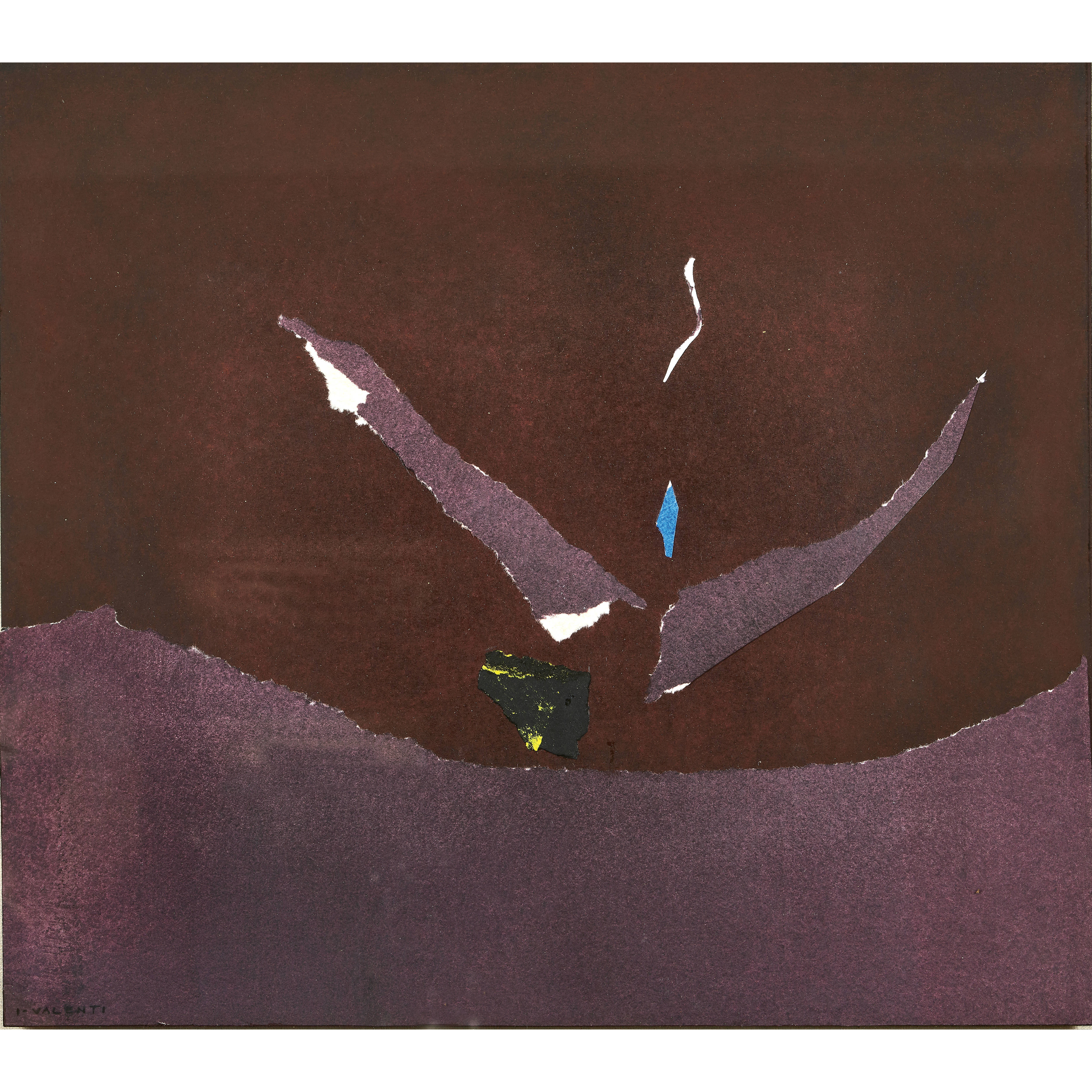
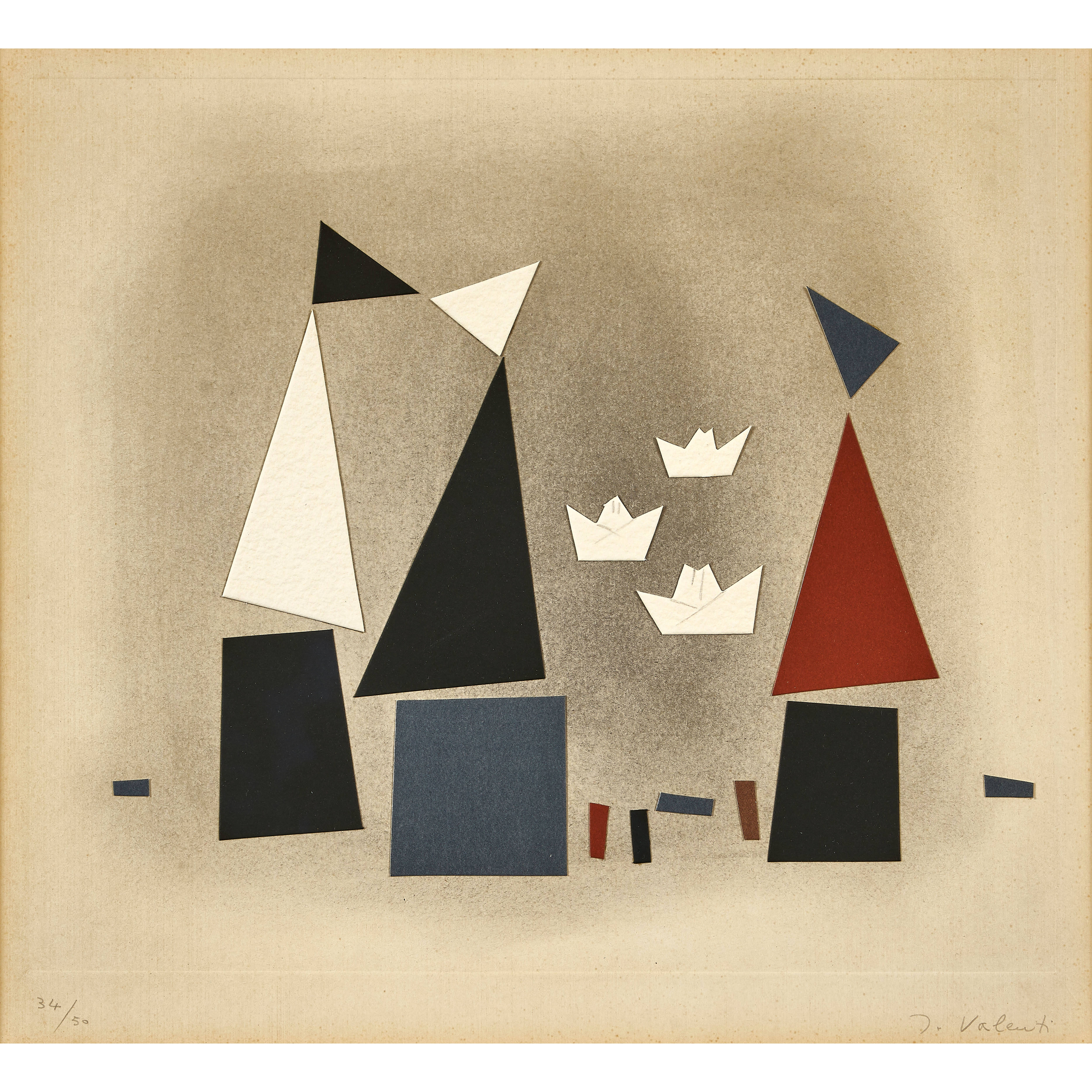
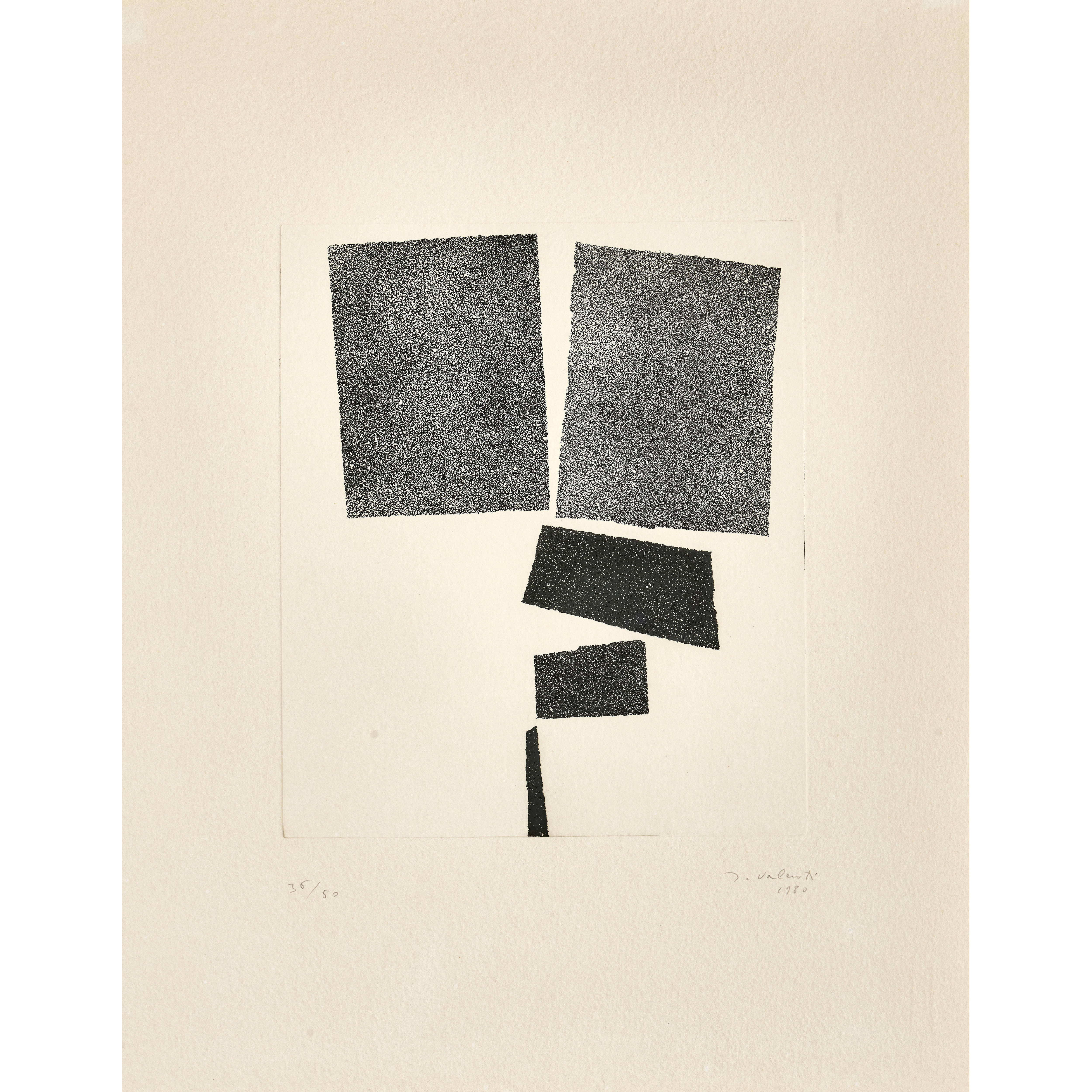
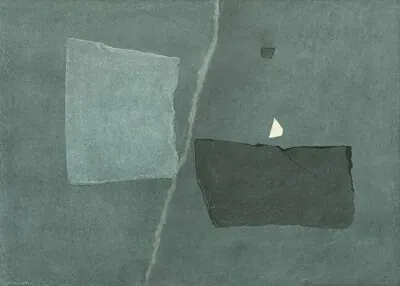
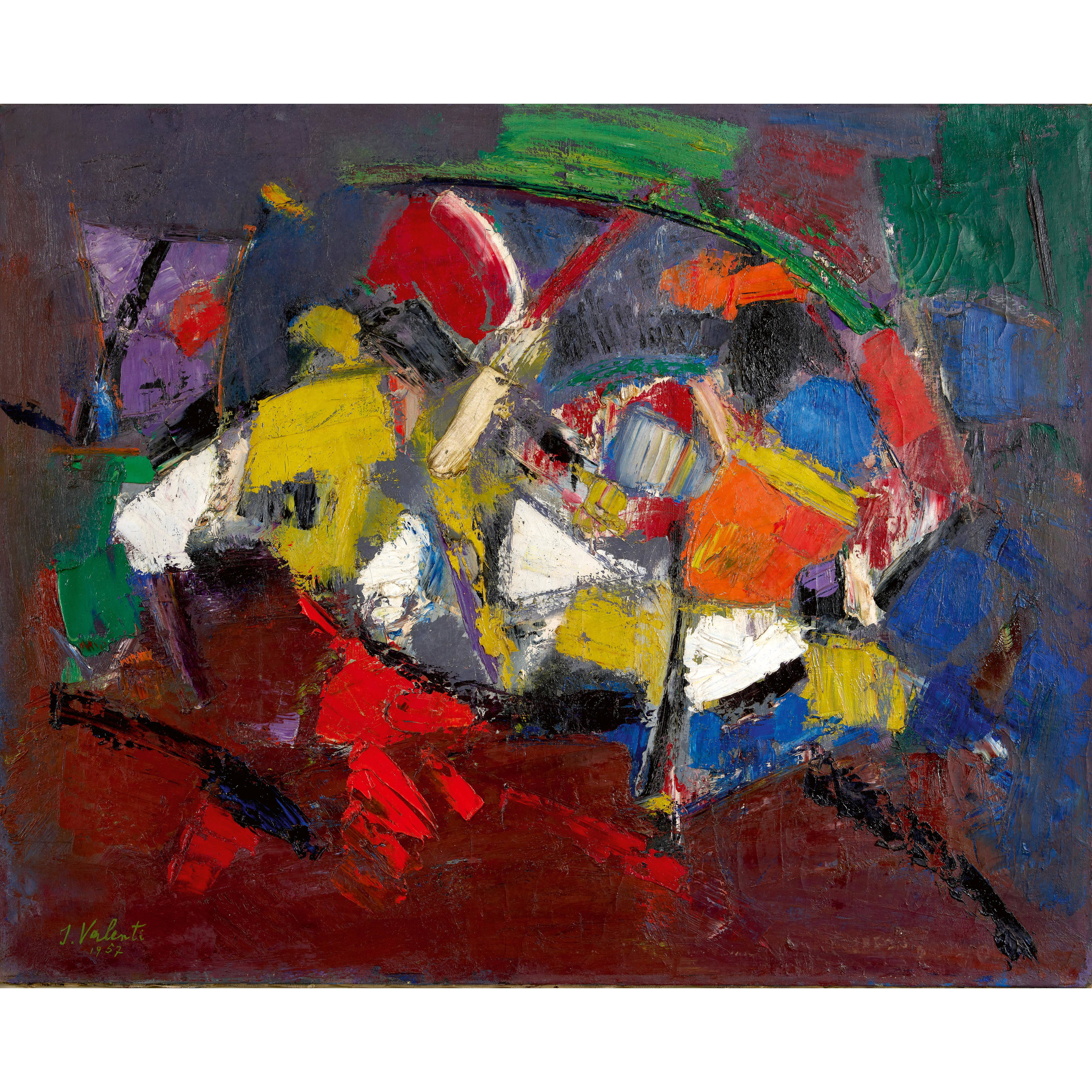
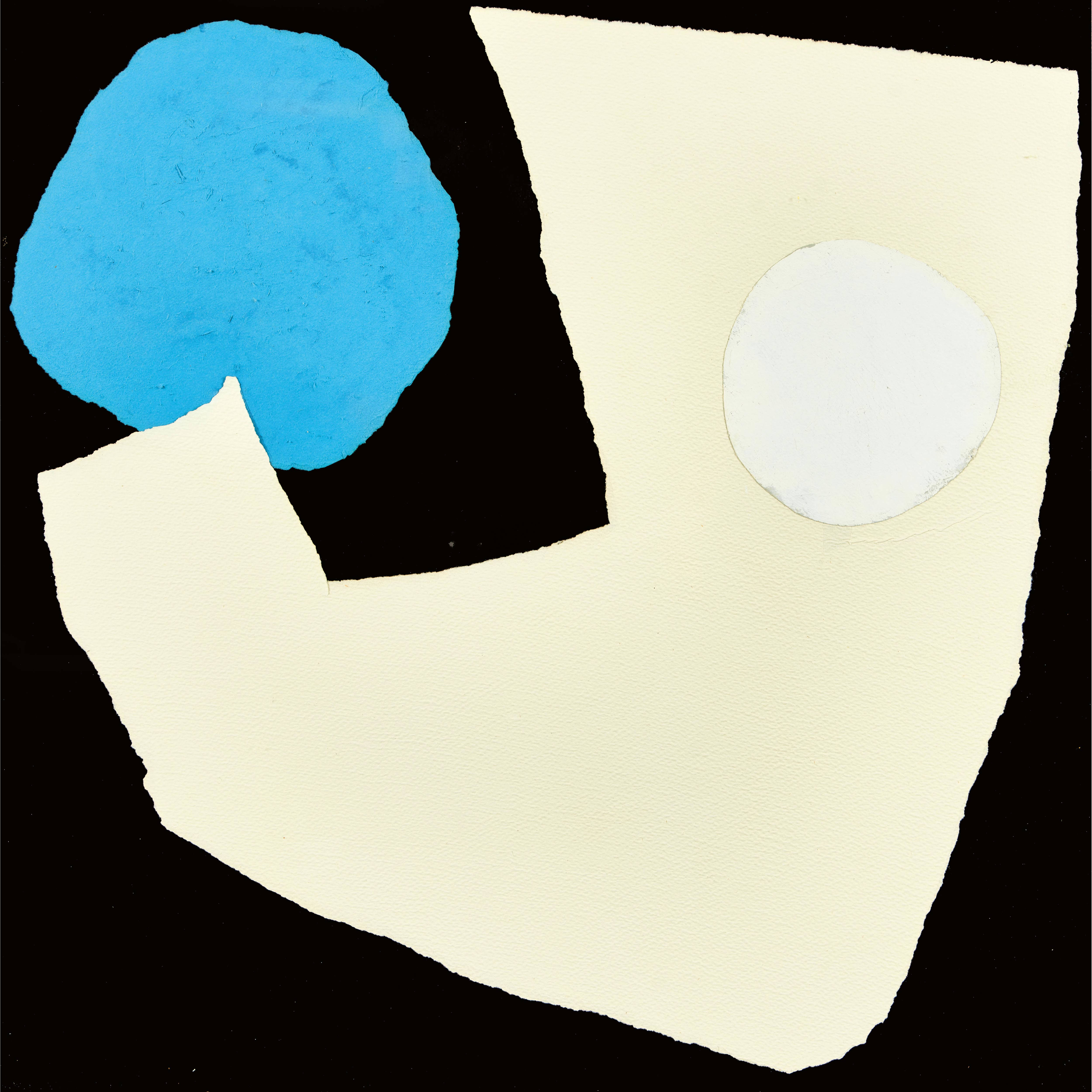
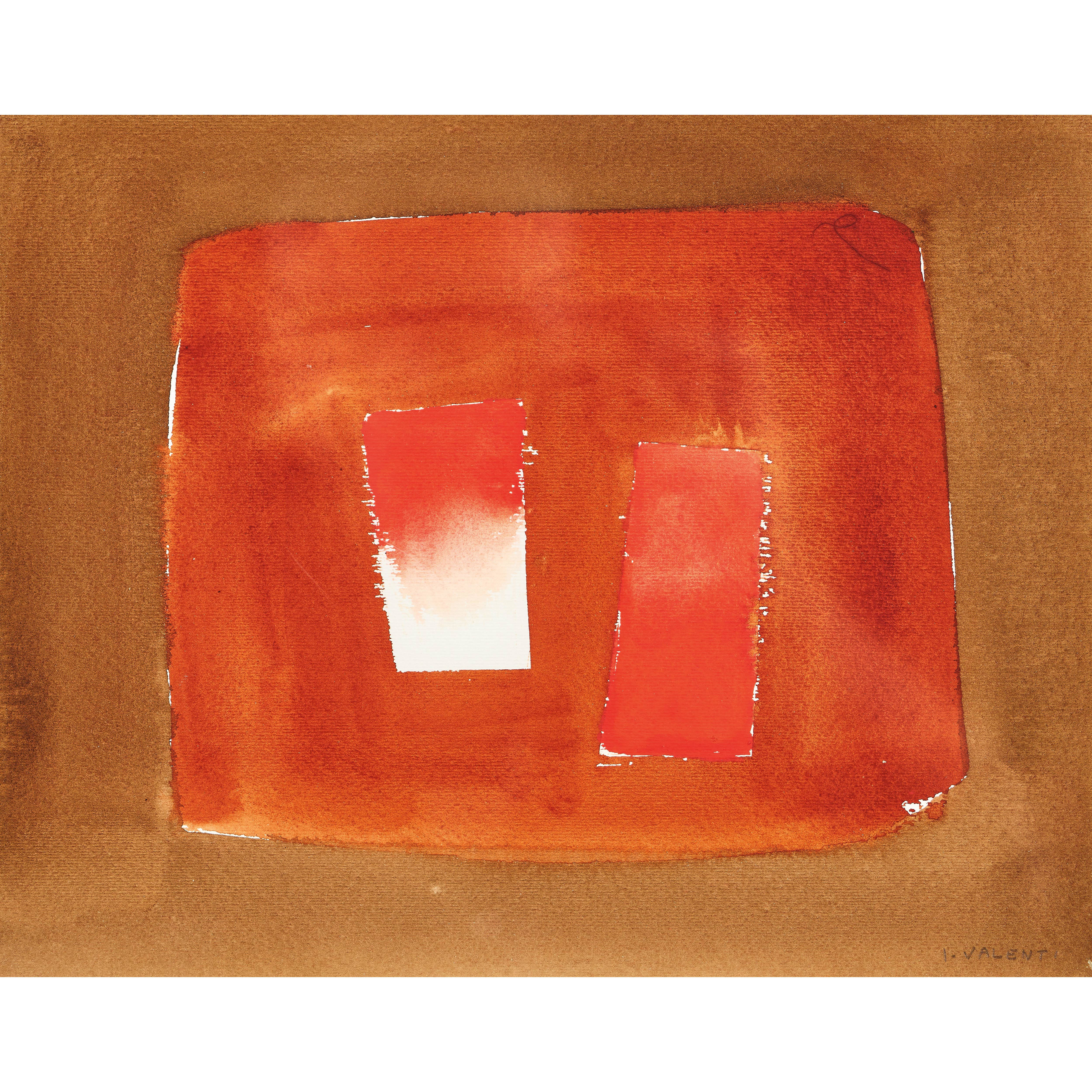
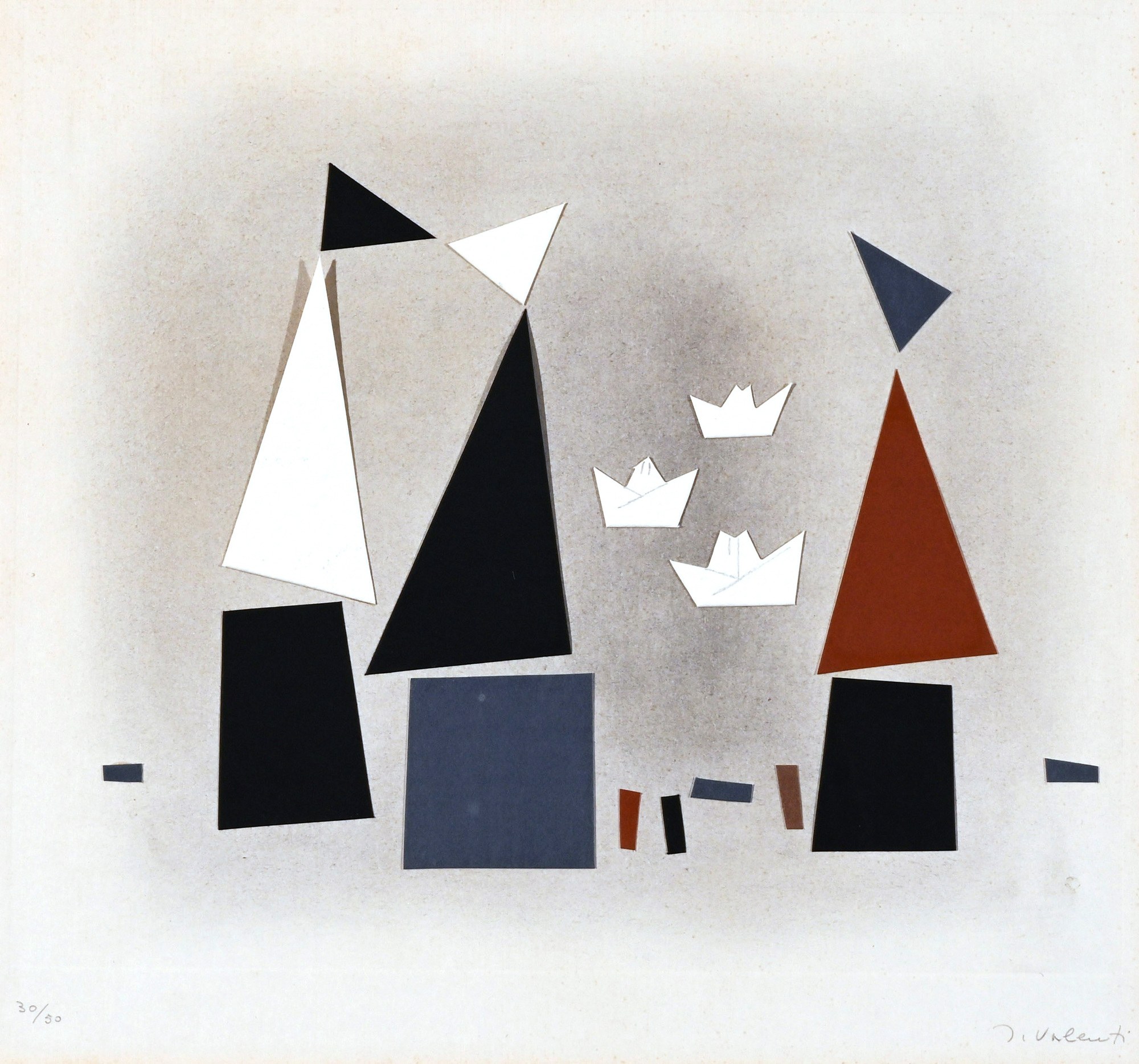
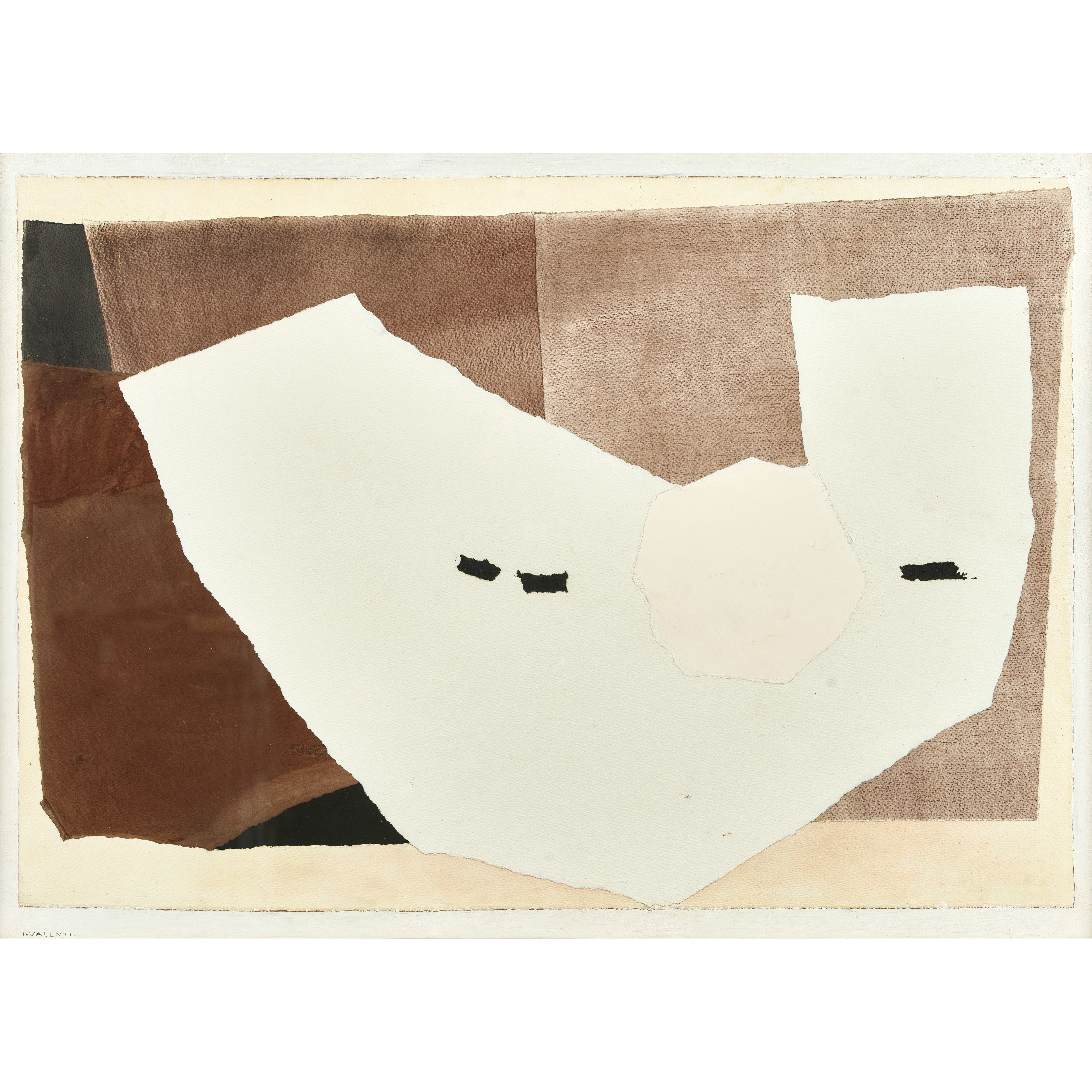
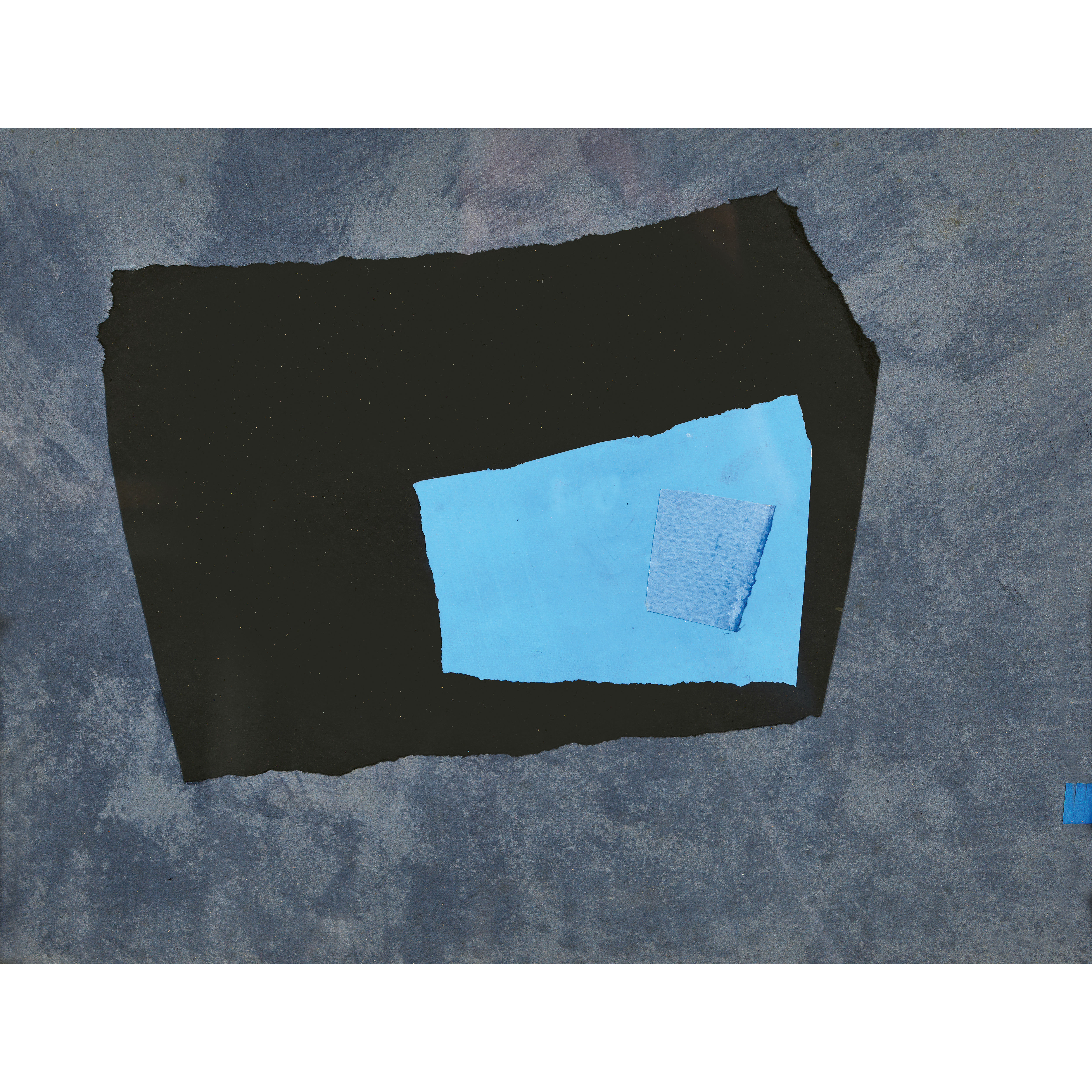
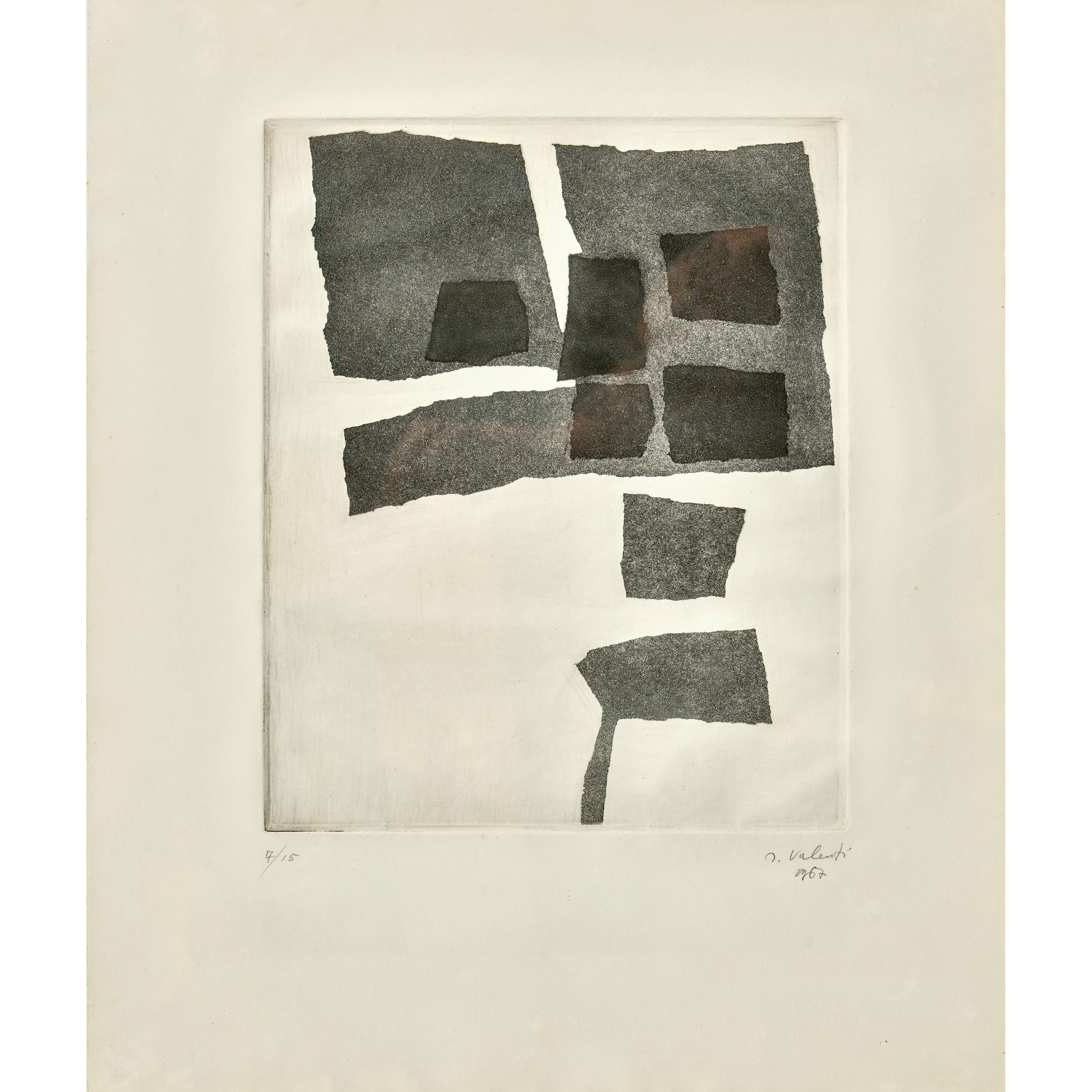
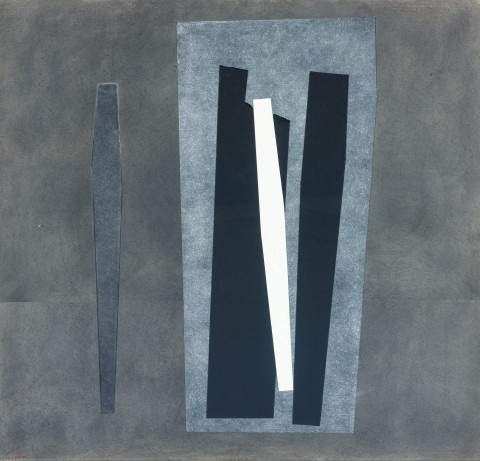
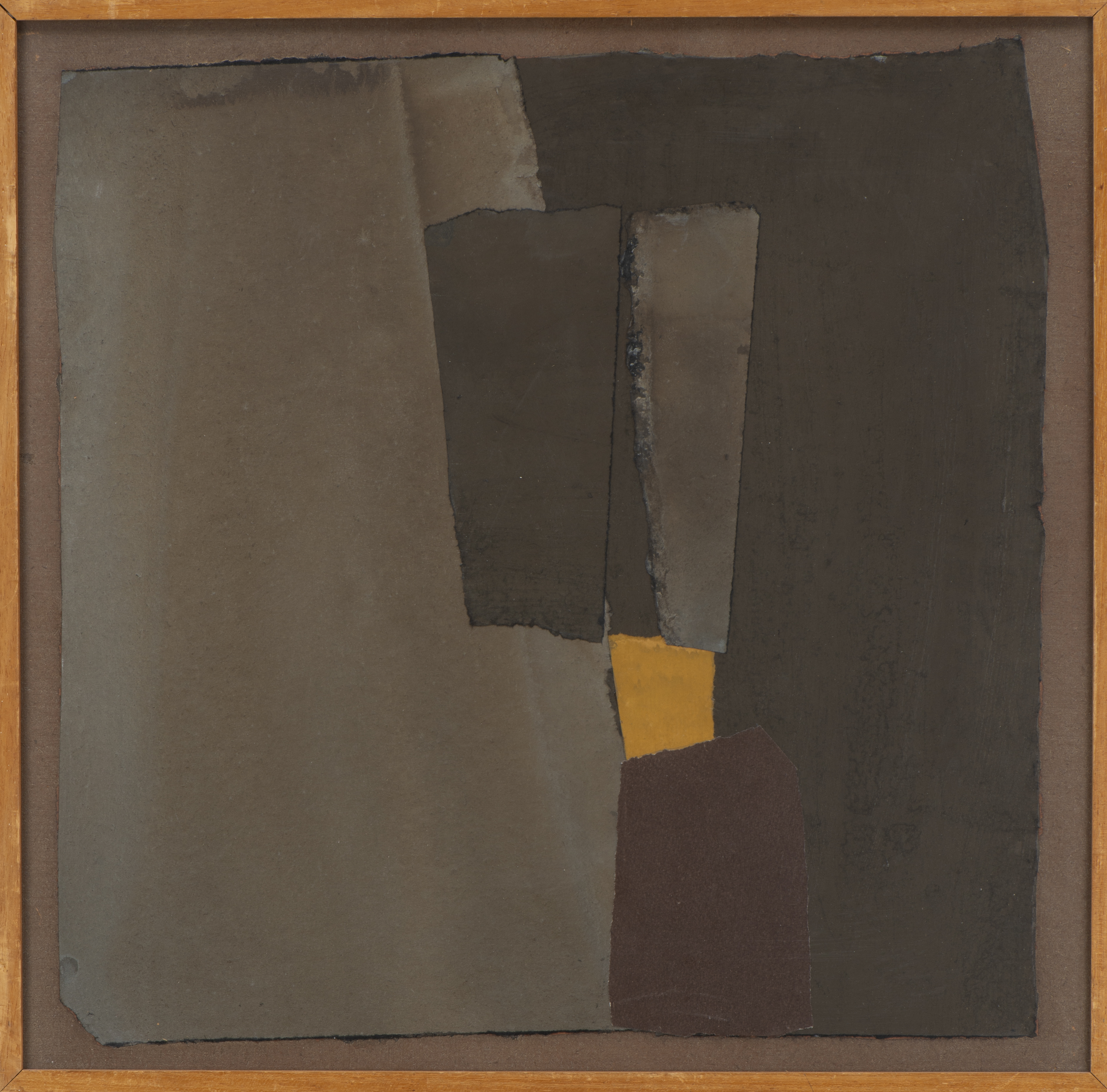
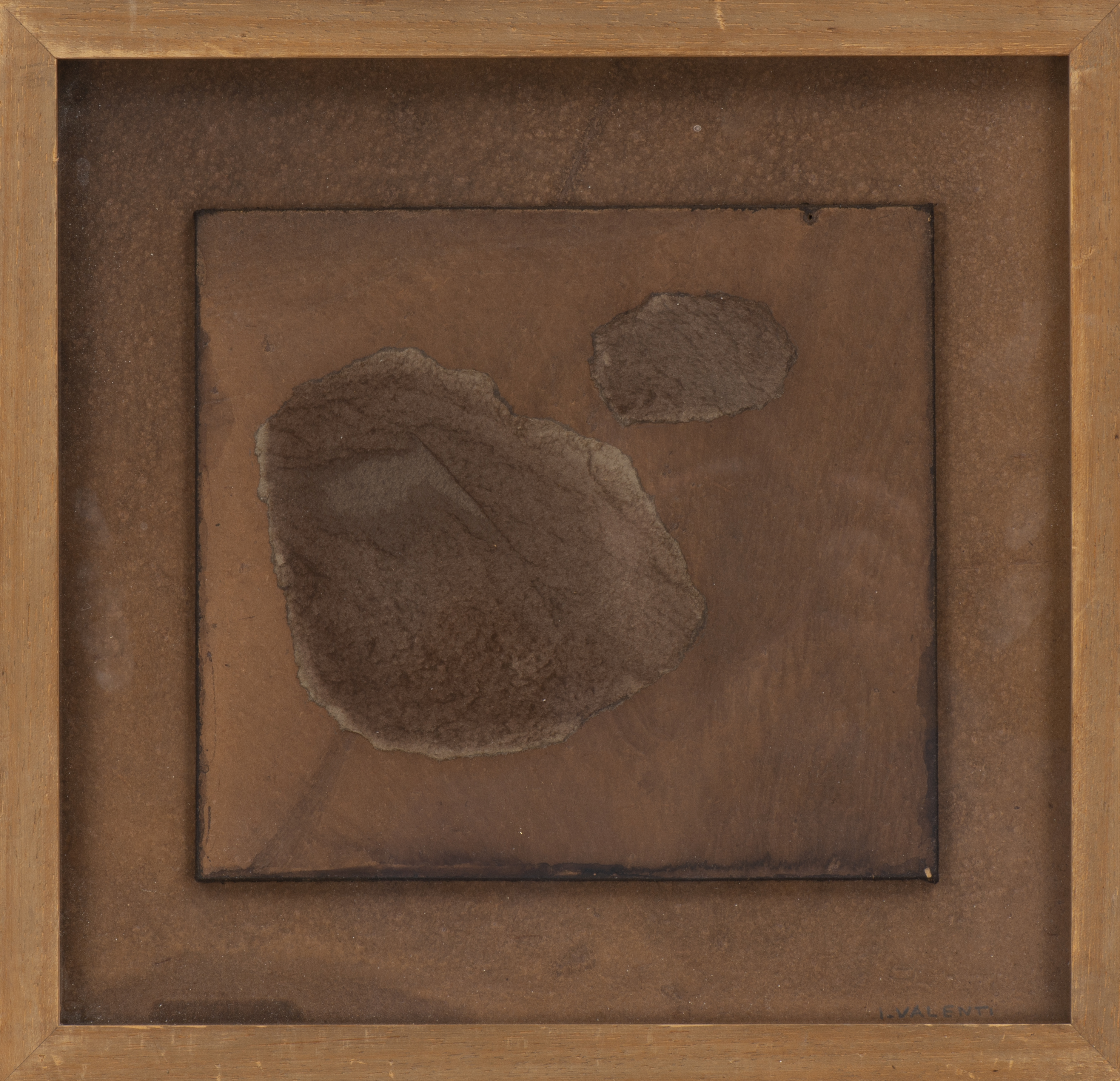
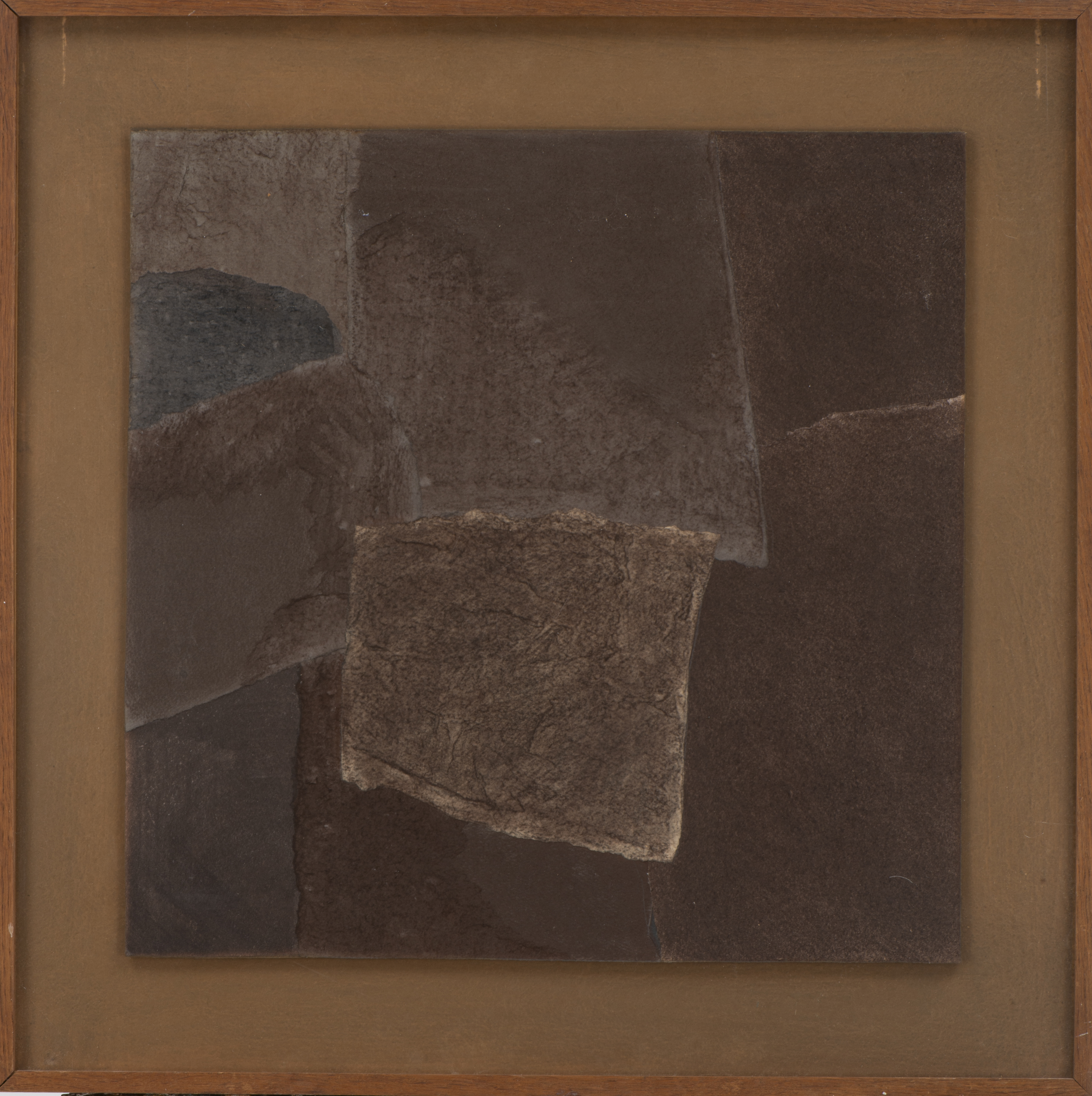
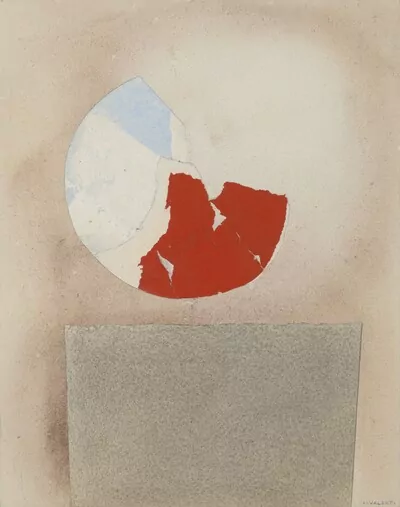
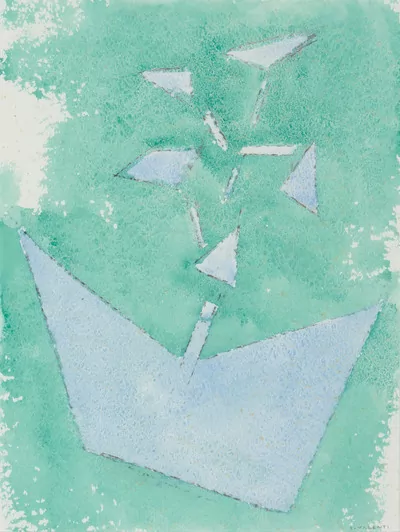
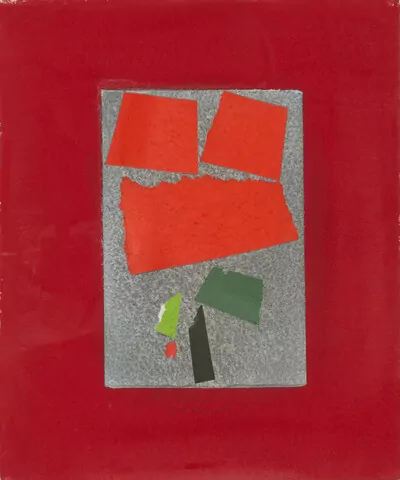
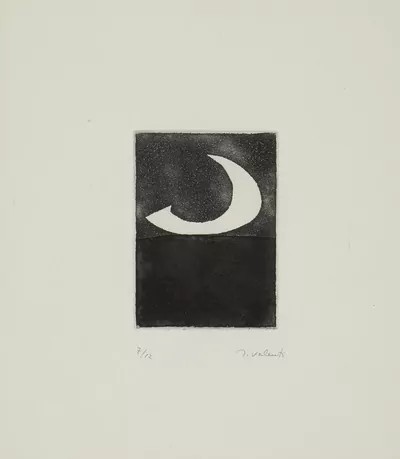
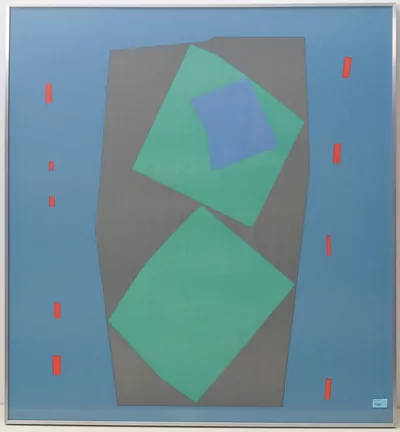
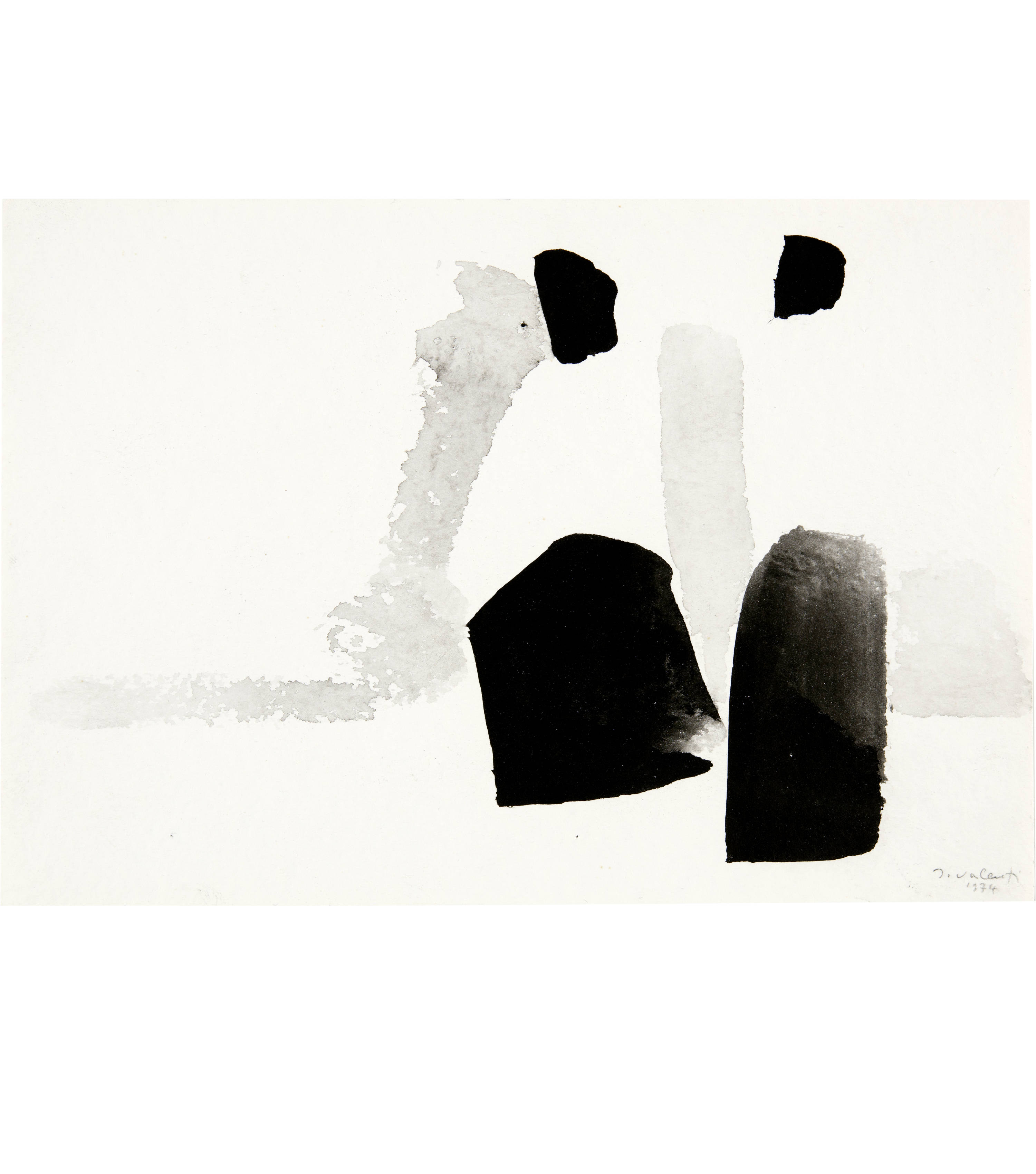
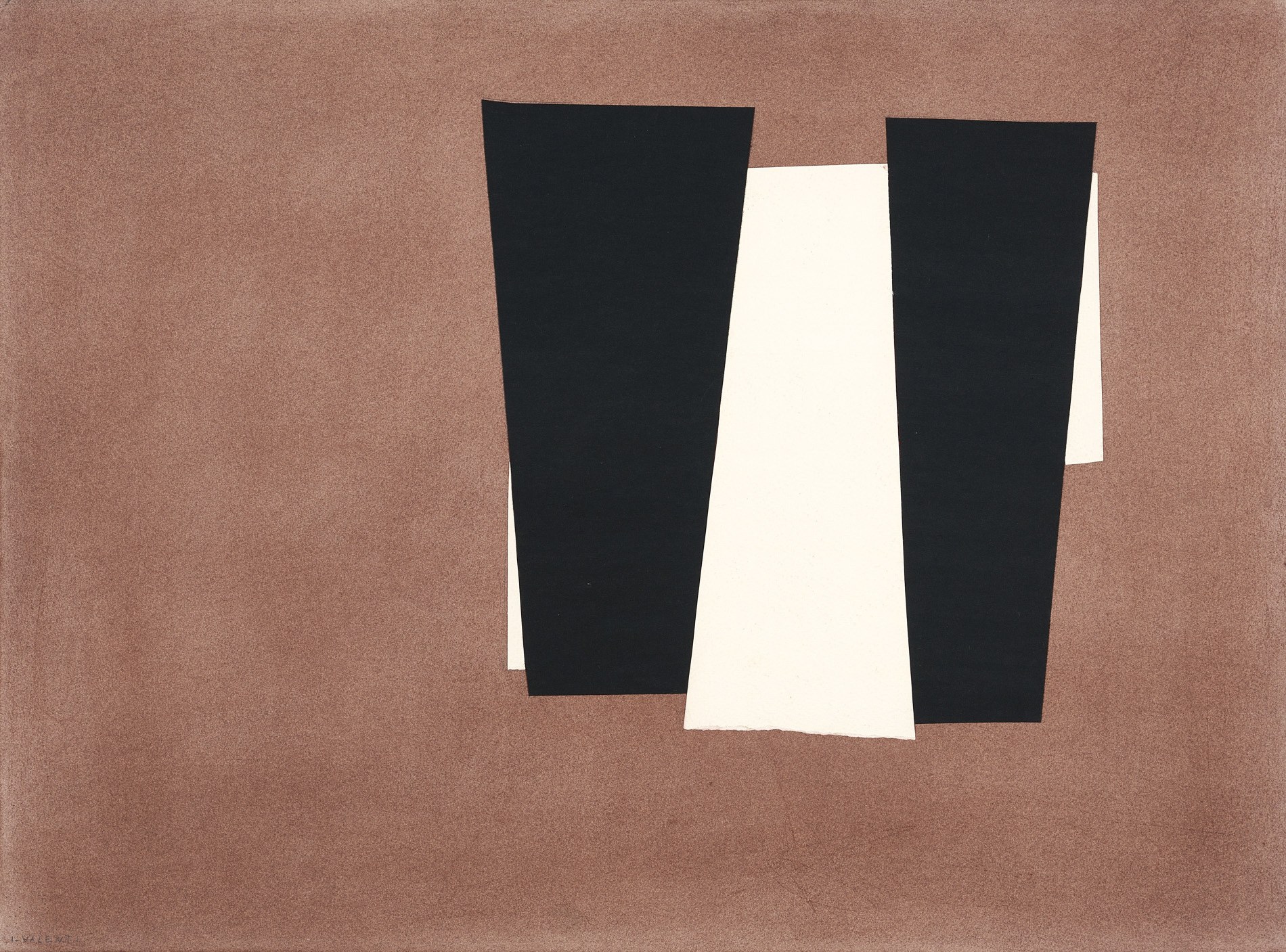
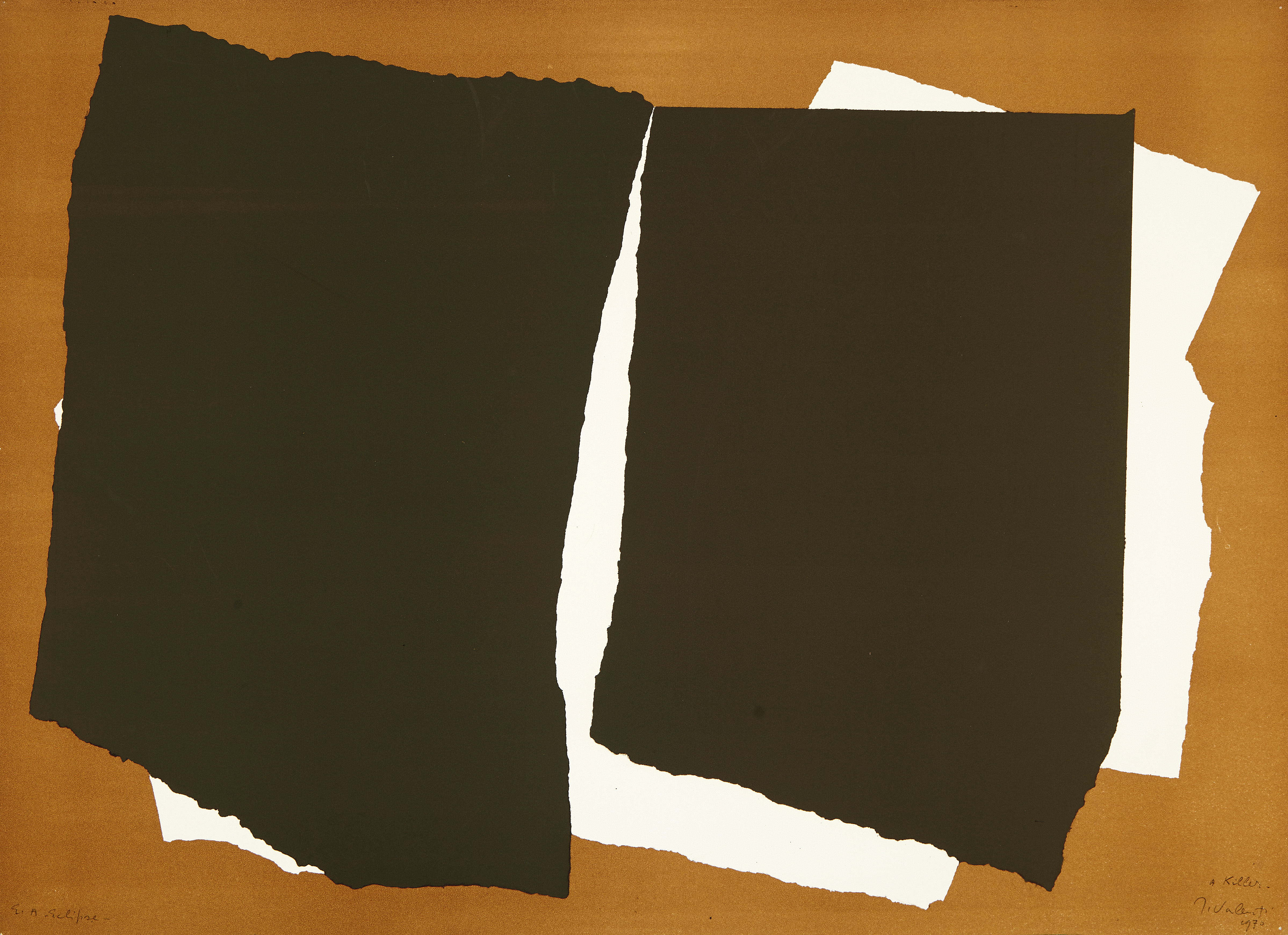
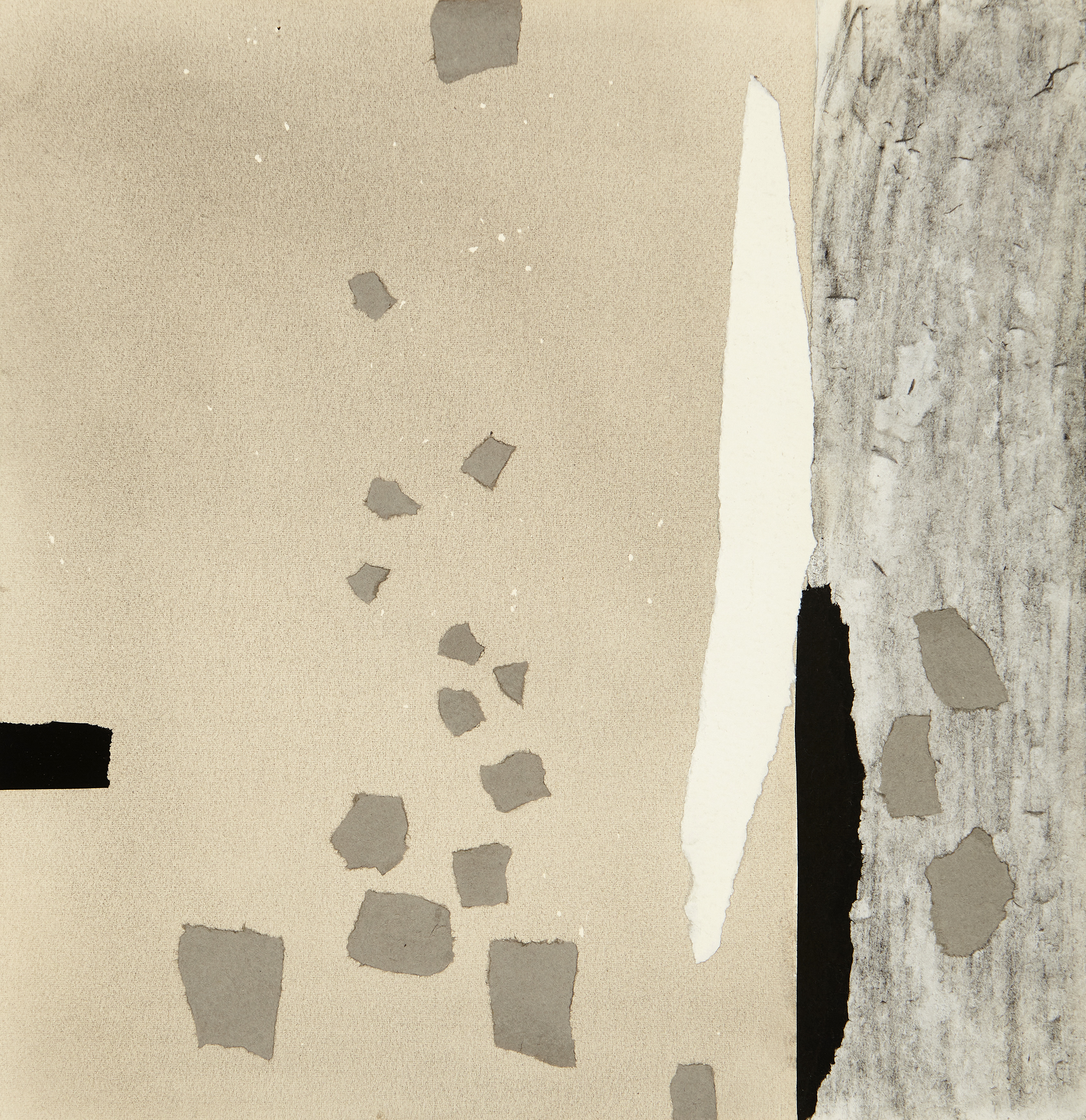
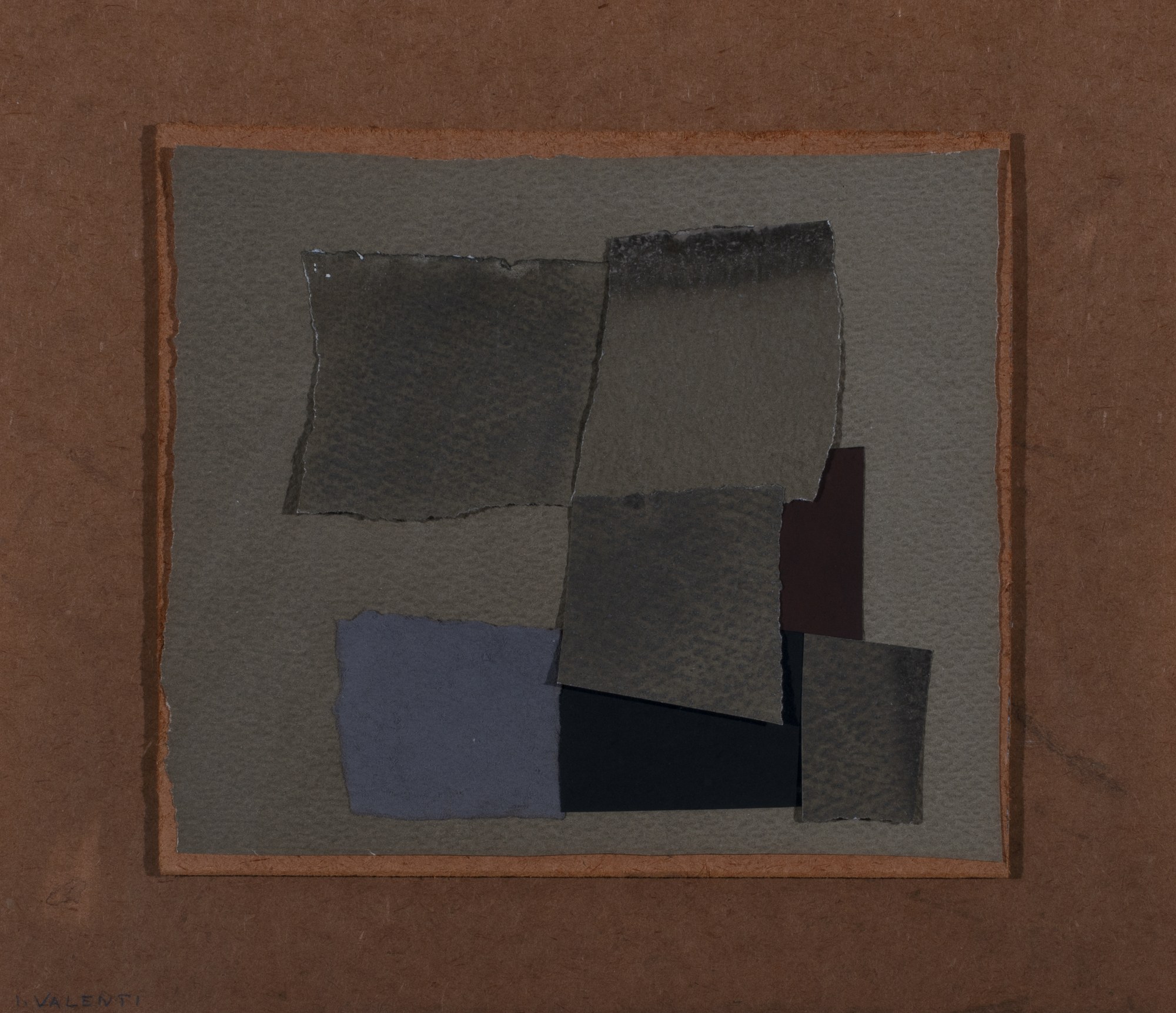
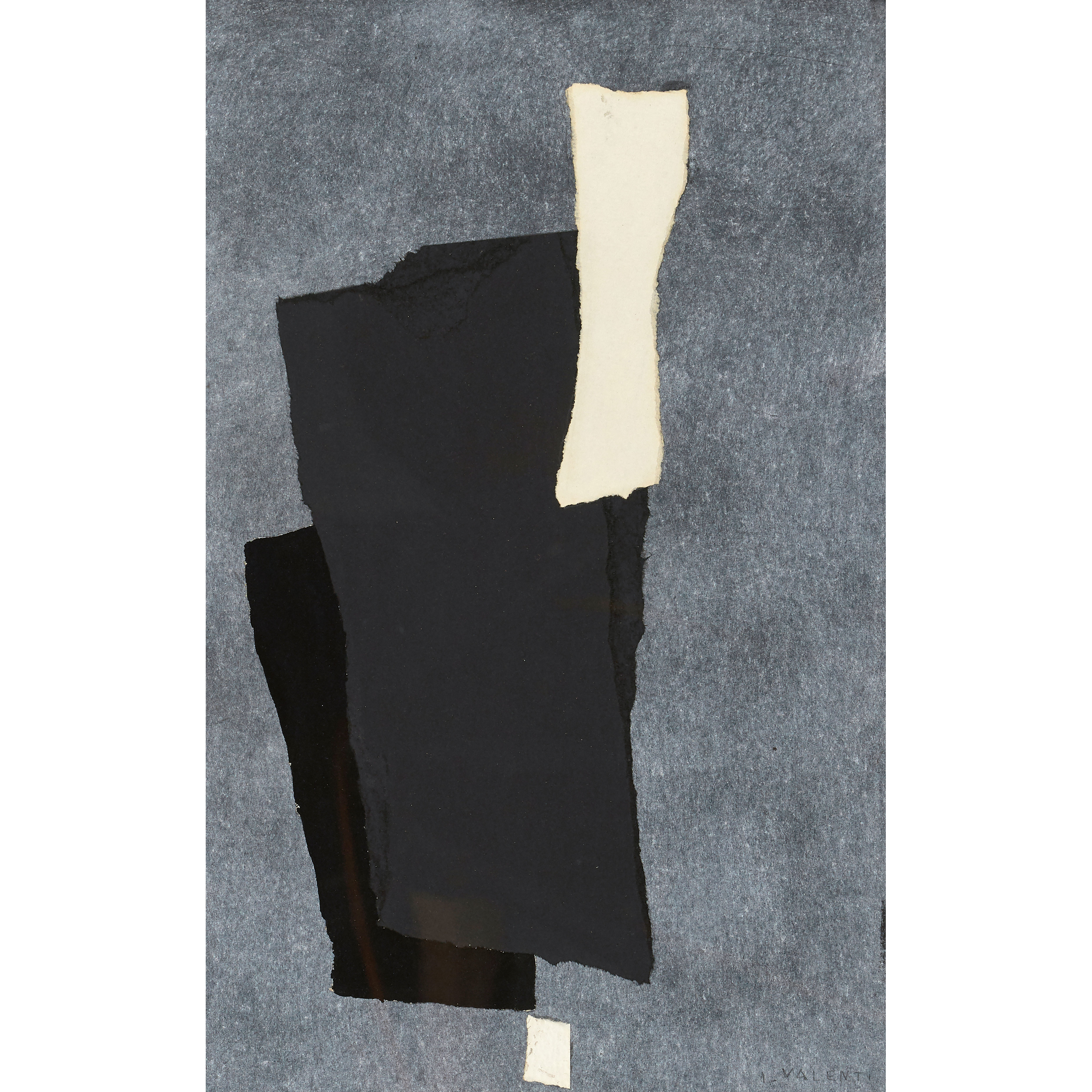
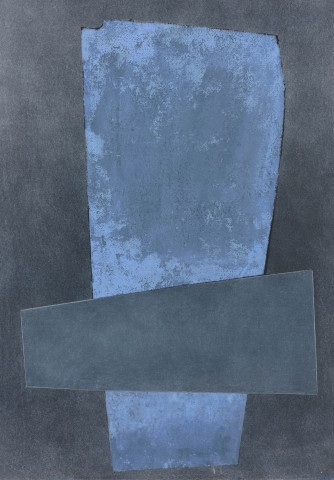
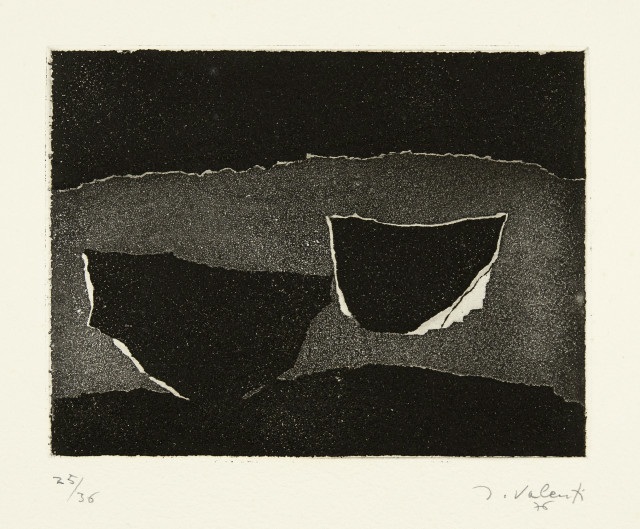
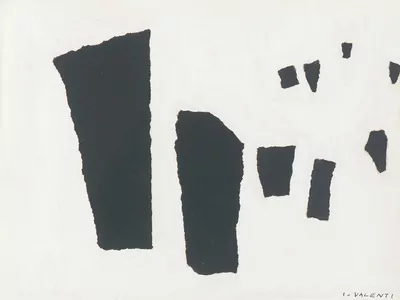
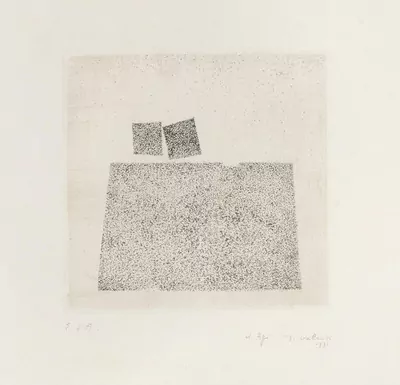
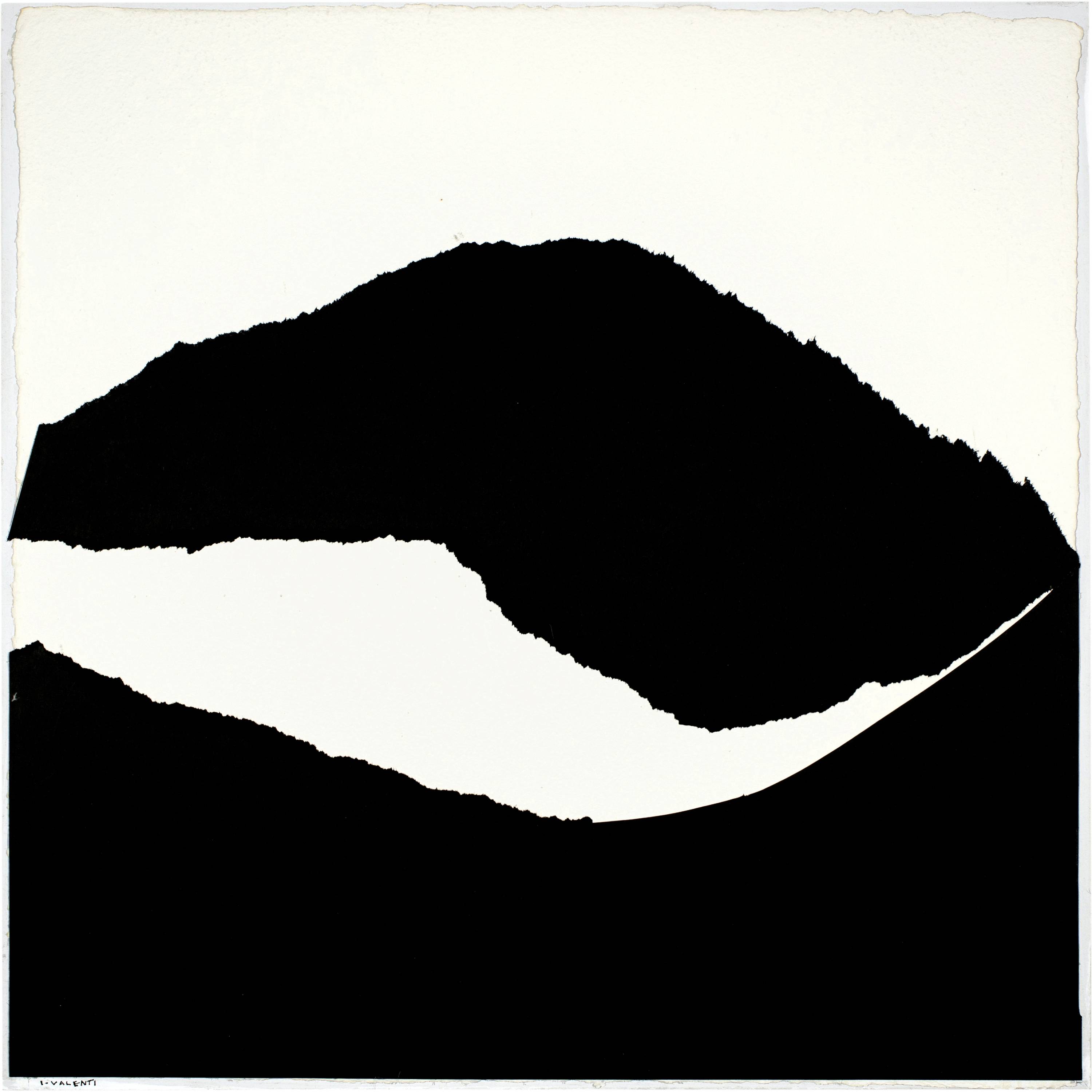
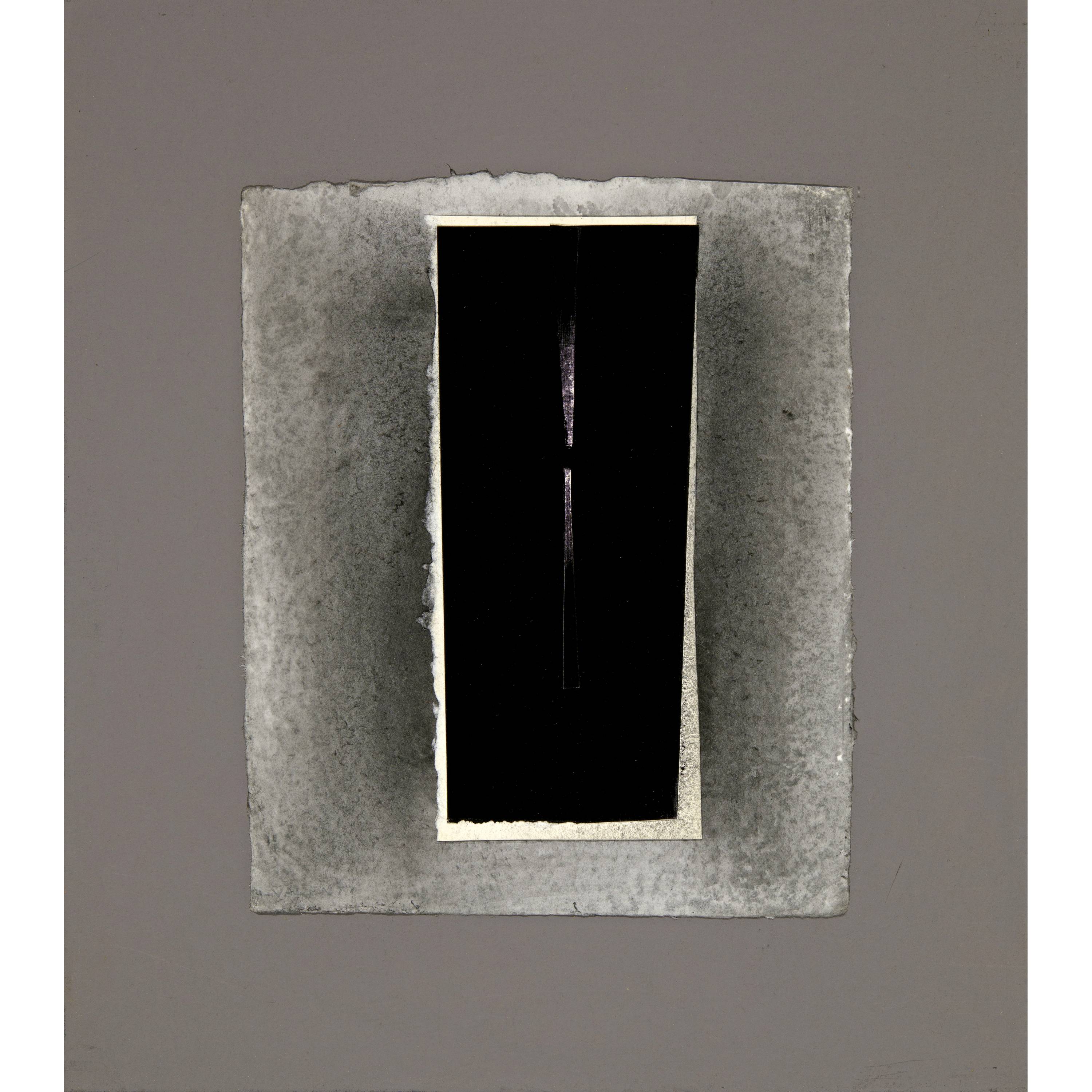
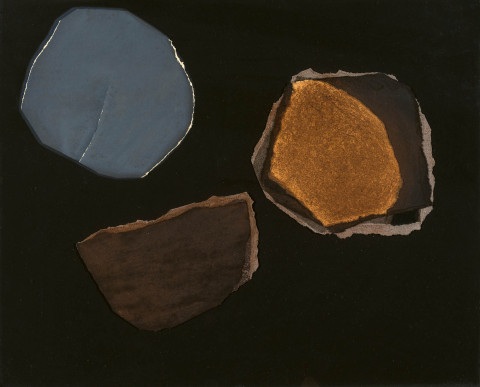
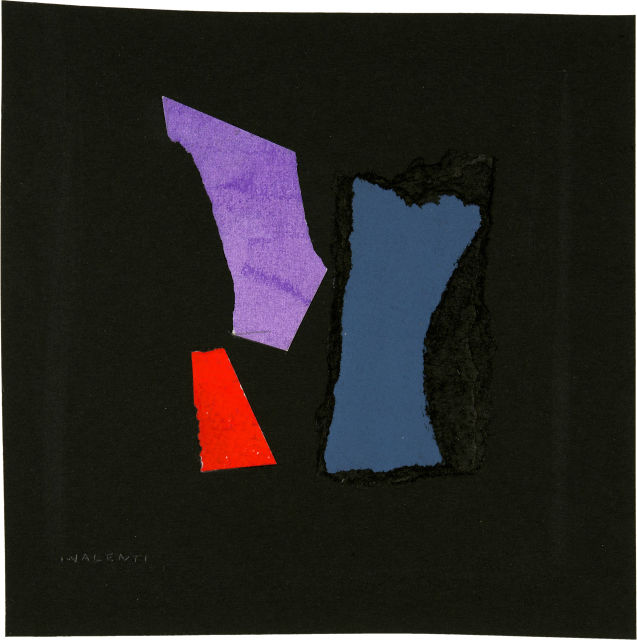
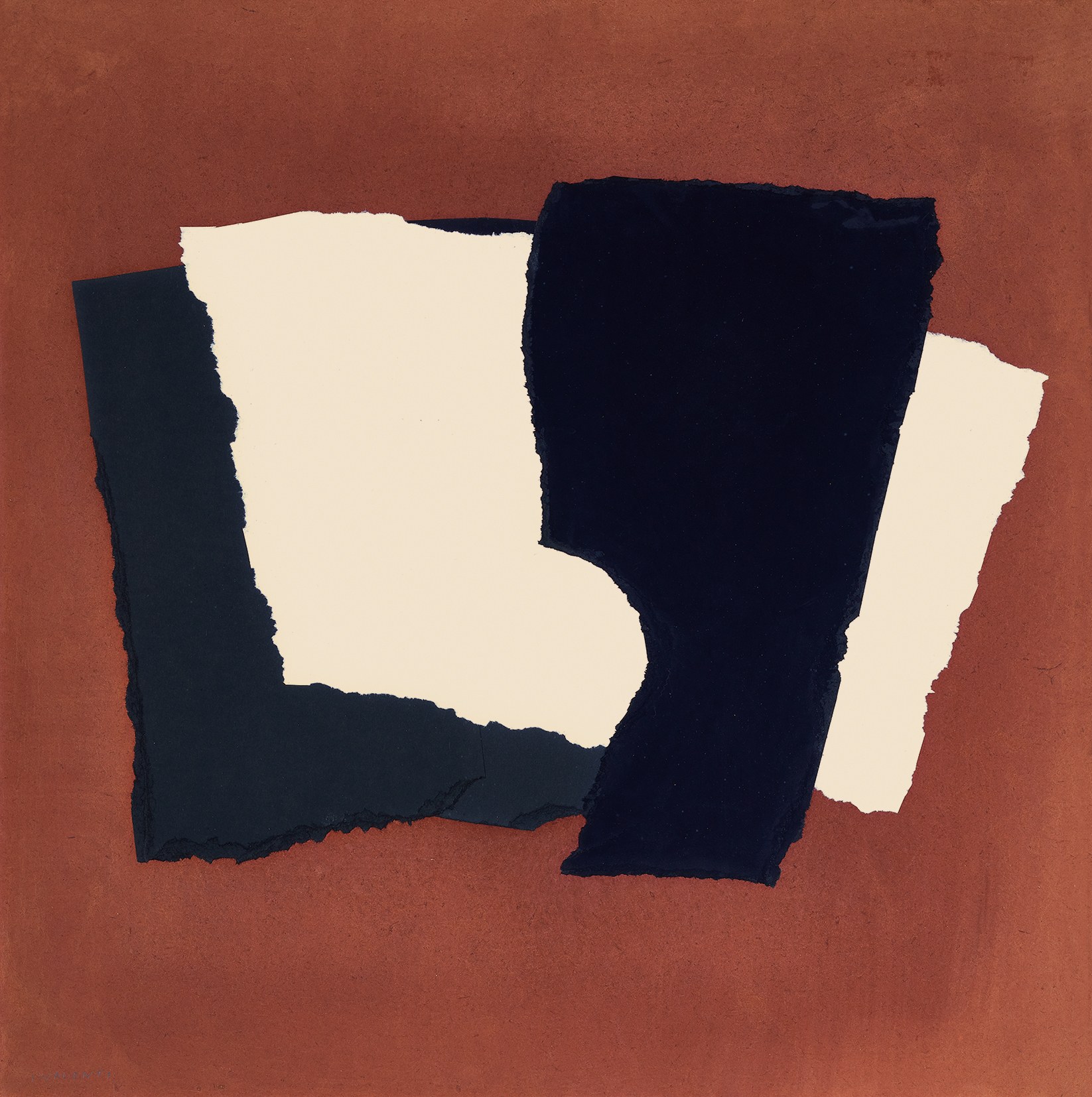
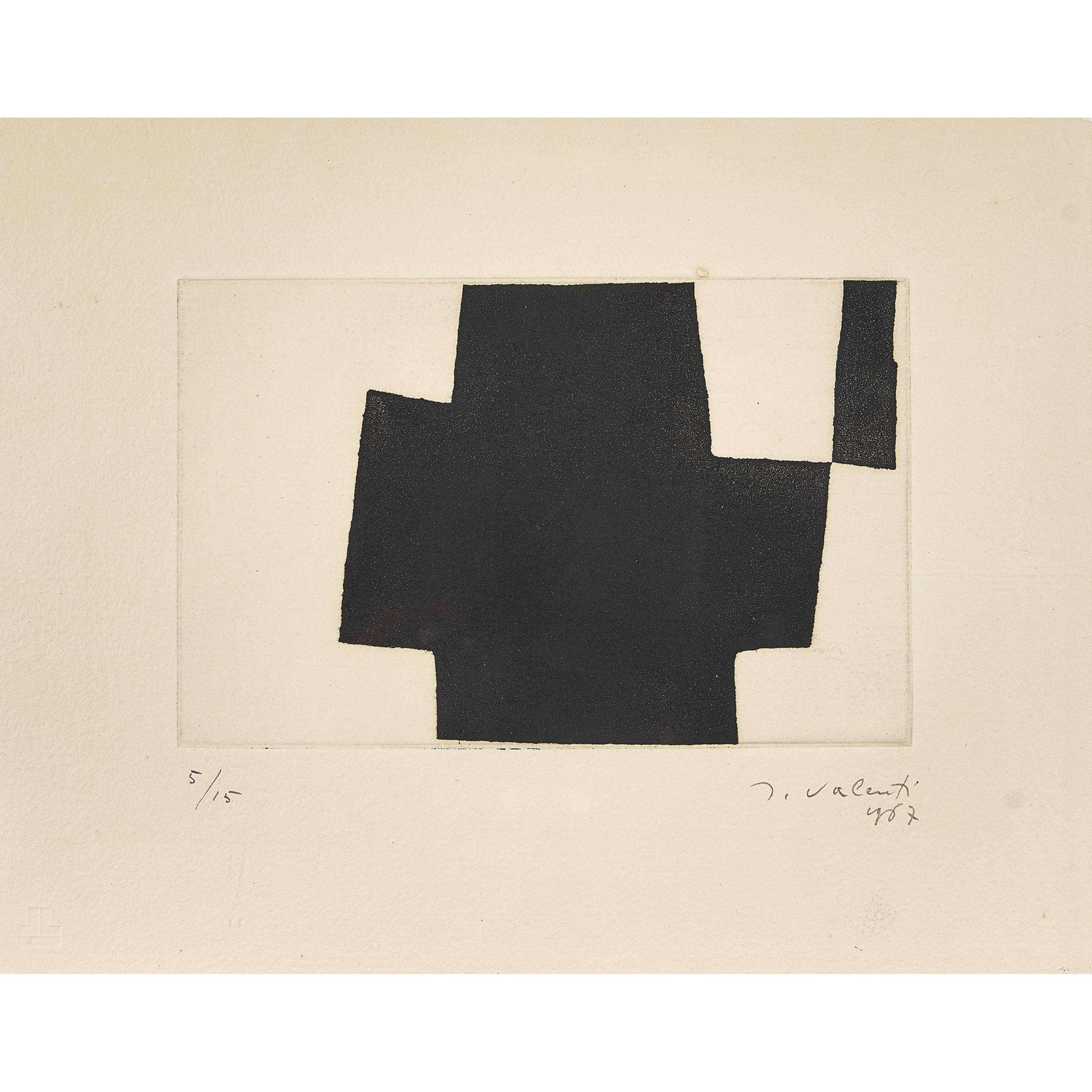
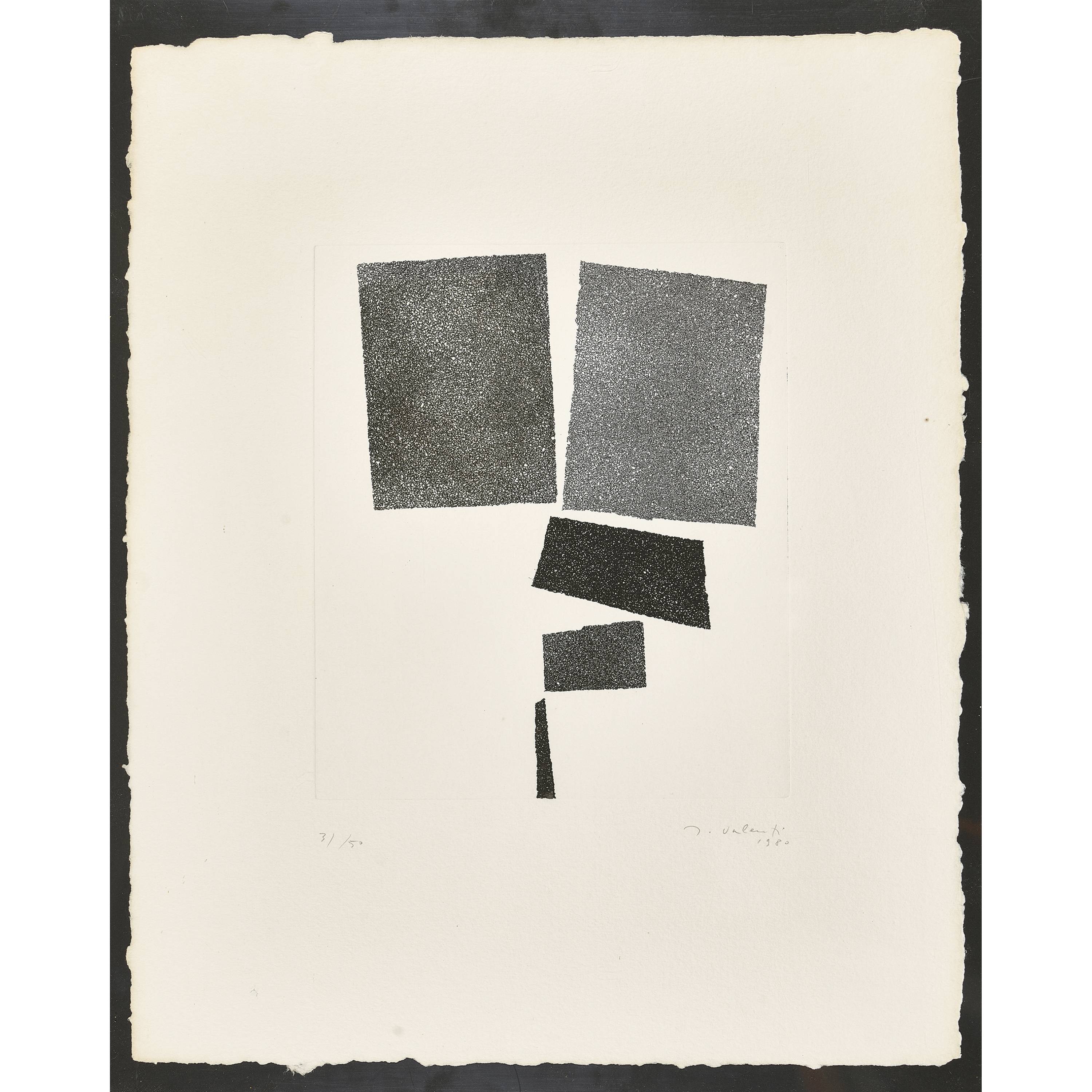
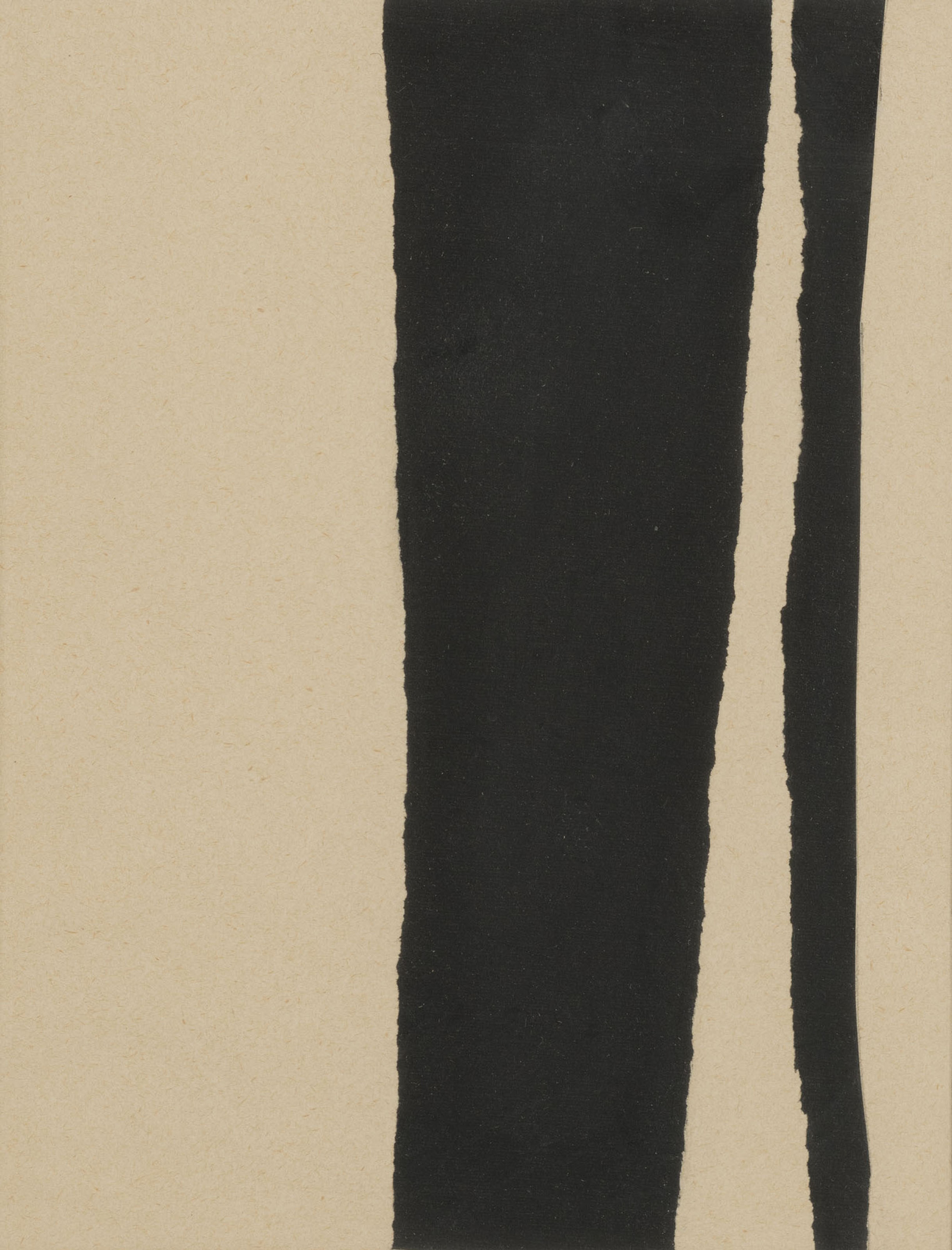
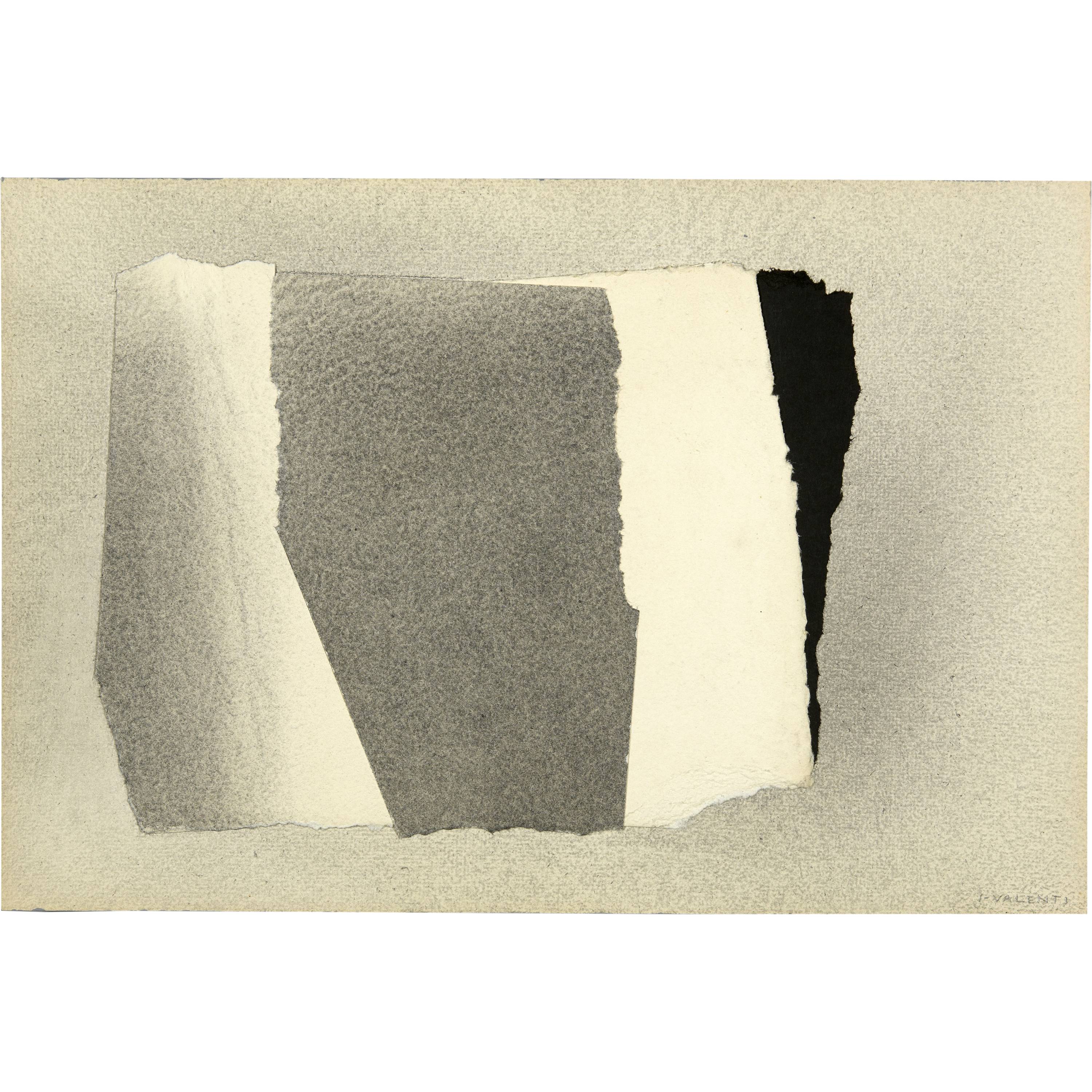
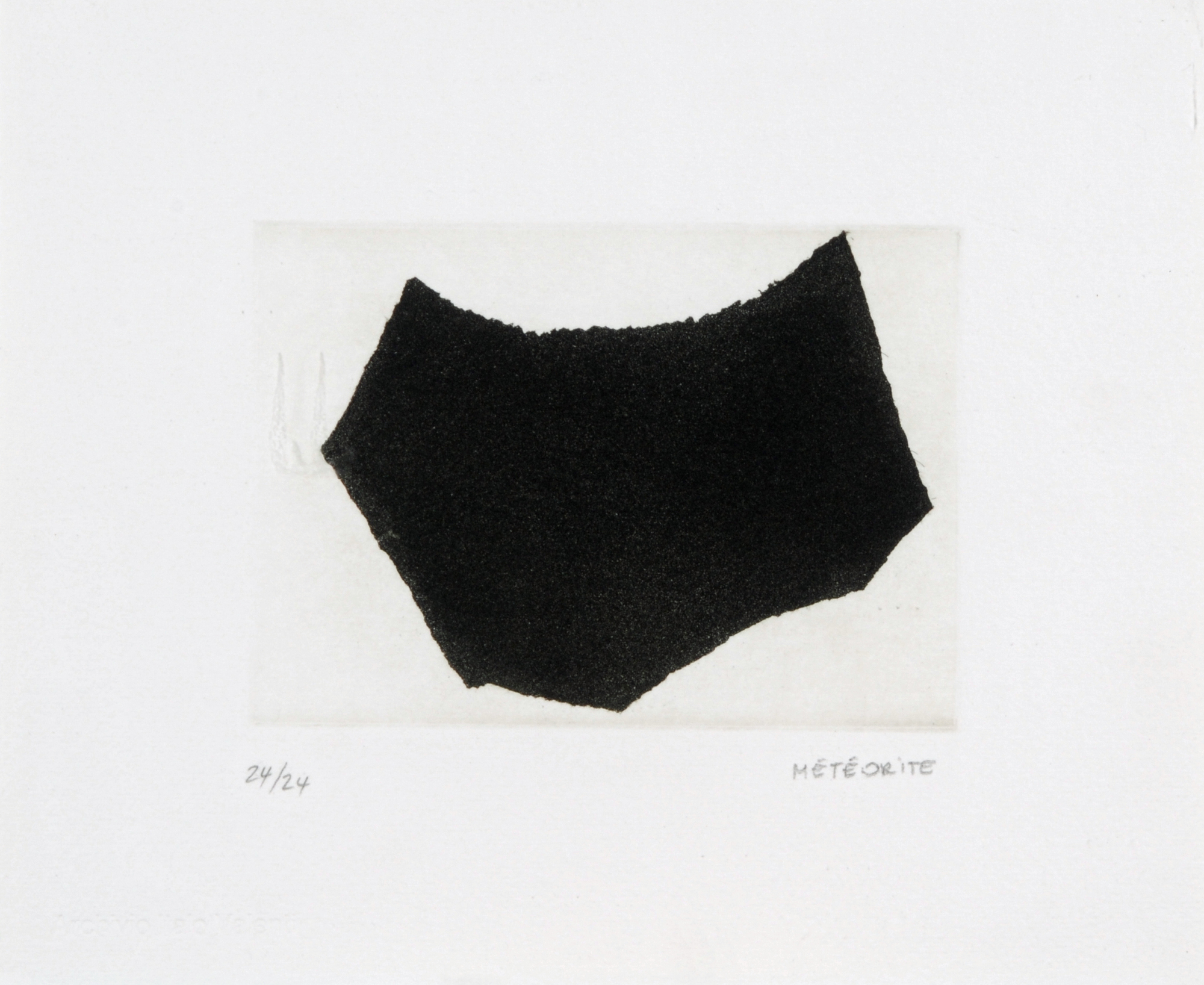
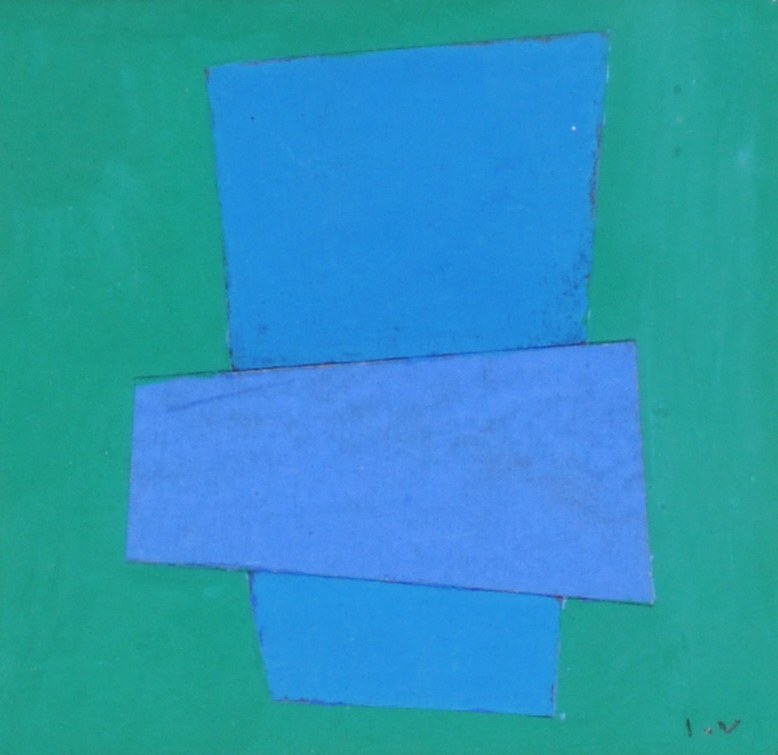
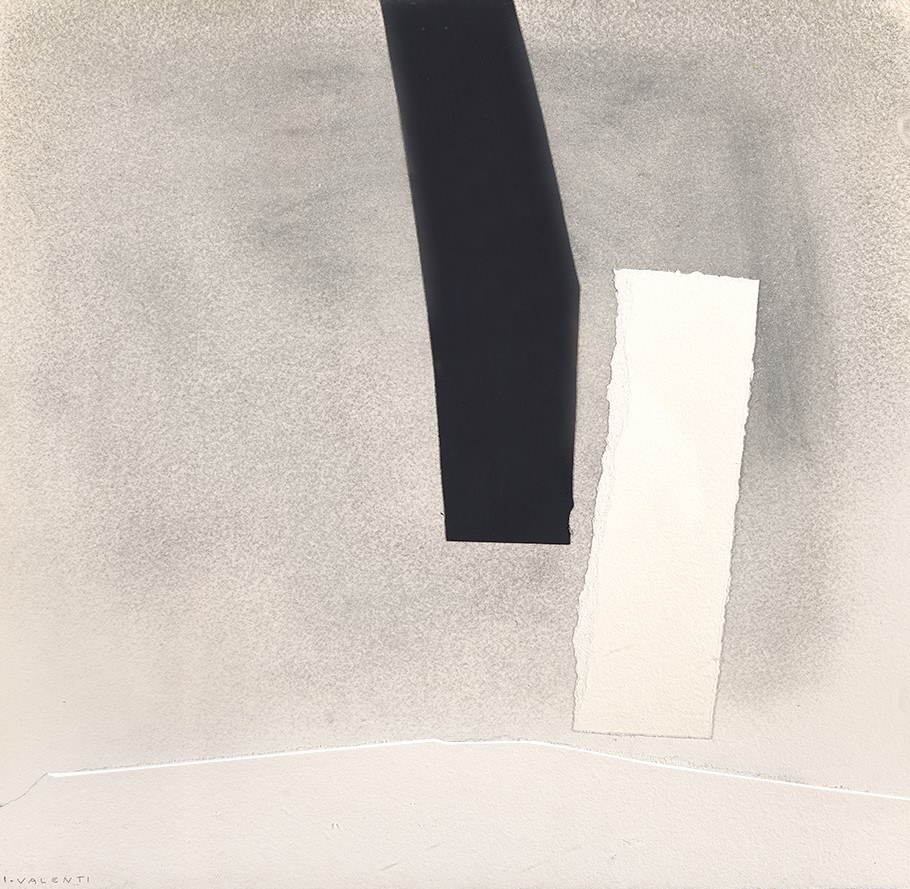
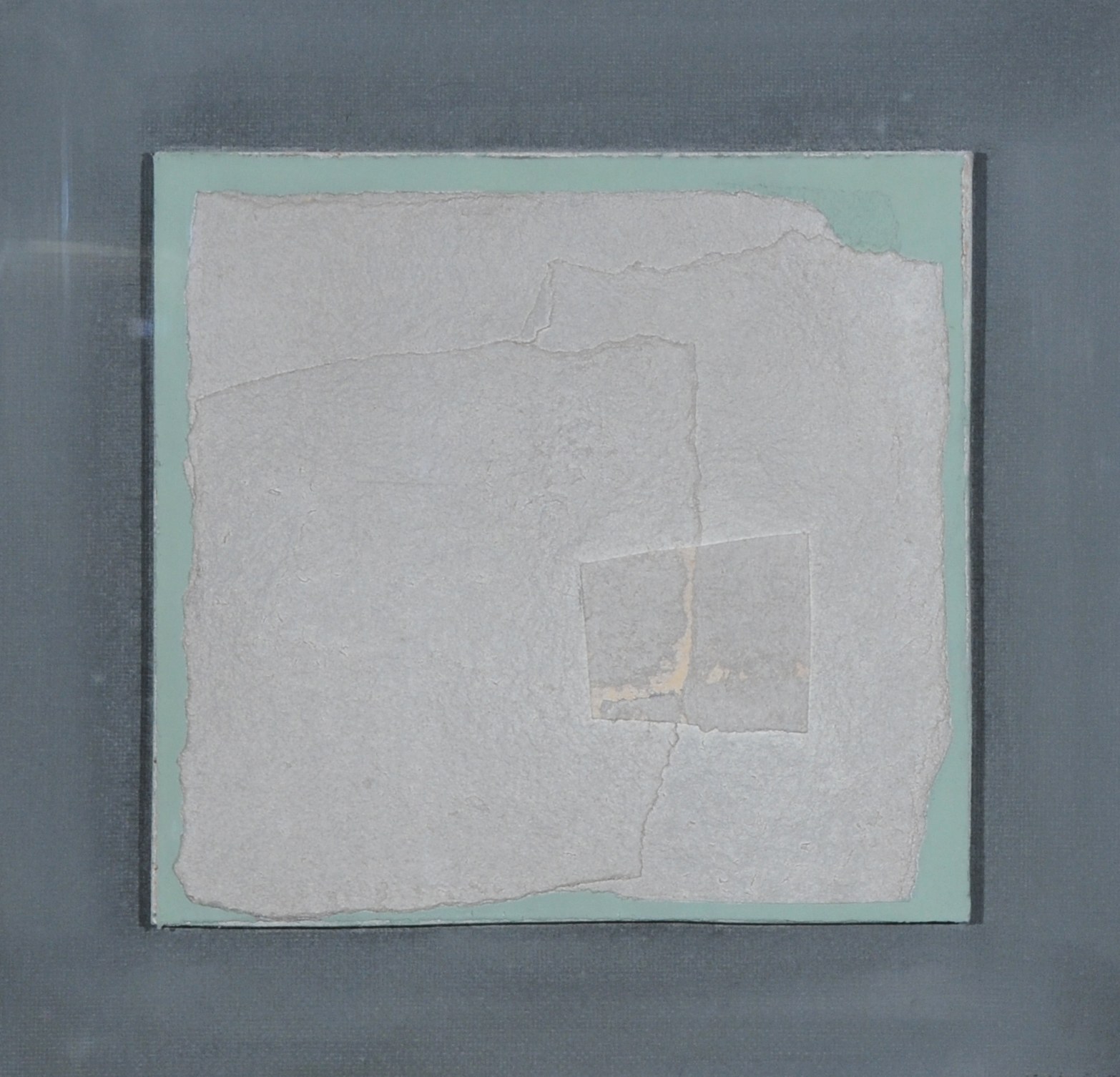
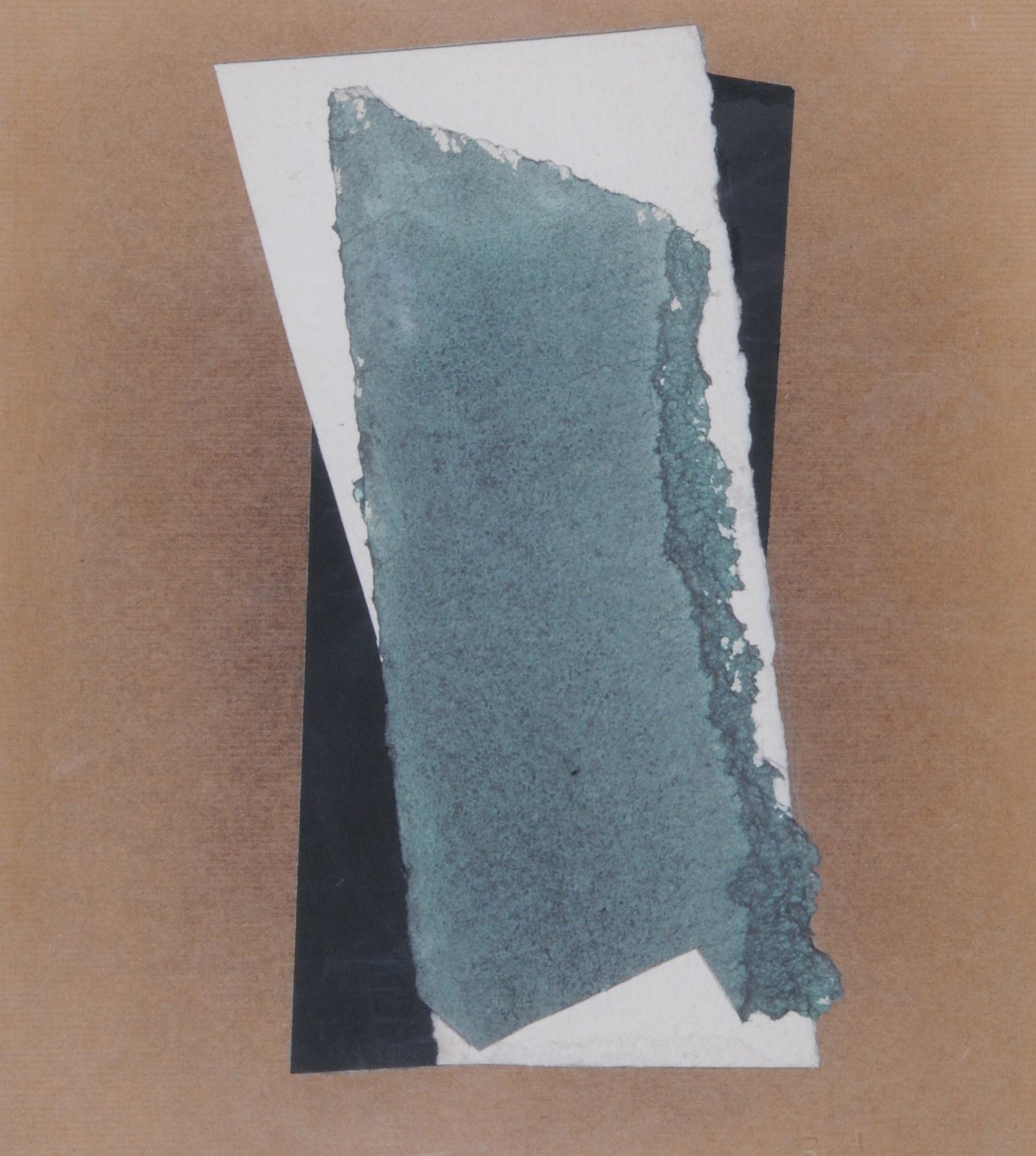
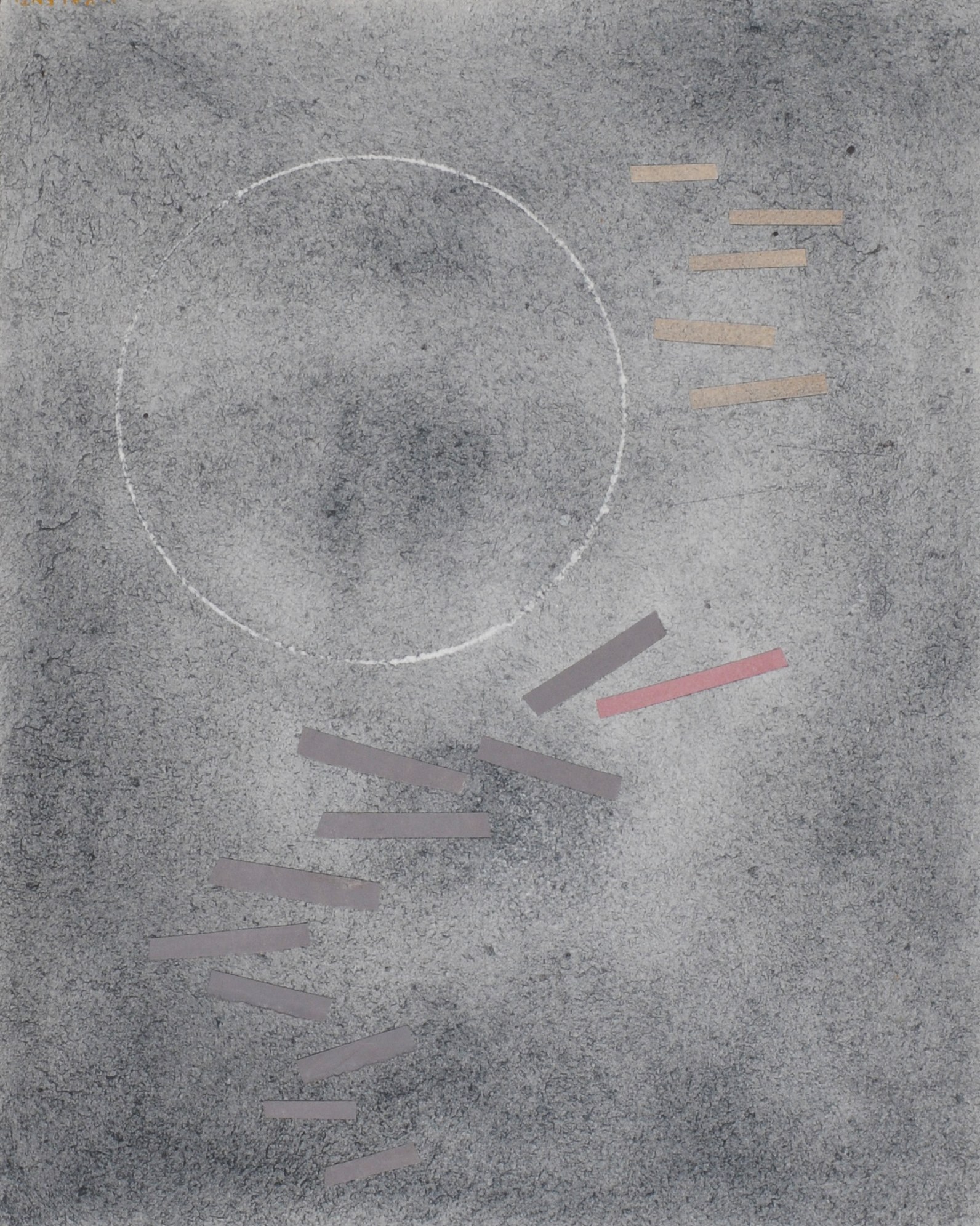
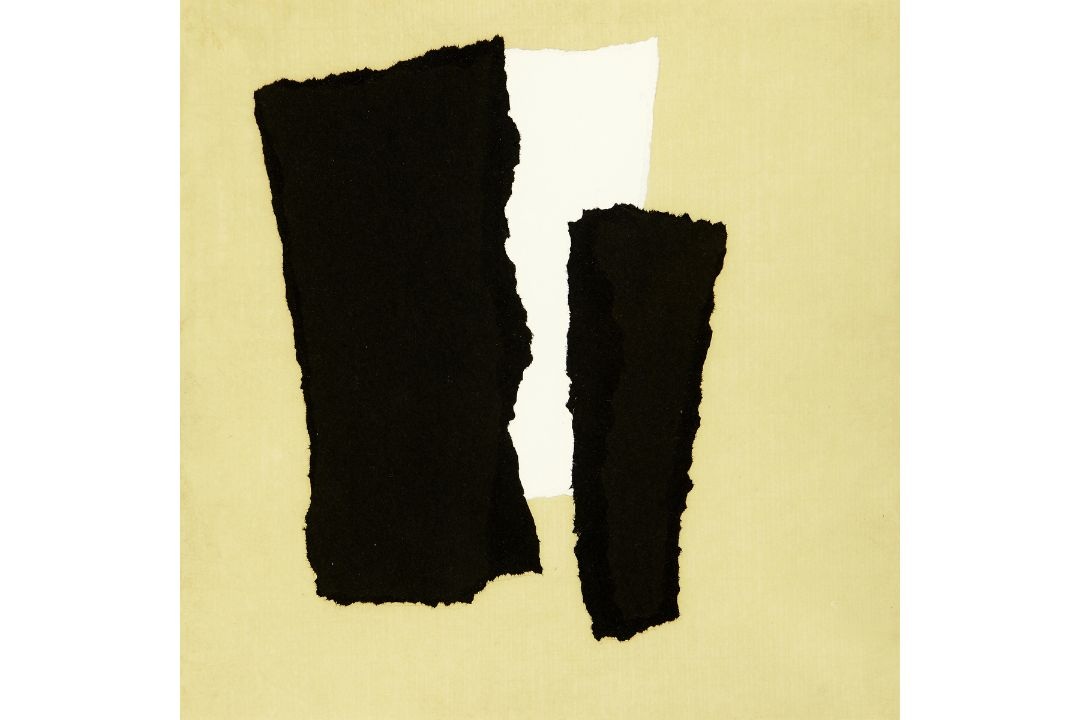
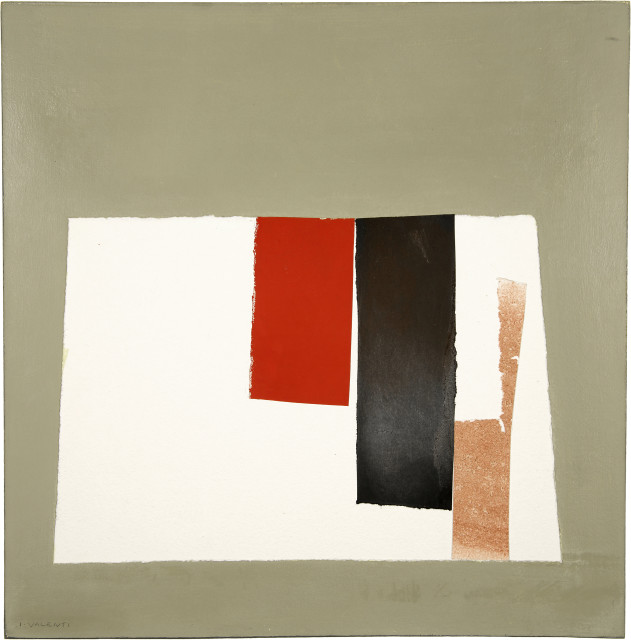
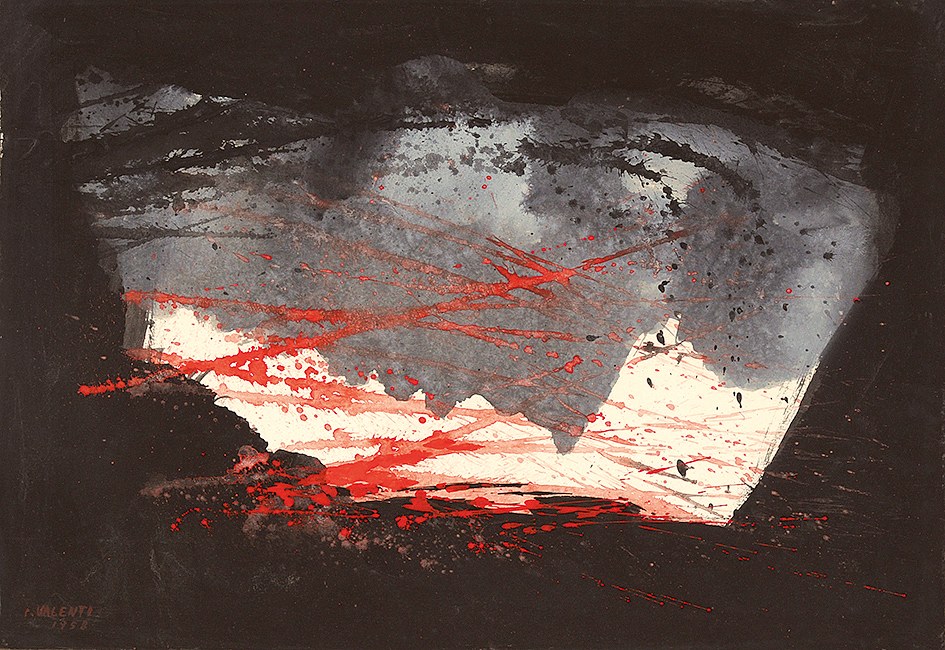
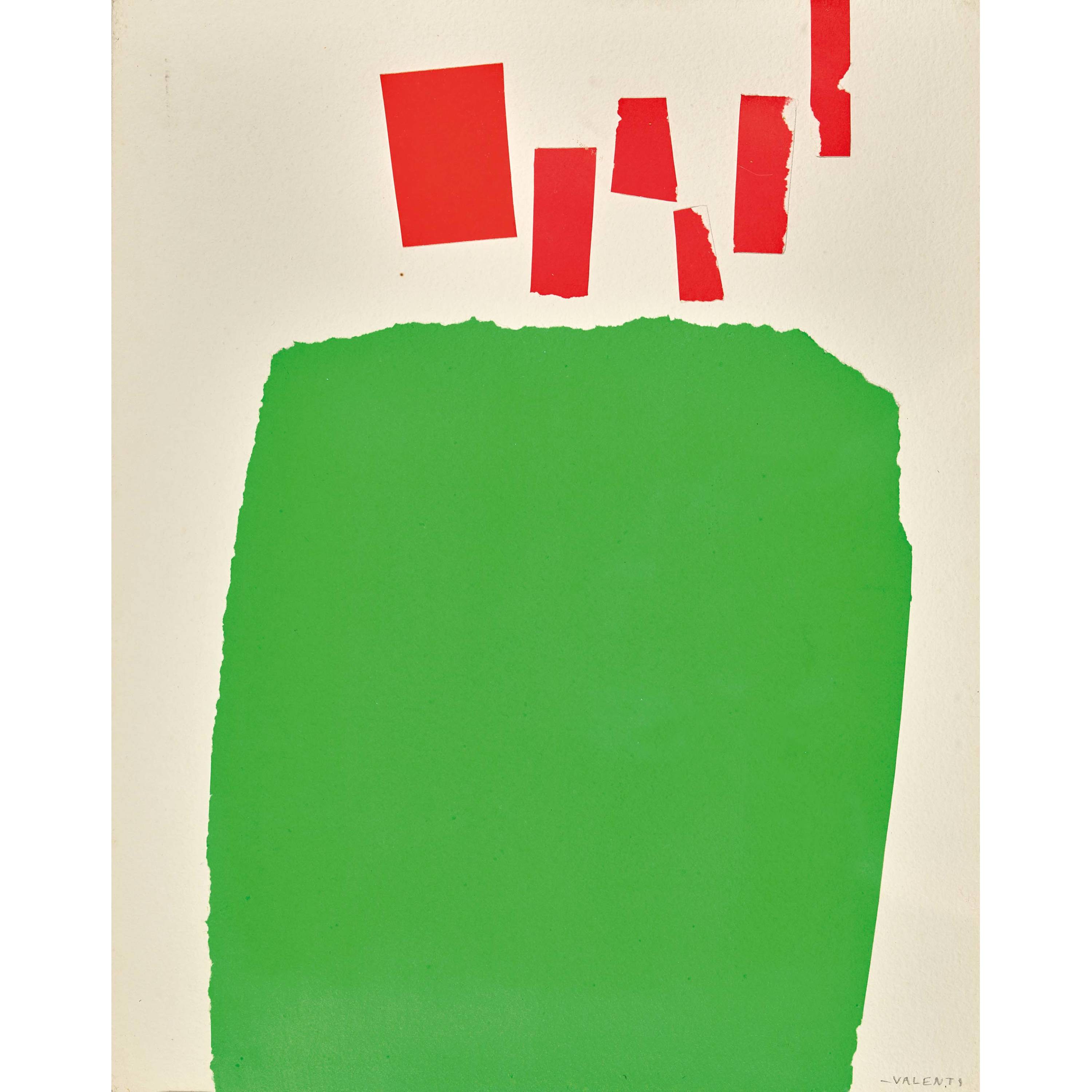
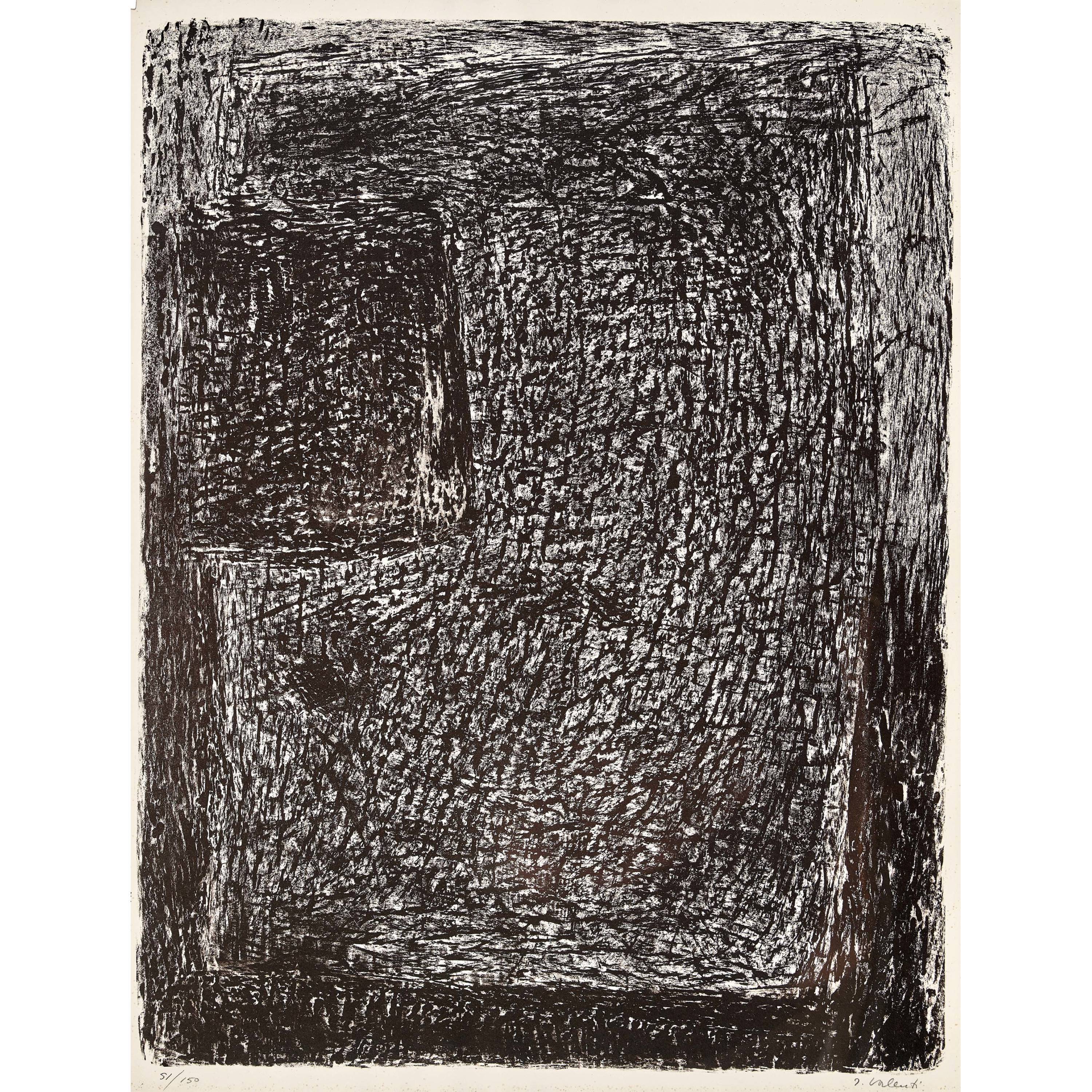
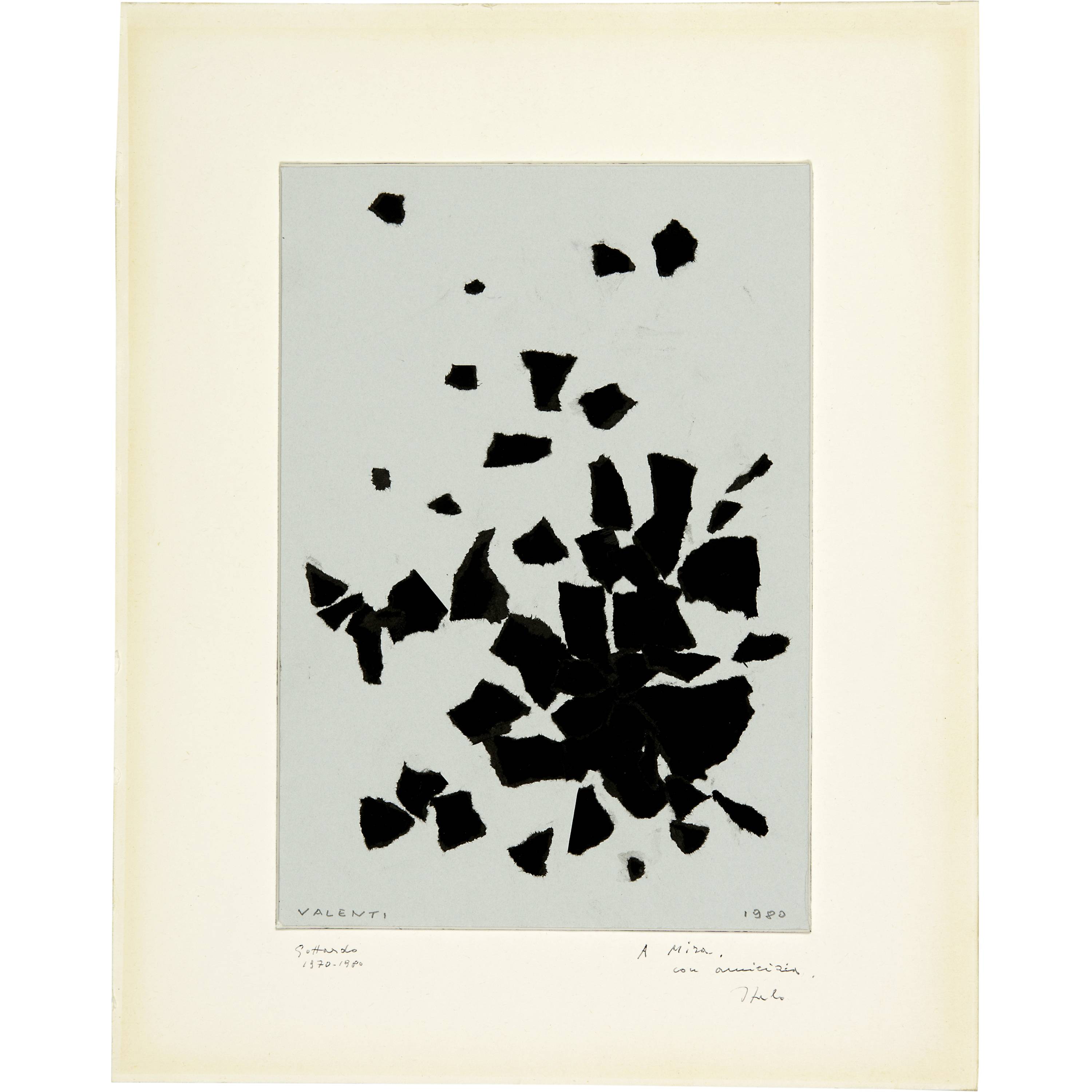
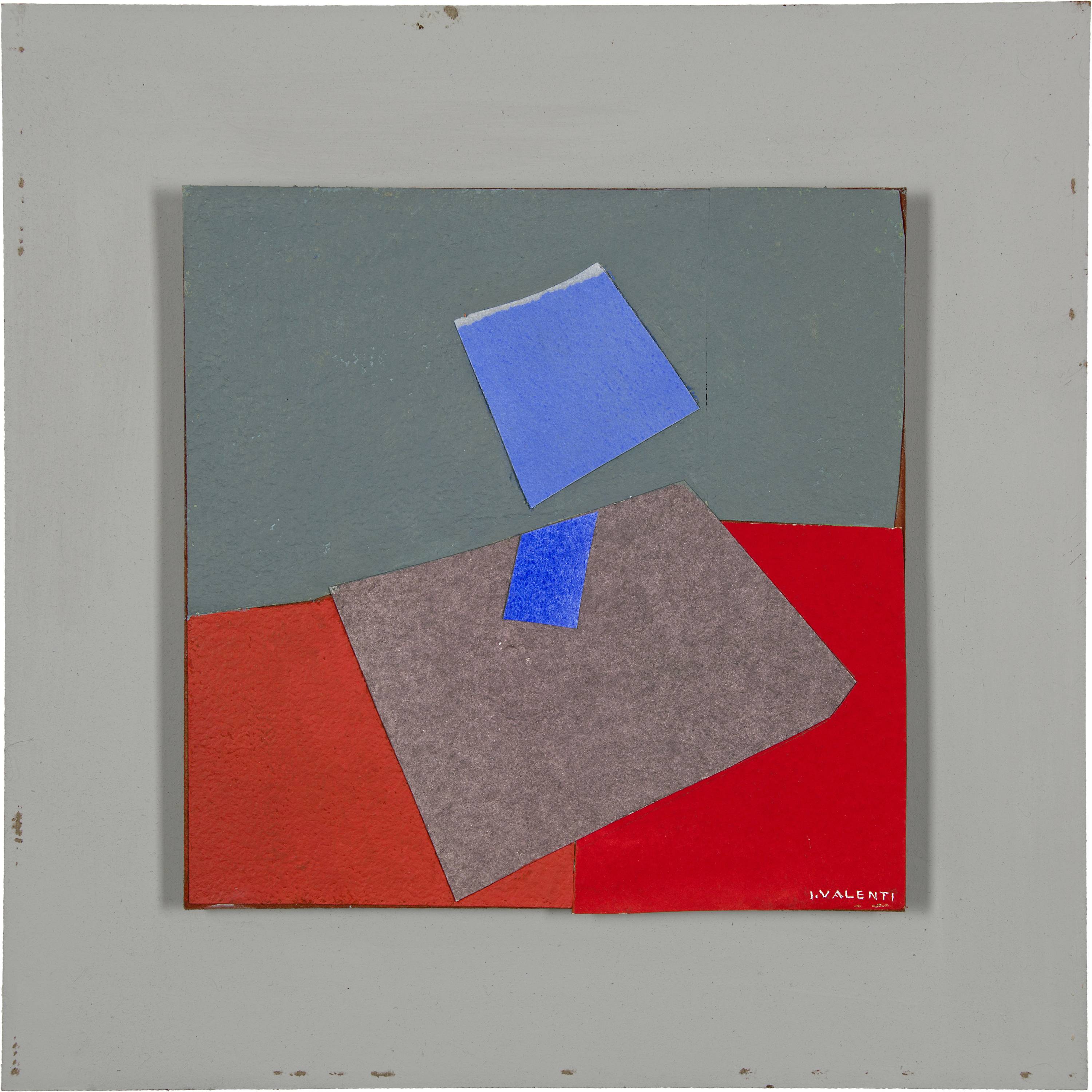
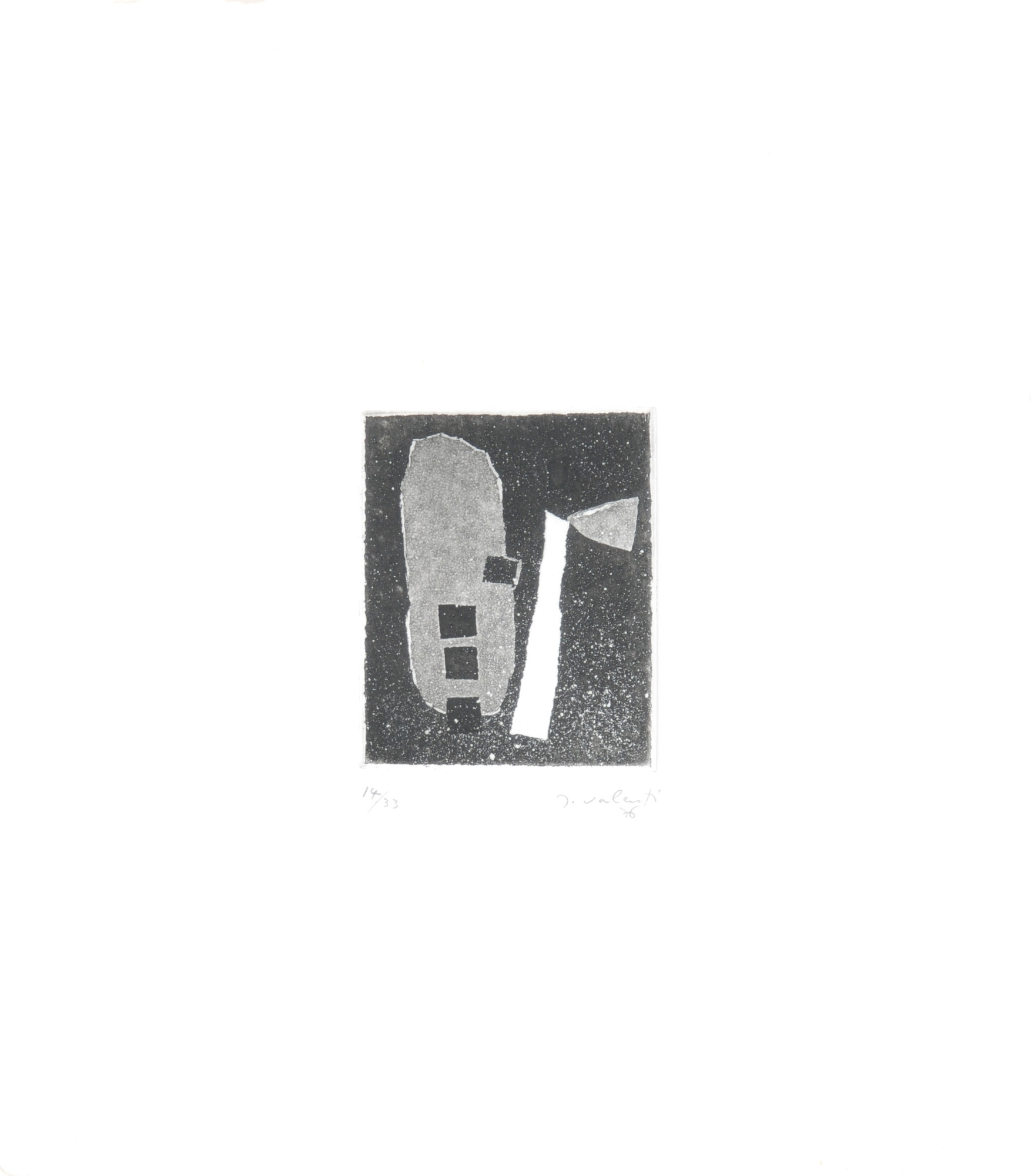
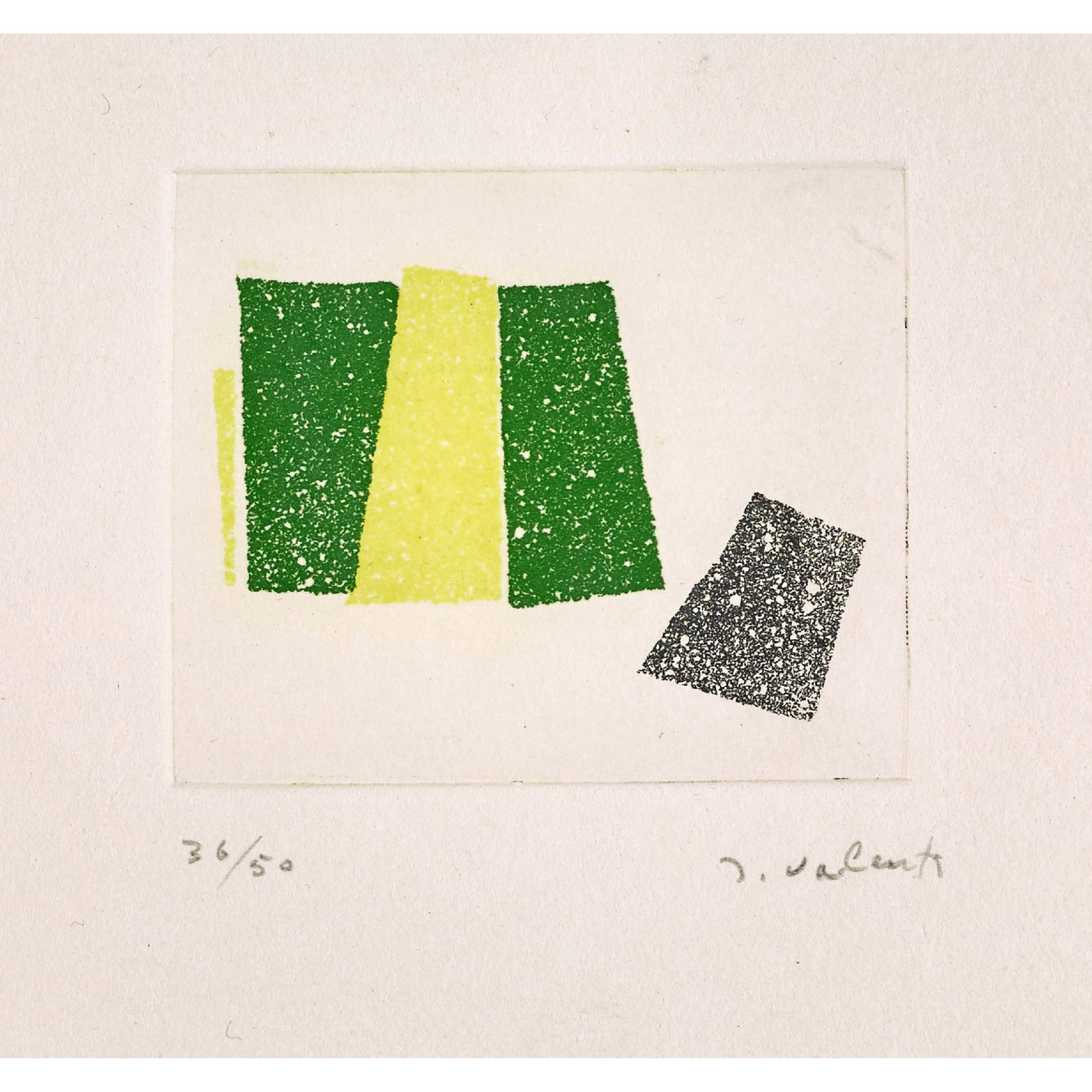
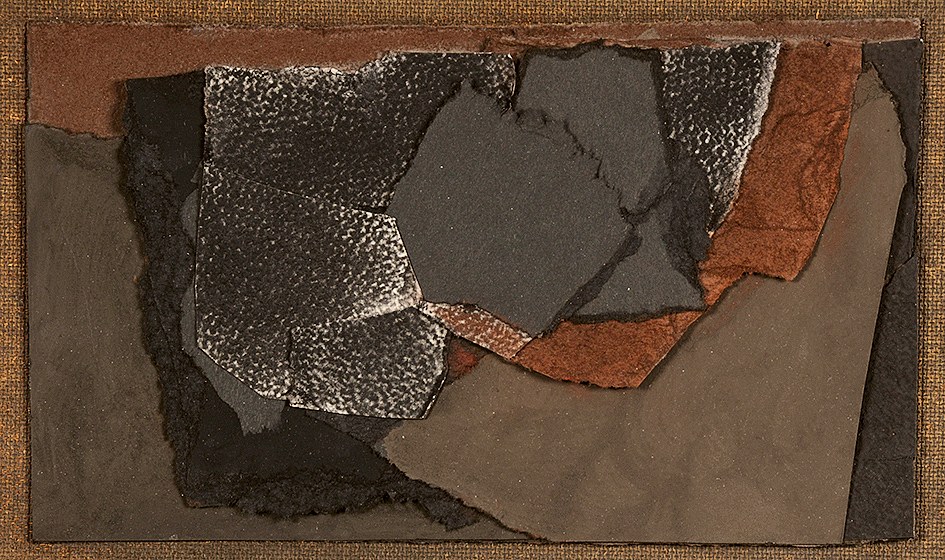
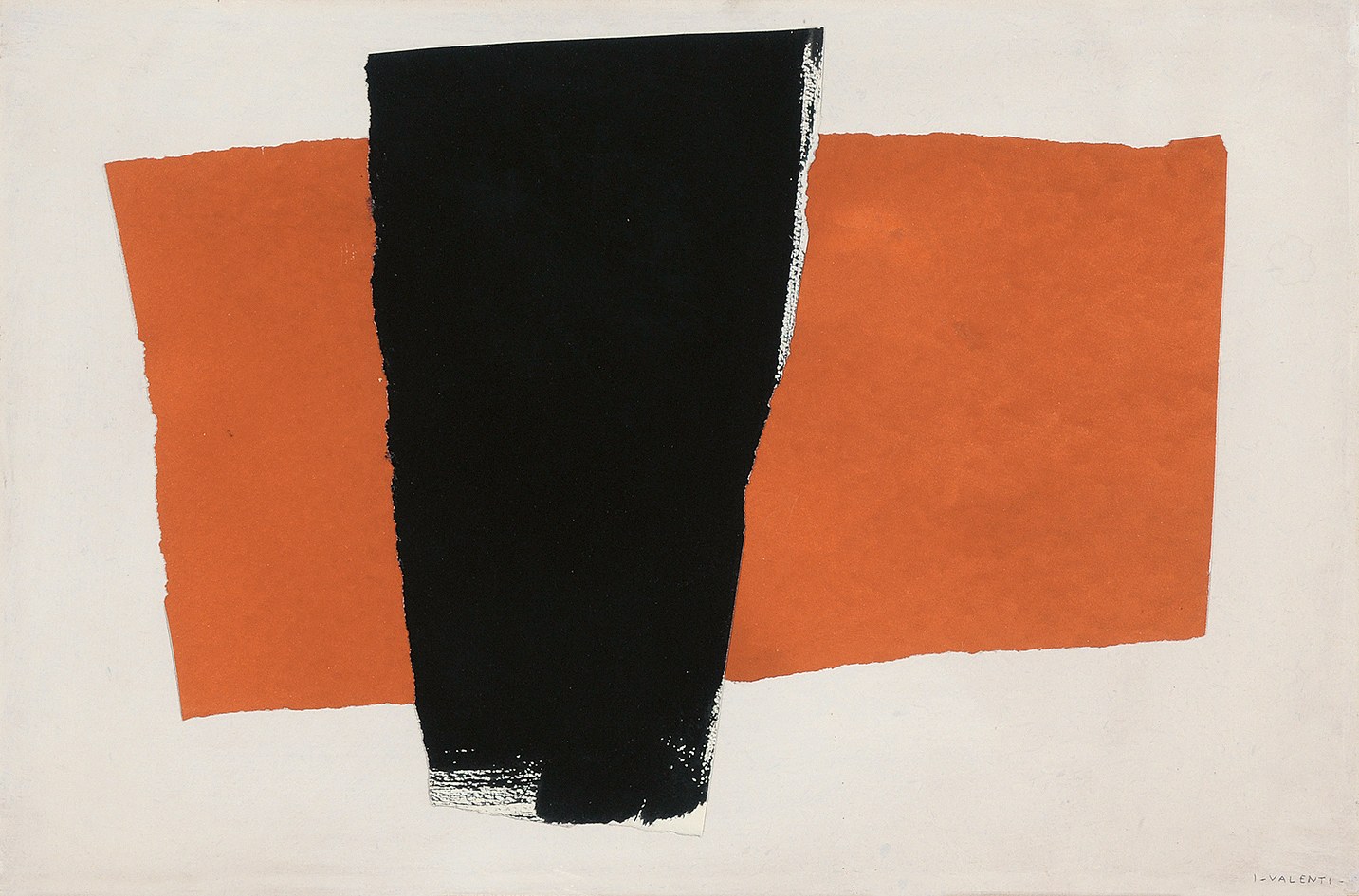
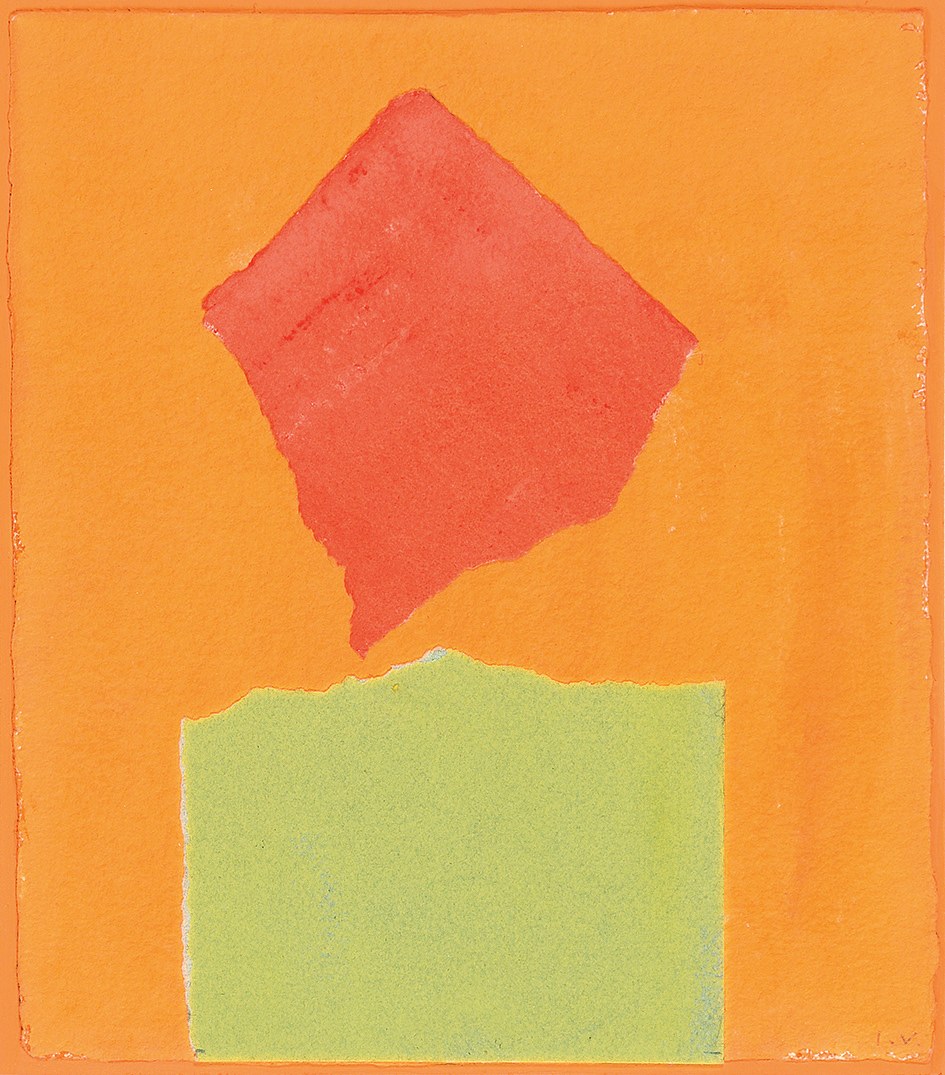
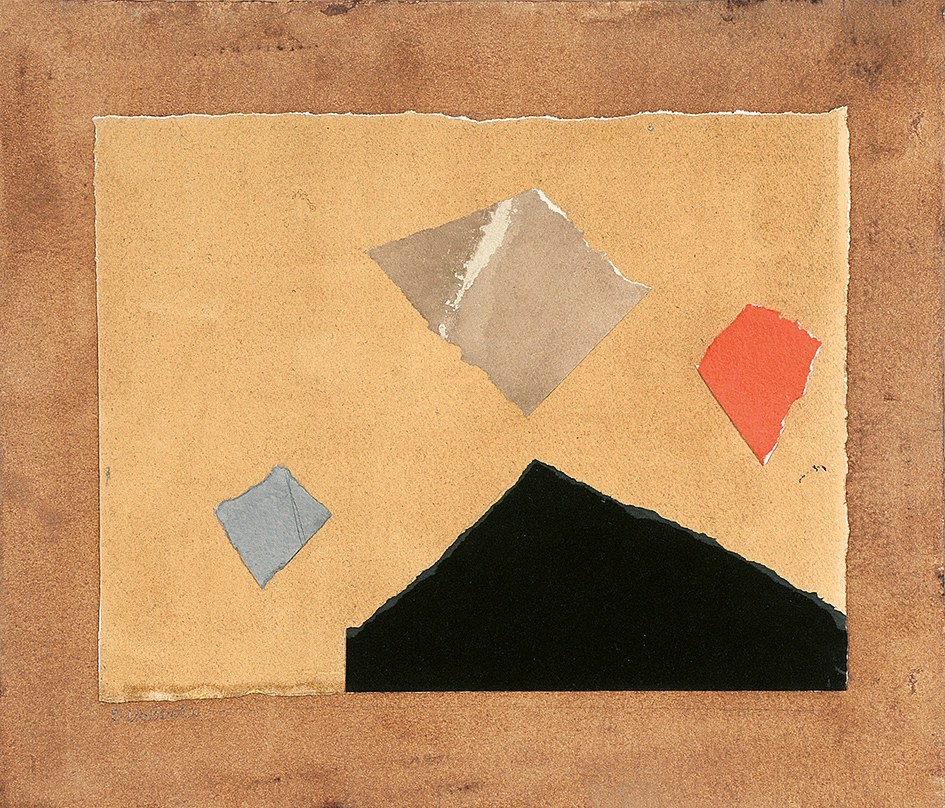
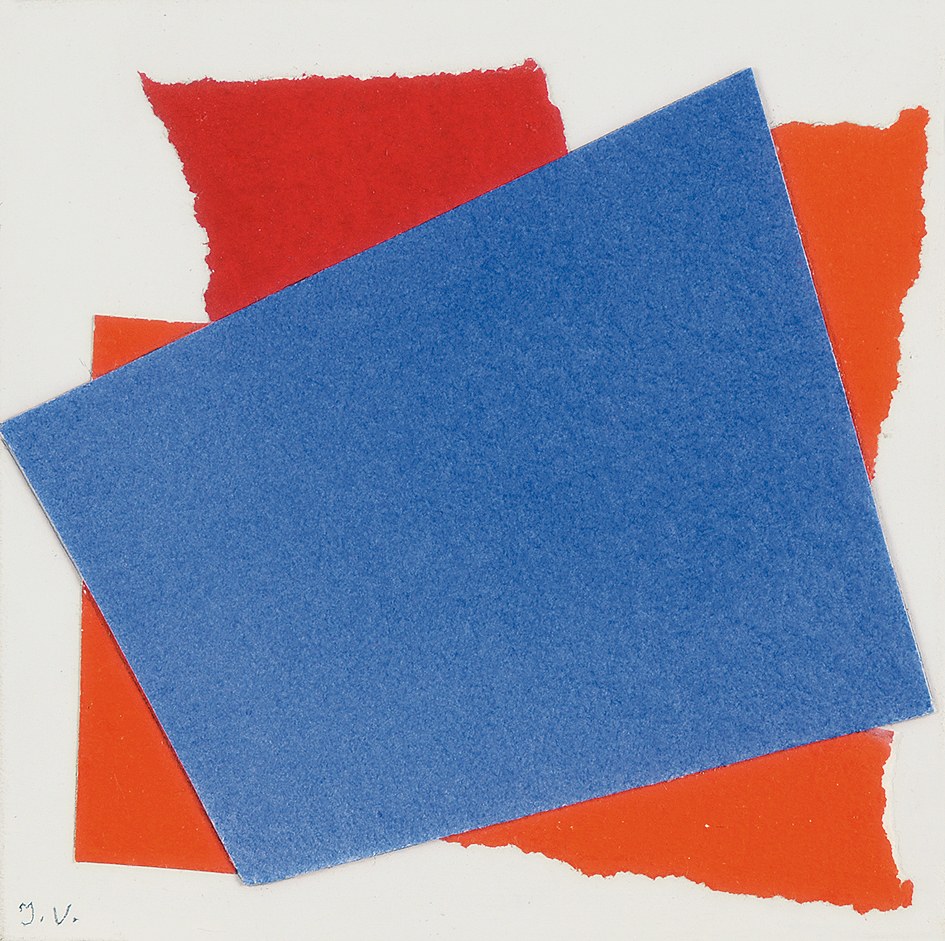
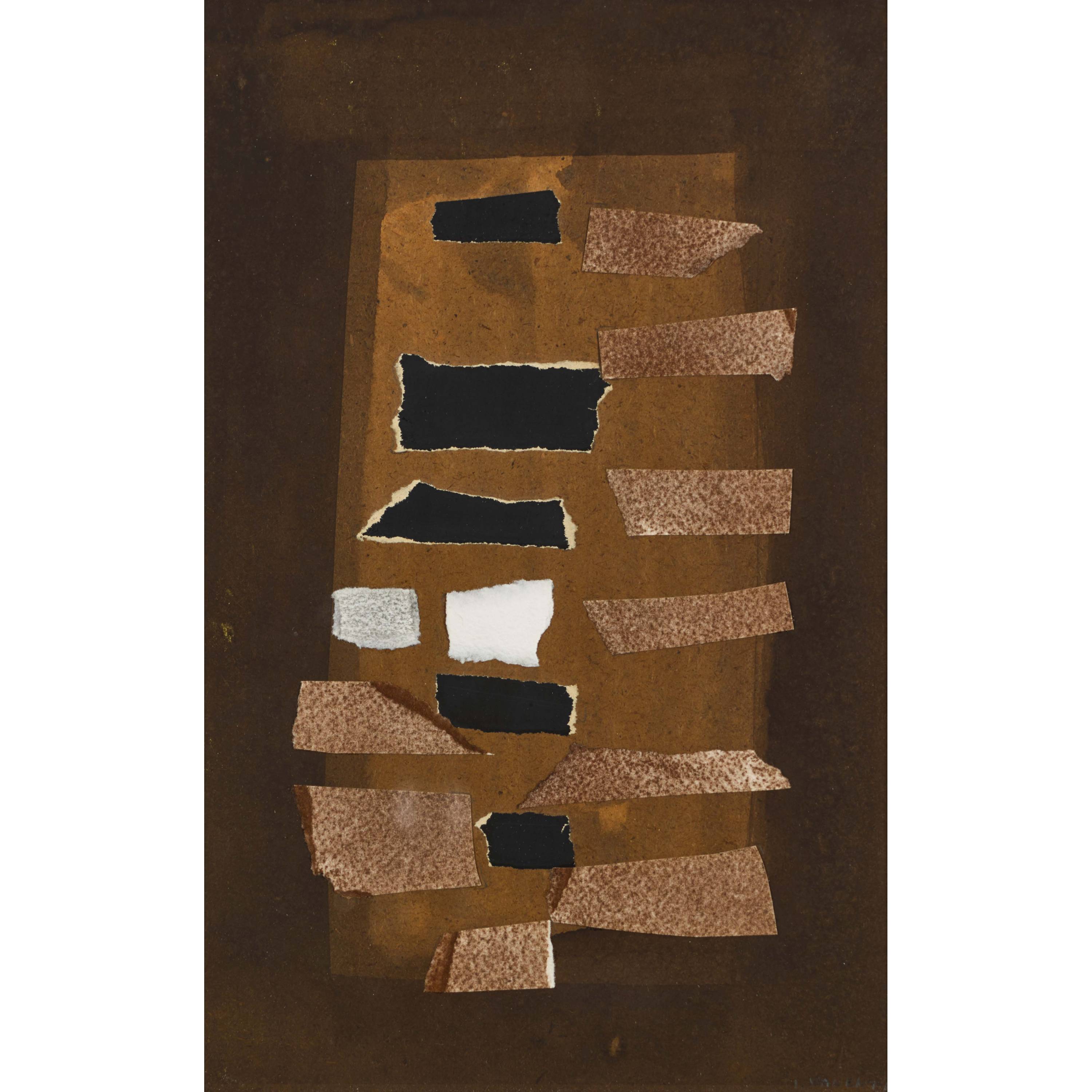
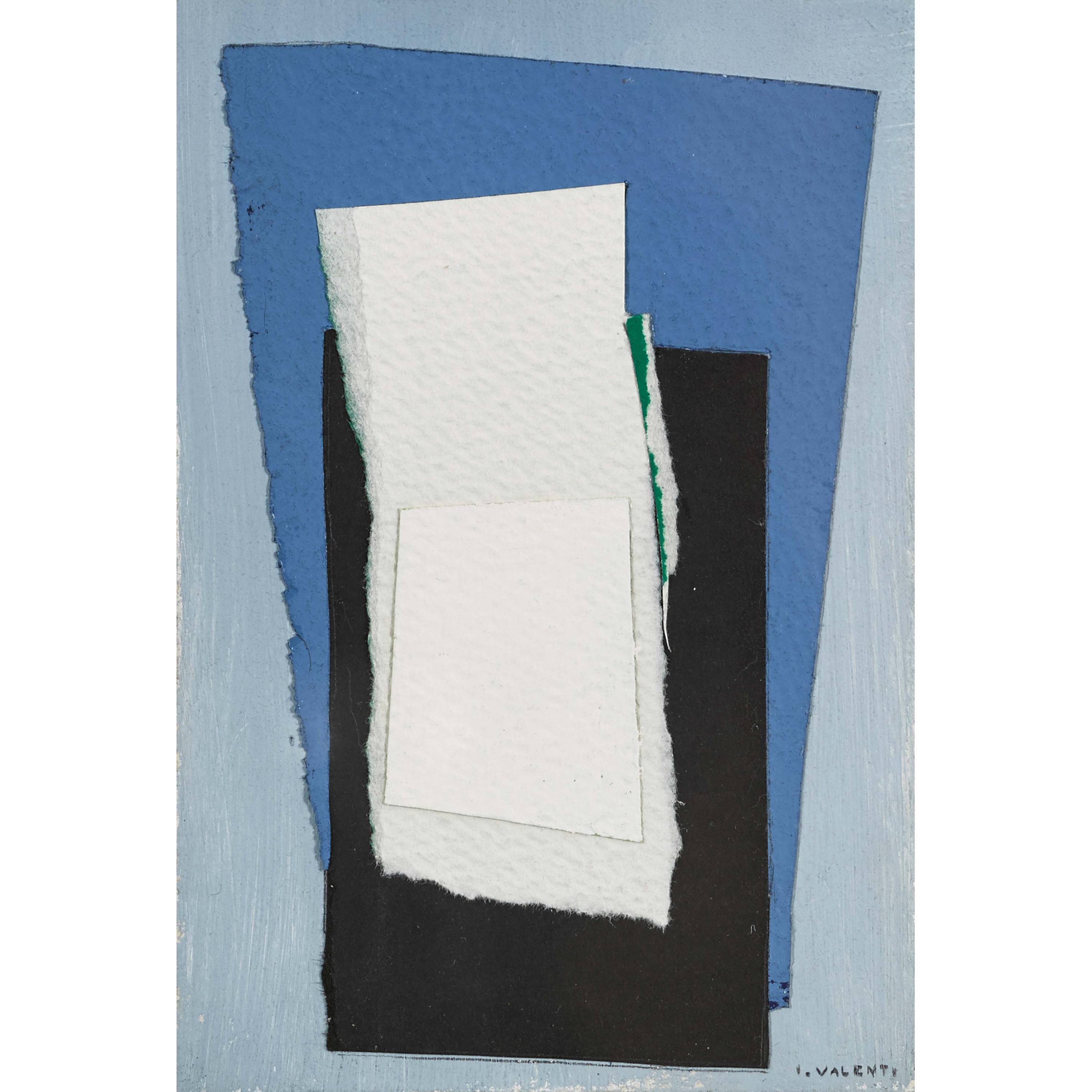
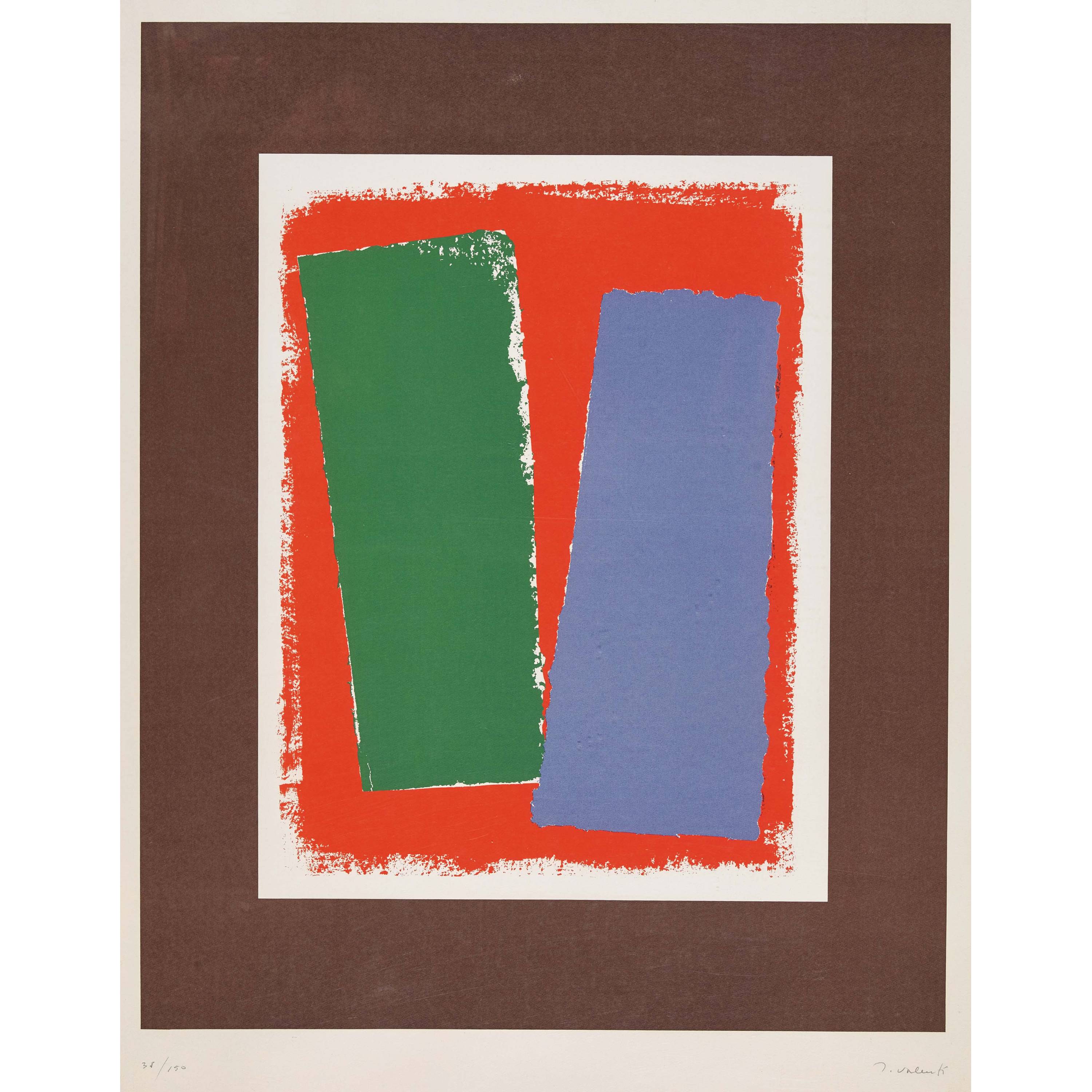
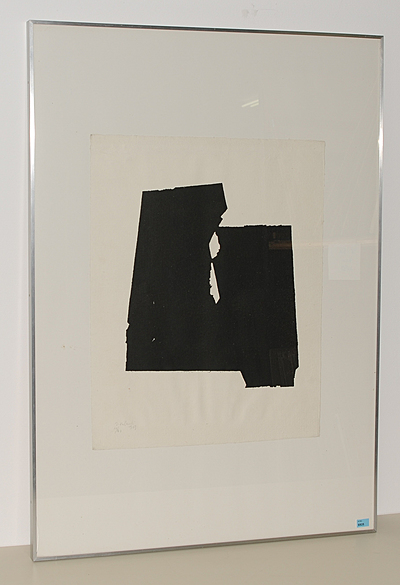
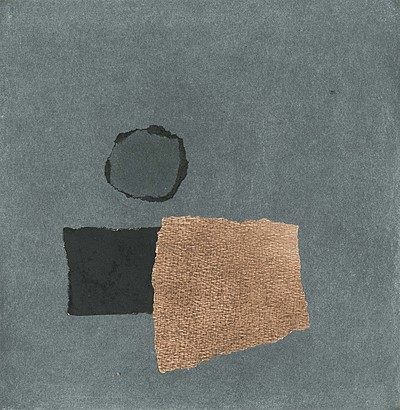
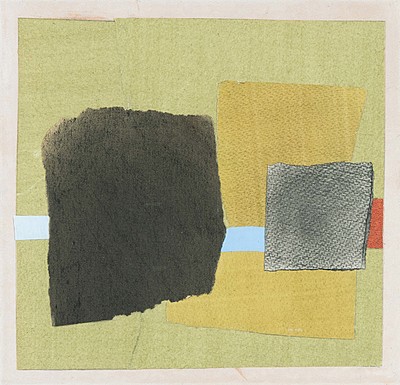
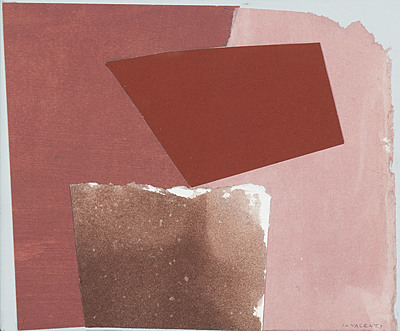
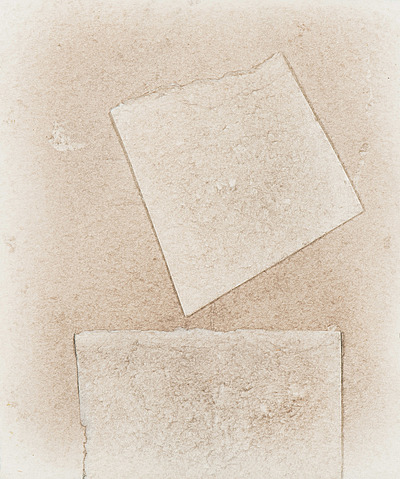
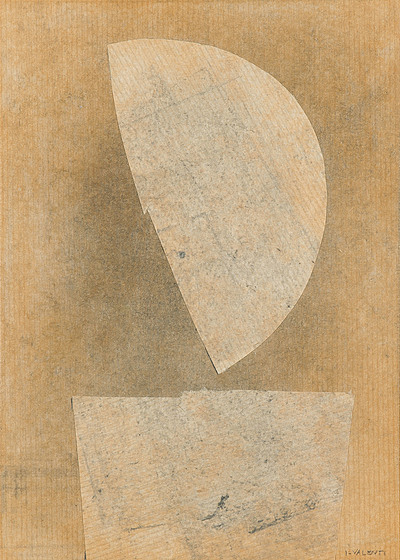
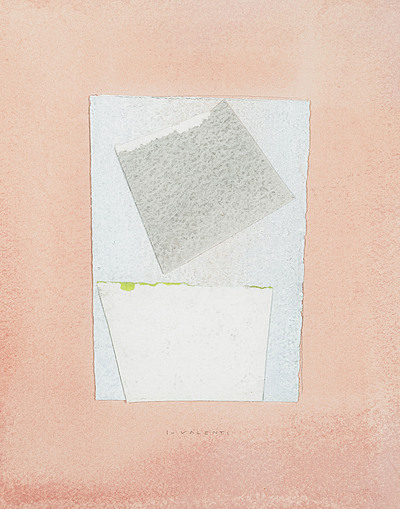
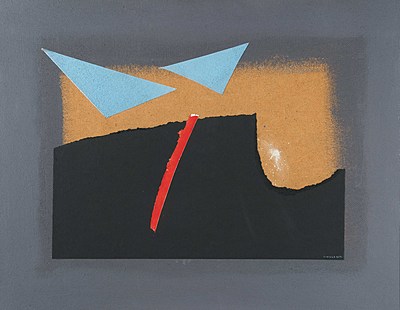
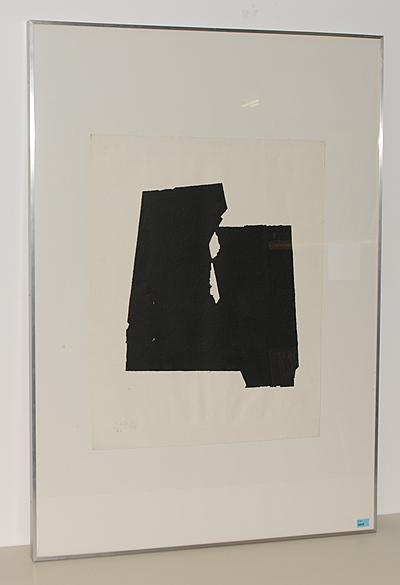
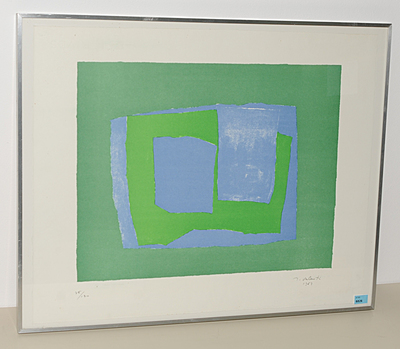
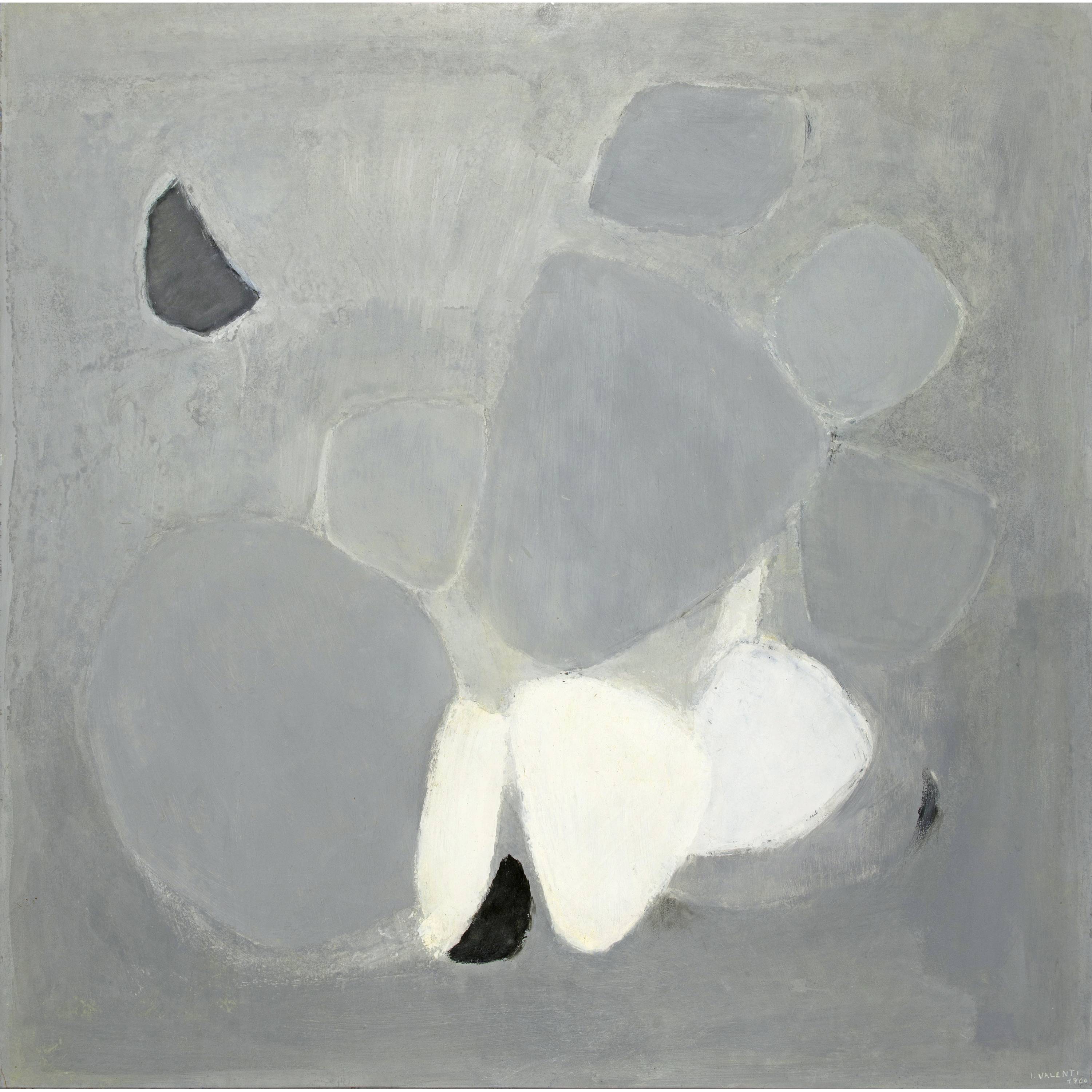
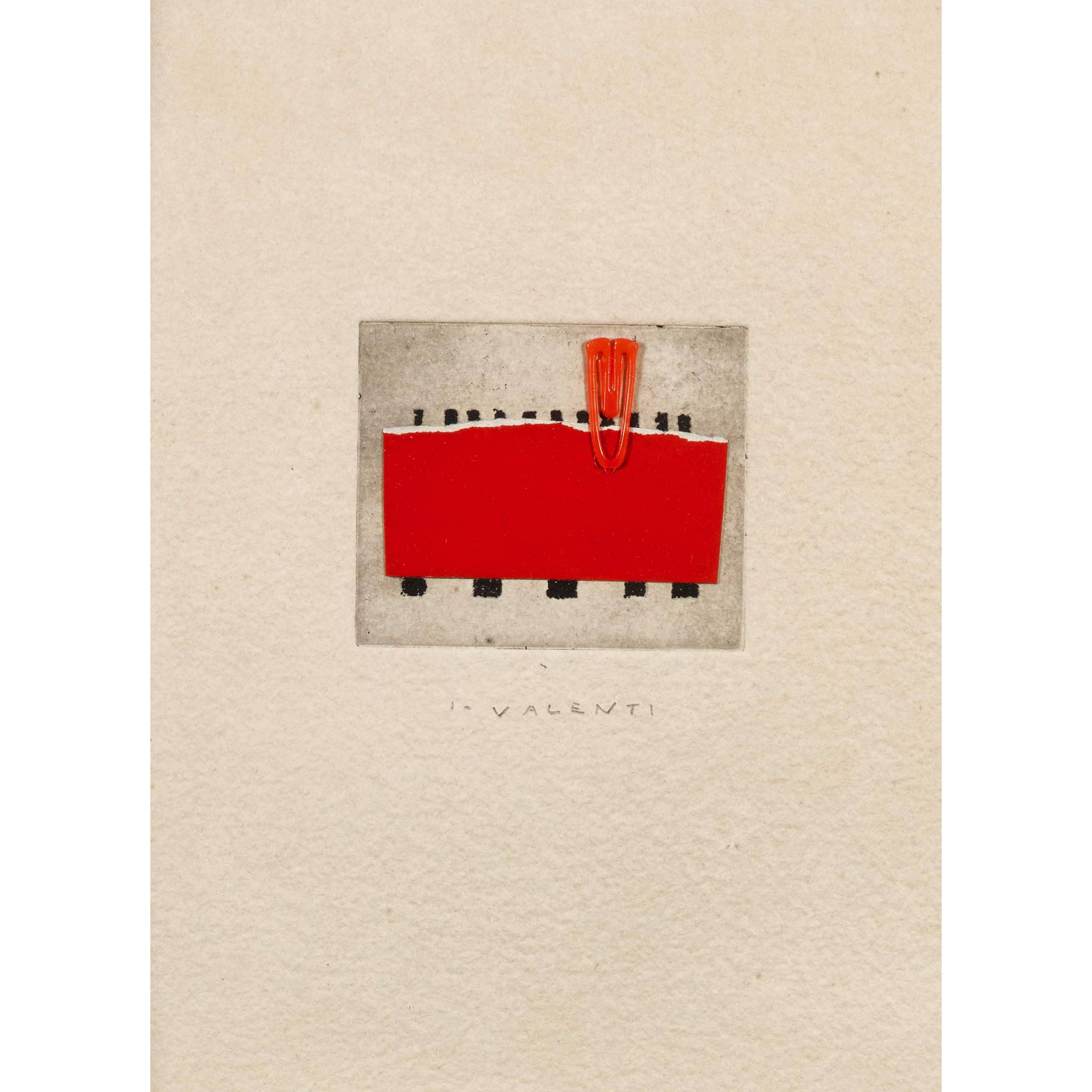
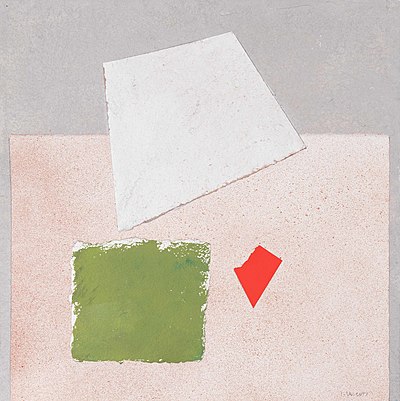
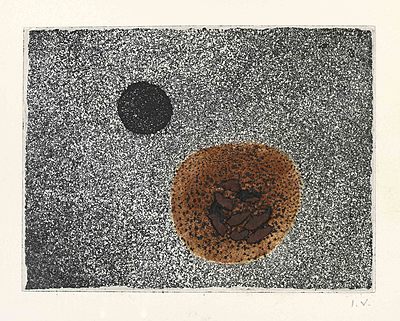
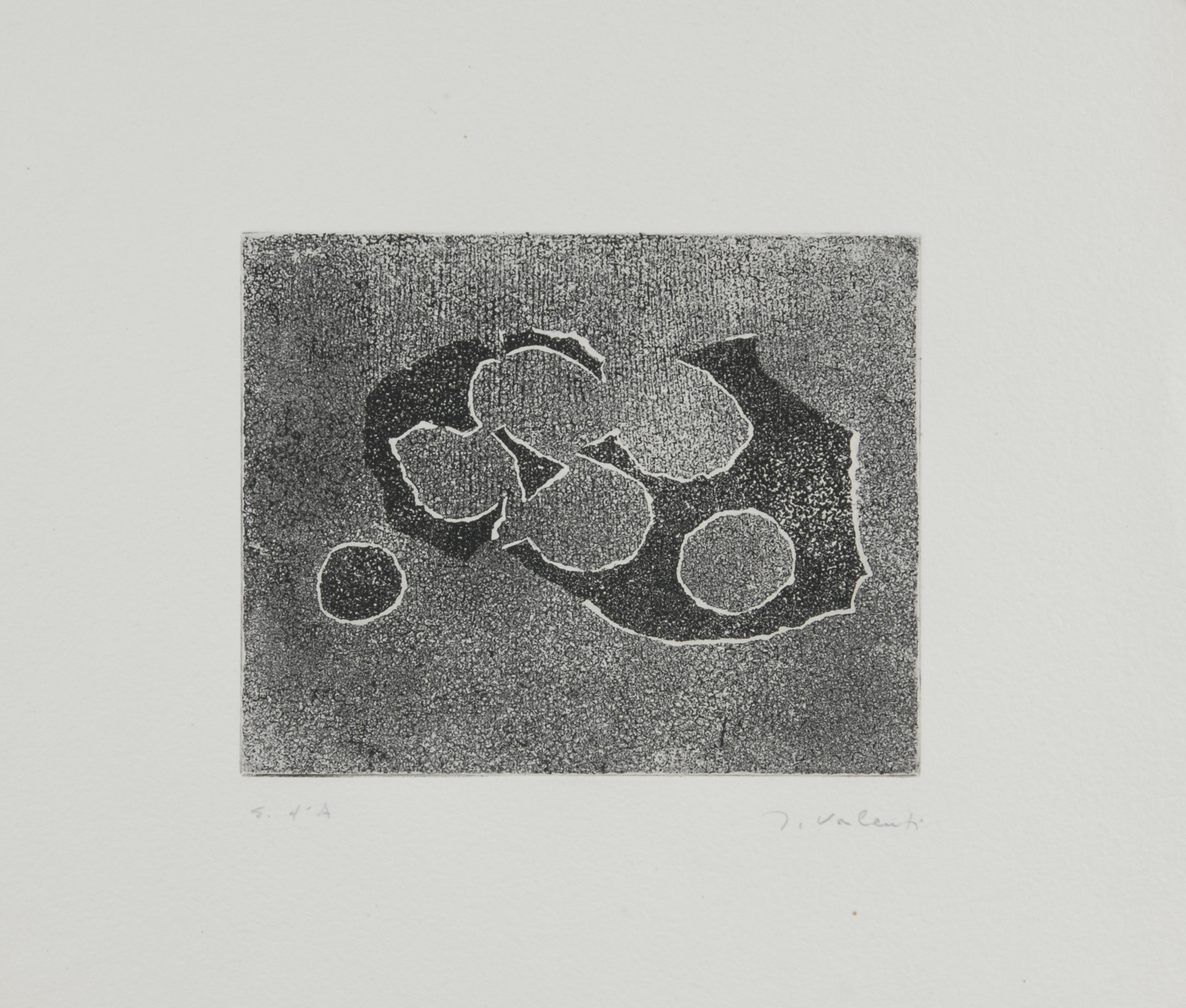
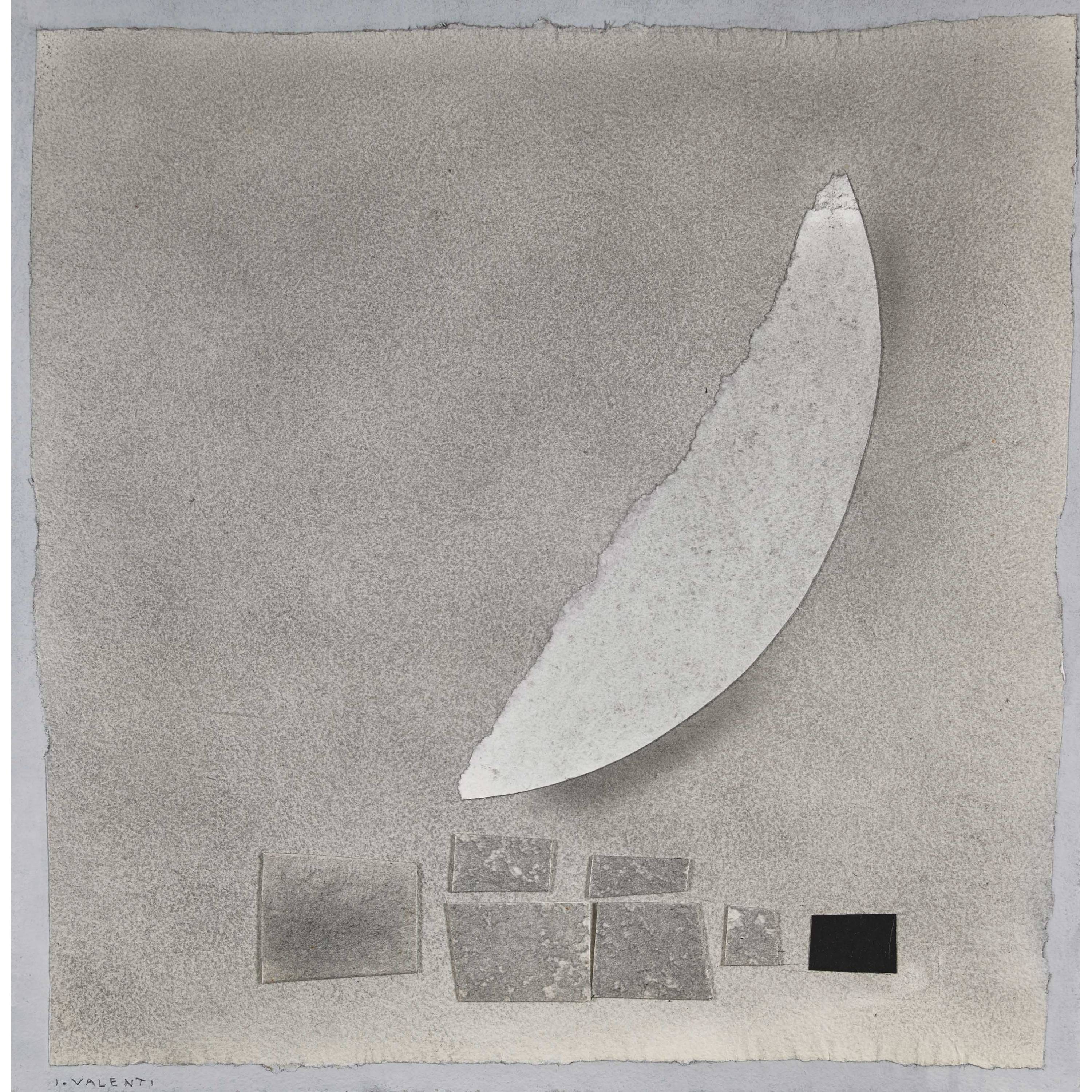
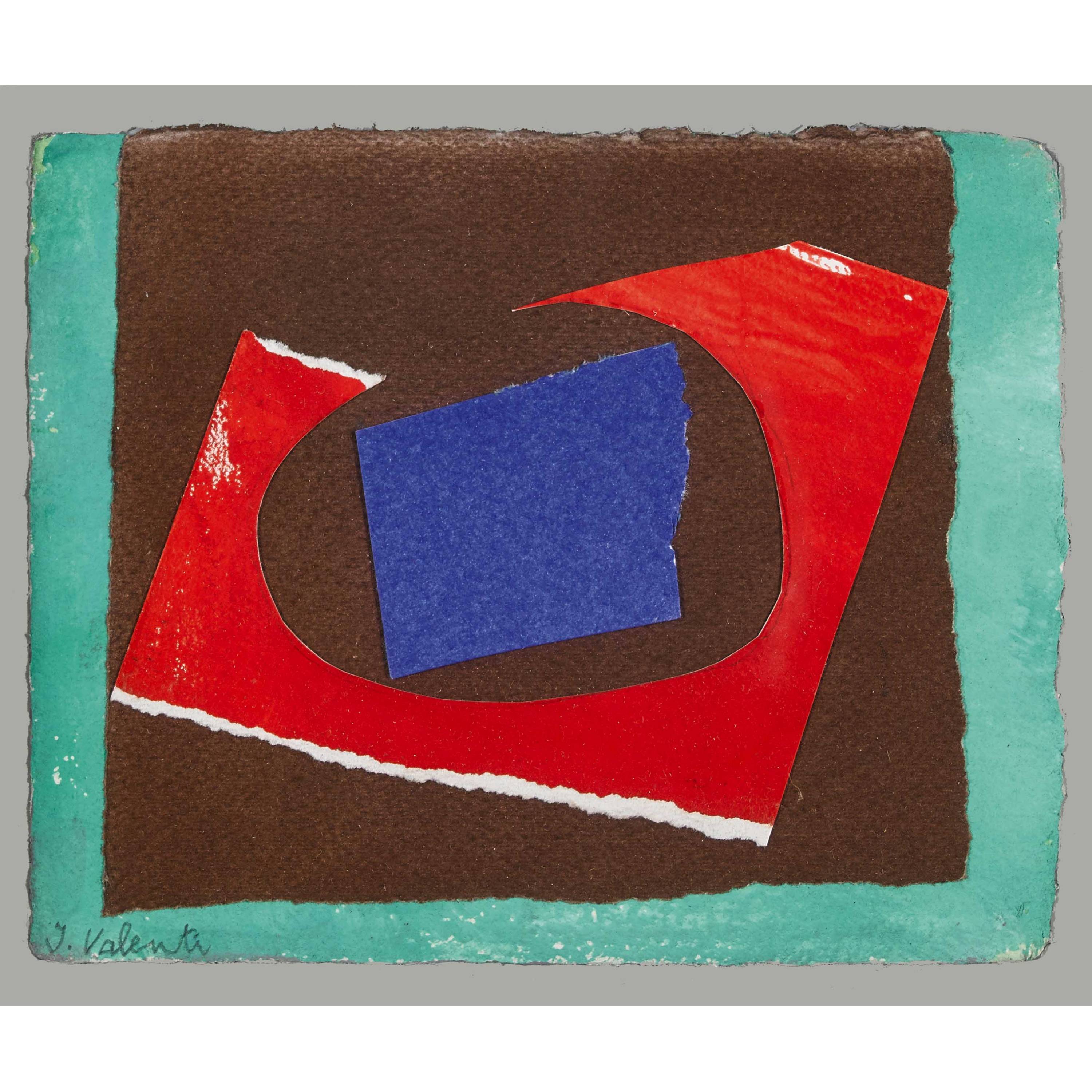
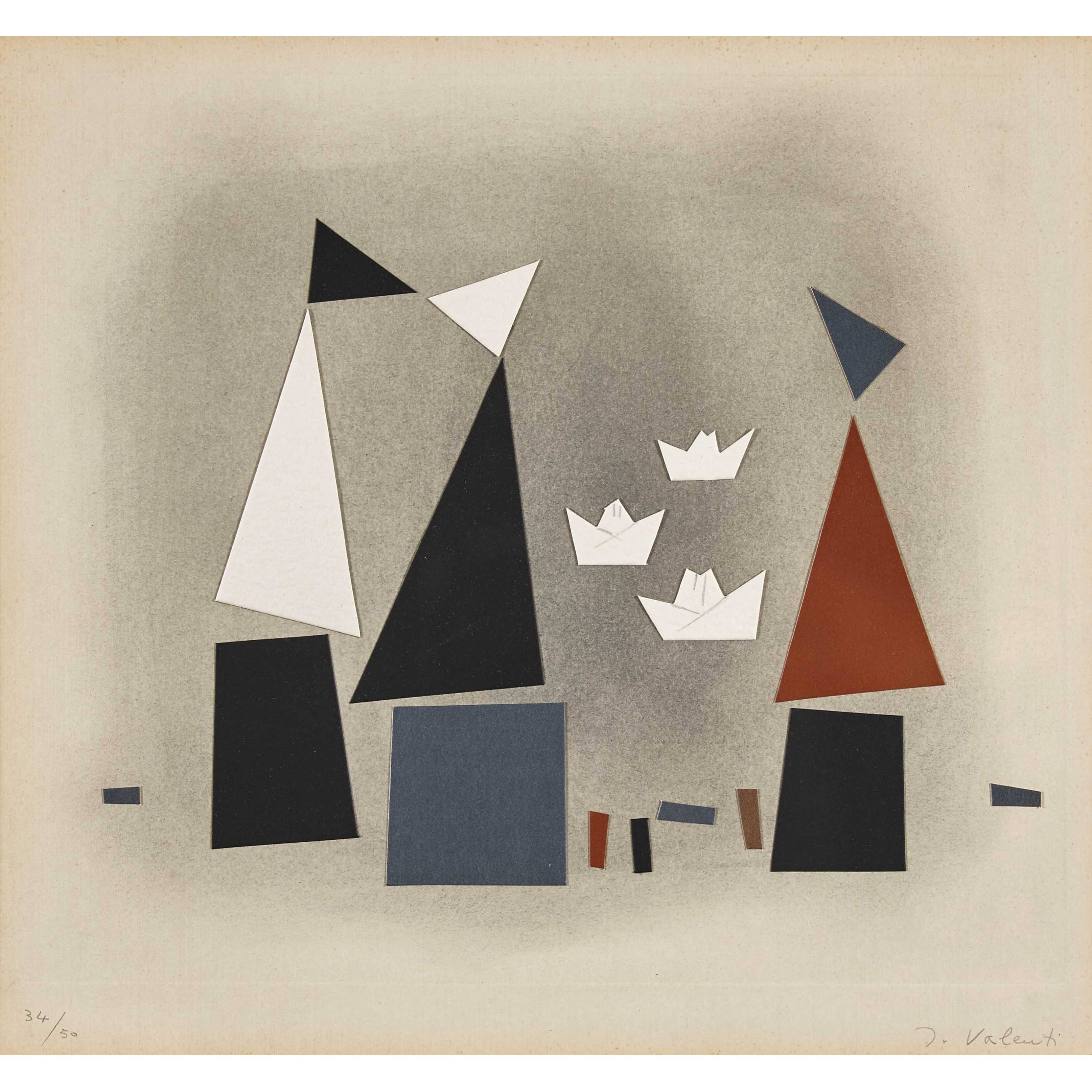
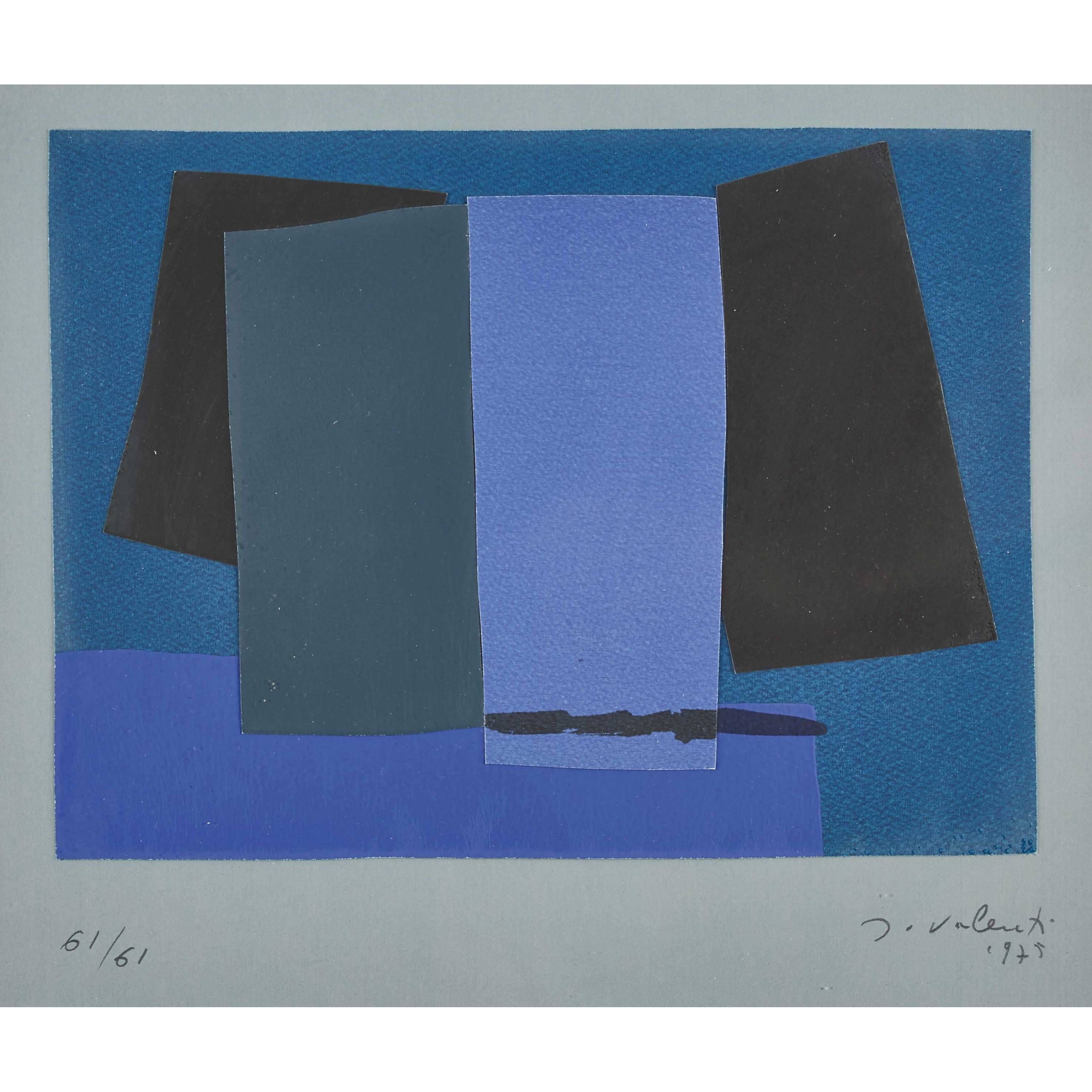
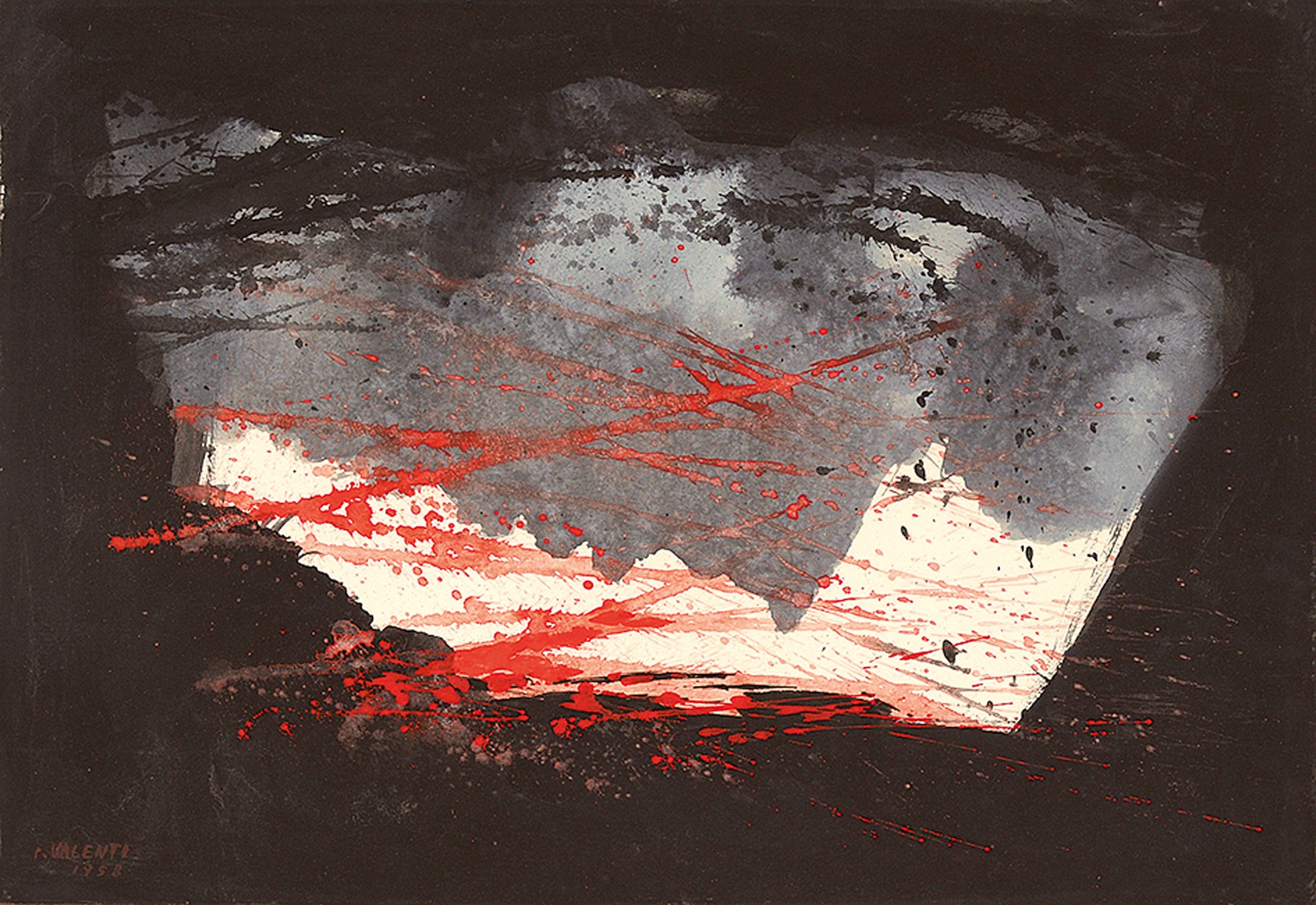
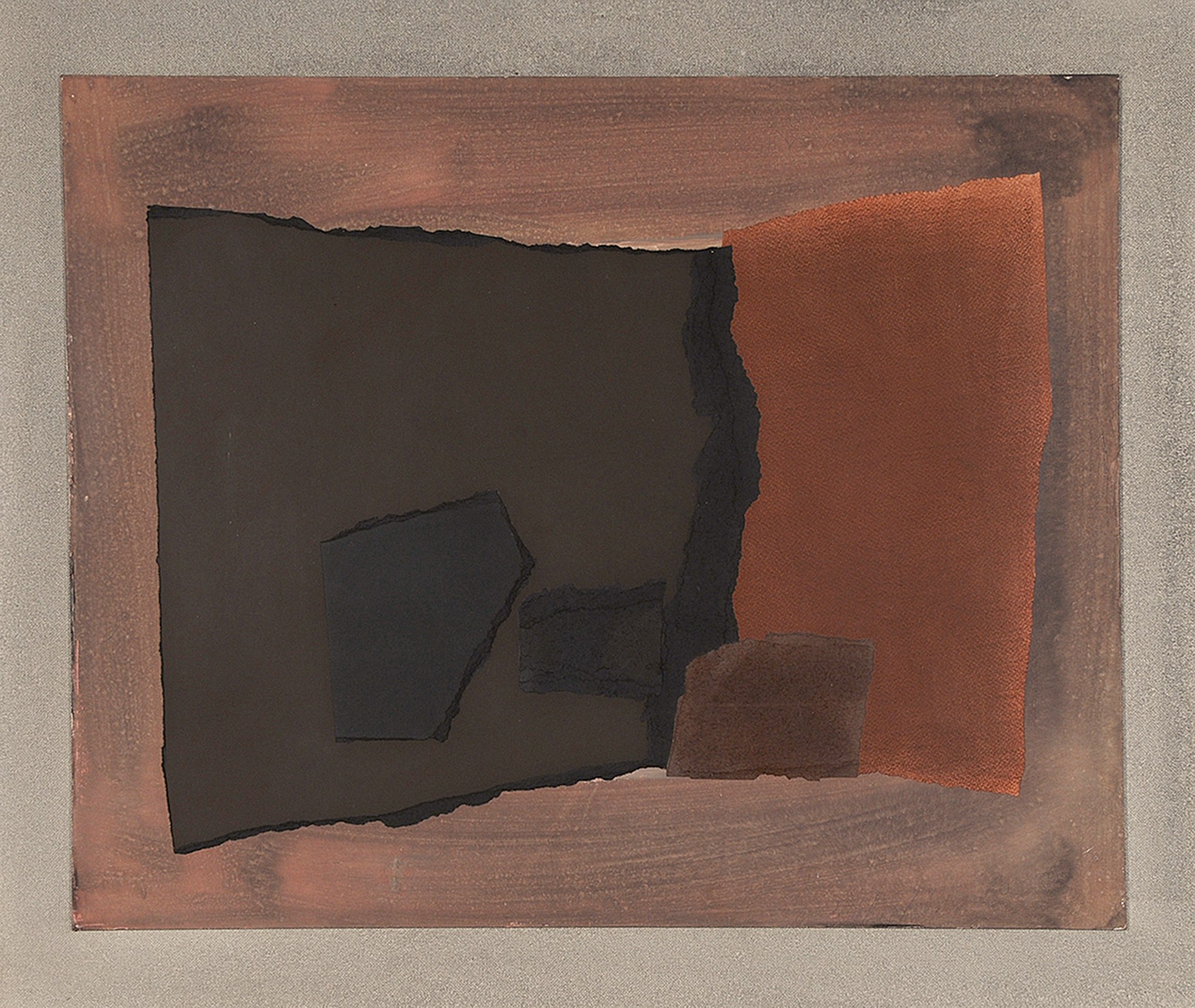
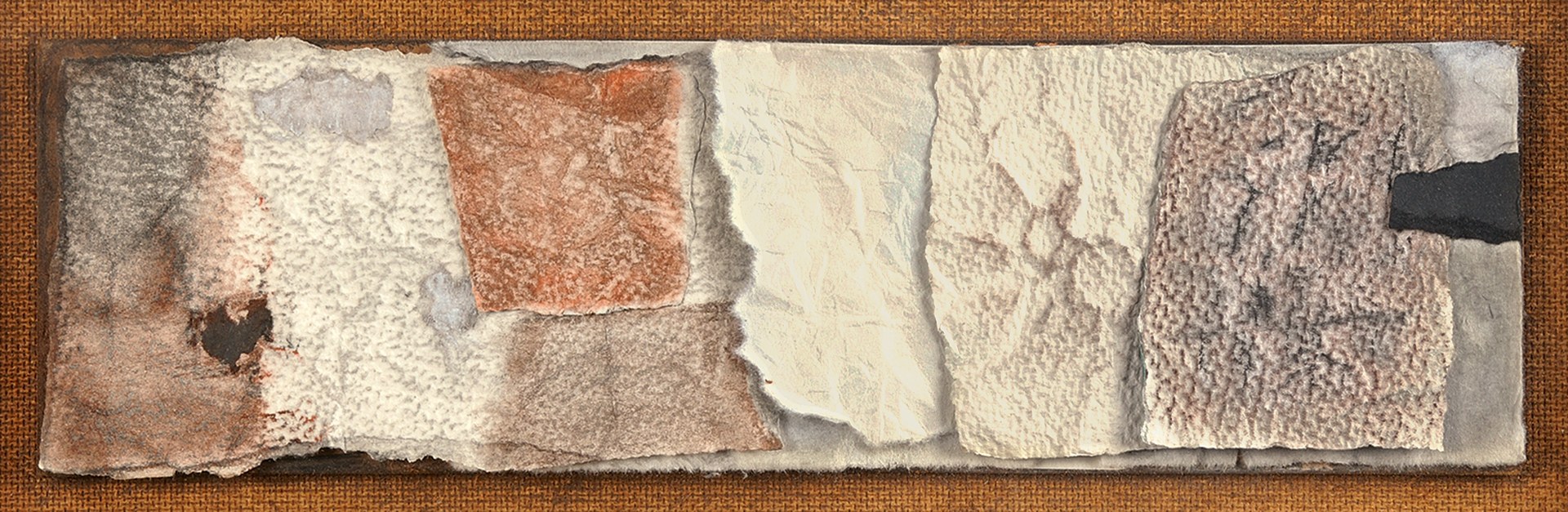
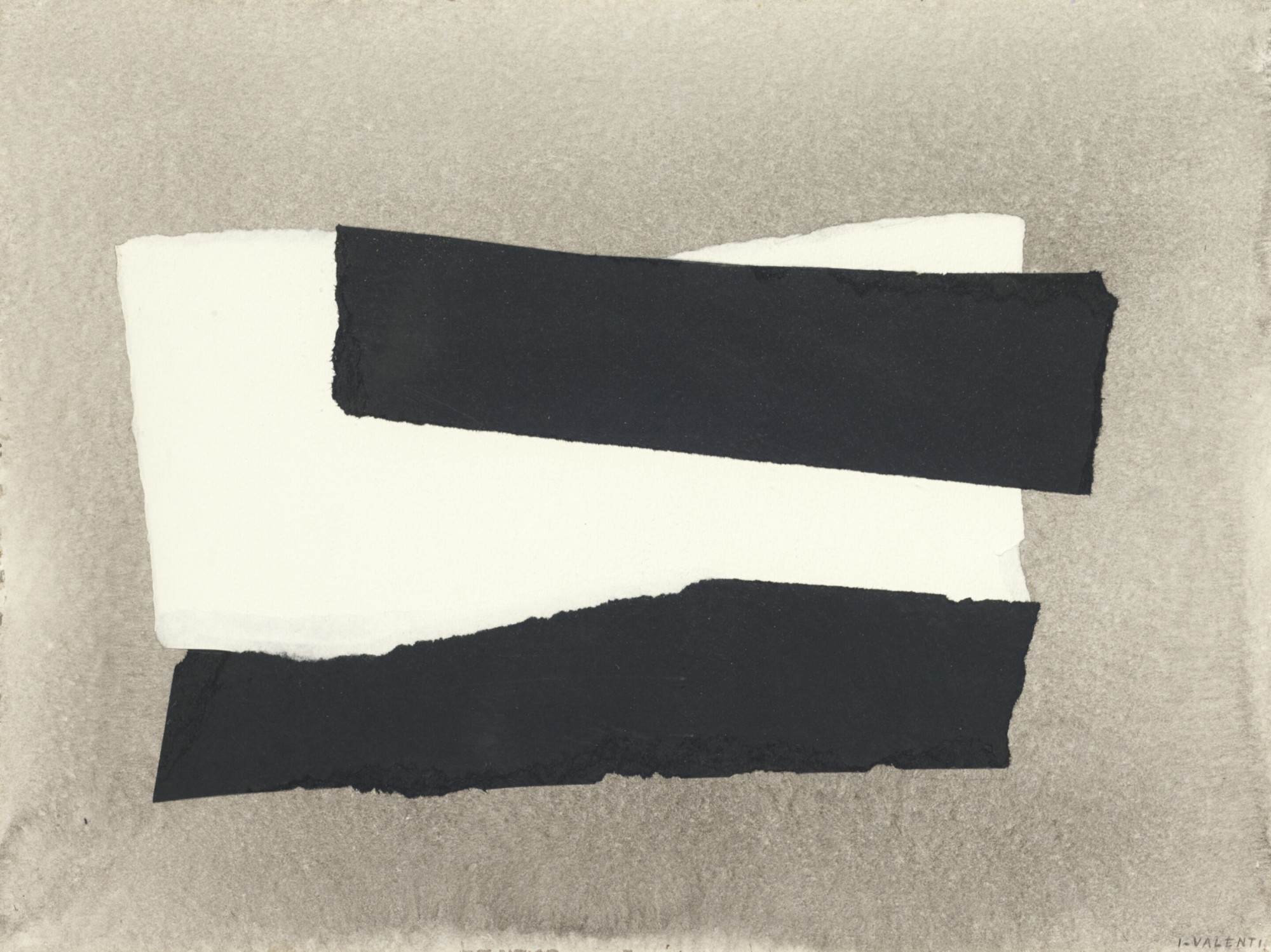
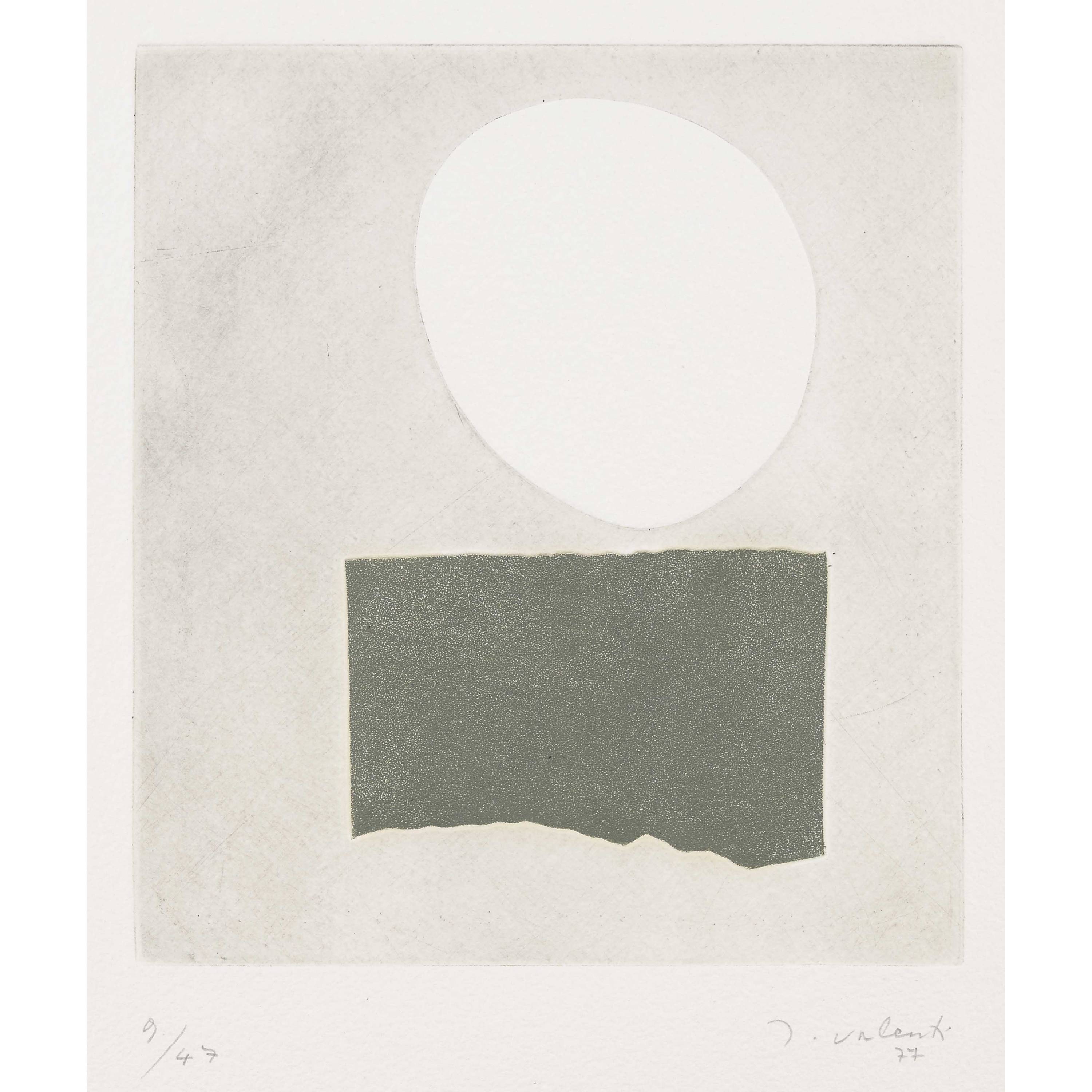
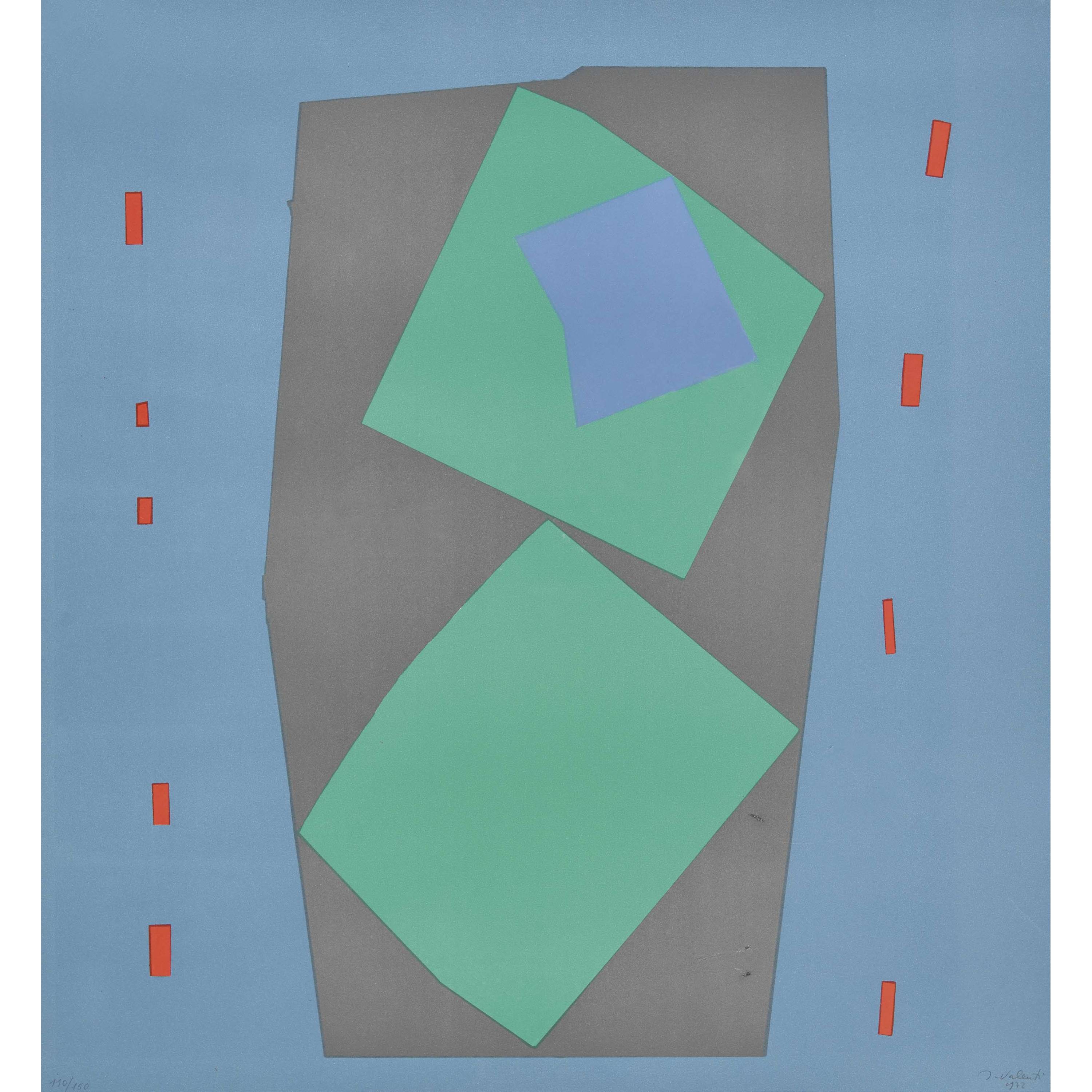
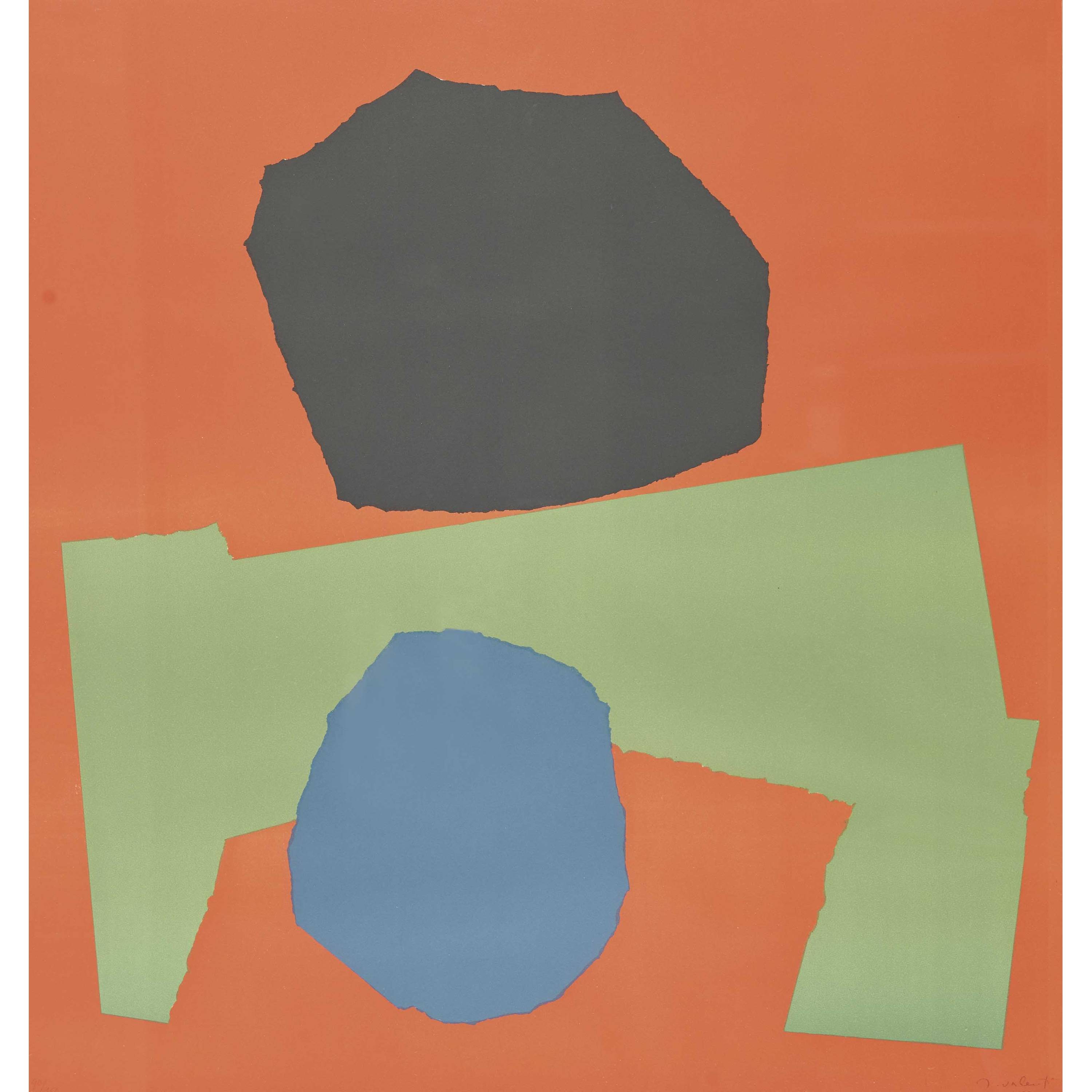
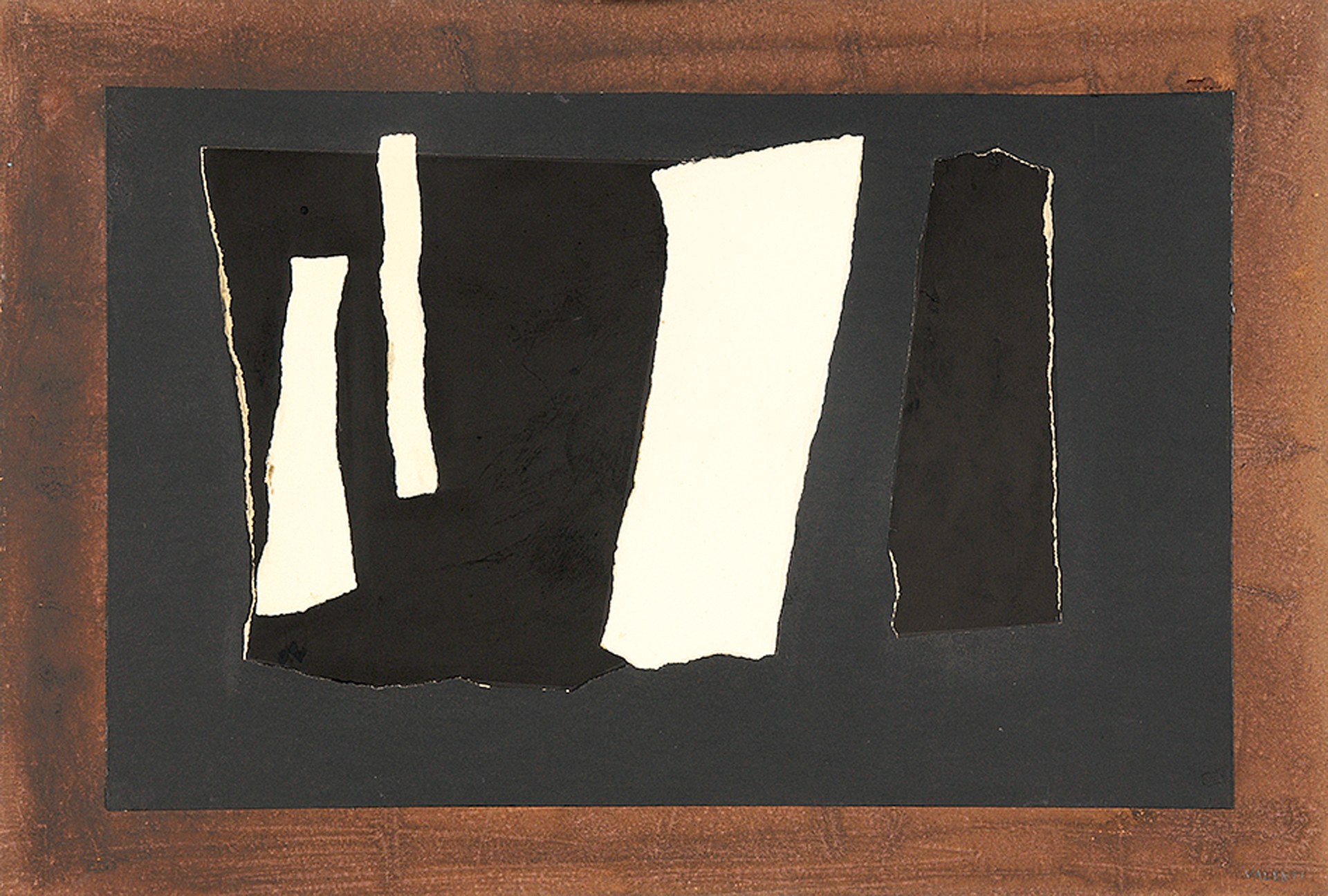
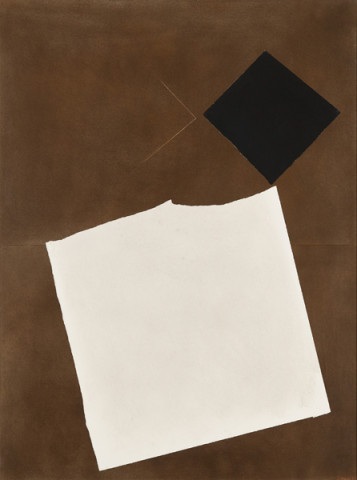
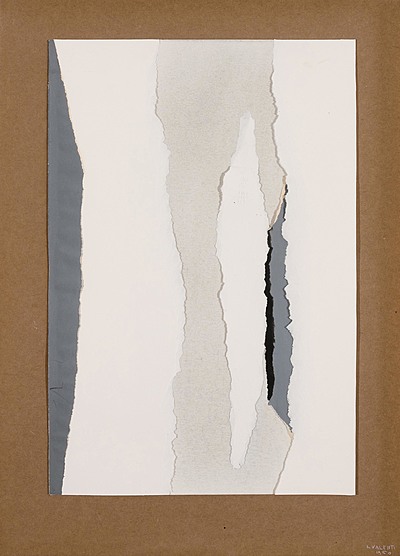
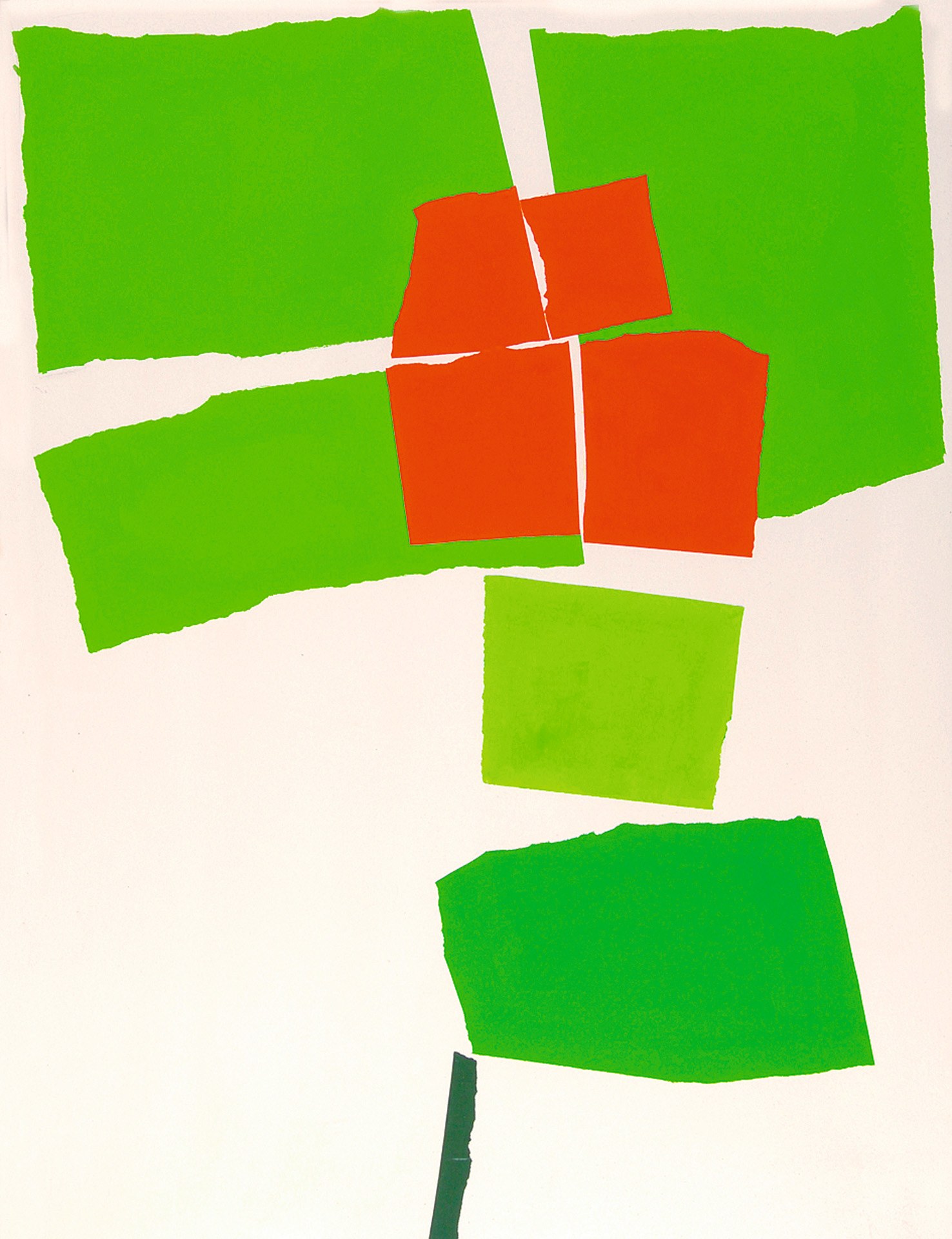
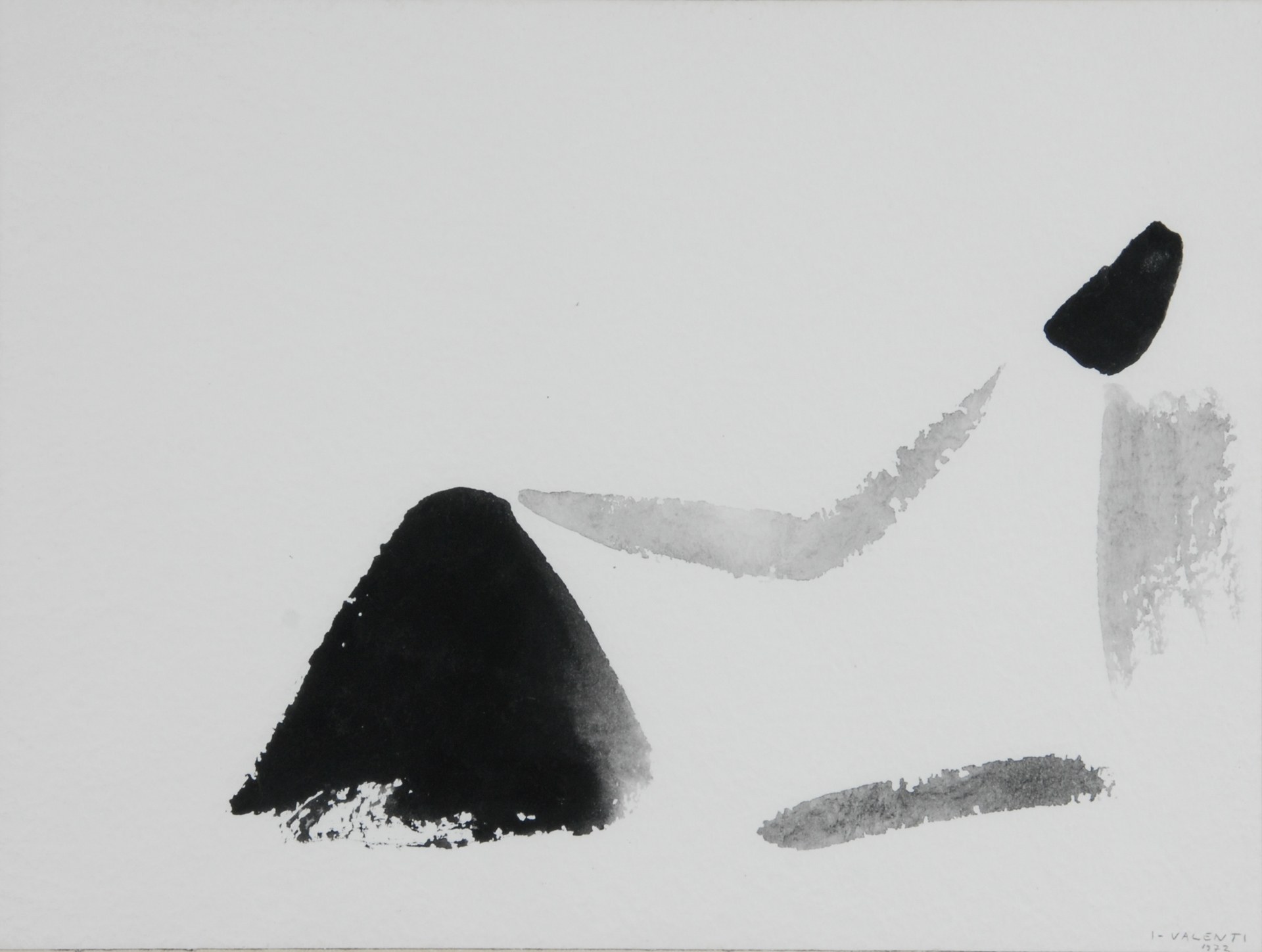
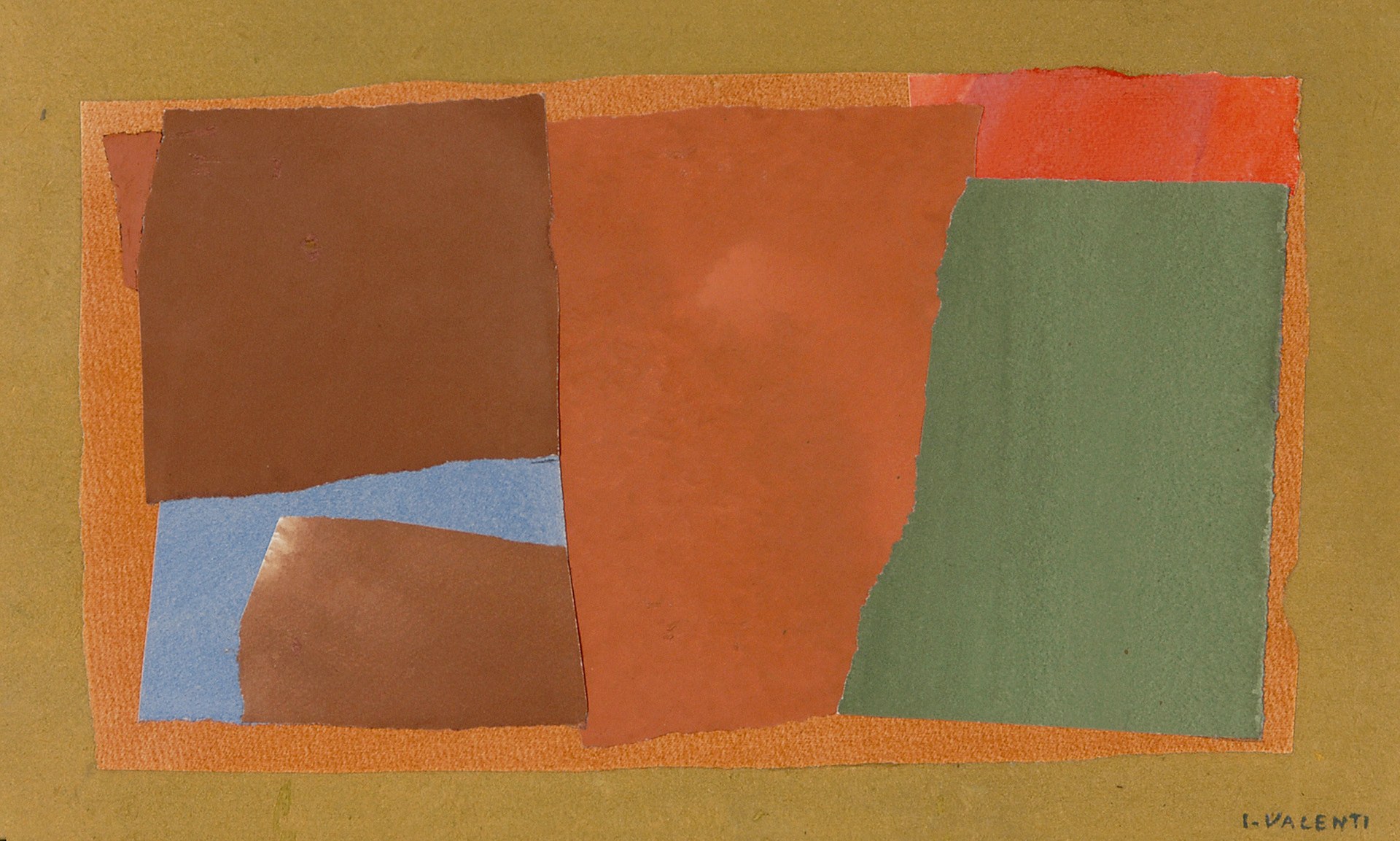
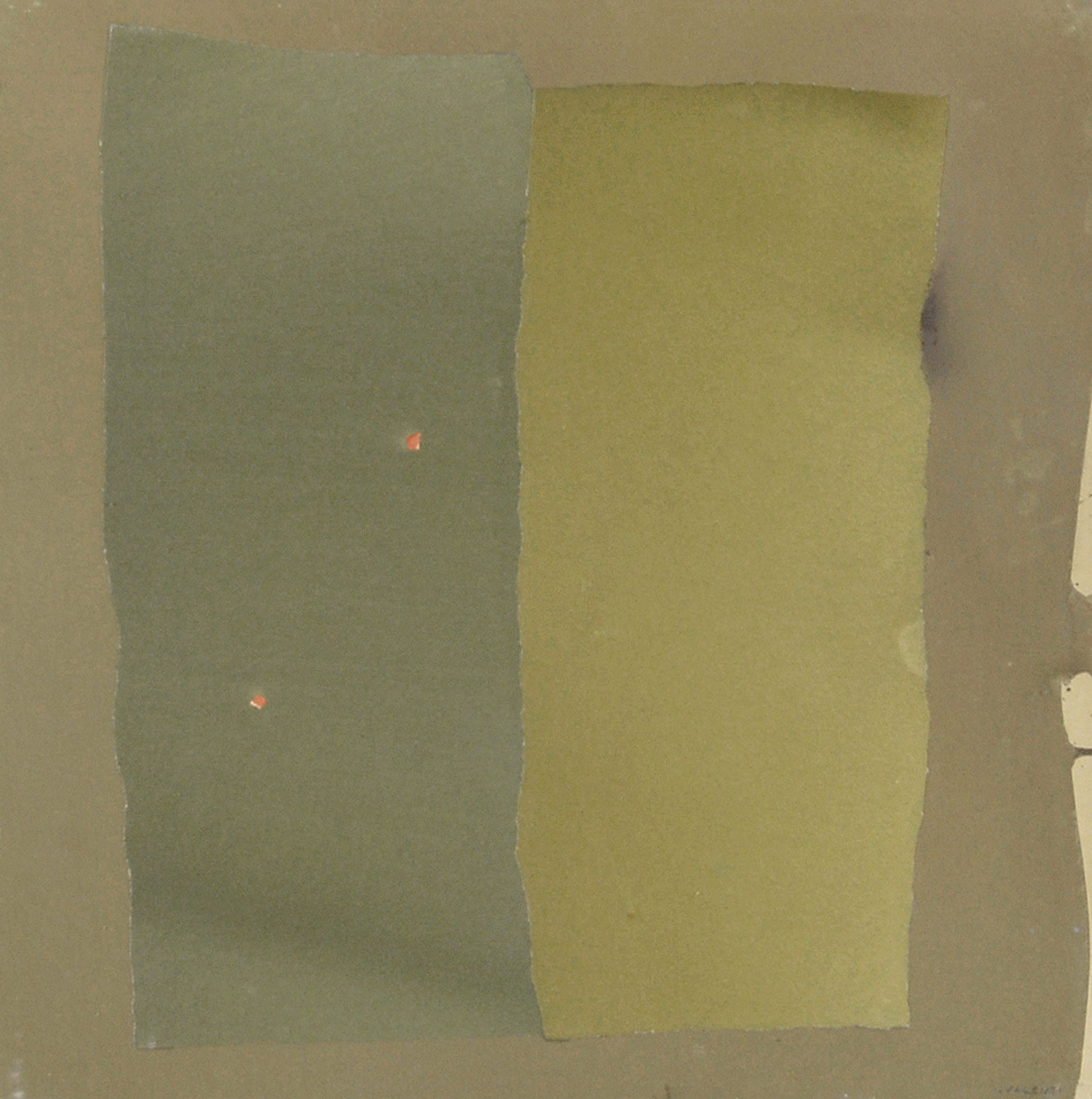
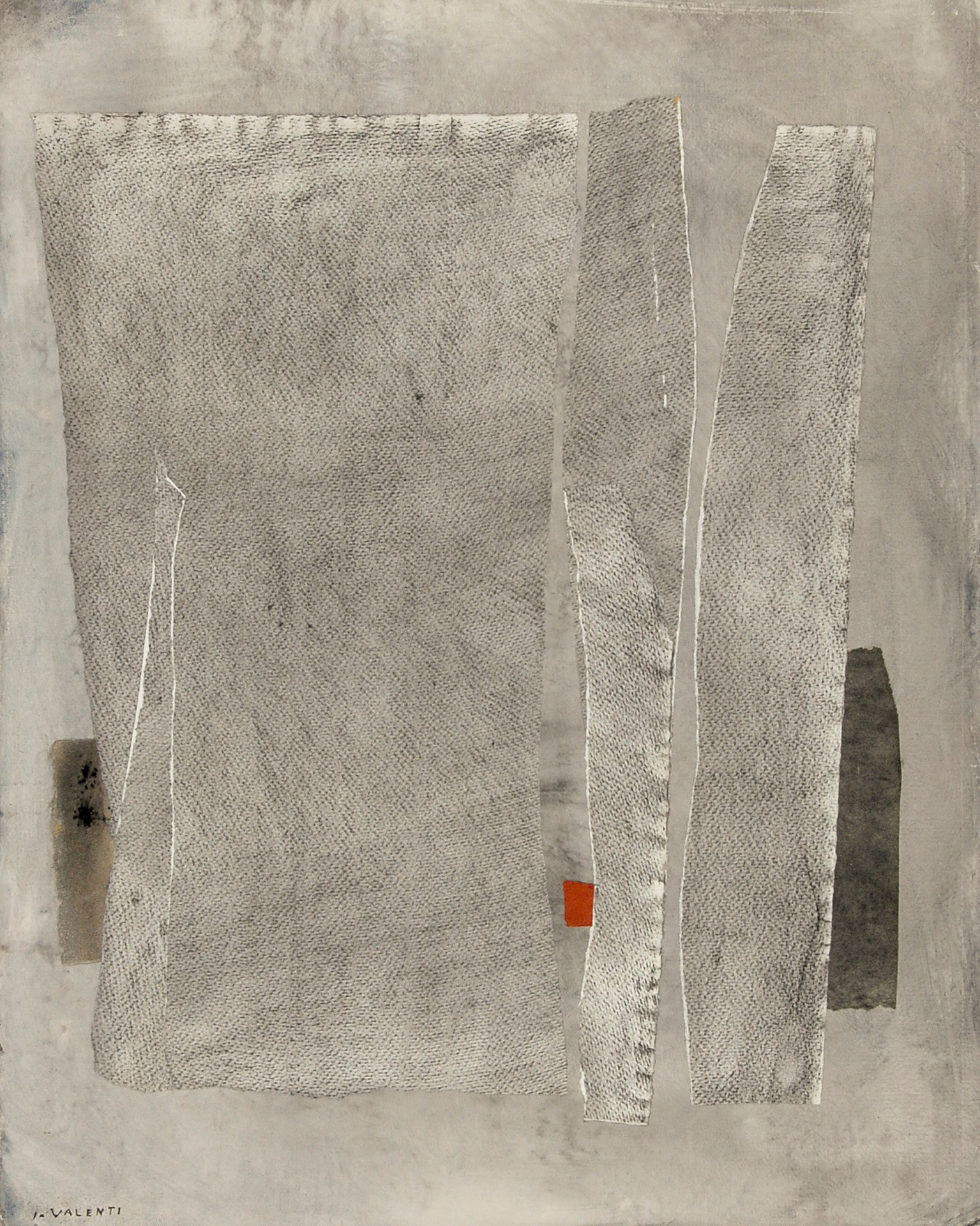
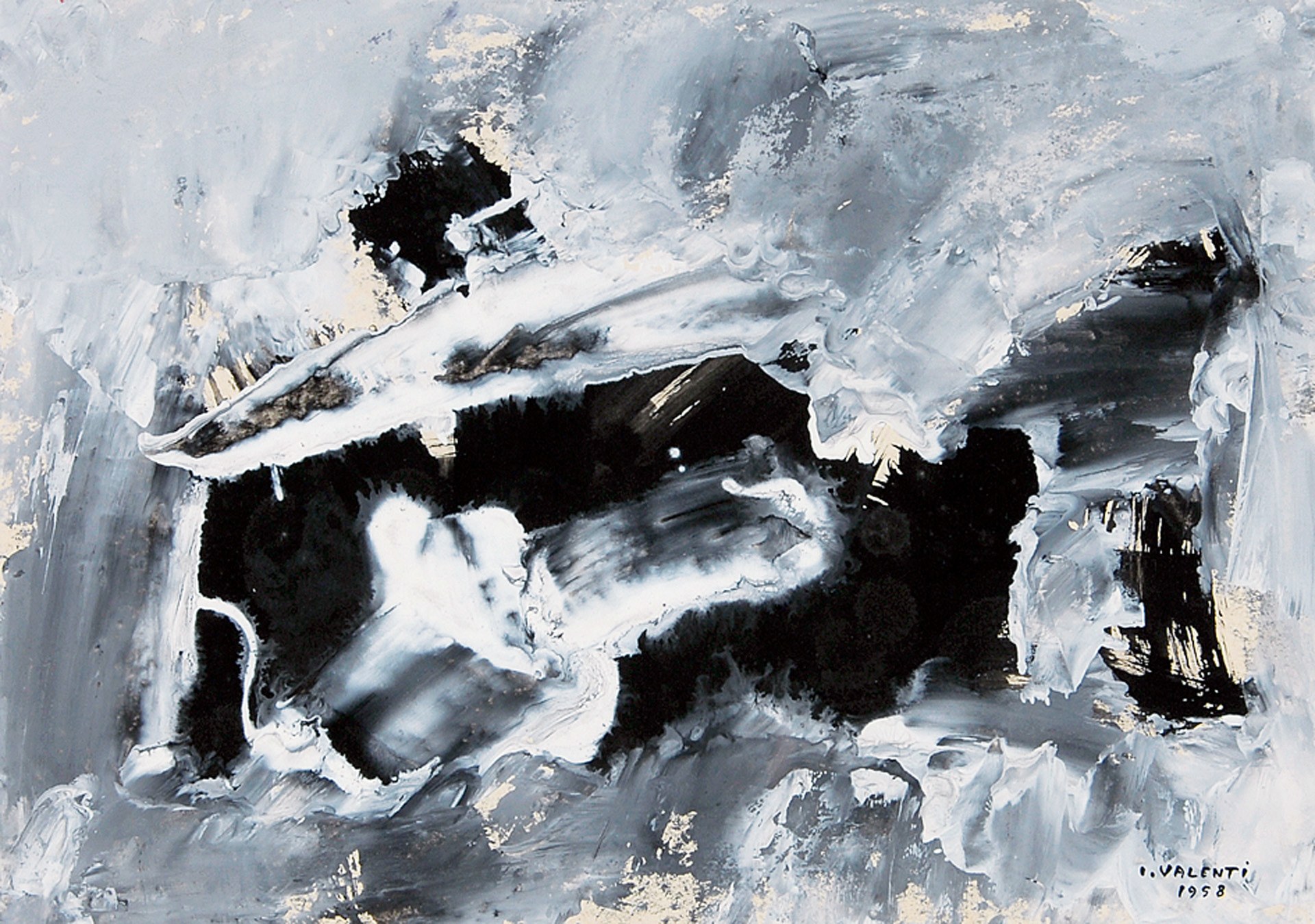
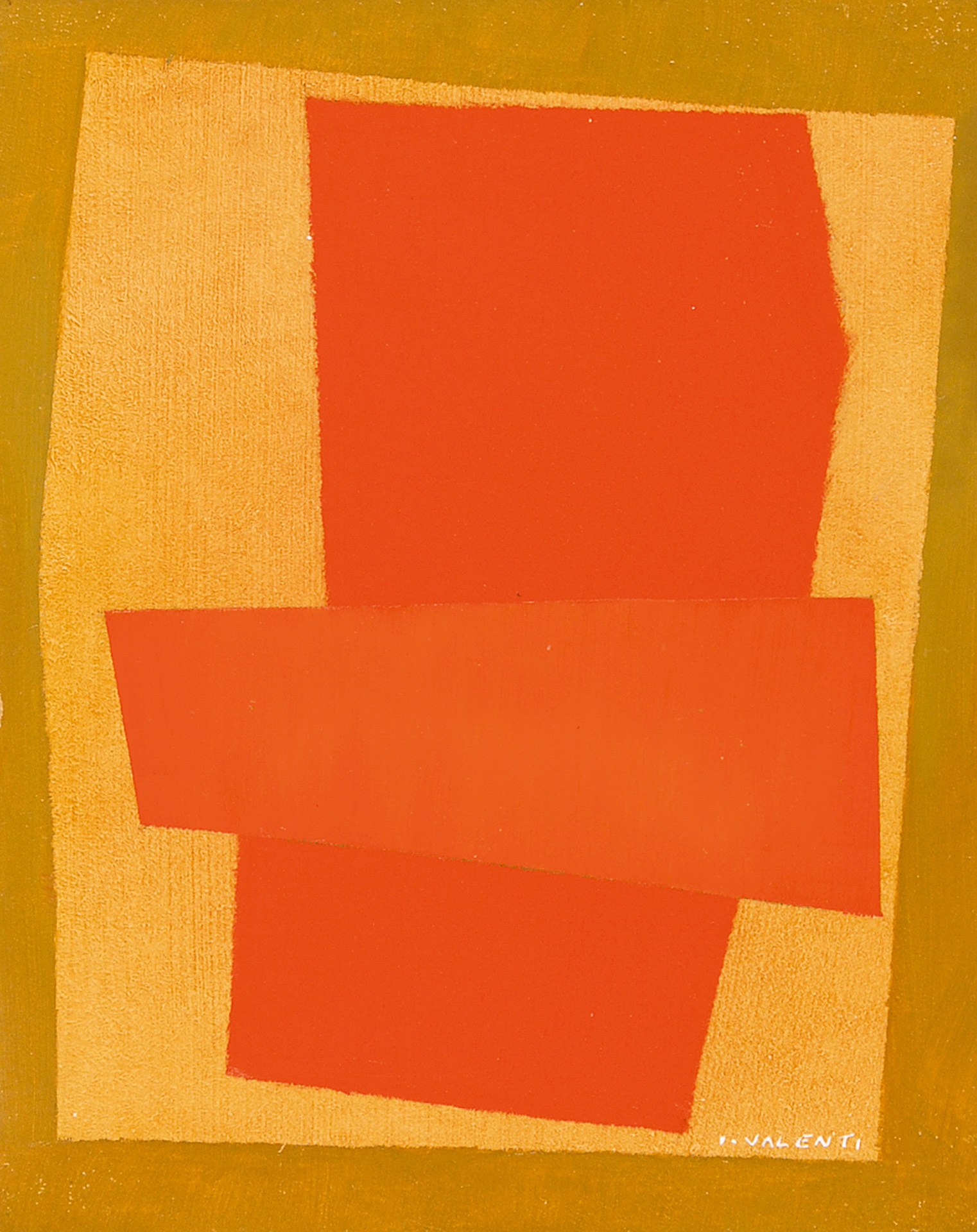
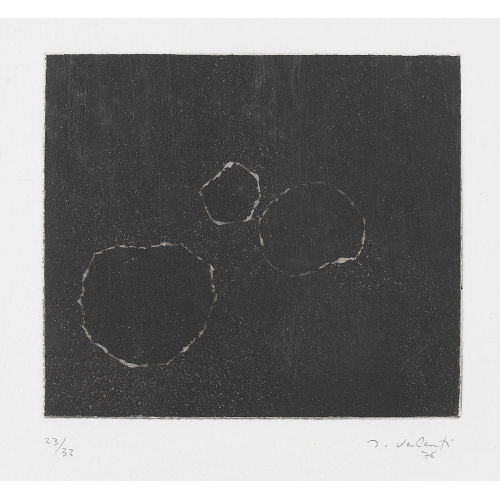
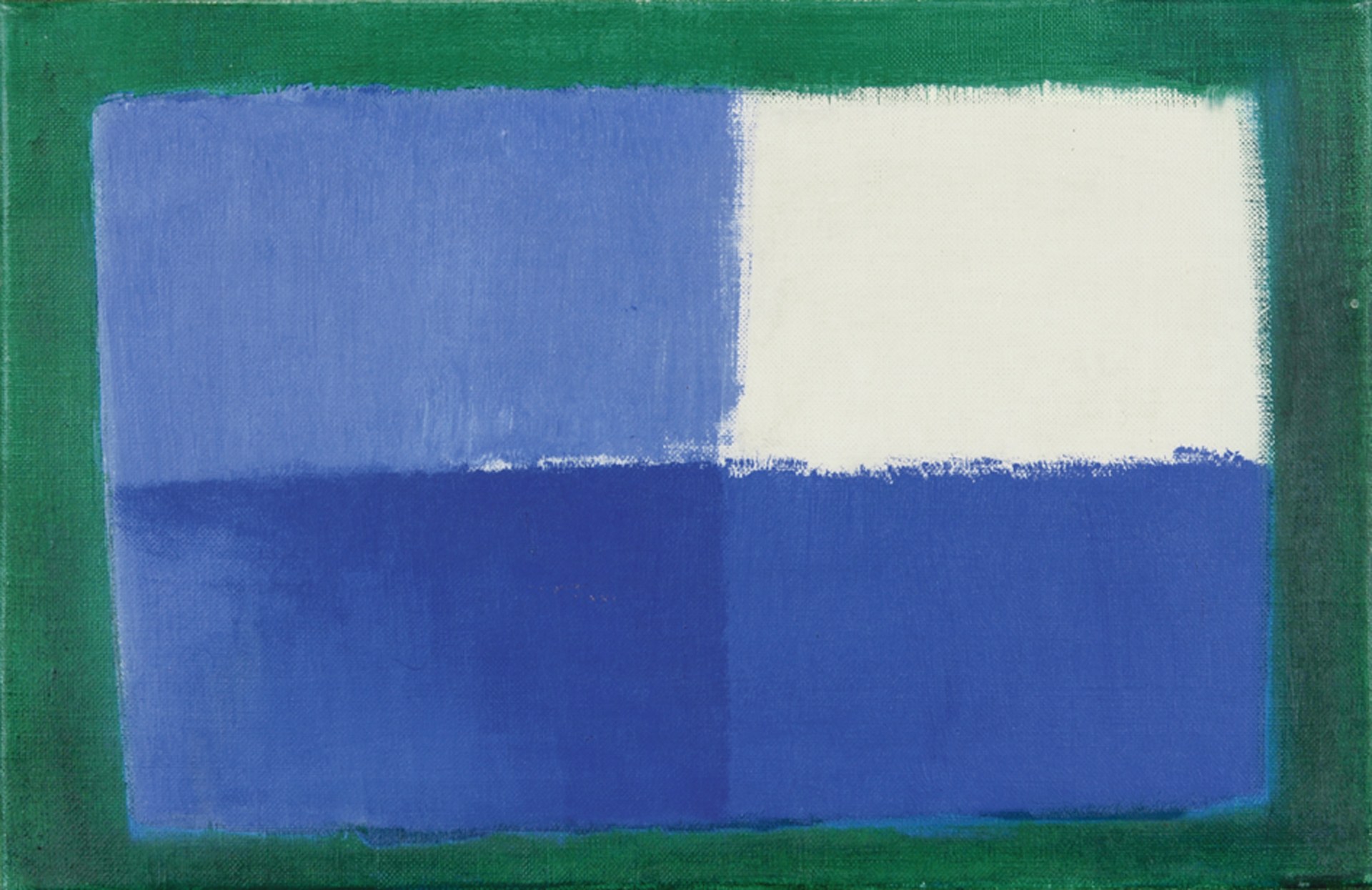
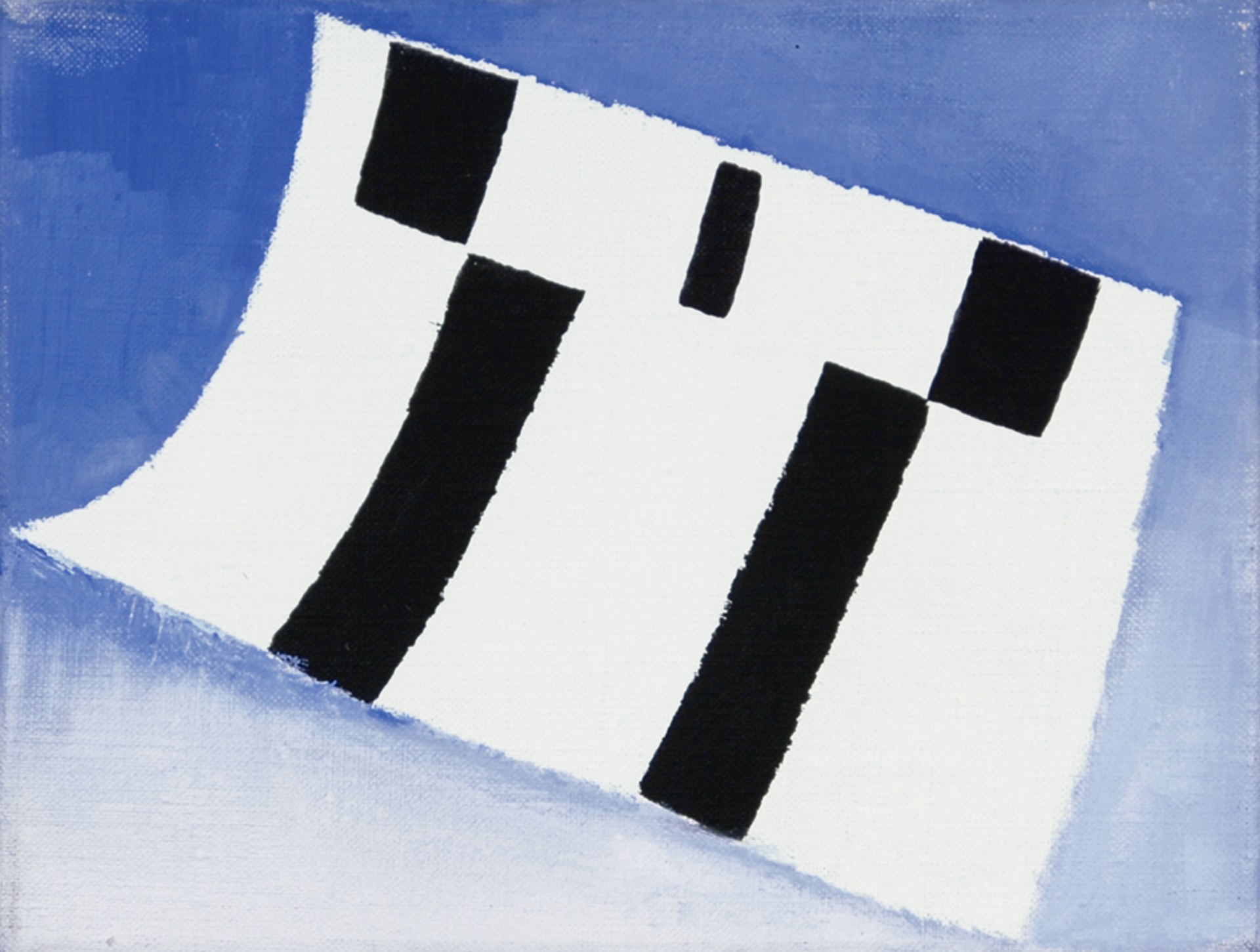
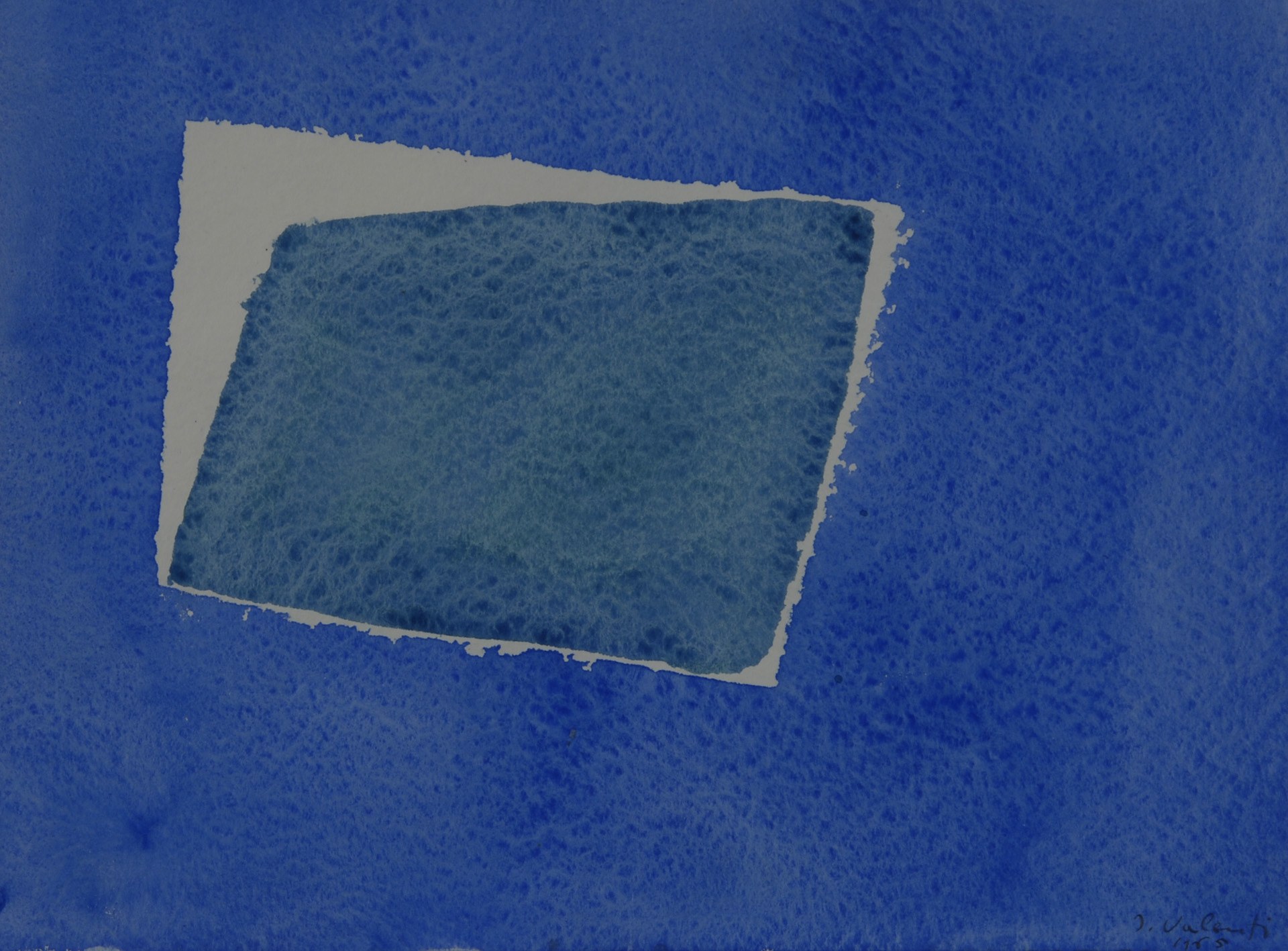
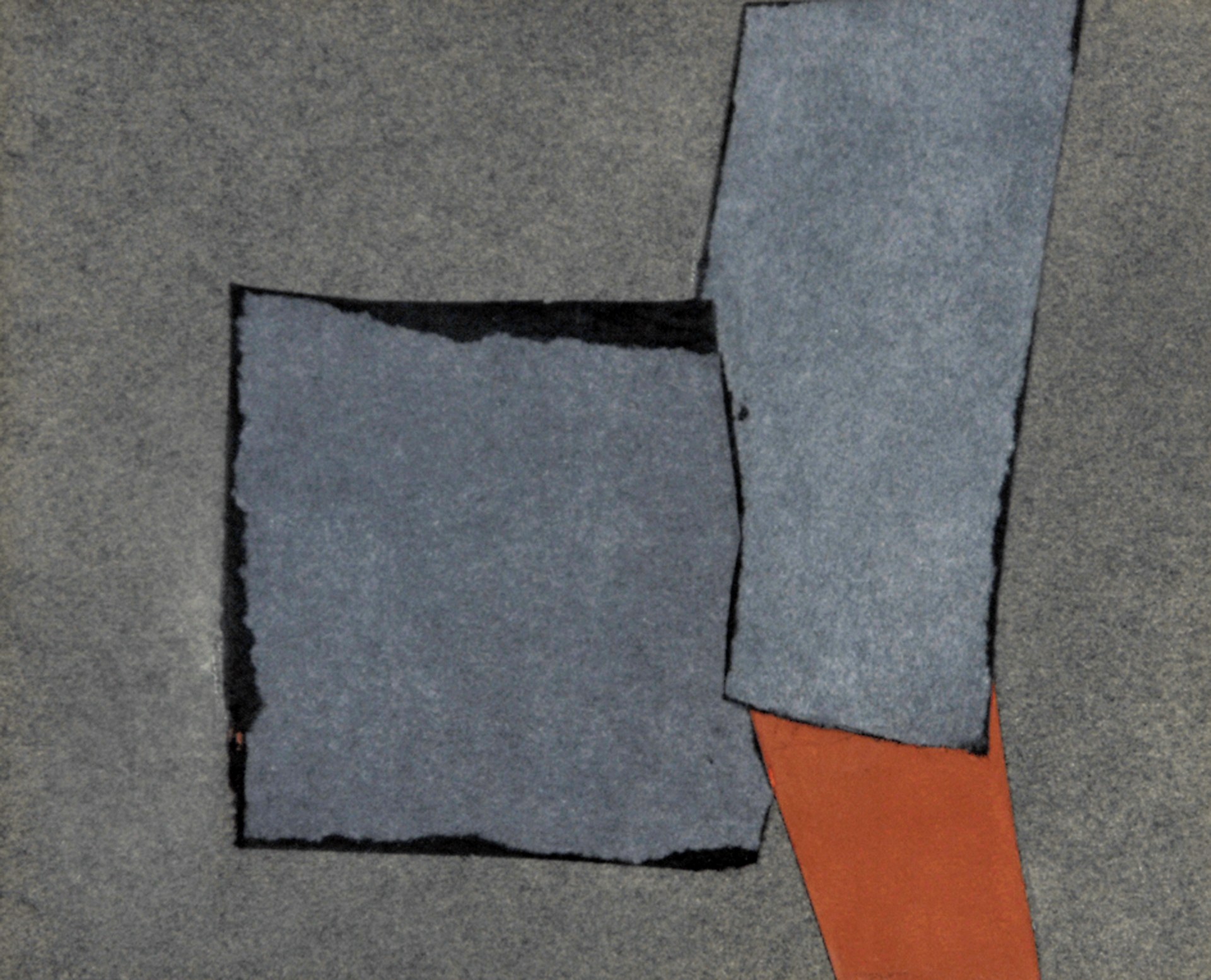
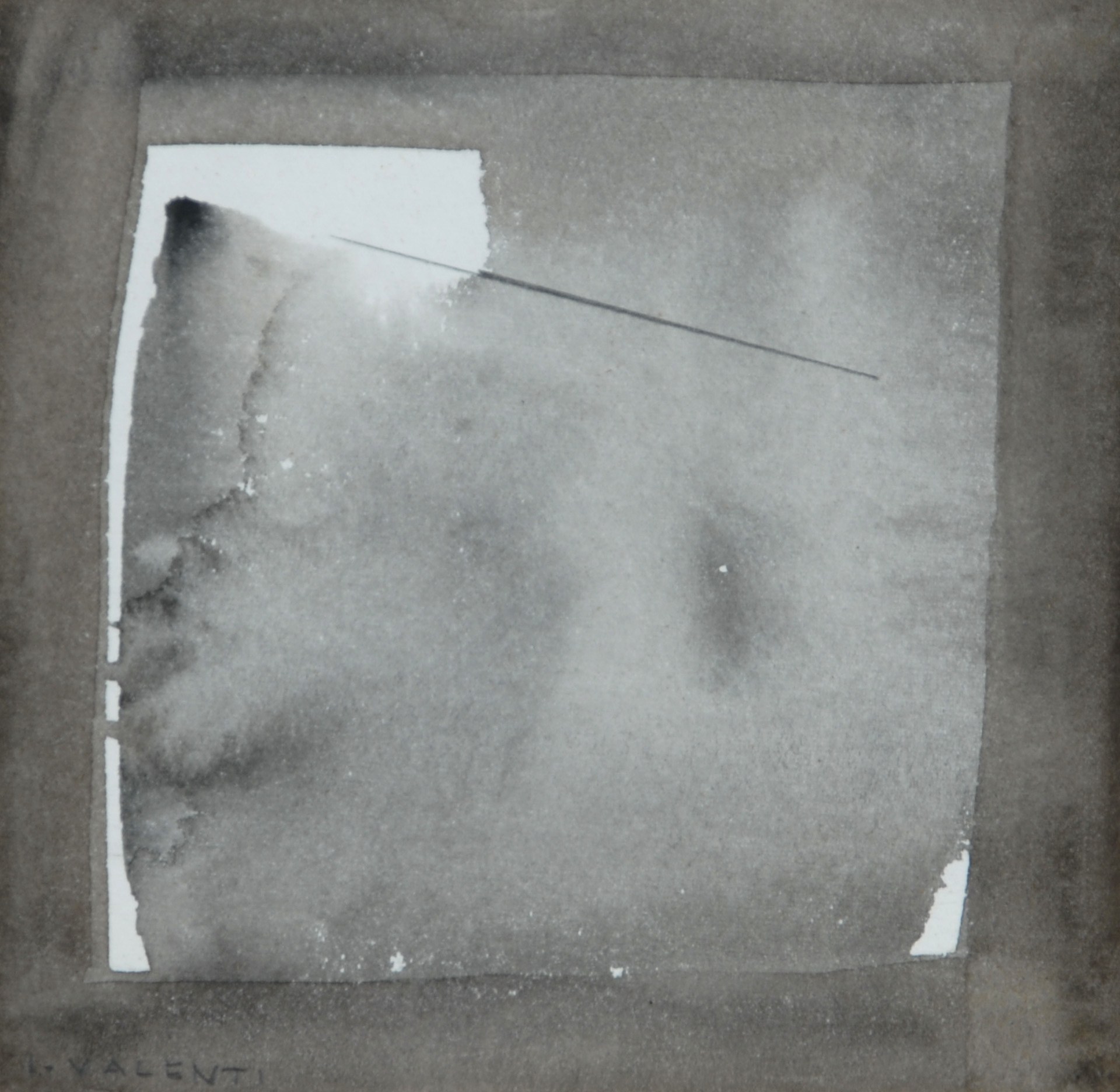
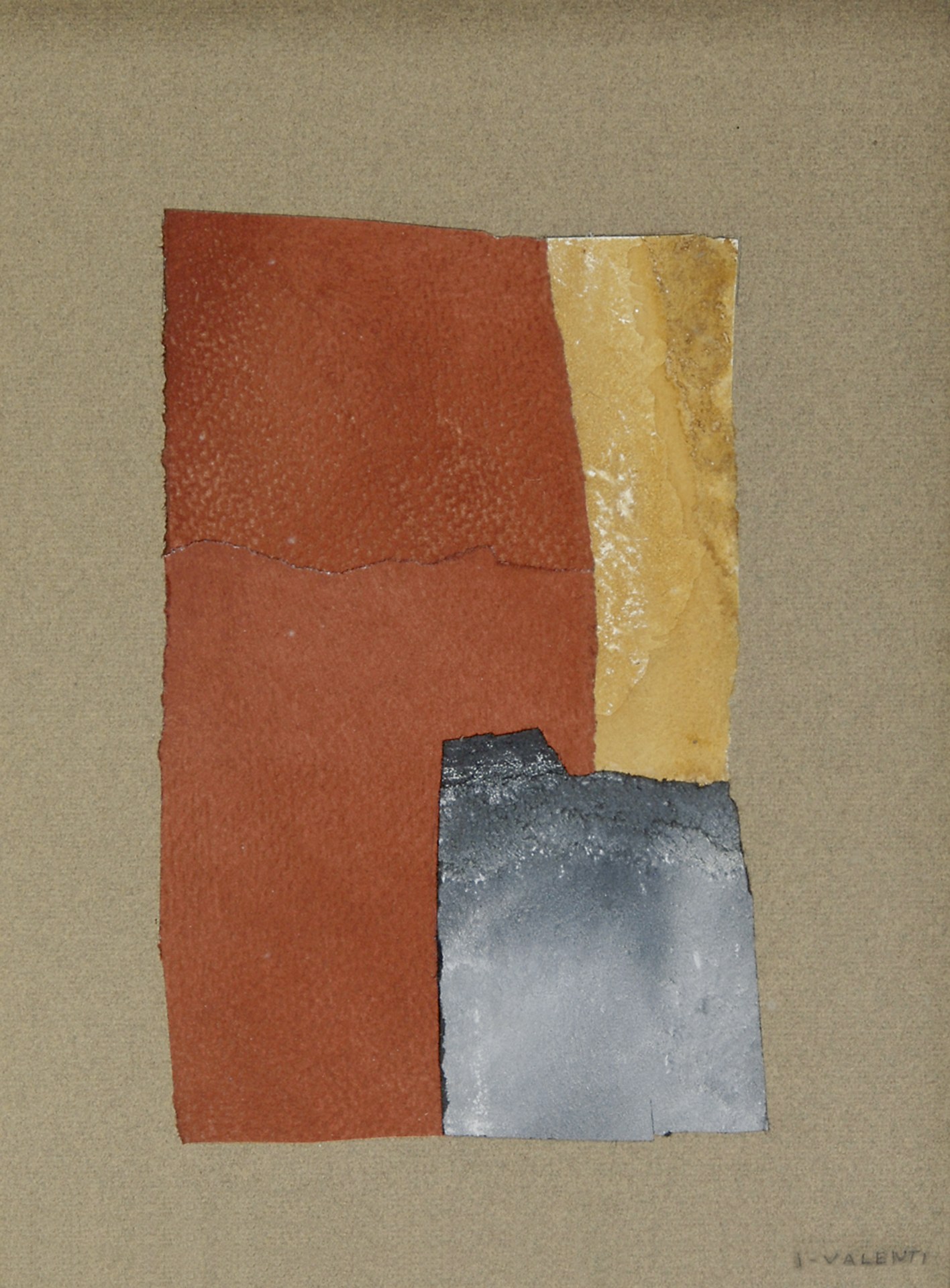
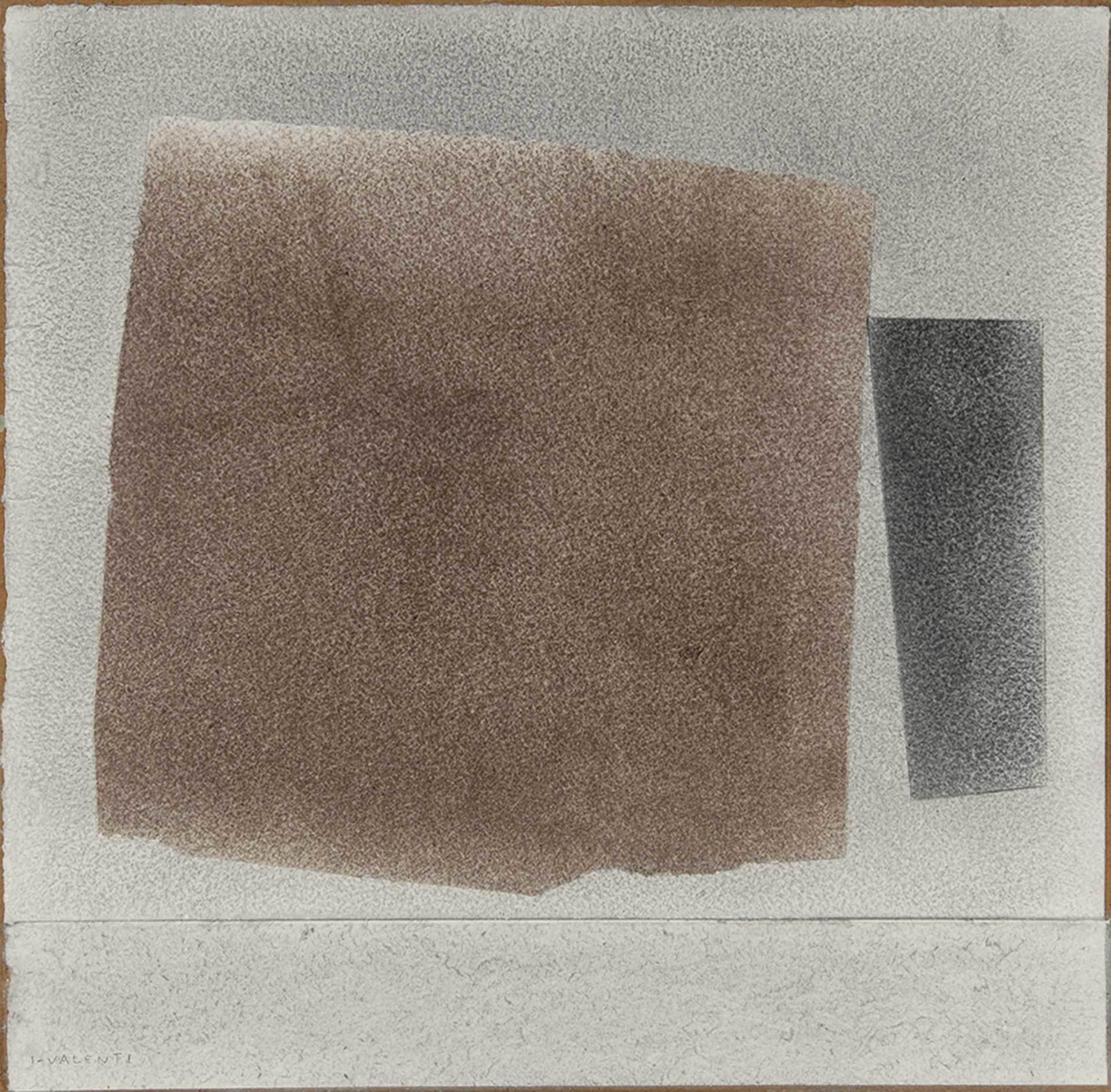
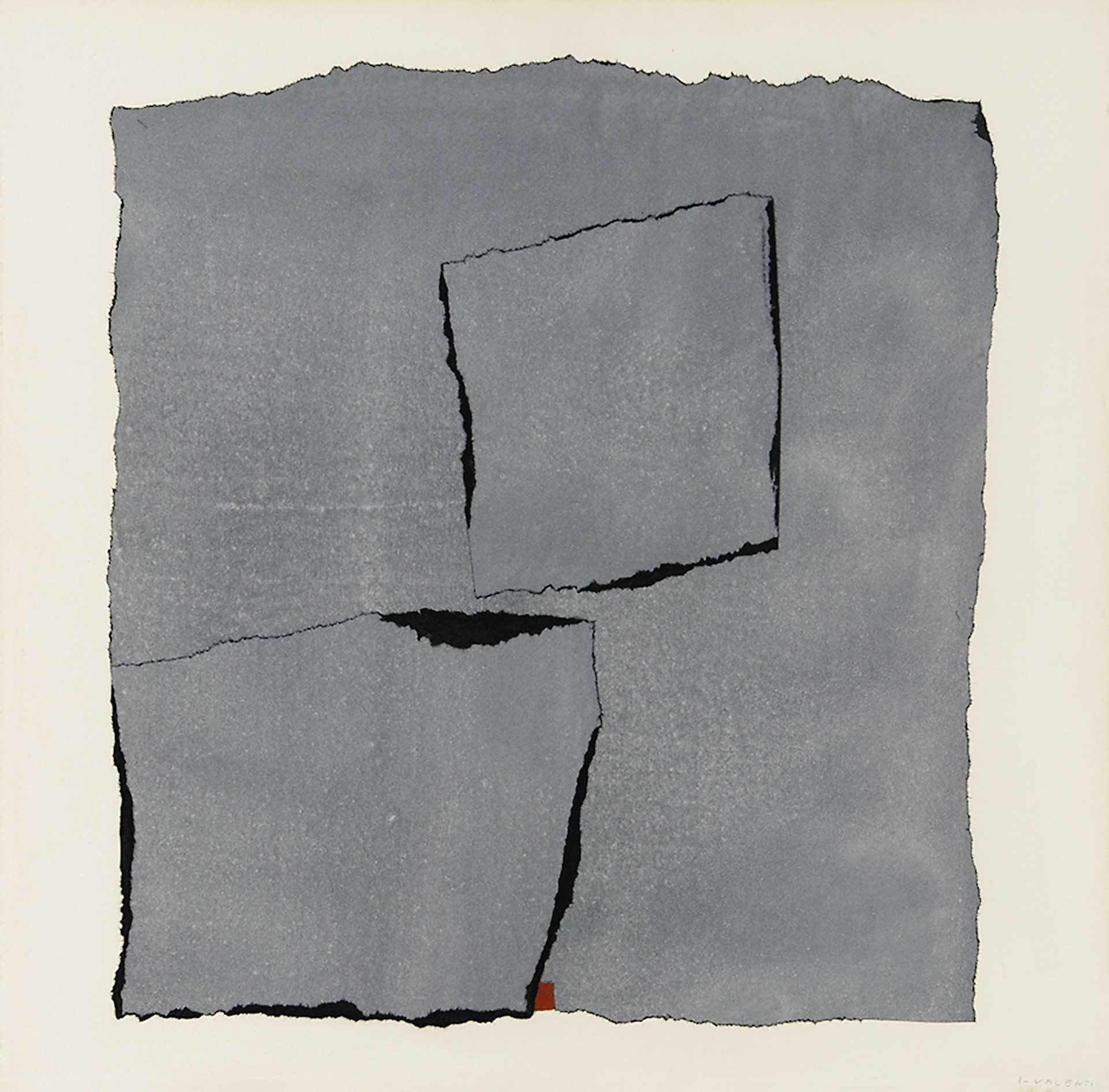
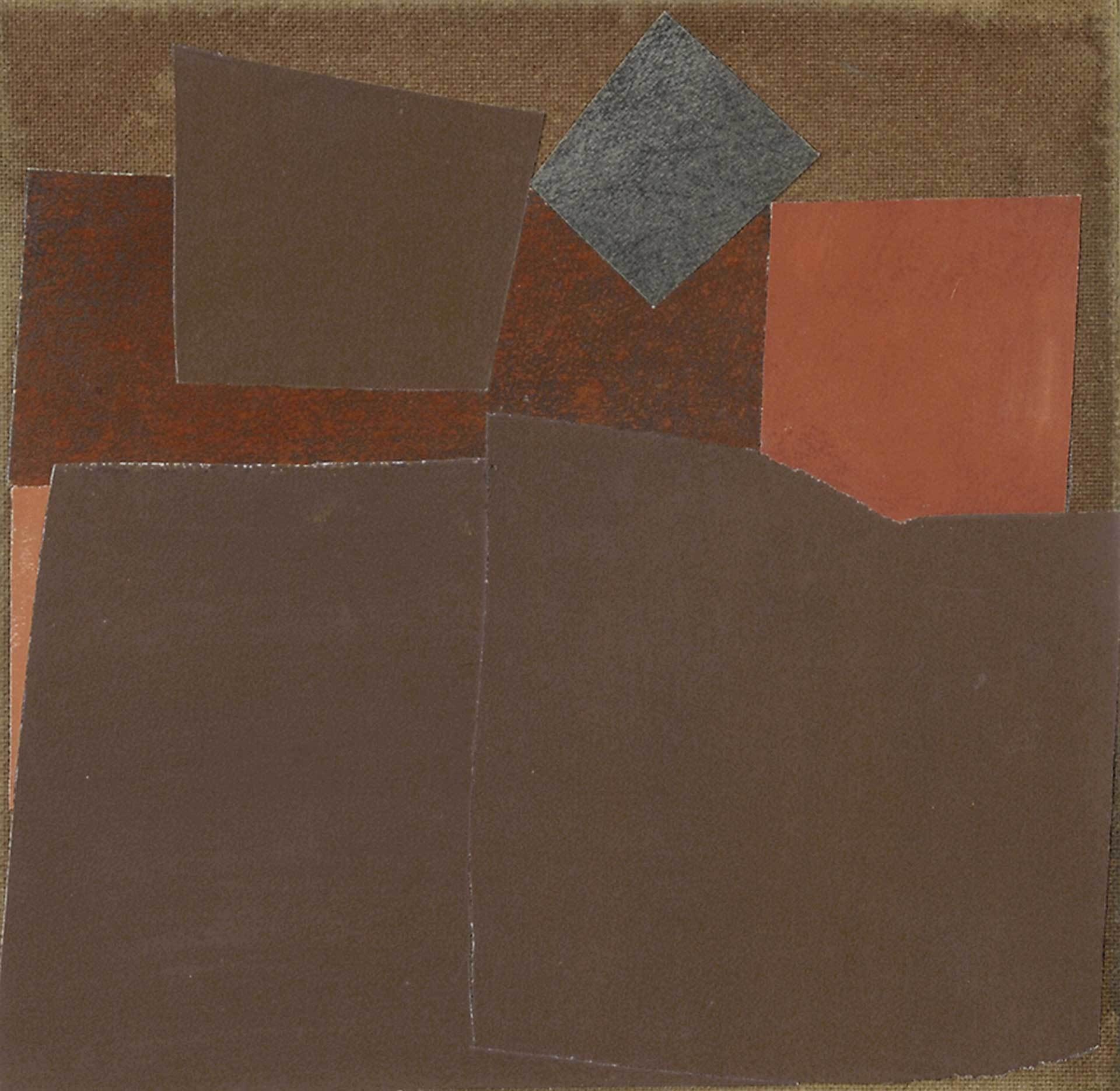
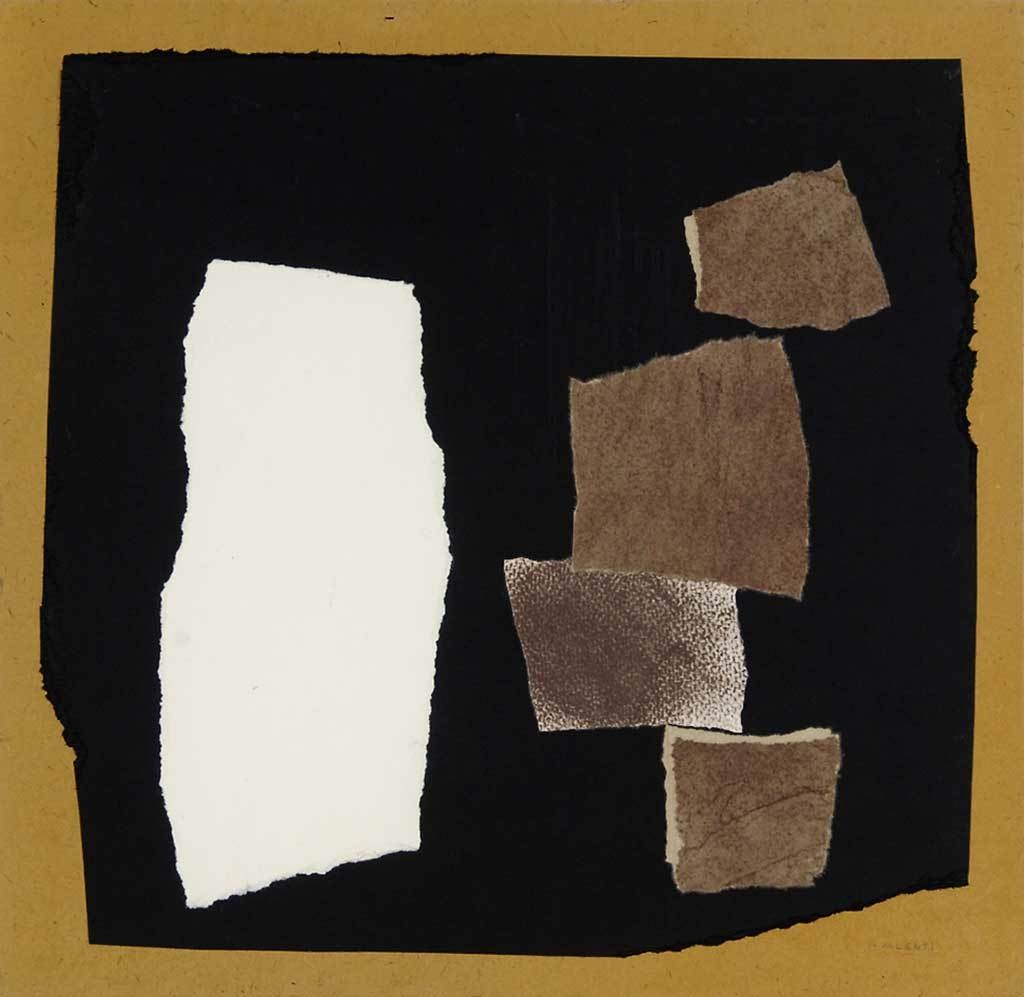
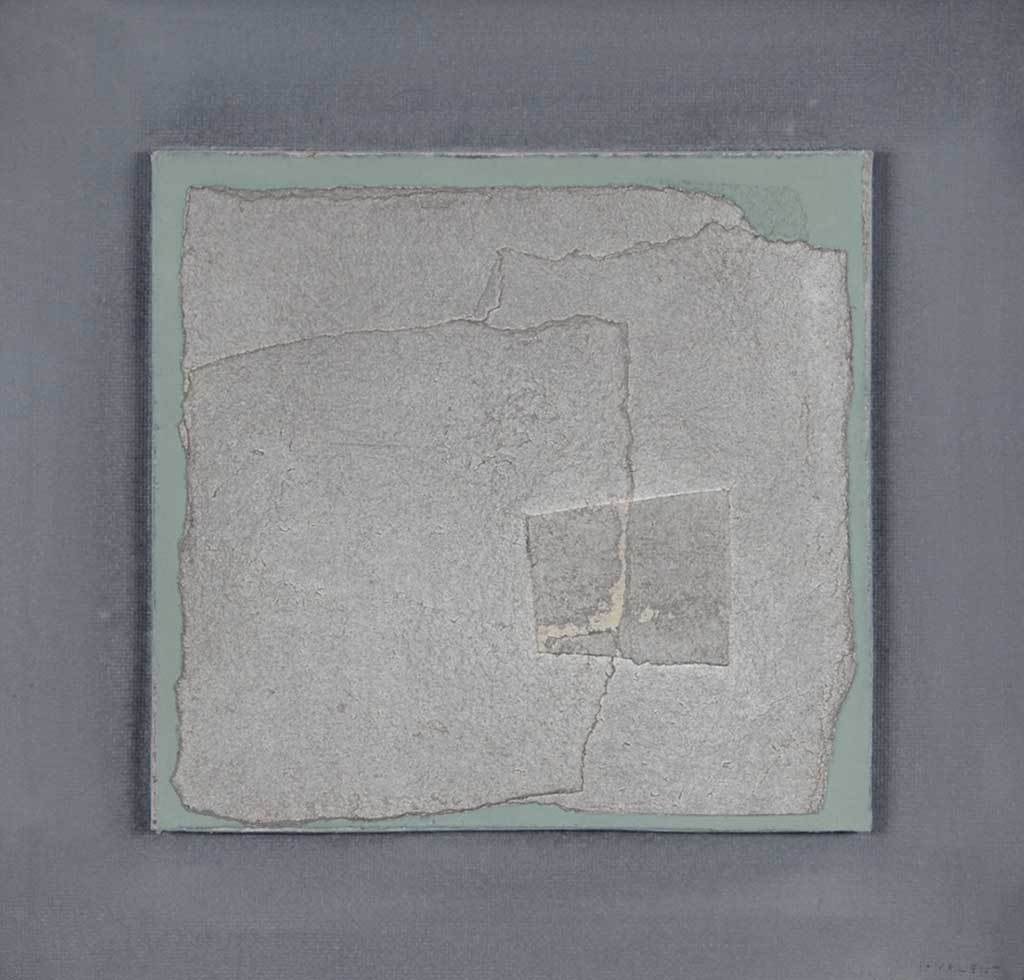
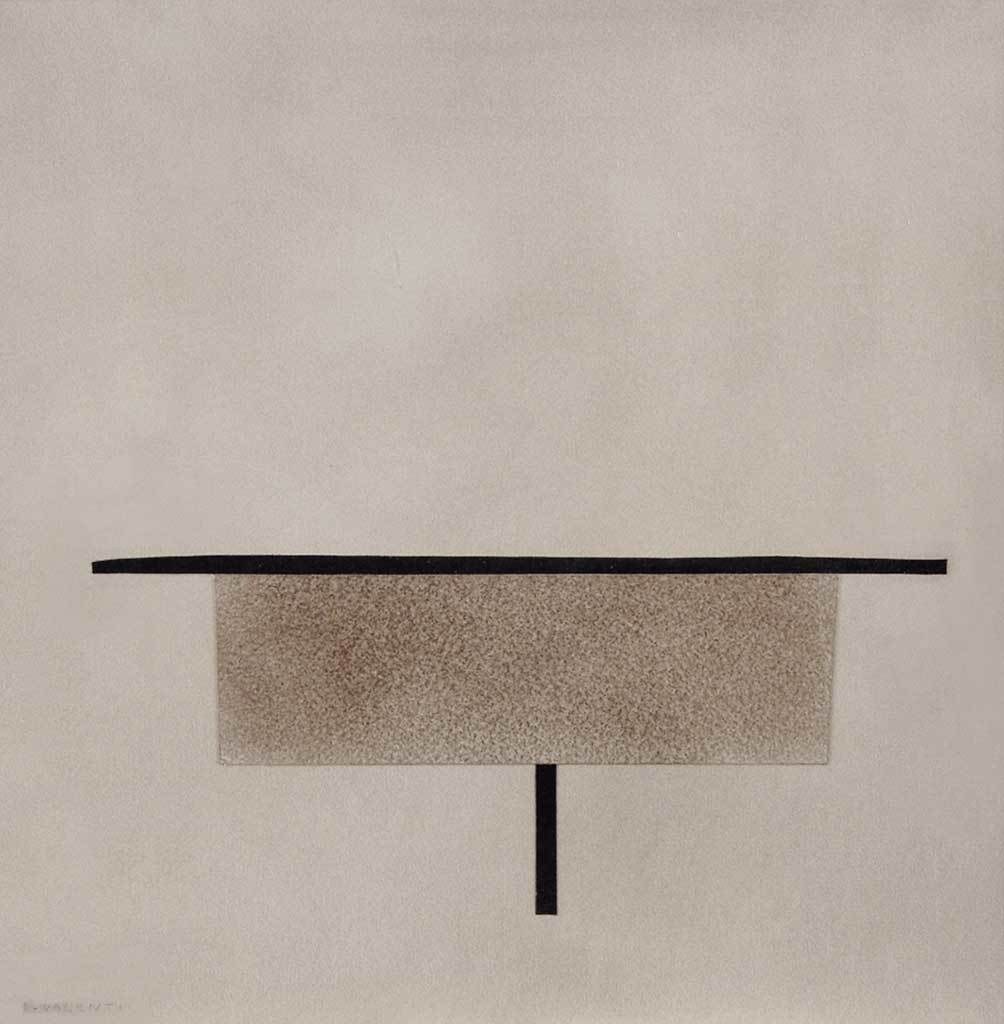
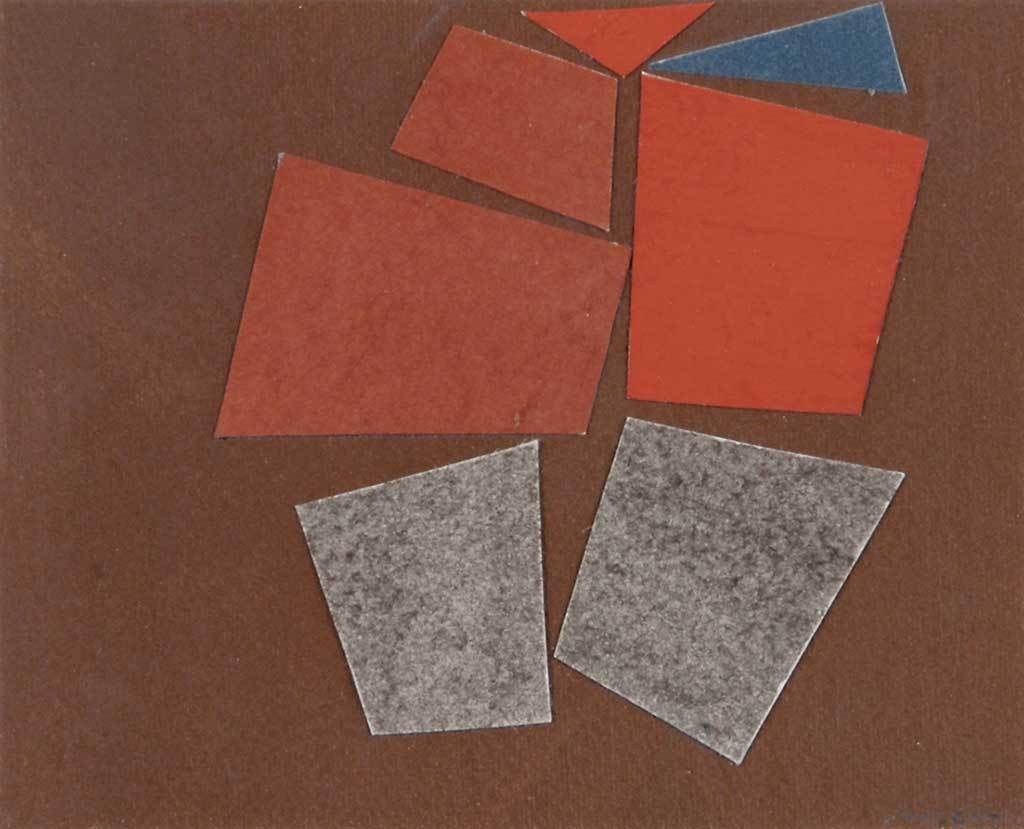
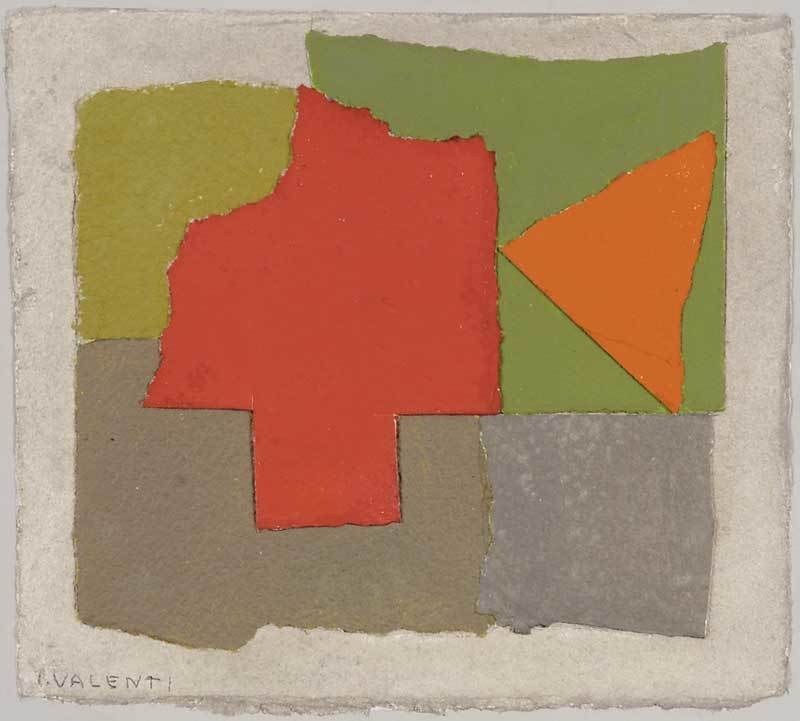
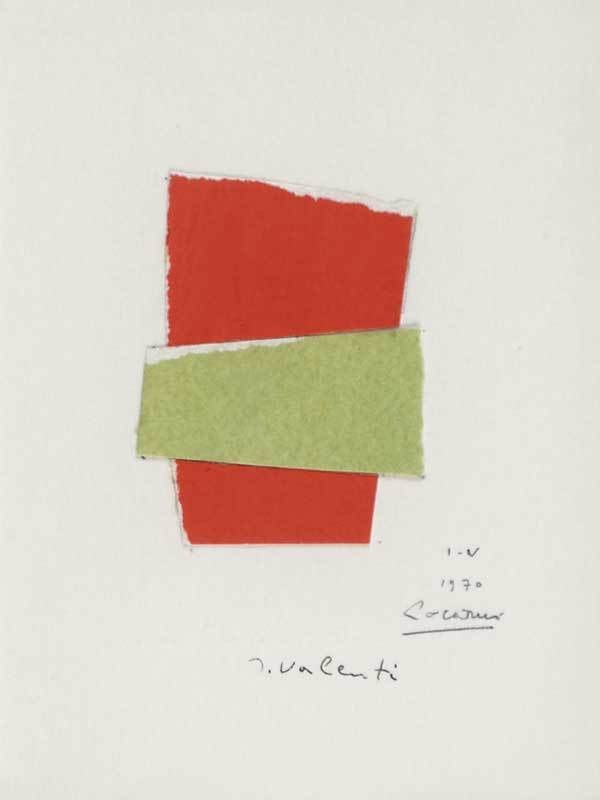
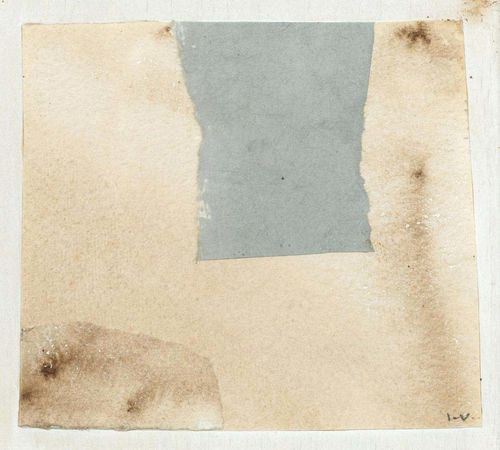
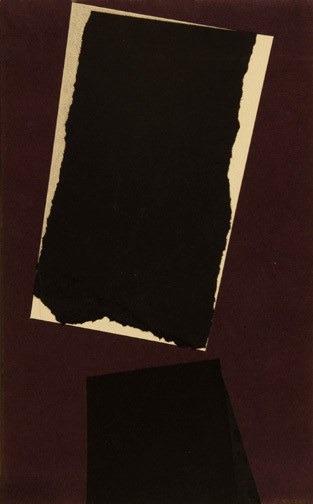
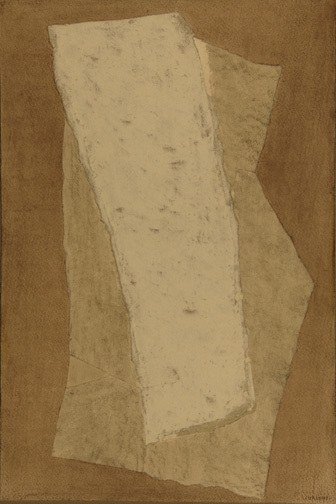
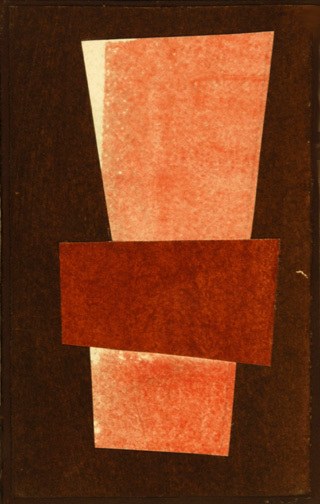
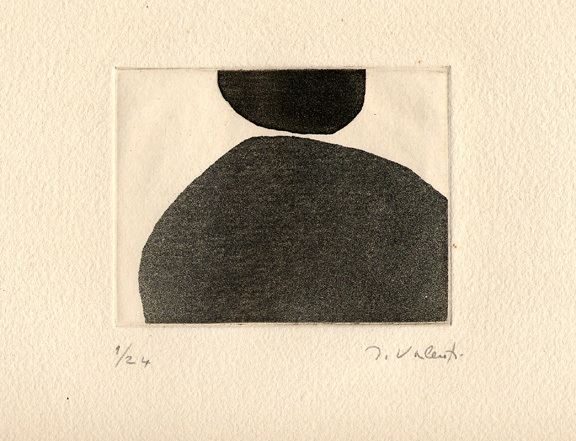
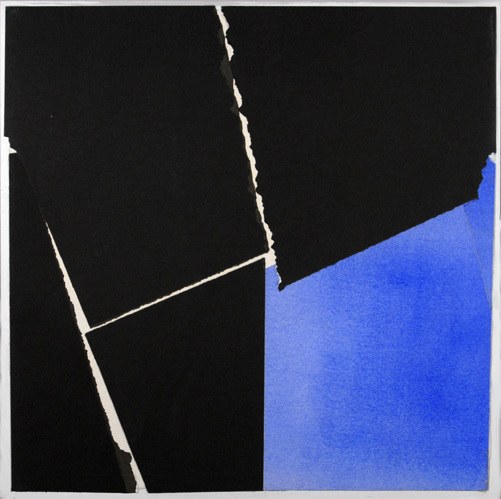
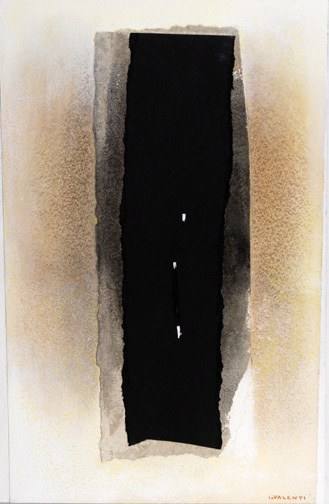
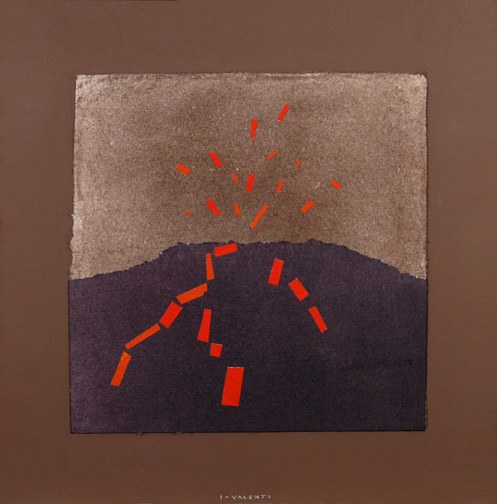
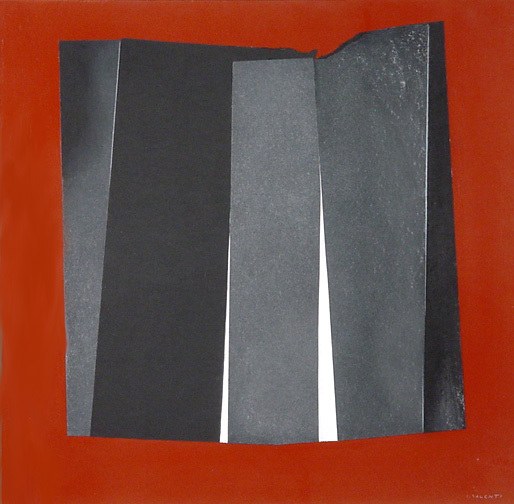
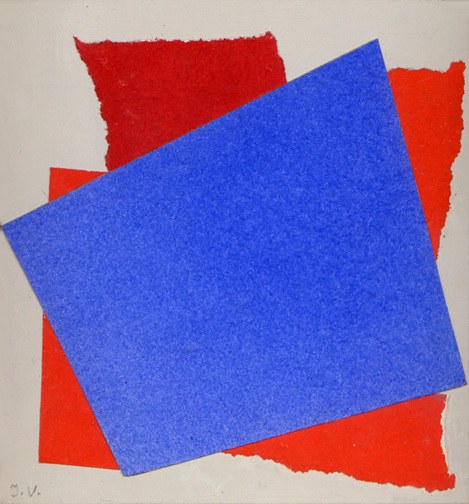
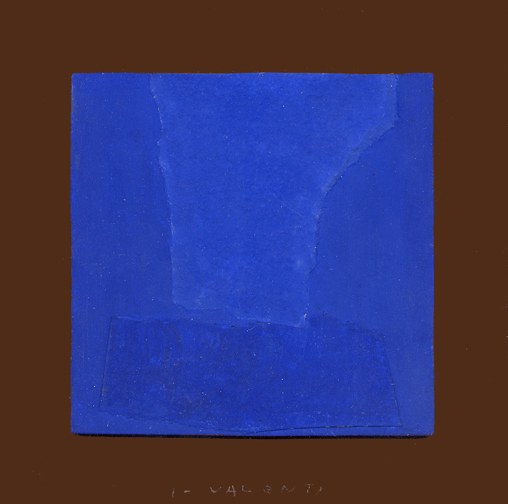
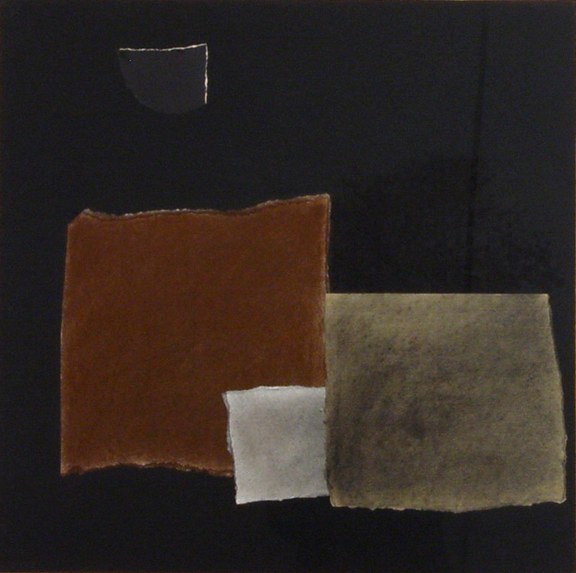
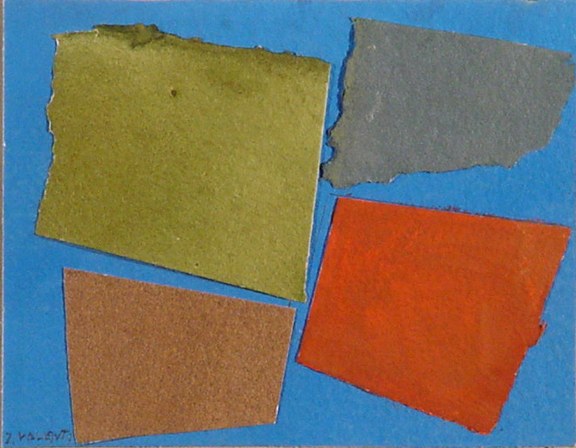
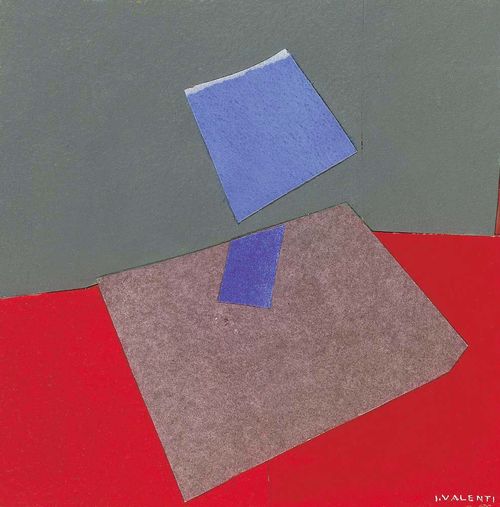
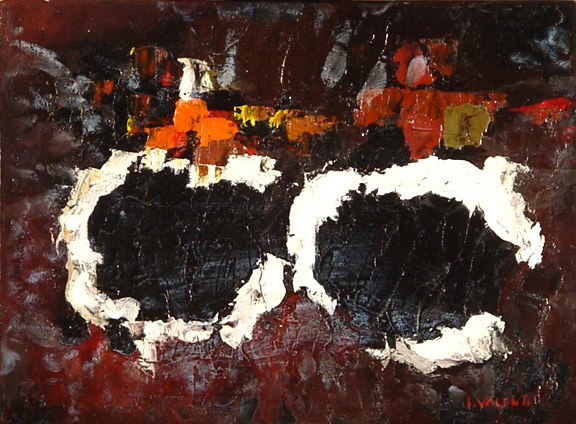
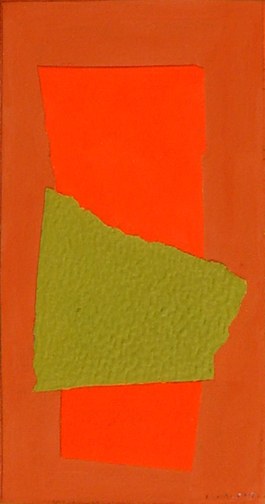
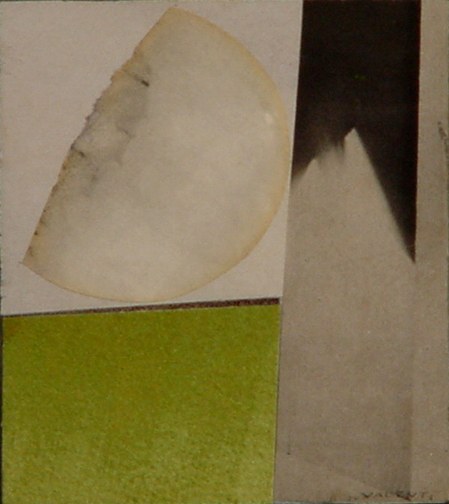
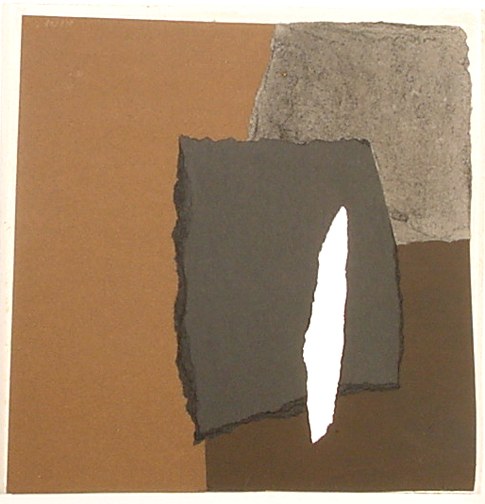
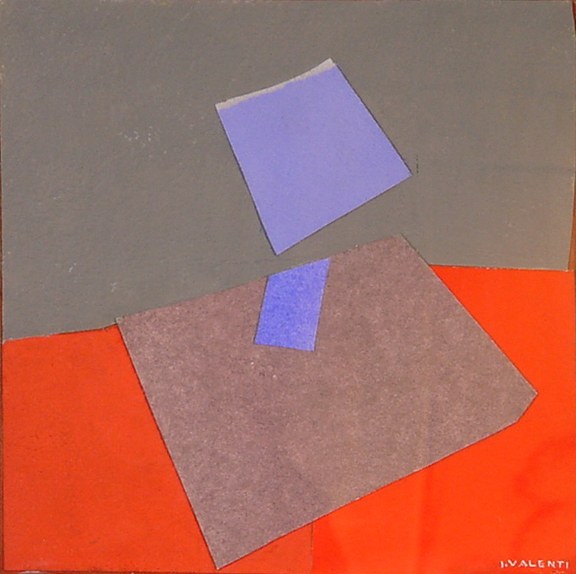
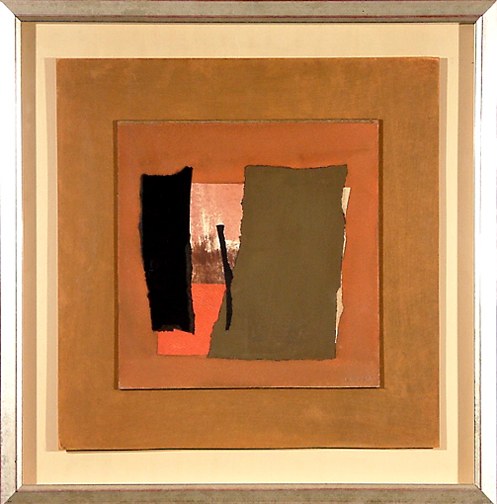
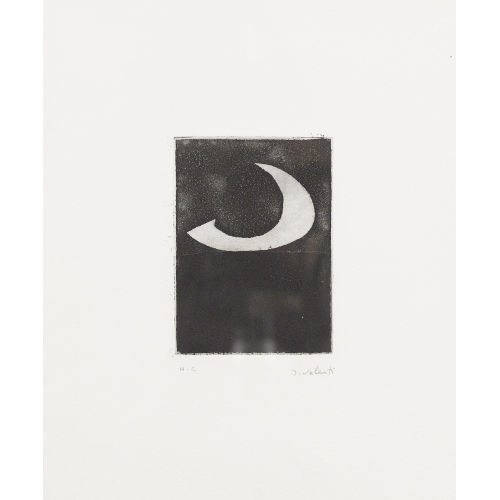
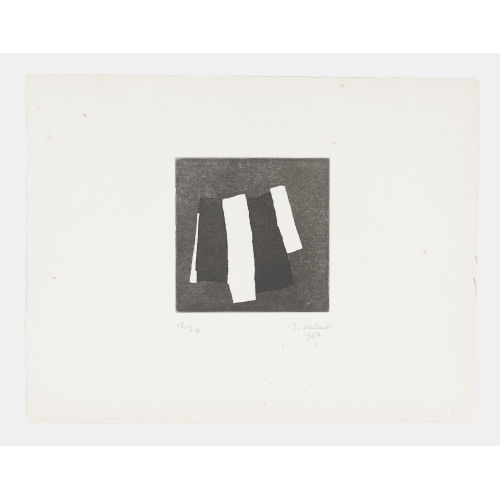
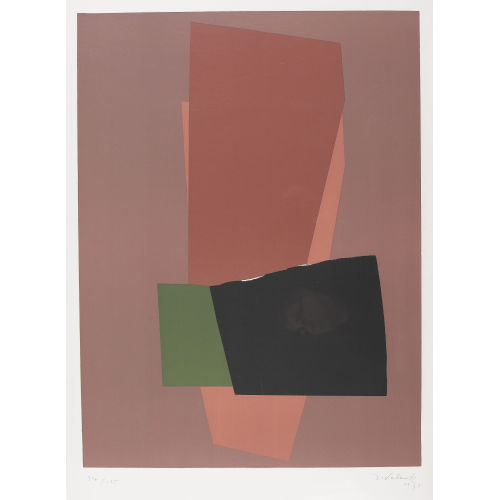
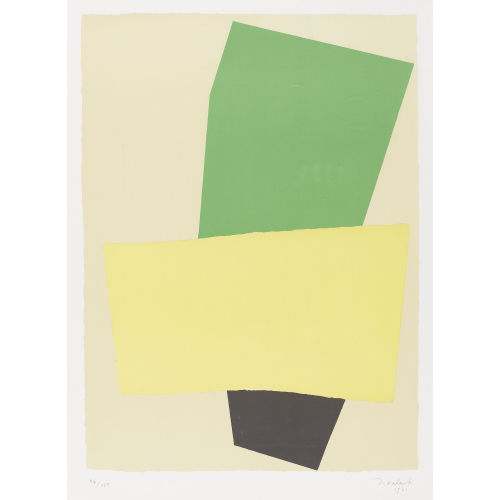
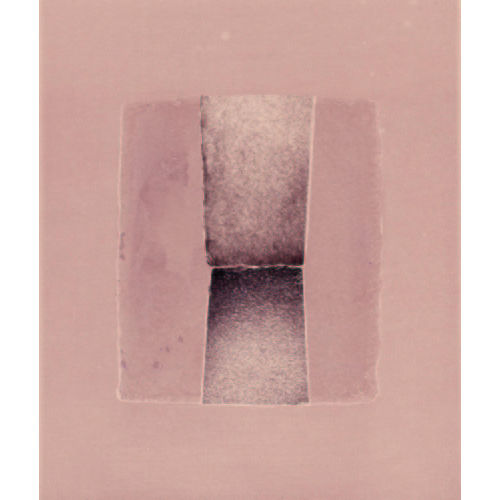
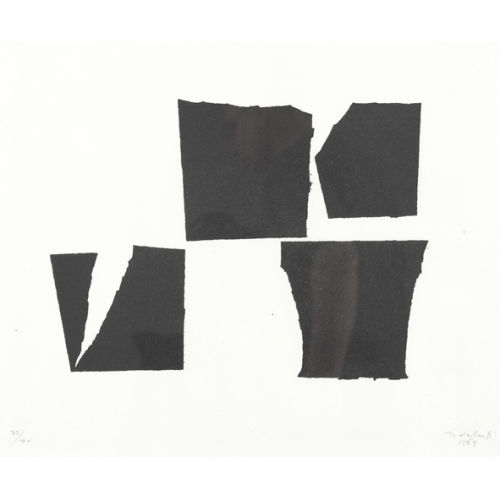
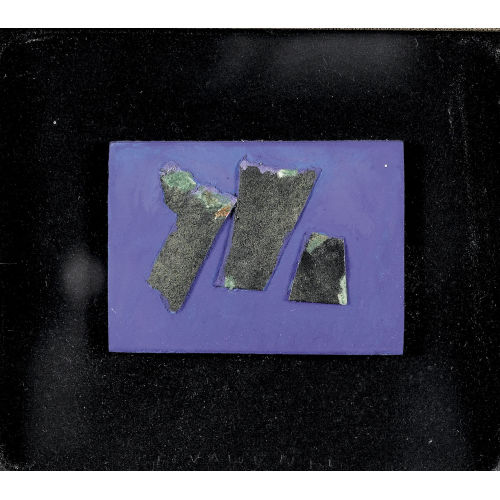
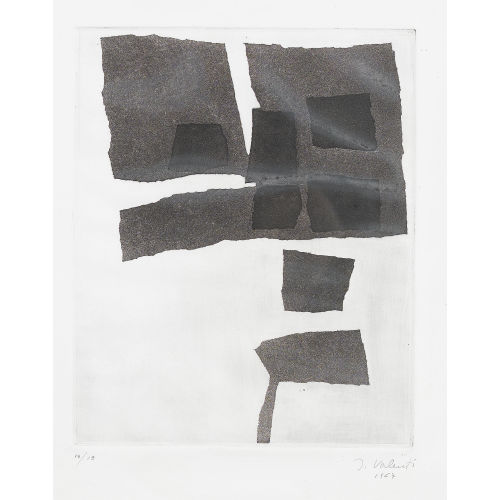
From the second half of the 1950s onwards, his painting moved towards Informel. Collage, which he practised from 1959, allowed him to explore the relationships between surface and colour in a different way. He painted the papers, cut them up and then arranged their fragments, while continuing to work in parallel in oil, watercolour and the graphic arts.
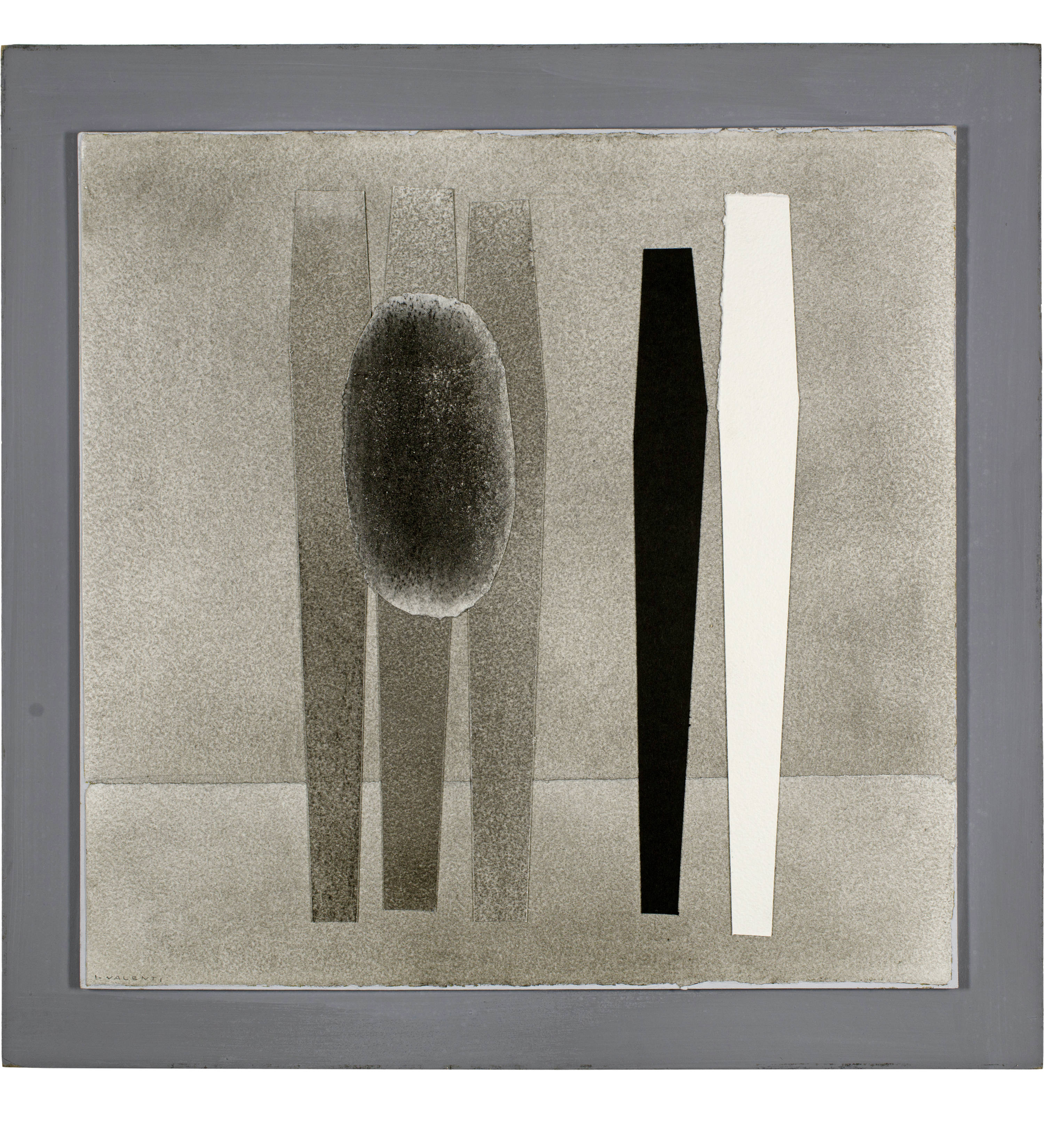
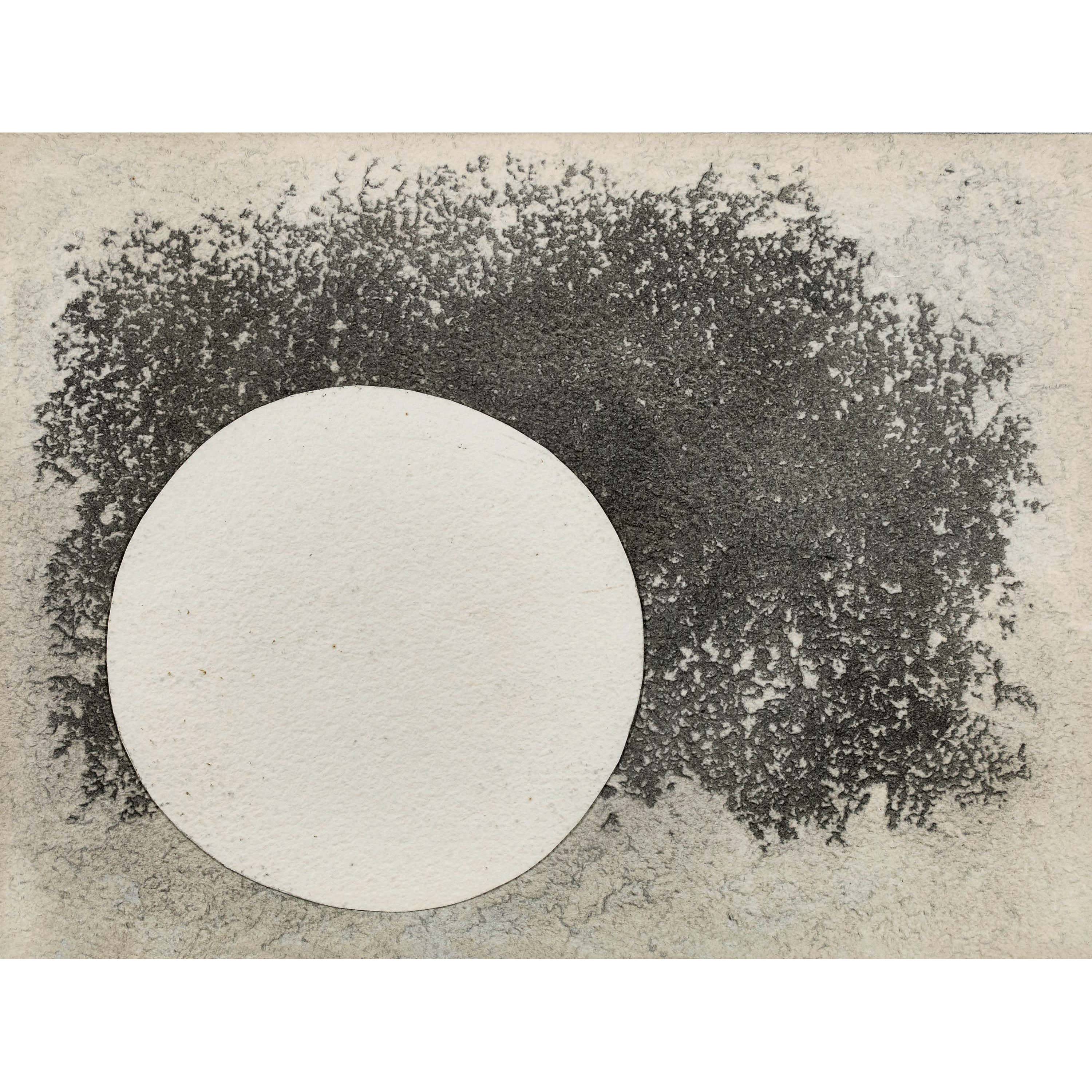
Noir-blanc, a collage from 1984 held at the Museo Villa dei Cedri, bears witness to the degree of reduction he achieved in his maturity. The museum of Bellinzona holds a monographic collection assembled on the occasion of his 1991 exhibition. In Ascona, the centenary exhibition in 2012 placed his works once again among those of his friends.
This dialogue illuminates a personal body of work, nourished by encounters and attentive to the sensory resources of paper and paint.