Hermann Plattner
Born in 1909.
Died in 1997.
Hermann Plattner (1909–1997) was a painter and graphic artist according to biographical records (f1, f2). His work and activities were the subject of a monograph: Hermann Plattner. Malerei und Grafik (Benteli, Bern, 1981), written by Werner Witschi, Georges Peillex and Paul‑Léonhard Ganz (f19).
His training included periods of study at the Académie de la Grande Chaumière in Paris — where he won first prize in 1933 and 1934 — and courses at the Akademie Heymann in Munich. These were followed by study trips to Italy, the south of France, the Netherlands and Belgium between 1935 and 1937 (f5, f6, f7). After returning to Switzerland, he taught drawing at the Städtischen Gymnasium Kirchenfeld in Bern for thirty years, from 1946 to 1976 (f4).
His professional career was recognised locally: in 1983, he received the Kunstpreis of the Canton of Bern, among other distinctions (f16).
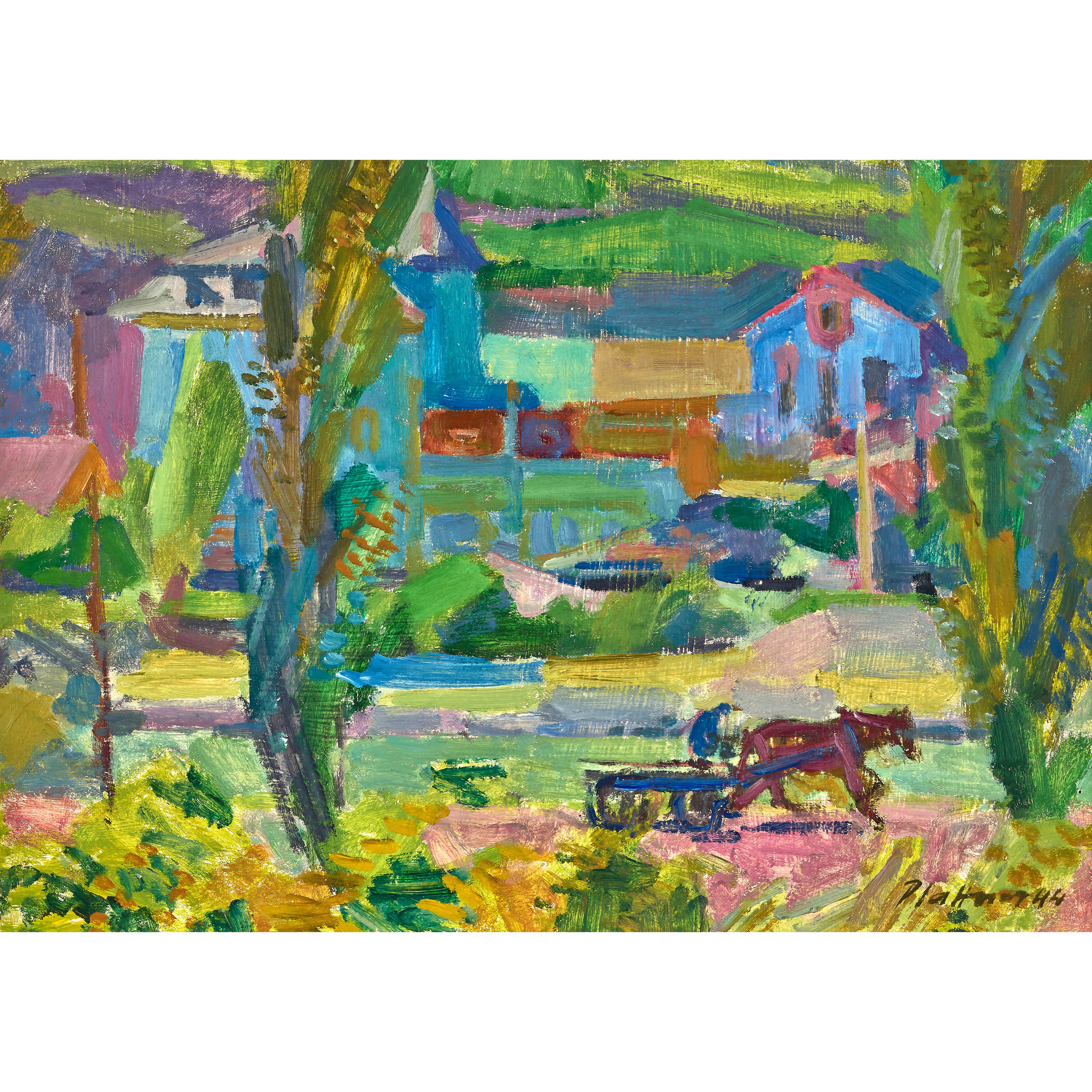
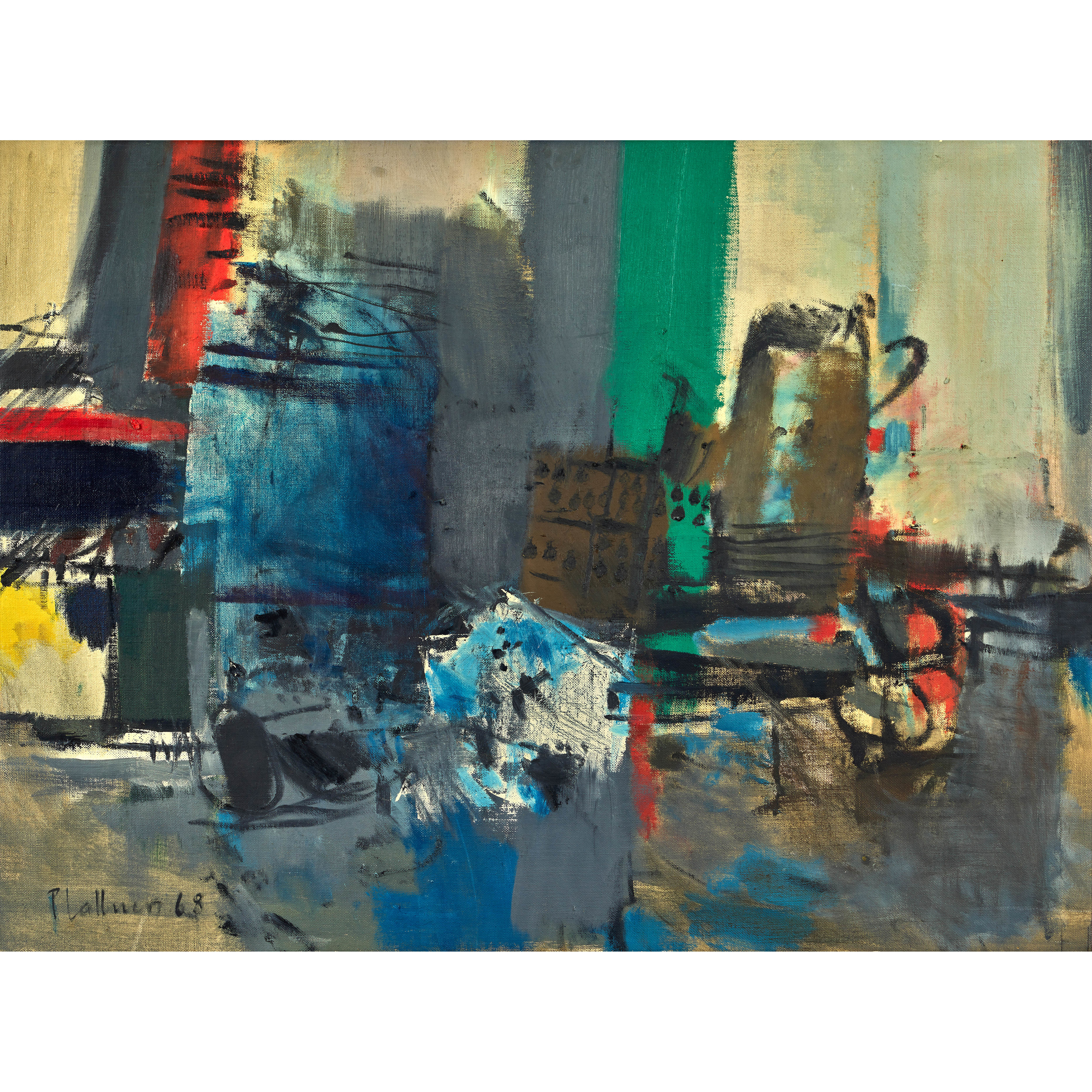
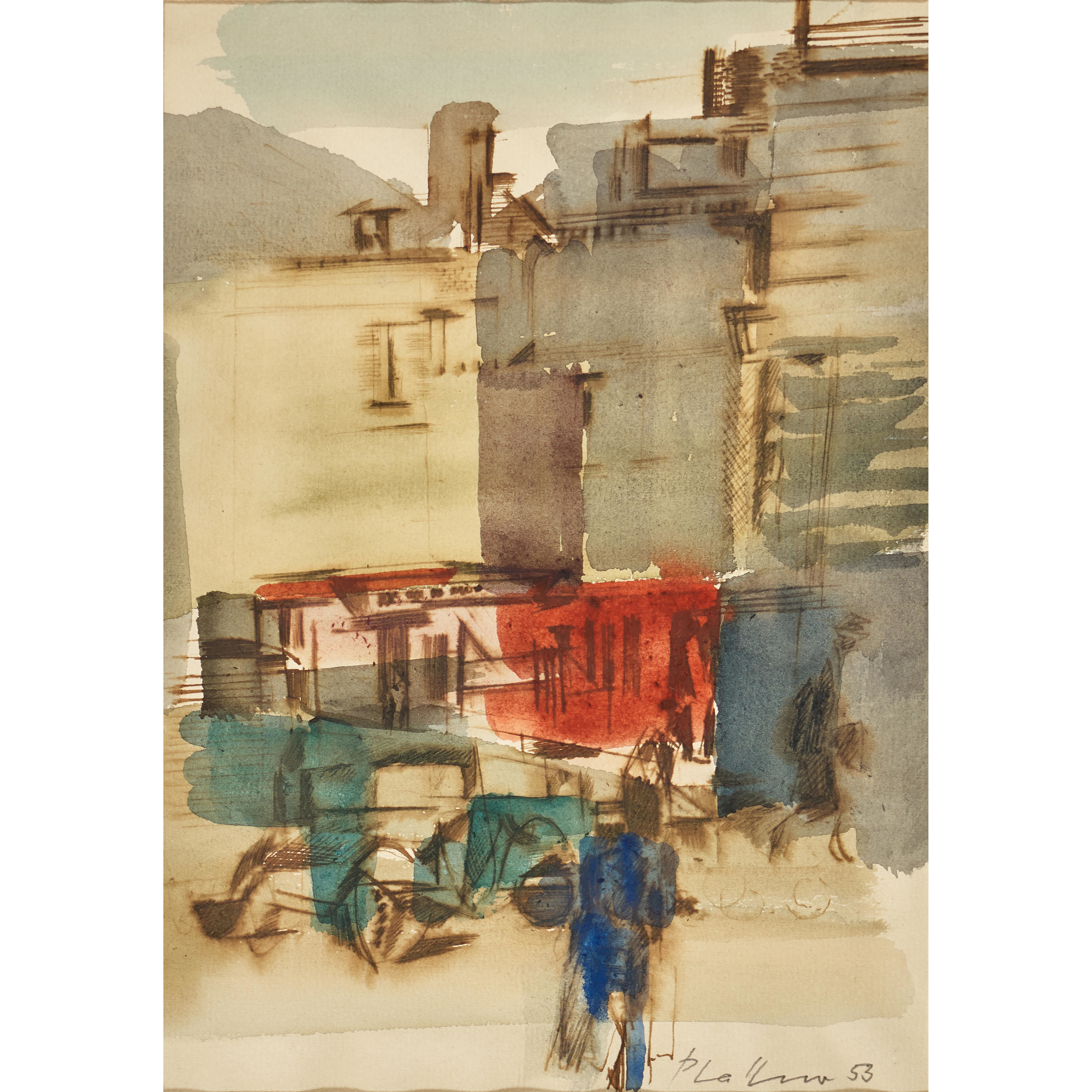
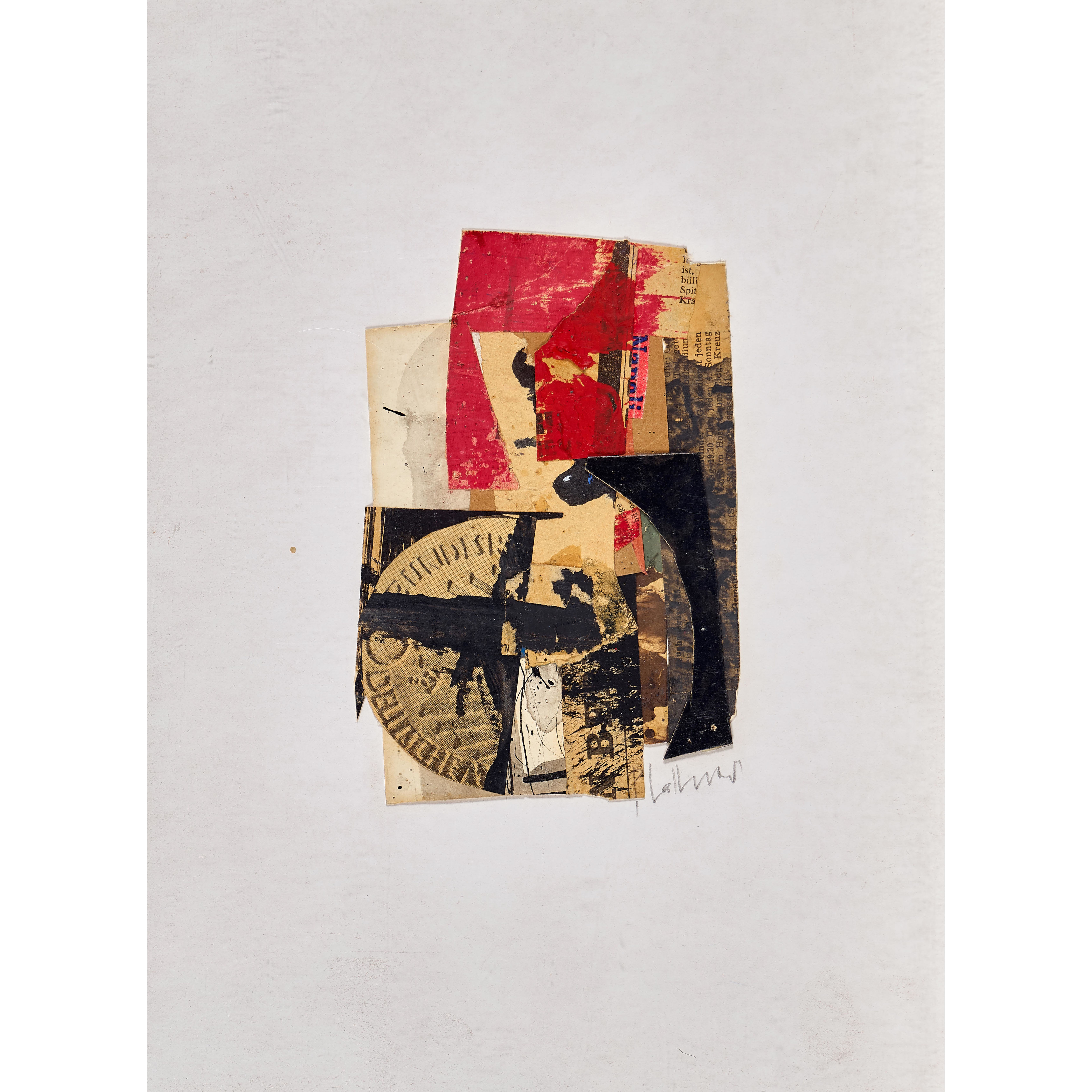
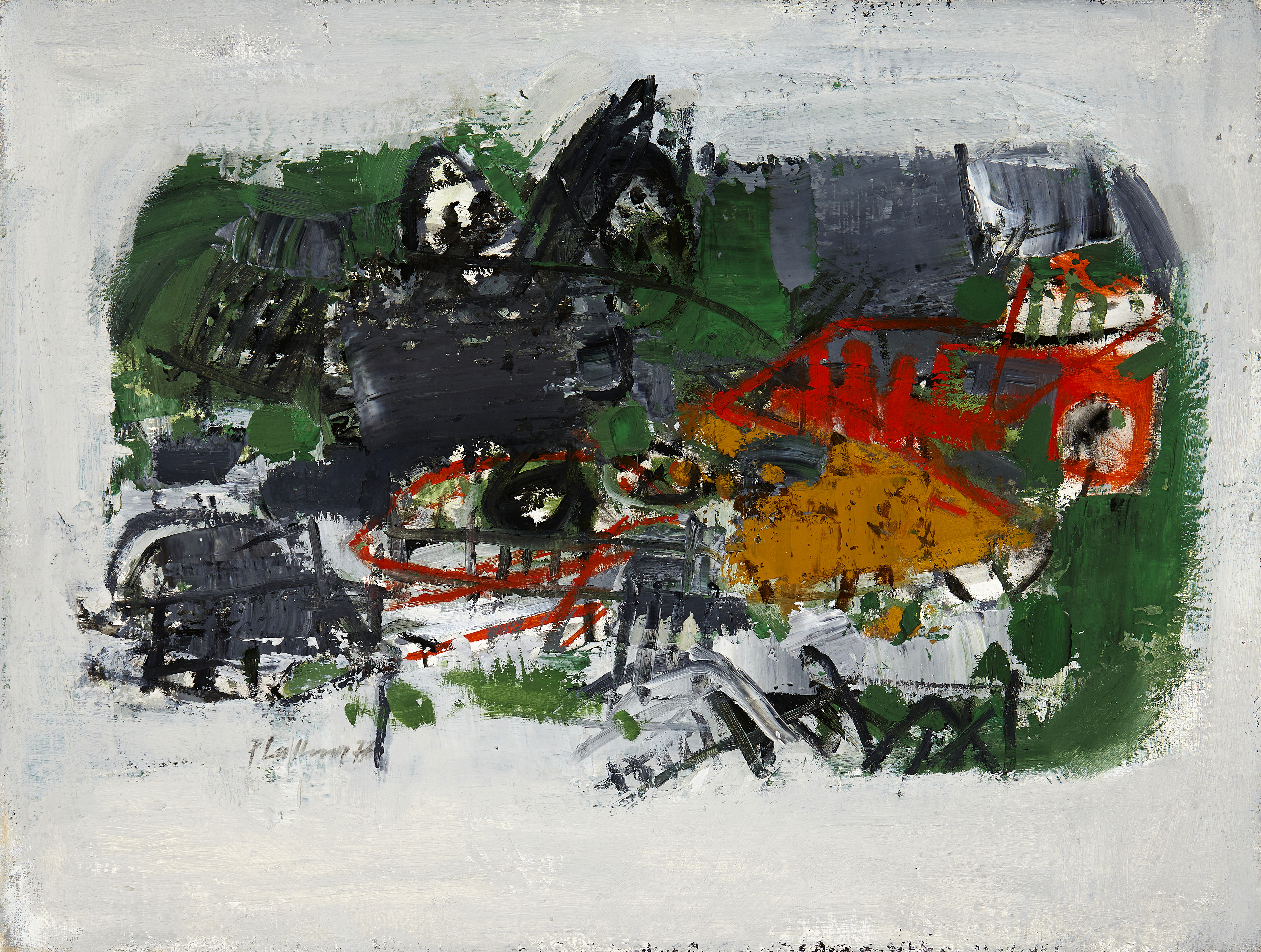
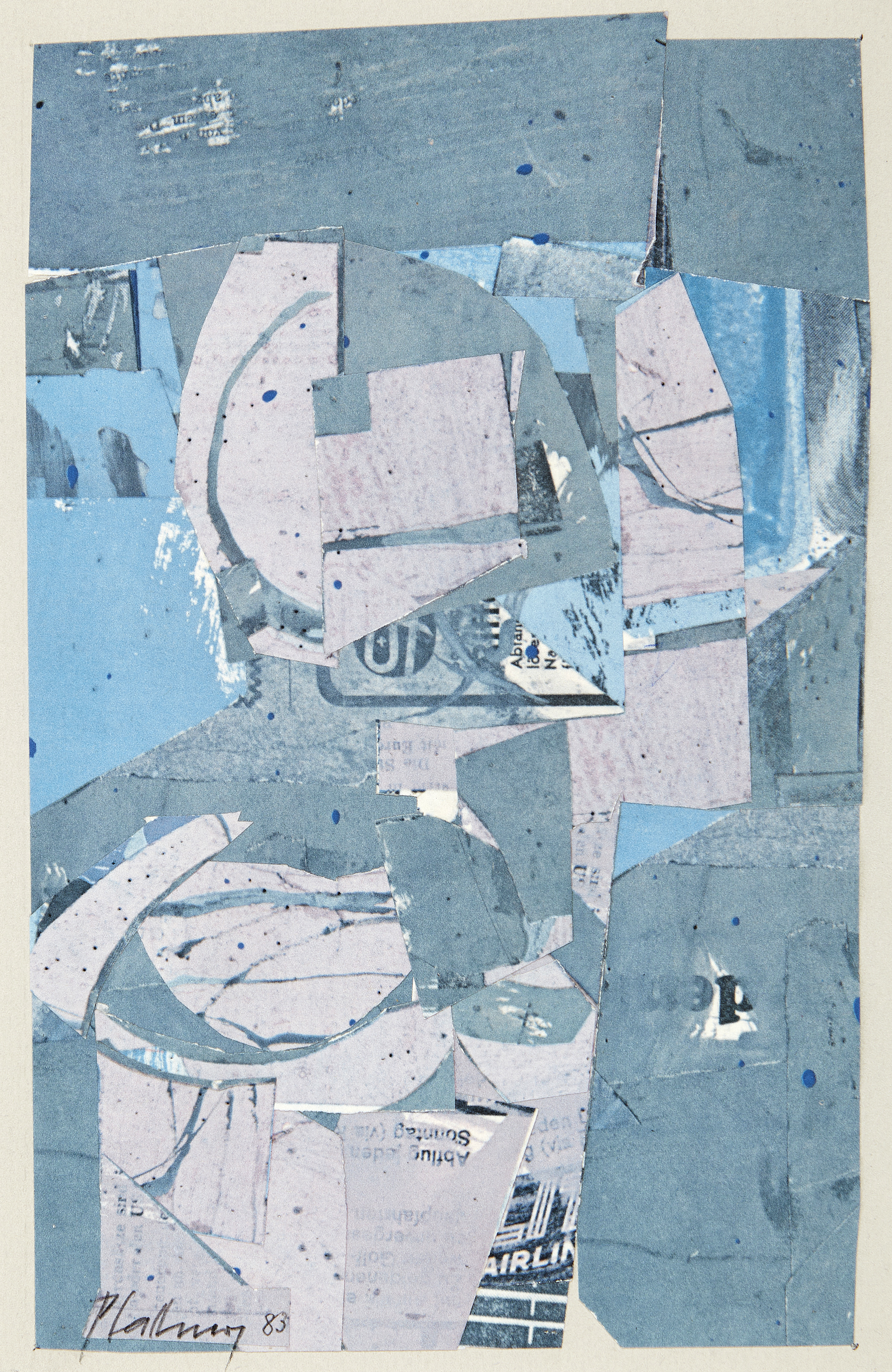
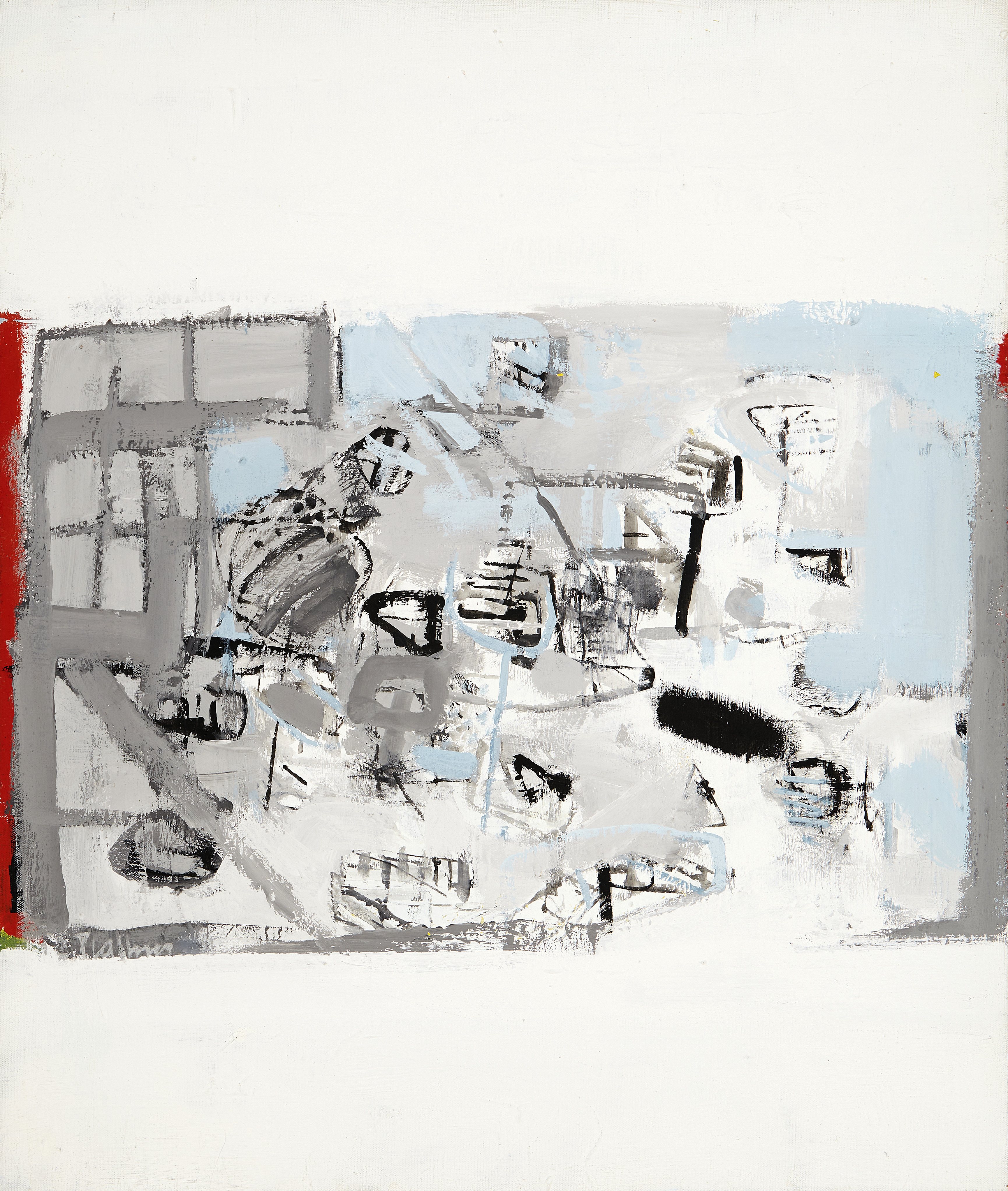
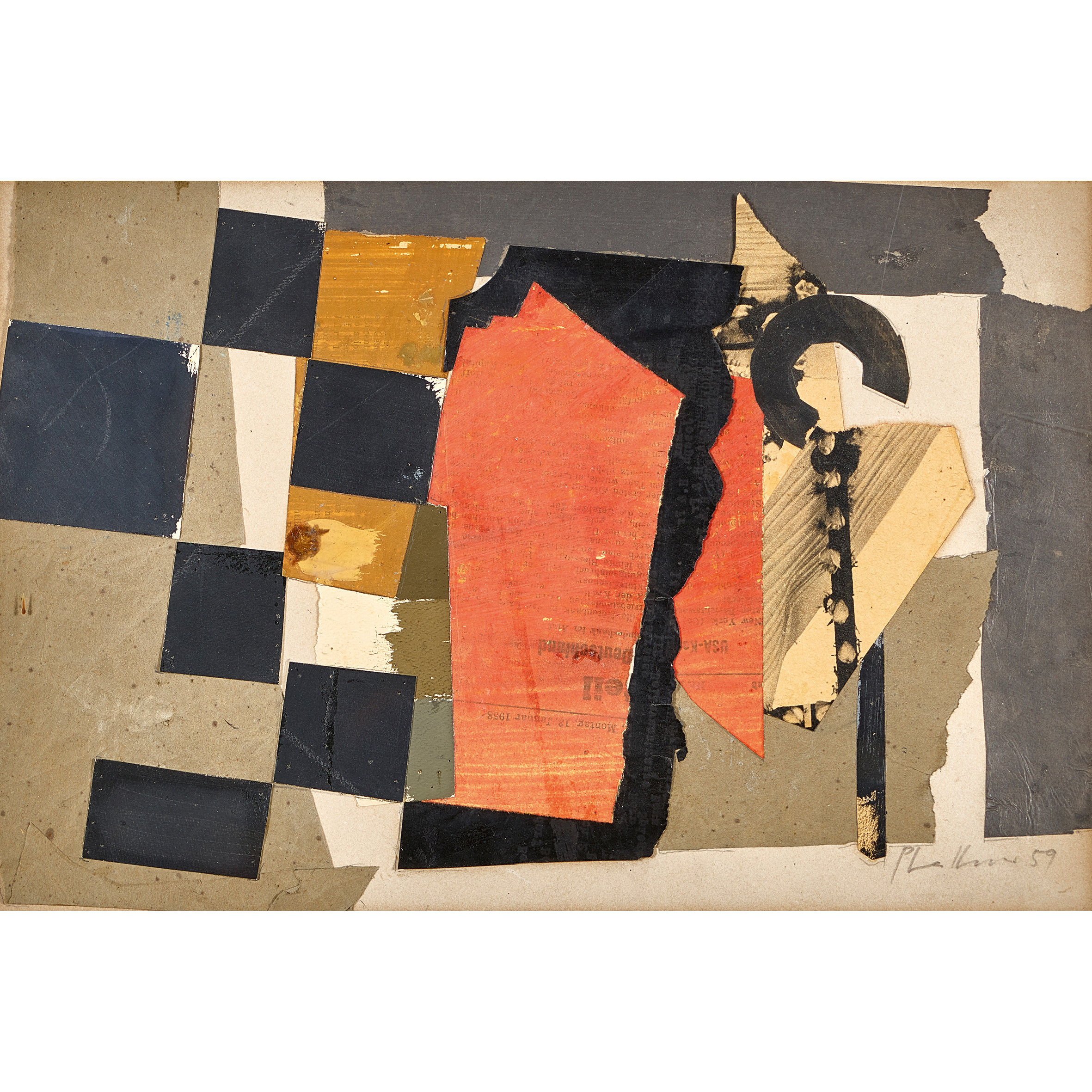
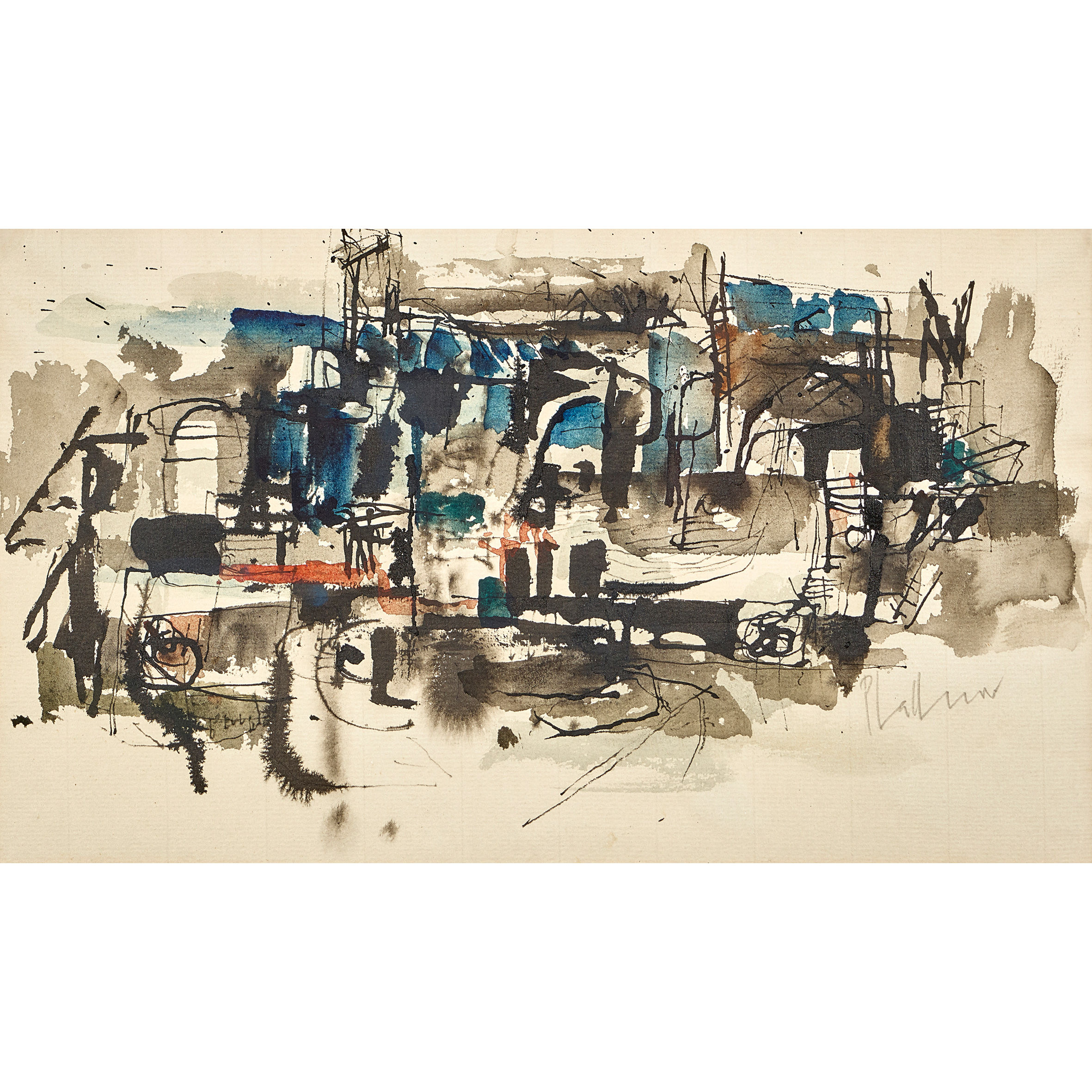
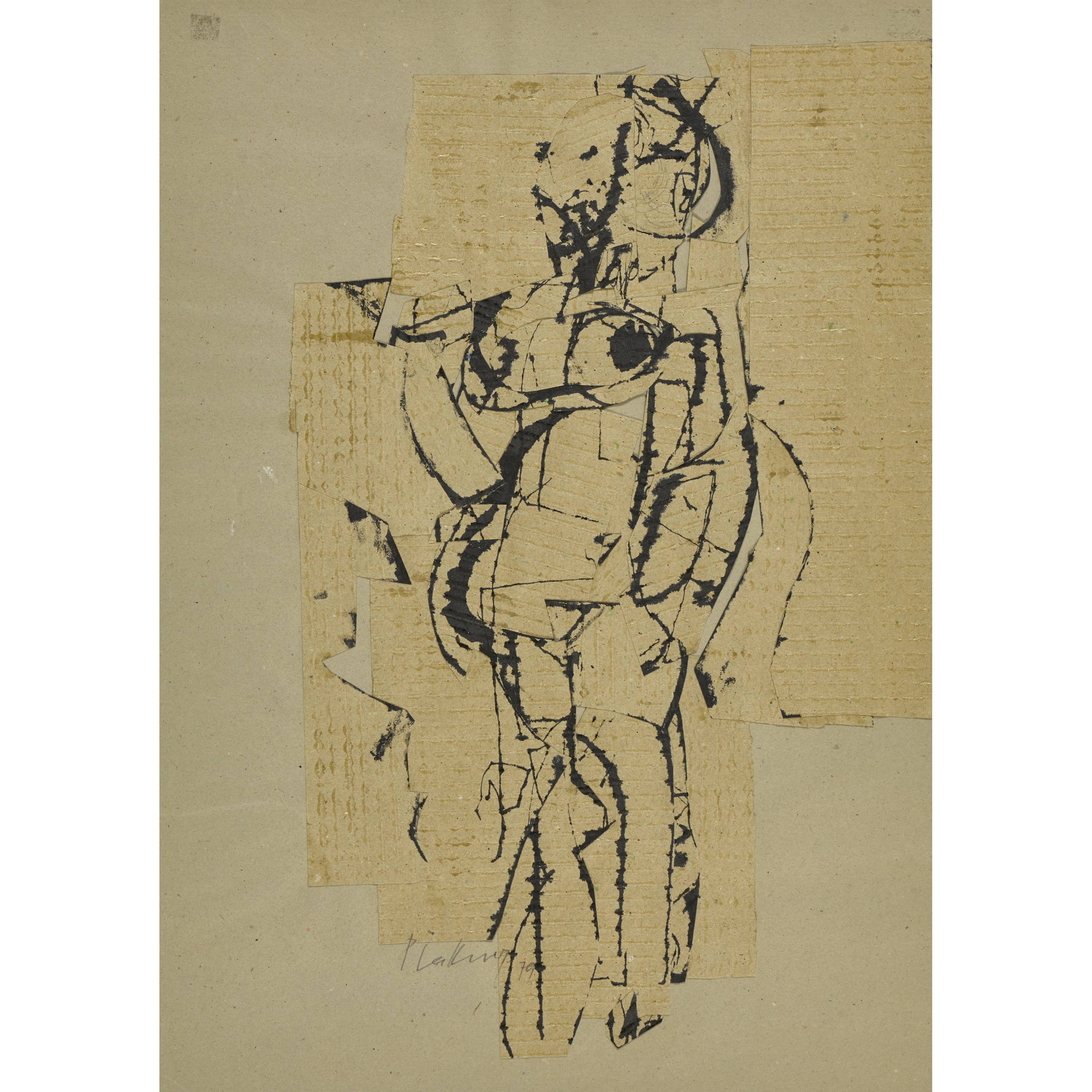
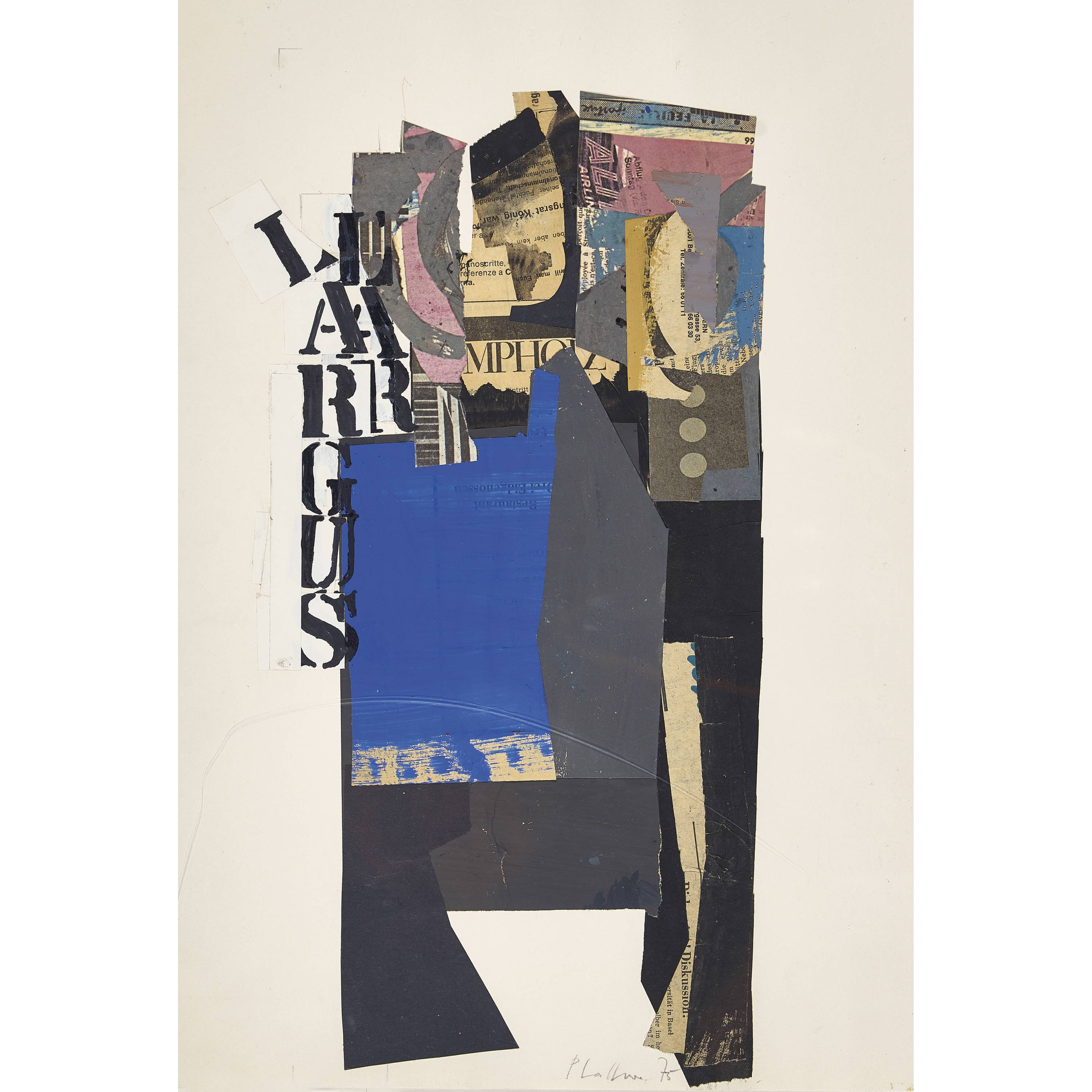
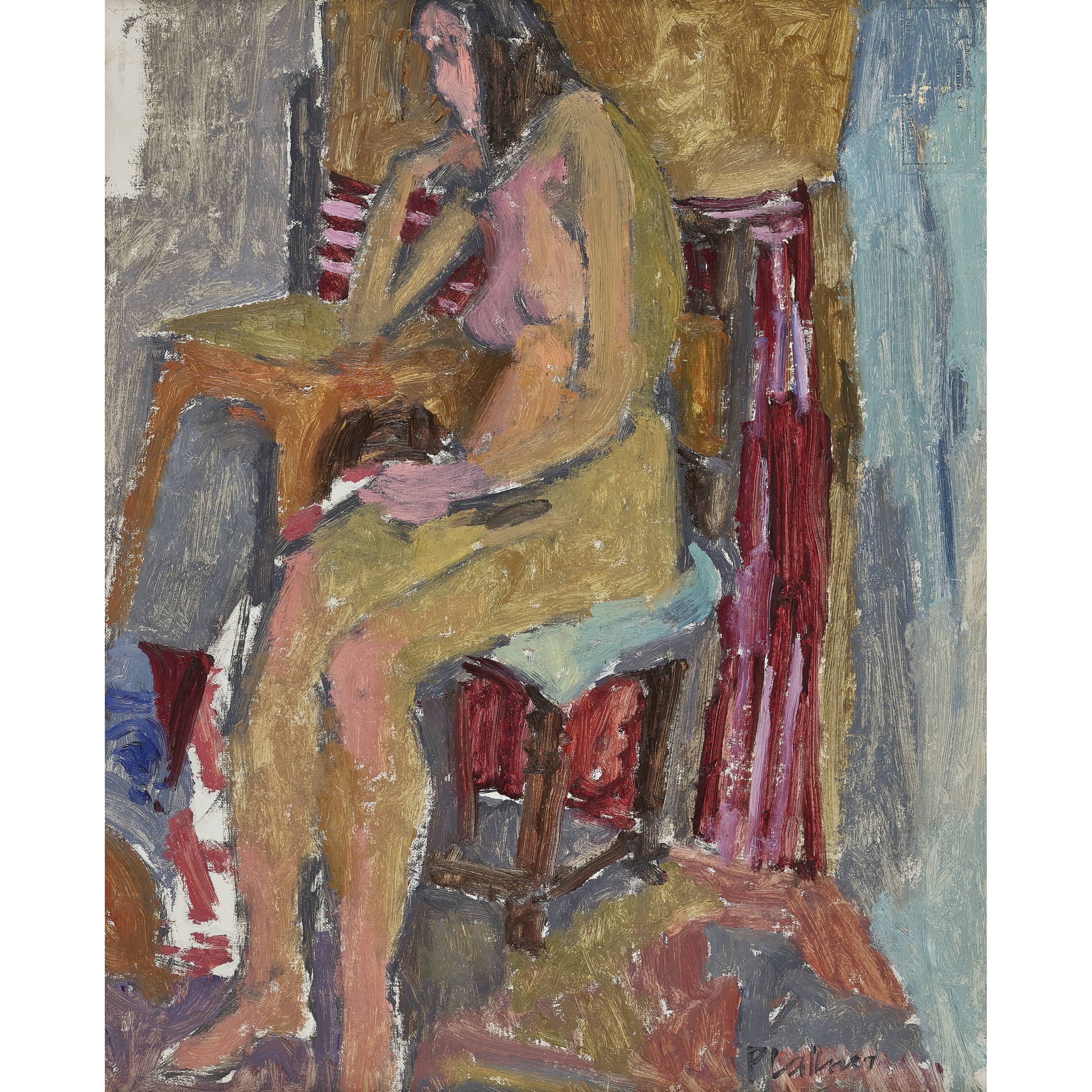
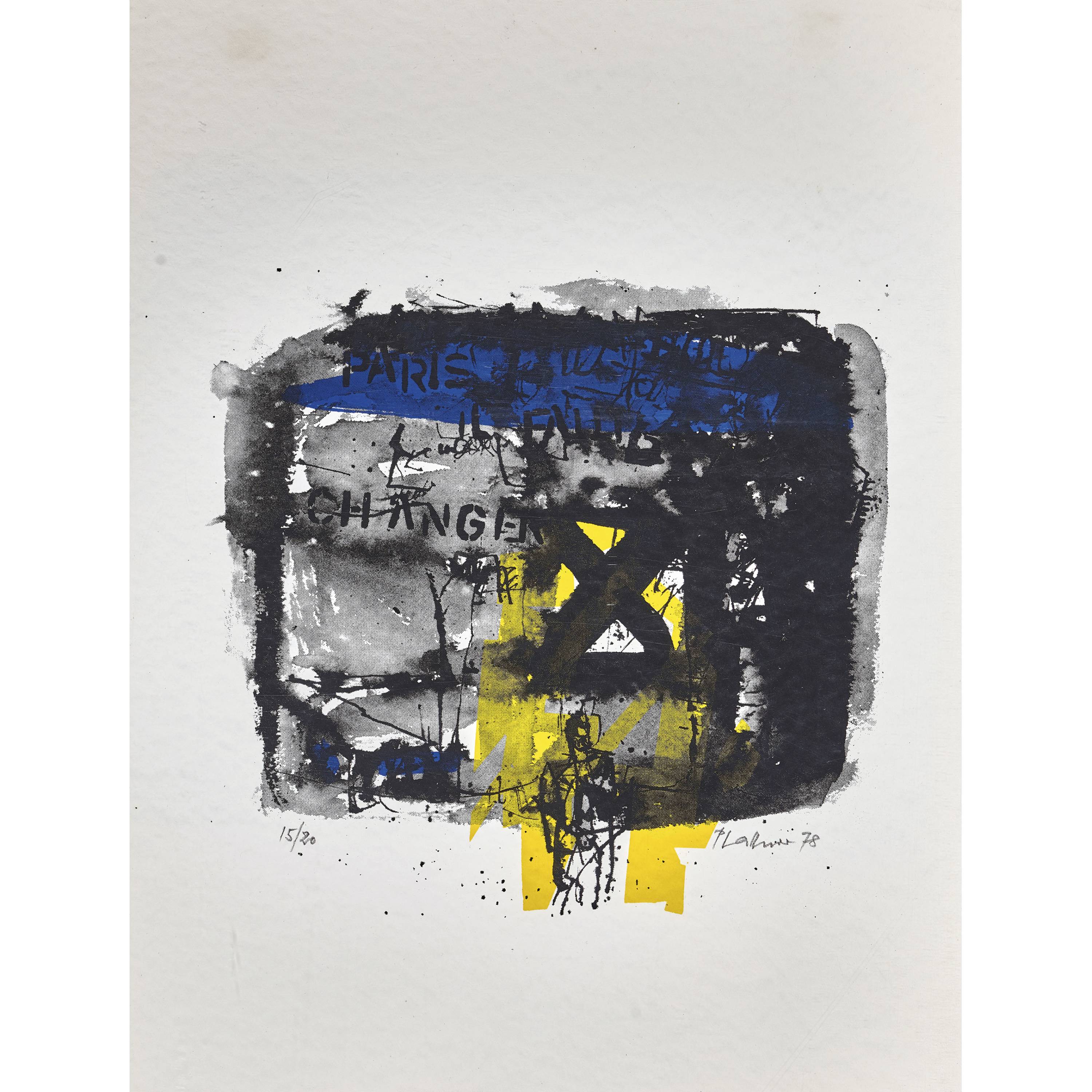
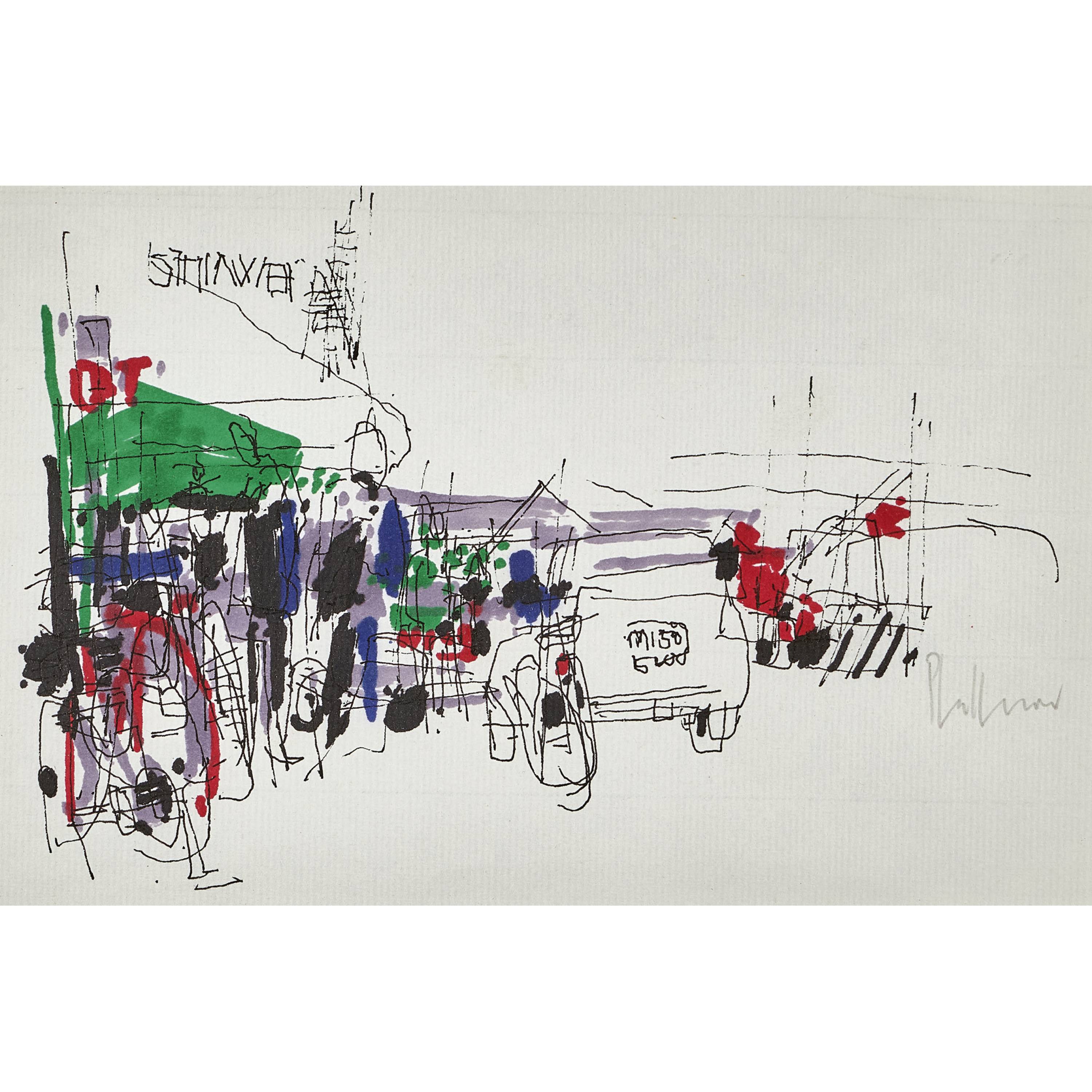
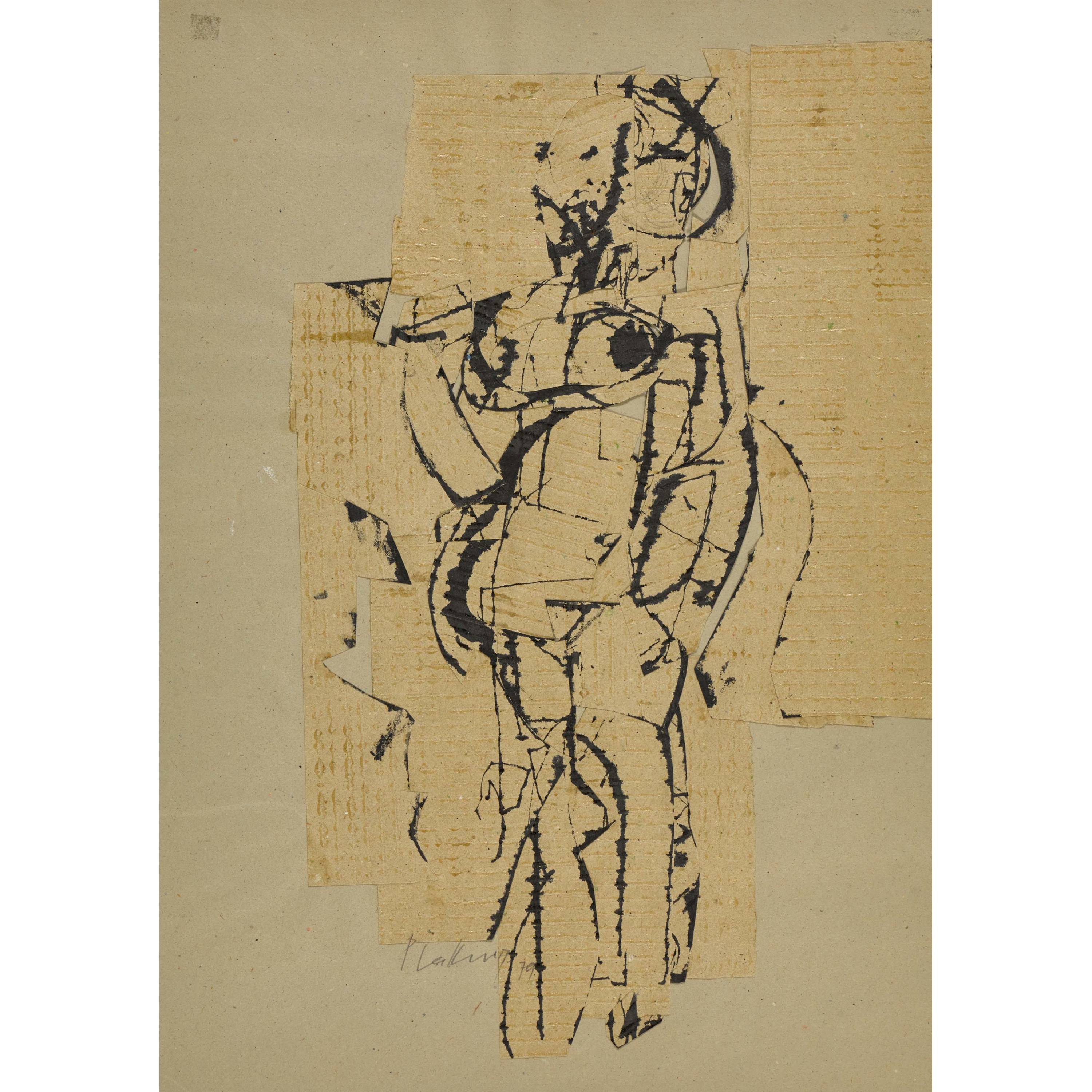
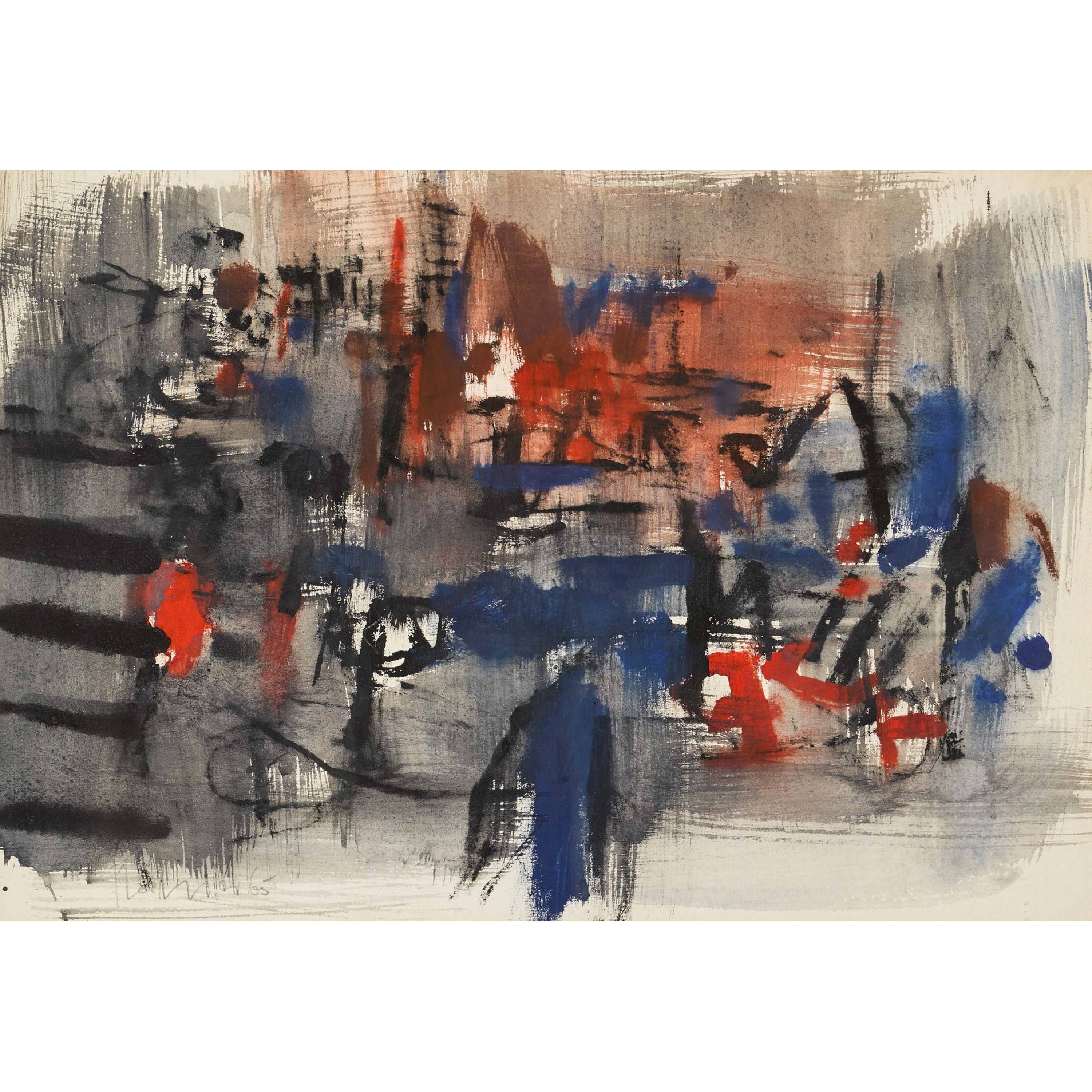
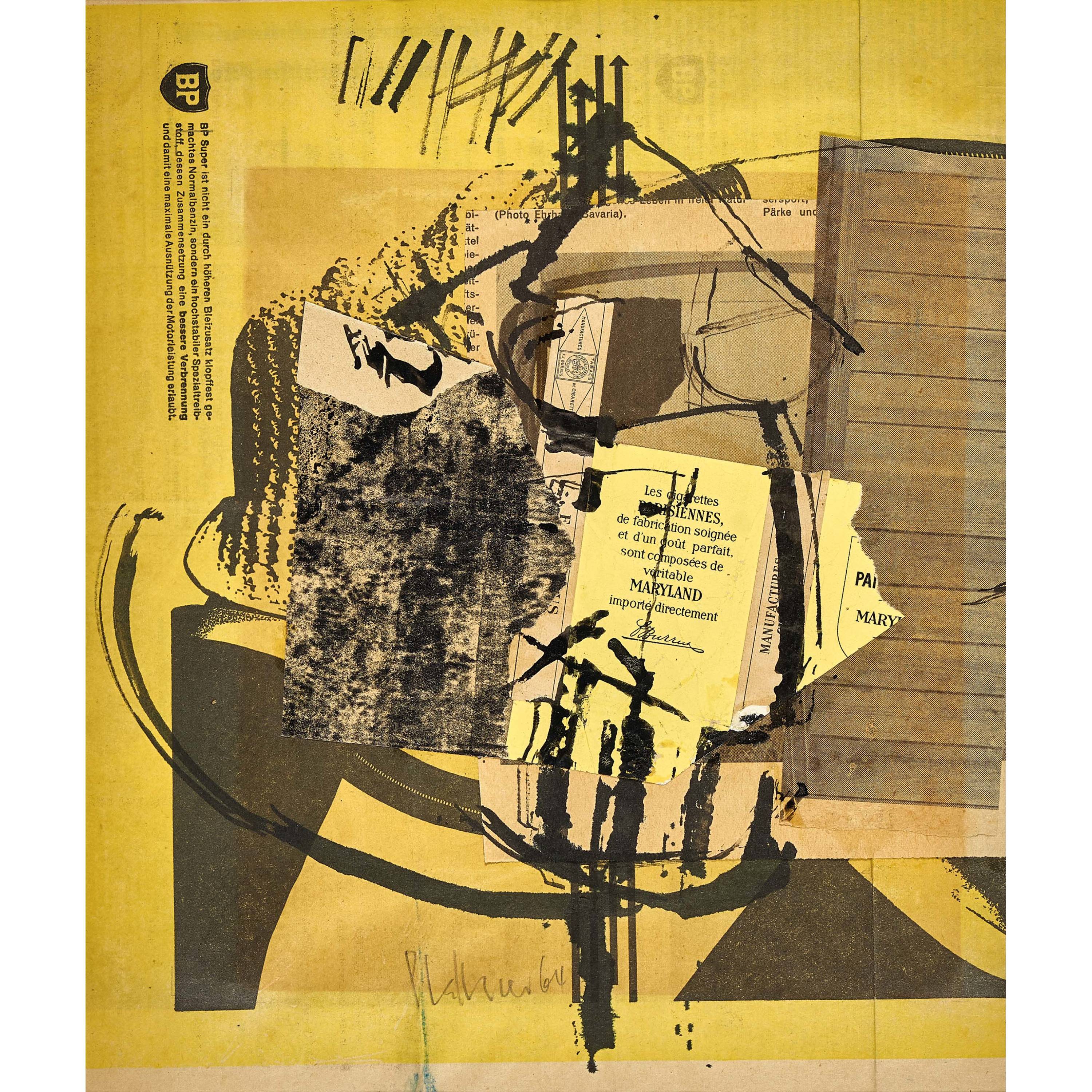
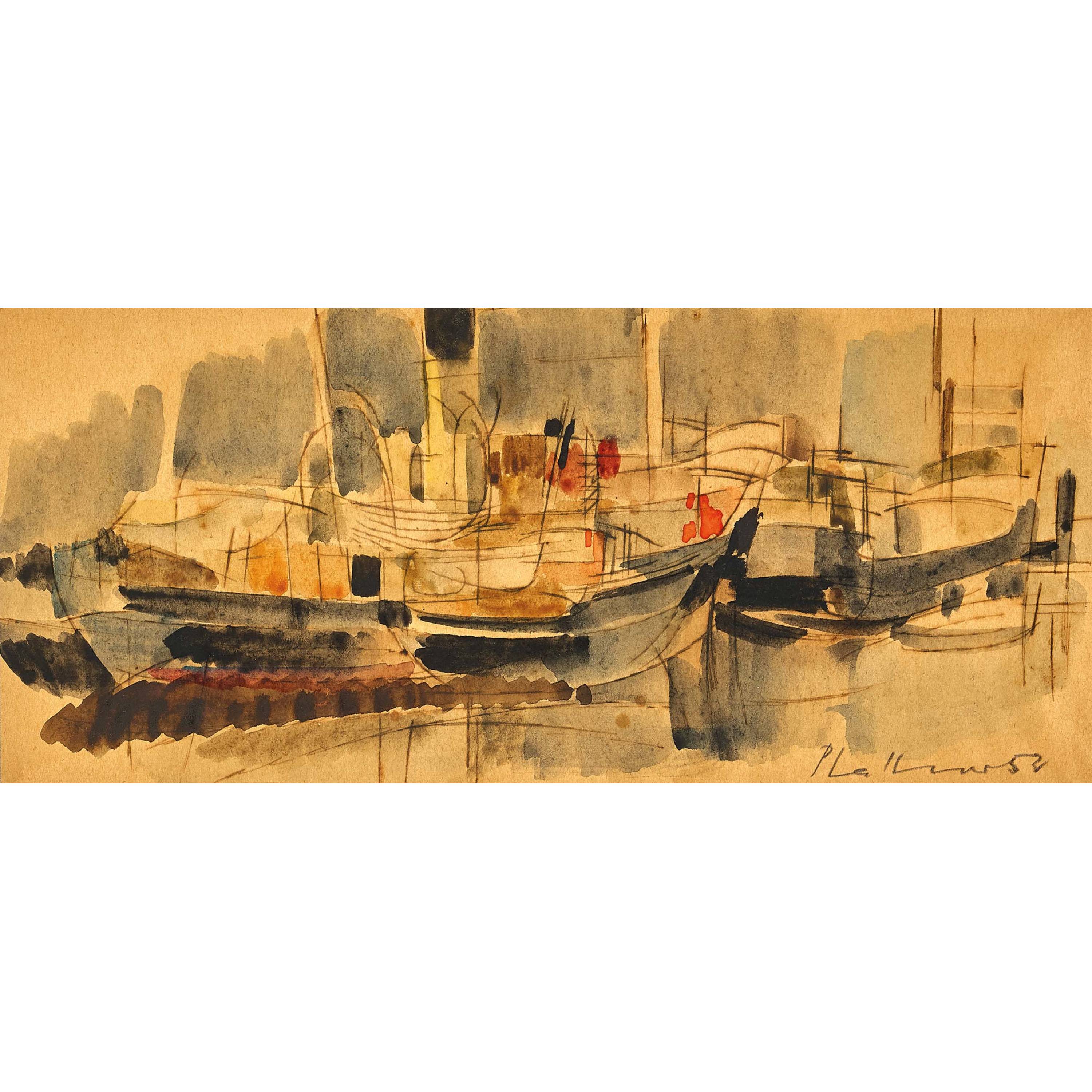
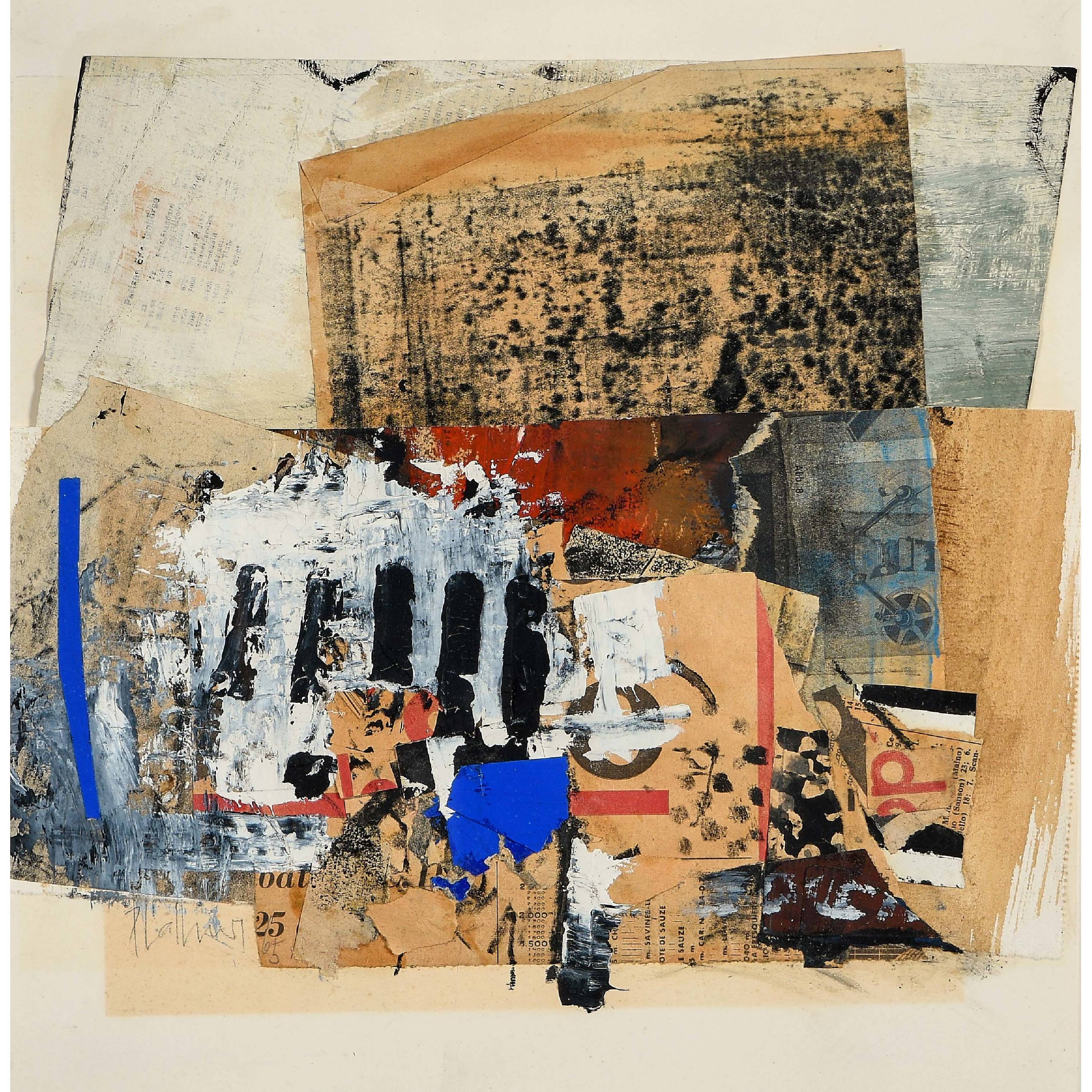
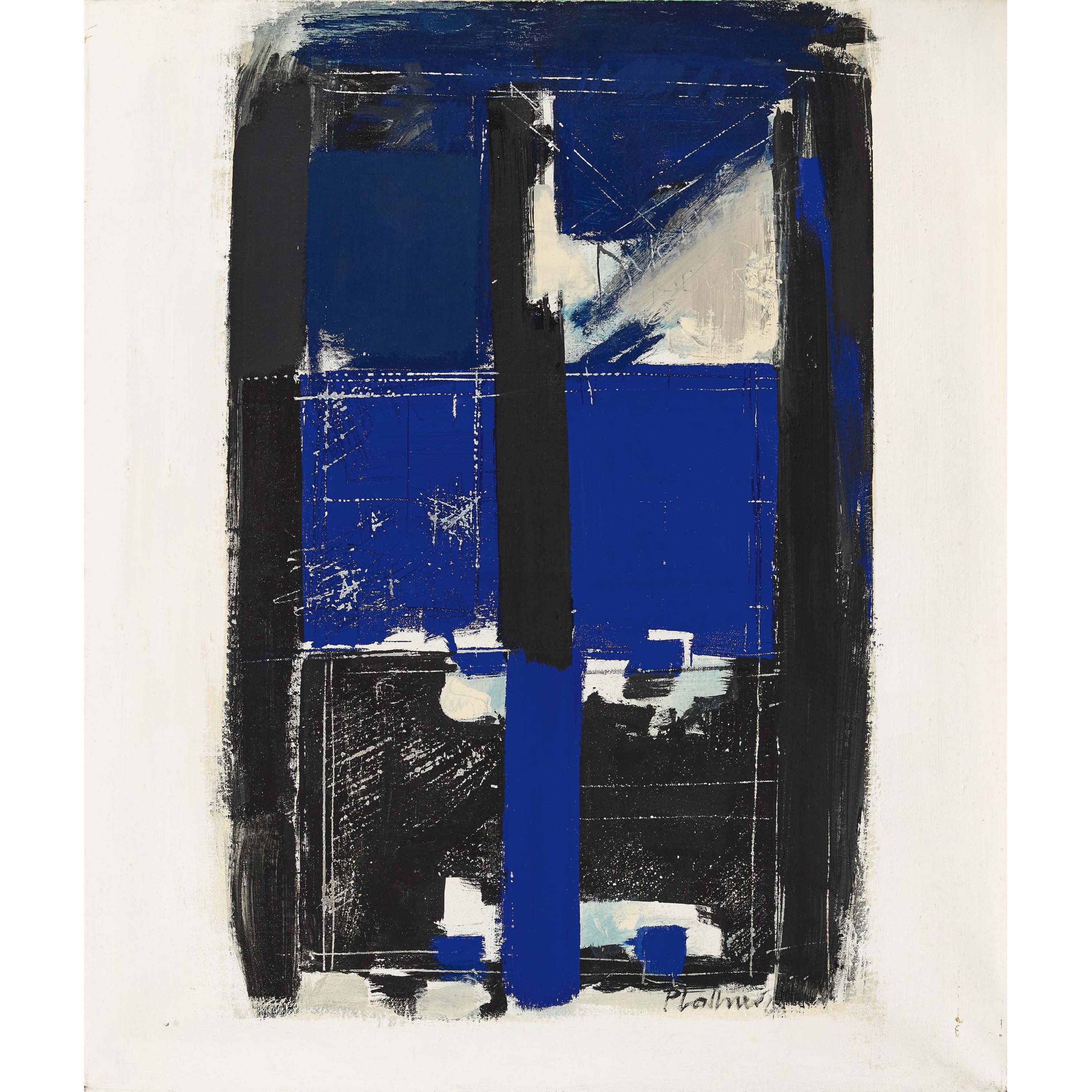
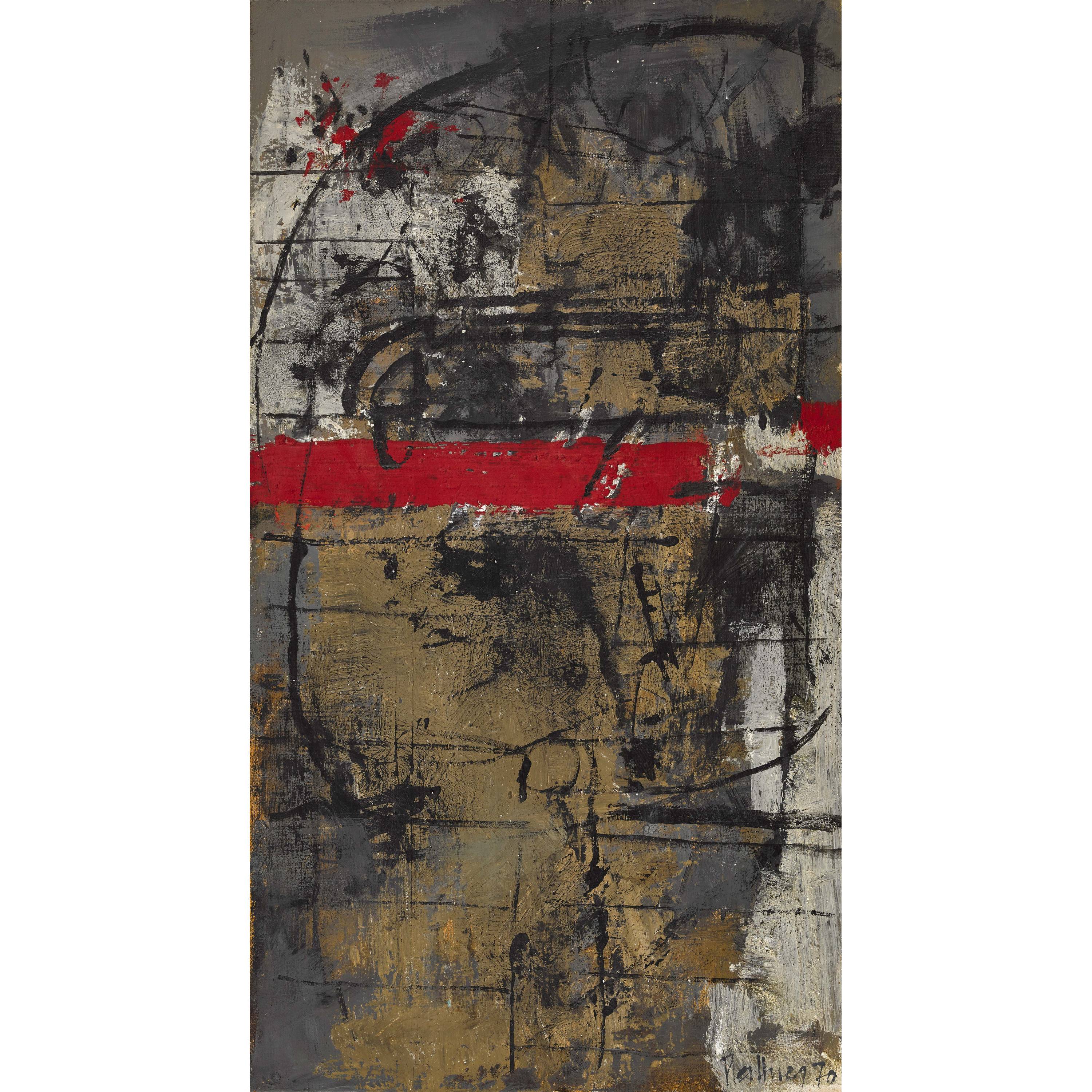
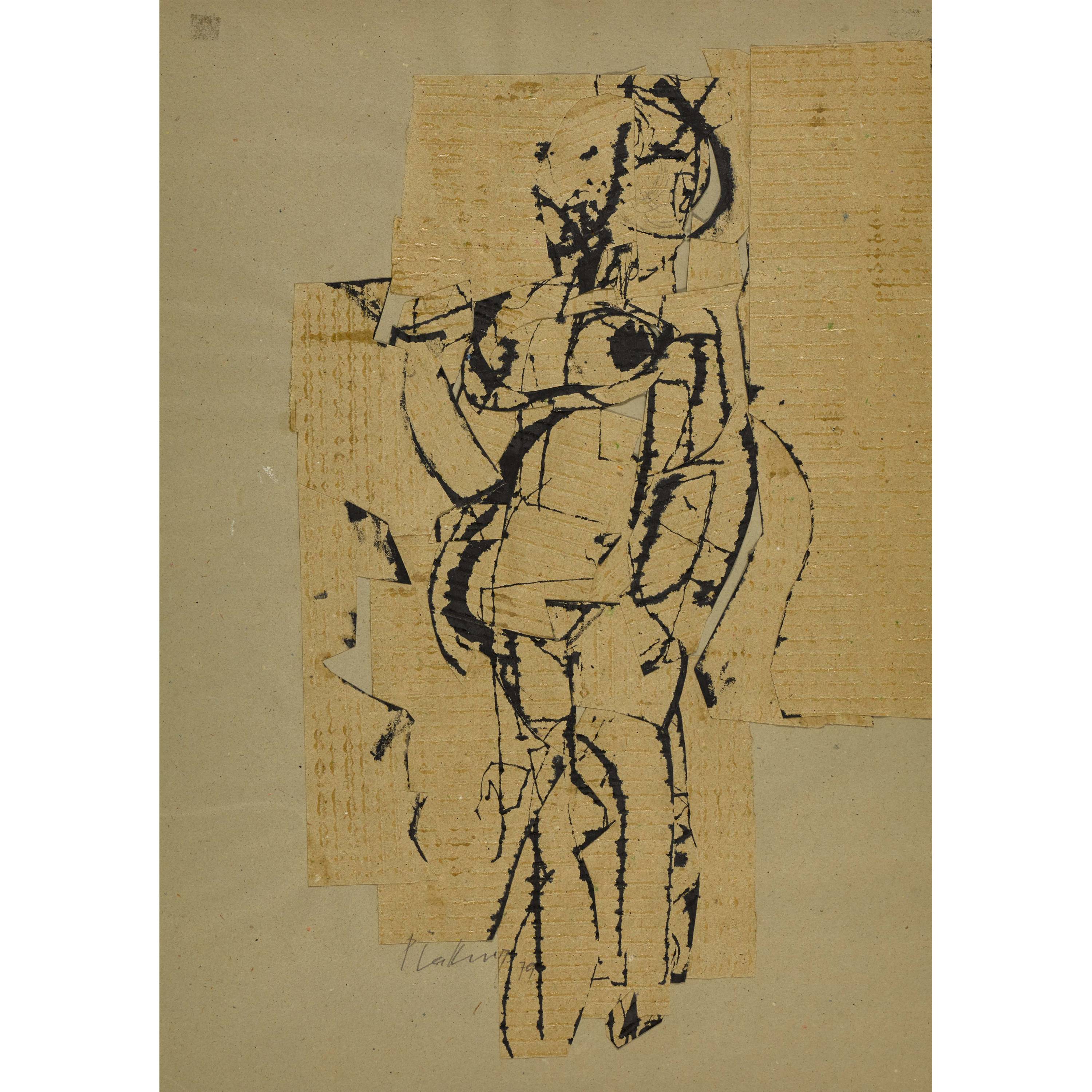
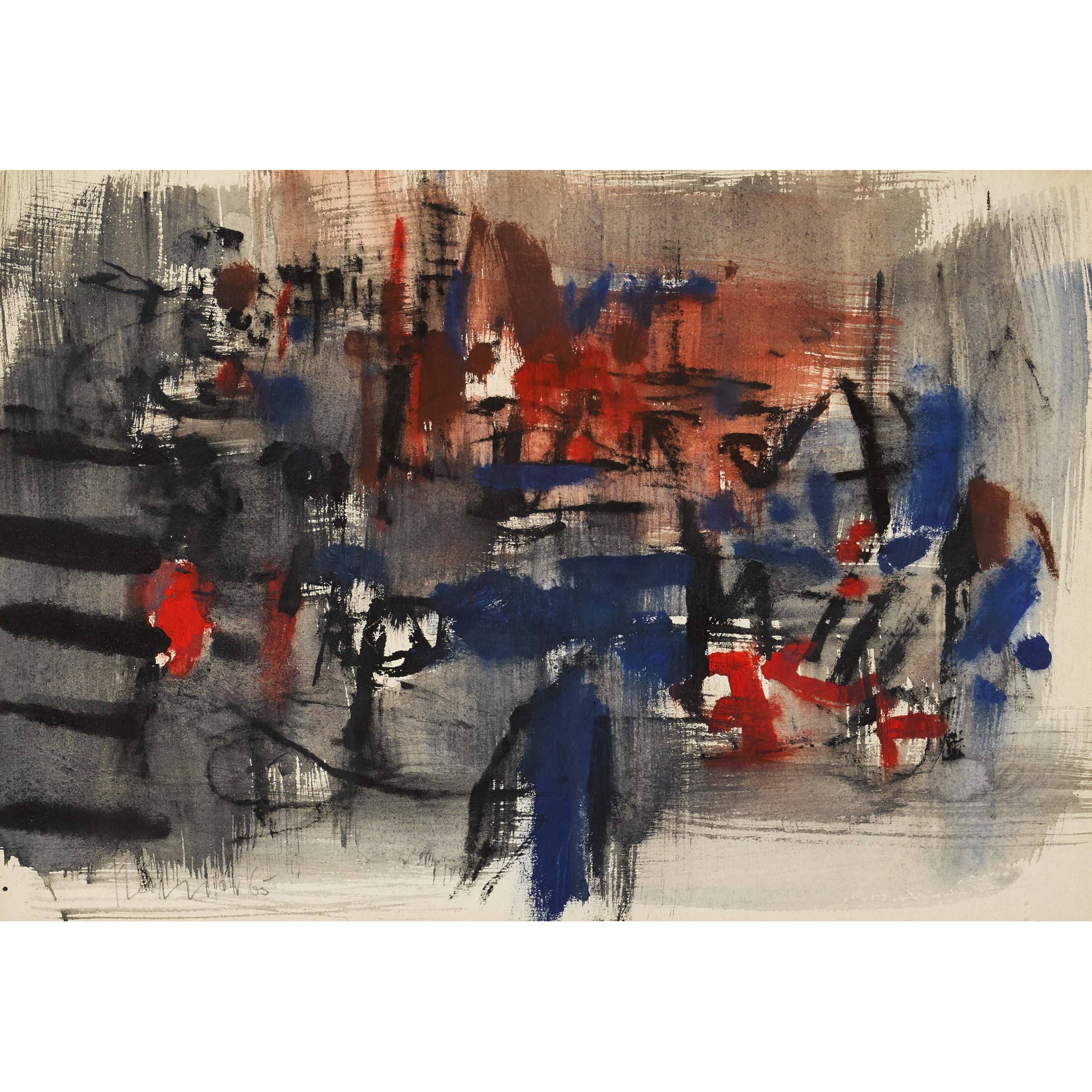
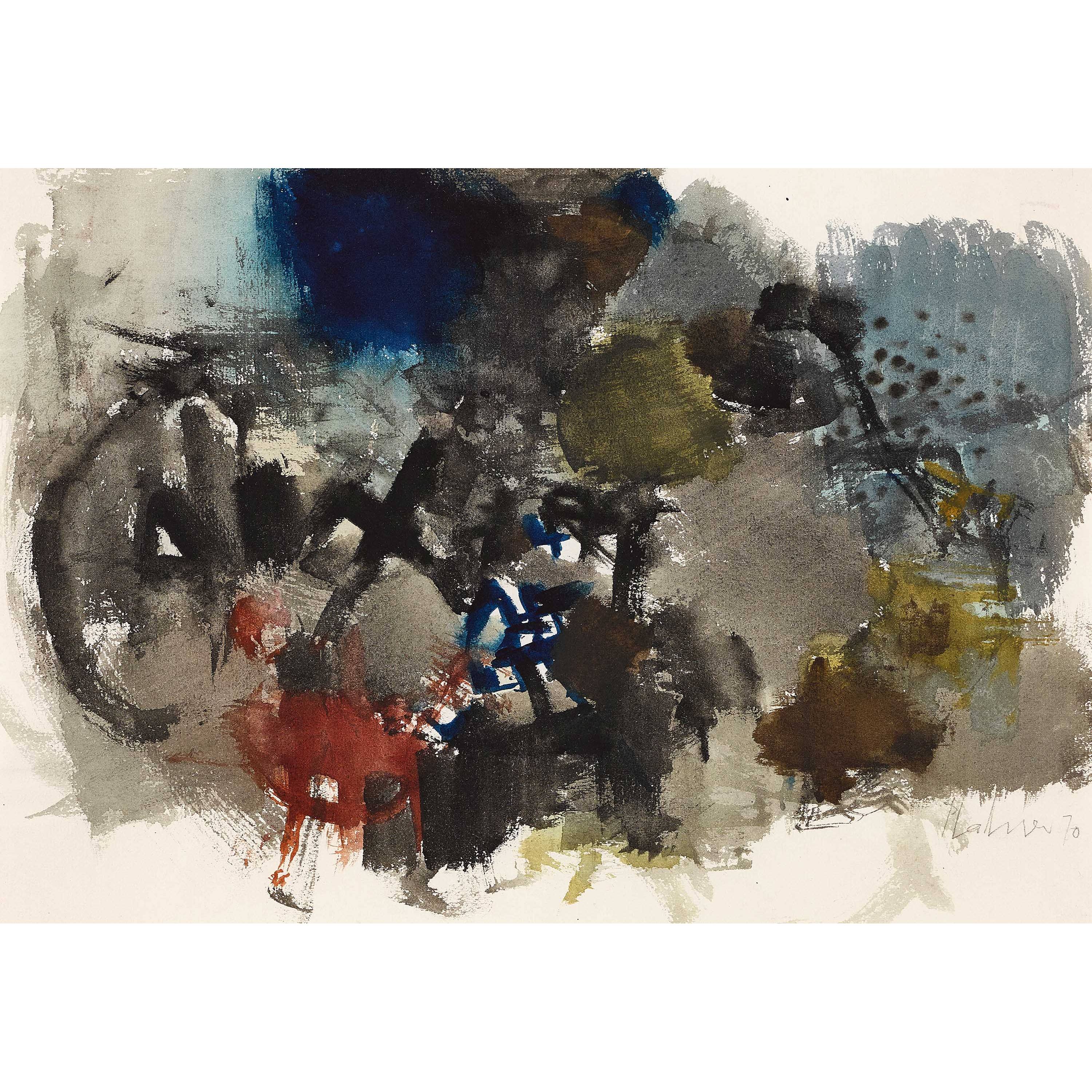
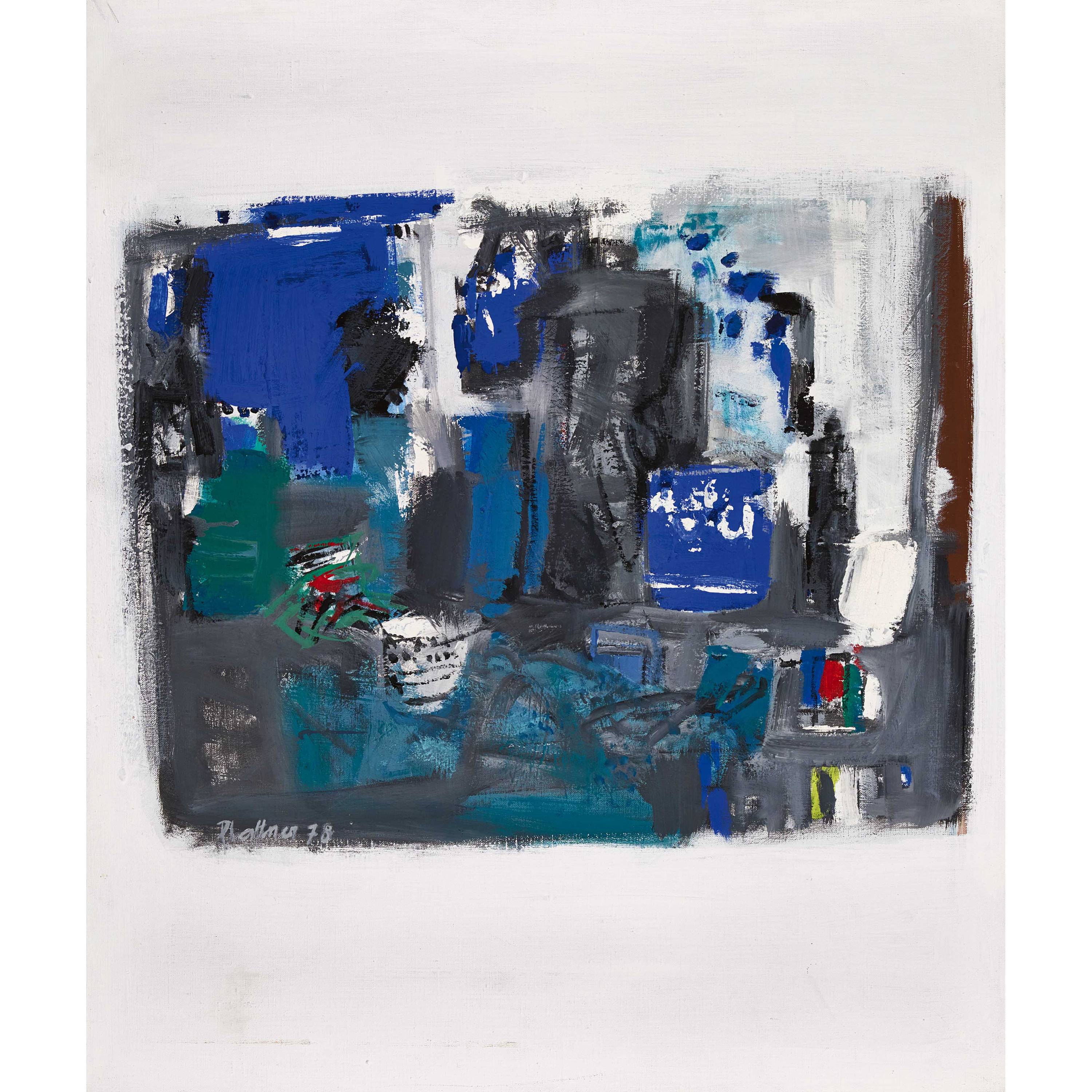
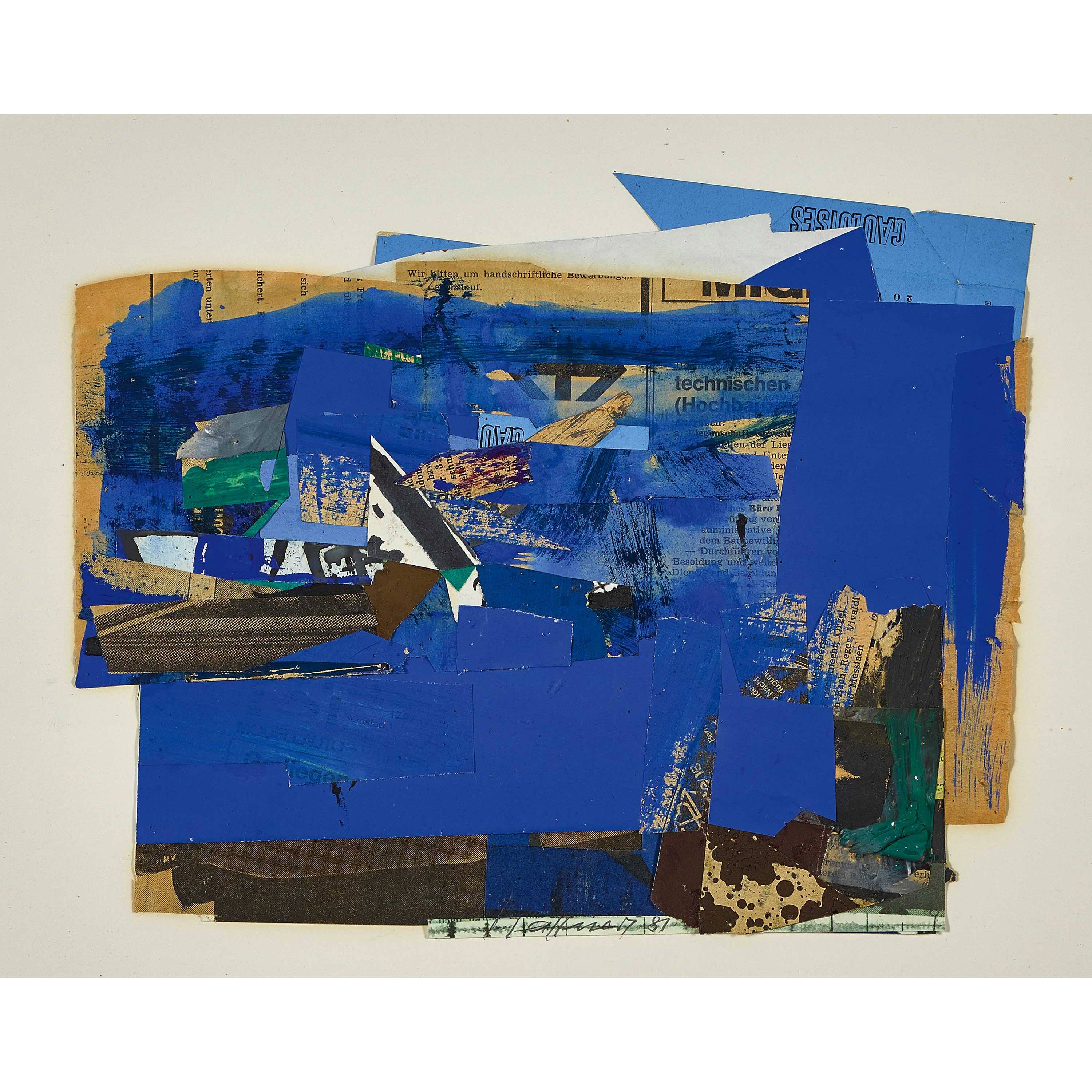
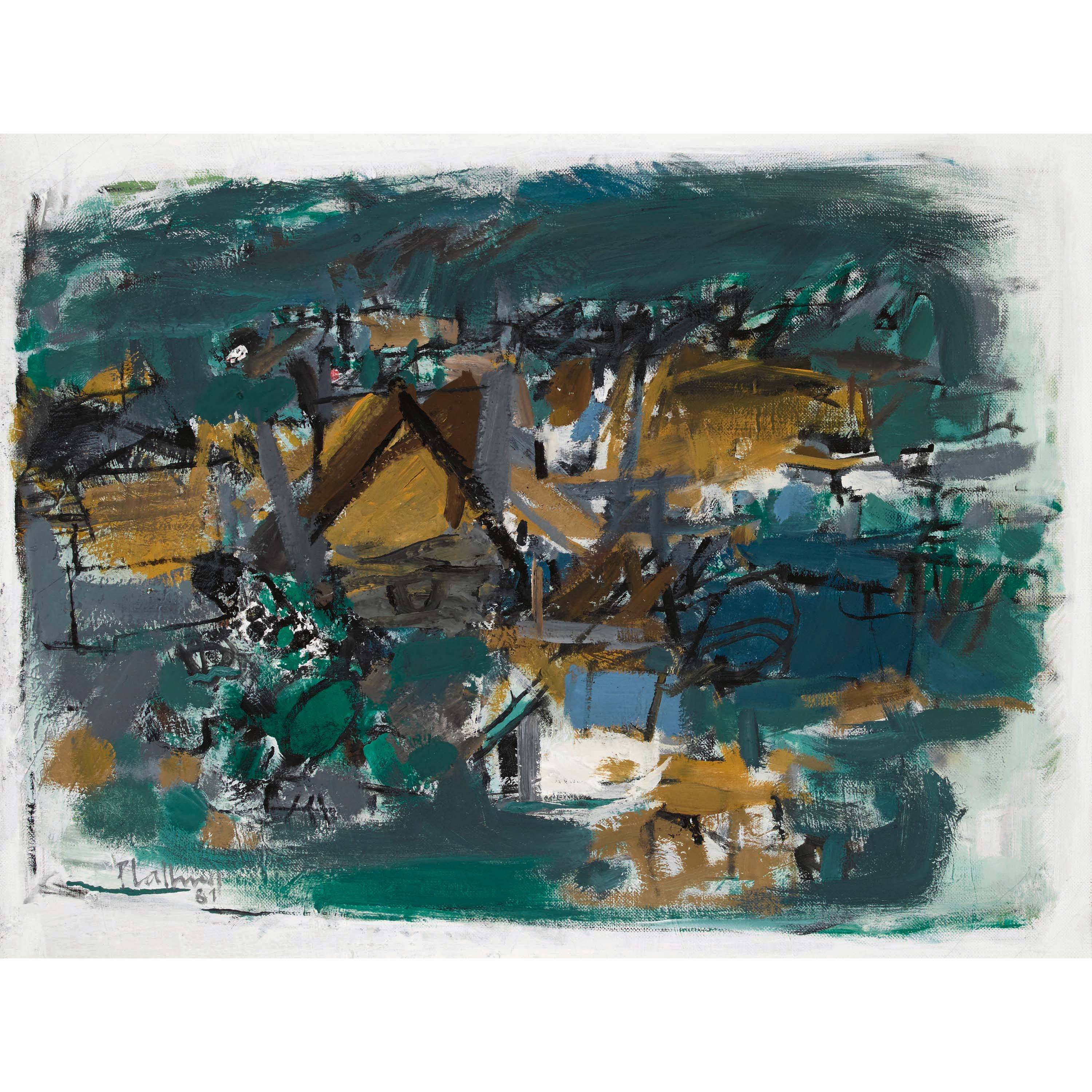
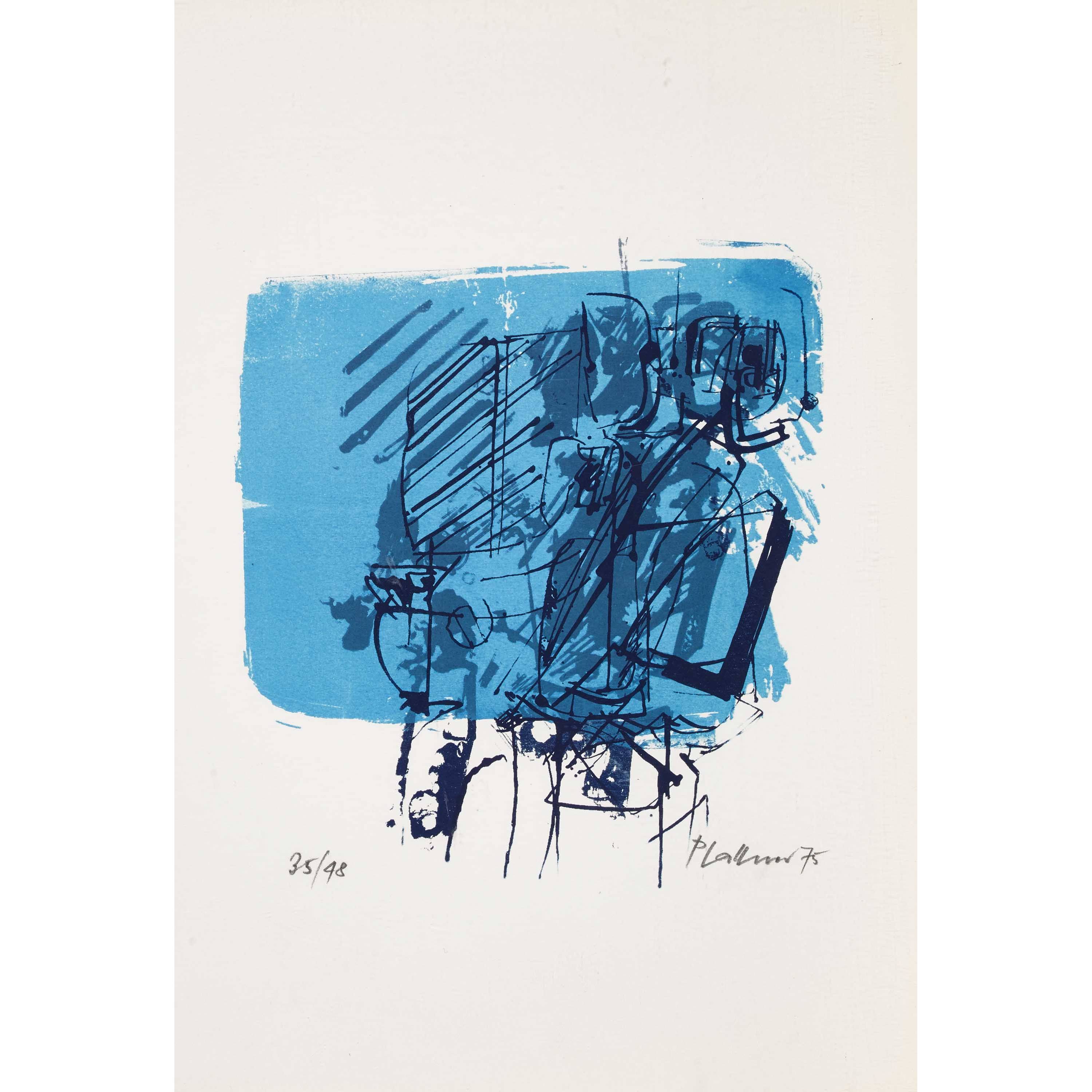
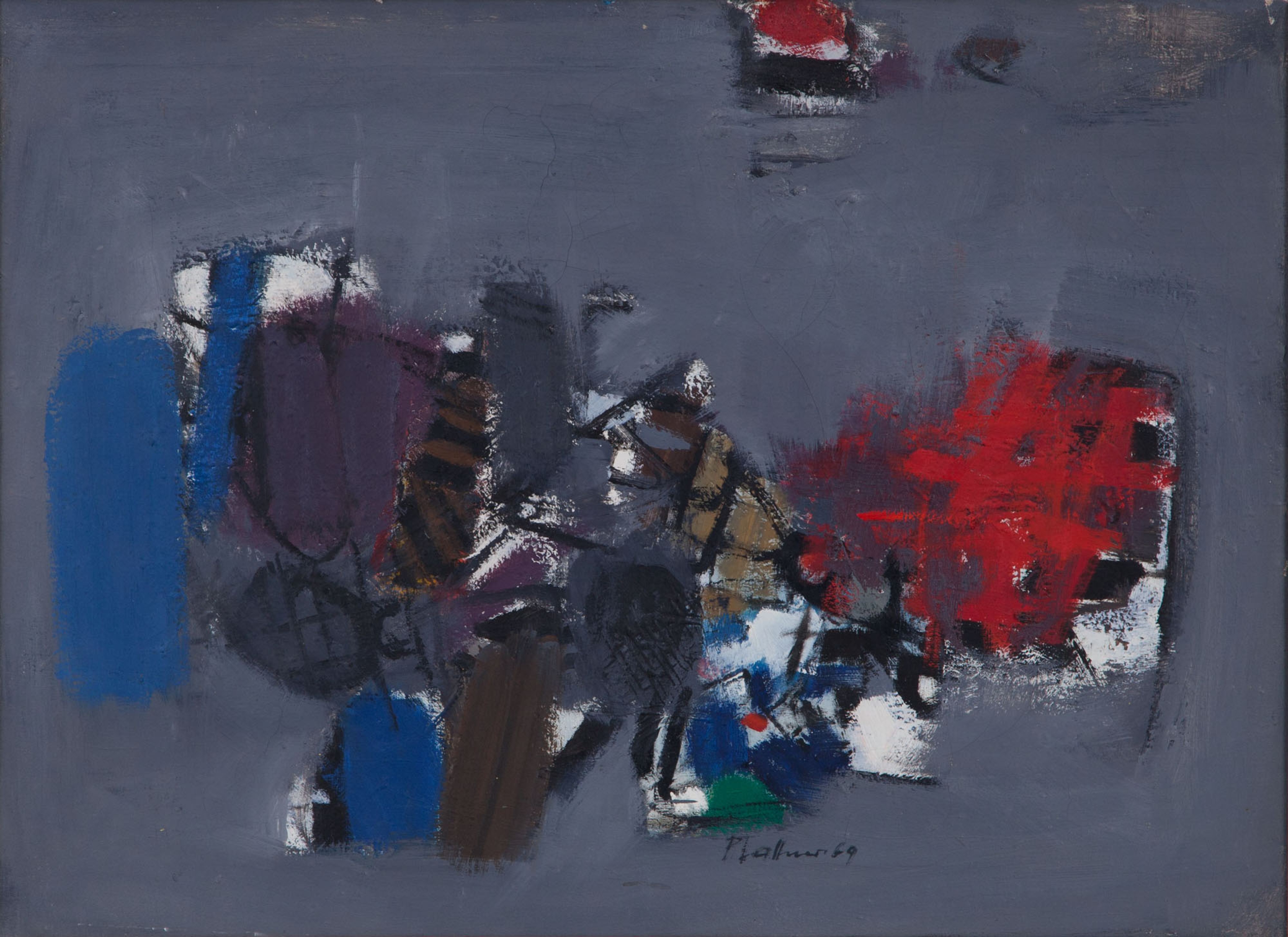
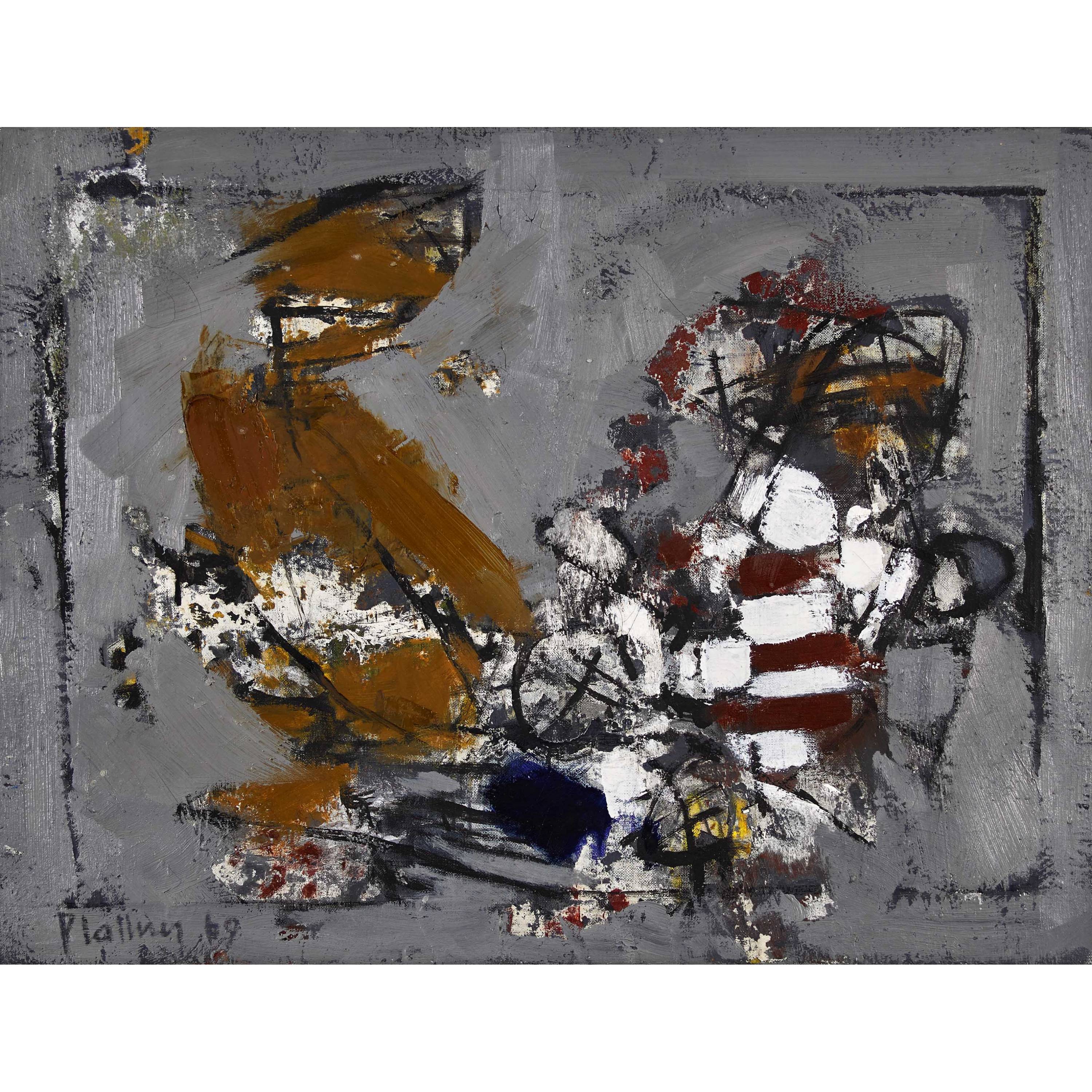
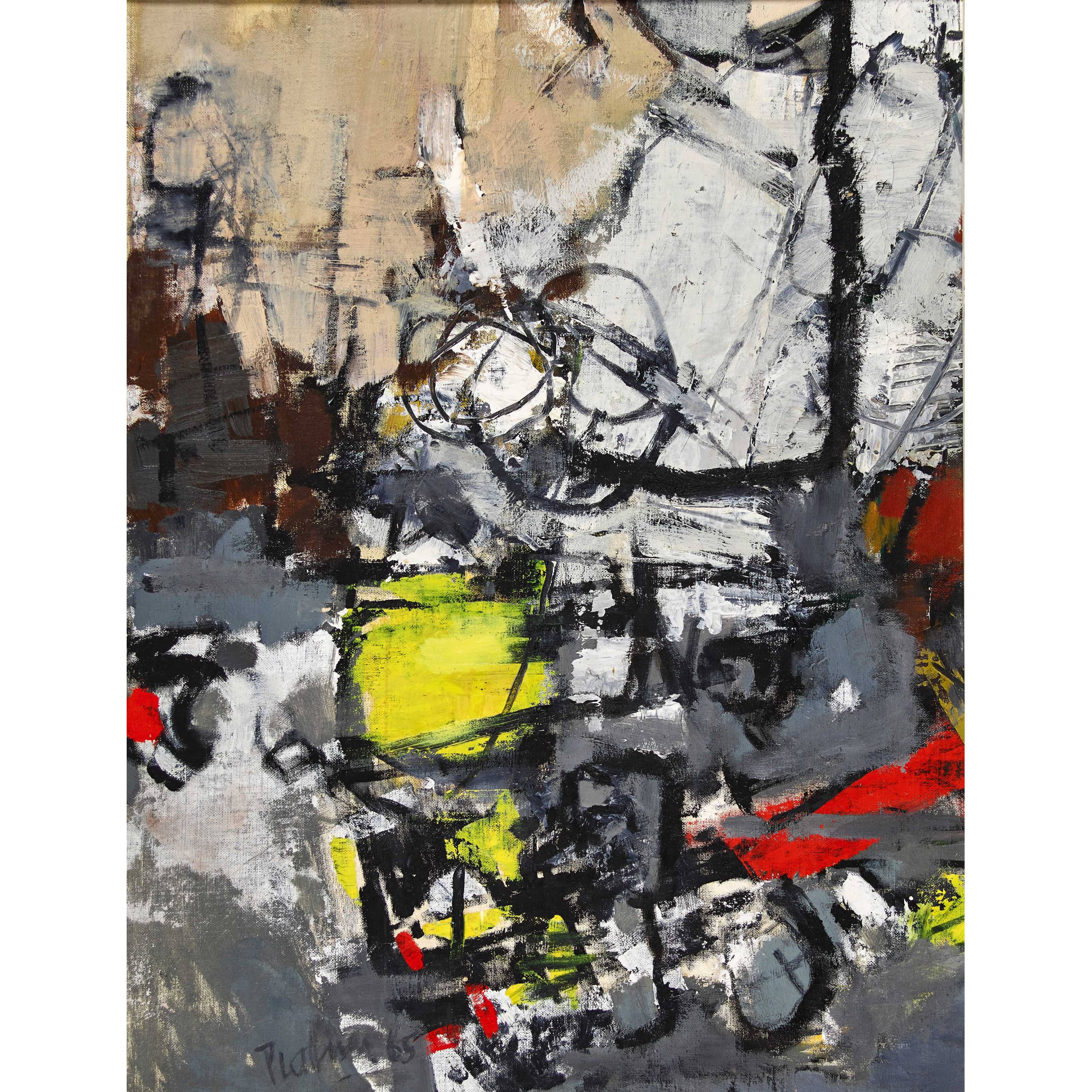
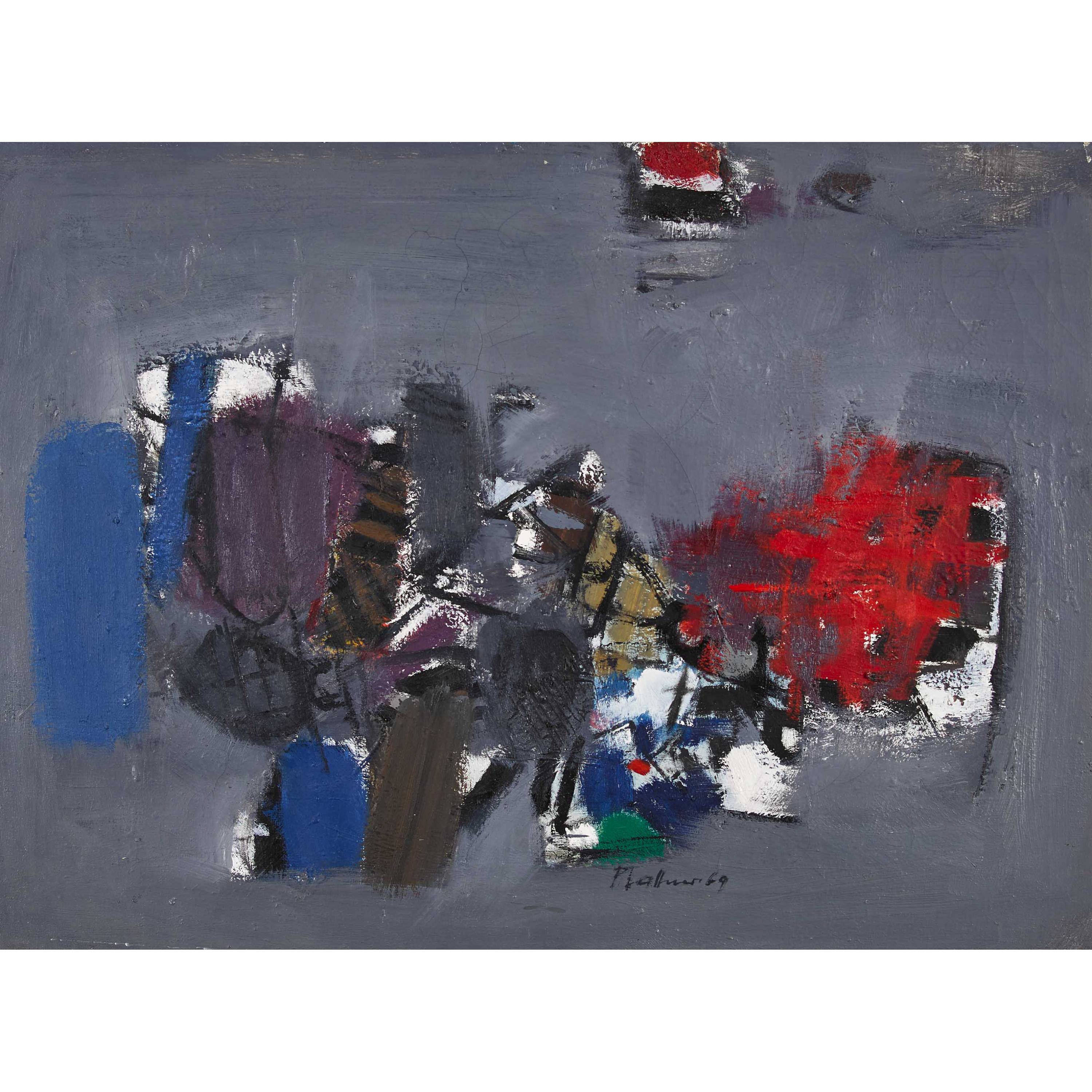
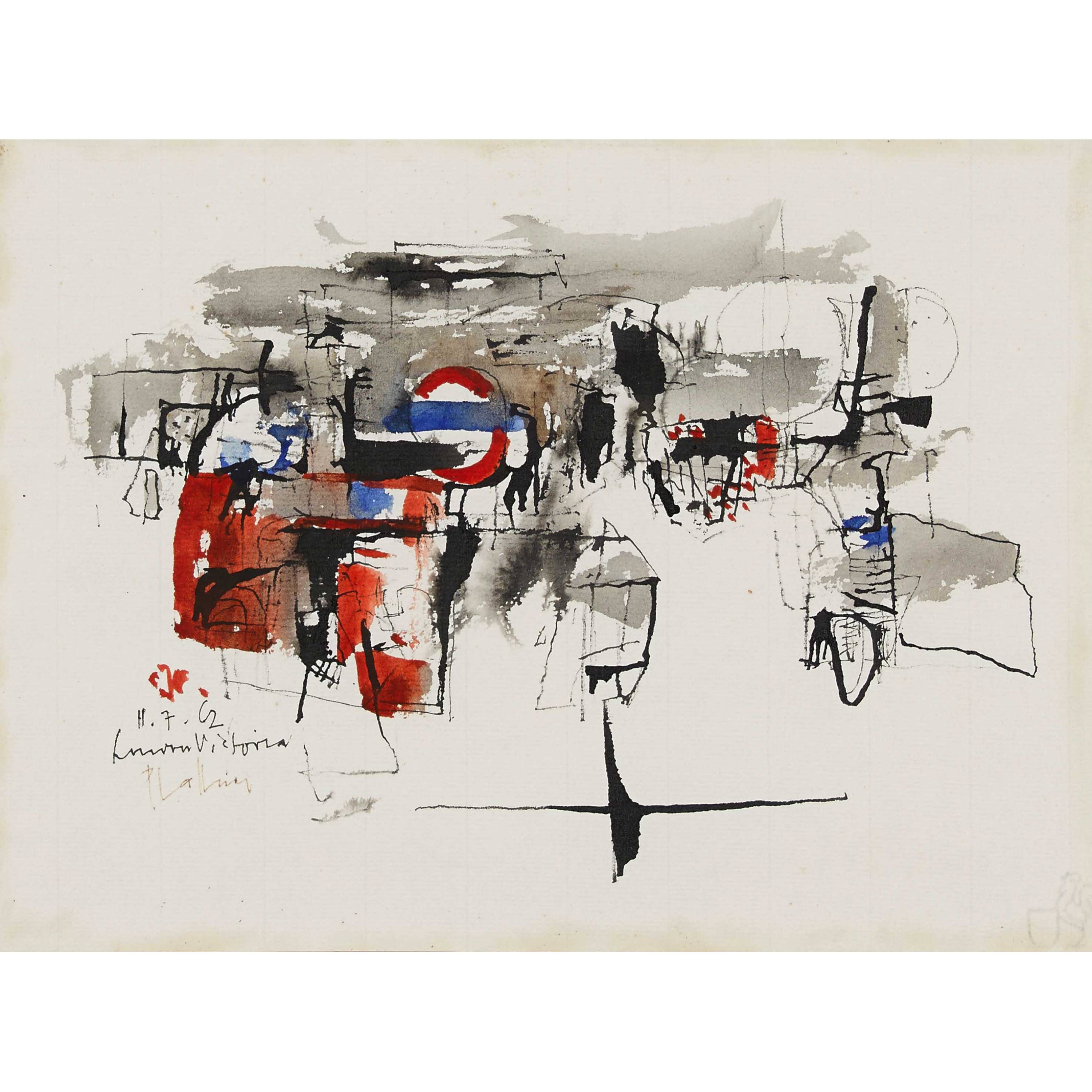
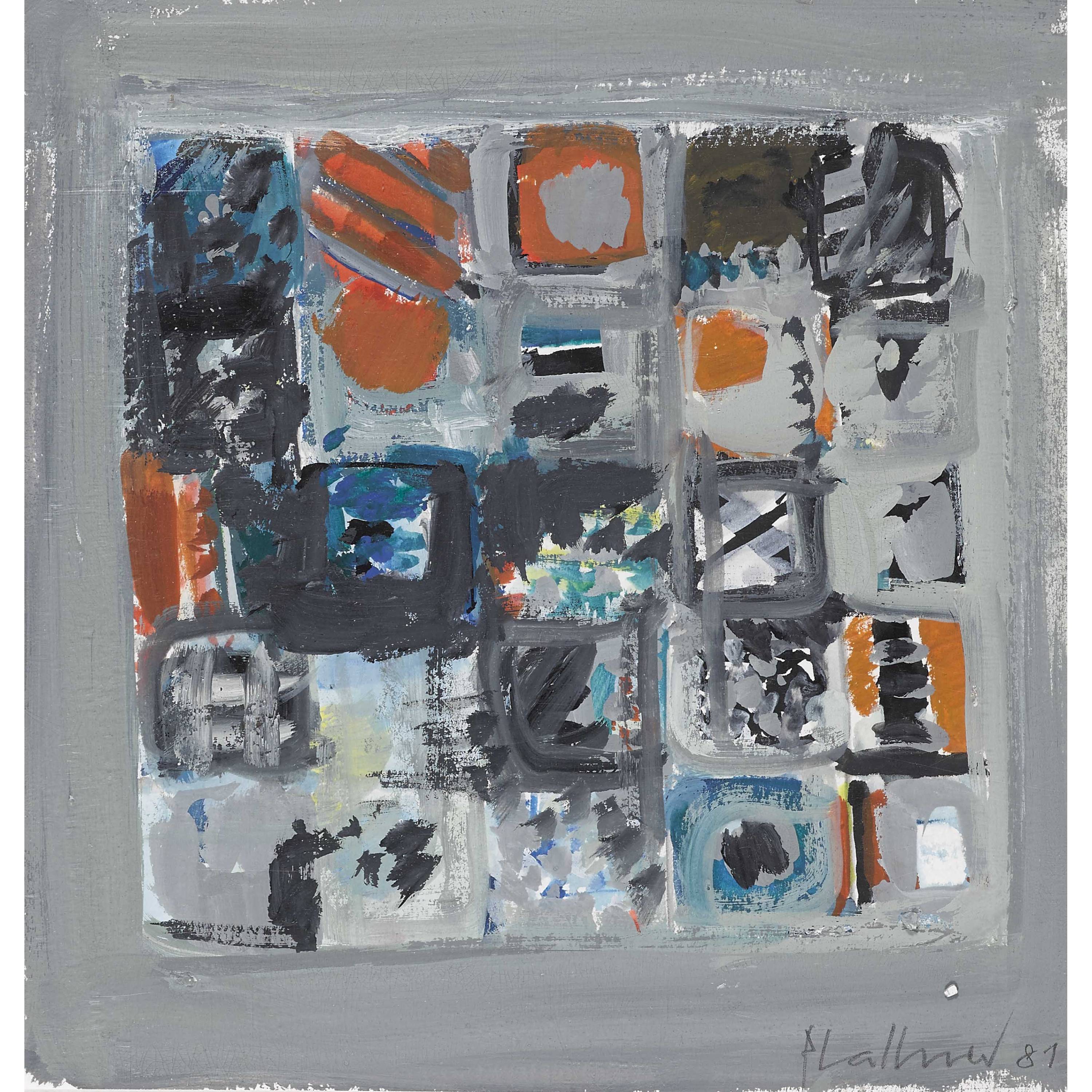
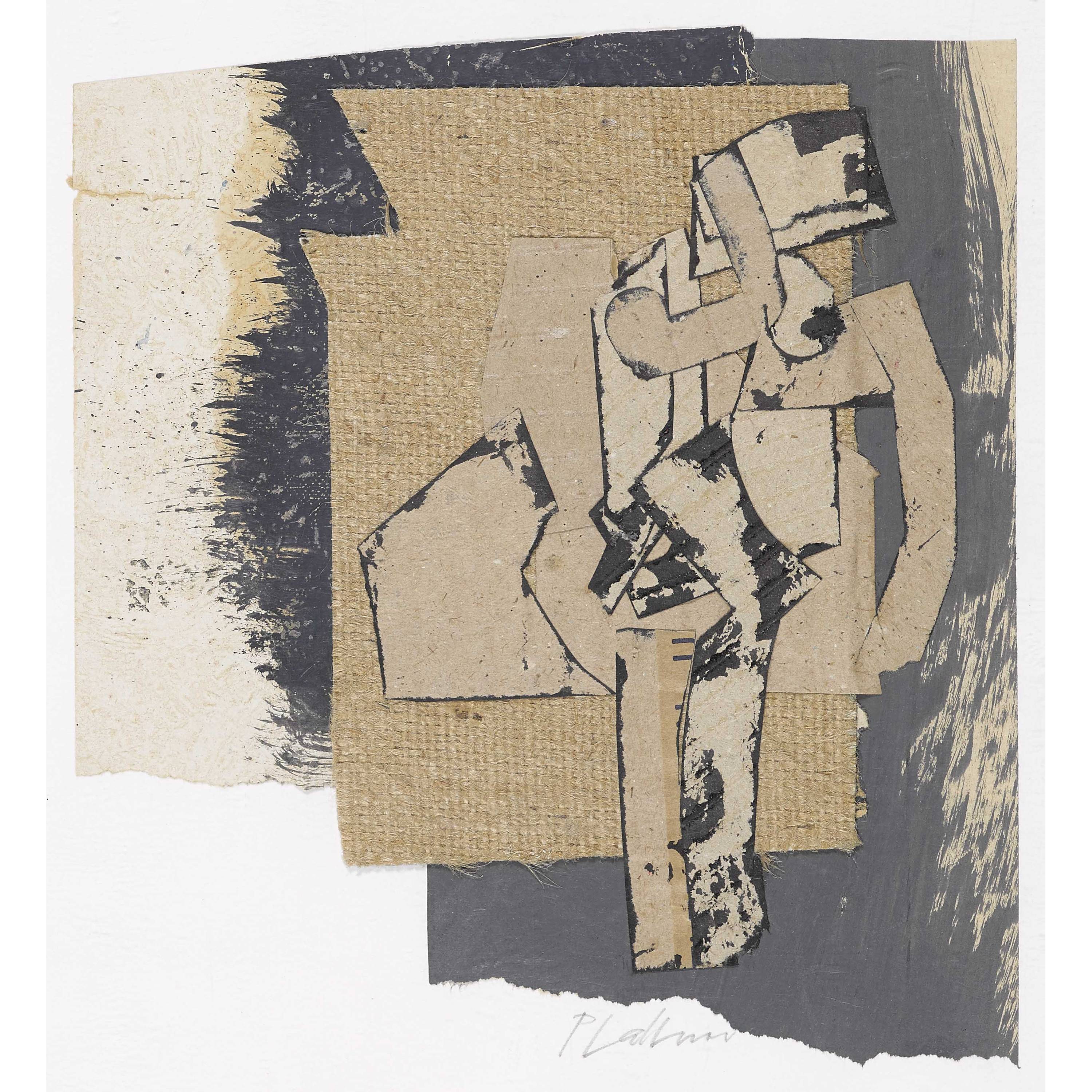
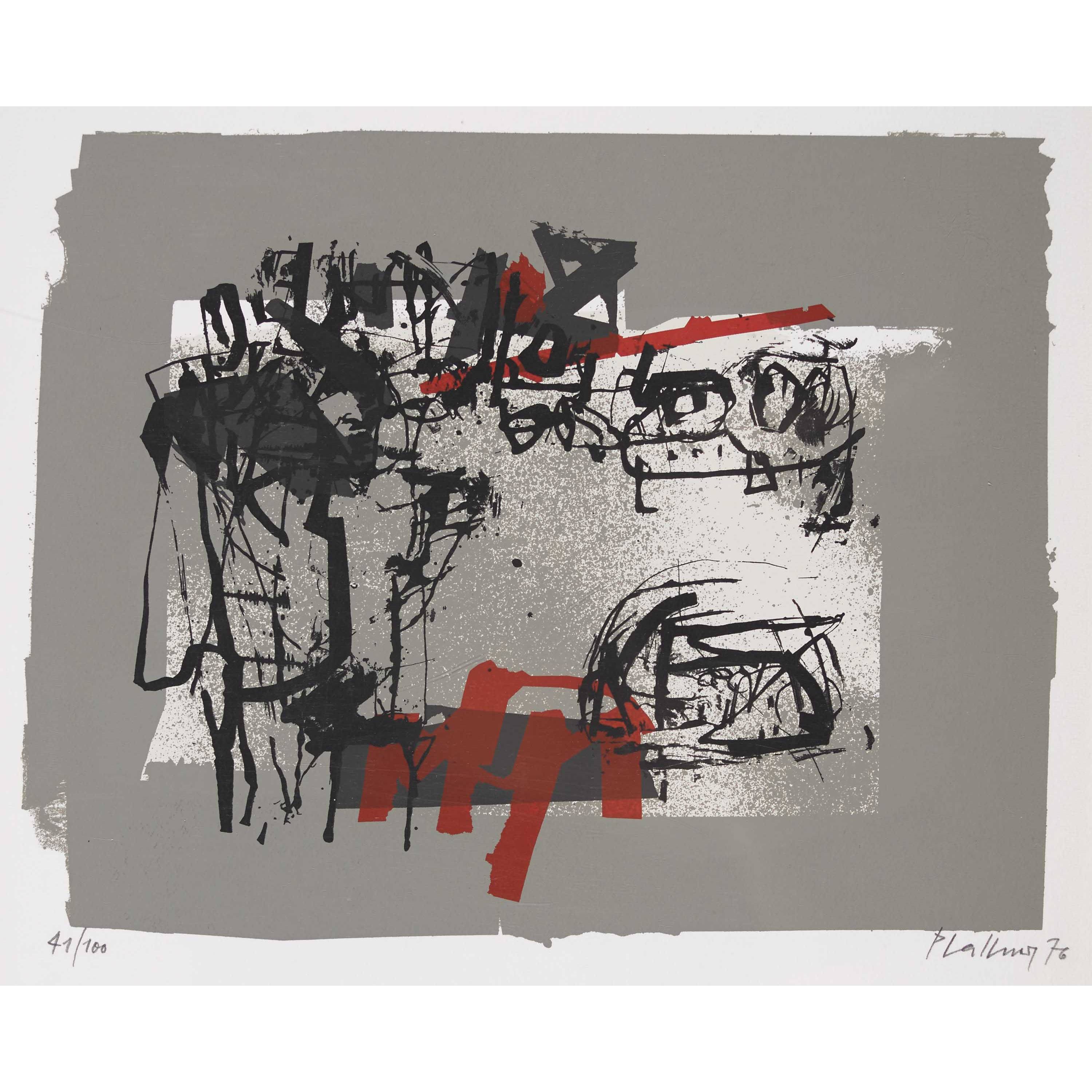
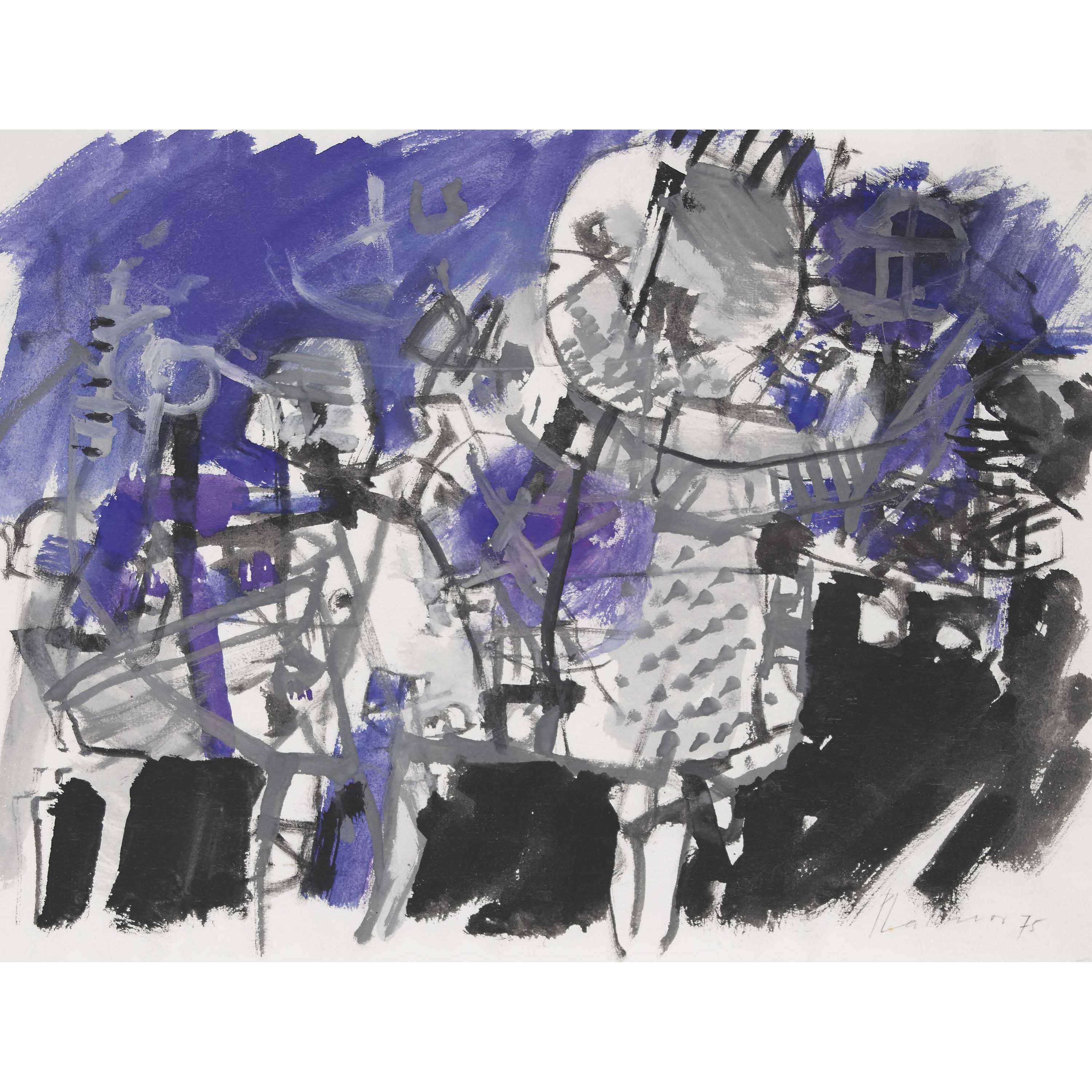
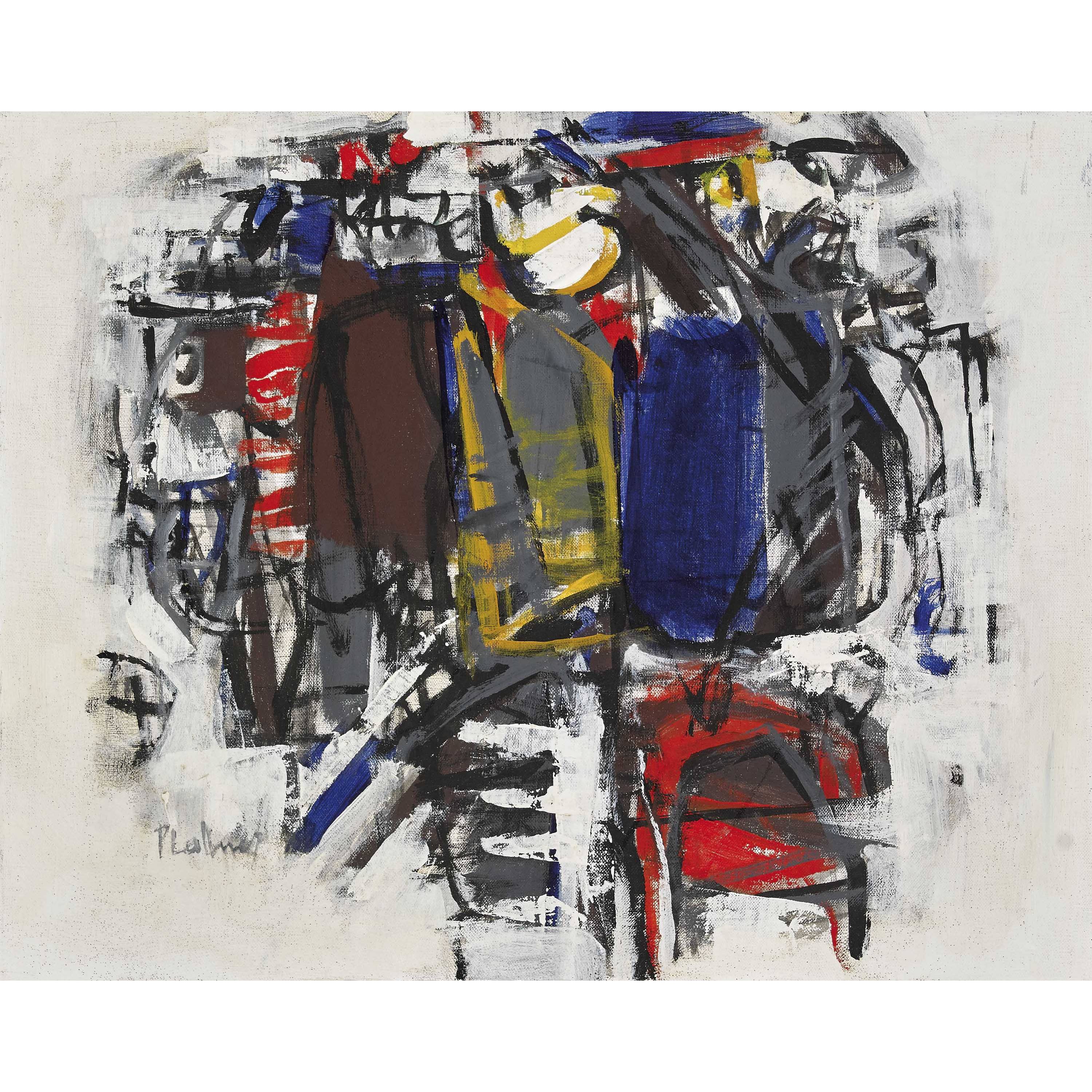
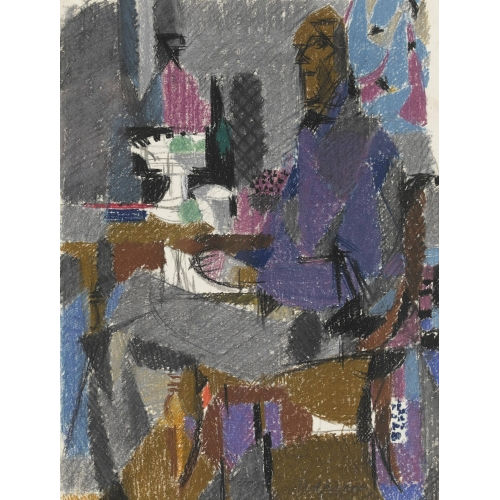
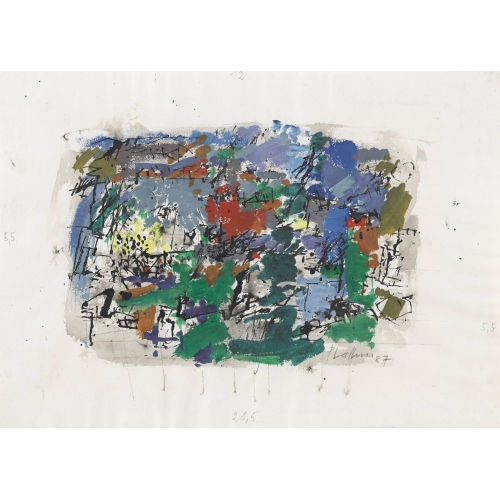
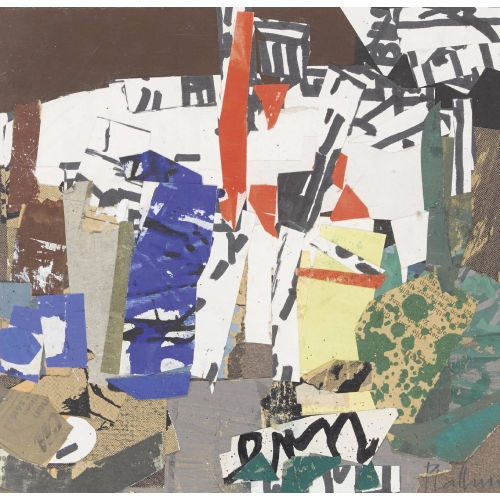
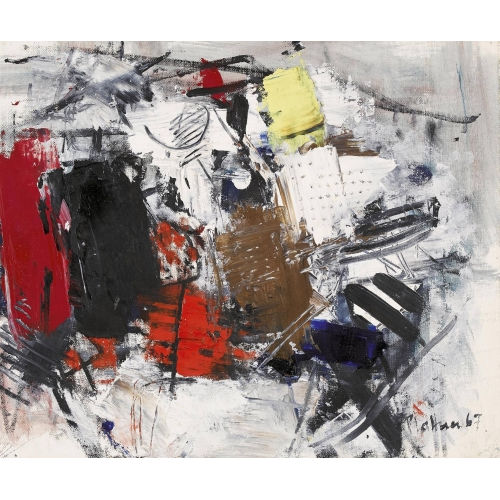
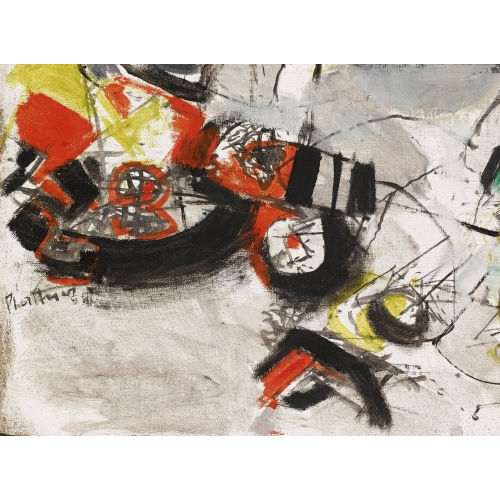
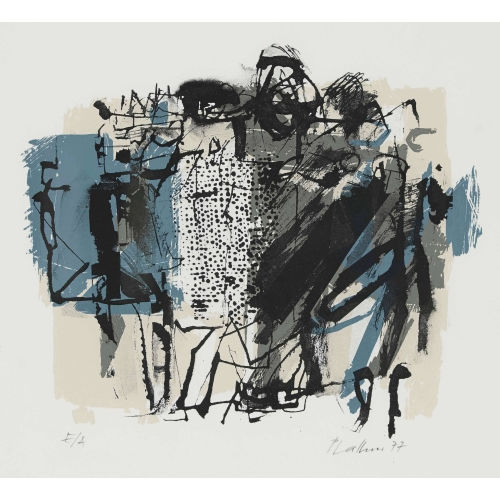
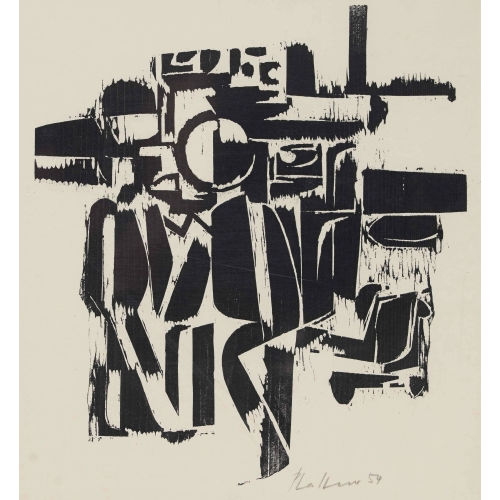
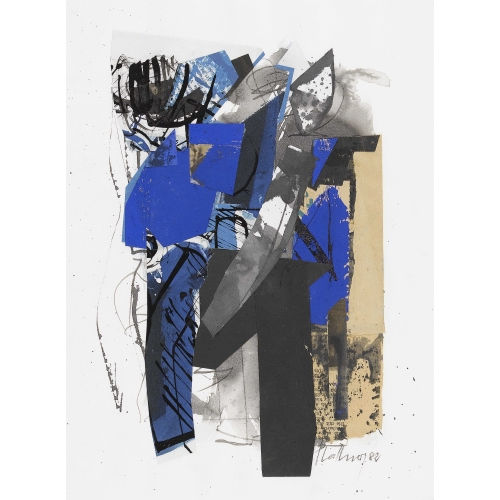
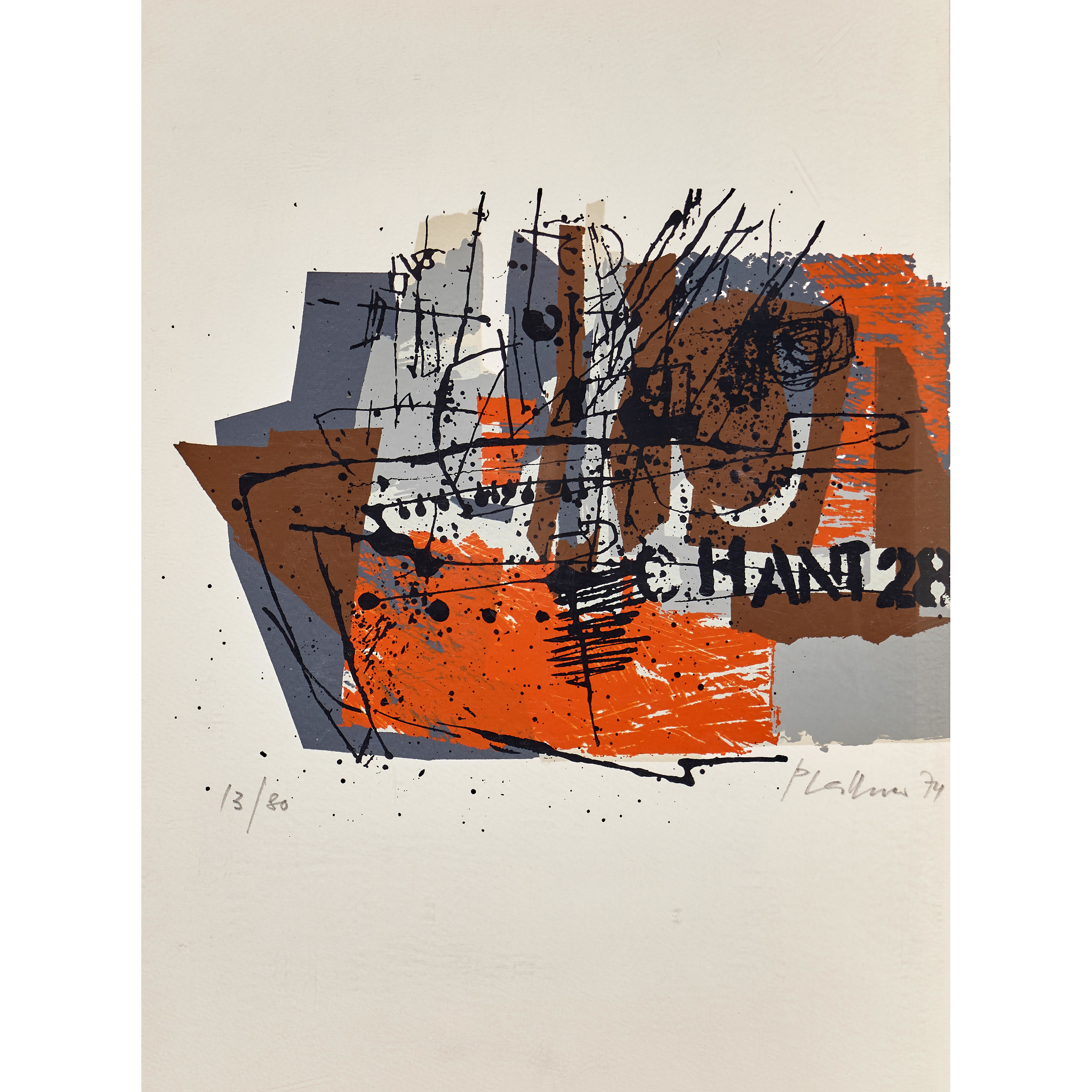
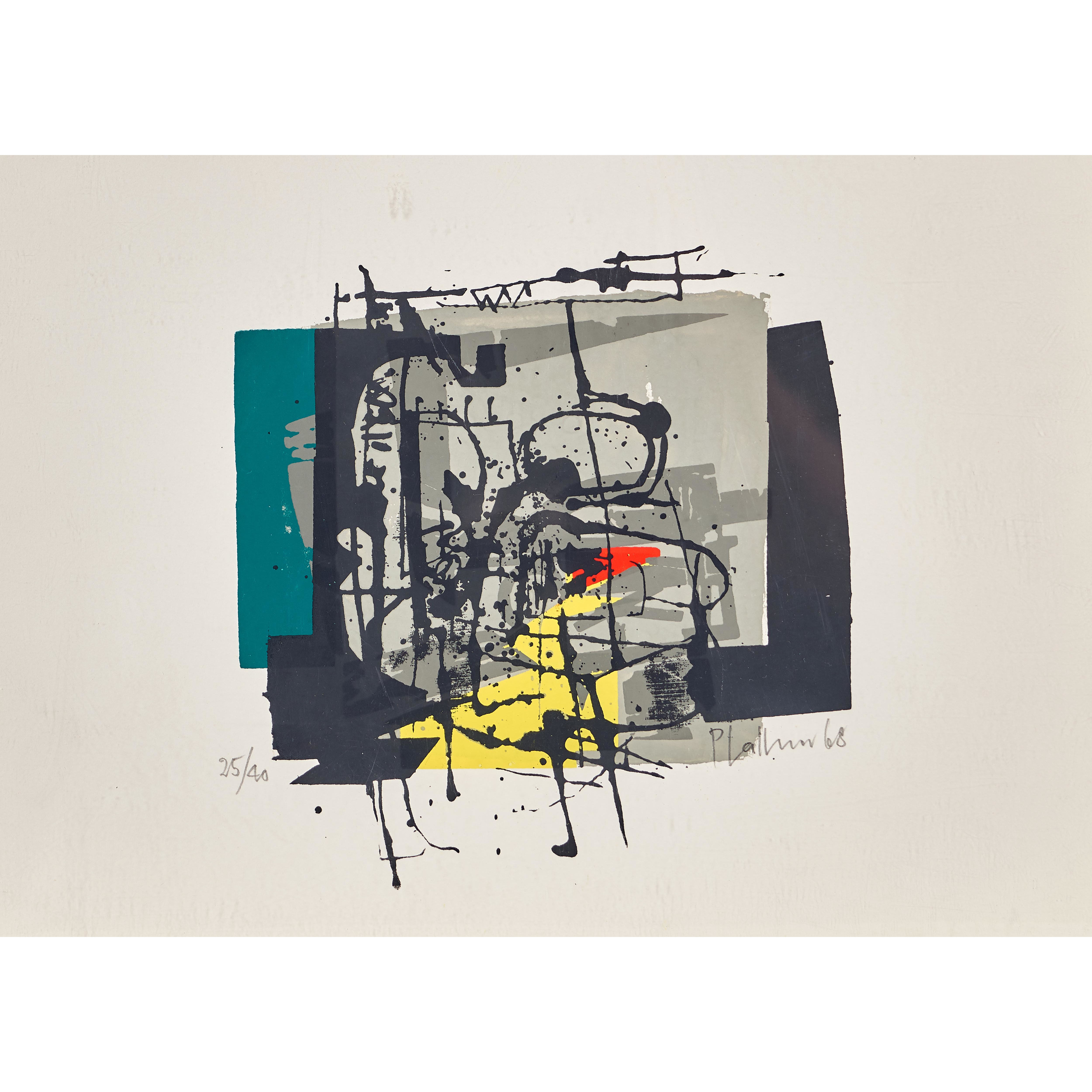
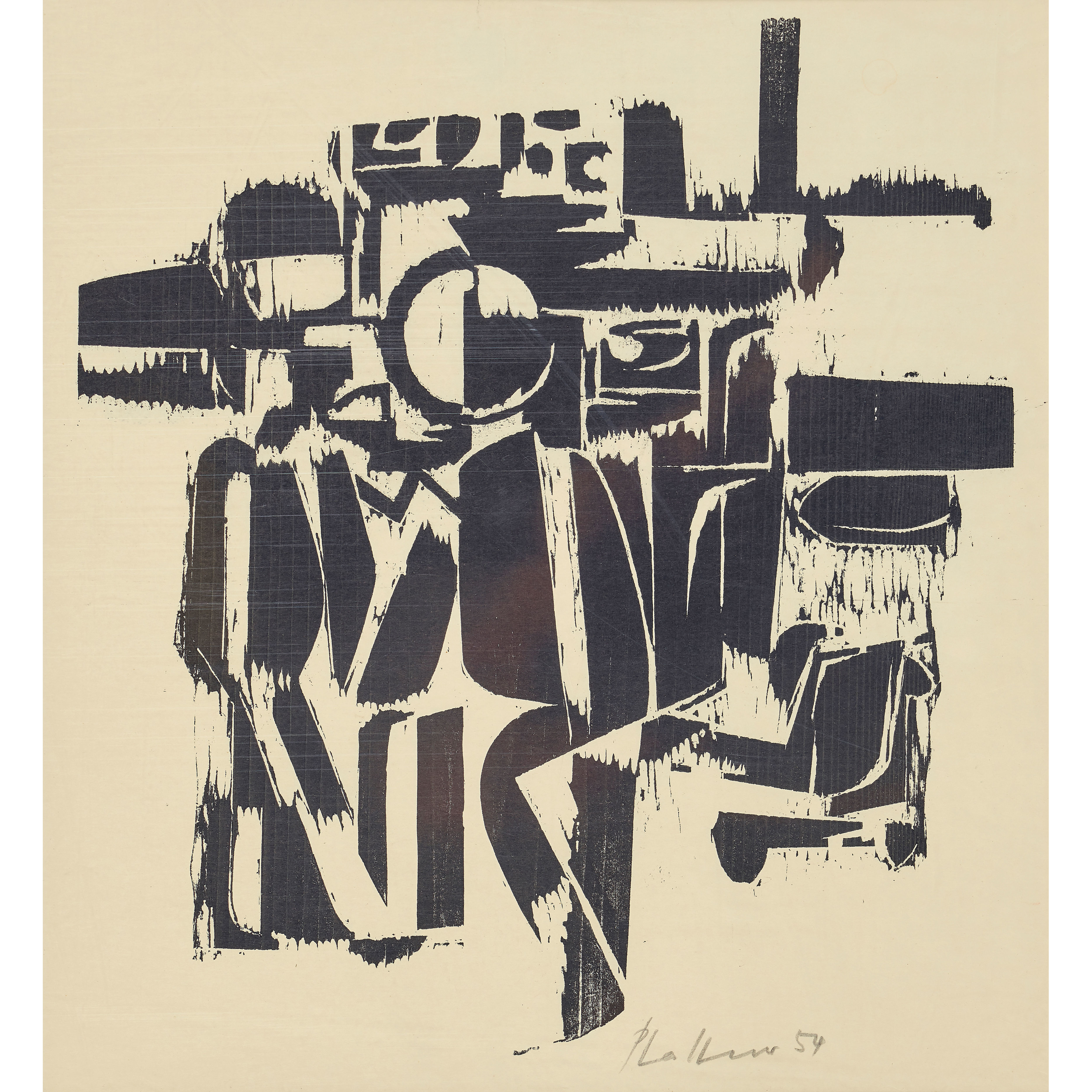
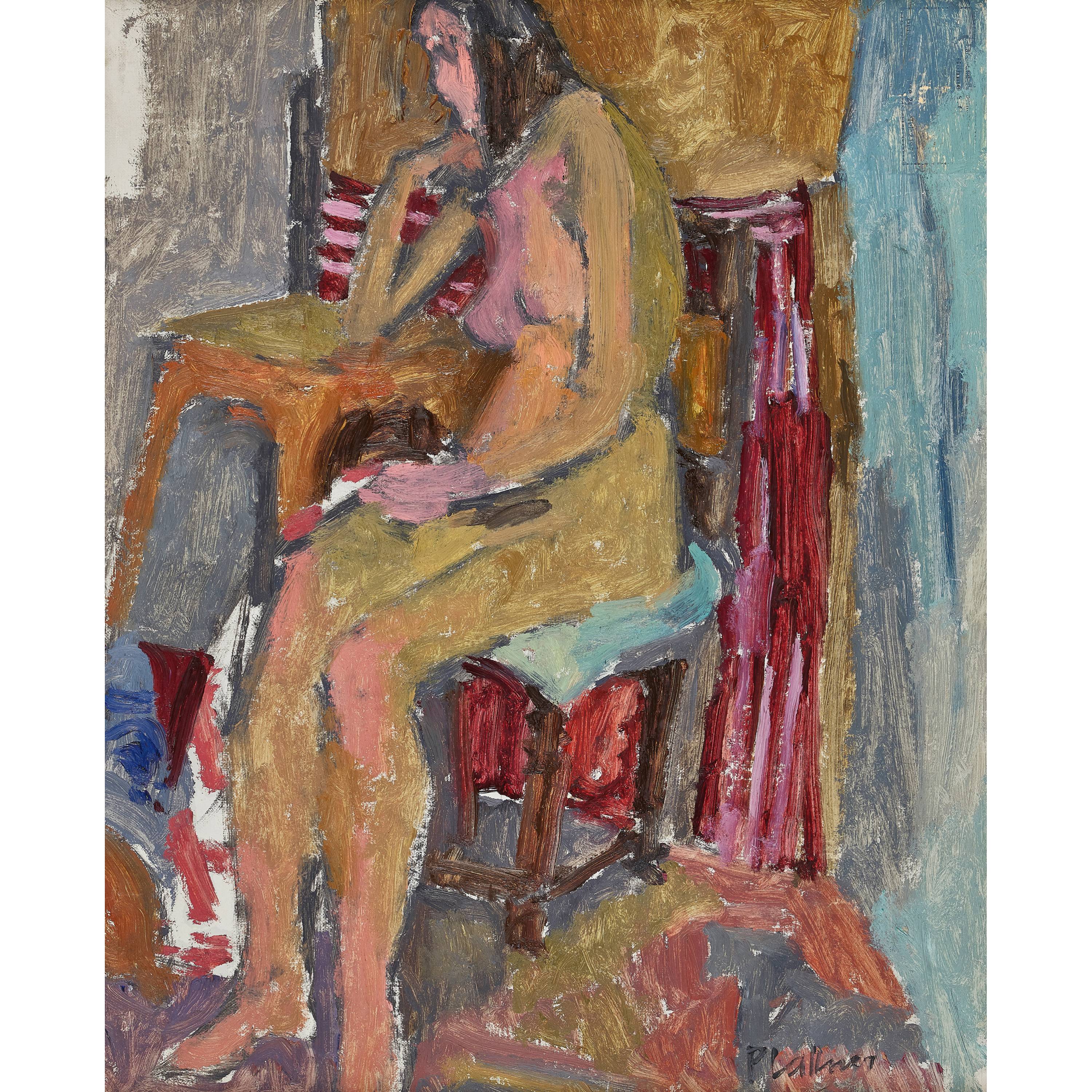
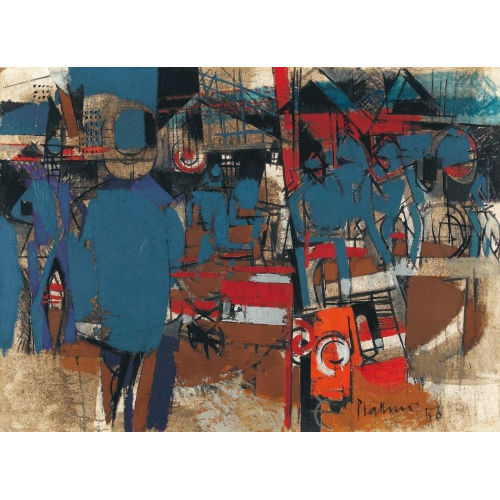
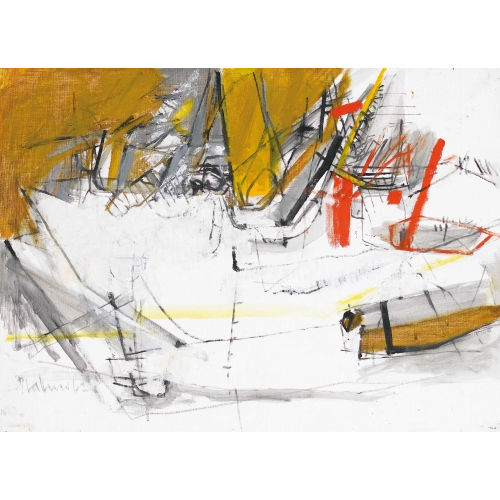
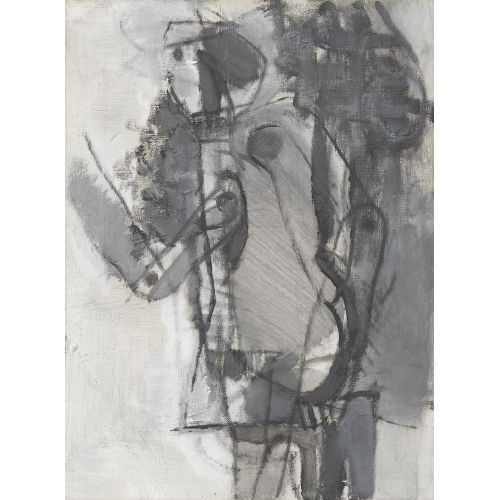
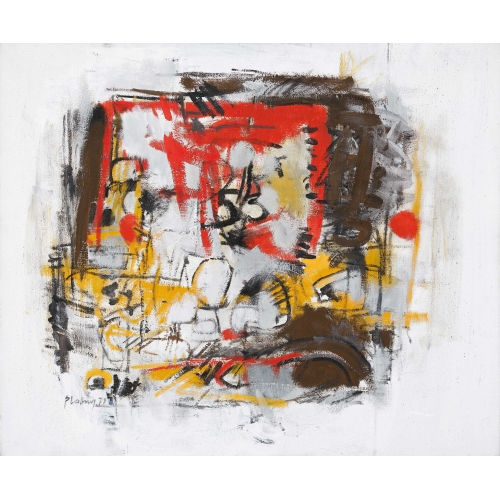
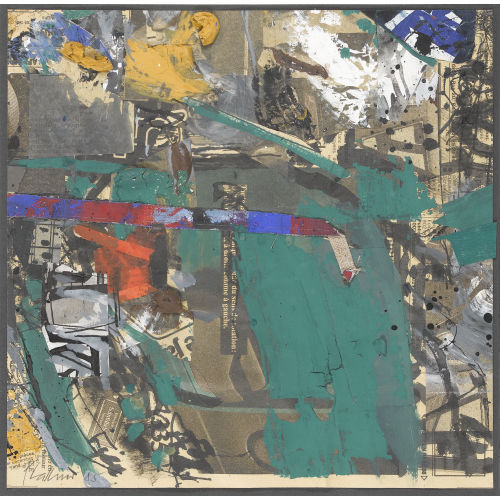
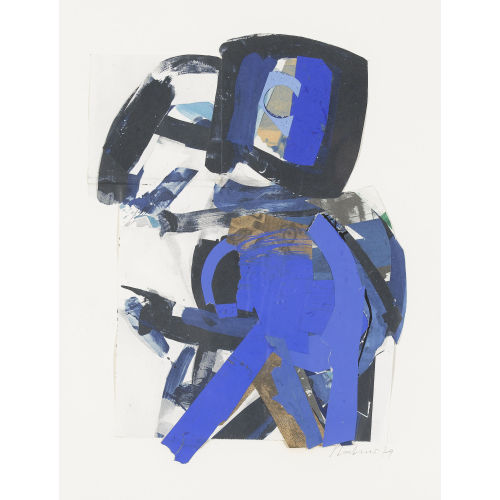
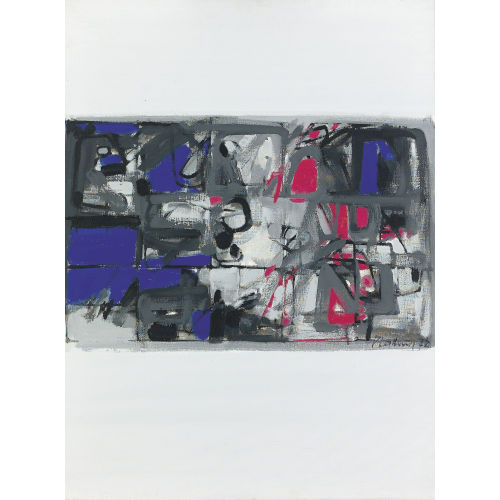
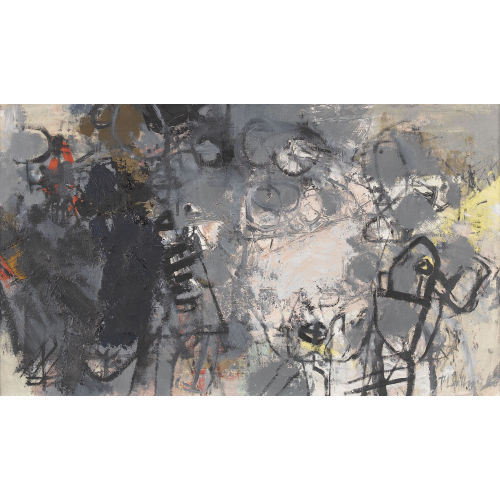
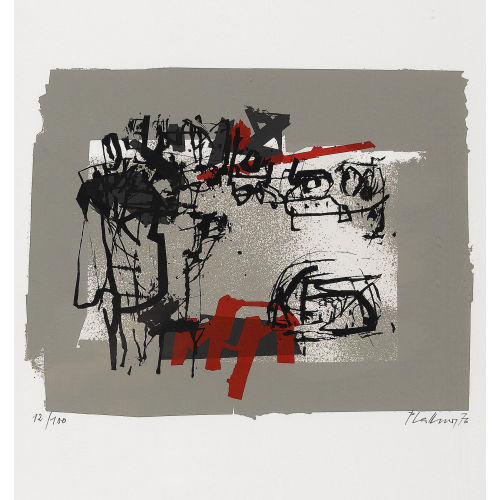
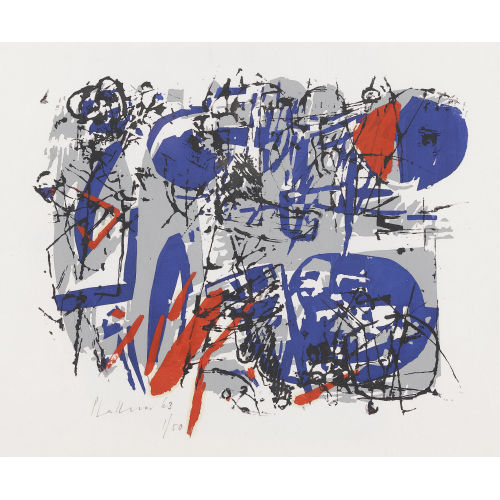
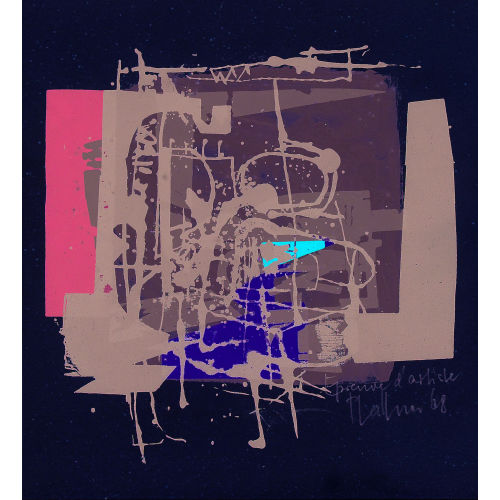
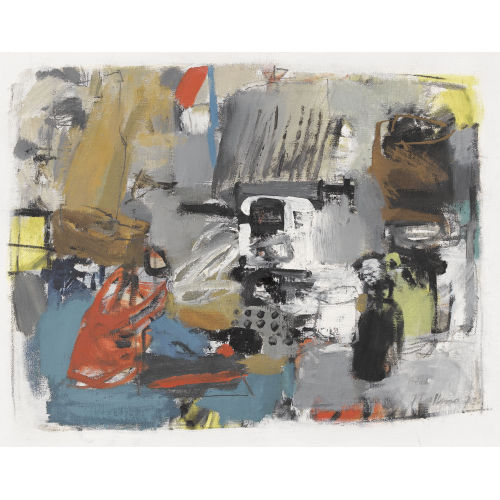
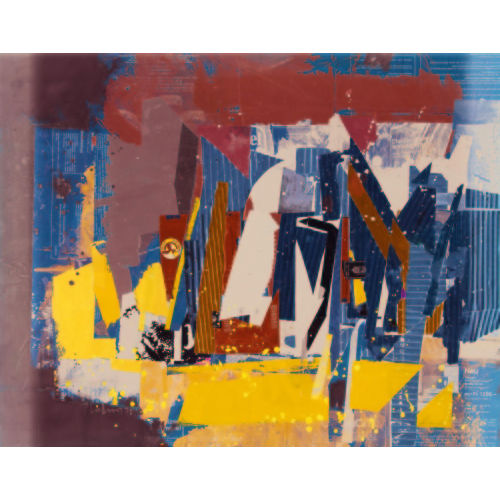
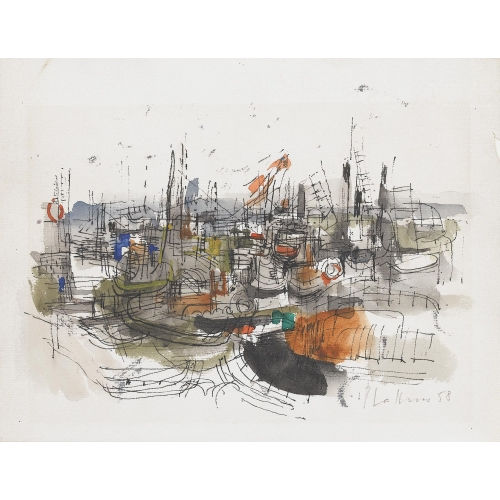
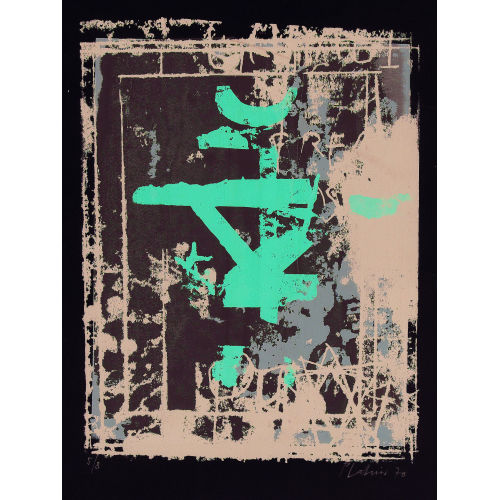
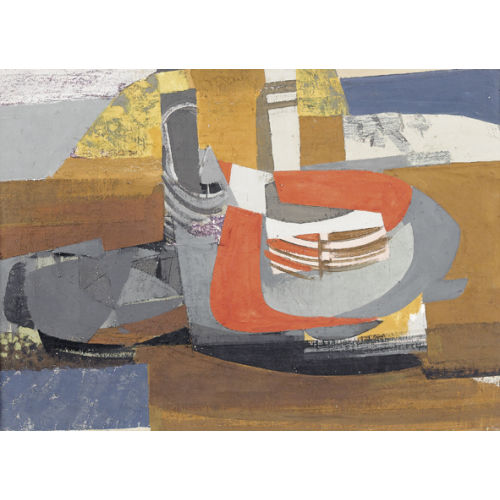
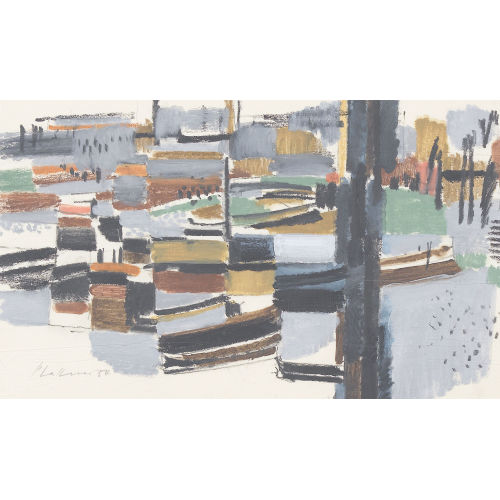
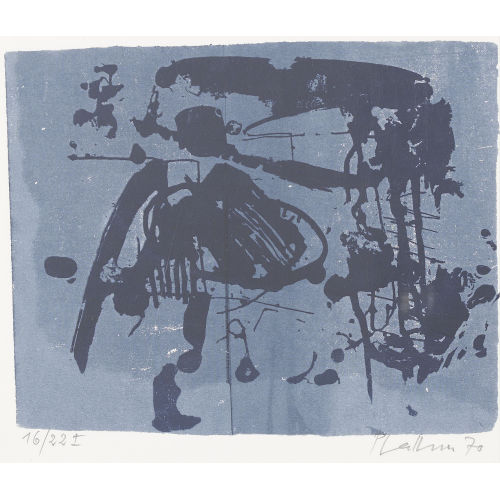
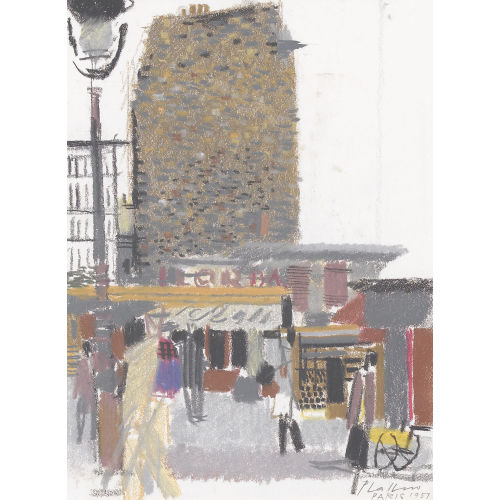
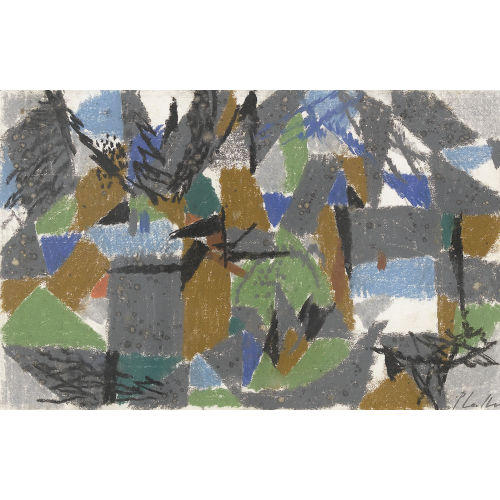
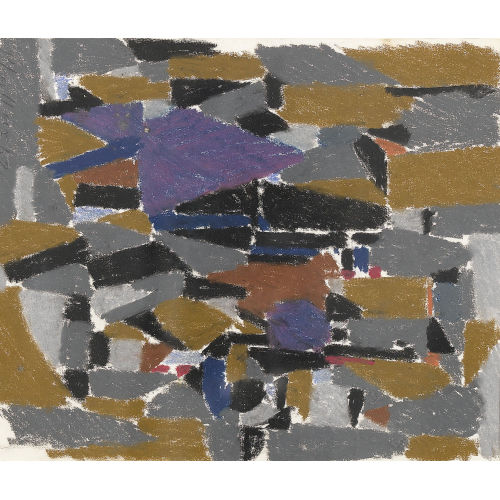
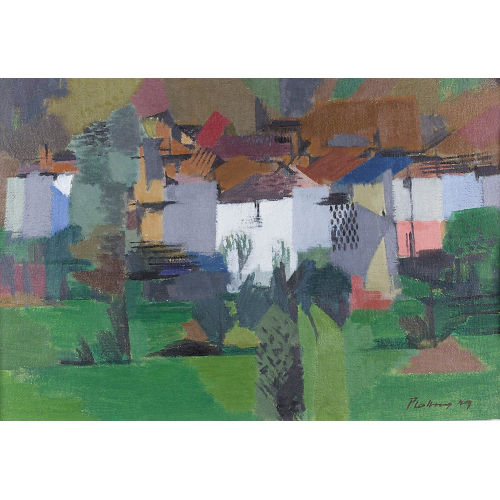
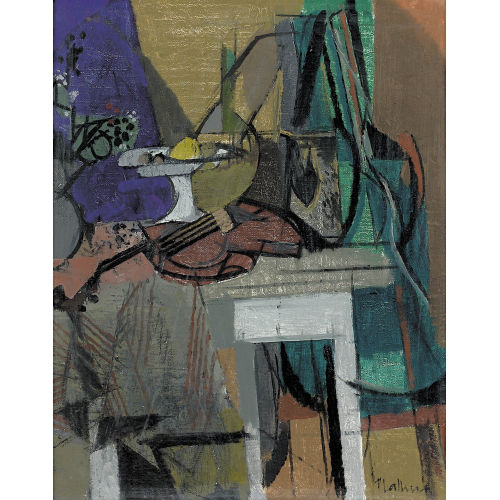
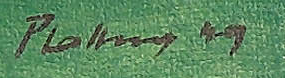
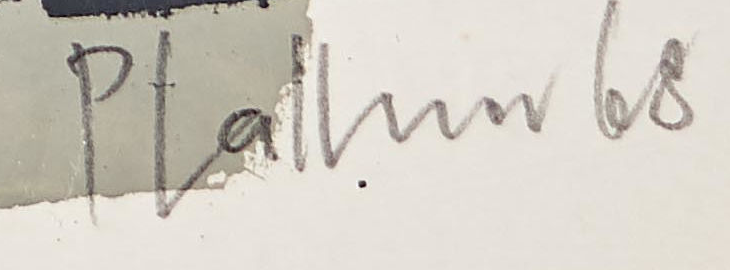
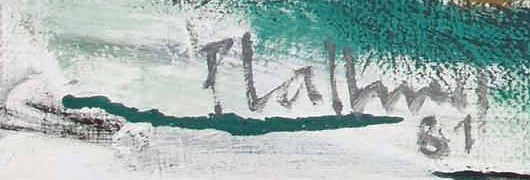
Plattner’s work encompasses several techniques and supports: oil paintings, watercolours, drawings, screenprints and collages, as well as charcoal drawings and linocuts mentioned in auction records (f8, f18). Works identified on the market bear specific titles and inscriptions, for example Transcription I (oil on canvas, signed and countersigned on the reverse) and Komposition, dated 1969 and signed H. Plattner.
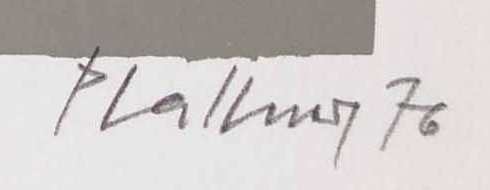
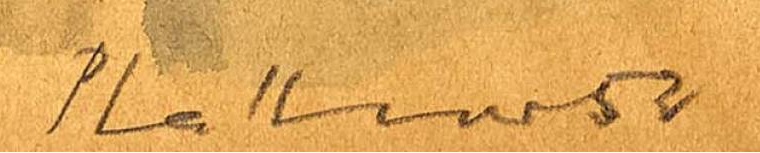
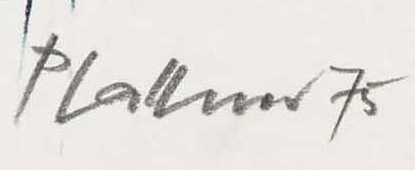
These attest to the use of signatures and dates on some canvases (f9, f10). He also created mural works: a ceramic mosaic (1961) on the façade of the PTT building at Viktoriaplatz 1 in Bern, and a large painted panel, Ichthys (1966), executed in mineral paint on concrete for the Thomaskirche in Bern‑Liebefeld (f14).
According to the lists consulted, his work was shown in several public exhibitions: at Galerie Breteau in Paris in 1951; at Kunsthalle Bern in 1952 and 1967; at Kunsthalle Basel in 1955; and at Kunsthaus Zürich in 1966 (f12). Works by Plattner are held in local public collections, notably those of the City and Canton of Bern, as well as the Kunstmuseum Bern, indicating a regional institutional presence (f13).
In aesthetic terms, the literature consulted identifies the non-figurative painting of Max von Mühlenen and Jacques Villon as a source of inspiration for him (f20). The artist’s written and artistic estate has been held since 2015 by the ART‑Nachlassstiftung für Kunstschaffende in Bern (Bümpliz), a useful reference for archival research and cataloguing (f15).