Hermann Huber
Born in 1888.
Died in 1967.
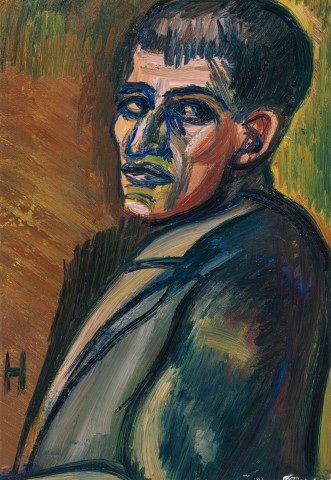
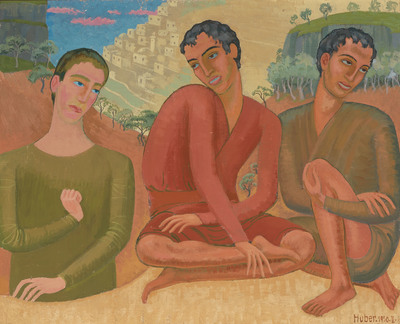
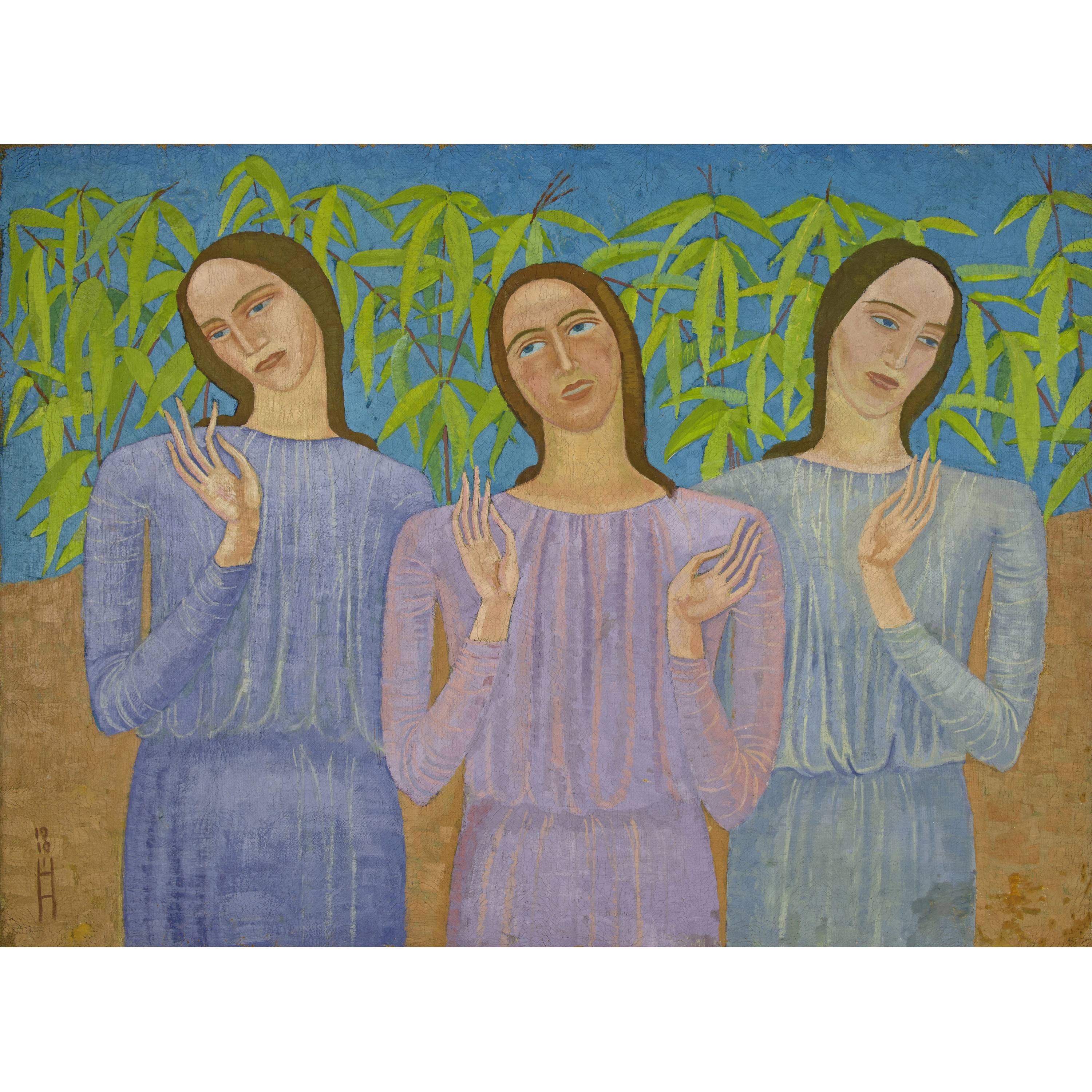
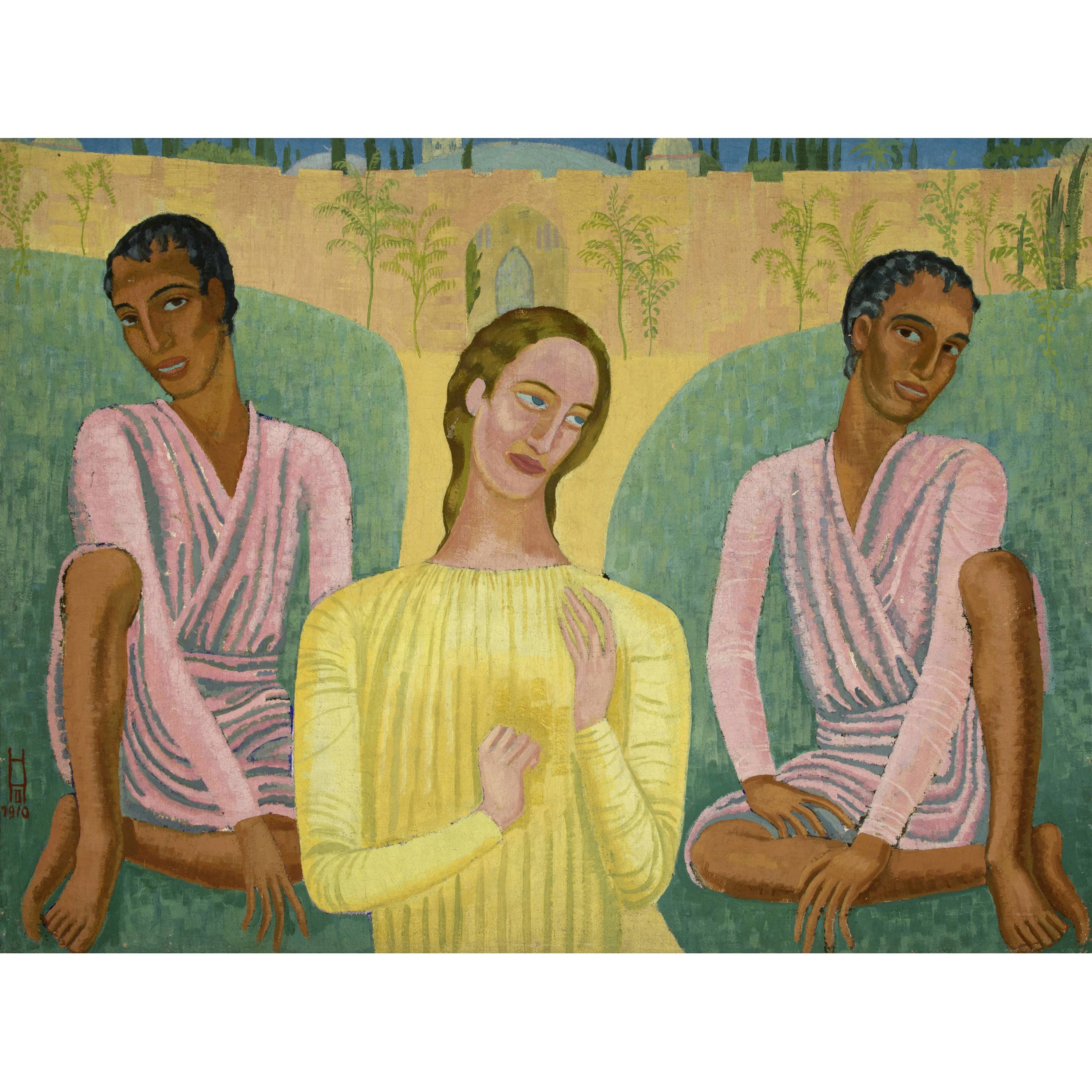
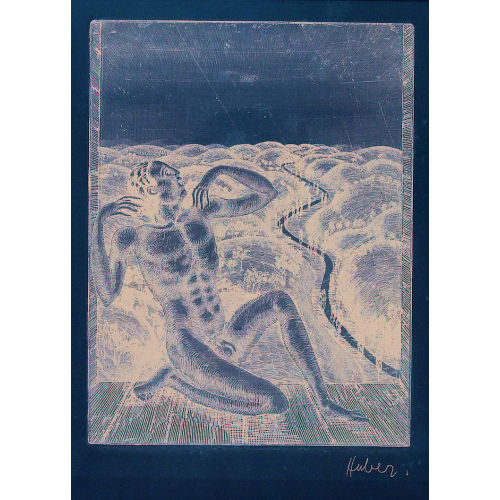
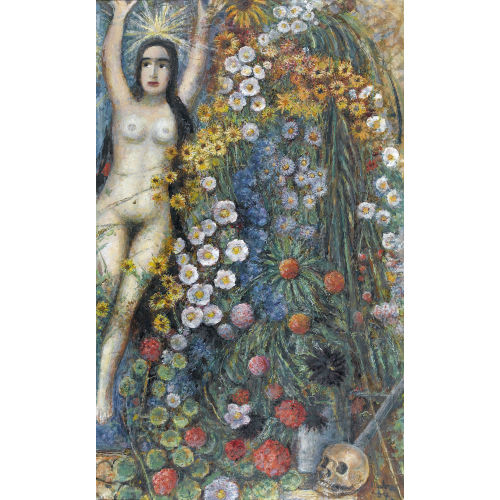
Hermann Huber (1888–1967) belongs to the generation that sought new paths for Swiss painting at the beginning of the twentieth century. Born in Wiedikon, near Zurich, he studied at the city’s School of Applied Arts and formed ties with Otto Meyer-Amden and Reinhold Kündig. His travels and working stays subsequently took him to Rome, Jerusalem, Algiers and Paris.
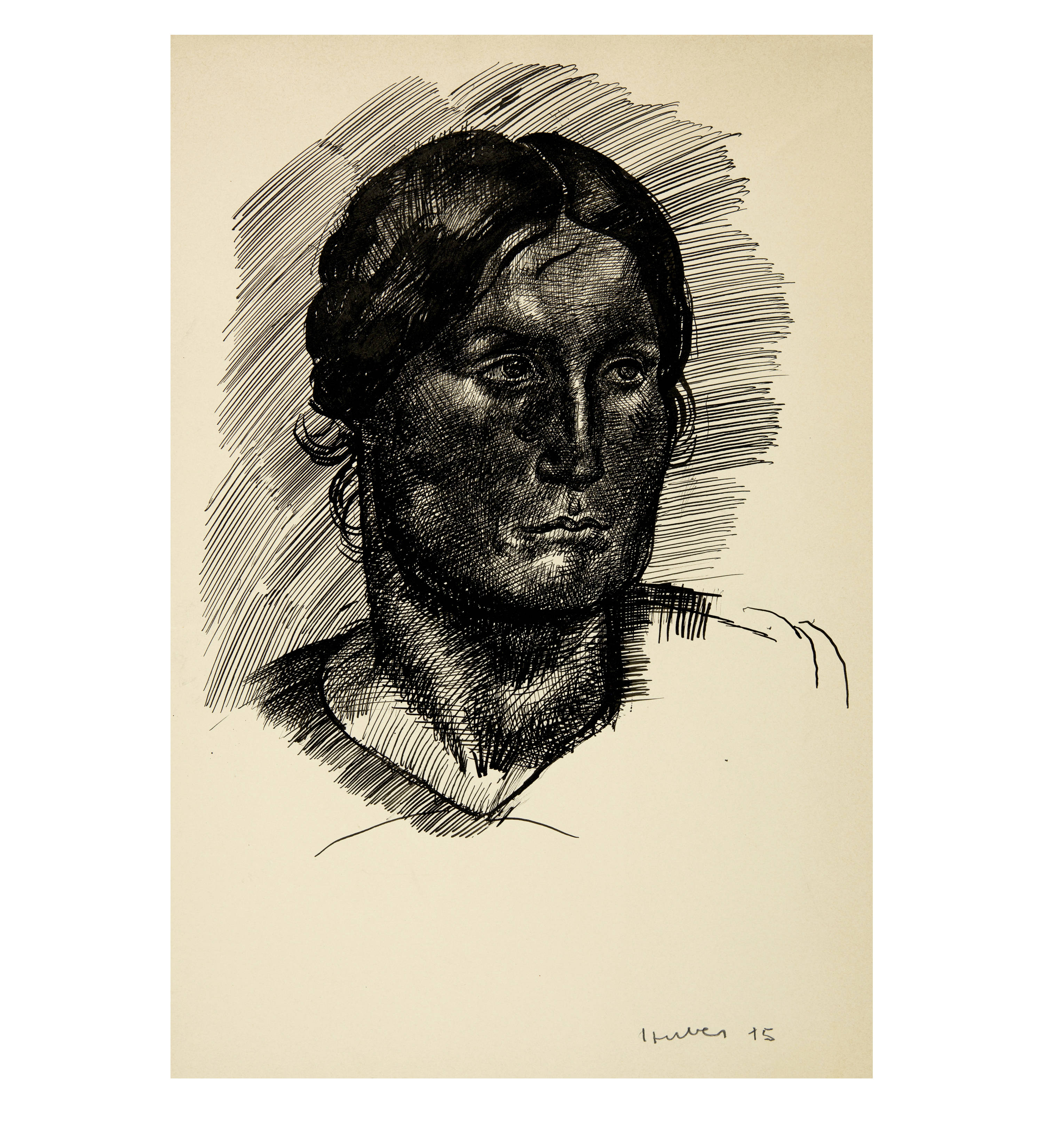
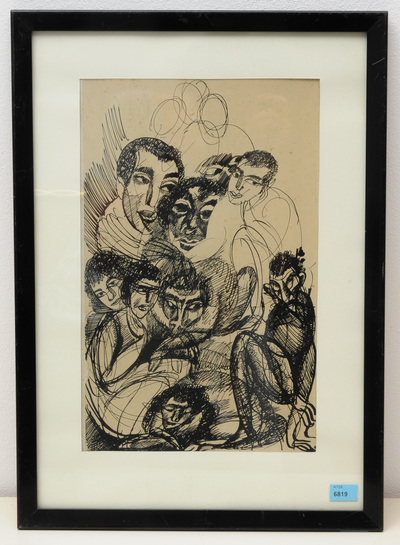
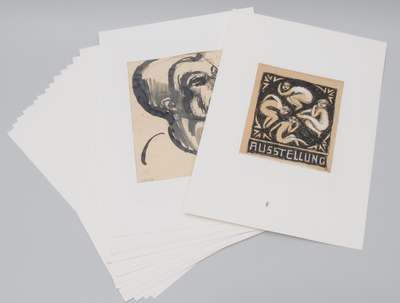
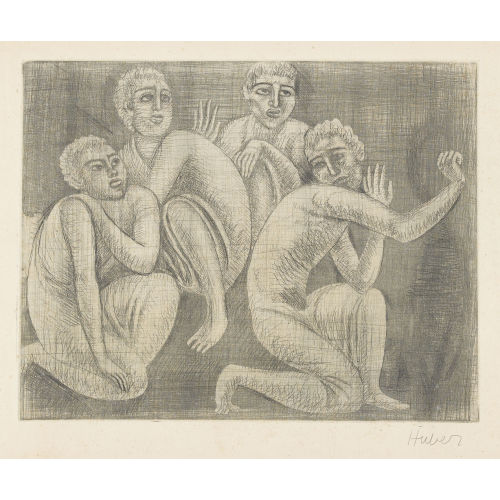
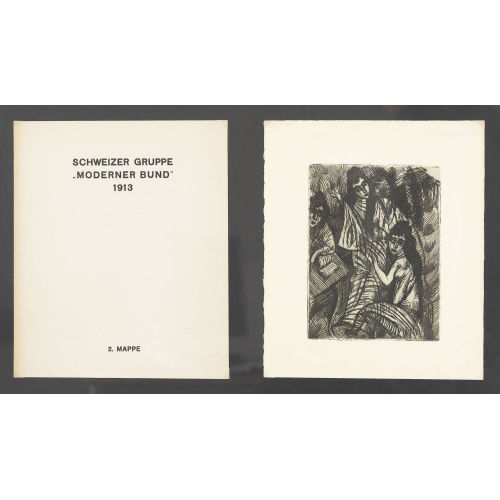
In 1910, he helped found the artists’ group Der Moderne Bund. This circulation between places, artists and techniques nourished a body of work encompassing painting, printmaking and fresco.
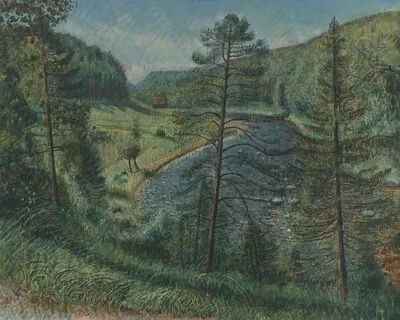
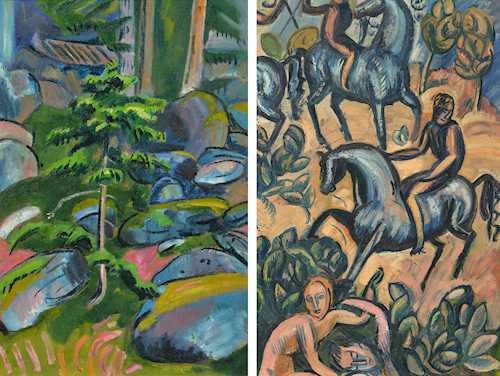
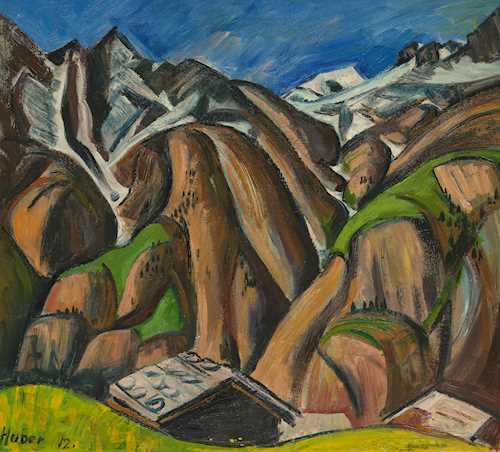
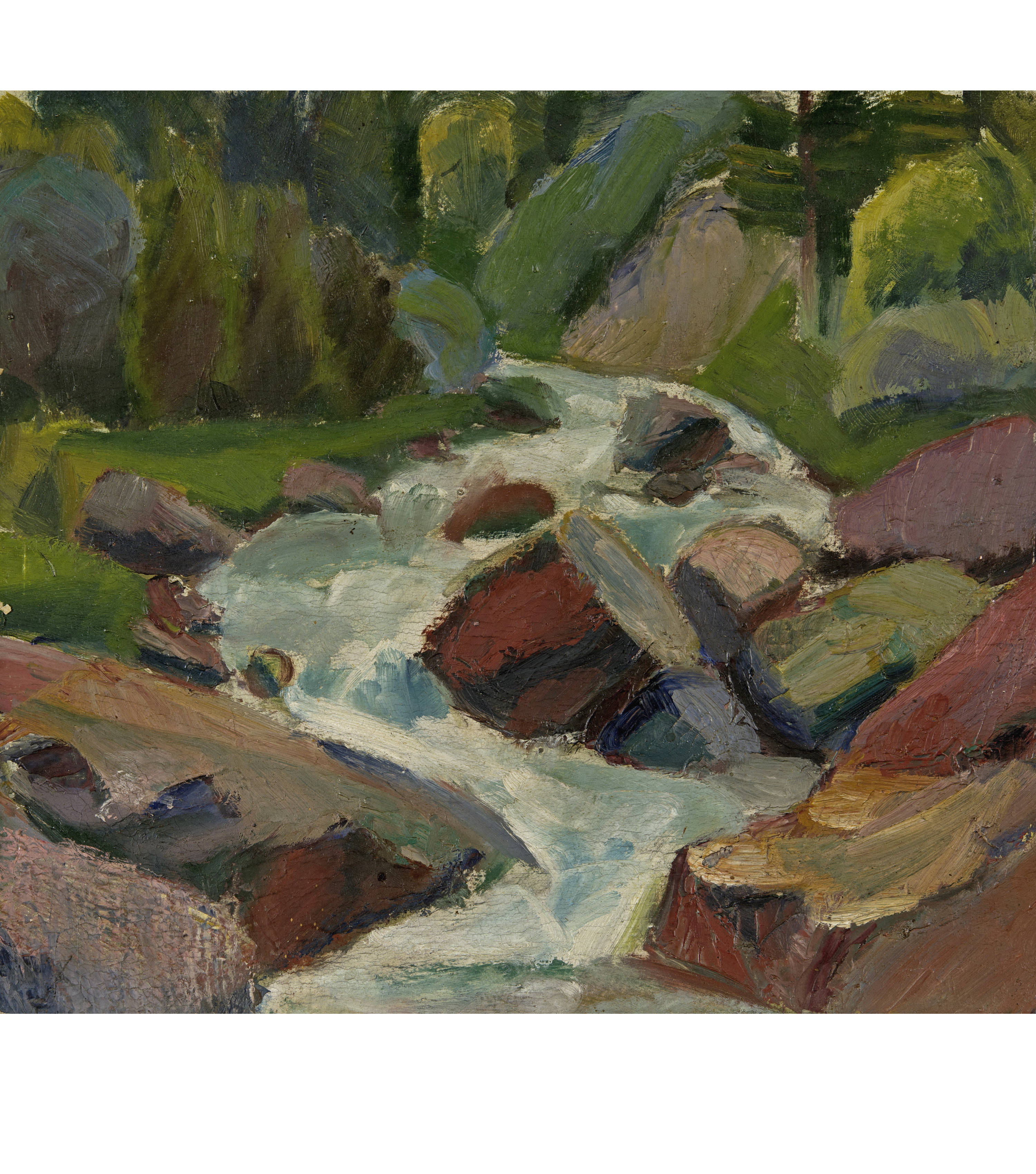
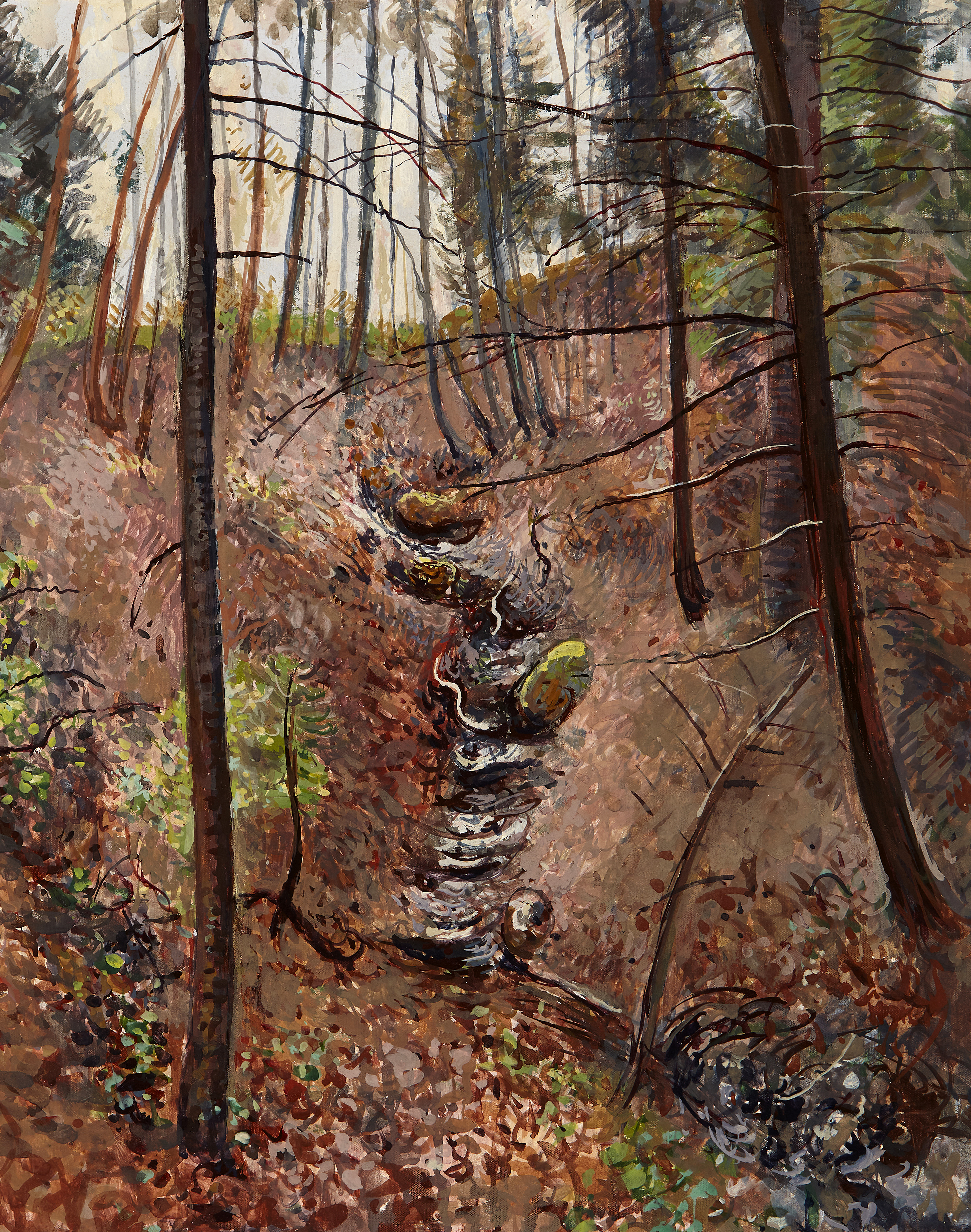
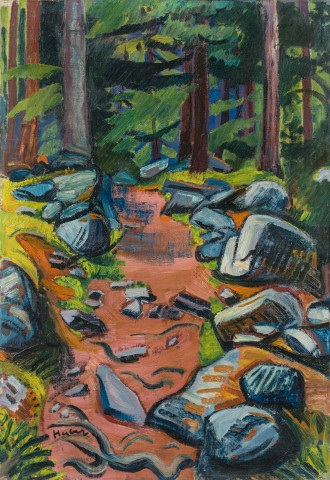
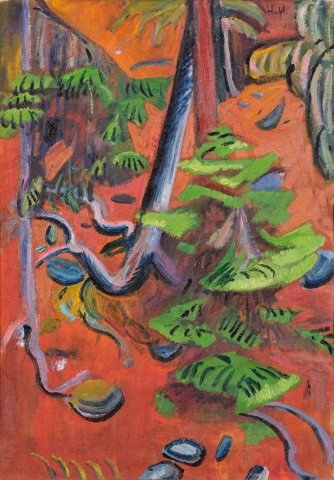
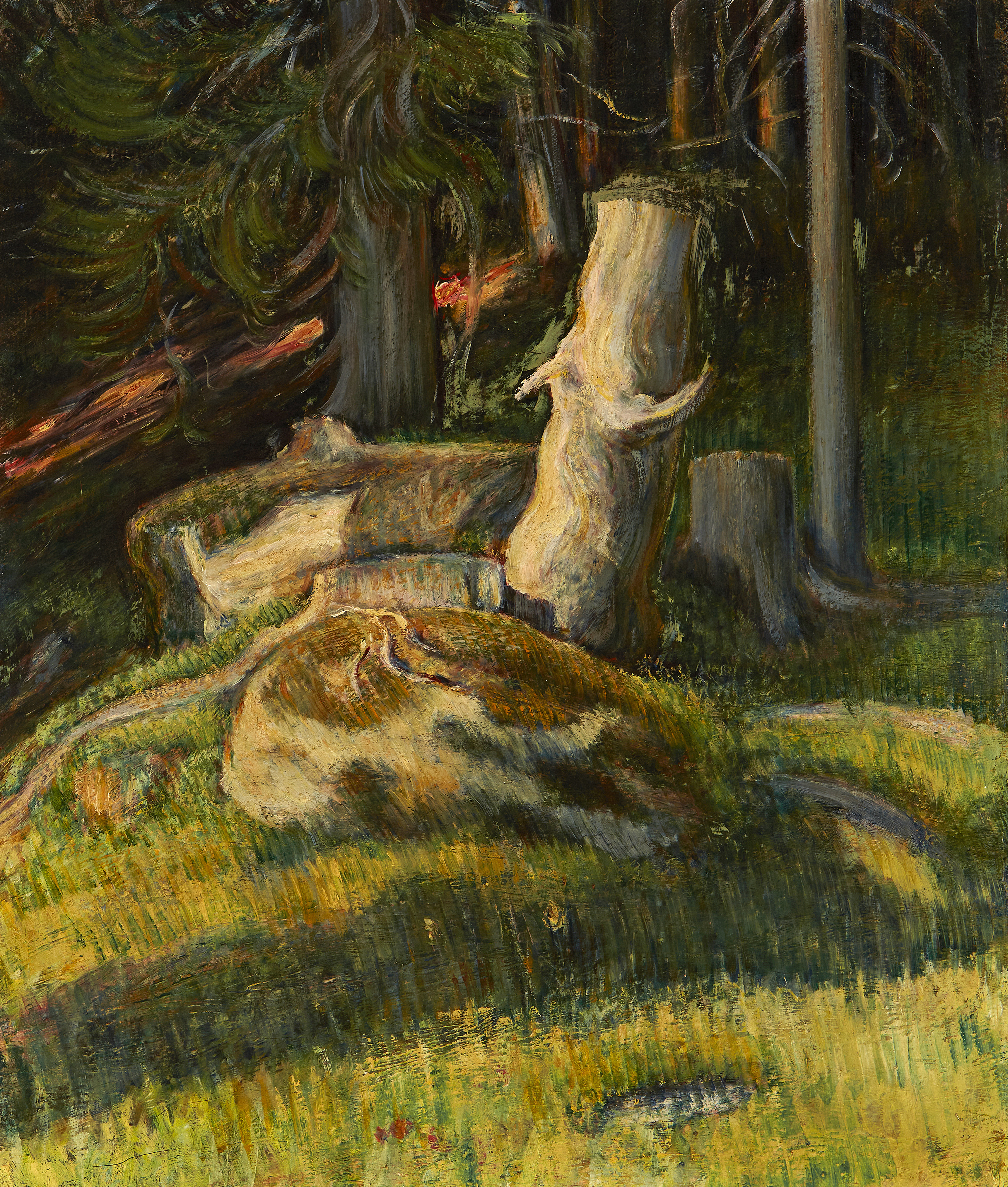
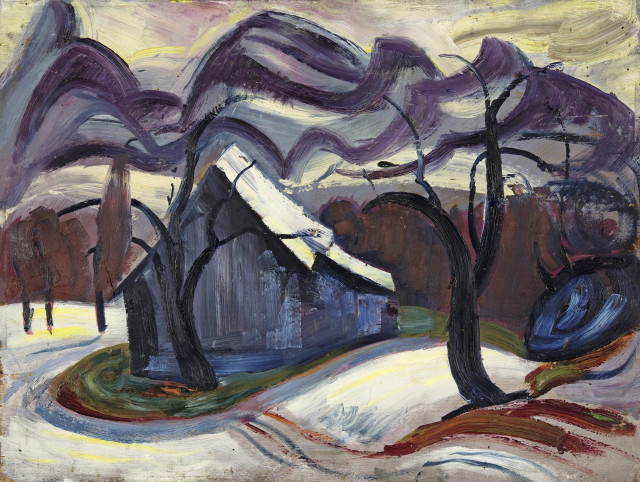
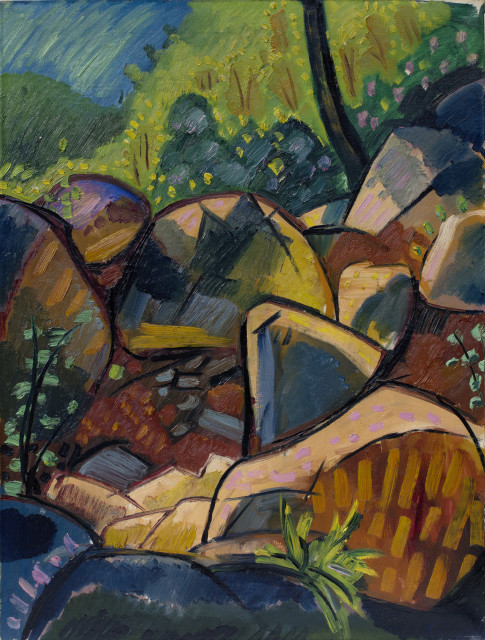
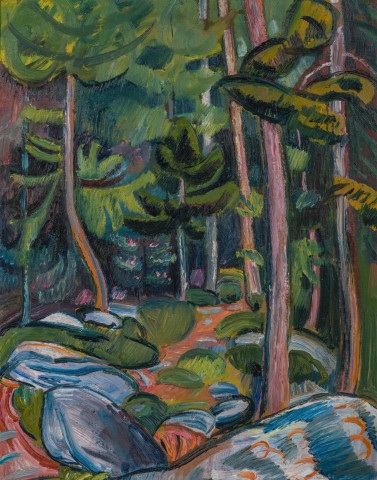
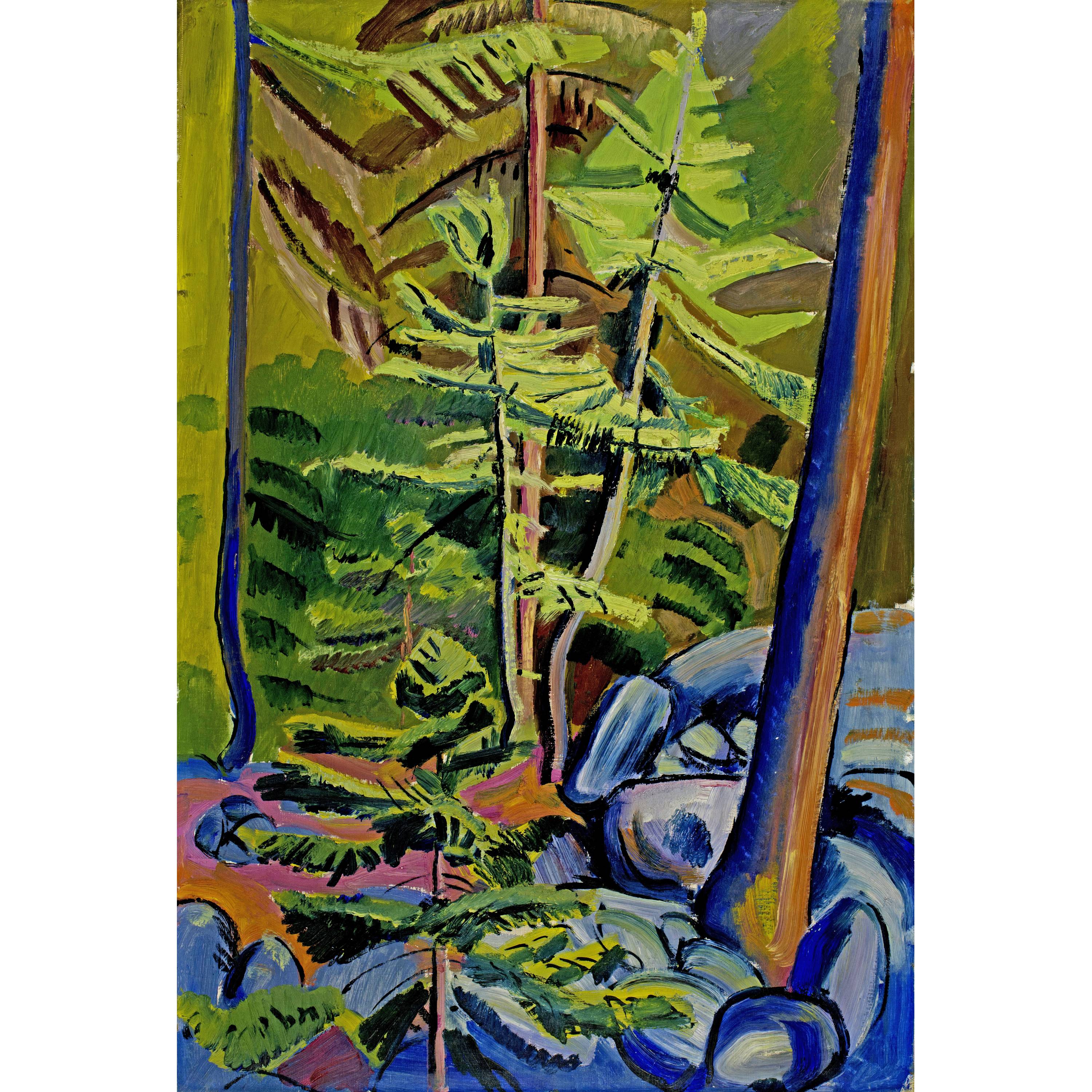
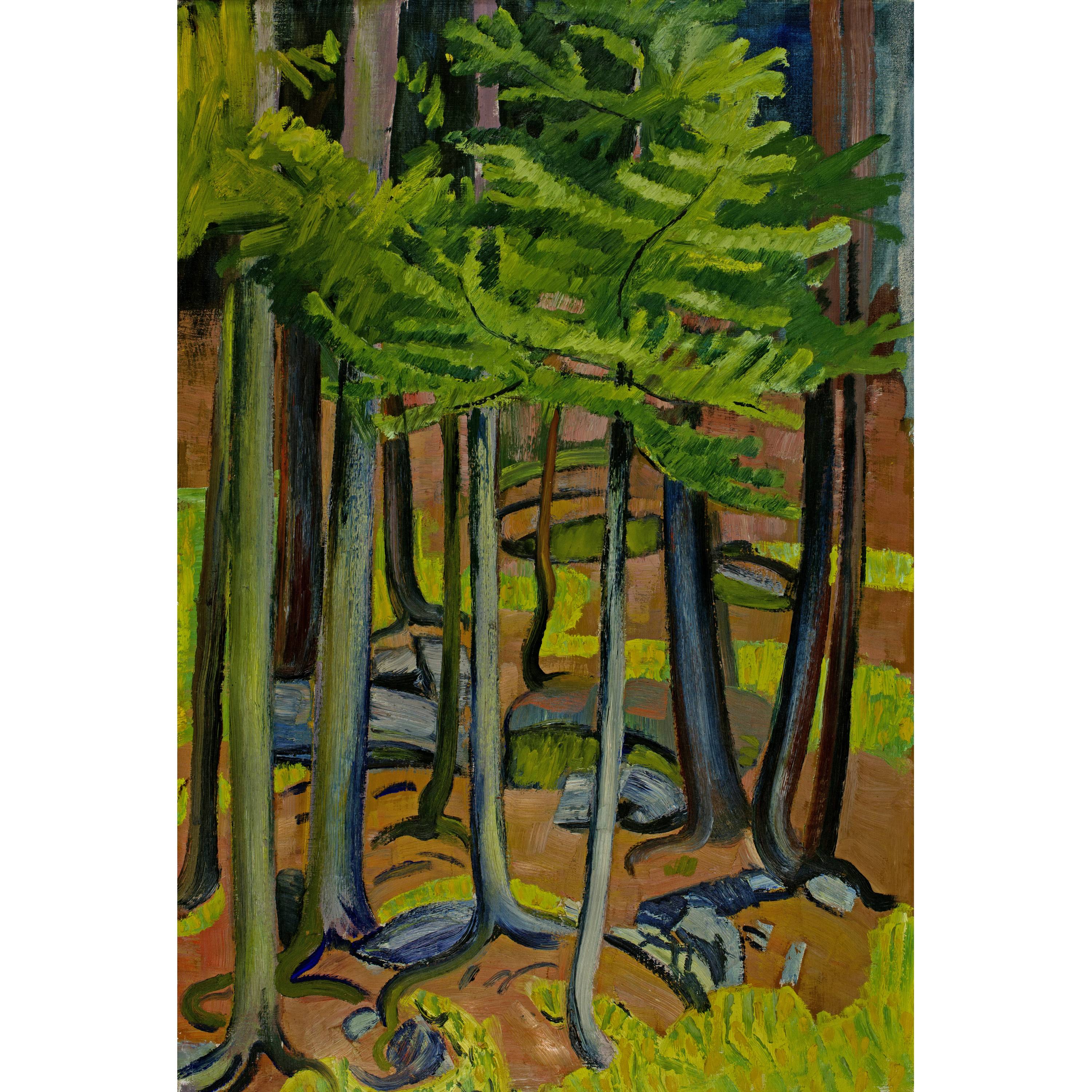
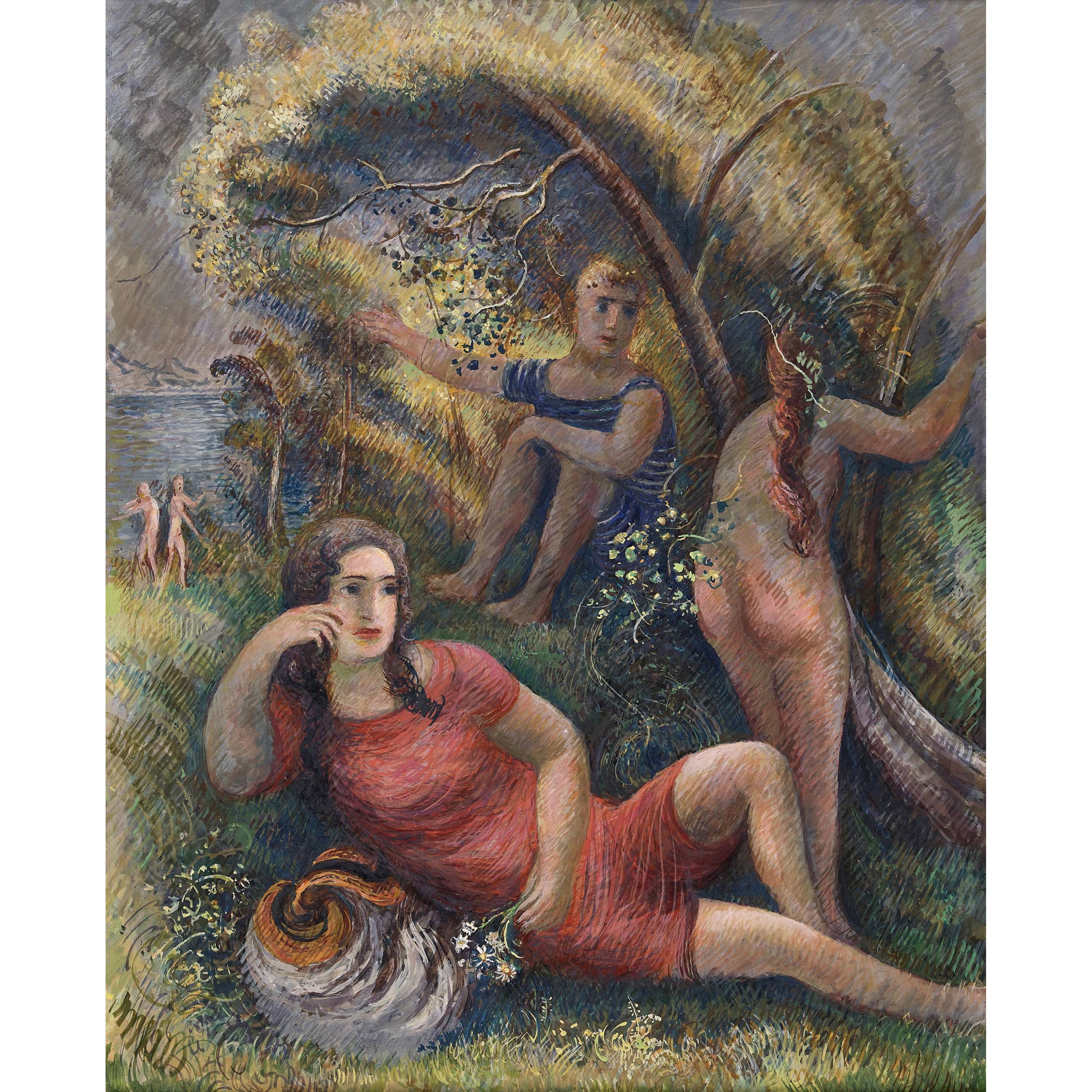
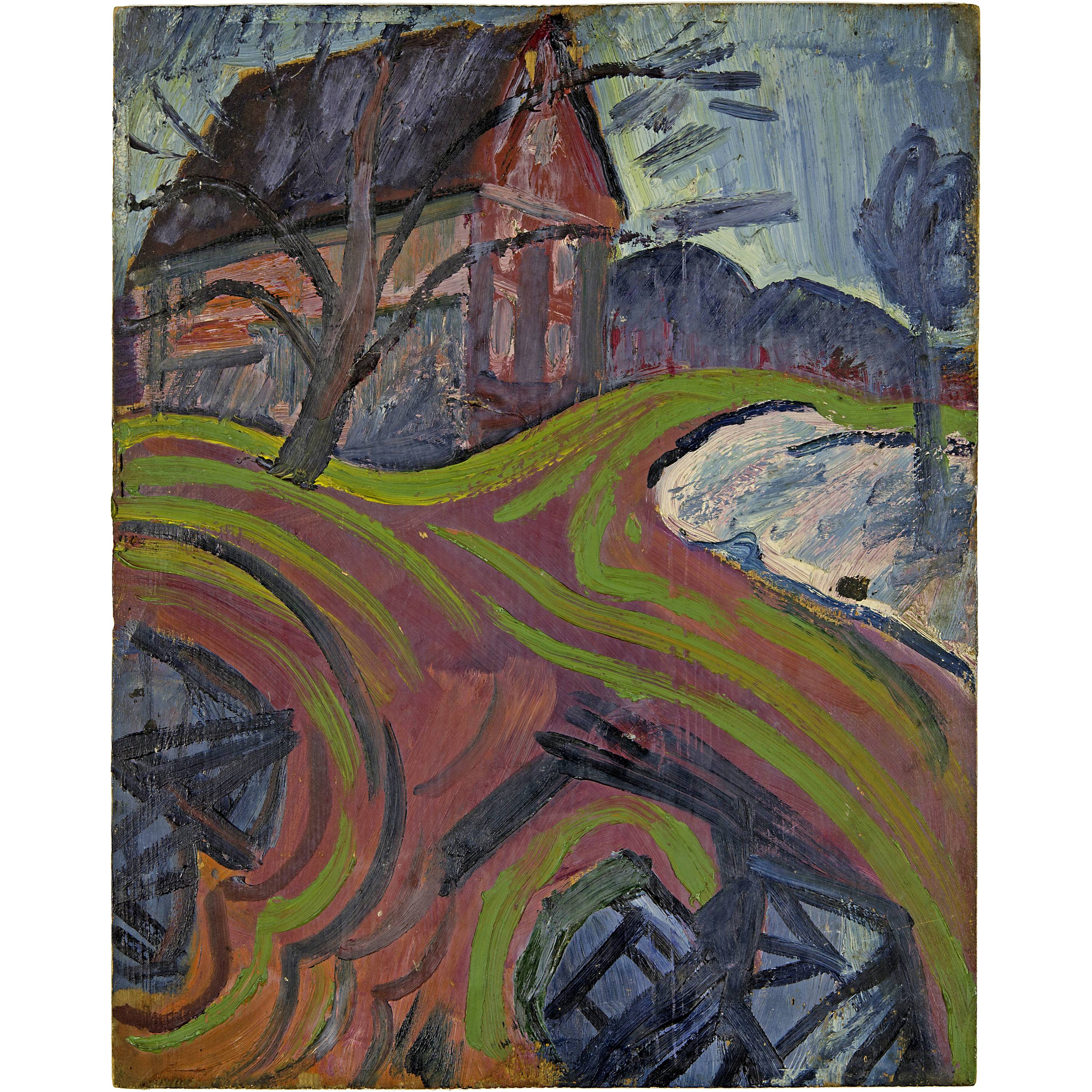
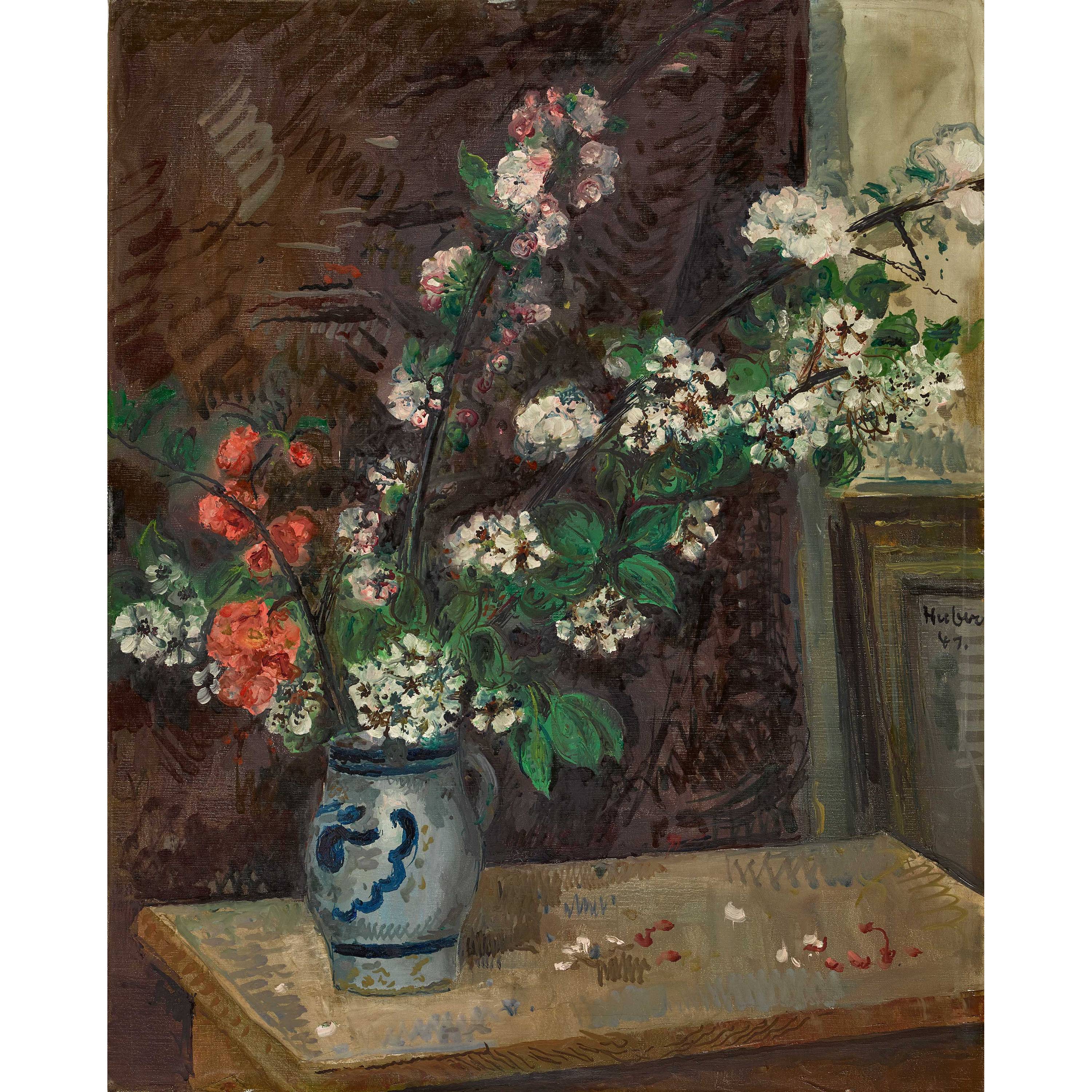
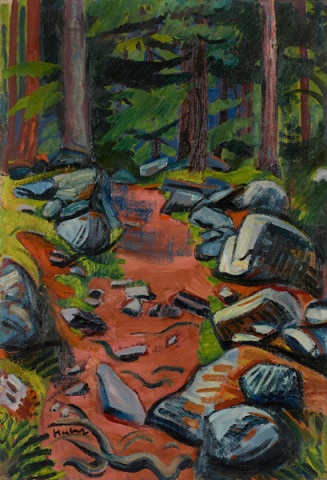
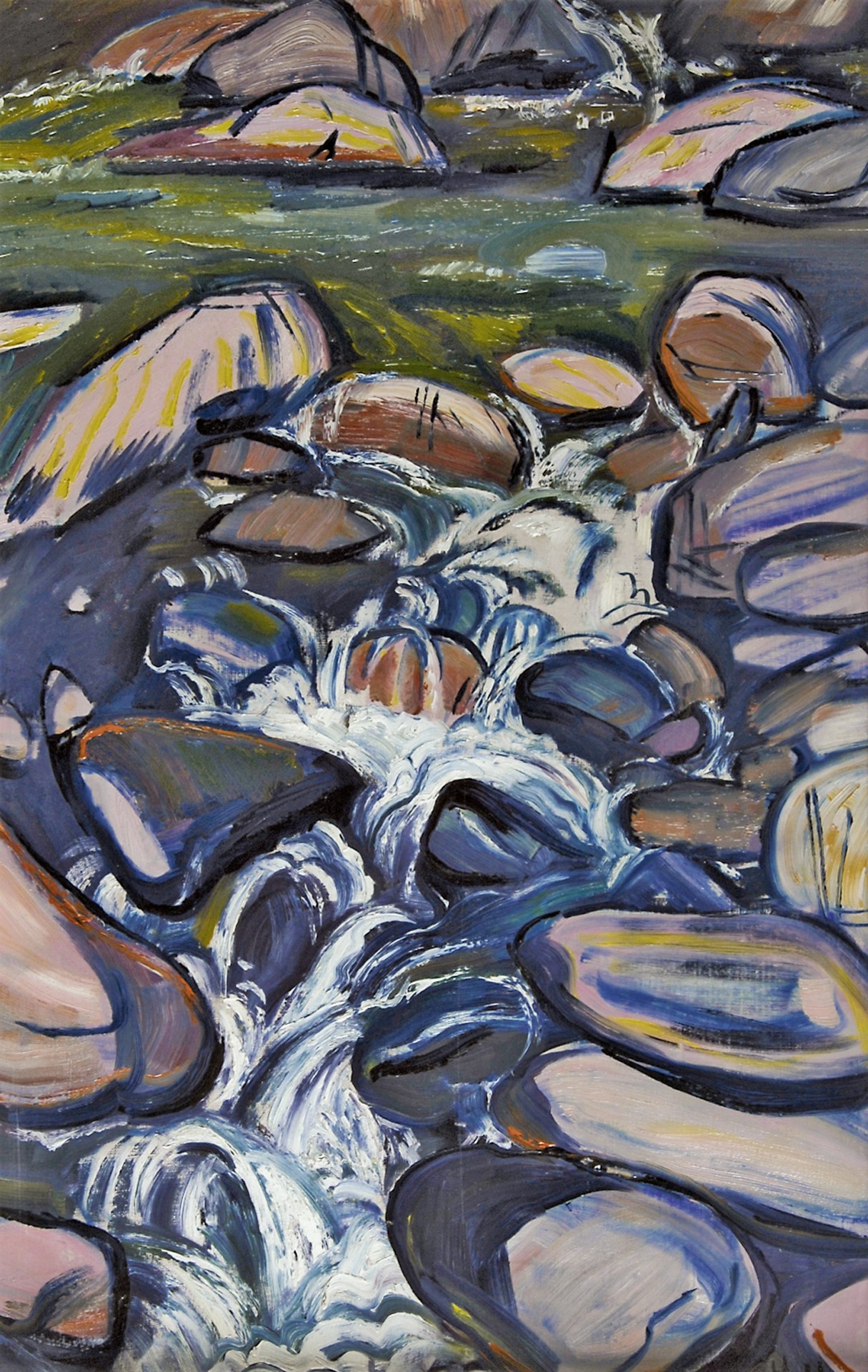
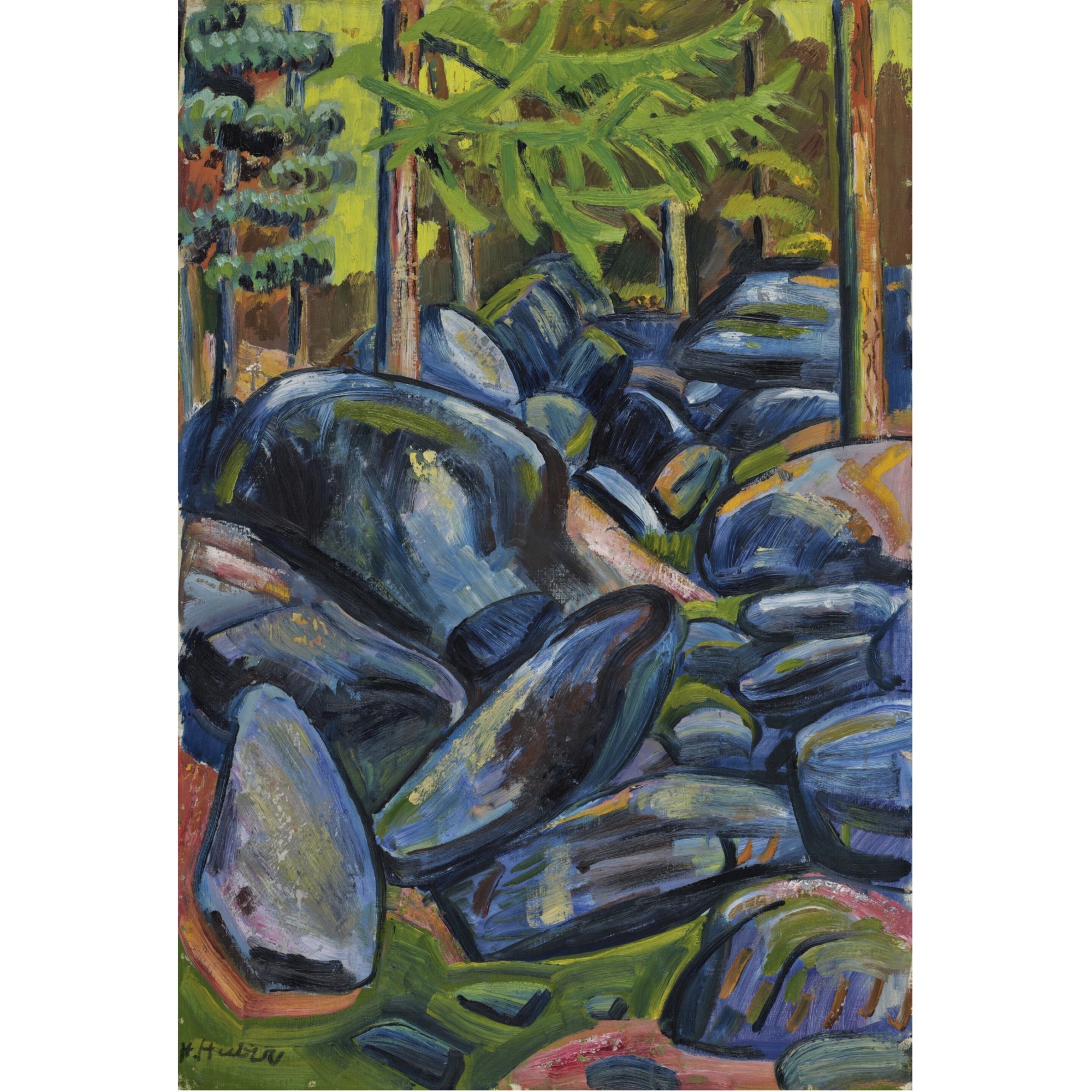
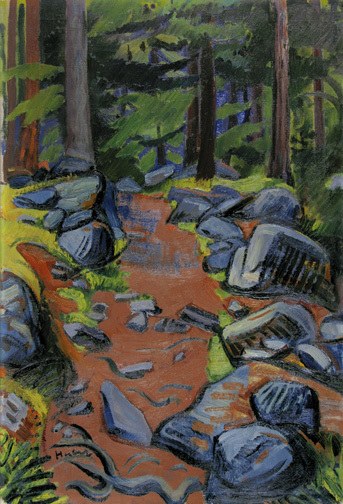
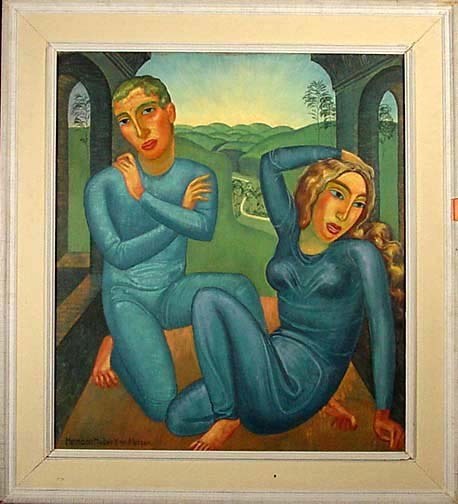
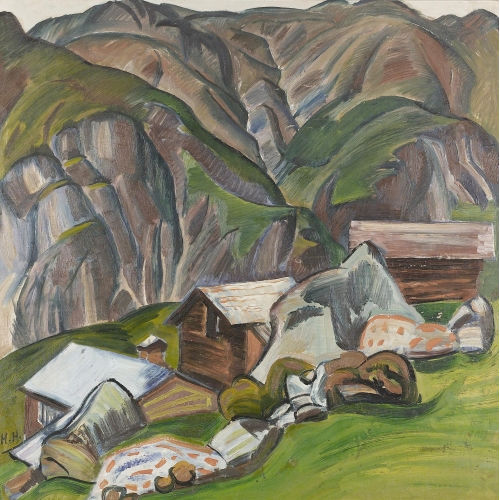
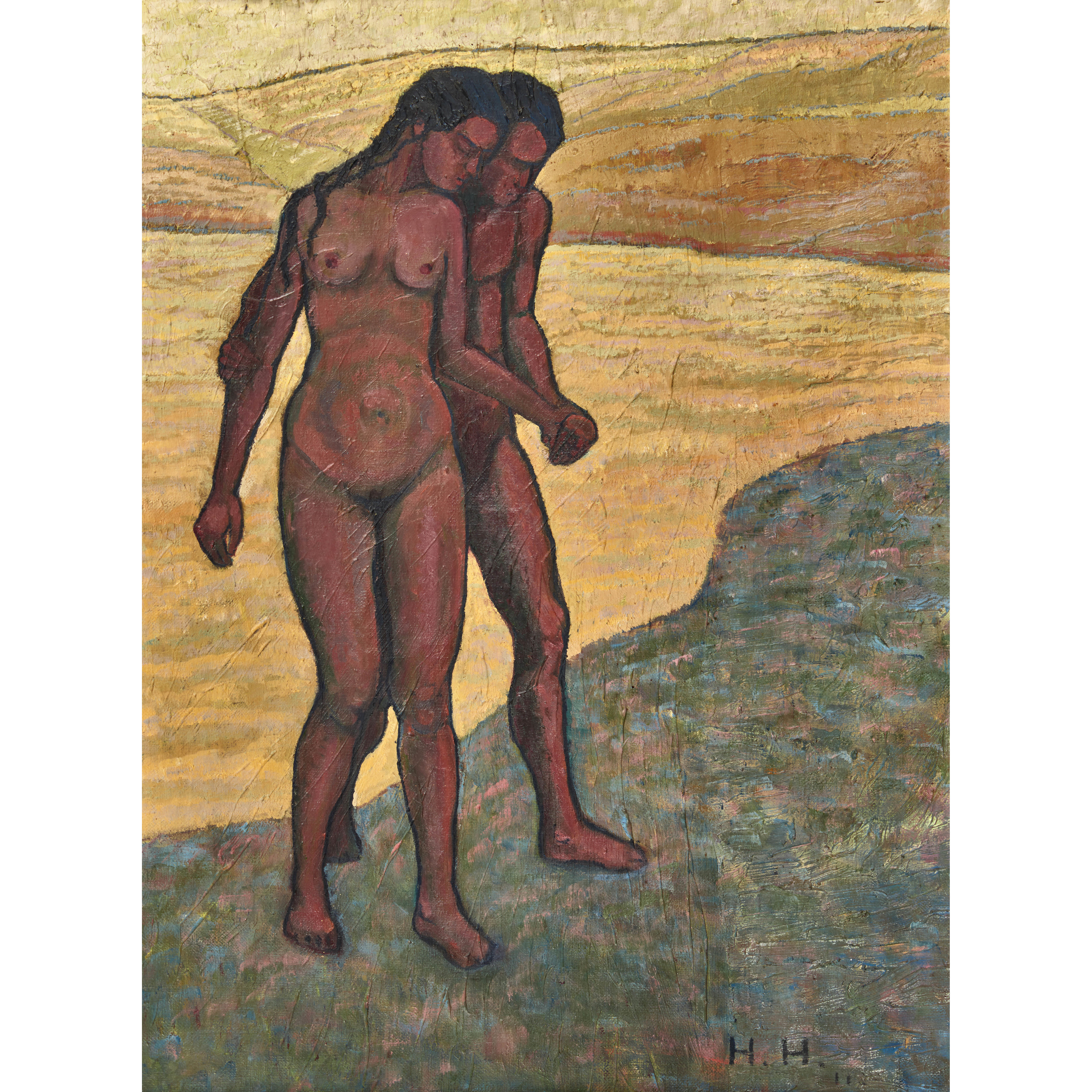
His compositions of the 1910s broke free from the mere imitation of nature. In Aufwärts, painted around 1912 and held by the Kunstmuseum Lucerne, a path rises among the trees and stones of a Valais landscape. The tight framing, the verticality of the path and the contrasts of blue and red lend the forms of the ground an almost organic energy.
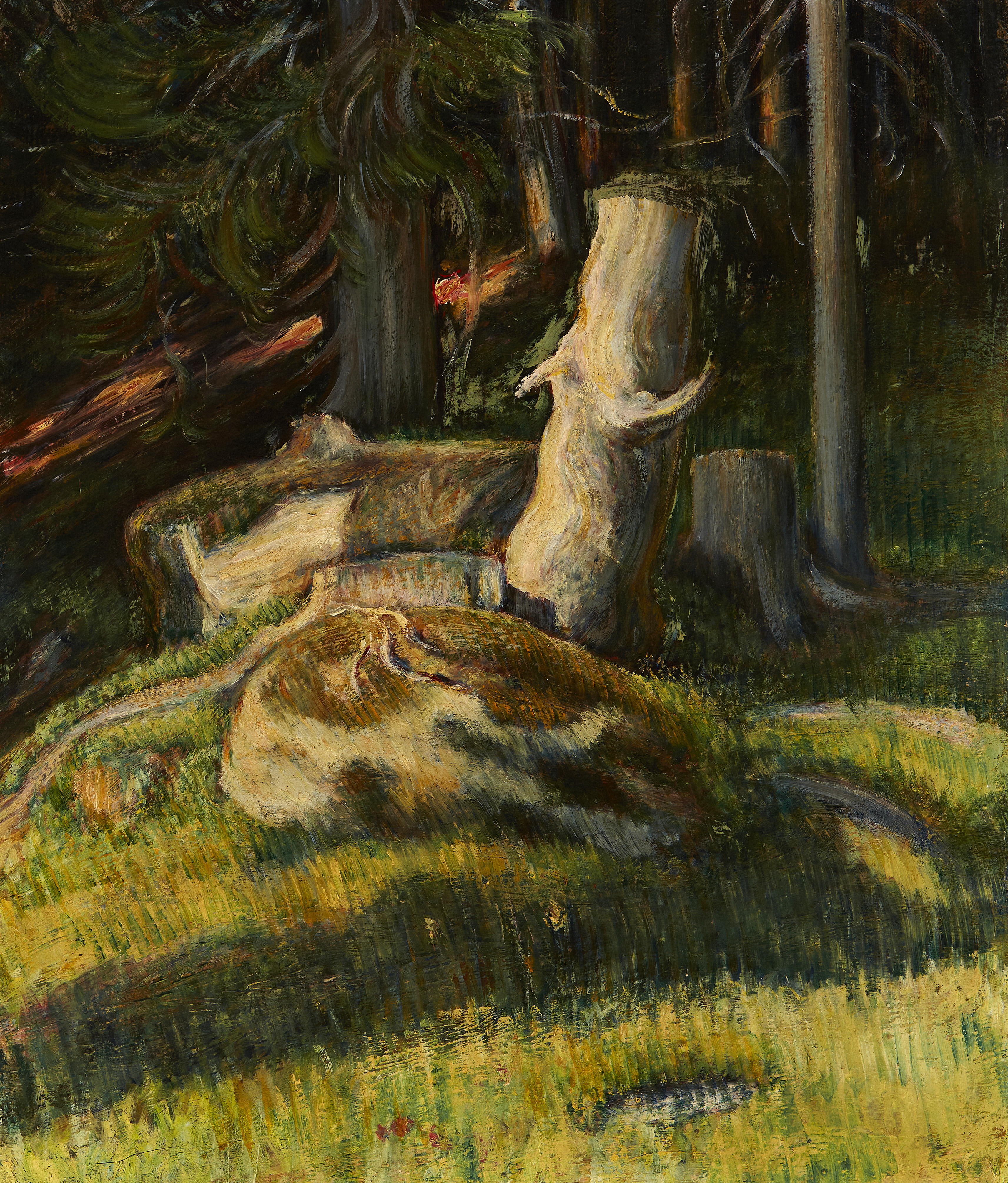
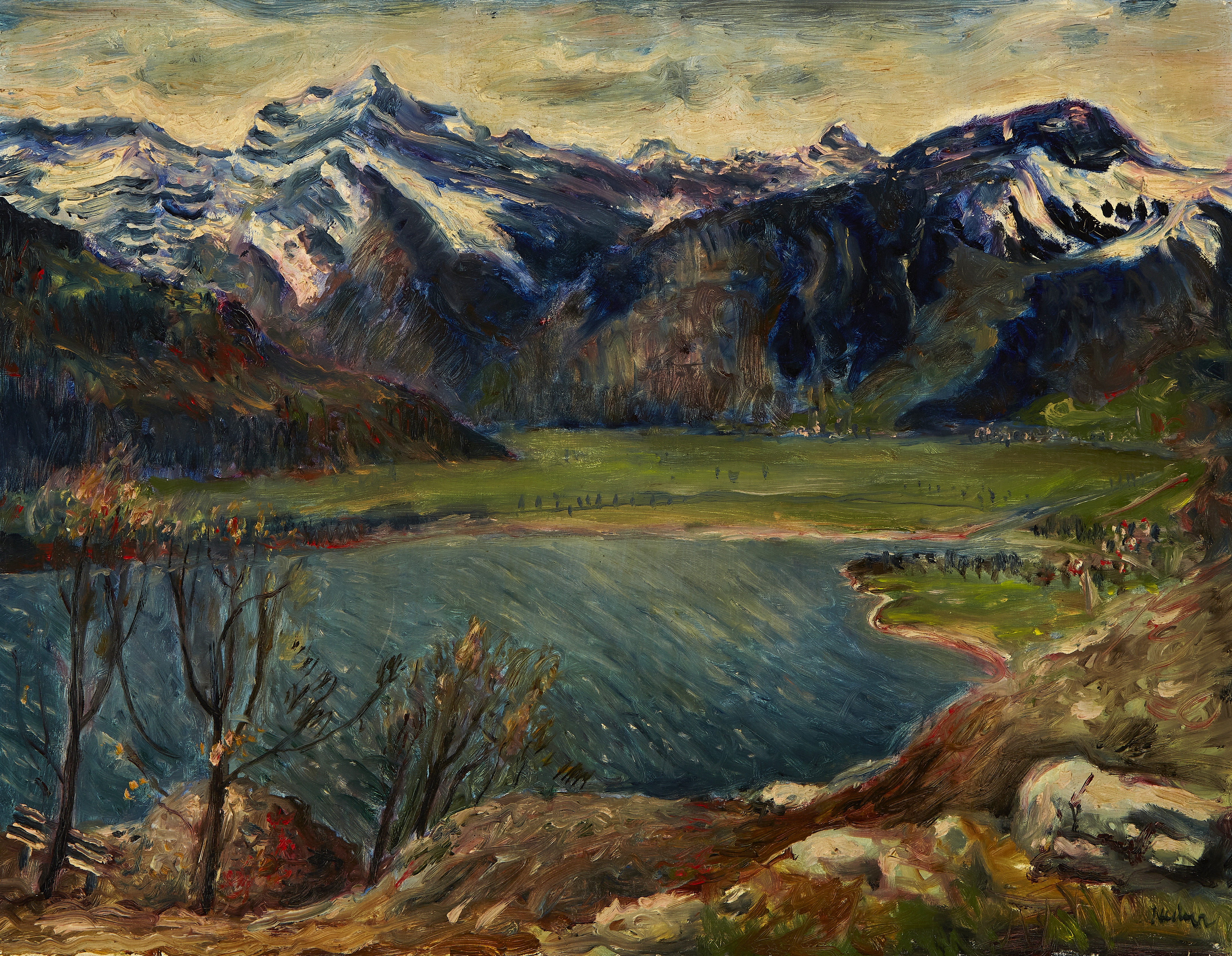
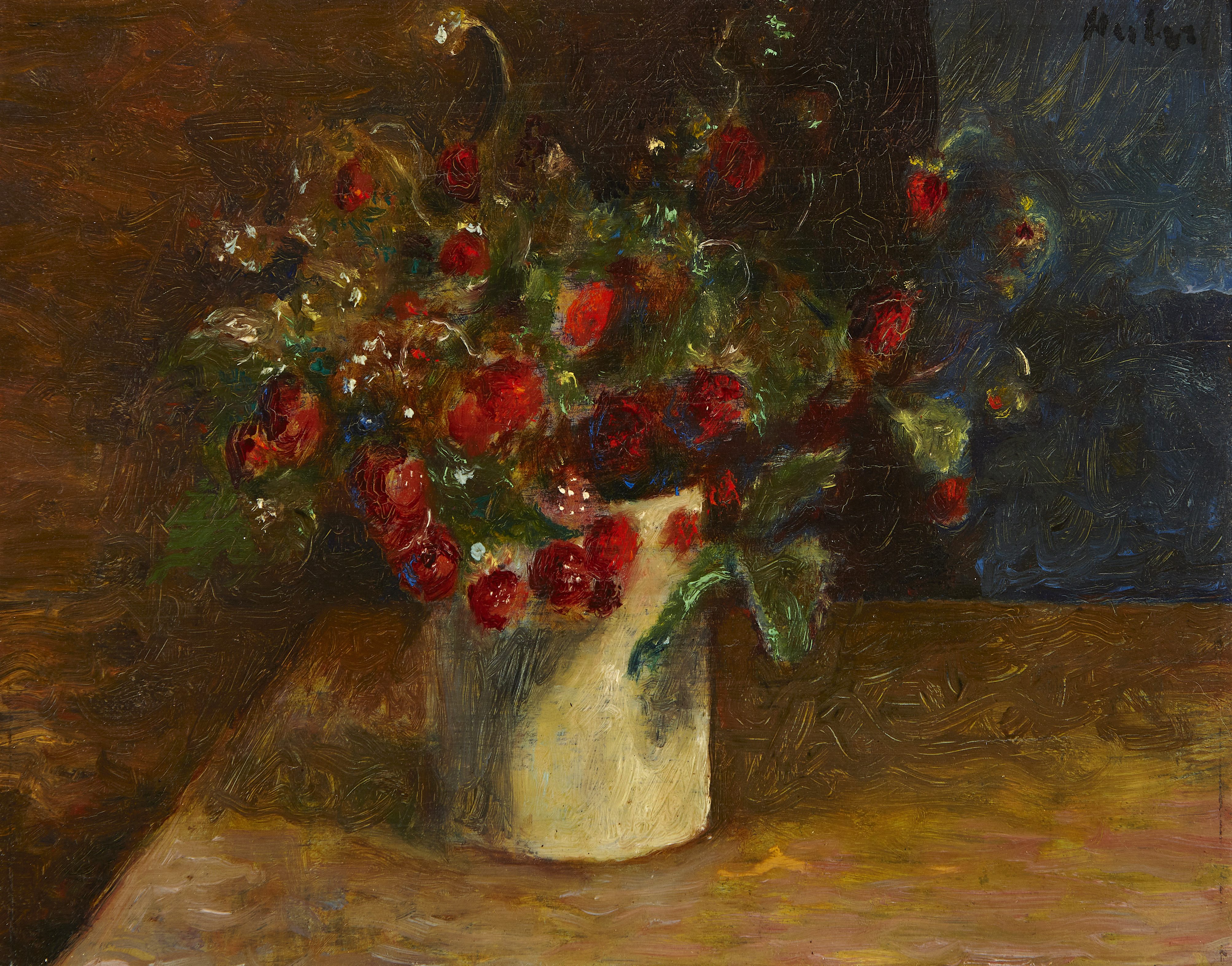
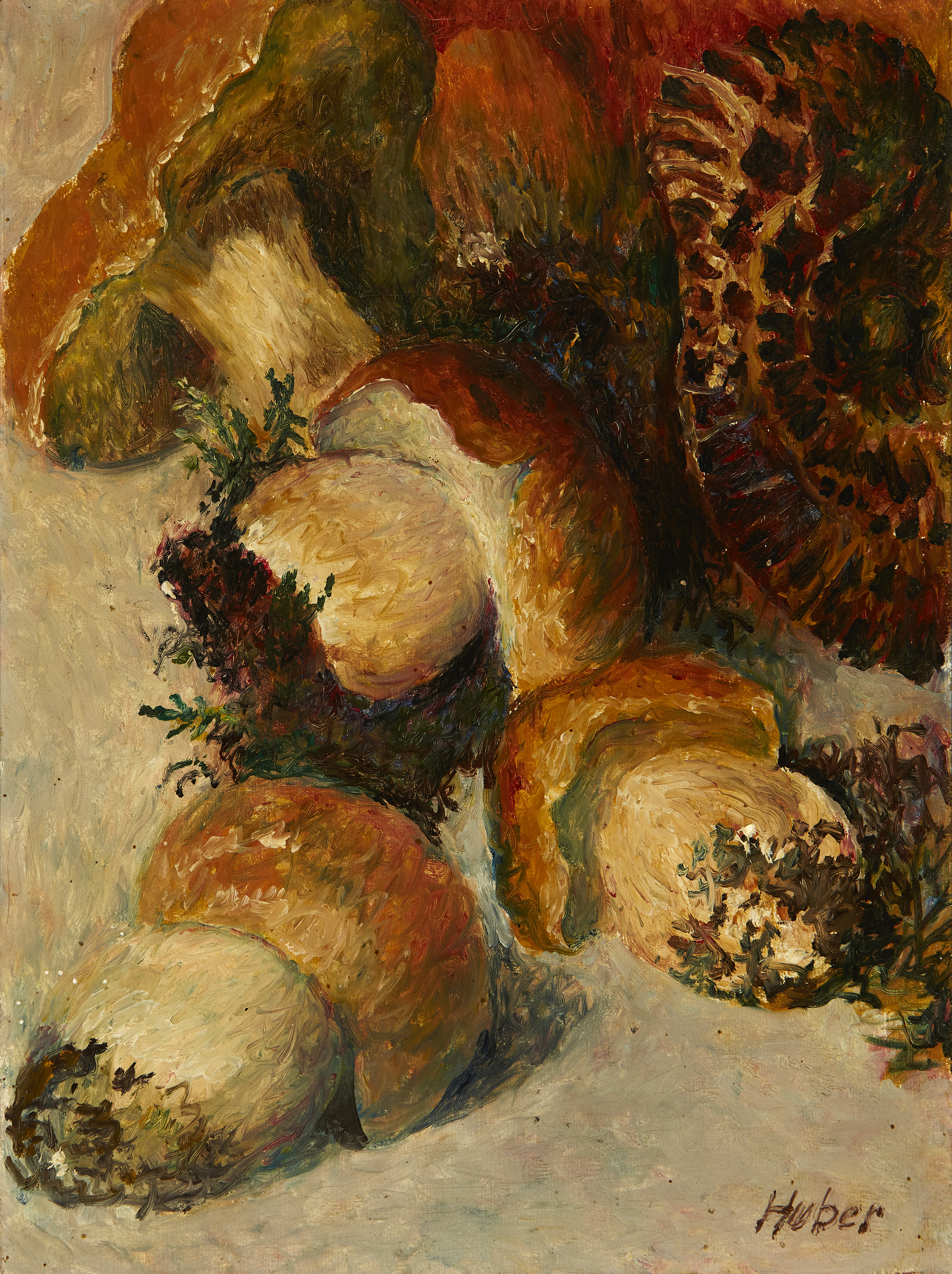
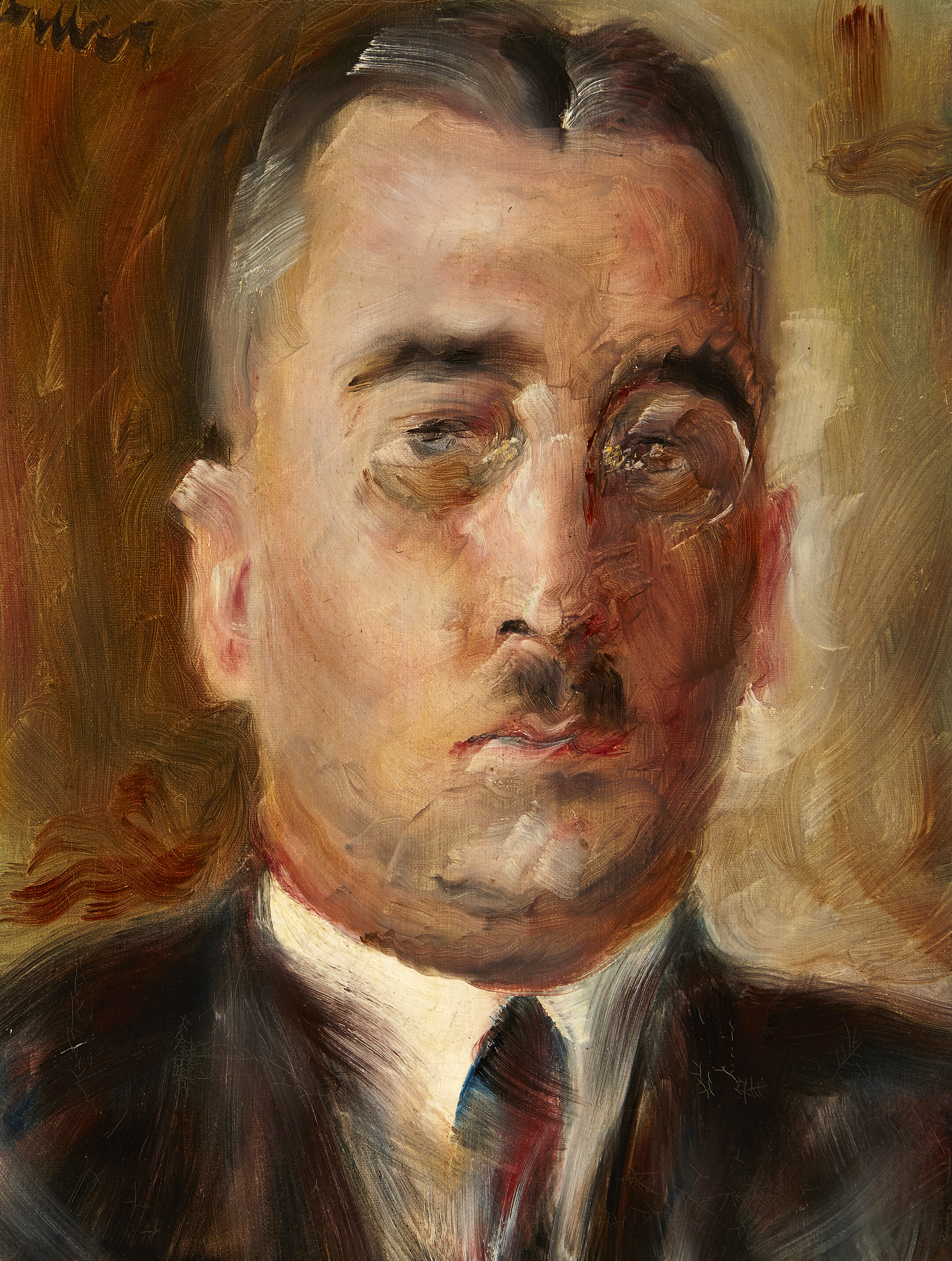
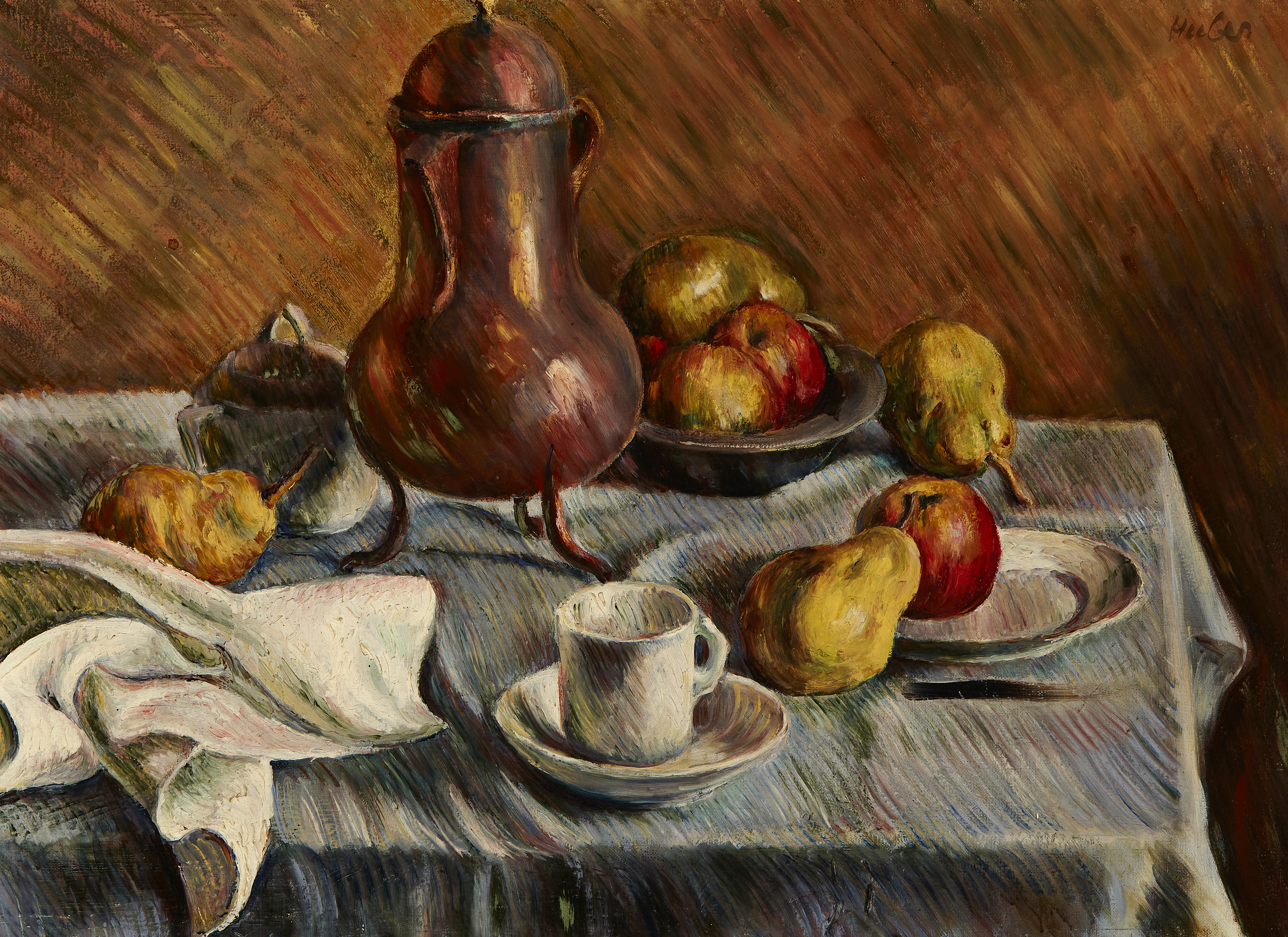
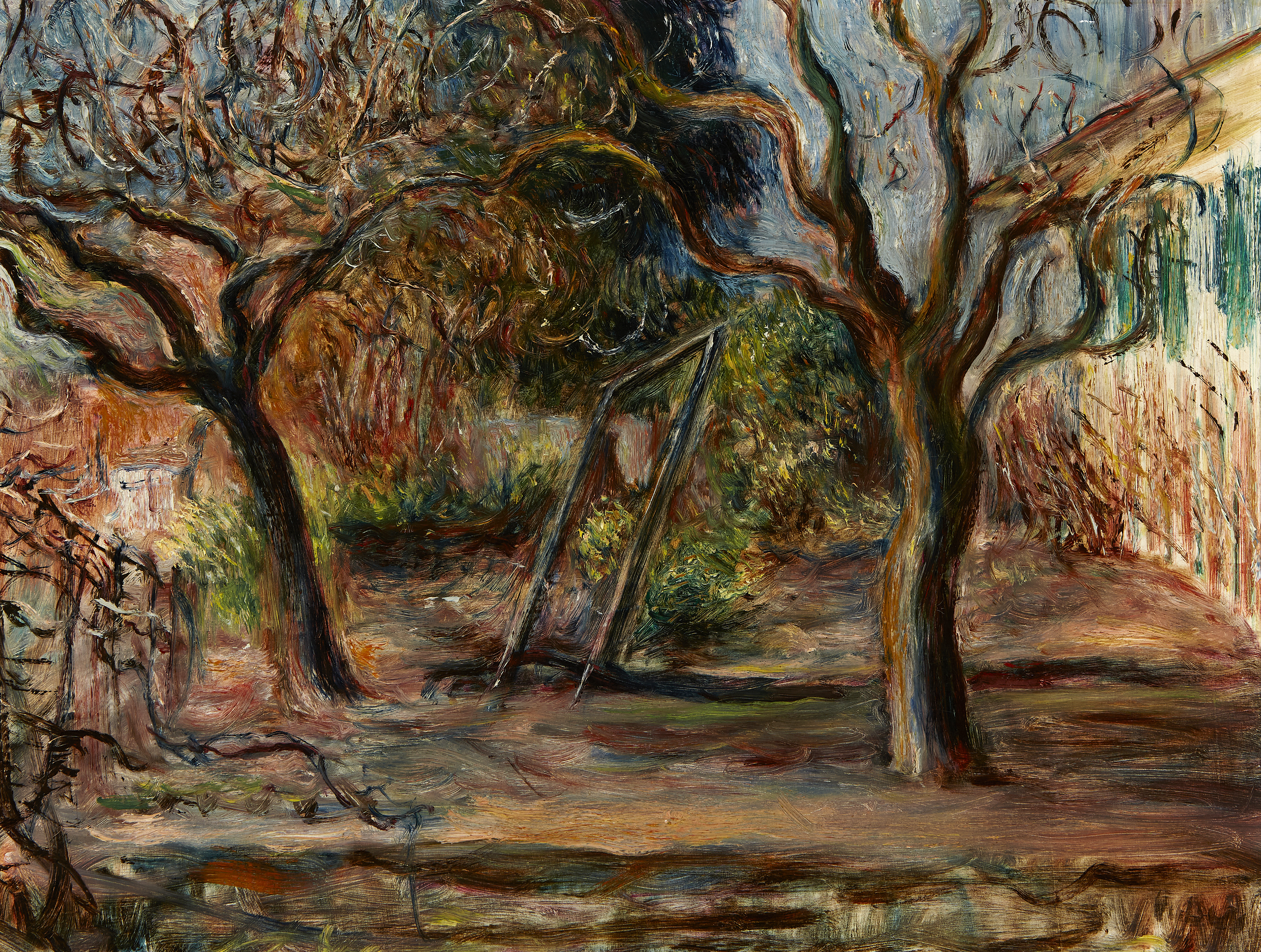
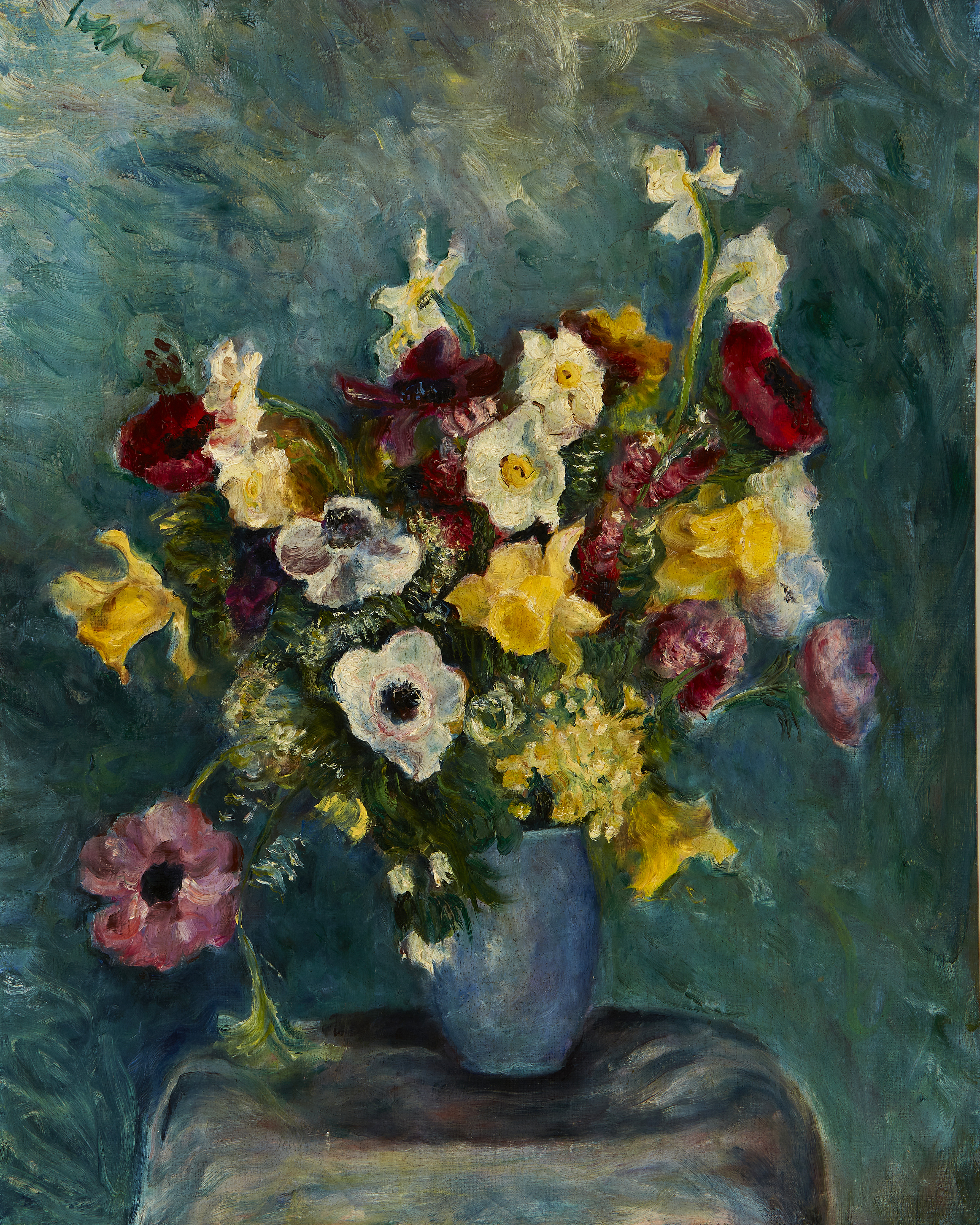
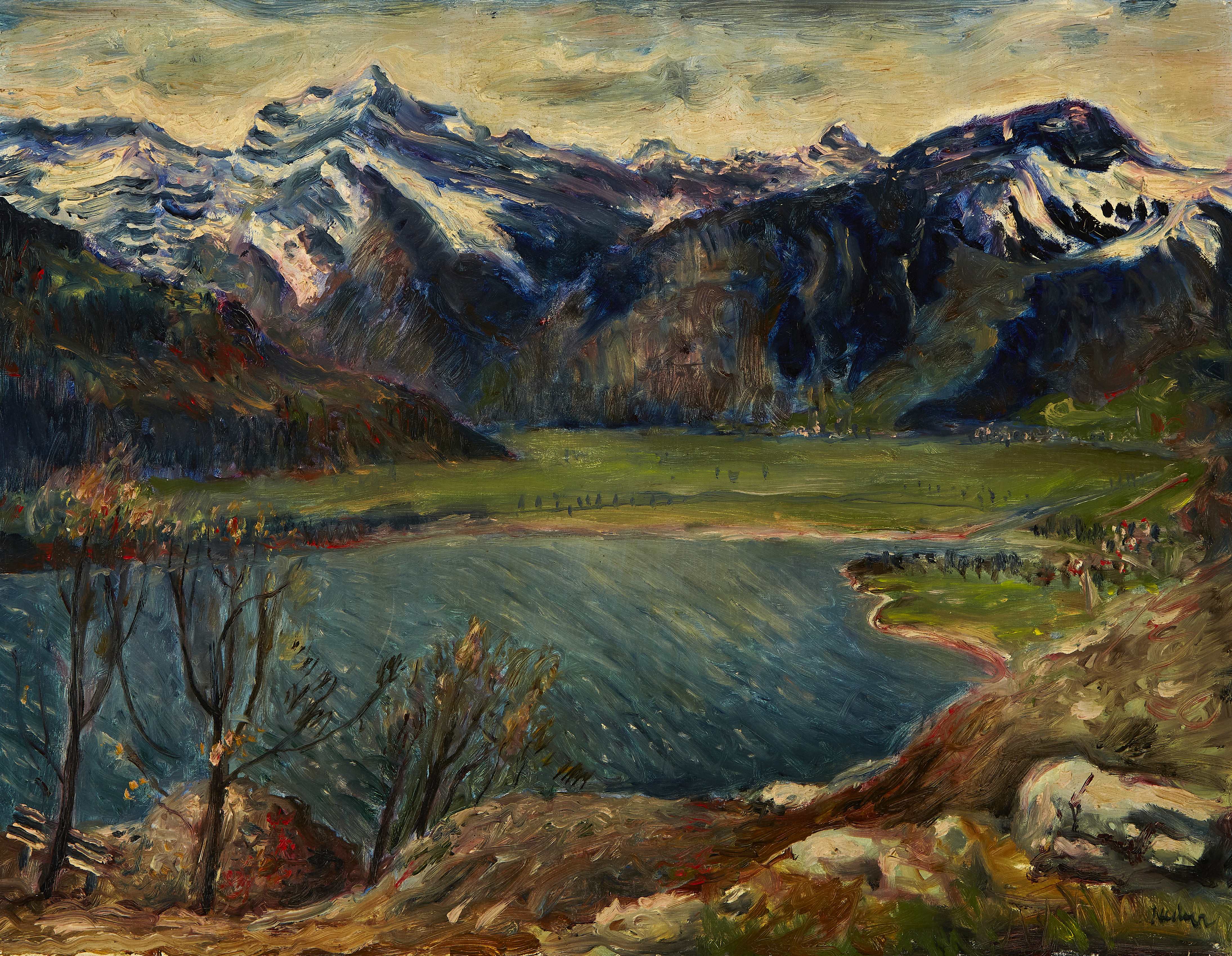
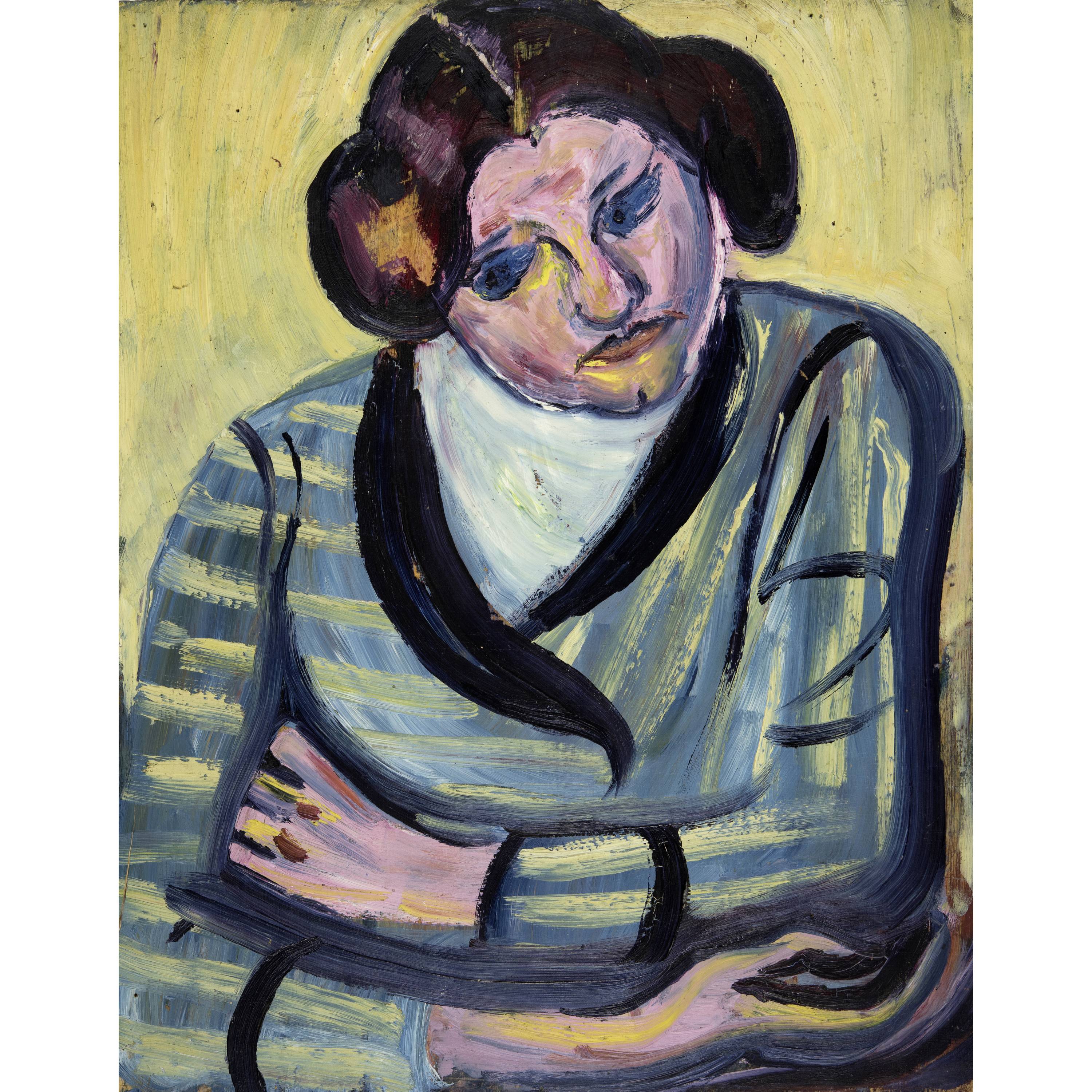
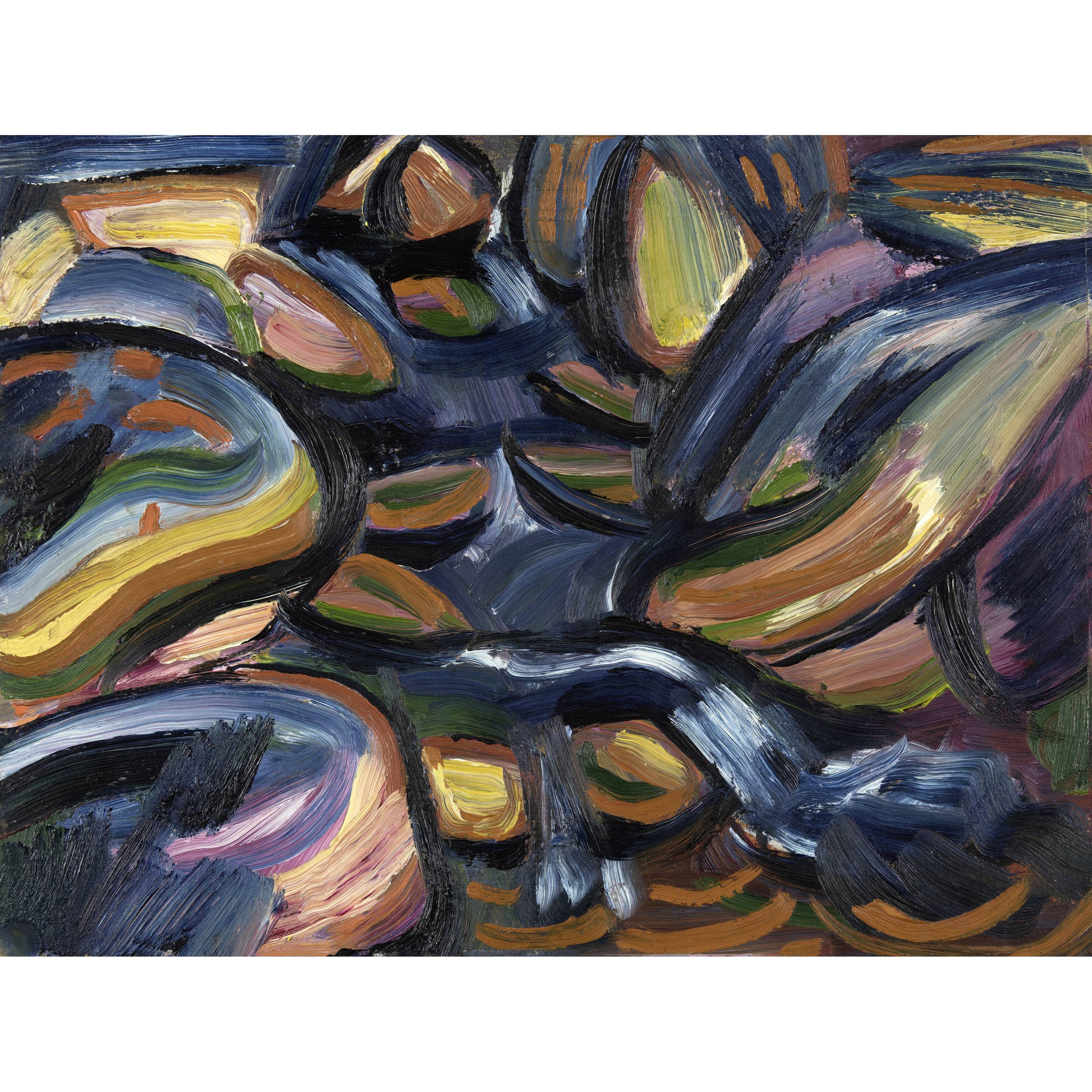
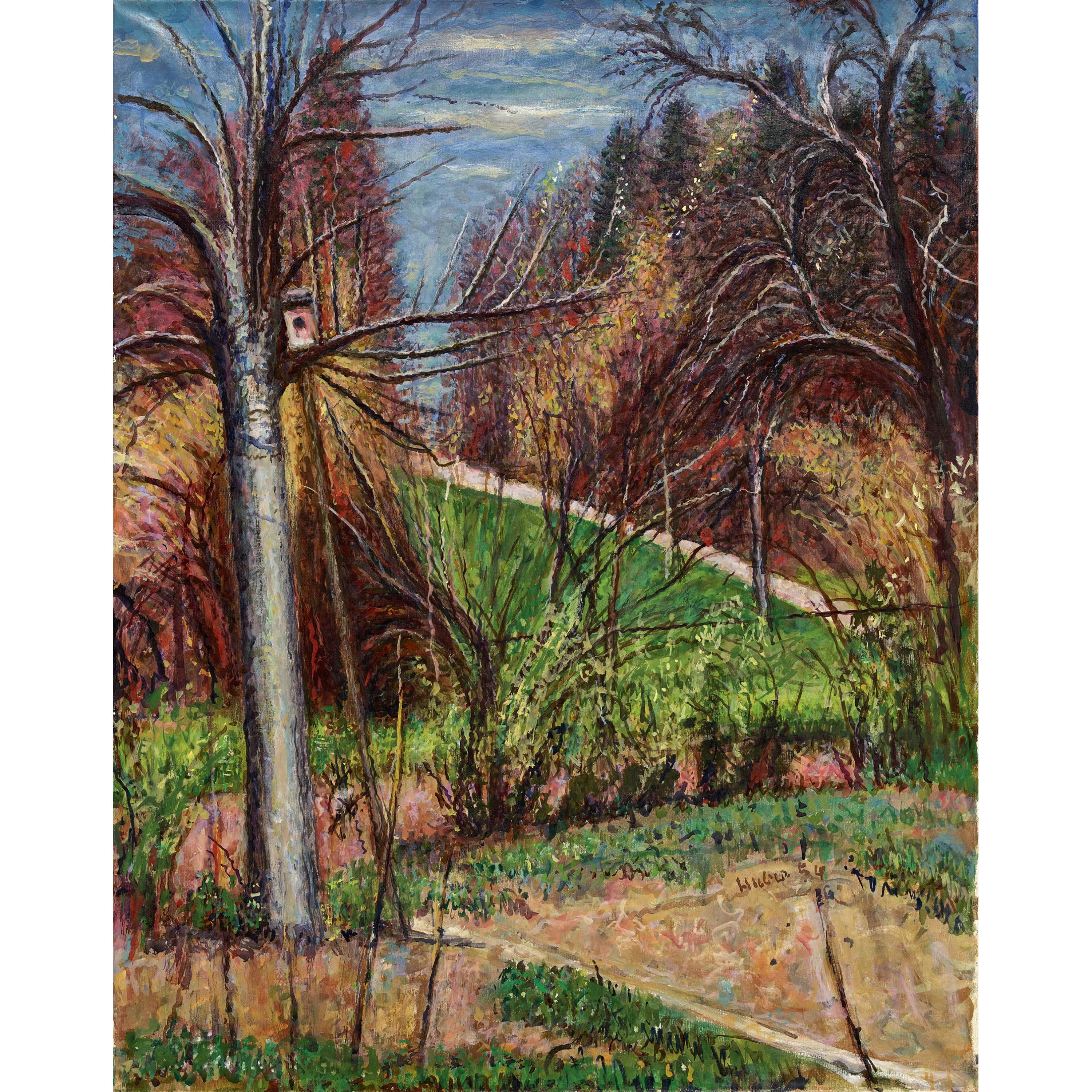
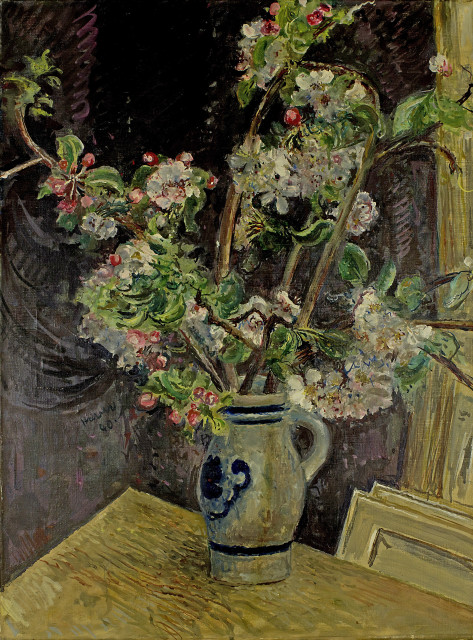
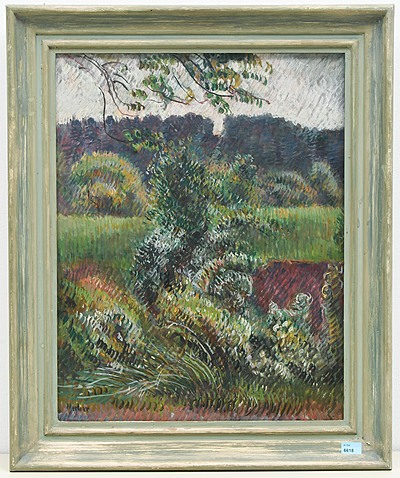
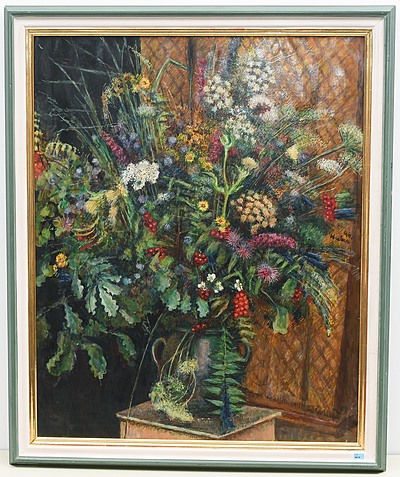
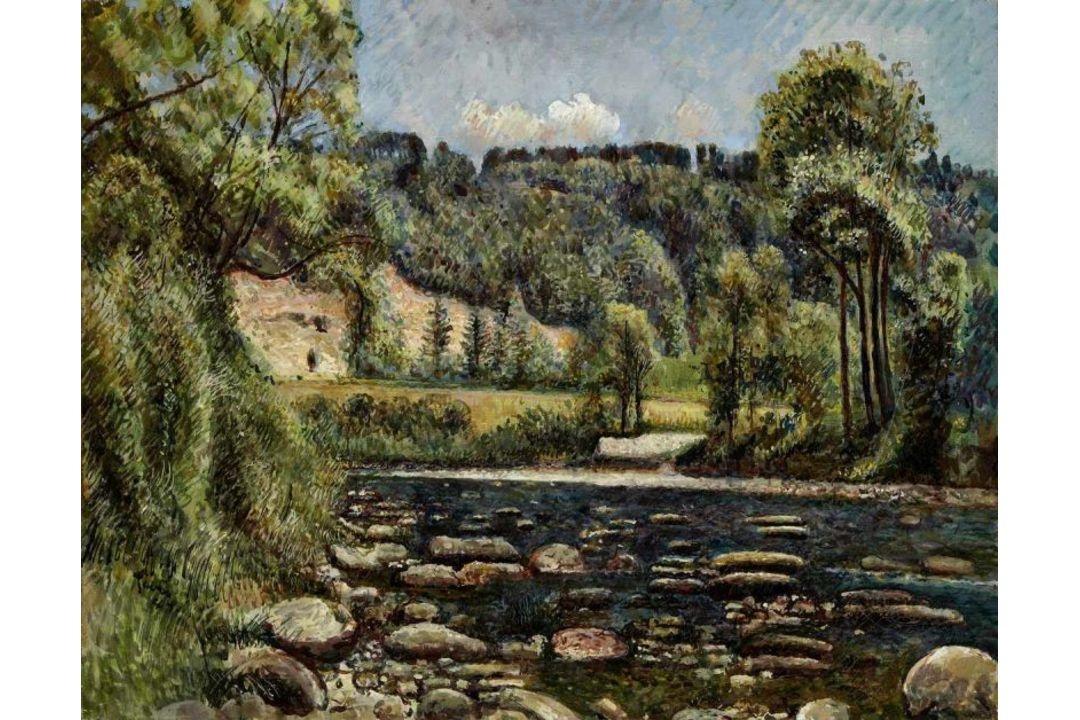
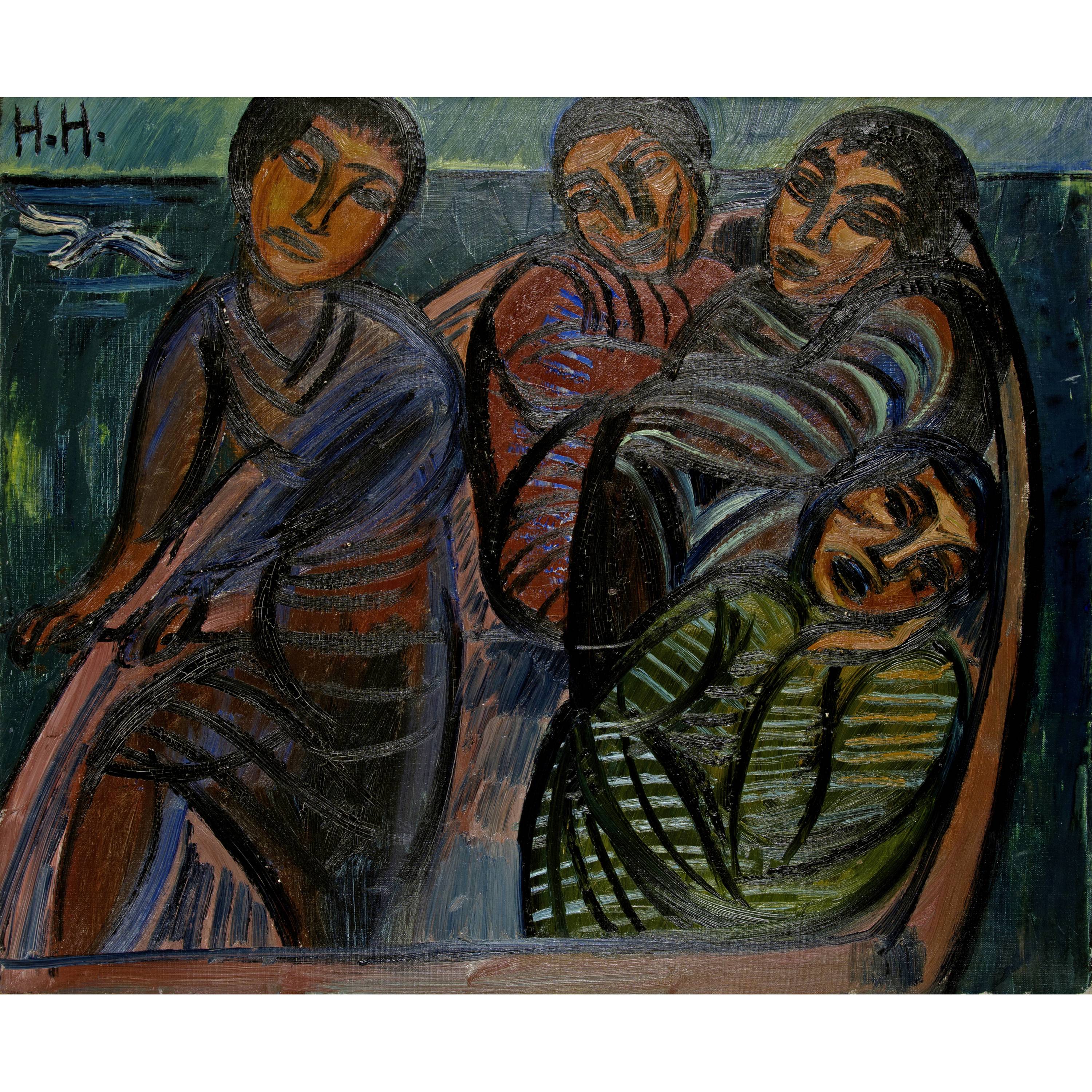
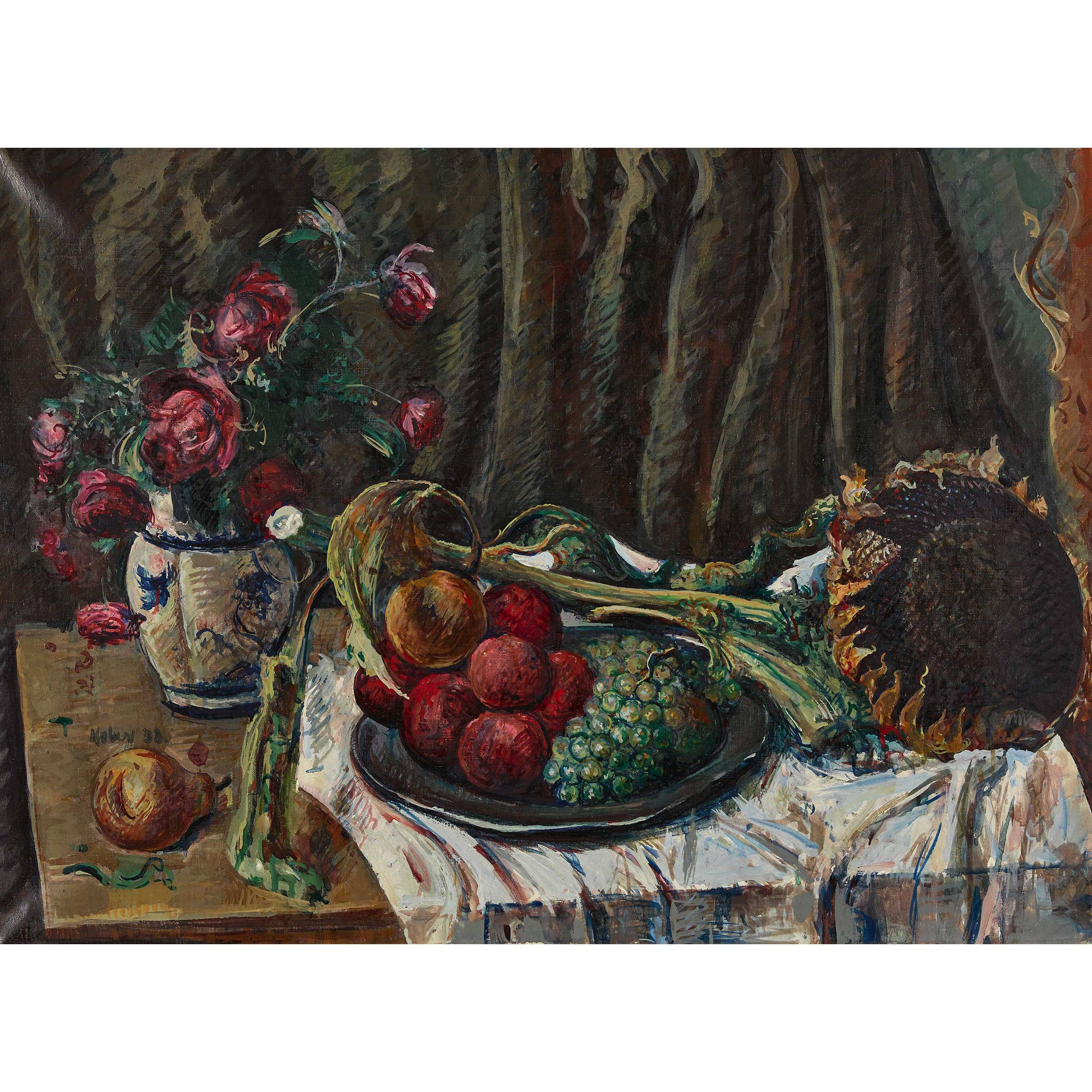
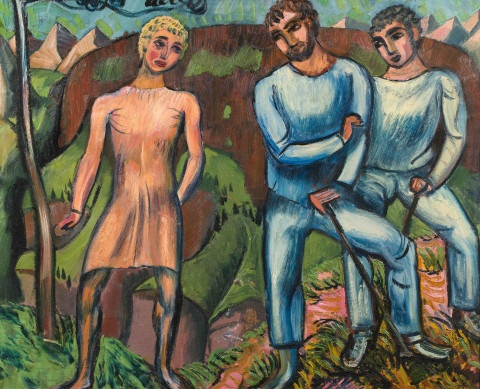
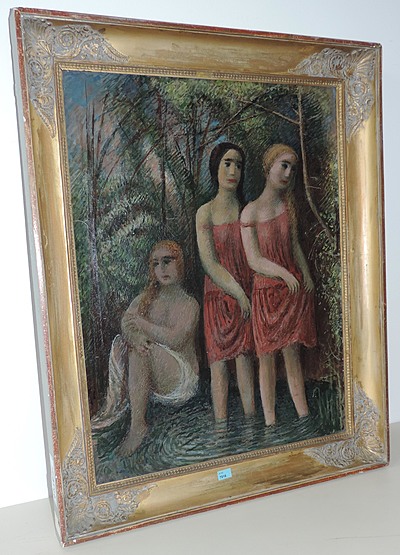
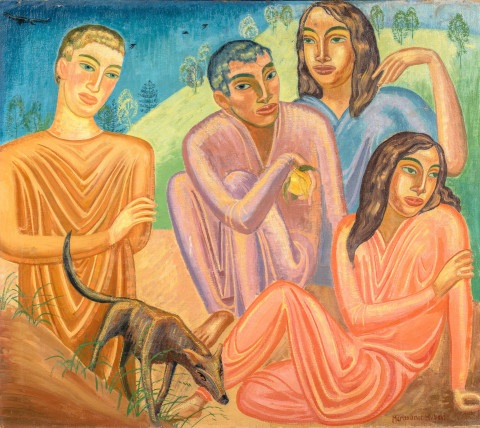
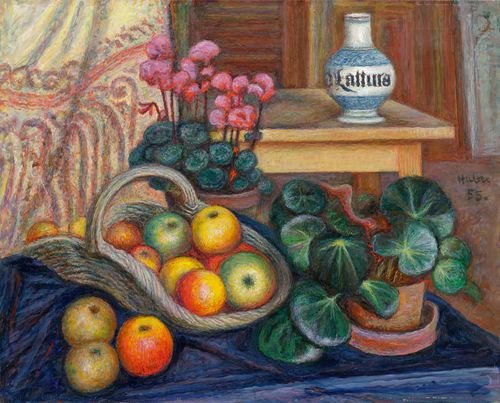
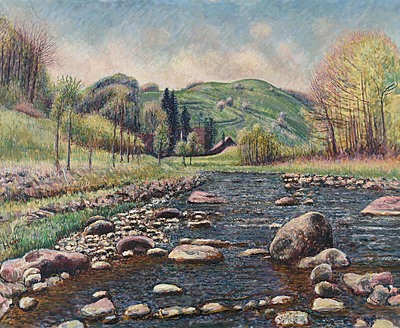
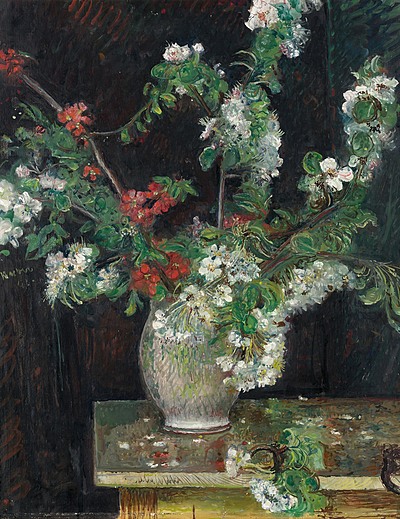
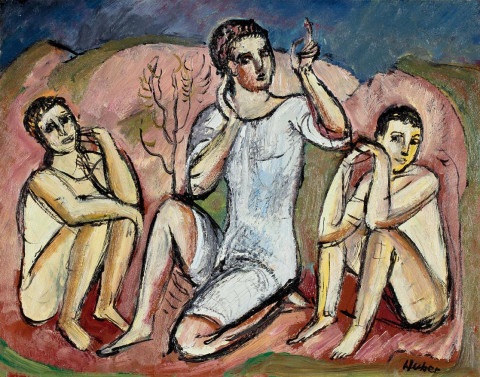
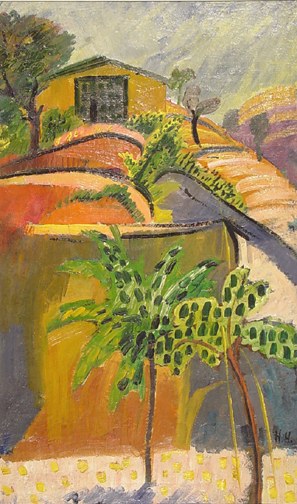
Huber gathers the volumes into broad areas of colour and leaves the movement of the brush visible. The experiences of Fauvism and German Expressionism illuminate this intensity without reducing the painting to a school. The place remains recognisable; colour and composition transform the experience of it.
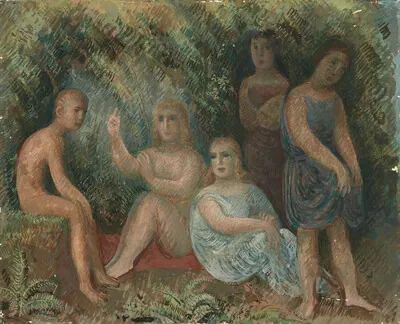
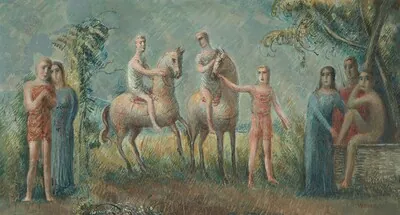
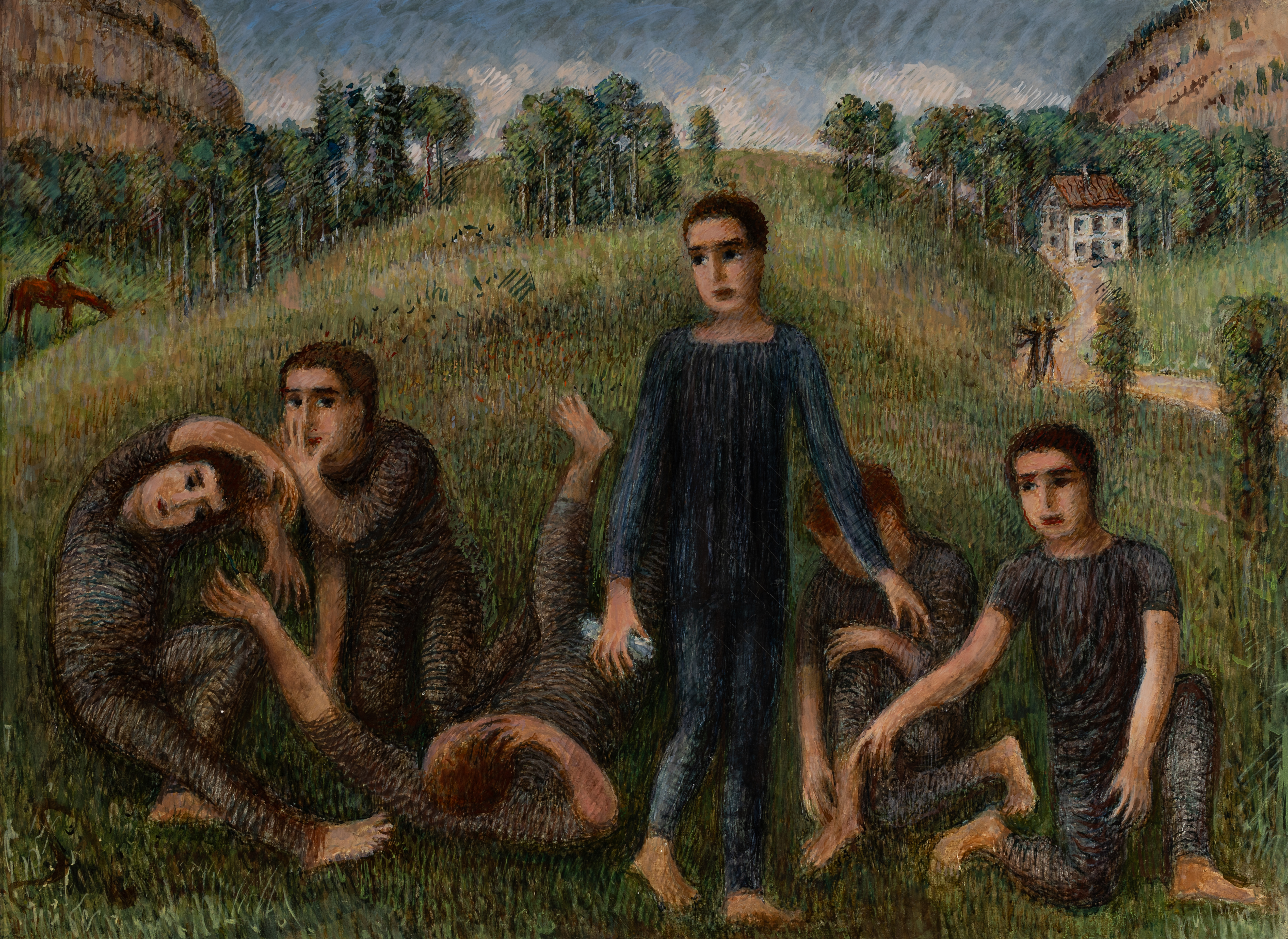
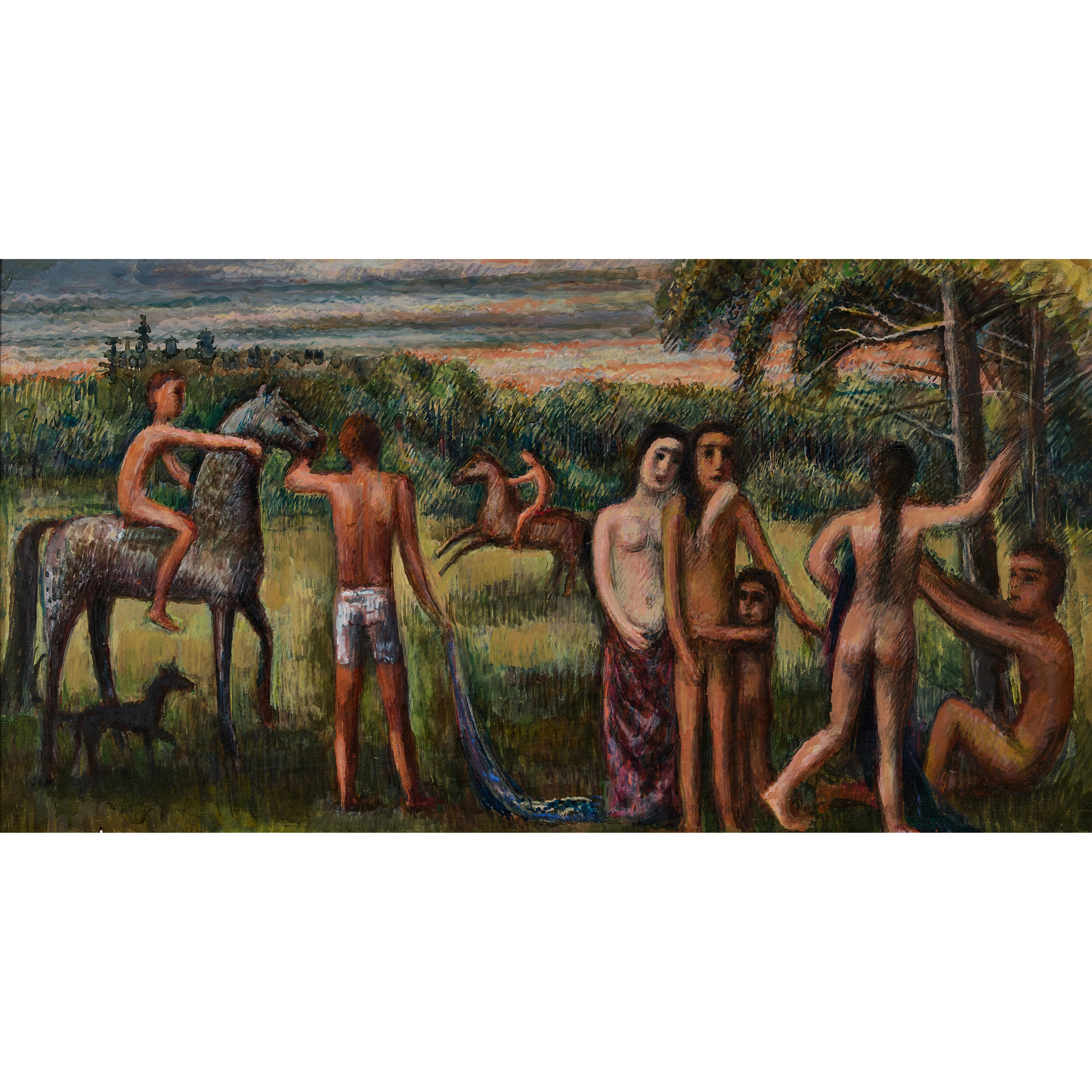
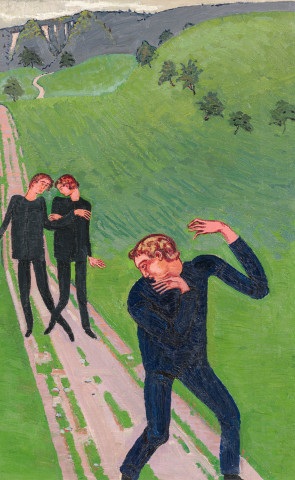
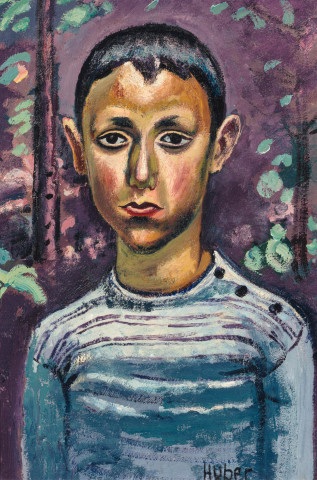
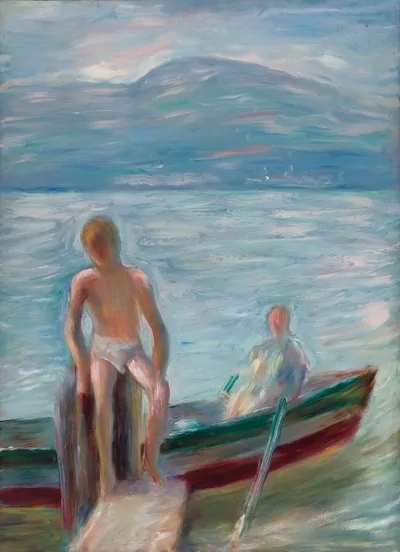
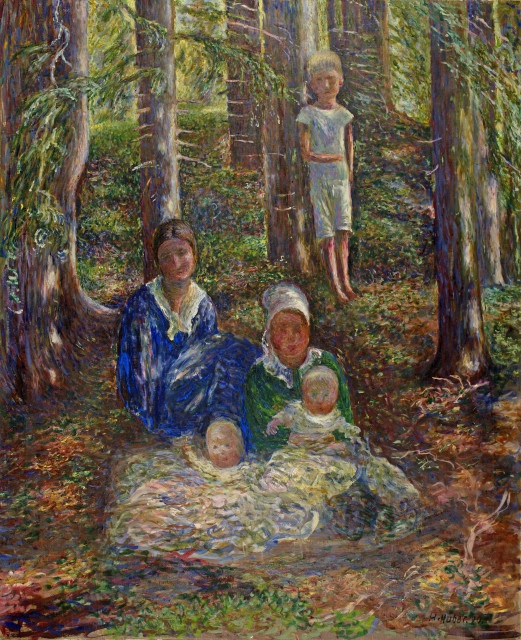
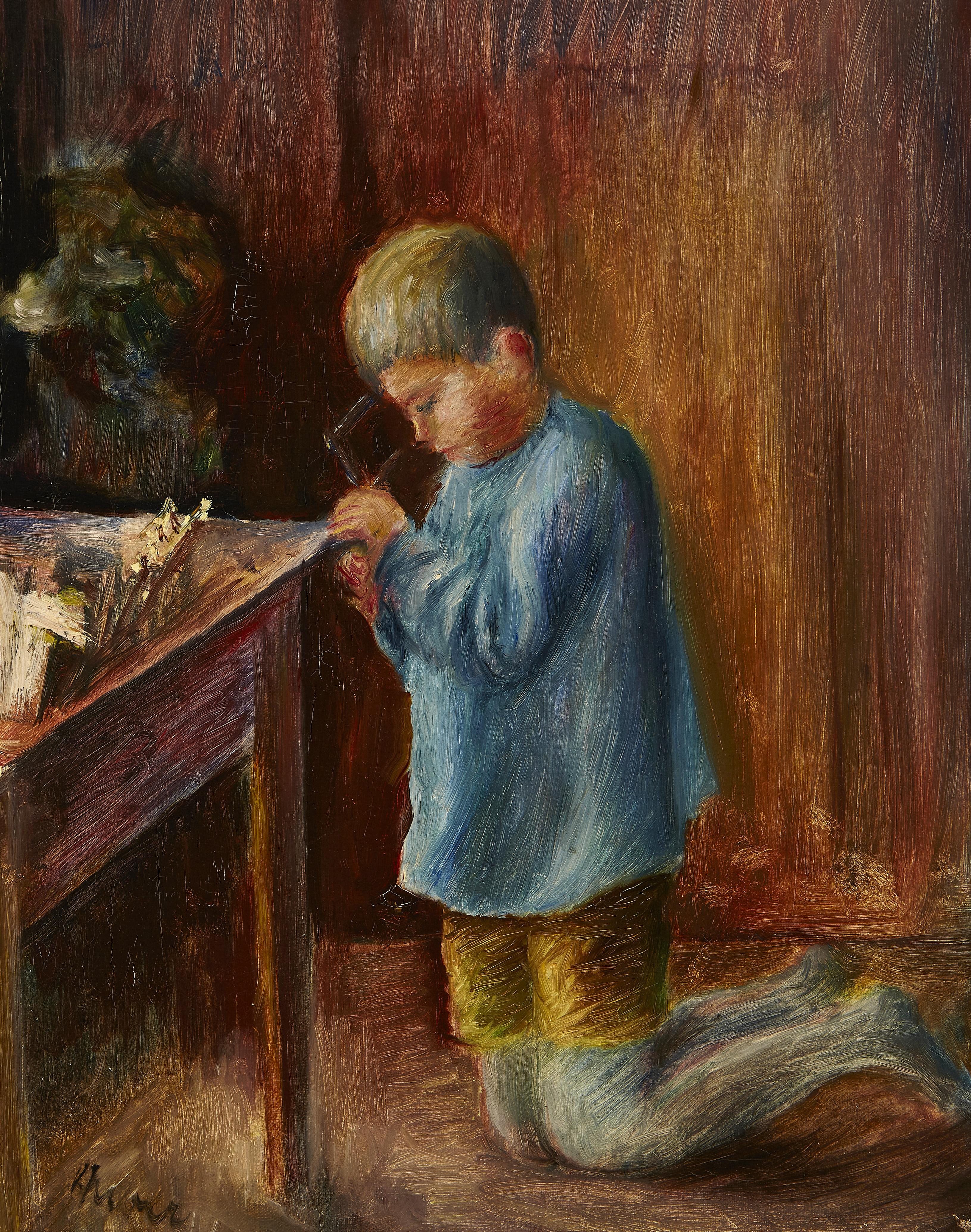
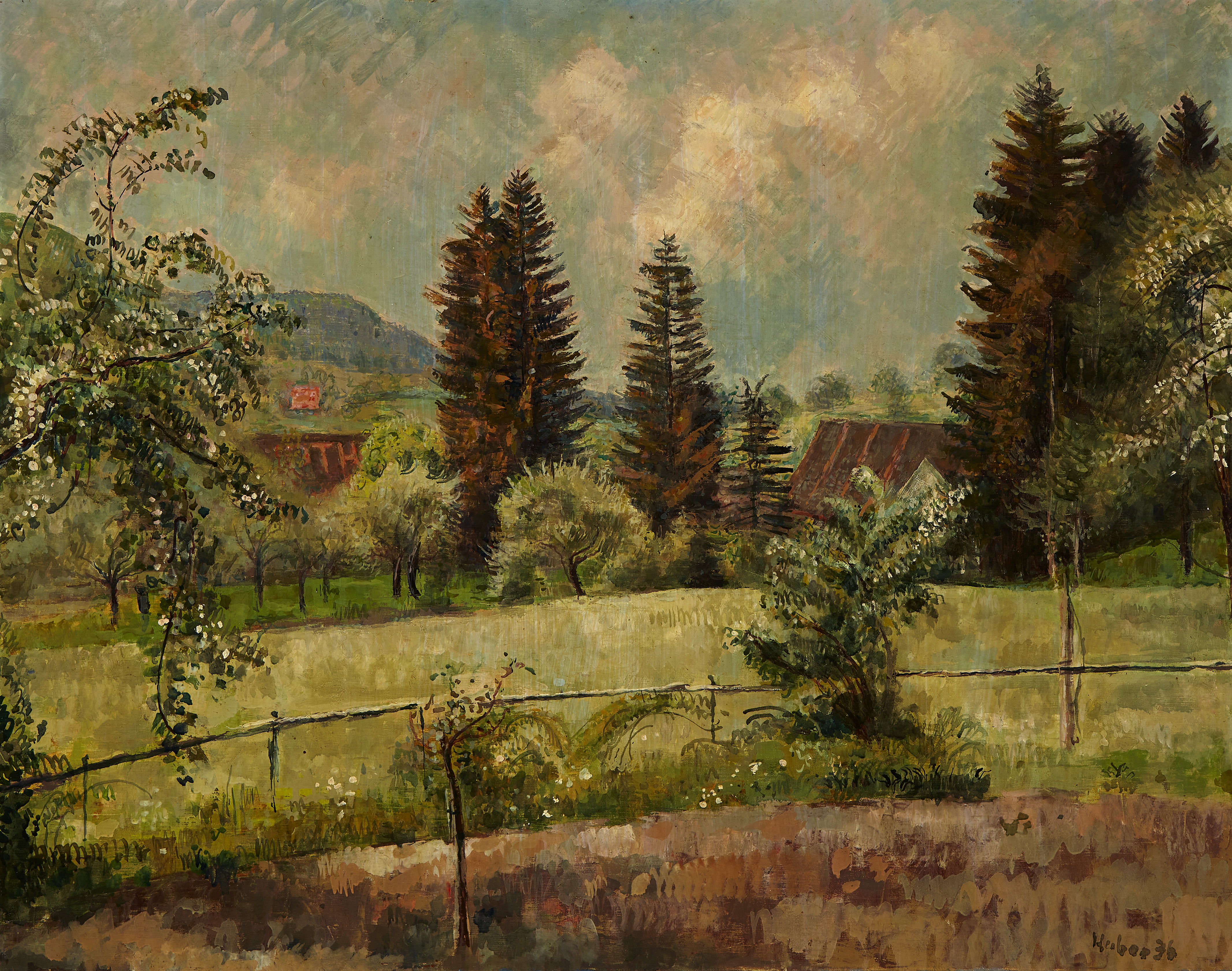
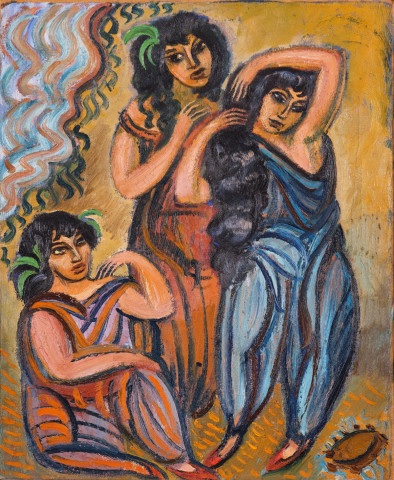
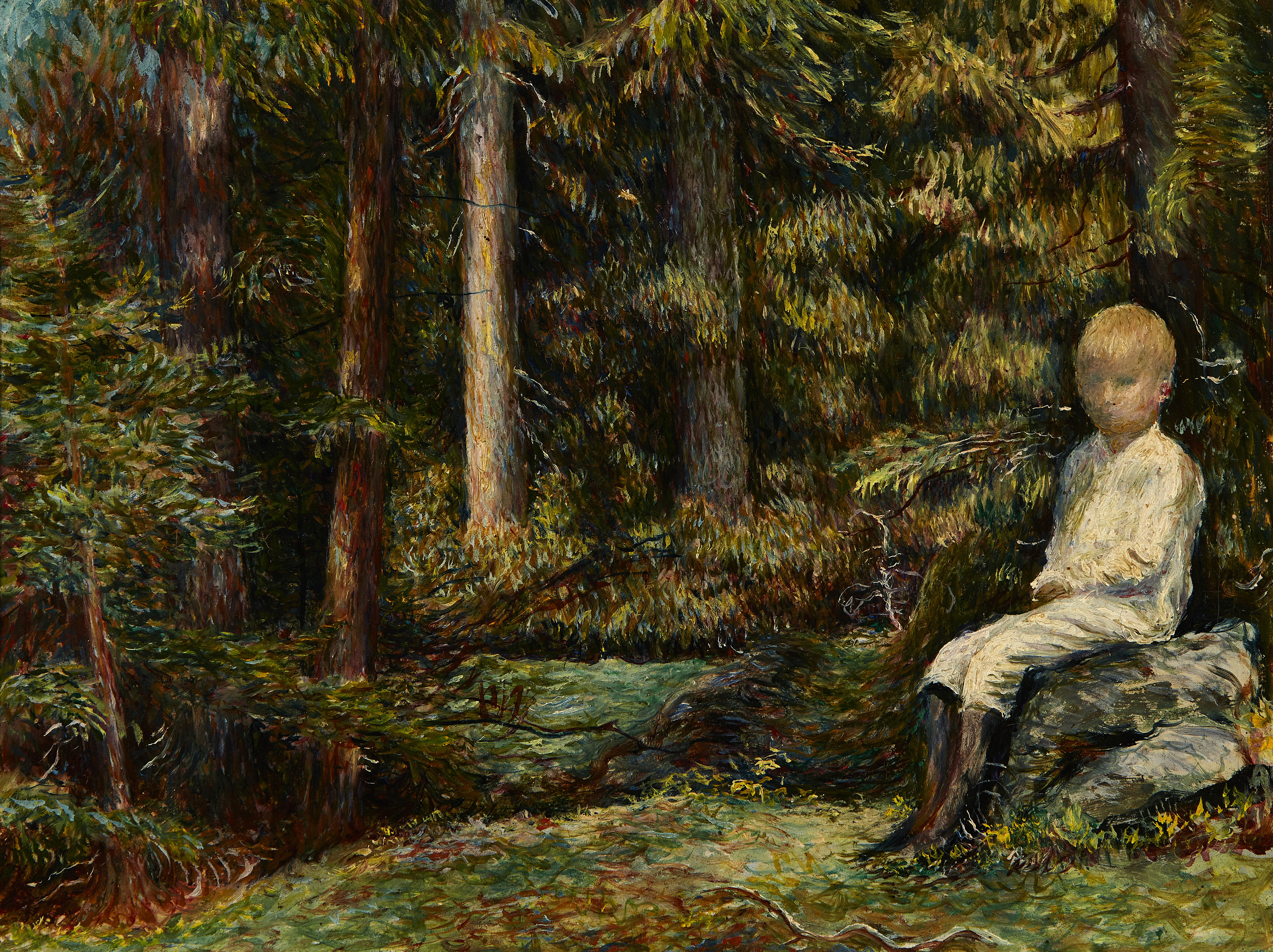
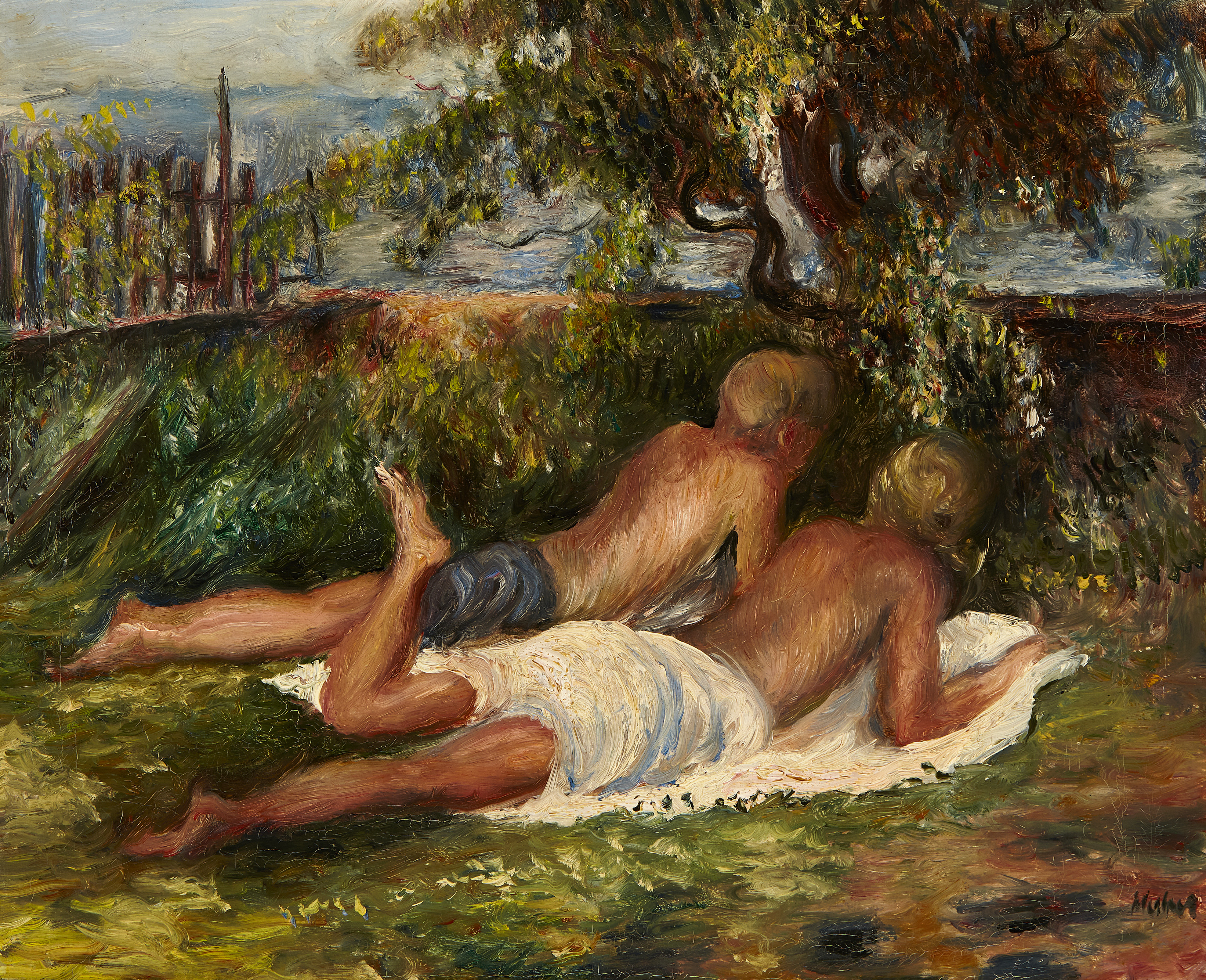
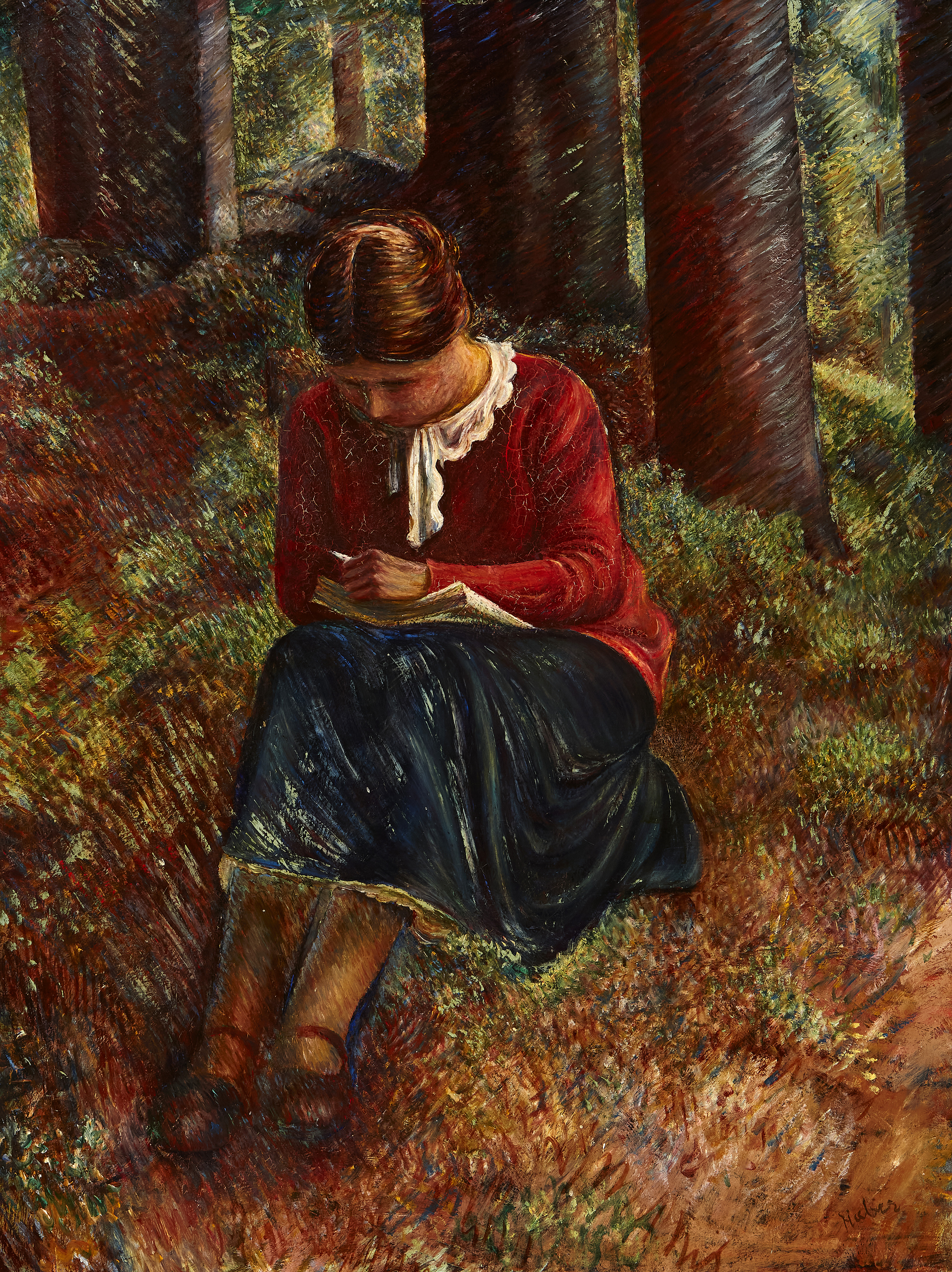
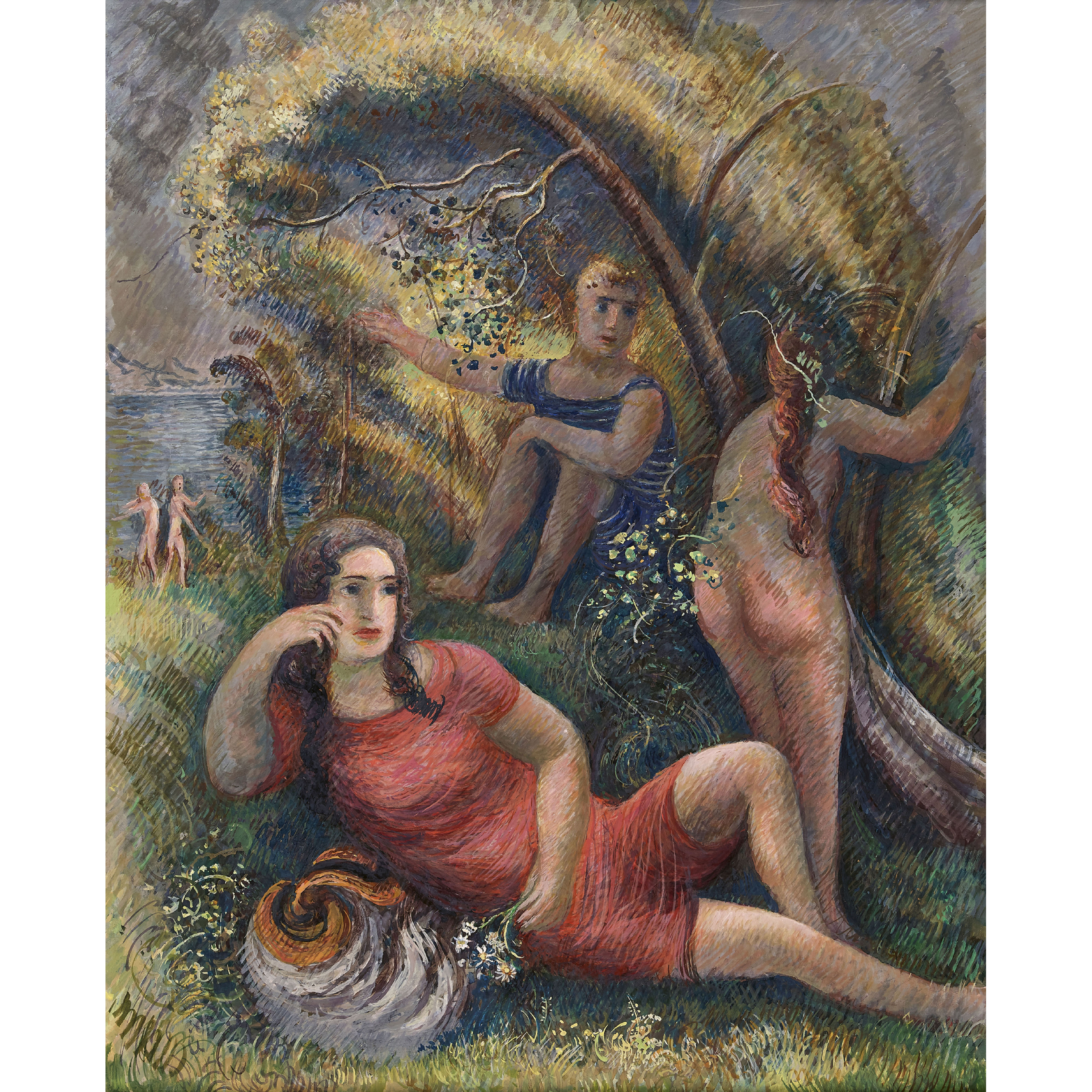
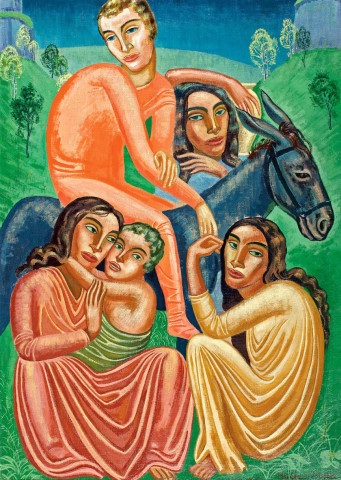
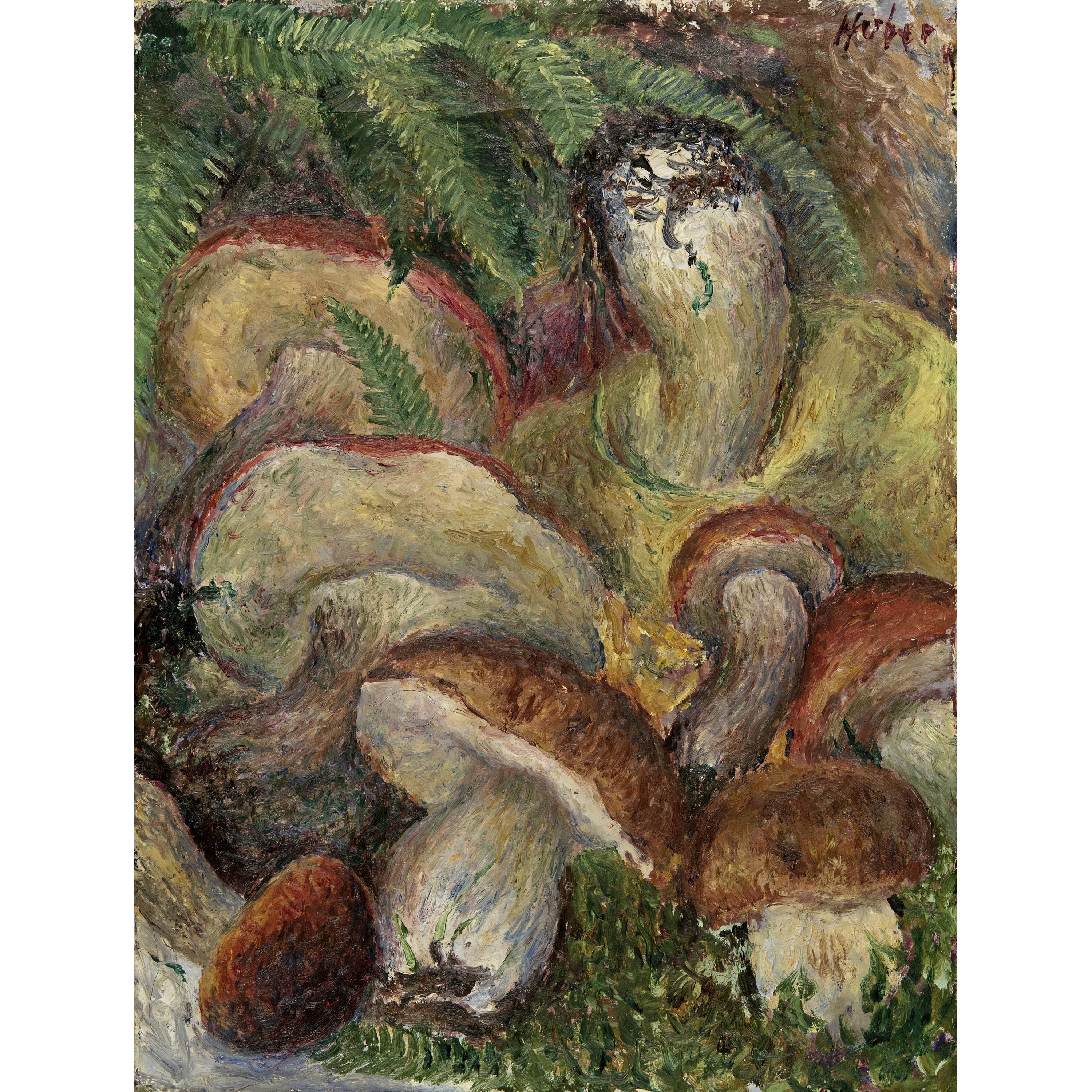
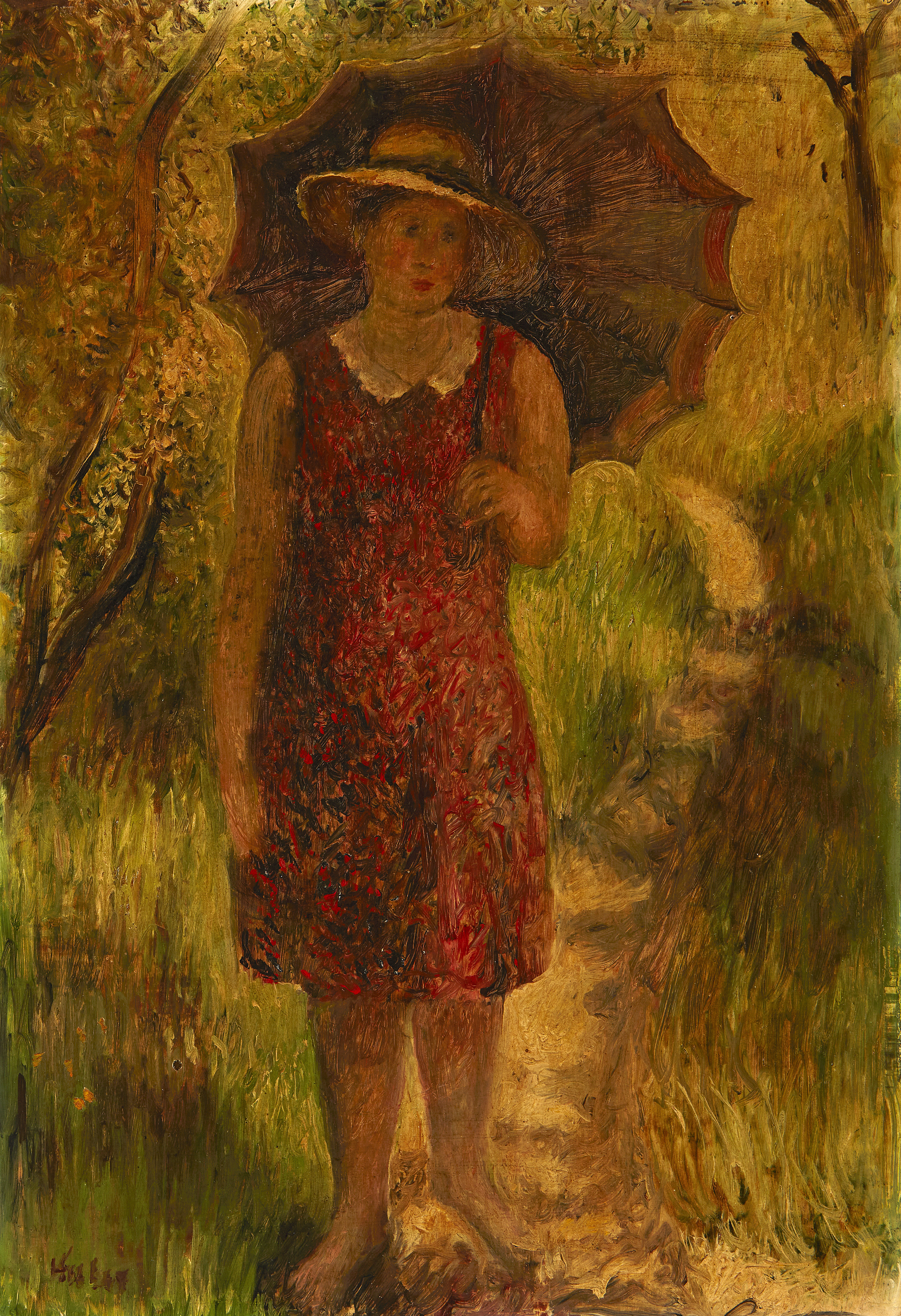
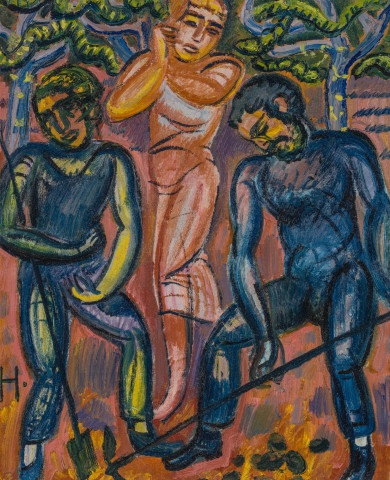
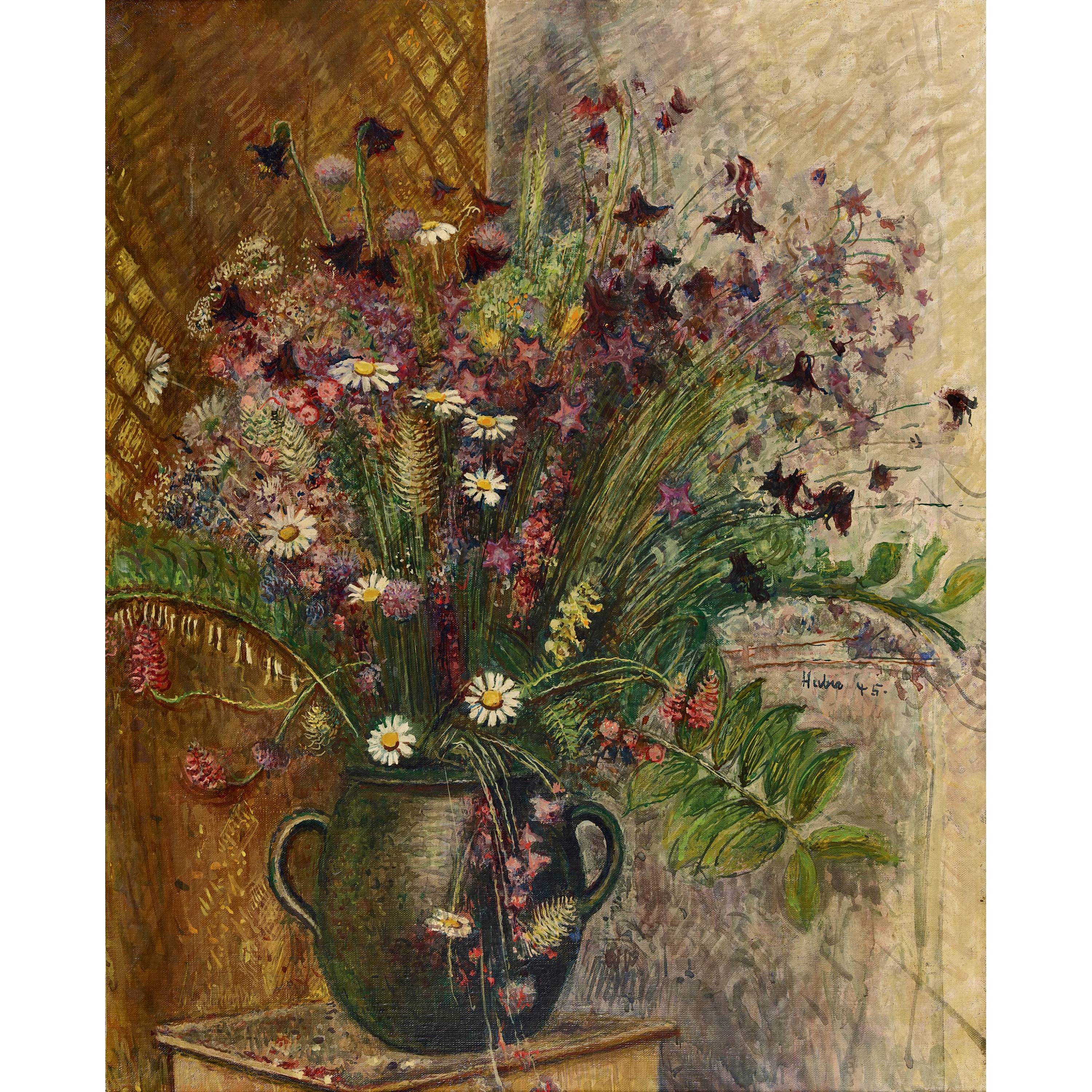
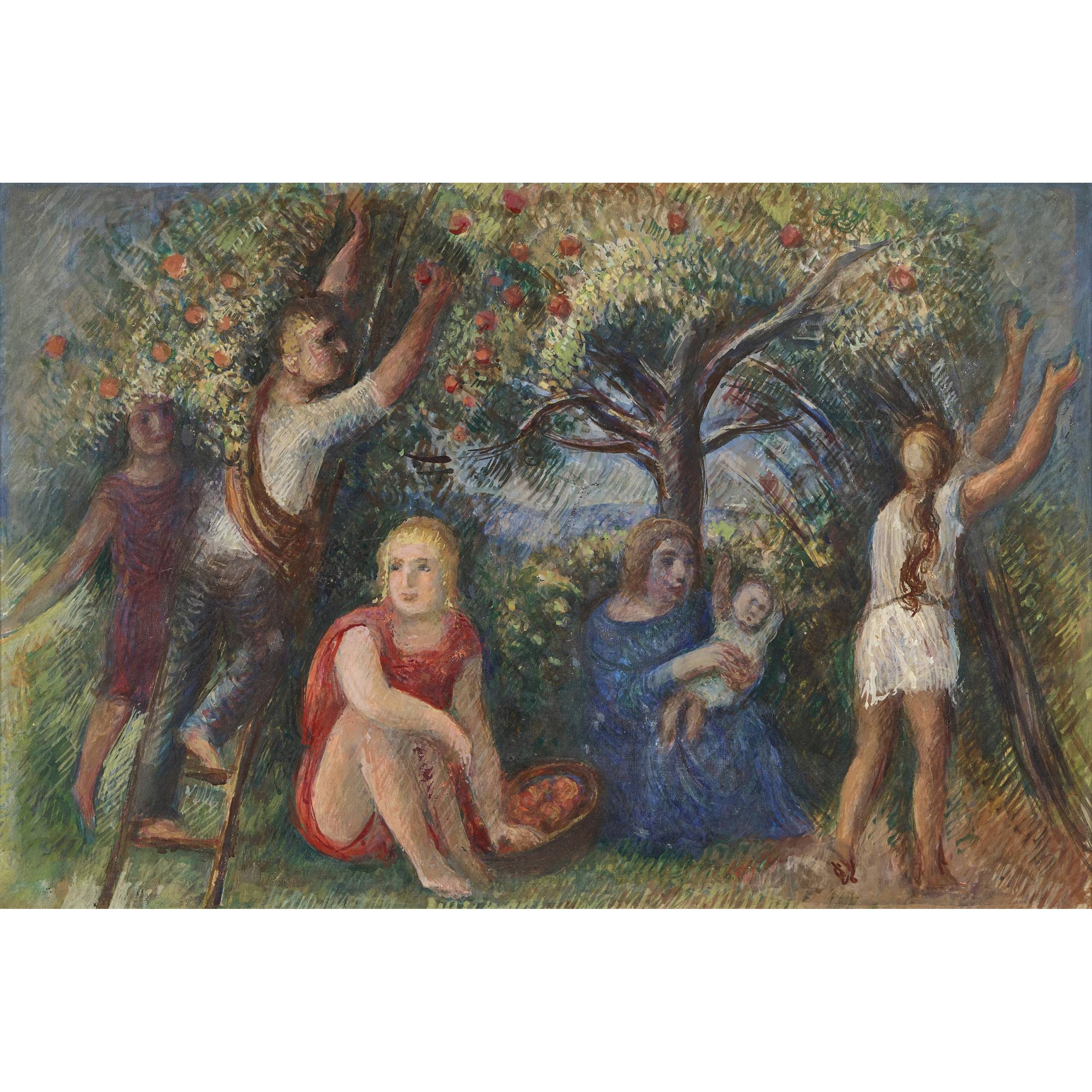
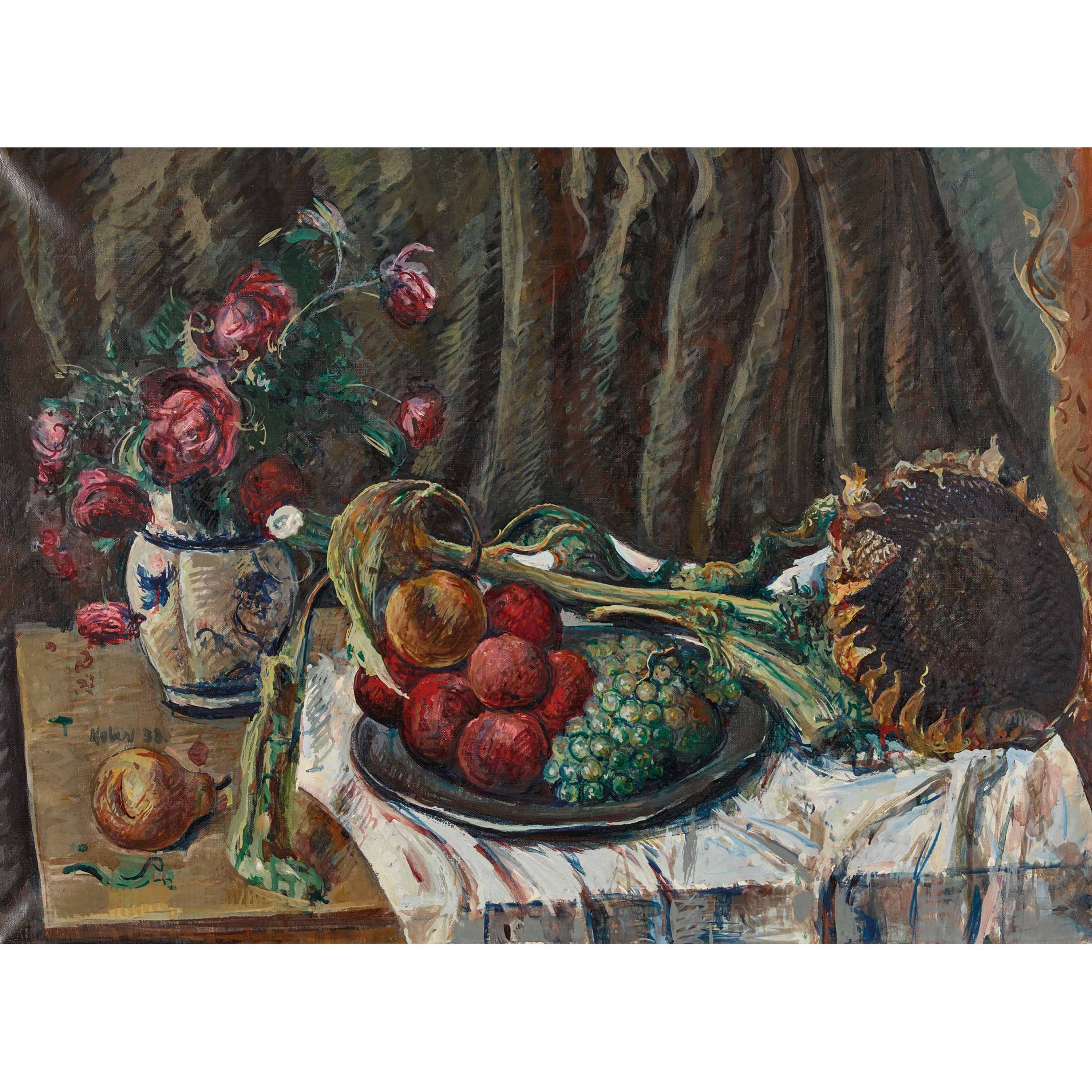
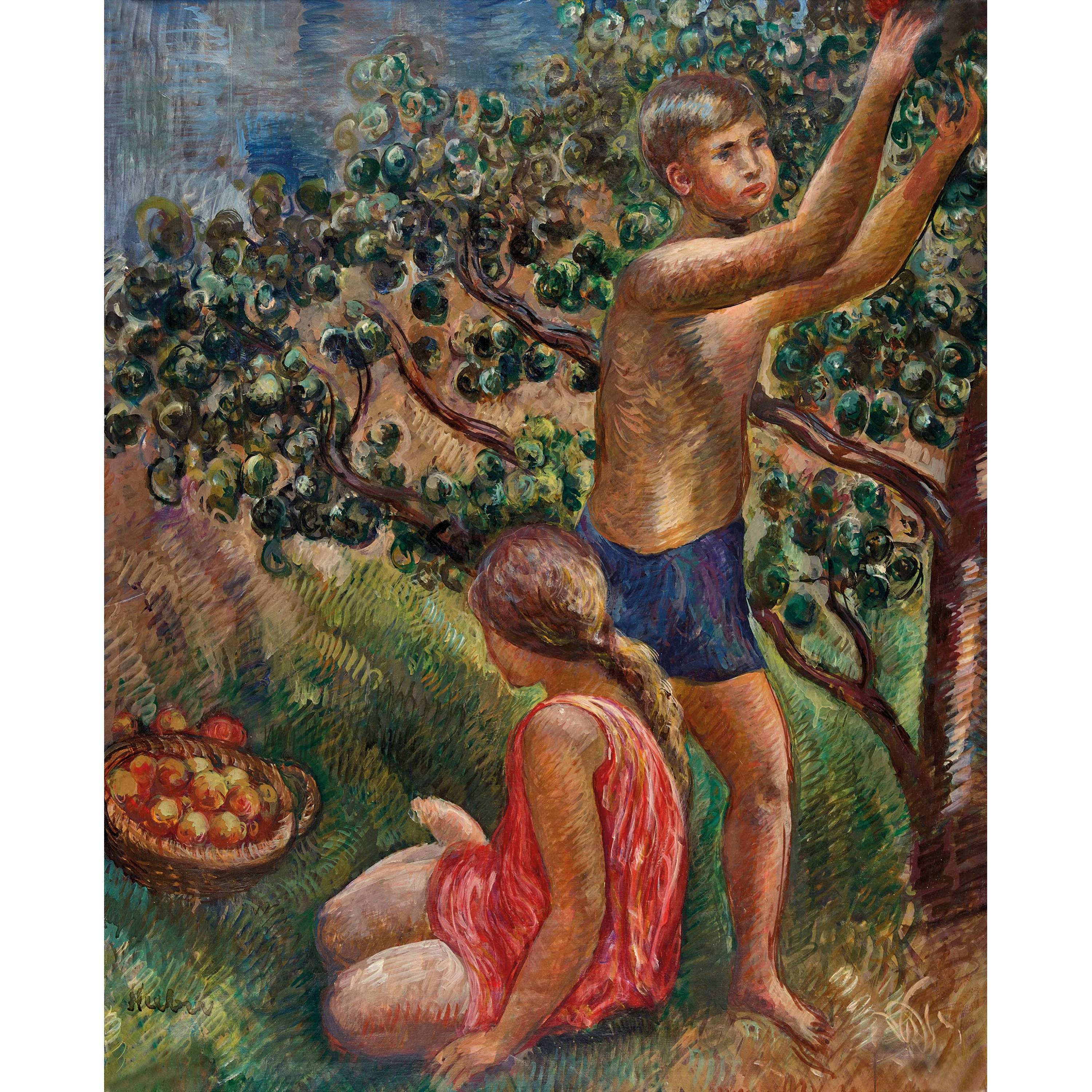
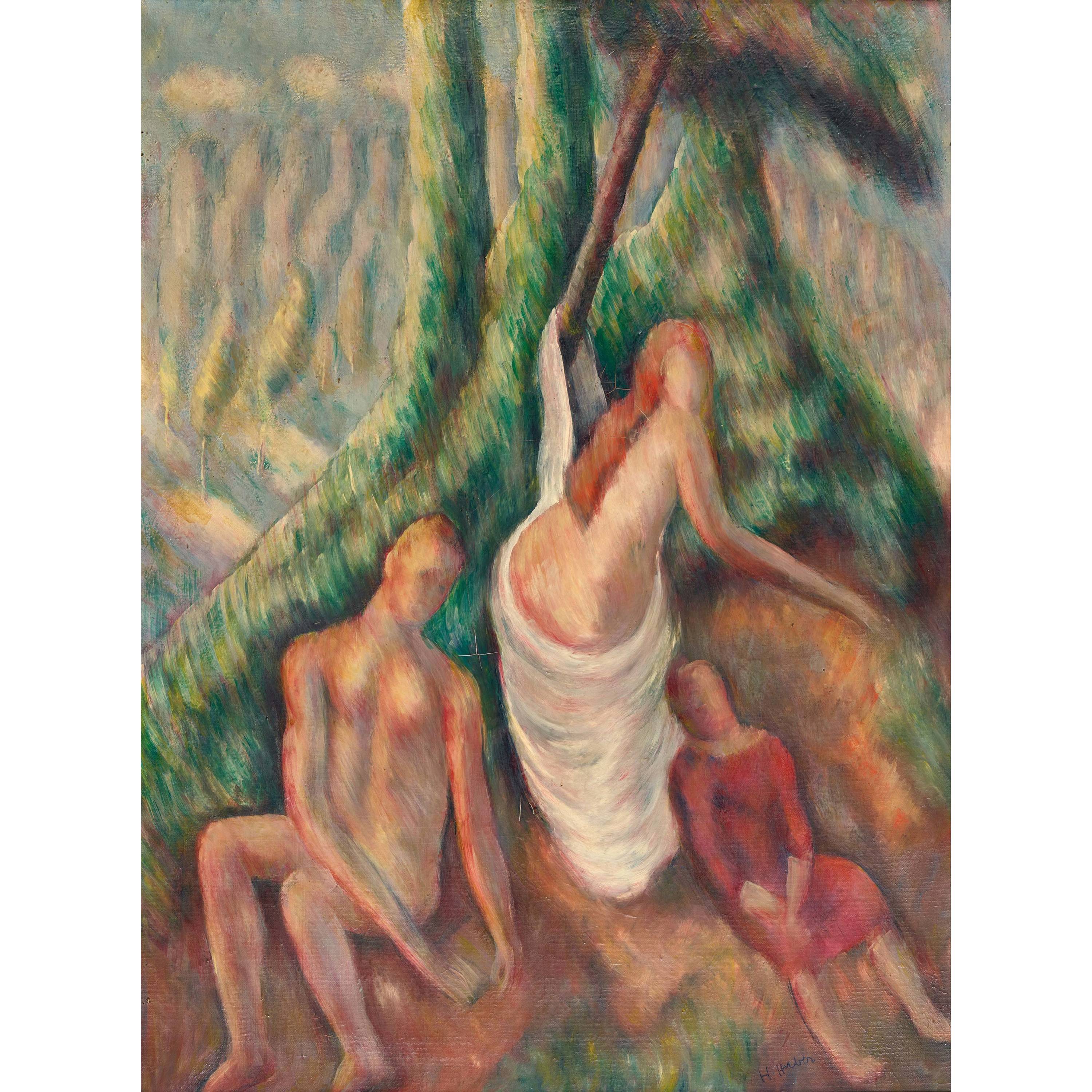
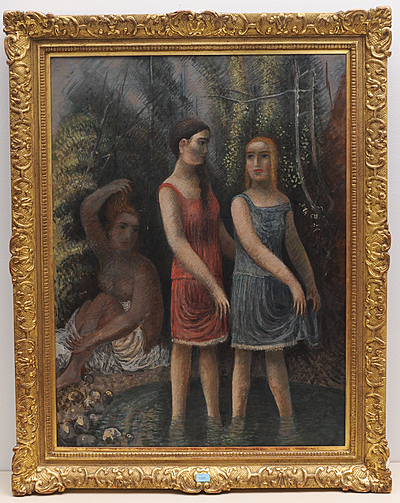
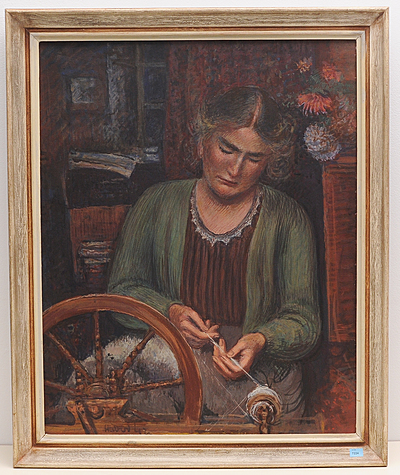
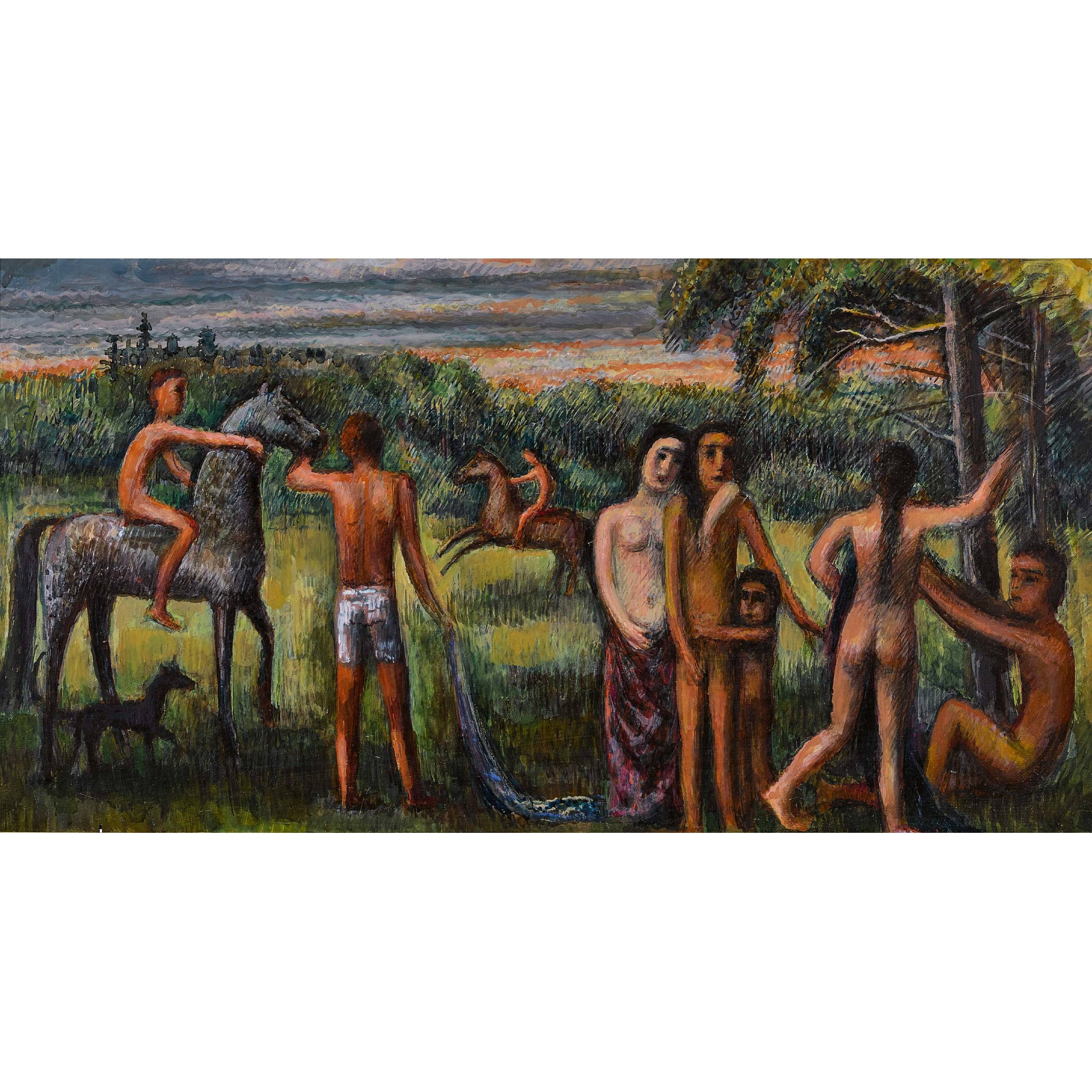
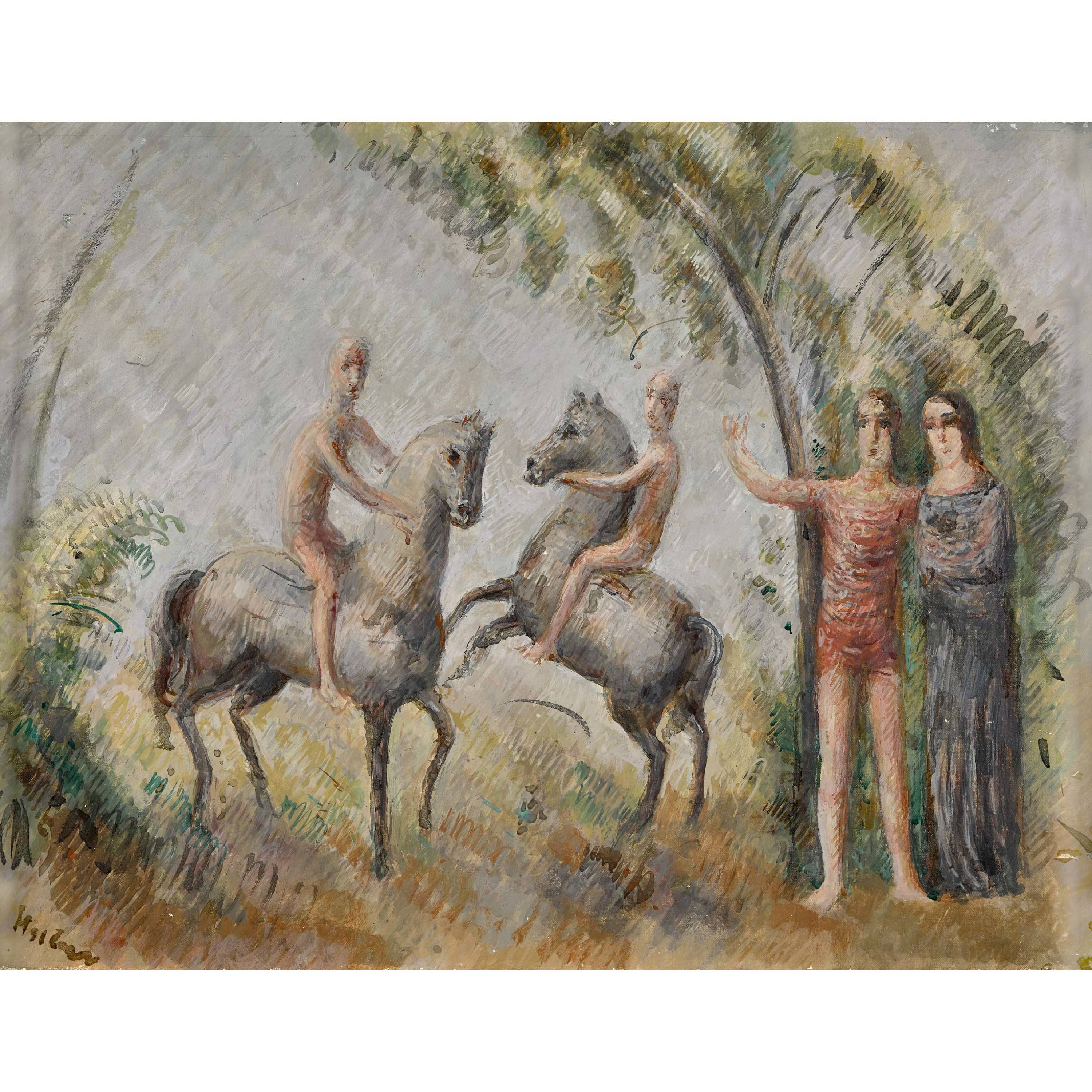
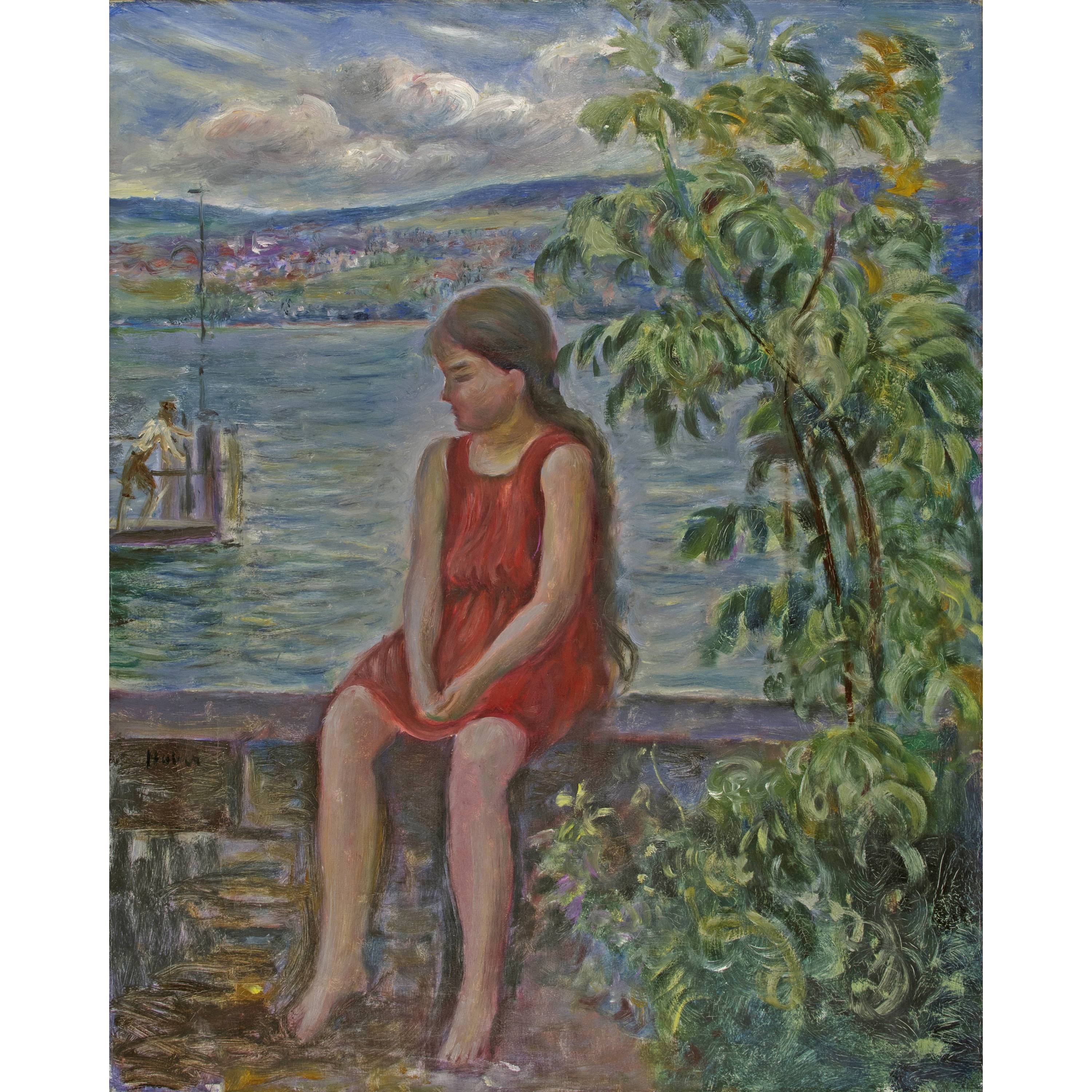
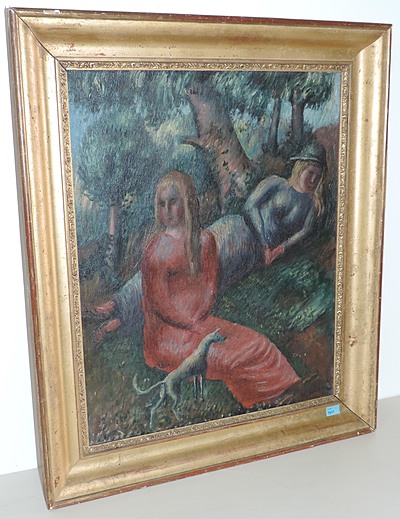
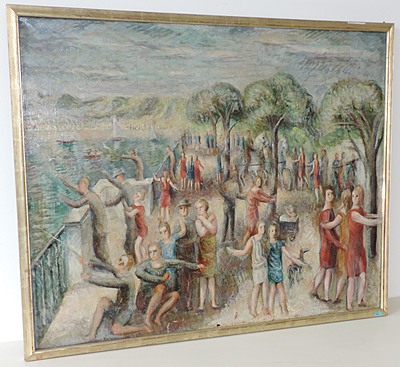
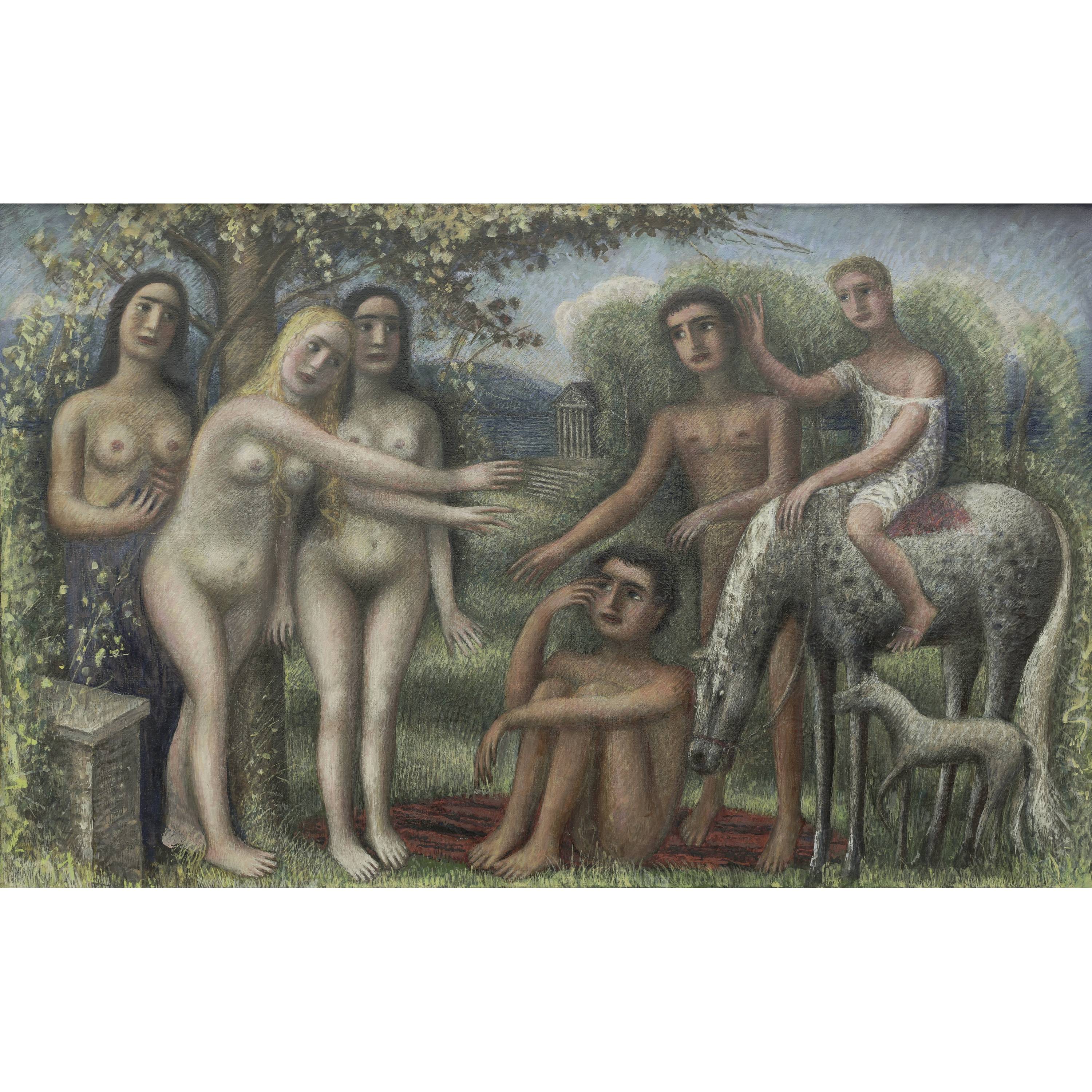
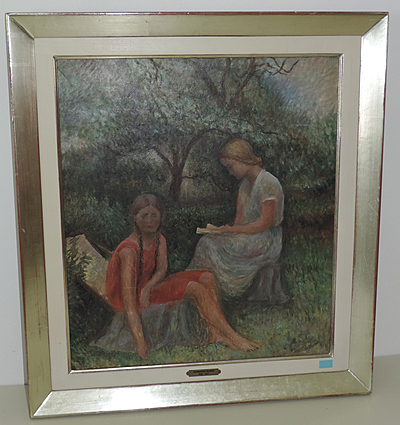
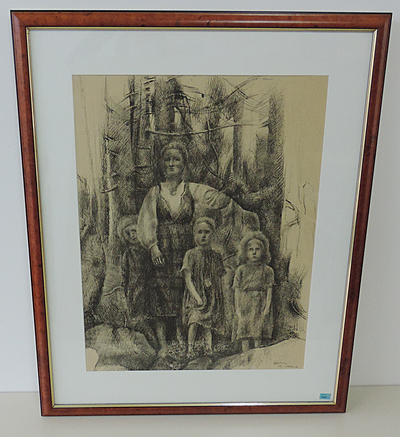
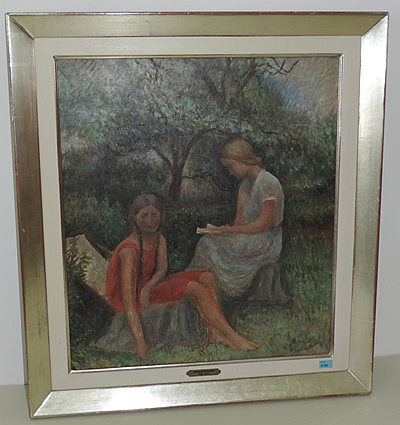
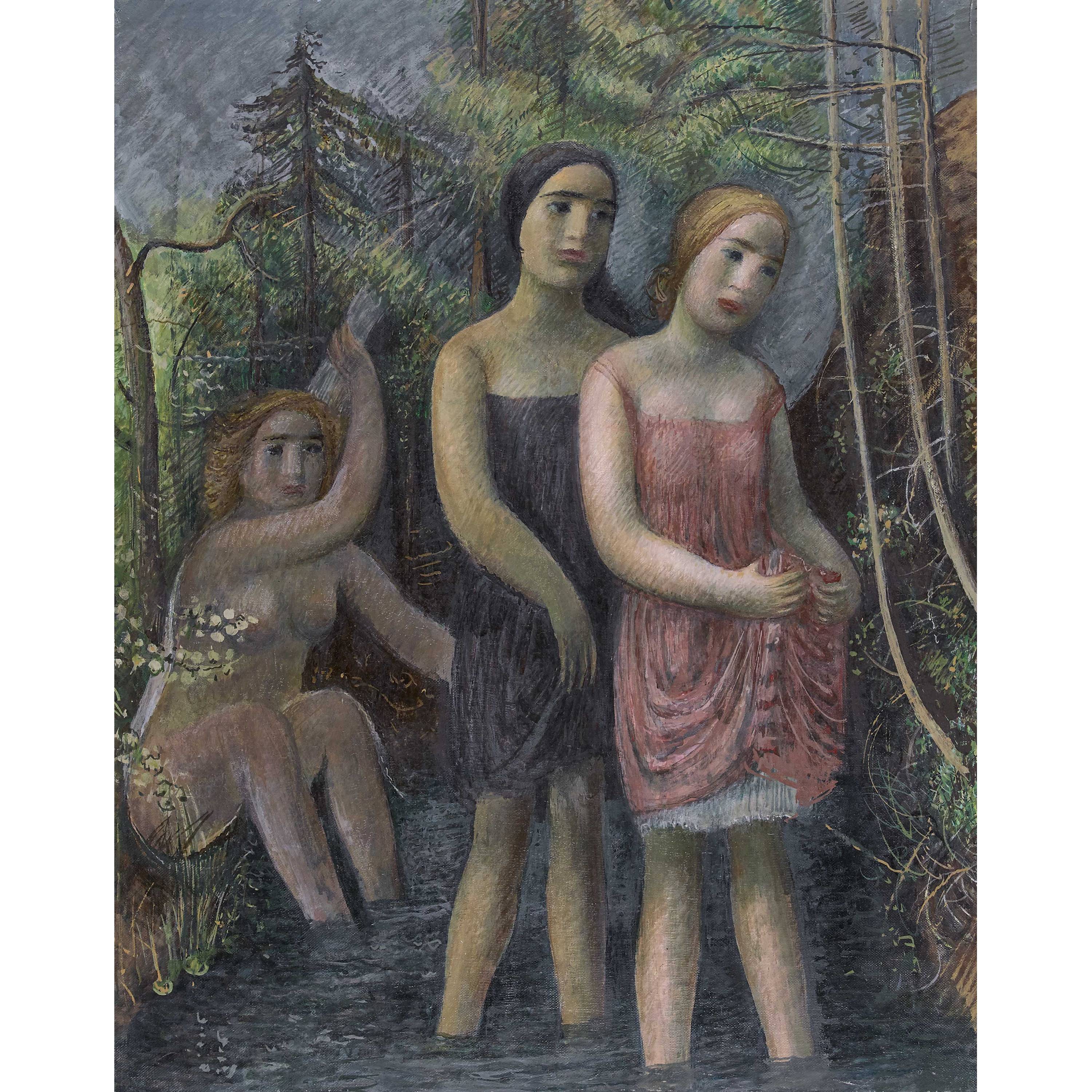
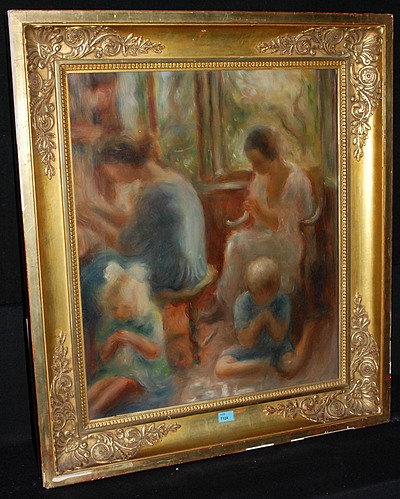
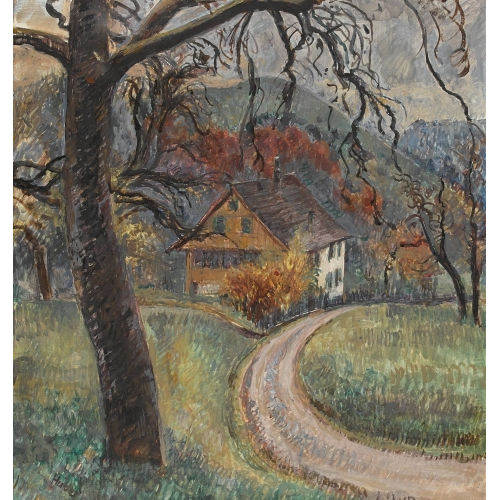
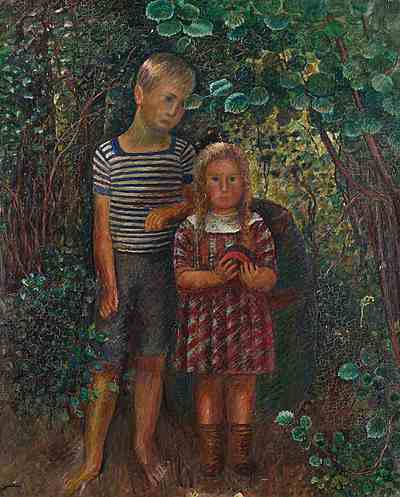
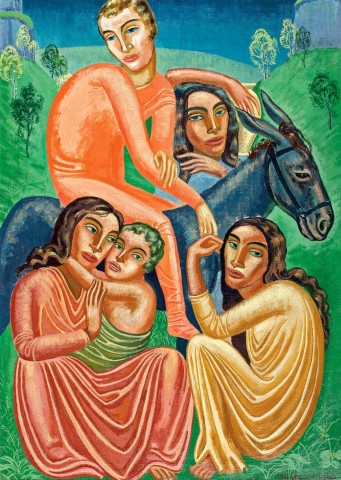
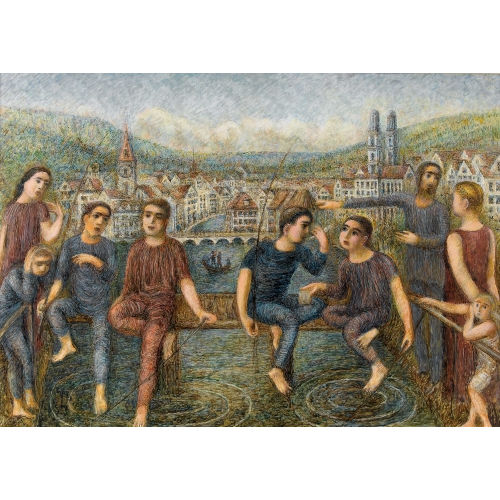
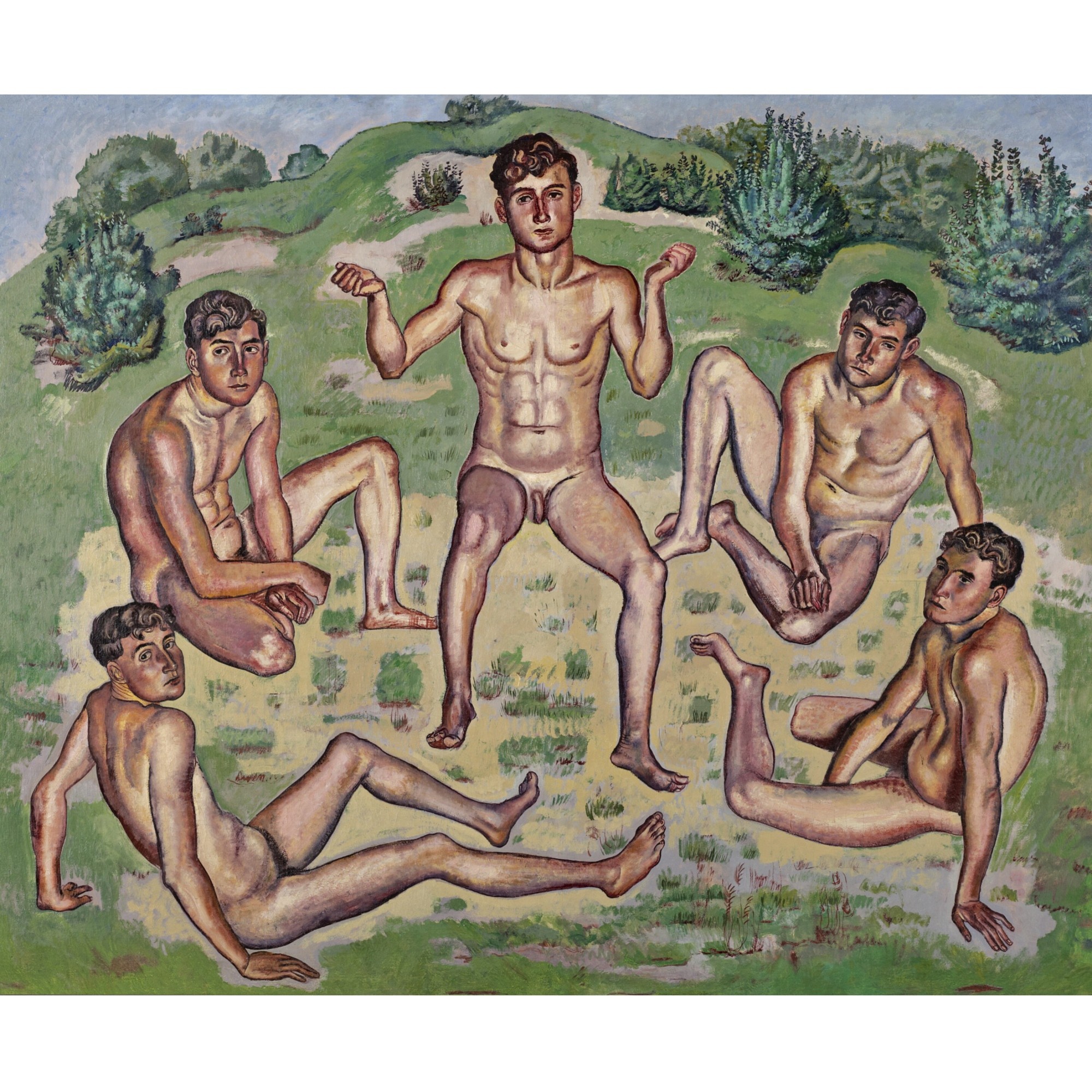
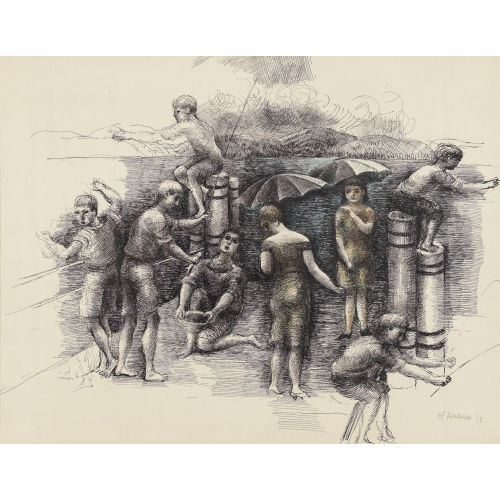
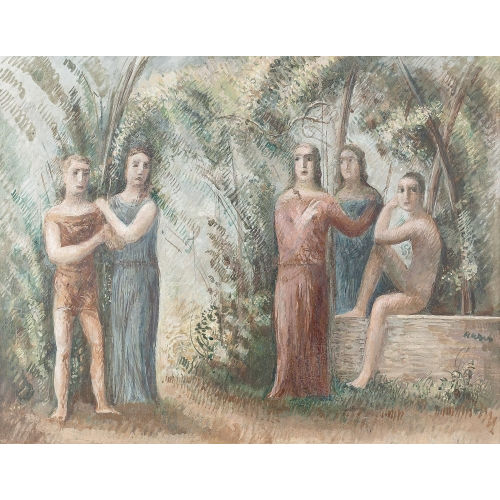
The artist also worked on the scale of architecture. In Jerusalem, he participated in the mural paintings of the Dormition Abbey; in Switzerland, he created, among other works, frescoes for the Swiss National Bank in Zurich and a parish house in Wiedikon. At the same time, he continued to work on figure scenes, landscapes and images of family life, as attested by paintings held at the Kunsthaus Zurich.
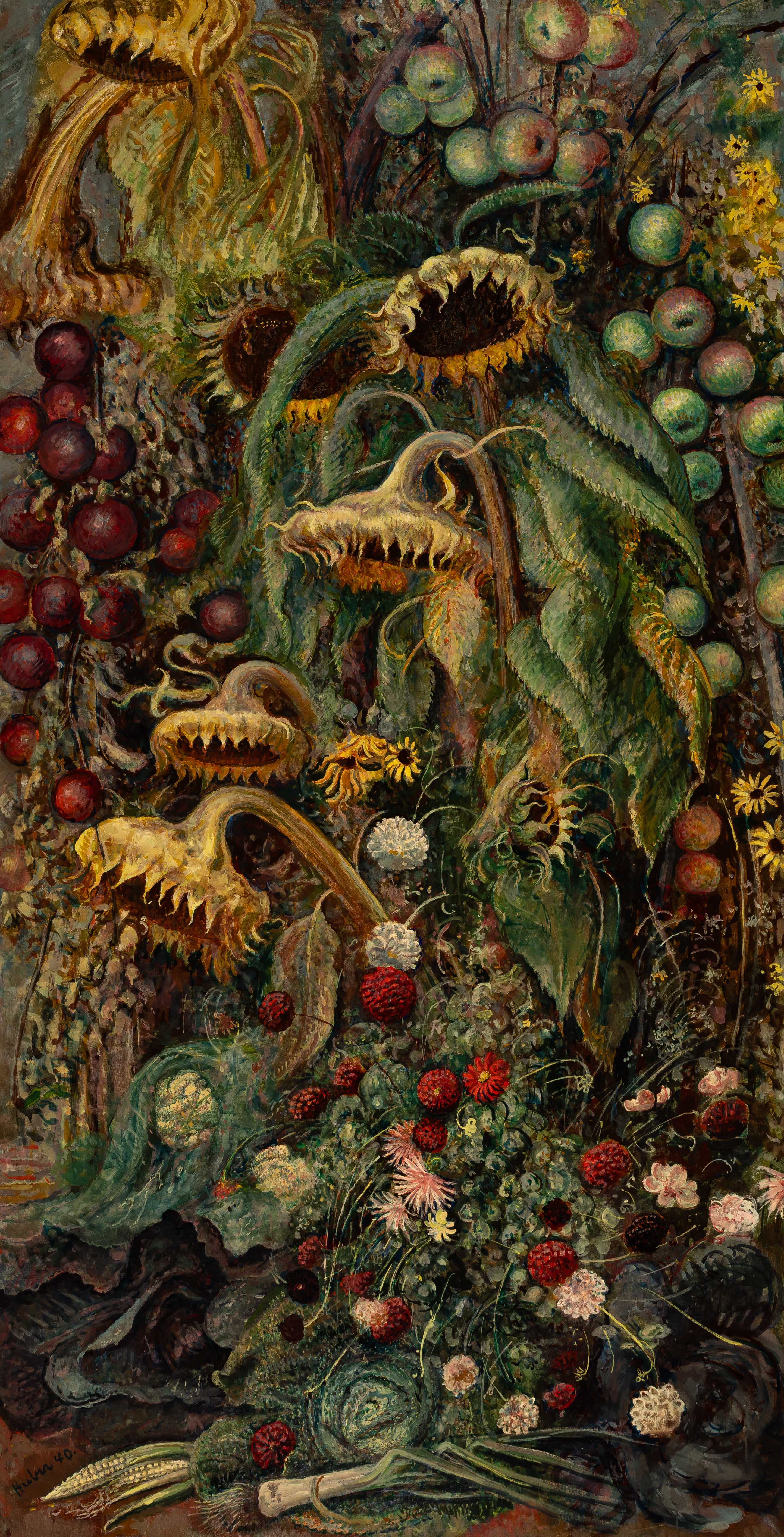
After a period of intense activity and several stays abroad, he lived a more secluded life in Sihlbrugg from 1933 onwards. His work retains the fertile tension of its beginnings: organising a solid image while allowing colour to give it its own vibration.