Hermann Alfred Sigg
Born in 1924.
Died in 2023.
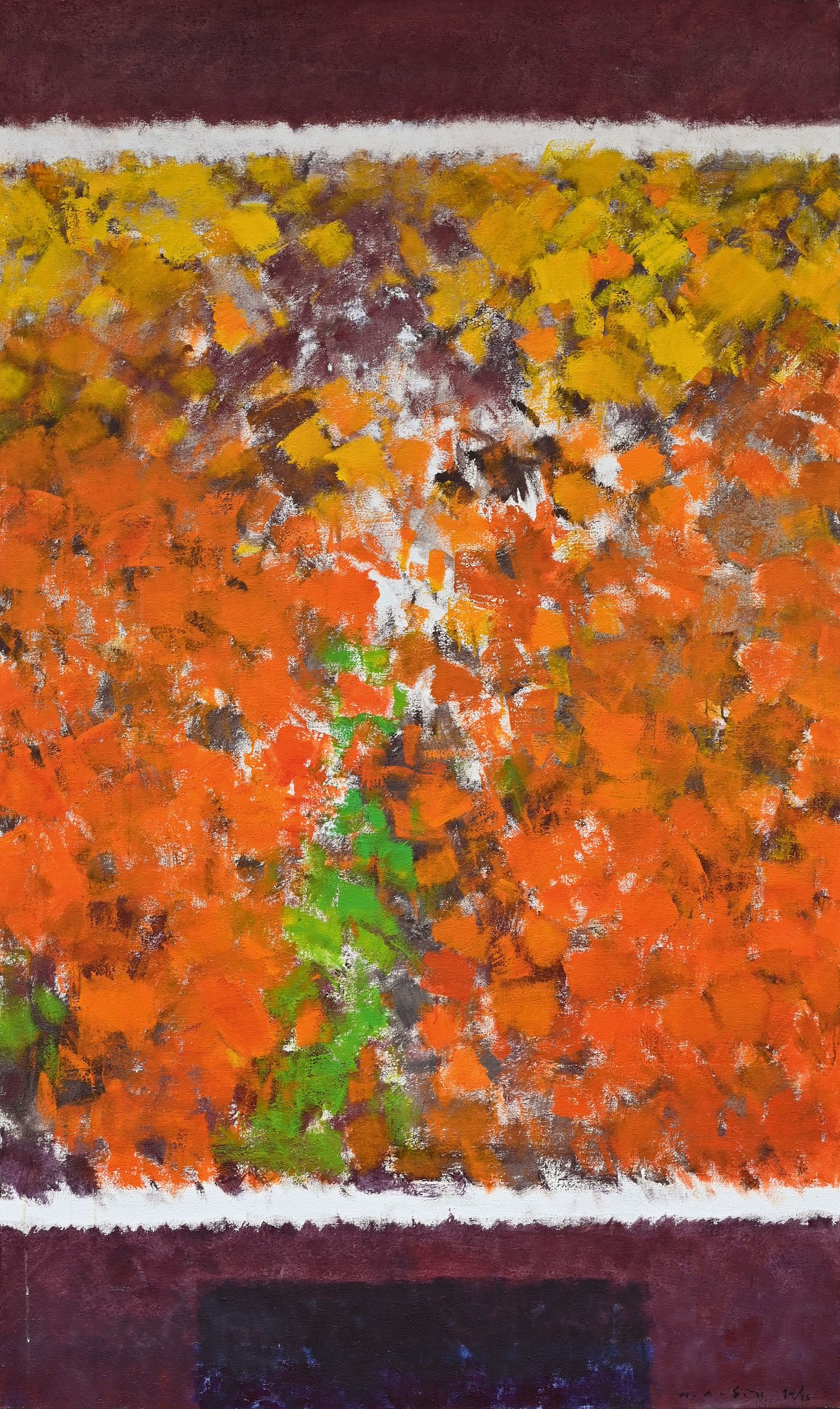
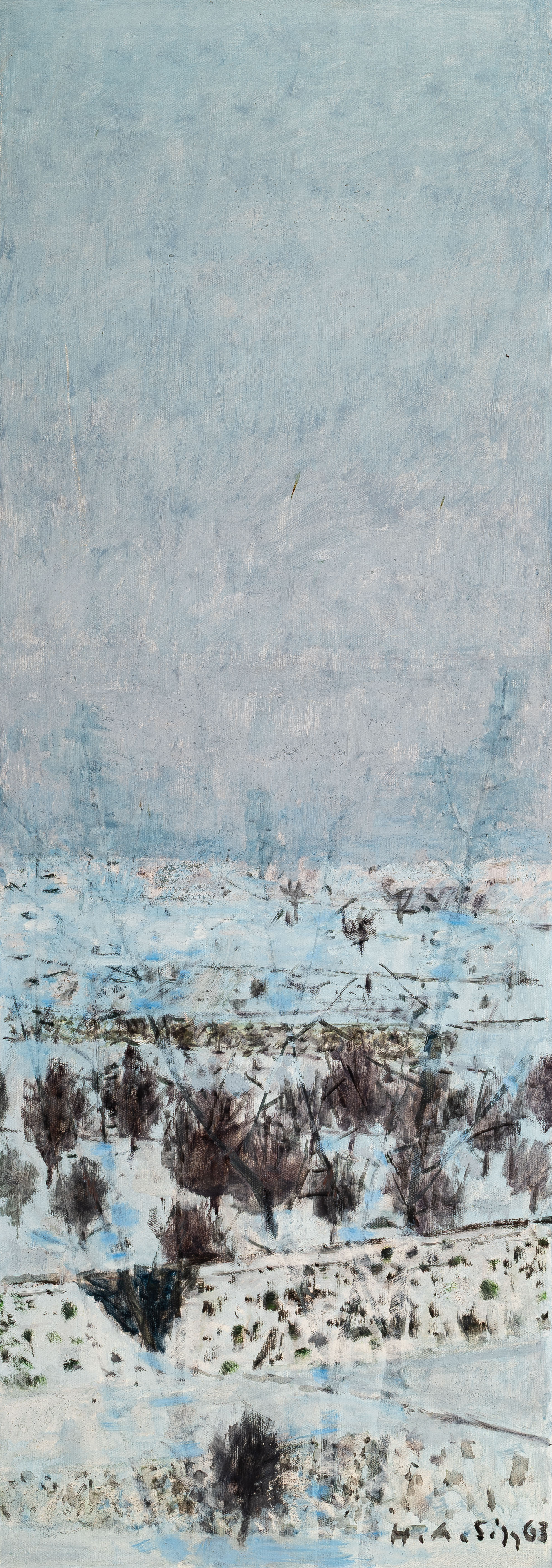
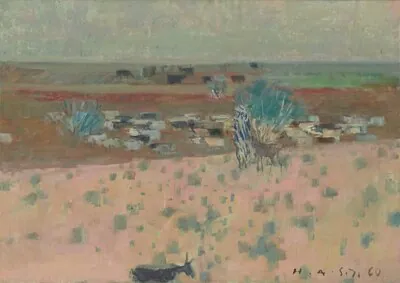
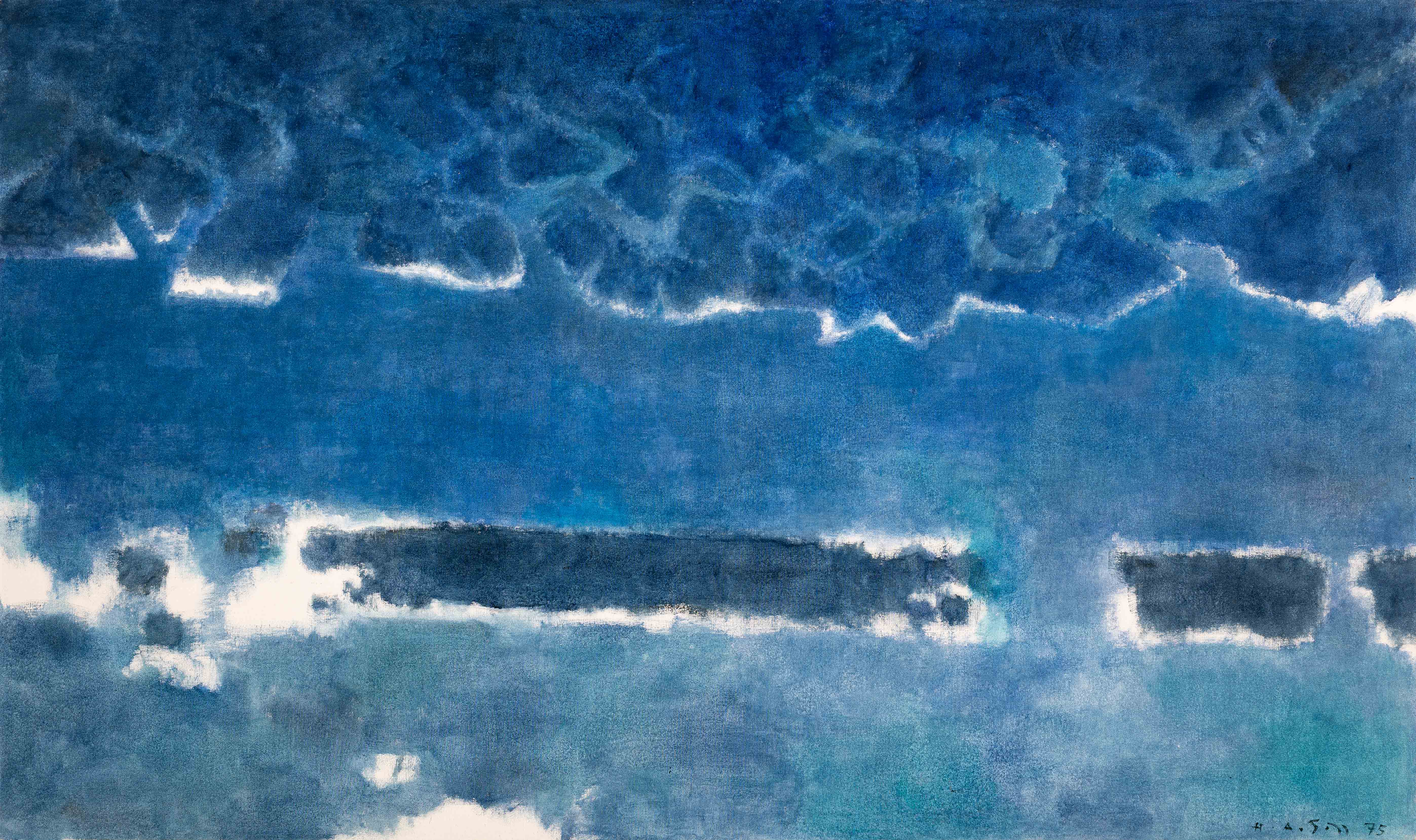
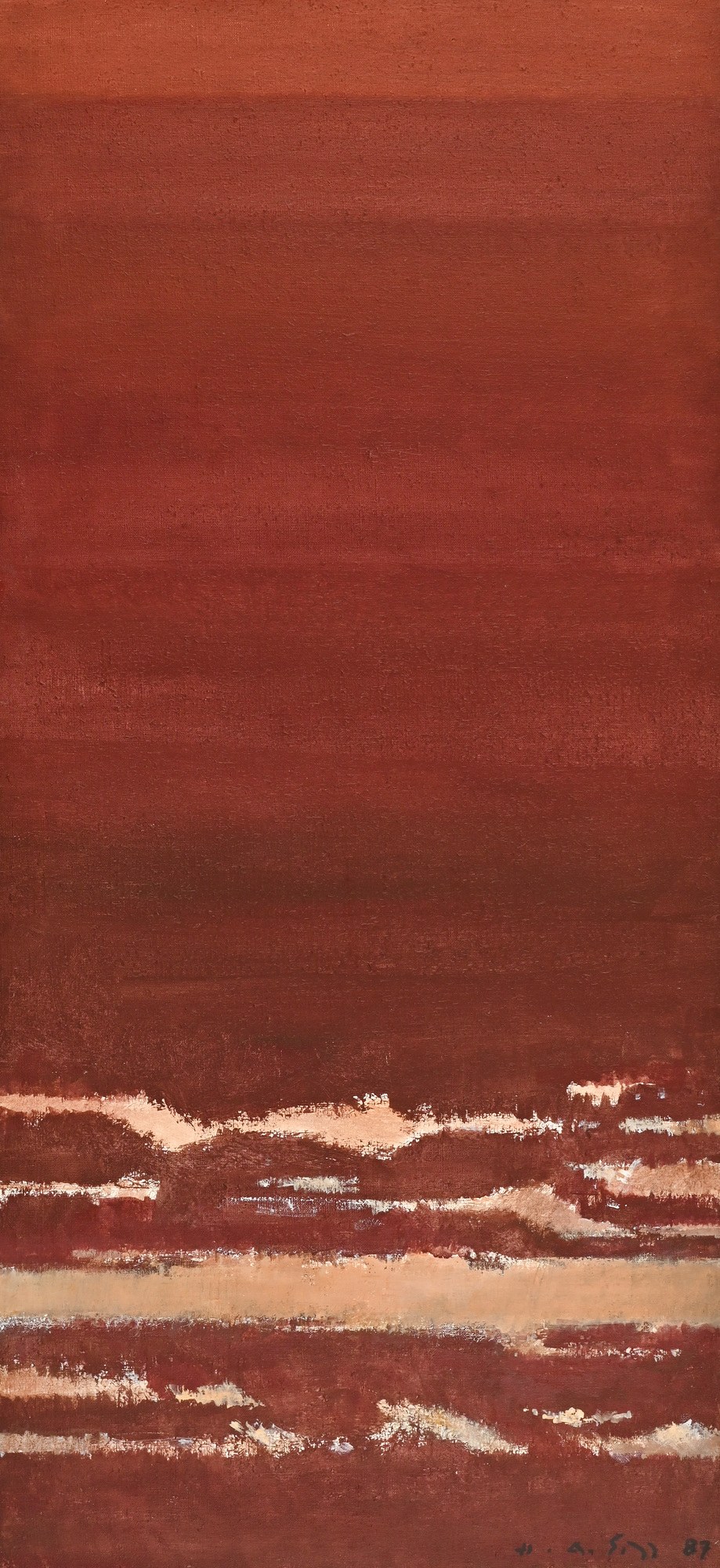
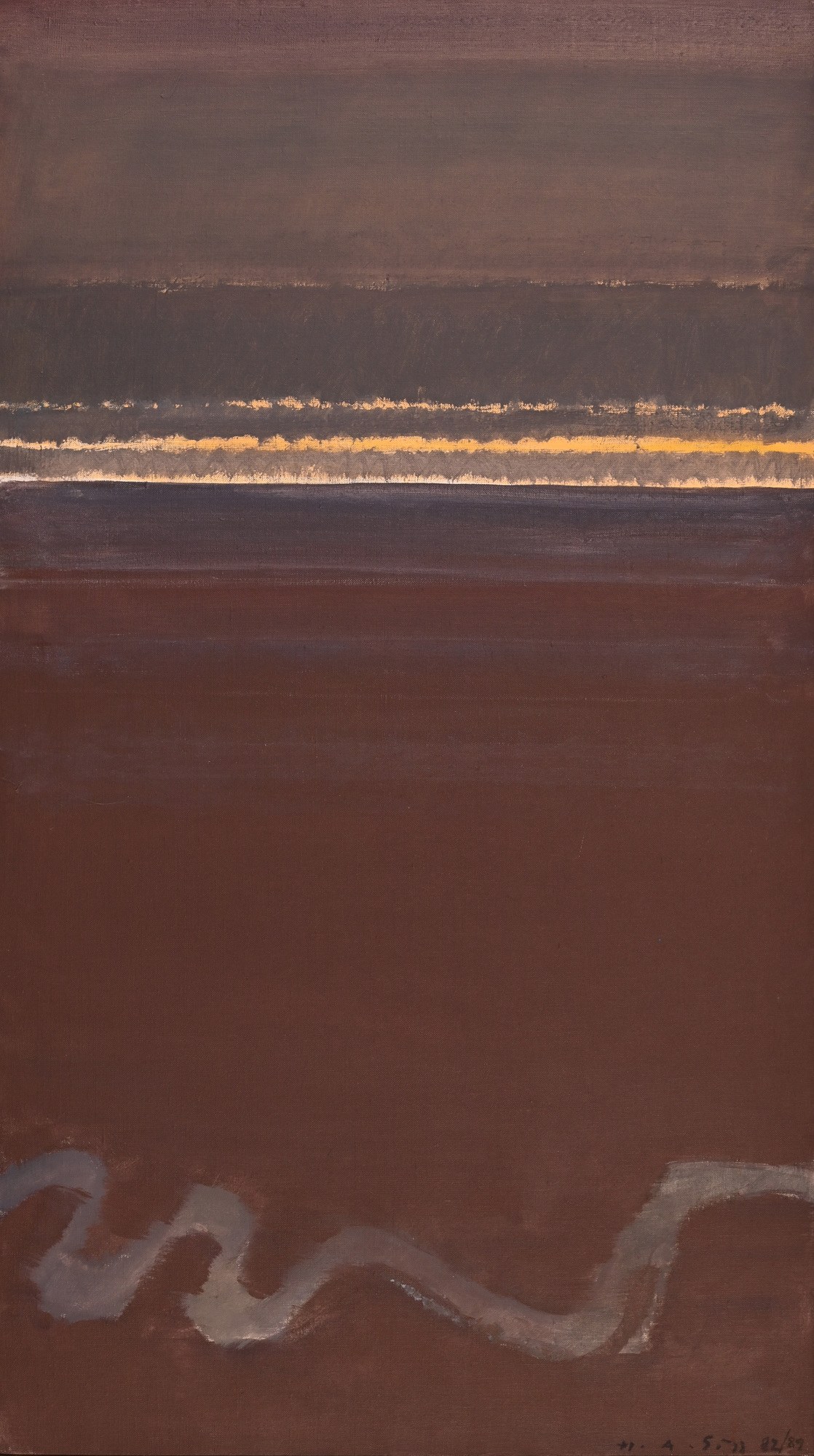
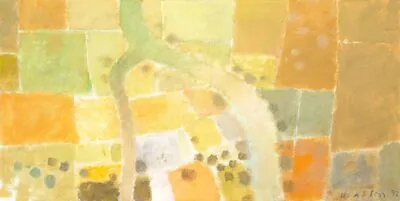
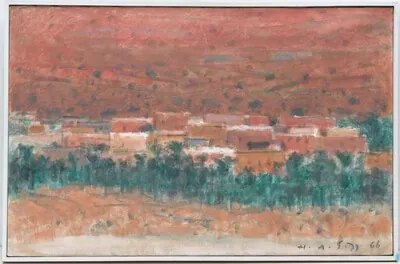
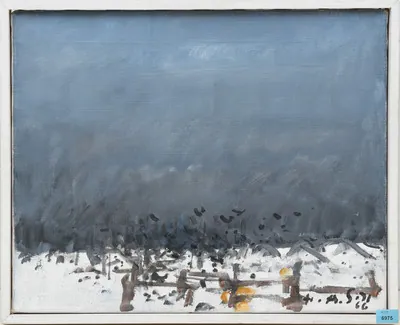
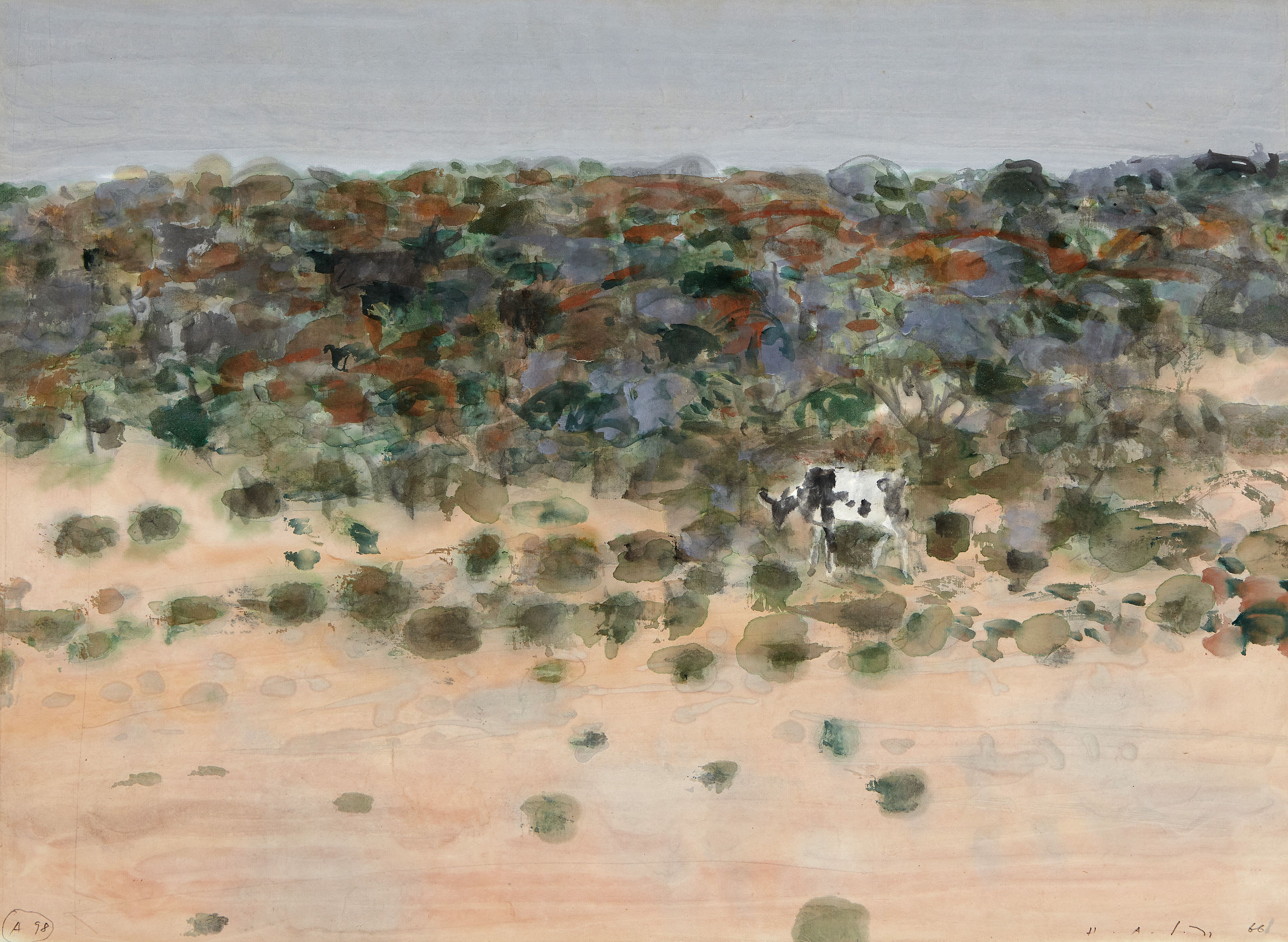
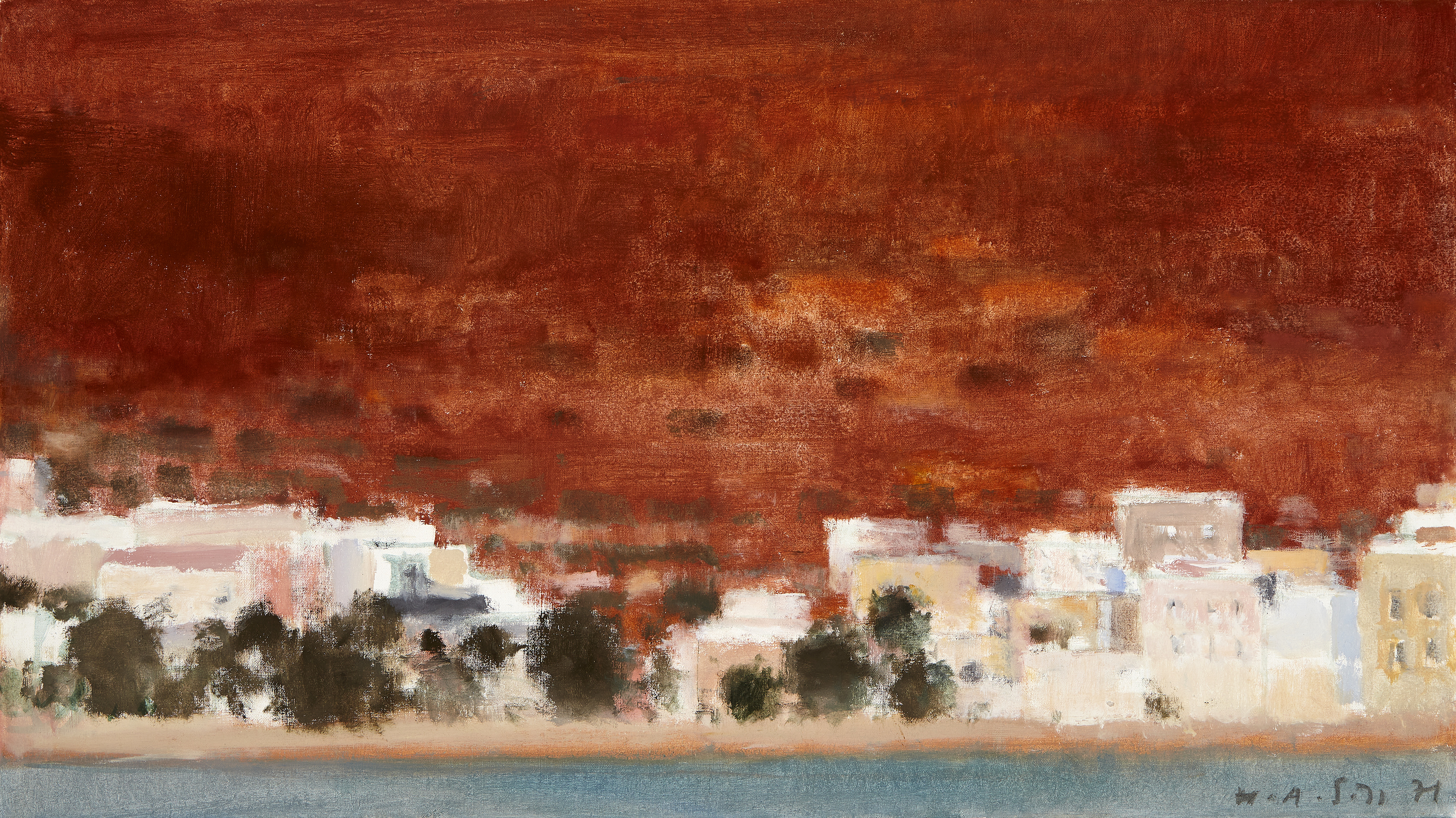
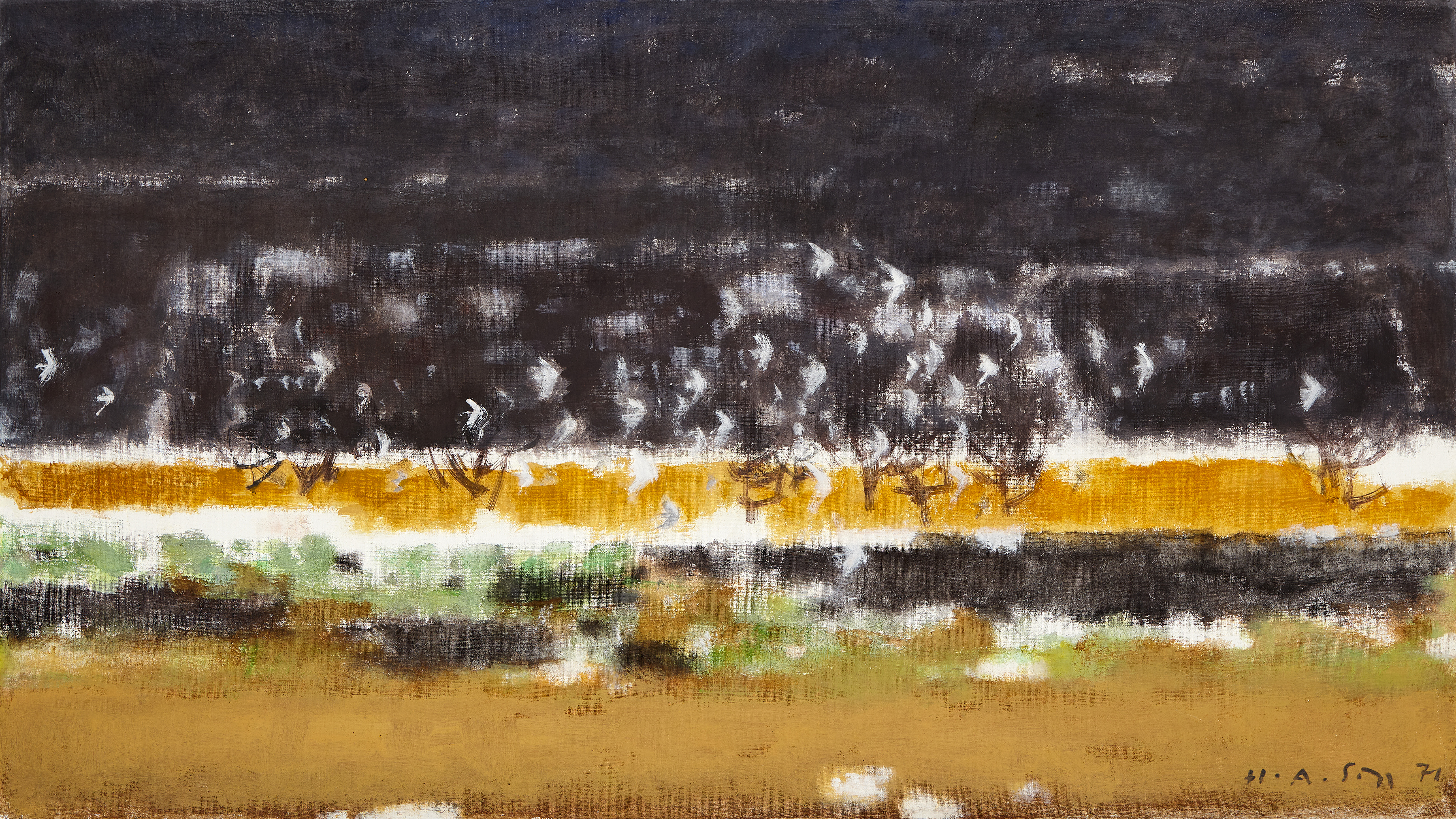
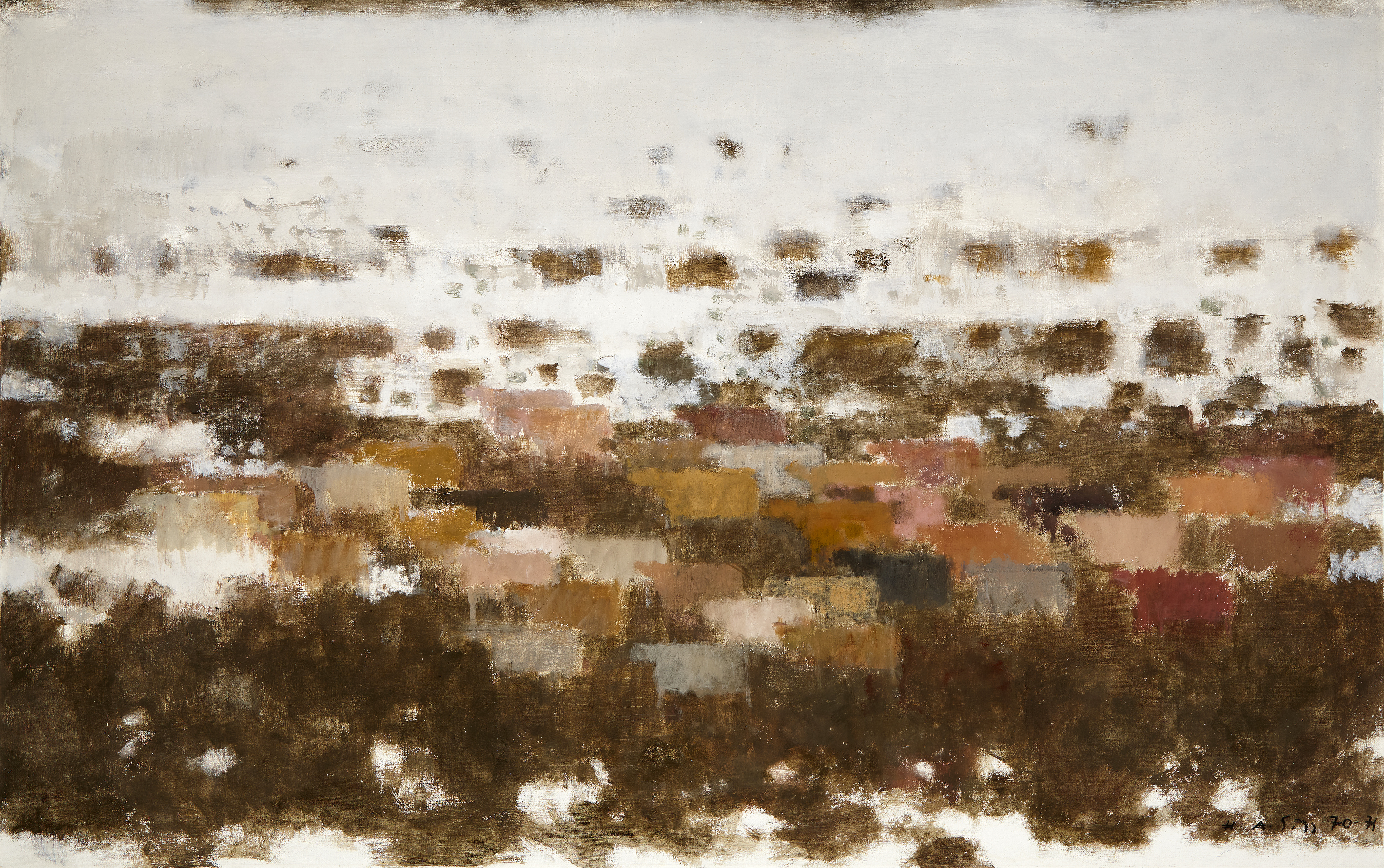
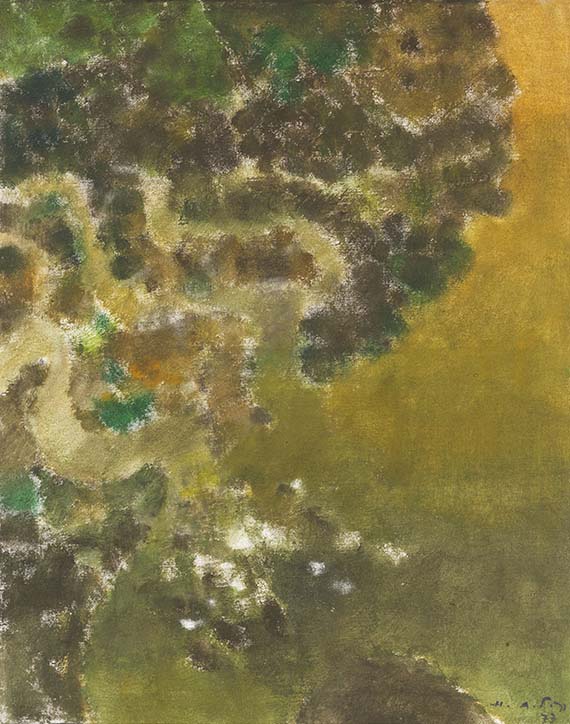
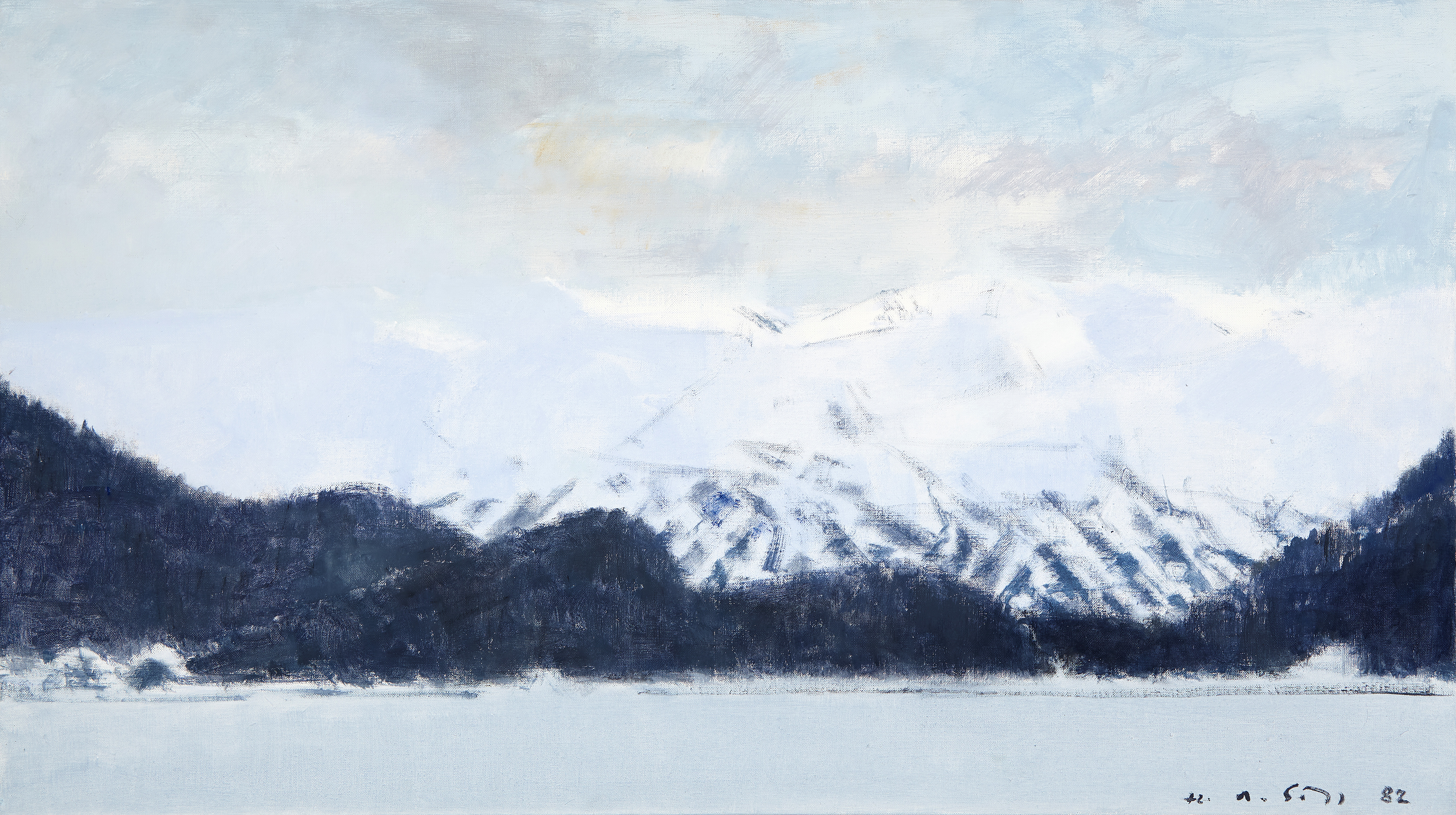
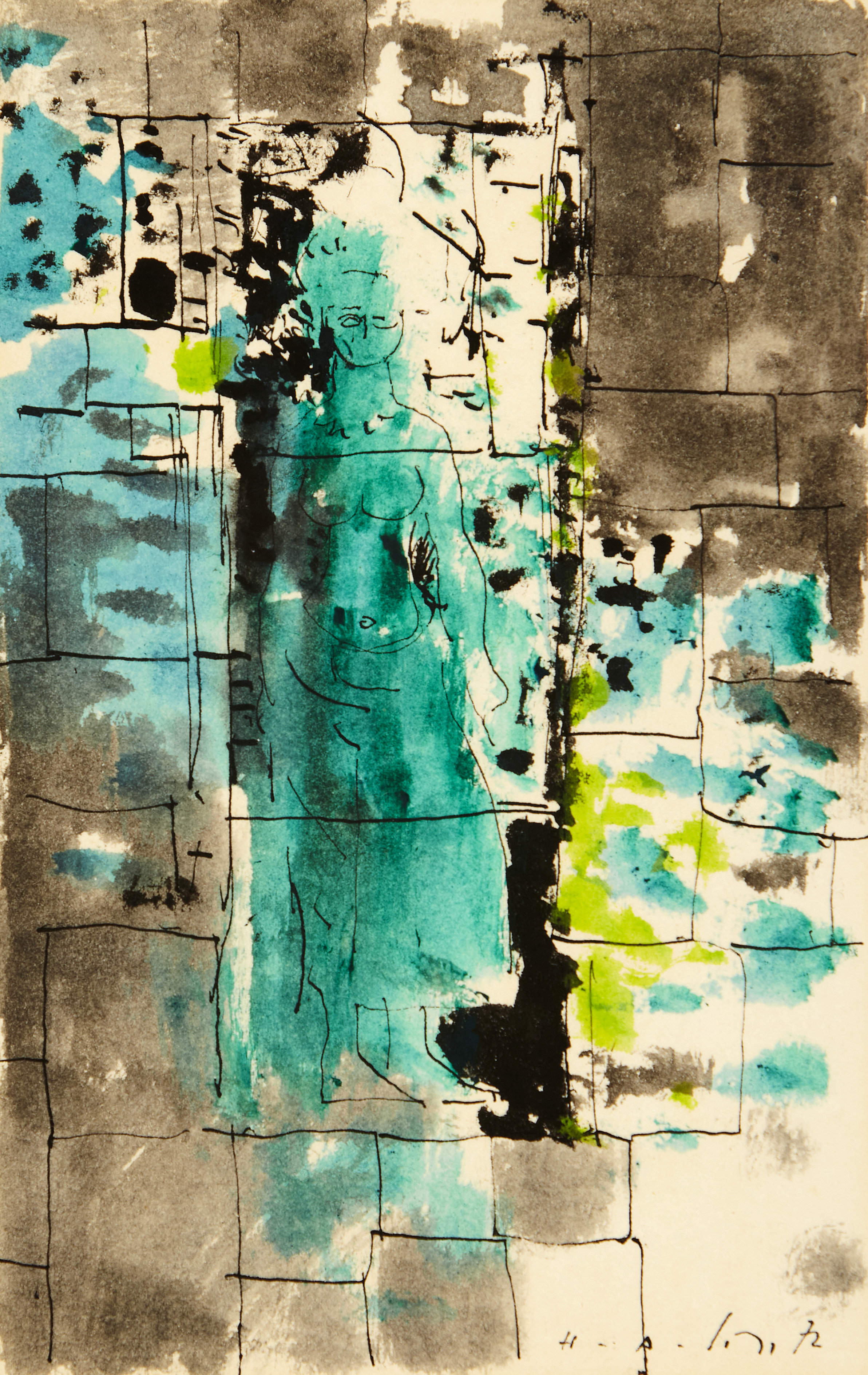
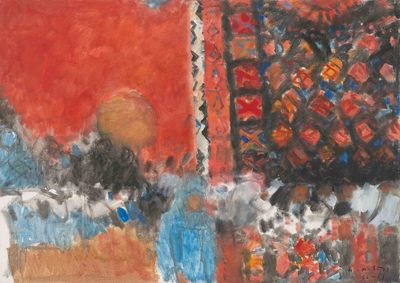
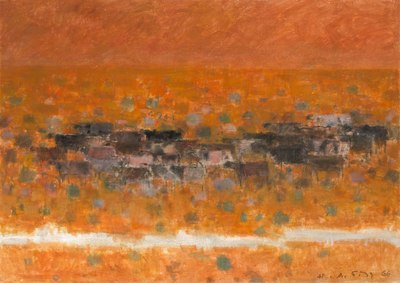
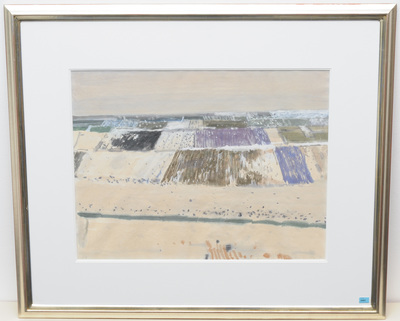
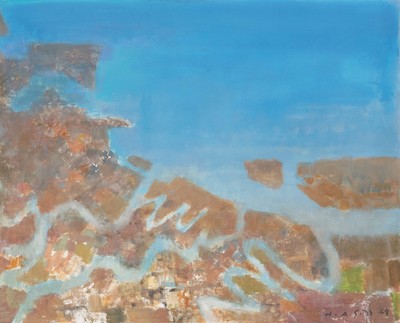
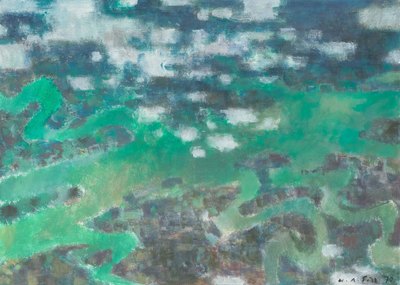
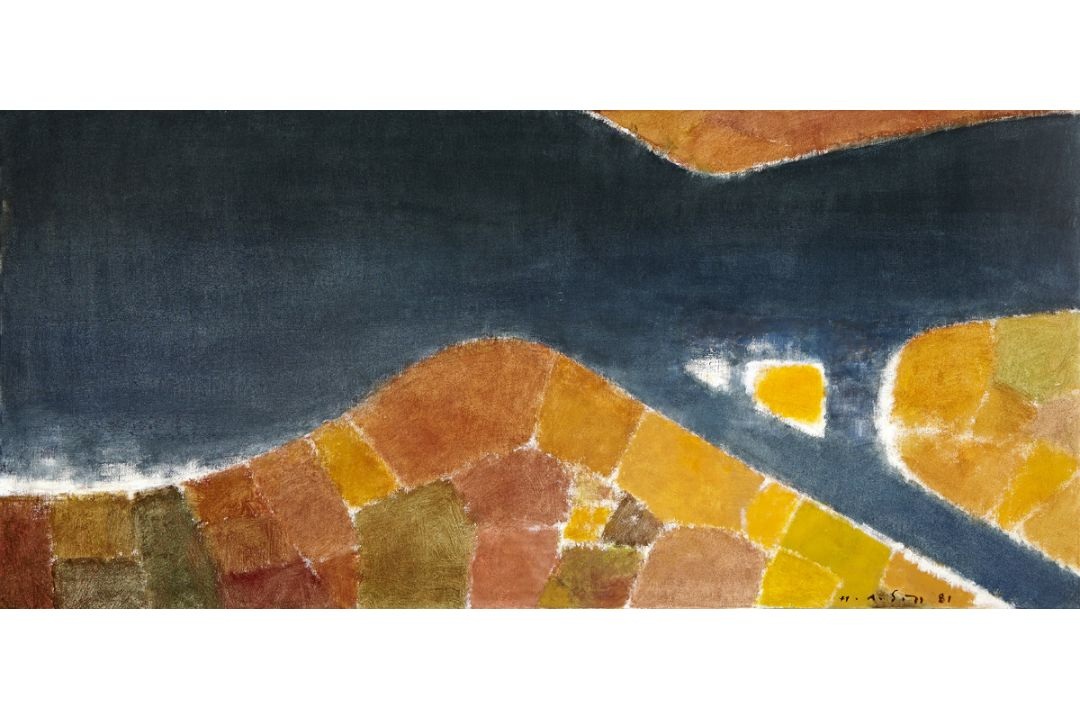
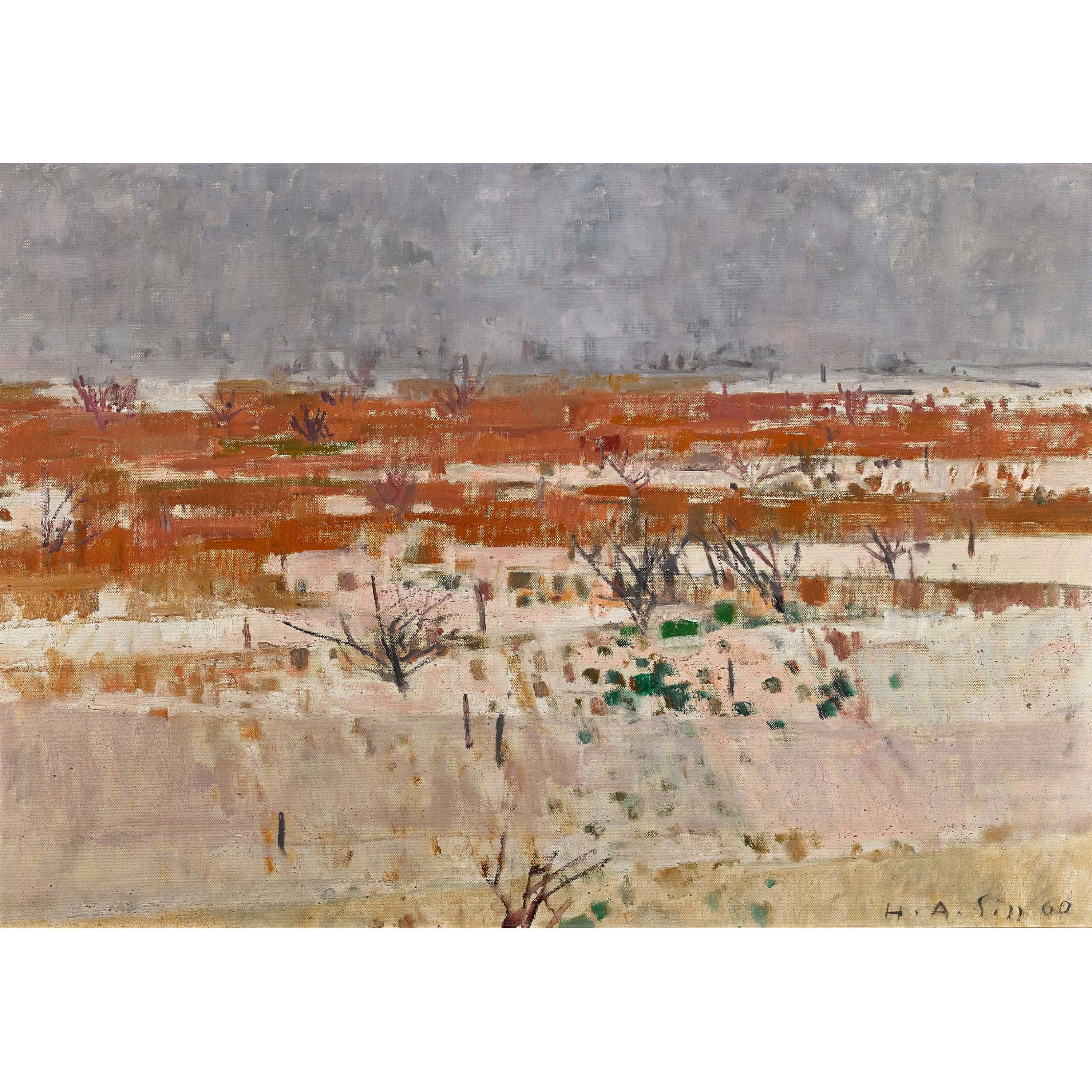
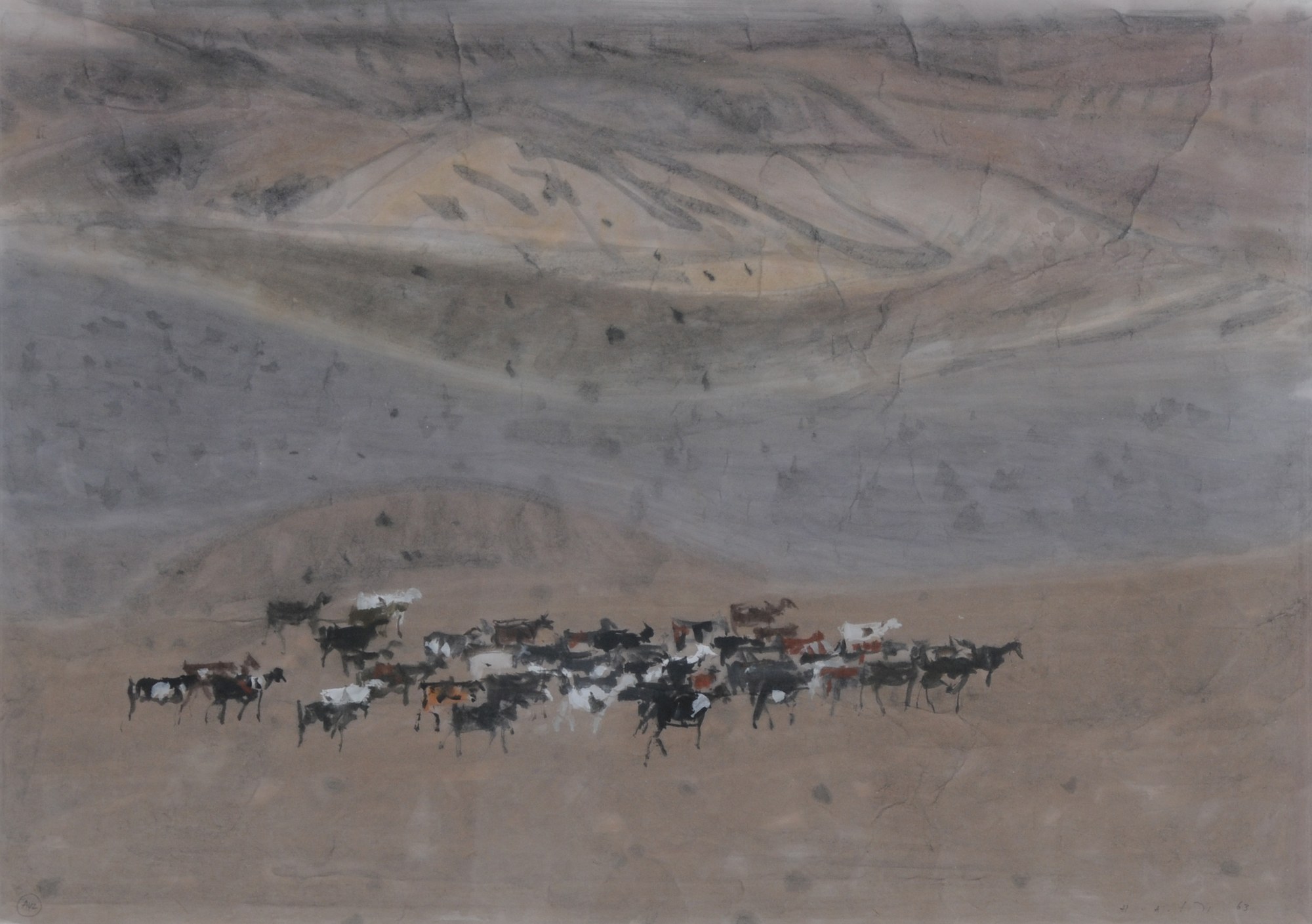
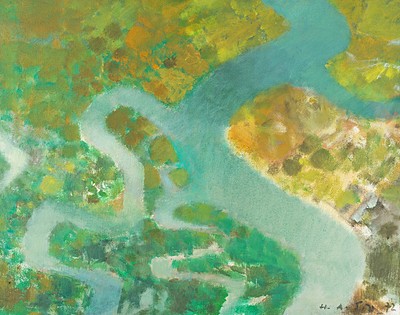
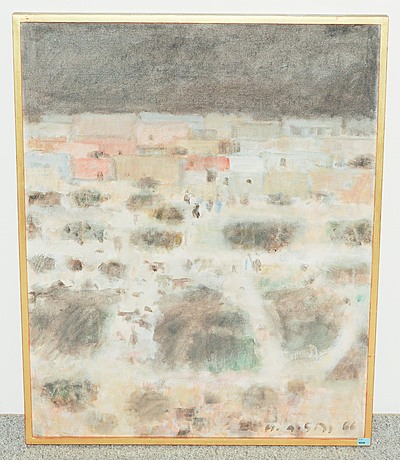
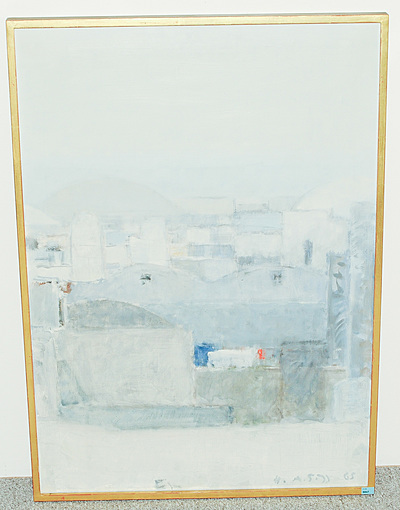
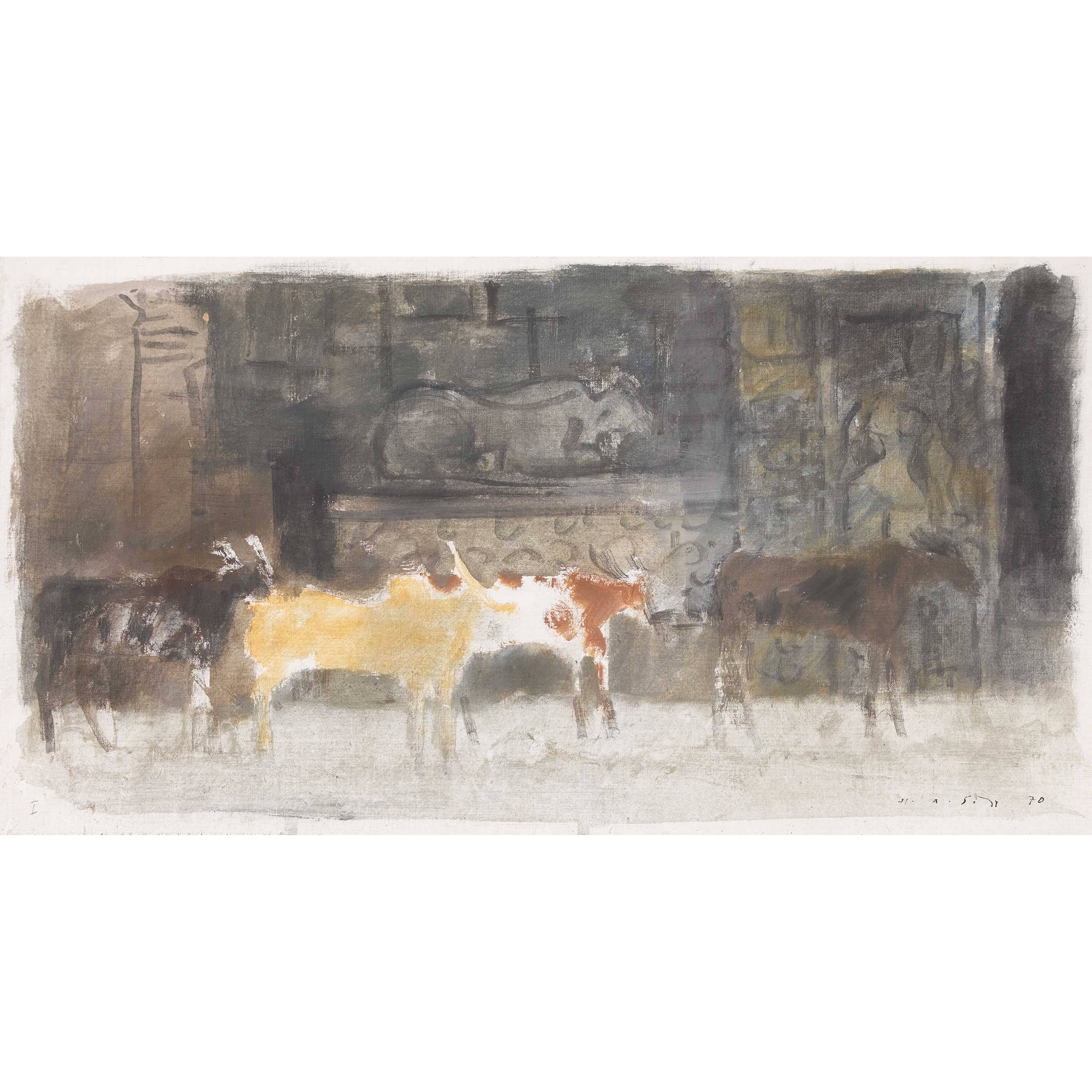
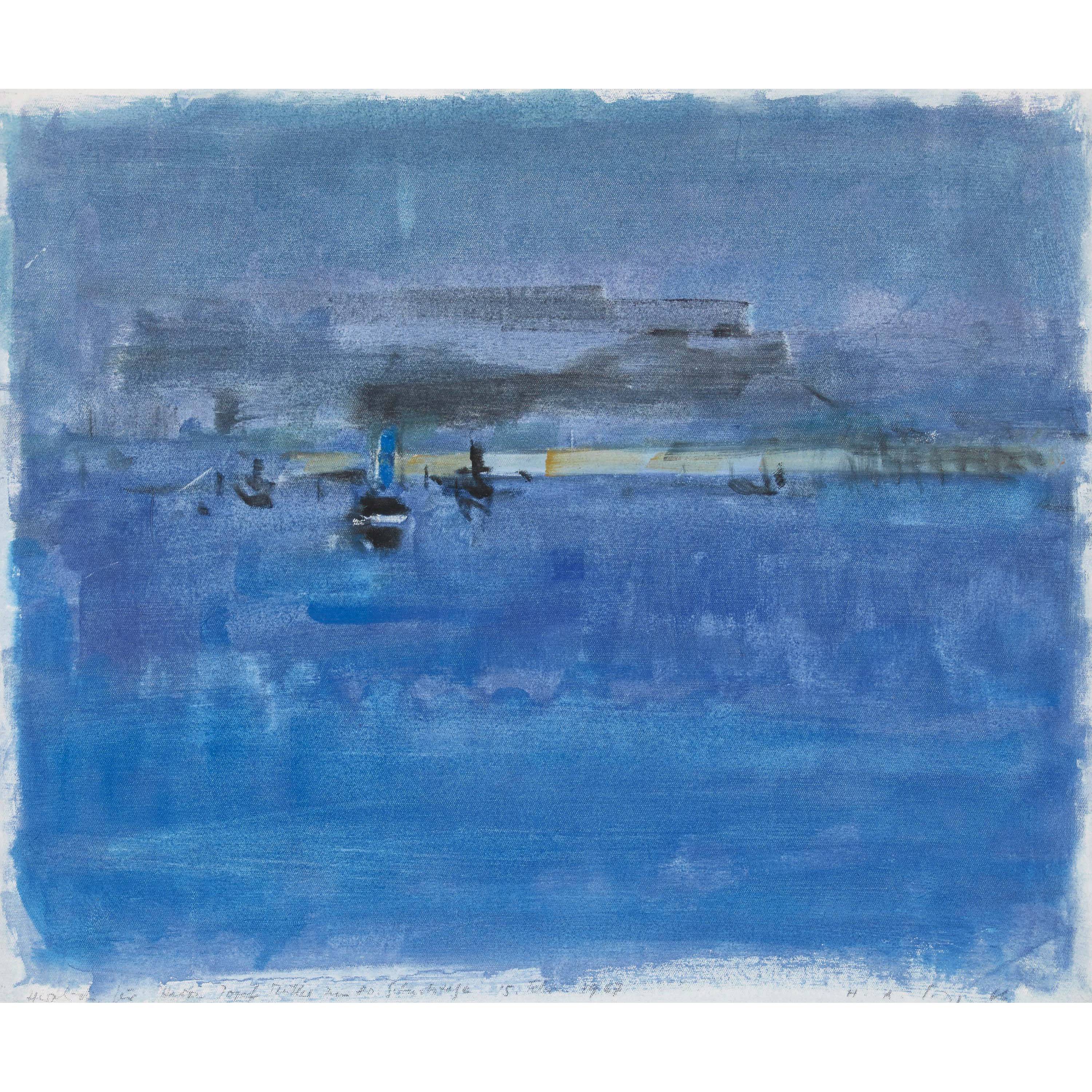
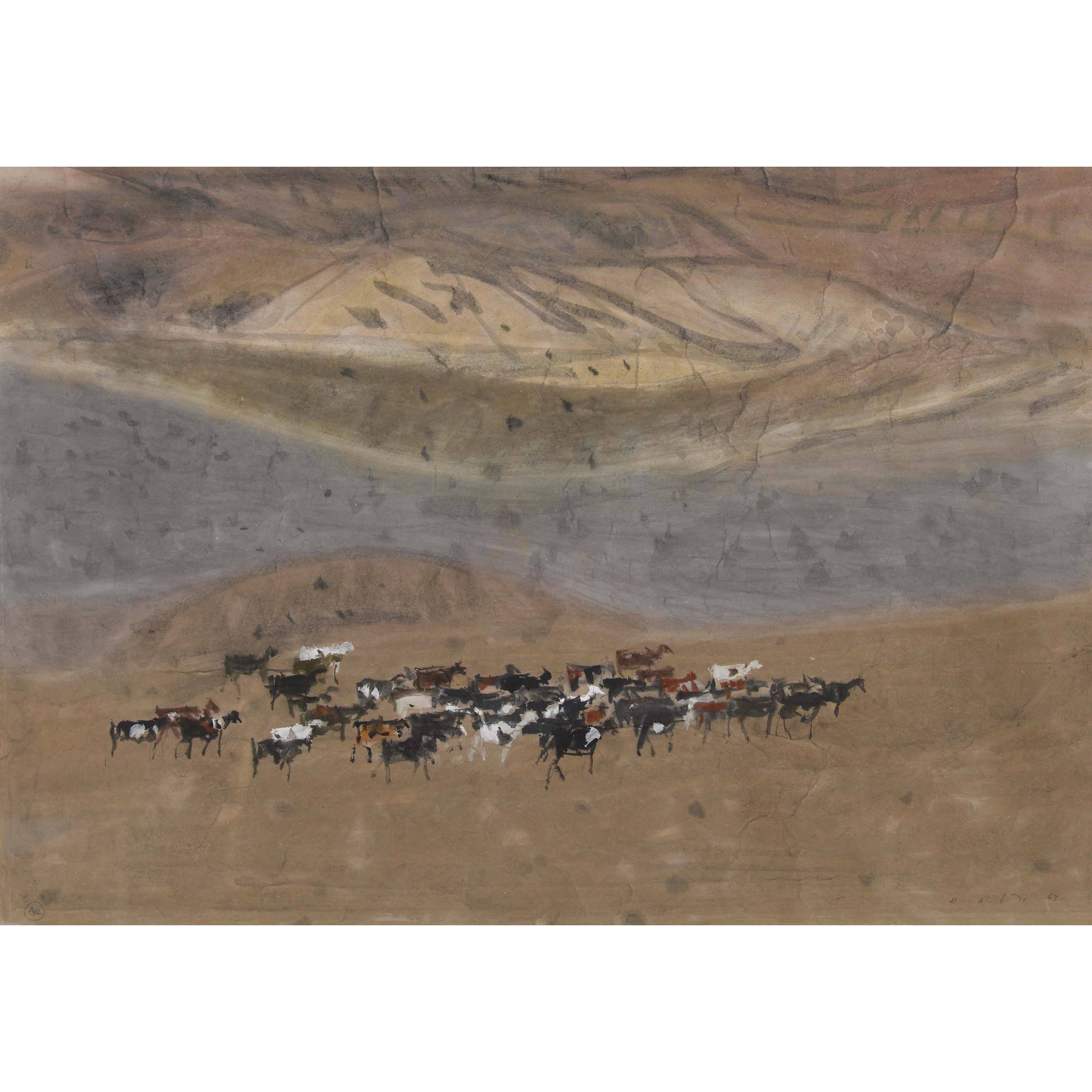
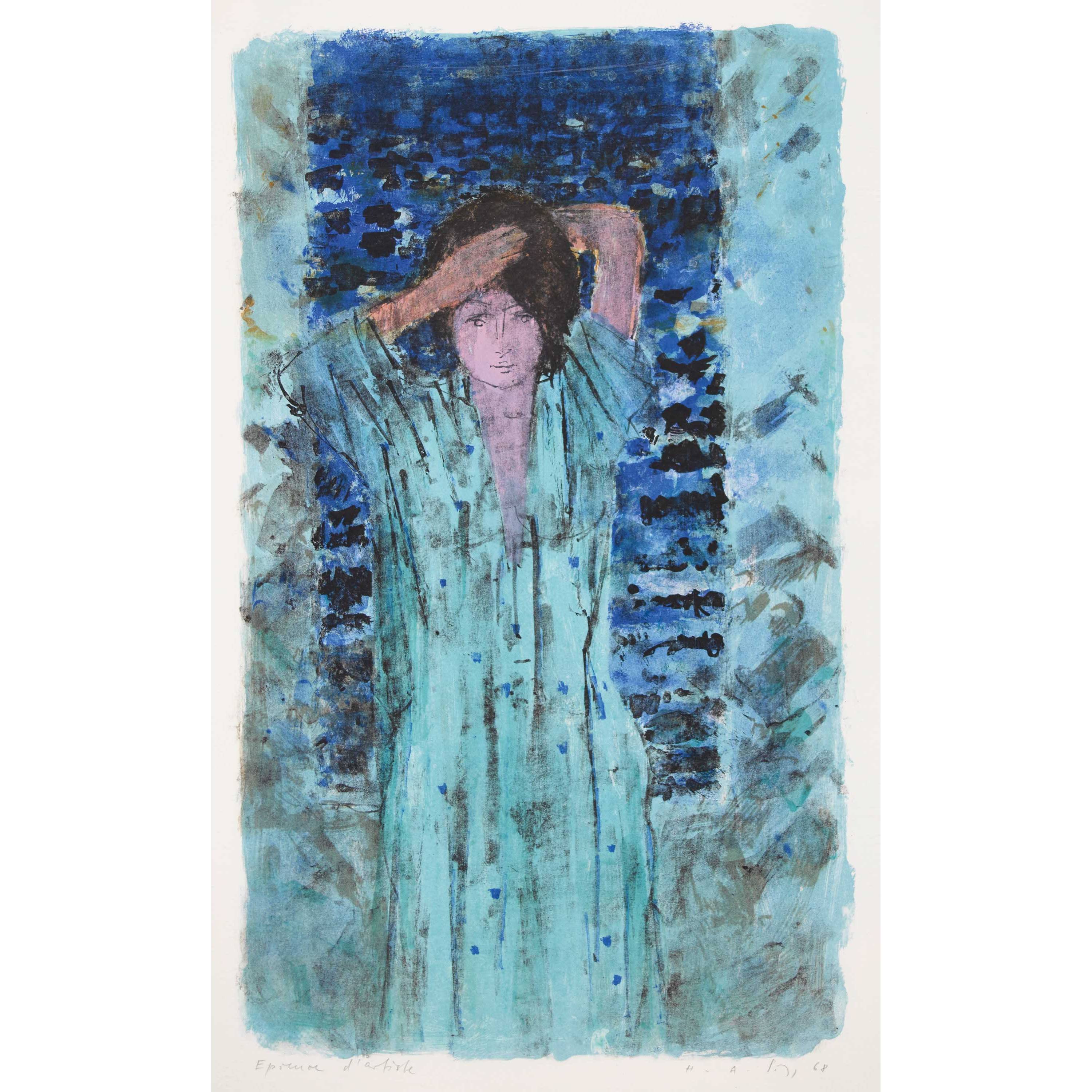
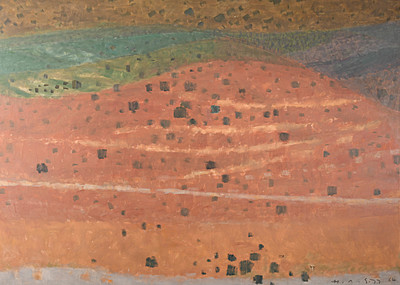
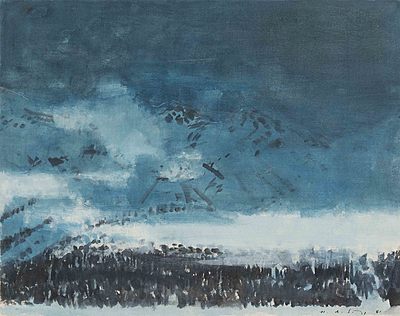
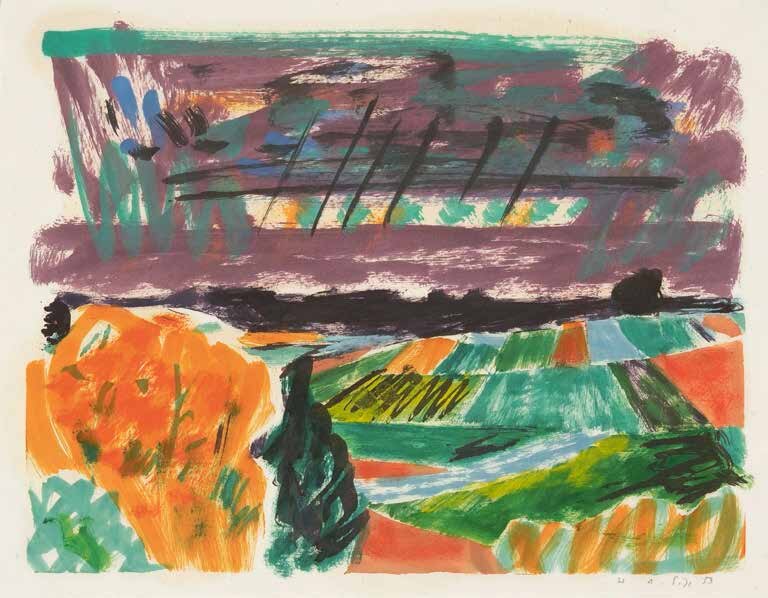
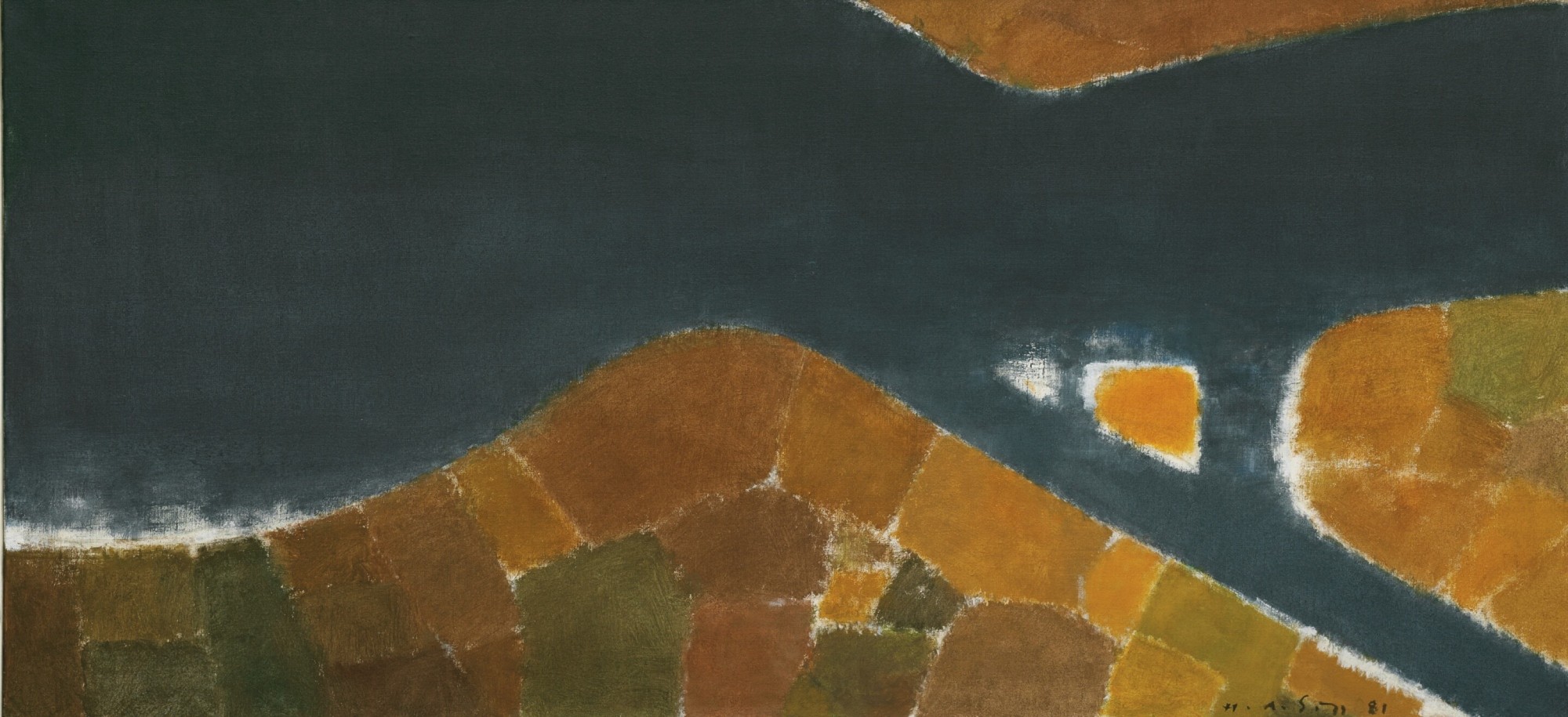
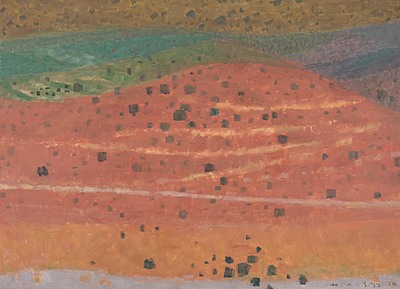
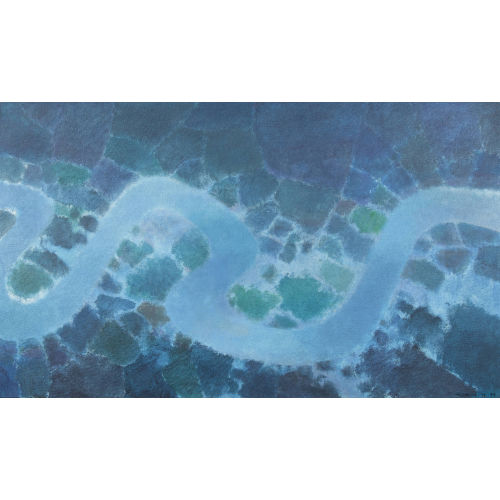
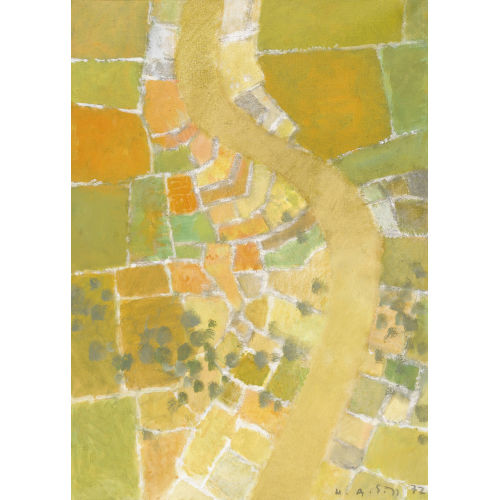
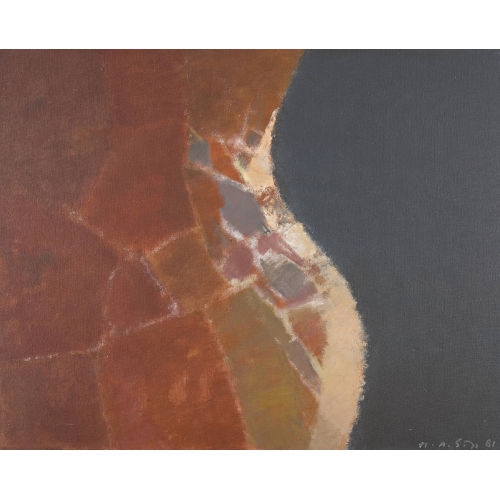
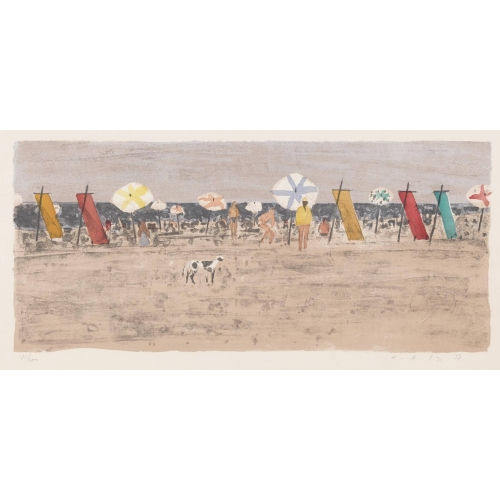
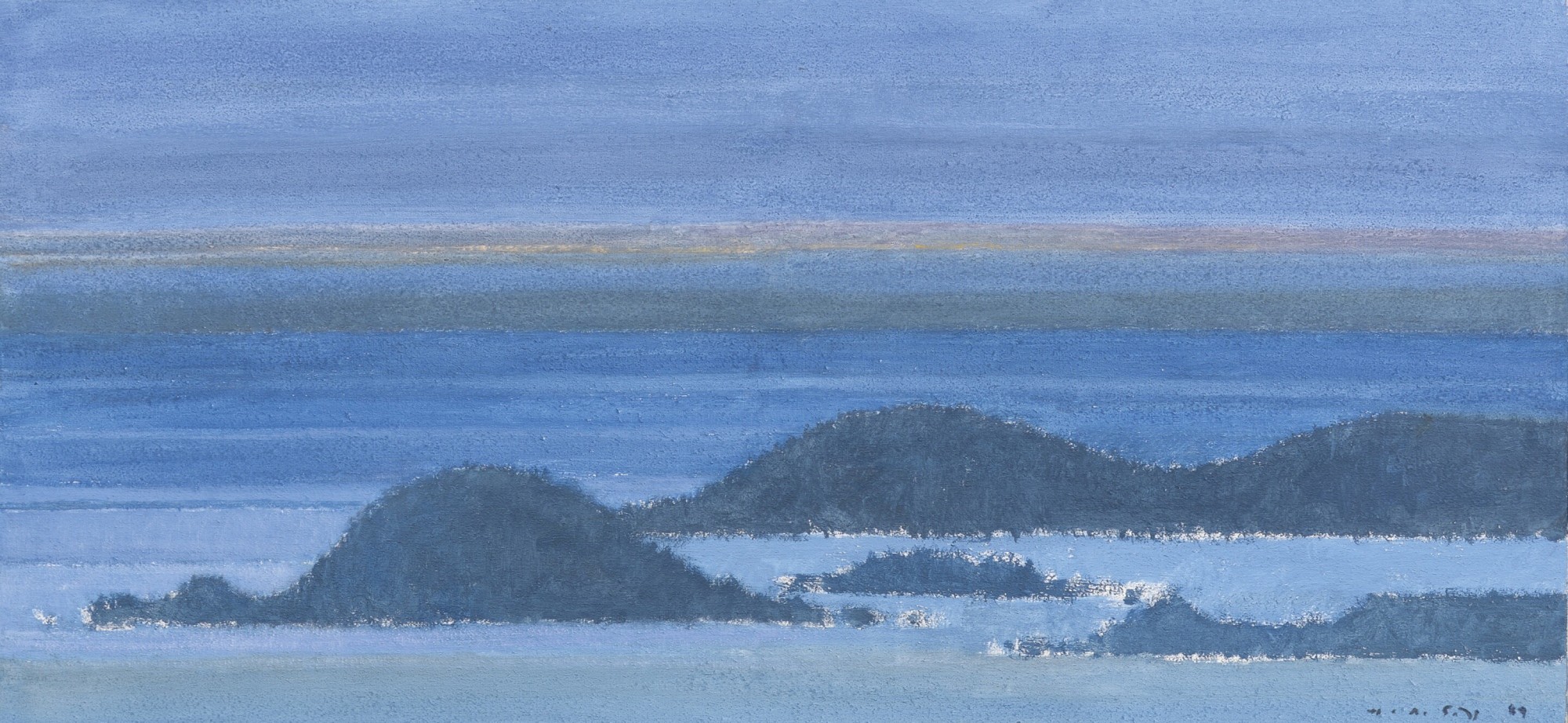
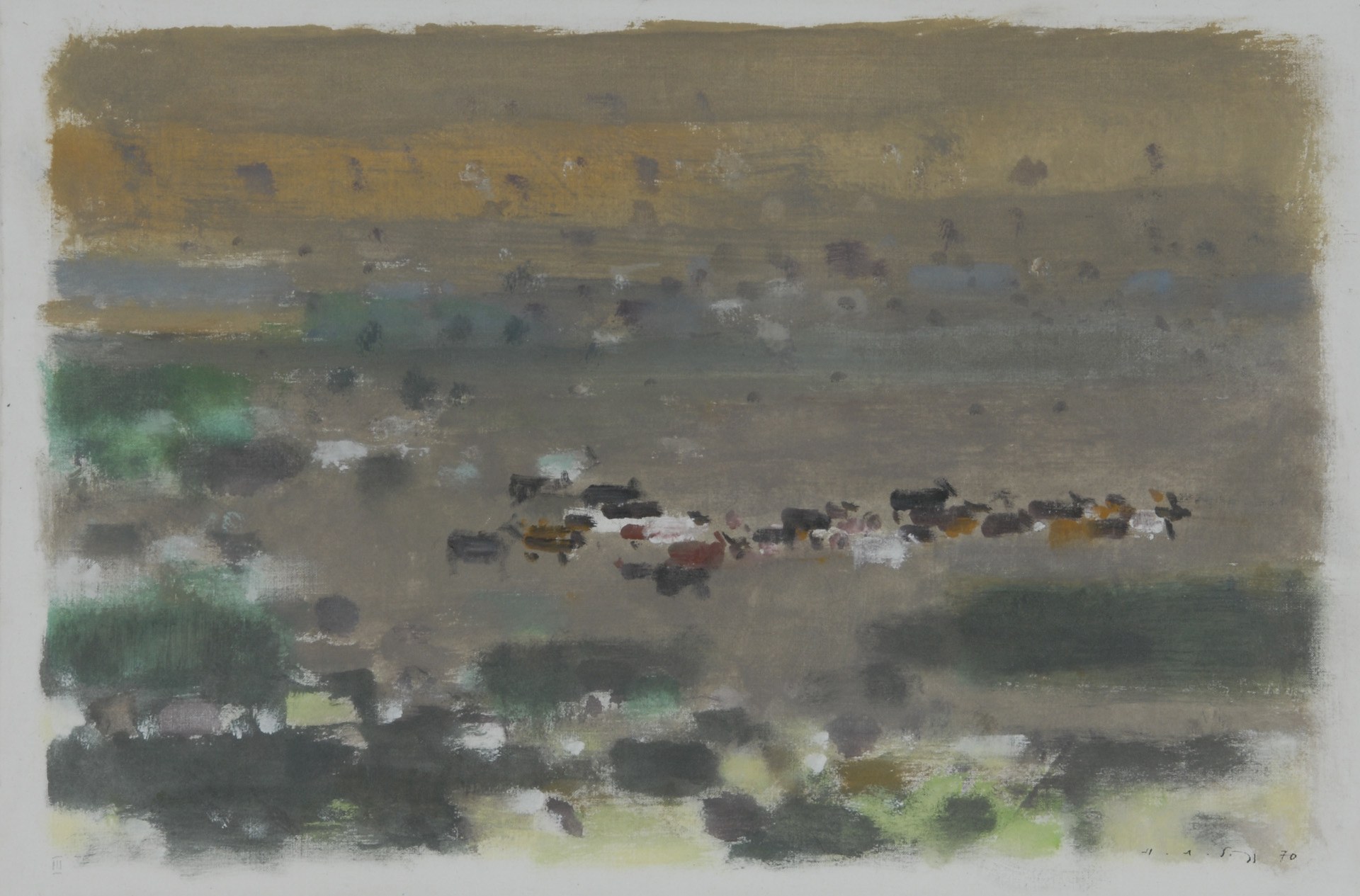
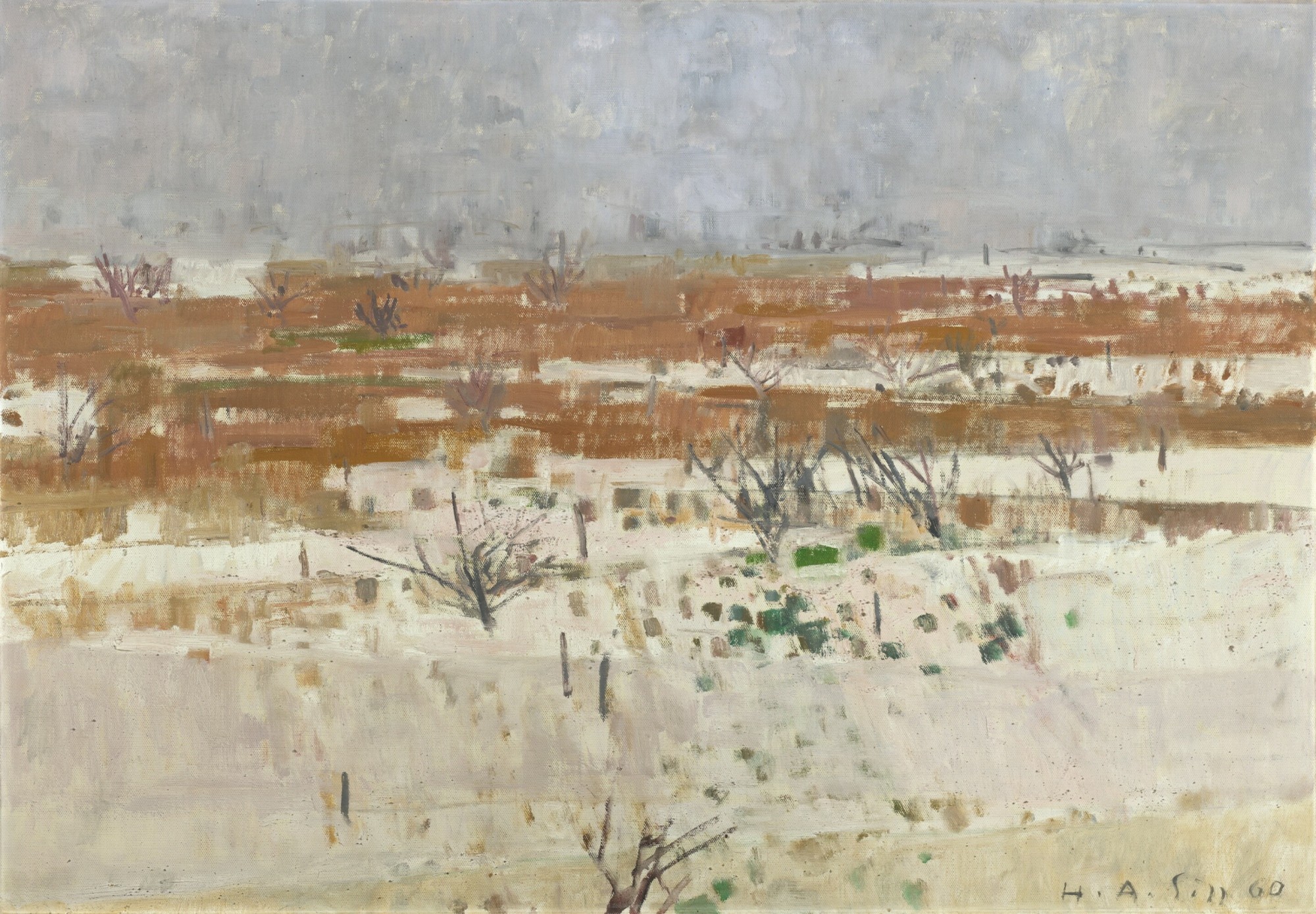
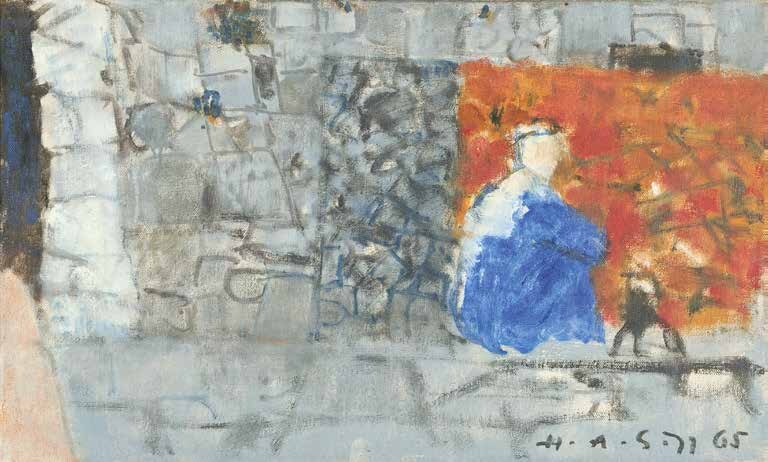
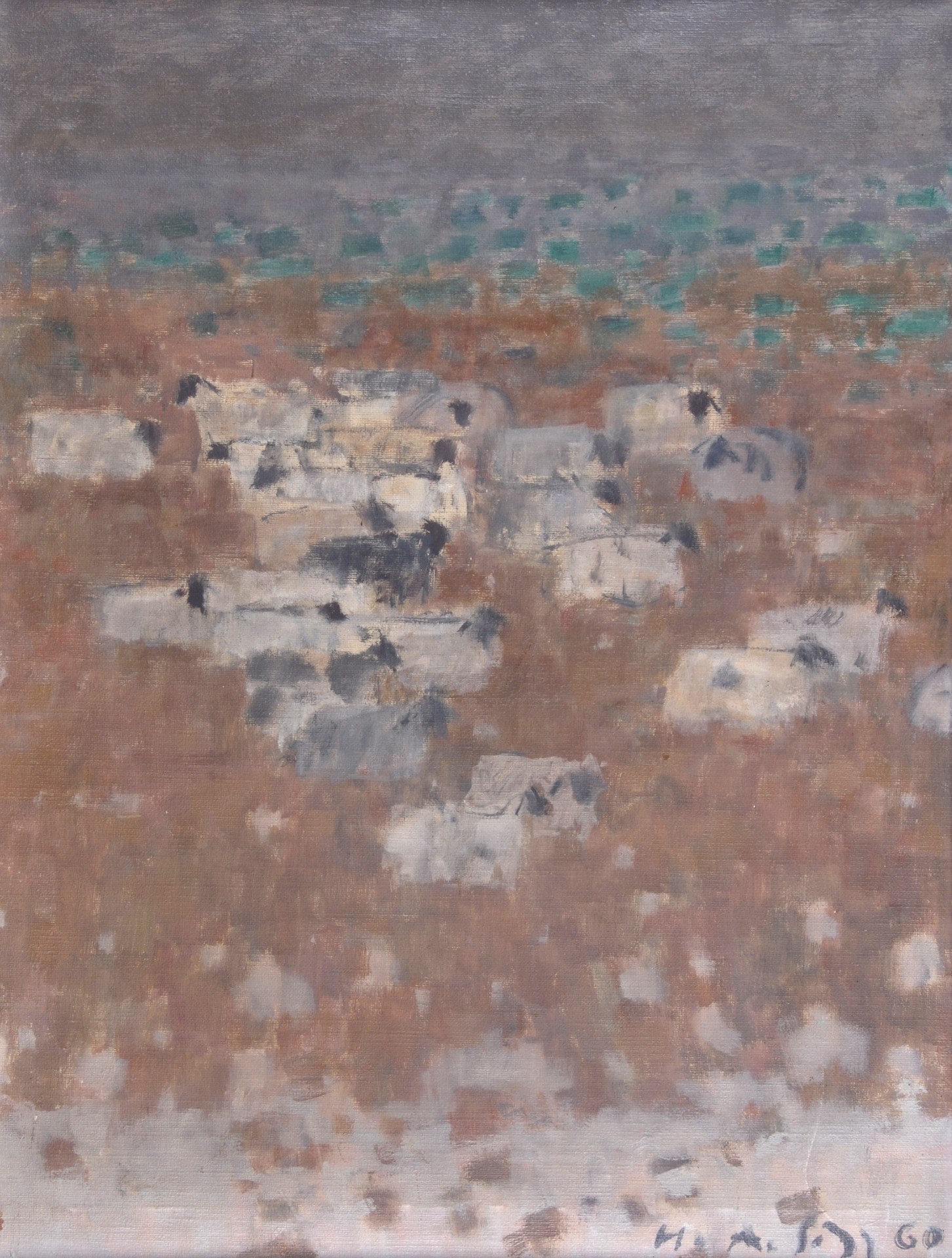
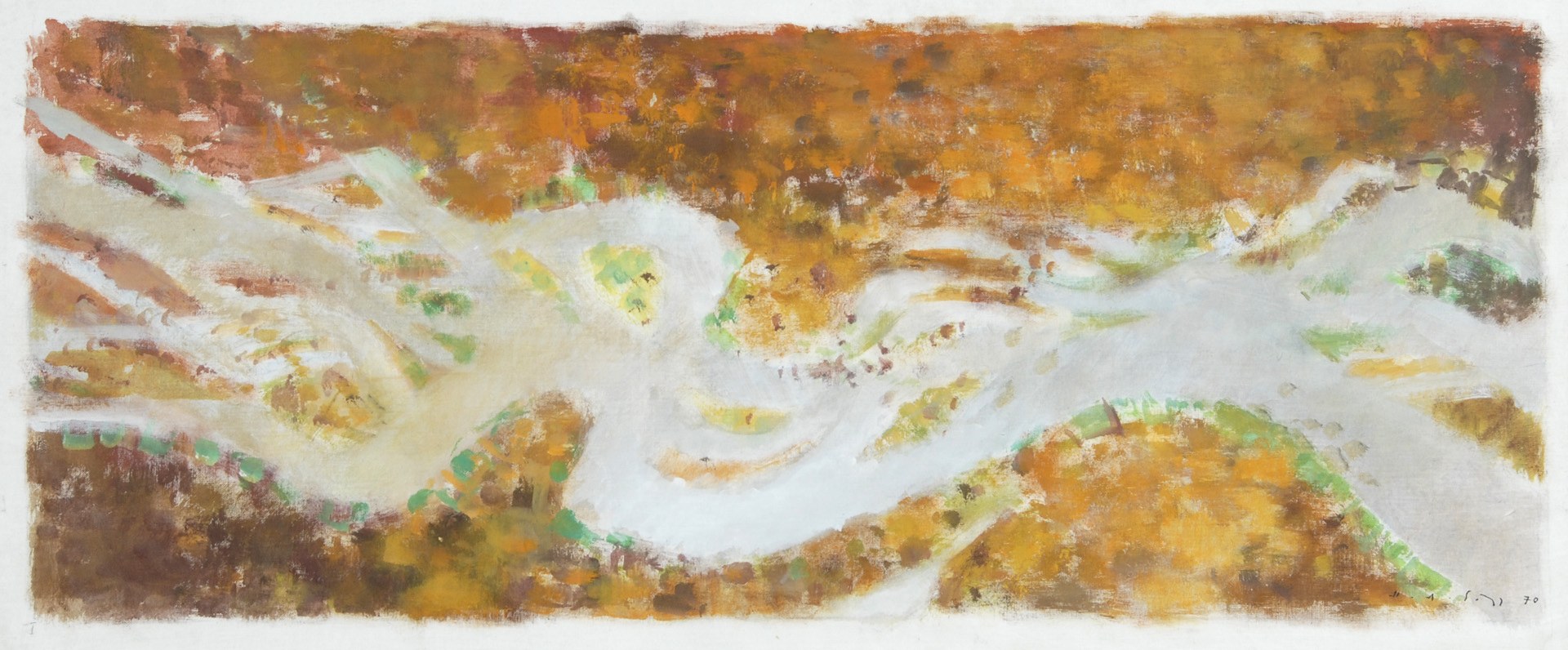
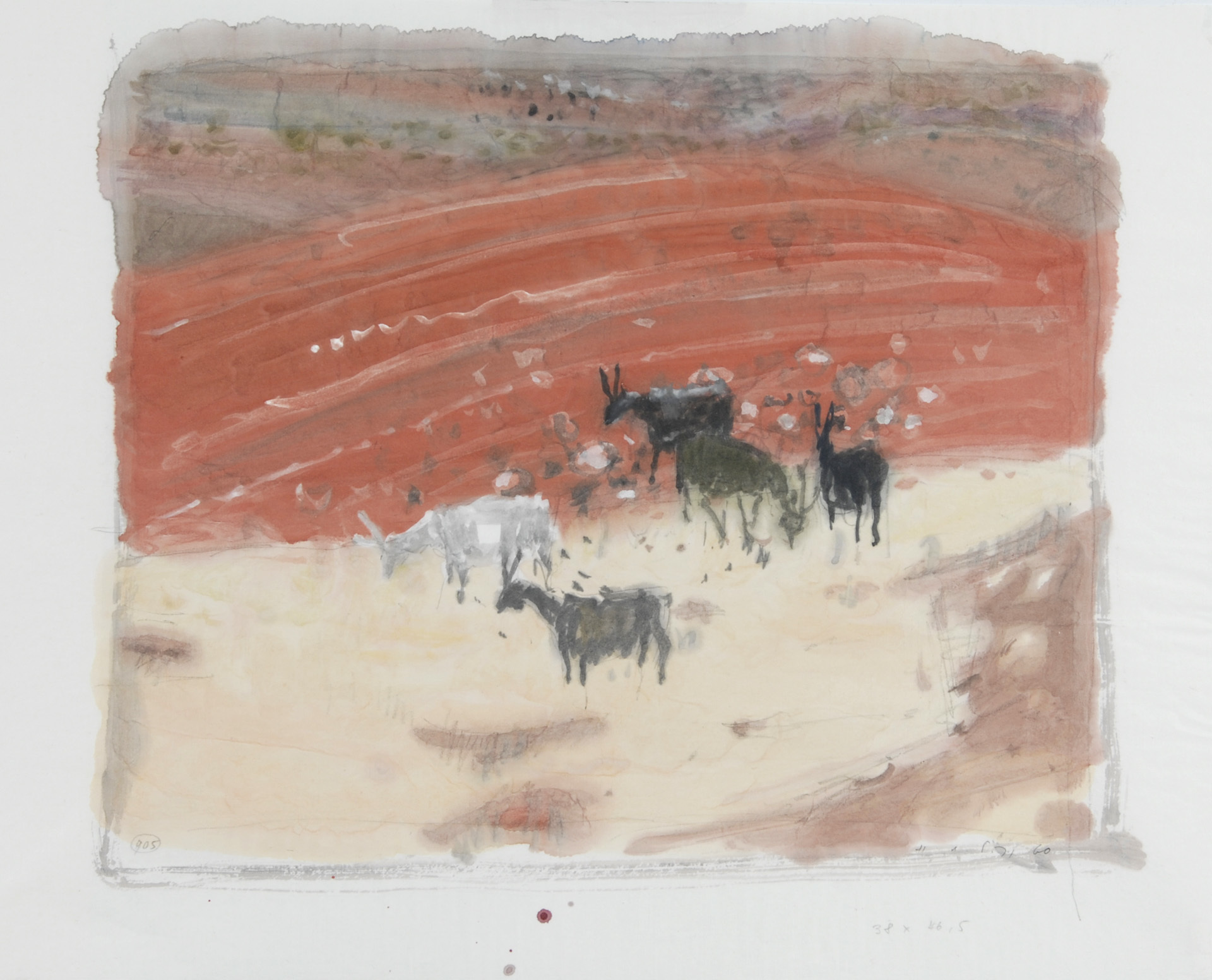
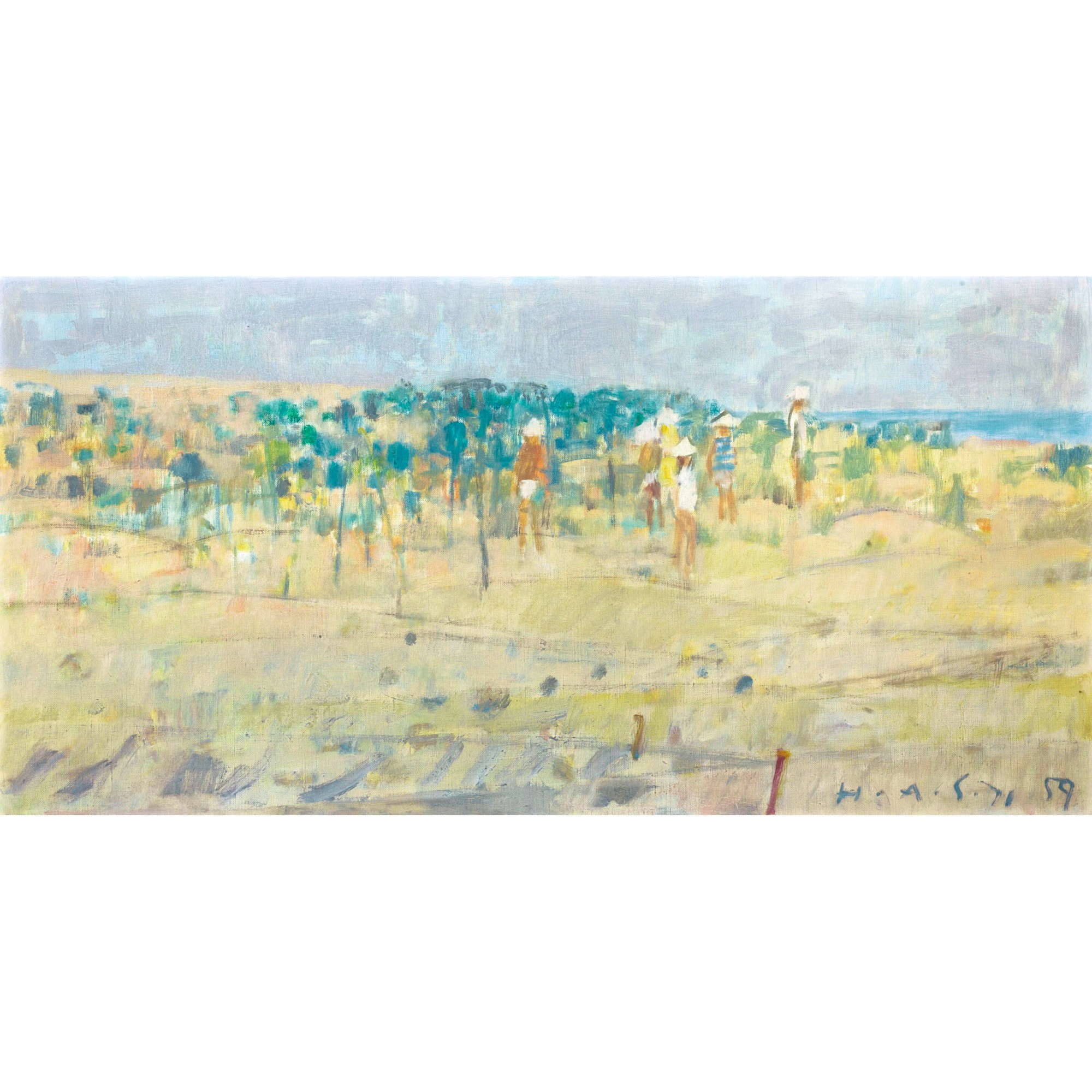
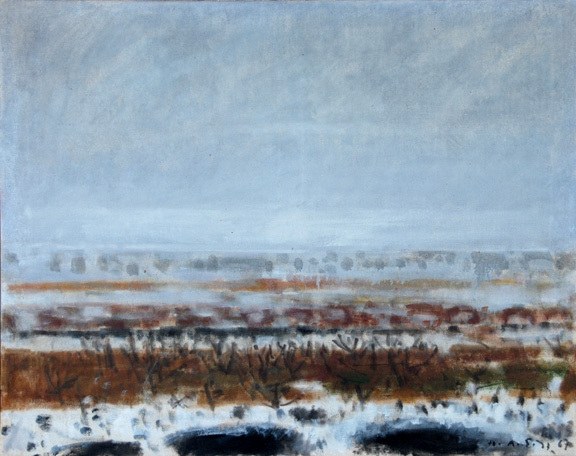
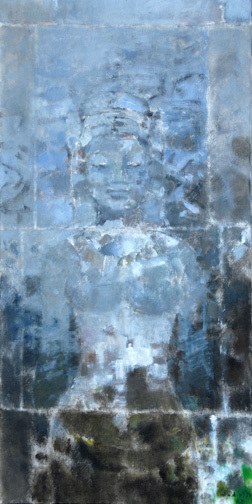
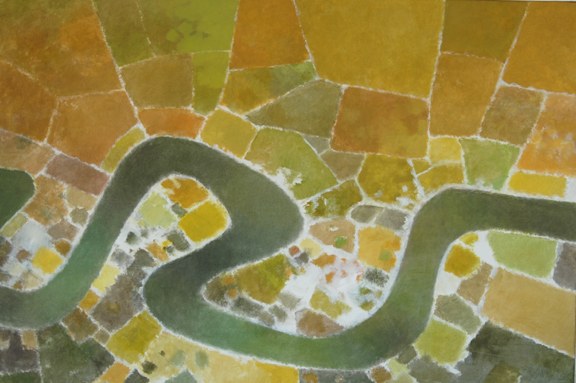
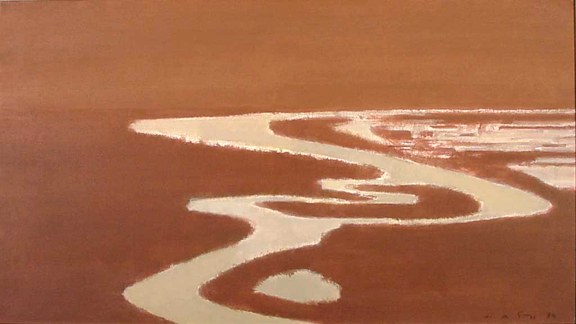
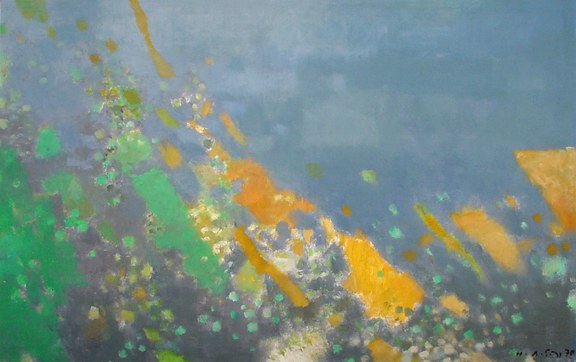
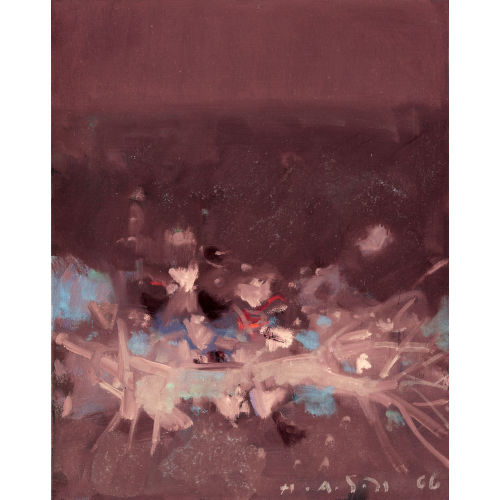
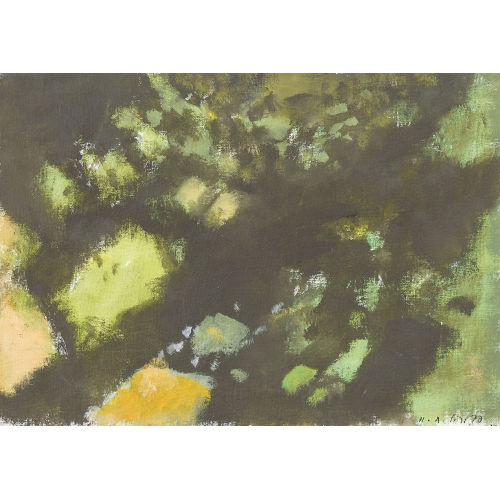
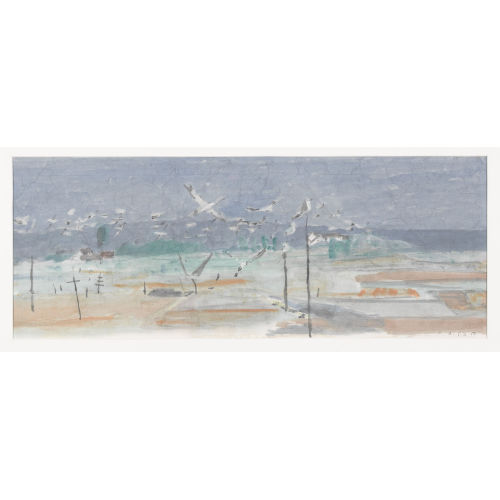
Seen from above, a river becomes a line; in the painting of Hermann Alfred Sigg (1924–2023), that line opens up a space for meditation. A Swiss painter born in Zurich, who also worked in sculpture and stained glass, Sigg transforms the landscapes he travelled through into compositions in which the eye can move between expanses of colour and tightly concentrated signs.
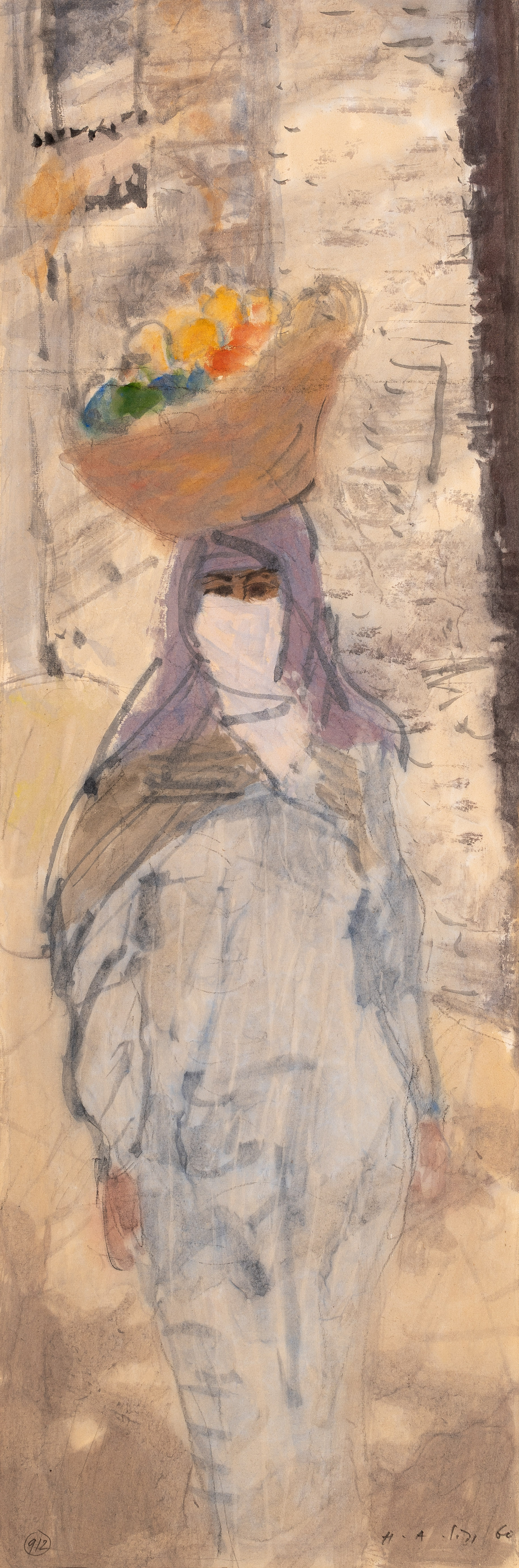
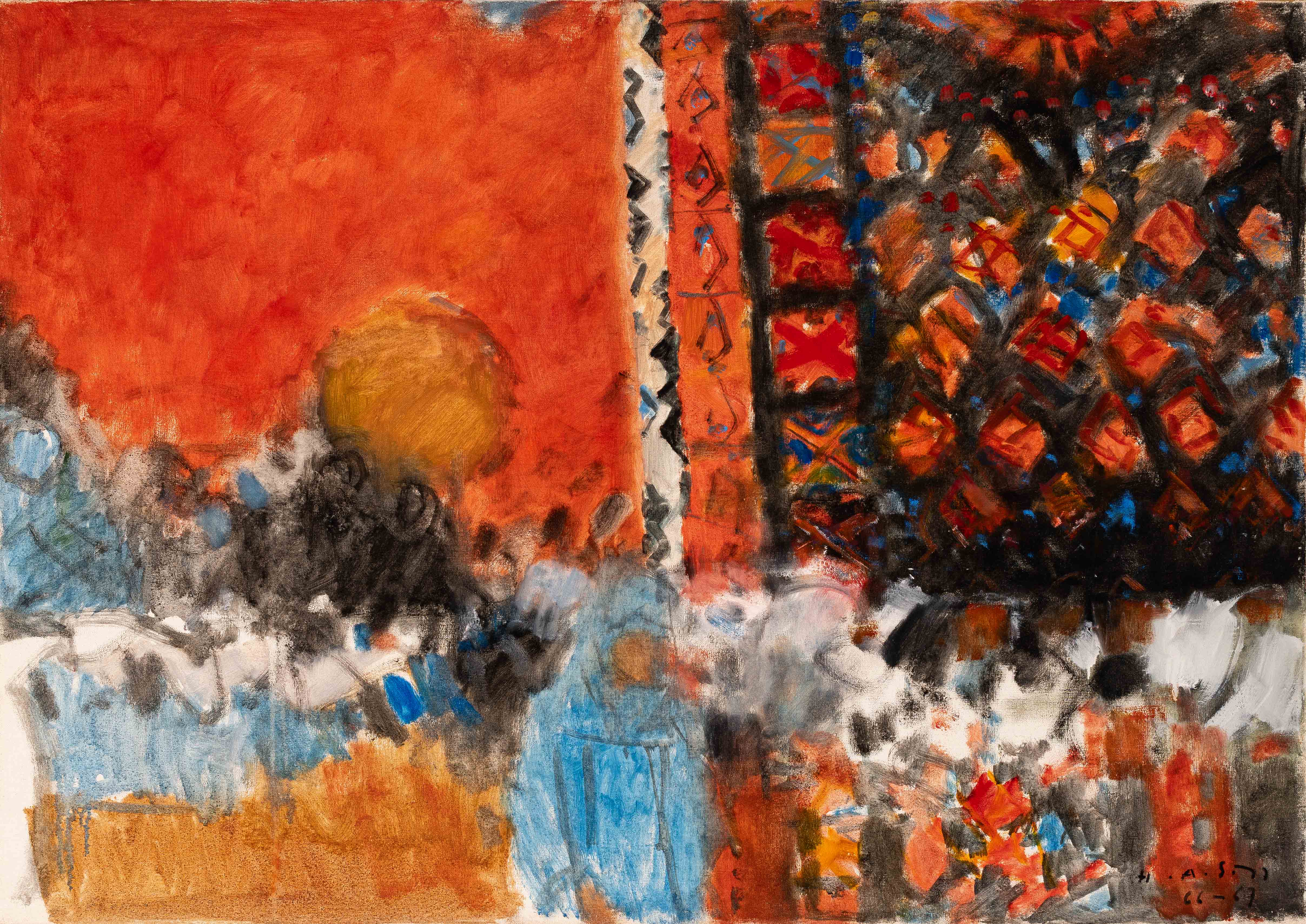
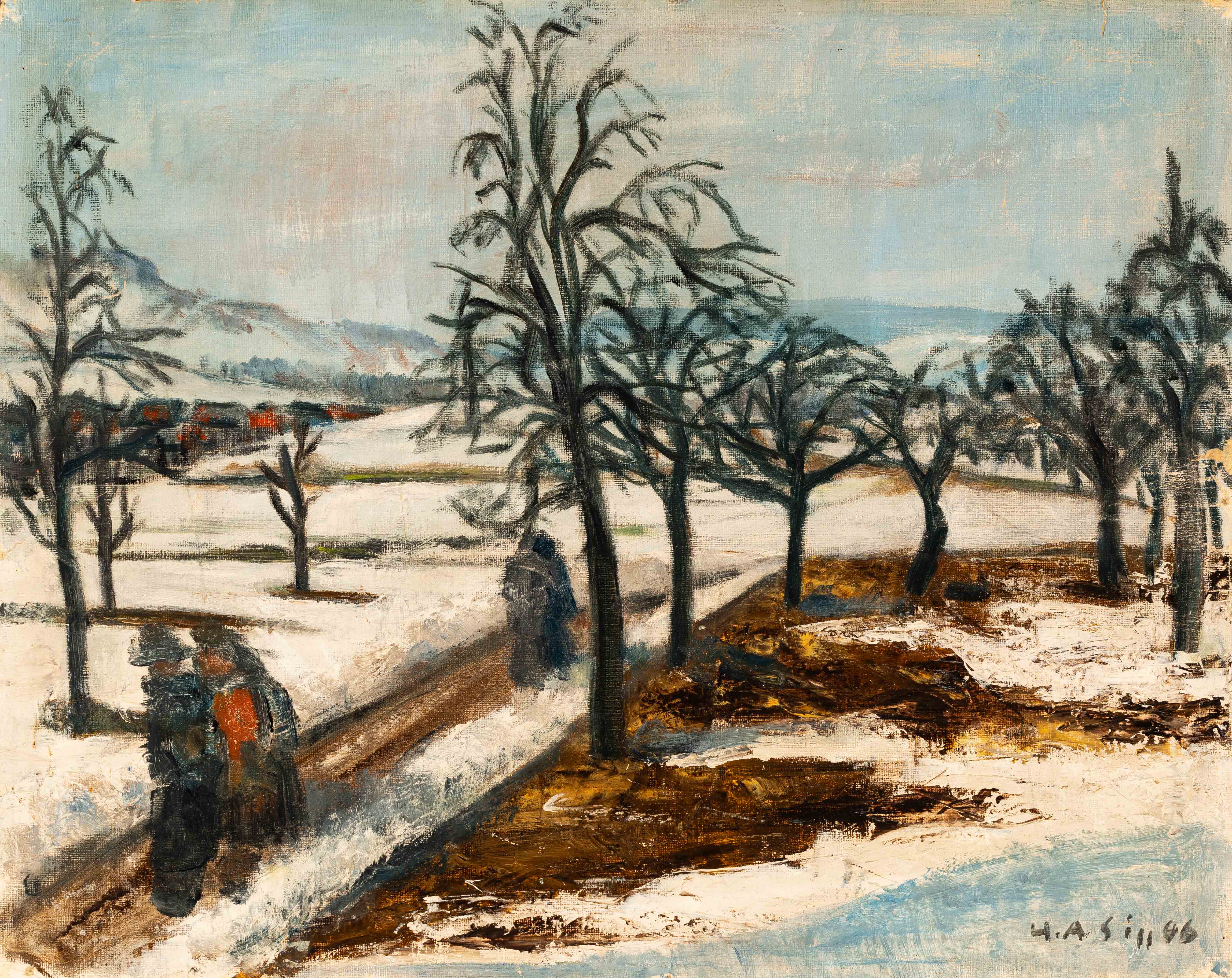
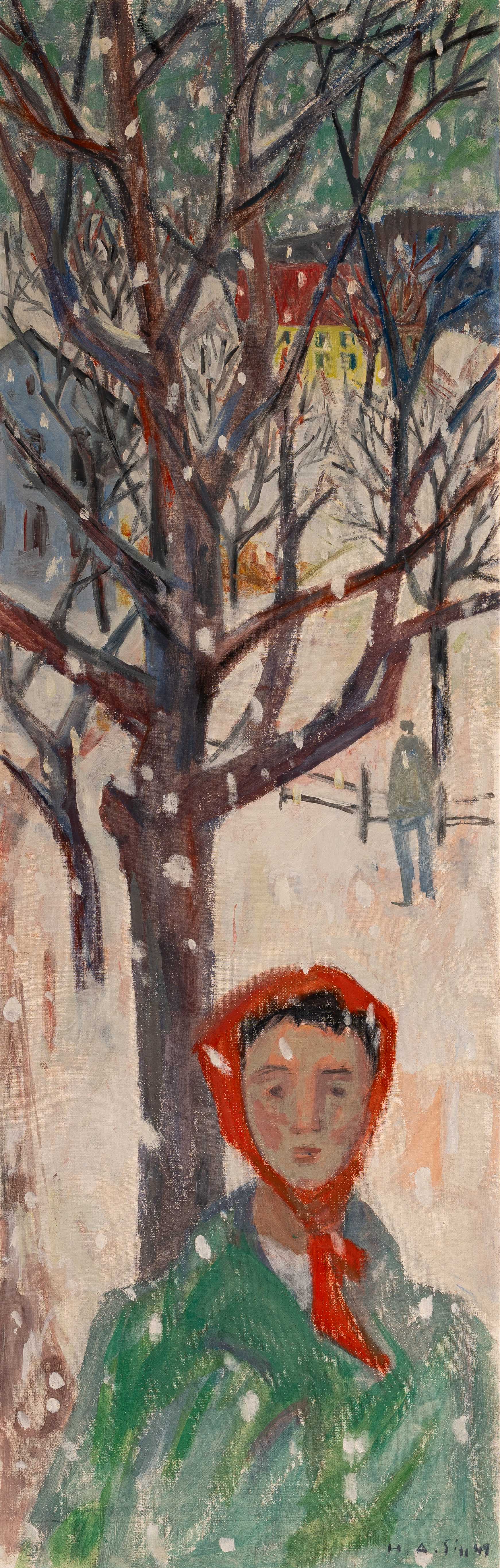
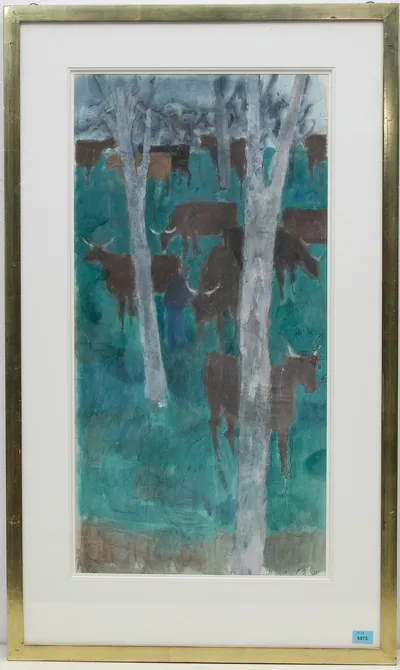
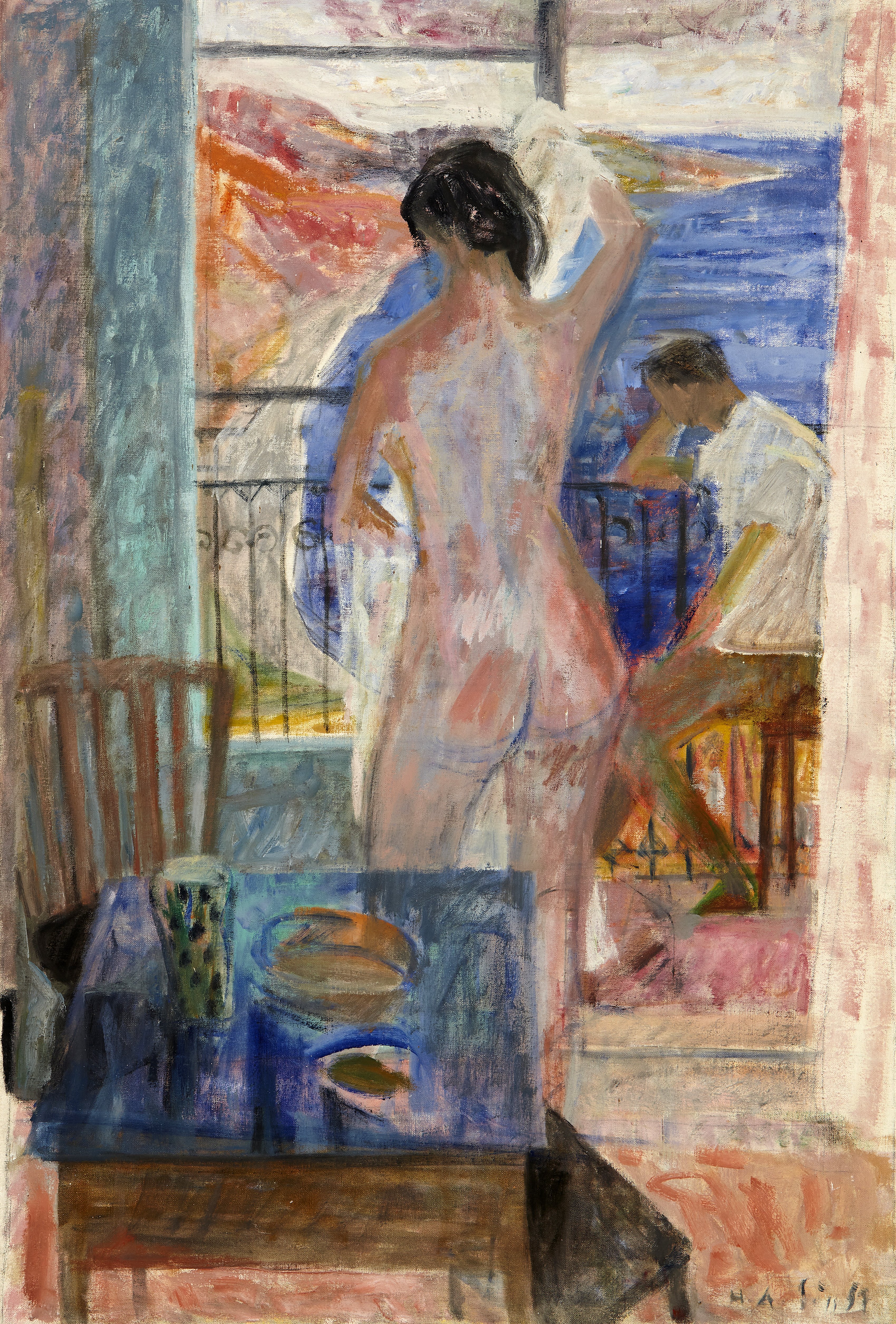
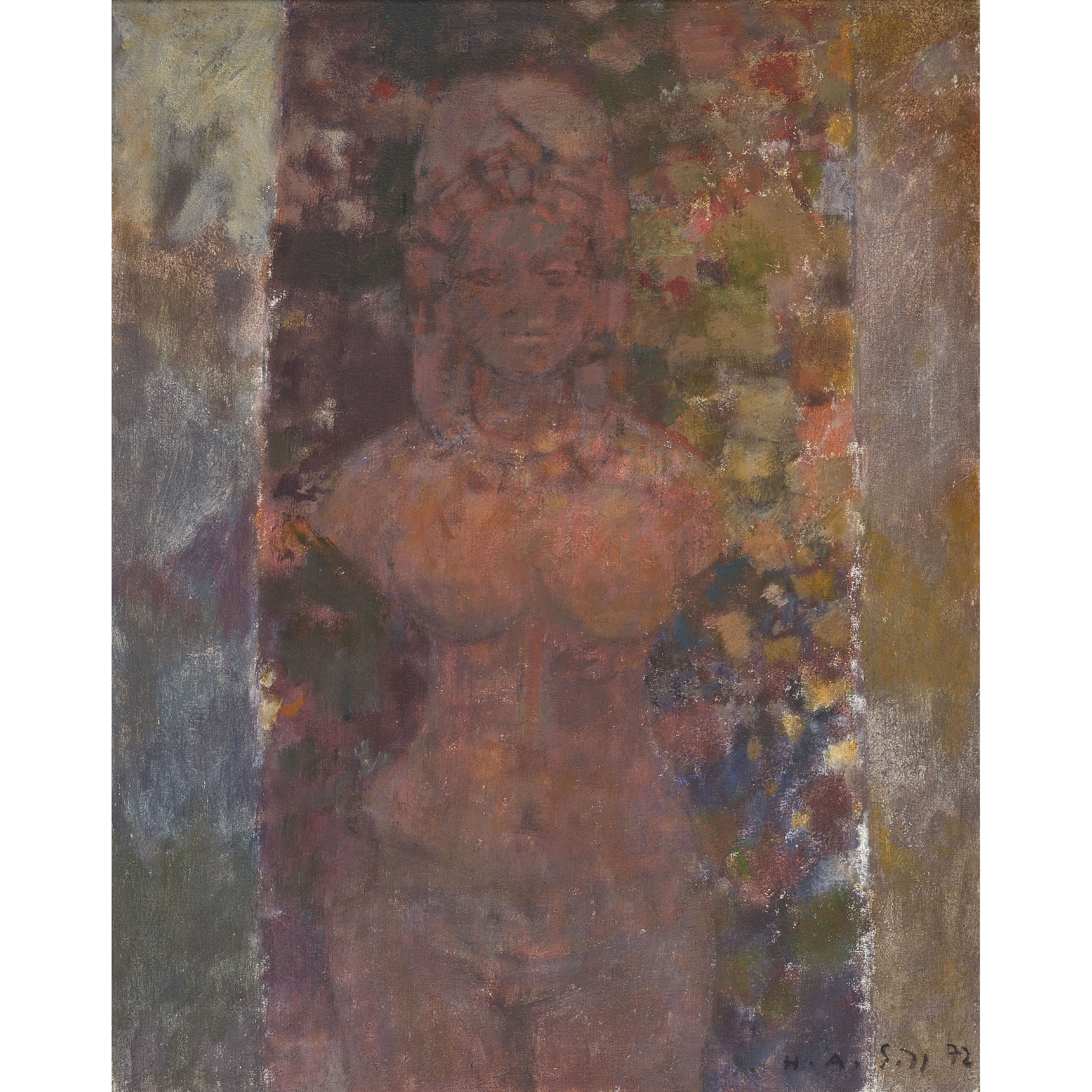
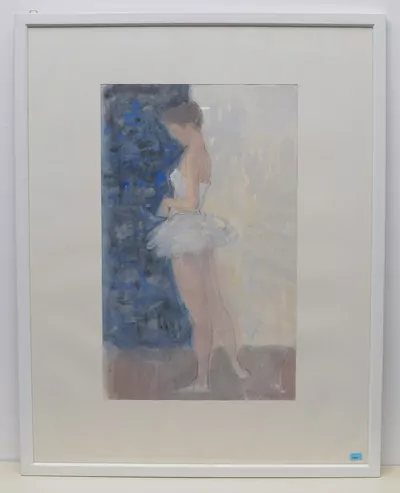
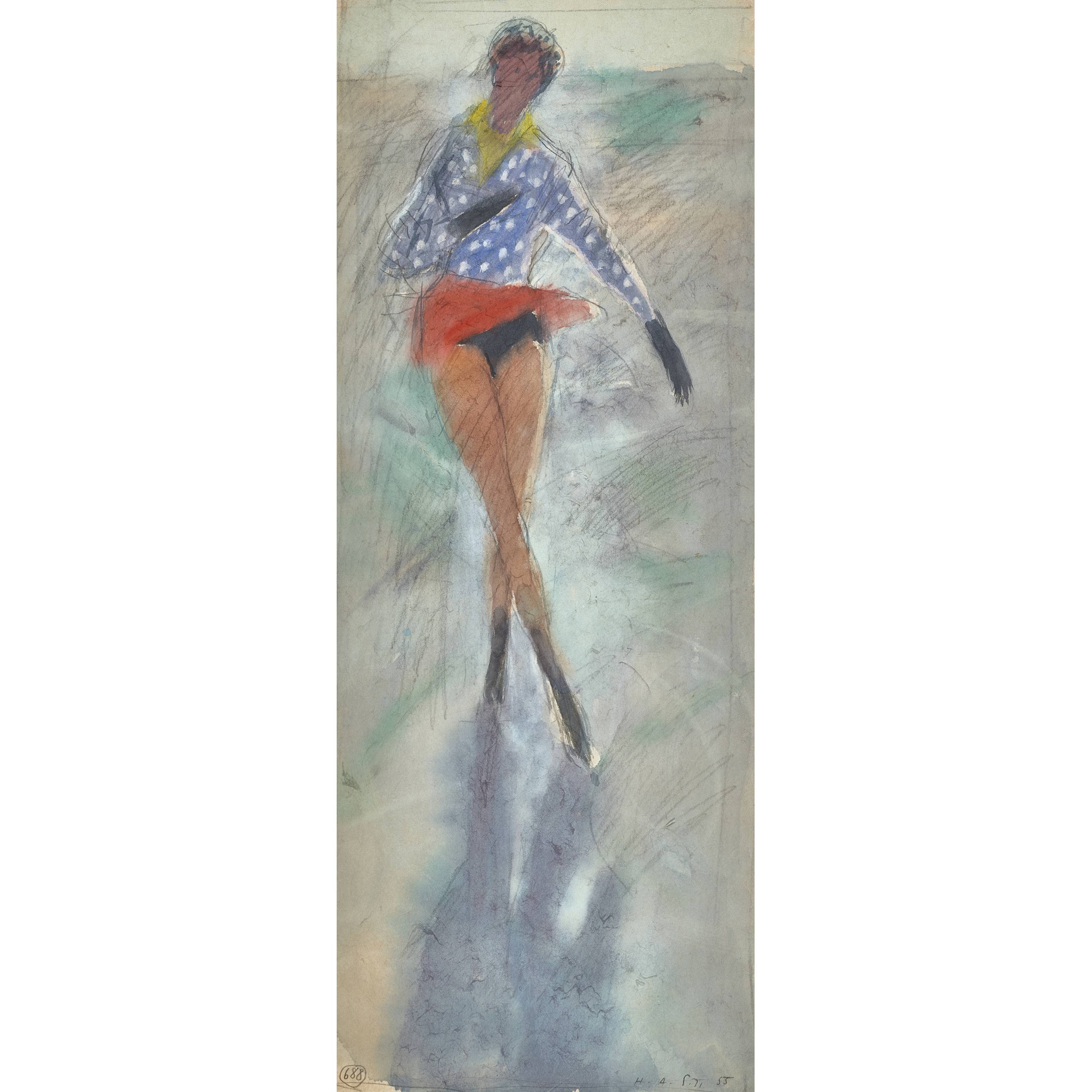
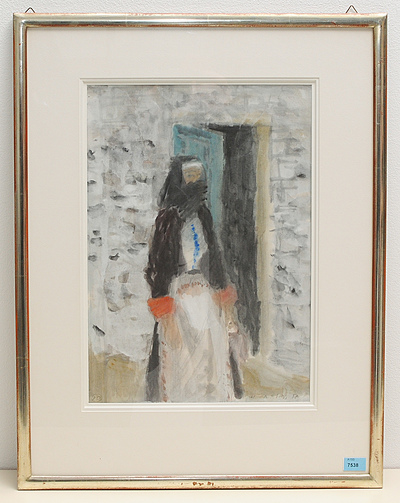
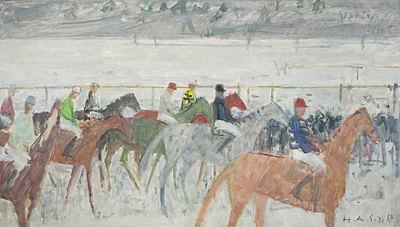
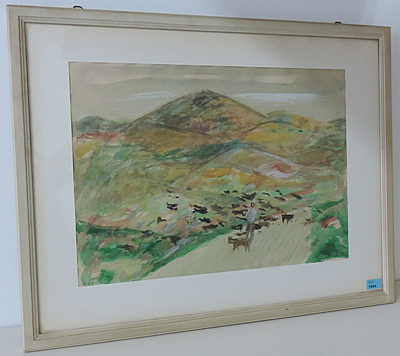
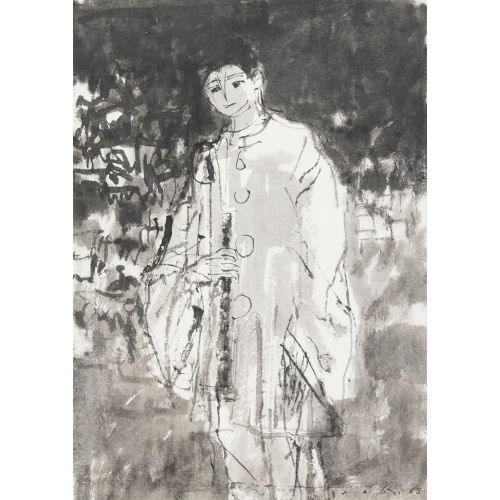
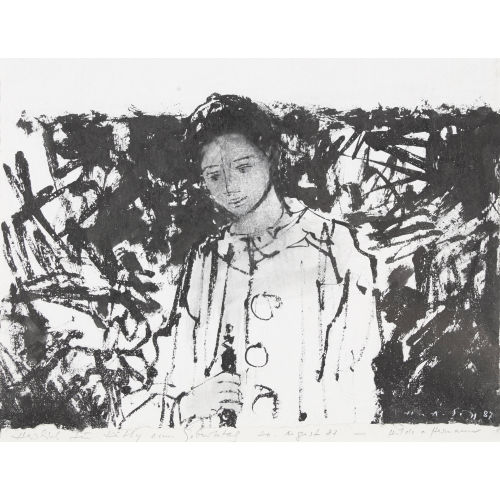
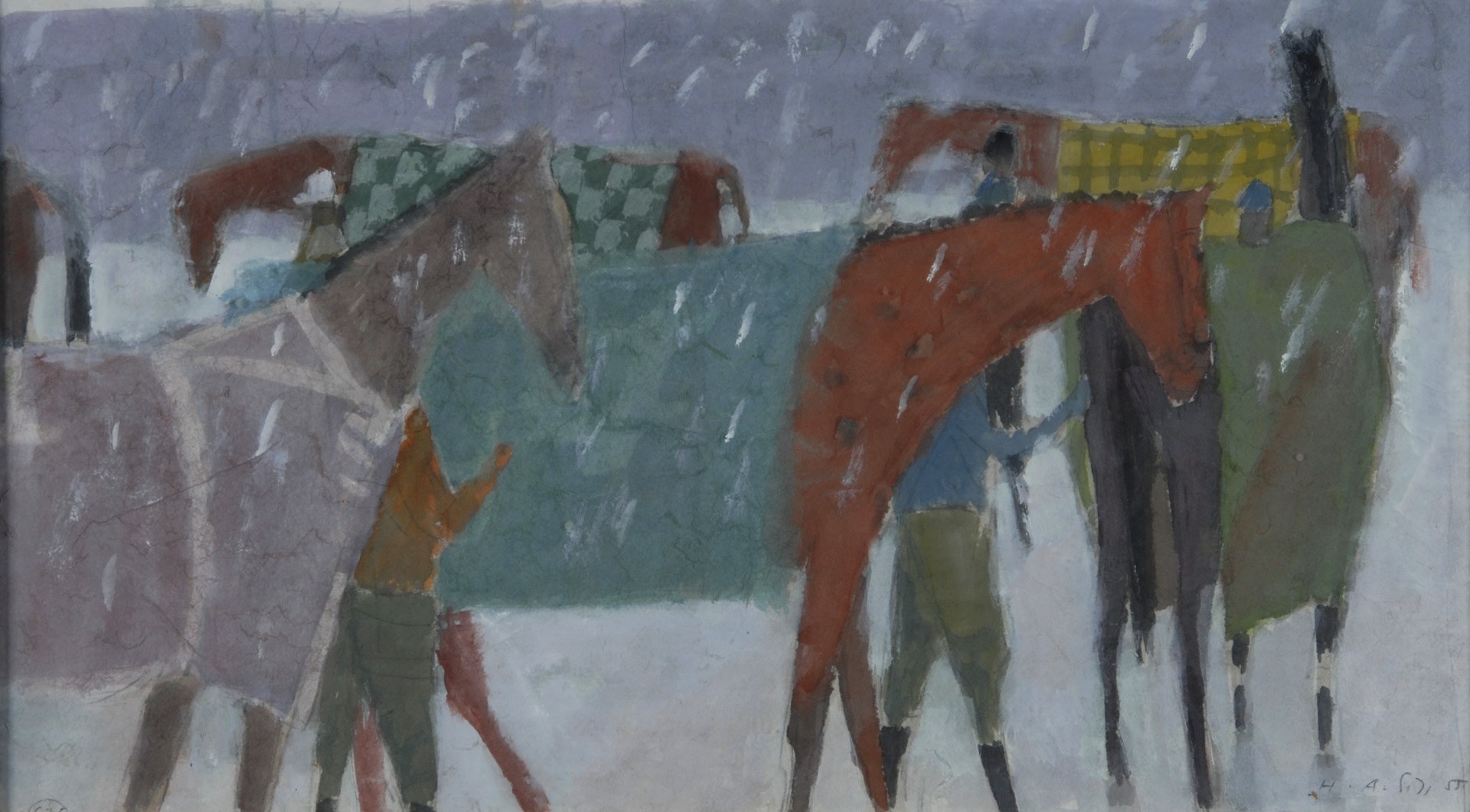
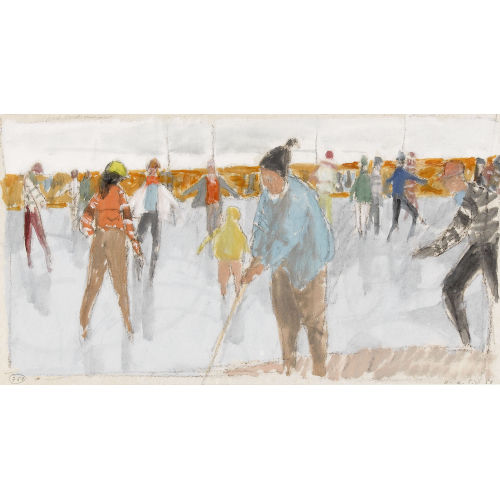
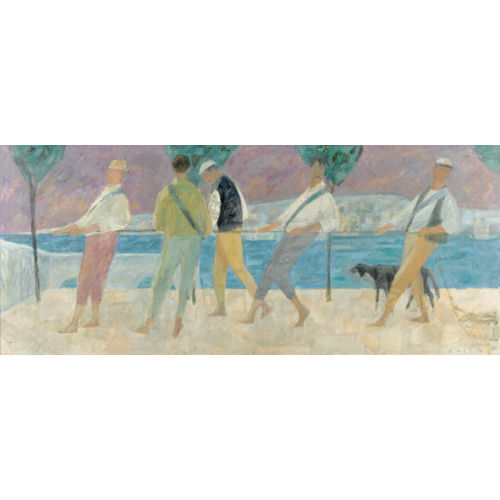
He attended the School of Applied Arts in Zurich from 1944 to 1947, followed by the Académie André Lhote in Paris in 1947. His Zurich training included instruction from Johannes Itten; in Paris, he enthusiastically discovered French art, particularly that of Pierre Bonnard. His figurative paintings of the 1950s thus preceded a long exploration of abstraction.
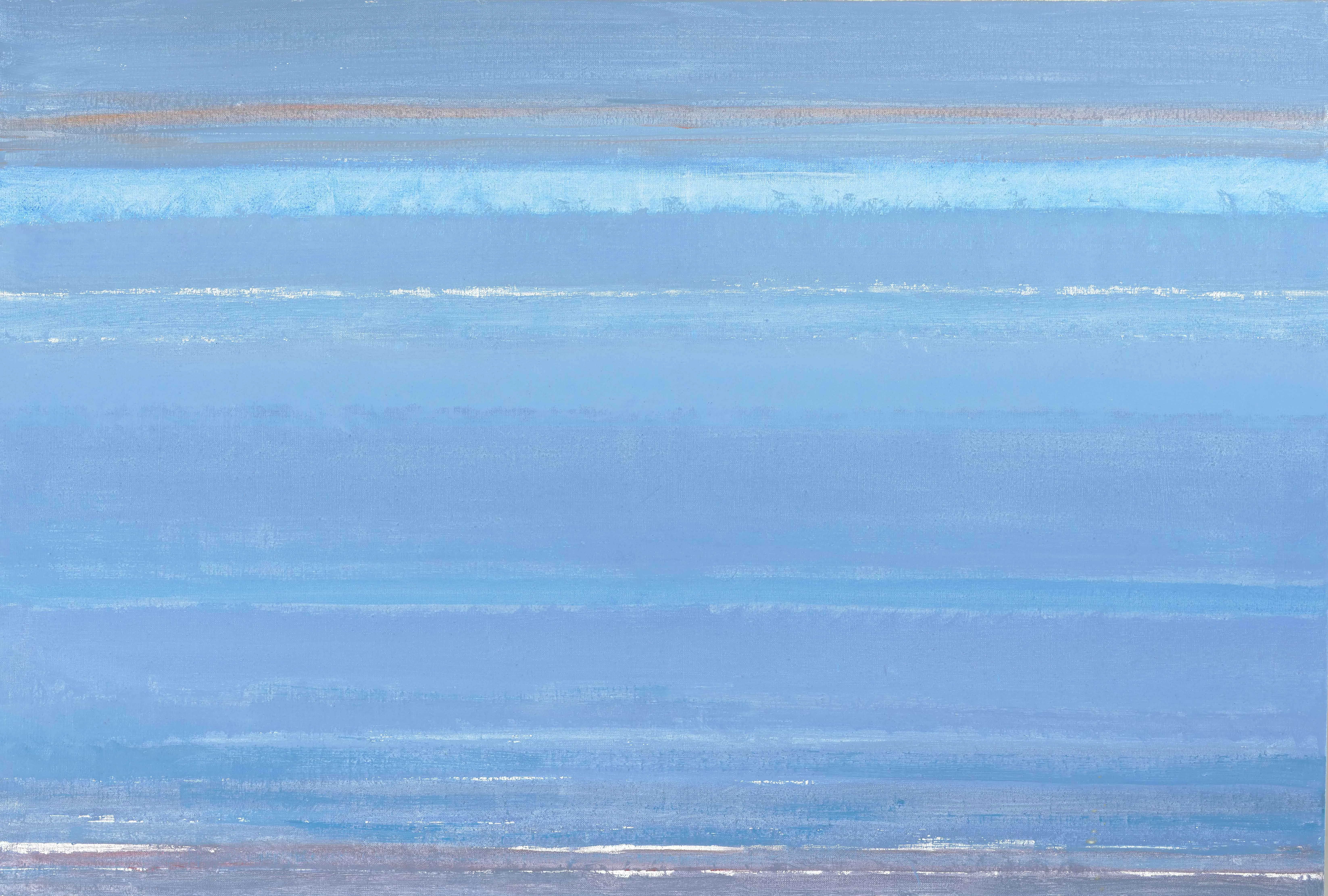
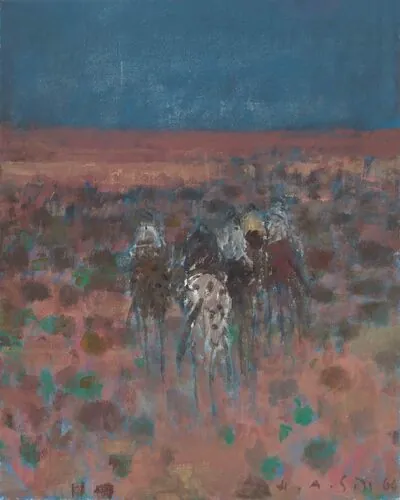
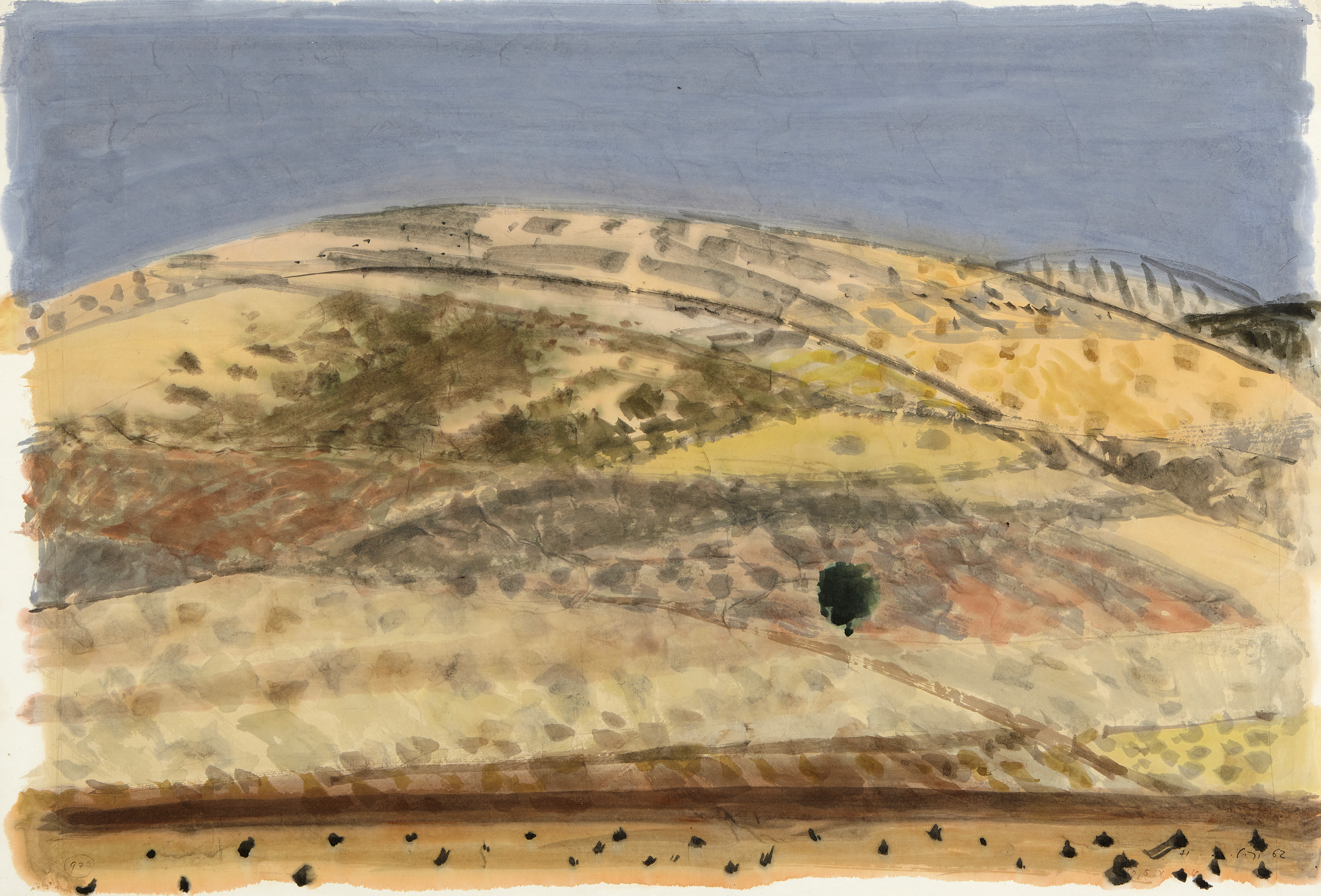
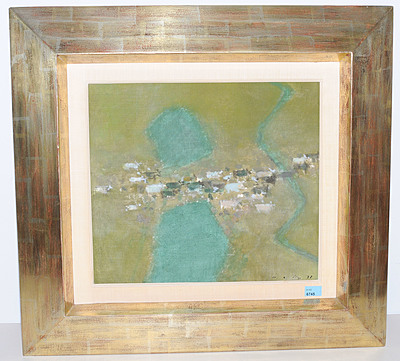
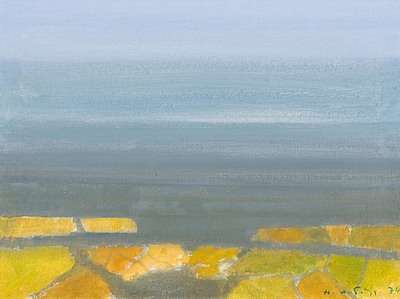
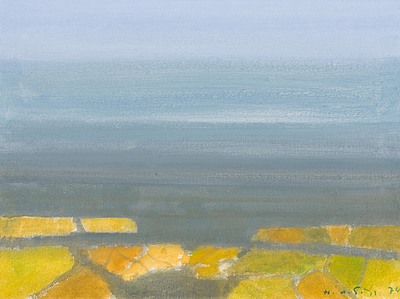
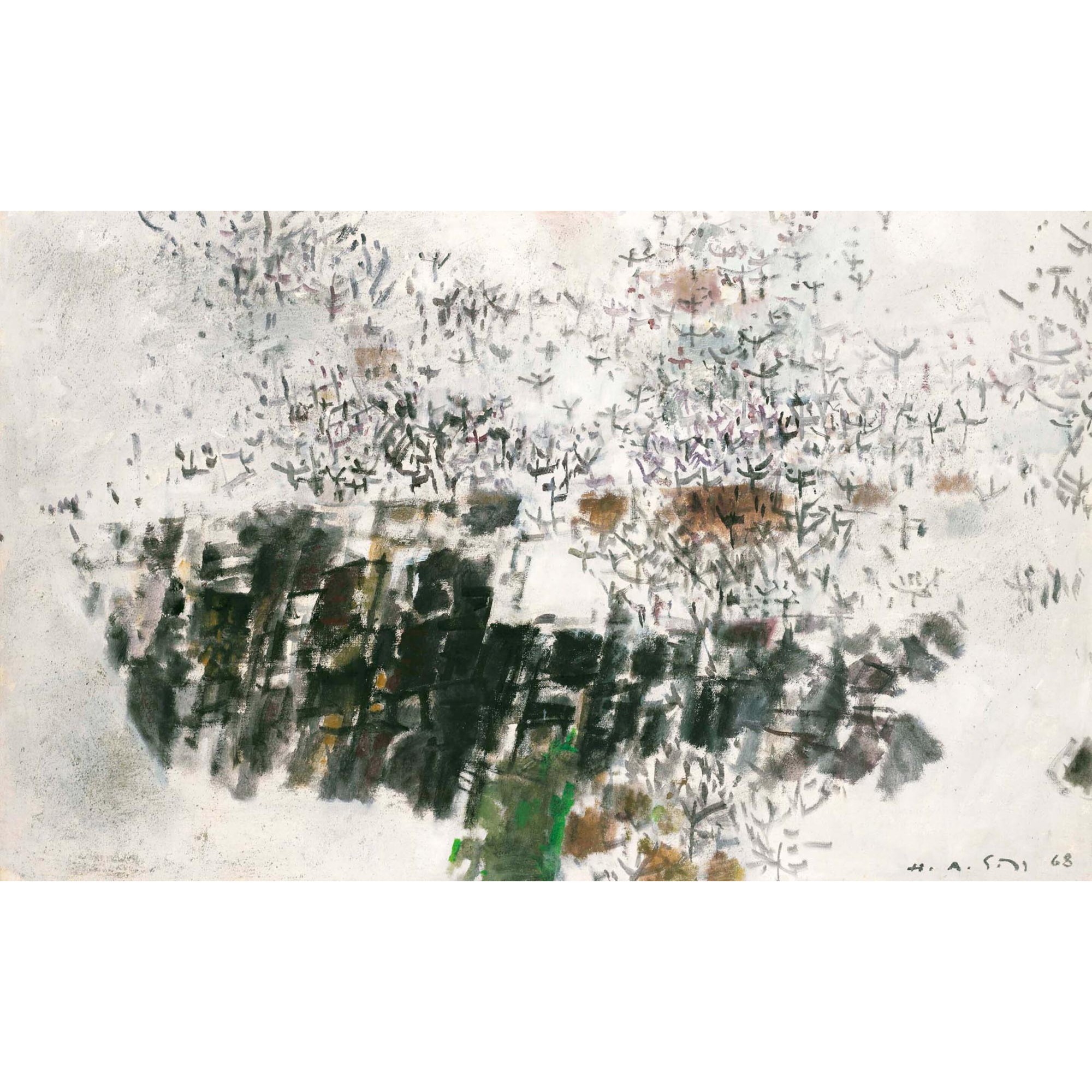
At the end of the 1960s, journeys made with Swissair gave decisive impetus to his visual language. From the cockpit, Sigg drew the landscapes of Southeast Asia: terraced fields and waterways became the elements of an inner geography. The river gradually asserted itself as an almost calligraphic sign, carrying a meditation on the passage of time and the human journey.
His reading of Hermann Hesse’s Siddhartha accompanied this pursuit.
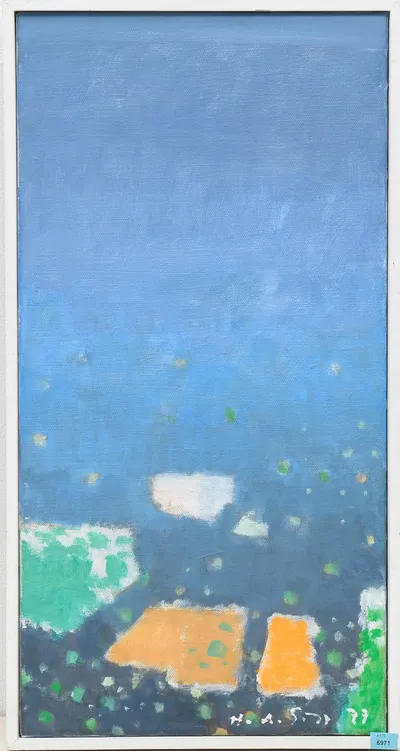
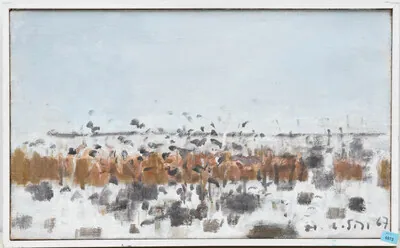
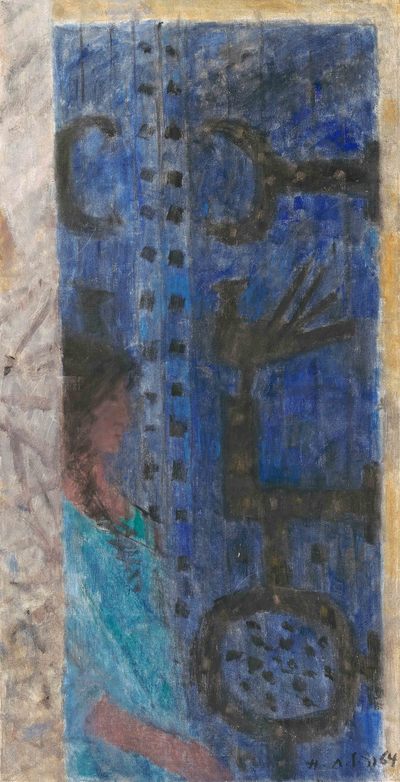
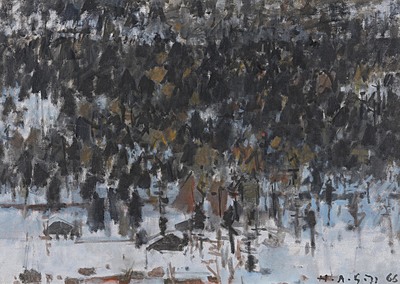
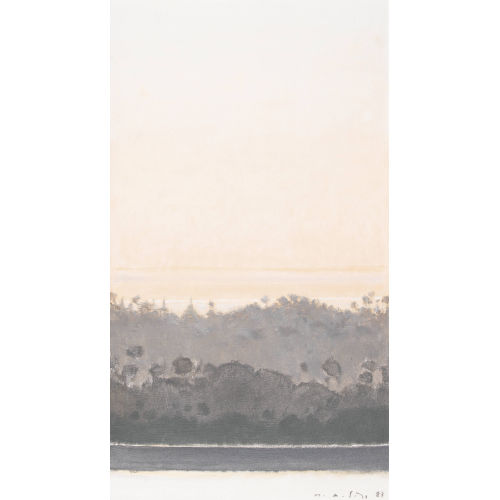
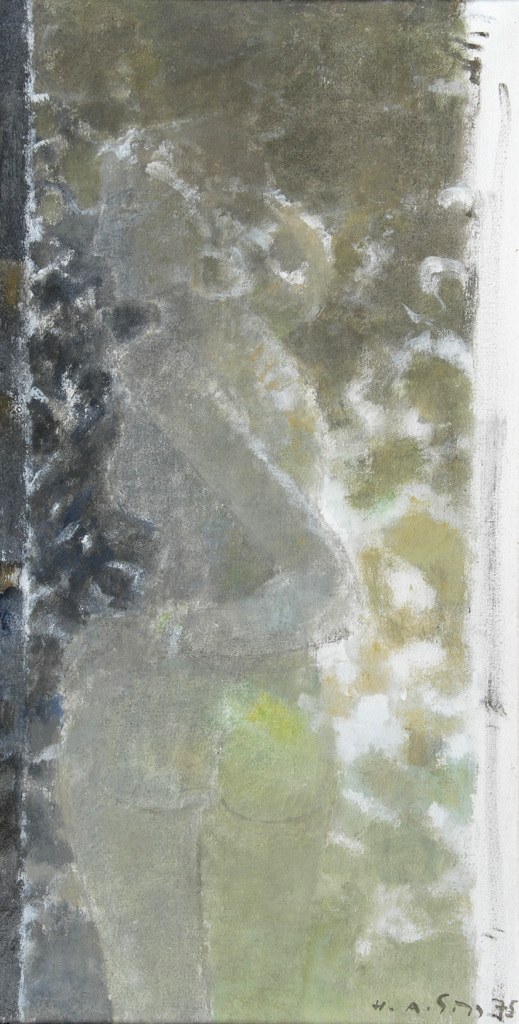
In his paintings, luminous openings and denser areas create a tension between horizon and enclosed space. His sculptures extend this line of enquiry: assembled from salvaged materials, they suggest at times a human presence, at others an architectural structure. Their verticality enters into dialogue with the structures of the paintings.
This diversity also extends into public space, notably in the stained-glass windows of the Reformed Church in Männedorf. In 2023, the local Kulturschüür devoted a presentation to them, bringing together projects and works in situ. In the United States, the 2017 exhibition Abstract Rivers at the Fairfield University Art Museum attests to the reception of his work.
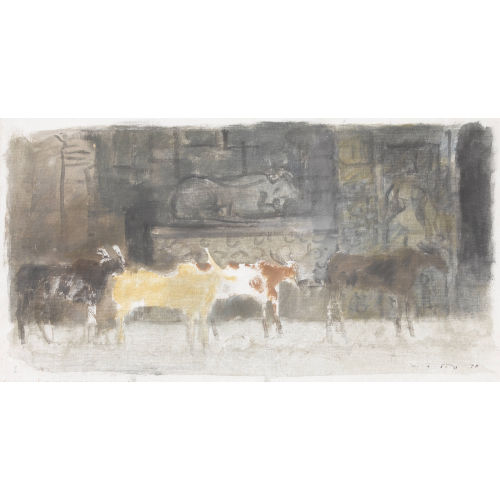
To approach Sigg is to follow the transformation of a concrete experience into pictorial sensation. A curve, an interval, a change of colour are enough to evoke the impression of a territory slowly revealing itself.