Hans-Rudolf Strupler
Born in 1935.
Died in 2015.
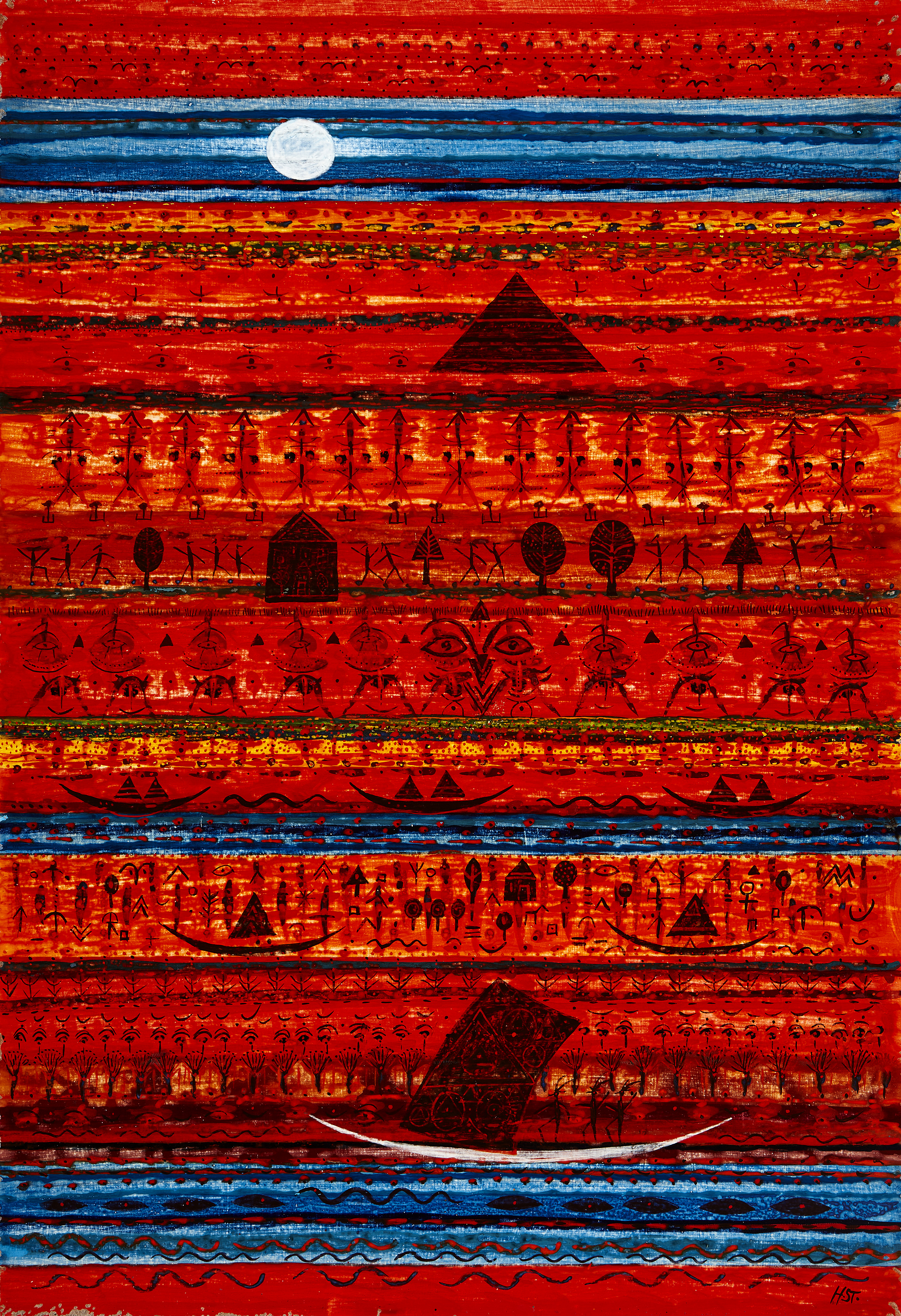
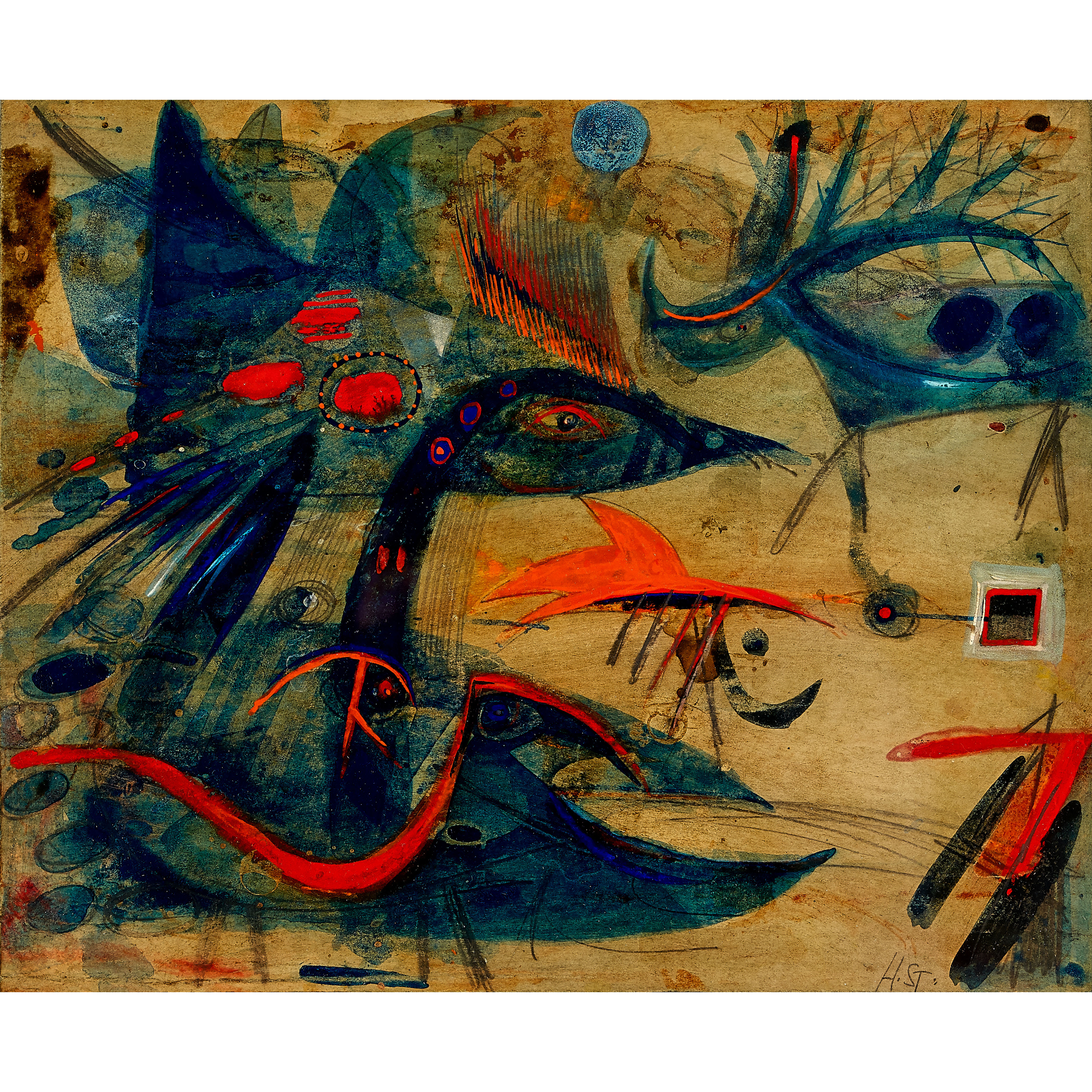
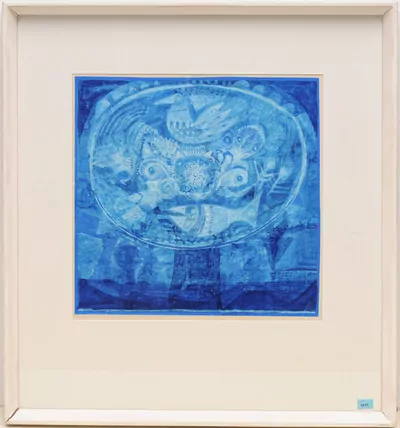
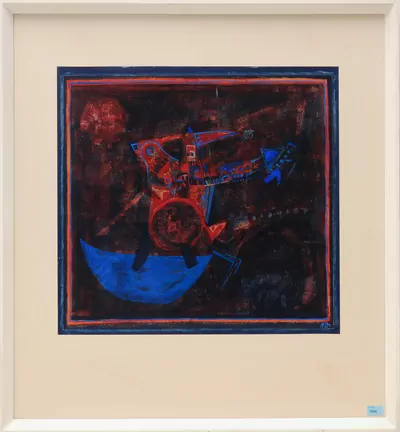
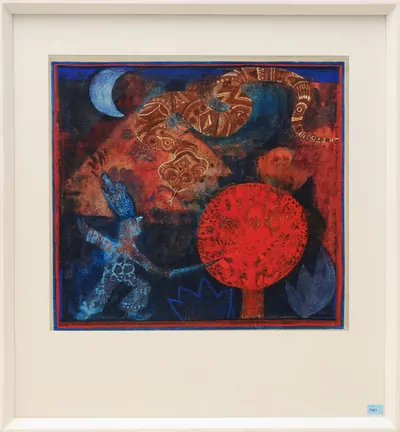
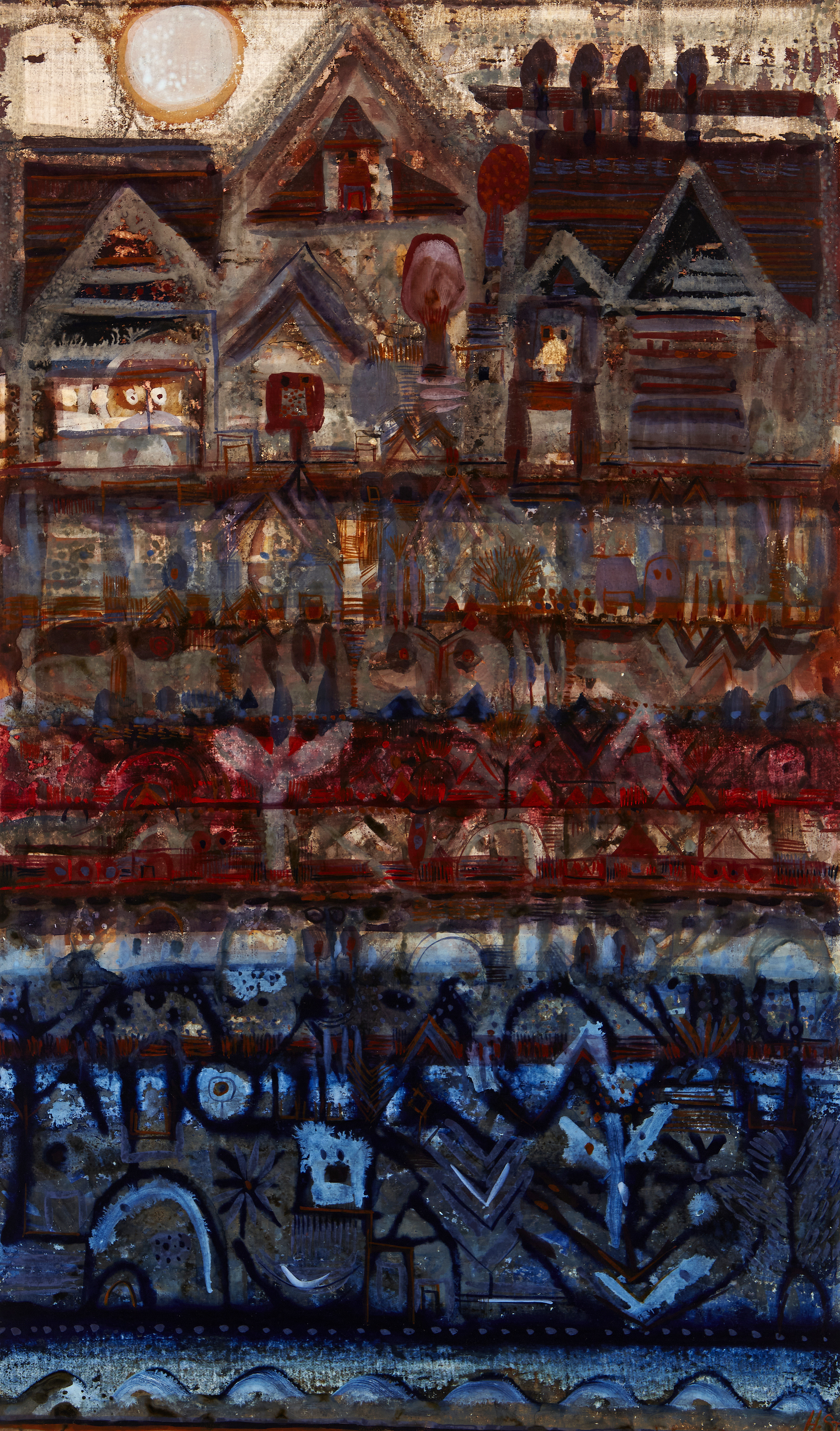
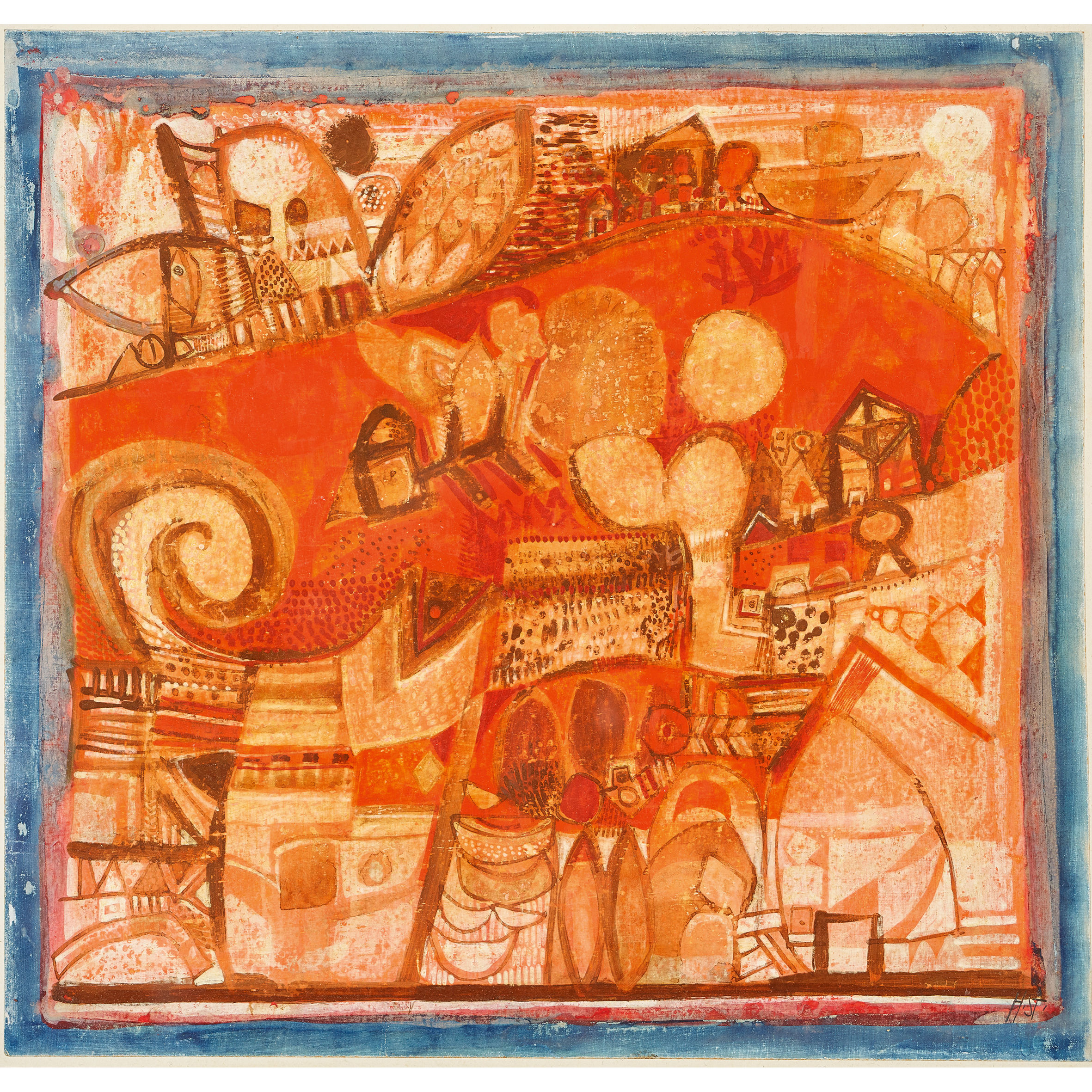
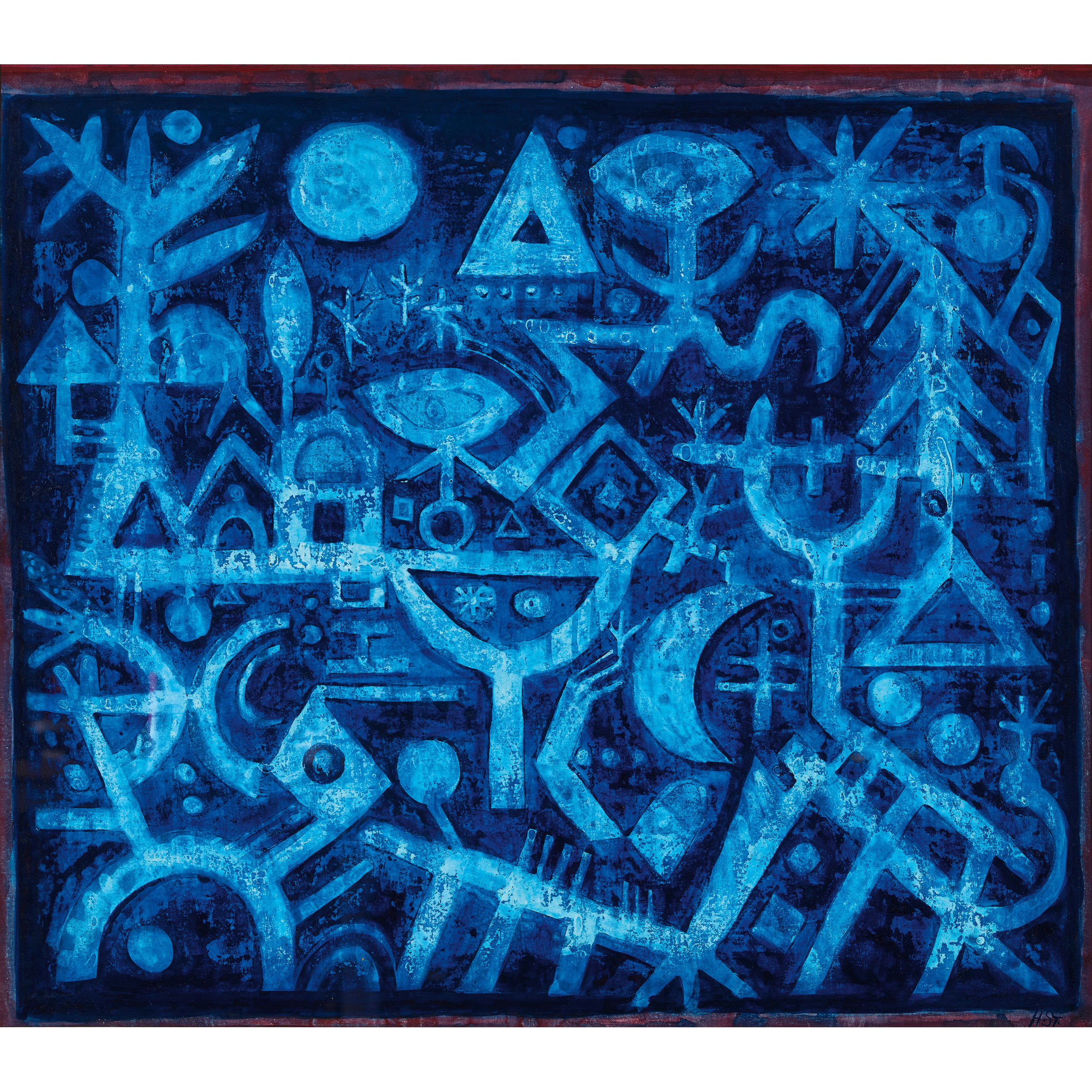
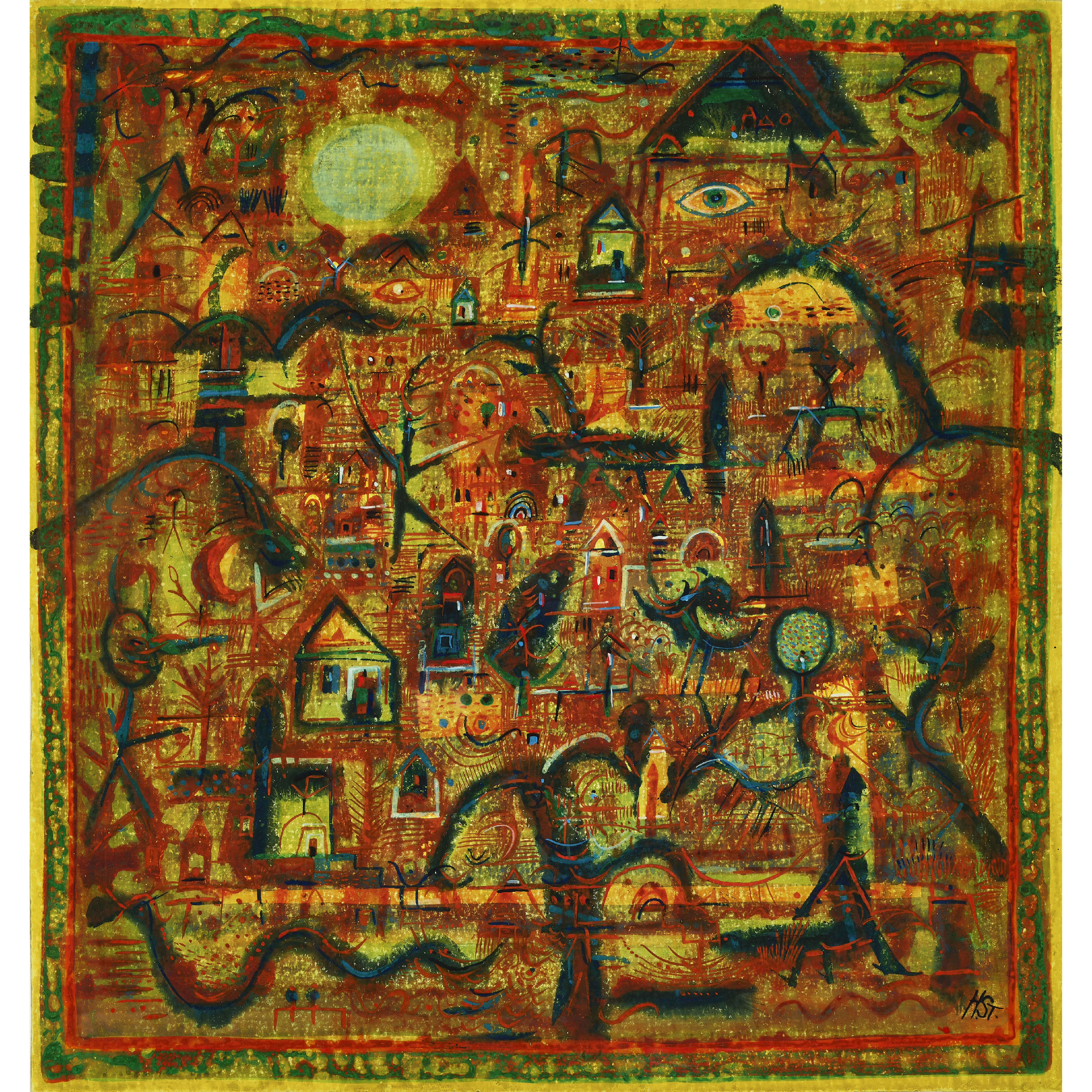
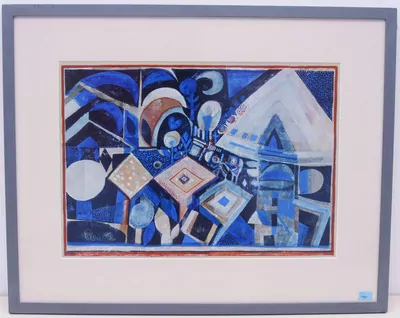
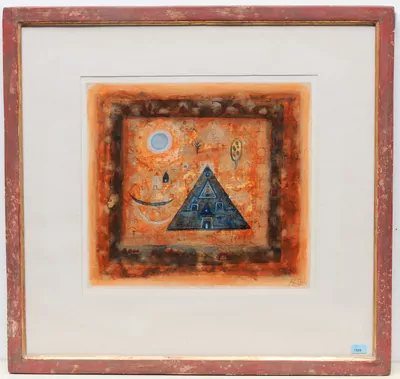
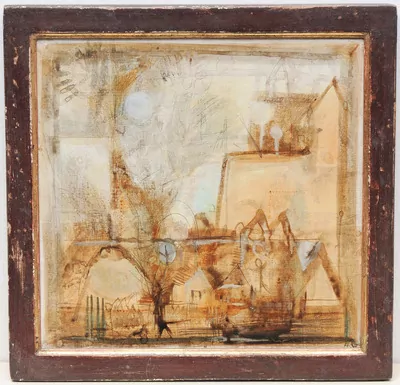
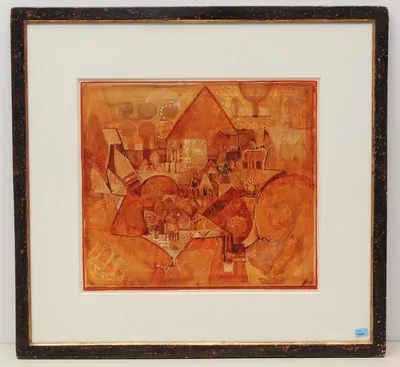
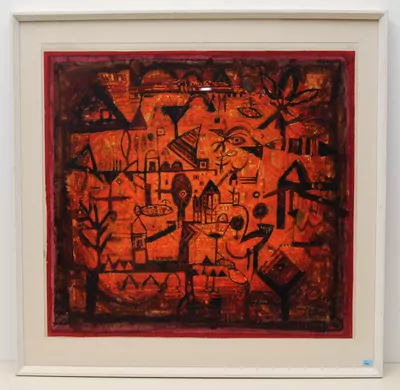
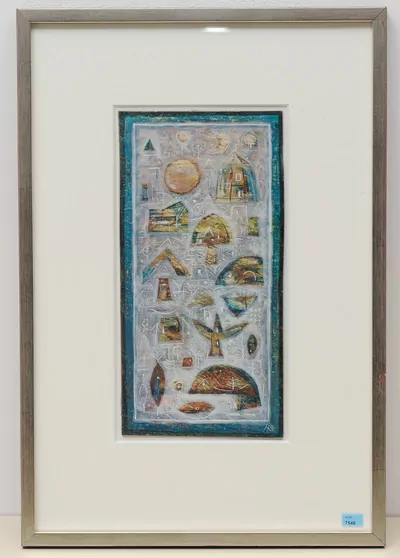
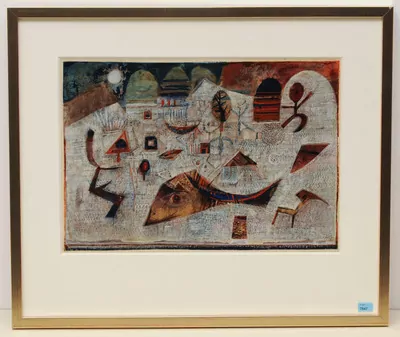
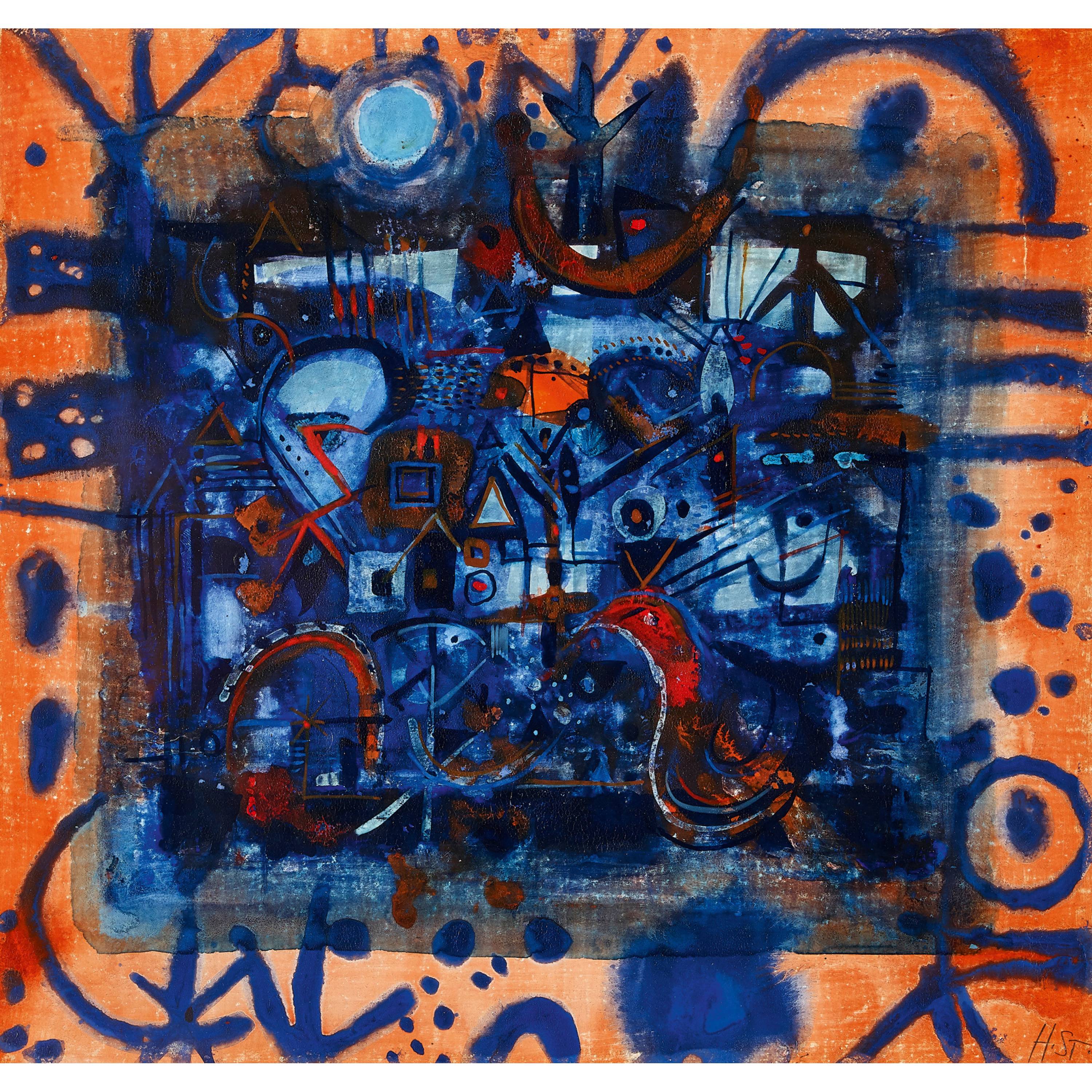
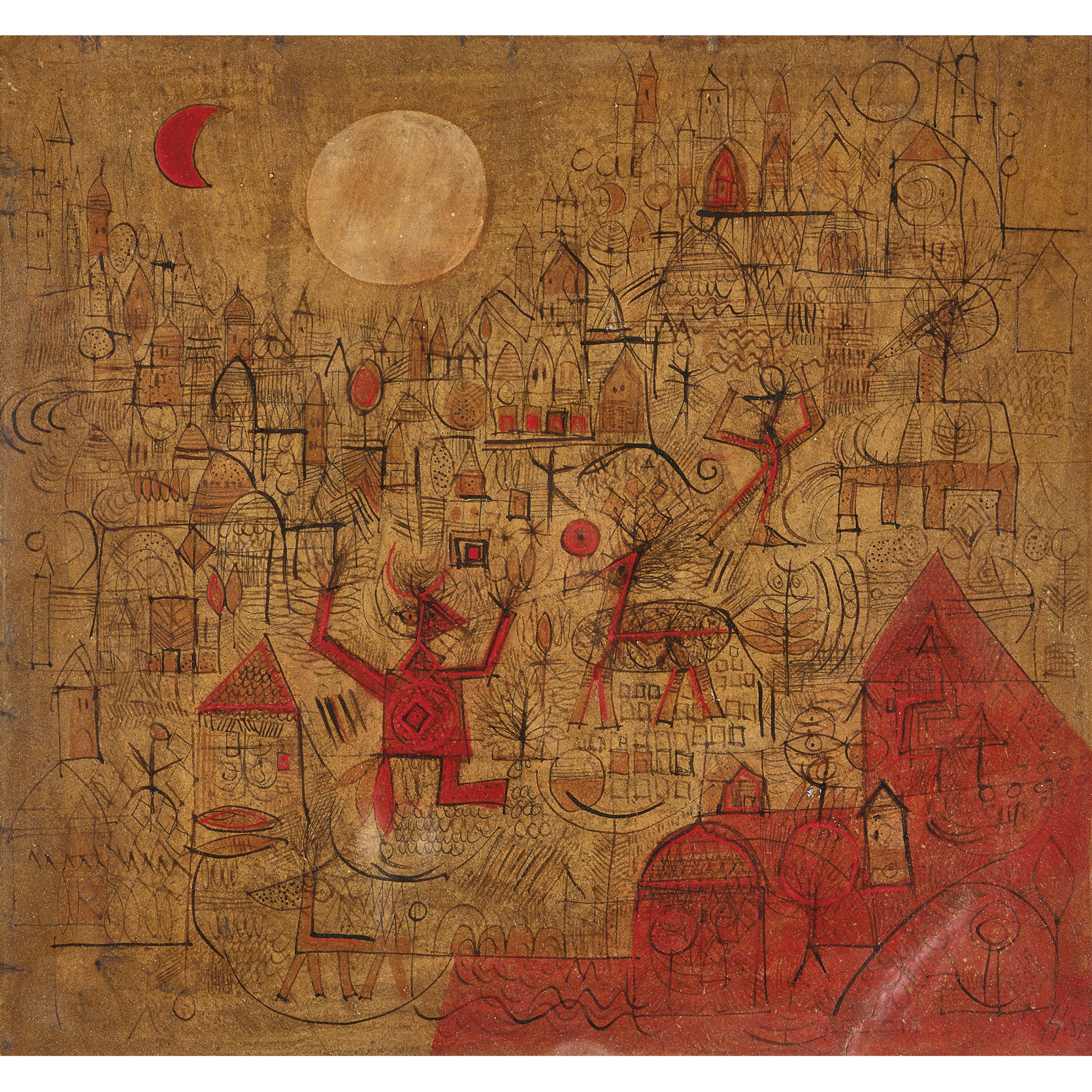
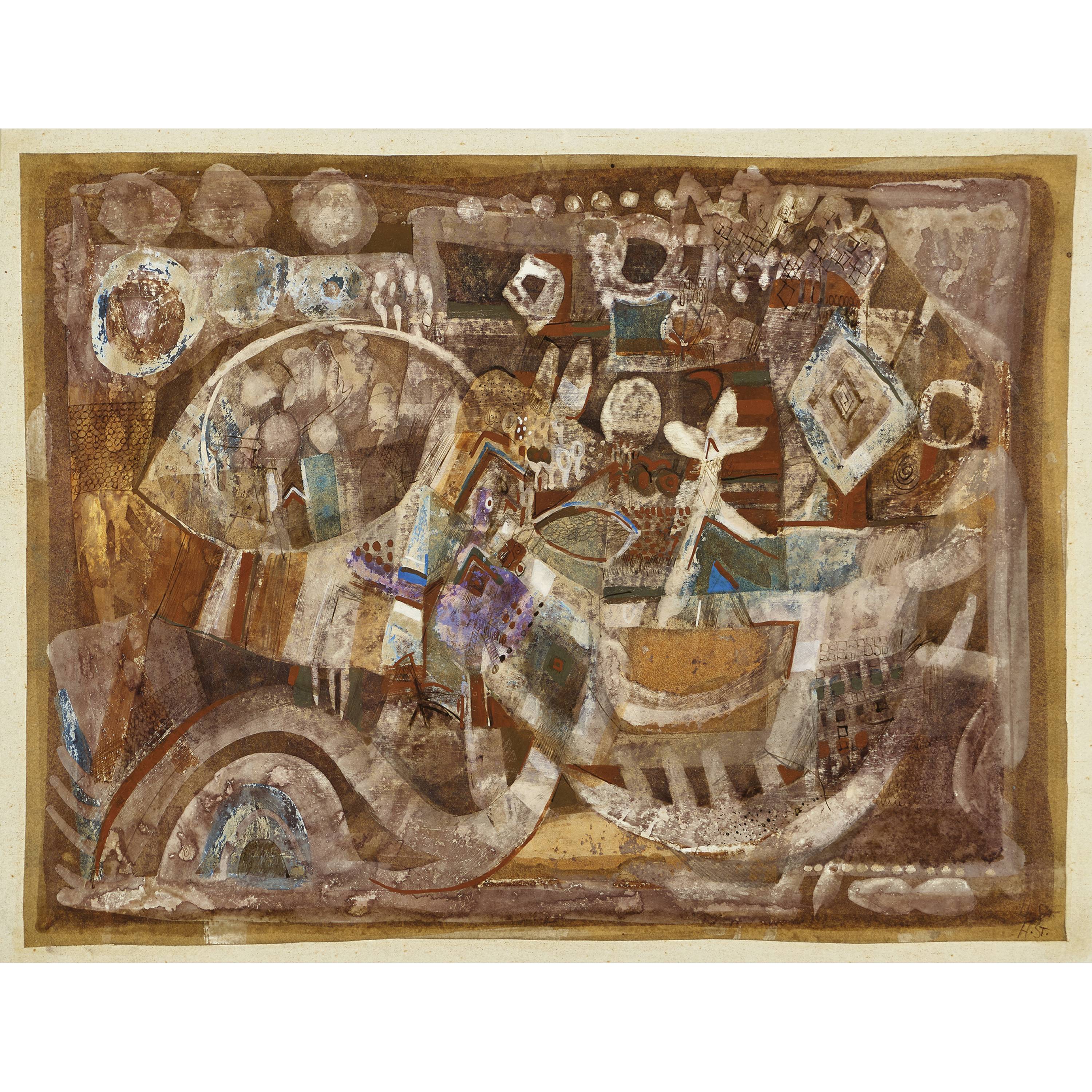
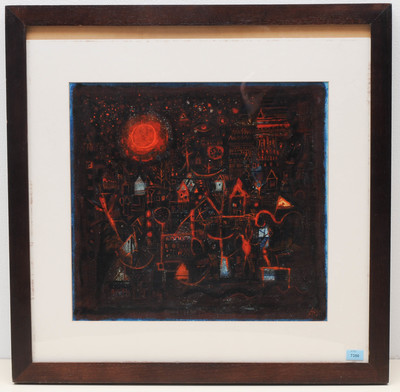
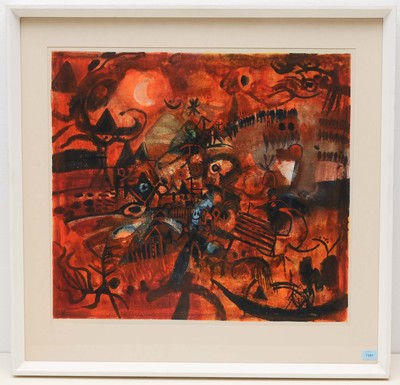
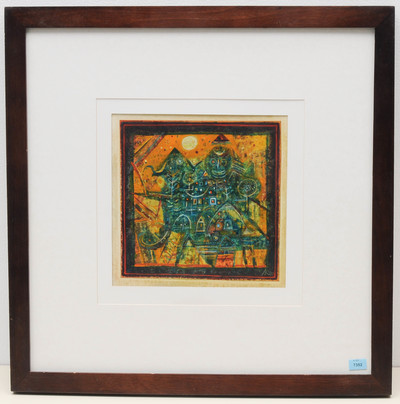
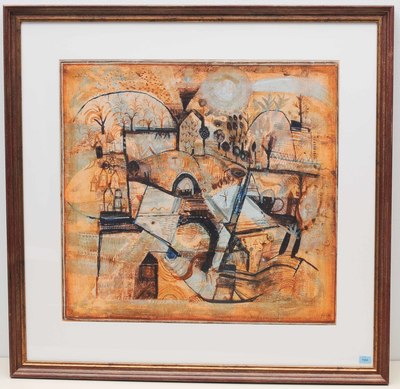
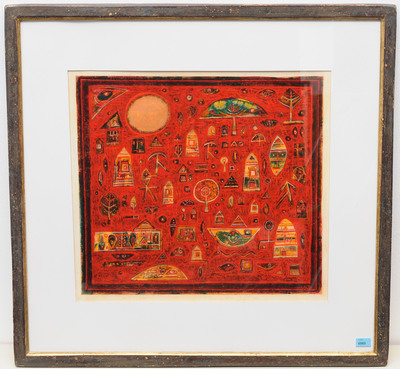
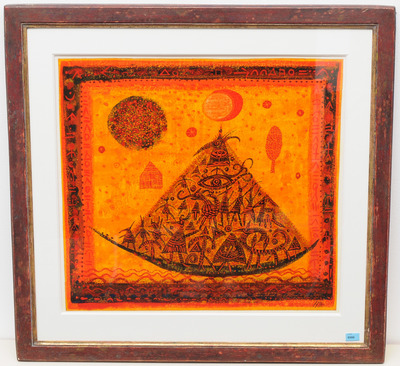
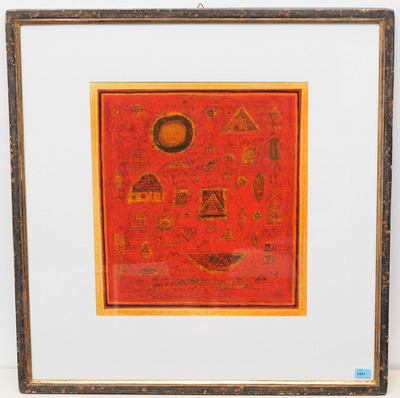
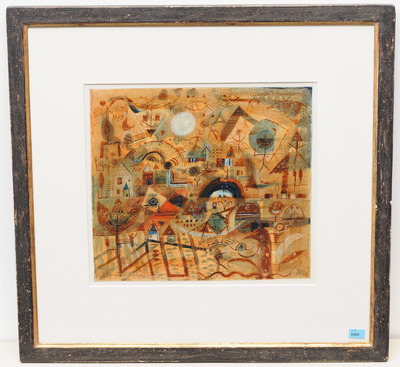
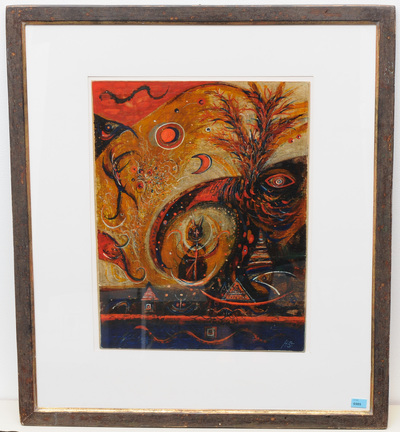
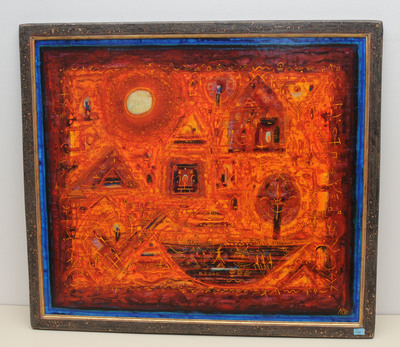
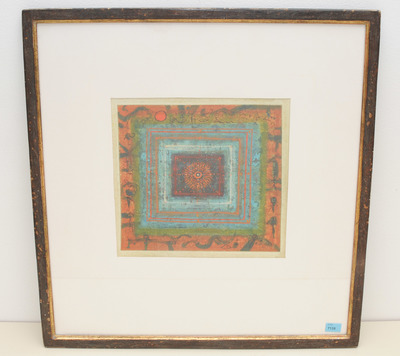
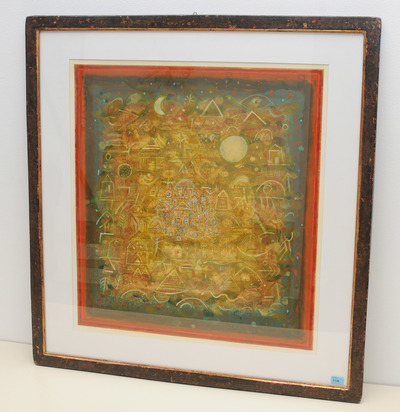
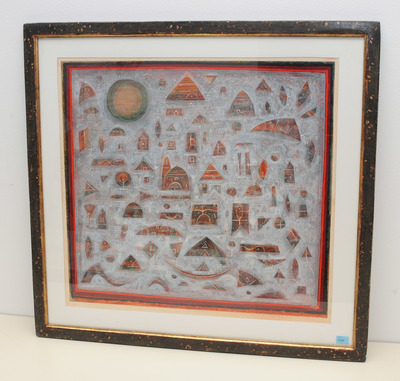
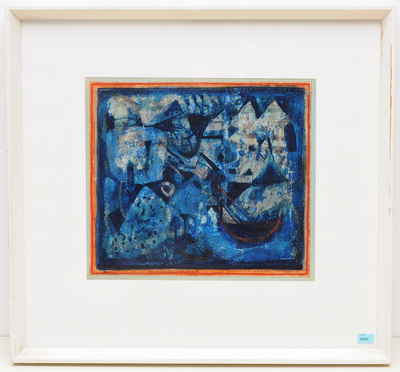
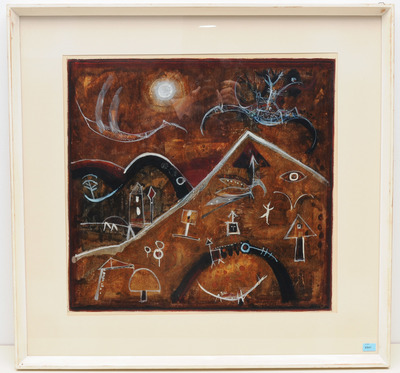
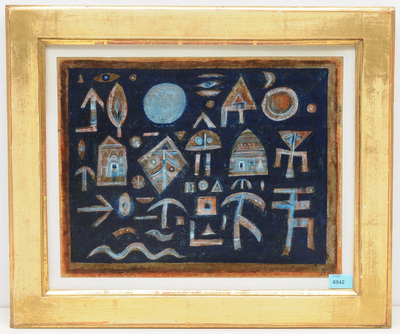
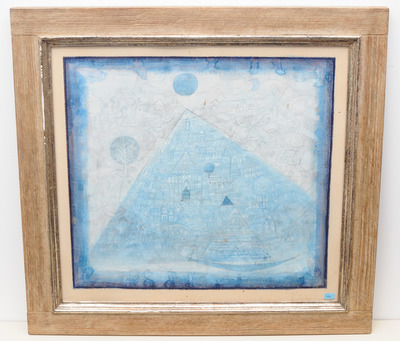
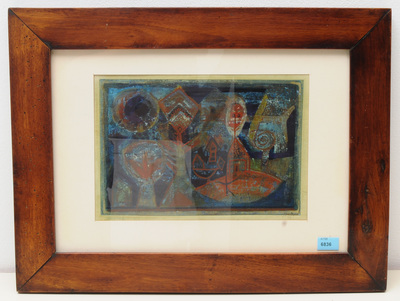
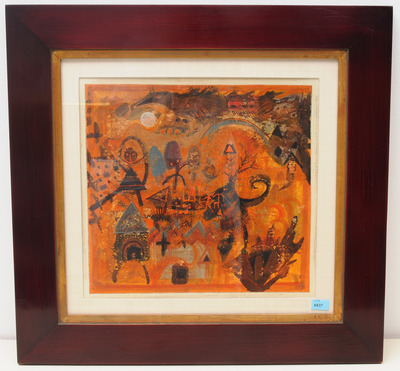
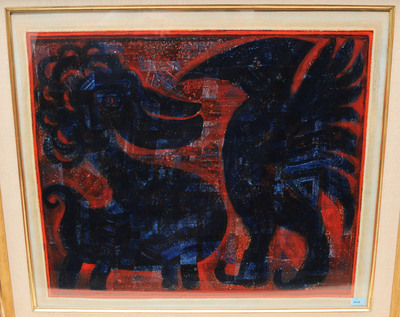
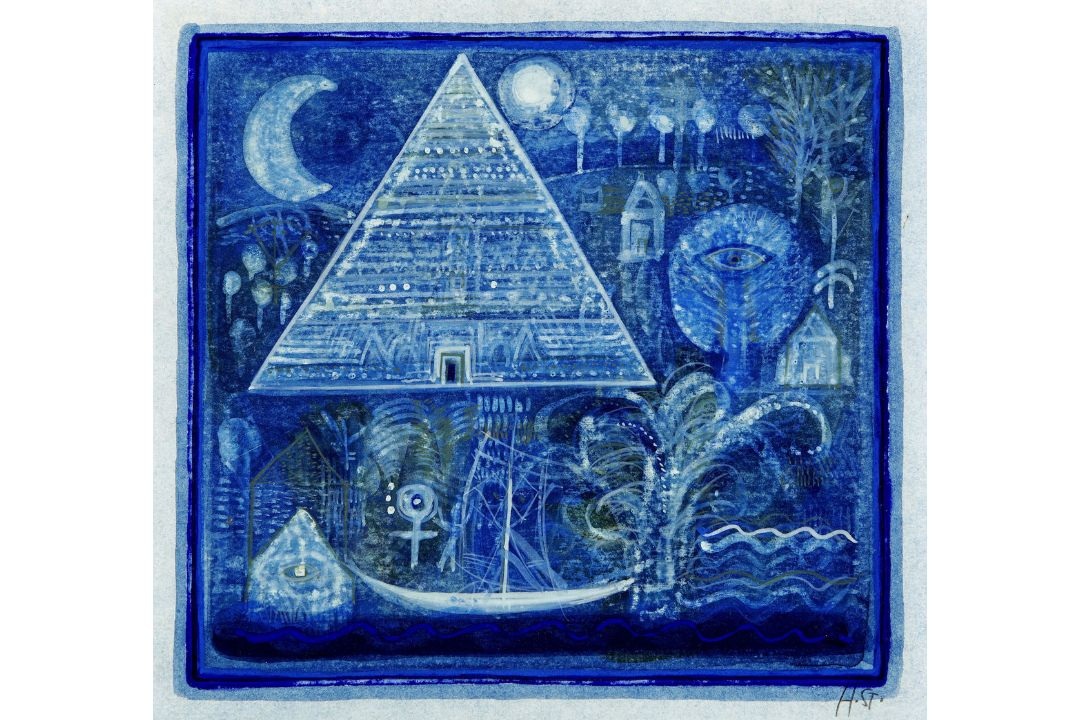
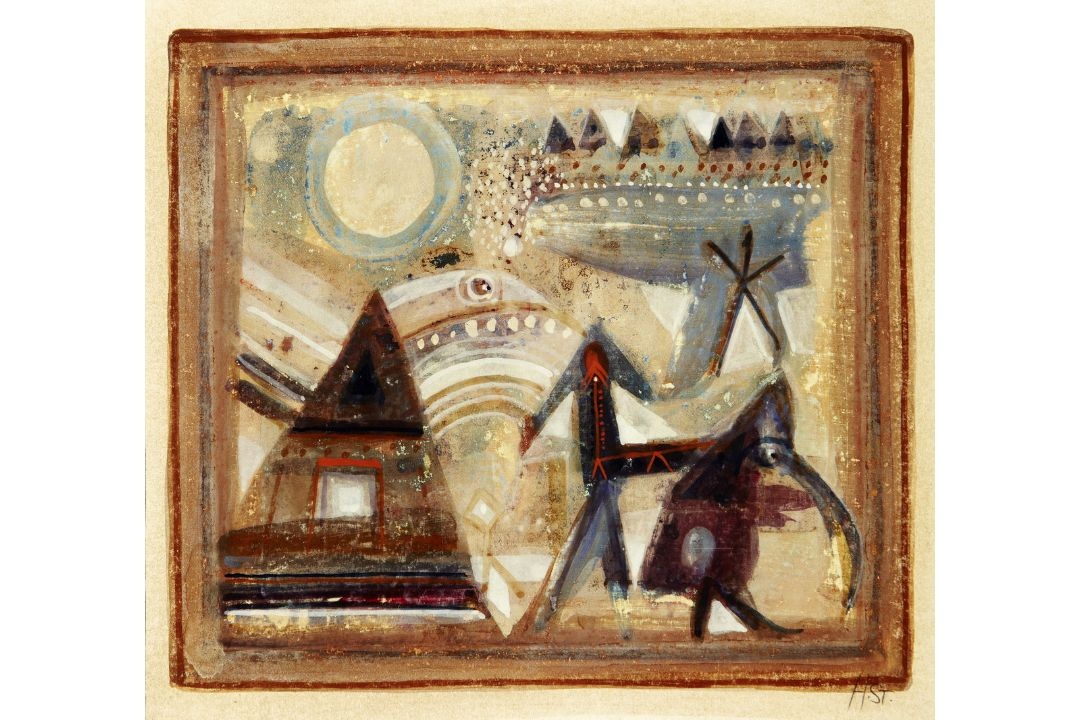
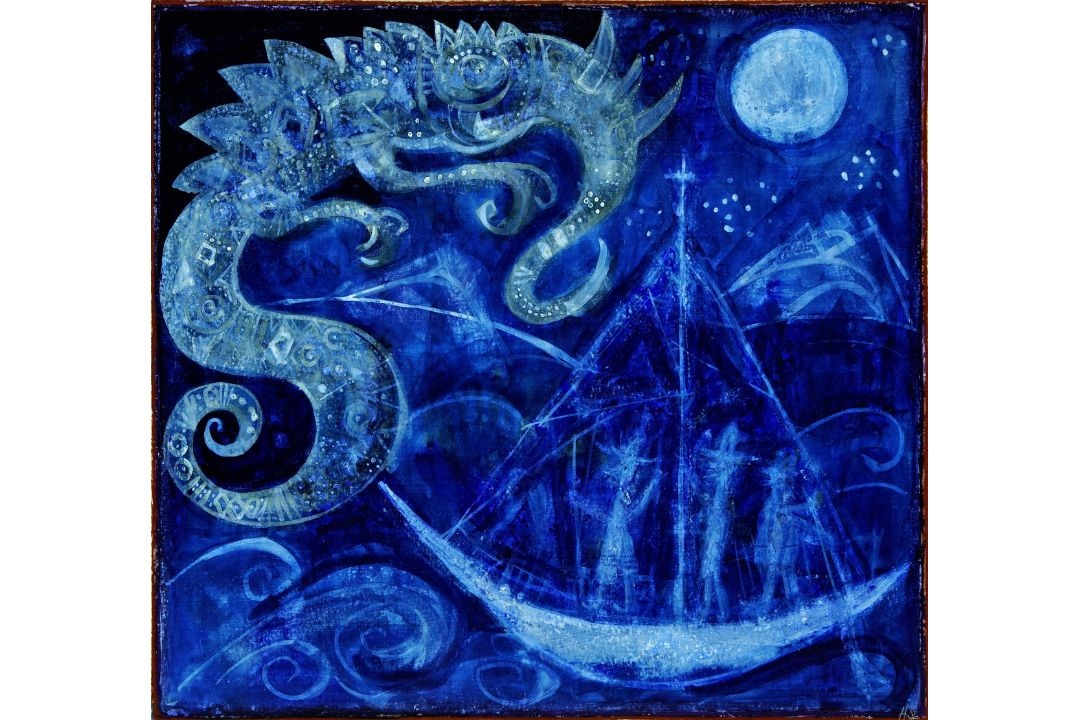
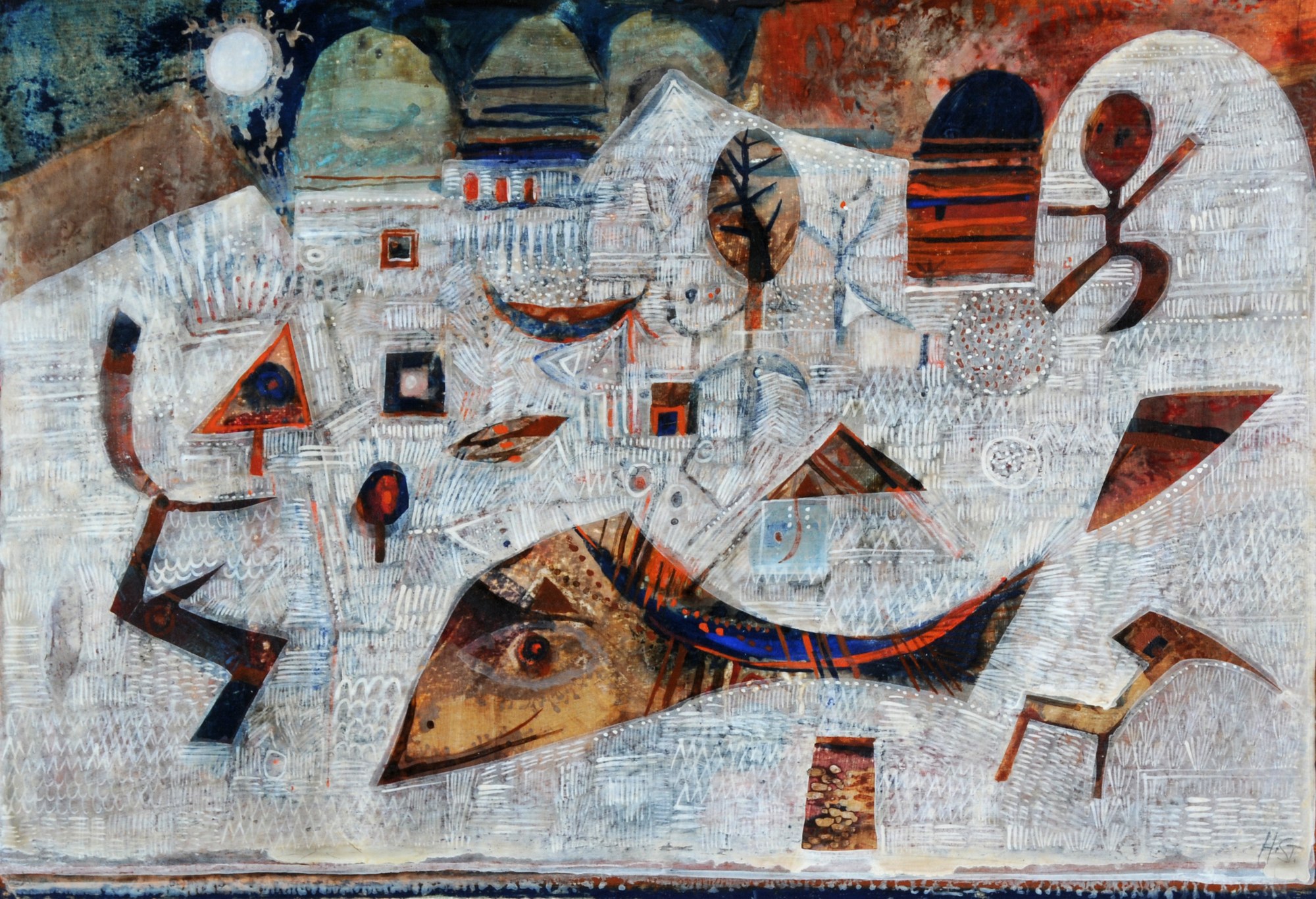
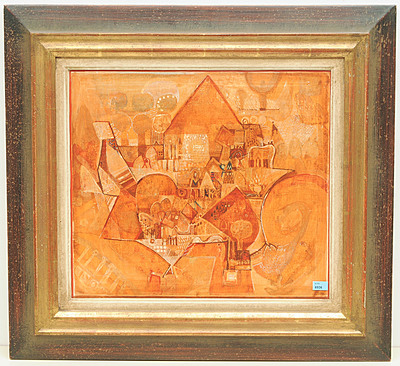
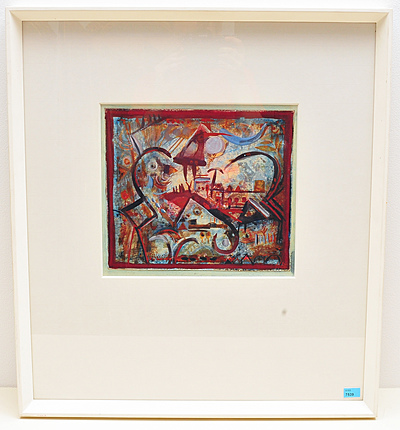
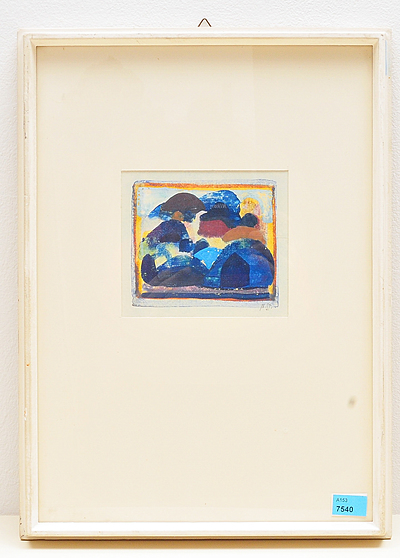
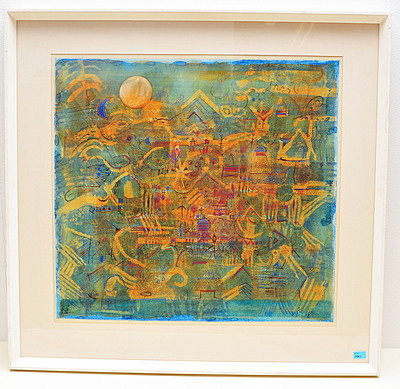
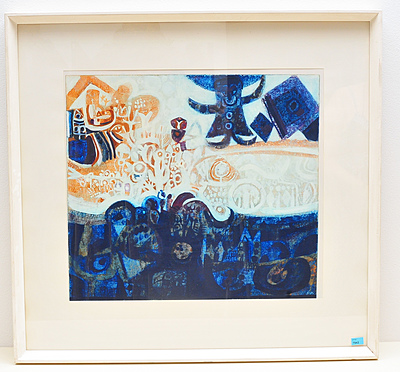
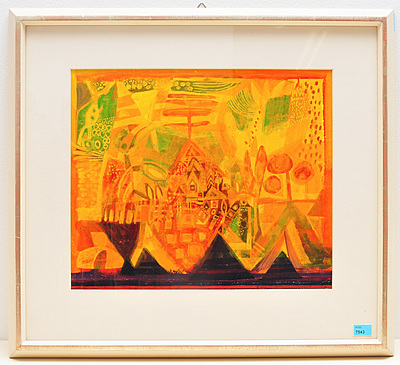
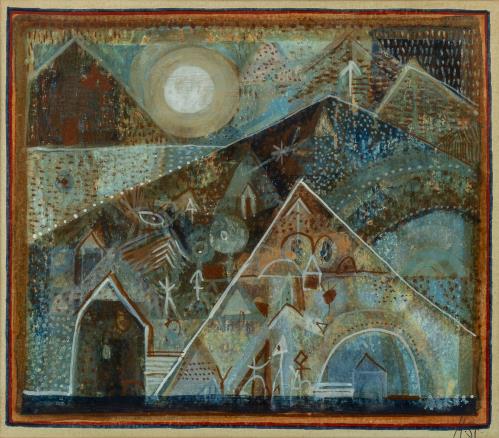
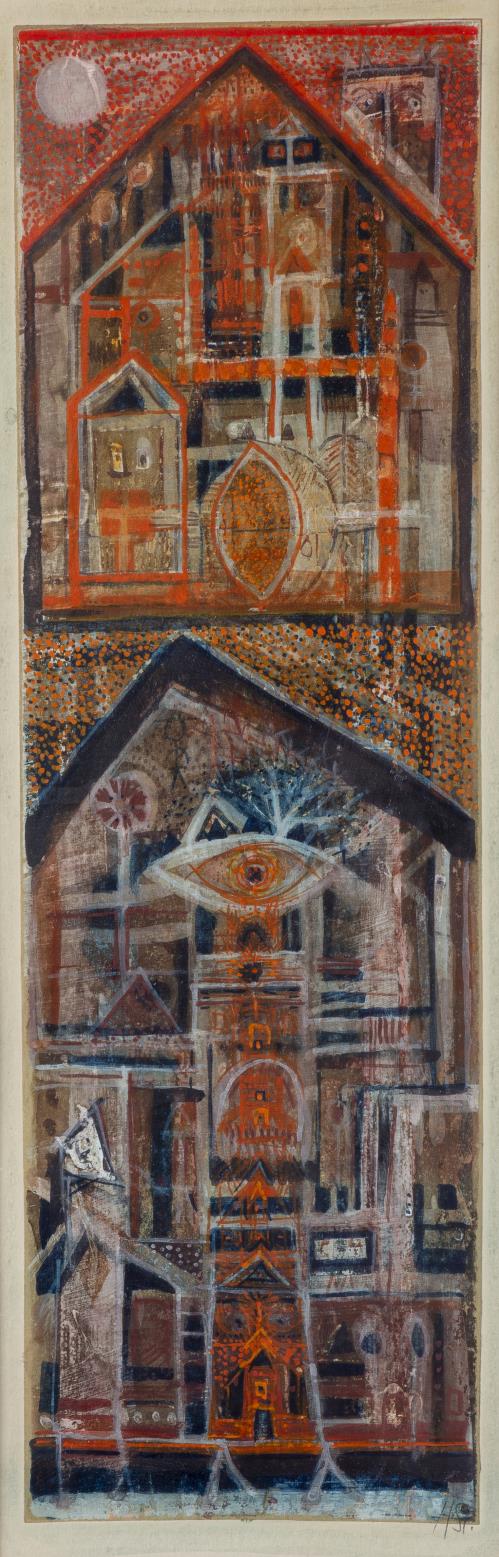
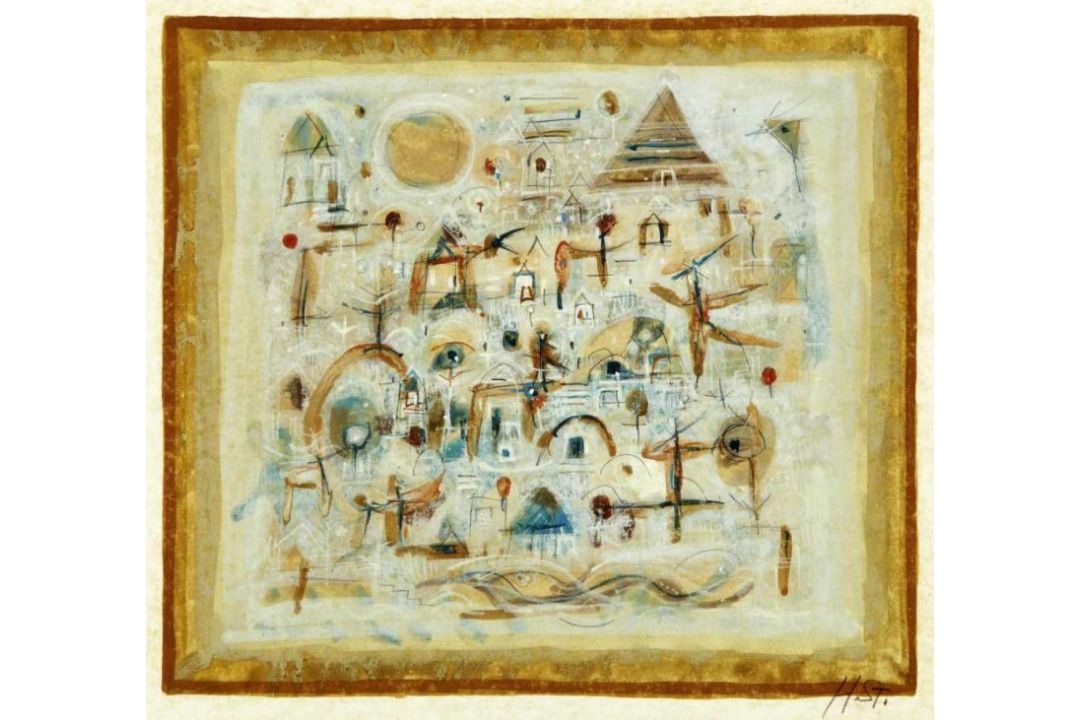
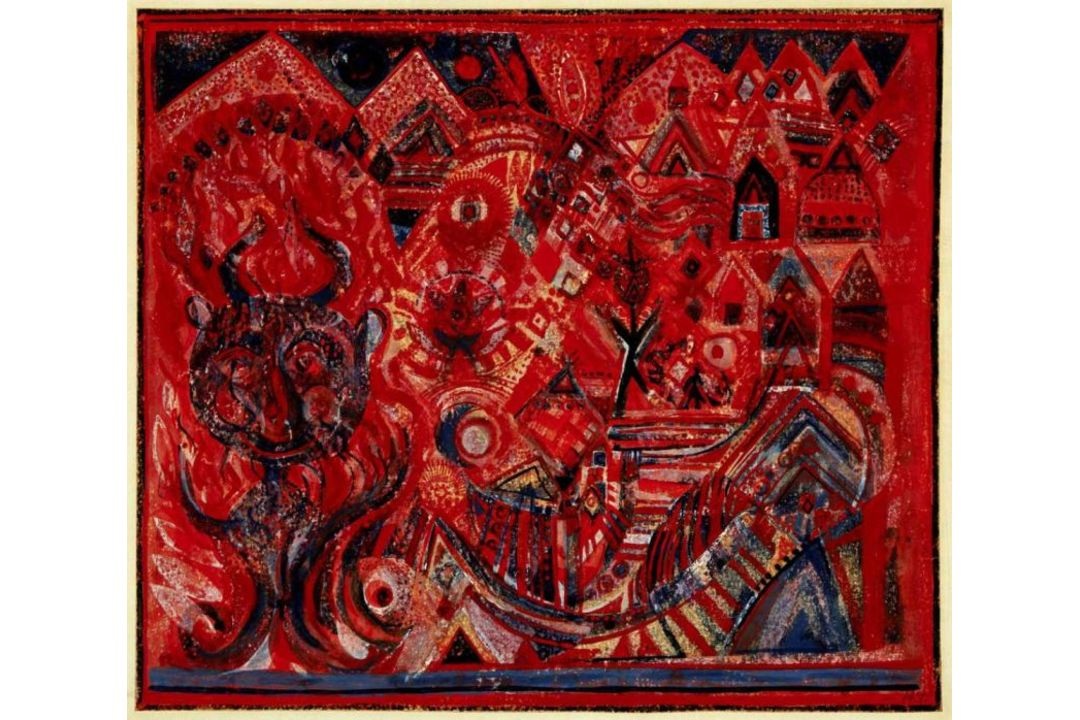
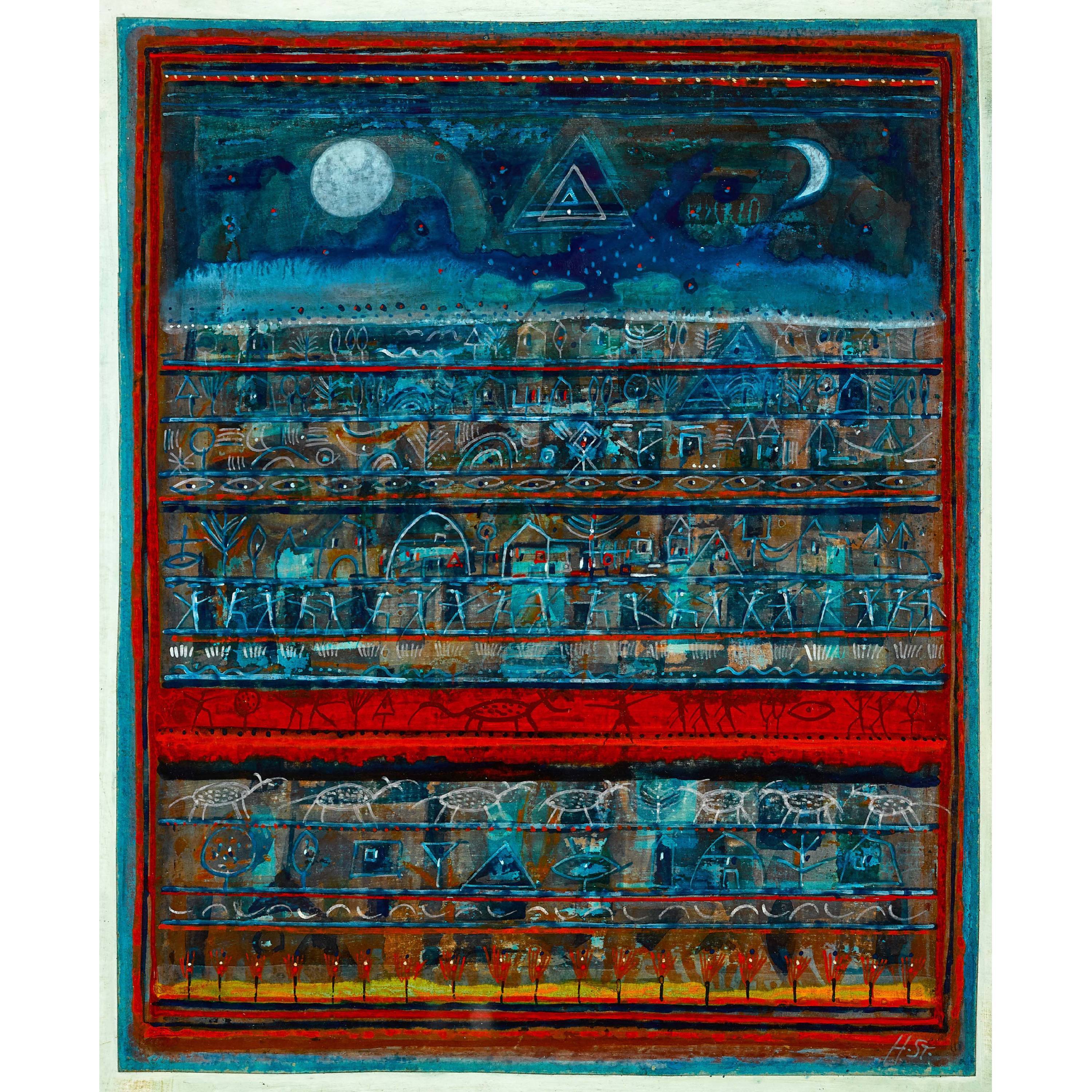
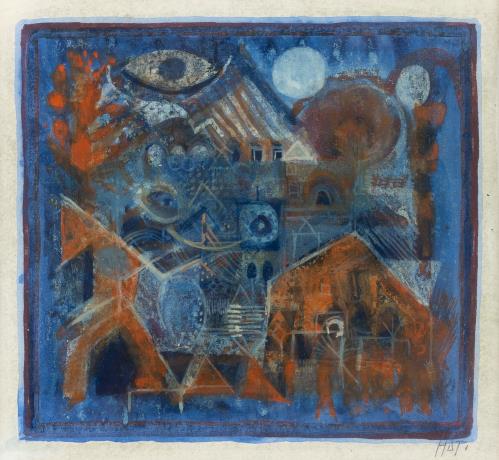
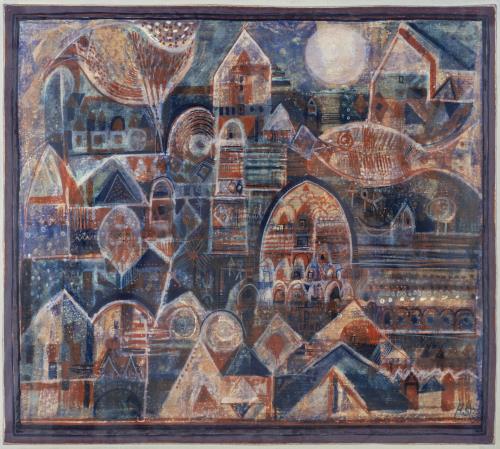
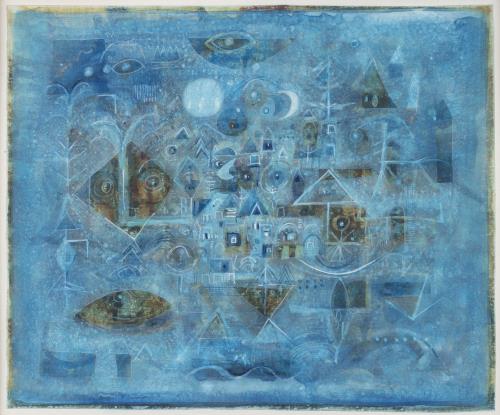
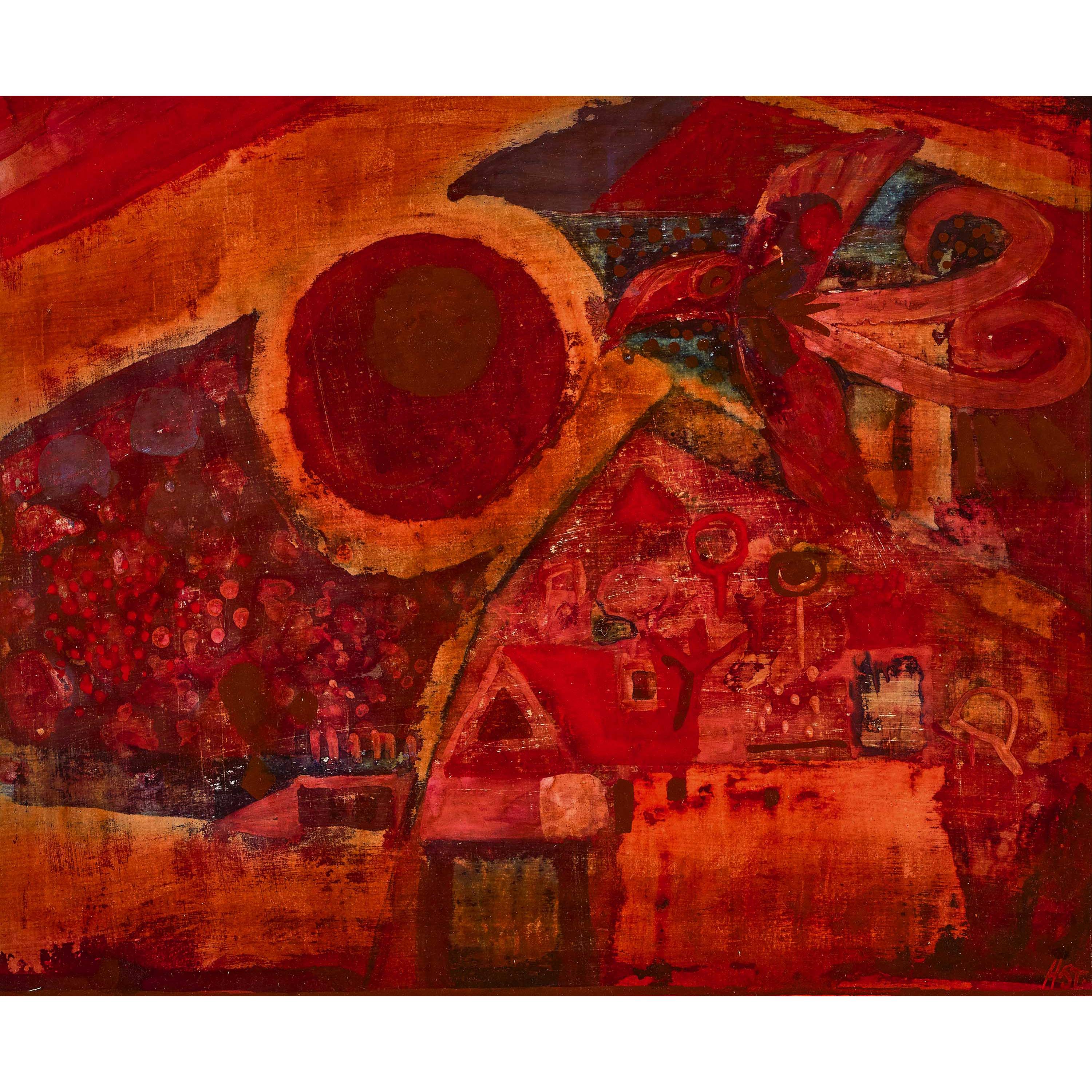
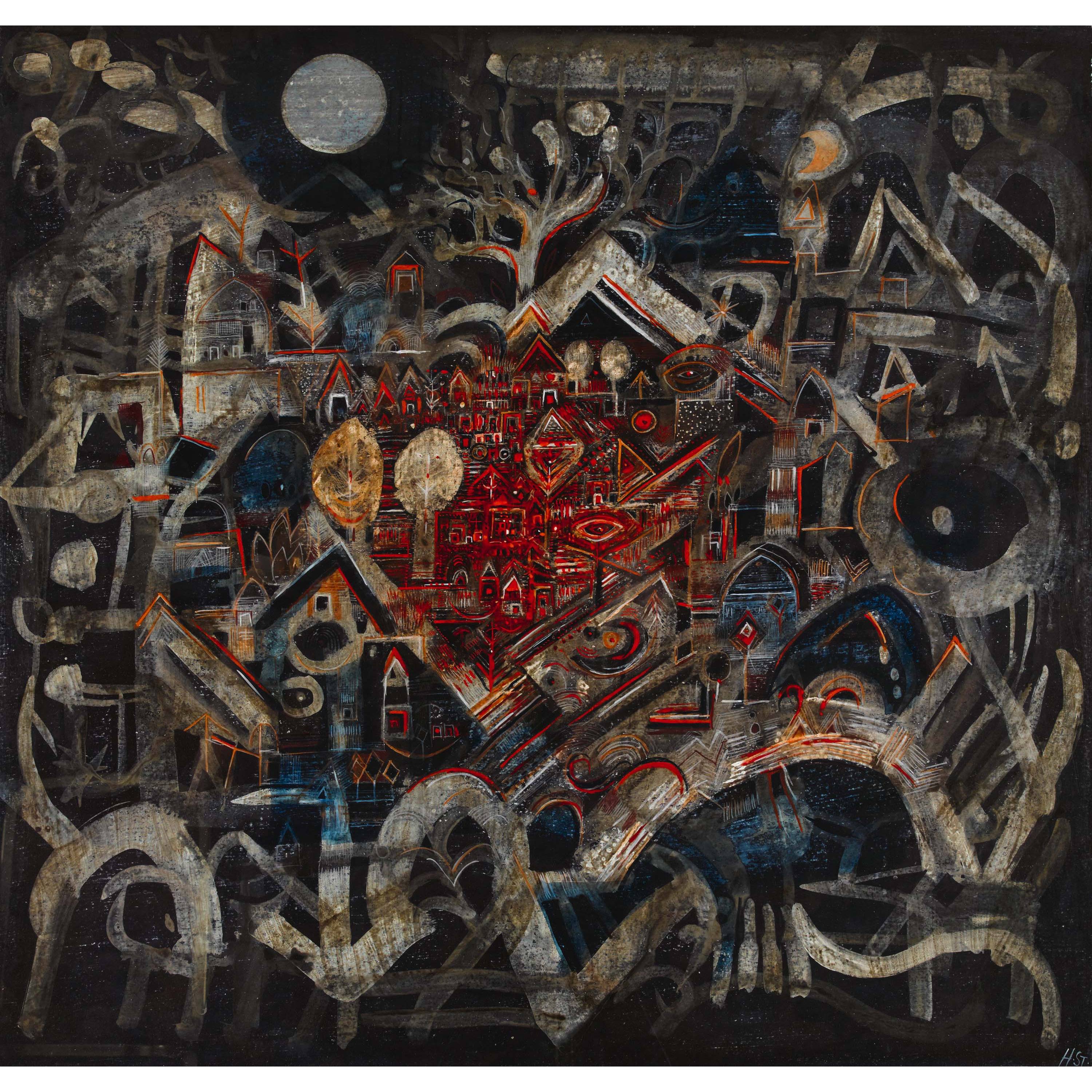
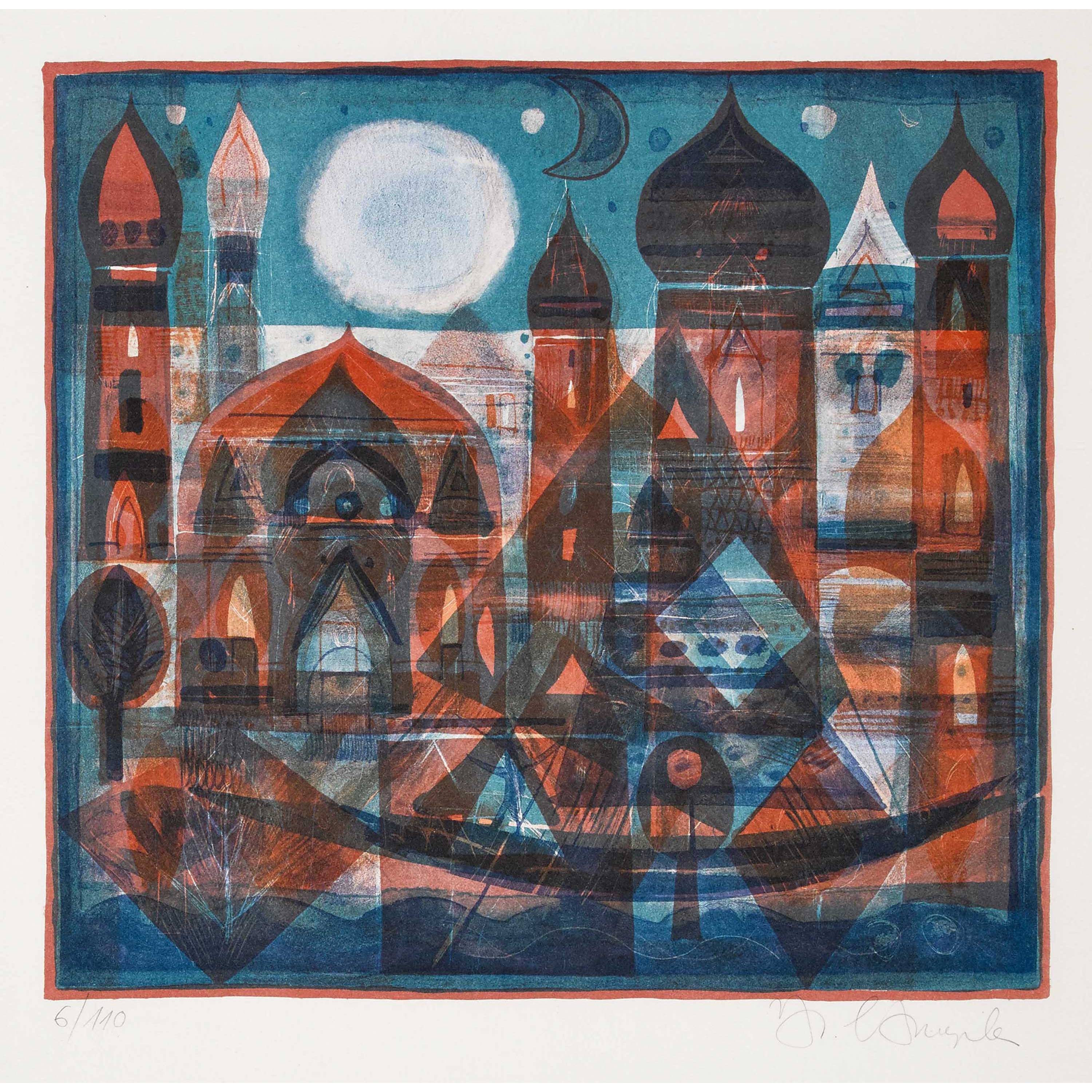
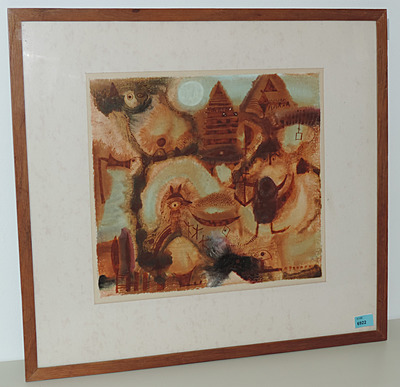
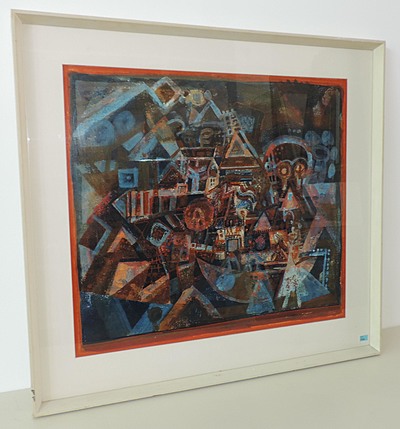
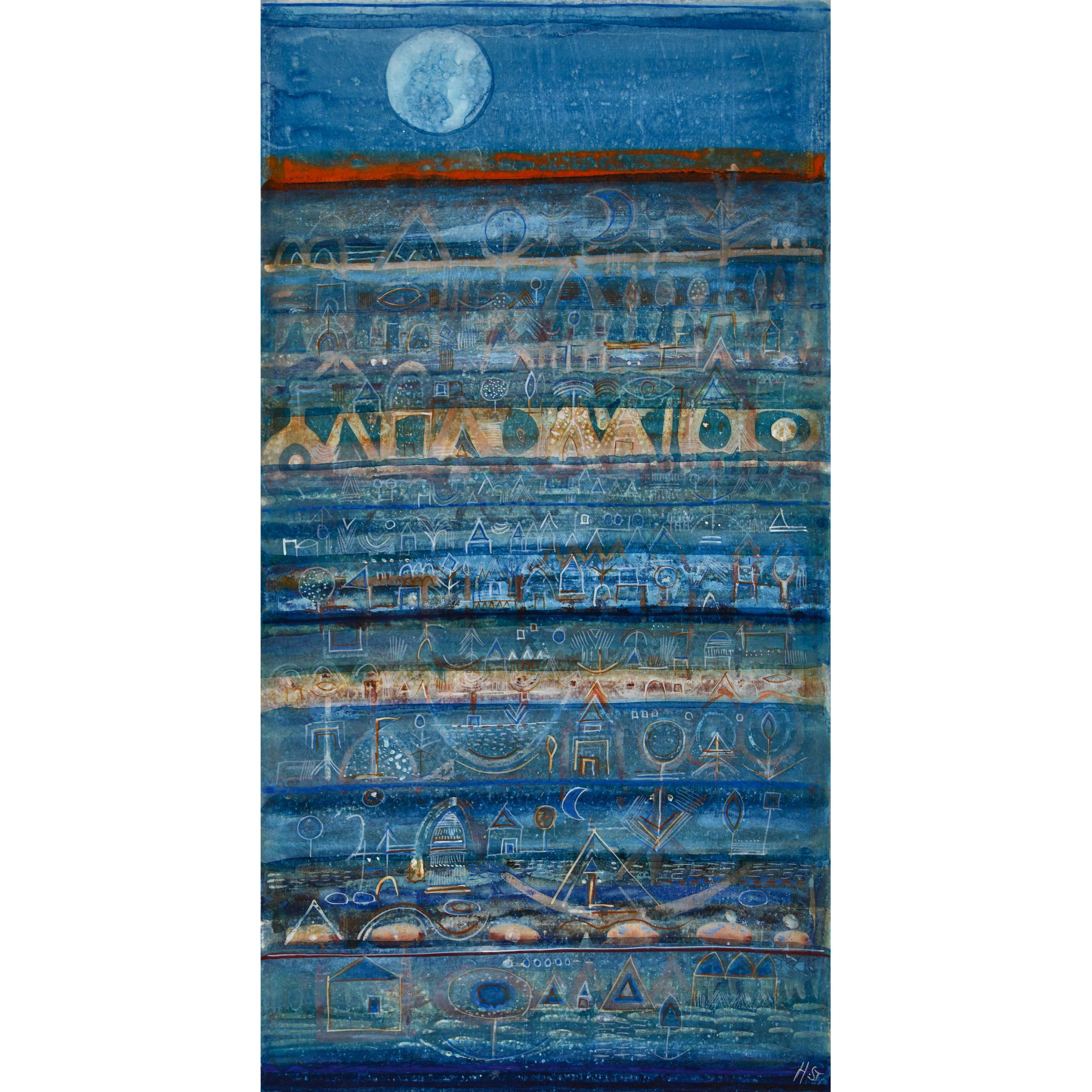
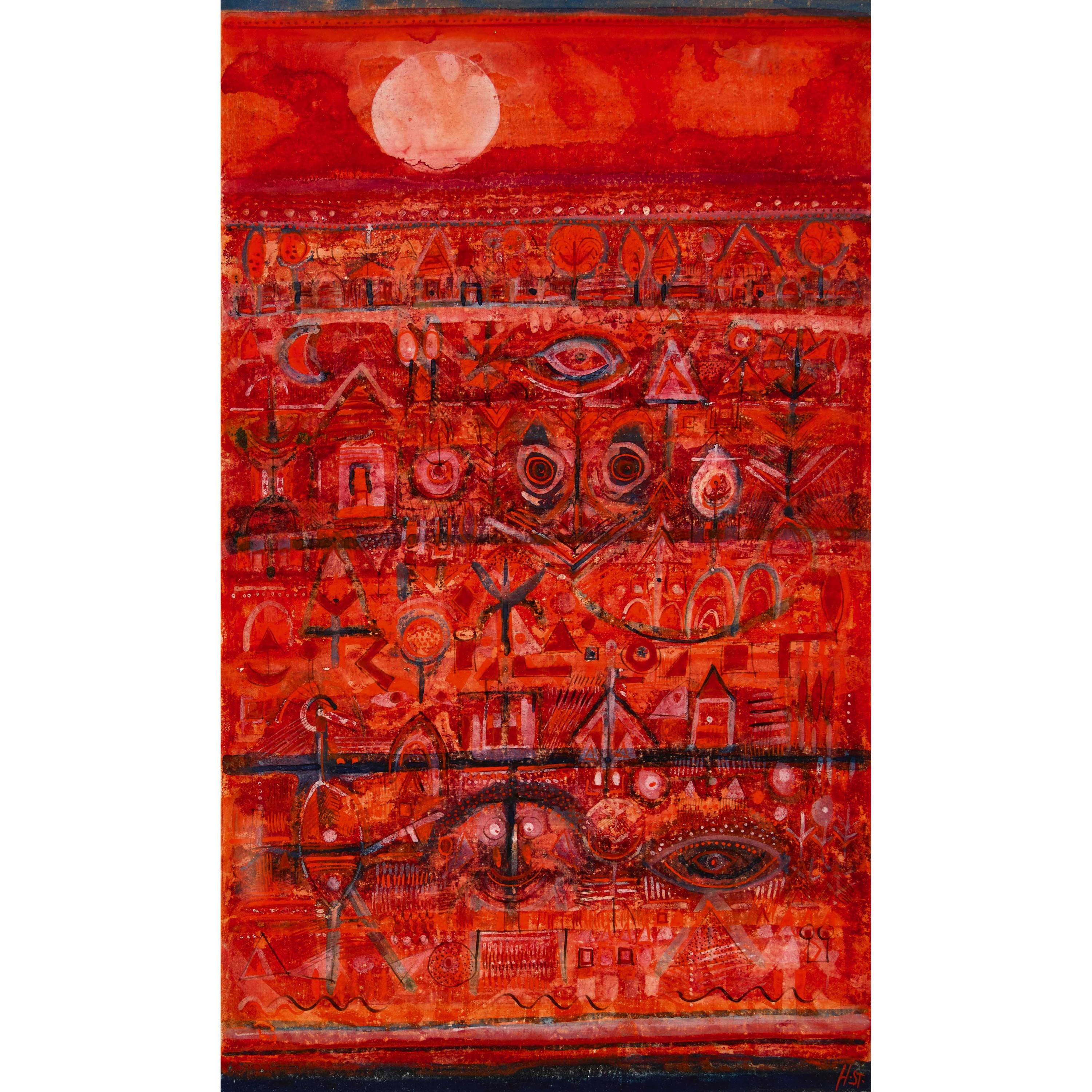
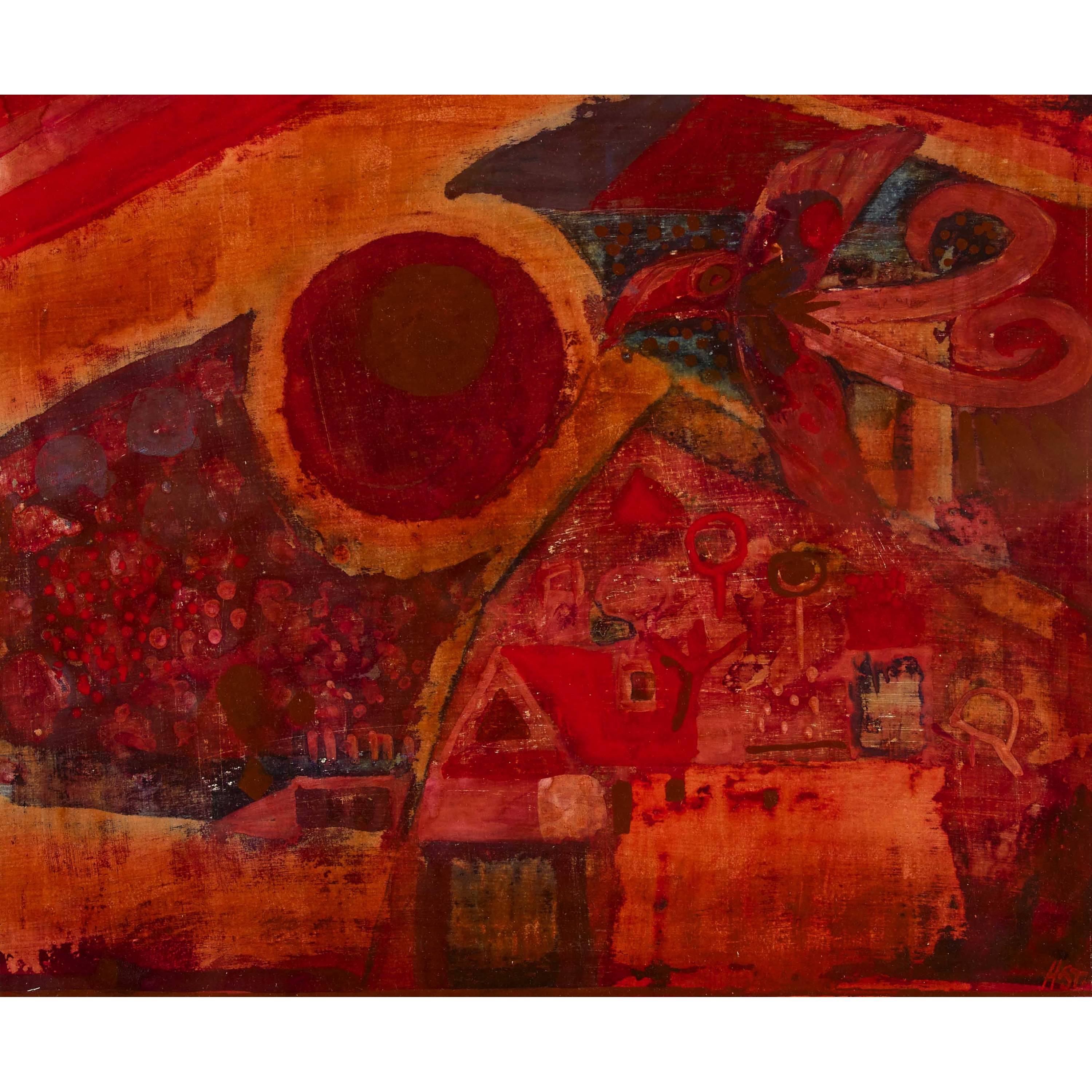
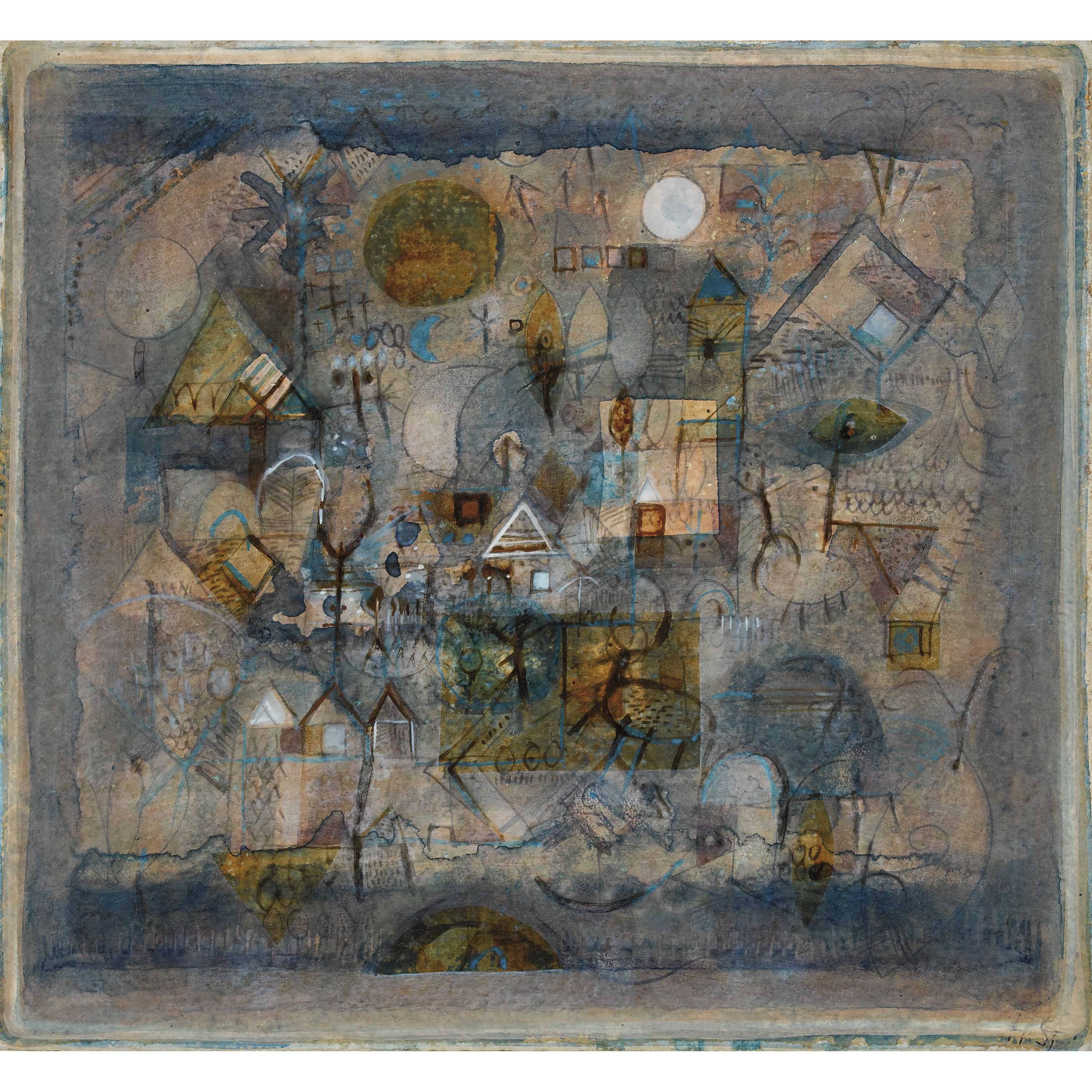
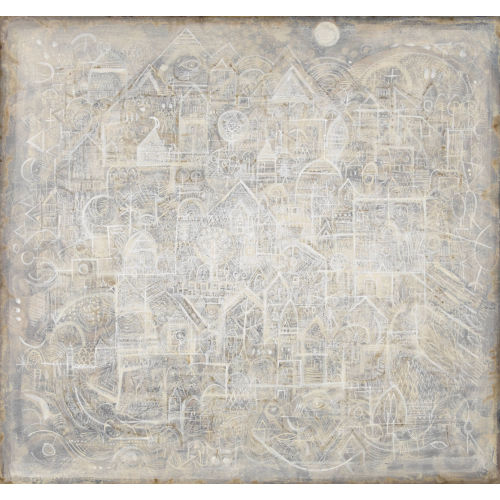
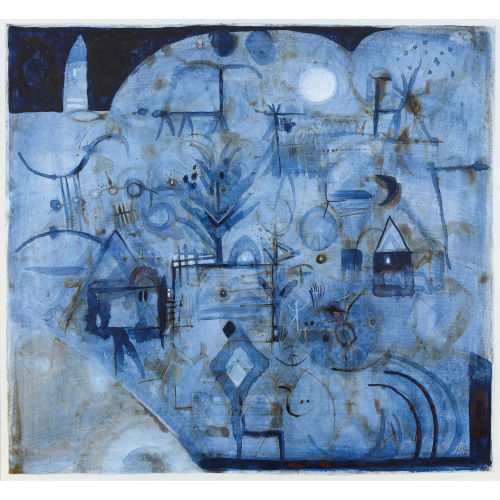
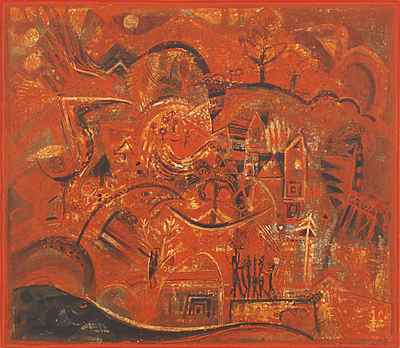
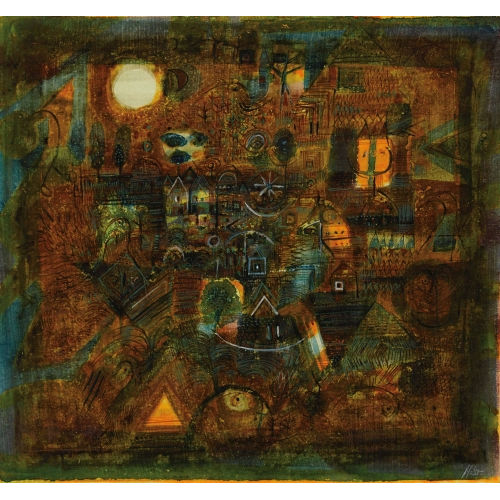
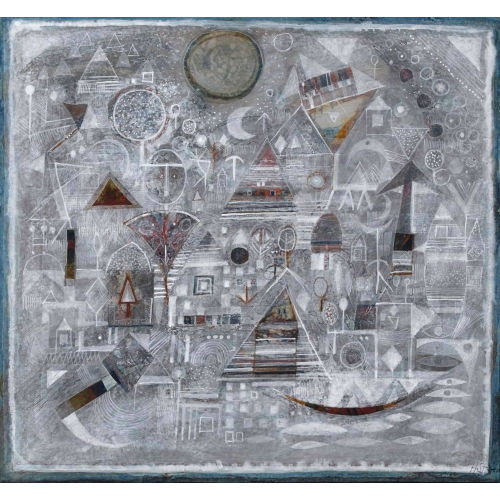
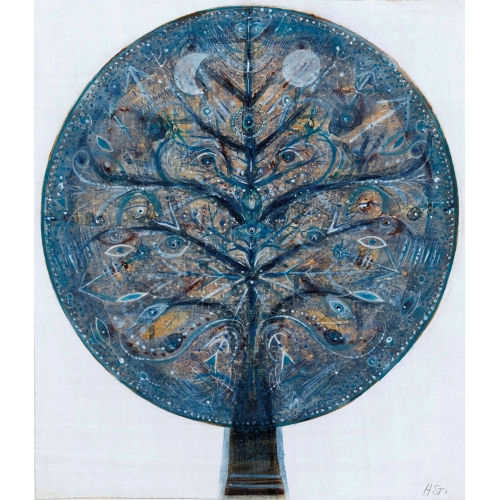
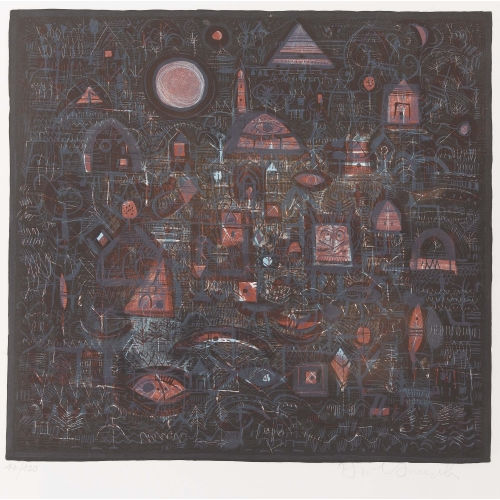
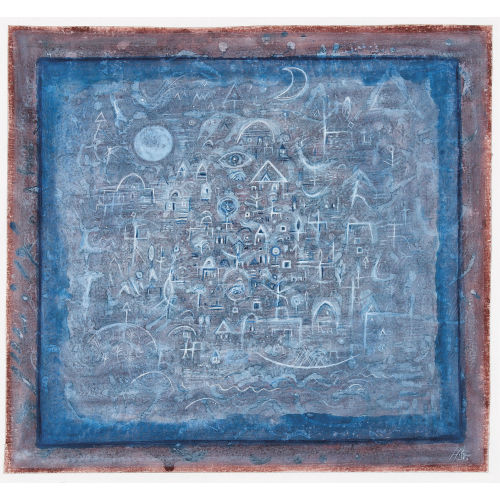
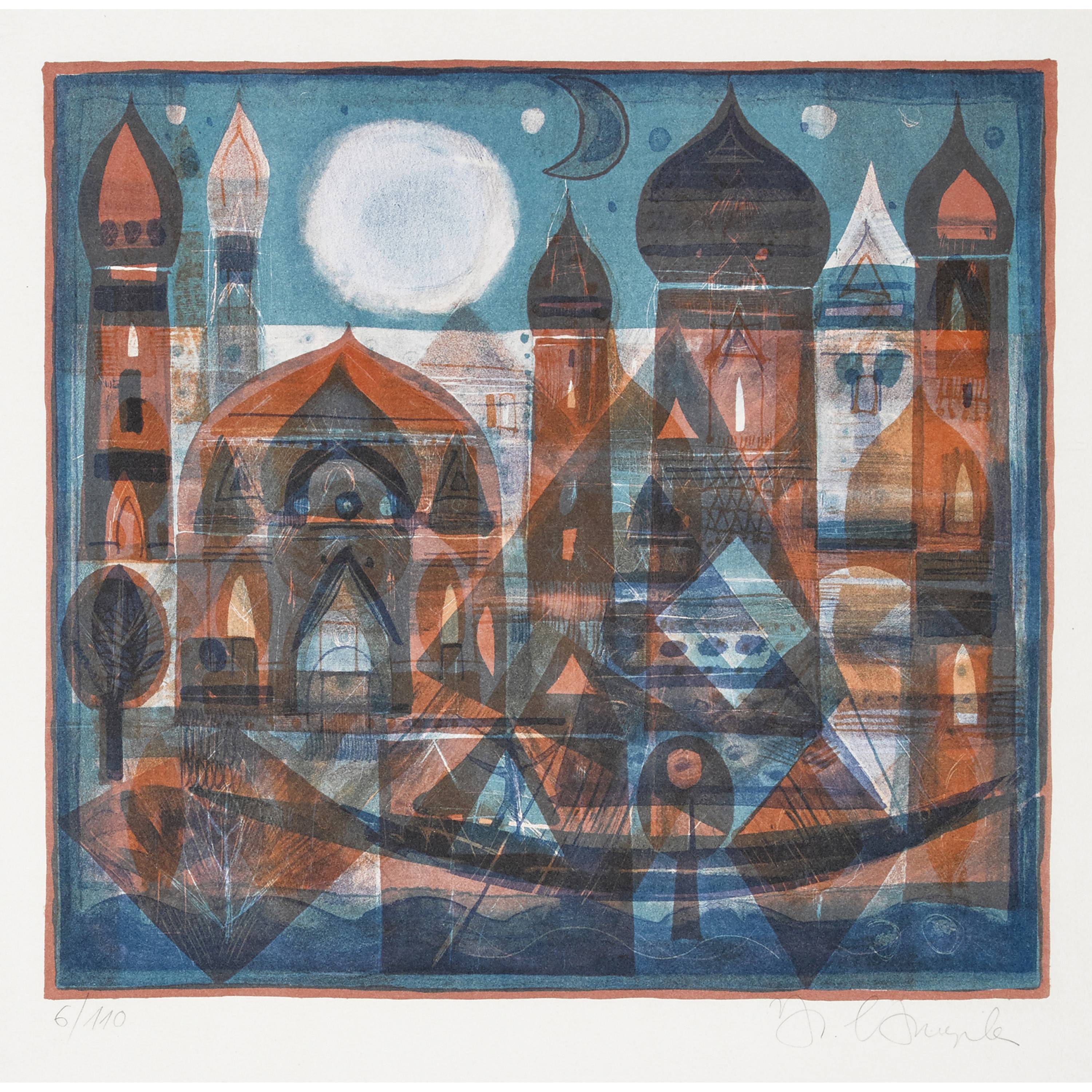
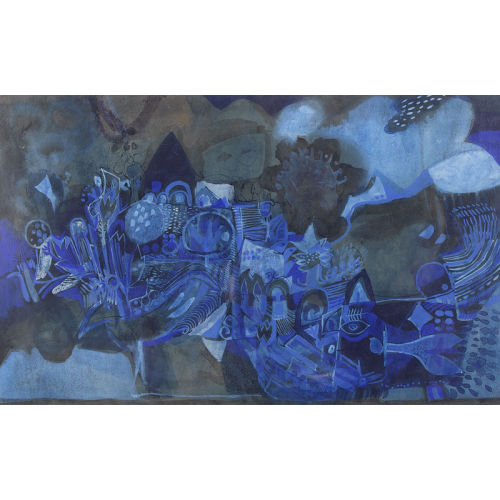
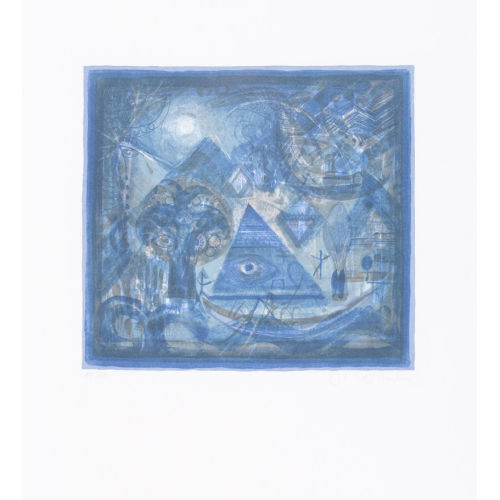
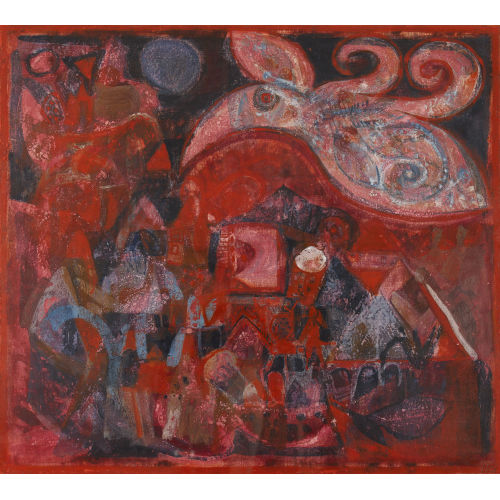
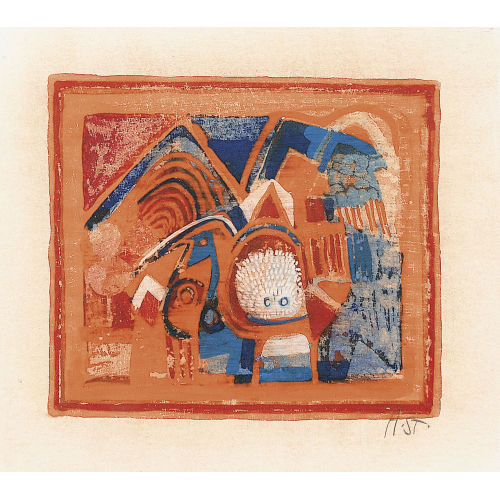
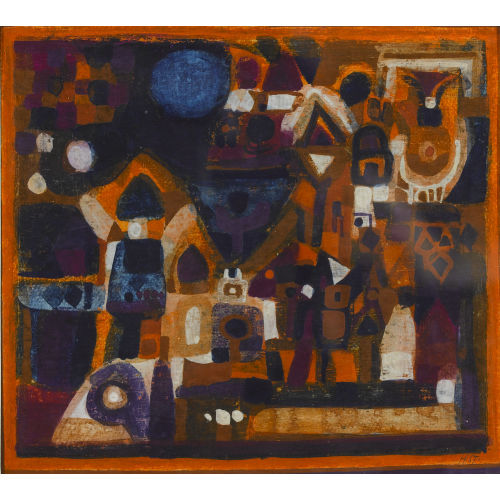
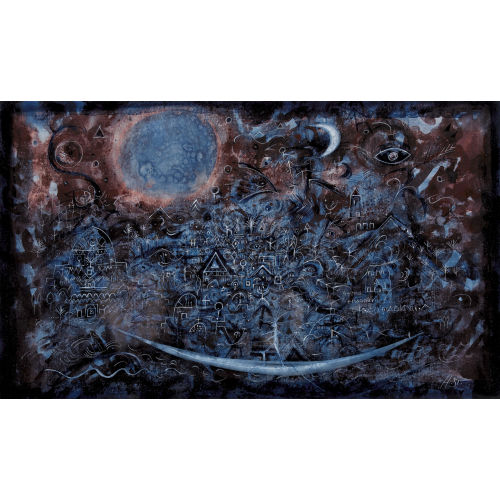
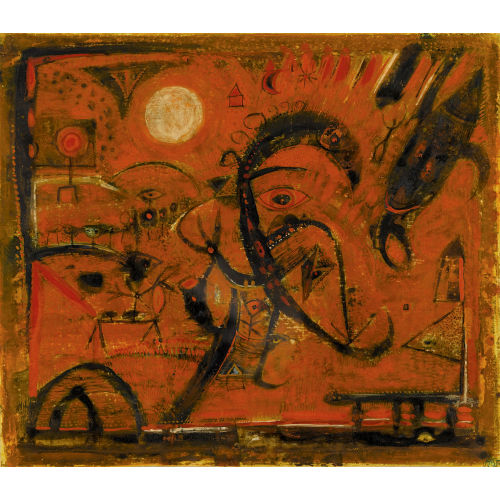
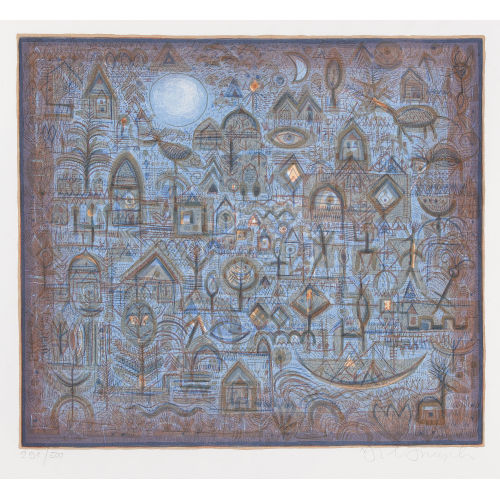
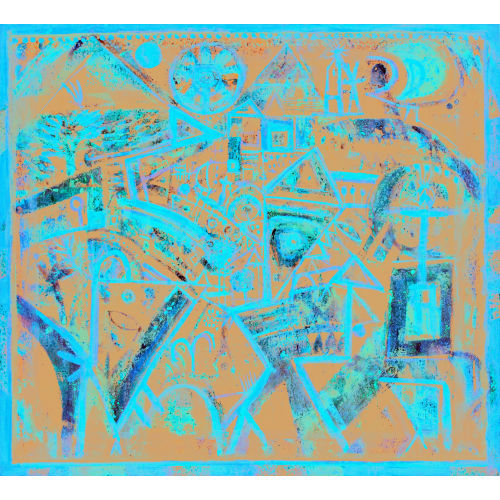
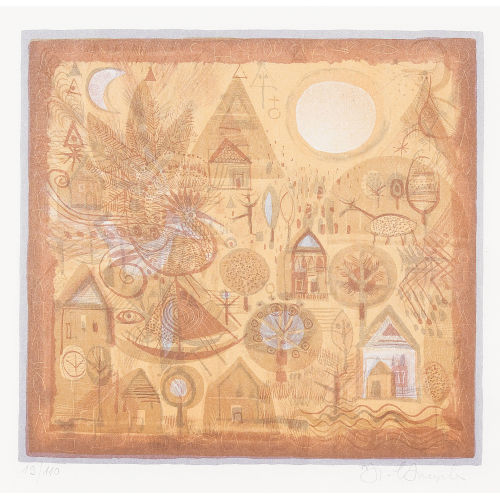
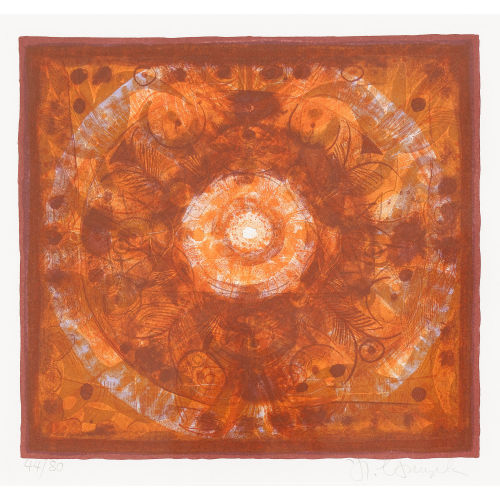
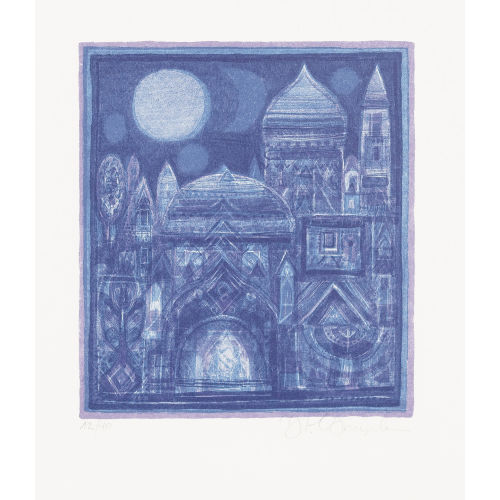
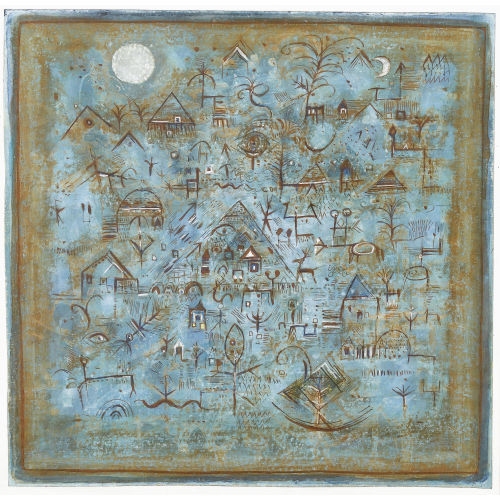
Hans-Rudolf Strupler (Zurich, 1935–2015) created a pictorial universe in which colour gives form to imaginary landscapes and signs close to ornament. After studying at the School of Applied Arts in Zurich, he worked as an independent painter from 1960 onwards. Gouache and tempera, often applied to paper and then mounted on board or wood, provided him with a surface conducive to subtle tonal modulation and the meticulous assembly of forms.
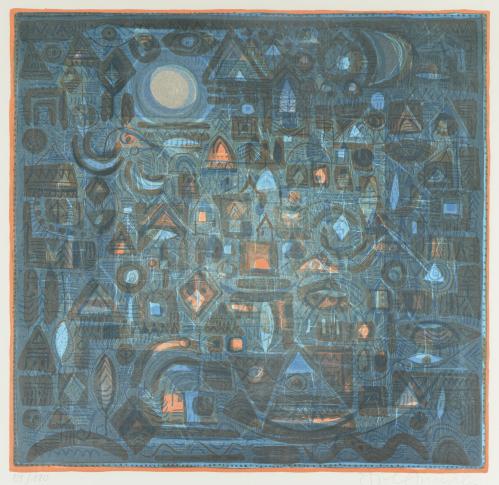
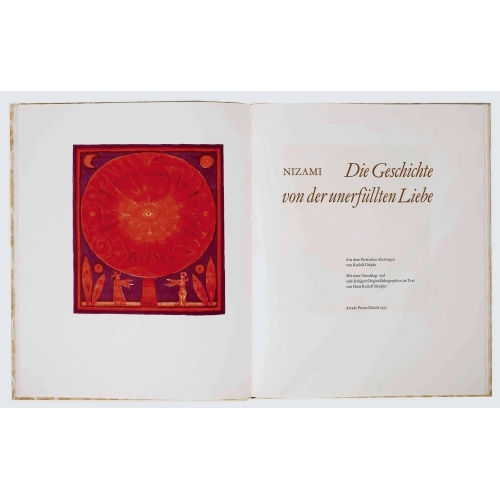
Drawing and lithography accompanied this exploration.
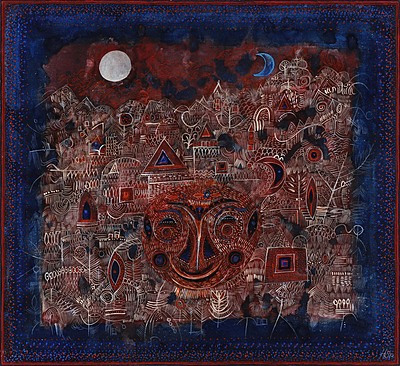
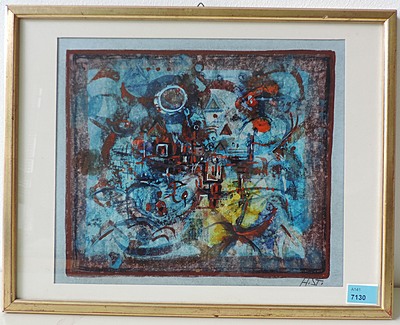
His compositions do not describe a single place. Rather, they invite the eye to move among motifs that seem to evoke architectures, mosaics or fabulous landscapes. The Kunstmuseum Walter connects this imaginary world with impressions gathered by the artist during travels in Egypt and Asia, as well as with his interest in Persian miniatures.
In Strupler’s work, these references become formal resources: colours, rhythms and contours organise a scene open to multiple readings.
Public collections also reveal a practice more diverse than the sole focus on painting might suggest. The Swiss Confederation’s art collections hold, among other works, the drawing Labyrinth, dated 1967, as well as a print entitled Feuergeist. The City of Zurich presents, at the Mathysweg centre for older people, two hangings from 1970 made of textile appliqué on wool satin, one red and the other blue.
These large-scale works transpose his interest in forms and chromatic harmonies into architectural space. From the sheet to the hanging, Strupler thus explores how an image is constructed in layers, and how its colour can transform the perception of a place.