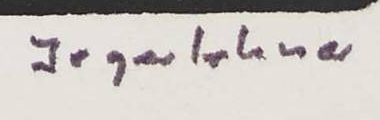
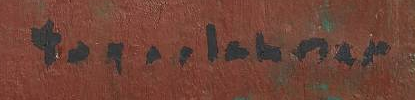
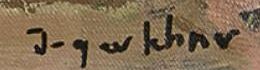
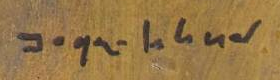
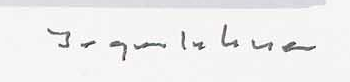
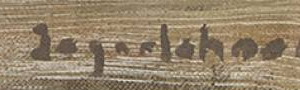
Hans Jegerlehner
Born in 1906.
Died in 1974.
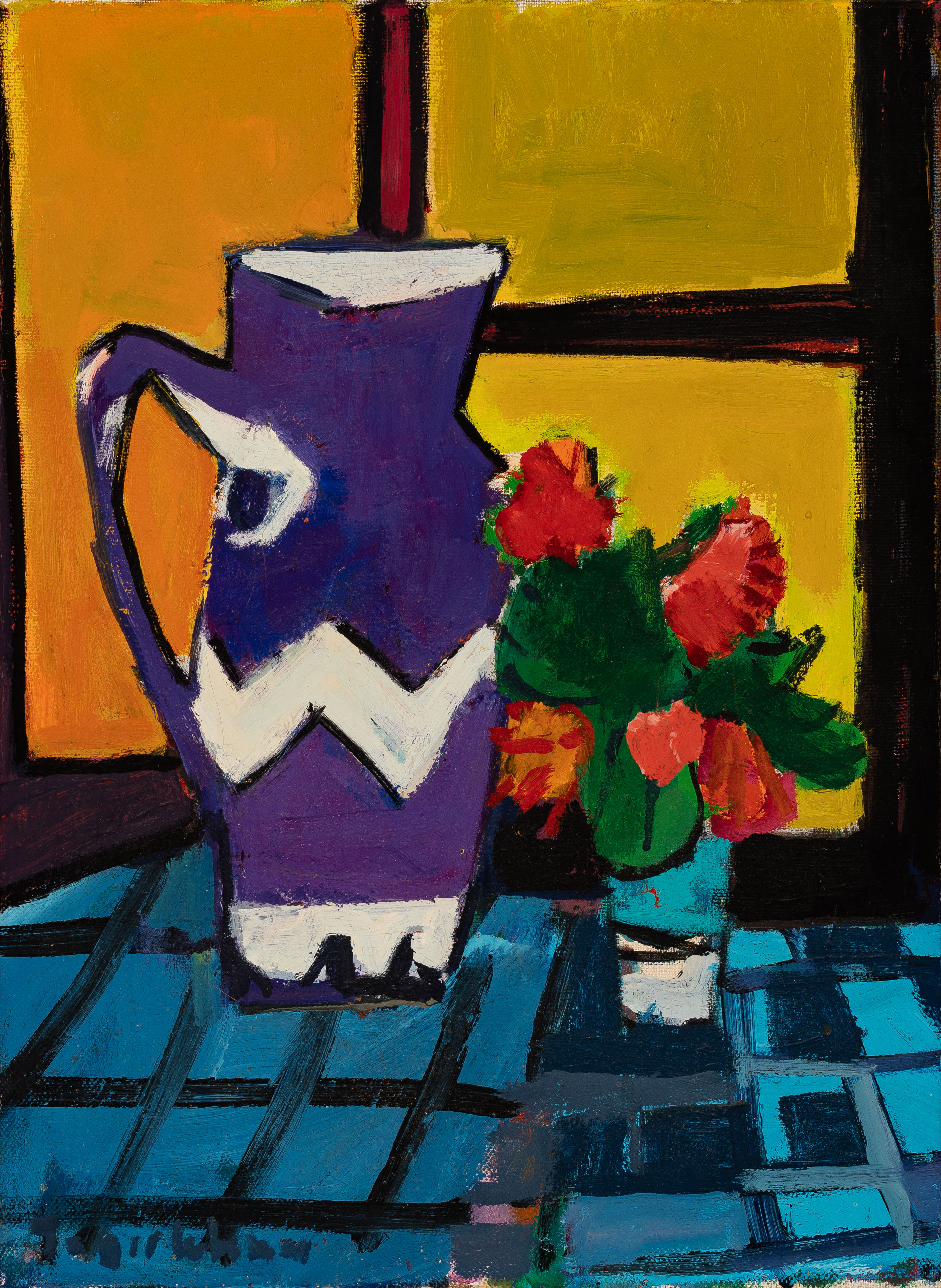
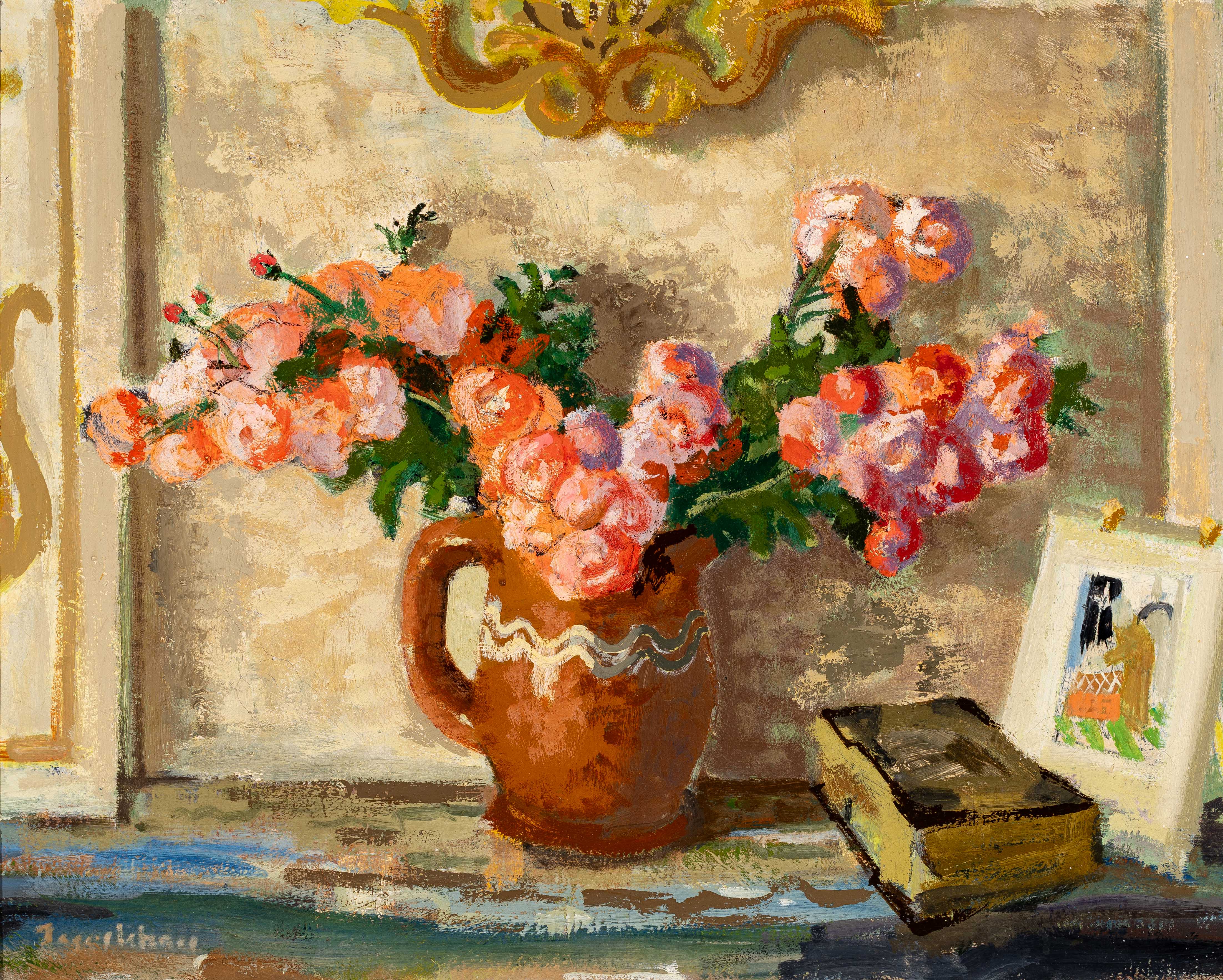
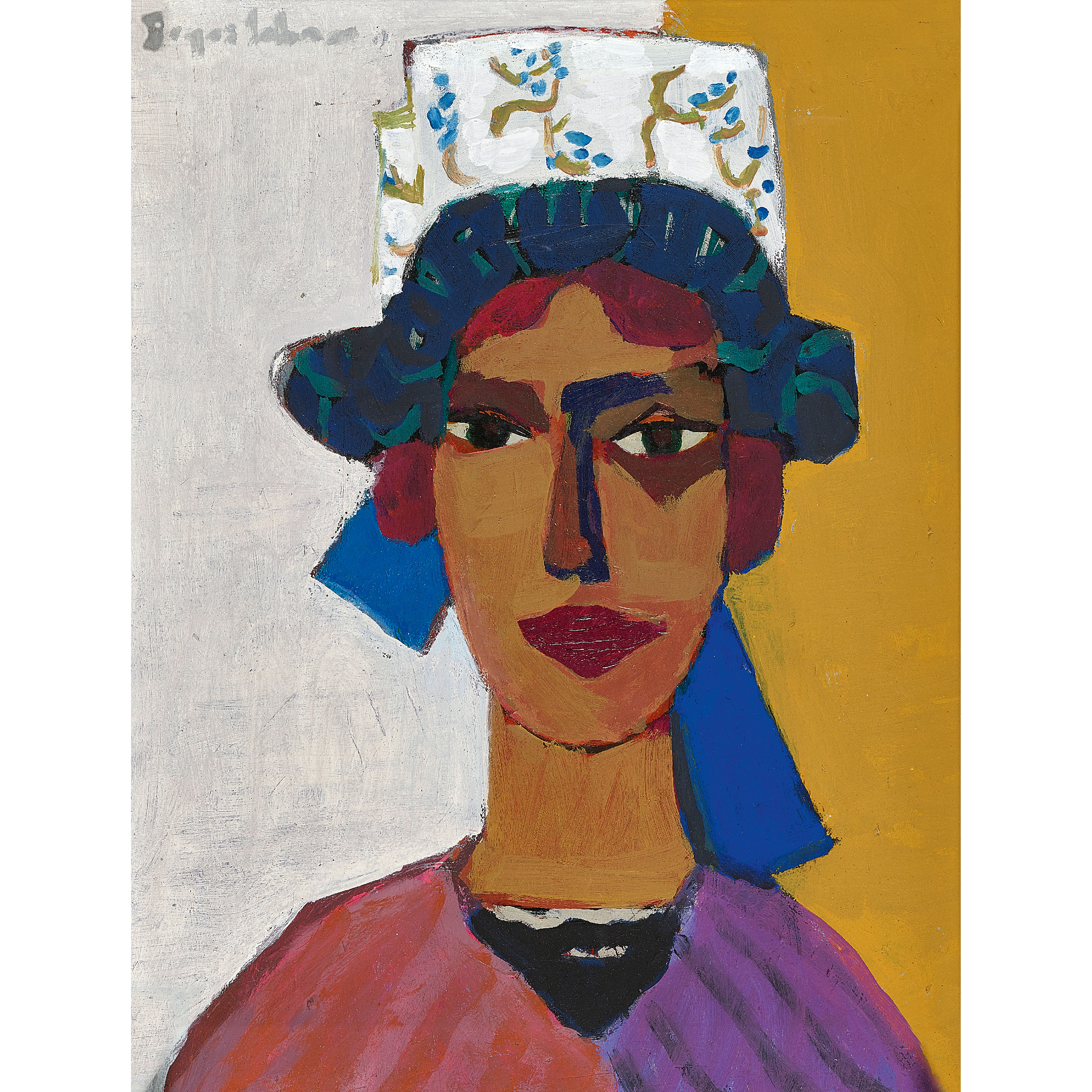
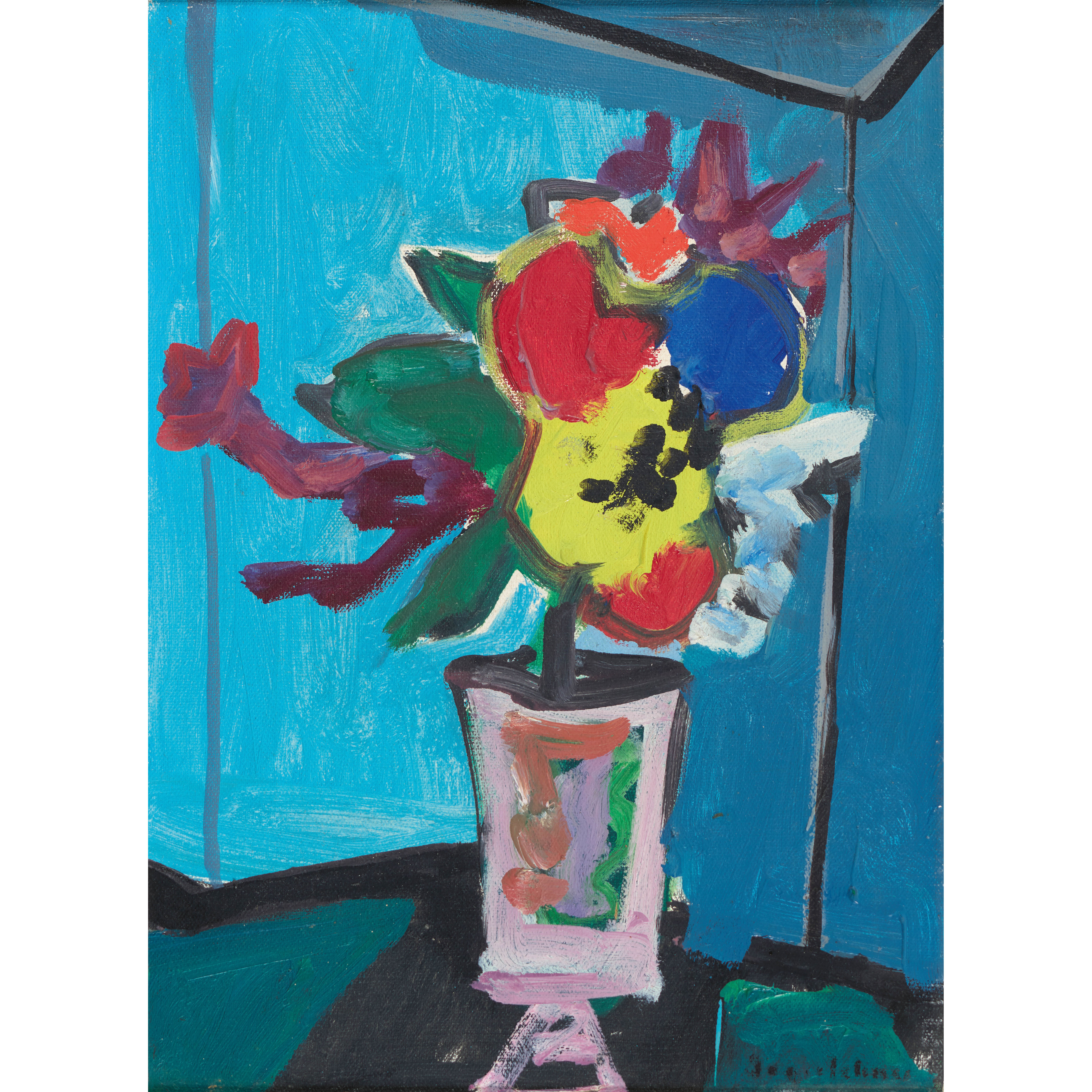
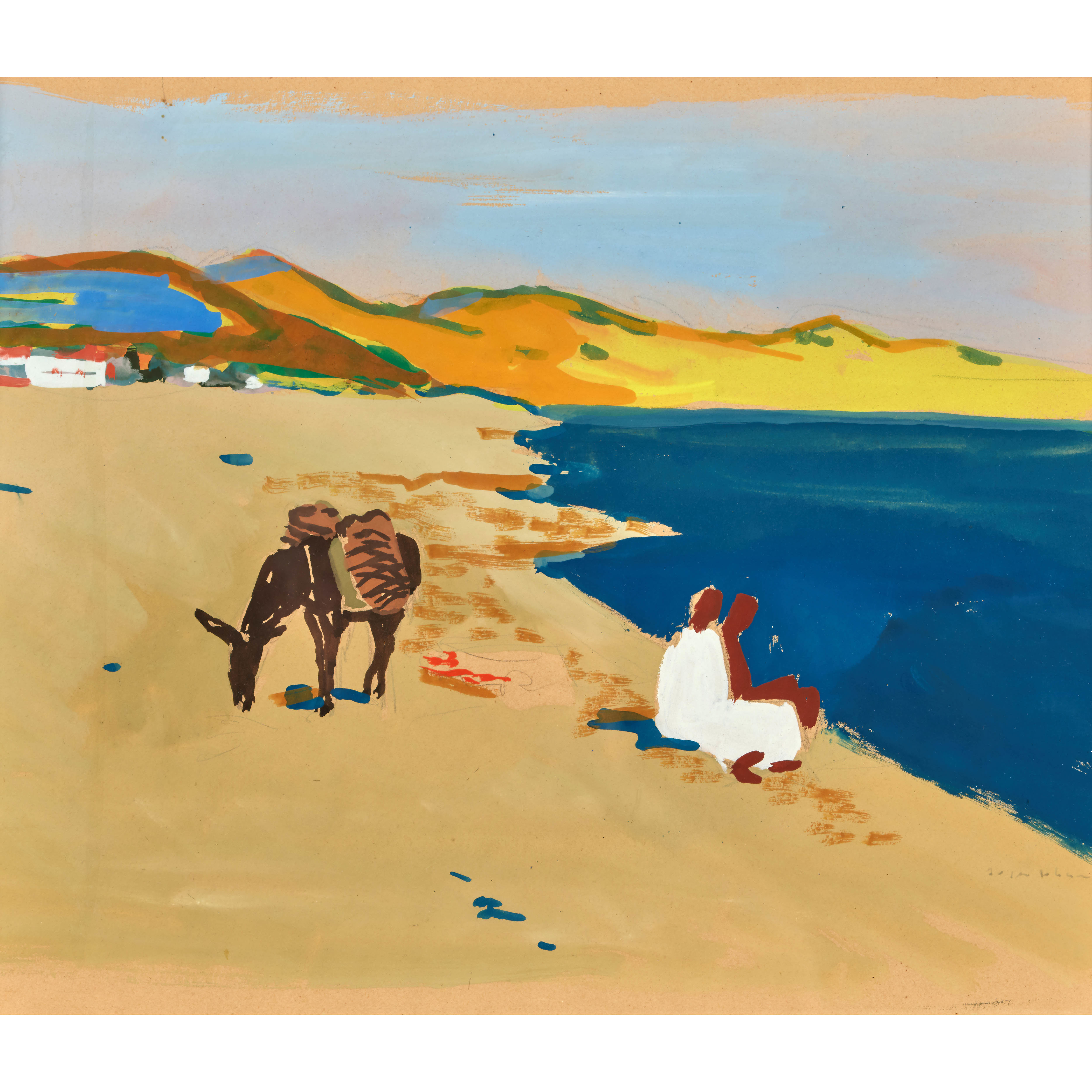
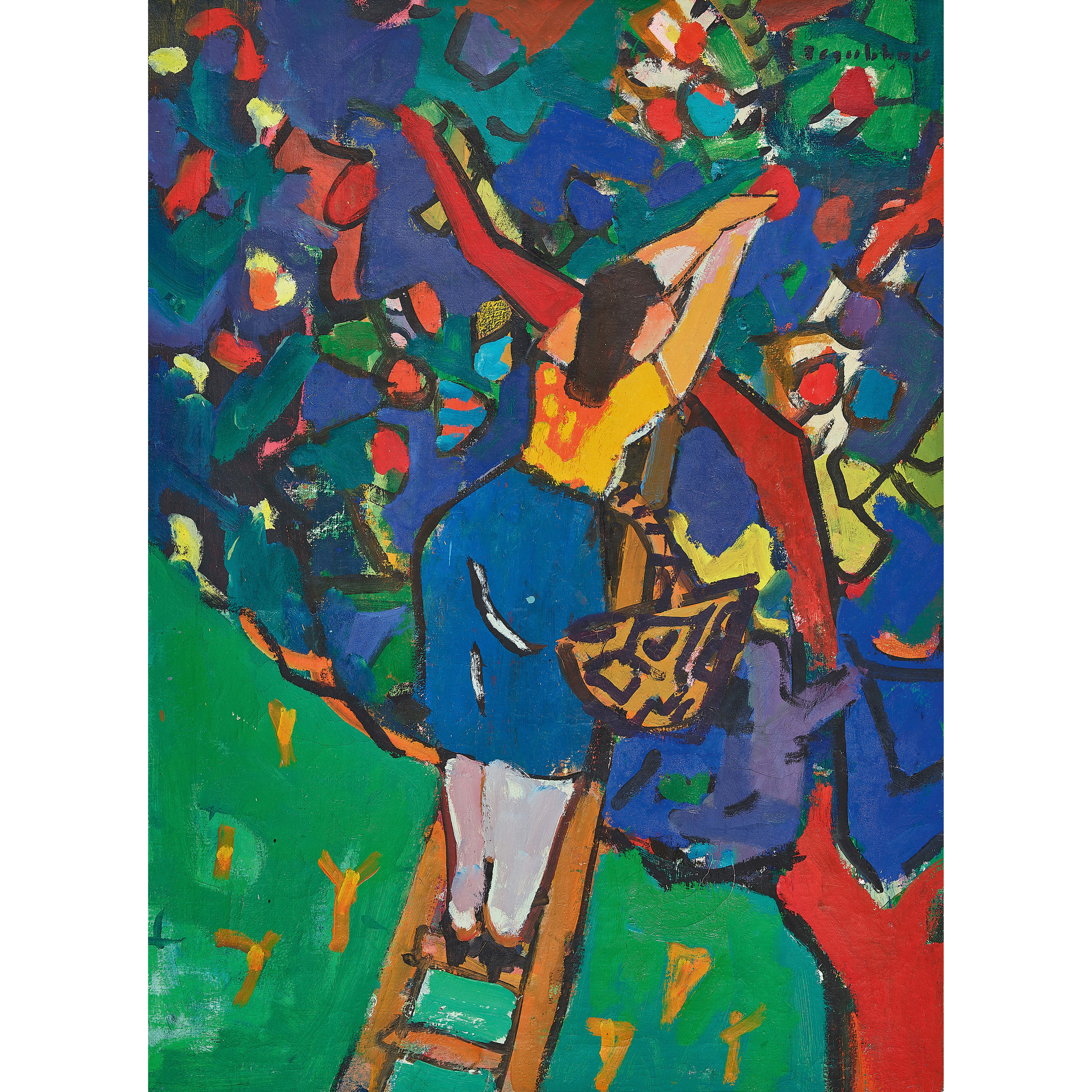
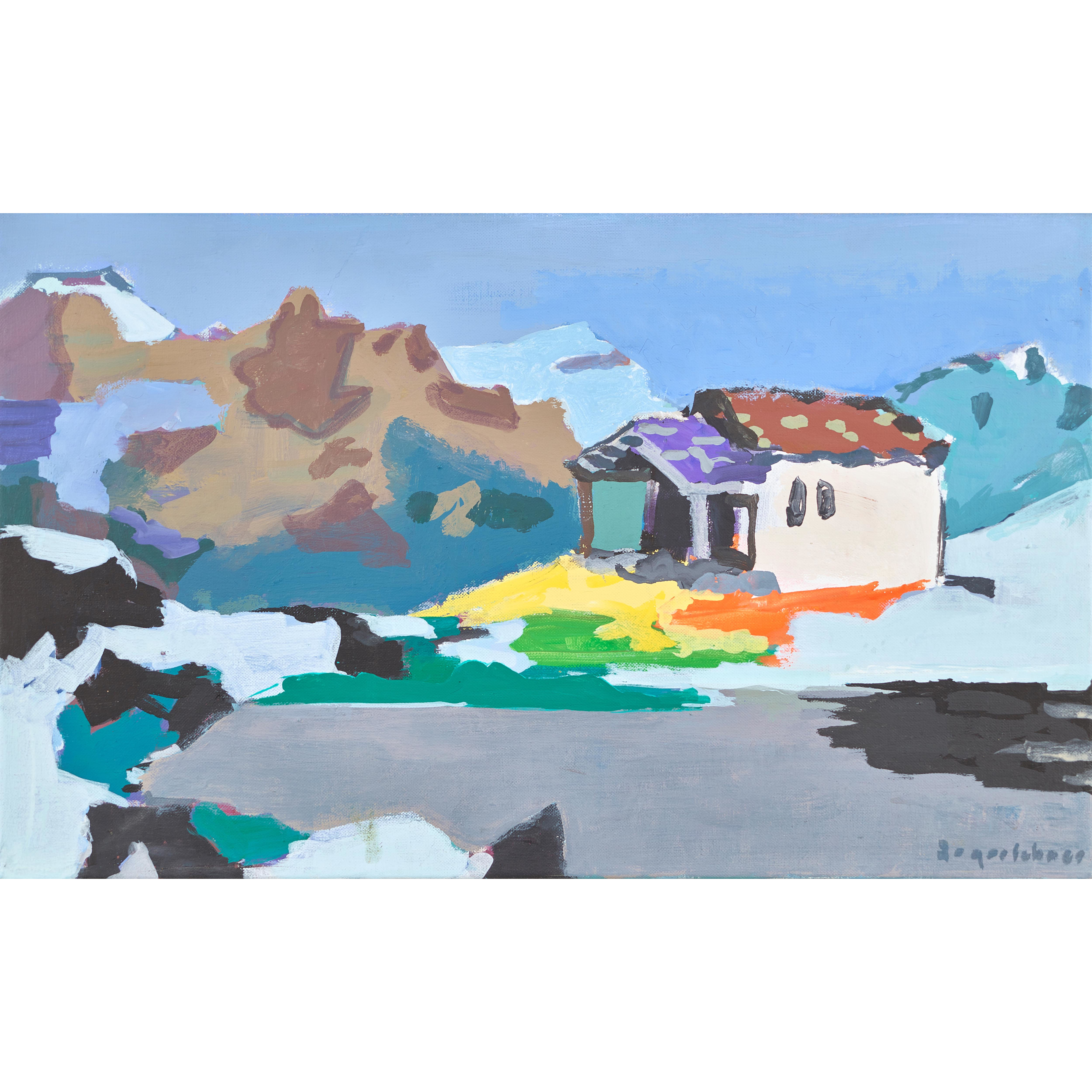
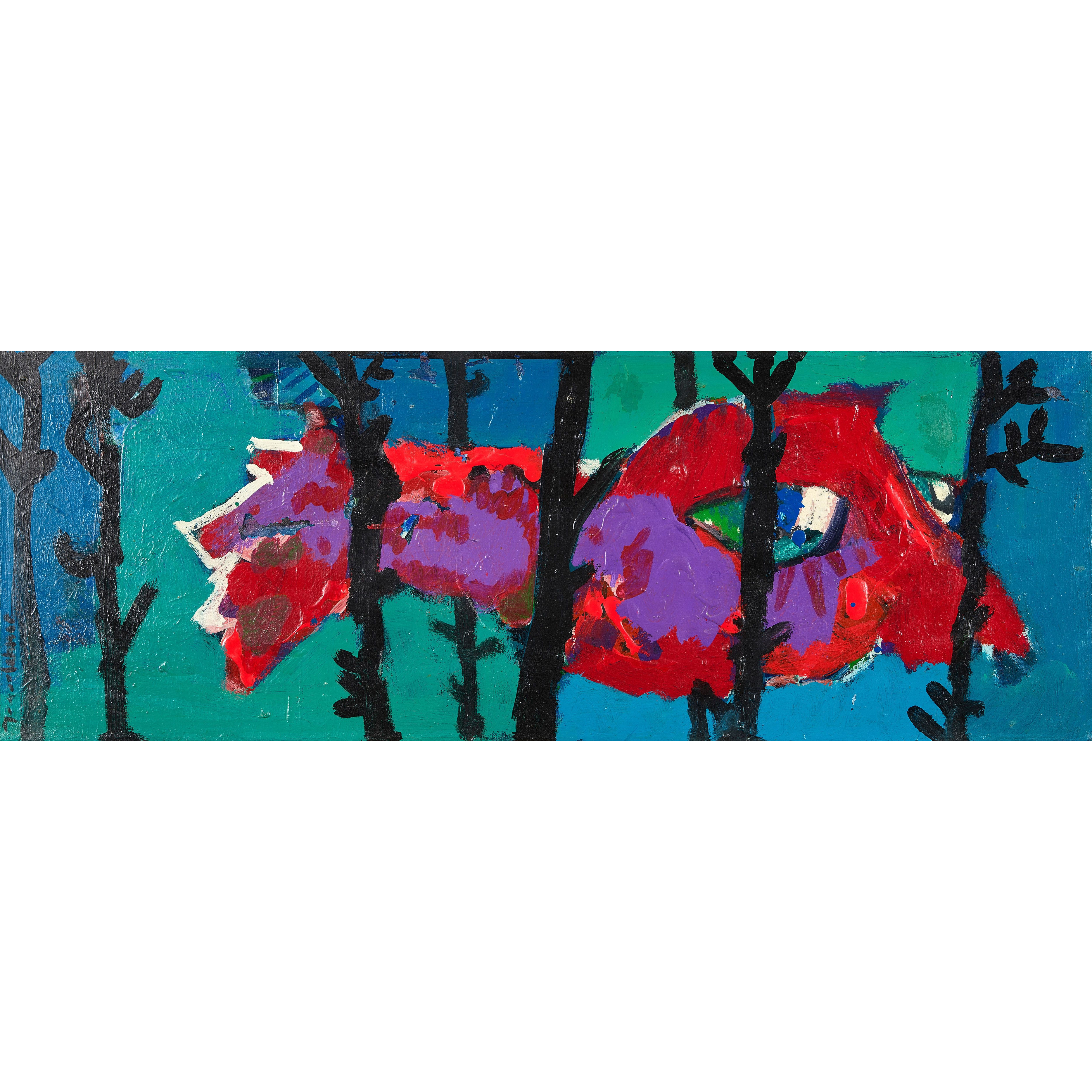
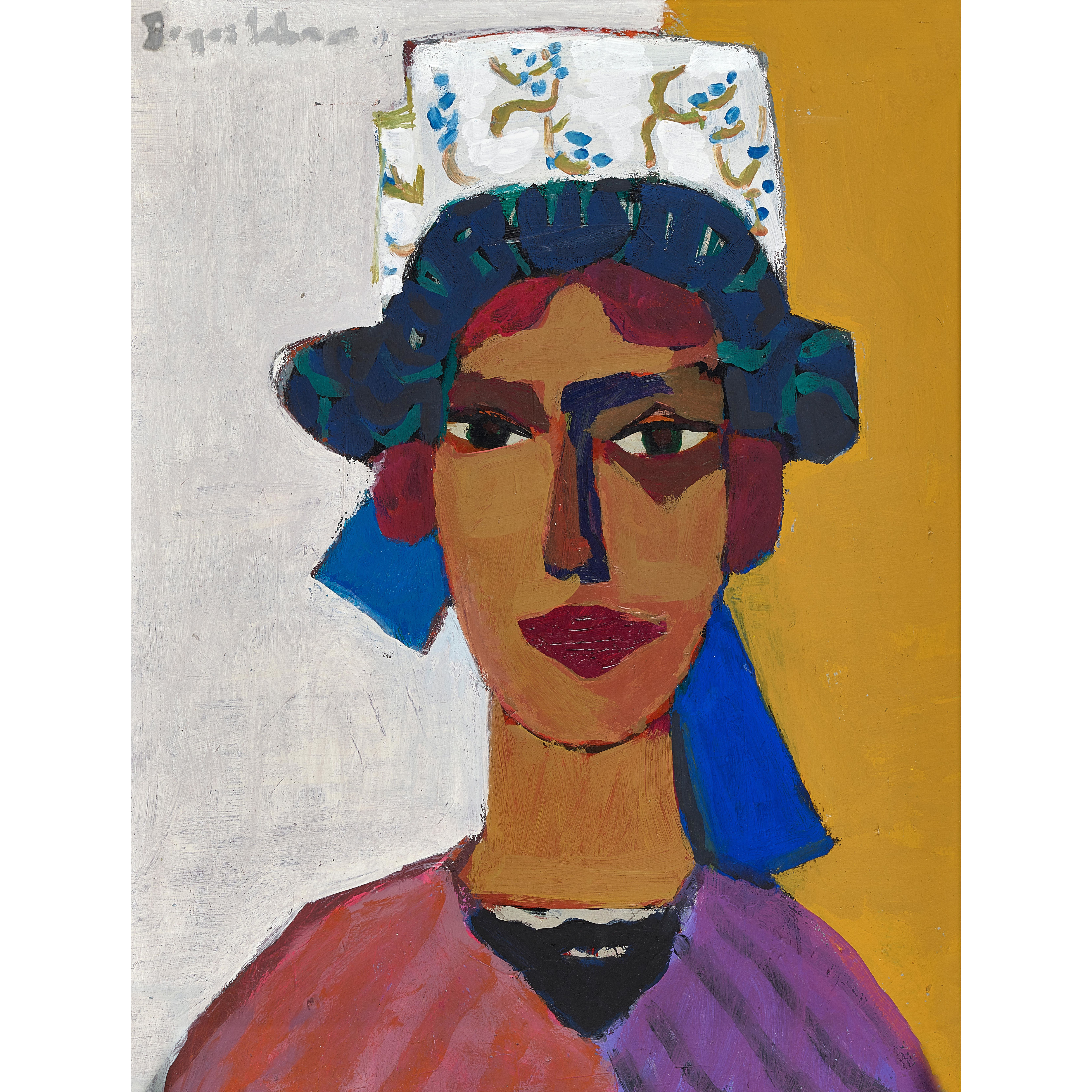
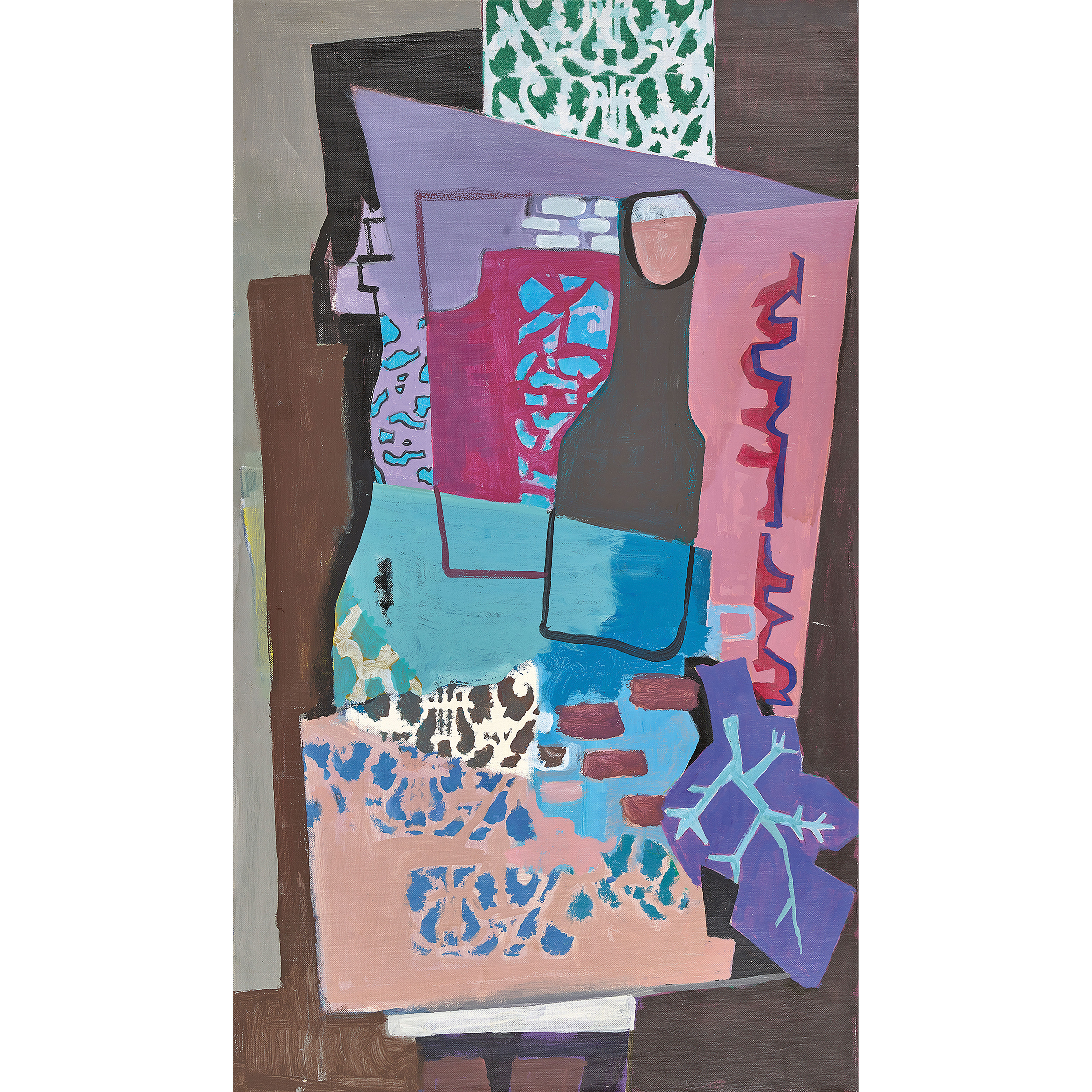
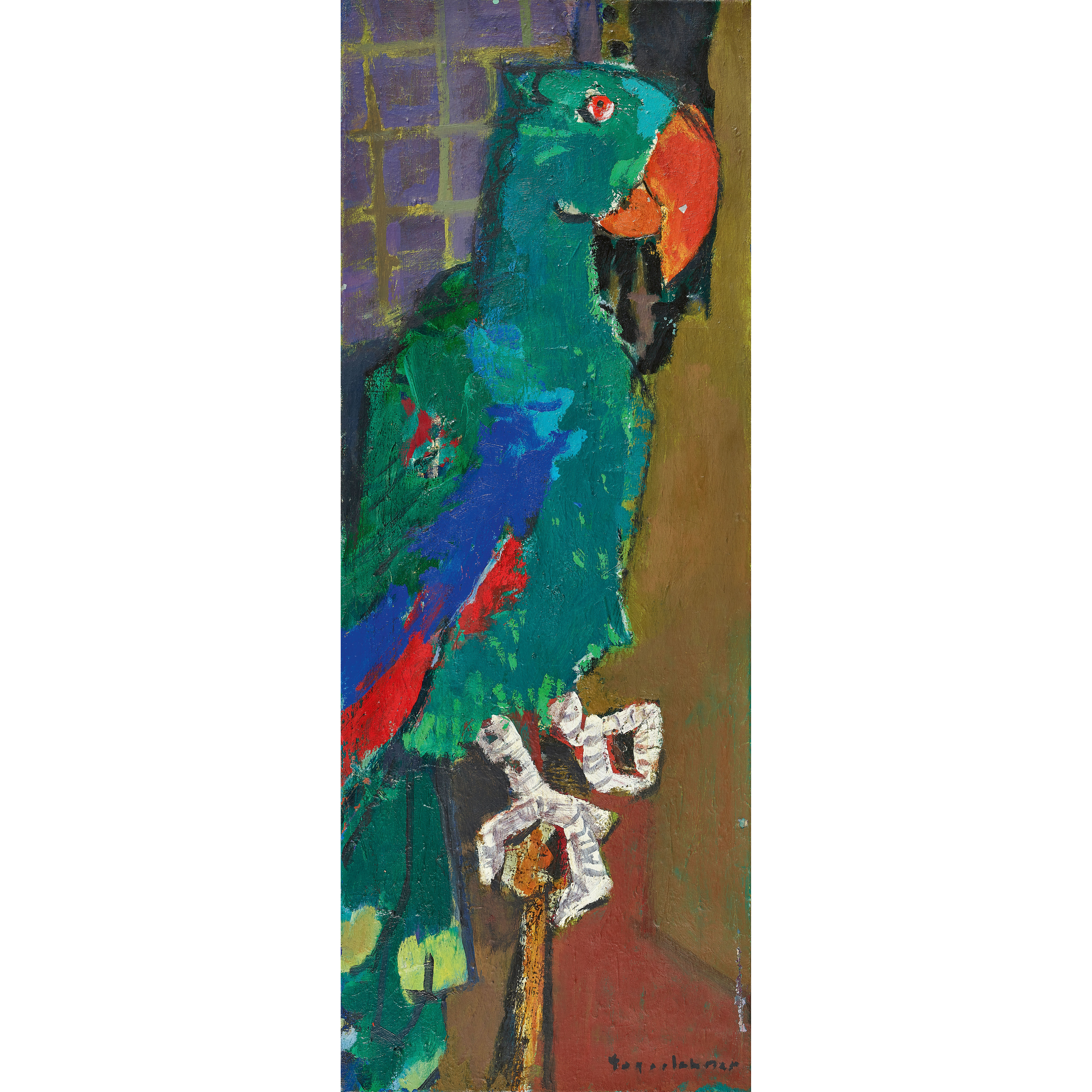
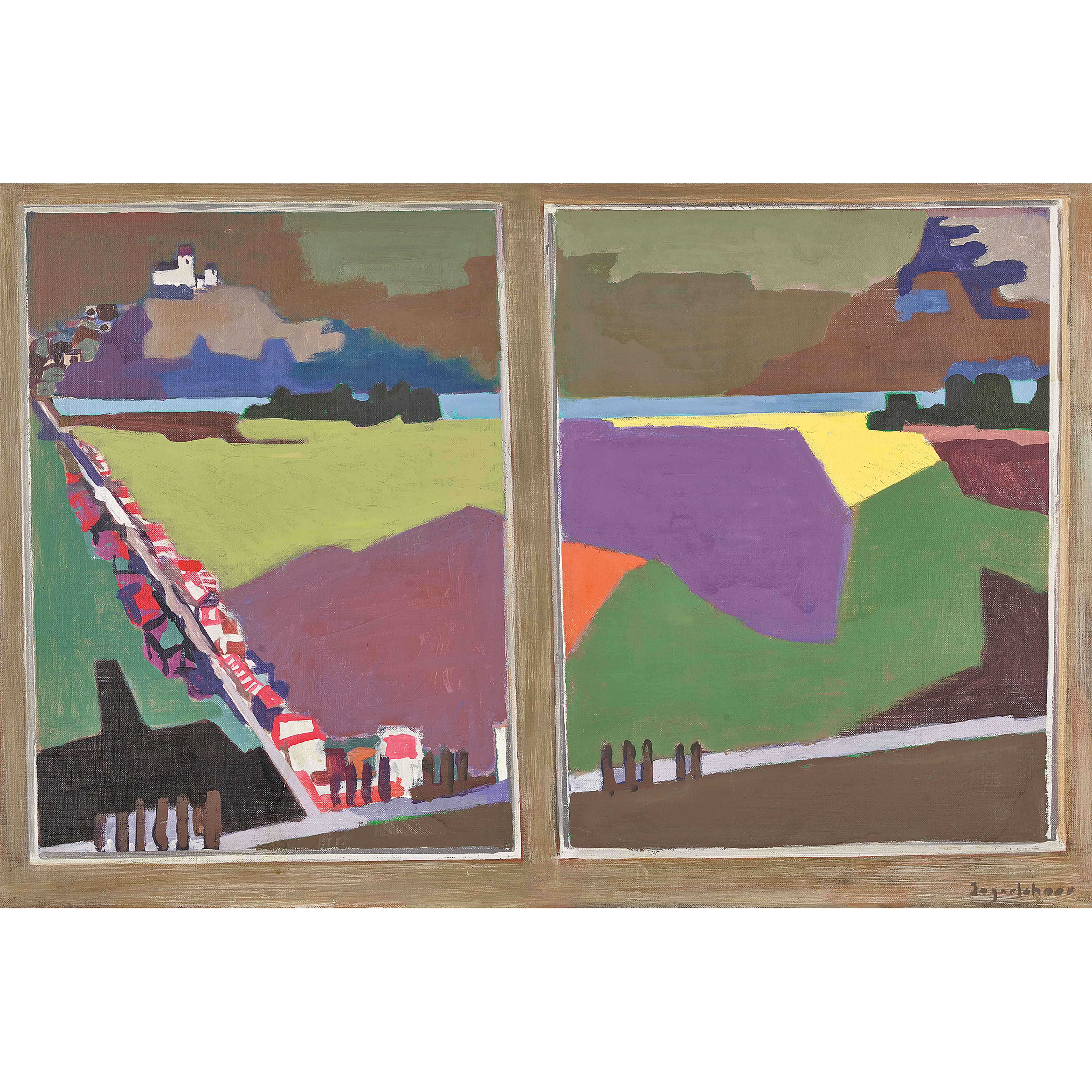
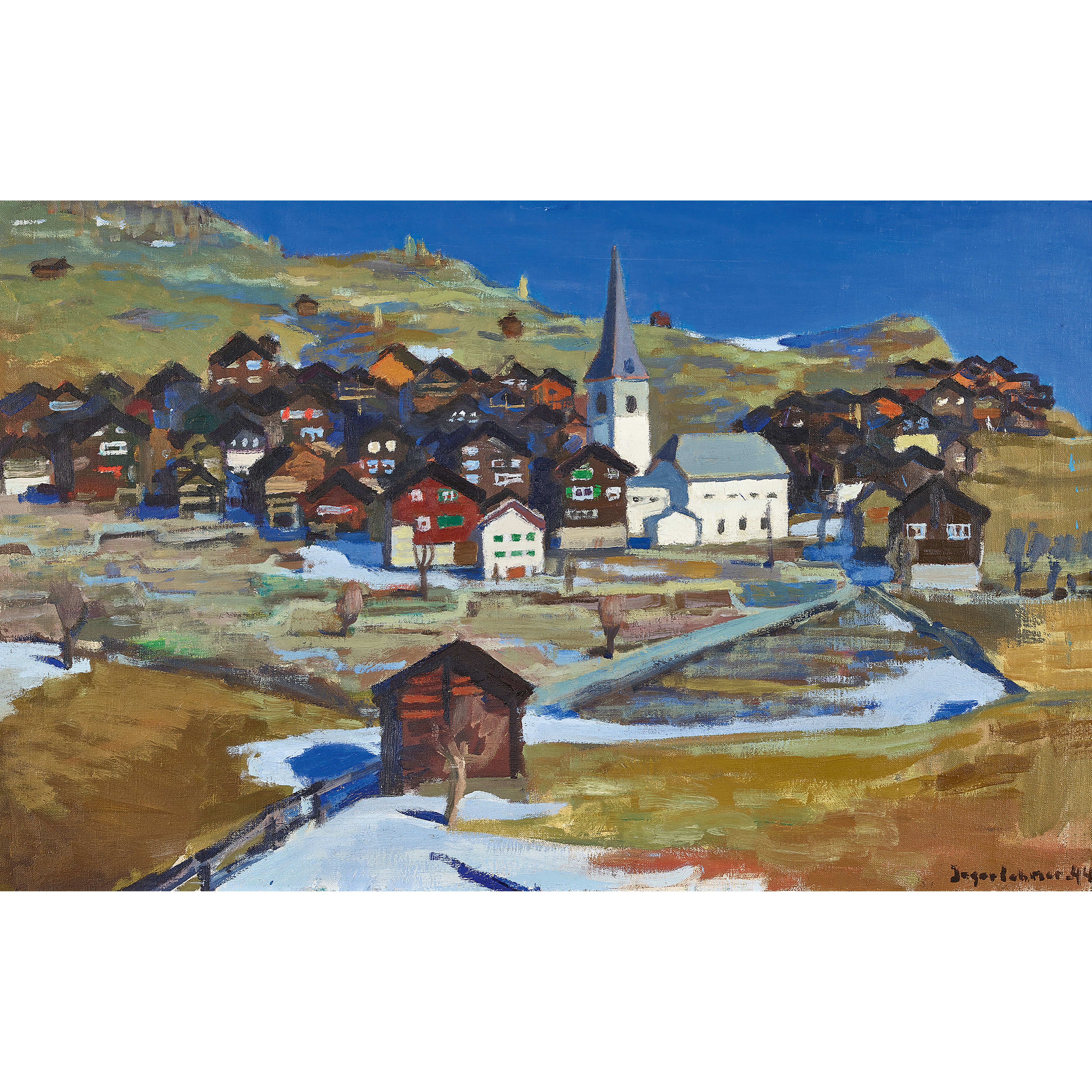
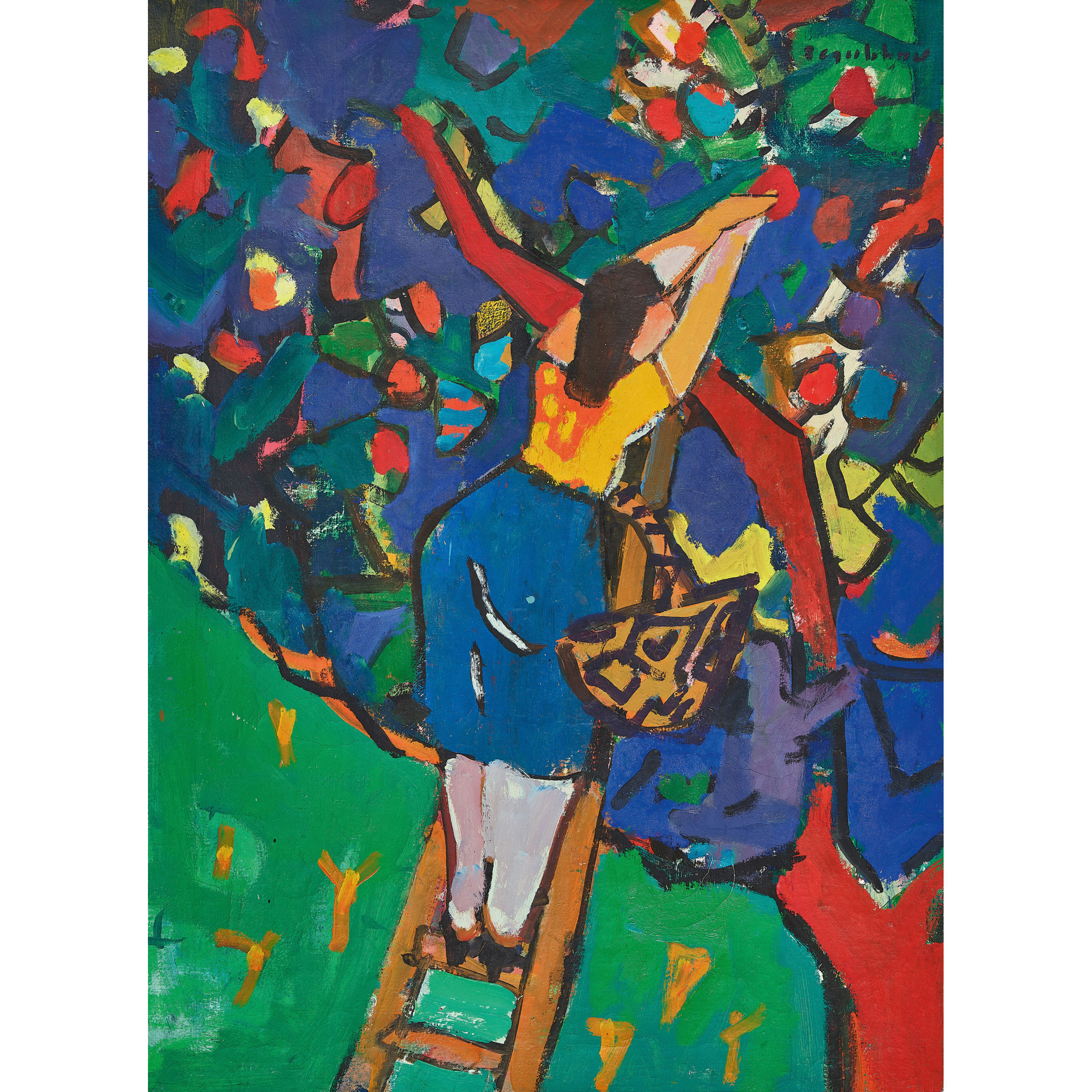
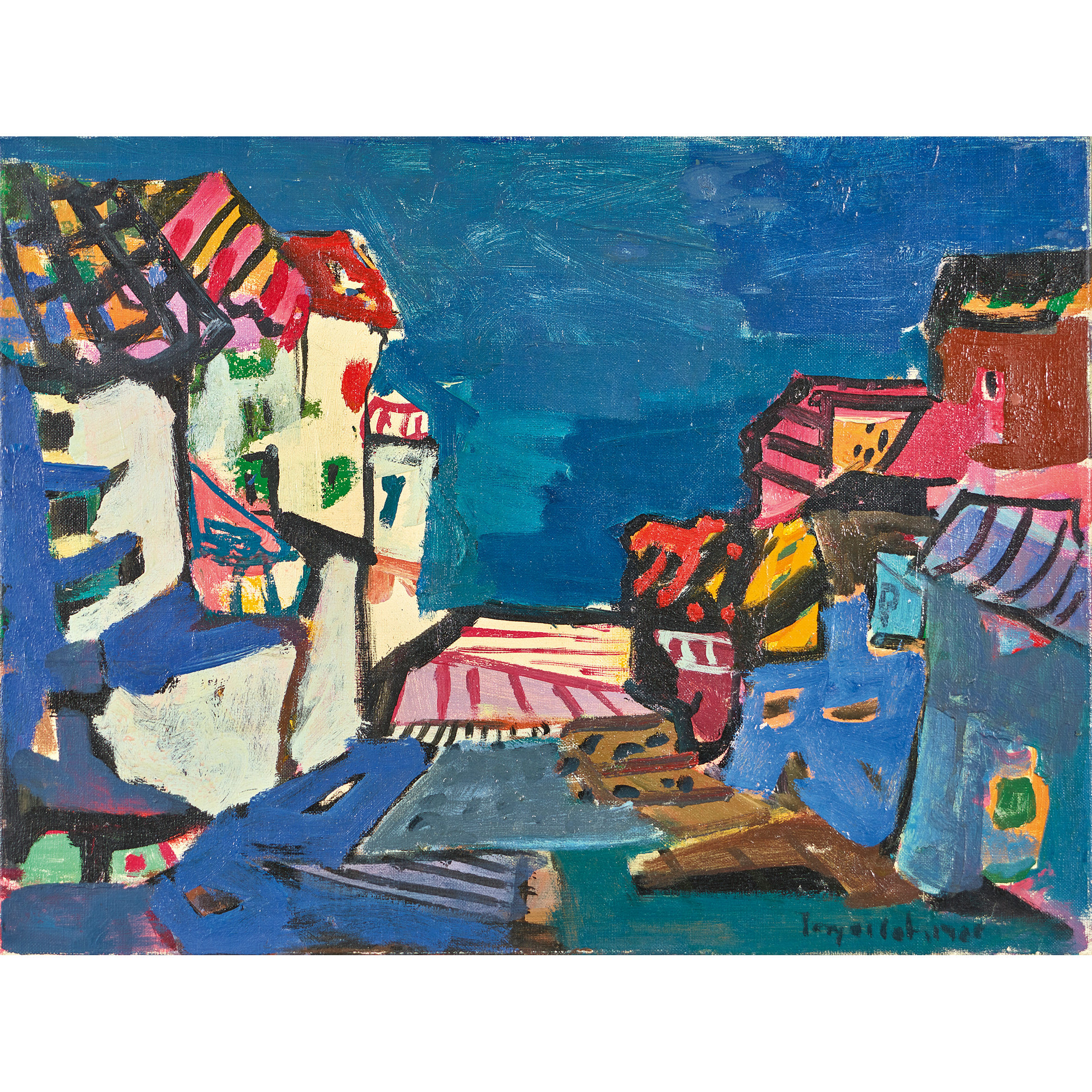
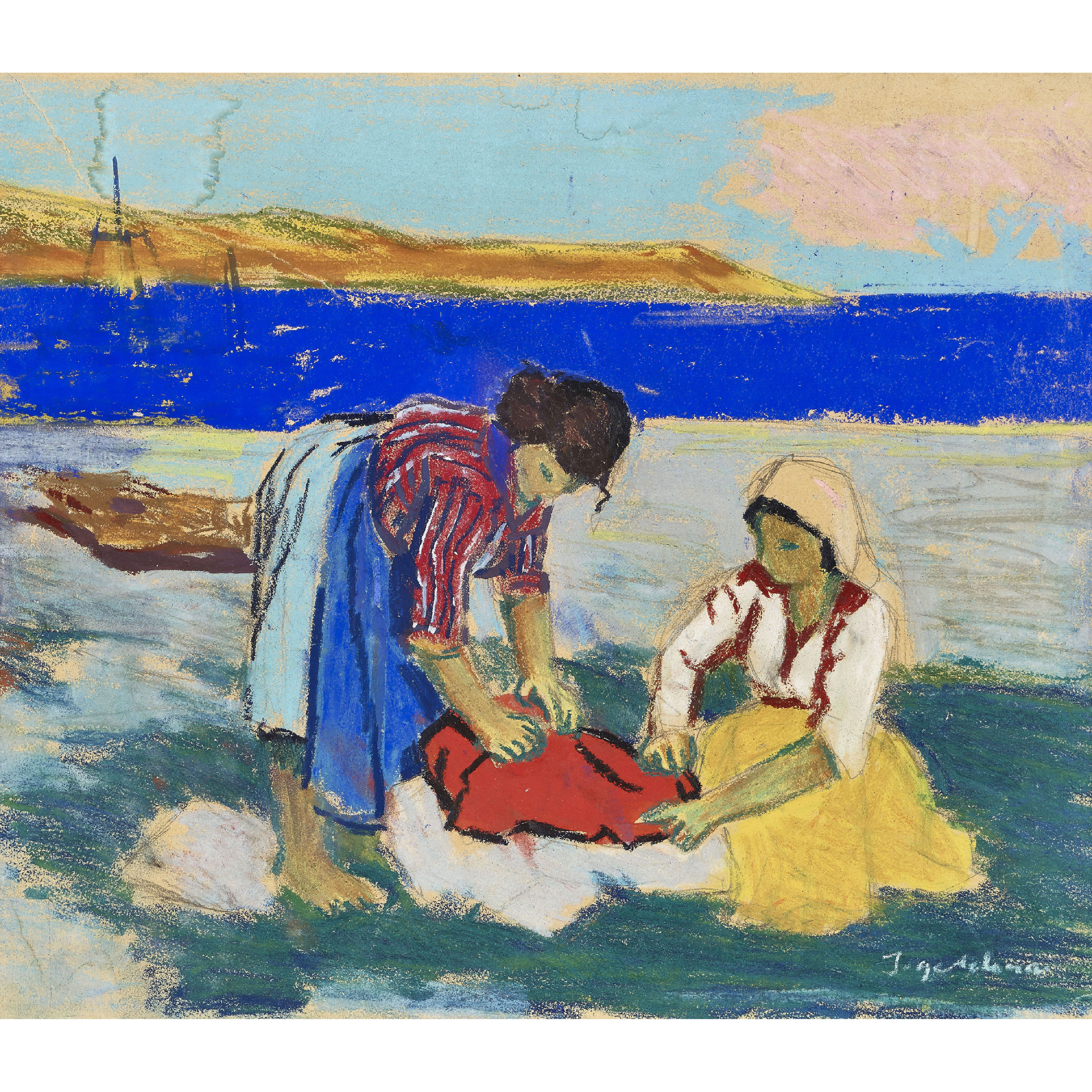
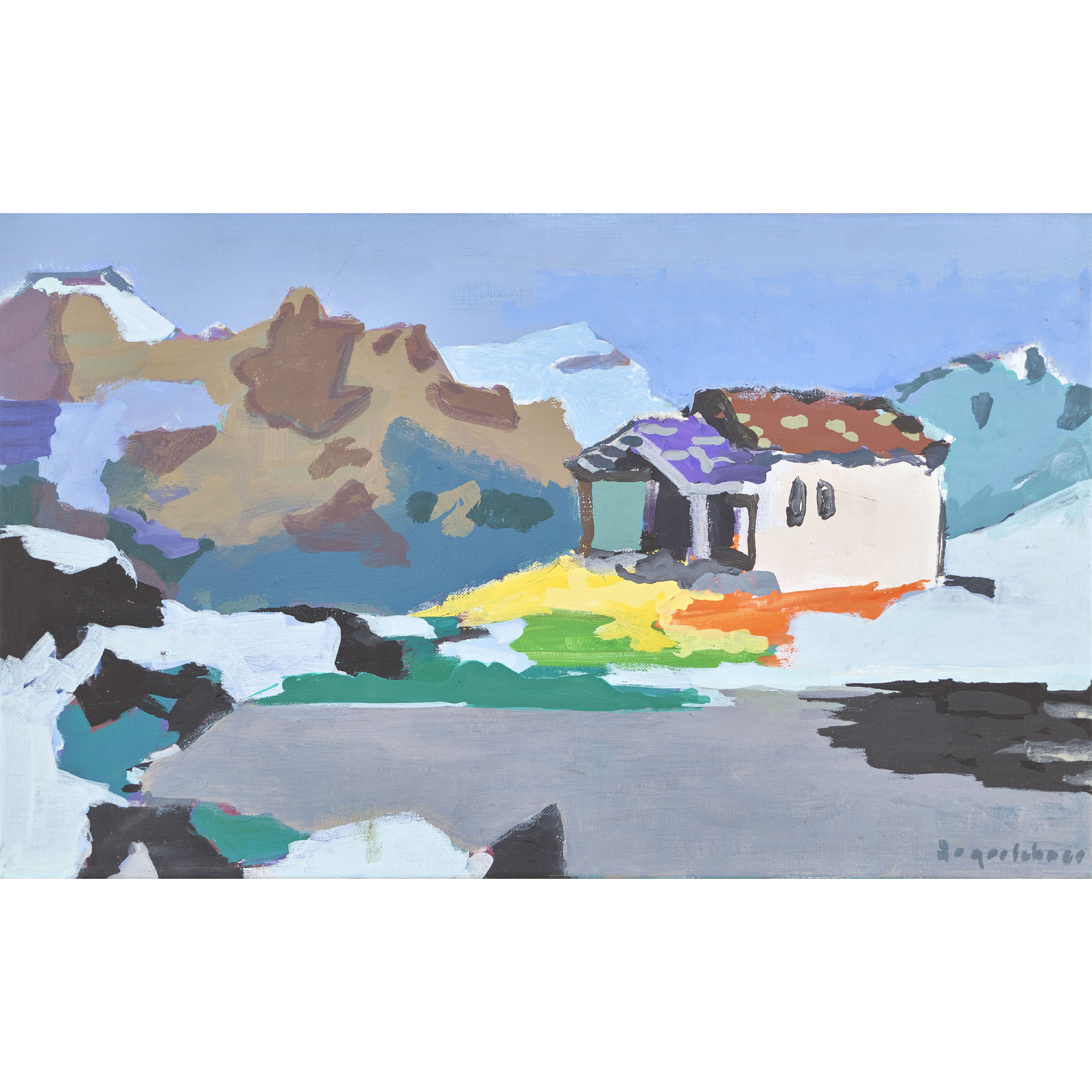
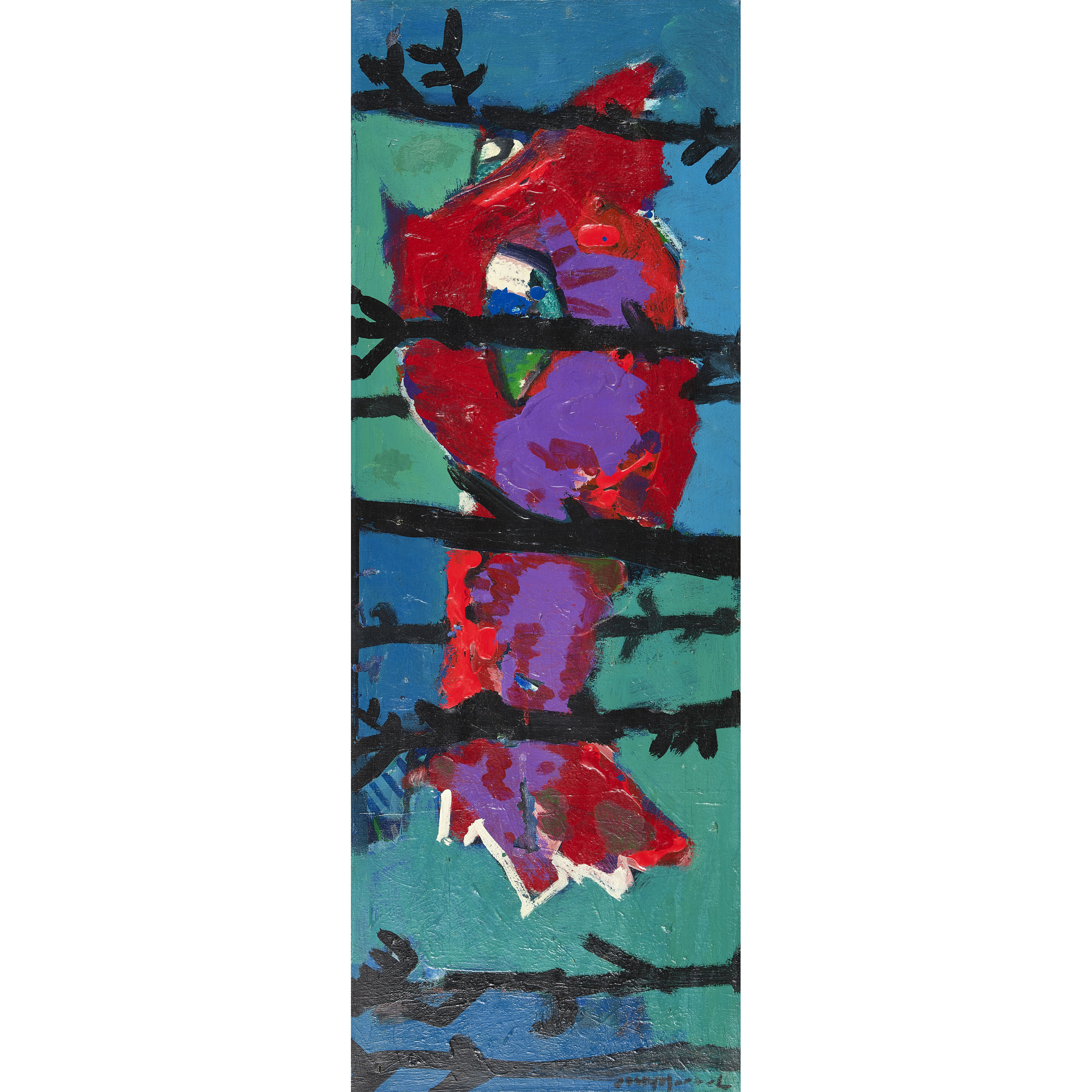
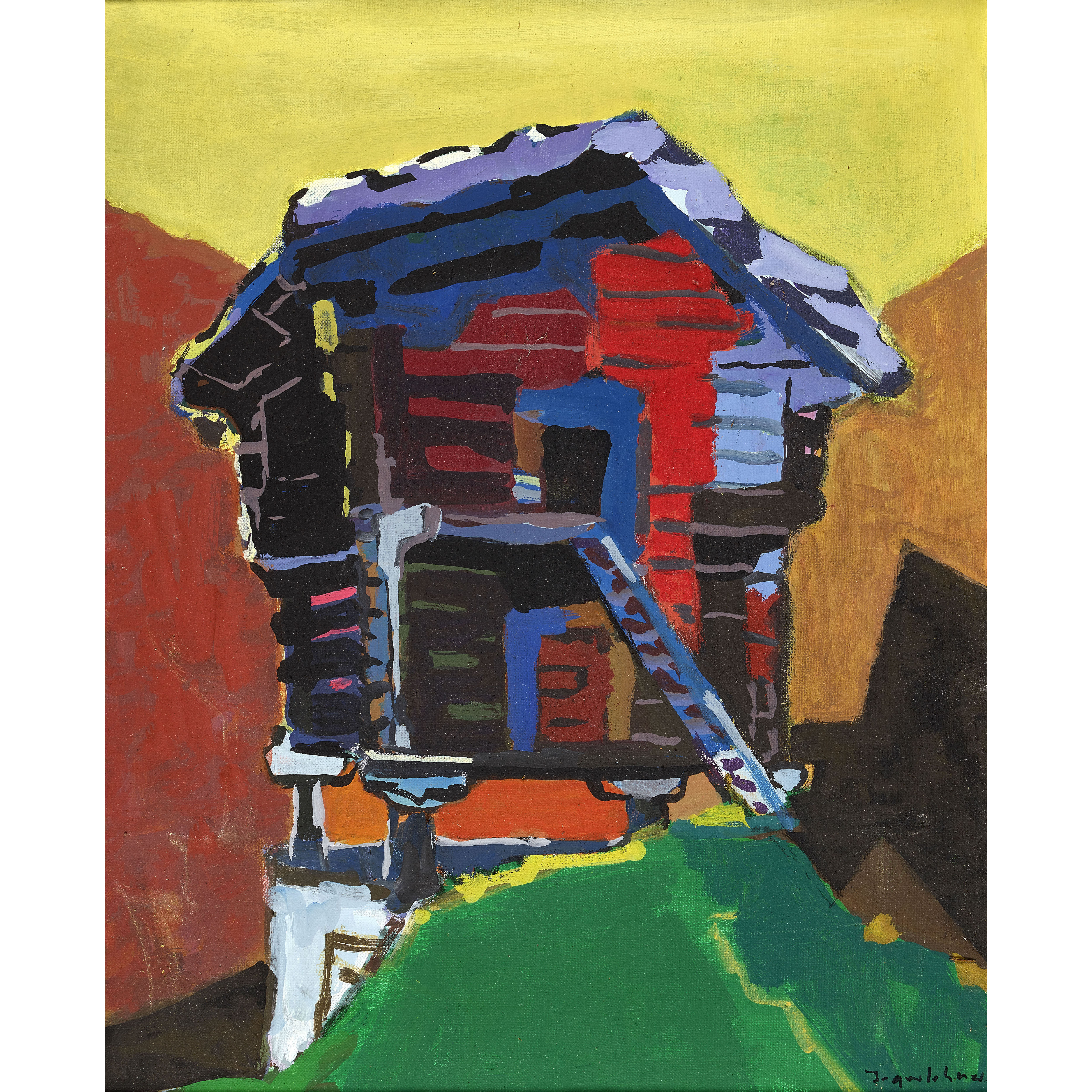
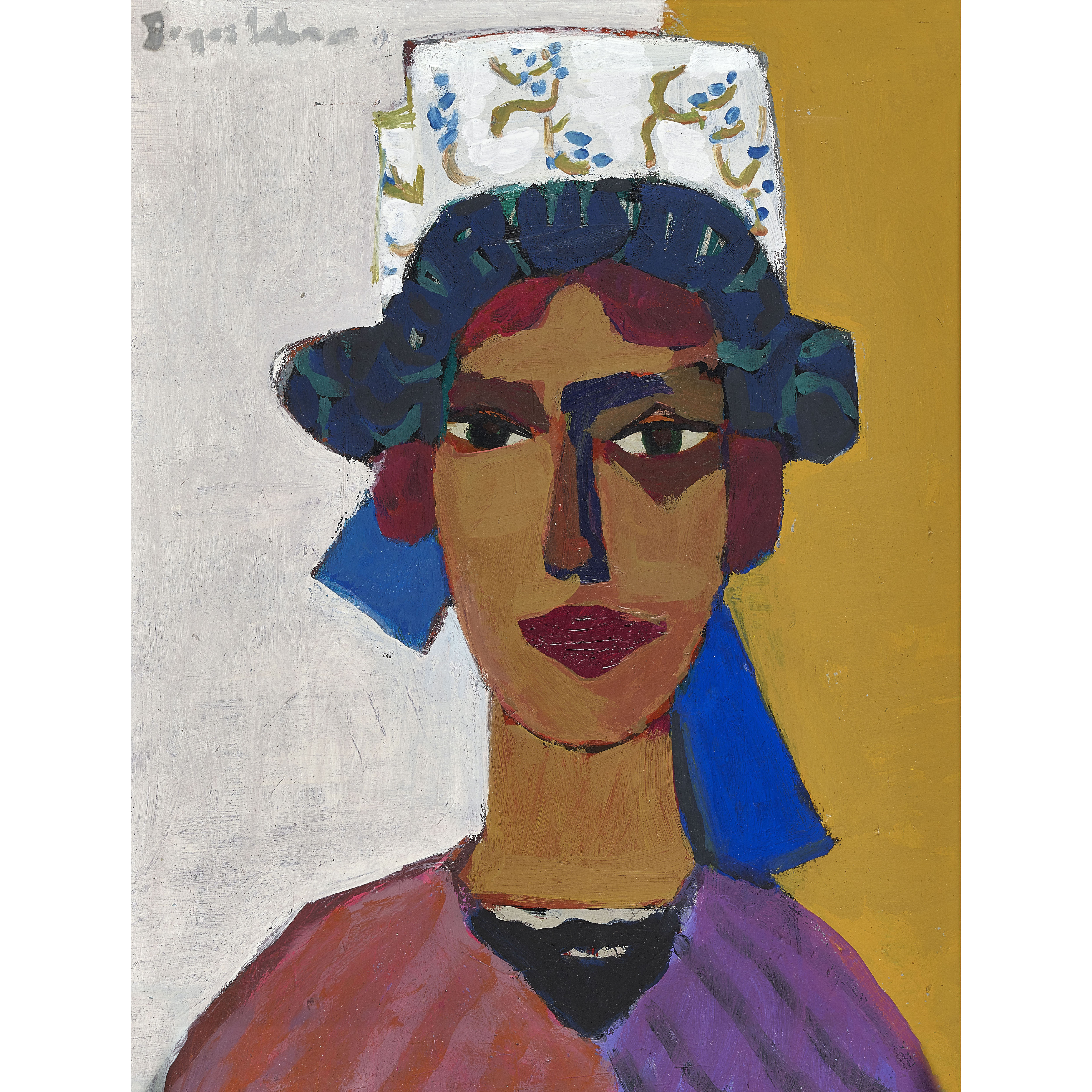
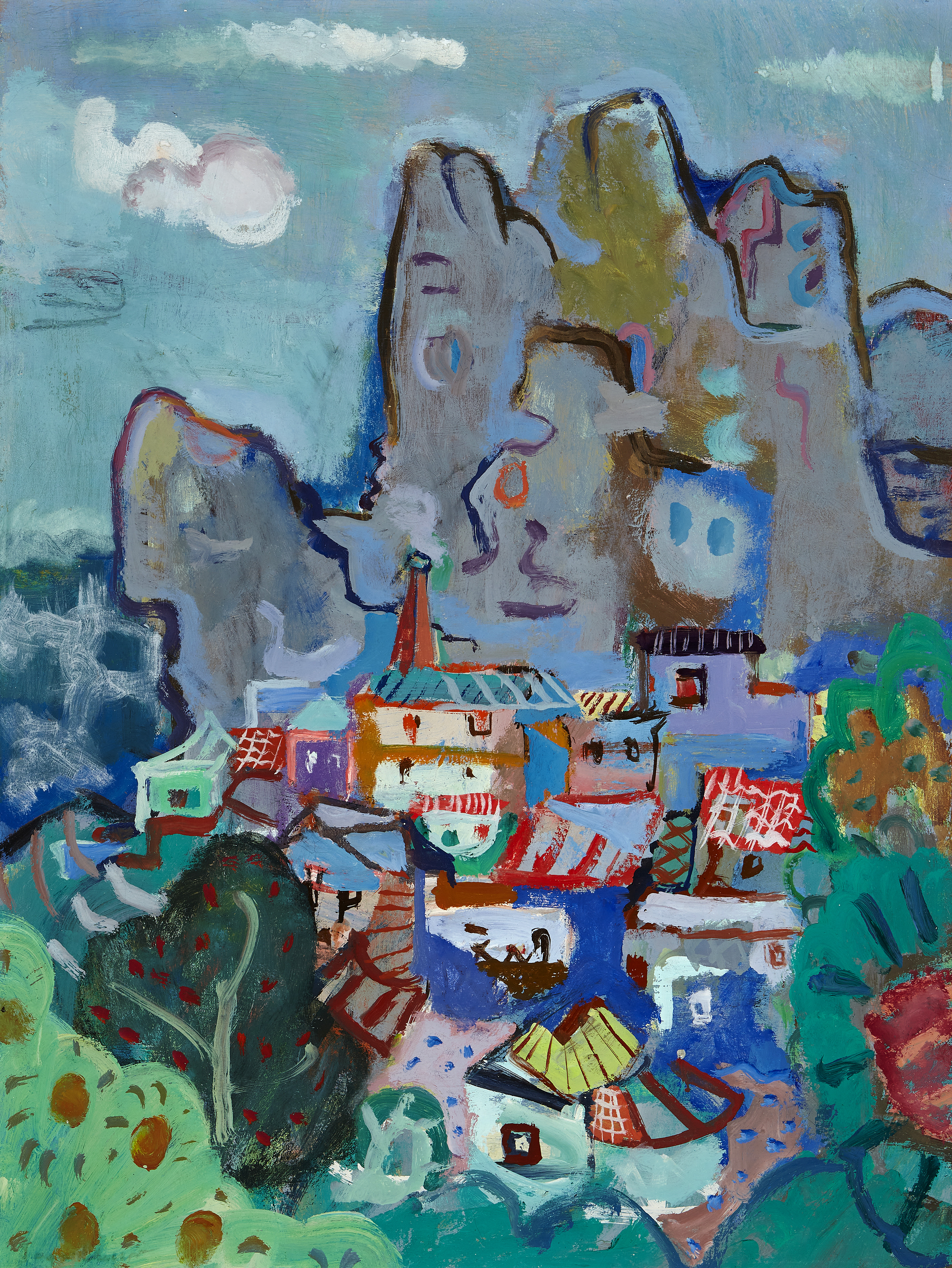
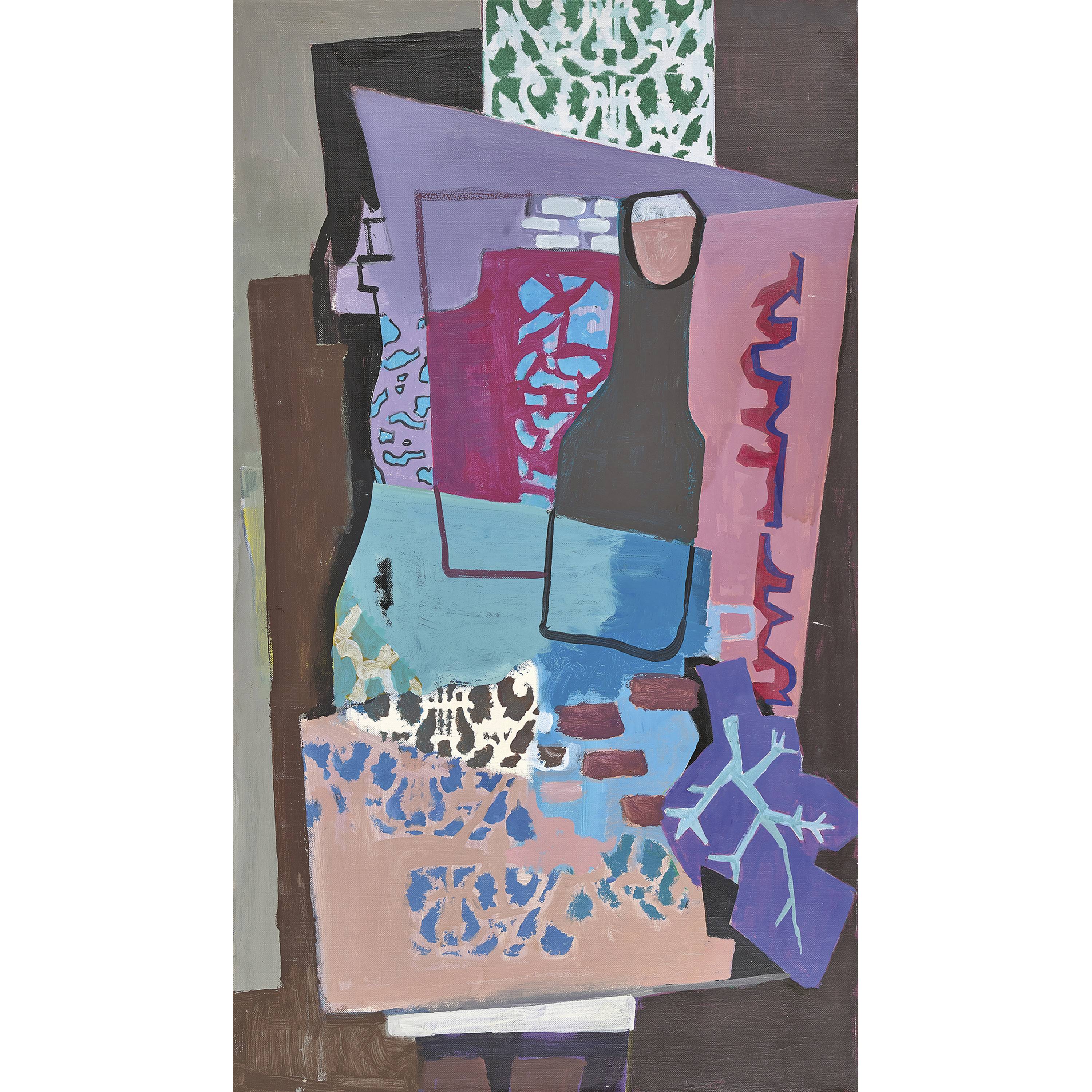
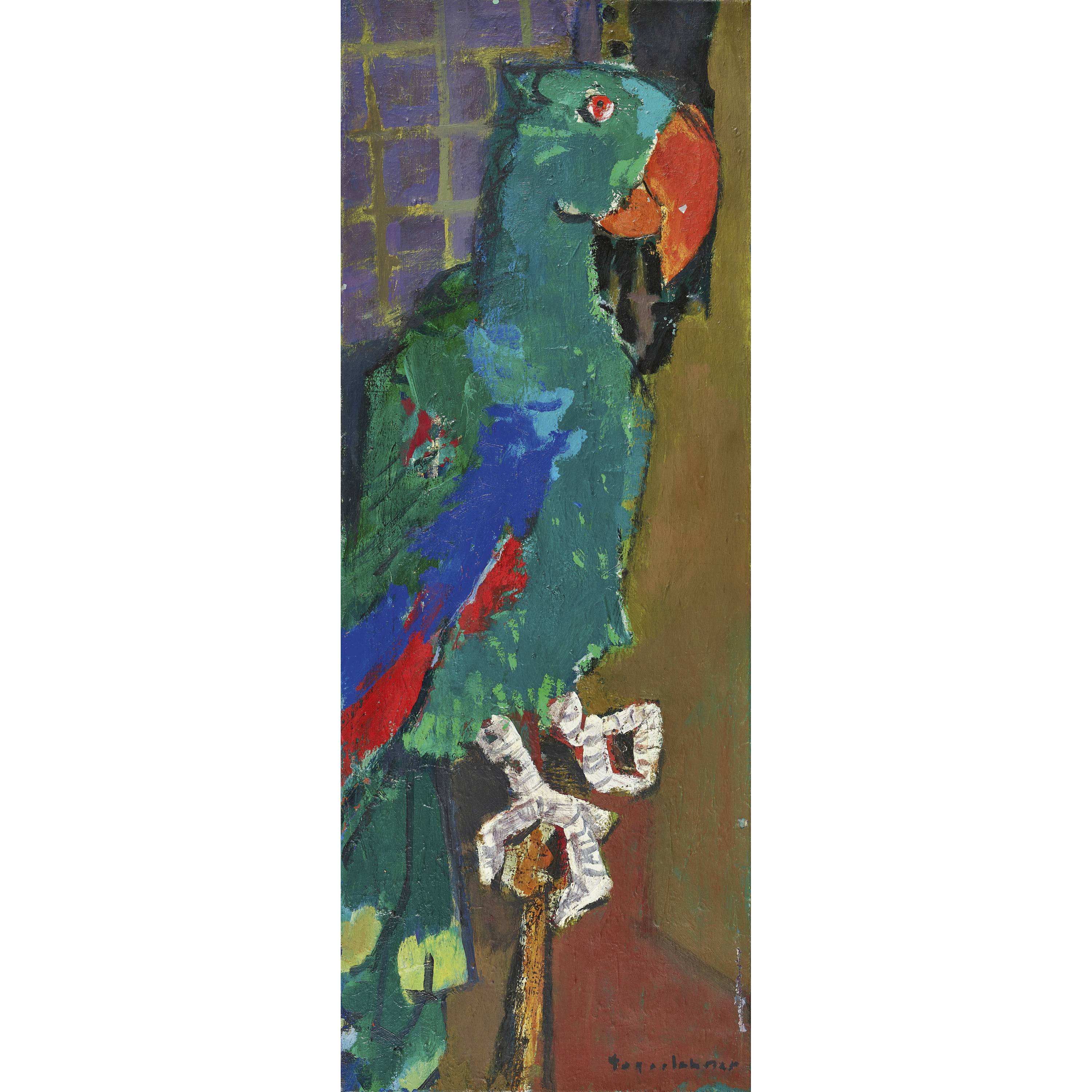
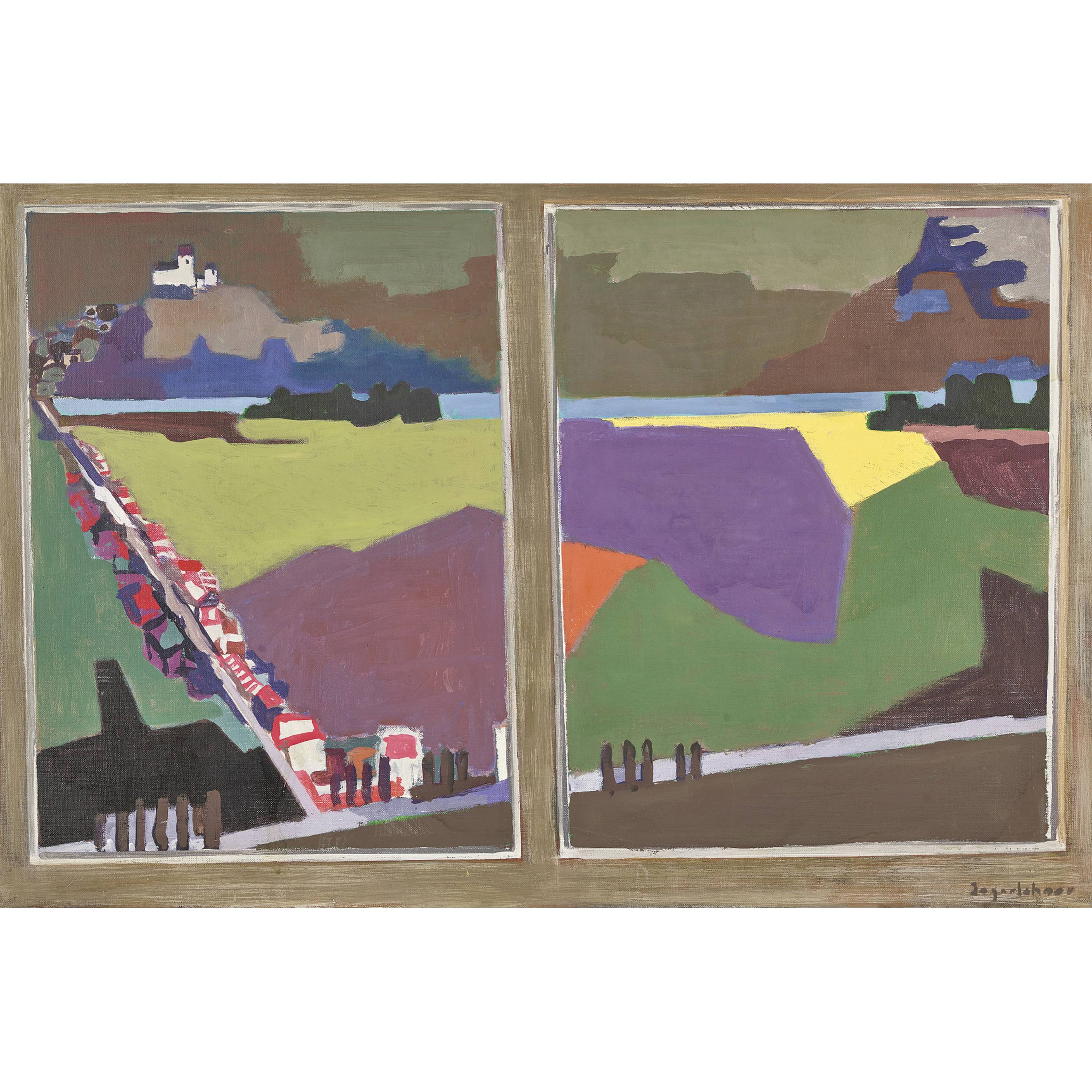
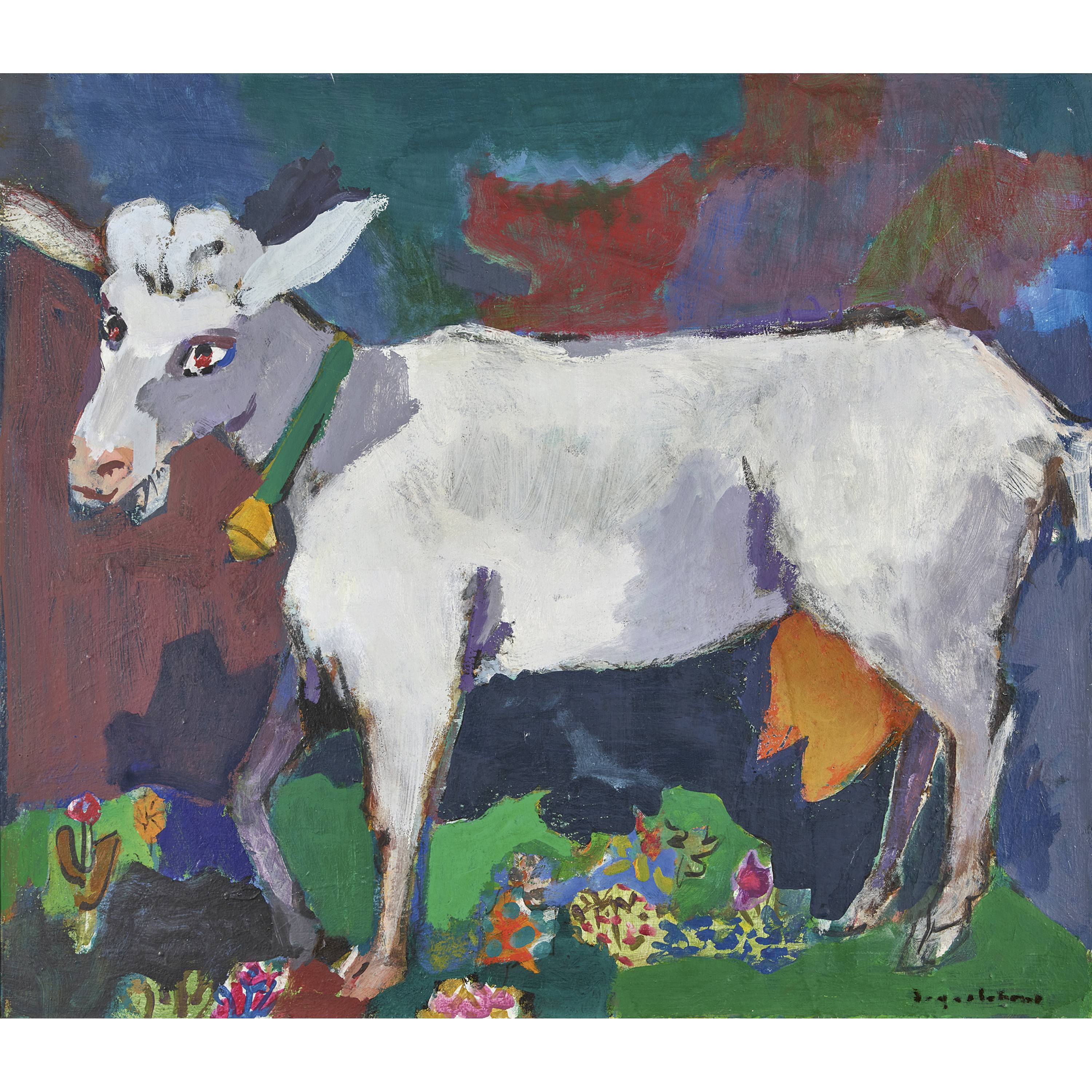
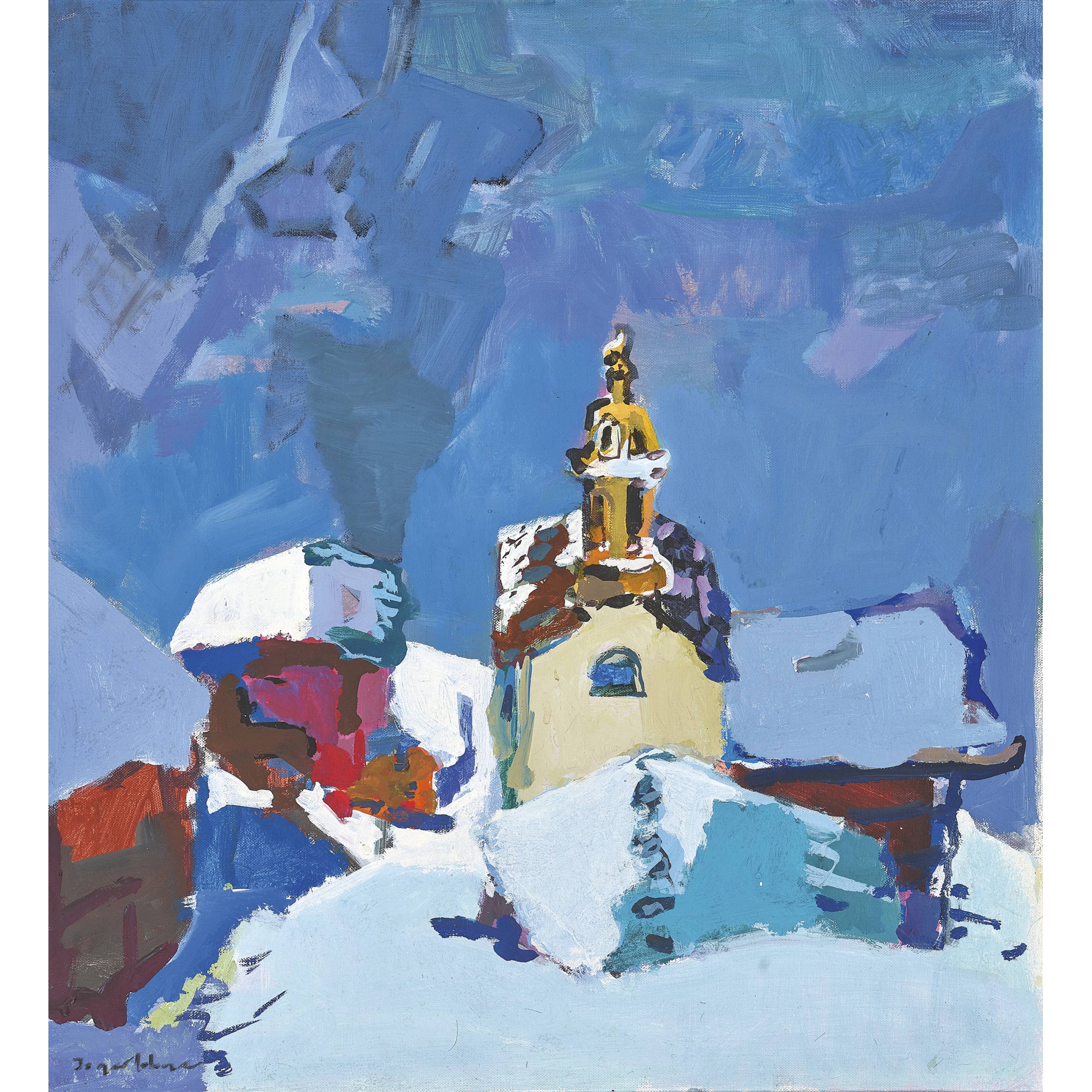
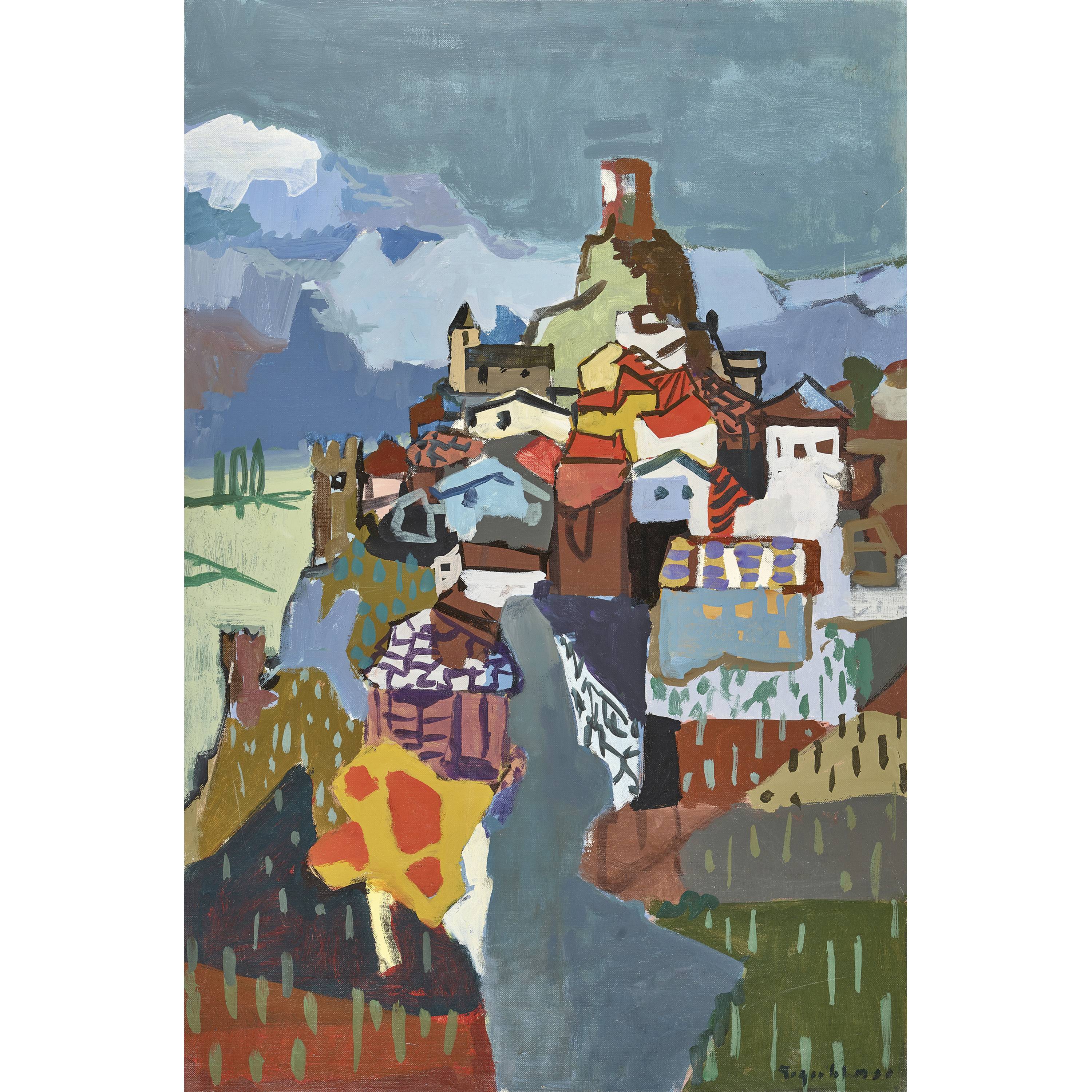
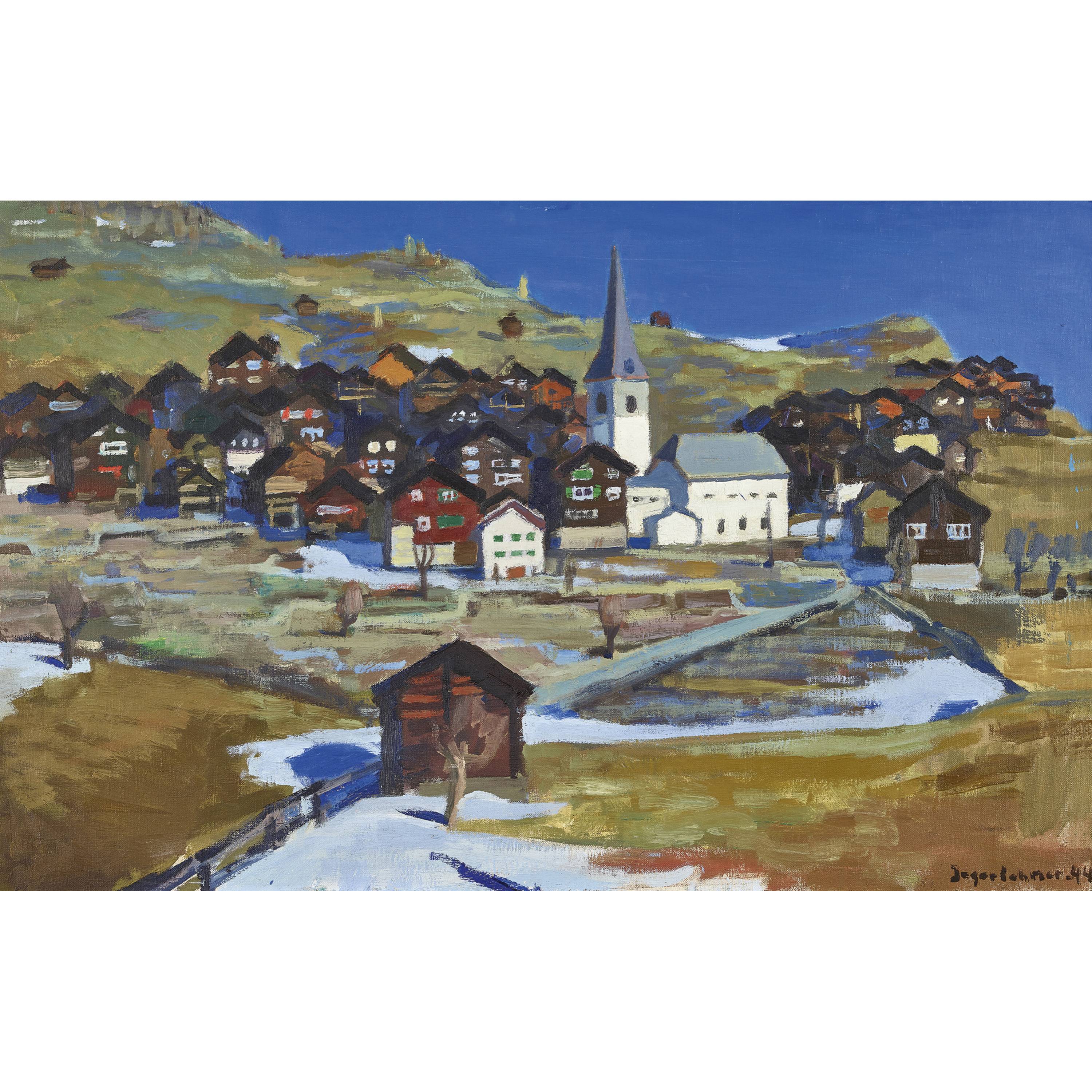
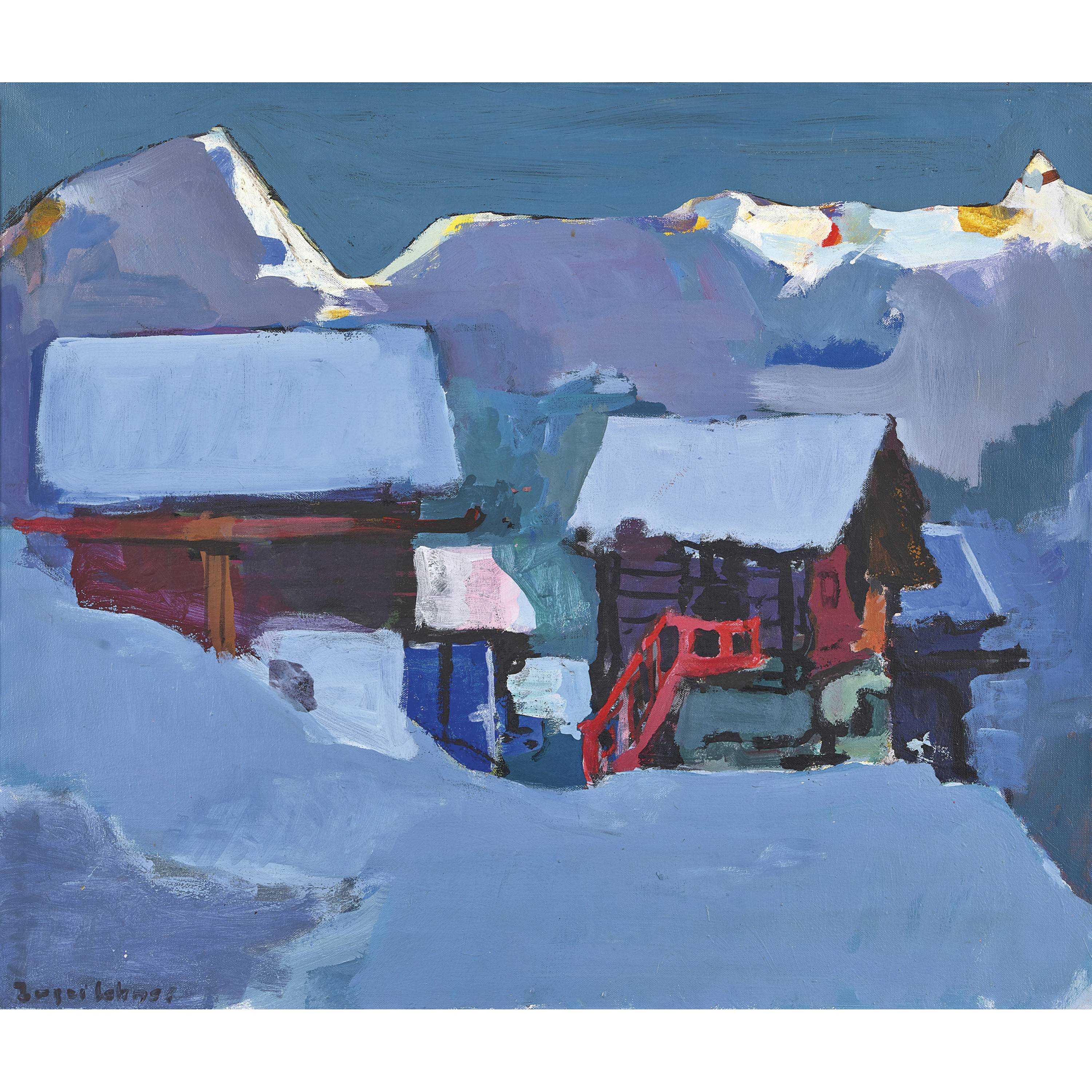
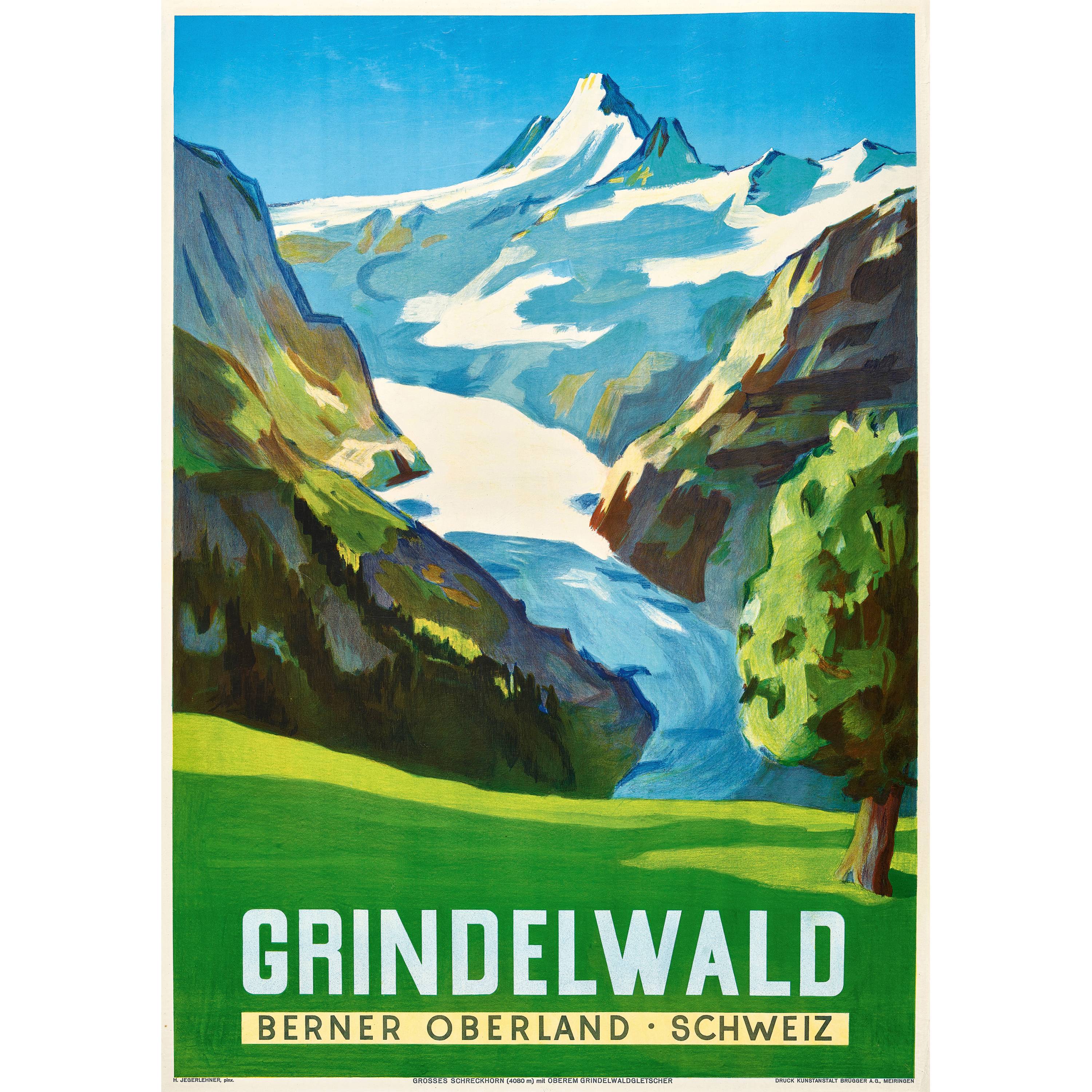
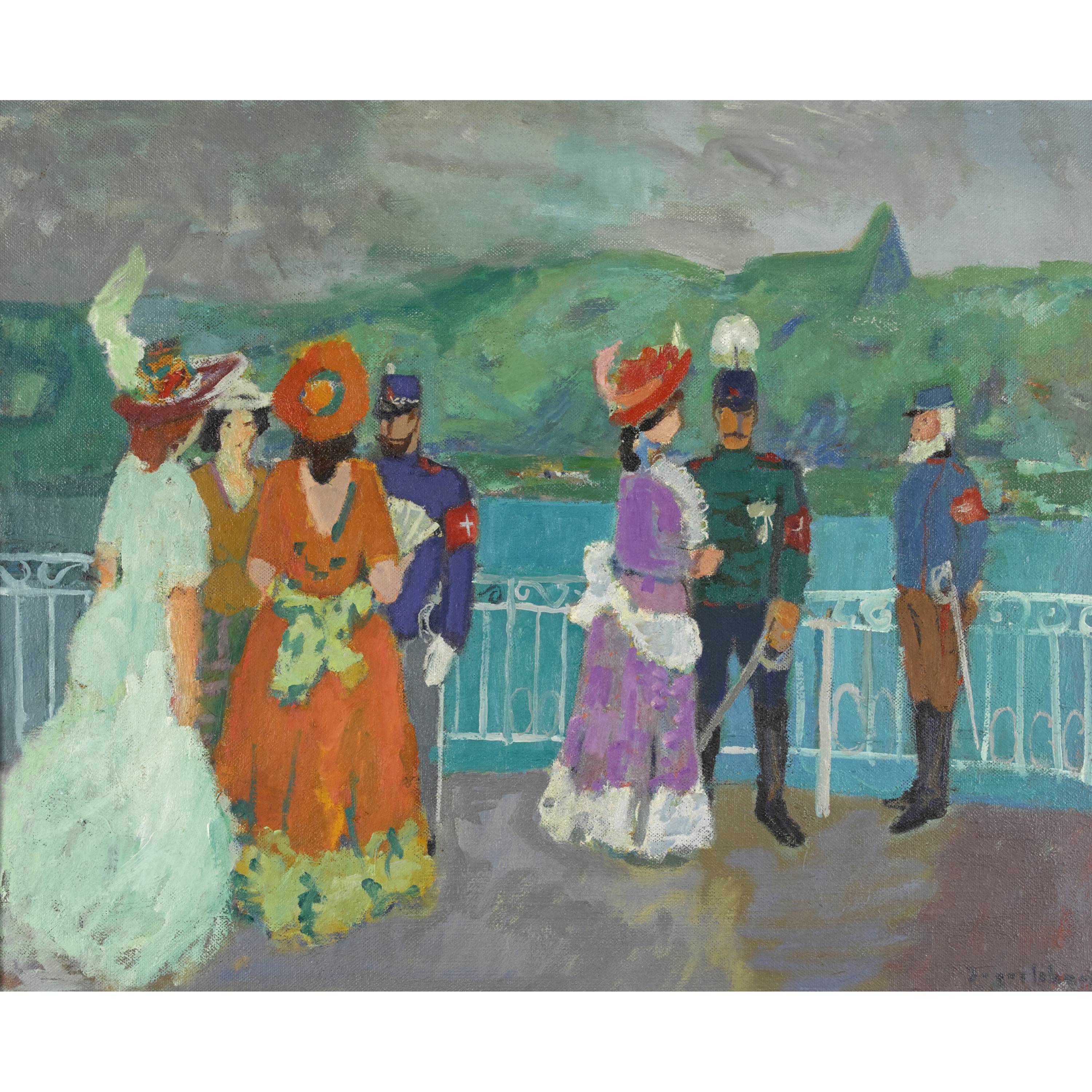
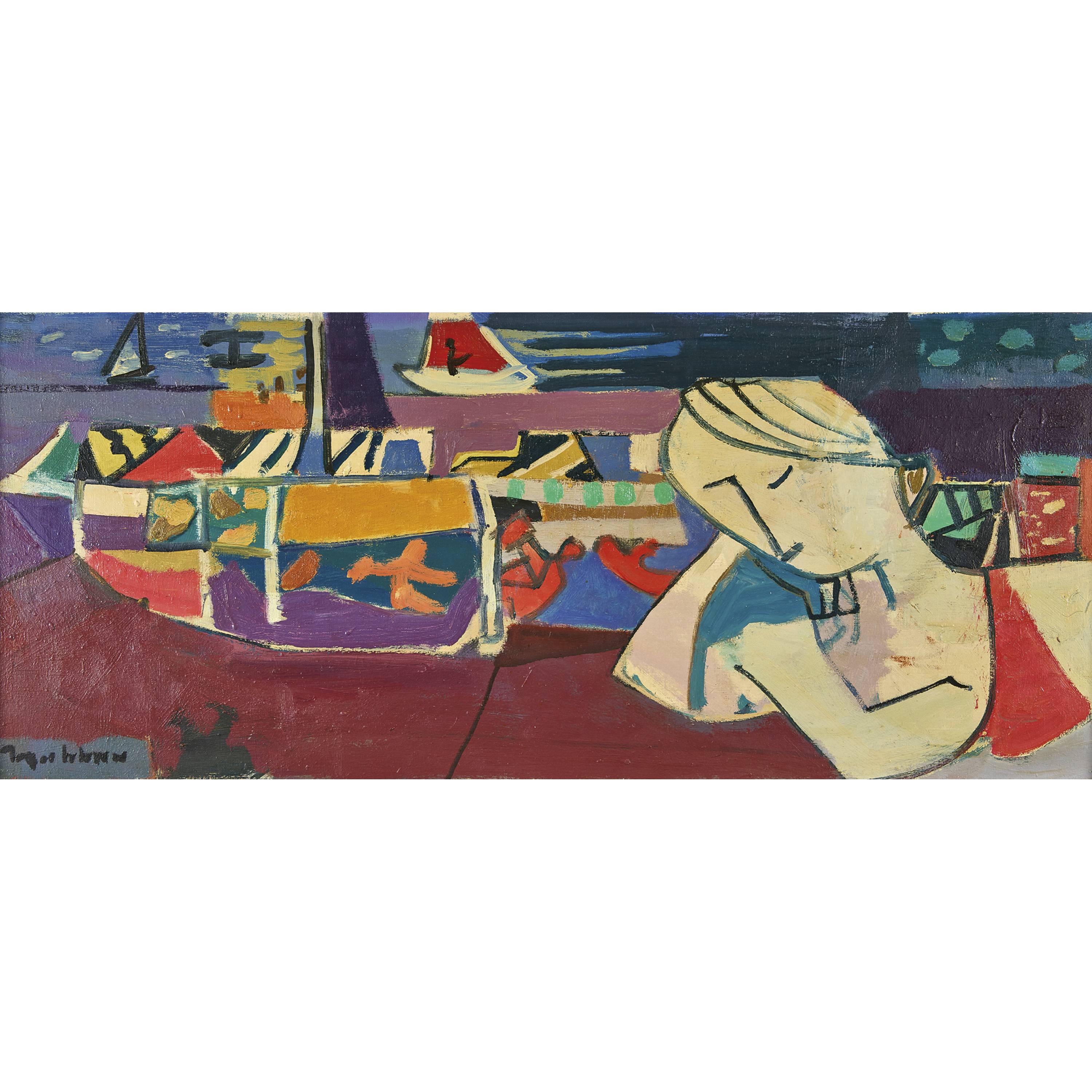
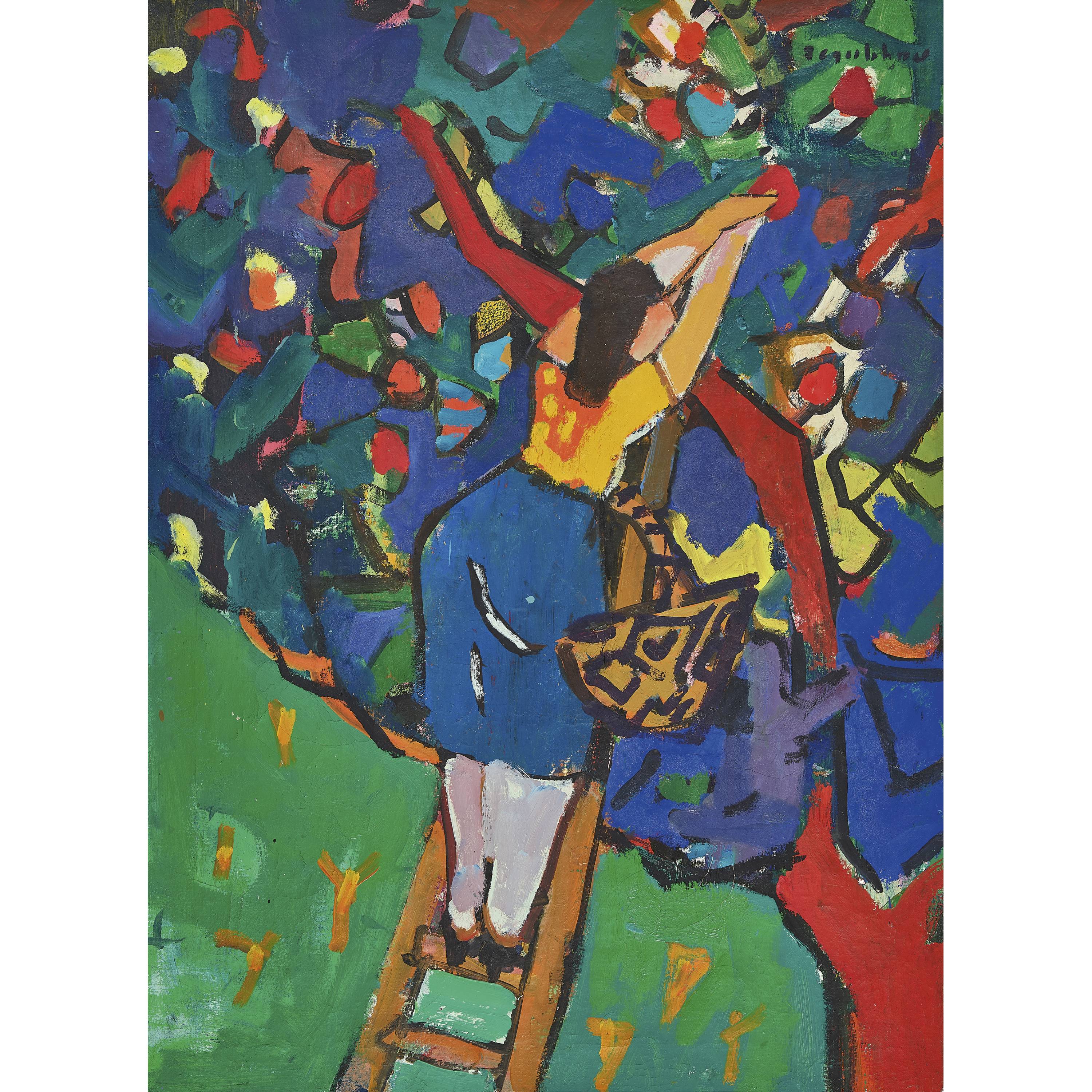
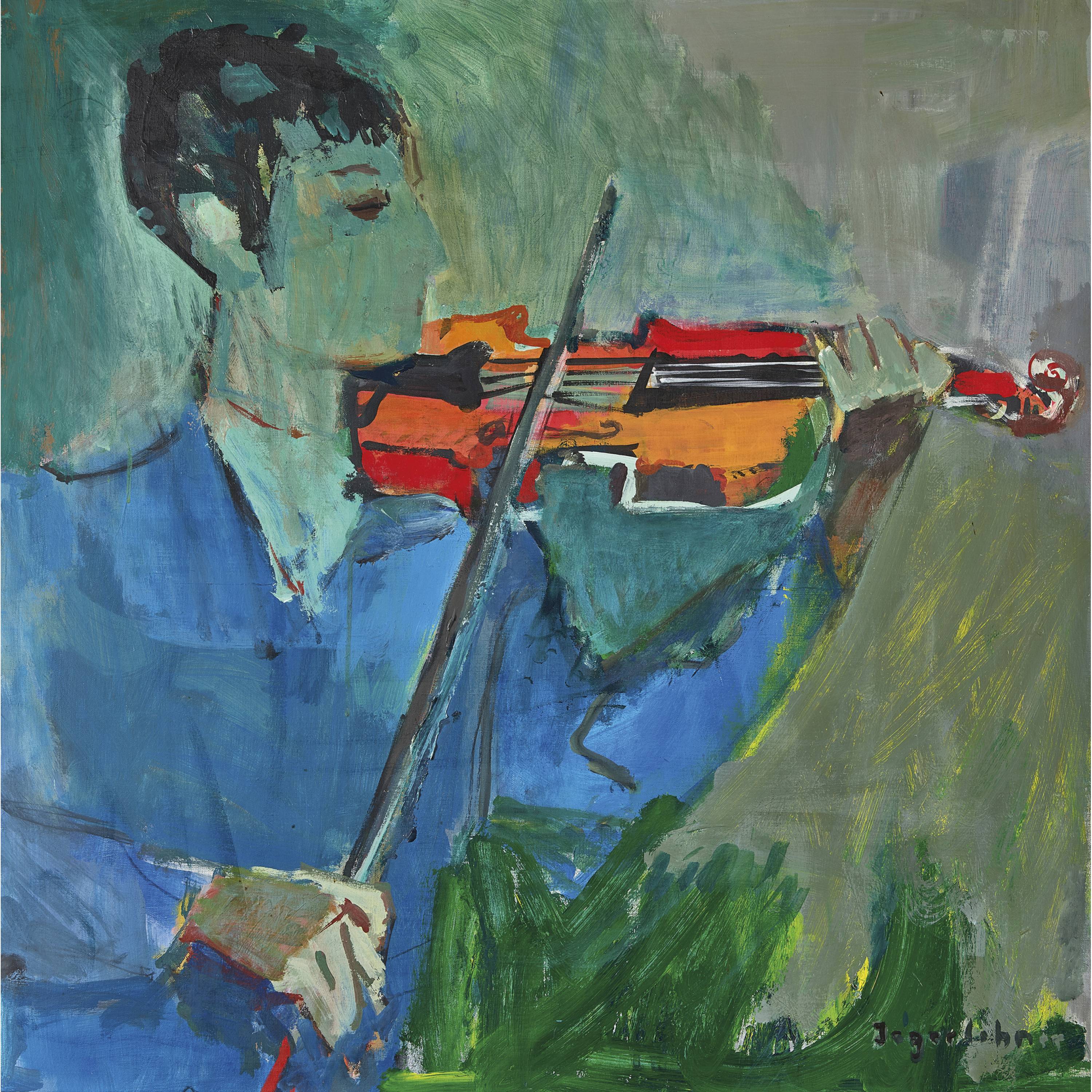
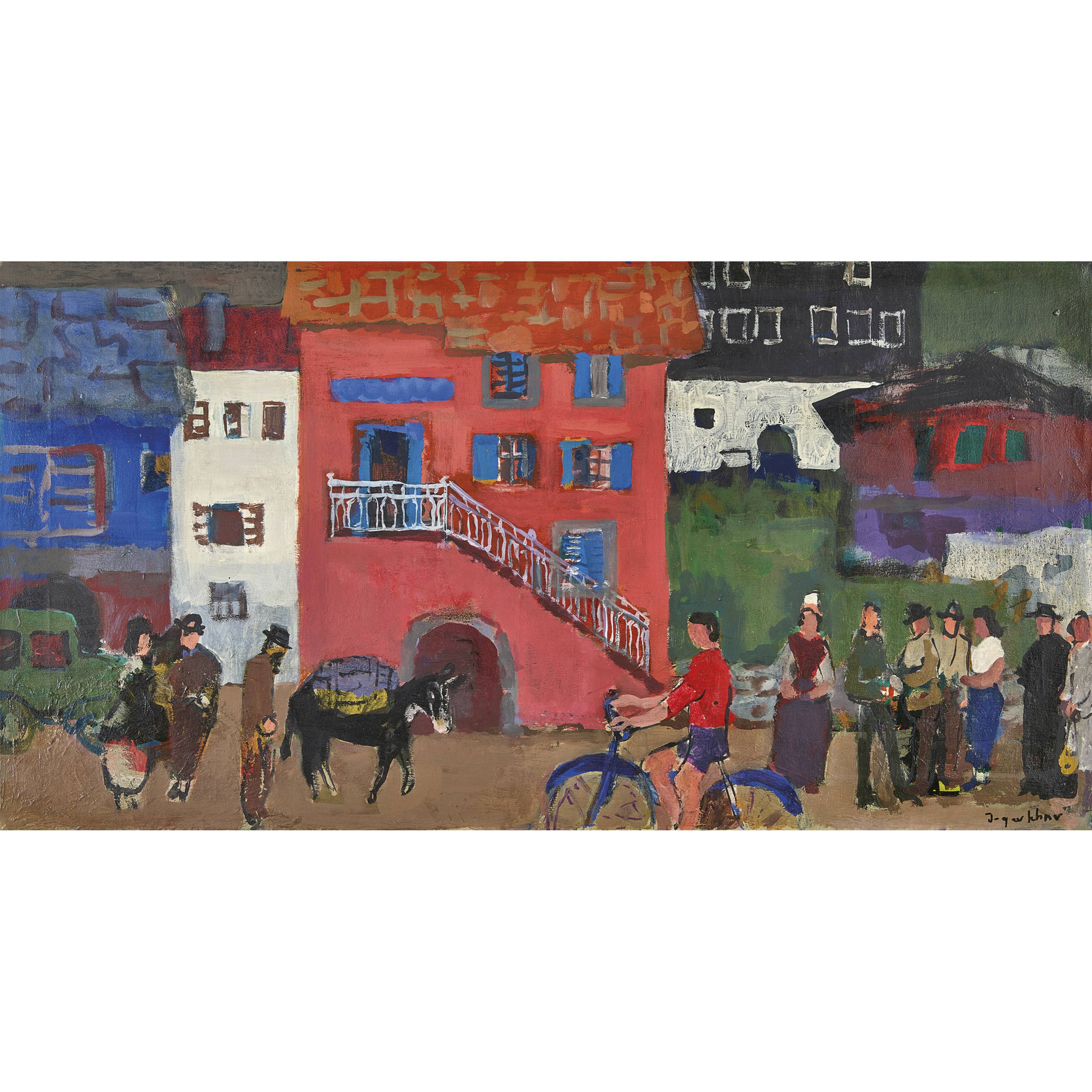
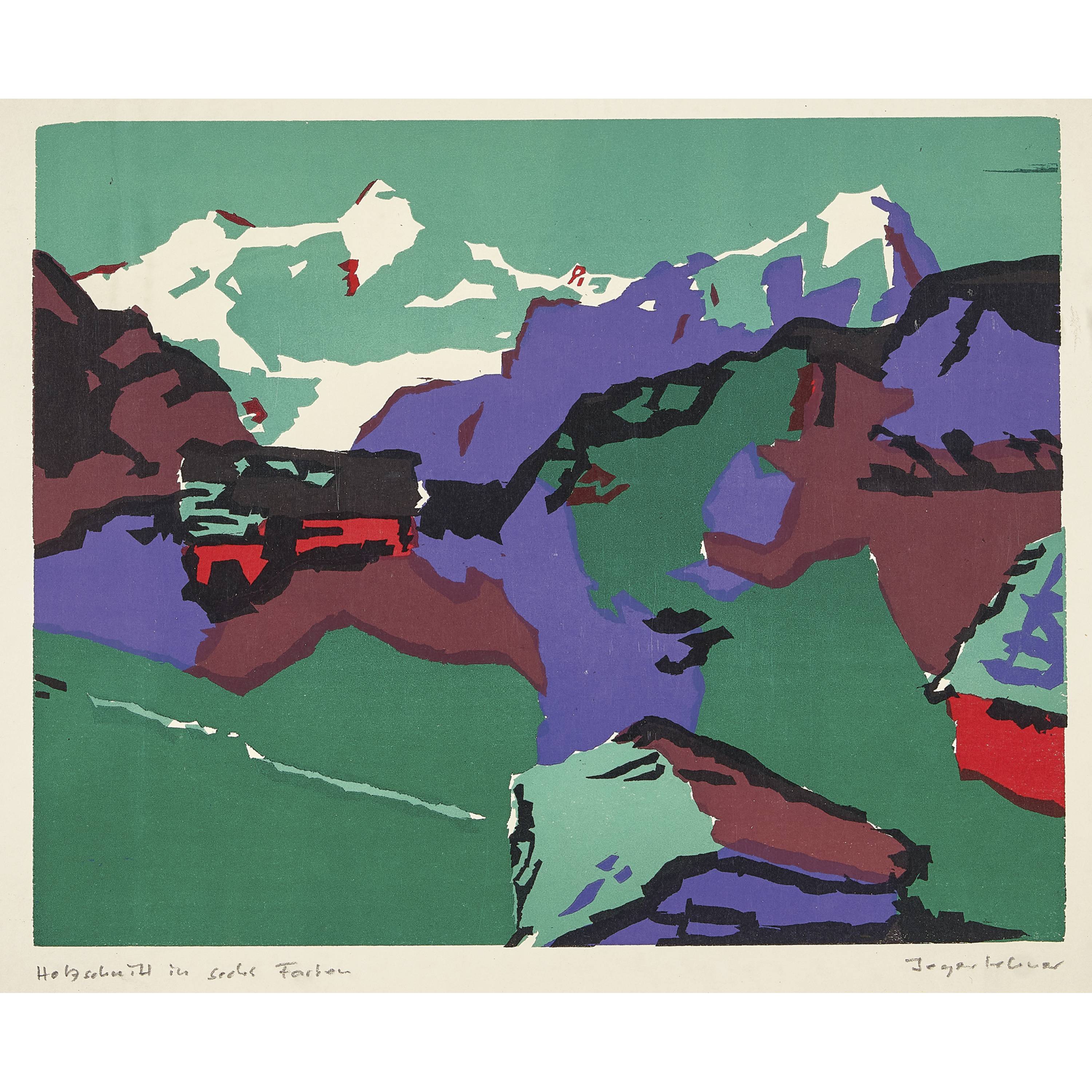
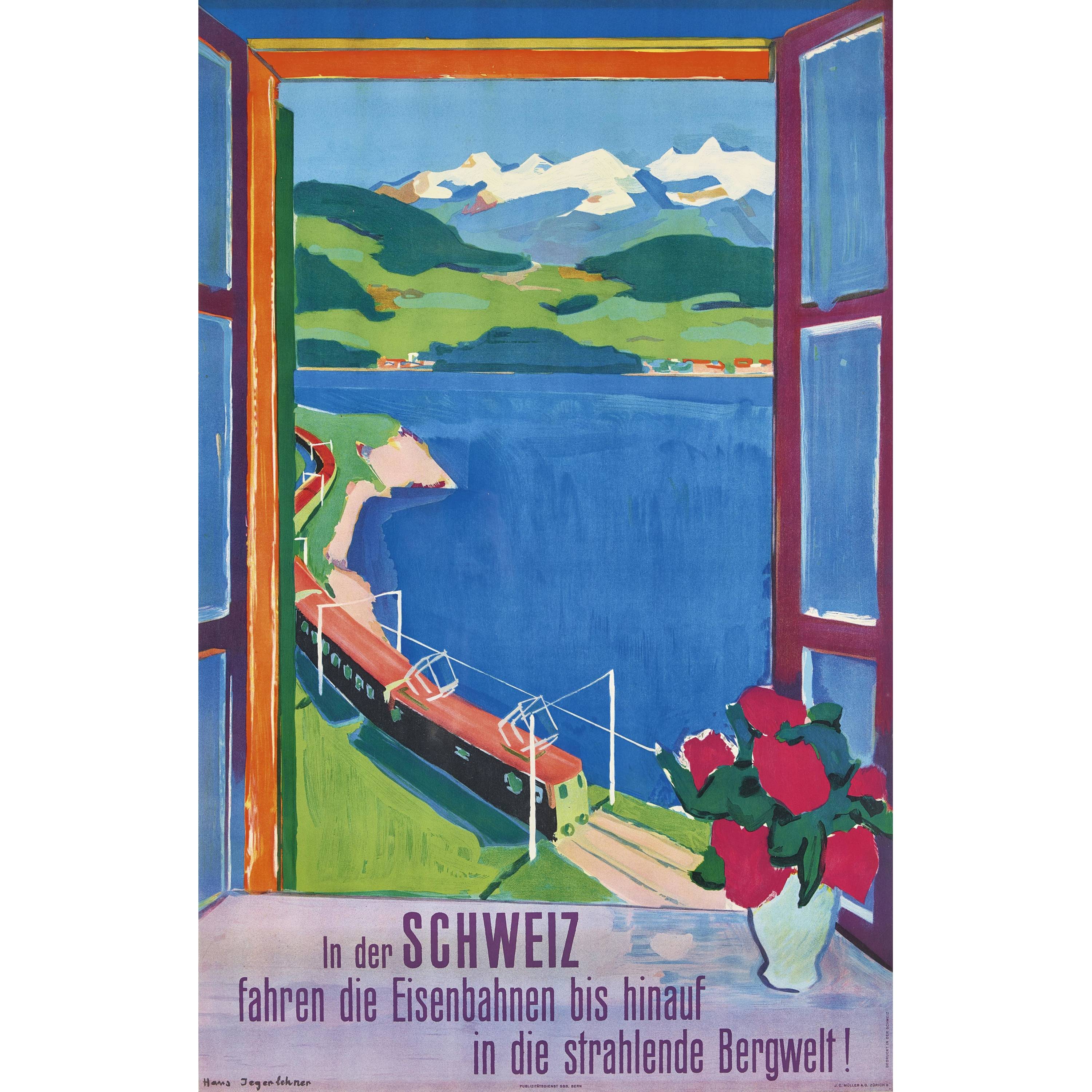
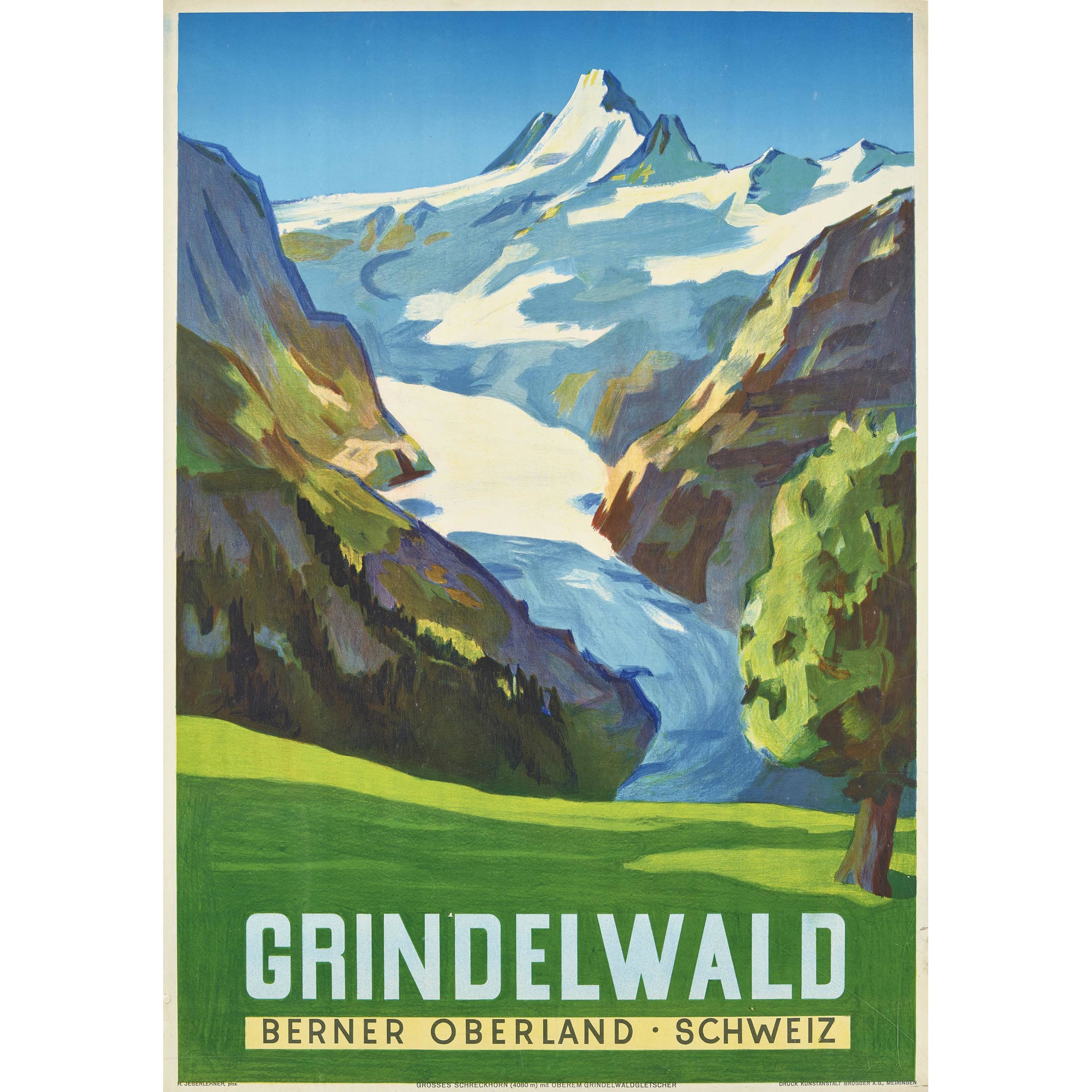
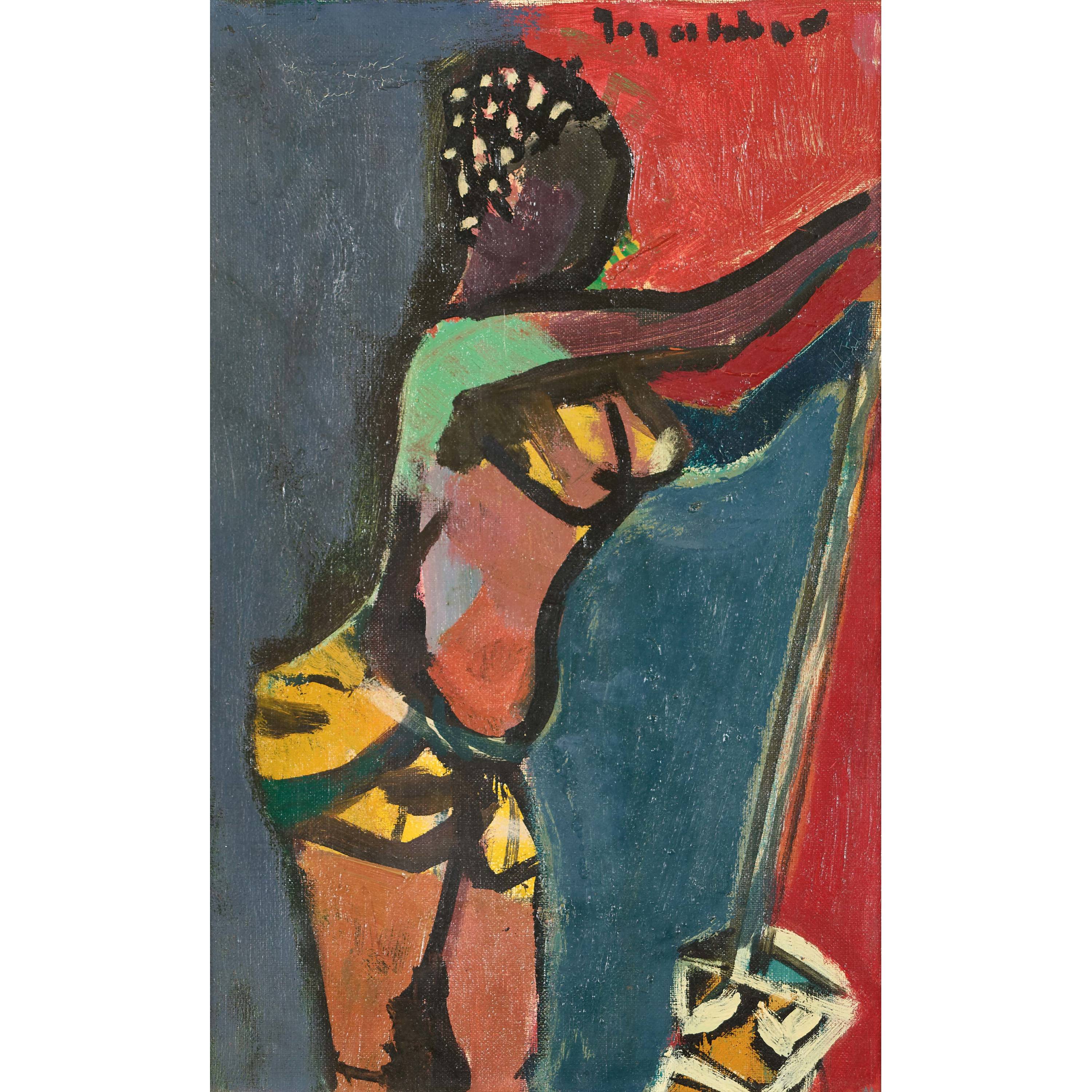
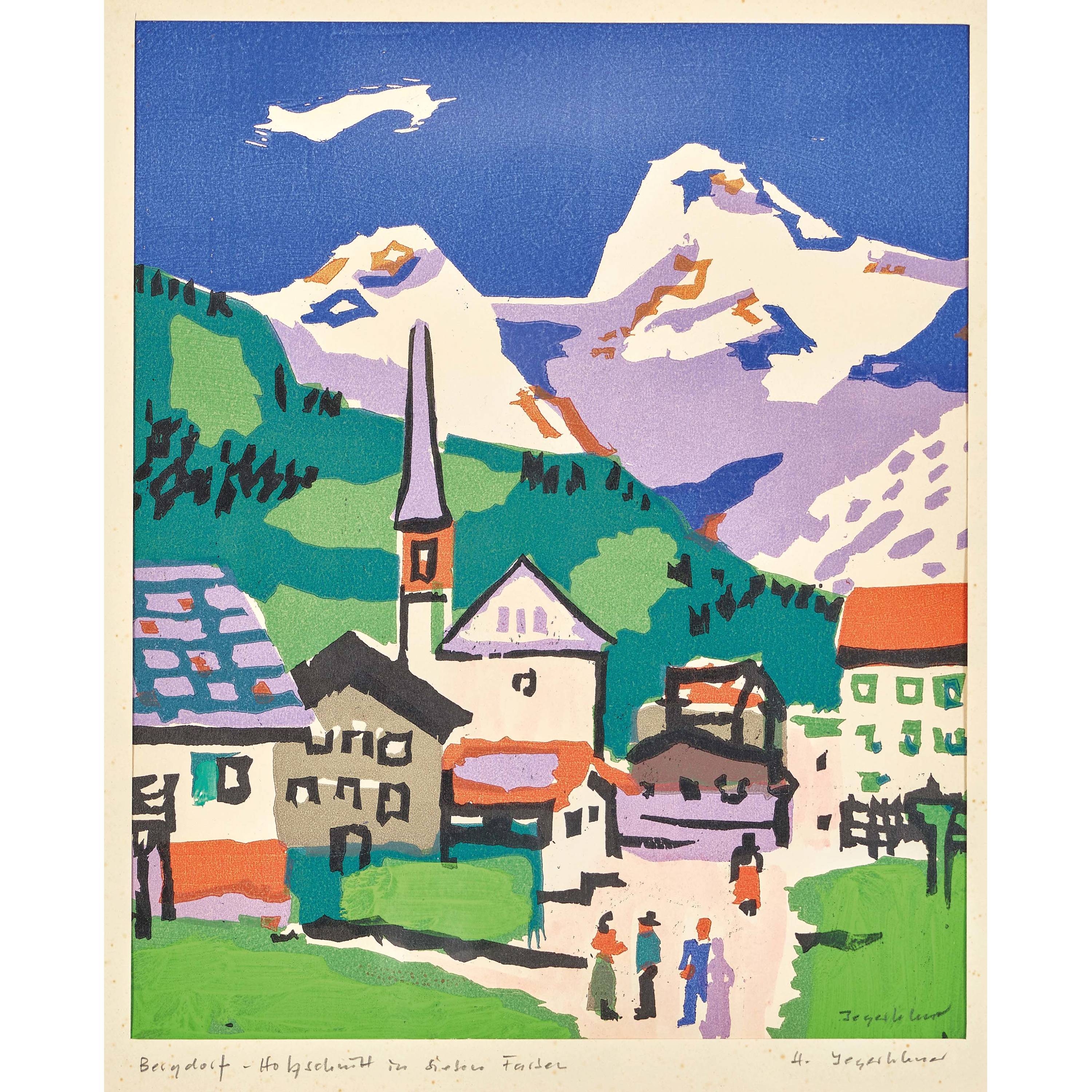
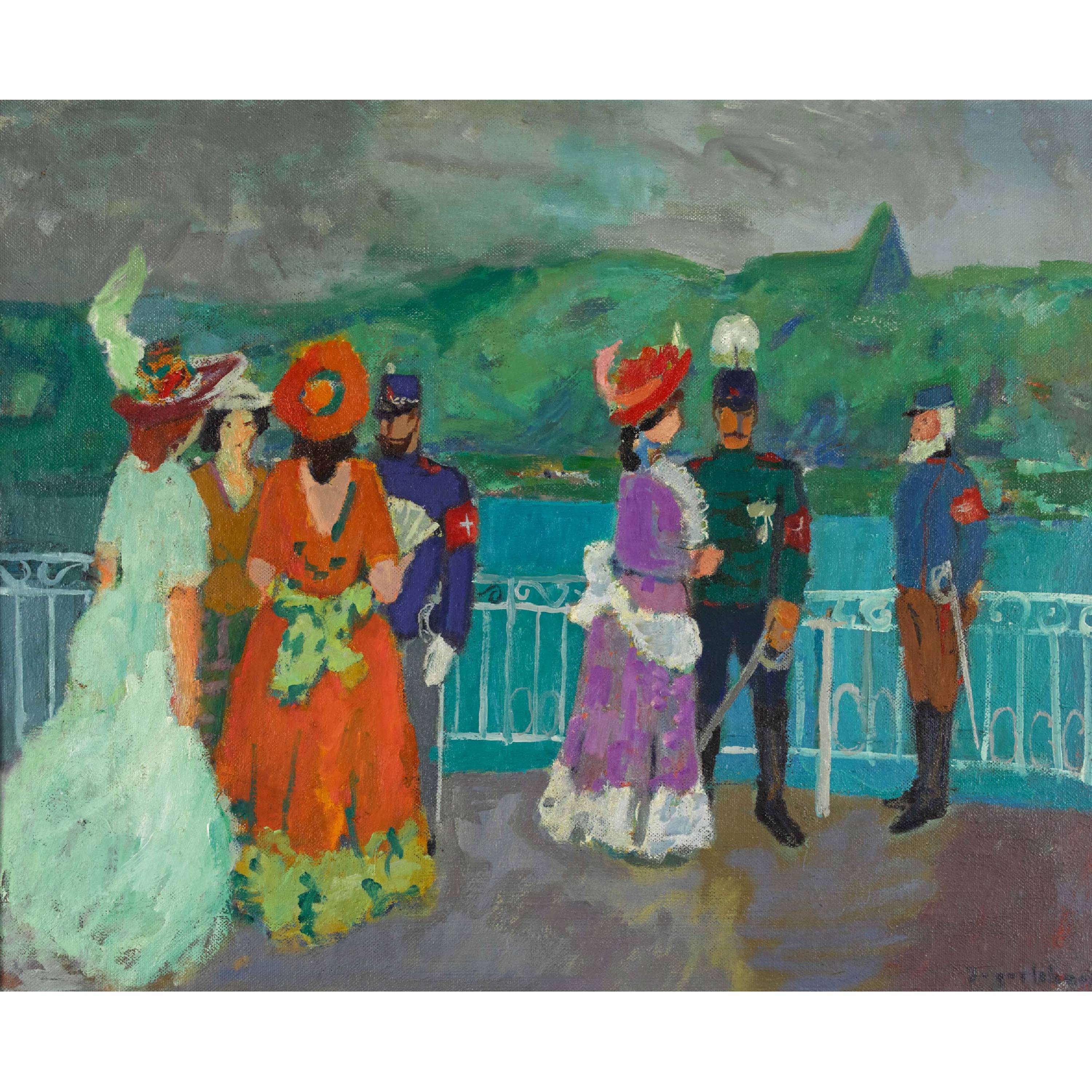
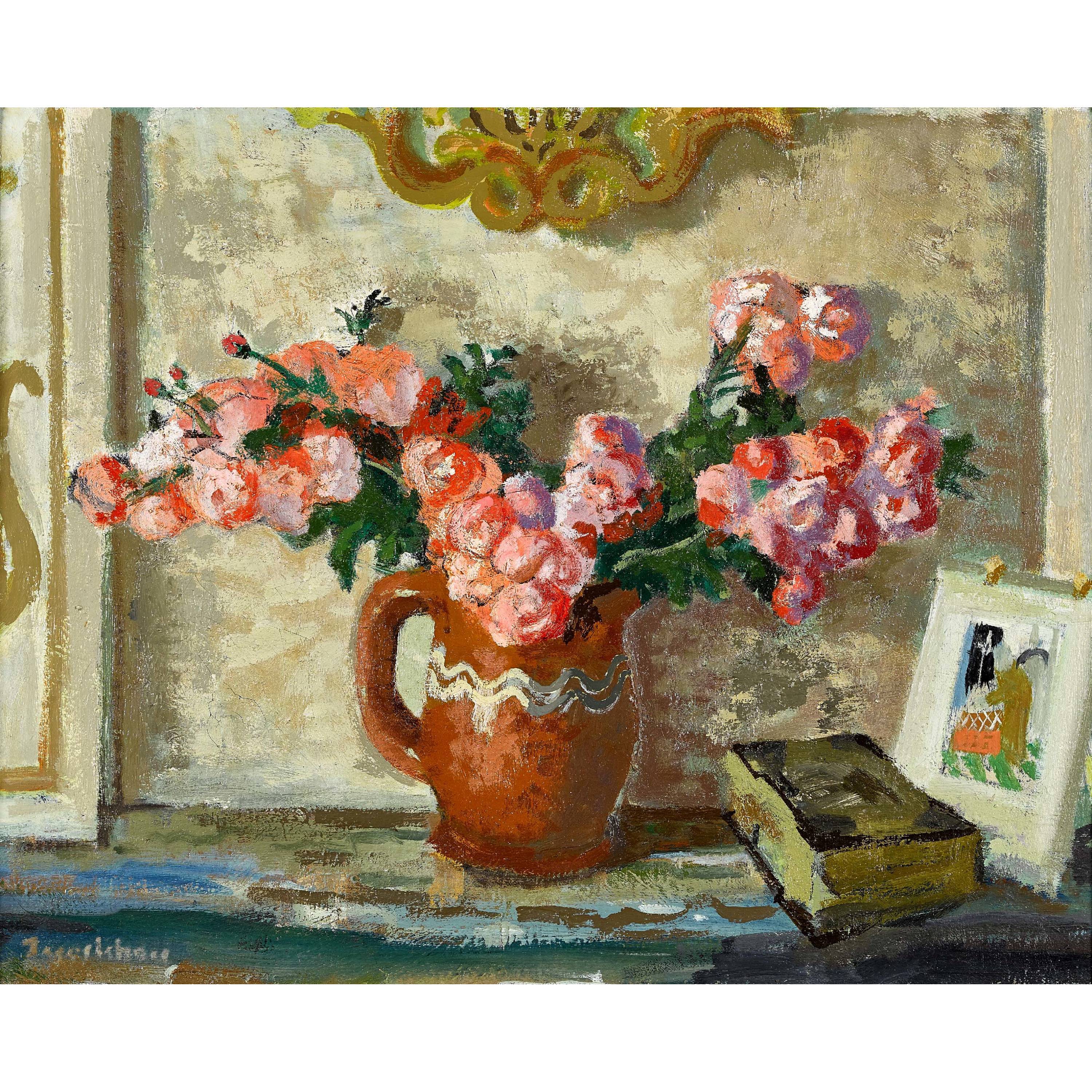
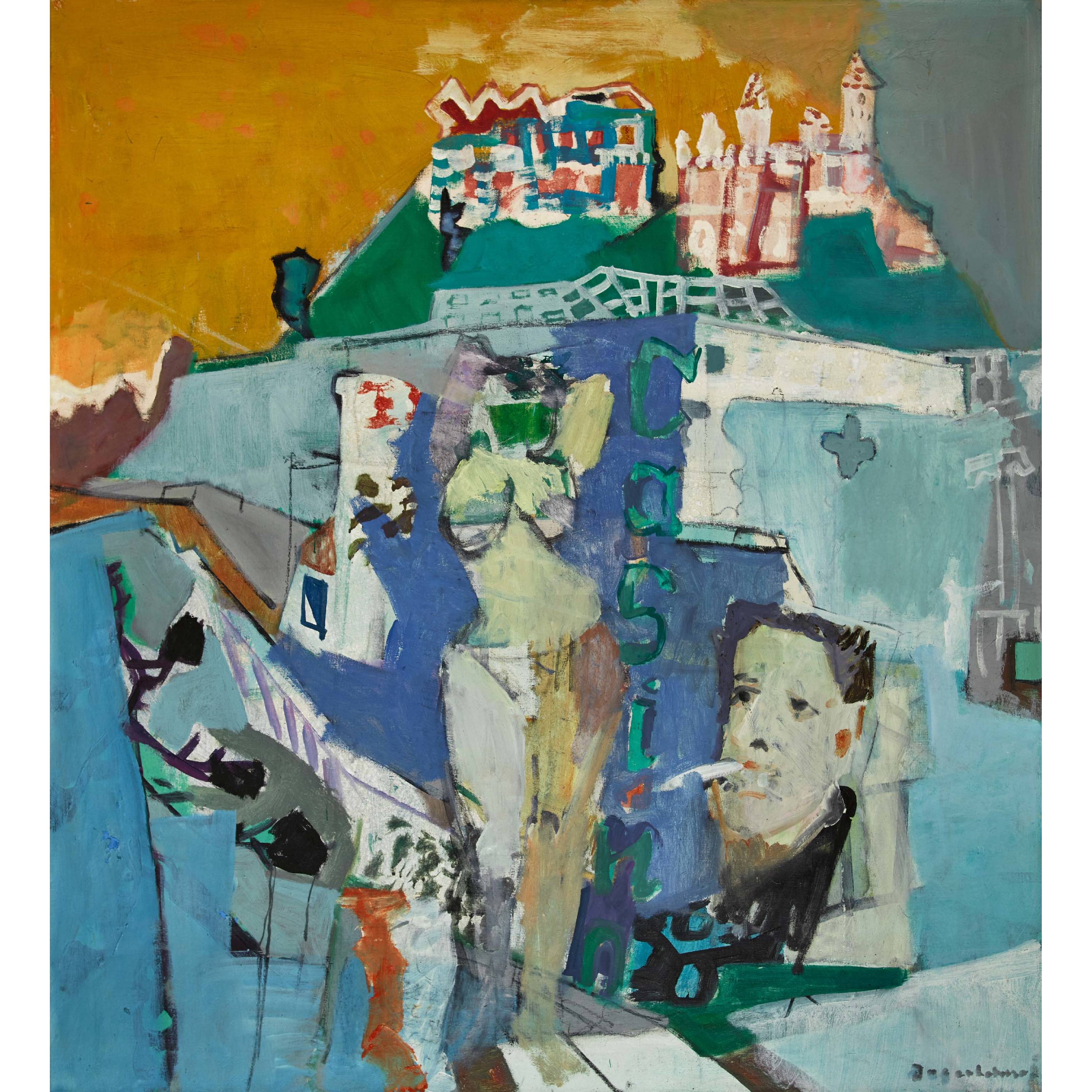
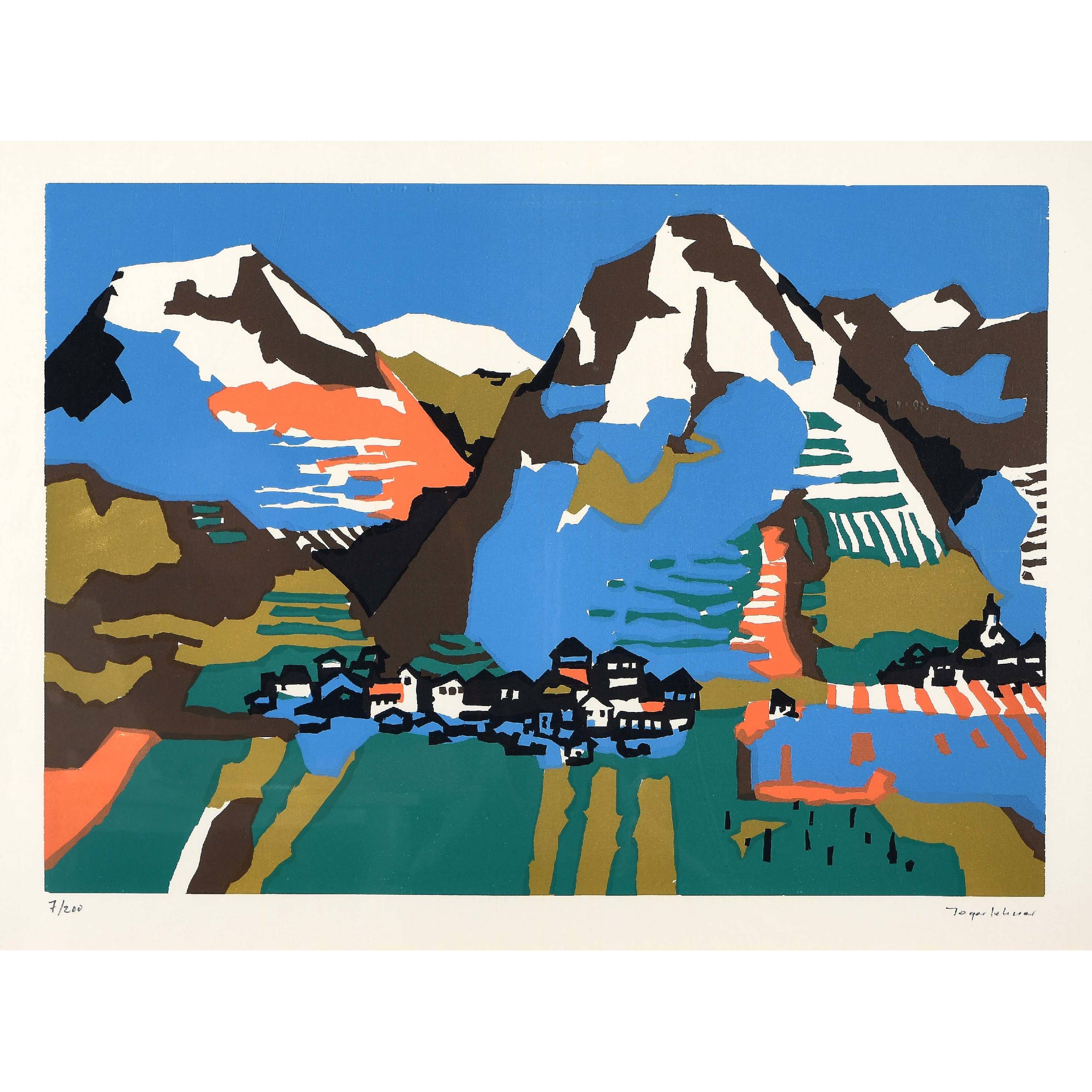
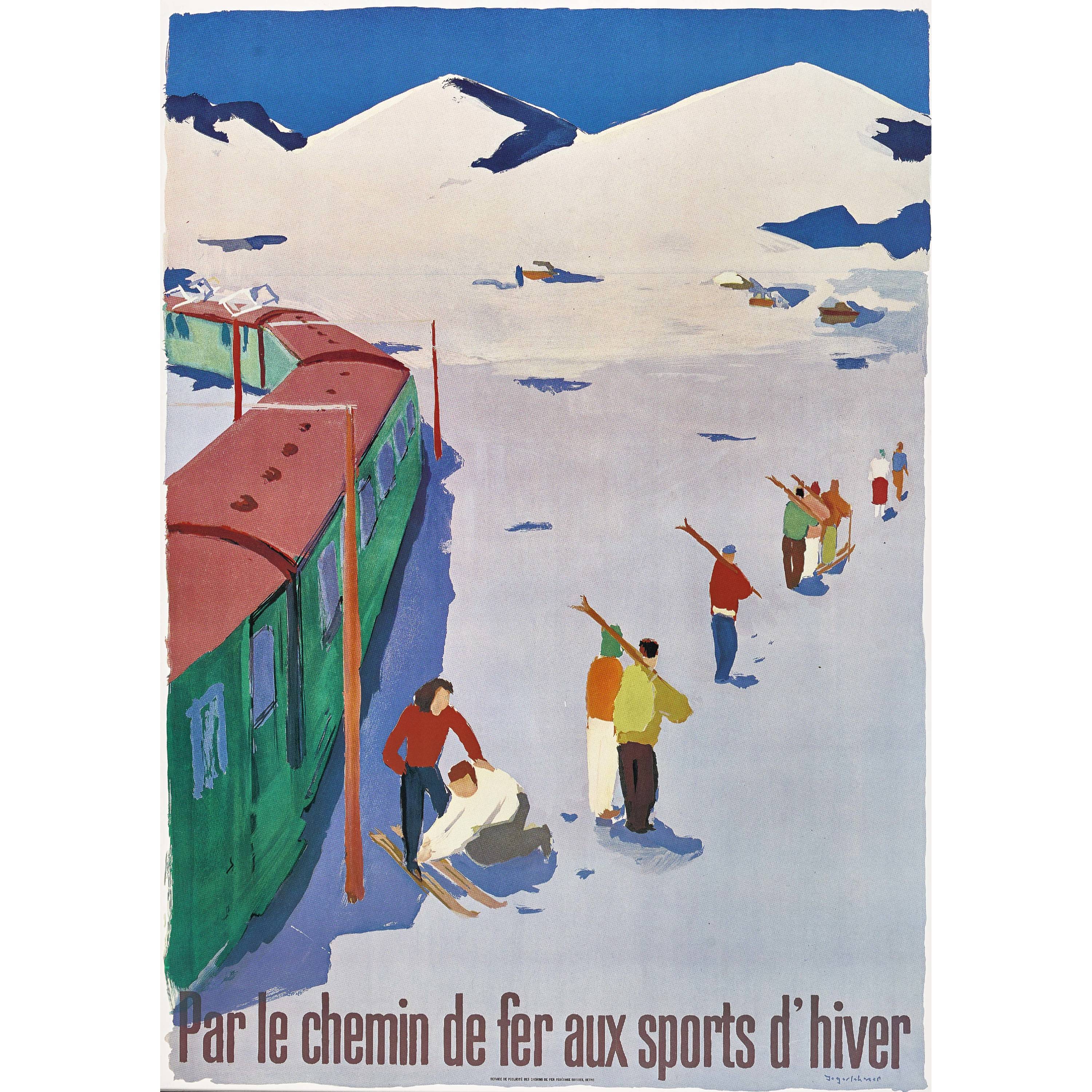
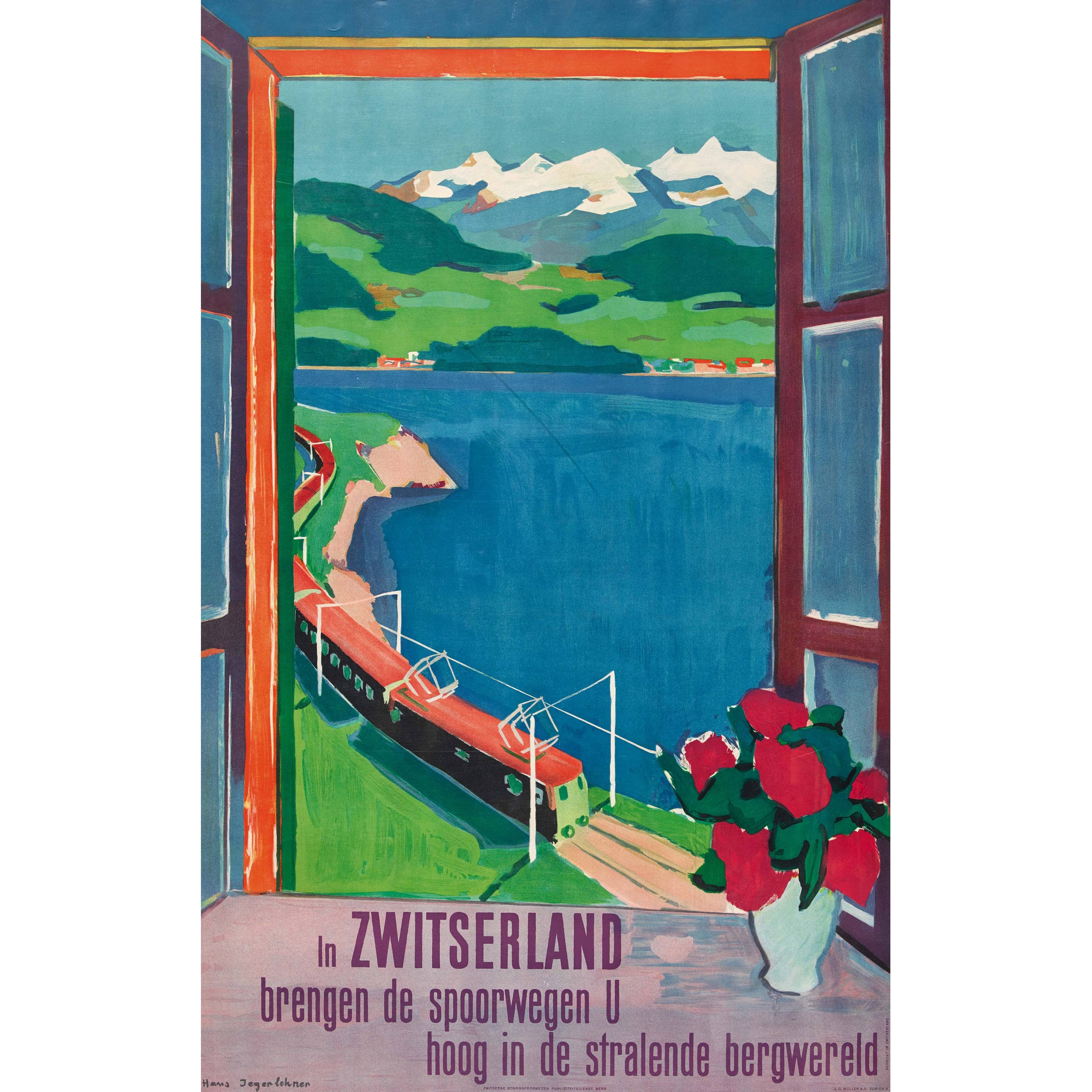
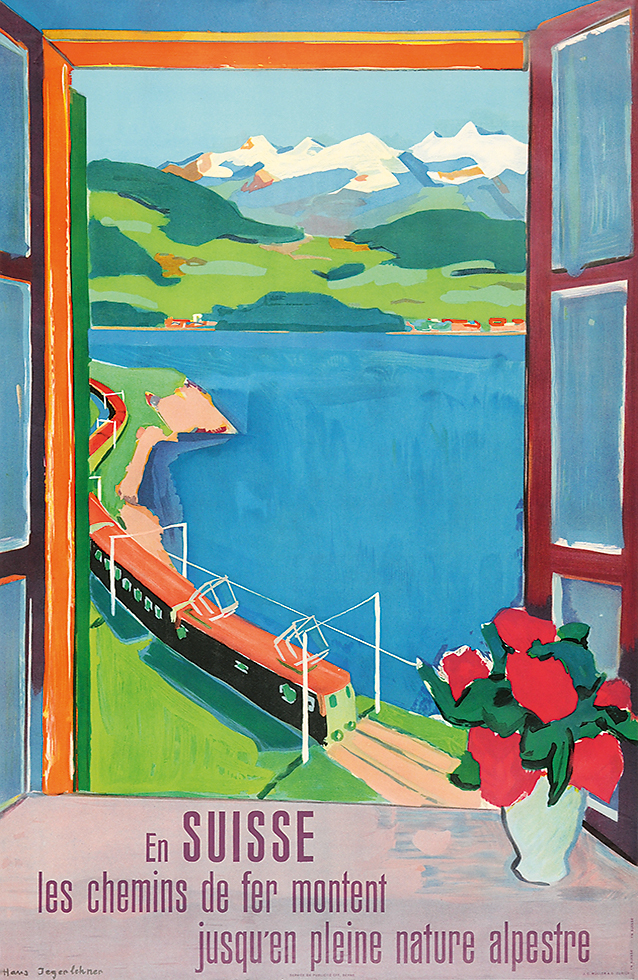
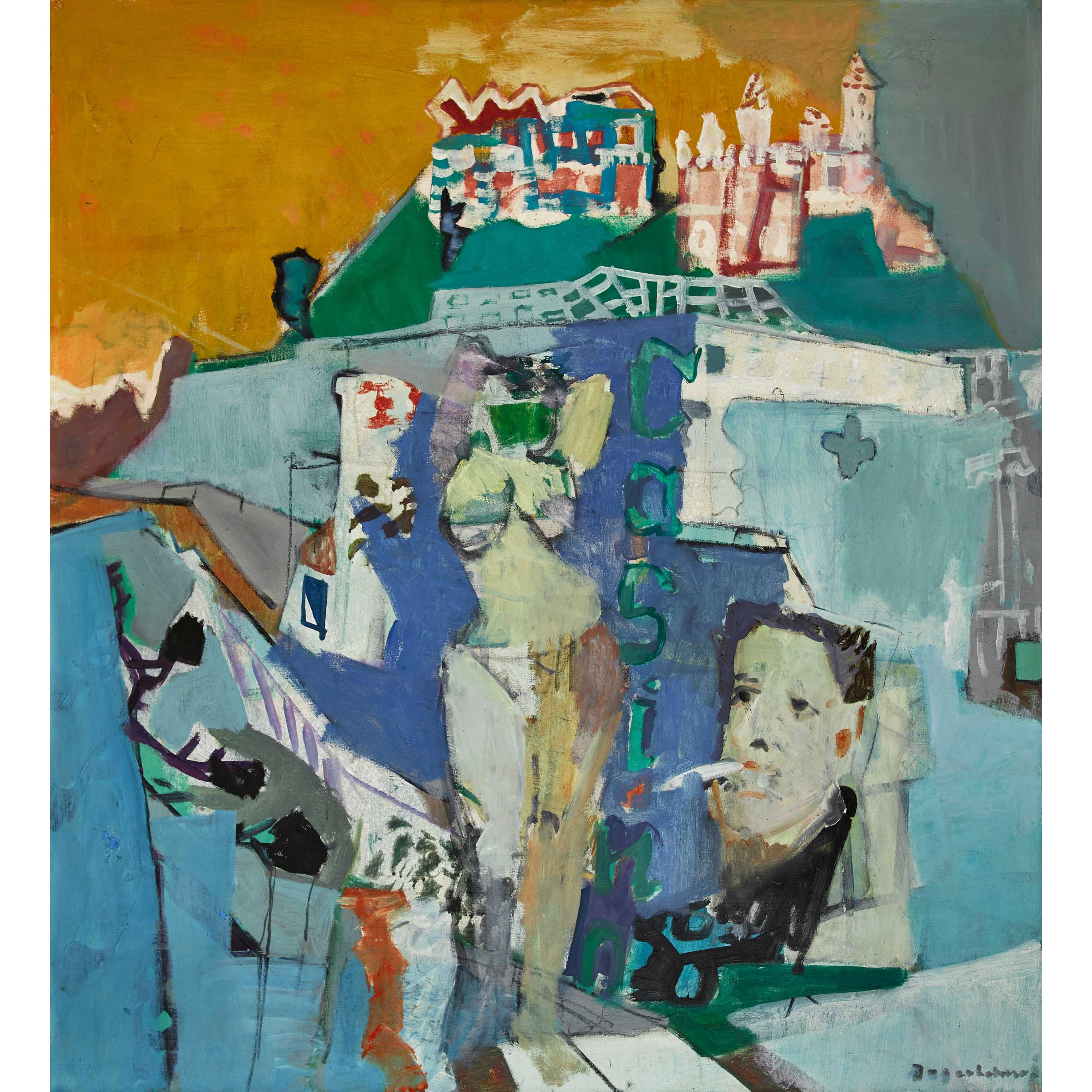
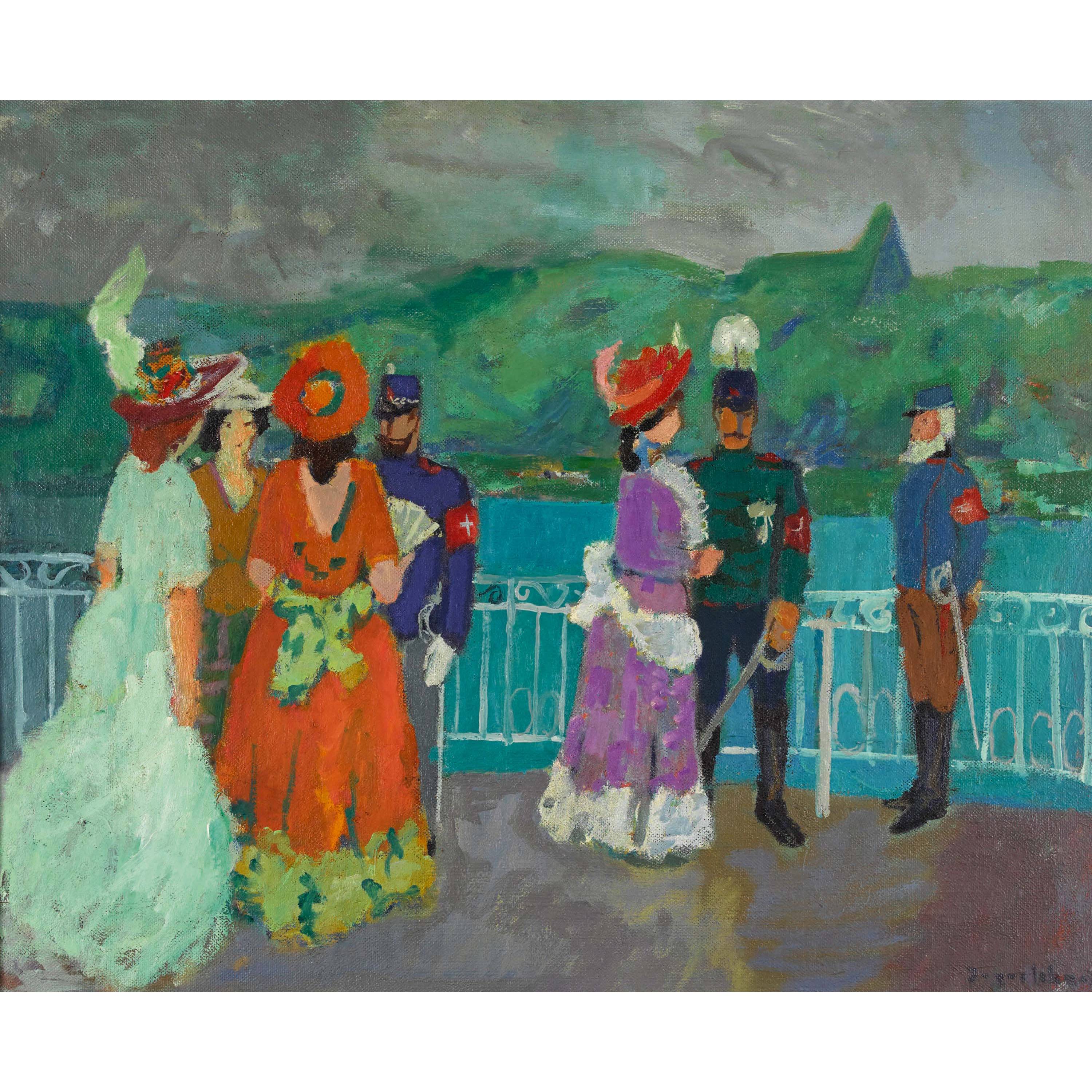
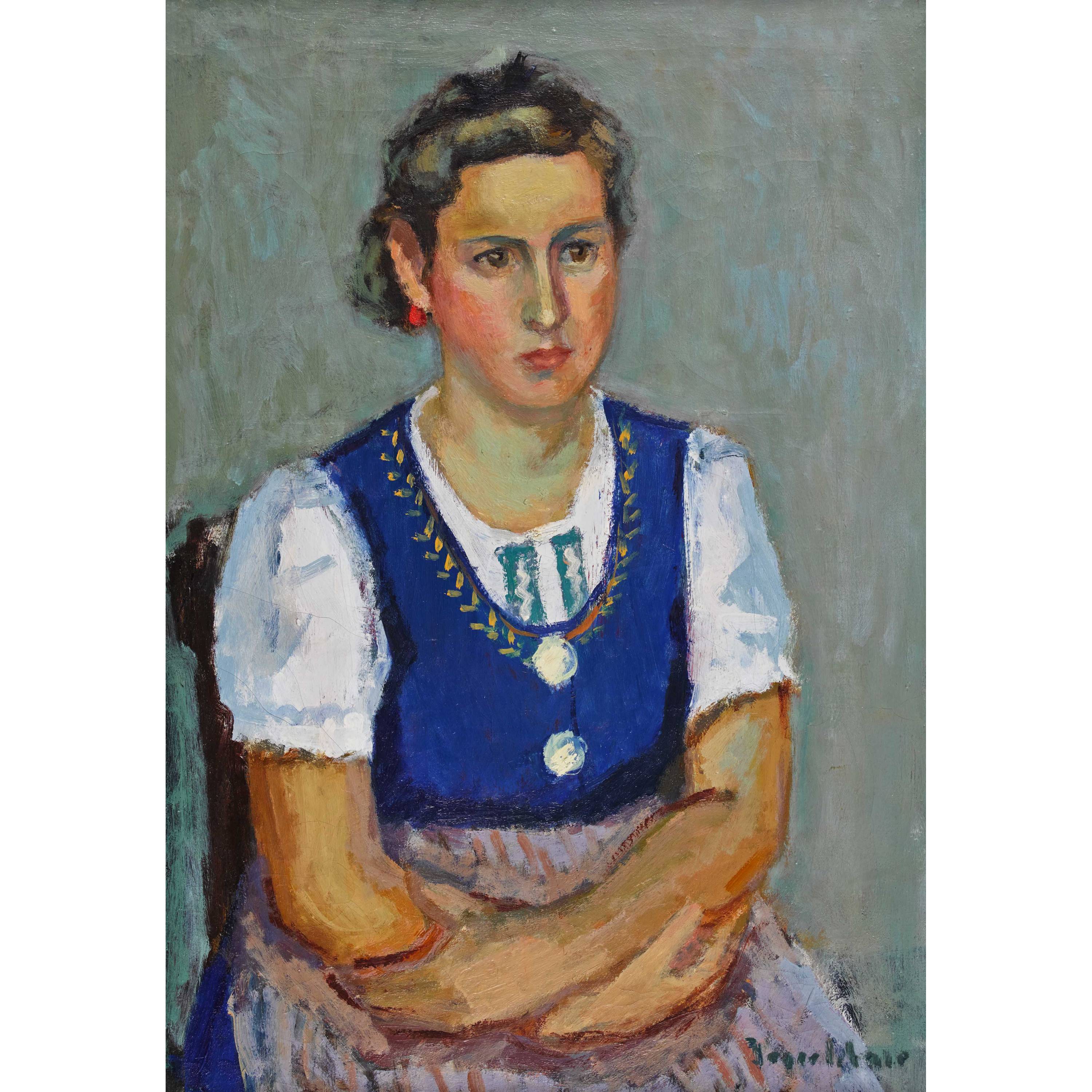
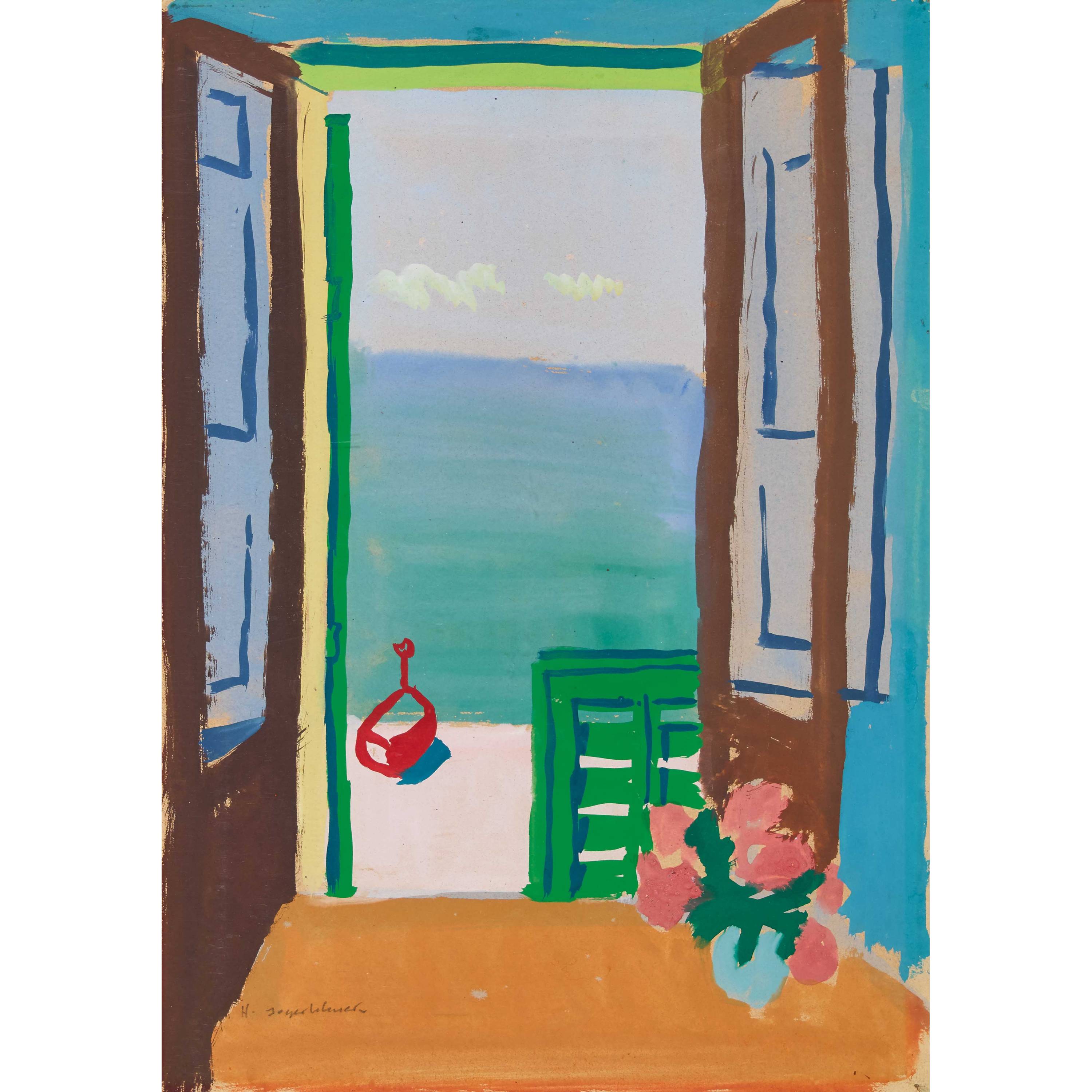
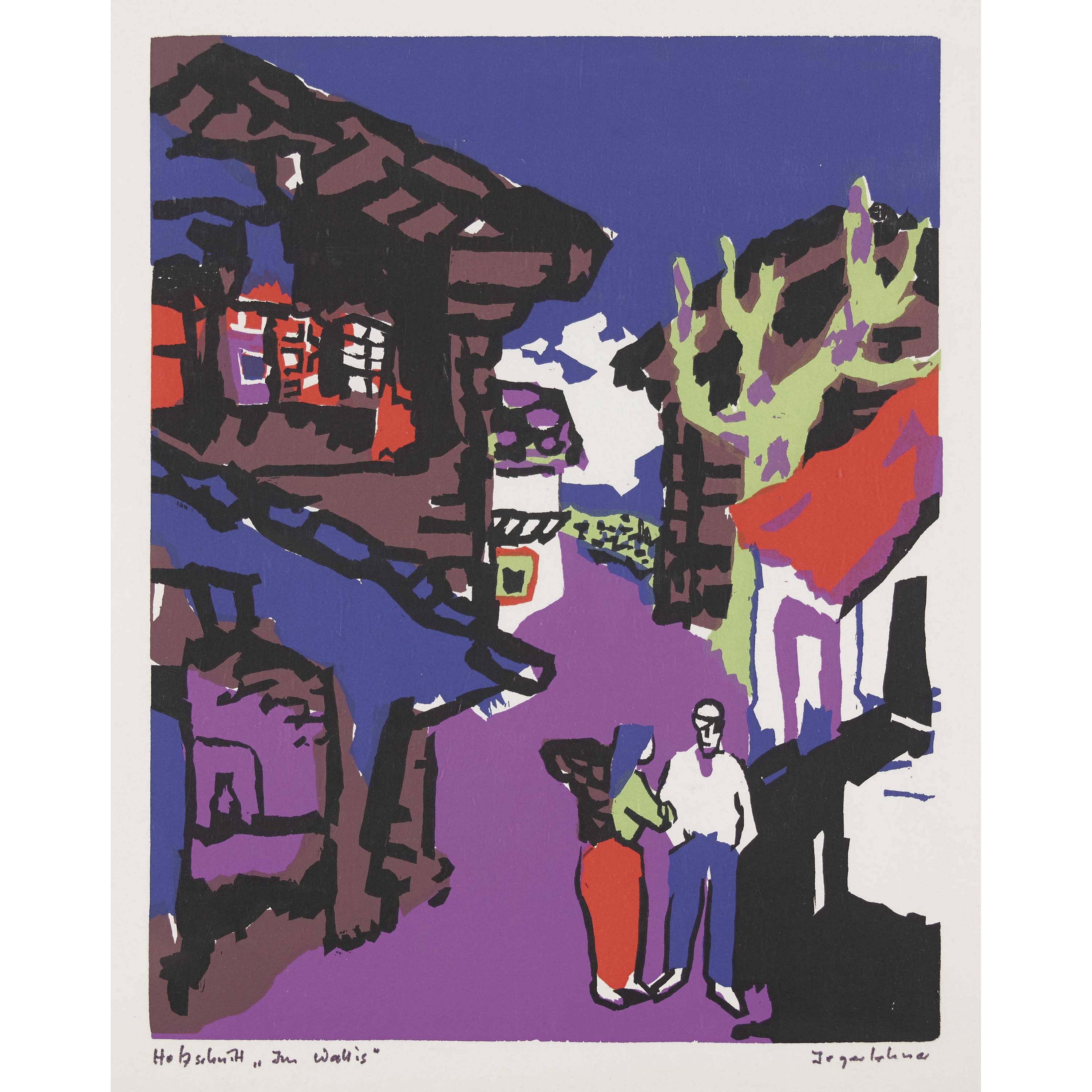
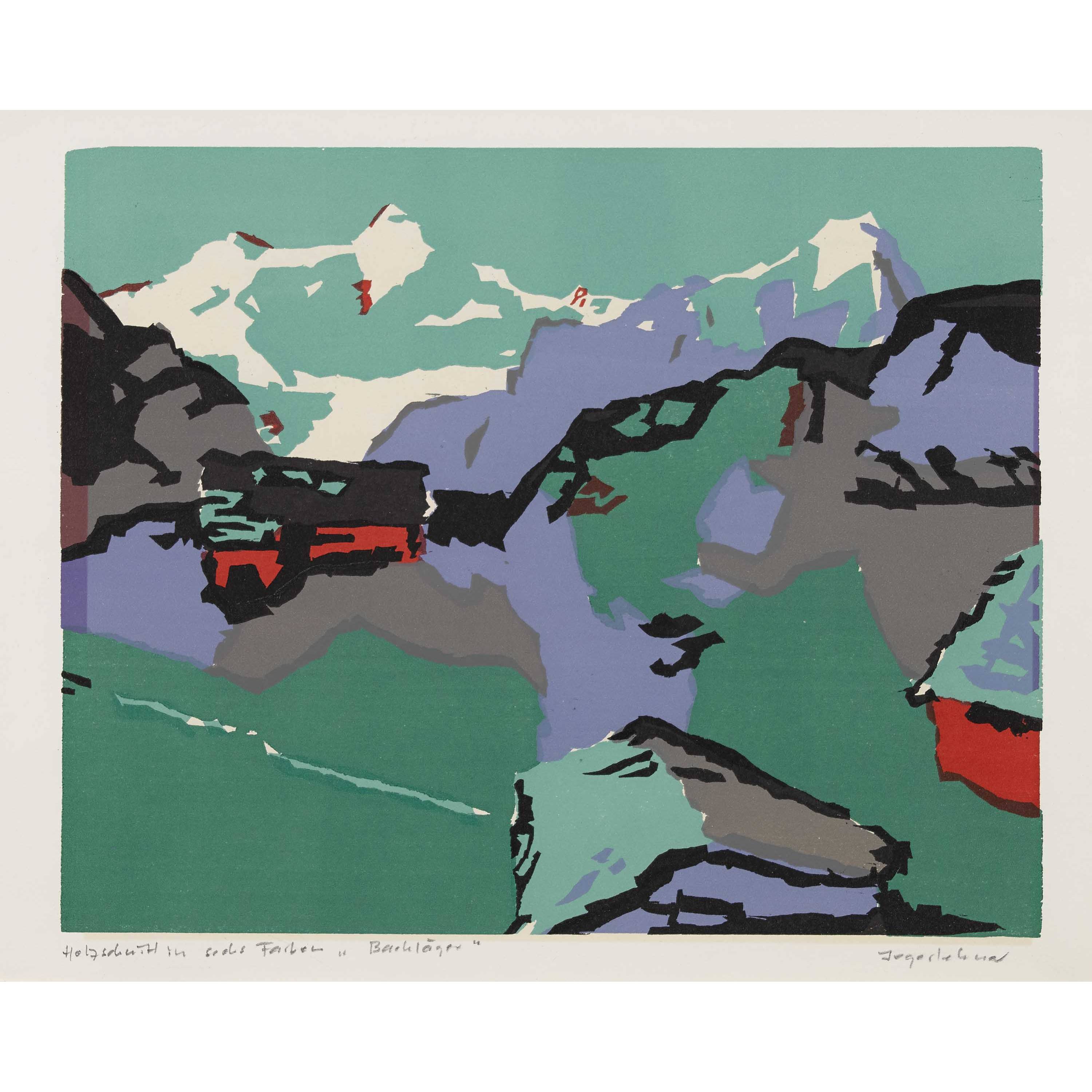
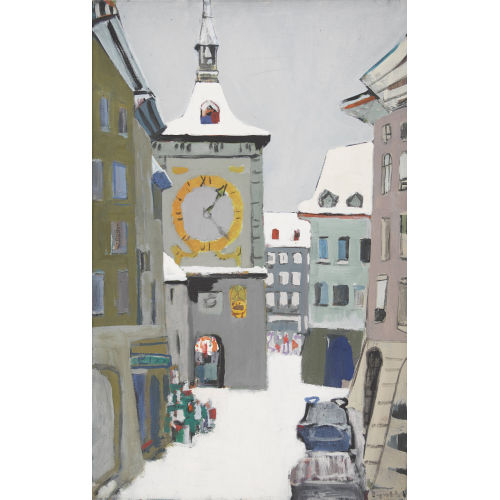
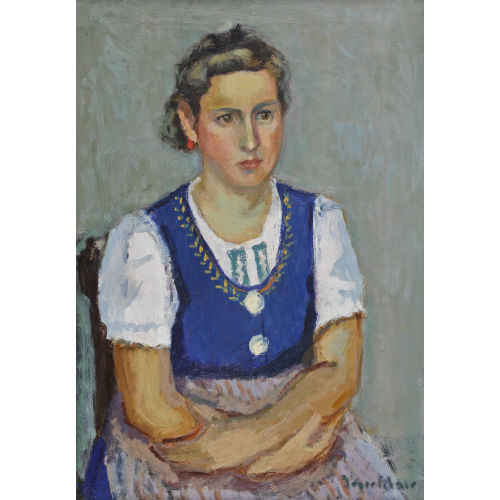
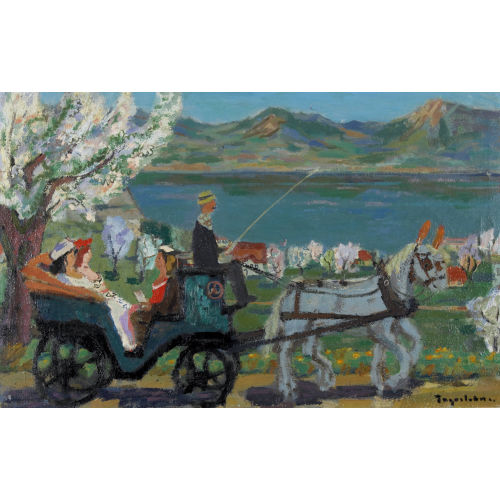
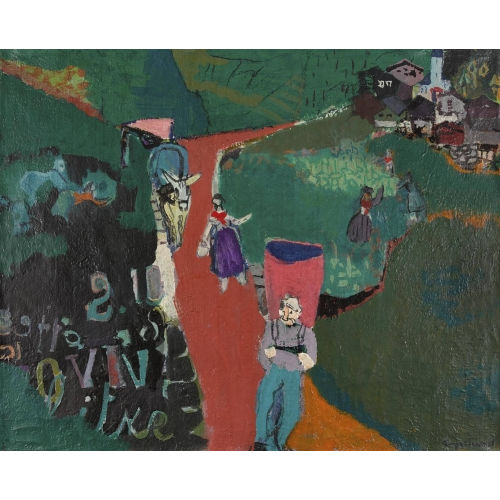
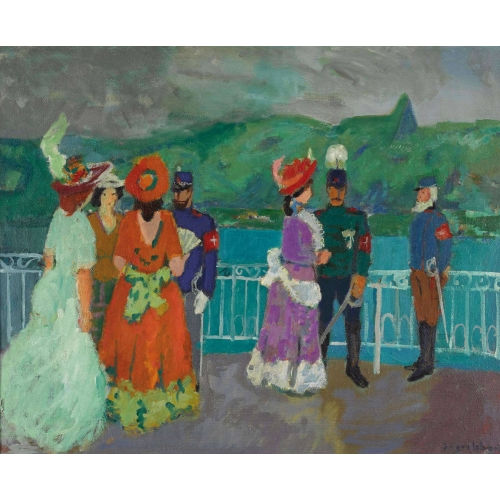
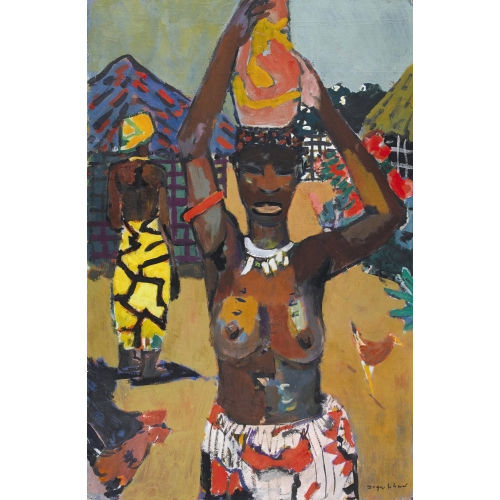
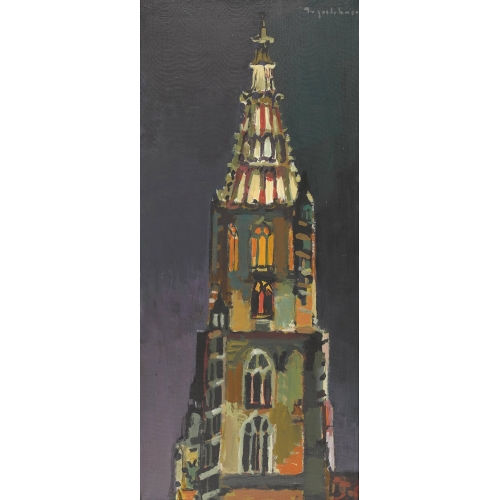
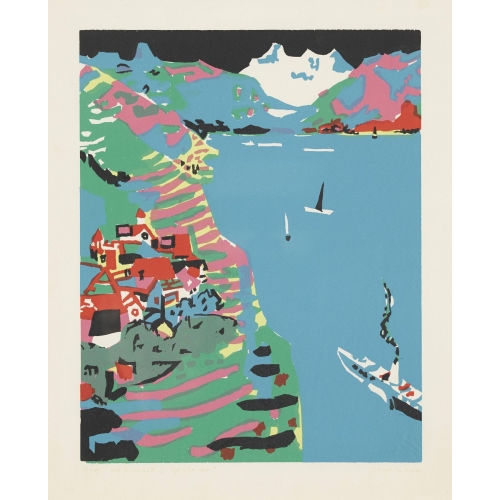
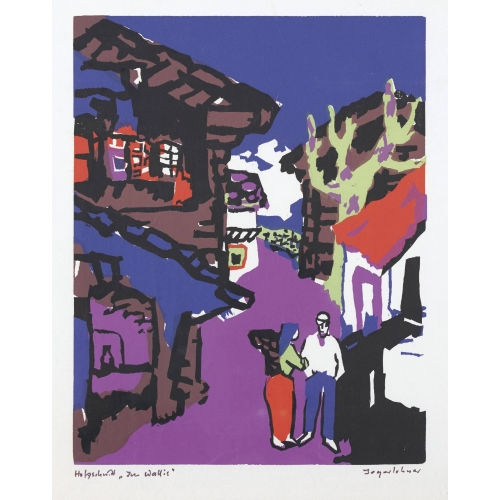
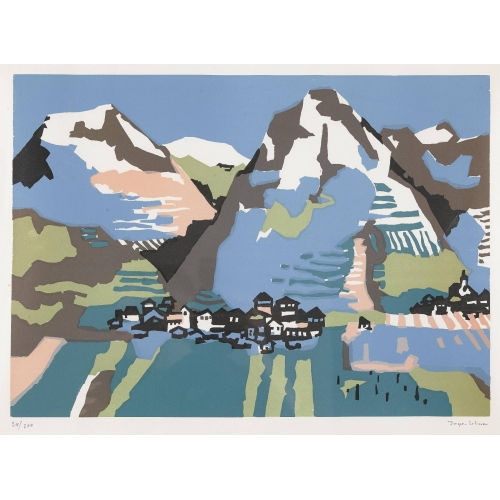
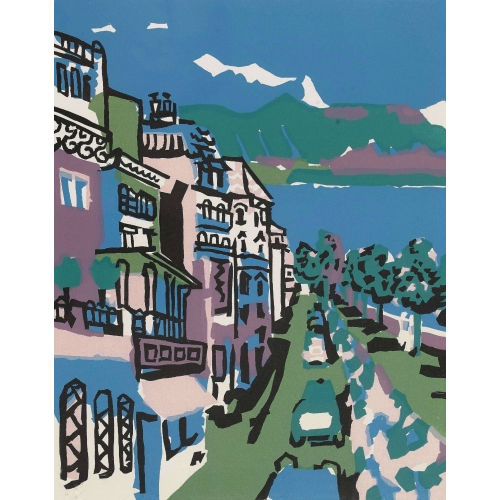
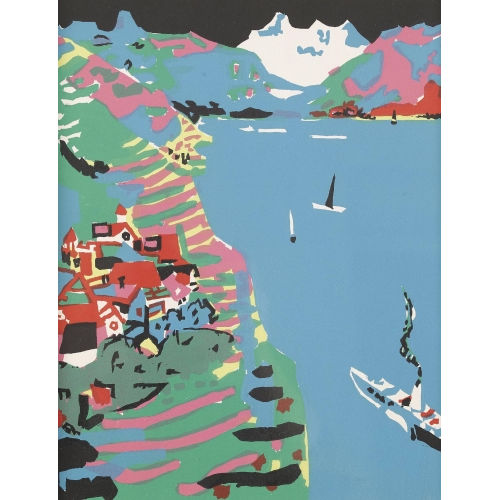
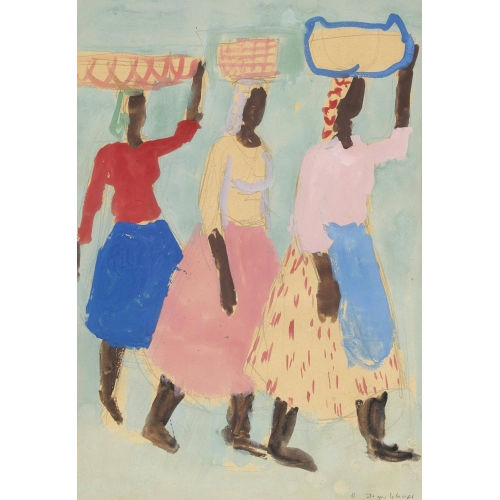
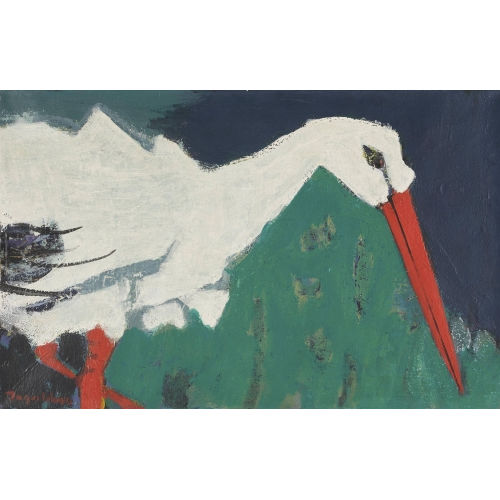
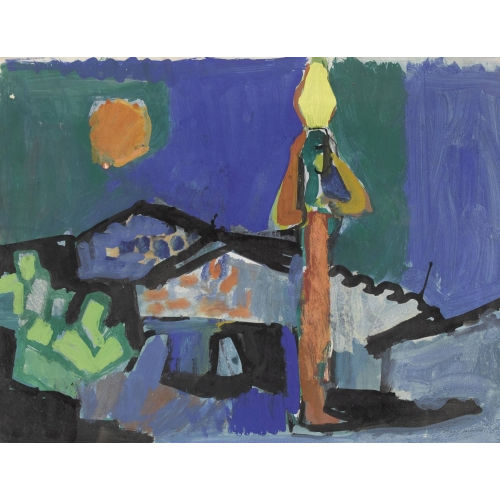
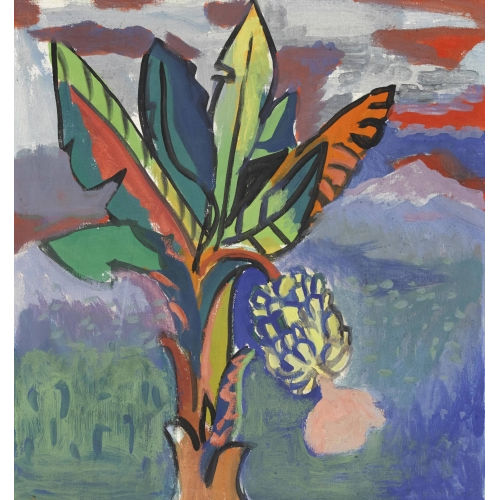
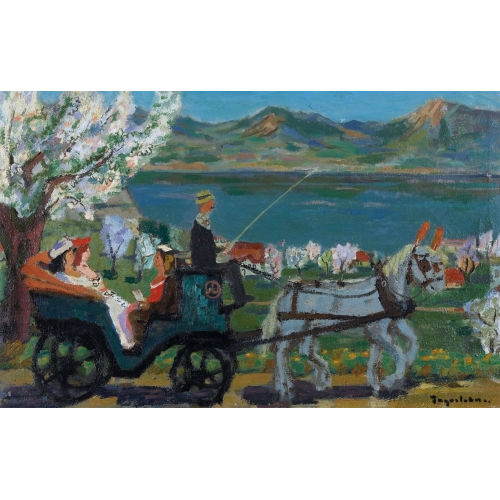
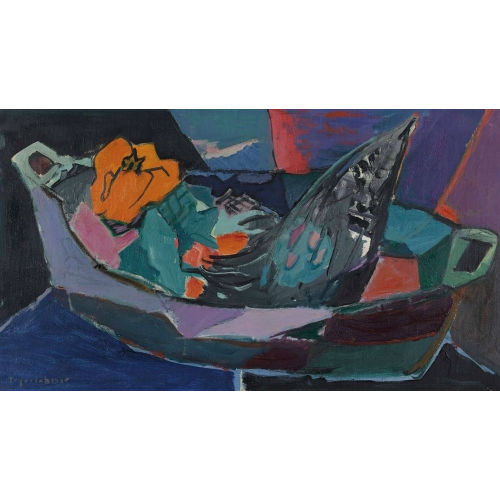
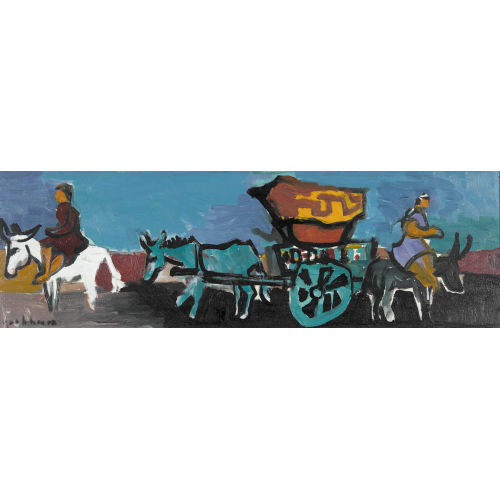
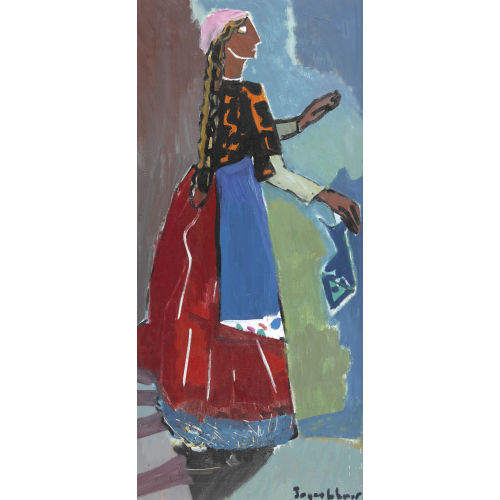
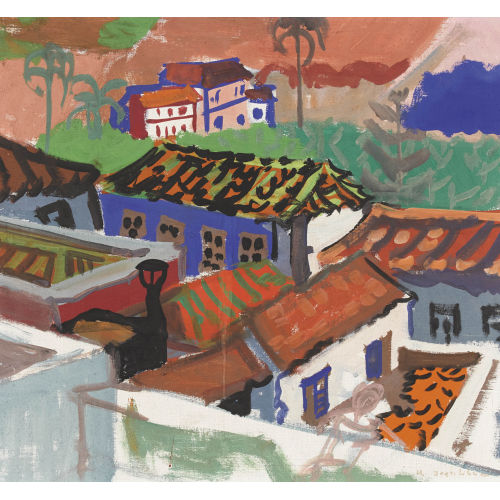
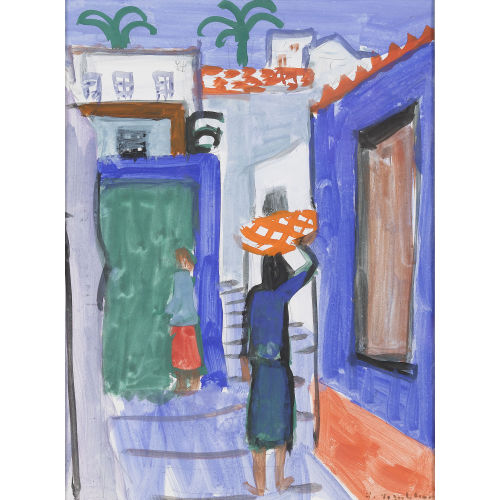
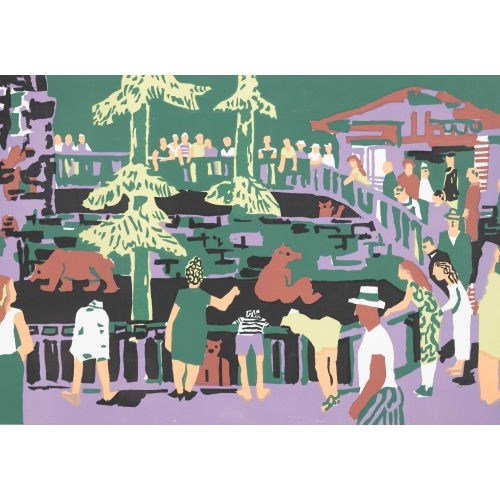
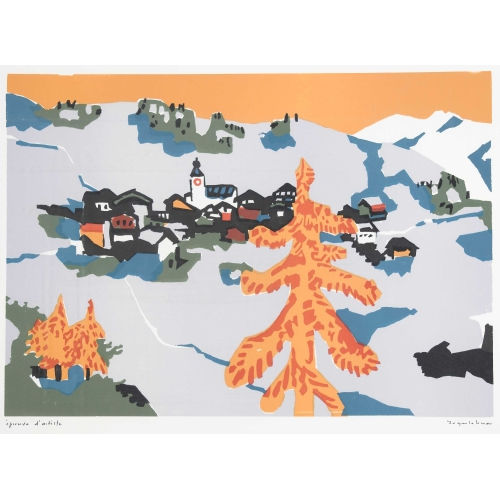
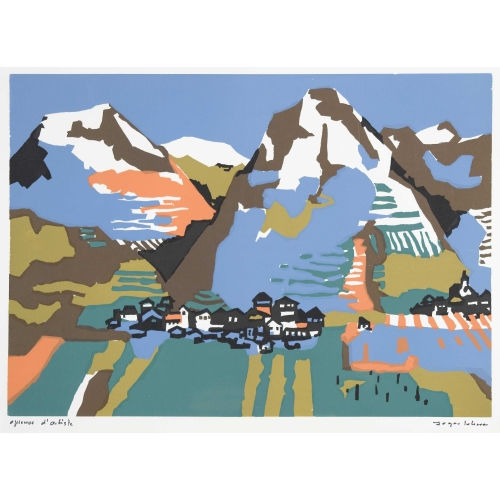
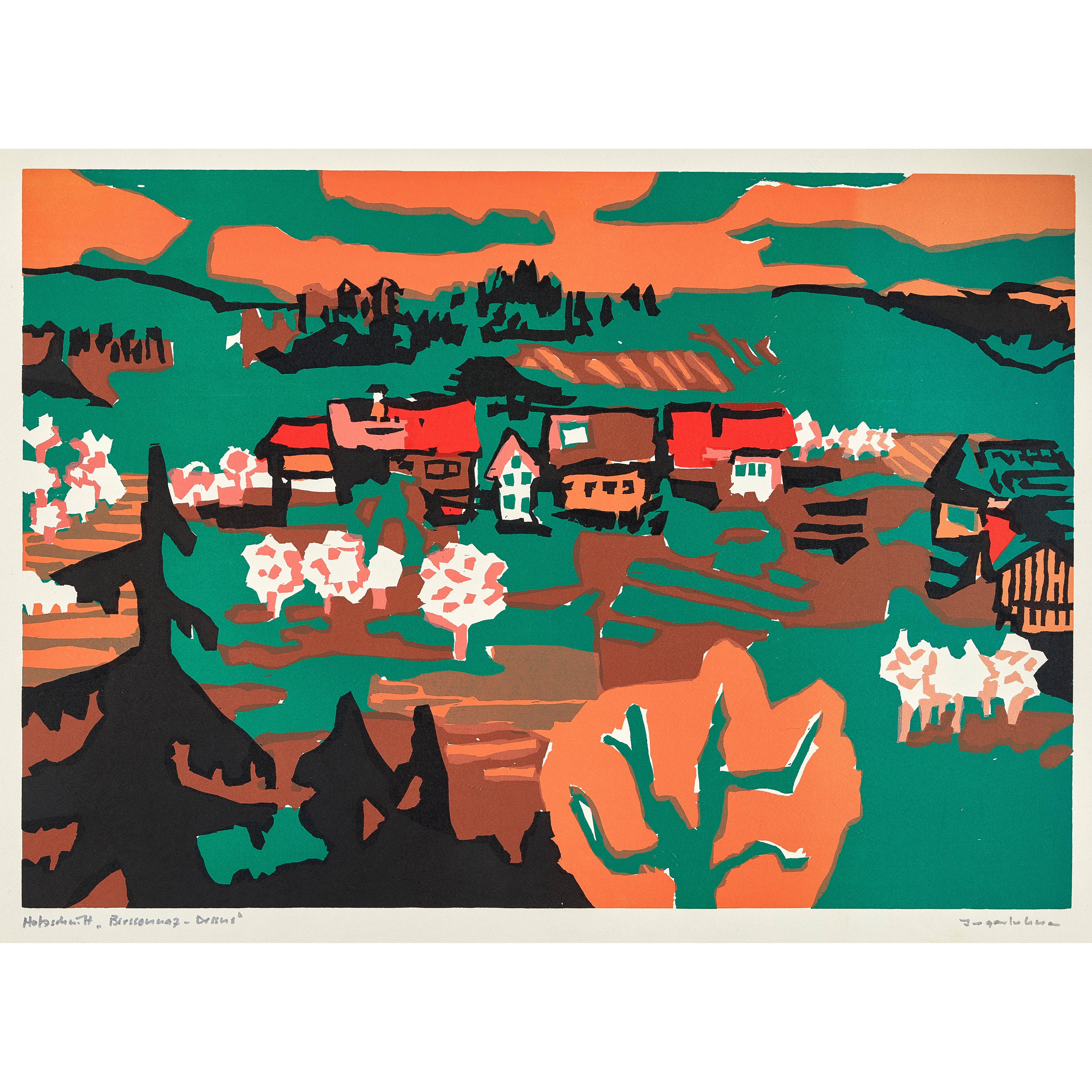
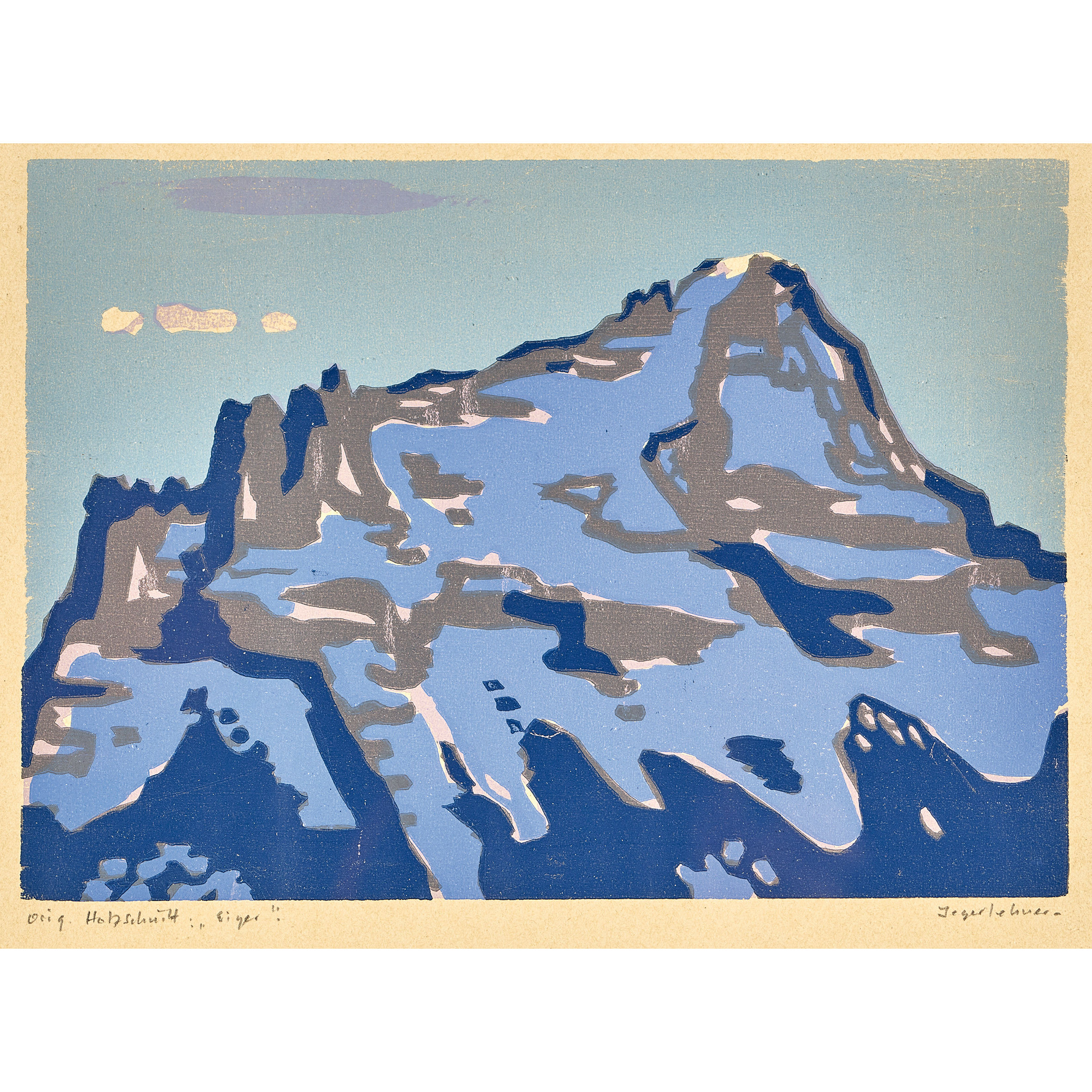
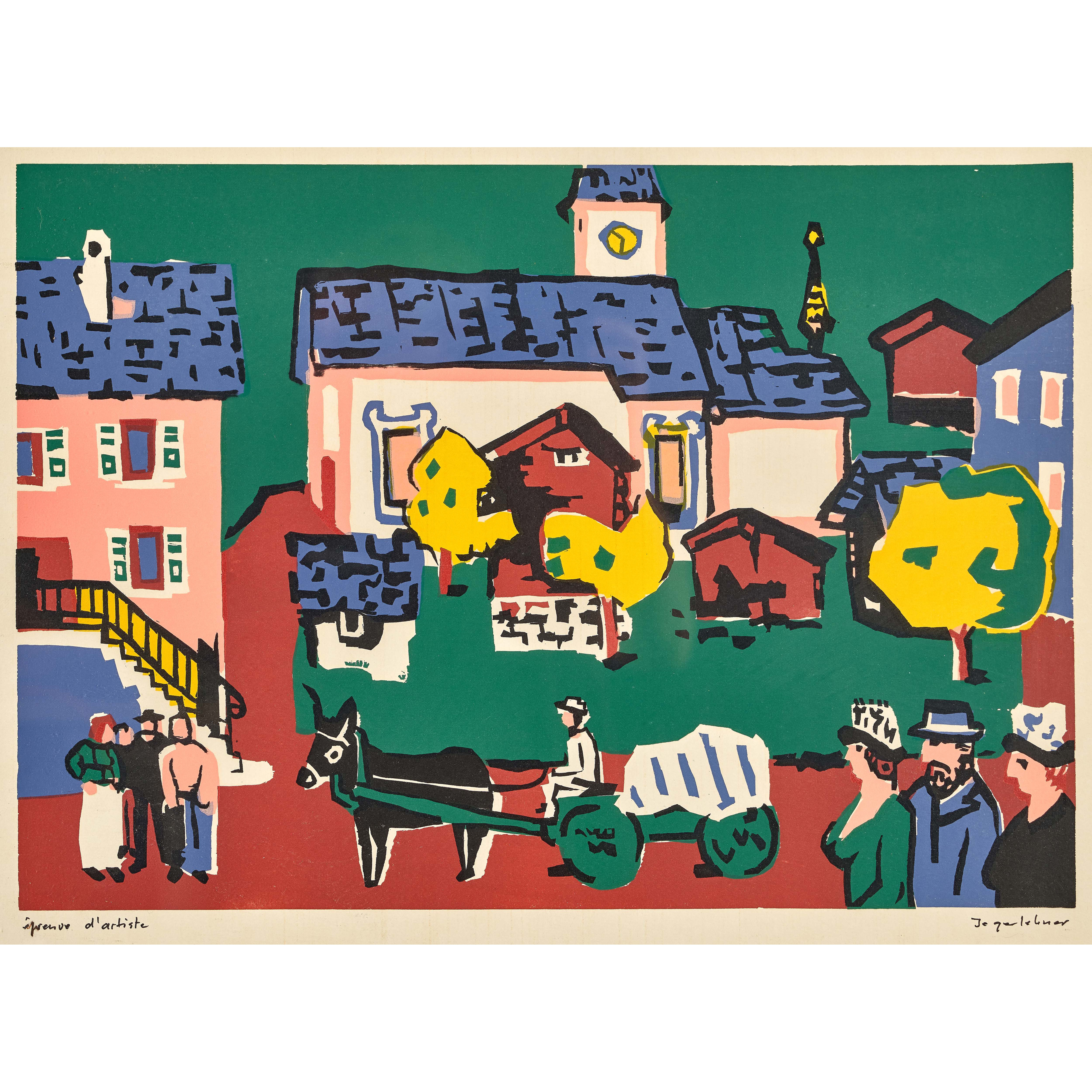
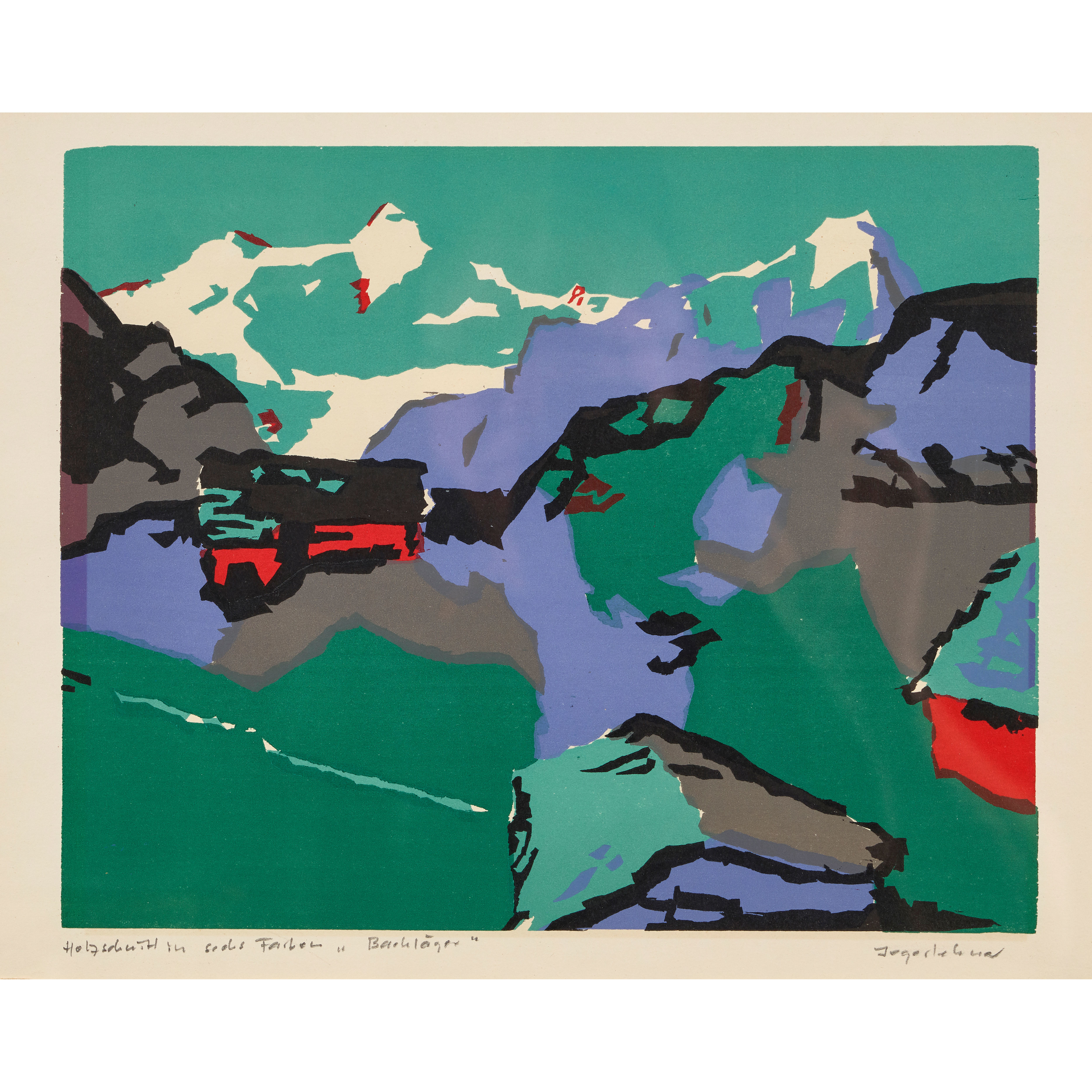
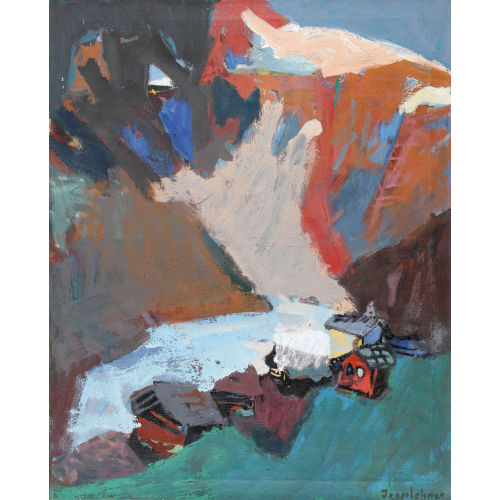
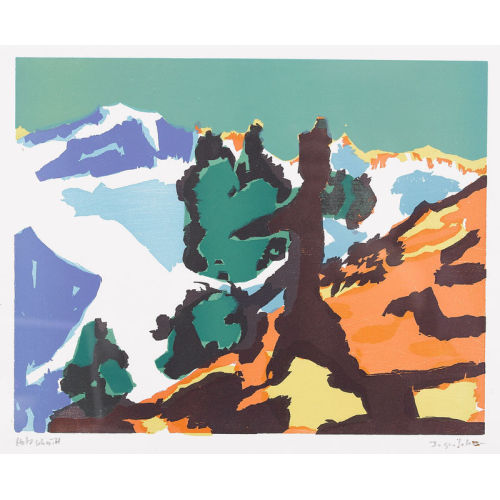
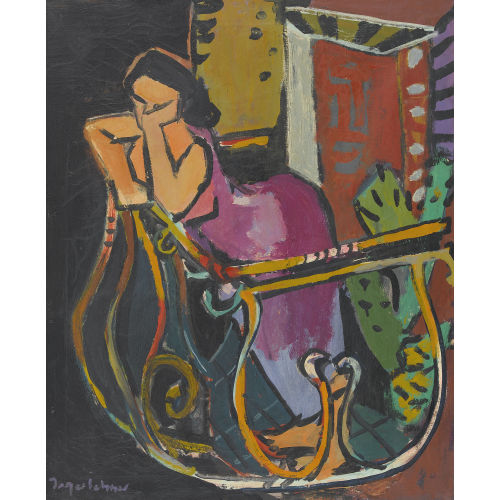
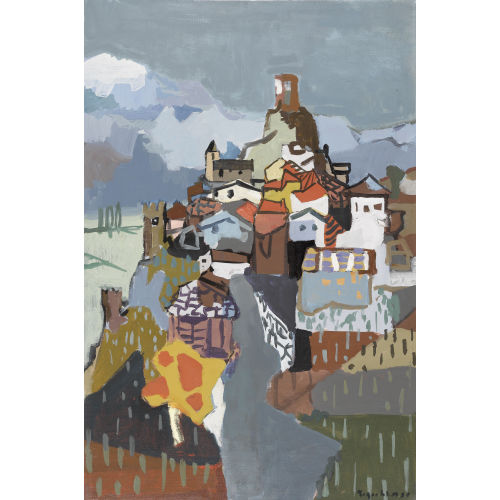
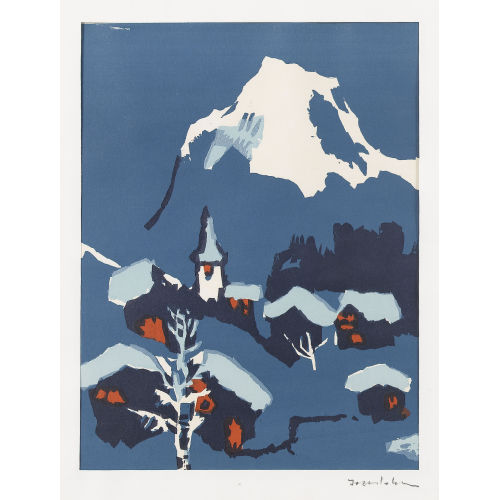
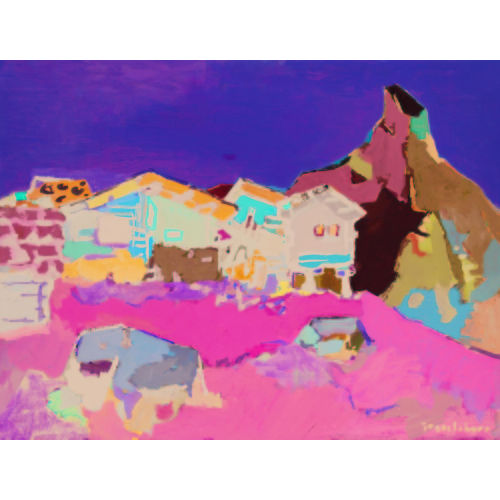
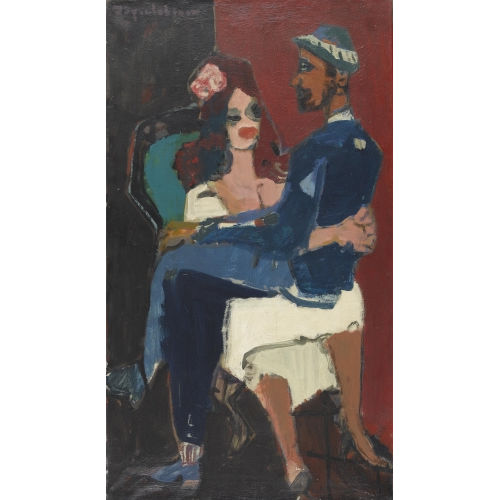
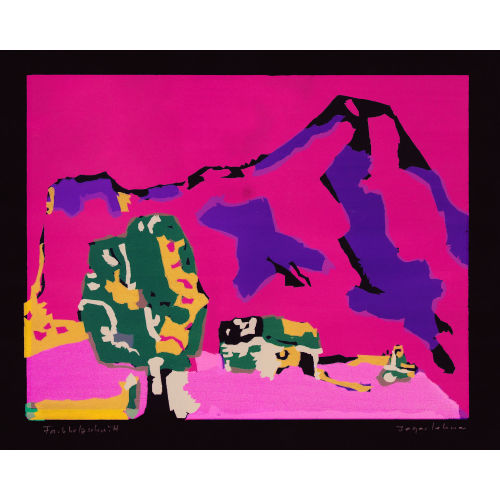
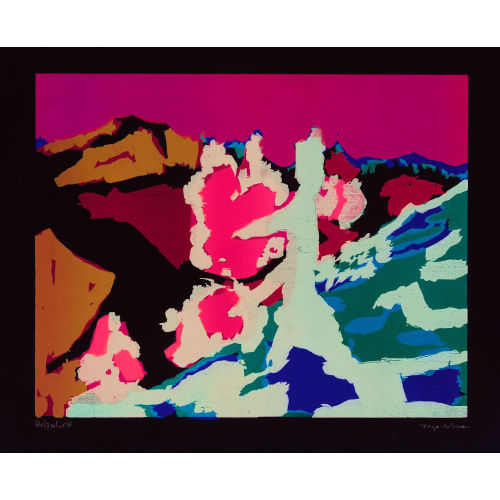
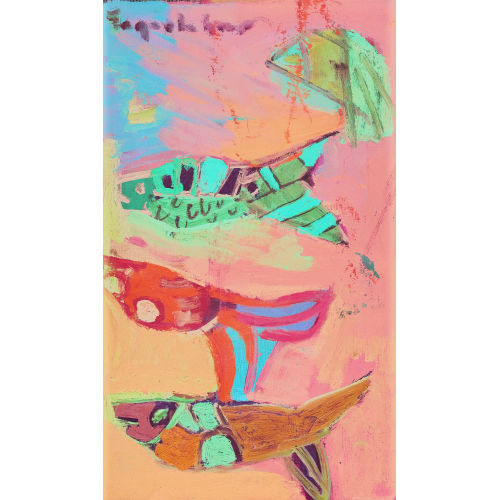
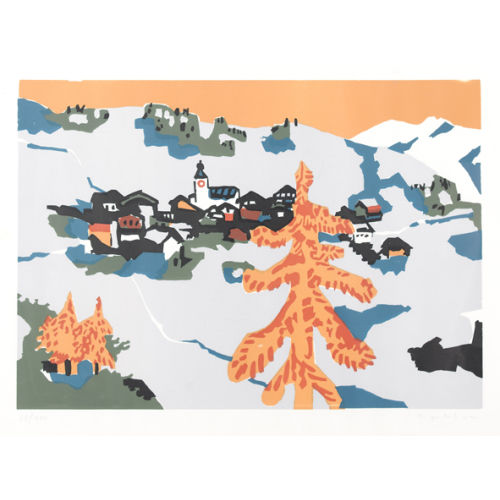
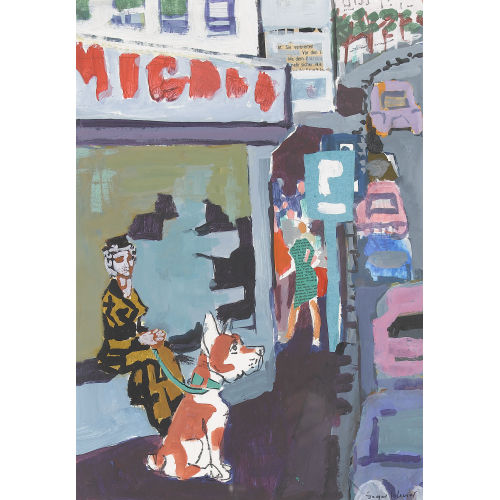
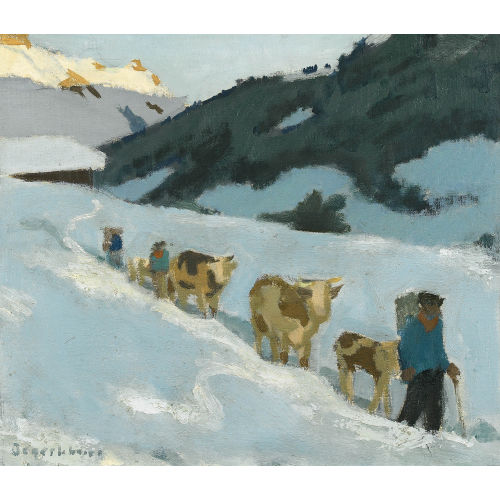
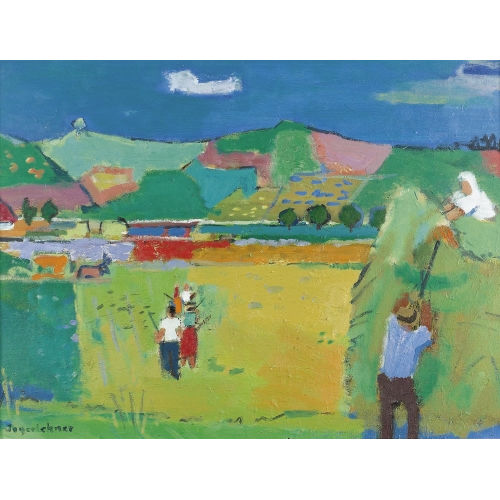
Hans Jegerlehner (1906–1974), also recorded under the name Hans Gordon Jegerlehner, belongs to twentieth-century Swiss painting through an expressionism committed to colour and the presence of the world. Landscape, figures and scenes from everyday life offer several points of entry into his work. His visual language seeks an intensity sustained jointly by the simplification of forms and the clarity of contours.
The son of the Bernese writer Johannes Jegerlehner, he also maintained a profound relationship with music: he played the cello and the viola. In the tribute published in 1975 by the journal Art suisse, W. Nussbaum evokes an independent artist, open to renewing his painting.
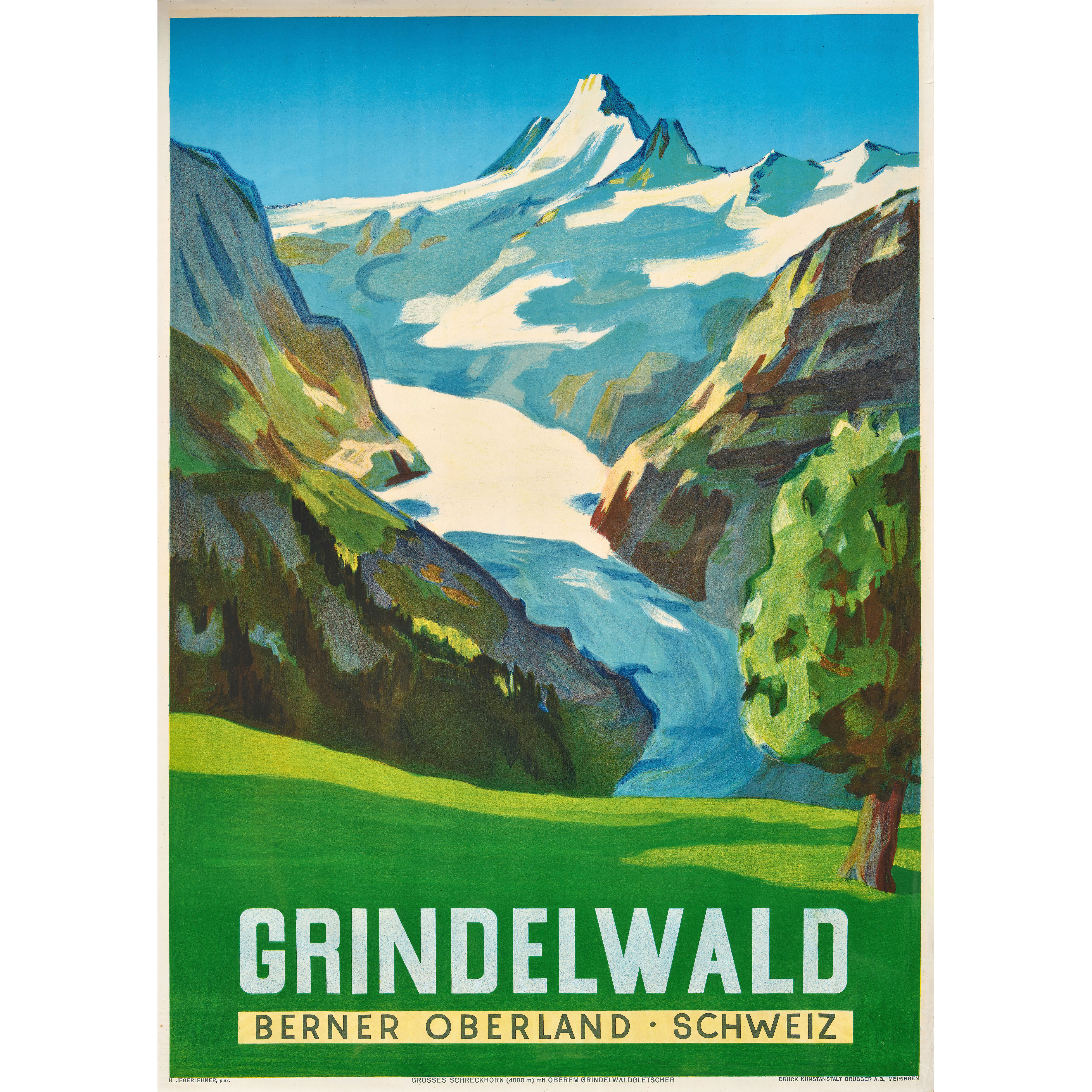
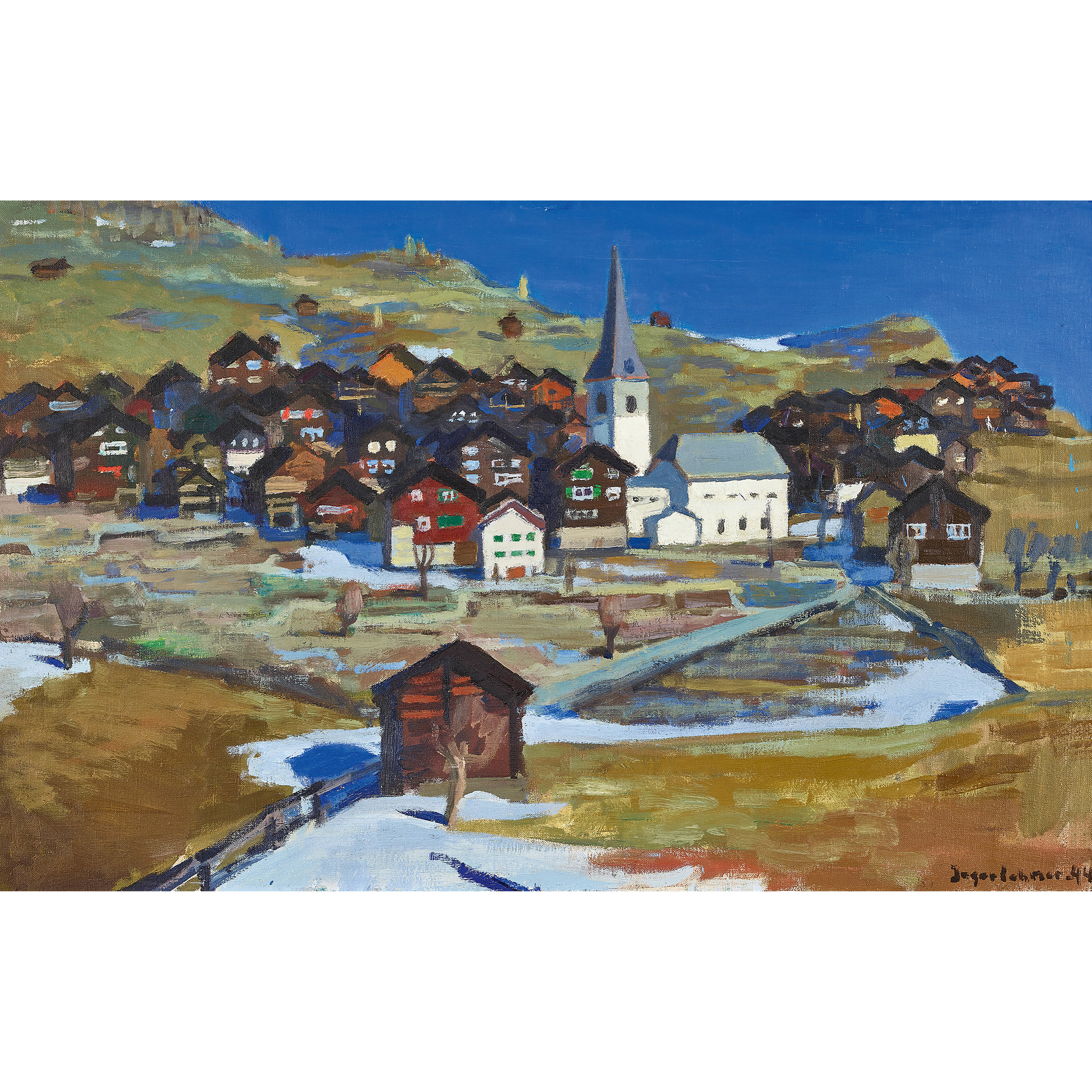
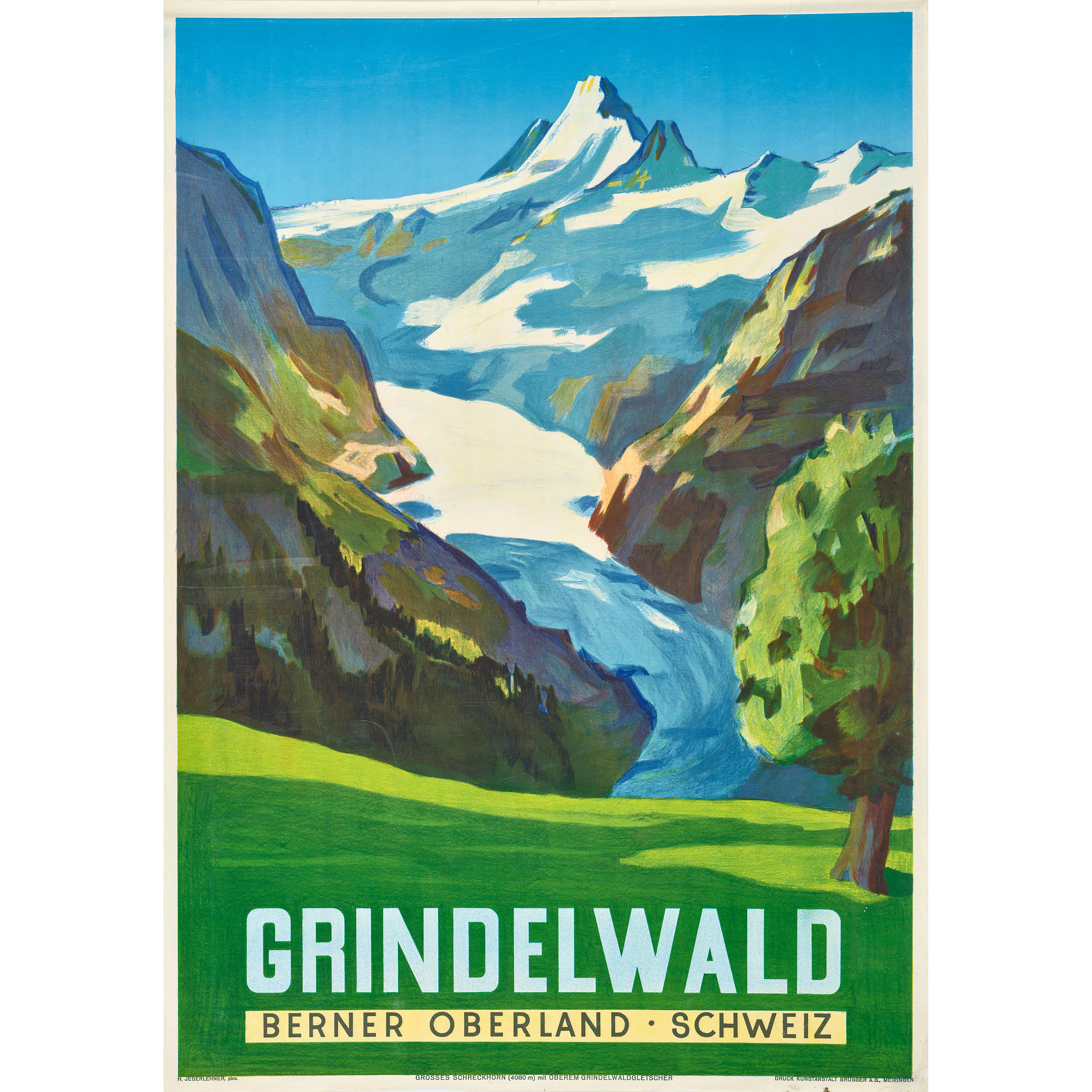
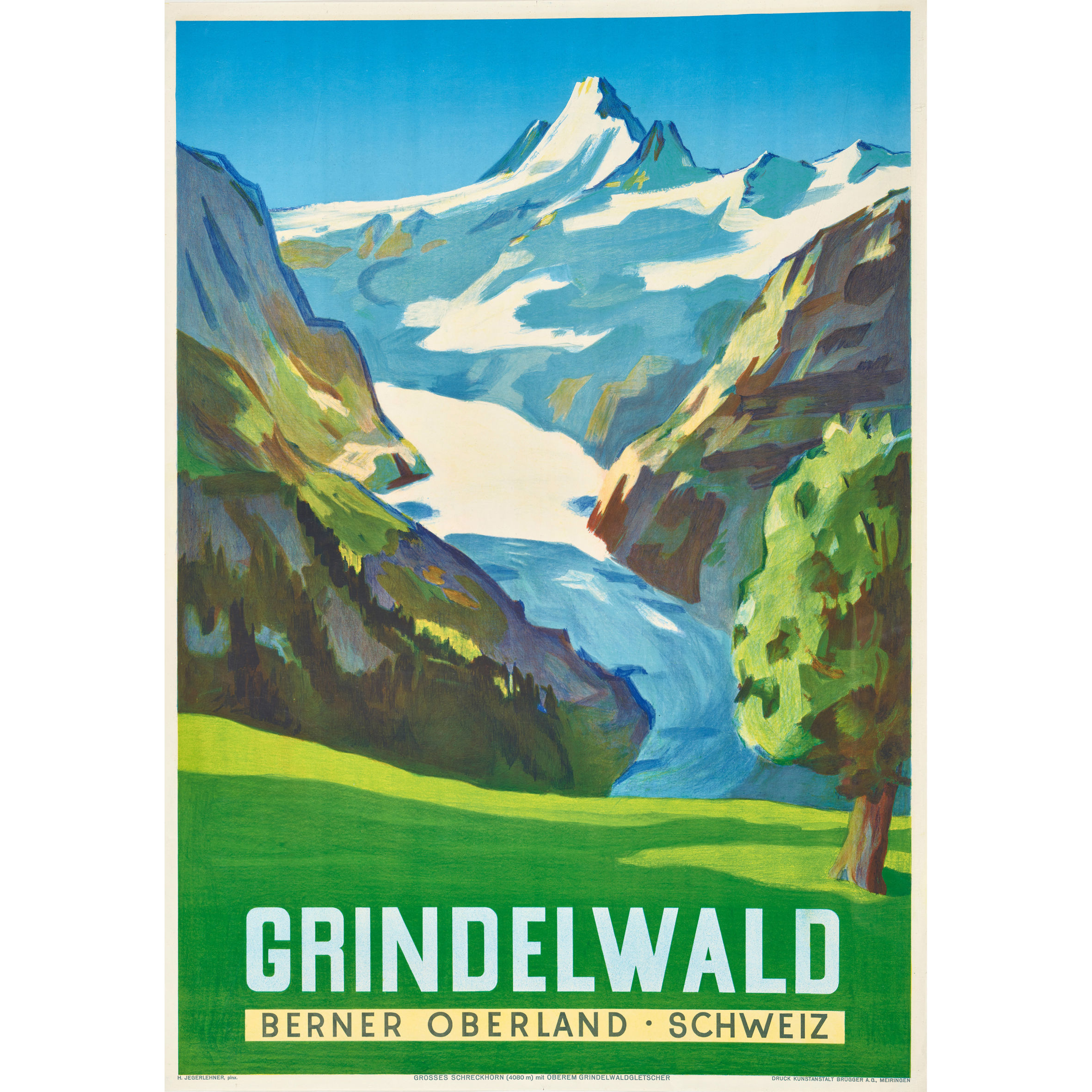
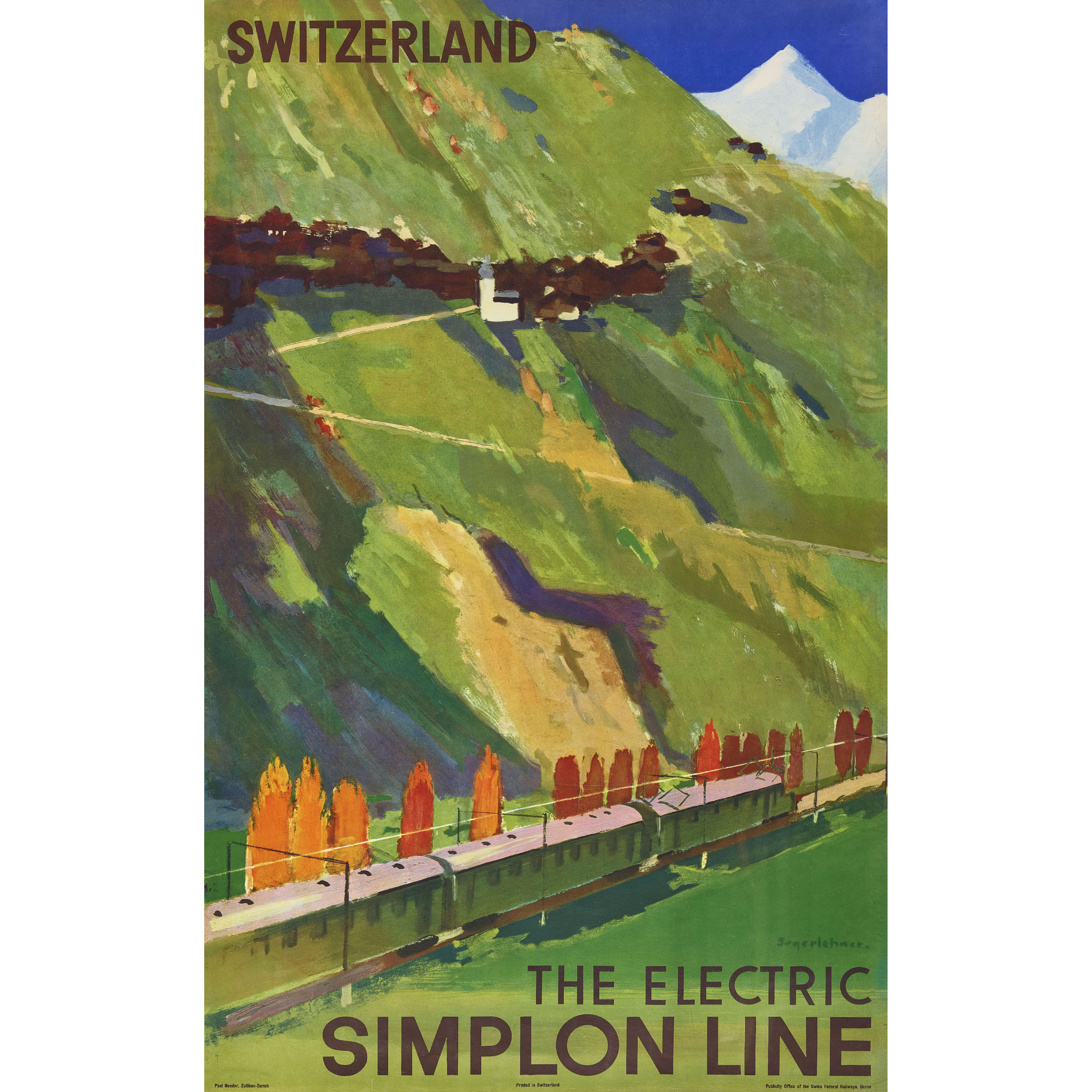
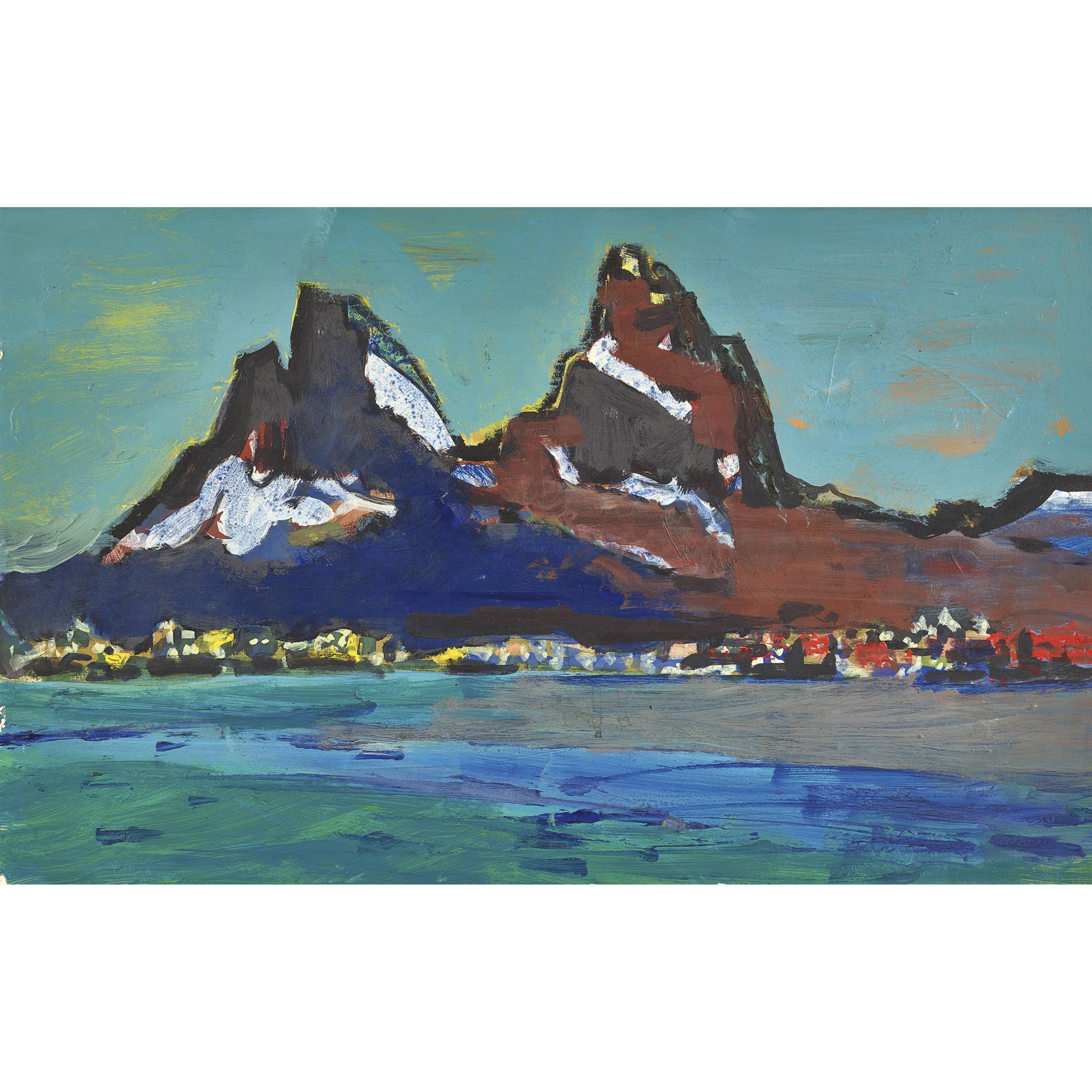
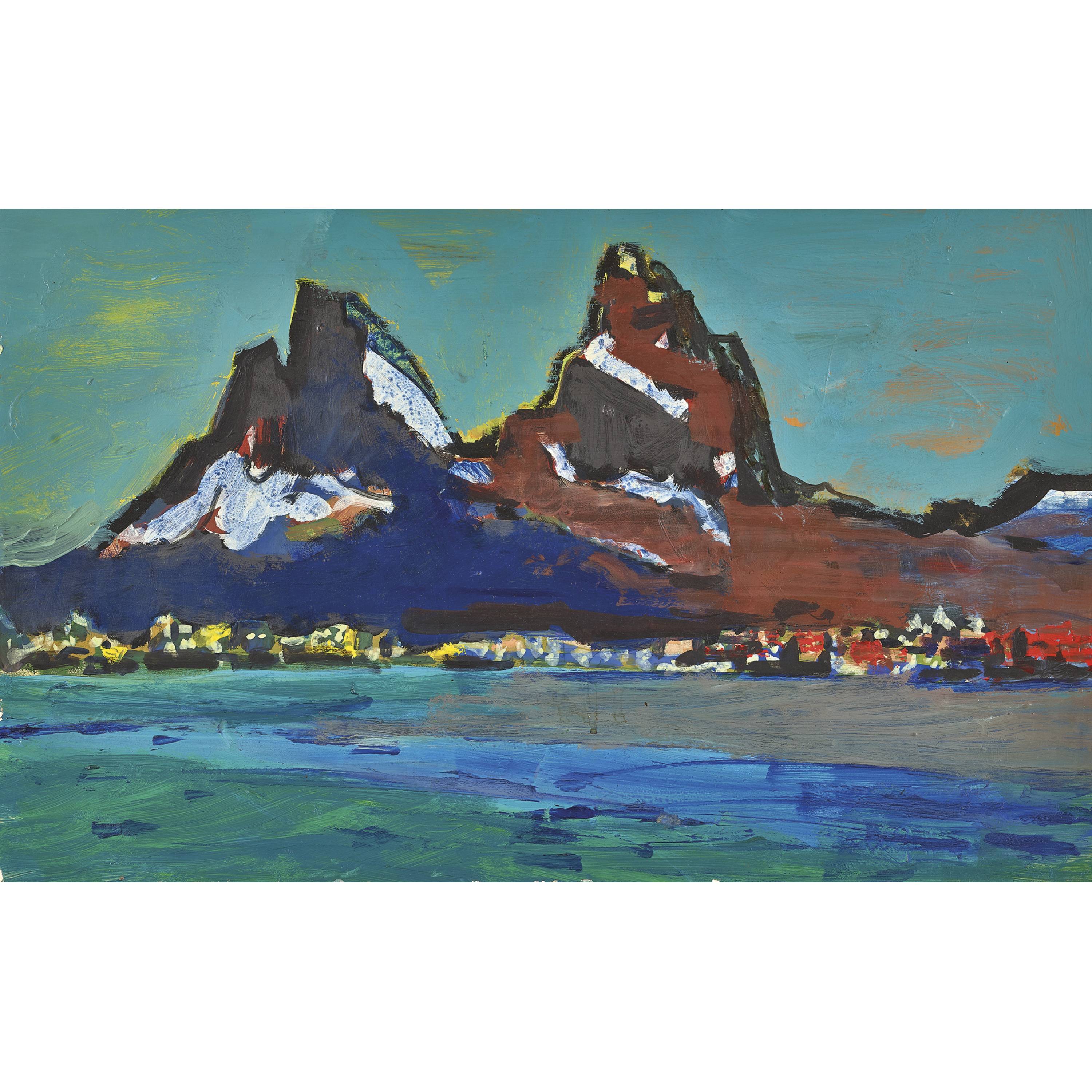
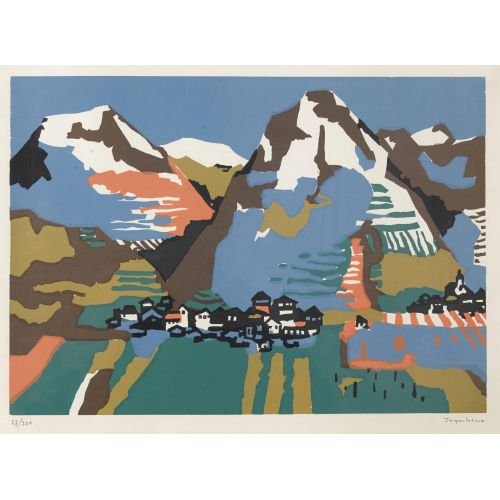
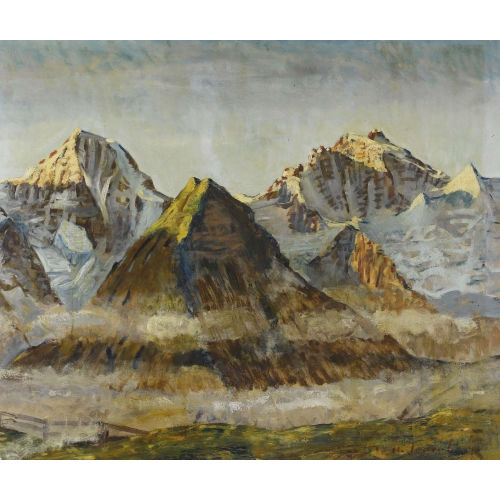
He recalls his travels in the Alps and Valais, as well as in the Congo, Calabria and Stromboli. These horizons trace the path of a painter sensitive to strong light and assertive forms, whose curiosity extended far beyond the regional context.
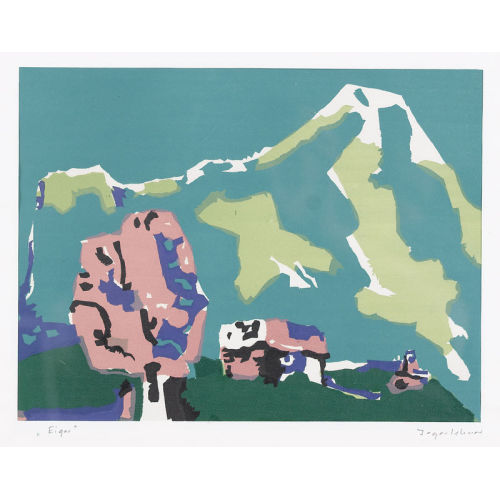
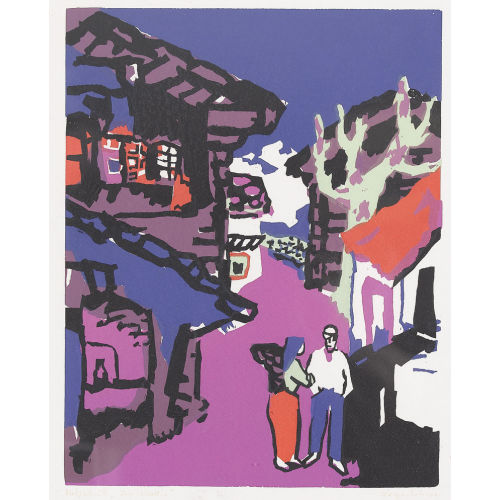
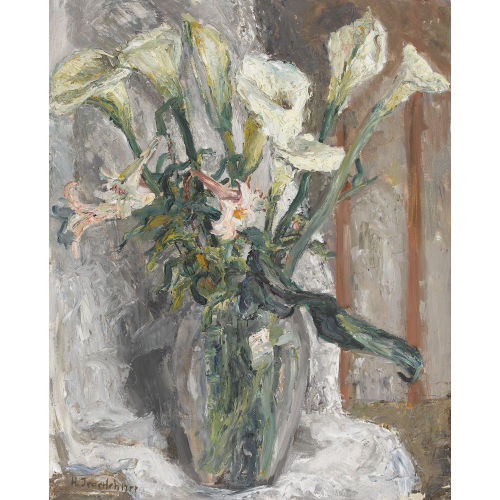
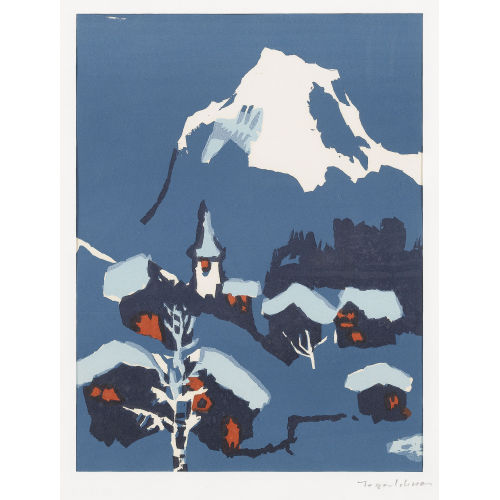
The Confederation’s Art Collections provide a concrete approach to the diversity of his subjects. They include, in particular, the drawing Schafe, dated 1943, the paintings Eiger and Winter in einem Bergdorf, a floral still life from 1963, and Orchester, from 1966. Mountain, animal, flower and music thus form a repertoire that invites us to discover several facets of the artist.
Bringing these titles together offers one way of moving through his work, from the outer landscape to the more intimate world of objects and human activities.
In 1997, the Kunsthaus Grenchen devoted an exhibition to him. To enter into his painting, the visitor can follow the dialogue between contour and colour: observe what remains recognisable, and then the way in which the economy of drawing and chromatic intensity transform that recognition into a sensory experience.