Hans Hinterreiter
Born in 1902.
Died in 1989.
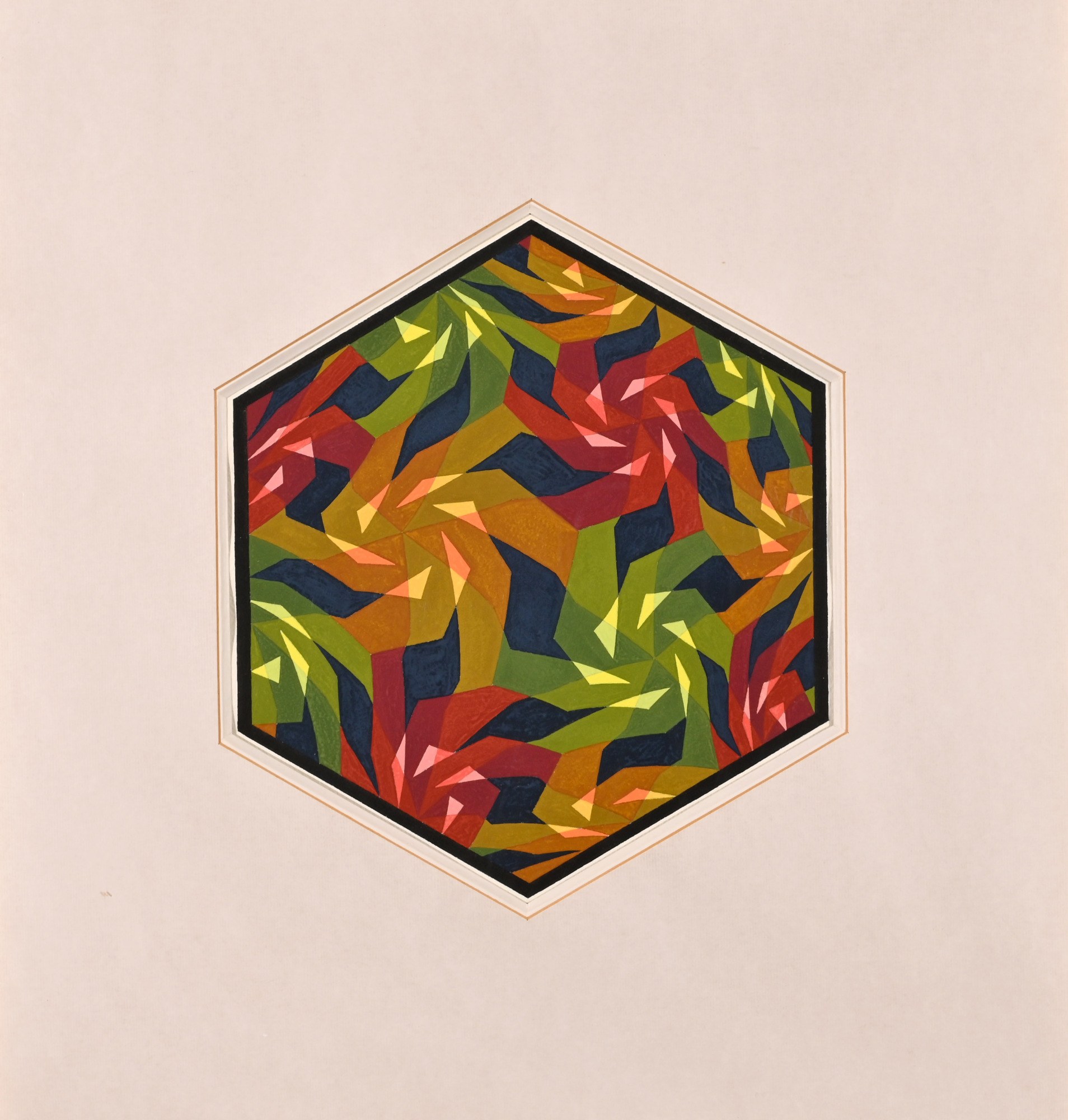
Hans Hinterreiter (Winterthur, 1902 – Ibiza, 1989) was a Swiss painter and theorist associated with Concrete Art and Allianz, a group of modern Swiss artists. After studying mathematics in Zurich, he trained in architecture at the ETH Zurich, where he received his diploma in 1925. At the same time, he took courses in painting and piano.
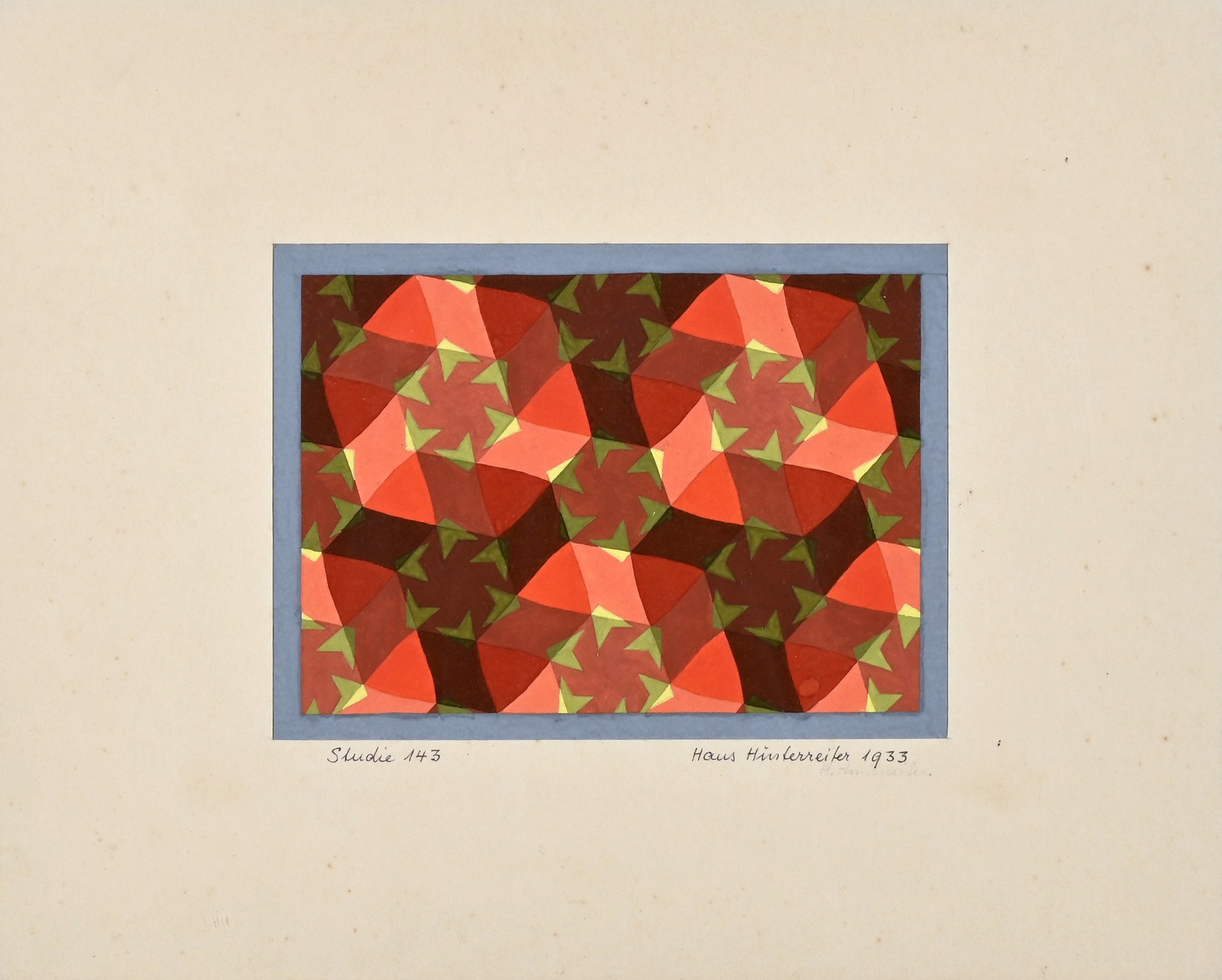
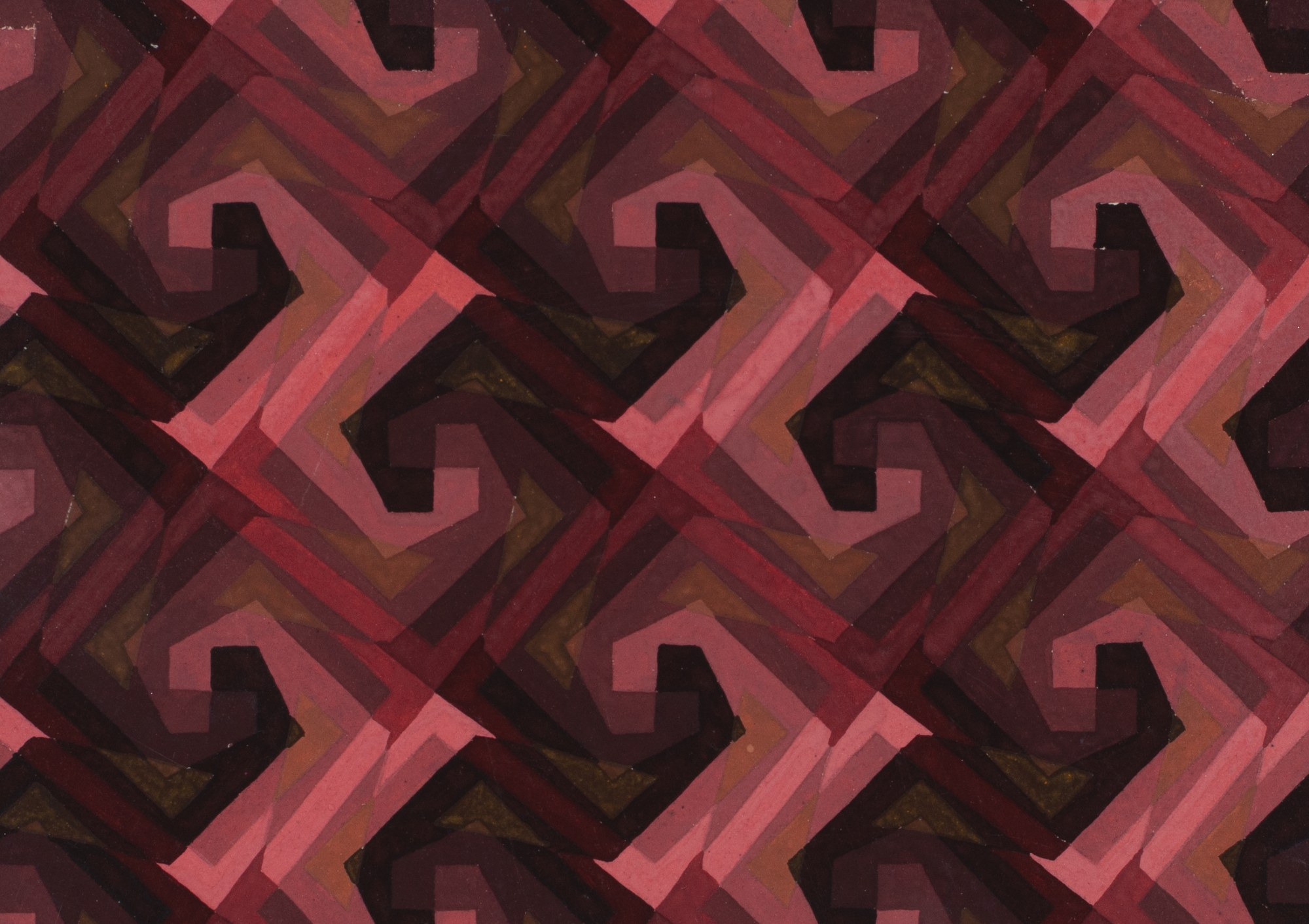
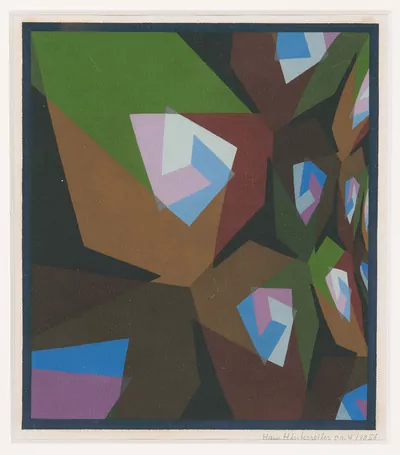
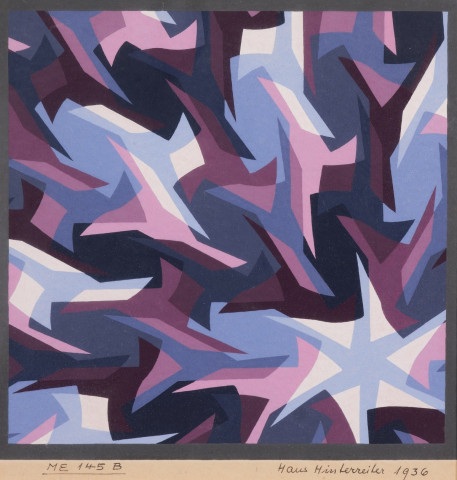
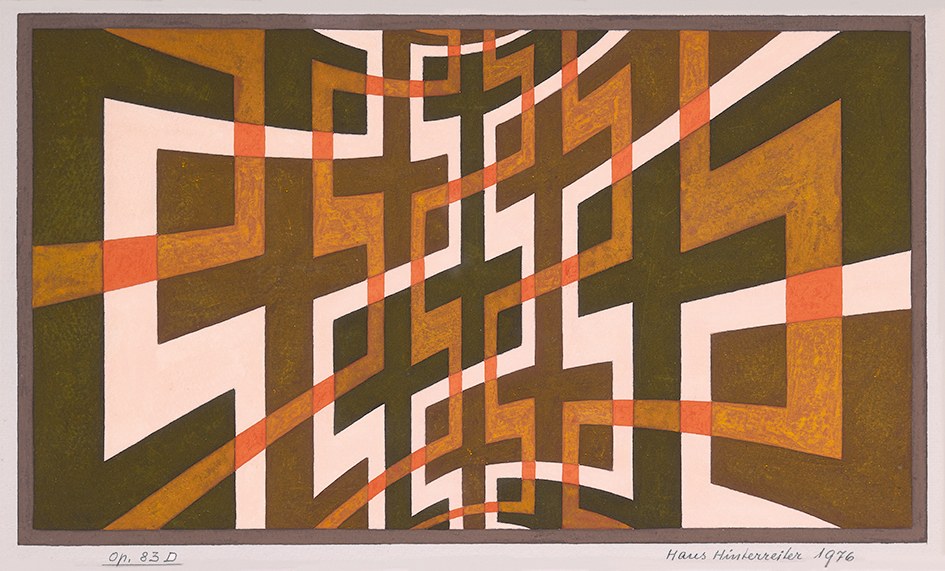
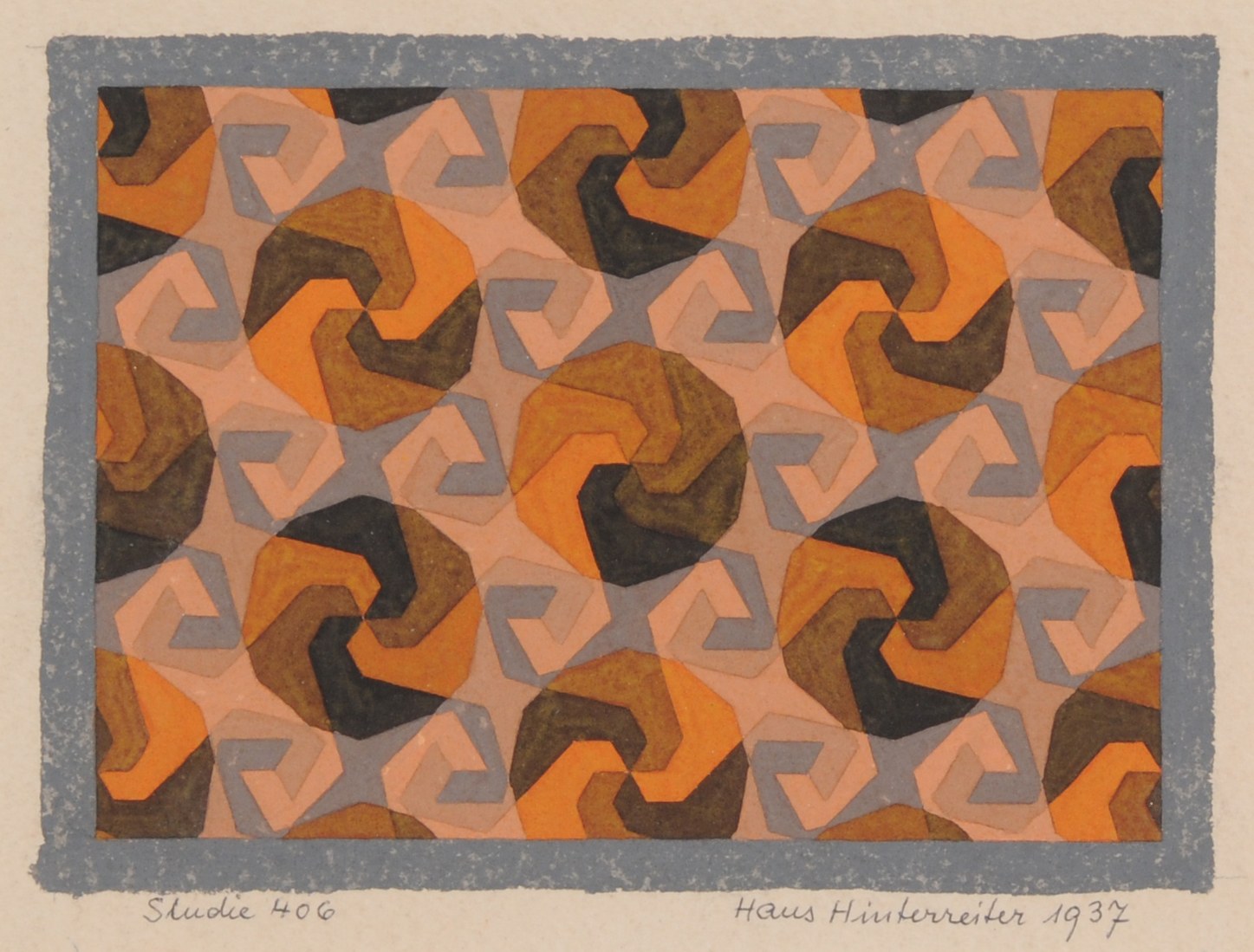
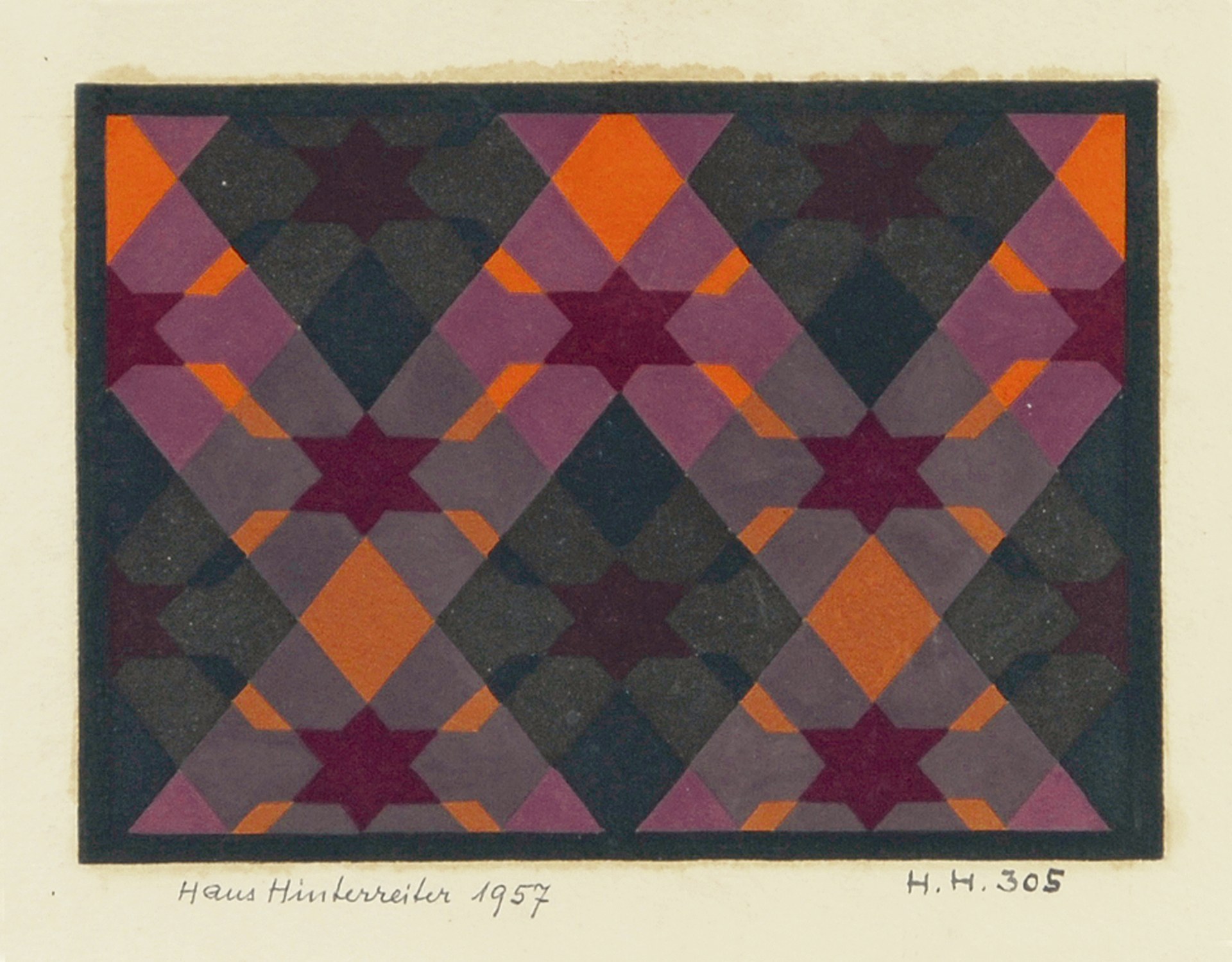
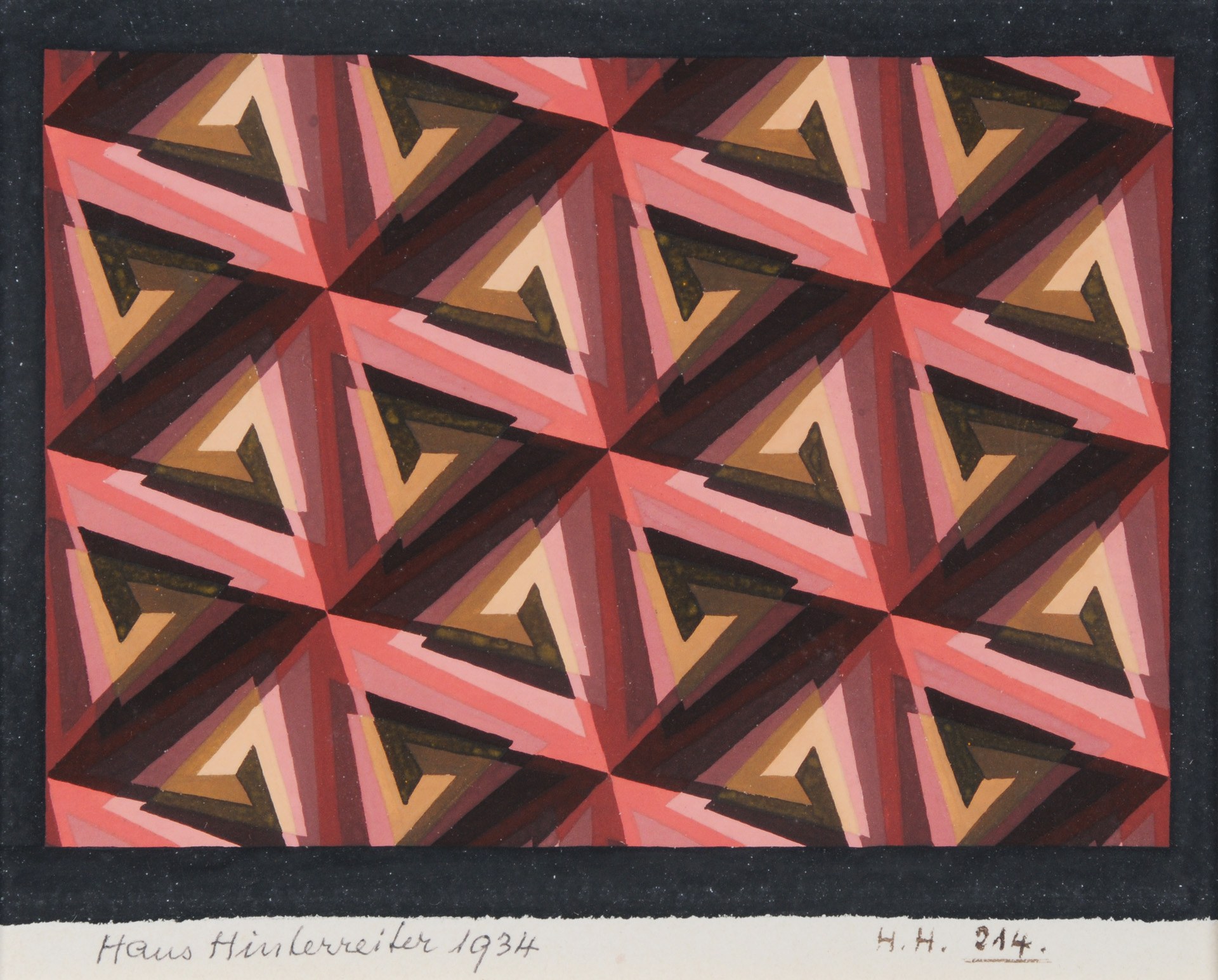
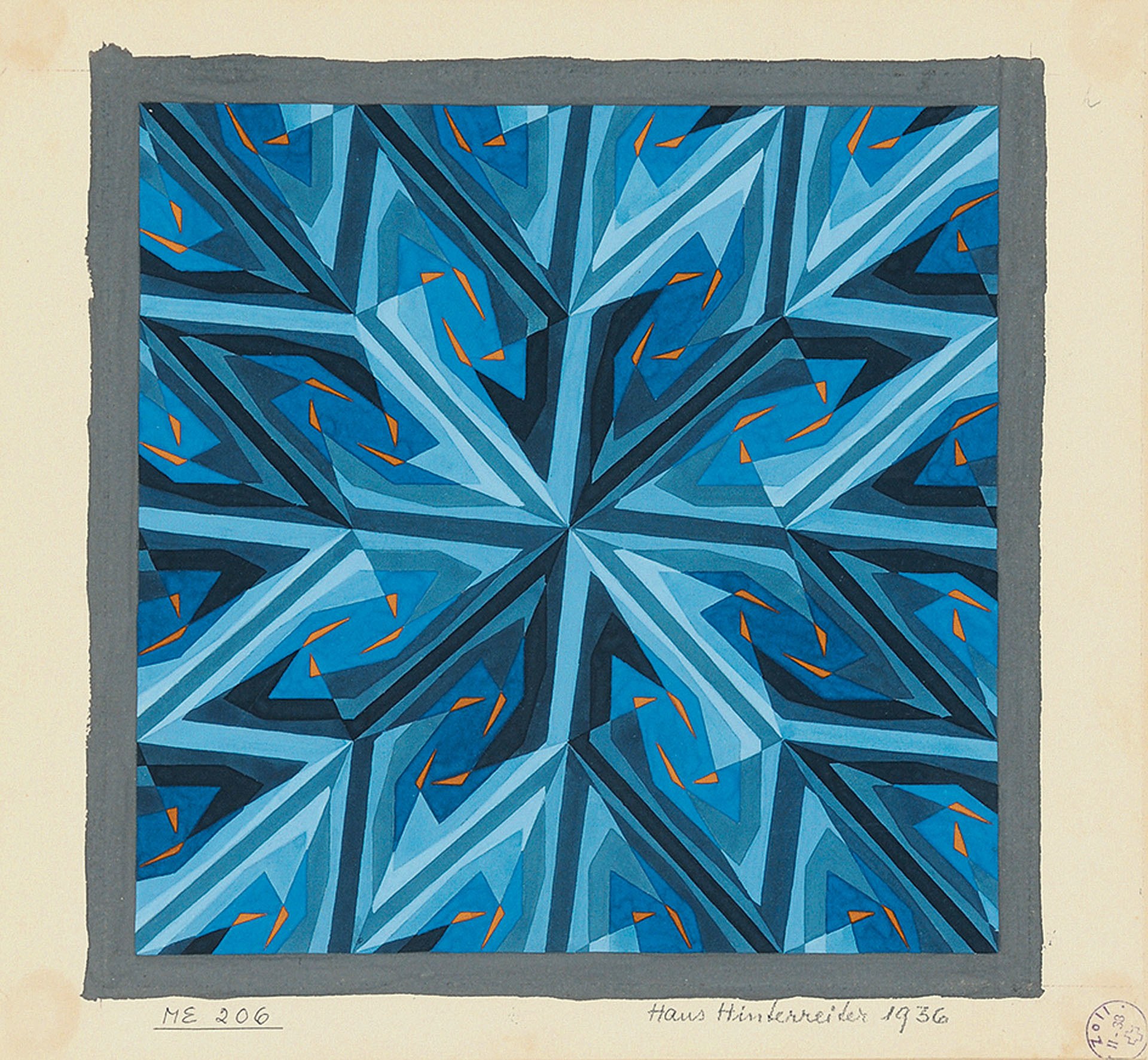
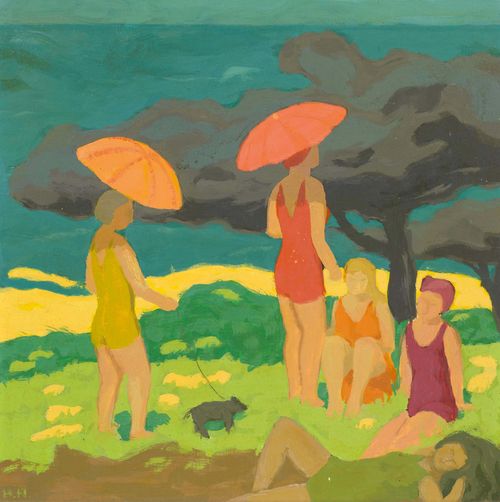
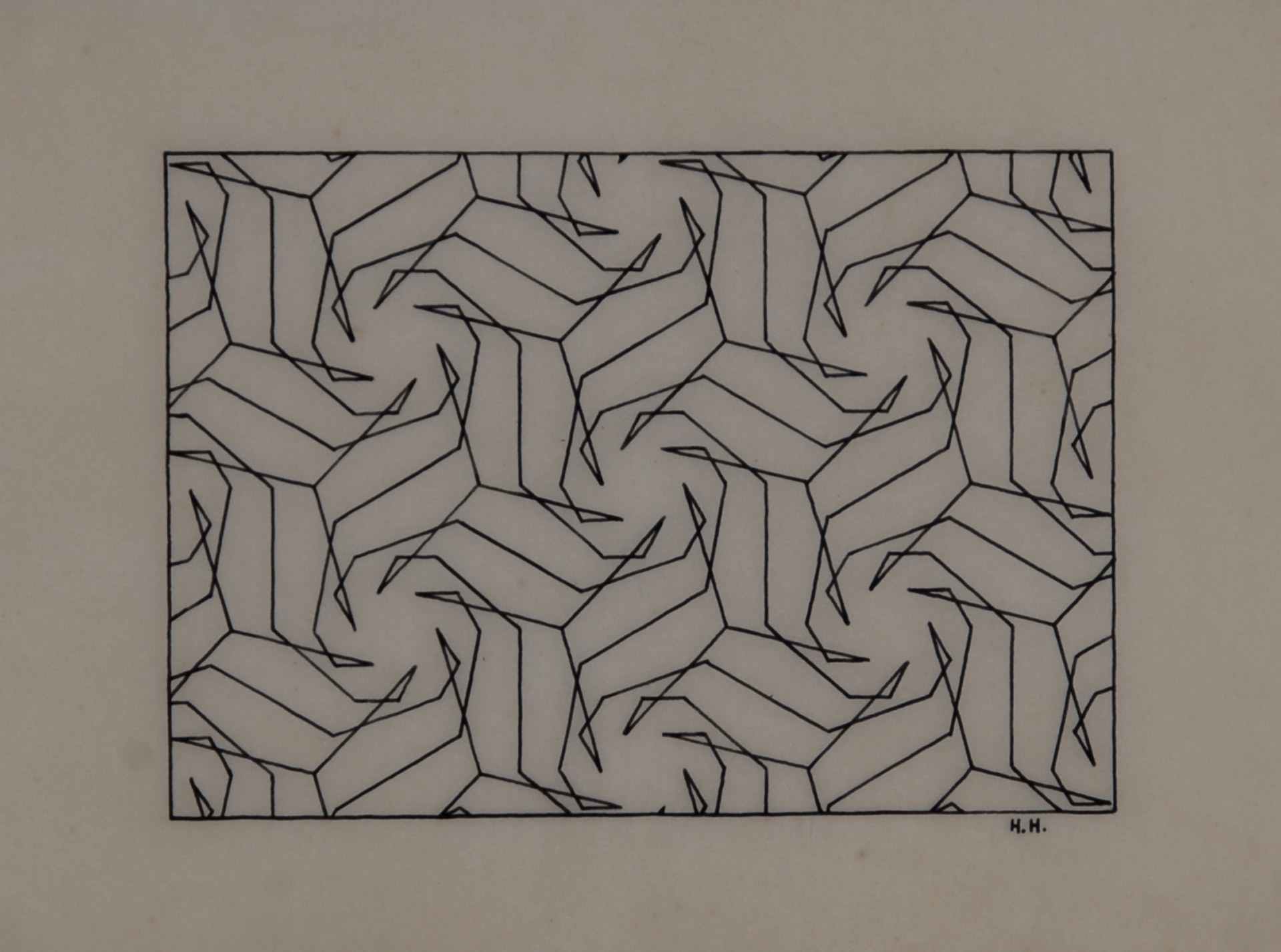
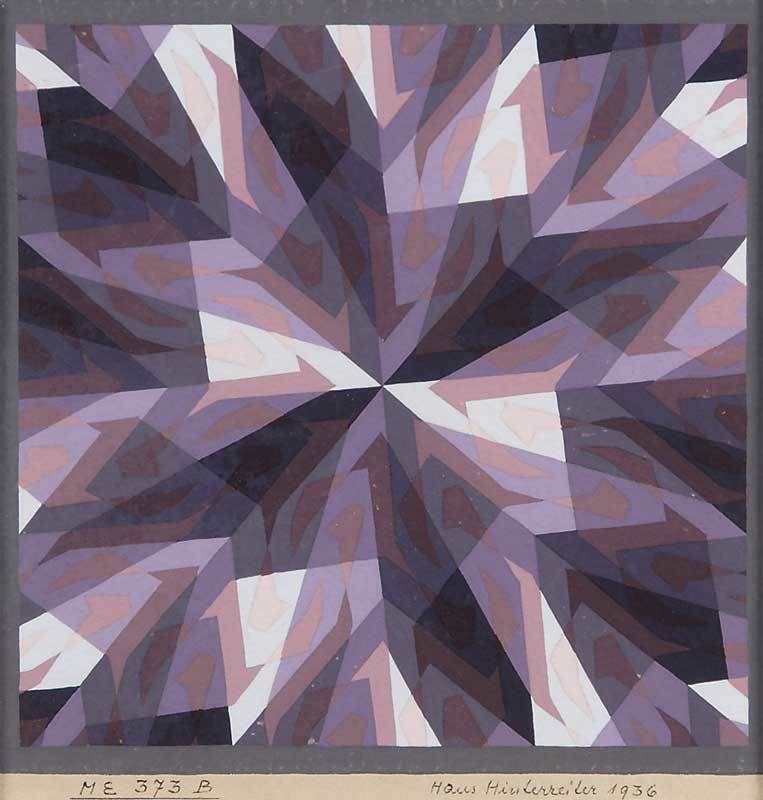
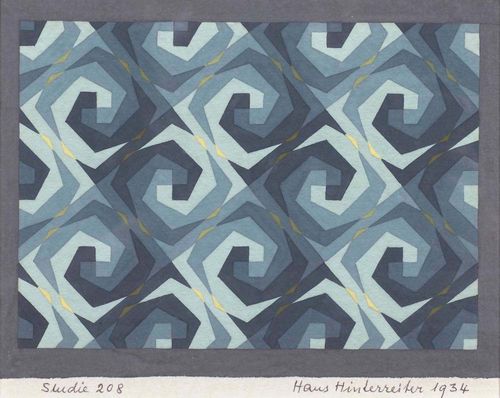
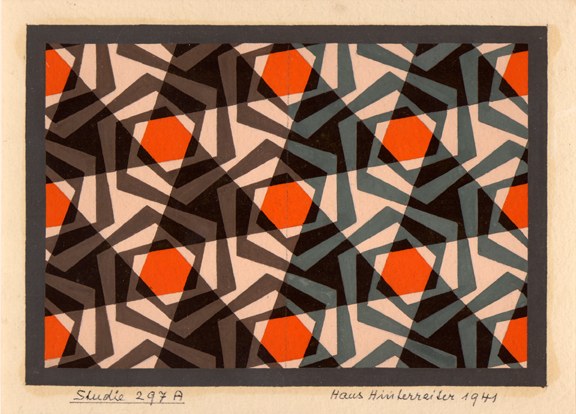
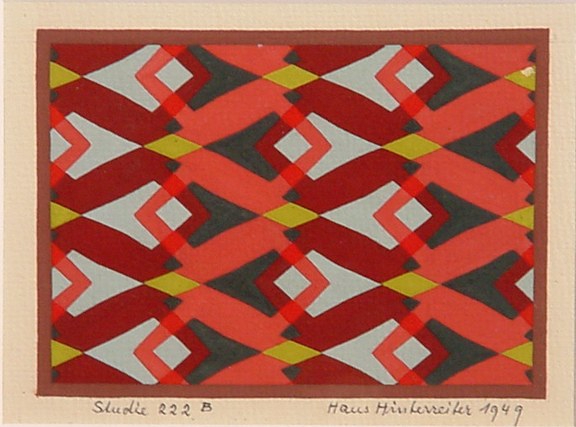
From 1929 to 1935, he lived in Seelisberg and painted landscapes while studying Wilhelm Ostwald’s theory of colour. This work led him towards an abstract painting based on the organisation of forms and colours. A stay in Spain (1934–1936), marked in particular by his interest in the ornaments of the Alhambra, preceded his permanent move to Ibiza in 1939.
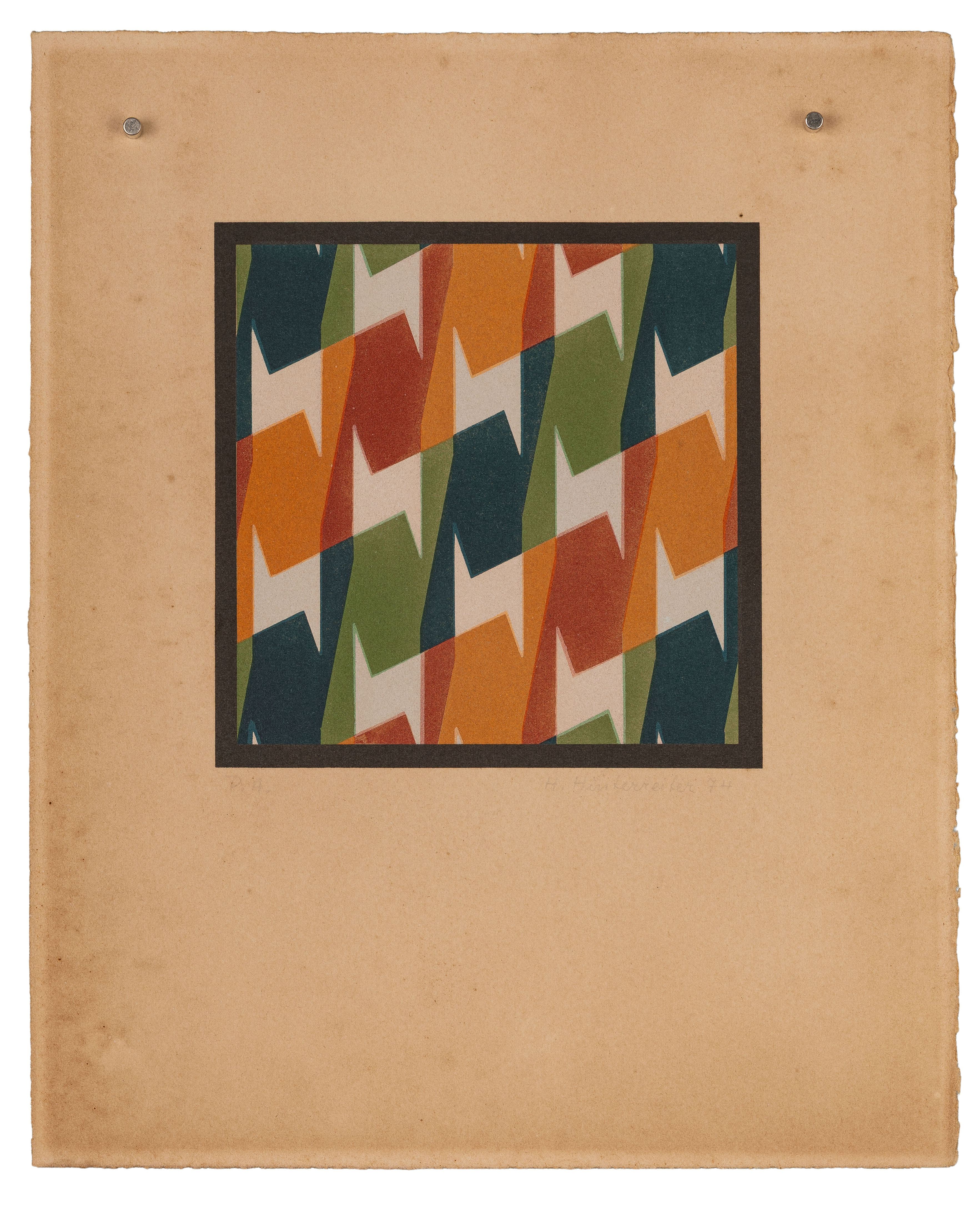
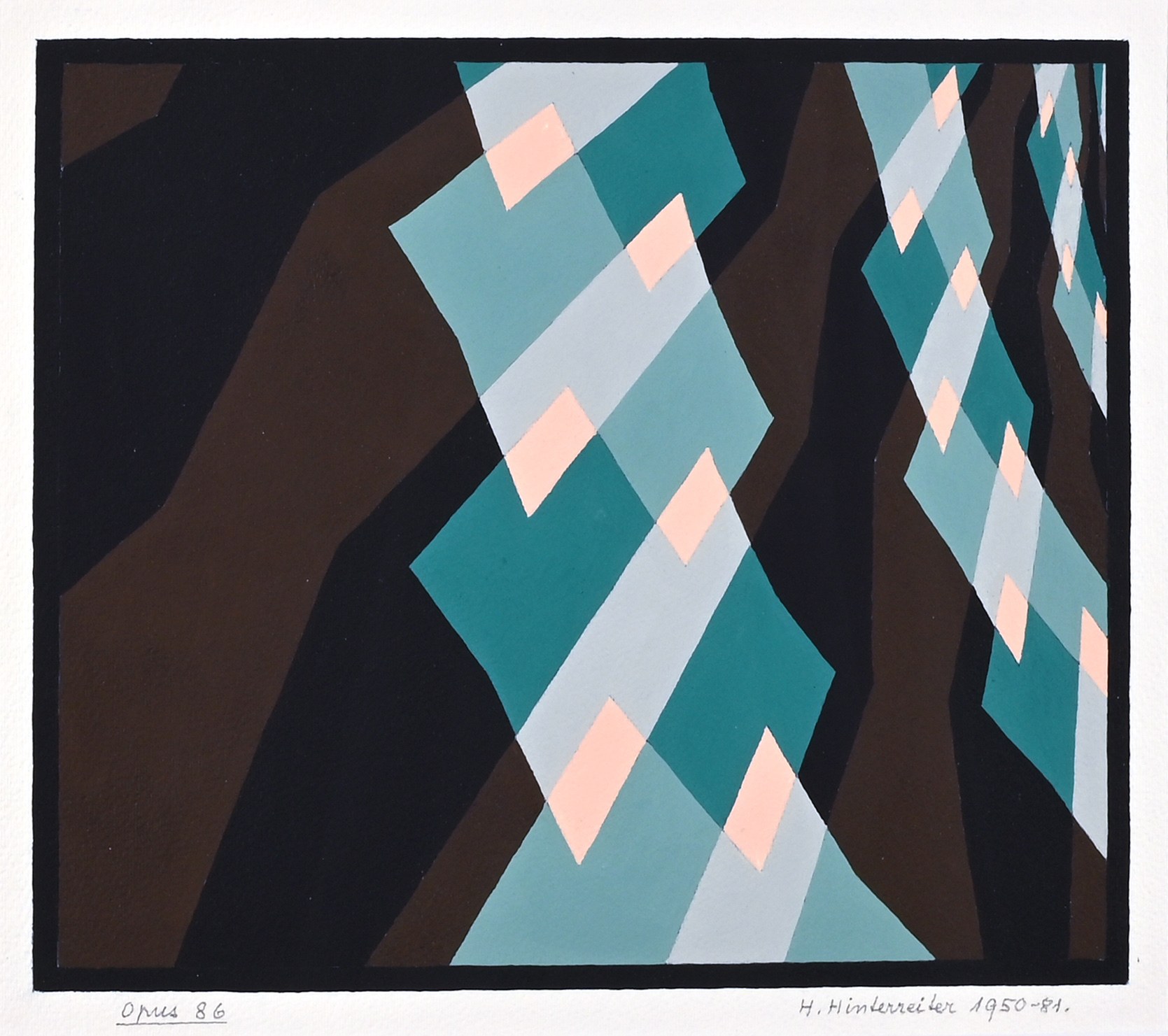
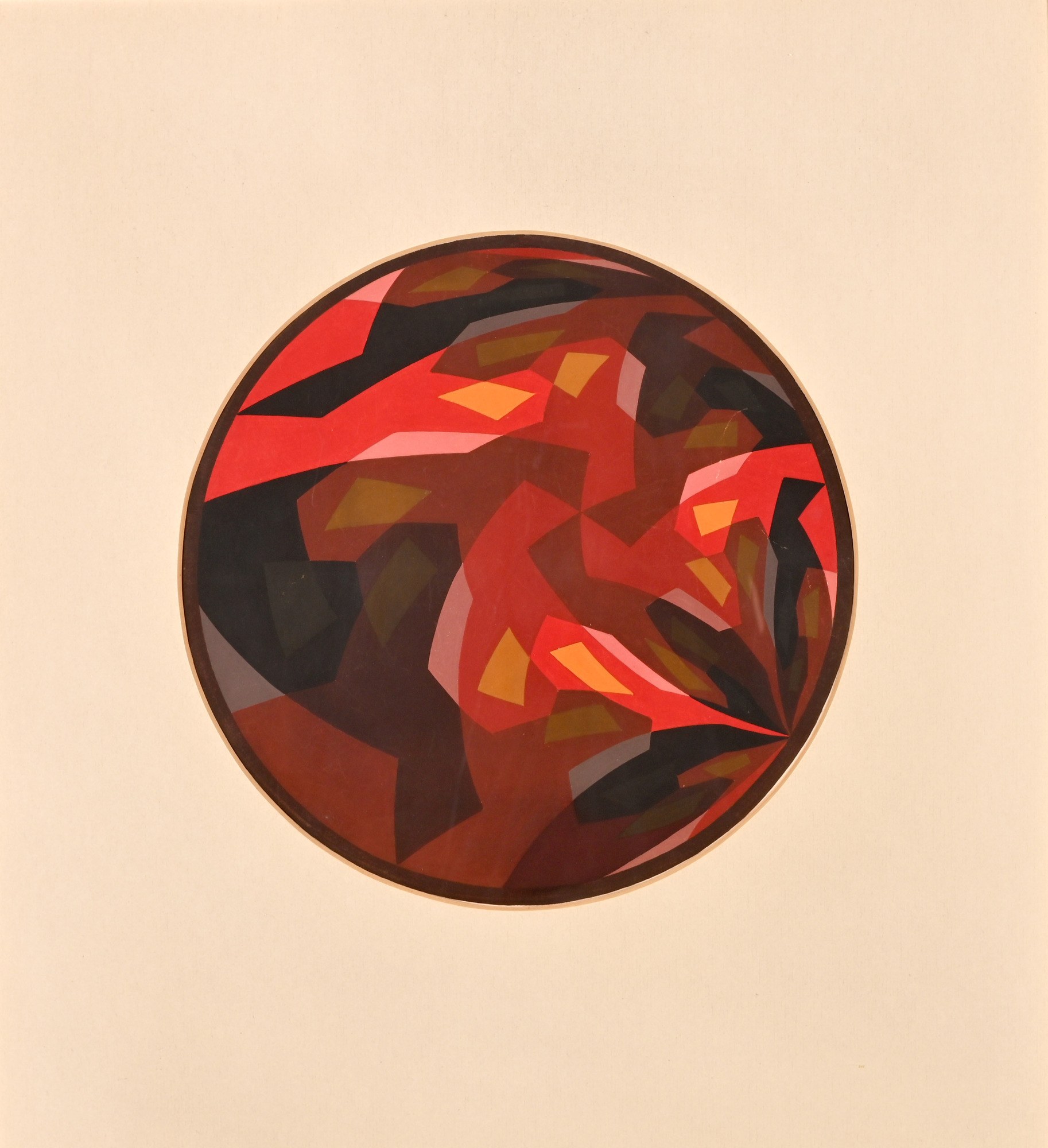
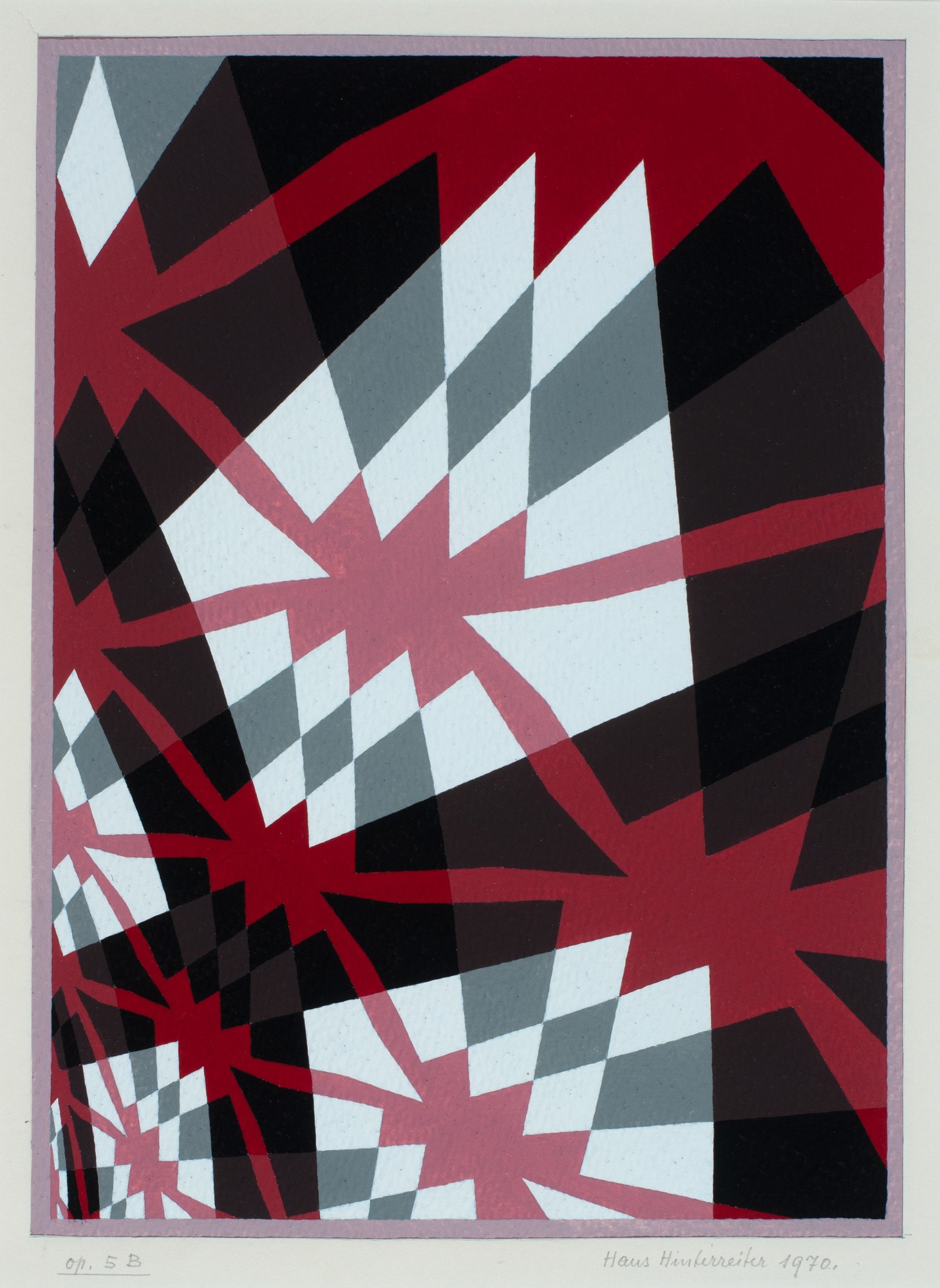
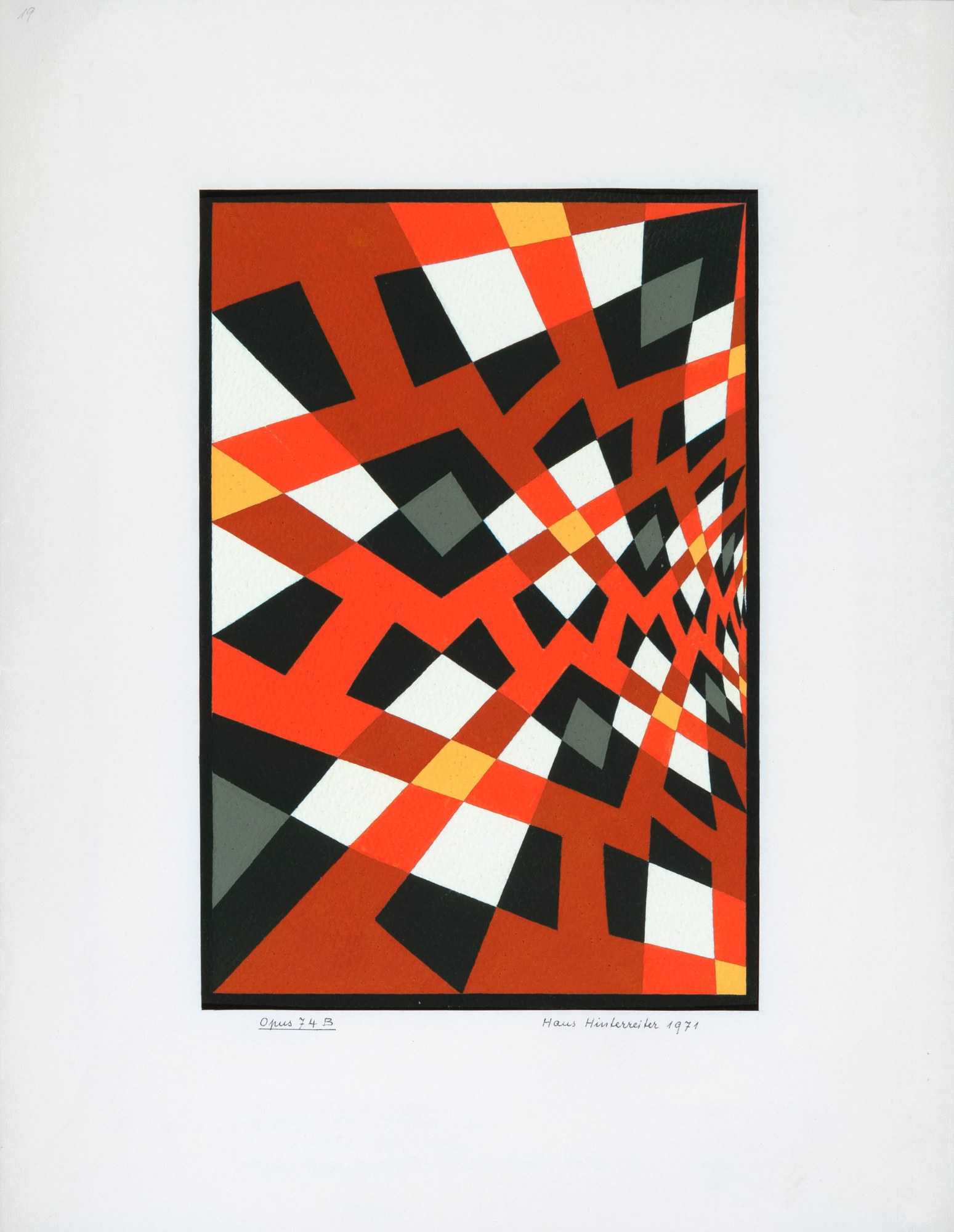
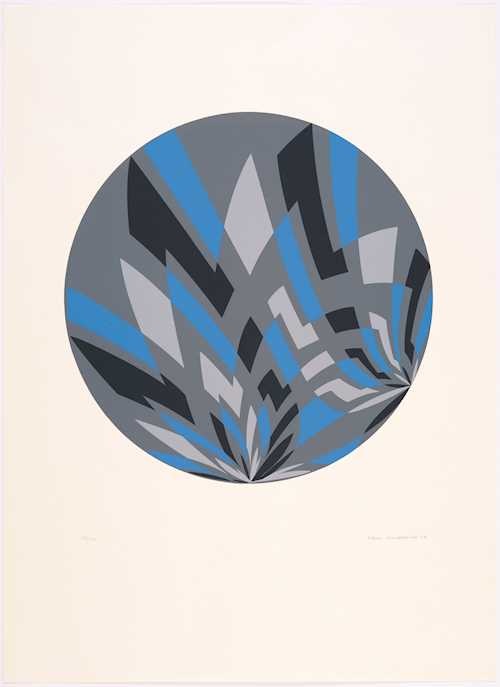
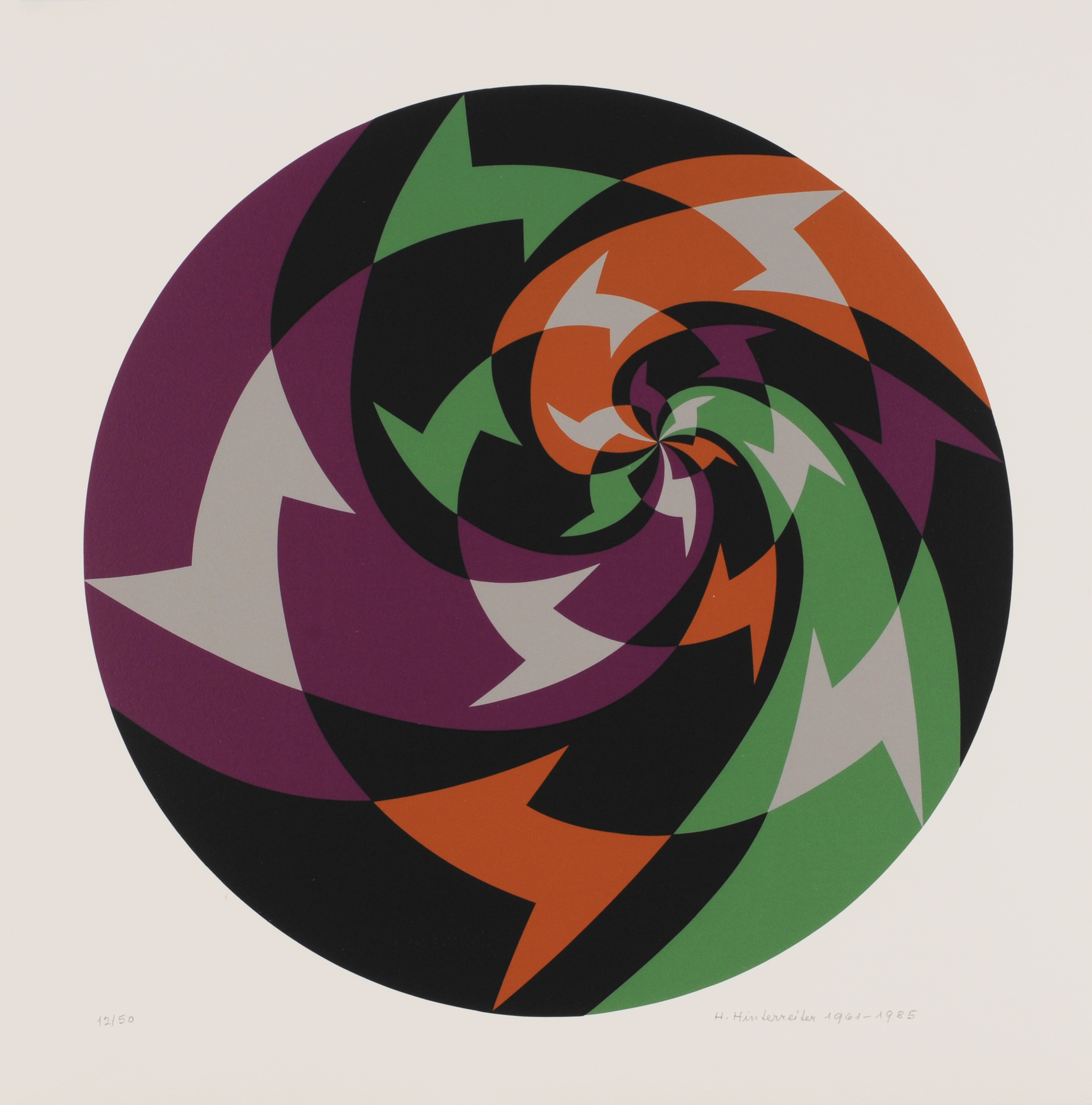
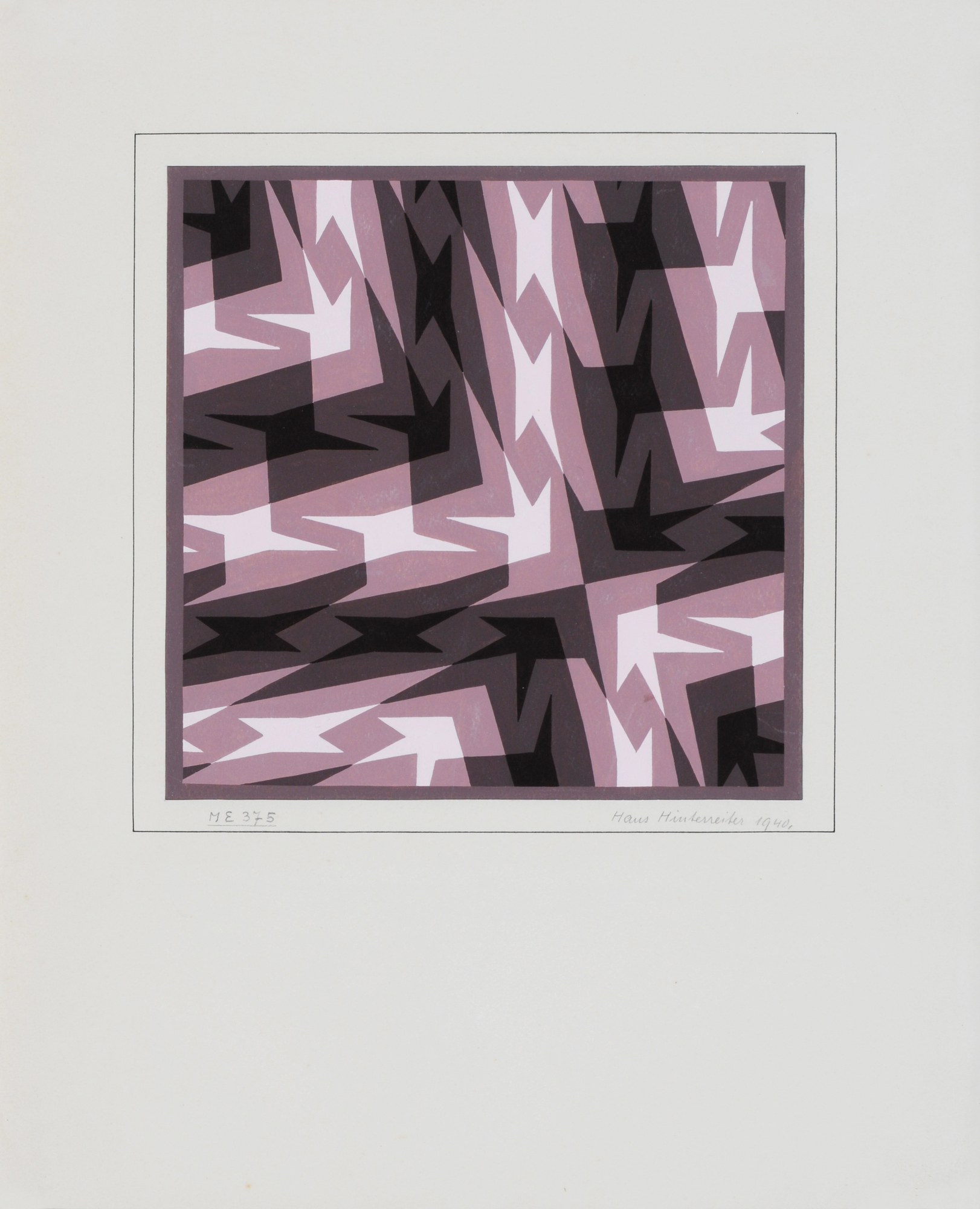
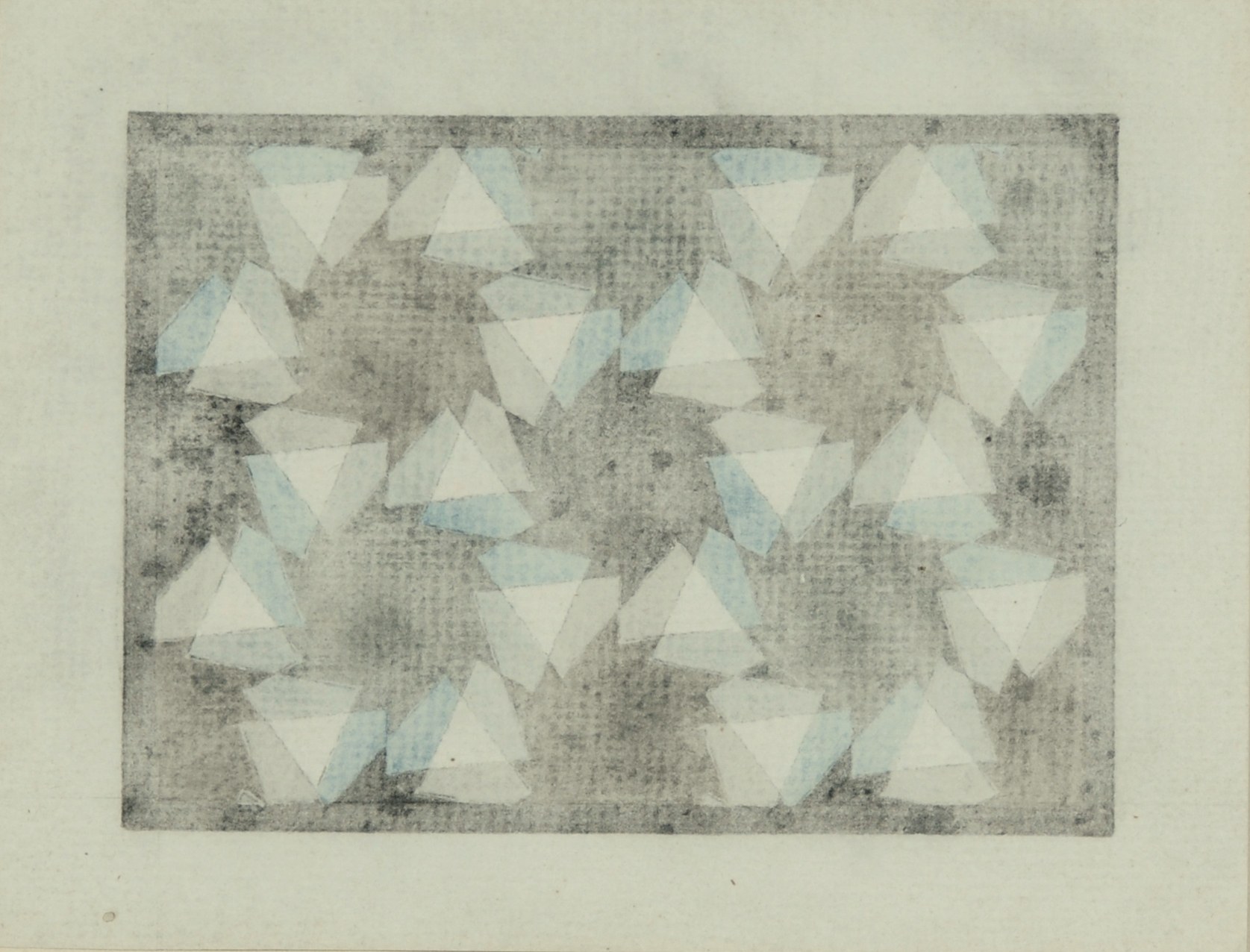
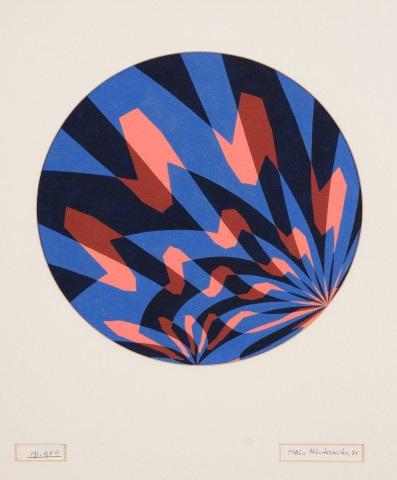
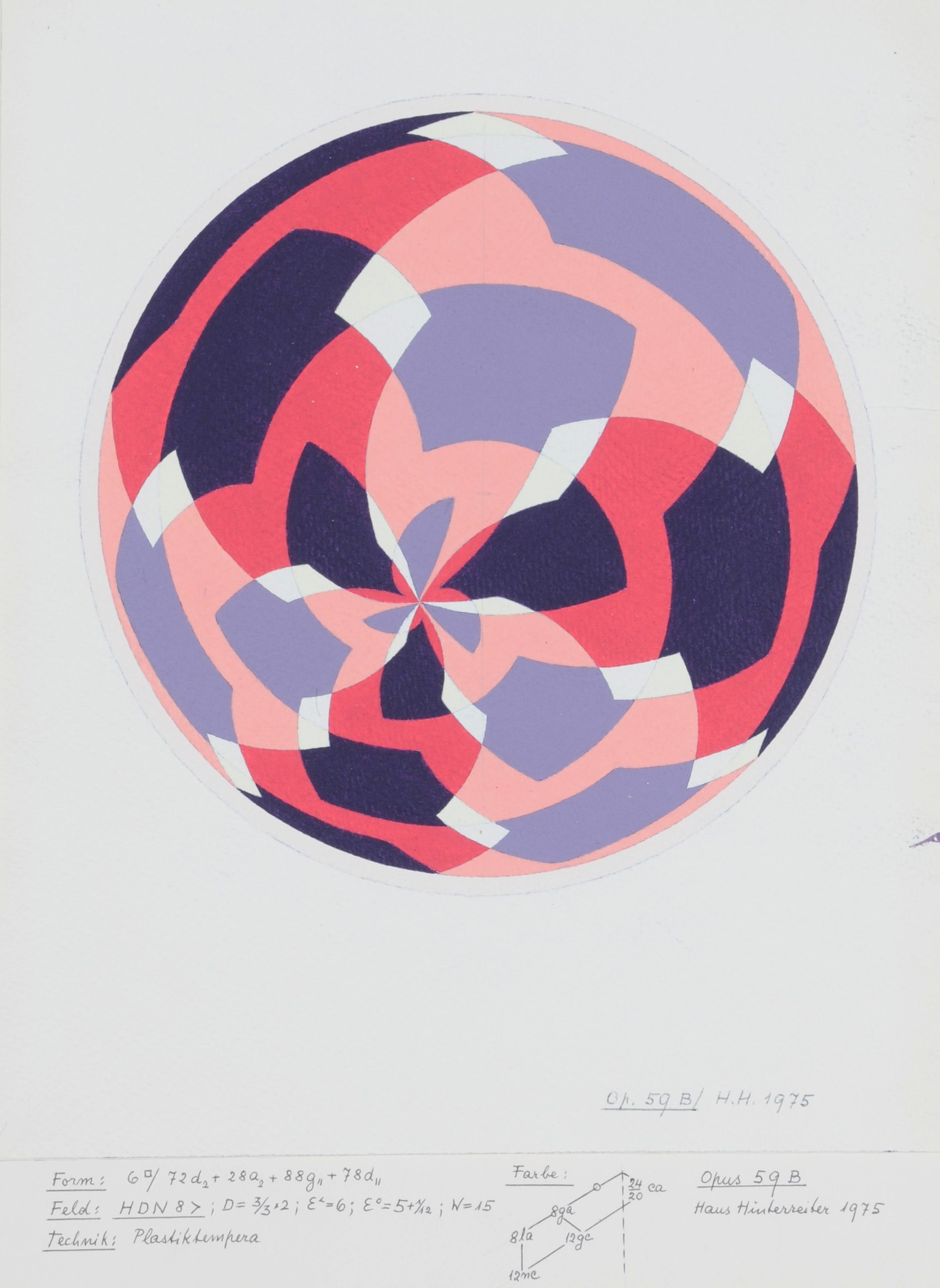
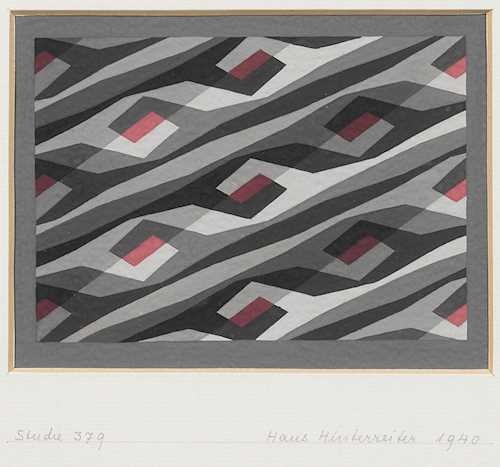
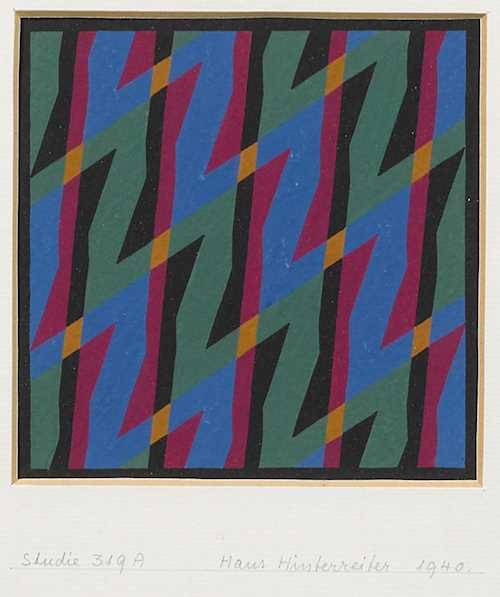
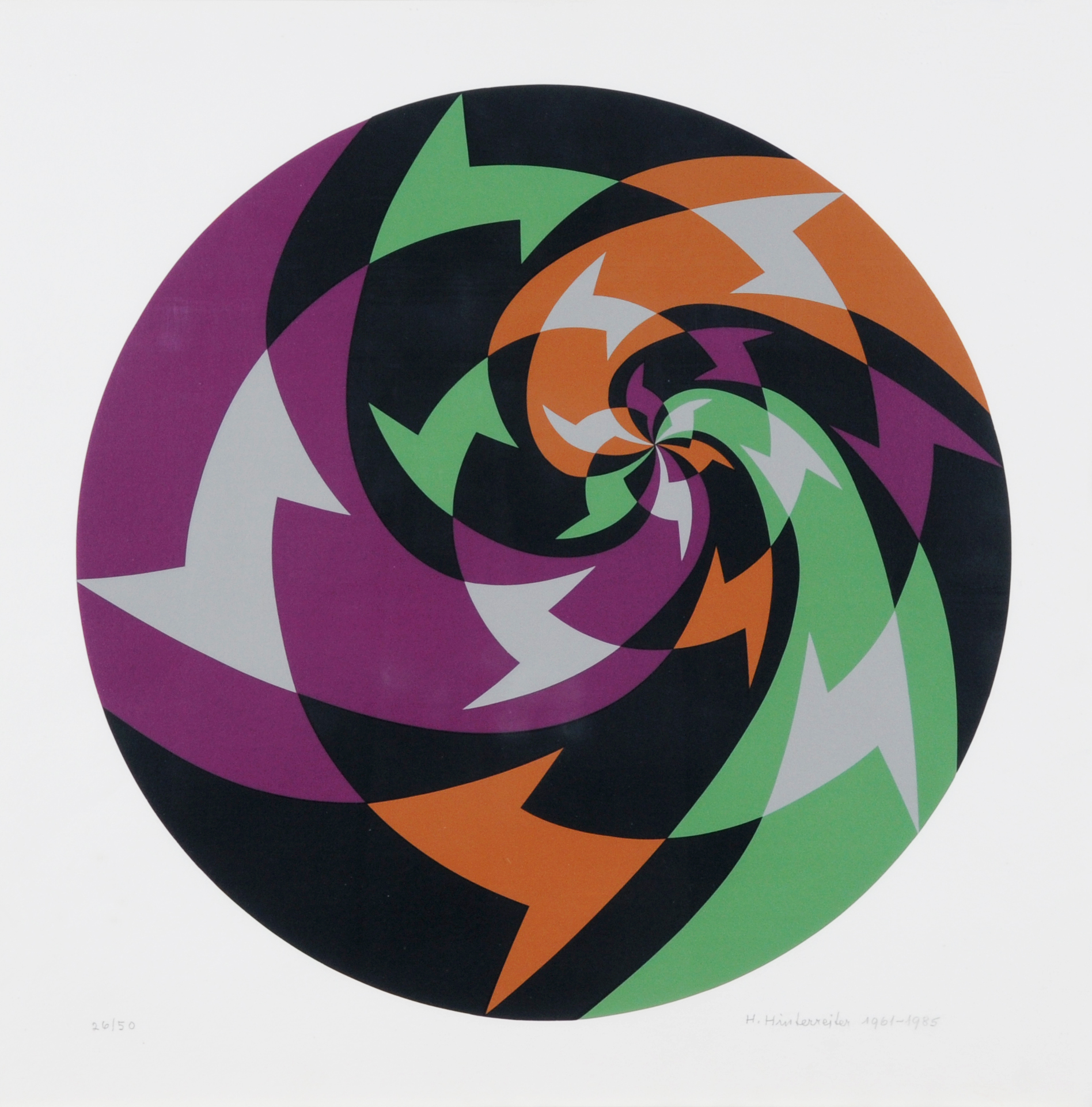
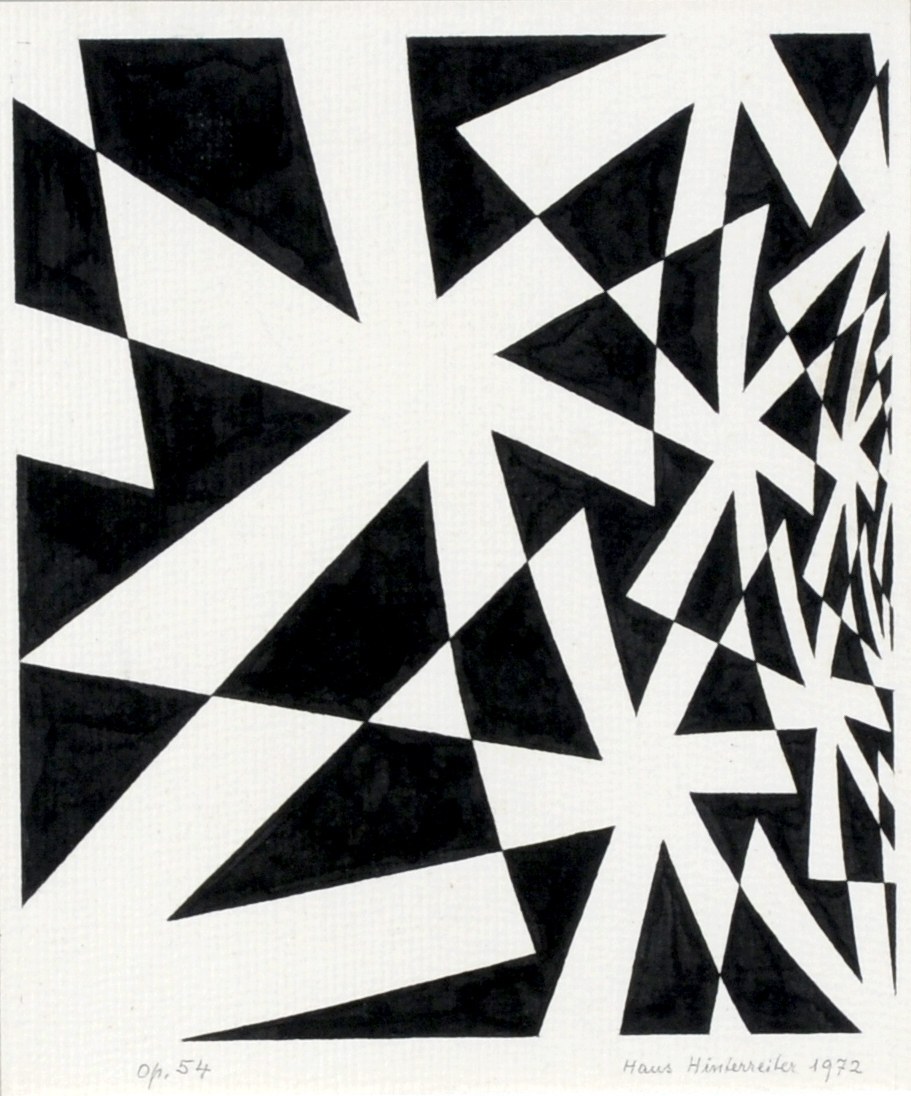
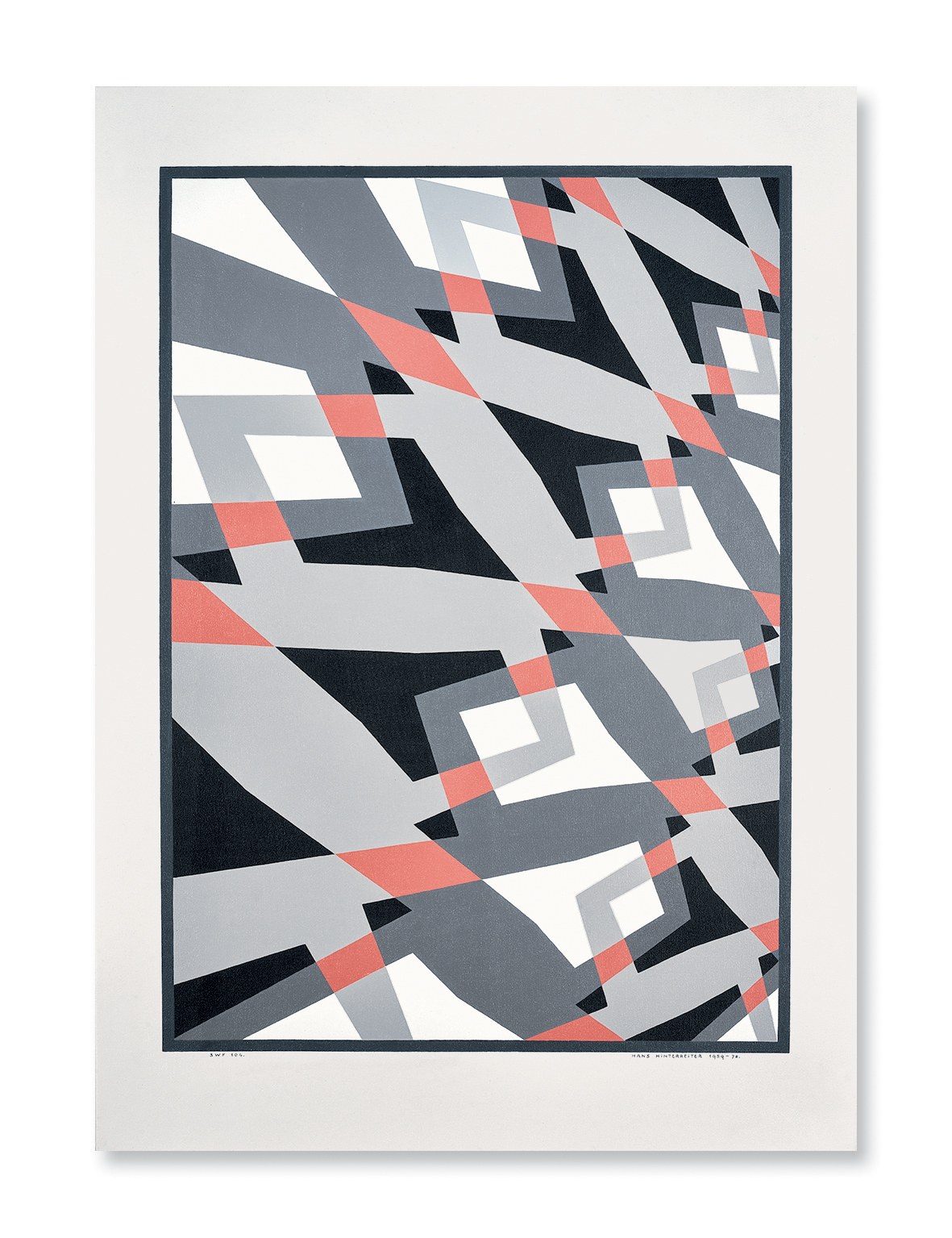
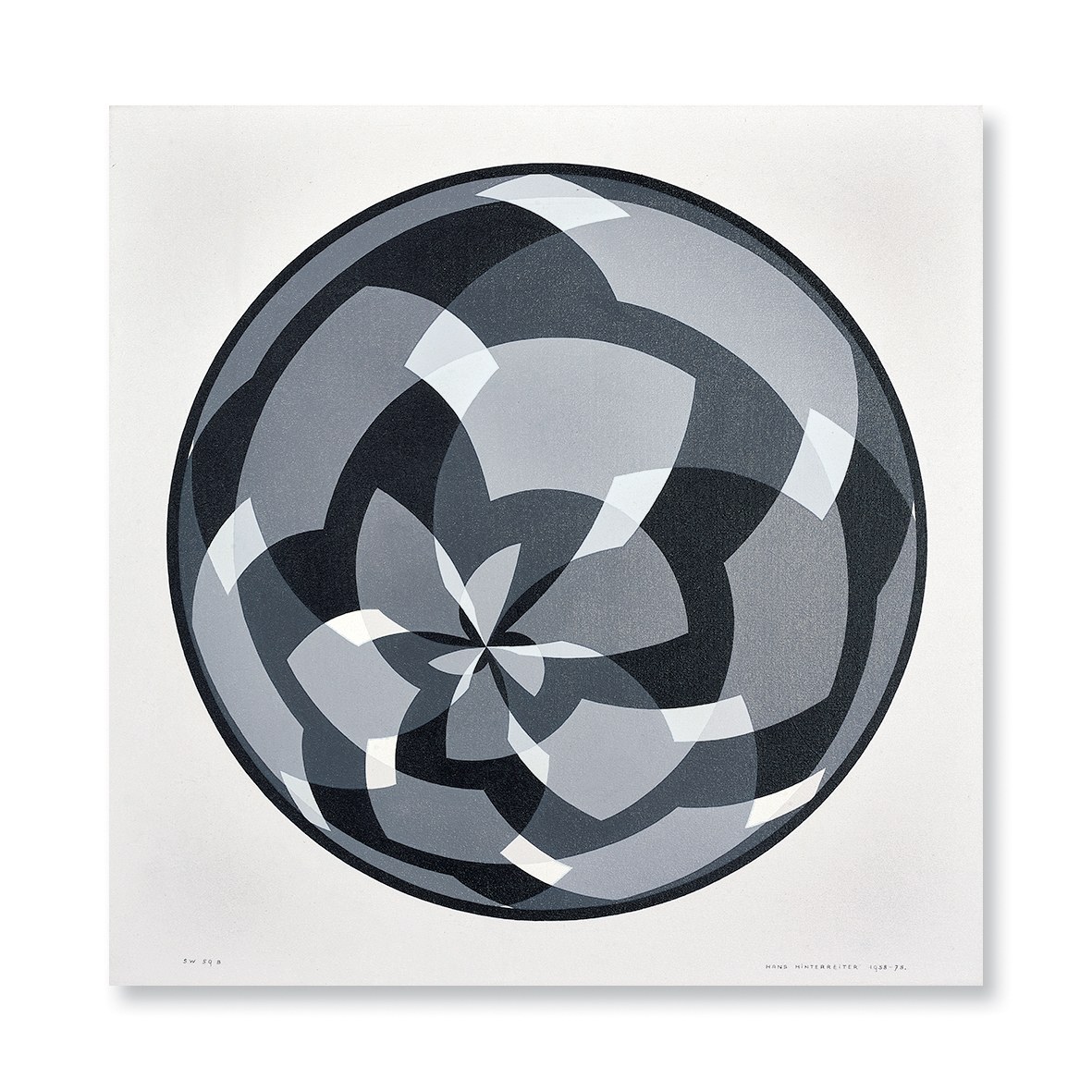
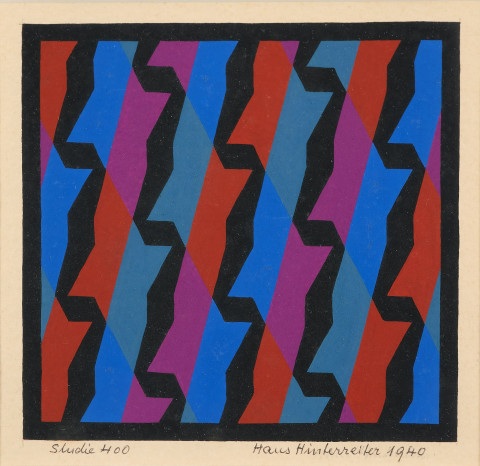
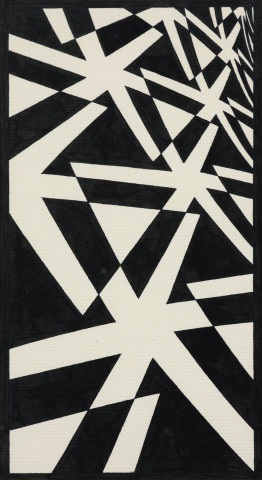
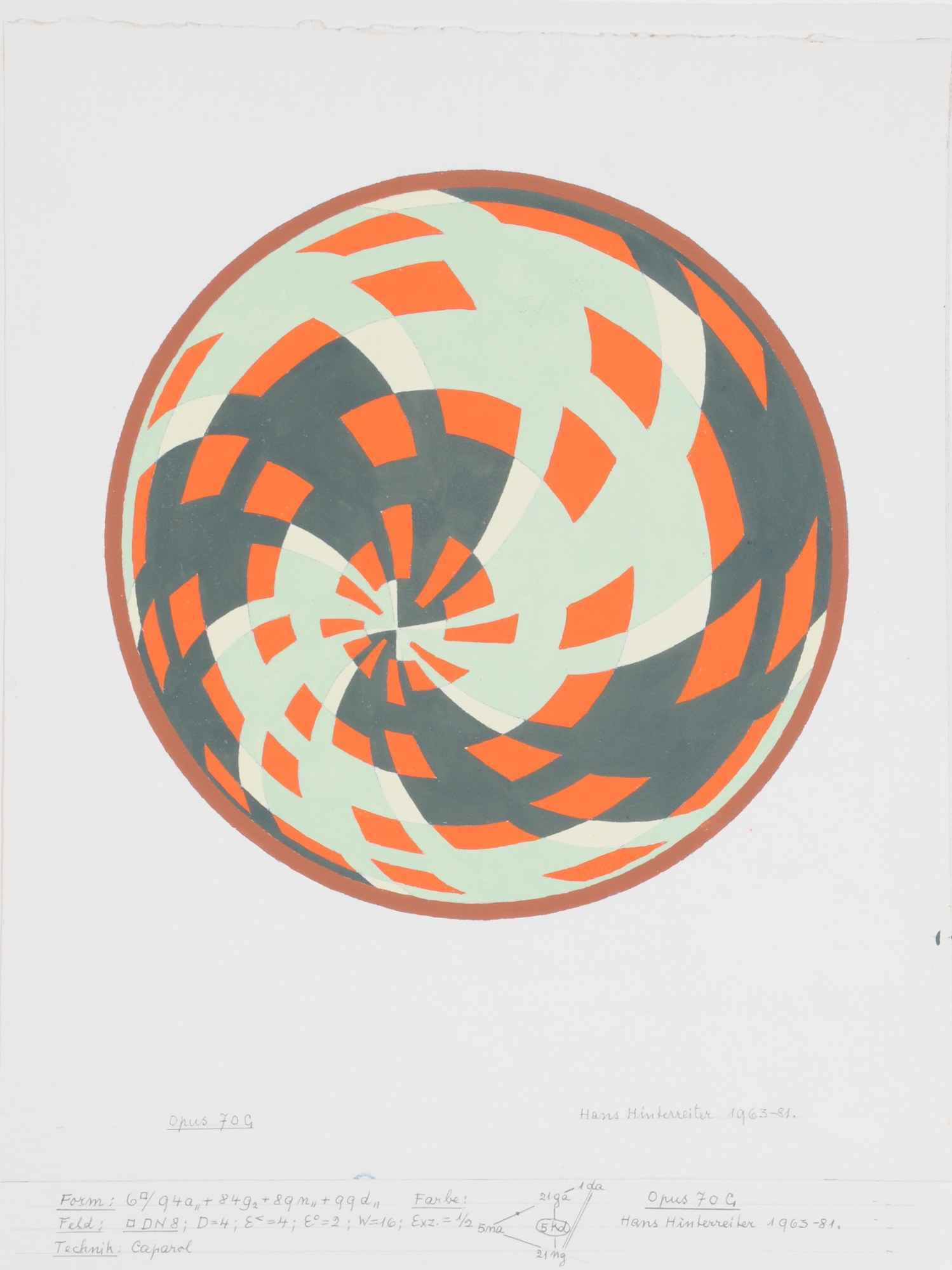
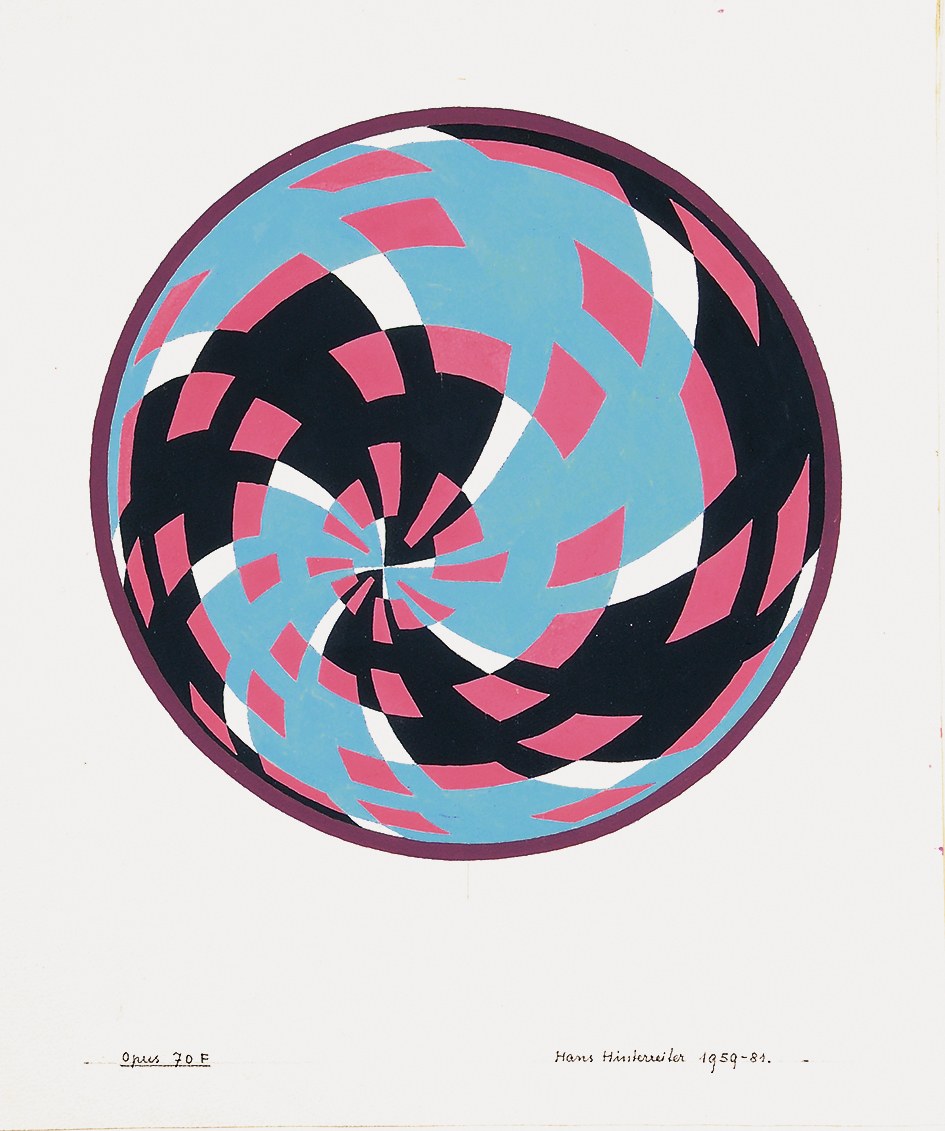
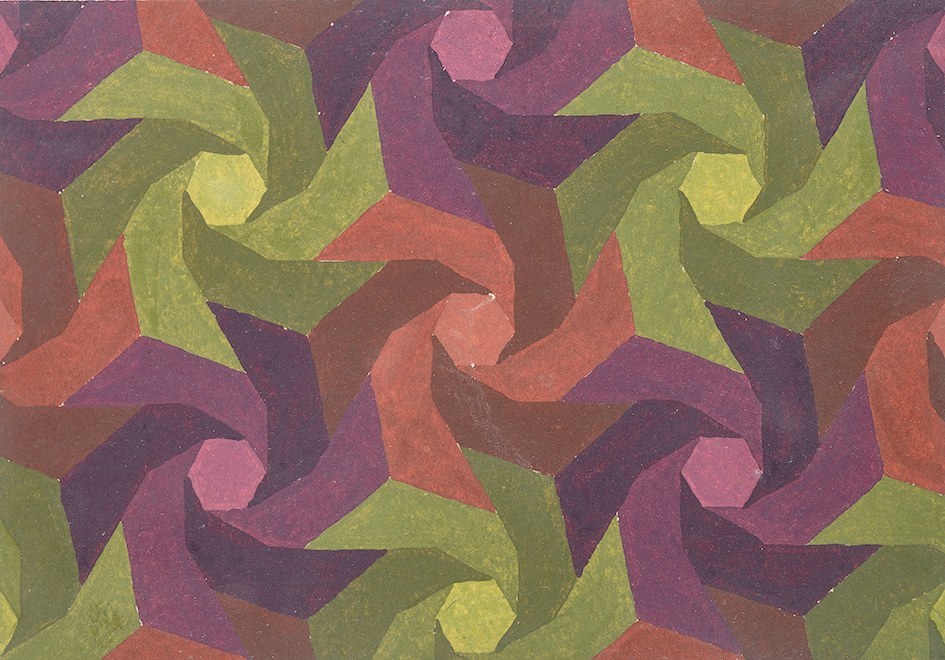
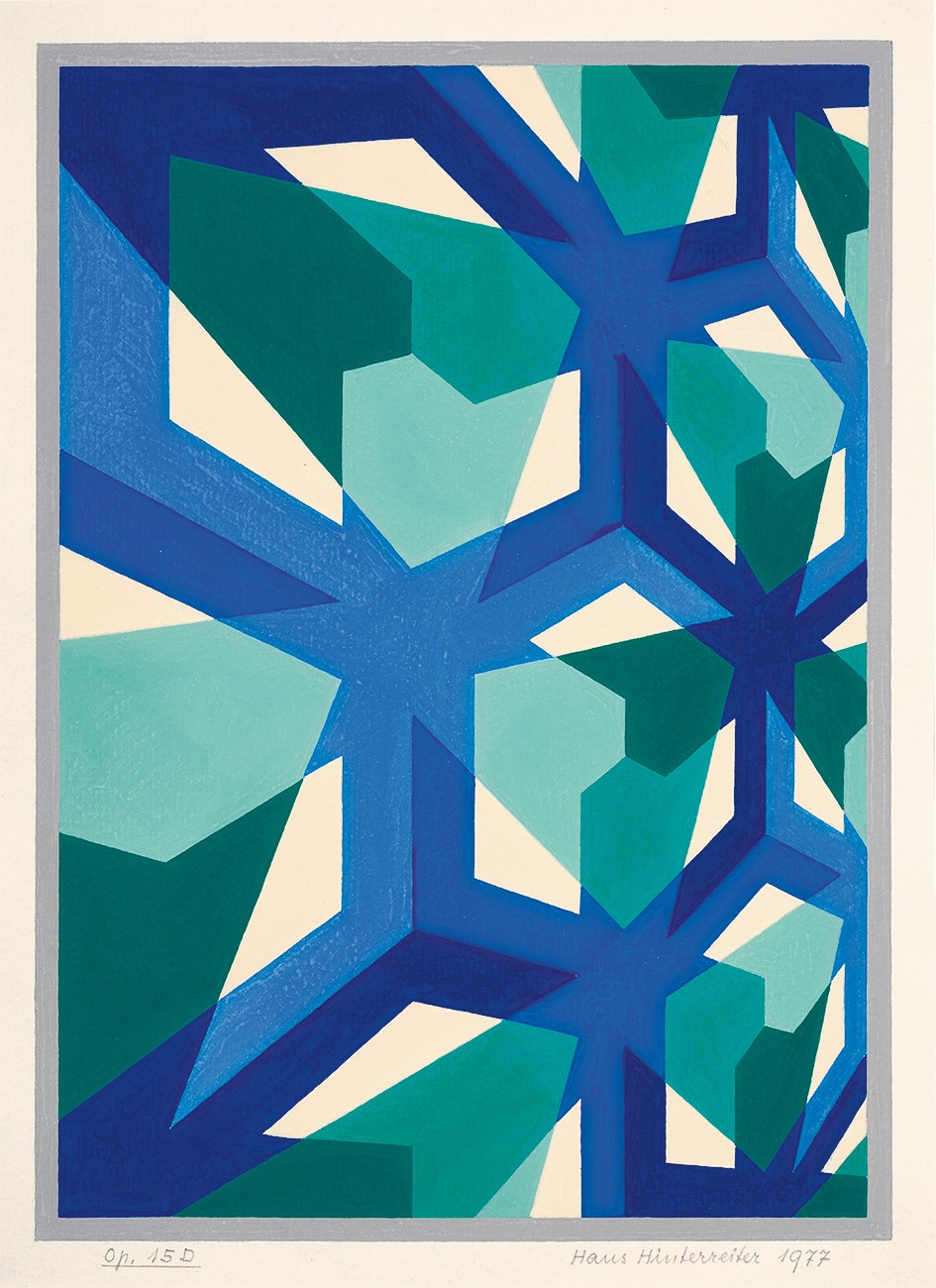
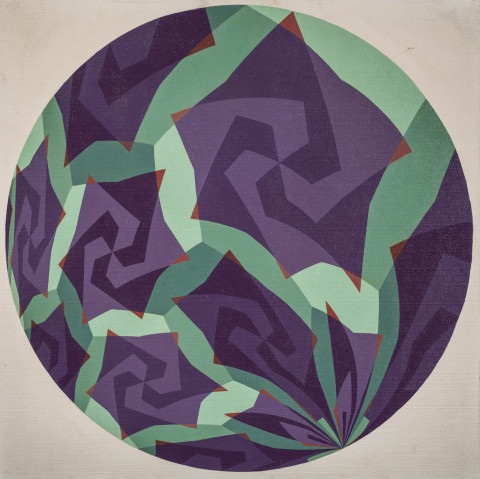
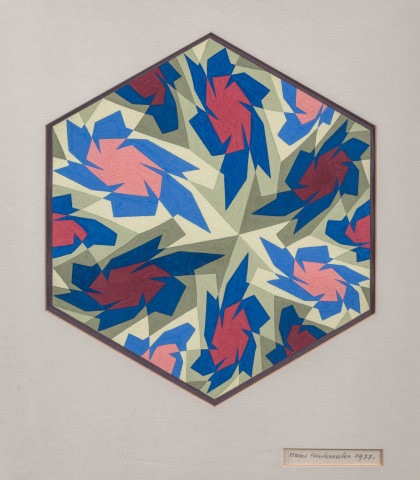
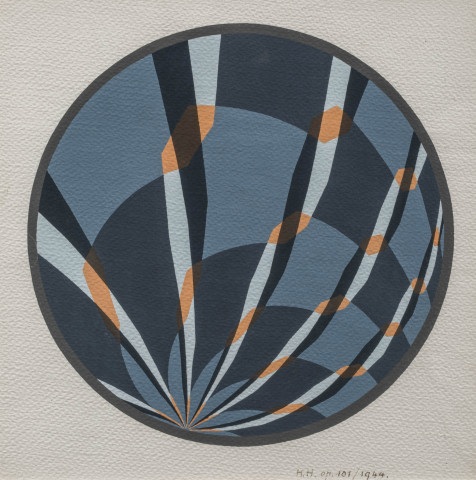
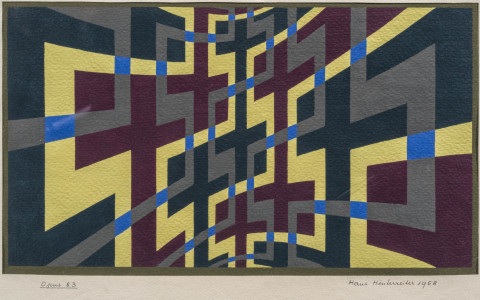
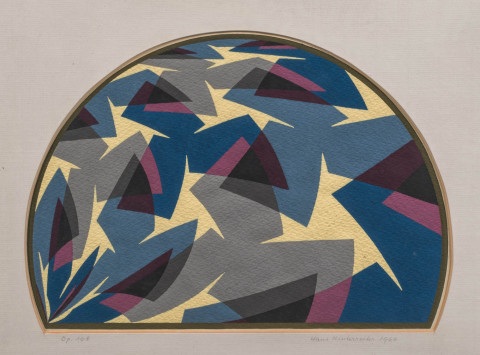
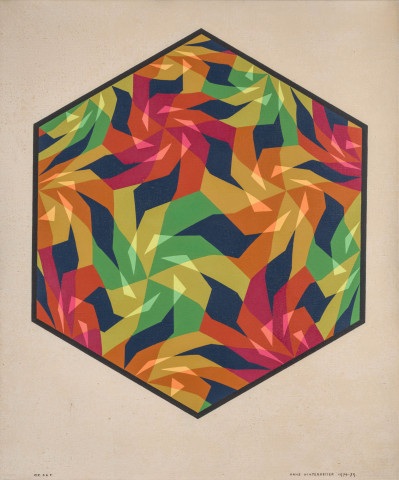
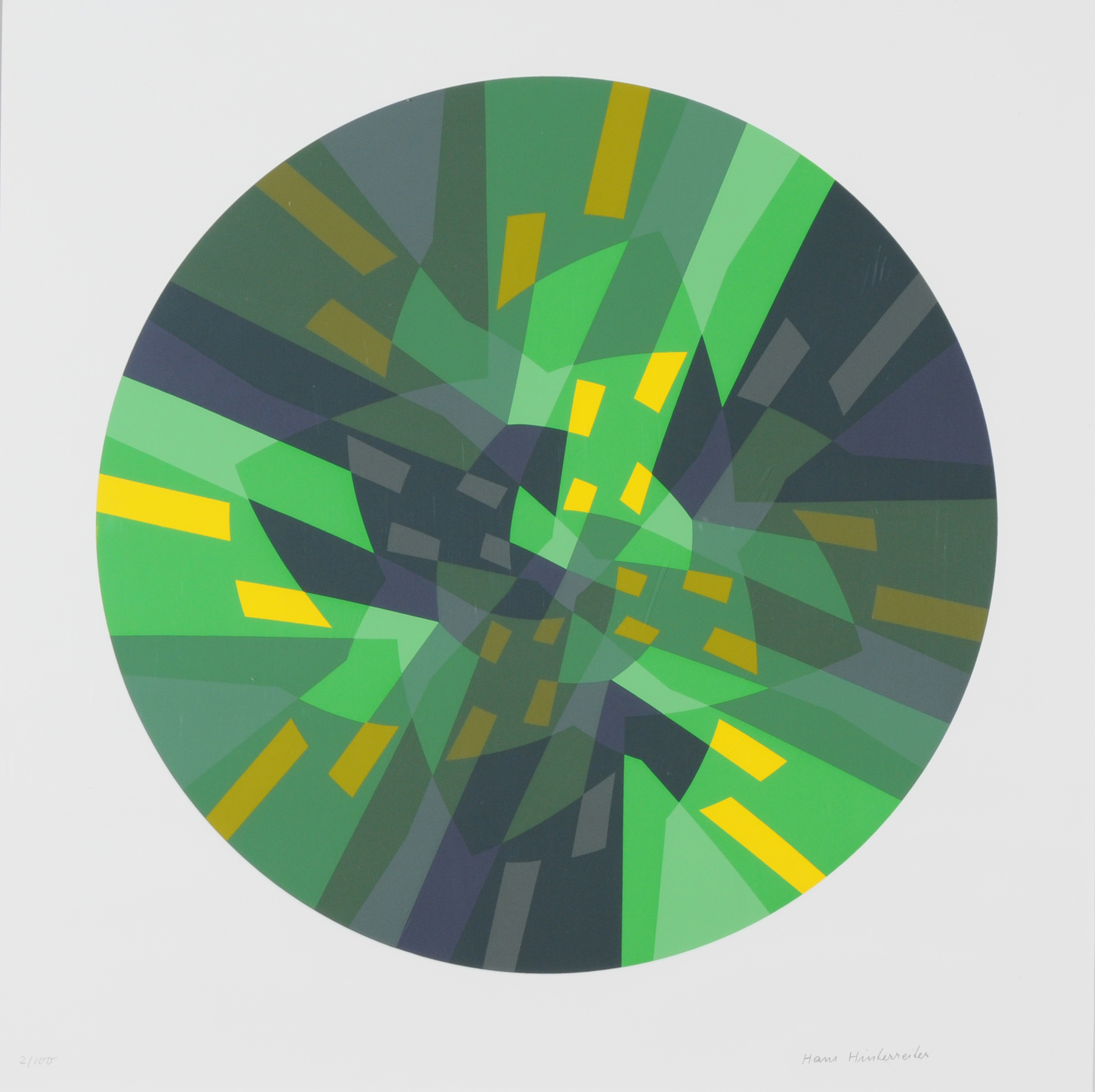
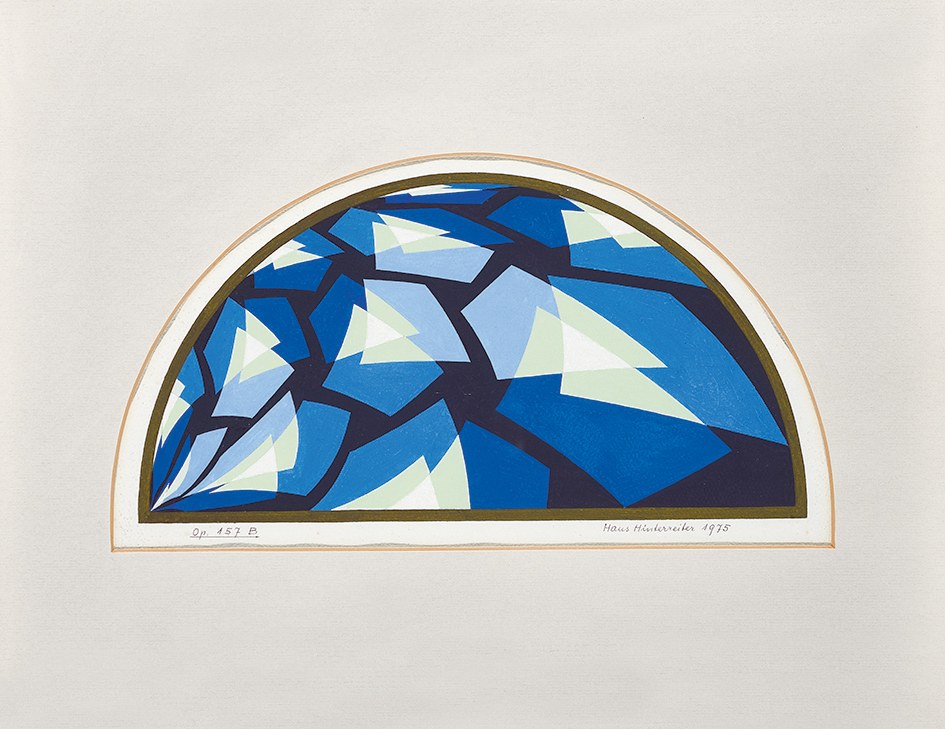
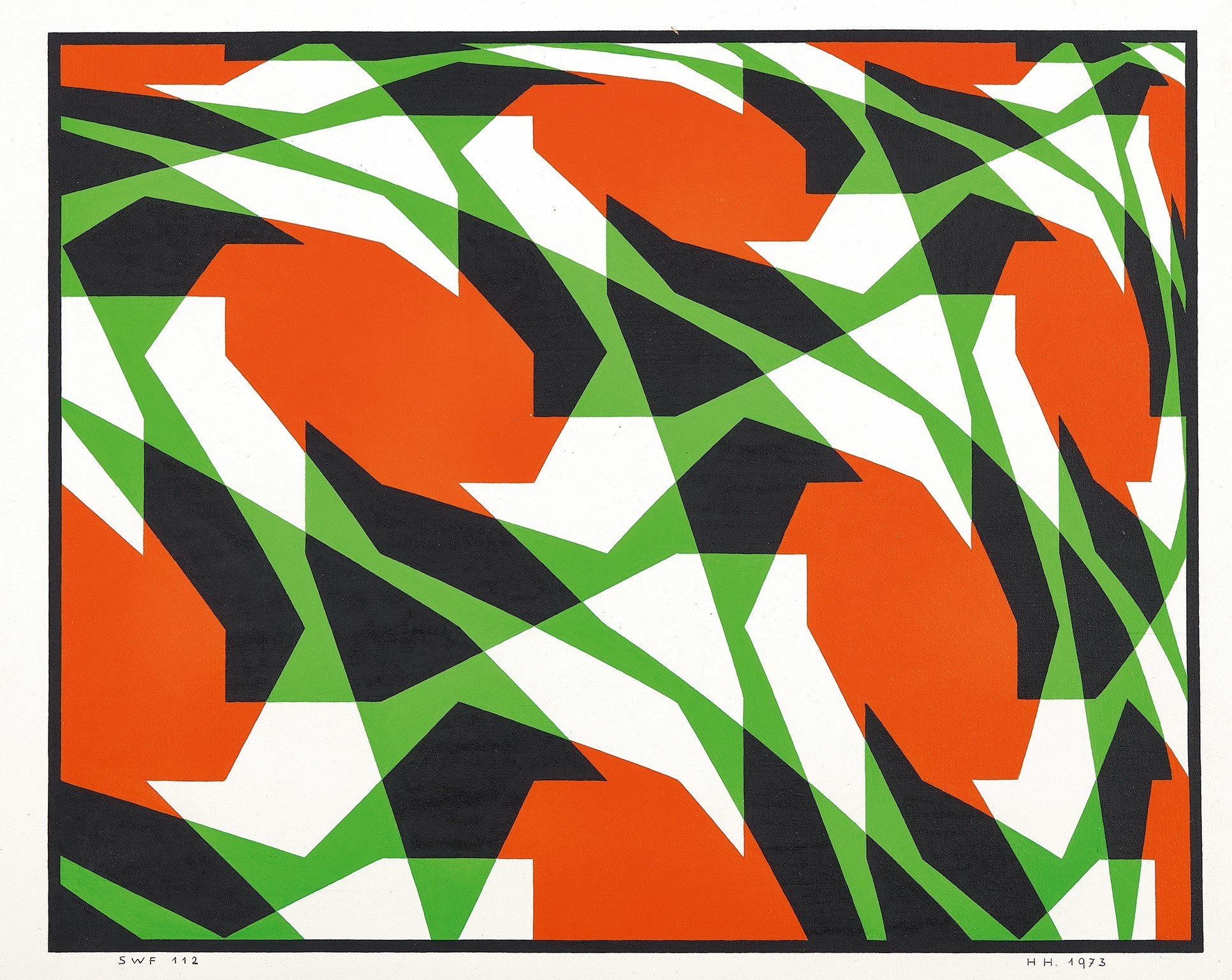
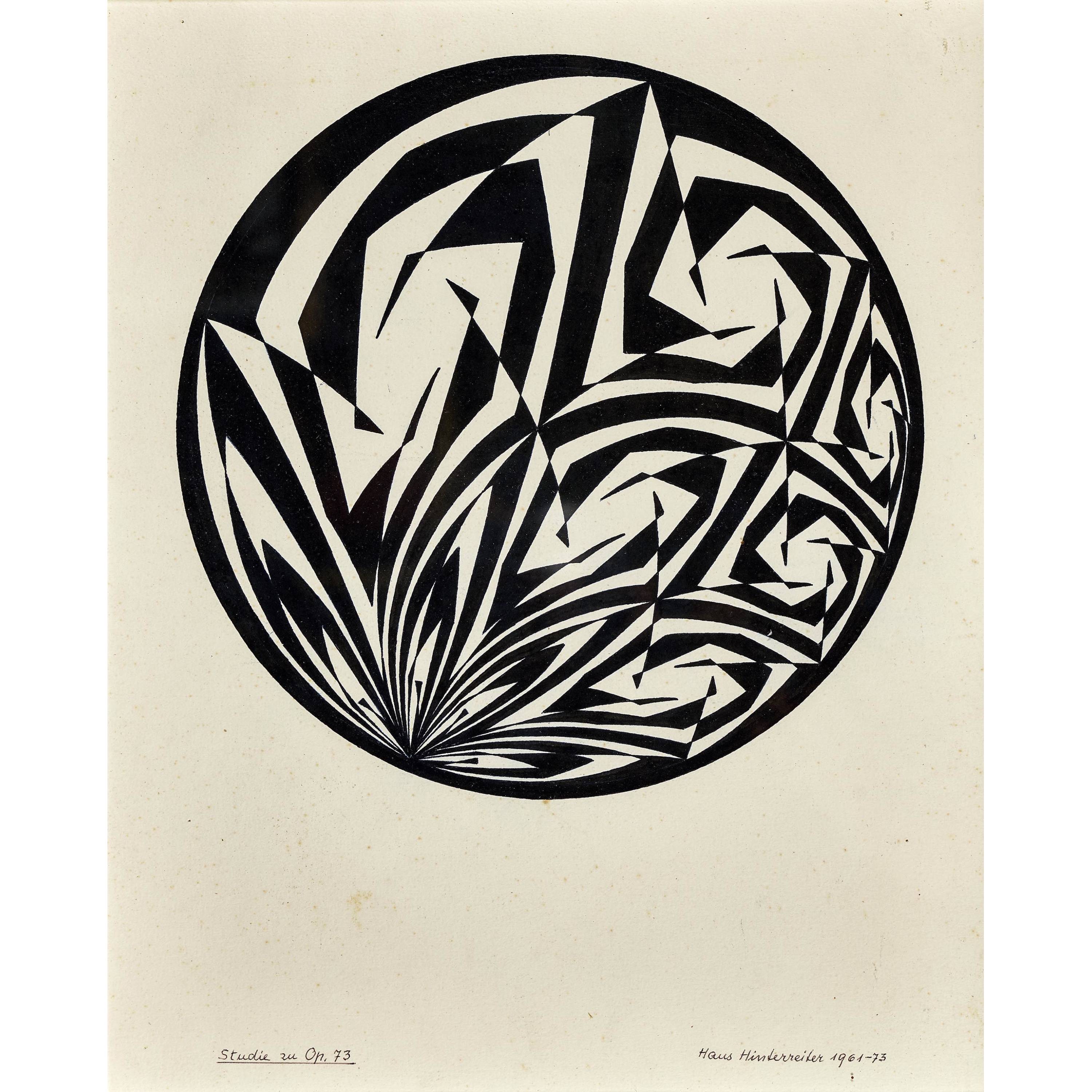
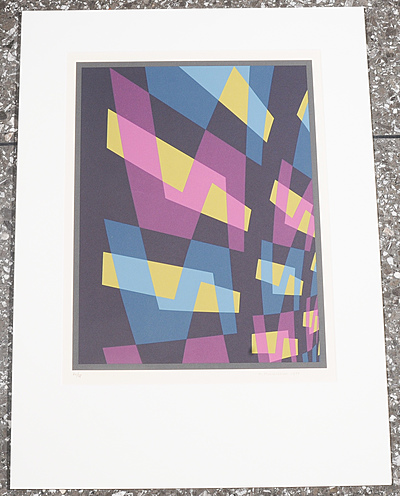
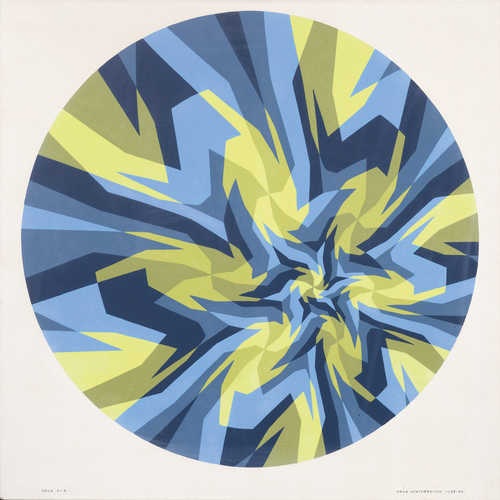
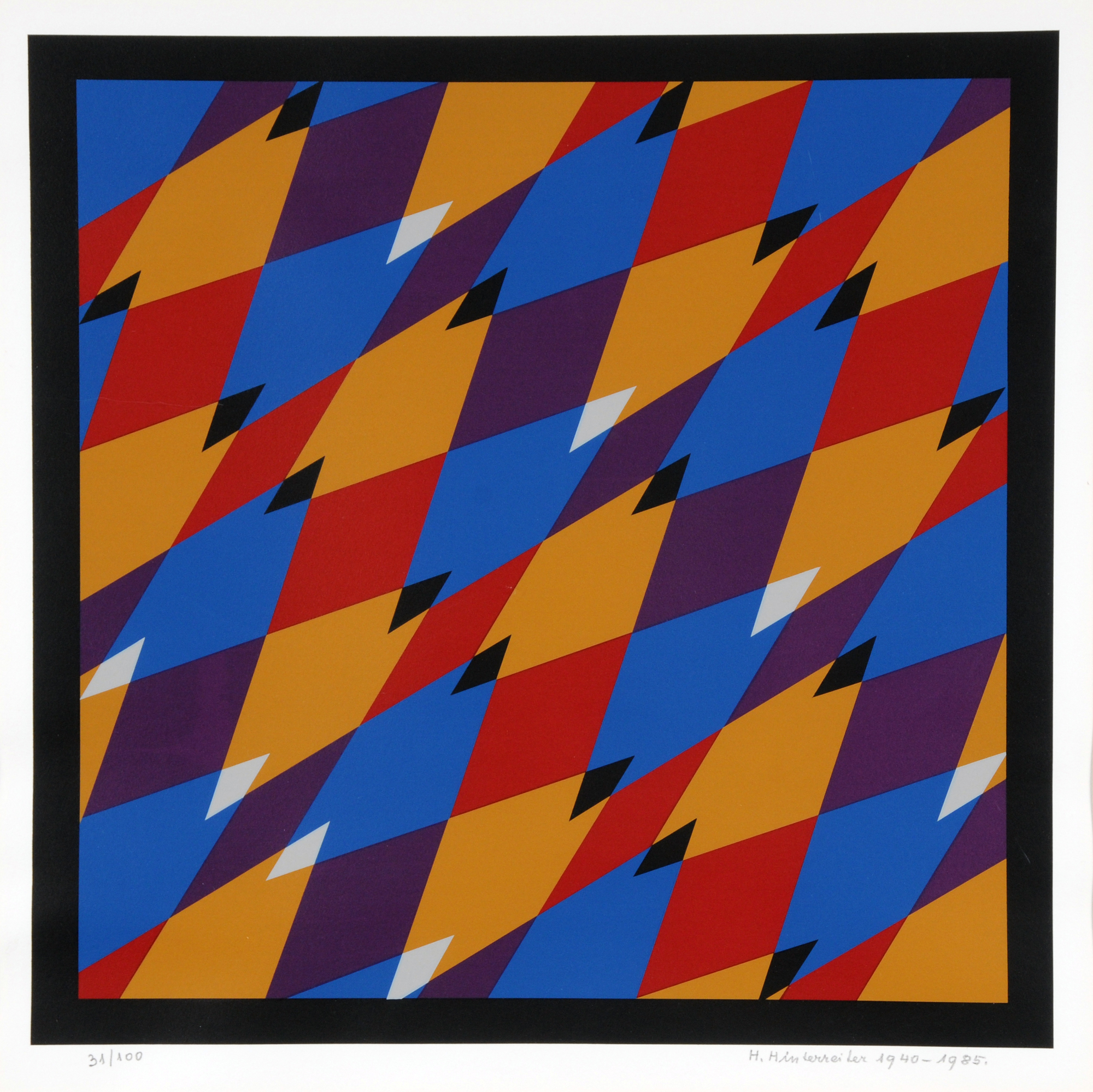
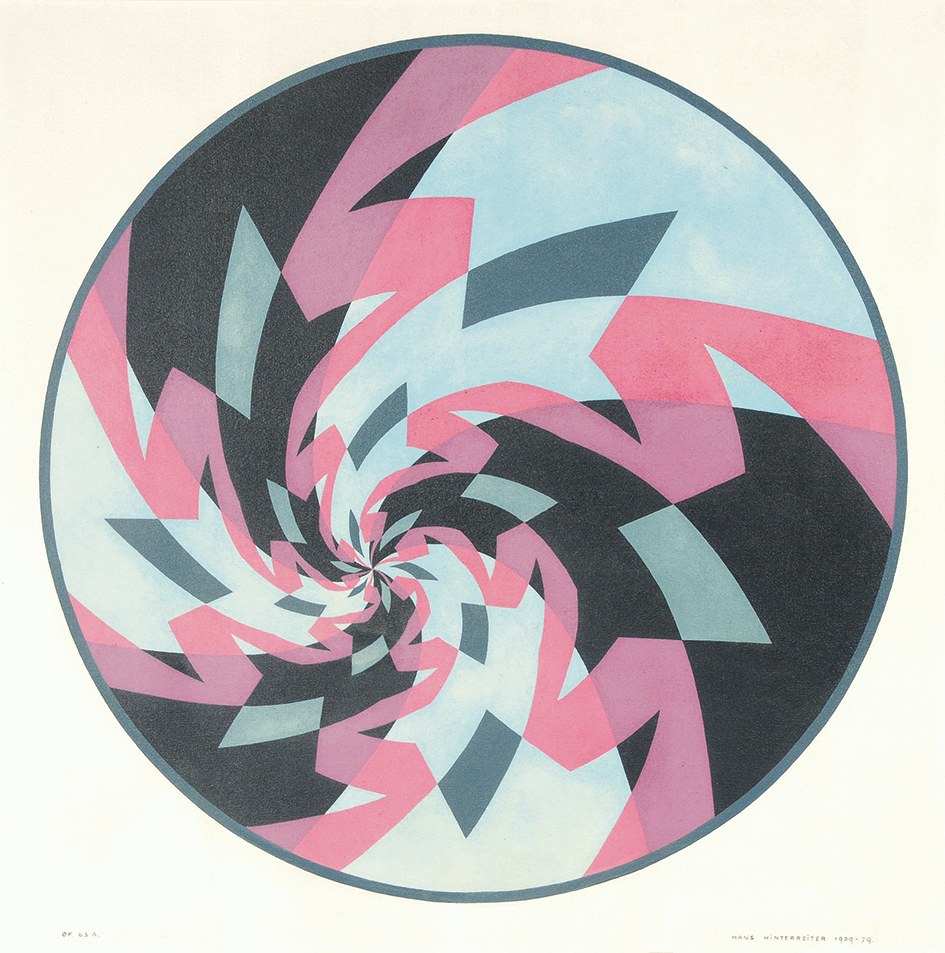
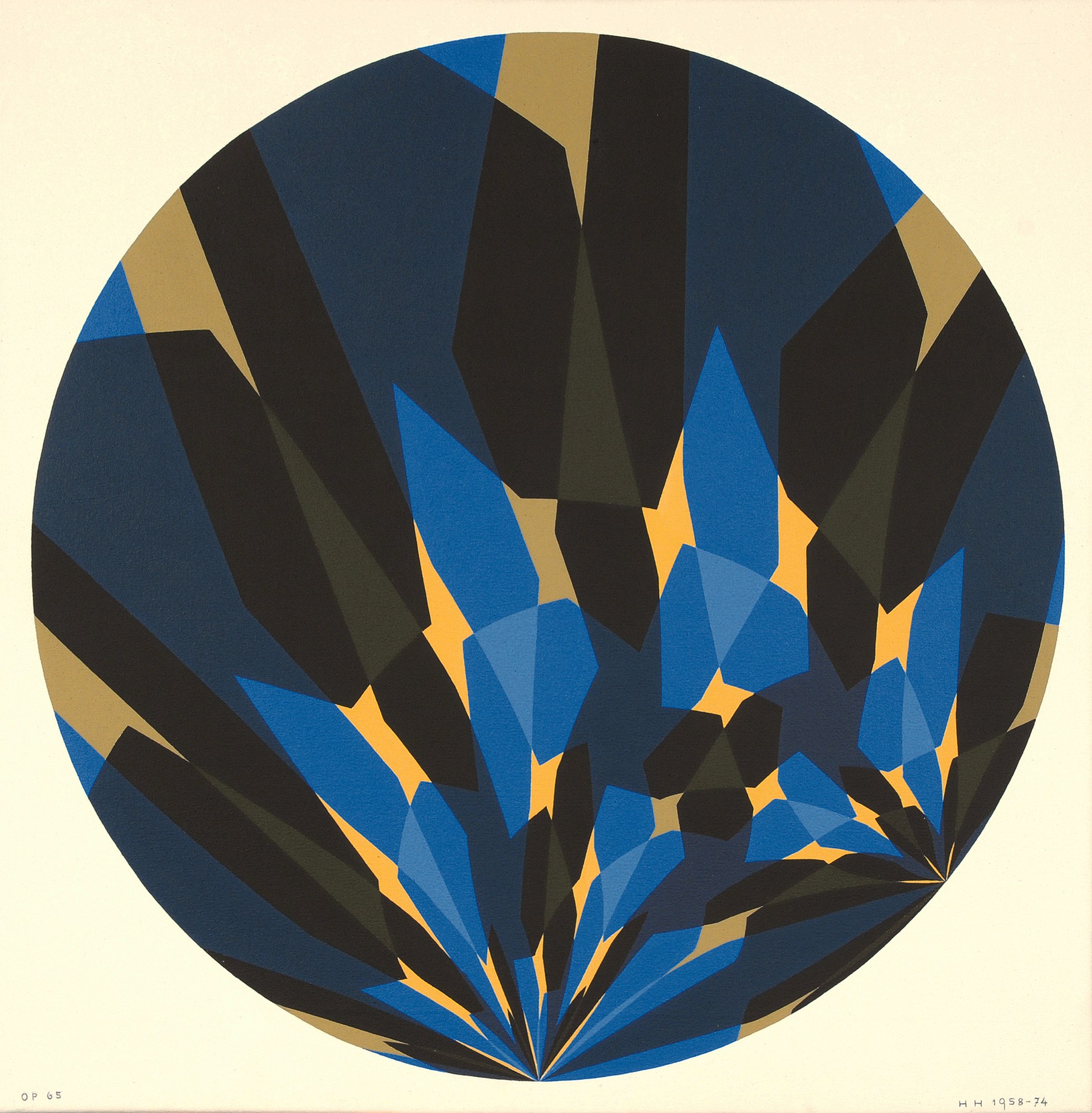
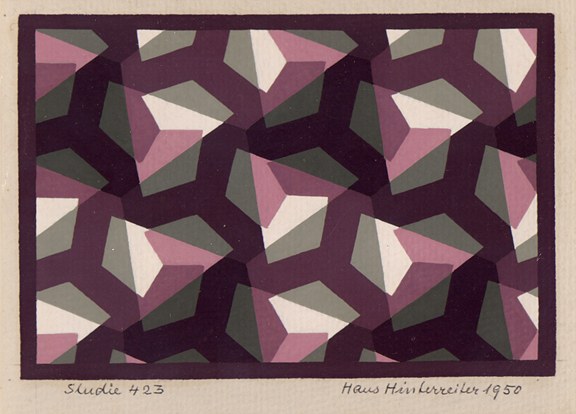
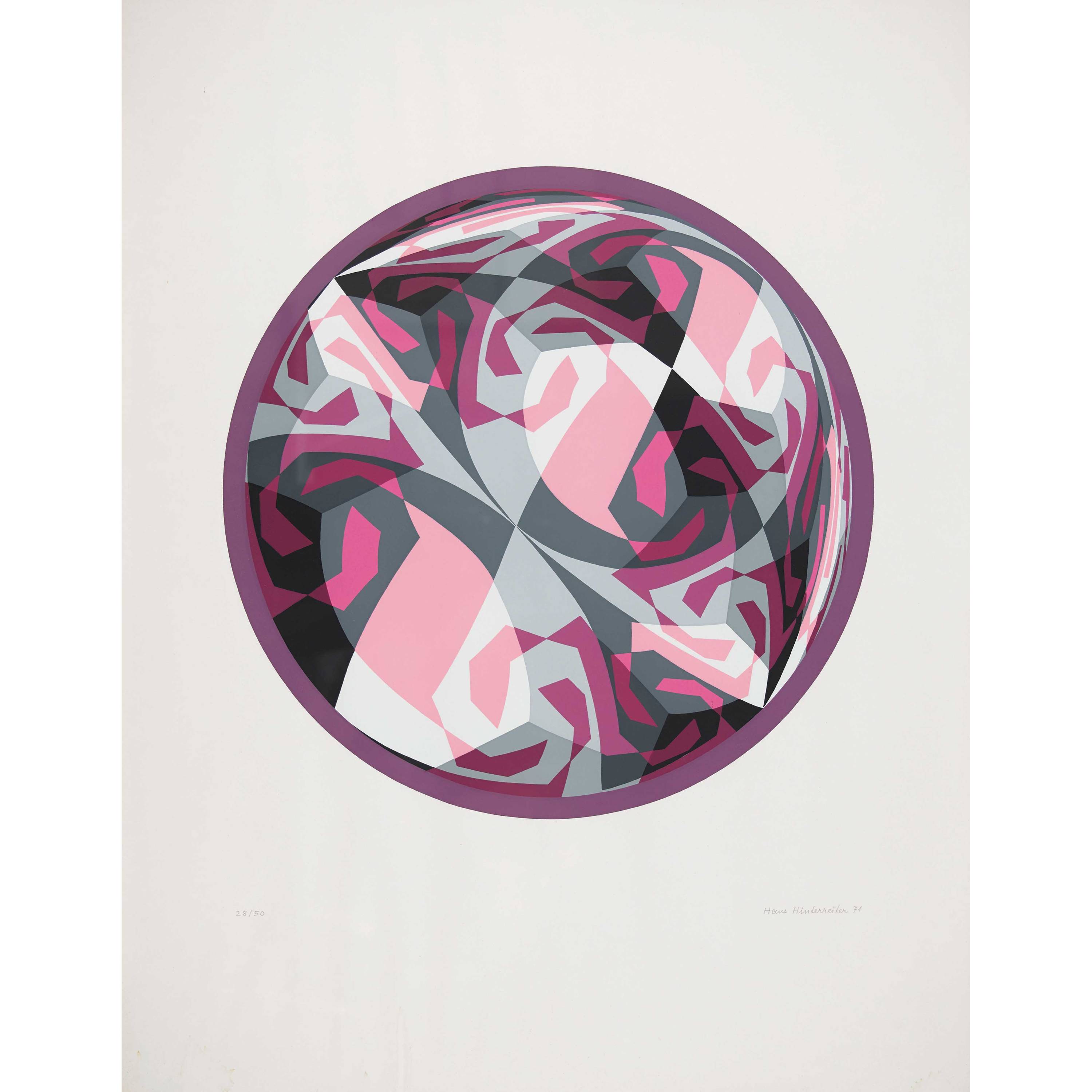
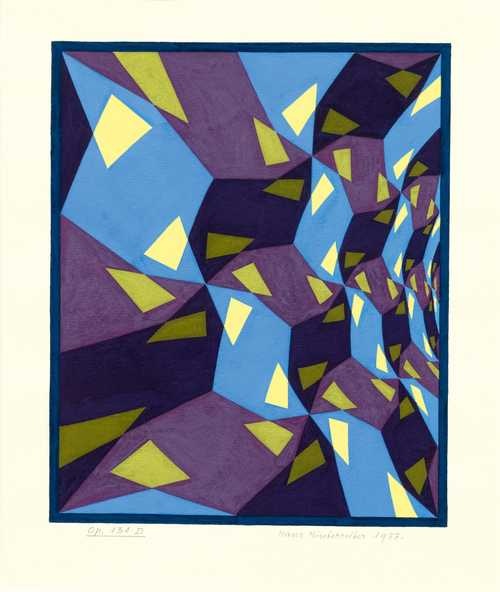
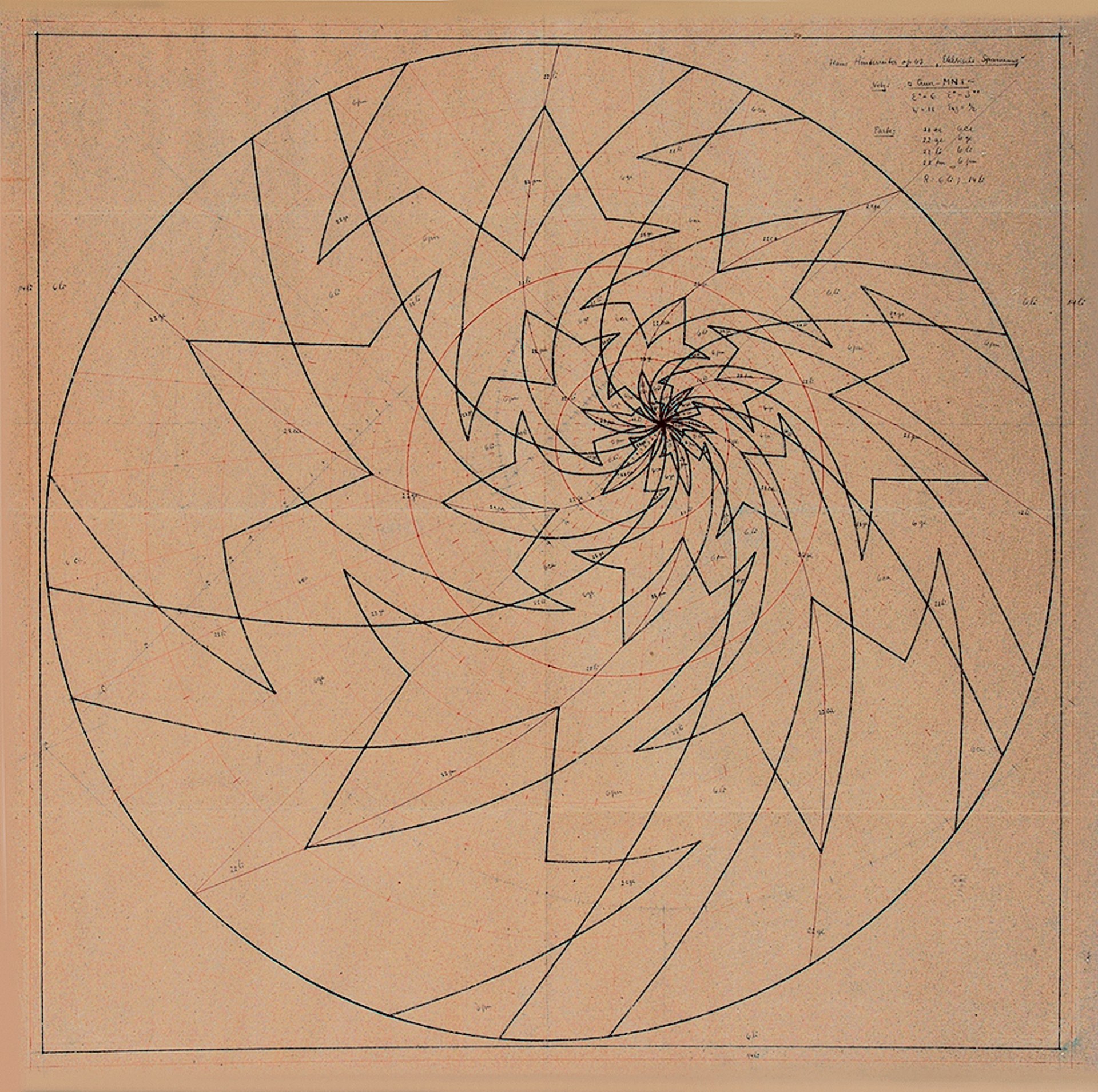
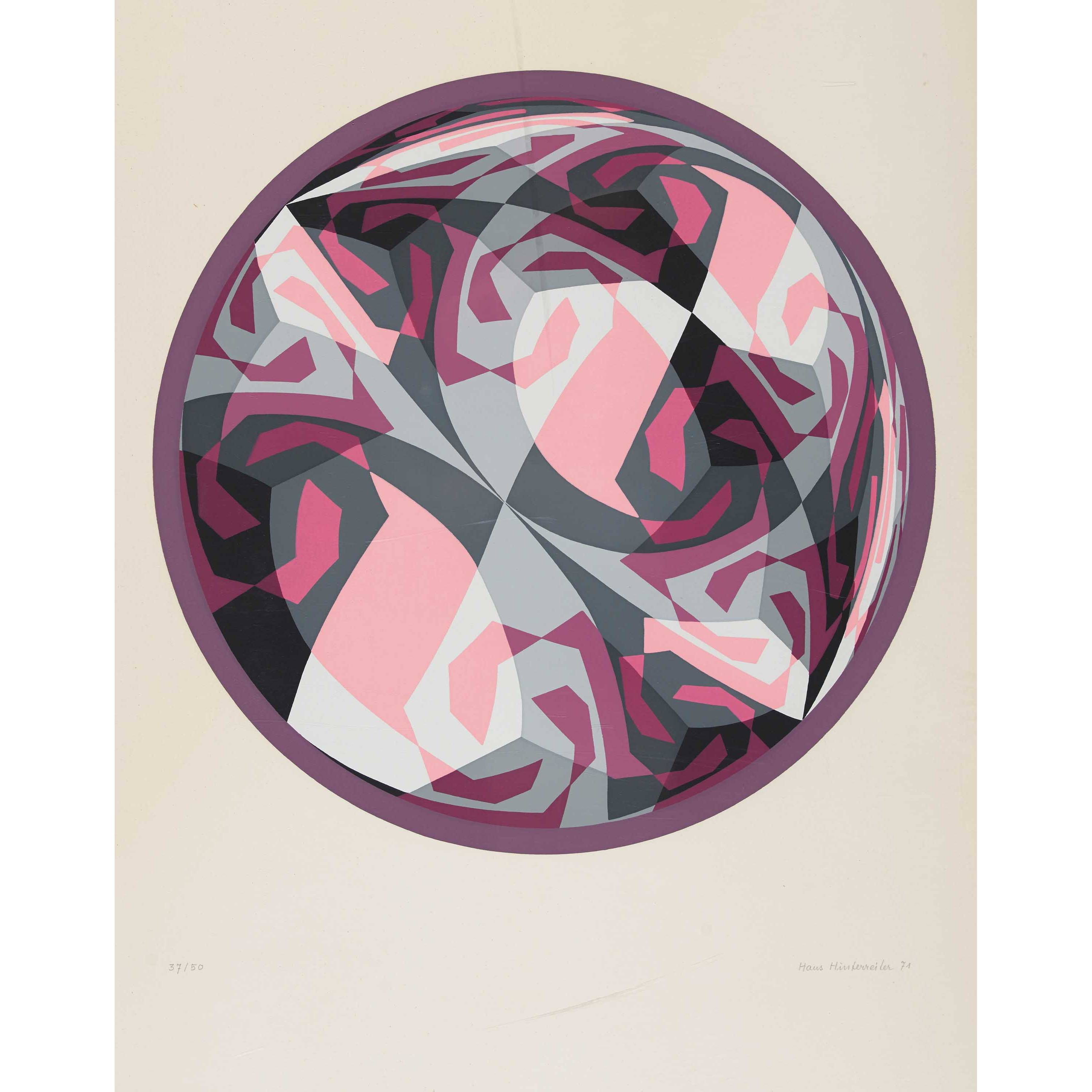
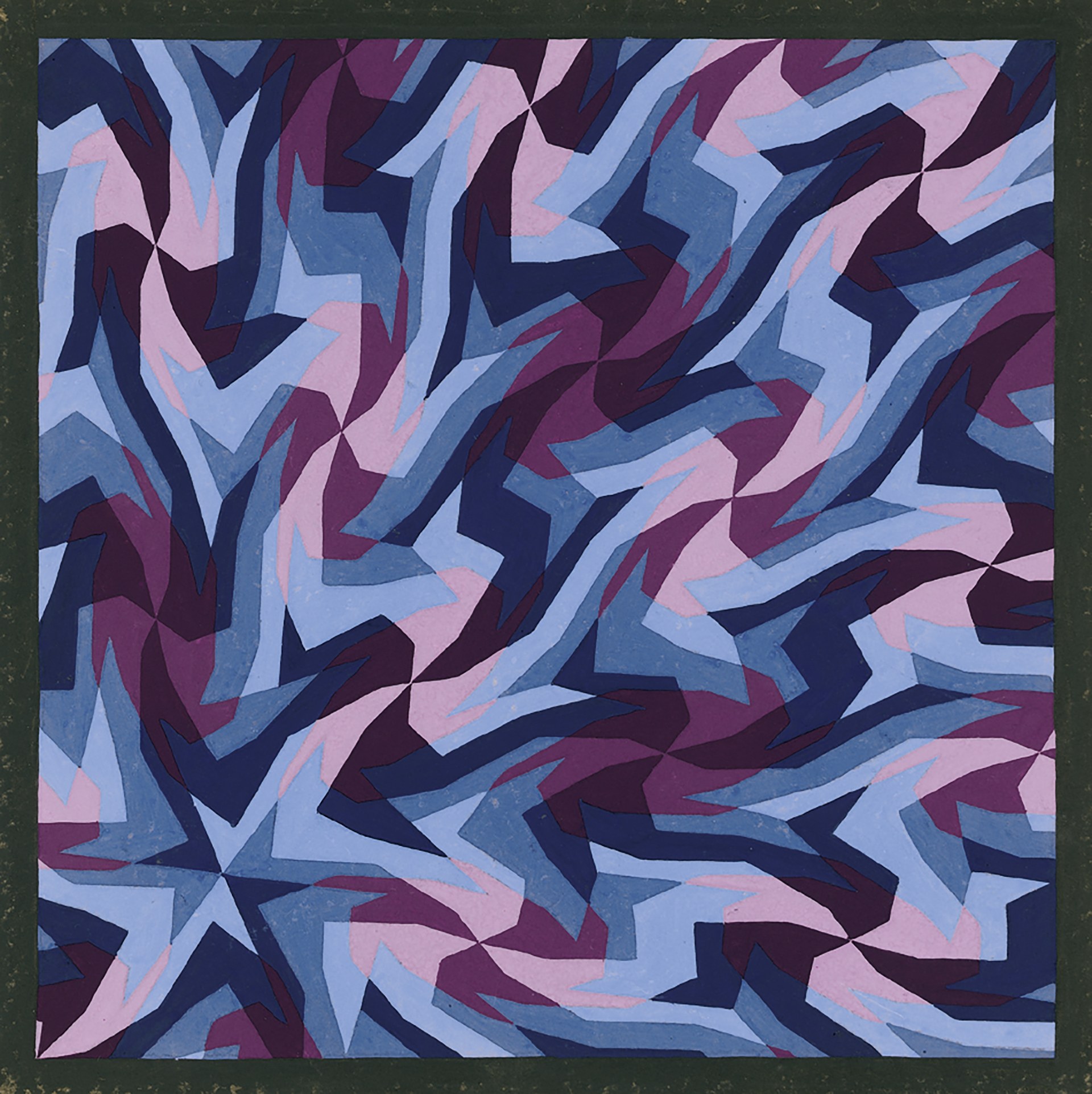
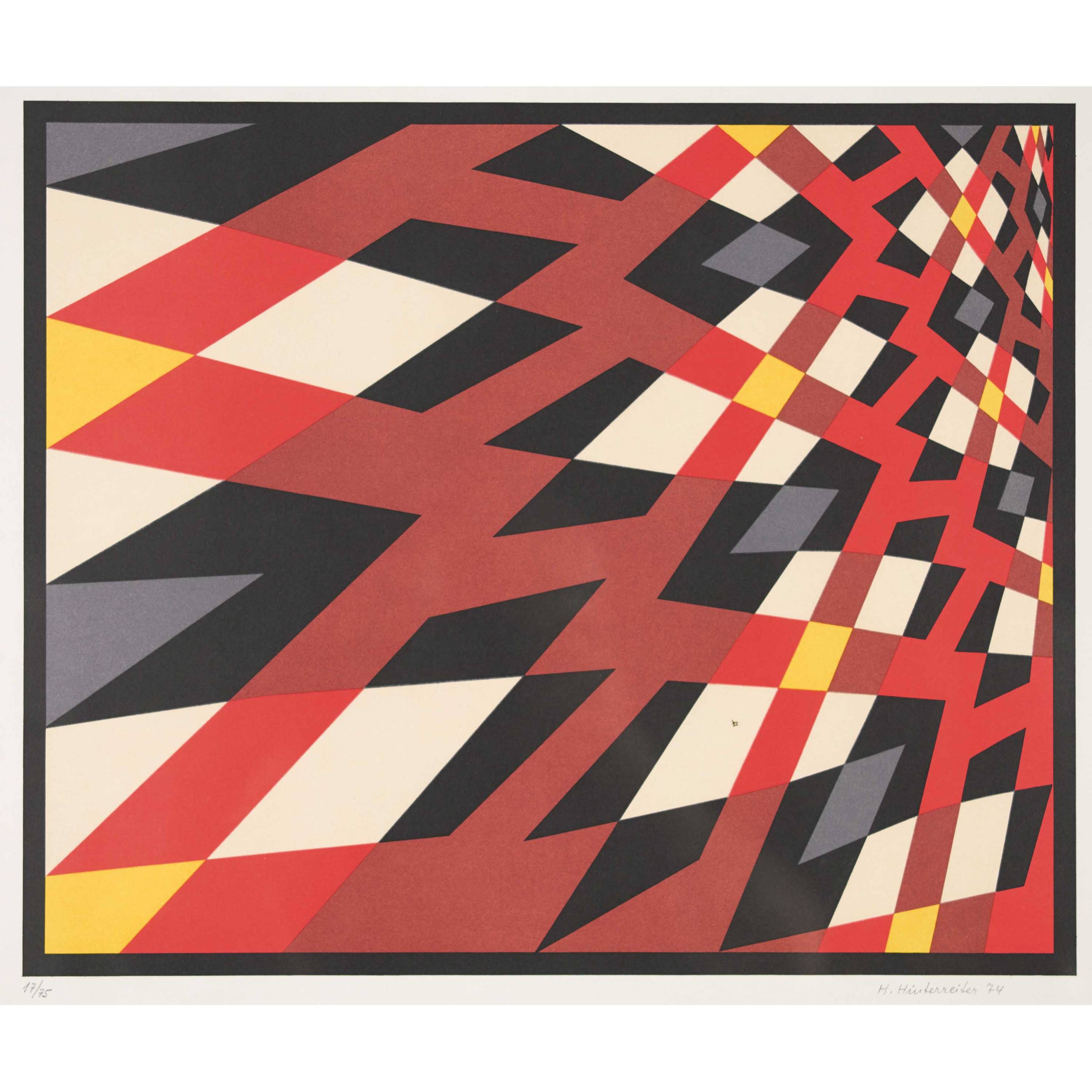
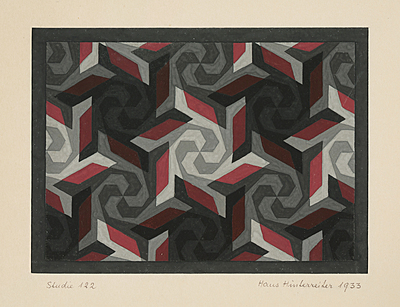
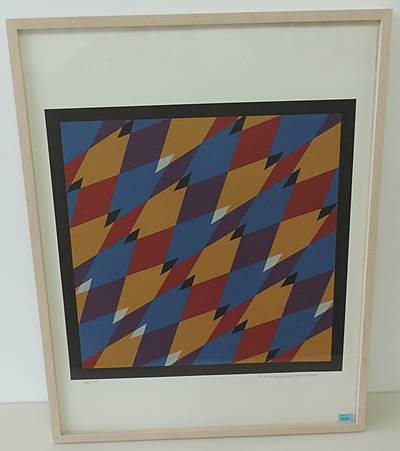
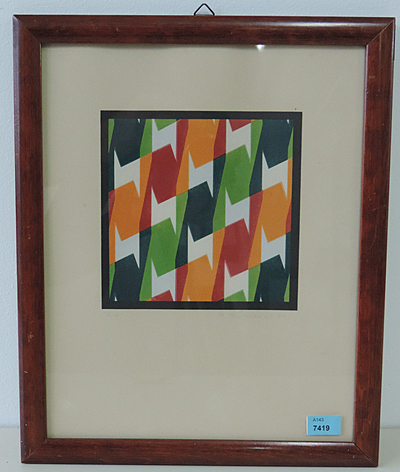
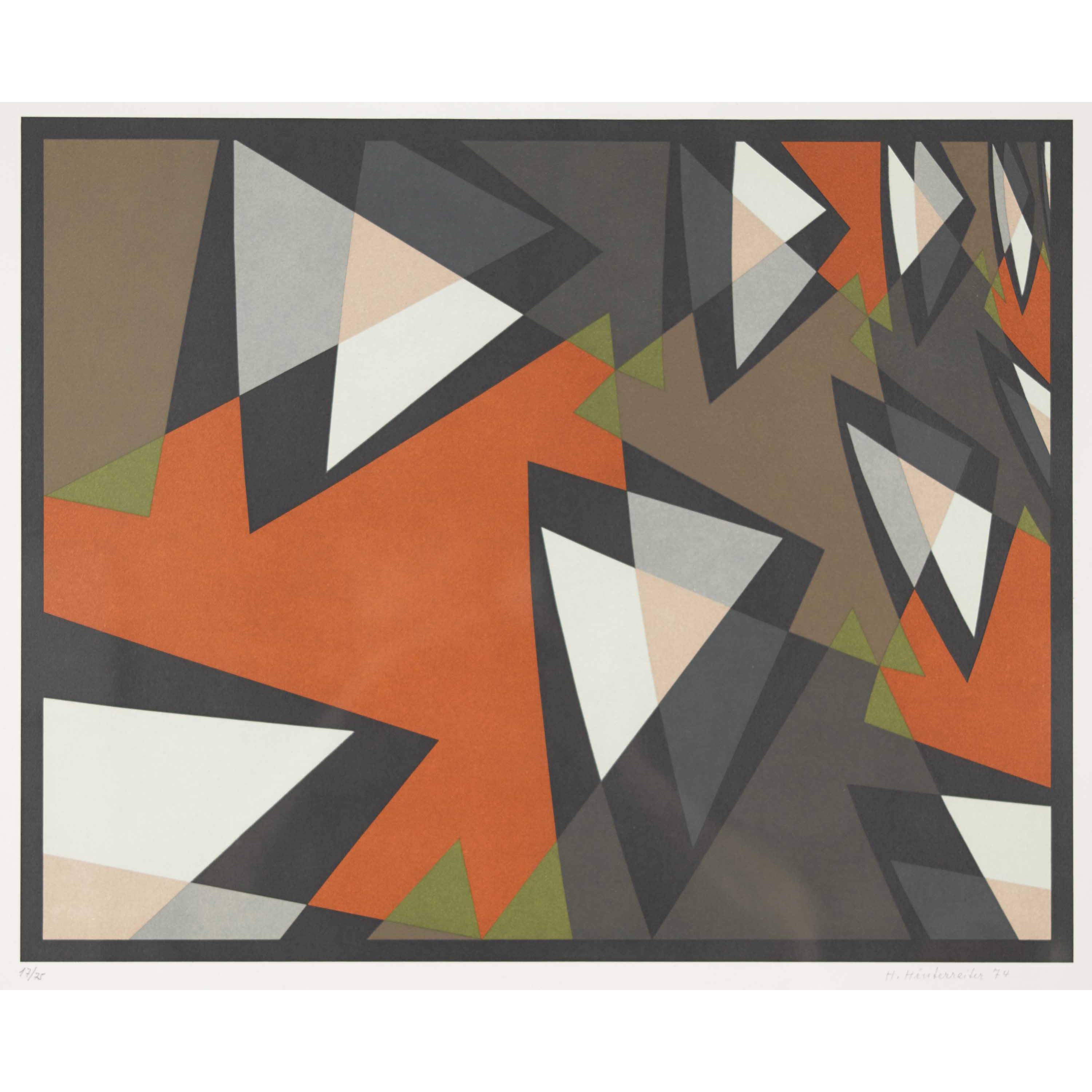
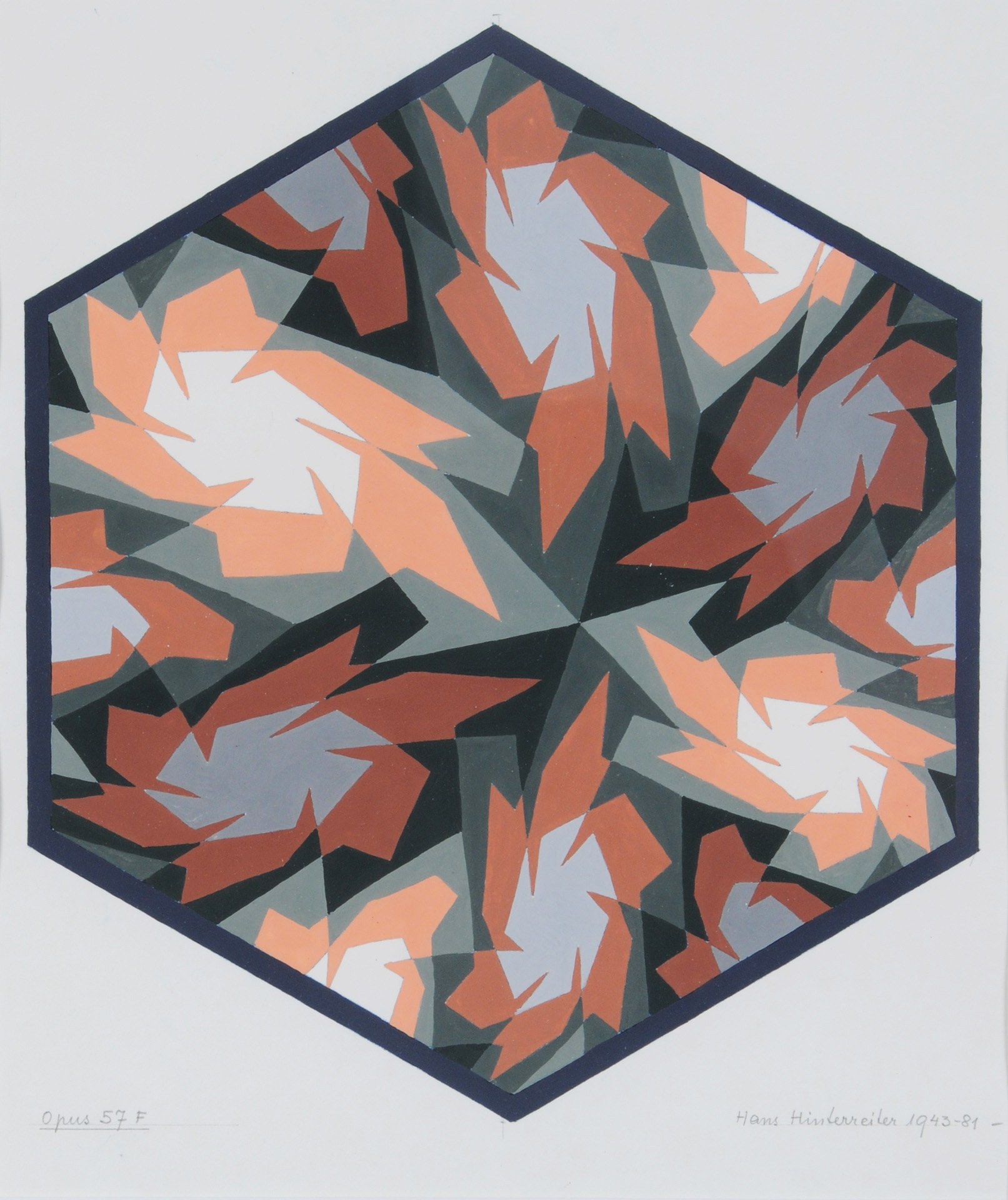
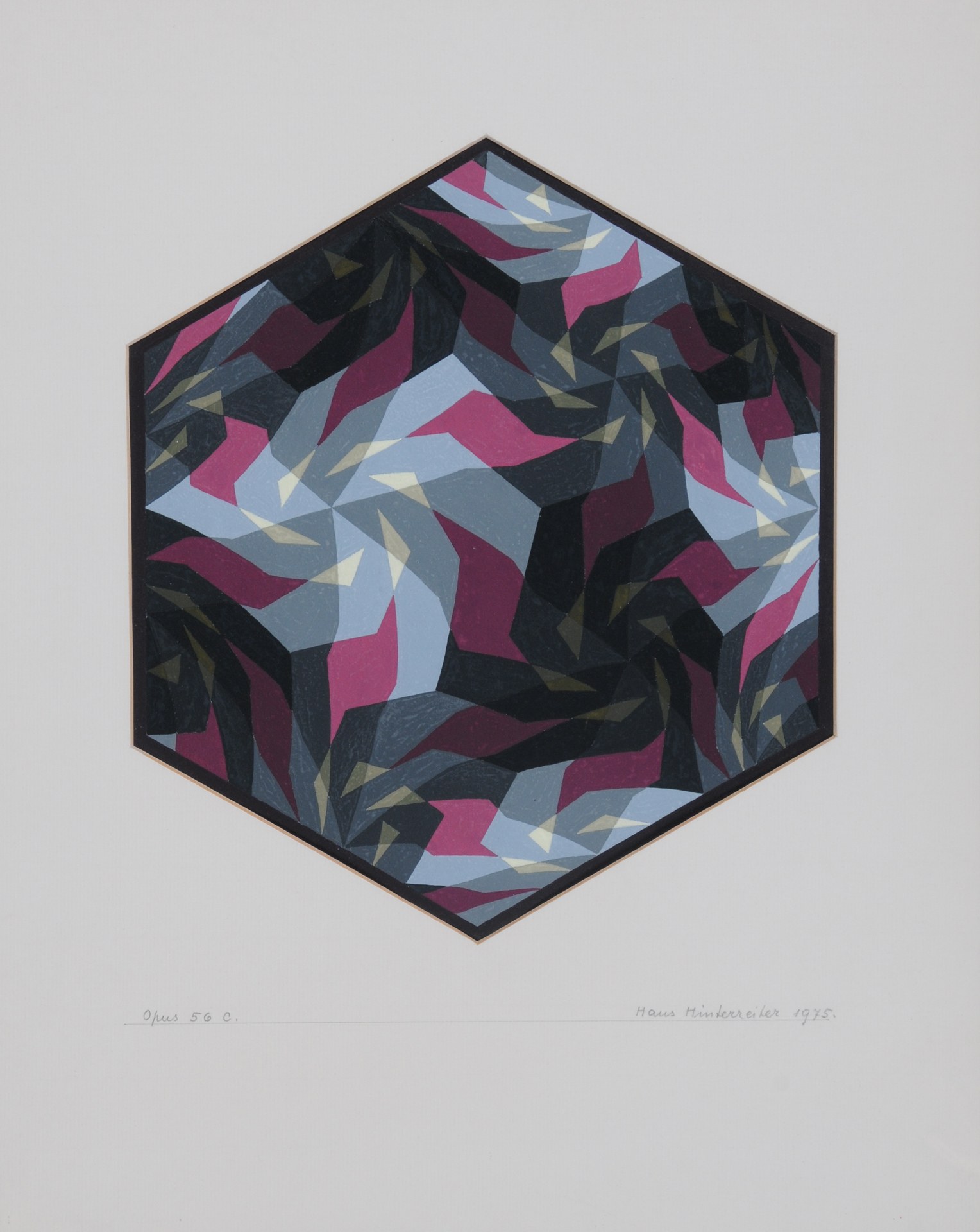
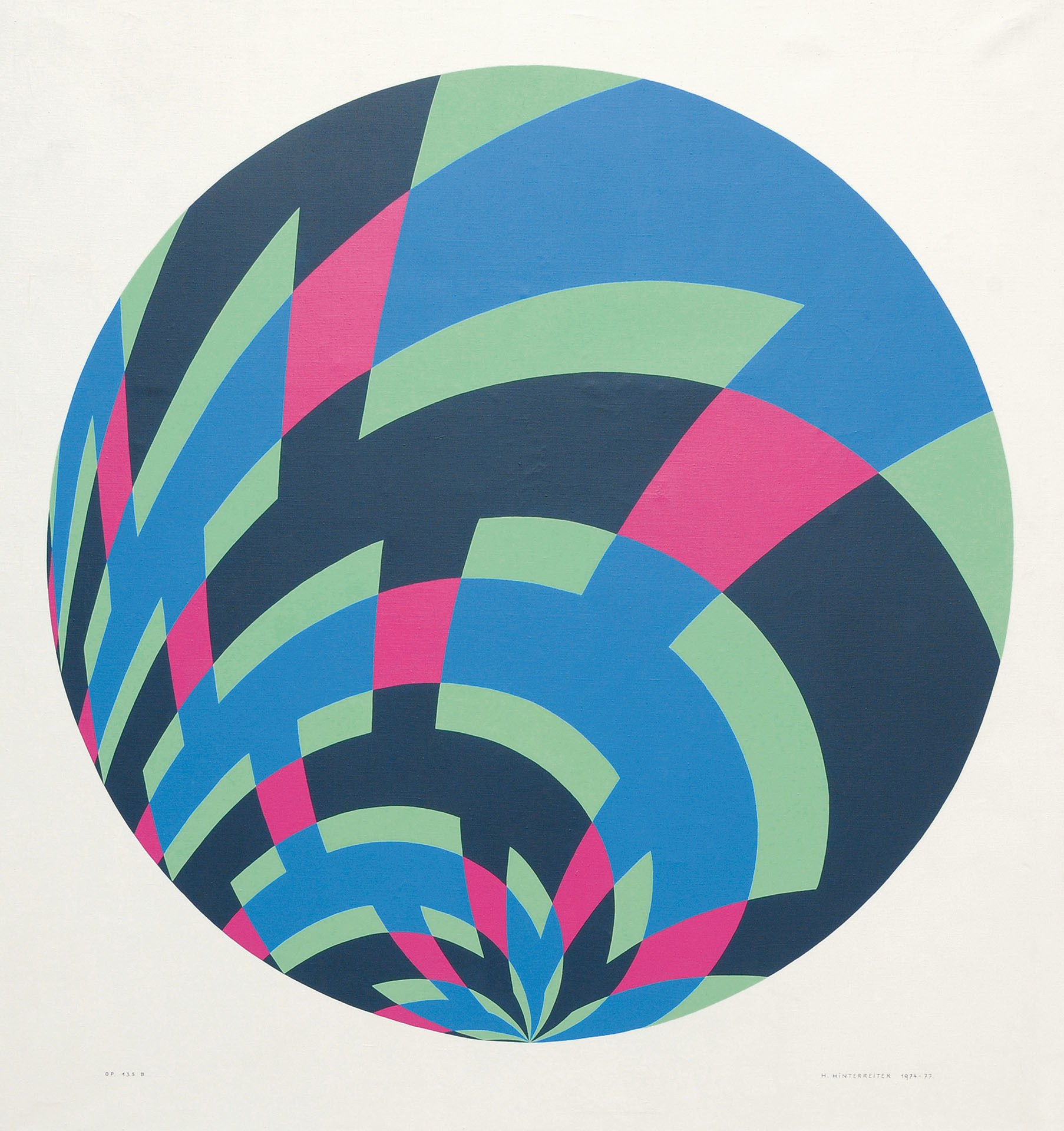
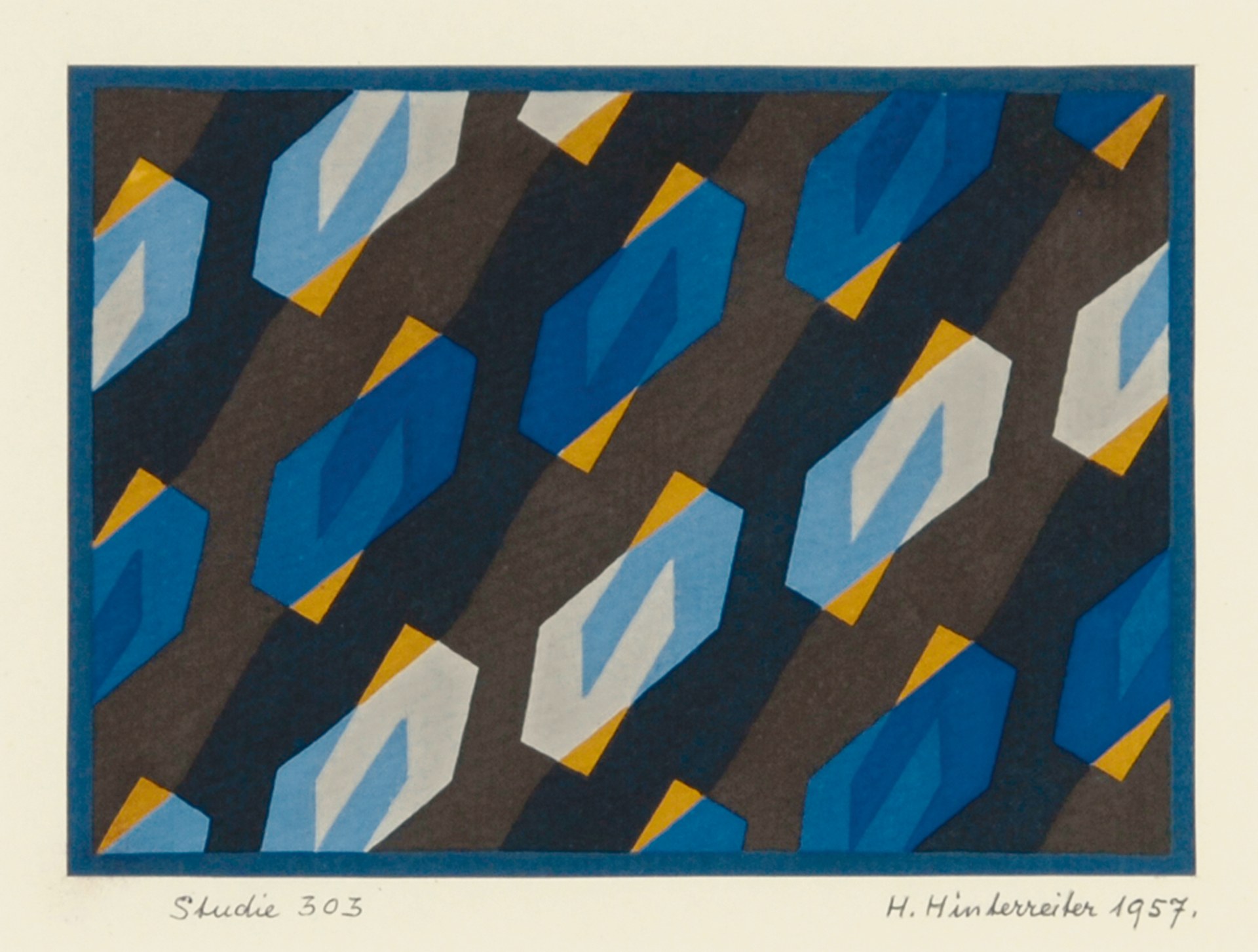
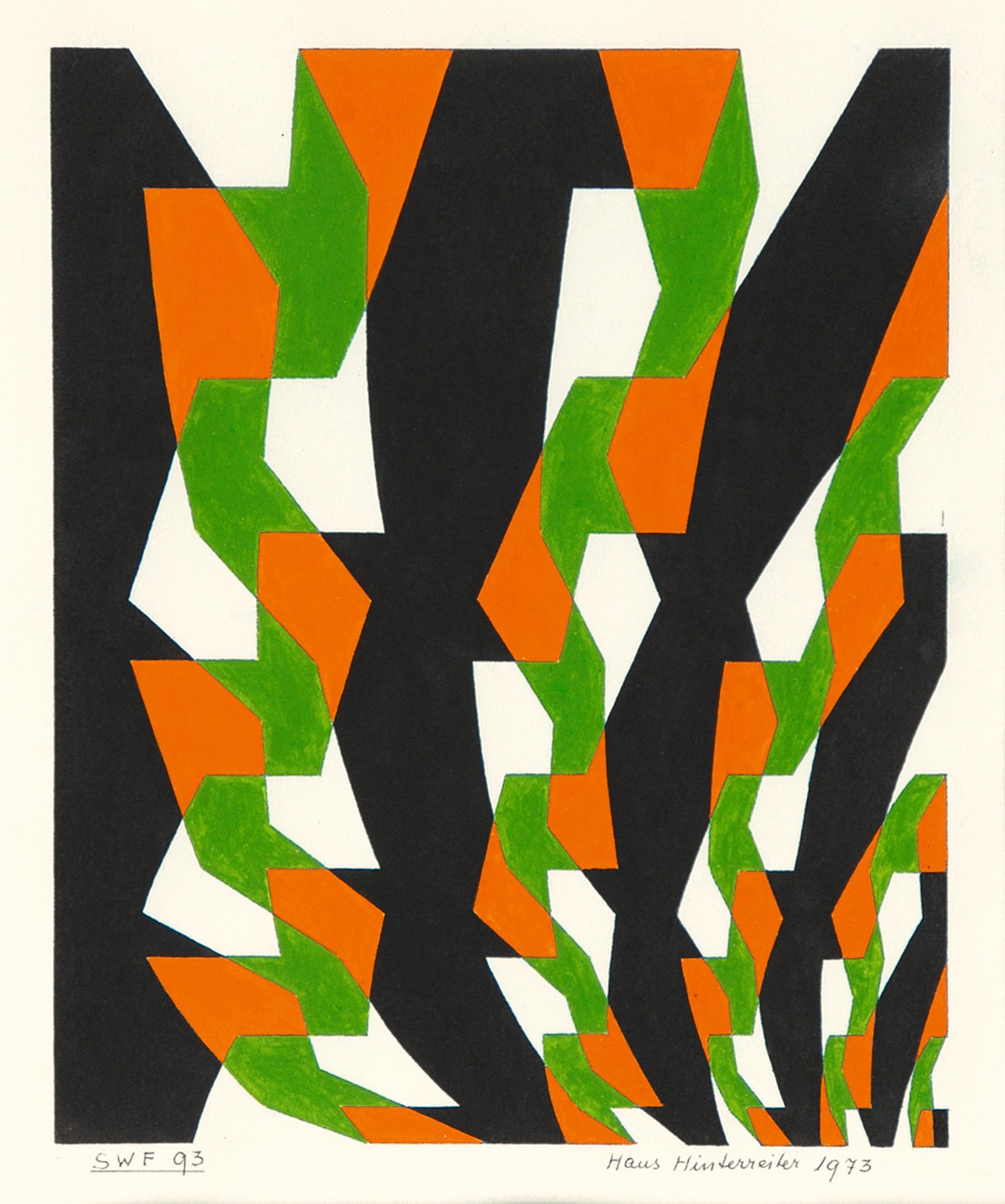
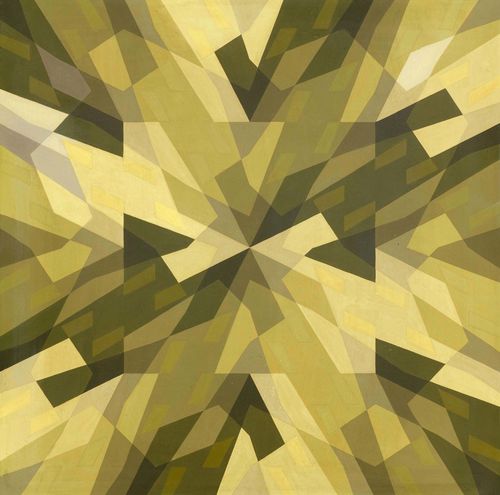
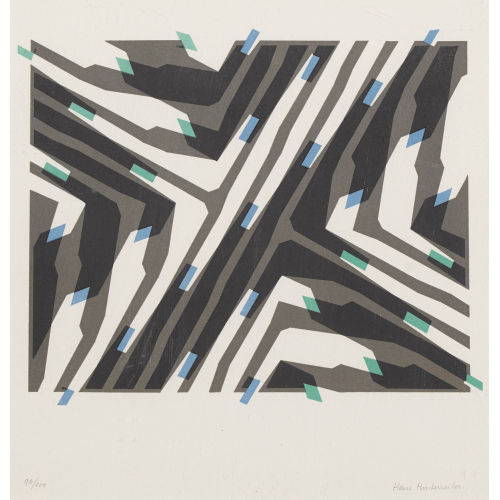
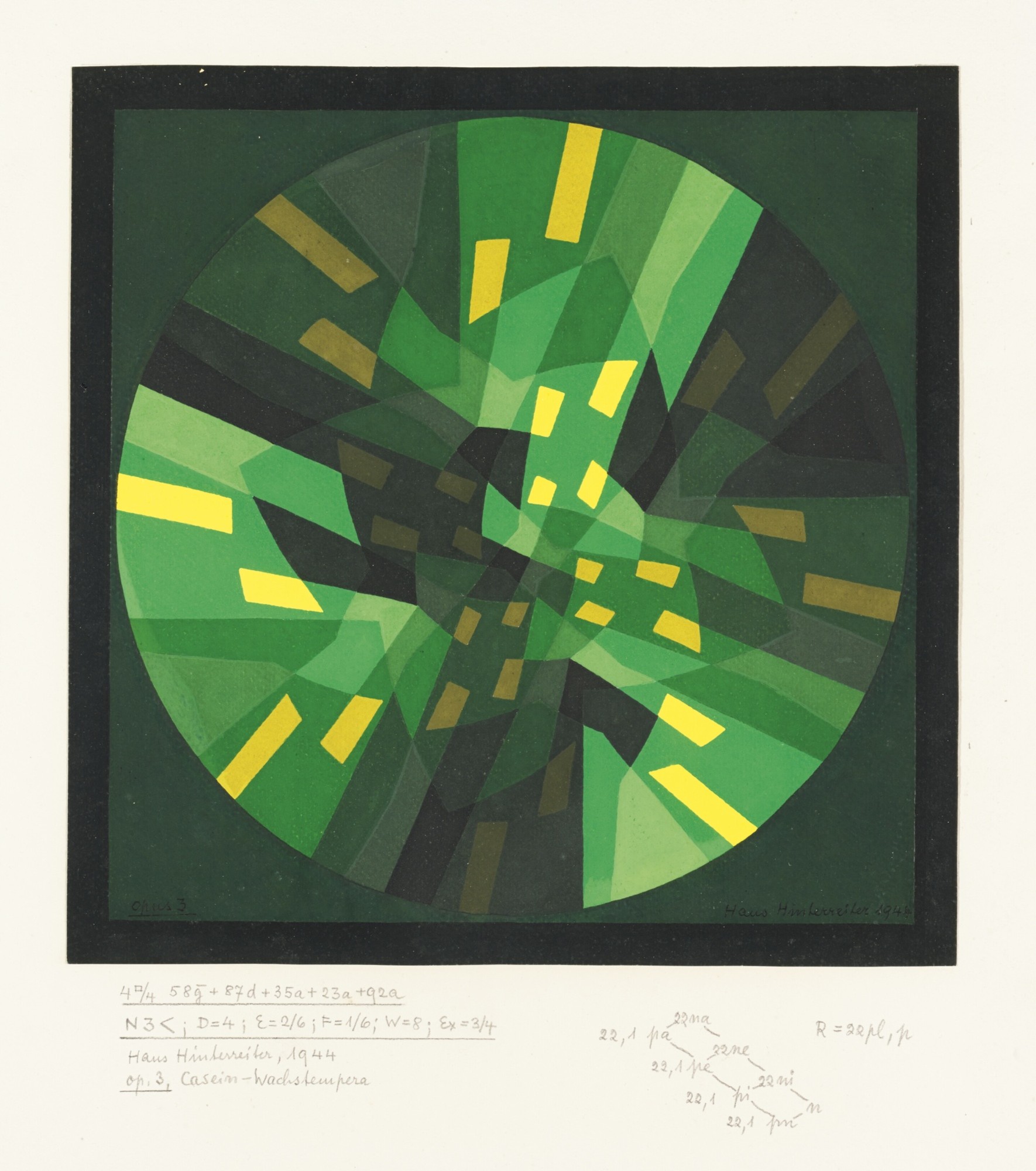
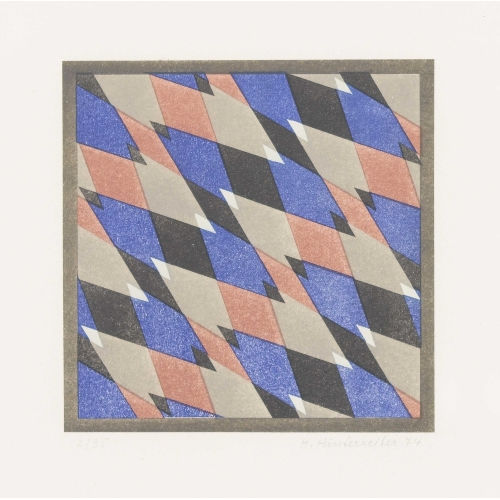
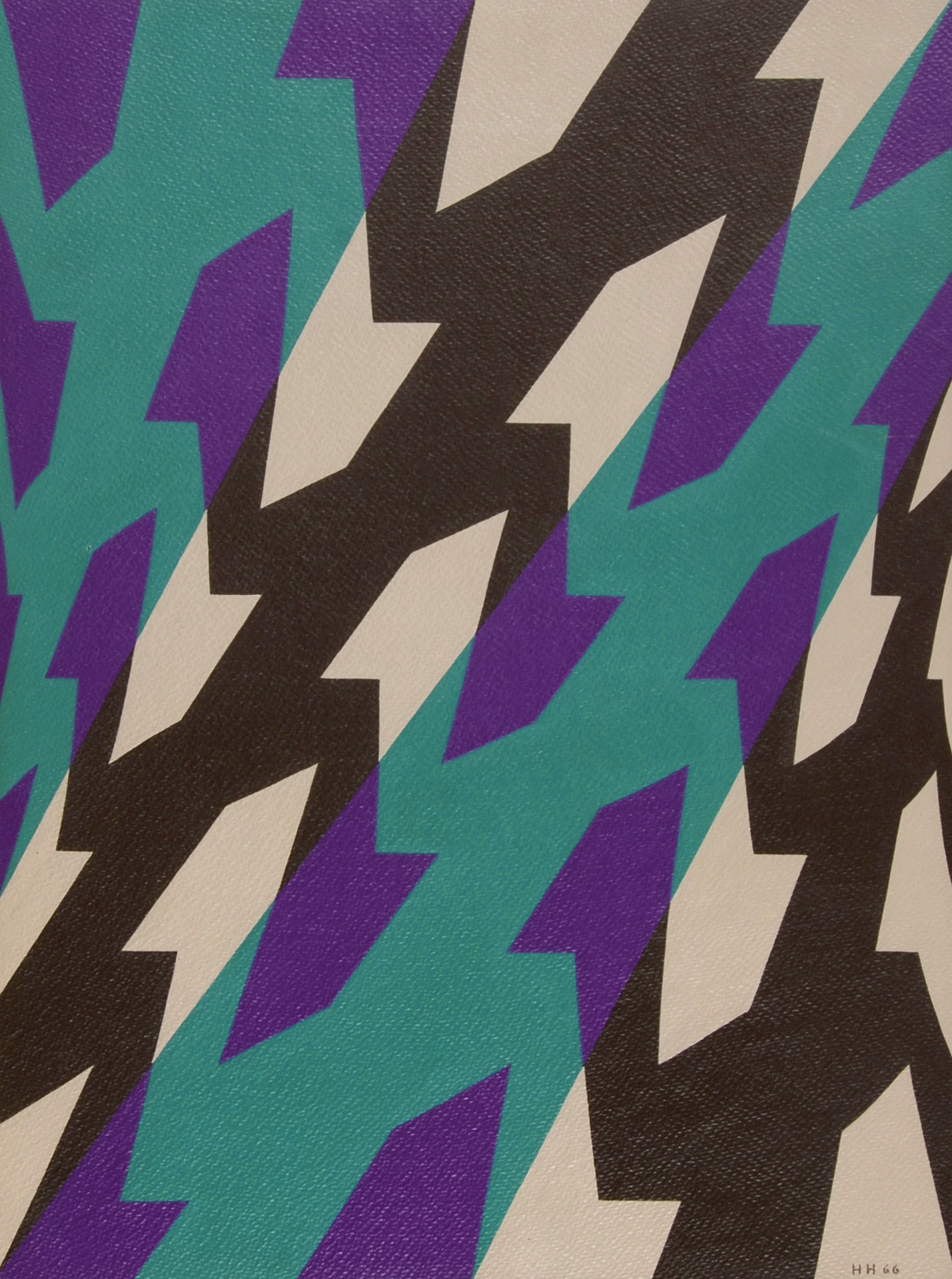
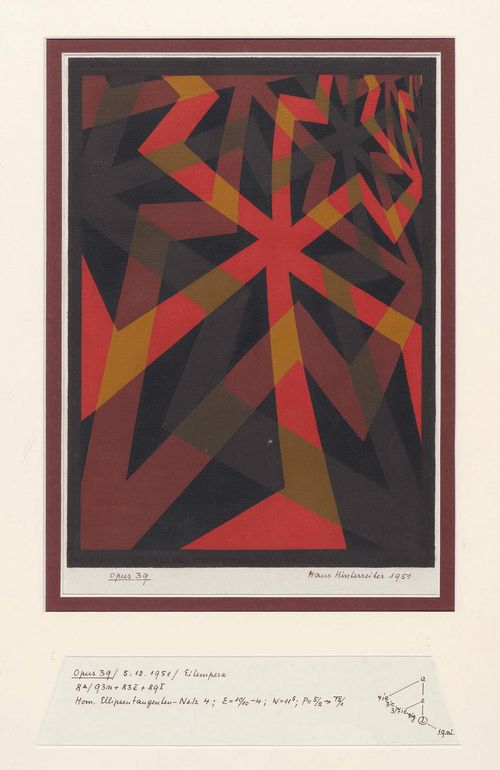
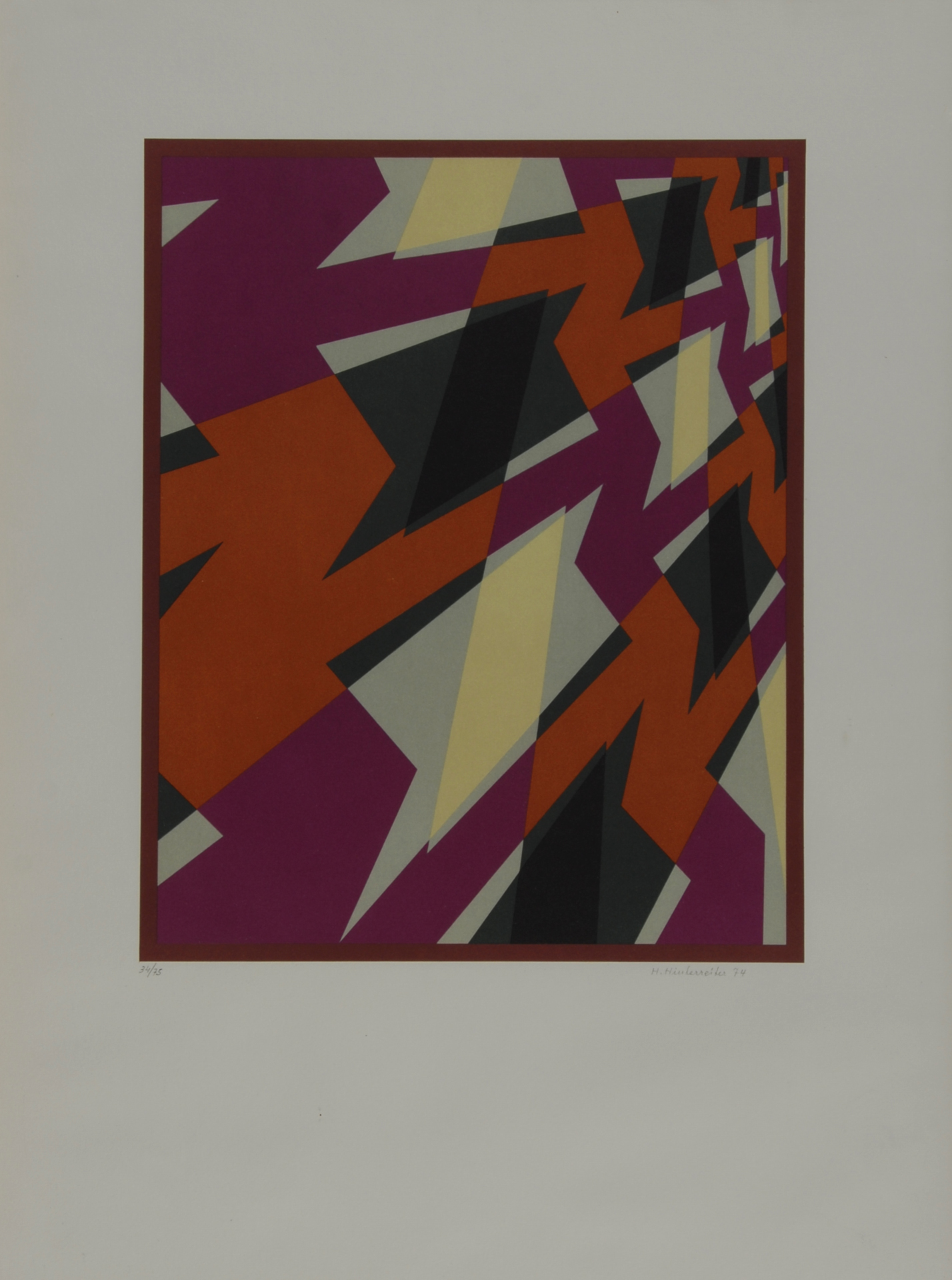
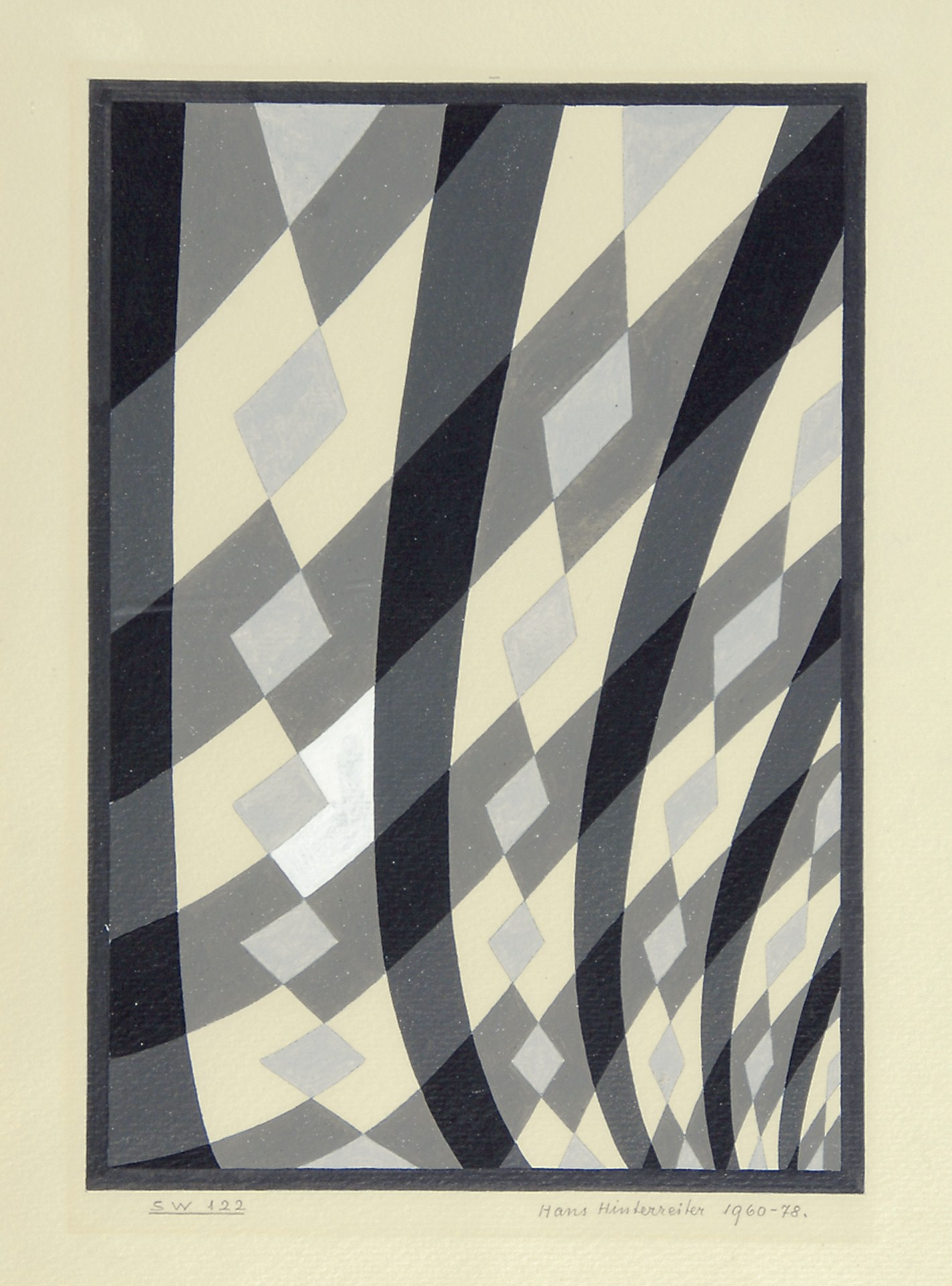
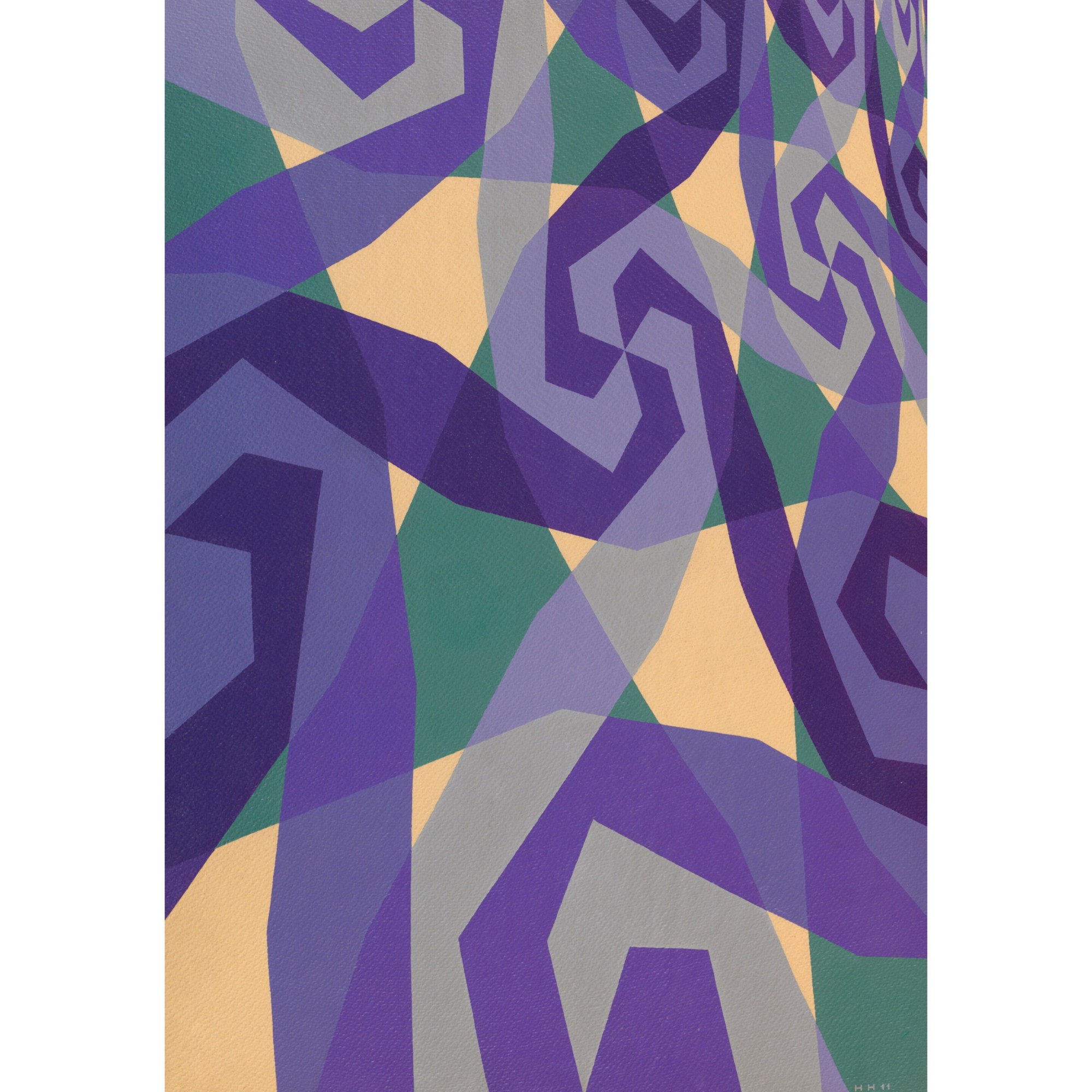
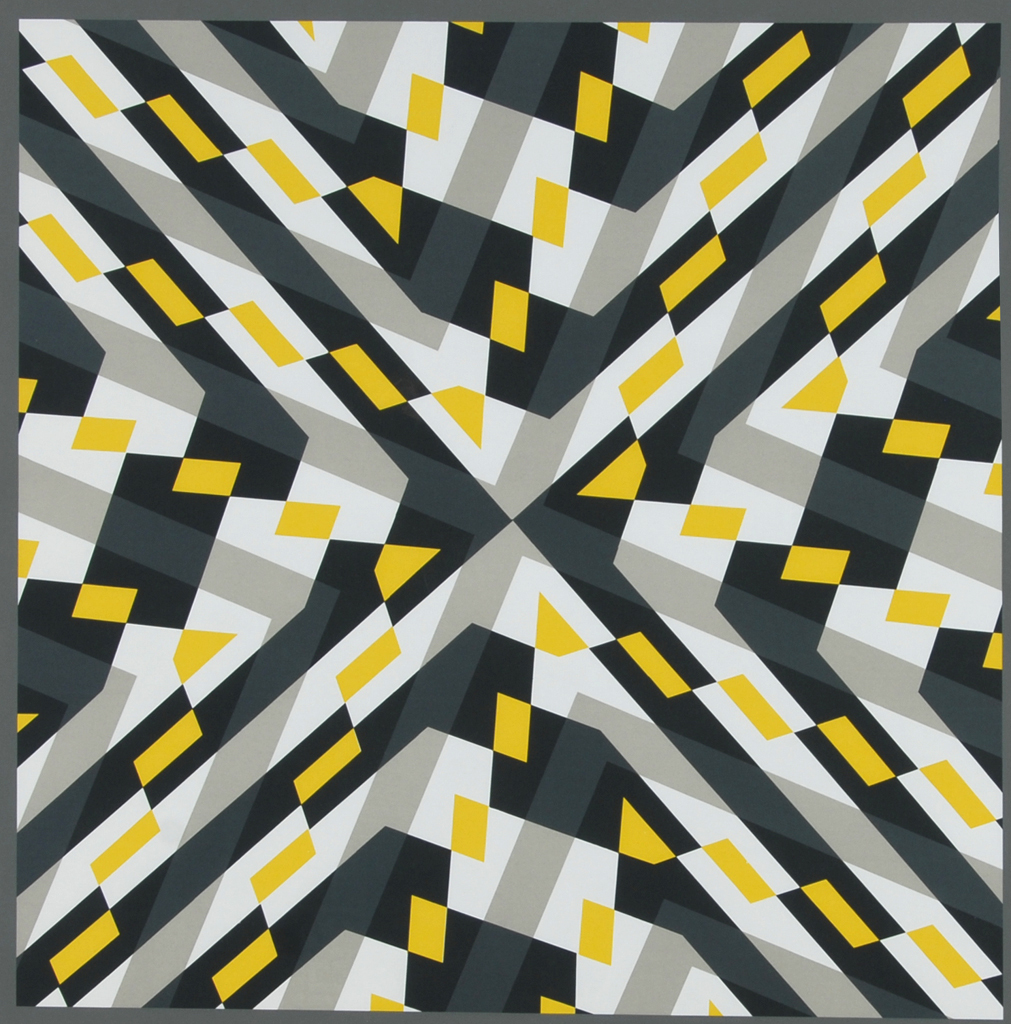
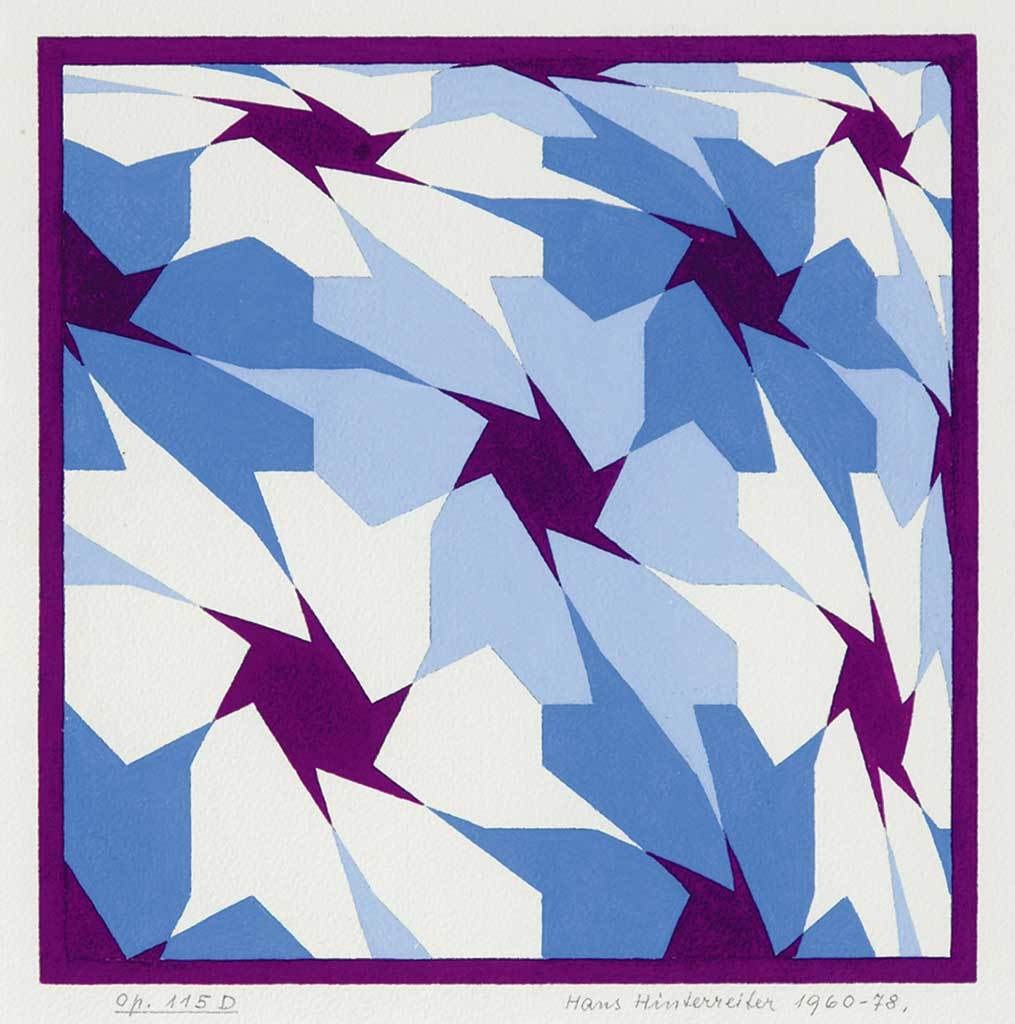
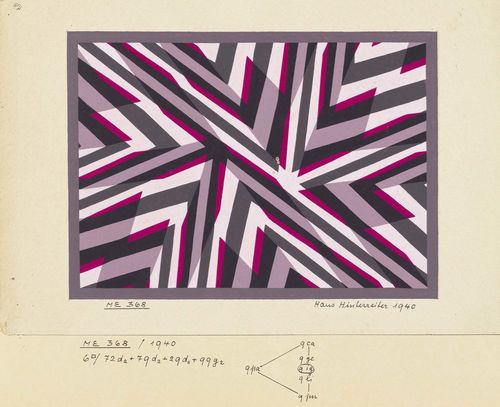
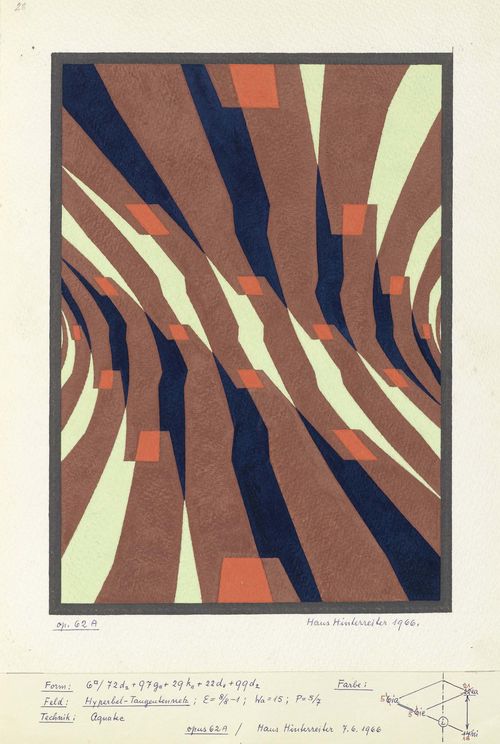
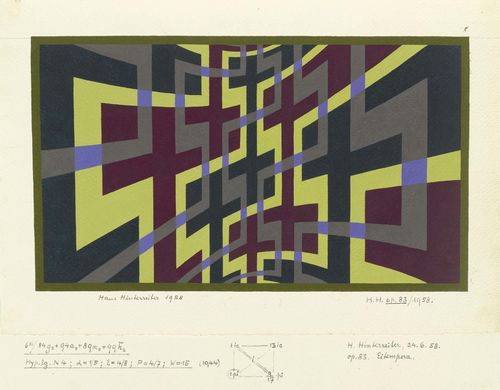
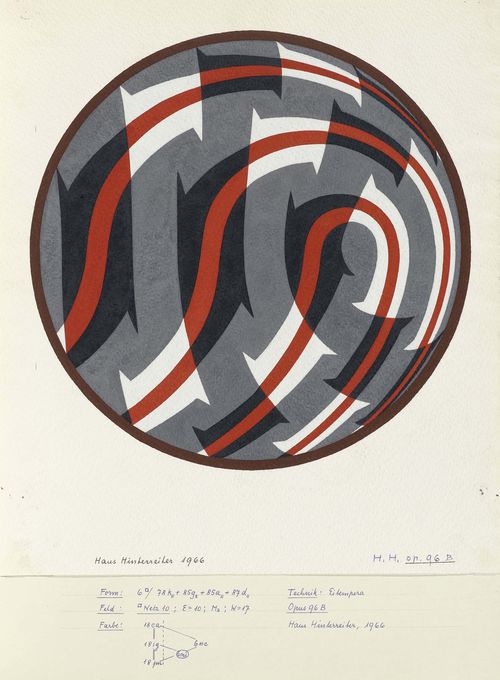
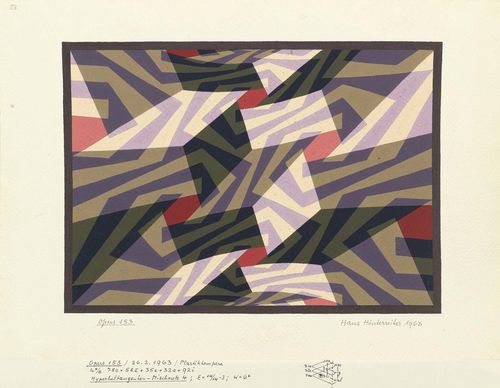
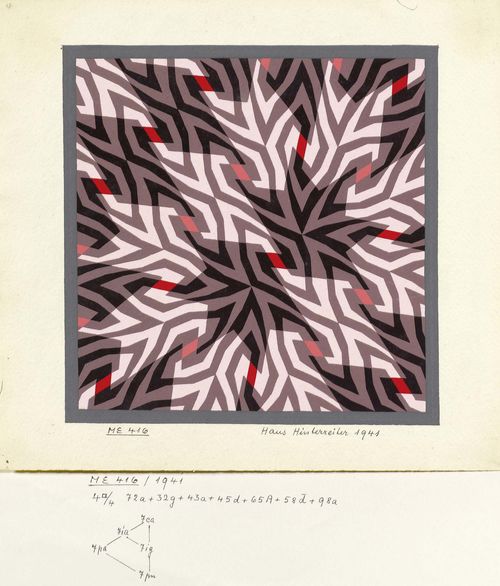
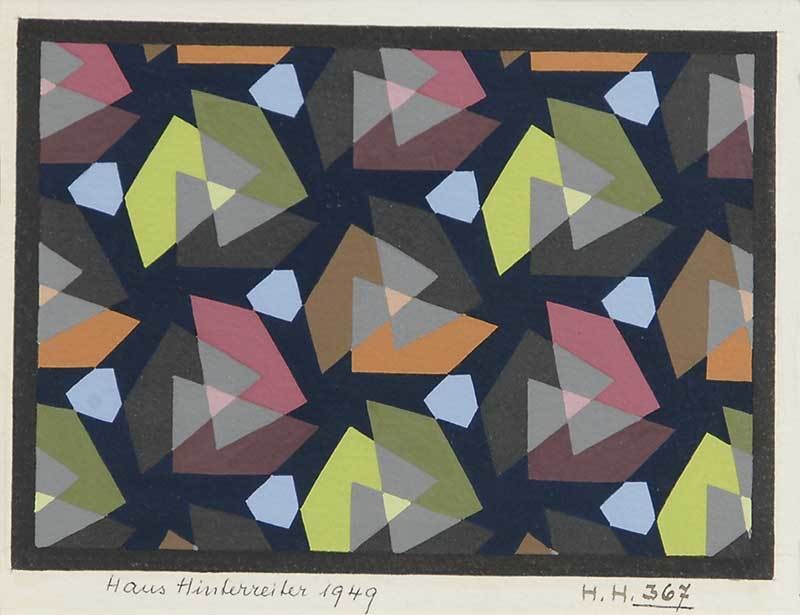
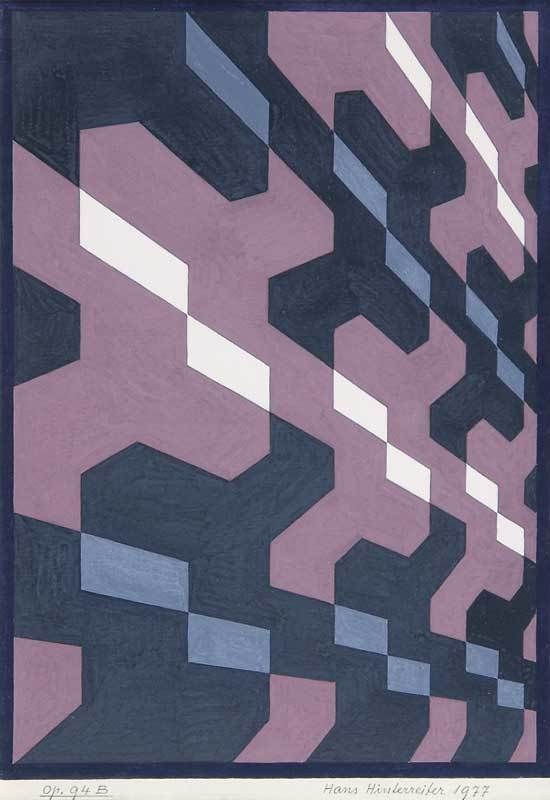
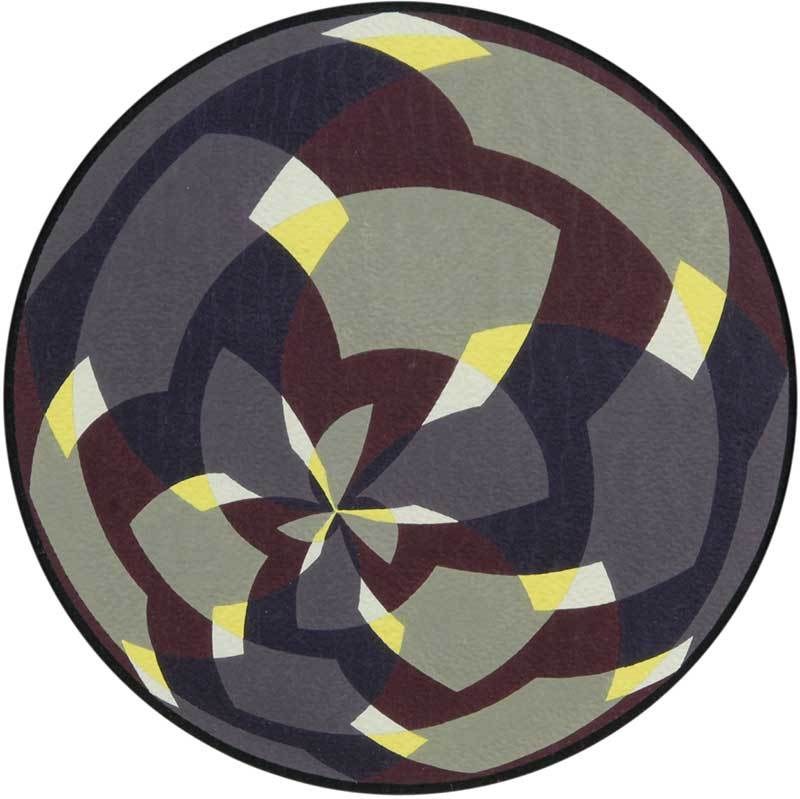
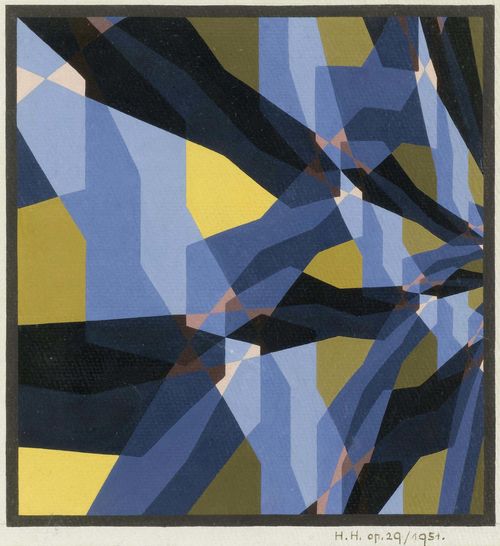
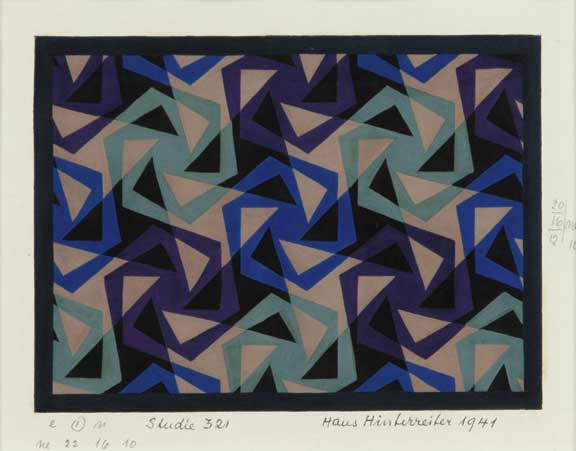
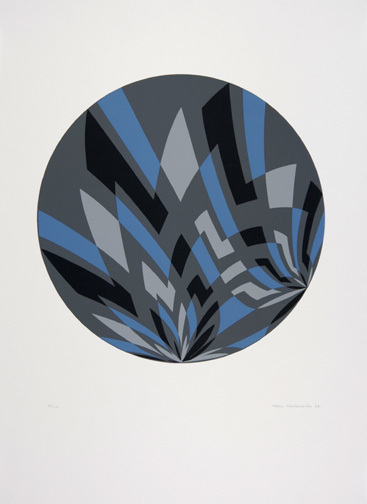
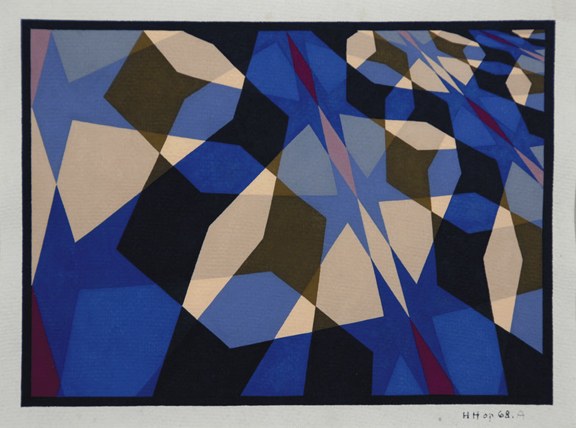
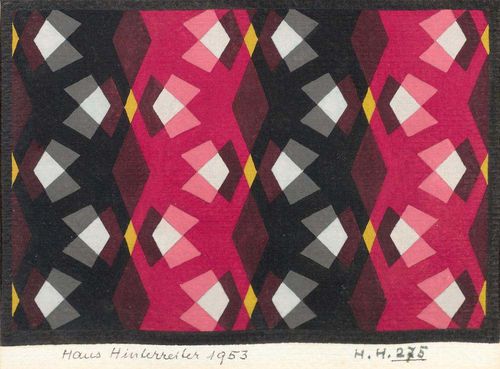
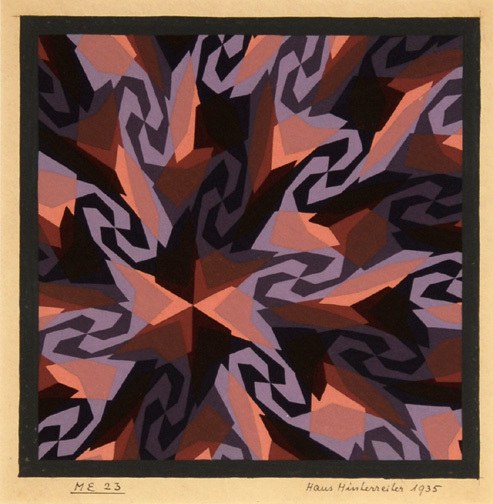
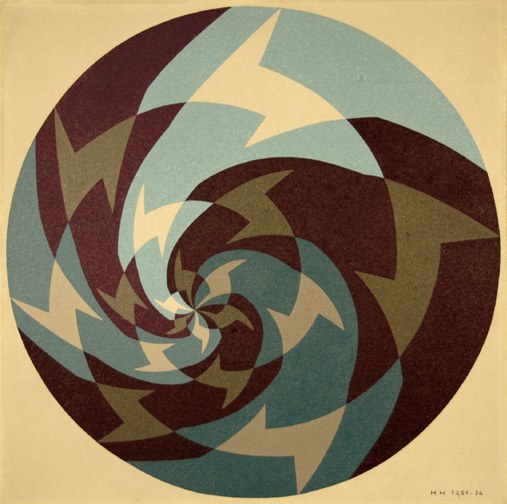
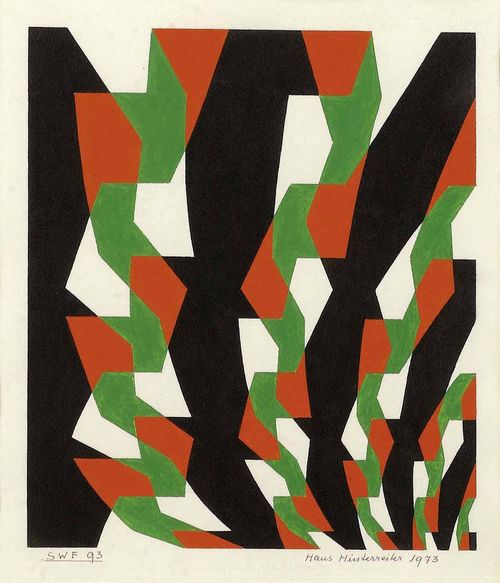
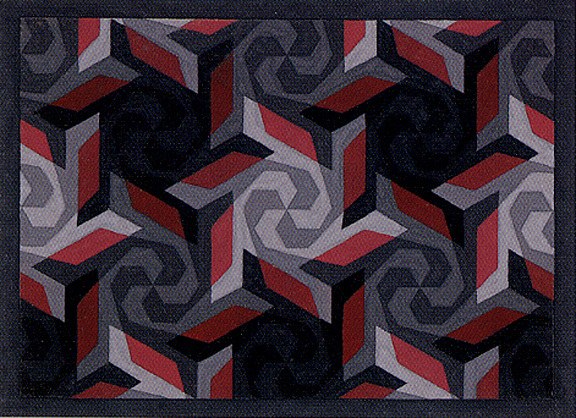
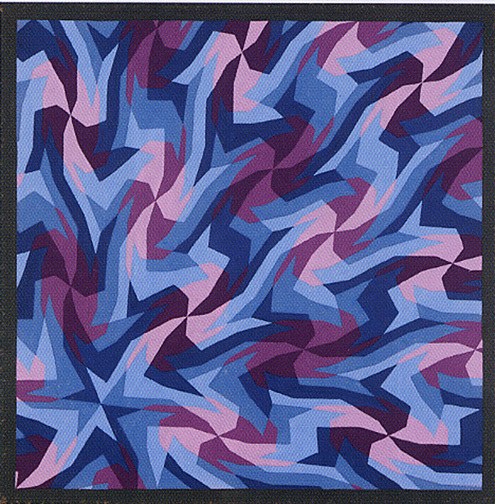
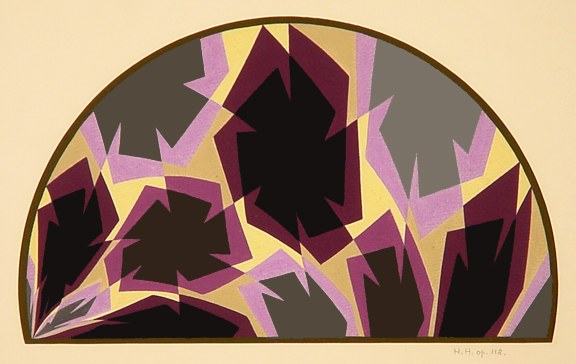
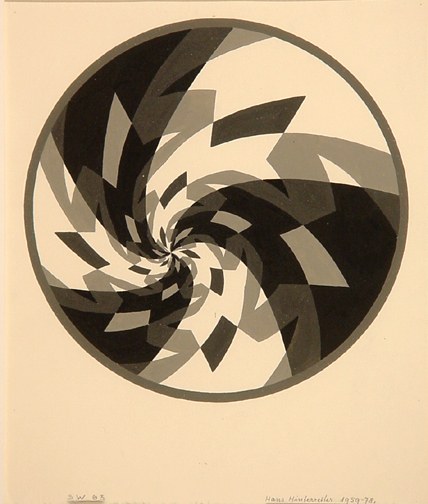
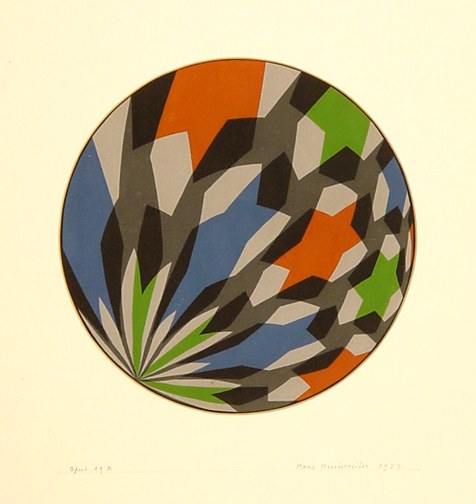
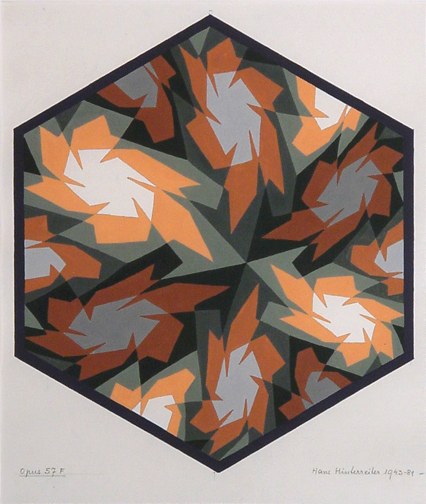
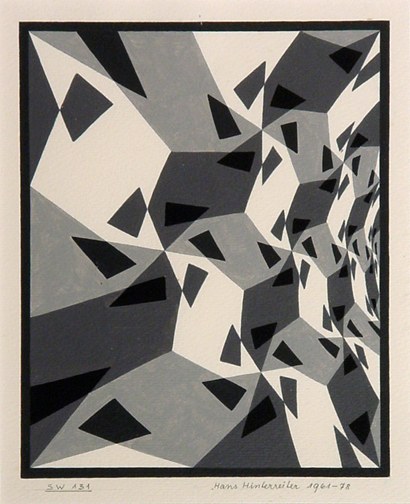
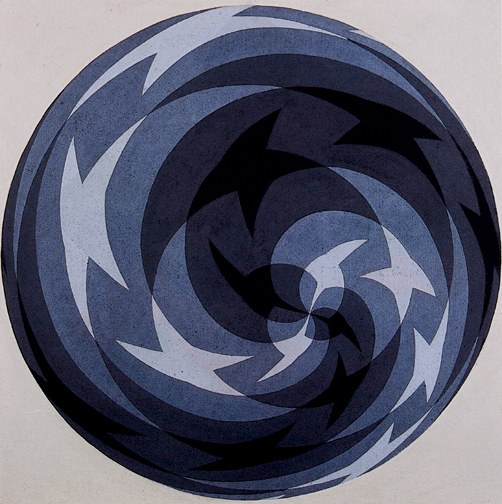
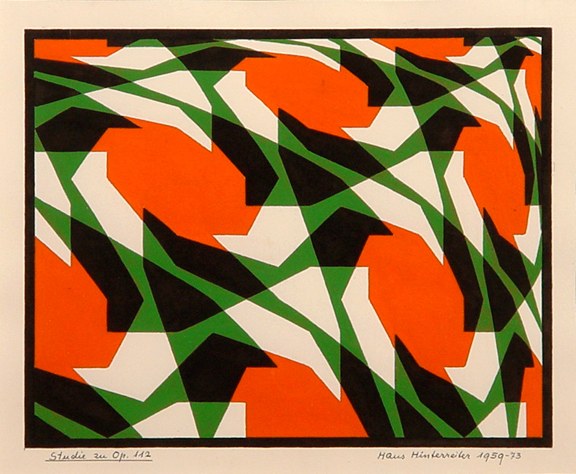
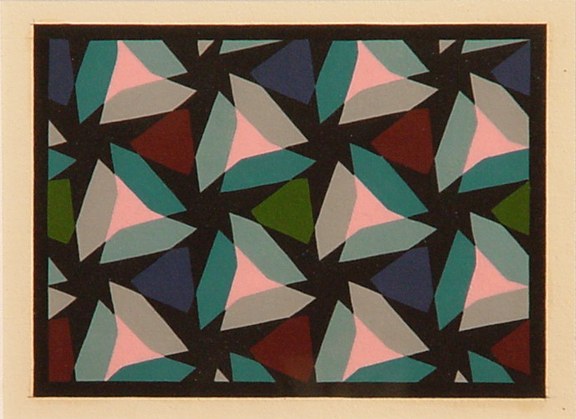
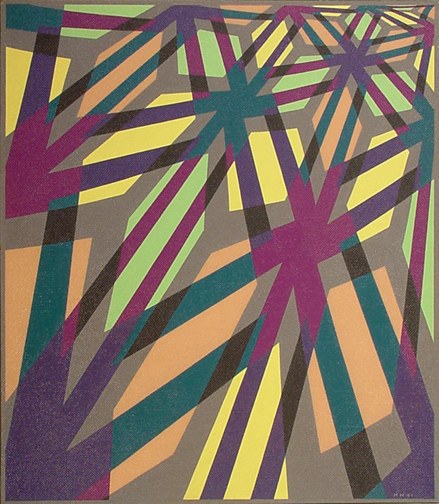
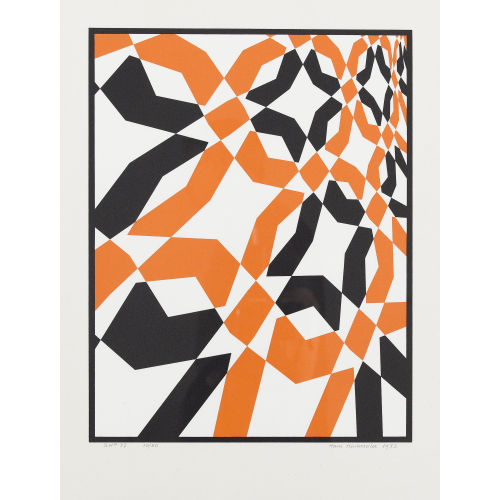
He nevertheless maintained links with the Swiss art scene: he met Max Bill in 1938 and exhibited with Allianz in Zurich in 1942 and 1947. The catalogue of the 1947 Allianz exhibition documents several works under the name Hinterreiter; a 1941 print held by MoMA also bears witness to his activity in the graphic arts. Working from geometric constructions and calculations, Hinterreiter developed modular compositions in which colours and forms generate visual rhythms.
His practice was accompanied by theoretical reflection, which he published notably in Geometrische Schönheit (1958) and Die Kunst der reinen Form (1978), a five-volume work devoted to elementary forms, networks and the application of colour. He also designed holiday homes to earn a living. His first solo museum exhibition took place at the Kunstmuseum Winterthur in 1973; a retrospective presented by the Fondation Juan March in 2018 brought together approximately 75 works, documents and publications, highlighting the central role of colour in his research.