Hans Berger
Born in 1882.
Died in 1977.
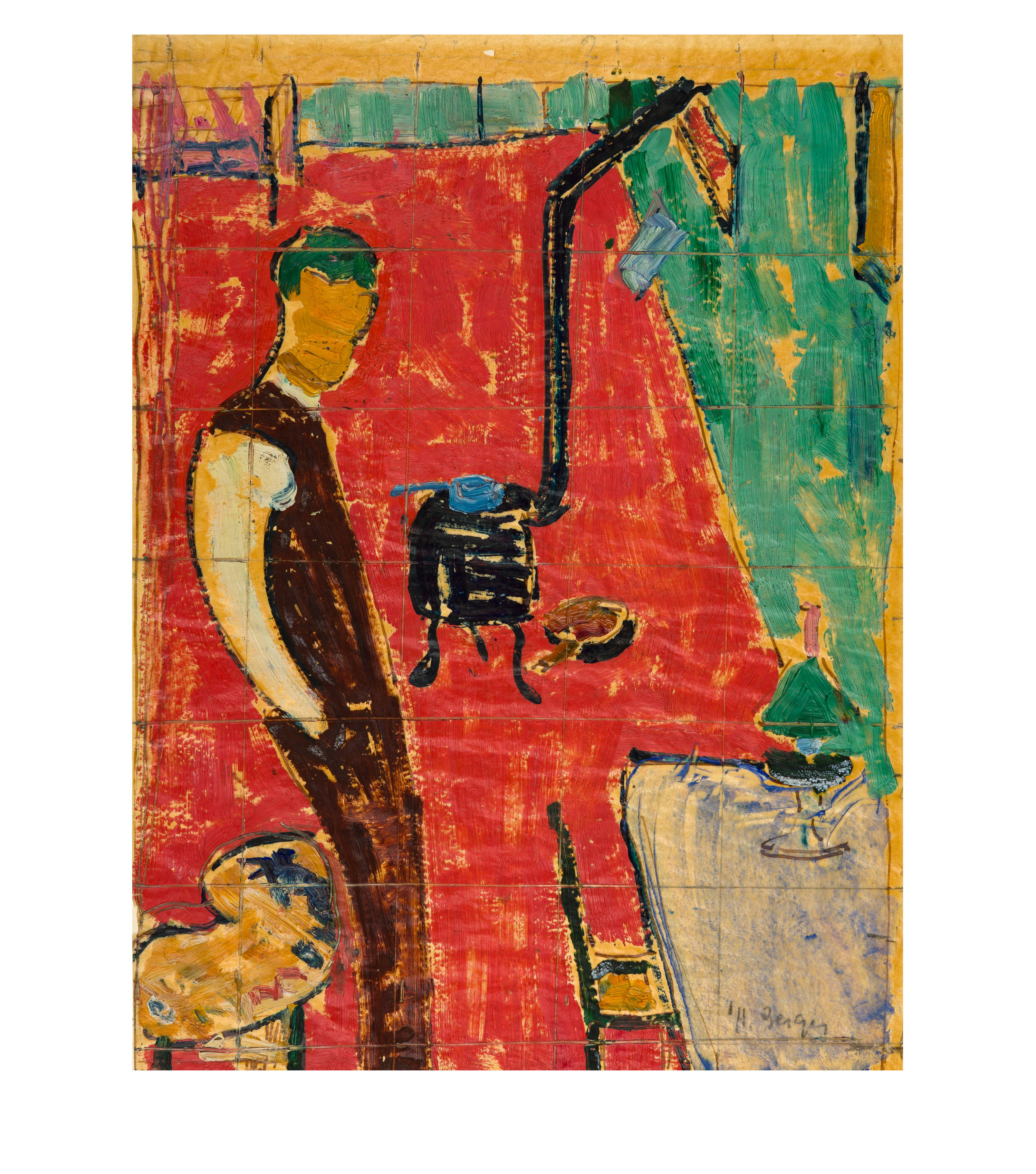
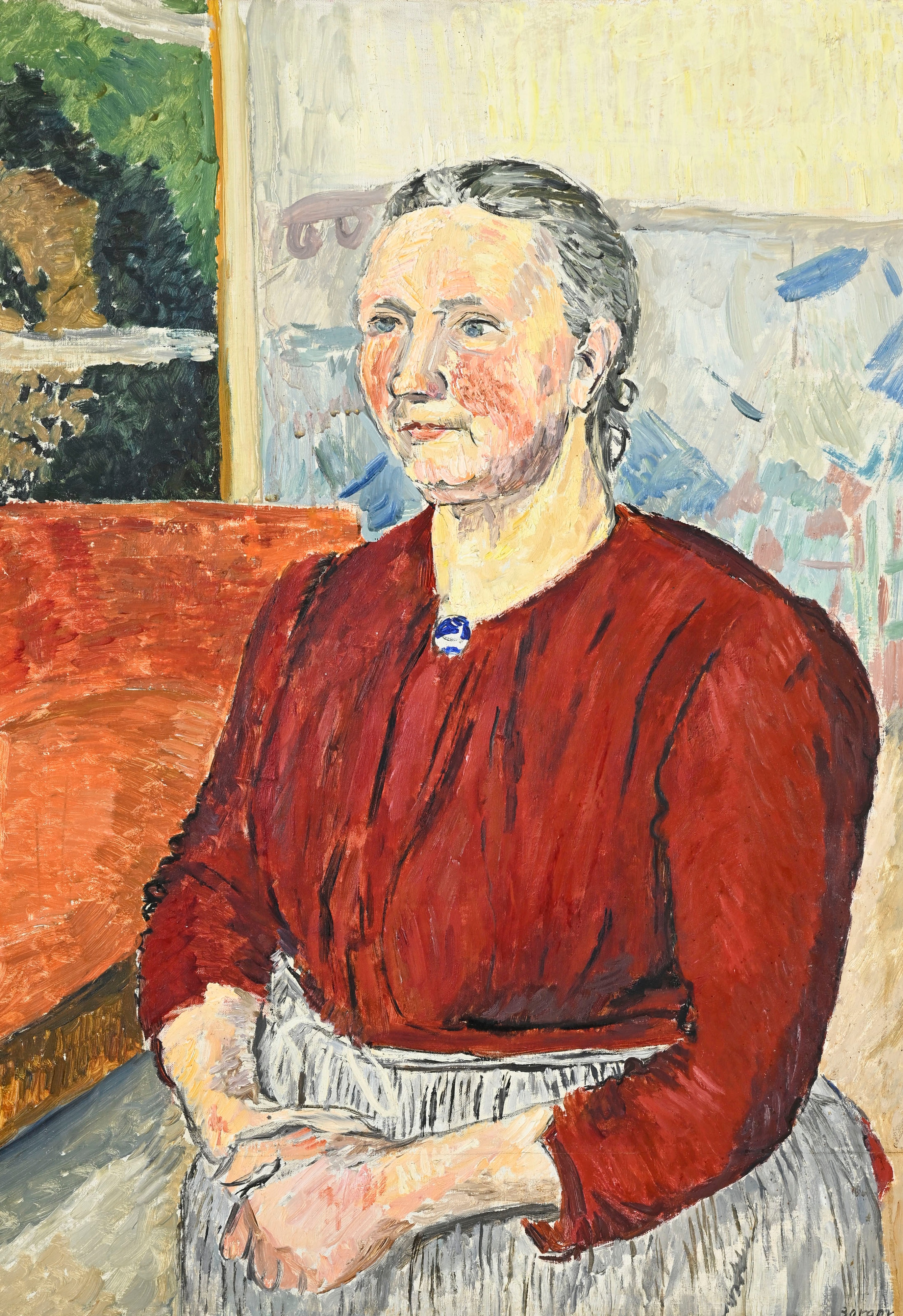
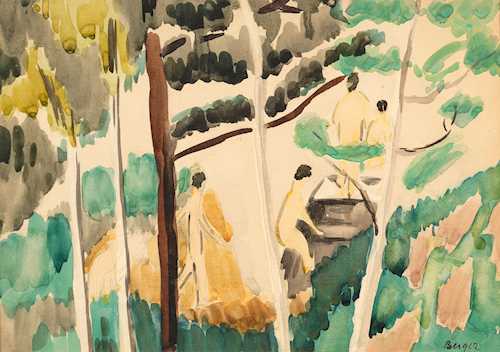
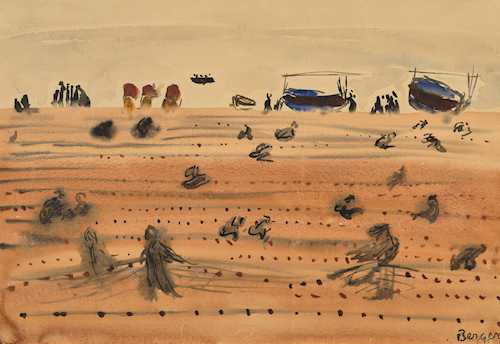
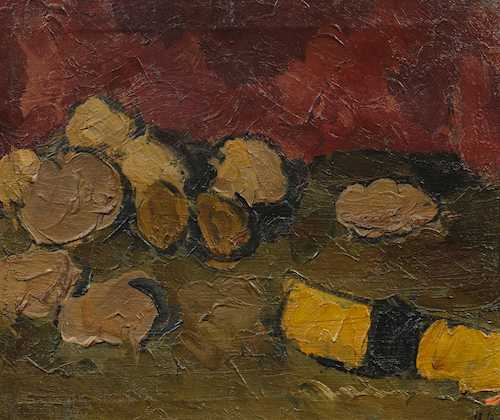
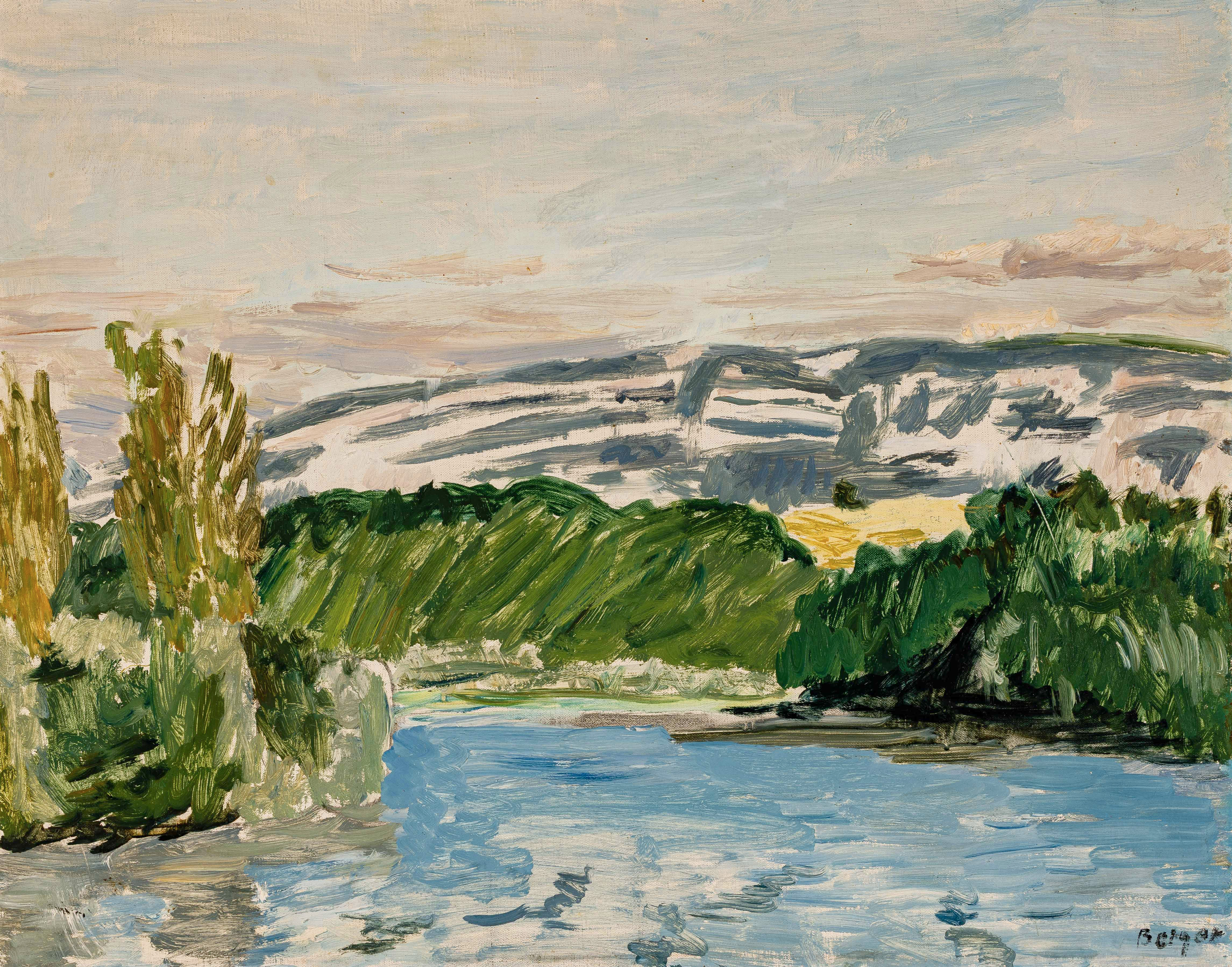
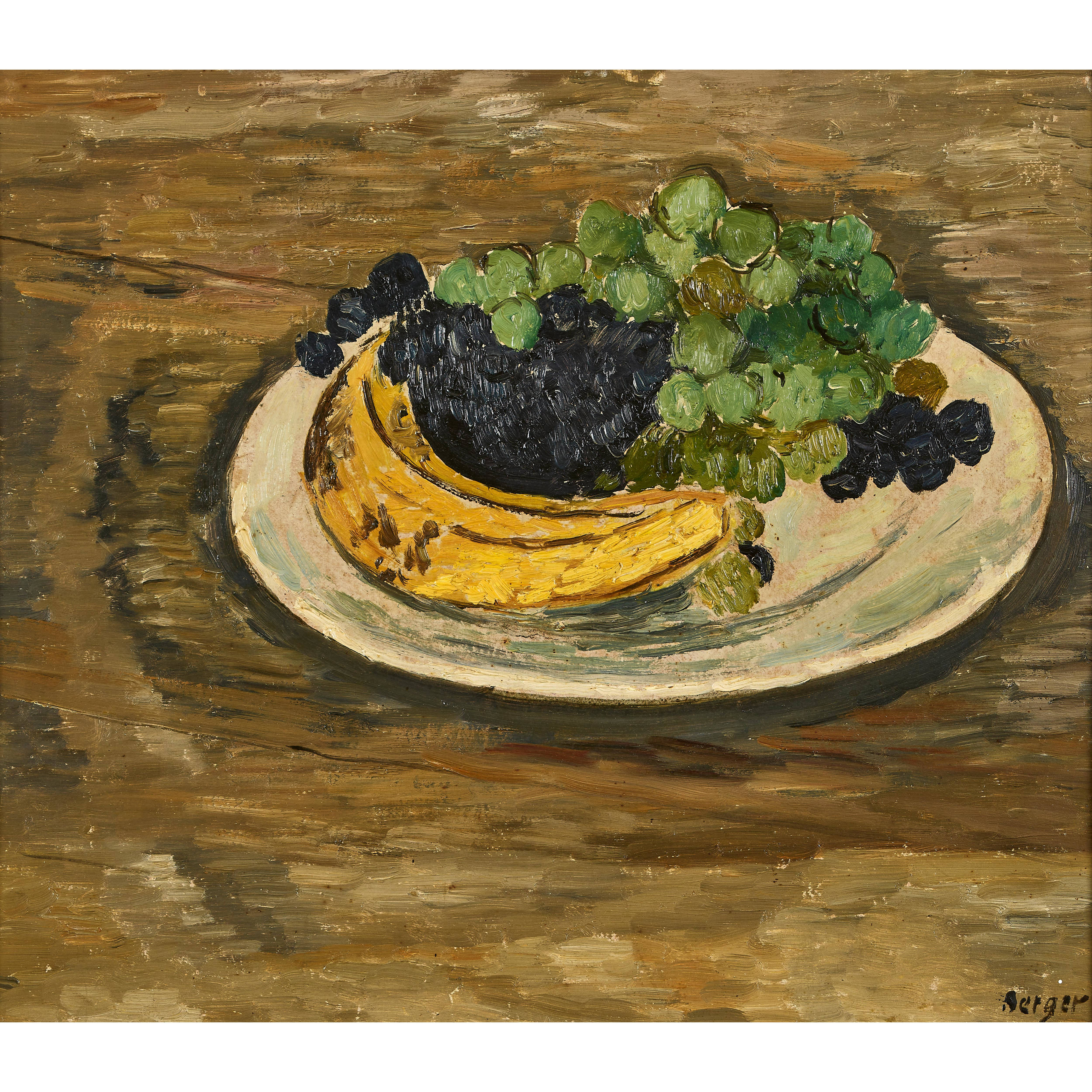
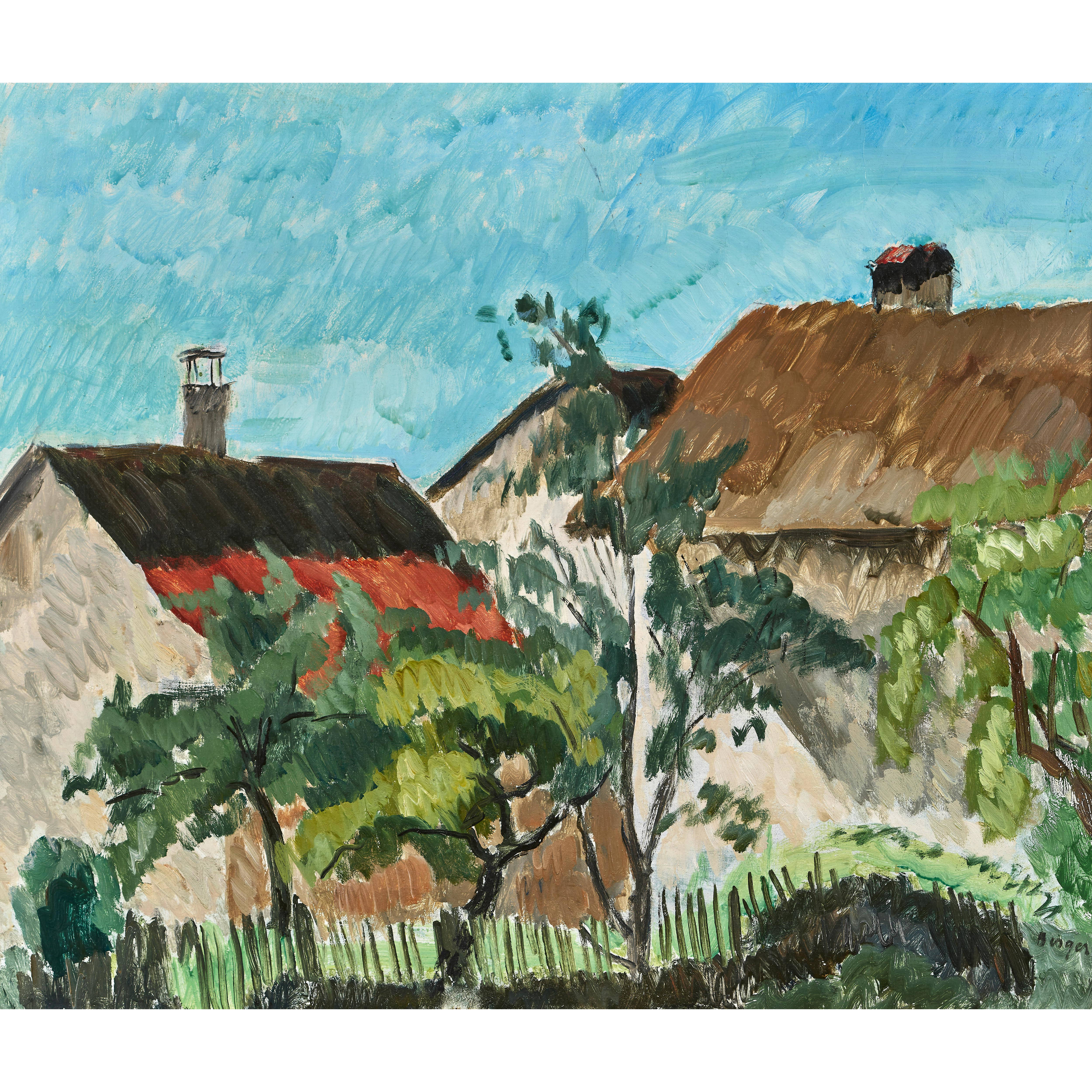
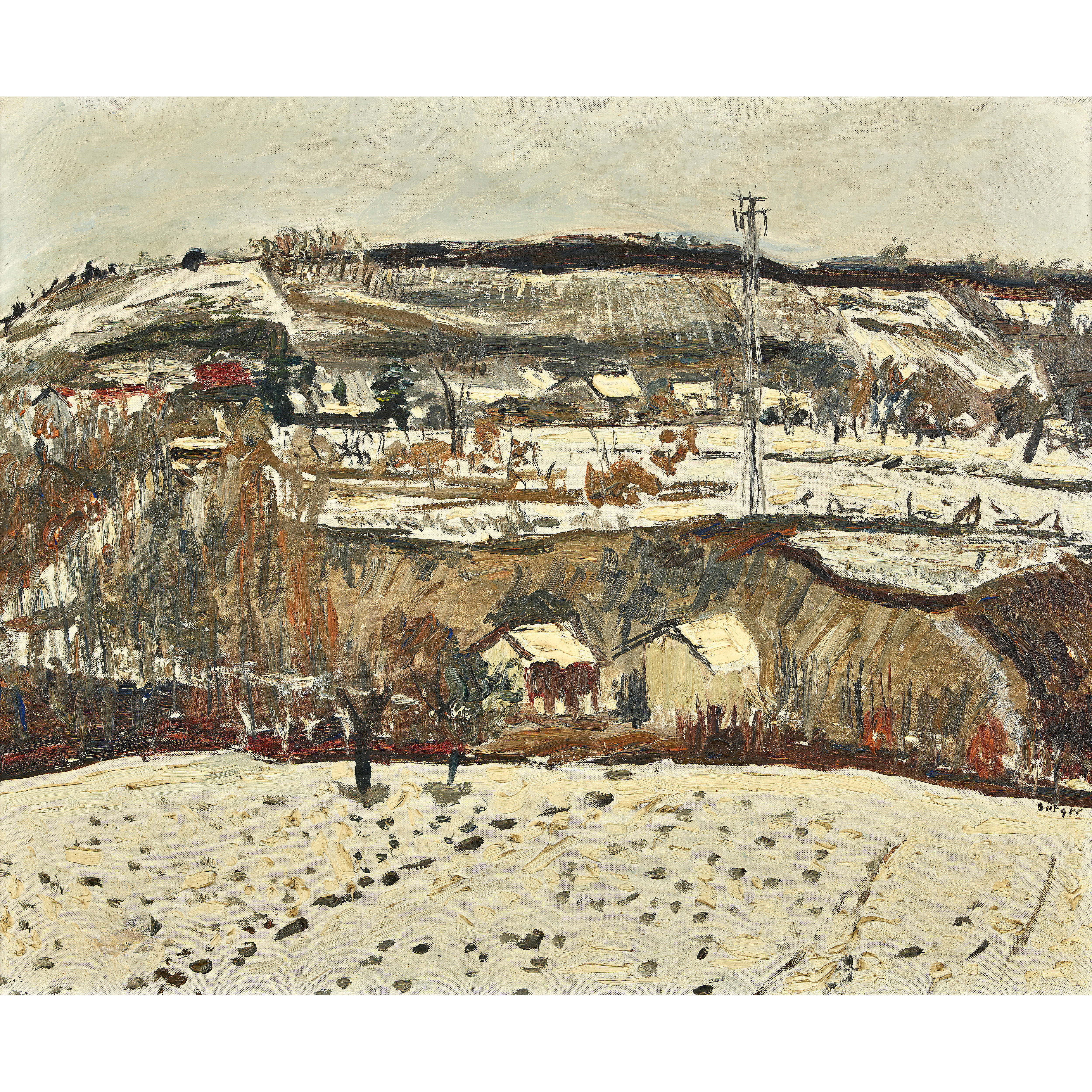
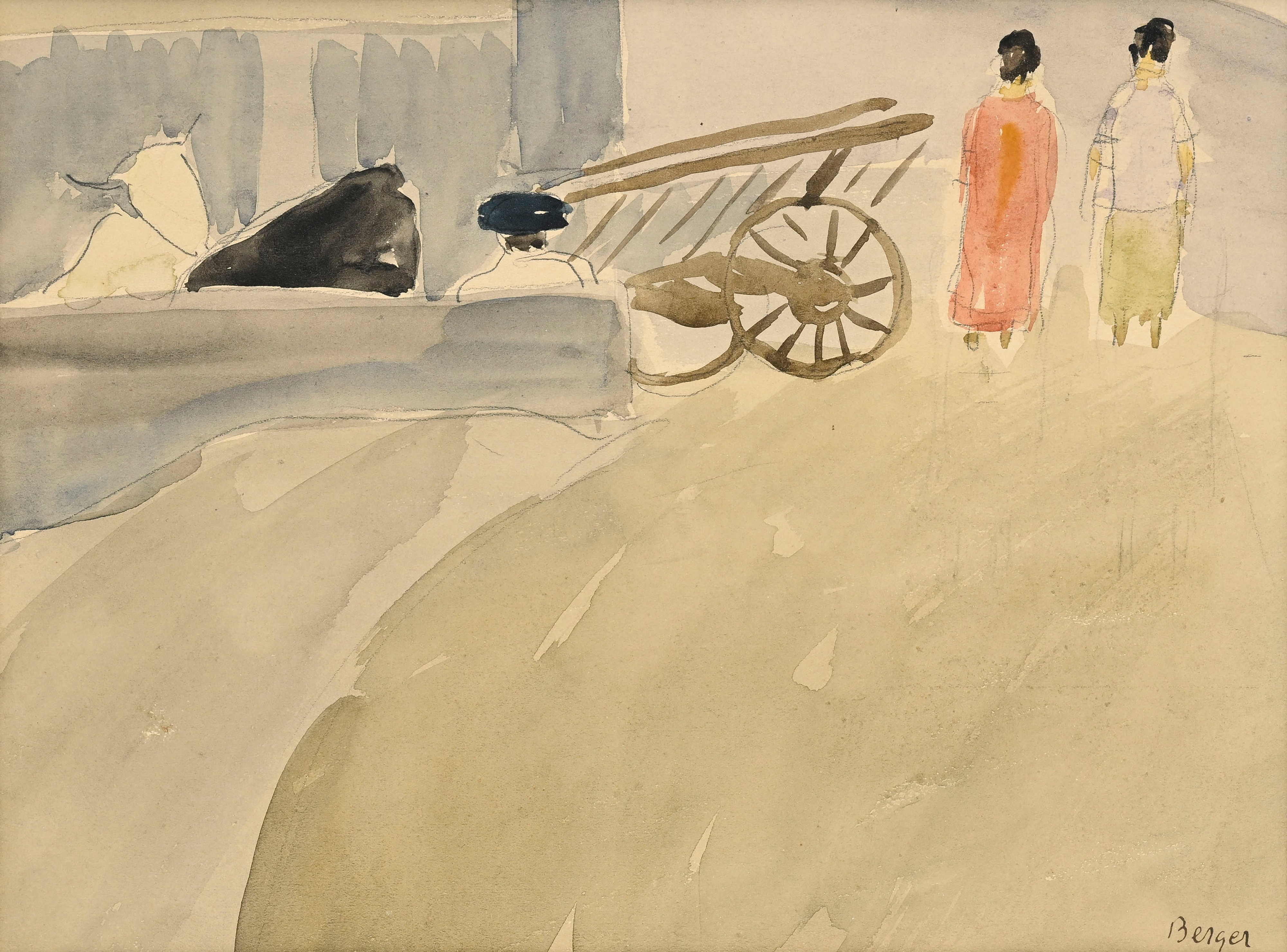
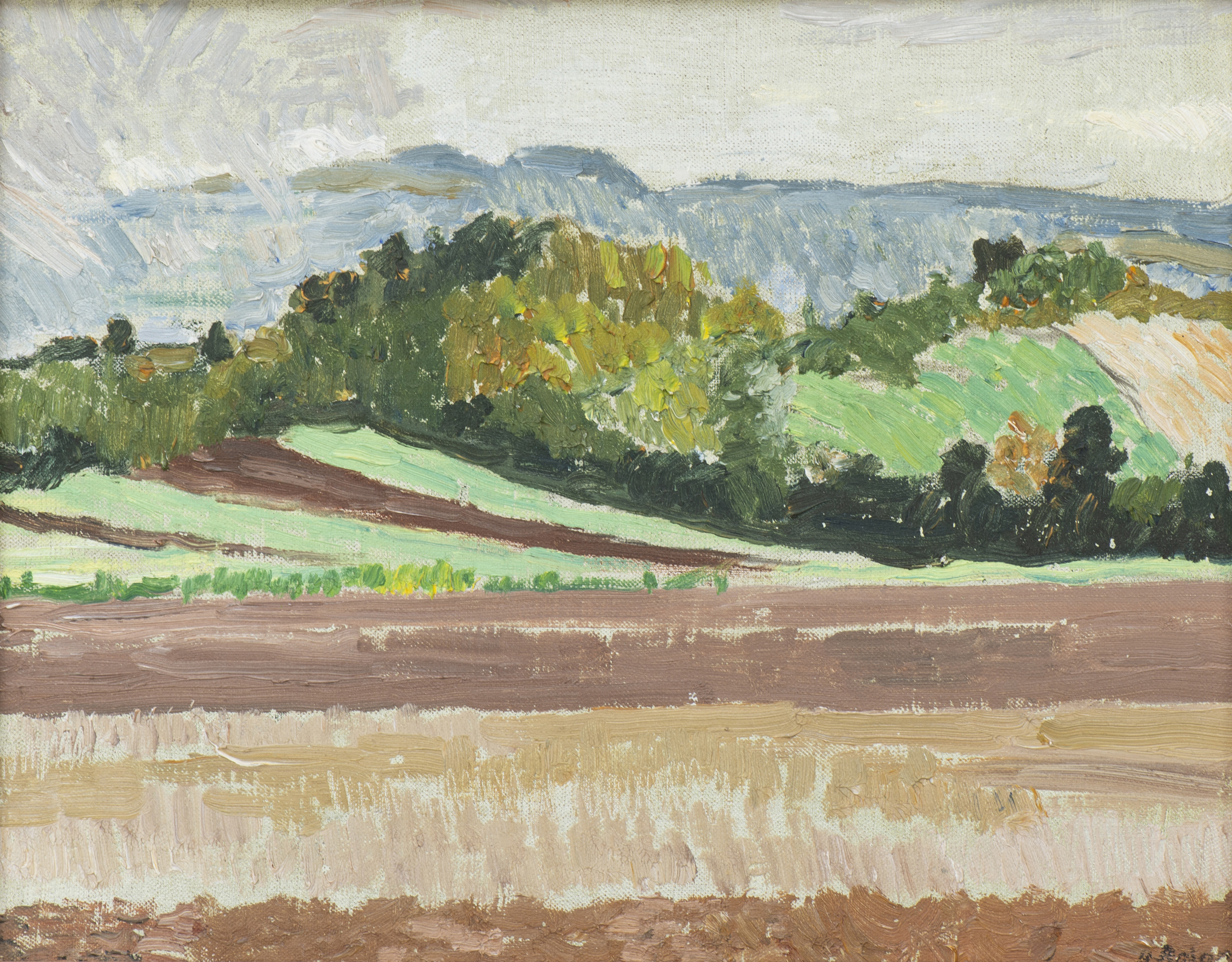
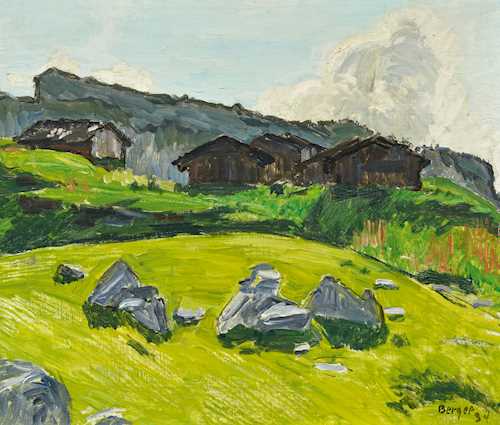
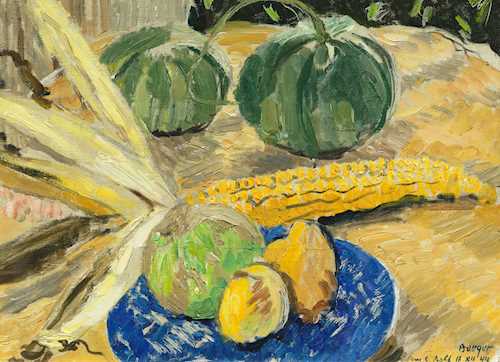
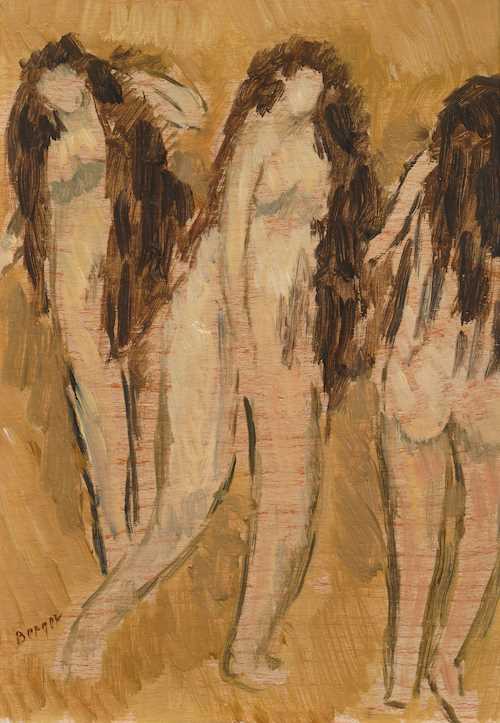
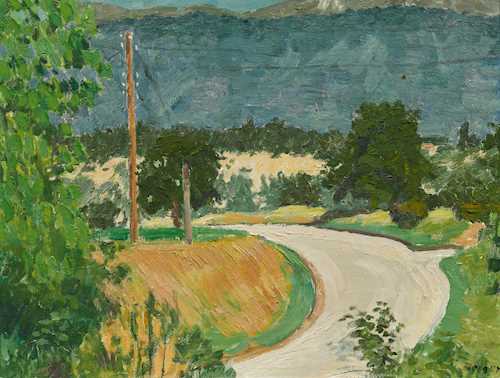
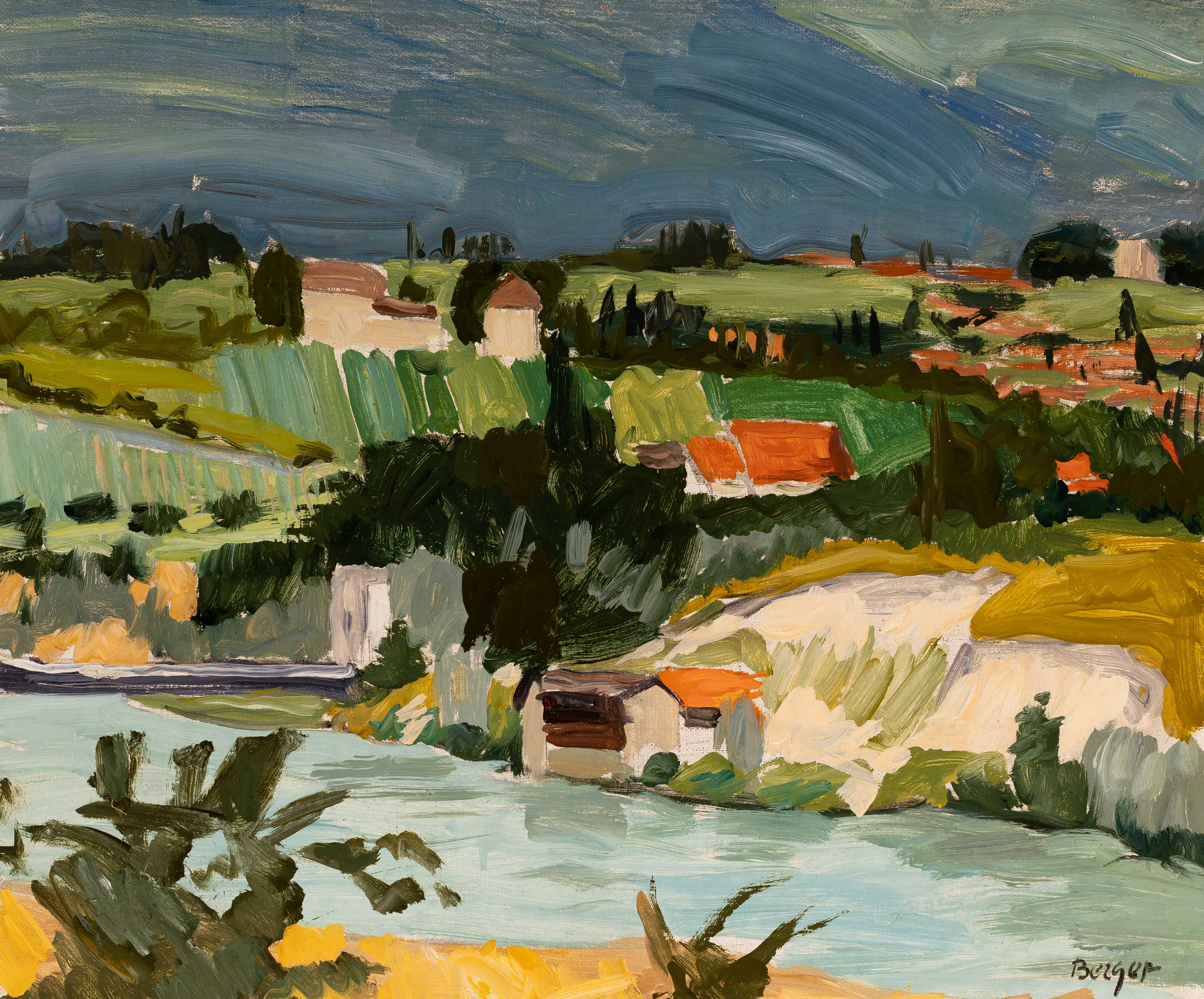
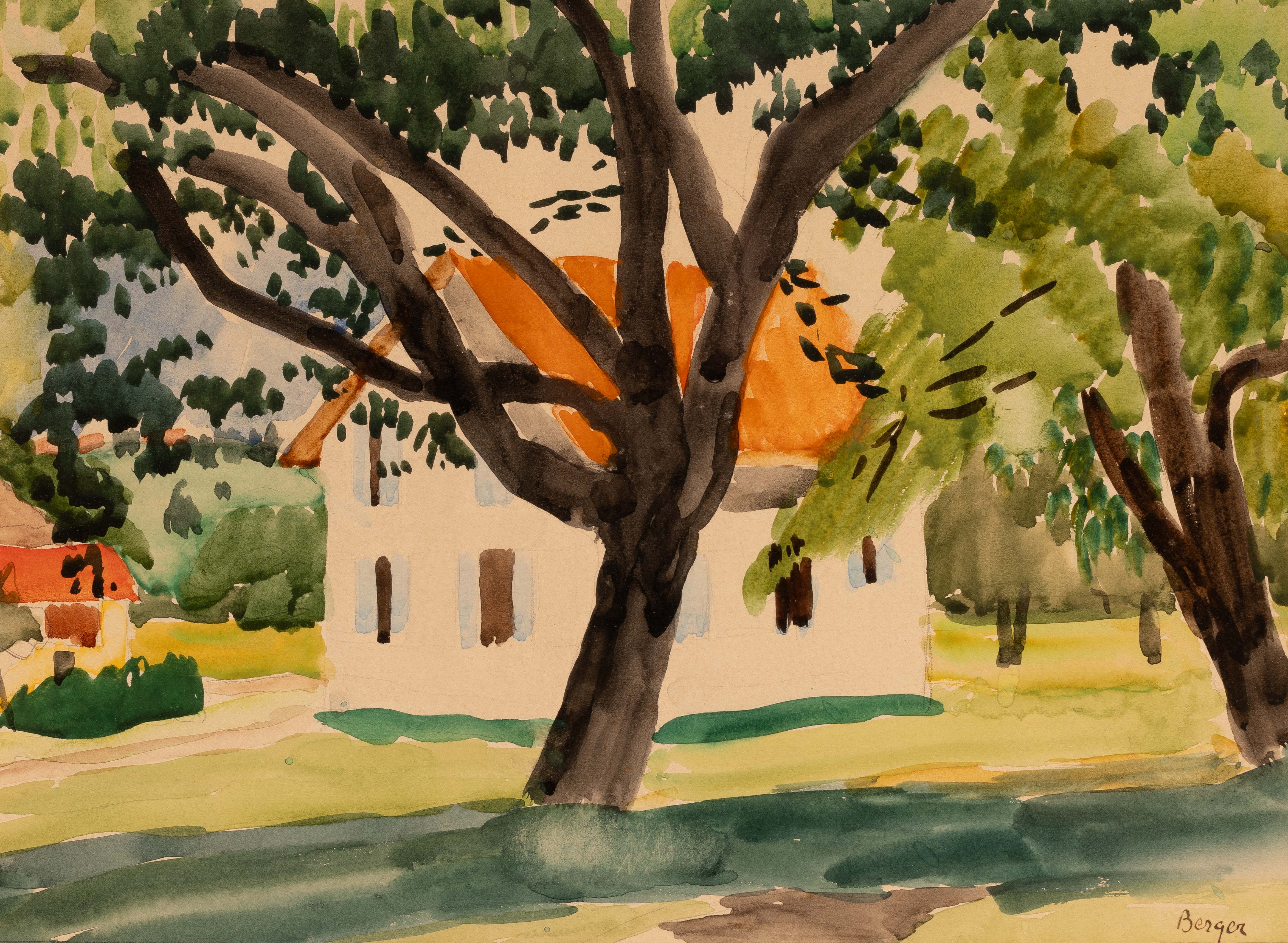
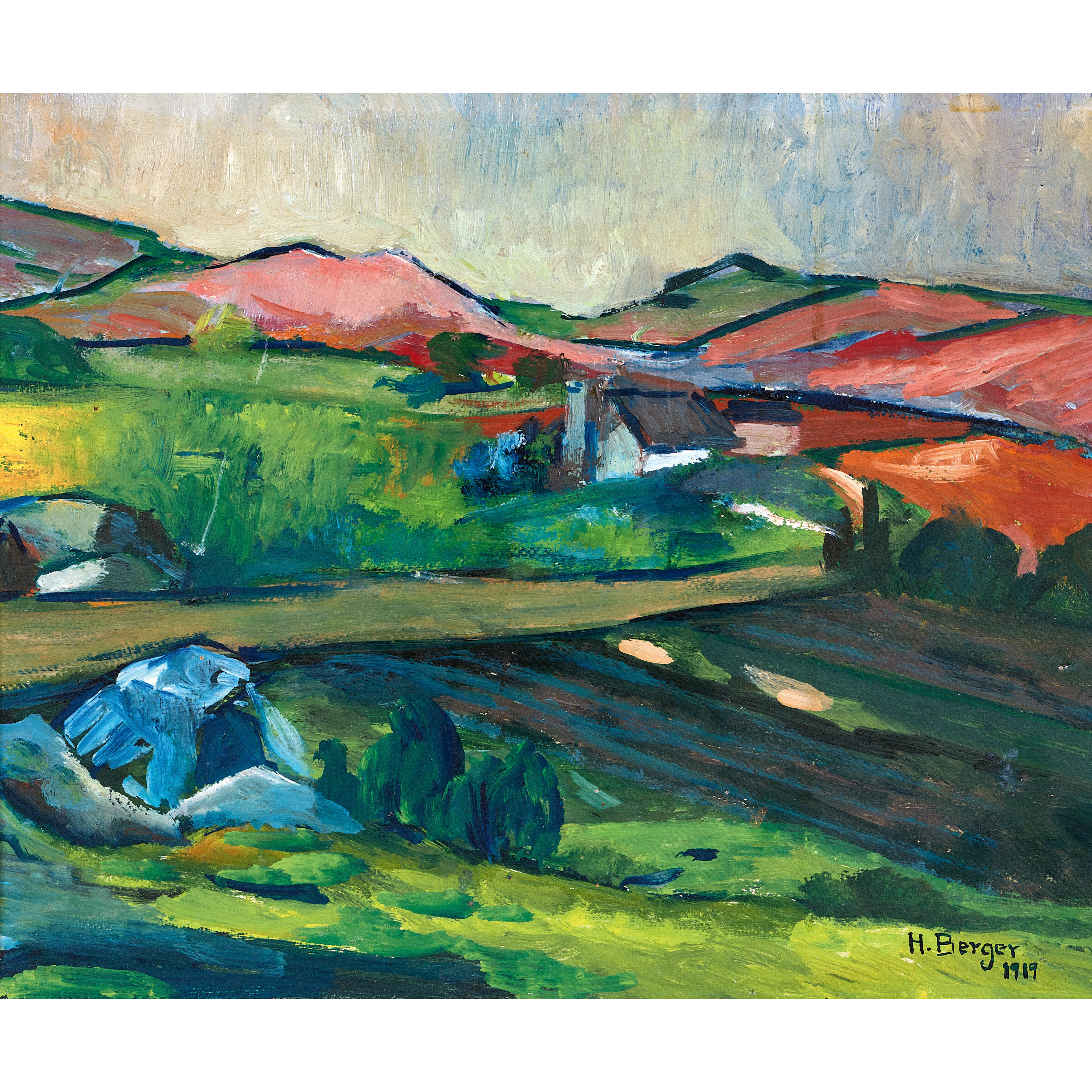
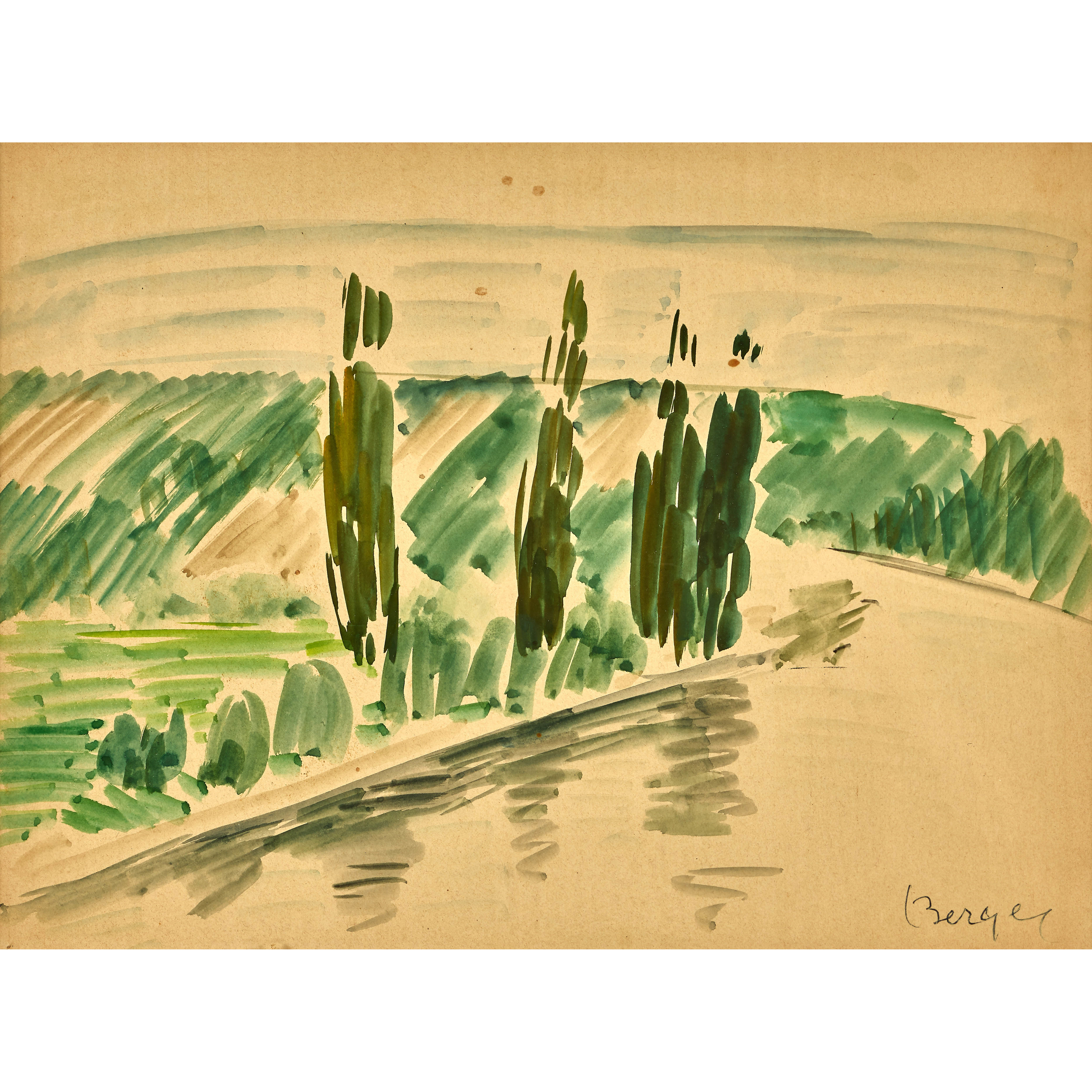
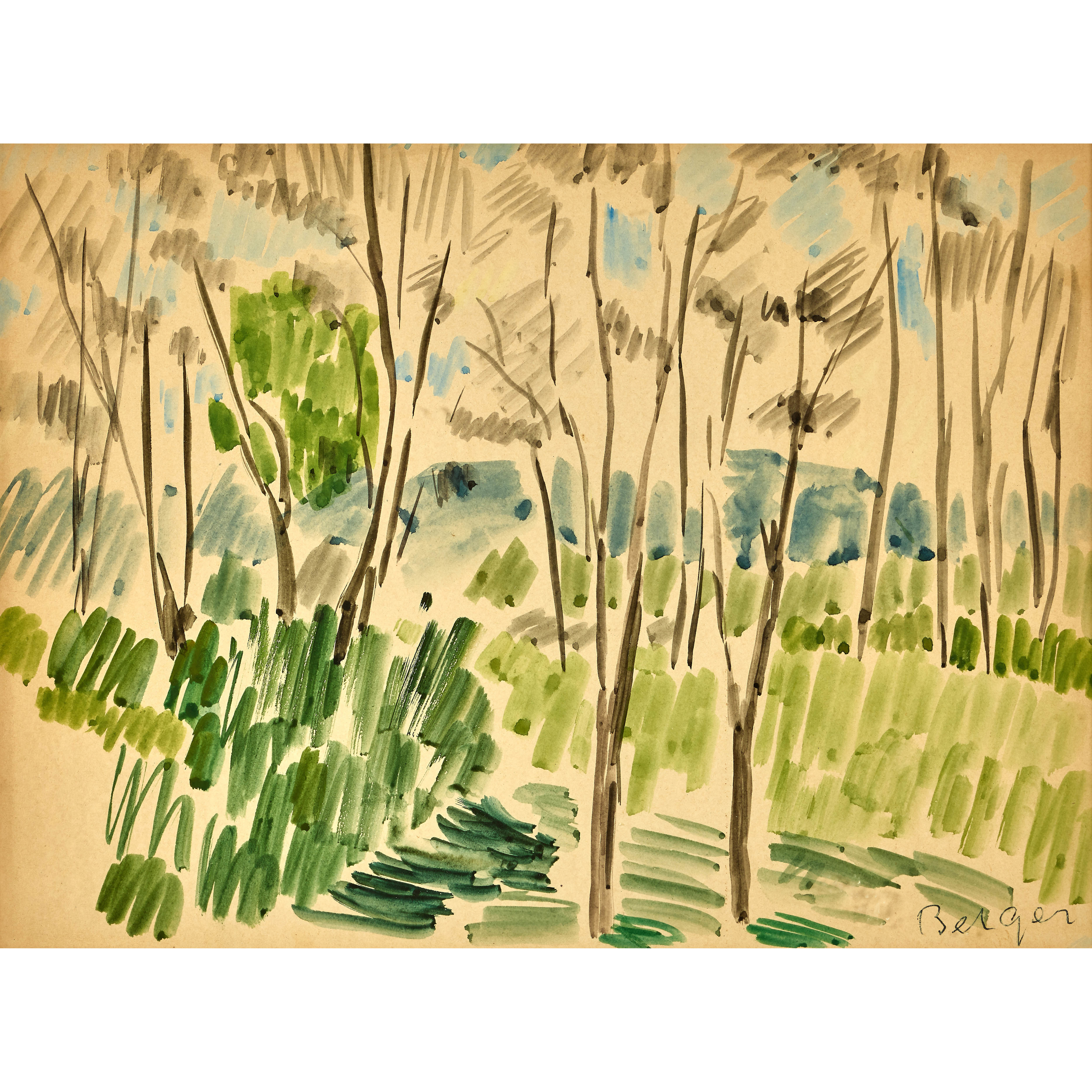
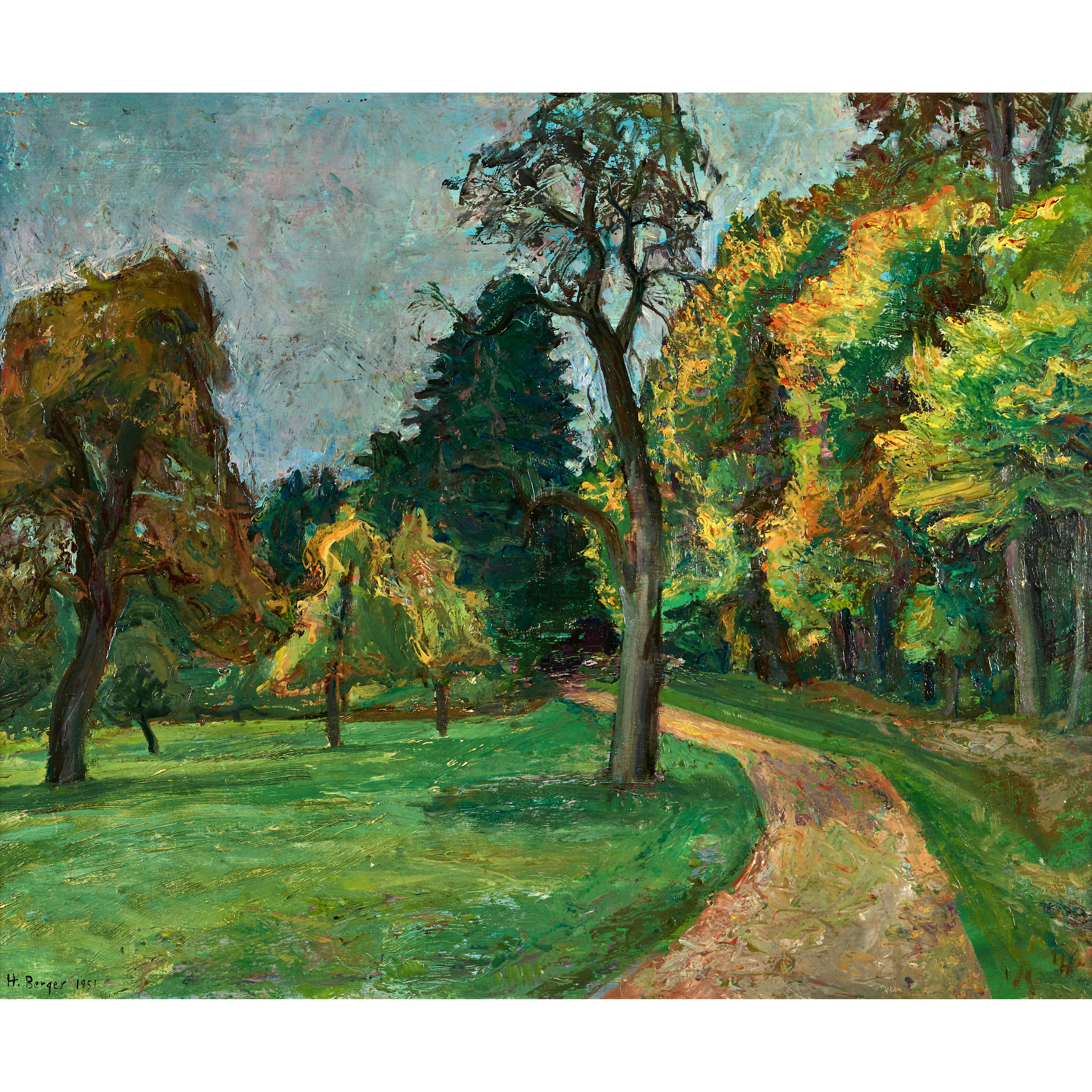
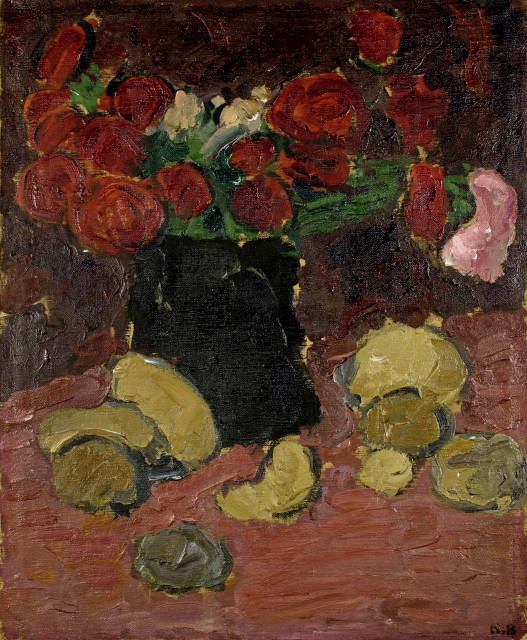
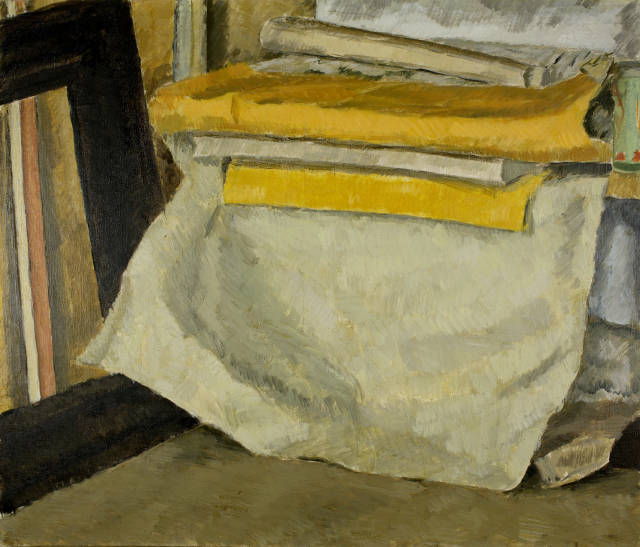
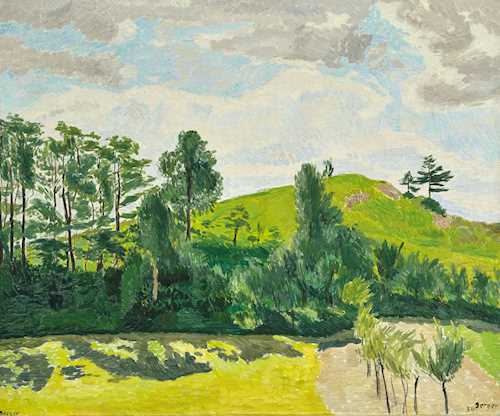
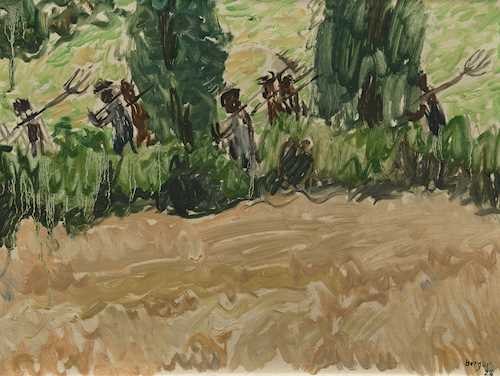
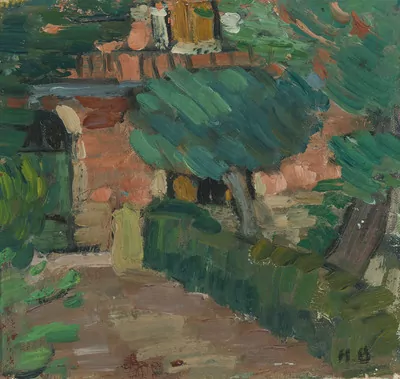
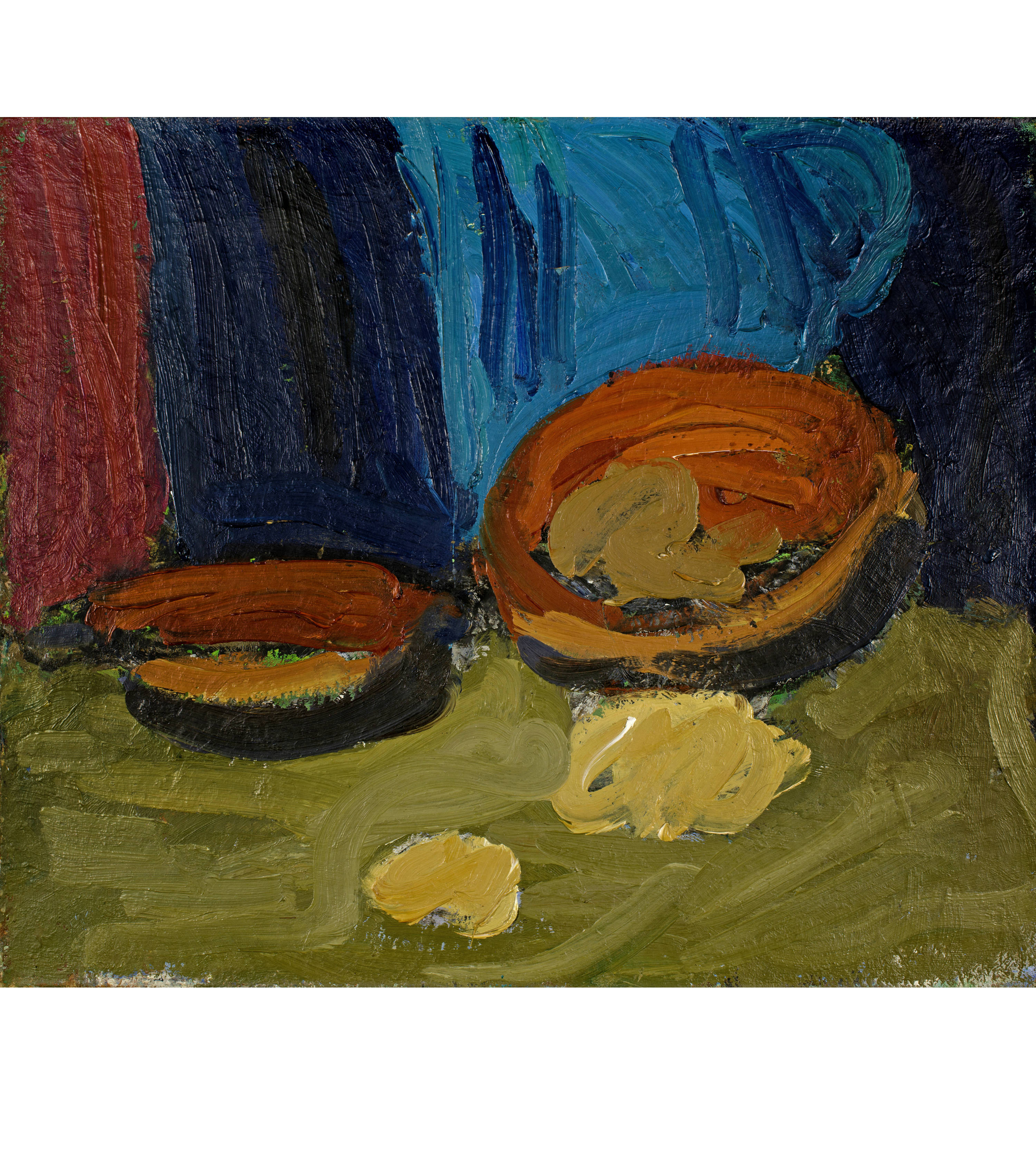
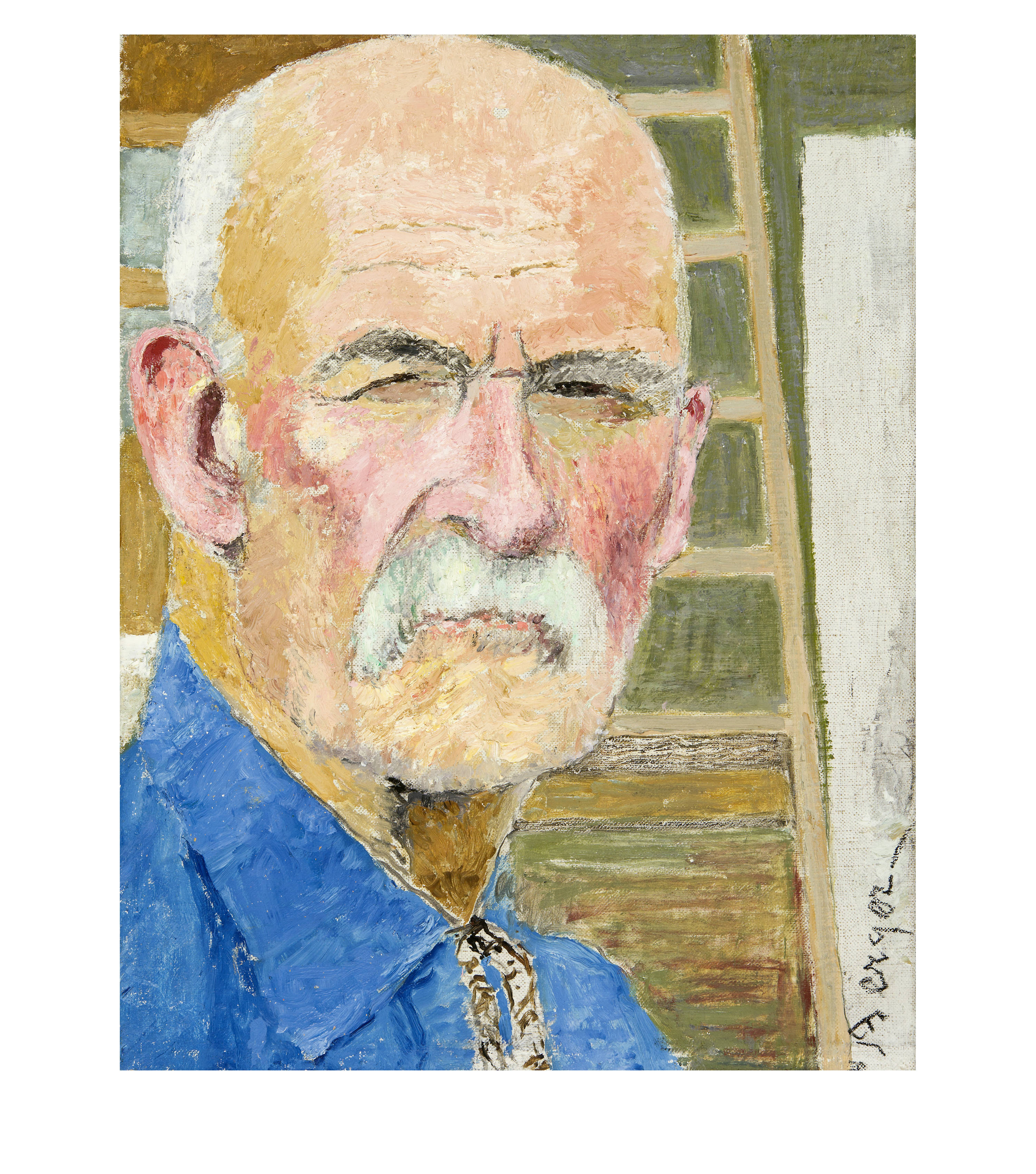
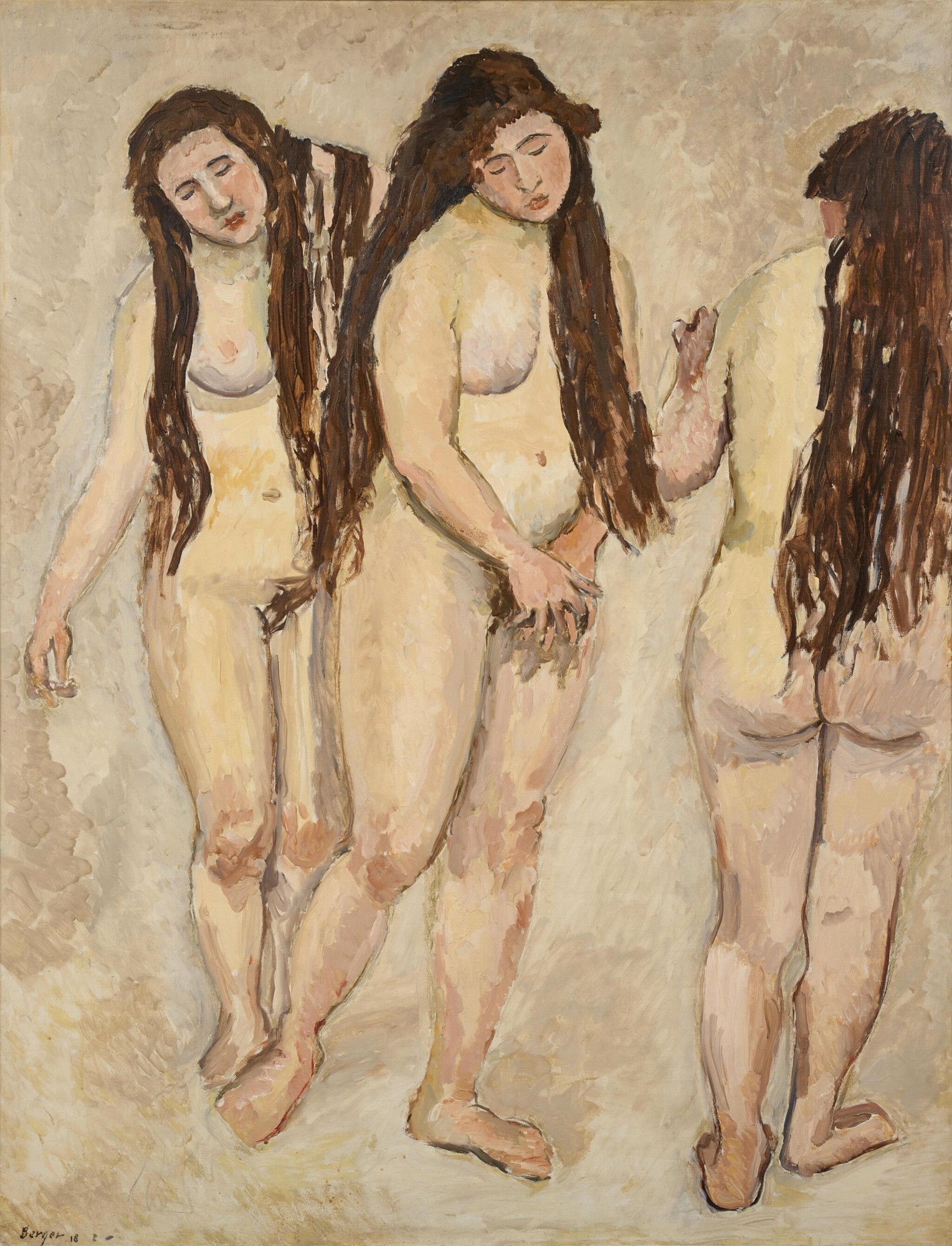
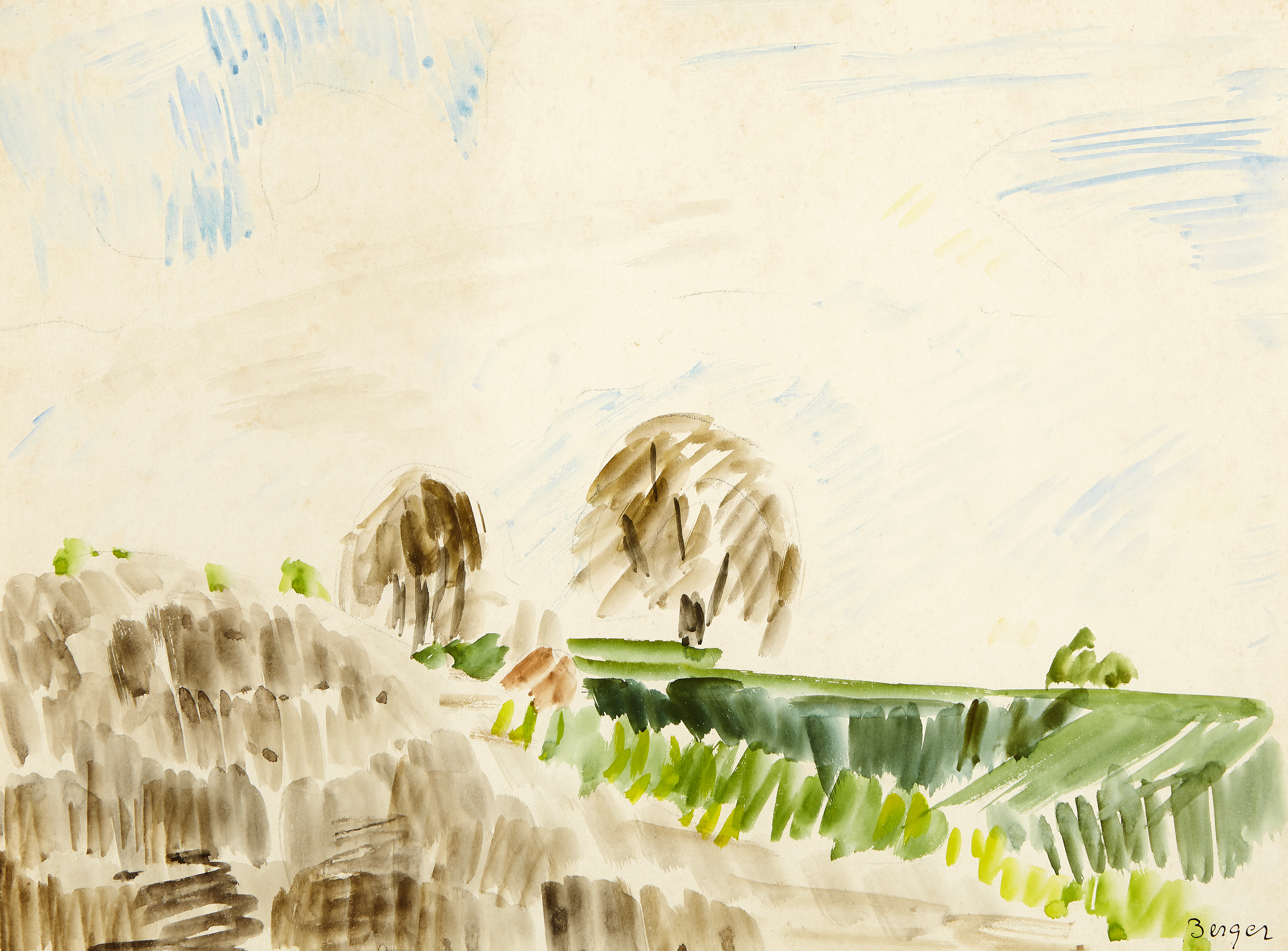
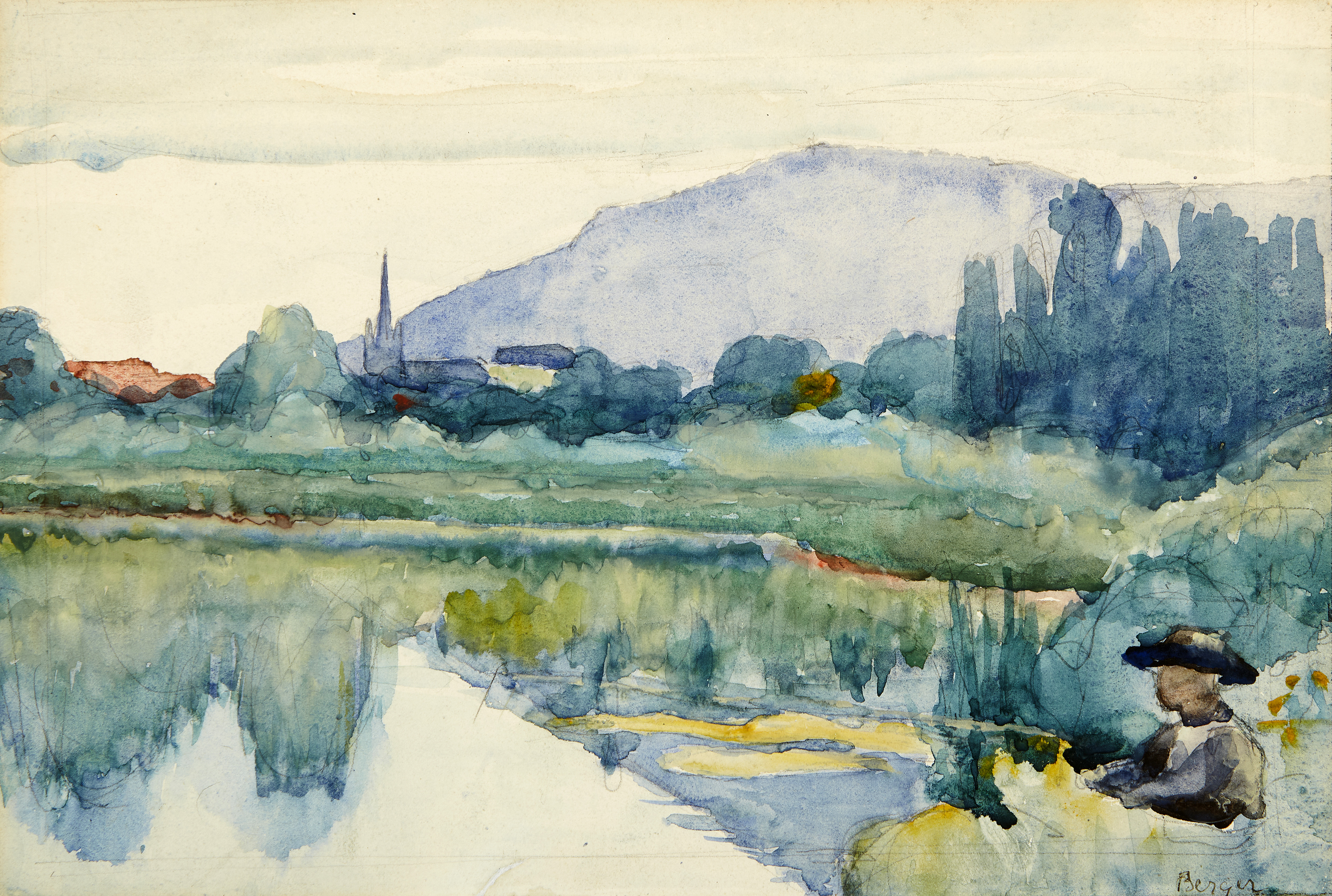
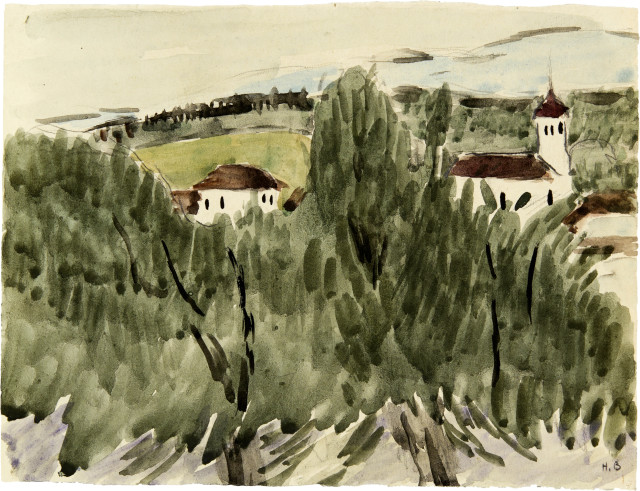
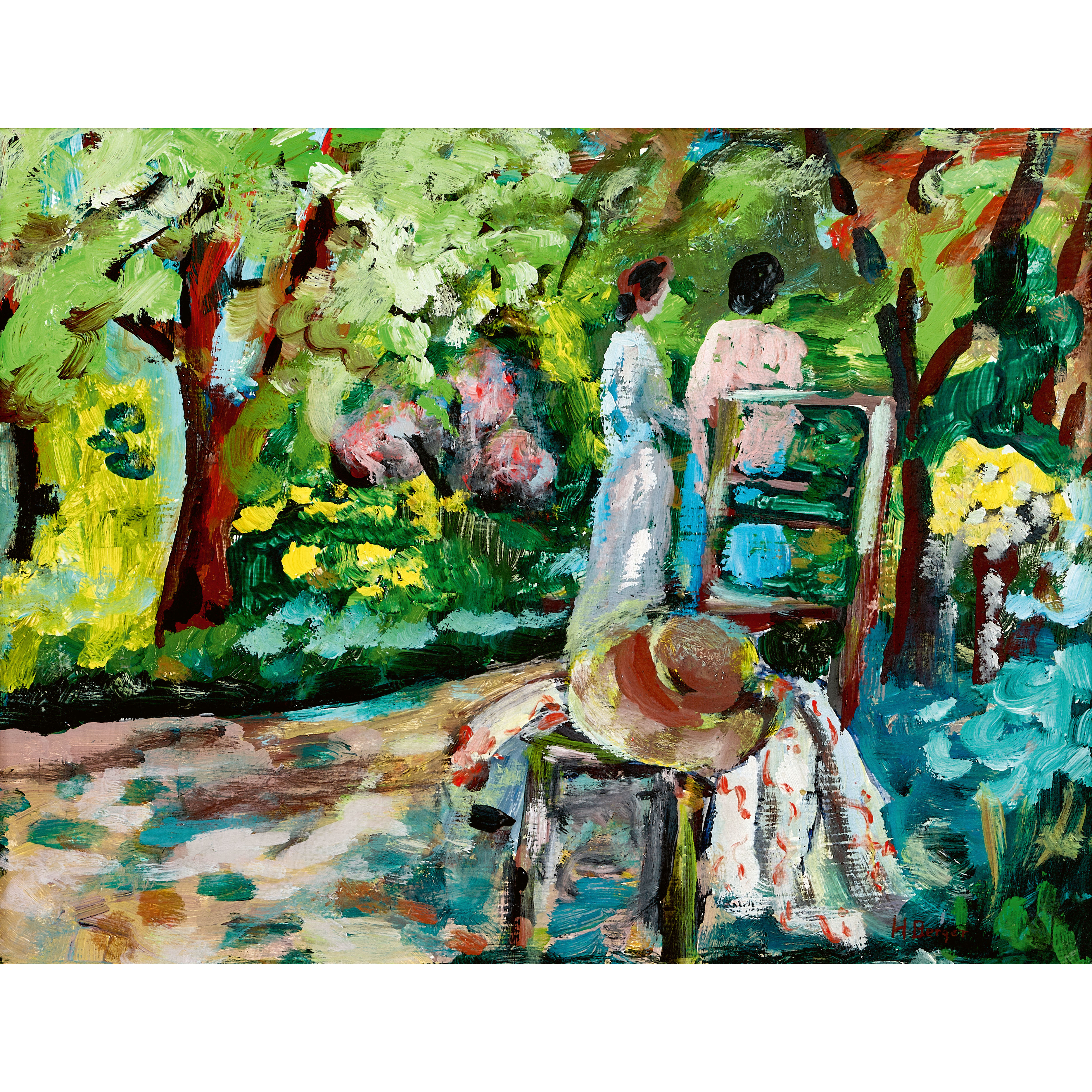
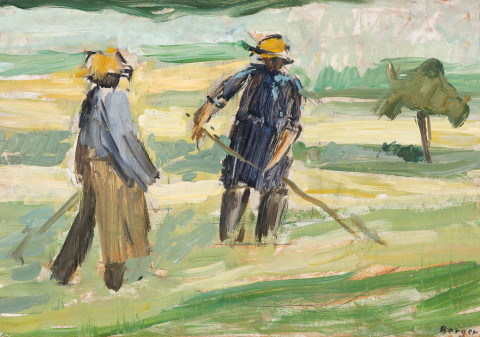
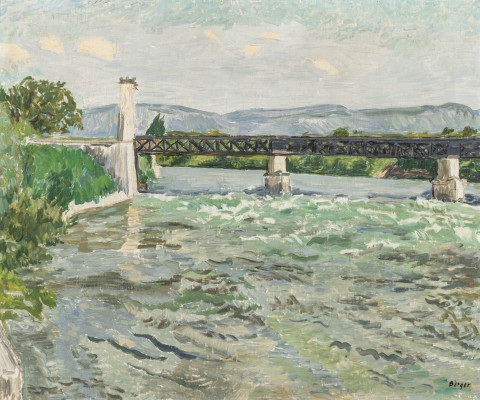
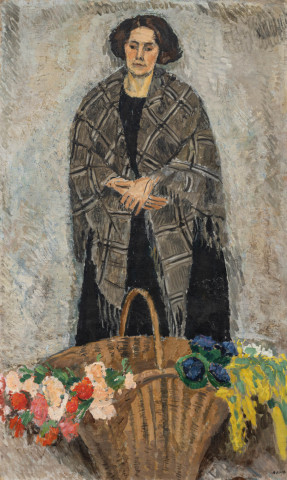
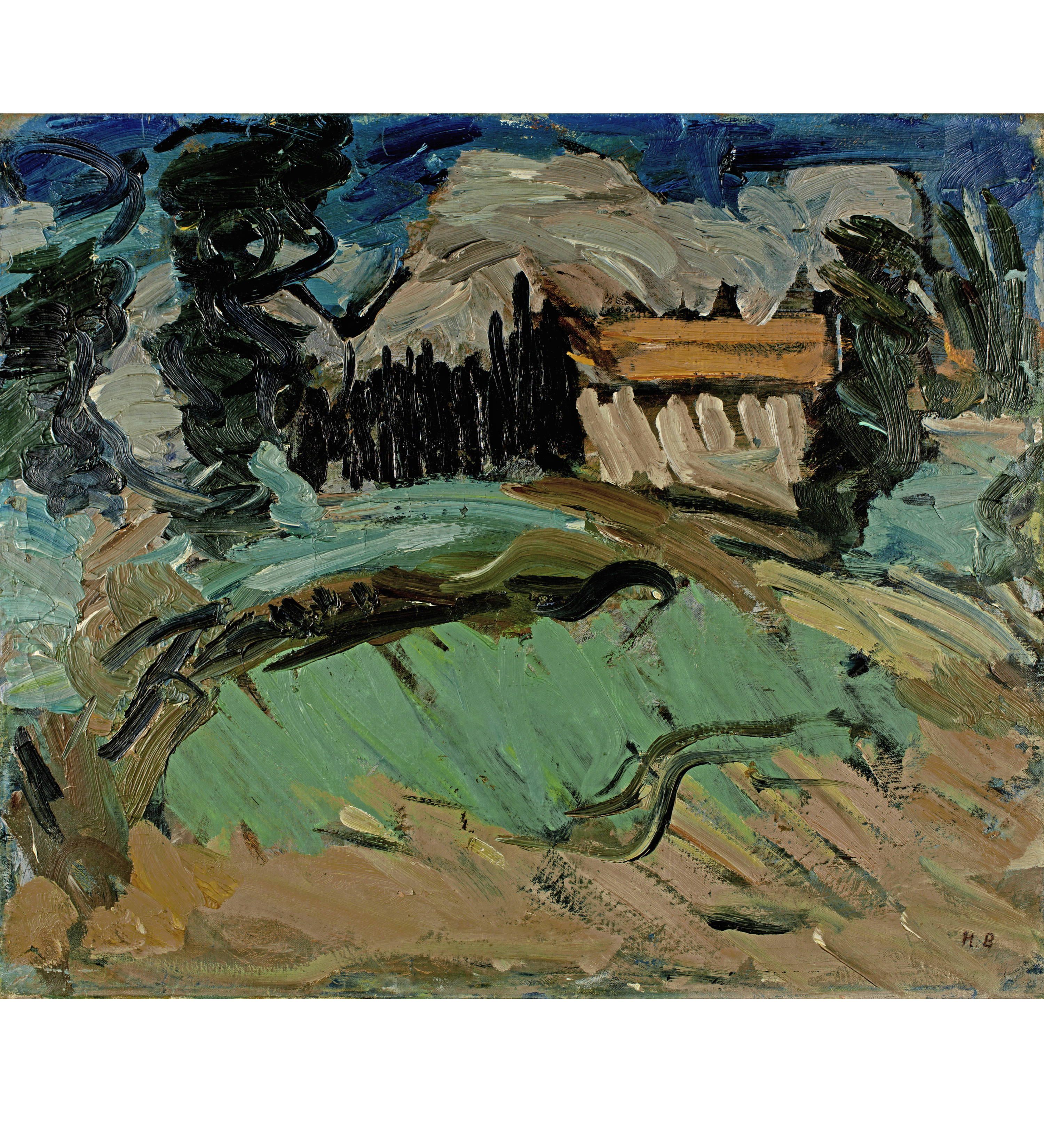
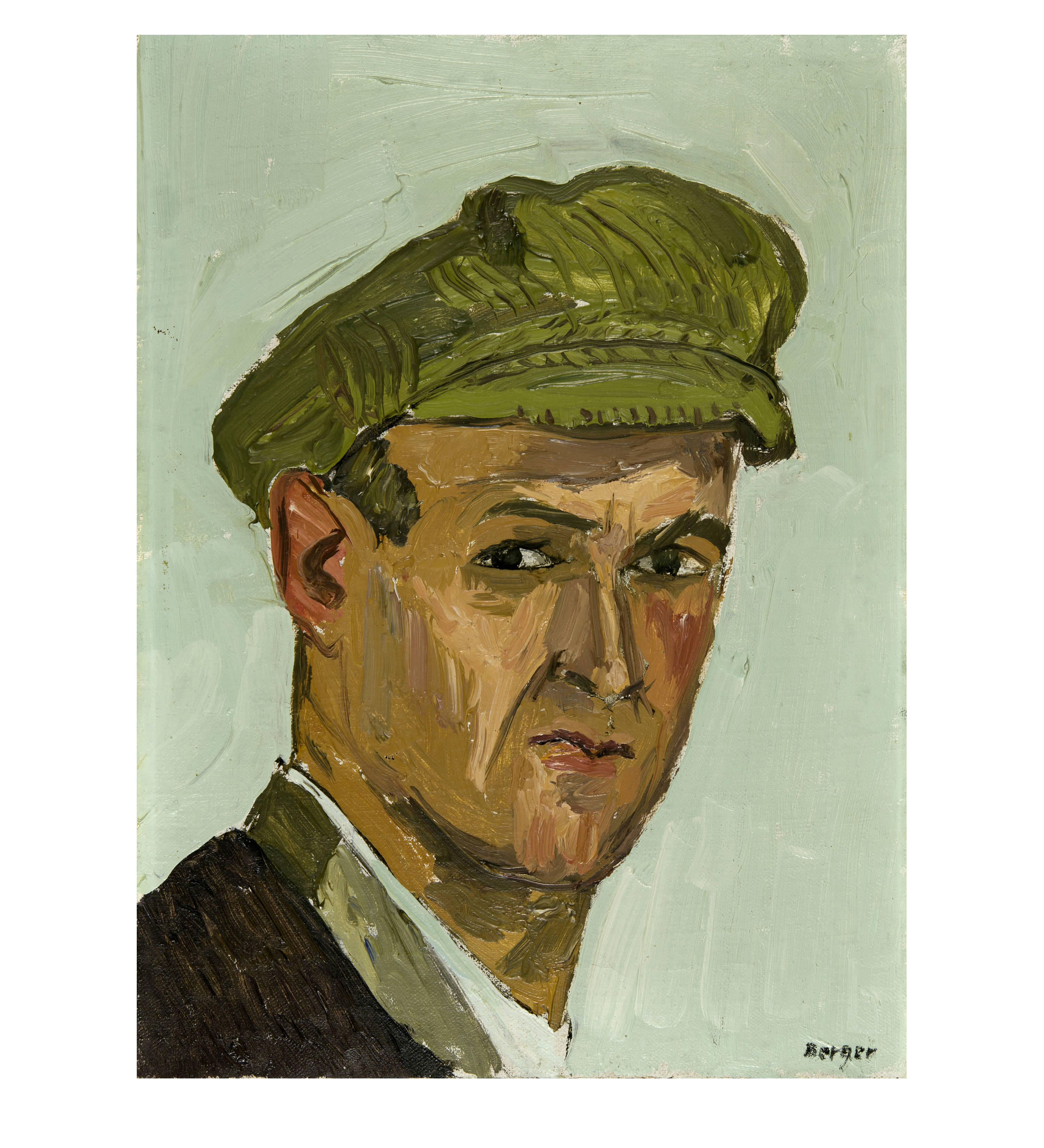
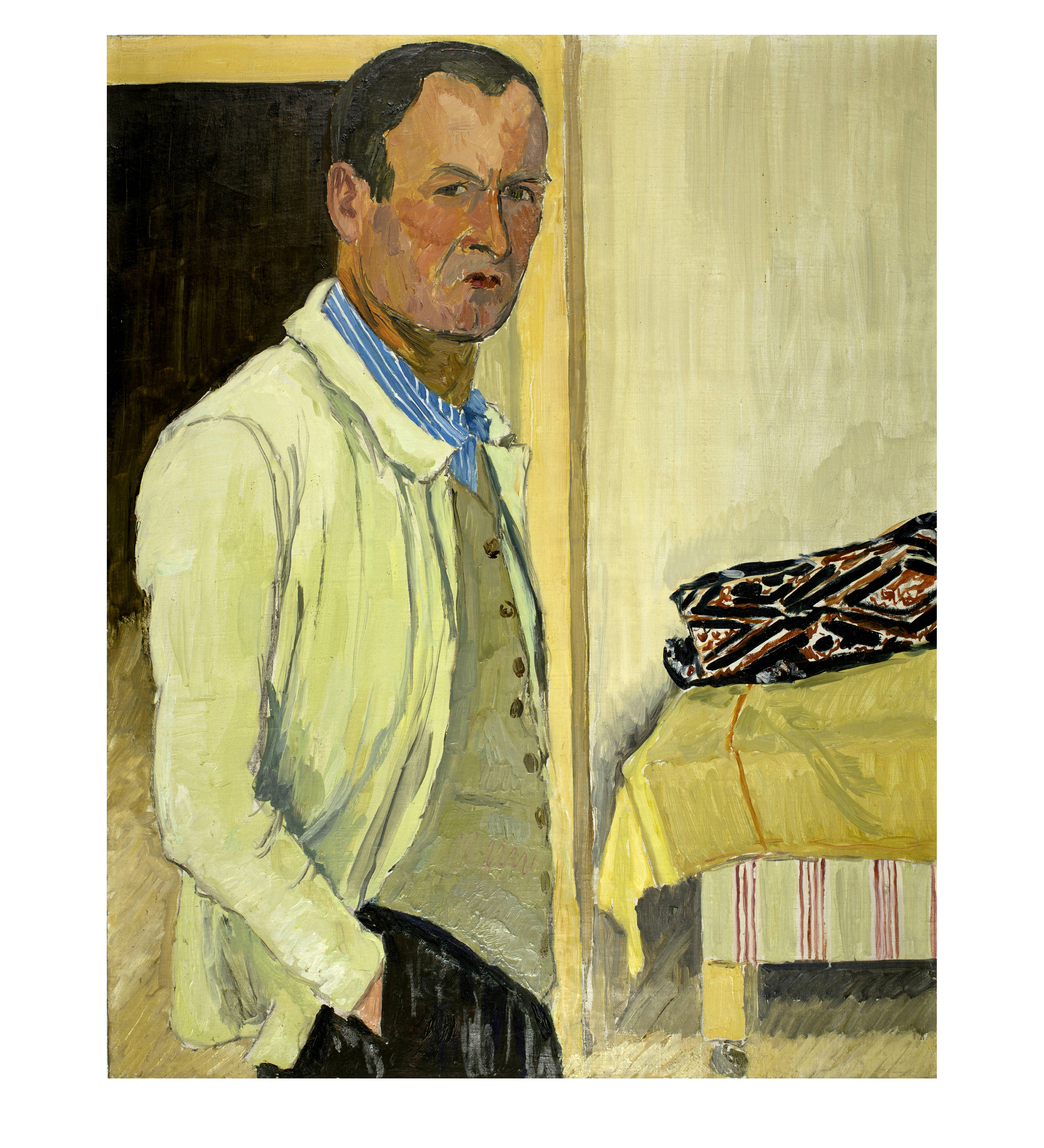
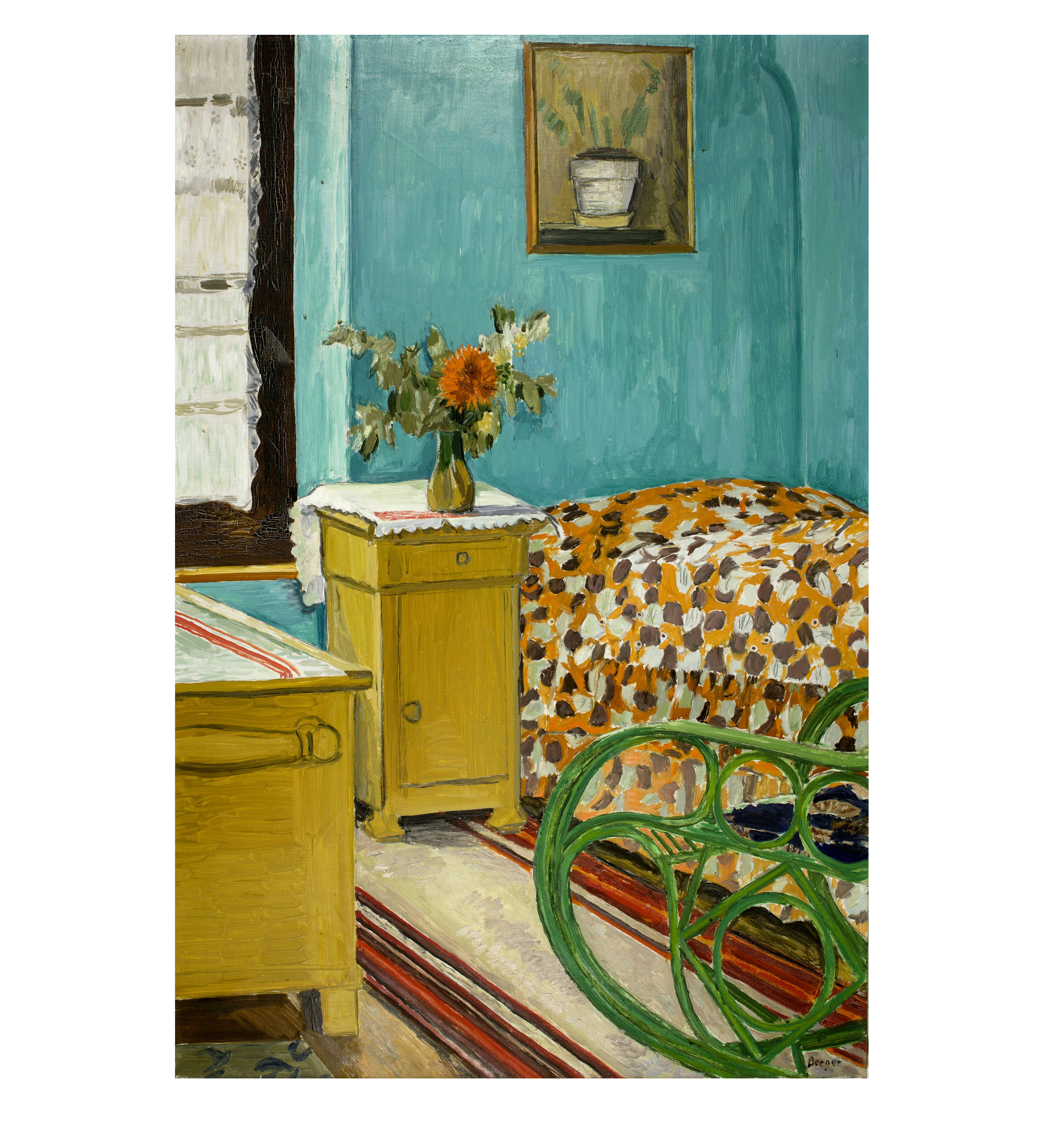
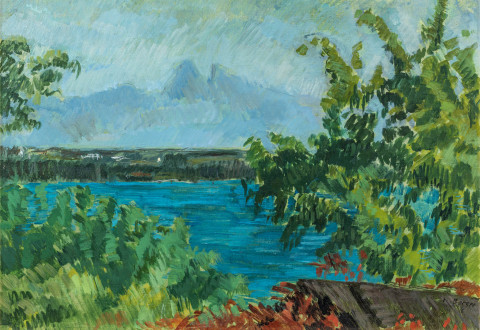
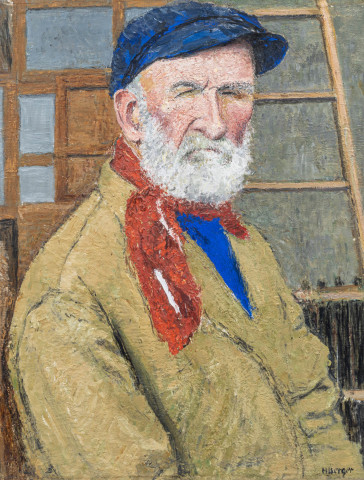
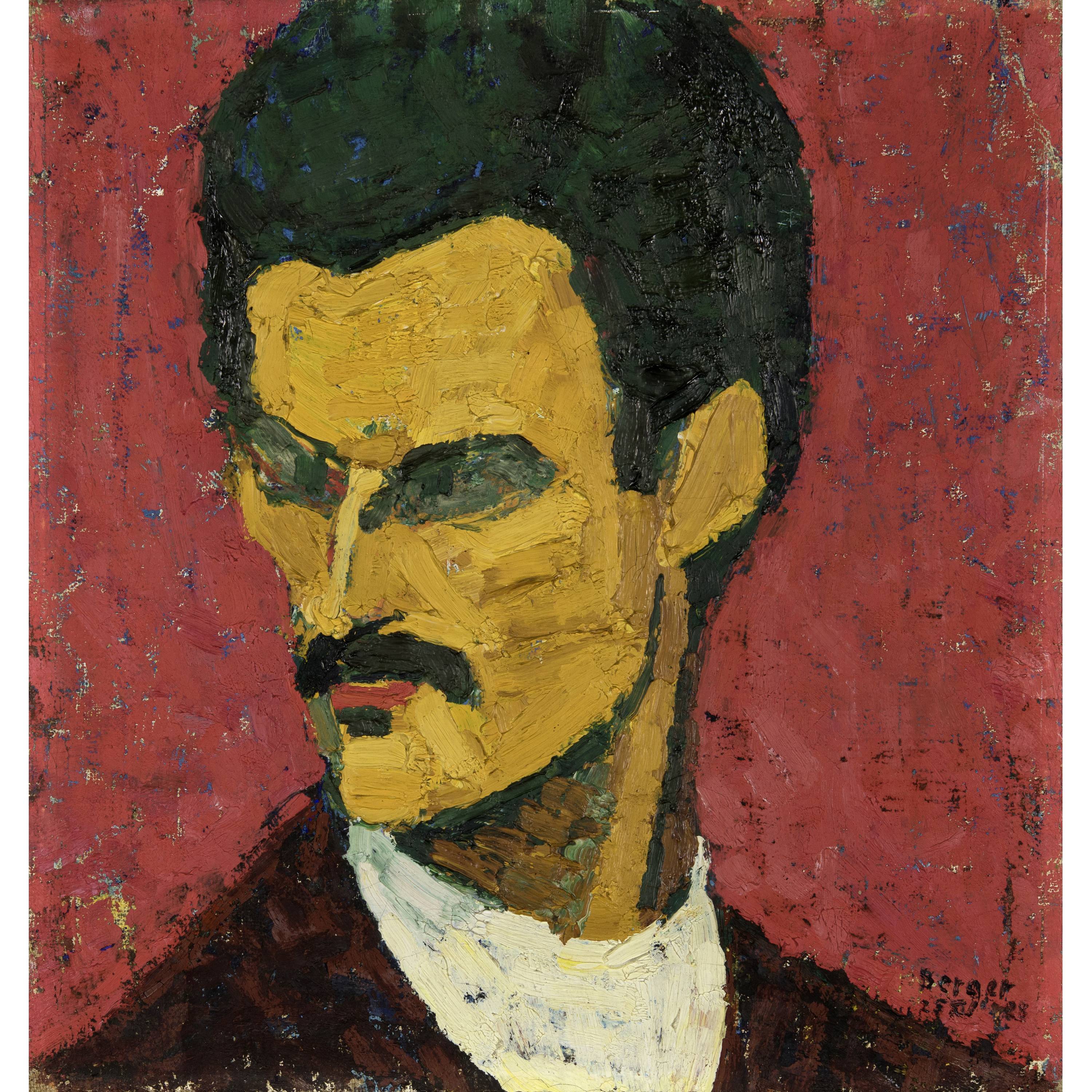
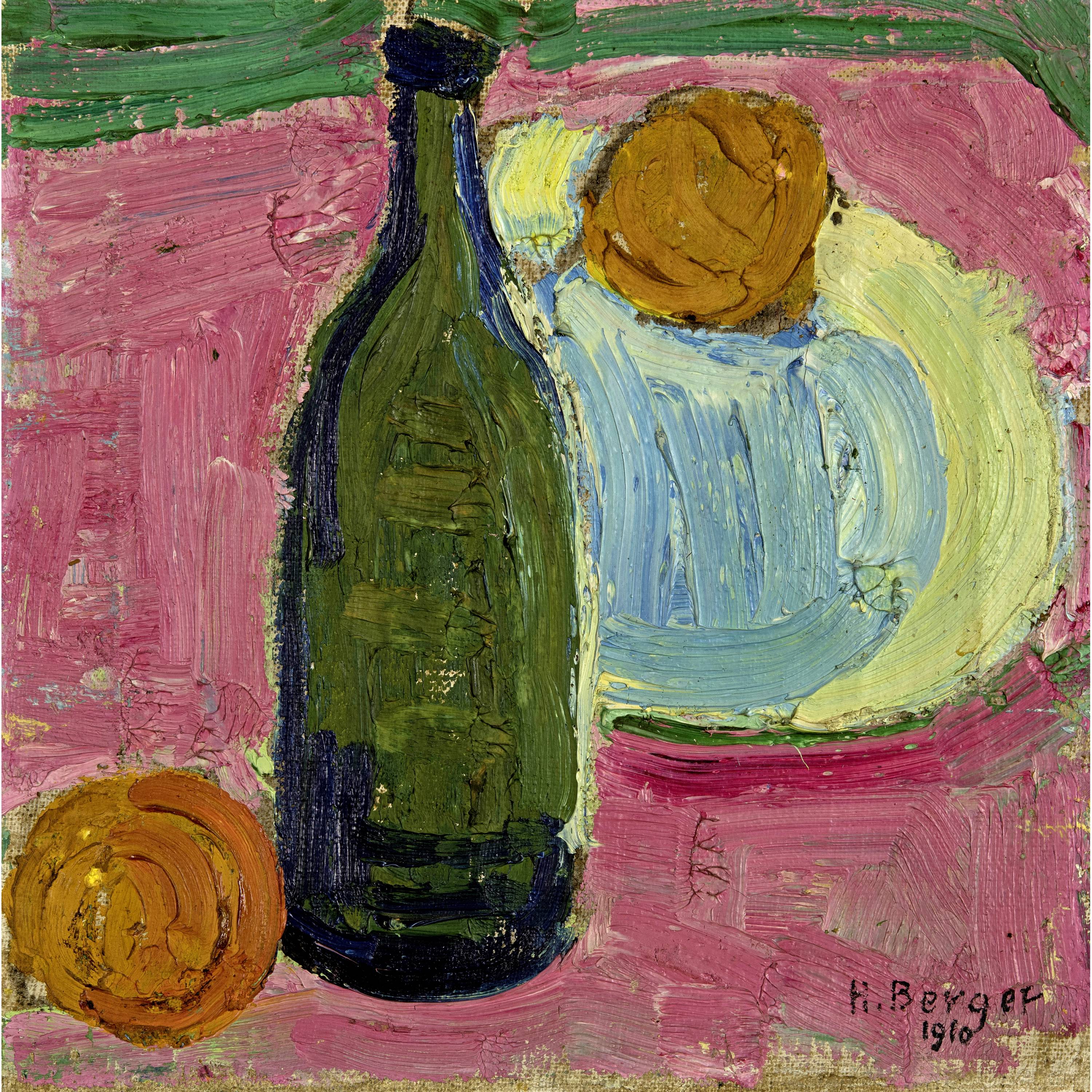
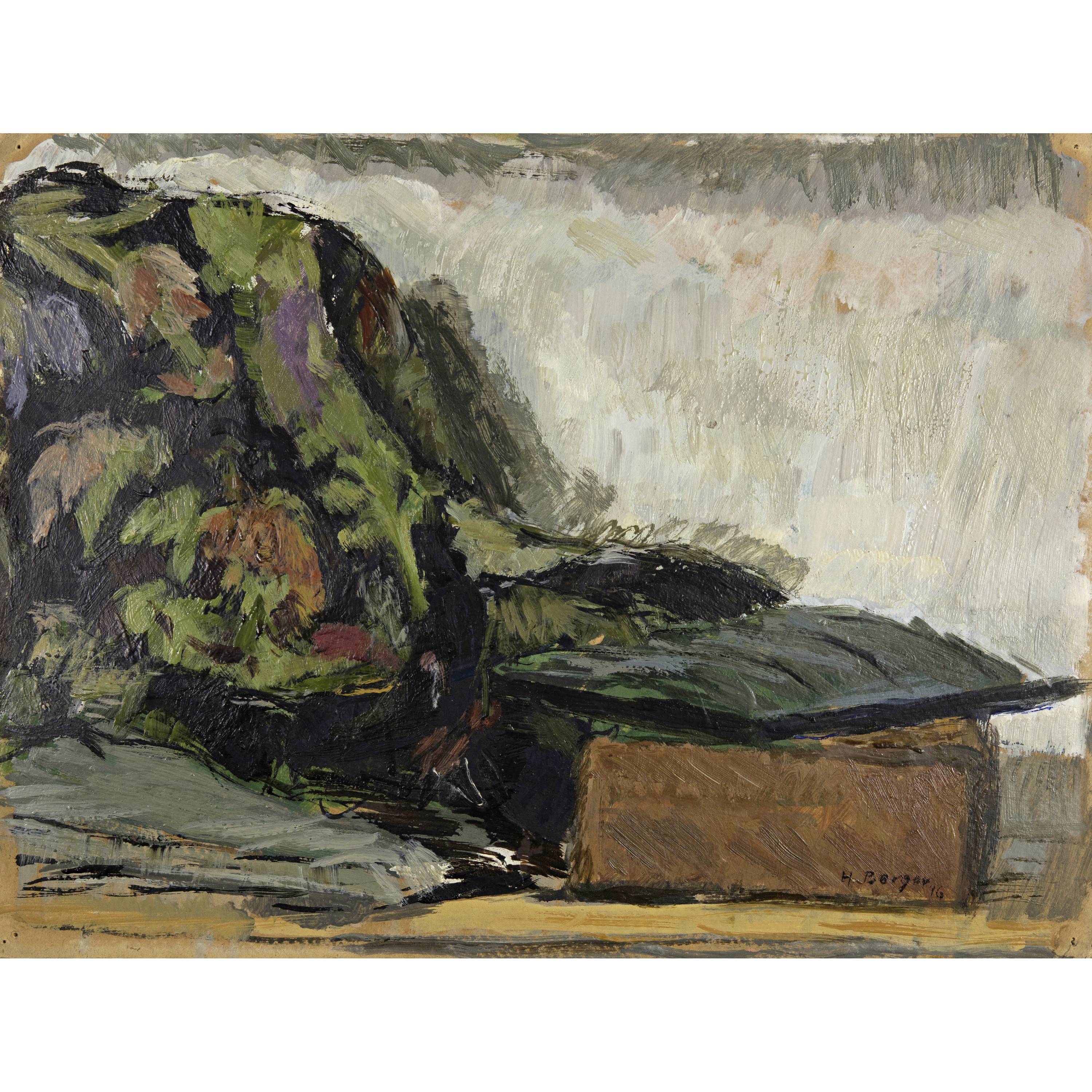
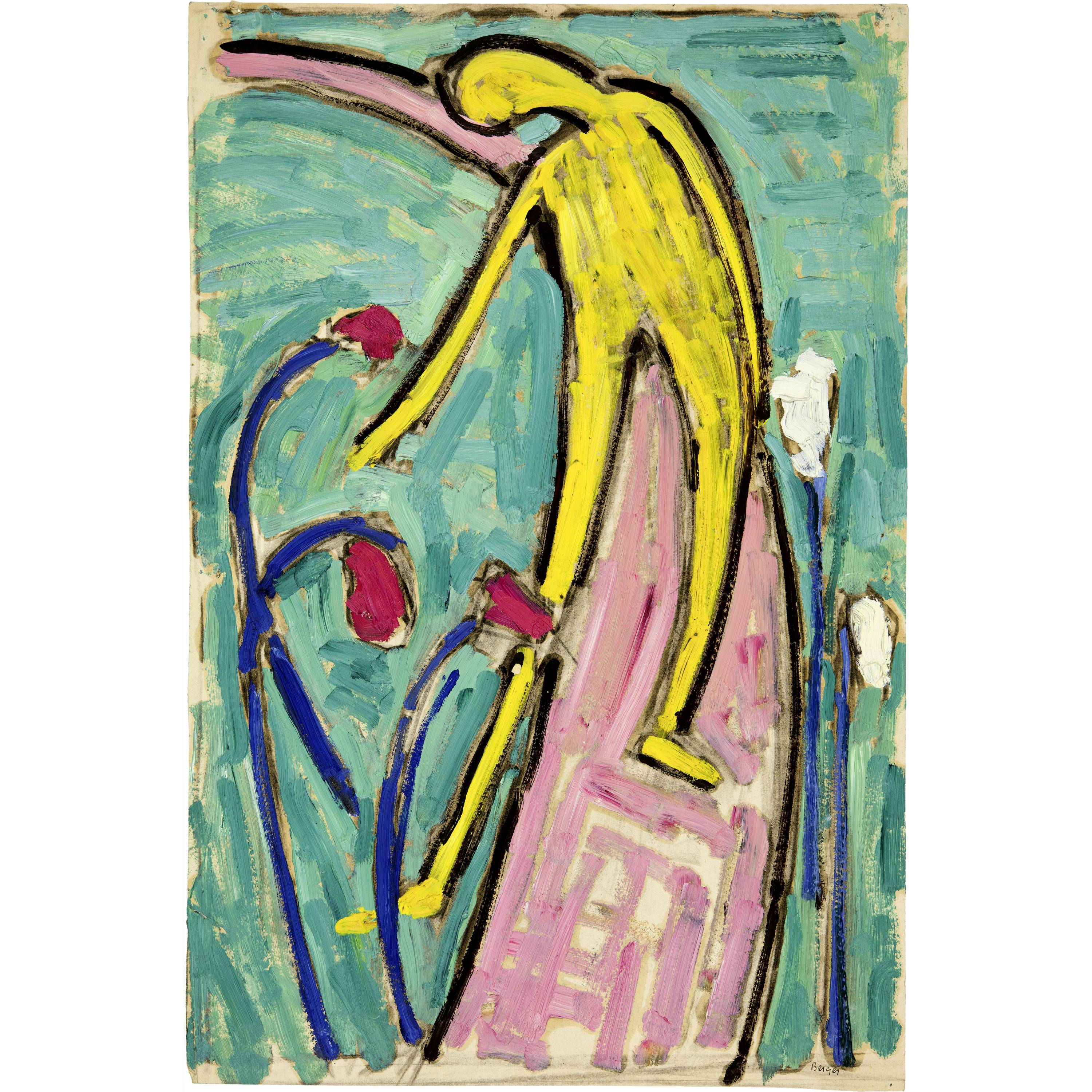
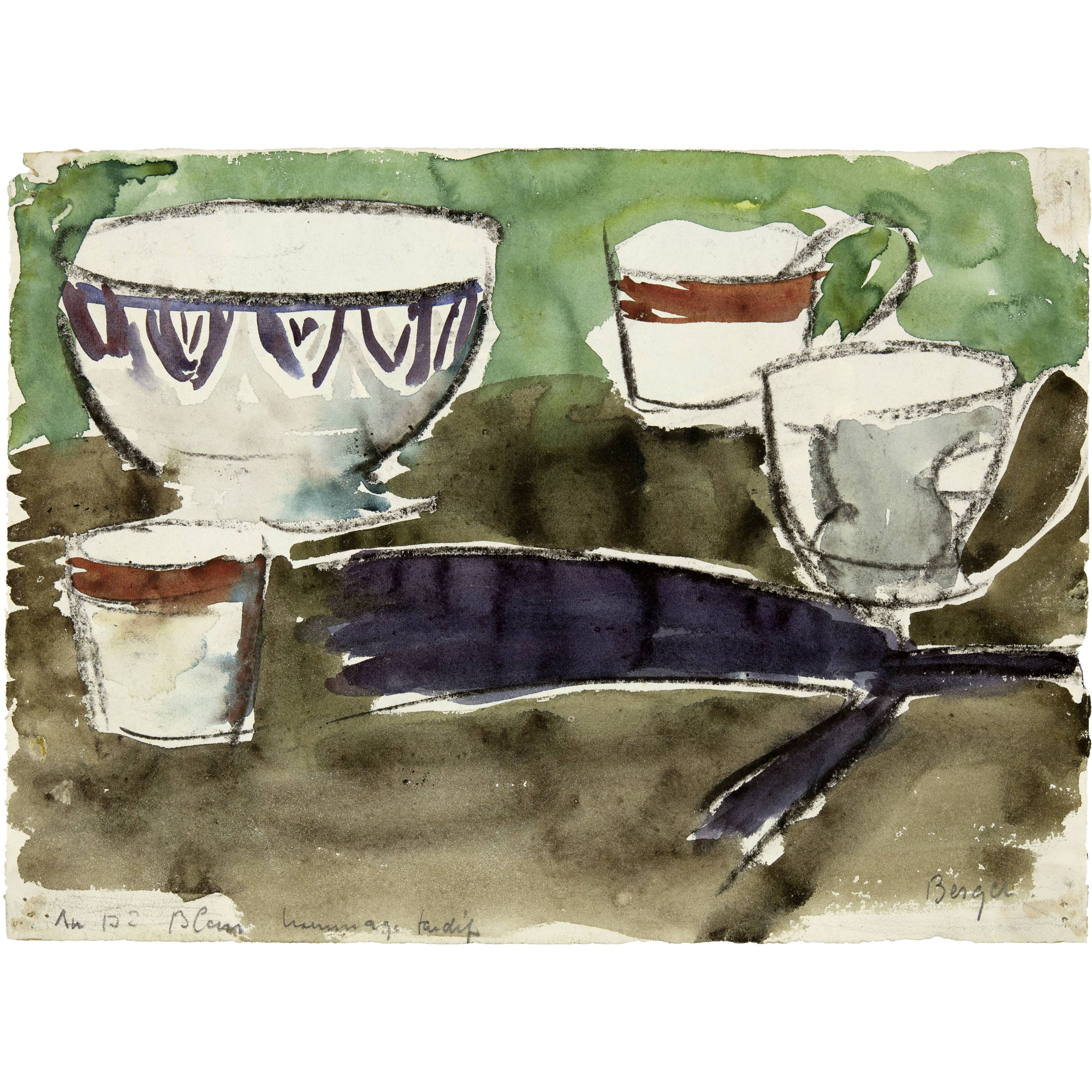
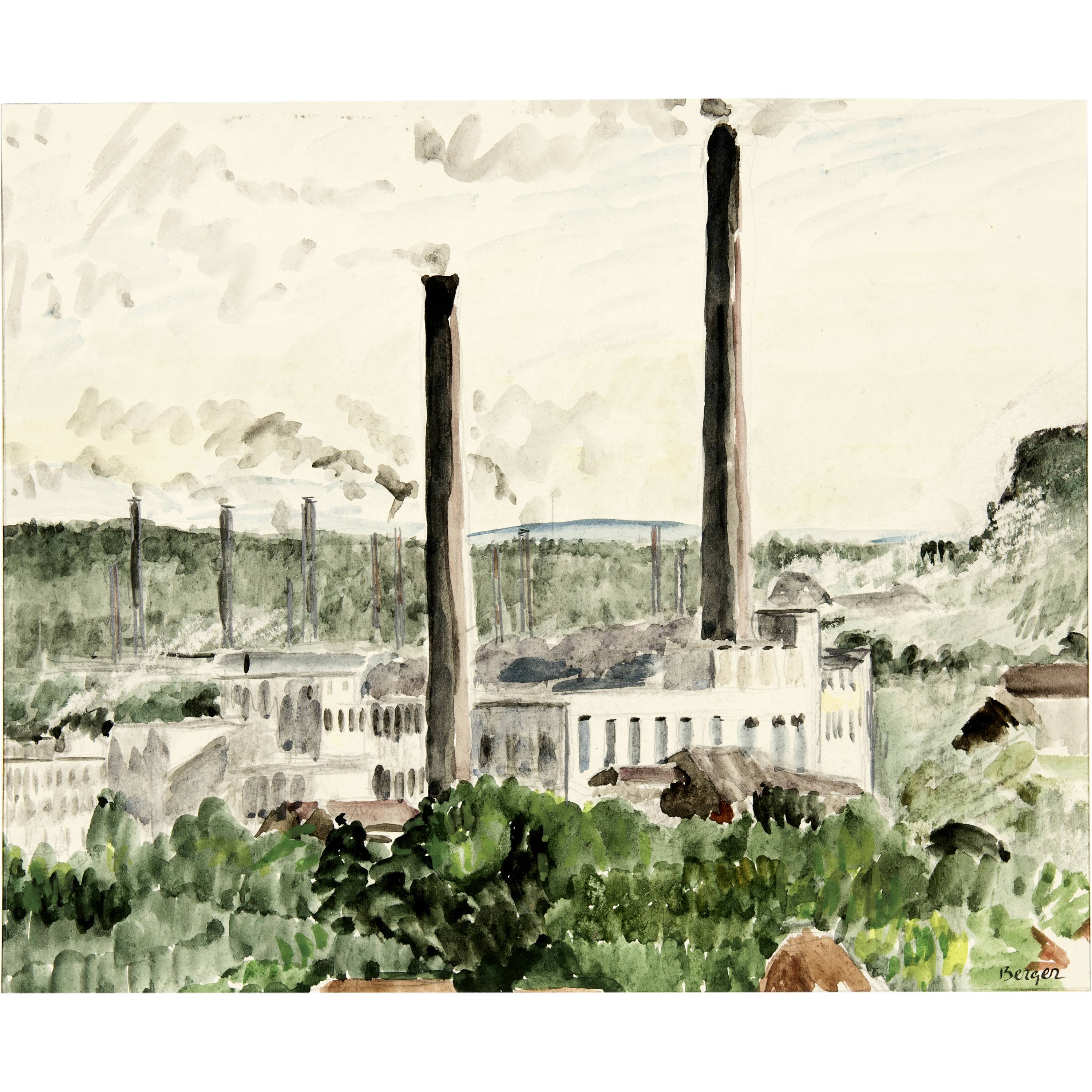
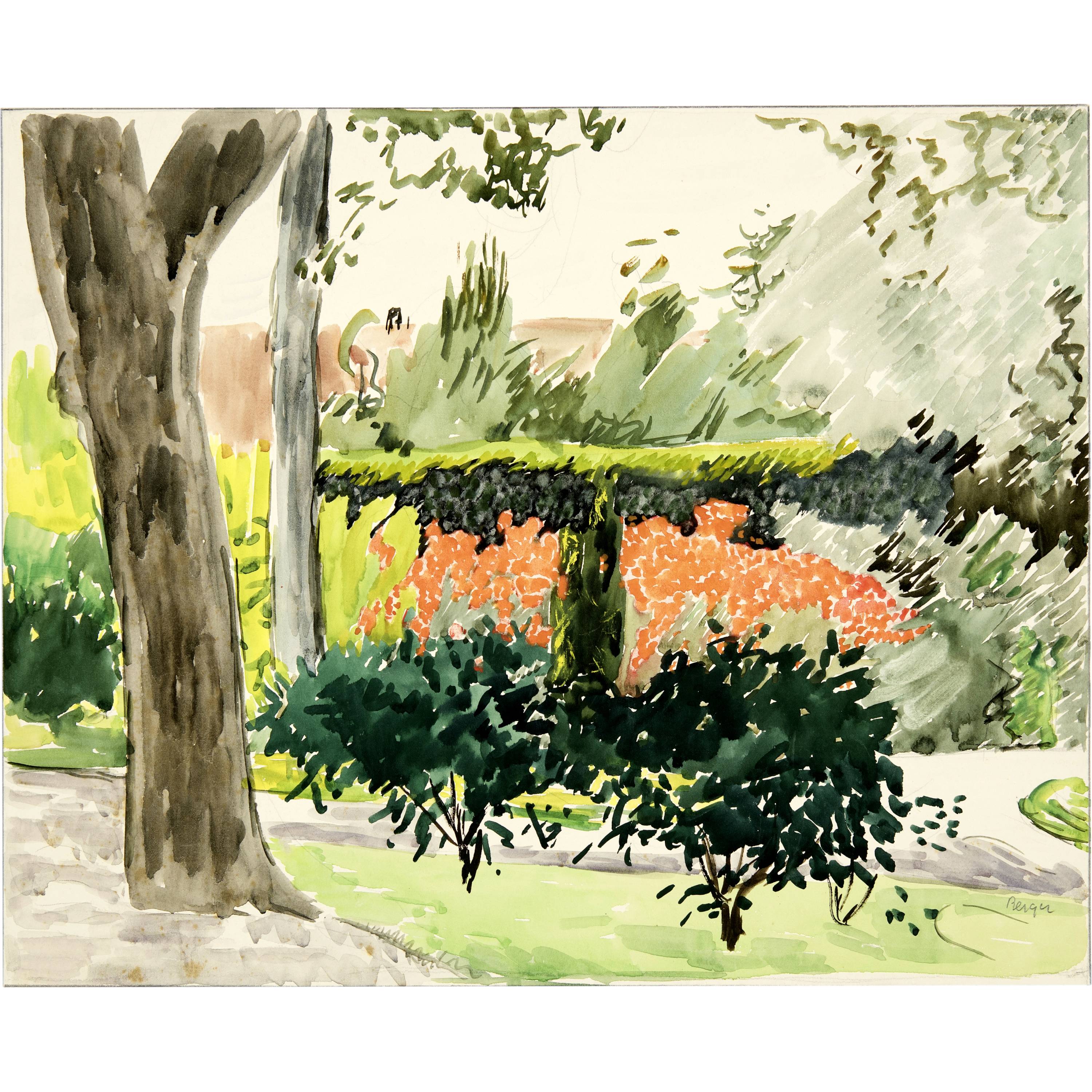
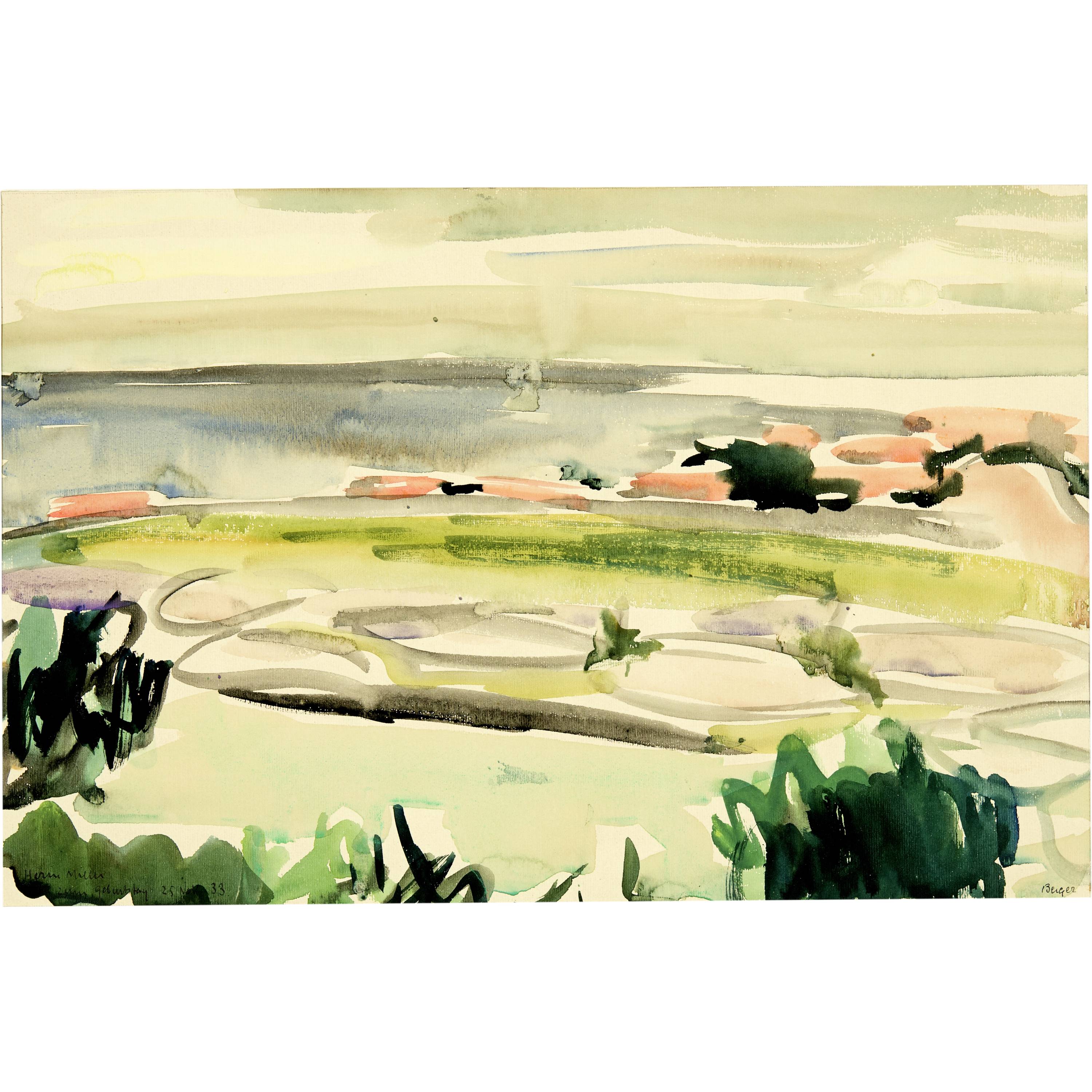
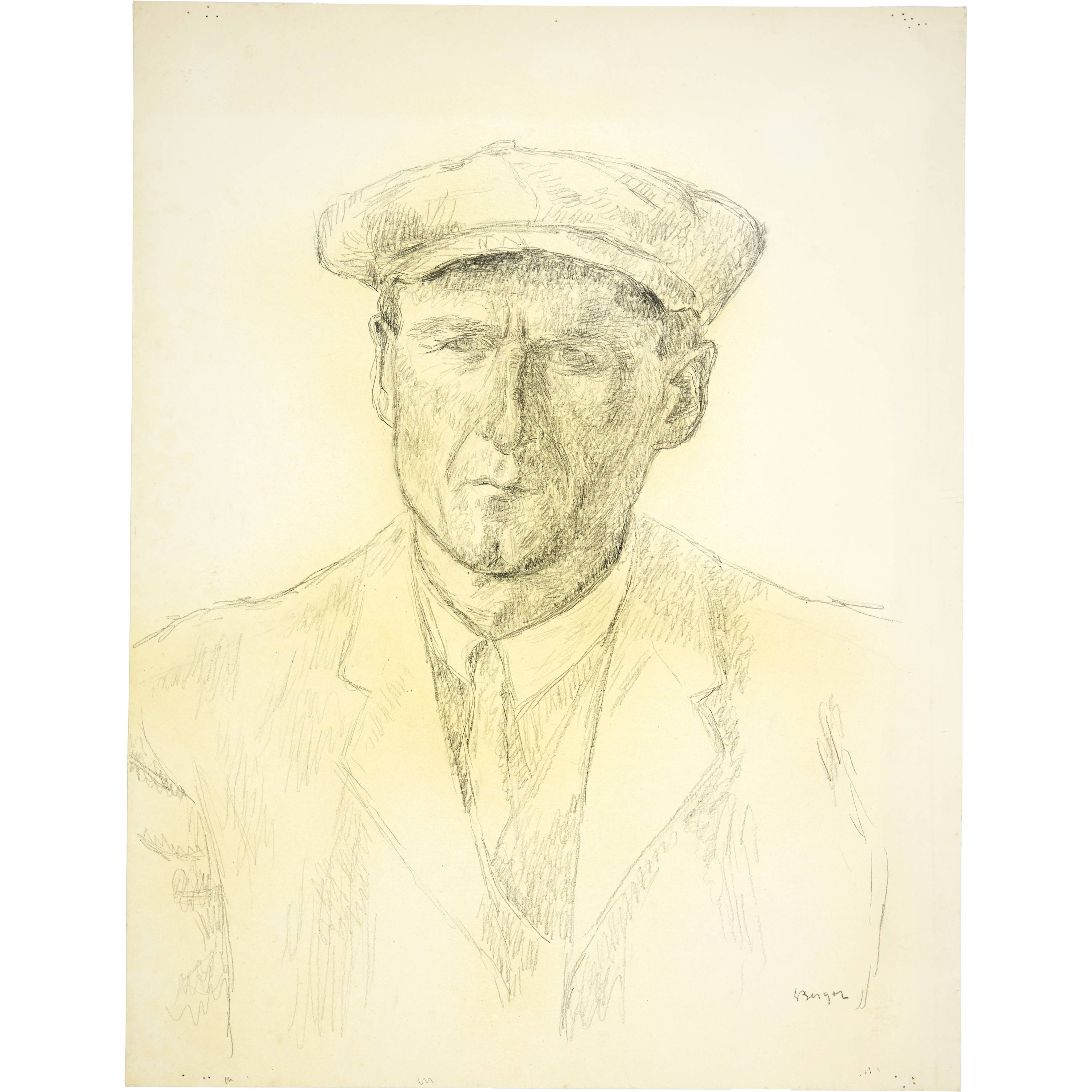
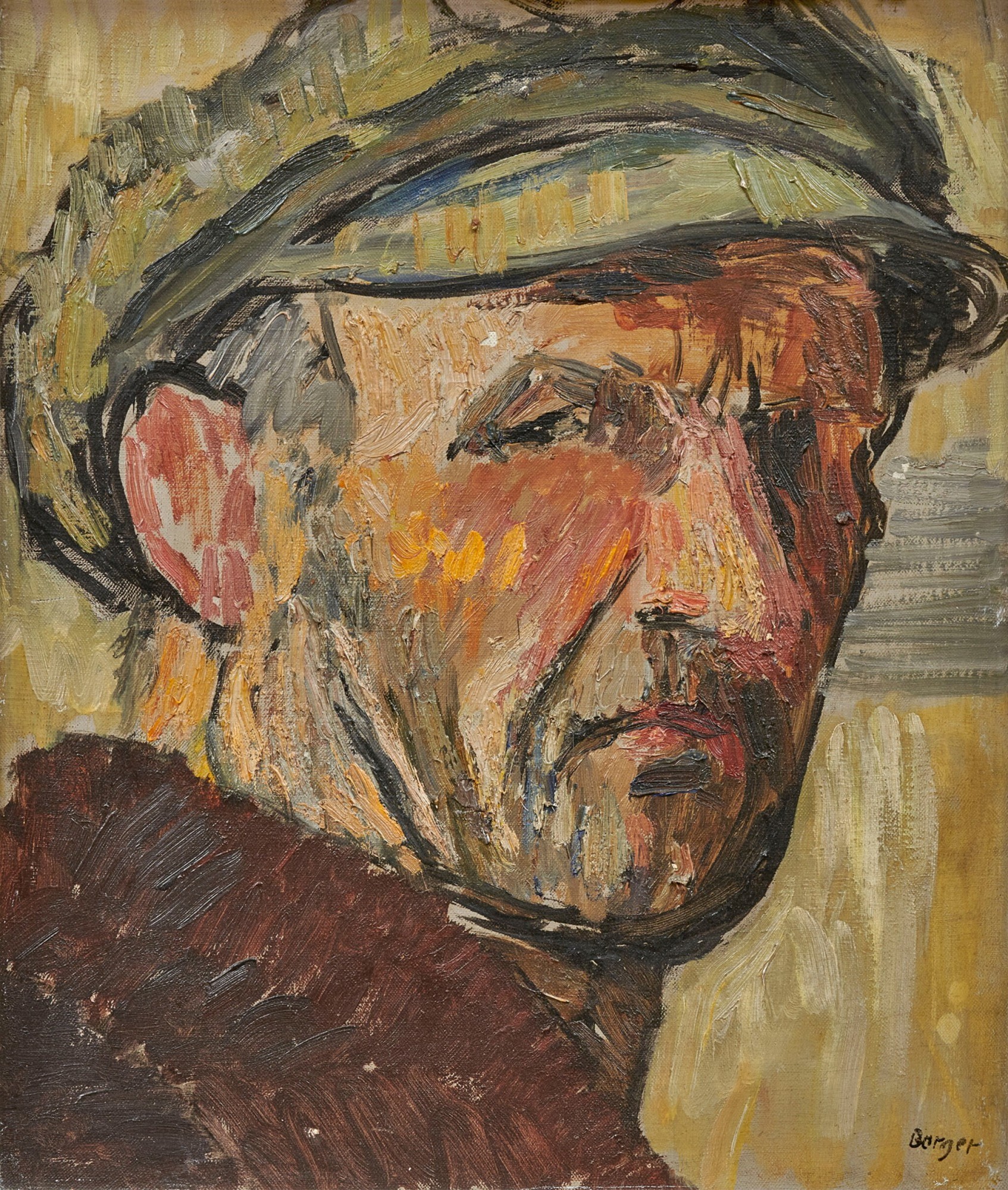
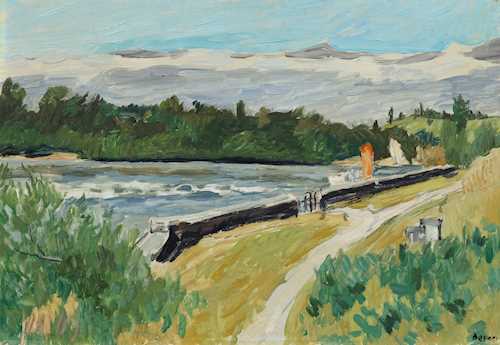
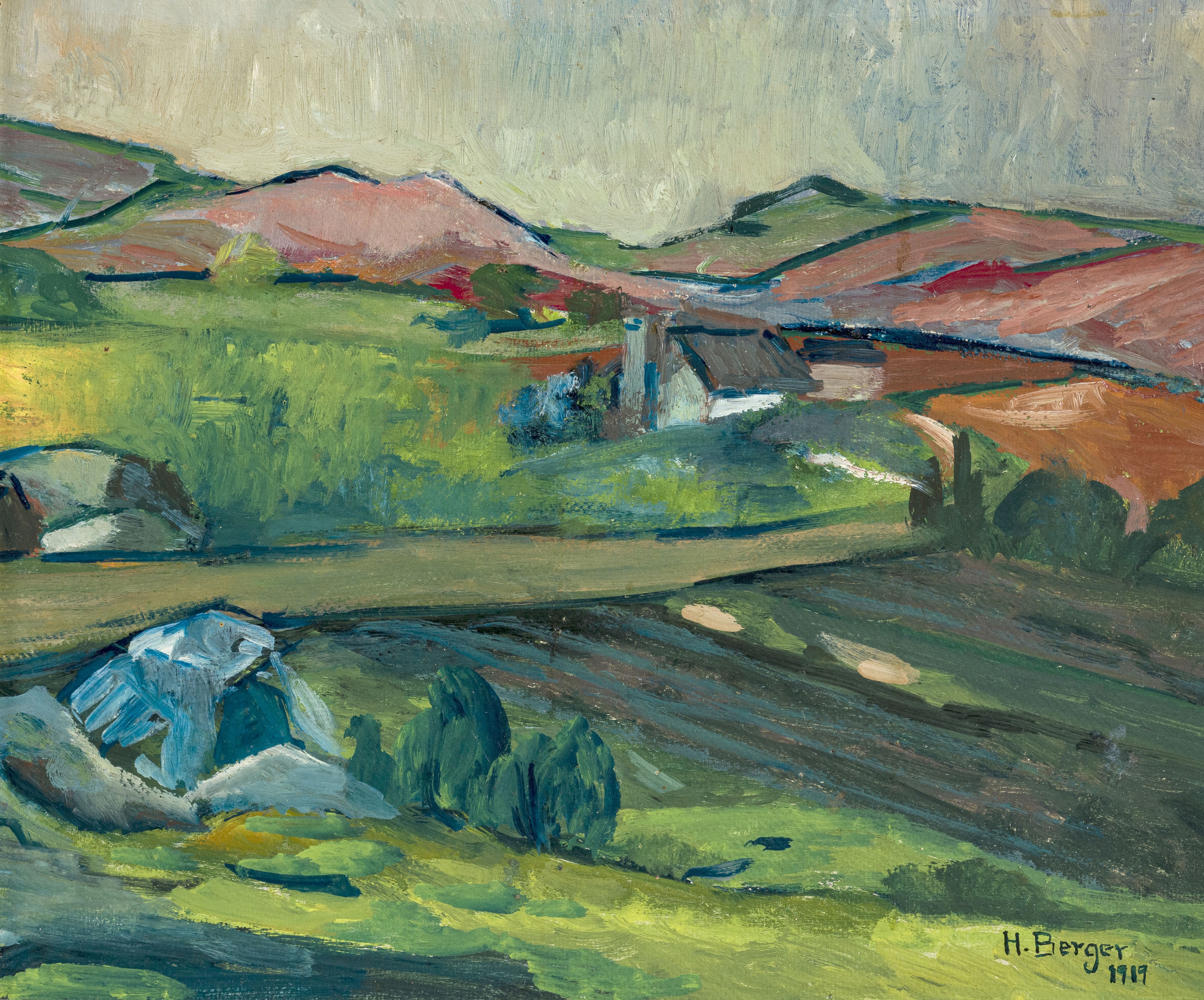
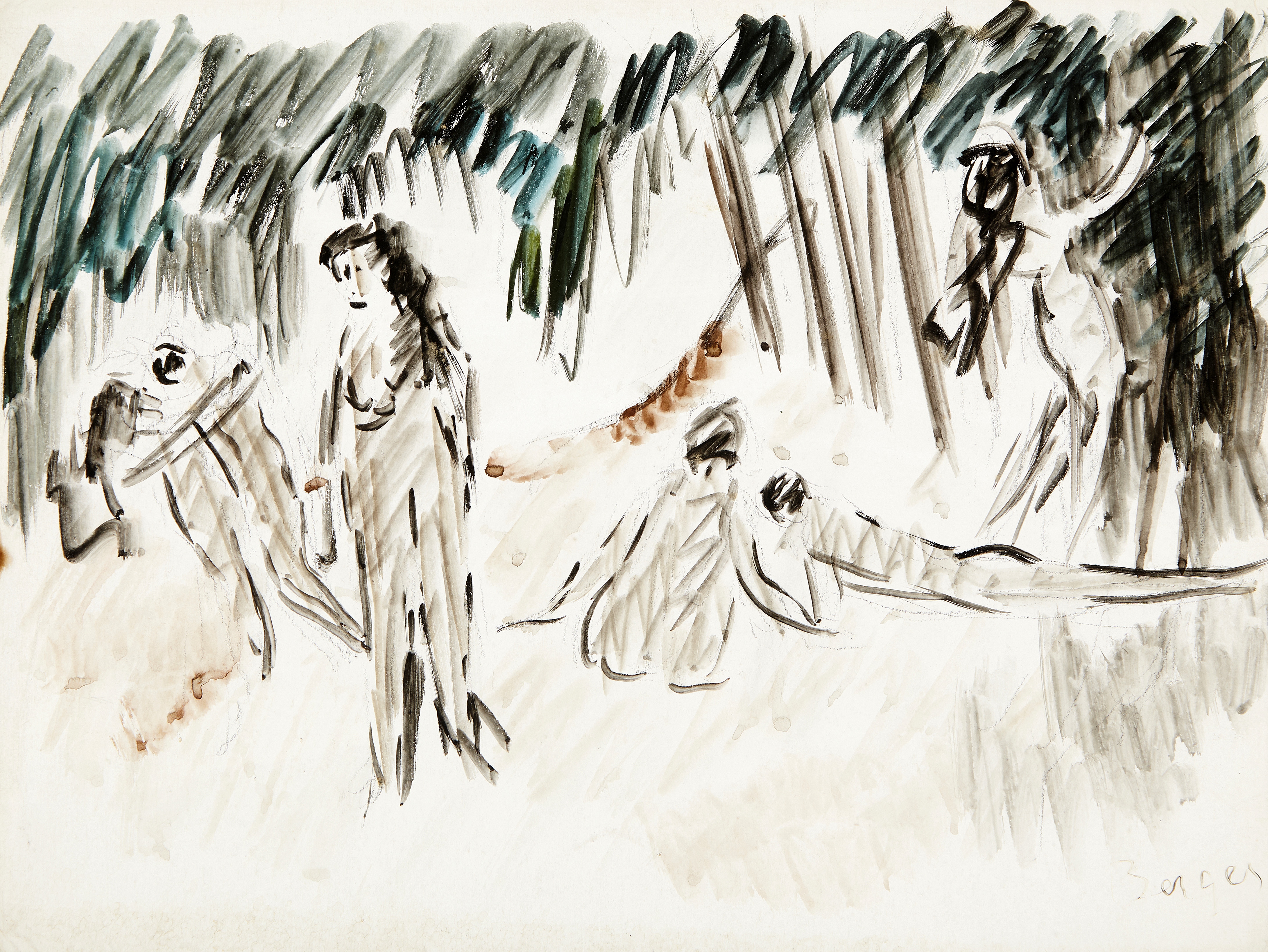
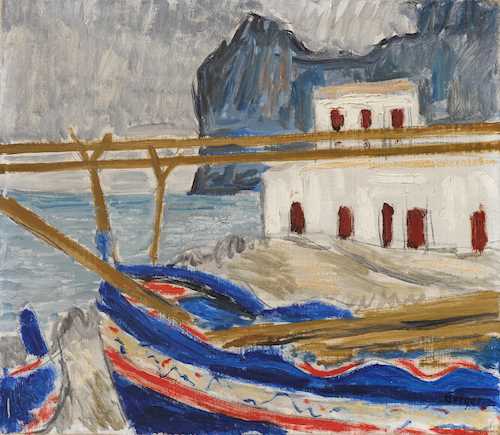
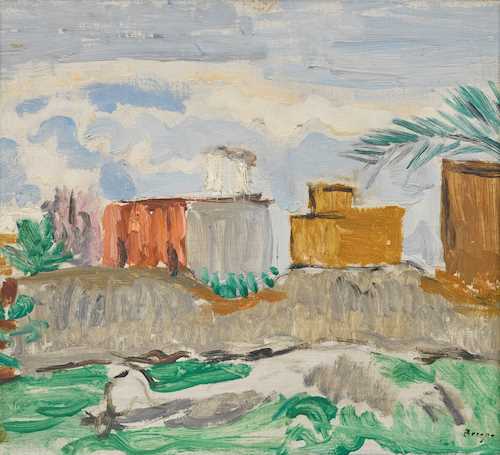
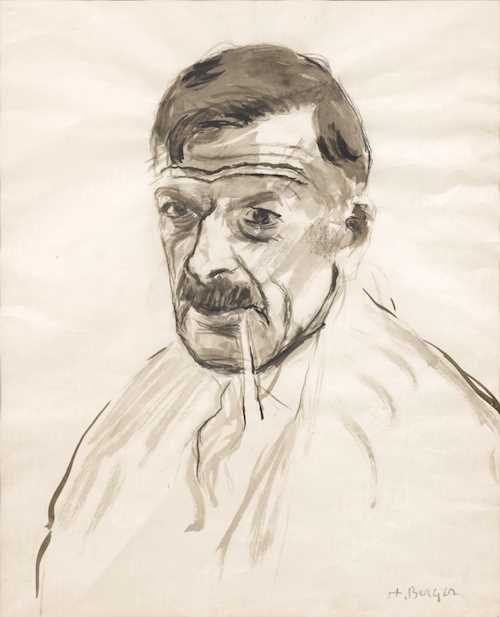
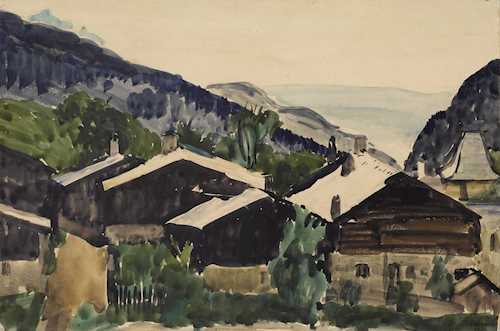
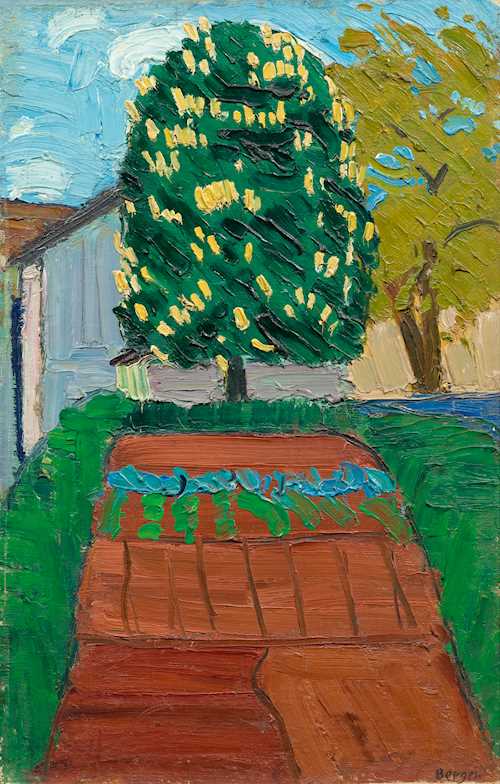
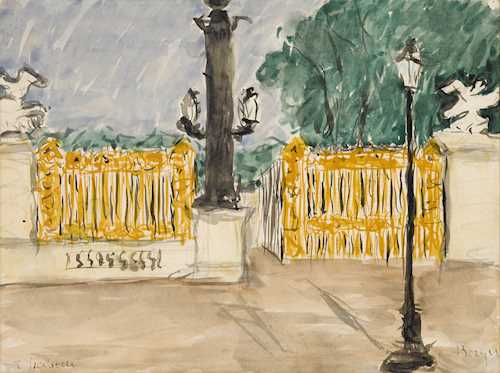
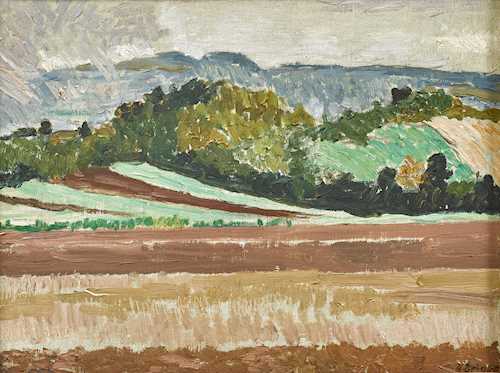
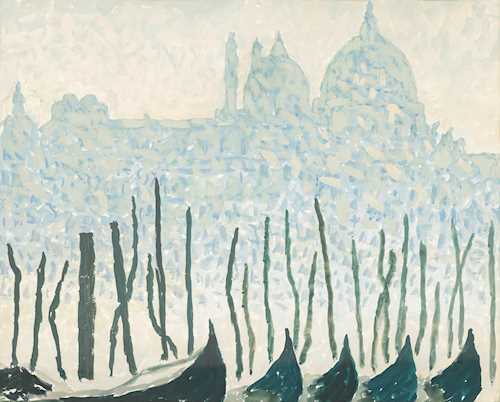
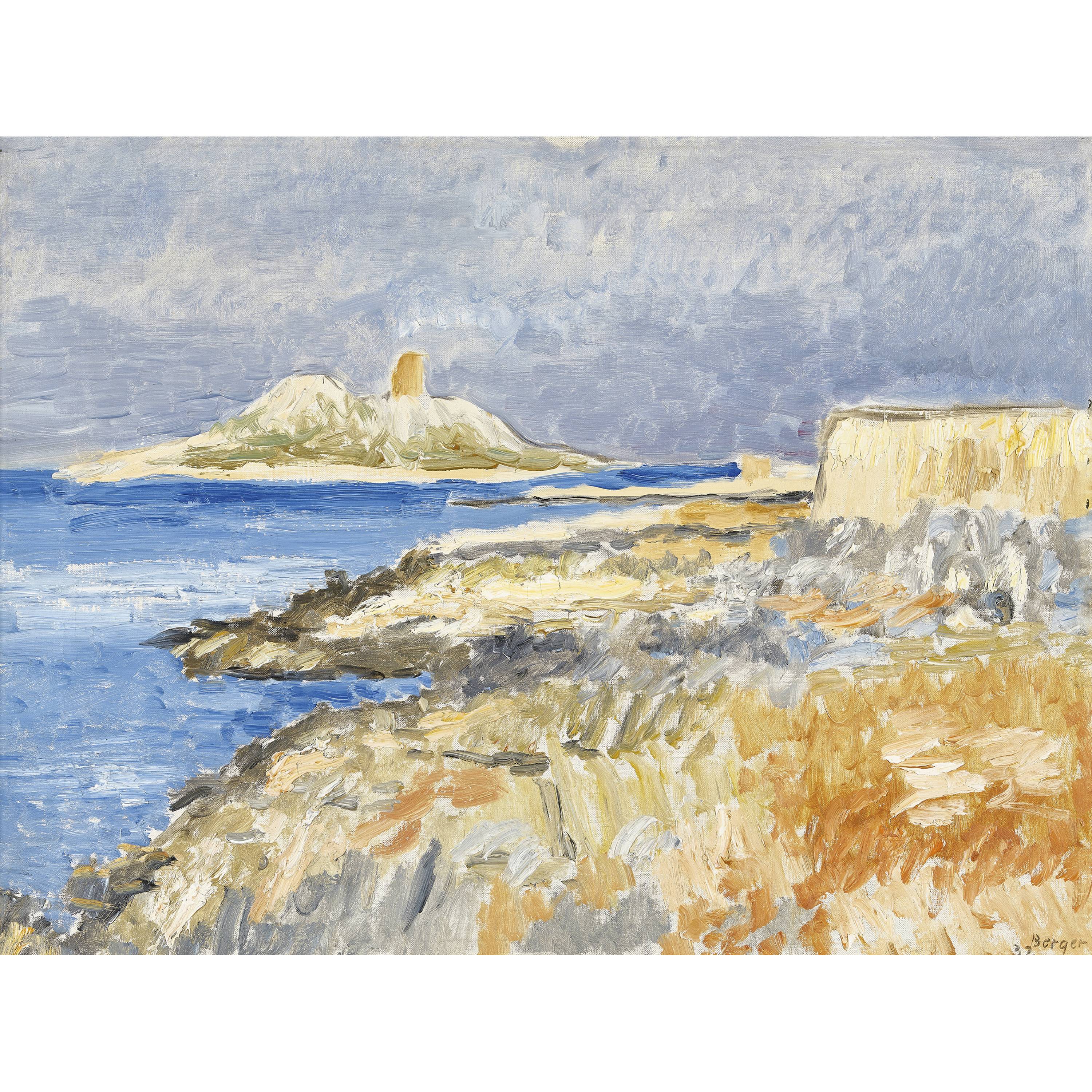
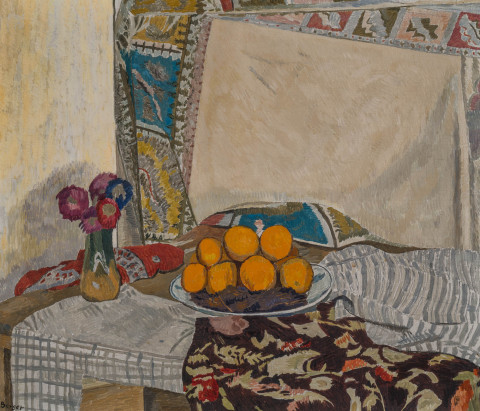
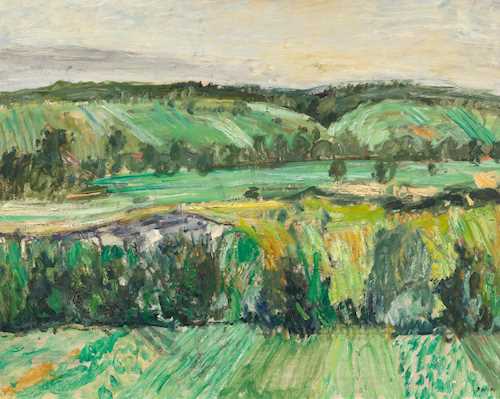
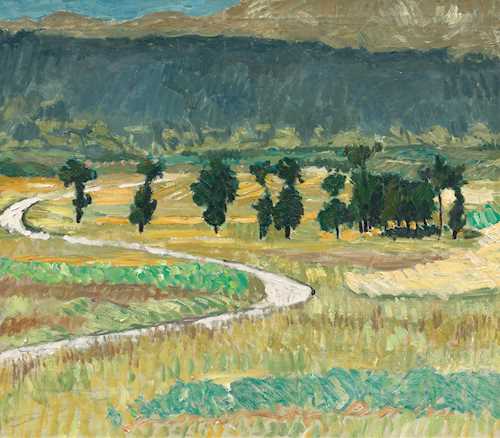
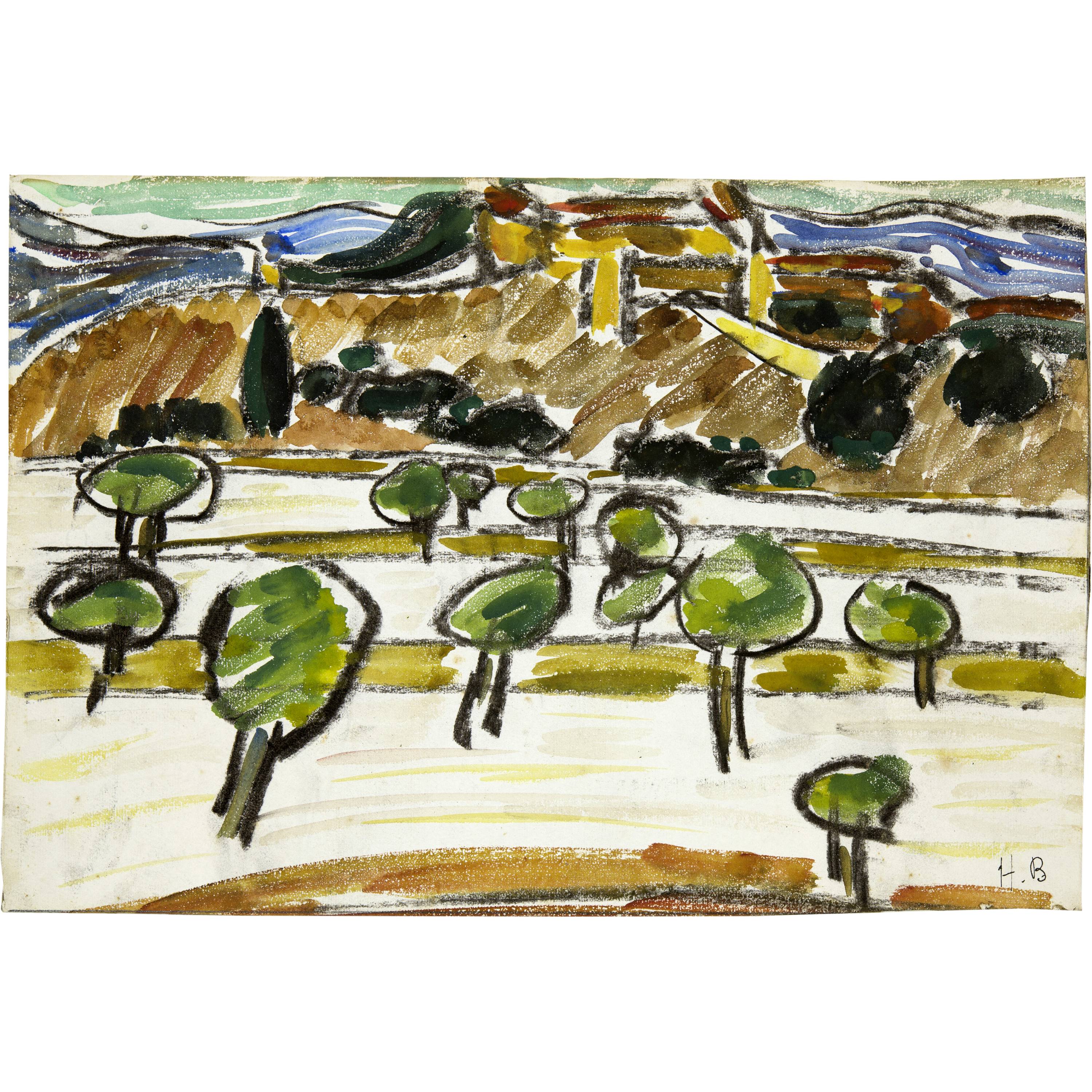
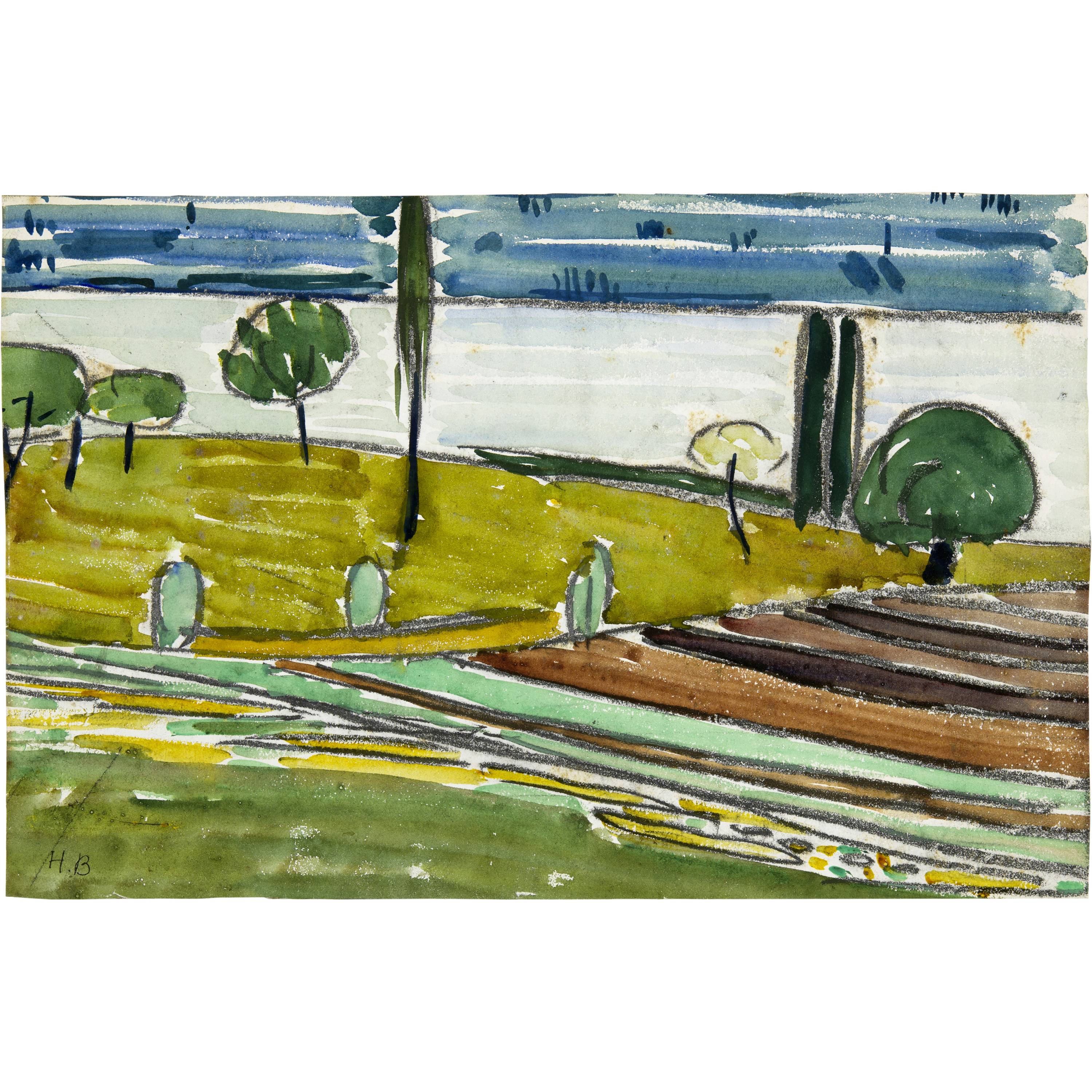
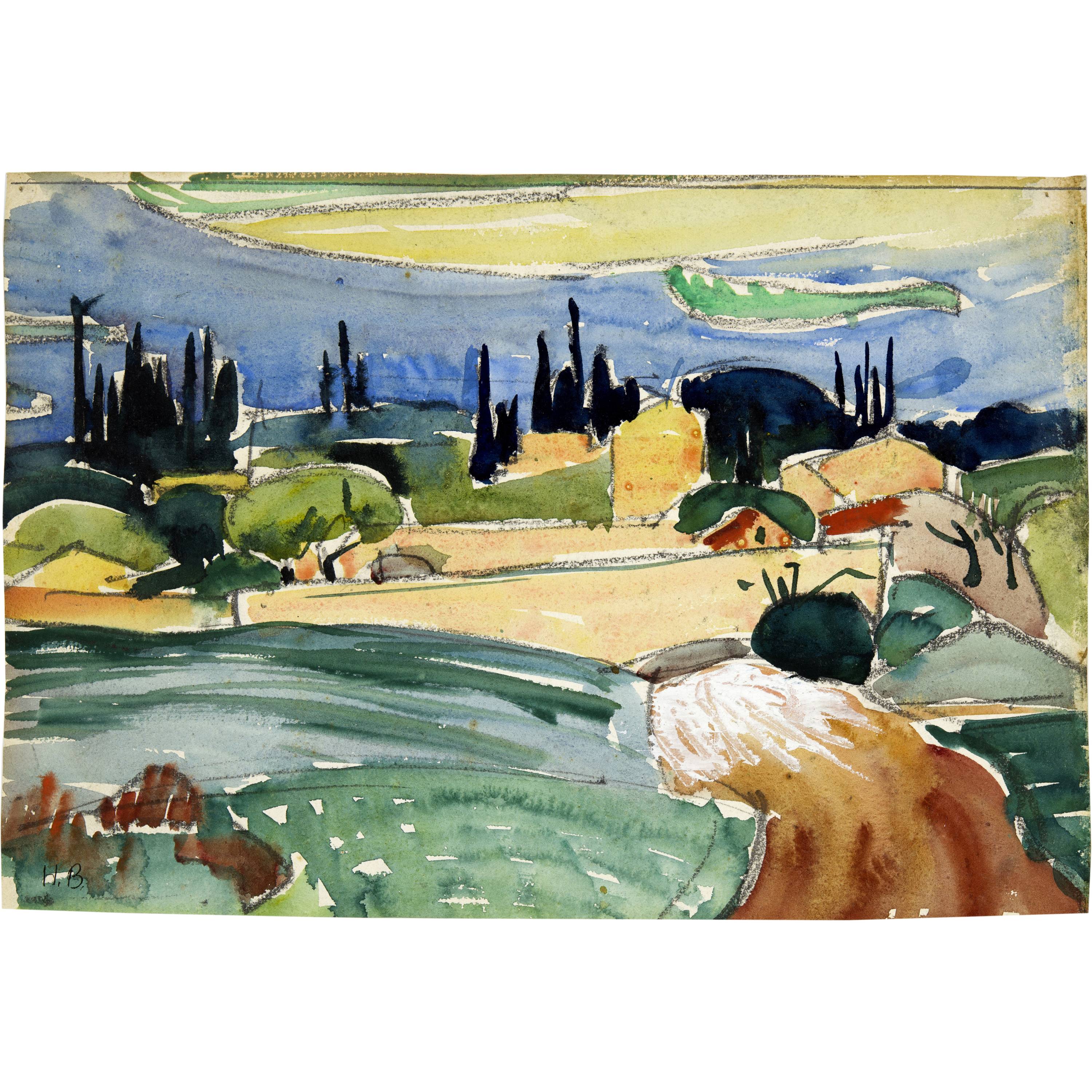
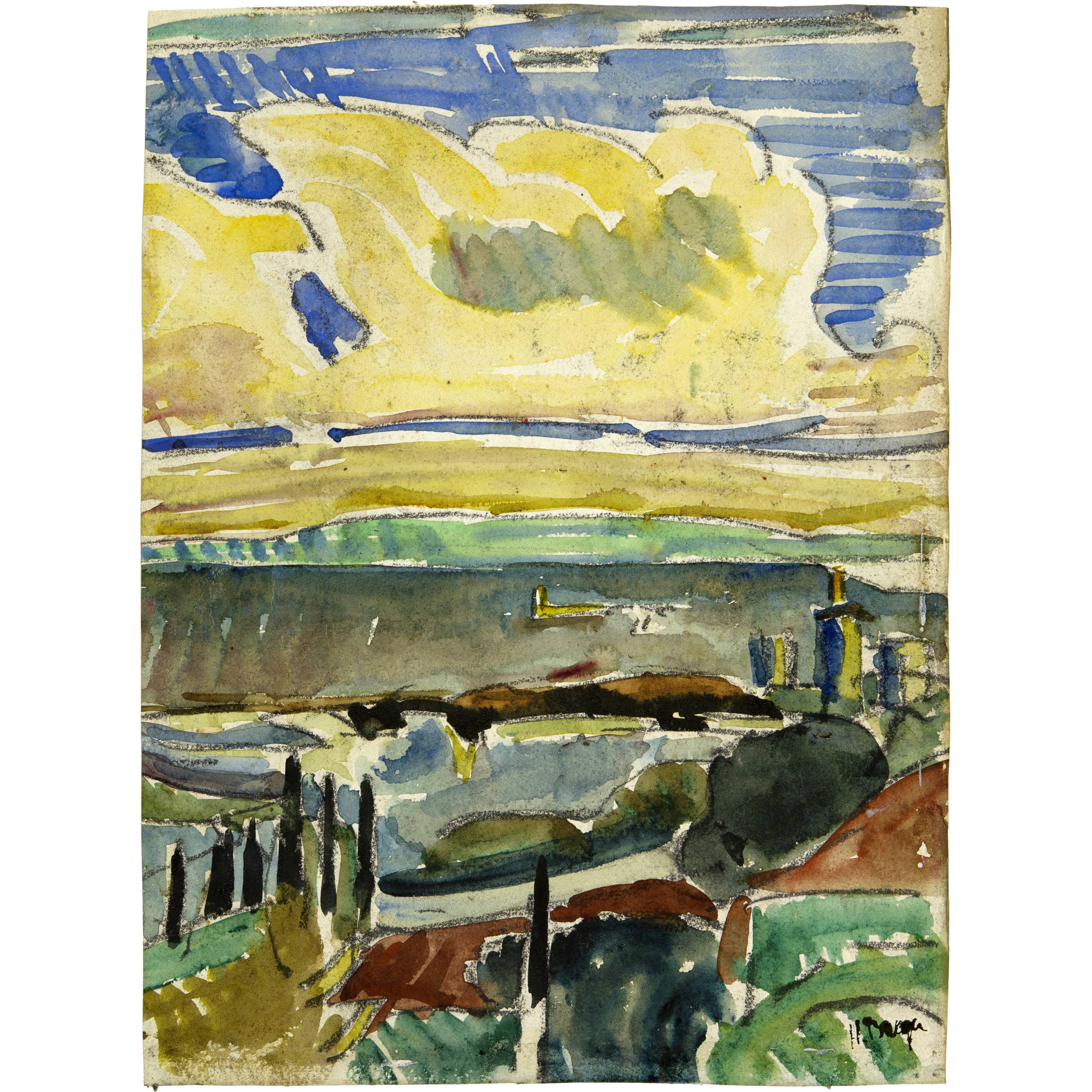
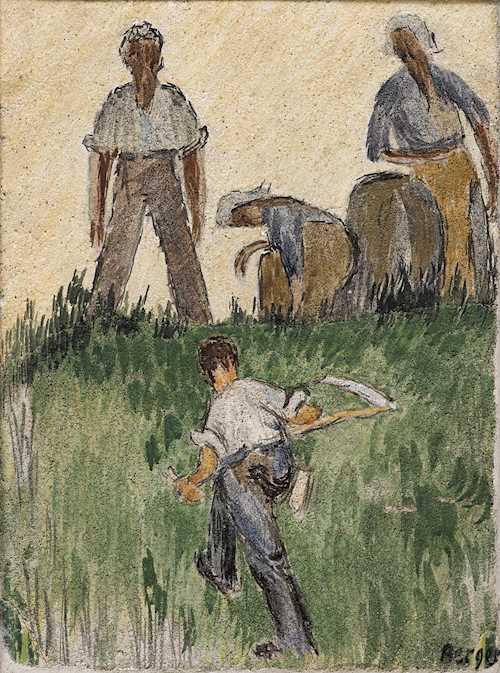
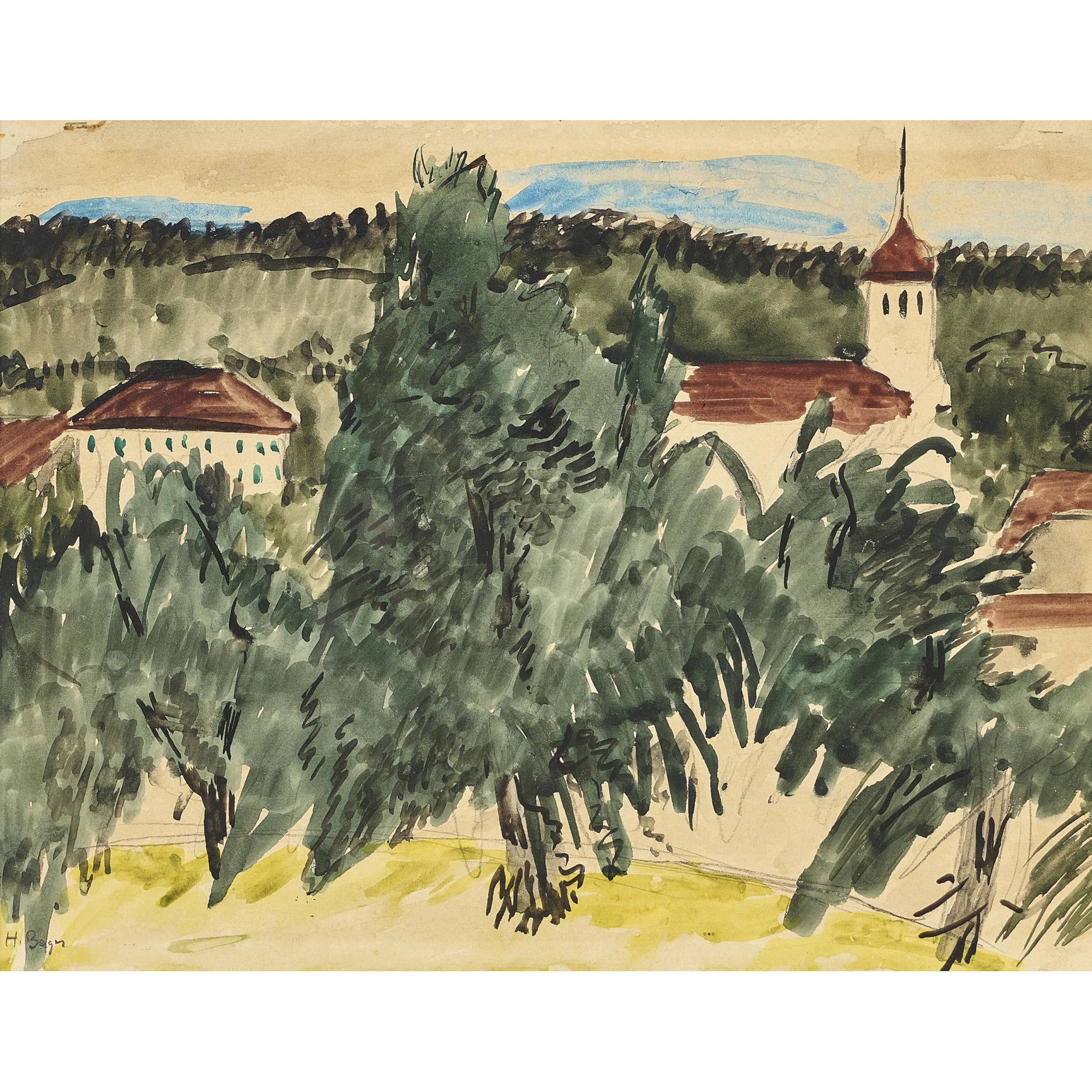
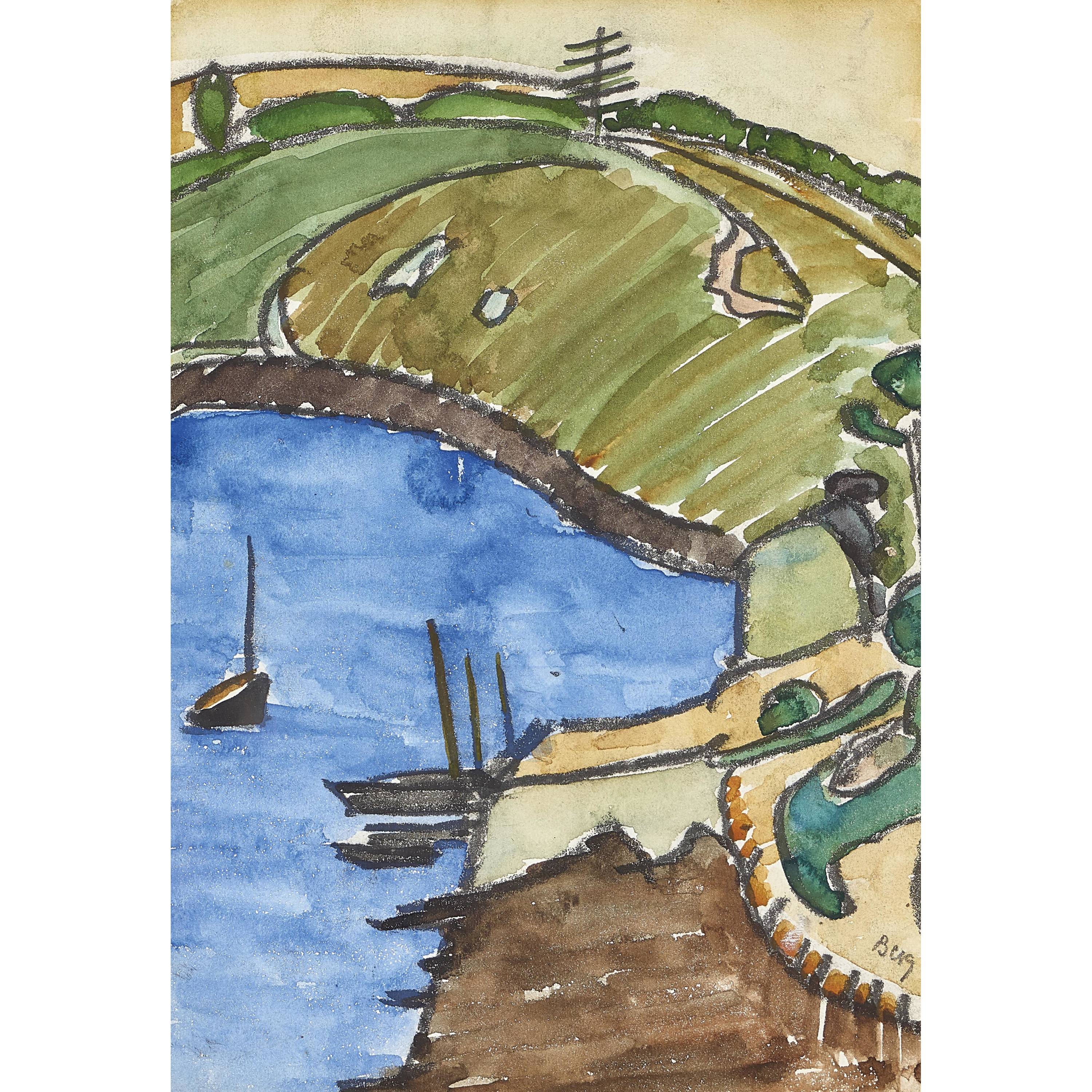
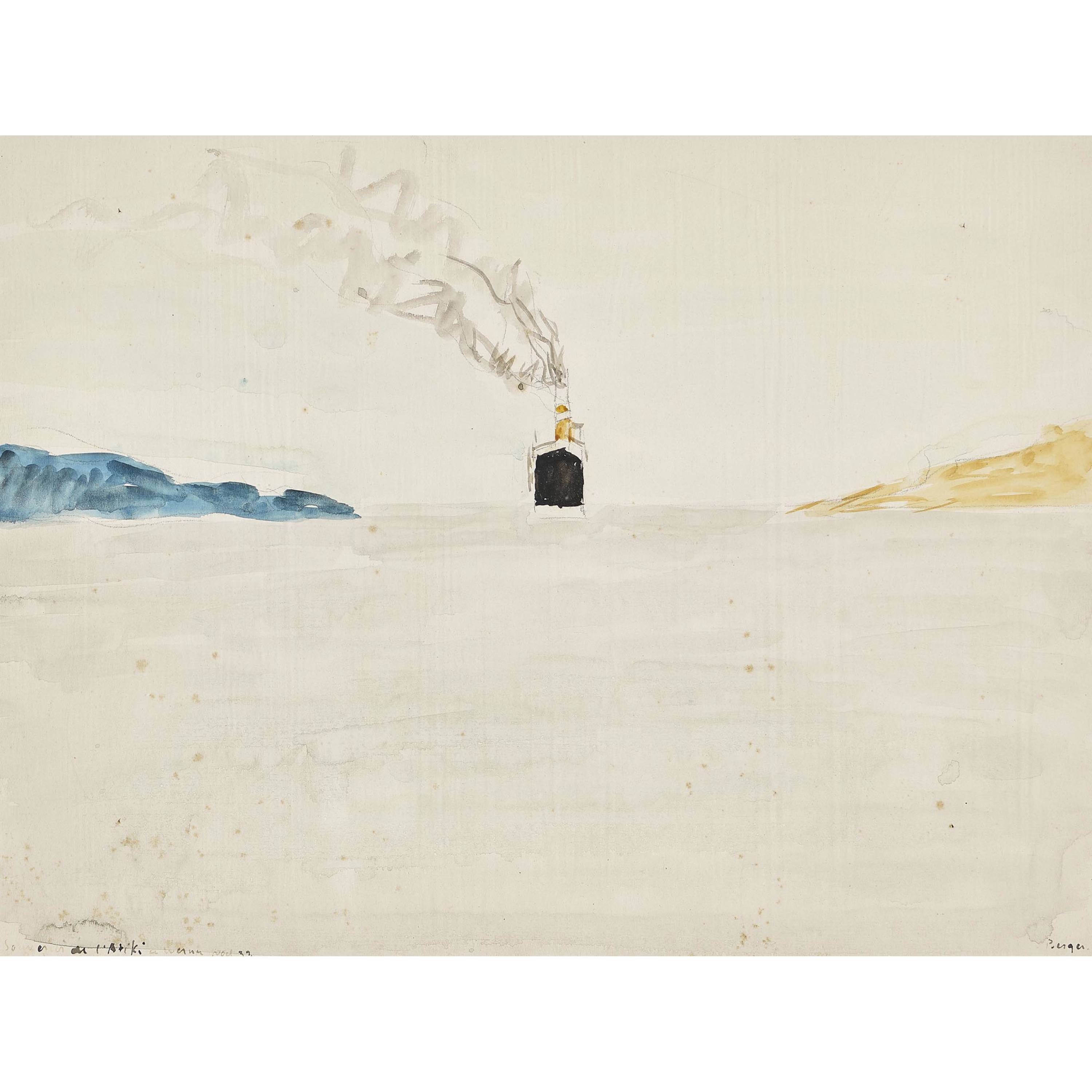
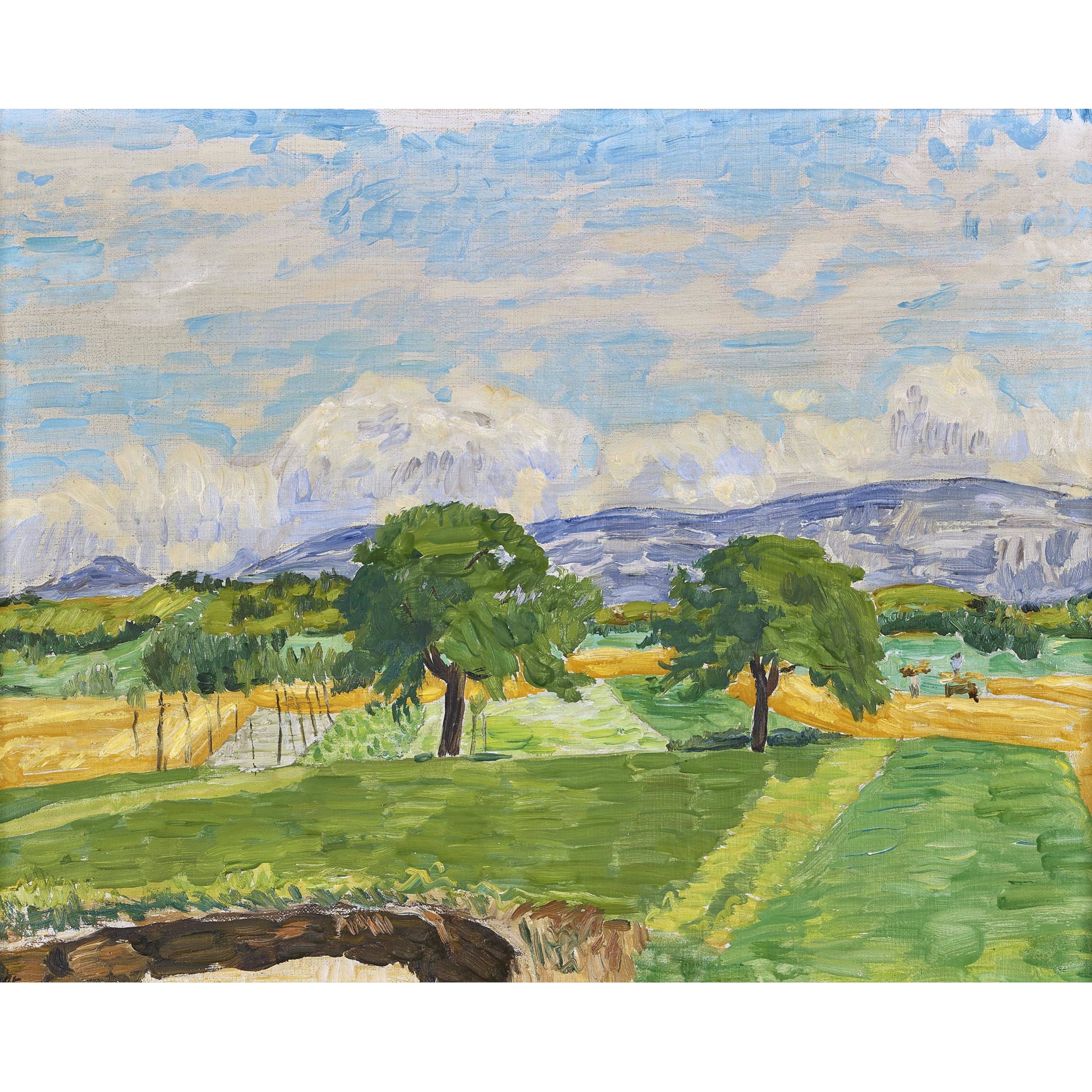
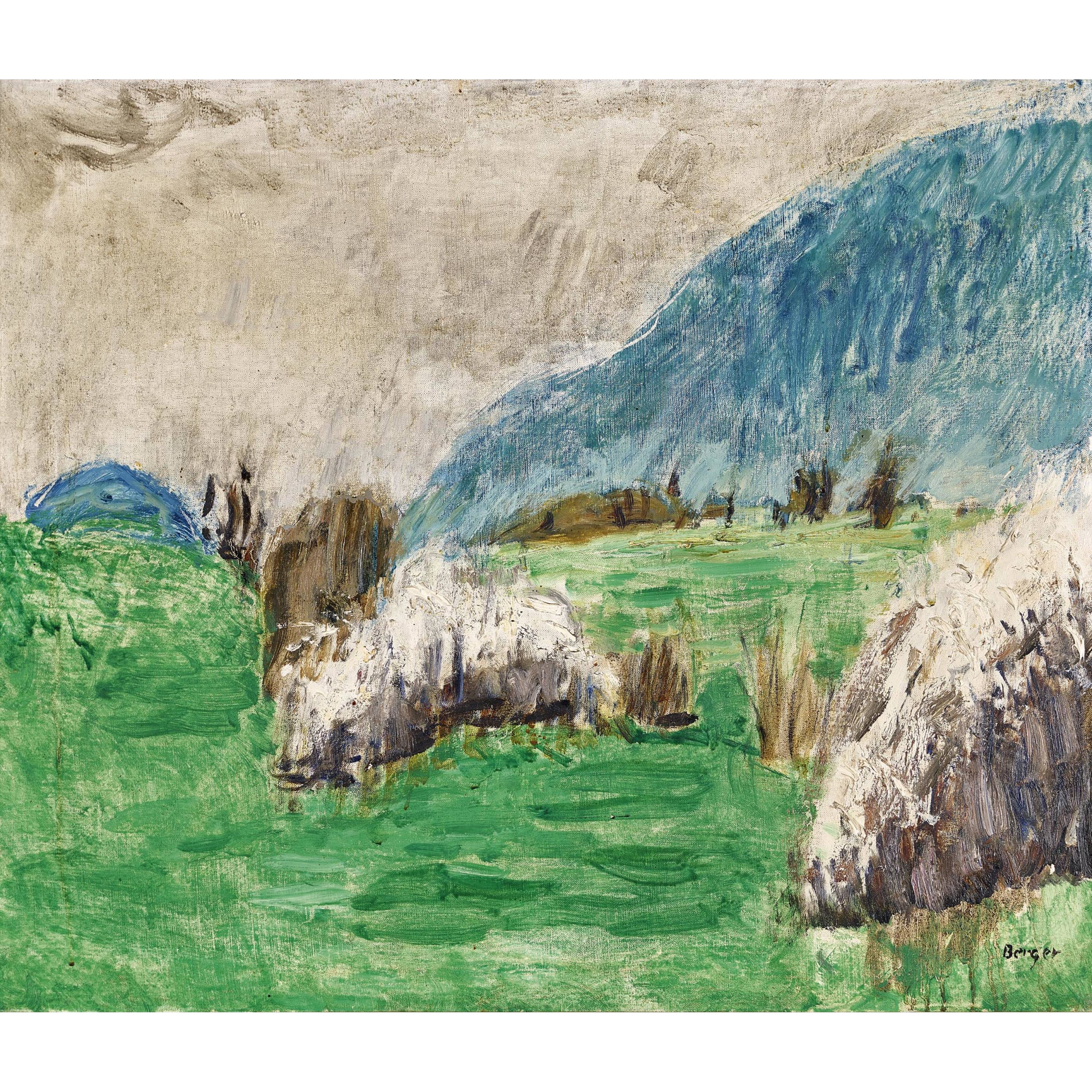
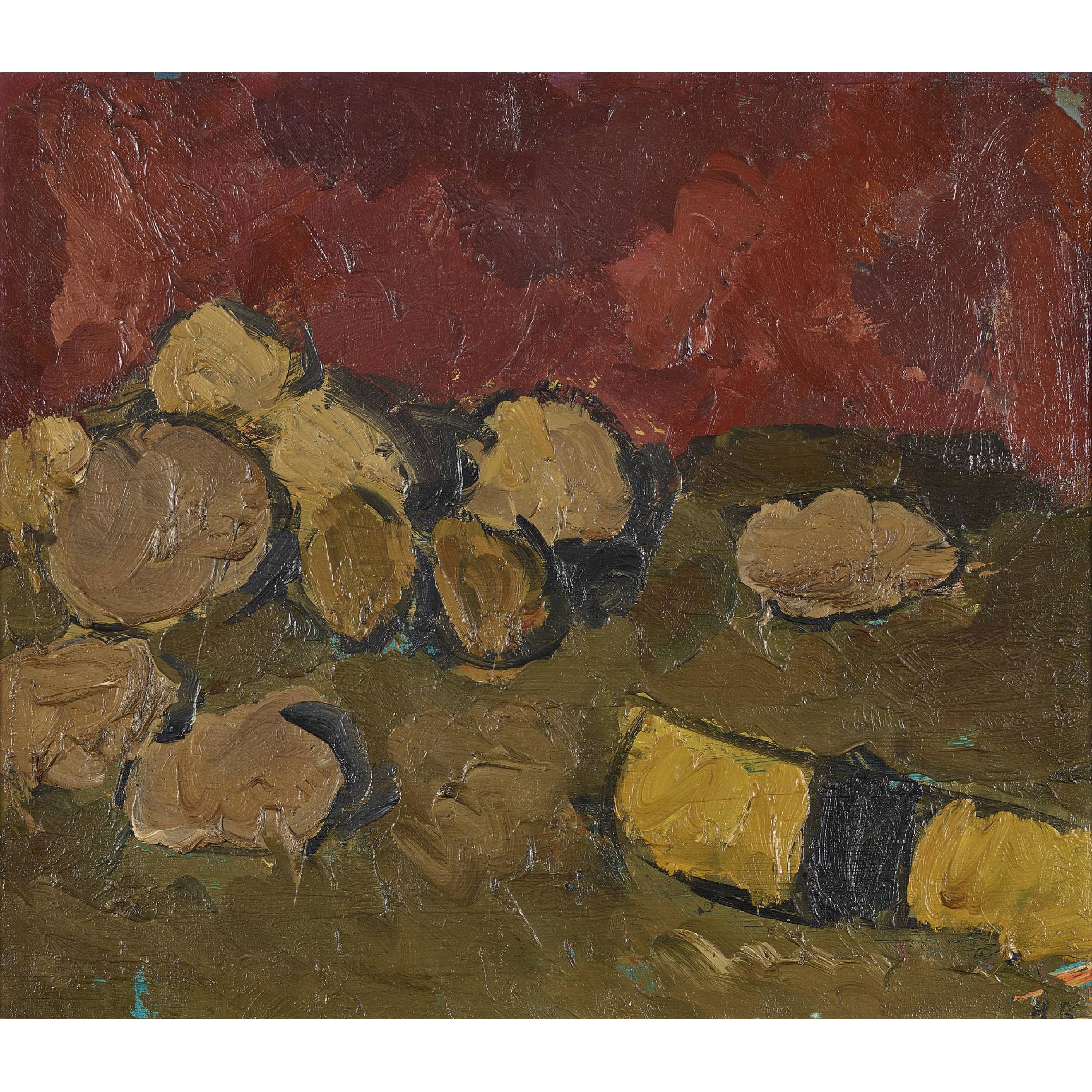
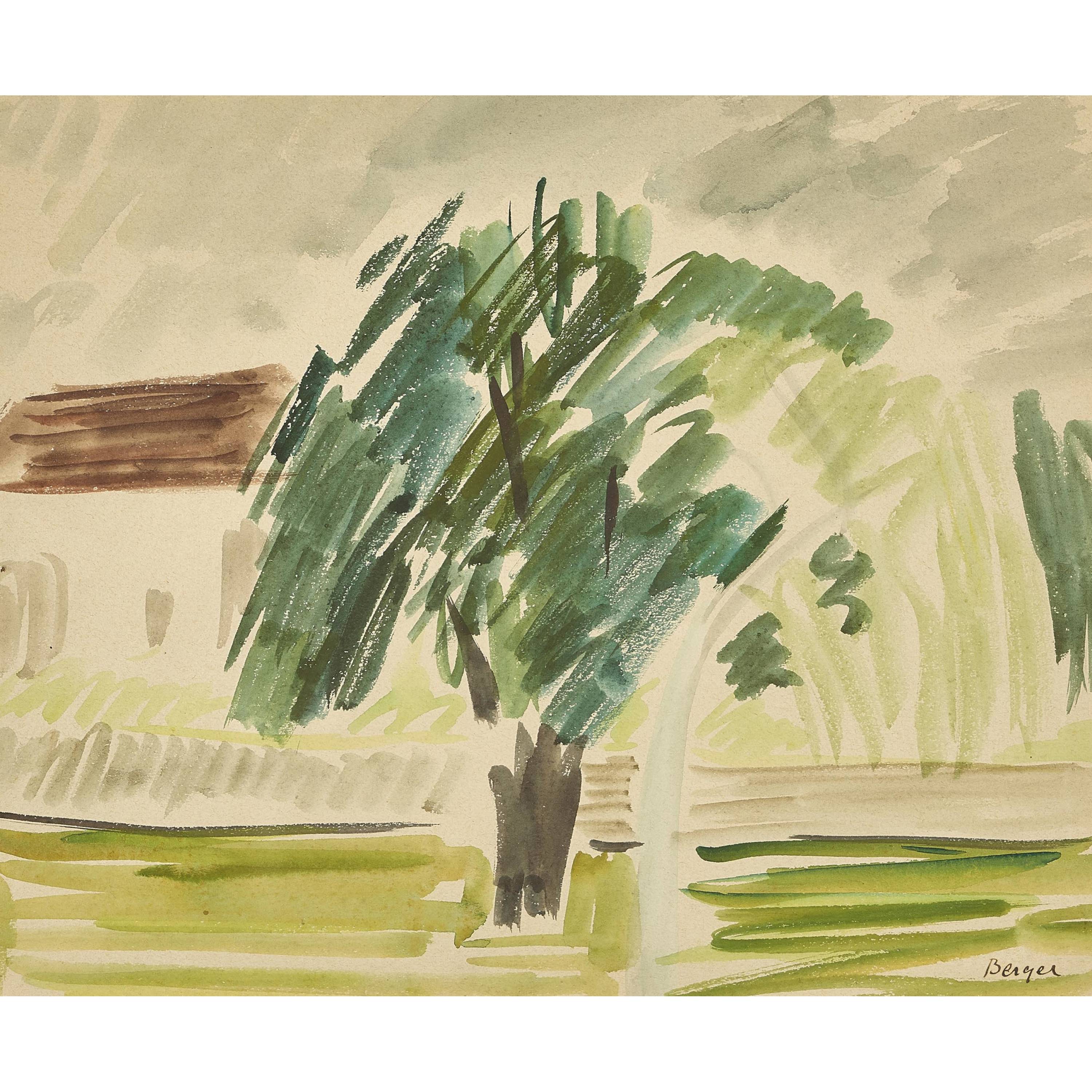
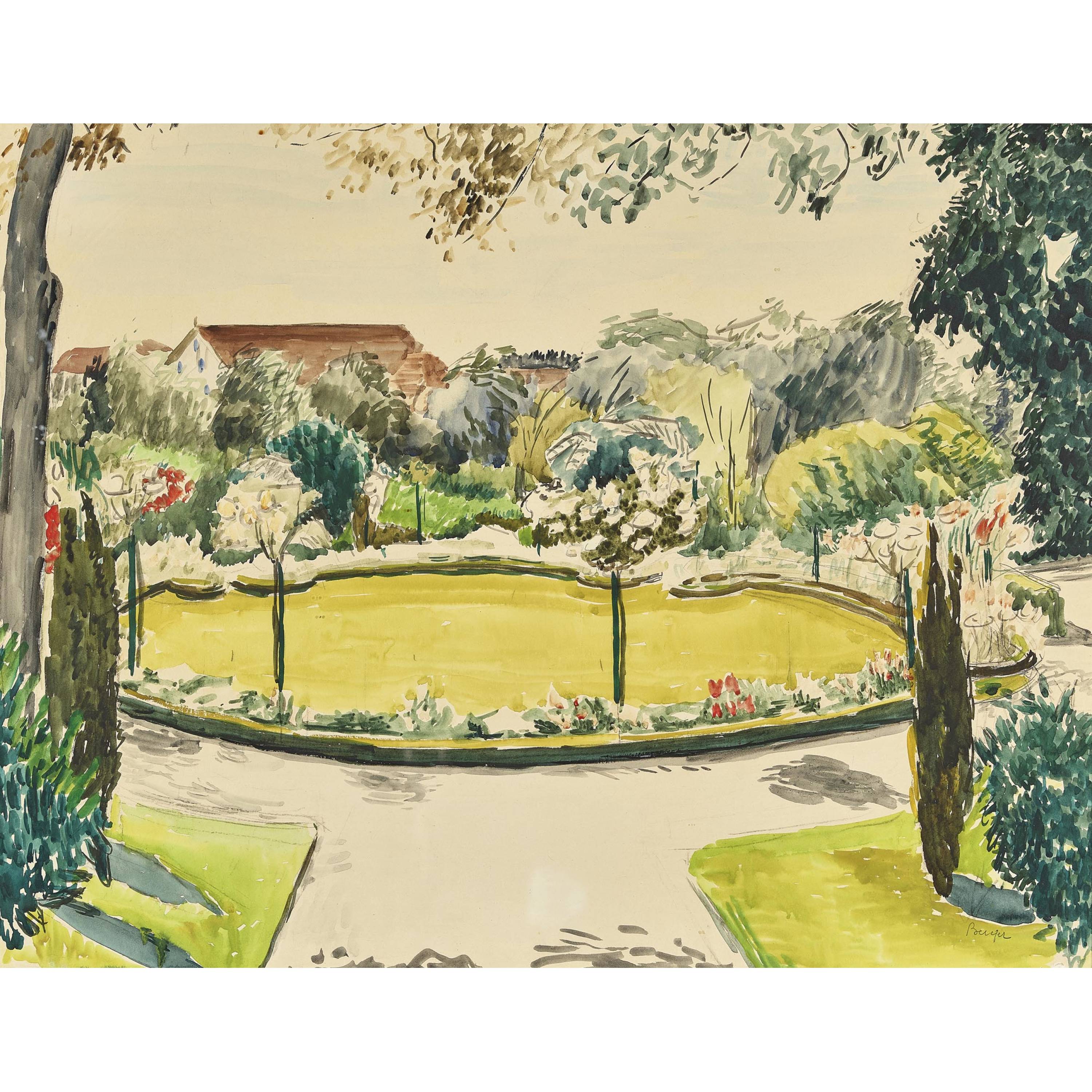
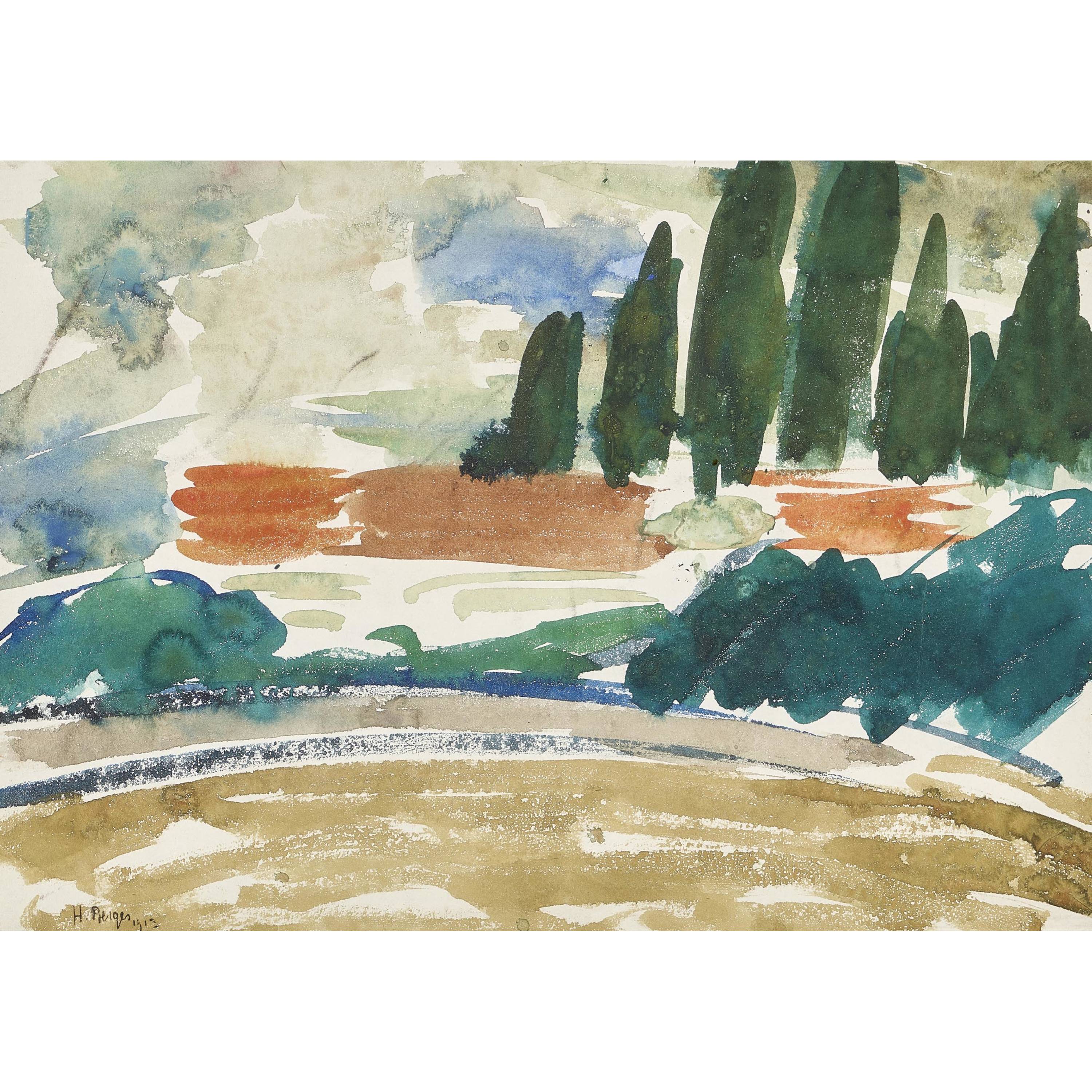
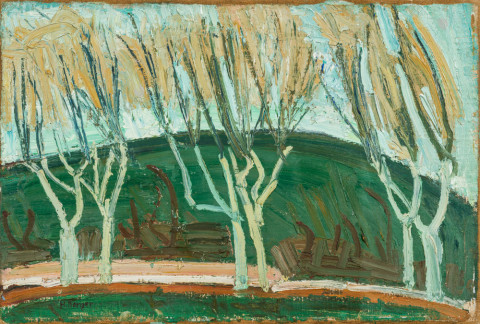
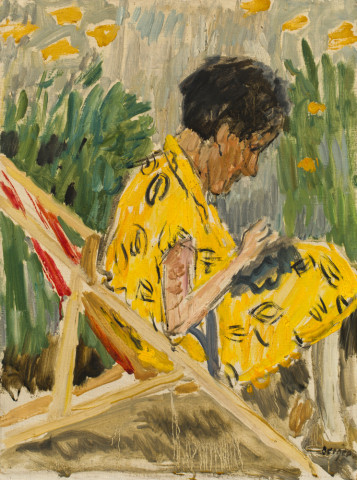
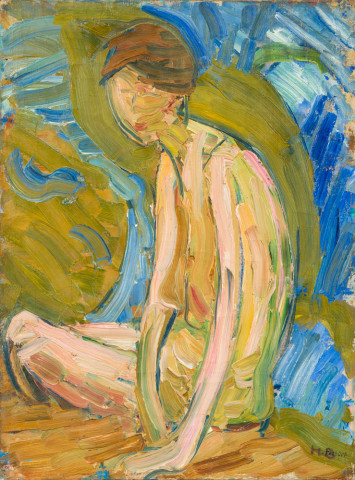
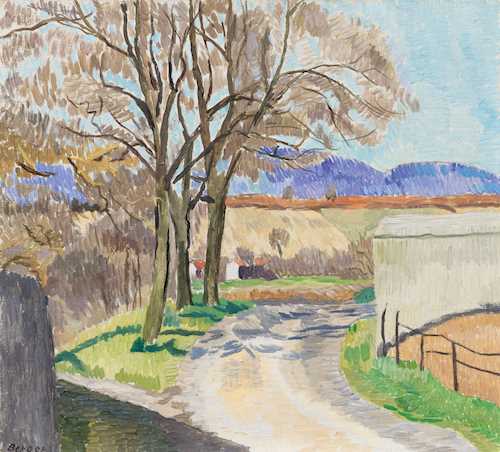
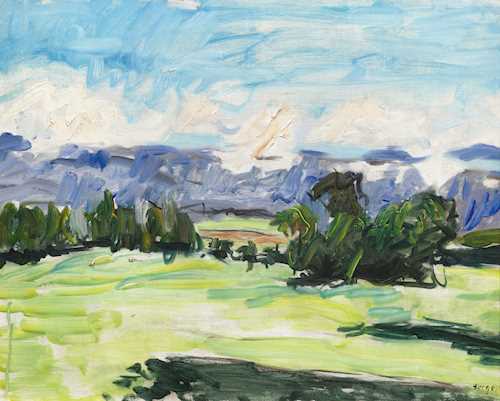
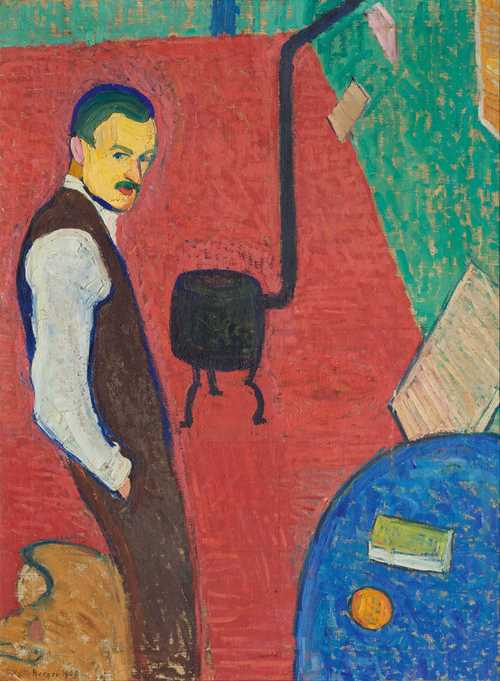
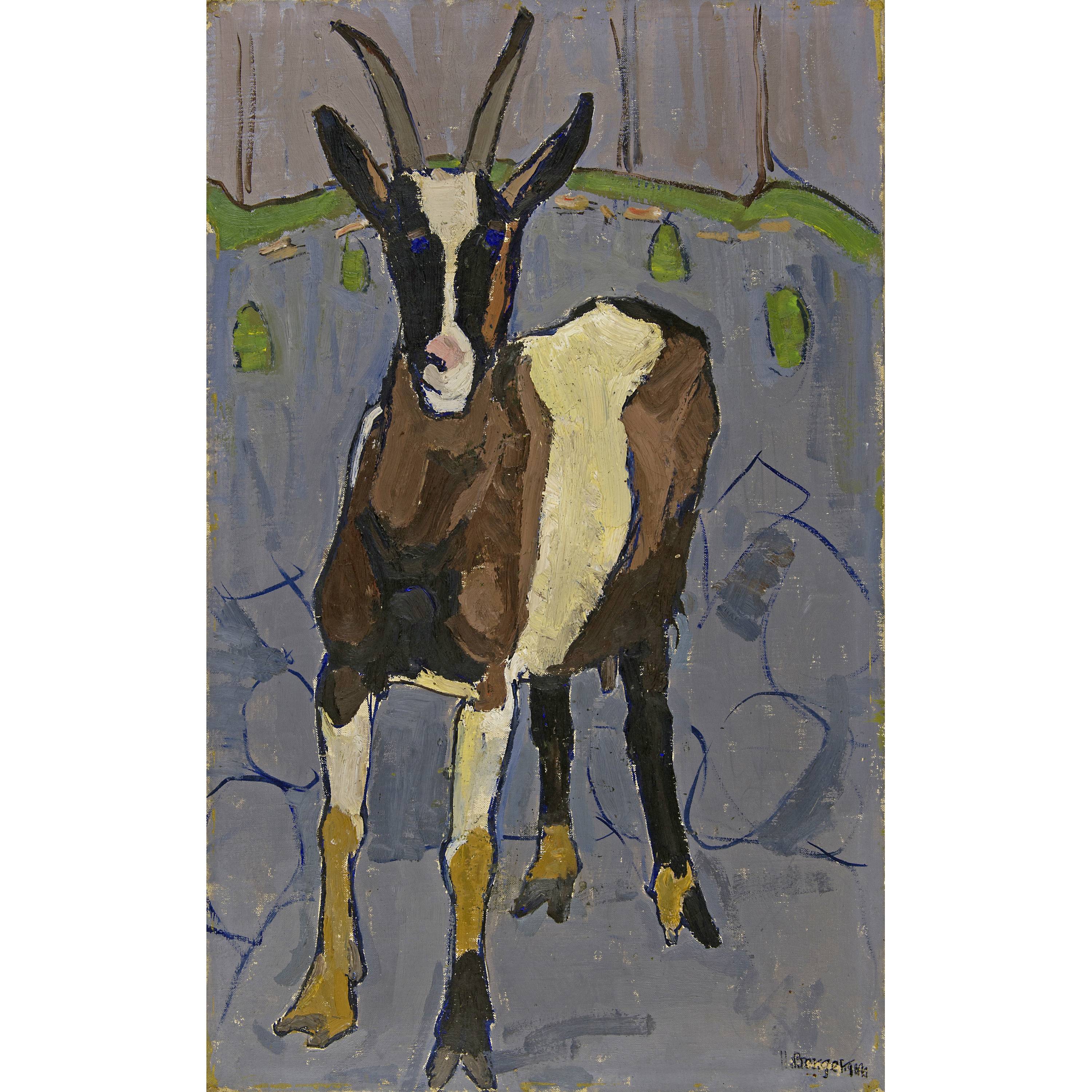
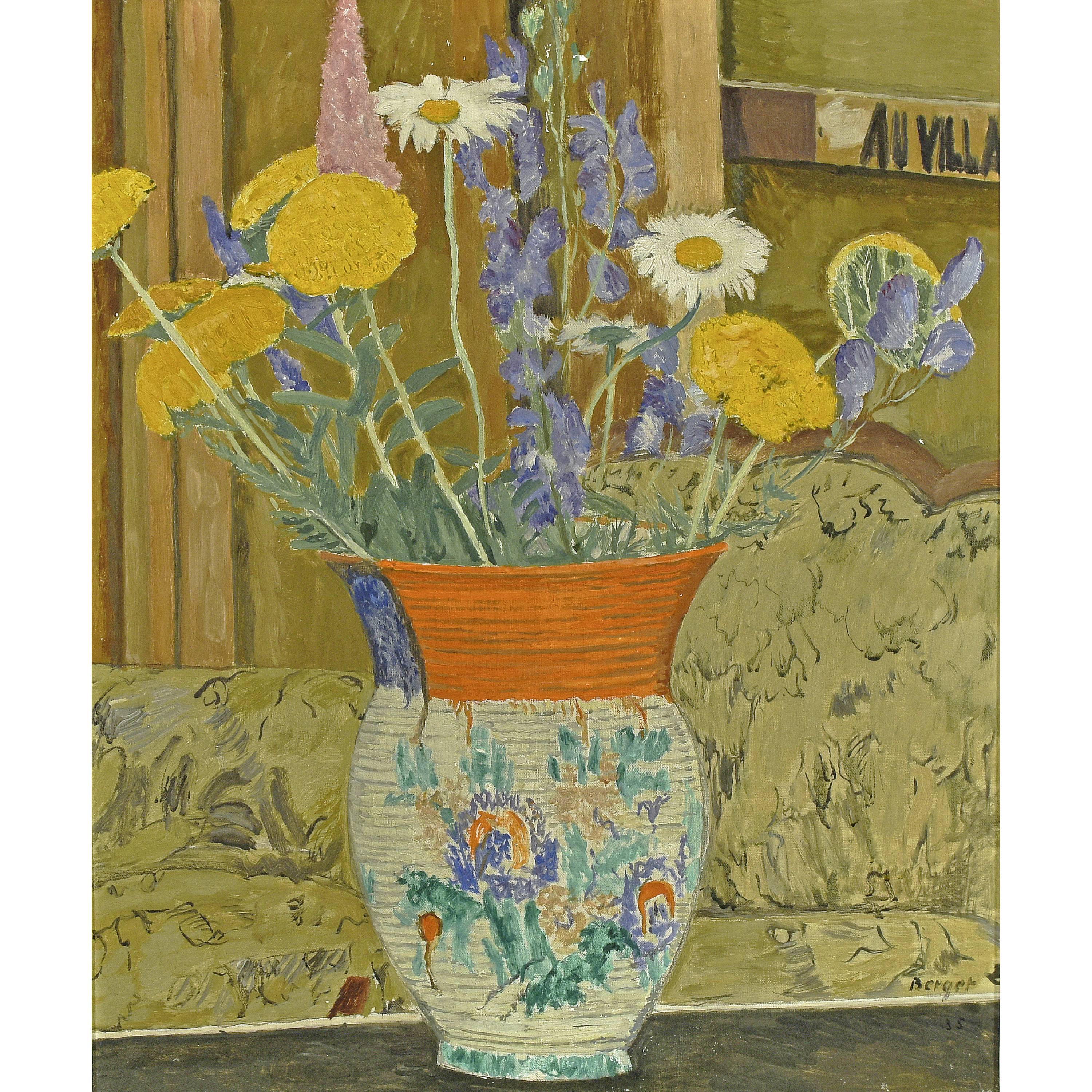
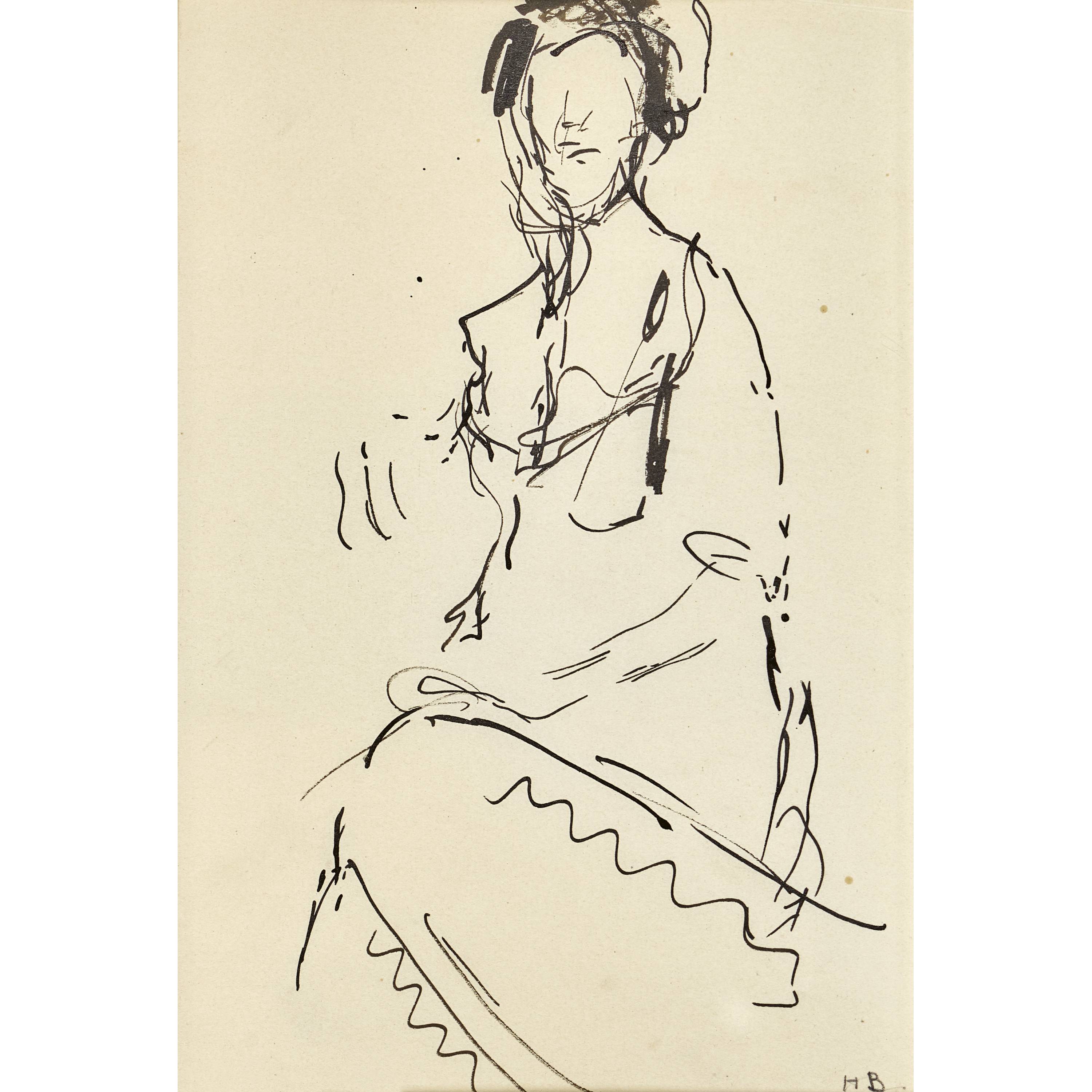
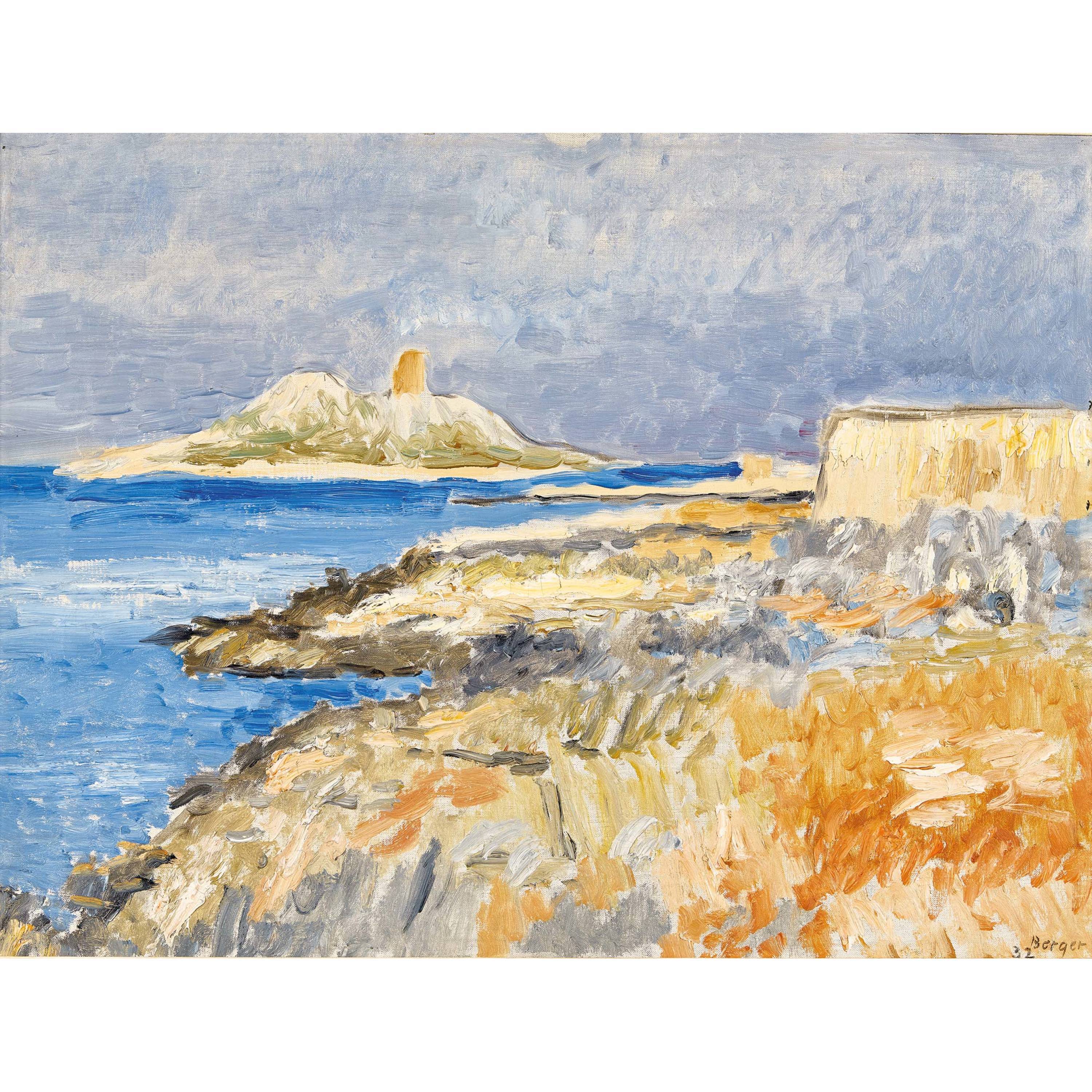
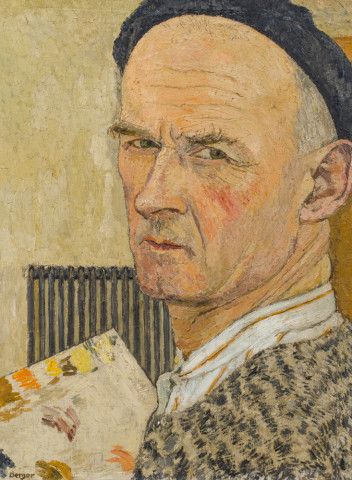
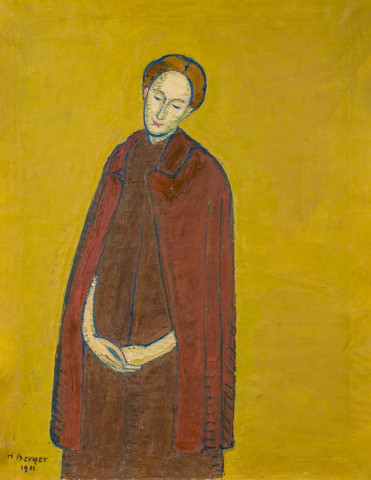
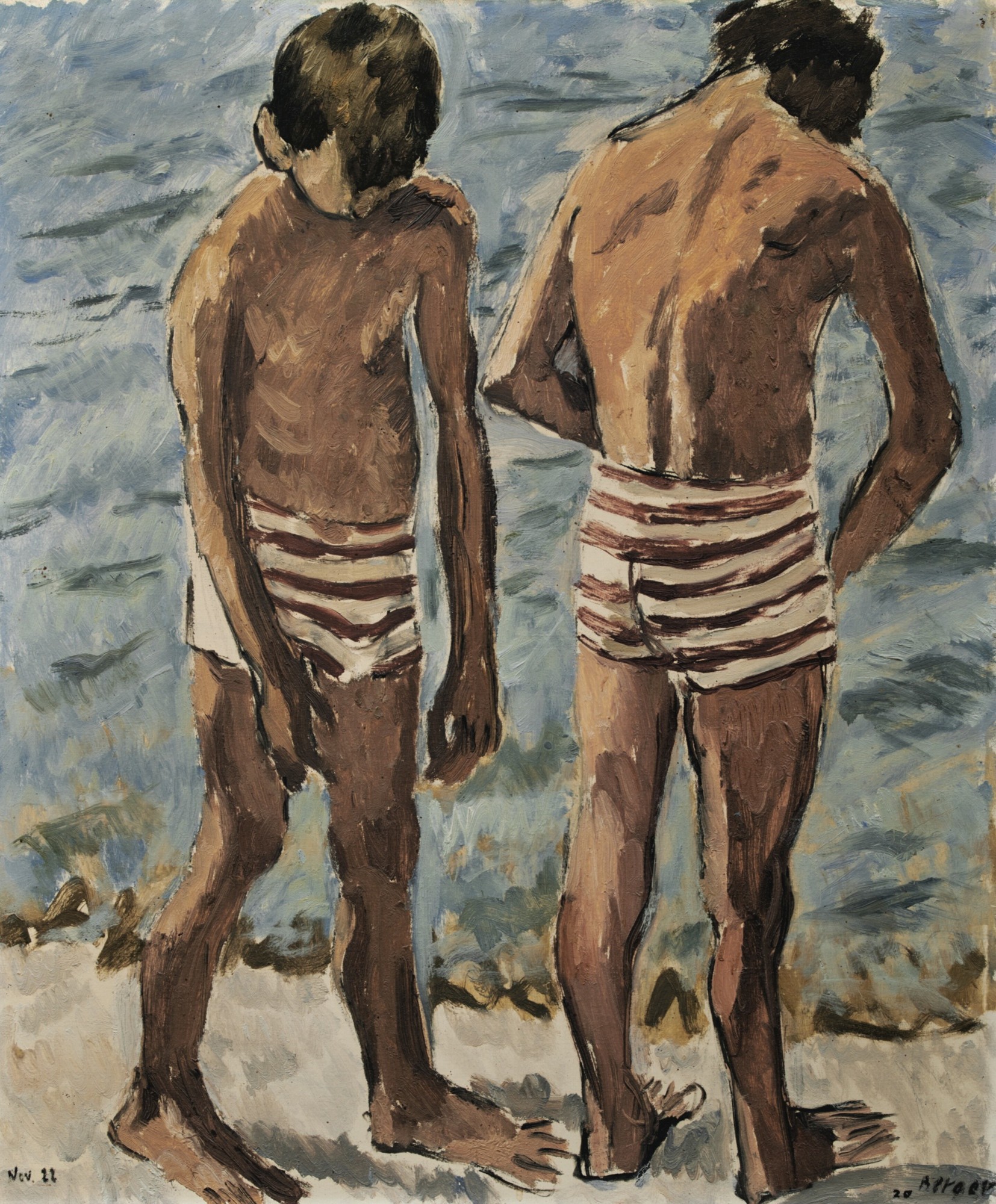
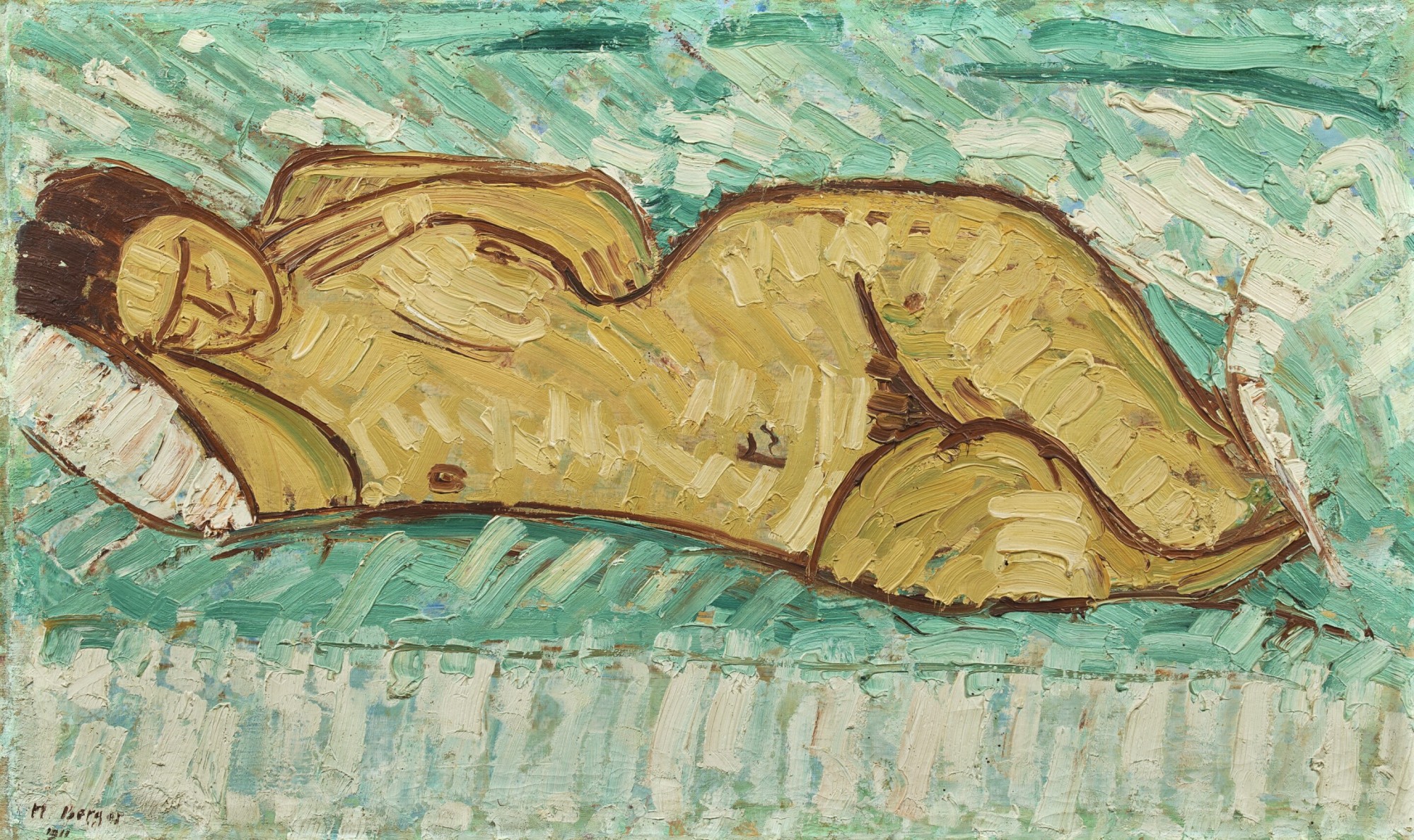
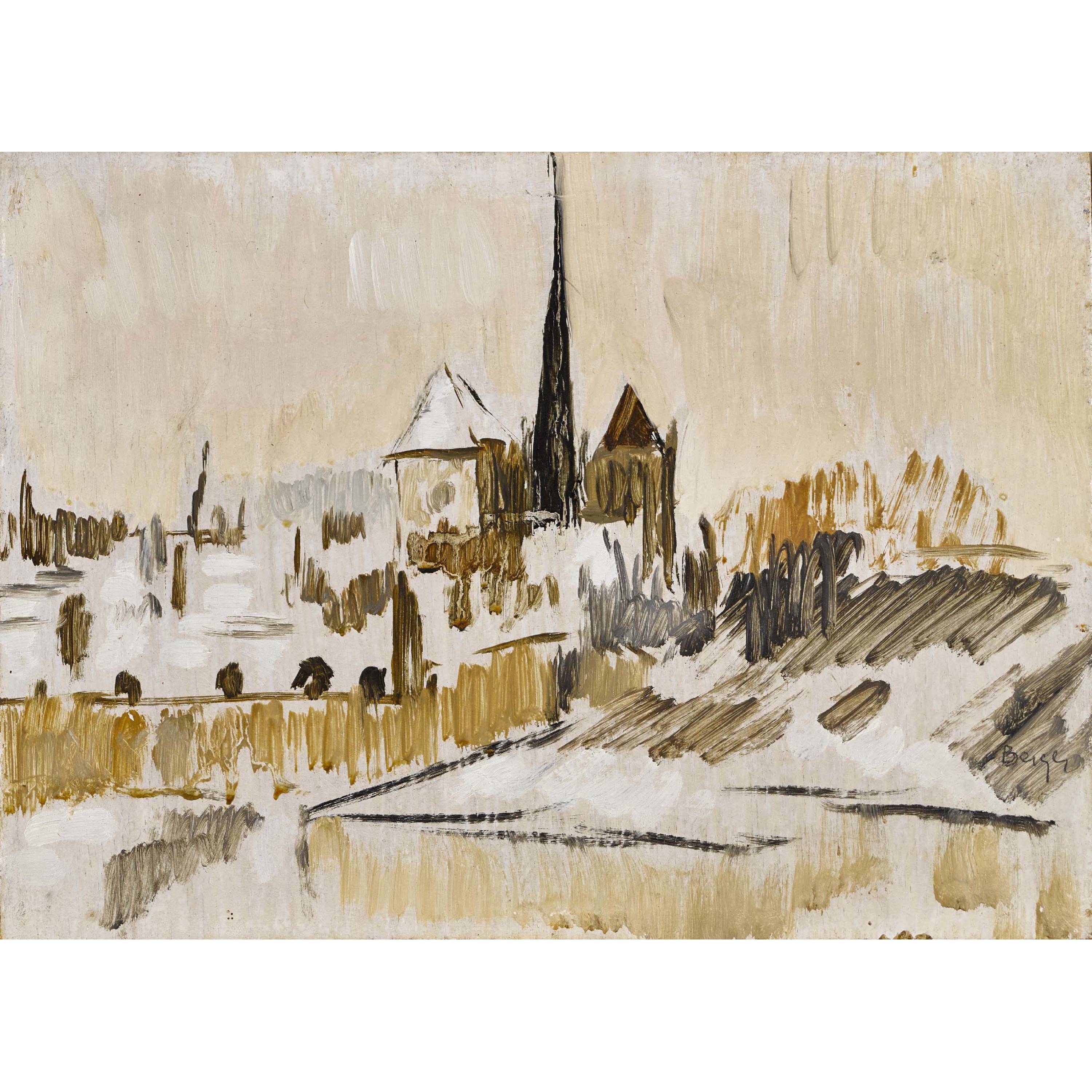
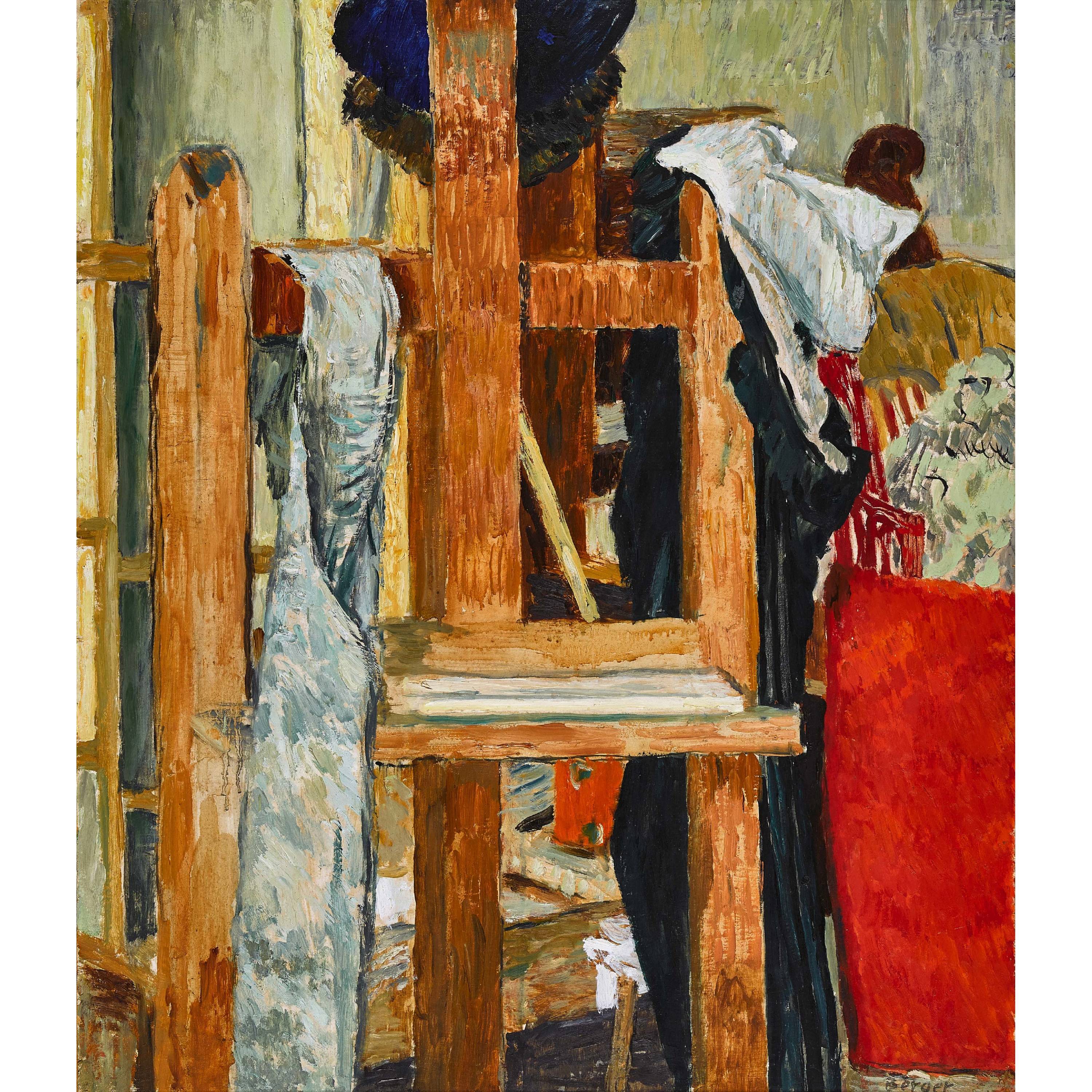
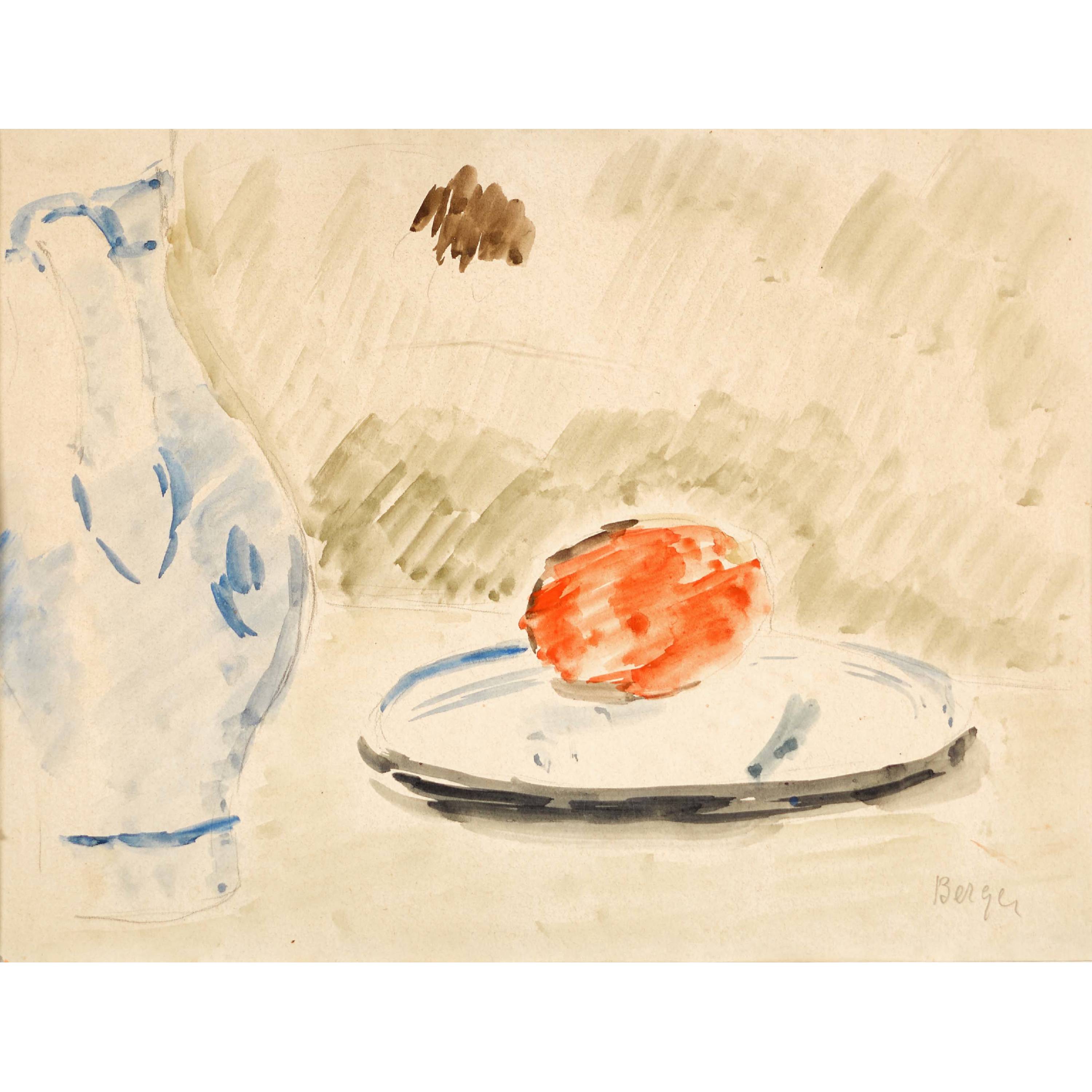
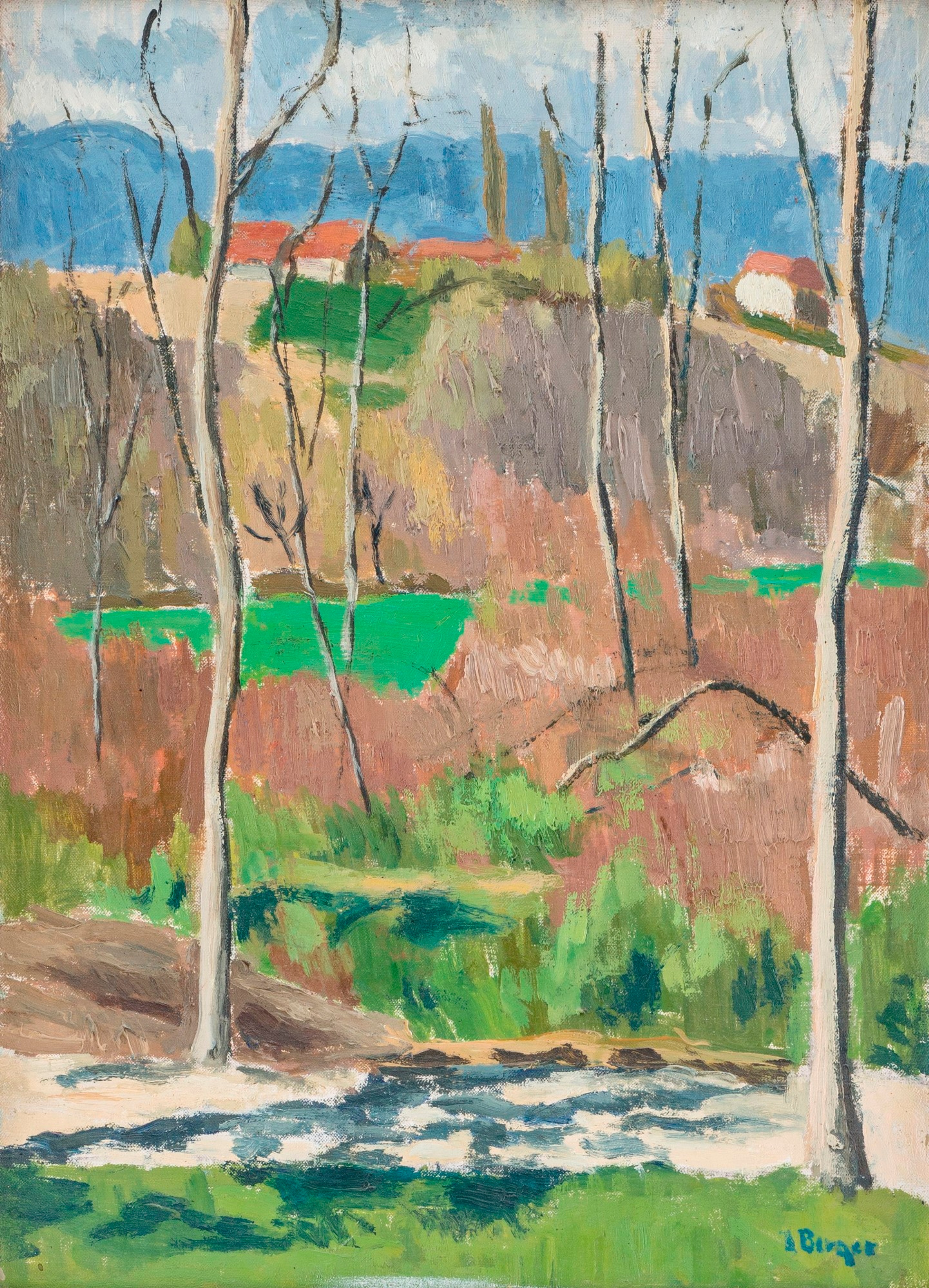
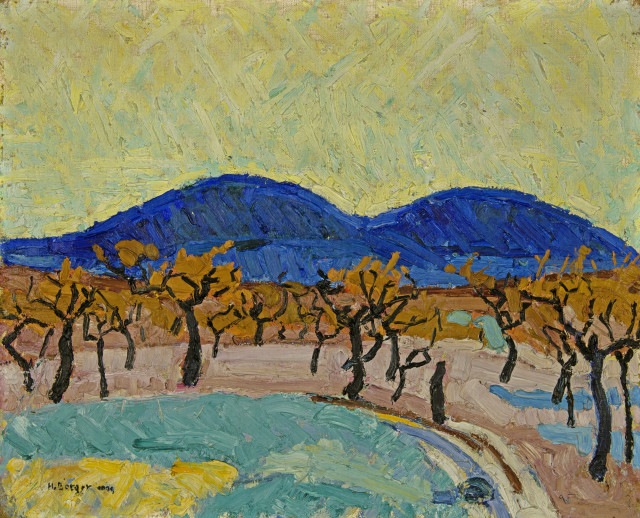
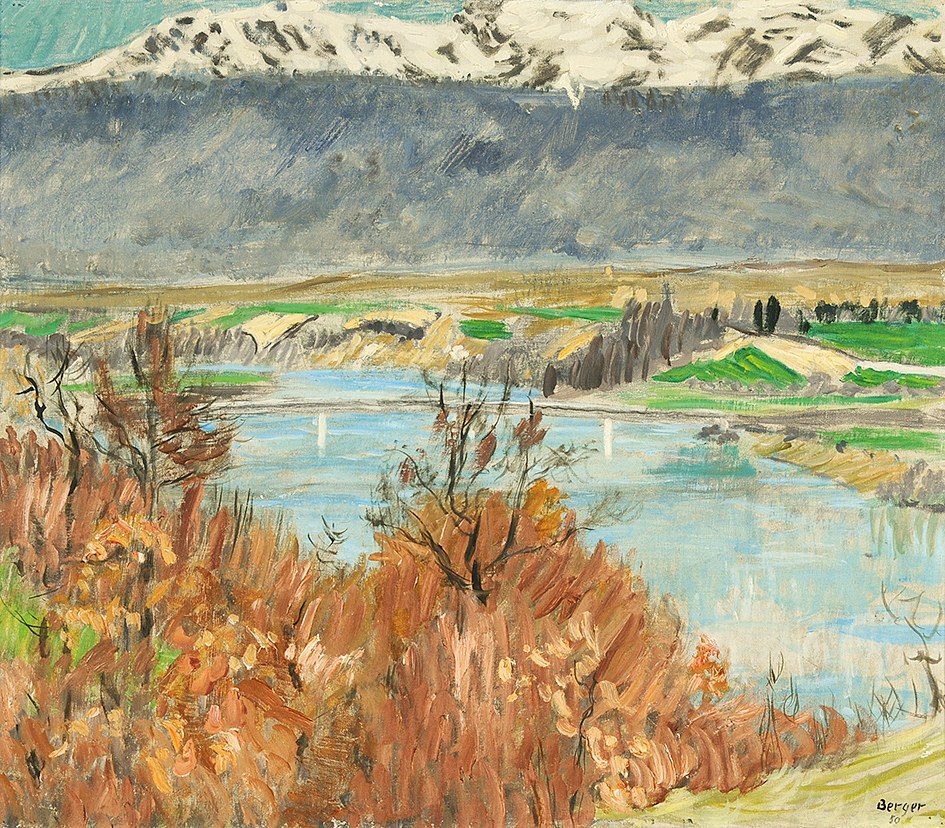
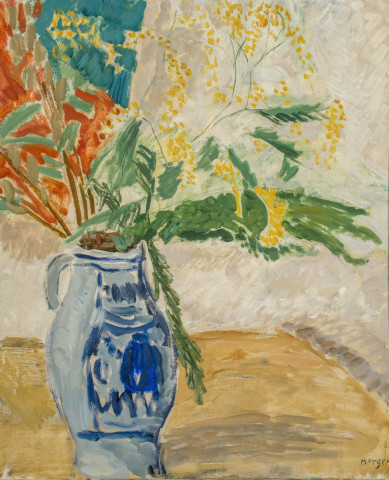
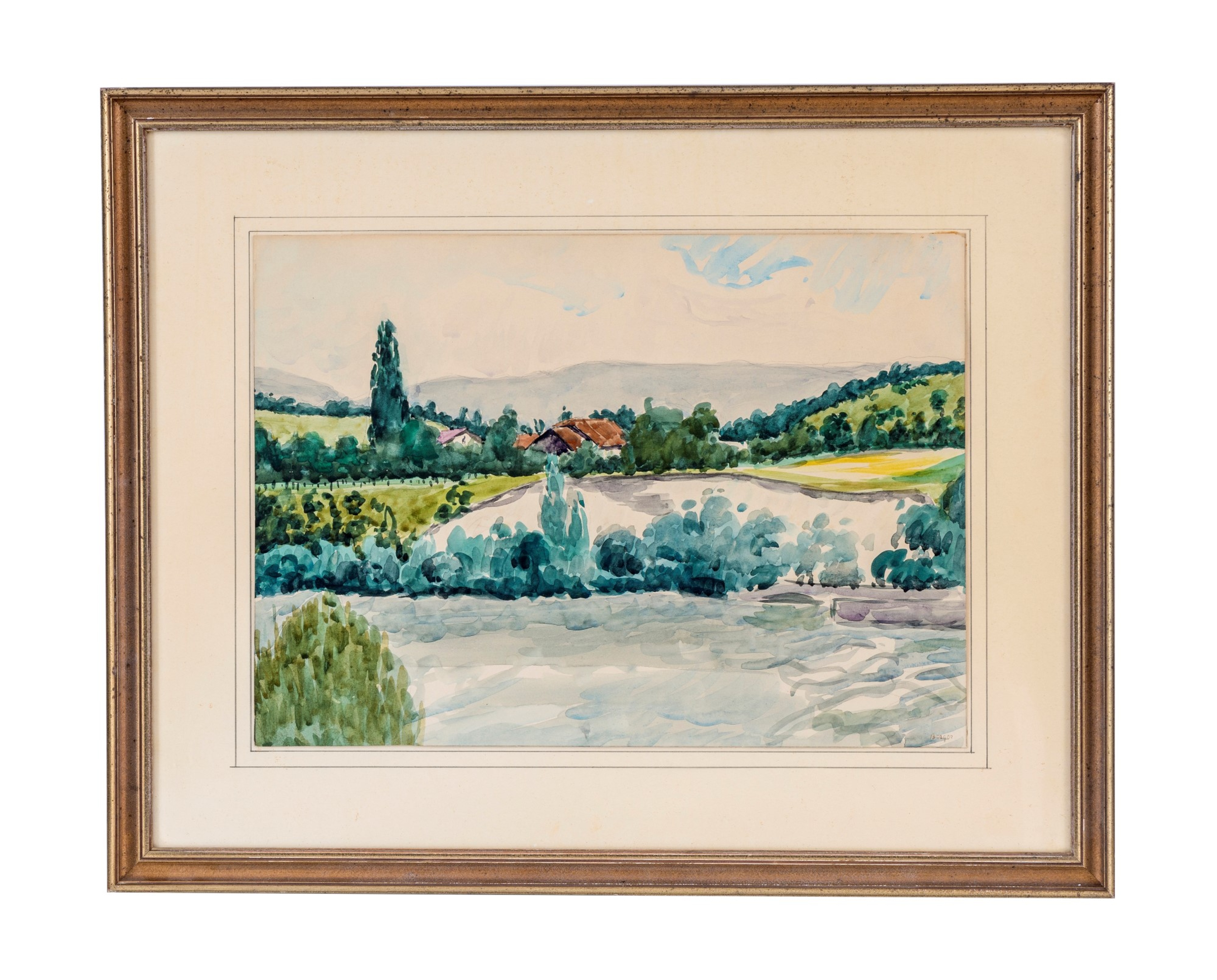
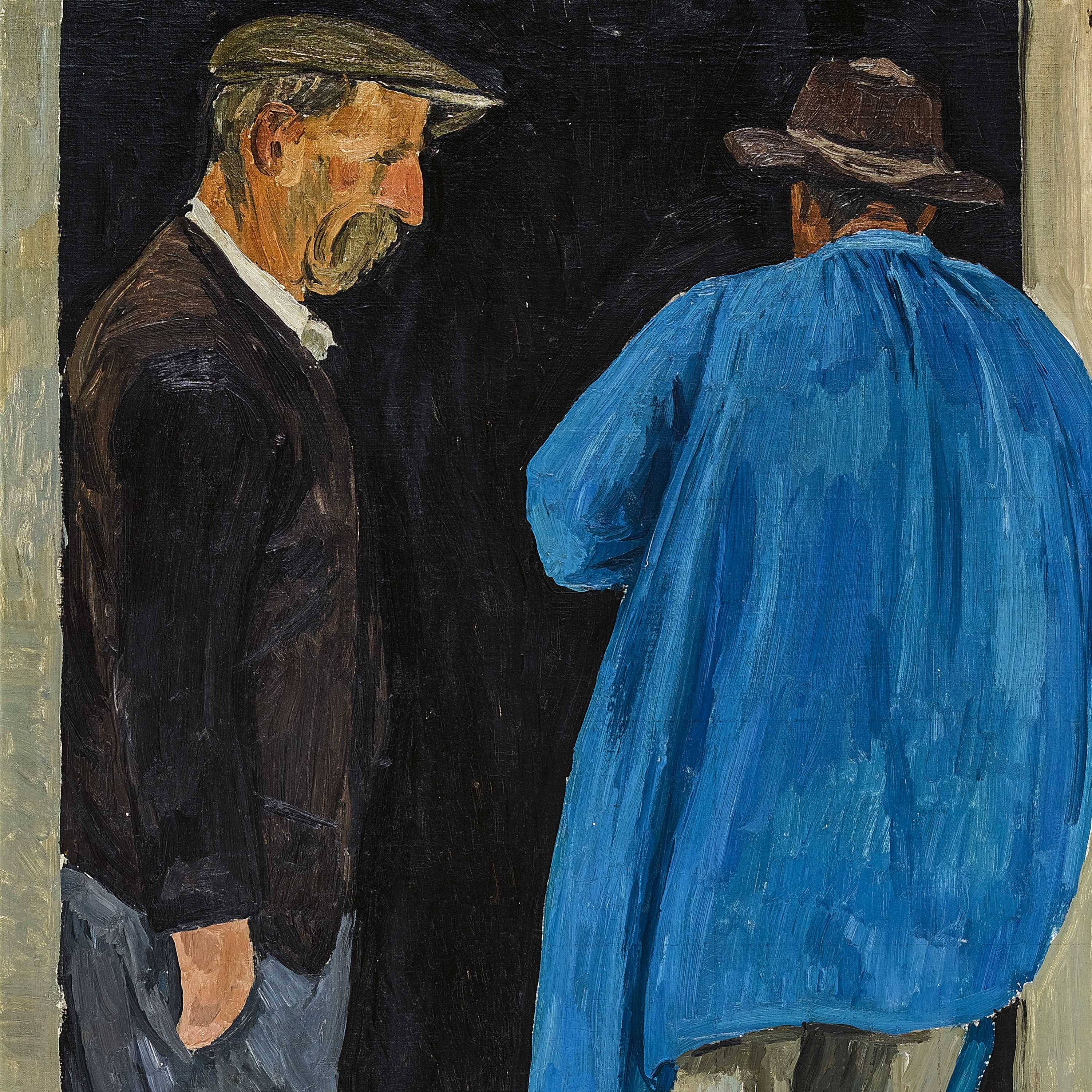
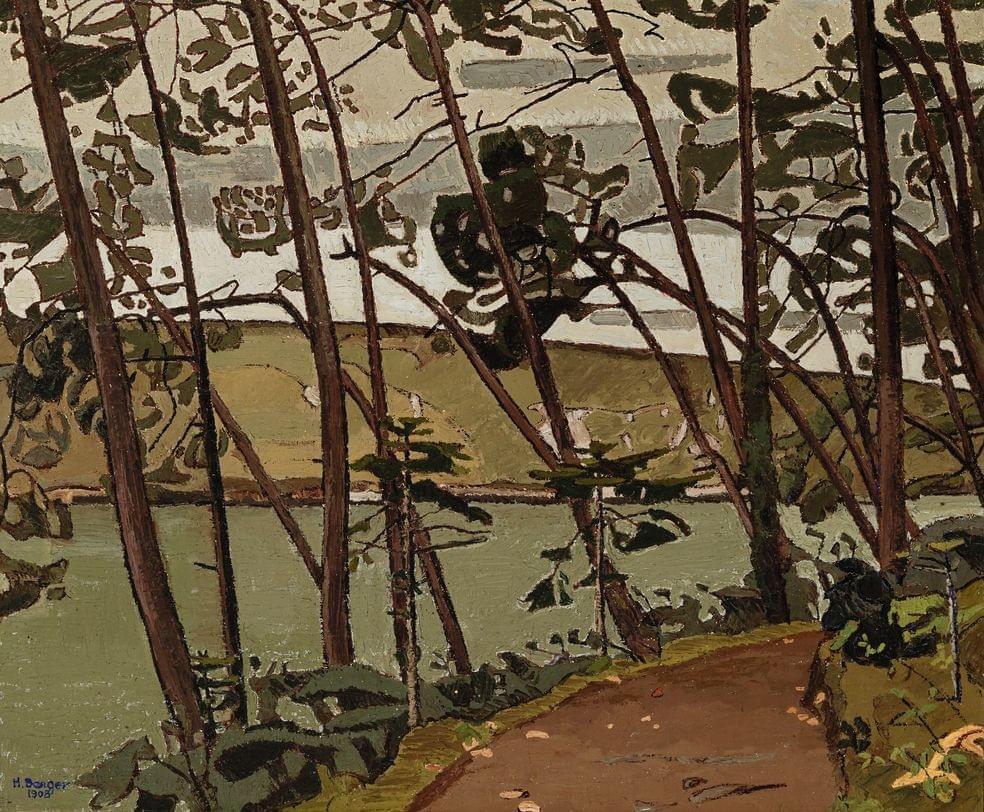
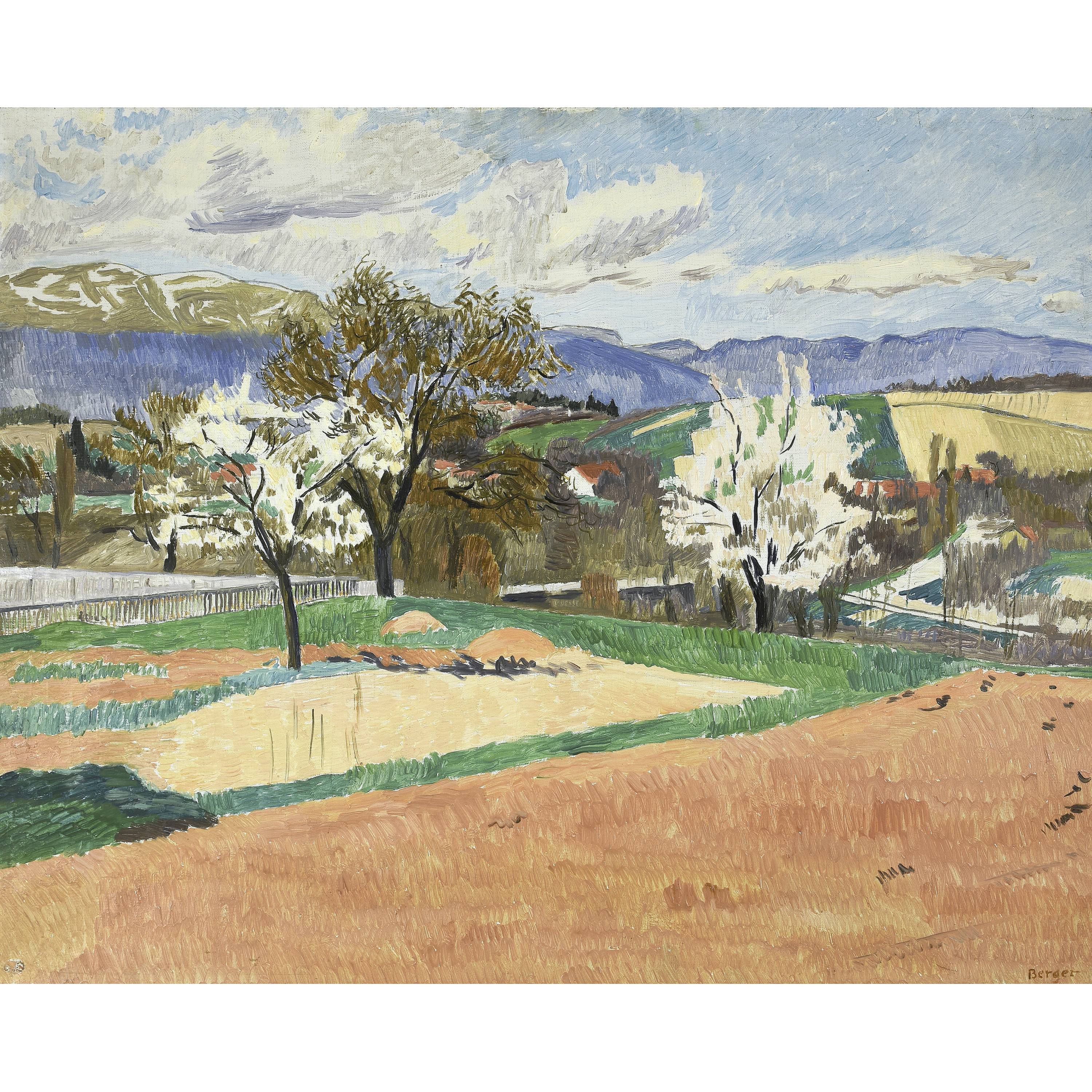
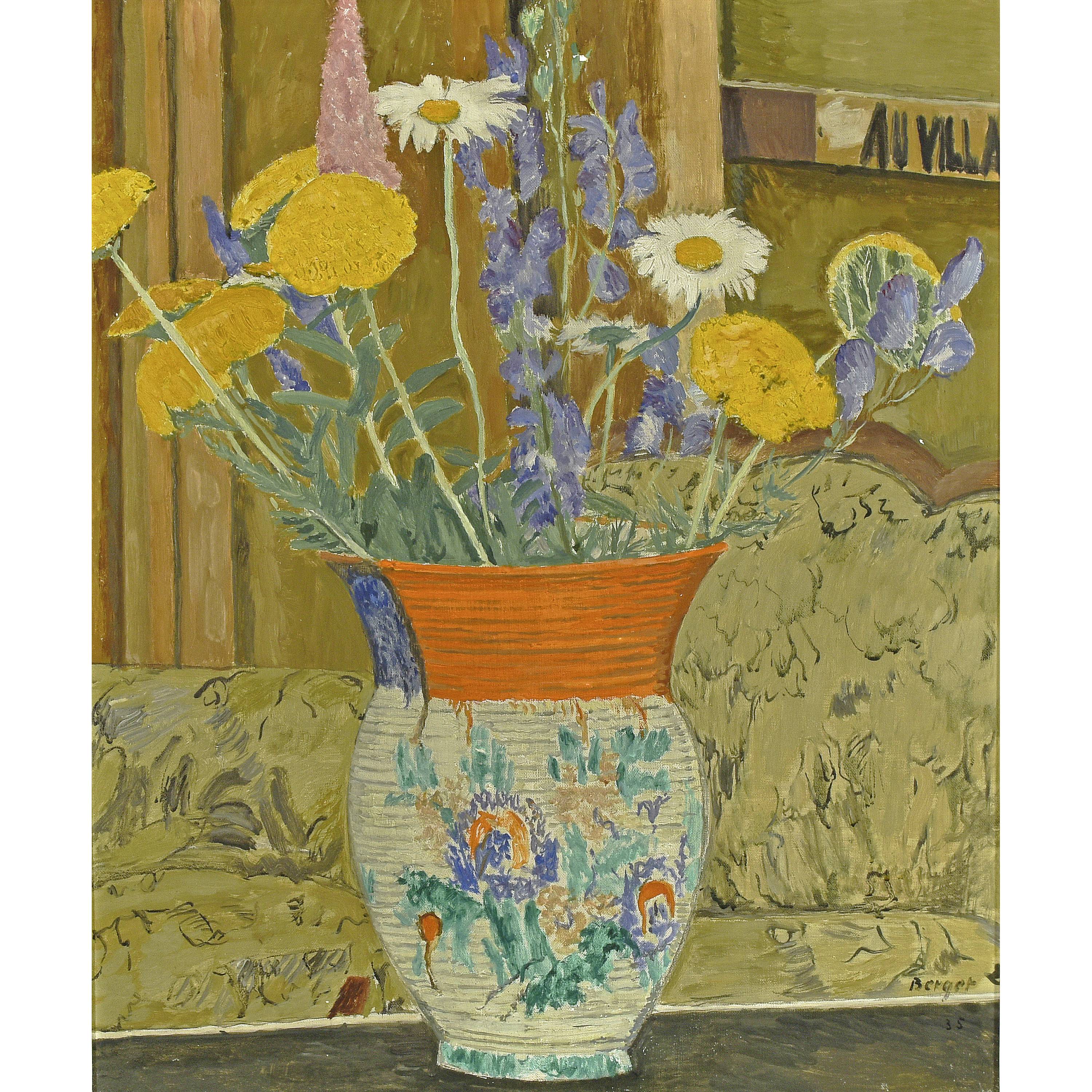
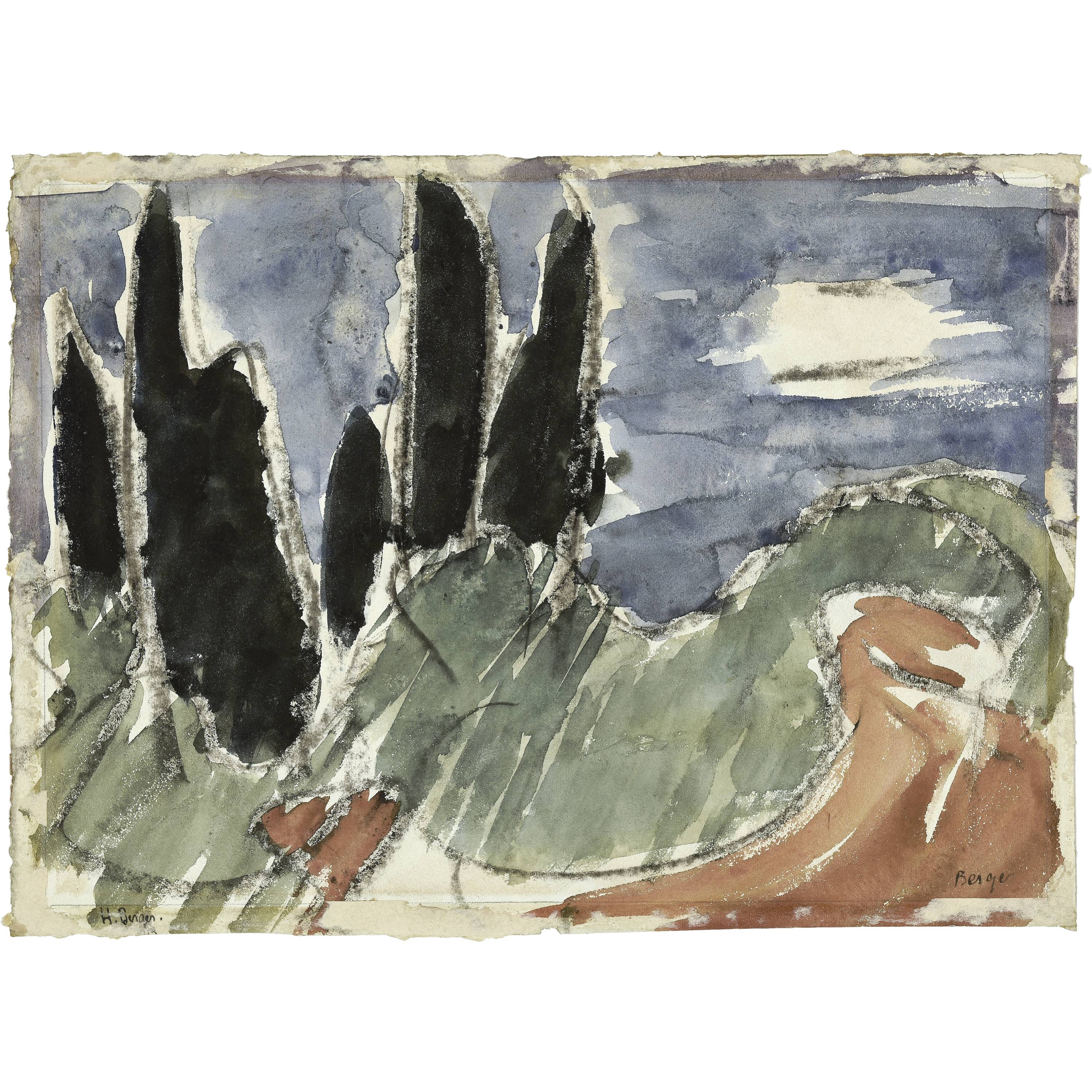
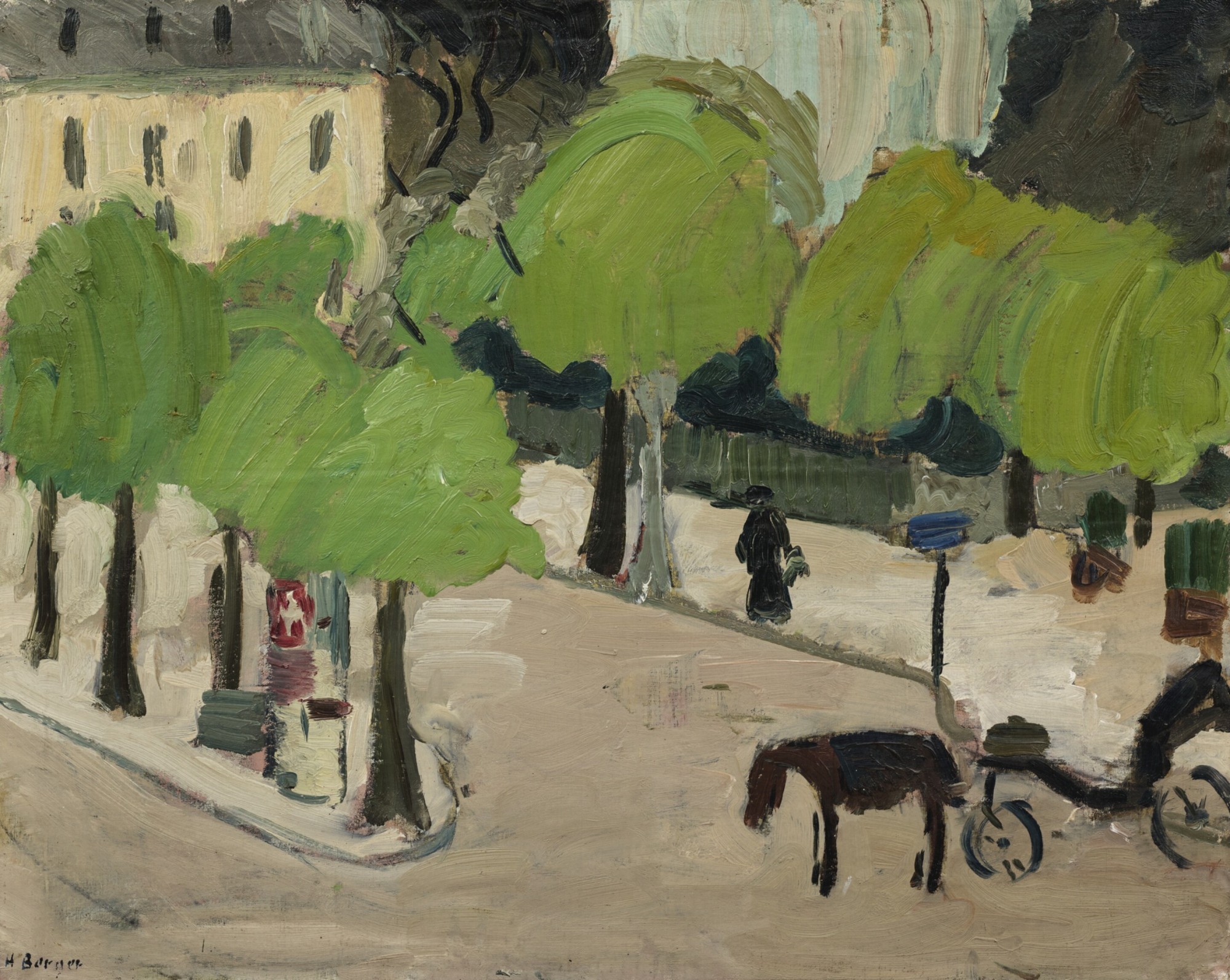
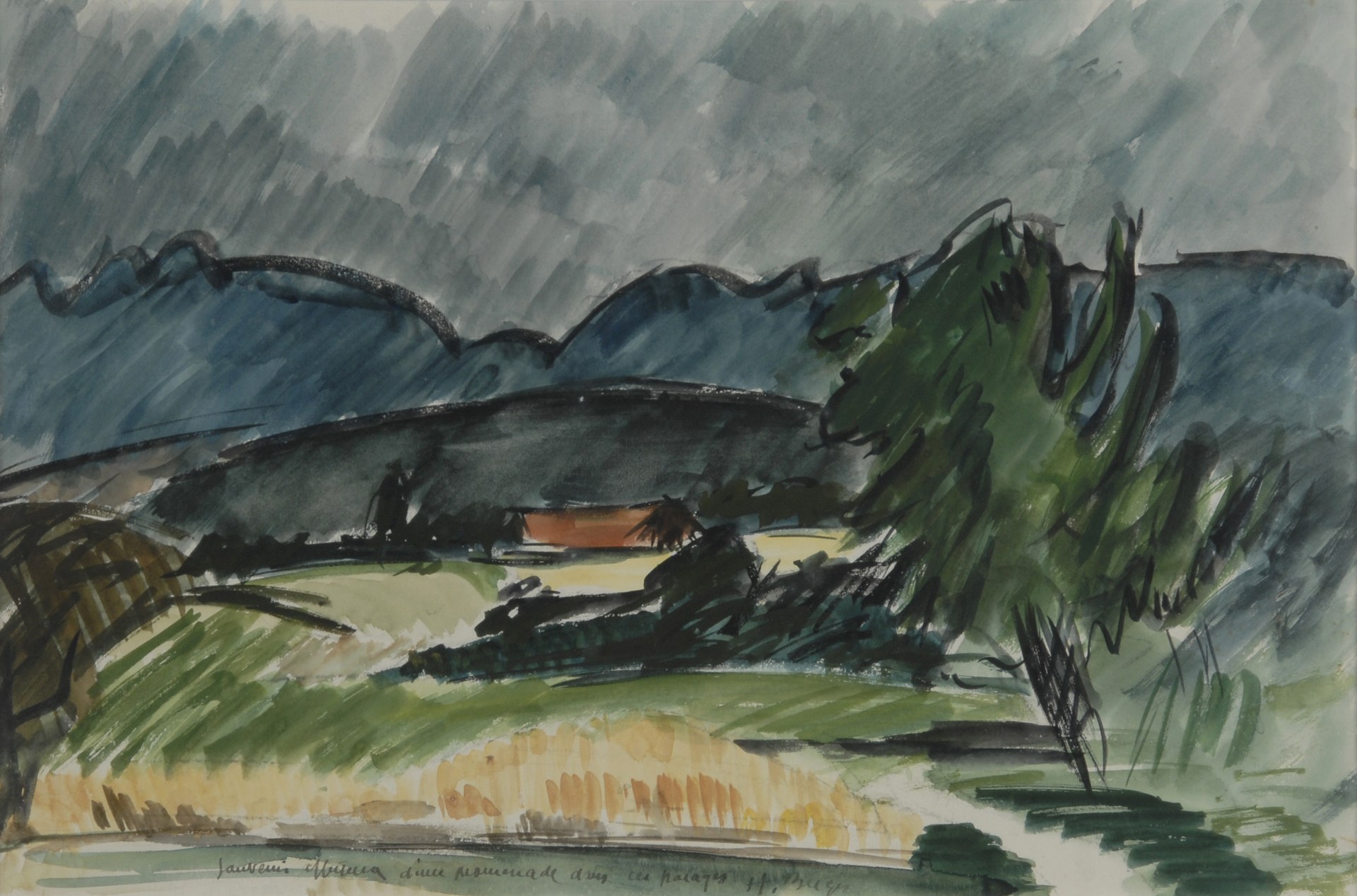
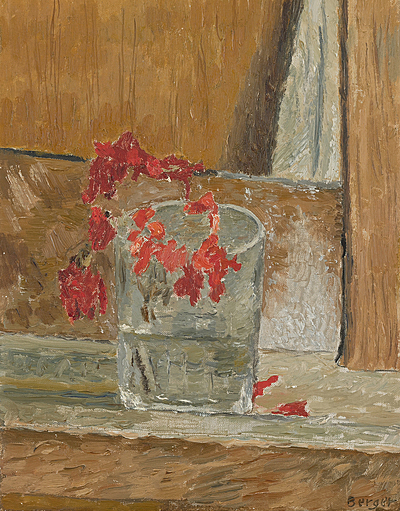
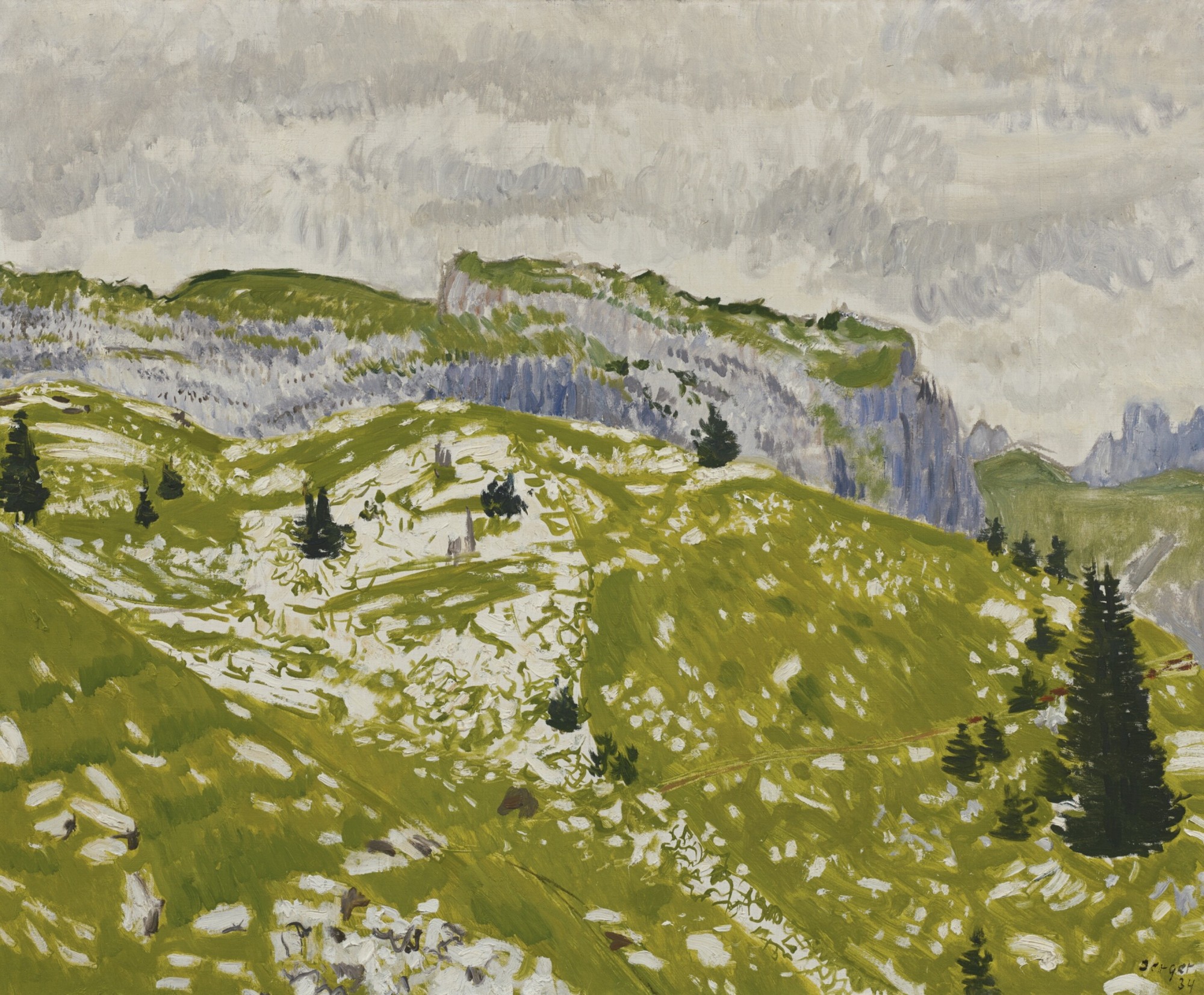
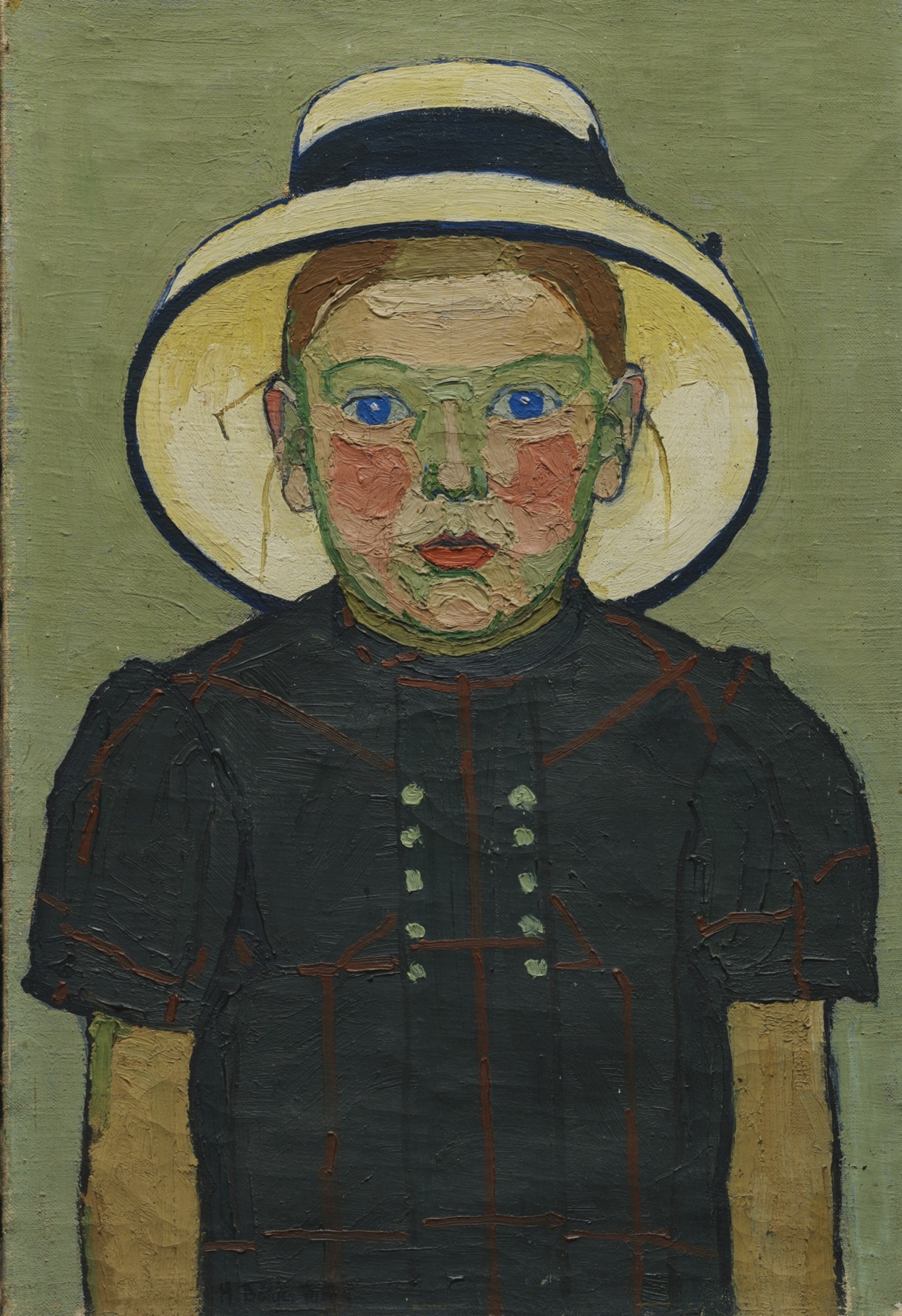
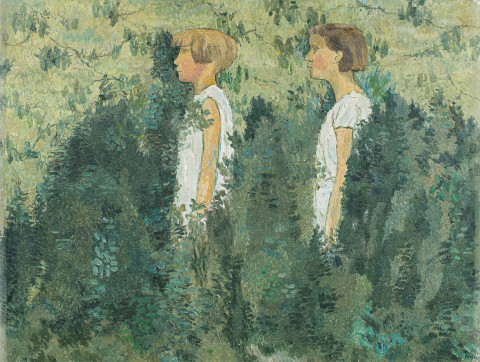
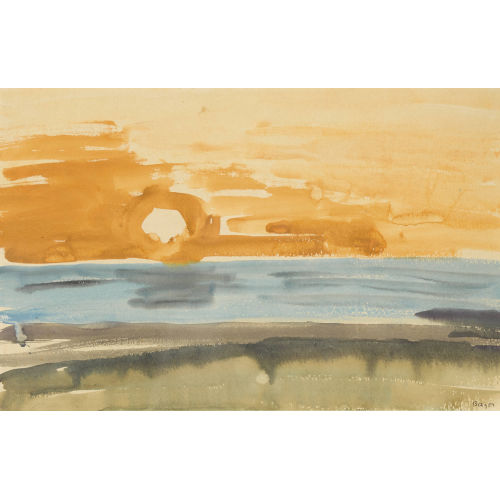
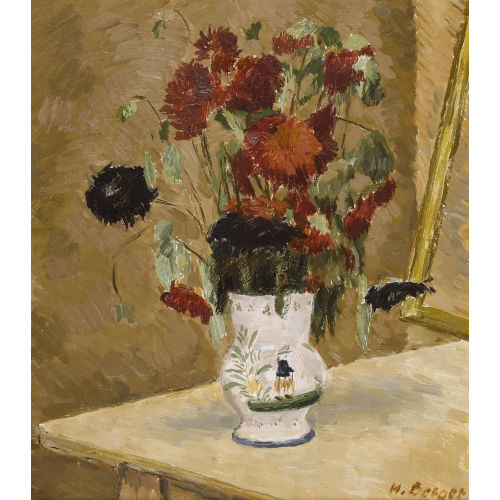
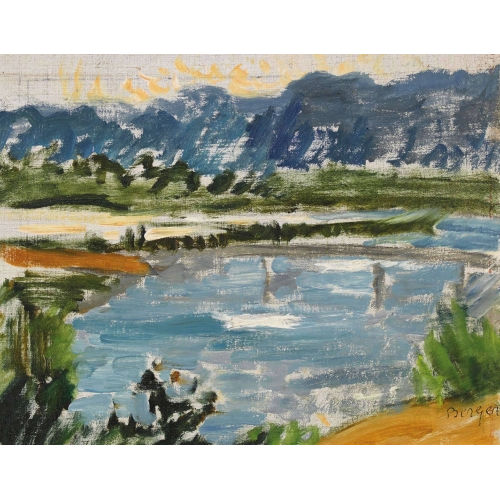
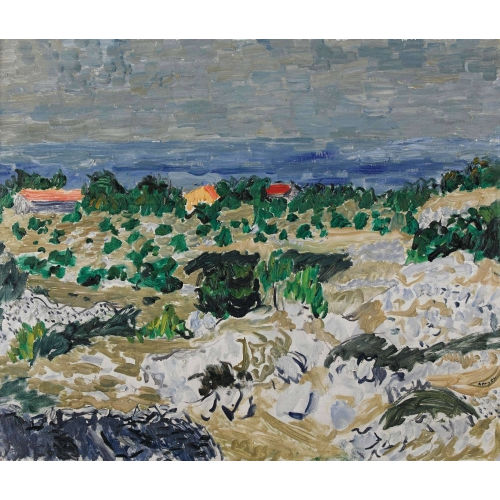
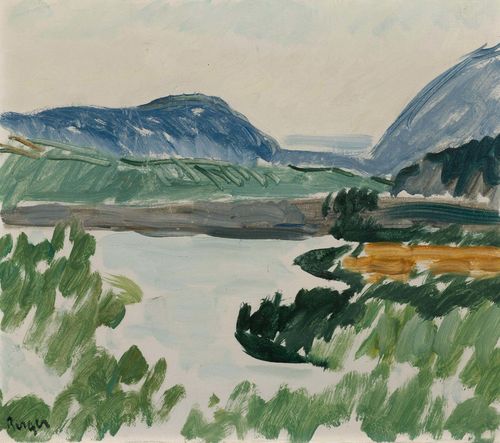
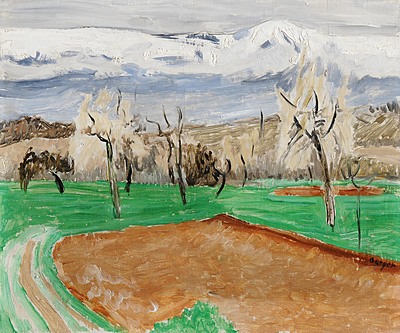
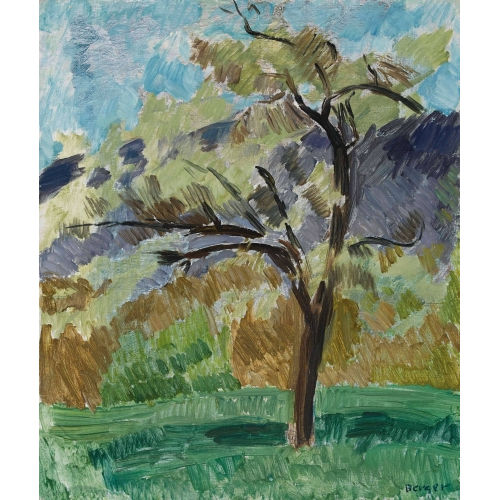
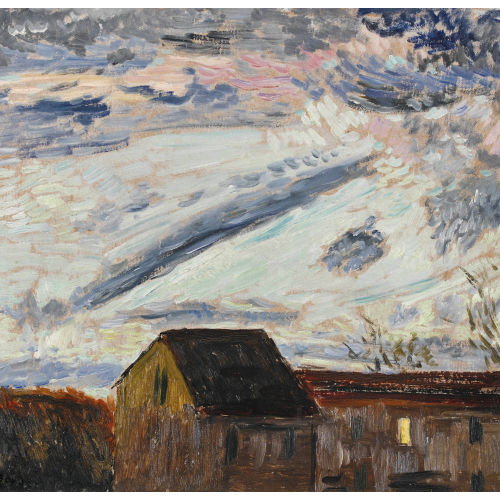
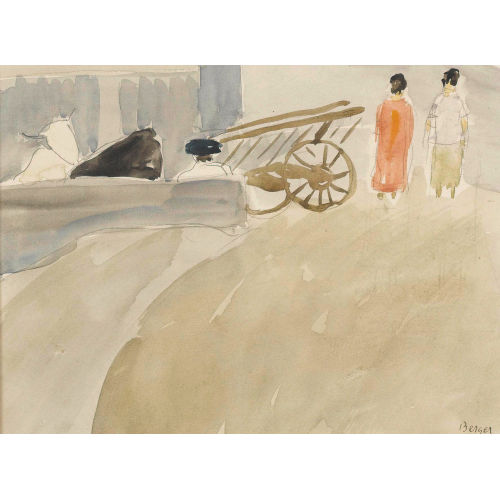
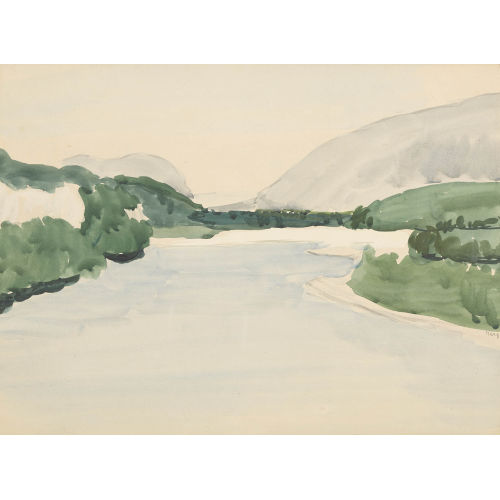
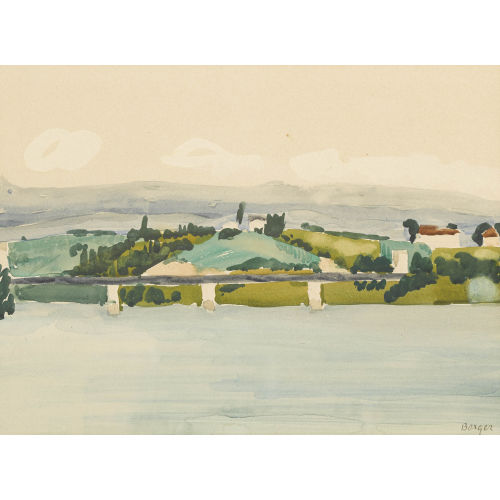
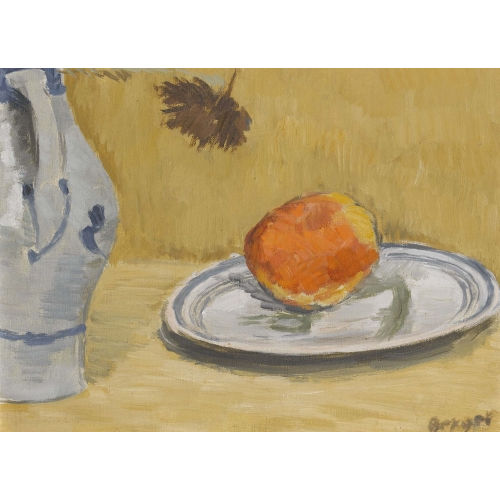
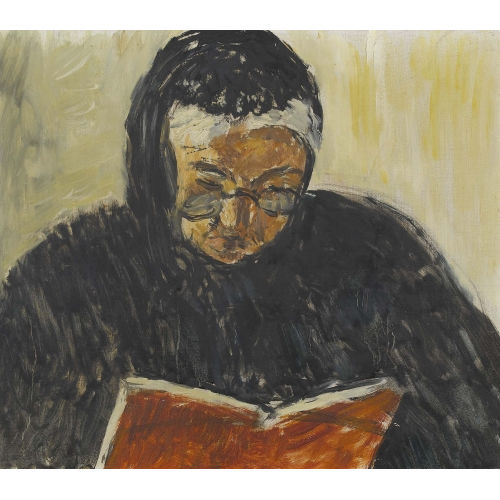
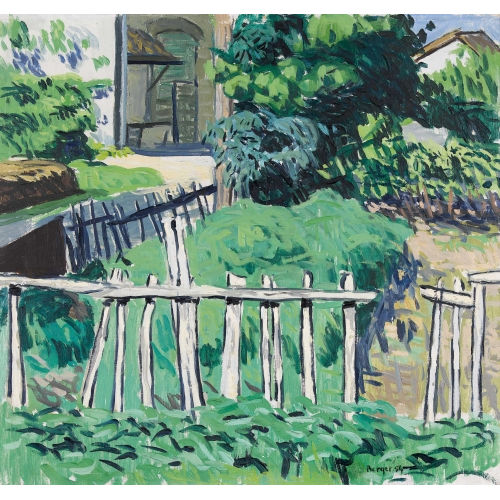
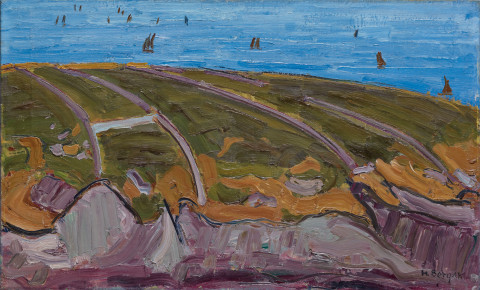
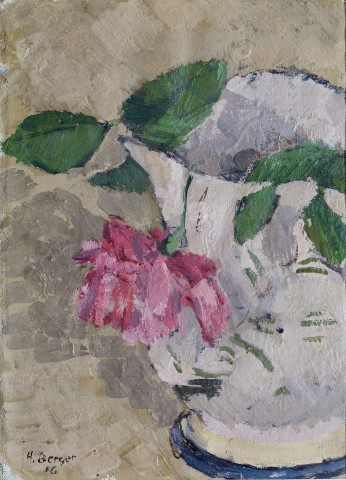
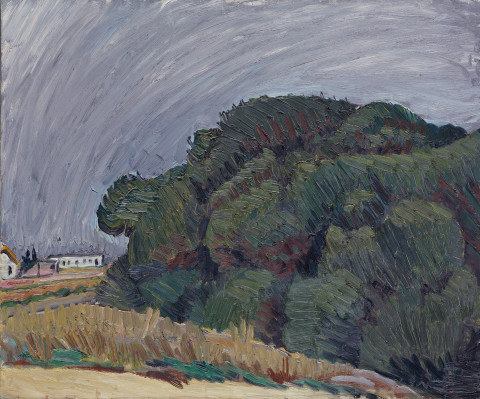
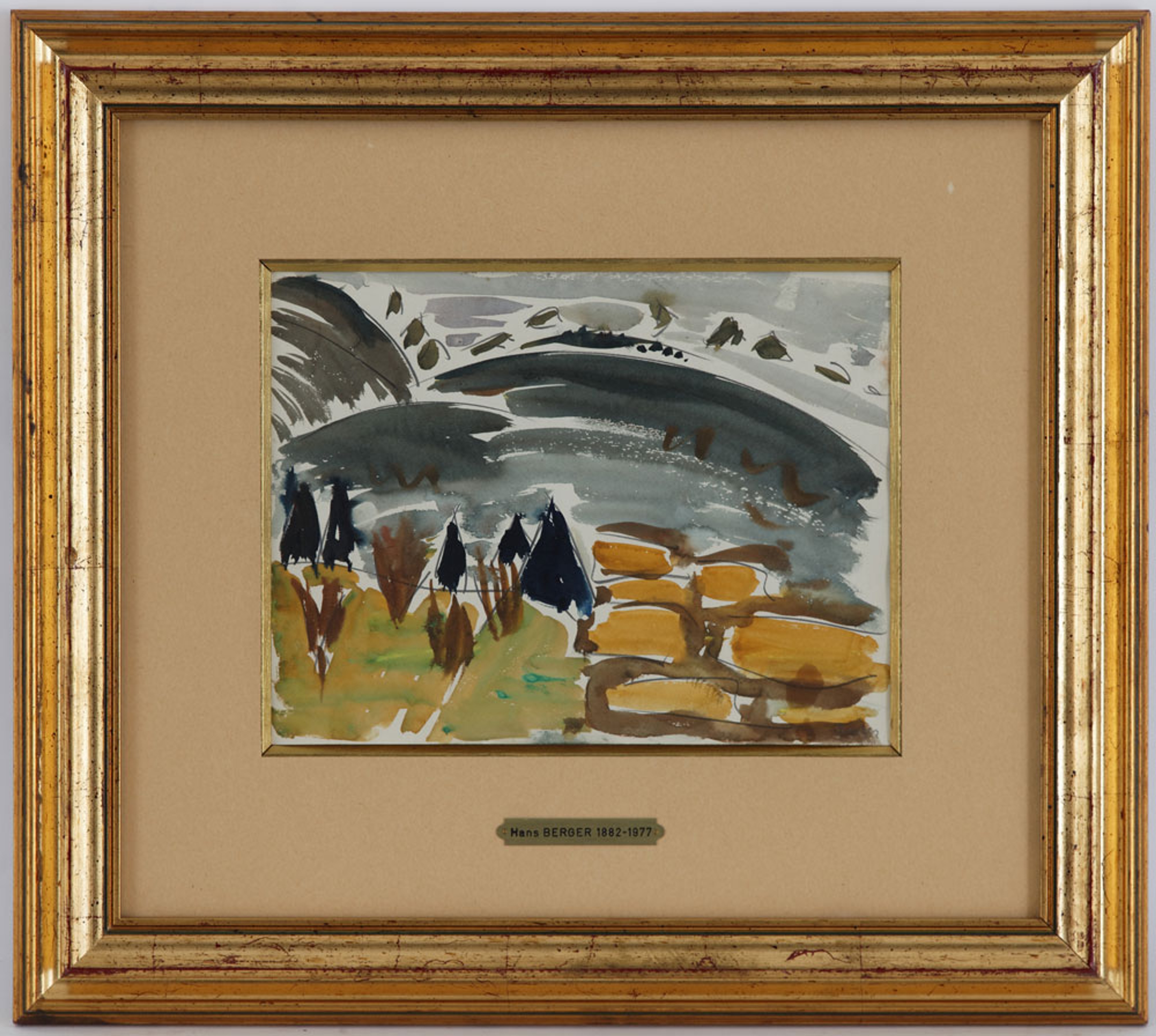
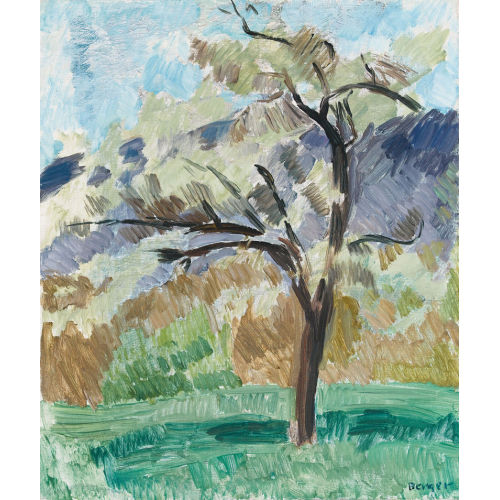
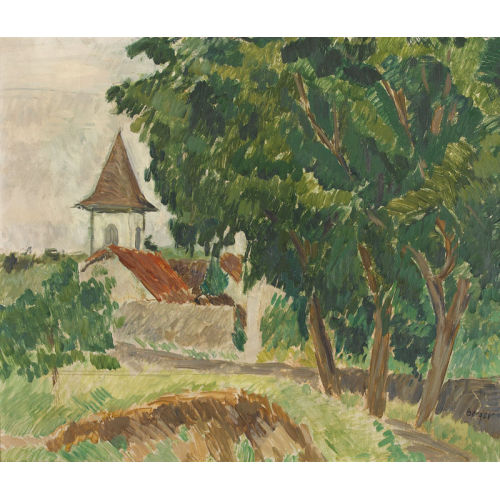
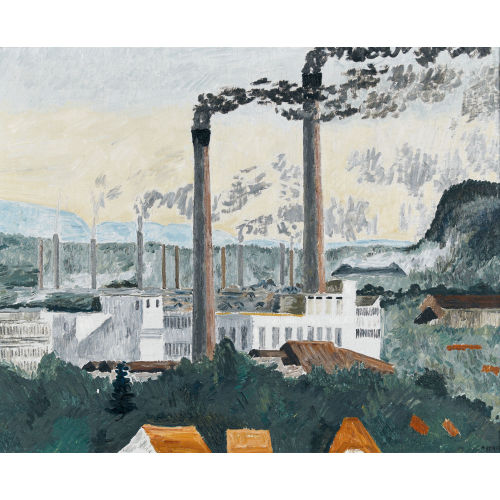
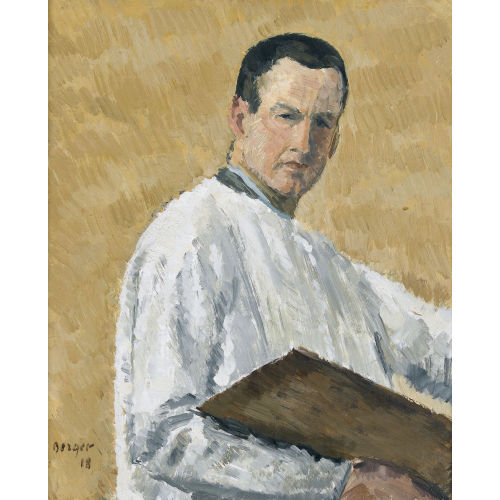
Hans Berger (born 8 July 1882 in Biel, died 7 April 1977 in Aire-la-Ville) was a painter of Swiss nationality. Initially trained in an architectural office in Geneva, where he also attended drawing classes at the École des beaux-arts, he left for Paris in 1902 and attended the École nationale supérieure des beaux-arts while working in various architectural studios. In the spring of 1908, he devoted himself fully to painting and notably practised copying at the Louvre.
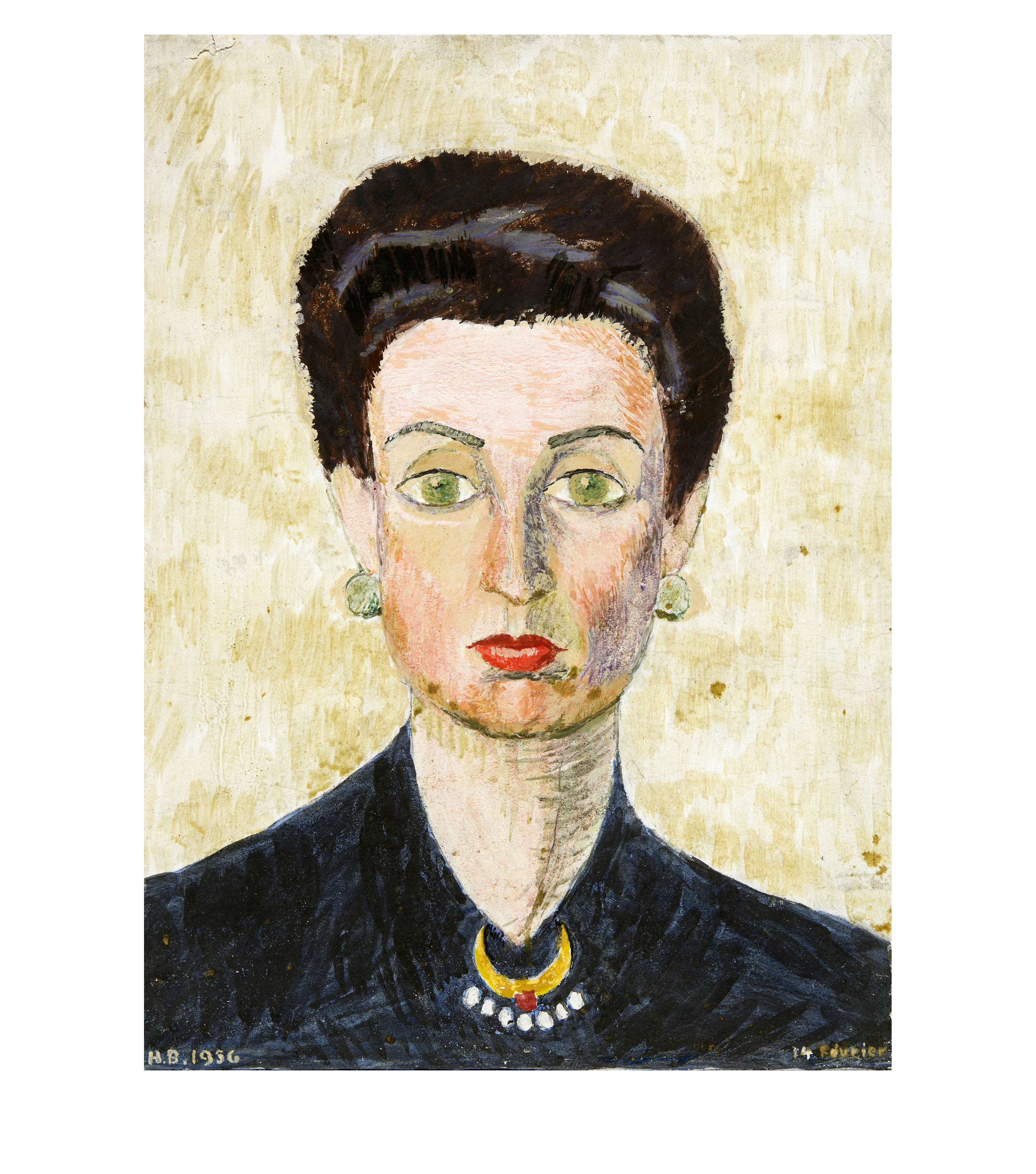
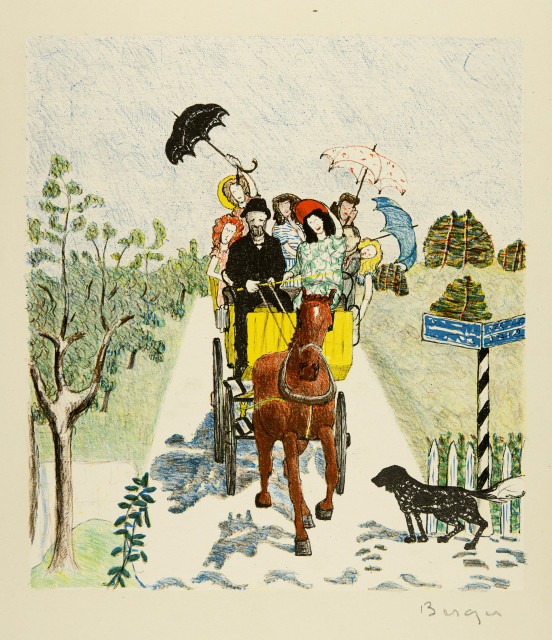
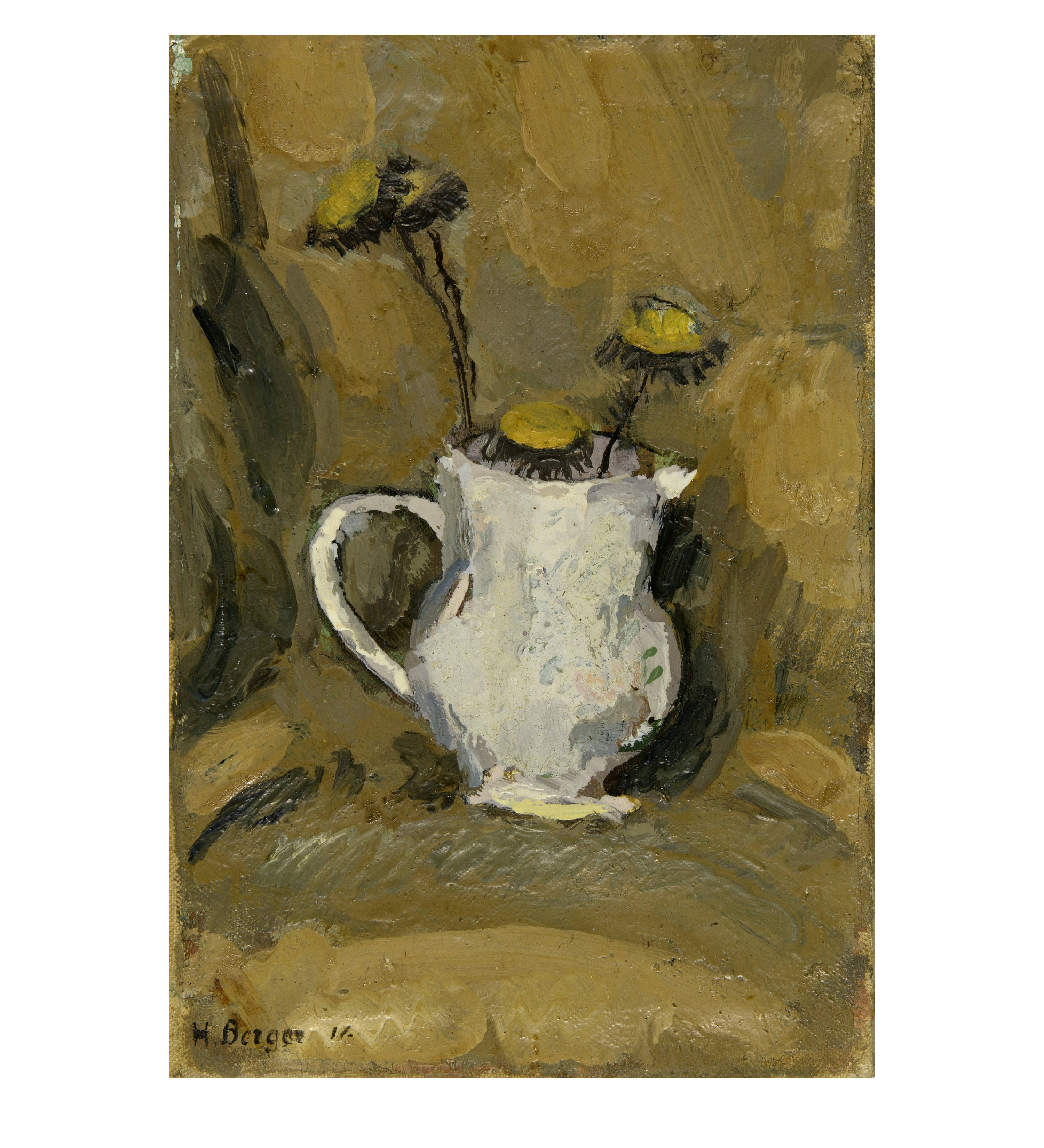
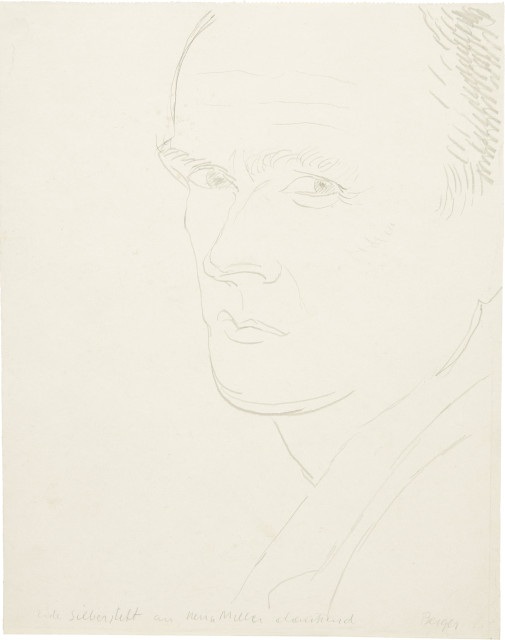
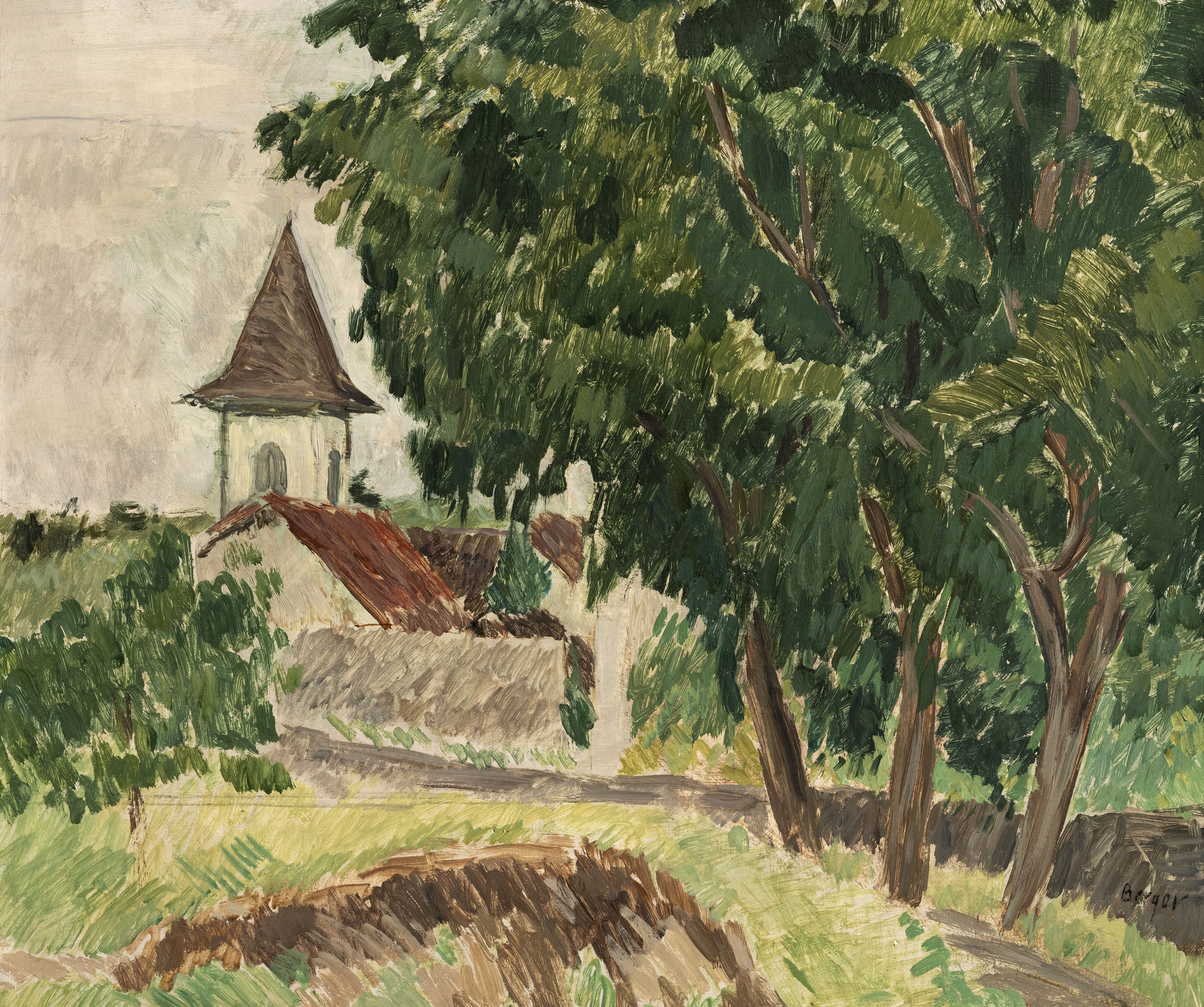
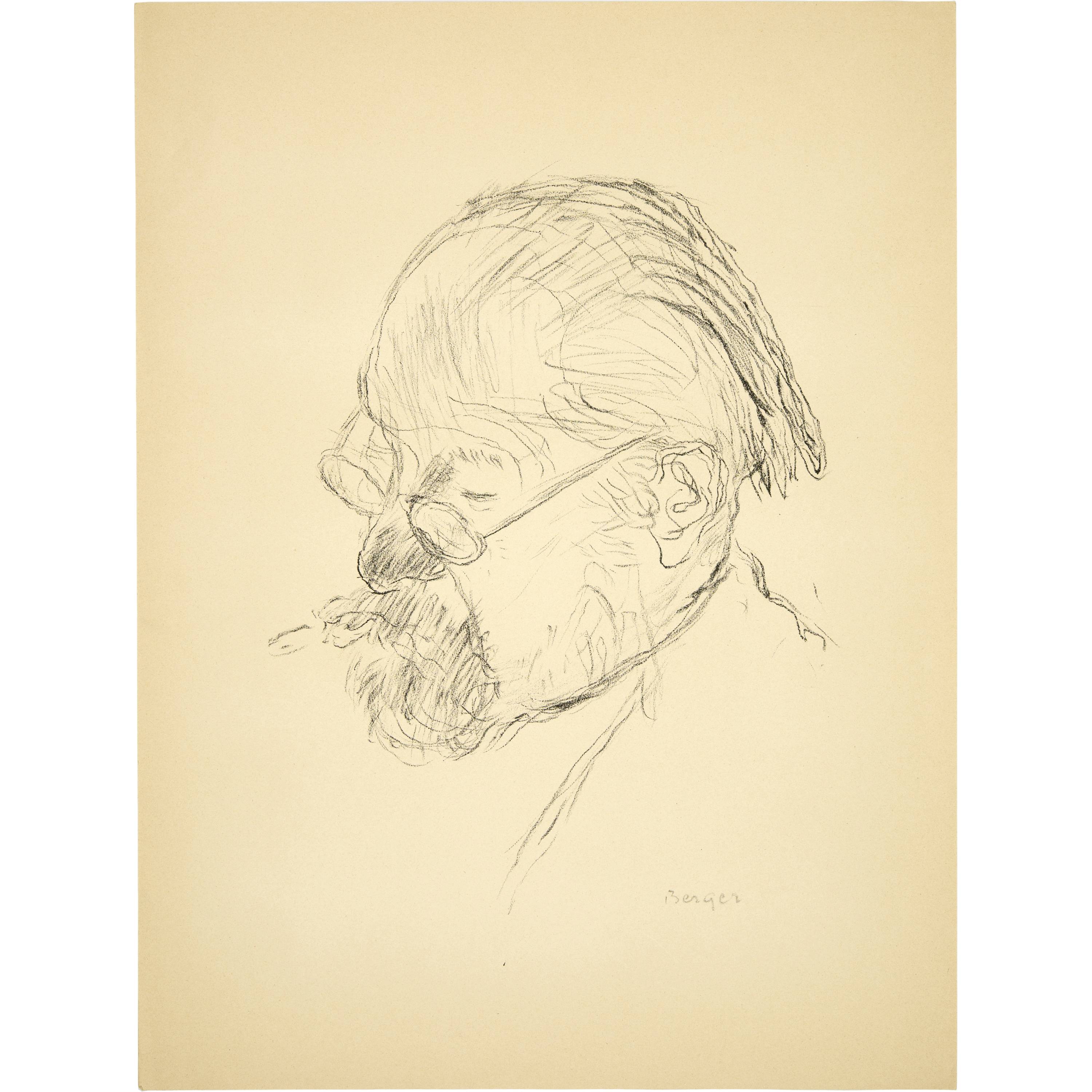
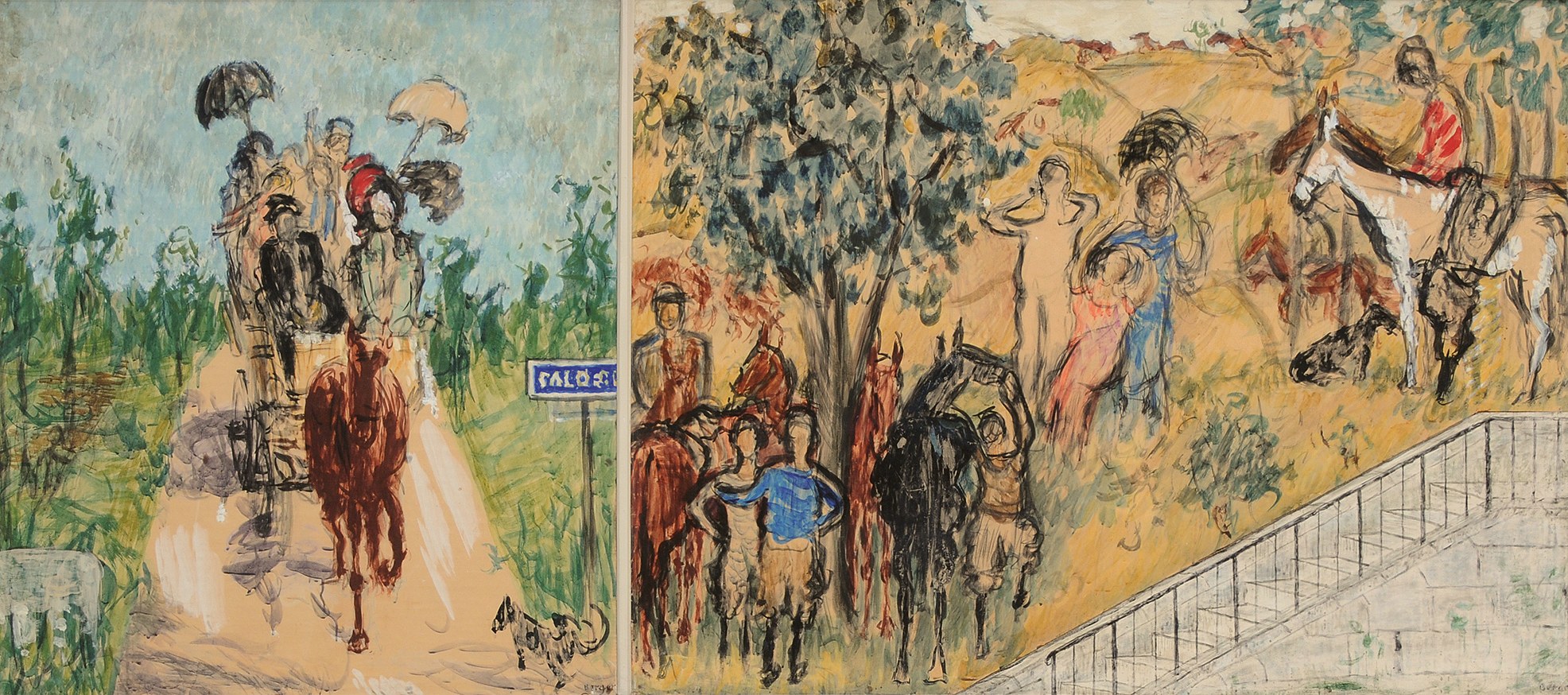
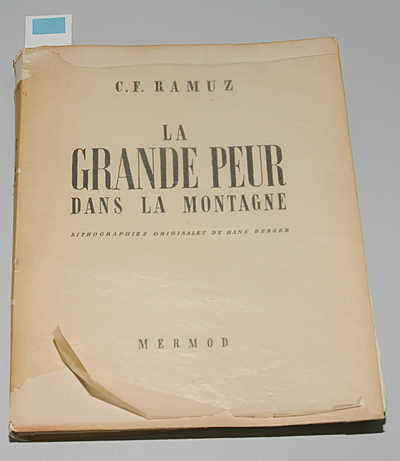
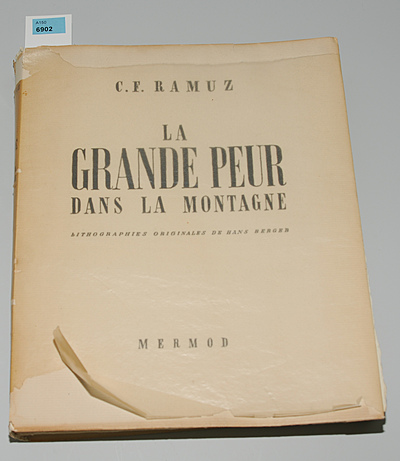
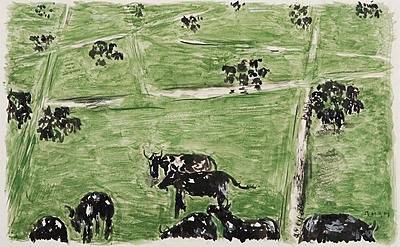
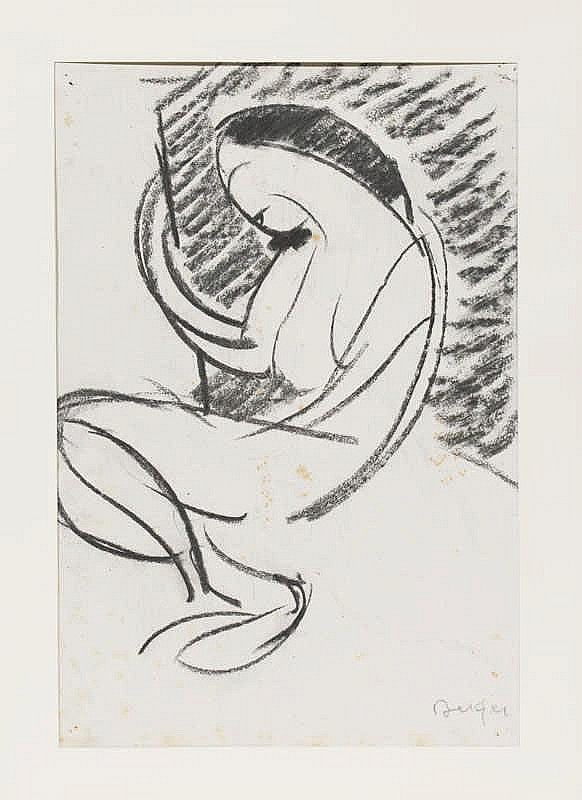
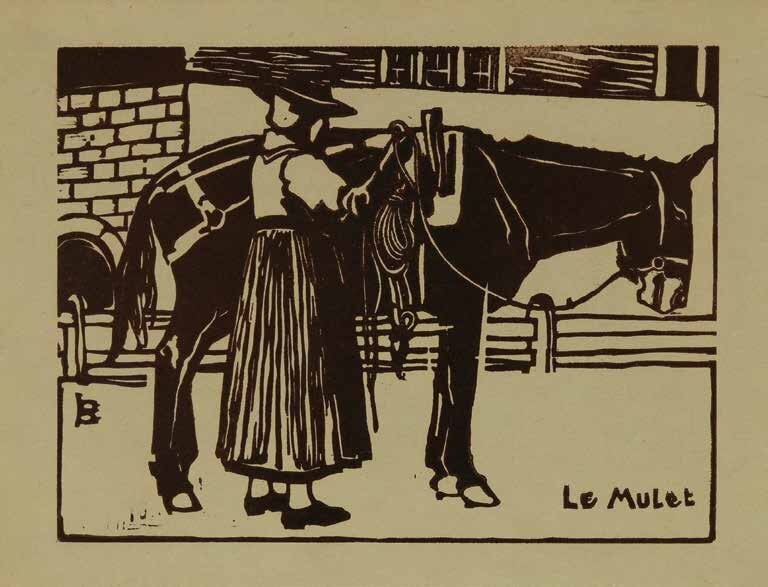
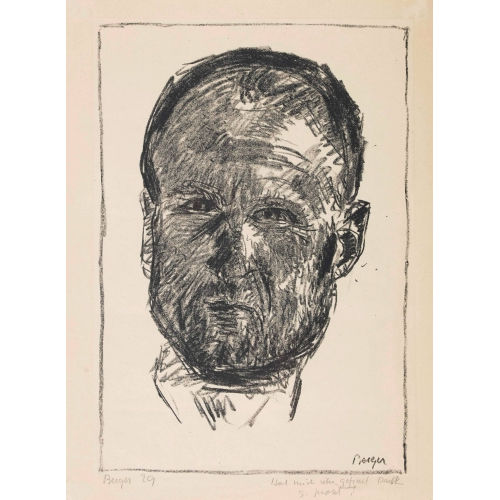
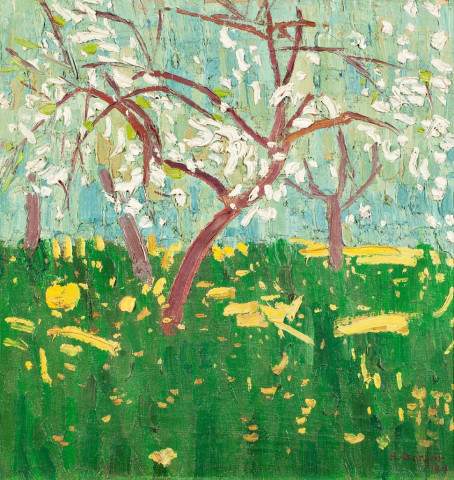
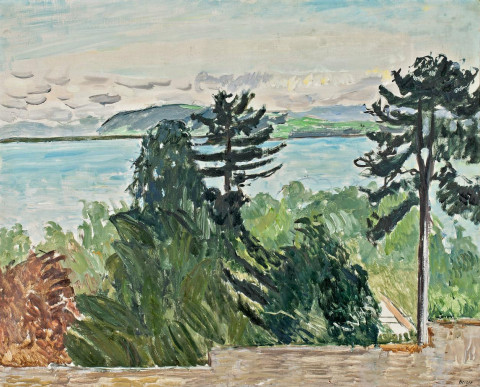
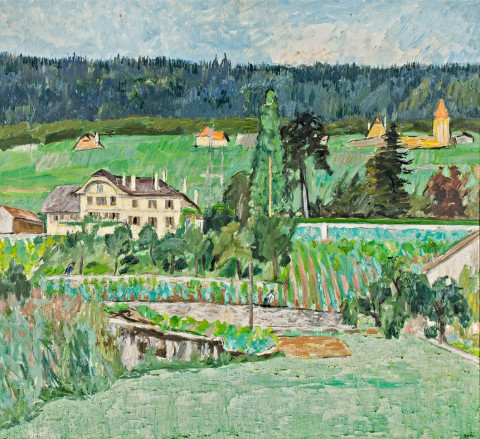
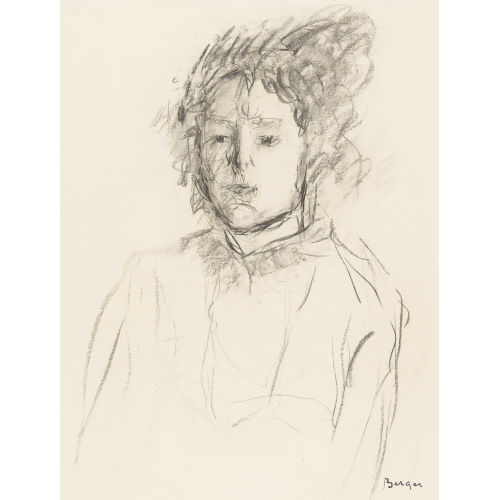
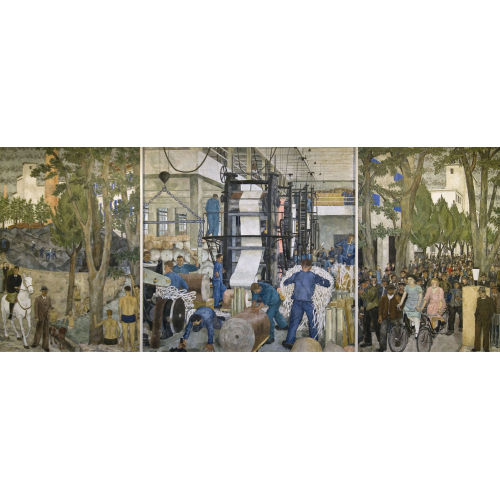
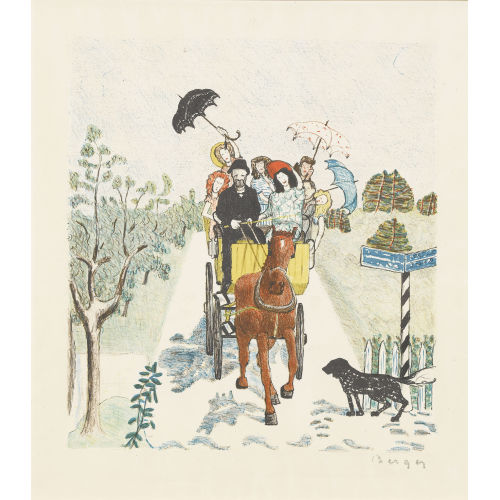
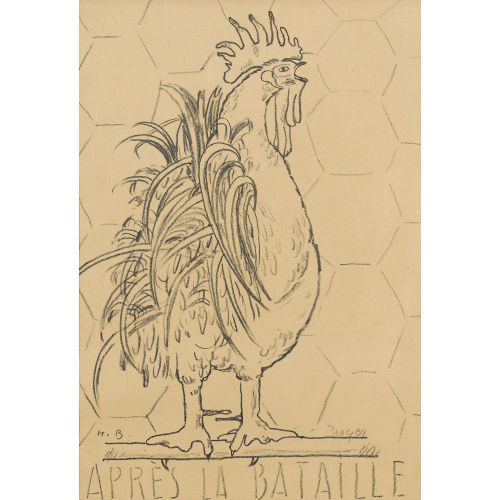
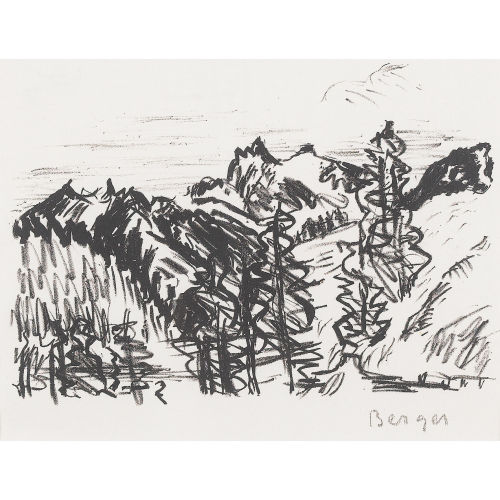
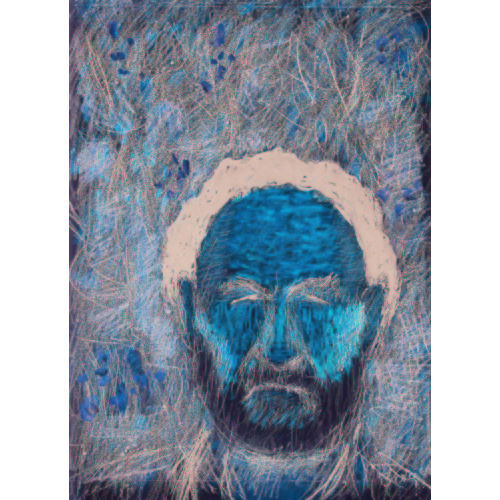
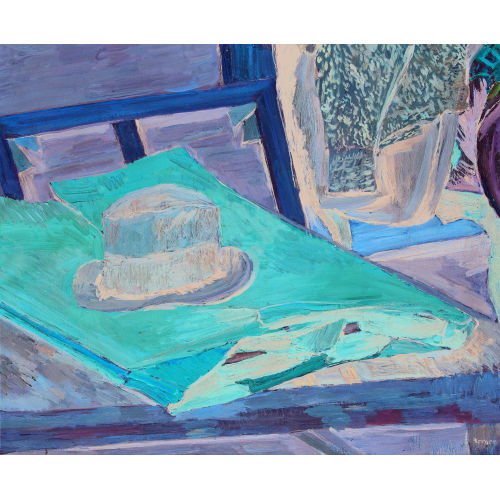
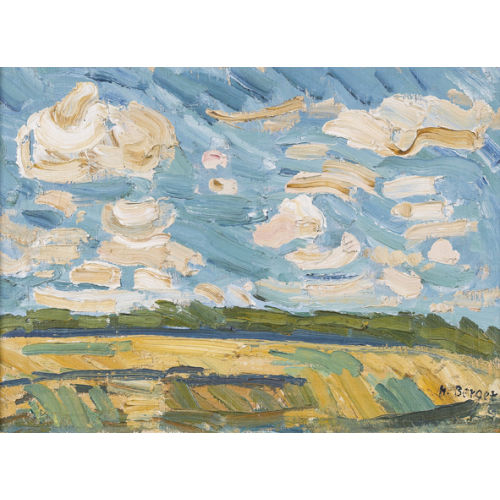
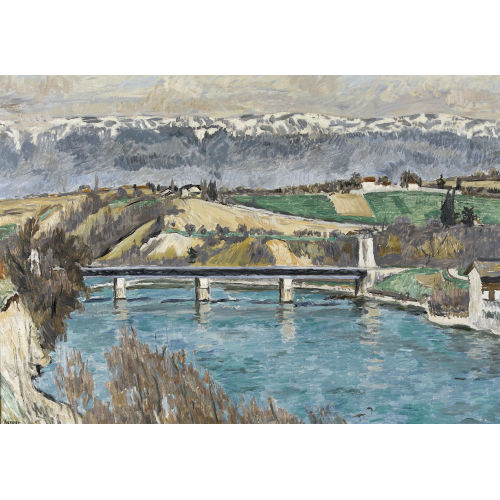
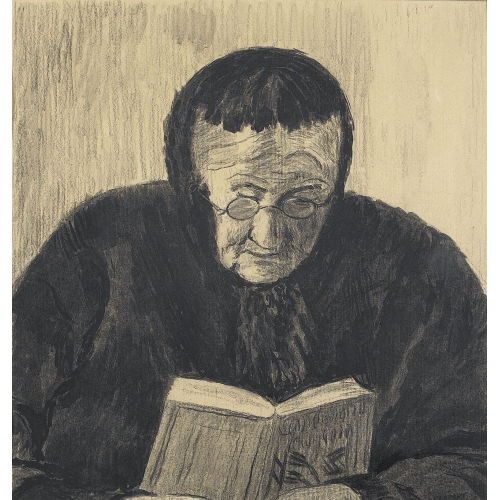
His first solo exhibition took place in 1911 at the Musée Rath in Geneva, where more than 70 canvases were shown. He participated regularly in the Swiss National Exhibitions between 1910 and 1951, and was among the artists exhibited at the Venice Biennale in 1932 and 1938. His works include frescoes for the Hôpitaux universitaires de Genève and the École cantonale de Soleure, as well as graphic works, notably lithographs for La Grande Peur dans la montagne (Ramuz, 1945) and a portrait of Charles-Ferdinand Ramuz.
In 1924, he had a house and studio built in Aire-la-Ville, where he settled and lived until his death, while also undertaking numerous journeys to France, Italy, Greece and Spain. He married Emilia Meier von Winkel in 1914; their son Jean-Louis Berger (1919–1995) would also become a painter.
His early school years were spent in Solothurn (1889–1895), before the family moved to Geneva, where he attended the Collège de Genève from 1896 to 1898. He subsequently undertook an apprenticeship in an architectural office until 1902, while continuing his studies in drawing at the École des beaux-arts de Genève. Following an initial stay in Paris from 1902, his return in 1907, financed by a scholarship, was, according to the source, marked by a period of solitude and a “profound existential crisis”, from which he emerged through reading Nietzsche.
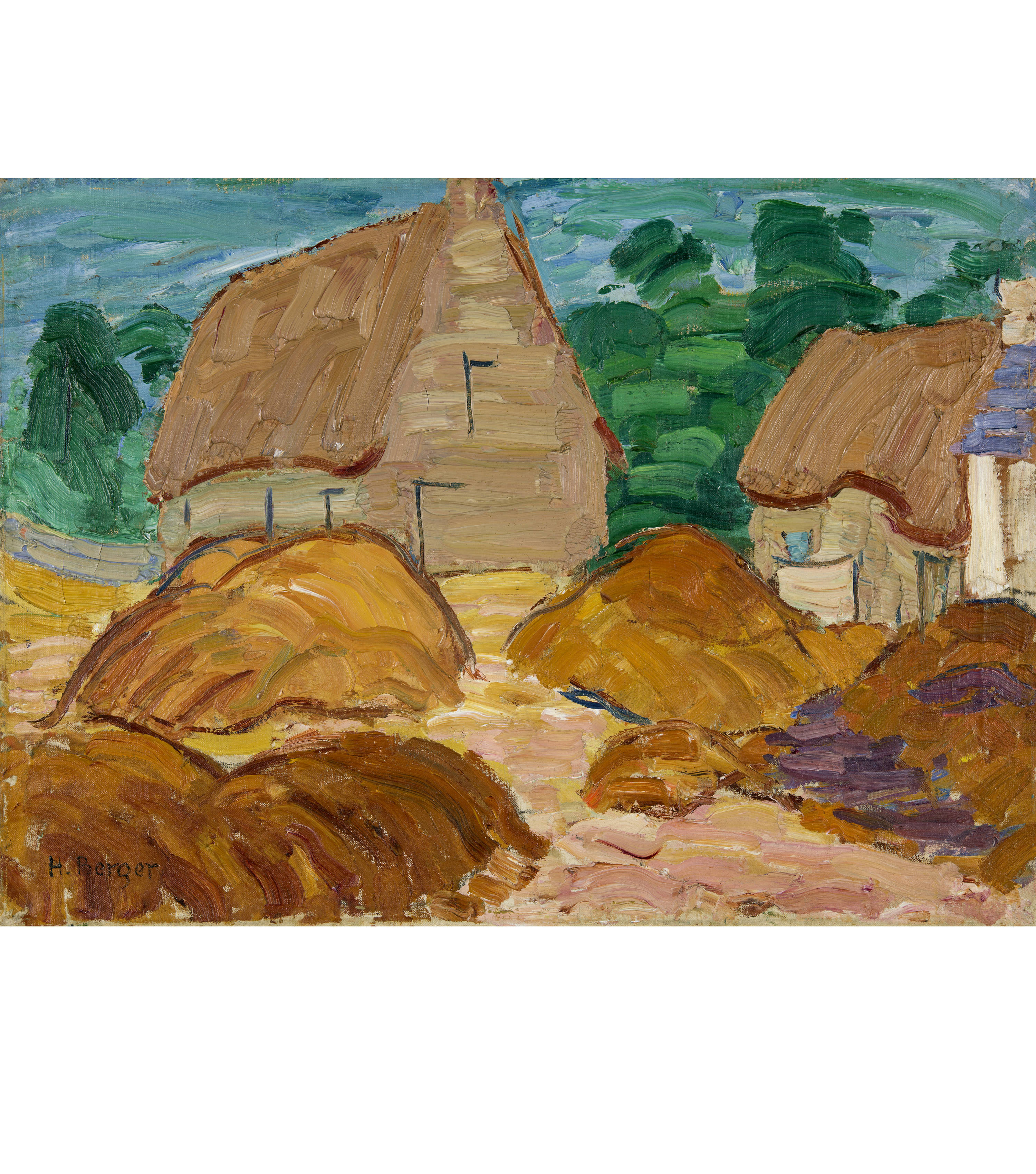
His artistic connections led to recommendations for a stay in Brittany (mentioned by Alexandre Blanchet) and to working stays in Haute-Savoie and Provence in 1909–1910.
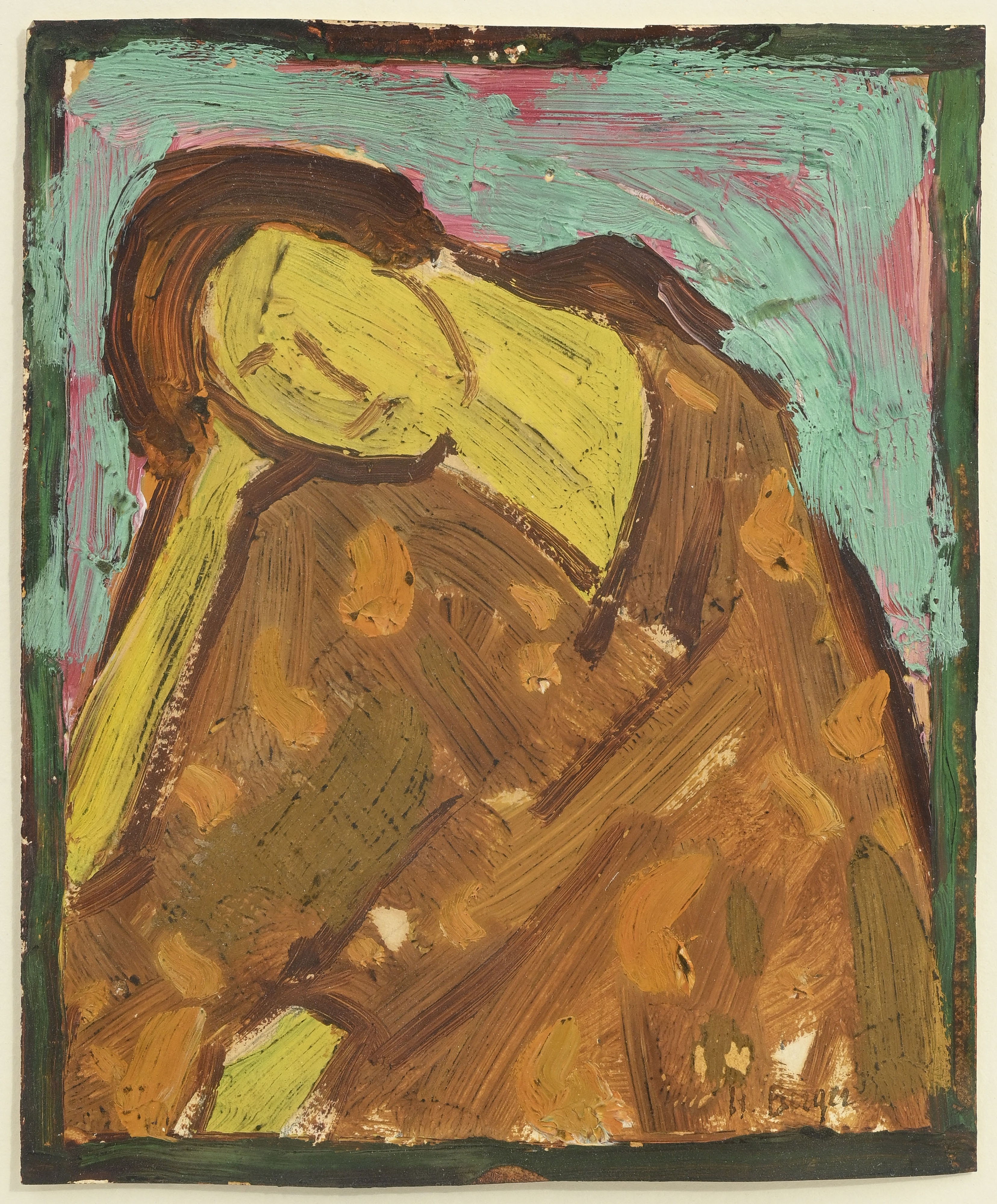
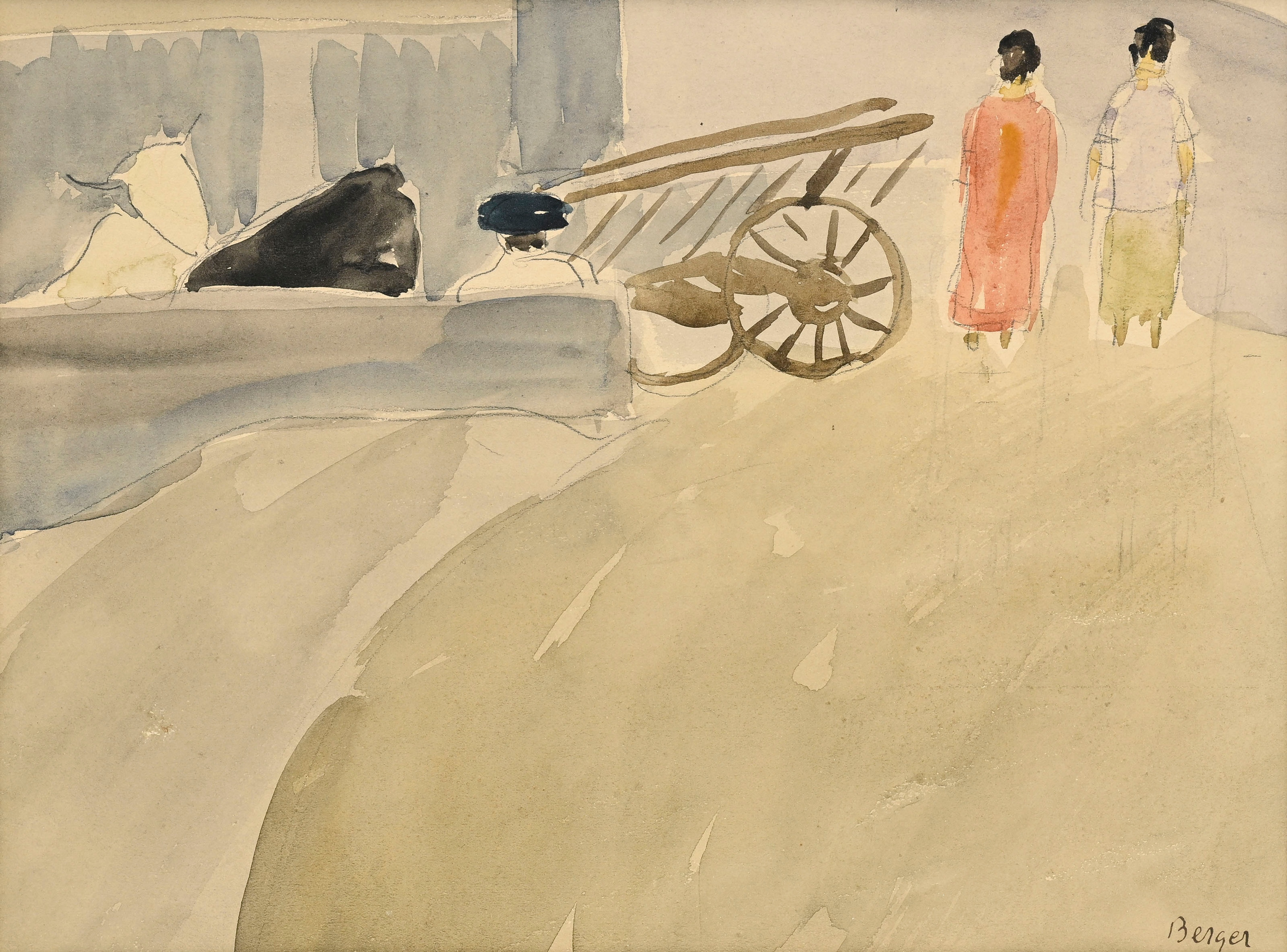
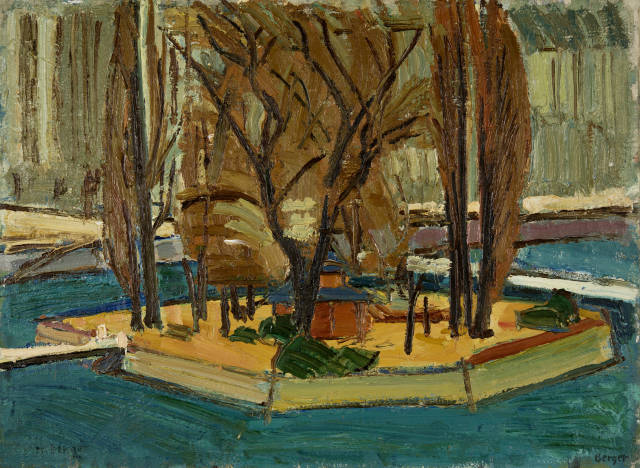
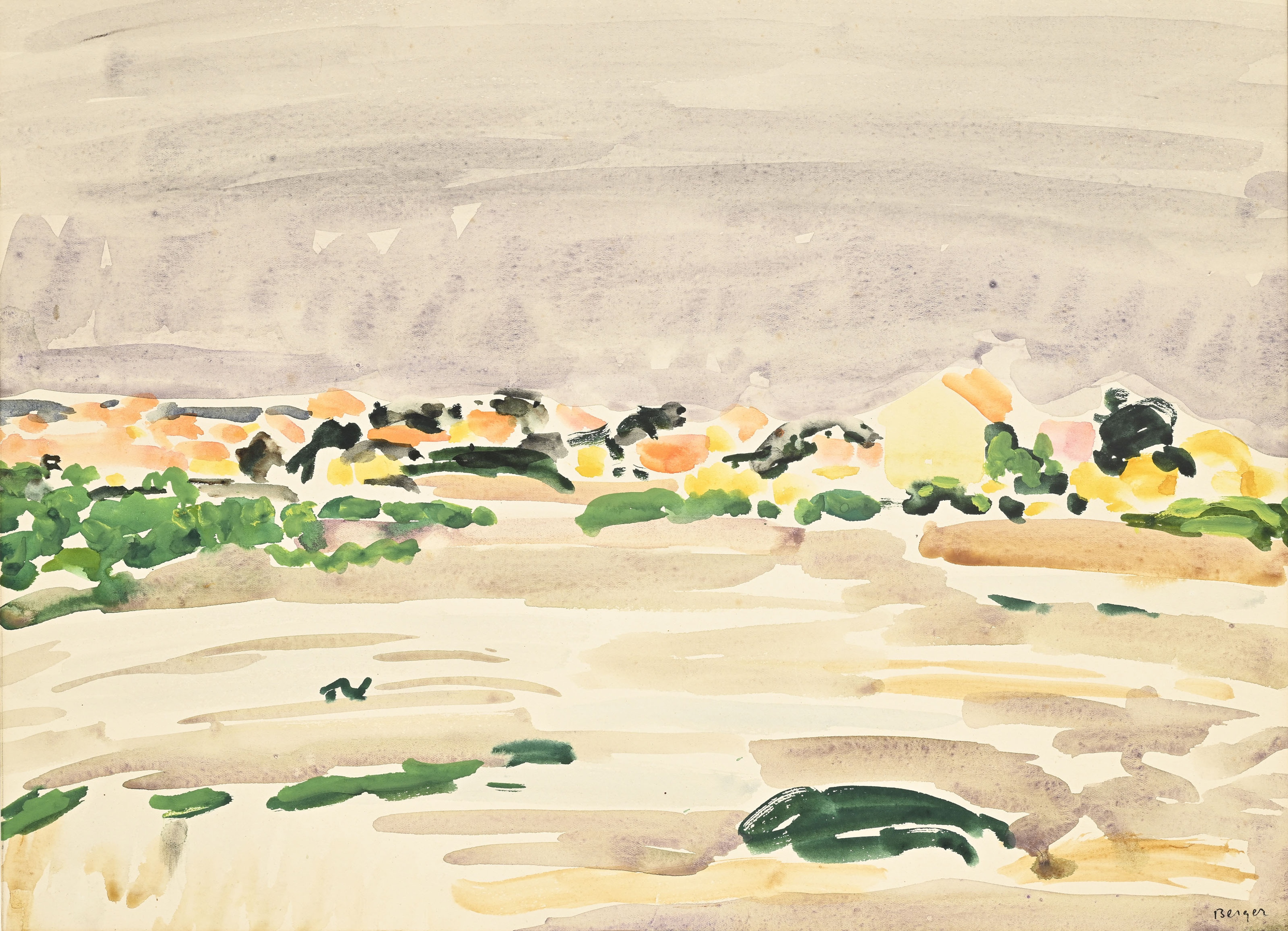
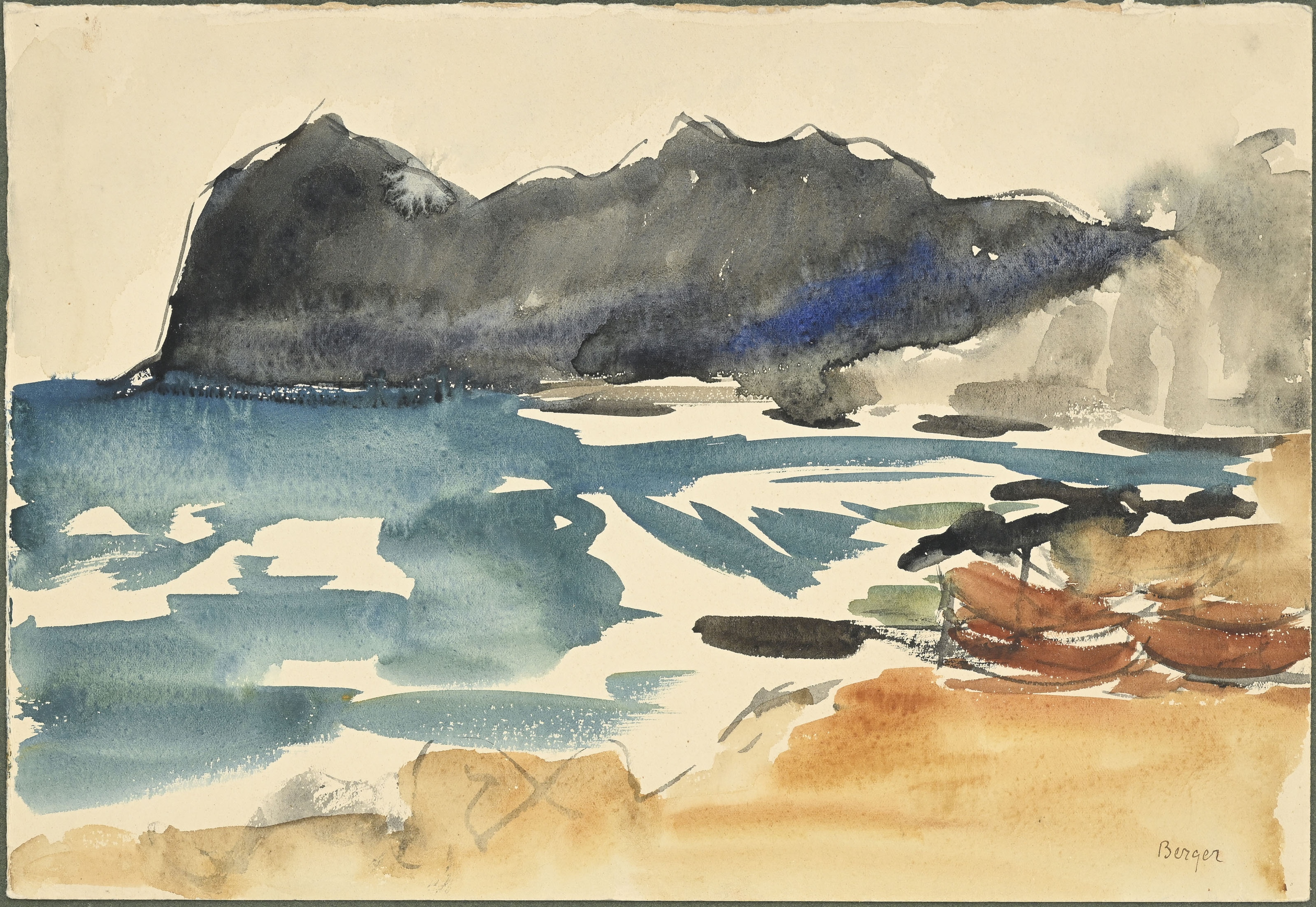
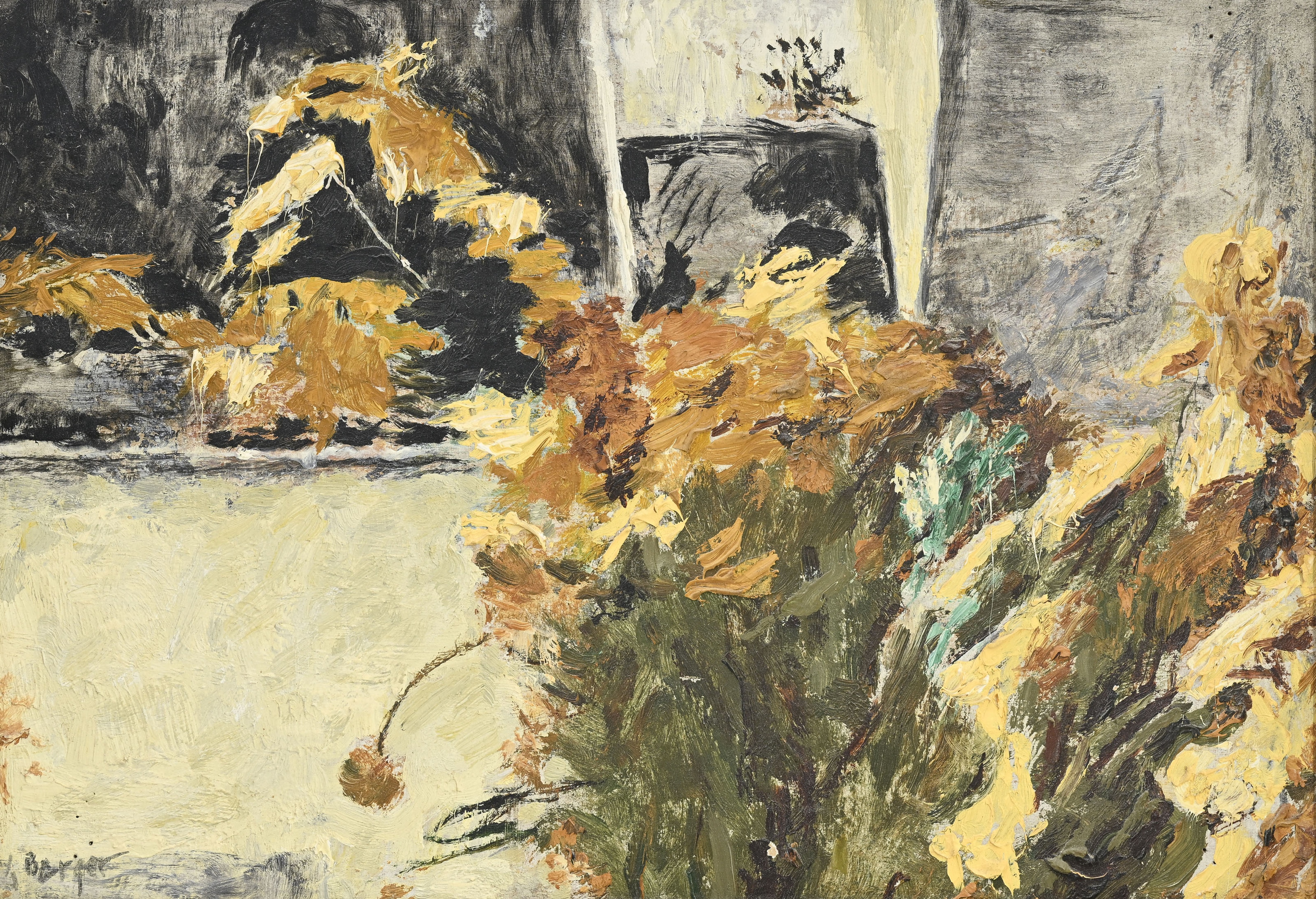
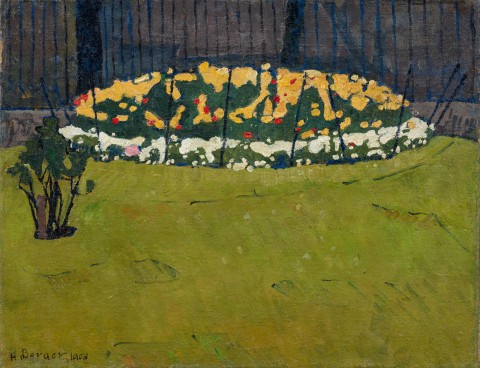
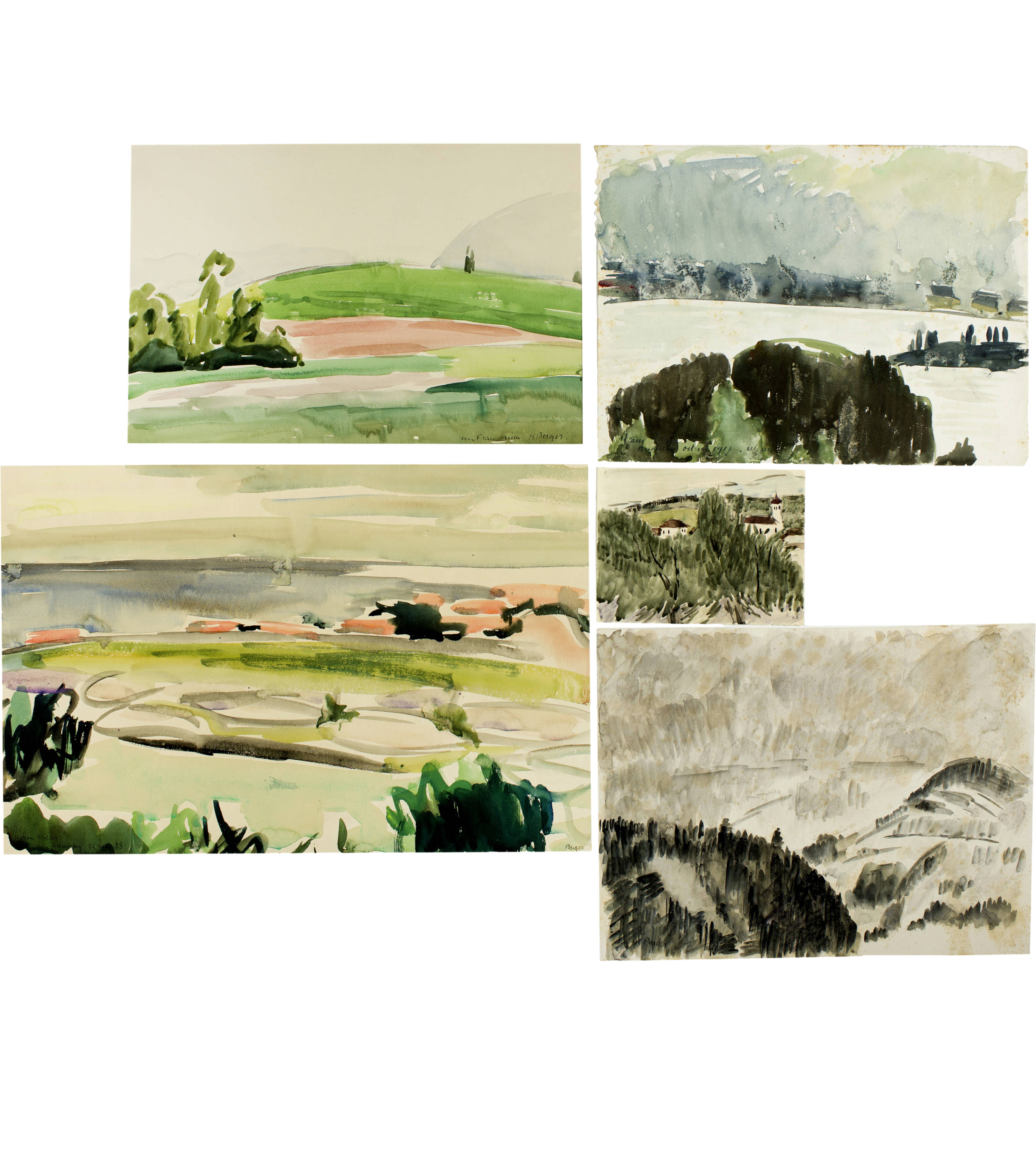
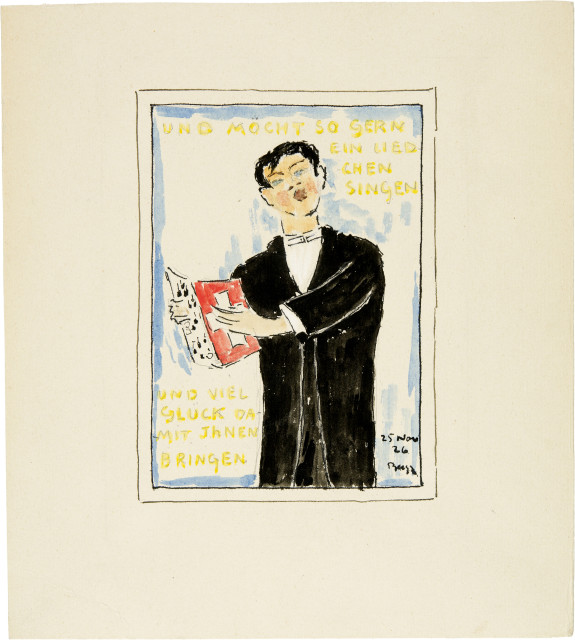
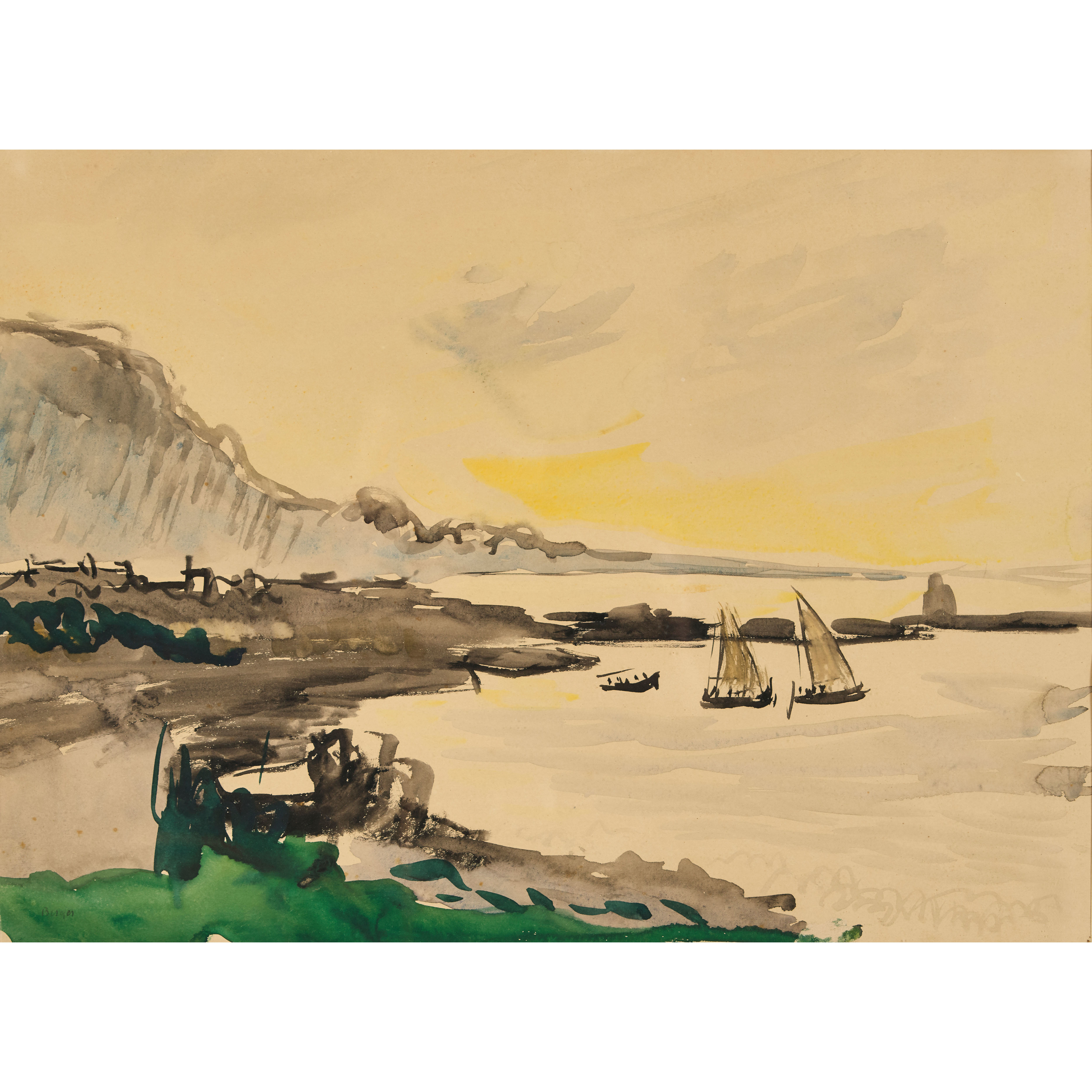
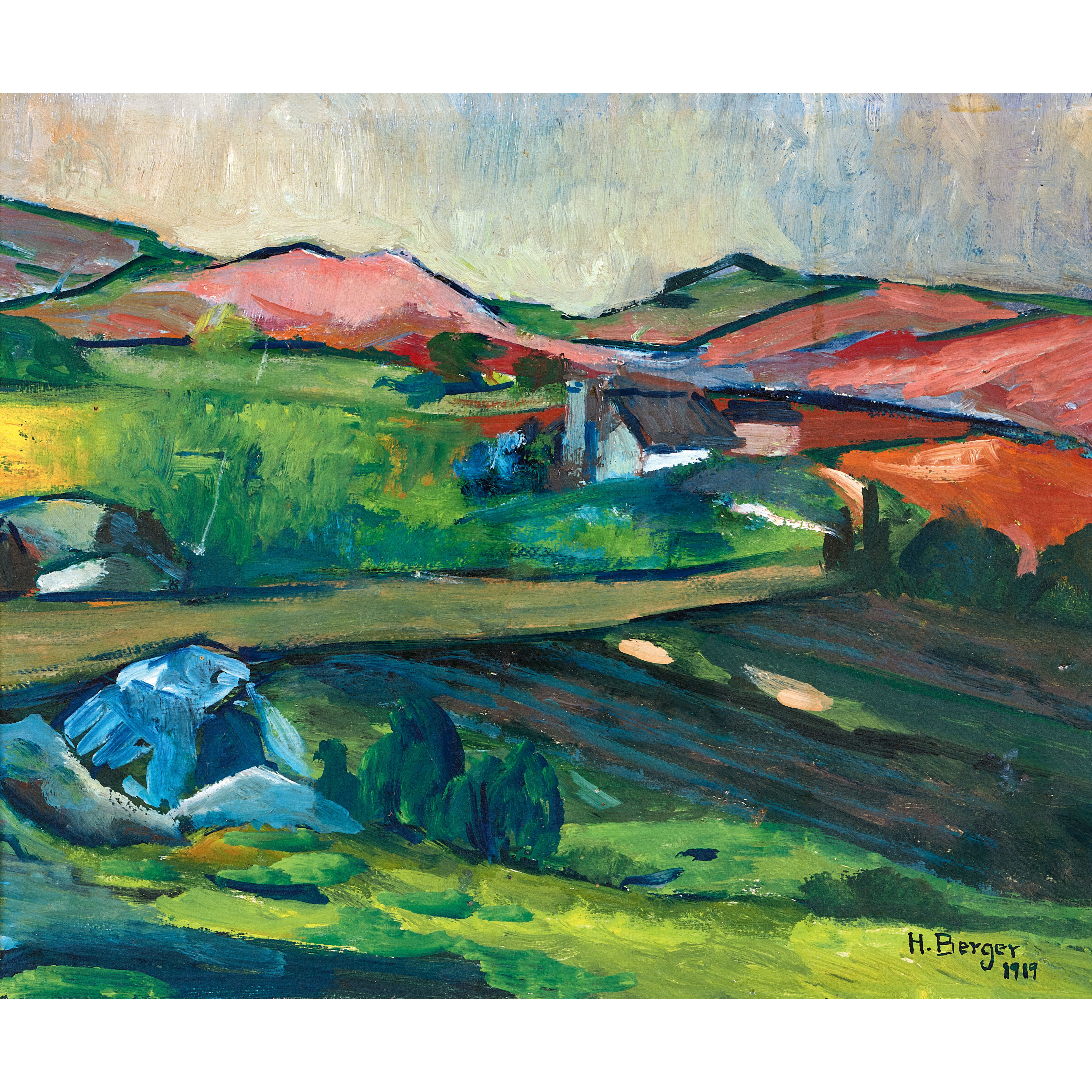
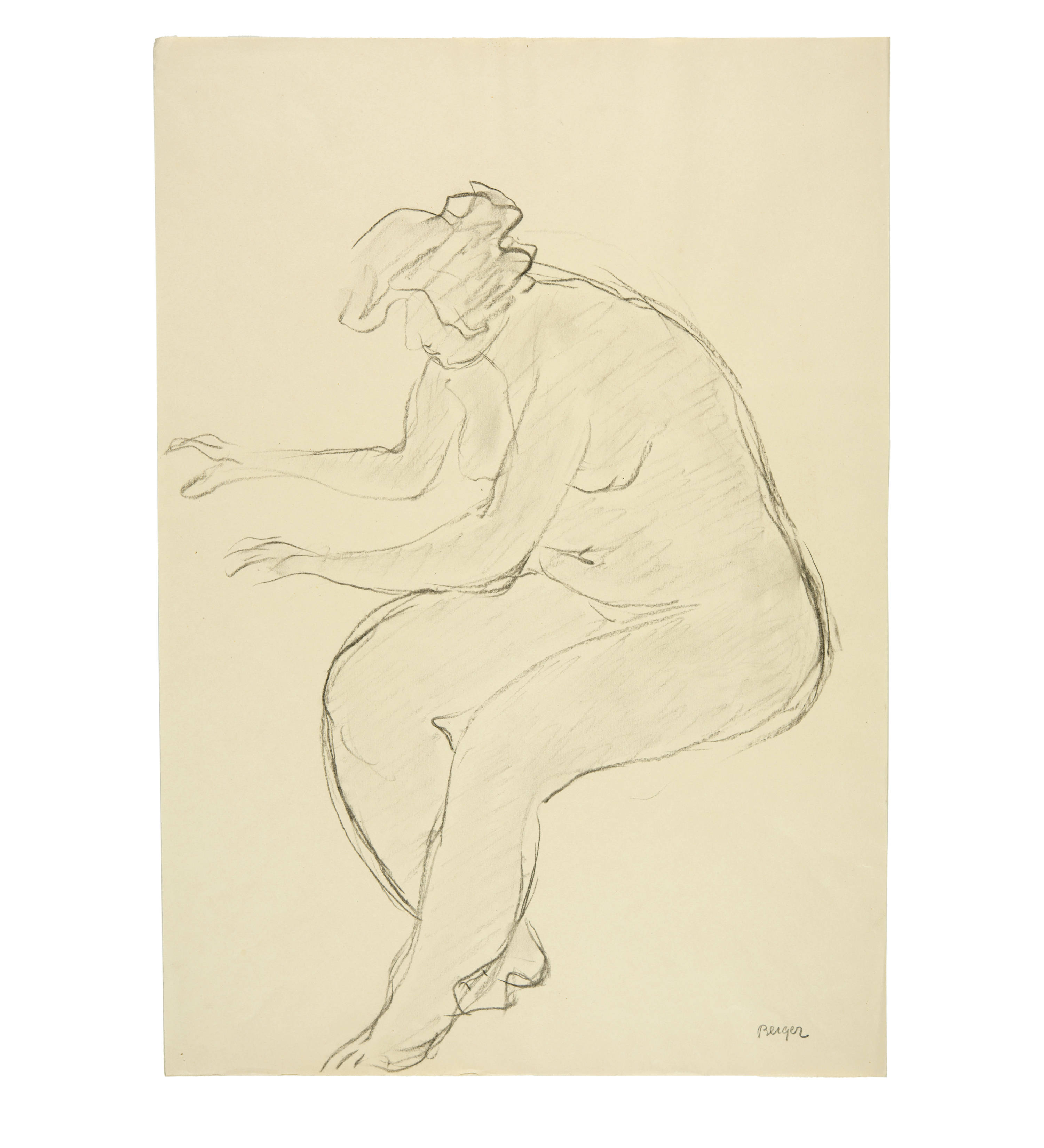
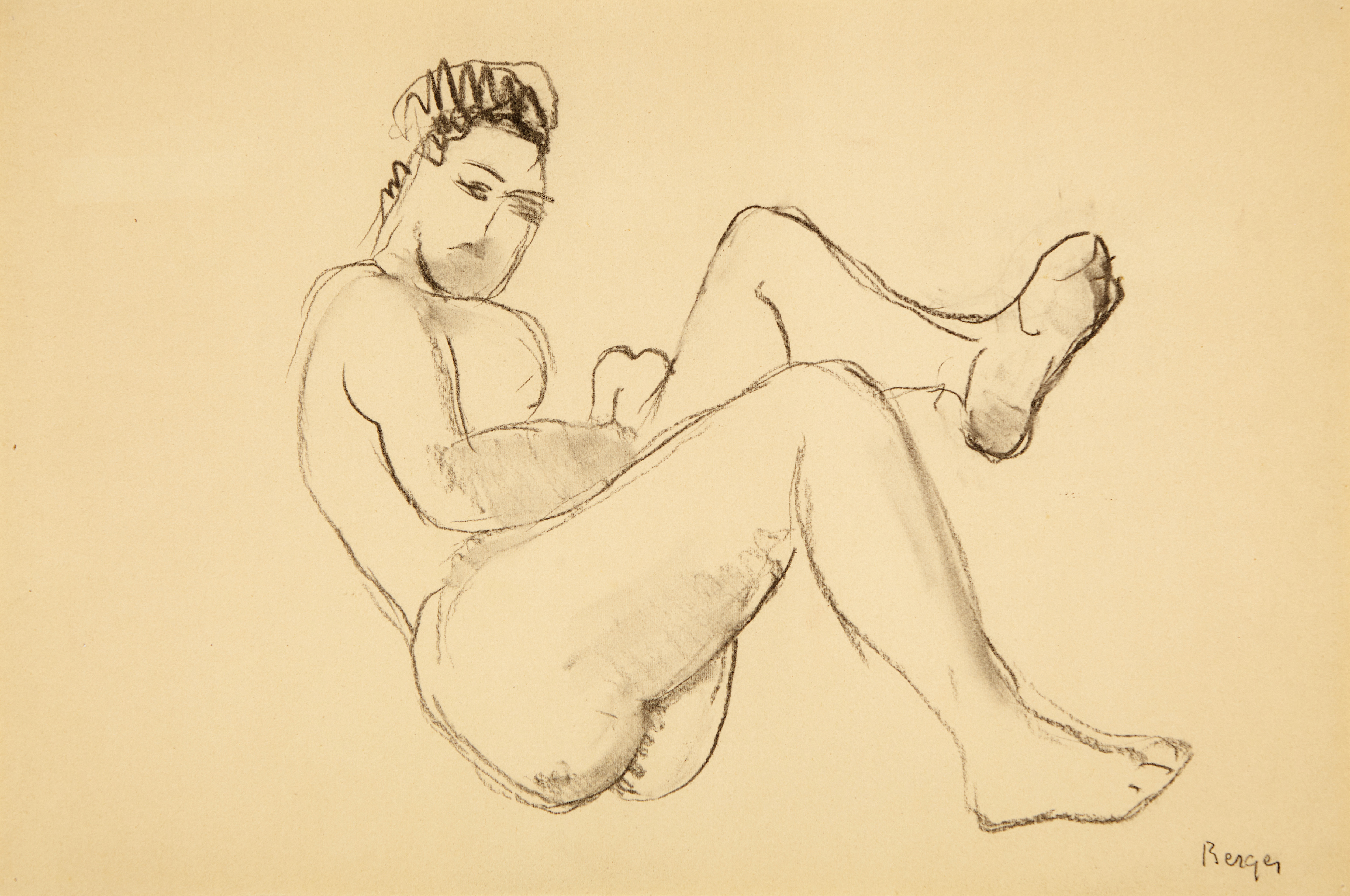
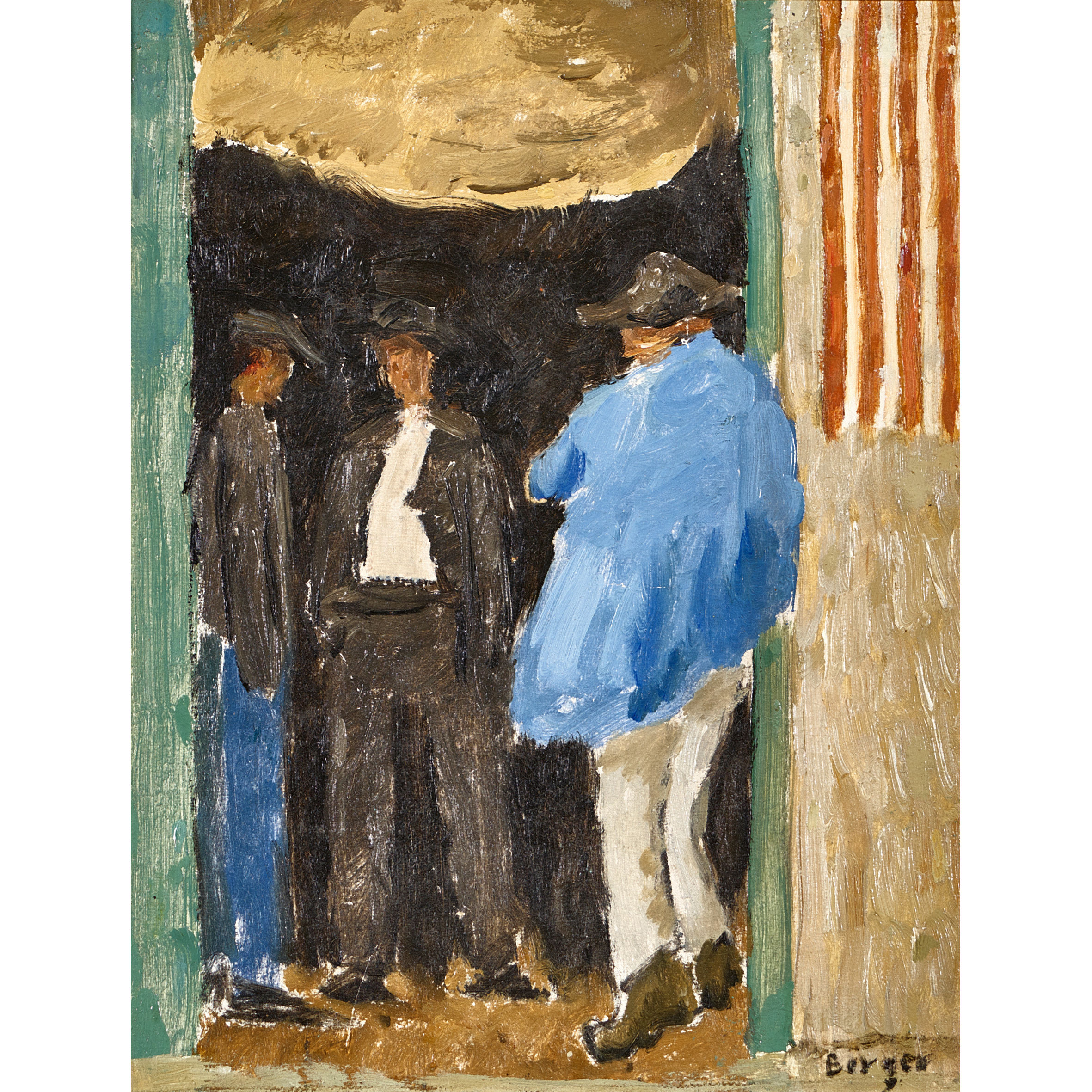
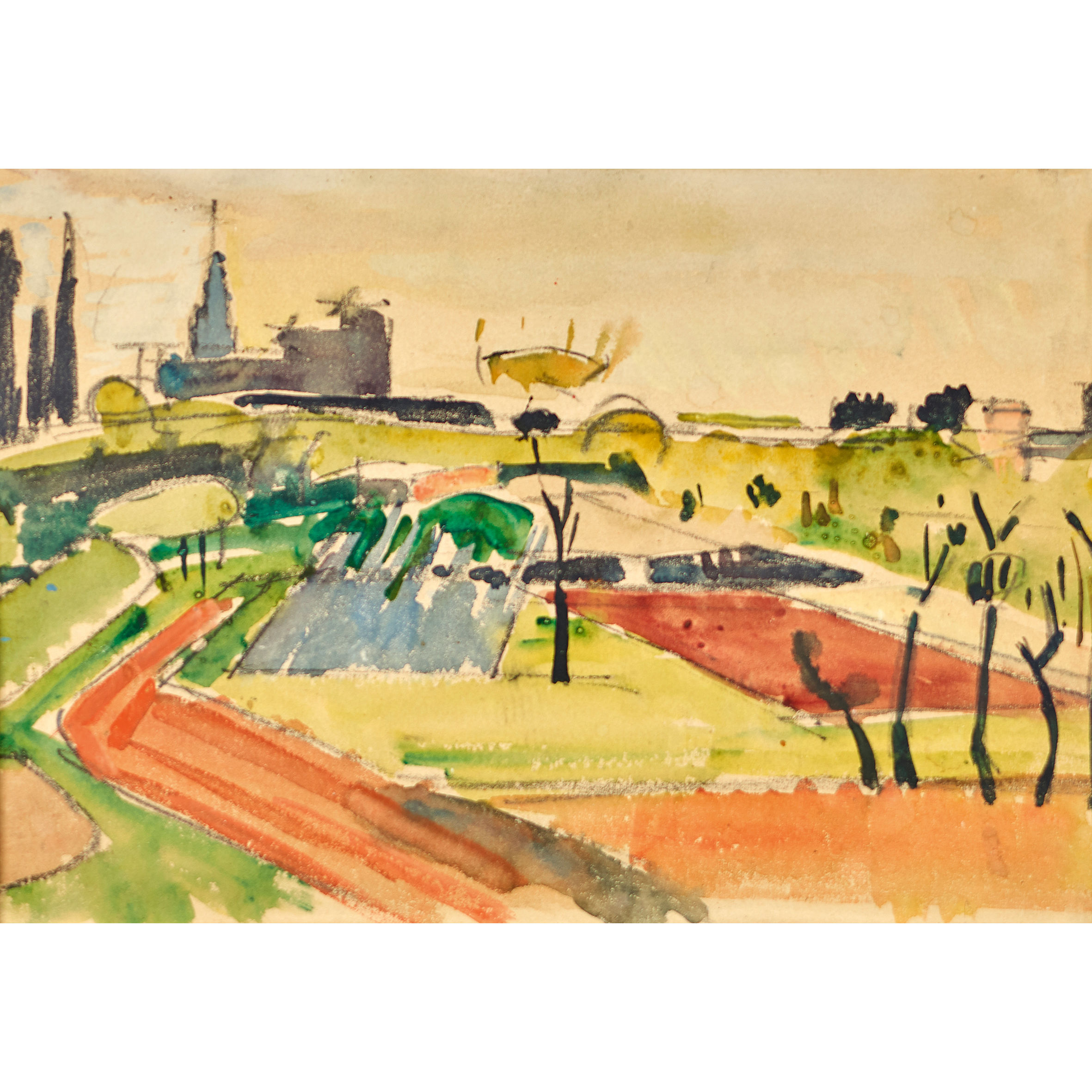
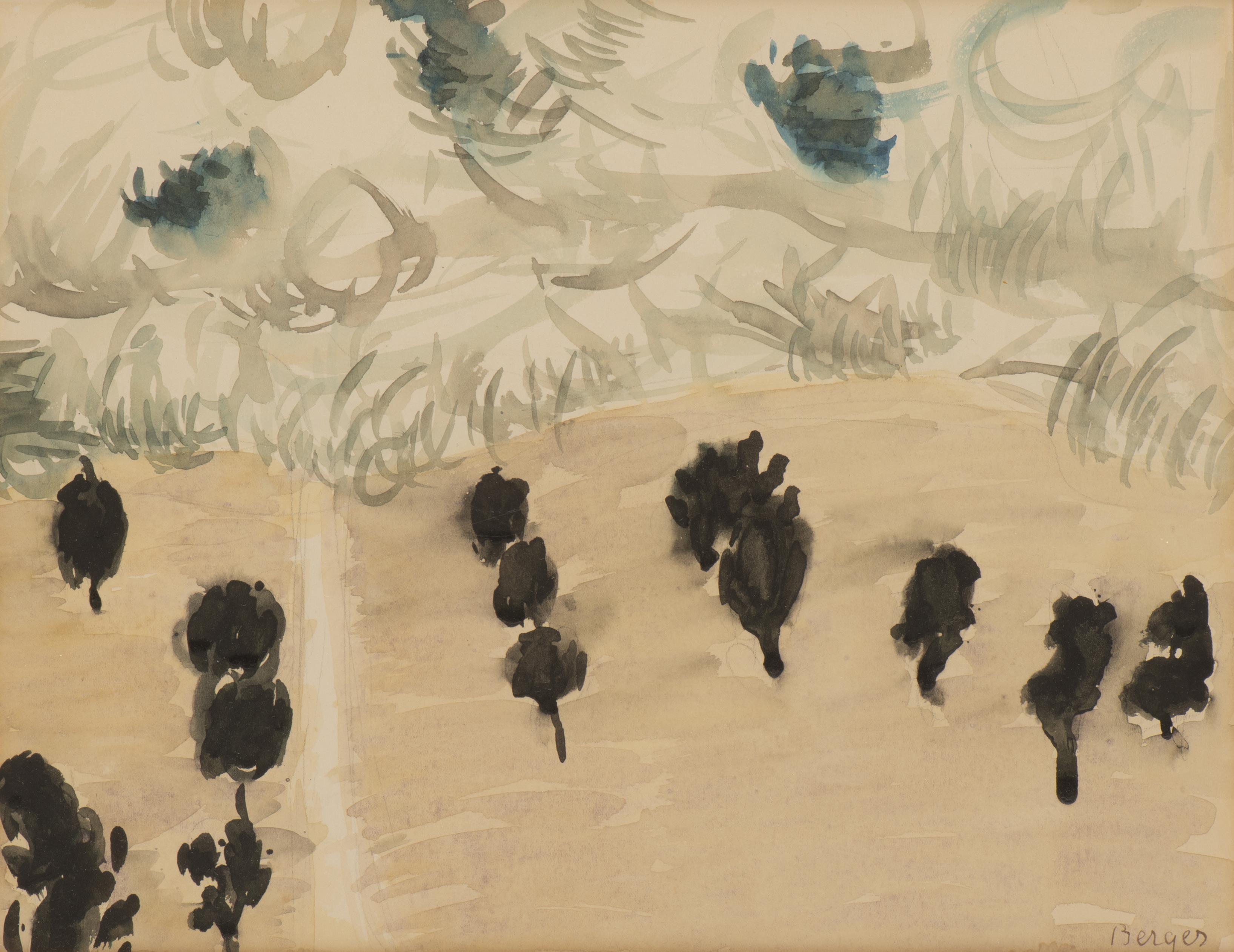
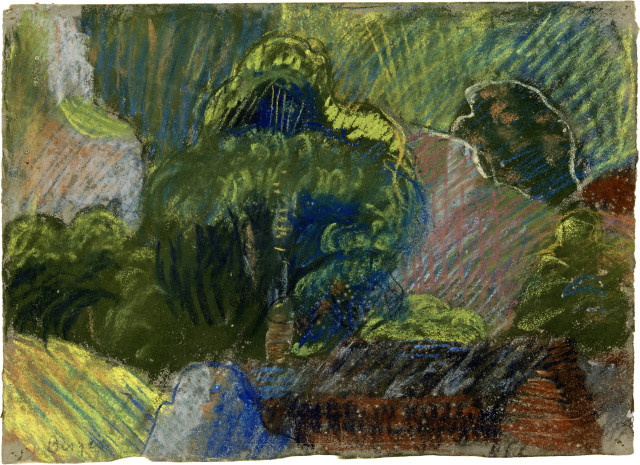
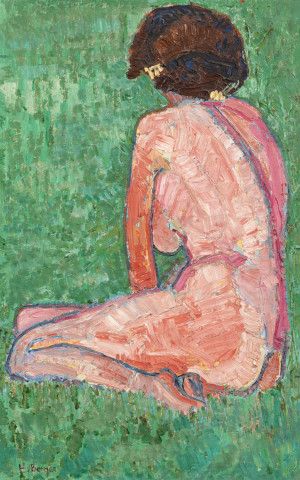
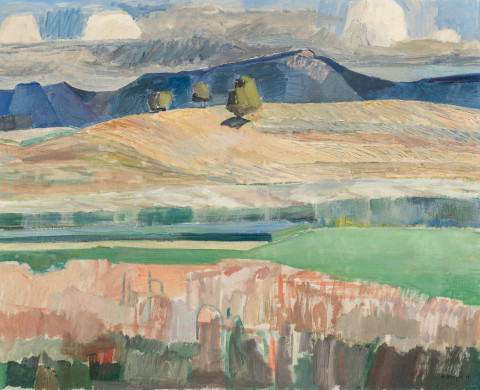
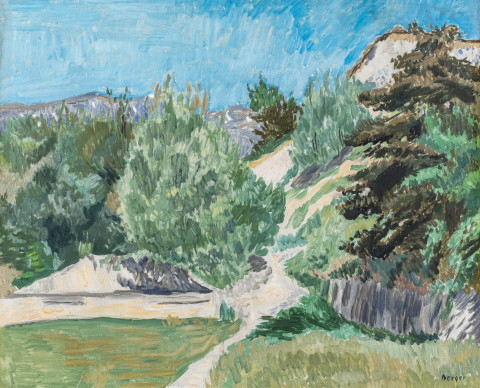
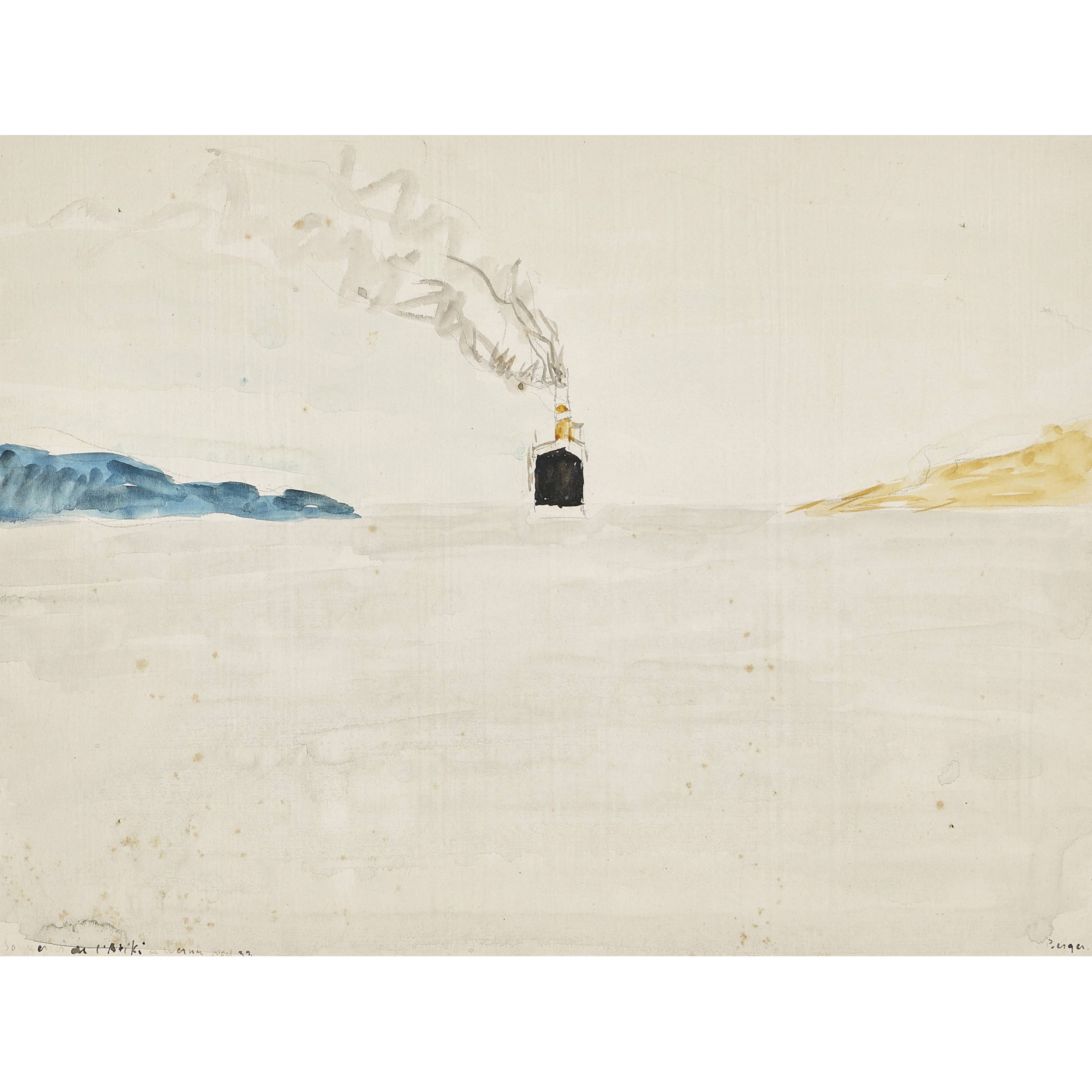
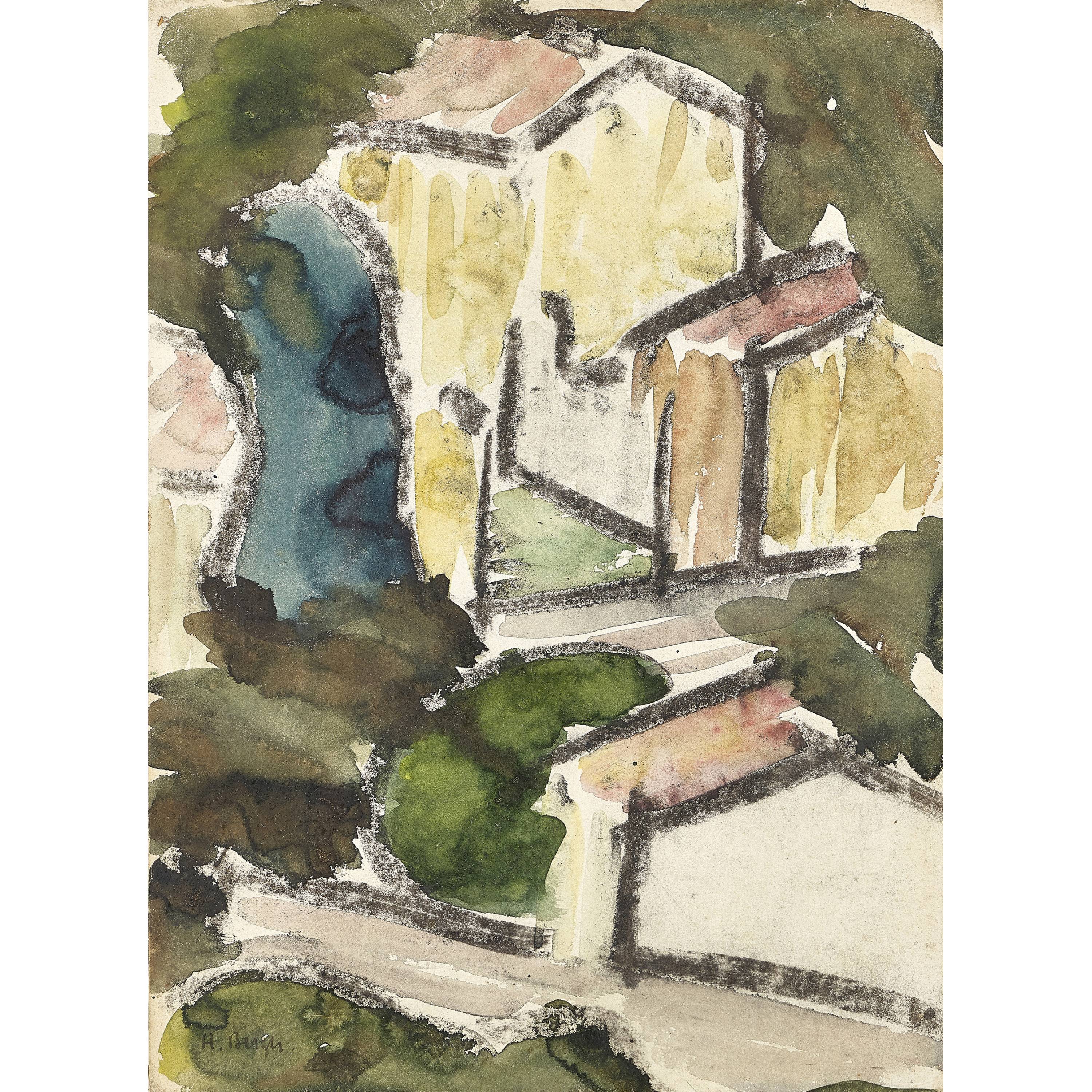
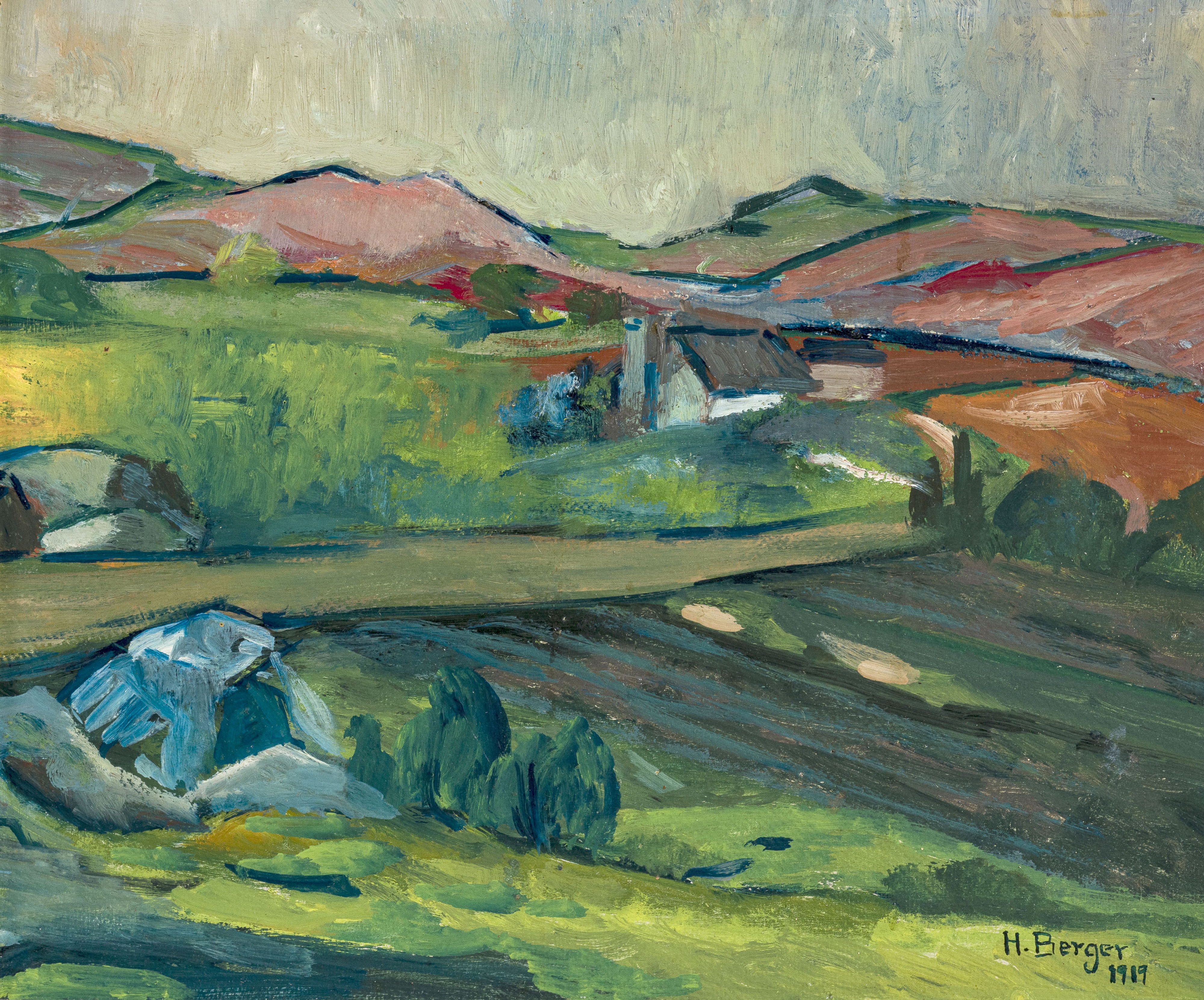
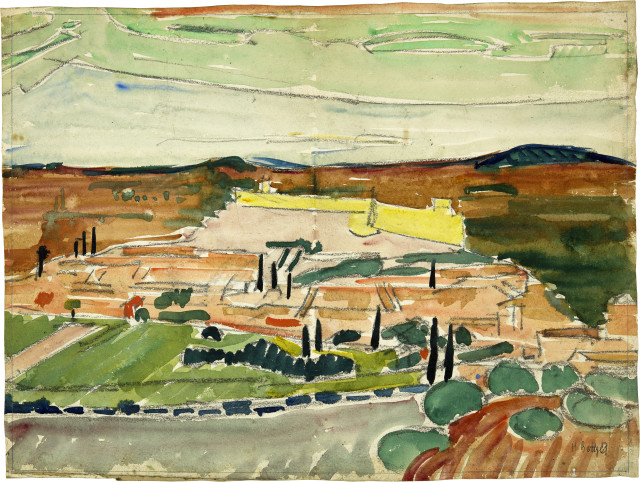
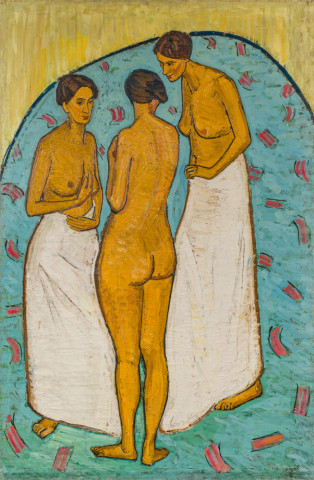
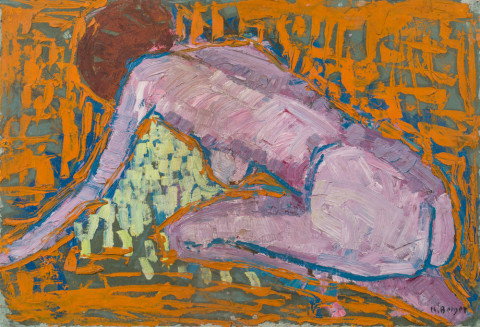
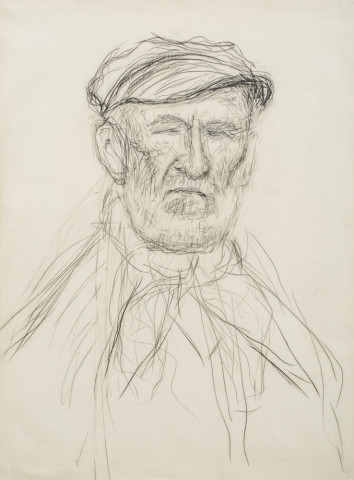
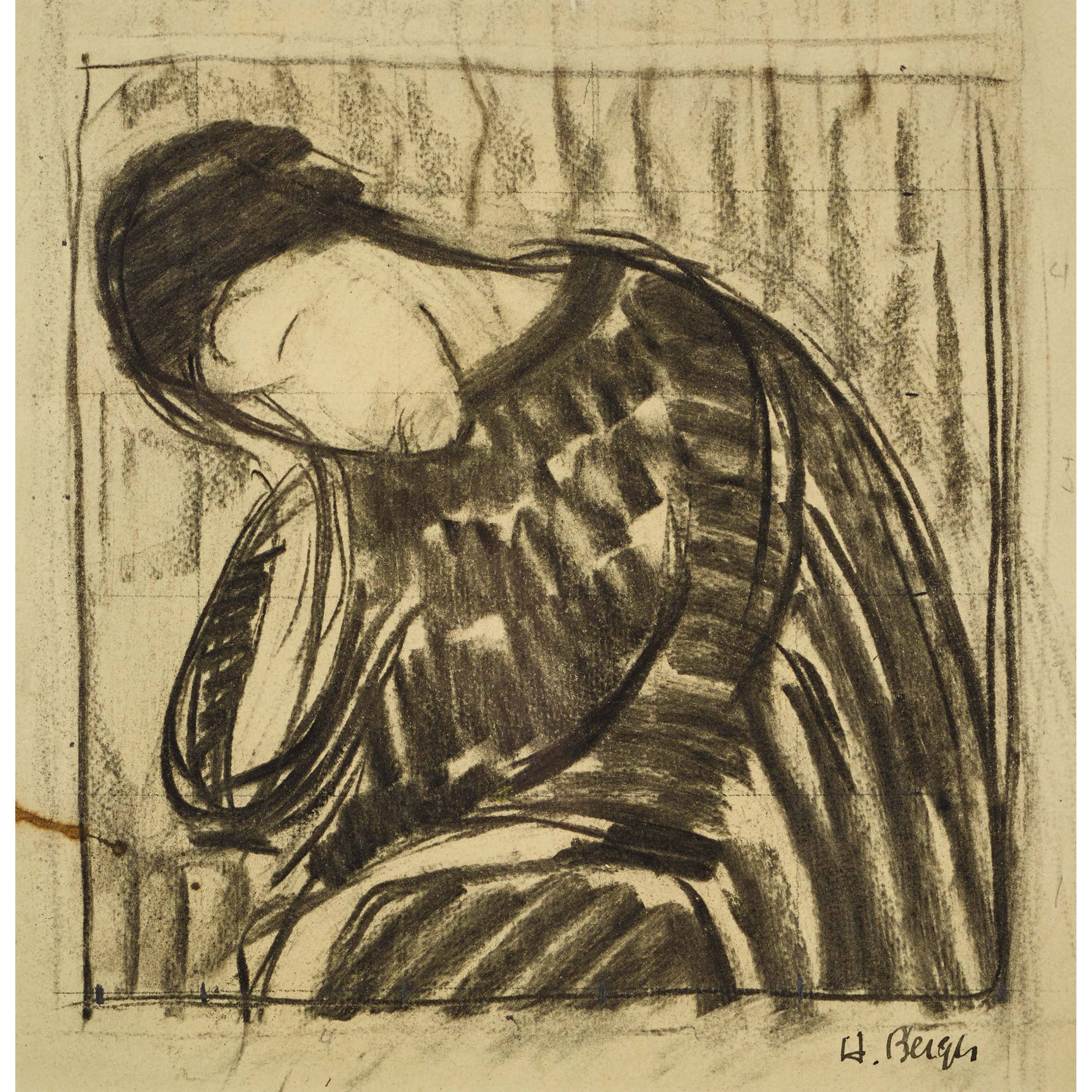
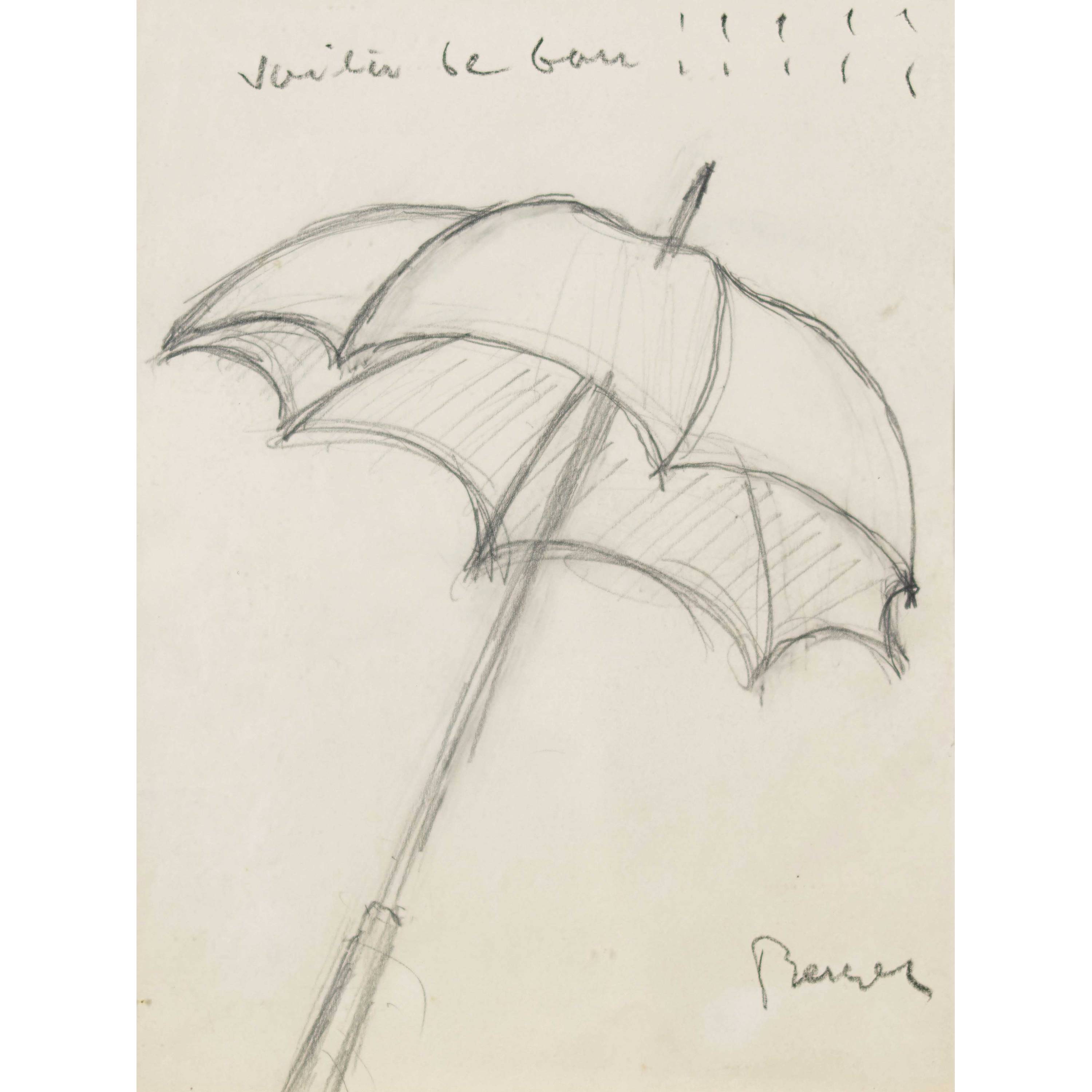
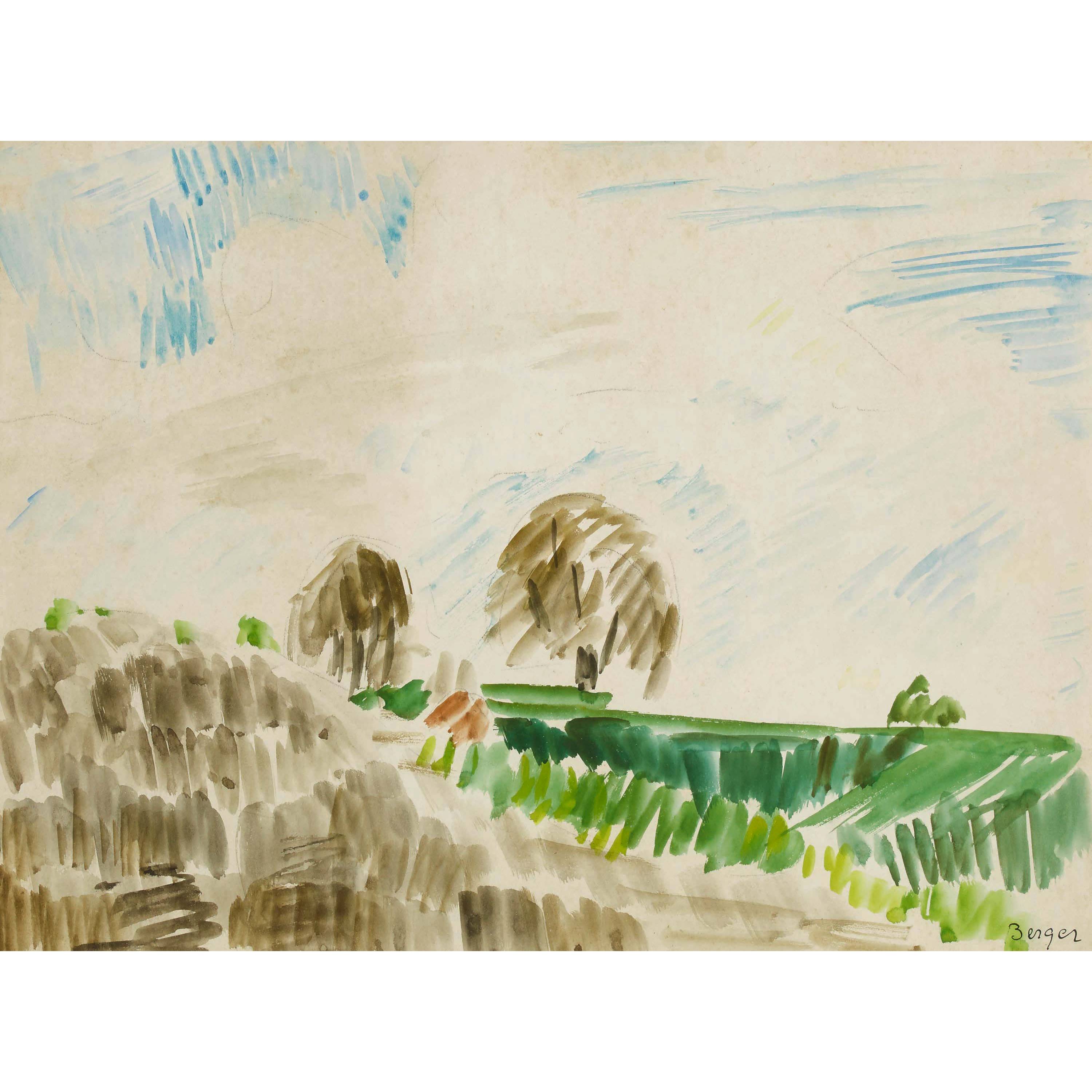
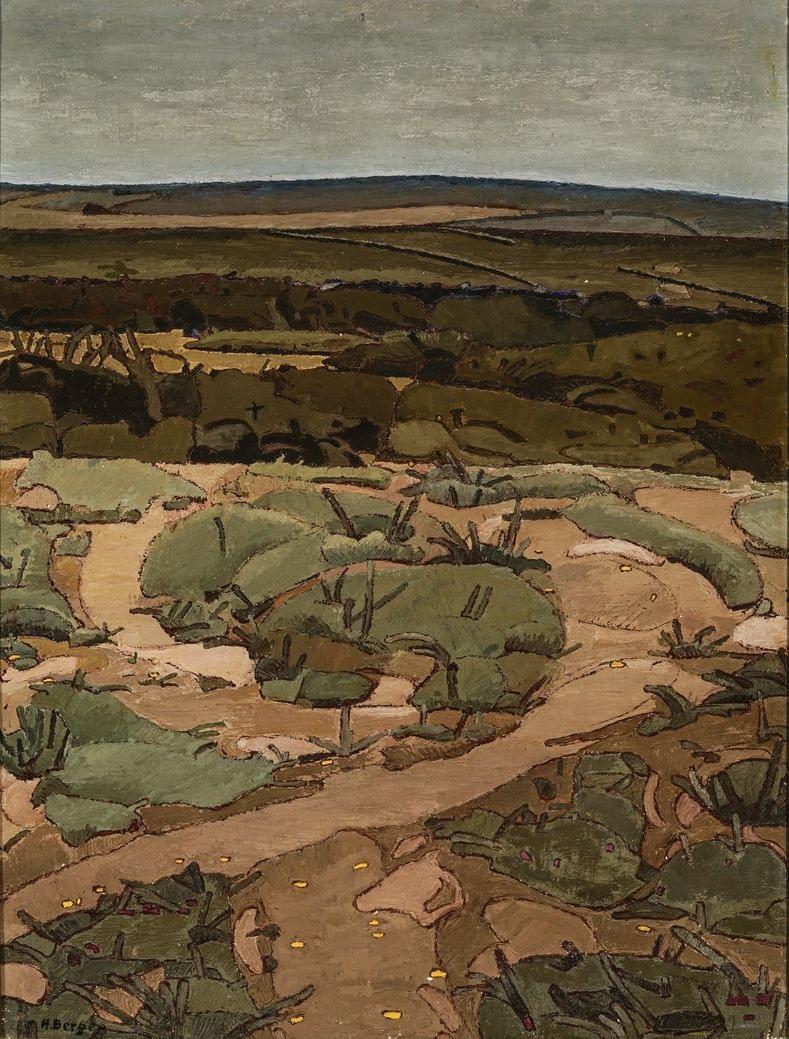
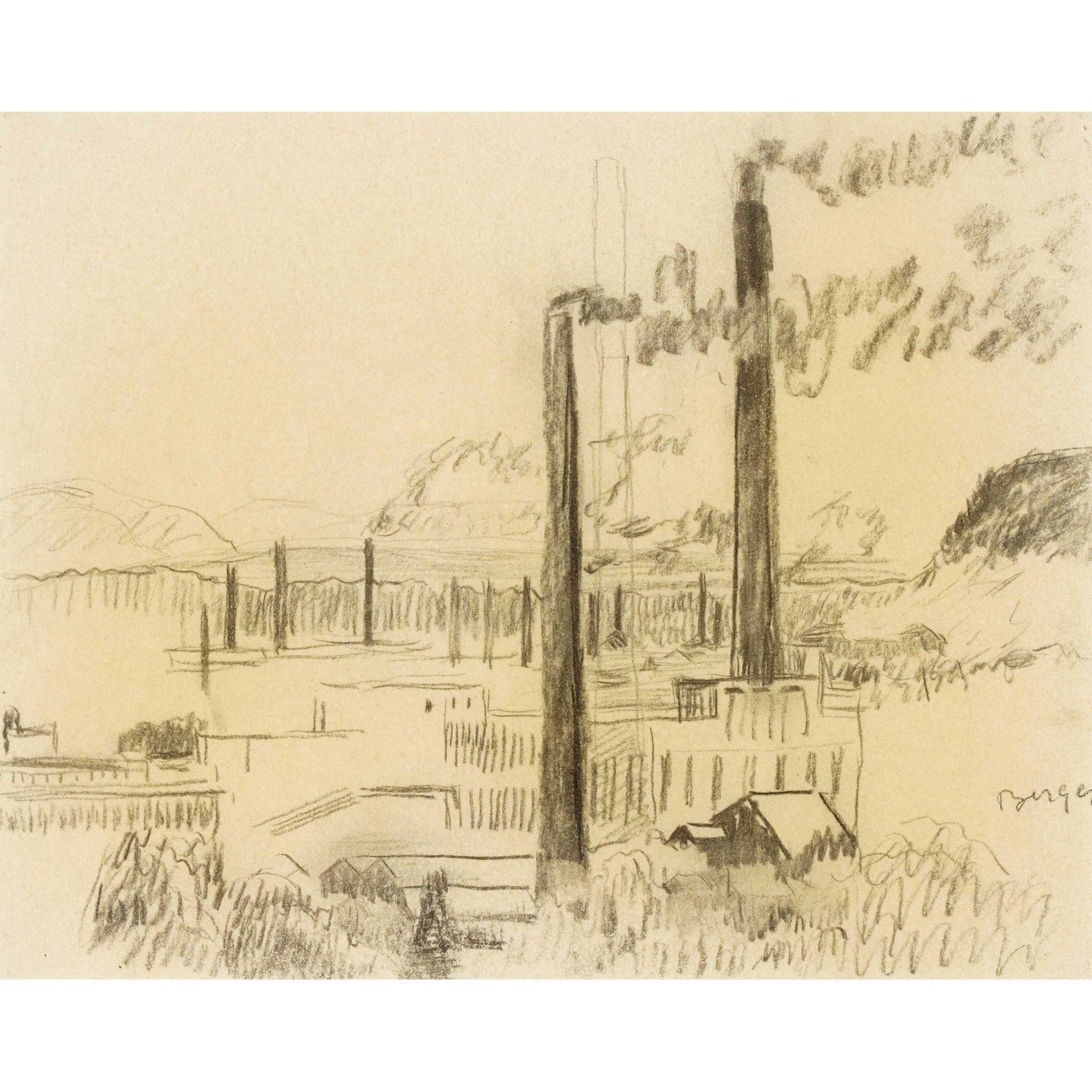
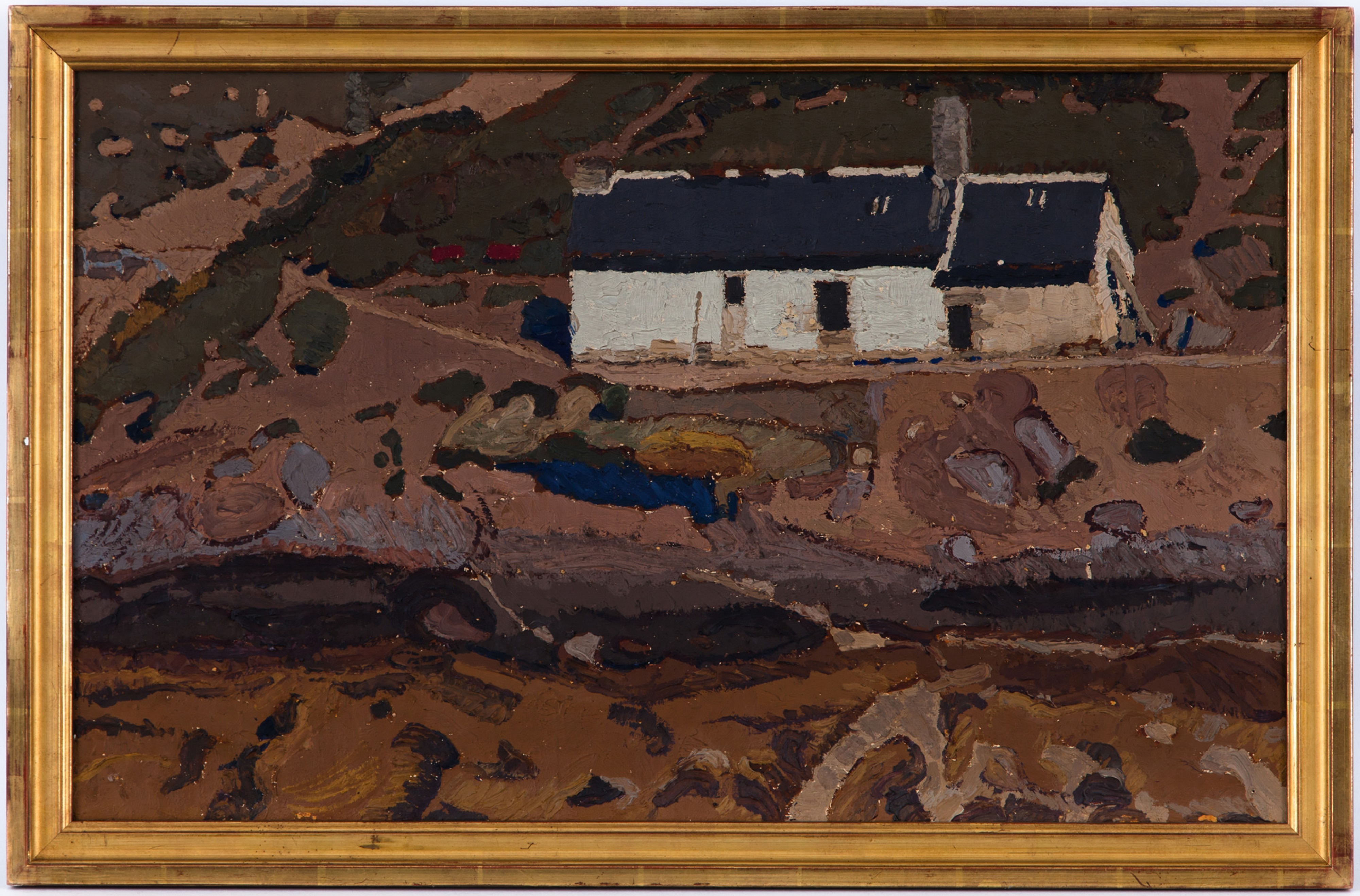
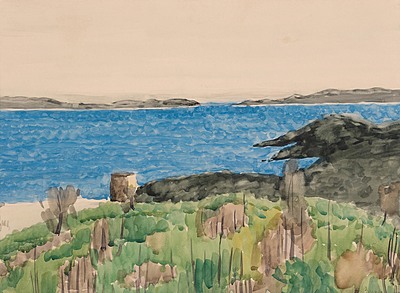
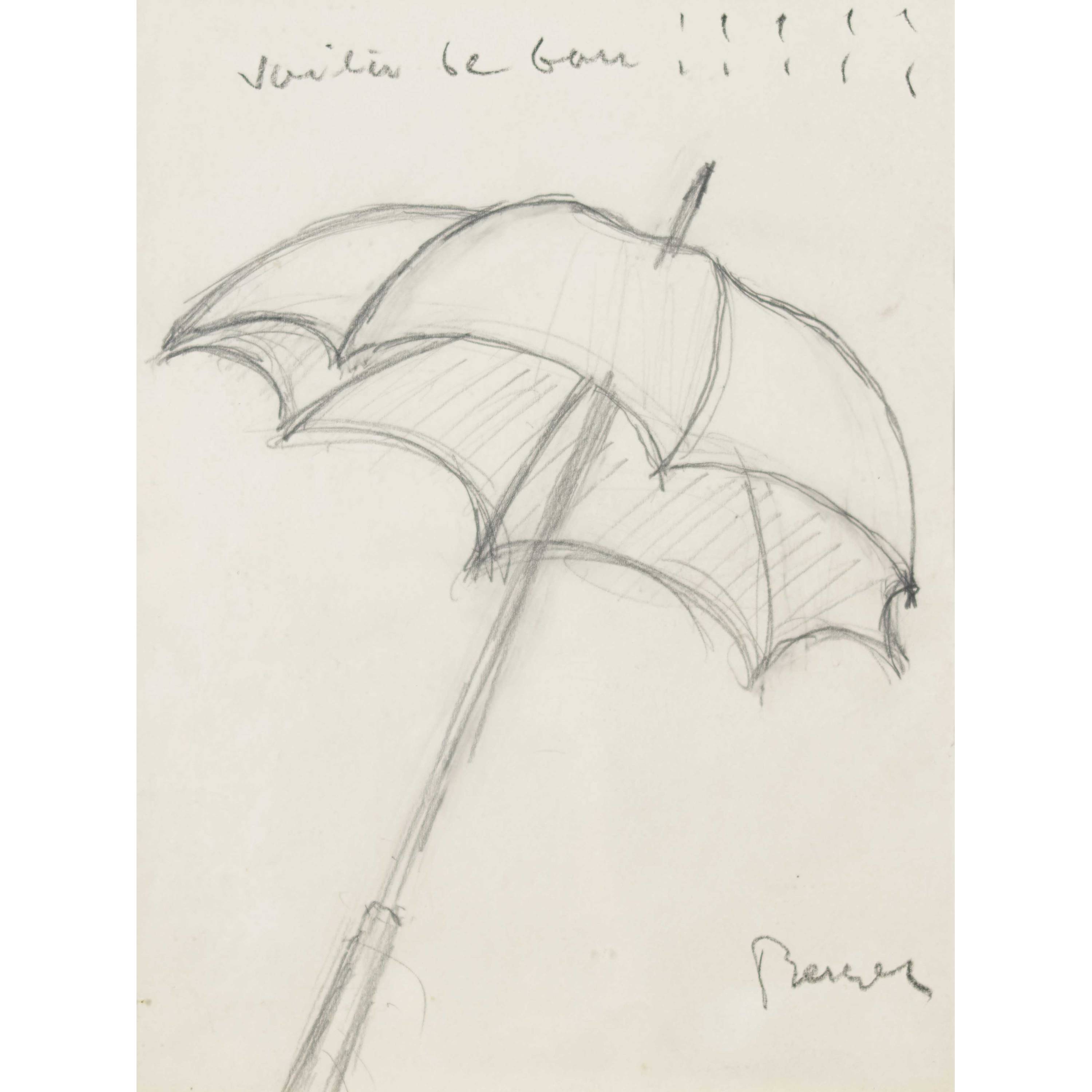
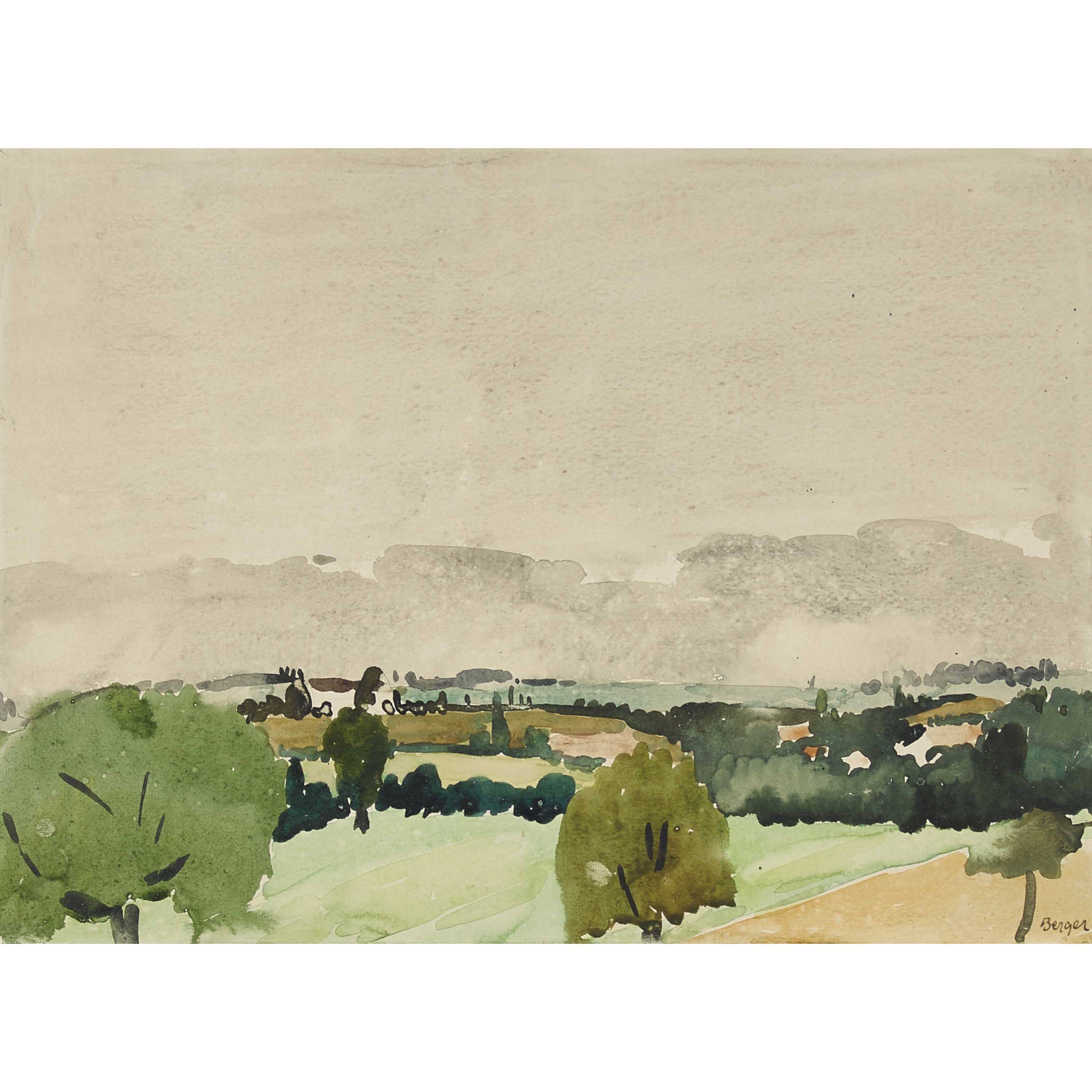
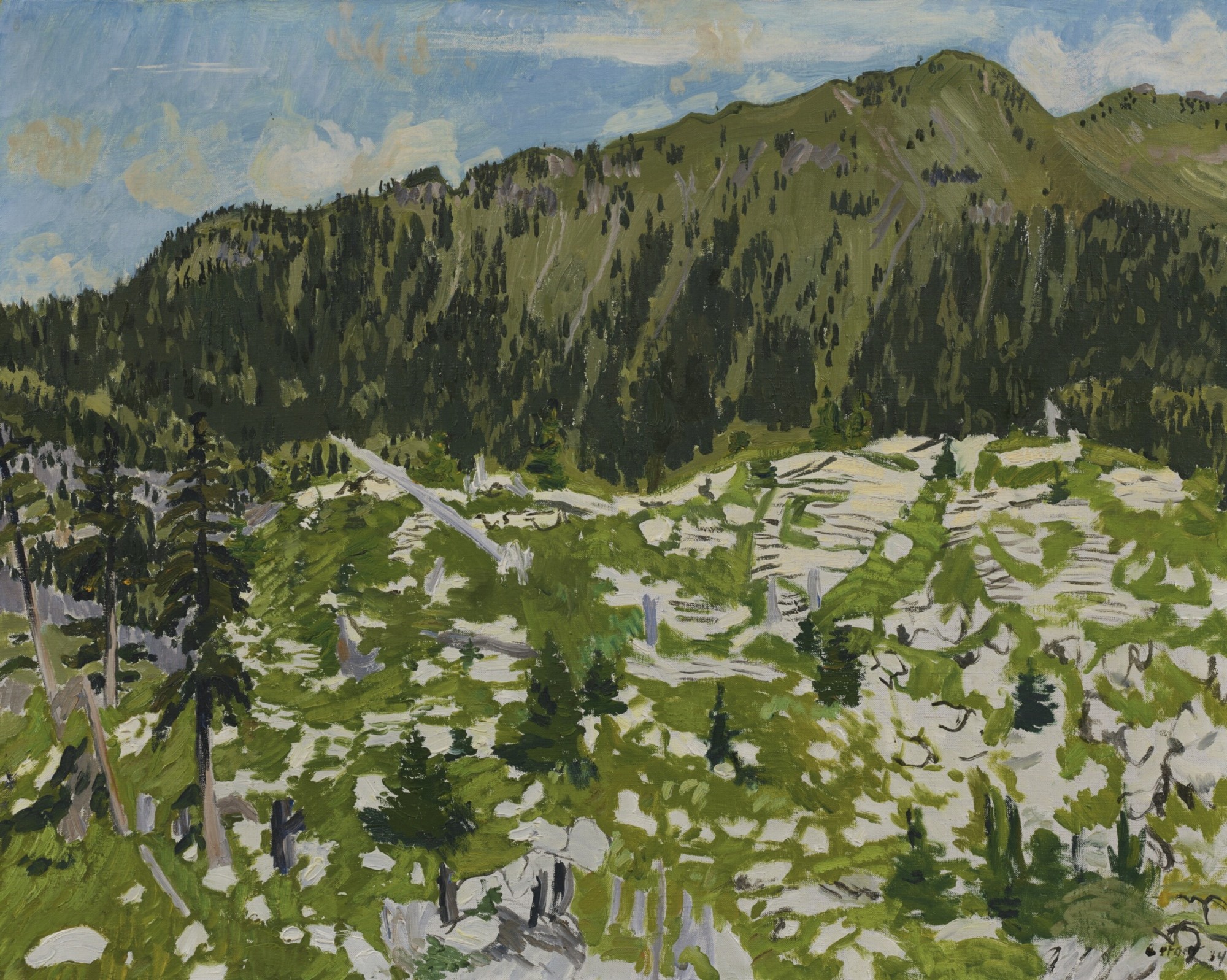
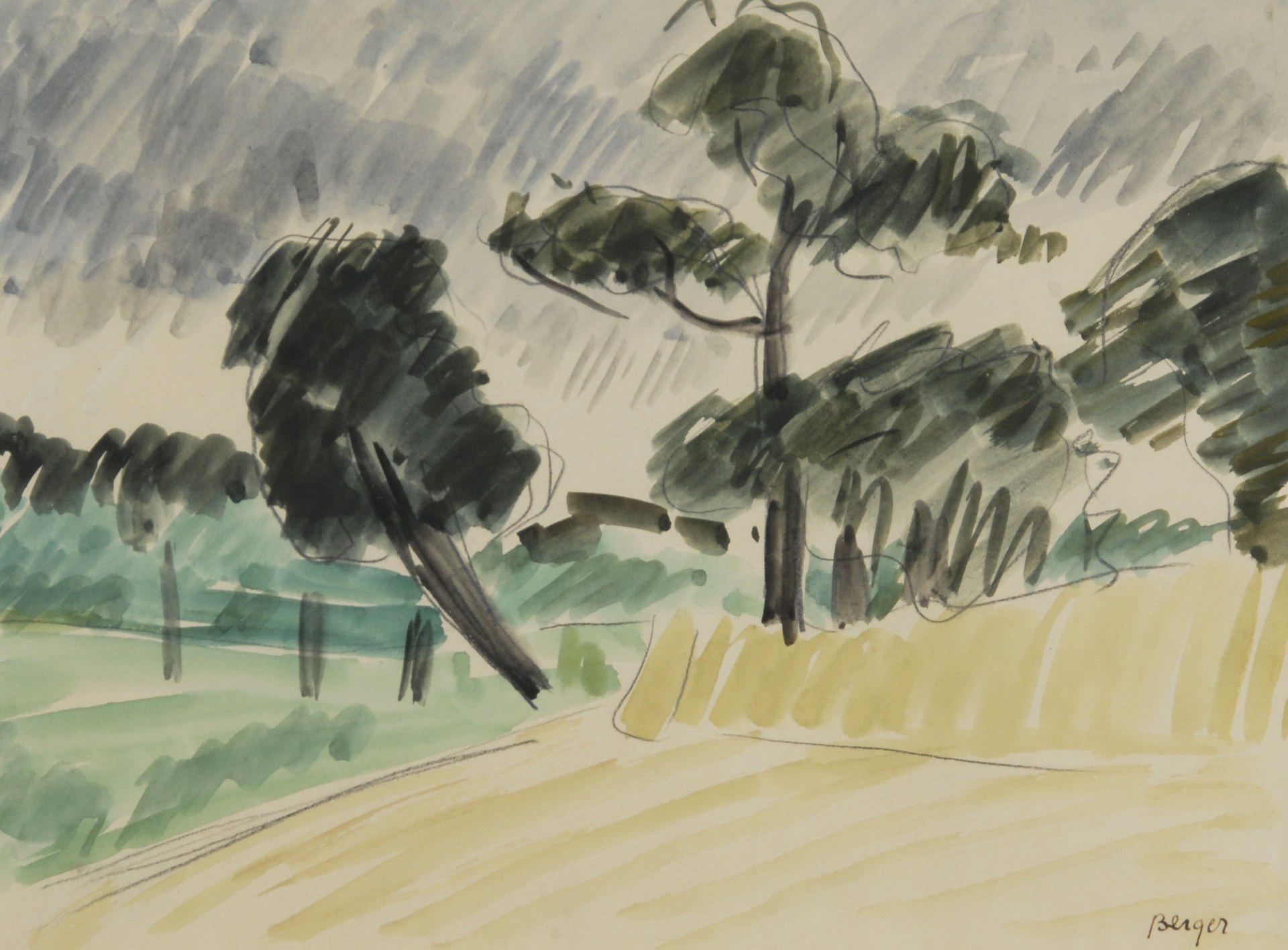
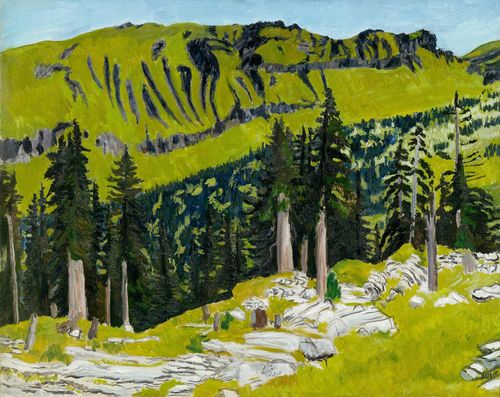
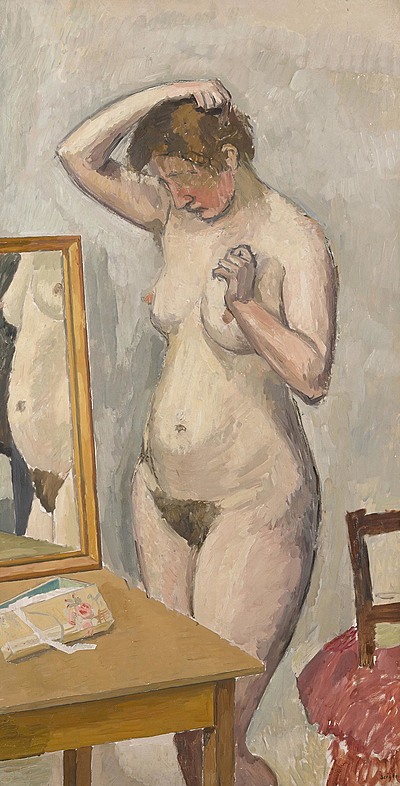
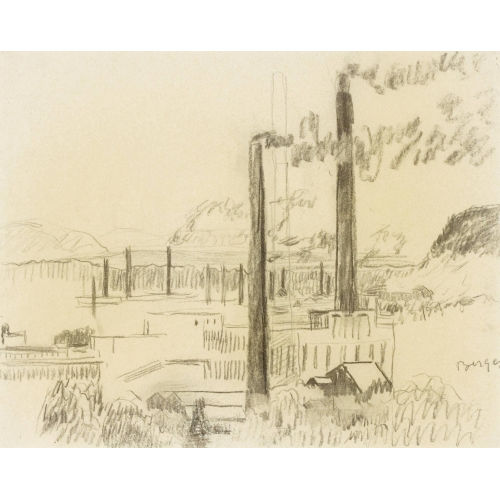
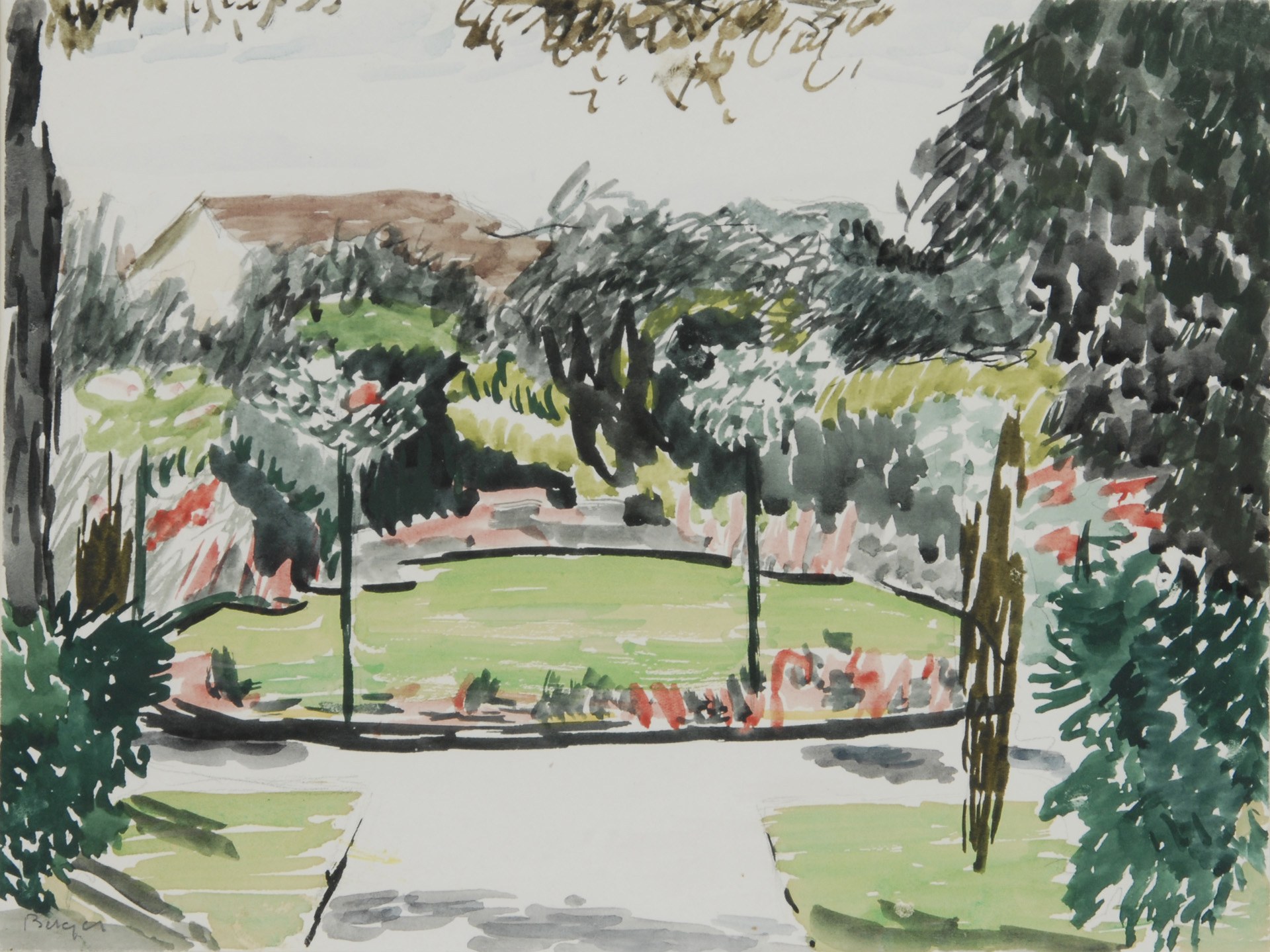
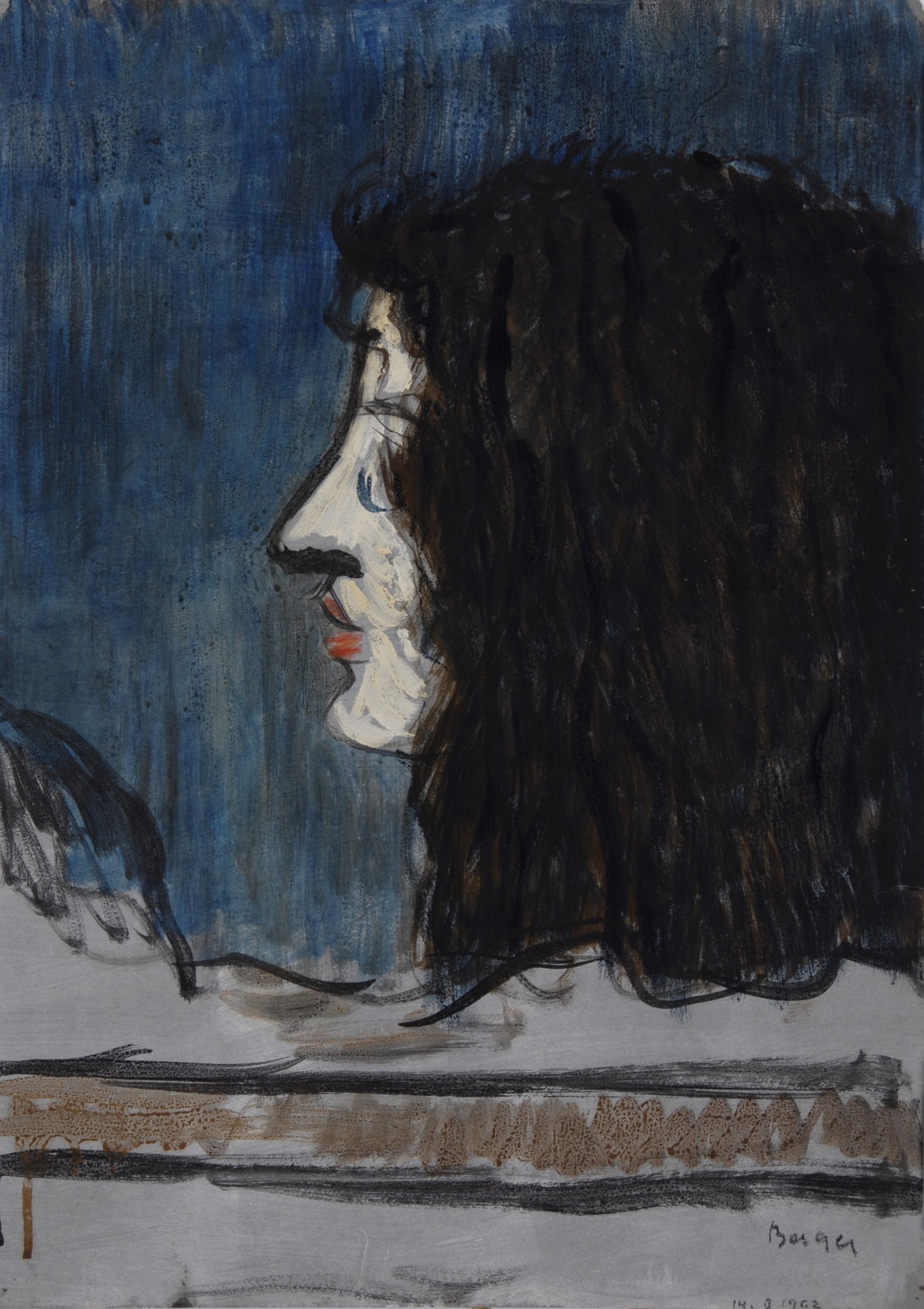
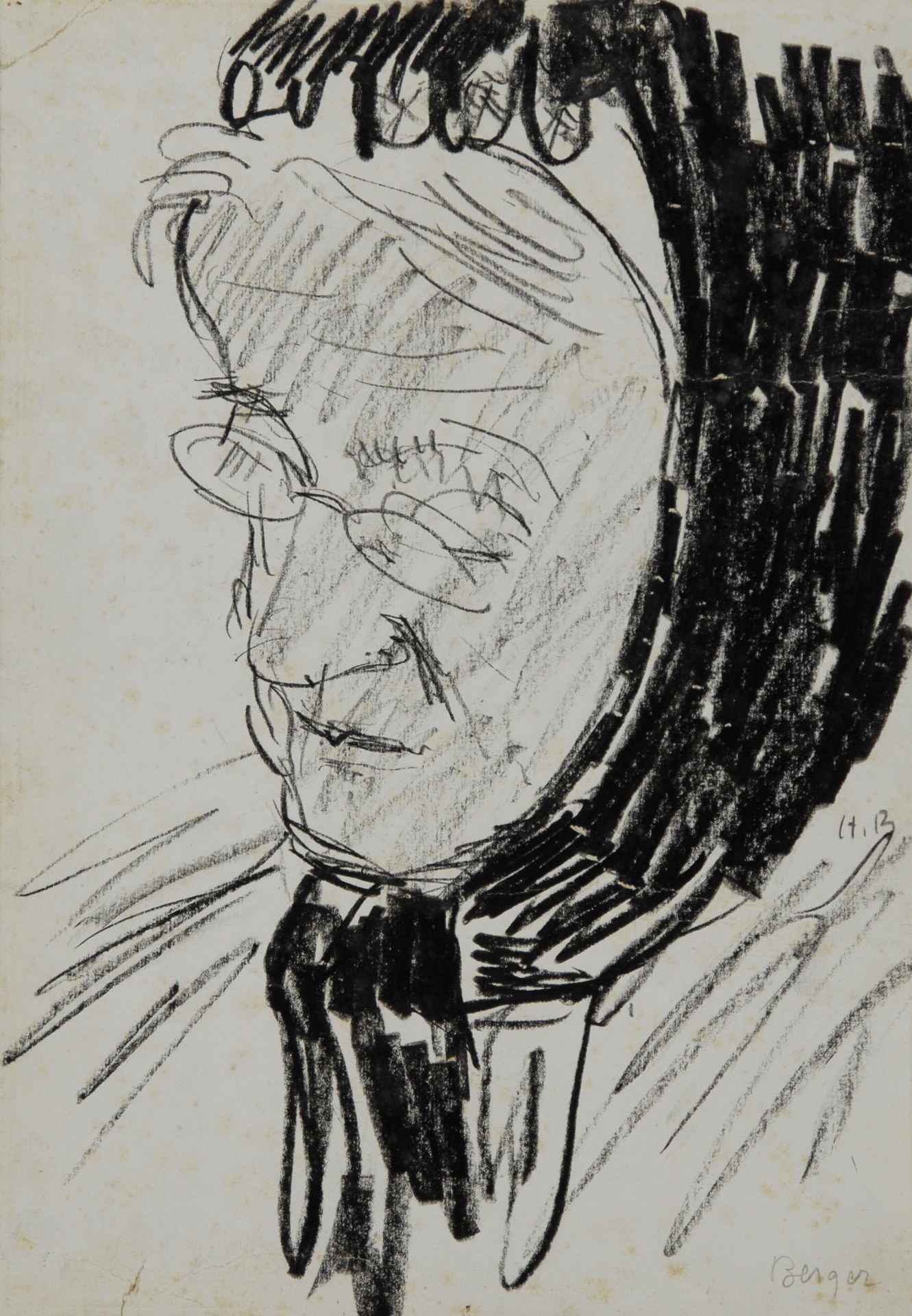
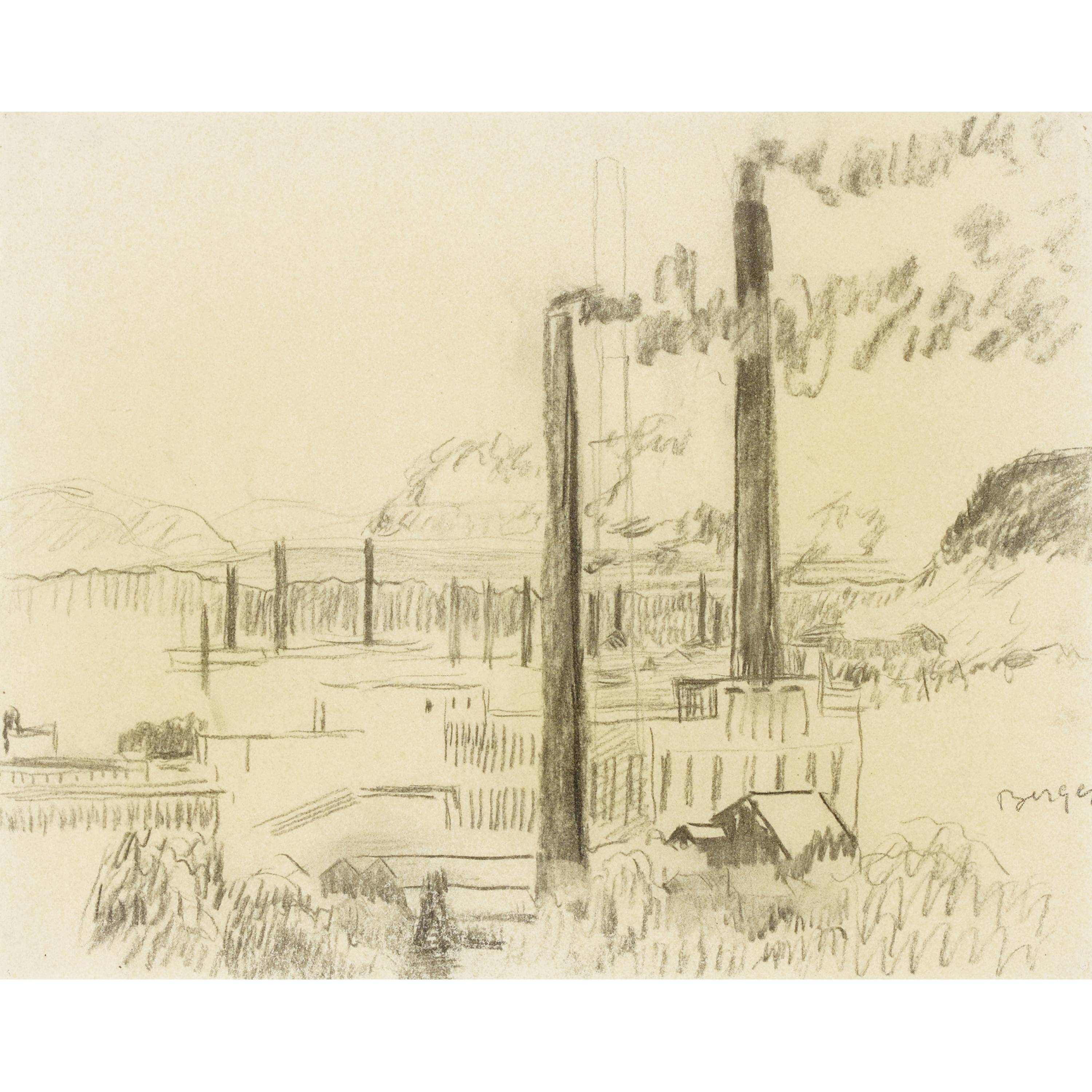
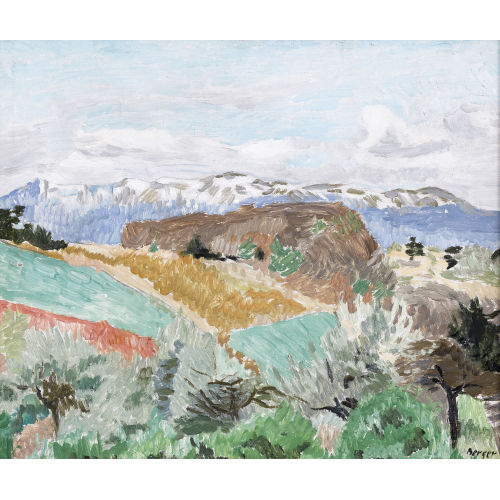
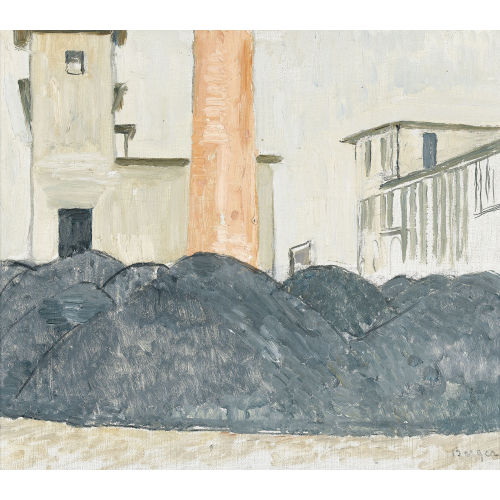
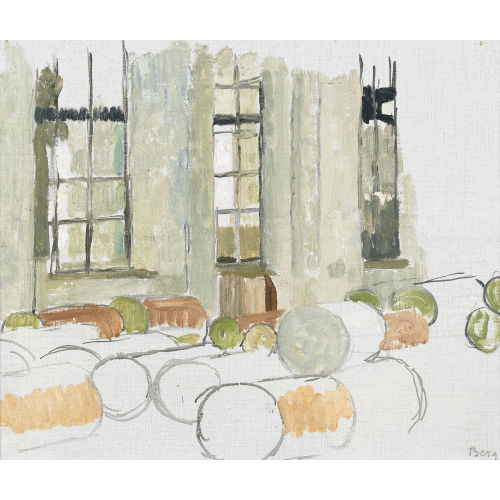
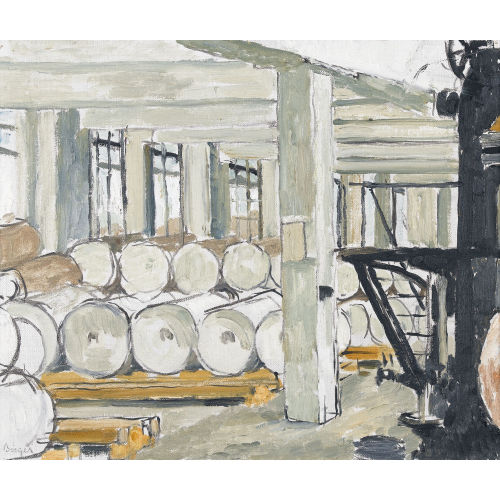
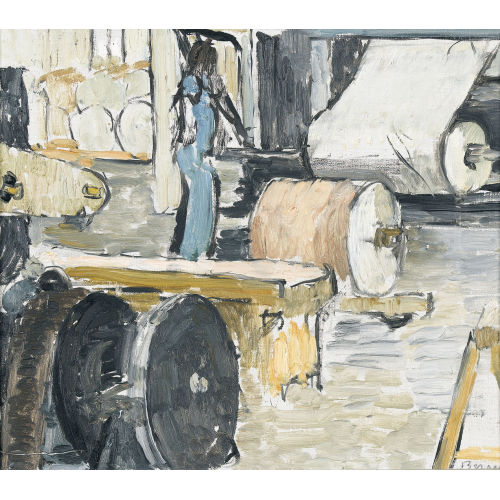
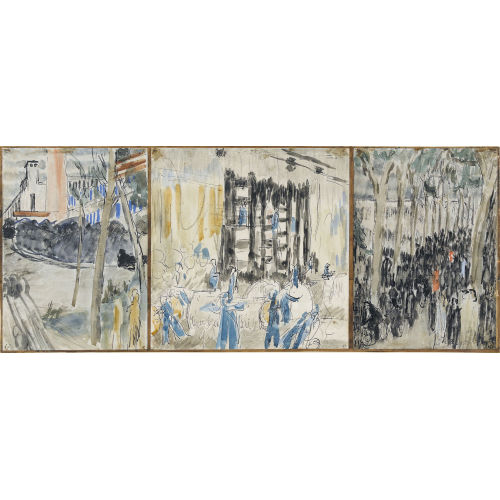
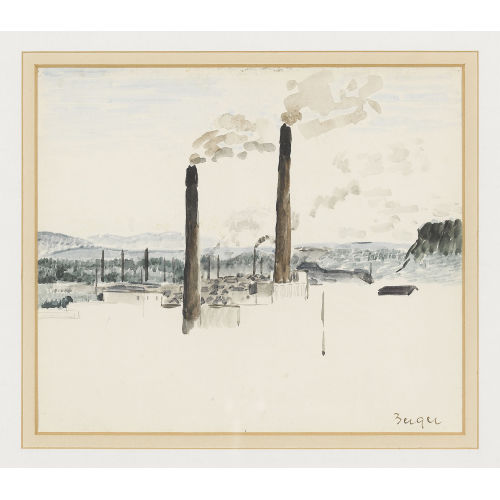
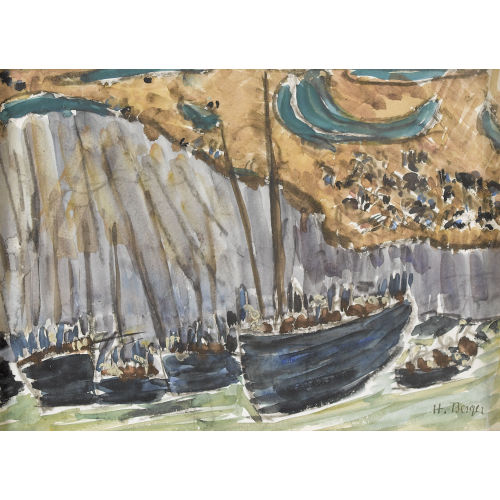
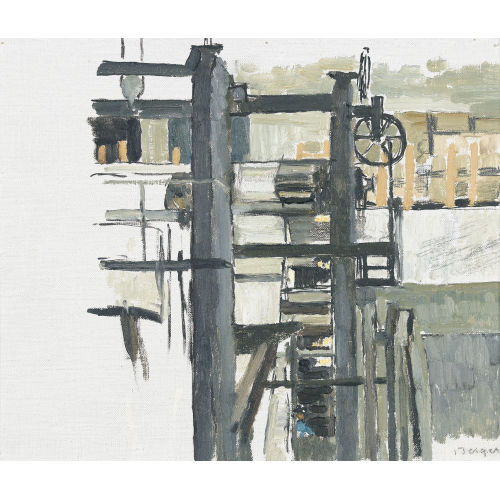
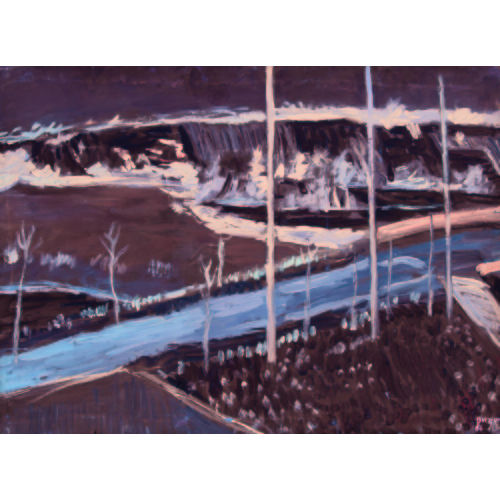
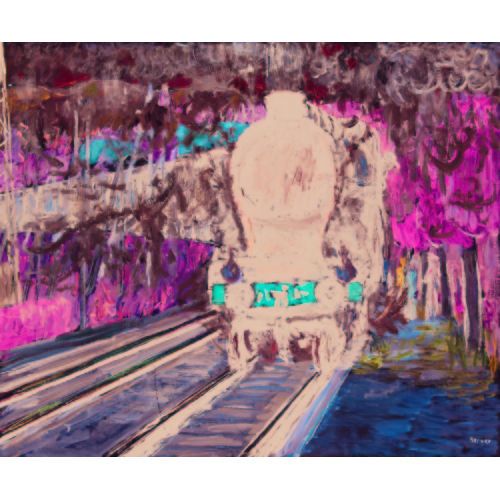
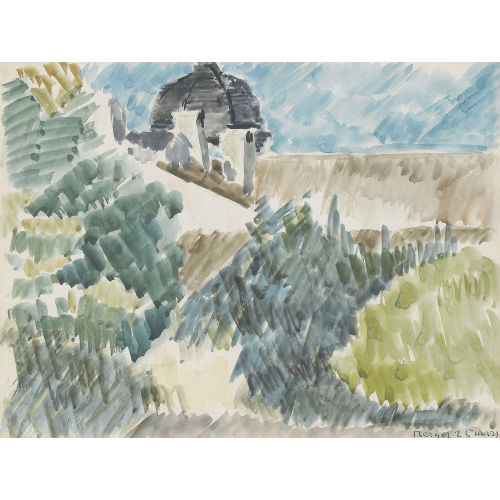
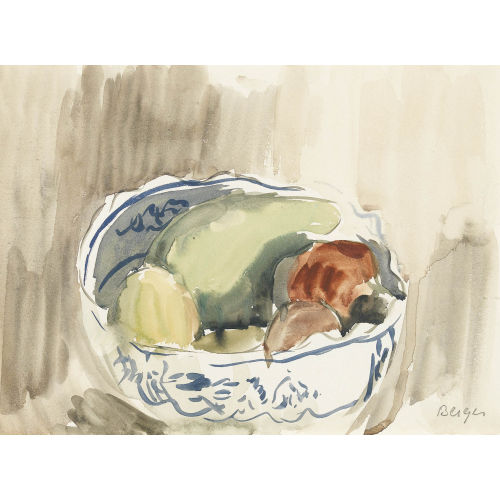
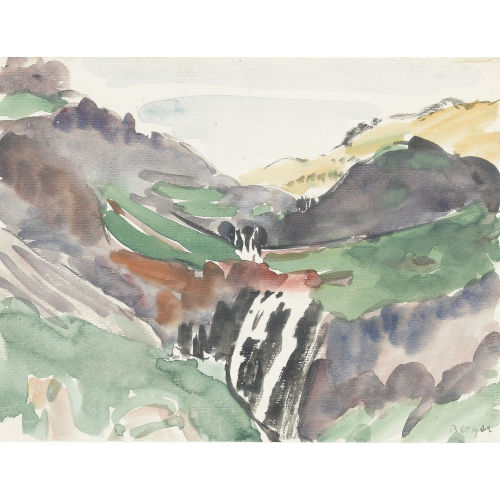
During a visit to the Salon d’automne, he was, again according to the source, deeply impressed by Matisse’s works; this observation is documentary in nature rather than evidence of a formally established influence. His artistic activity included copies, studio paintings and public commissions in the form of frescoes, as well as graphic and lithographic work. His output on paper and canvas is documented in Gottfried Wälchli’s monograph (Hans Berger : dessins, aquarelles, peintures, 1954), which provides an editorial overview of his drawings, watercolours and paintings.
His distinctions include third prize in the Concours Diday in 1909 and the City of Geneva Prize in 1955. His exhibition record, attested by participations at the Musée Rath, the Swiss National Exhibitions and the Venice Biennales, testifies to the recognition of his practice in the twentieth century.