Hans Beat Wieland
Born in 1867.
Died in 1945.
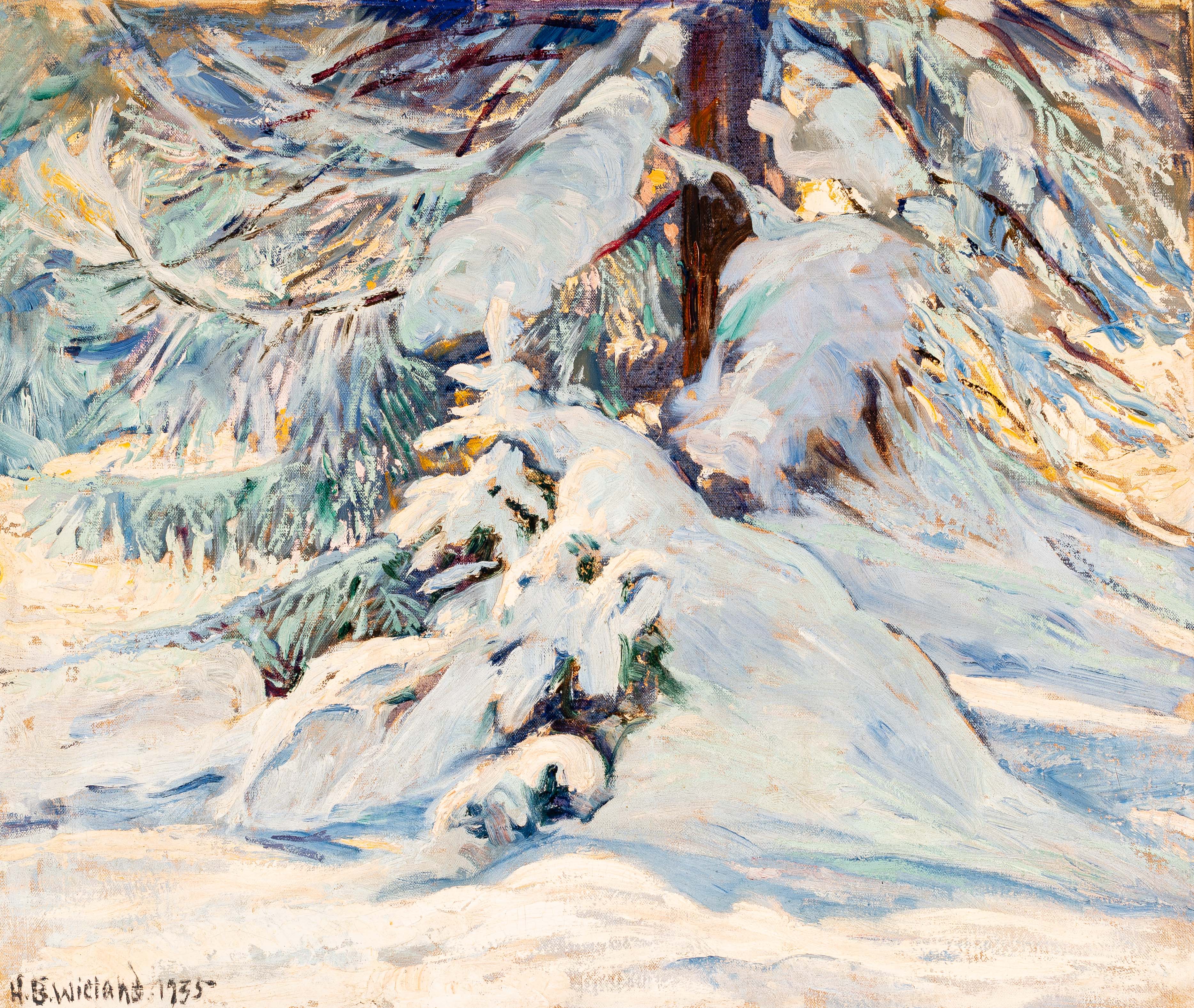
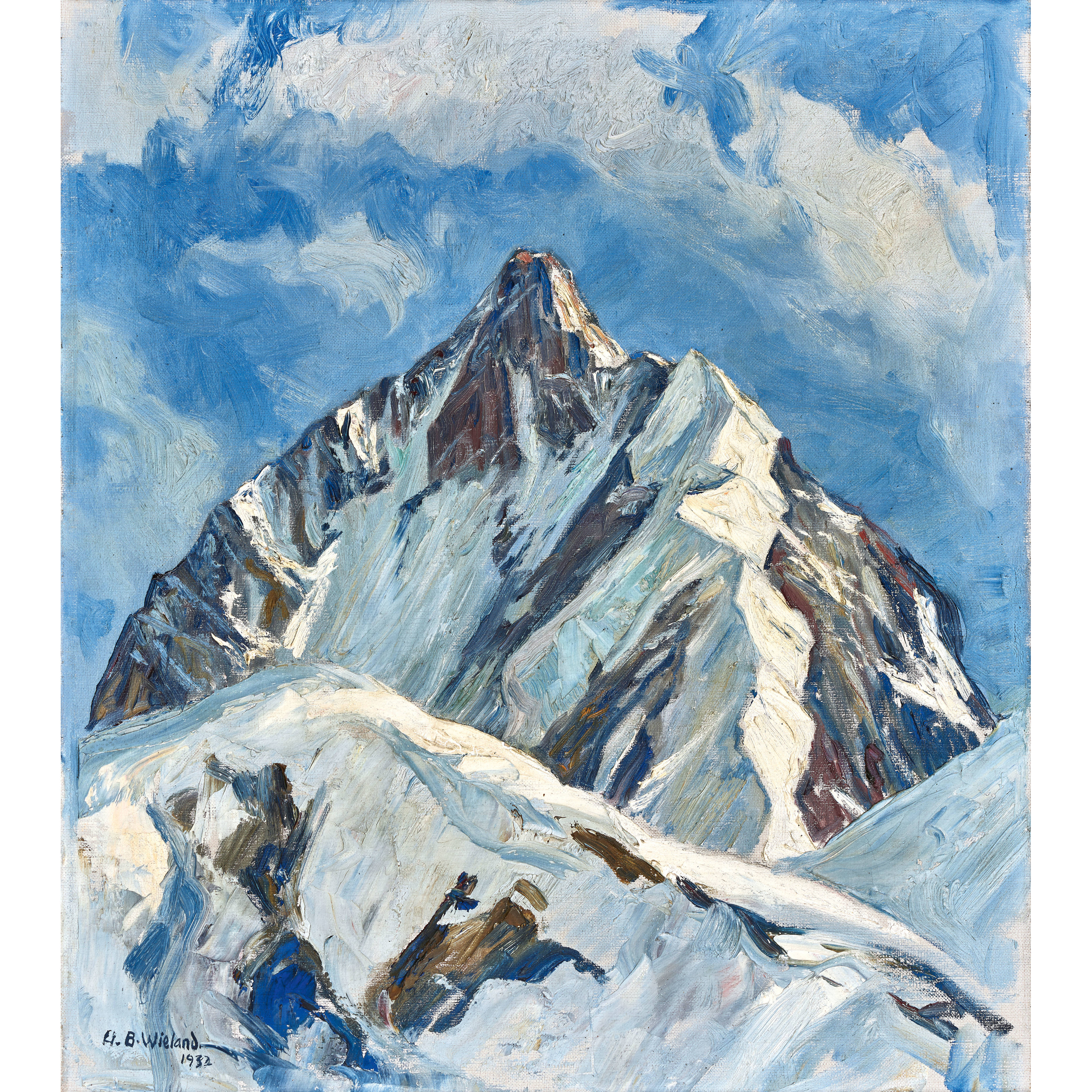
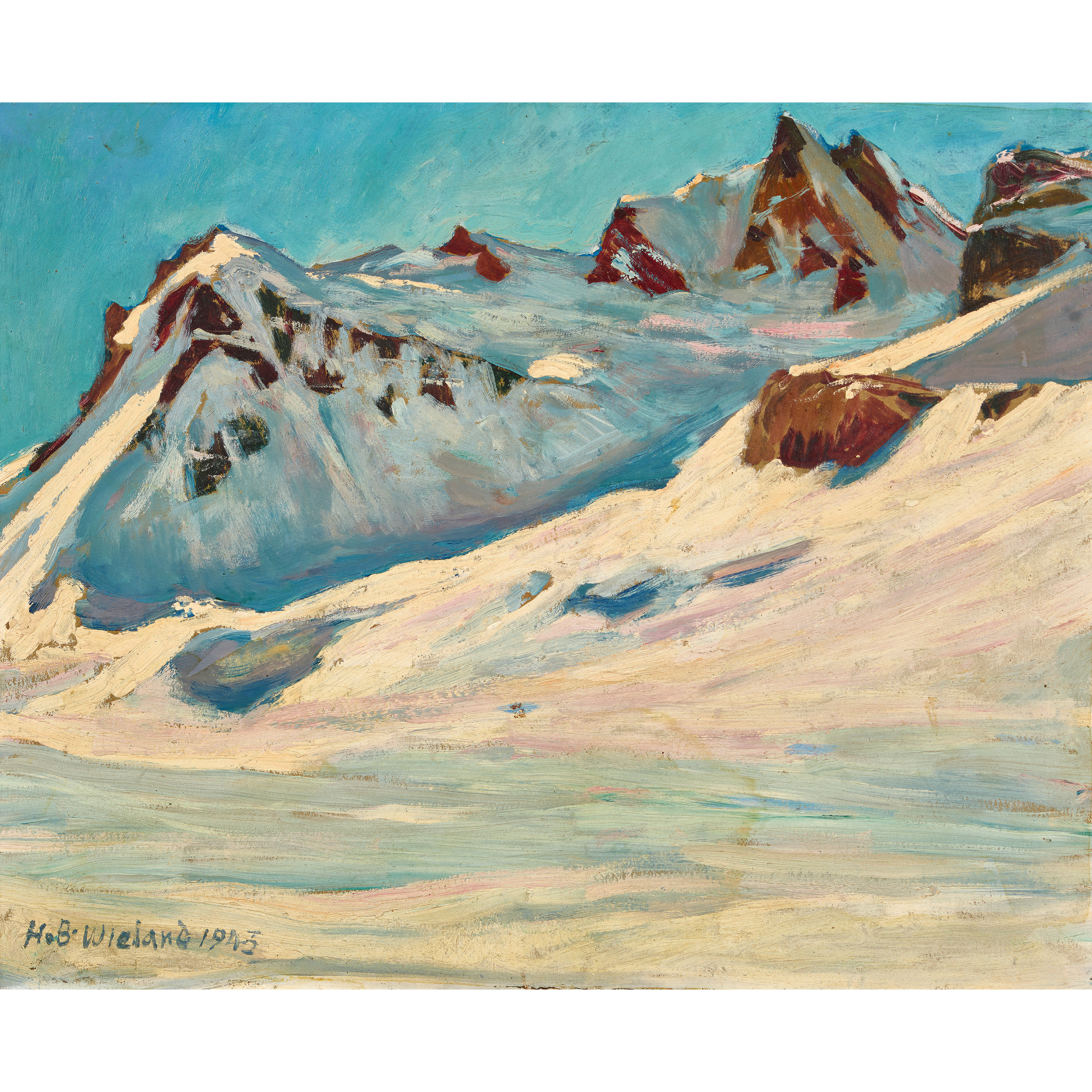
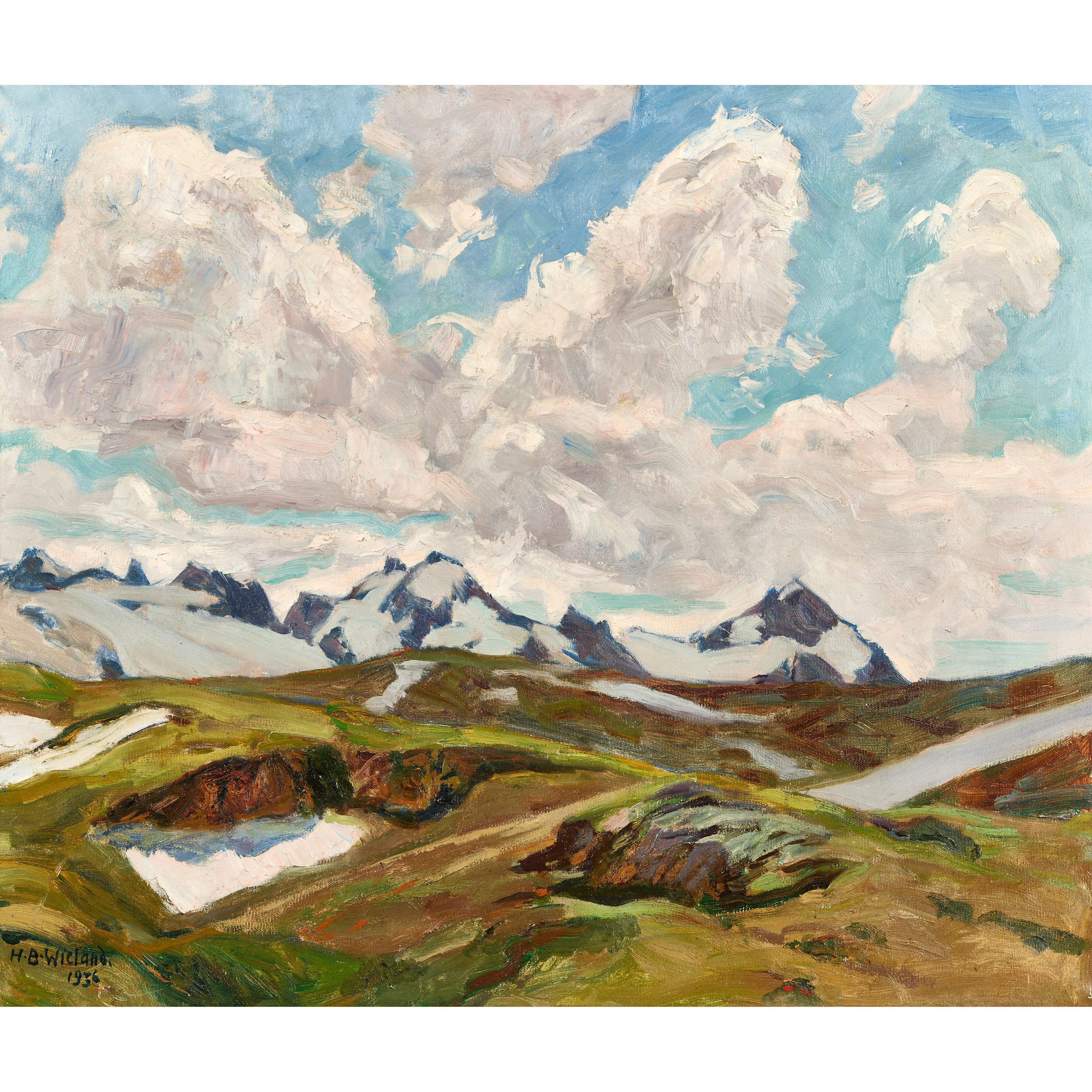
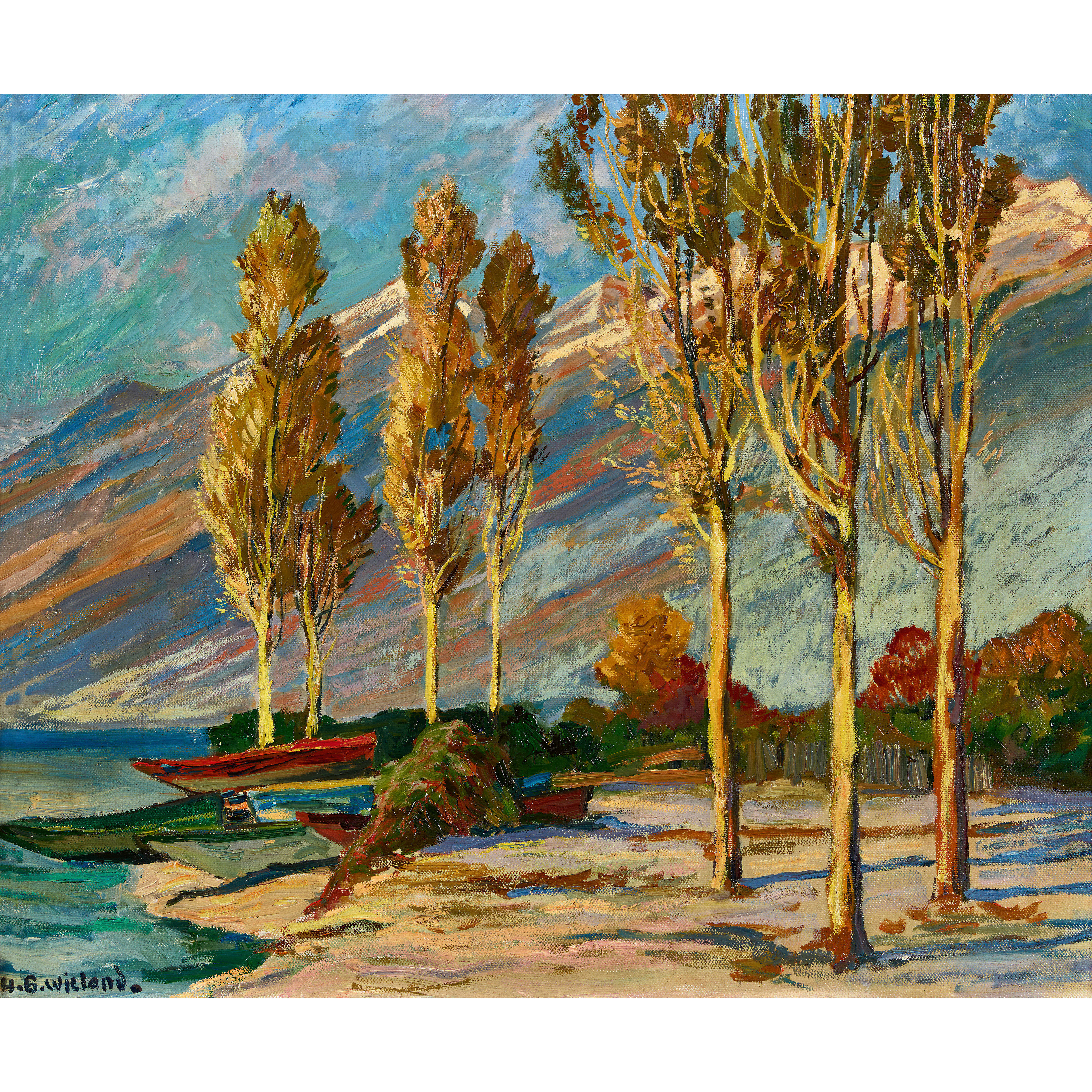
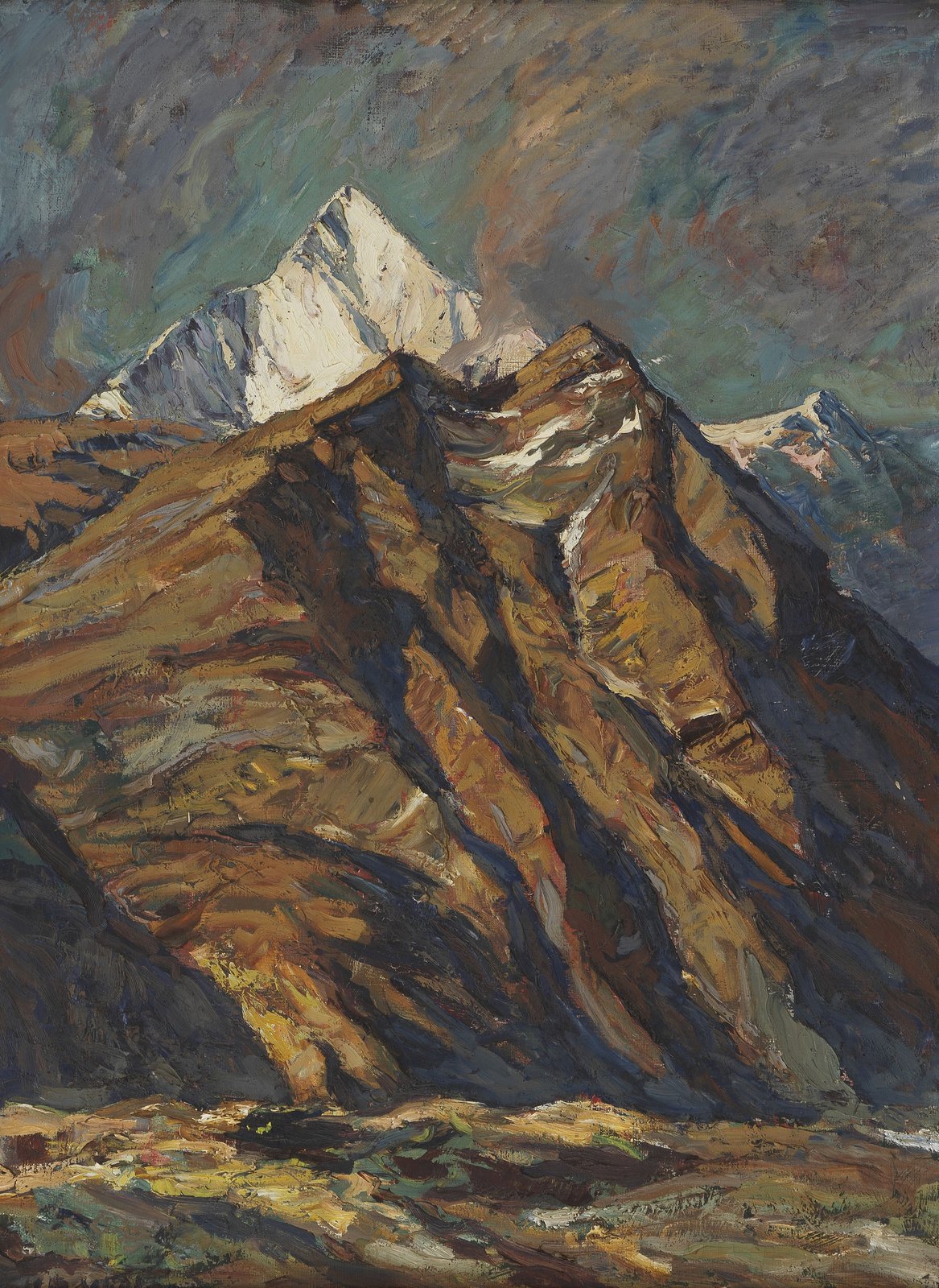
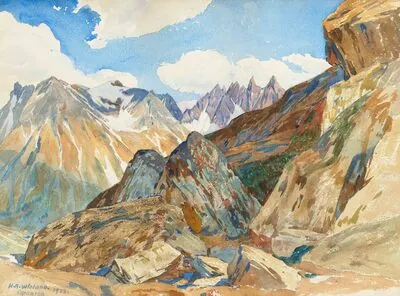
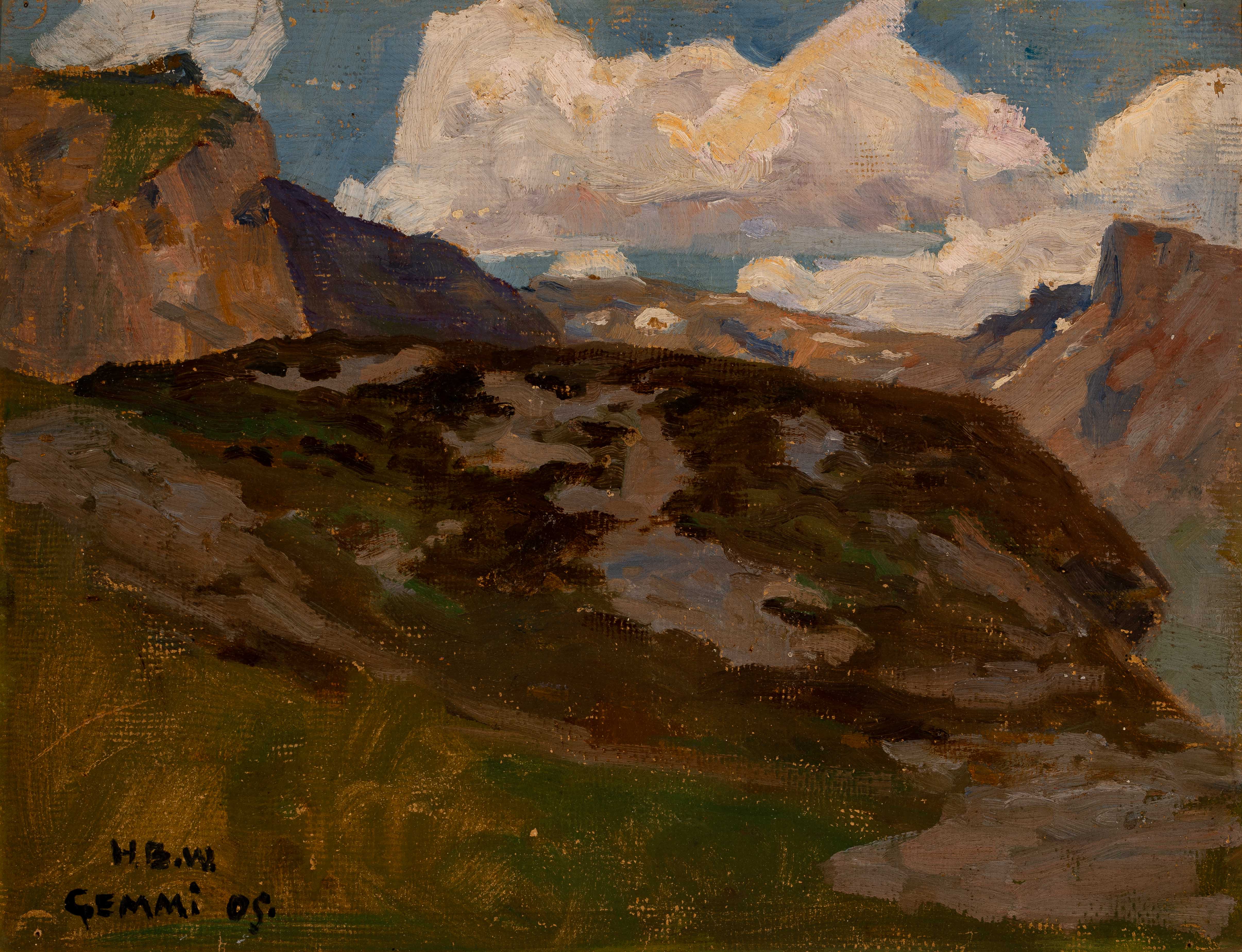
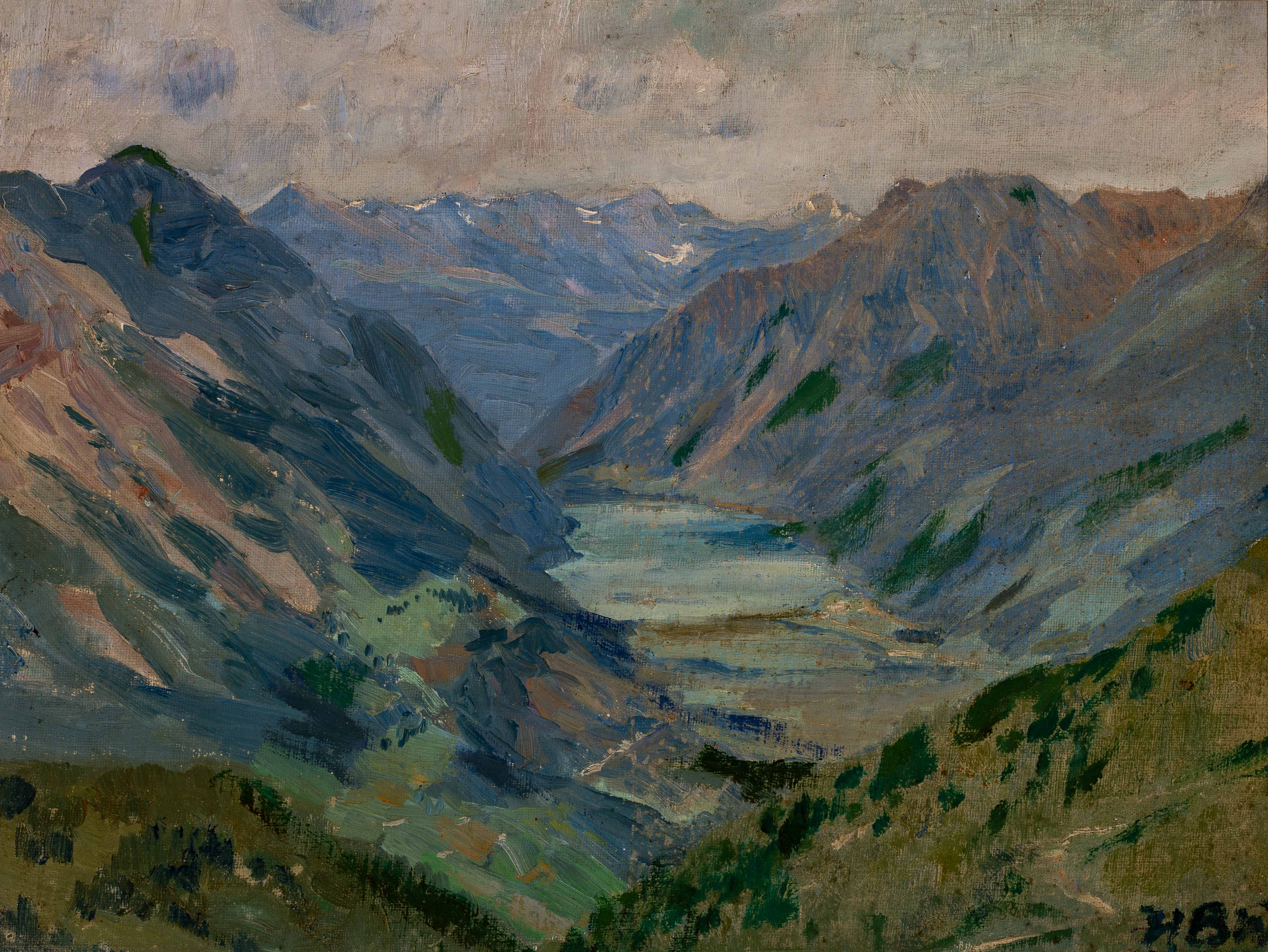
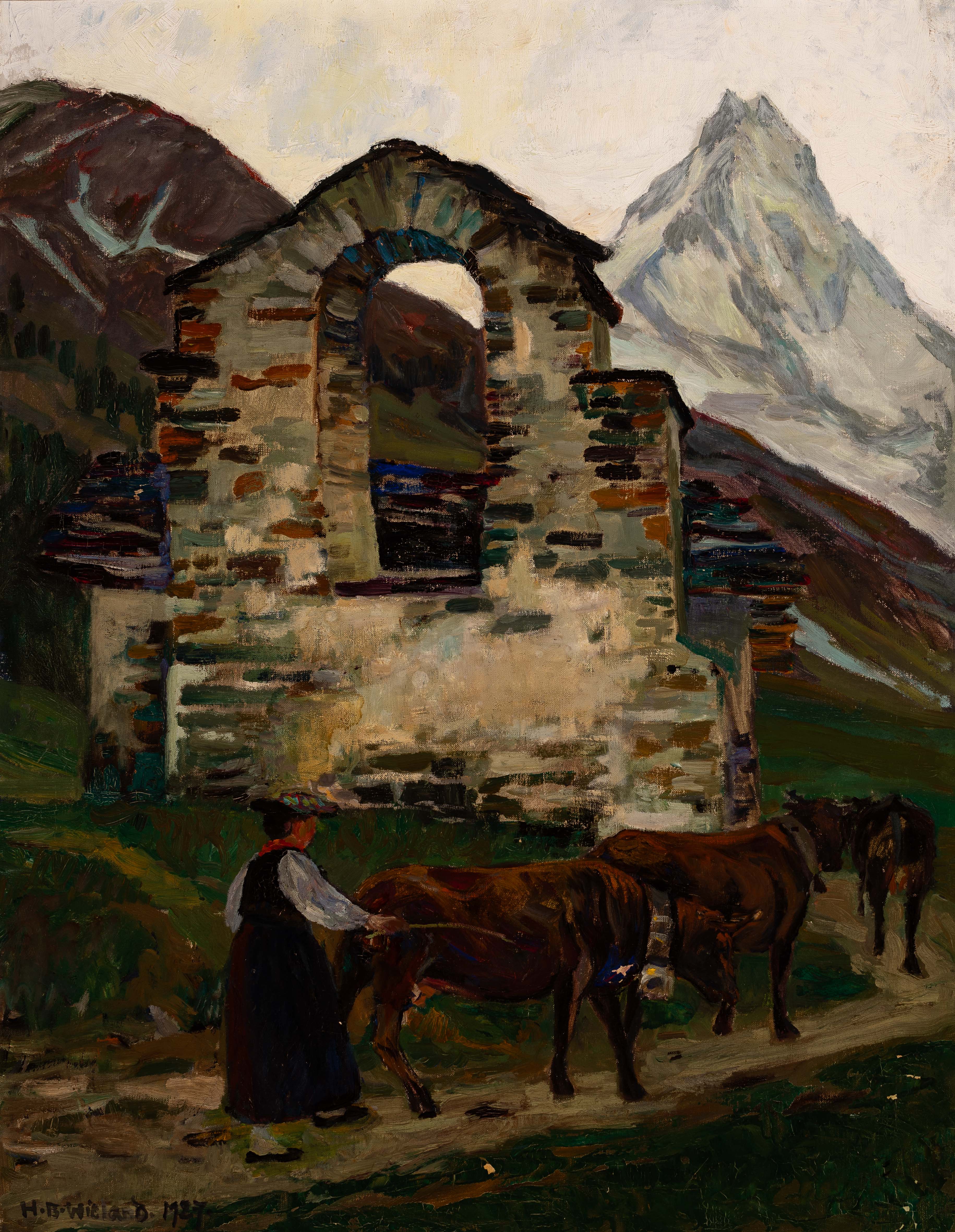
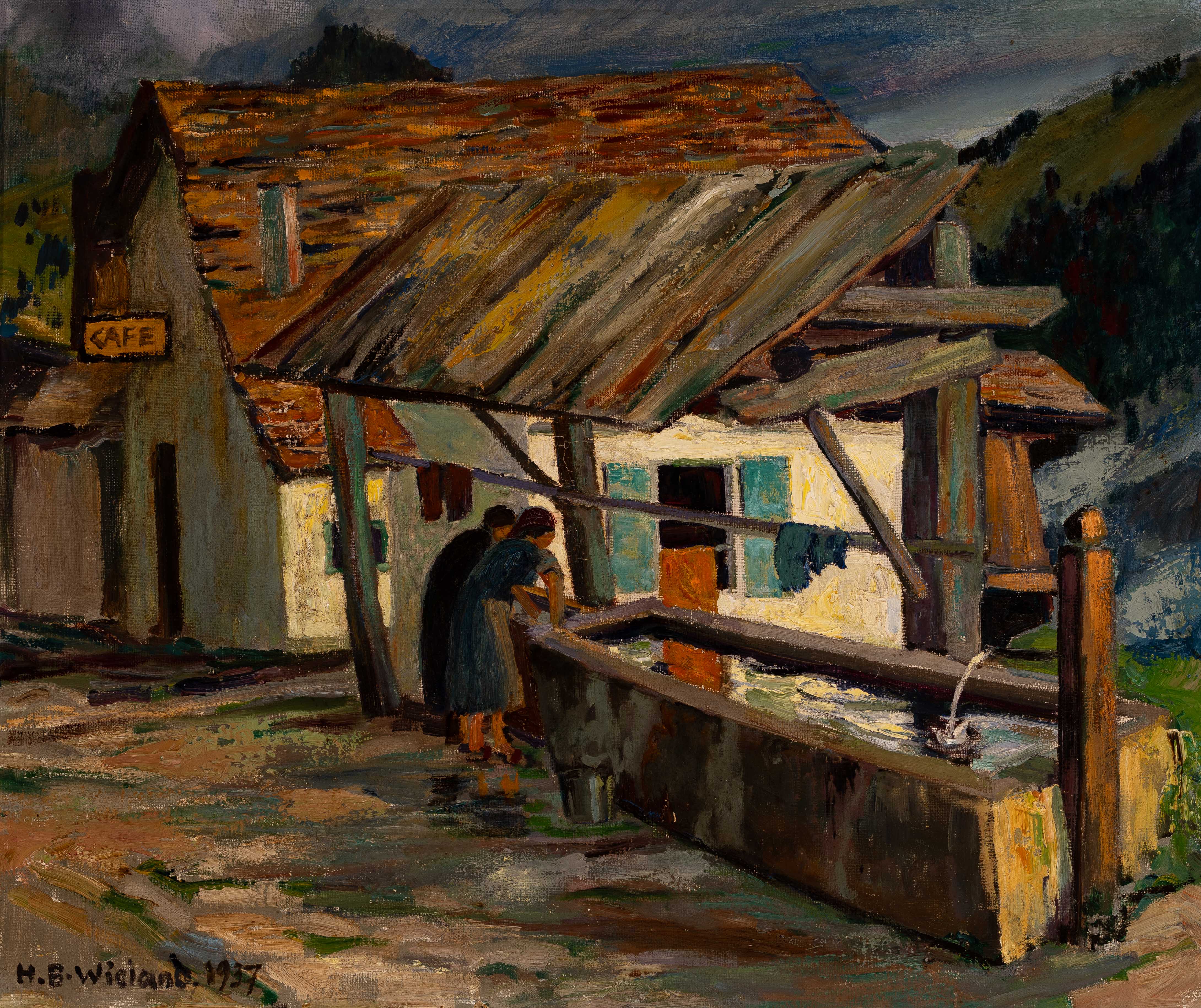
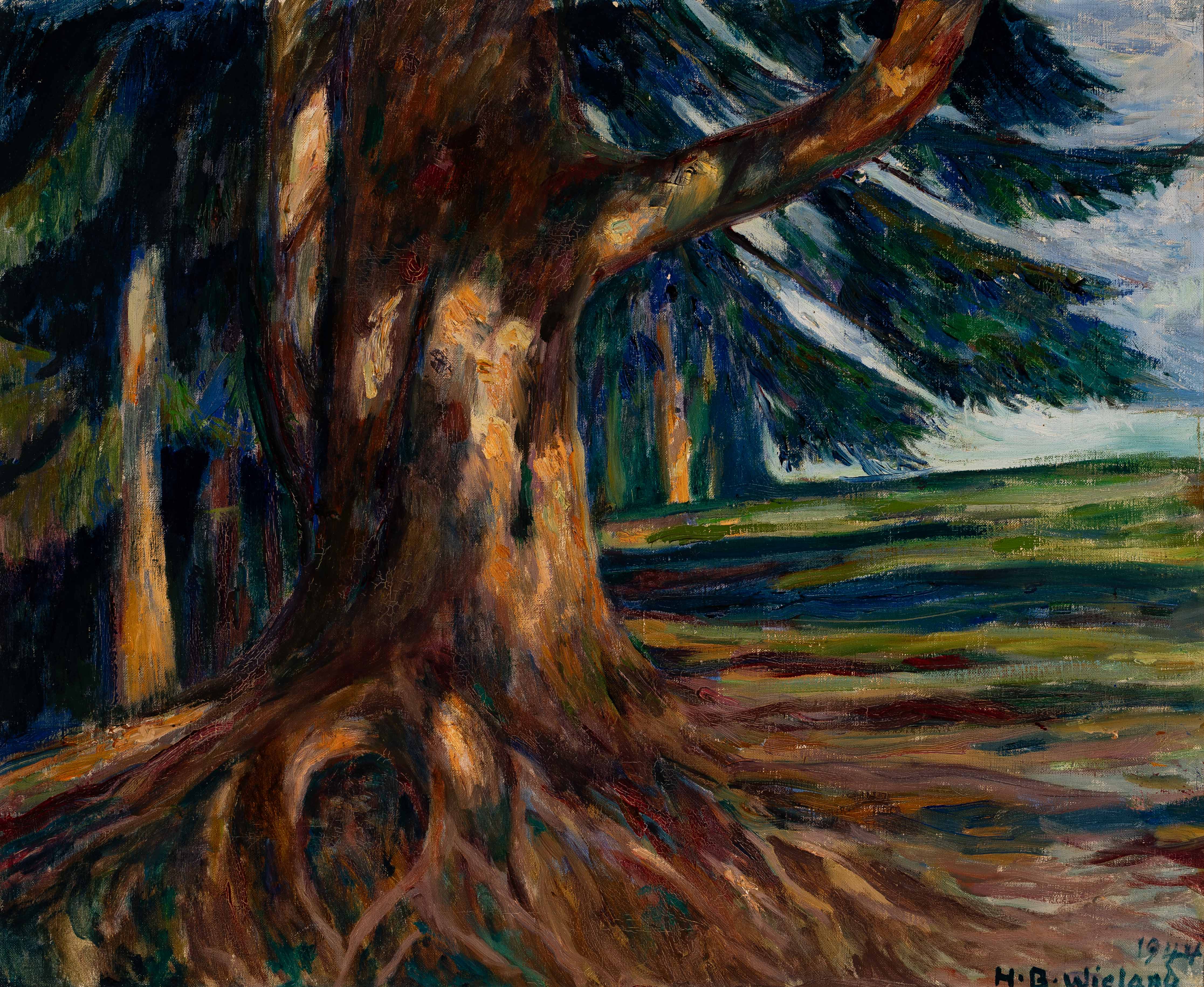
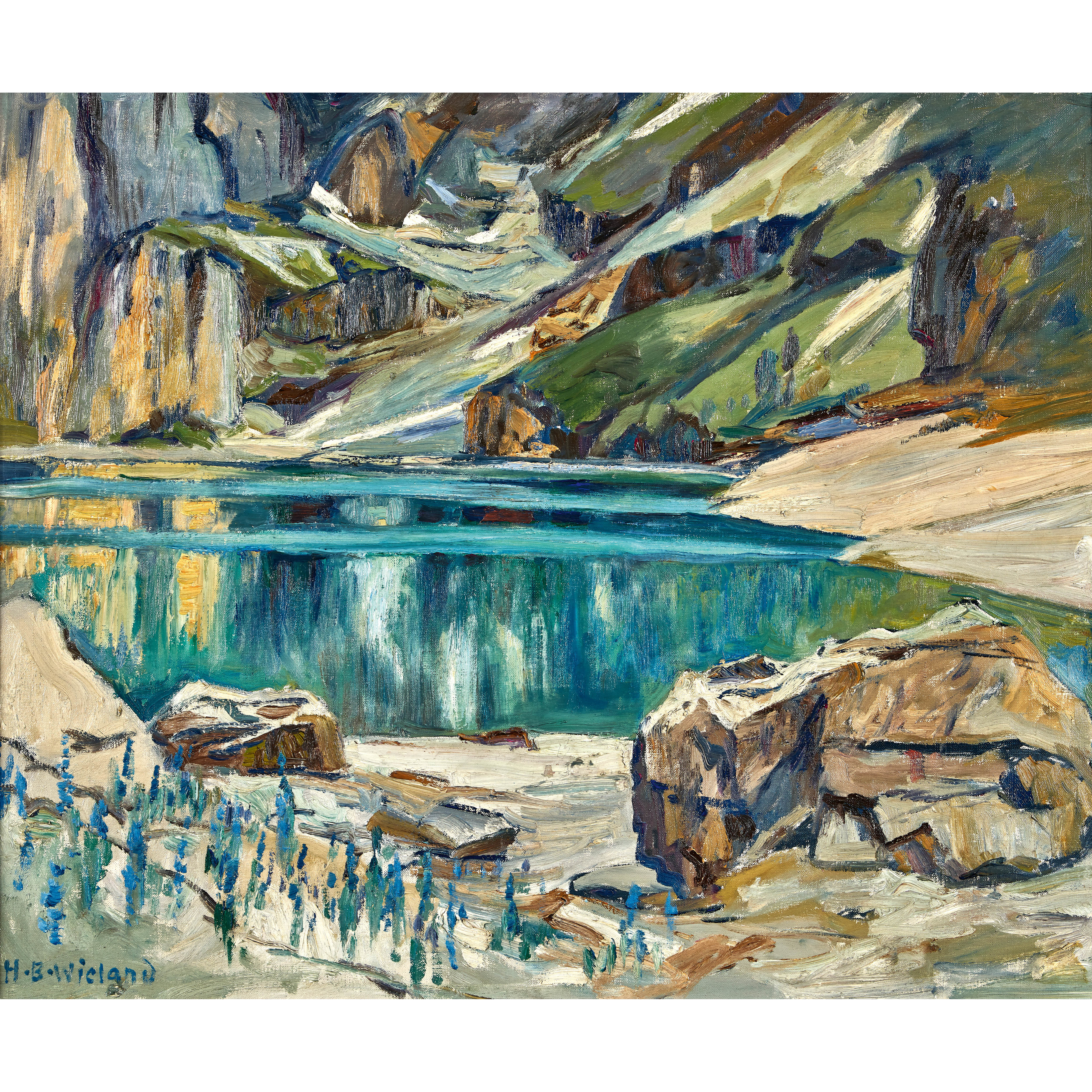
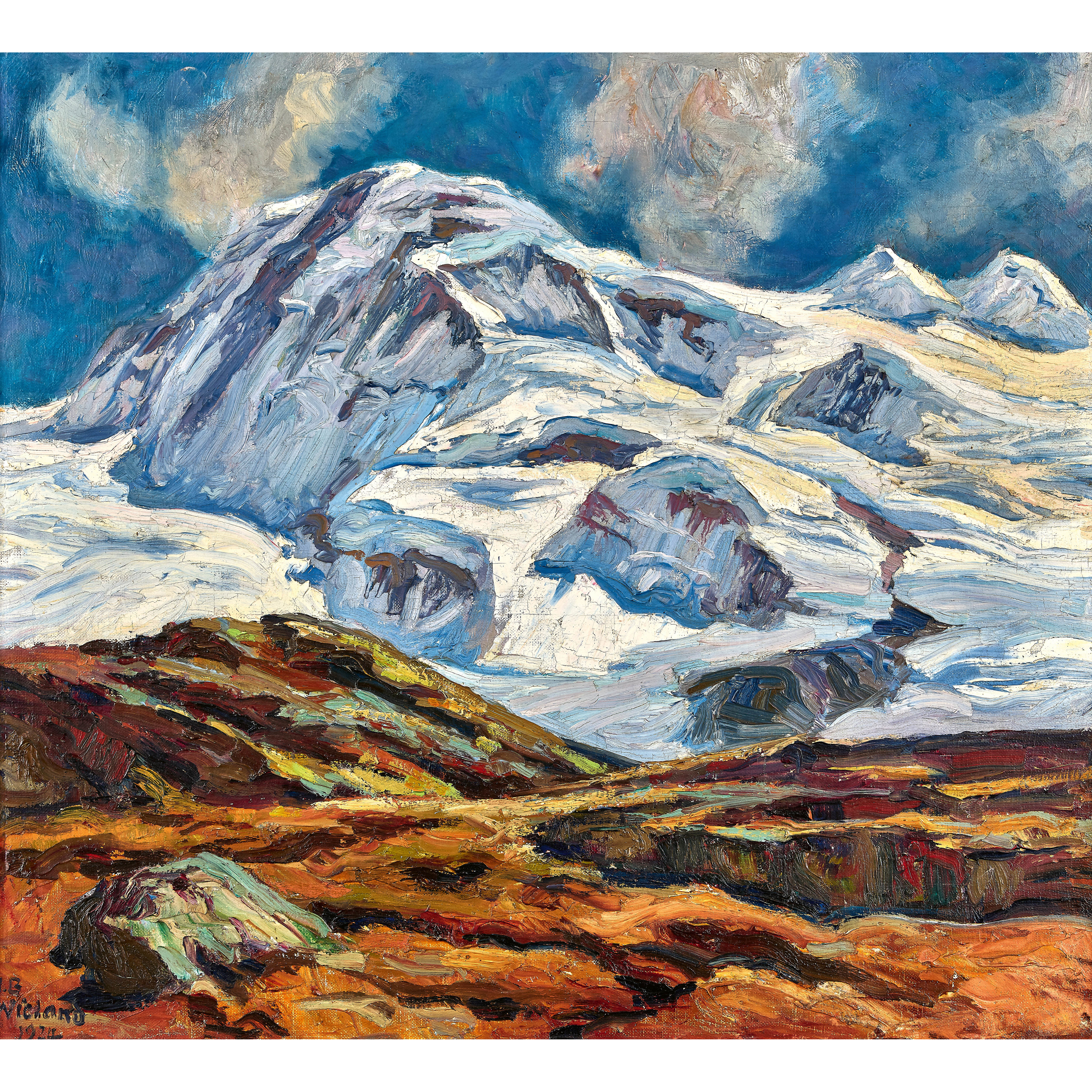
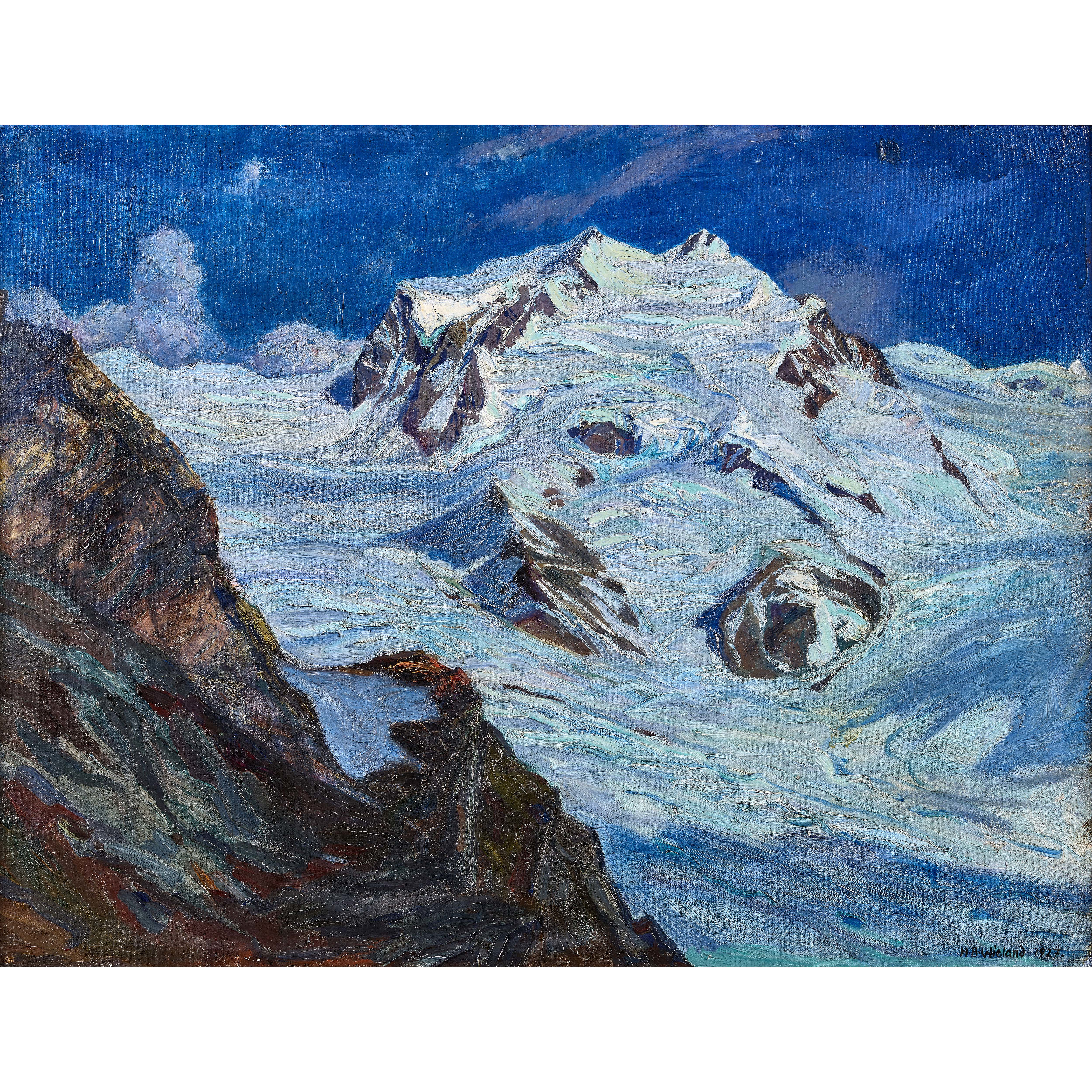
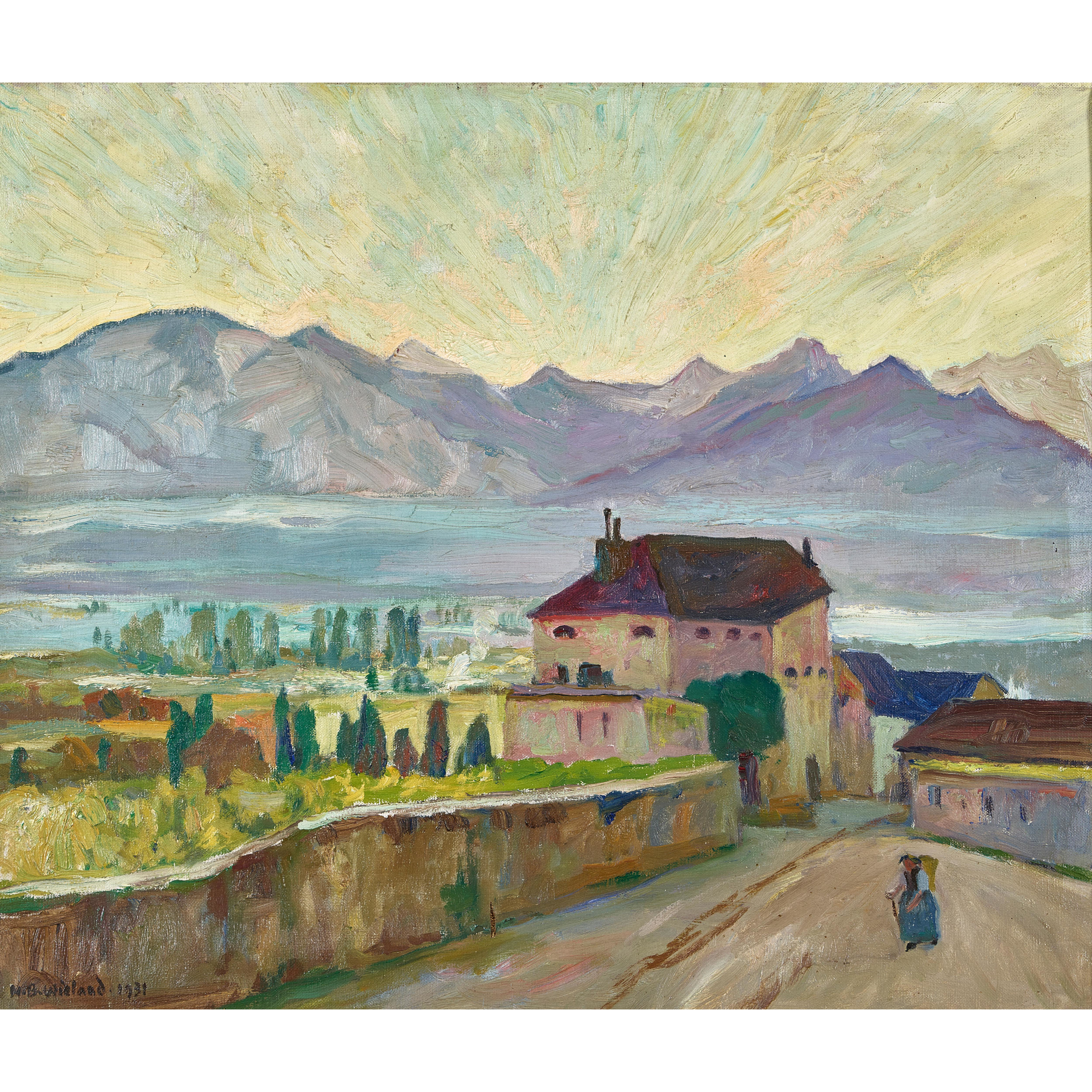
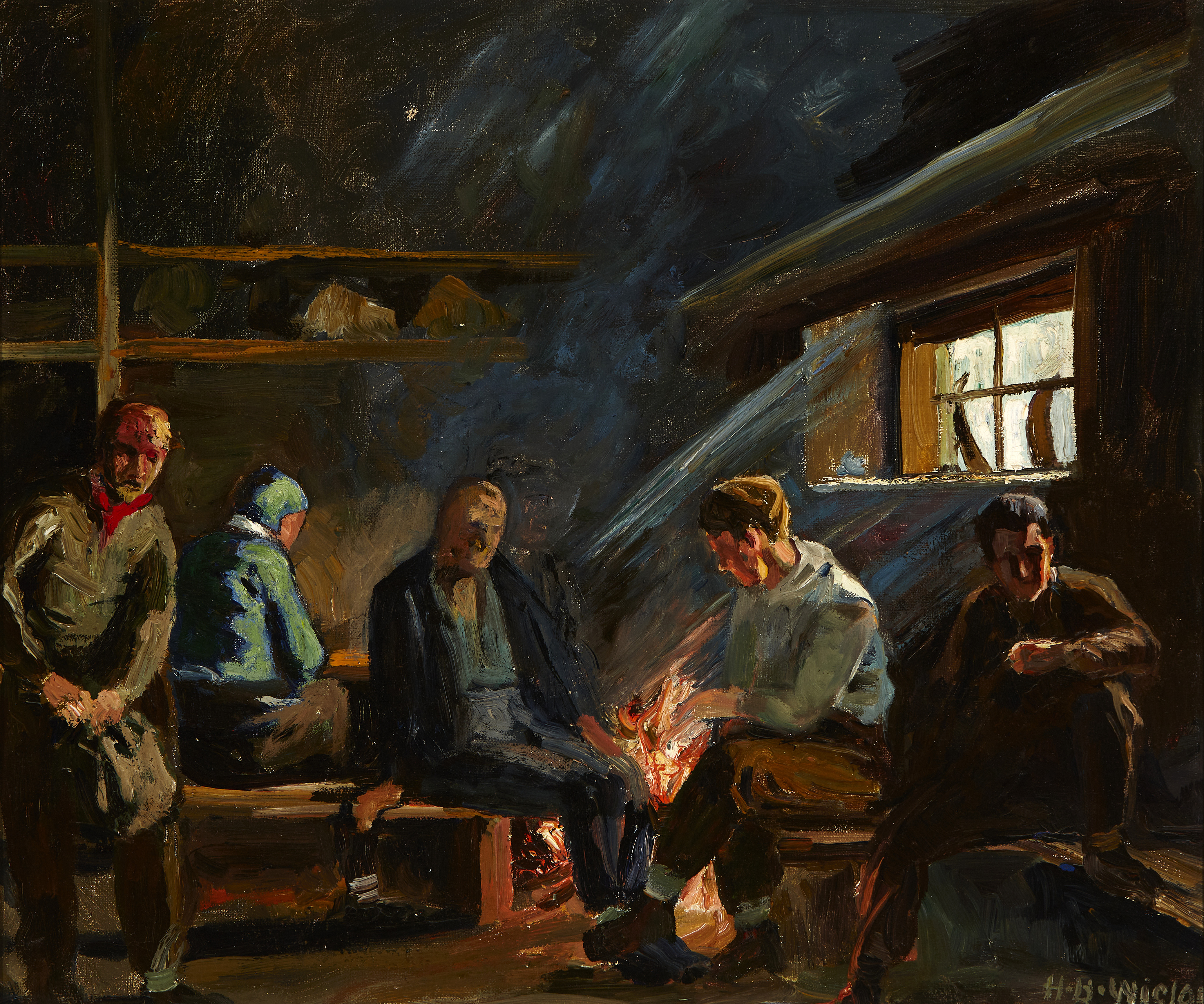
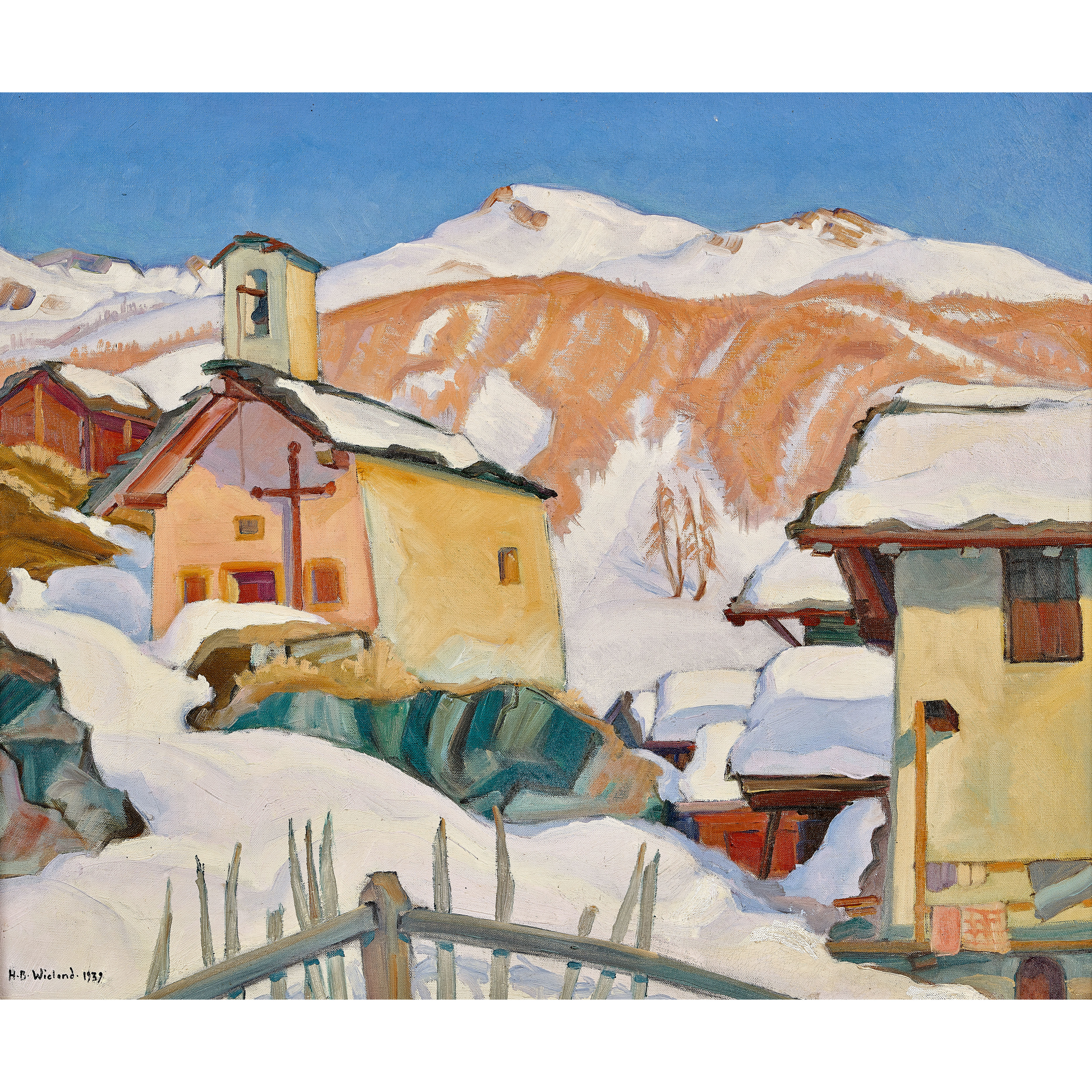
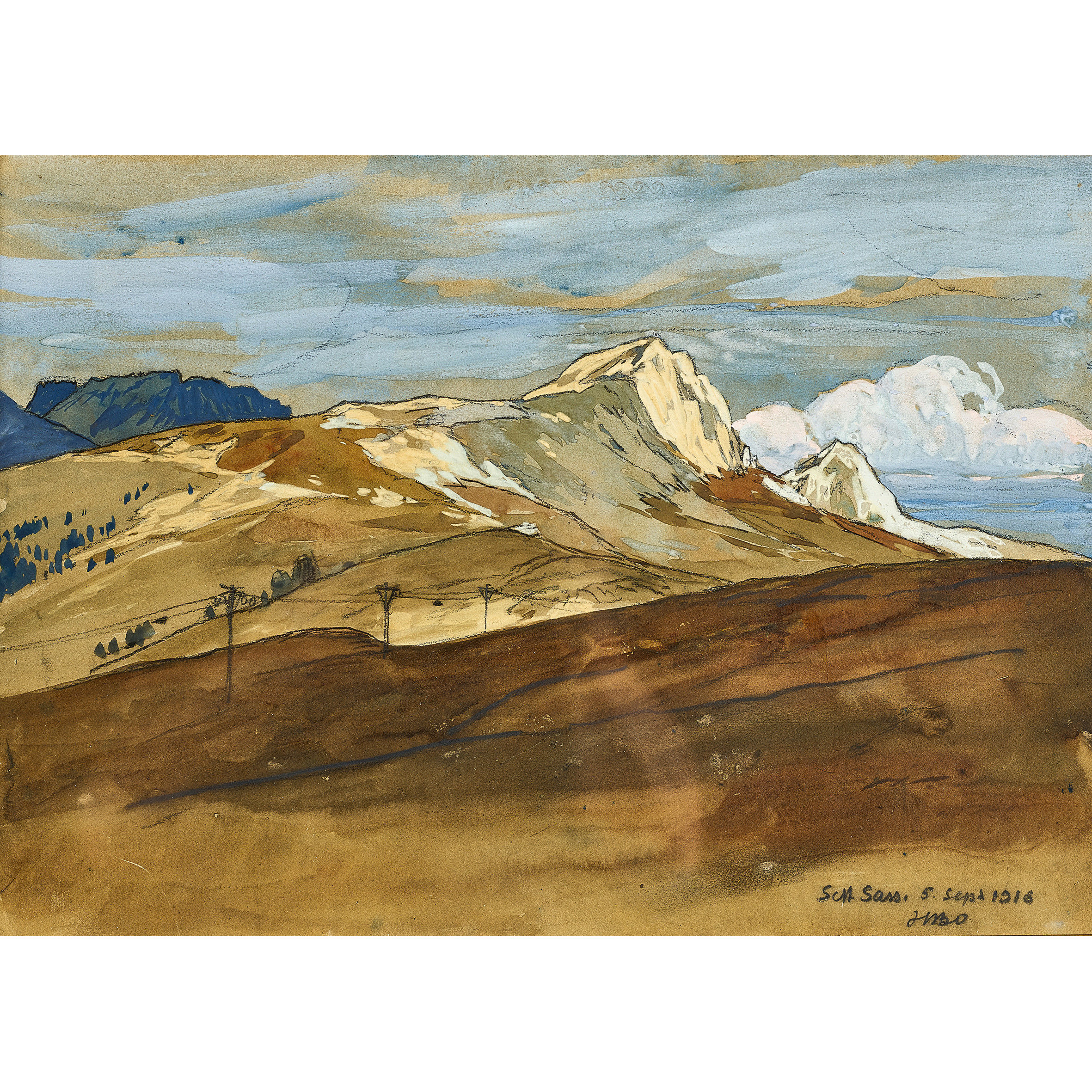
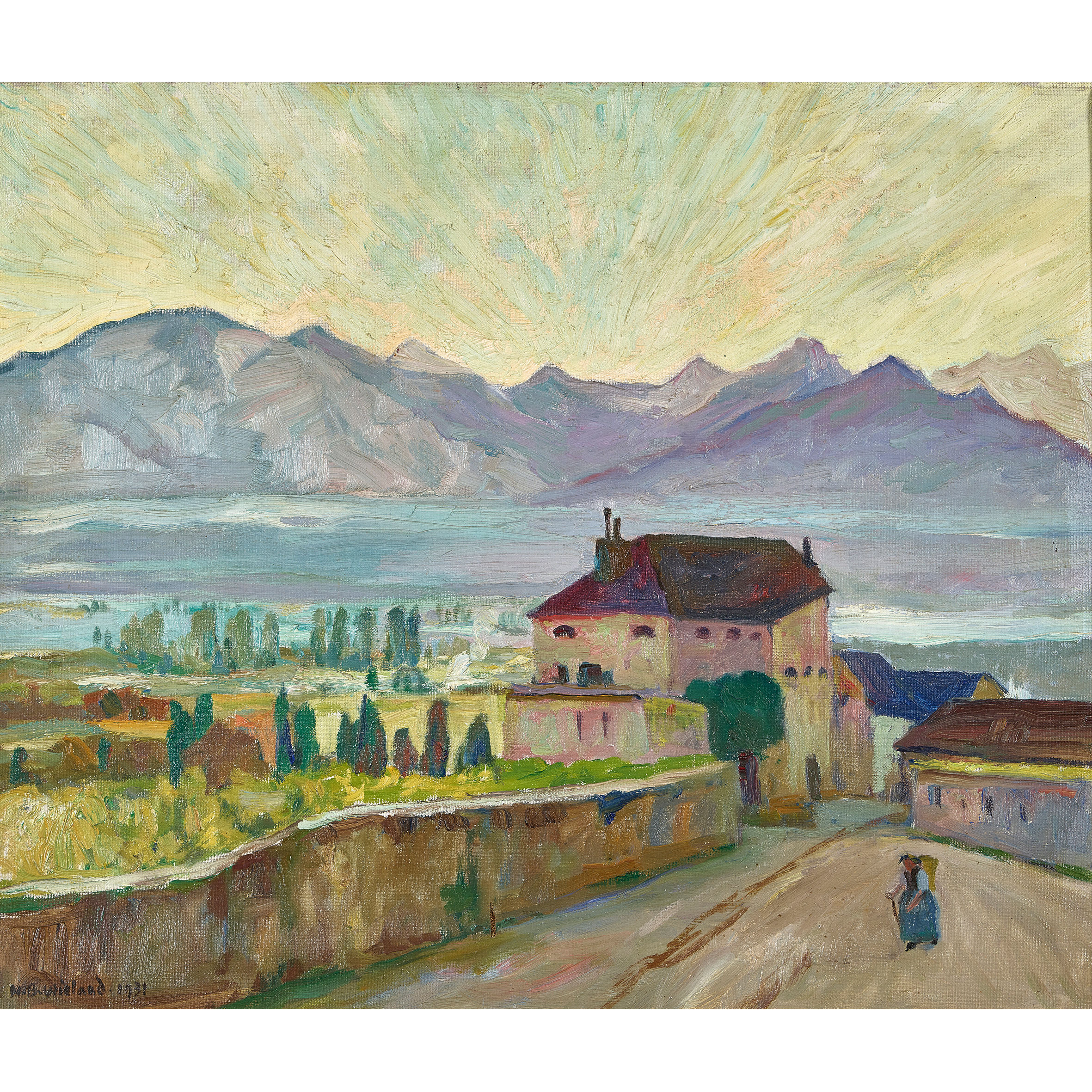
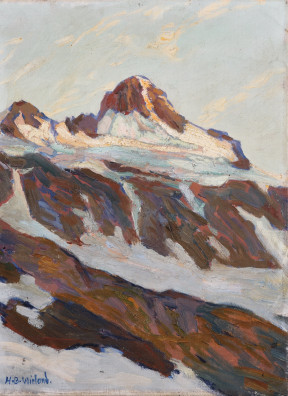
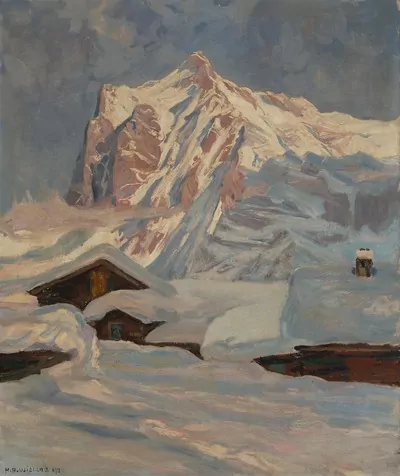
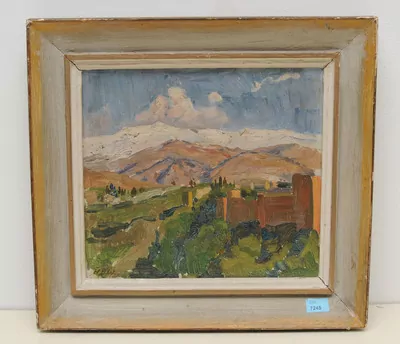
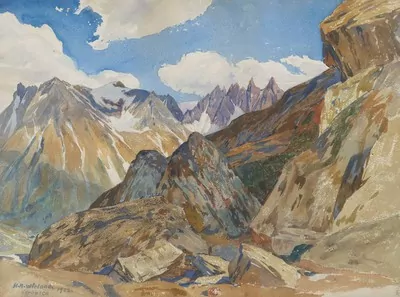
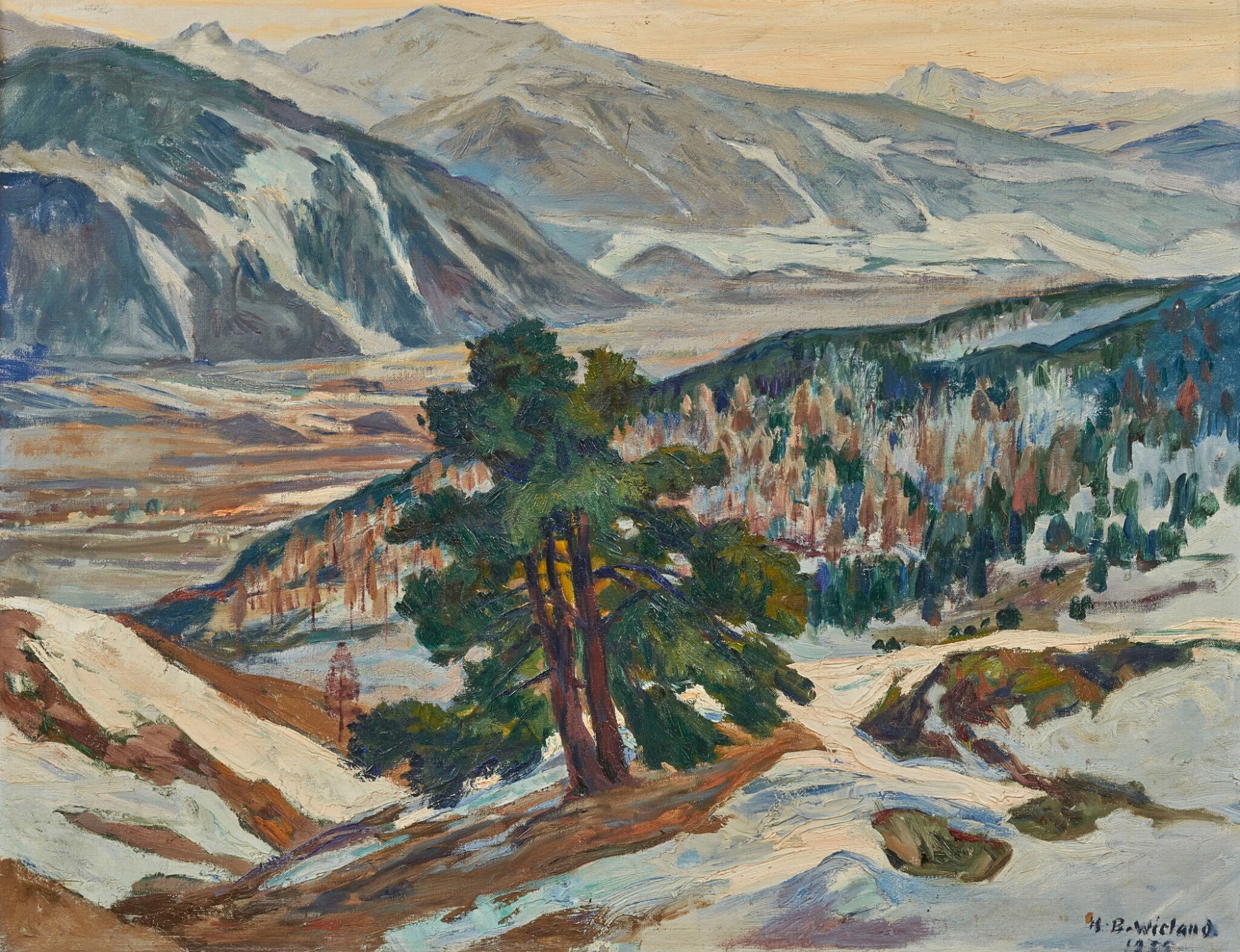
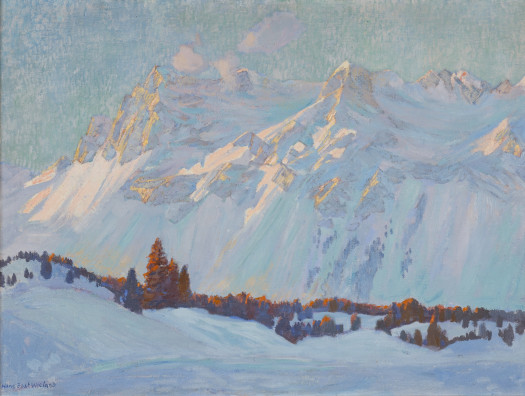
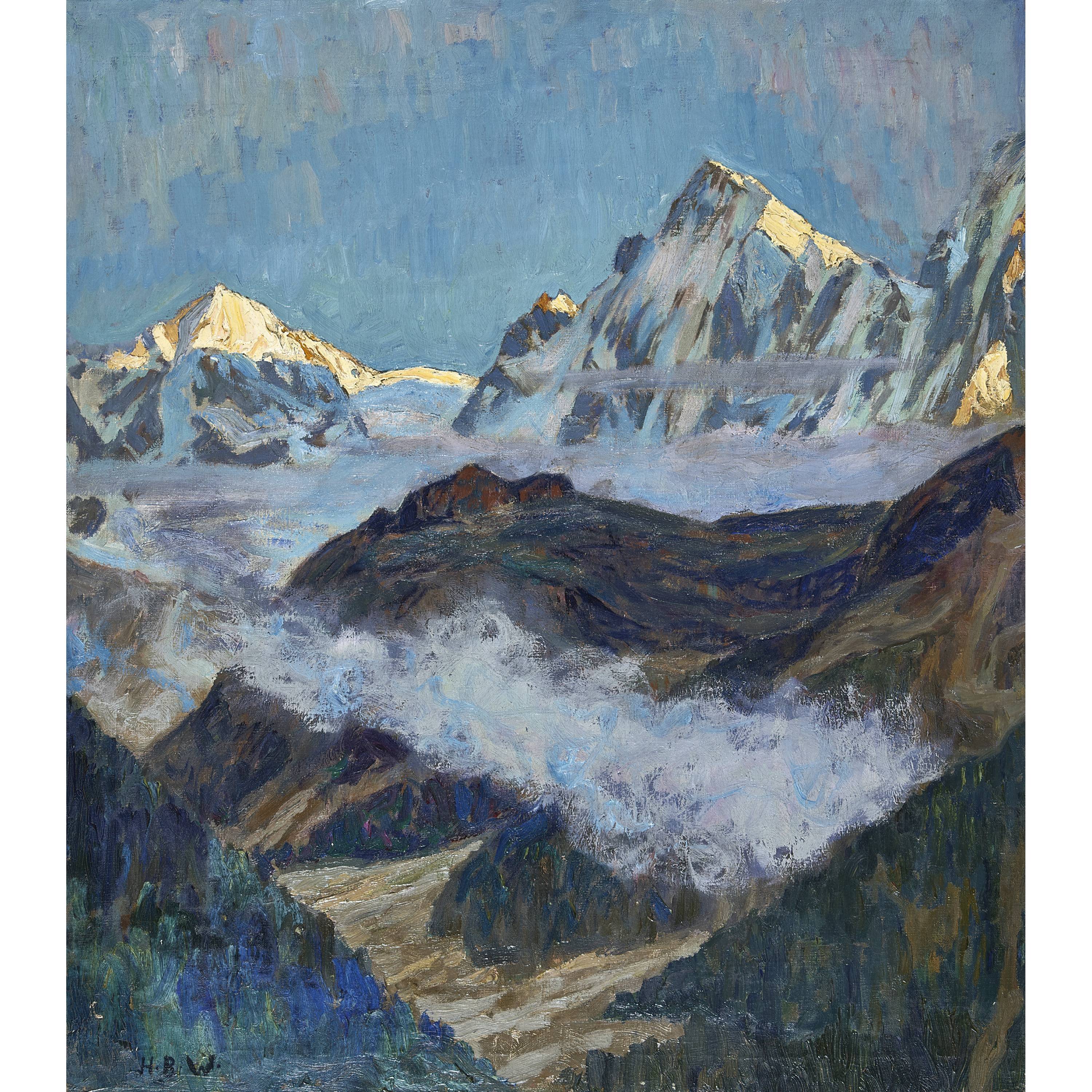
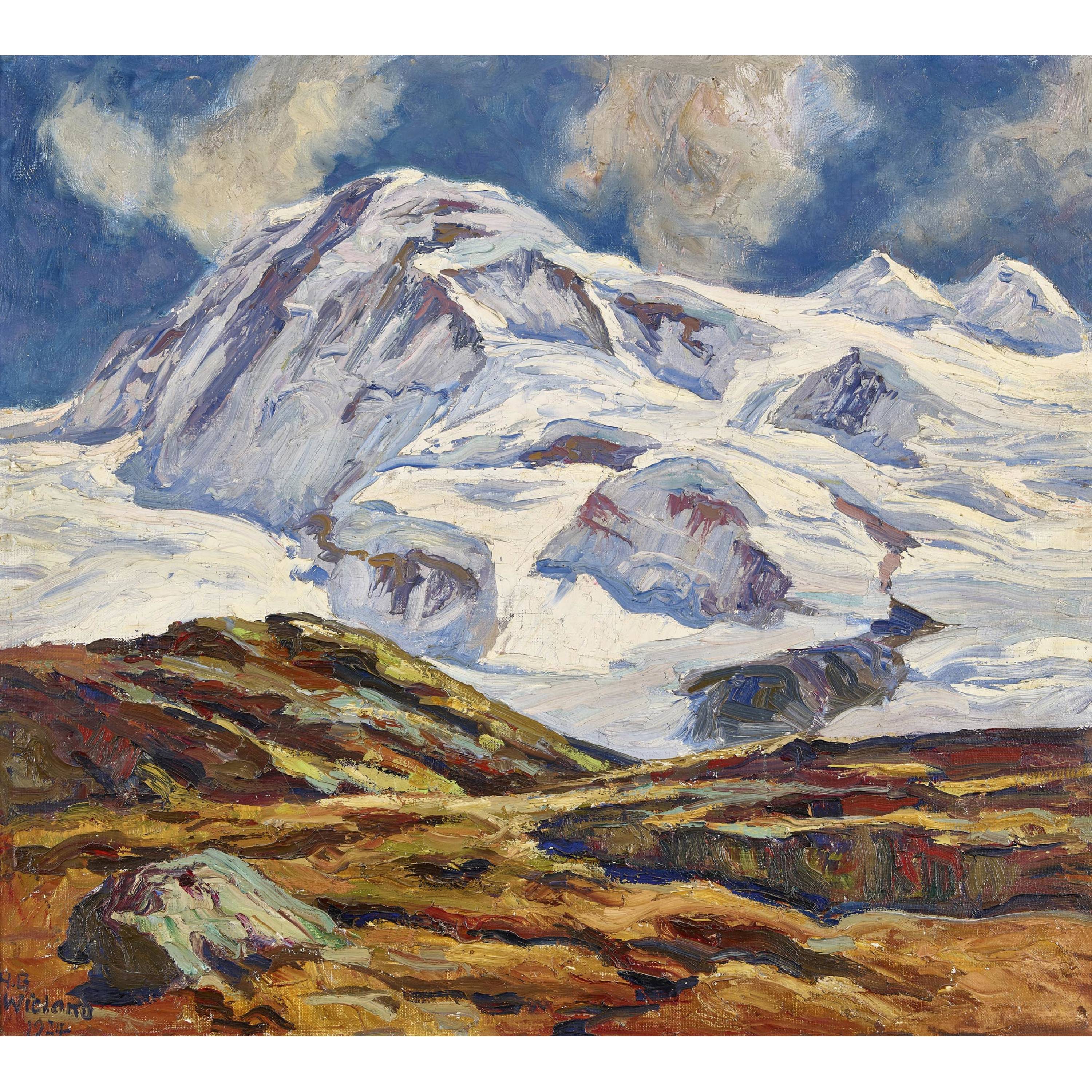
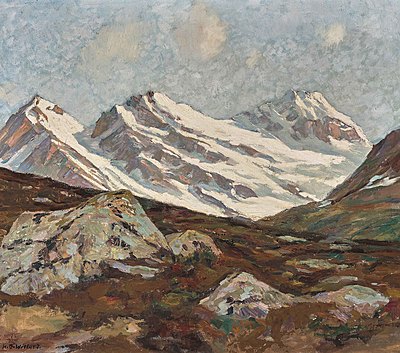
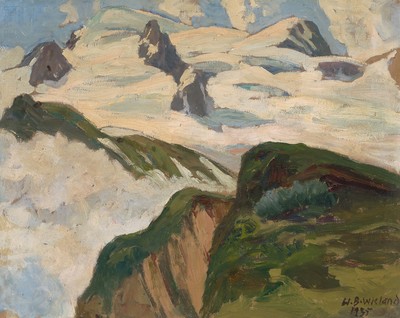
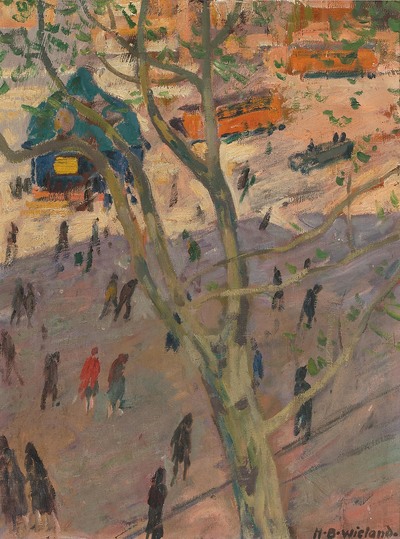
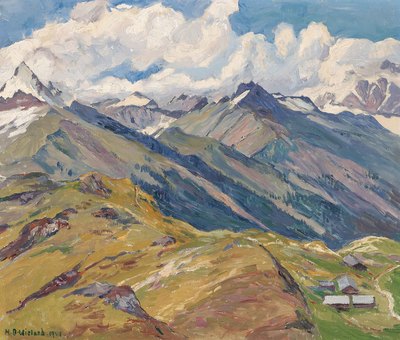
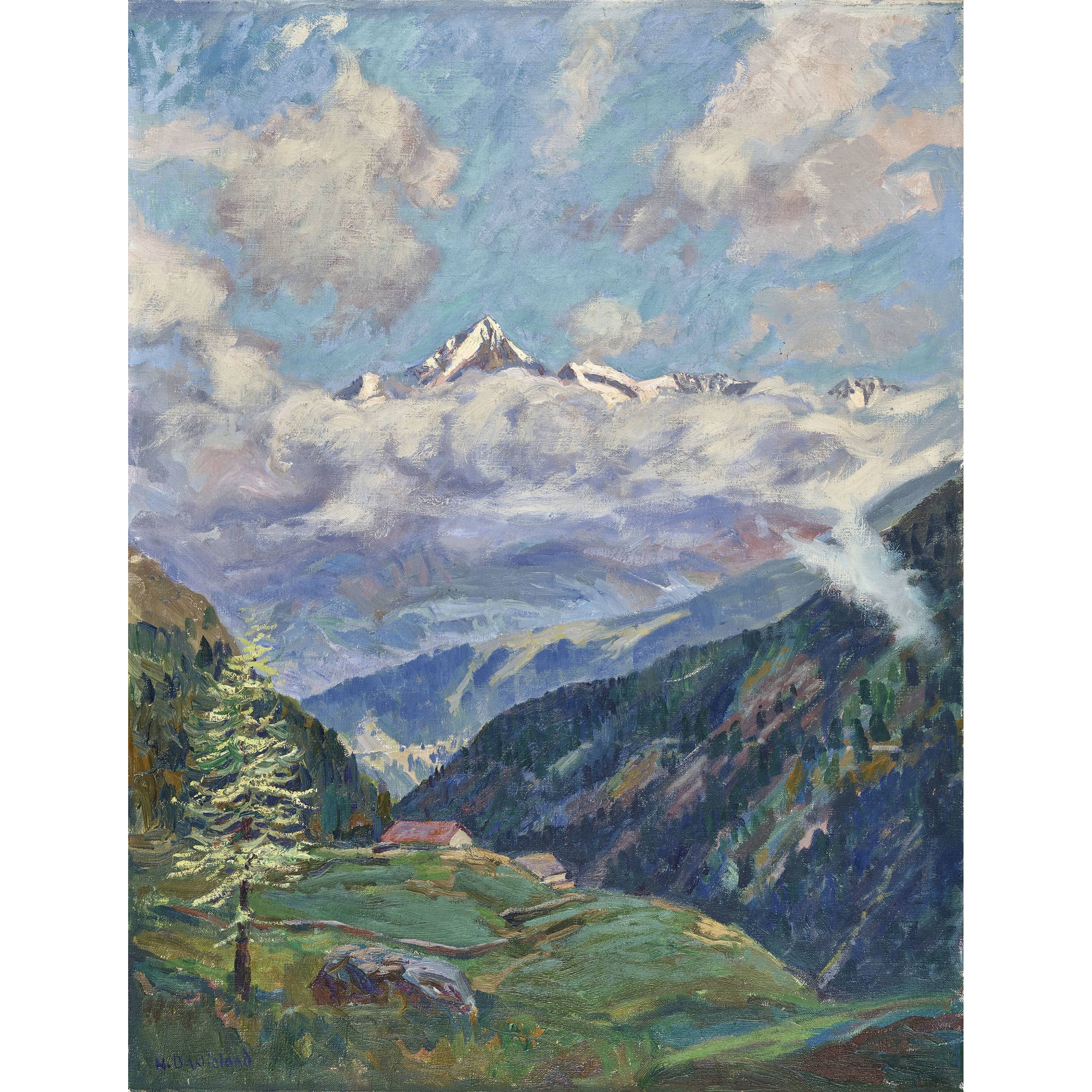
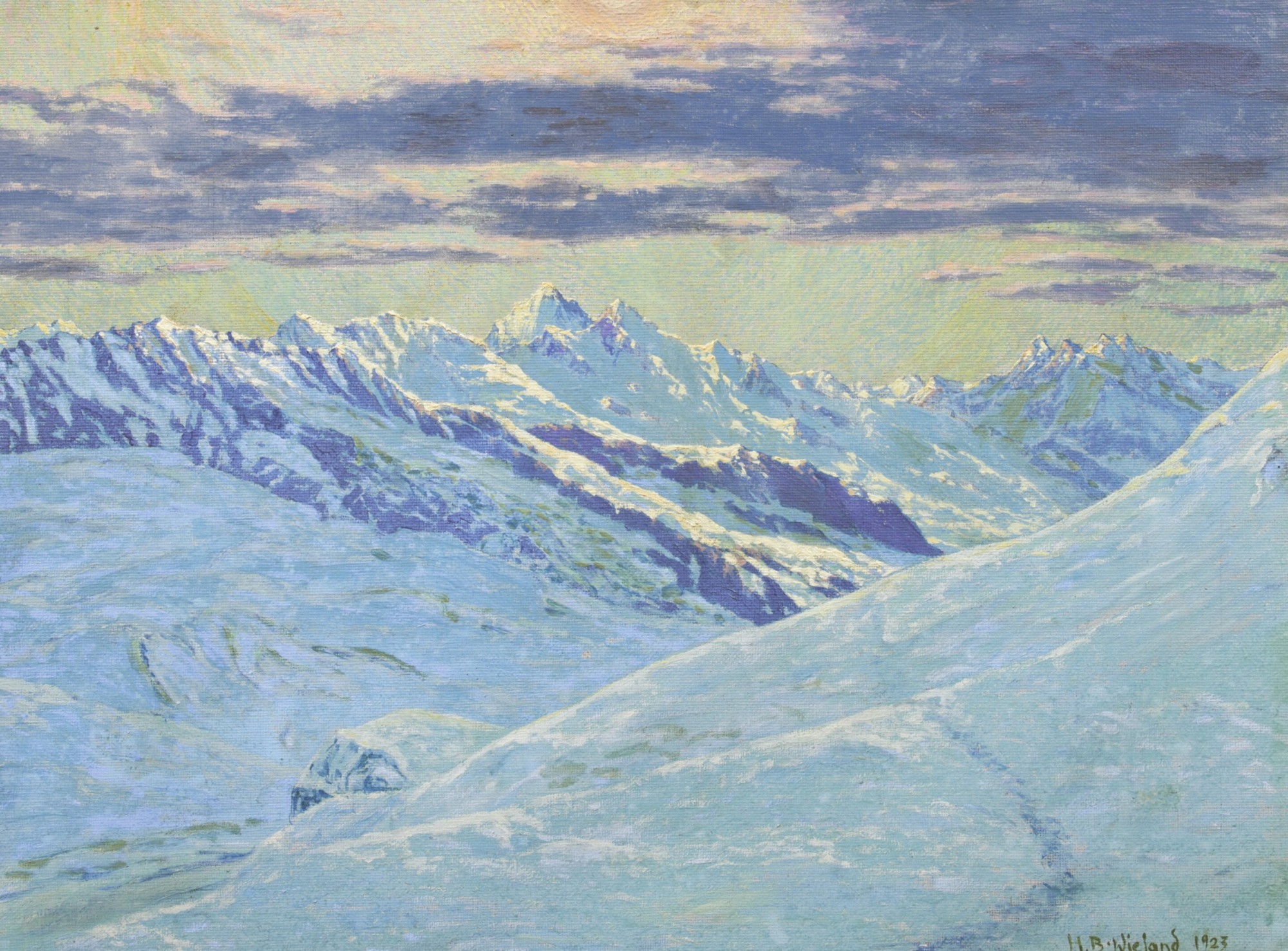
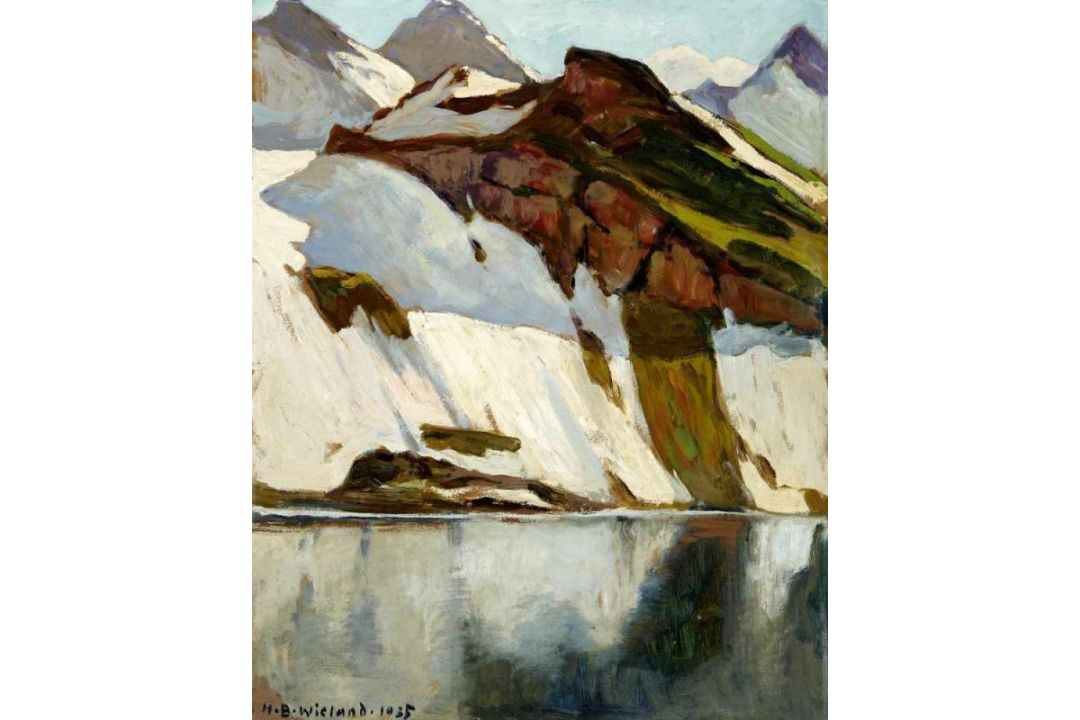
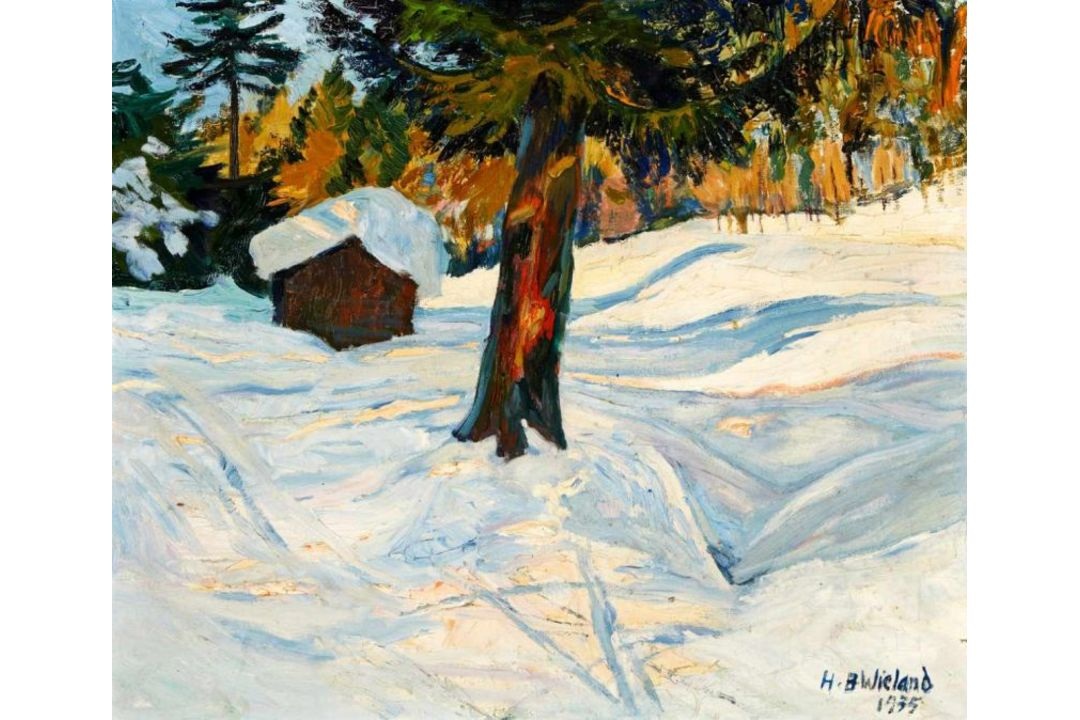
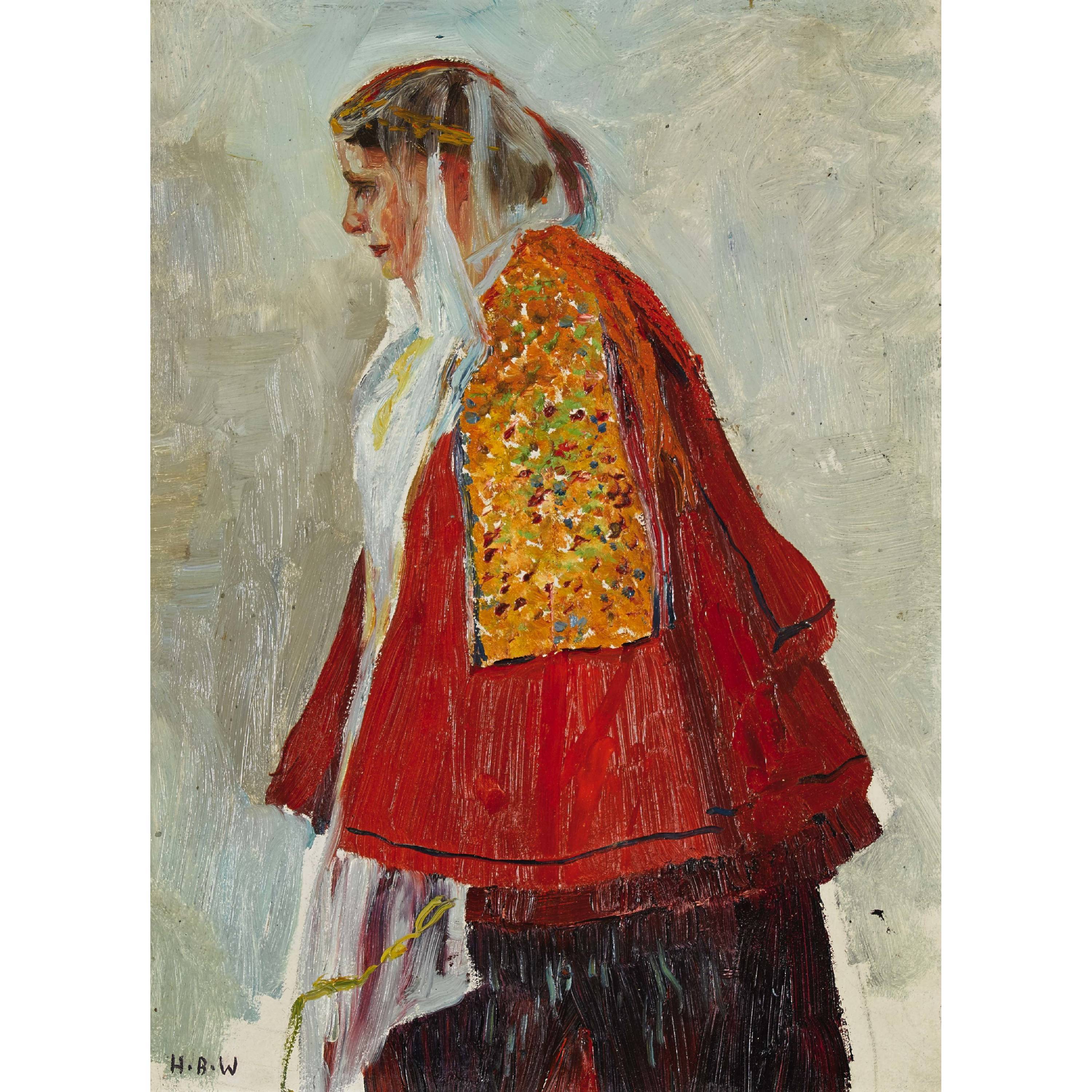
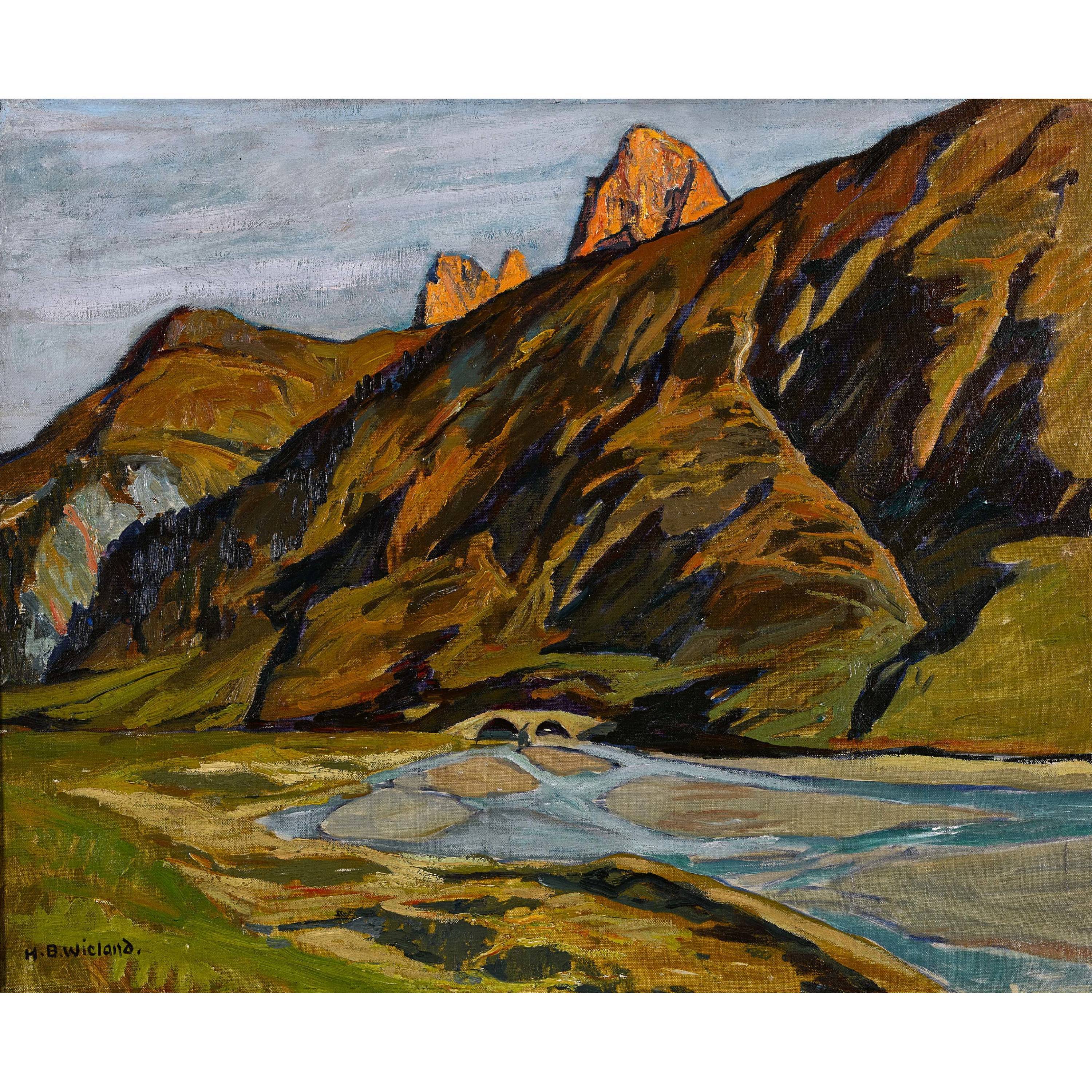
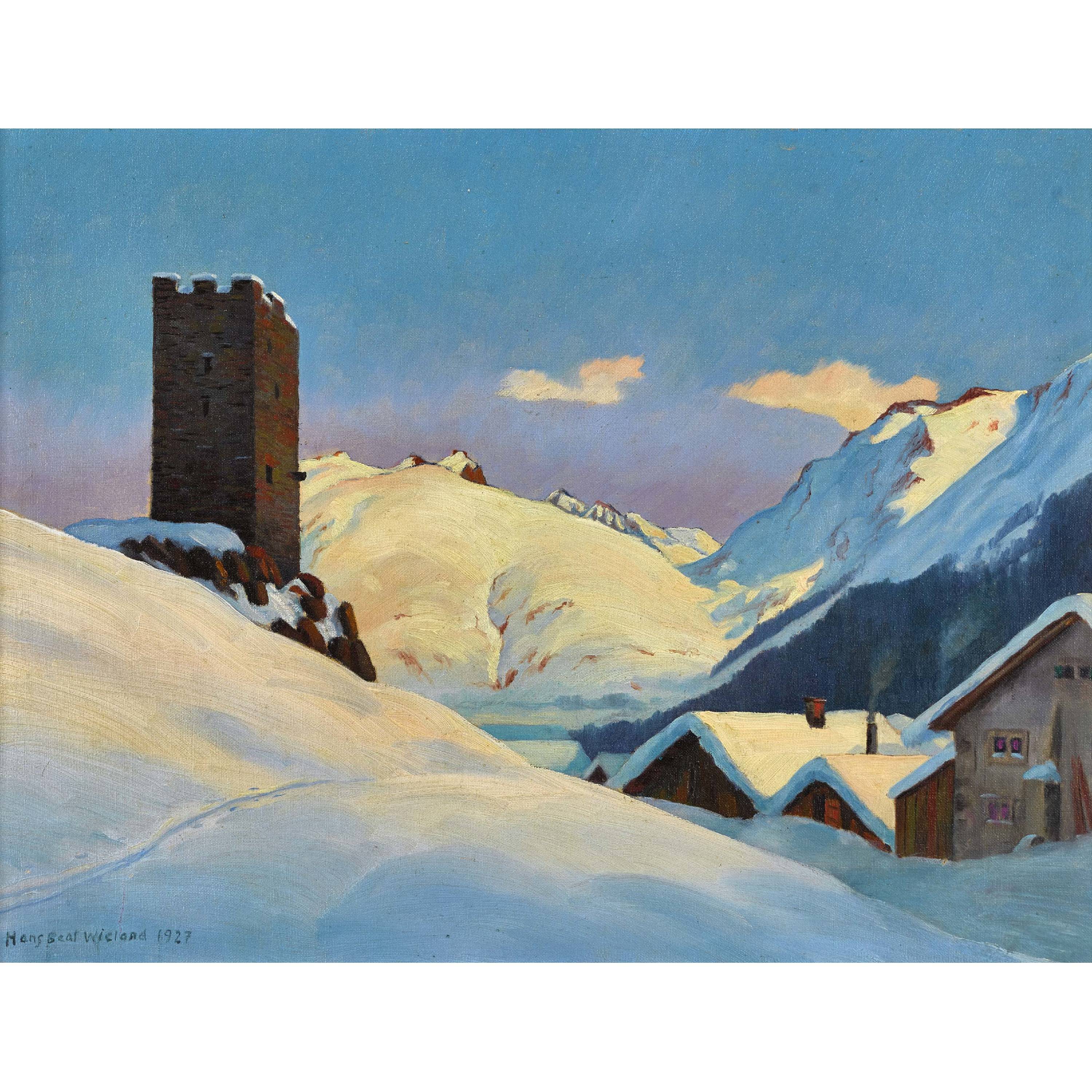
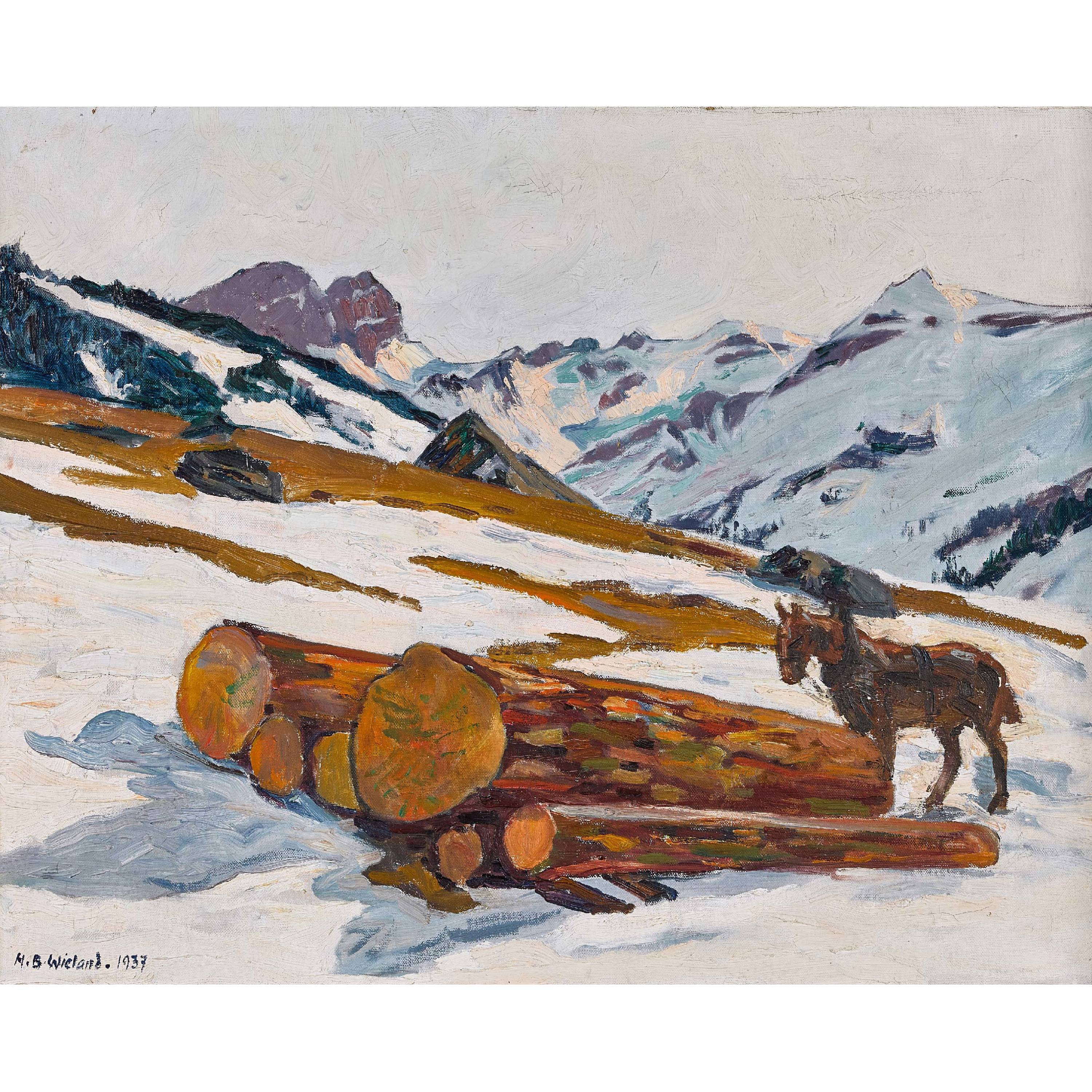
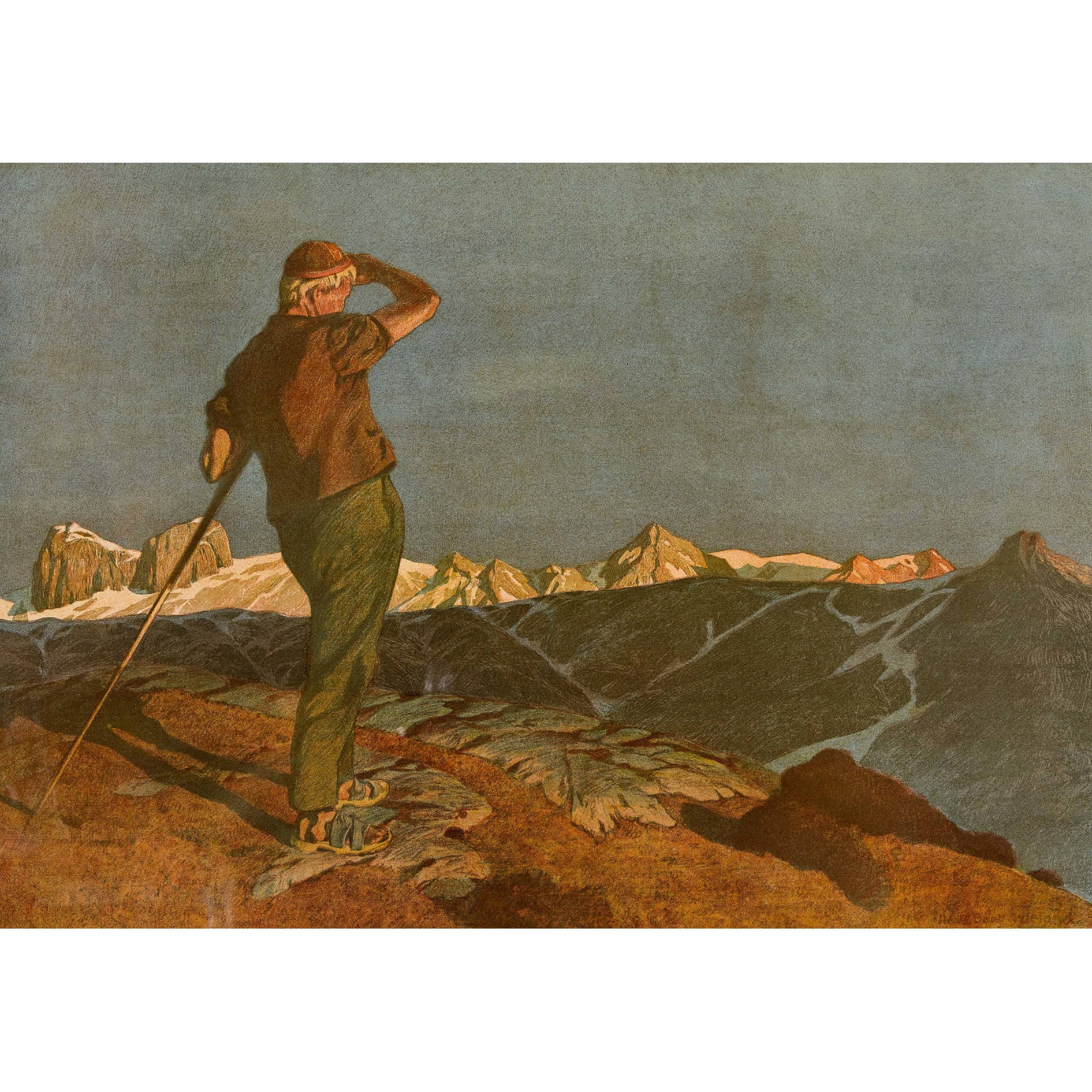
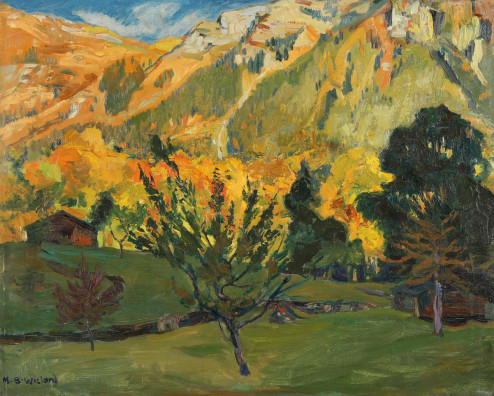
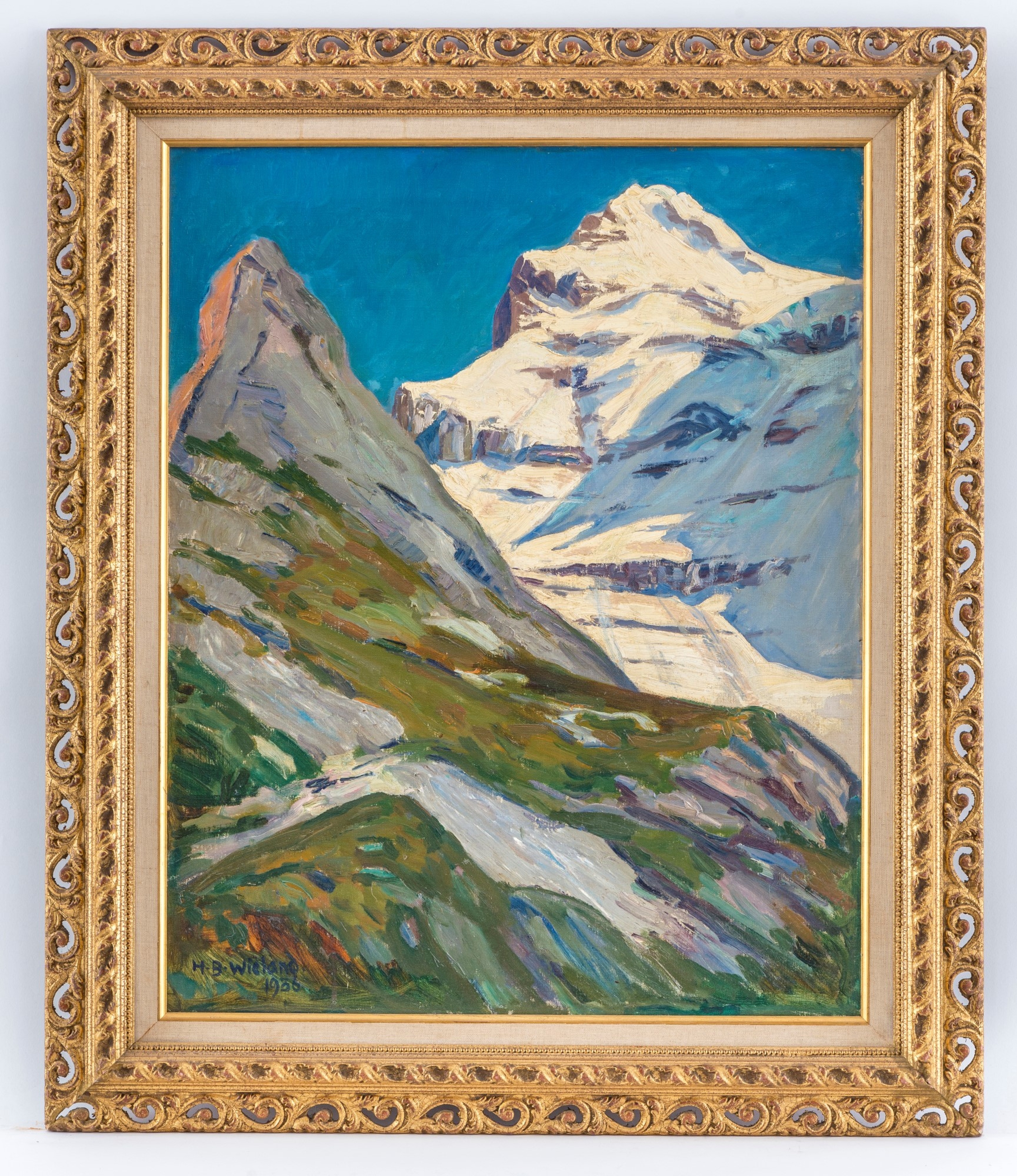
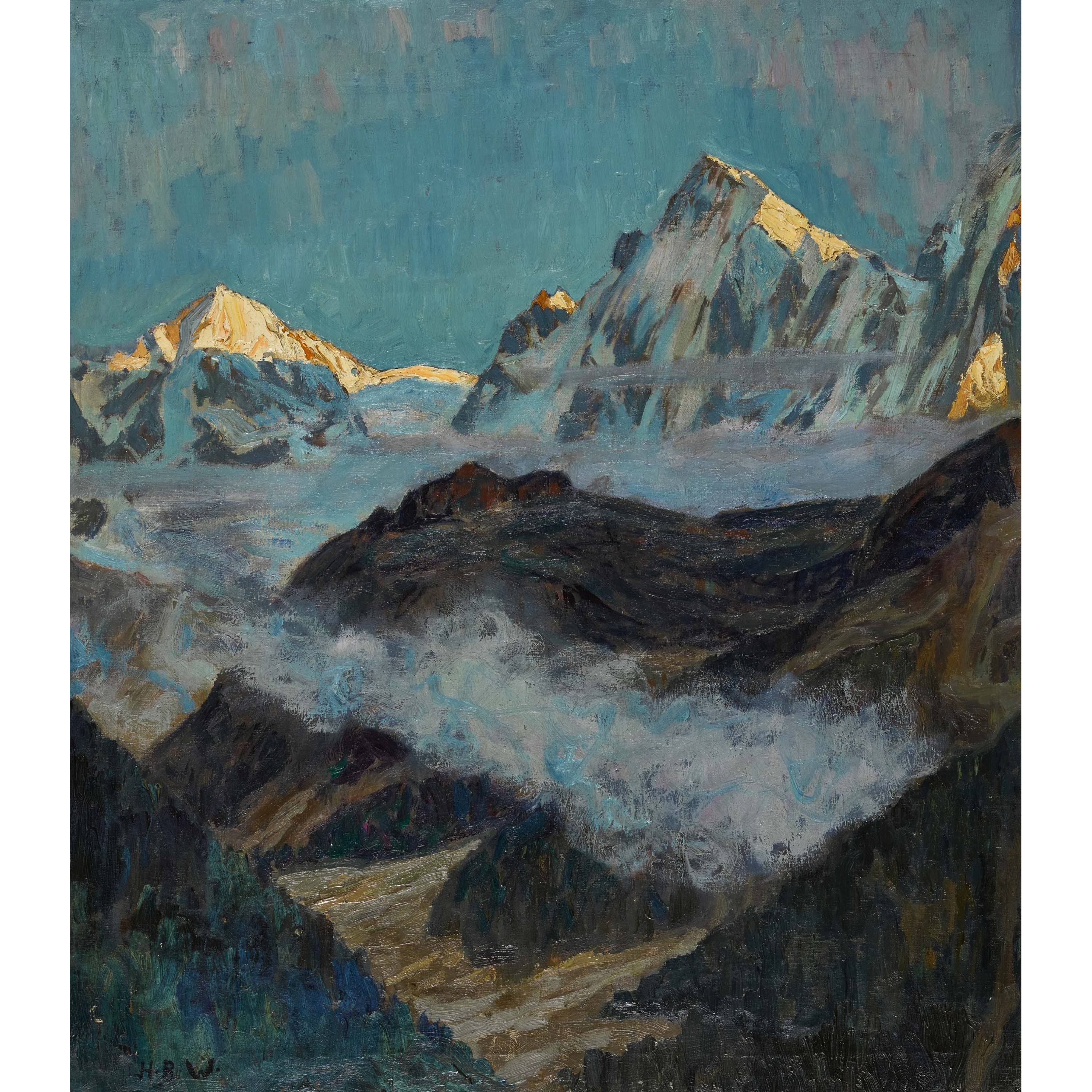
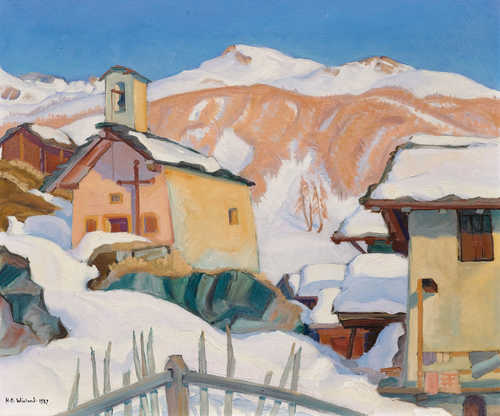
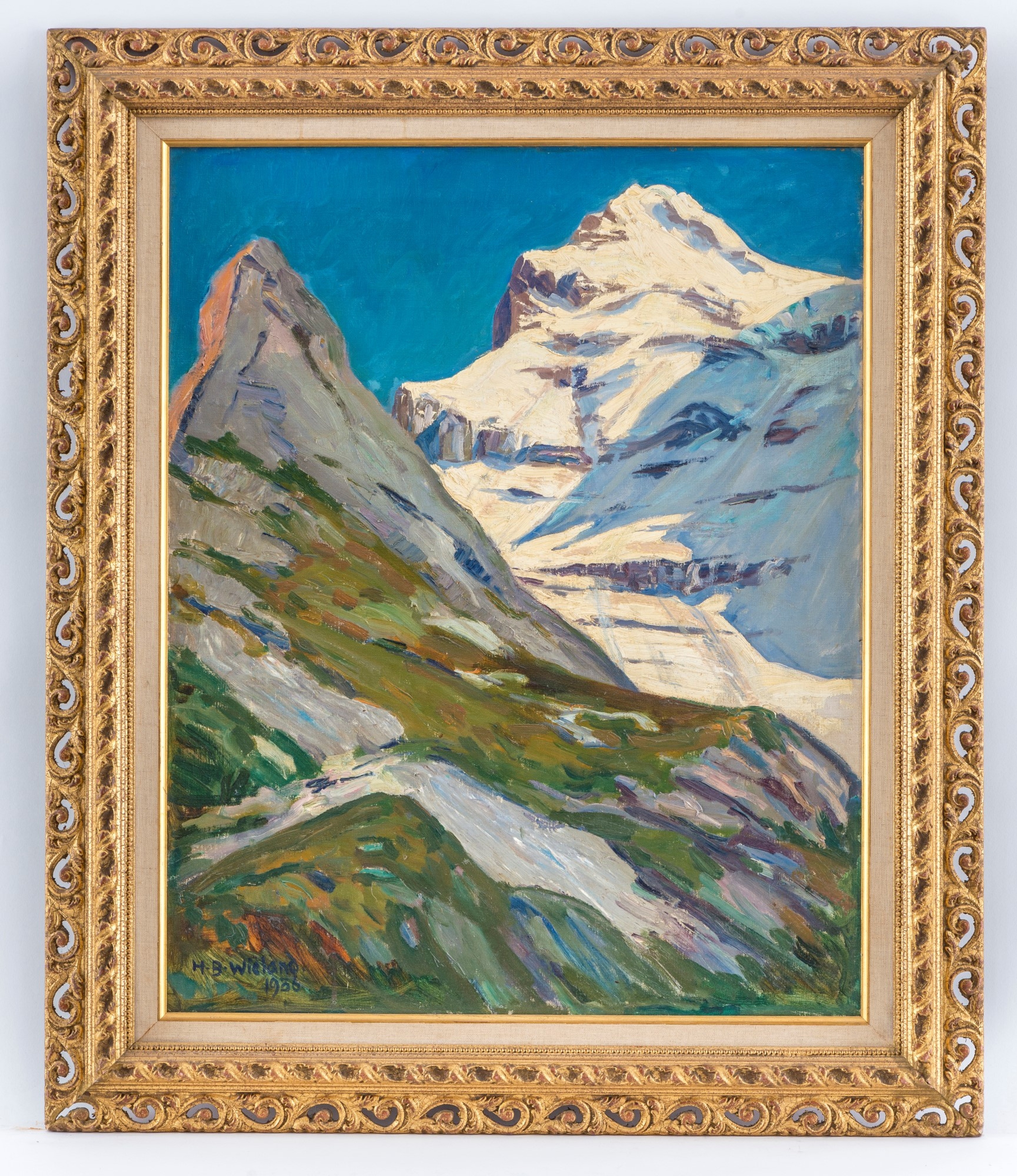
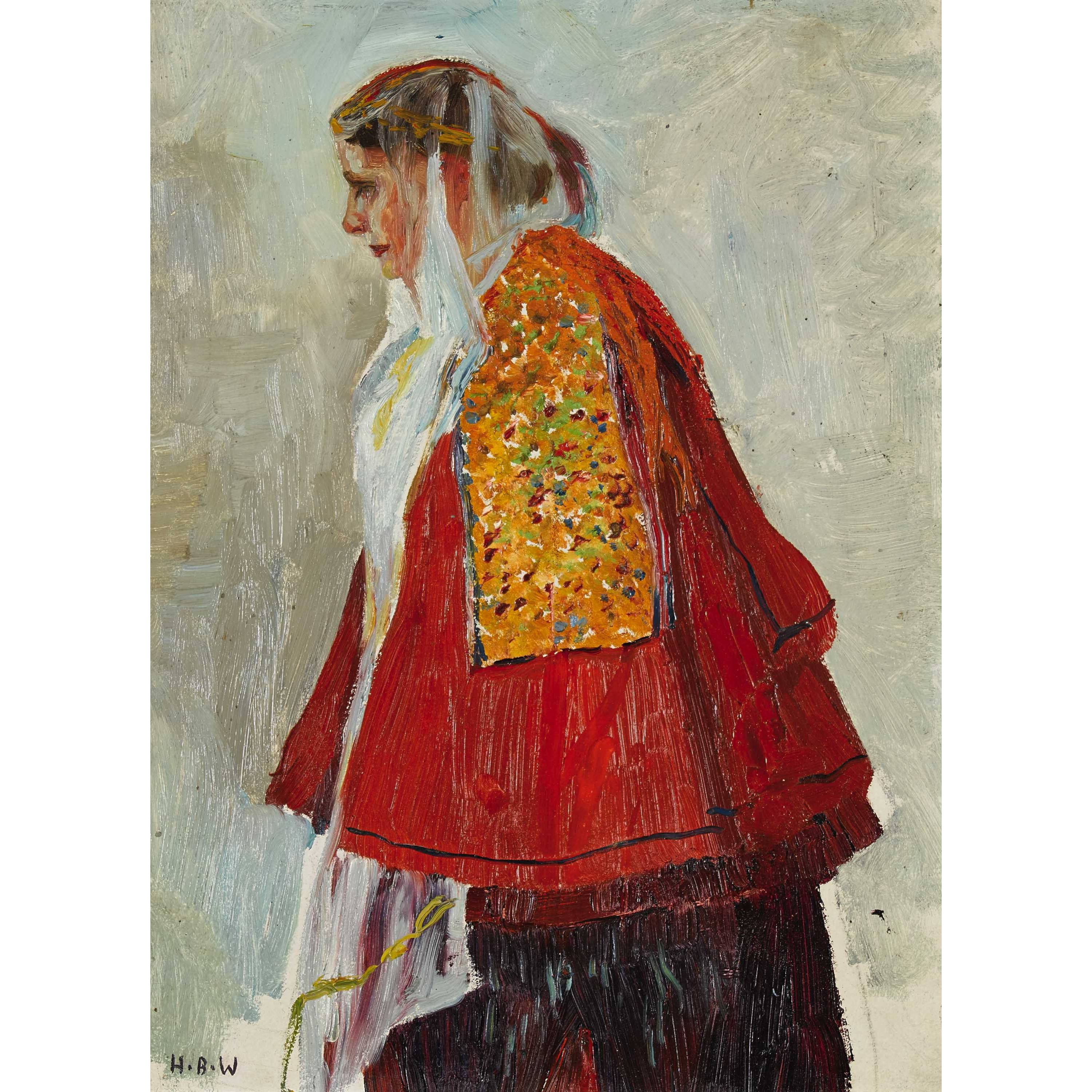
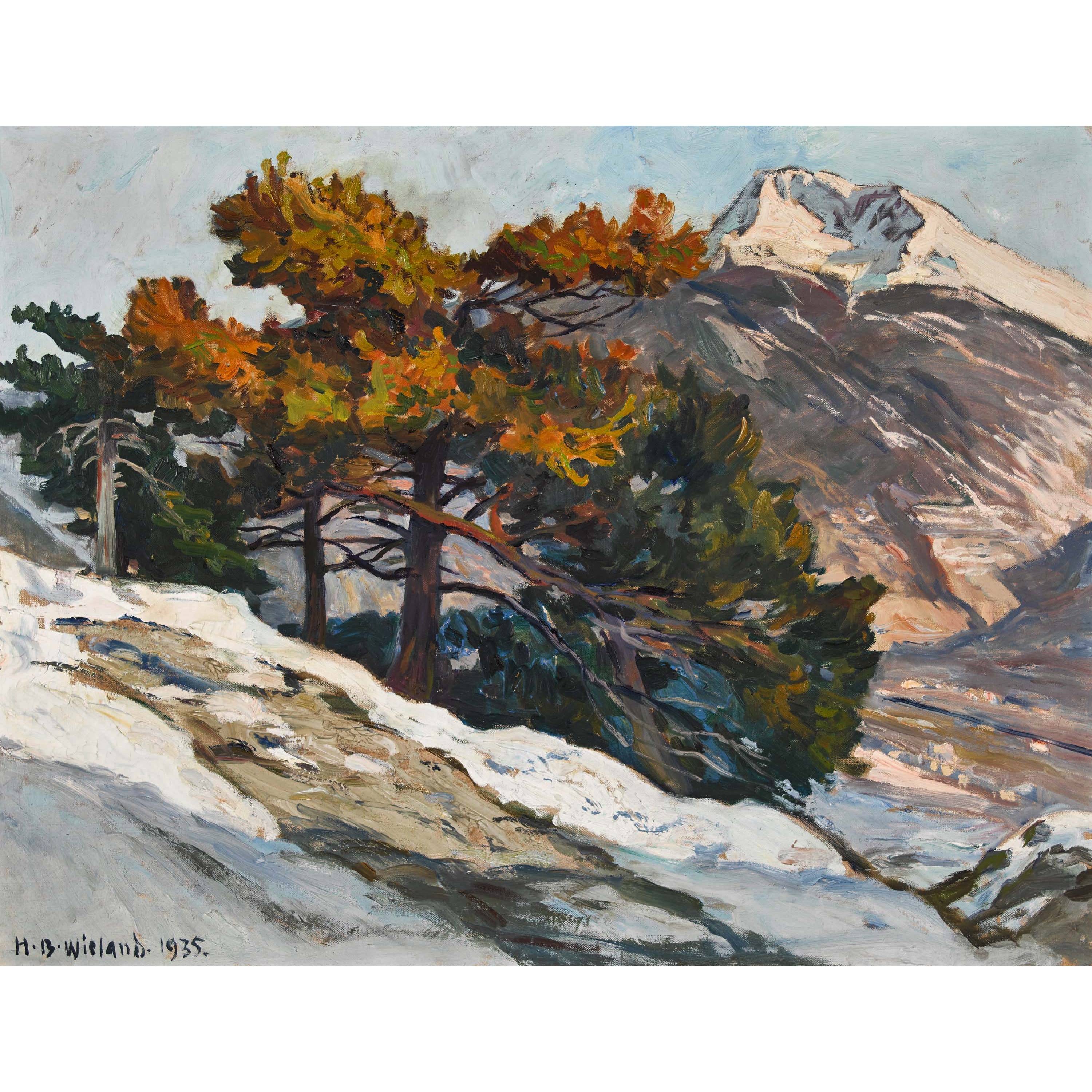
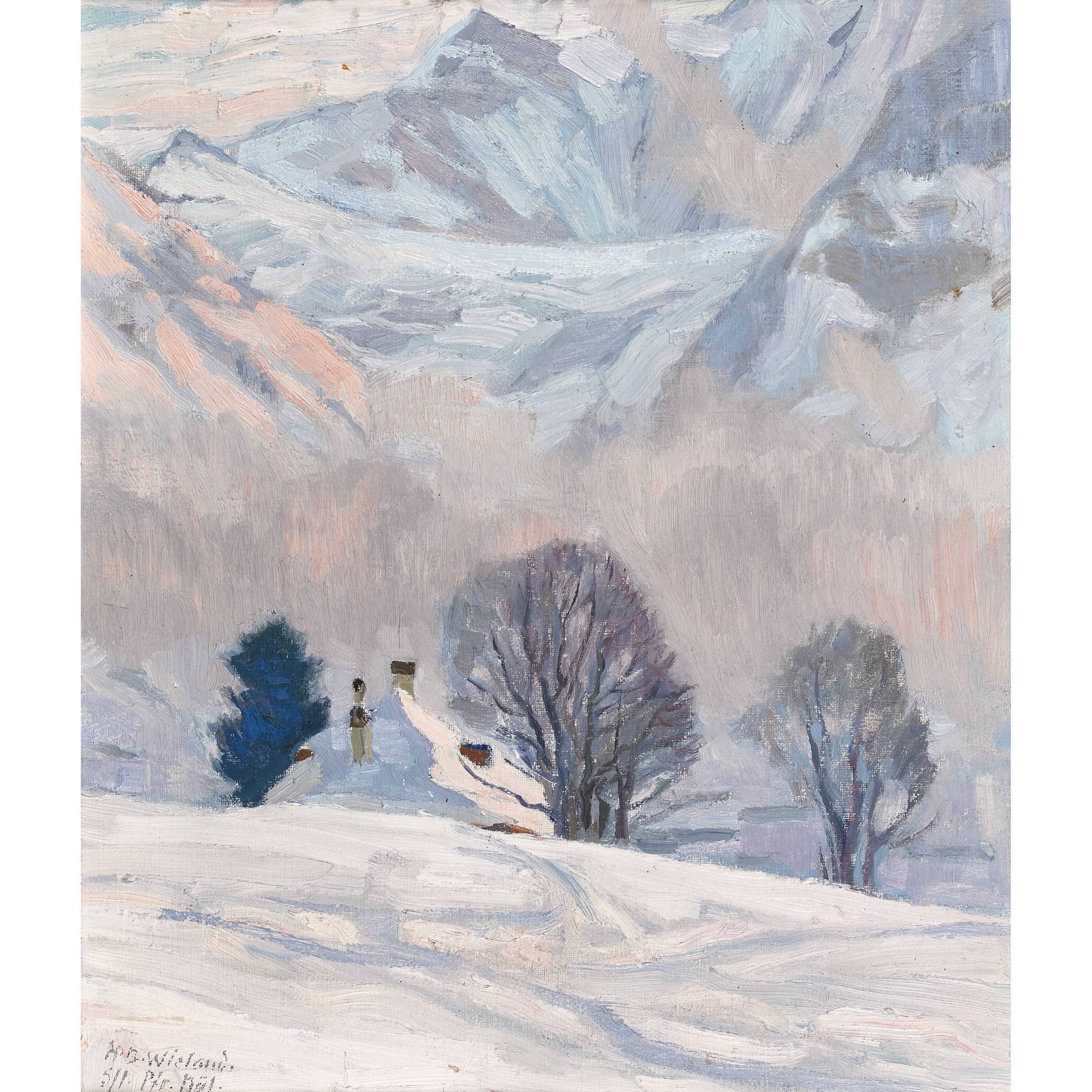
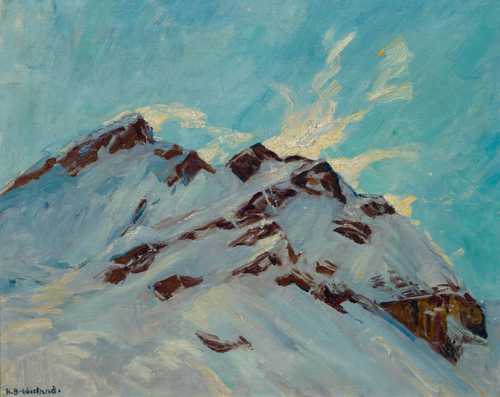
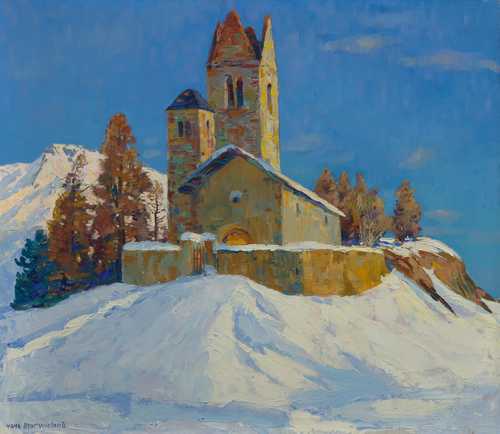
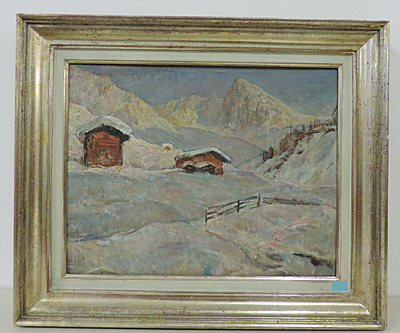
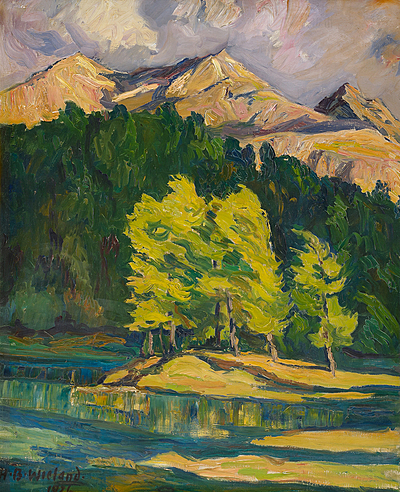
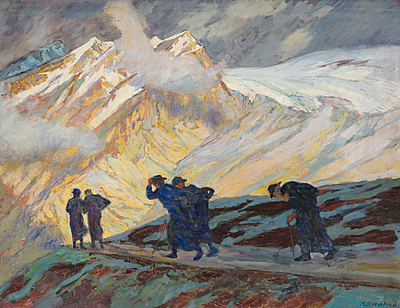
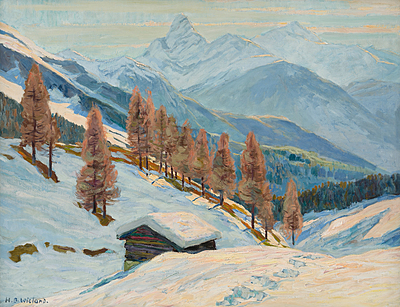
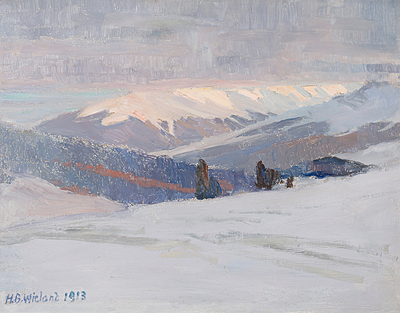
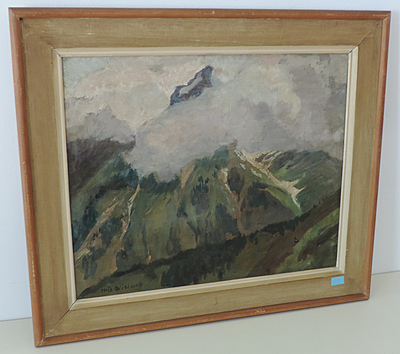
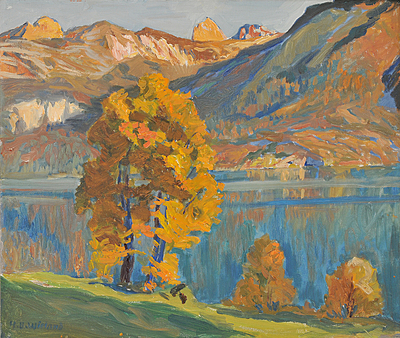
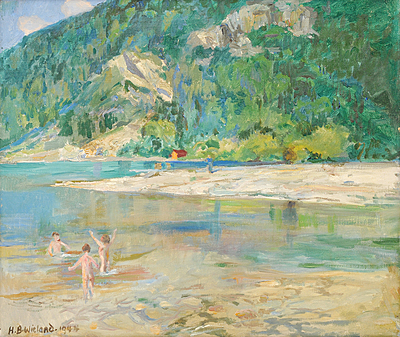
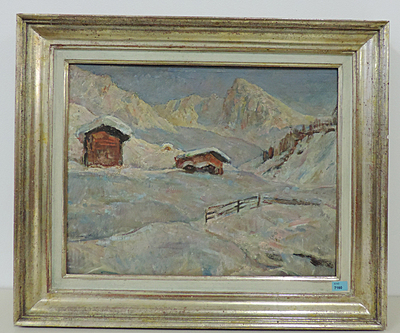
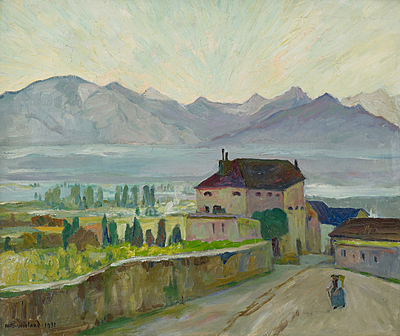
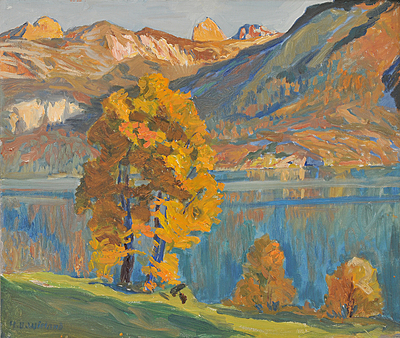
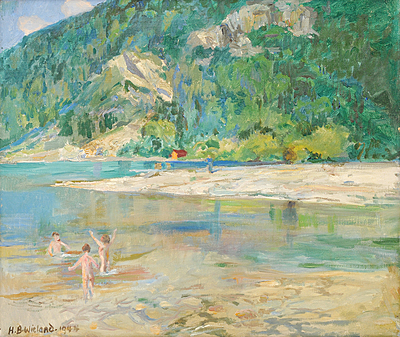
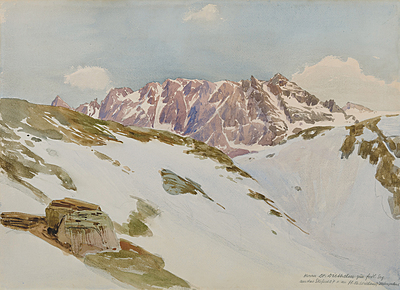
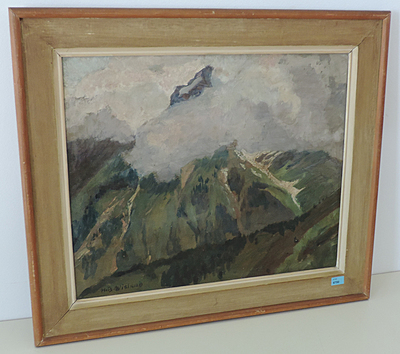
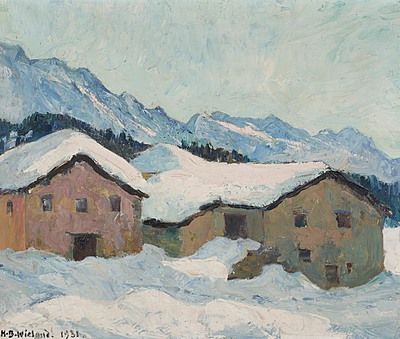
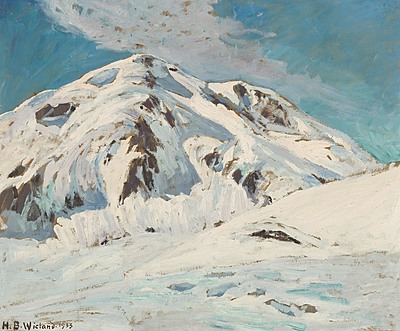
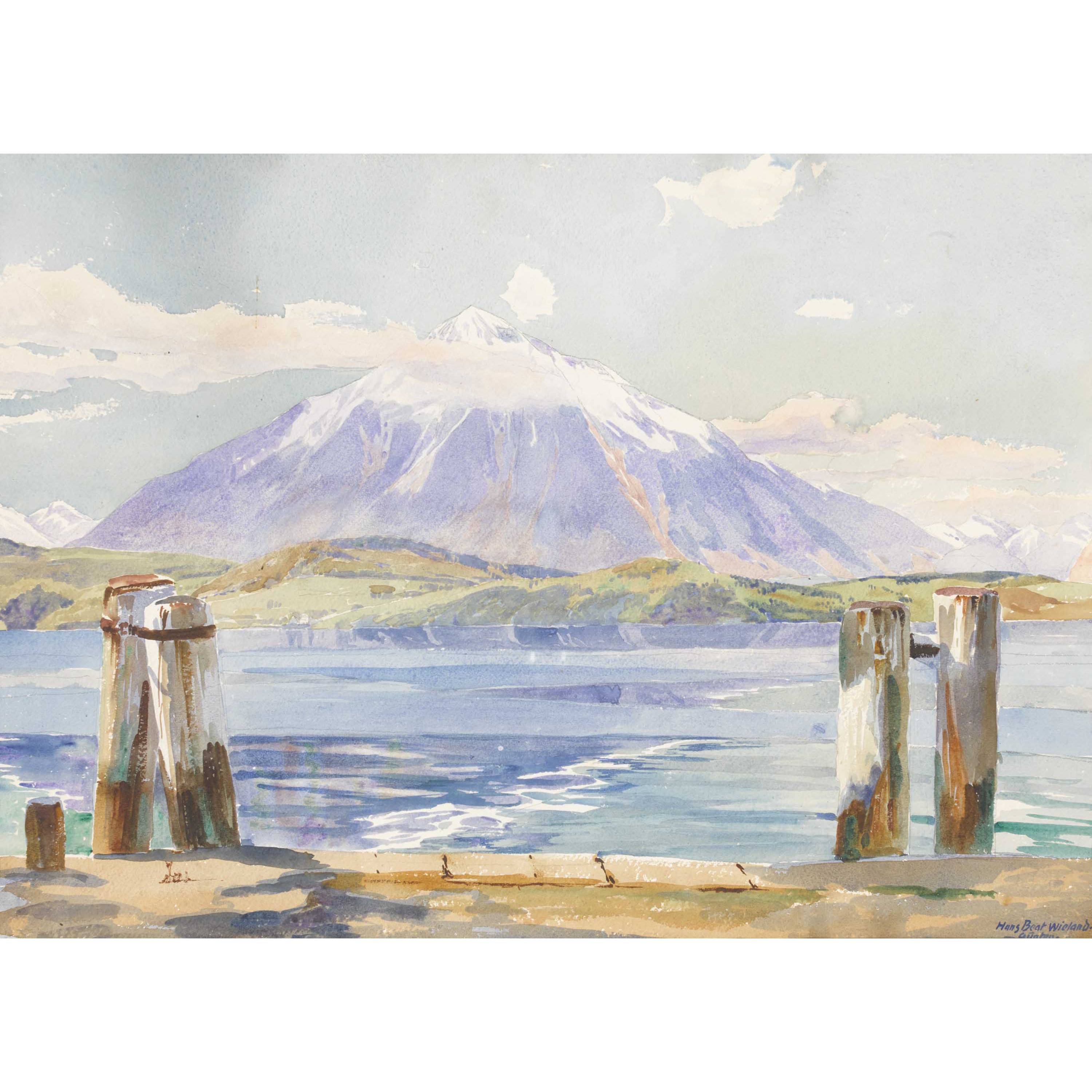
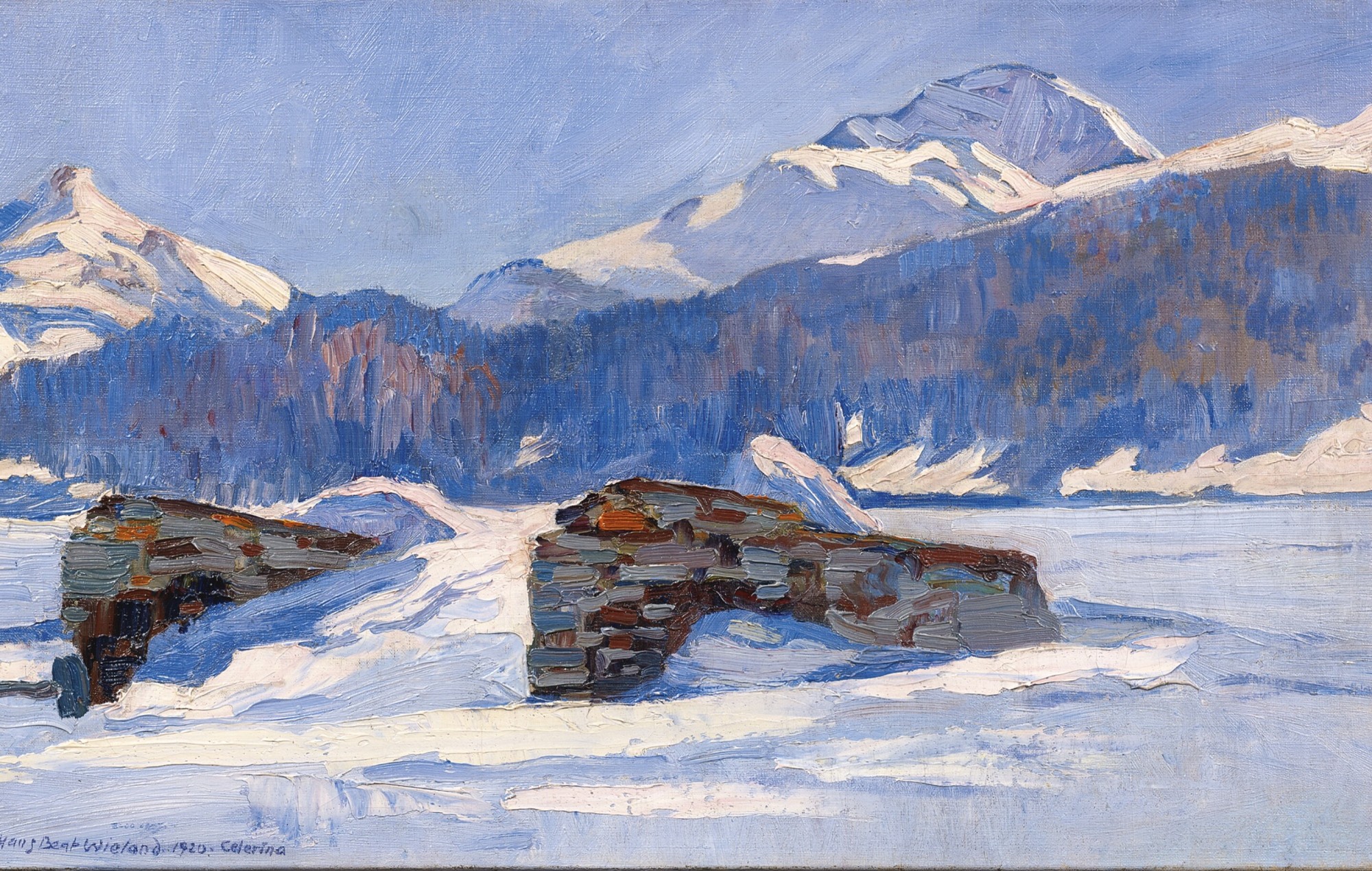
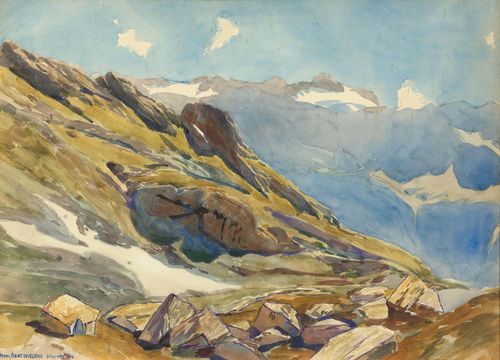
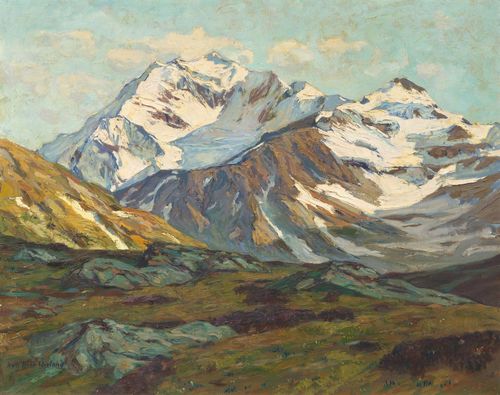
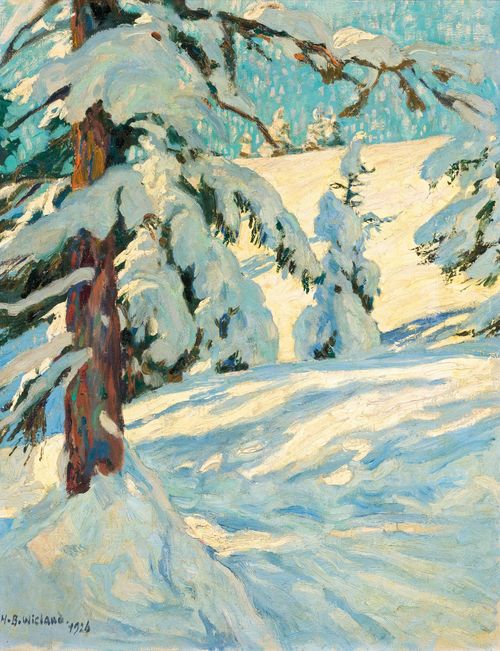
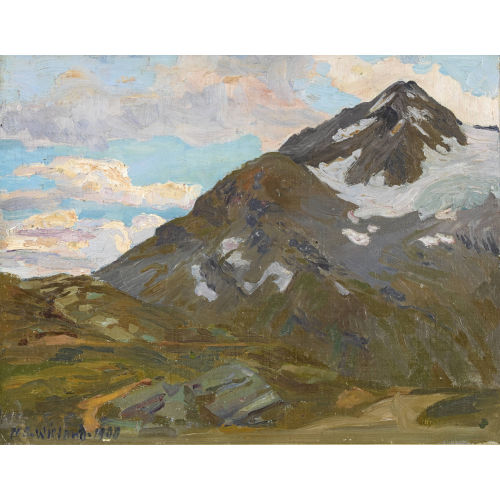
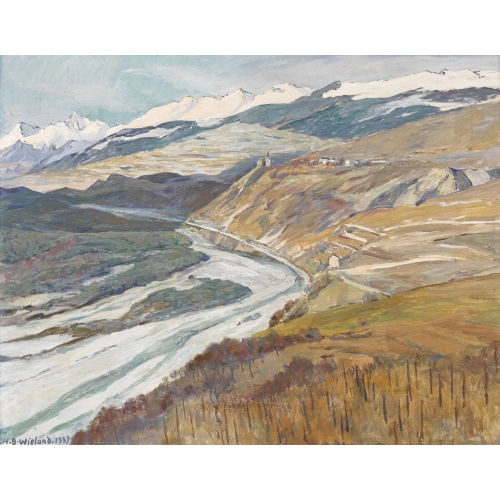
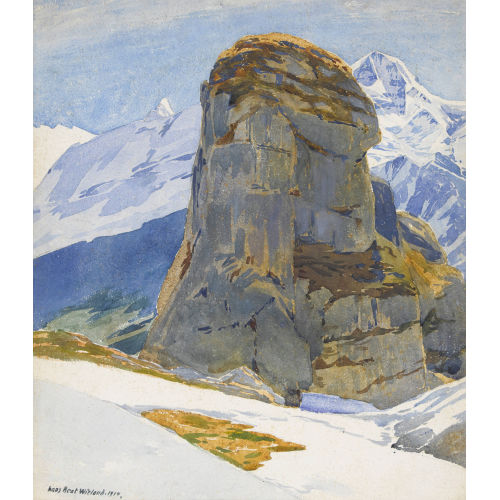
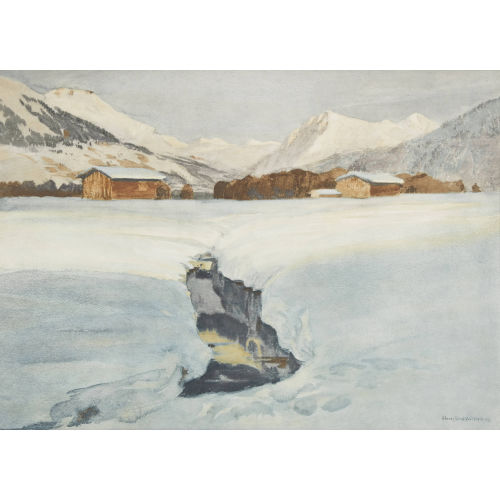
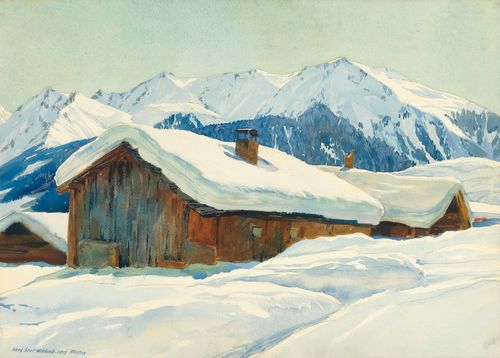
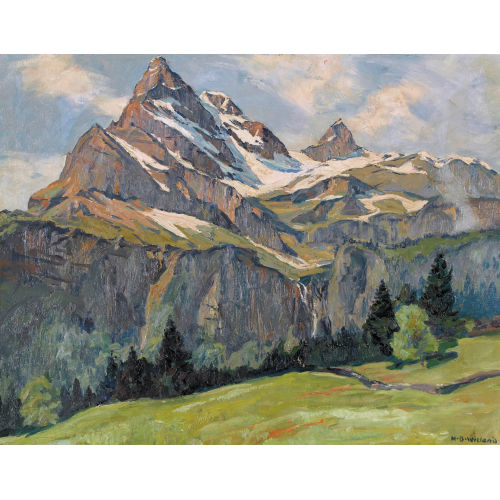
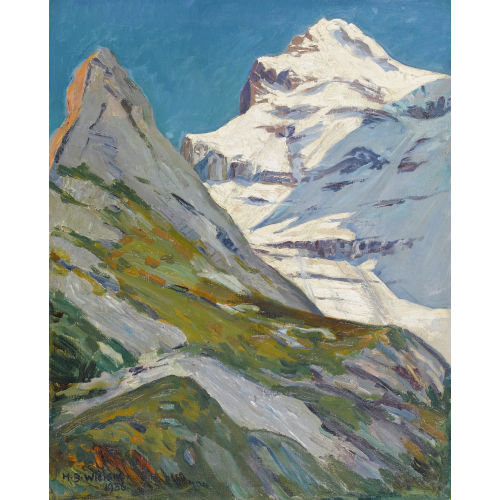
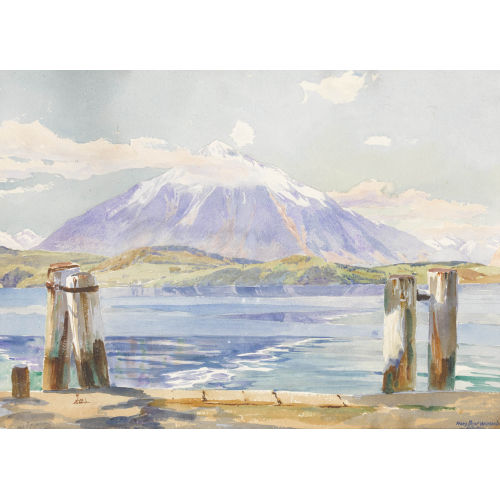
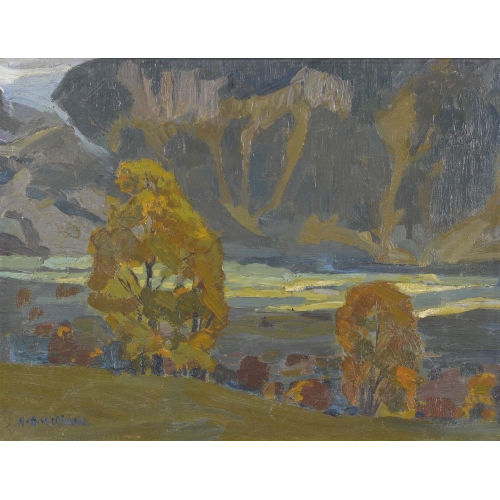
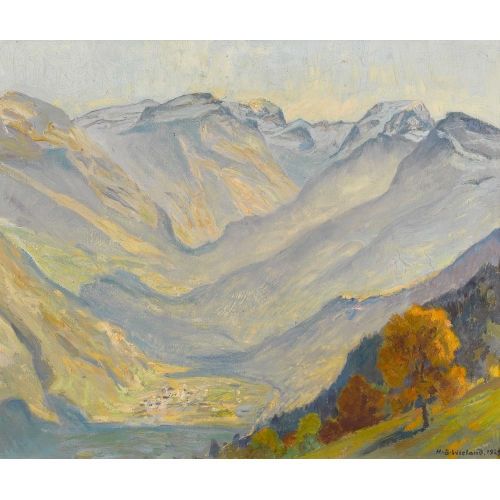
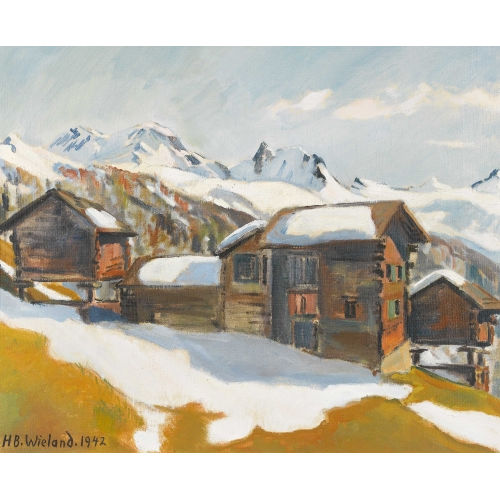
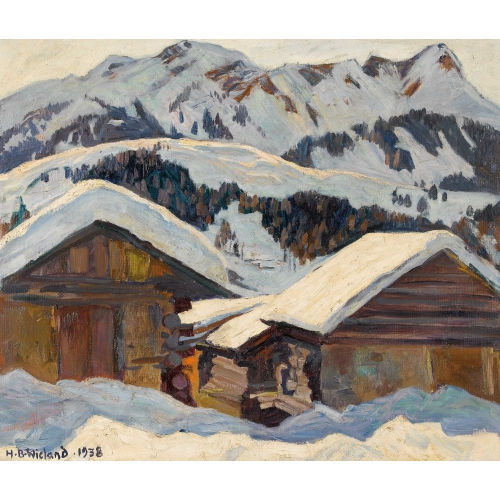
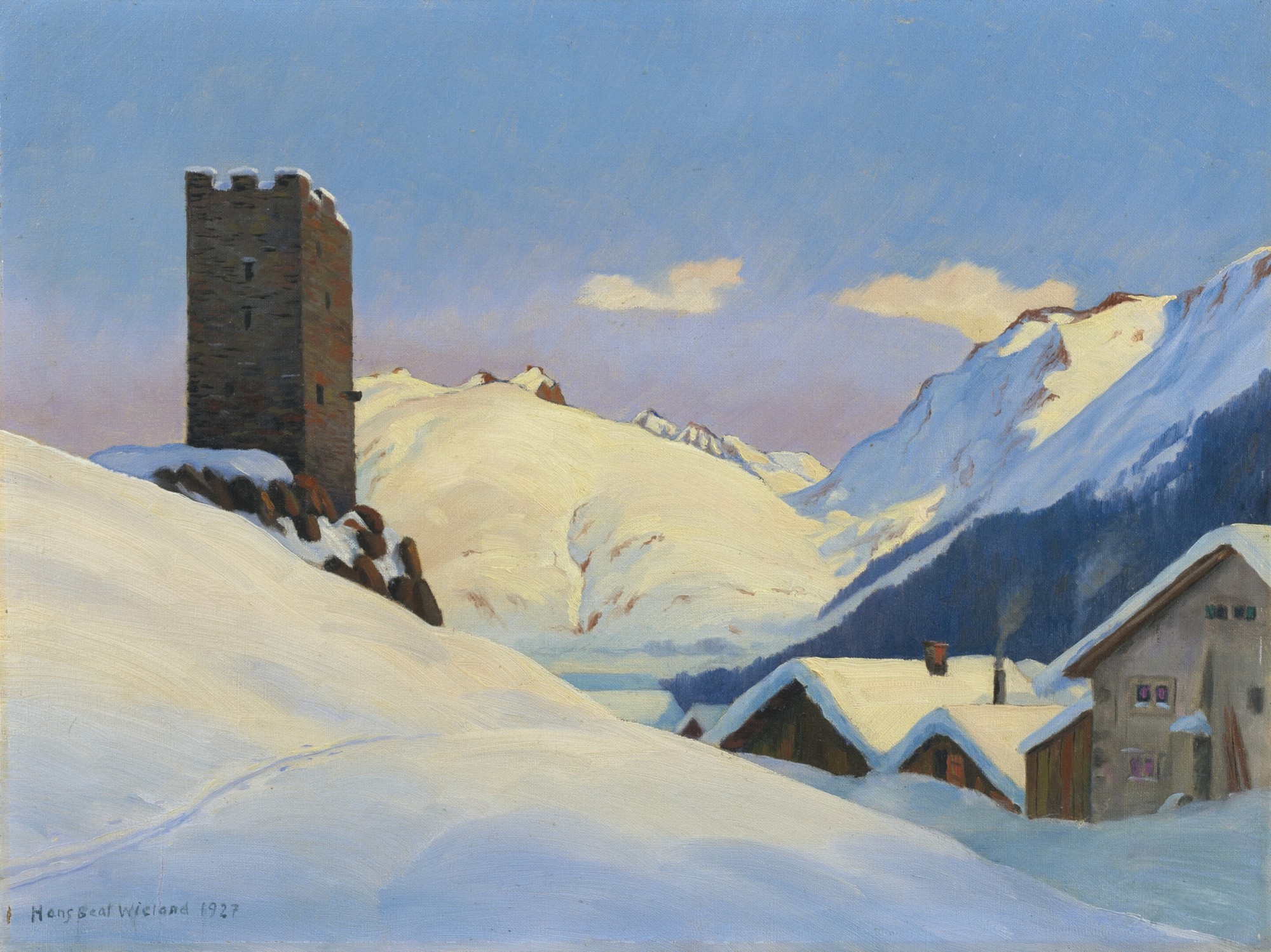
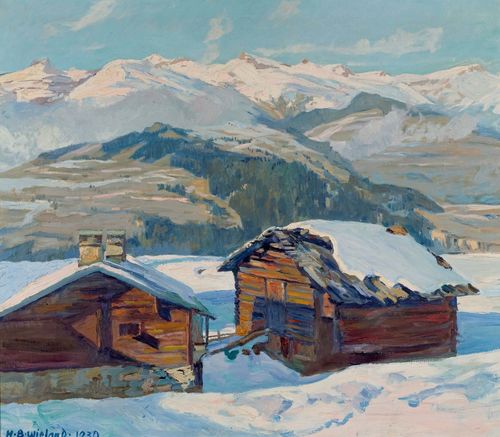
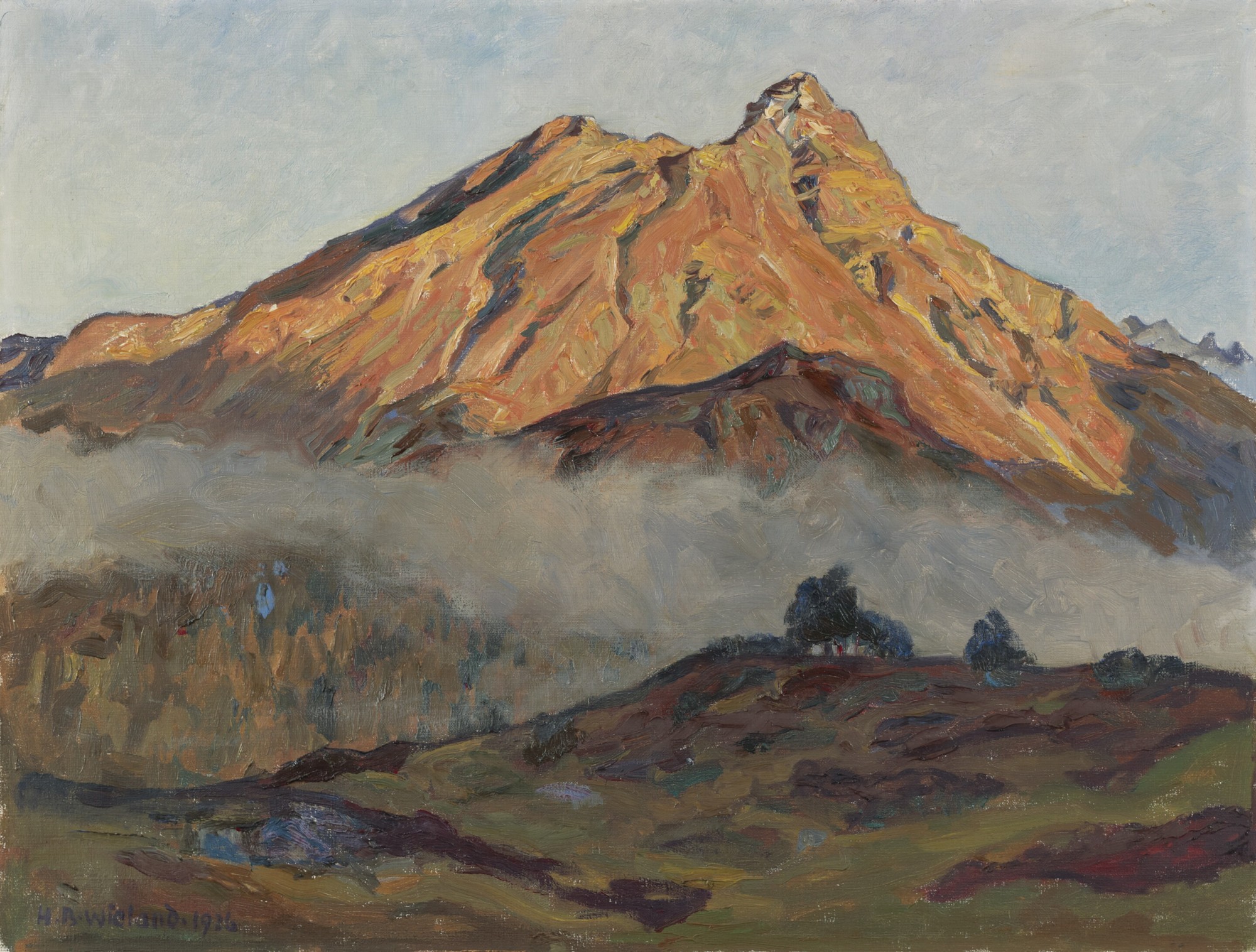
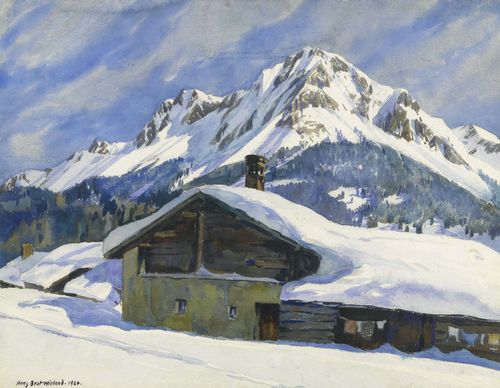
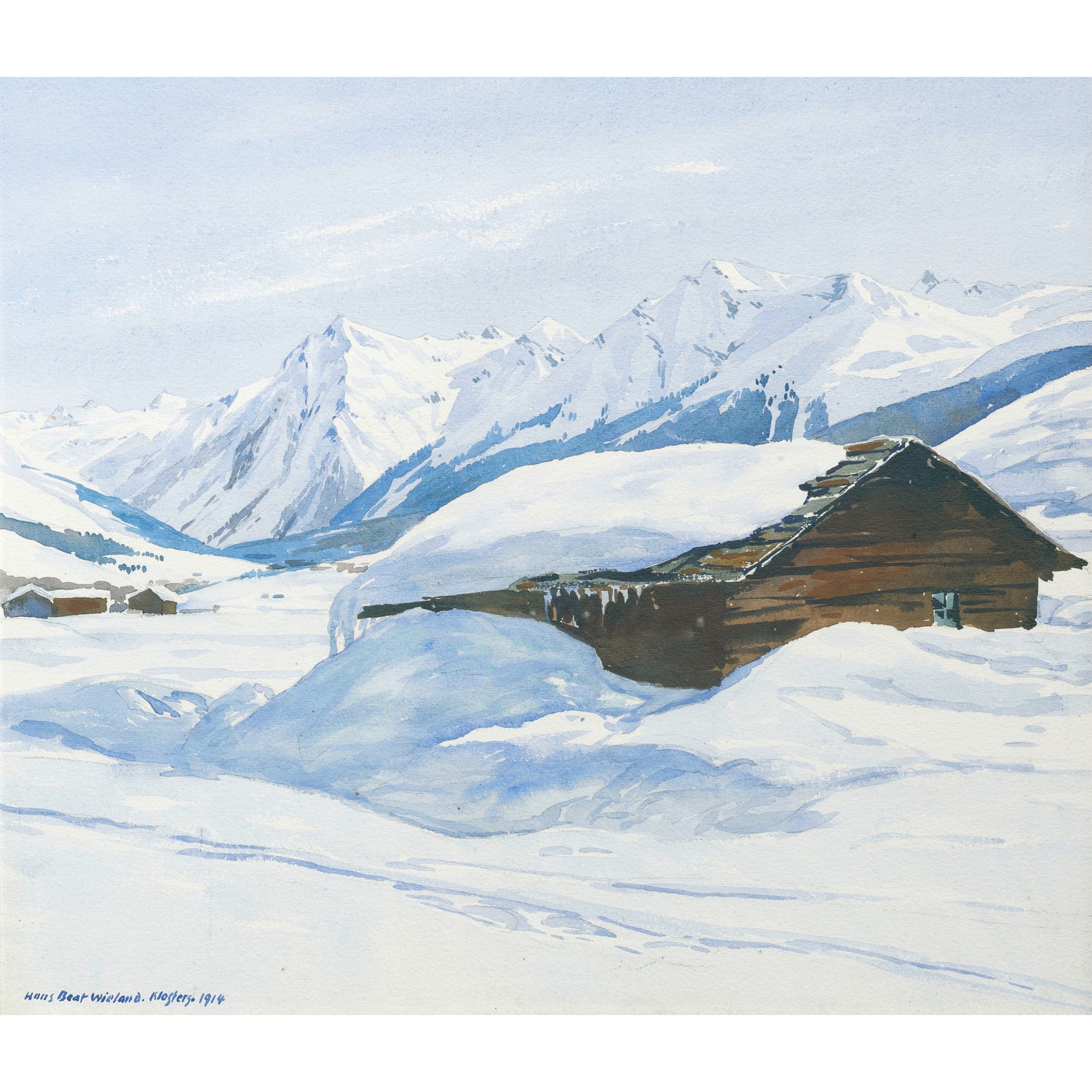
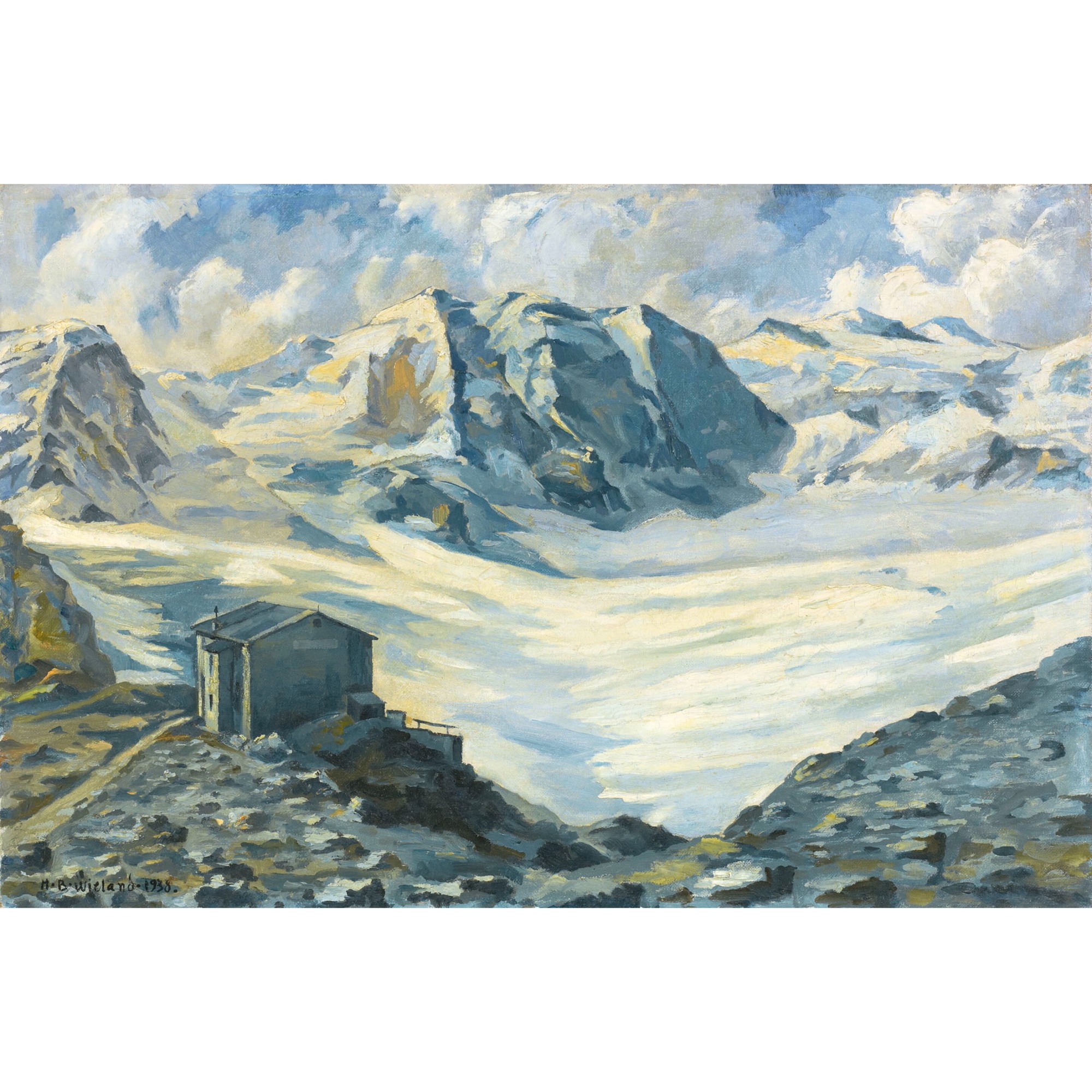
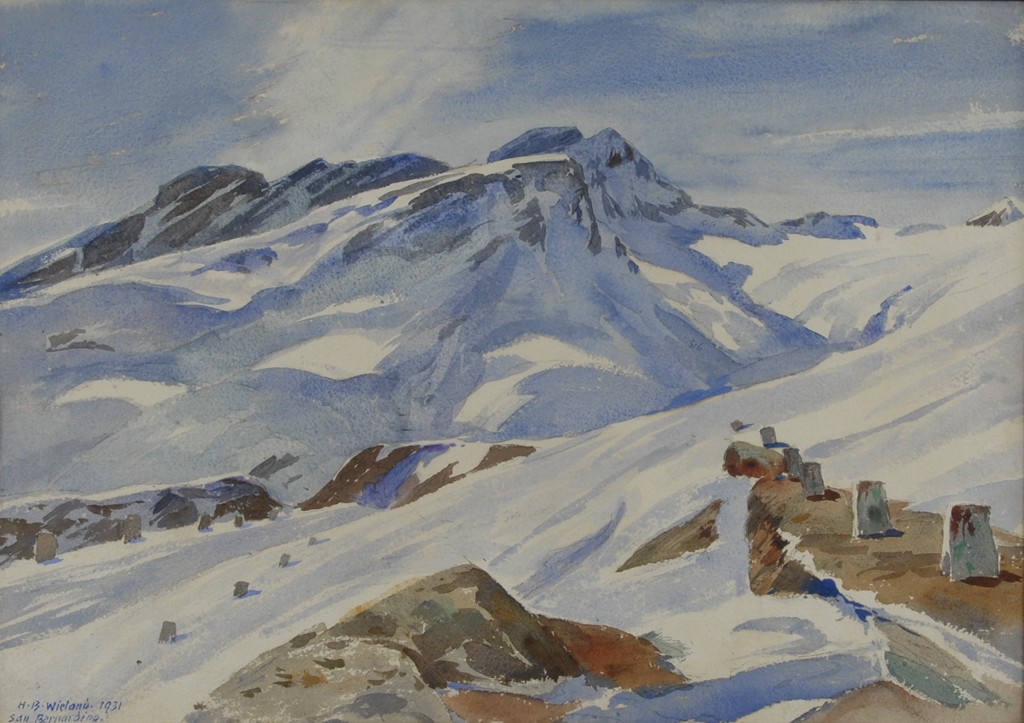
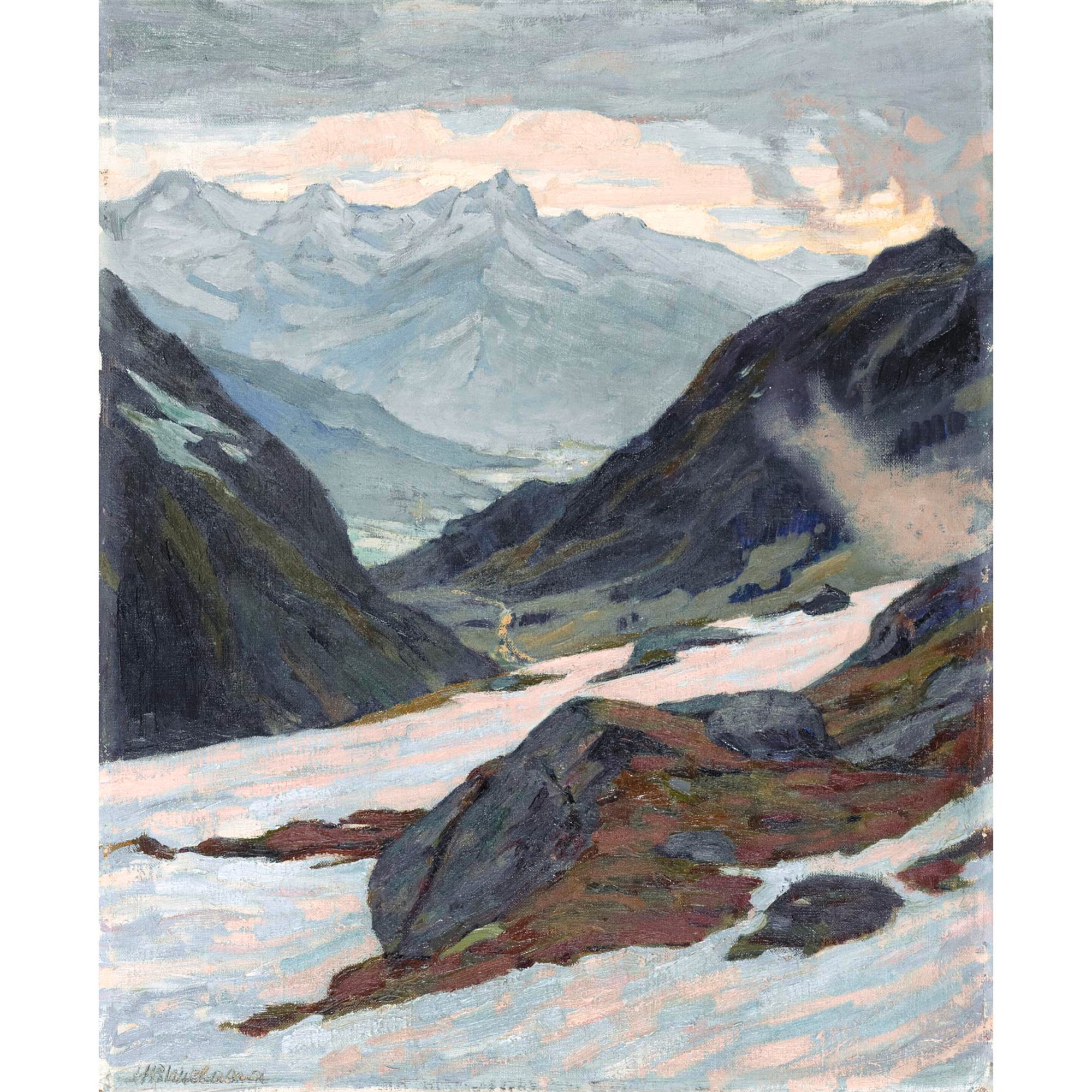
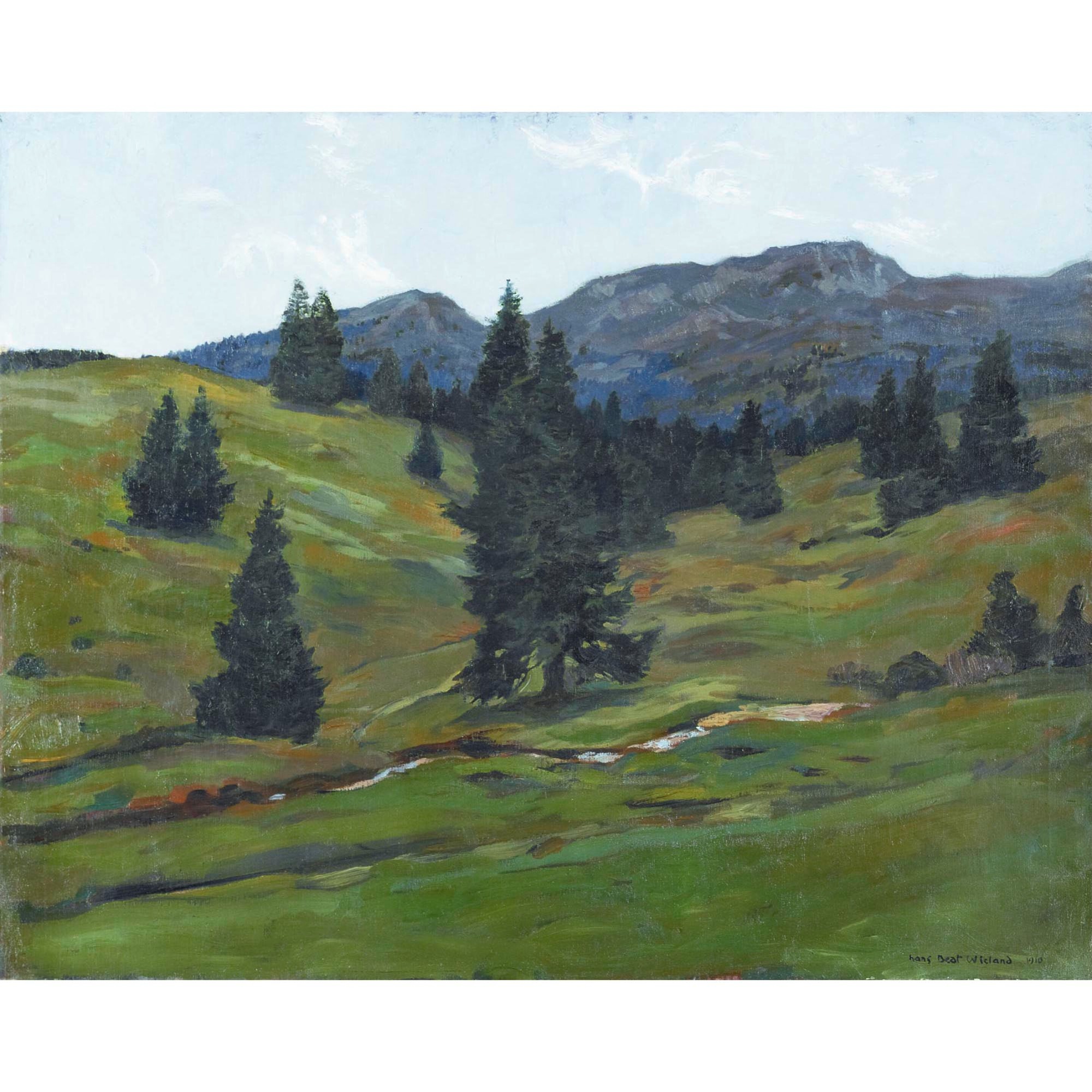
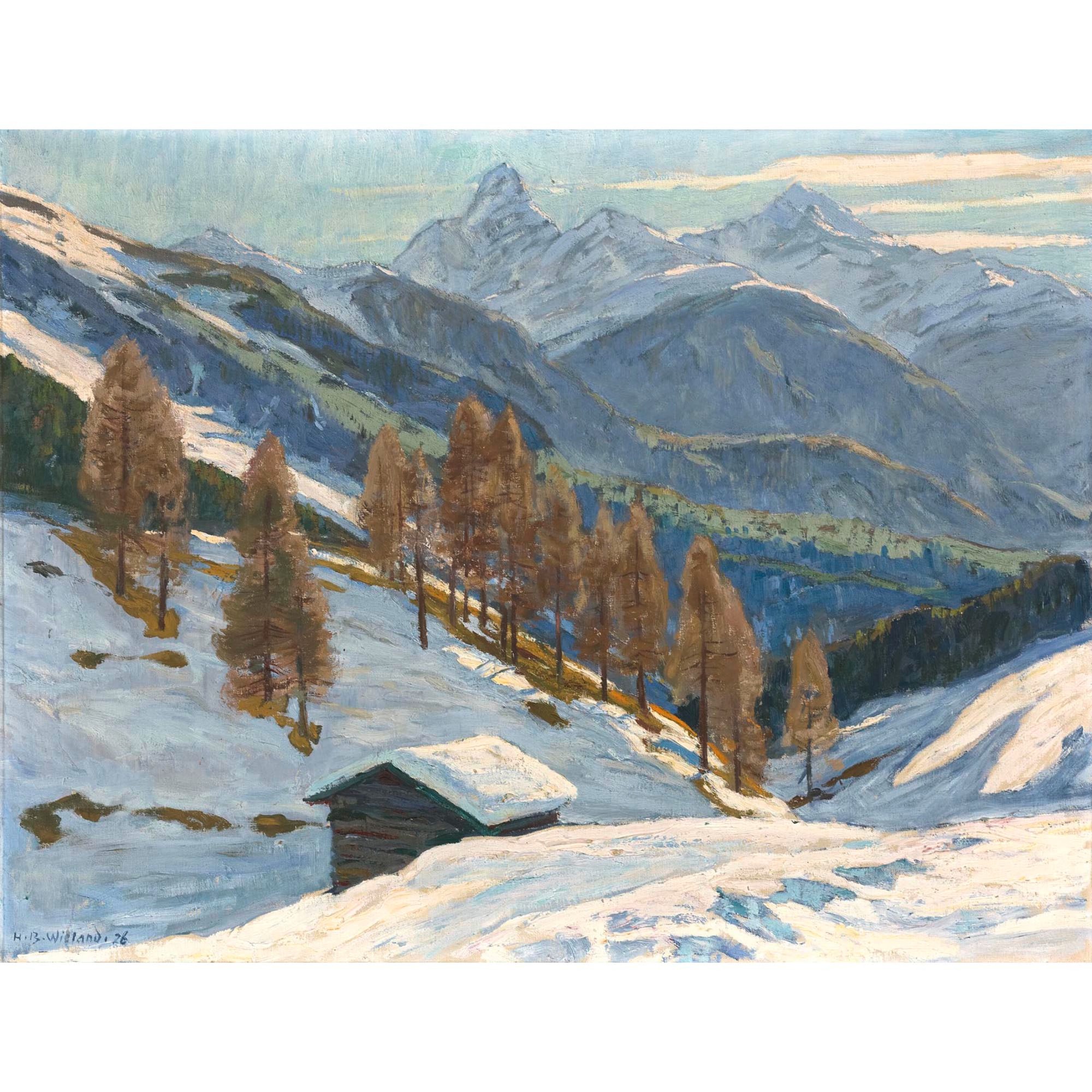
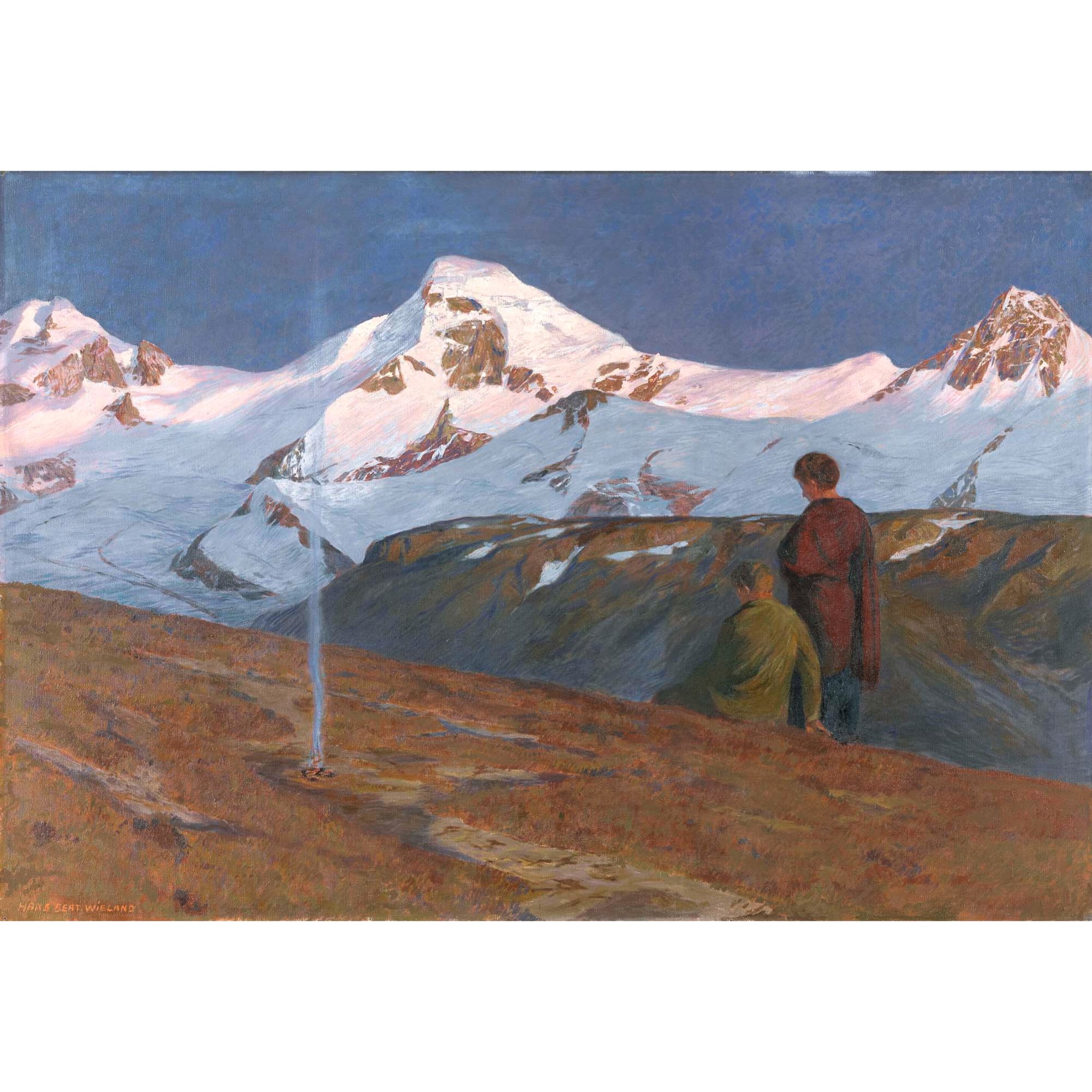
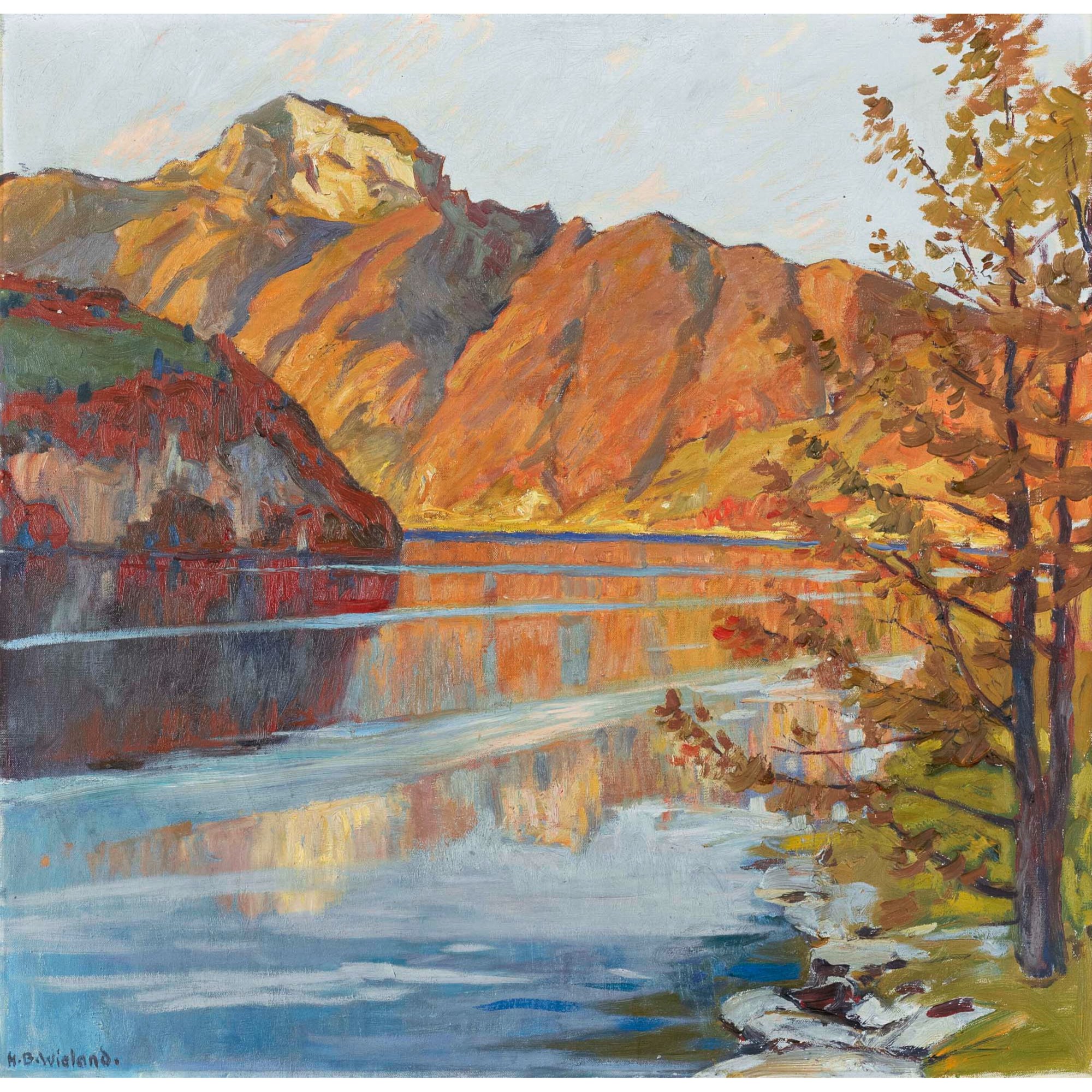
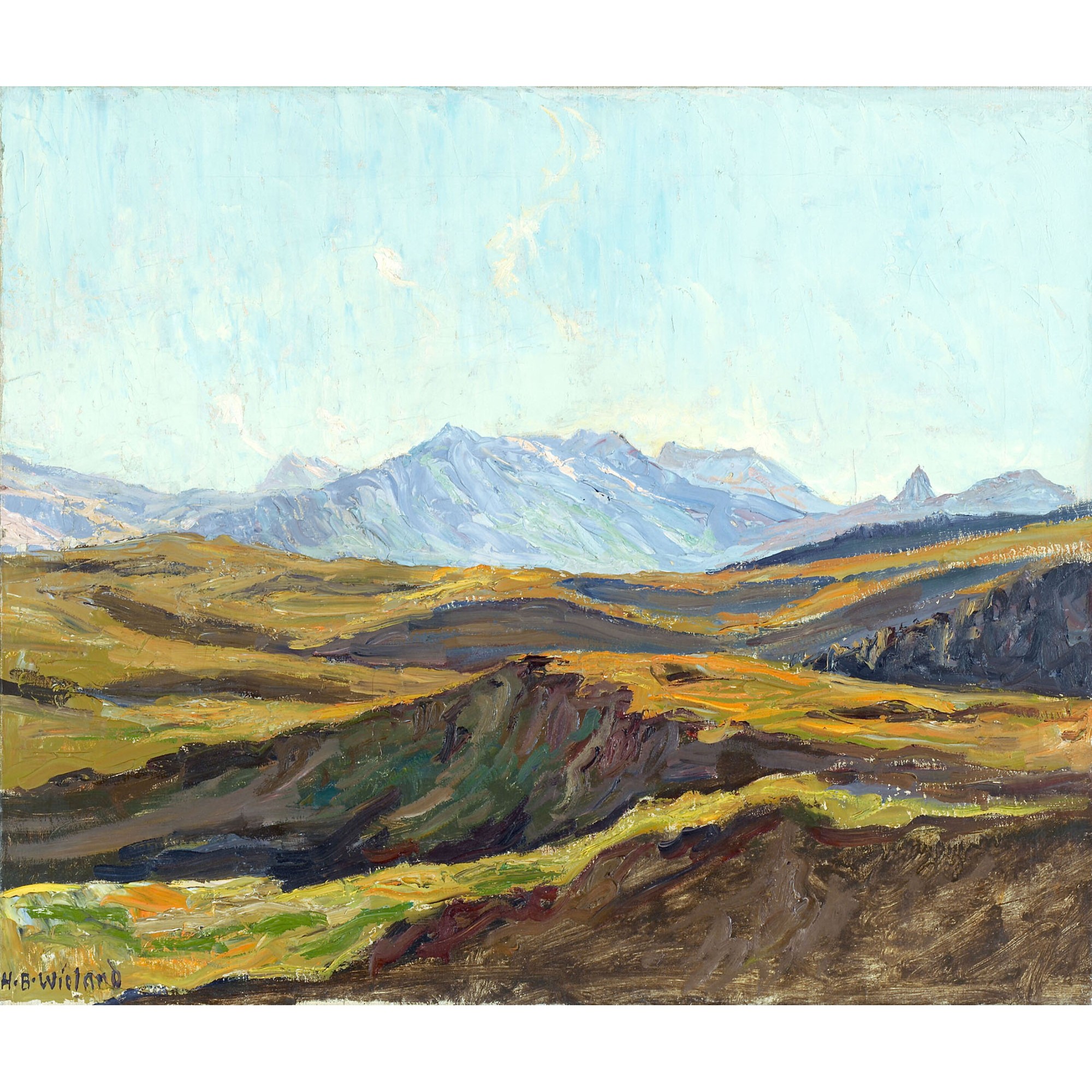
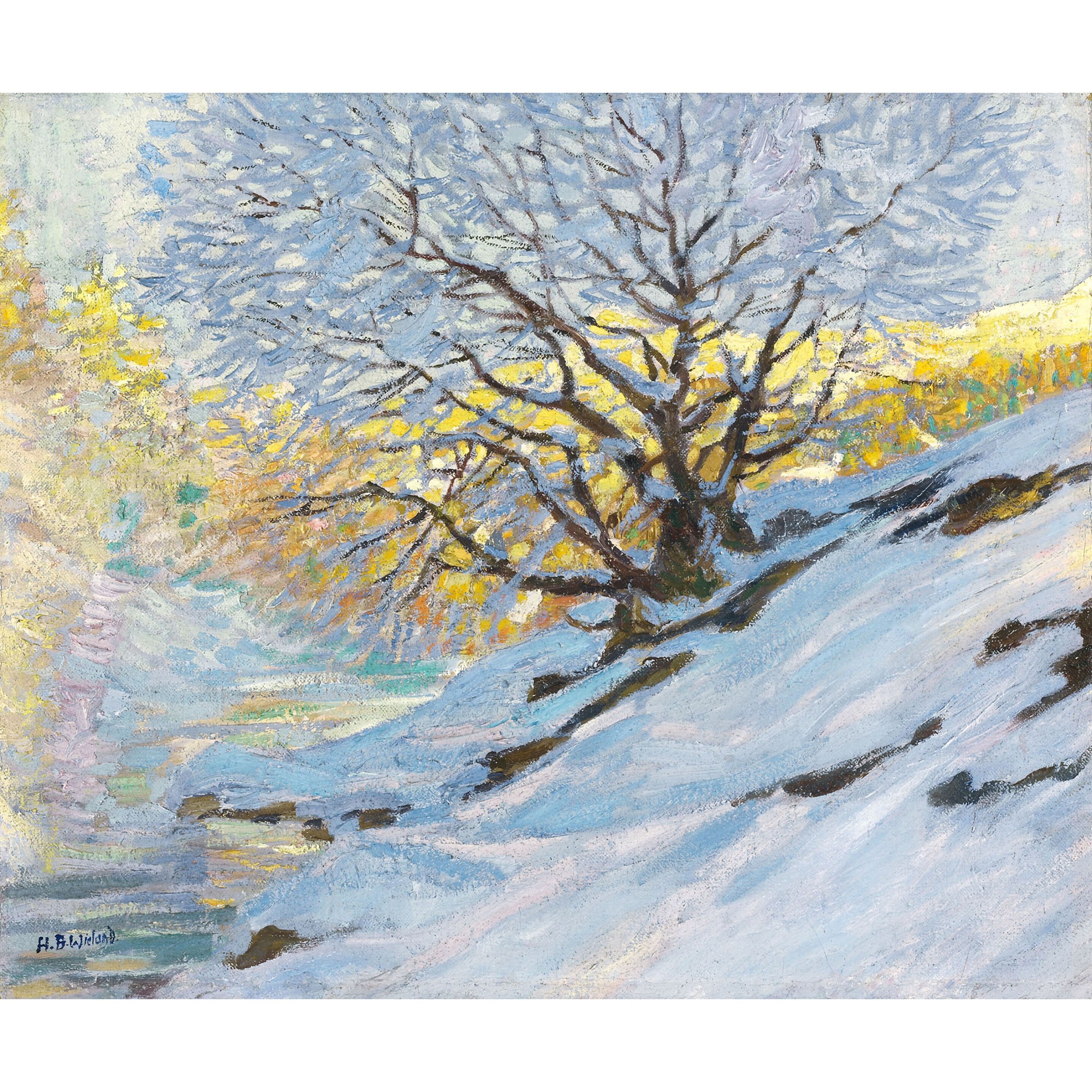
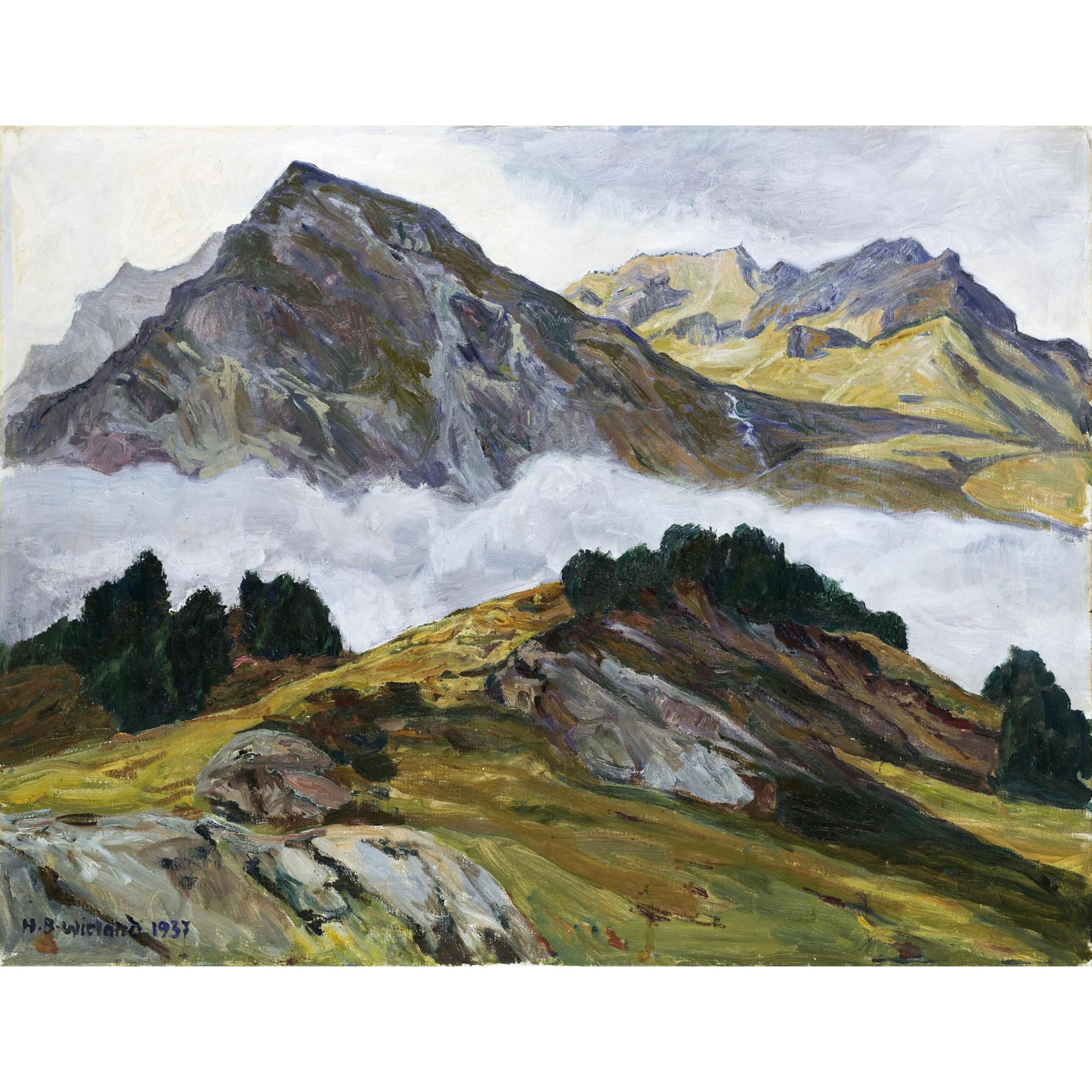
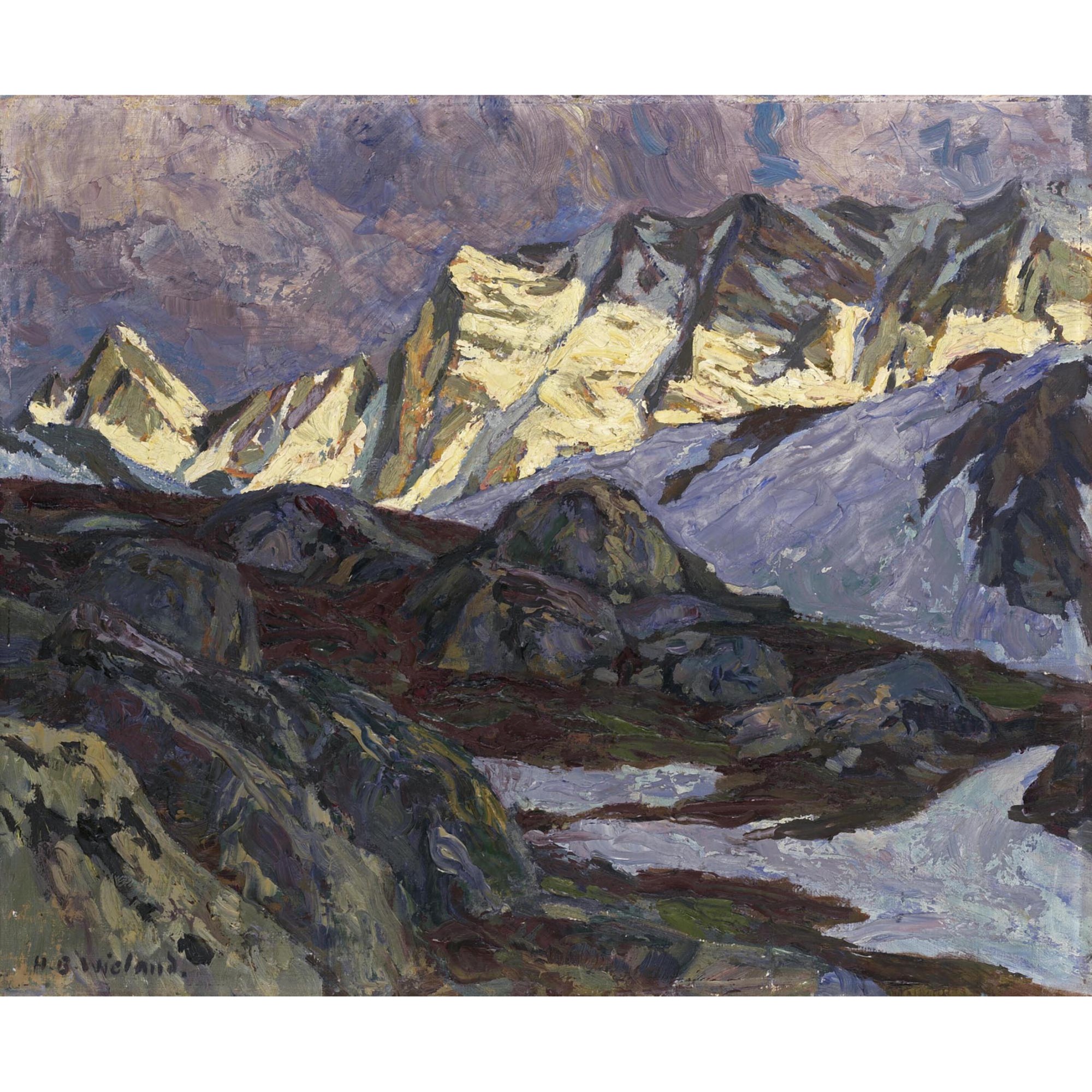
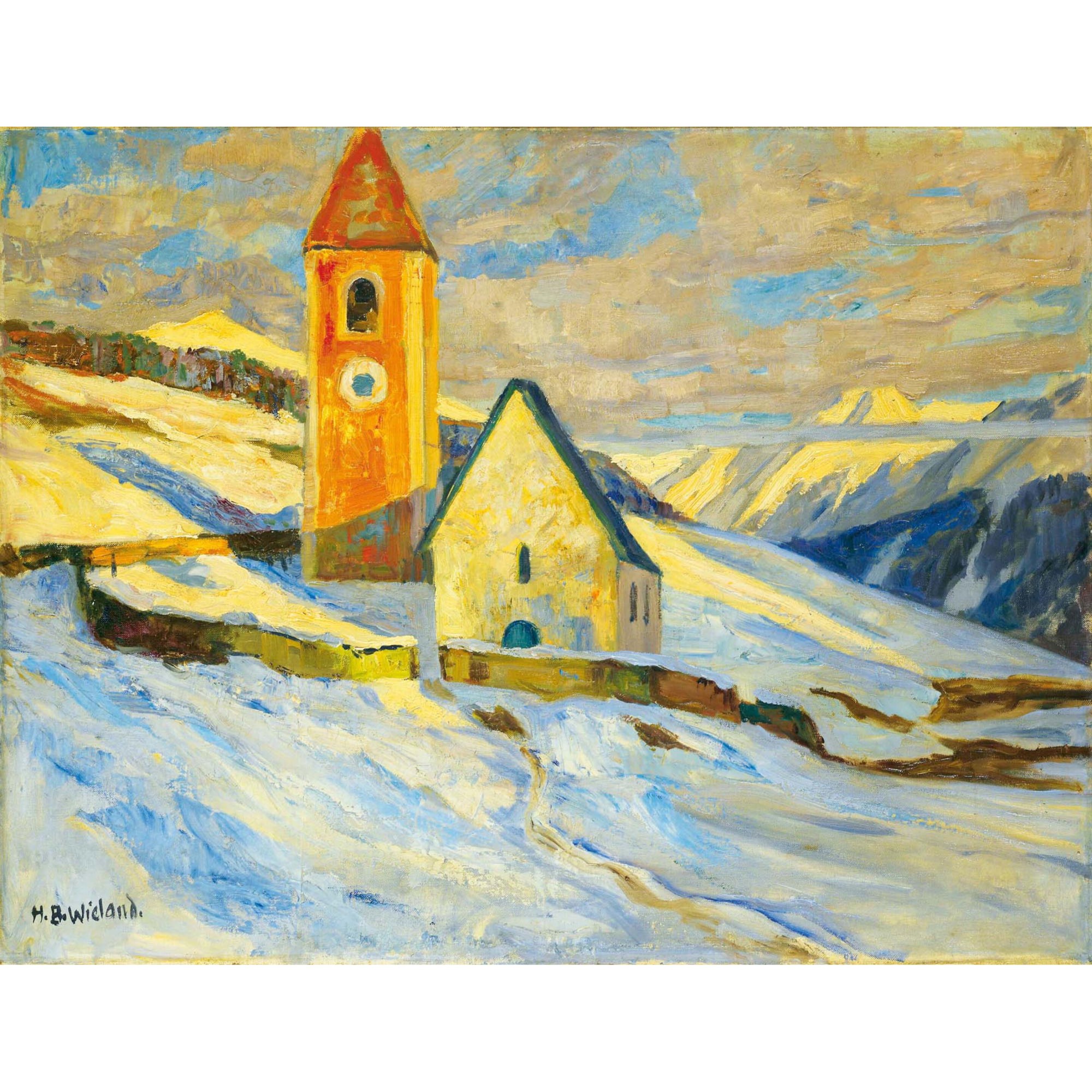
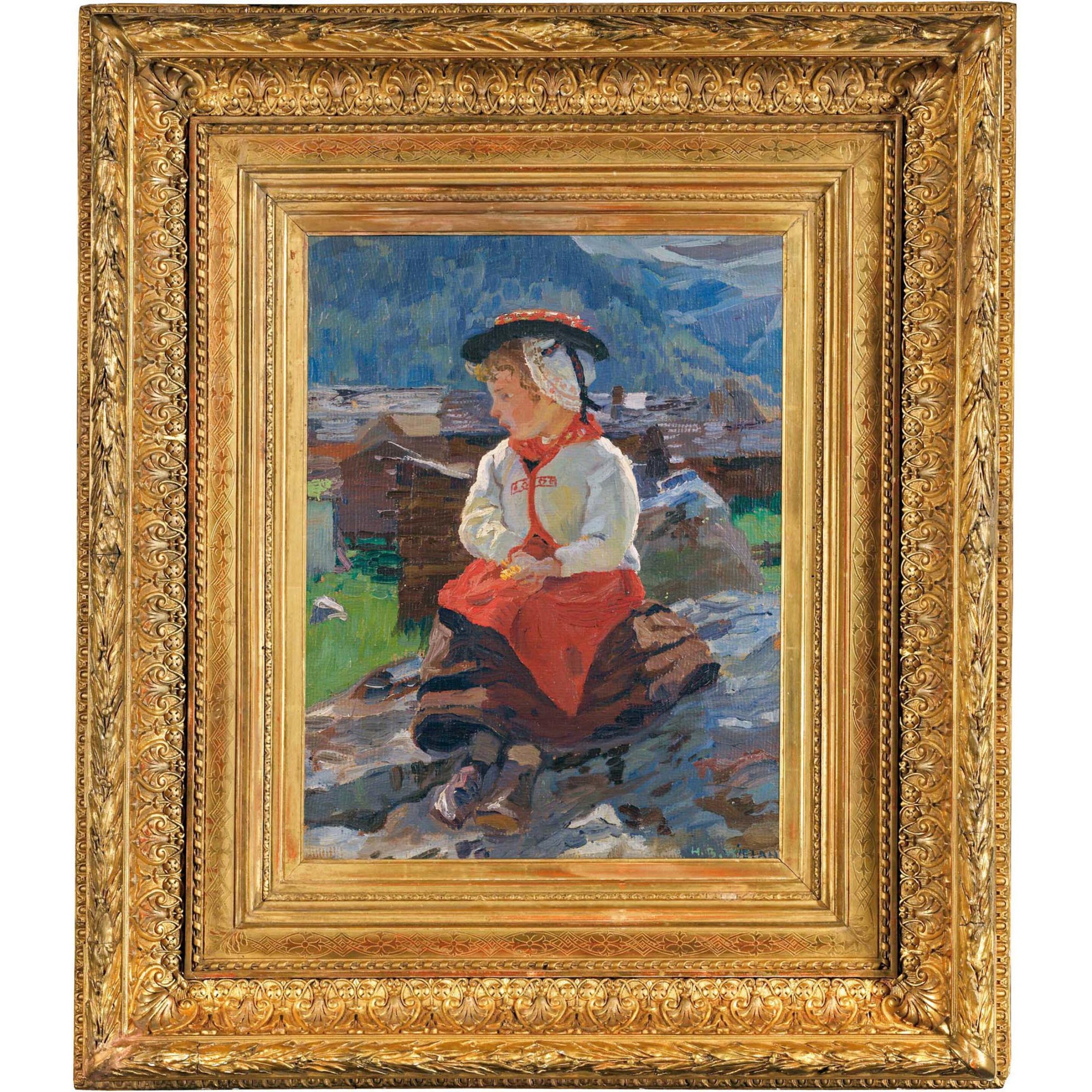
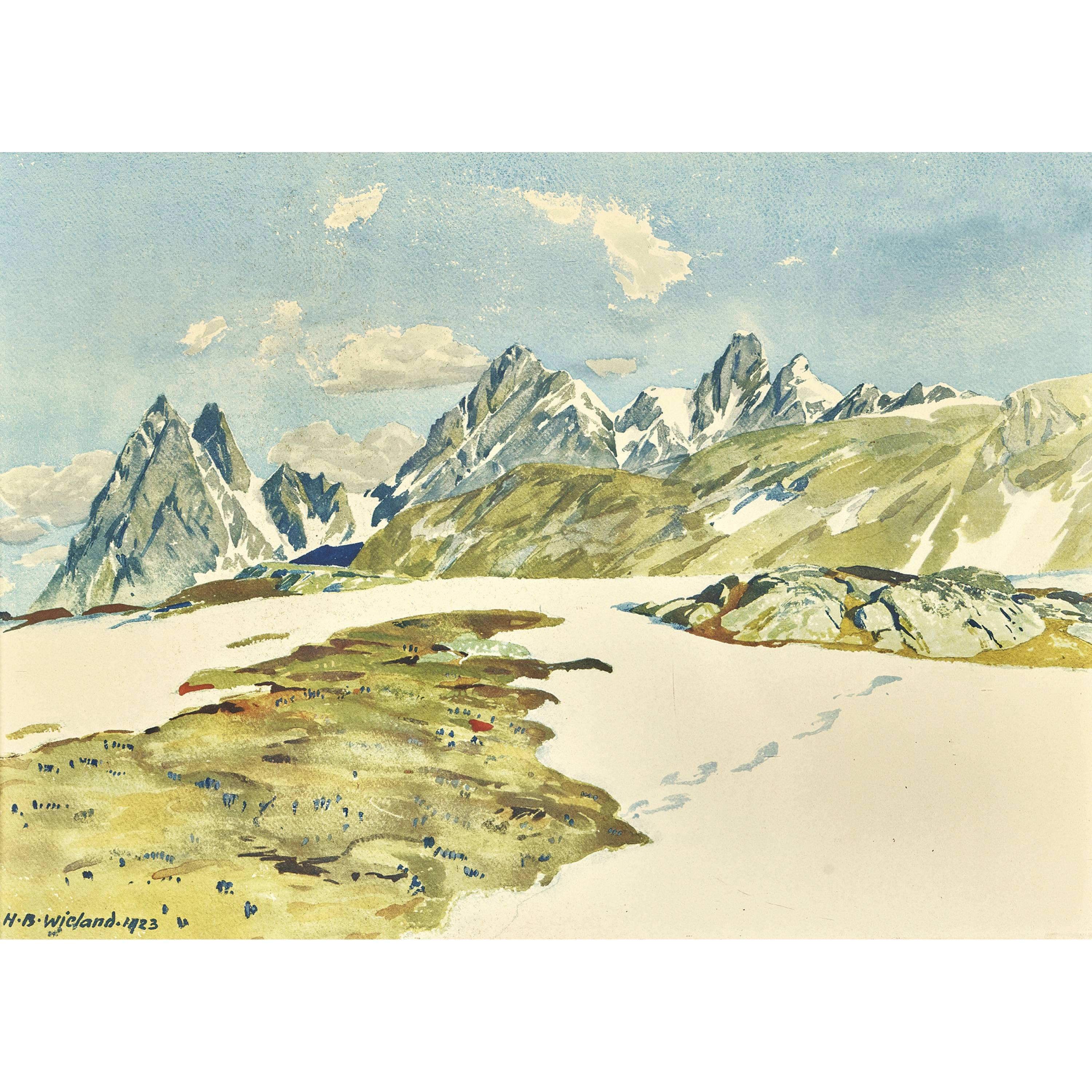
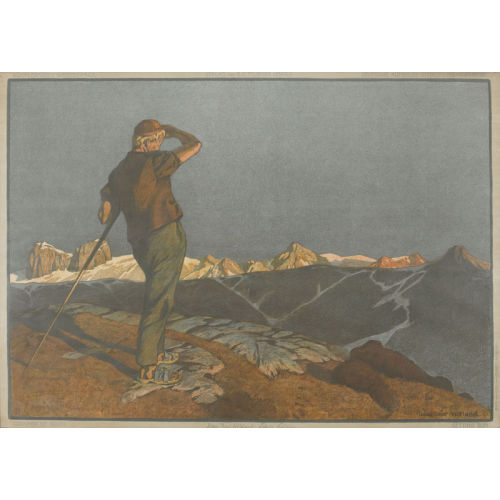
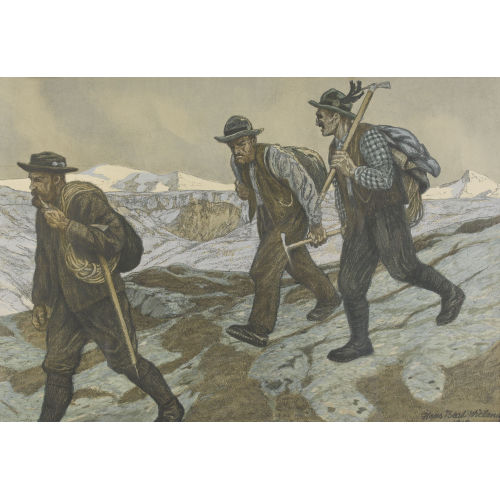
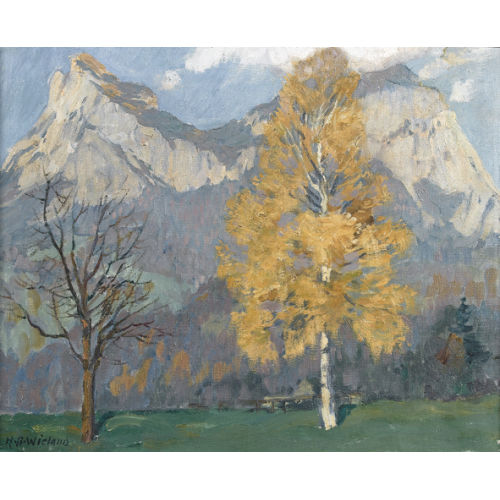
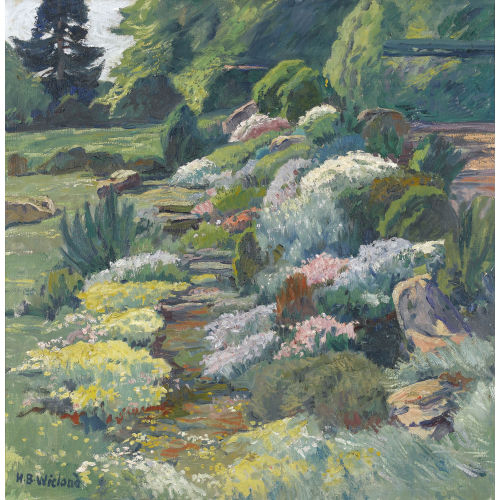
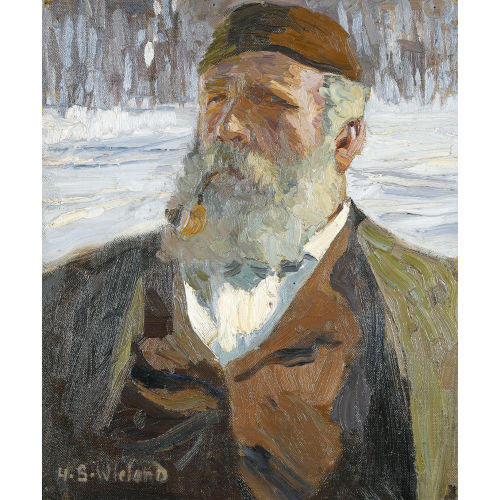
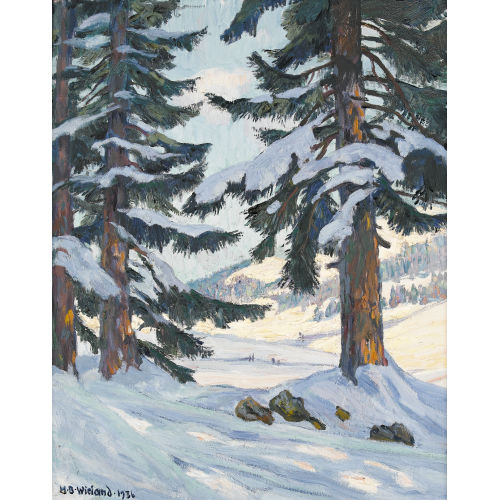
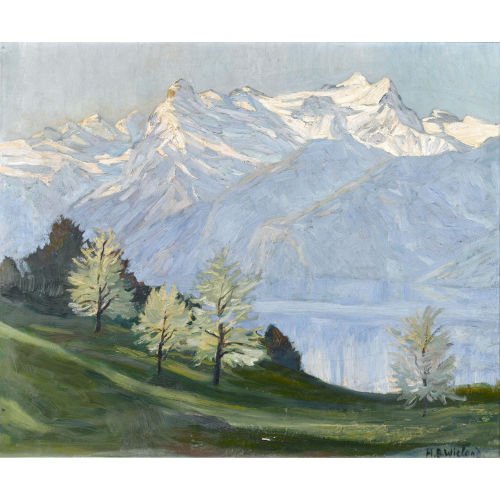
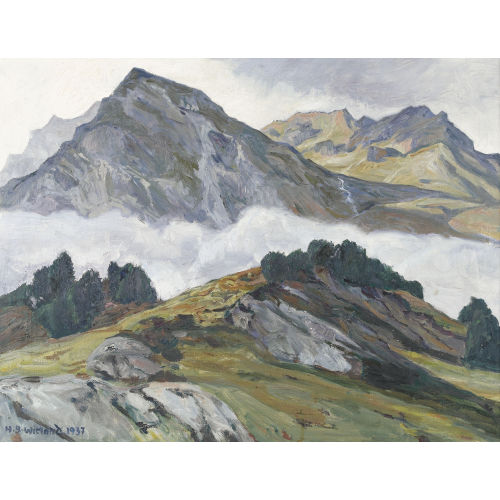
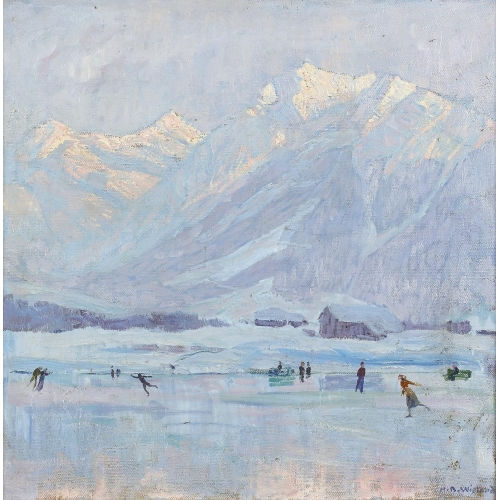
Hans Beat Wieland (1867–1945) gives mountain landscapes a presence grounded as much in observation as in atmosphere. Born near Mörschwil and raised in Basel, he studied drawing under Fritz Schider before continuing his training in Munich, where he joined the Secession in 1894. The panorama of the Tyrolean Alps that he created with Zeno Diemer for the World’s Columbian Exposition in Chicago in 1893 heralded his interest in views of expansive scale.
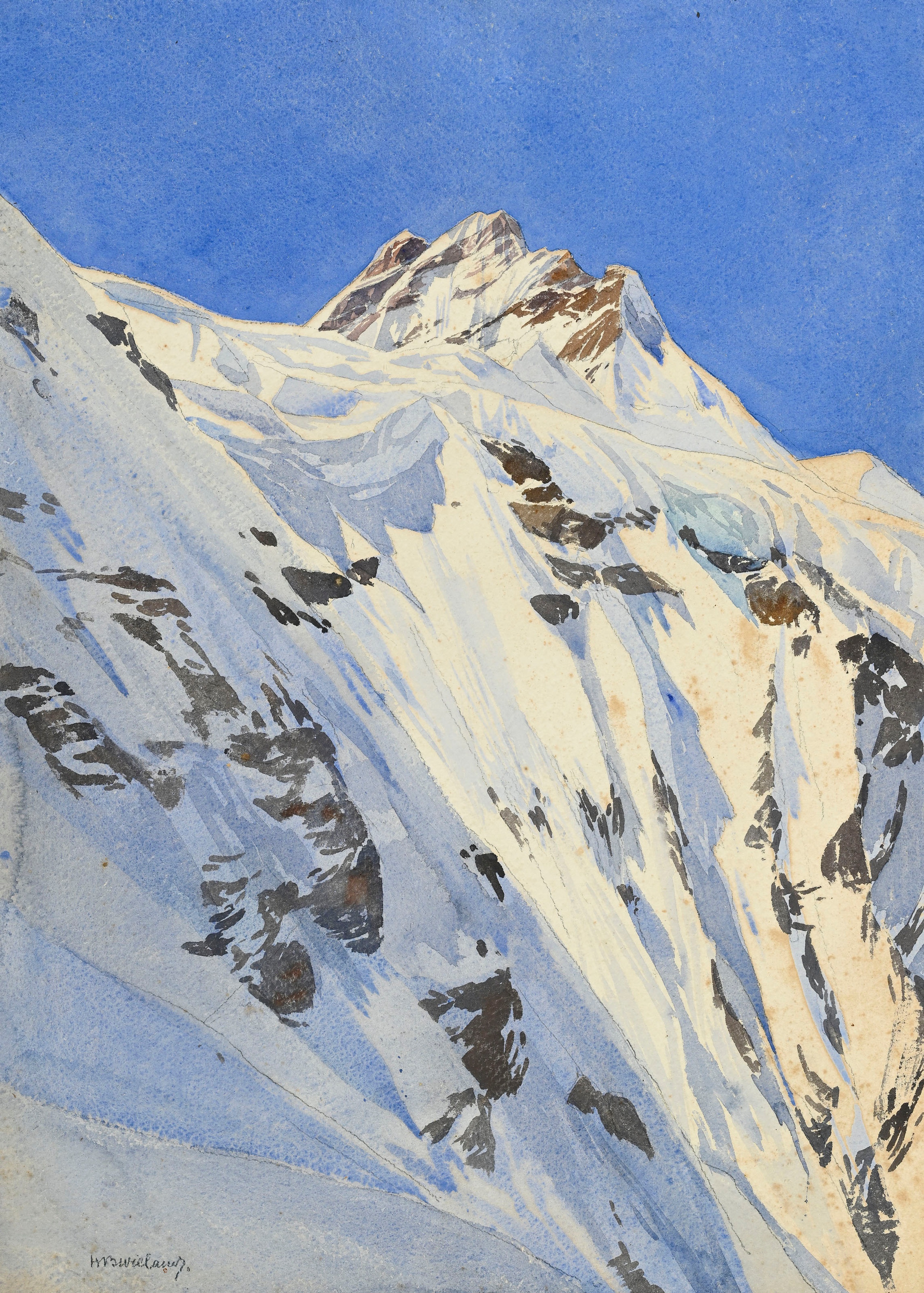
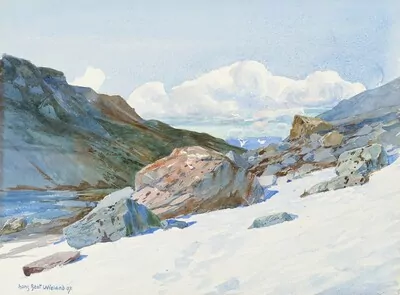
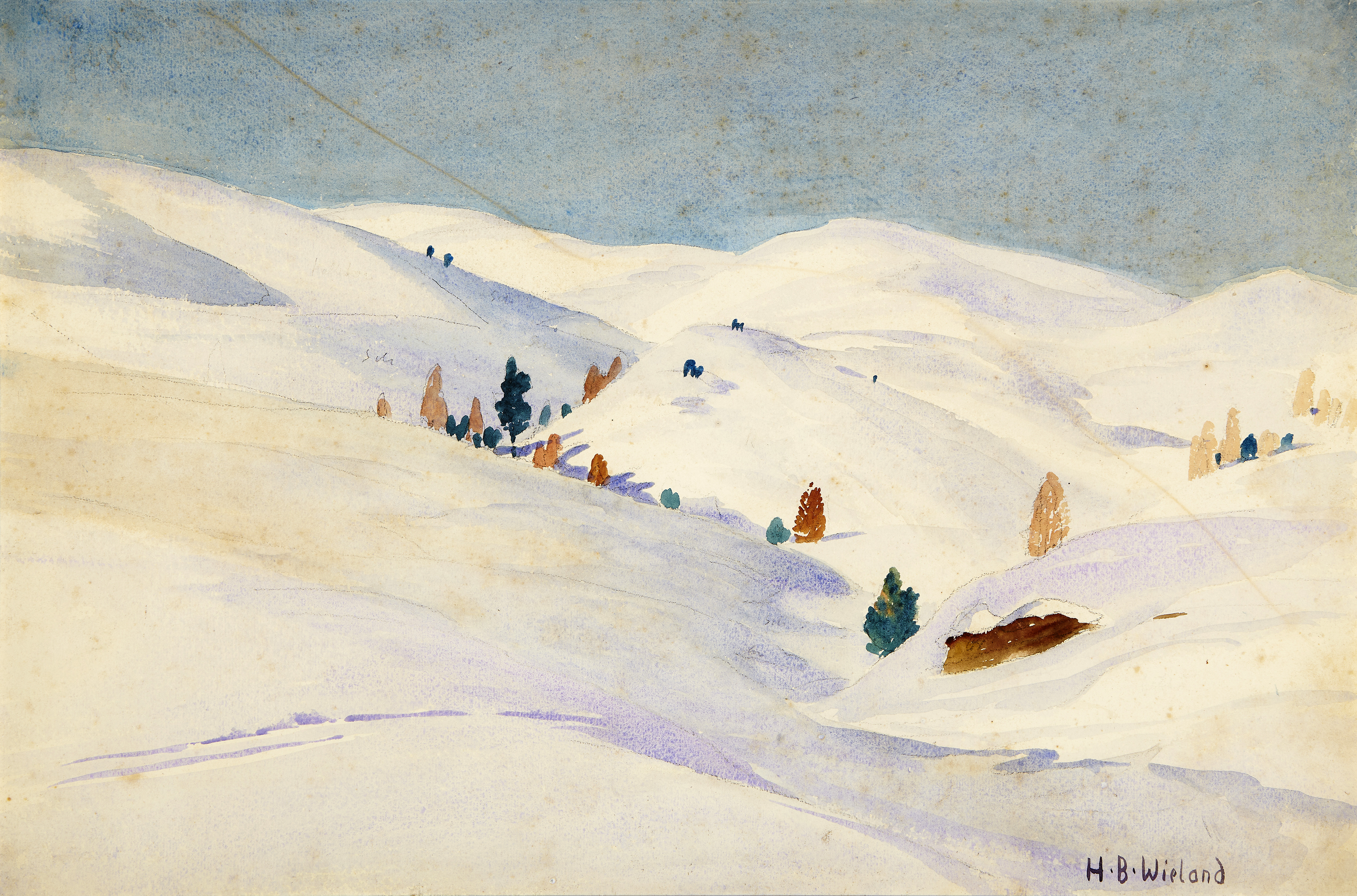
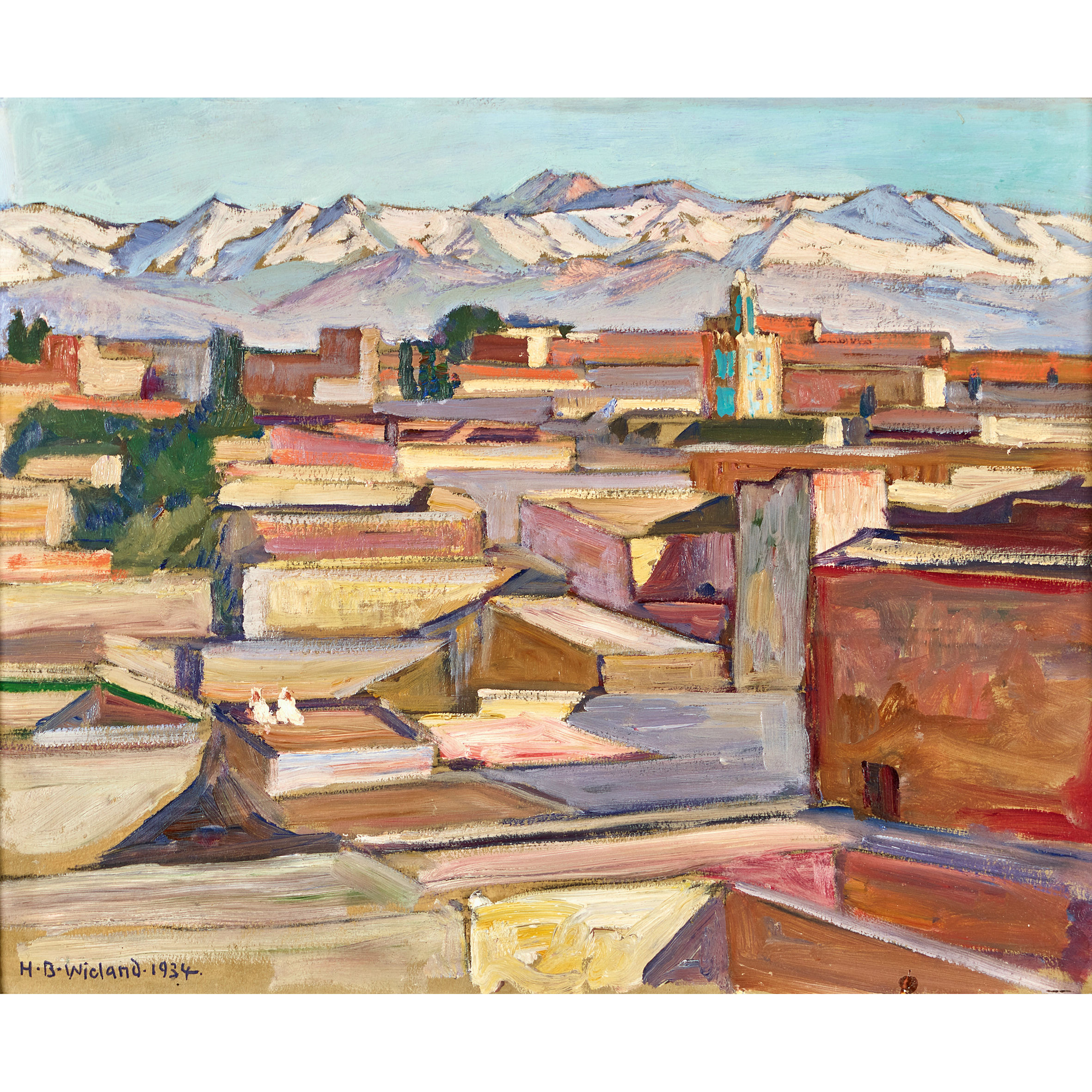
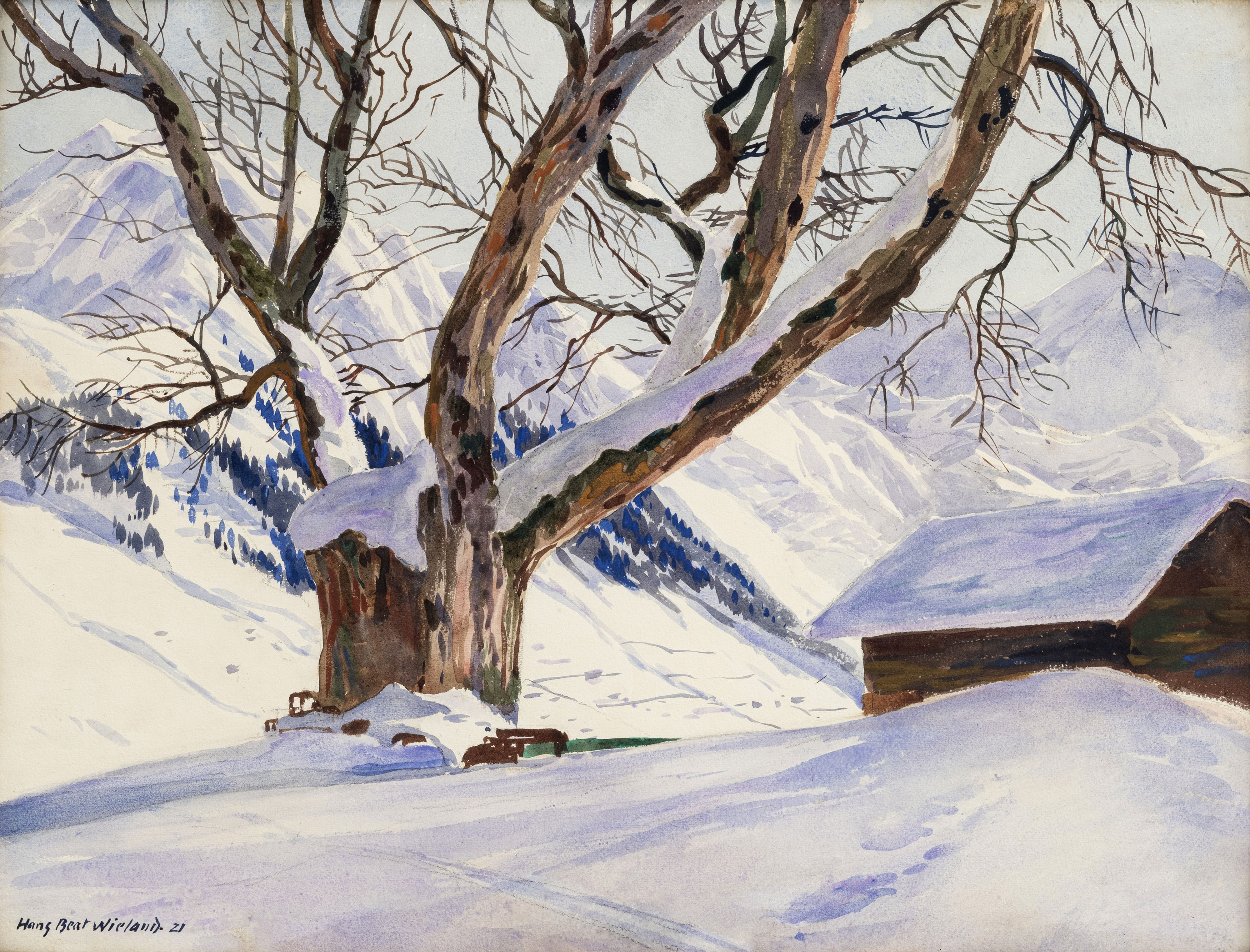
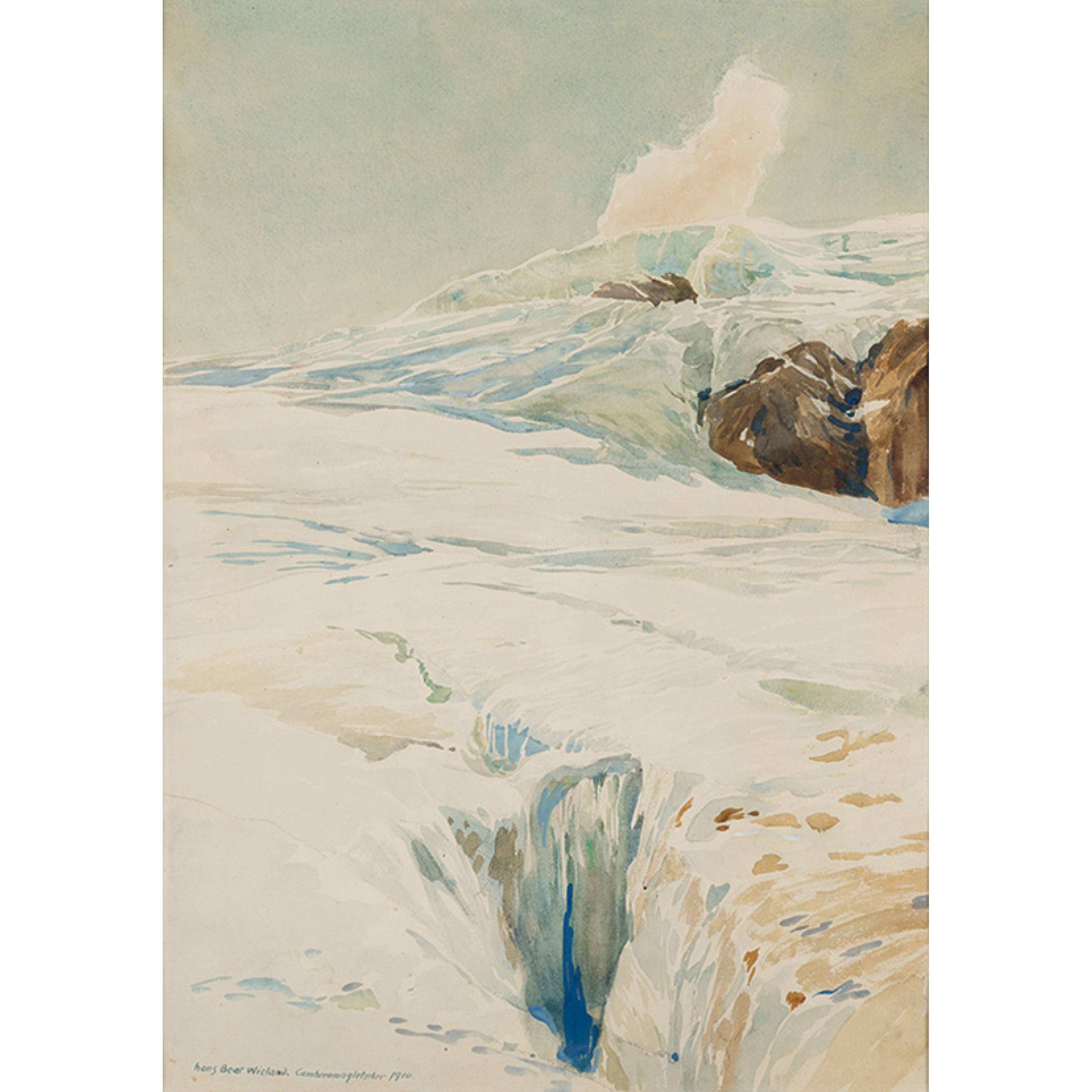
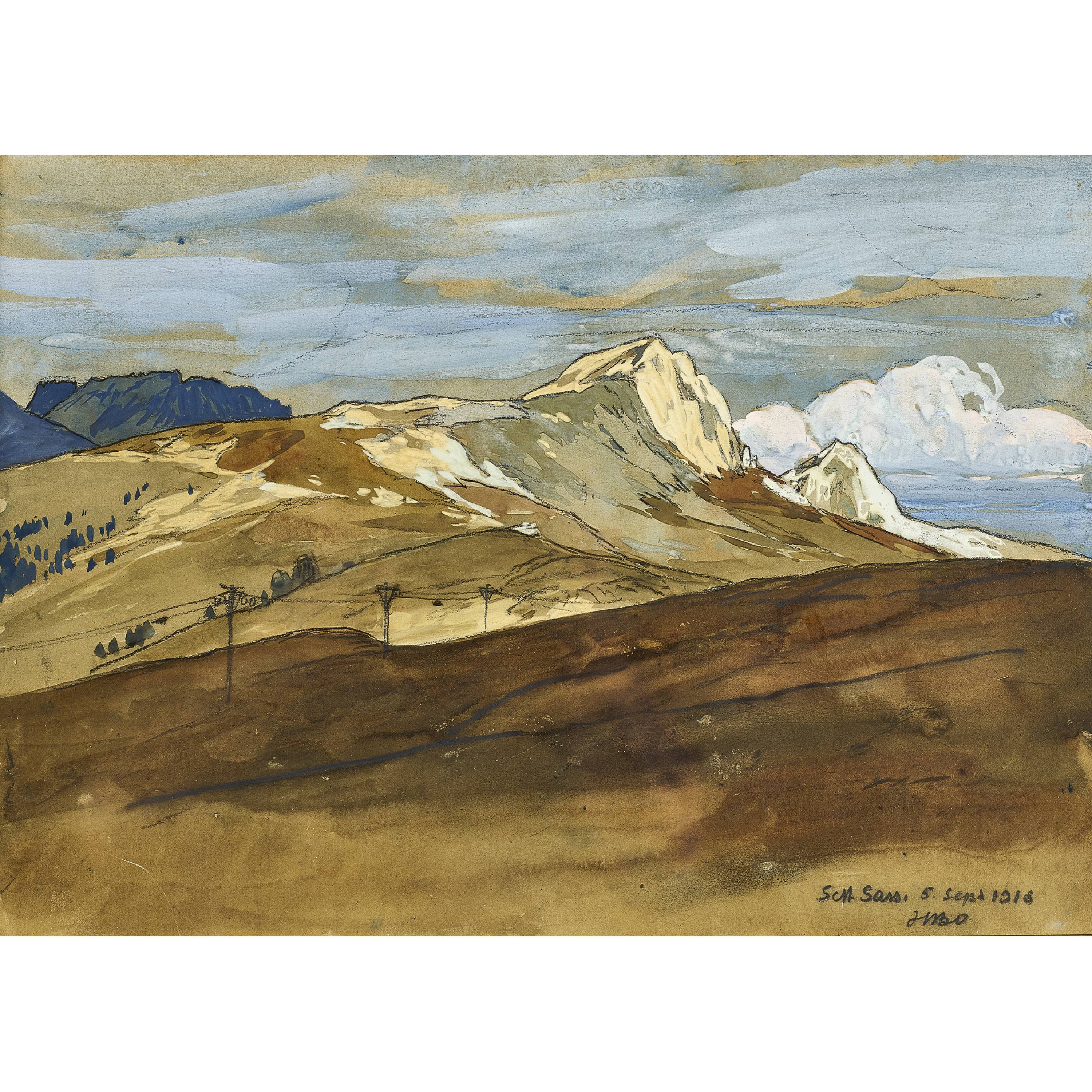
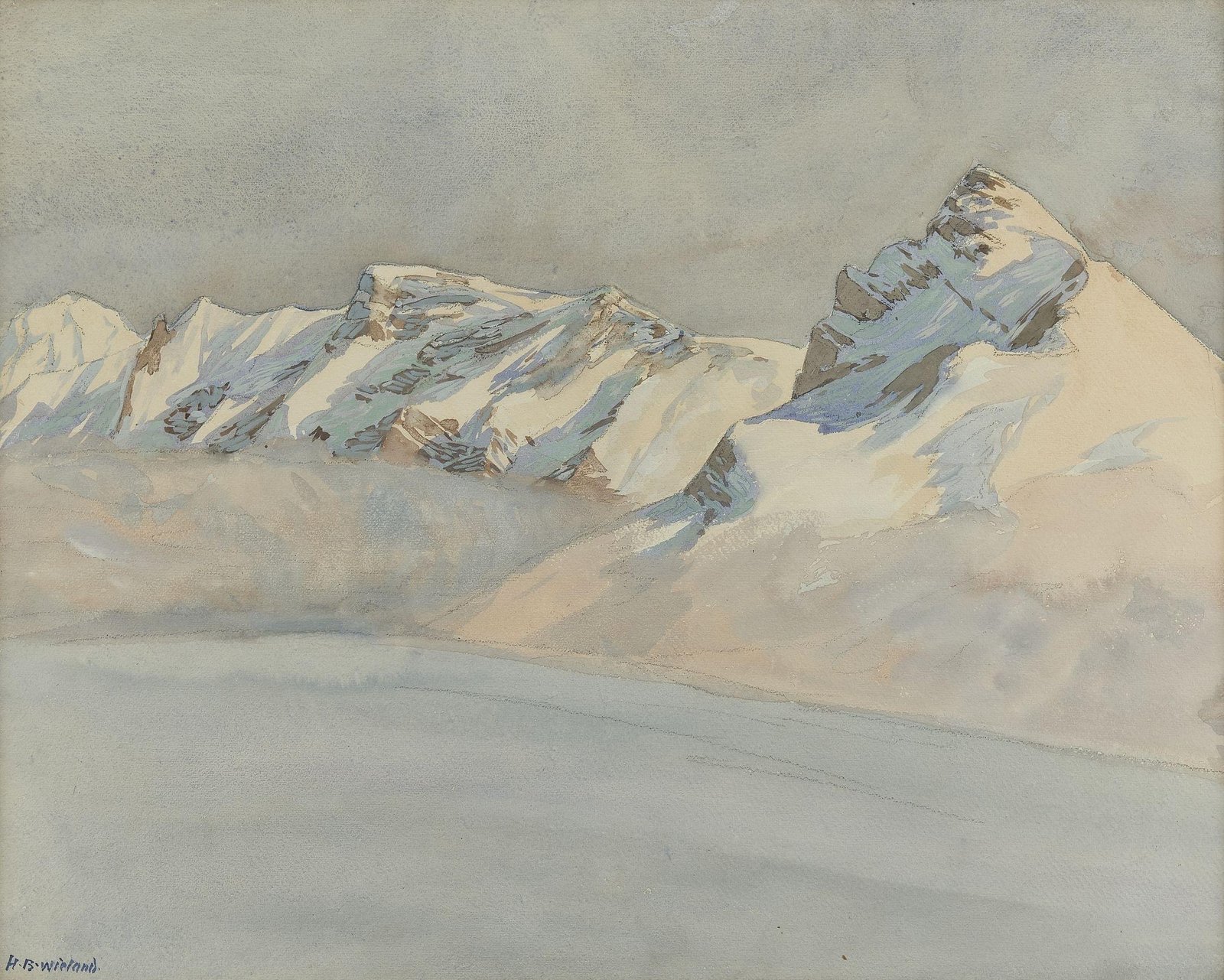
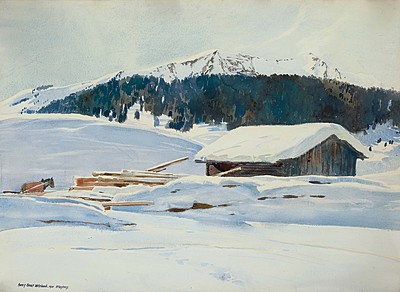
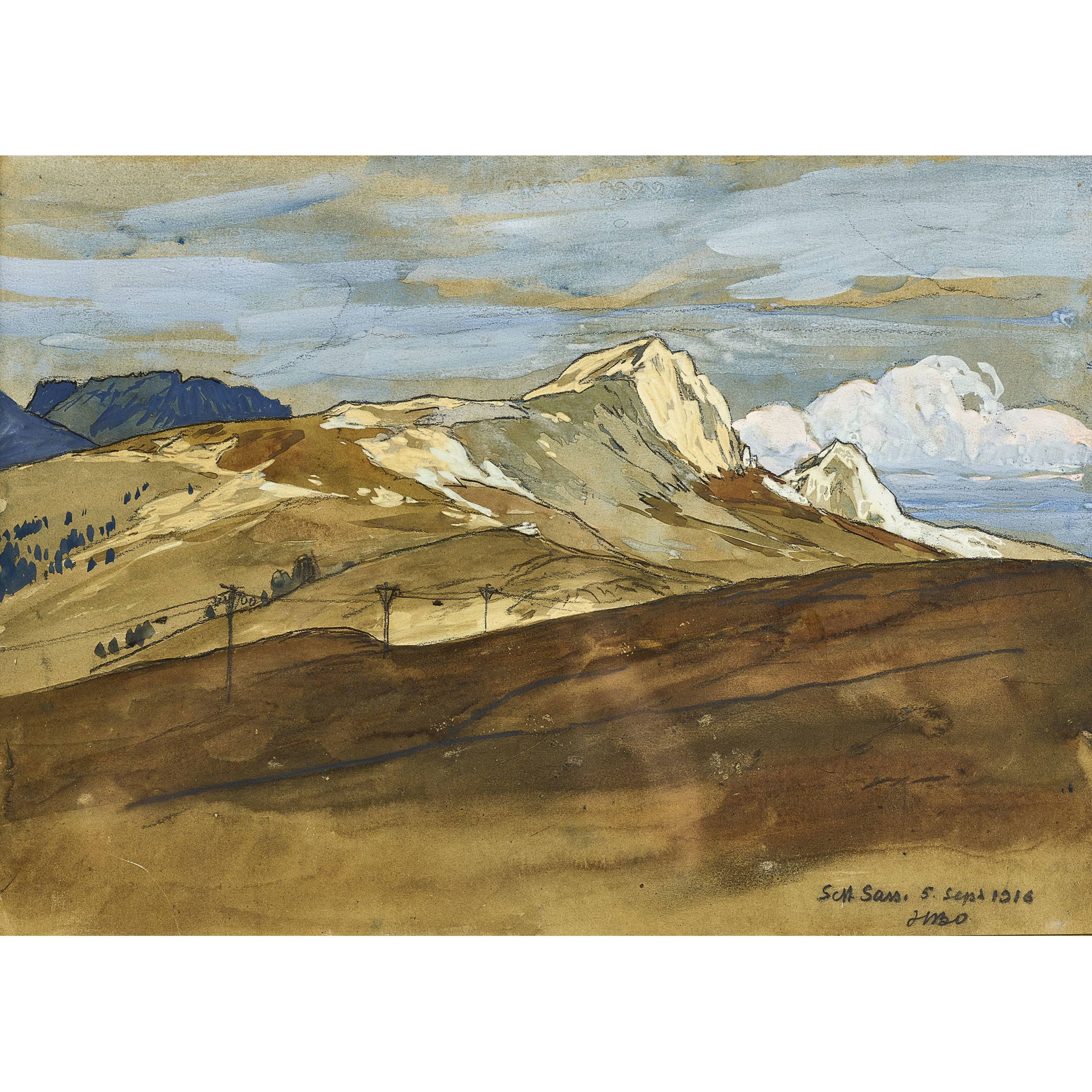
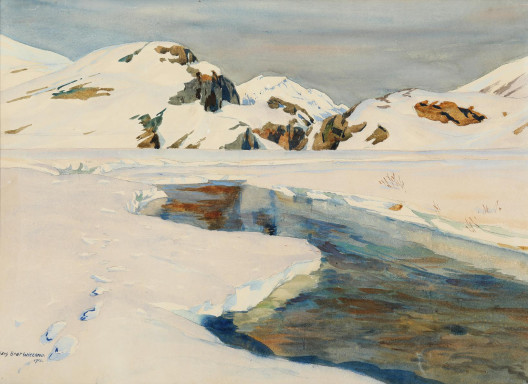
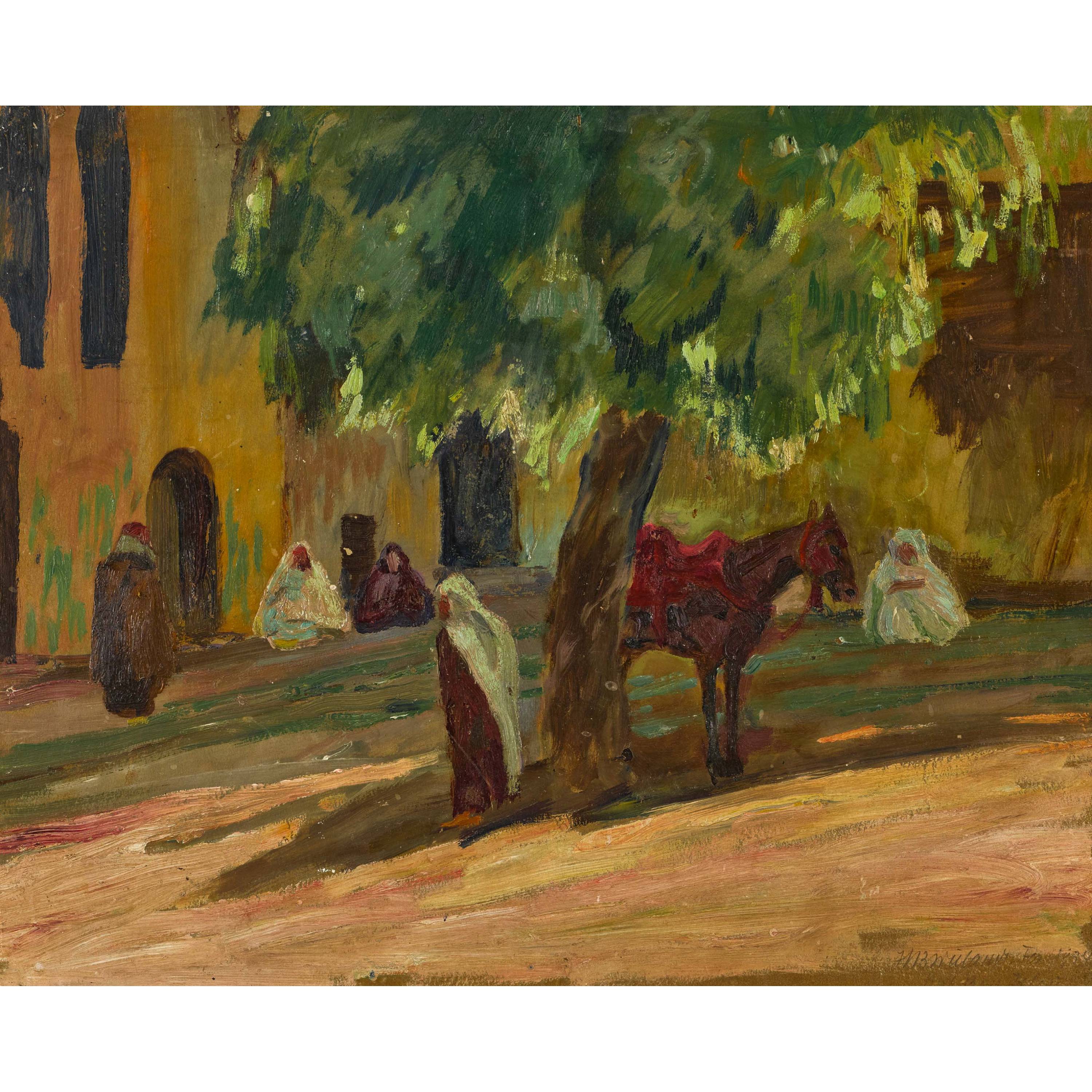
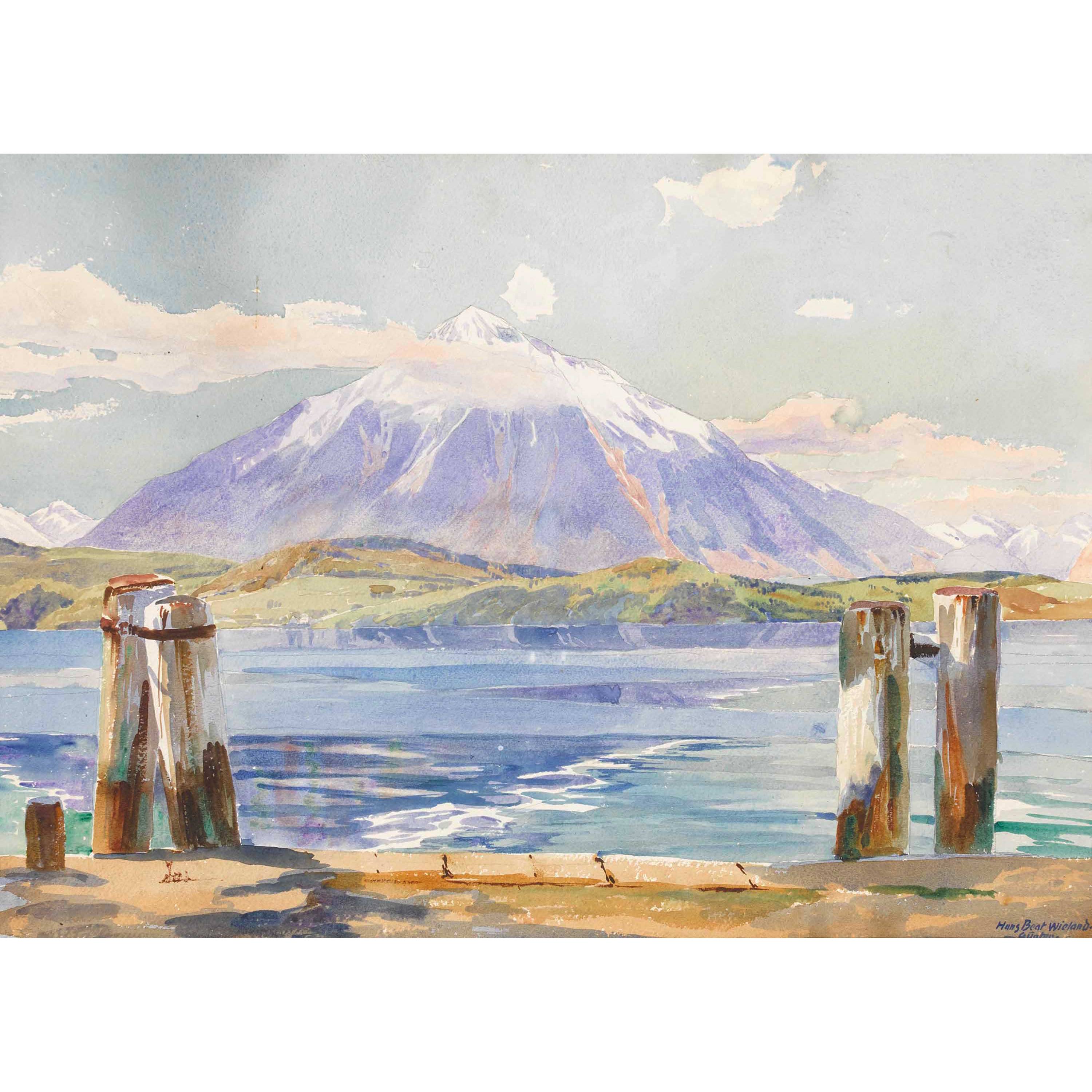
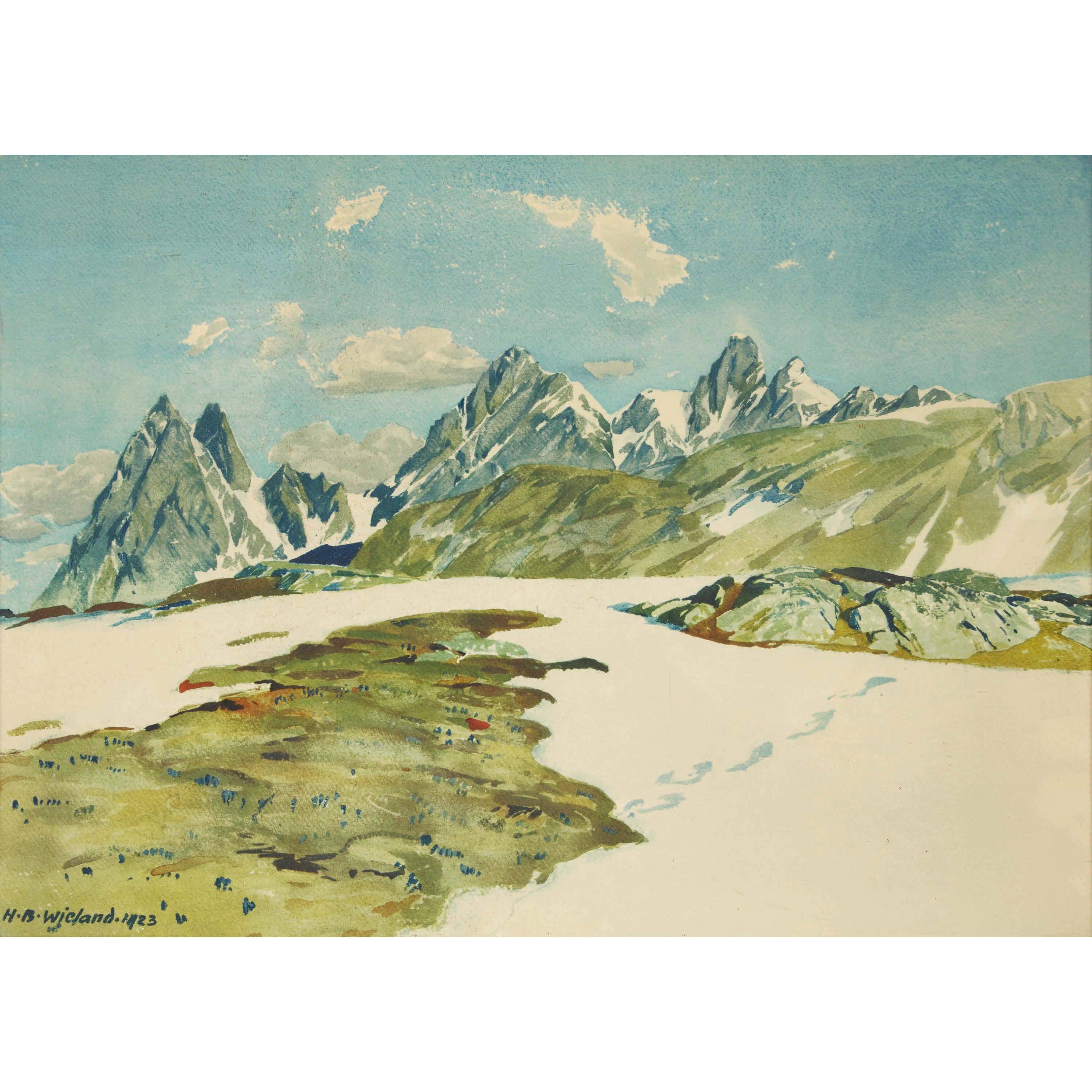
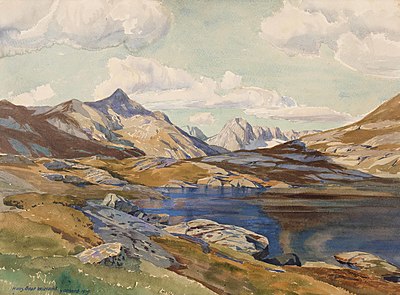
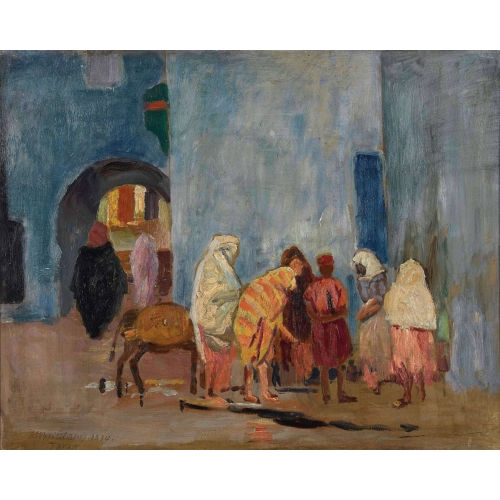
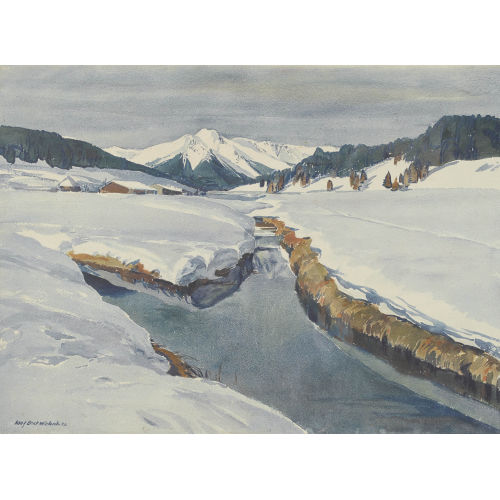
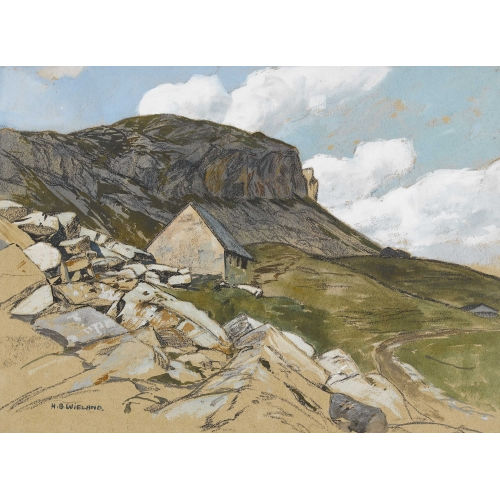
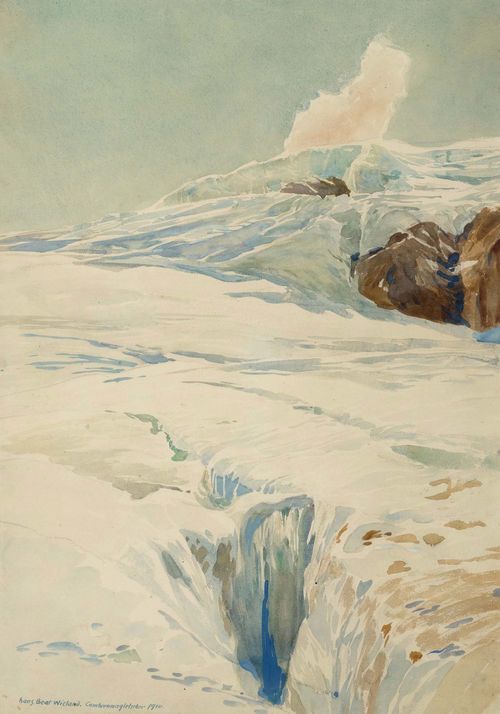
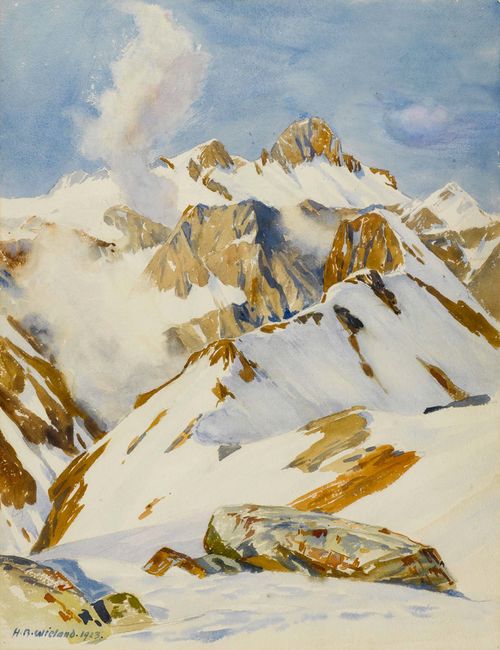
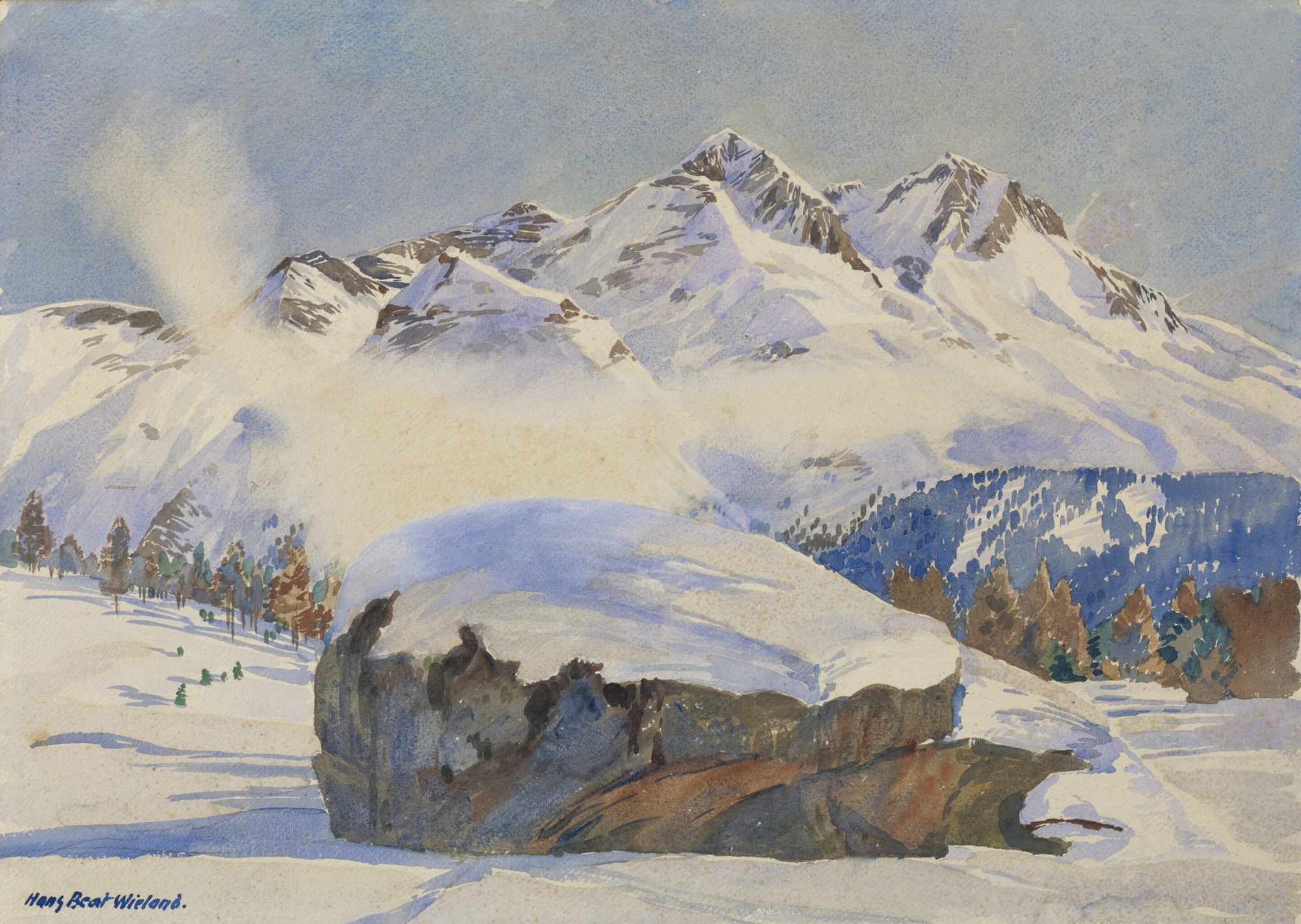
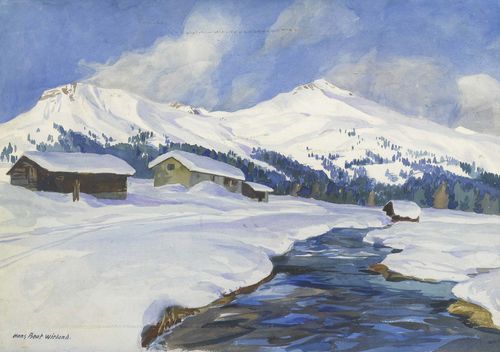
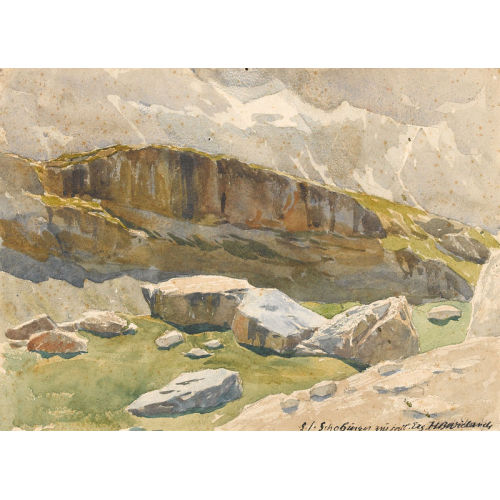
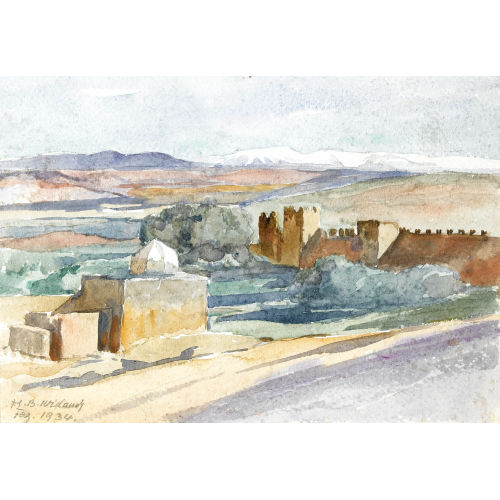
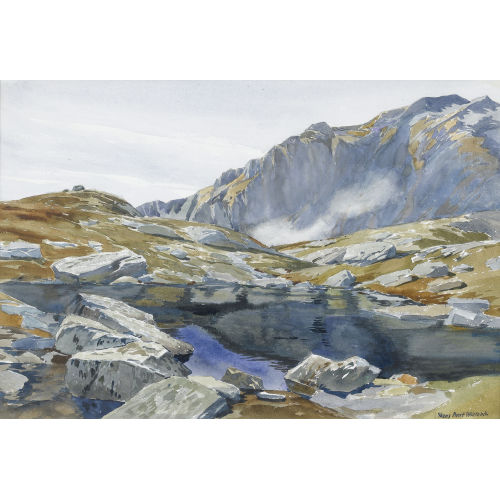
Yet he also looked at landscapes from the traveller’s perspective, through drawing and watercolour.
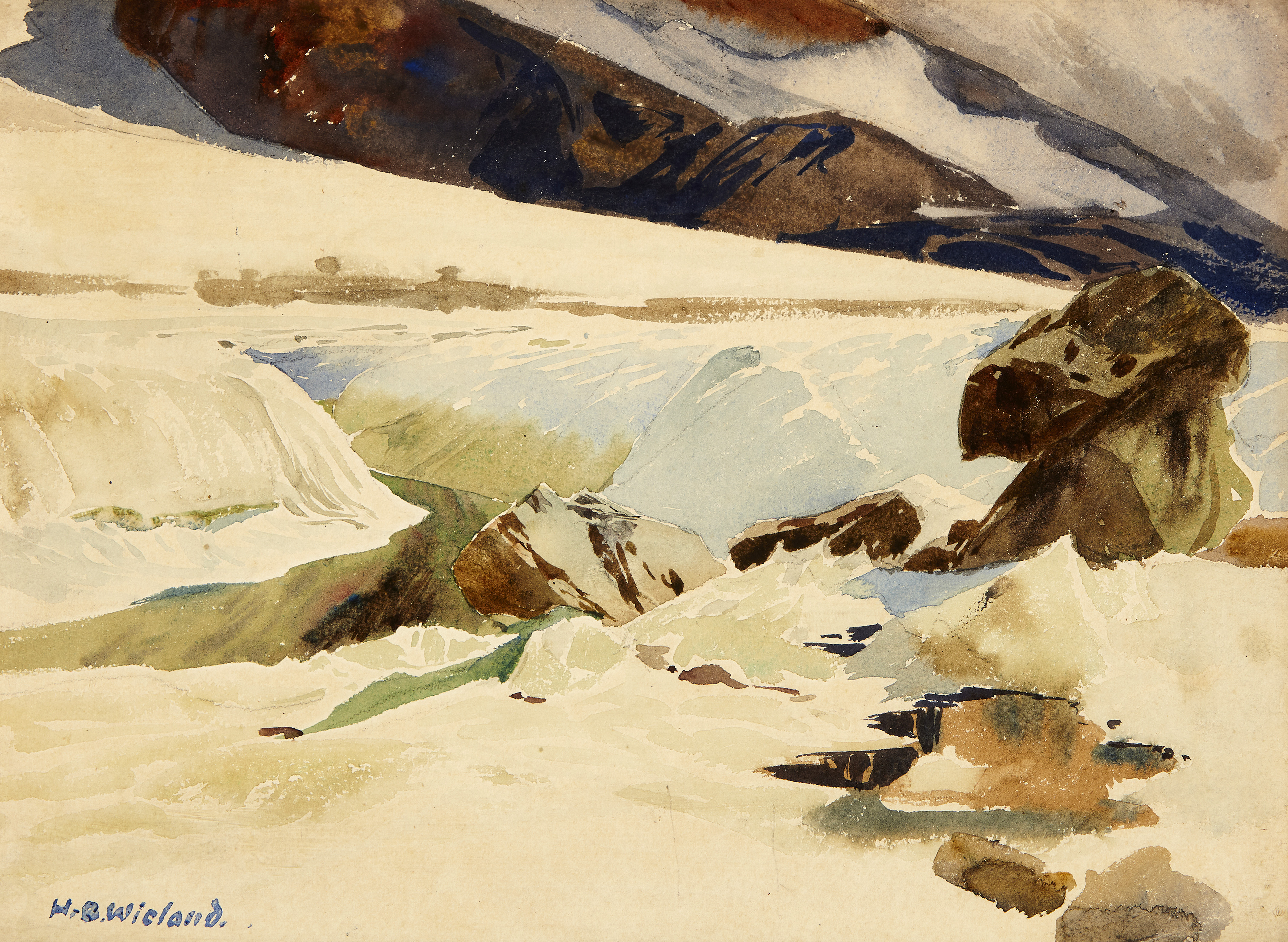
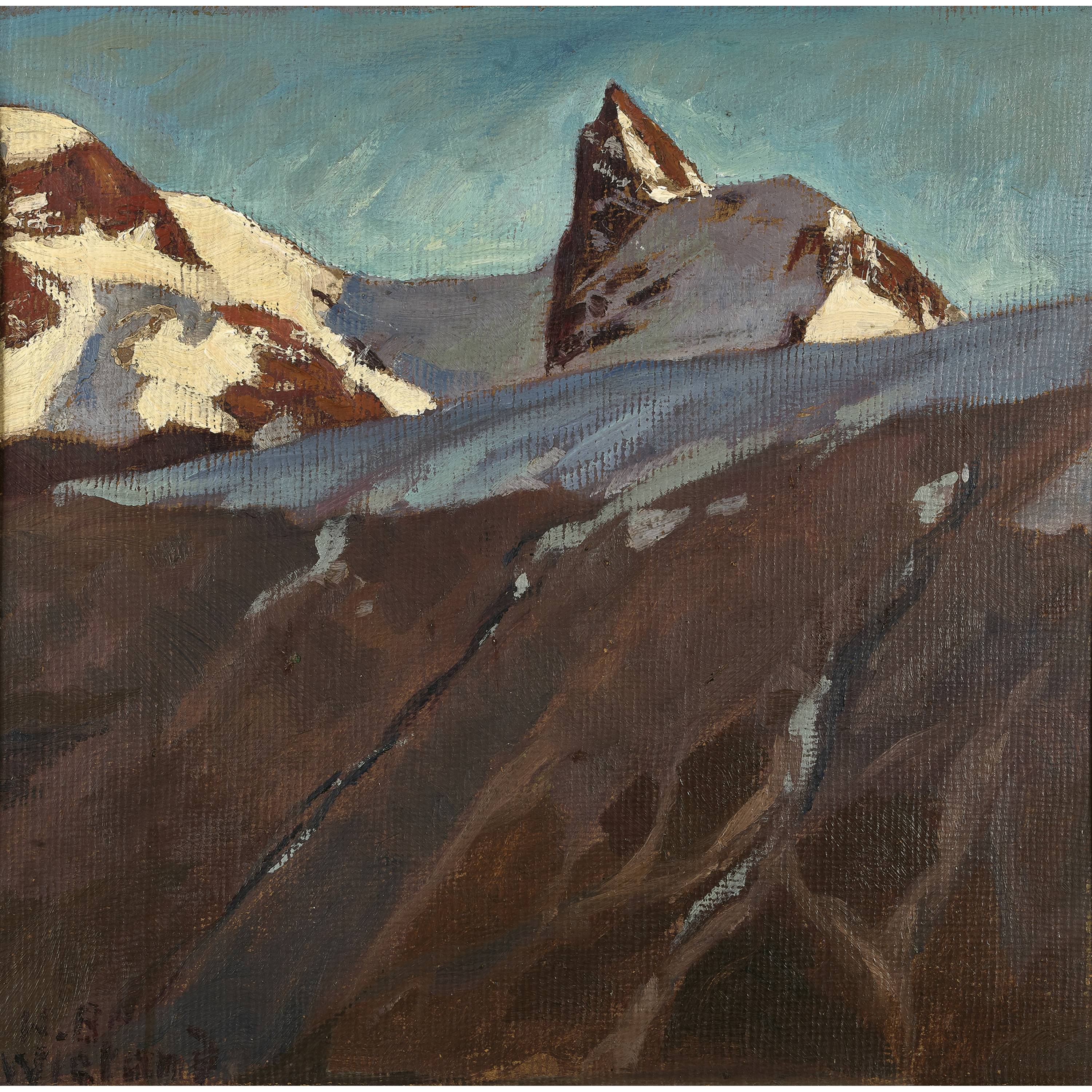
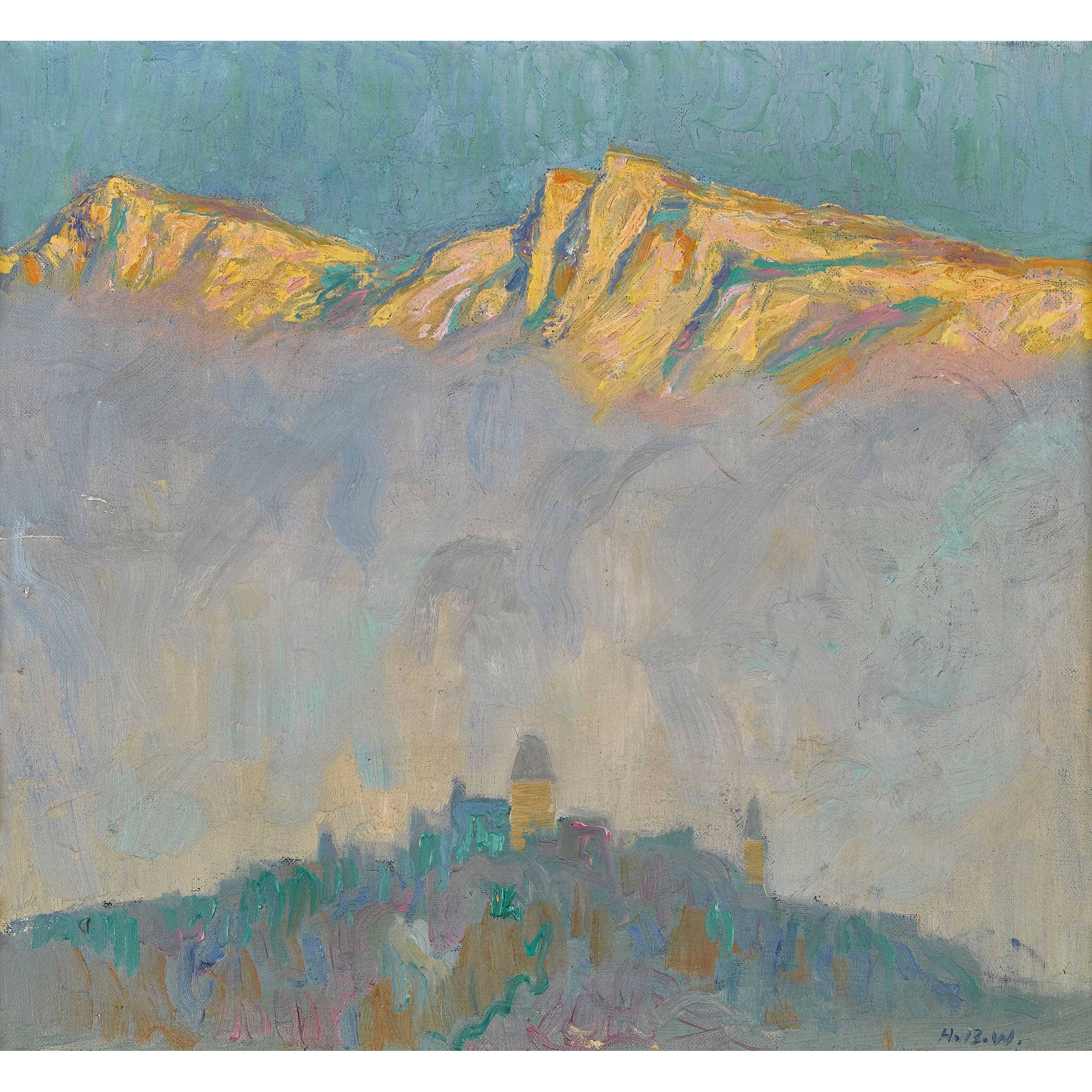
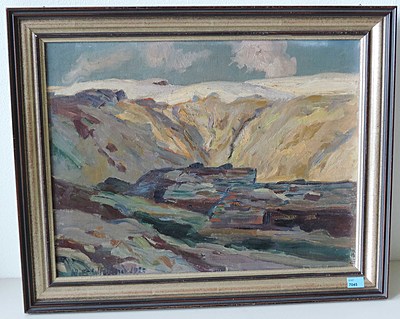
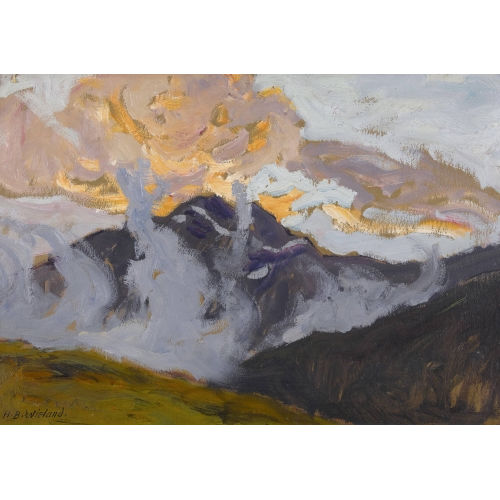
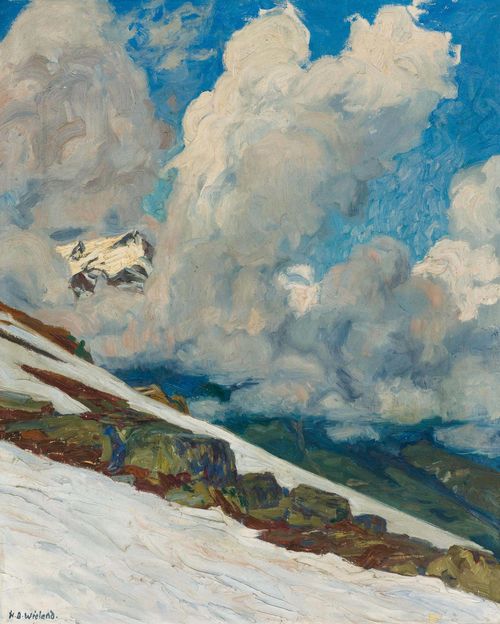
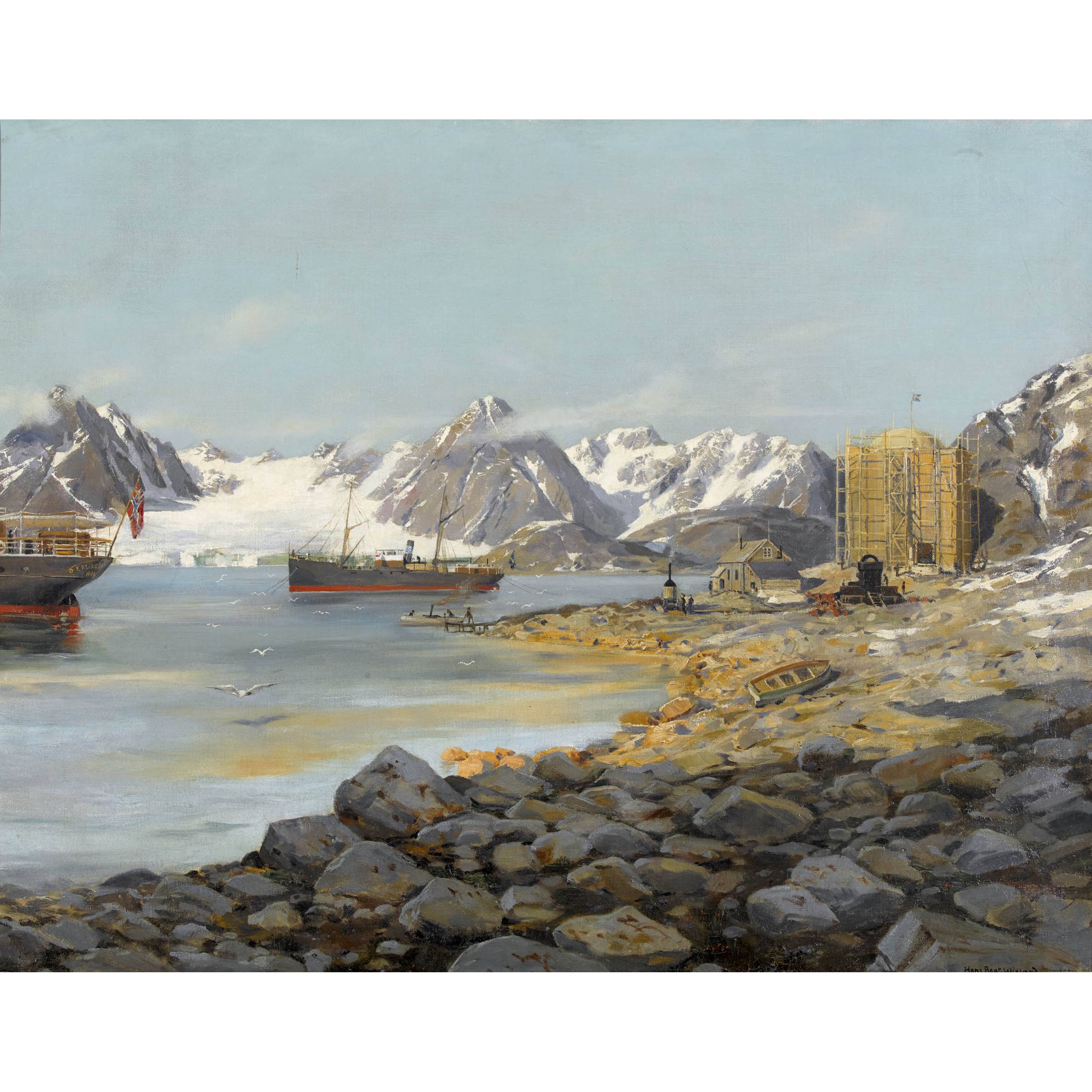
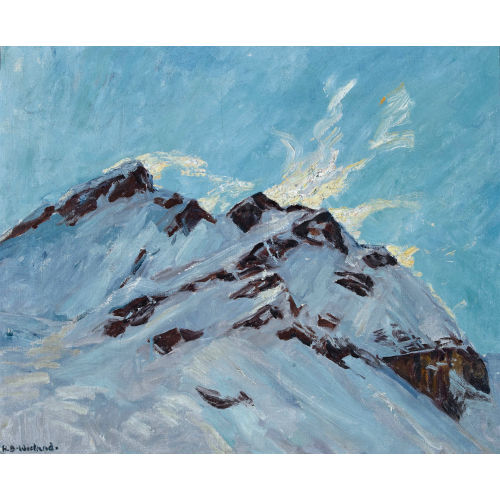
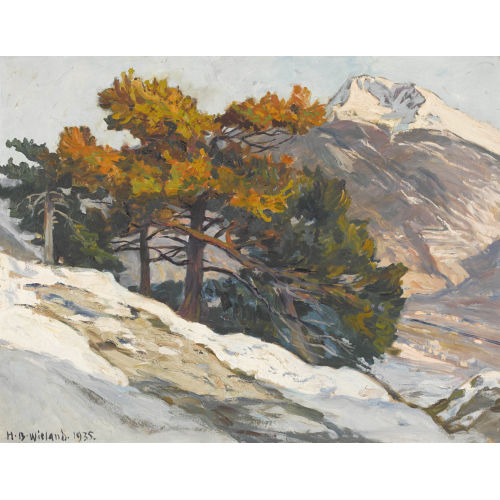
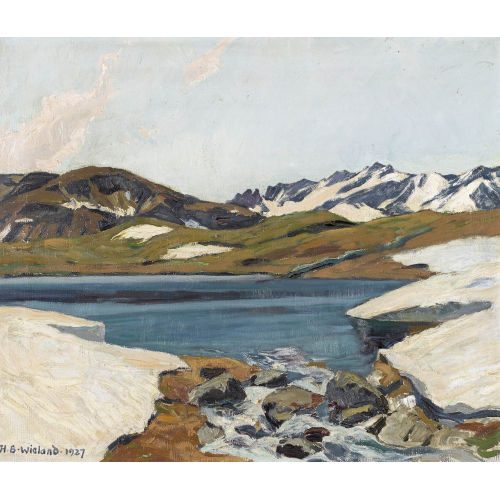
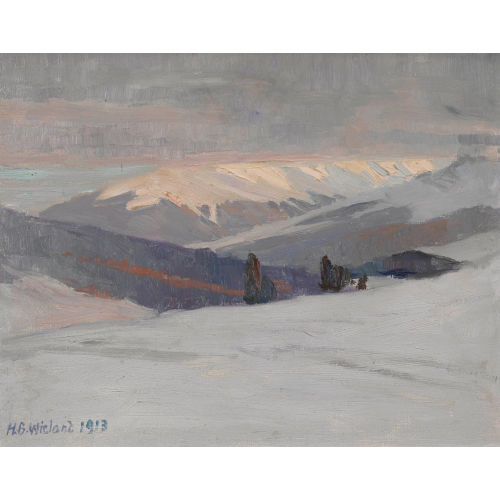
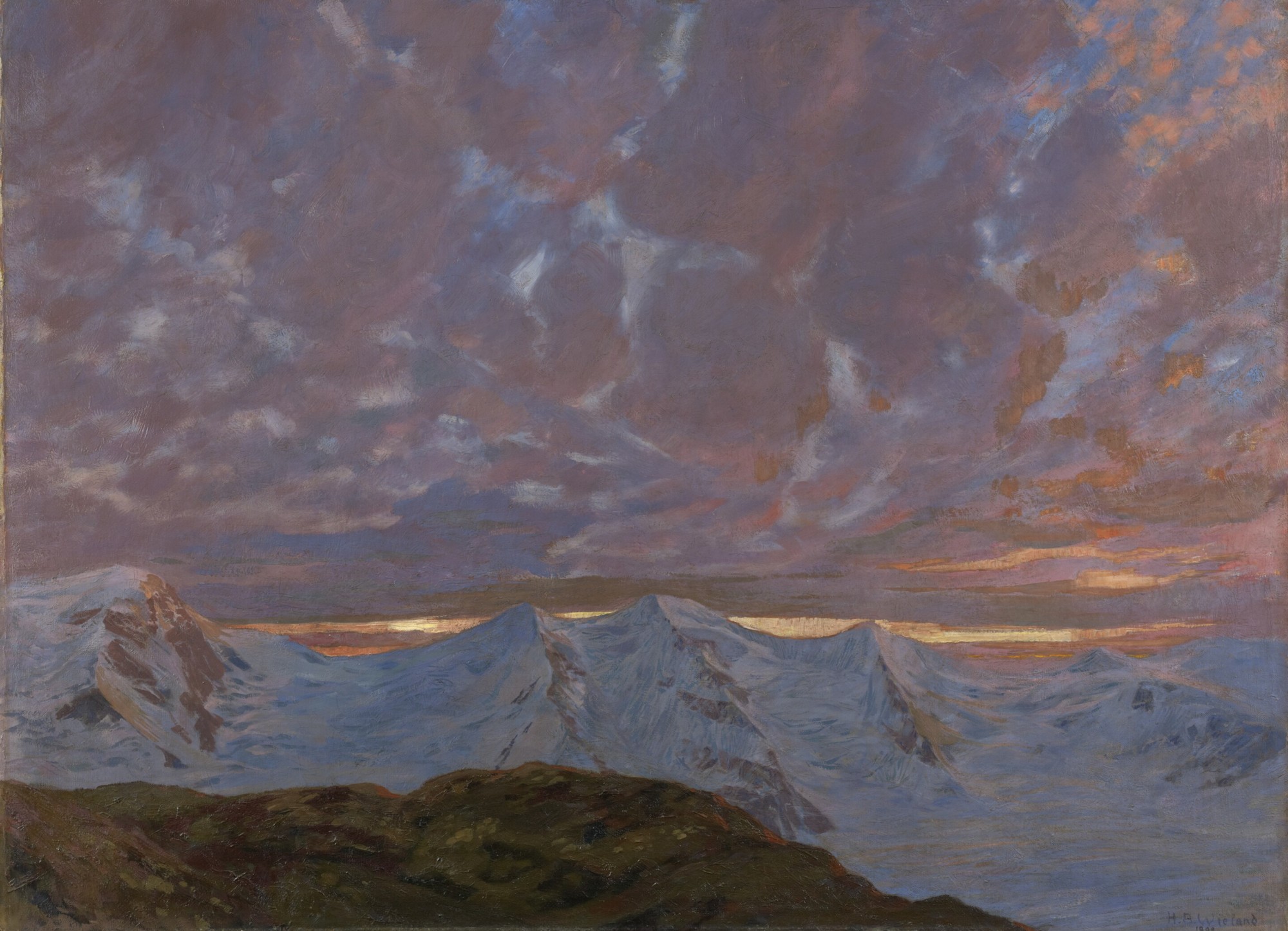
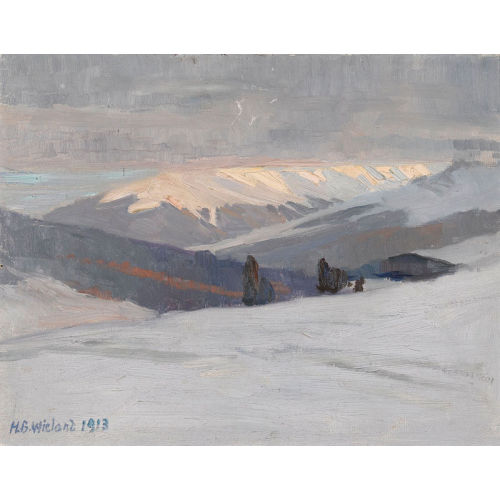
In 1896 and 1897, he accompanied as a reporter-illustrator the planned departure of Salomon August Andrée’s balloon polar expedition to Spitsbergen. His images of the Far North broaden the repertoire of a painter chiefly associated with the Swiss Alps. Peaks, lakes and clouds became for him subjects in which relief and light shaped a sensuous experience of place.
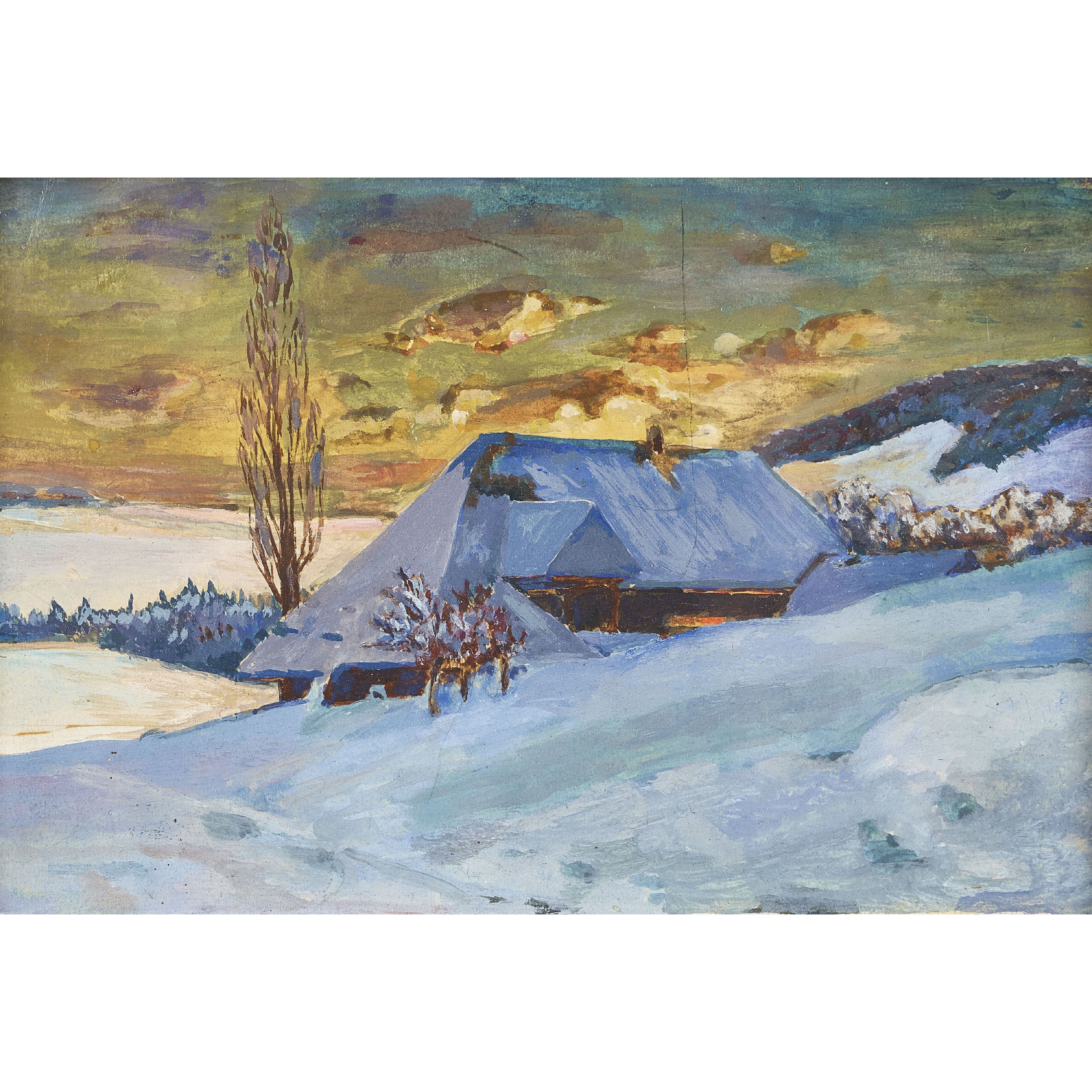
“Sonnenuntergang Frutt” (“Sunset at Frutt”), an oil on canvas from 1945 held by the Stiftung für Kunst, Kultur und Geschichte in Winterthur, attests to the persistence of this motif at the end of his life.
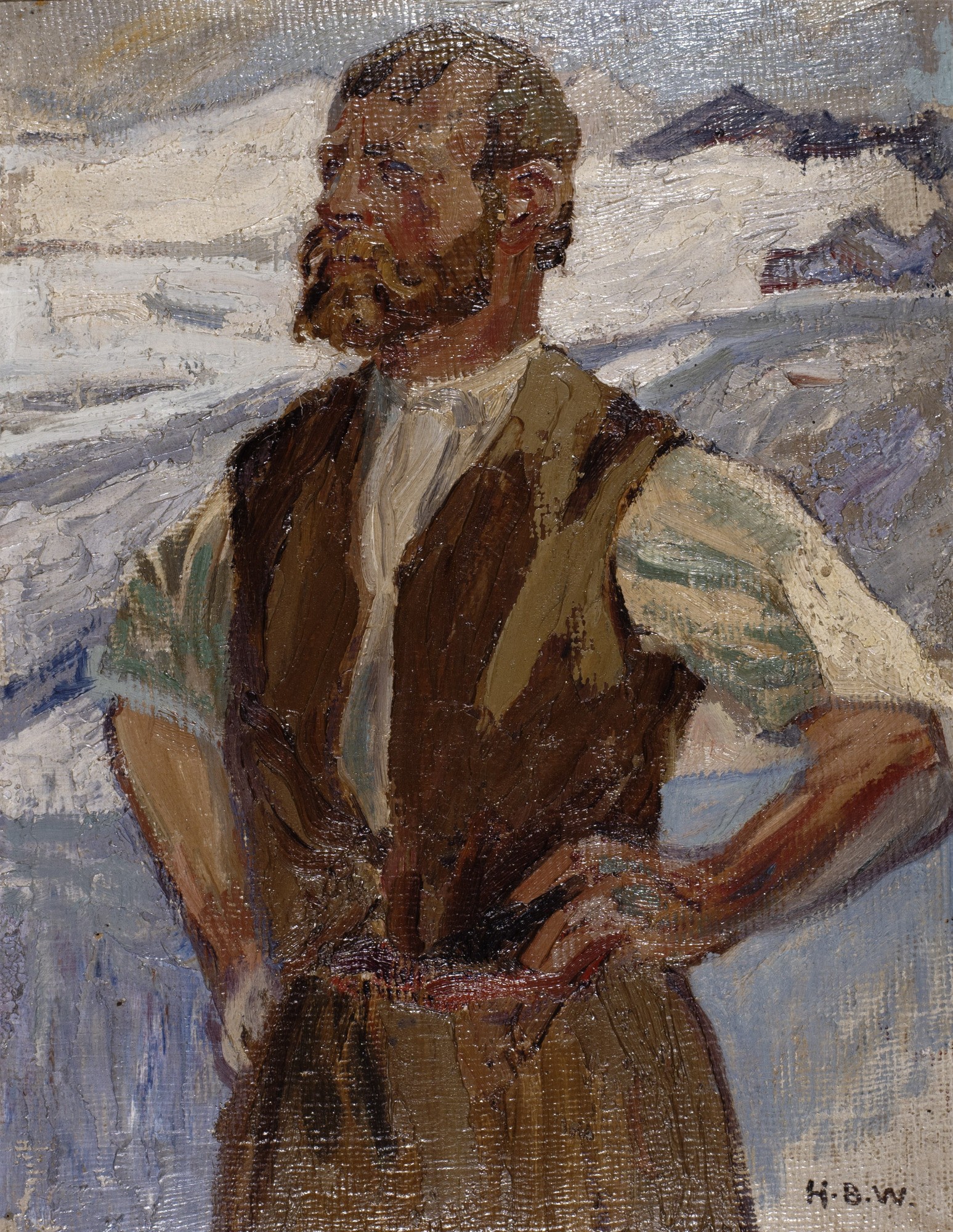
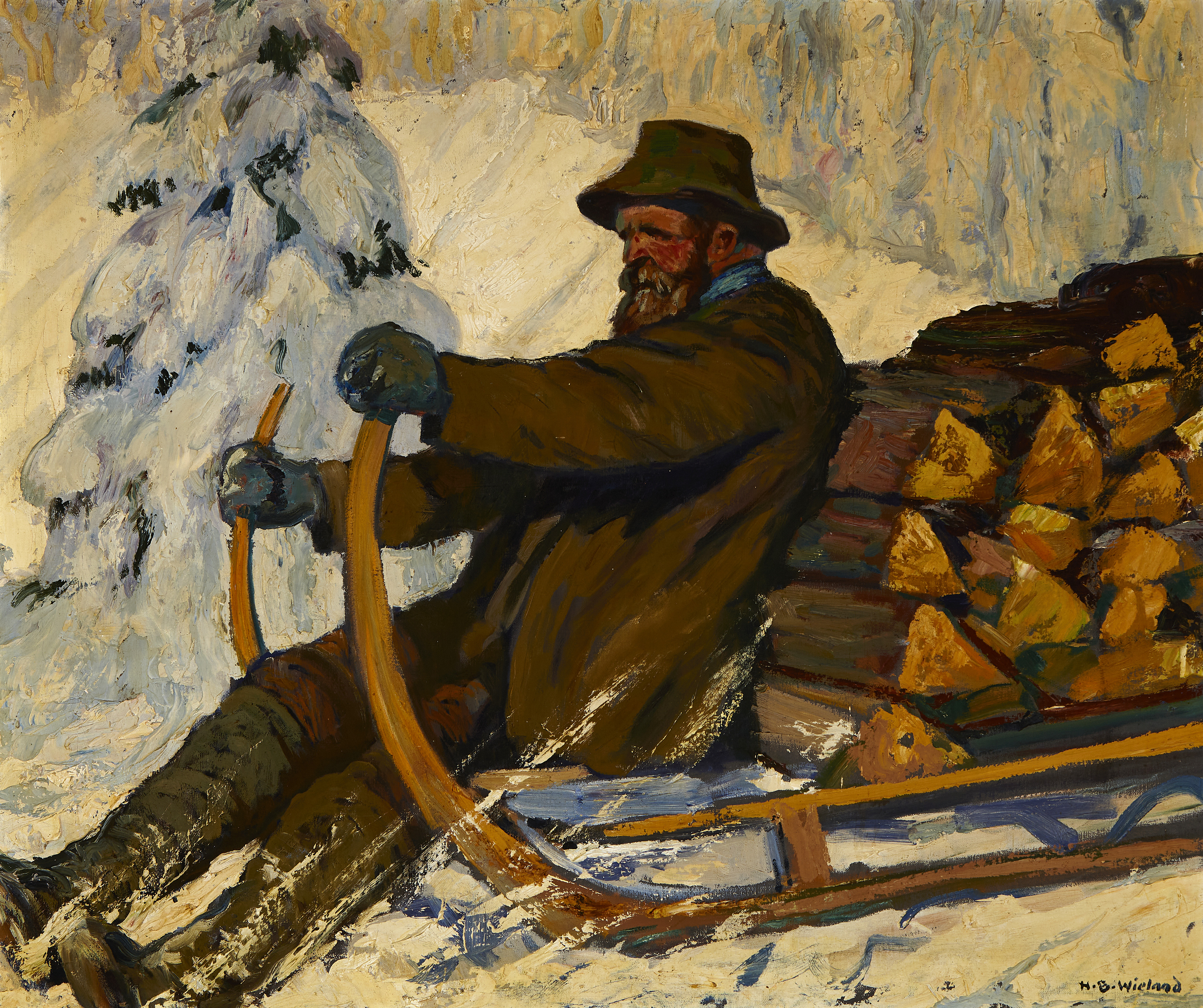
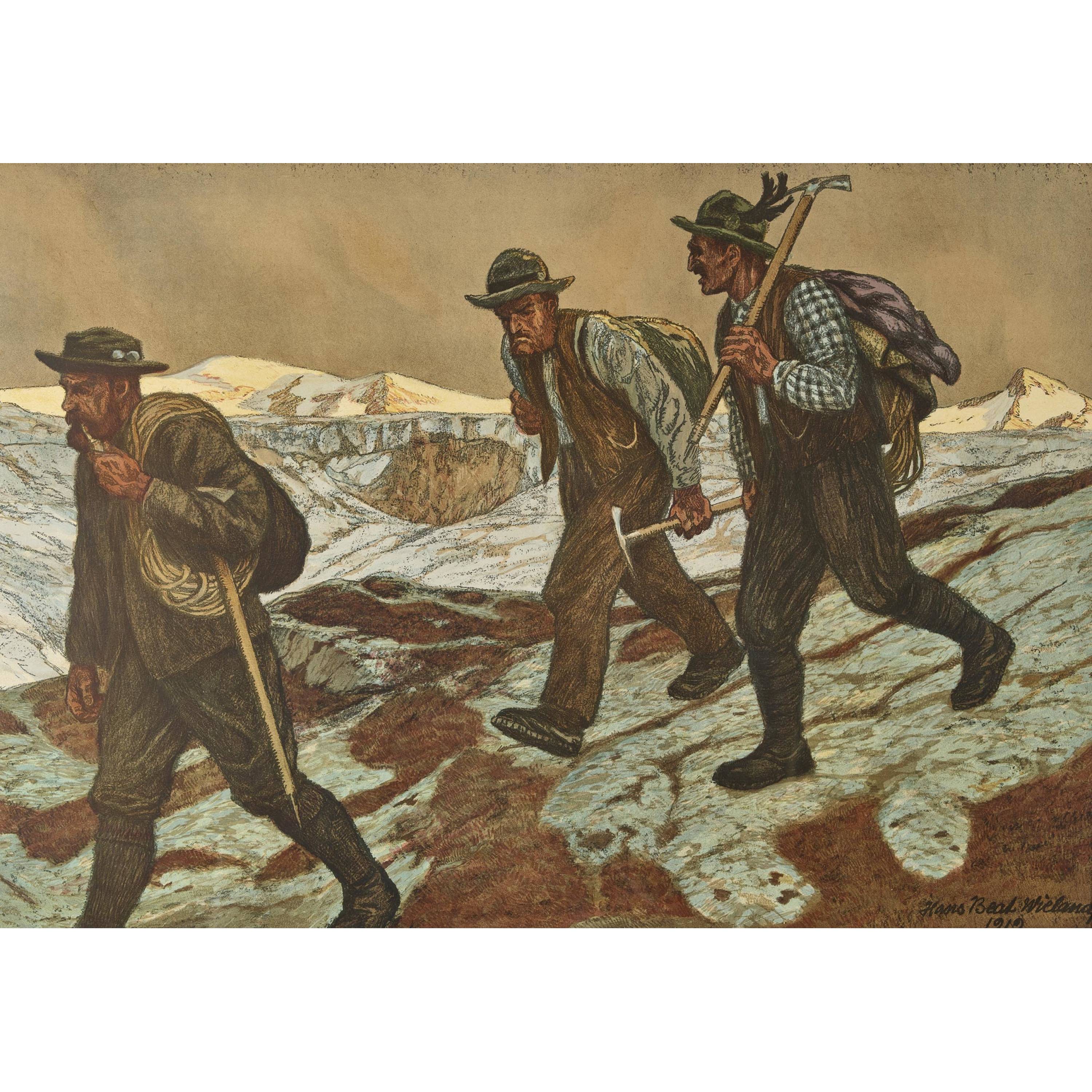
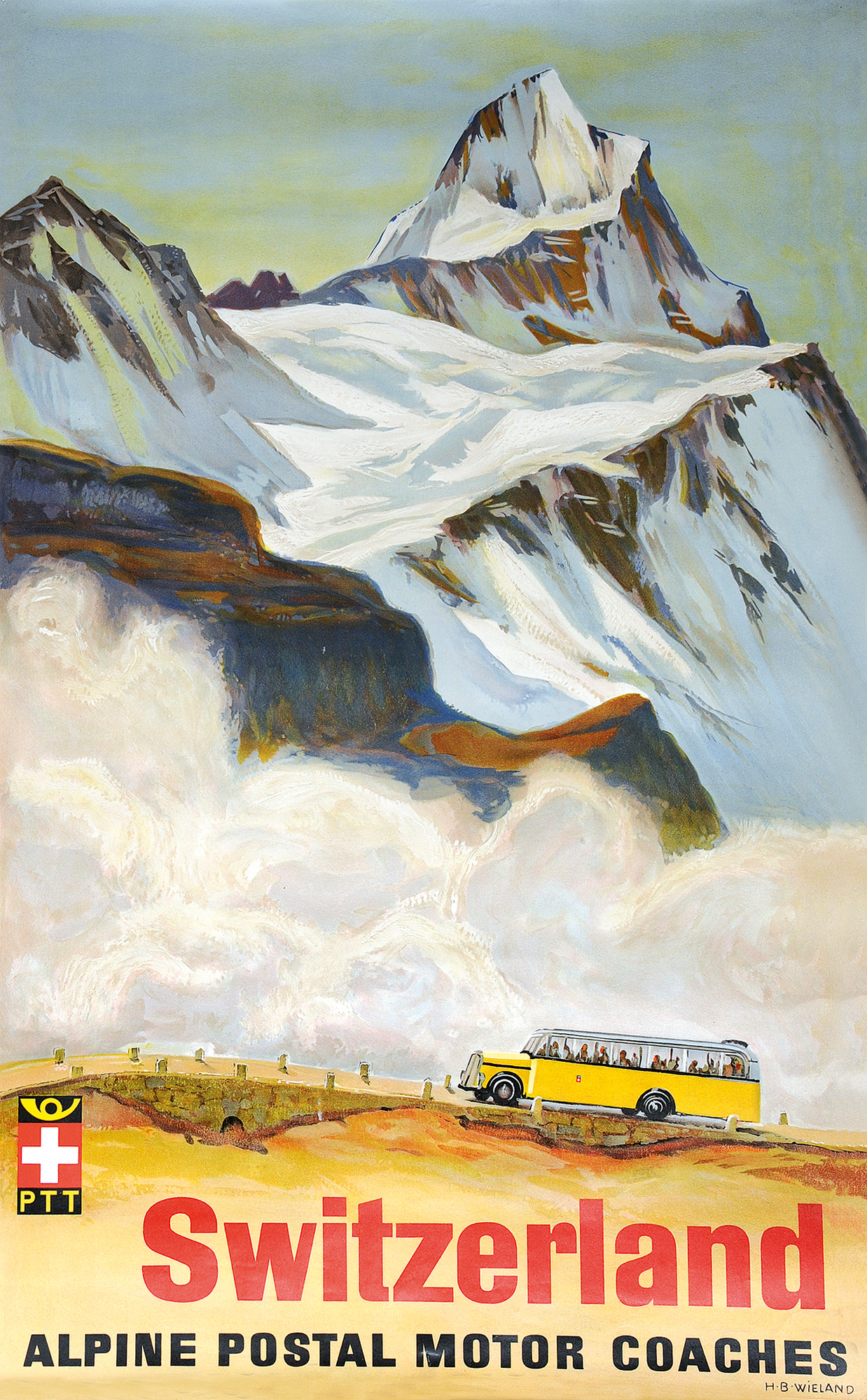
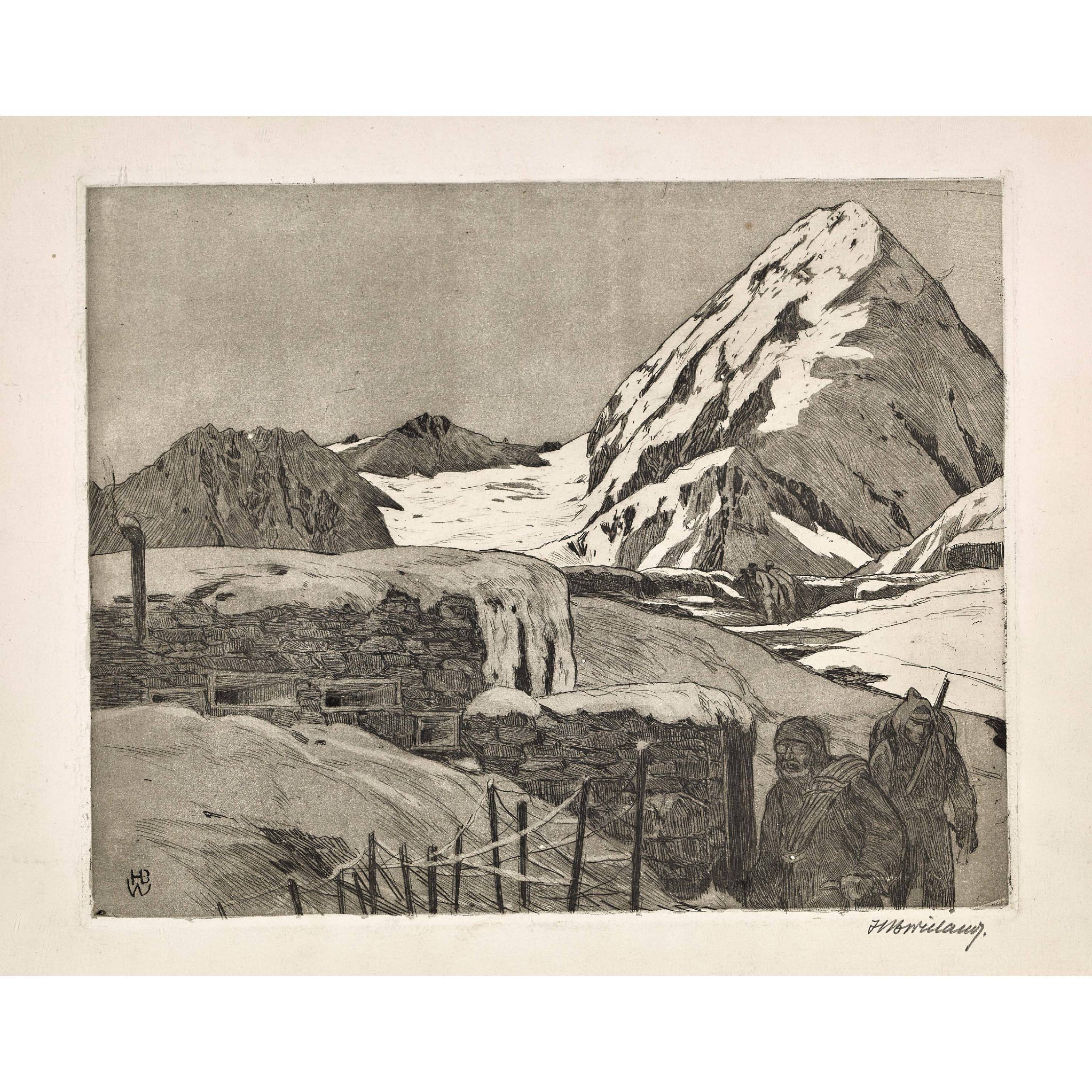
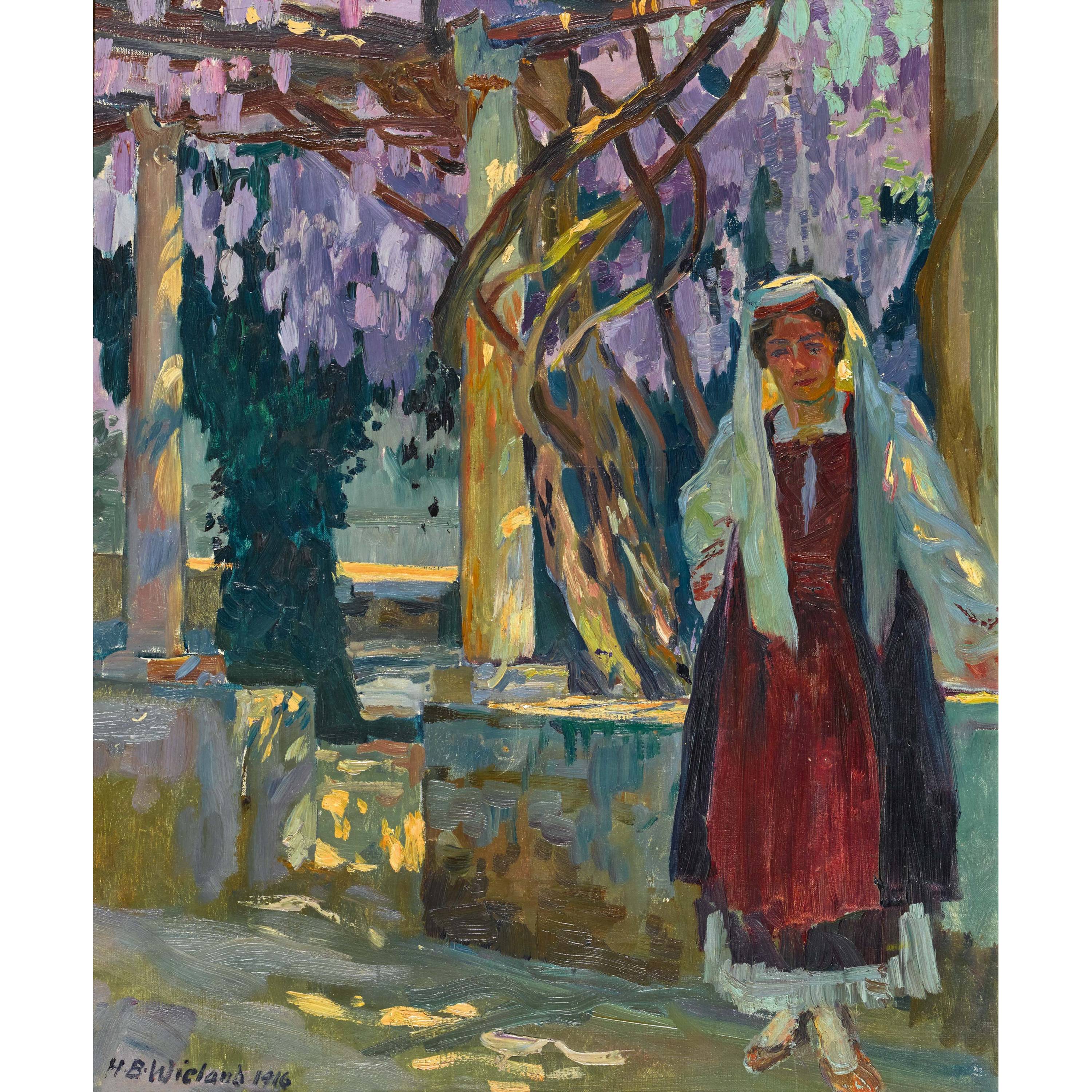
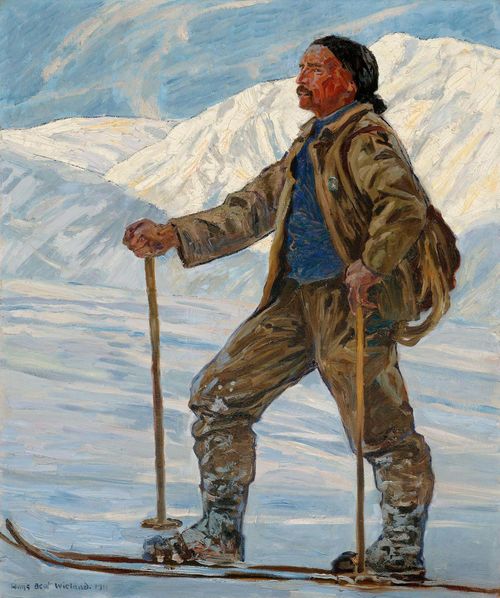
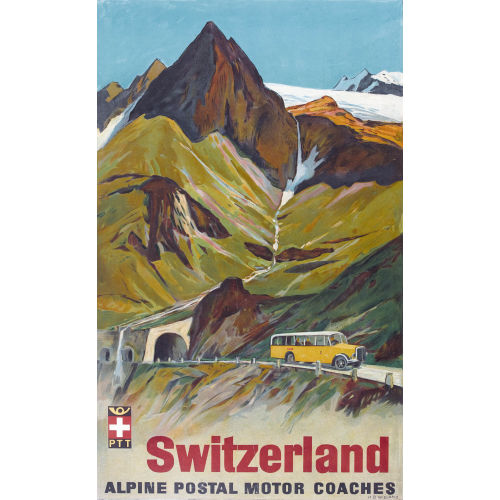
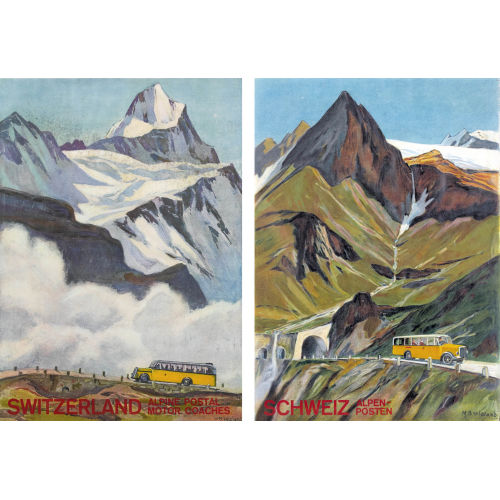
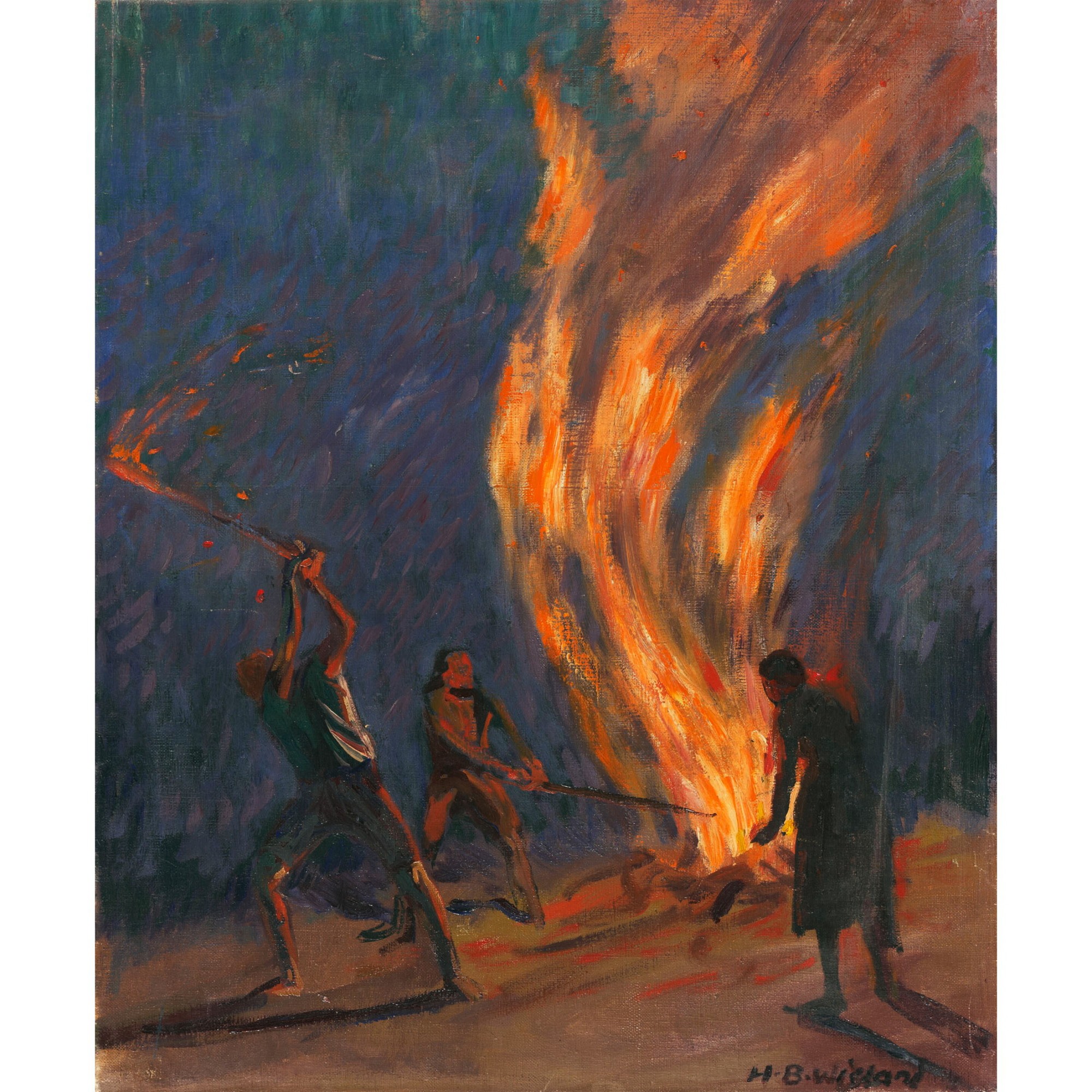
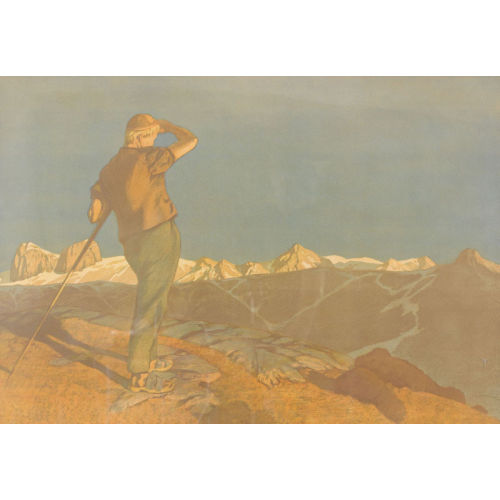
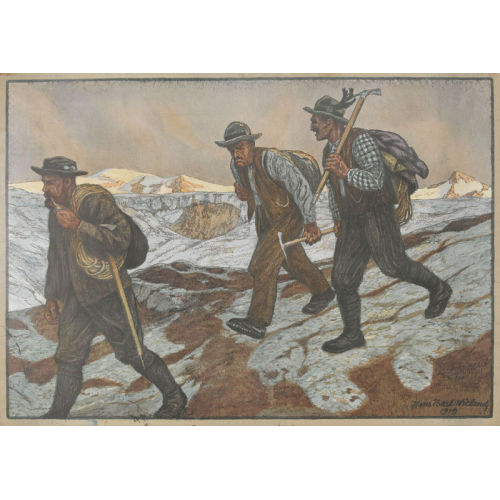
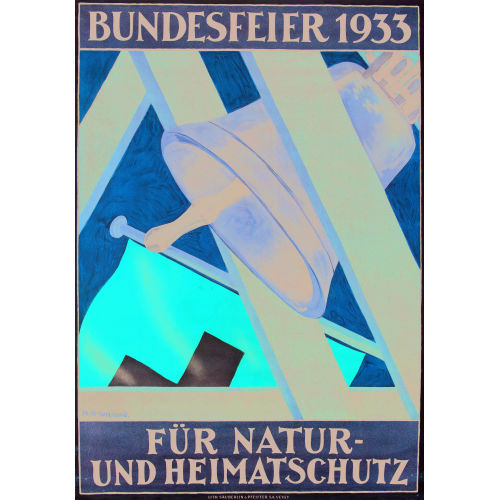
Wieland’s activity was not limited to painting: he also worked for the press, in poster design and in mural painting. During the First World War, he produced drawings and paintings on several fronts for the Austro-Hungarian military museum. Returning to Switzerland in 1918, he lived first in Schwyz and then in Kriens, creating, among other works, mural decorations for railway stations.
Highly appreciated during his lifetime, he subsequently fell into relative eclipse. The documentary collection preserved in the Archives of Uri and the works brought together by the SKKG foundation now make it possible to recover the multiple dimensions of a career that links landscape art, travel and the public image.