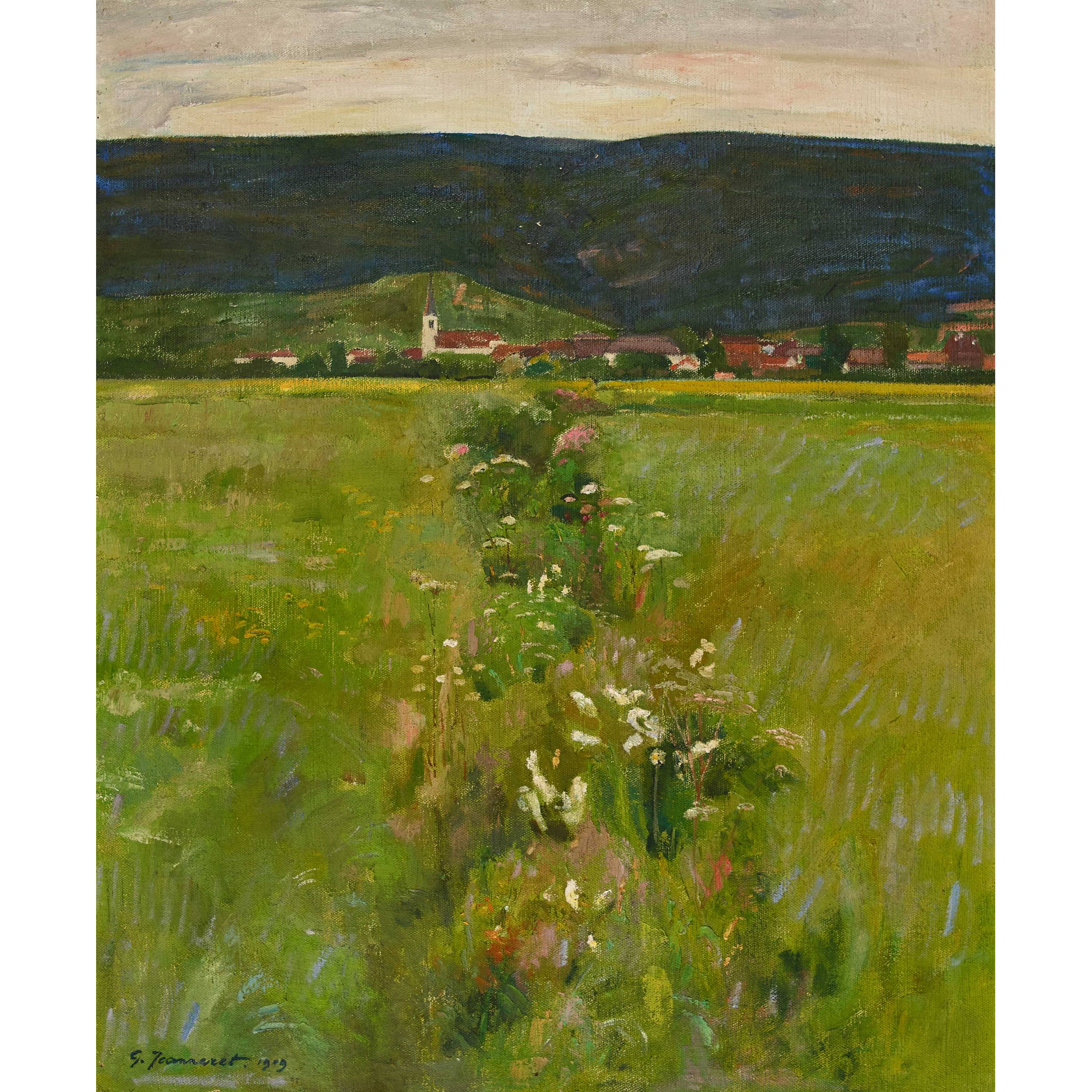
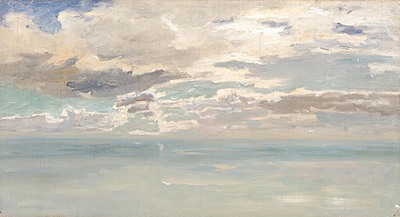
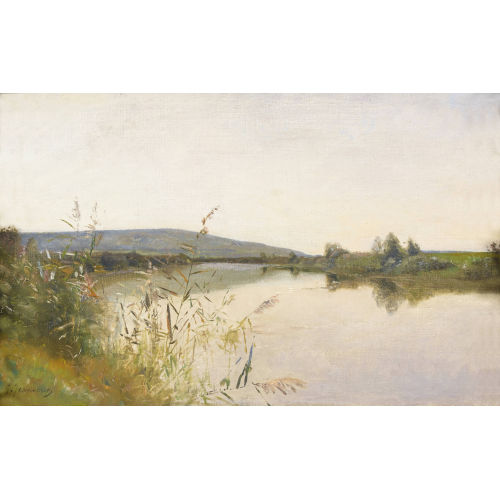
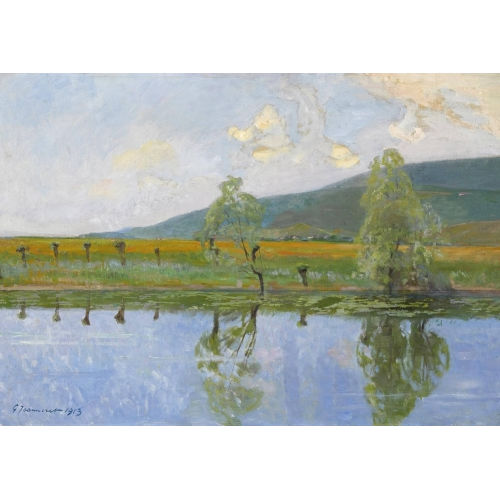
Gustave Jeanneret
Born in 1847.
Died in 1927.
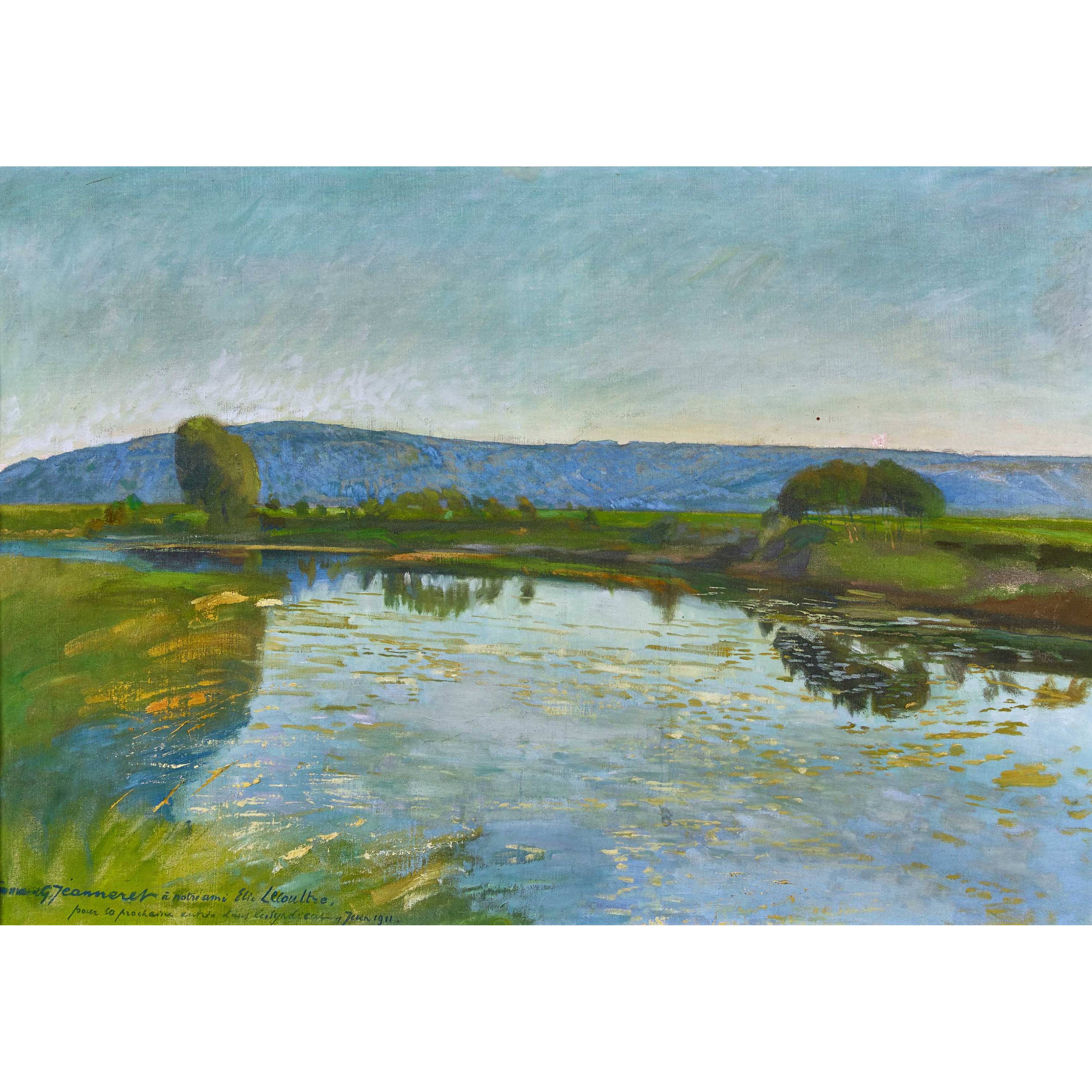
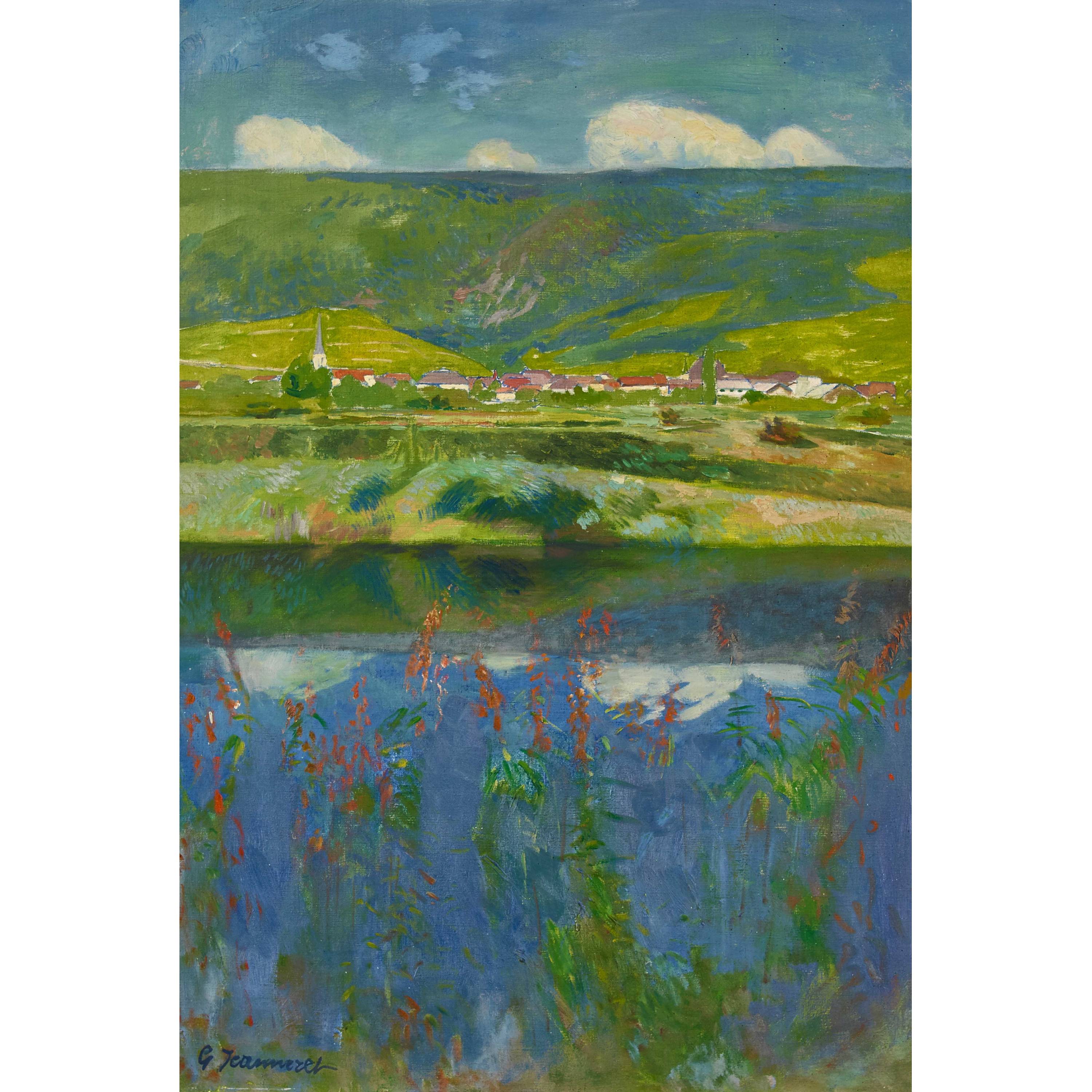
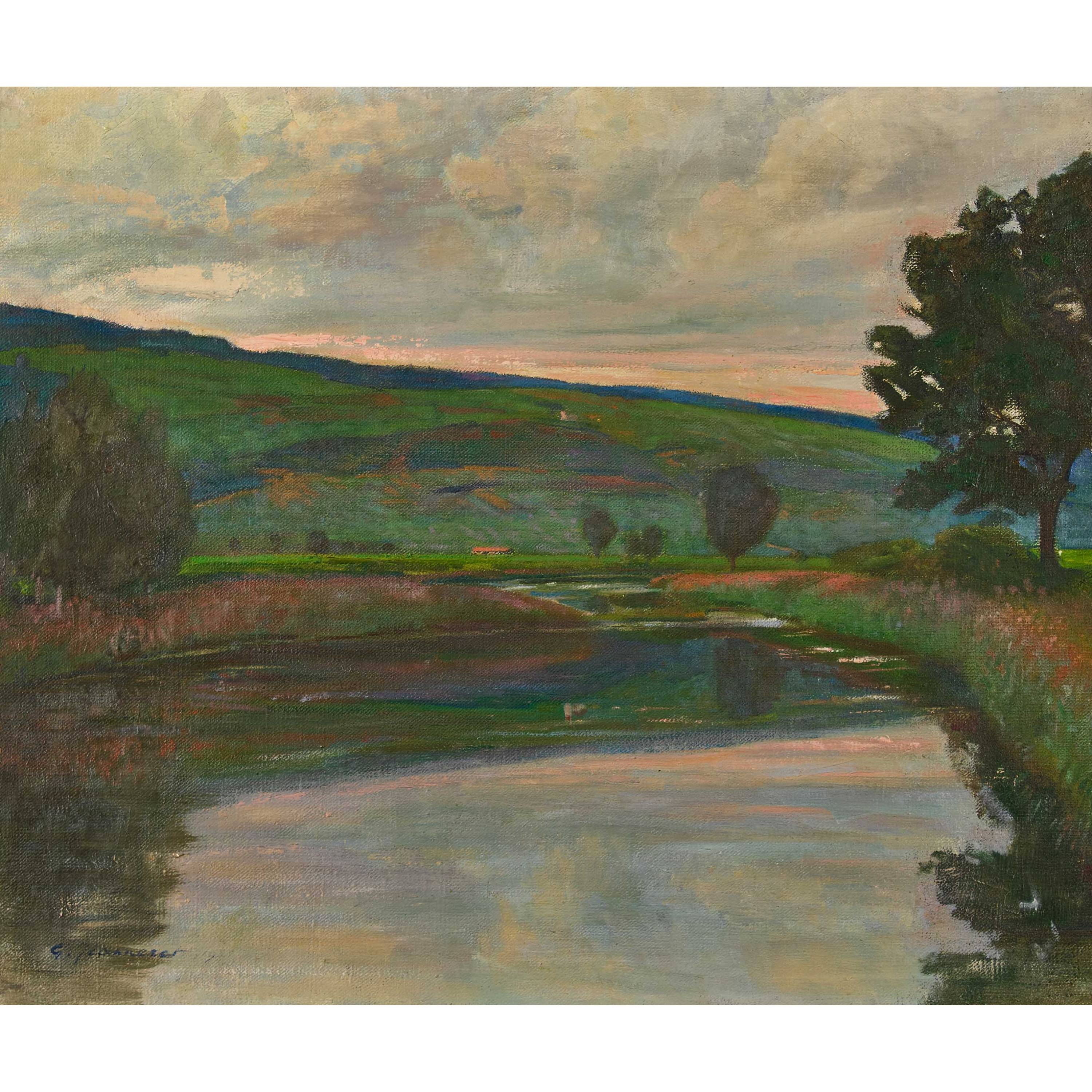
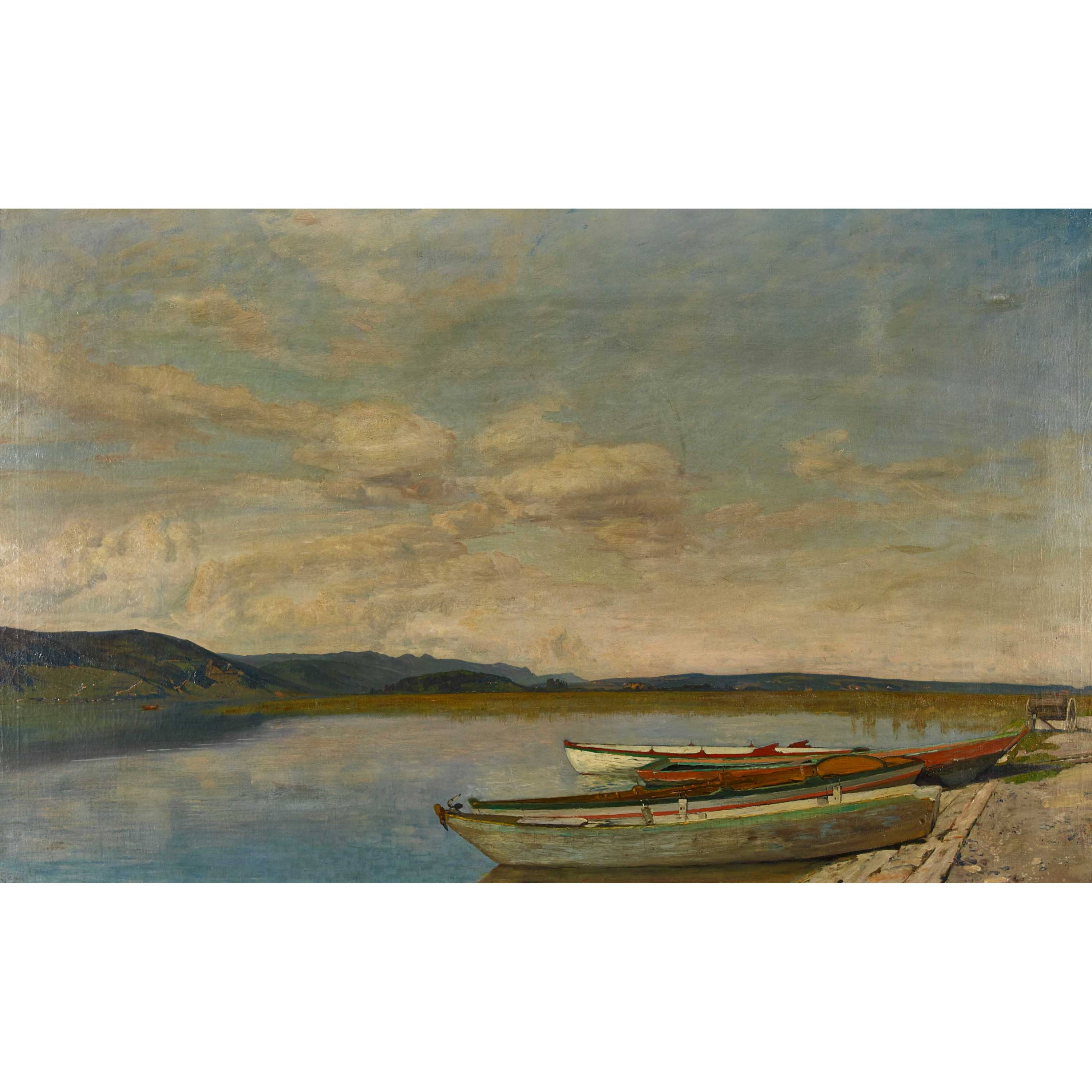
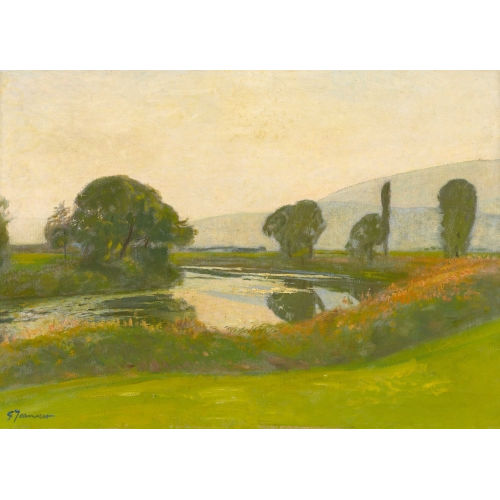
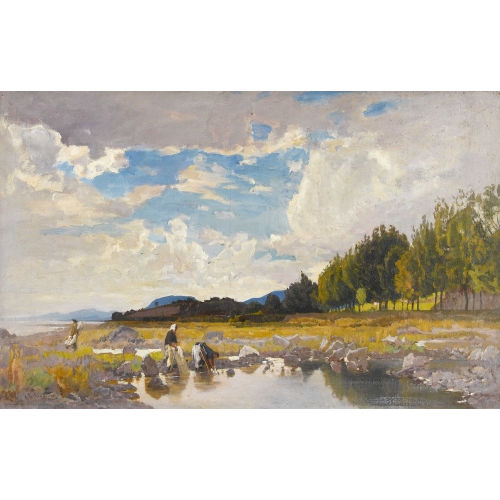
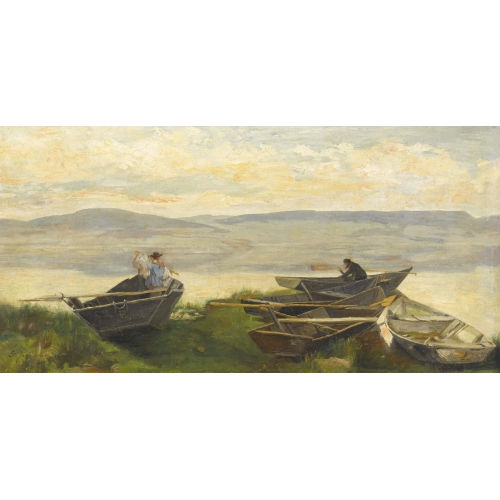
Gustave‑Auguste Jeanneret (6 April 1847, Môtiers — 13 September 1927, Cressier) is documented as a painter and ceramicist, with a political involvement also noted in the sources. This dual orientation—artistic practice and militant commitment—appears as a constant in the available biographical record.
He received his initial training from his uncle, the painter and teacher Georges Grisel. His professional training began with an apprenticeship as a designer at Zuber & Cie in Rixheim, a company specialising in decorative wallpaper. In 1867 he settled in Paris, where he designed ceramics and pursued painting studies at the Académie Suisse.
A working stay in Lyon, dated February 1872 and lasting two months, is also mentioned. His first participation in the Paris Salon took place in 1876.
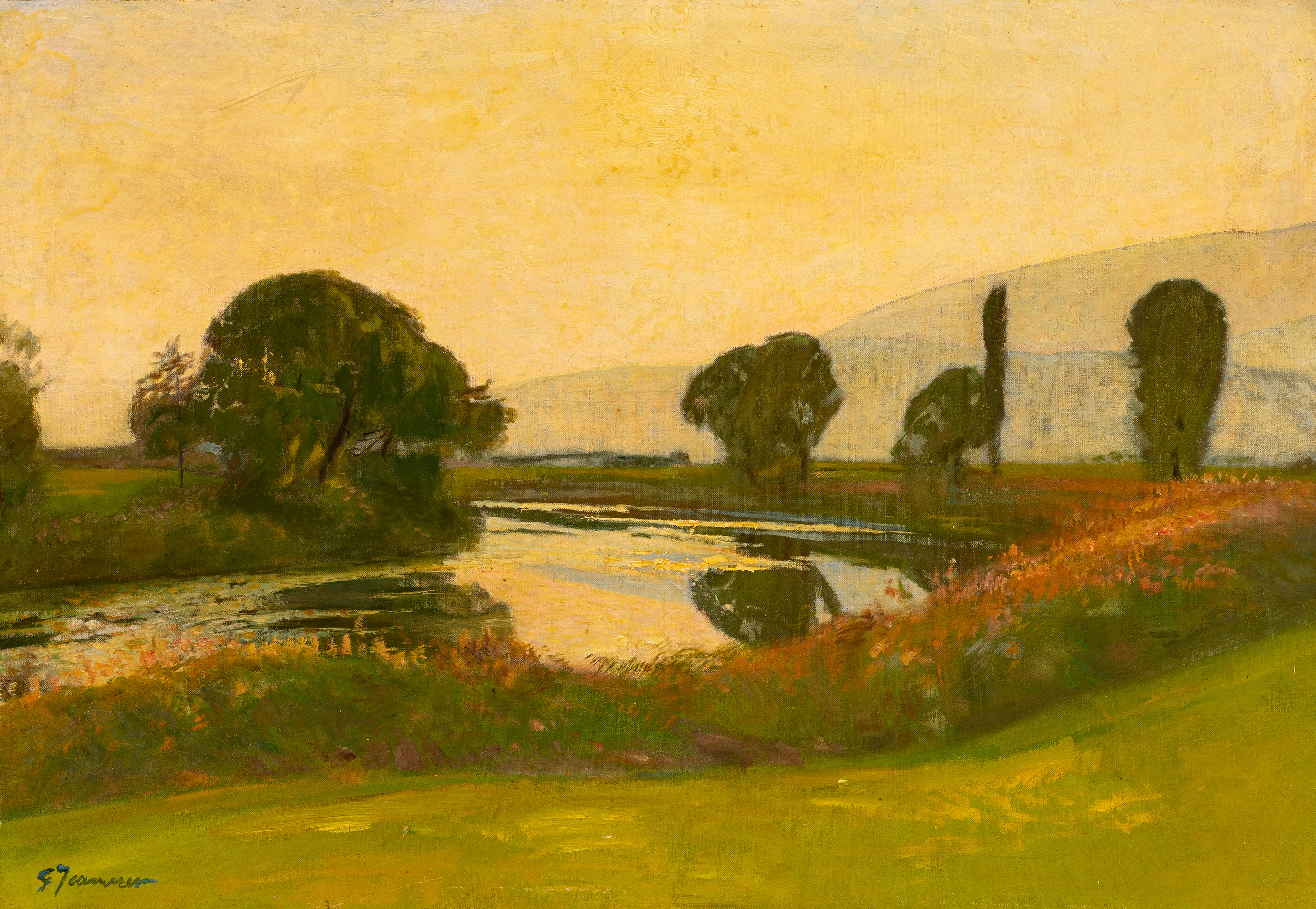
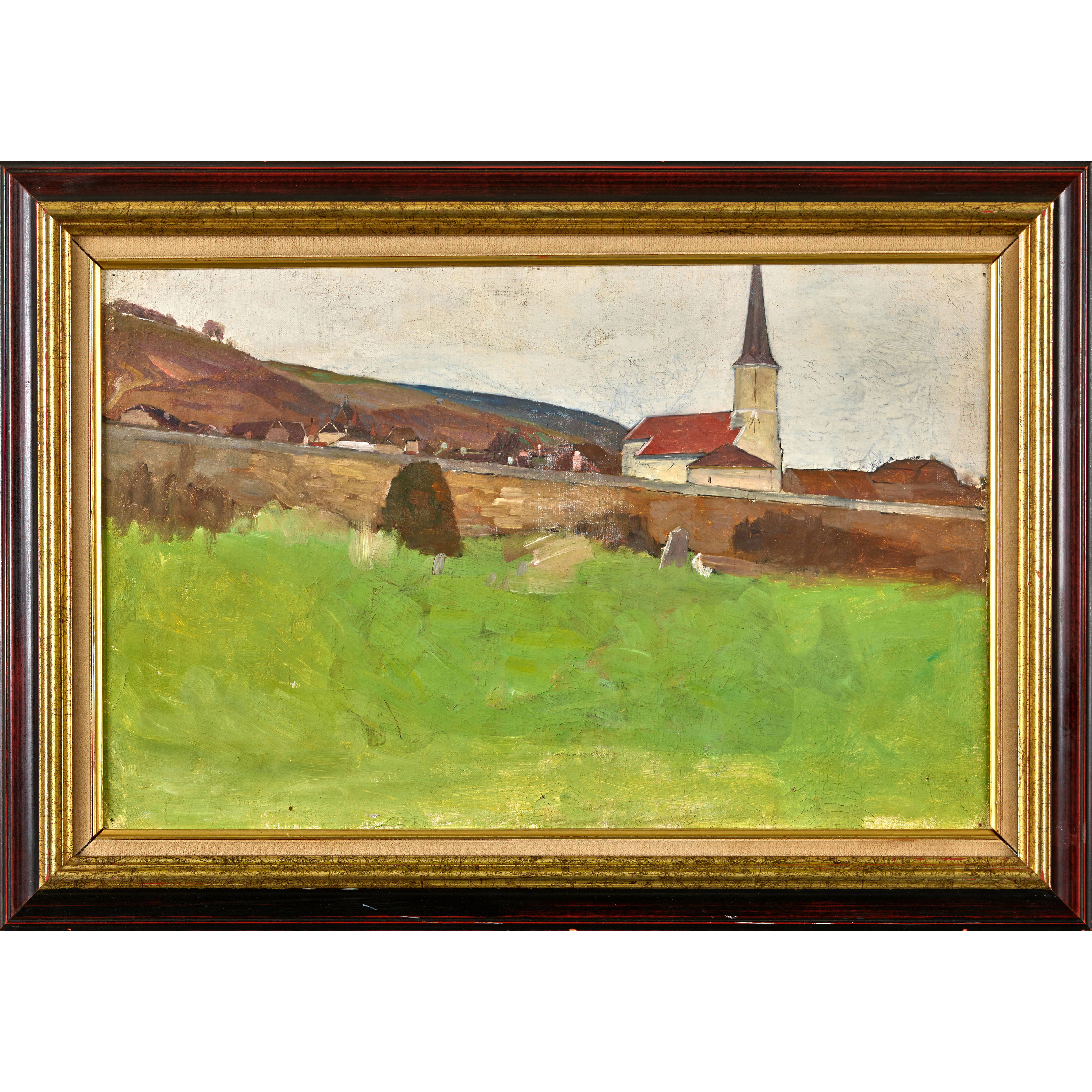
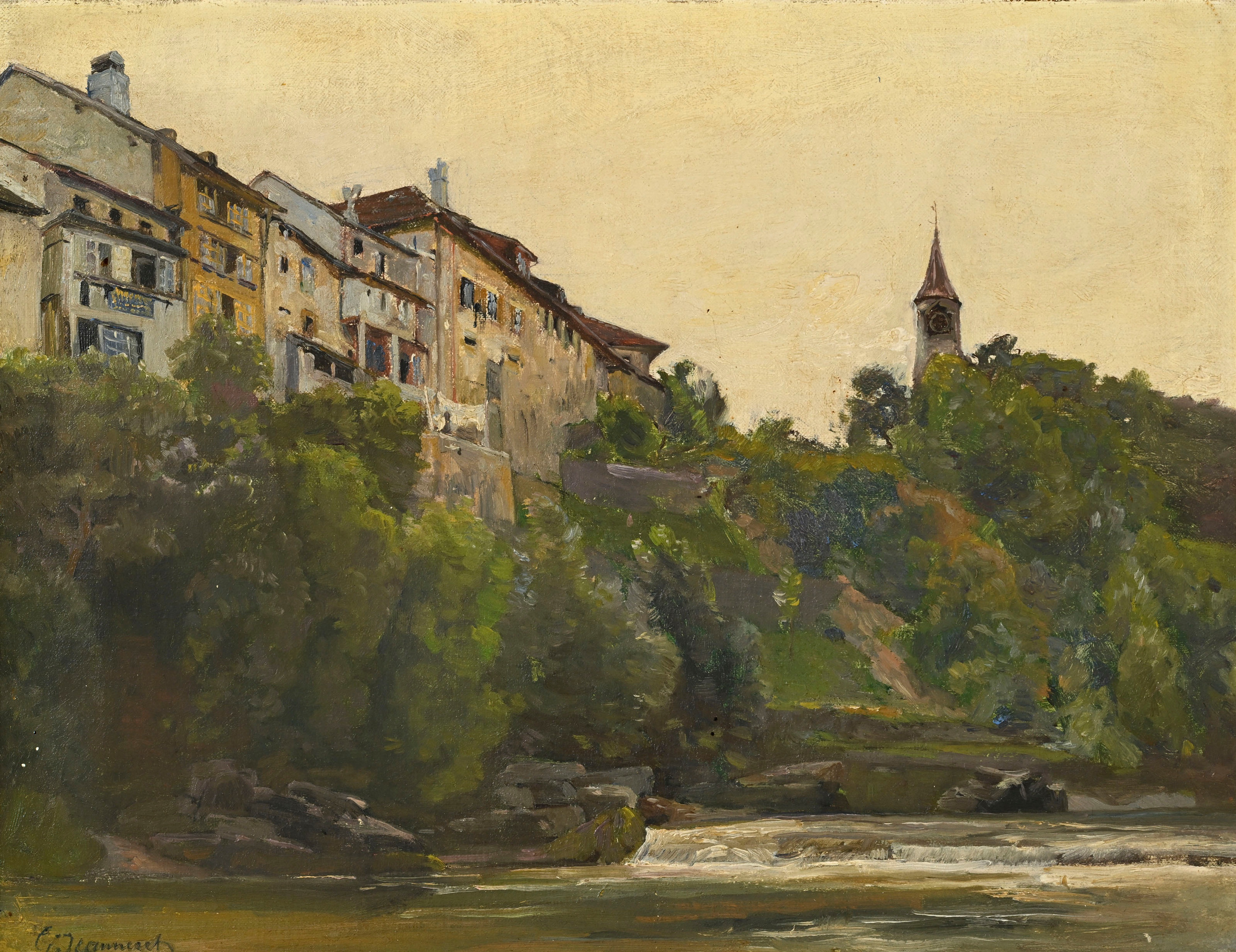
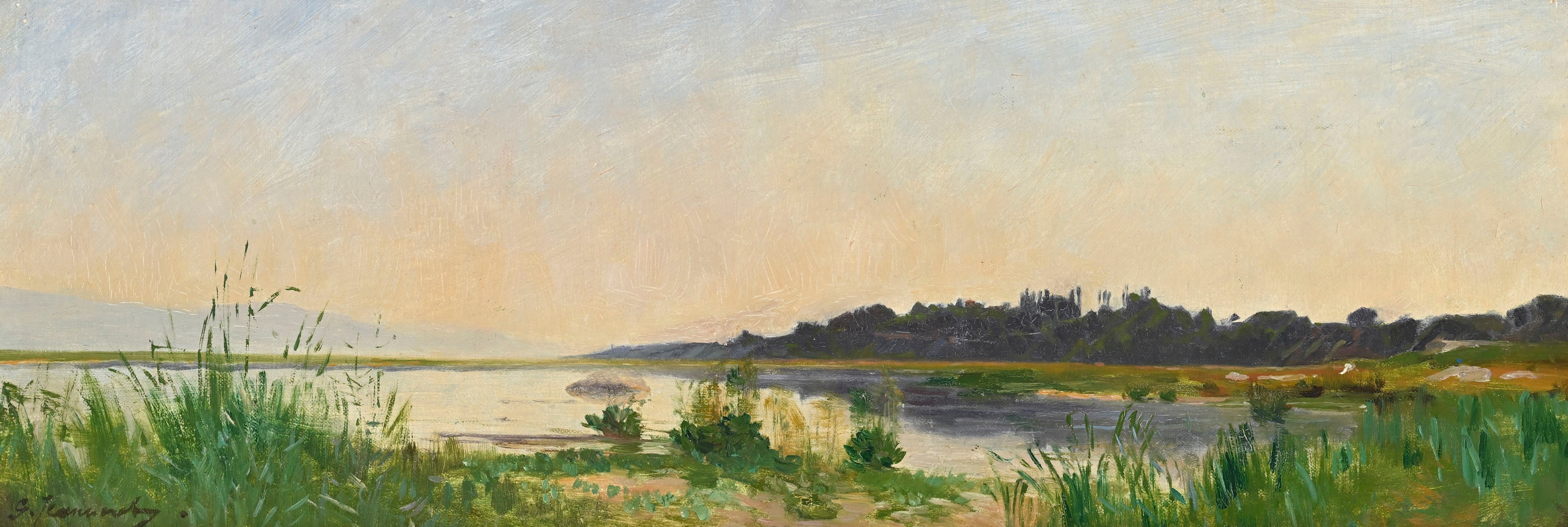
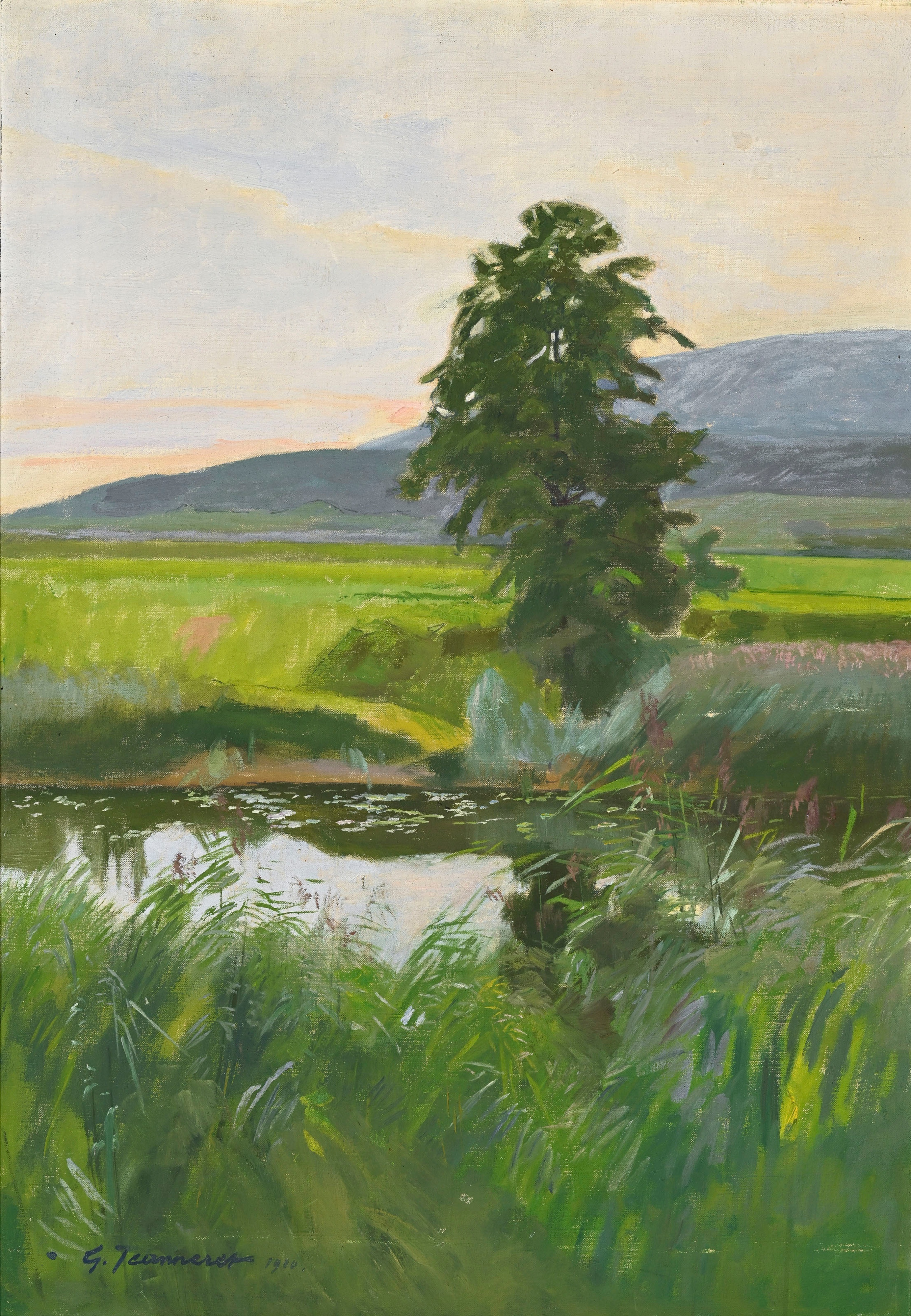
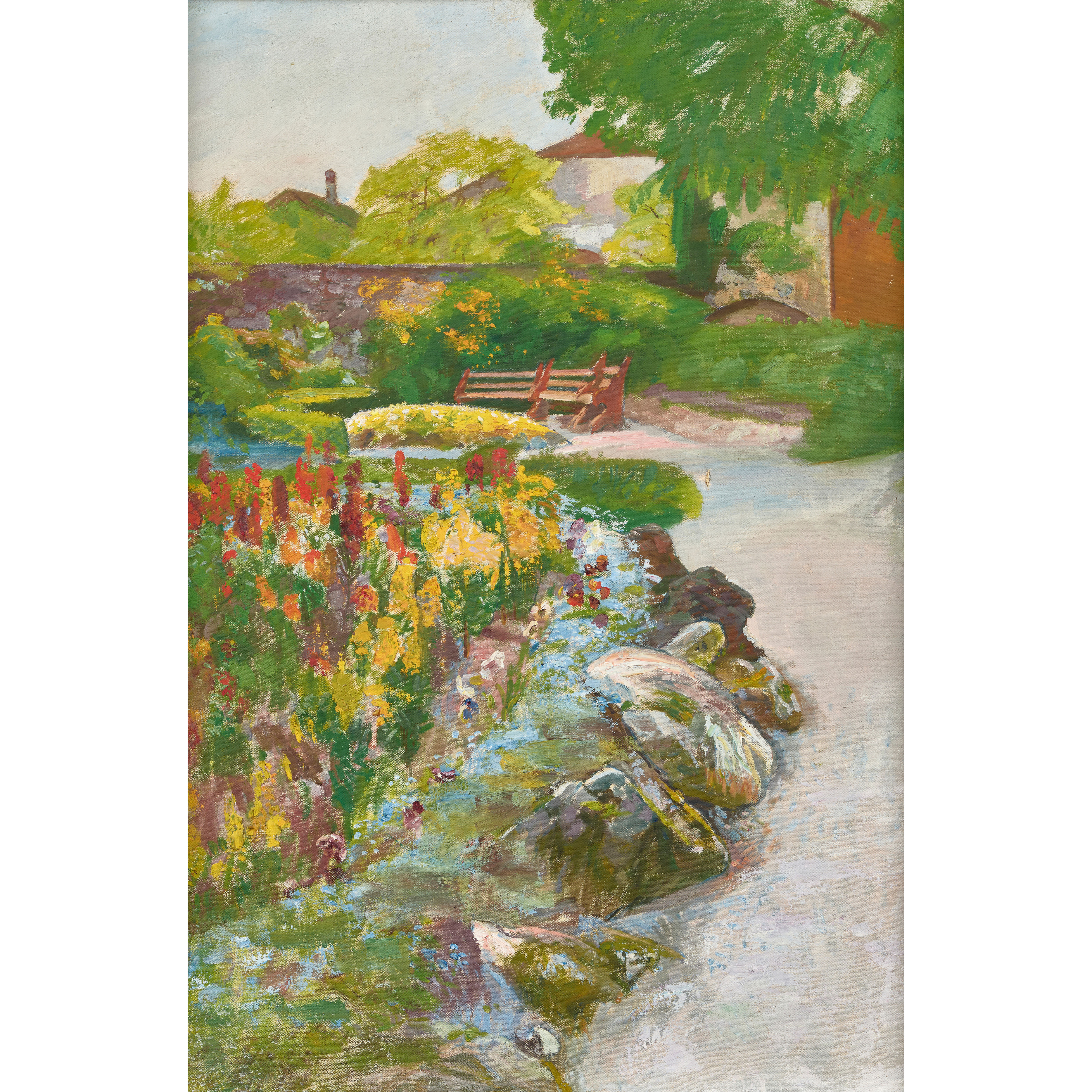
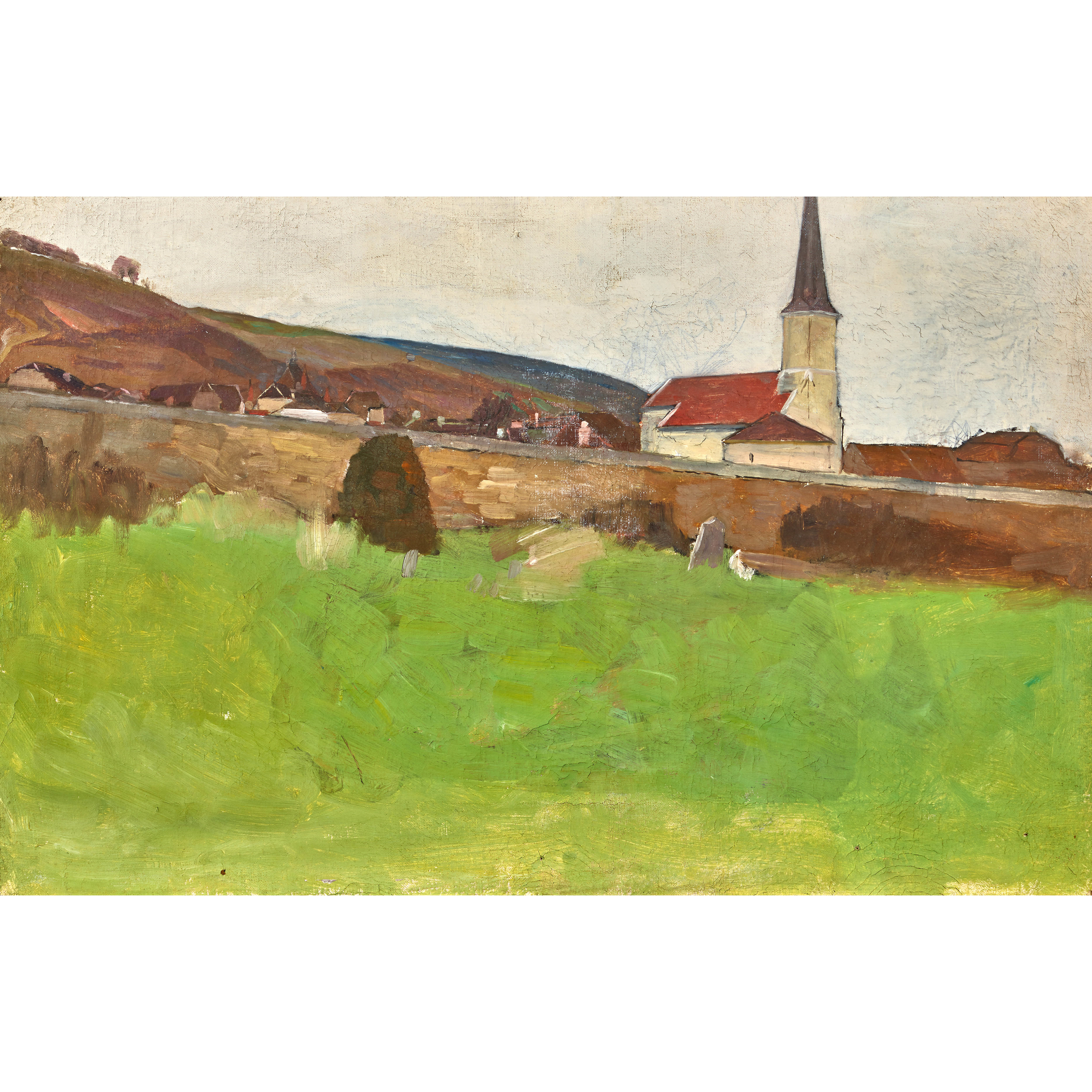
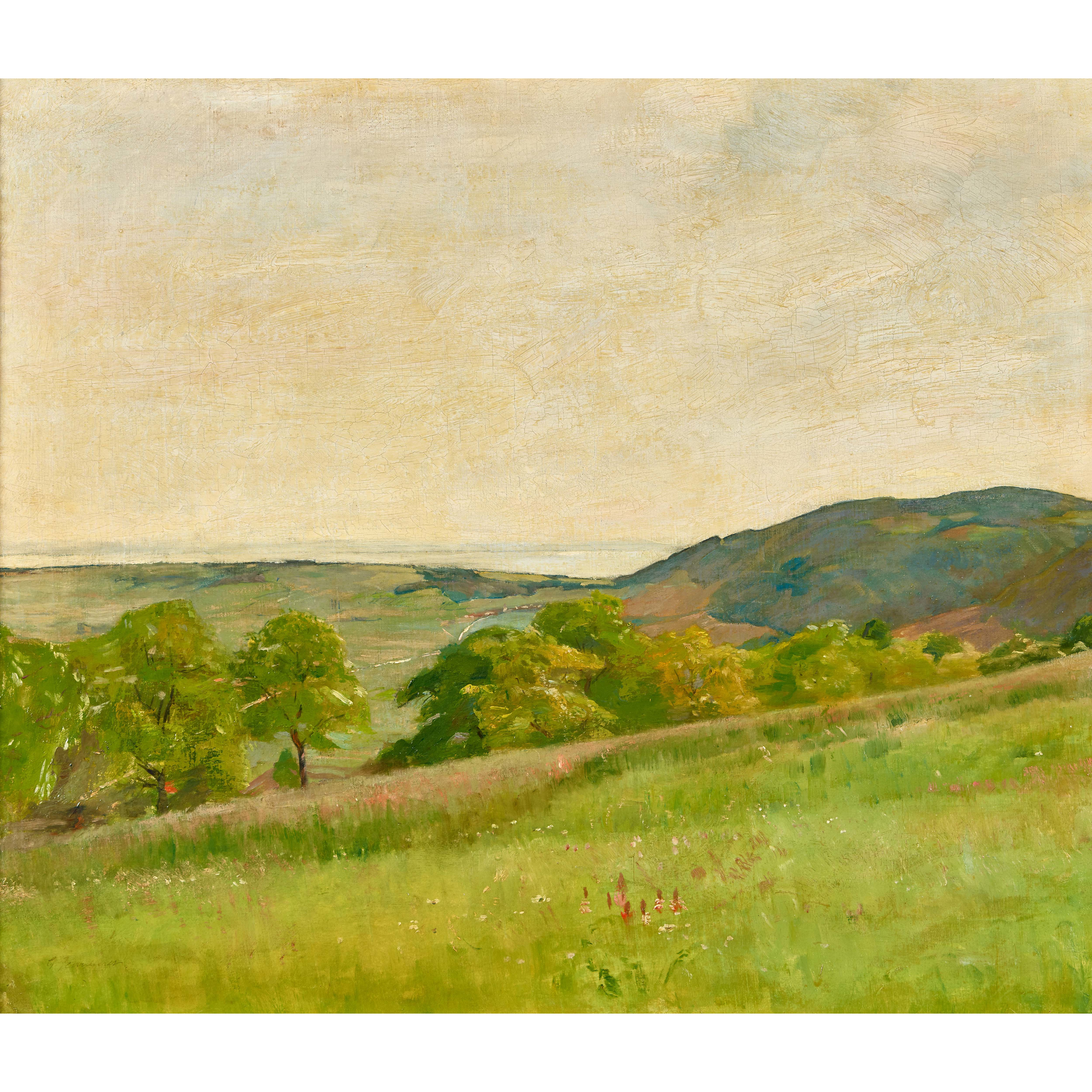
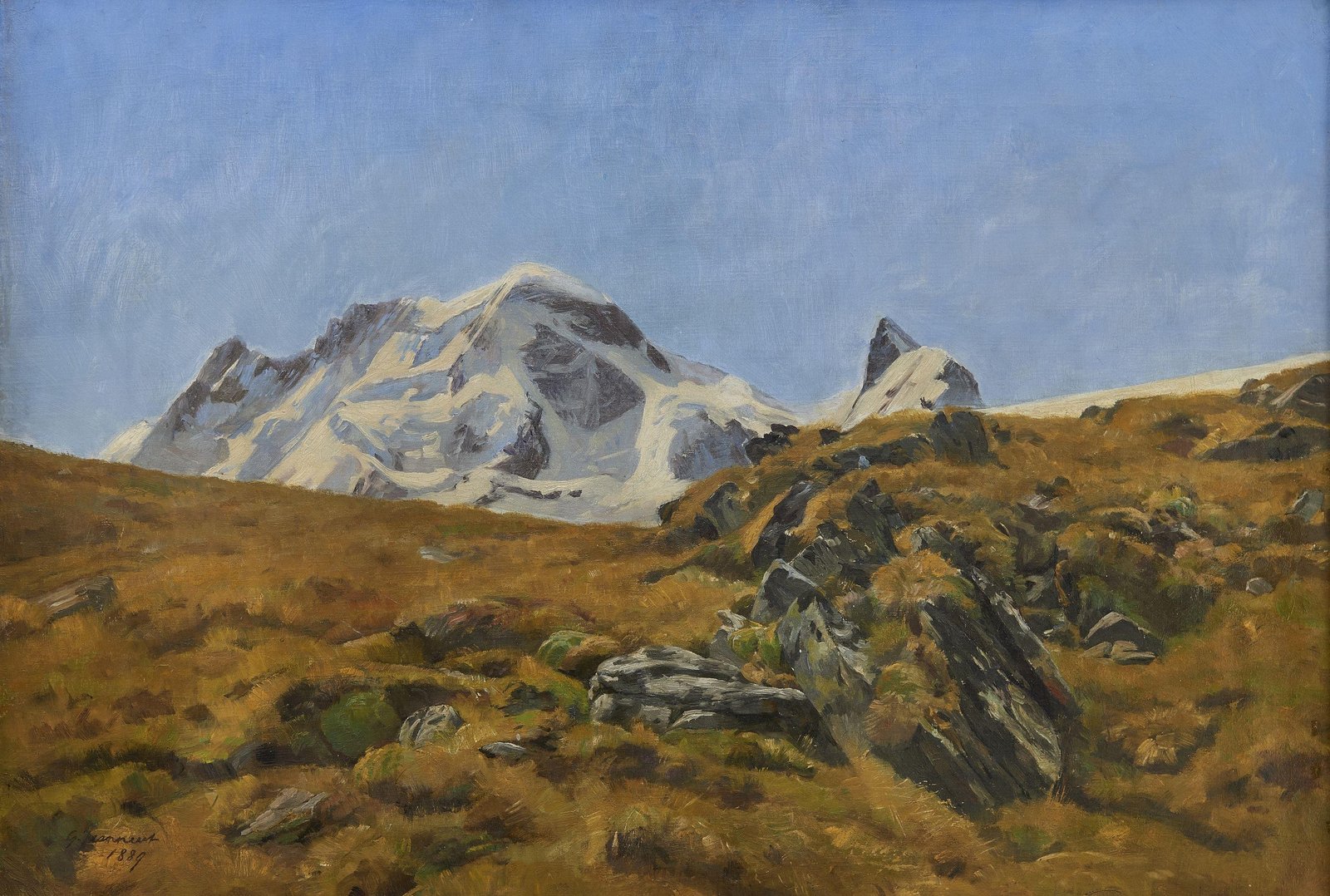
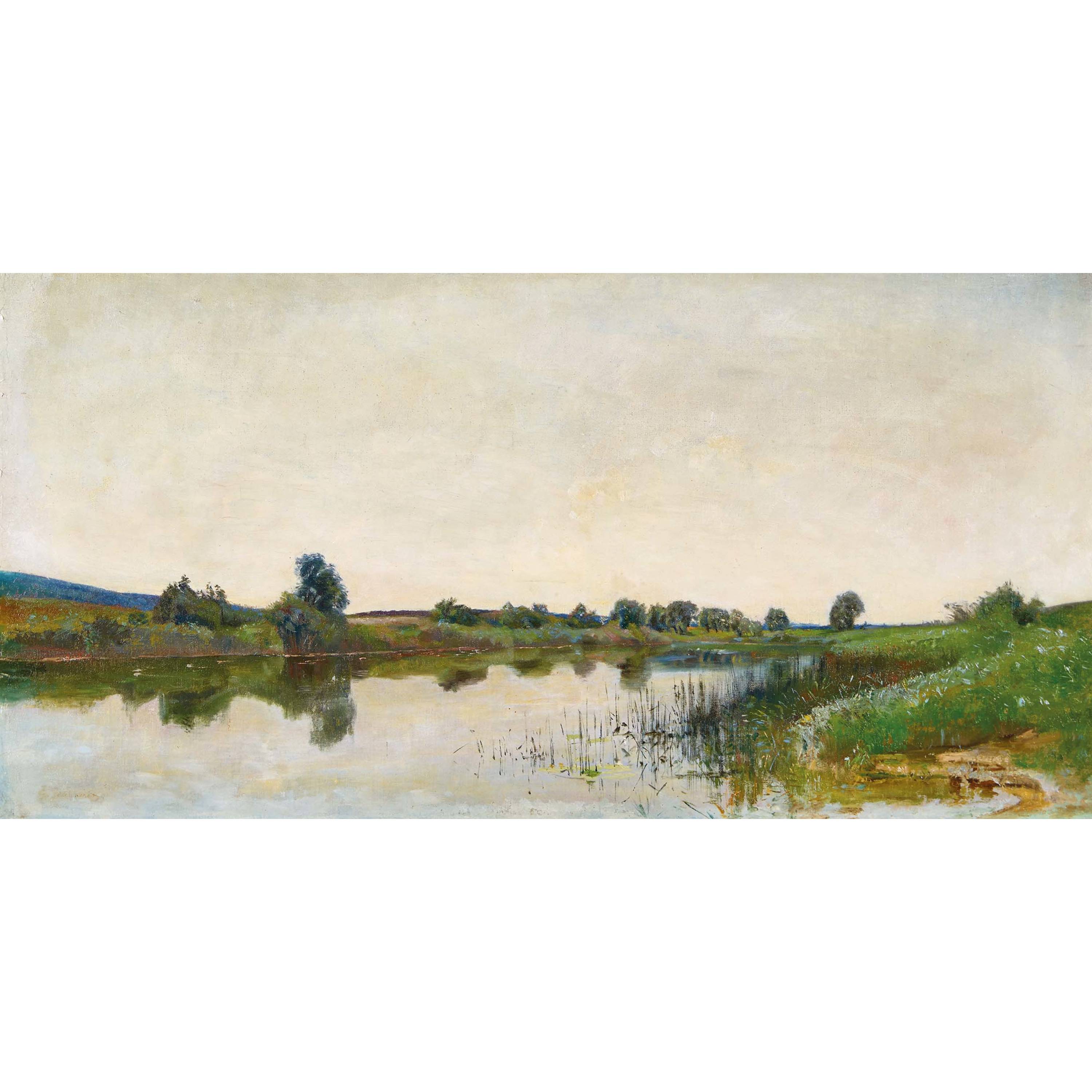
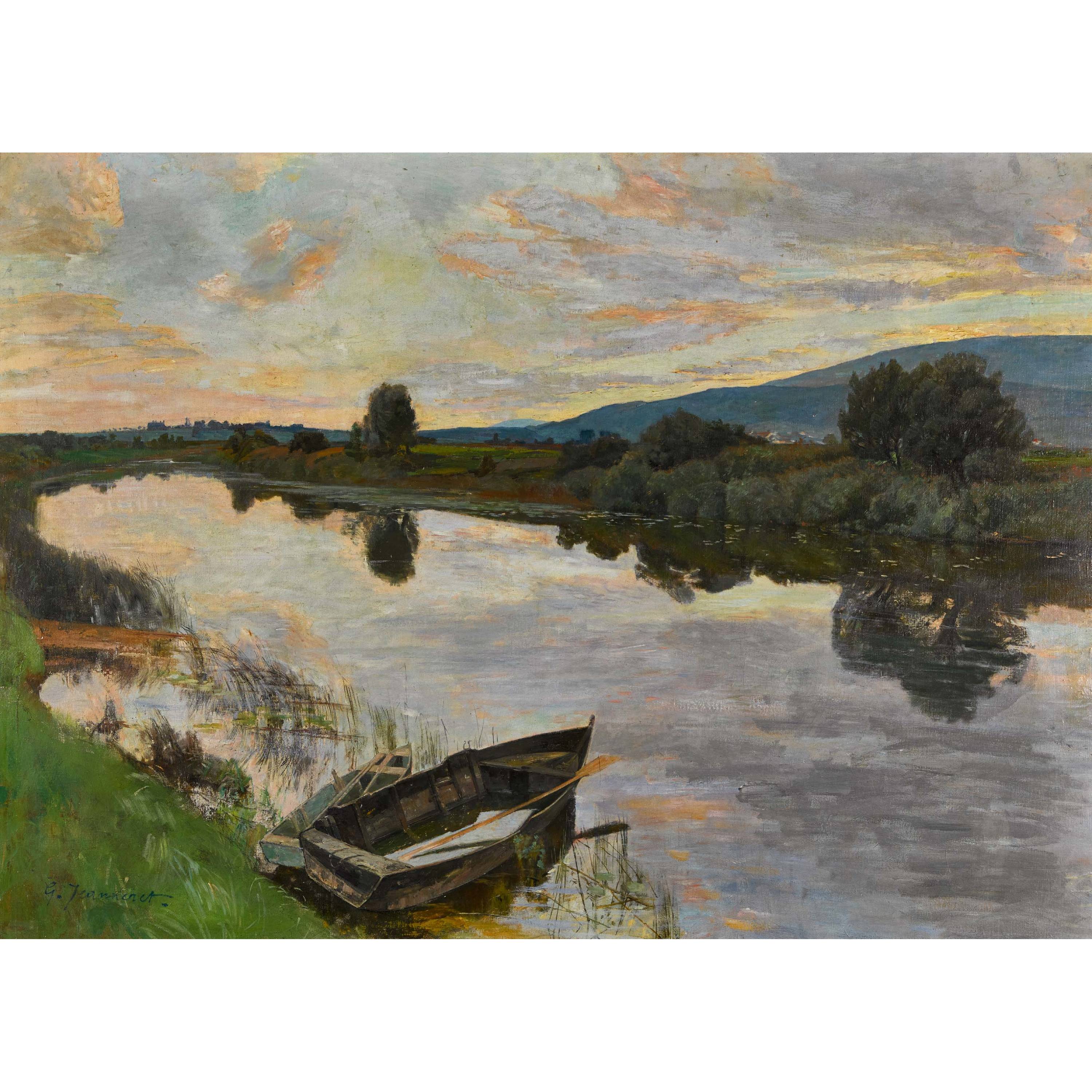
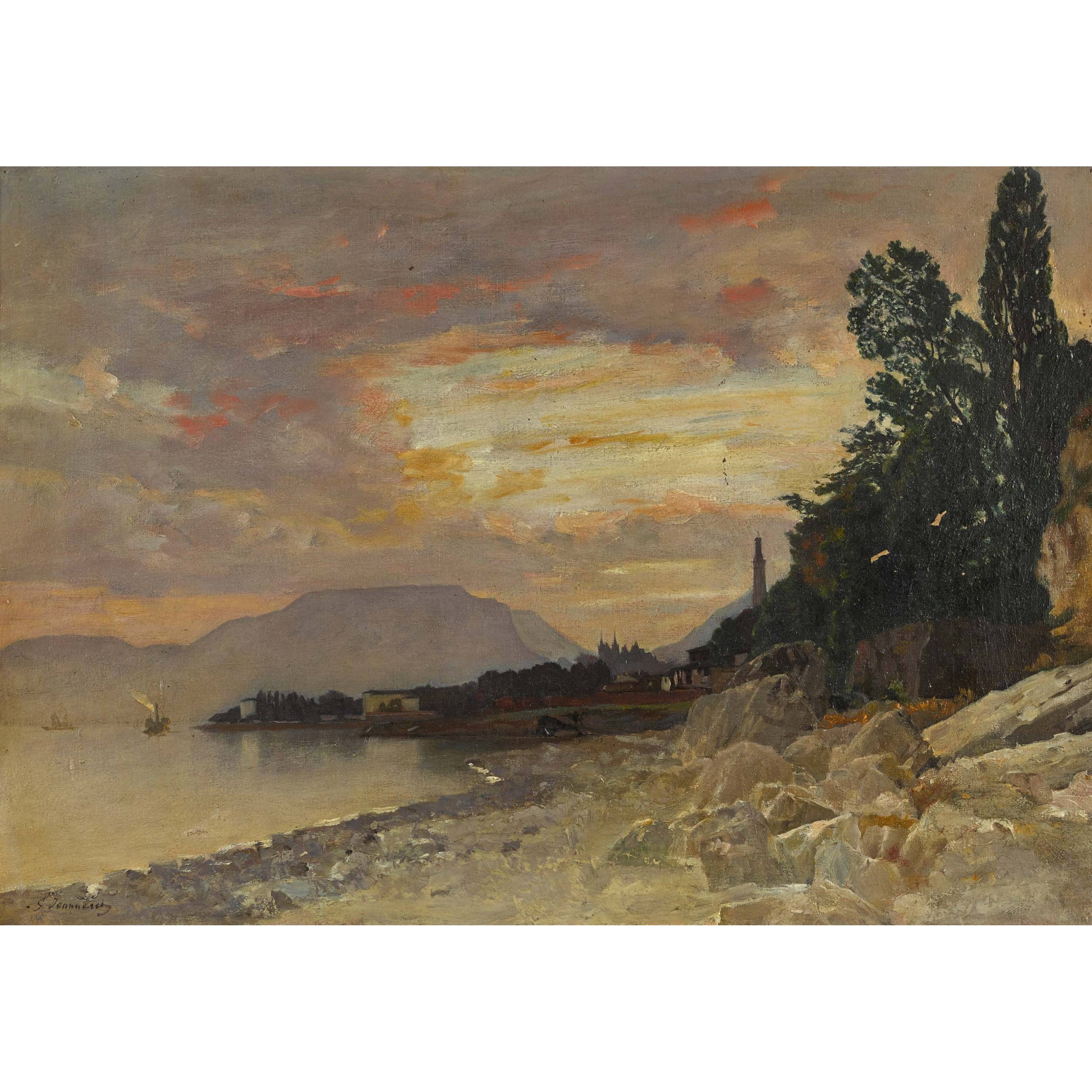
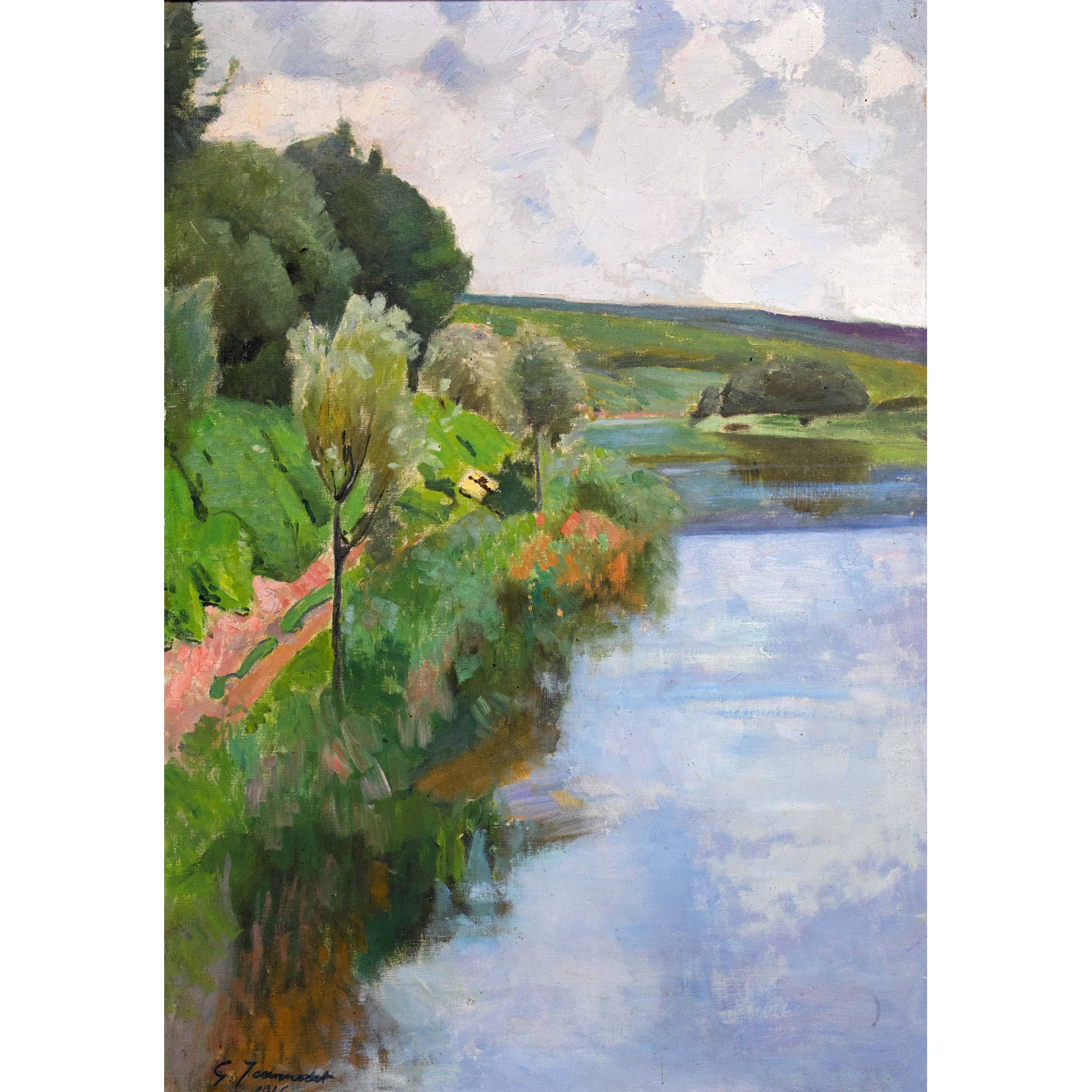
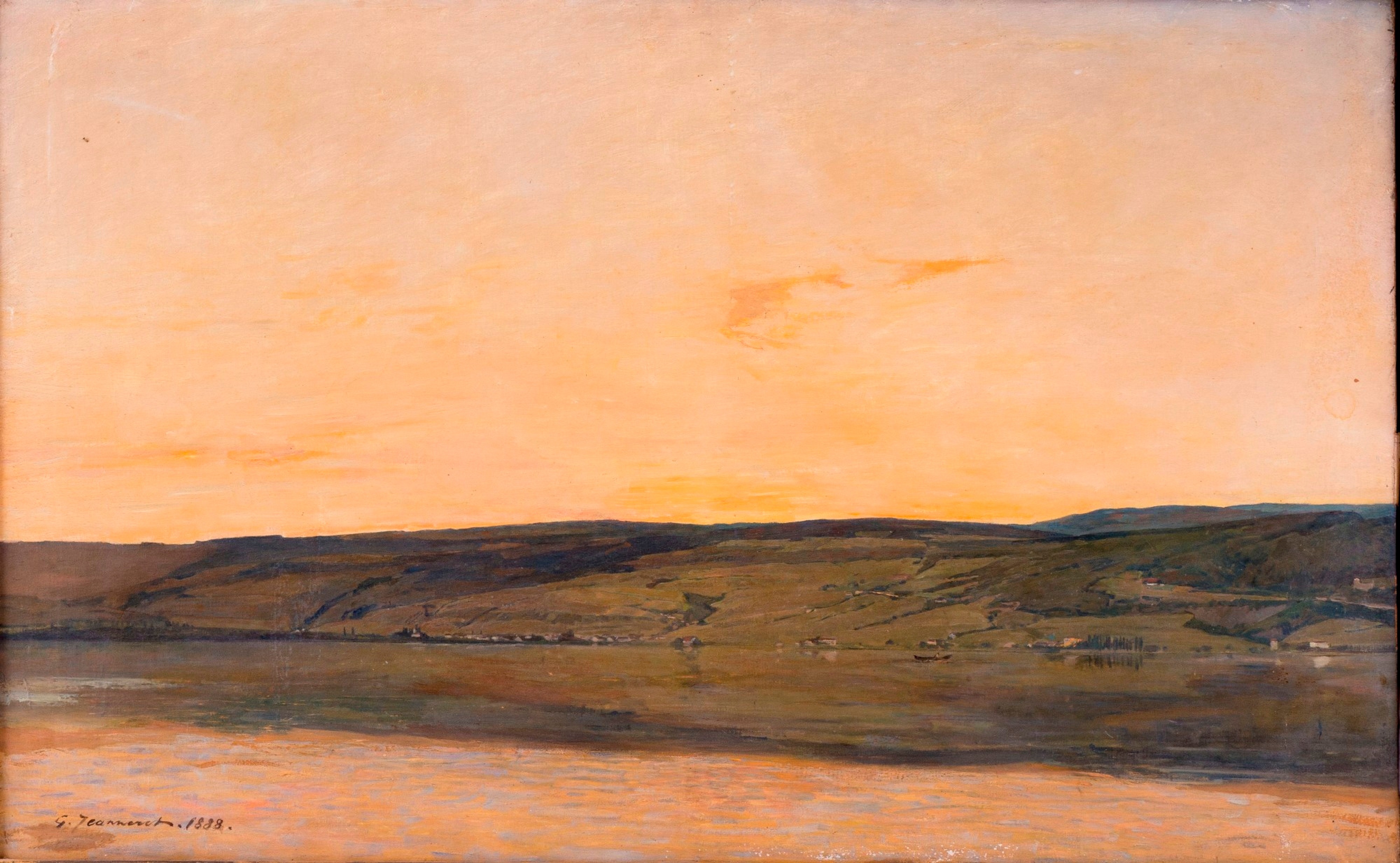
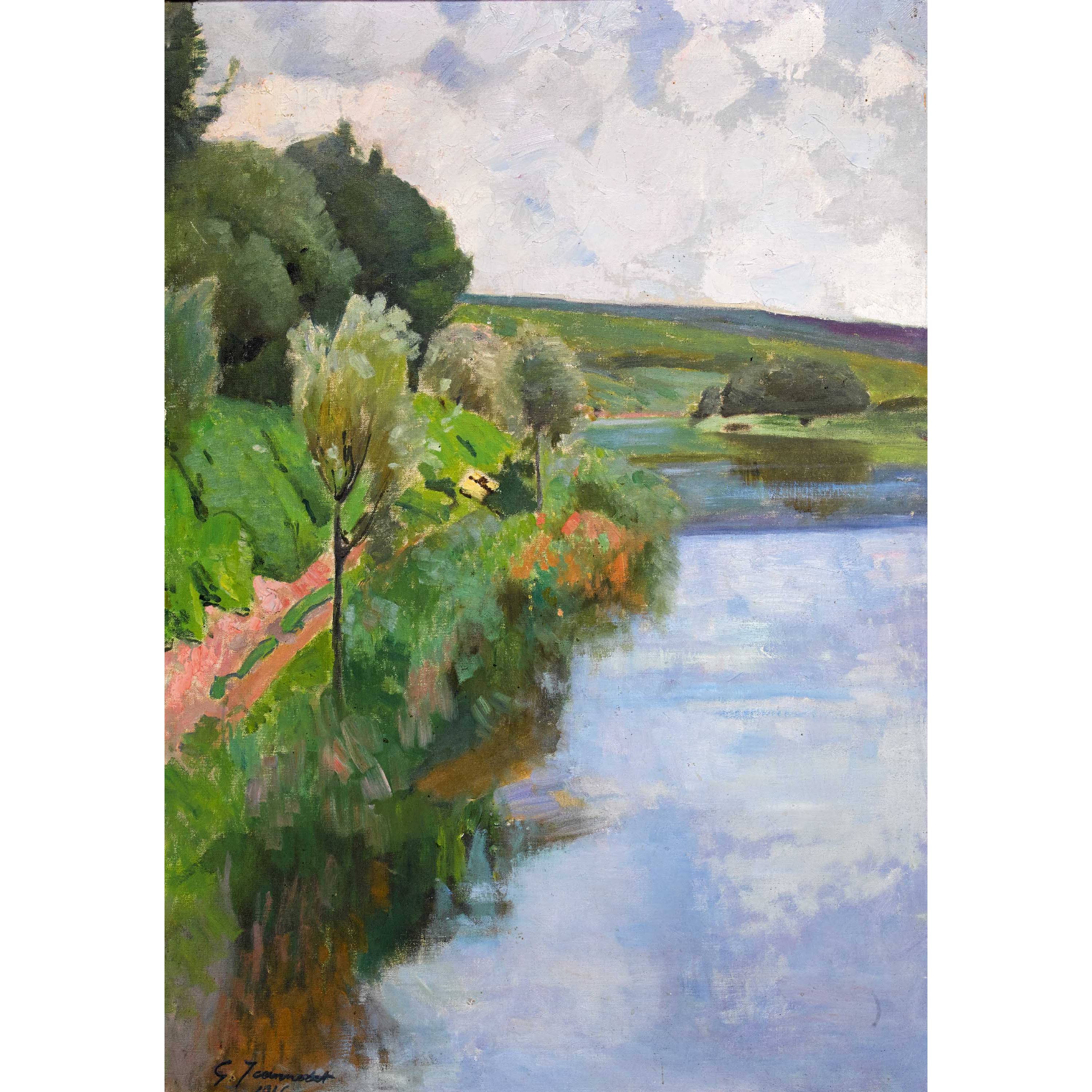
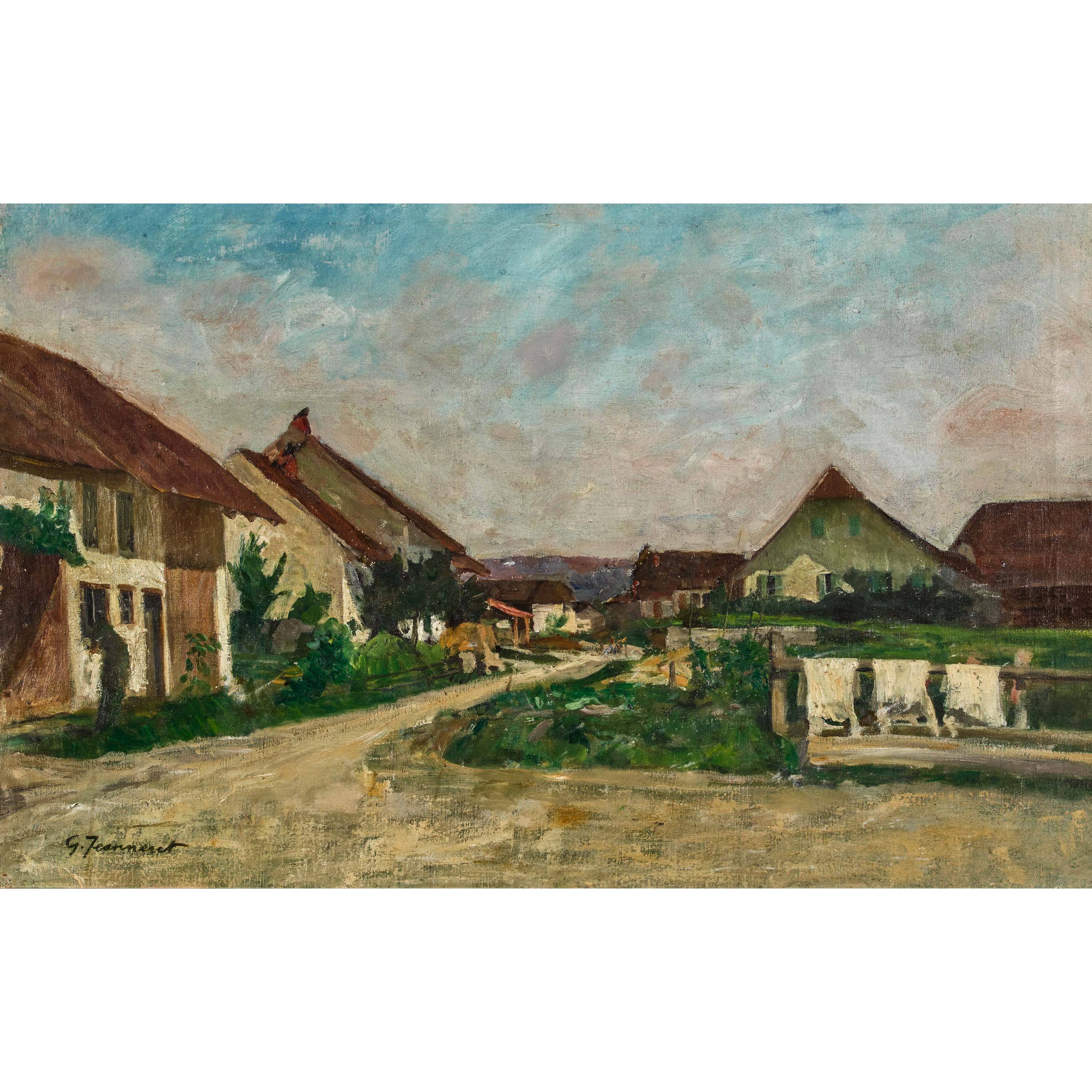
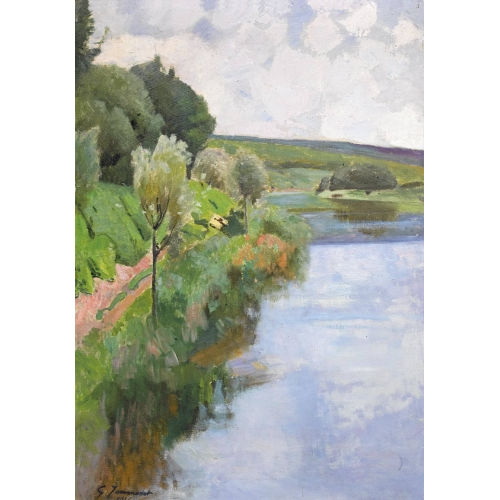
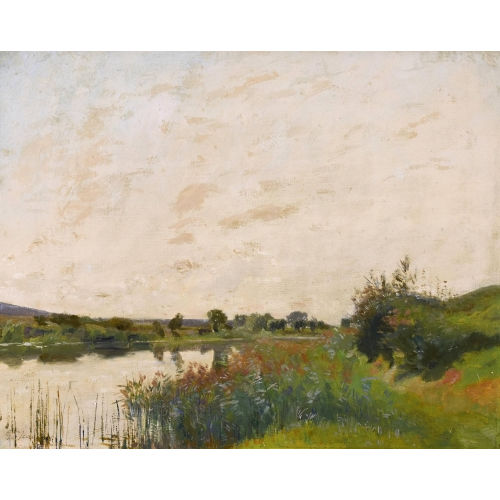
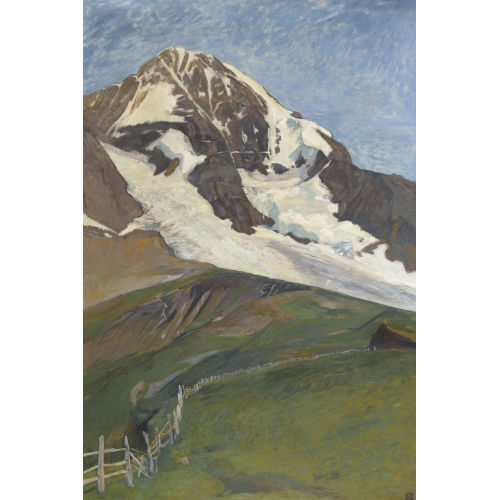
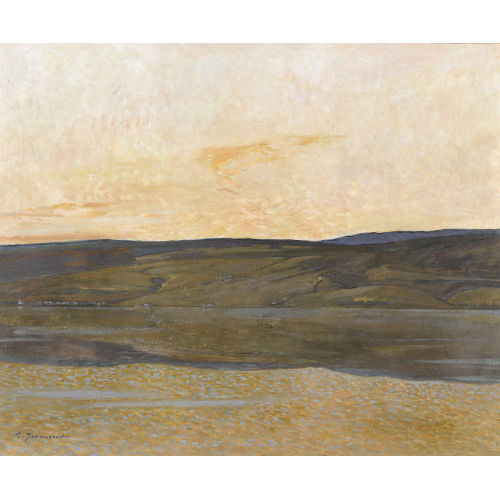
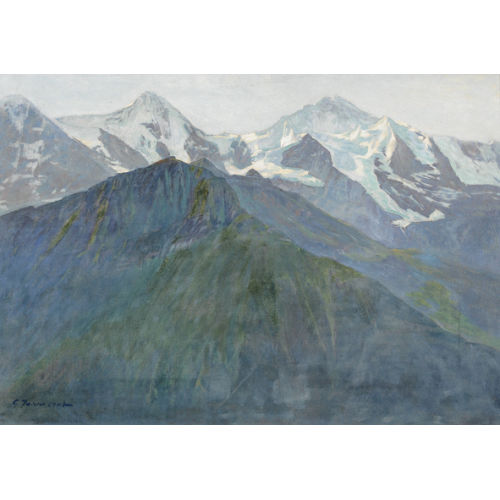
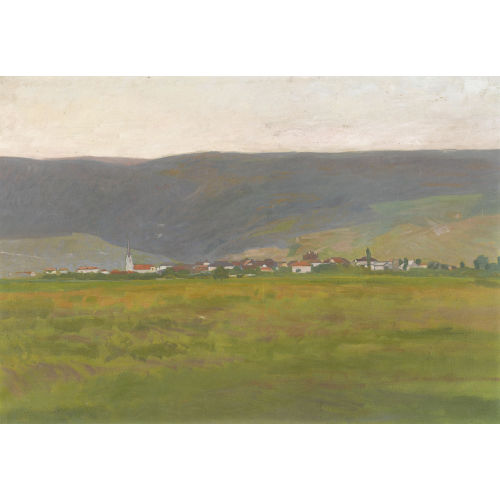
On returning to Switzerland in 1878, he settled in Neuchâtel, where he continued his painting activities. The record notes a journey to Venice in 1884 and the execution of a large number of paintings in regions described as picturesque, with glaciers explicitly mentioned. From the 1890s onwards, he produced Alpine landscapes, indicating a thematic shift towards mountain motifs.
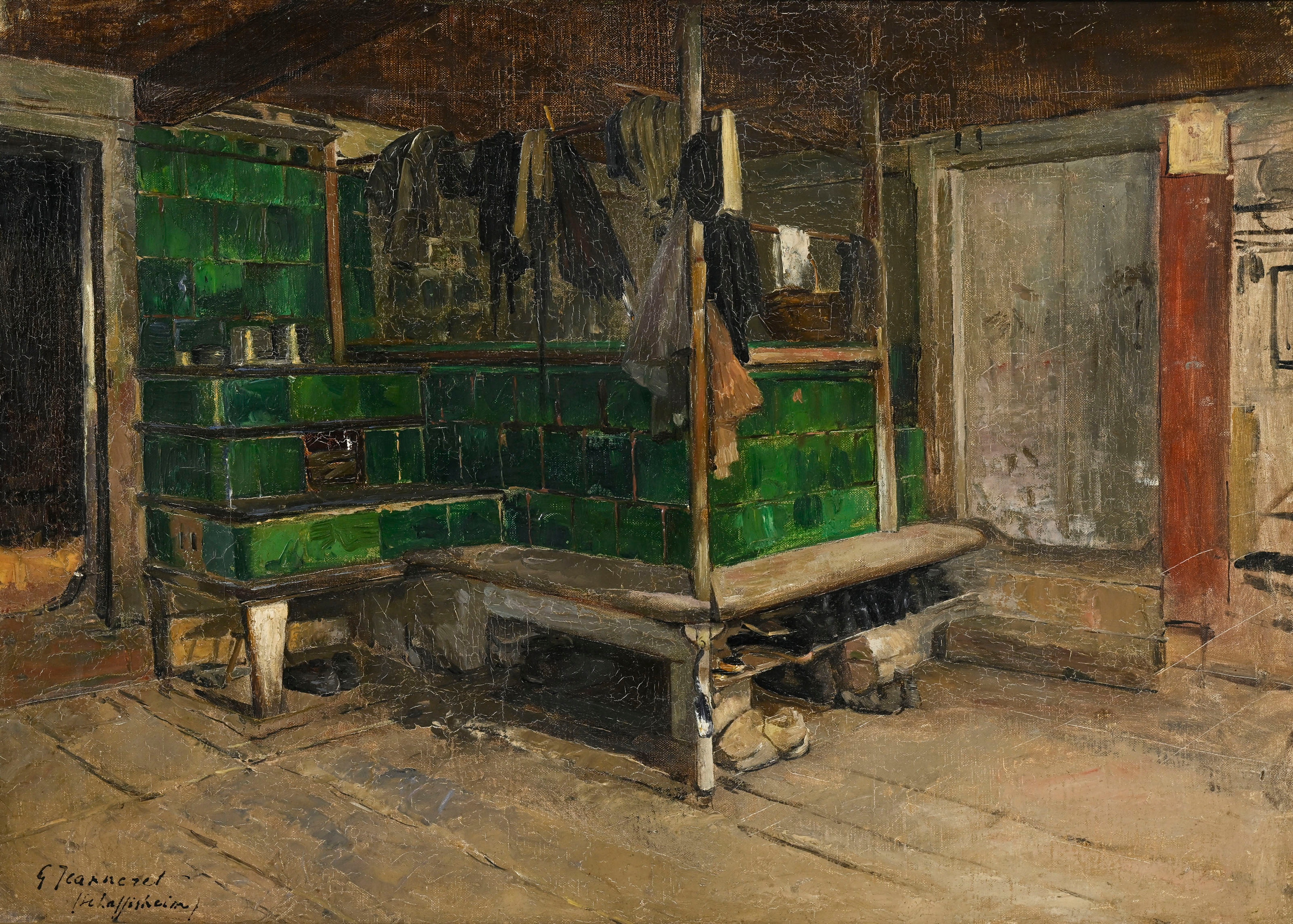
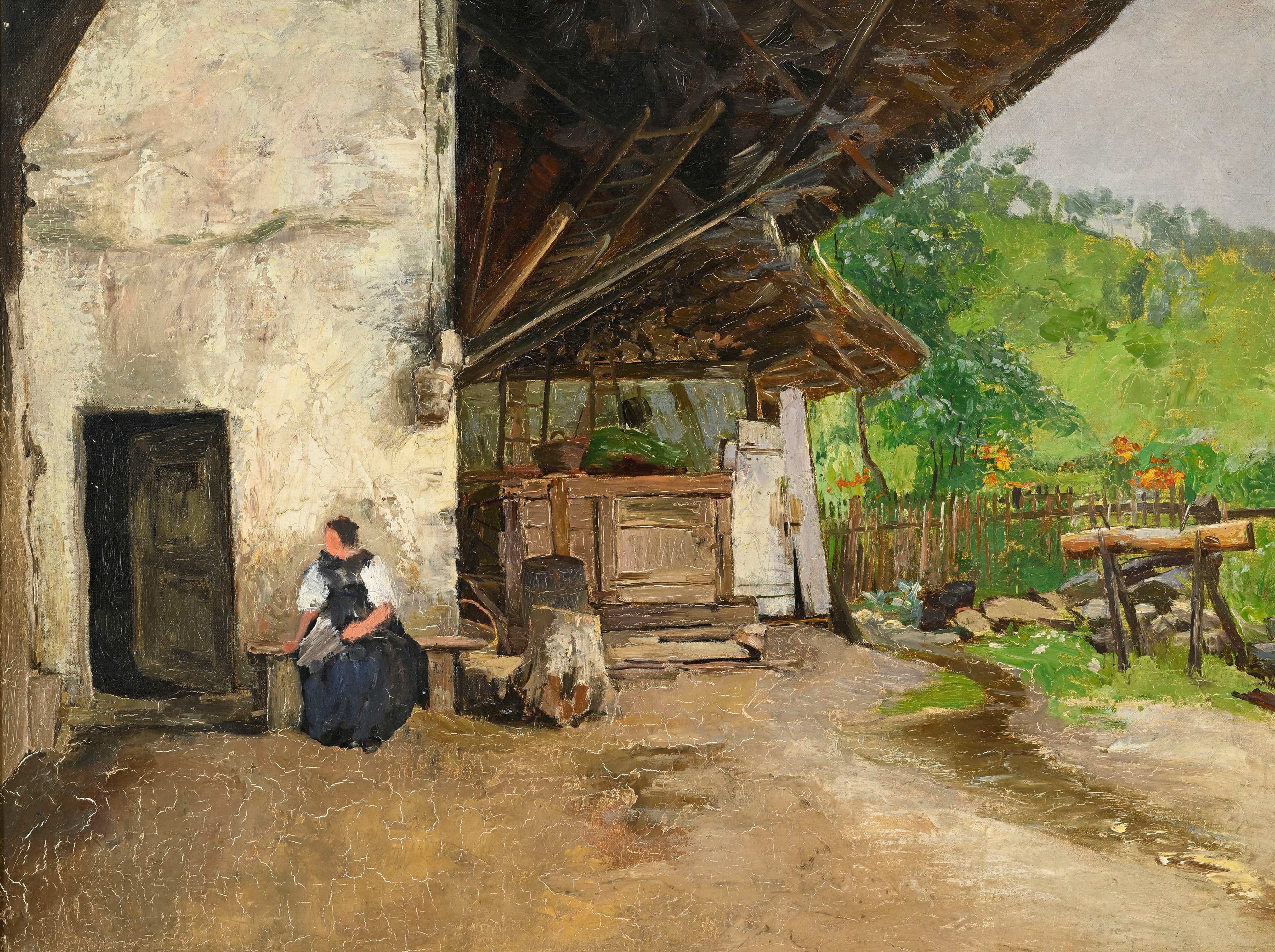
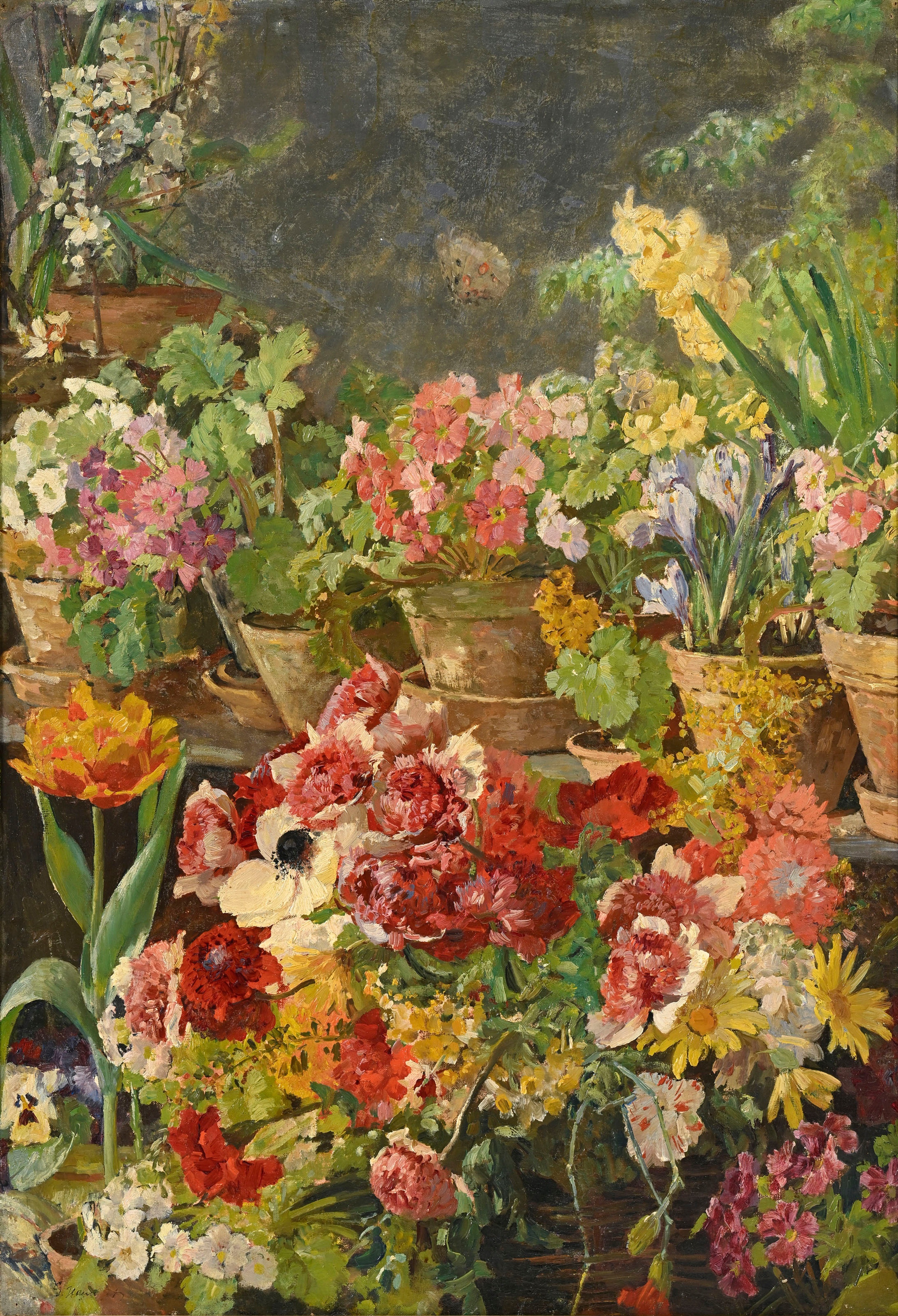
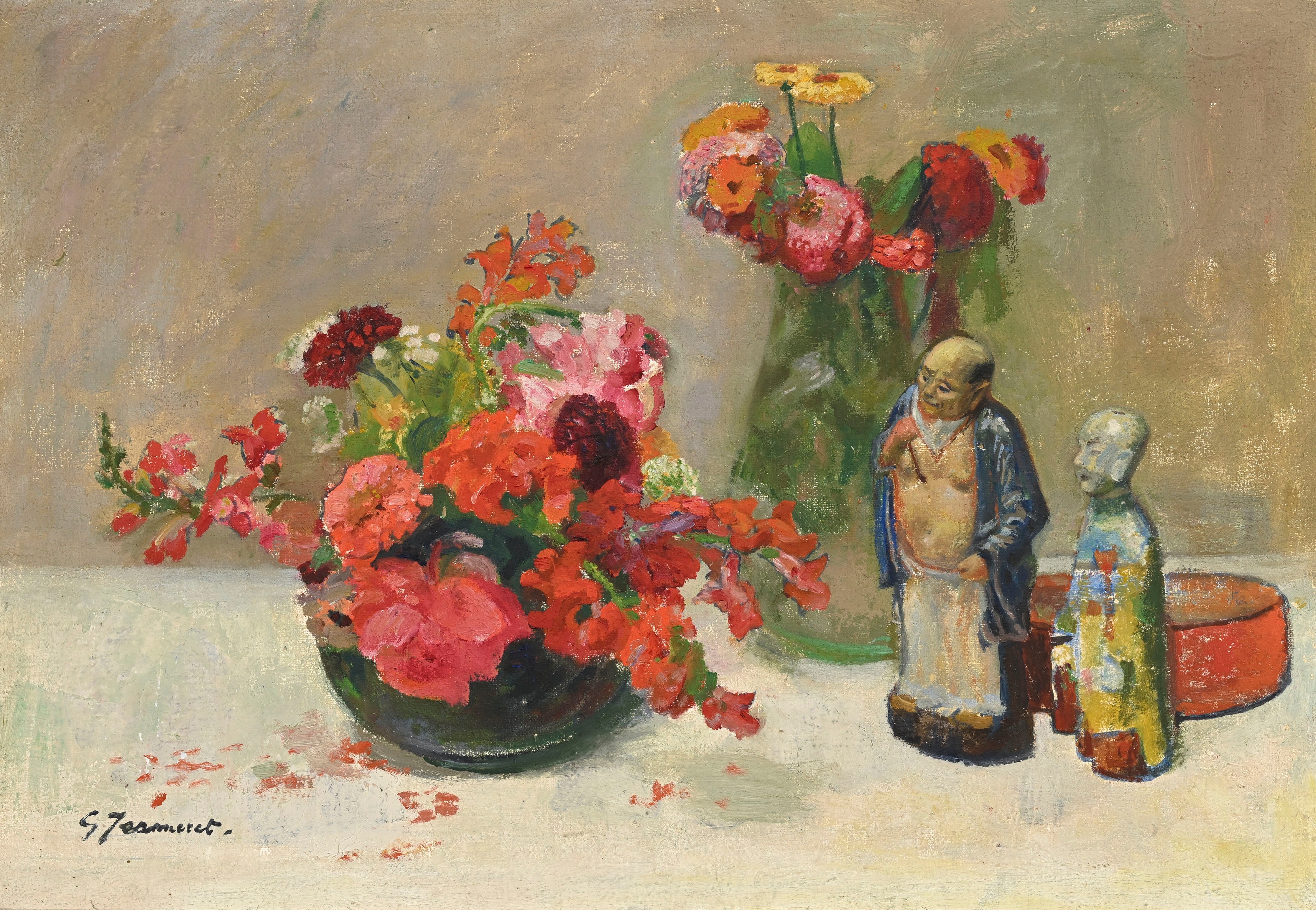
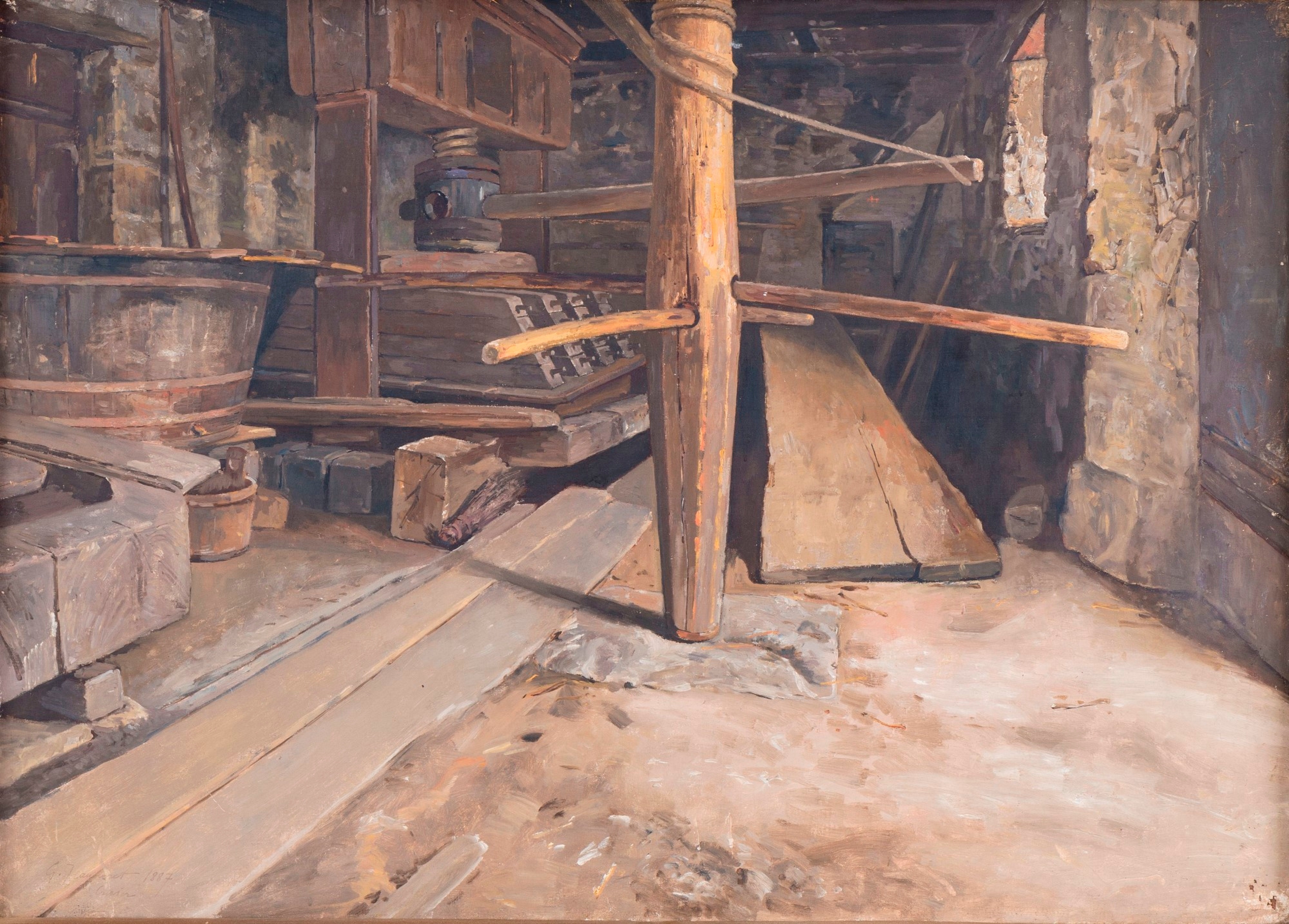
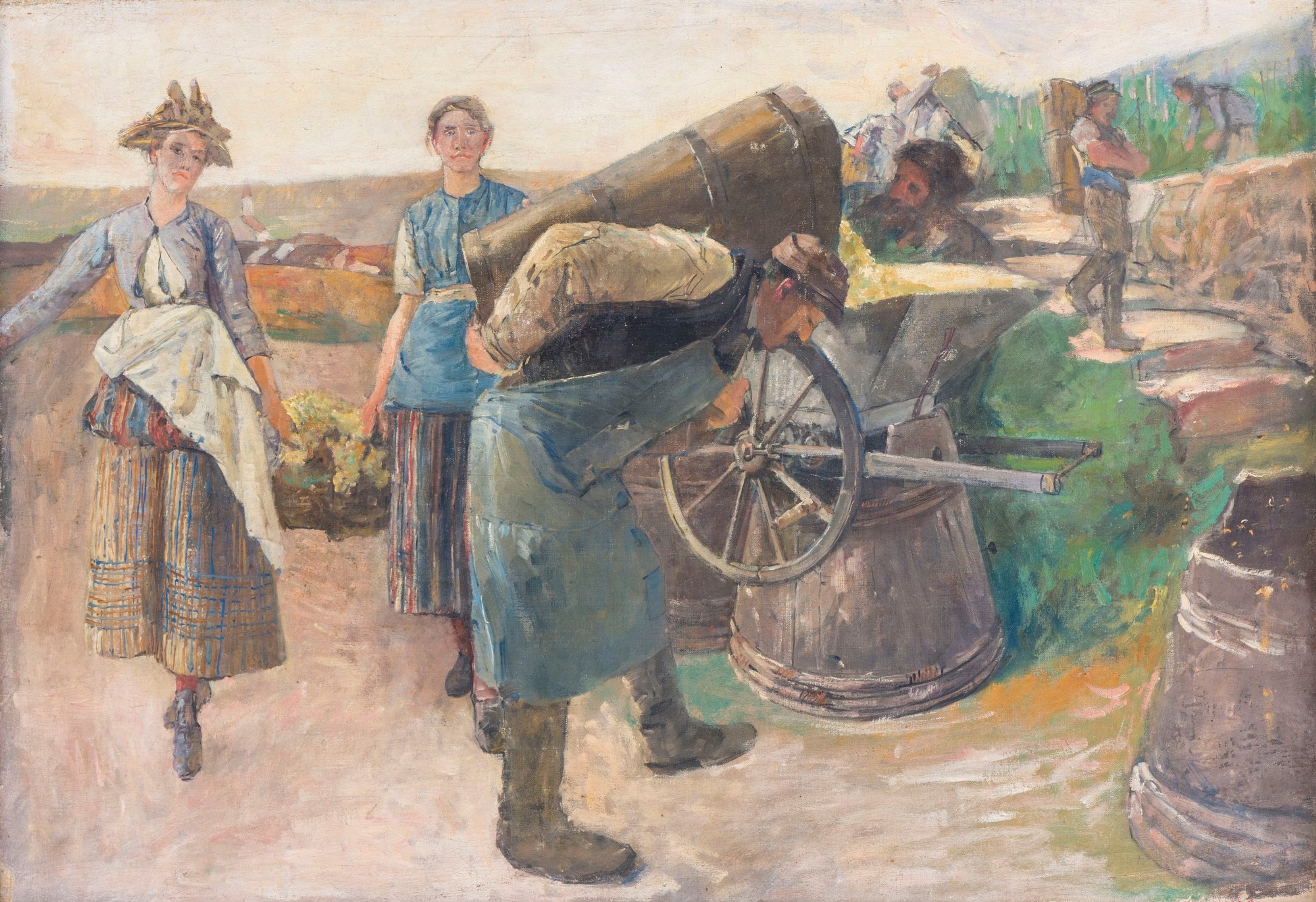
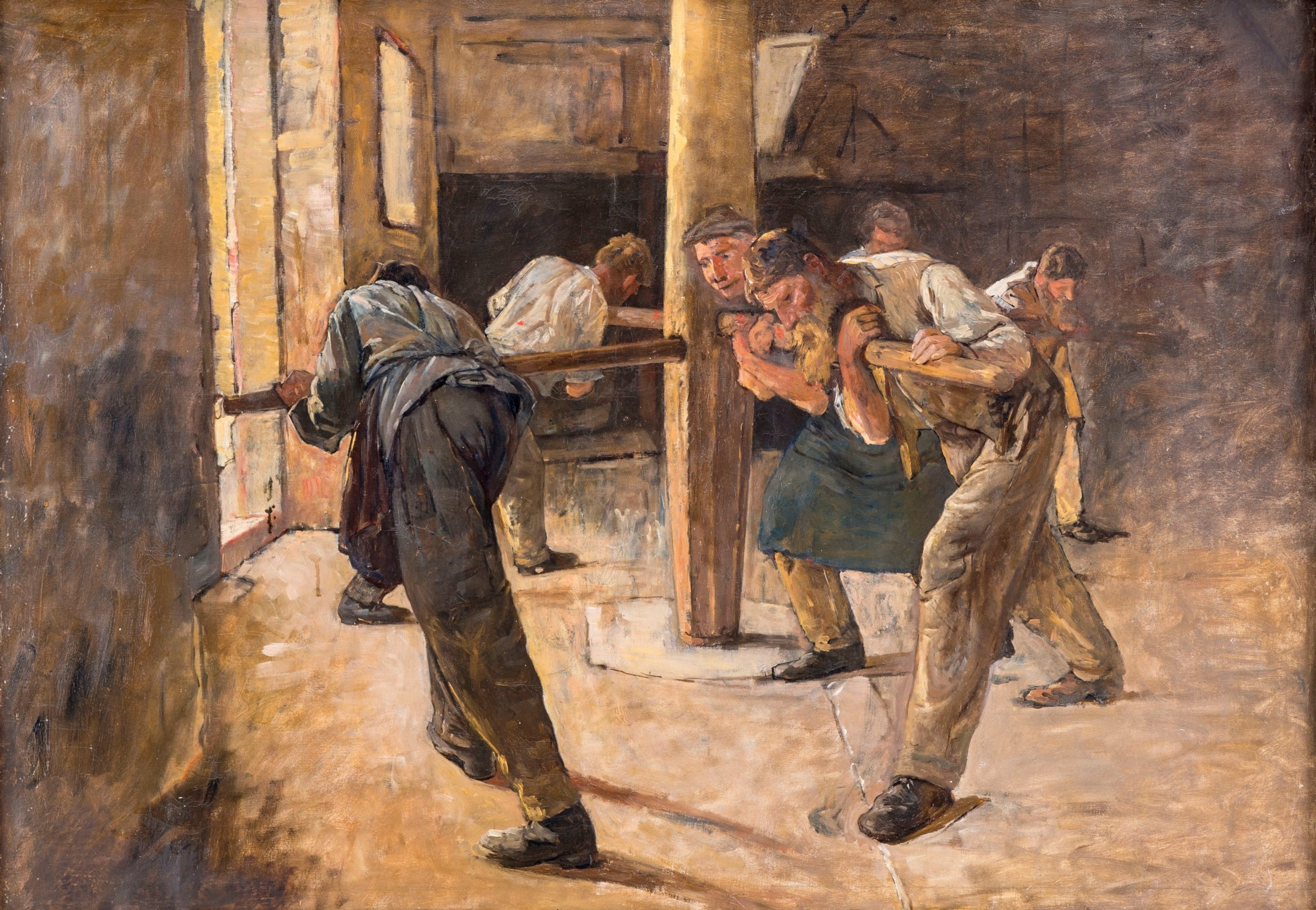
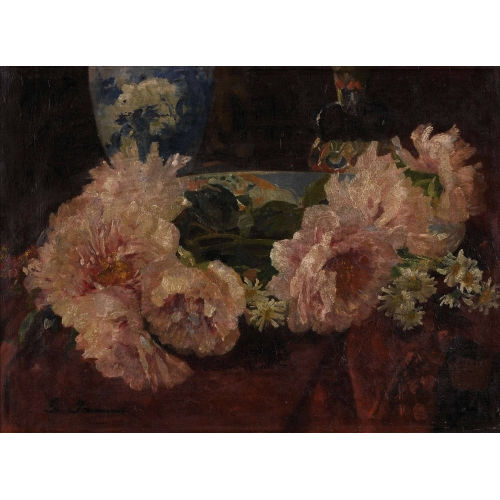
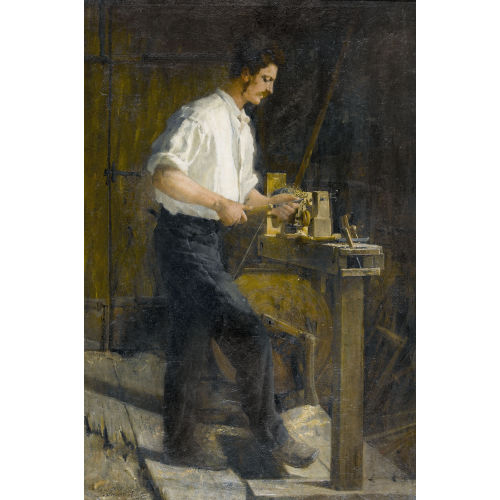
Among his dated works, Les Pressureurs (1887) is noted and identified as representing the interior of the Croix‑Blanche wine press in Cressier. The record reports that his art was “greatly influenced” by Gustave Courbet and Camille Corot, a wording reproduced verbatim from the source. On an institutional level, he is mentioned as commissioner of the Swiss art department at the Exposition Universelle of 1889, alongside Eugène Burnand and Karl Alfred Lanz.
Politically active, he joined the First International, is reported to have been a member of the Jura Federation, and is said to have become acquainted with the anarchist James Guillaume. According to the same record, after the failure of the Commune he took practical steps to help Communards leave Paris by bringing forged papers from Switzerland. Later, in 1919, he was among the co-founders of the Fédération suisse des travailleurs intellectuels, attesting to a sustained commitment at an associative level.
In family terms, the record mentions two children who became painters: Blaise Jeanneret (1897–1988) and Baucis de Coulon. After a period of relative neglect, a major retrospective at the Musée d'art et d'histoire de Neuchâtel in 1998 and Pascal Ruedin’s exhibition catalogue (Attinger Giles, 1998) constitute the principal recent monograph noted. The selected documentation makes it possible to trace key strands—the training under Georges Grisel, the industrial apprenticeship, the Parisian and academic period, a dated and localised body of work (for example, Les Pressureurs, 1887), and active political engagement—that structure this notice without claiming the comprehensiveness of a catalogue raisonné.