Gustave de Beaumont
Born in 1851.
Died in 1922.
He first trained at the École des beaux-arts de Genève under the direction of Barthélemy Menn, before continuing his studies at the Beaux-Arts de Paris, where he worked in the studio of Jean‑Léon Gérôme and copied the old masters at the Musée du Louvre. During his studies in Geneva, he associated and formed a friendship with Ferdinand Hodler.
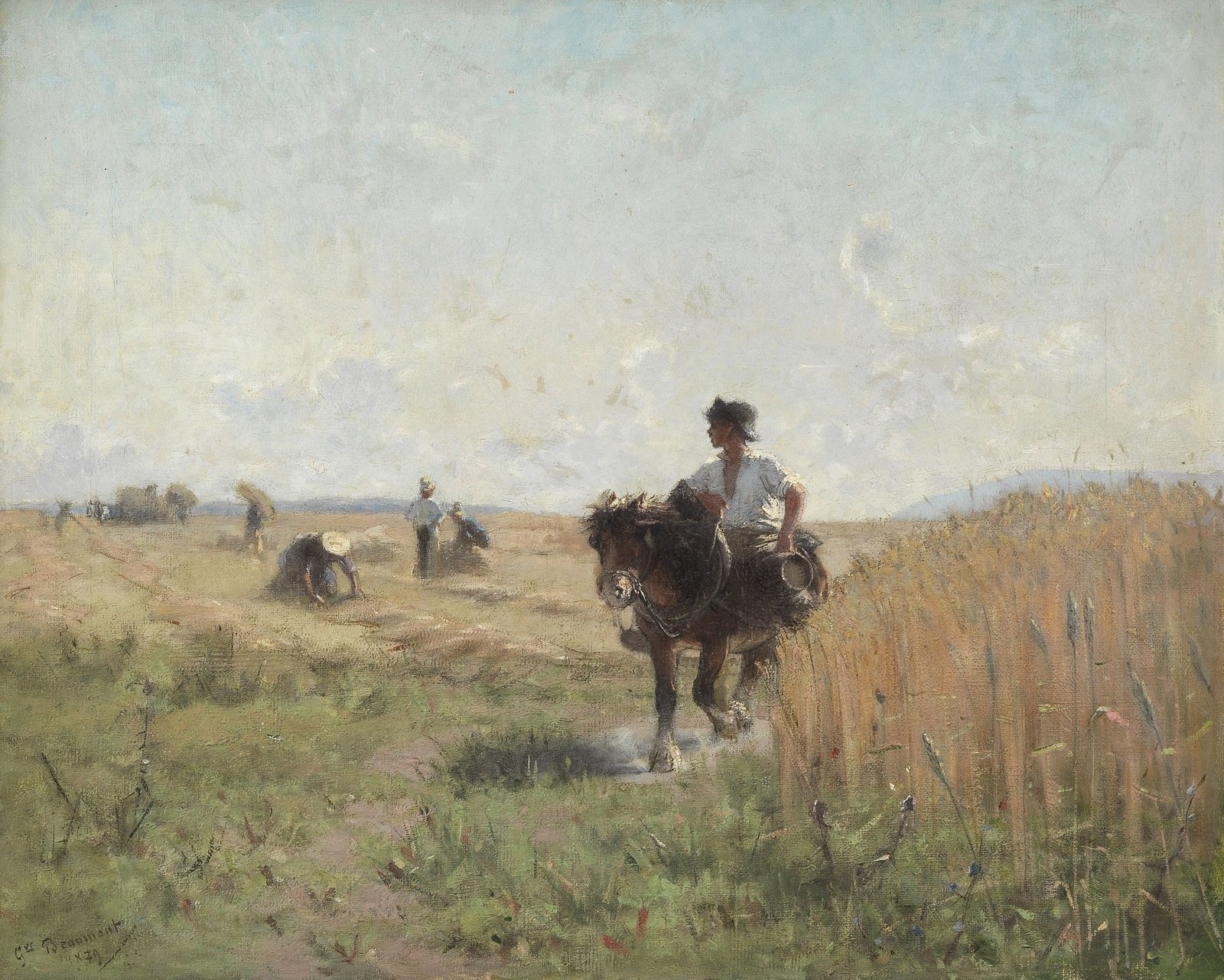
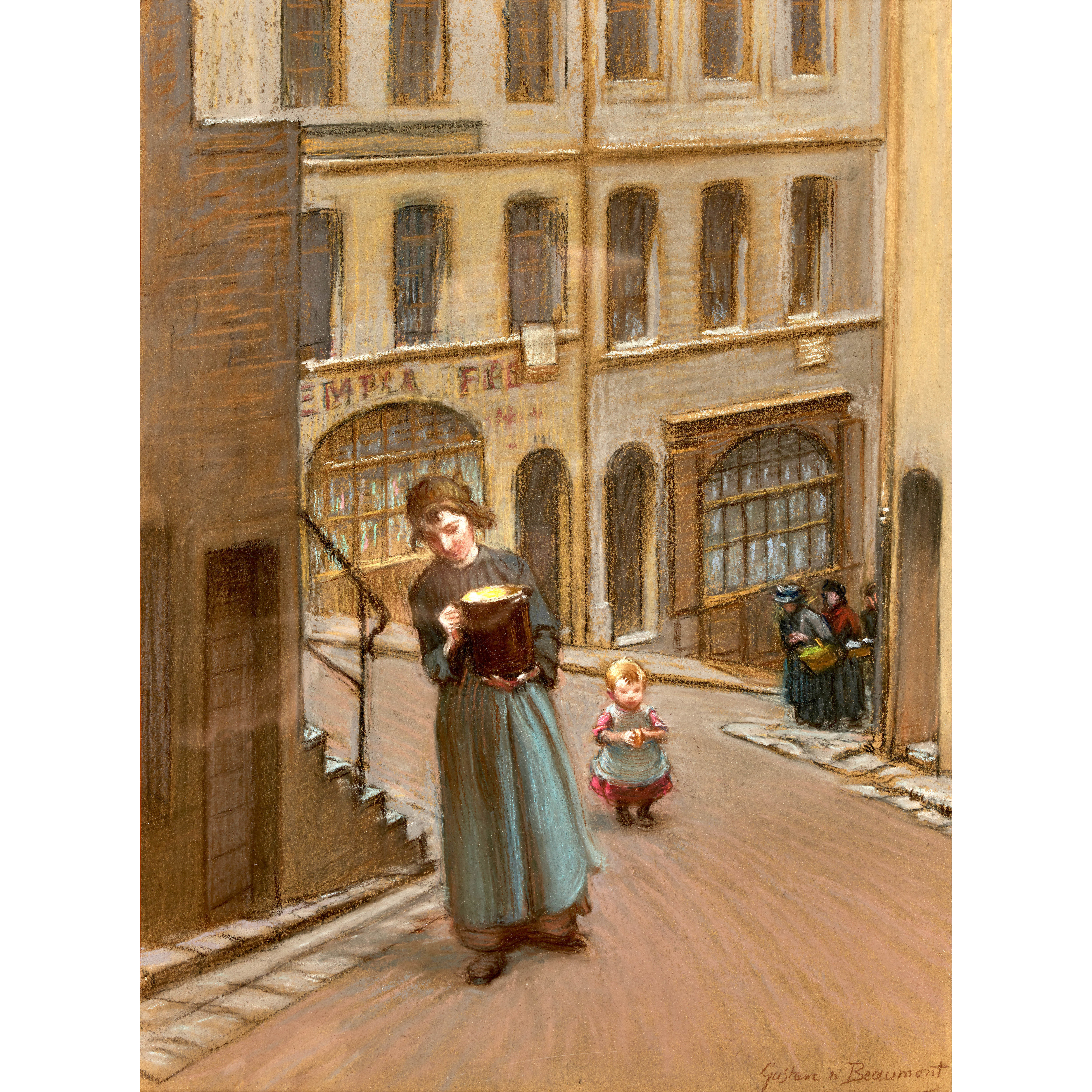
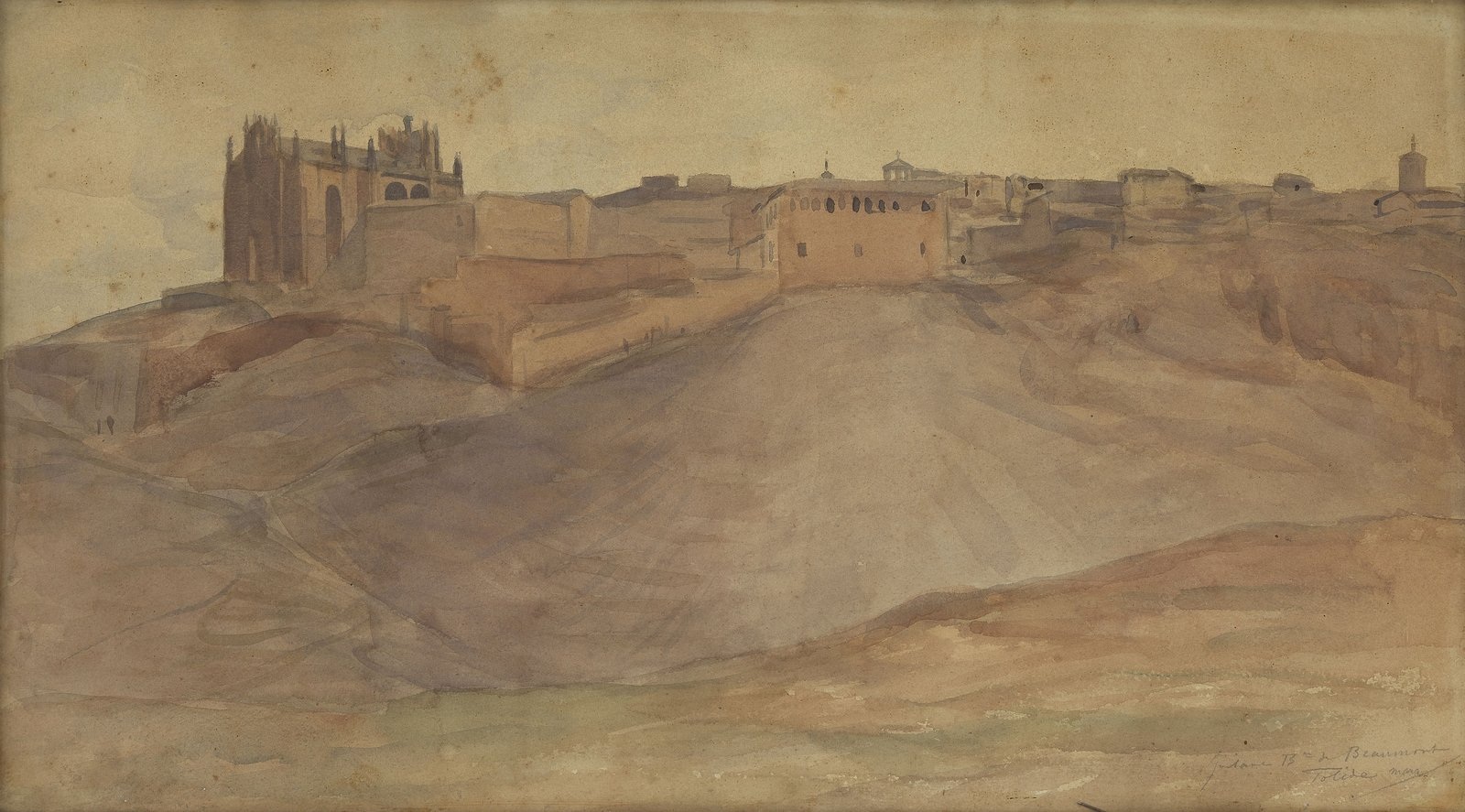
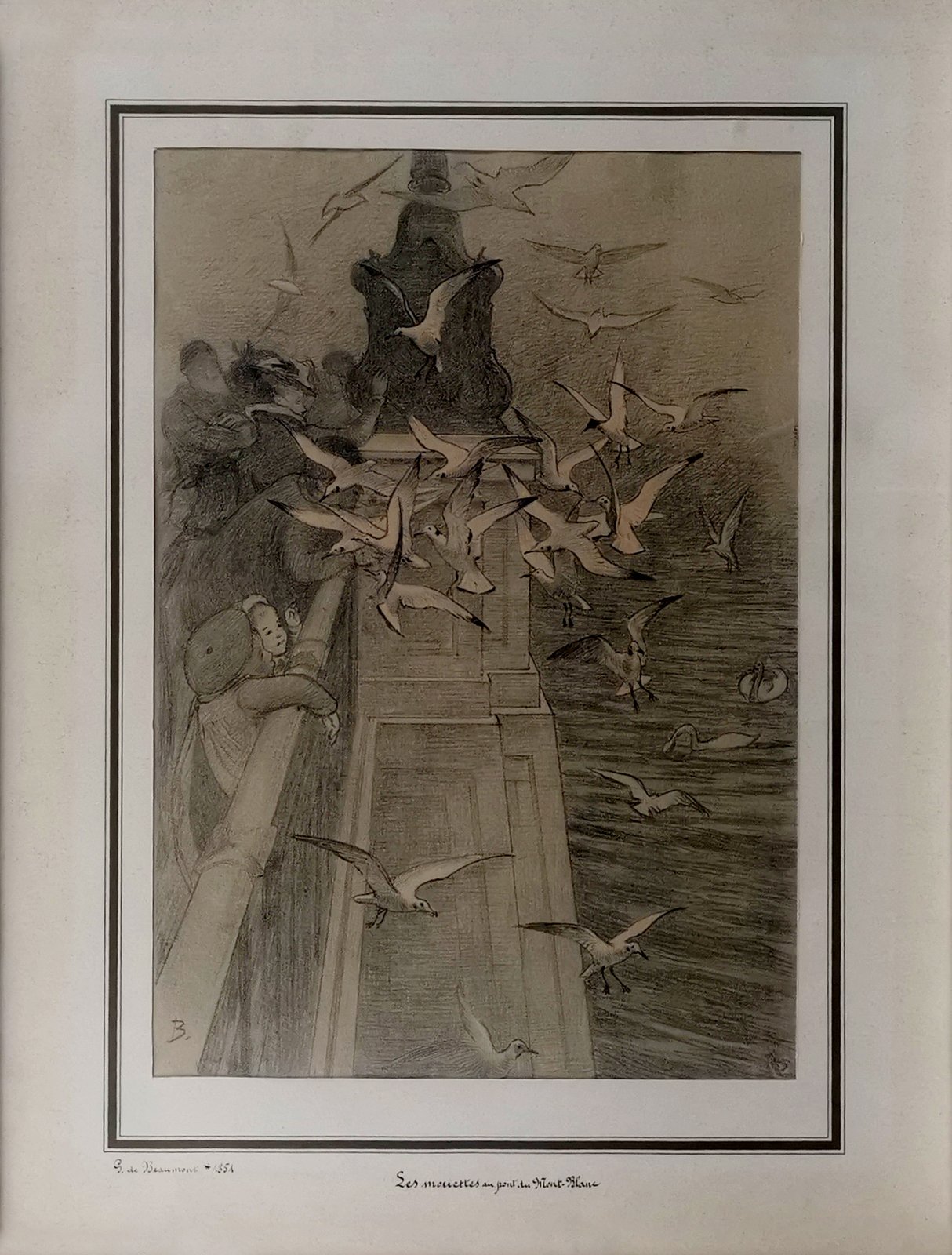
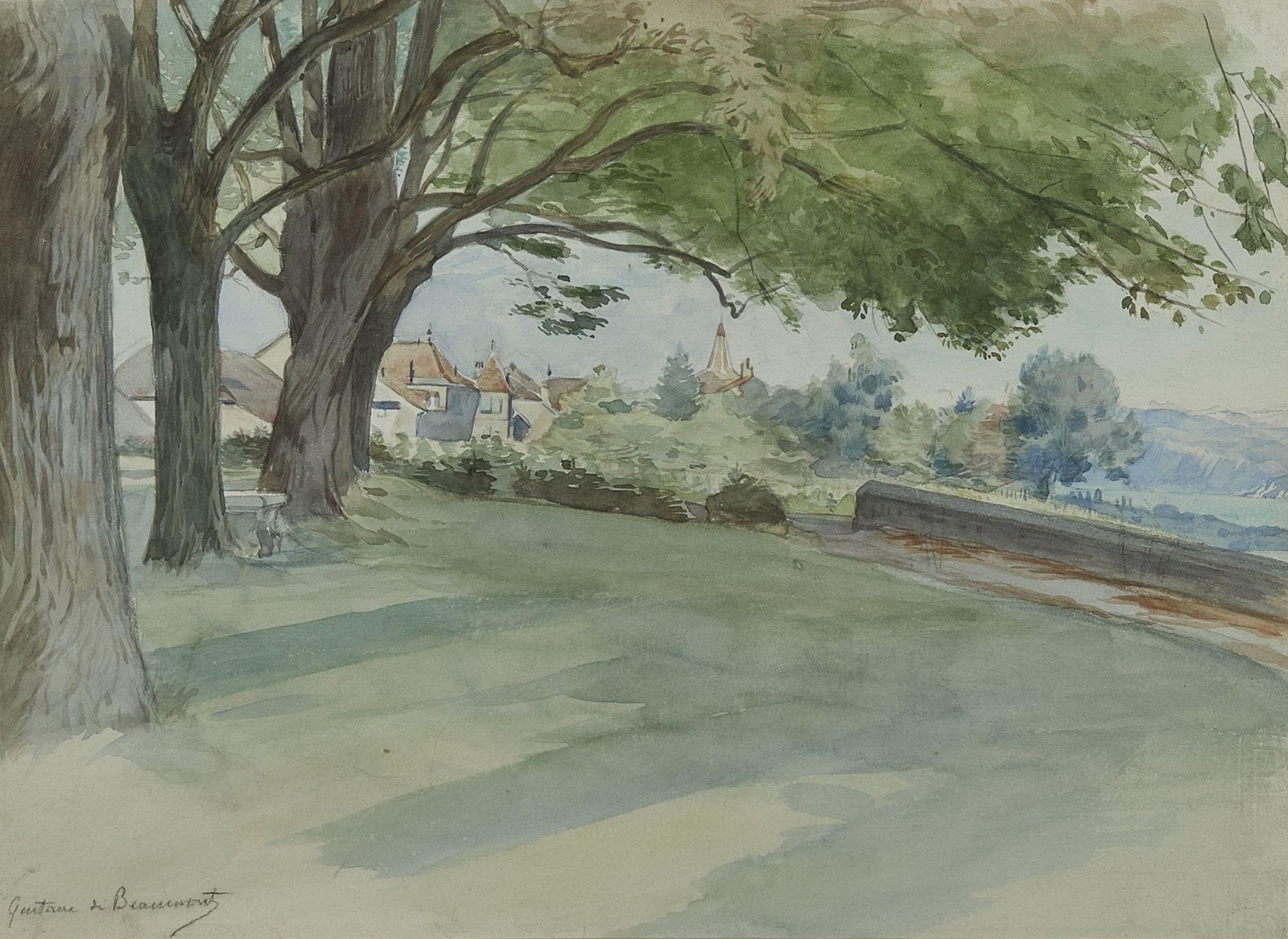
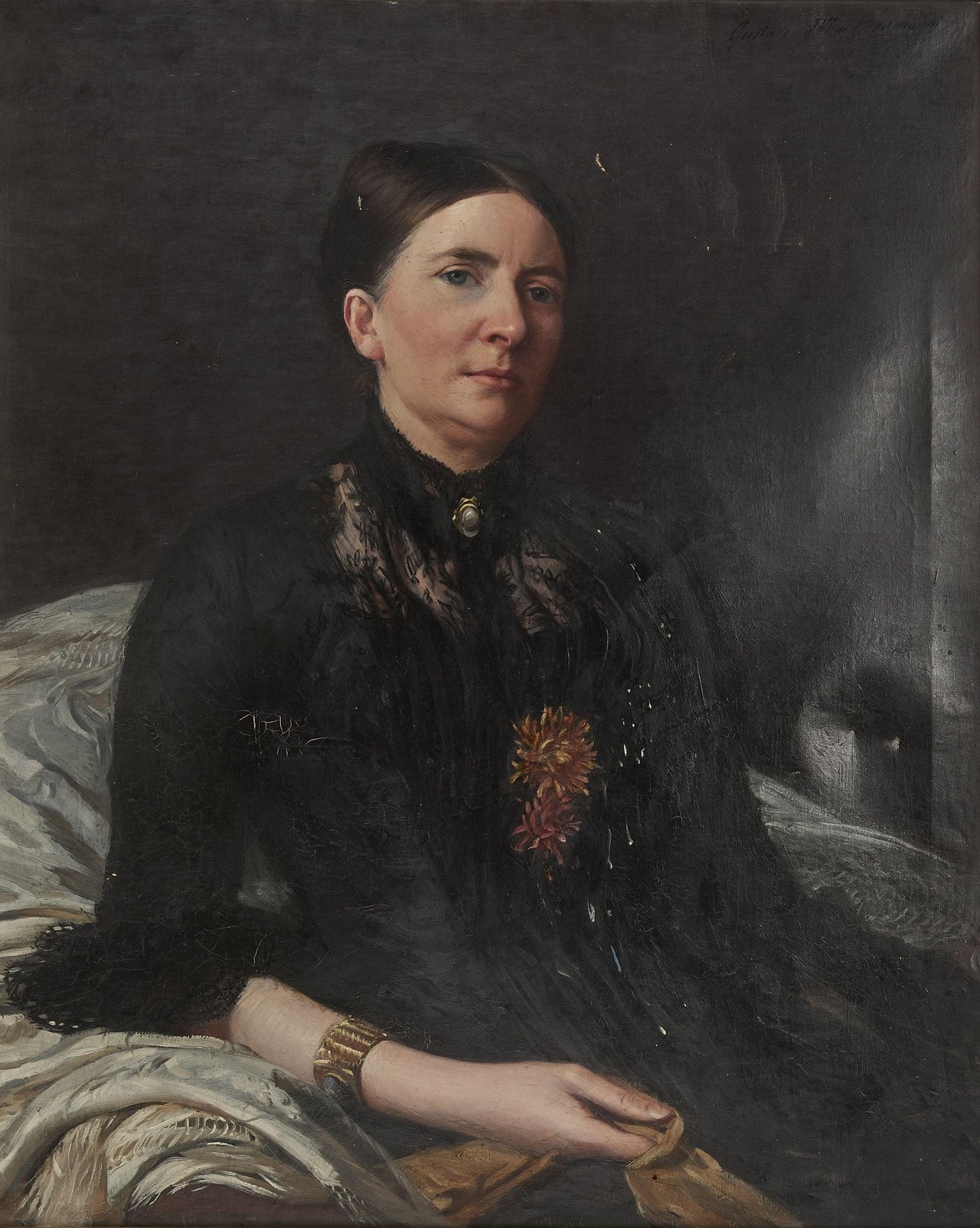
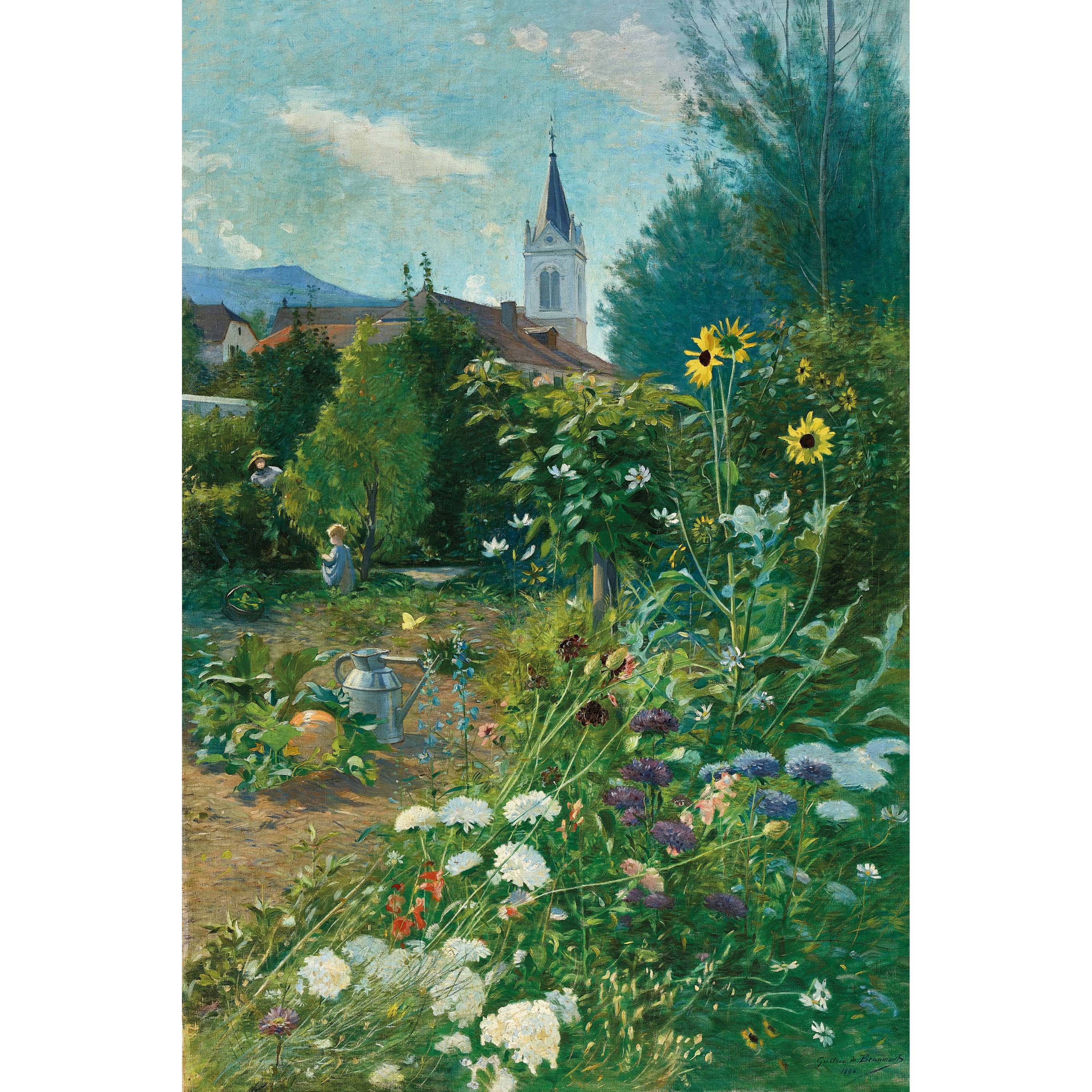
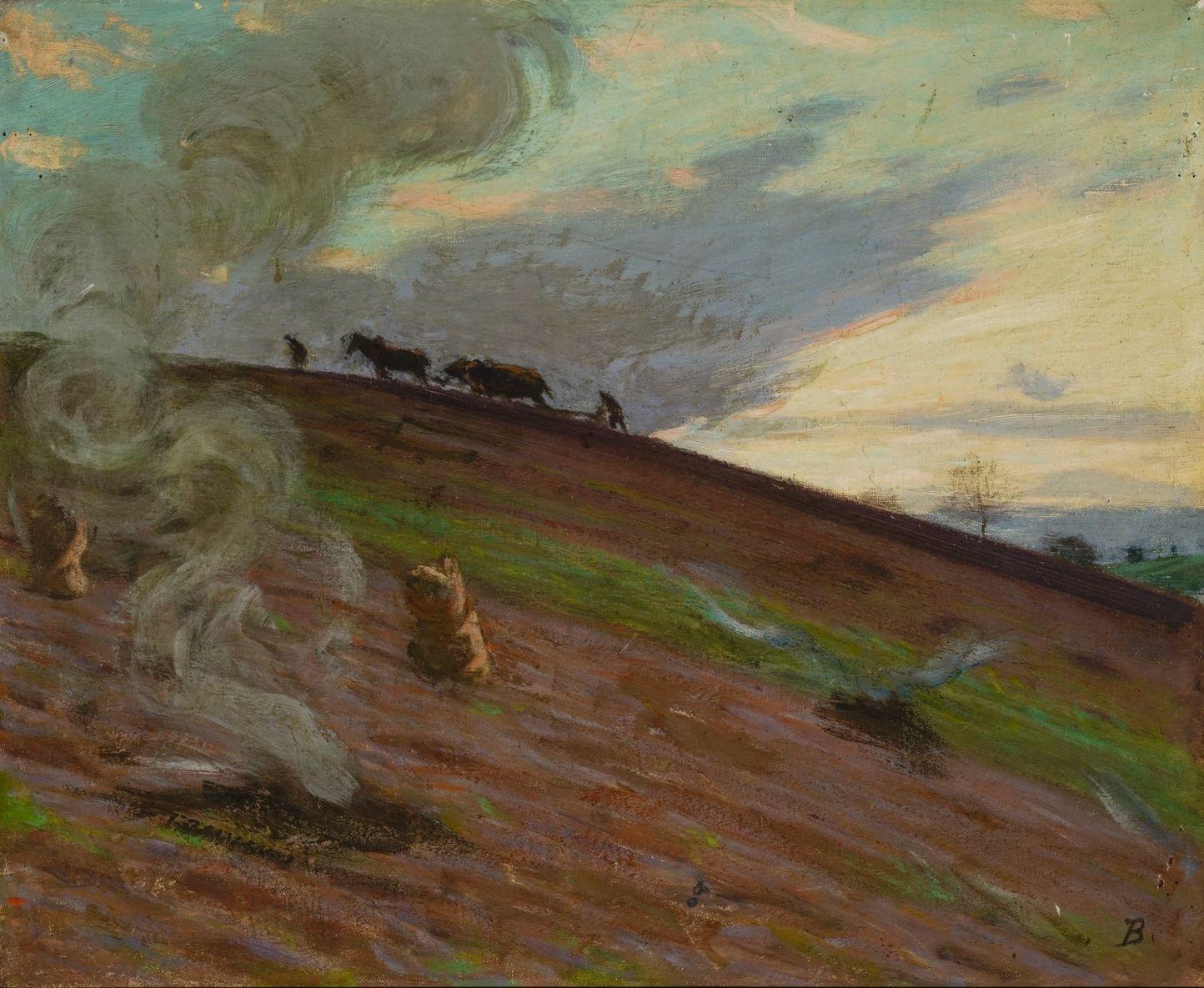
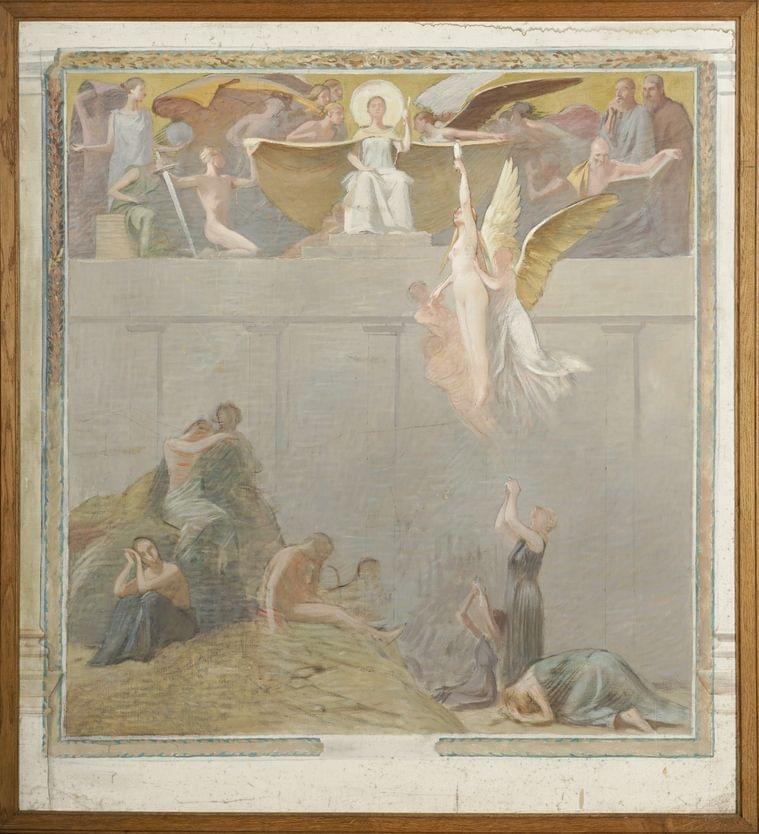
On returning to Switzerland, he took part, under the direction of Édouard Castres and alongside other painters, in the creation of the Panorama Bourbaki. He also produced a cycle of paintings in the form of a frieze intended to recount the history of Geneva, decorating the city’s former arsenal. Works by Beaumont are held in public collections, notably at the Musée d’art et d’histoire de Genève.
Born into a Protestant family of French origin, he was the son of Henri Maximilien de Beaumont and Blanche de Budé. In 1877, he married Justine de Saugy and lived in Paris for several years. Upon his return to Geneva, he held a teaching position at the École des beaux-arts: he taught the academic figure there from 1904 to 1906, and then from 1908 to 1913.
Sources indicate that he was deprived of his fortune as a result of the economic consequences of the First World War and that he died a ruined man on 25 September 1922.
The bibliography and notices devoted to Beaumont include, in particular, an entry by Guillaume Fatio (Société des Arts de Genève, 1921‑1922), the 1922 exhibition catalogue of the Musée d’art et d’histoire, and more recent contributions, including an article by Coraline Guyot (Passé simple, 2021); his name also appears in references to group or thematic exhibitions mentioned in 1986 and 2002.