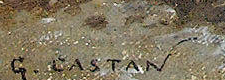
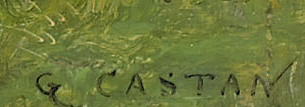
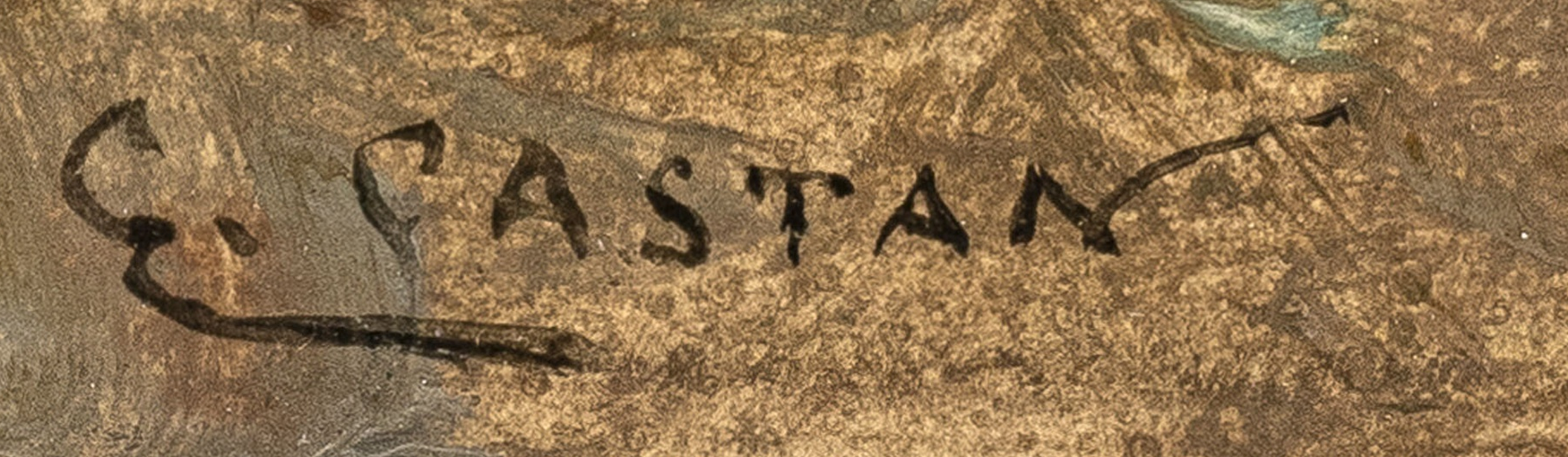
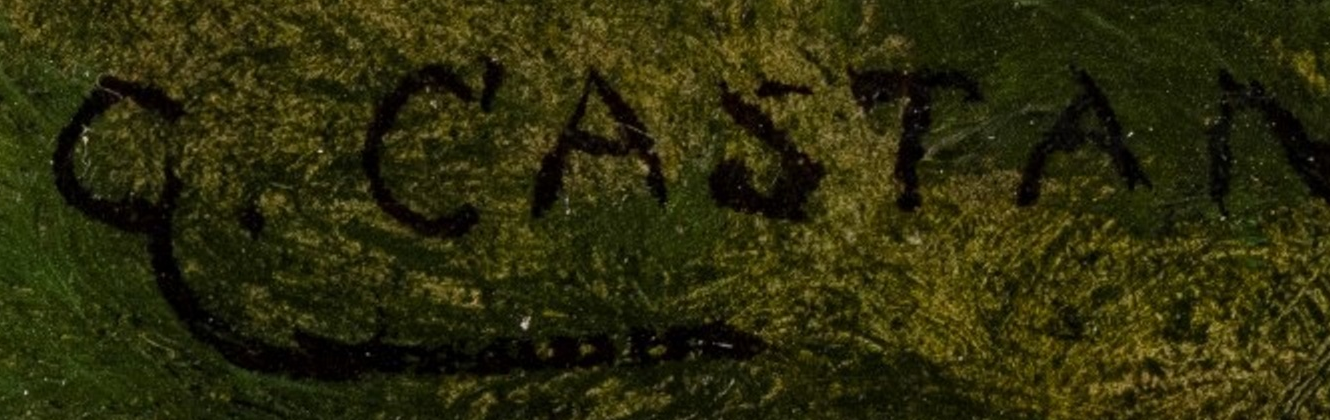
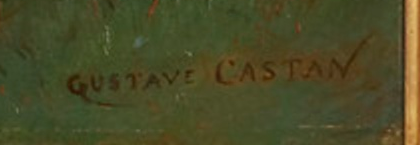
Gustave Castan
Born in 1823.
Died in 1892.
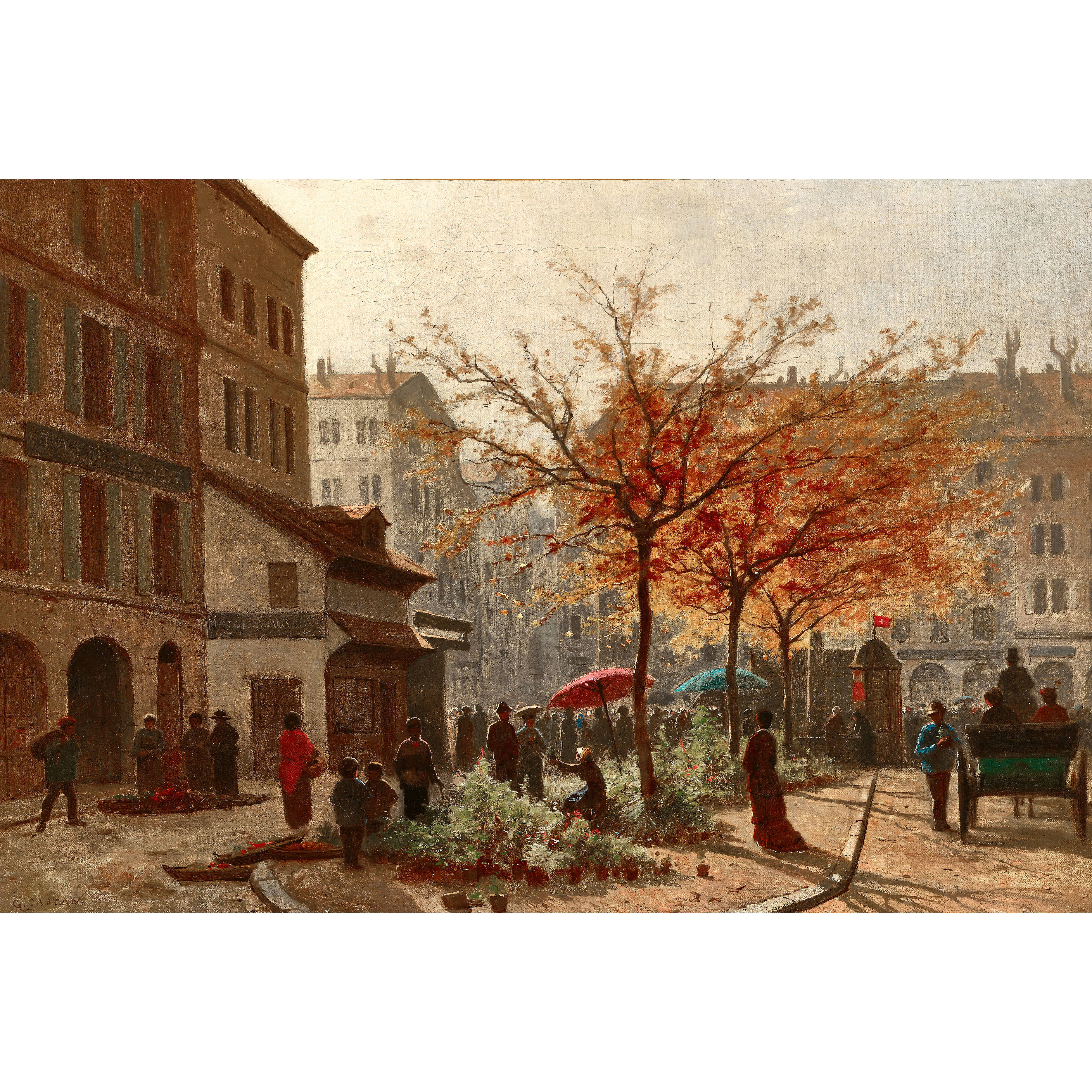
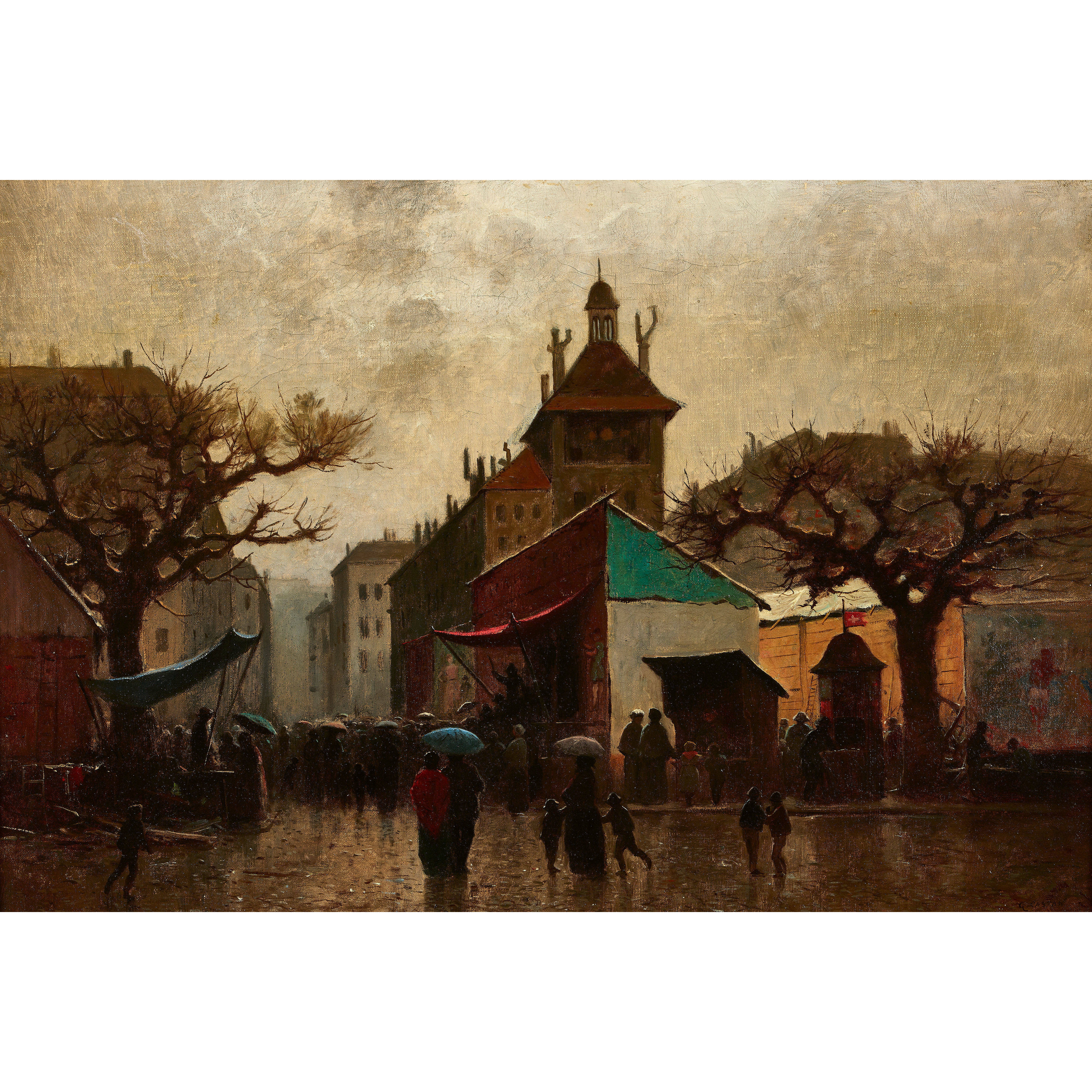
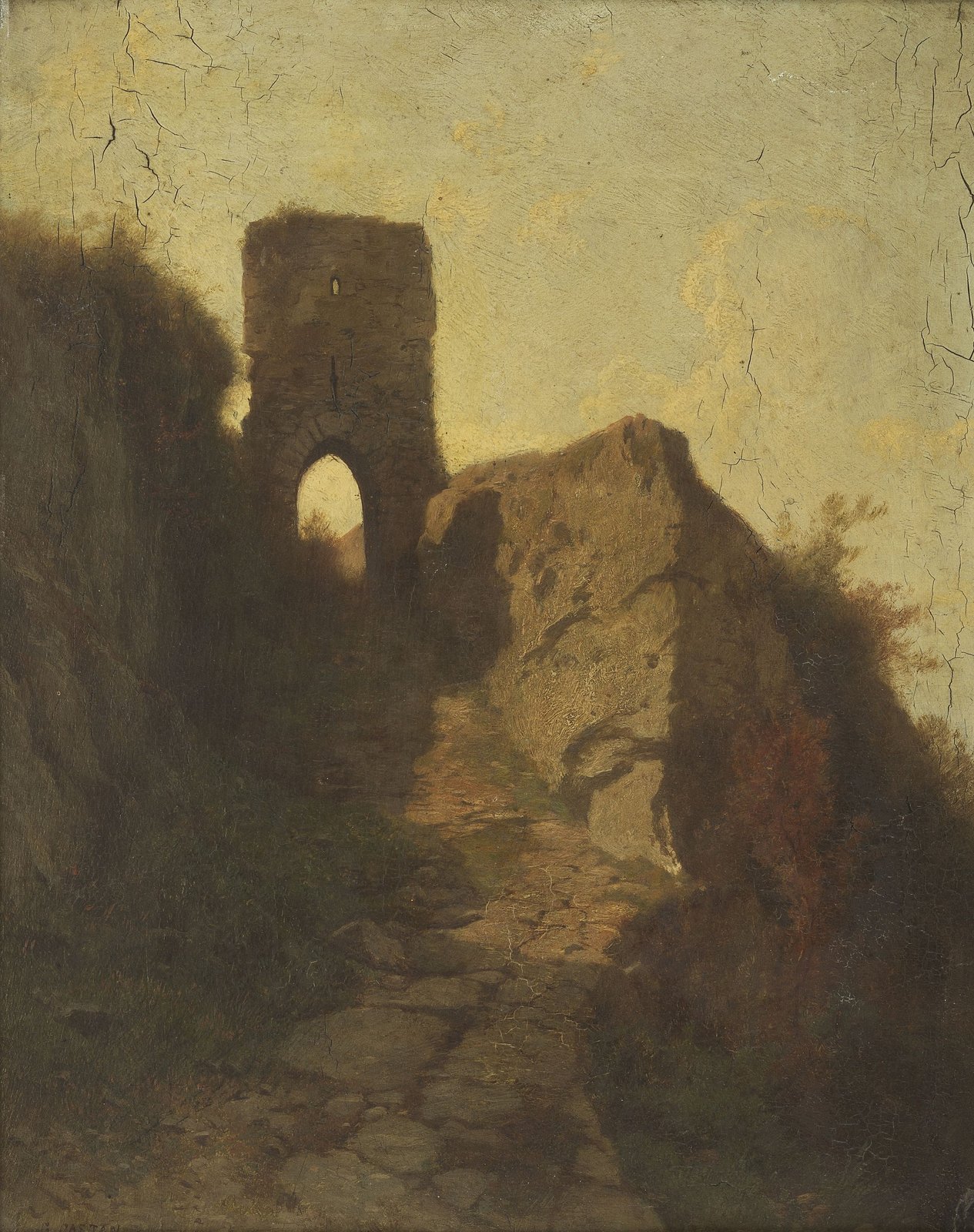
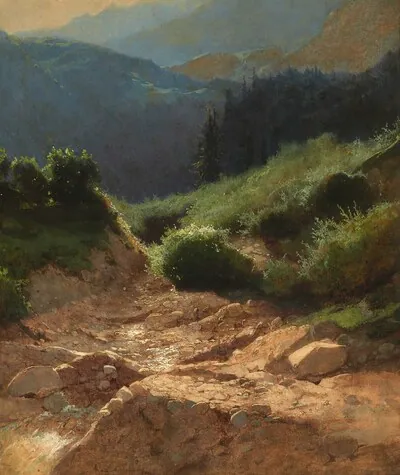
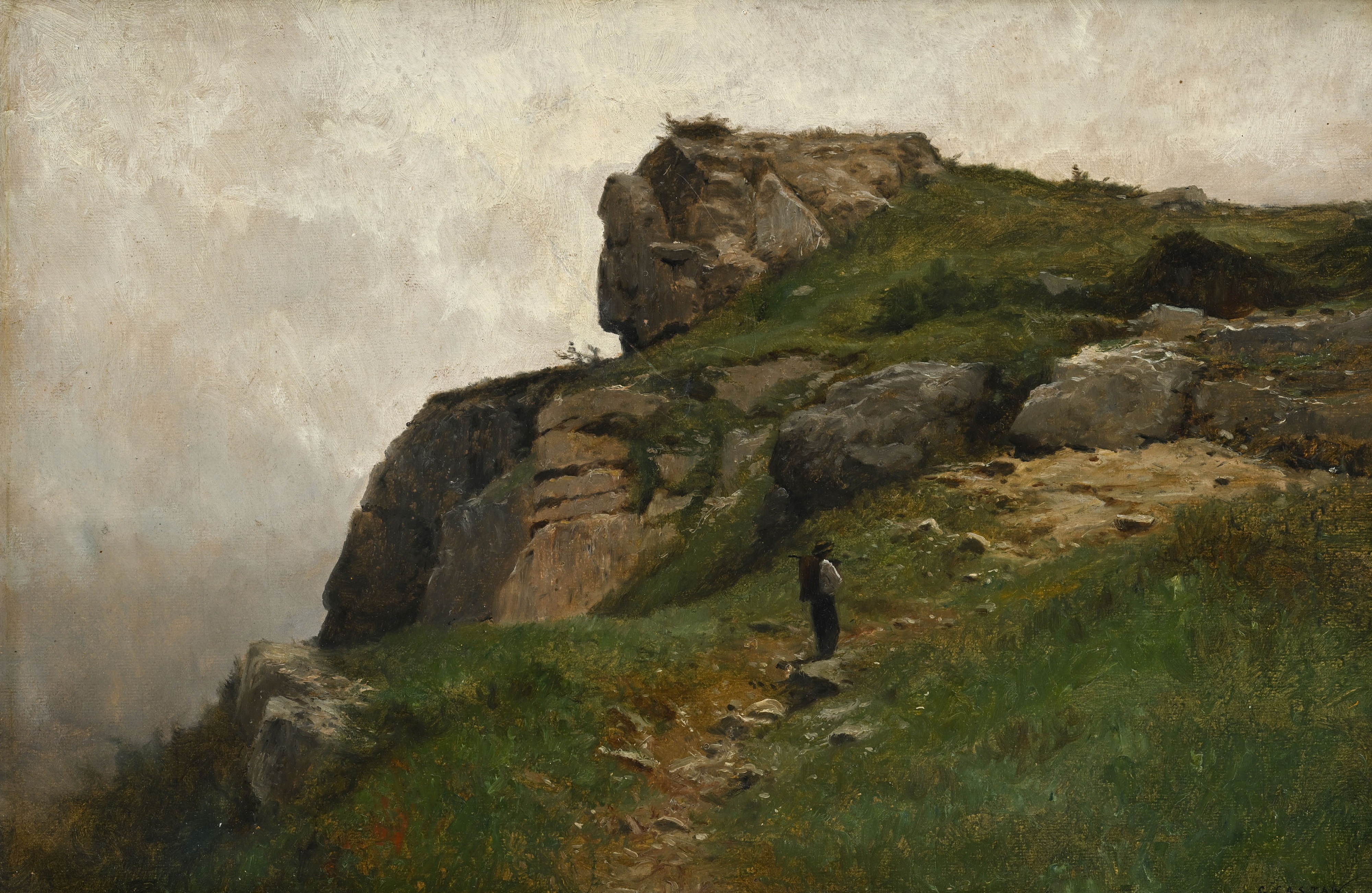
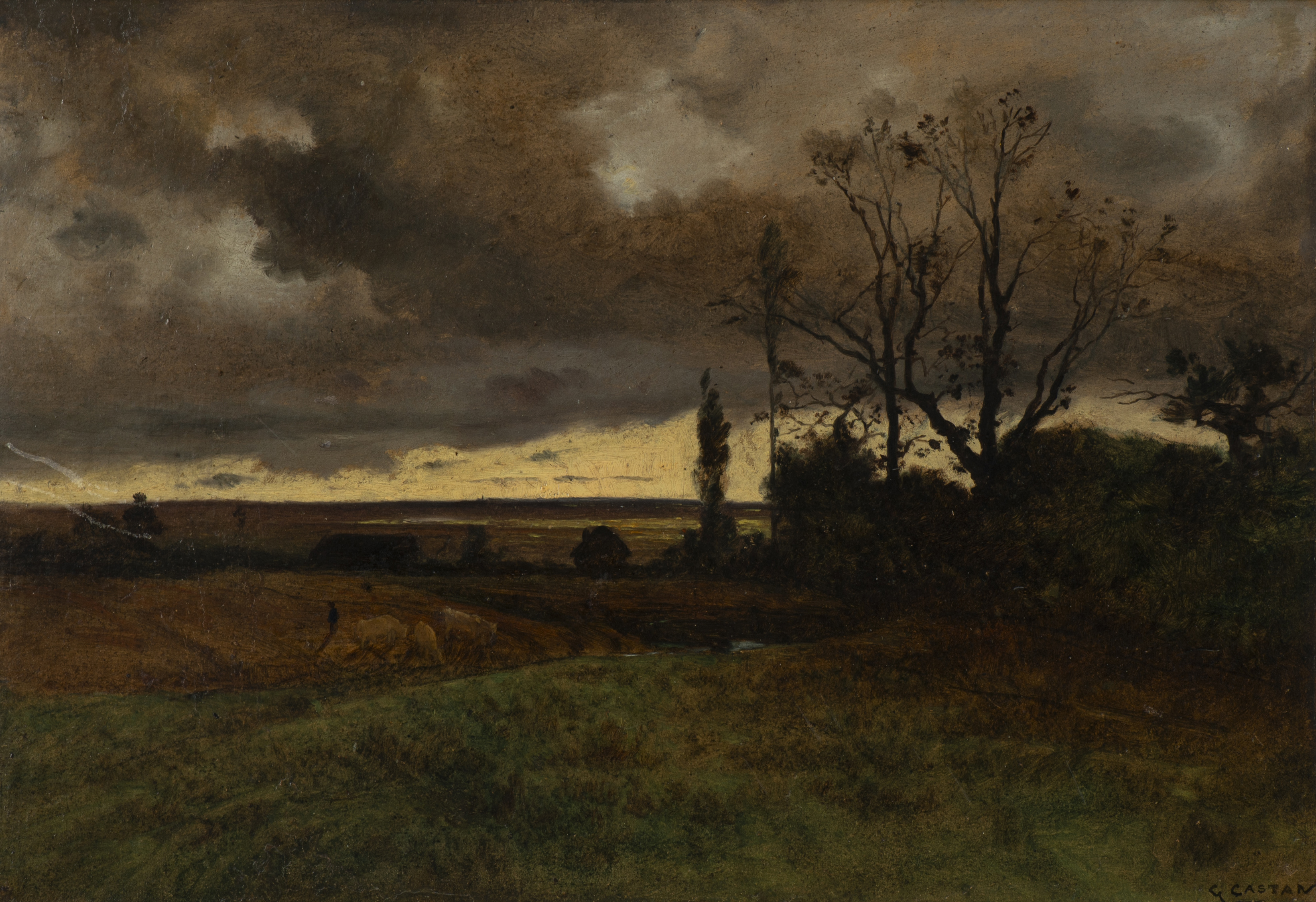
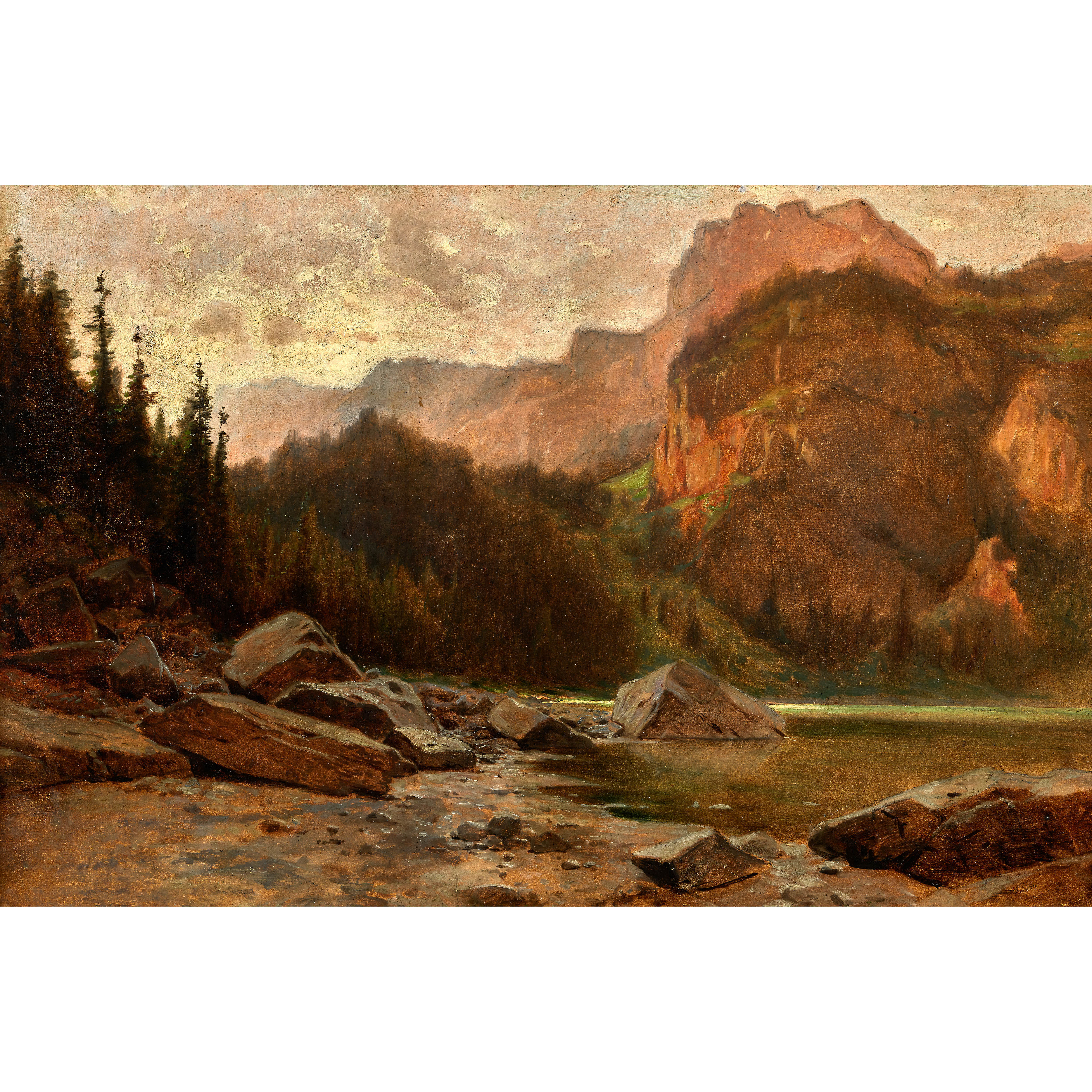
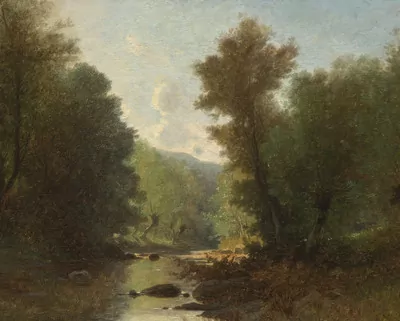
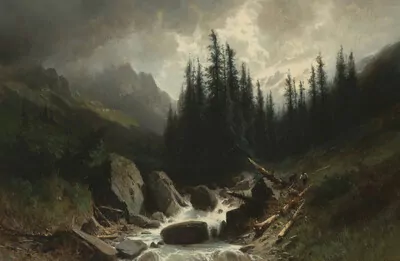
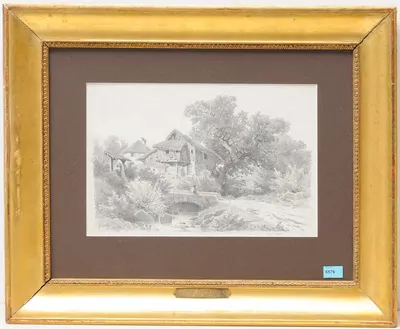
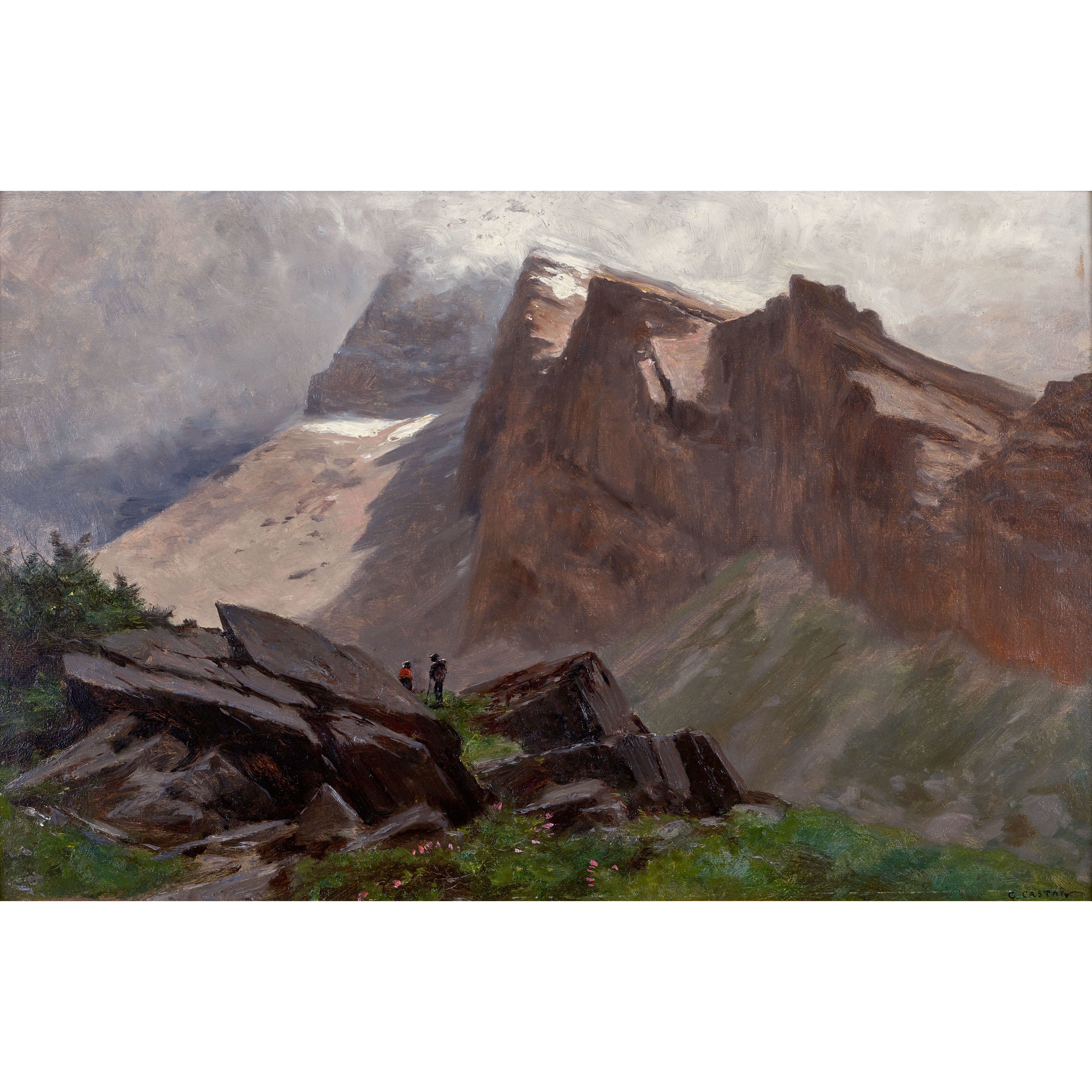
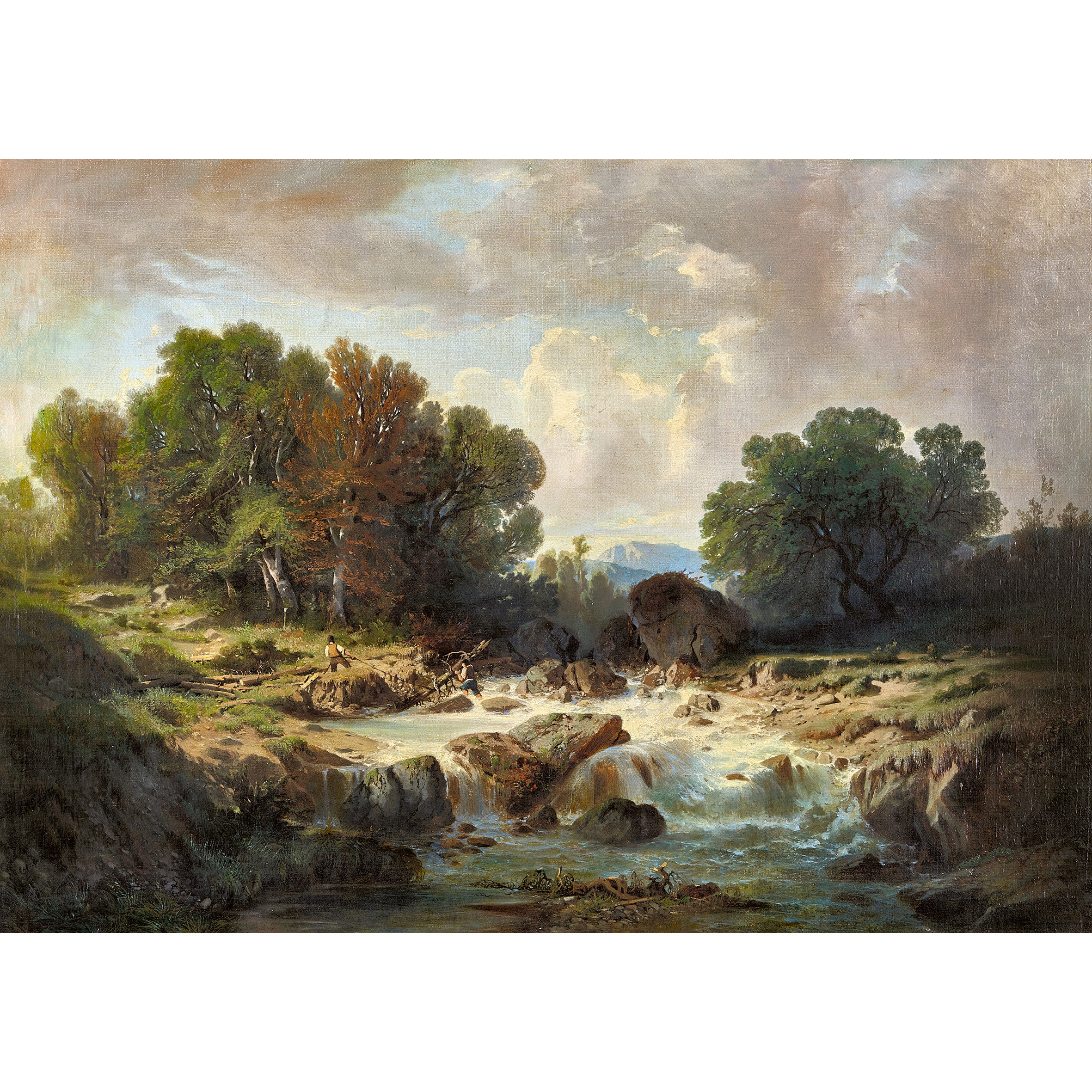
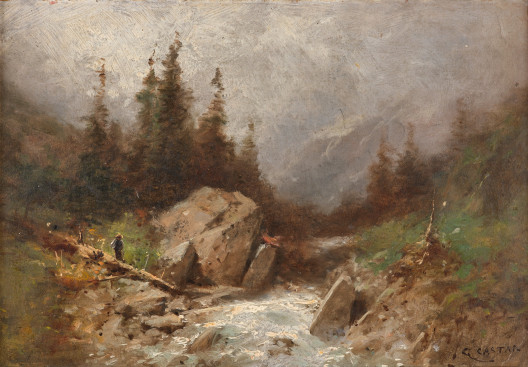
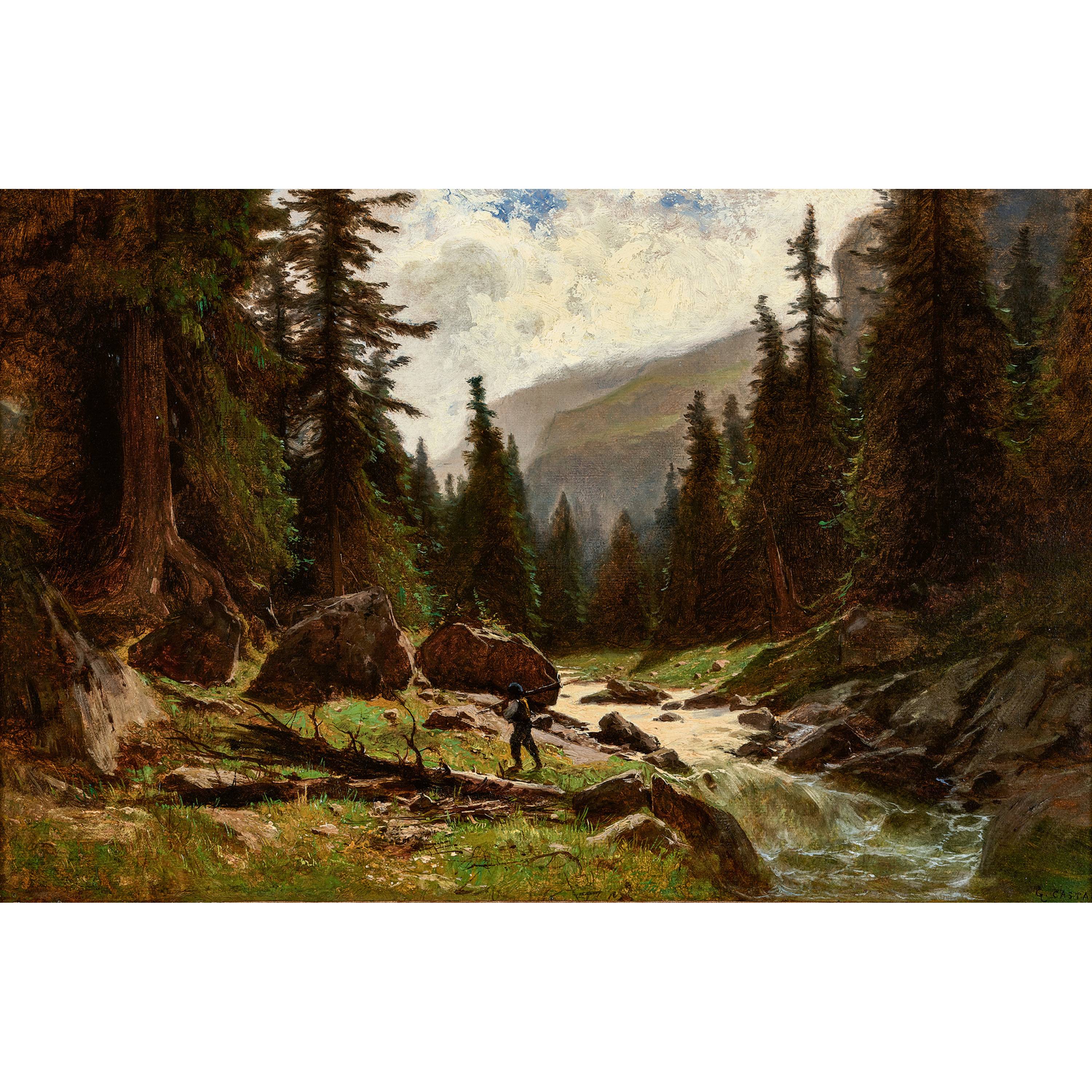
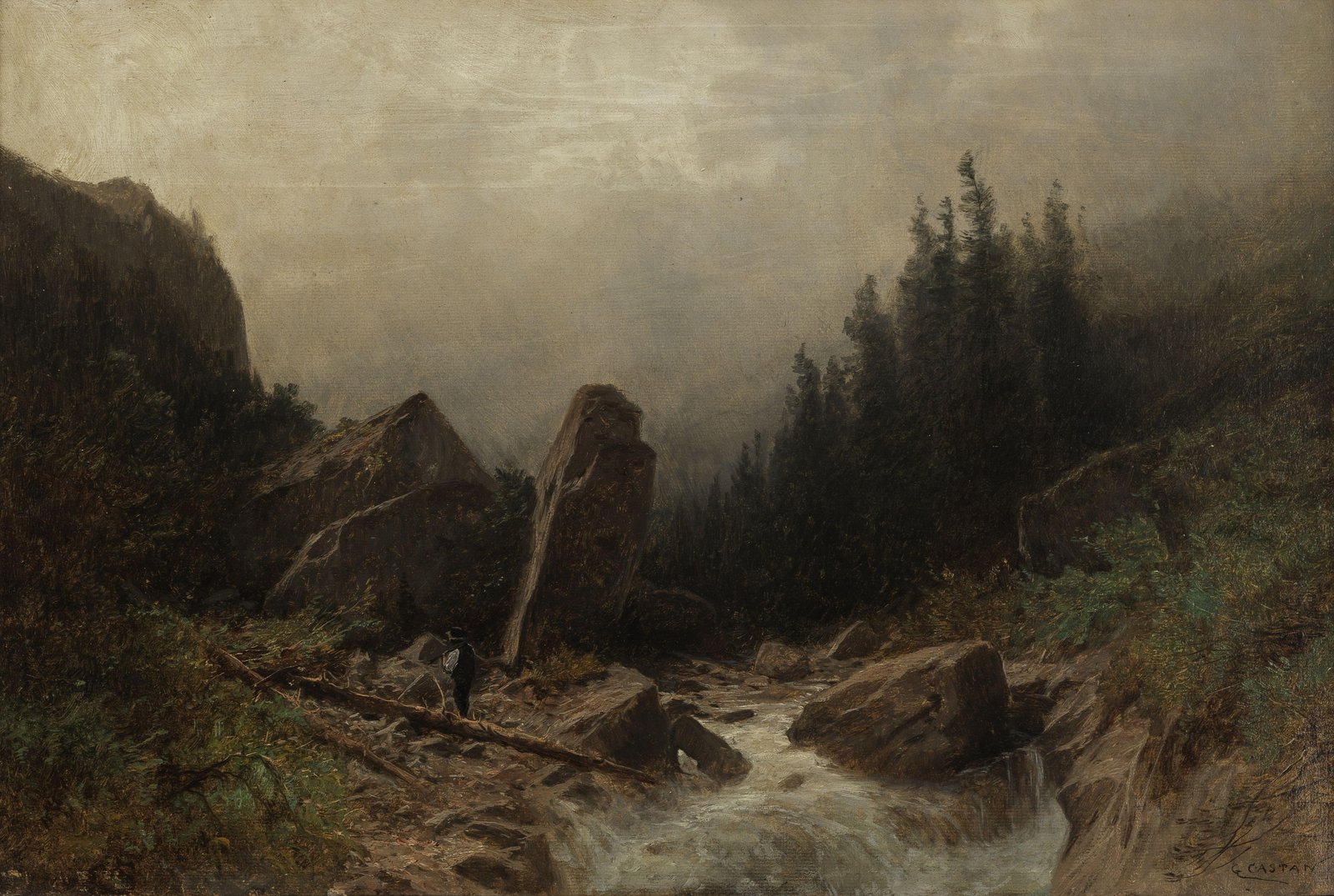
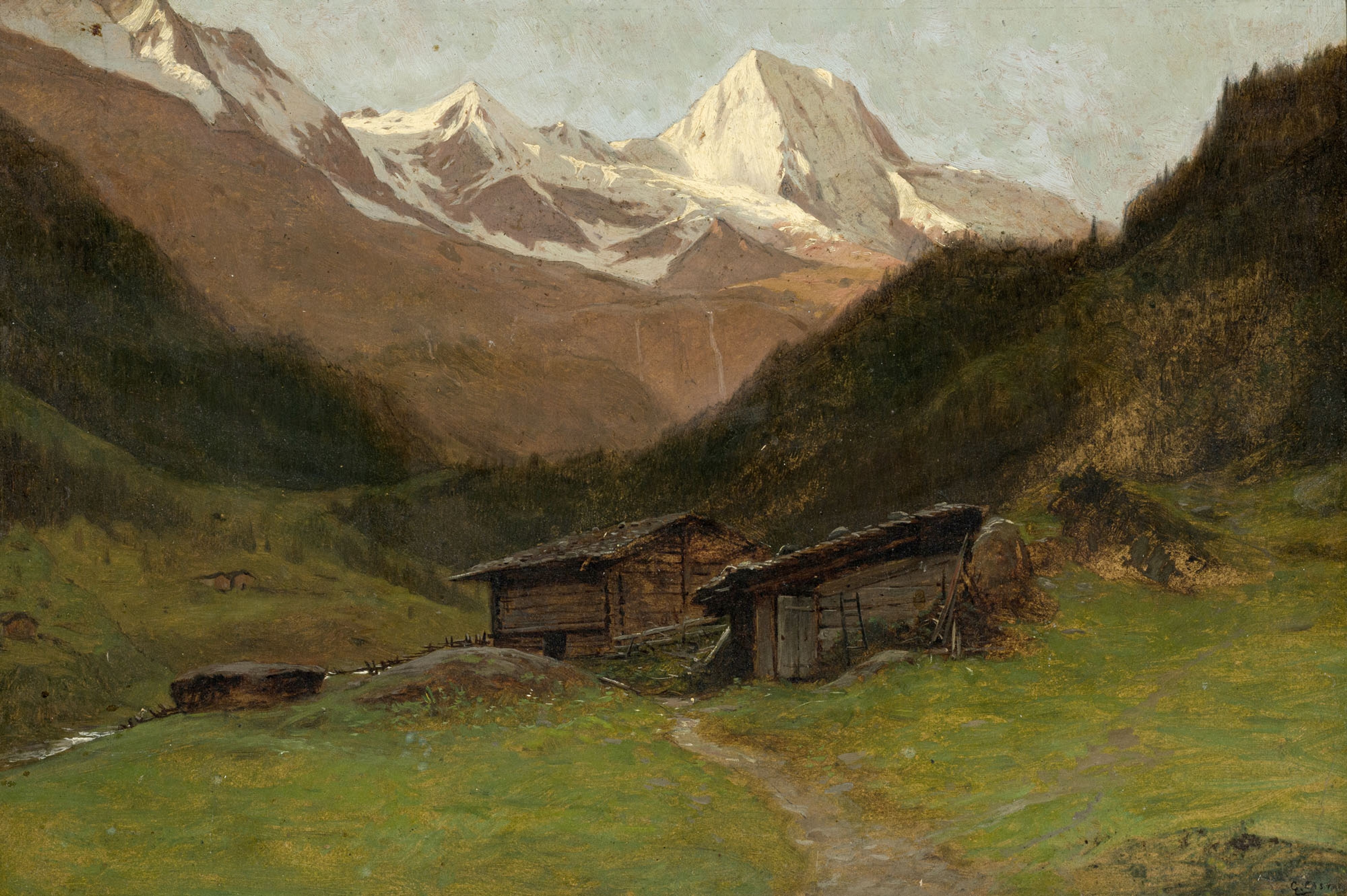
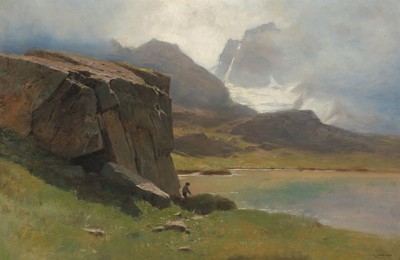
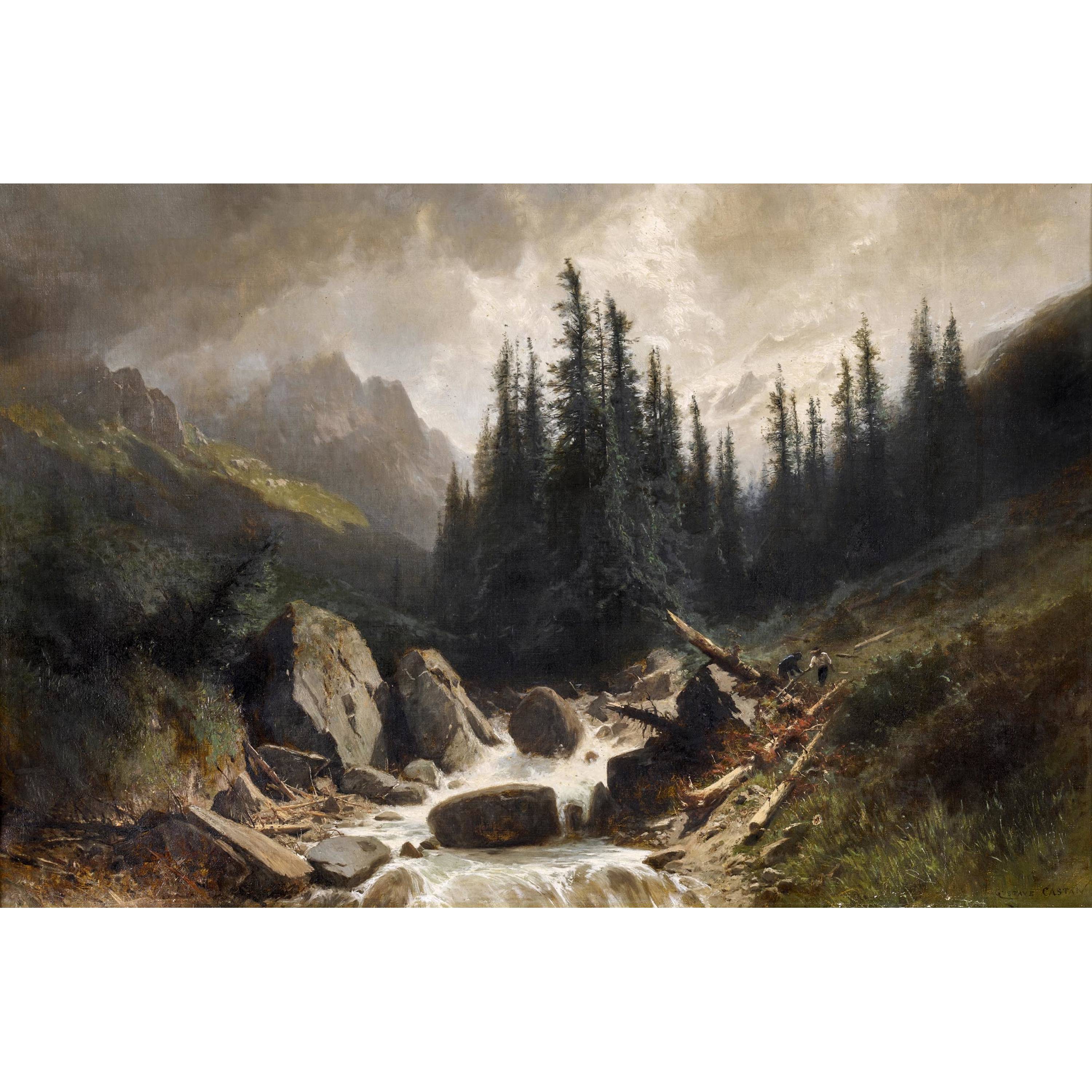
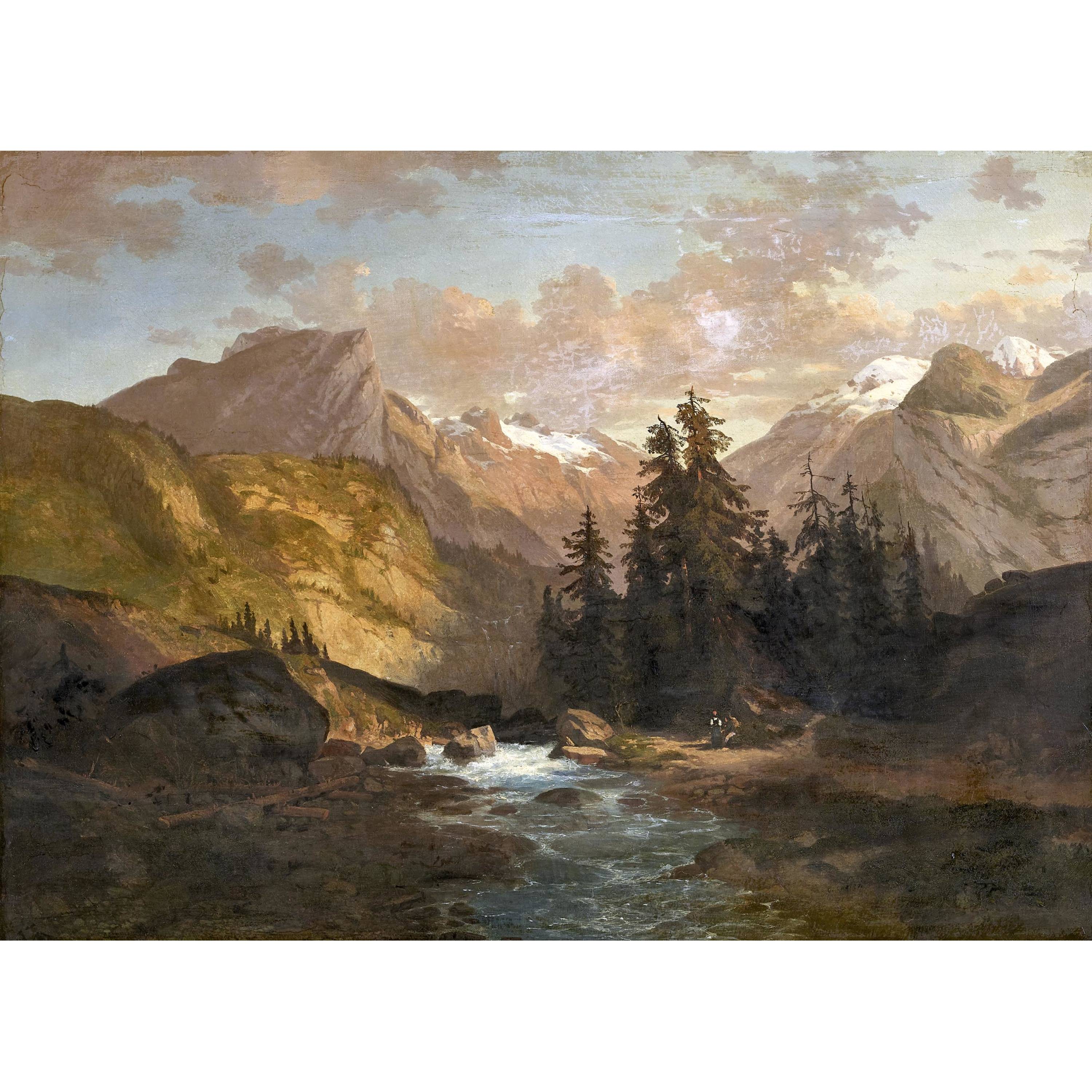
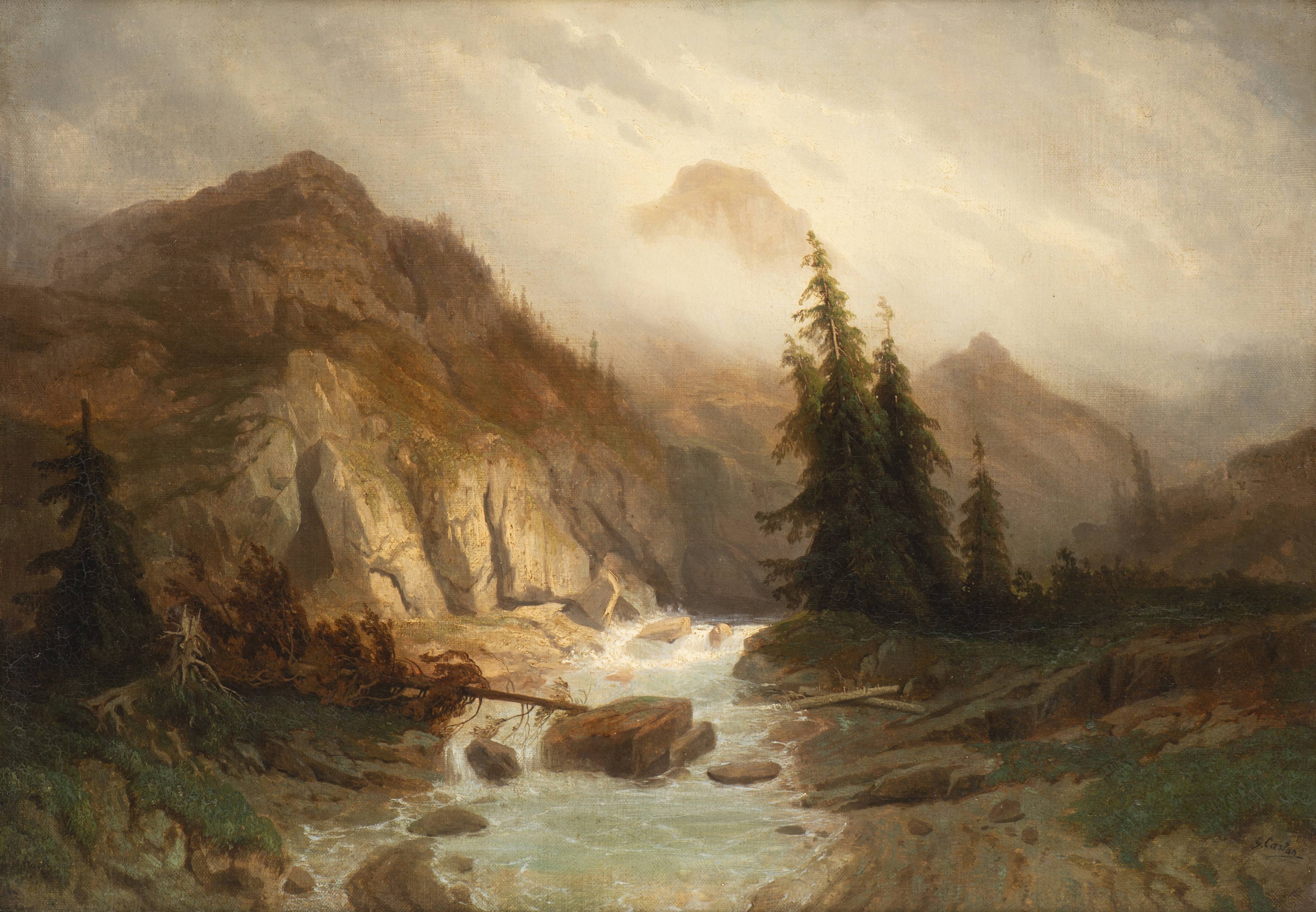
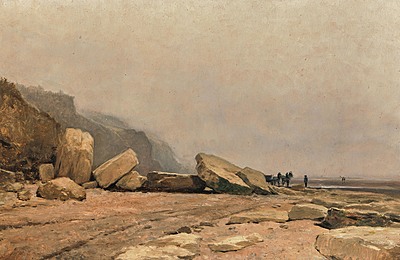
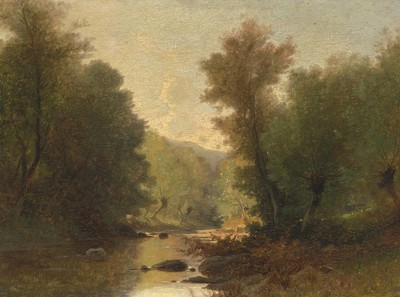
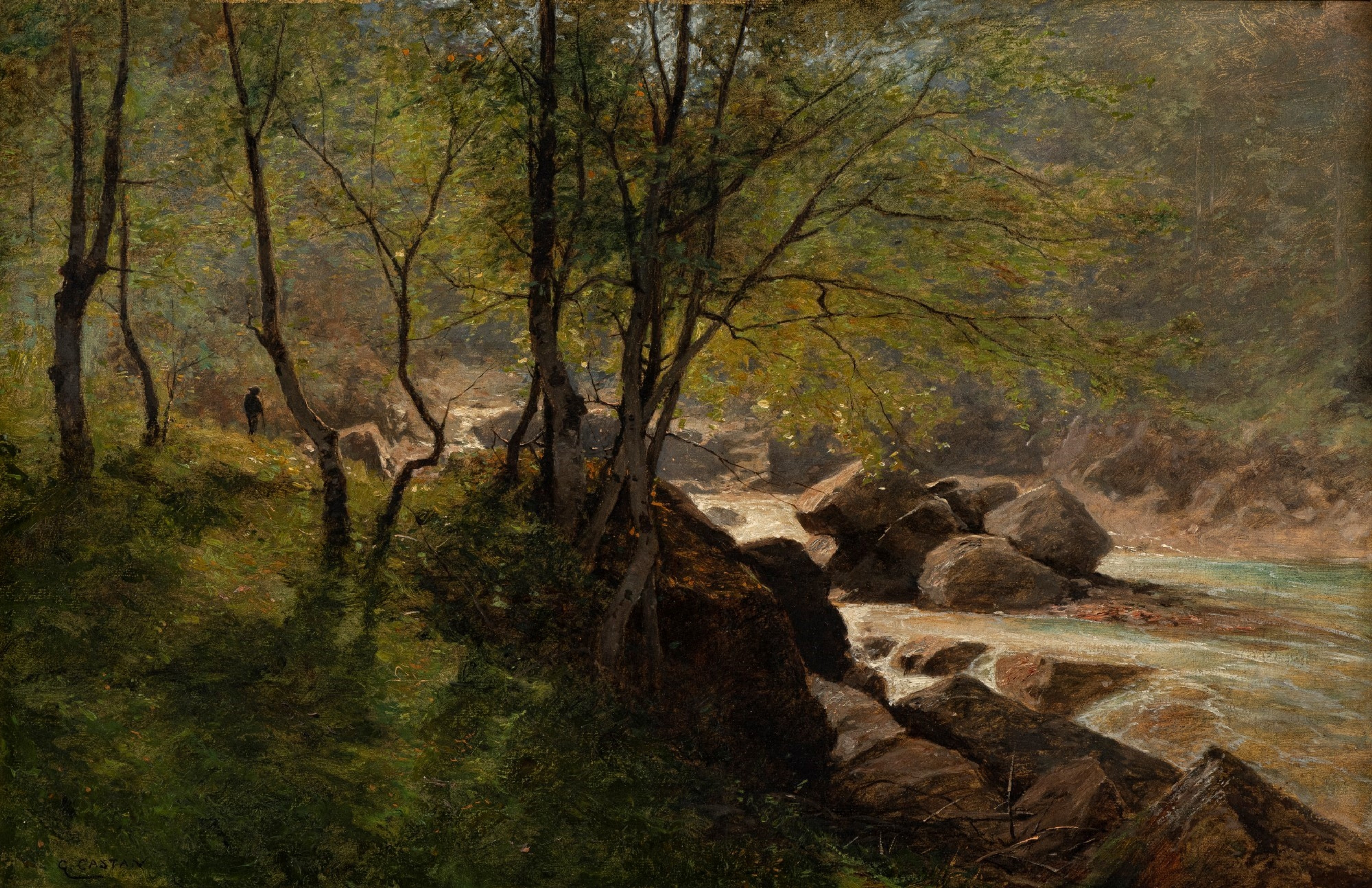
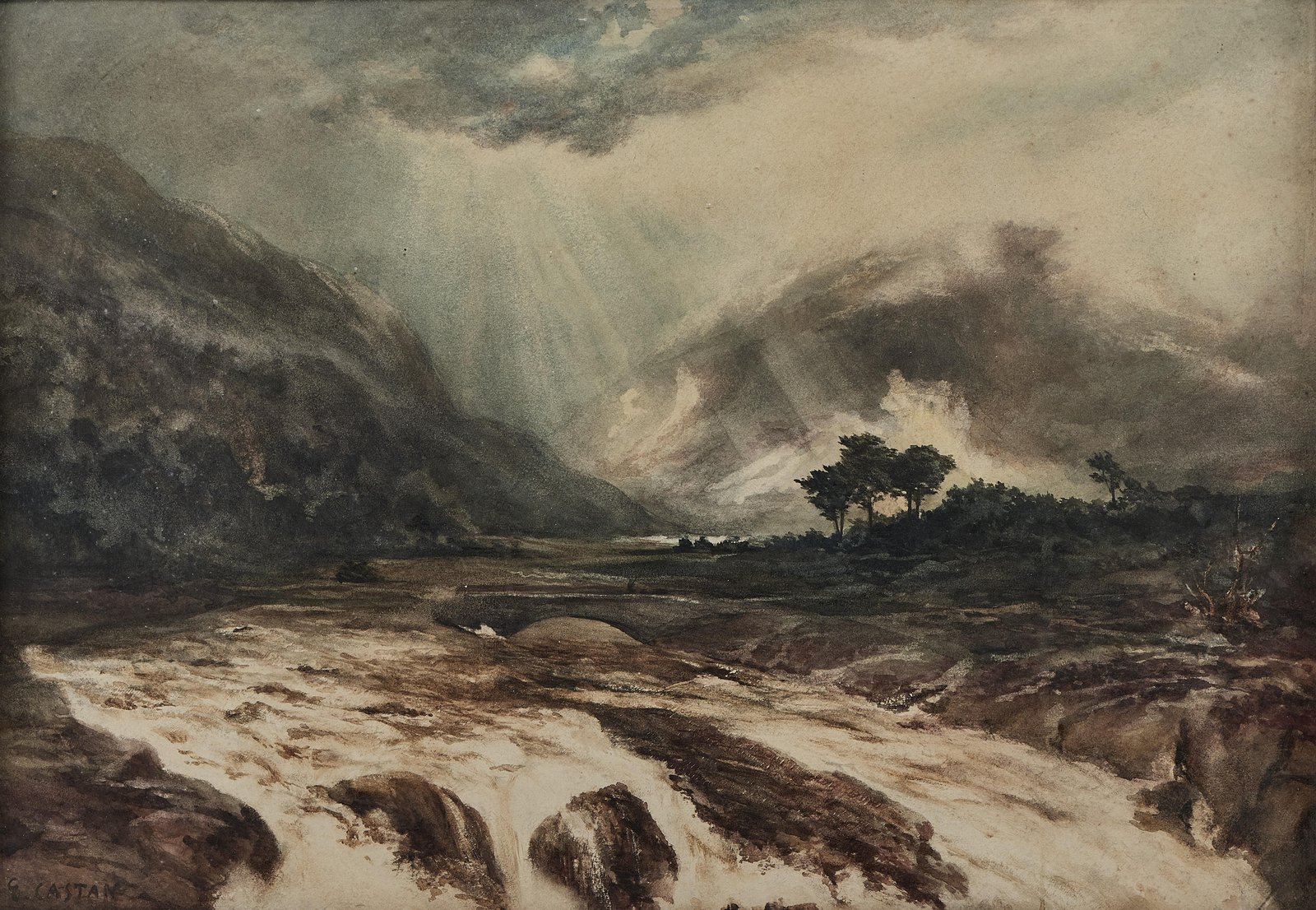
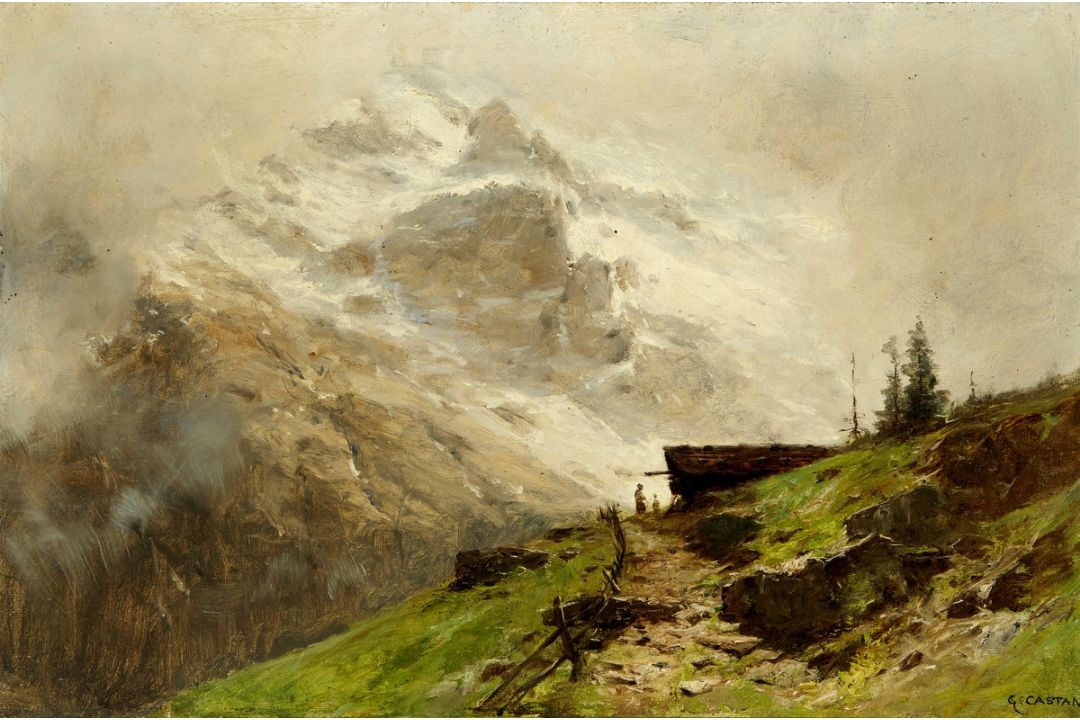
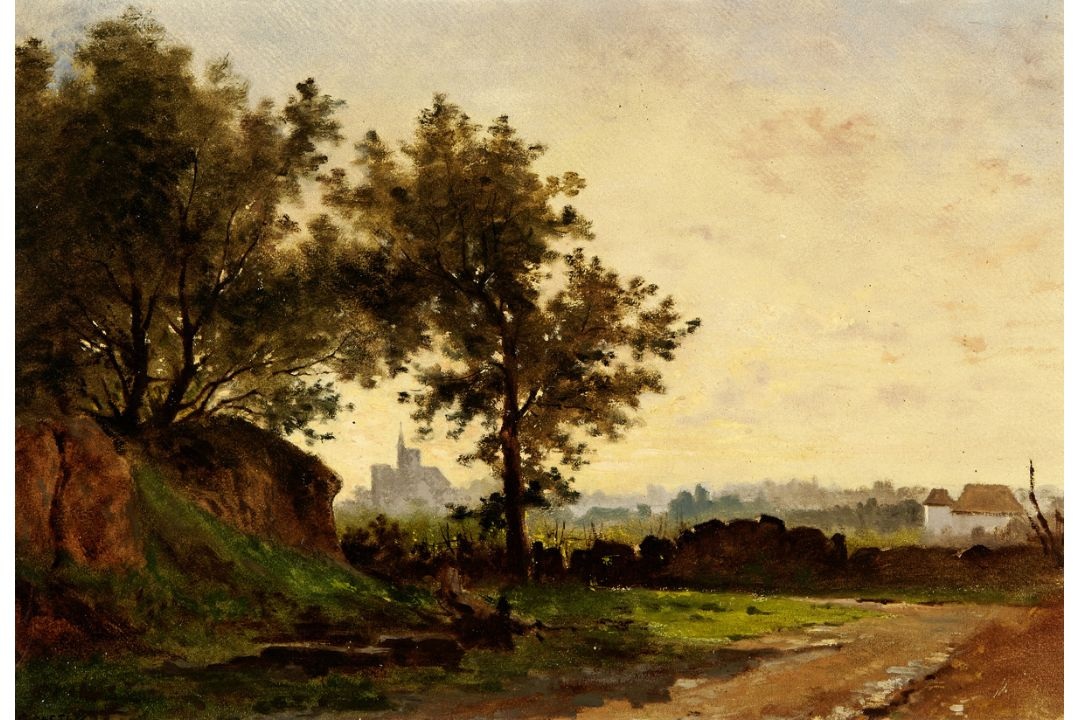
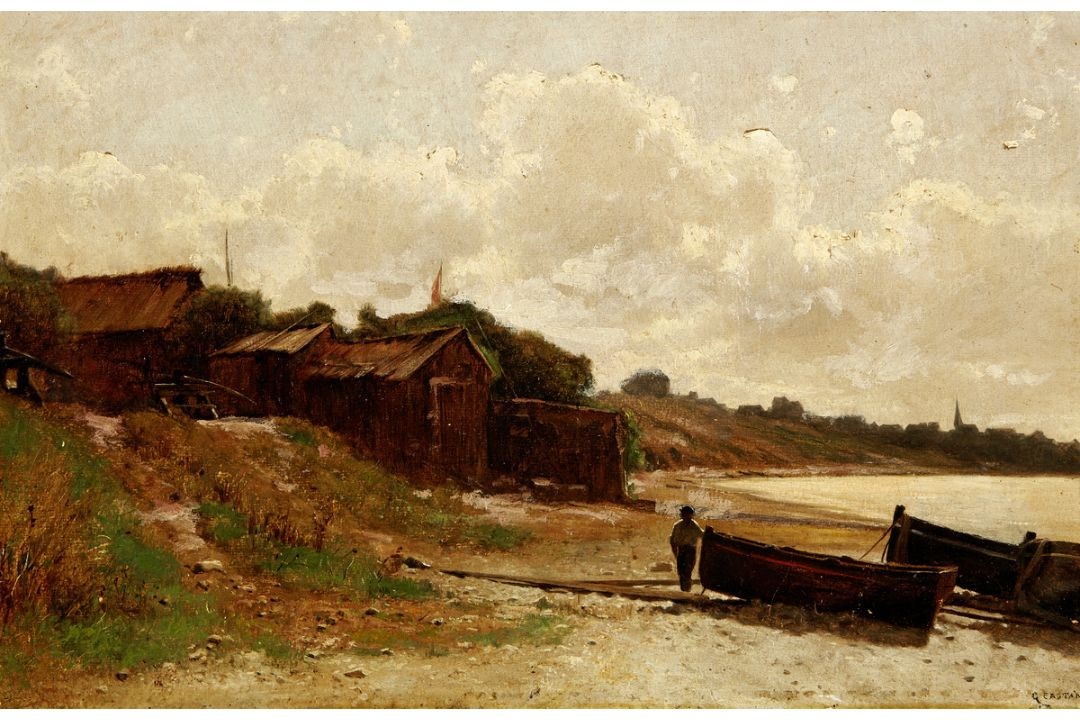
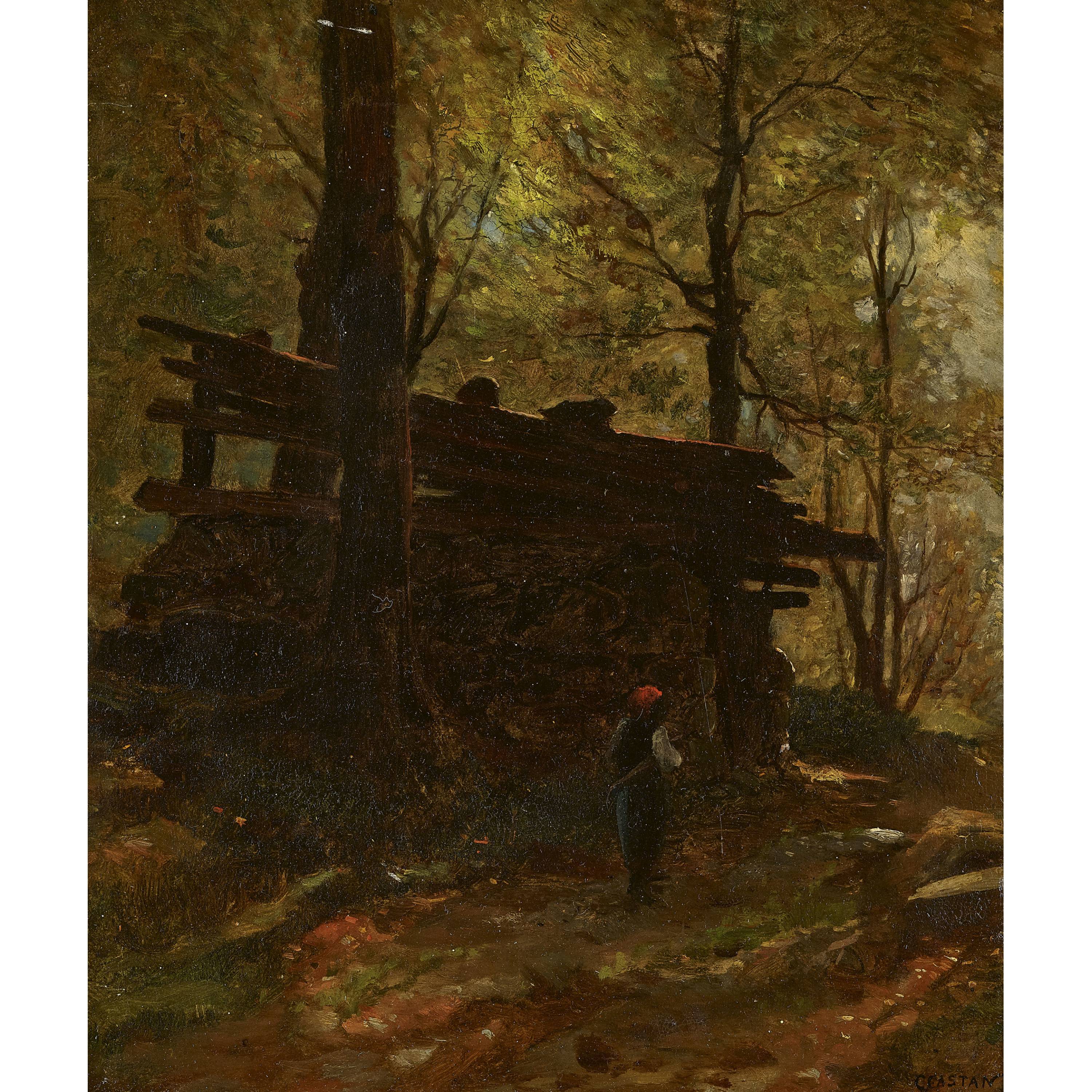
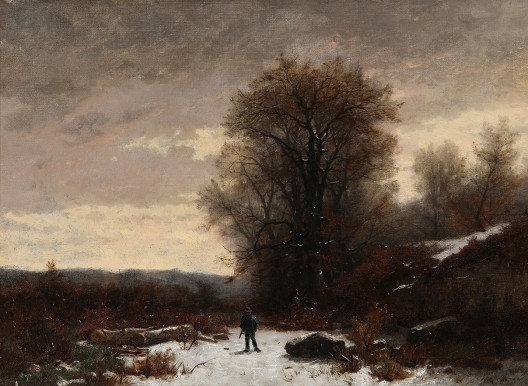
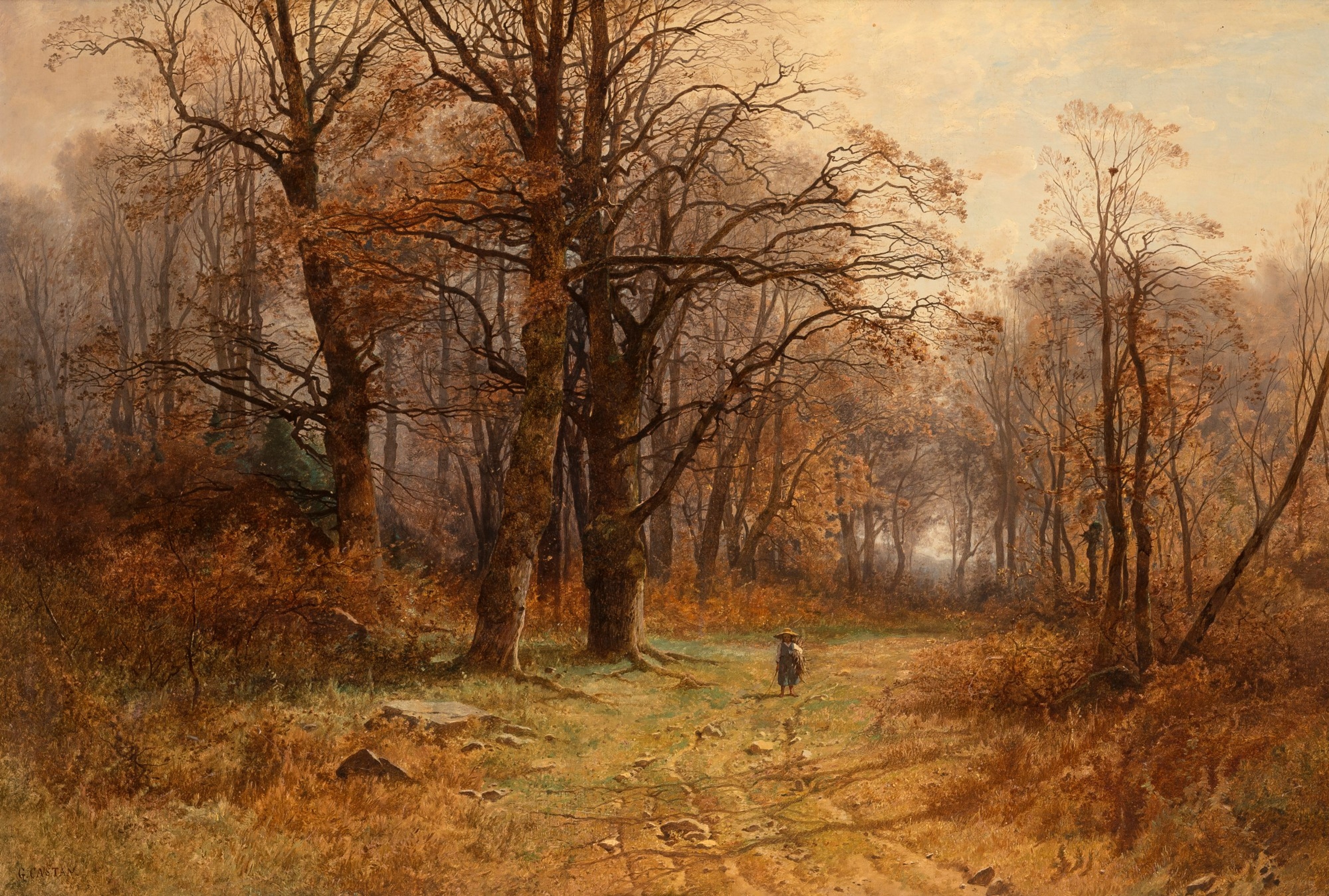
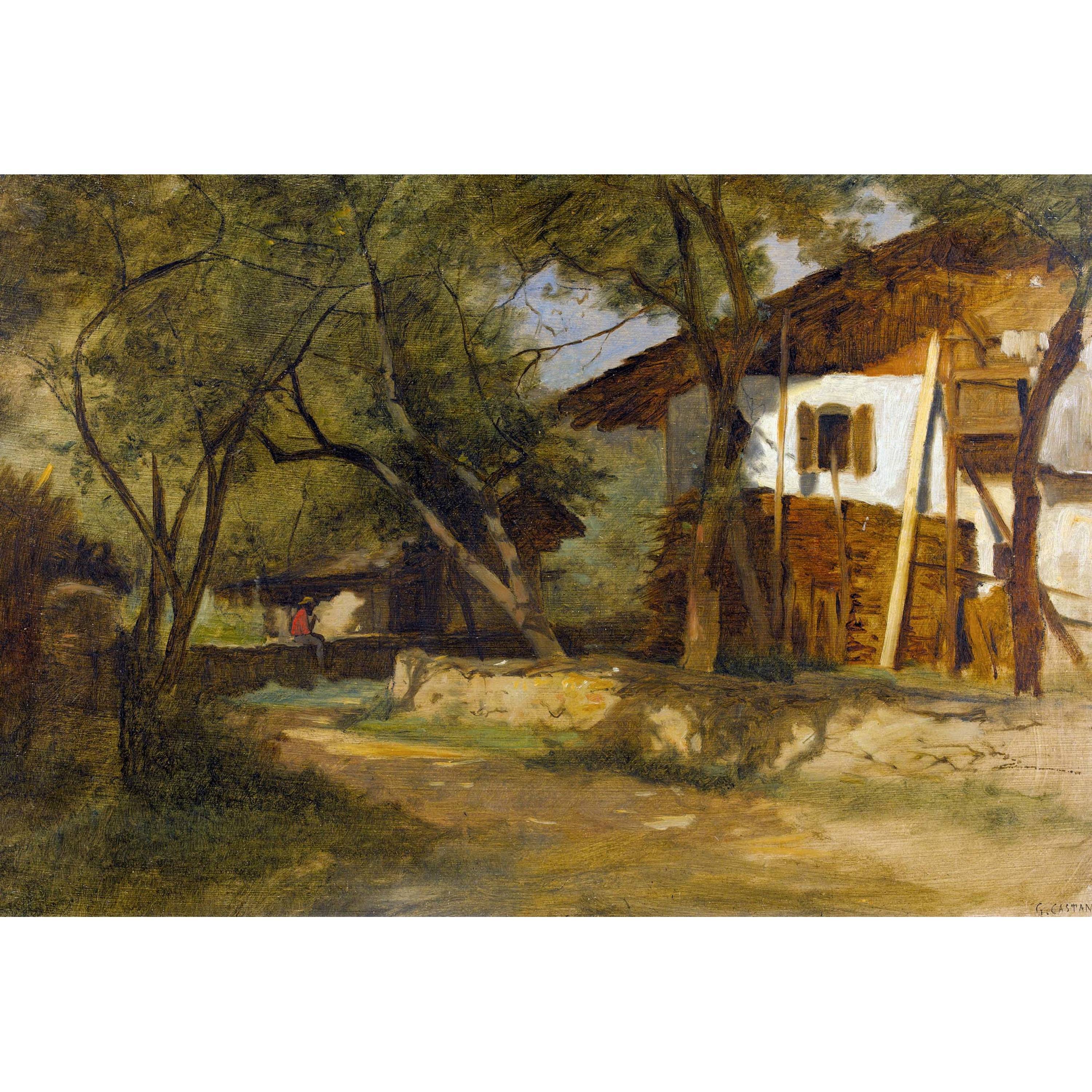
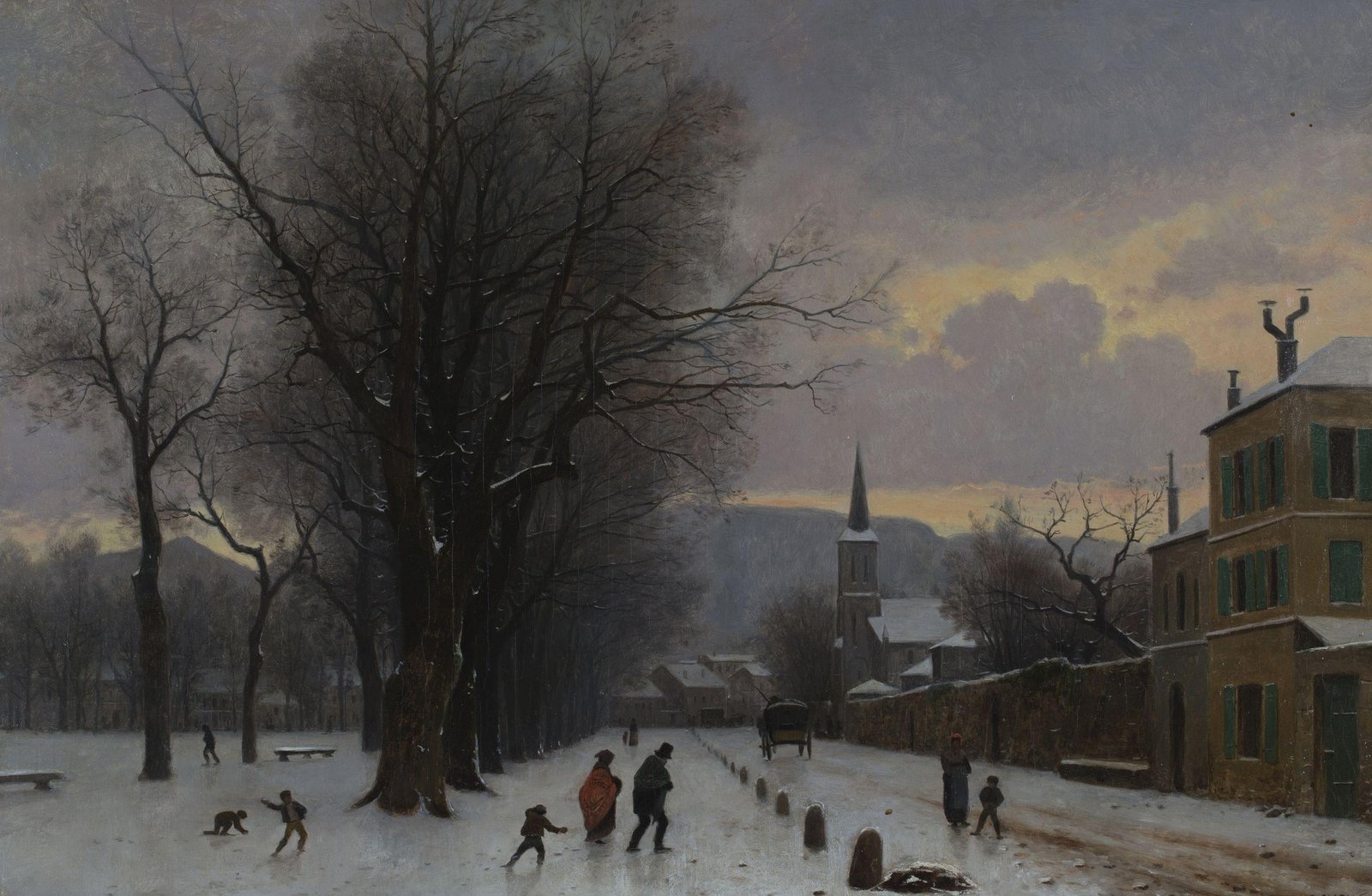
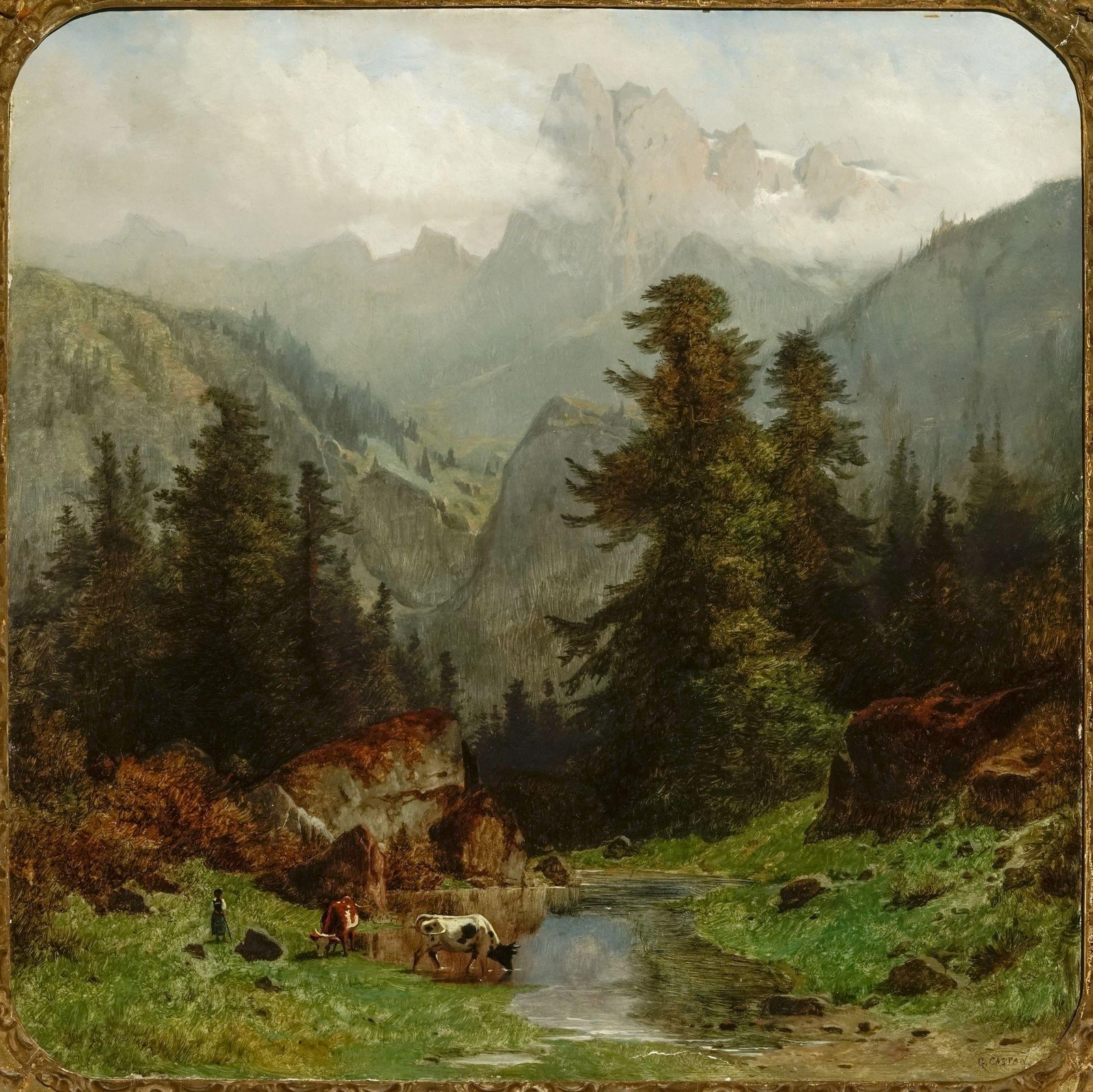
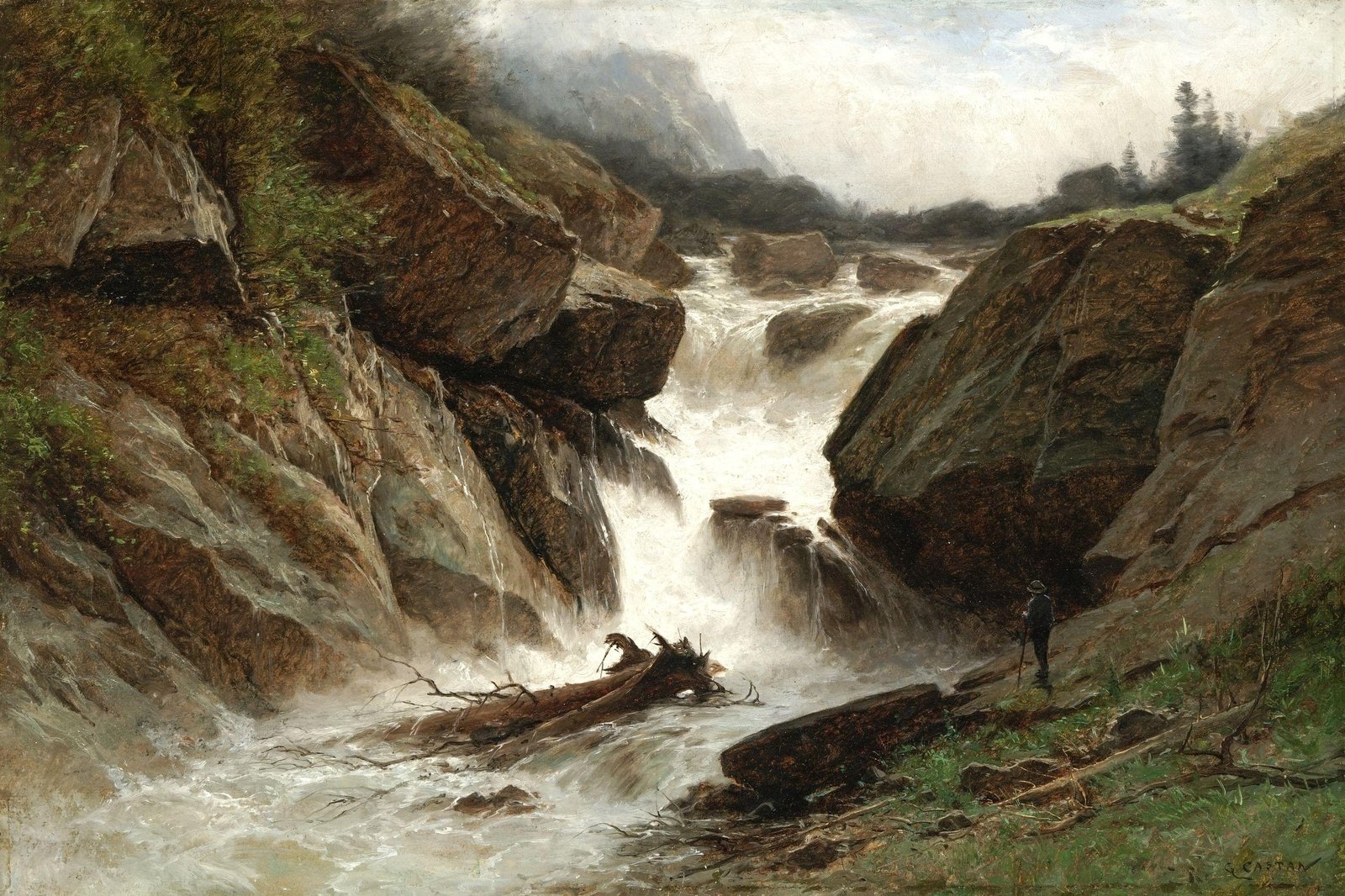
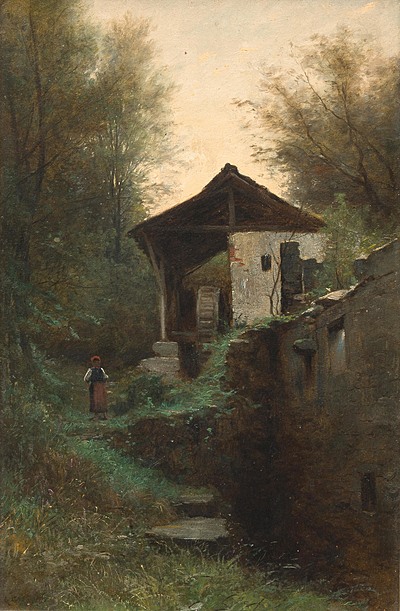
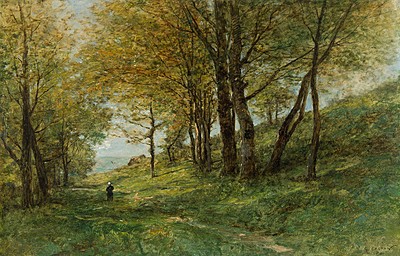
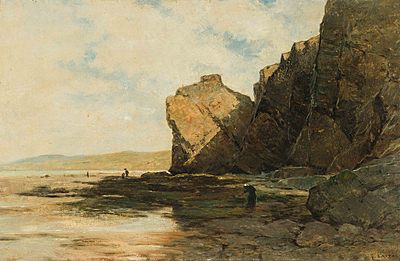
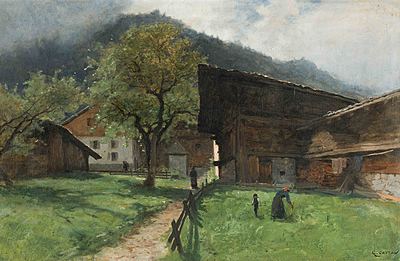
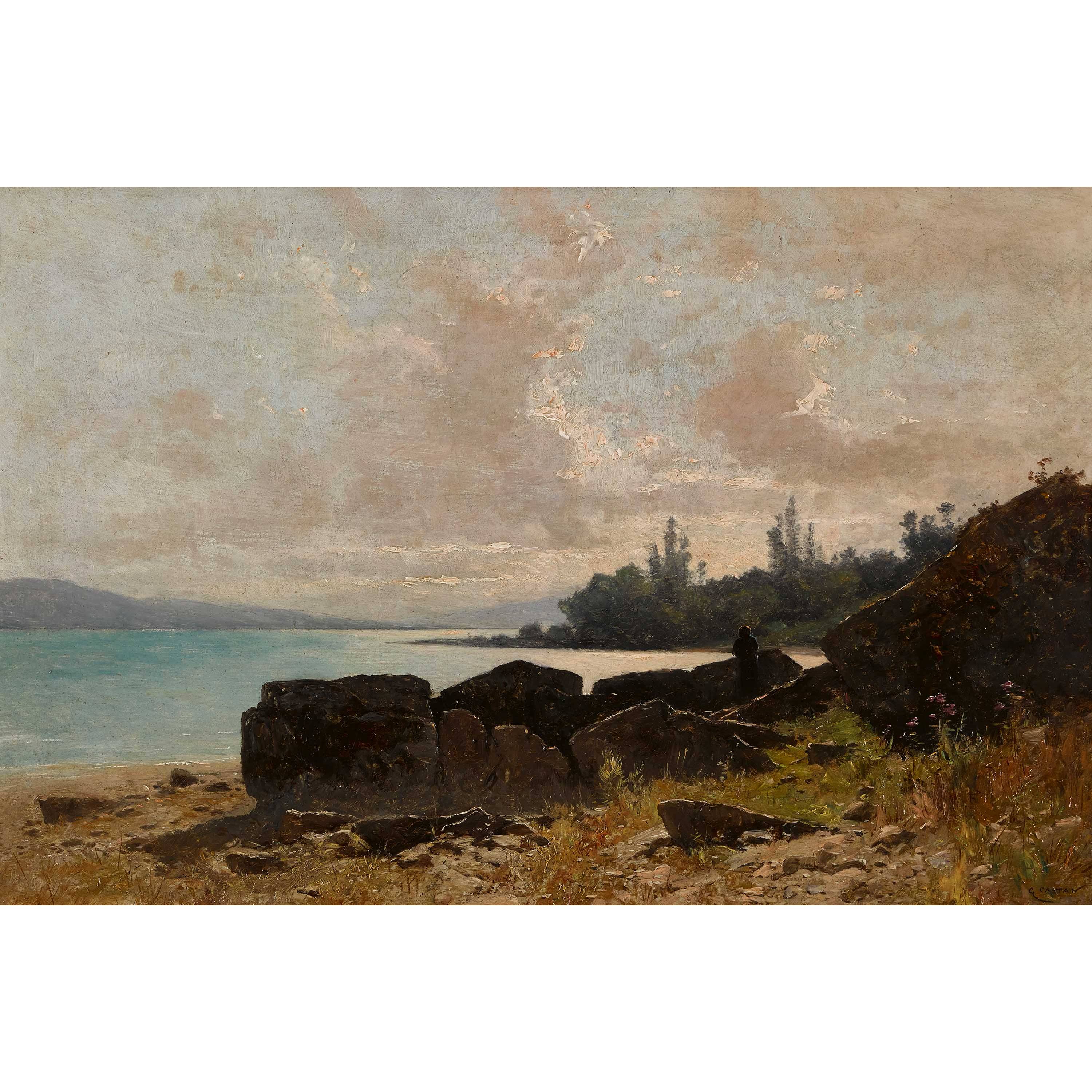
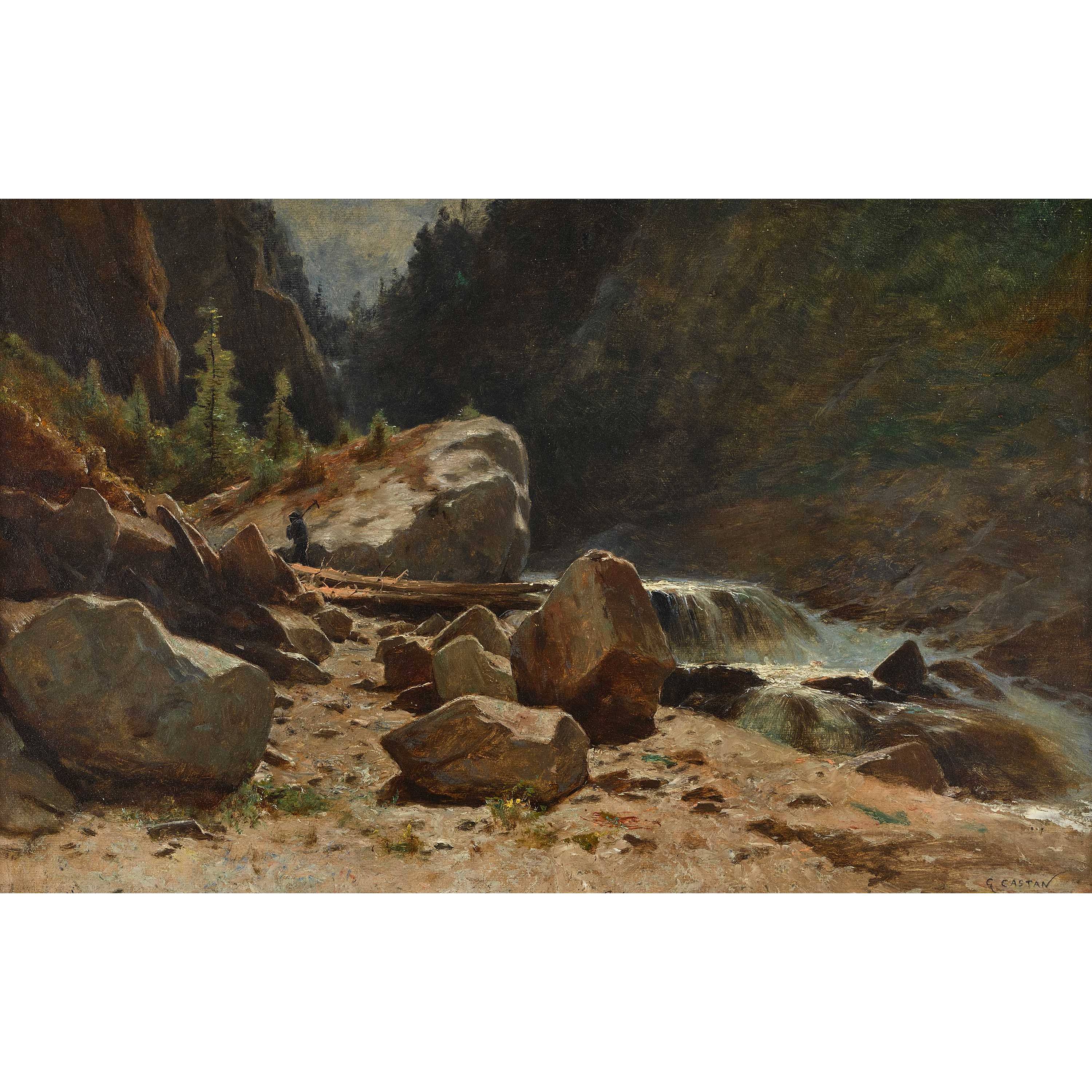
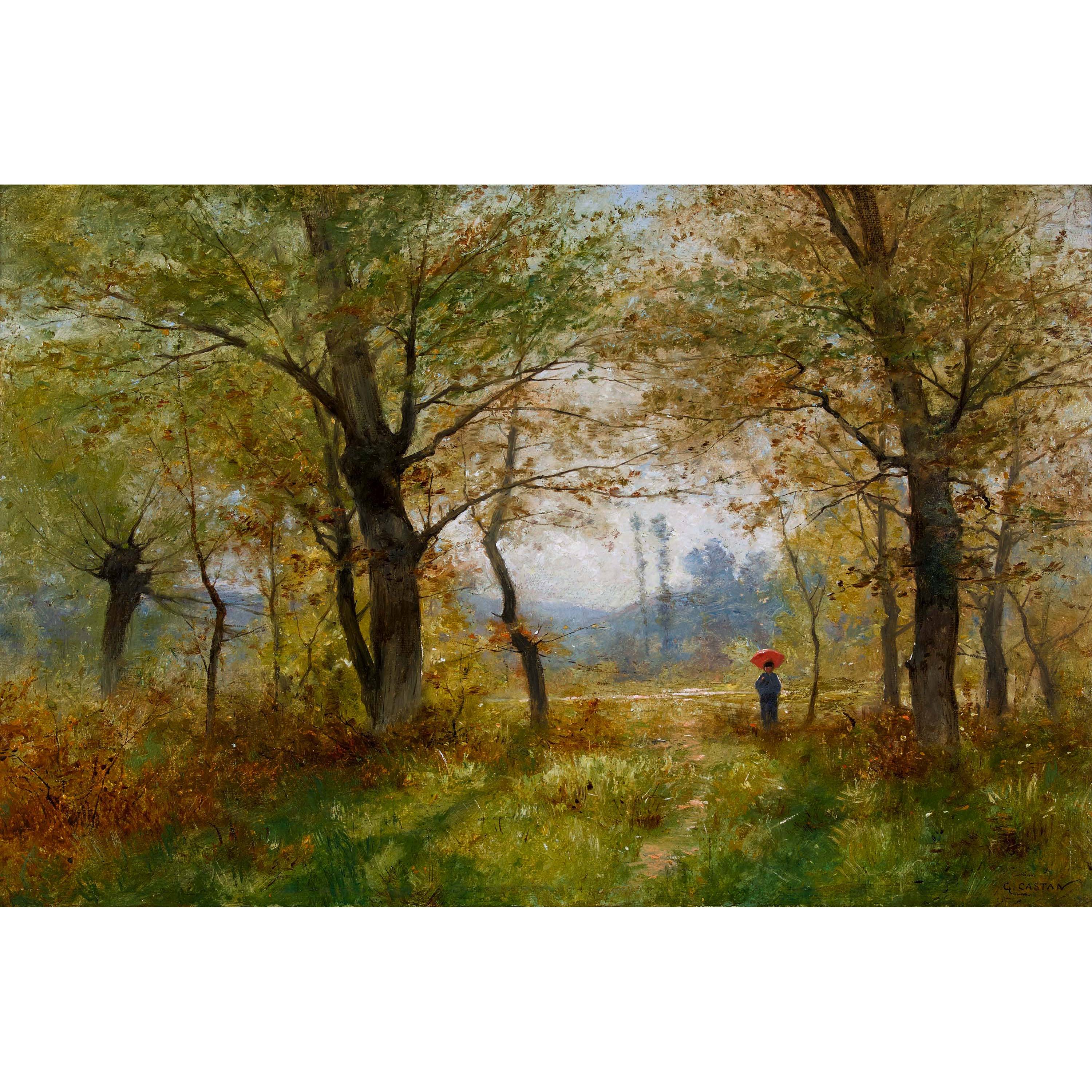
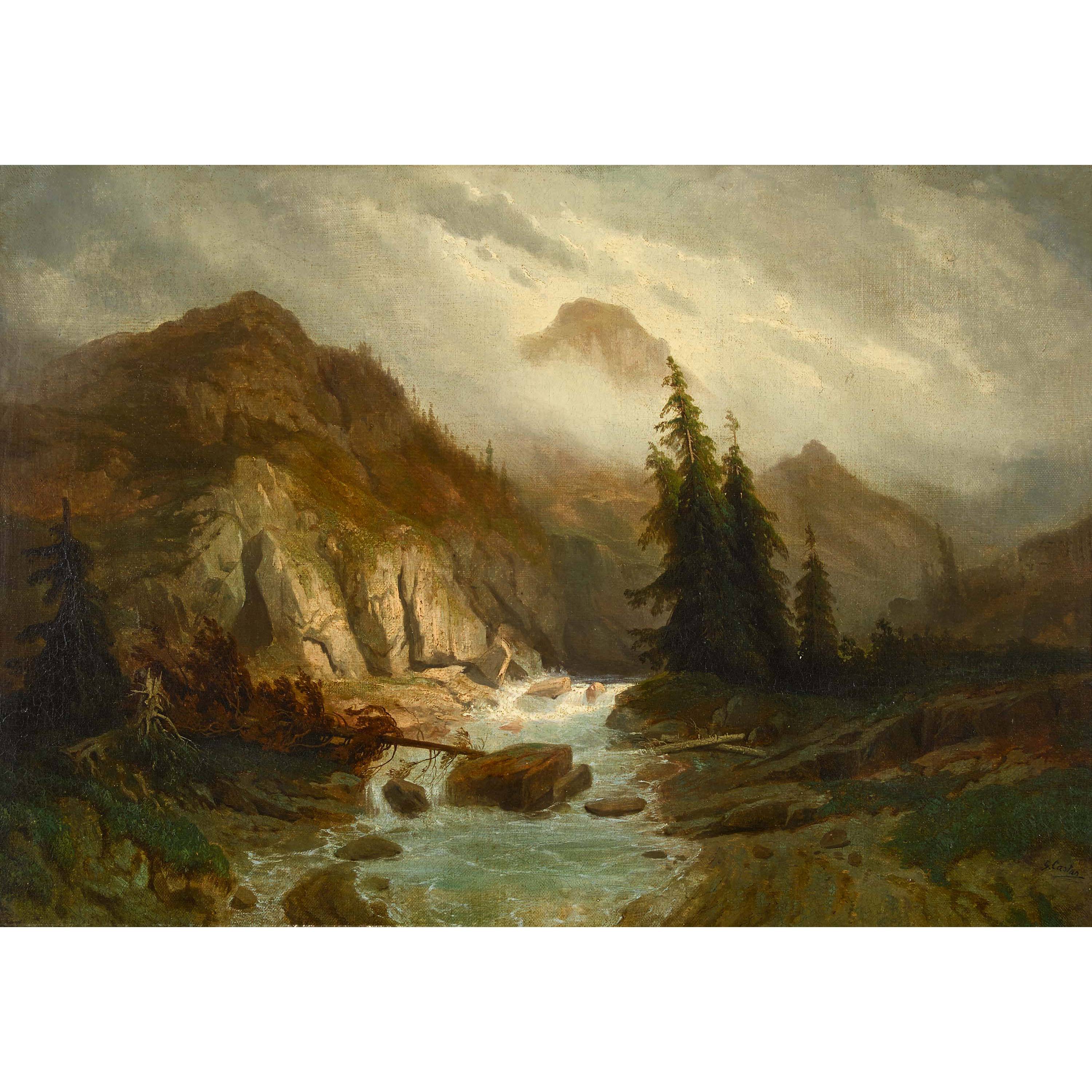
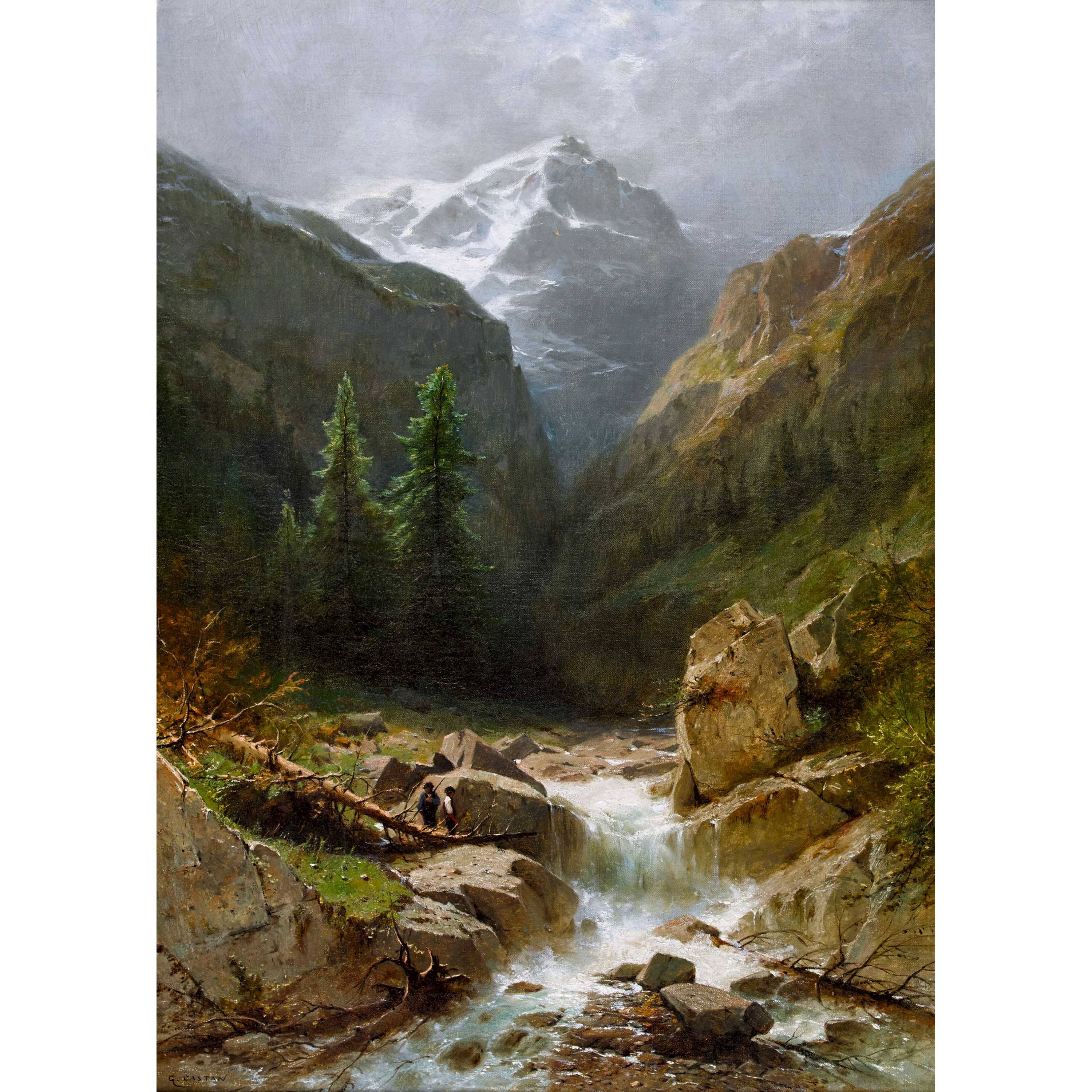
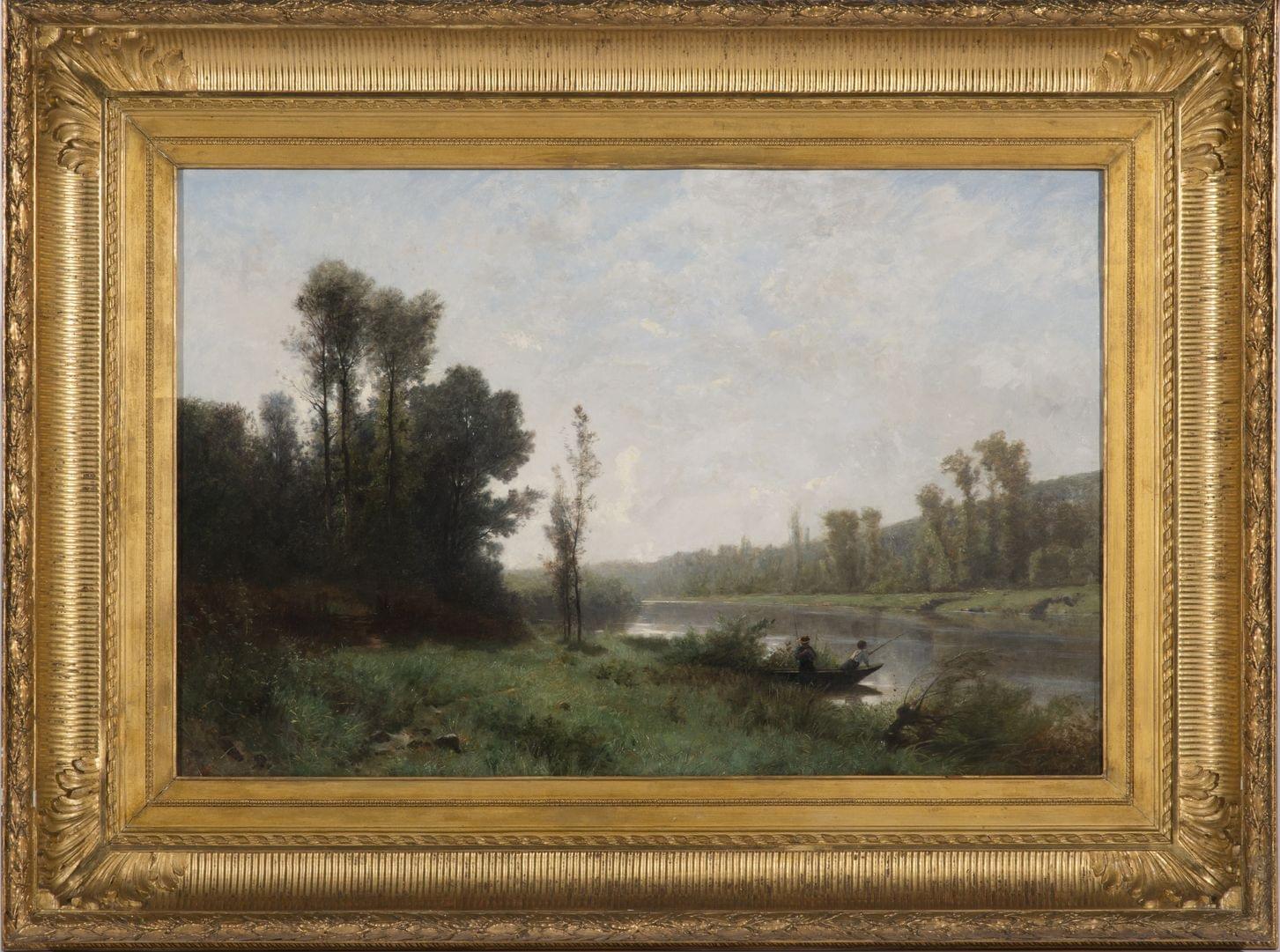
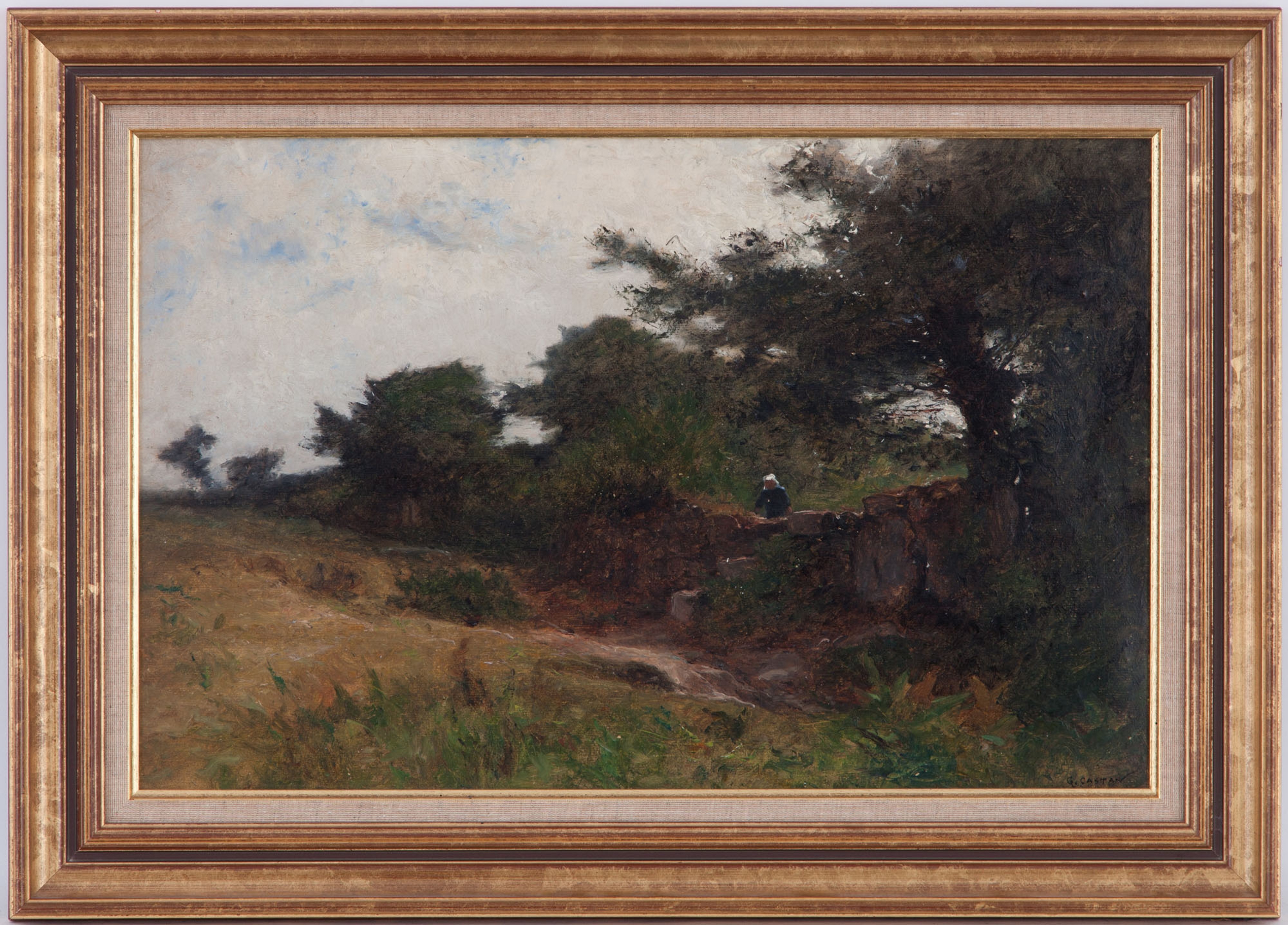
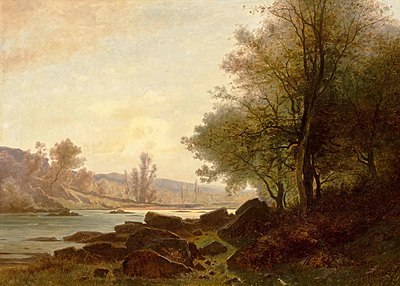
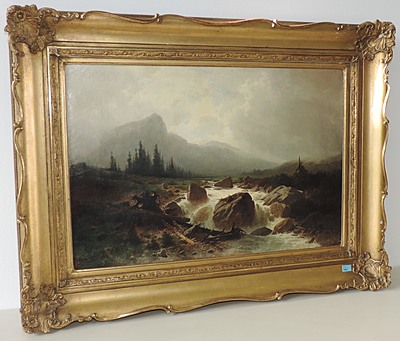
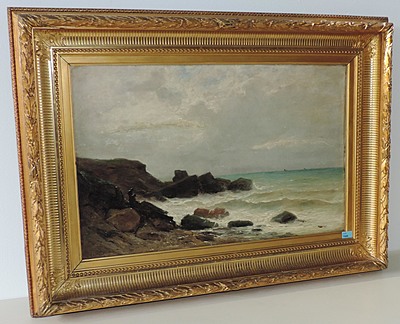
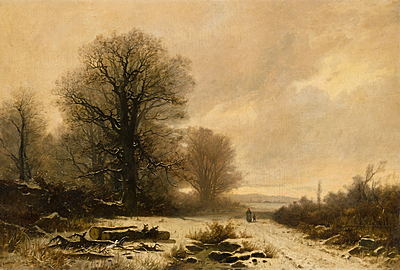
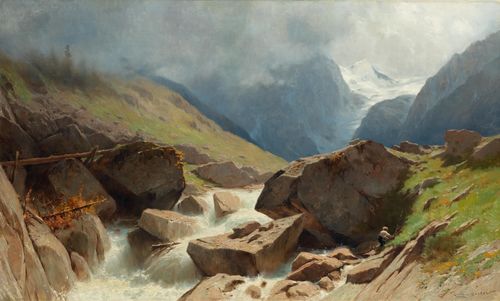
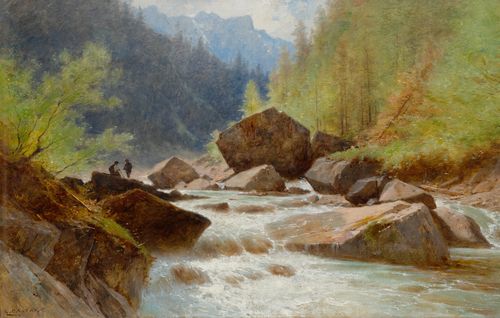
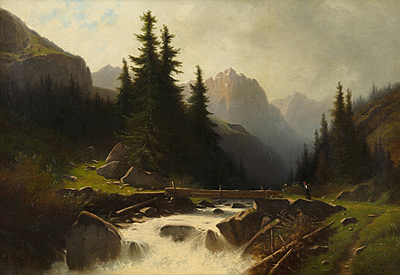
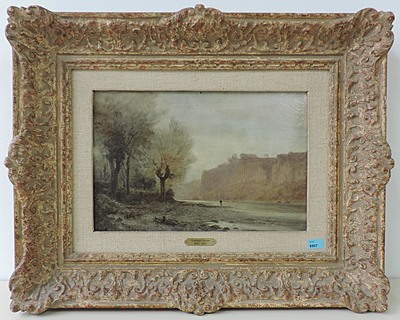
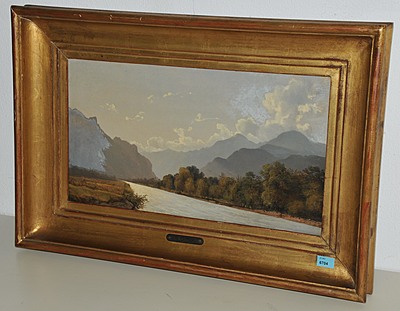
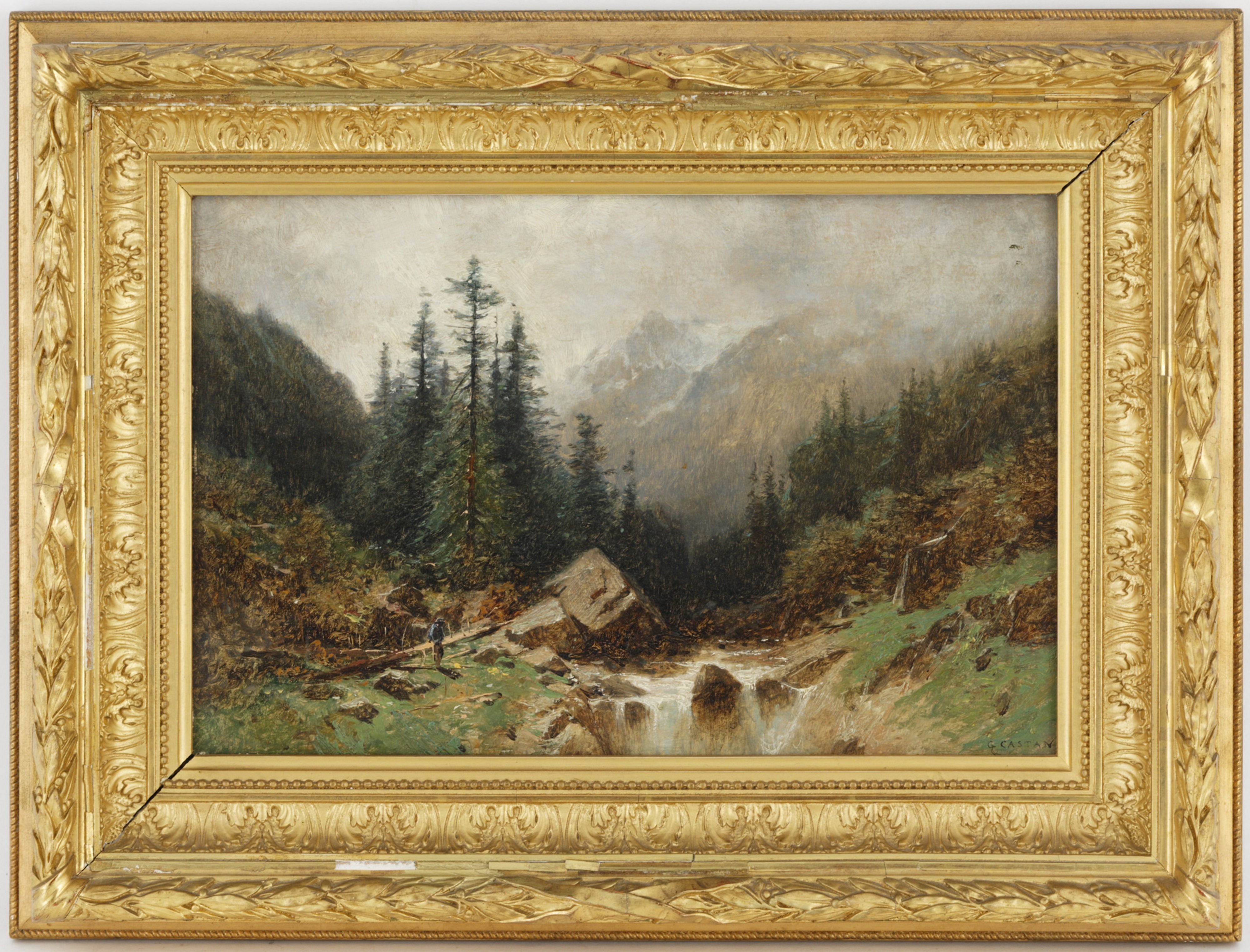
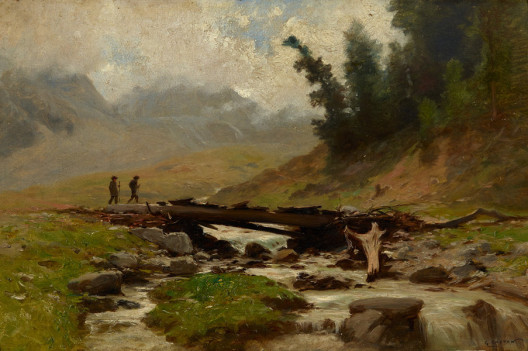
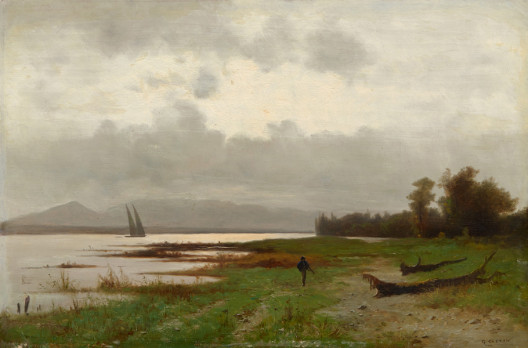
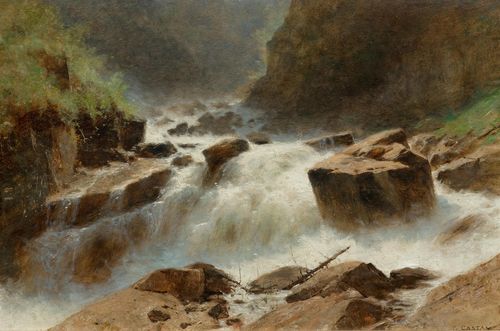
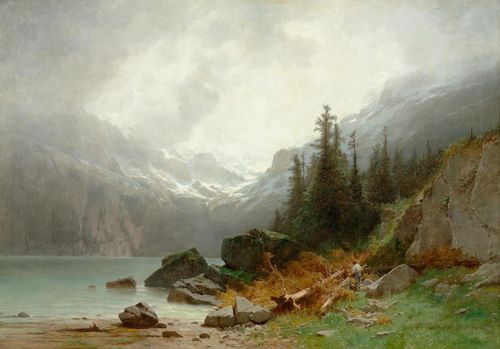
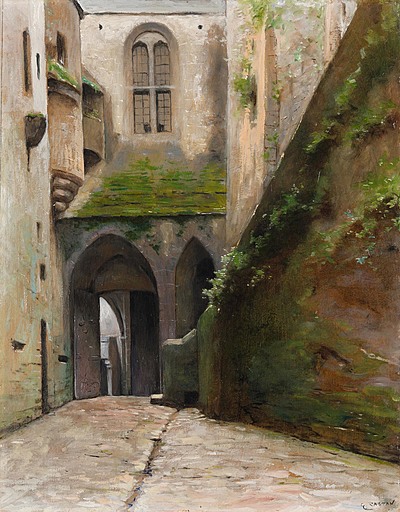
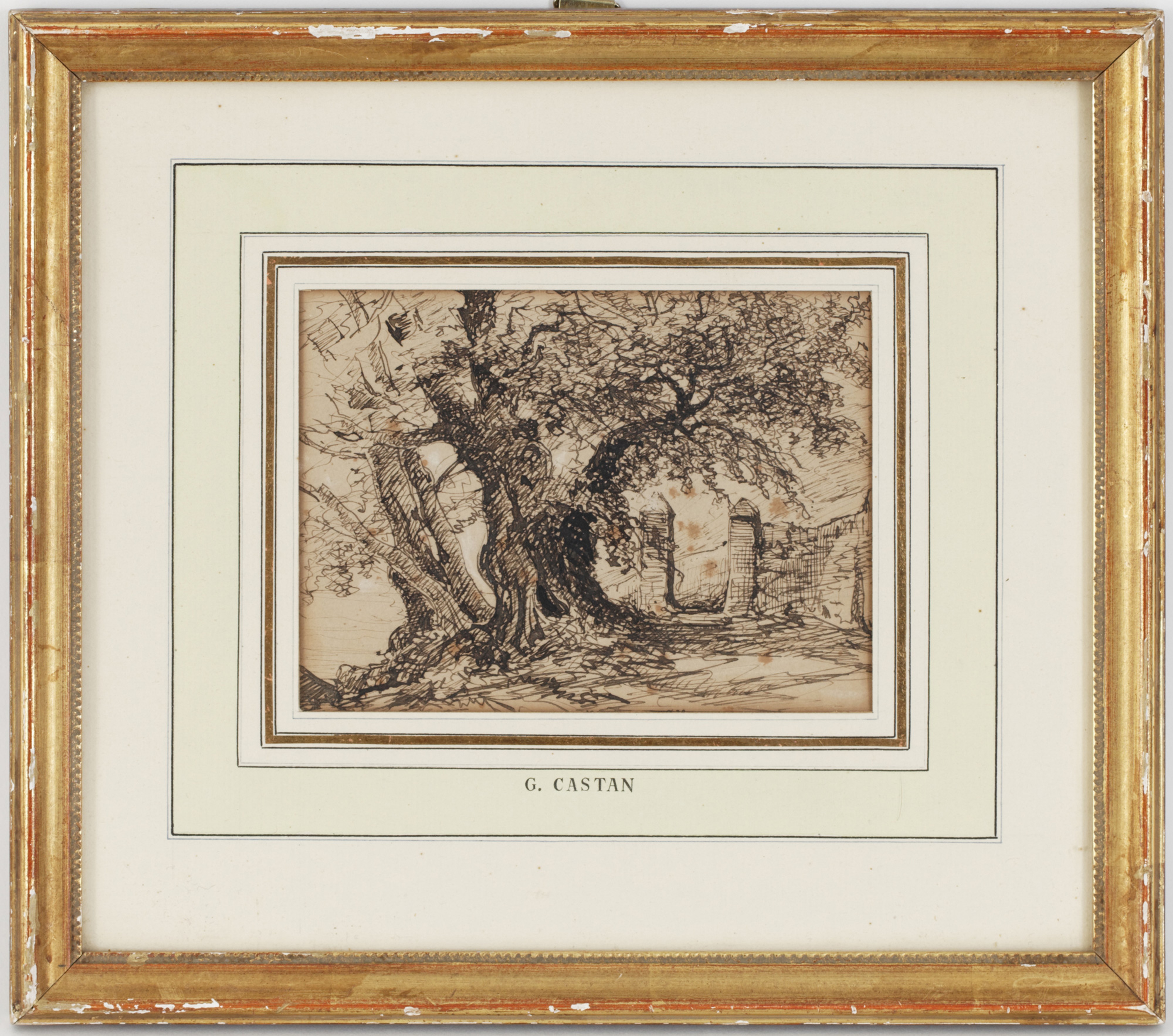
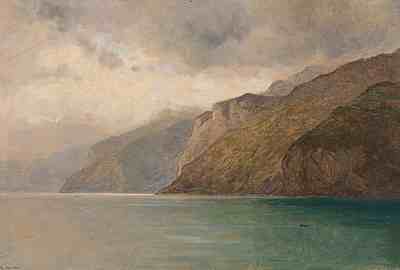
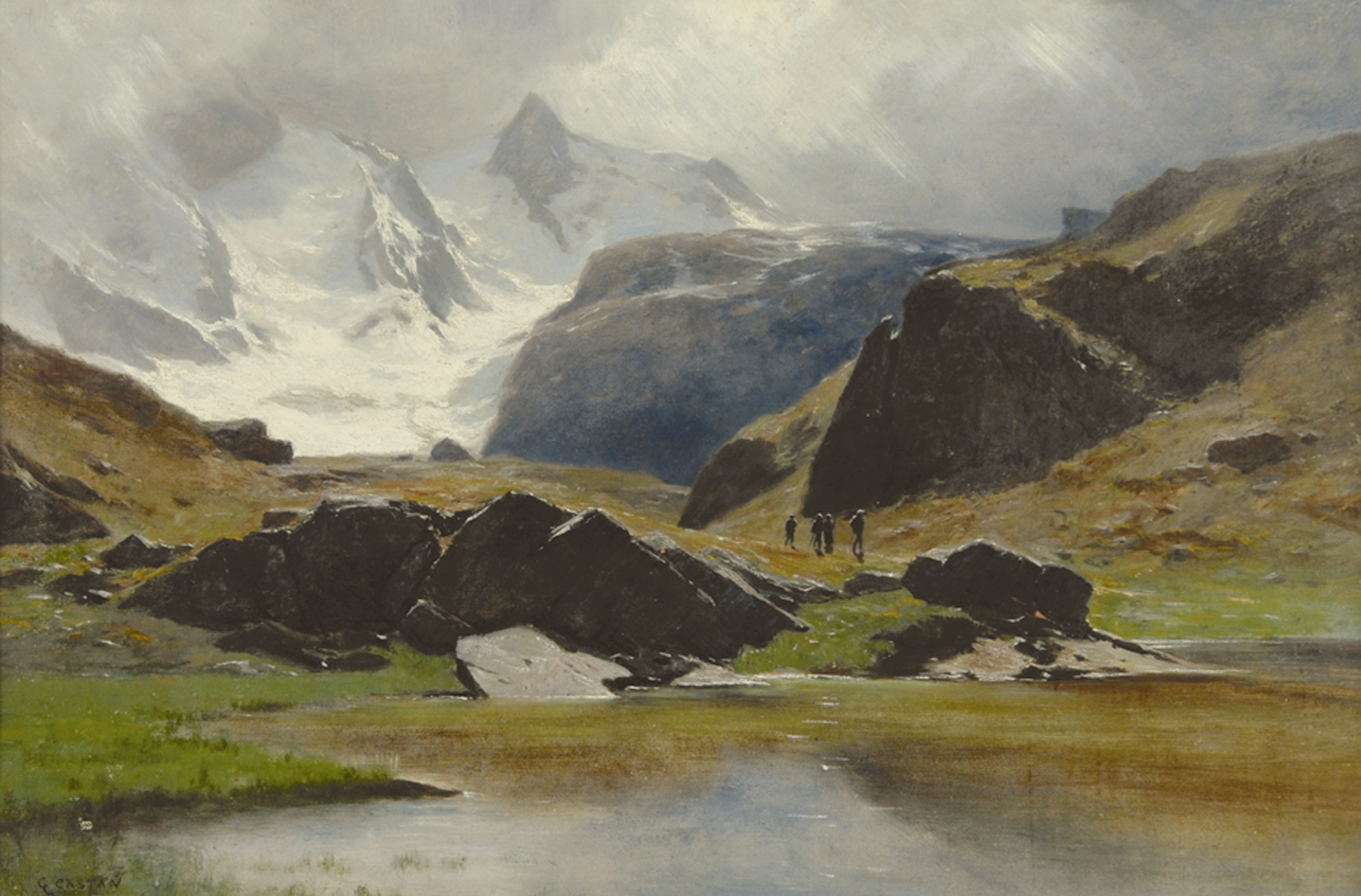
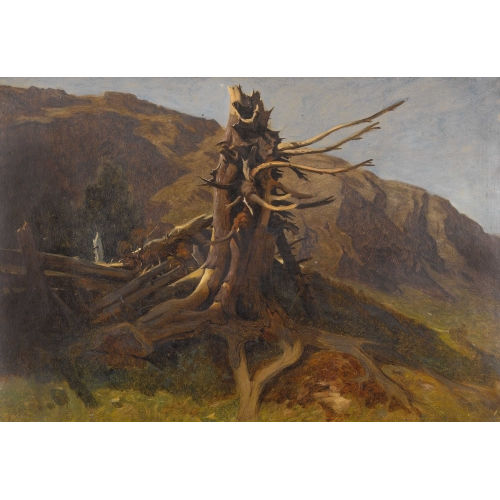
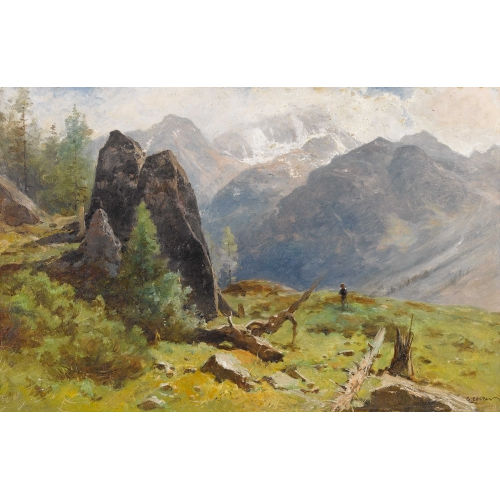
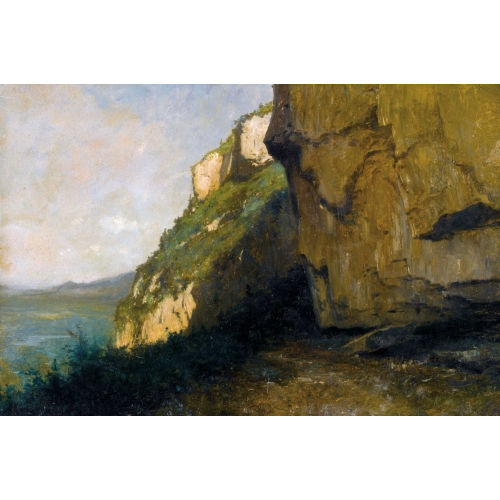
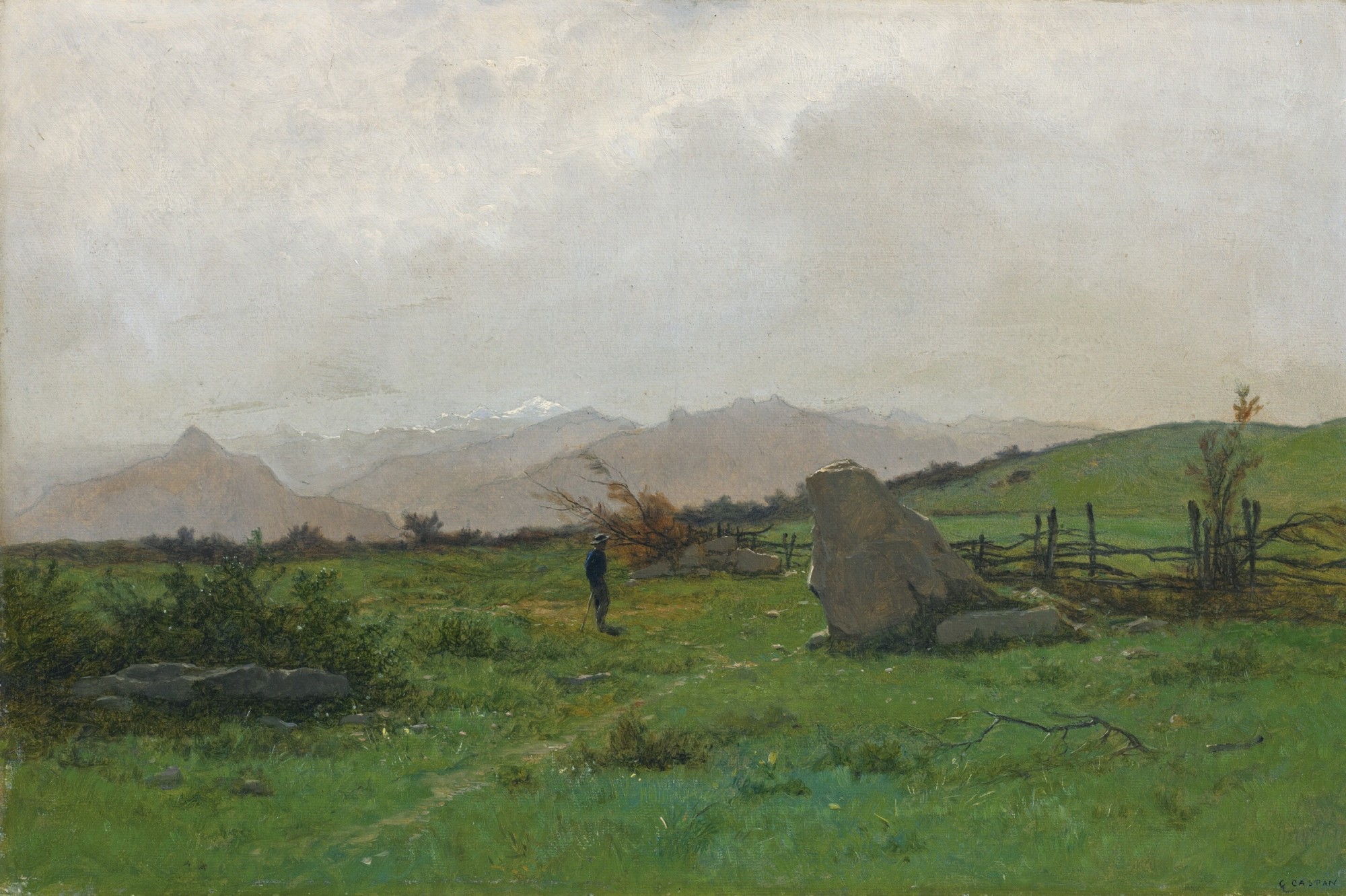
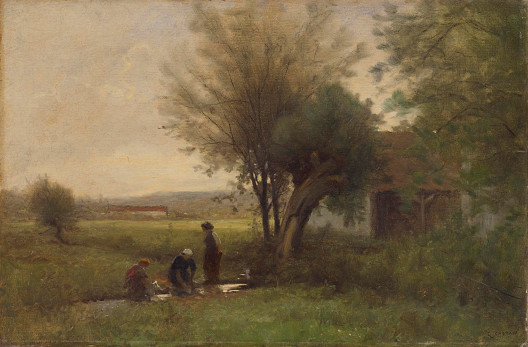
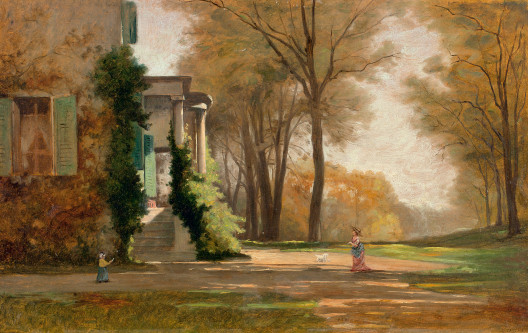
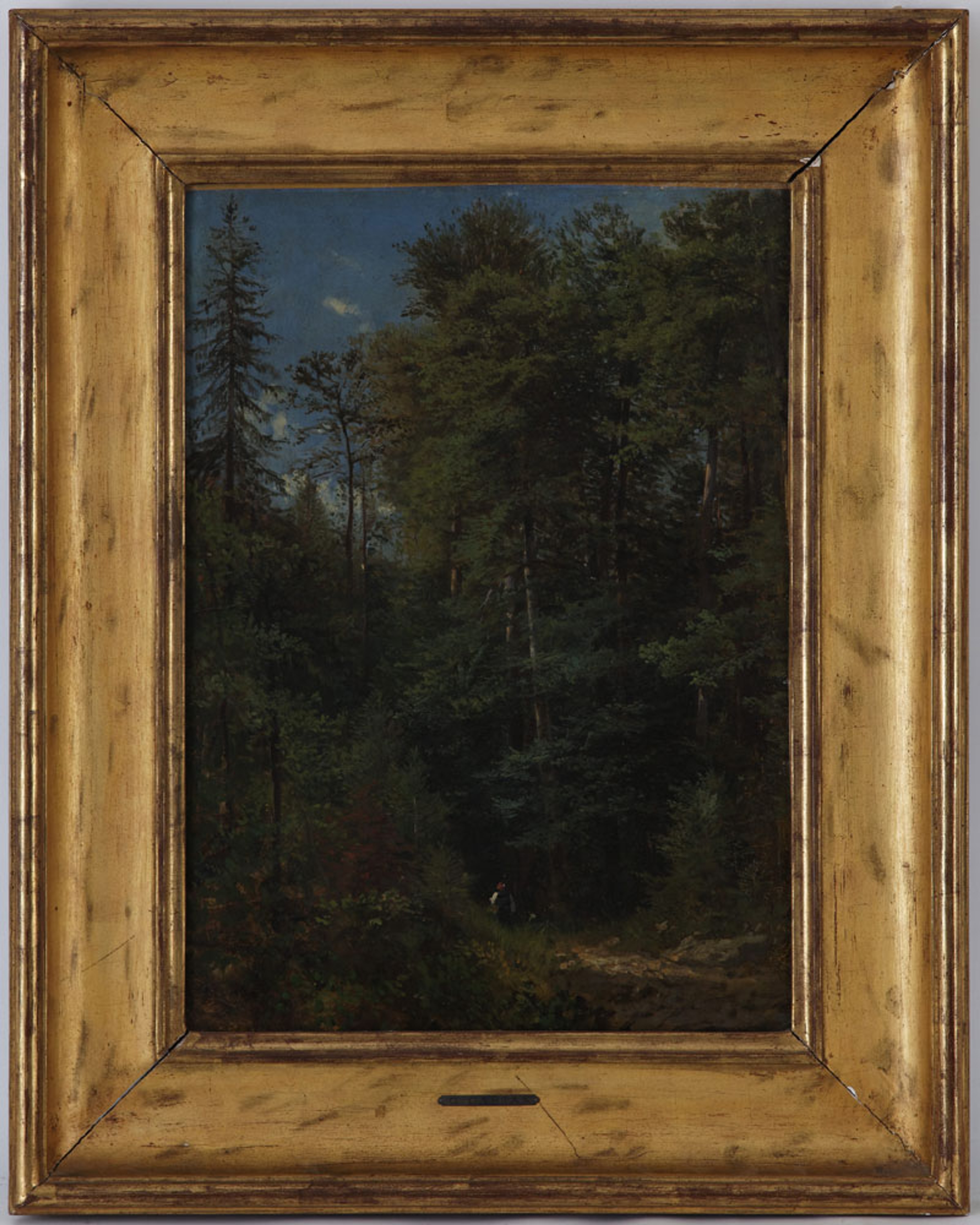
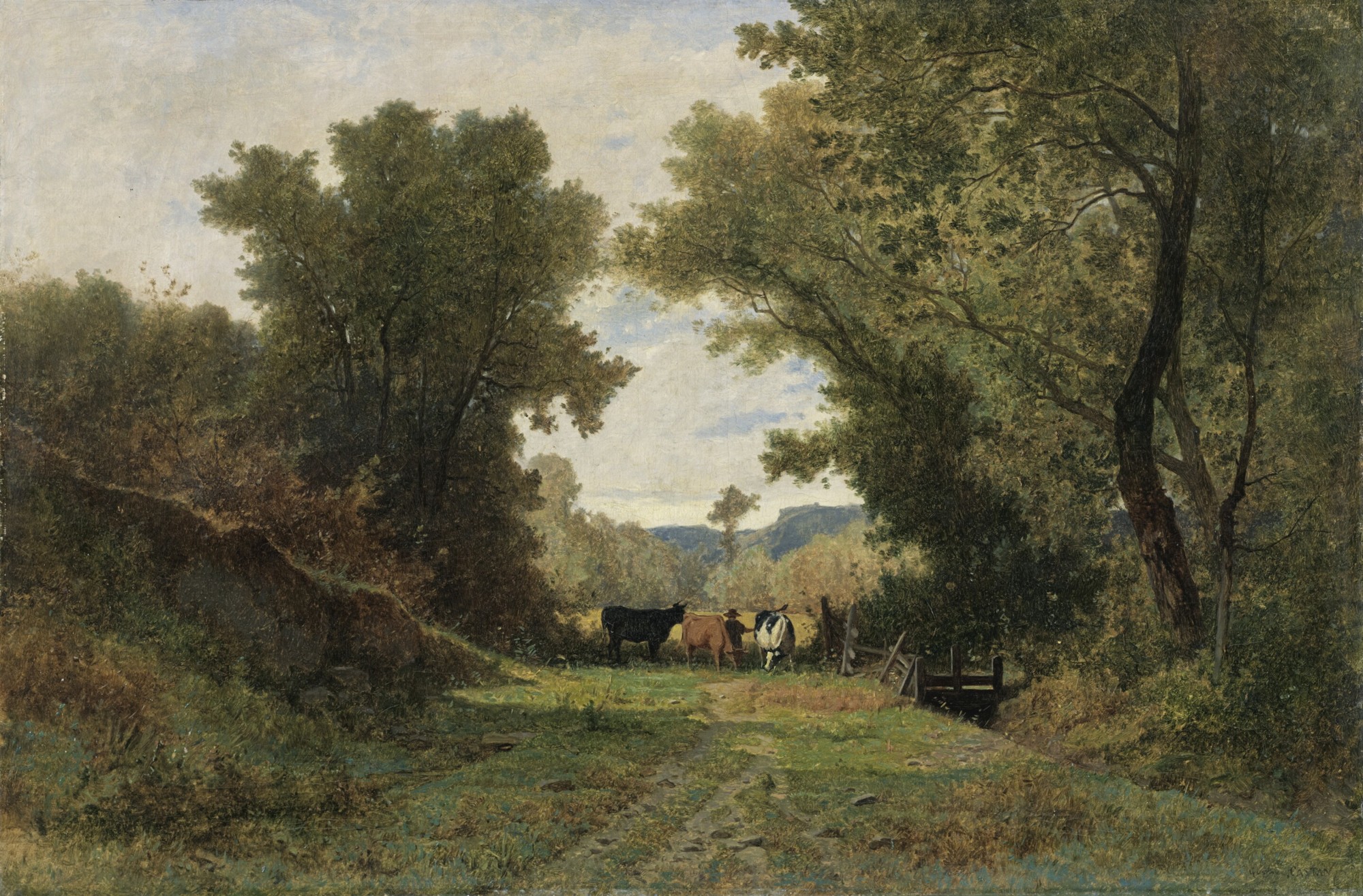
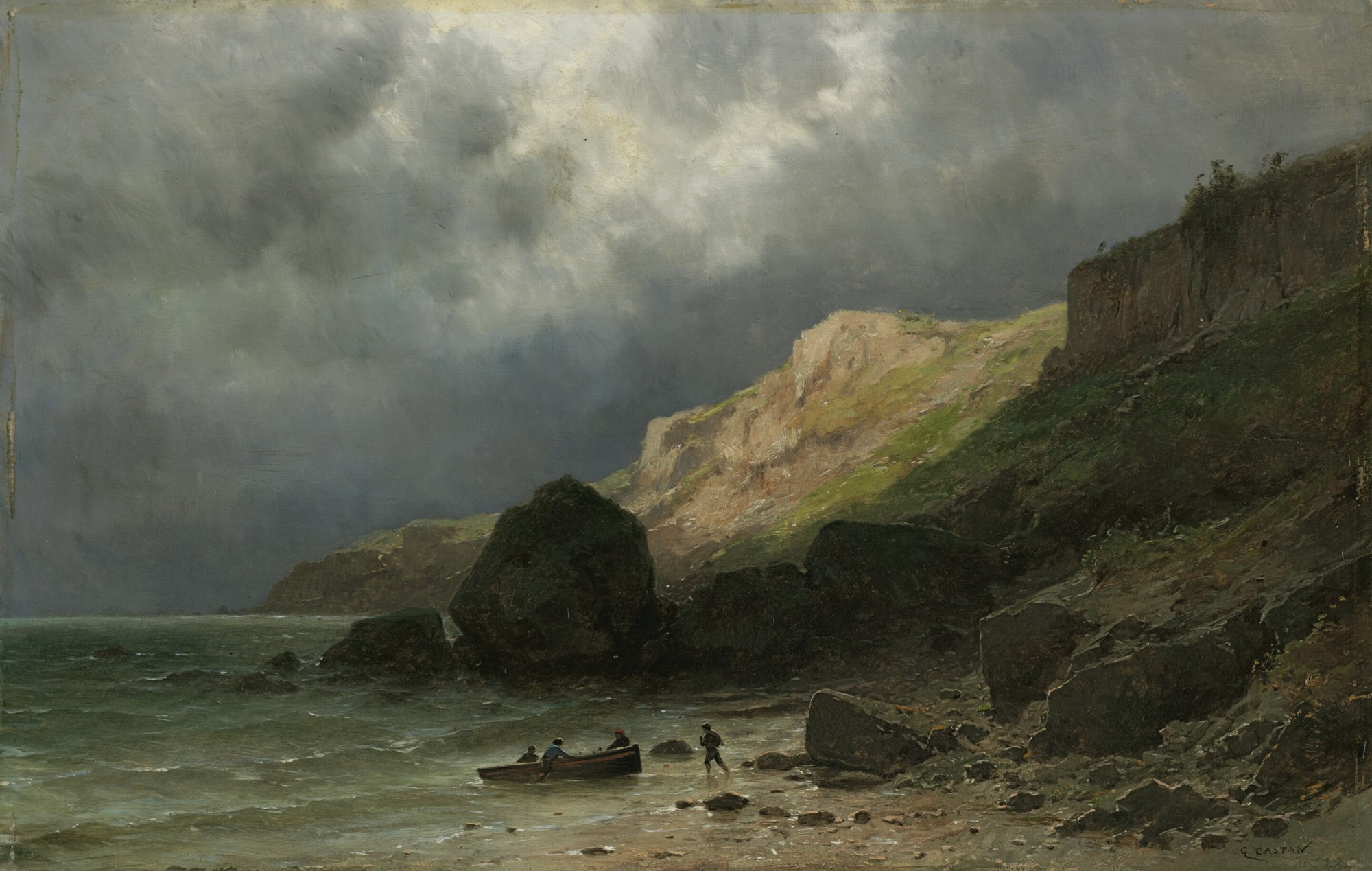
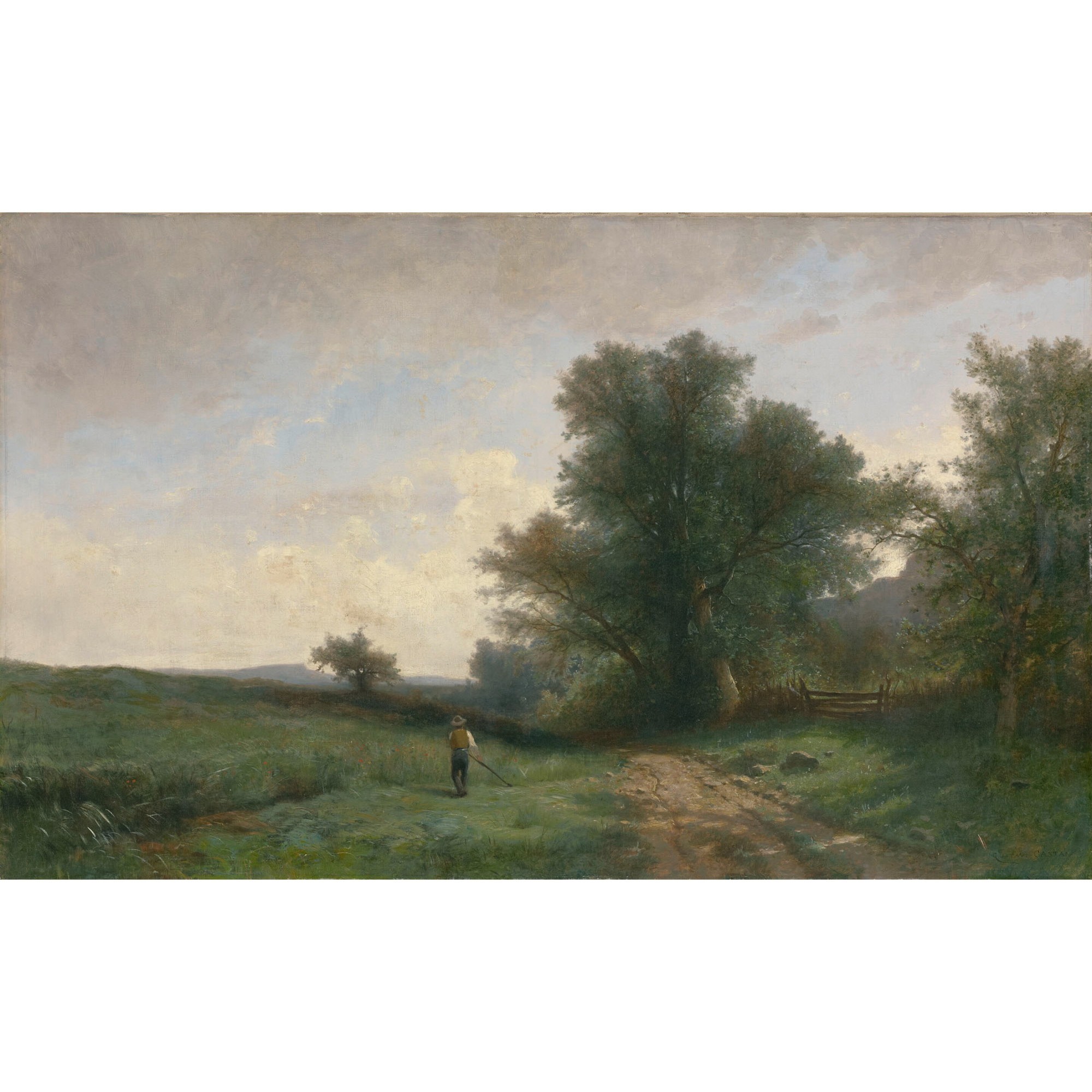
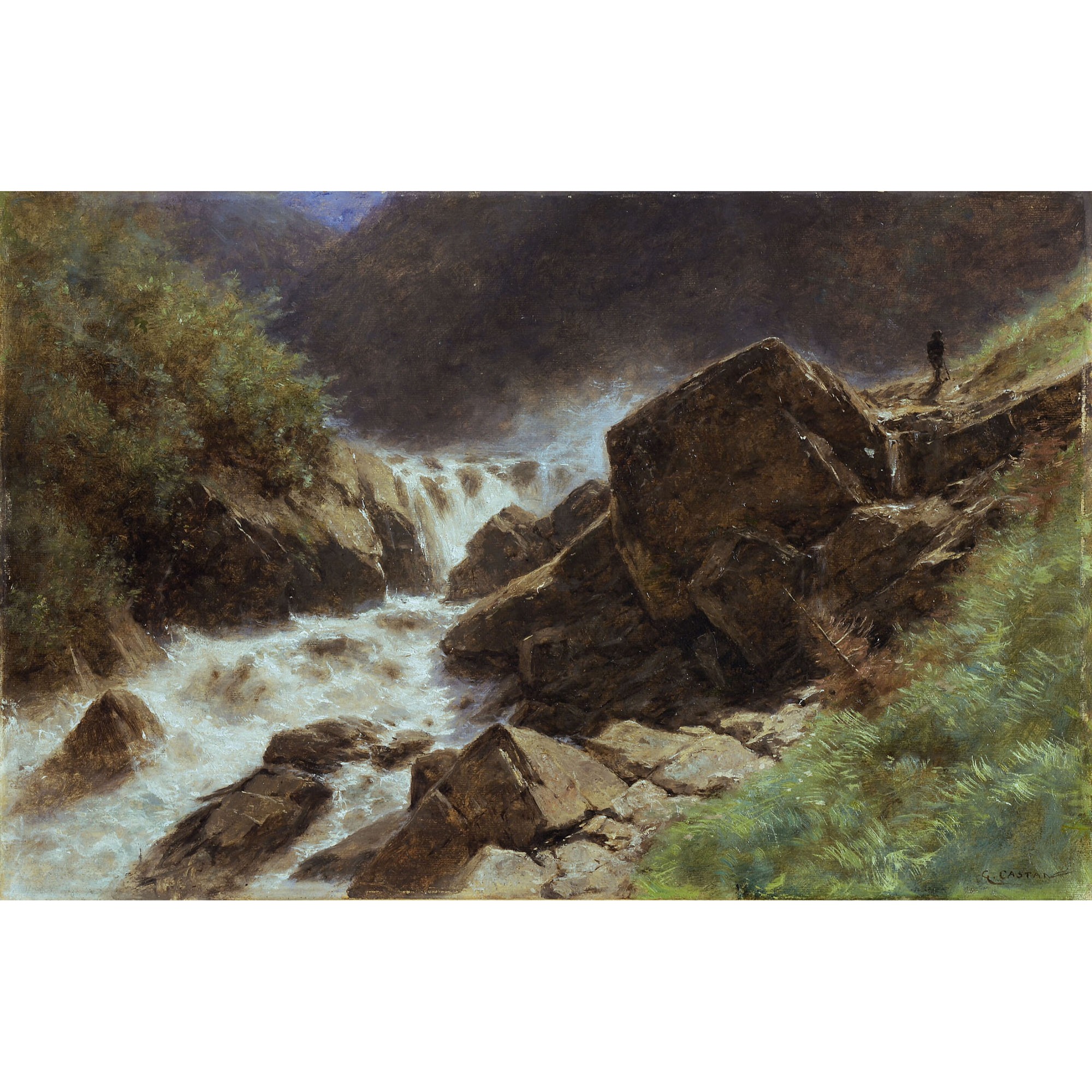
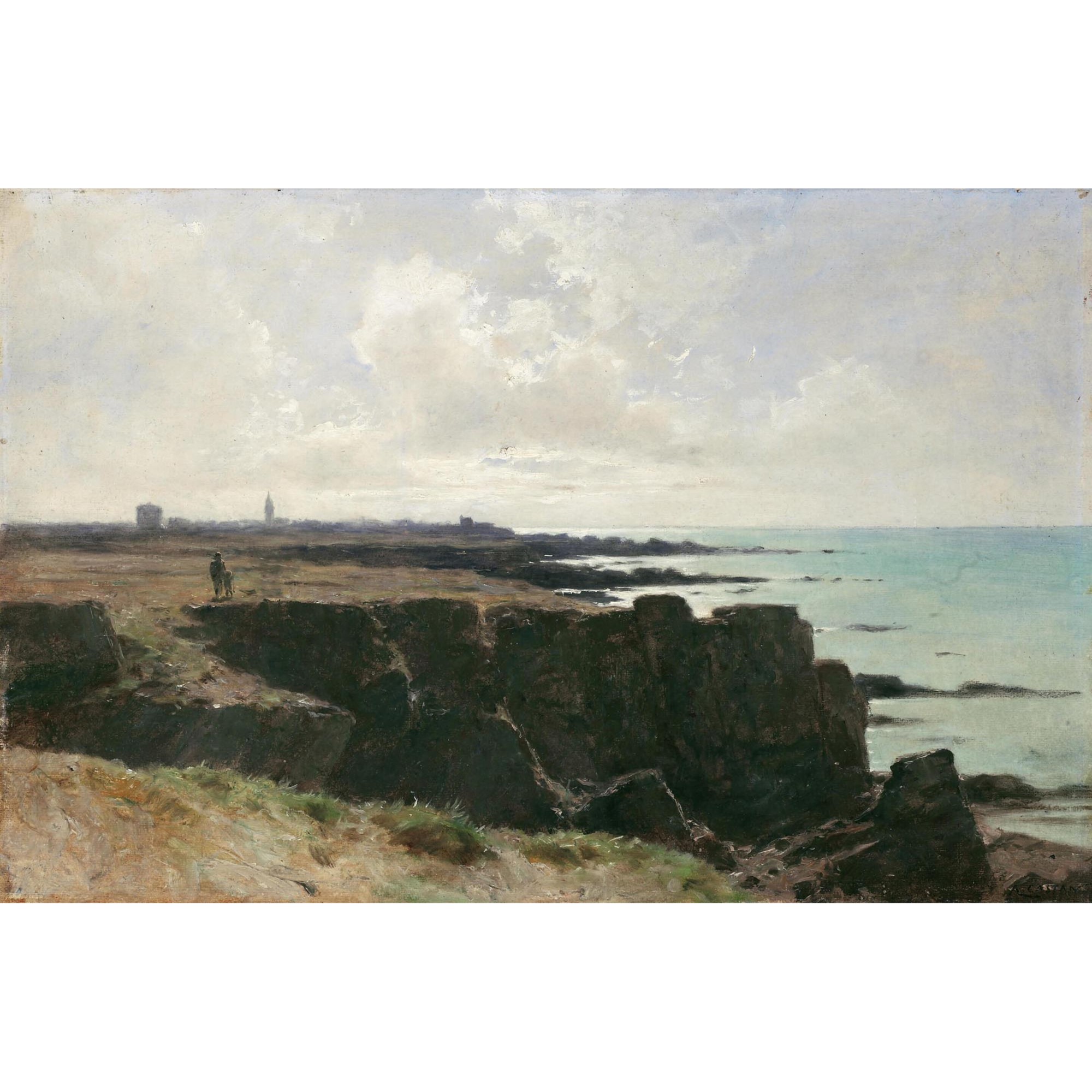
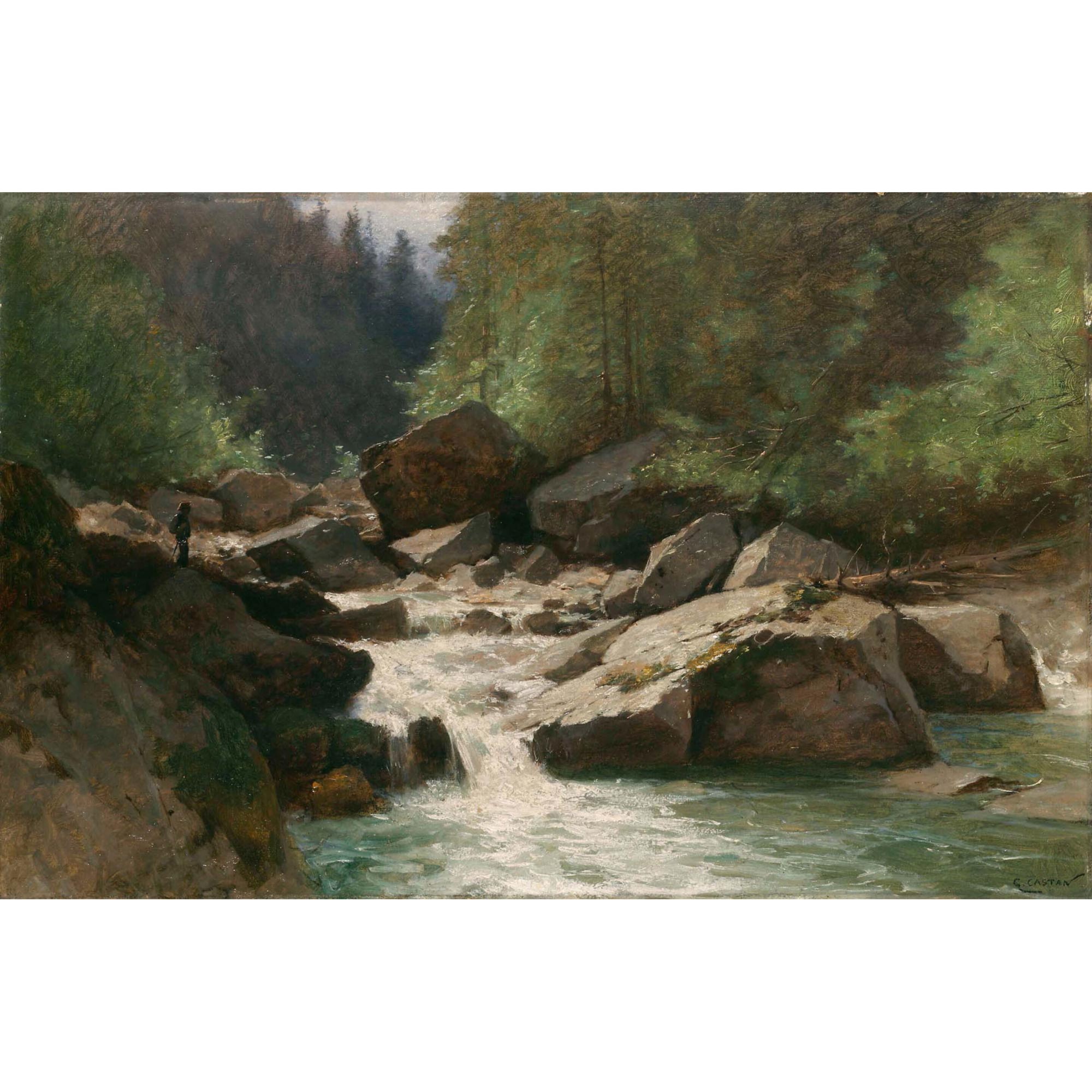
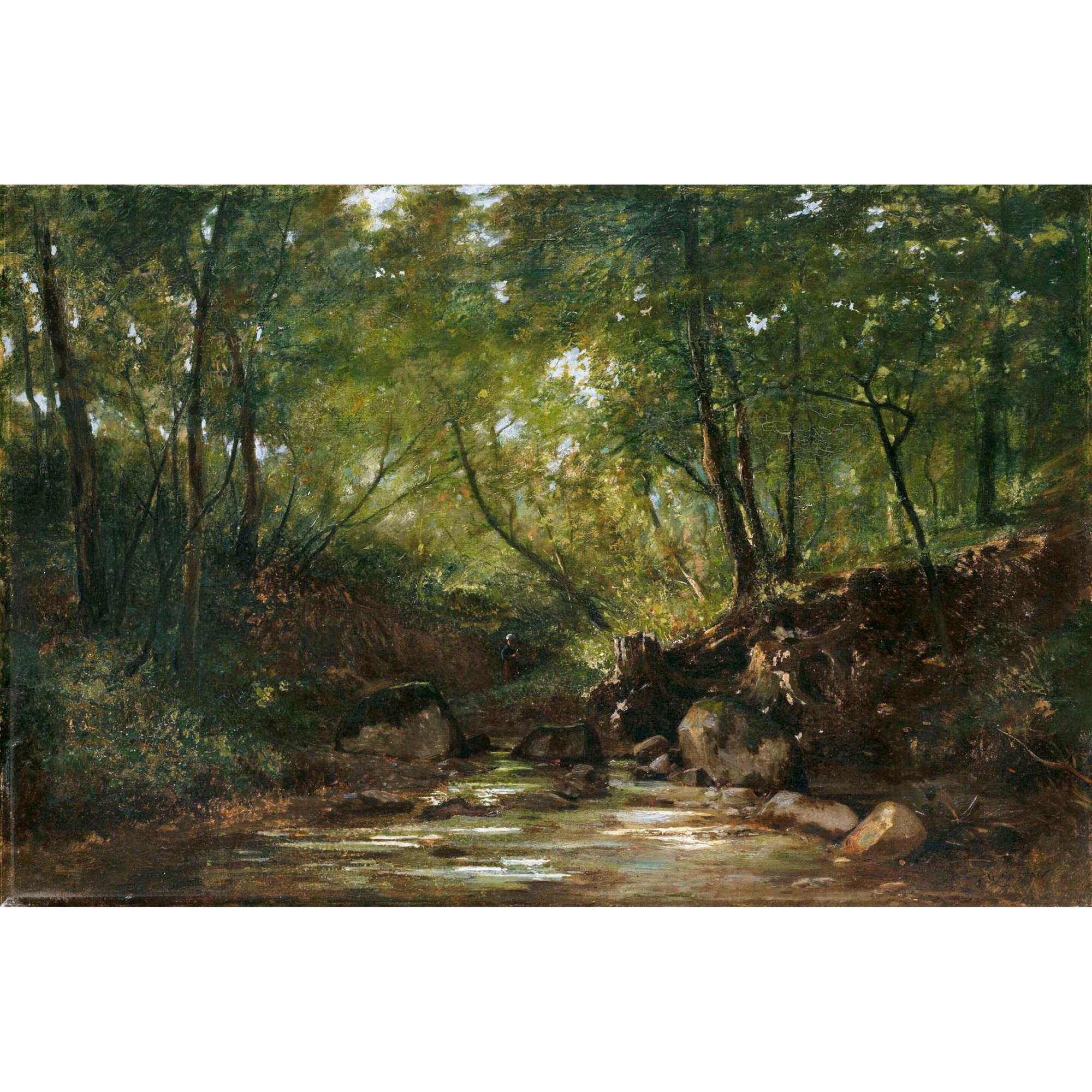
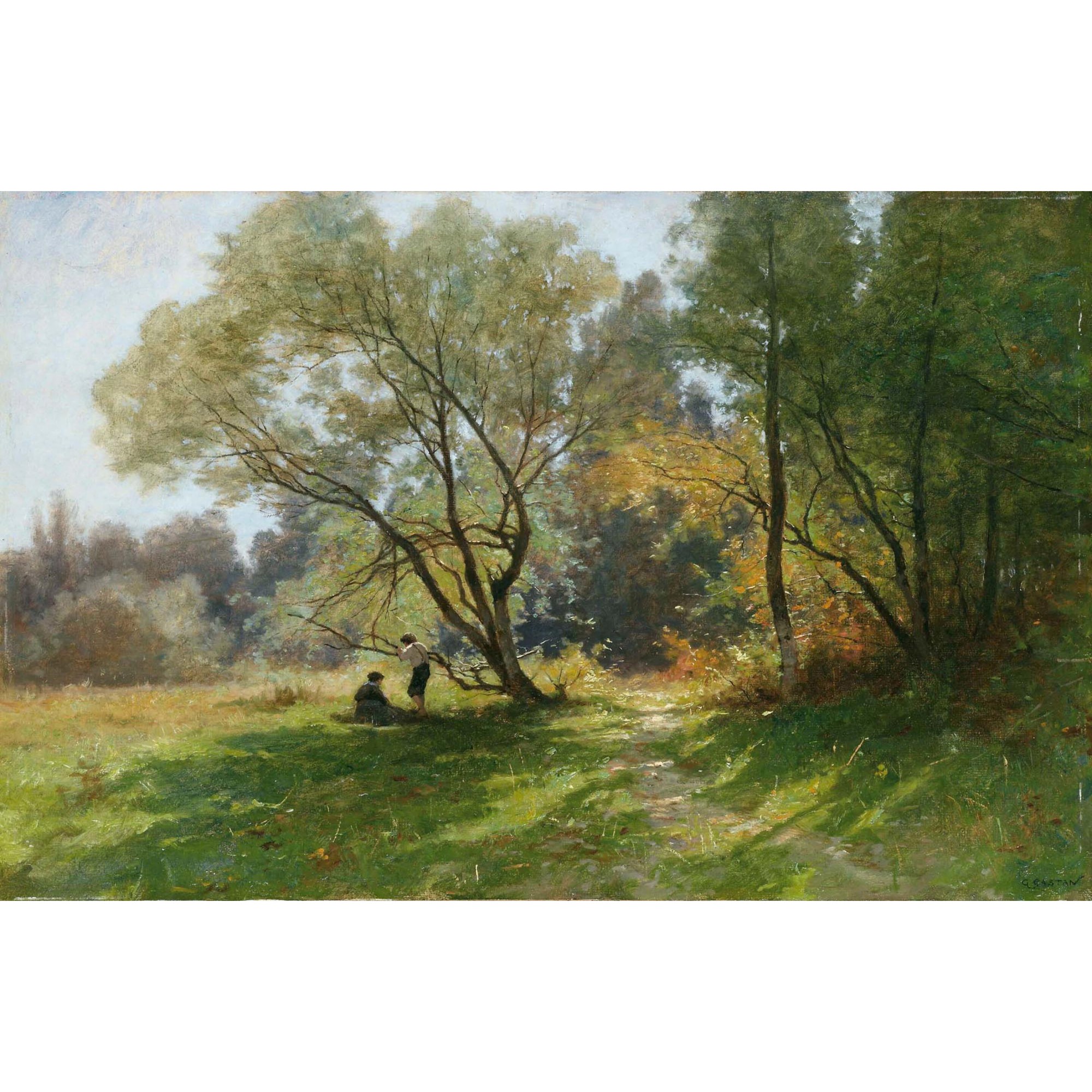
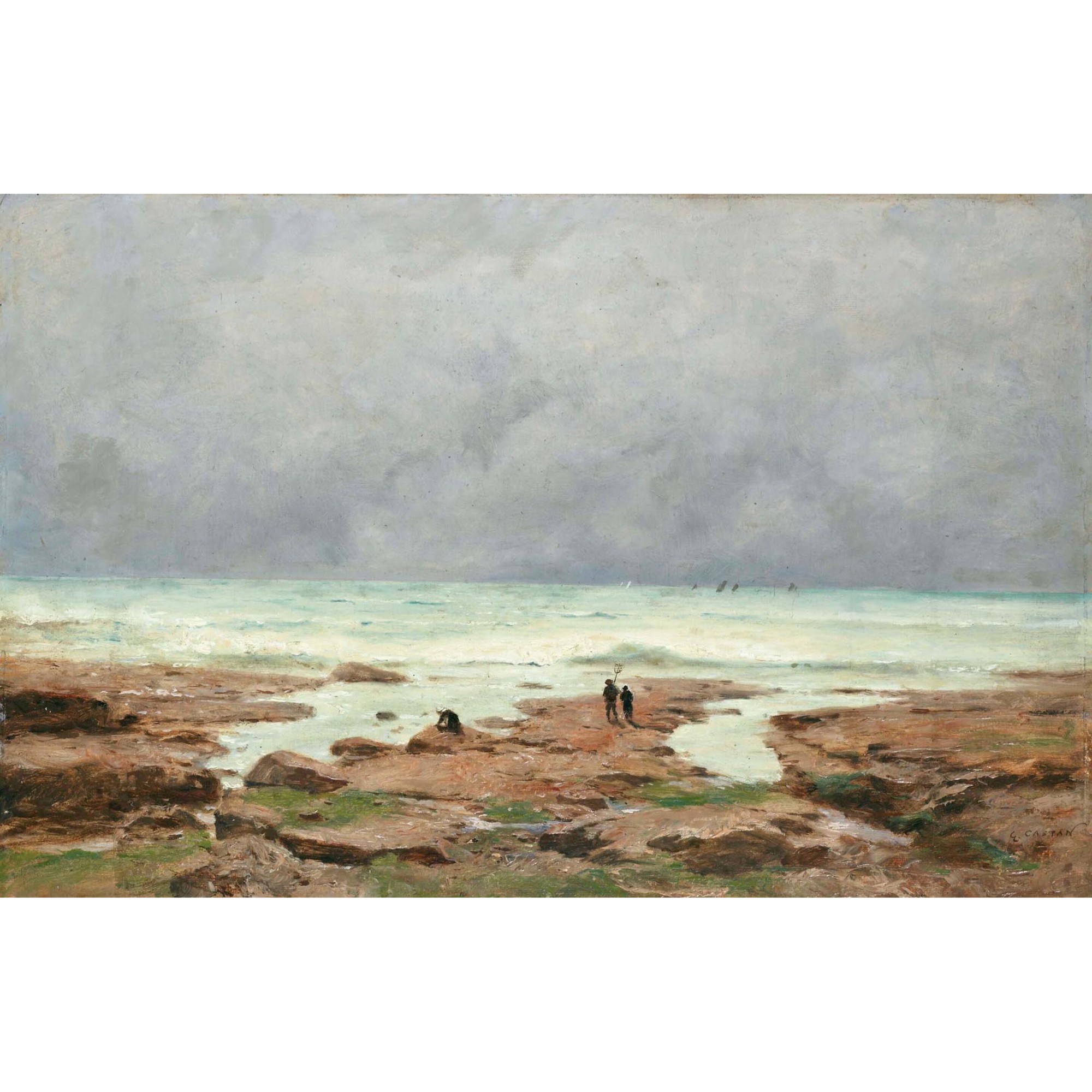
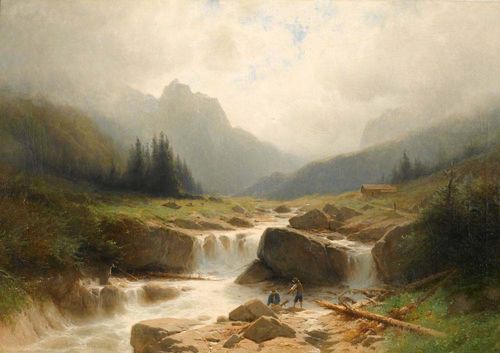
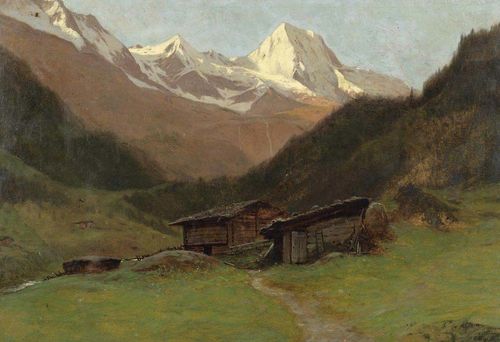
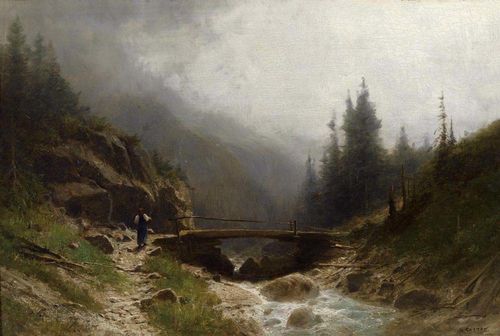
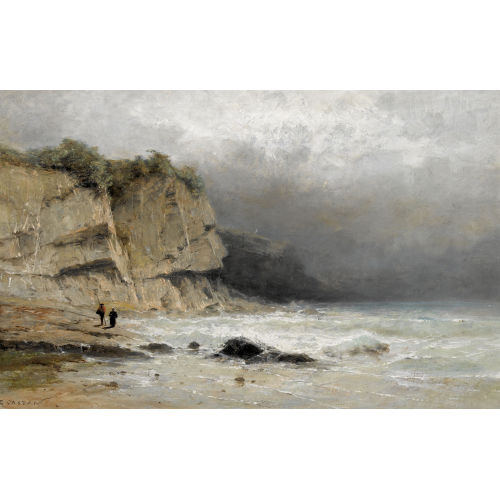
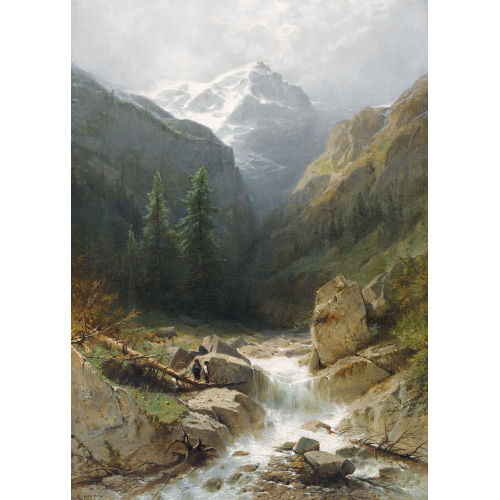
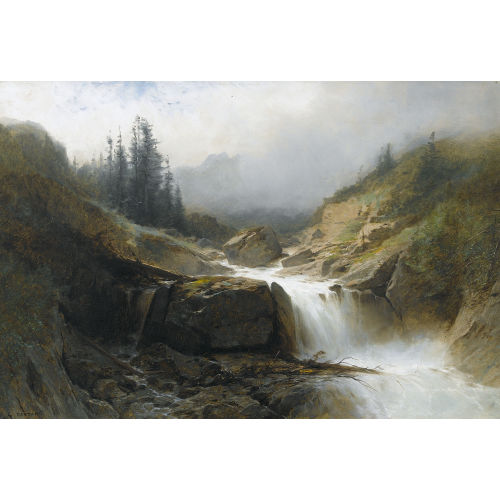
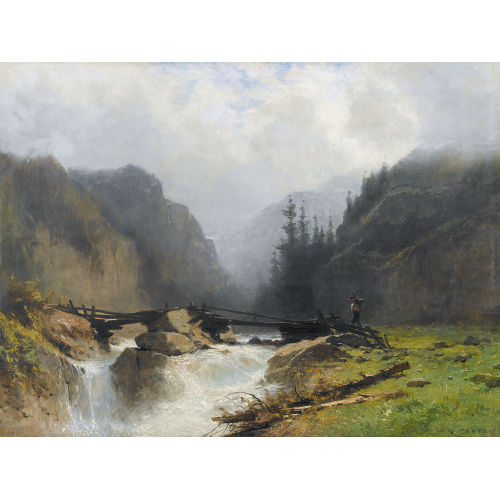
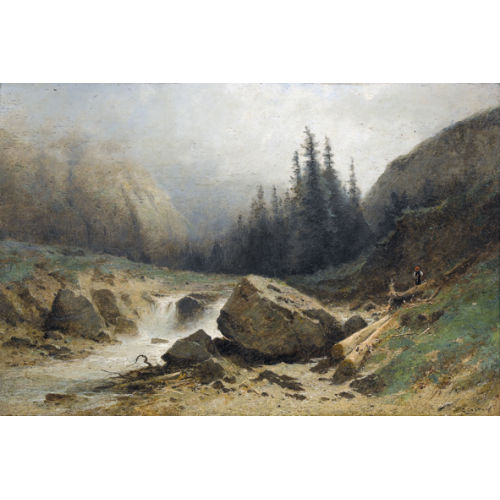
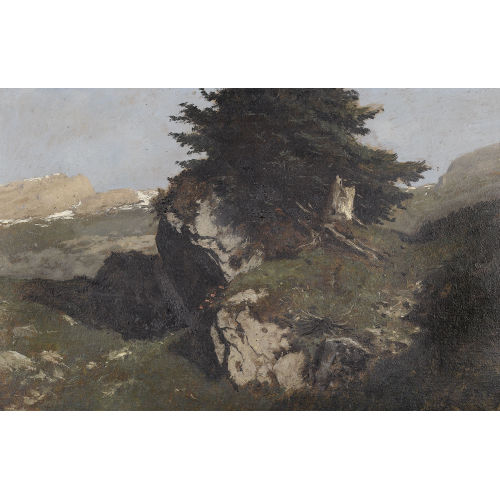
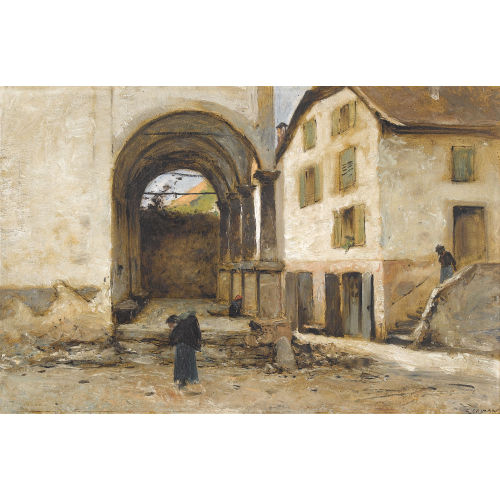
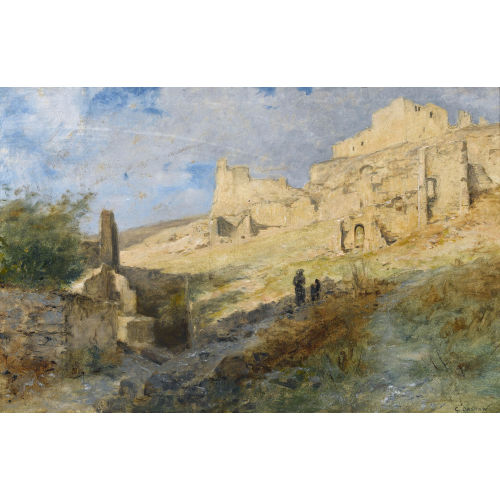
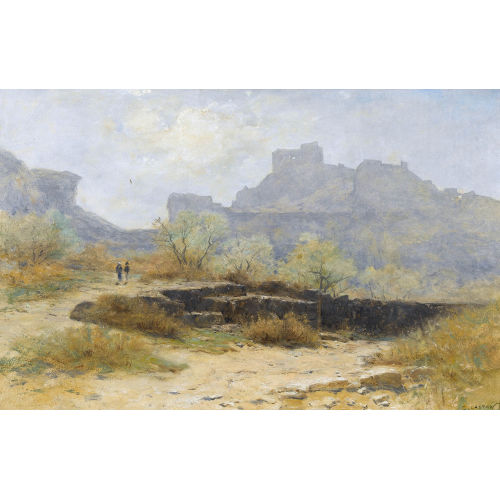
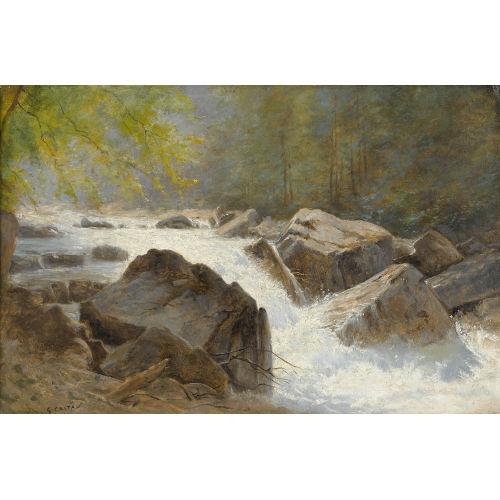
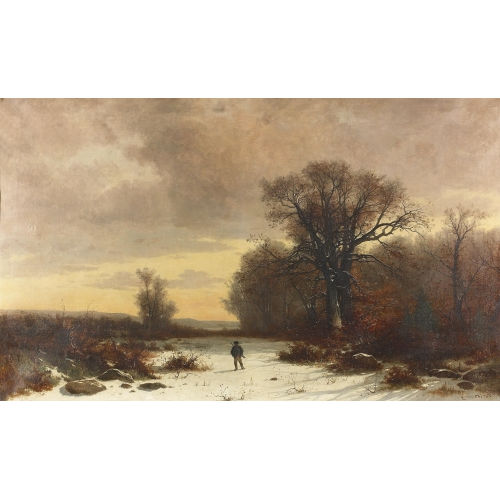
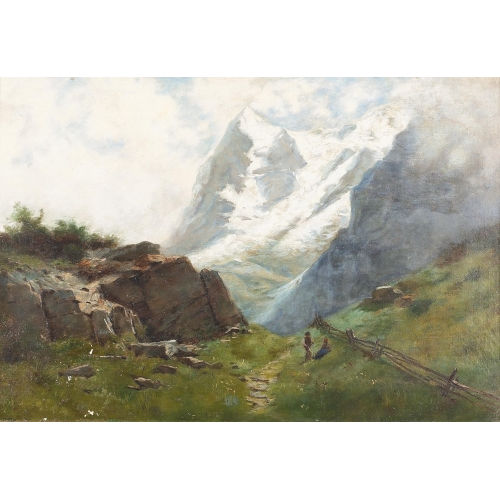
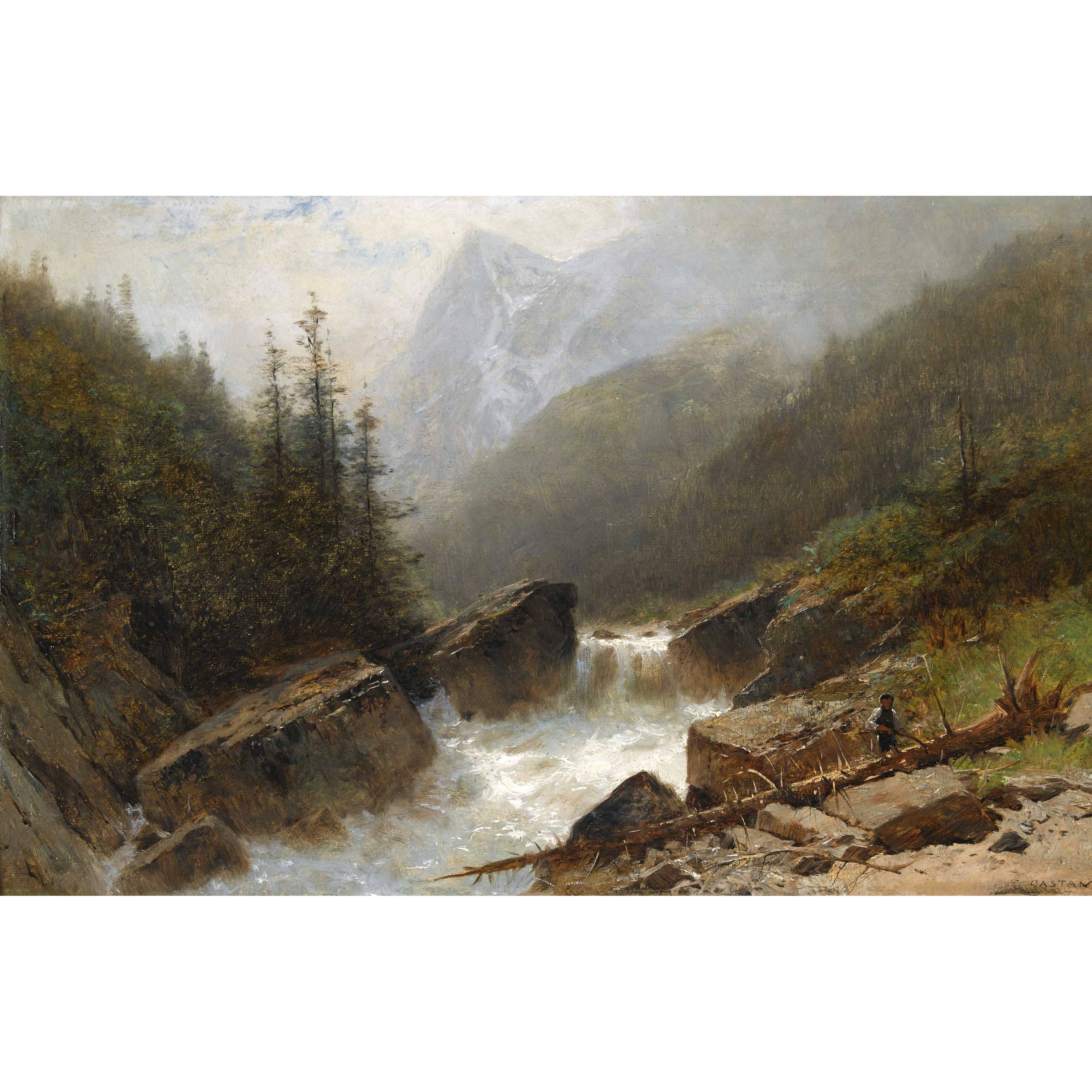
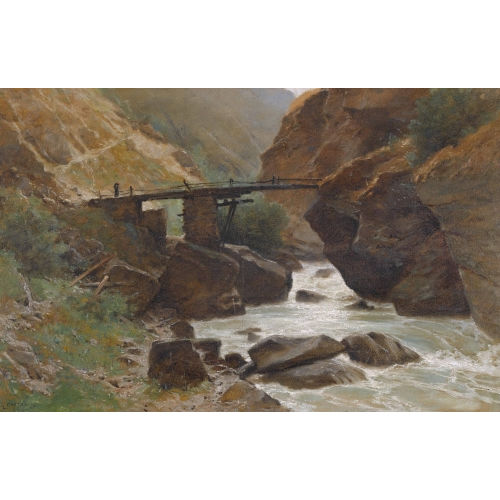
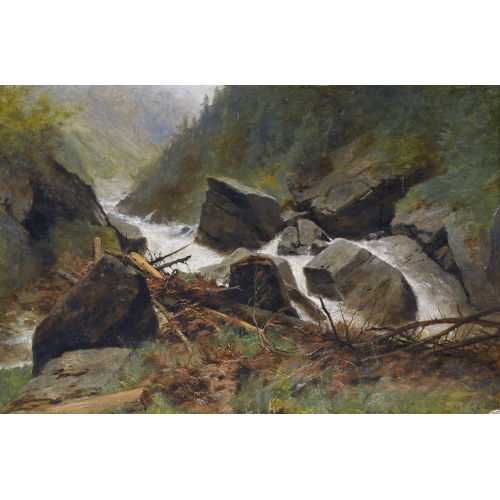
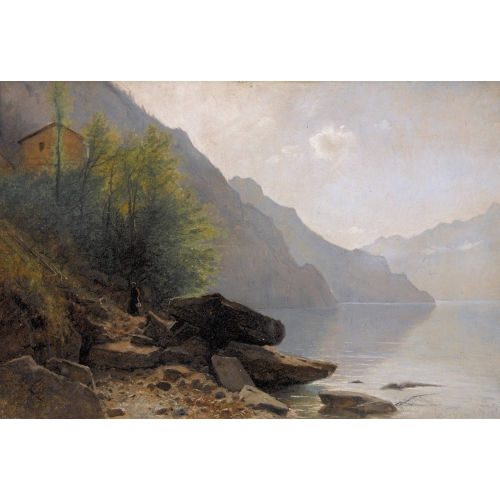
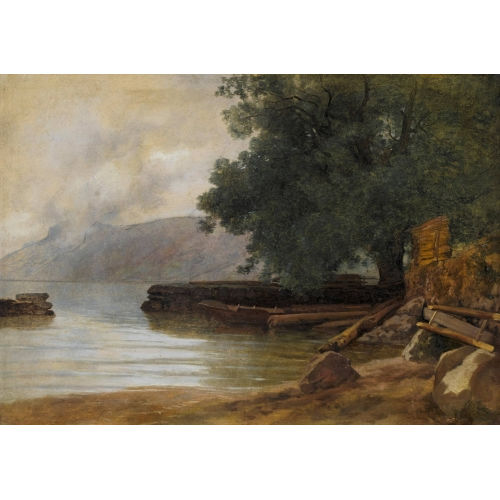
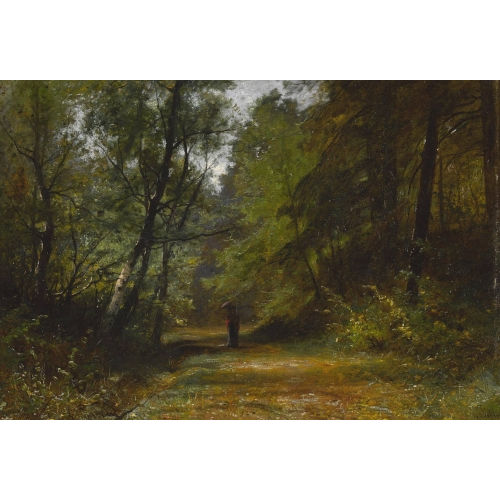
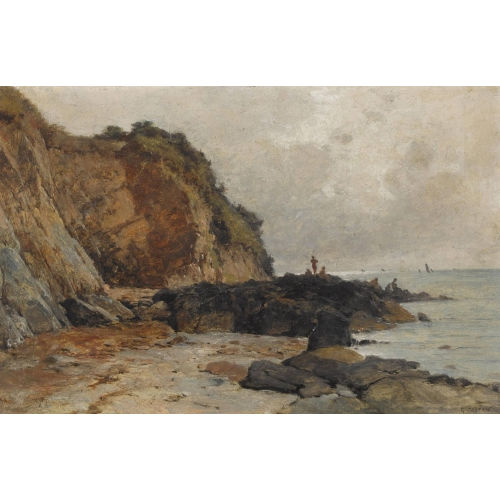
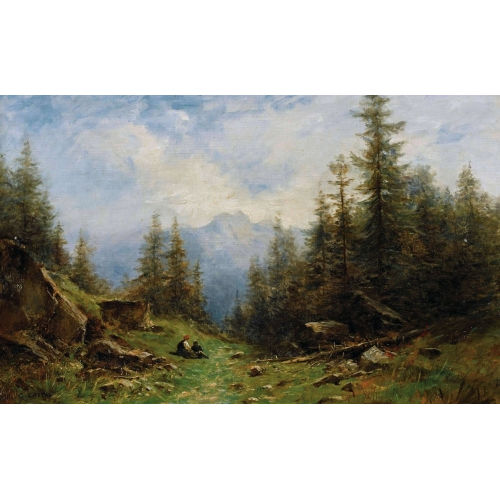
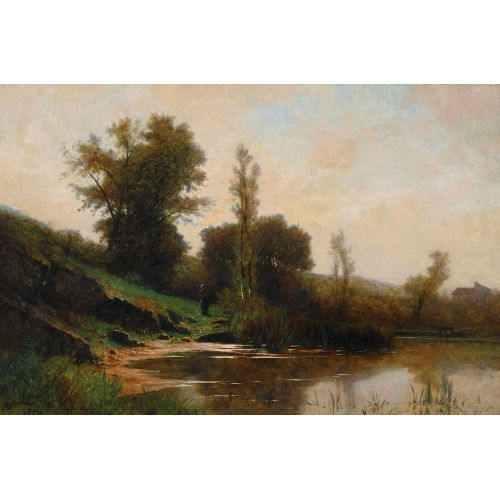
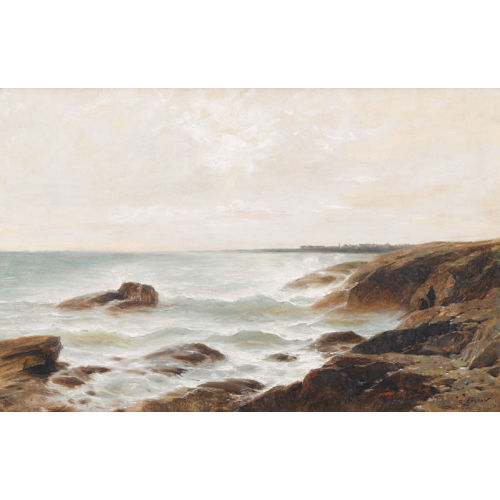
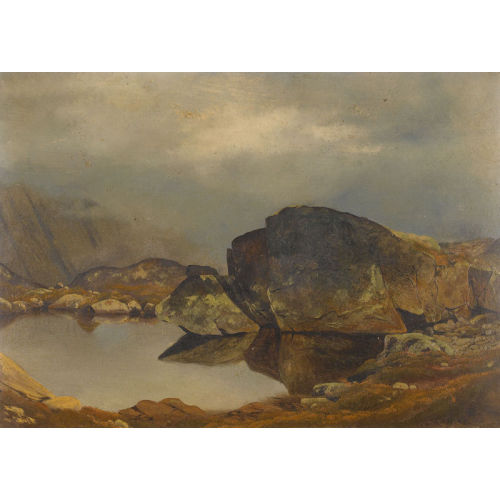
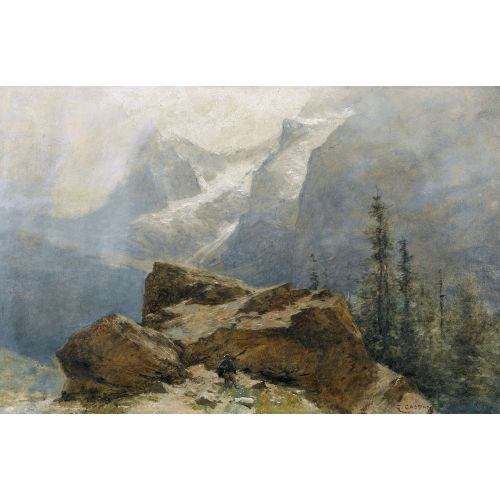
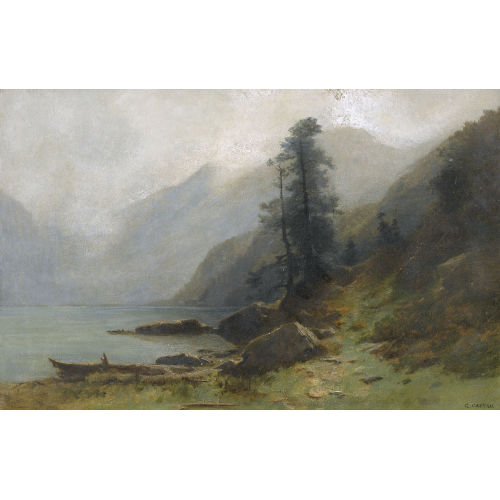
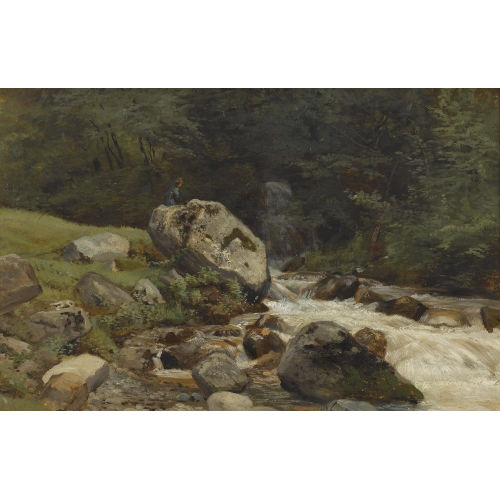
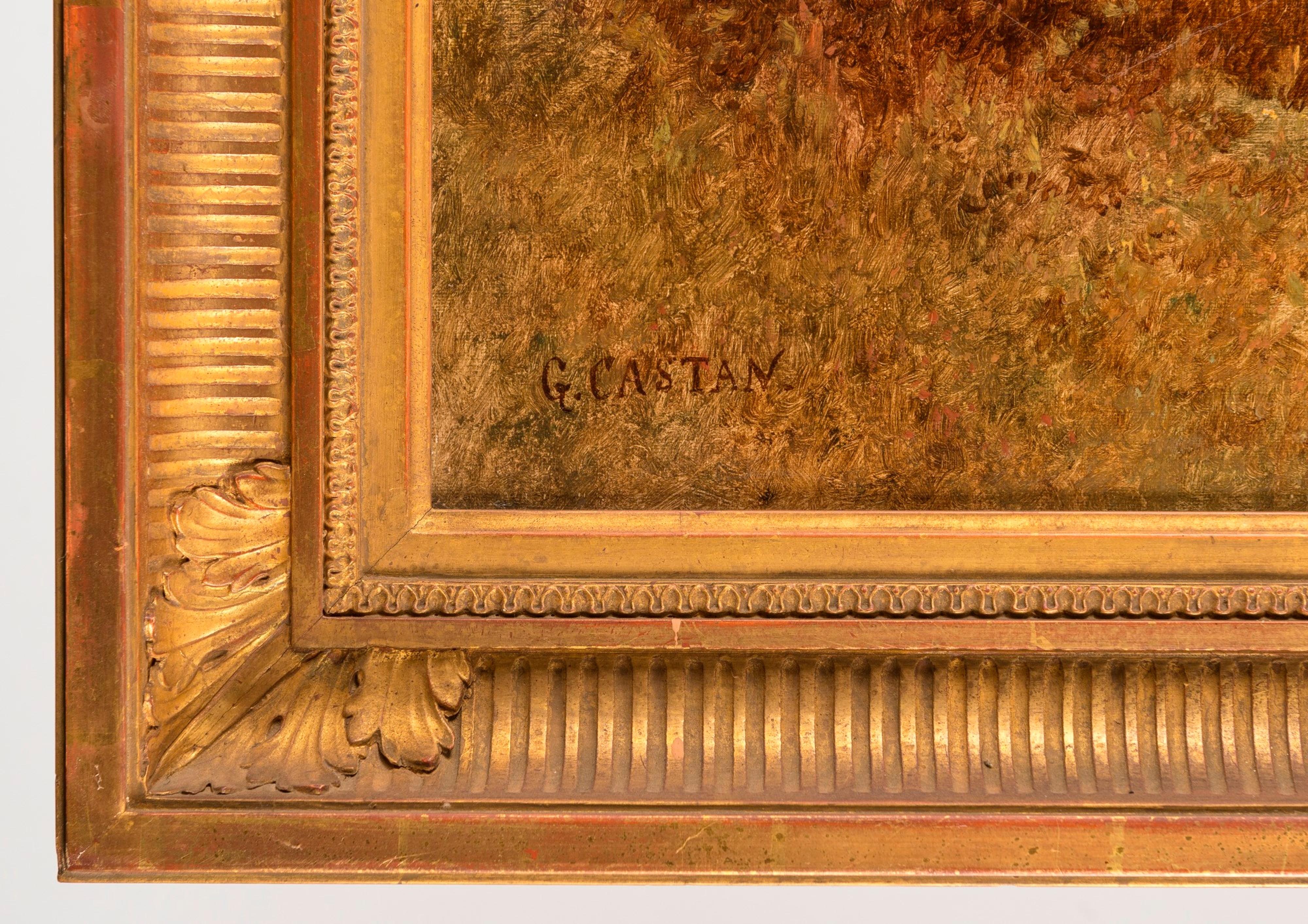
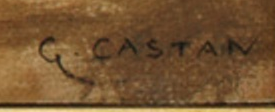
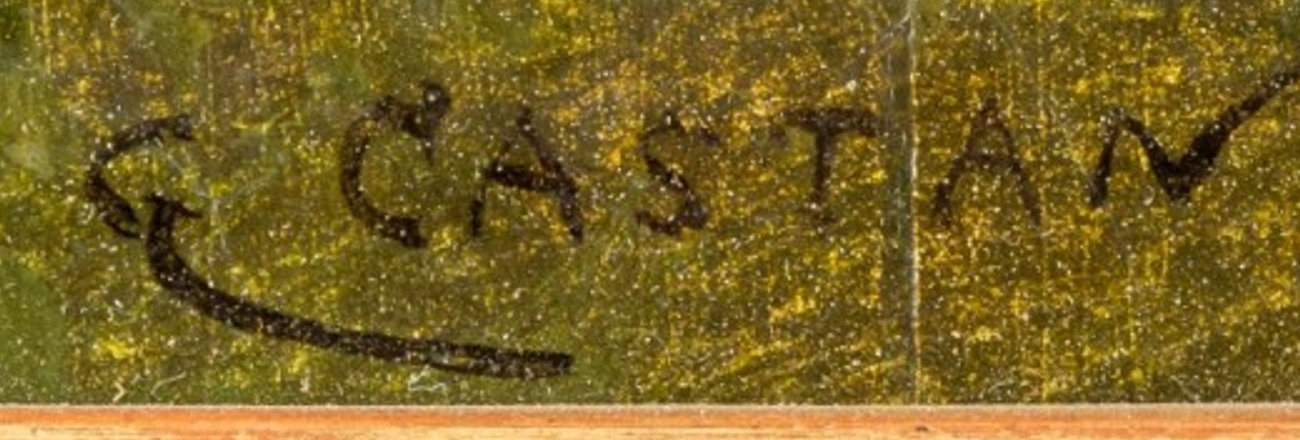
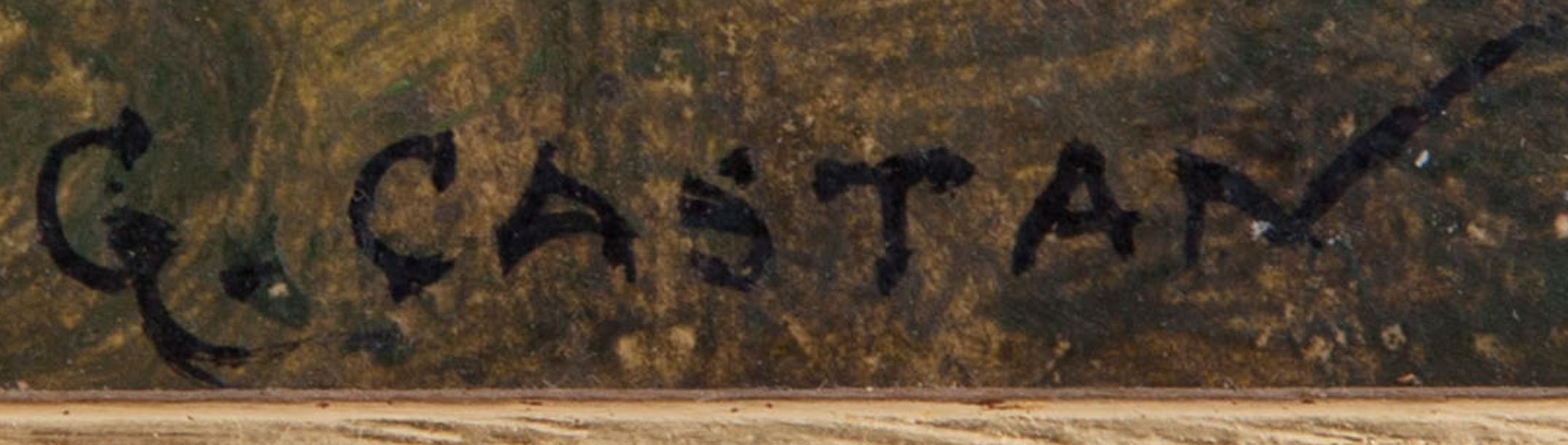
Gustave Castan (born 23 December 1823 in Geneva; died 27 July 1892 in Crozant) is identified in the sources as a landscape painter, as well as an engraver and lithographer. From 1843 to 1848, he trained in Alexandre Calame’s studio. During his studies, he became friends with Eugène Castelnau and followed him to Paris in 1849.
In 1850 he met Auguste Ravier, and then, in 1852, Jean‑Baptiste Camille Corot, whom the source describes as exerting a “decisive influence” on his work.
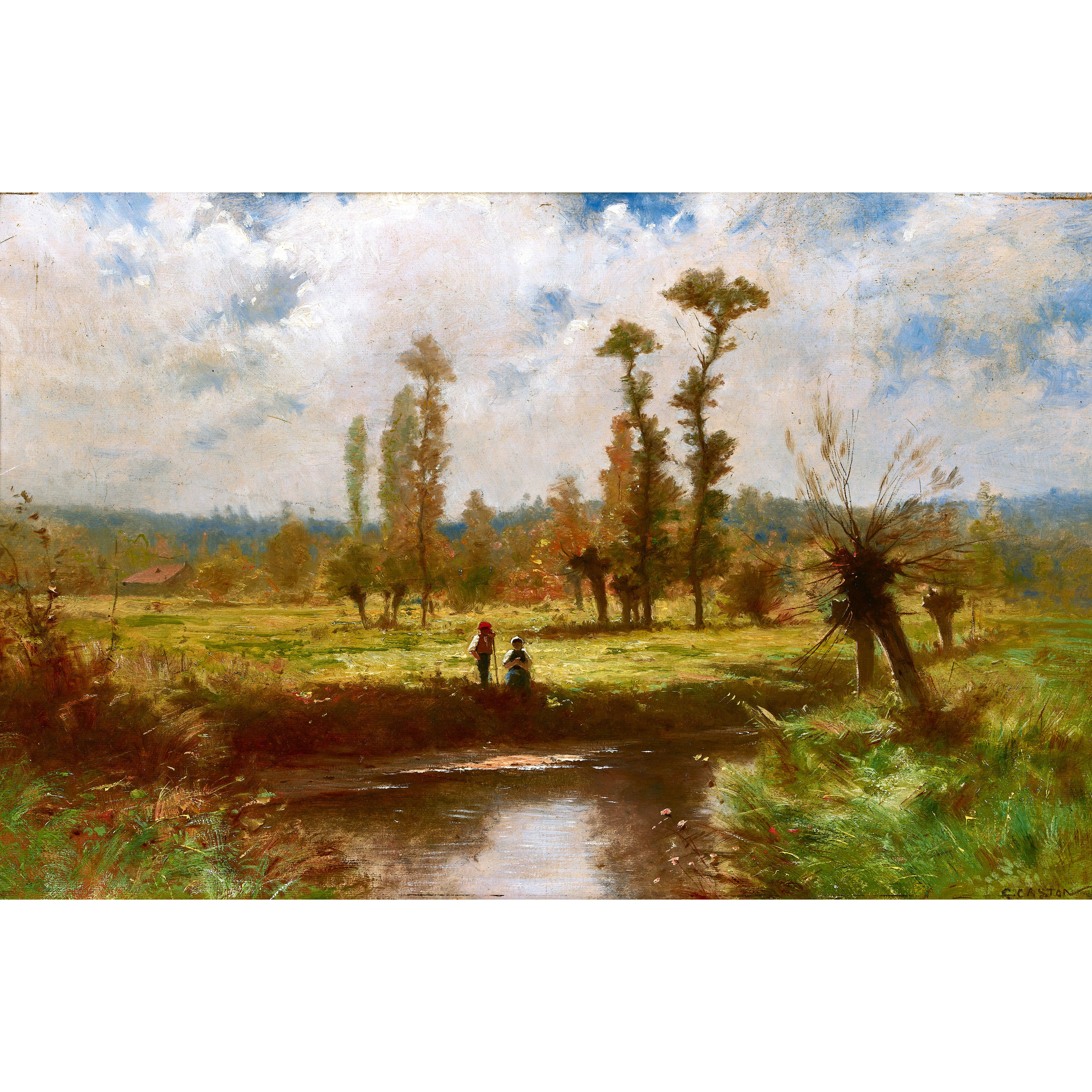
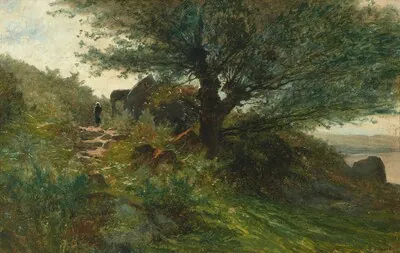
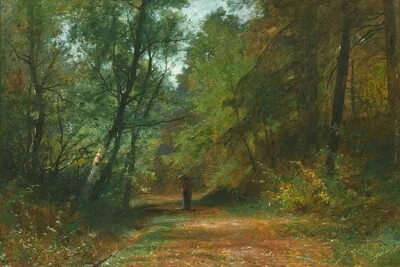
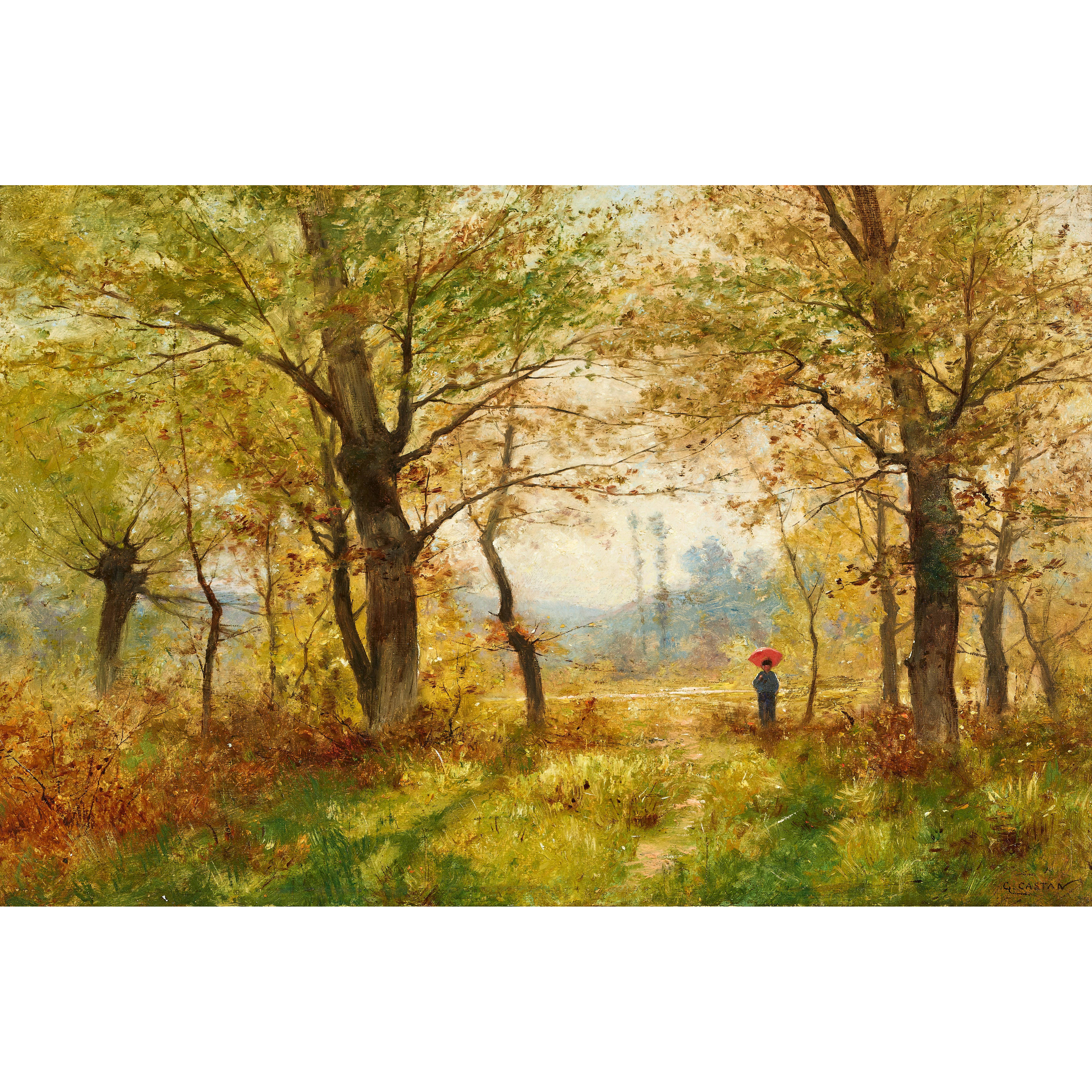
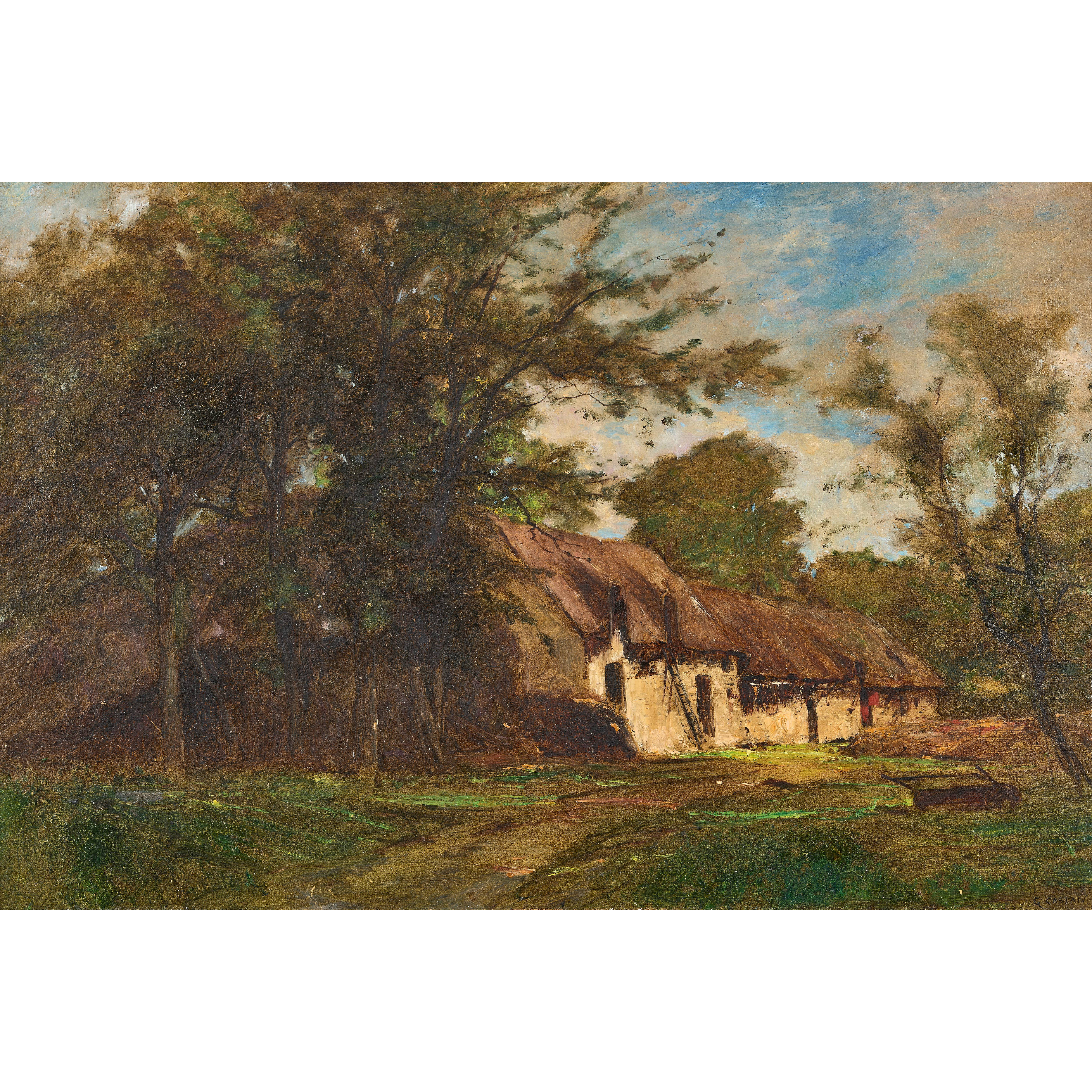
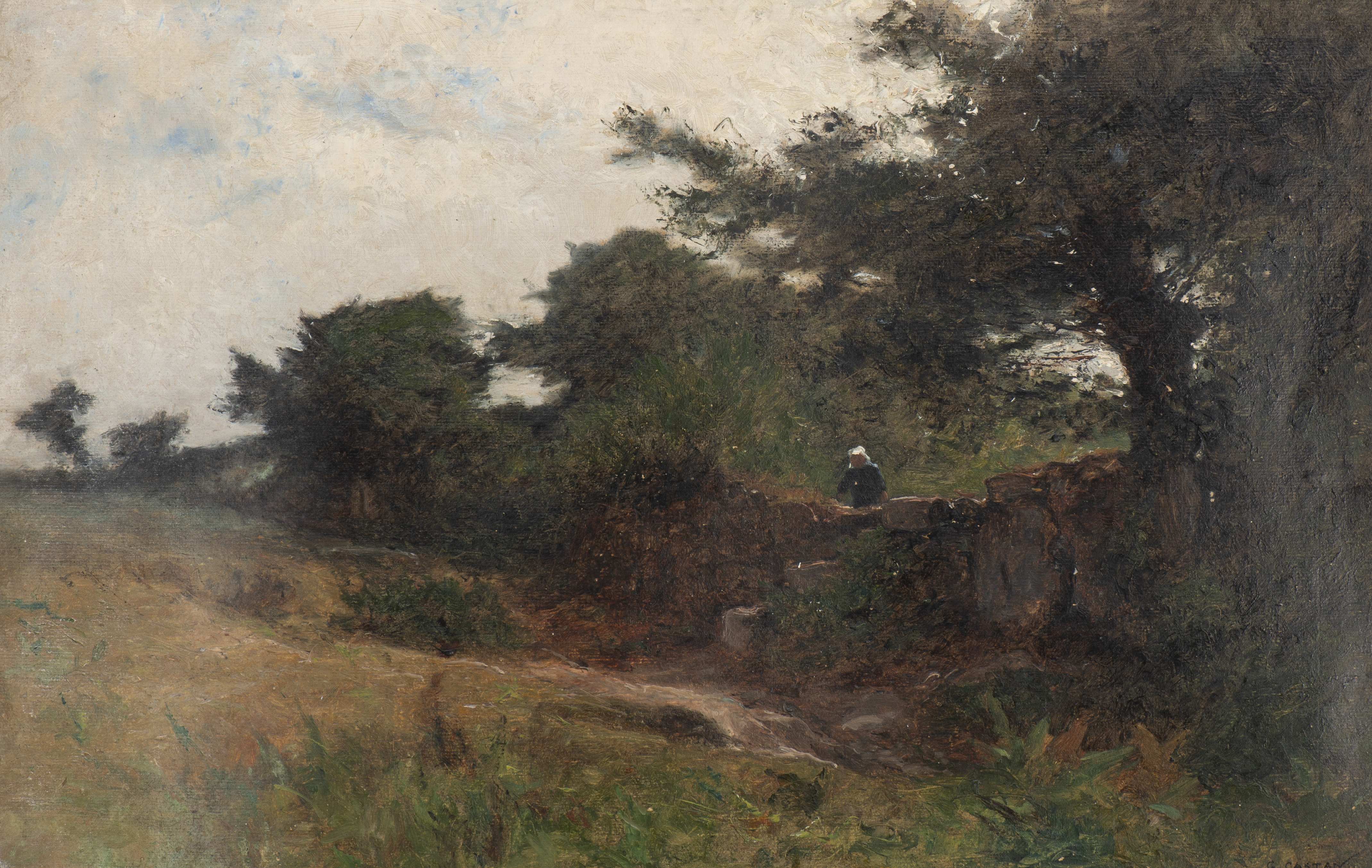
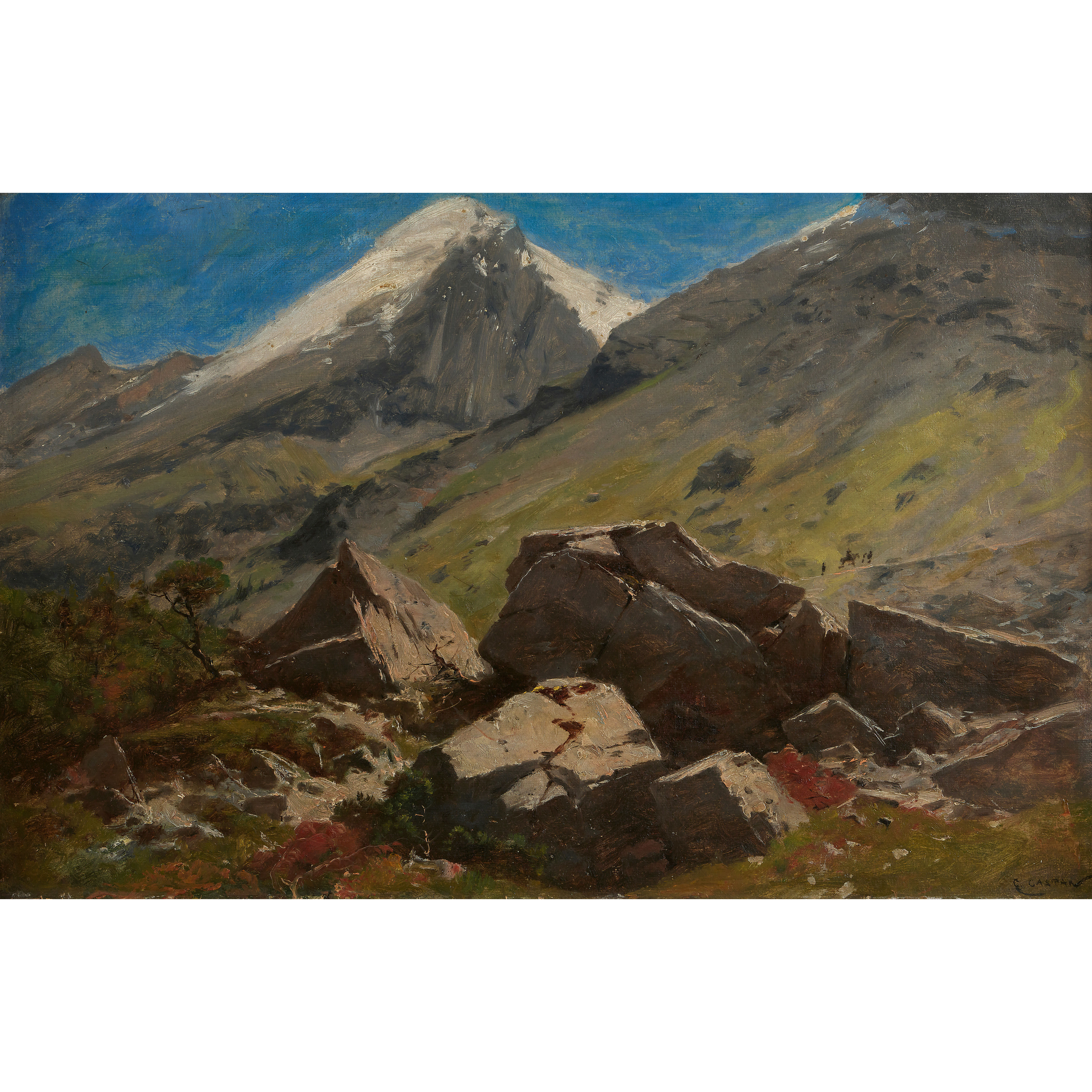
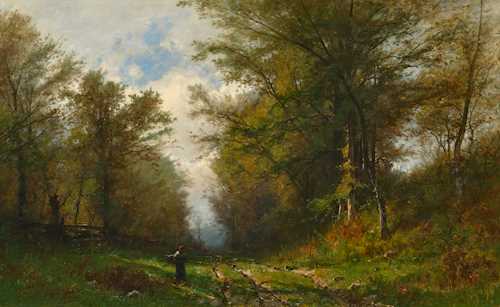
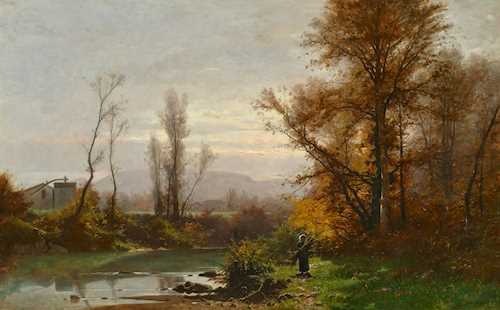
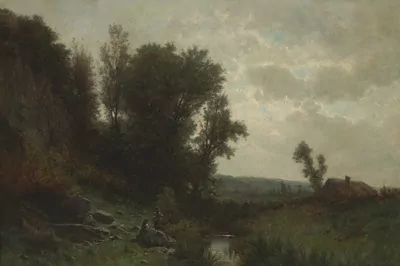
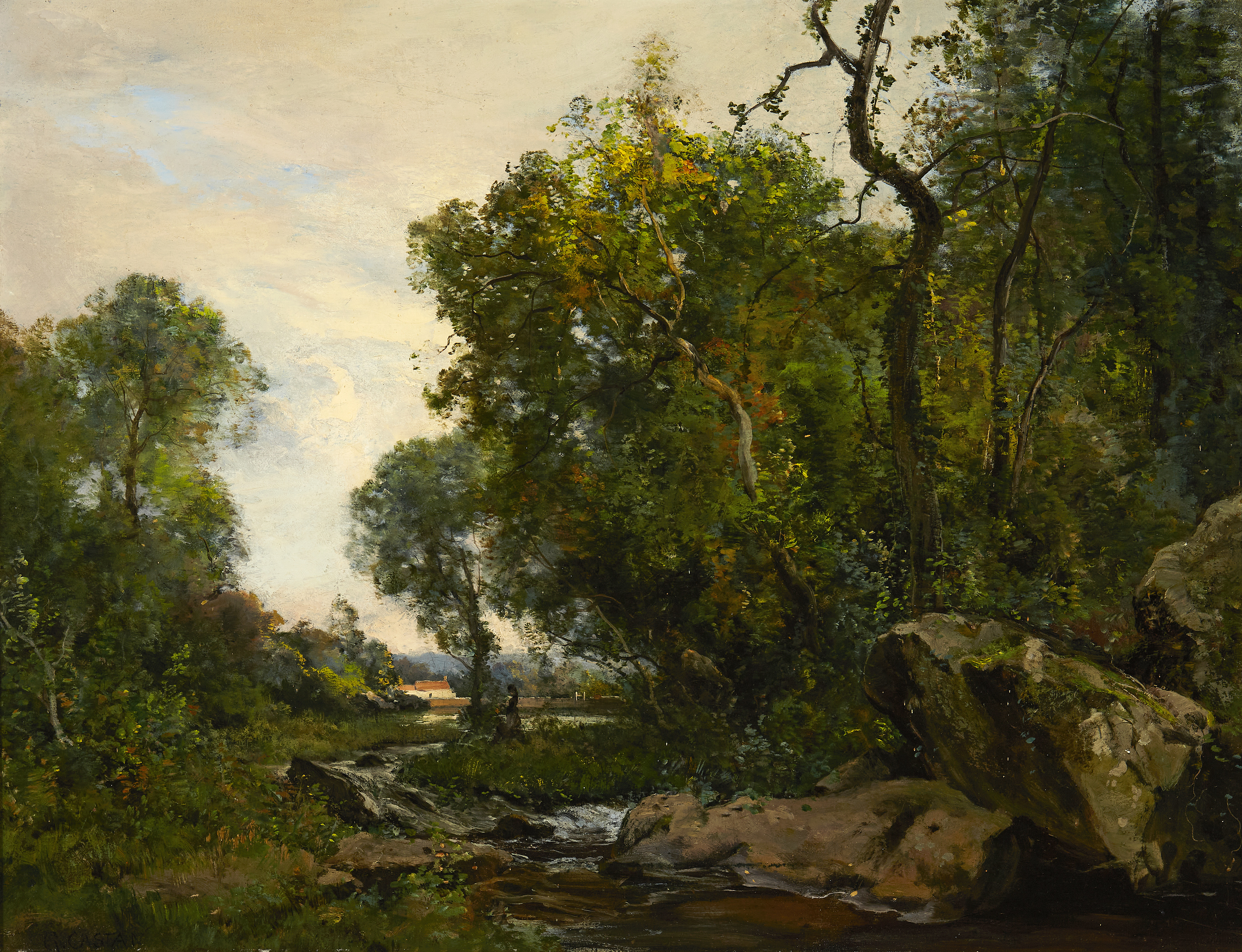
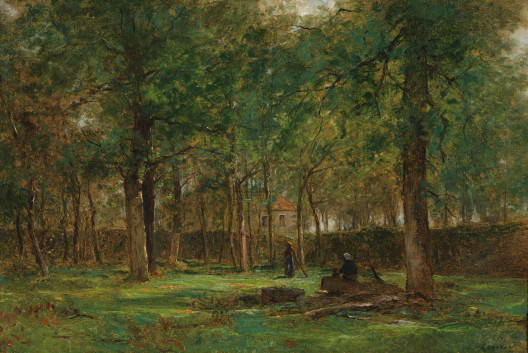
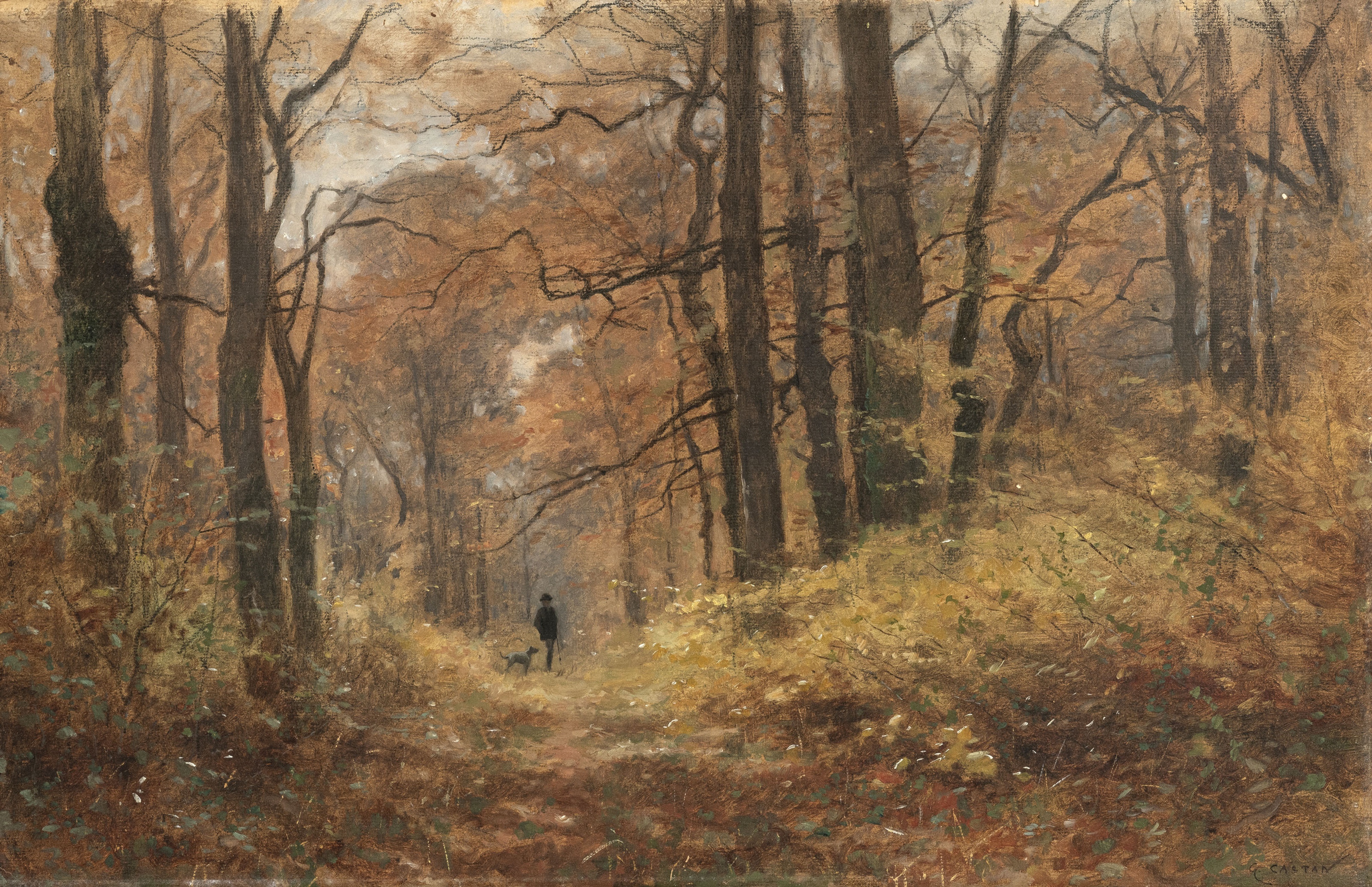
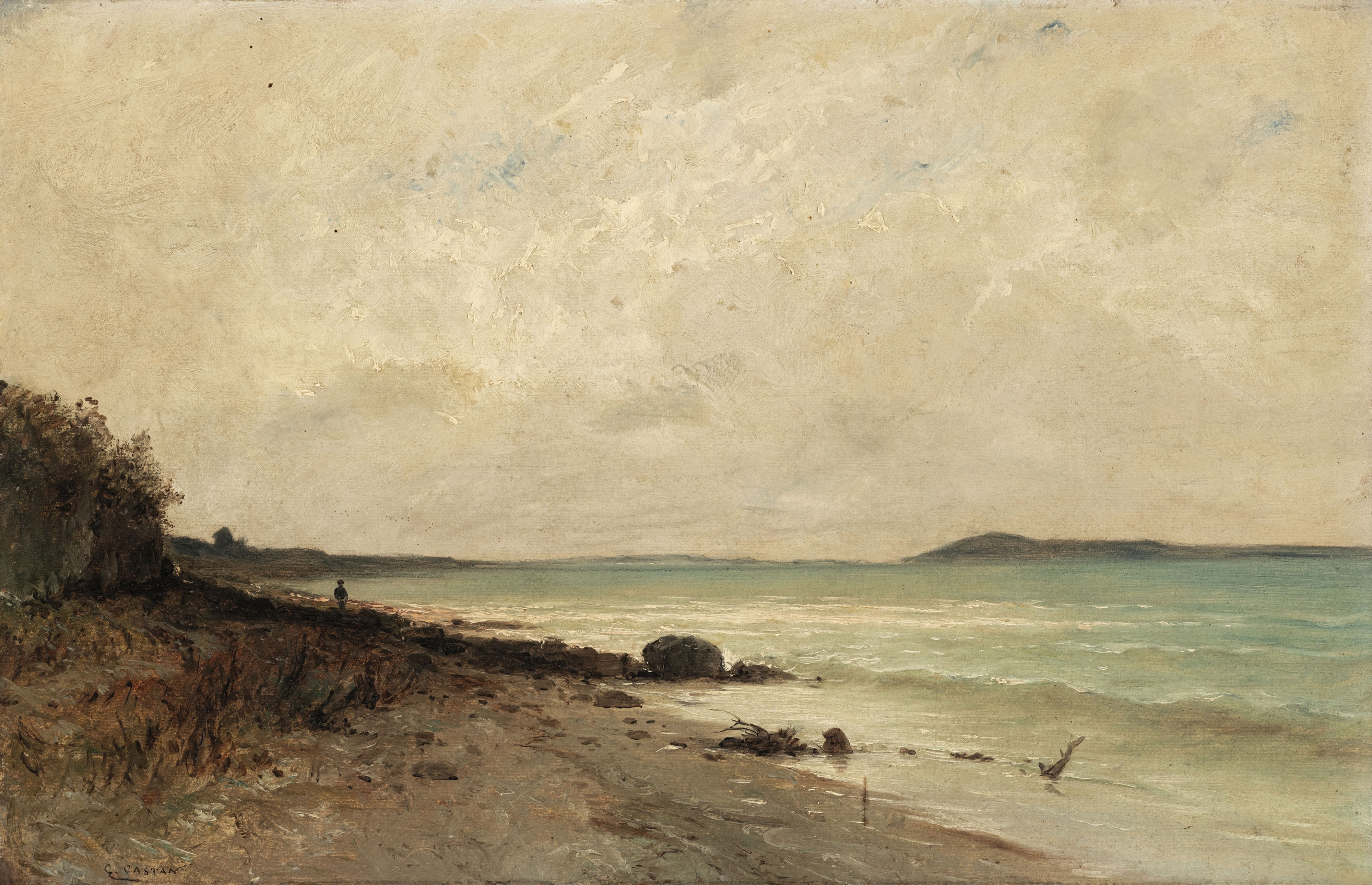
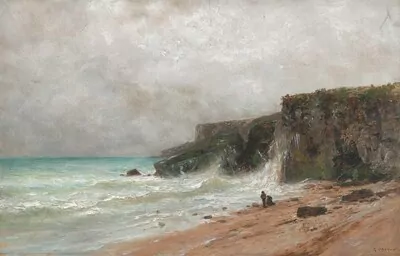
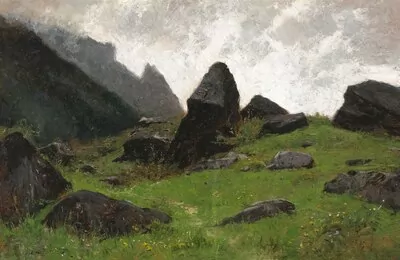
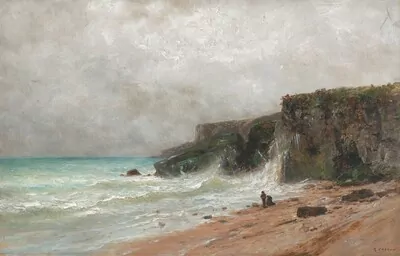
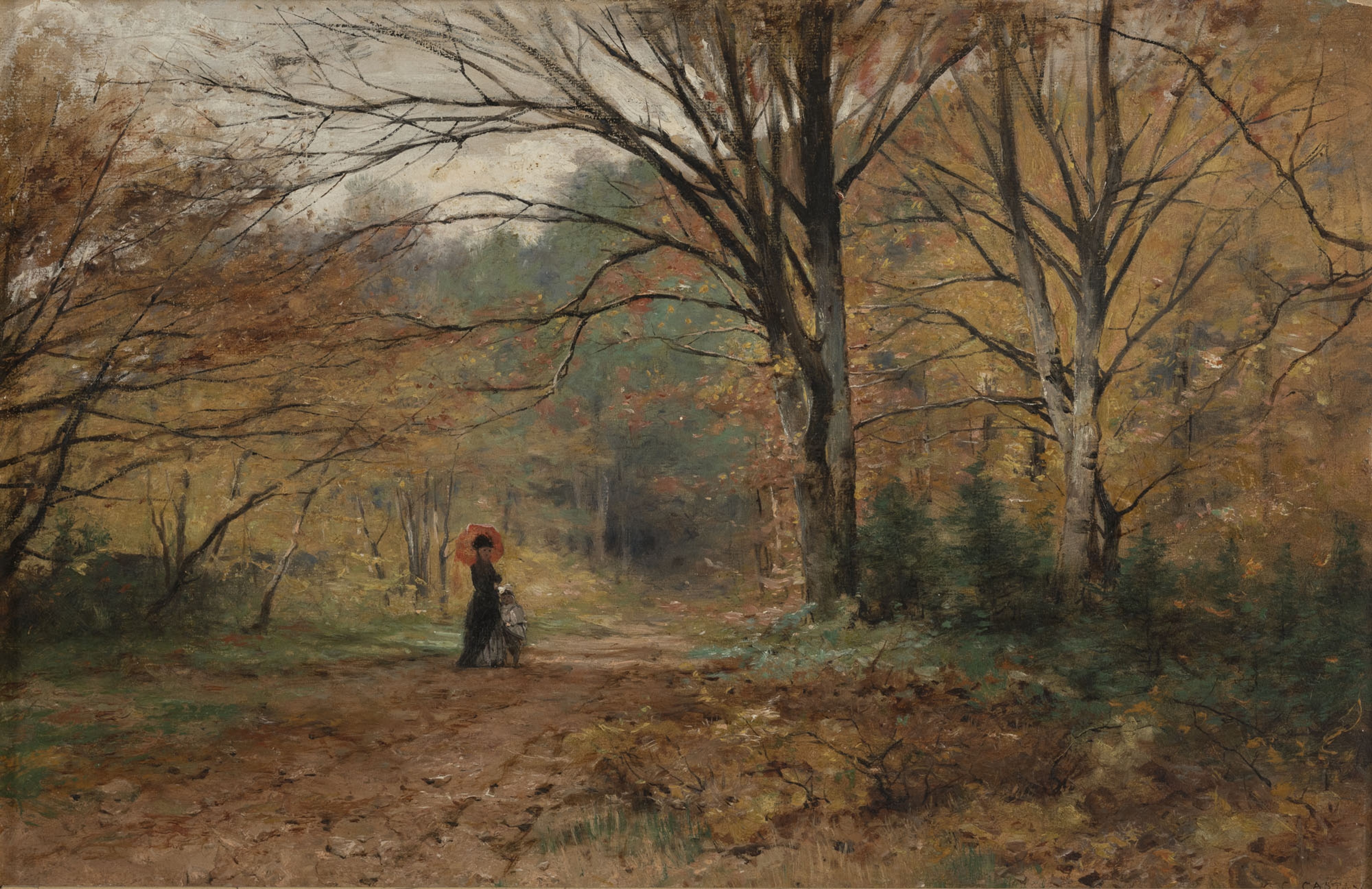
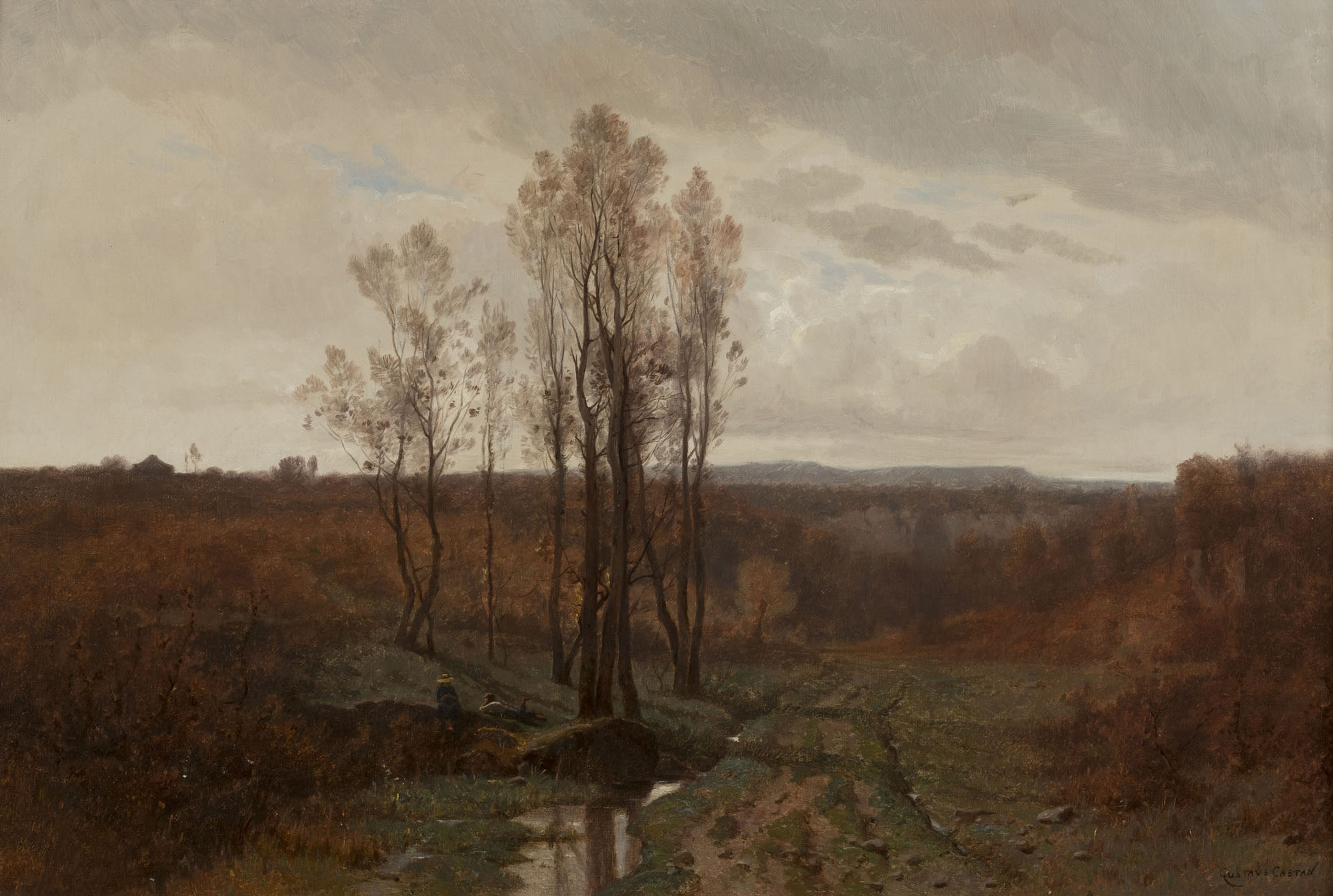
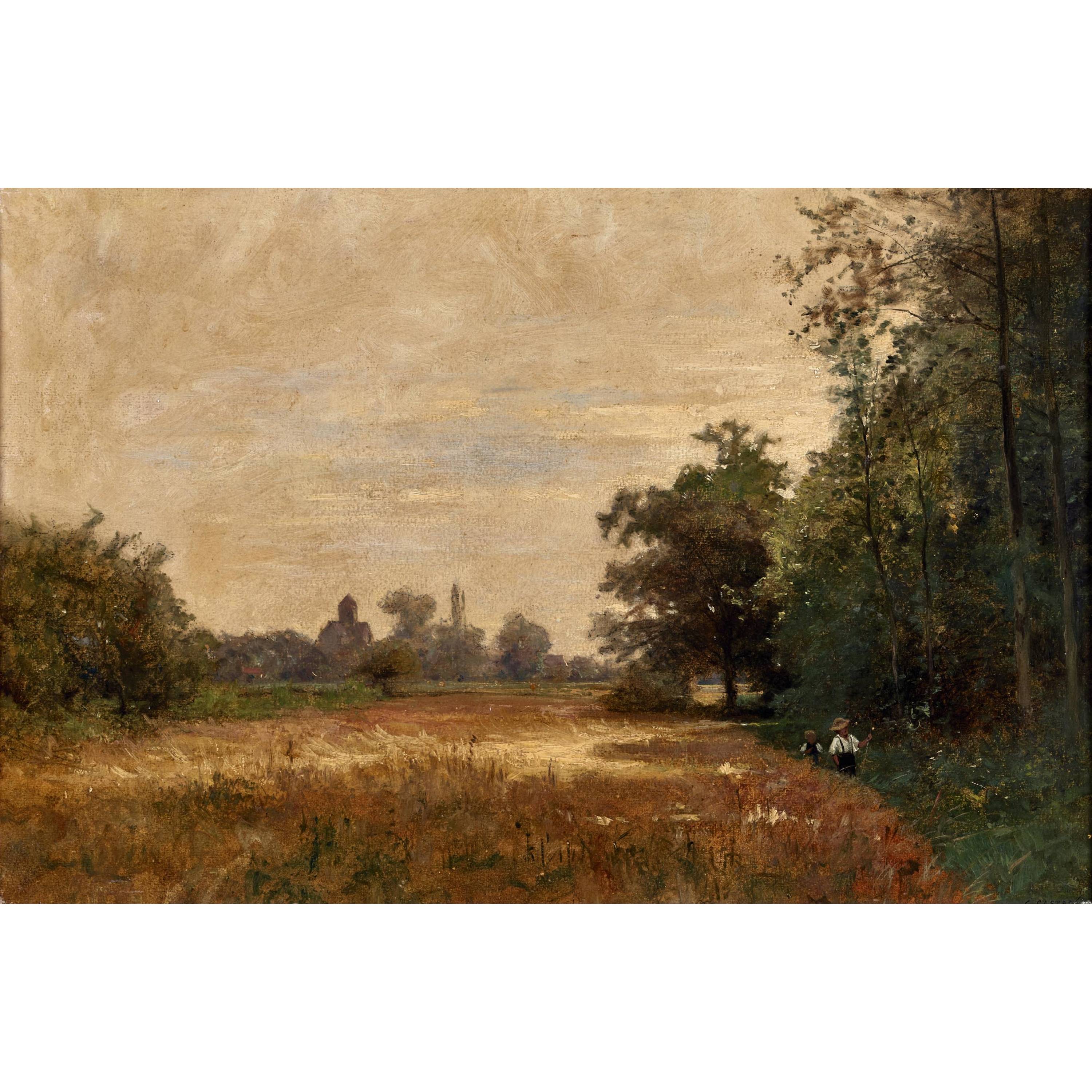
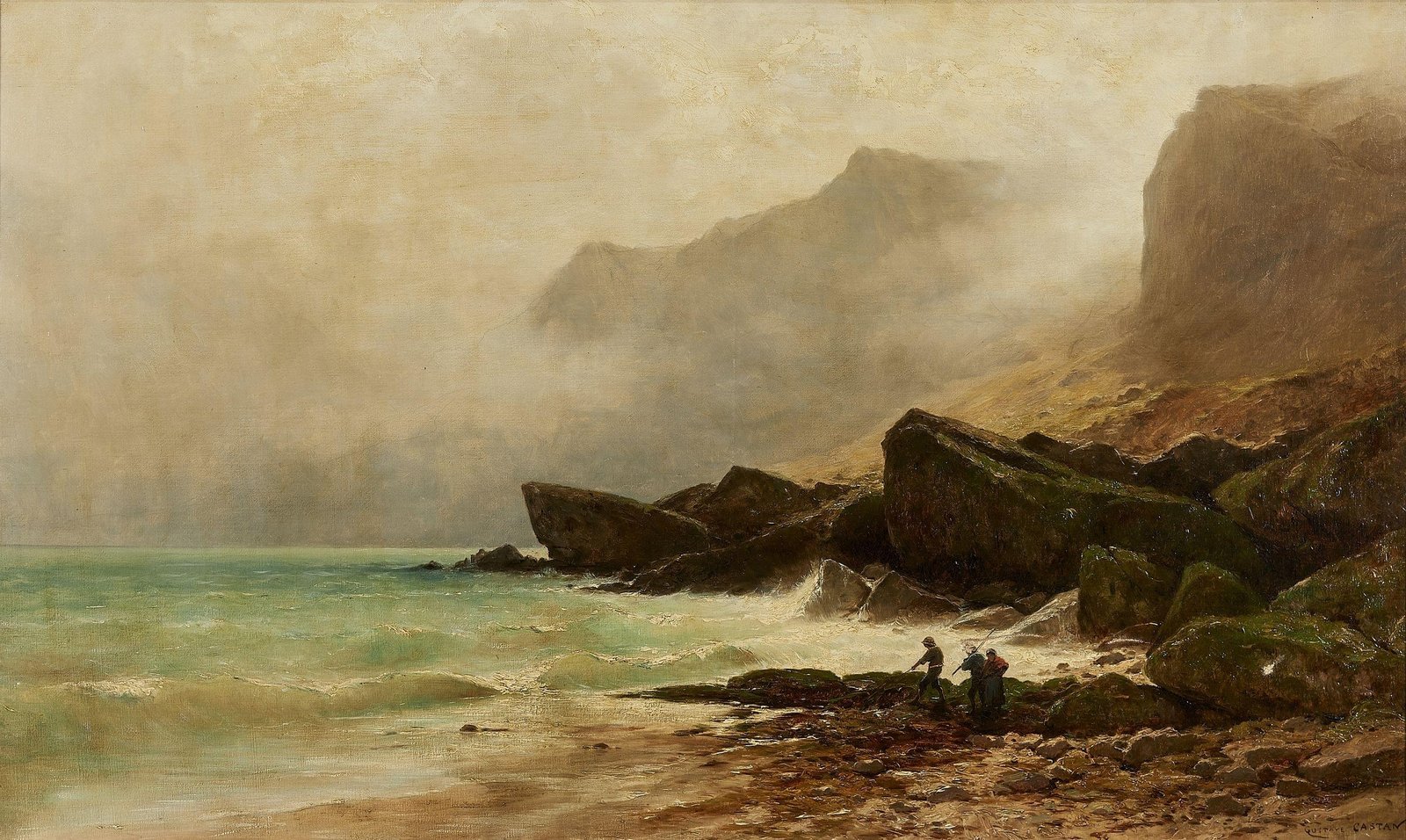
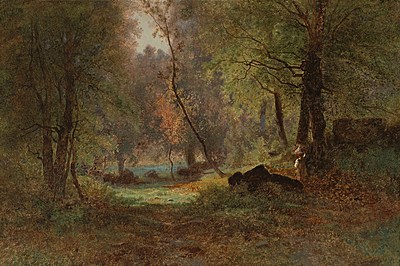
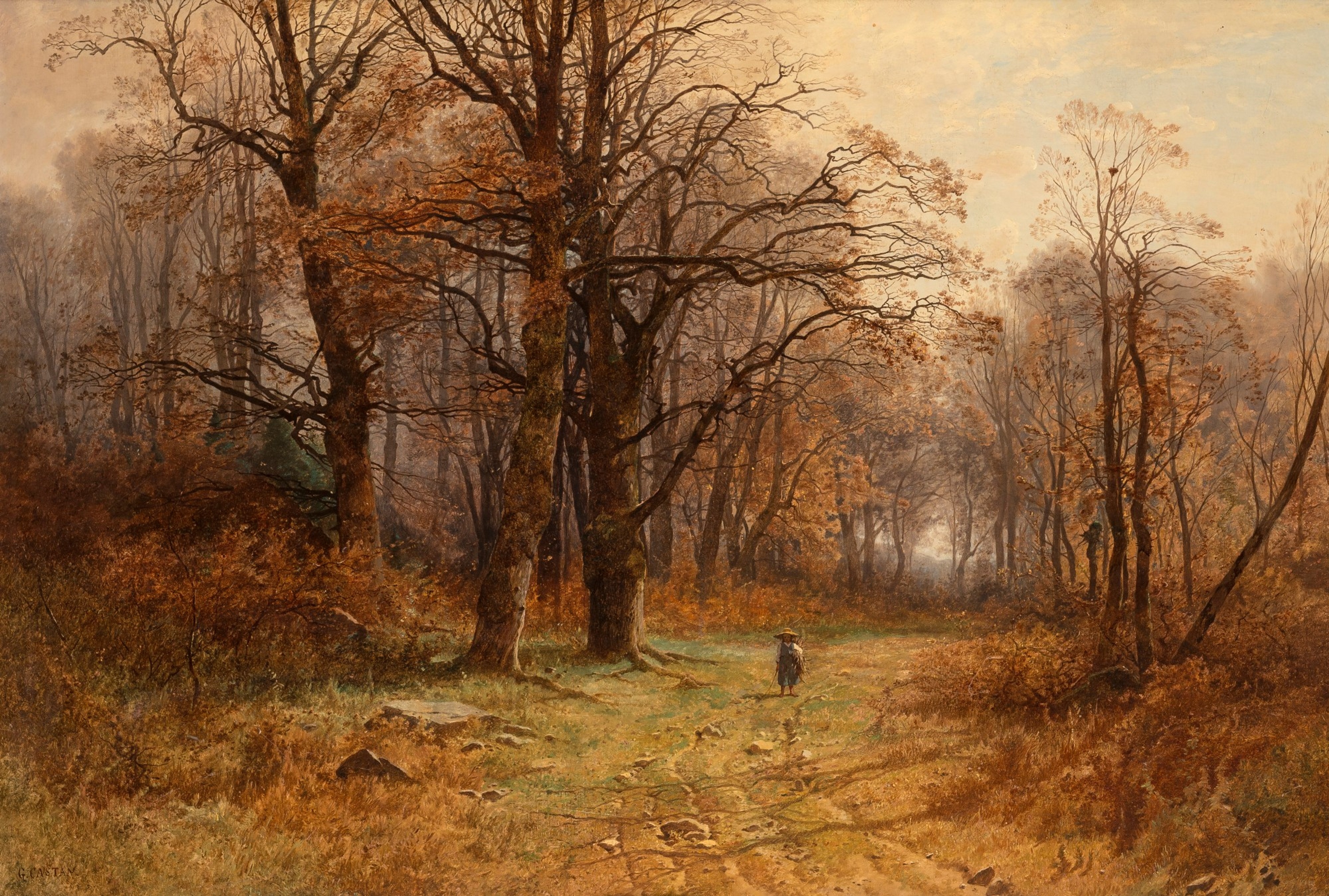
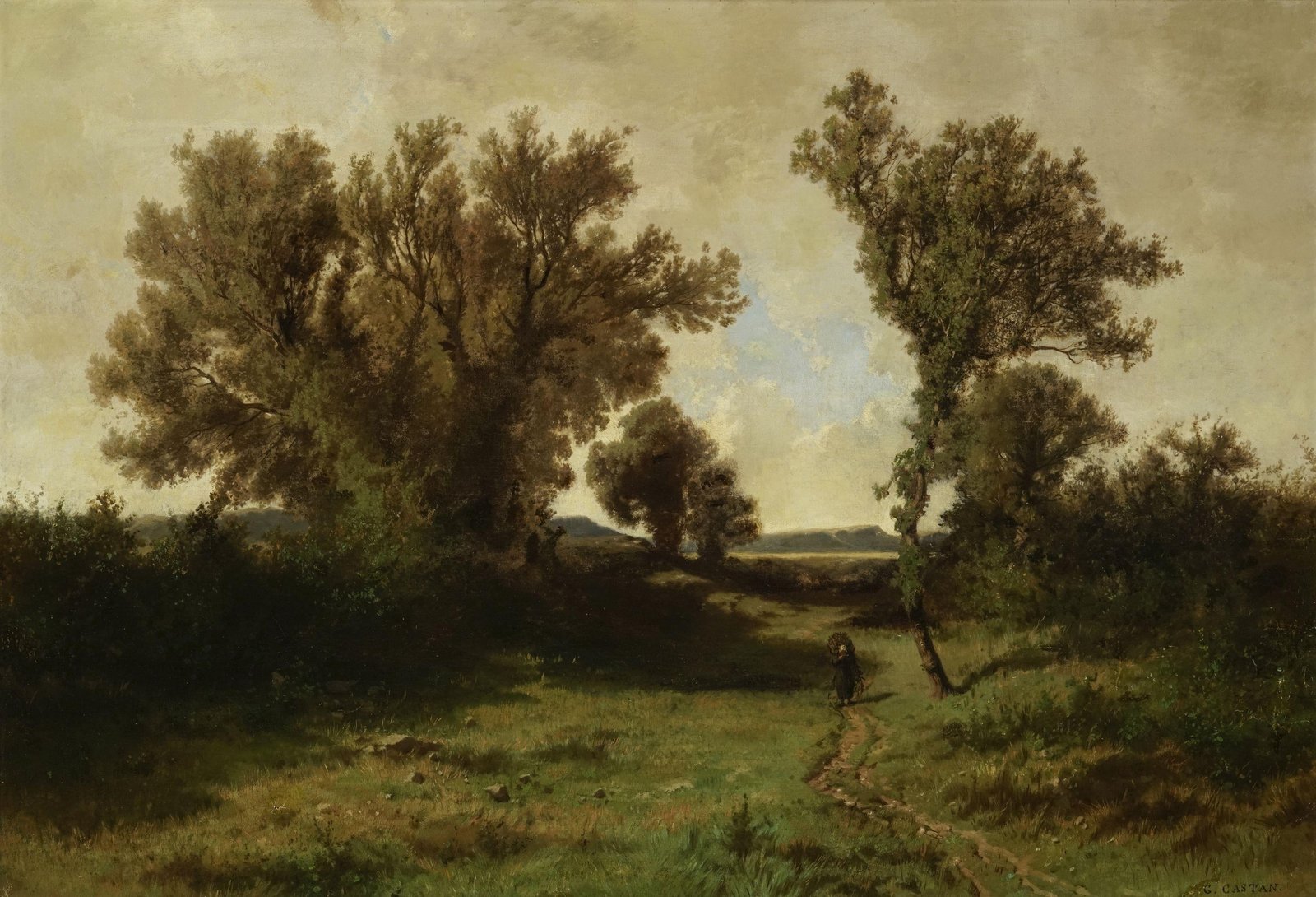
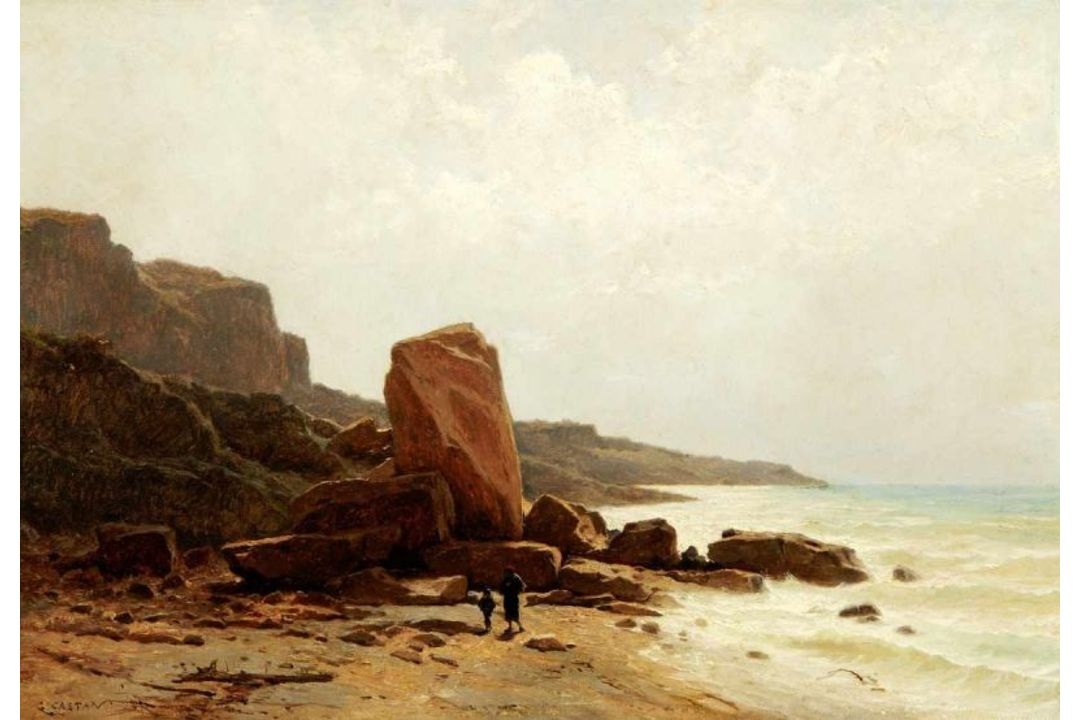
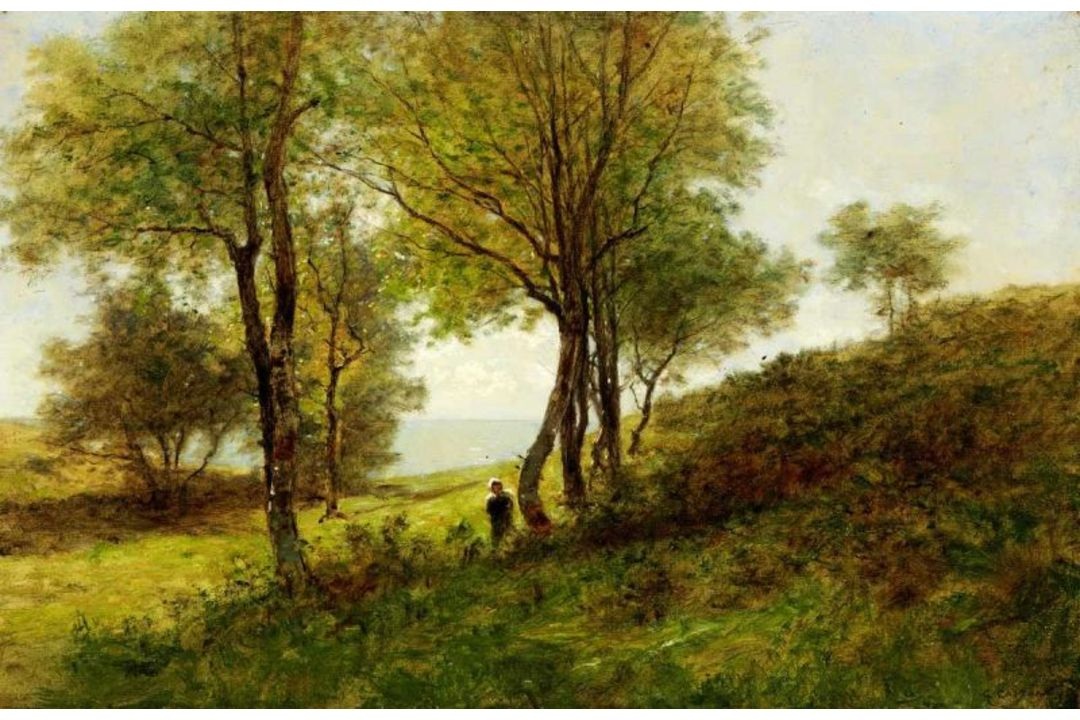
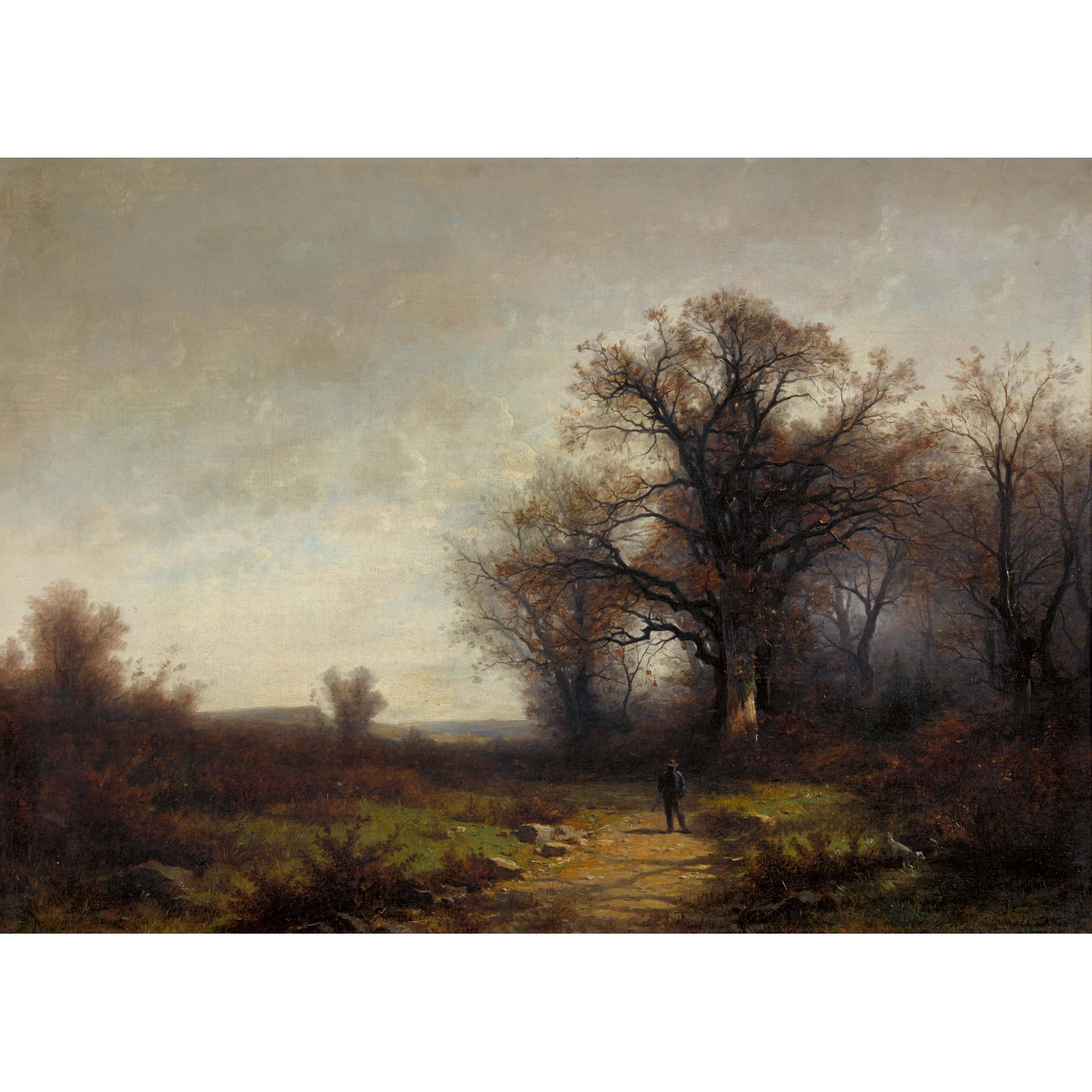
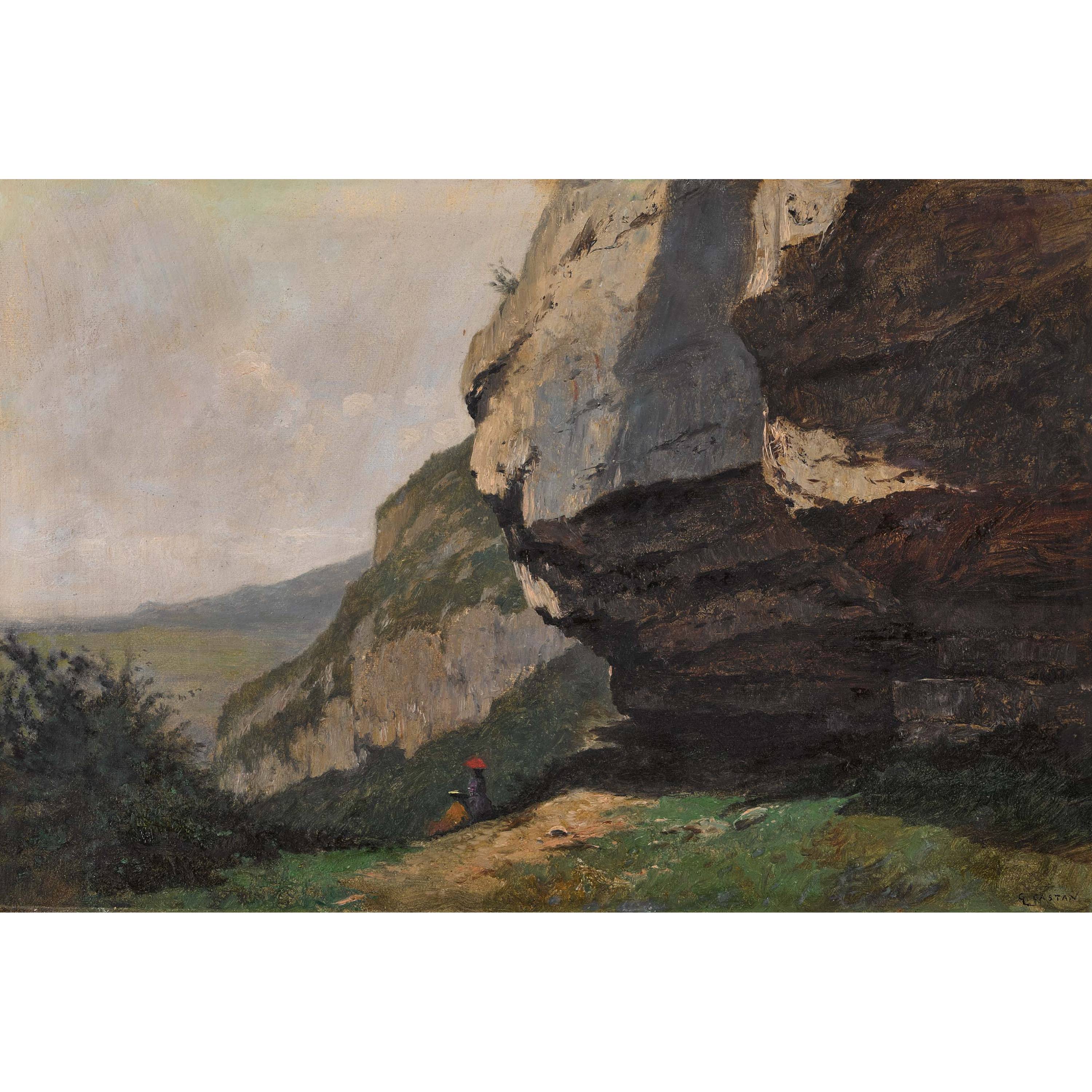
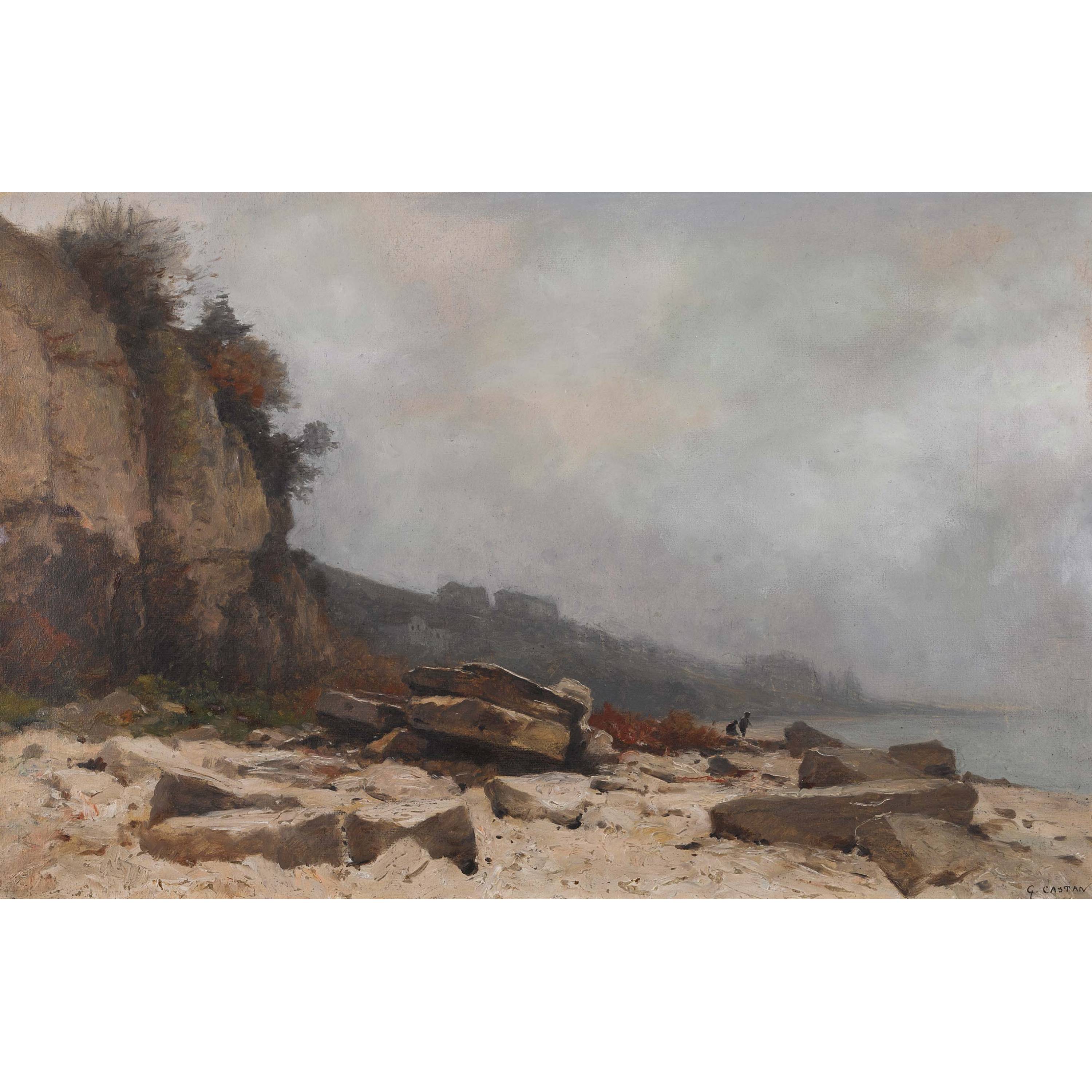
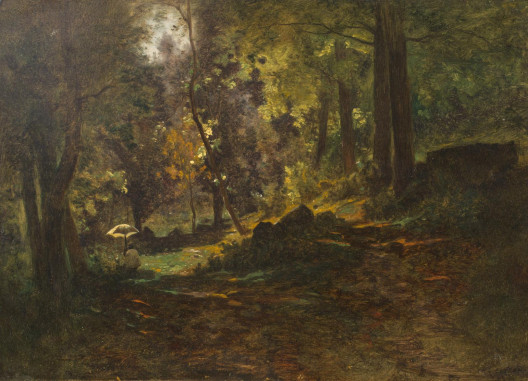
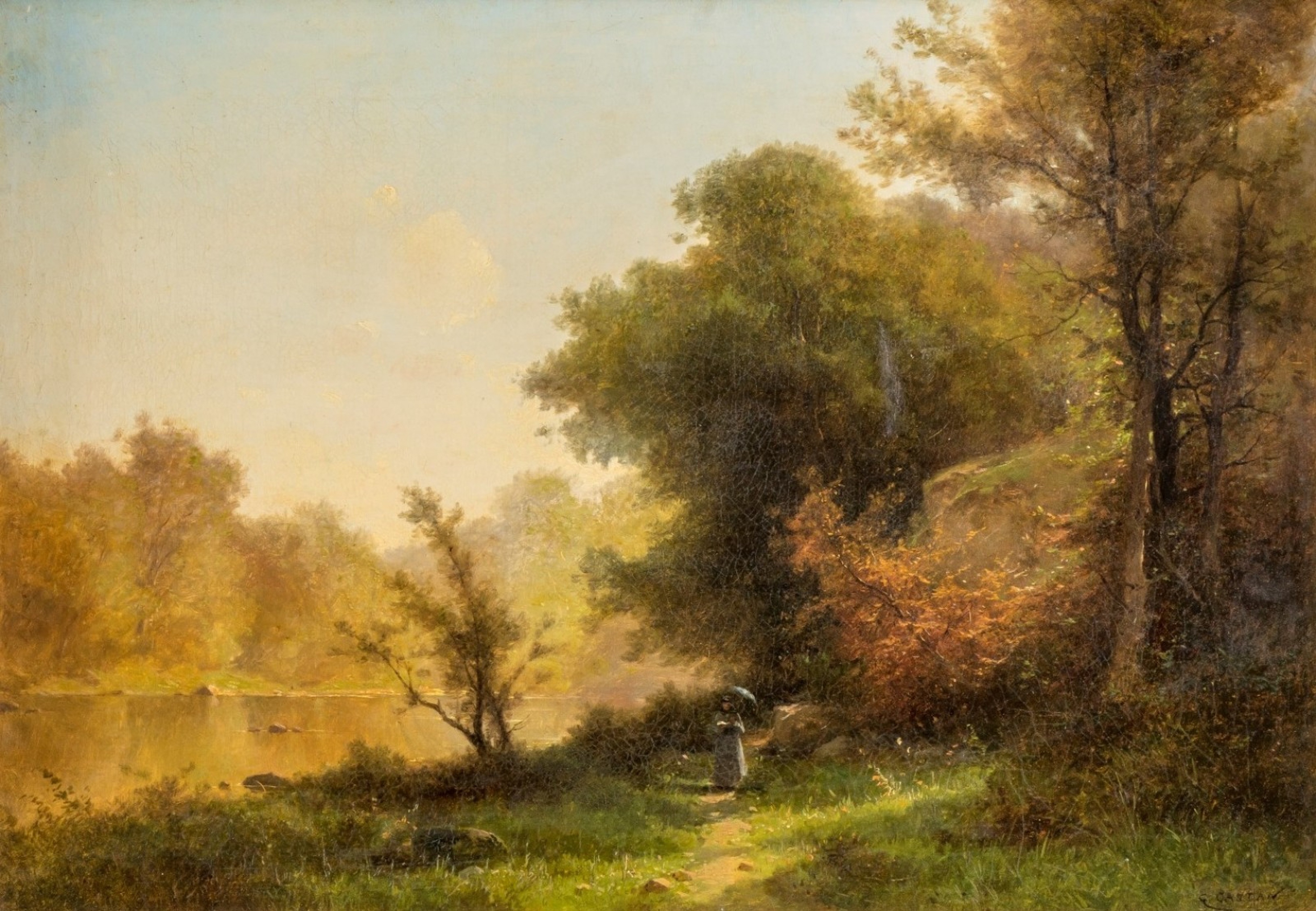
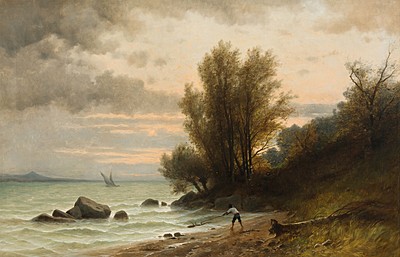
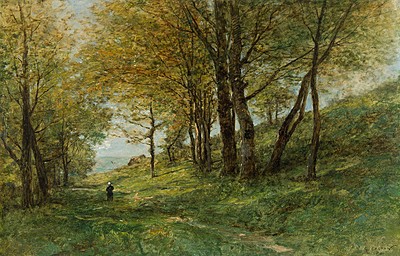
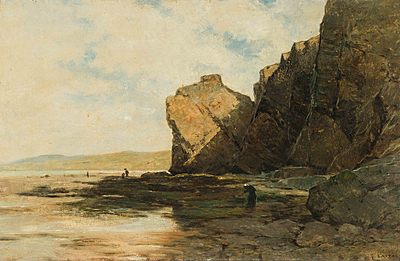
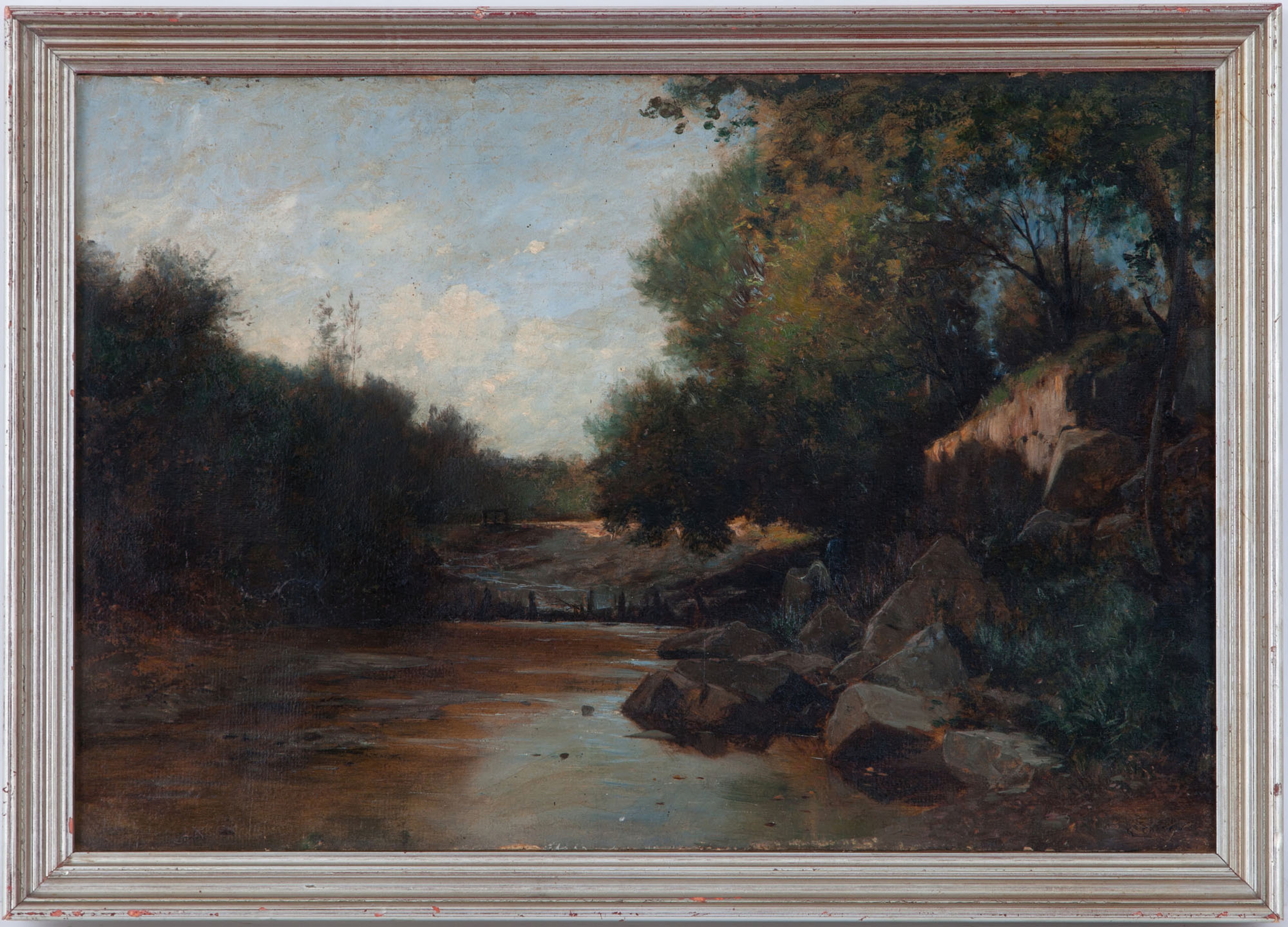
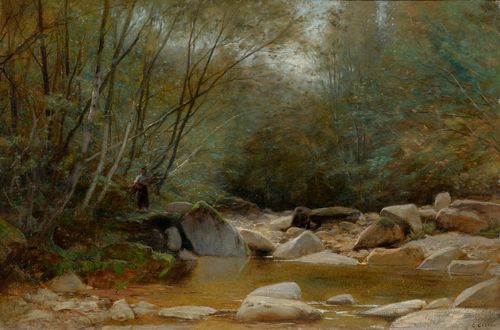
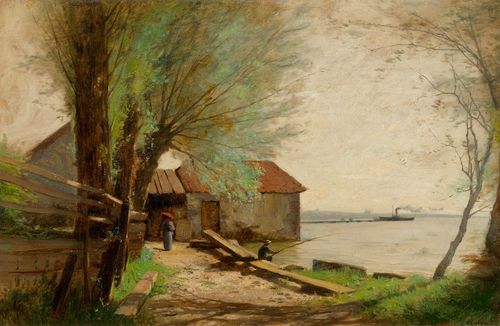
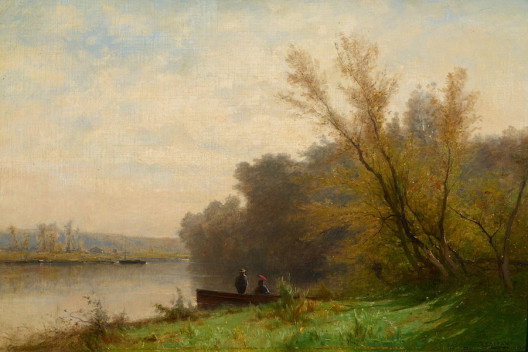
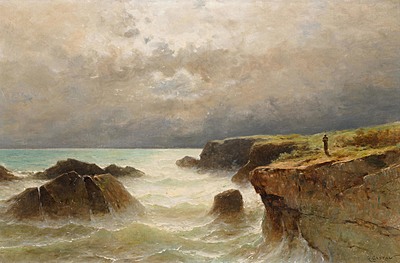
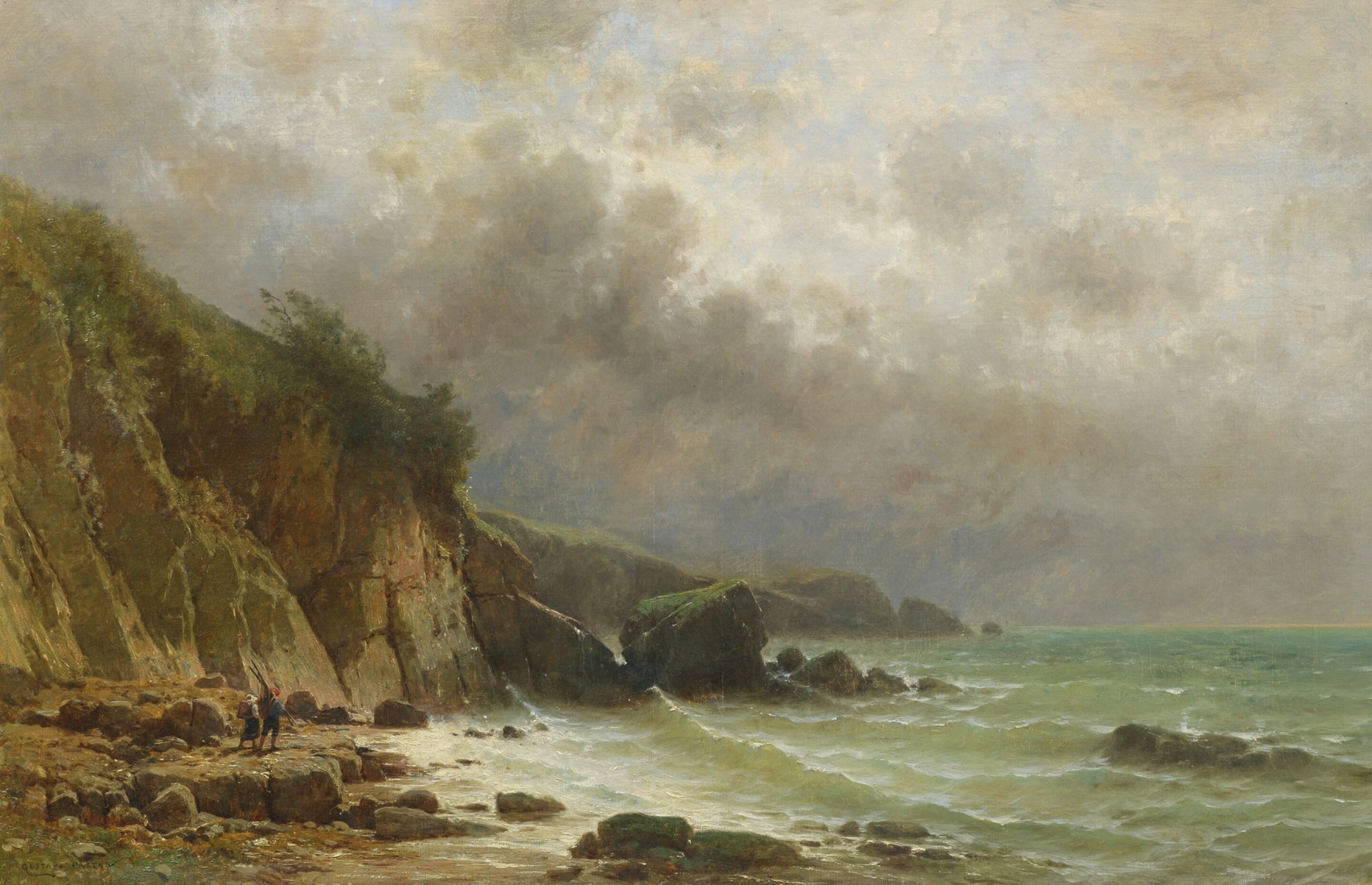
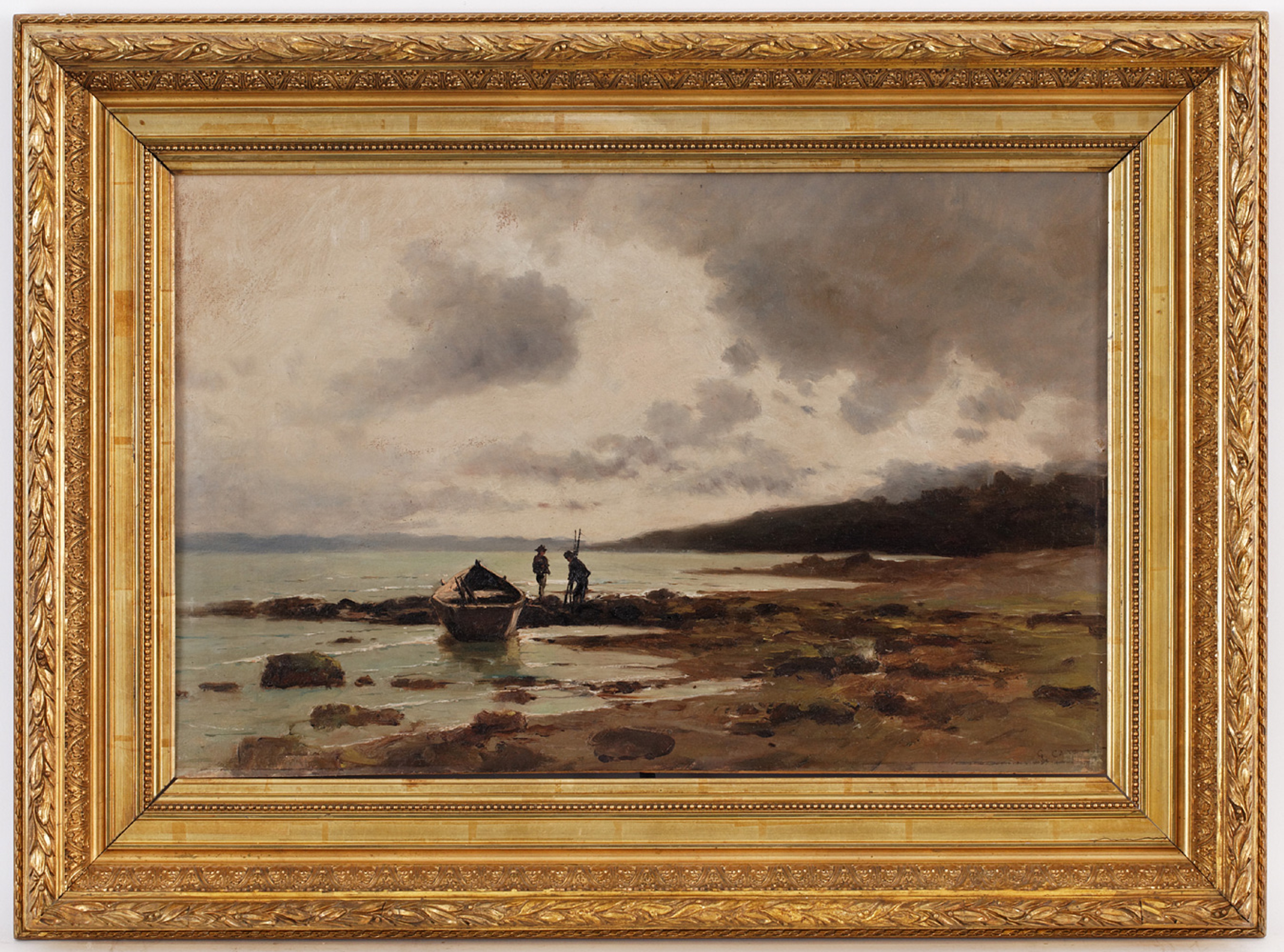
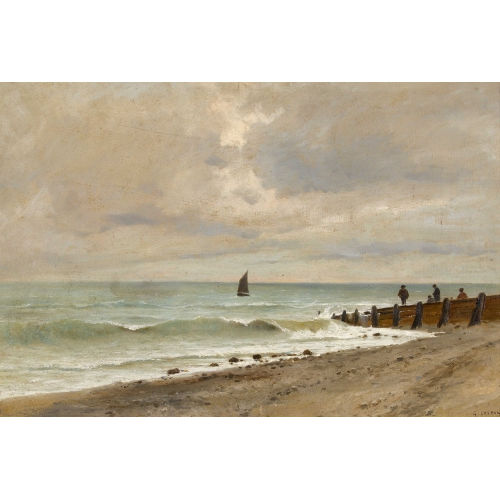
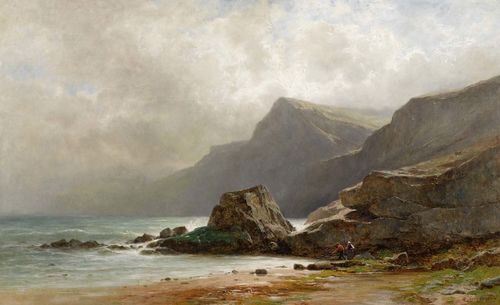
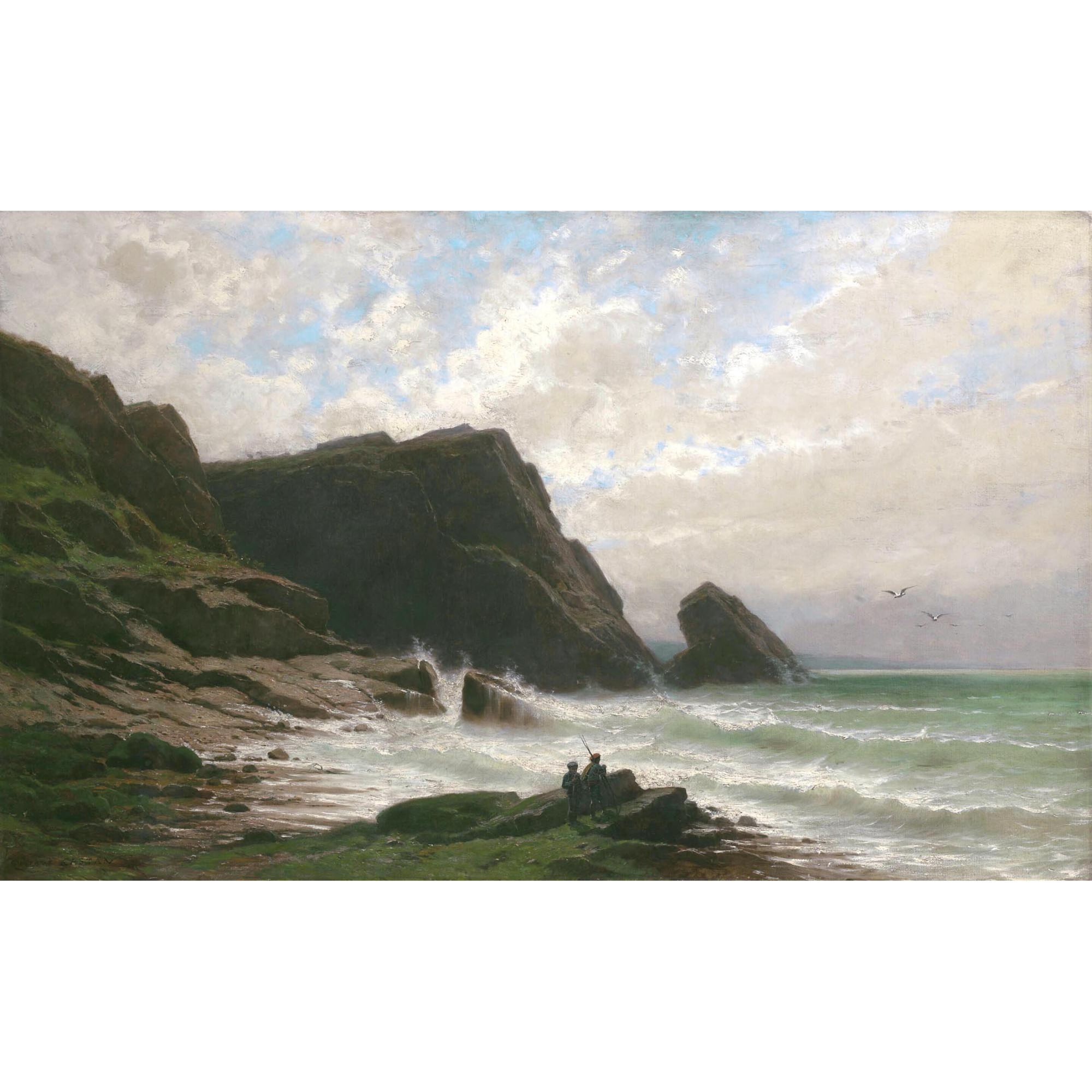
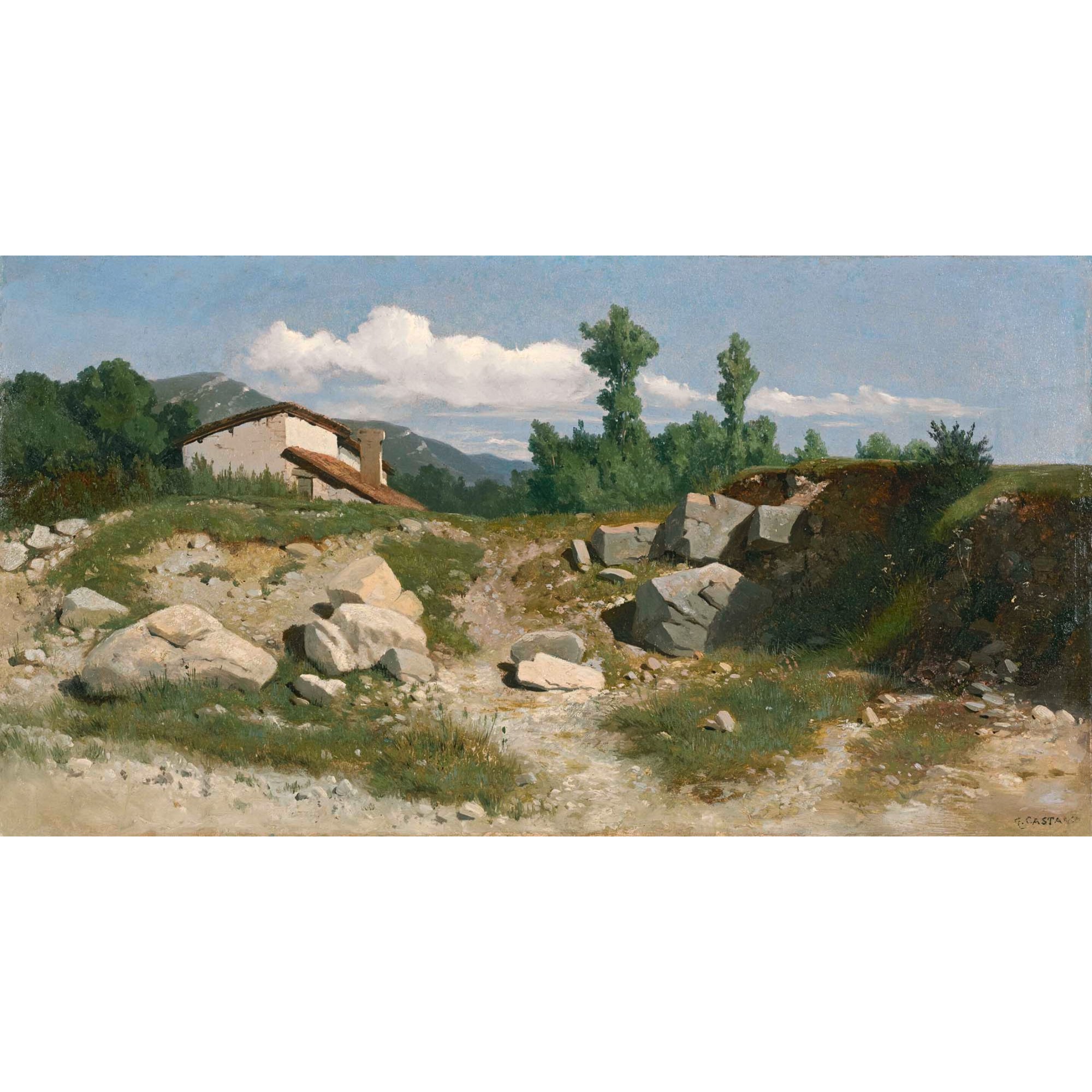
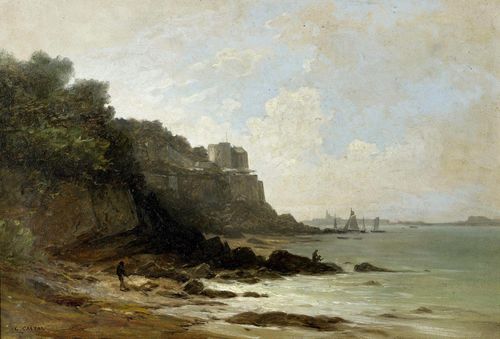
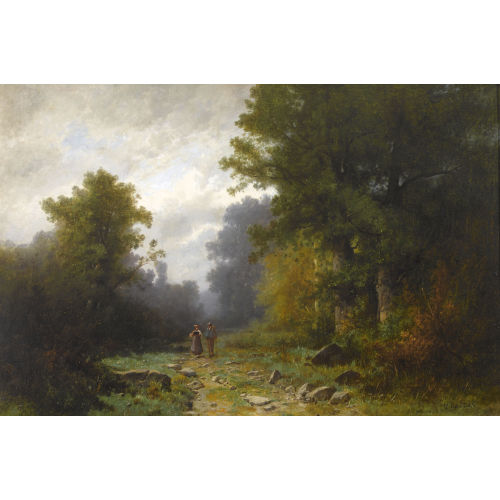
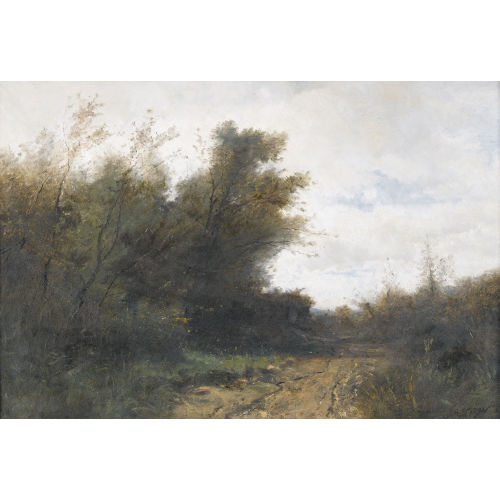
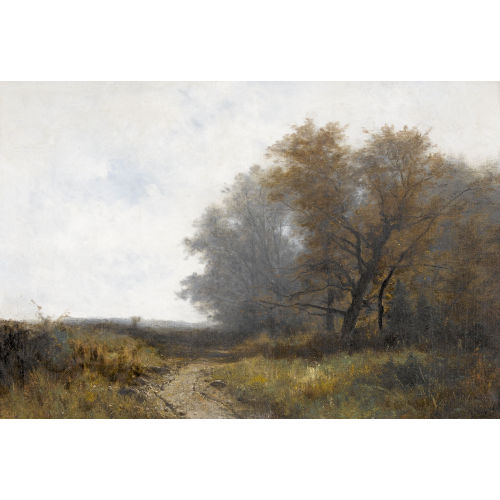
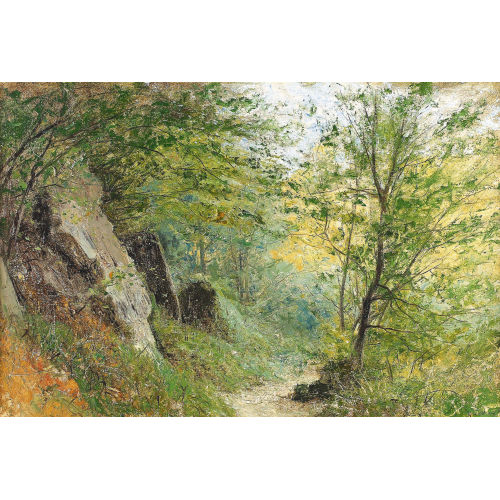
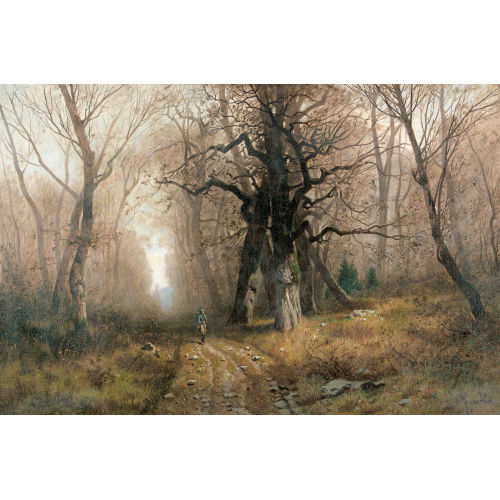
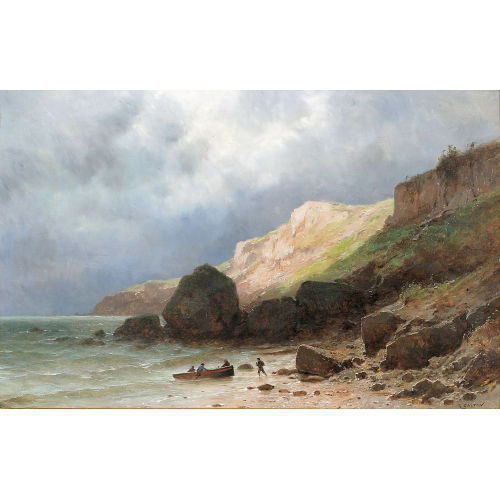
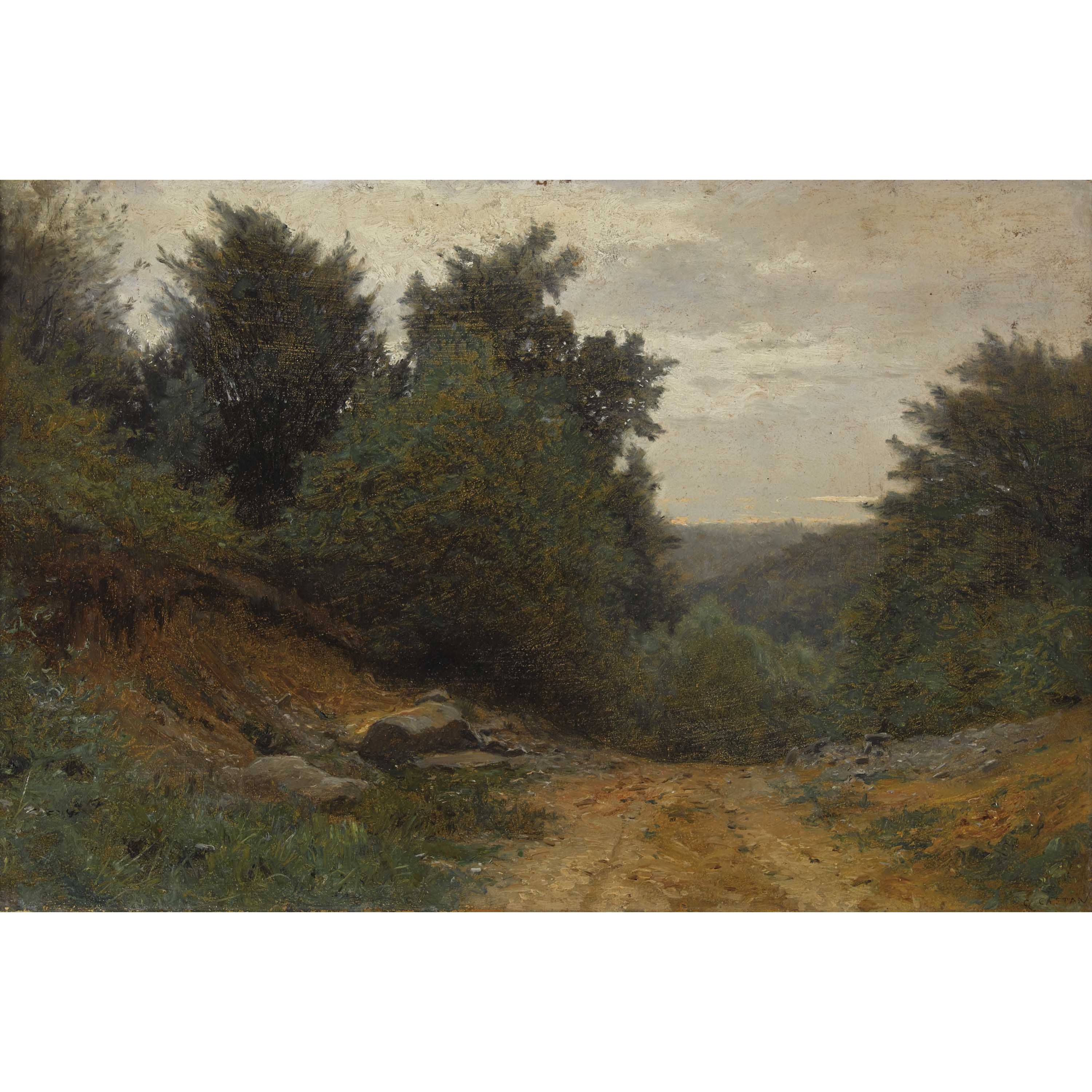
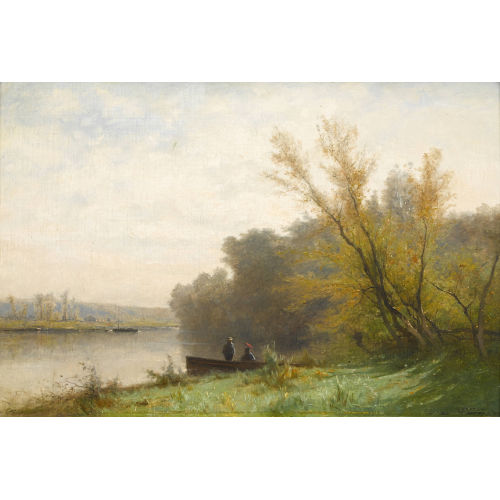
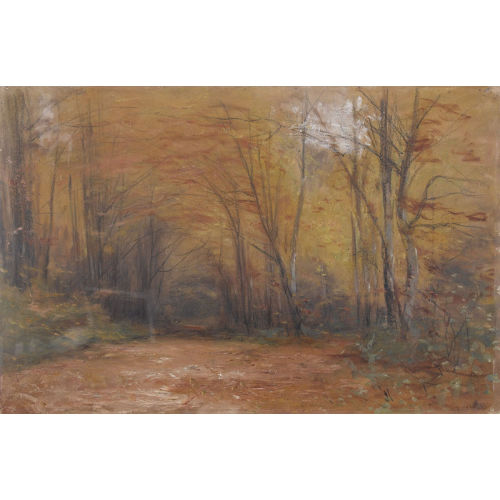
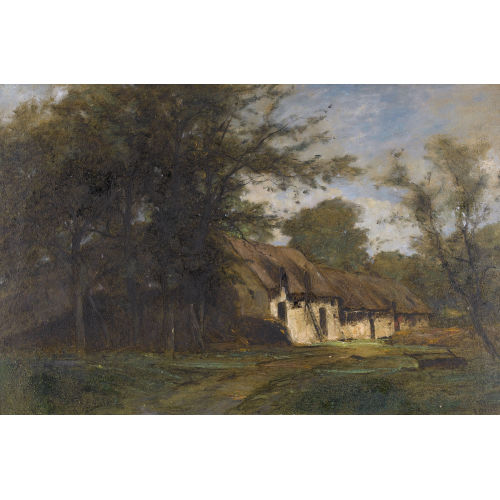
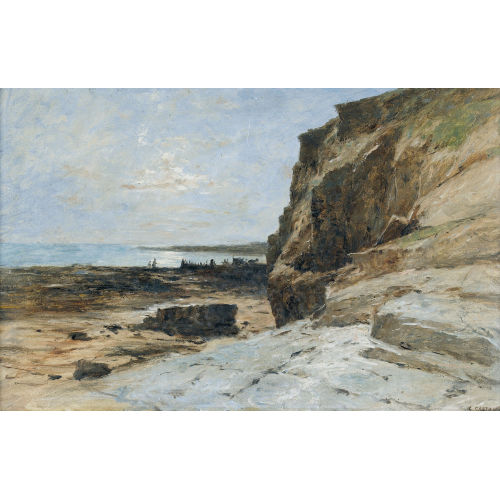
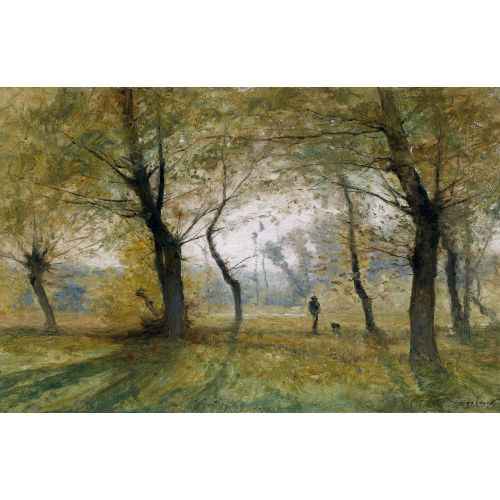
He gained recognition at the Paris Salon of 1855, where his painting Une matinée d'automne was purchased by Napoleon III, according to the available documentation. Thereafter, he exhibited at every Salon until 1882, recurrently presenting landscapes from a range of regions—Belgium, Normandy, Brittany, Dauphiné, and Creuse. In 1857, he visited the Paris Salon in Corot’s company, then travelled through Brittany and Normandy.
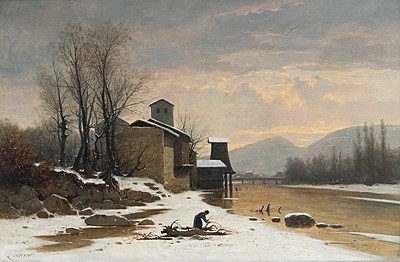
In 1856, he was mobilised during the Neuchâtel Affair and on that occasion produced drawings of current events.
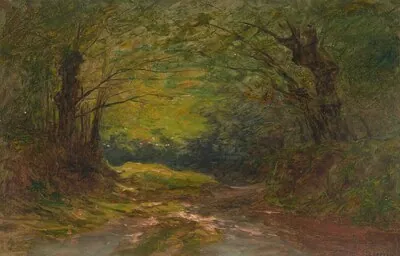
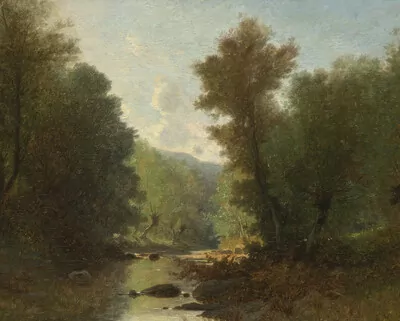
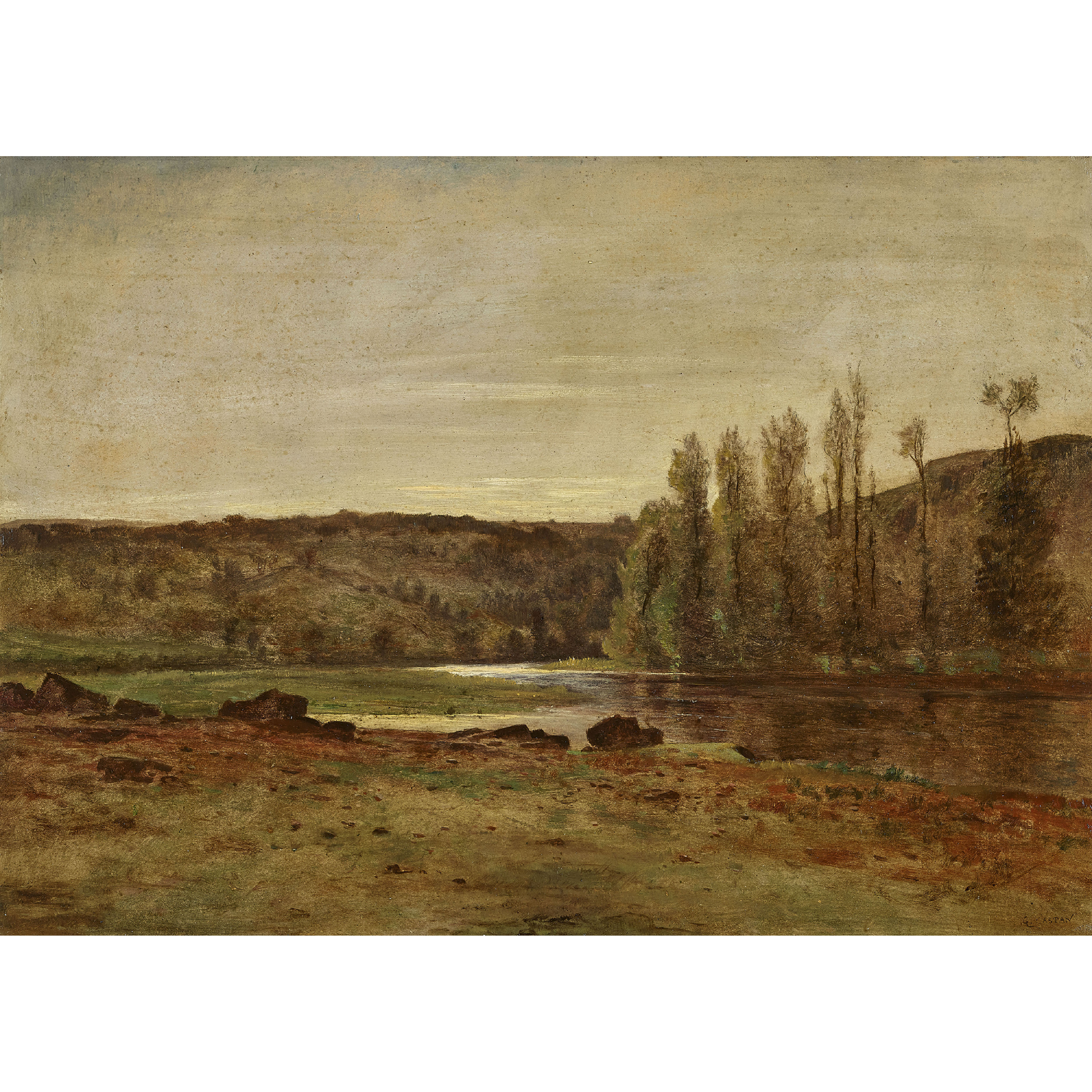
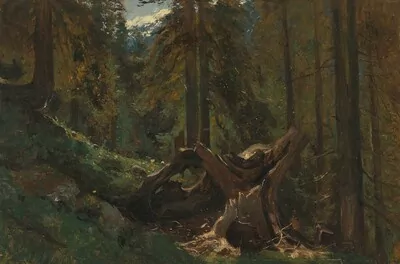
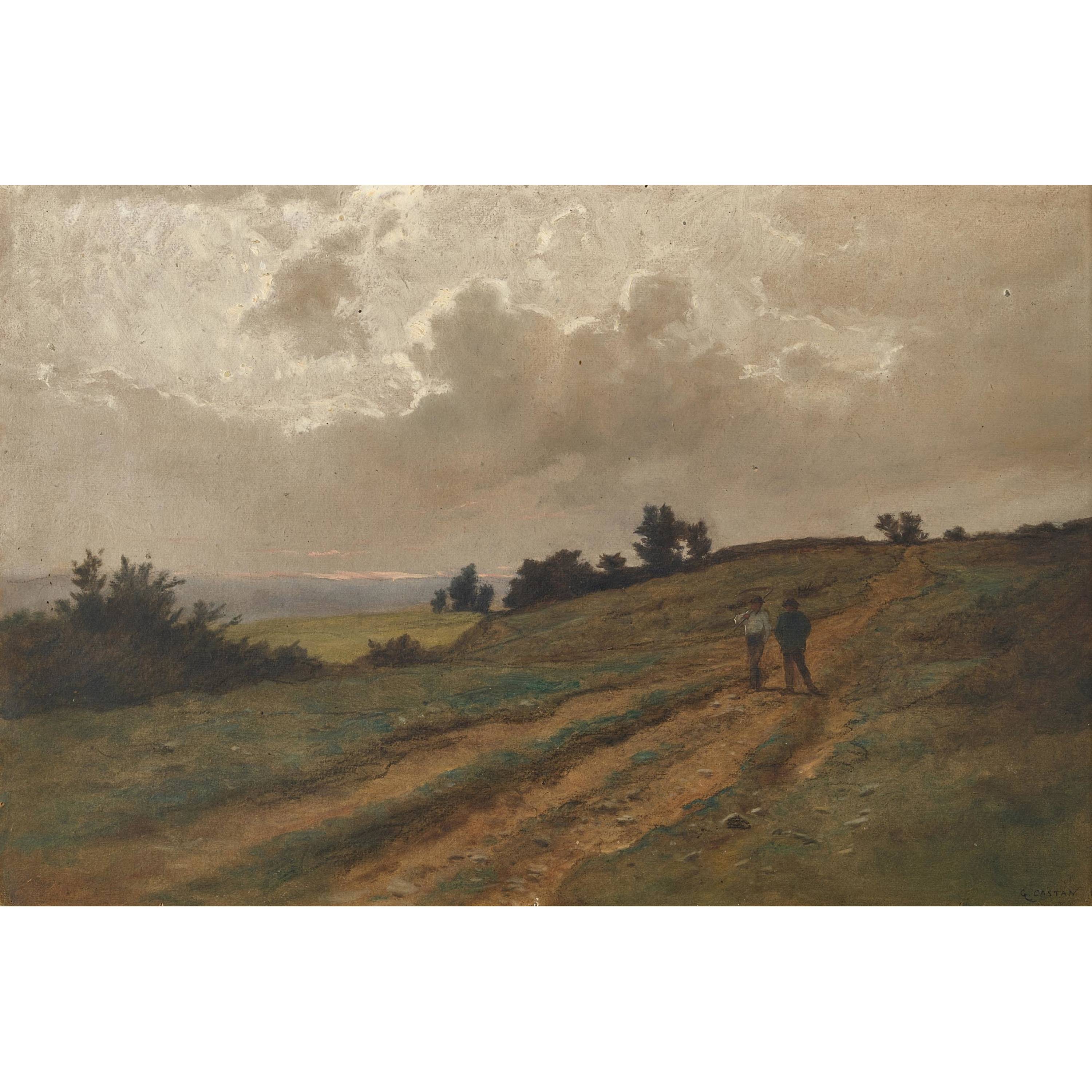
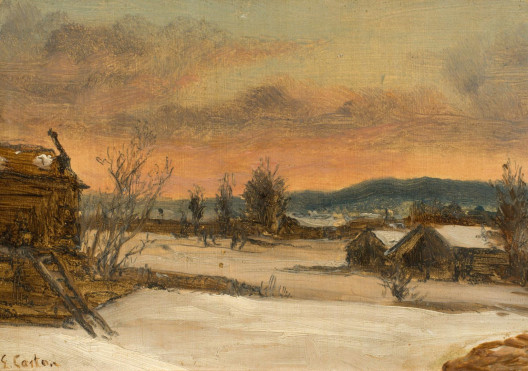
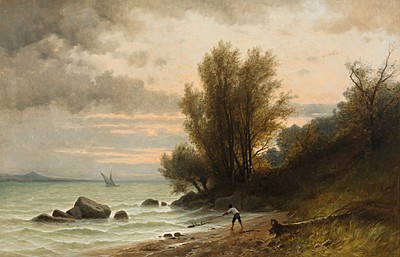
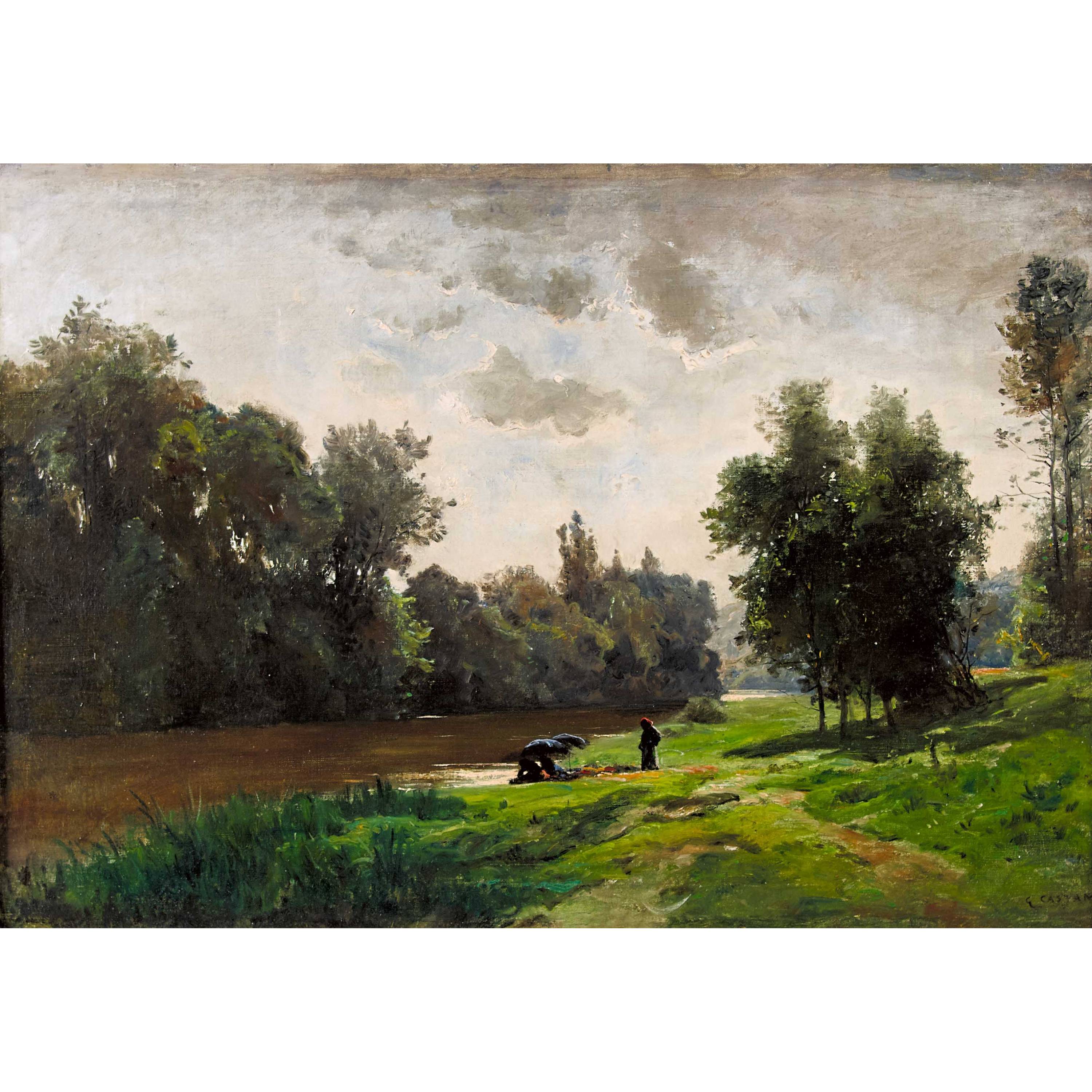
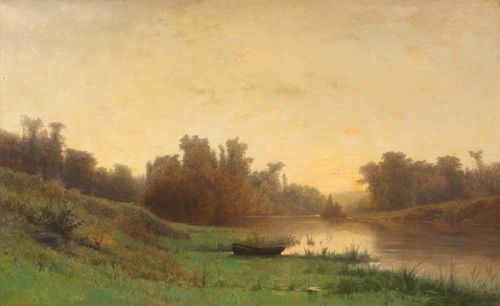
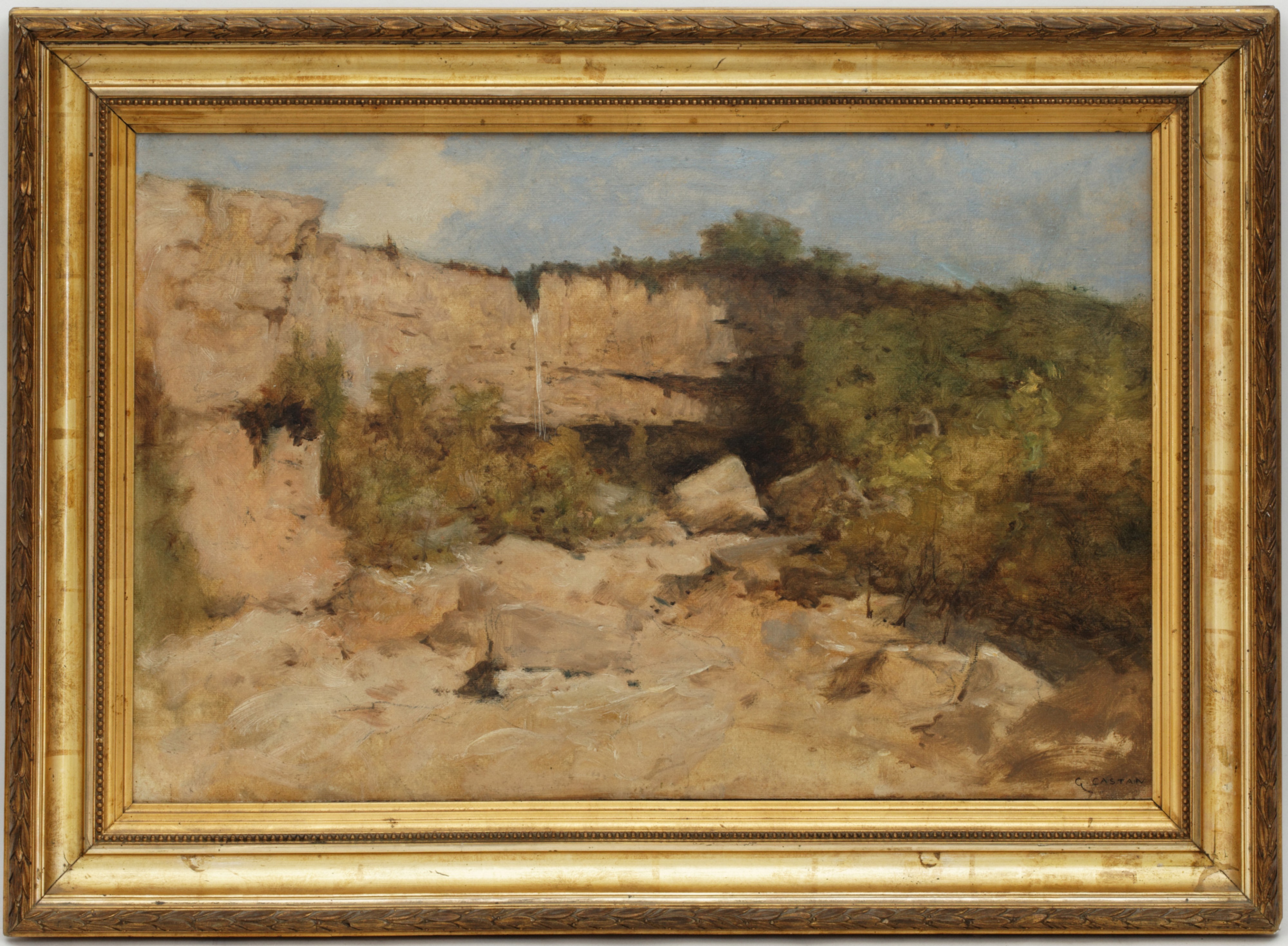
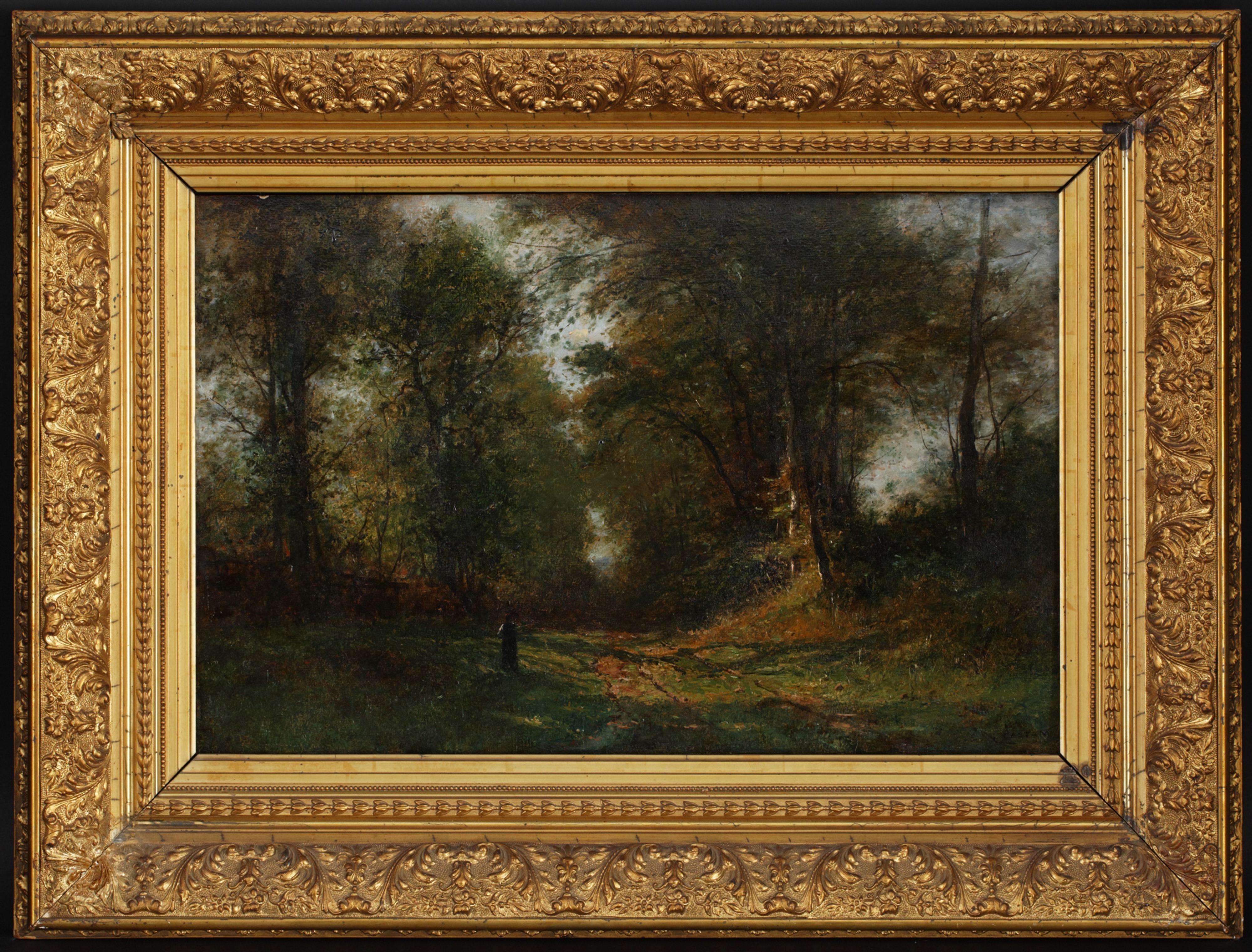
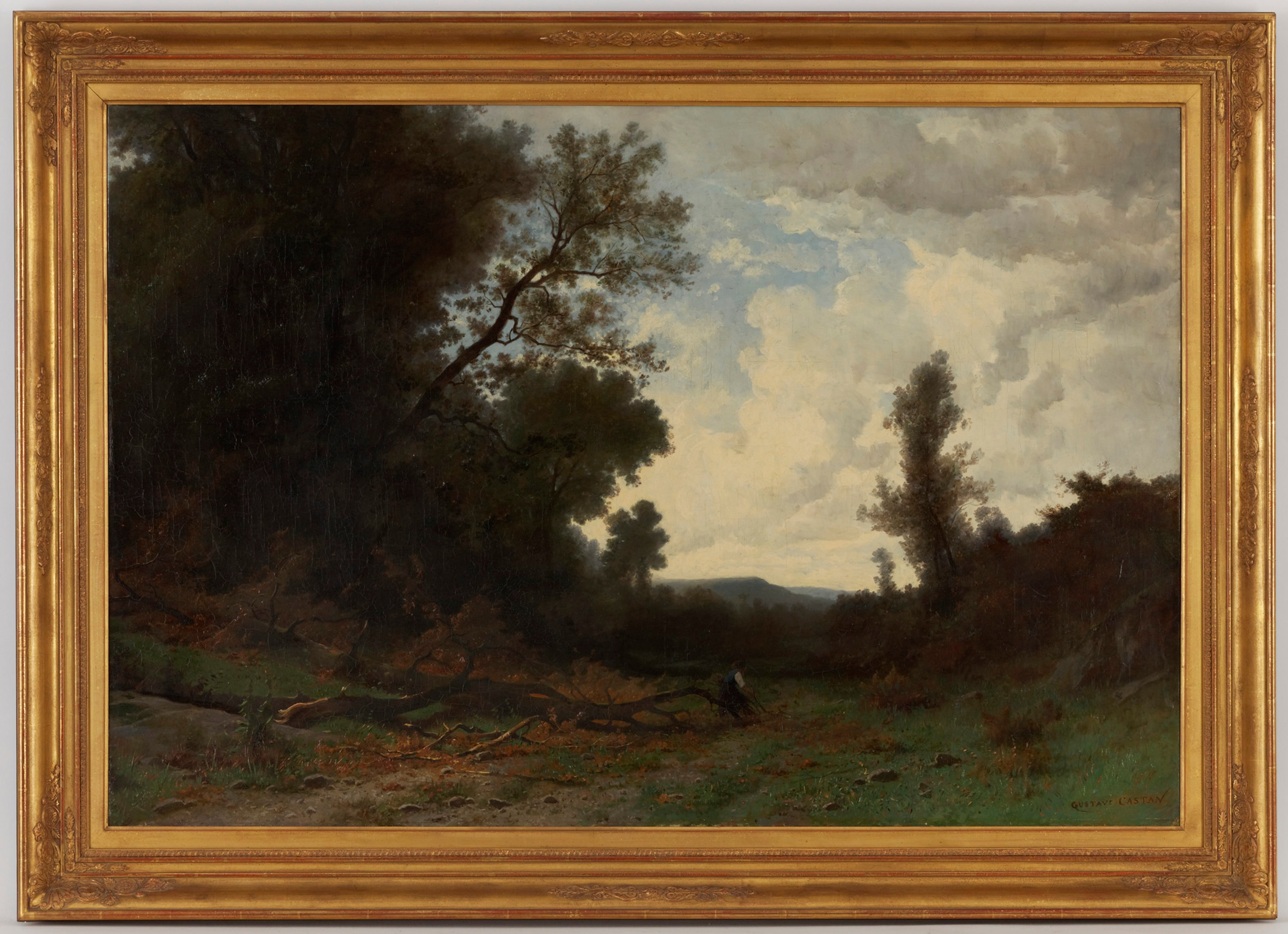
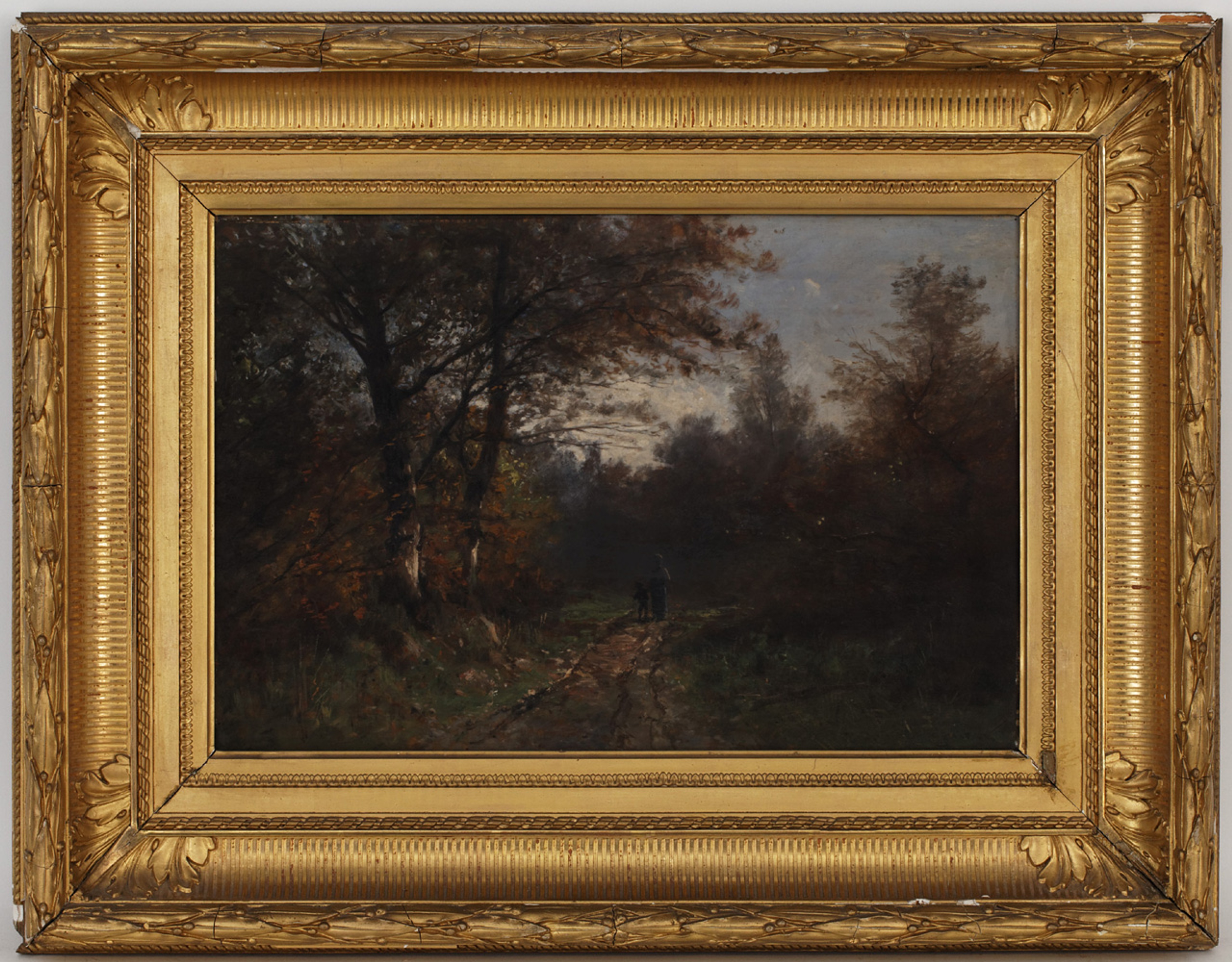
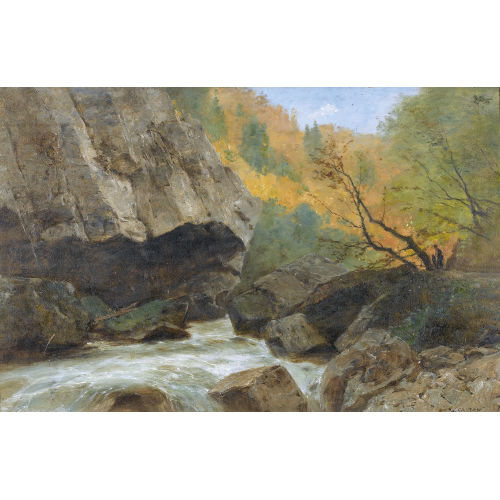
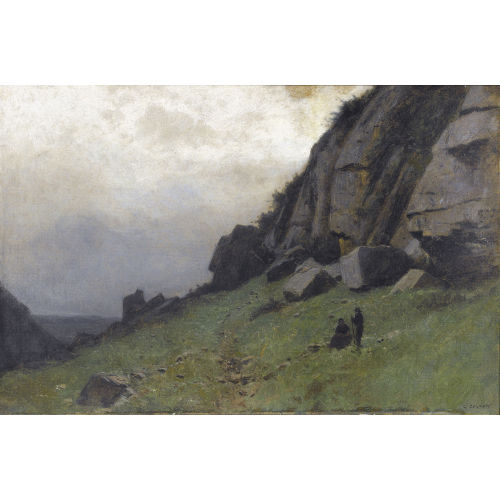
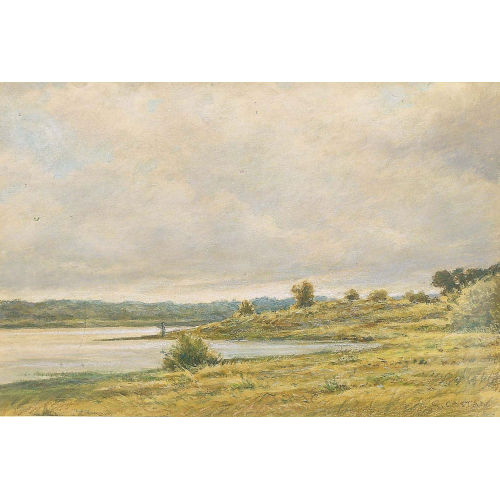
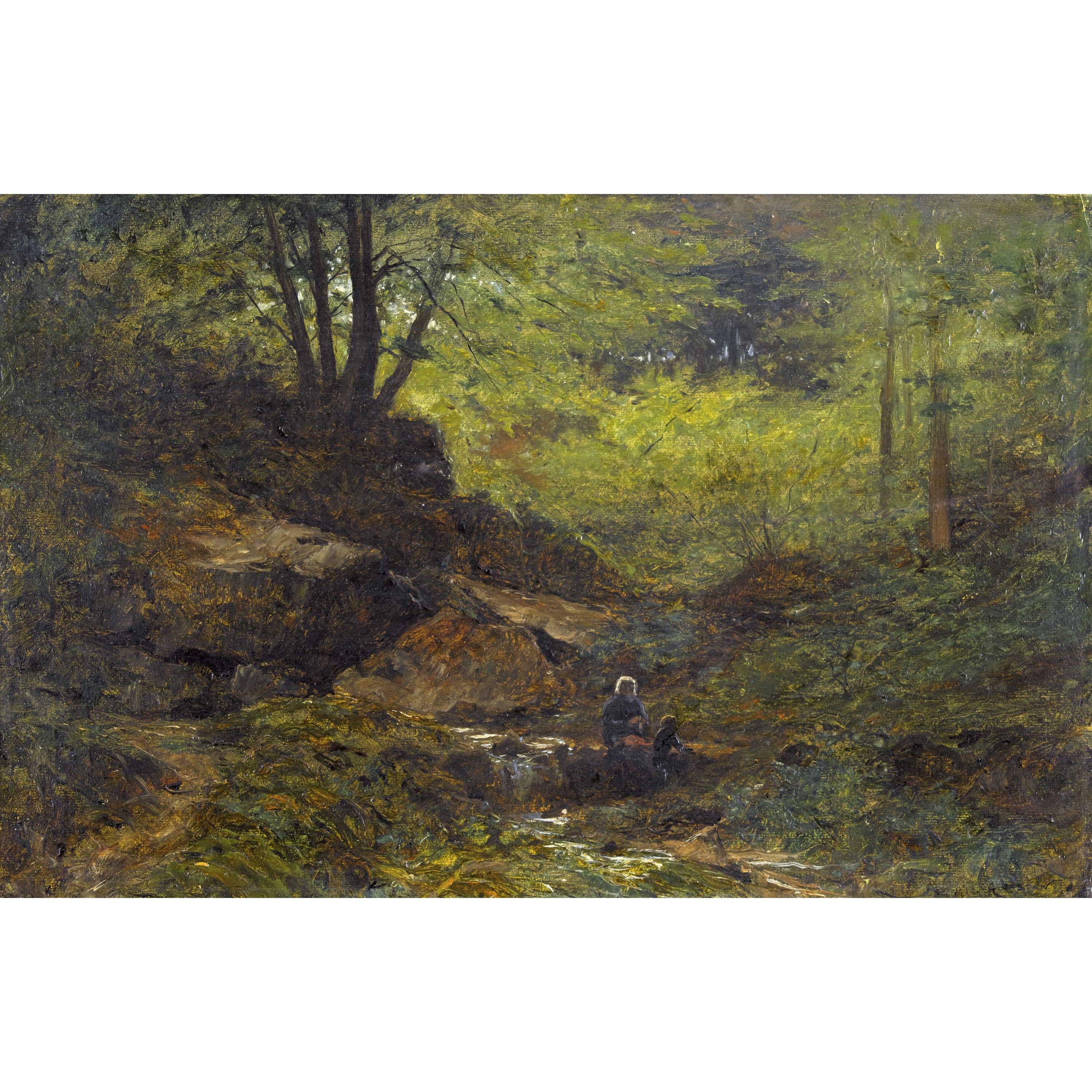
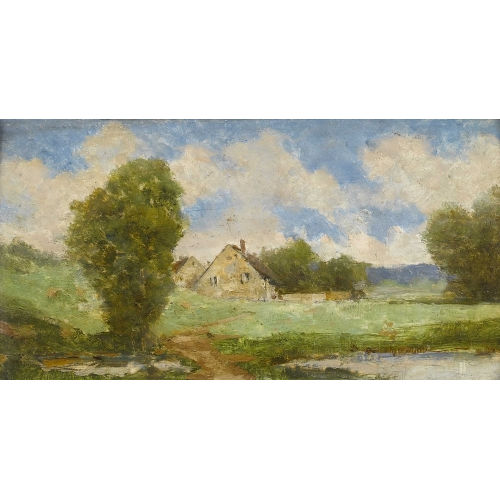
From a documented point onwards, he travelled to Creuse every year during the fine season and, according to the source, contributed to the emergence of the “valley of painters” and of what is known as the Crozant school. A located example of his work is Soirée d'octobre, les bords de la Creuse (1864), recorded as being held at the Palais des Beaux-Arts in Lille.
His career also included participation in international exhibitions, notably the International Exhibition in Vienna in 1873 and the Jubiläumsausstellung in Munich in 1888. Professionally, he is listed as a founding member, in 1865, of the Société suisse des peintres et sculpteurs, of which he became president in 1887.
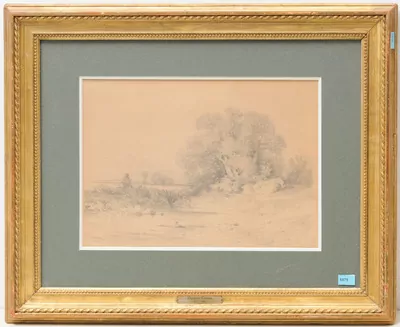
In addition to painting, the notice mentions his practice of engraving and lithography. For bibliography and documentation, it cites the monograph by Alfred Schreiber‑Favre (Gustave Castan, peintre paysagiste, 1823‑1892, 1955), while the online notice references a resource page (Wikimedia Commons).
In summary, the documented trajectory combines Swiss training under Calame, stays and Parisian networks established from 1849 onwards, regular visits to Creuse that shaped his landscape oeuvre, and a long-standing professional commitment attested by his presence at the Salons and his role in the society of Swiss painters.