Gottfried Tritten
Born in 1923.
Died in 2015.
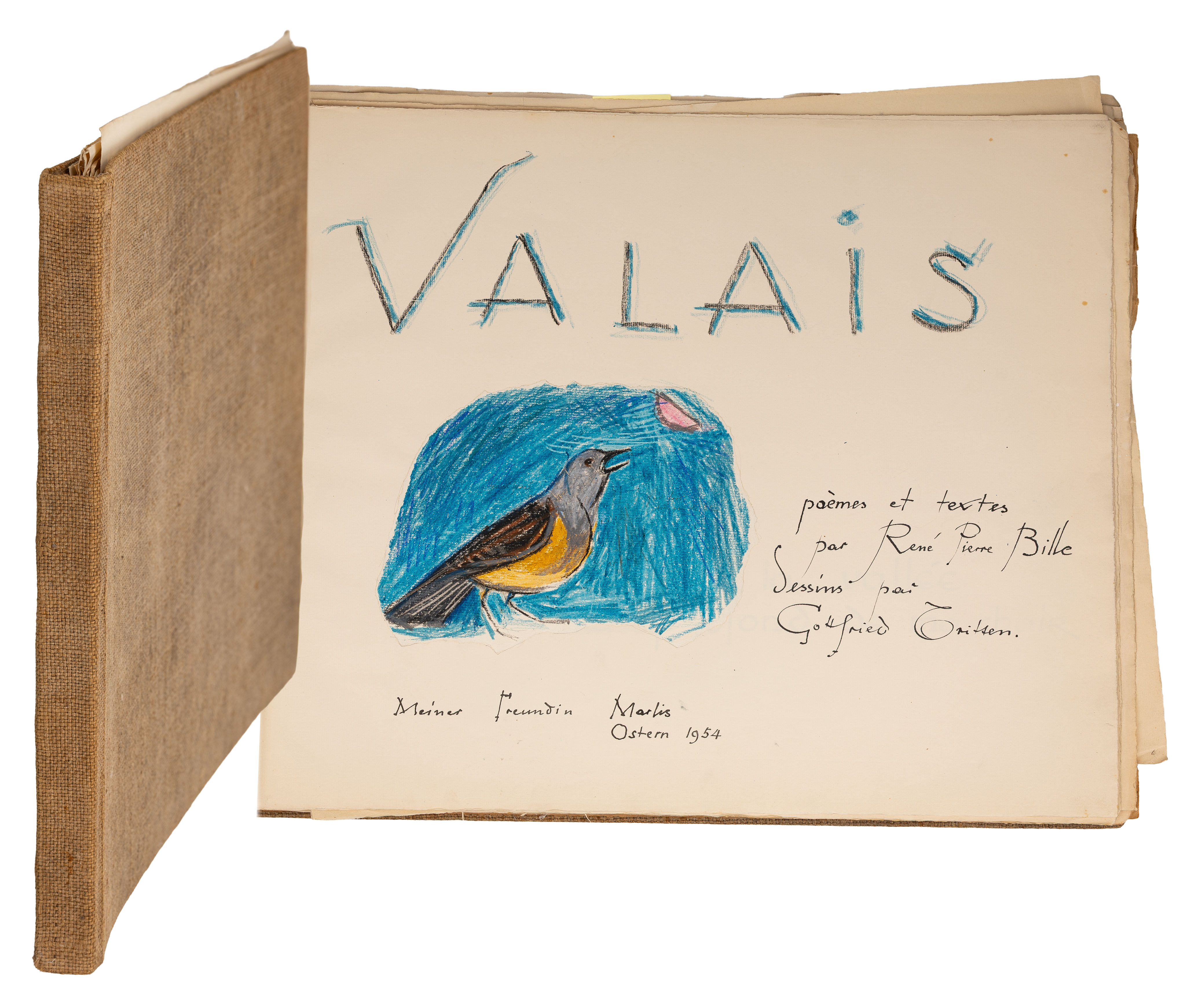
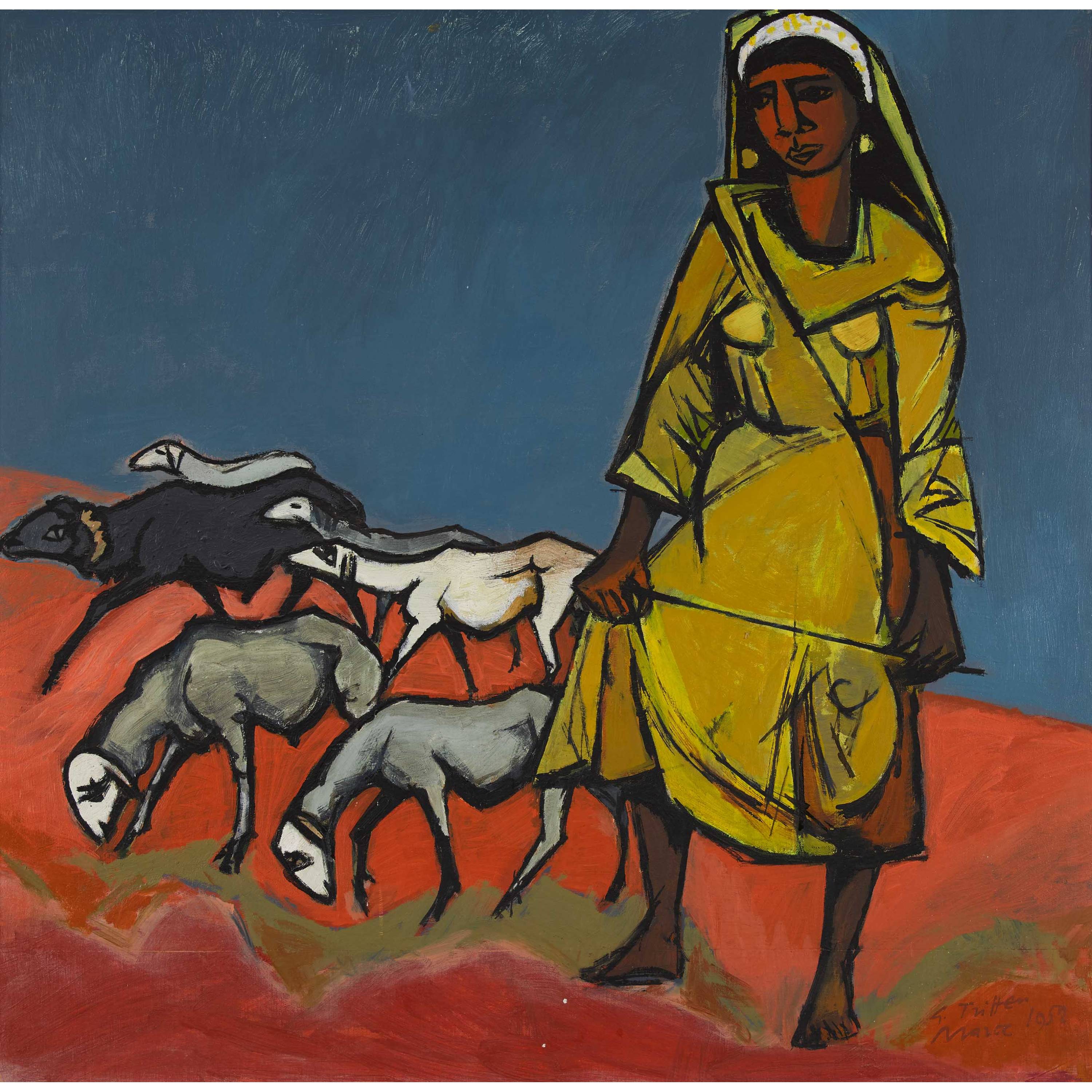
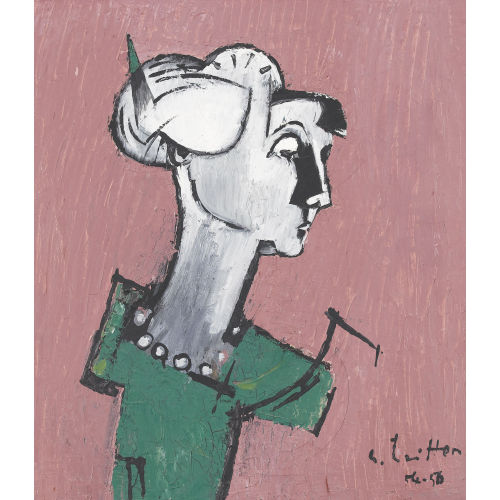
For Gottfried Tritten (1923–2015), the mountain is never merely a backdrop. Born in Lenk, in the Bernese Simmental, the painter, draughtsman and educator grew up in close contact with the Alpine landscape. He studied at the School of Applied Arts in Basel from 1943 to 1948, then attended courses in art history, philosophy and psychology in Basel and Bern.
His teaching career accompanied his painterly research for many years; in 1985, the University of Bern awarded him an honorary doctorate. Based in Grimisuat, Valais, from 1977 onwards, he continued there to develop a body of work attentive to the relationship between human beings and their environment.
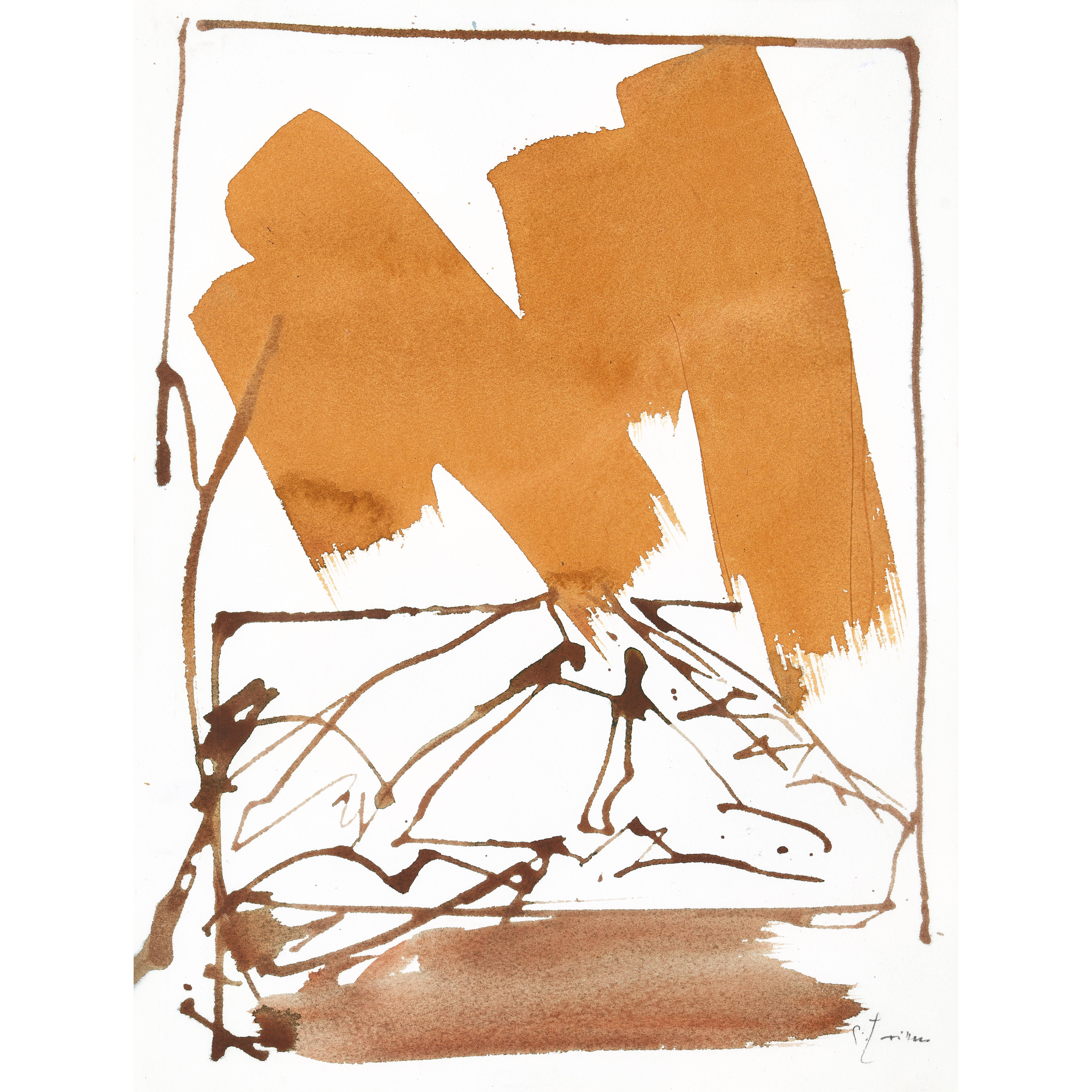
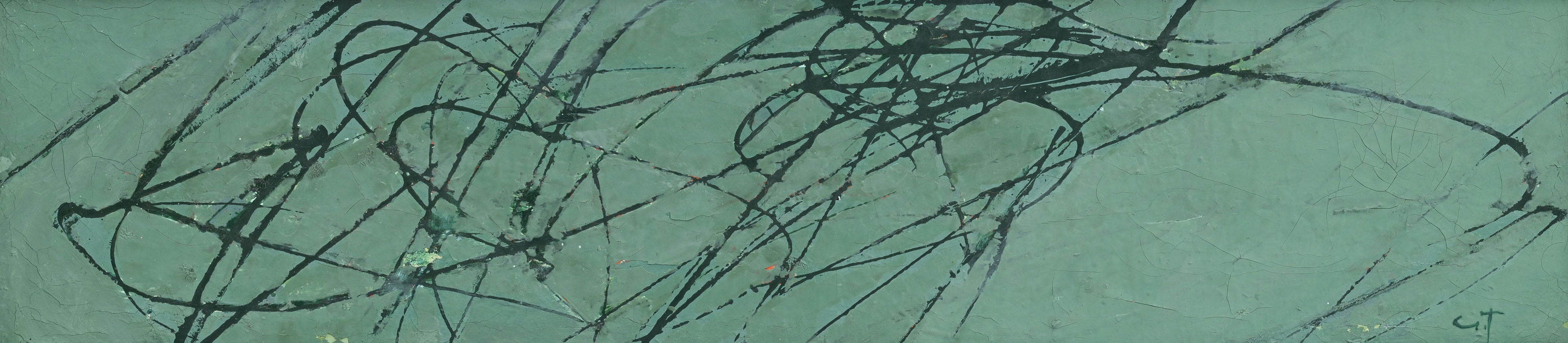
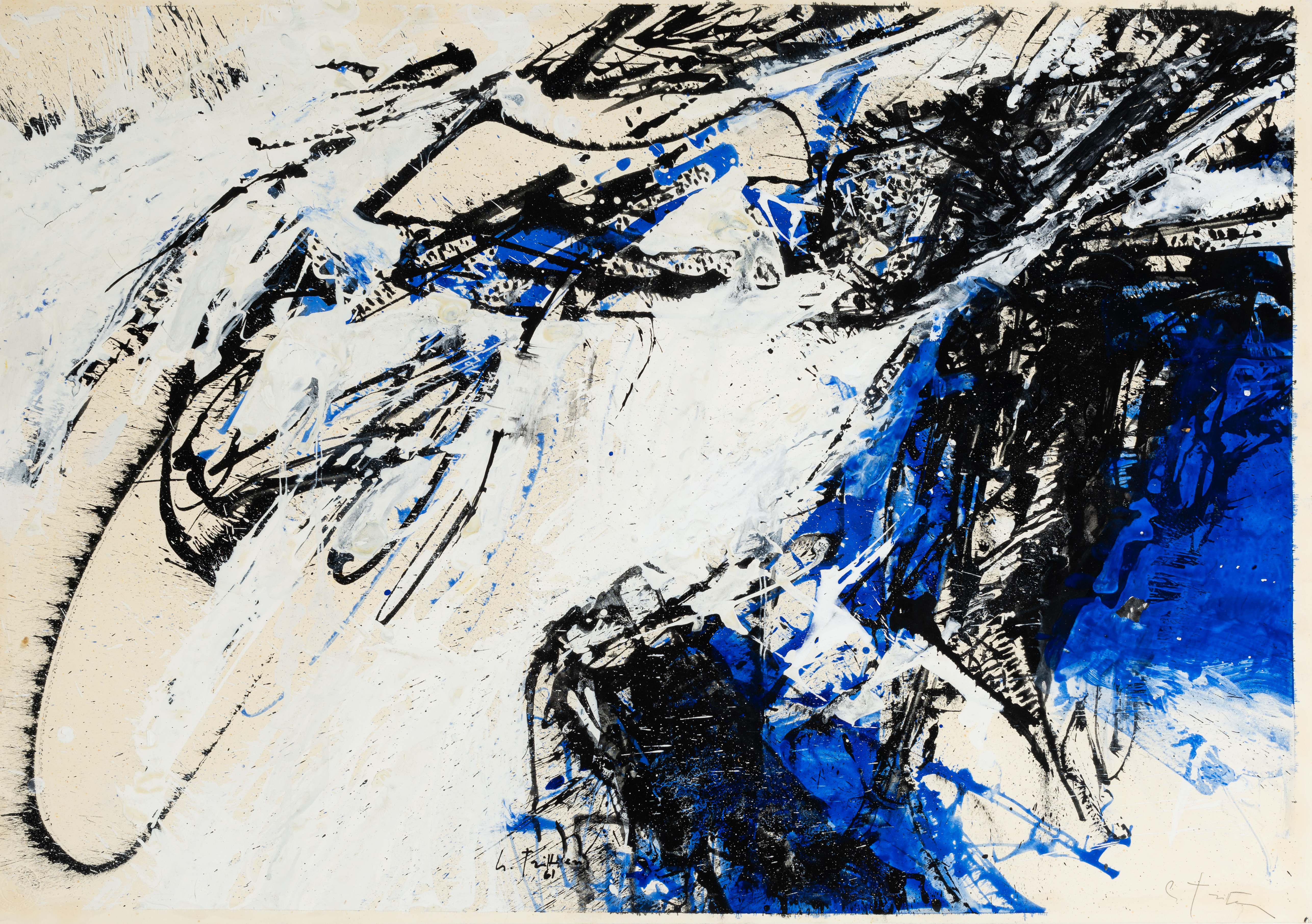
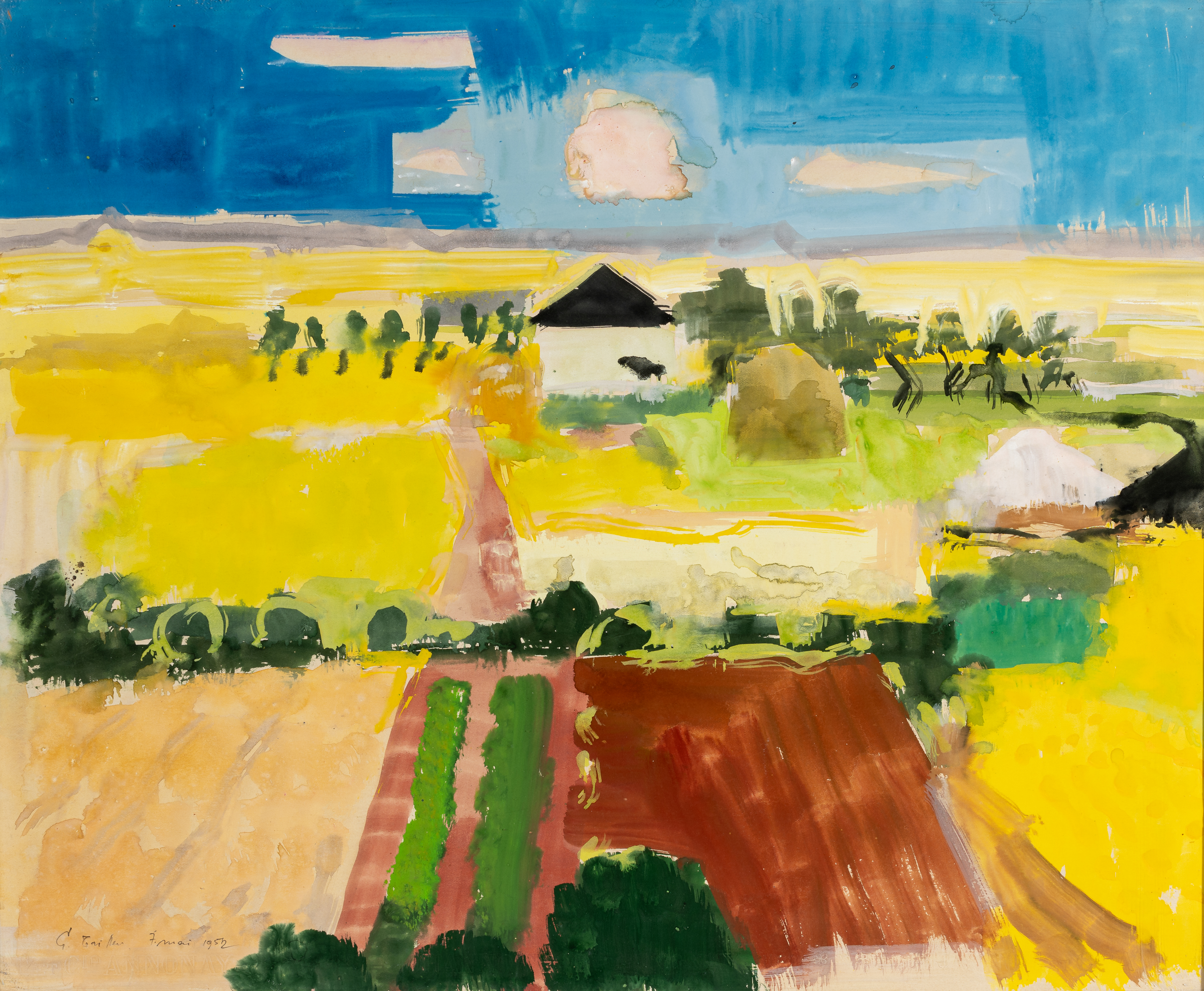
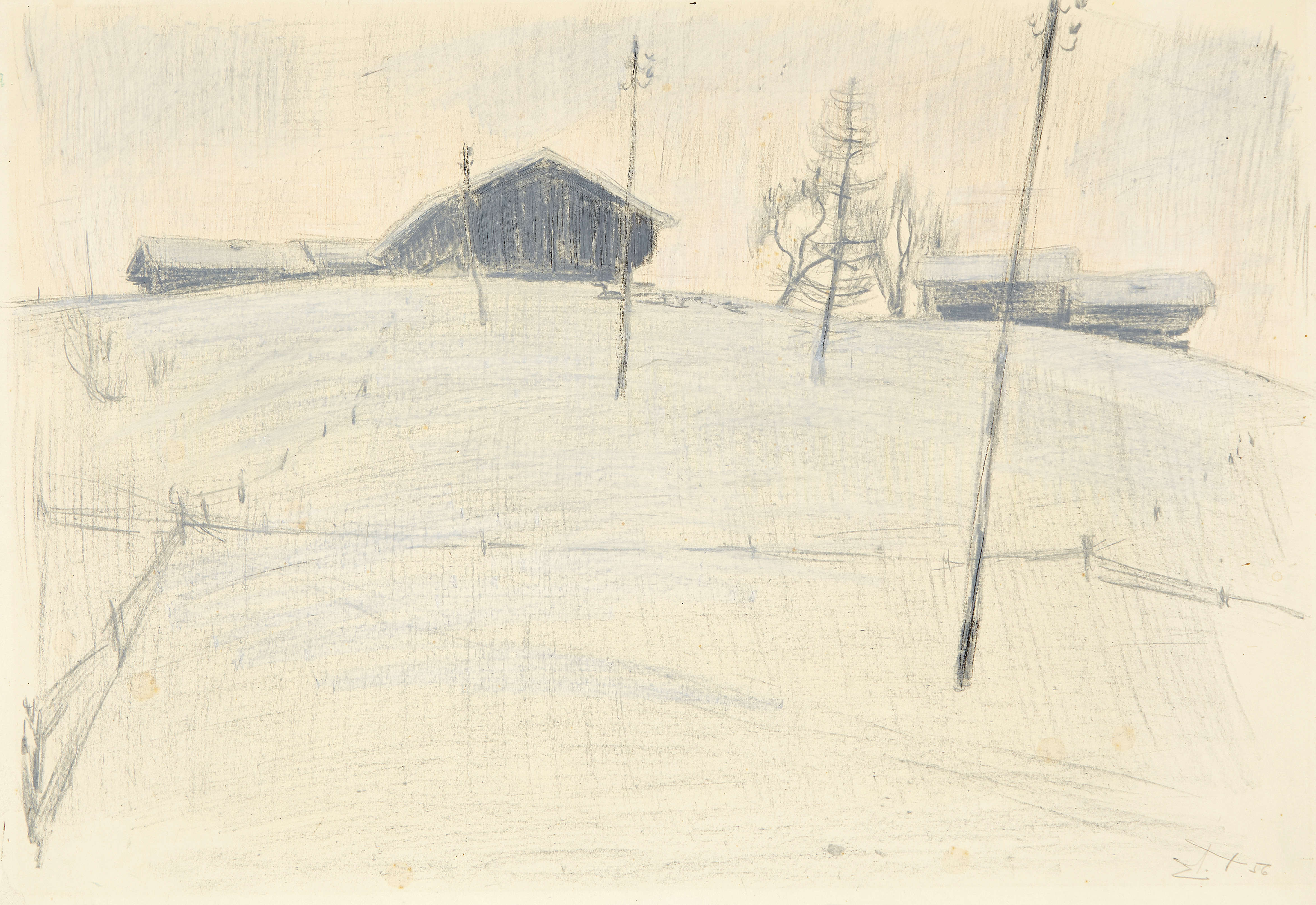
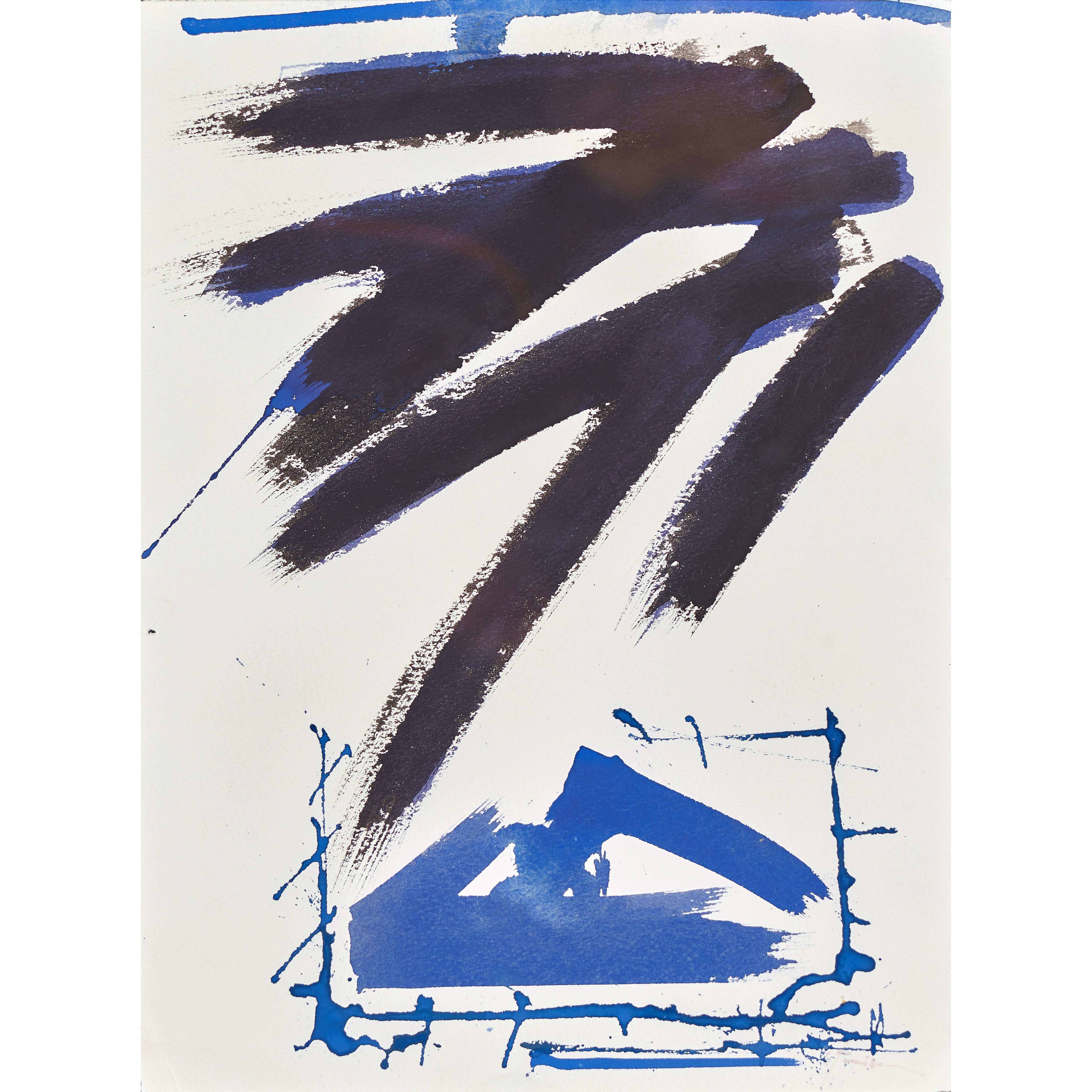
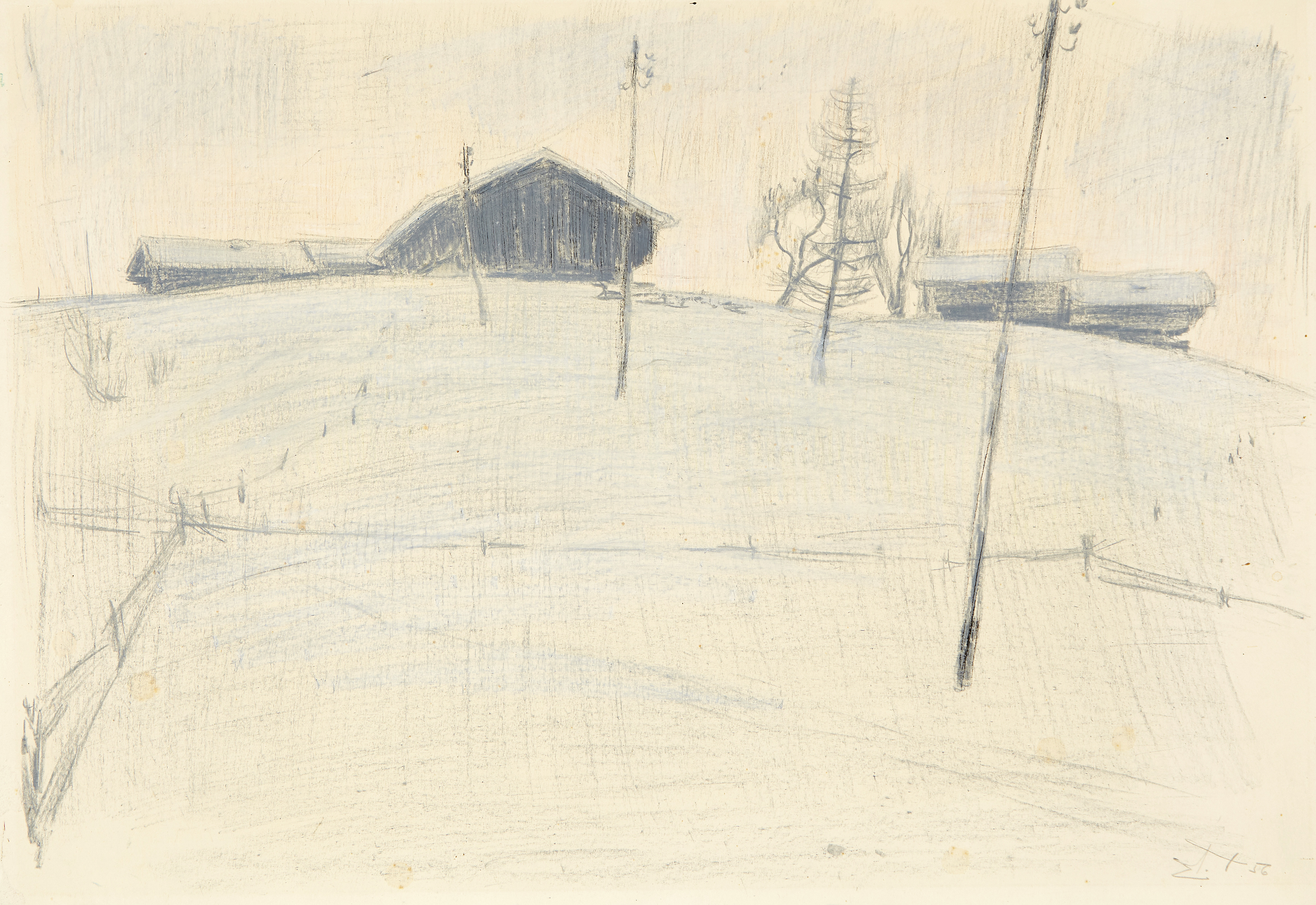
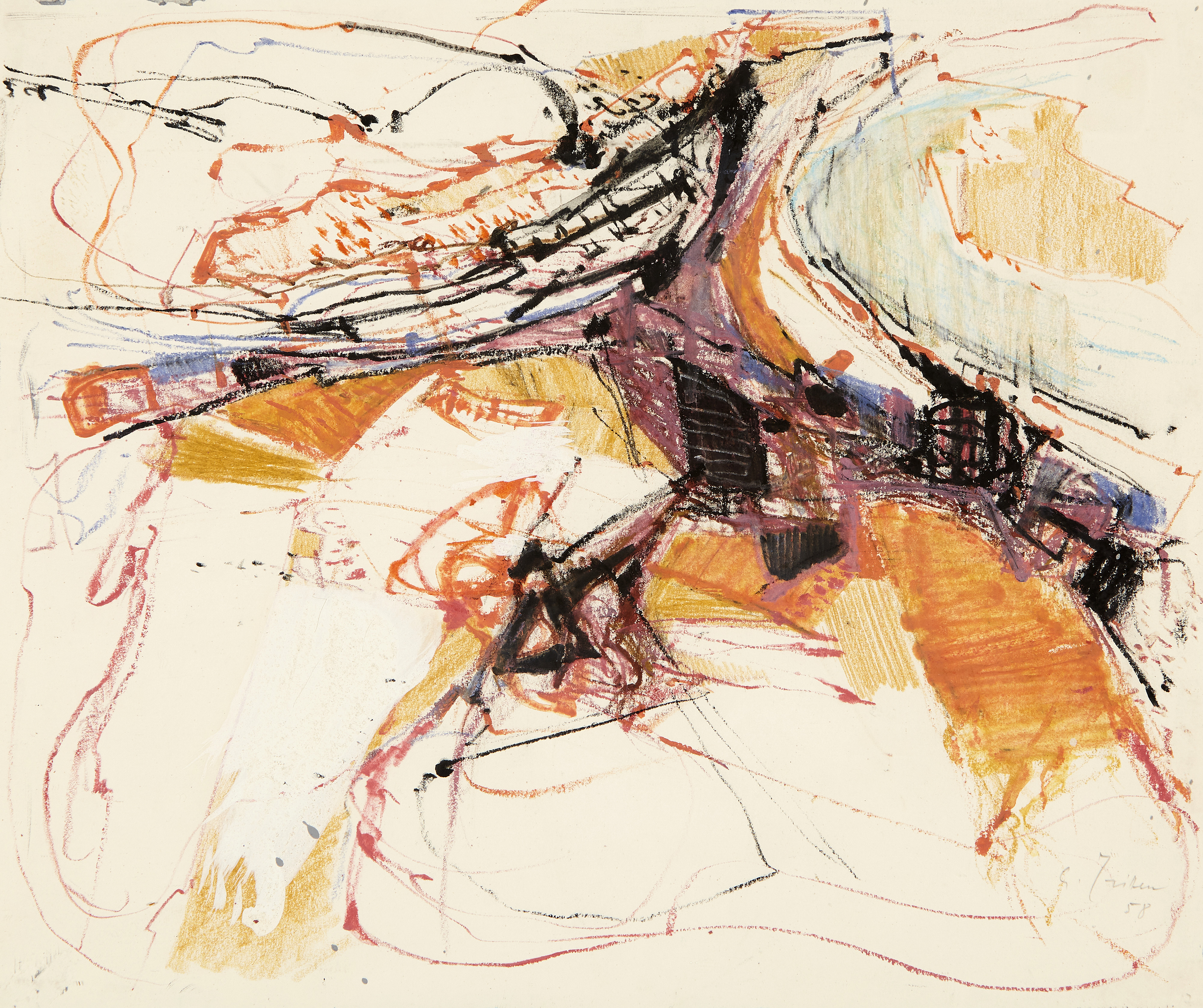
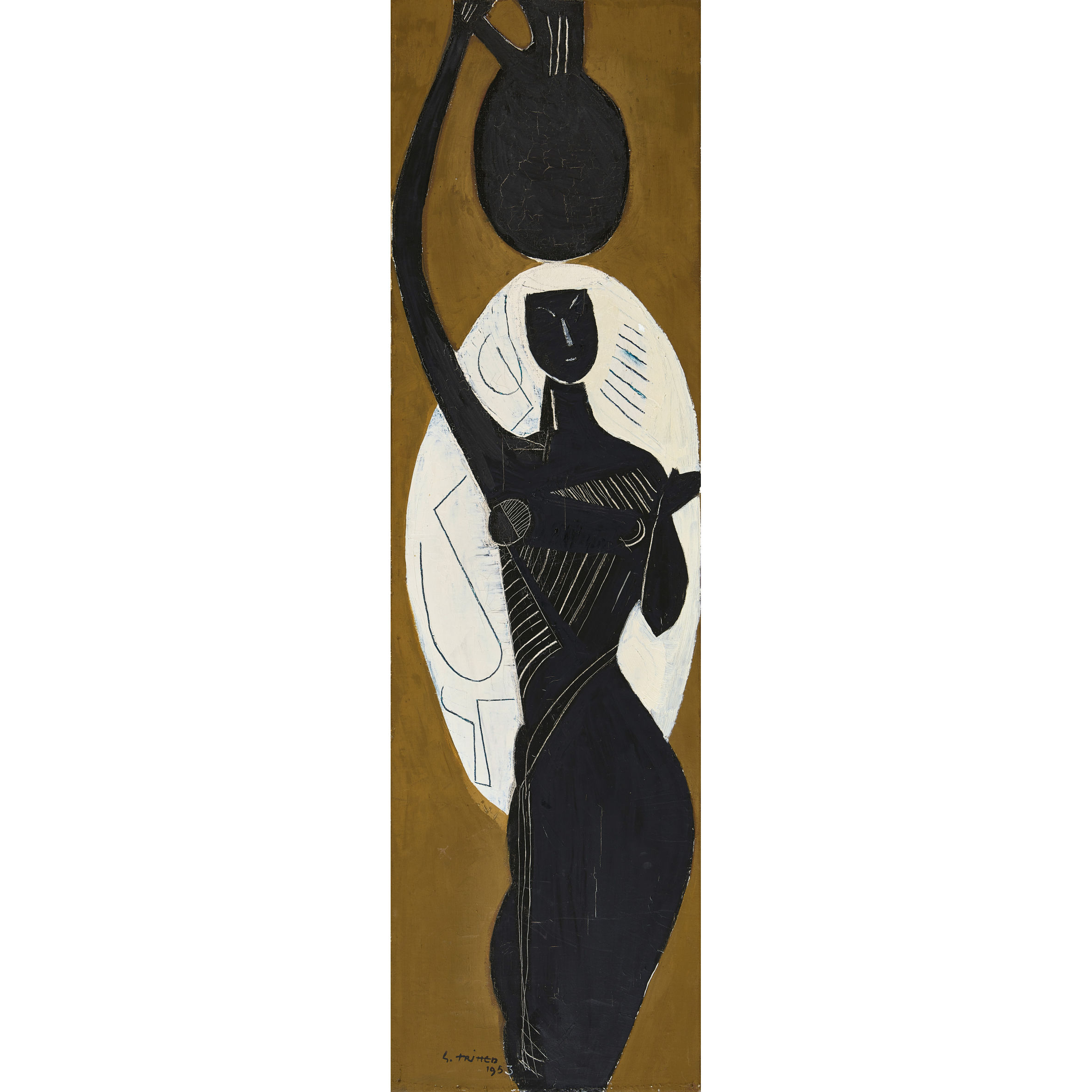
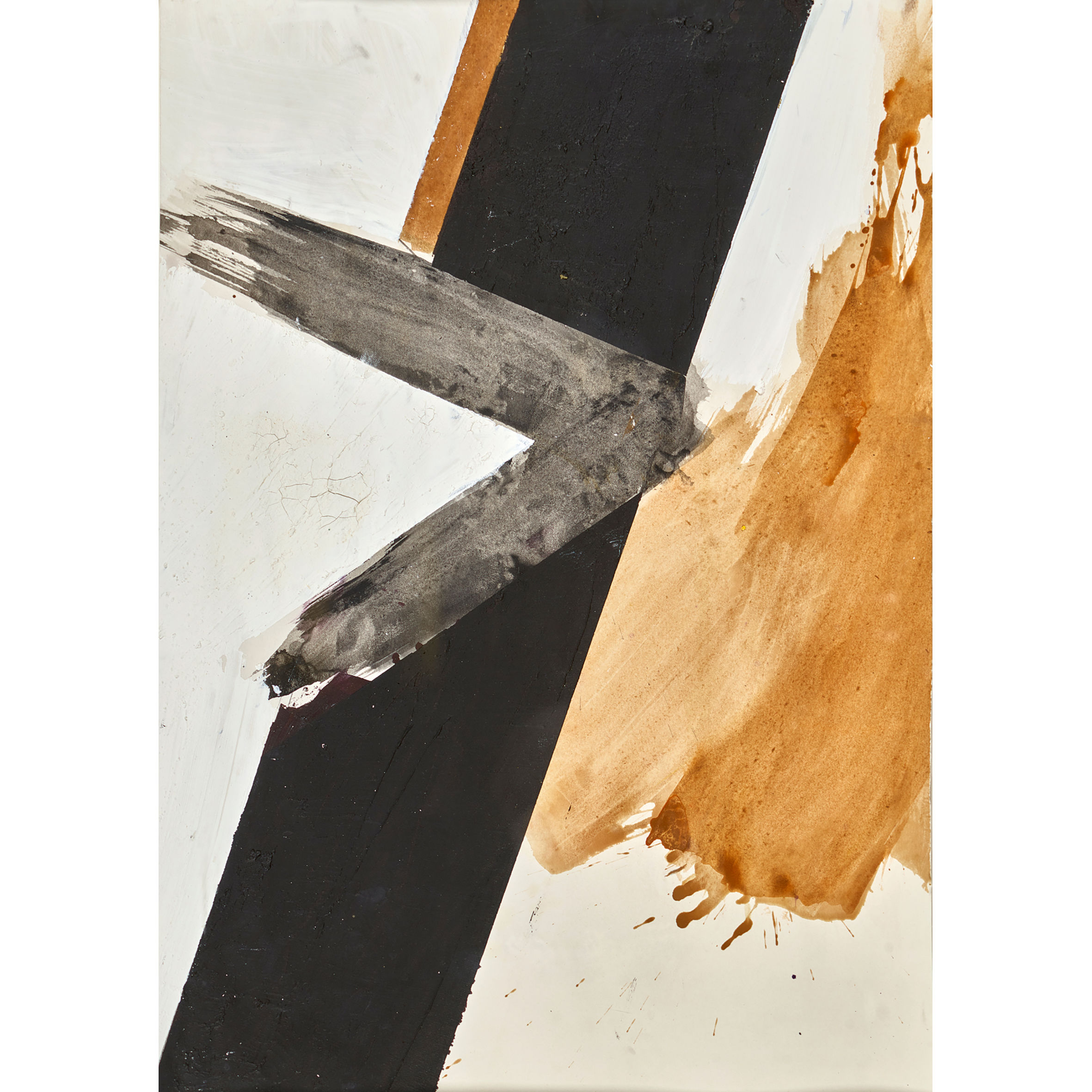
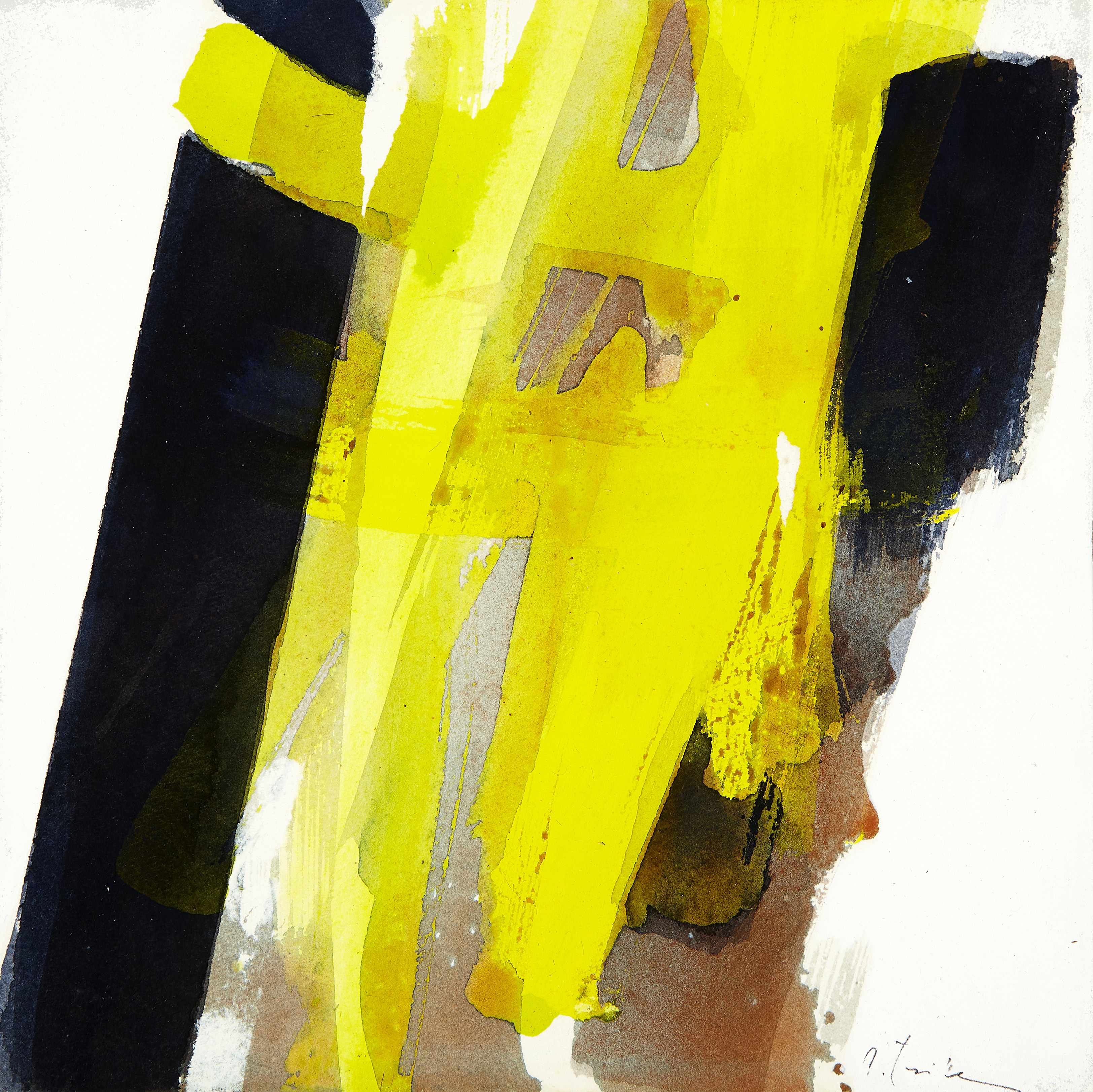
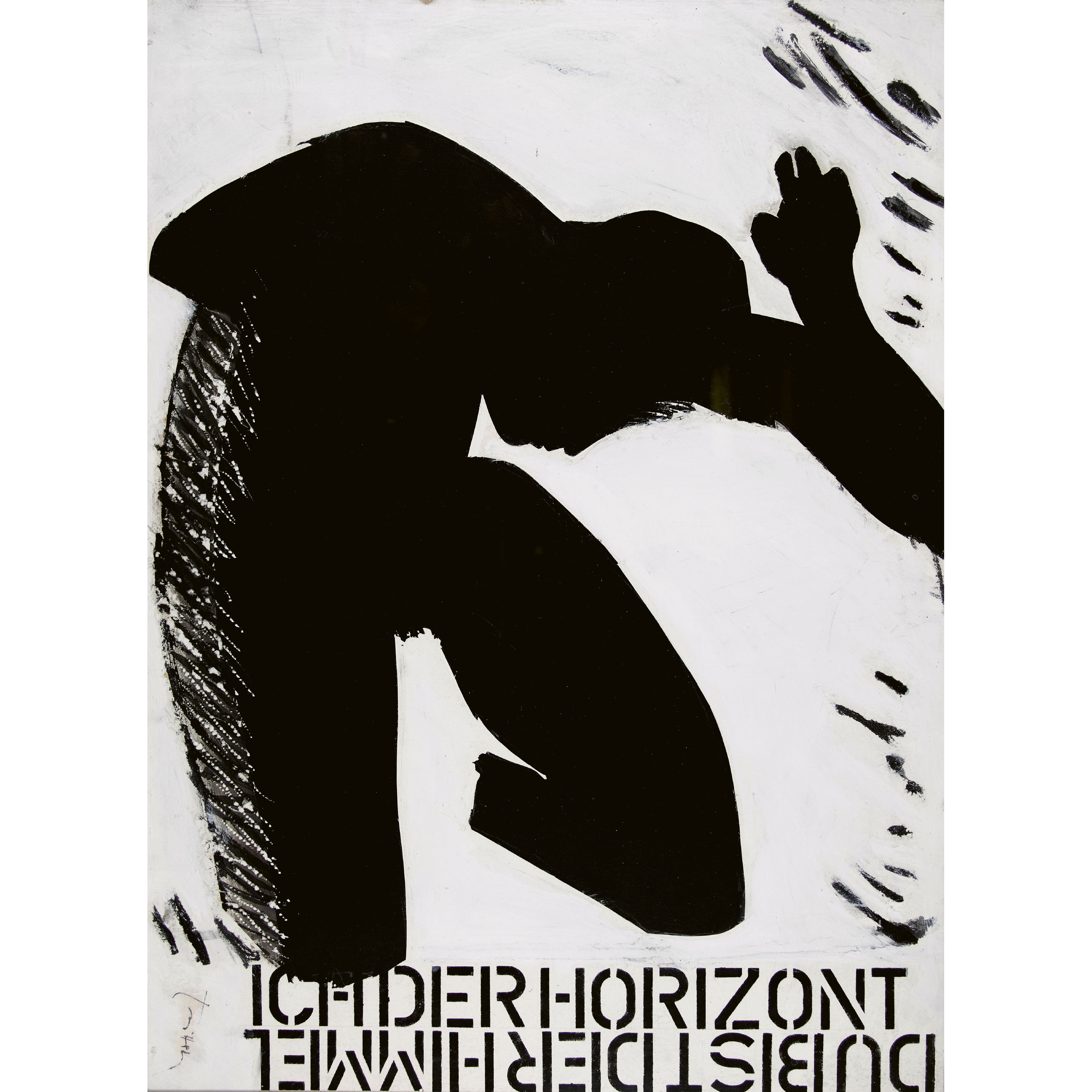
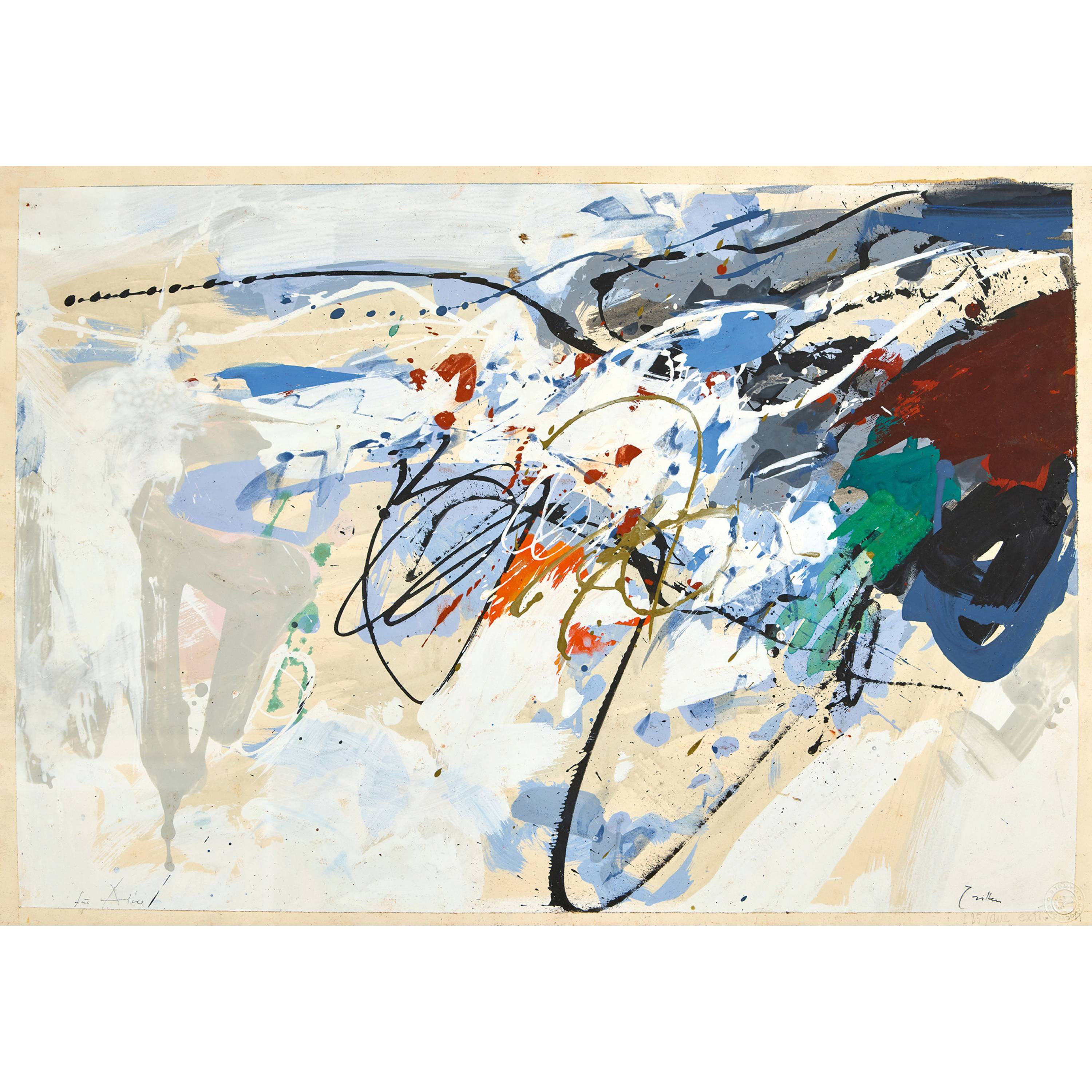
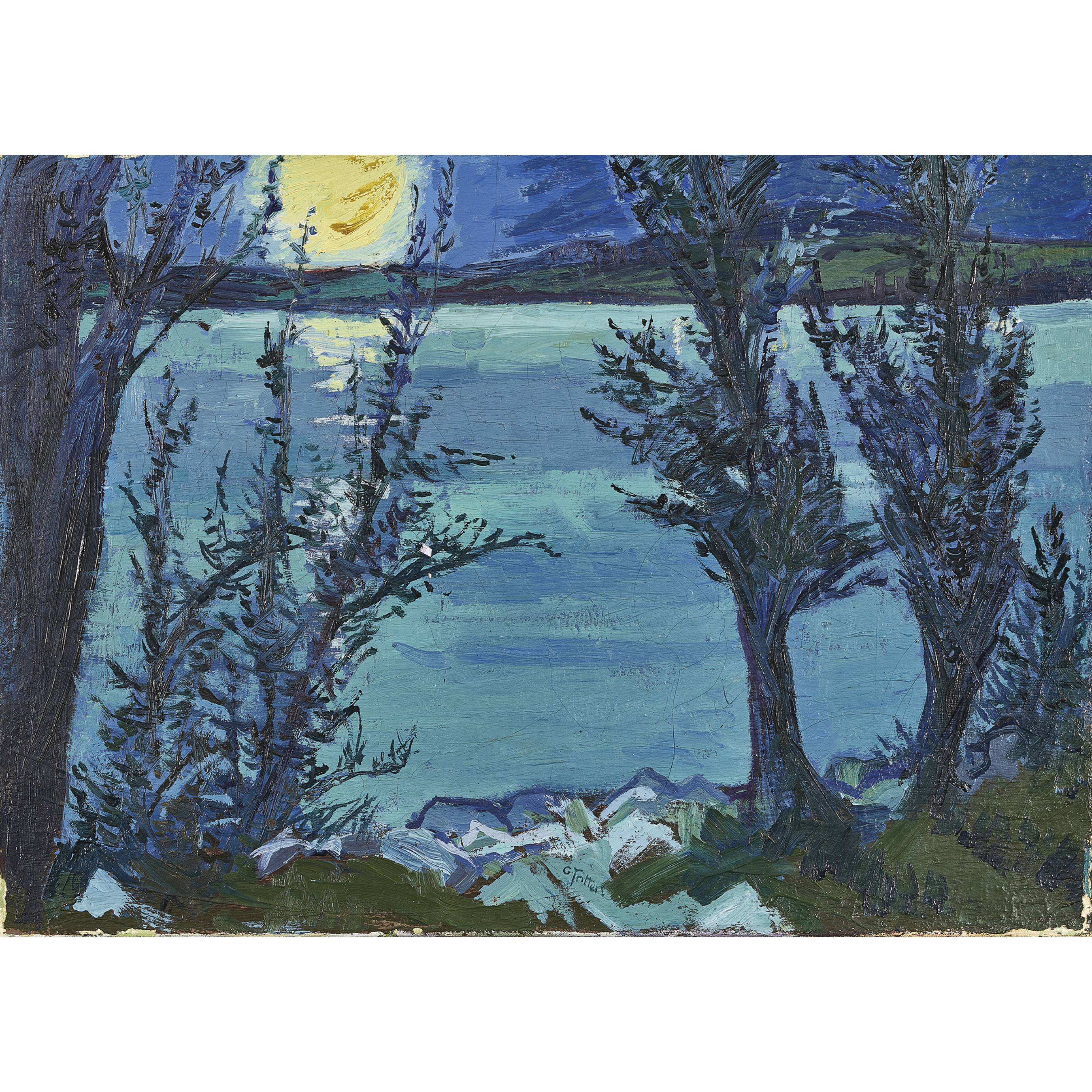
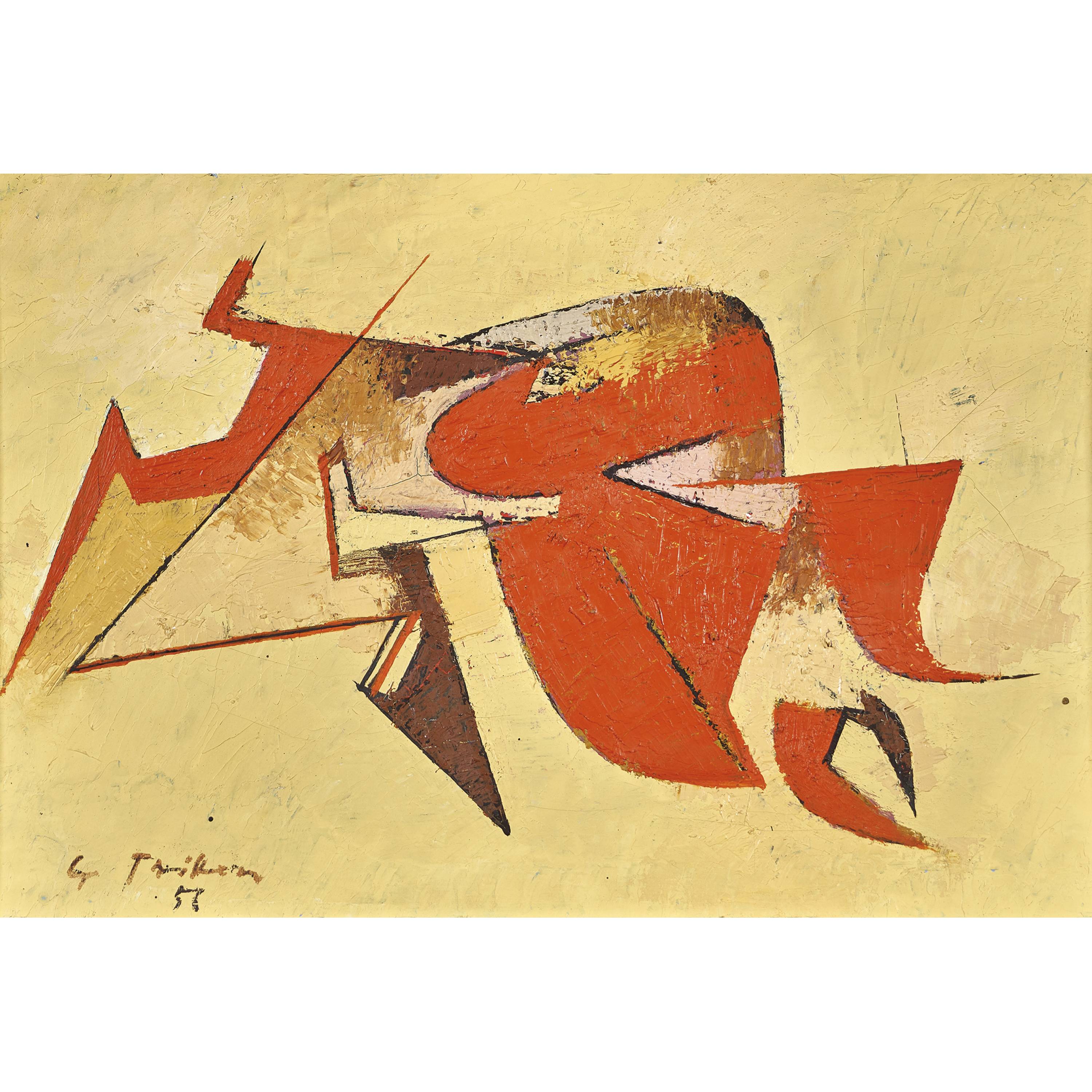
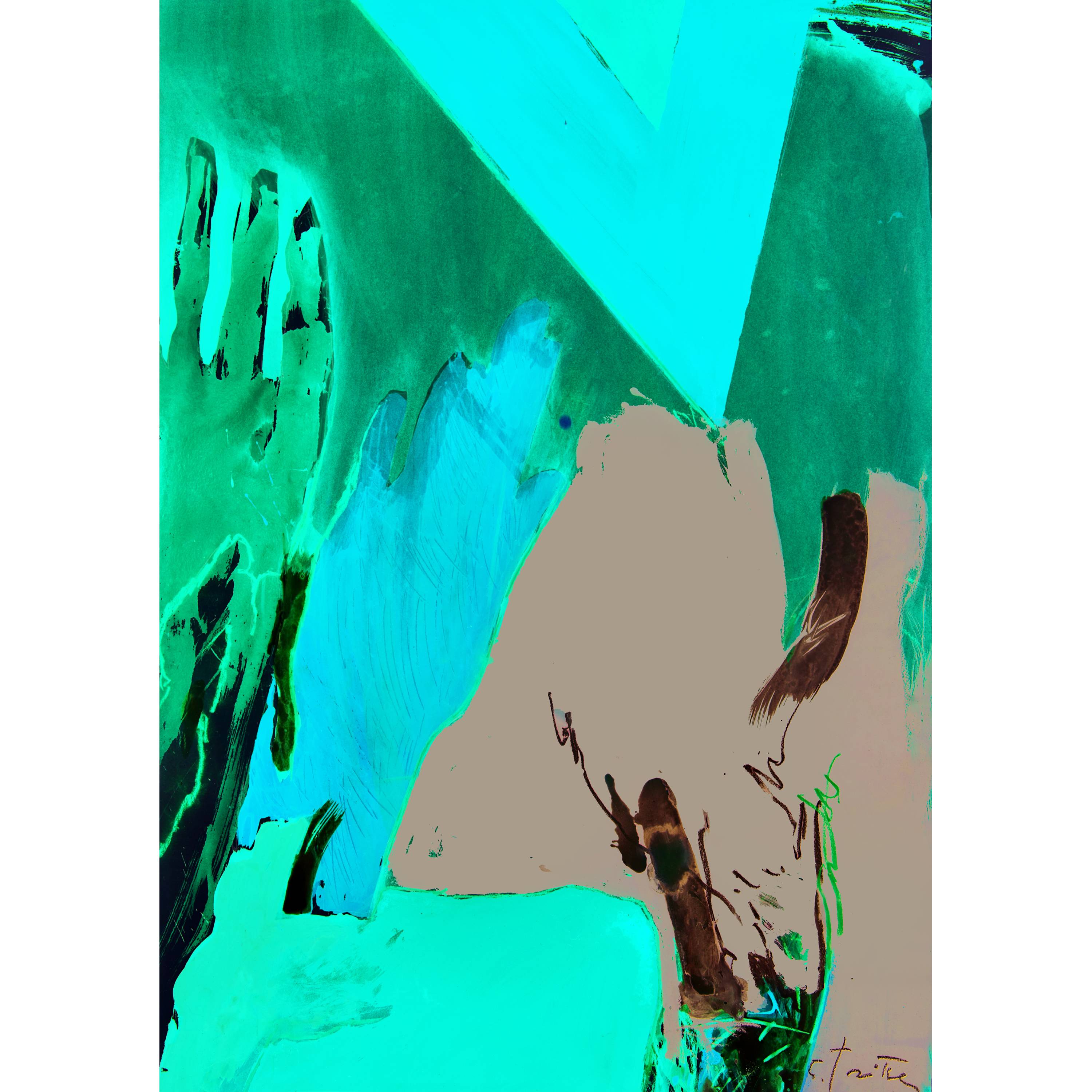
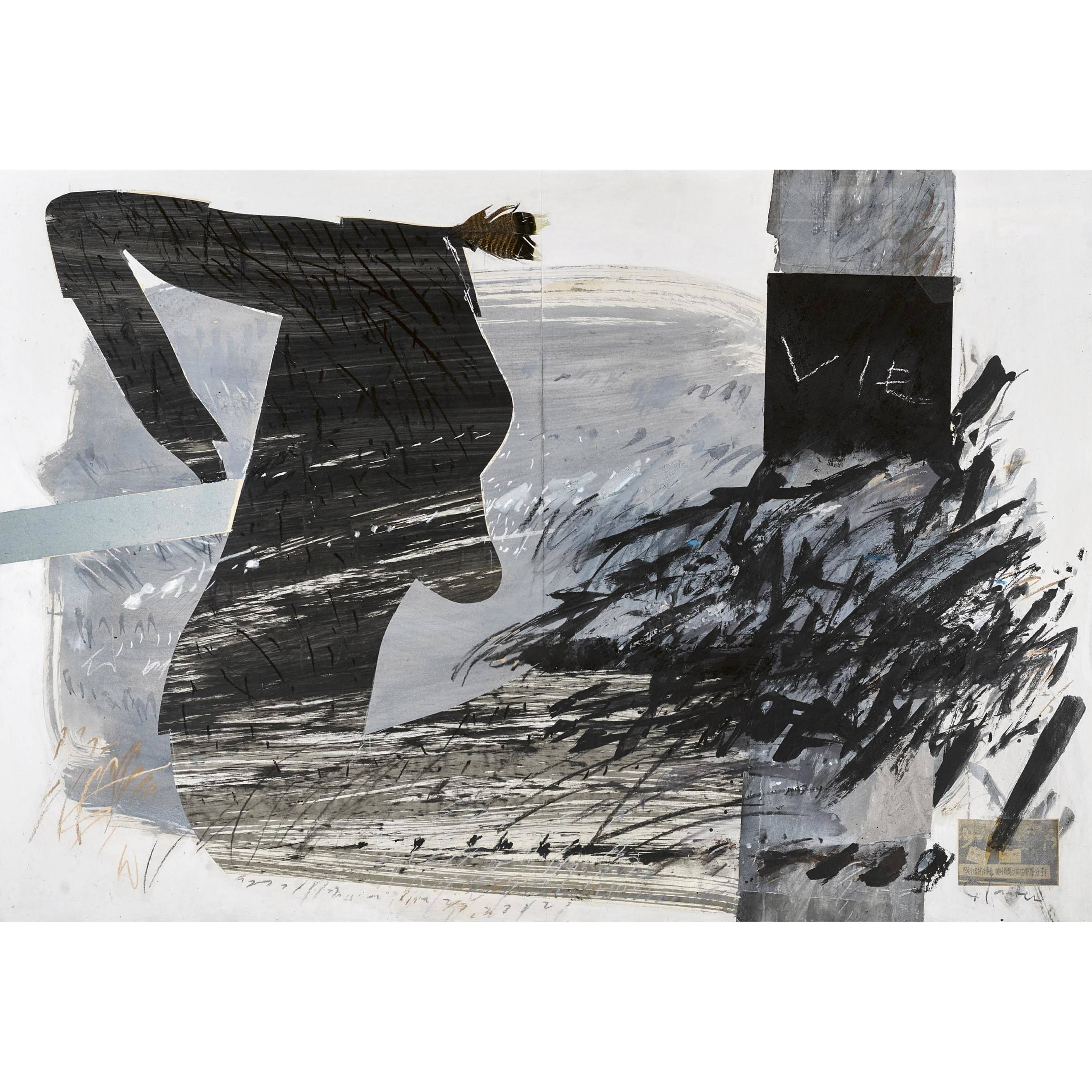
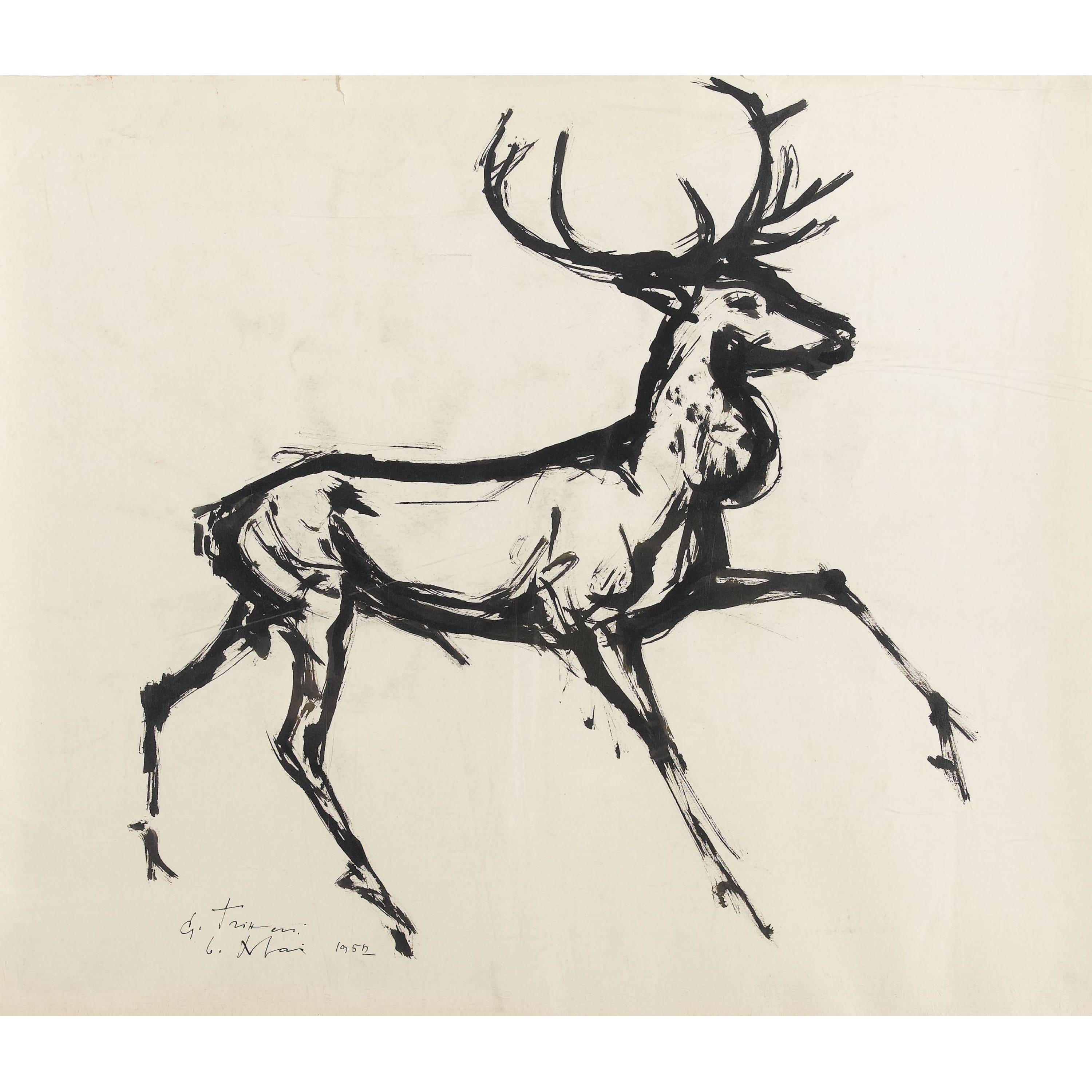
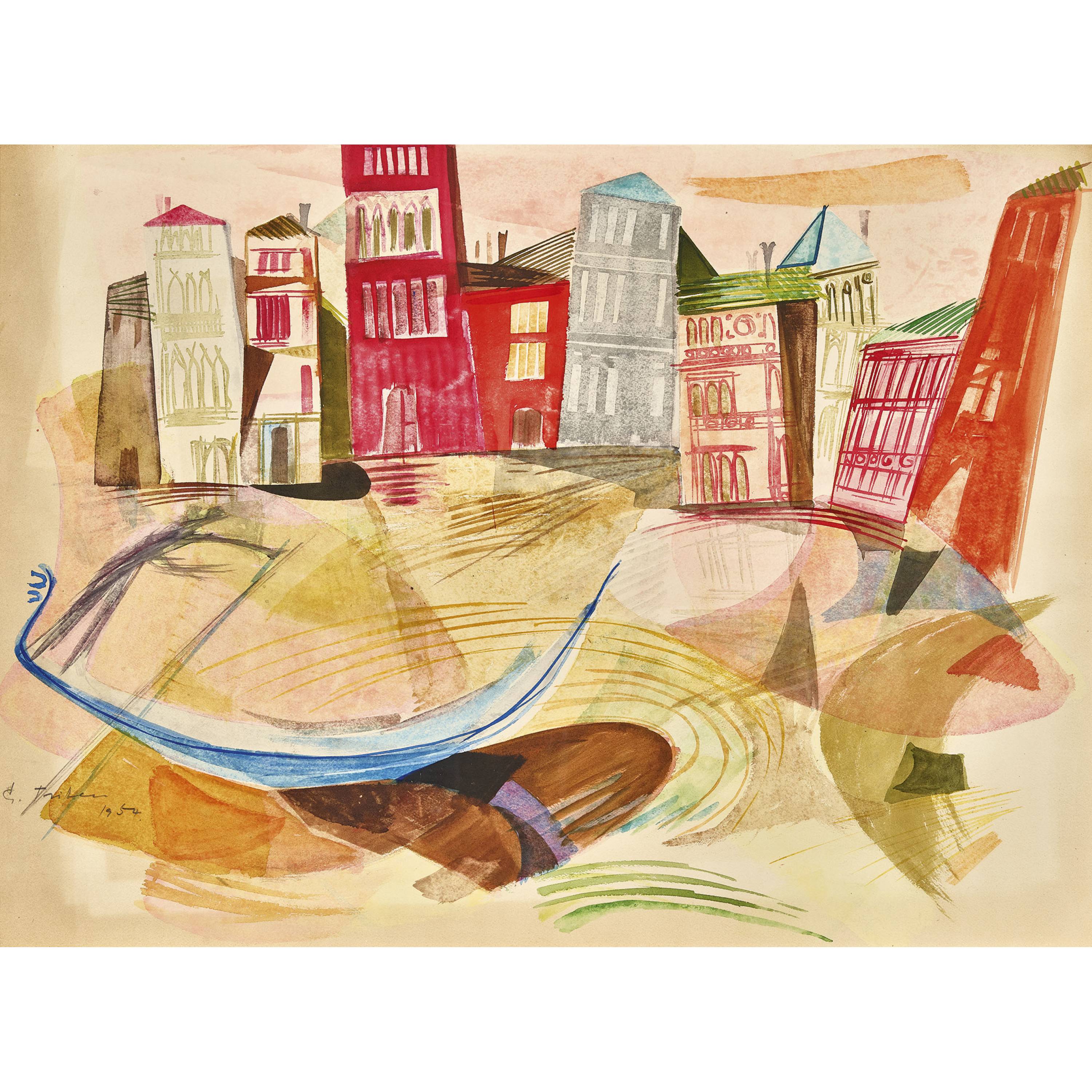
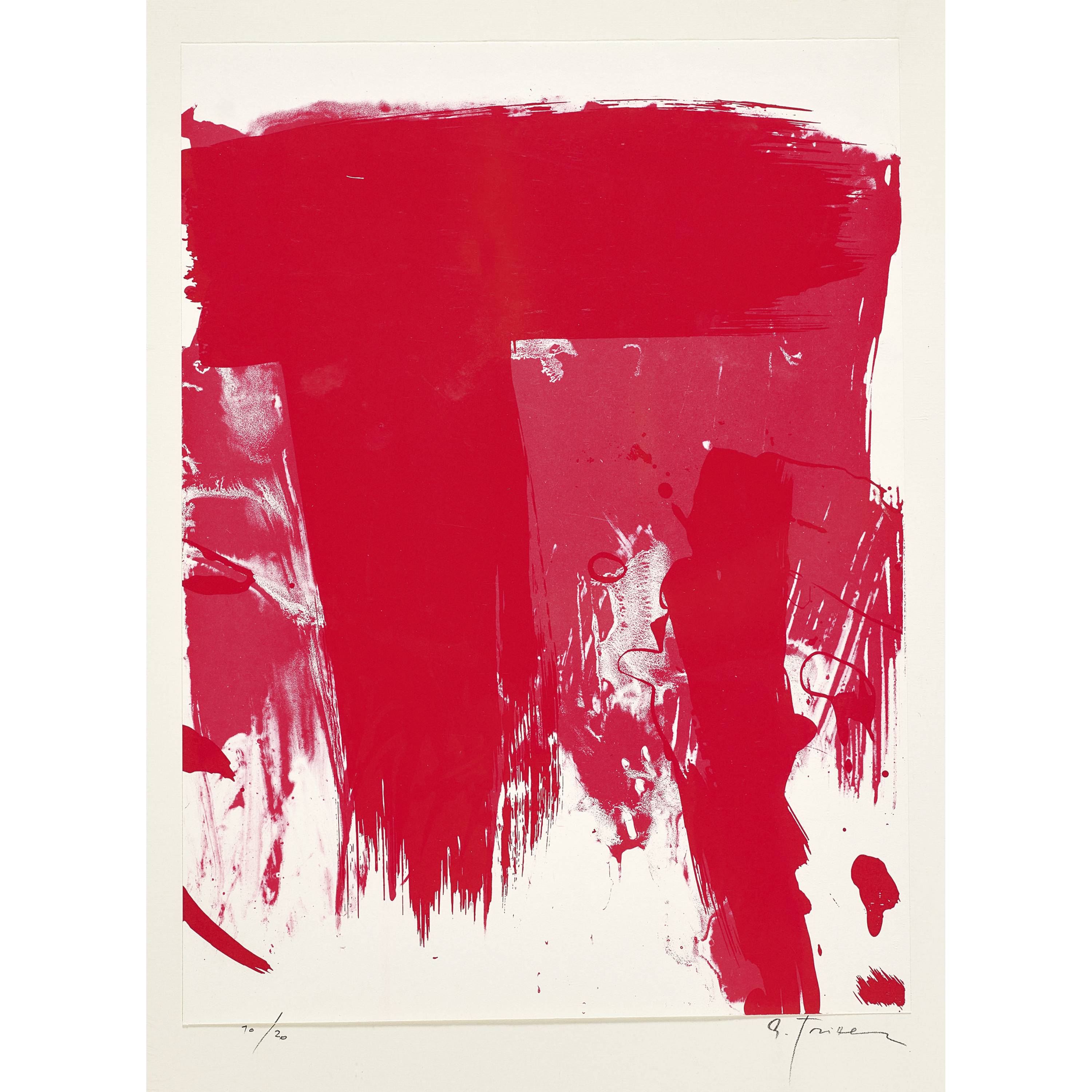
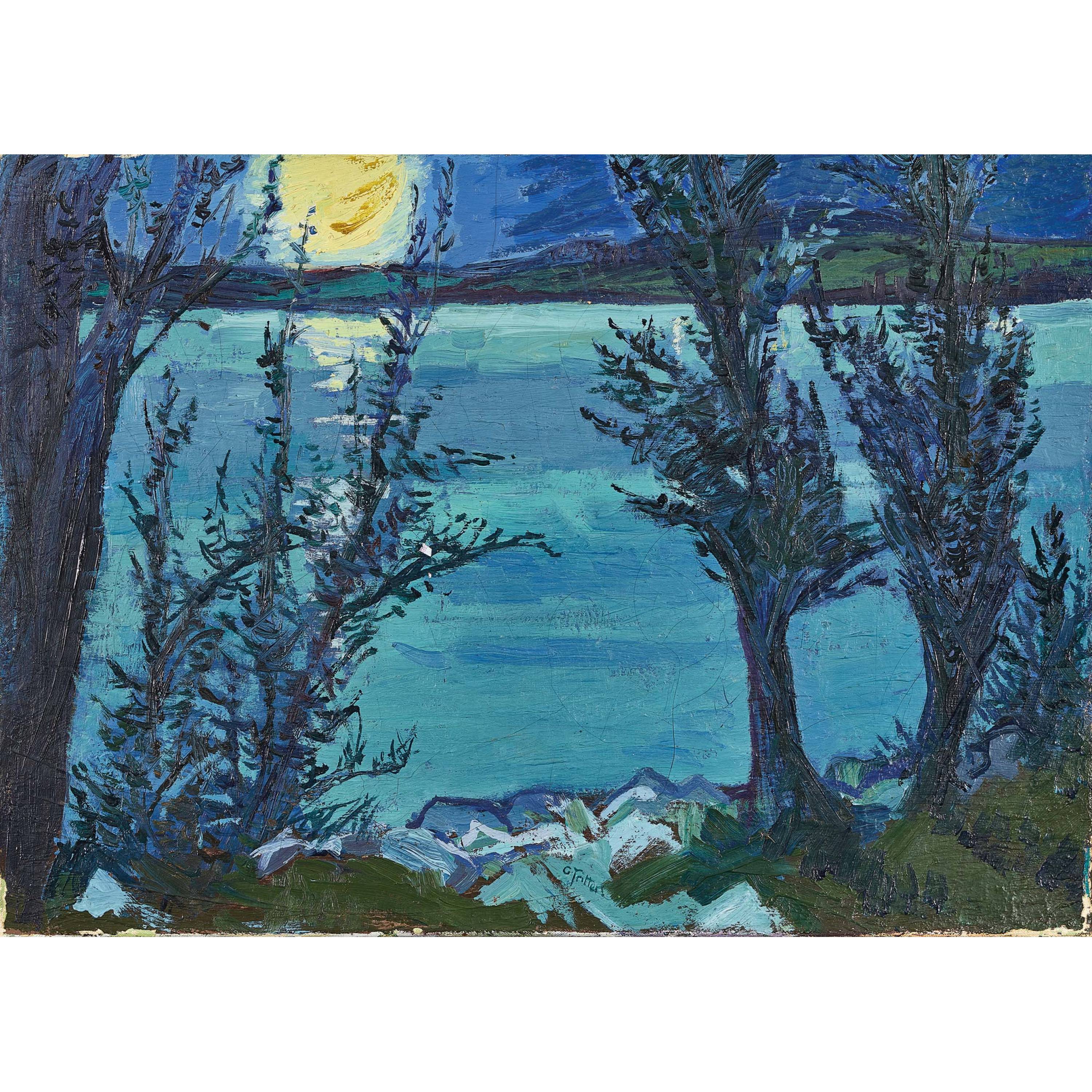
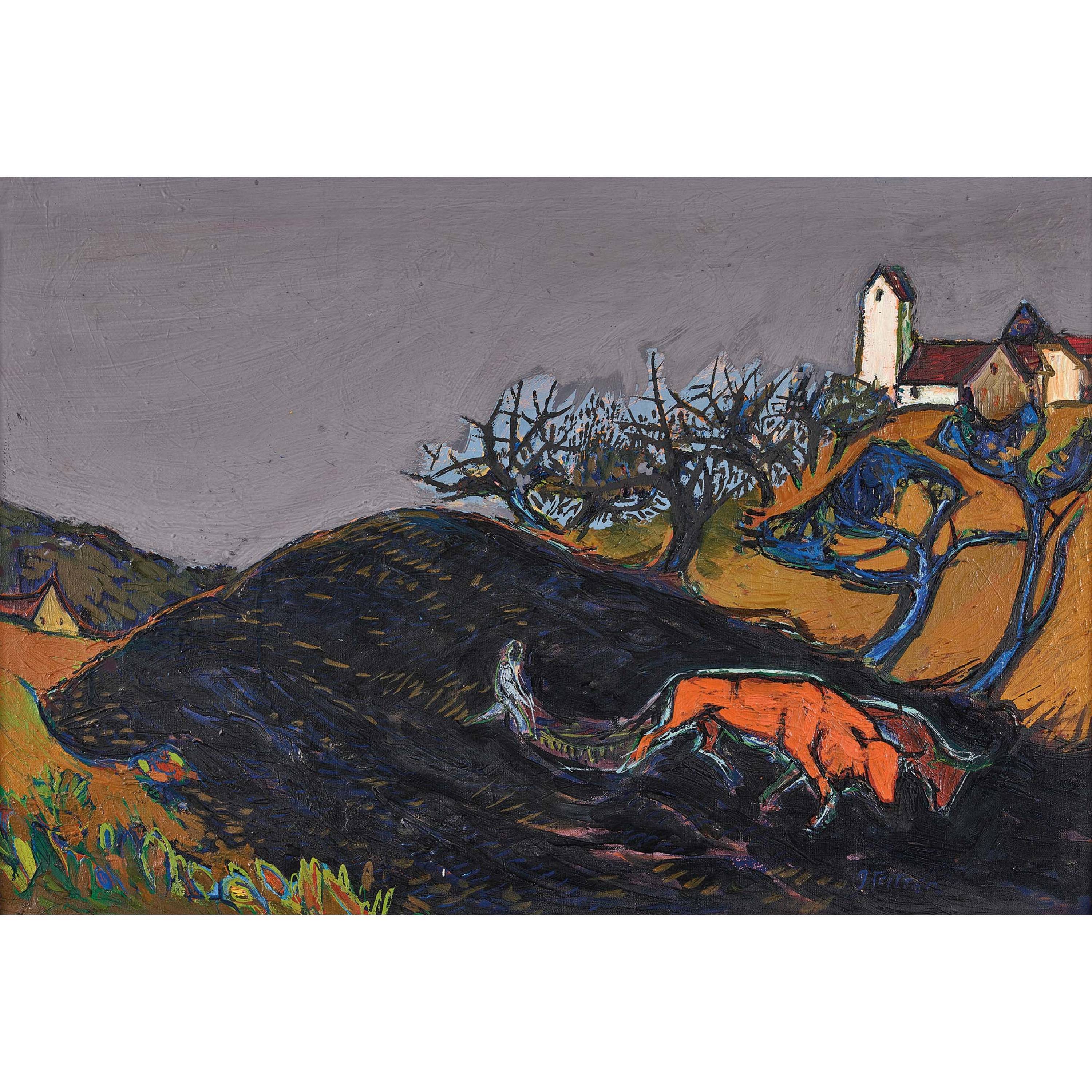
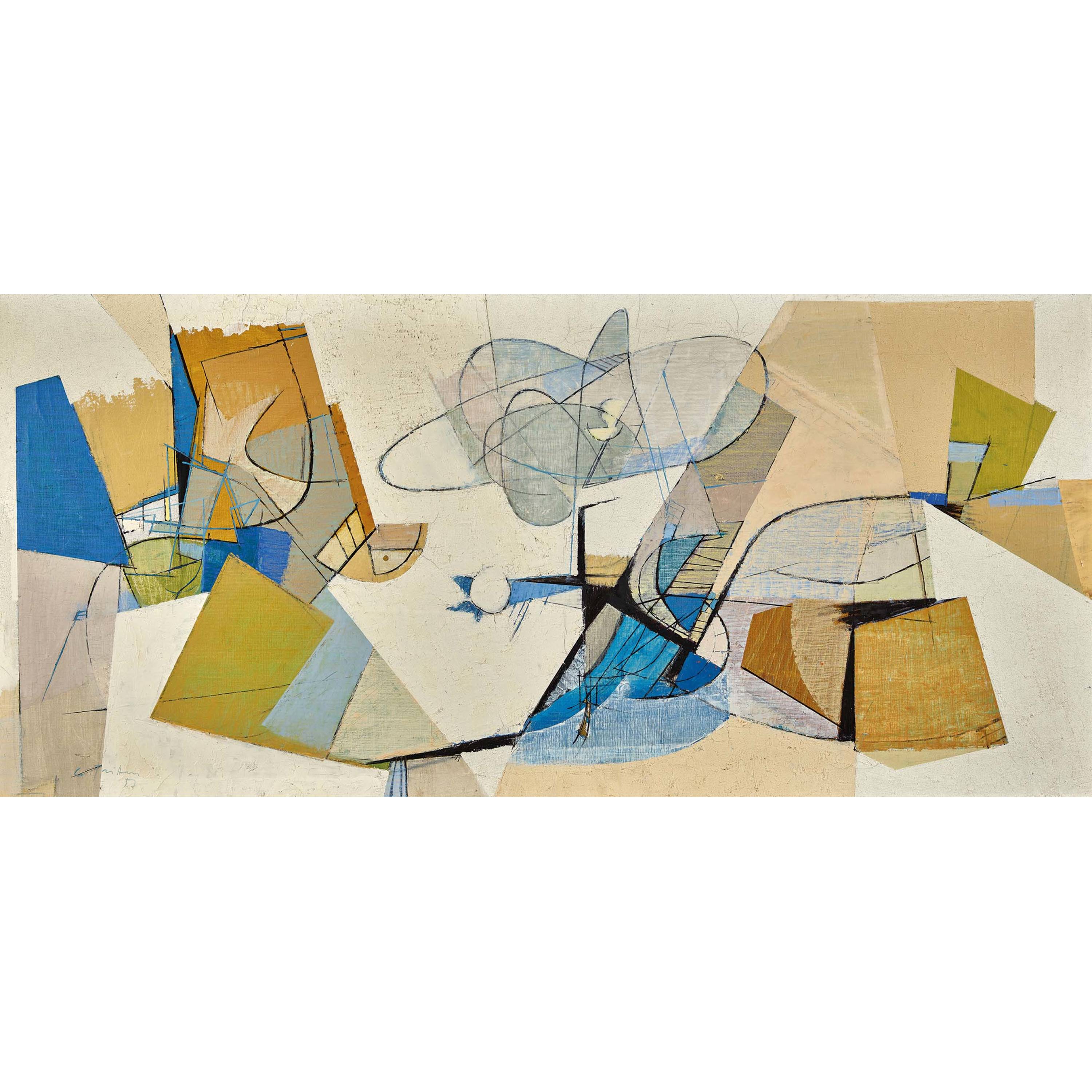
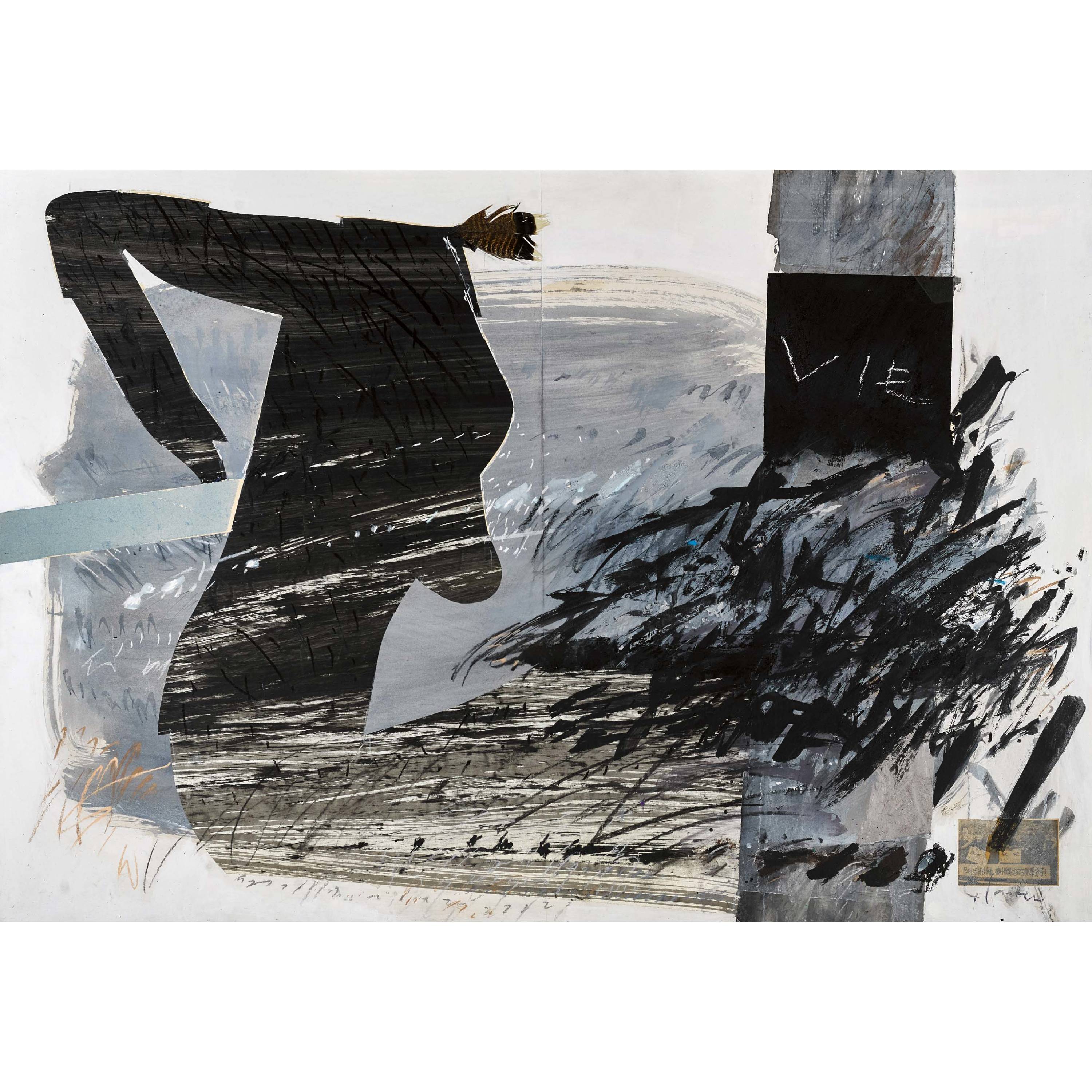
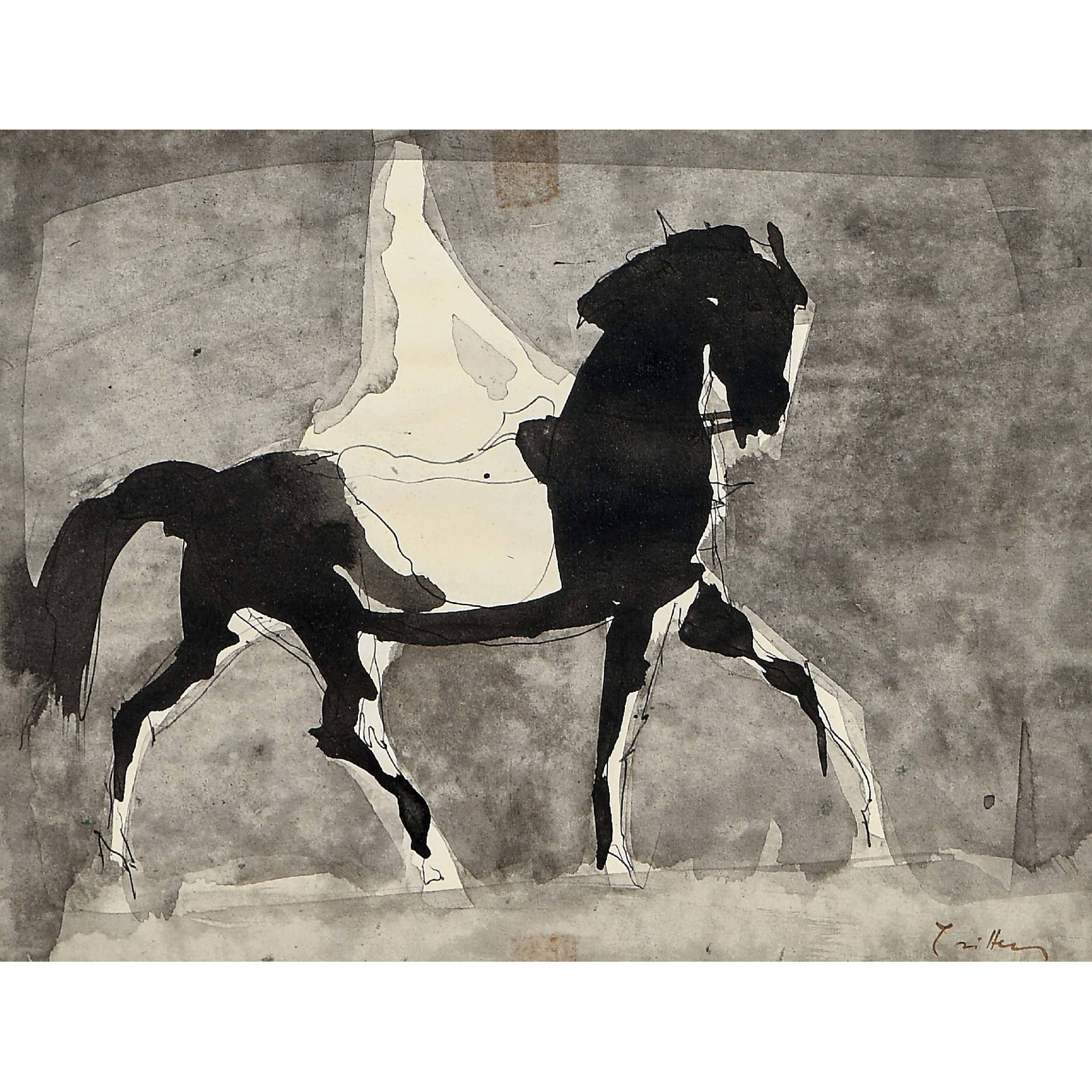
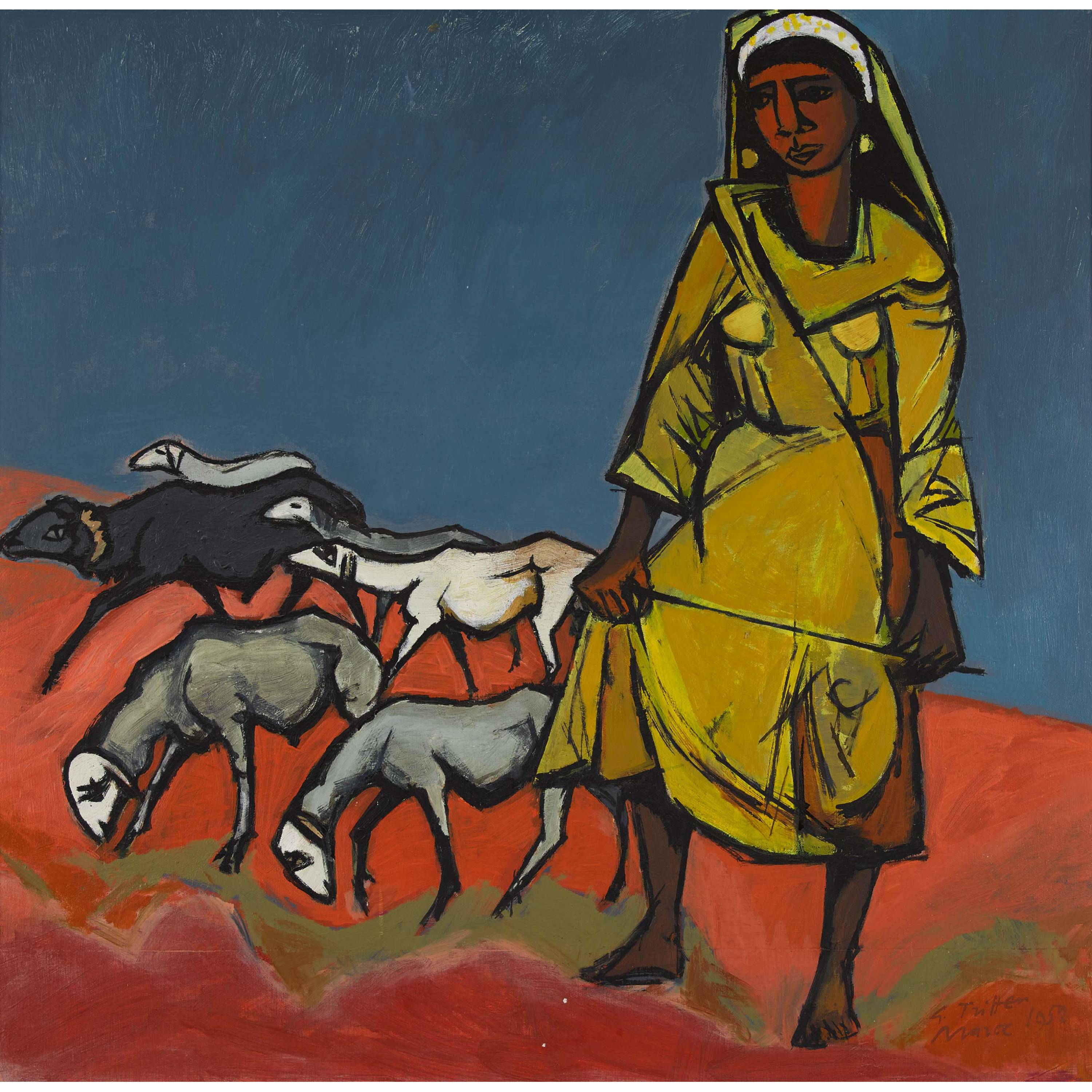
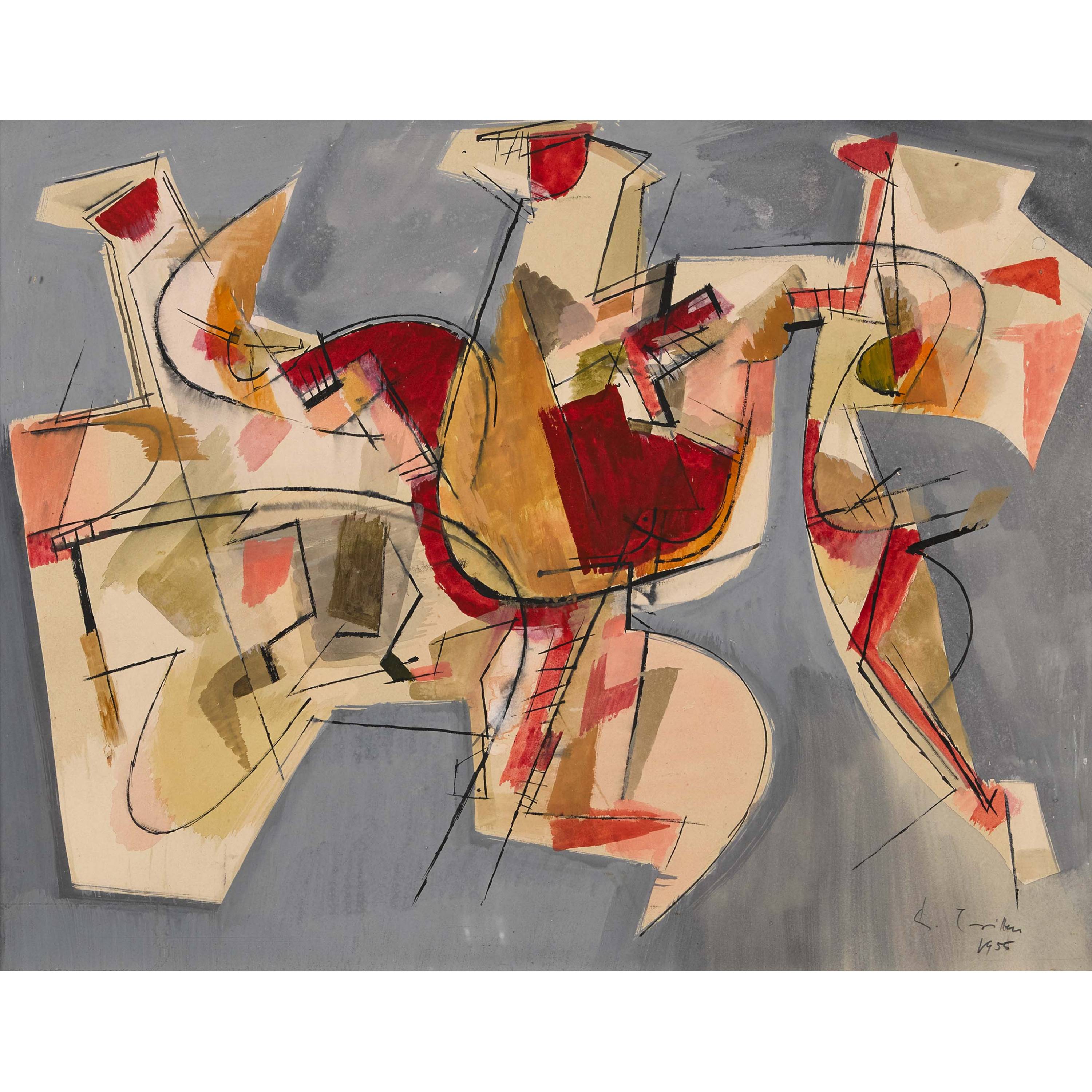
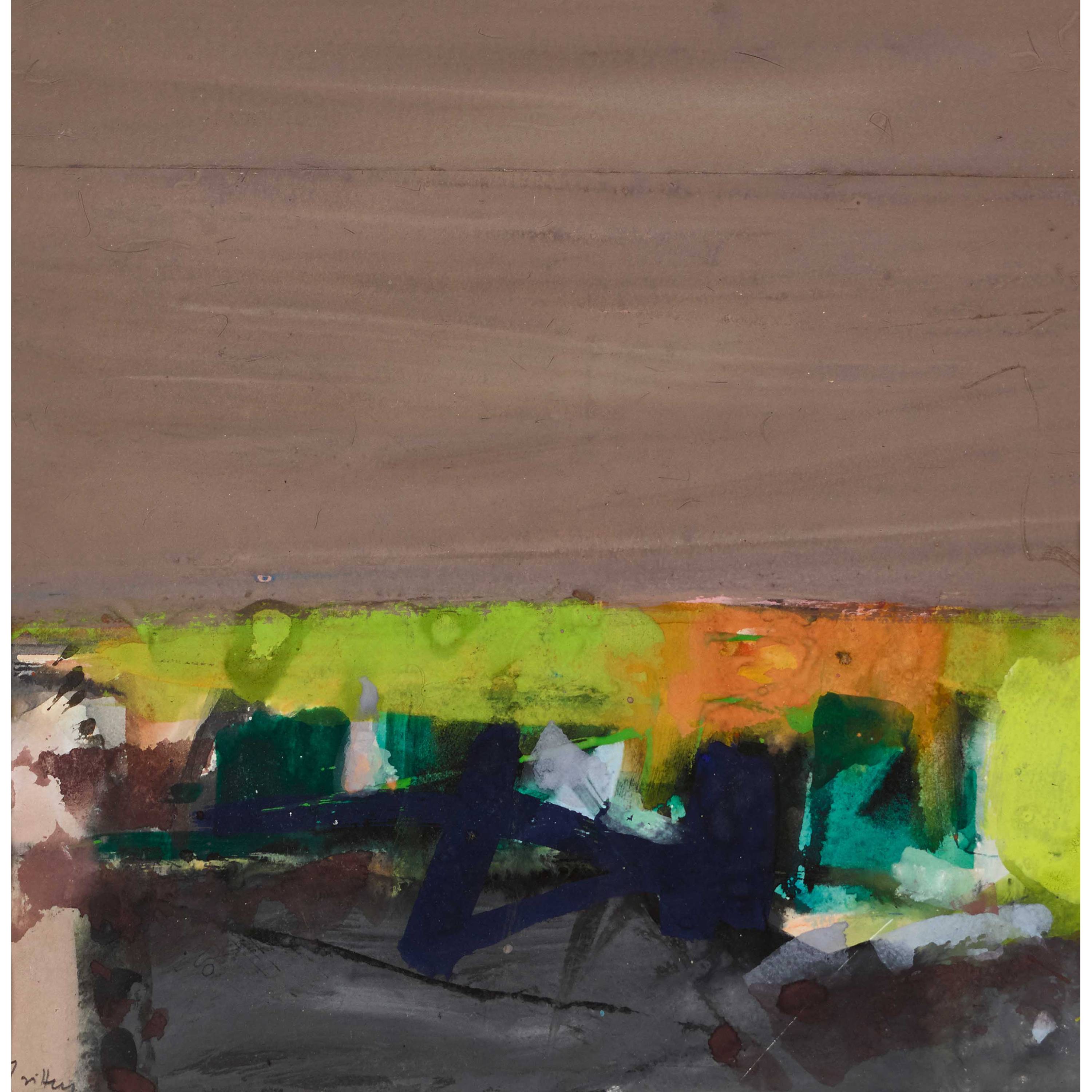
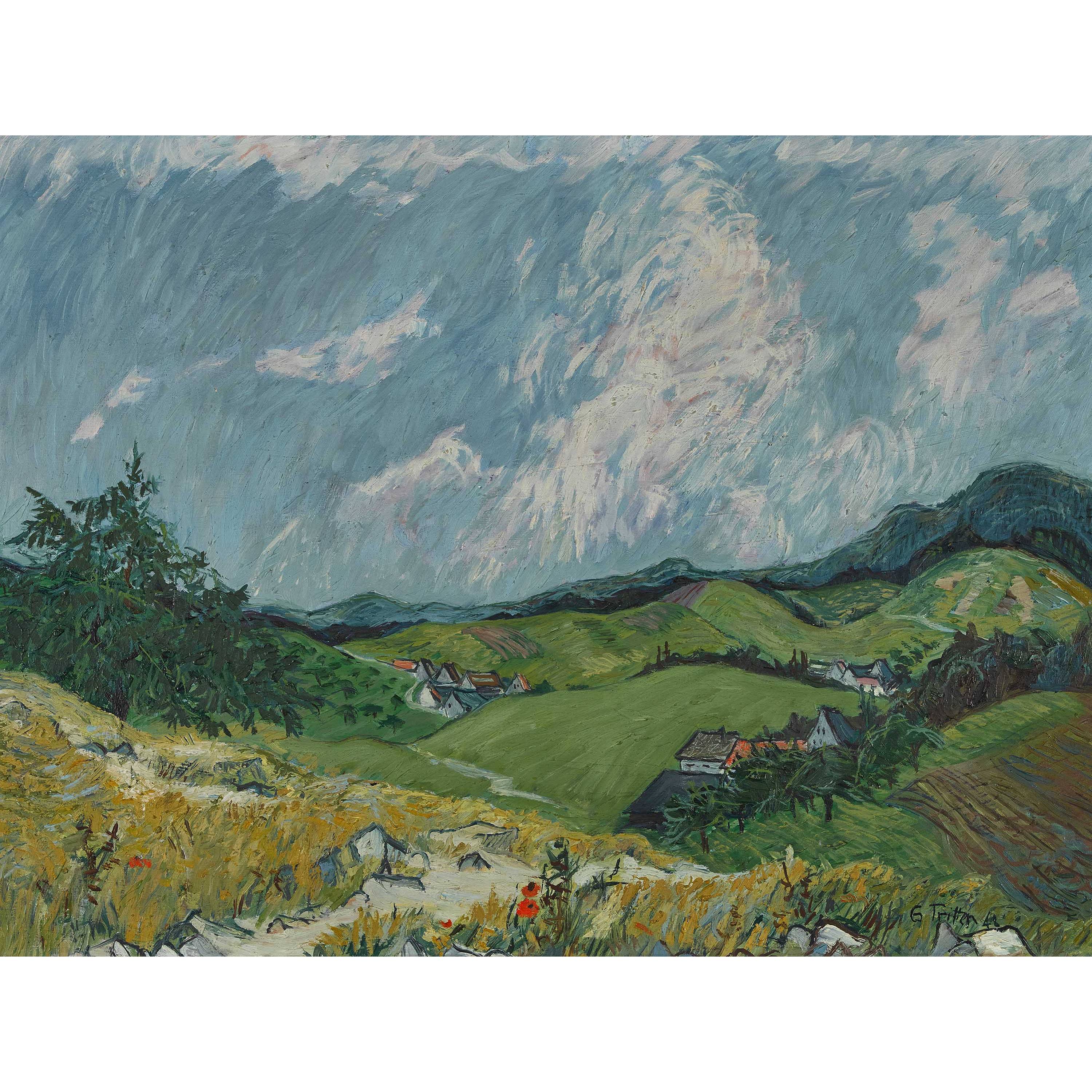
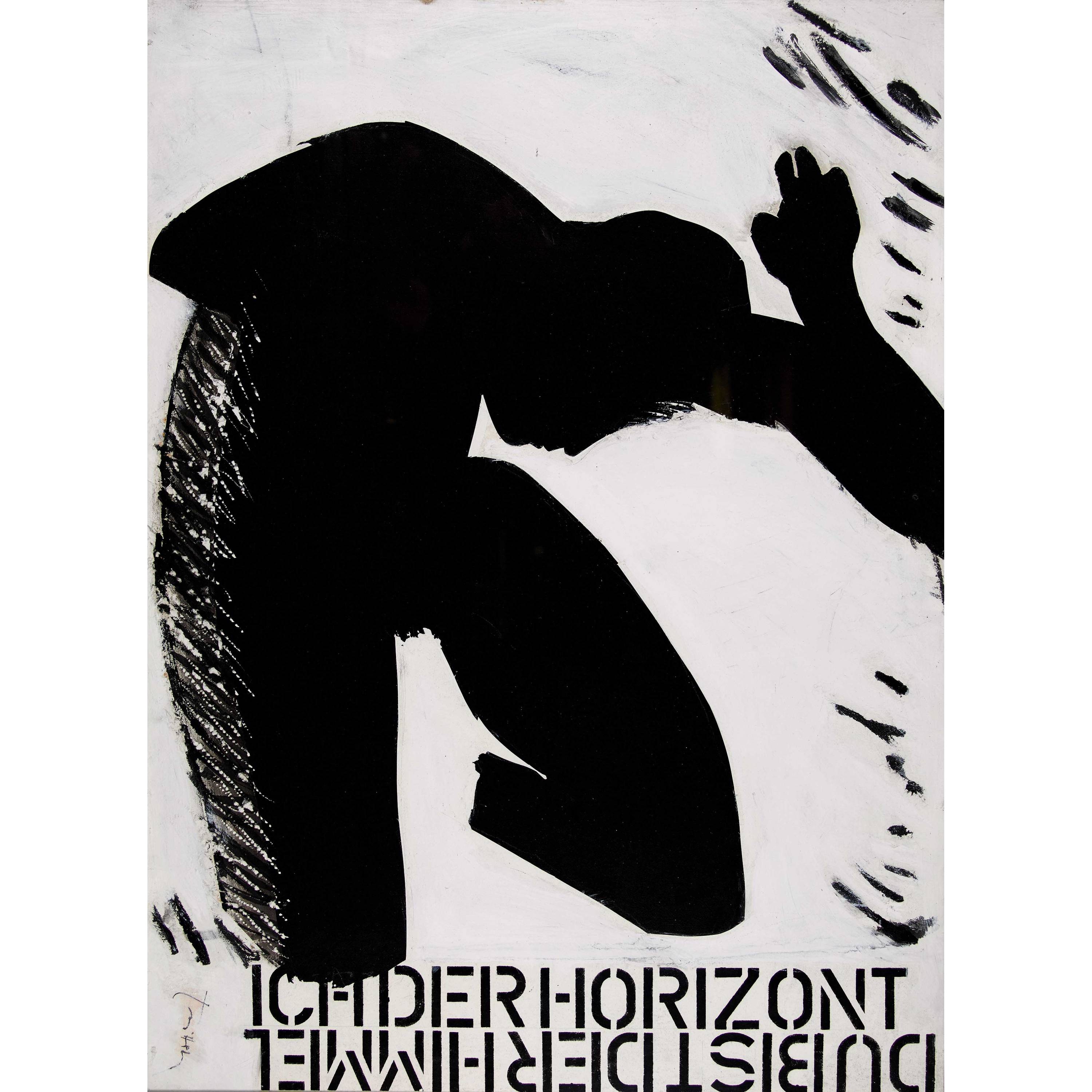
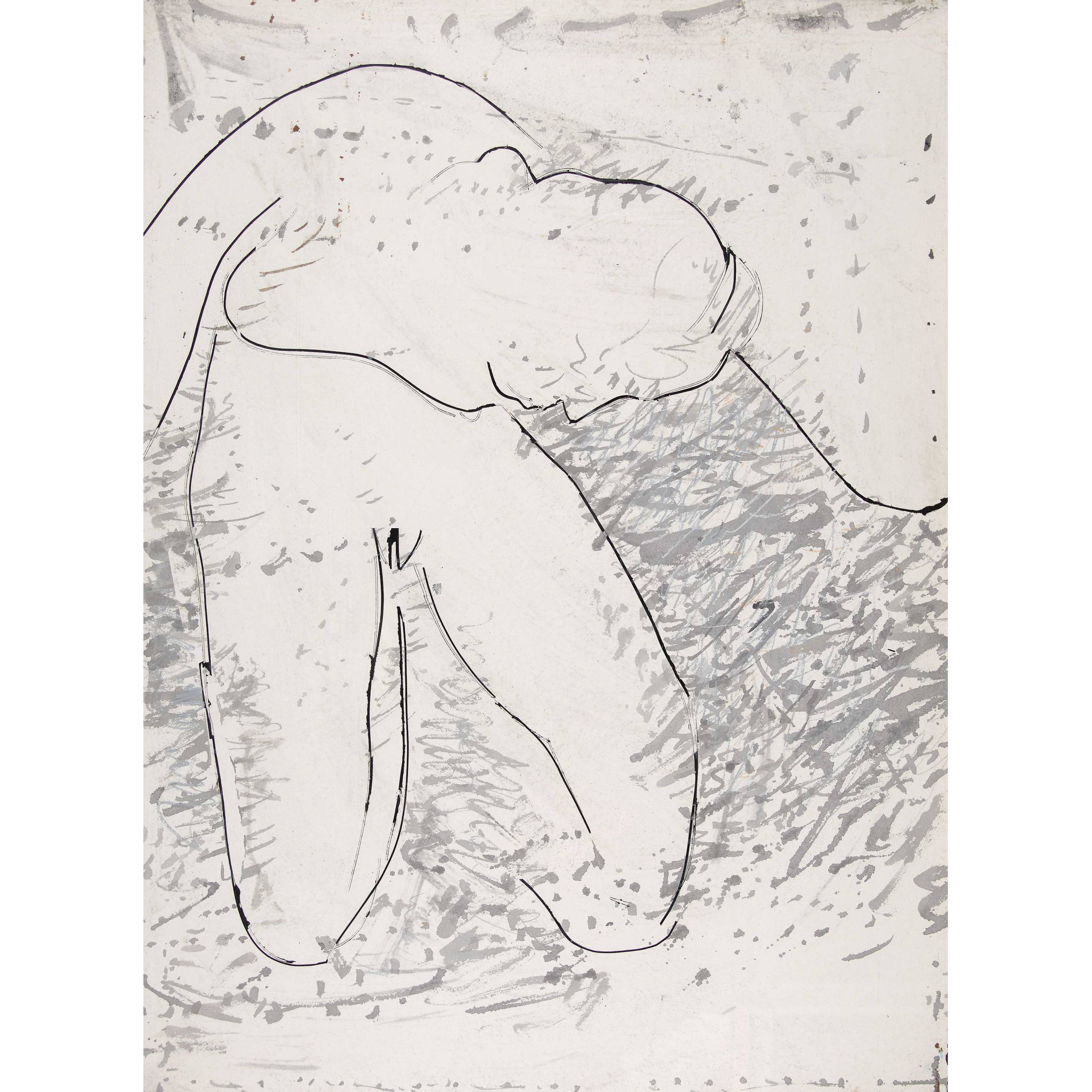
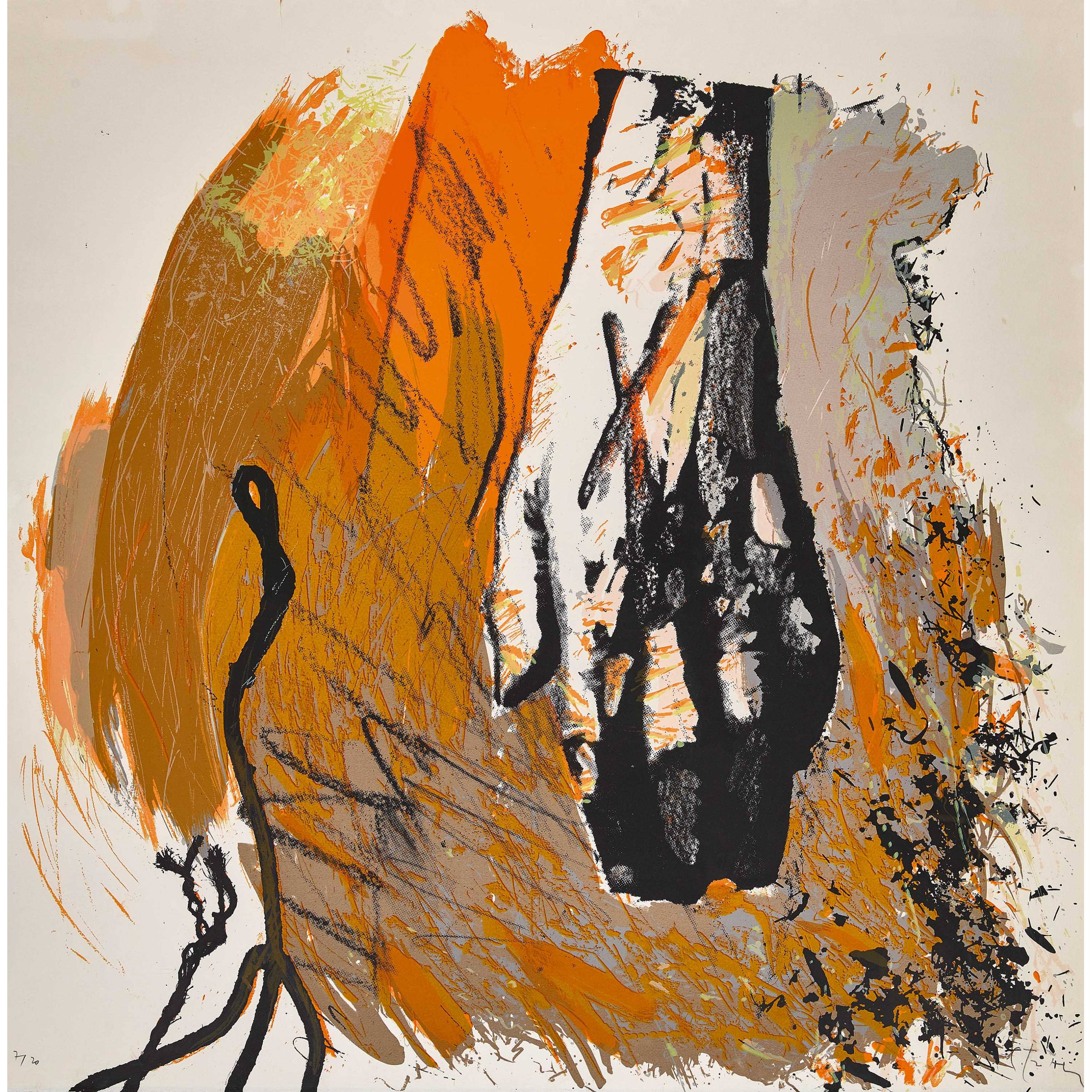
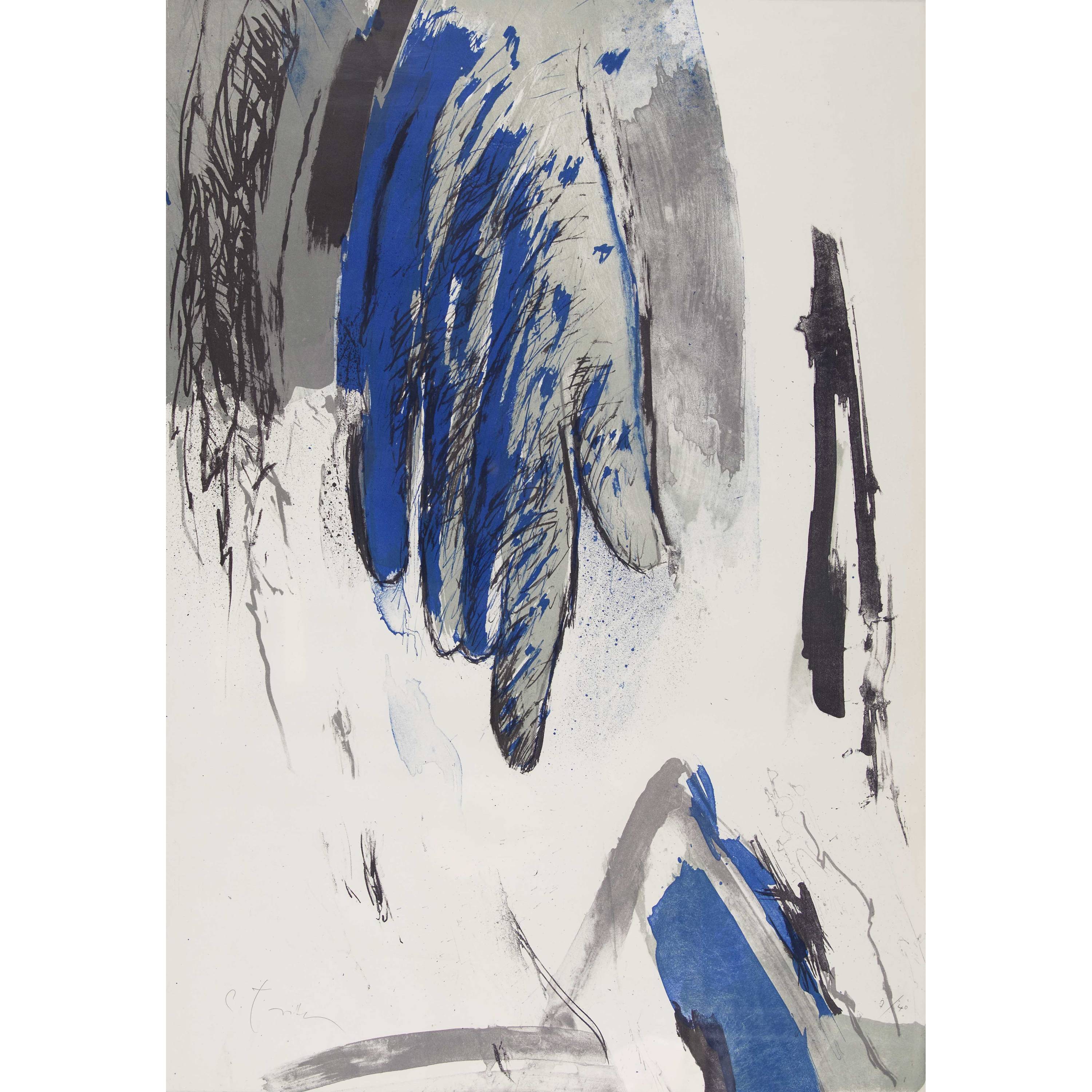
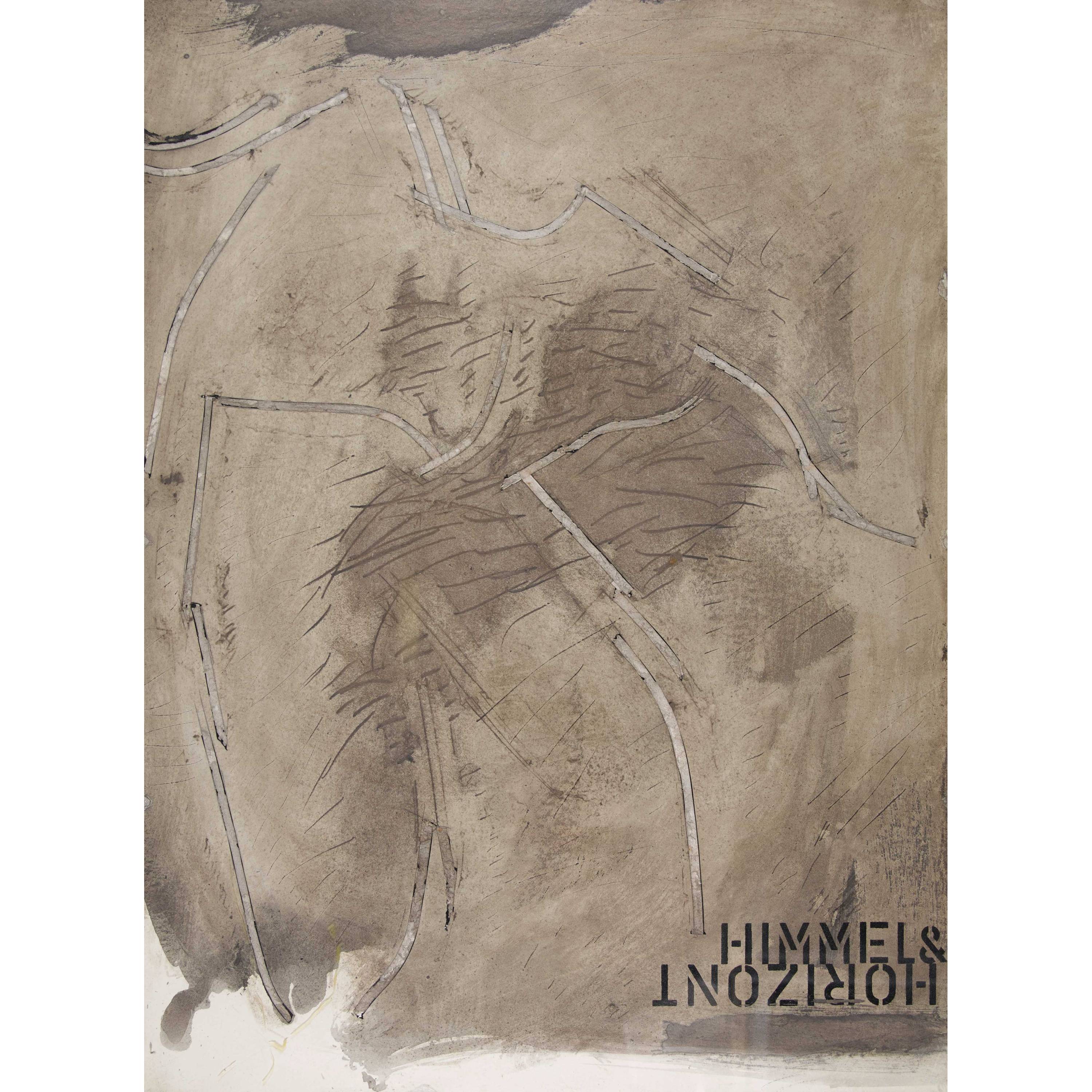
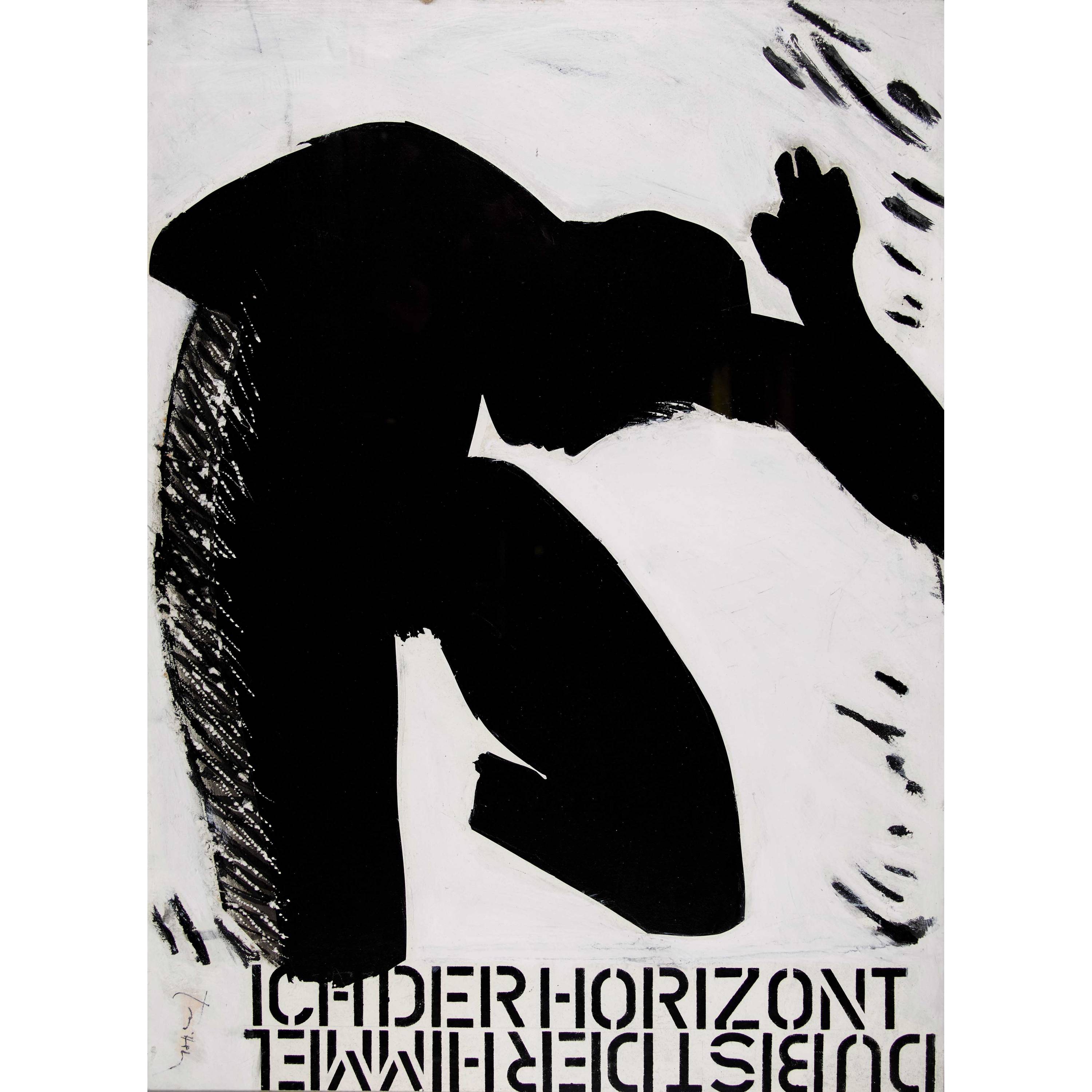
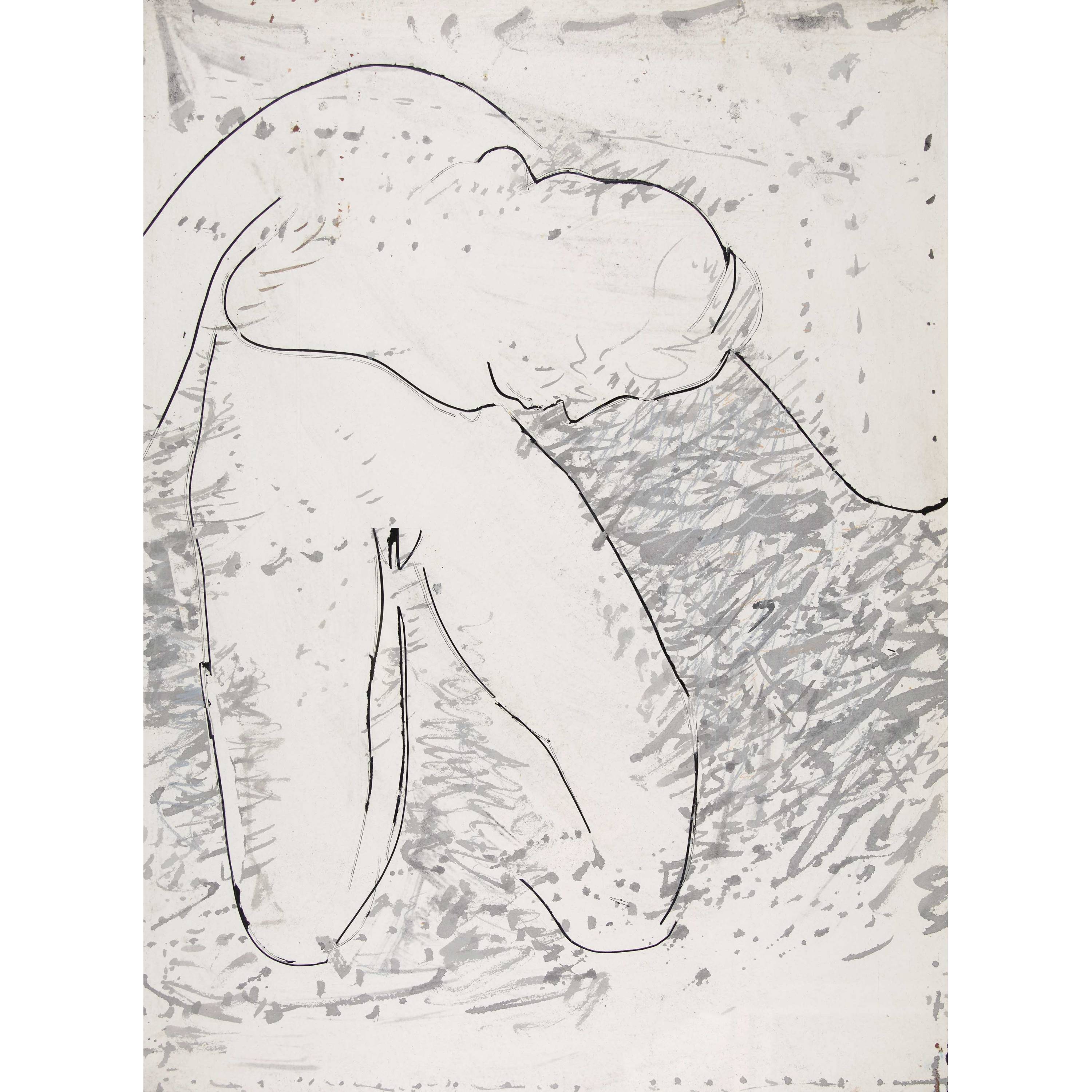
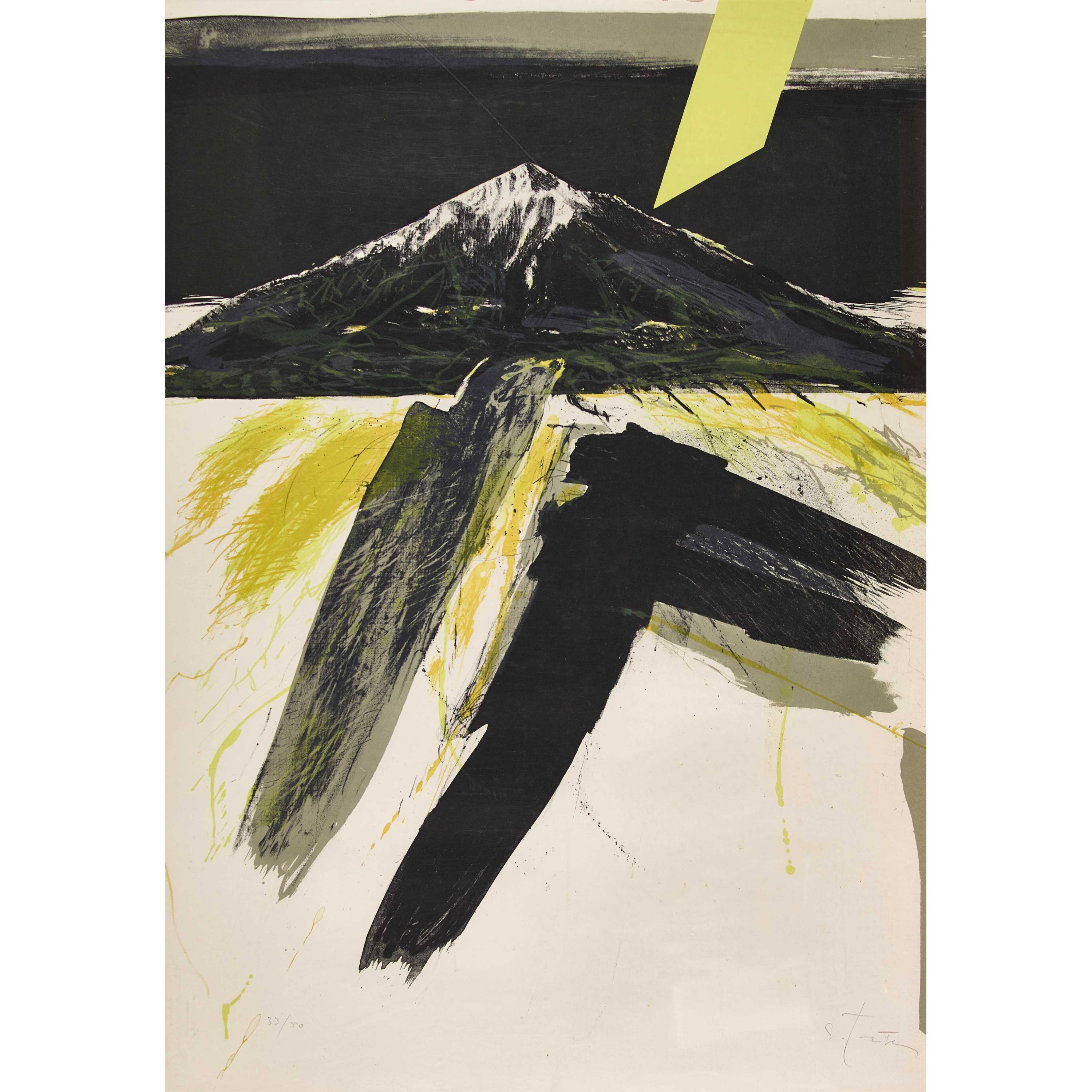
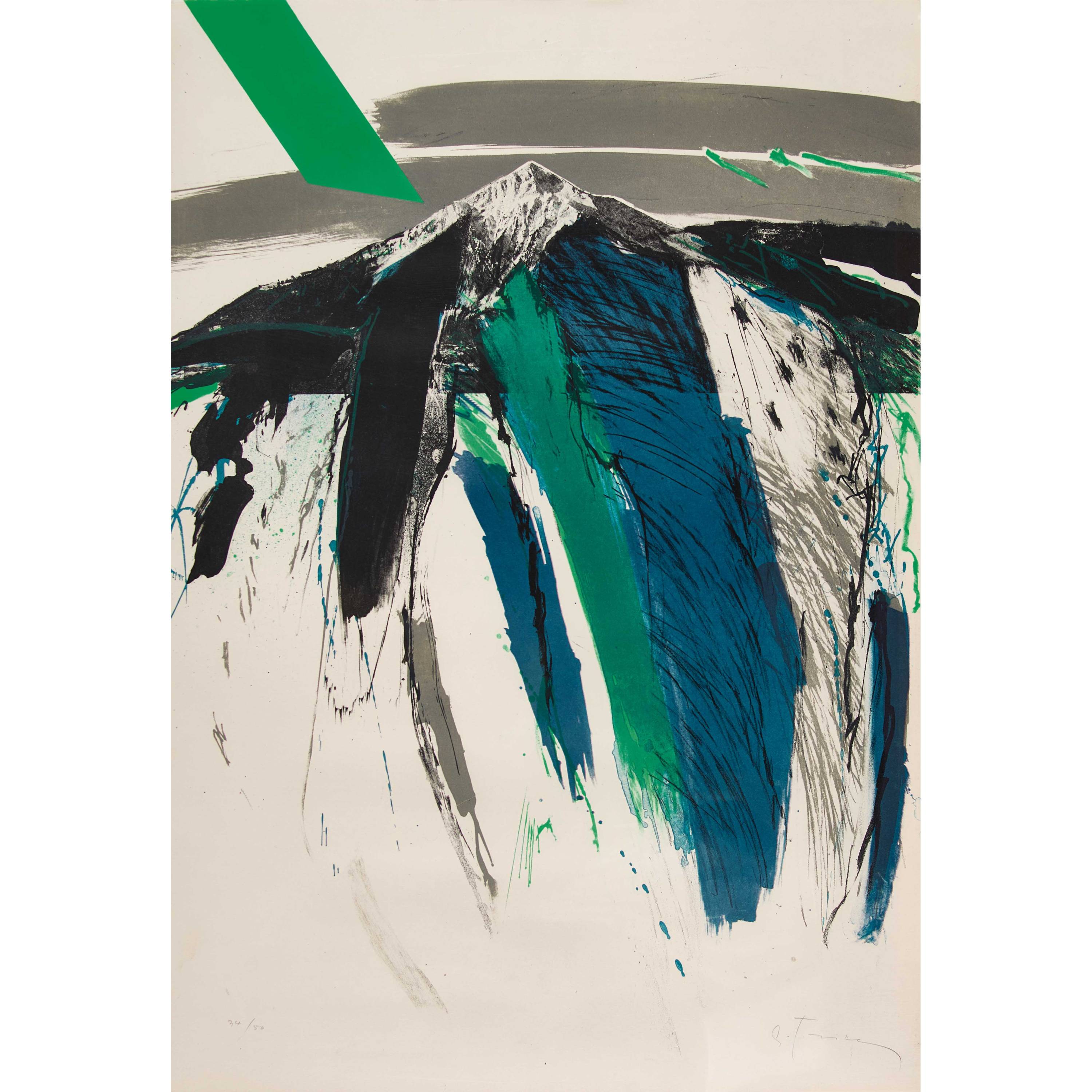
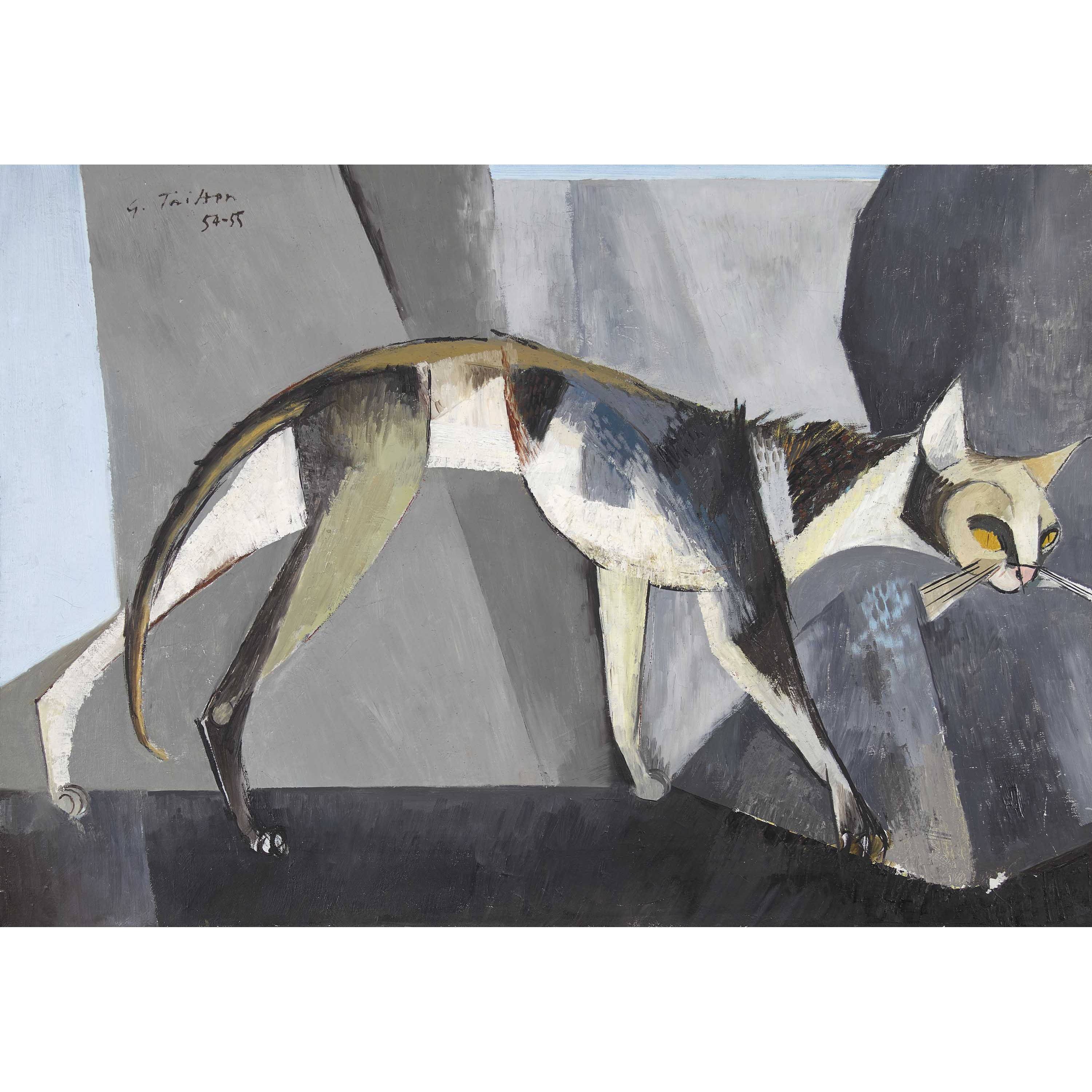
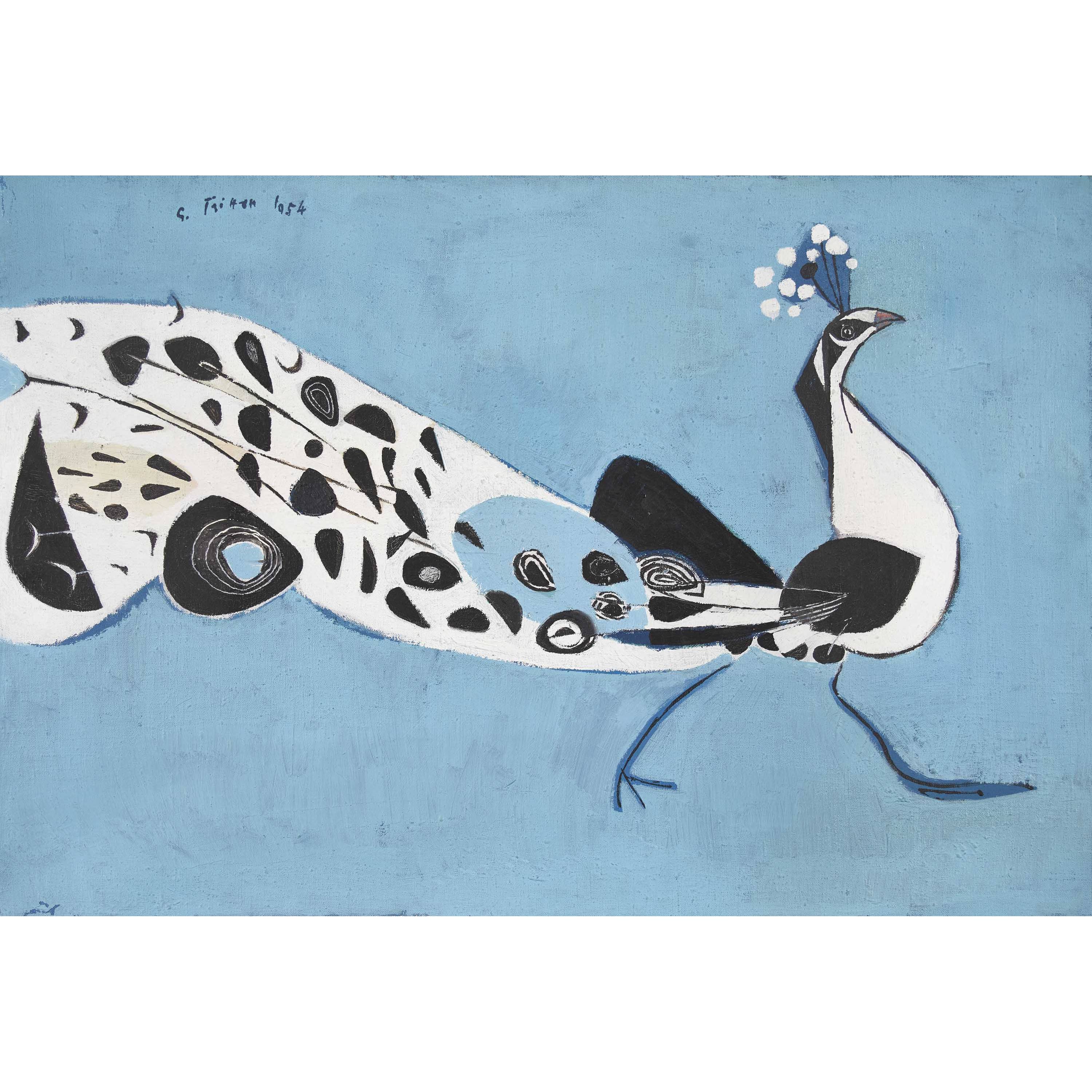
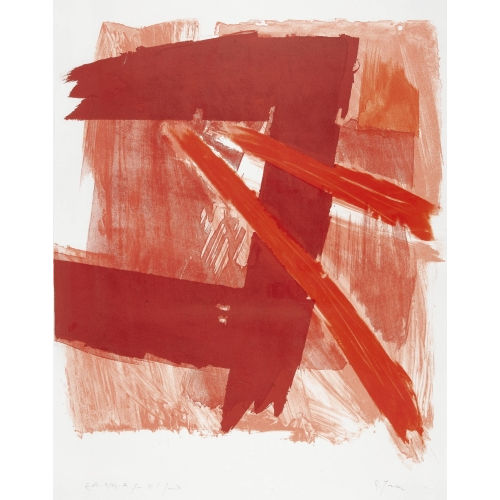
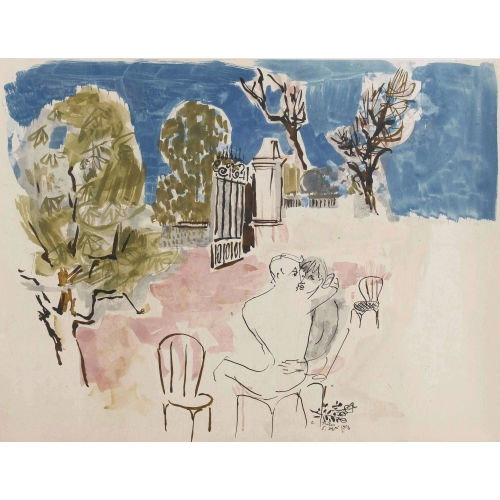
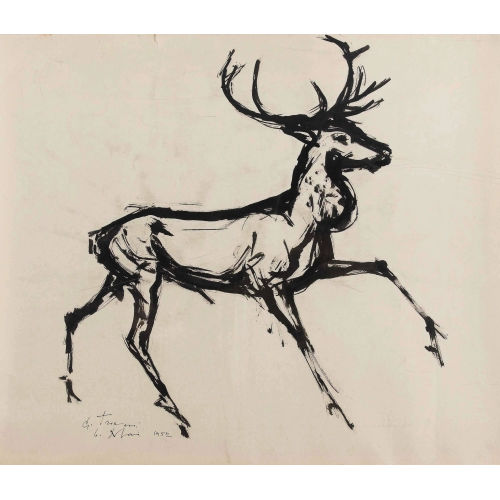
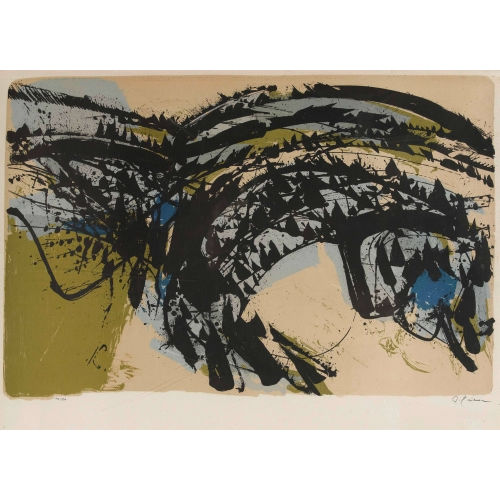
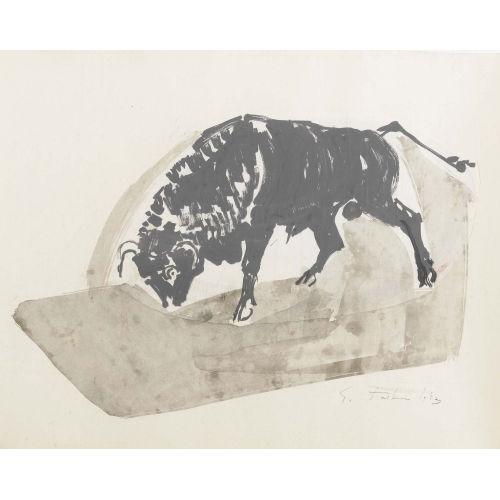
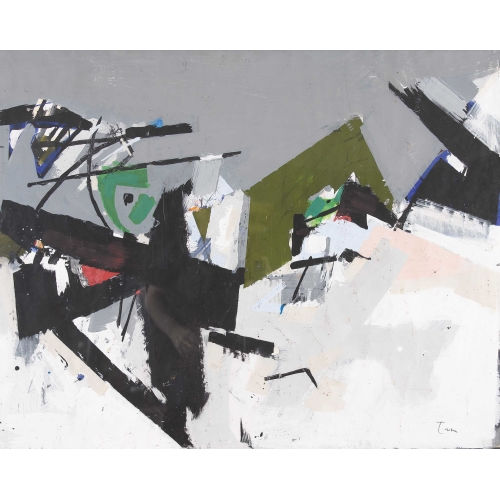
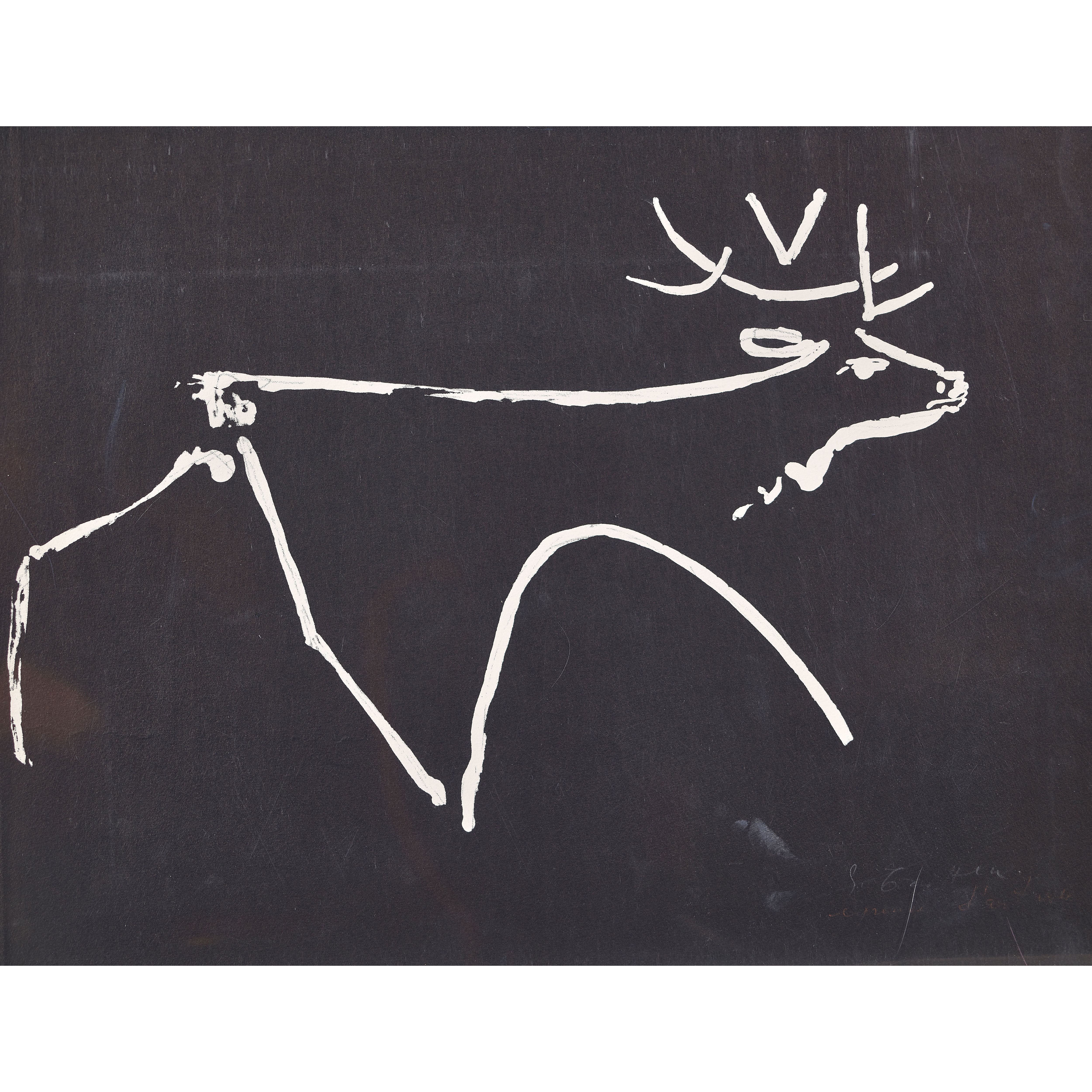
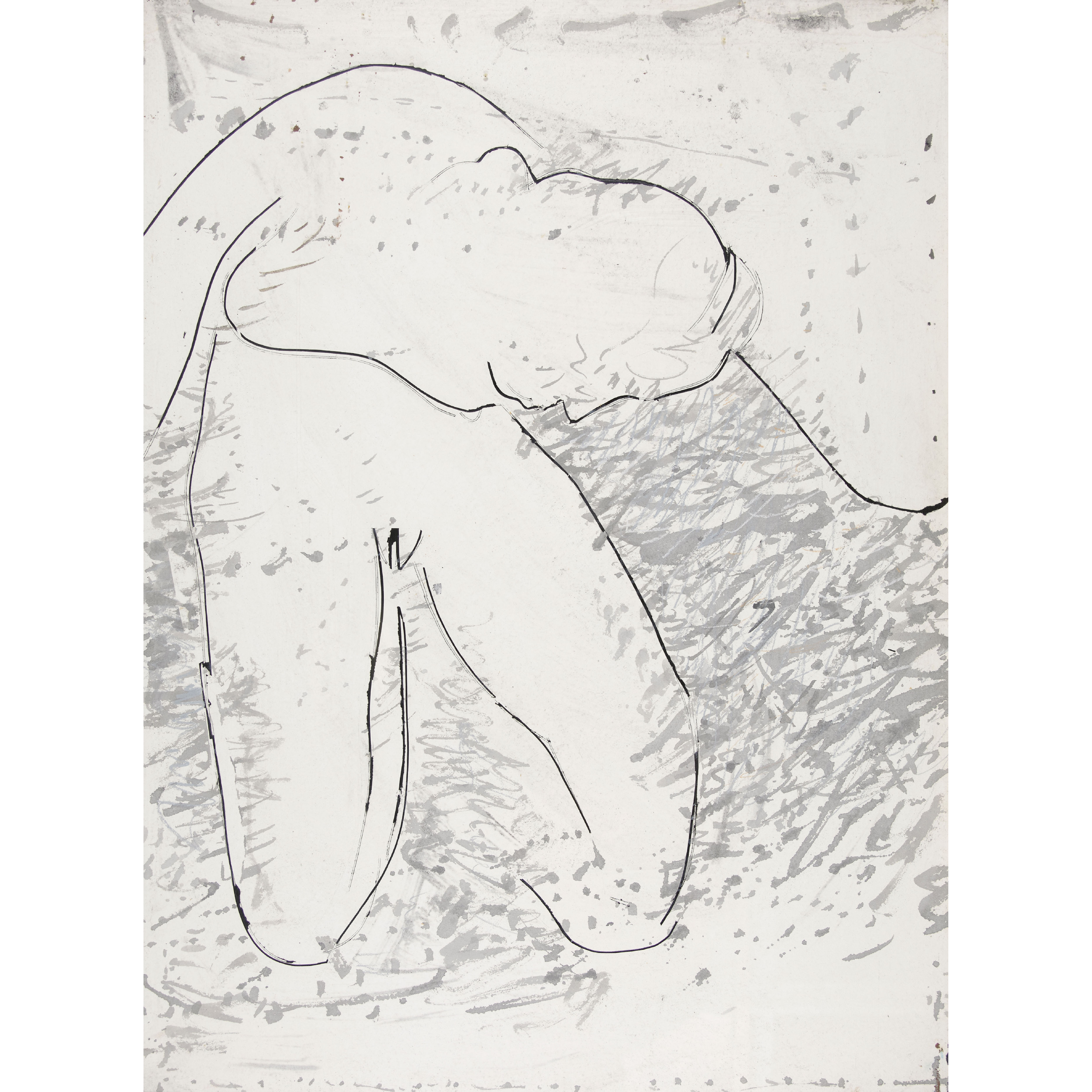
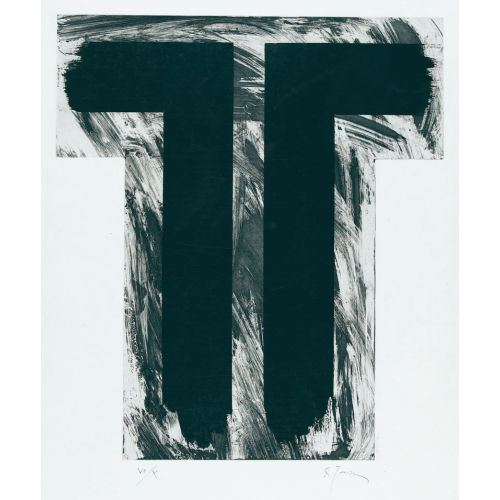
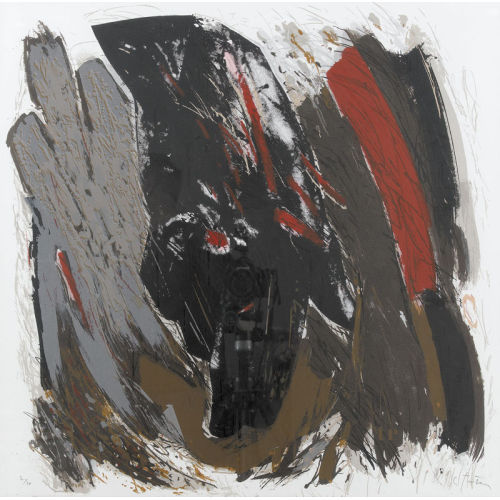
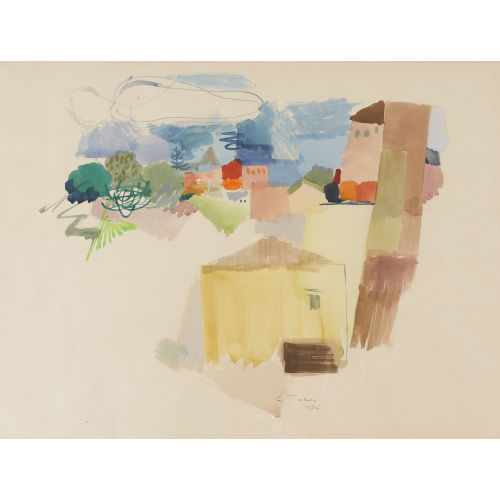
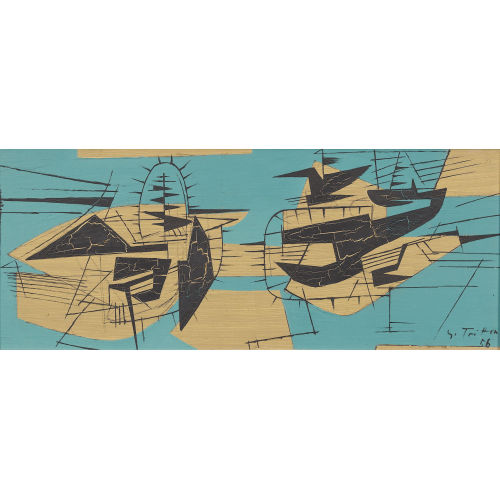
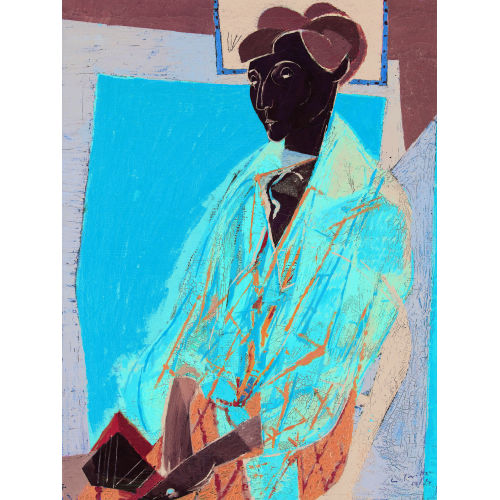
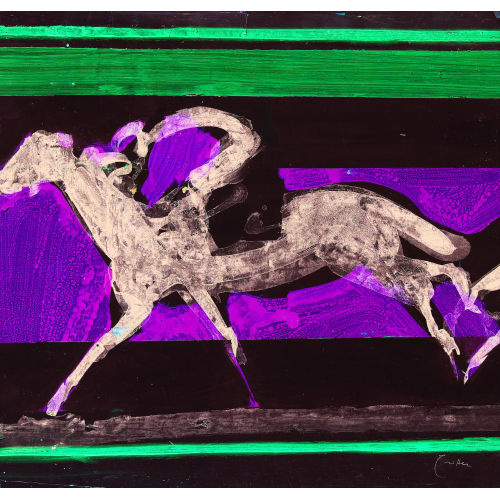
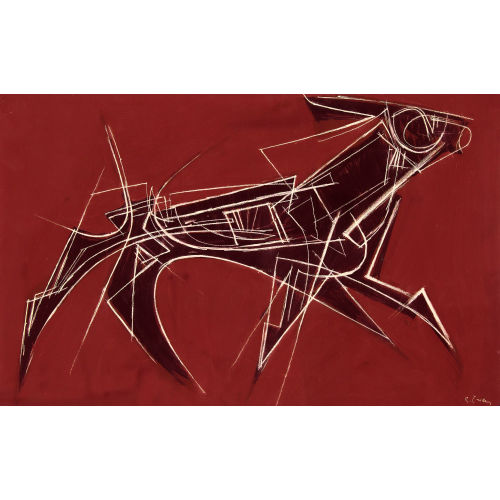
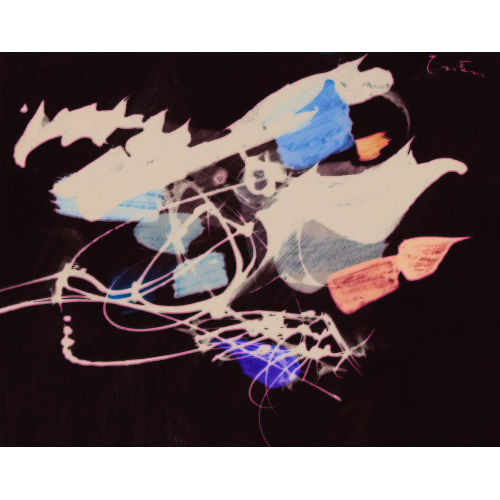
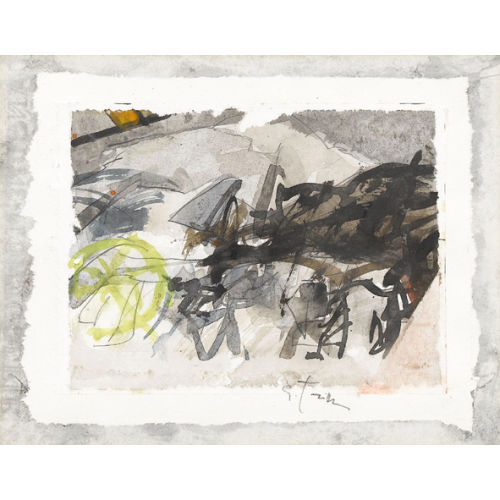
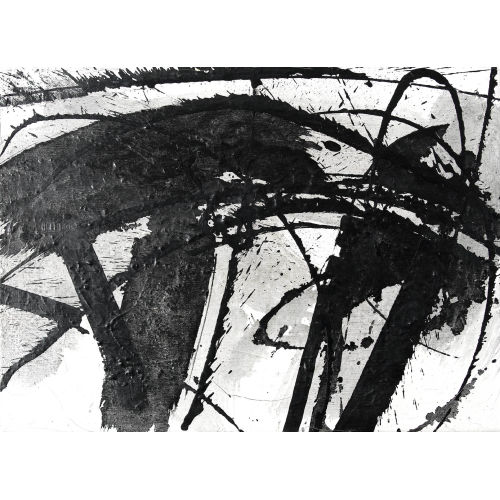
His early paintings remained figurative. In the mid-1950s, Abstract Expressionism and gestural painting gradually opened his work to freer forms. Yet the landscape did not disappear: its status changed.
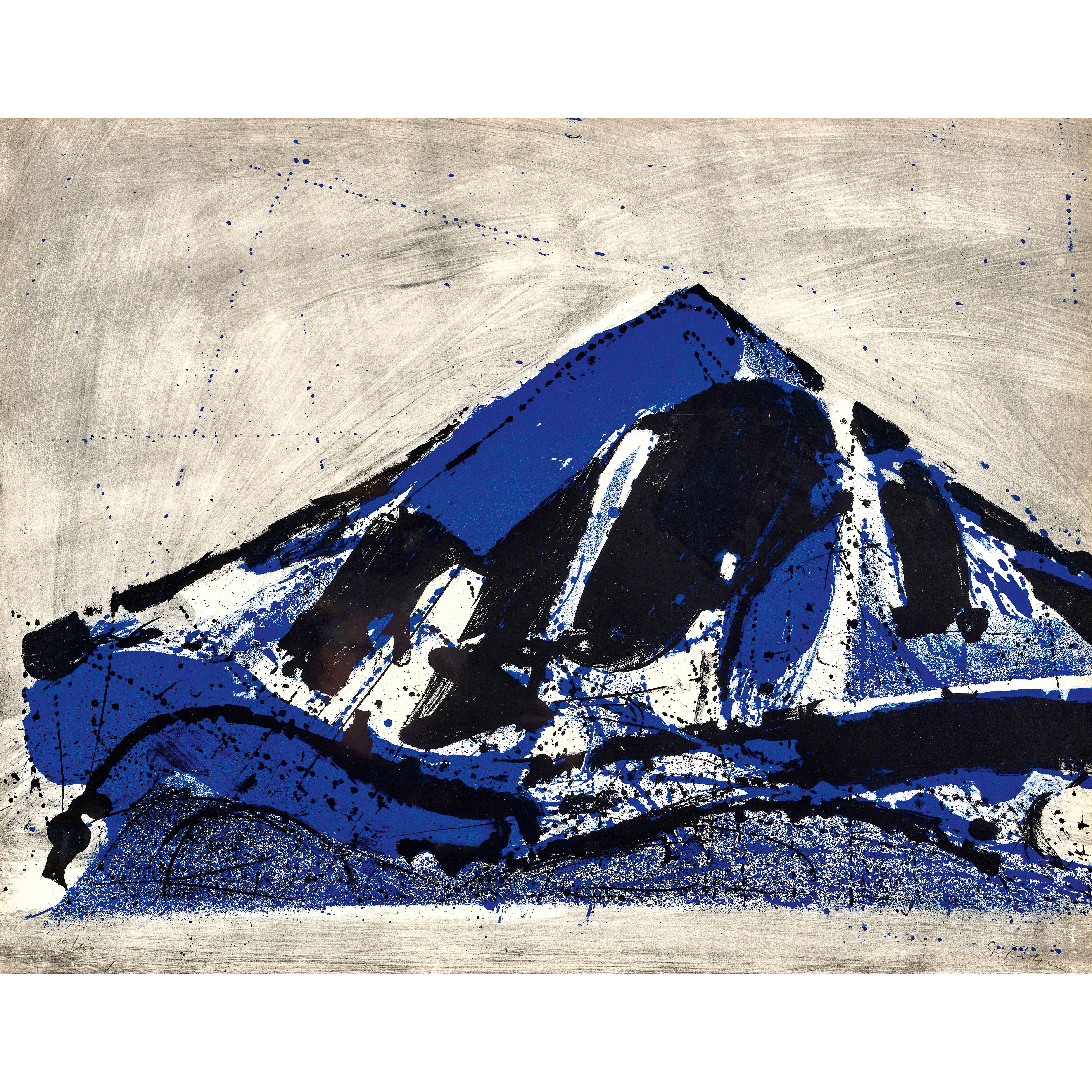
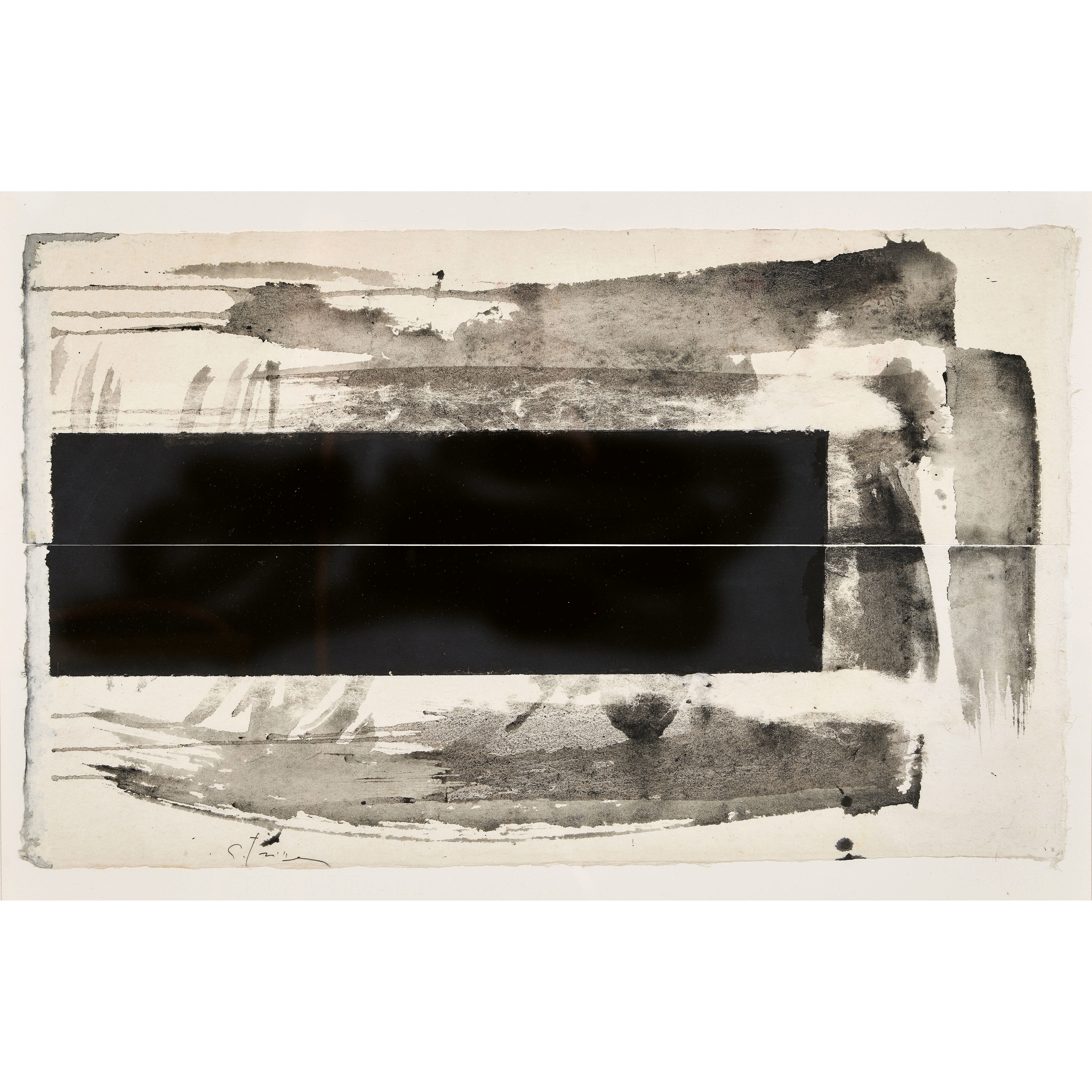
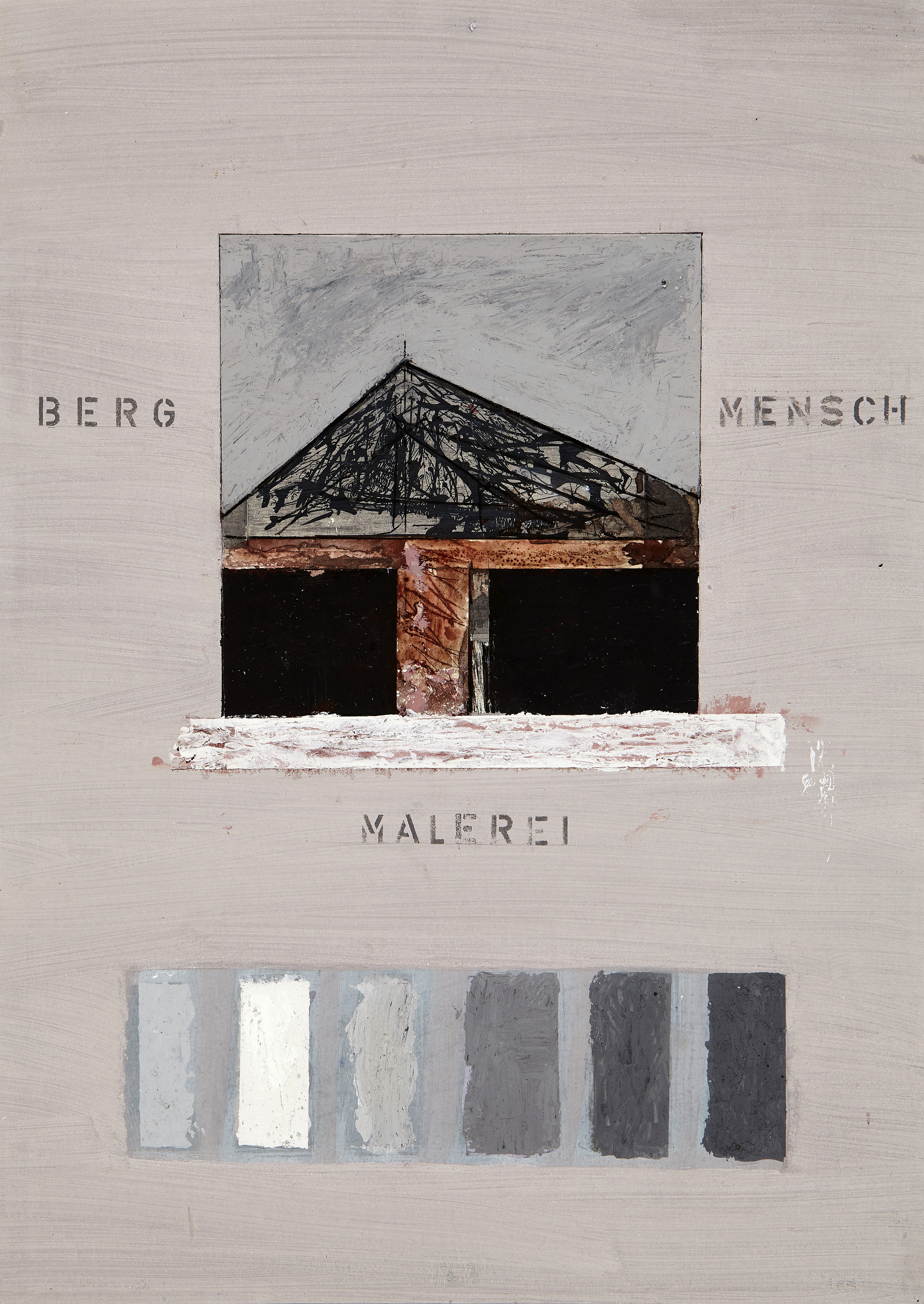
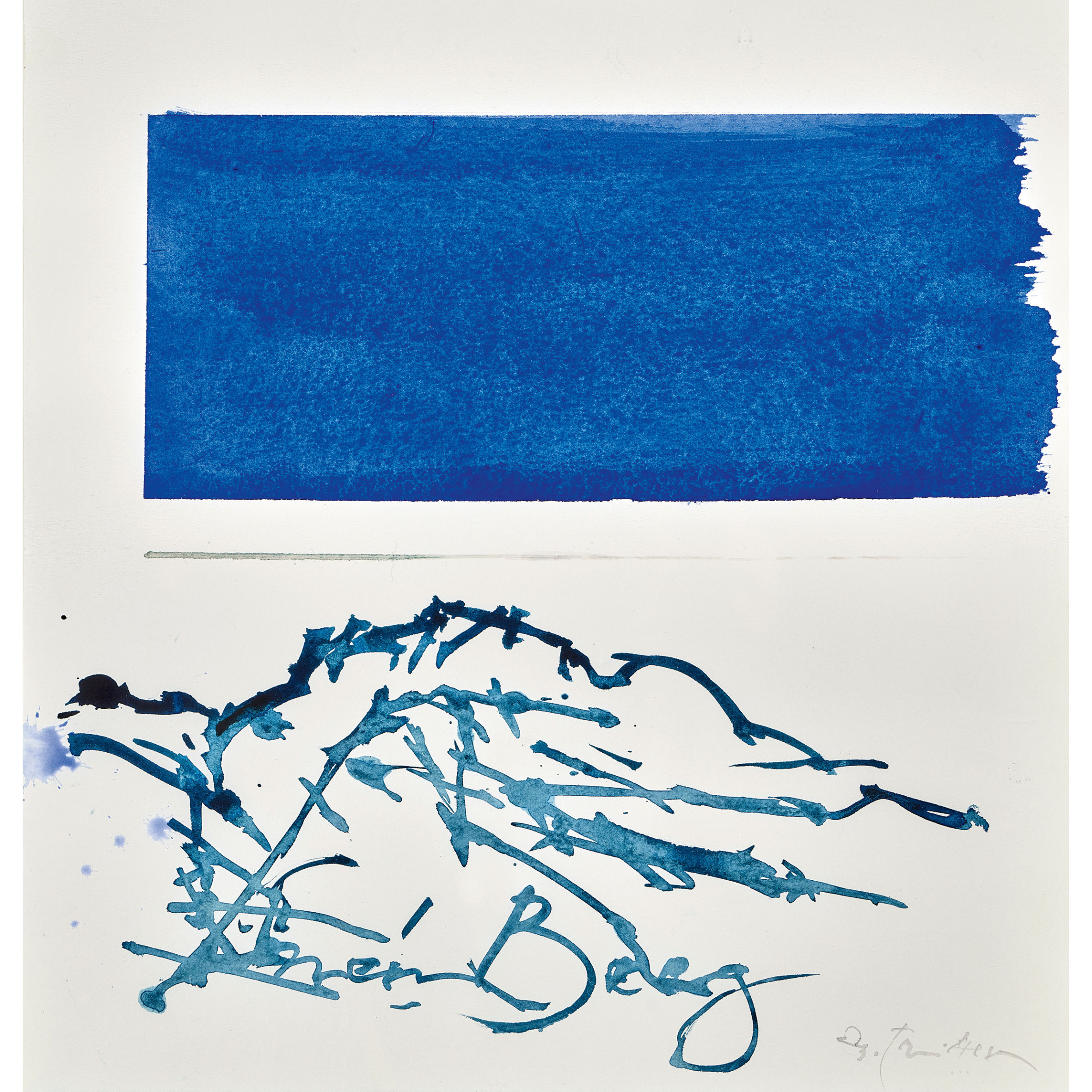
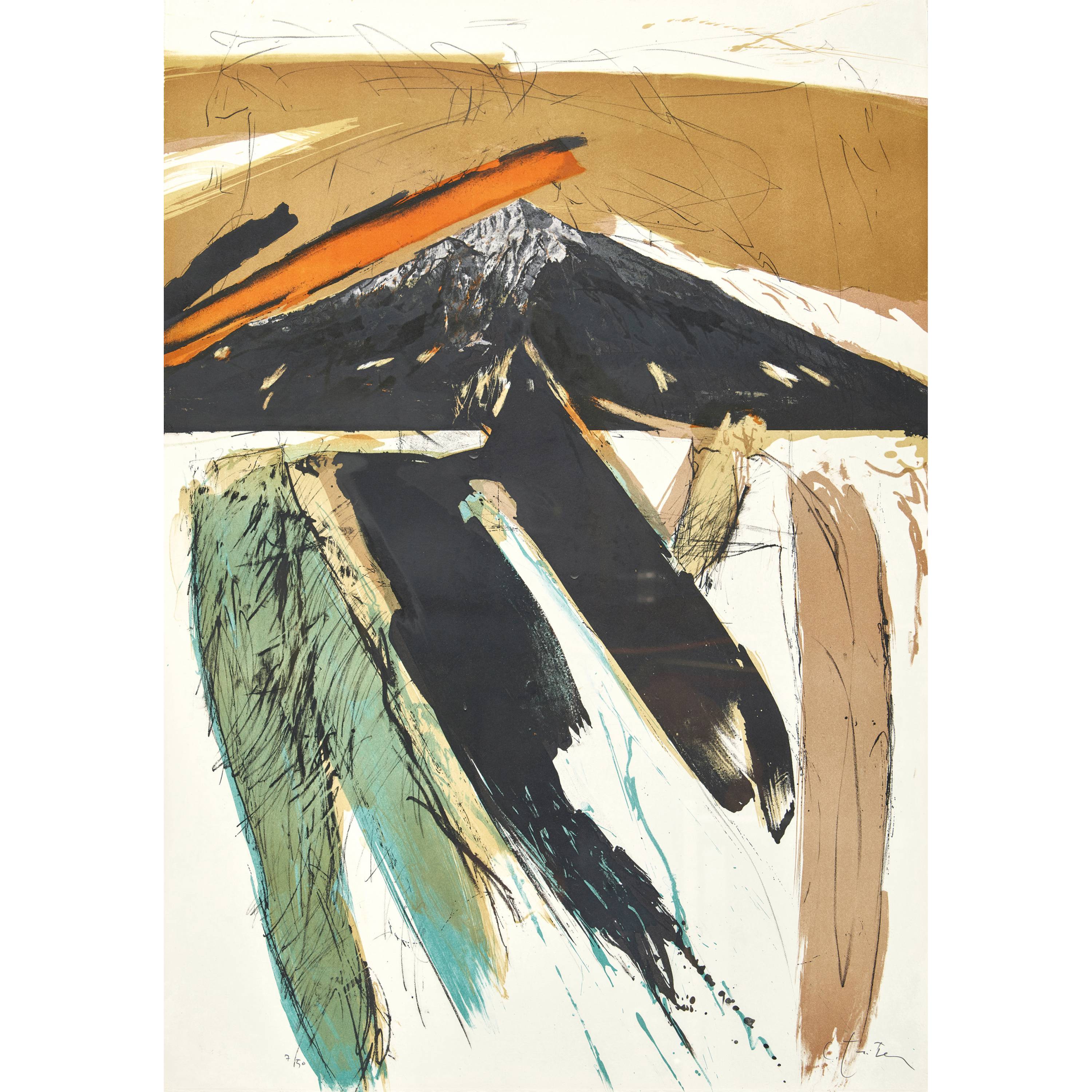
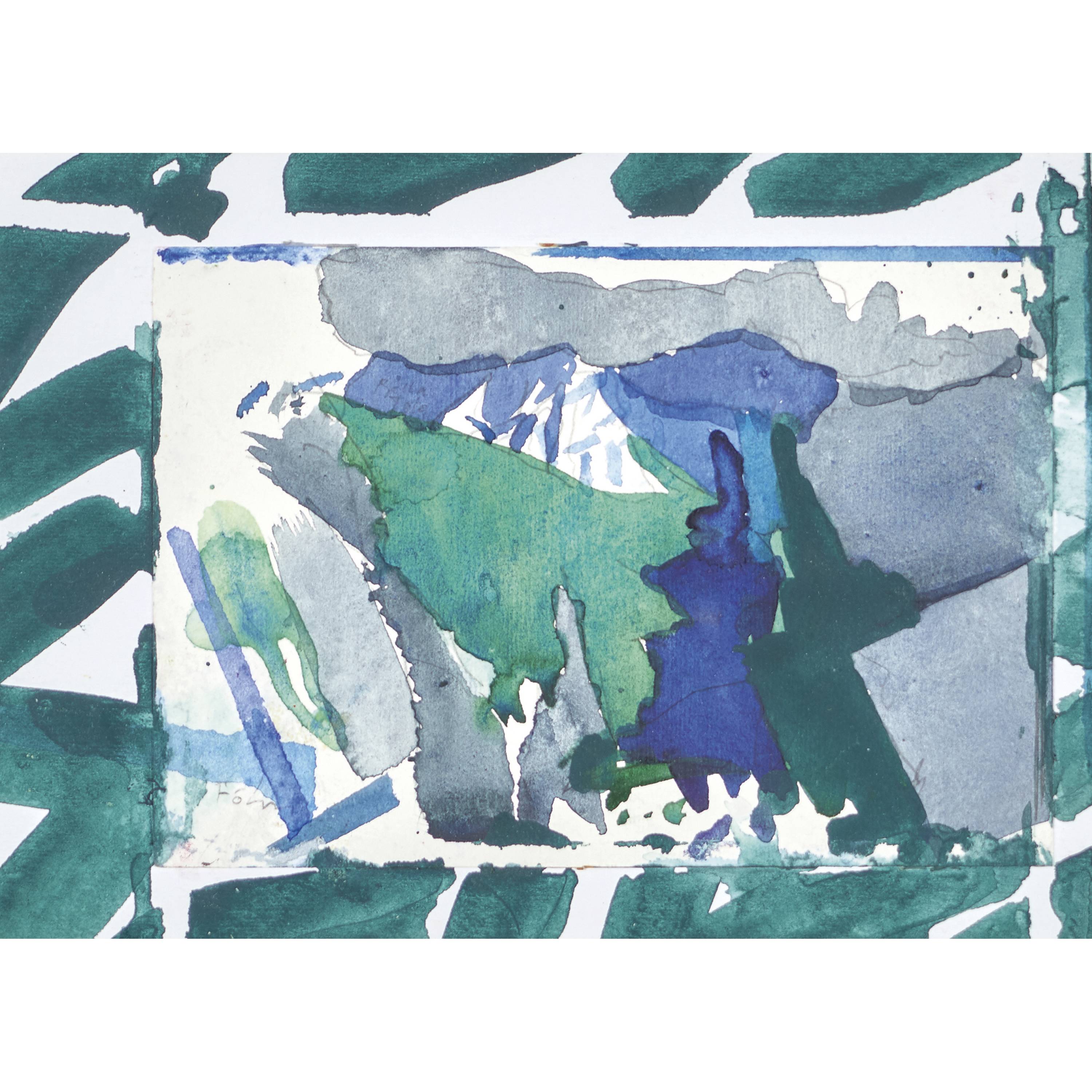
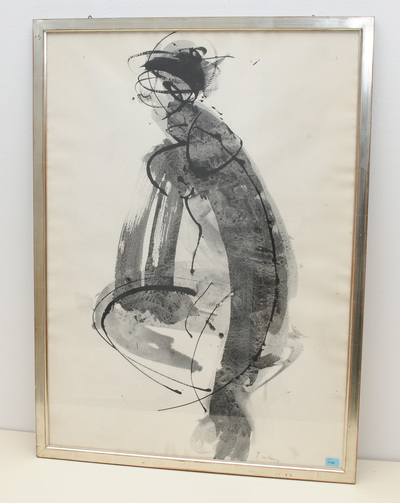
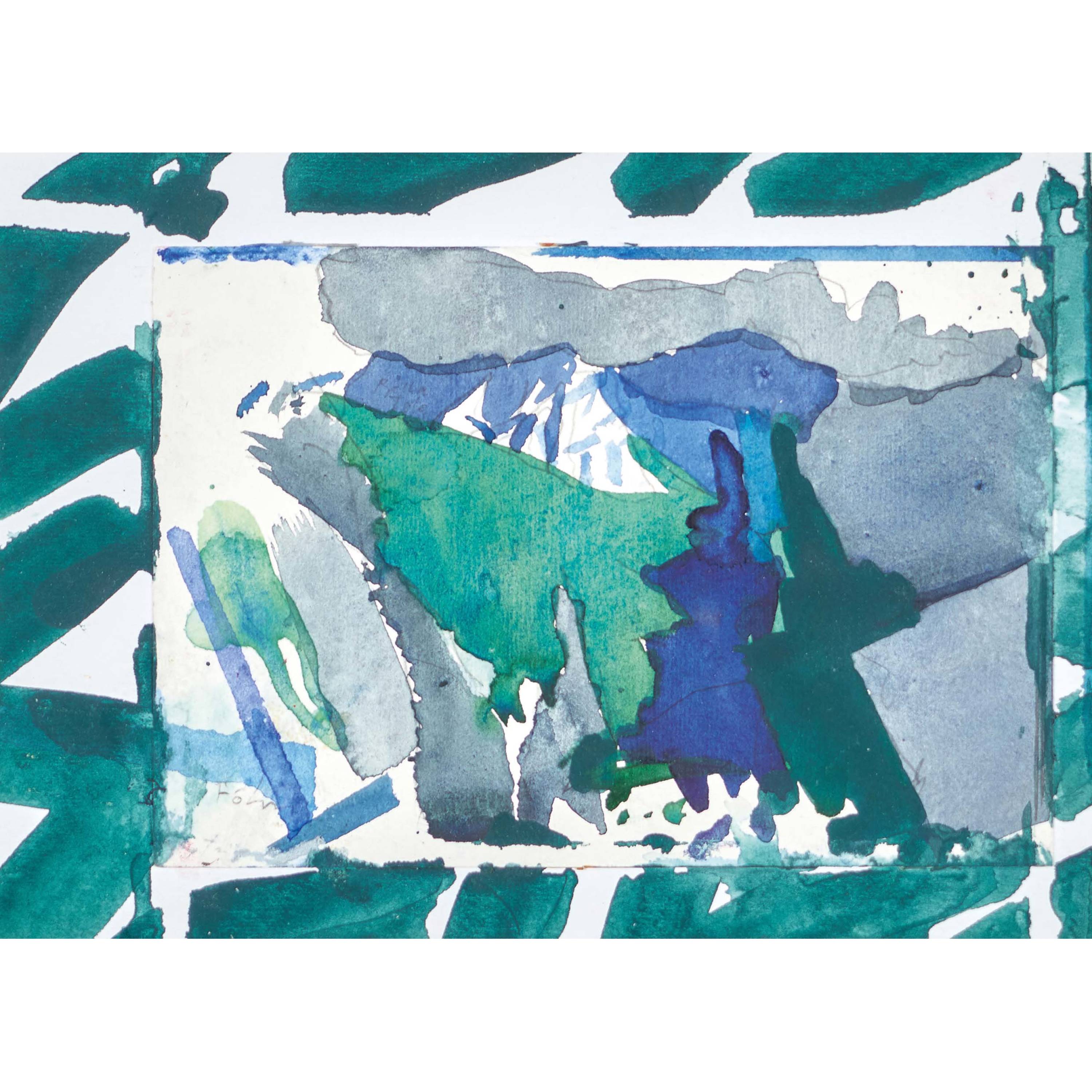
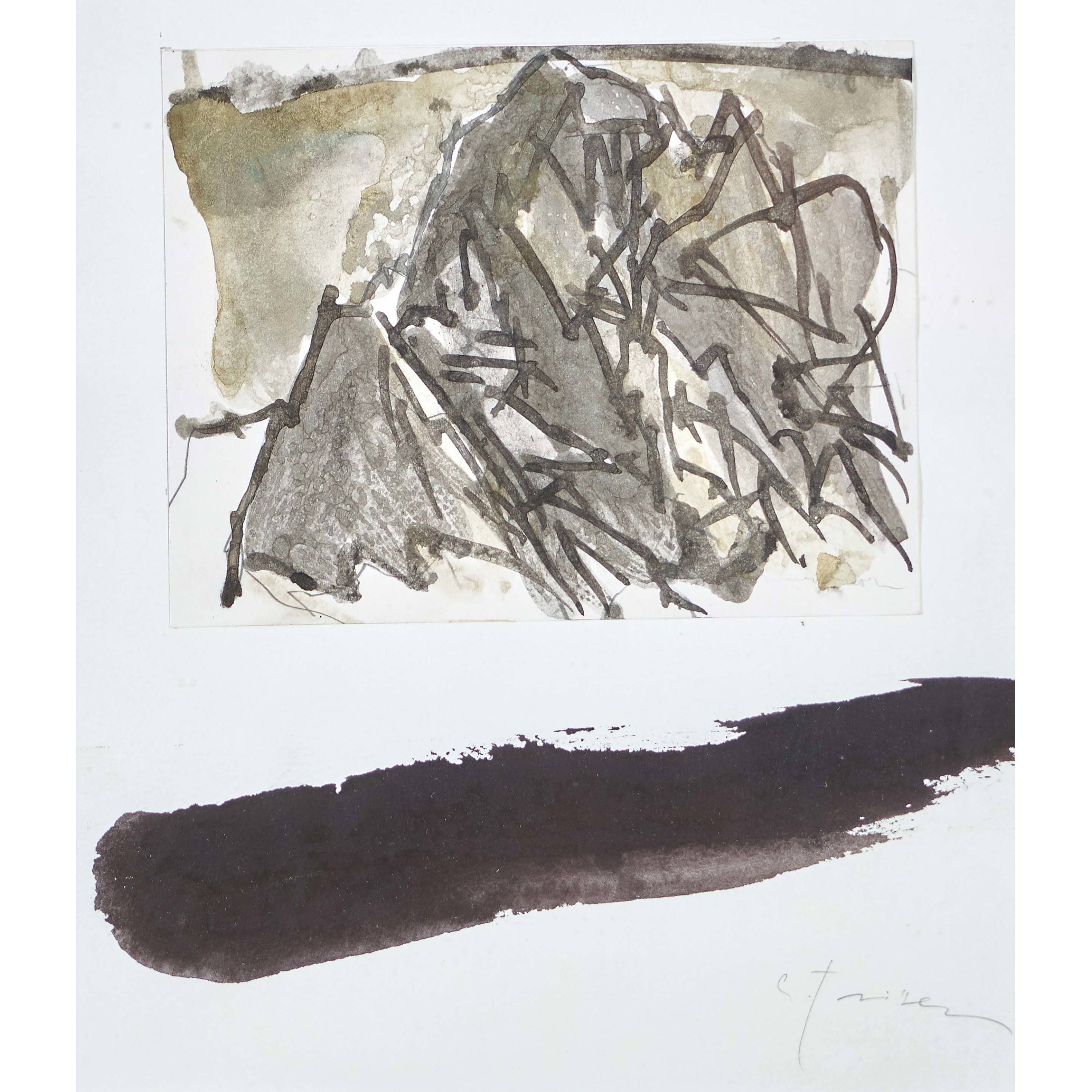
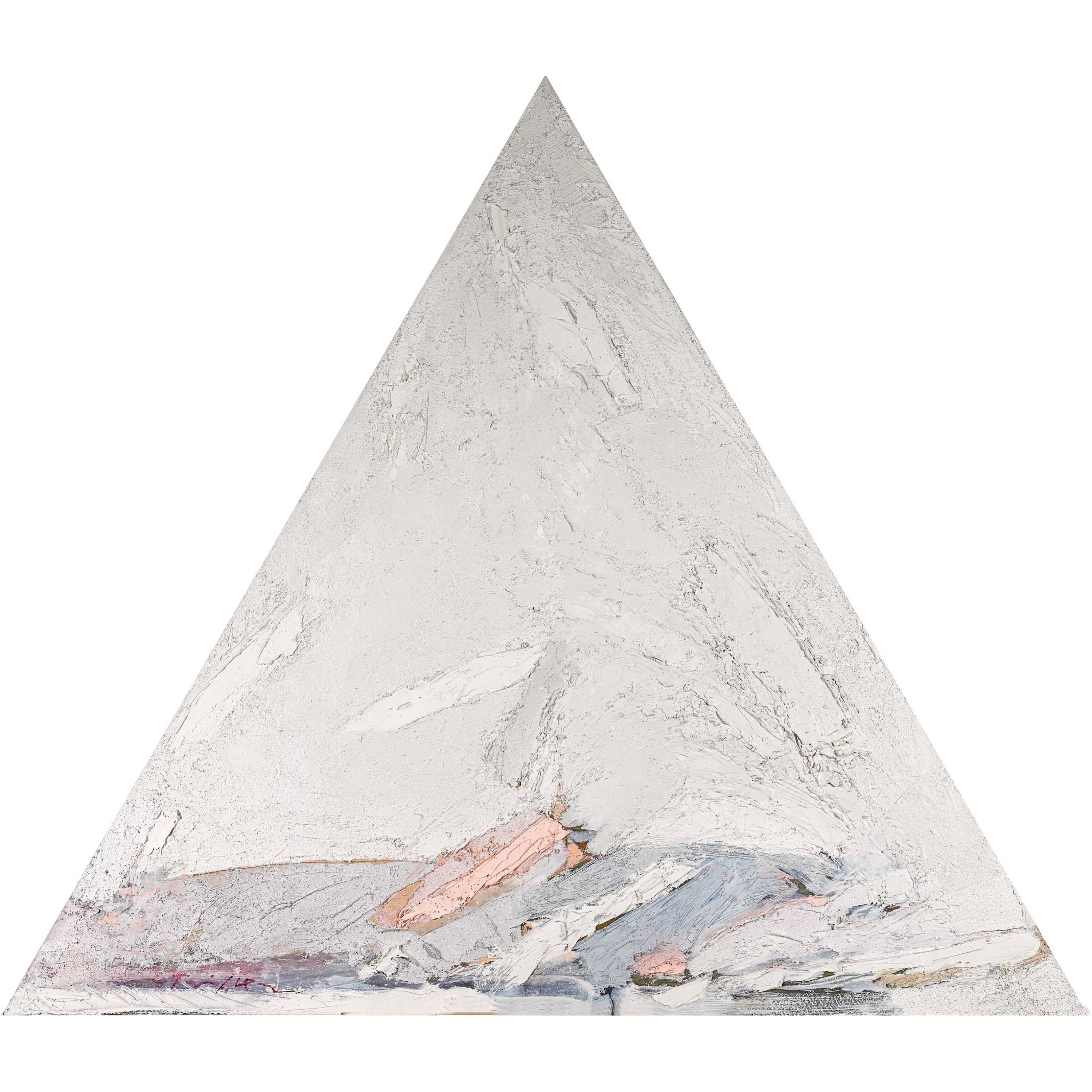
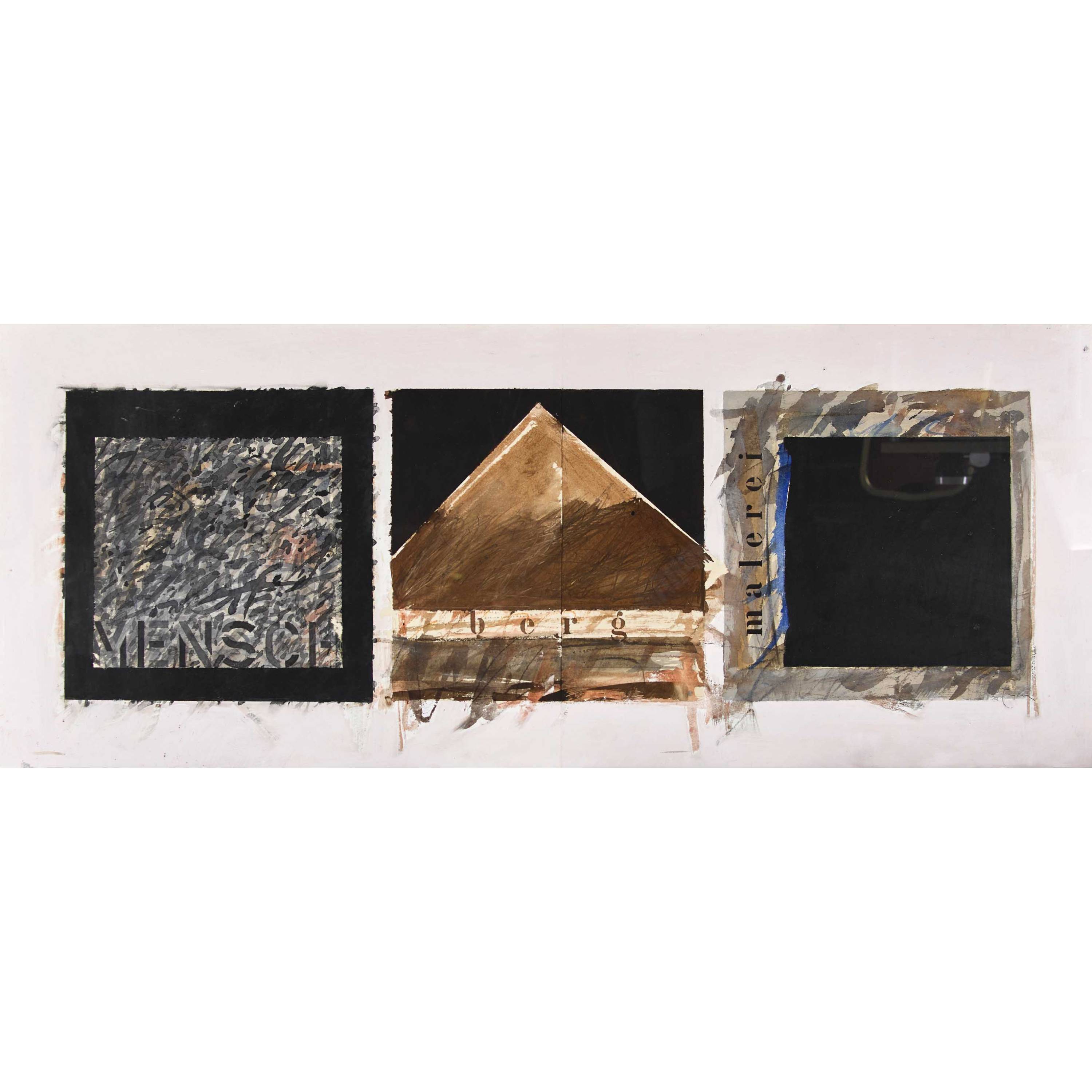
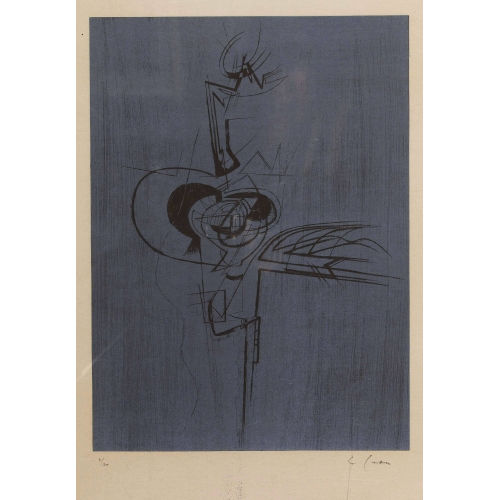
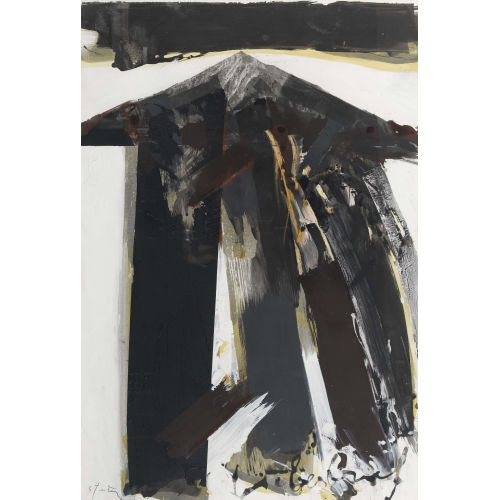
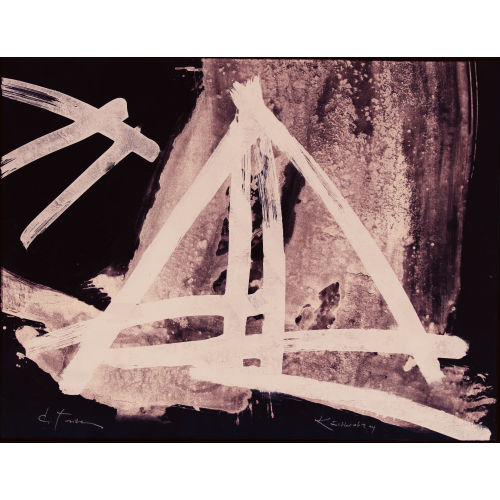
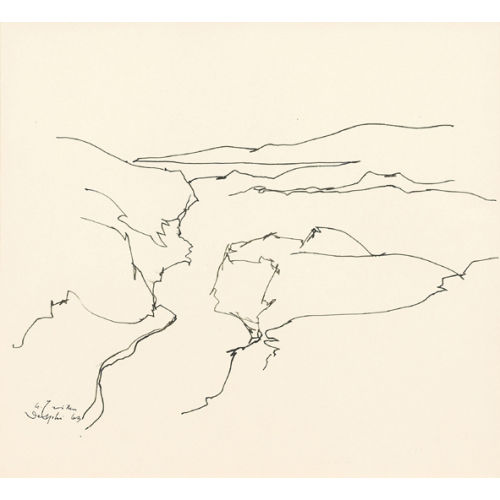
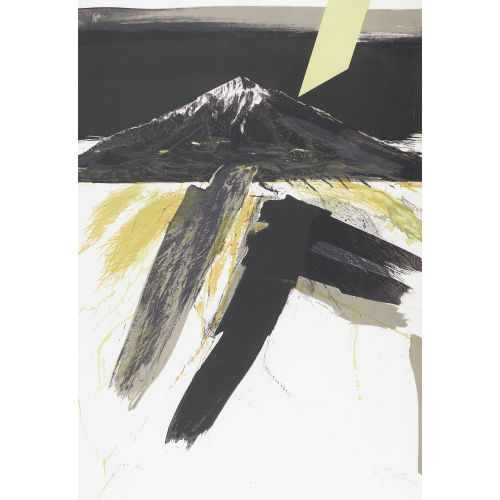
The Niesen, a pyramidal mass discovered near Lake Thun in 1955, became a recurring motif, and then a sign. In the trilogy Berg, Mensch, Malerei, the mountain is condensed into a triangle, poised between an earthly foundation and an upward thrust. Elsewhere, the Valais vineyards are reduced to a few lines in Indian ink.
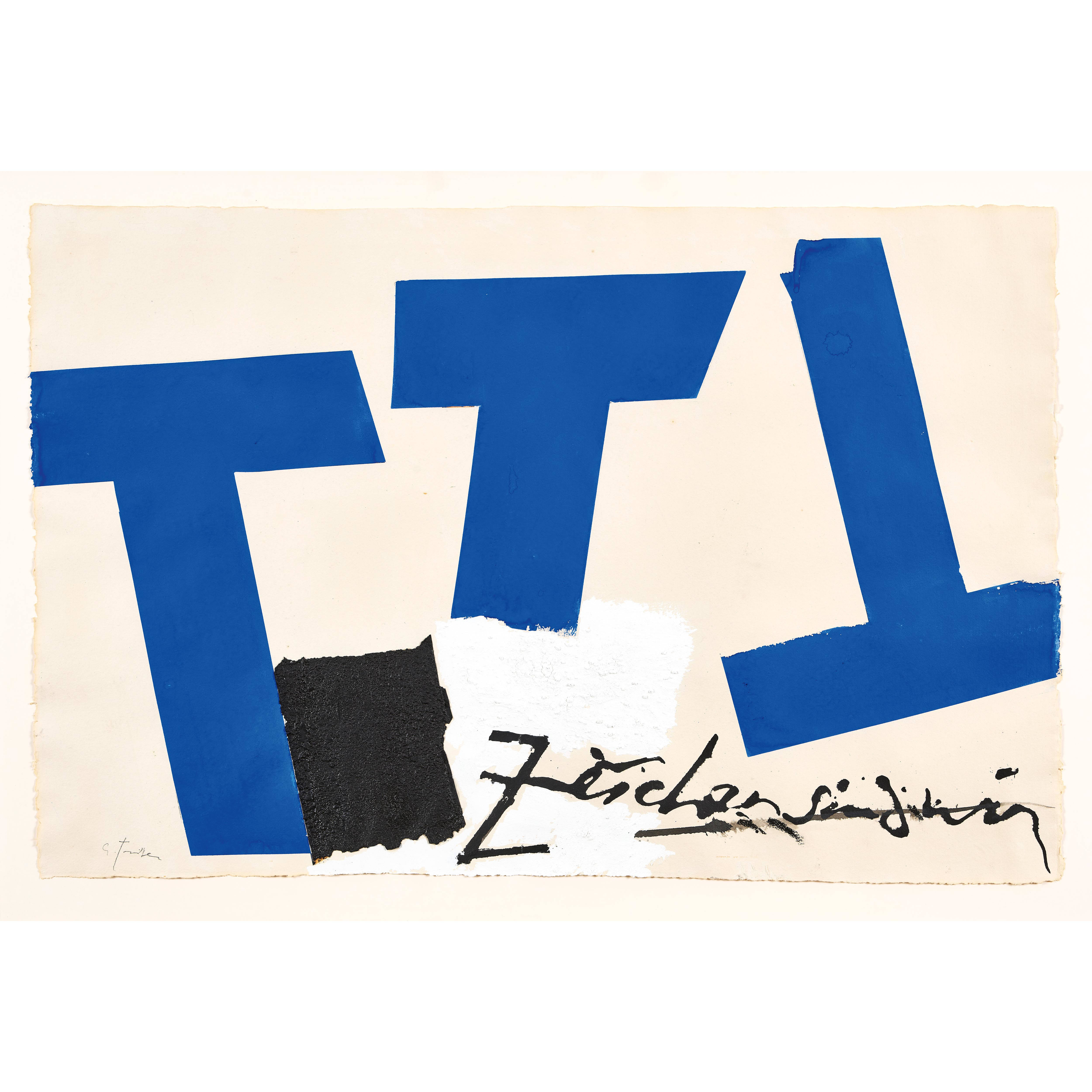
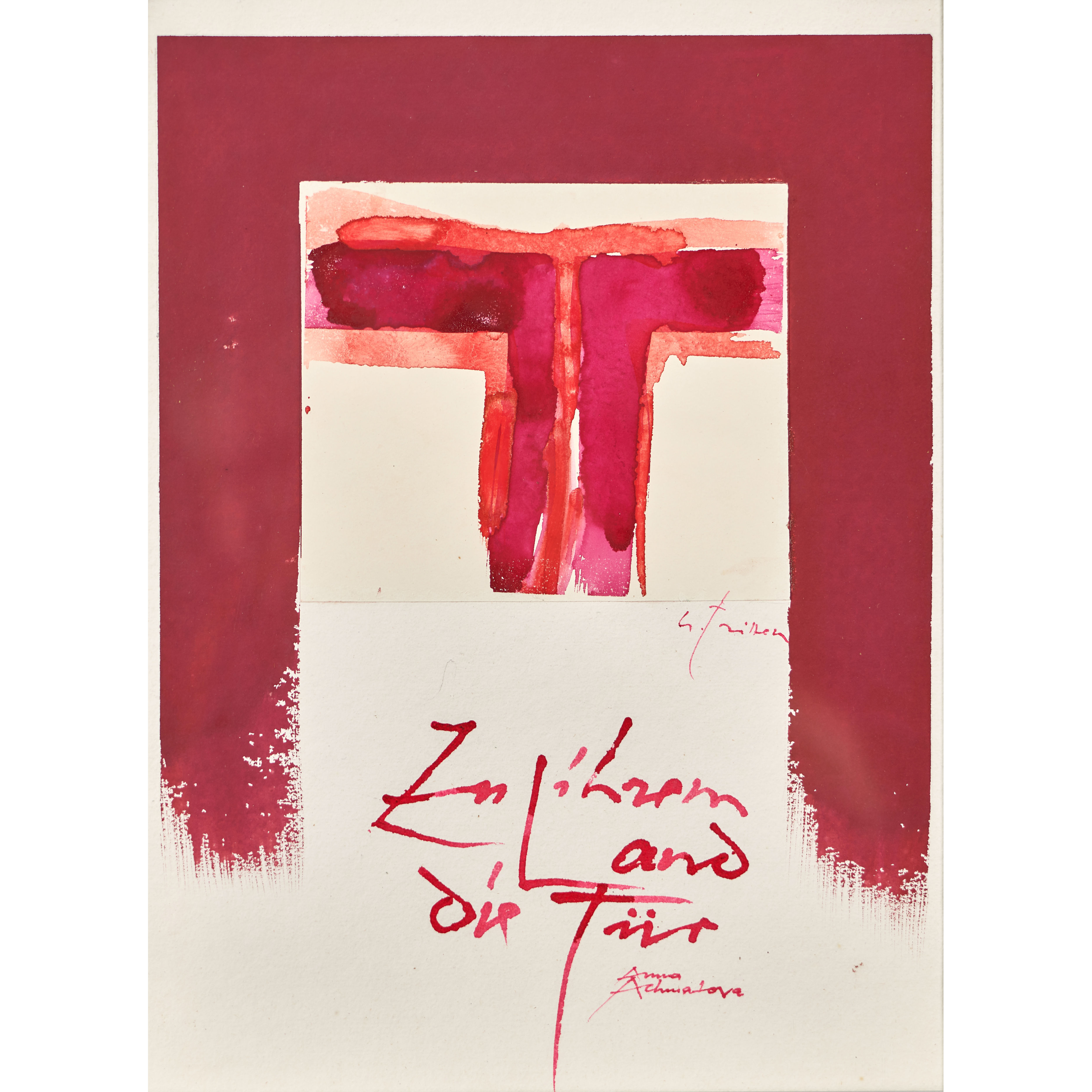
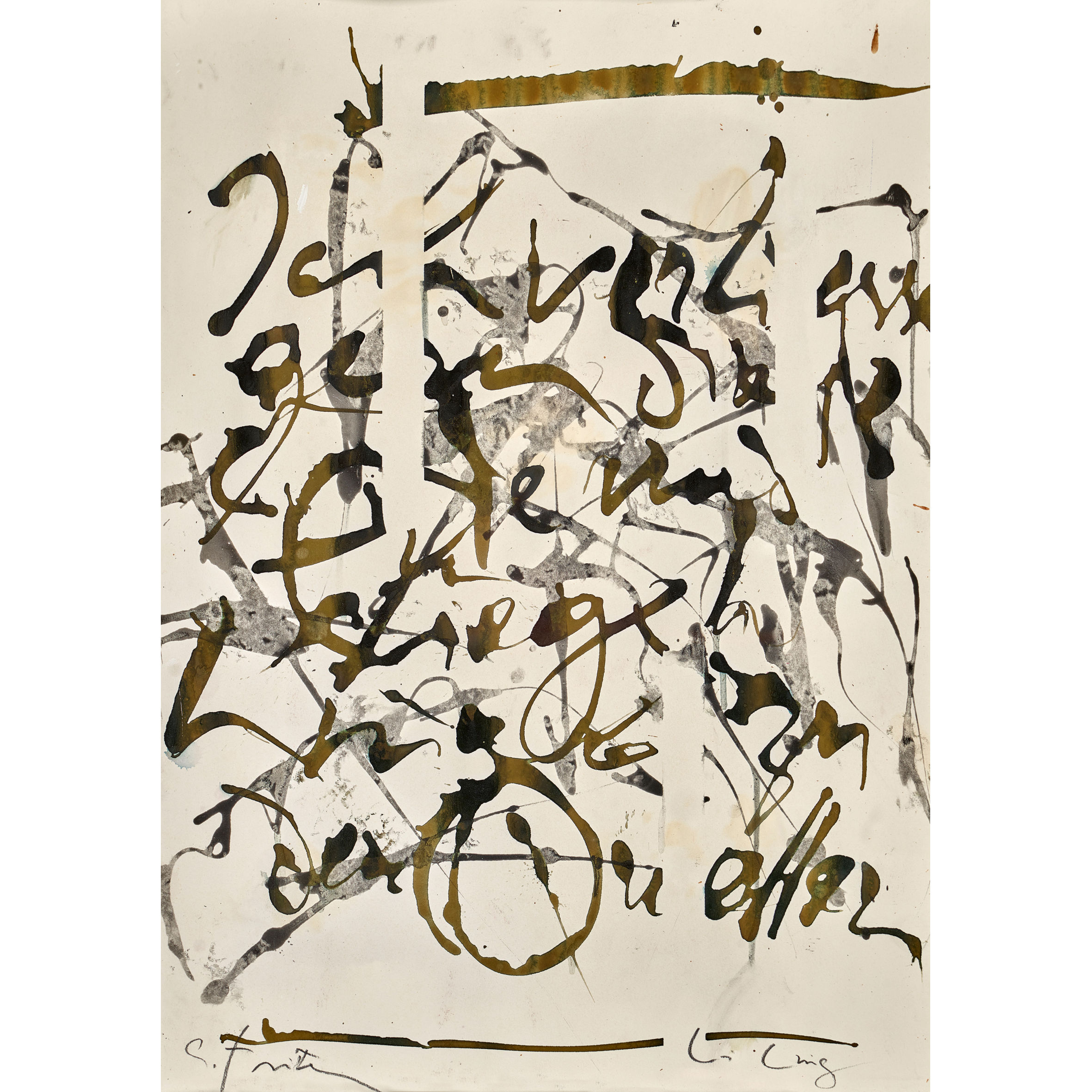
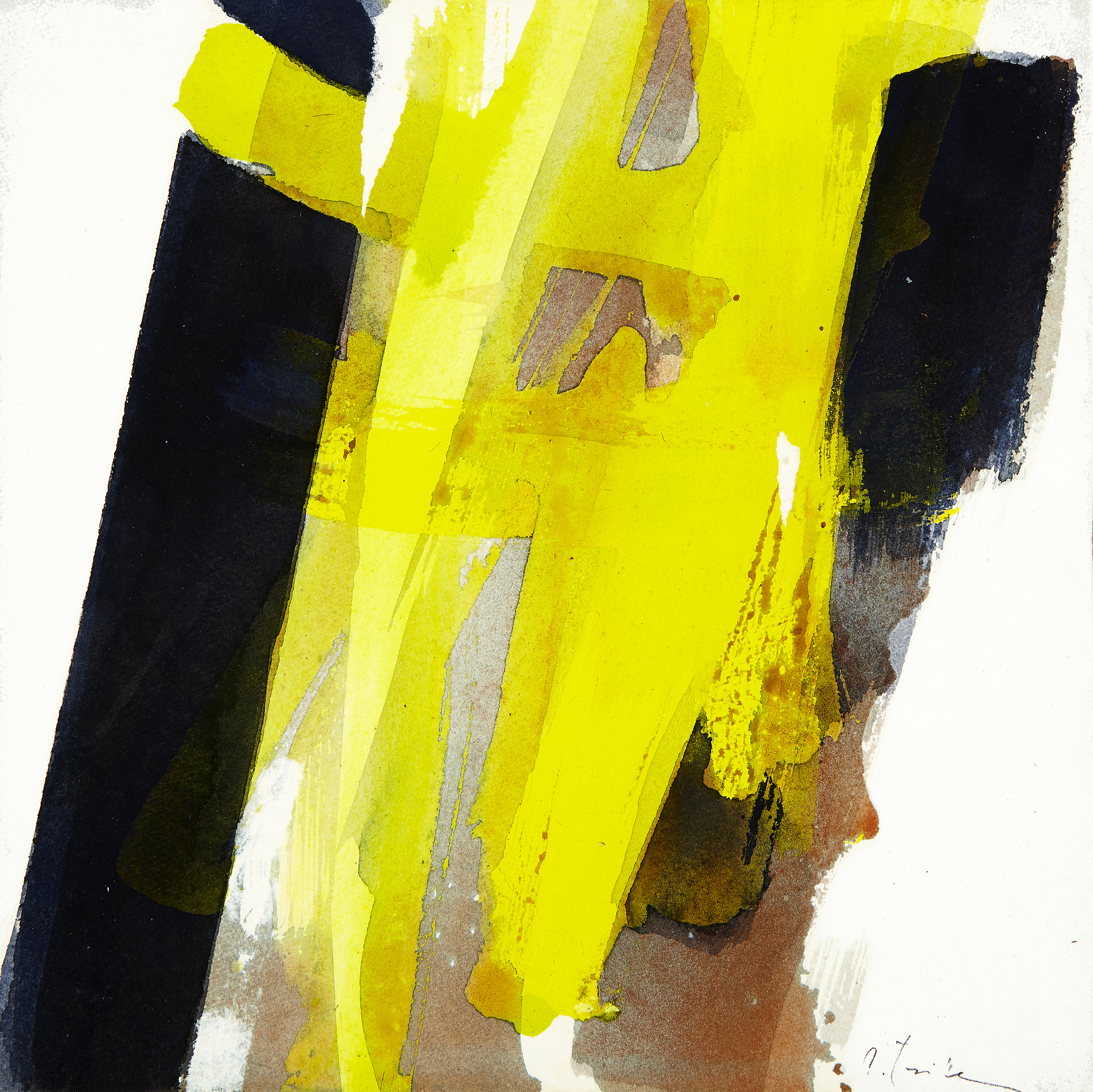
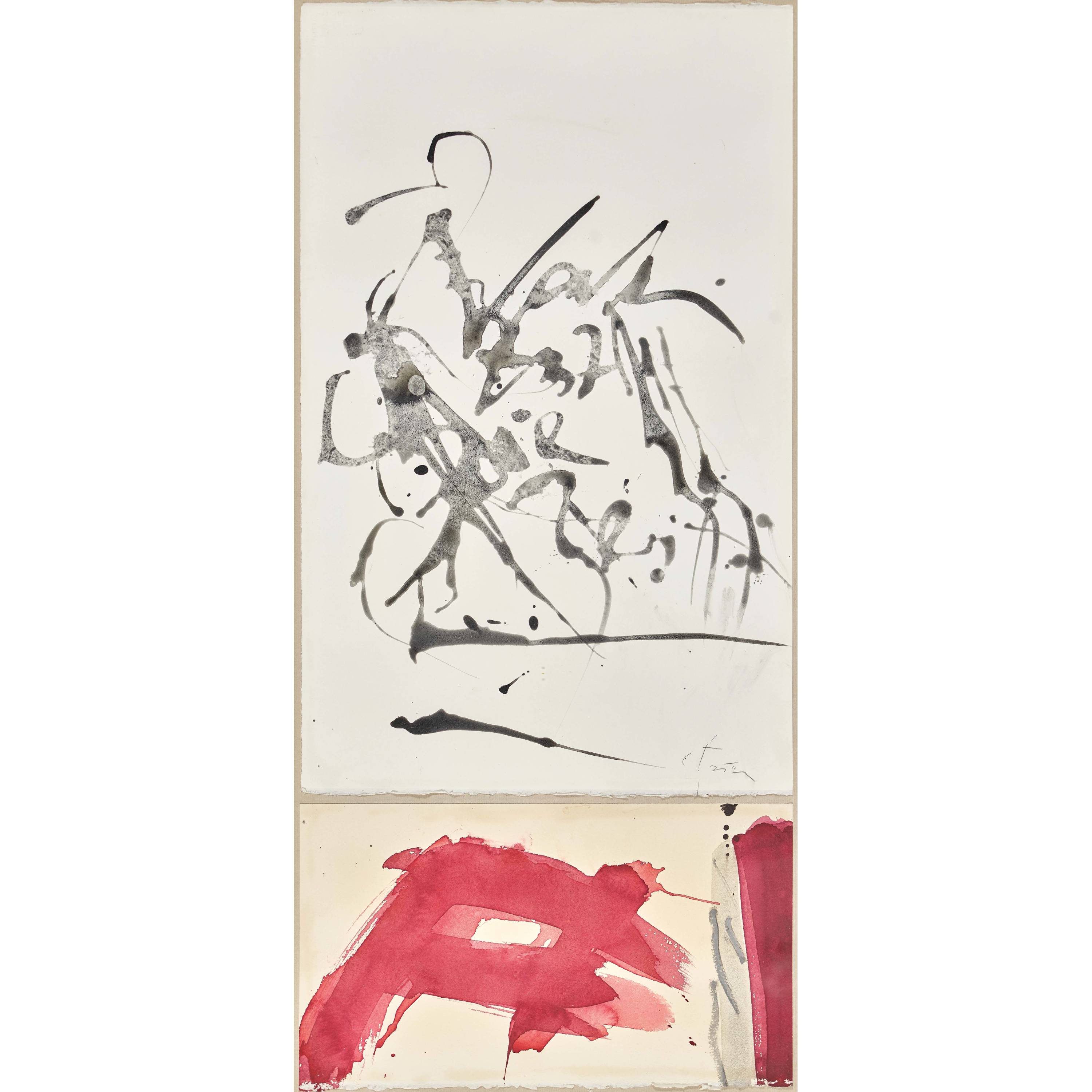
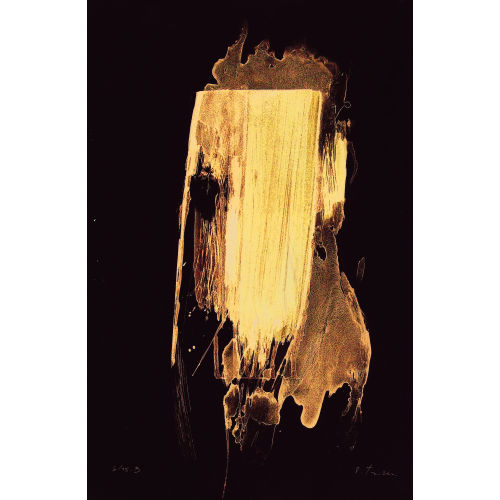
The transition from view to trace gives way to rhythm, colour and the inner image.
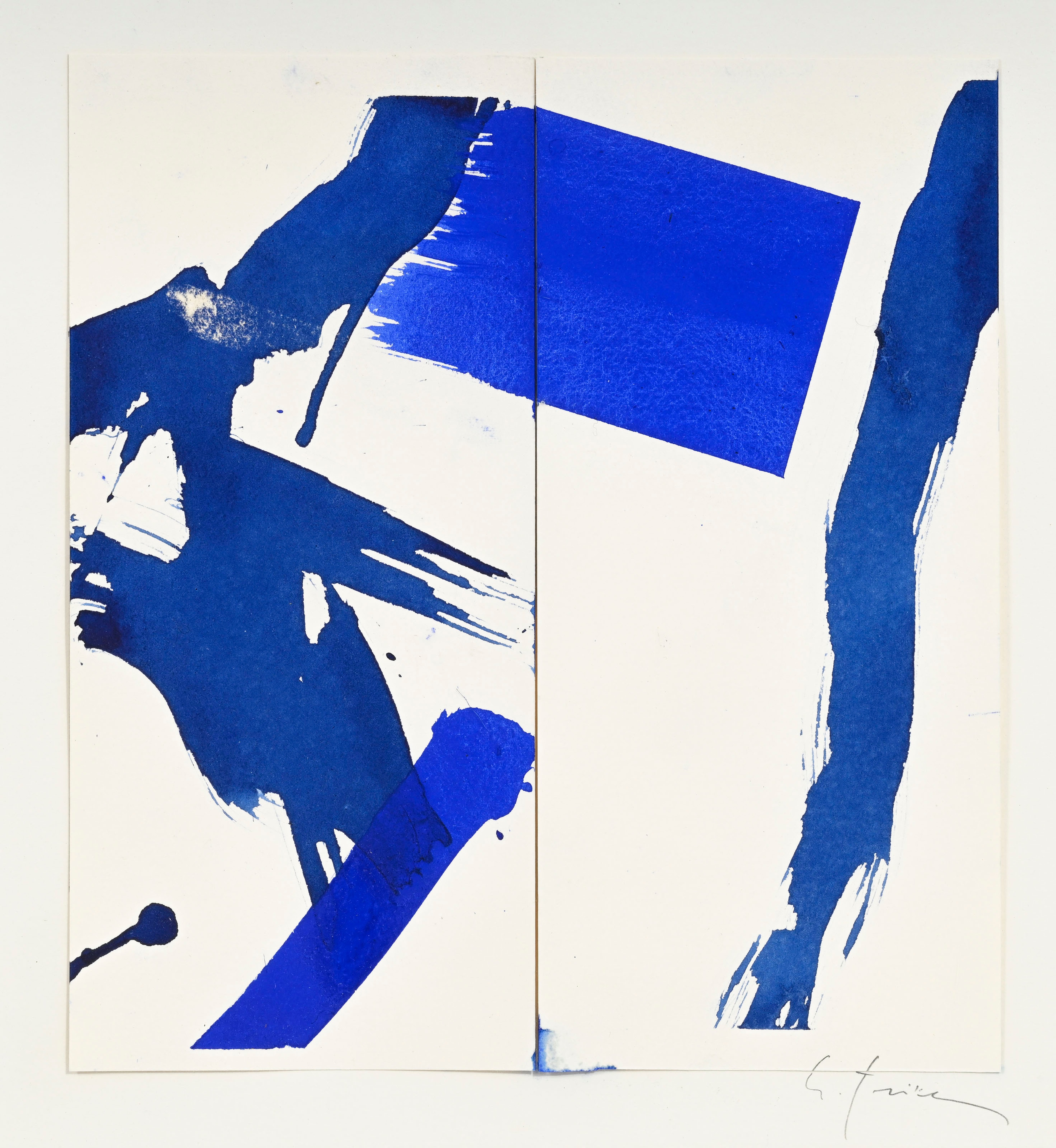
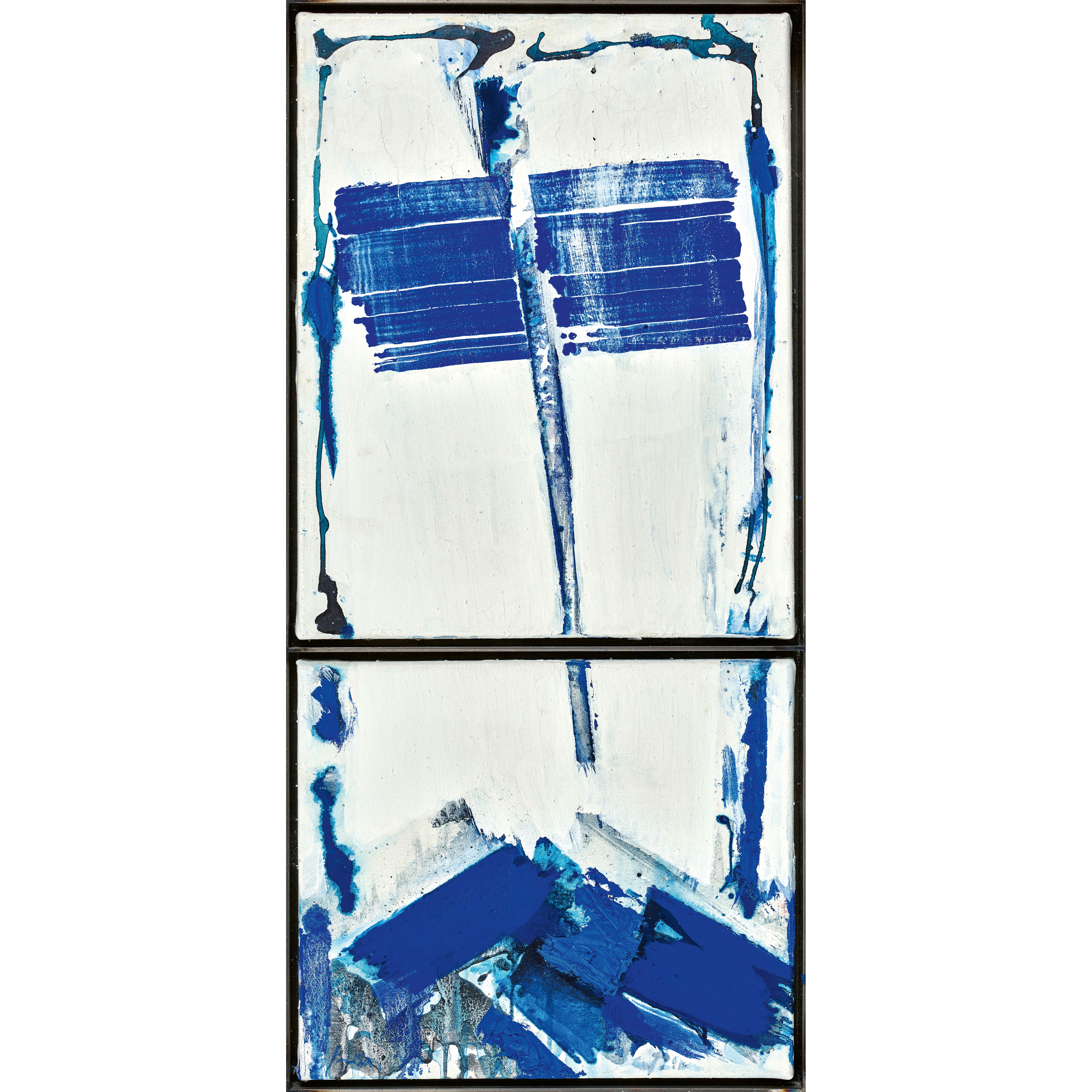
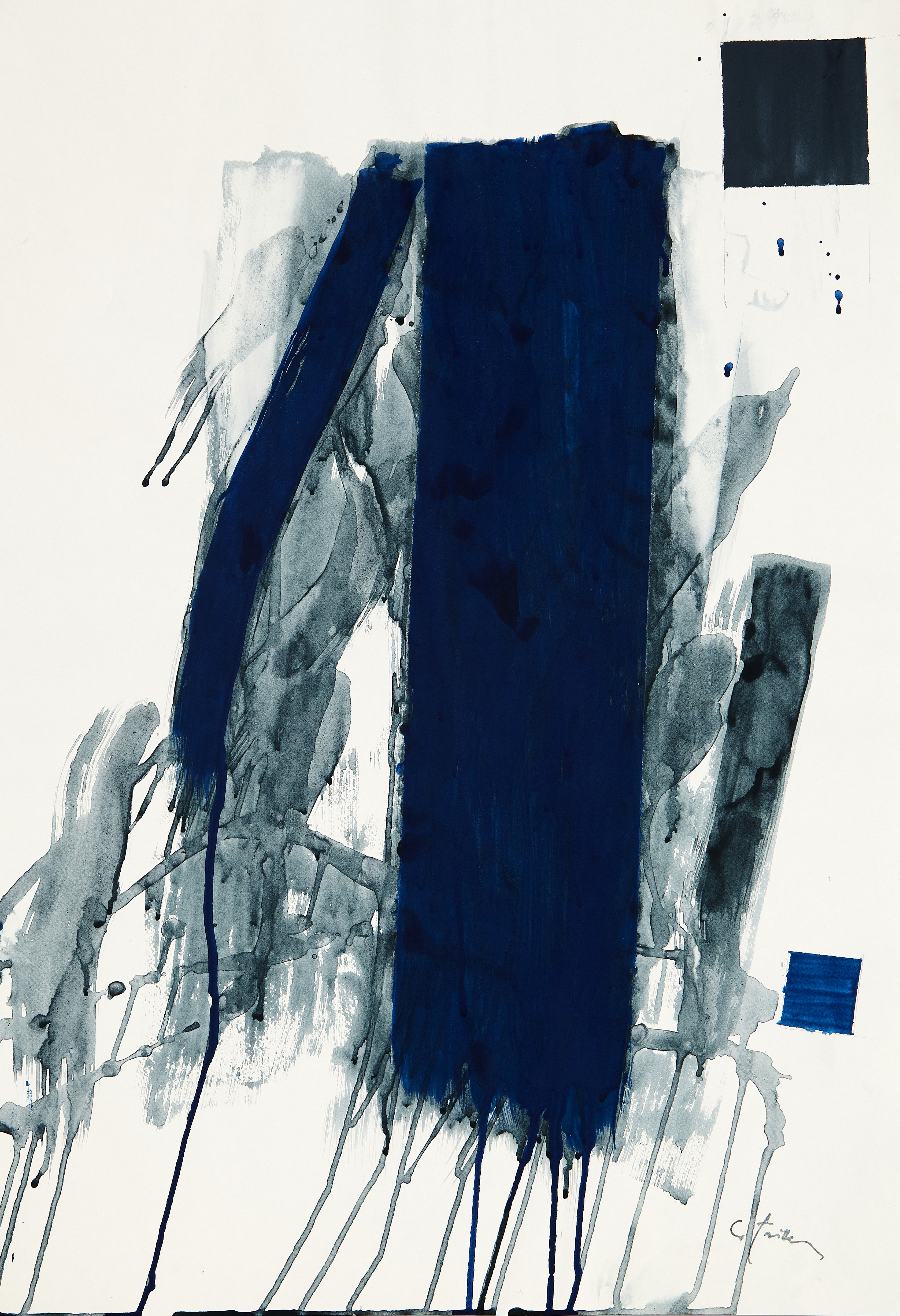
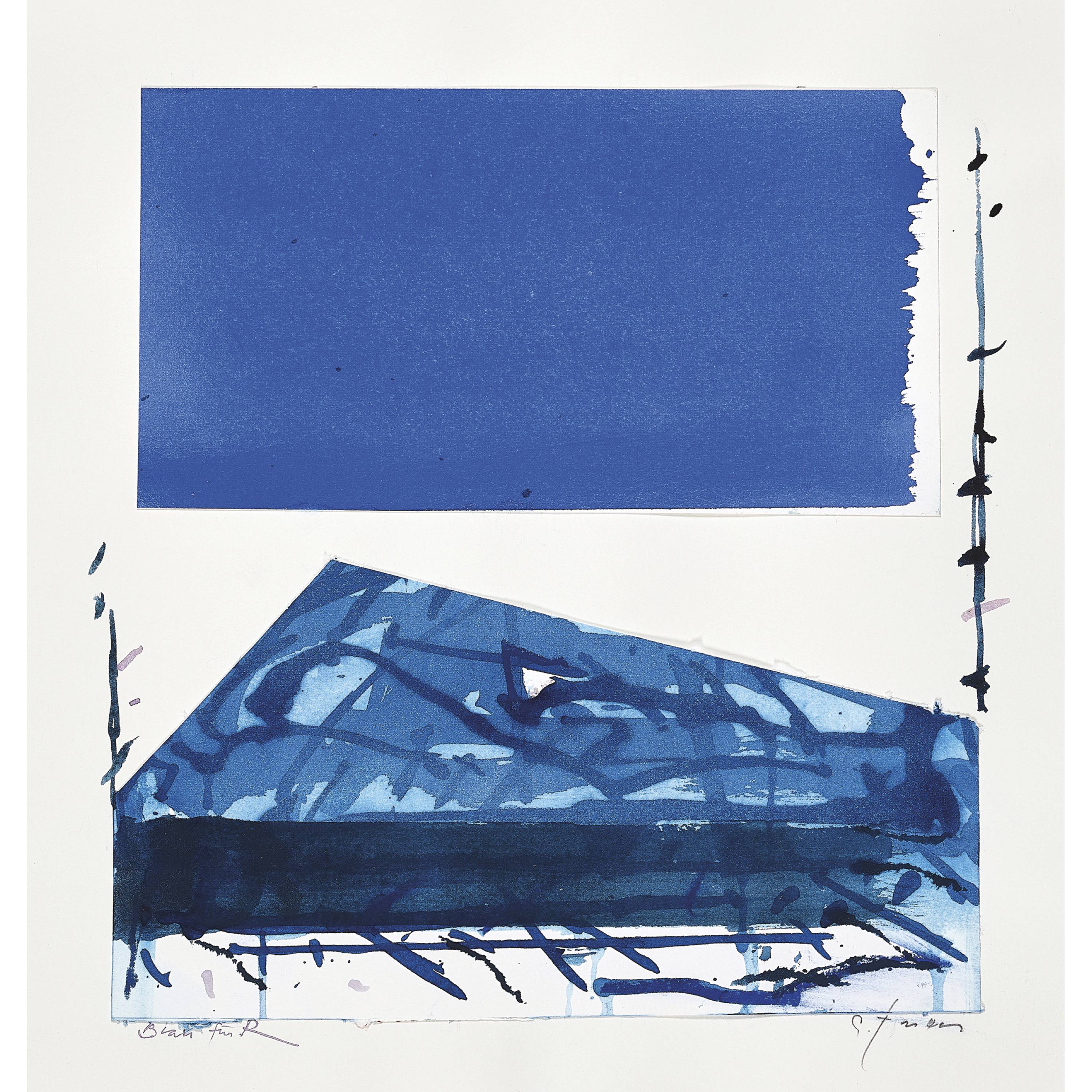
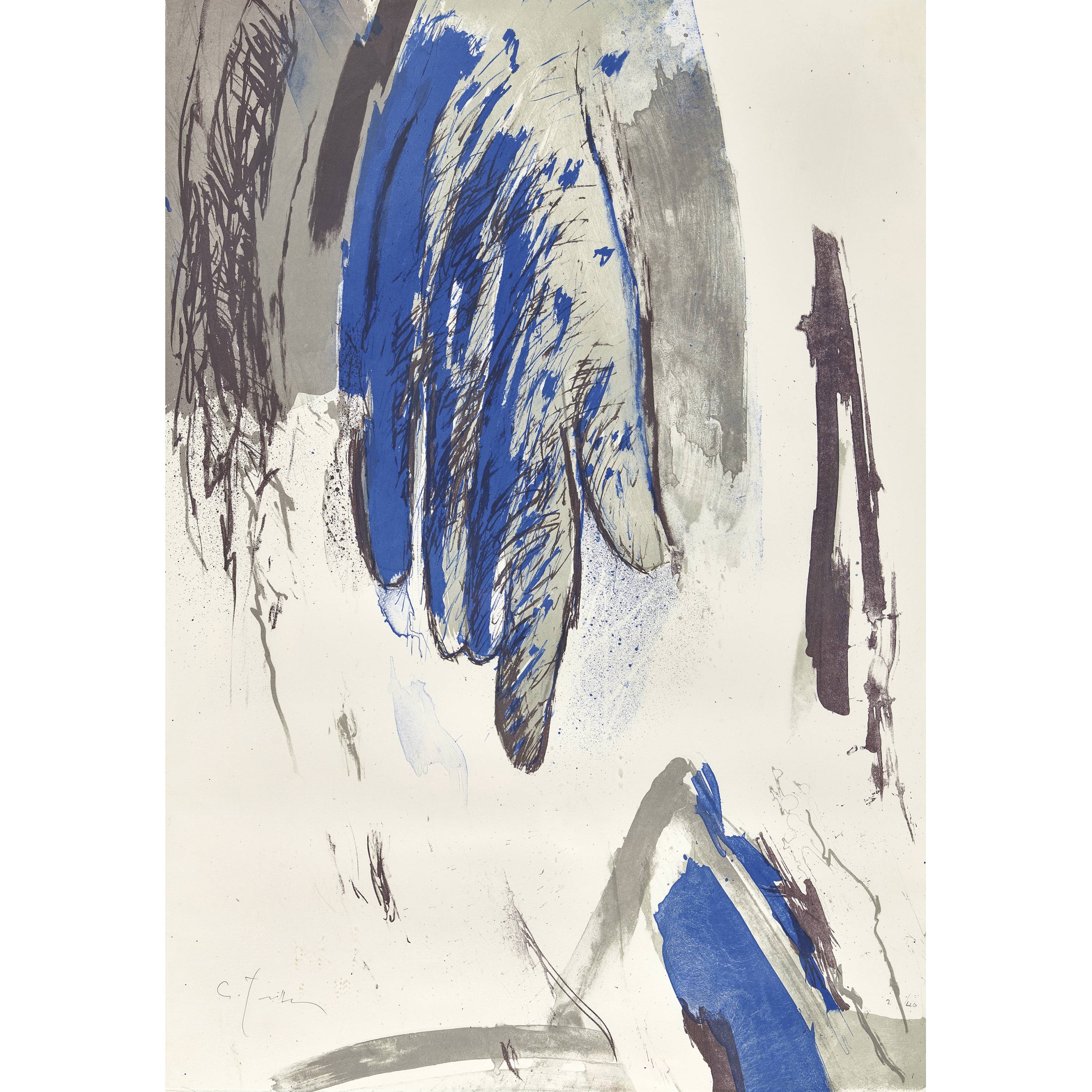
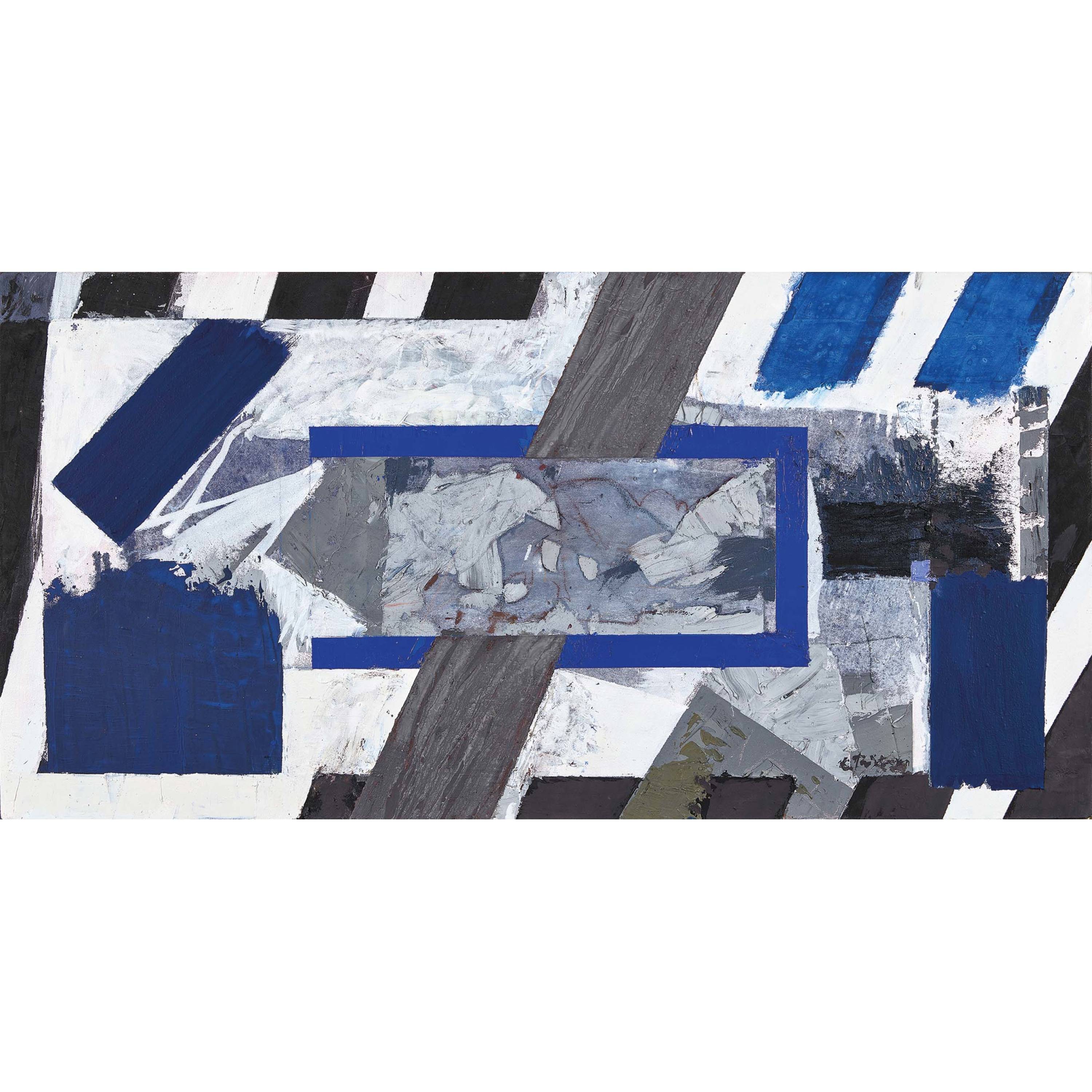
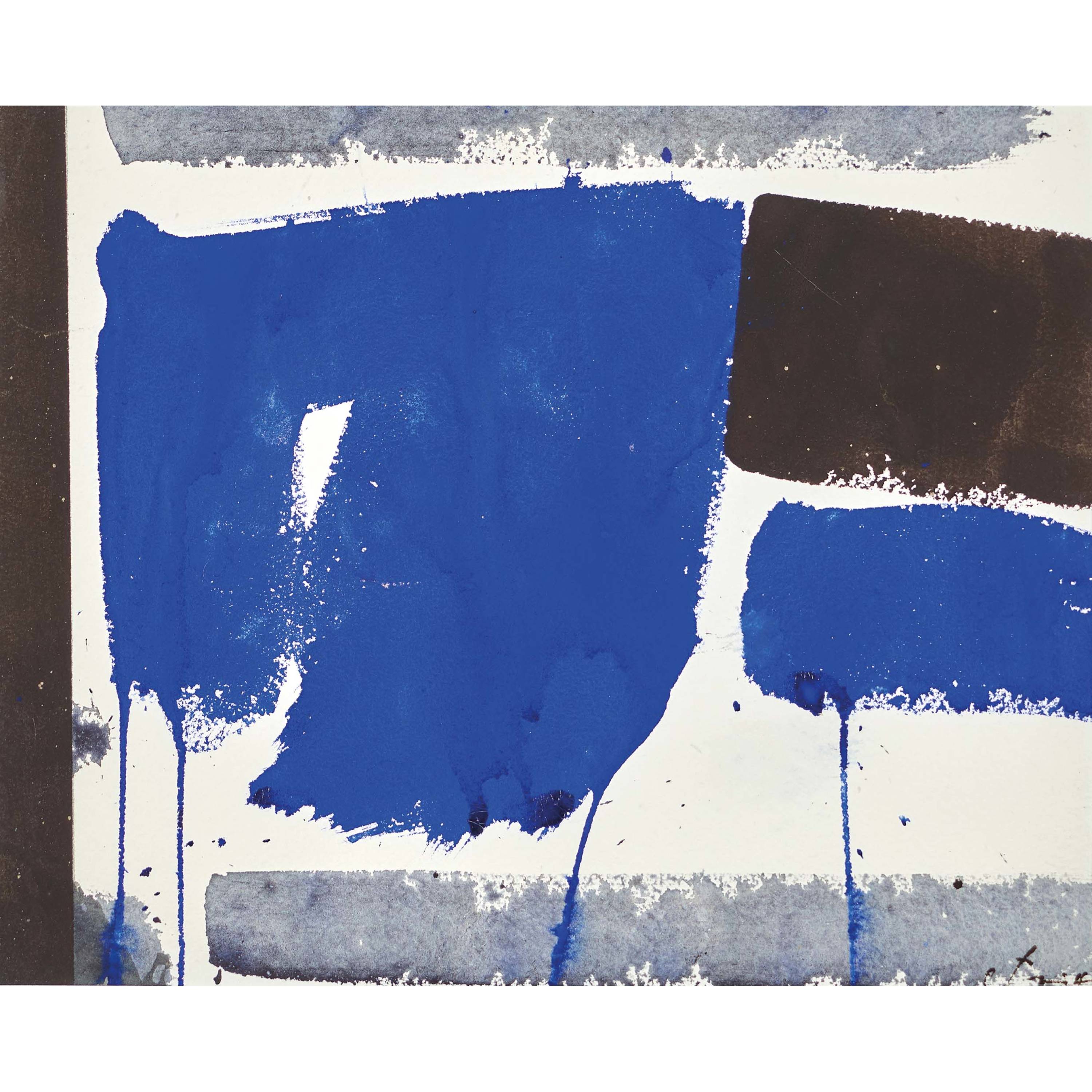
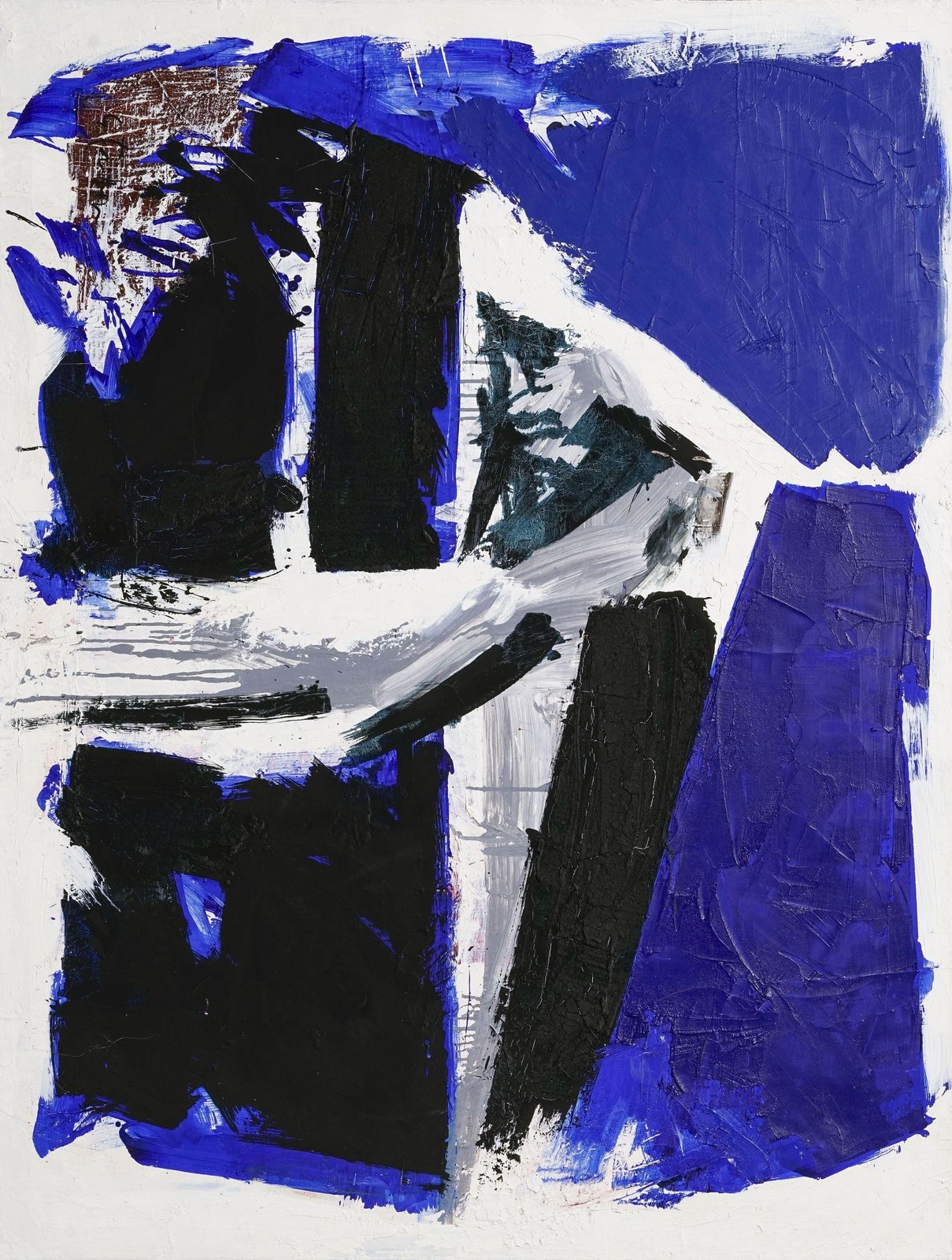
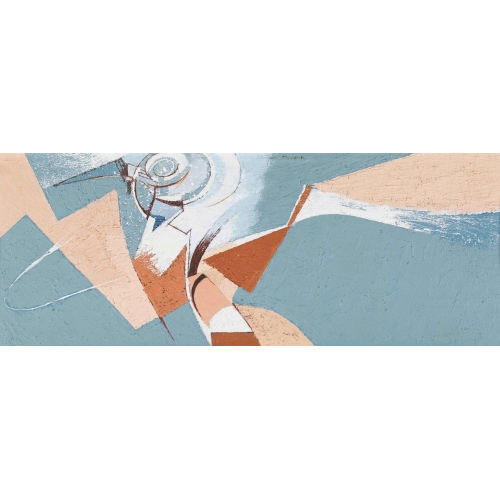
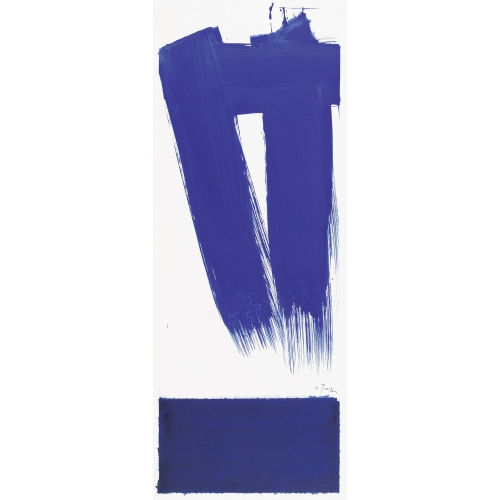
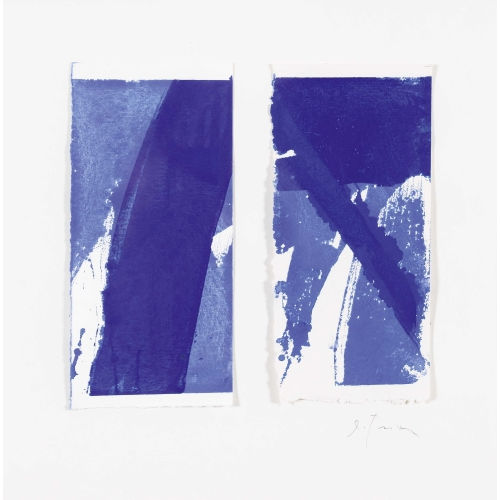
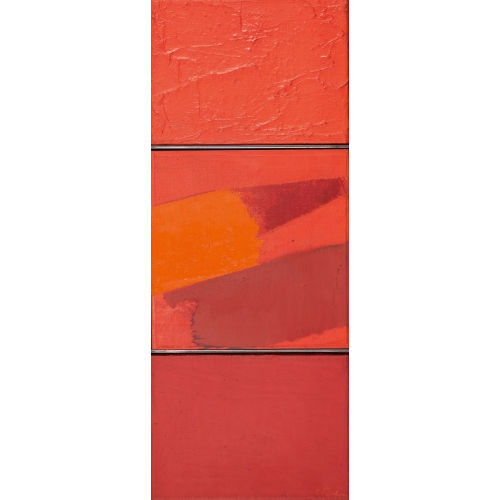
Tritten also explored cycles of paintings composed of interchangeable elements. In his polyptychs of the 2000s, notably Landschaft aus der Landschaft, panels of varying formats and blue fields articulate a new reading of verticality. The eye moves from one surface to another, just as it shifts before a mountain massif whose appearance is constantly changing.
This painting retains the experience of place while opening it to a meditation on perception and on the forms taken by memory.