Gottardo Segantini
Born in 1882.
Died in 1974.
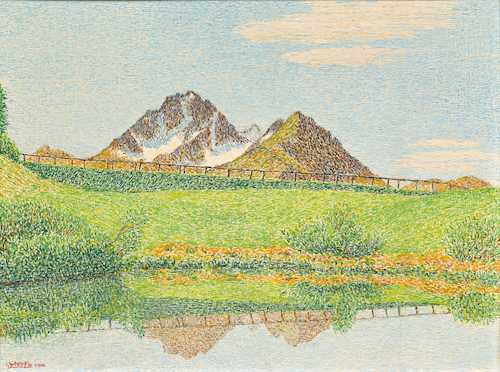
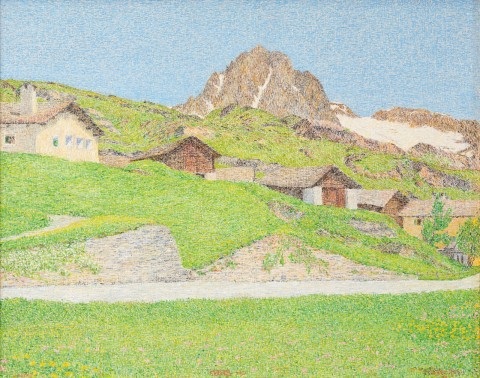
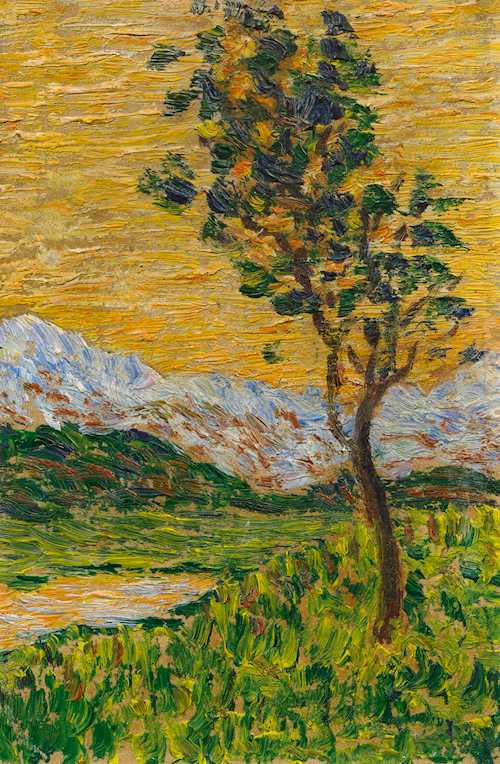
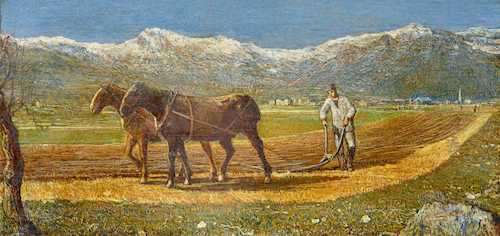
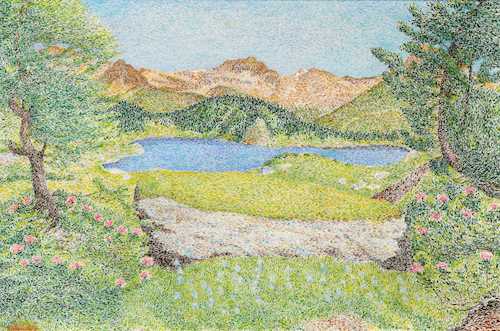
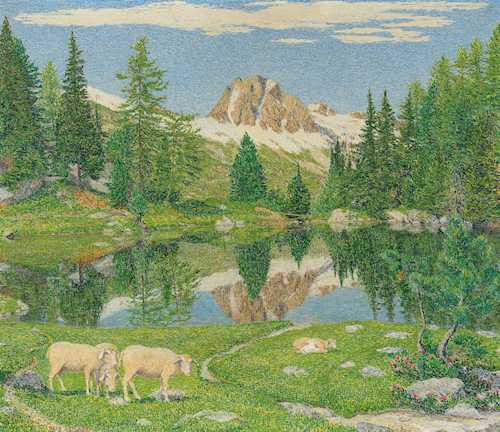
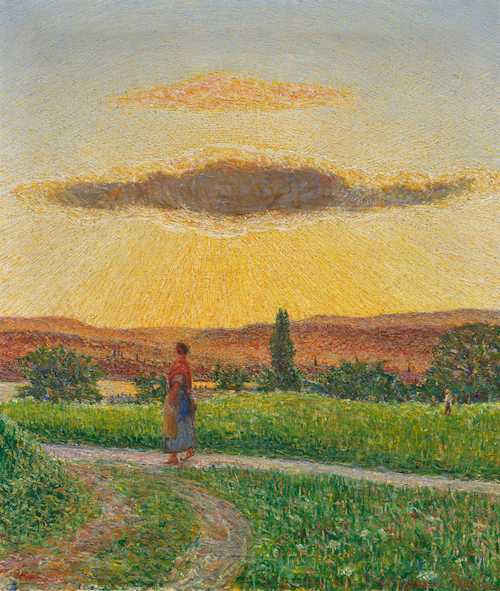
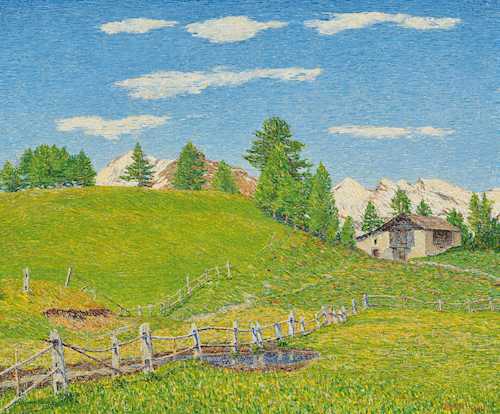
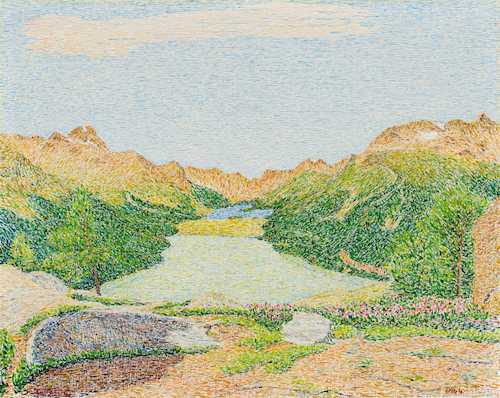
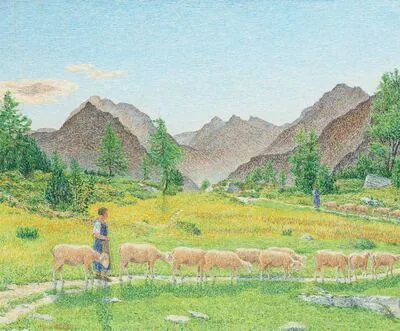
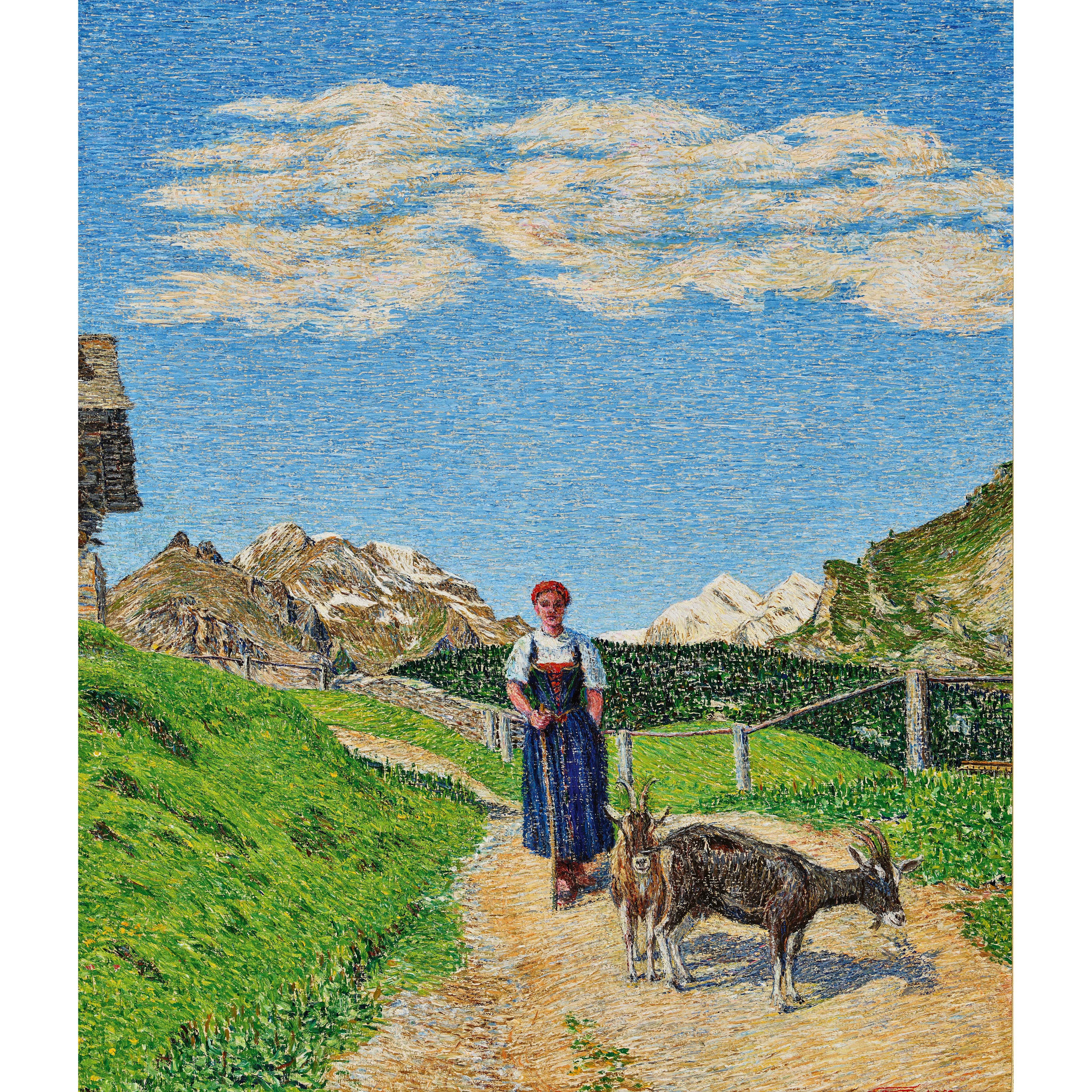
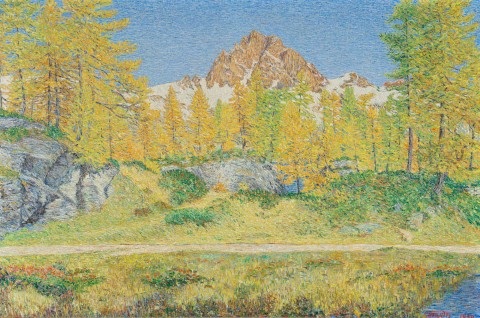
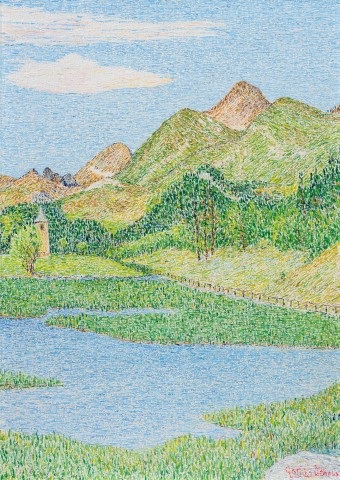
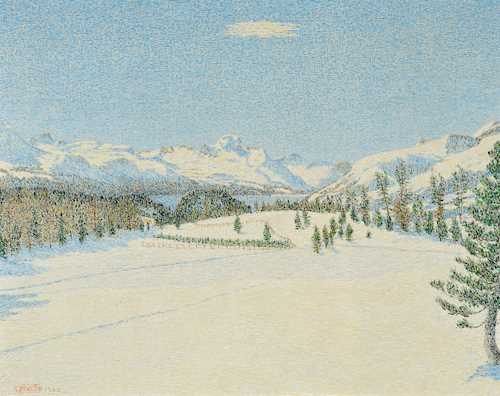
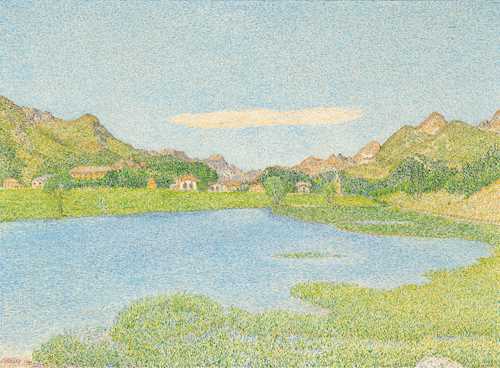
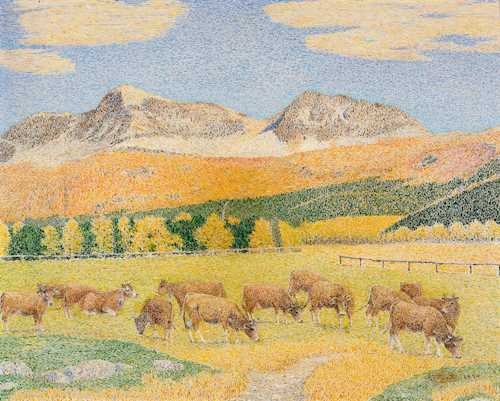
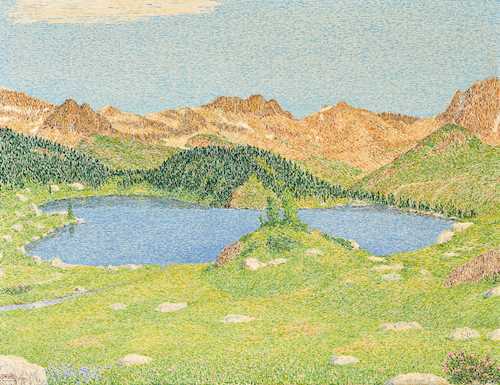
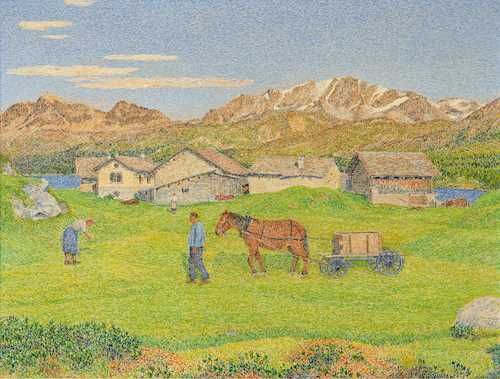
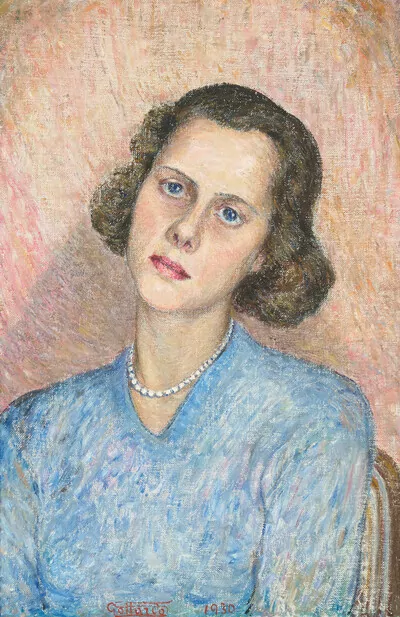
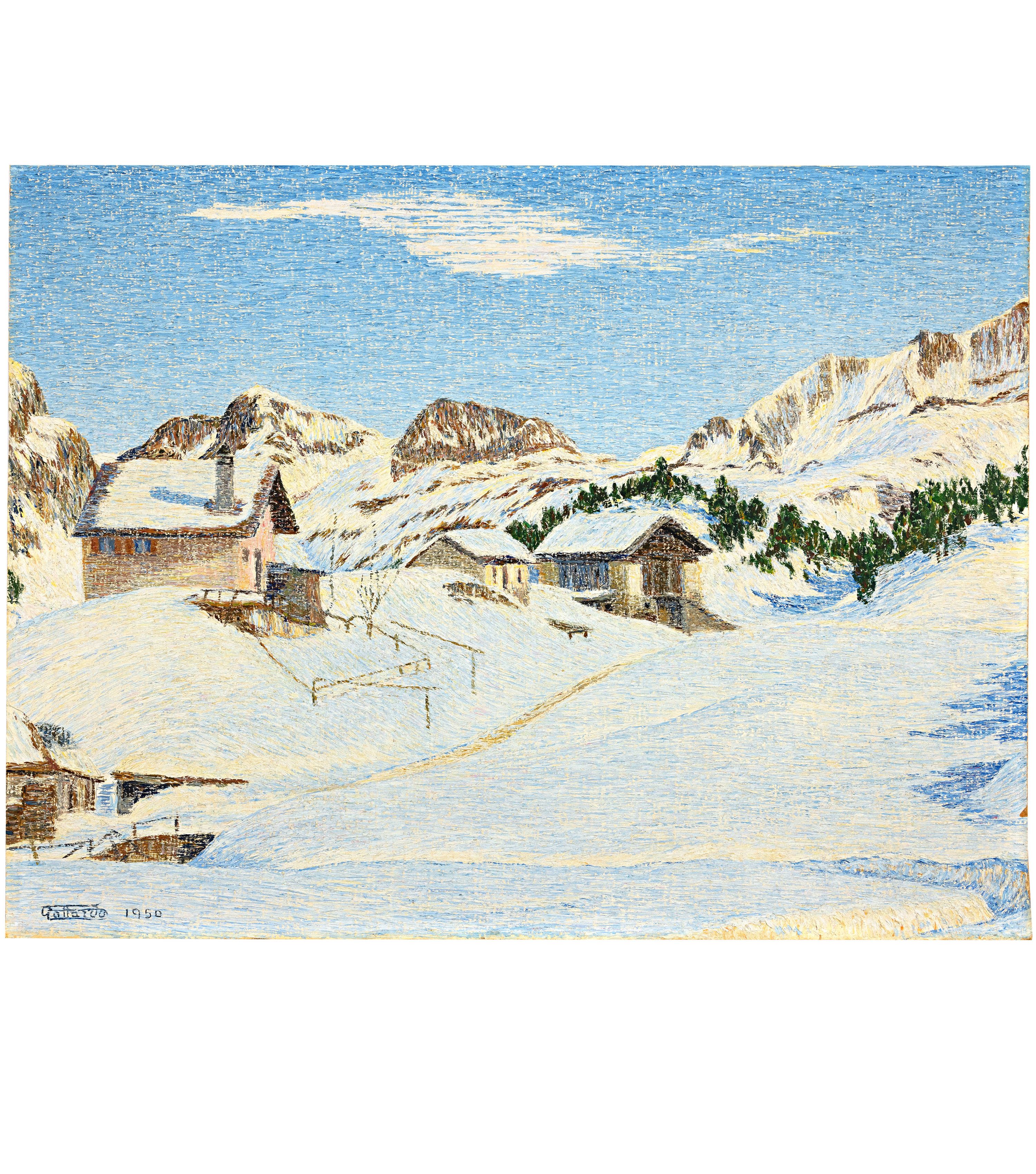
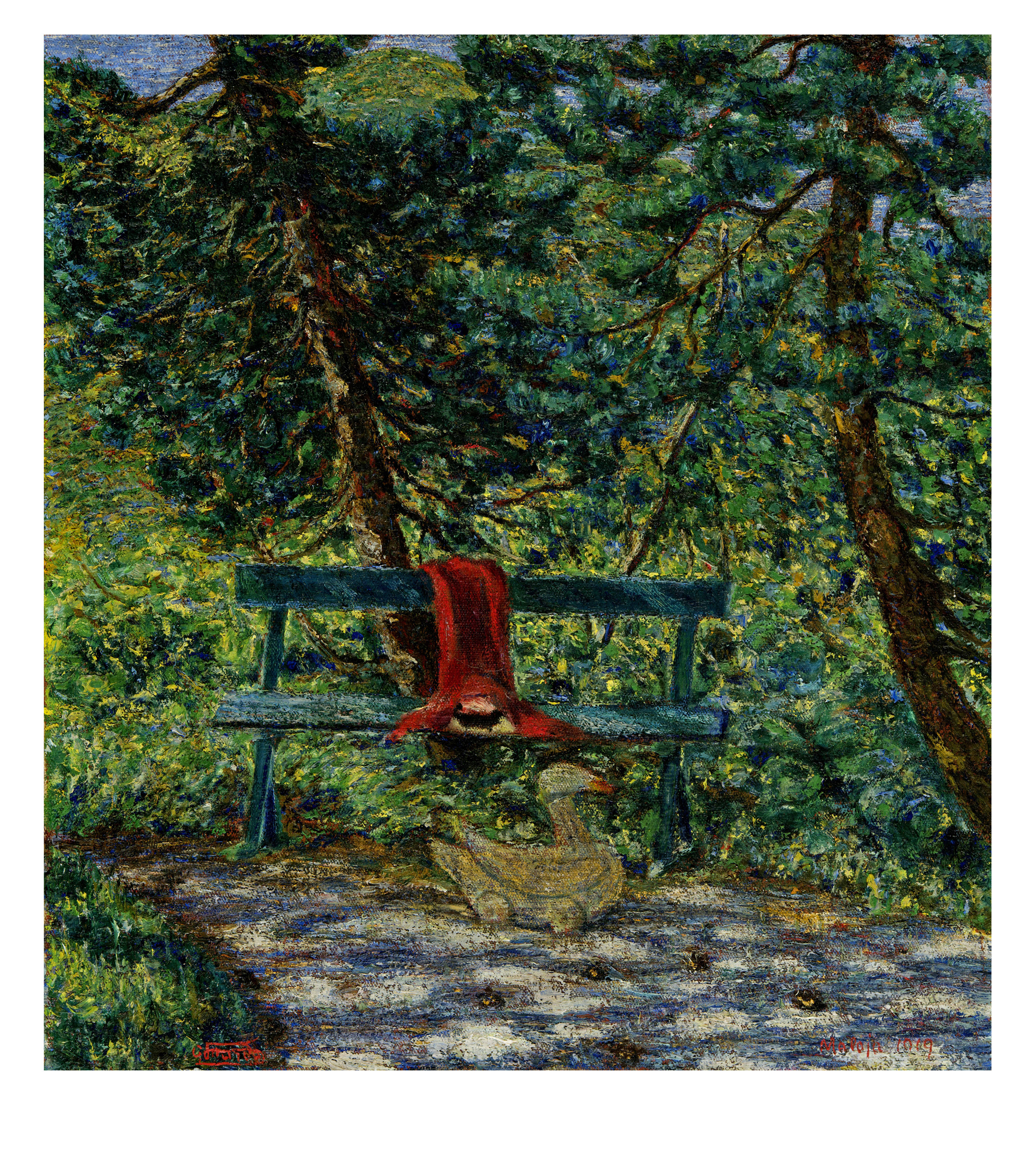
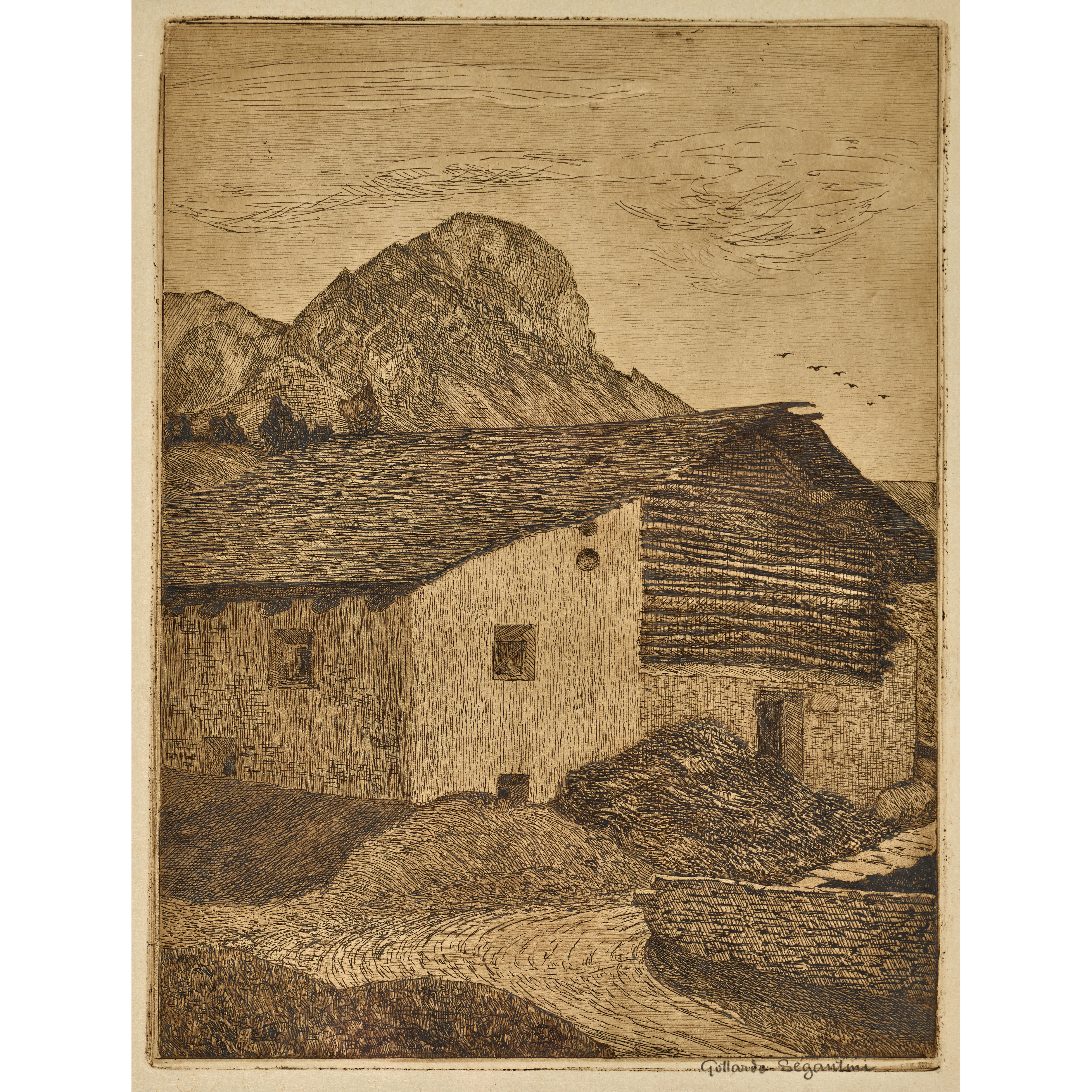
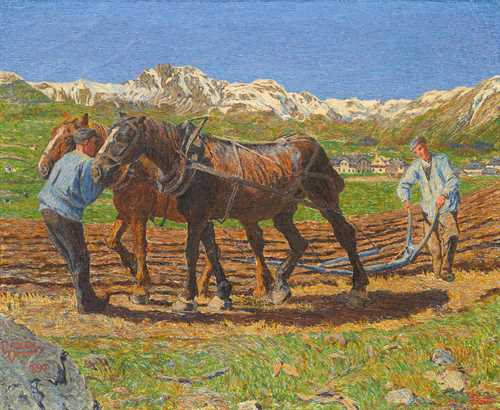
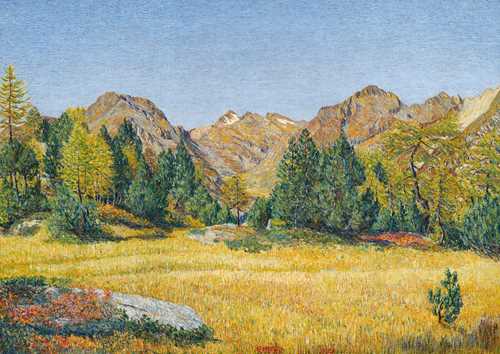
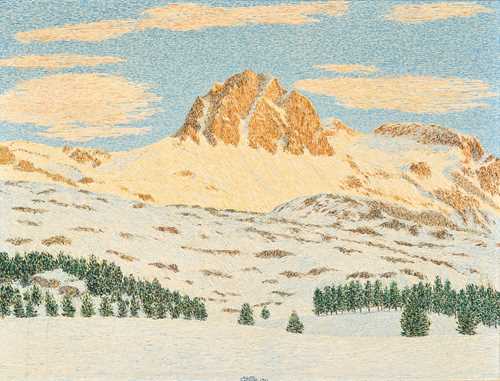
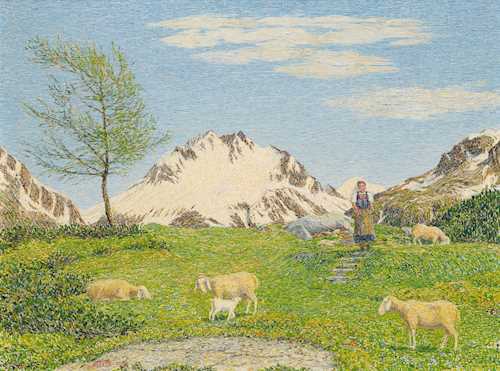
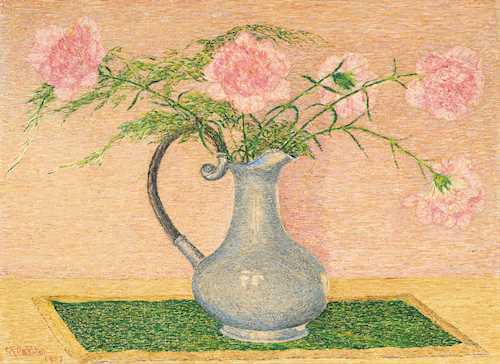
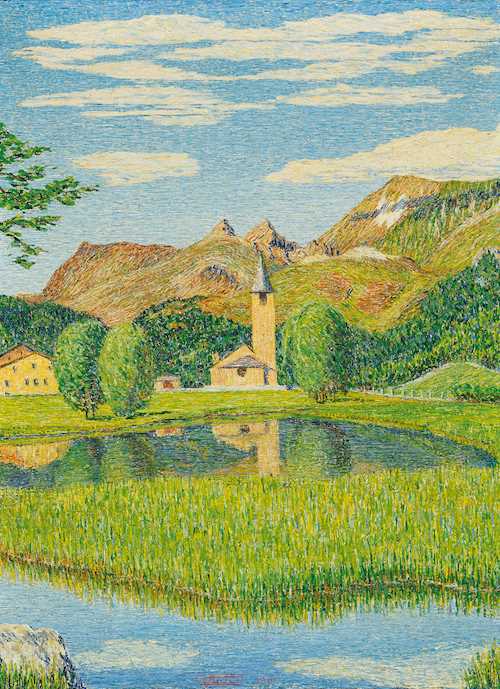
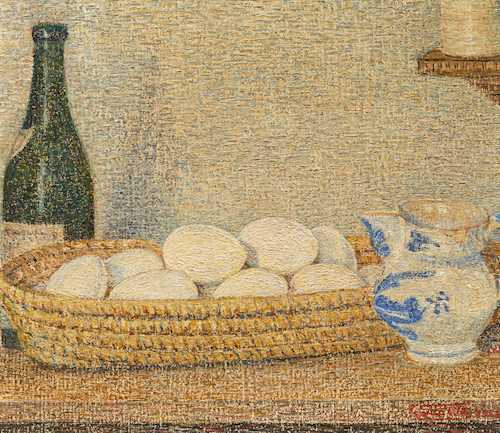
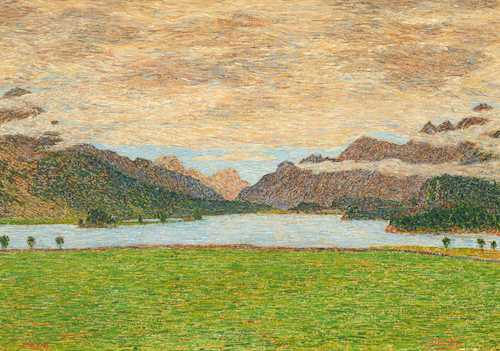
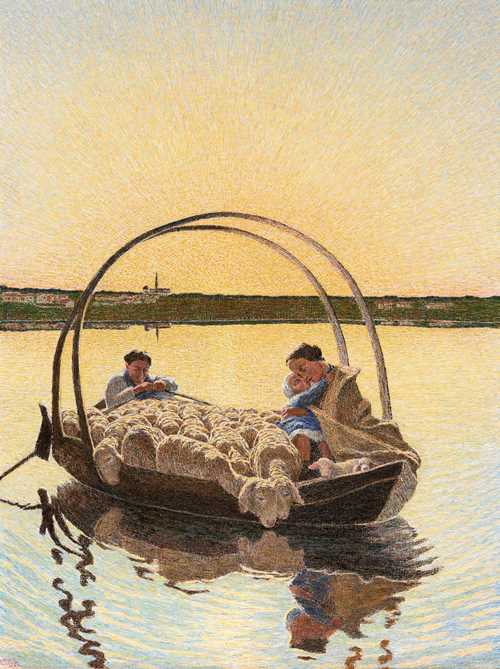
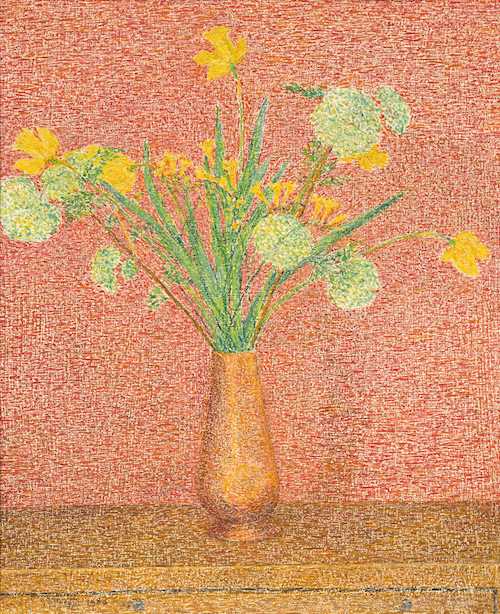
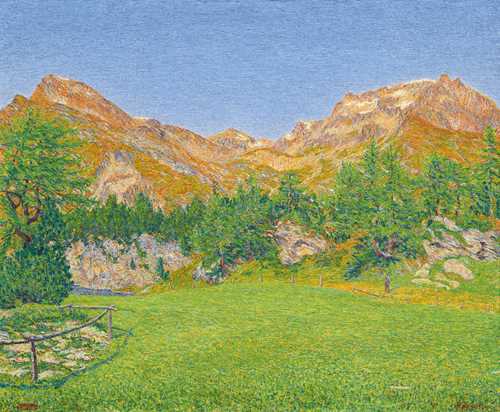
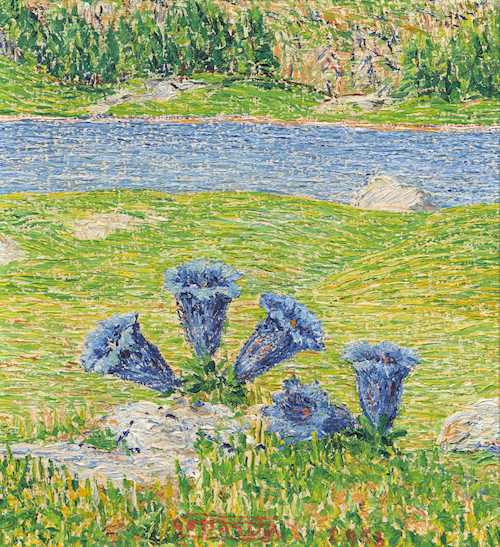
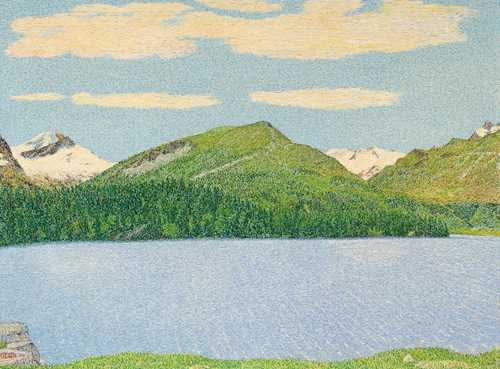
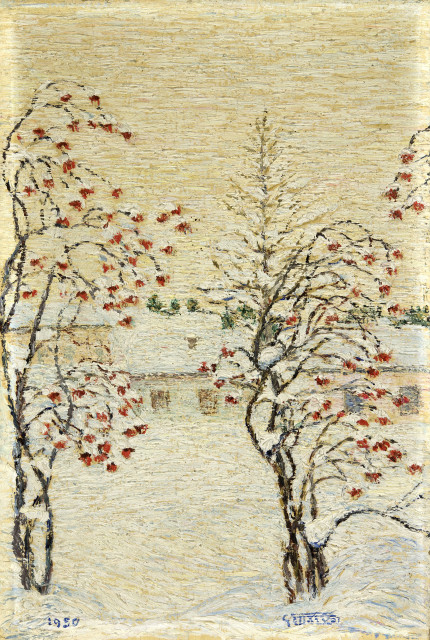
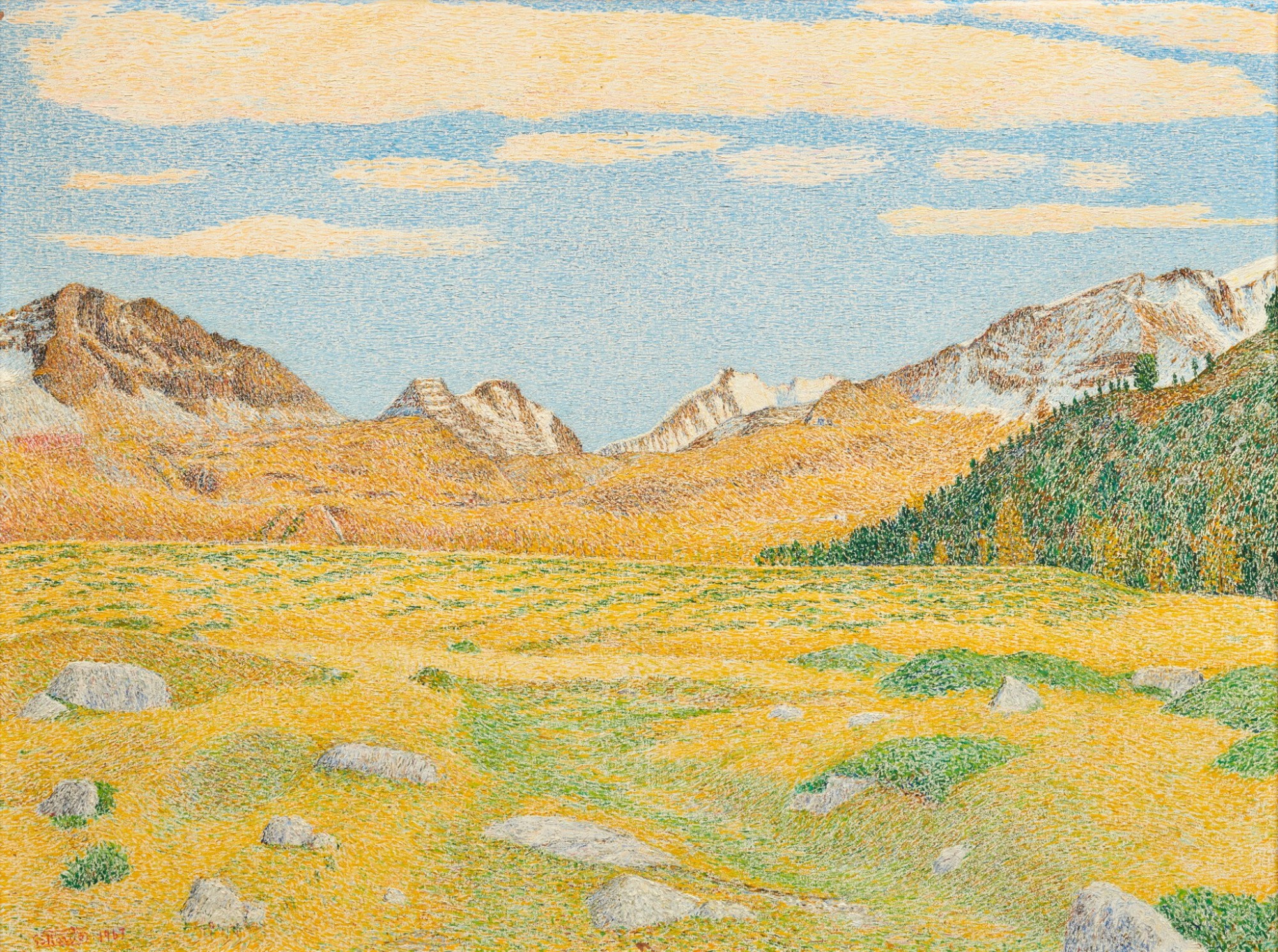
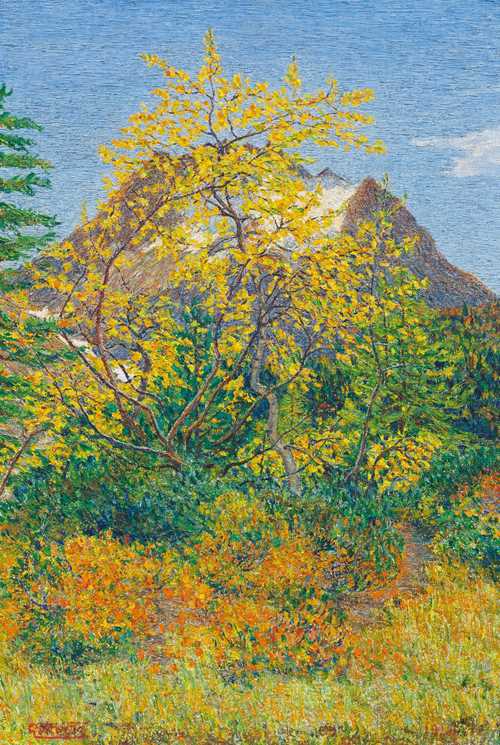
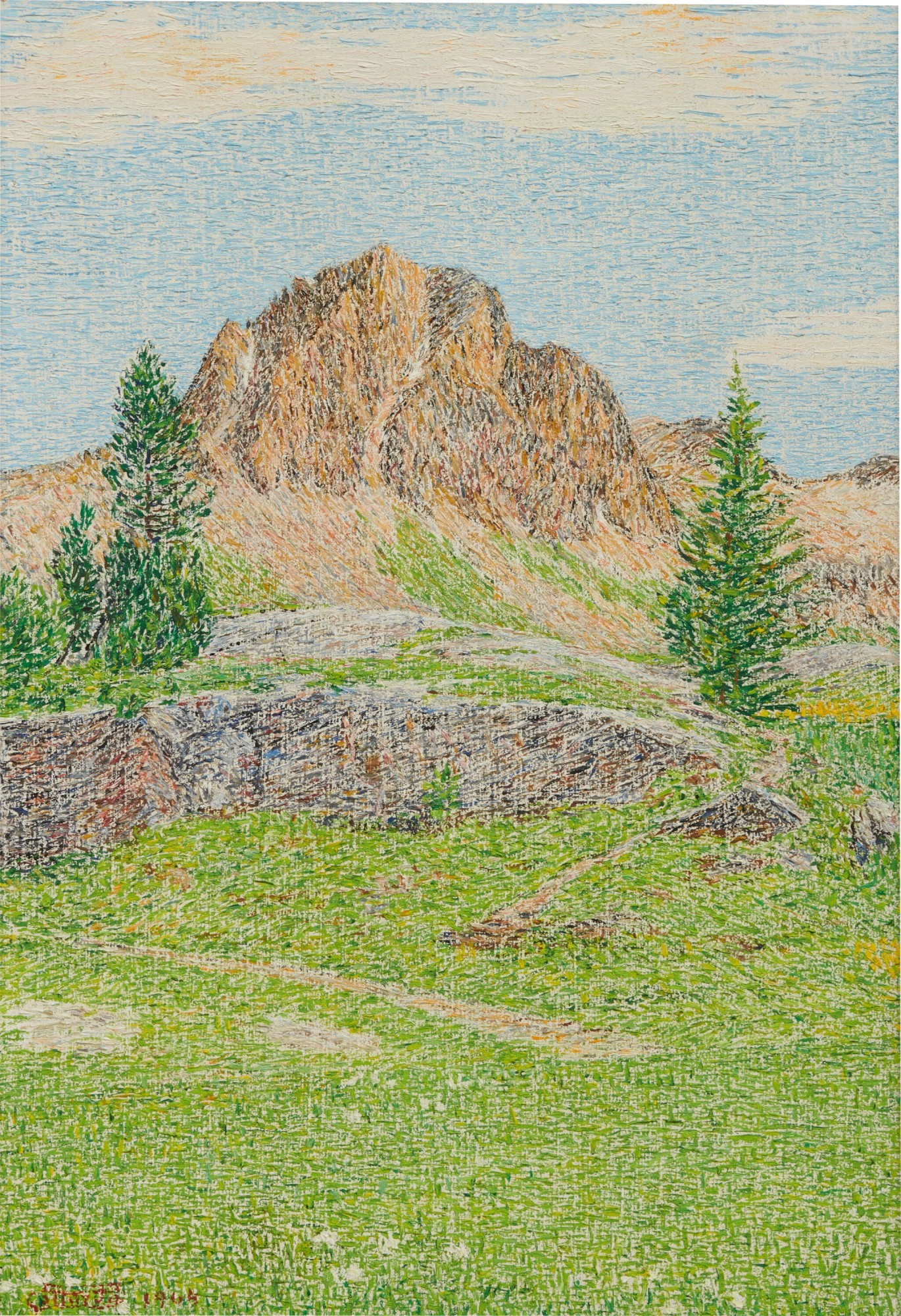
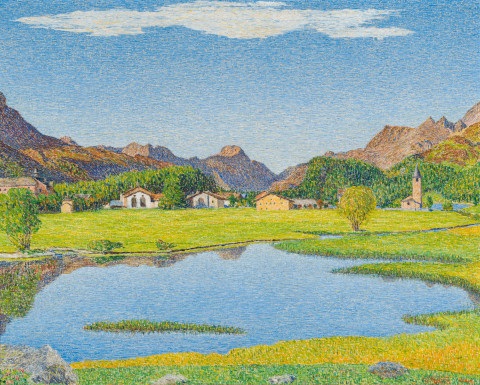
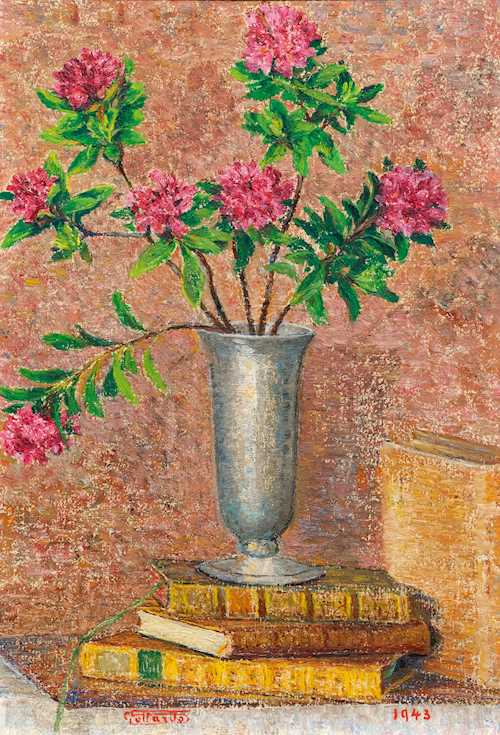
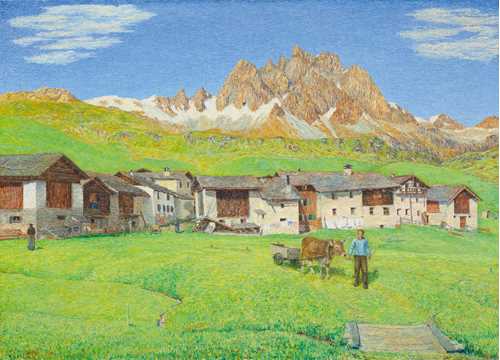
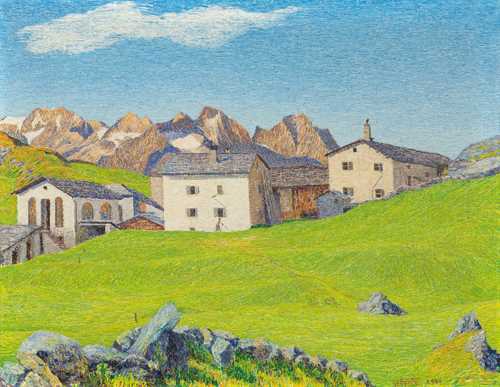
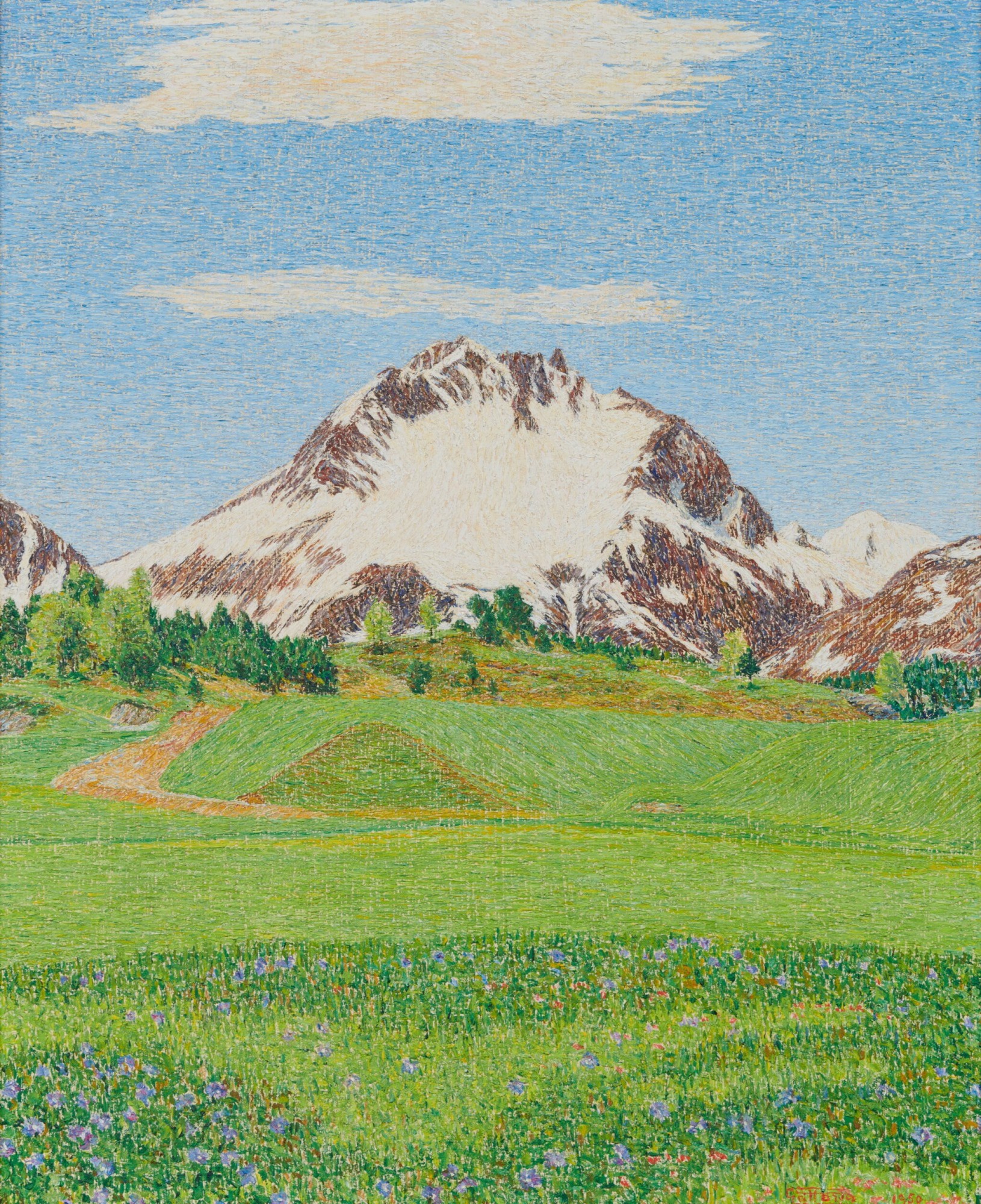
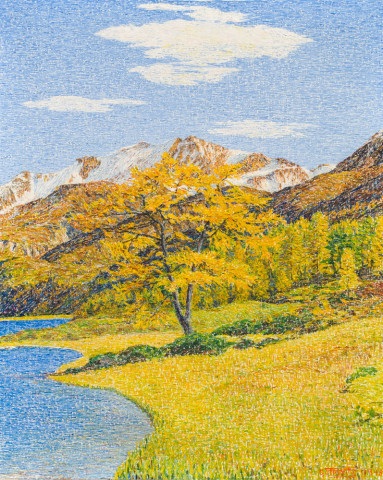
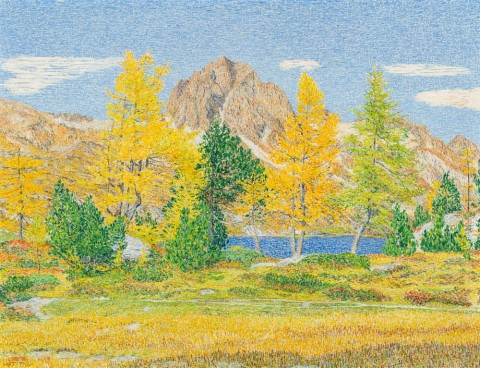
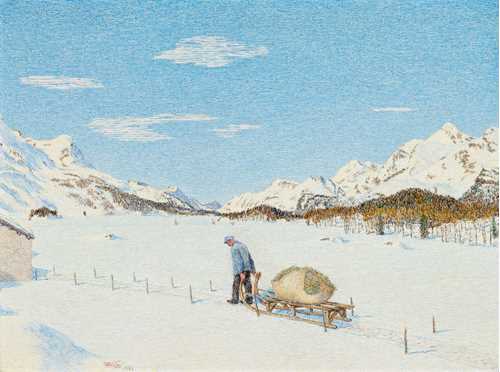
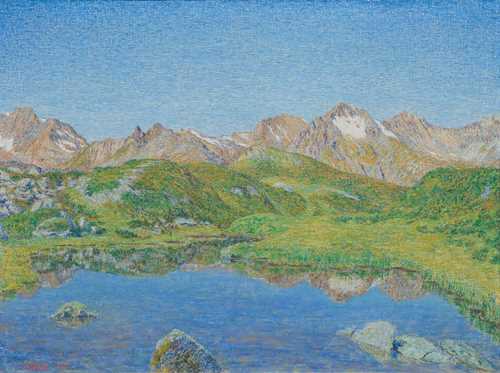
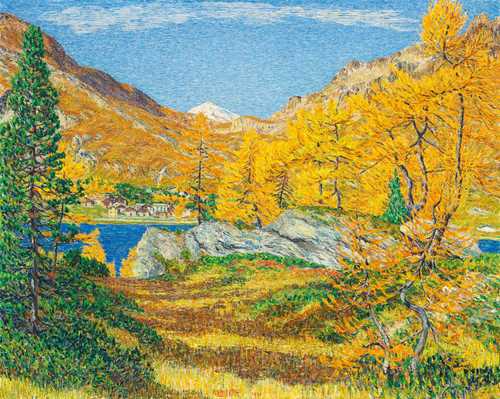
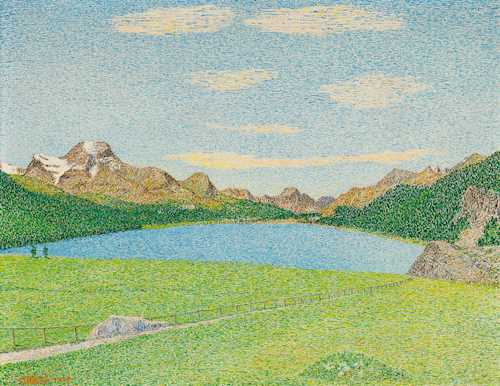
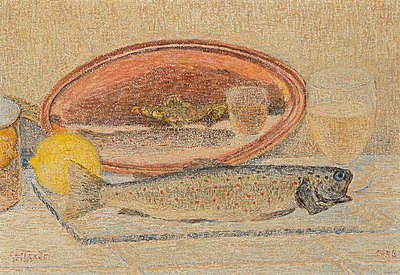
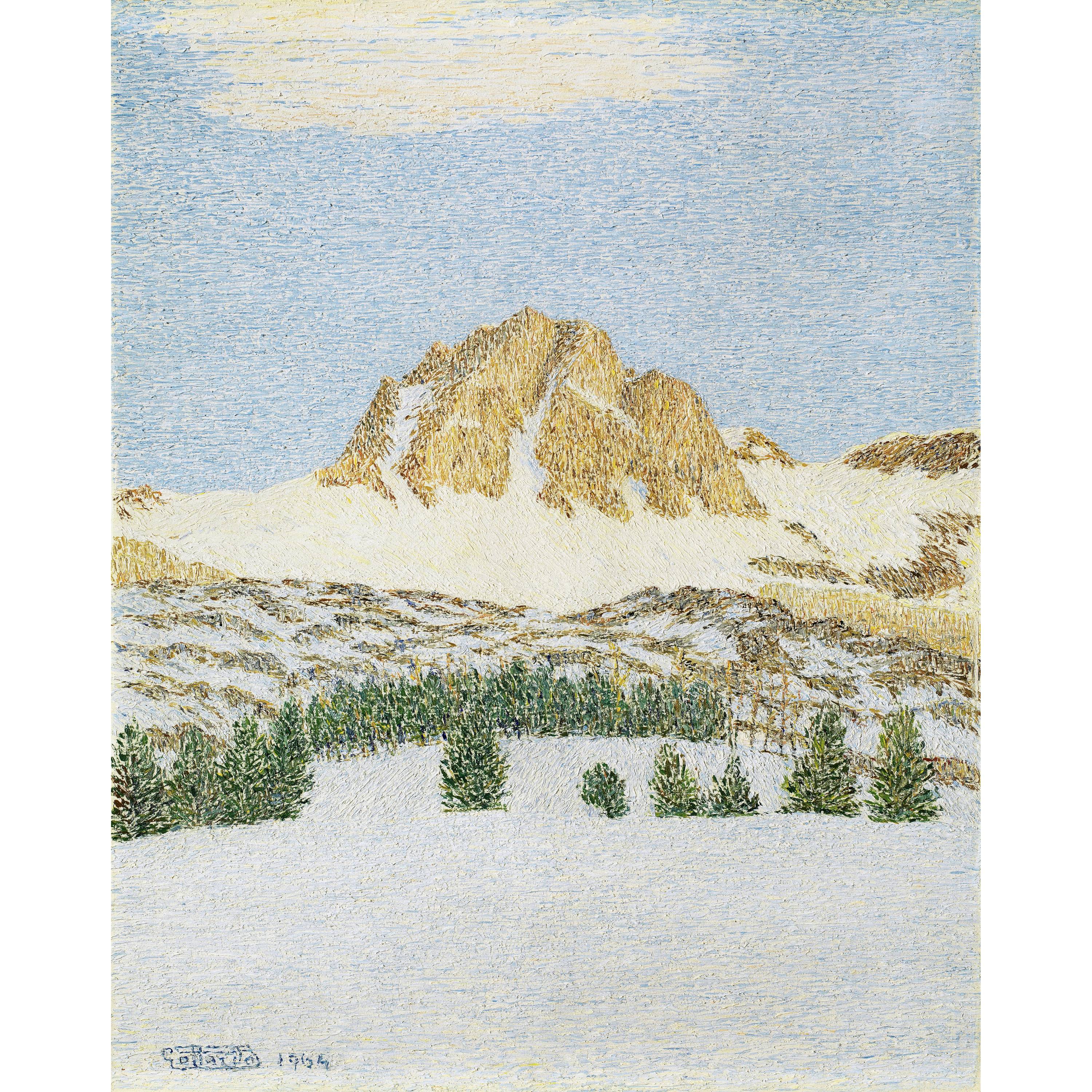
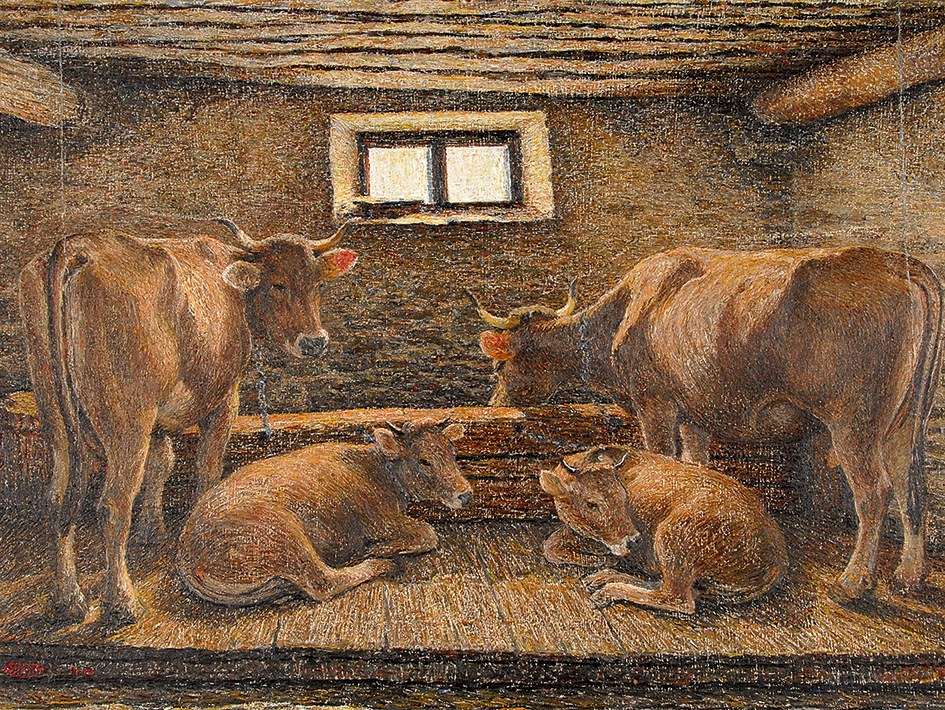
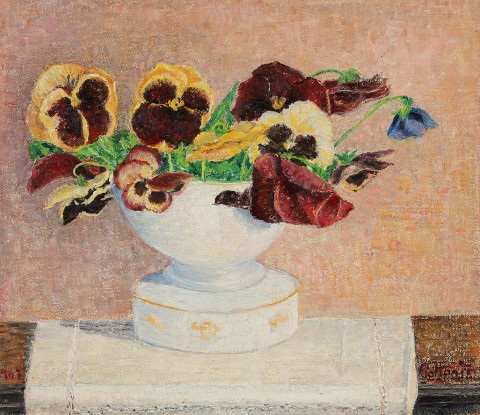
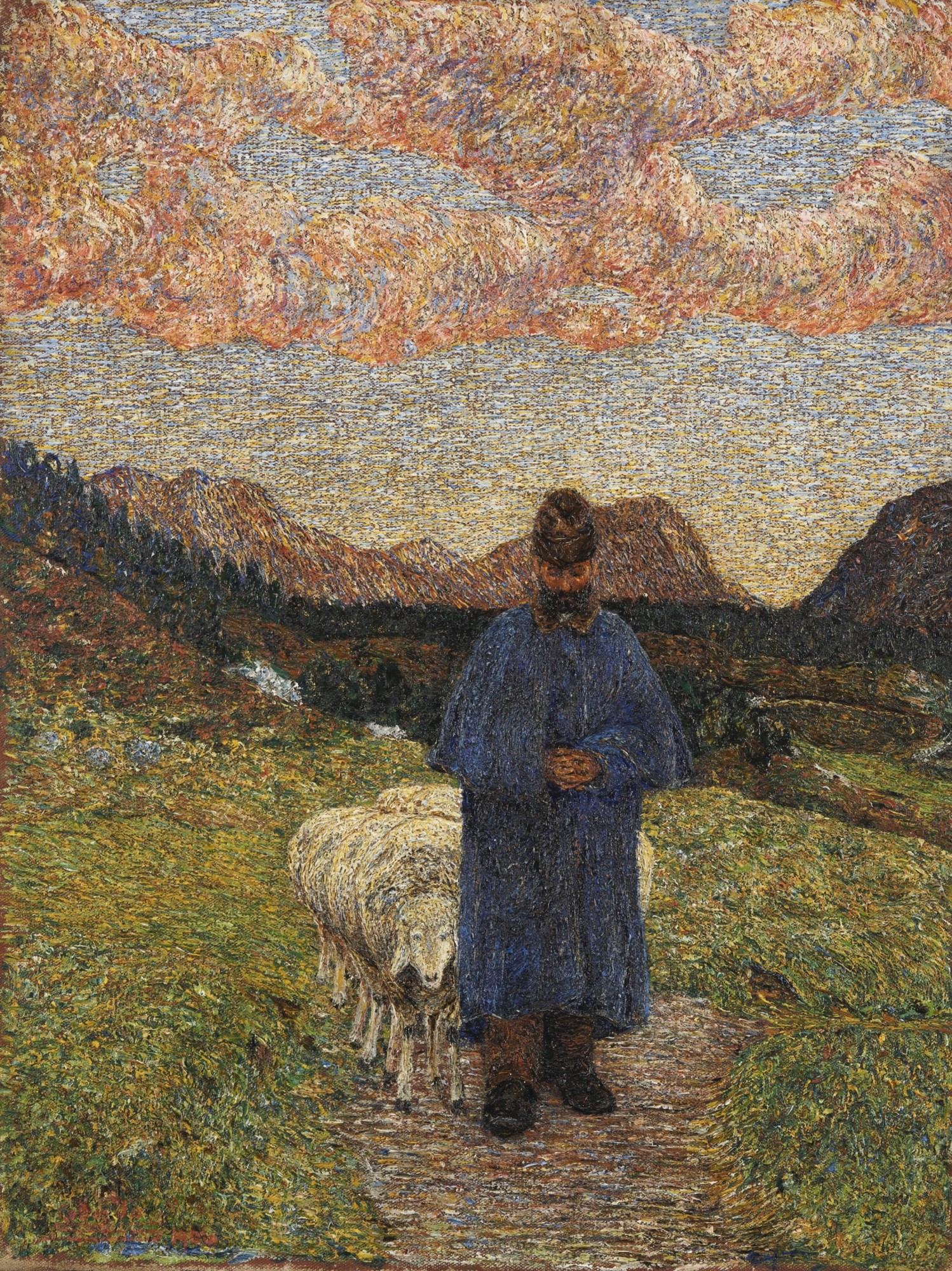
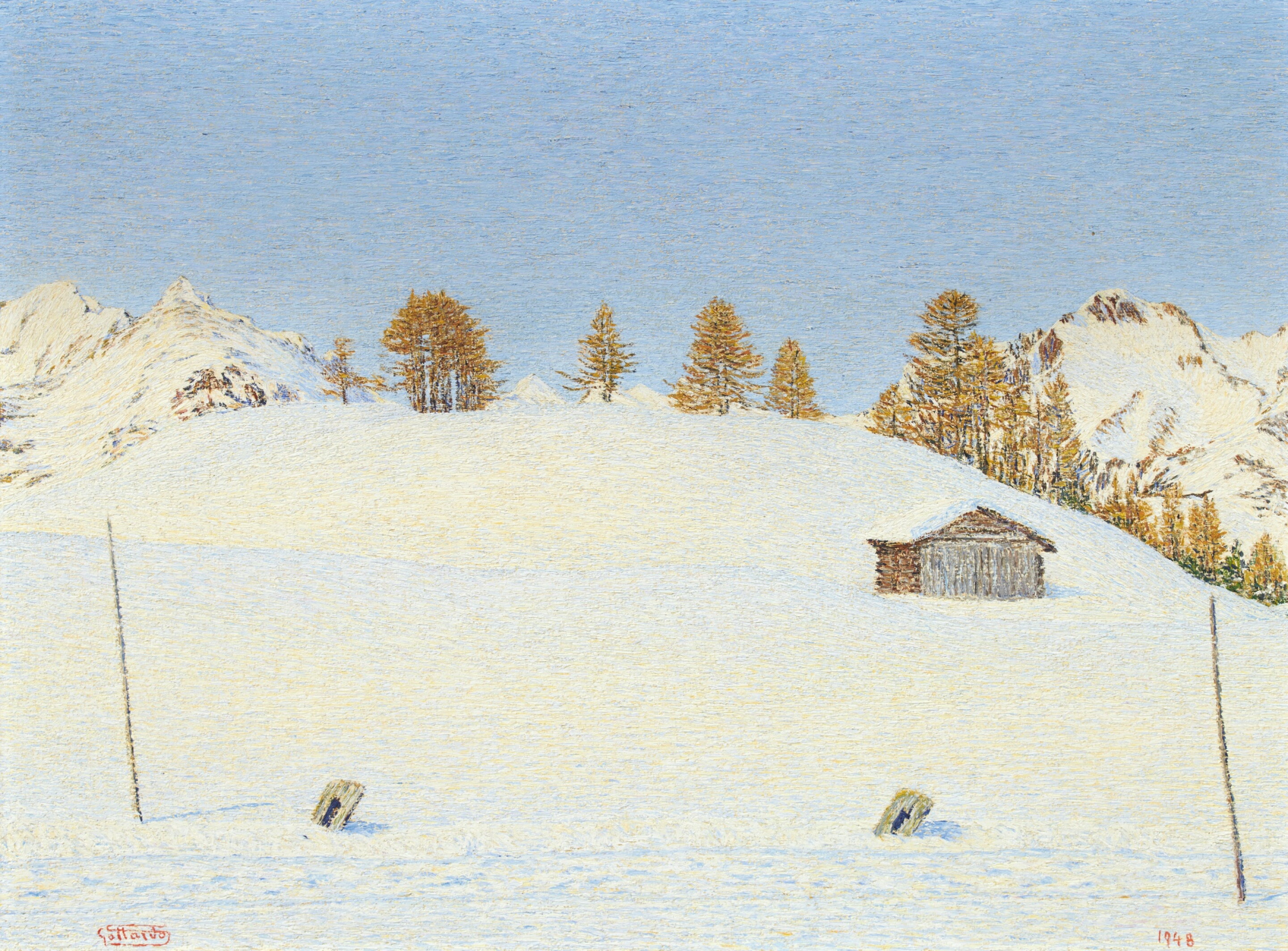
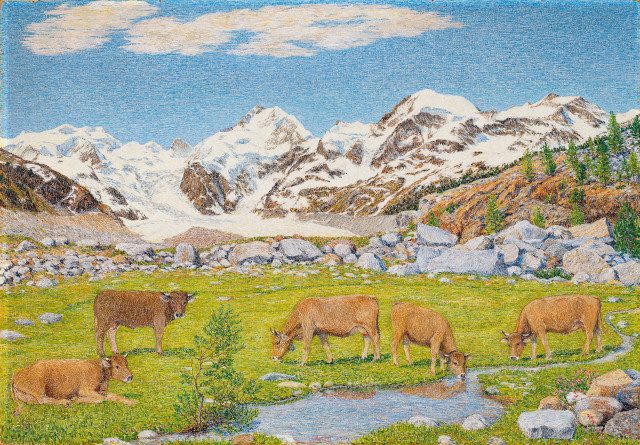
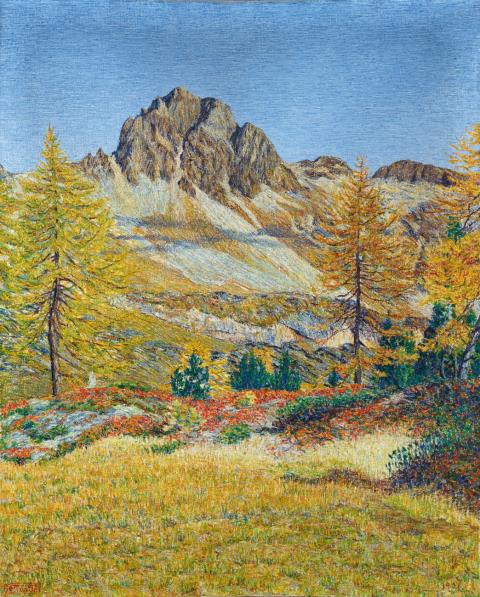
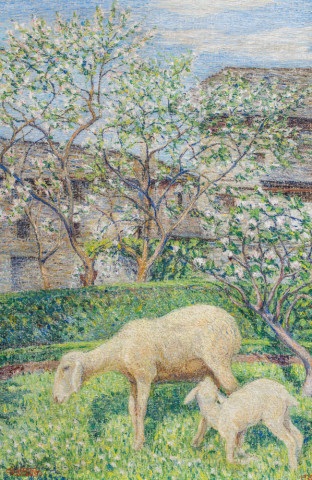
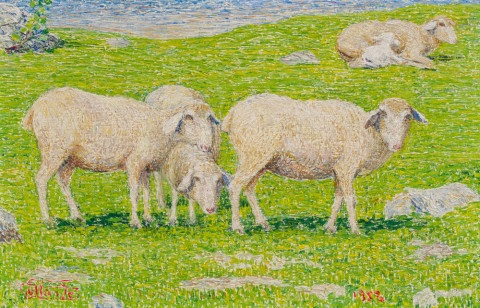
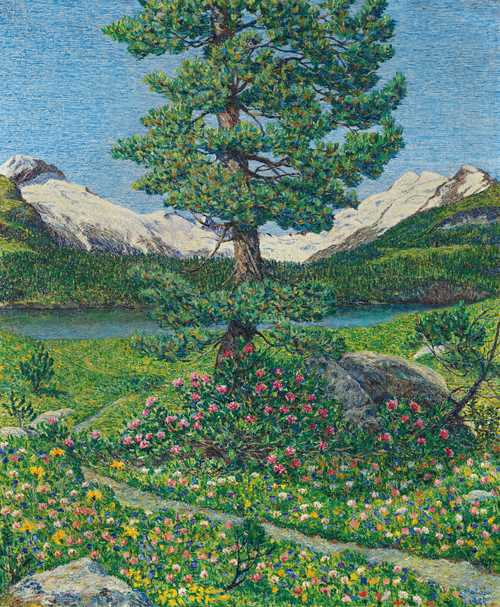
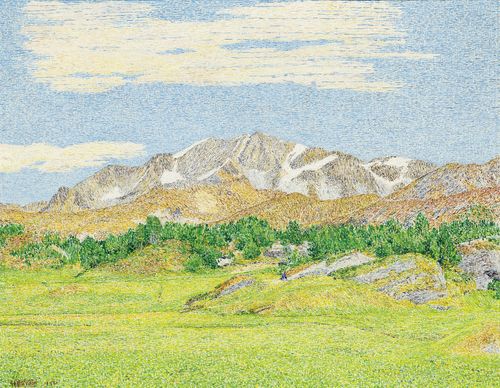
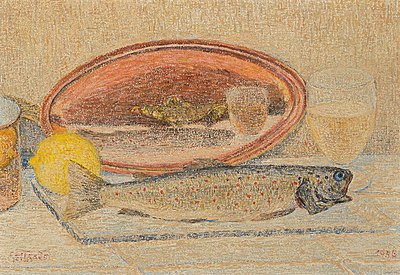
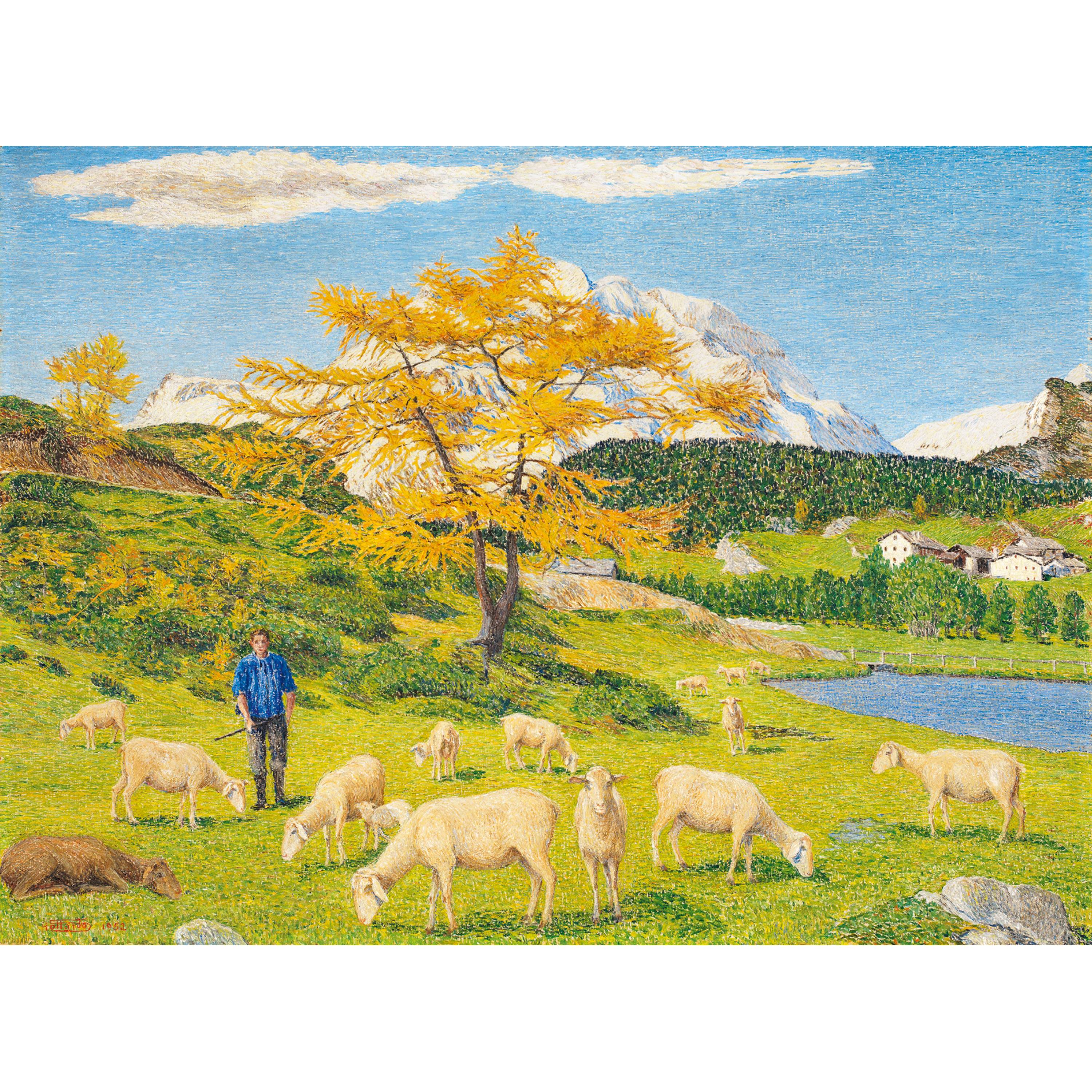
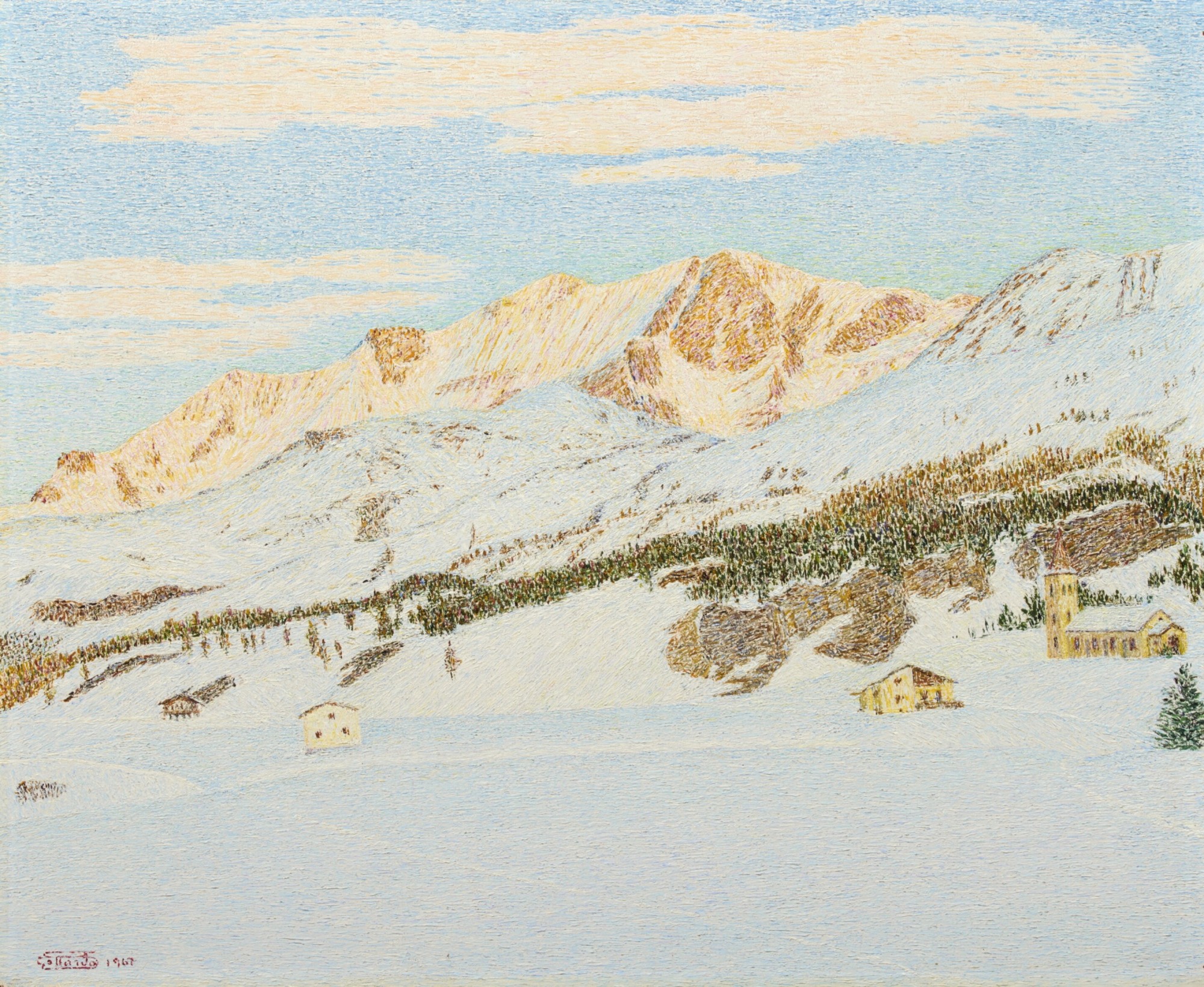
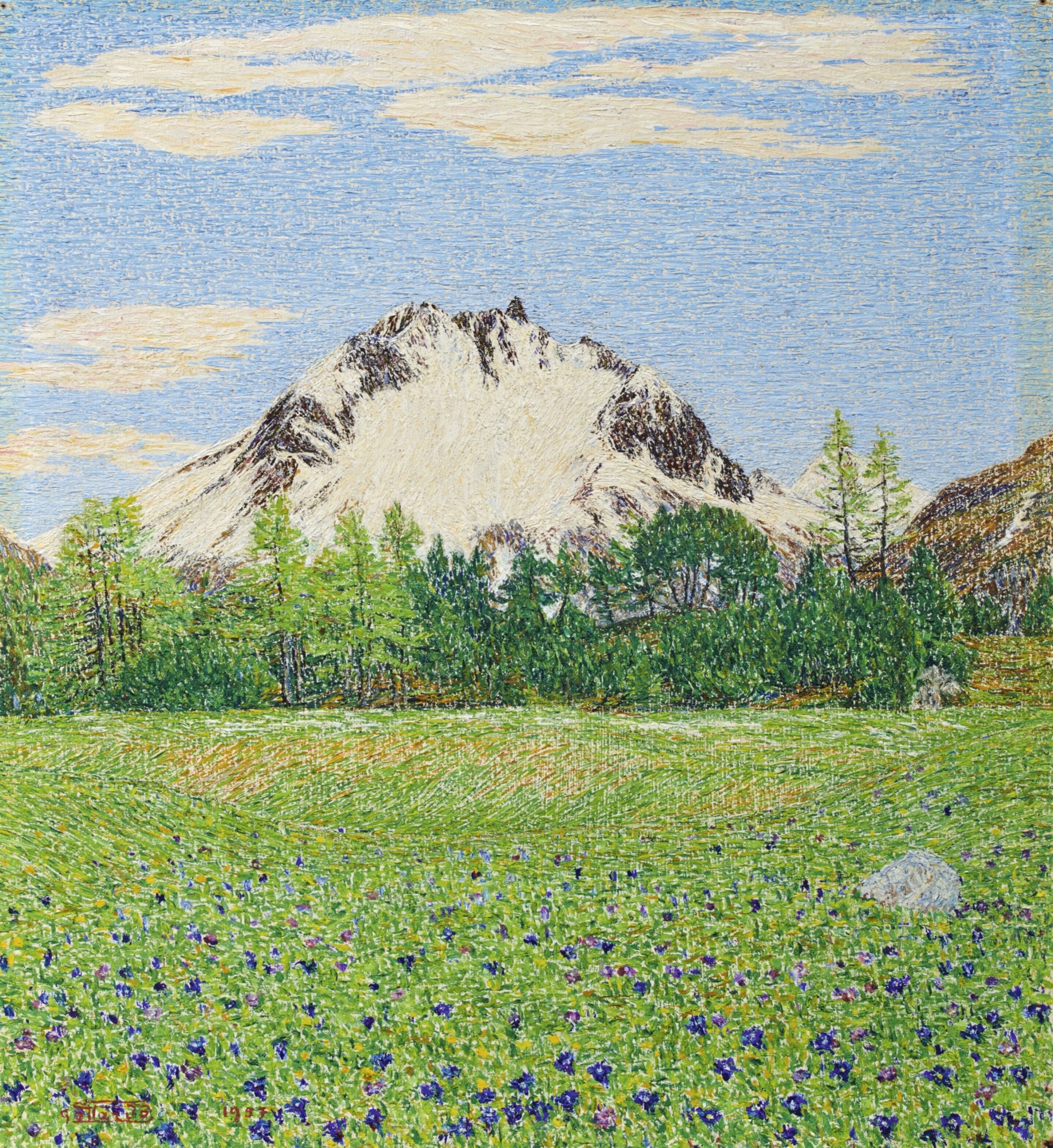
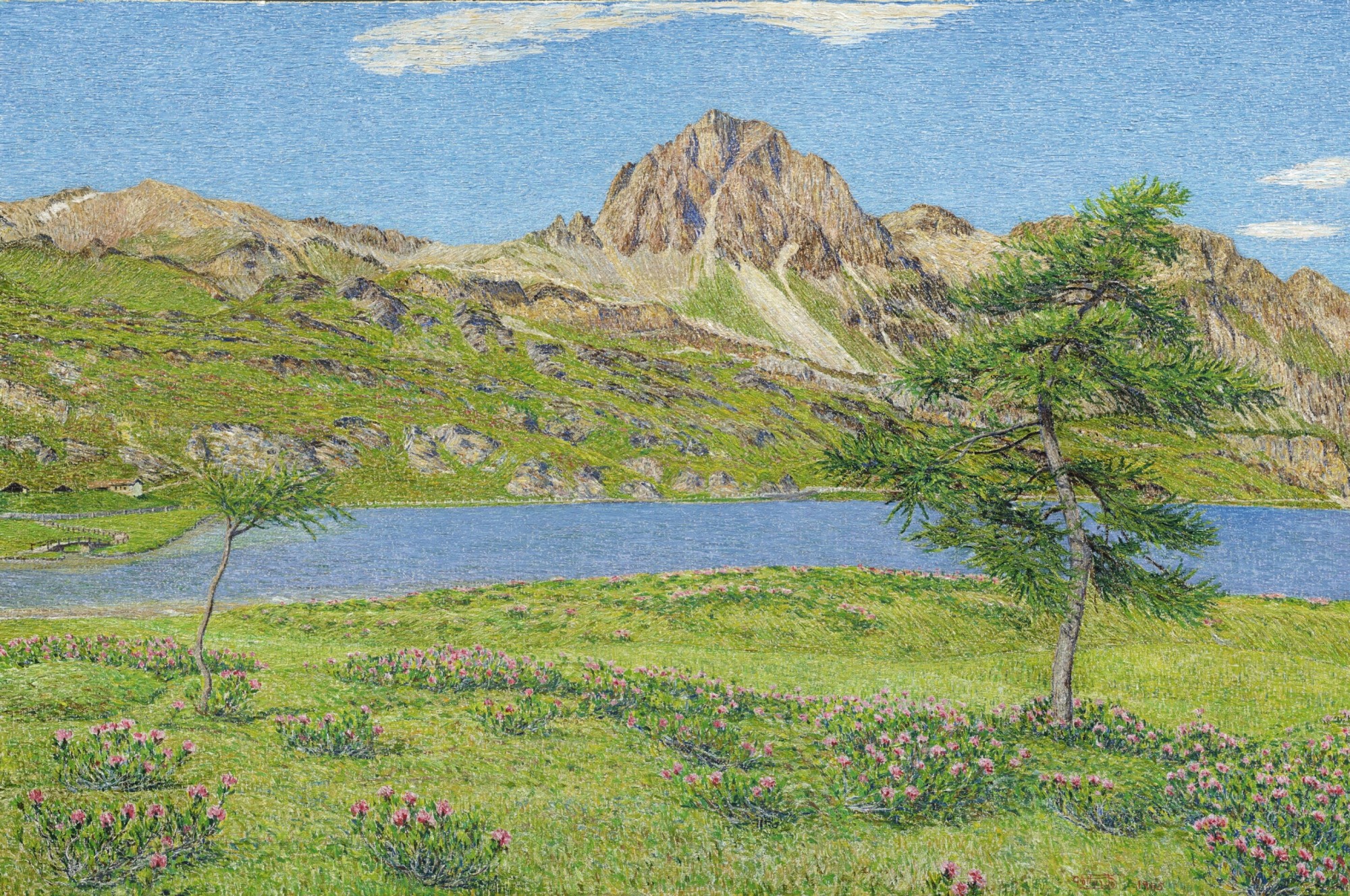
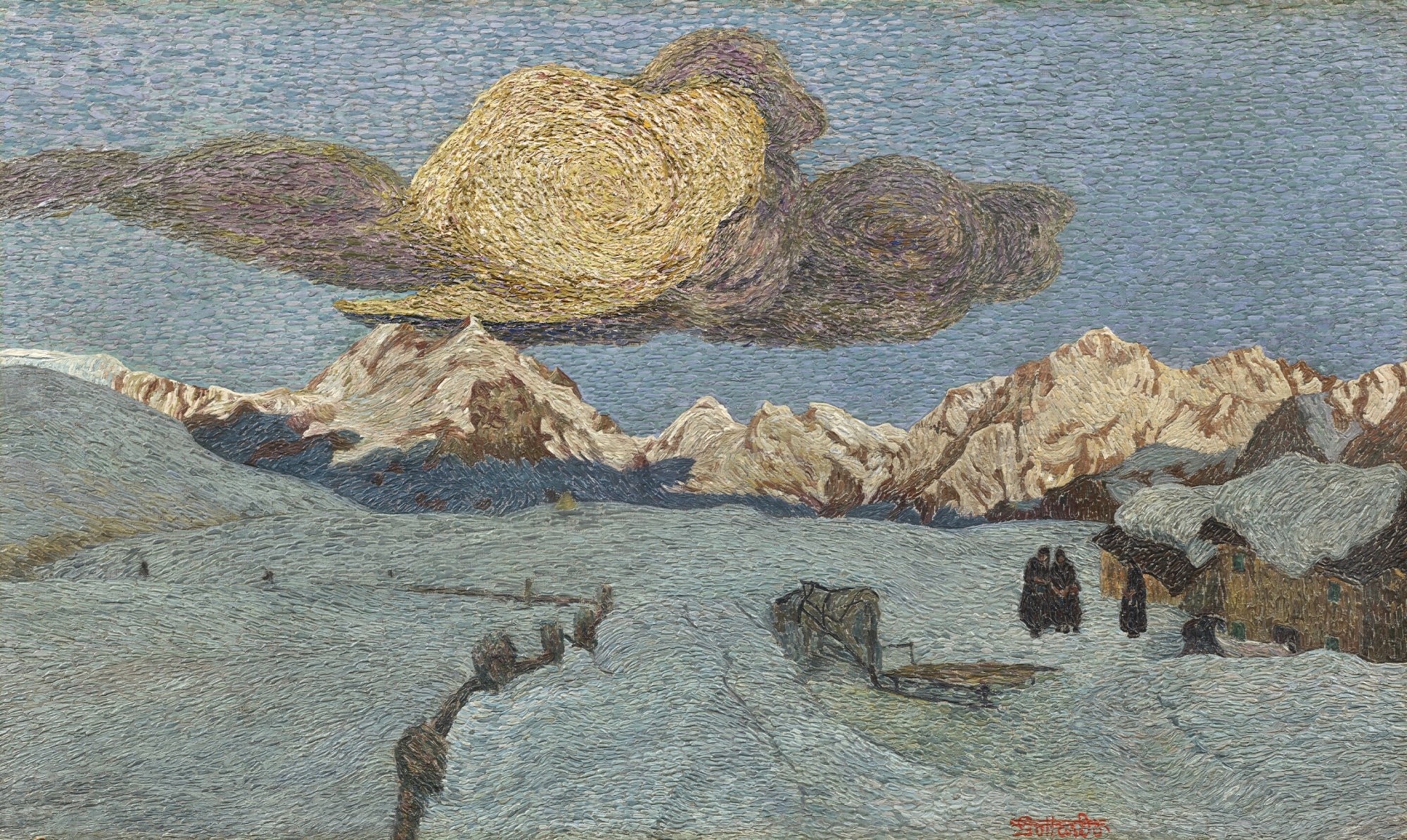
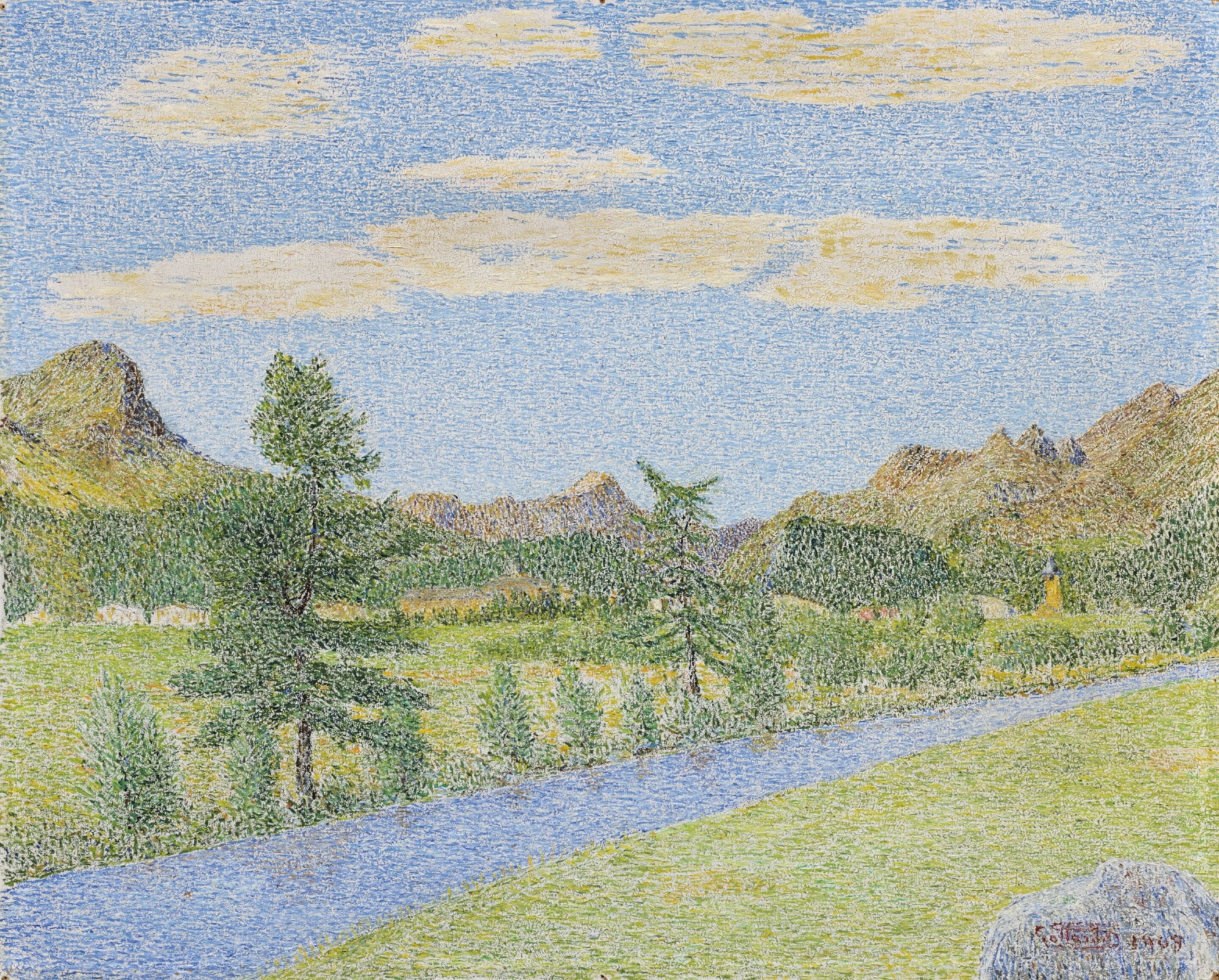
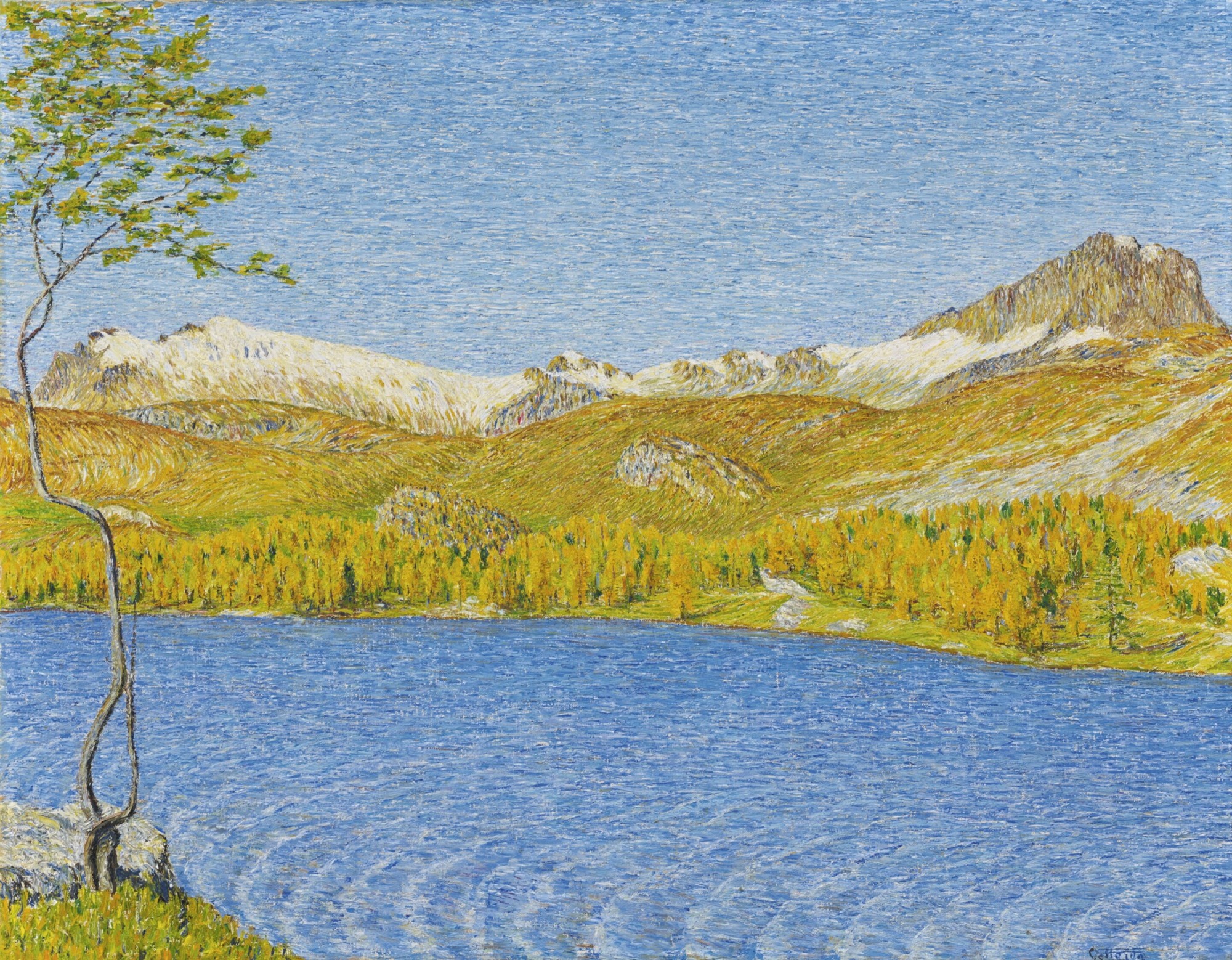
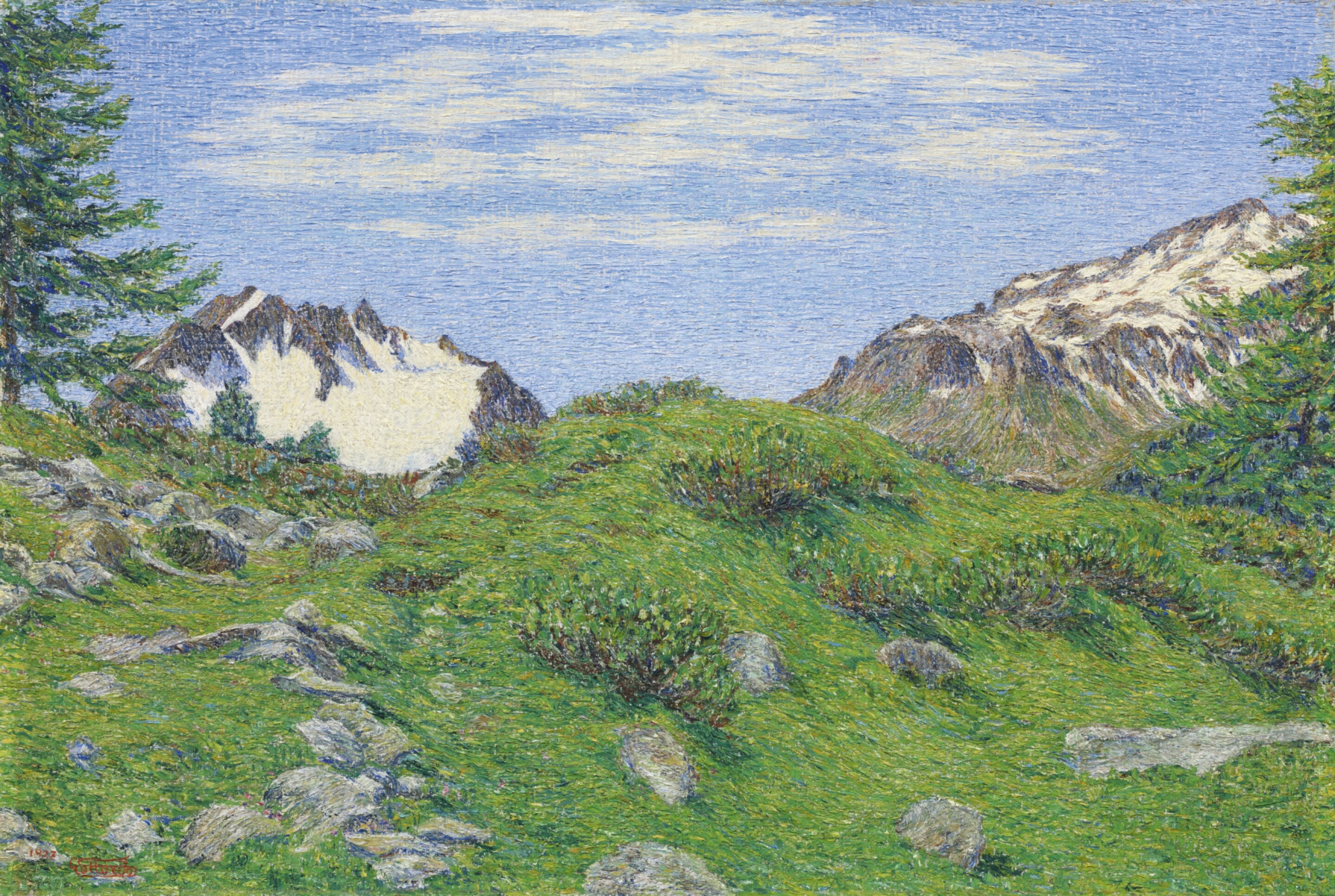
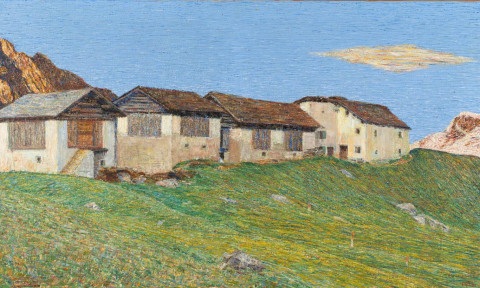
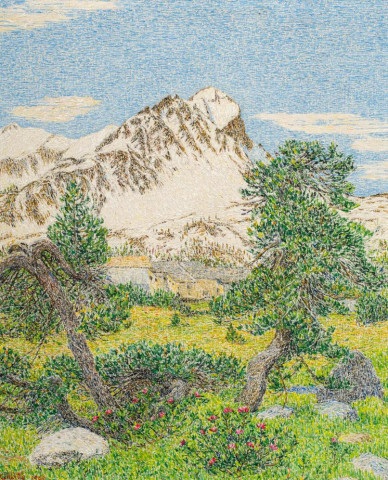
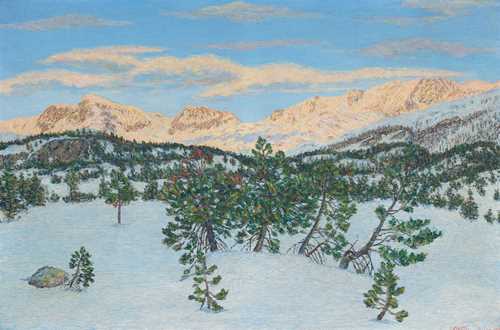
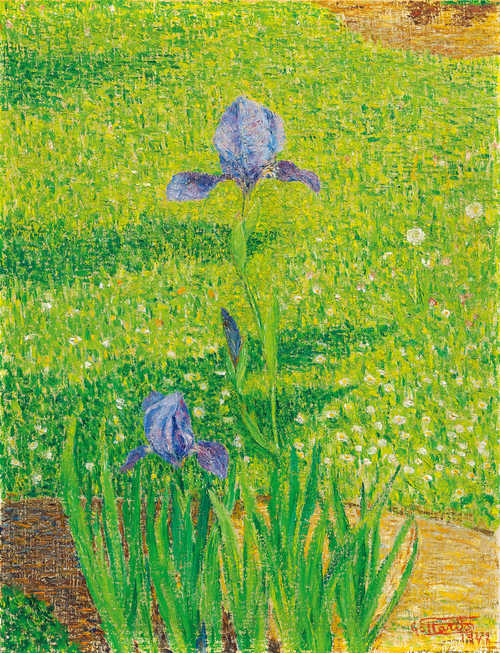
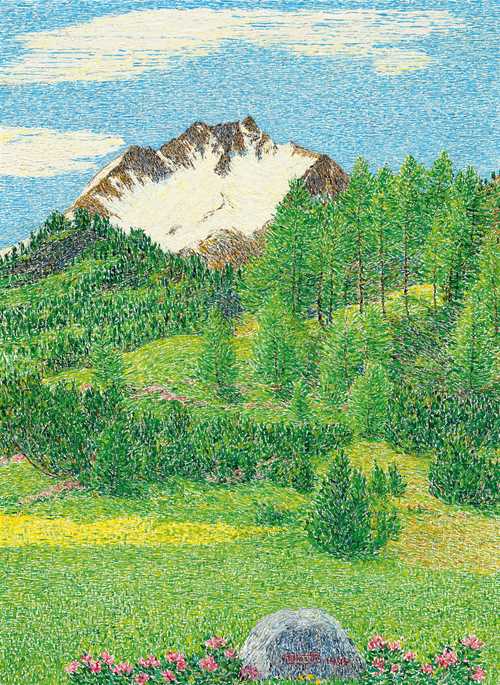
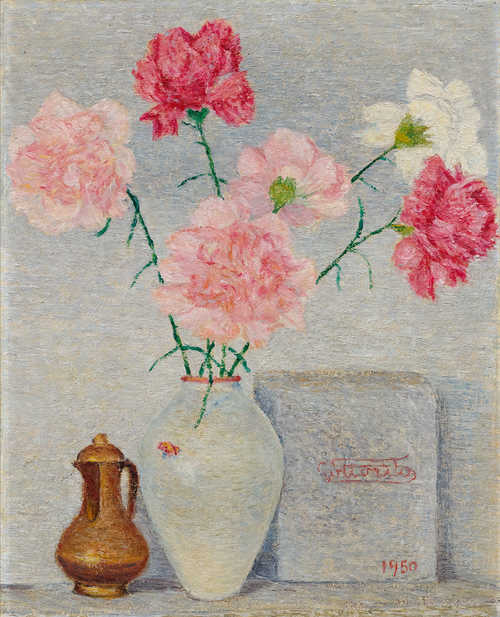
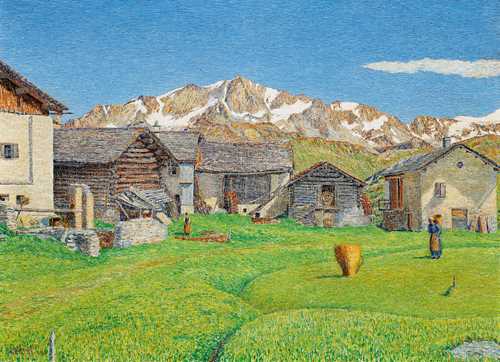
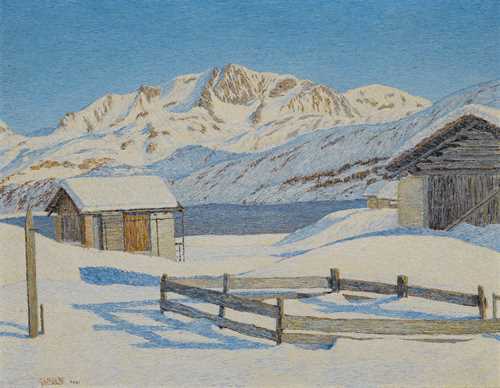
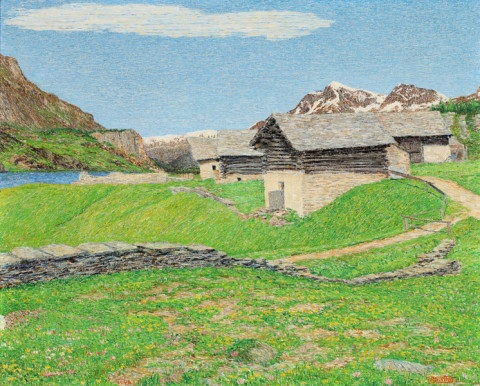
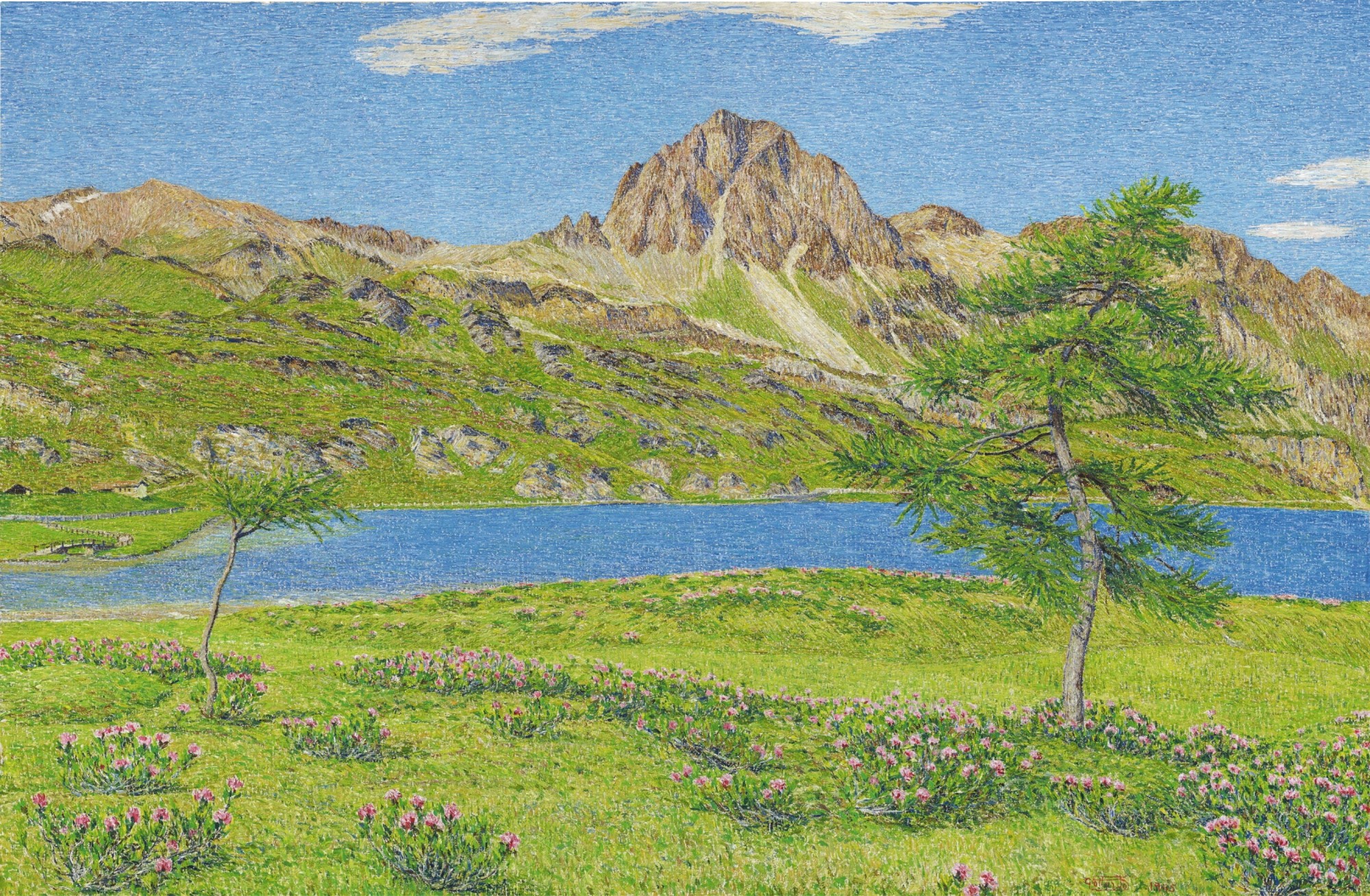
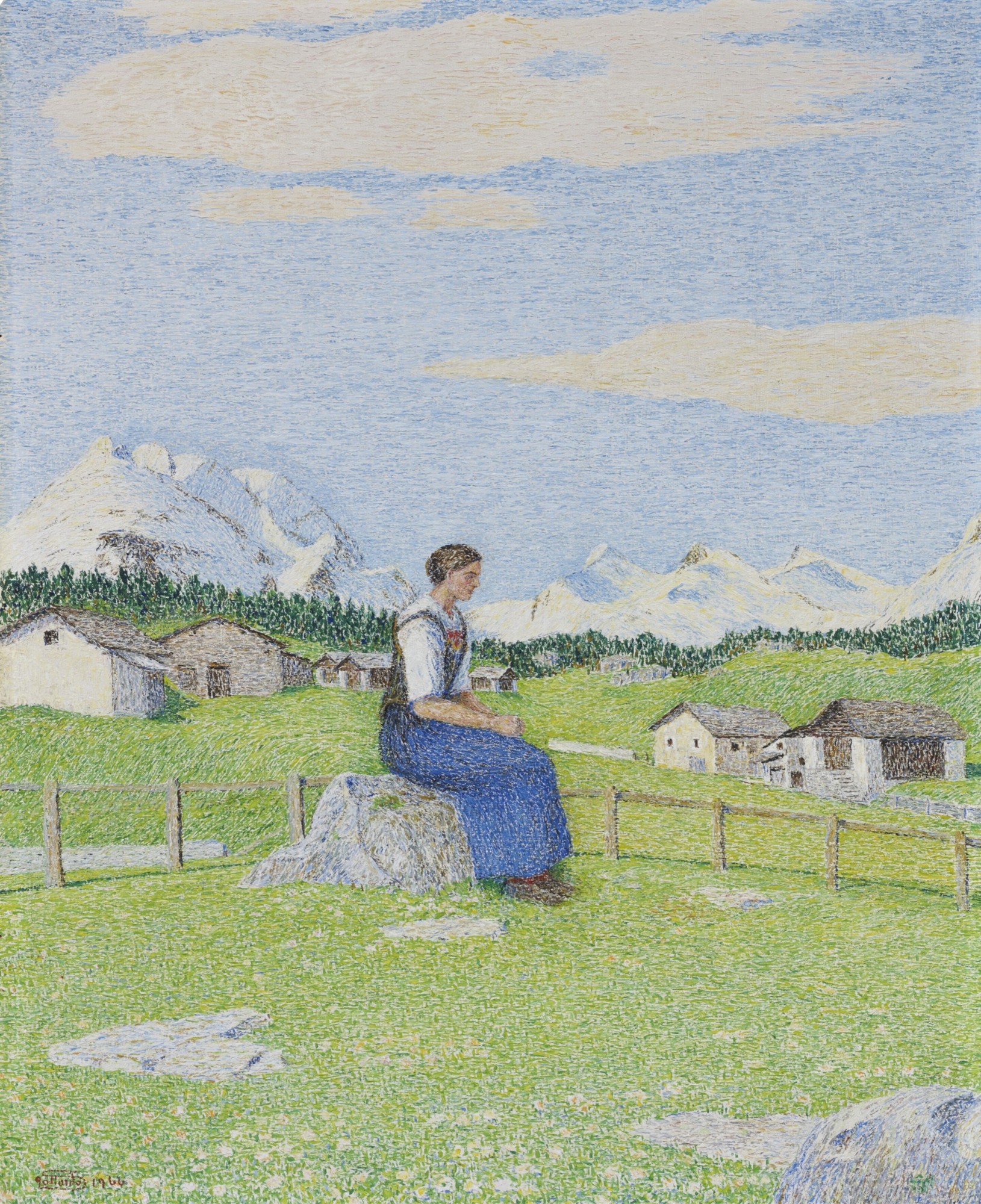
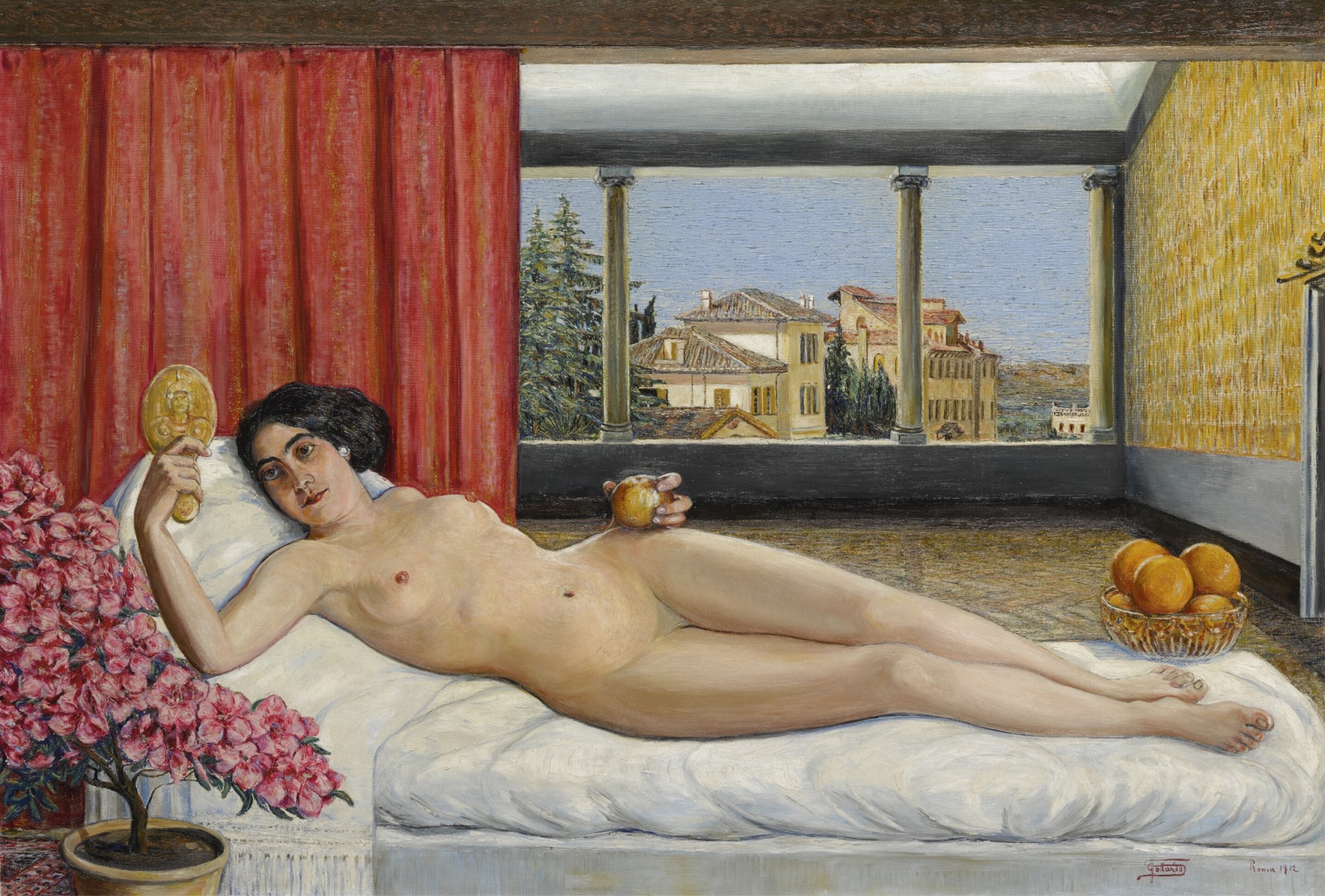
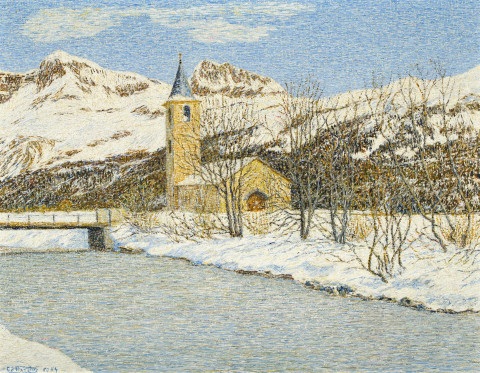
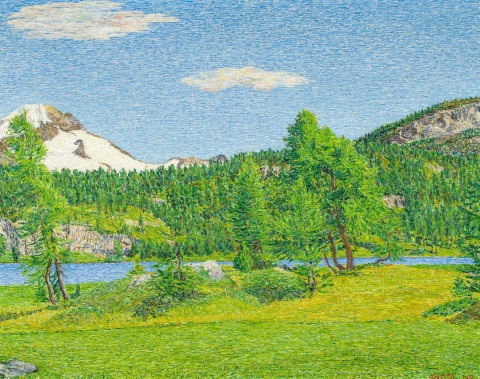
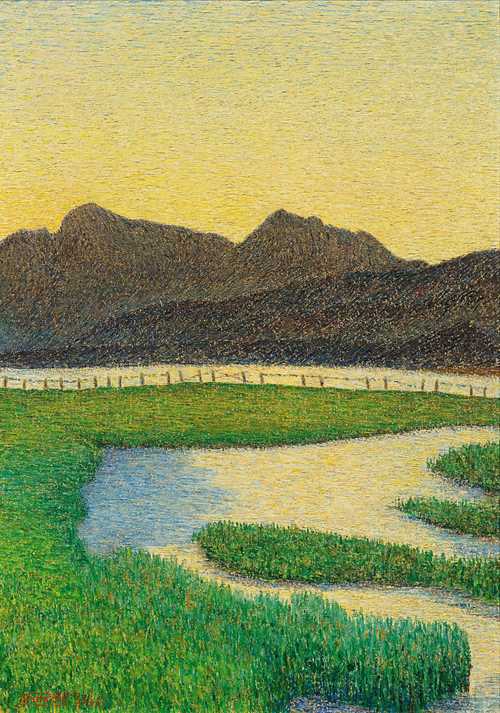
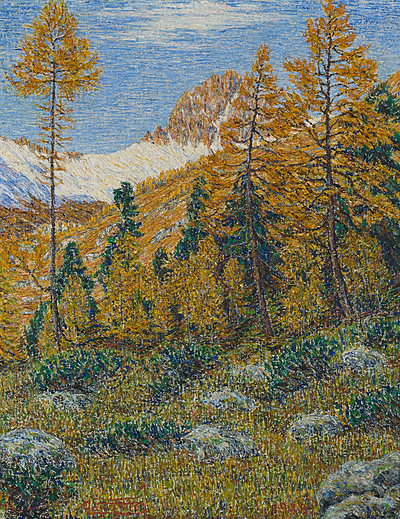
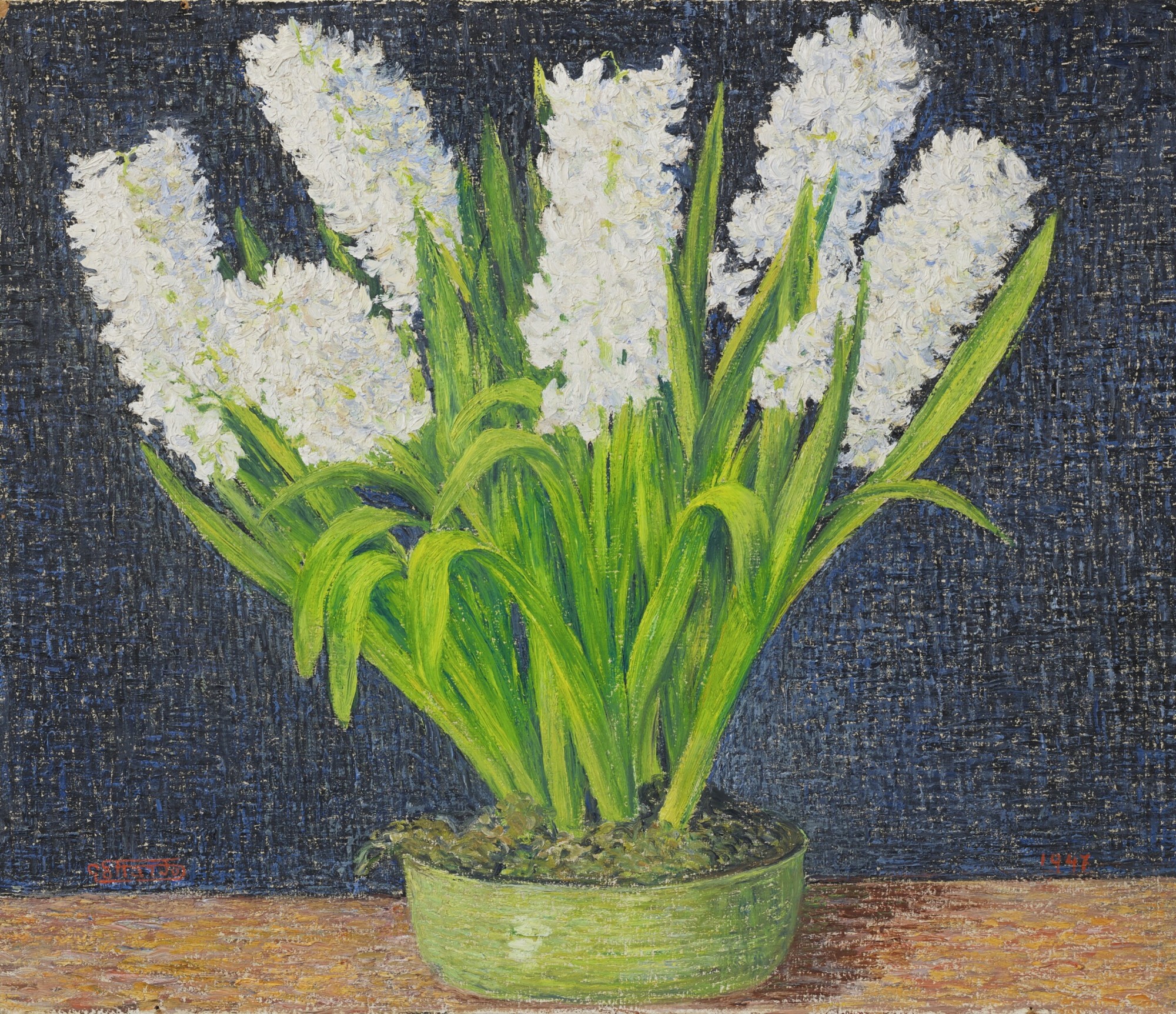
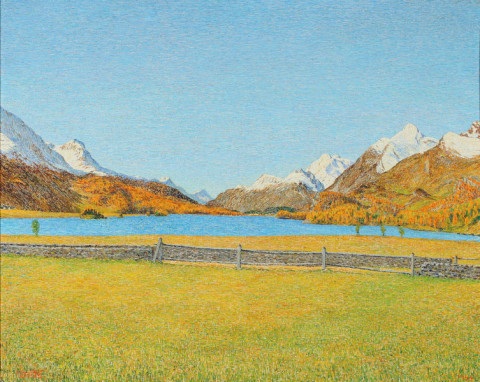
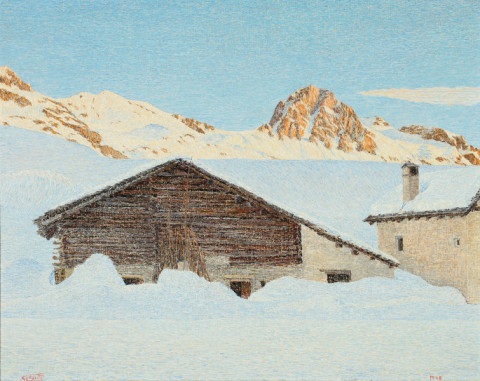
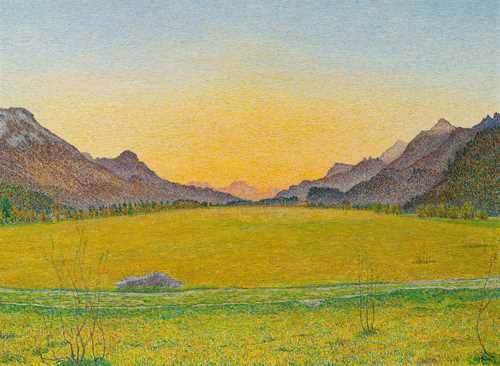
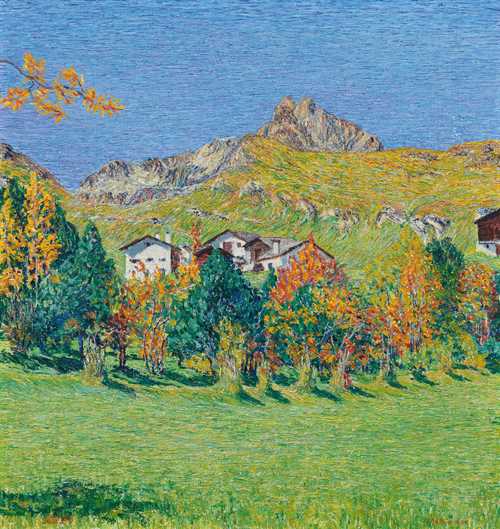
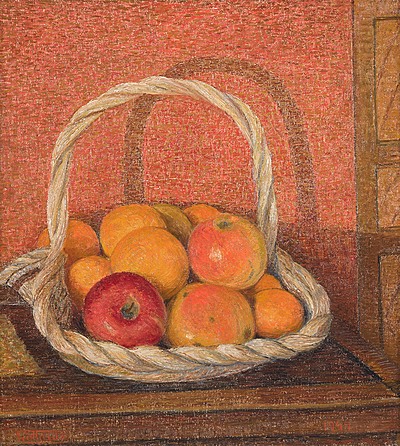
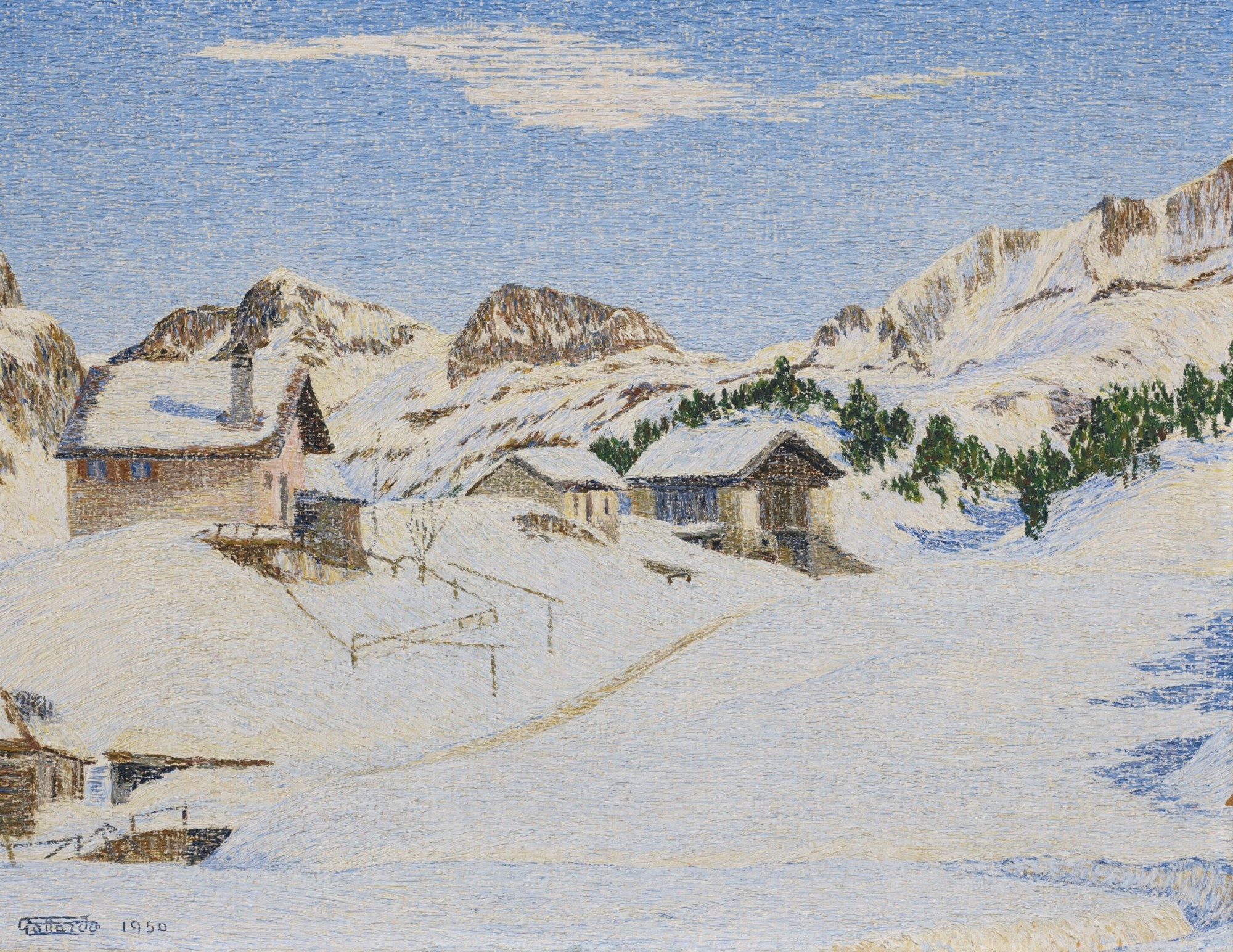
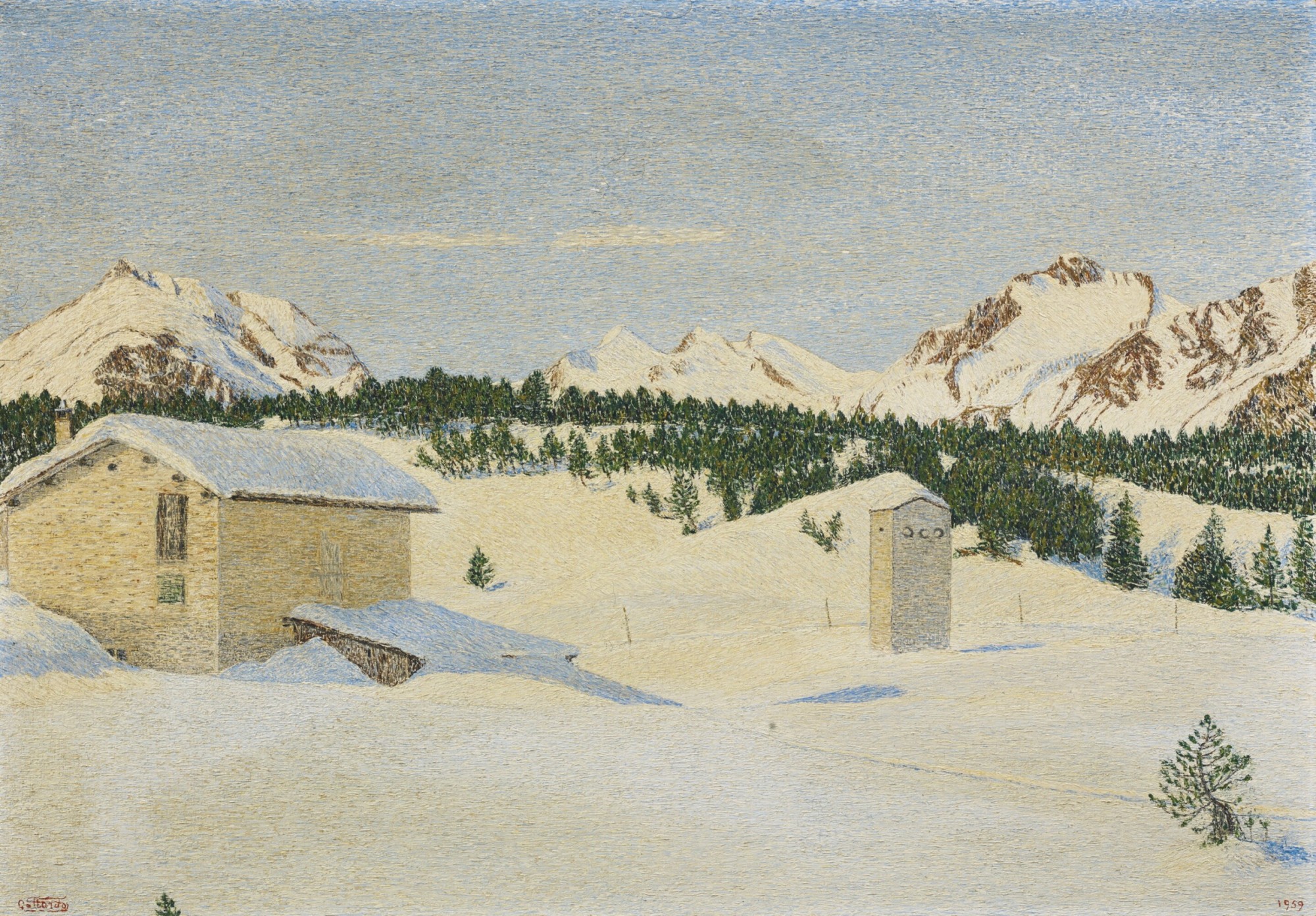
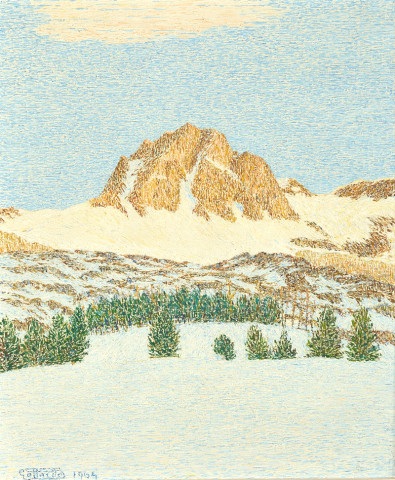
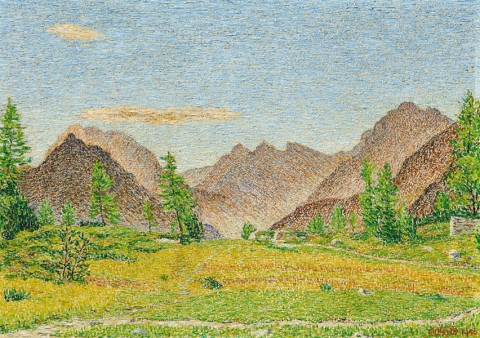
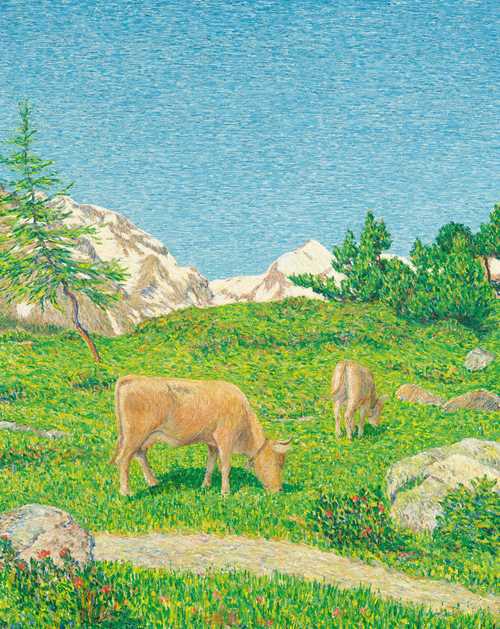
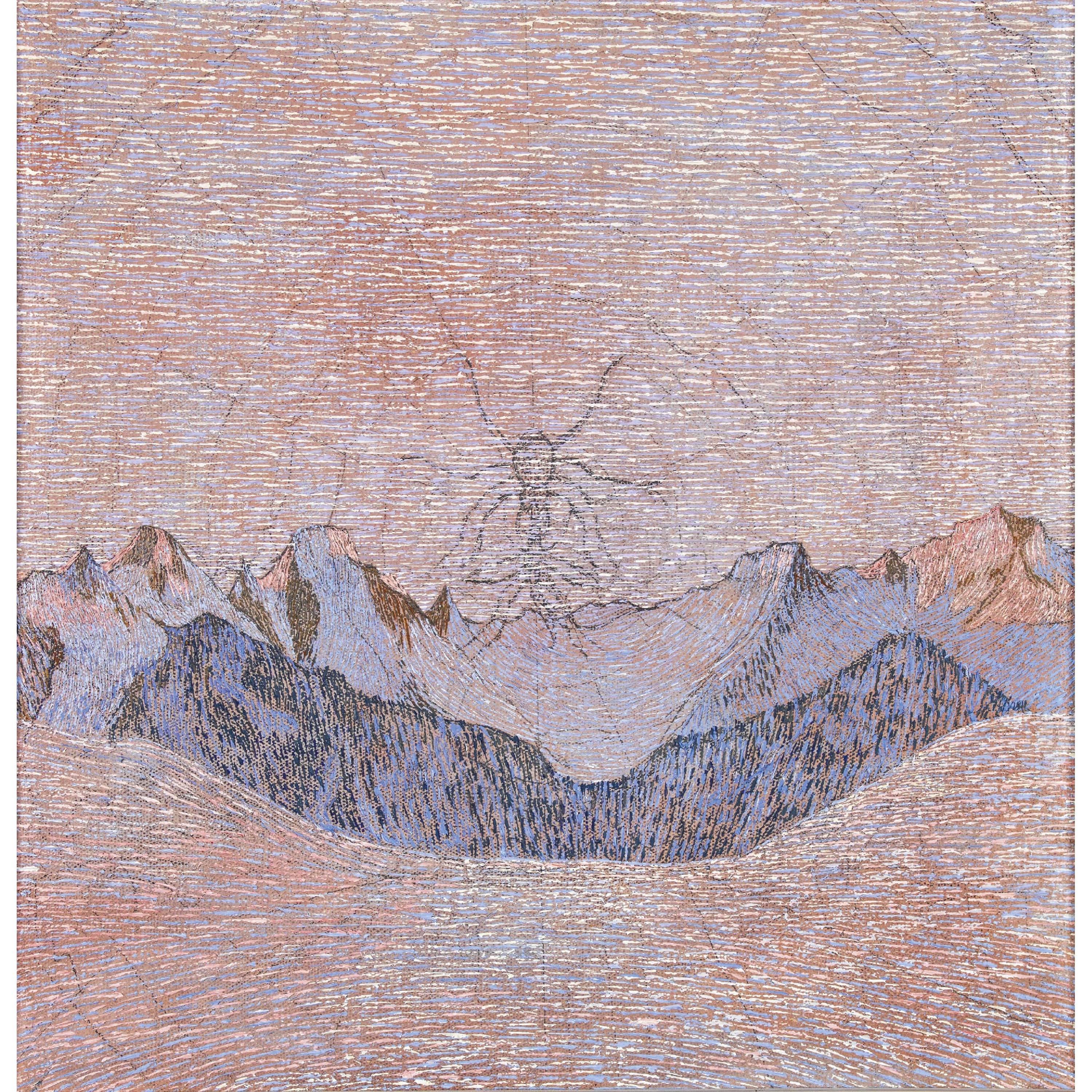
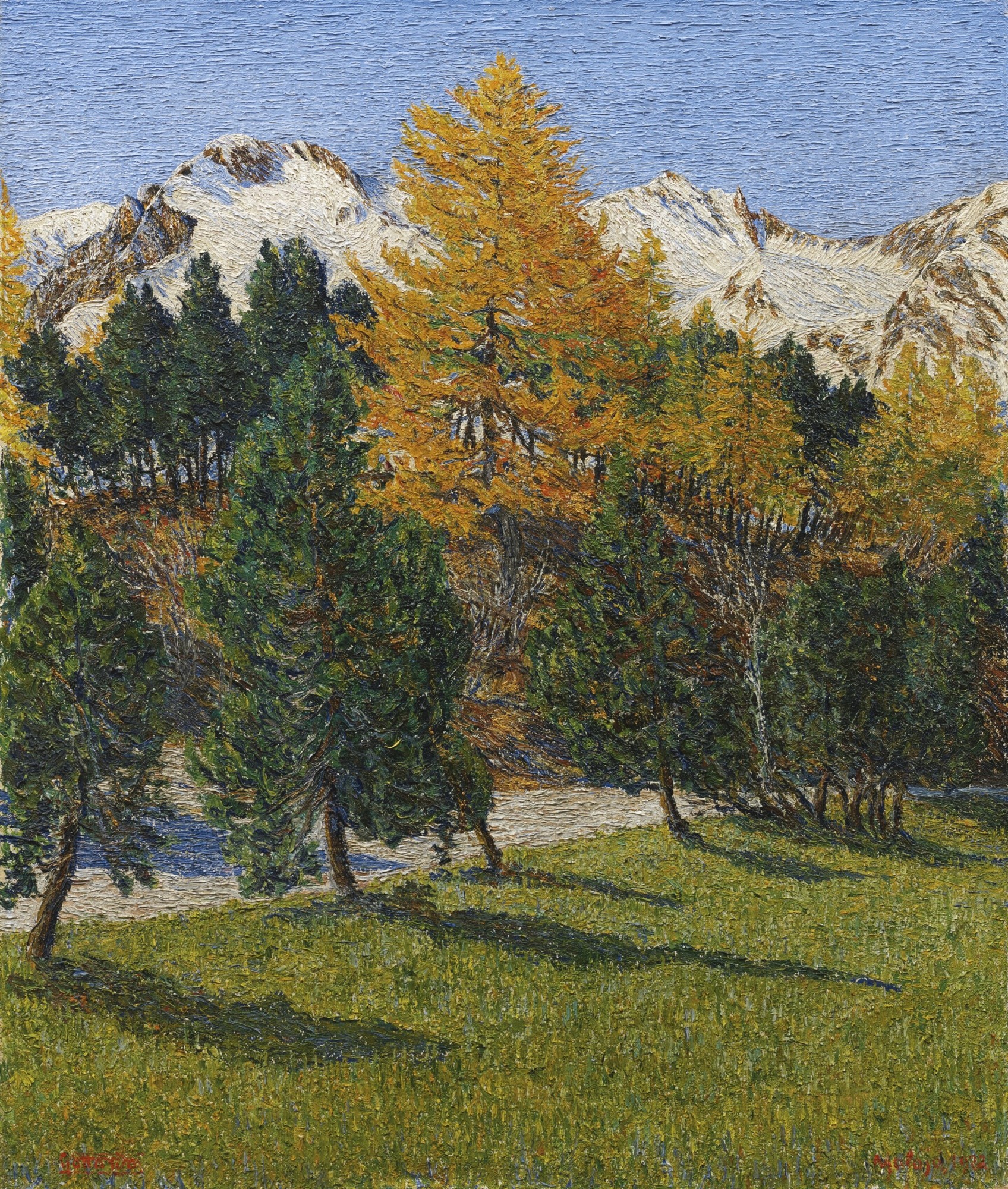
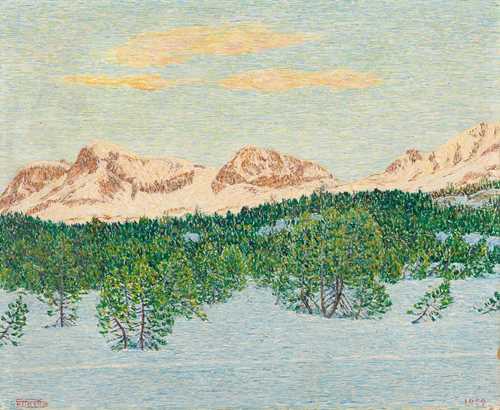
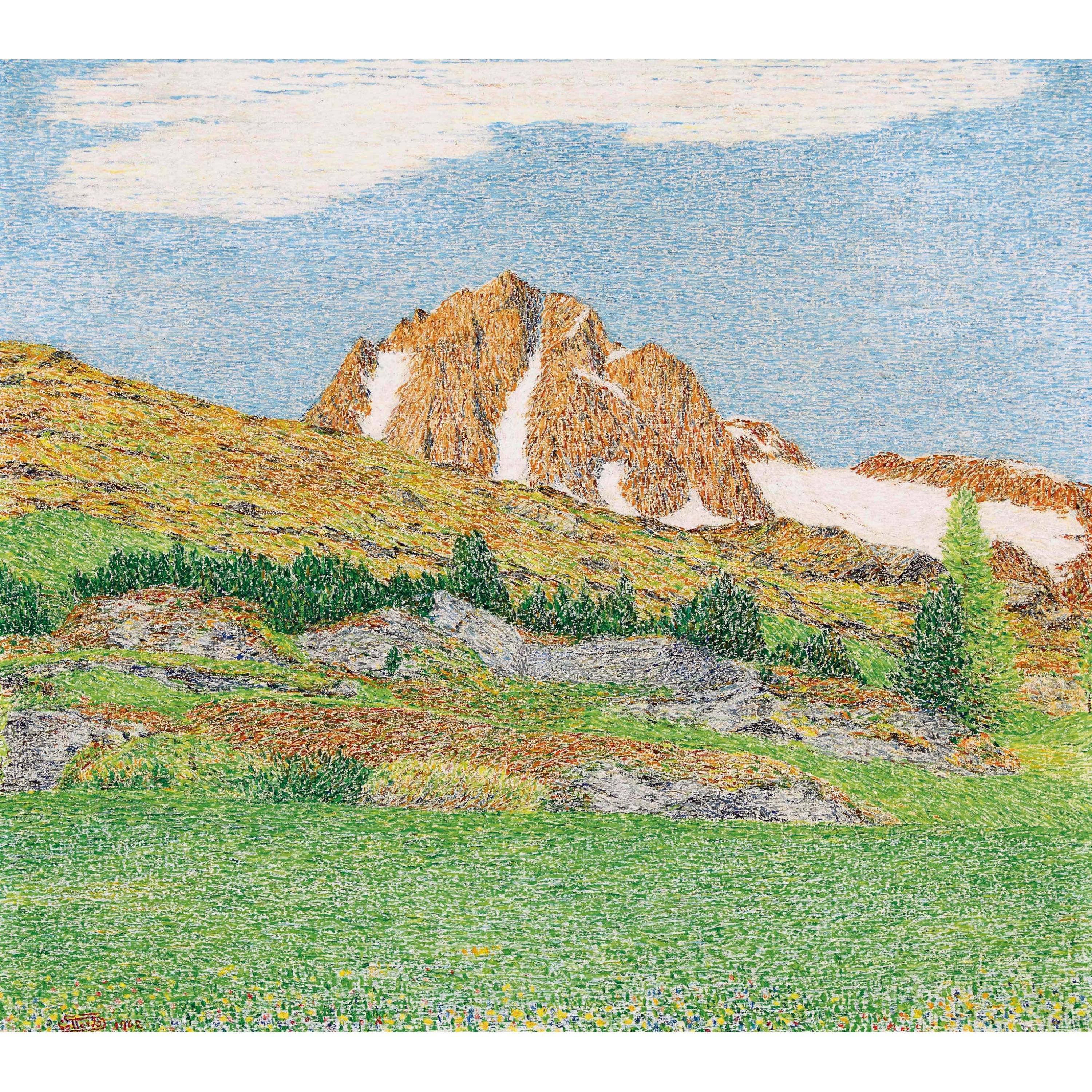
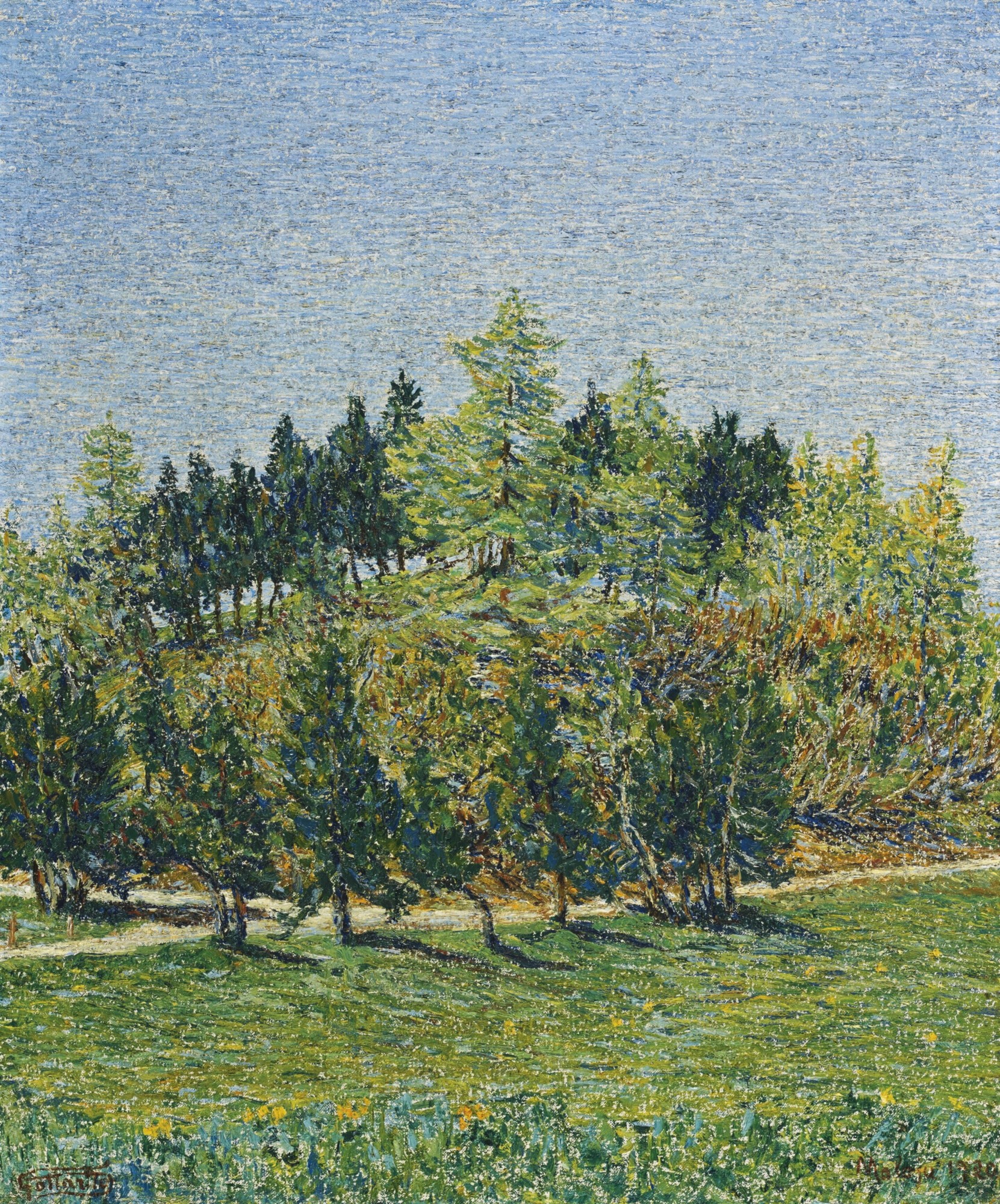
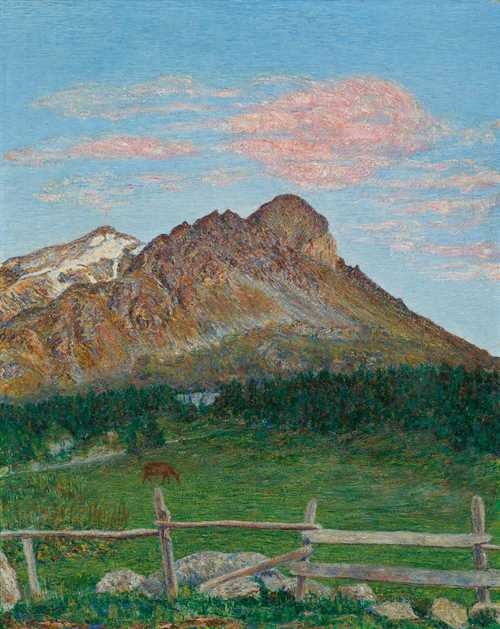
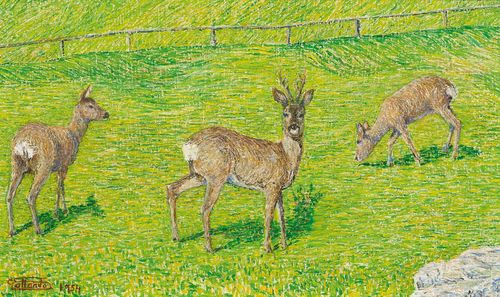
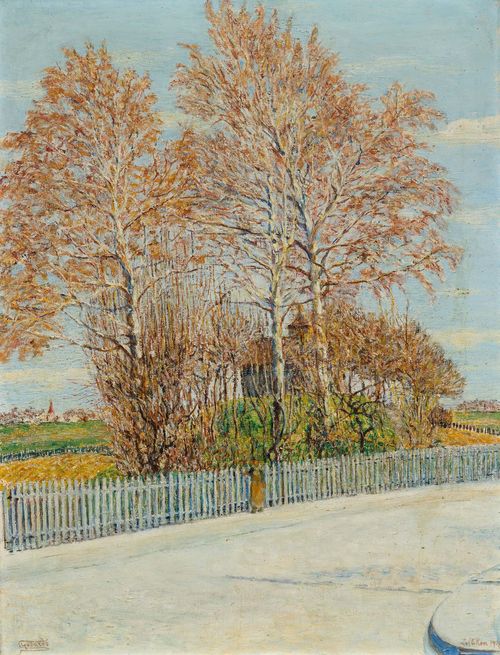
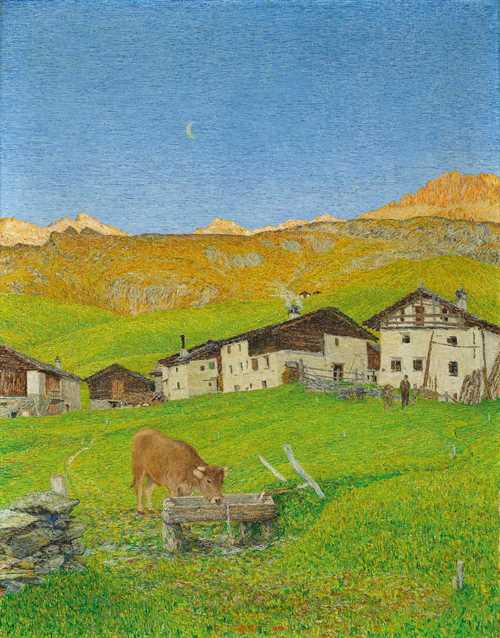
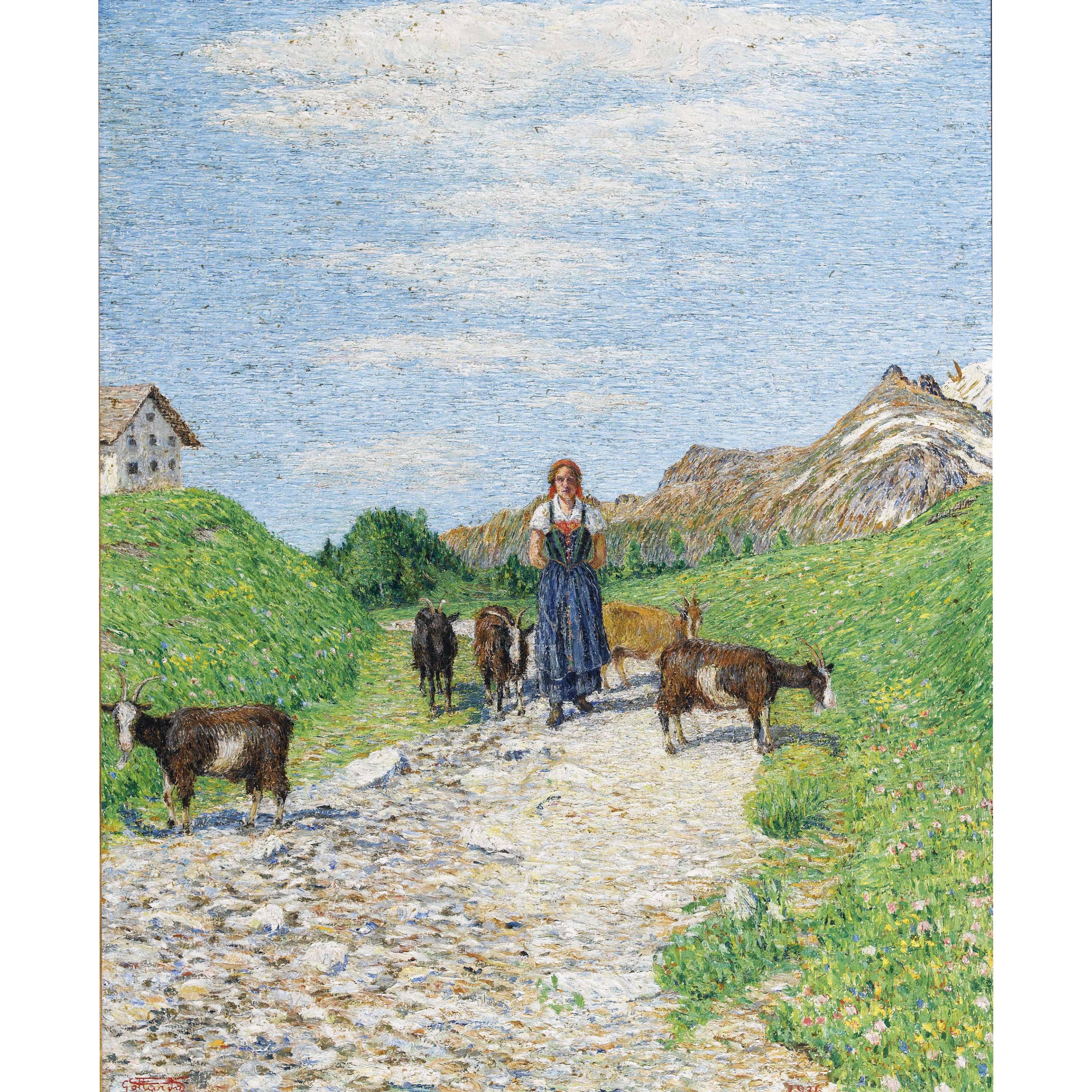
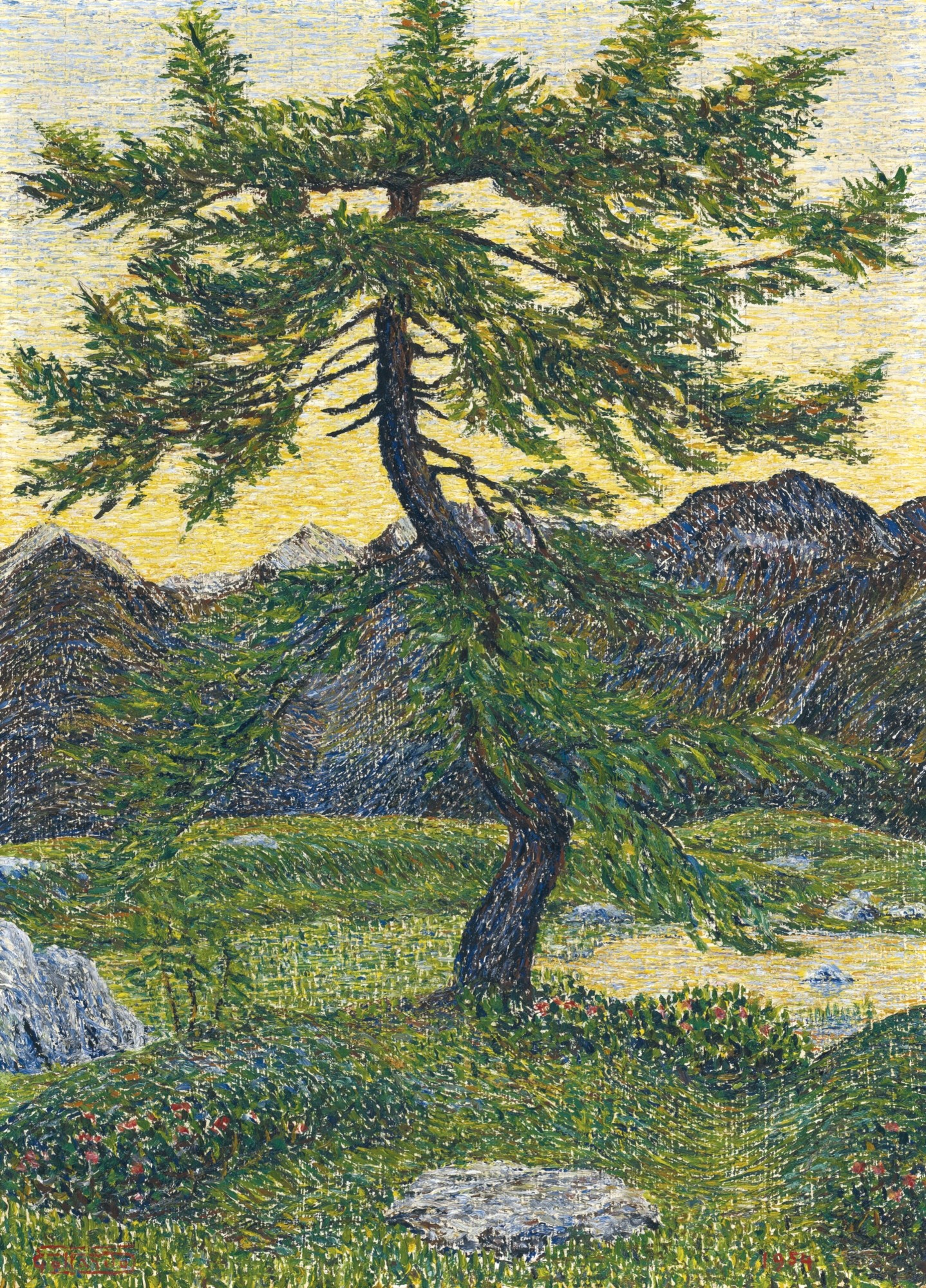
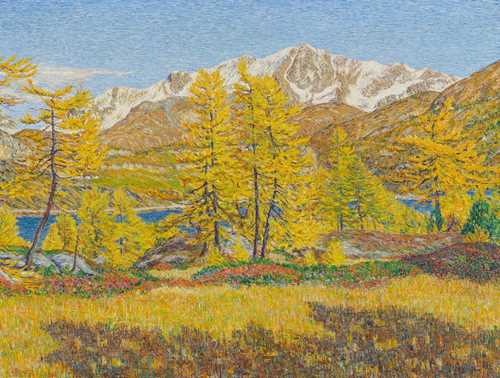
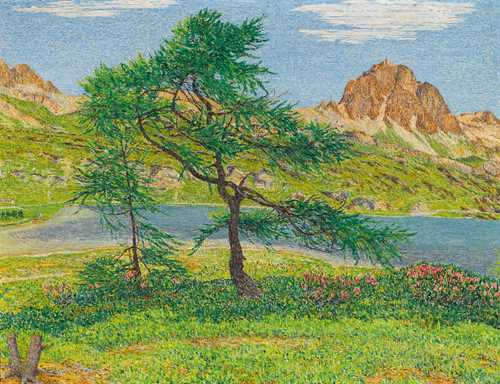
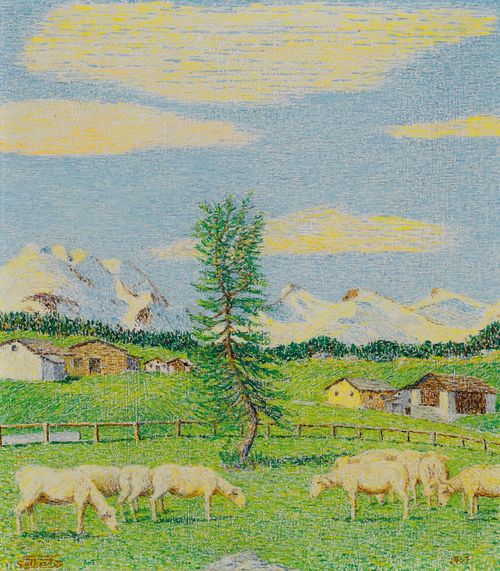
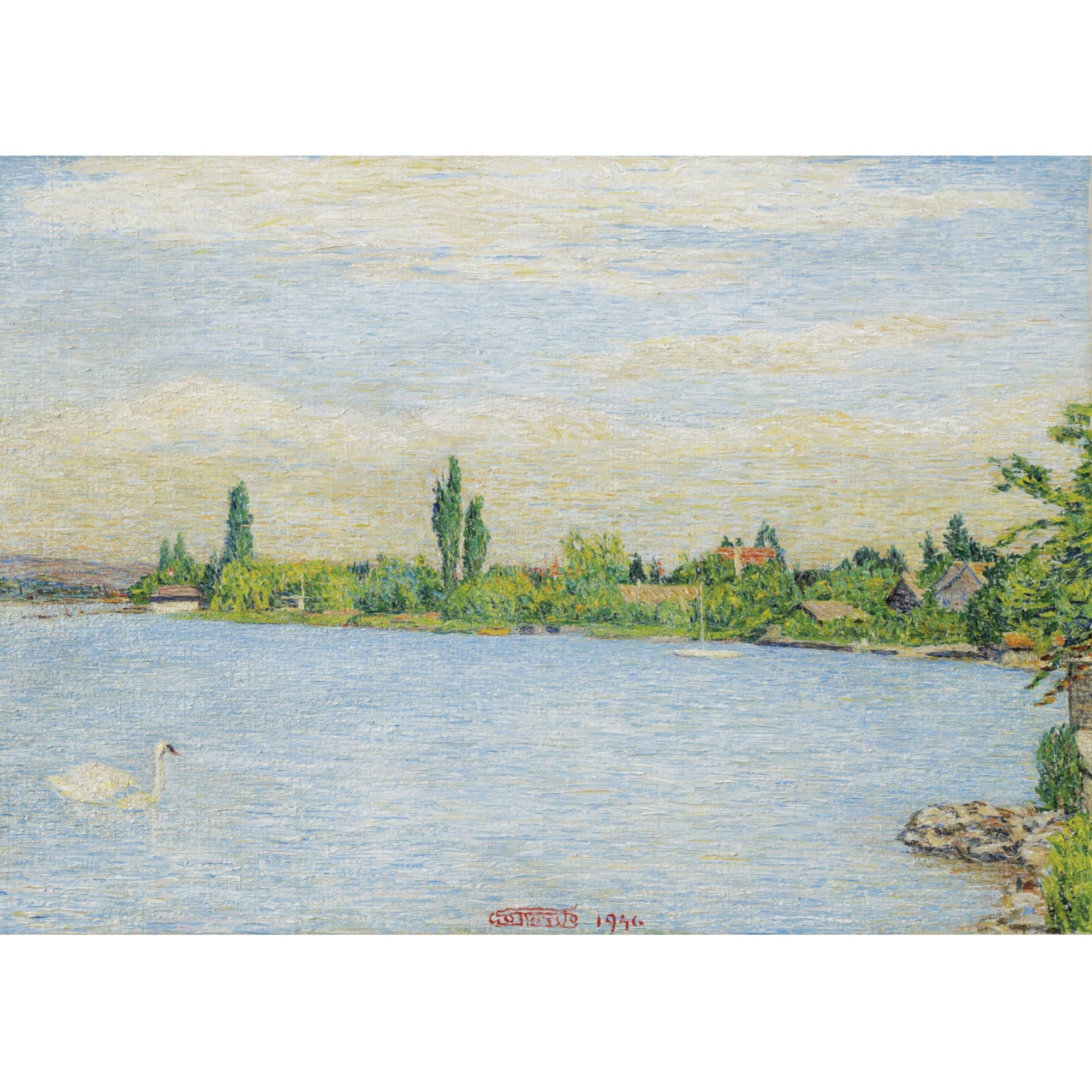
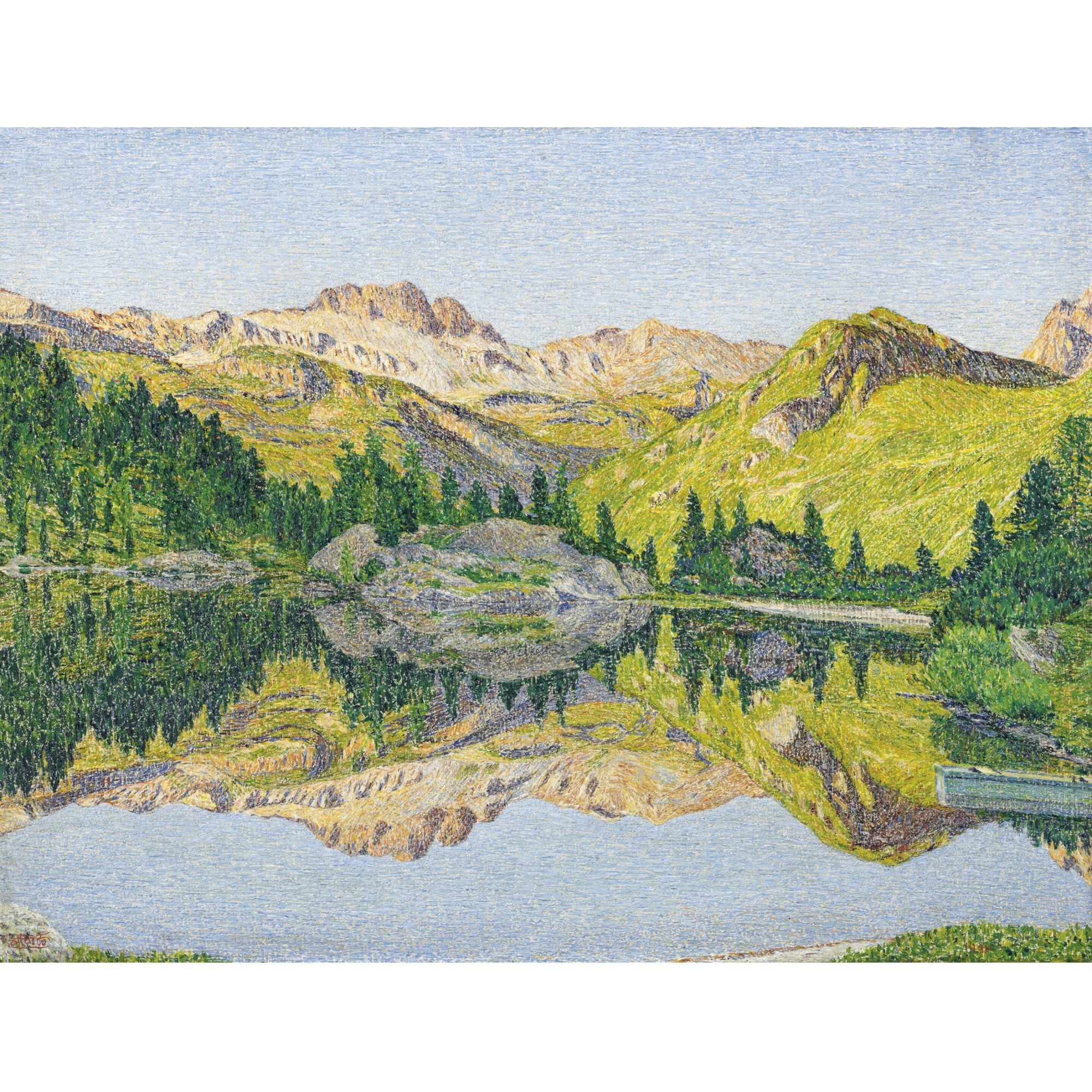
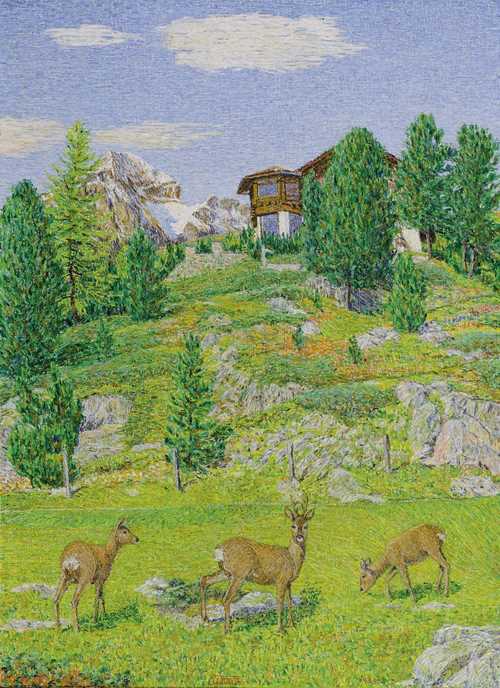
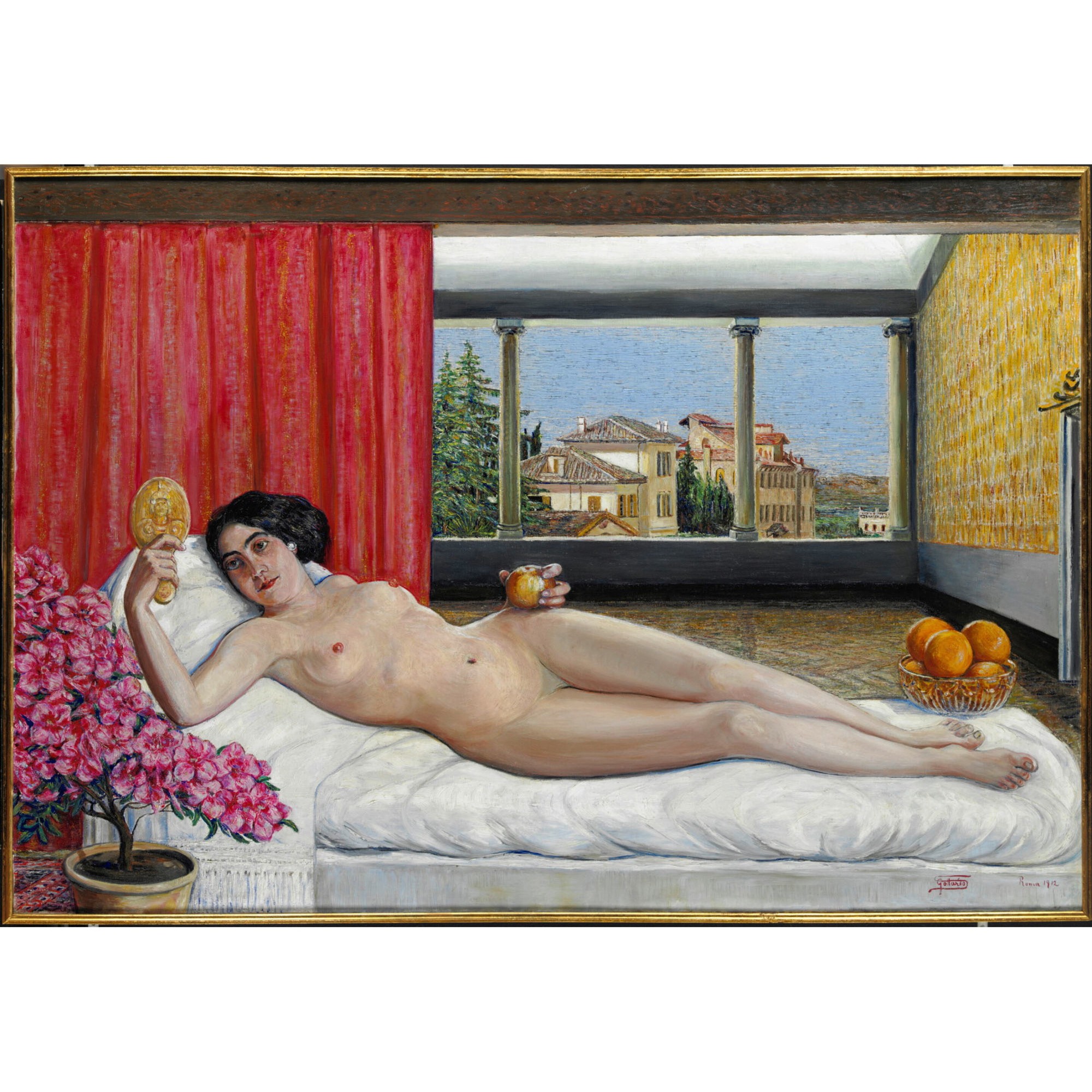
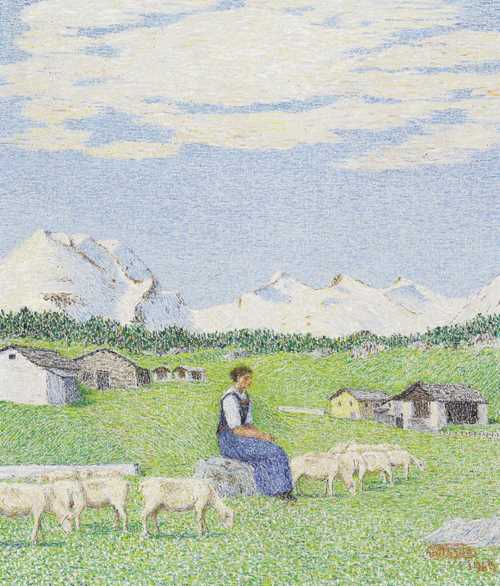
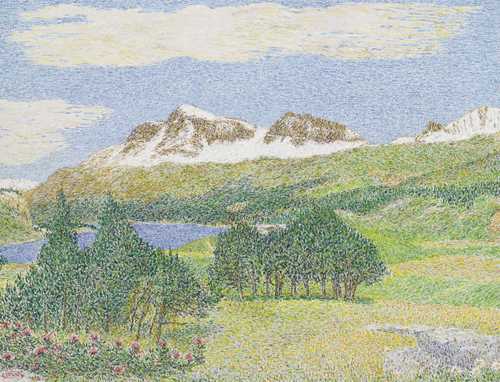
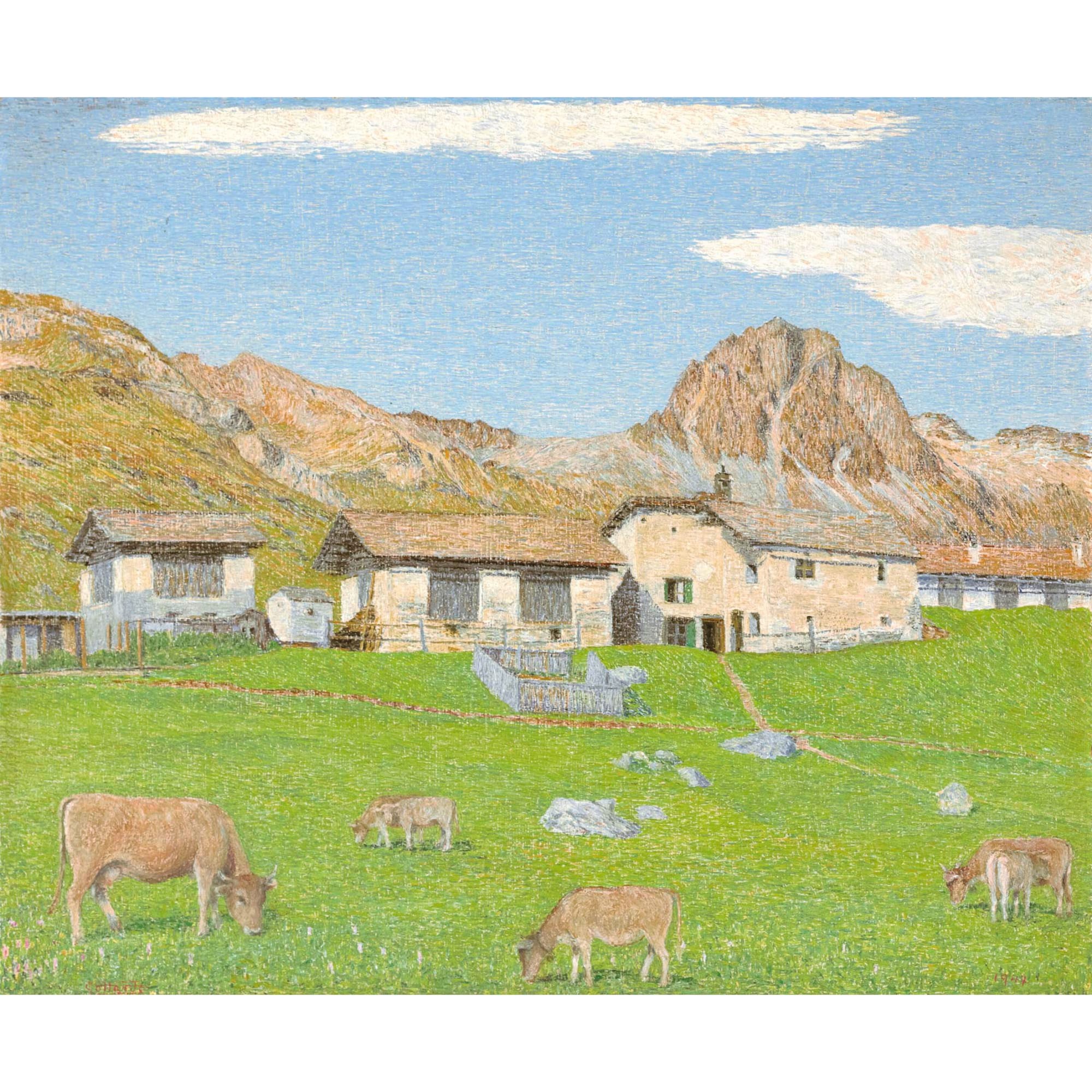
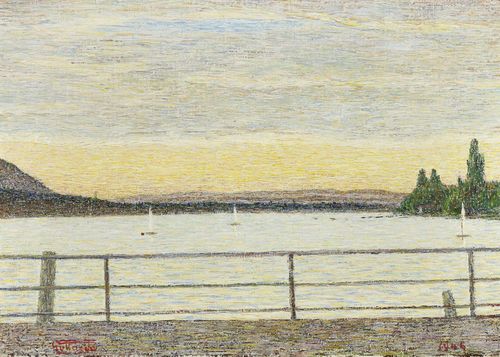
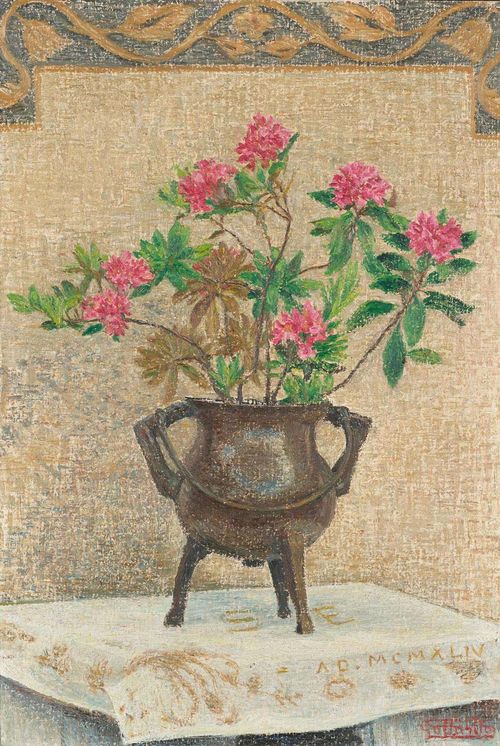
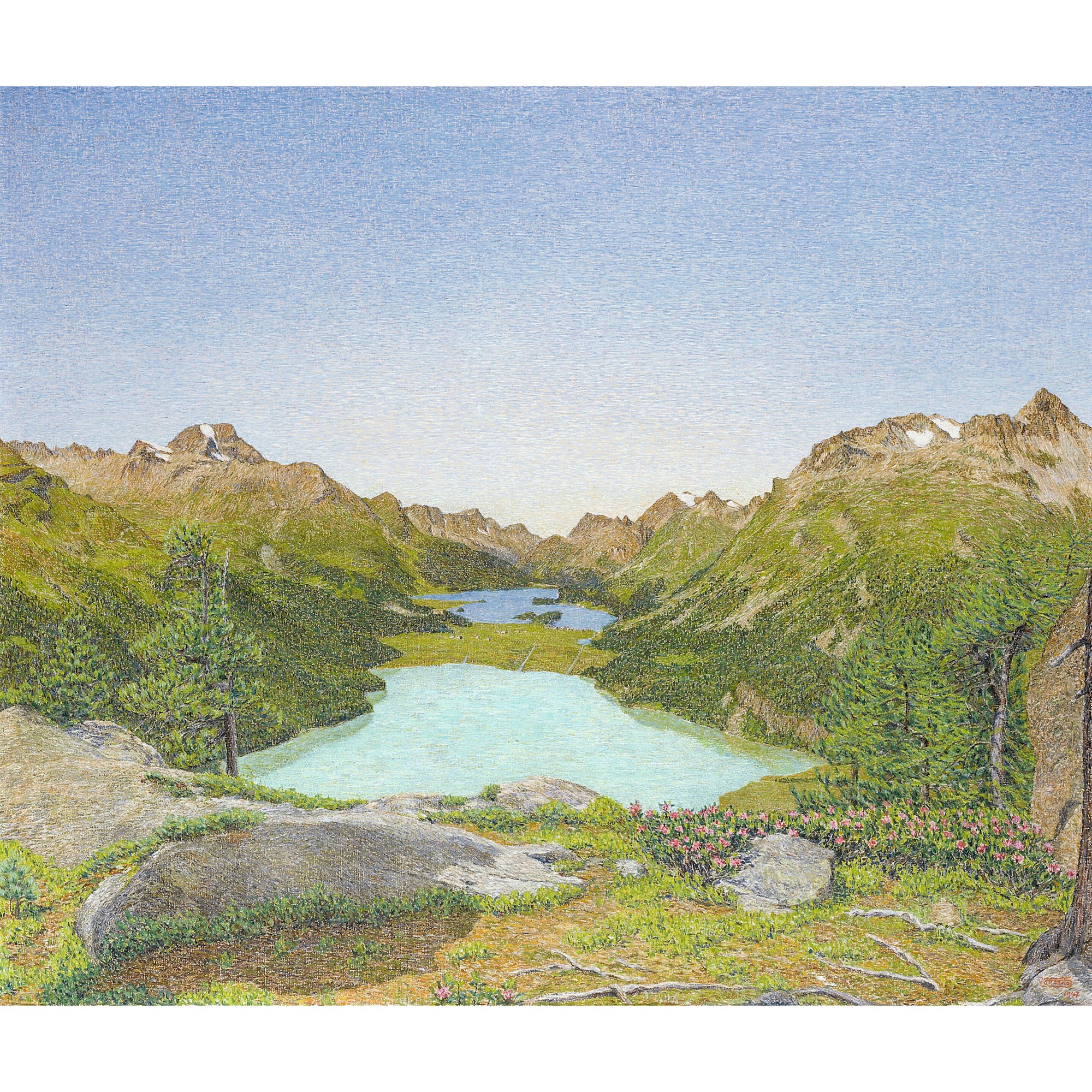
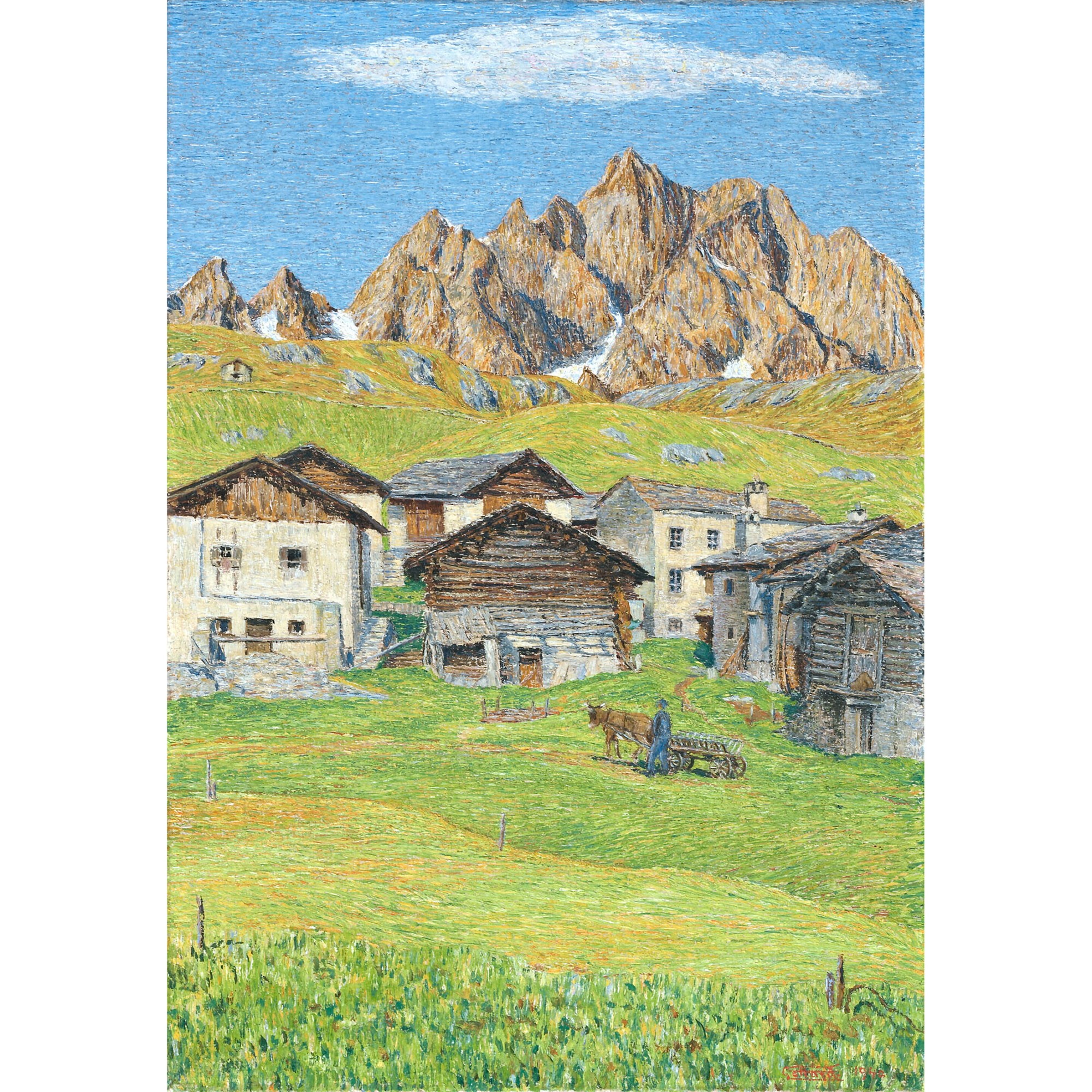
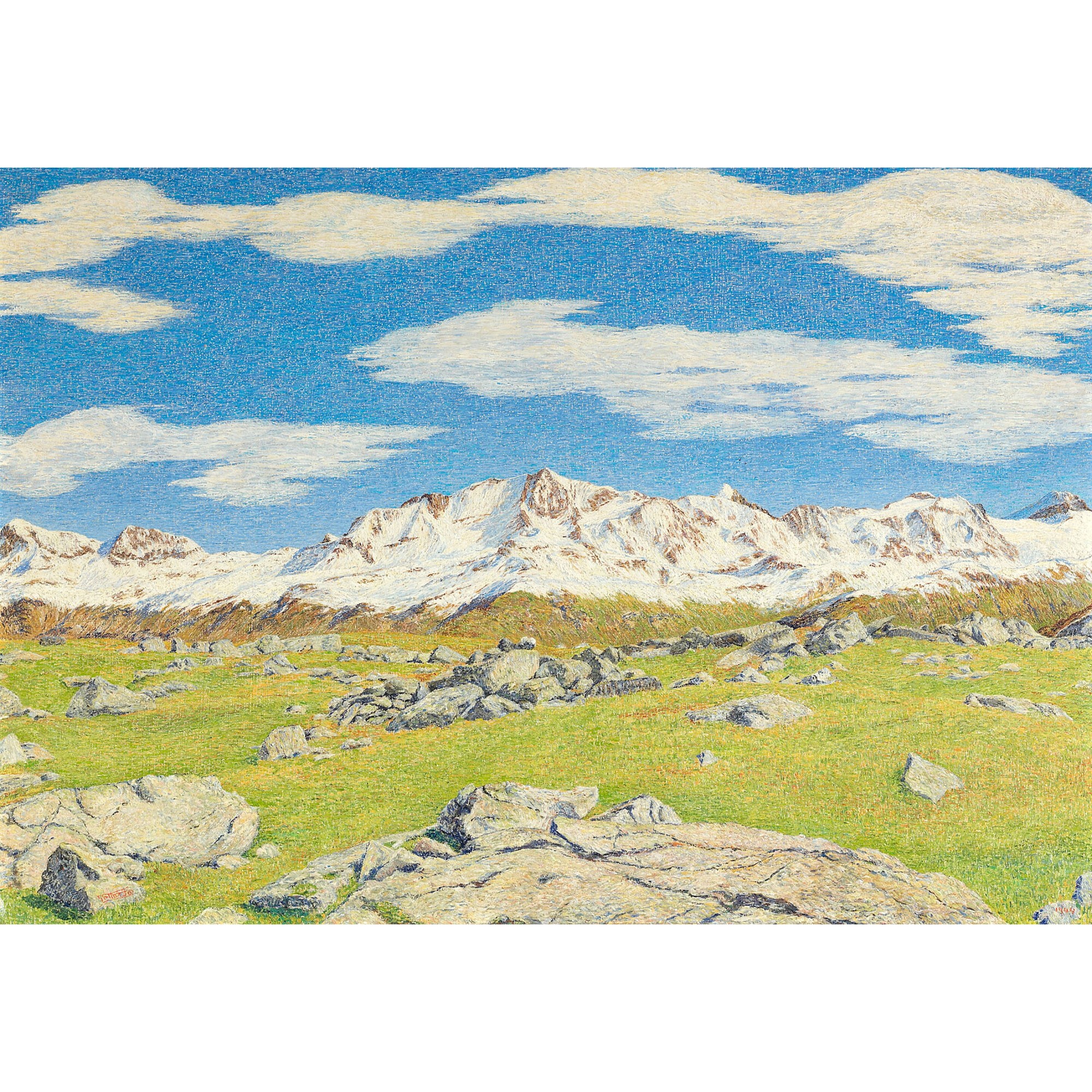
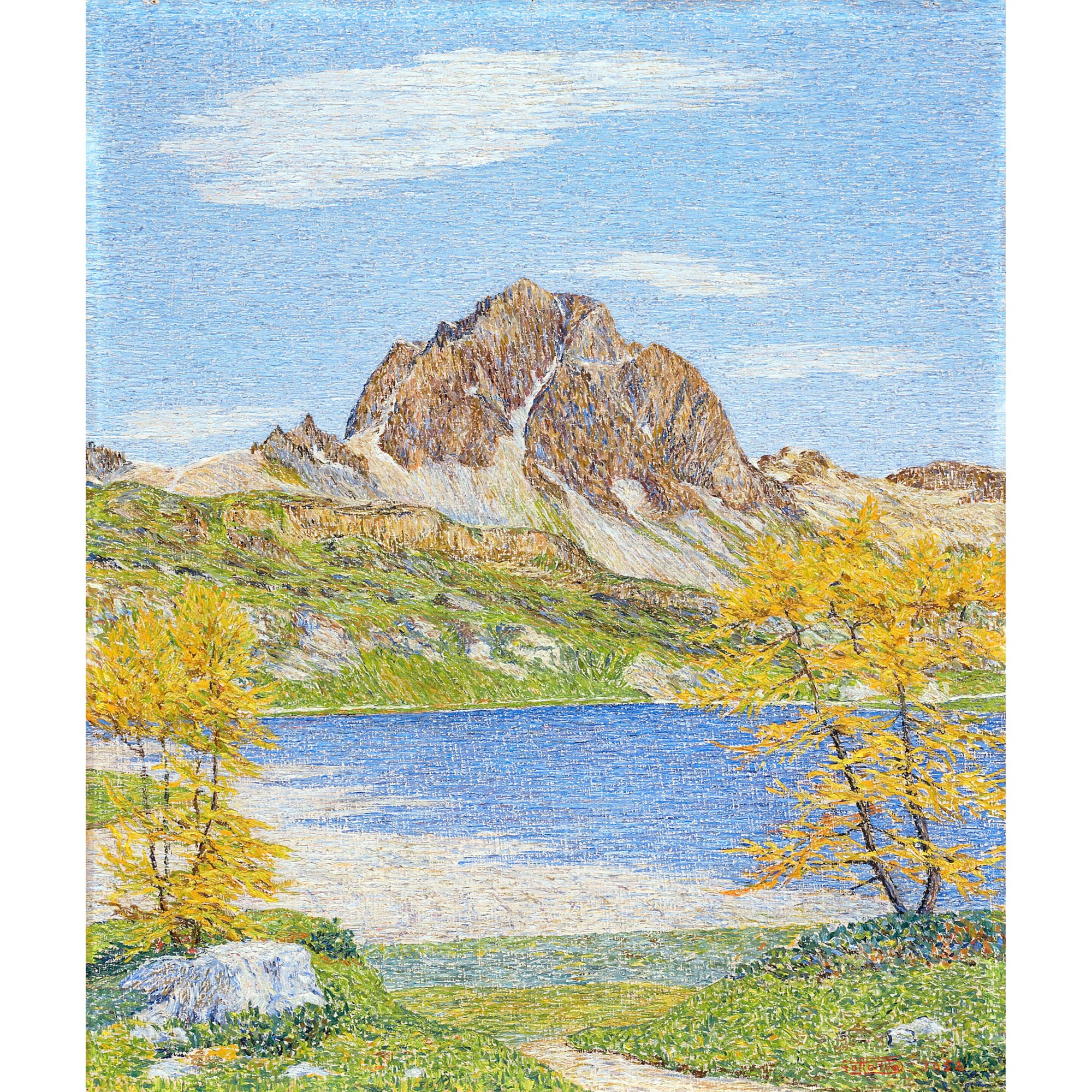
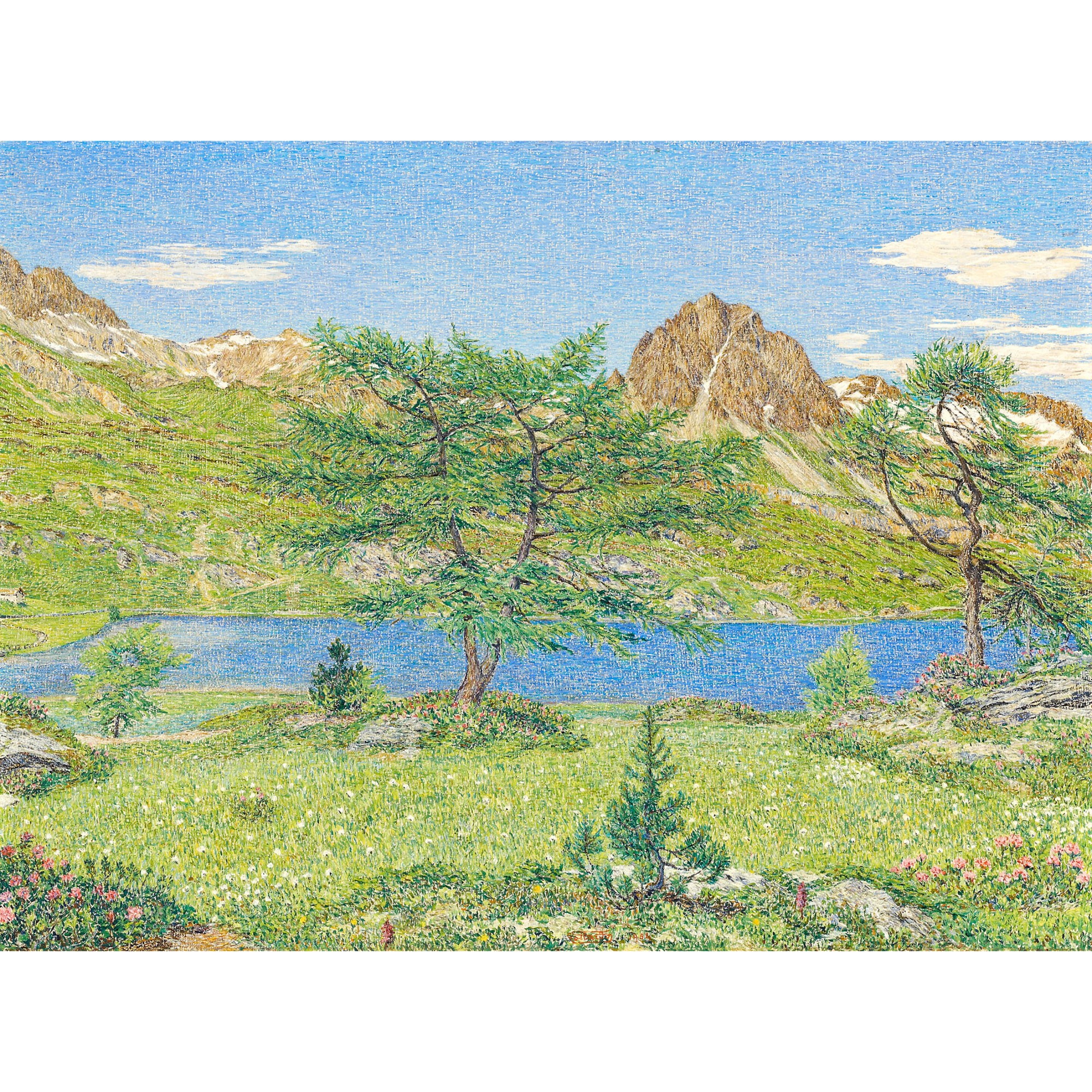
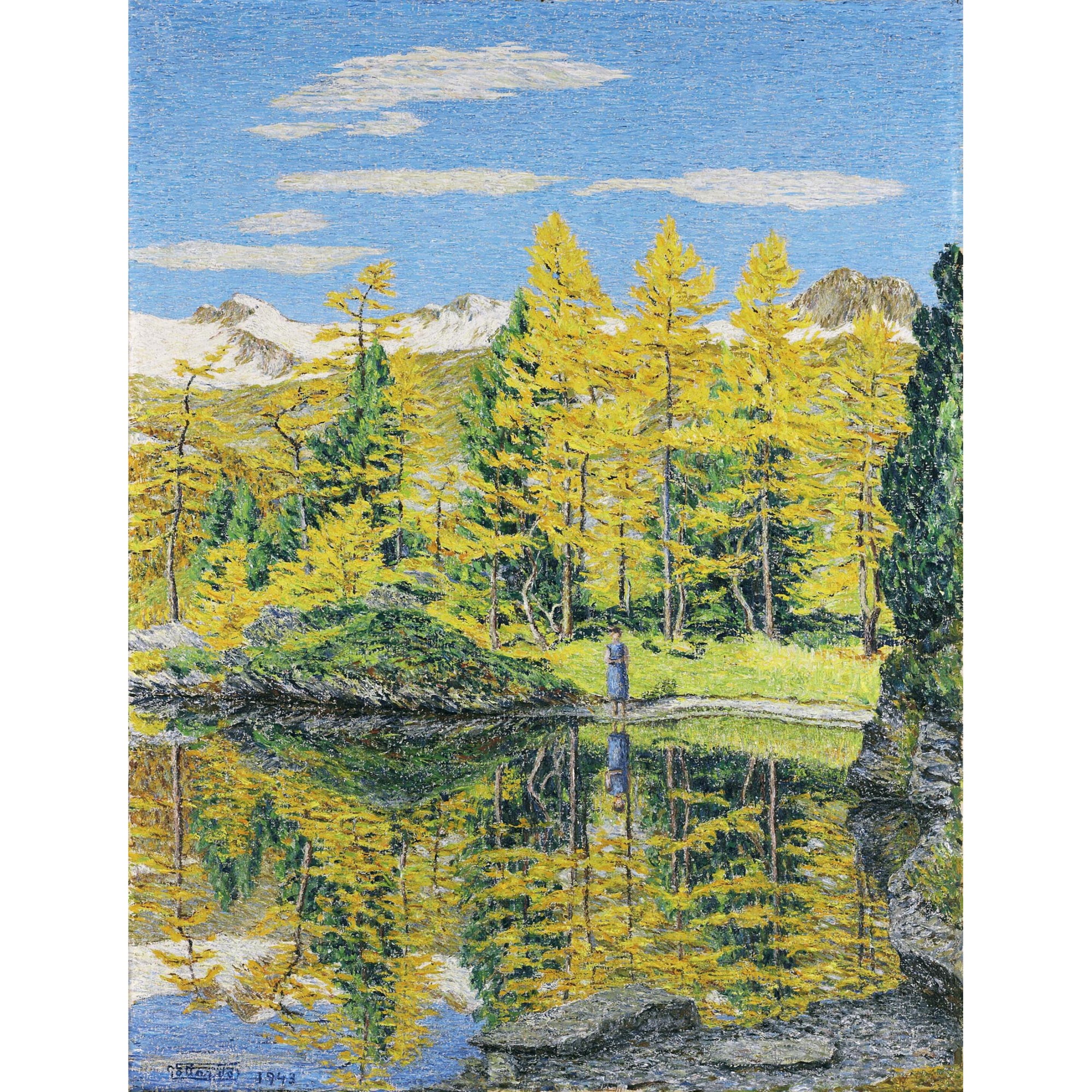
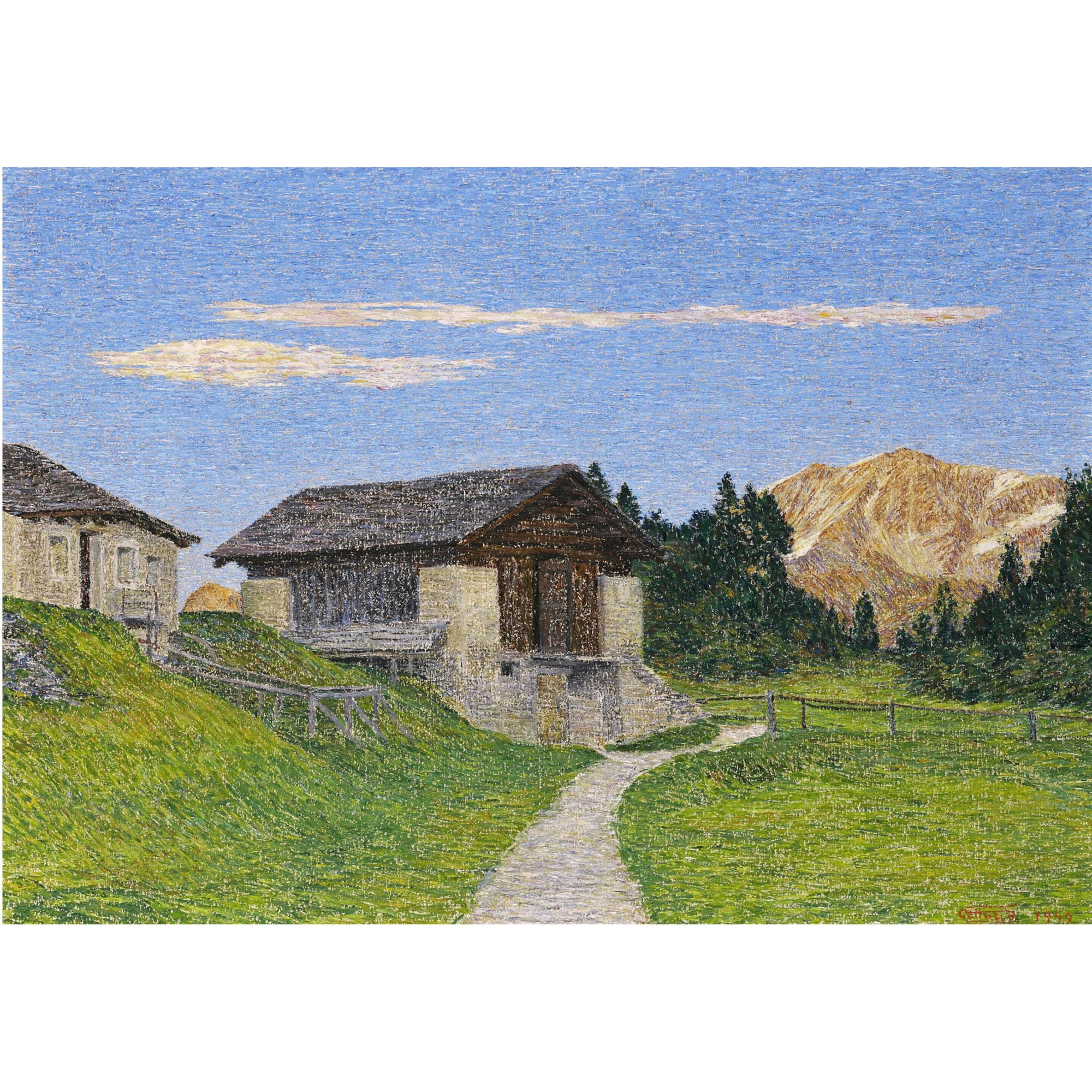
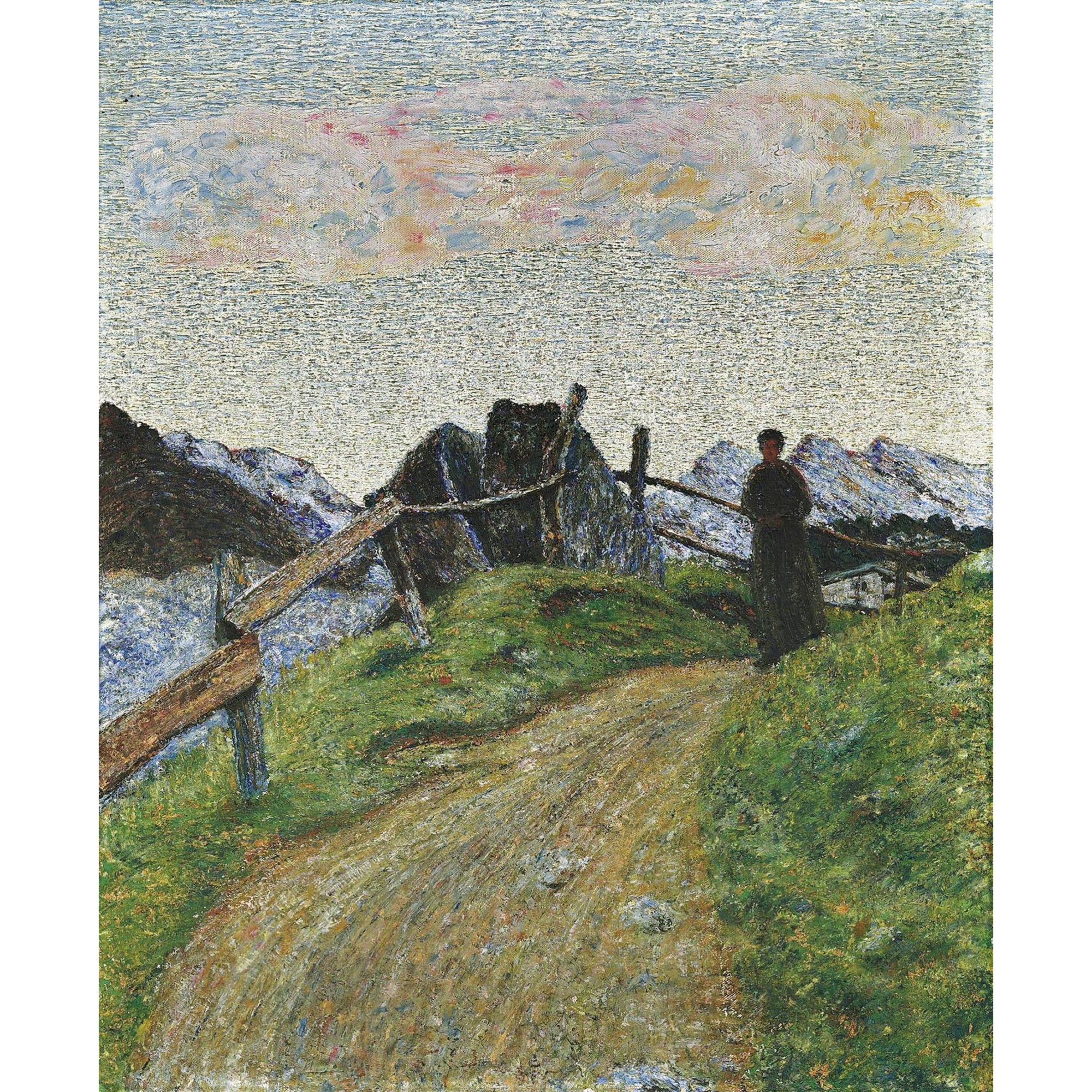
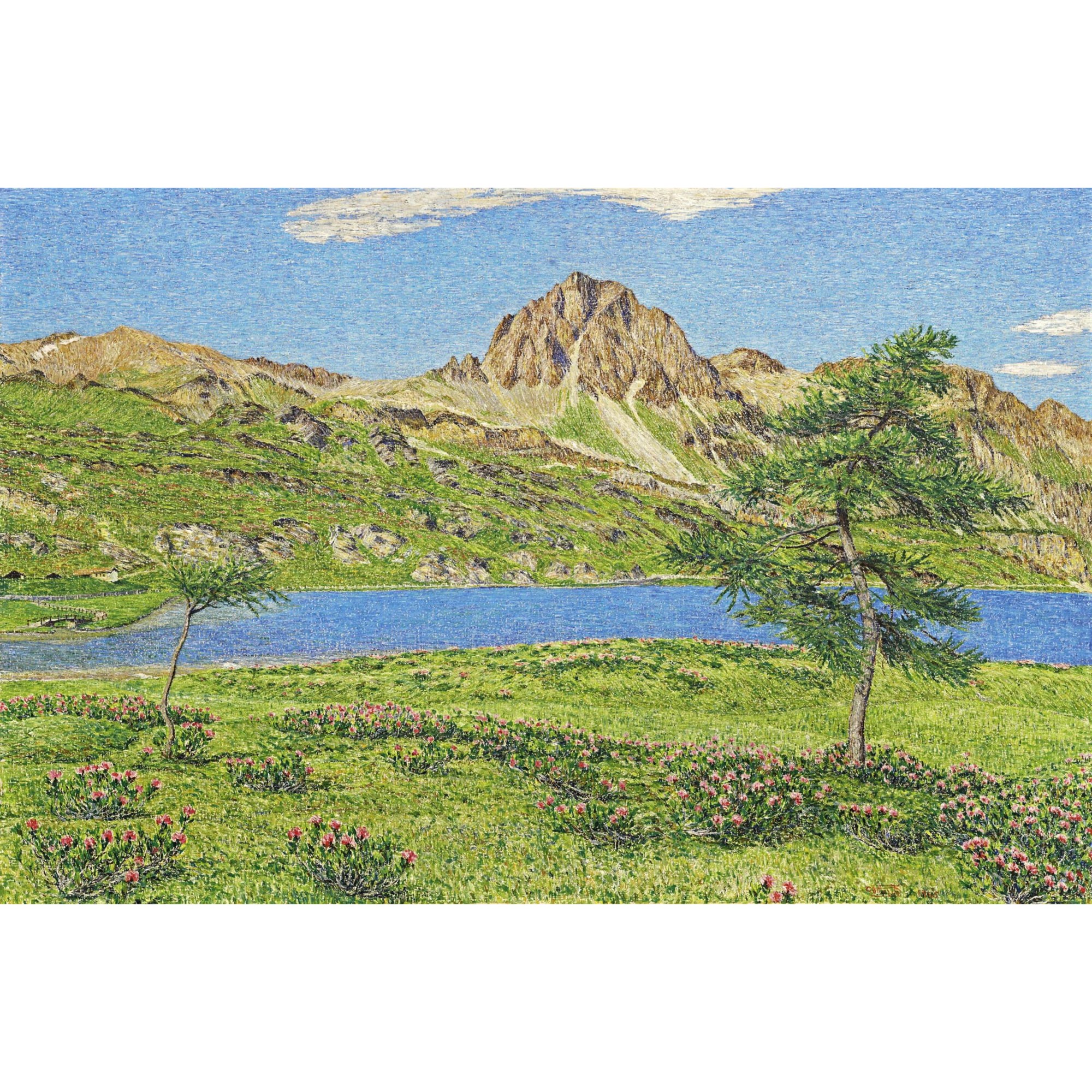
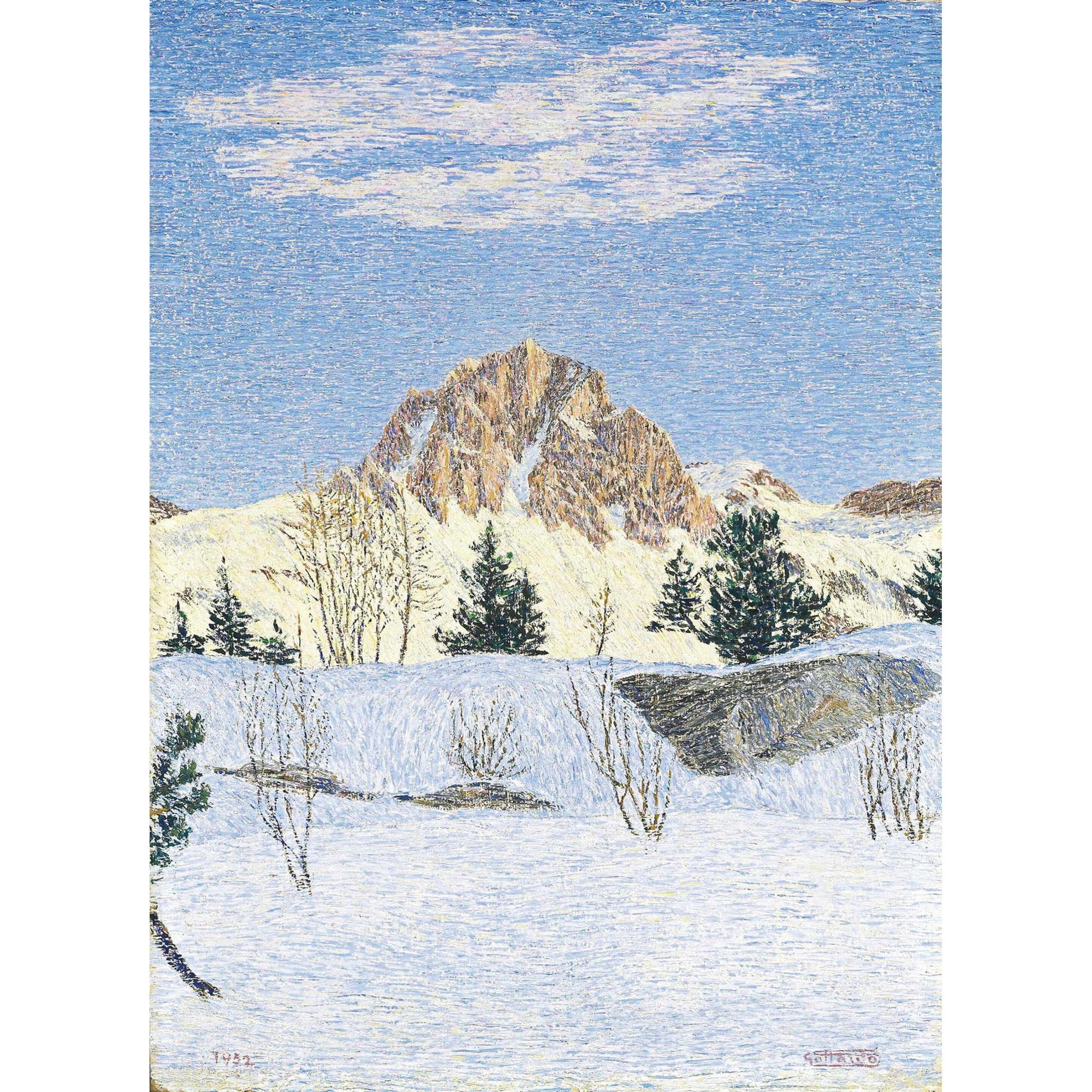
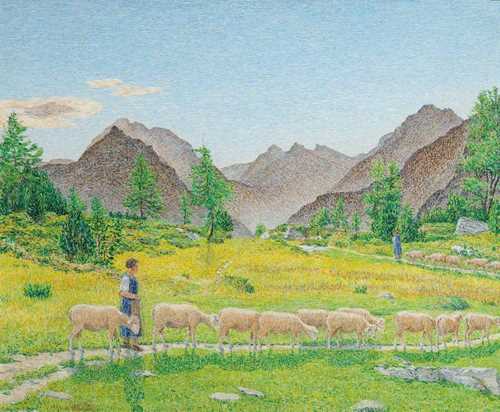
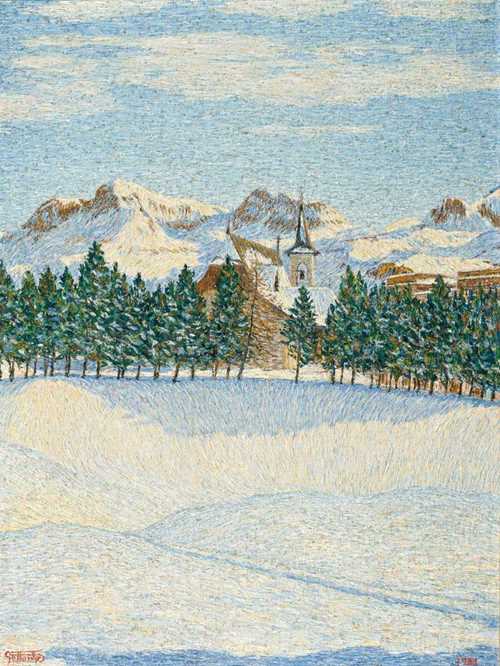
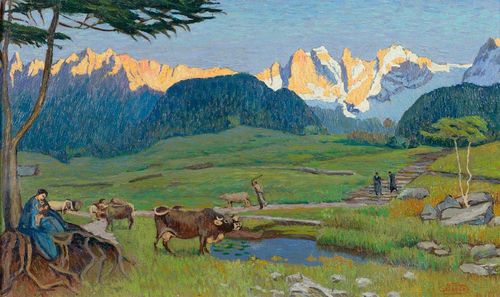
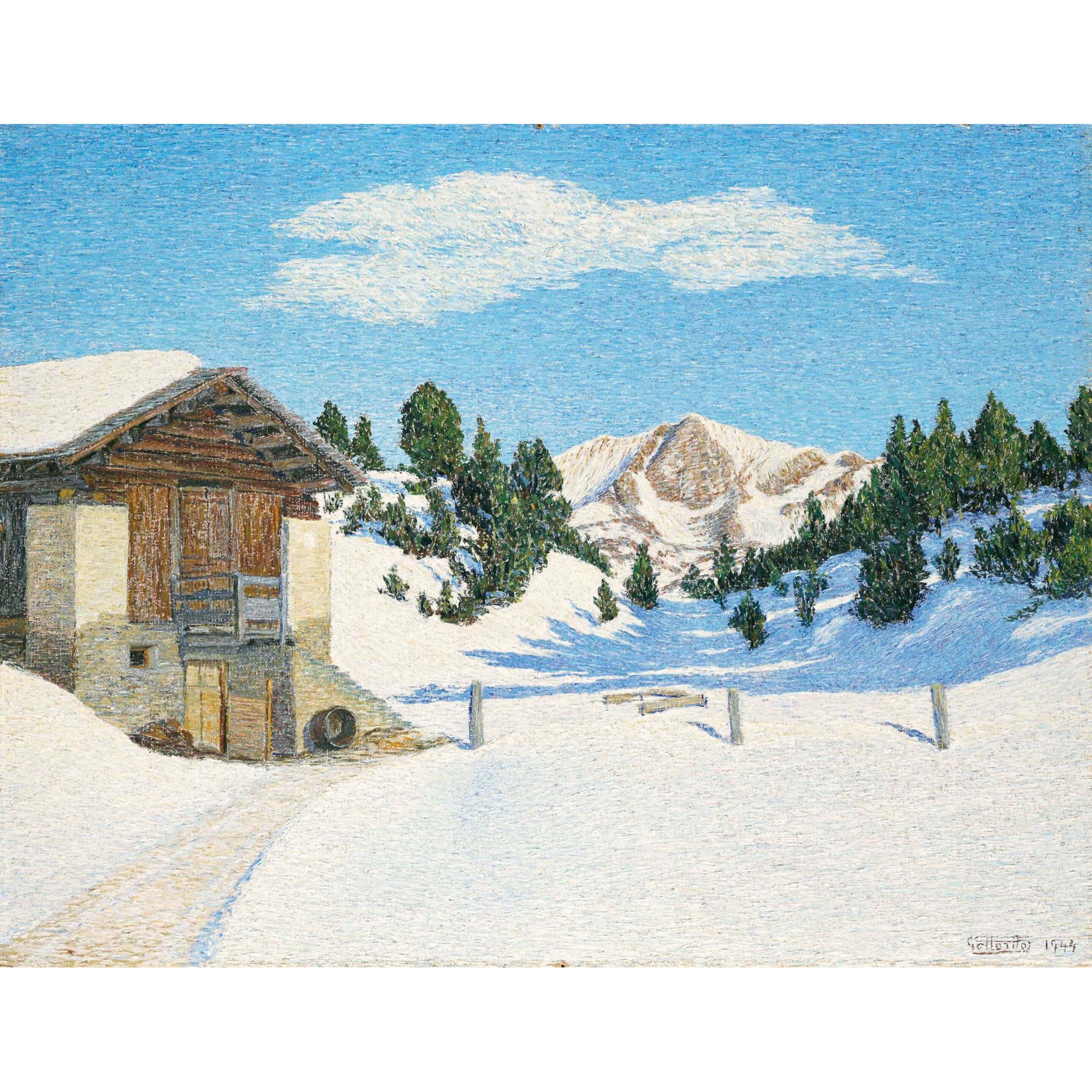
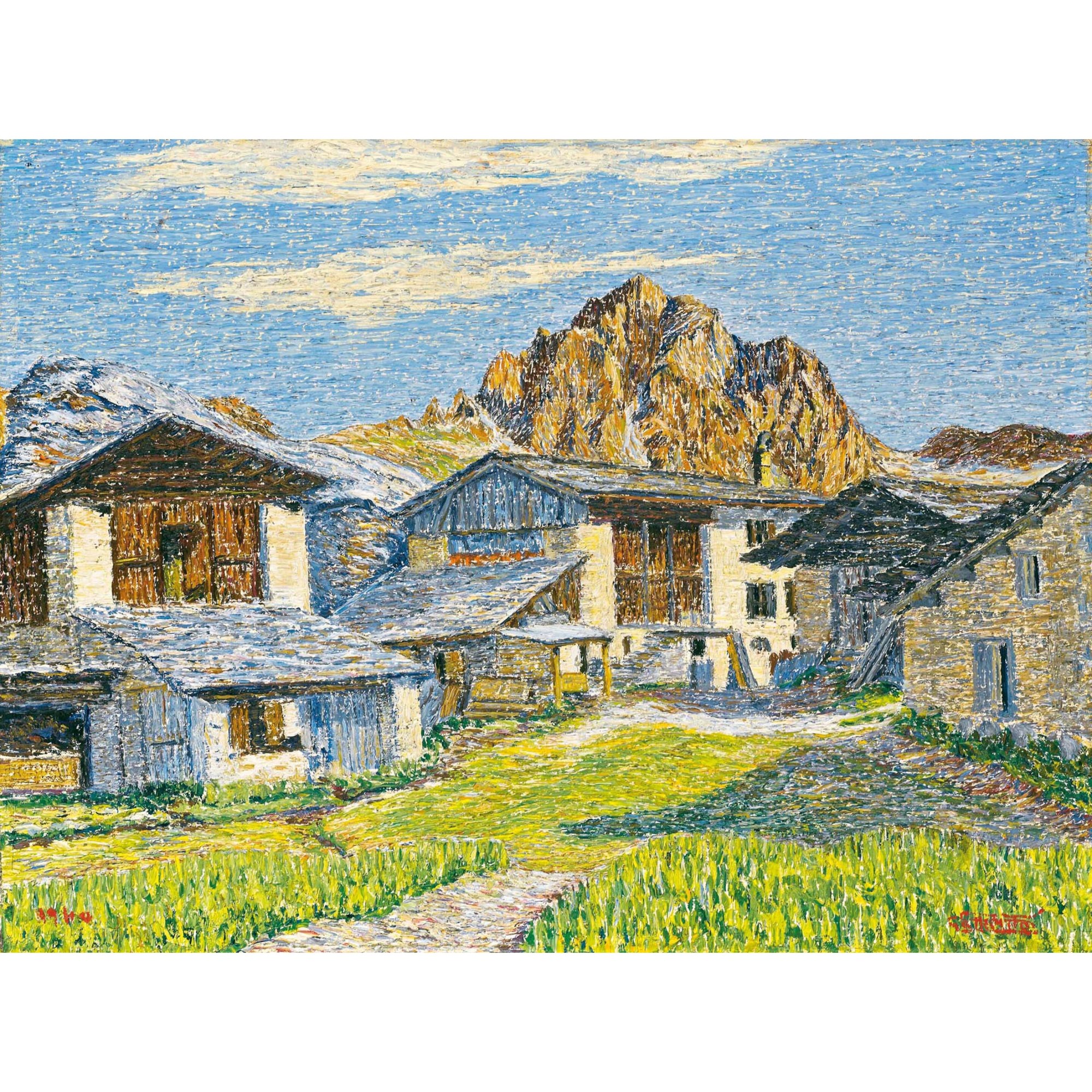
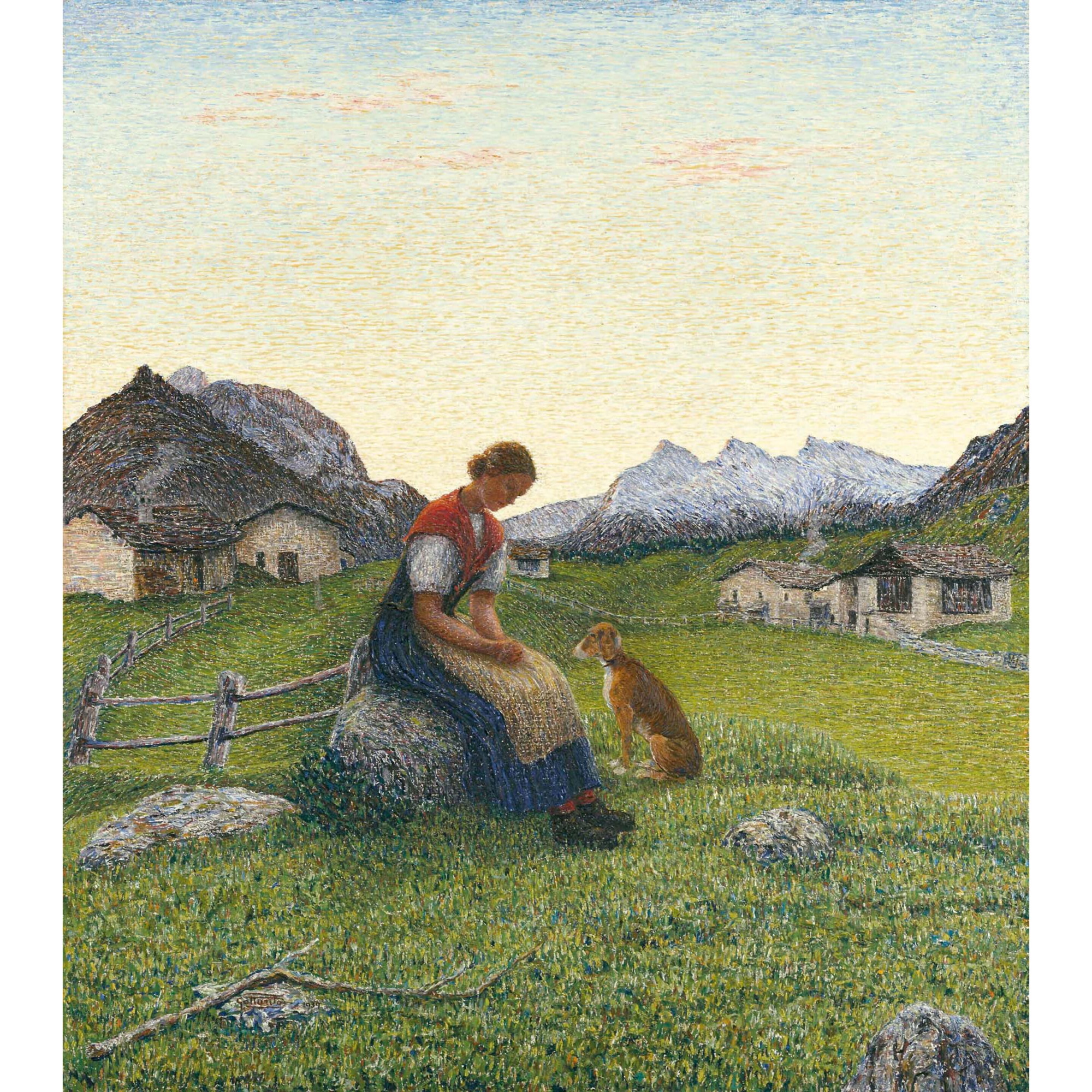
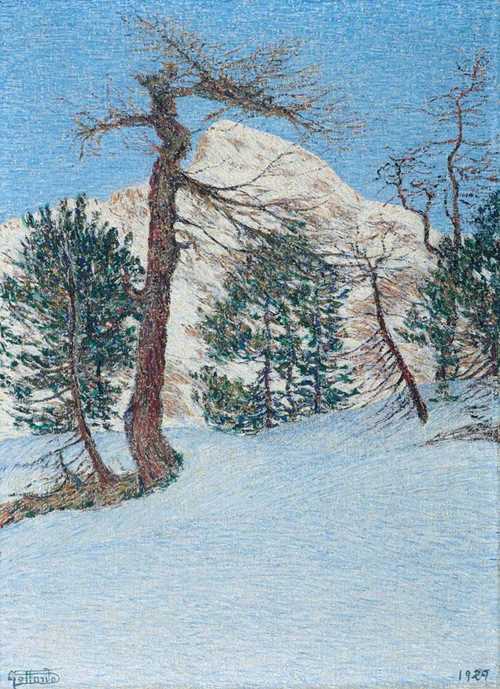
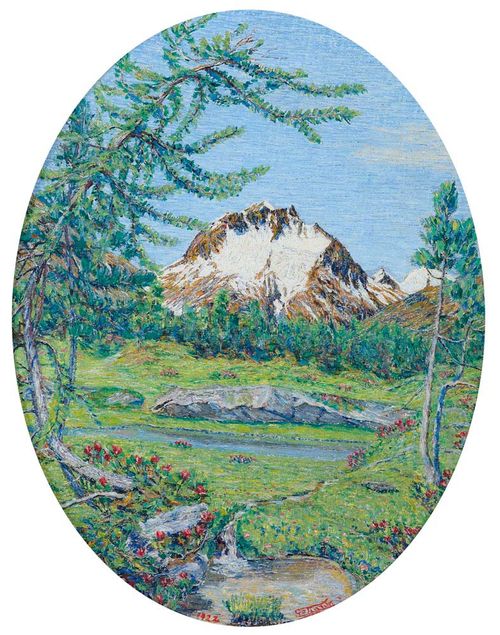
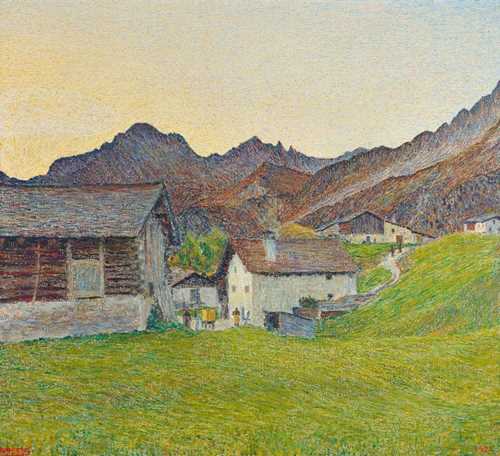
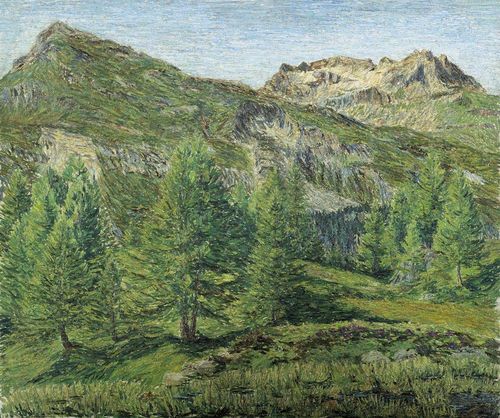
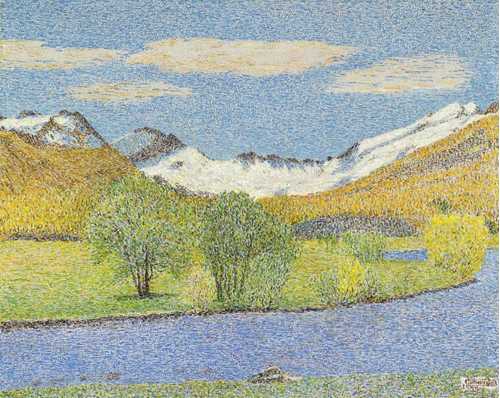
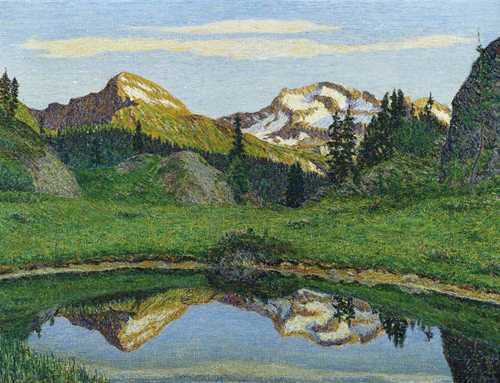
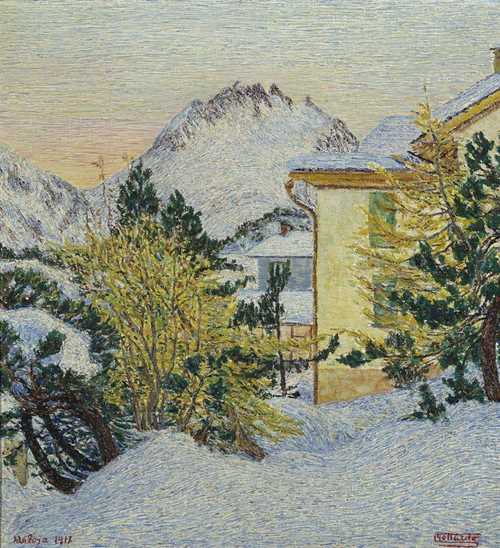
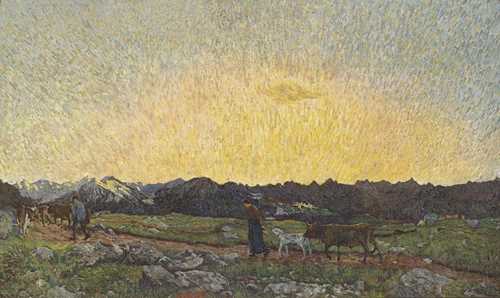
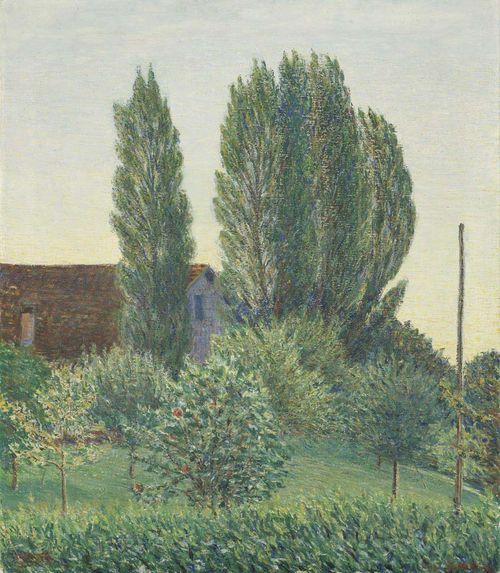
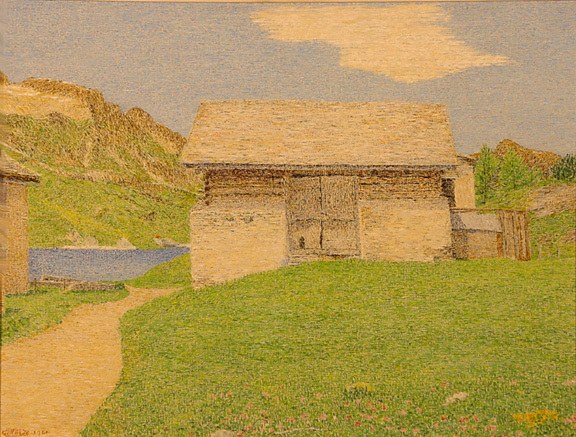
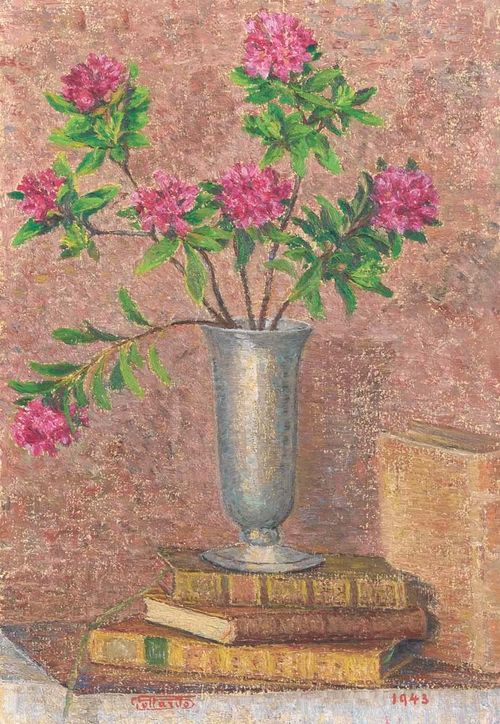
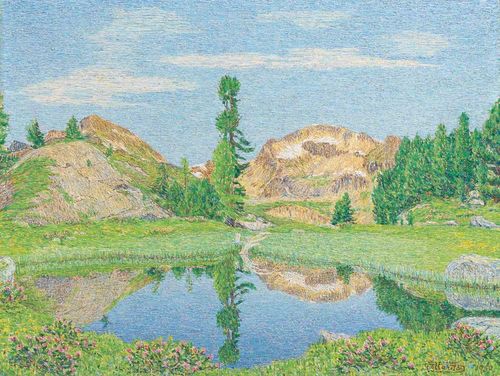
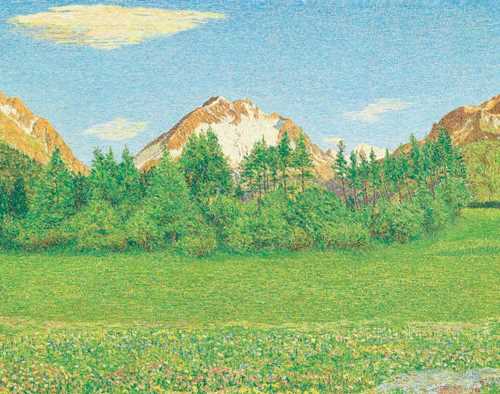
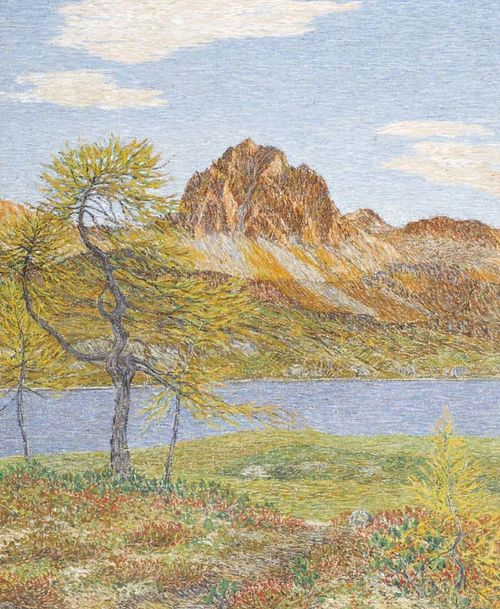
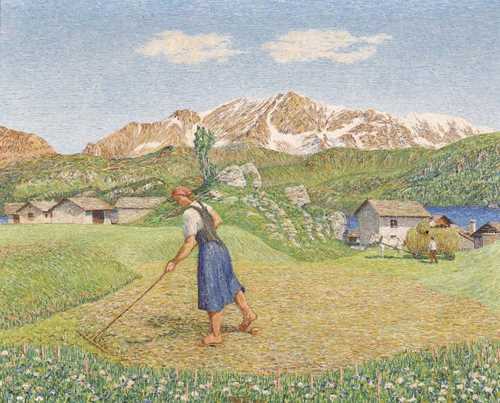
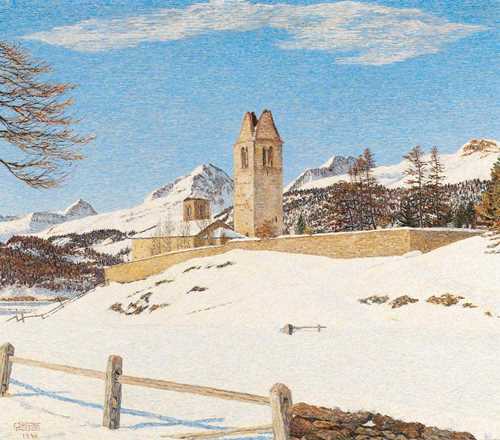
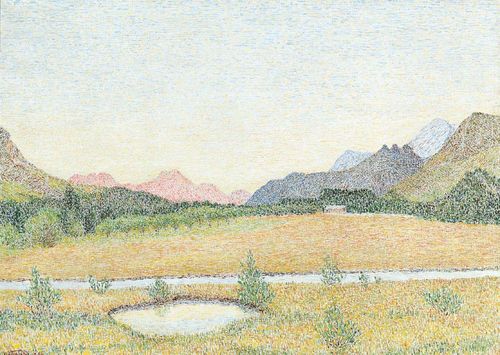
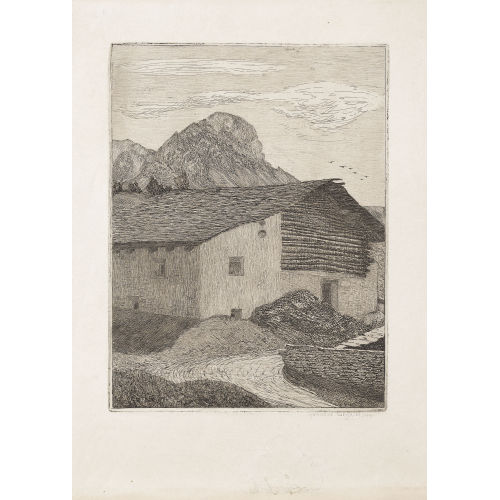
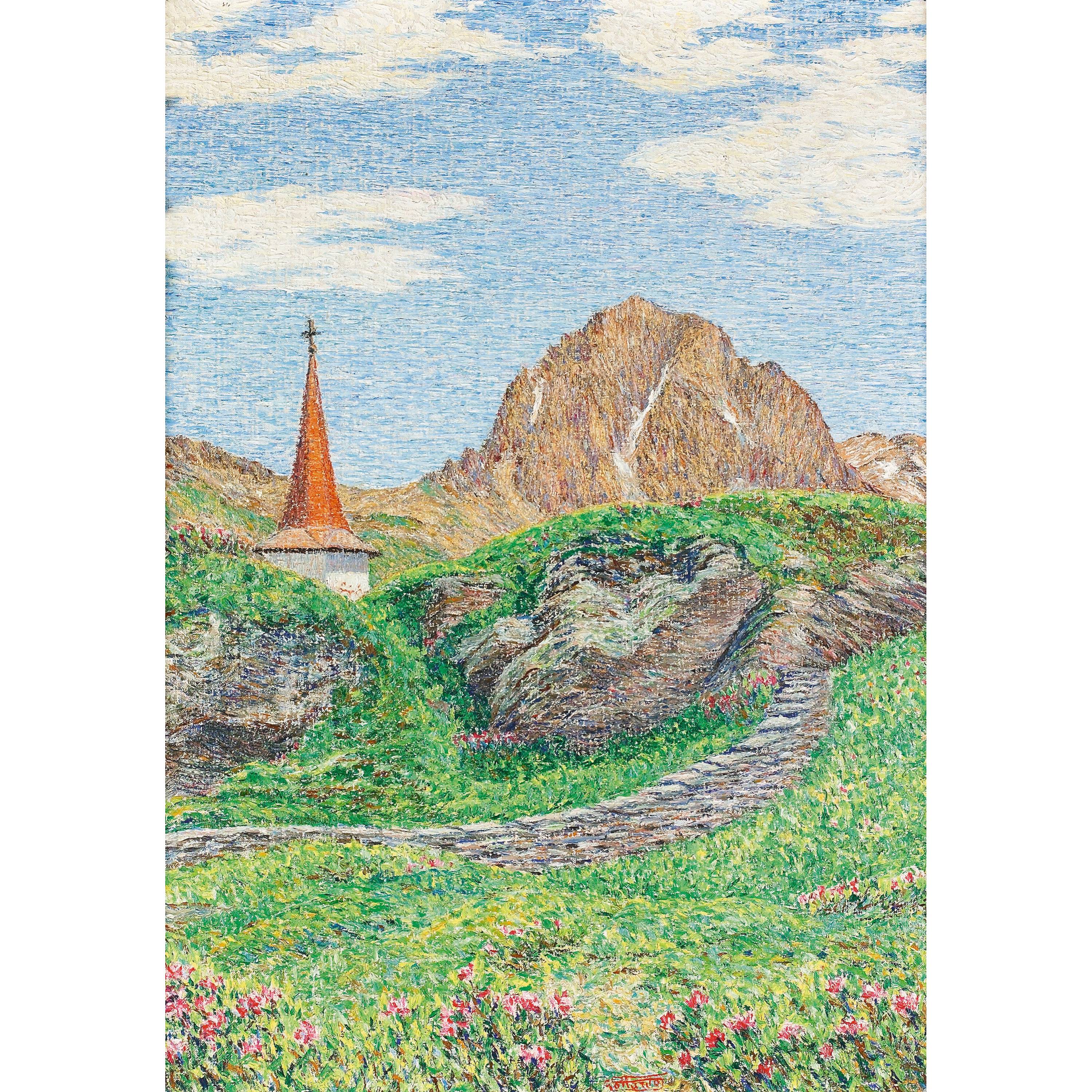
Gottardo Segantini (1882–1974) situated his work within the landscapes of the Engadine. Peaks, skies and trees form a familiar vocabulary that he explored as both painter and printmaker. His career maintained a constant dialogue with that of his father, Giovanni Segantini, while also developing a personal expression of the Alpine world.
Born in Pusiano, Gottardo was the eldest of the four children of Giovanni and Bice Bugatti. In 1894, the family settled in Maloja, at the Kuoni chalet. This place became his enduring home base.
His artistic training proceeded through his father’s example, a period of study in Milan, and instruction from the Zurich artist Hermann Gattiker.
For him, the mountain was as much a lived environment as a pictorial subject. In its comparative presentations of father and son, the Segantini Association of Maloja highlights both the continuity of the motifs and the evolution towards a more expressive language in Gottardo’s work. This proximity makes observing the differences in rhythm and structure between their works particularly interesting.
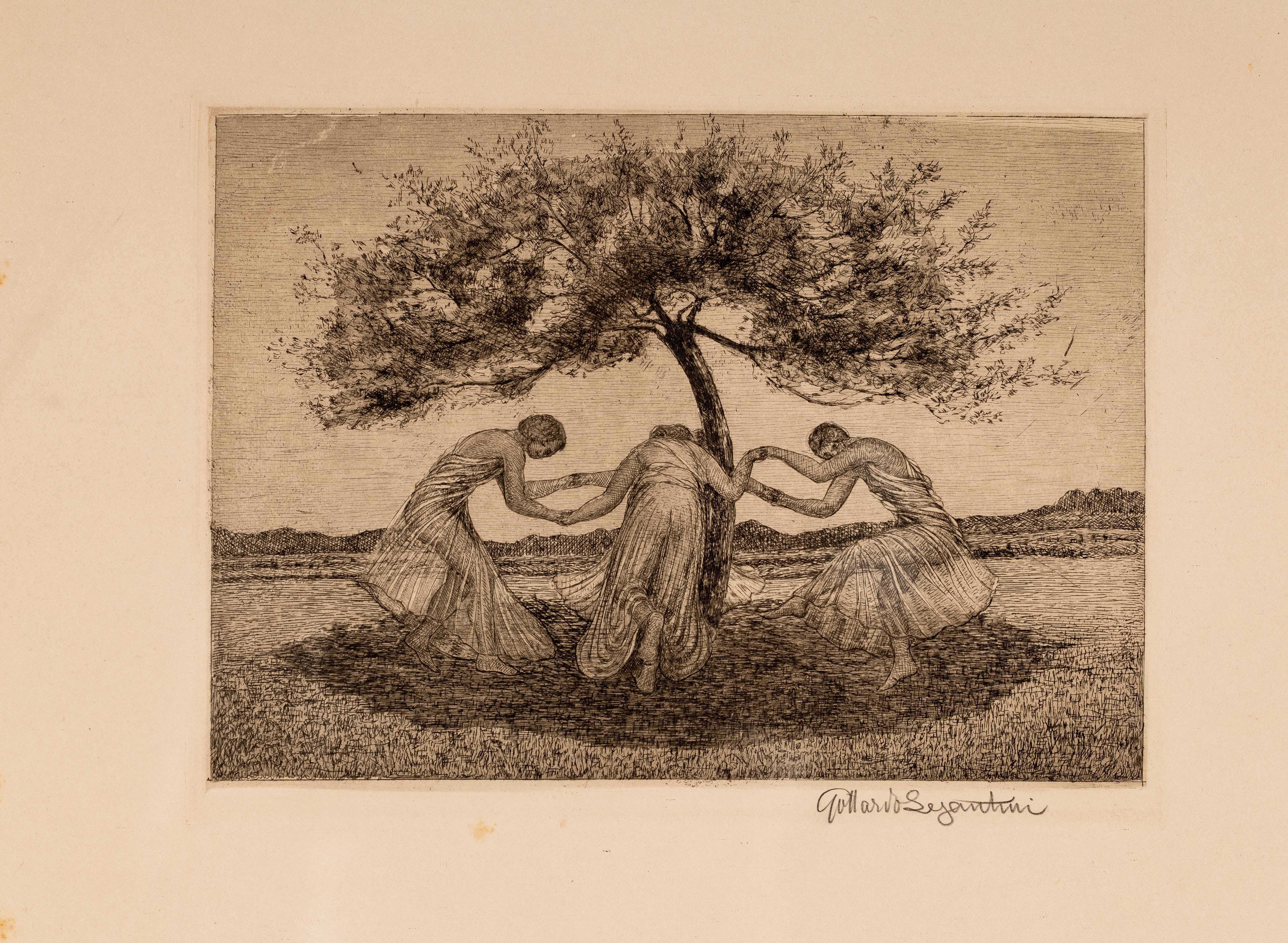
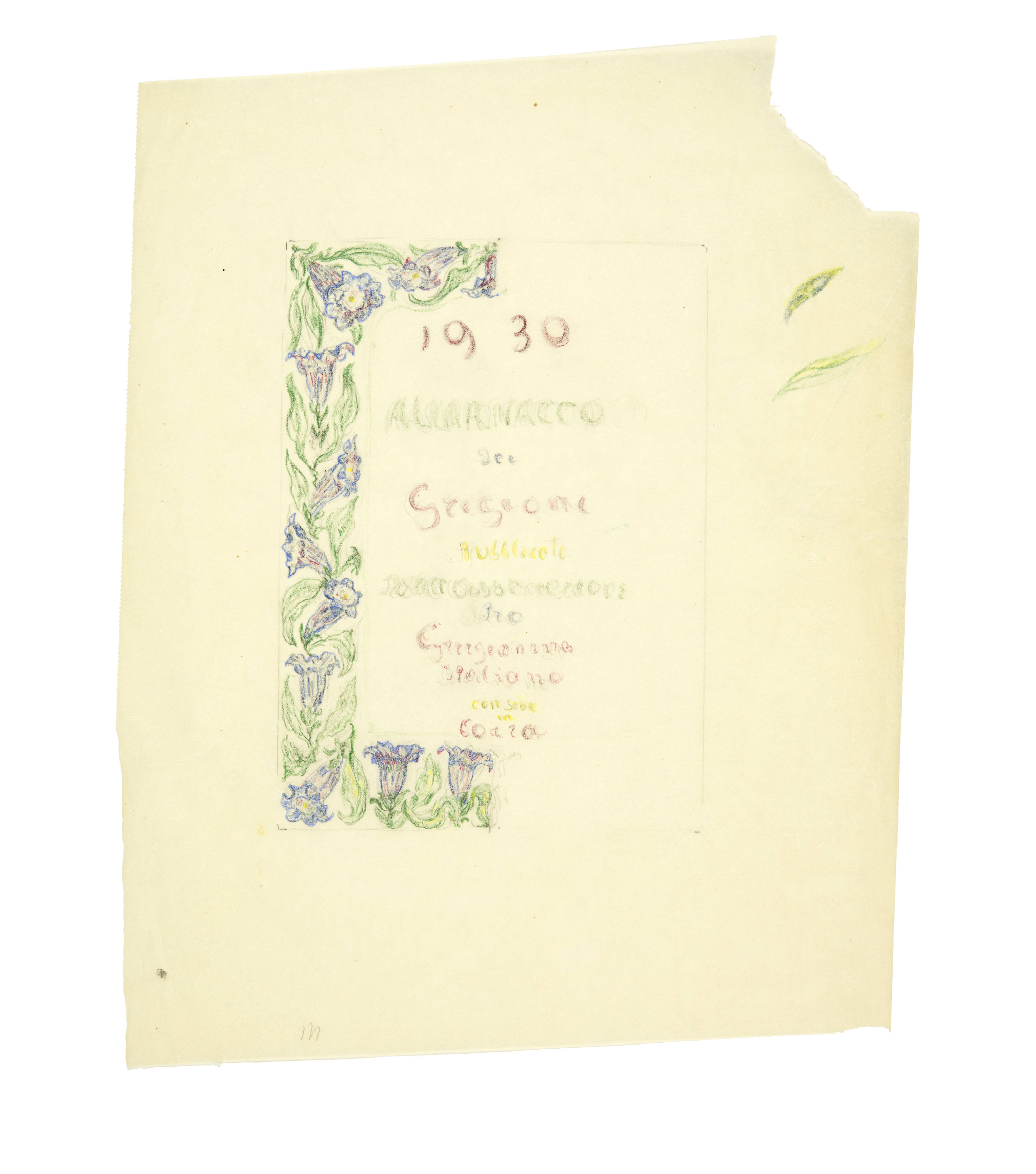
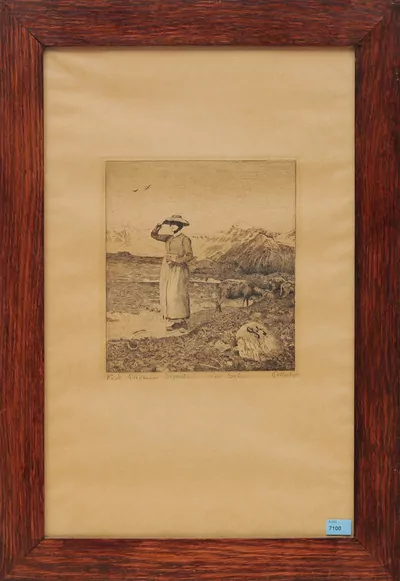
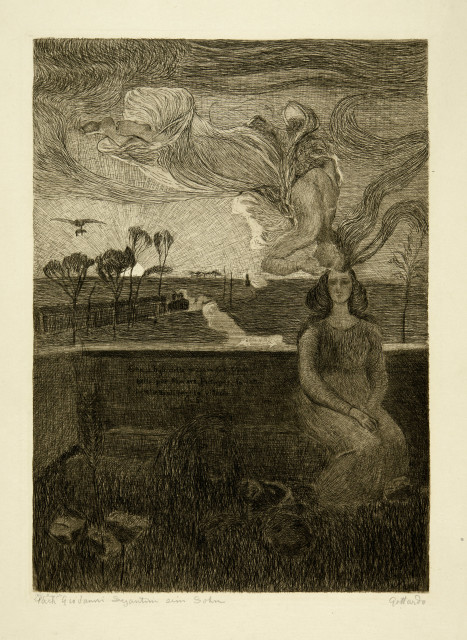
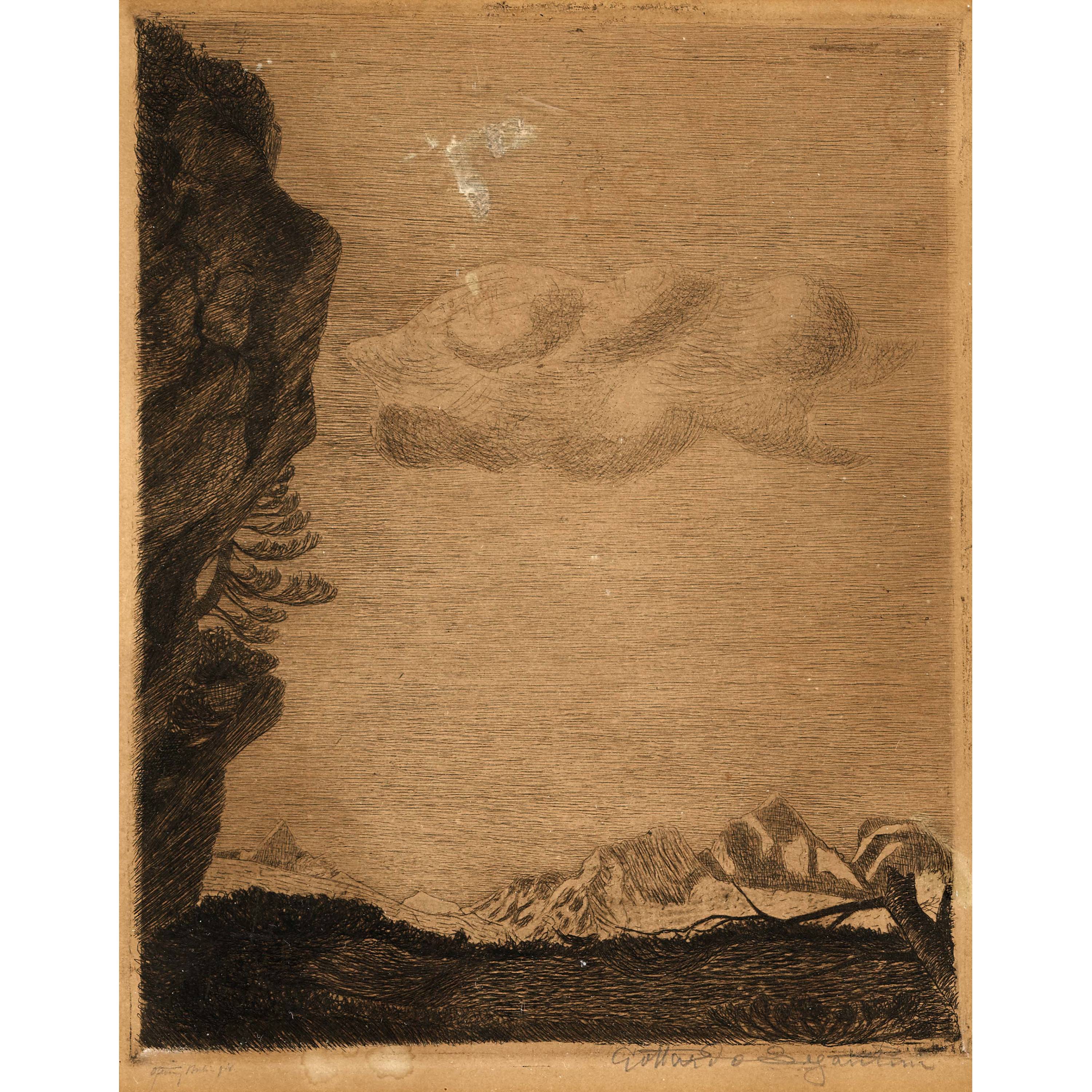
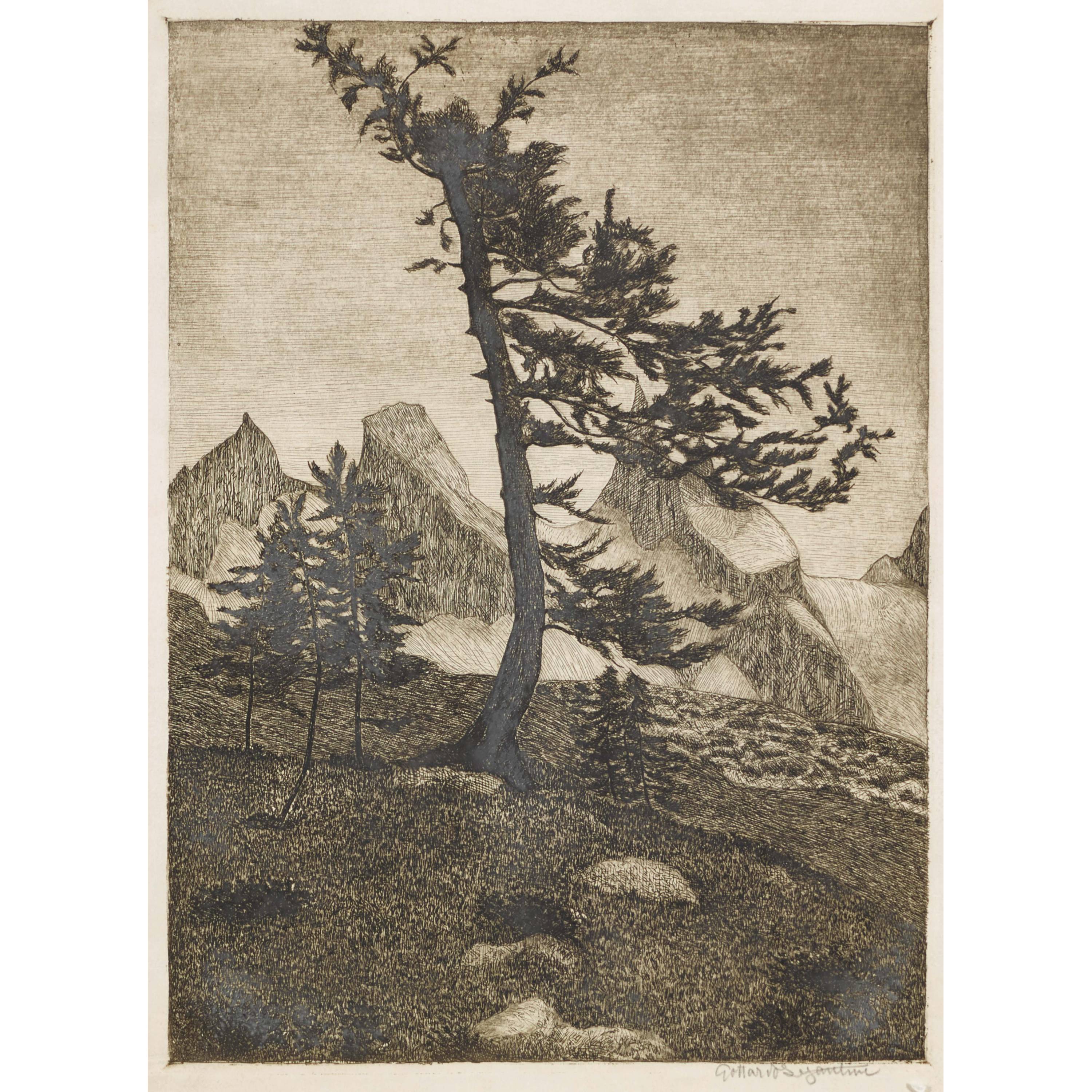
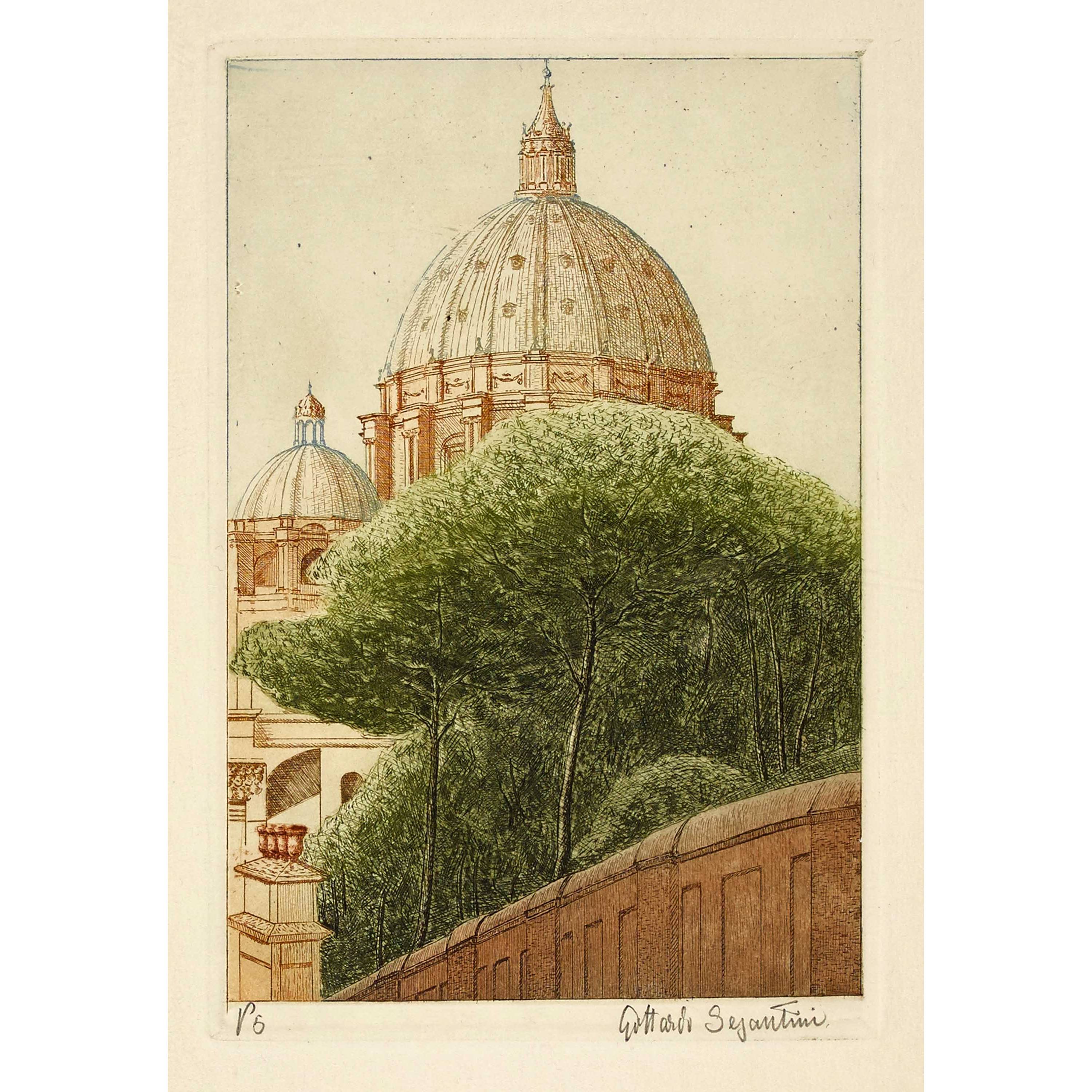
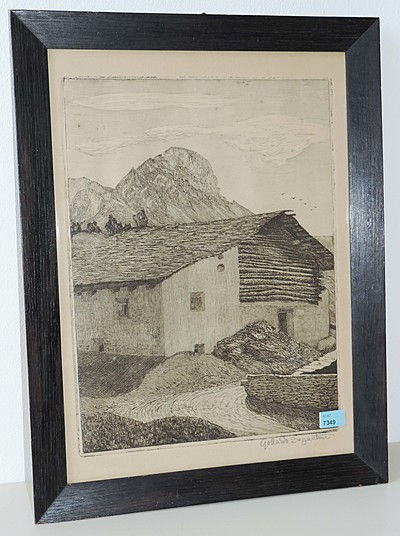
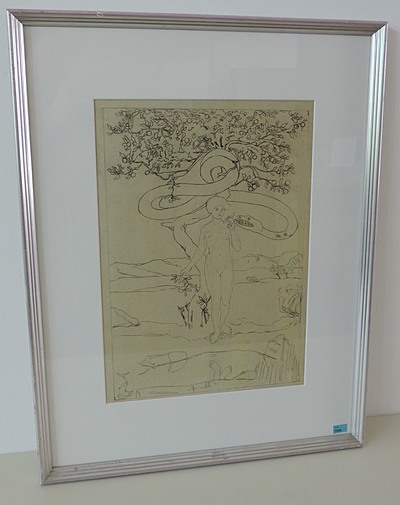
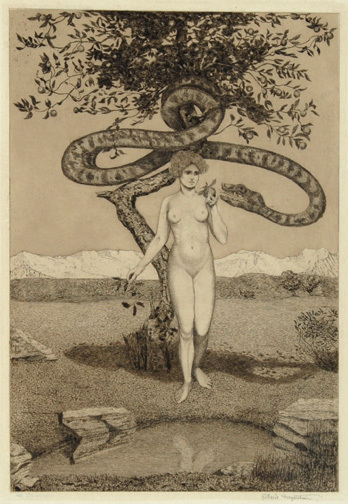
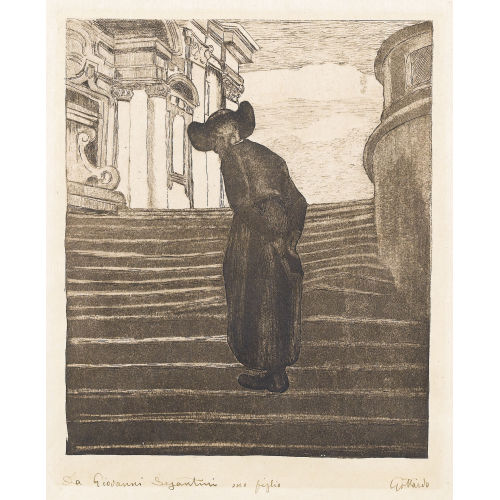
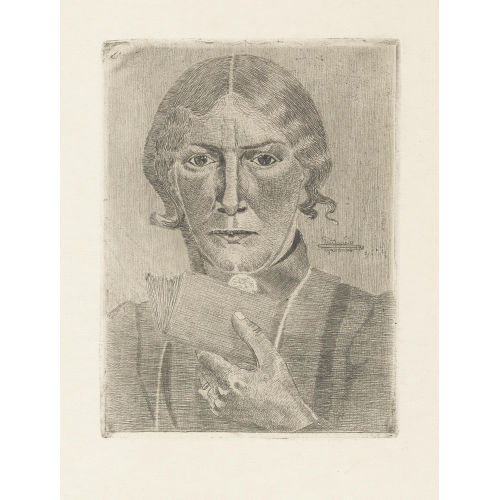
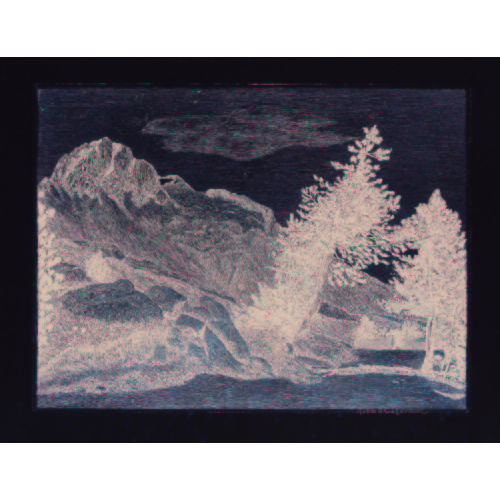
Printmaking offers another point of access to his work. He produced original compositions, but also prints after Giovanni’s paintings. The Galleria Civica Segantini d’Arco preserves, in particular, a group of six etchings entitled Engadina, dated 1914.
The museum of Princeton University holds a portrait of Giovanni, also from 1914, combining etching and aquatint.
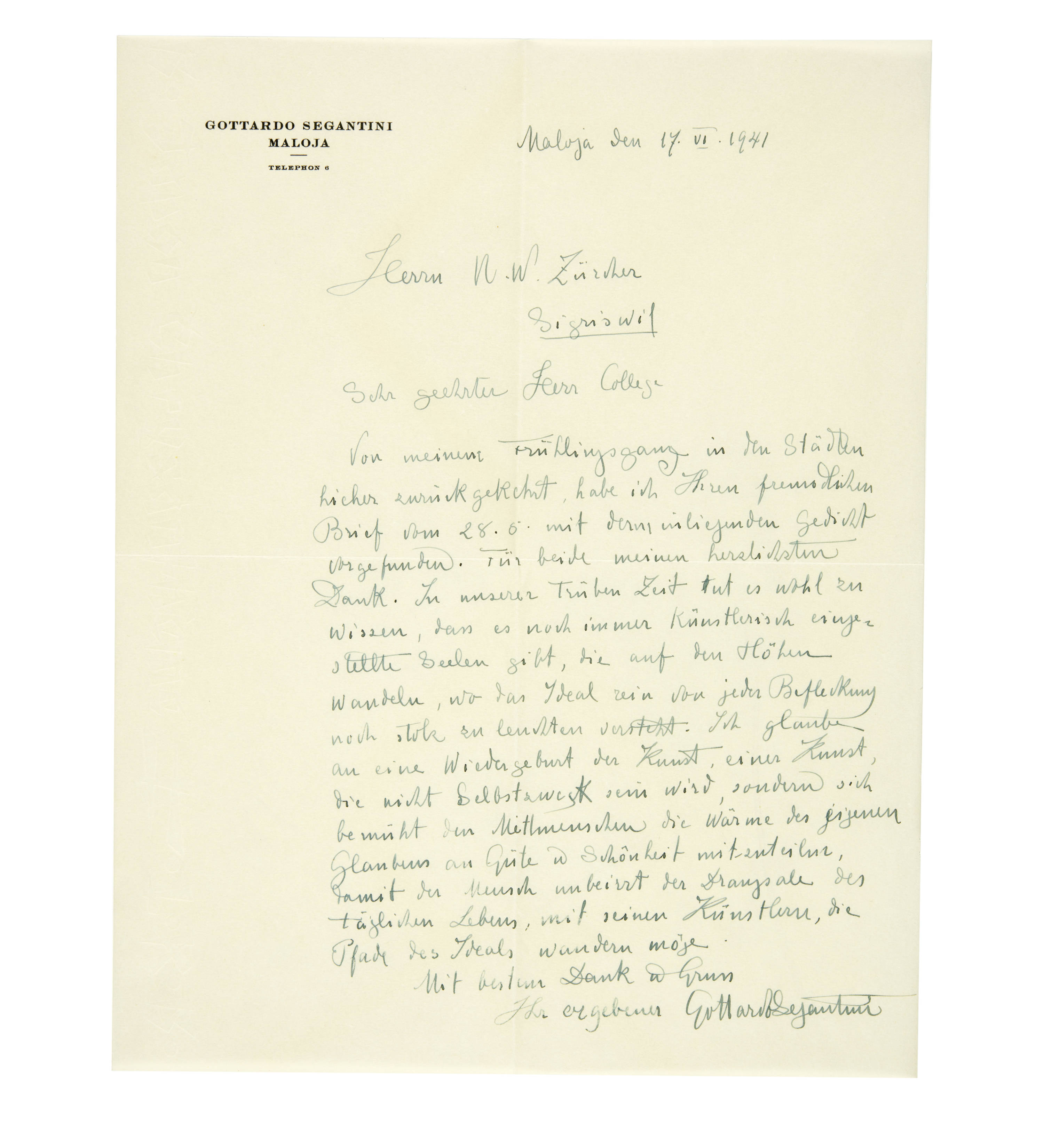
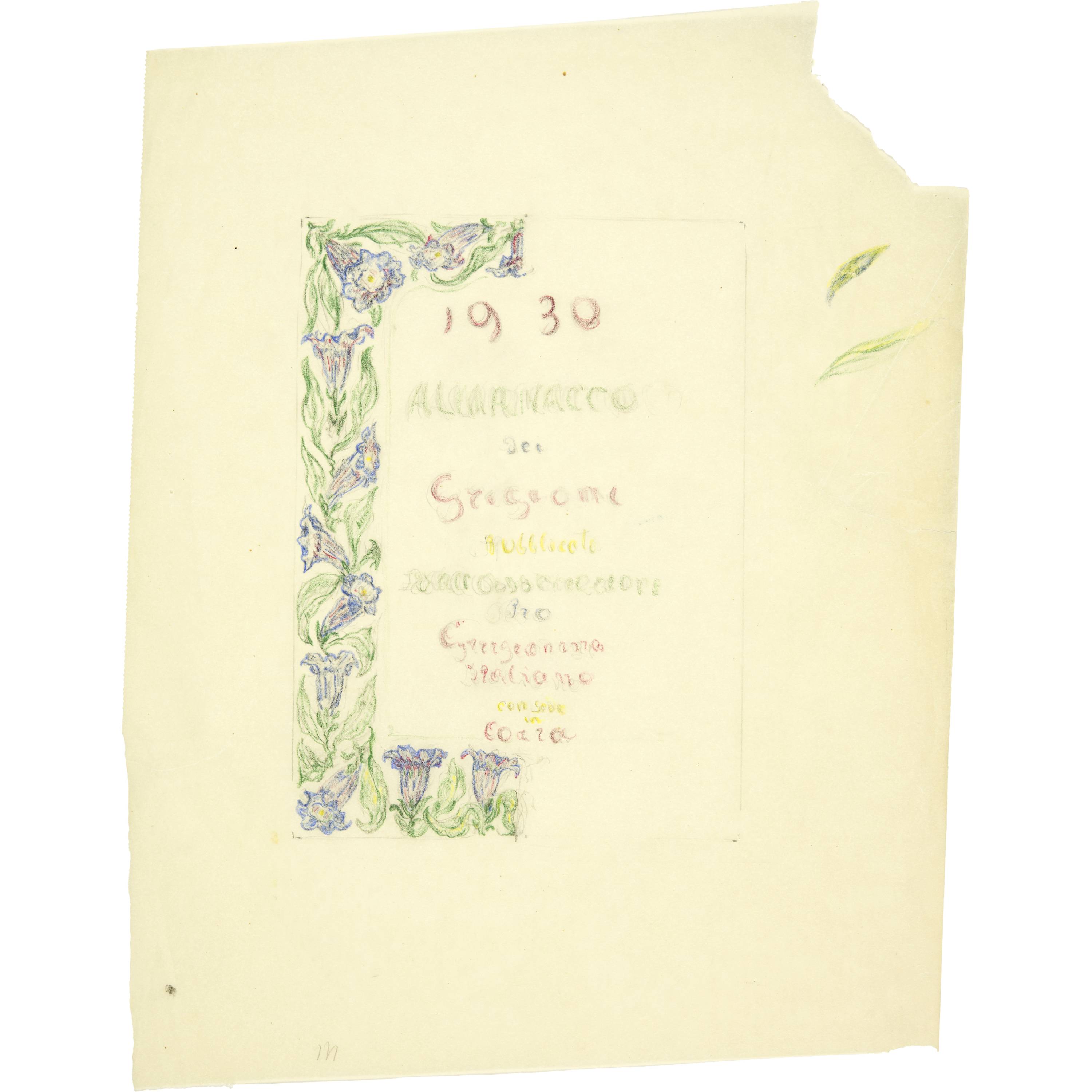
Gottardo extended this activity of transmission through writing, devoting a biography to his father. His work thus makes it possible to consider together the creation, interpretation and memory of an artistic legacy.
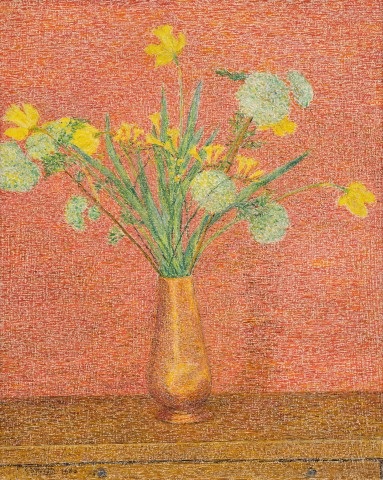
To discover his landscapes, one can follow the silhouette of a mountain, the relationships between the planes, and then the variations of the sky. In the prints, the eye lingers on values and lines. These complementary approaches invite us to consider Gottardo on the basis of his own choices, within a family history profoundly connected to the Alps.