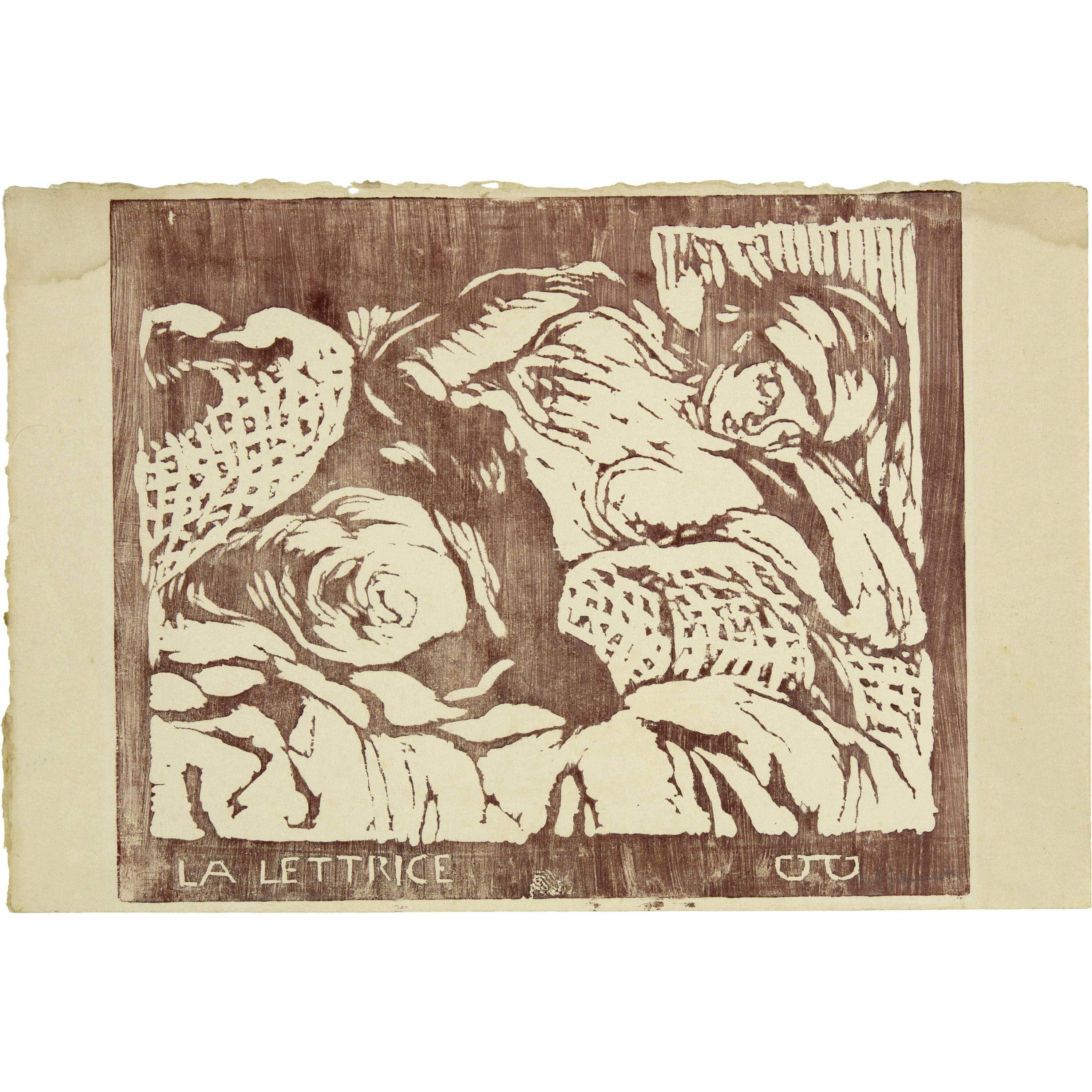
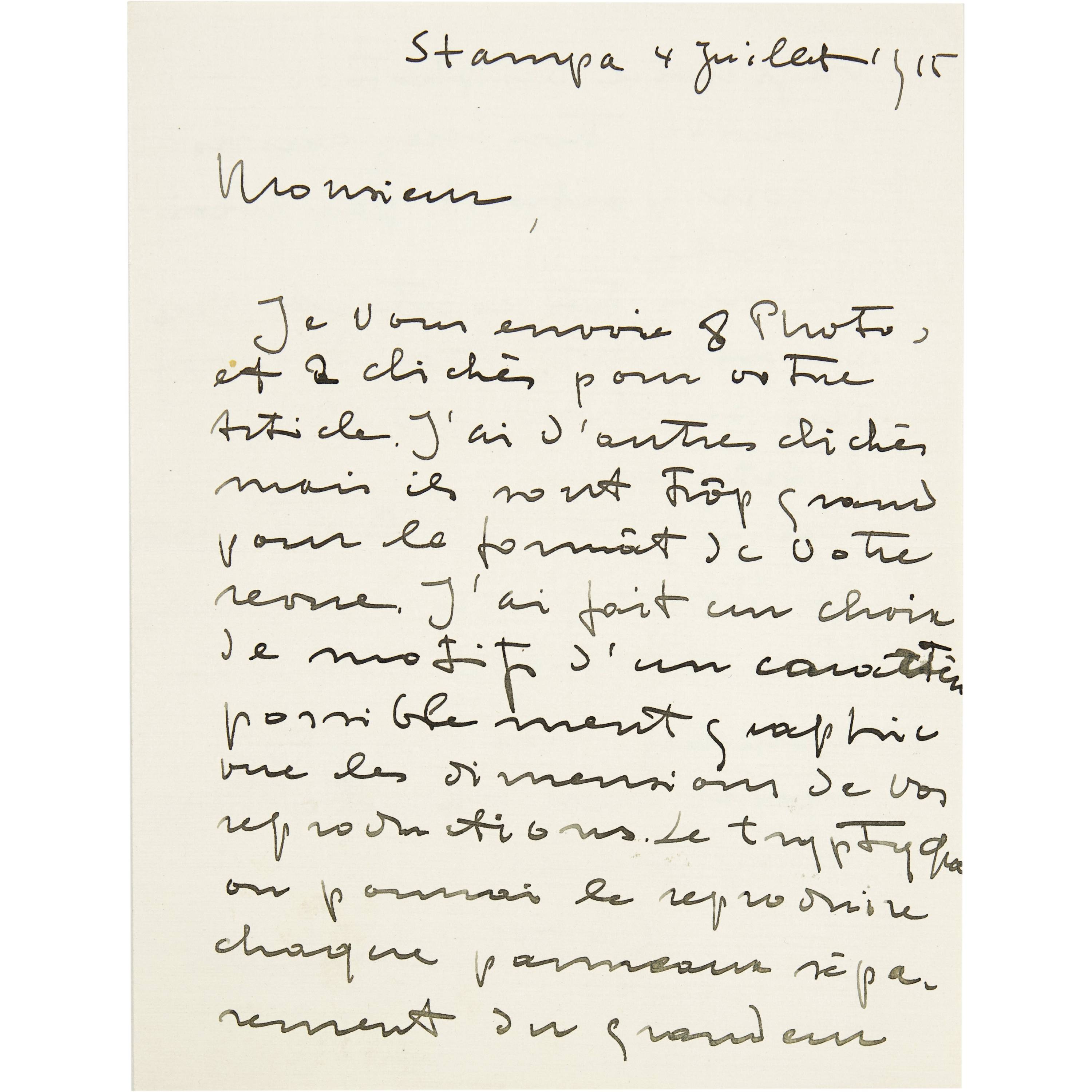
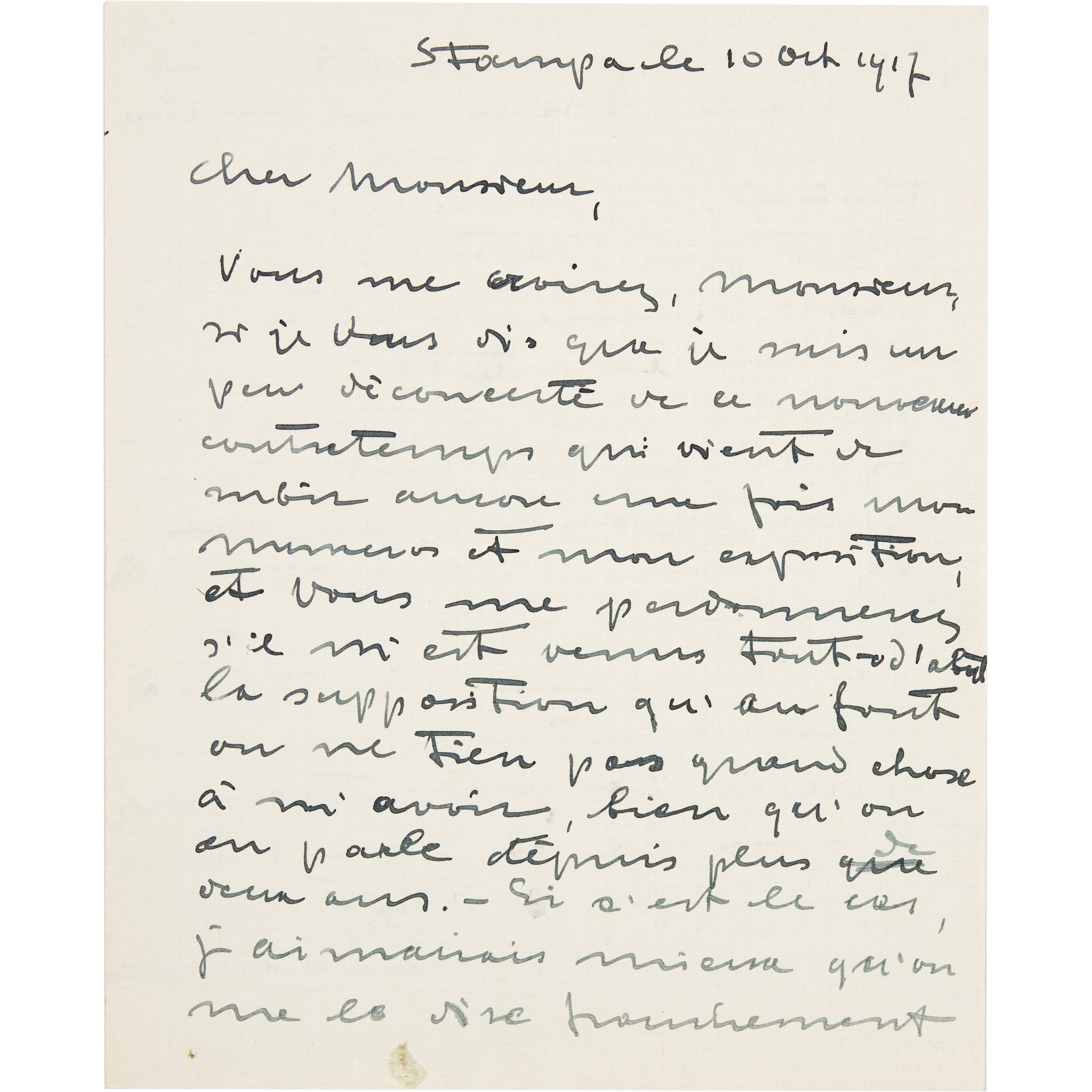
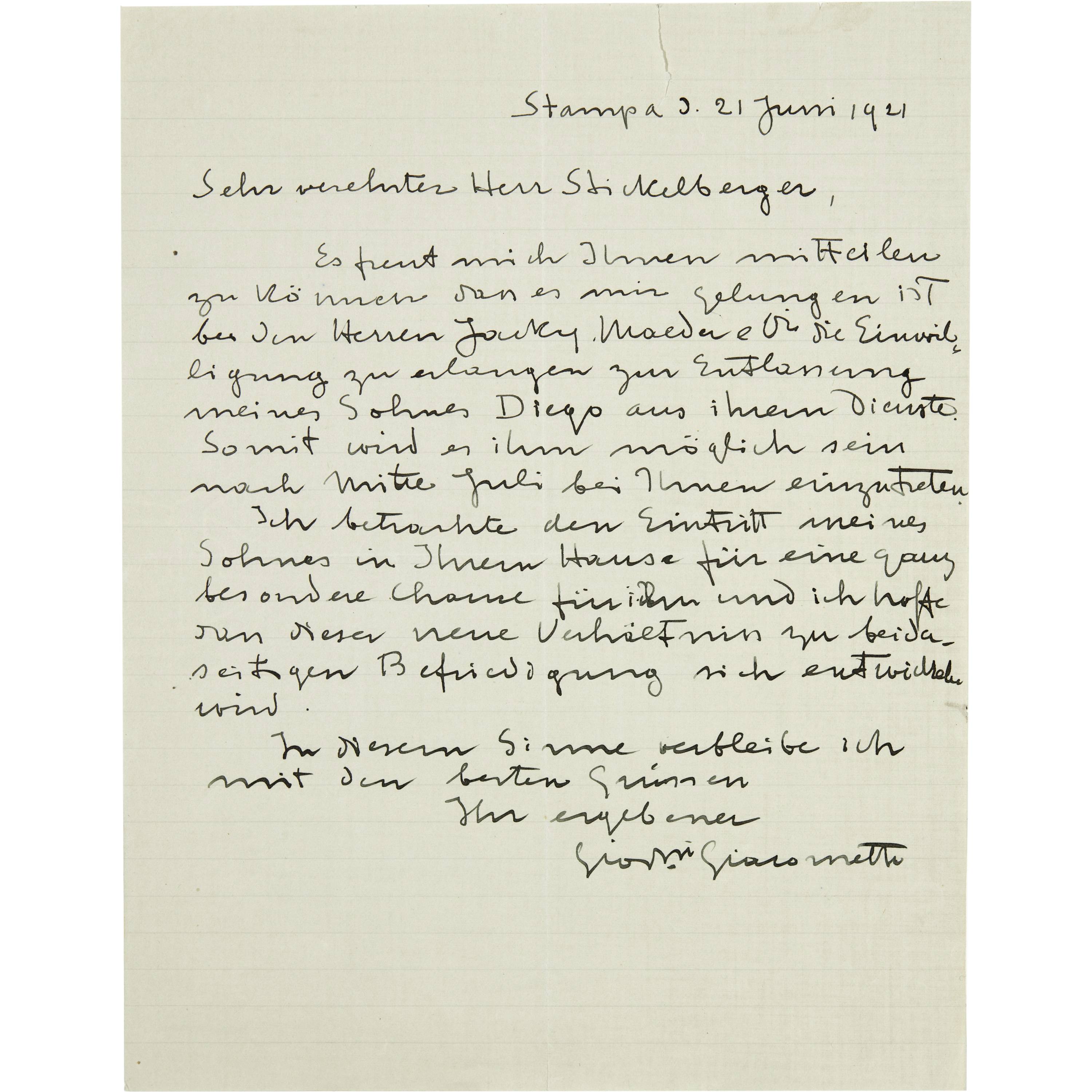
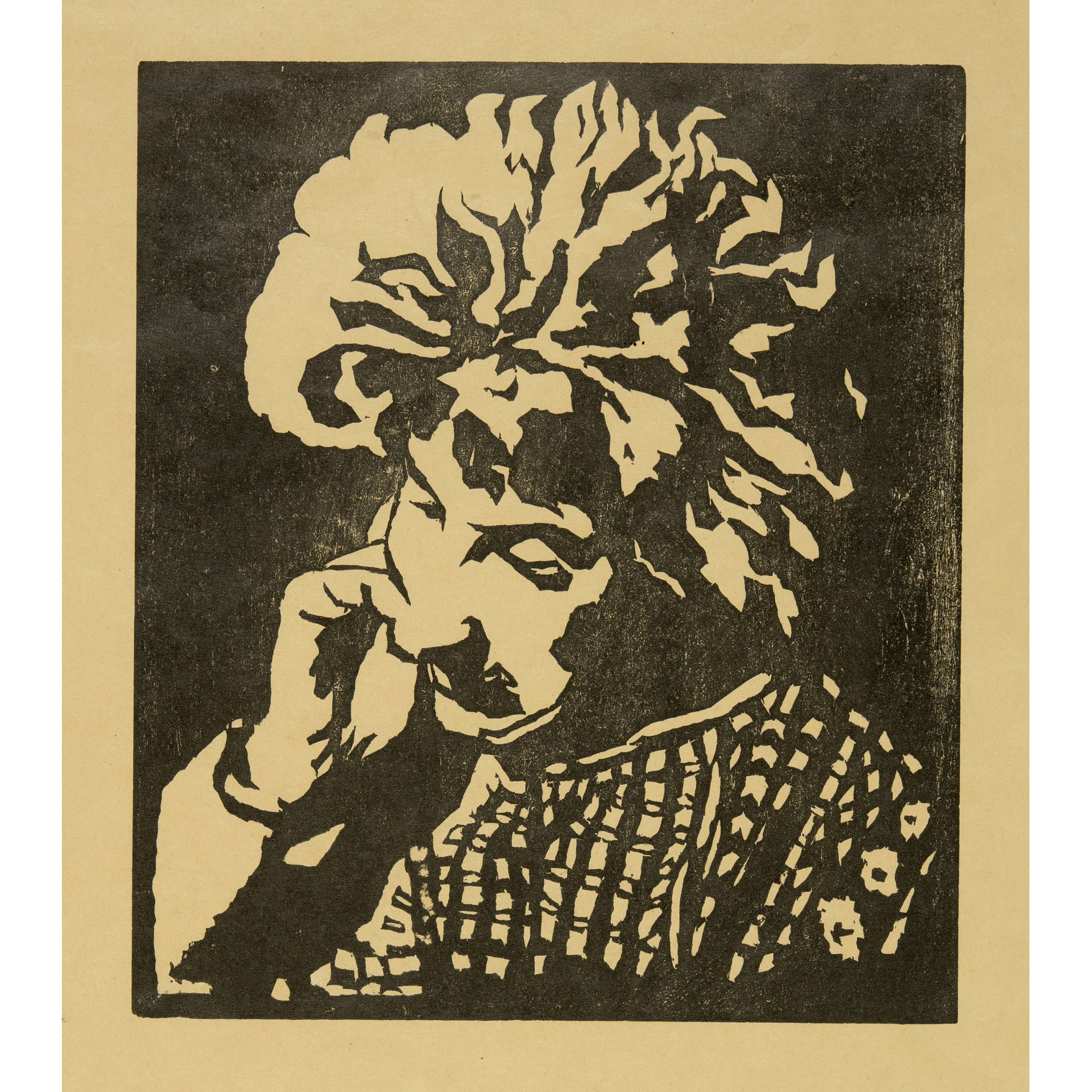
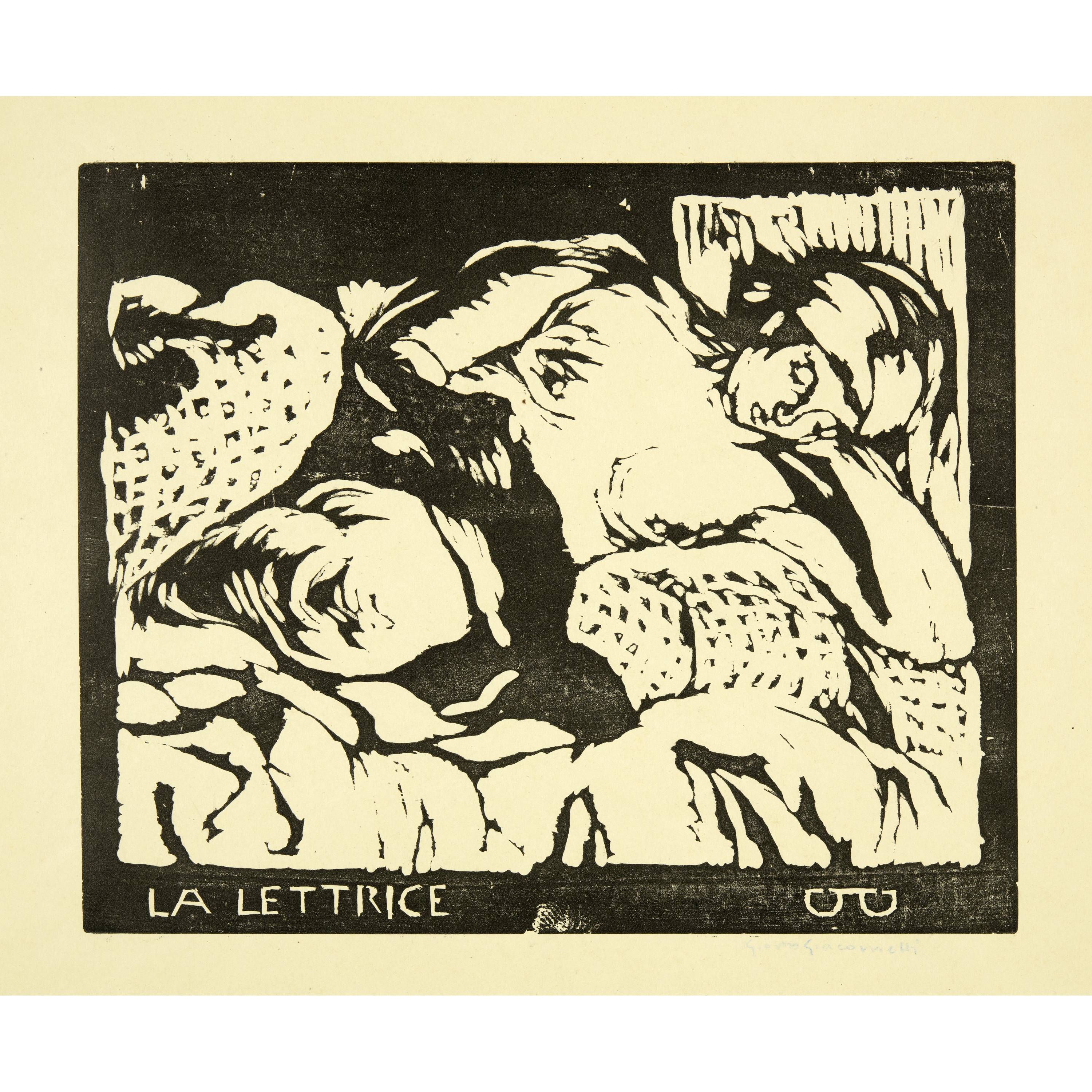
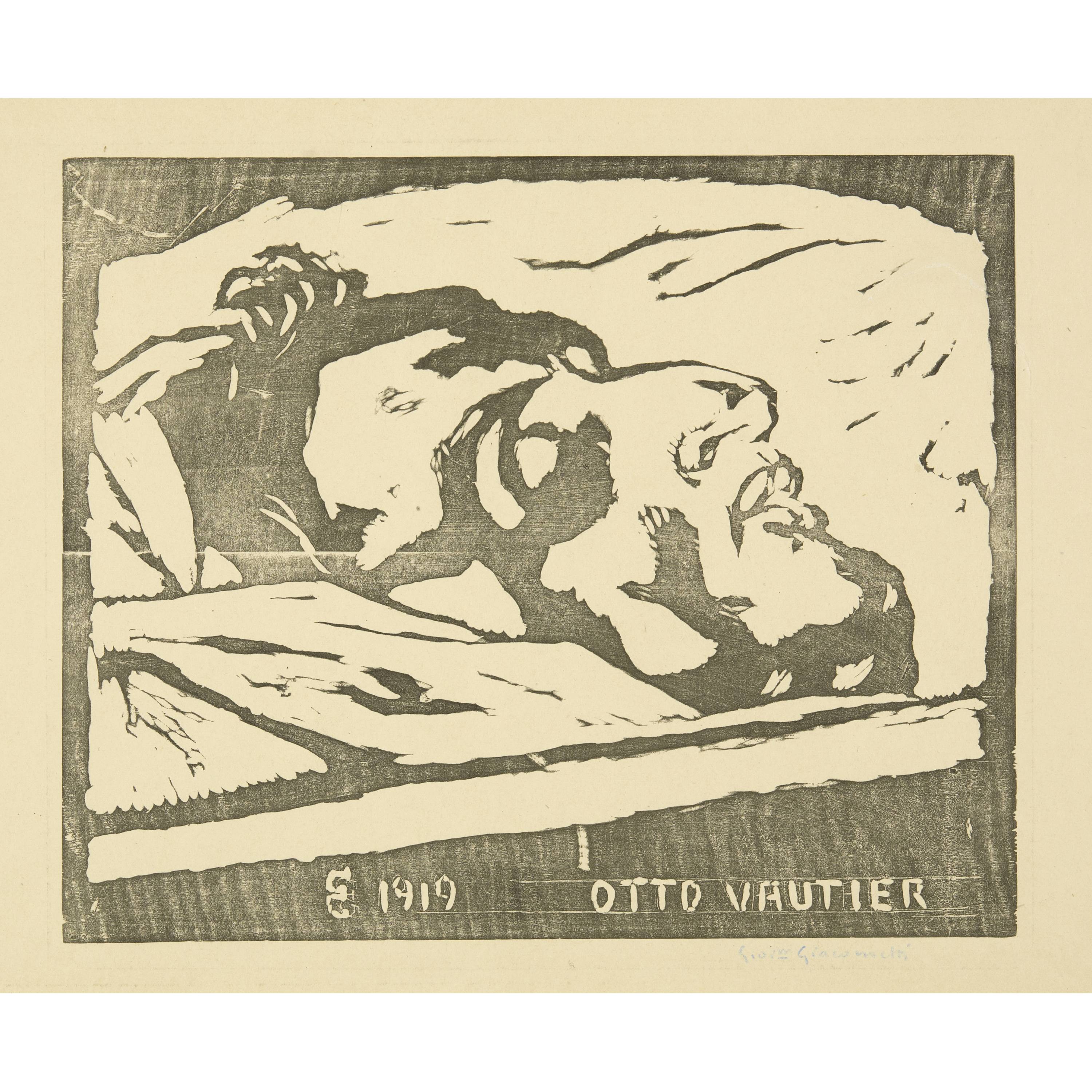
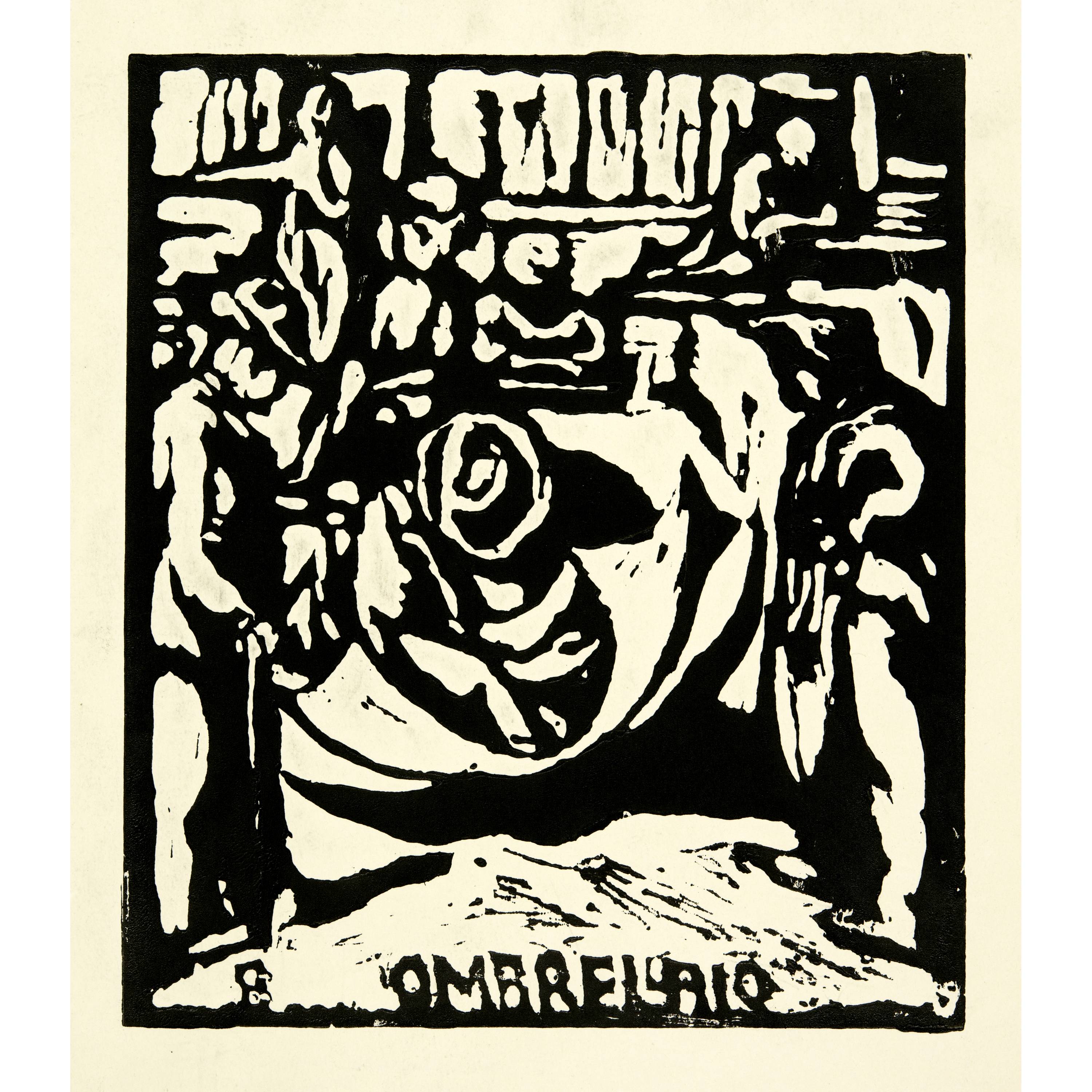
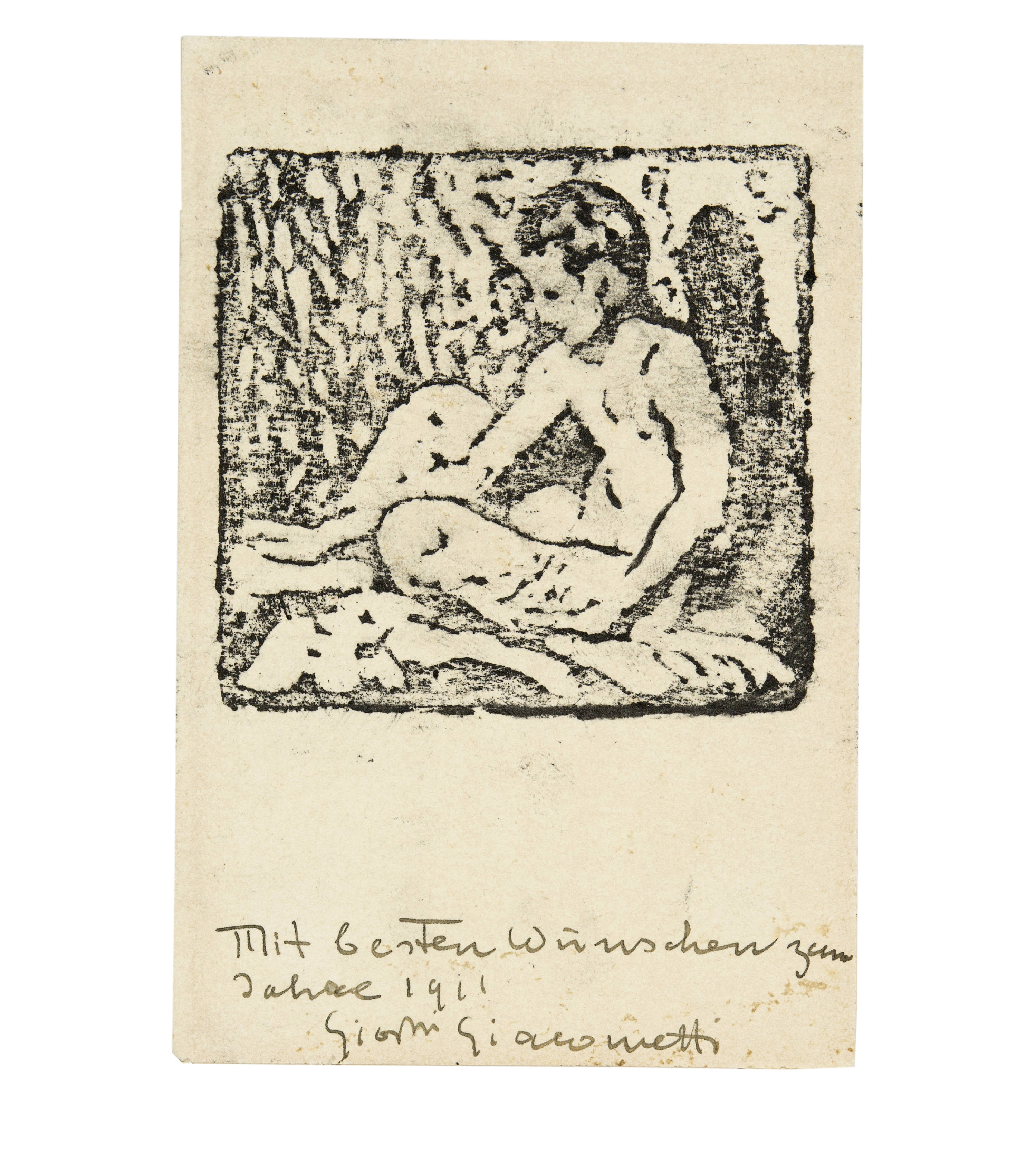
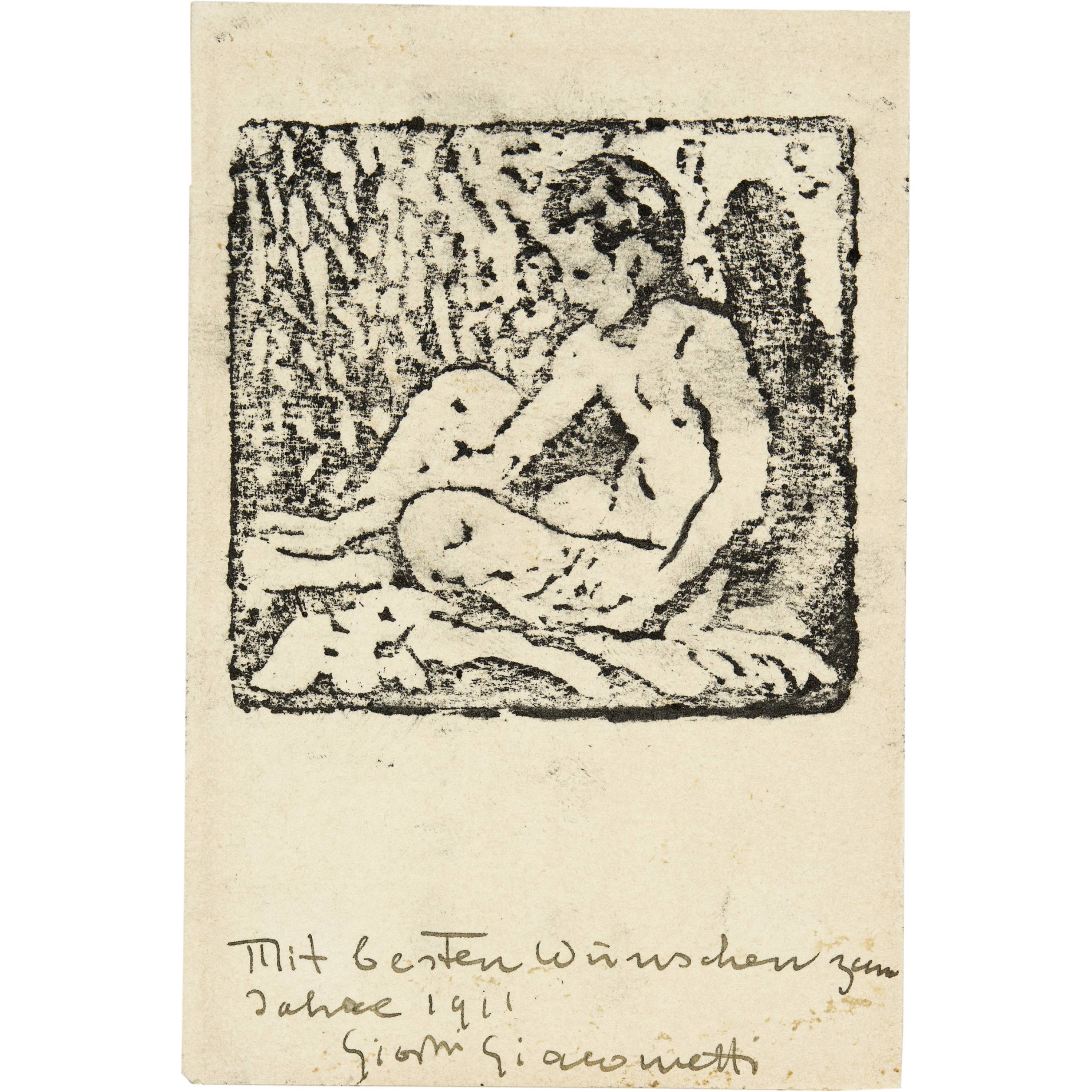
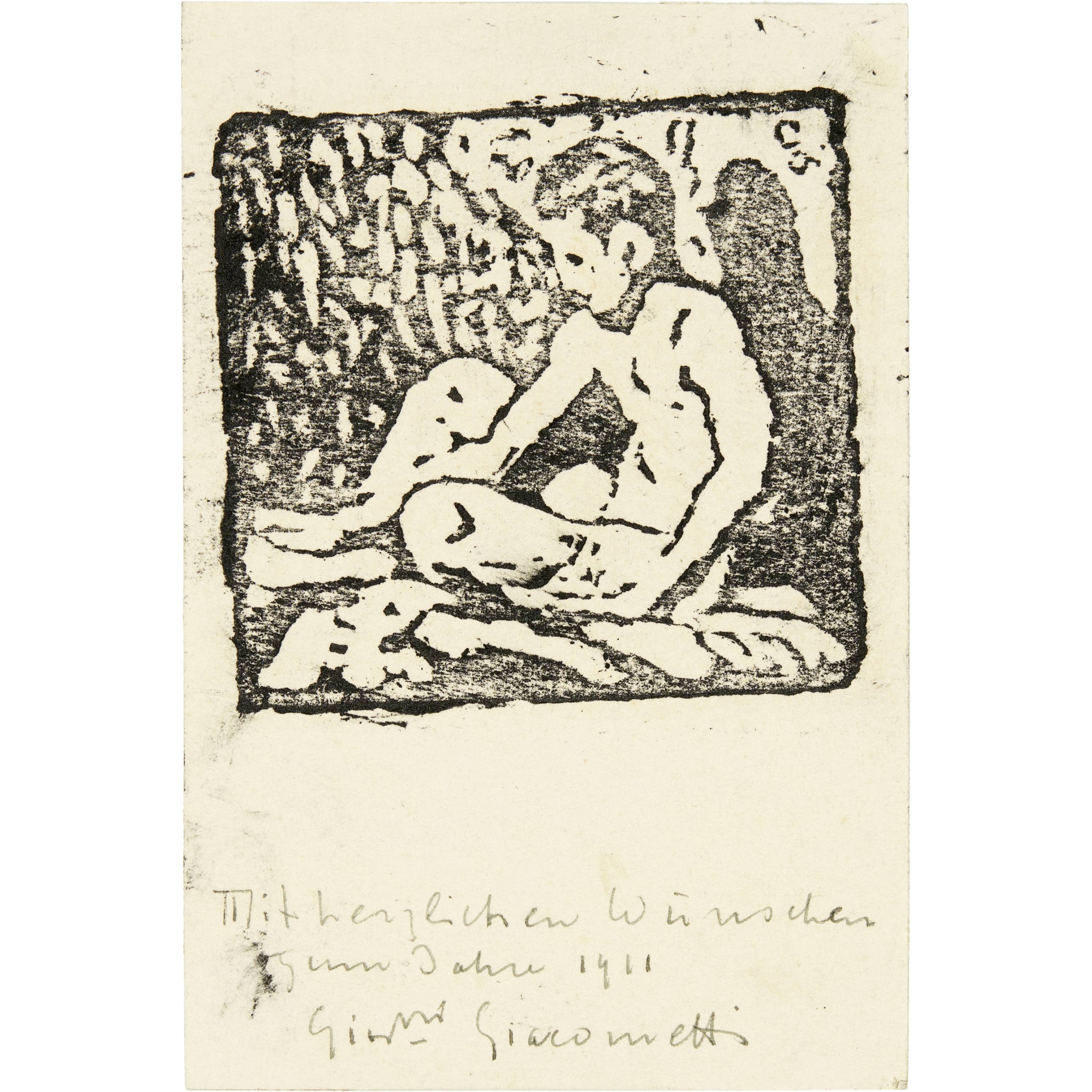
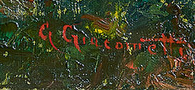
Giovanni Giacometti
Born in 1868.
Died in 1933.
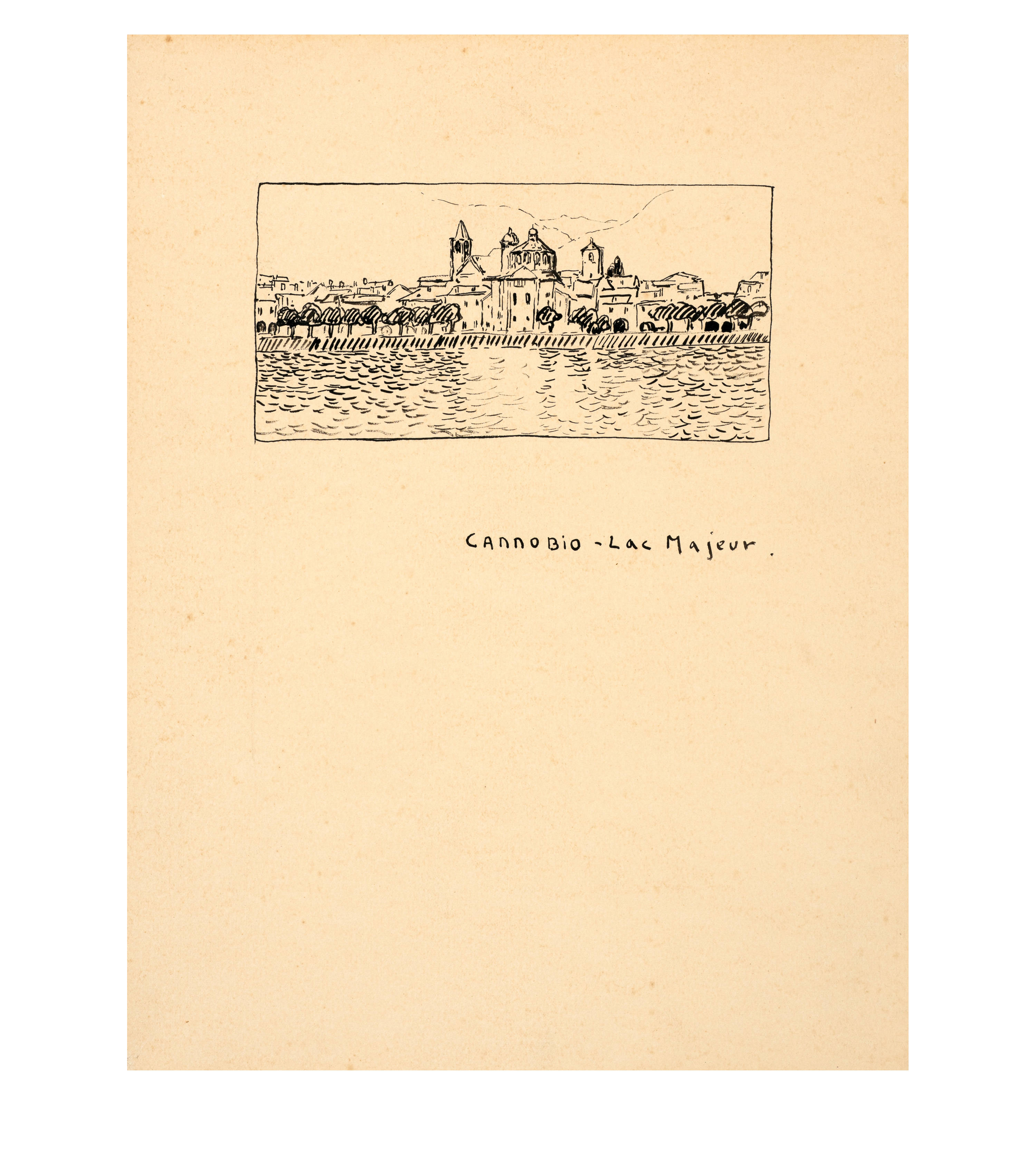
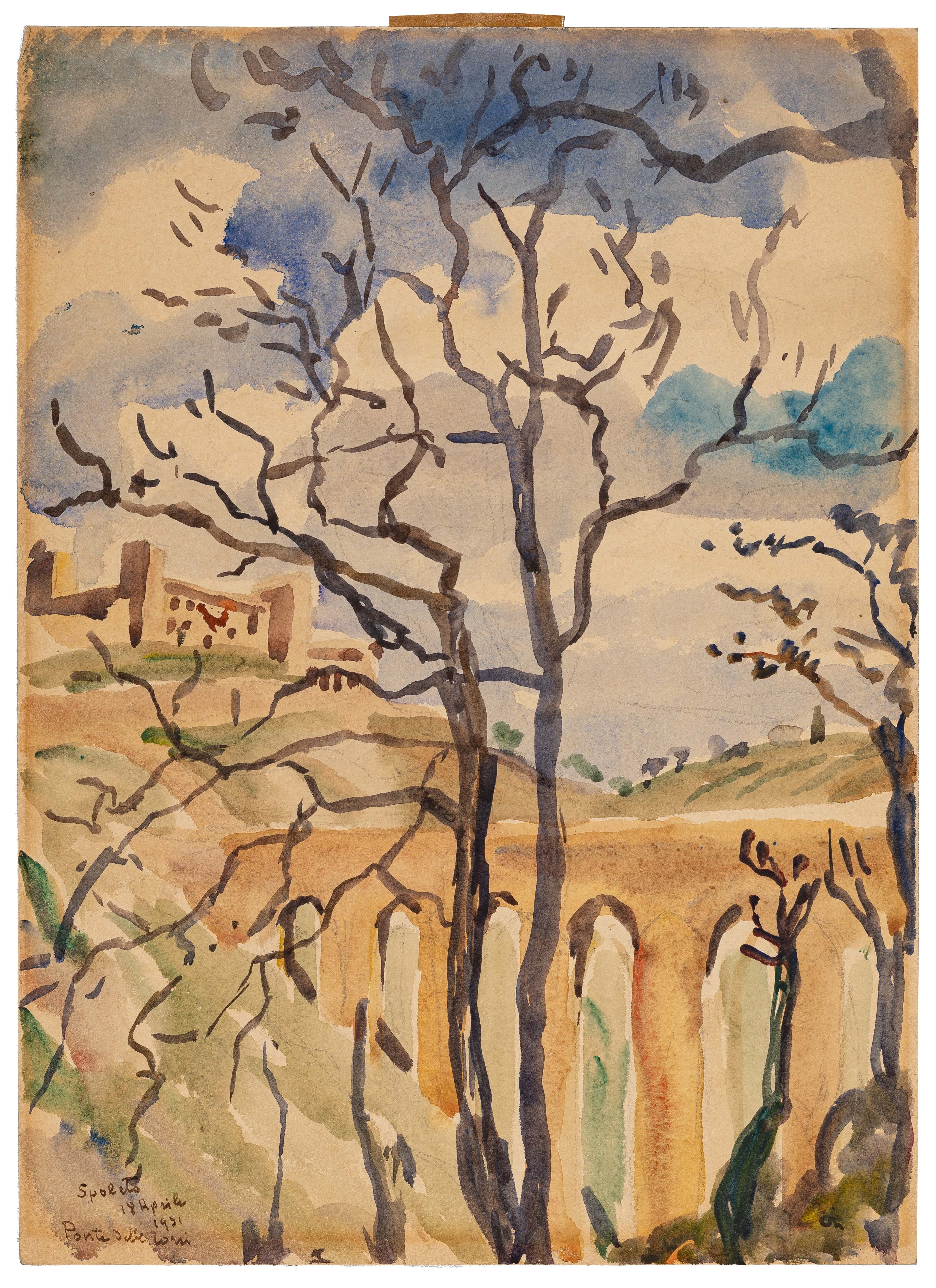
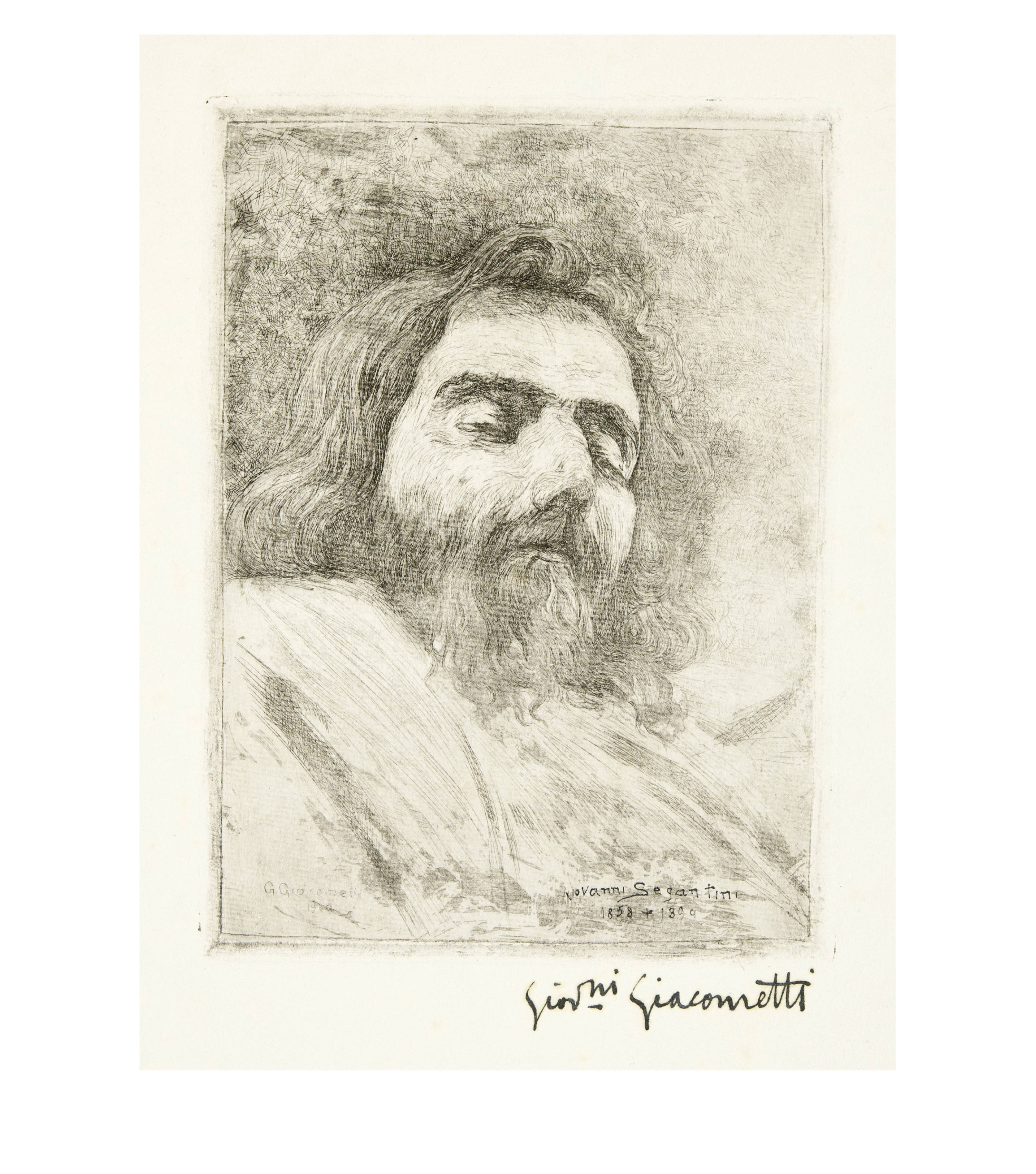
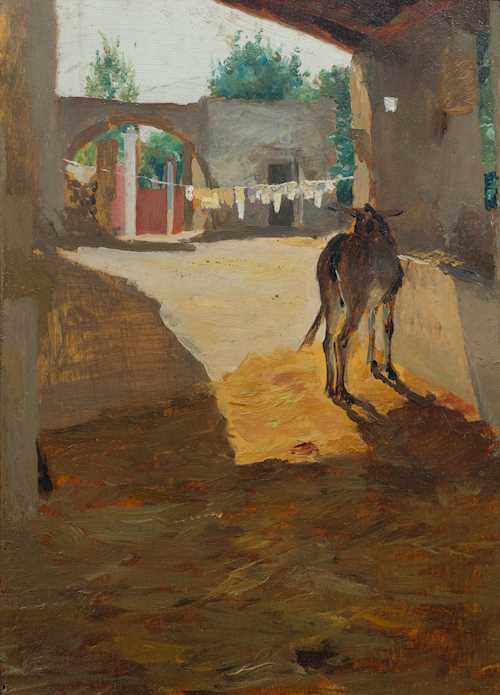
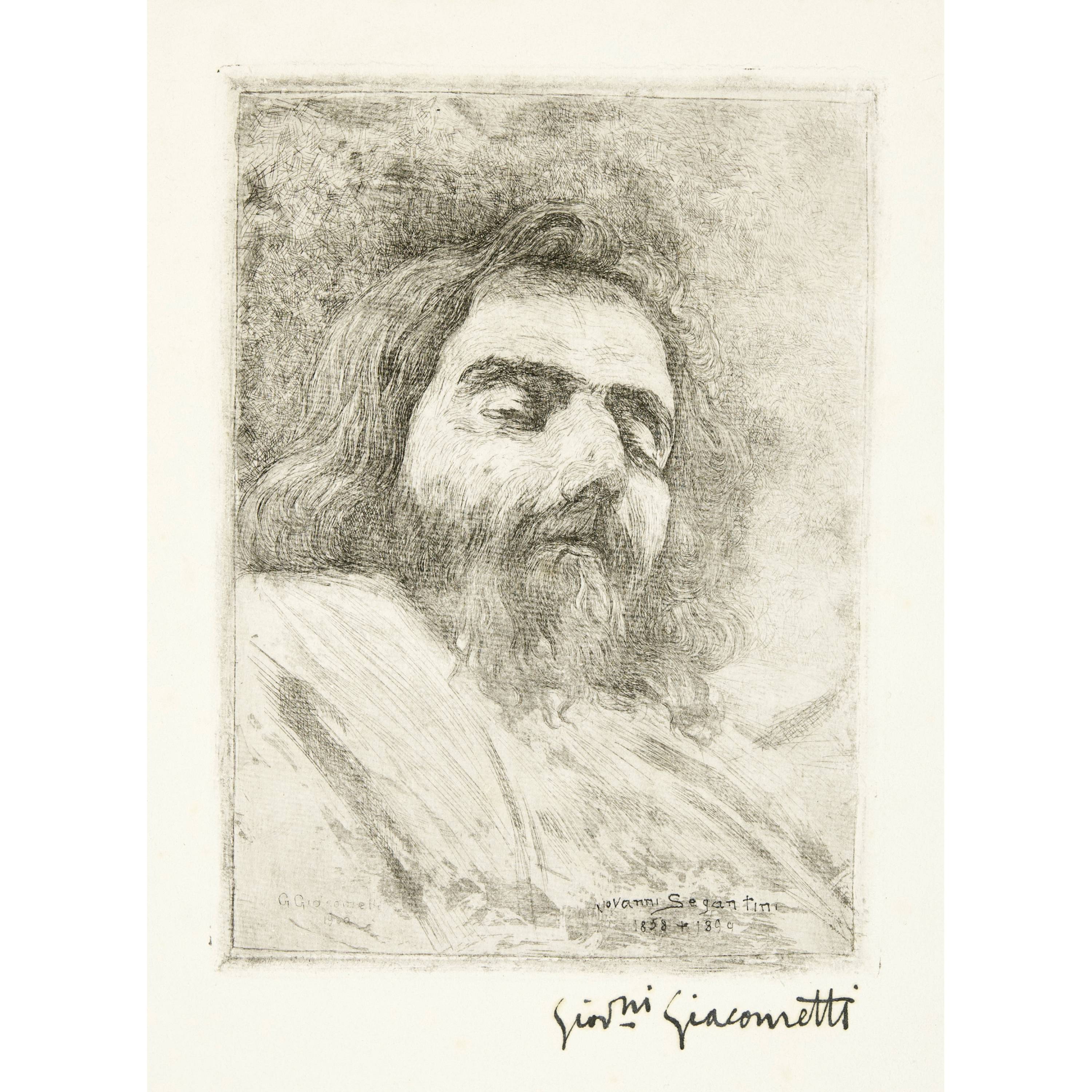
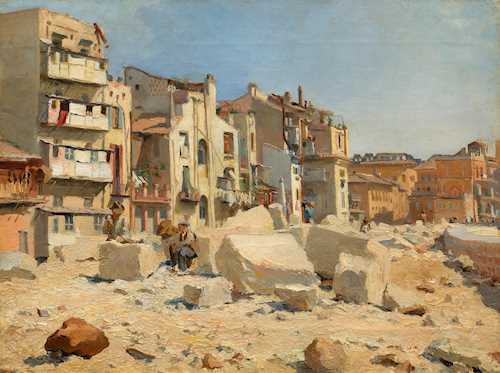
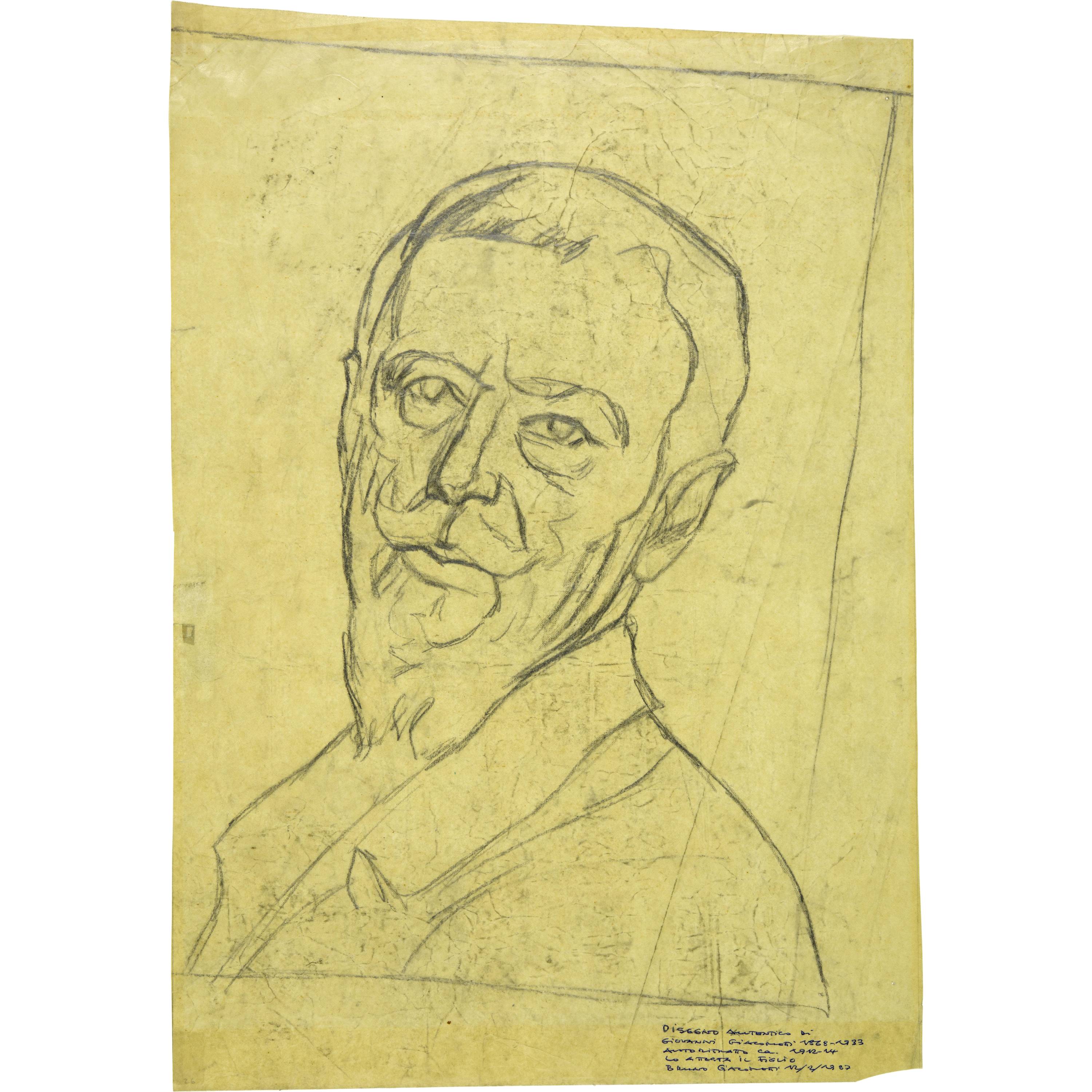
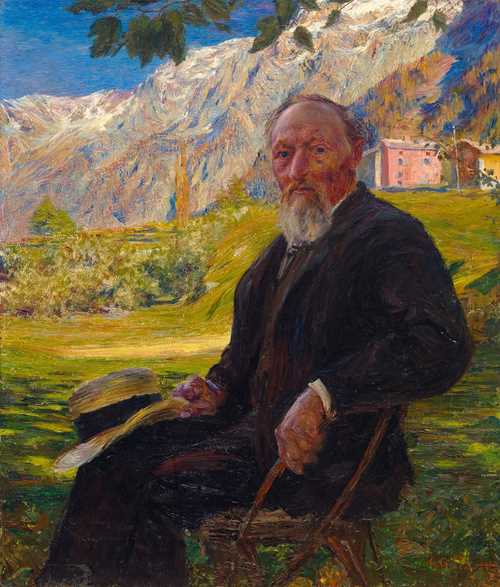
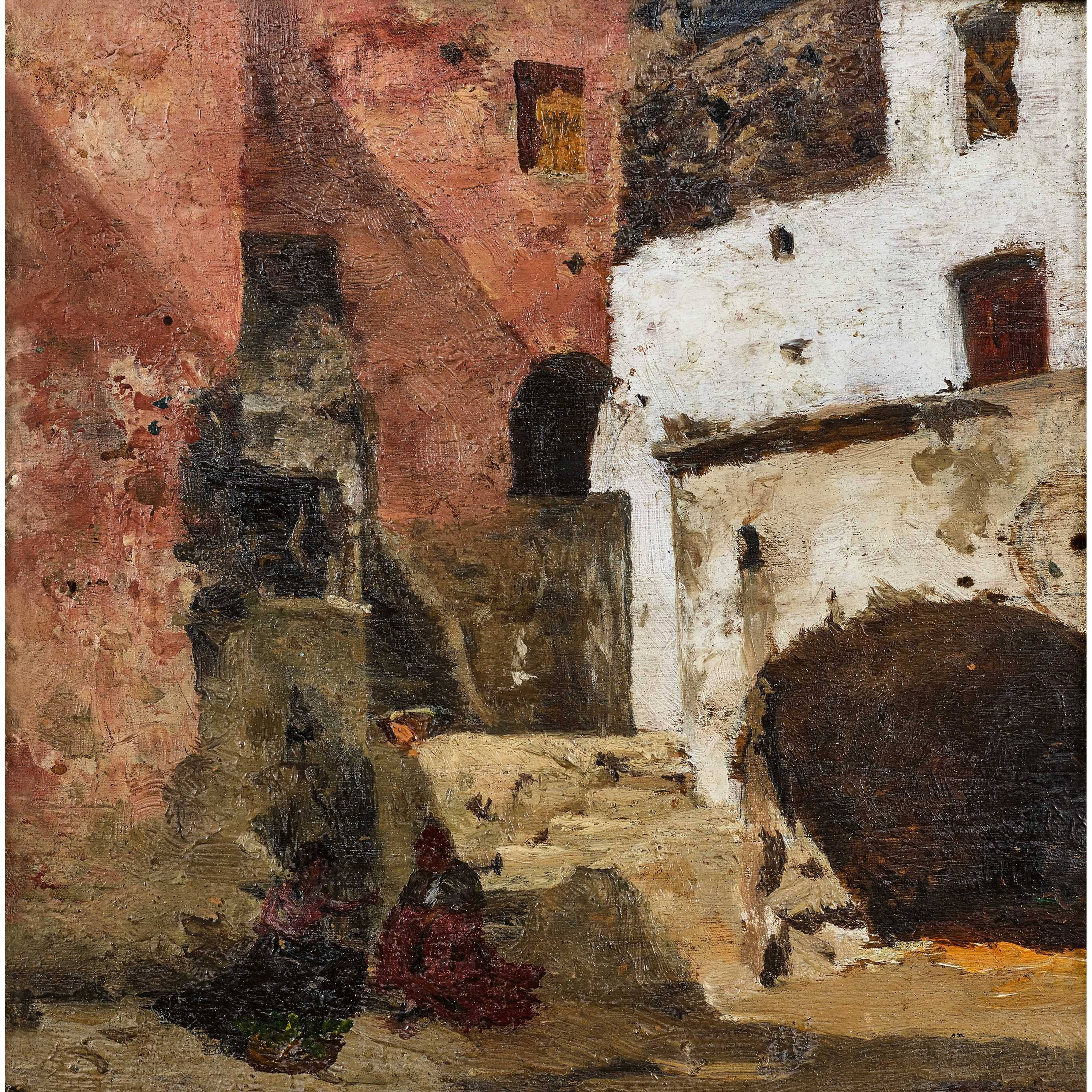
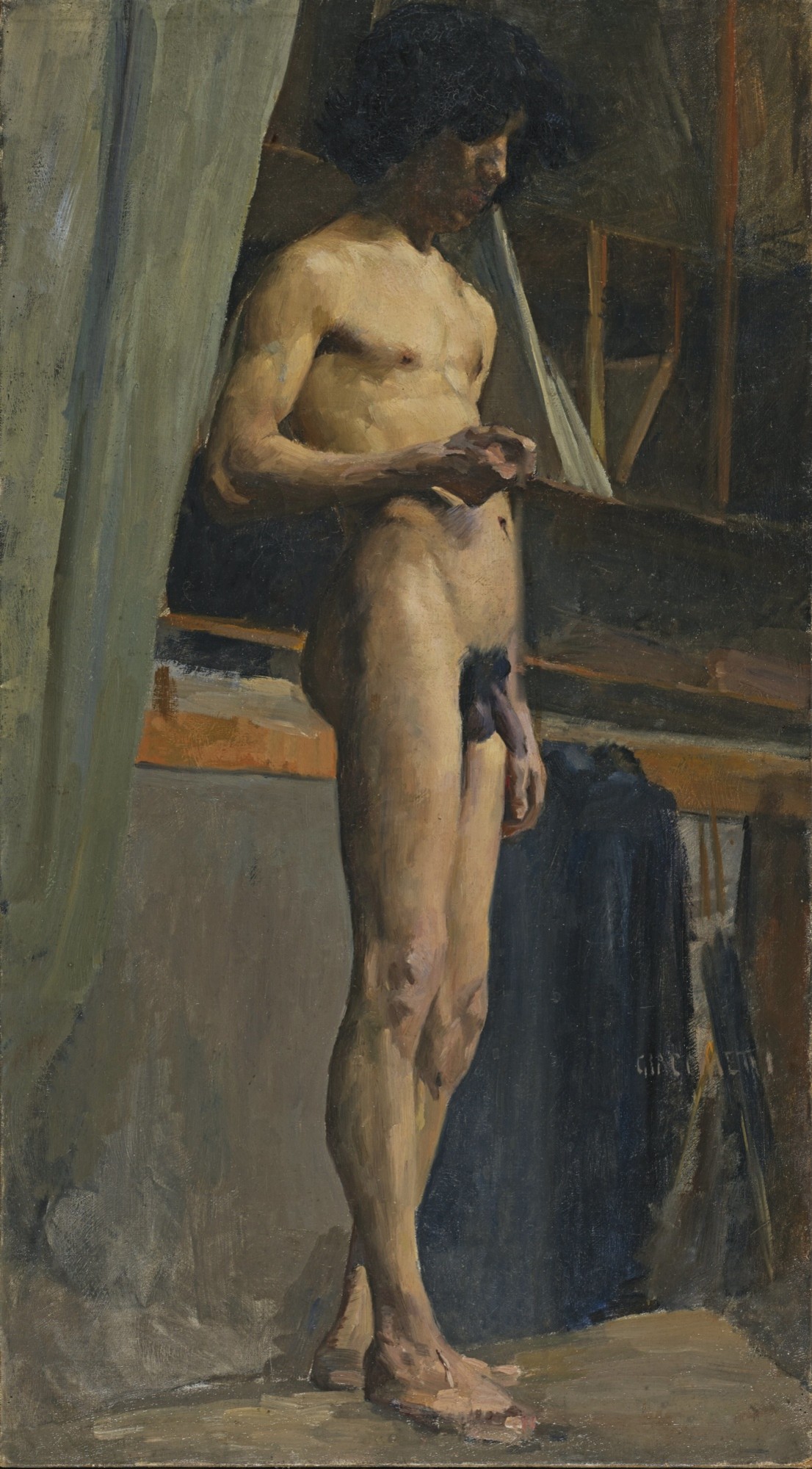
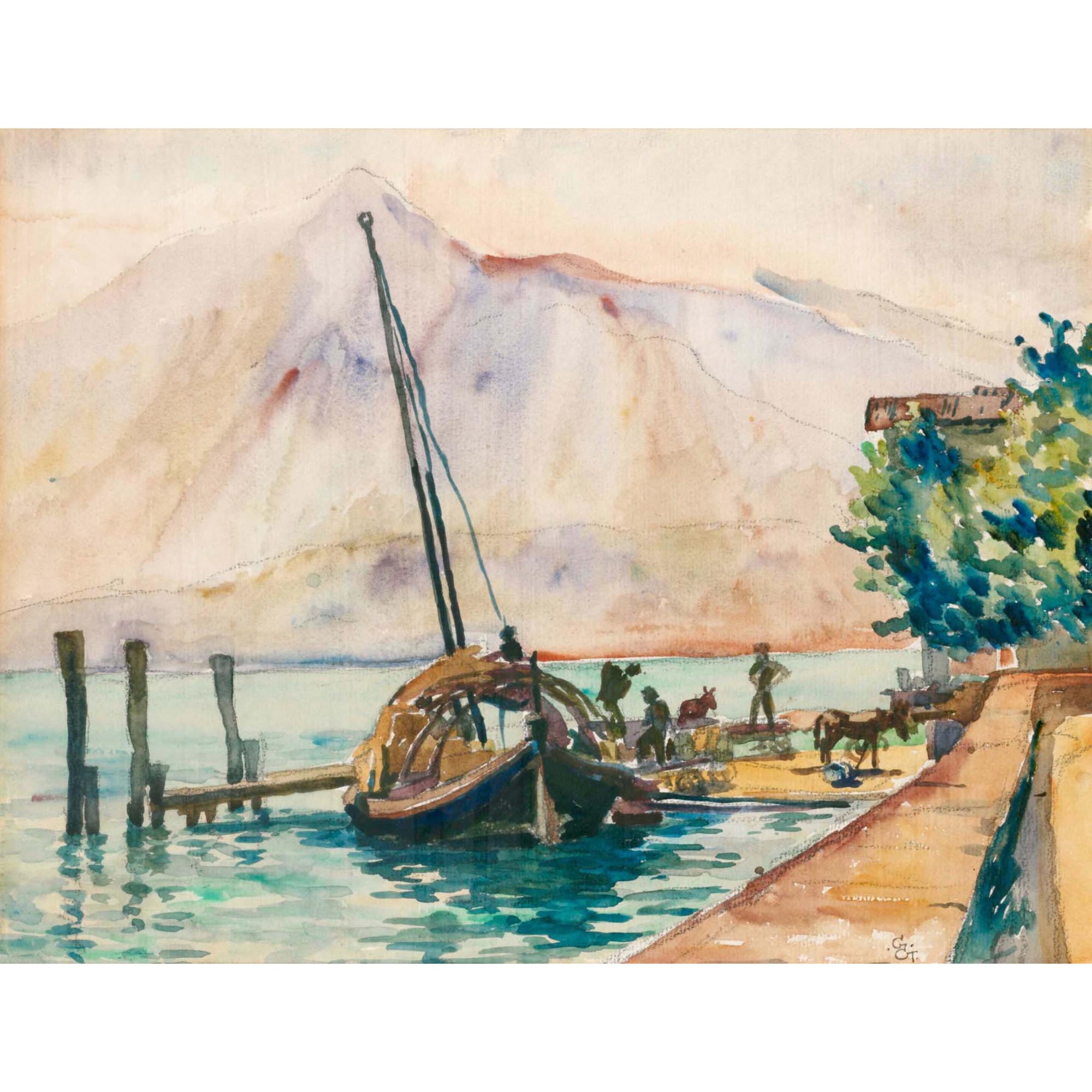
After completing his secondary education in Chur, he trained in Munich and then in Paris, where he attended the Académie Julian and became friends with Cuno Amiet. A stay in Italy preceded his return to Graubünden in the early 1890s. In 1894, he met Giovanni Segantini, who became his friend and mentor.
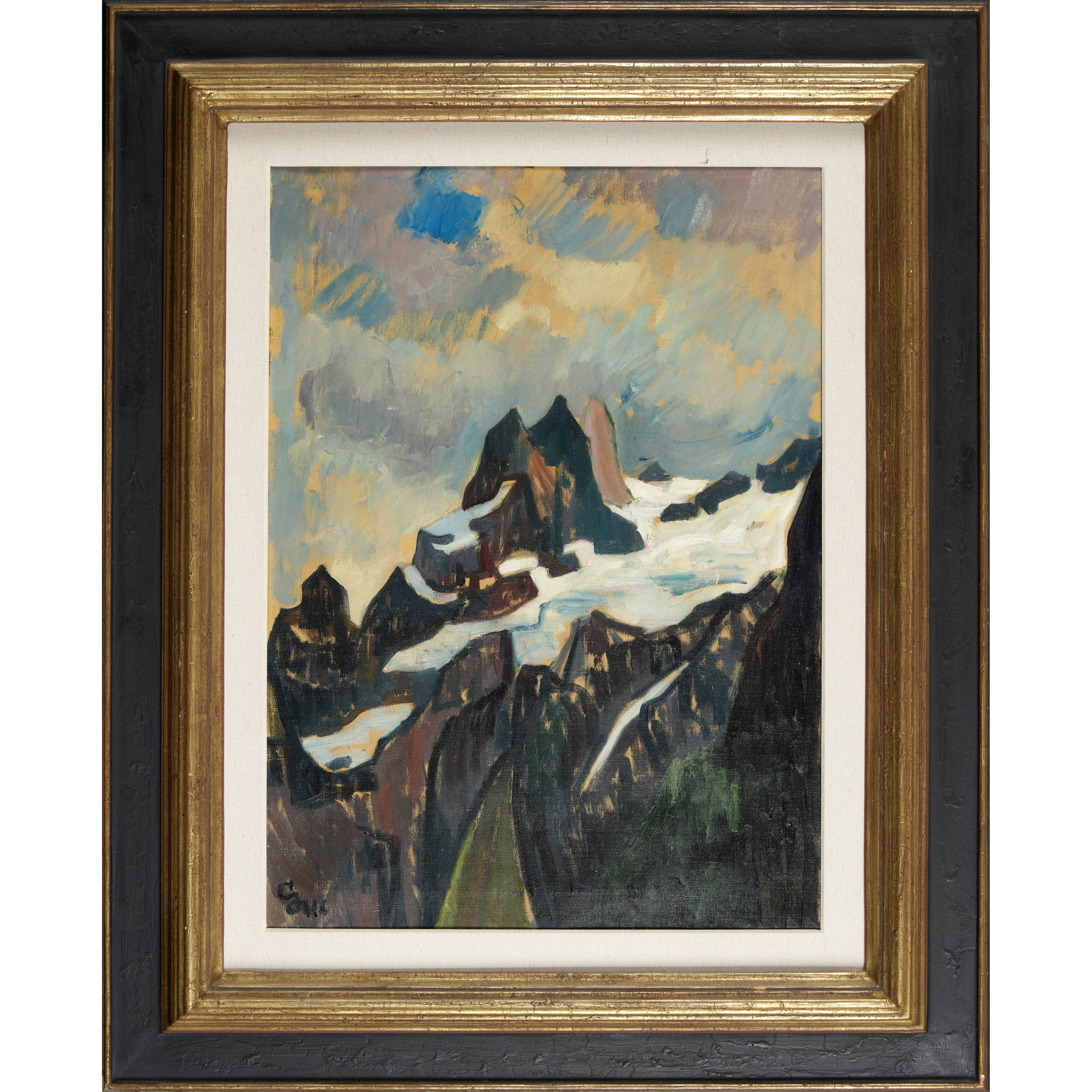
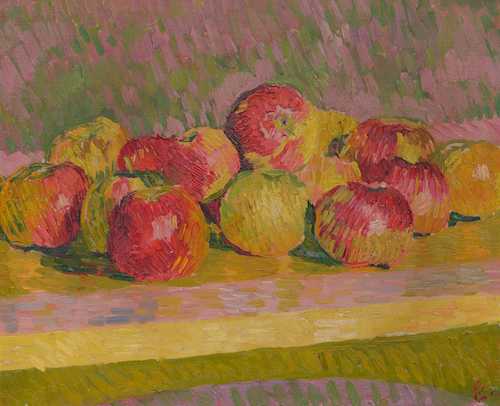
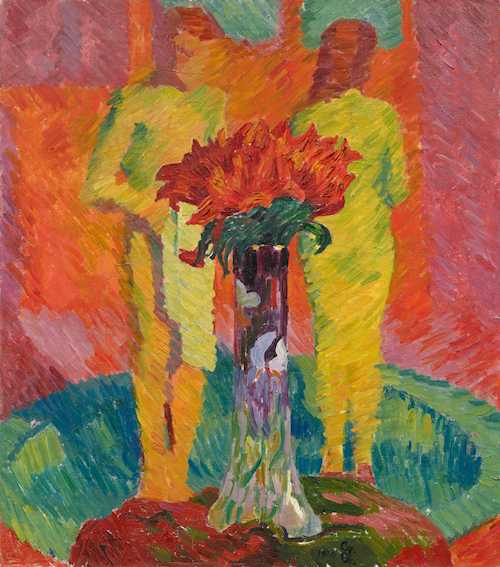
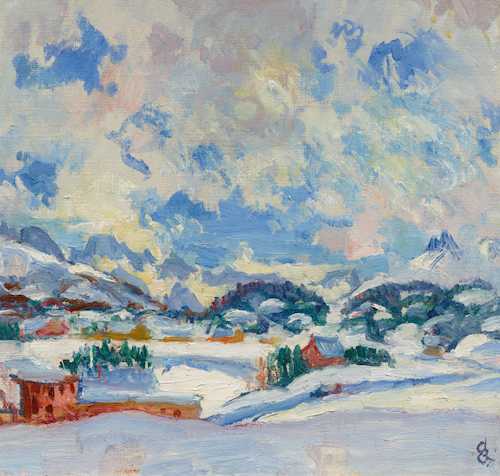
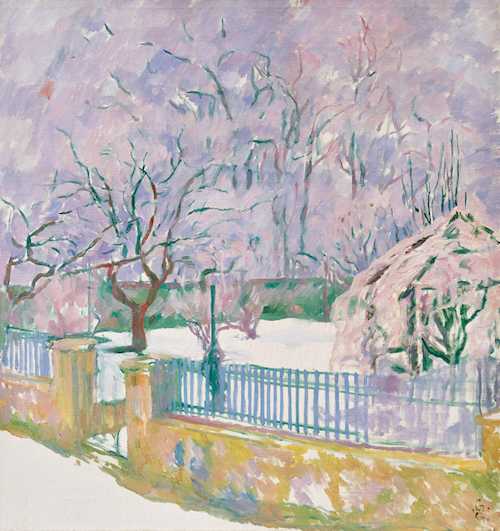
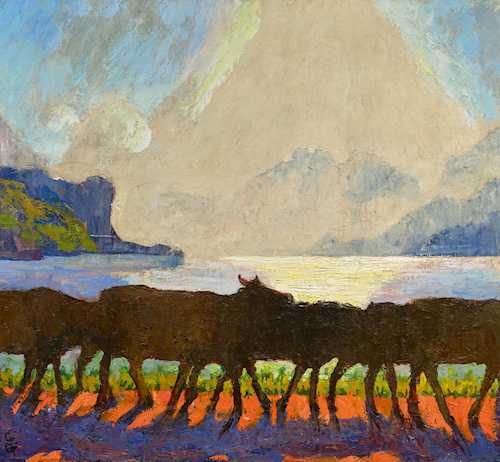
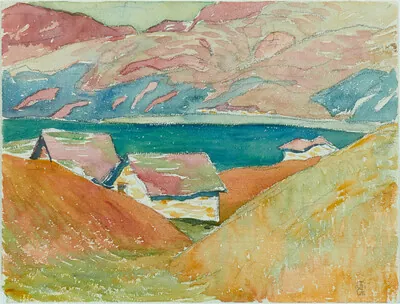
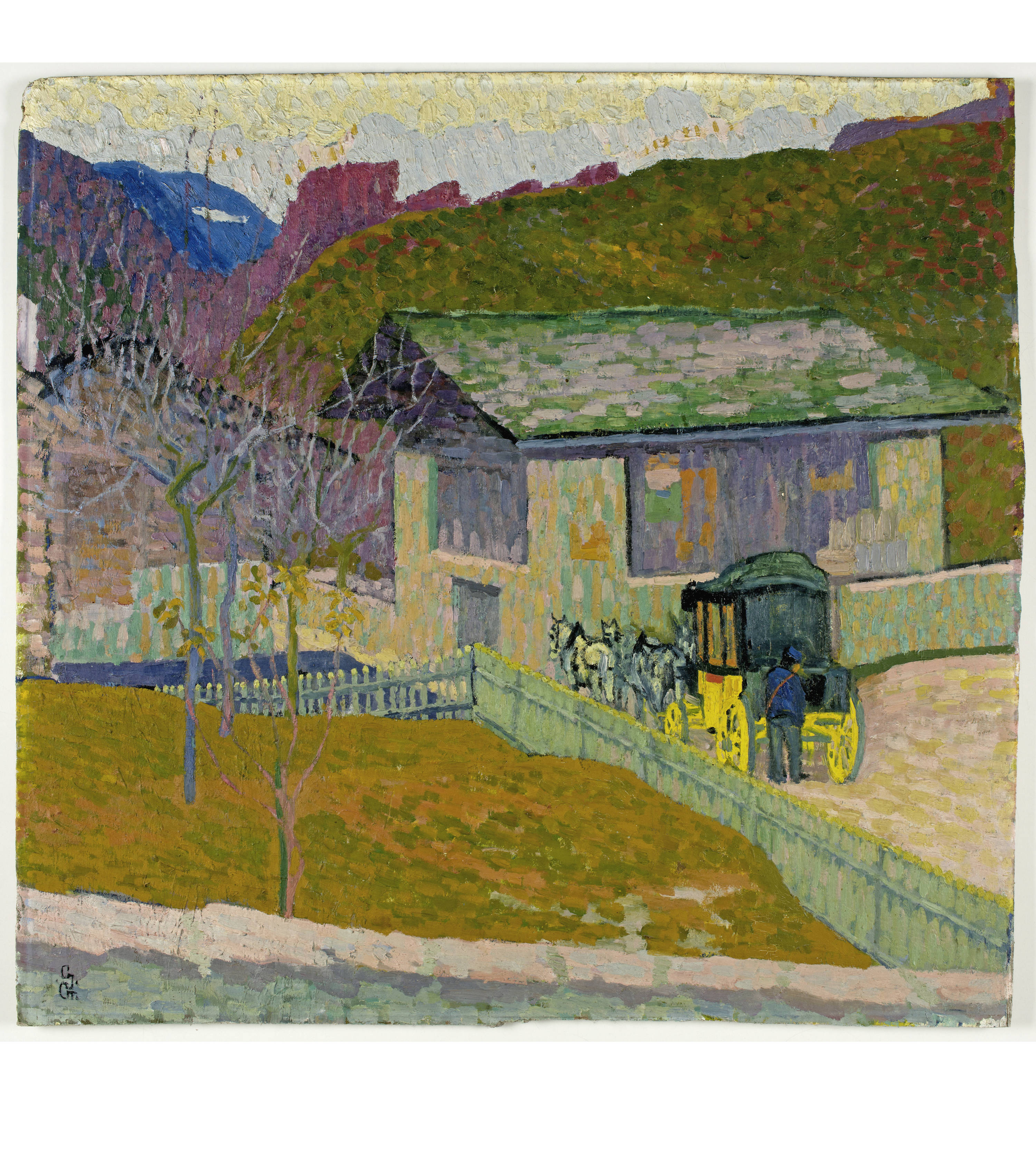
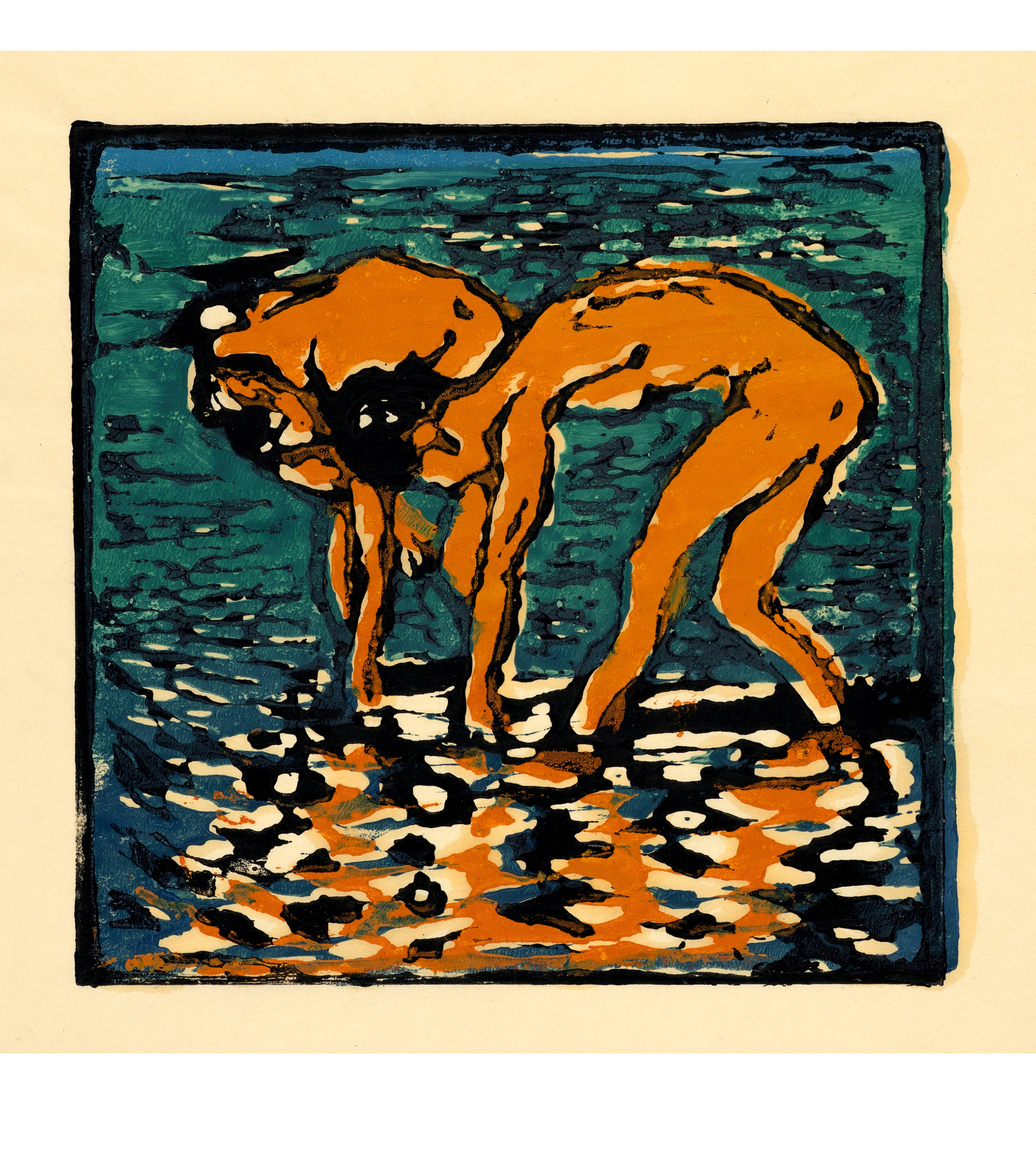
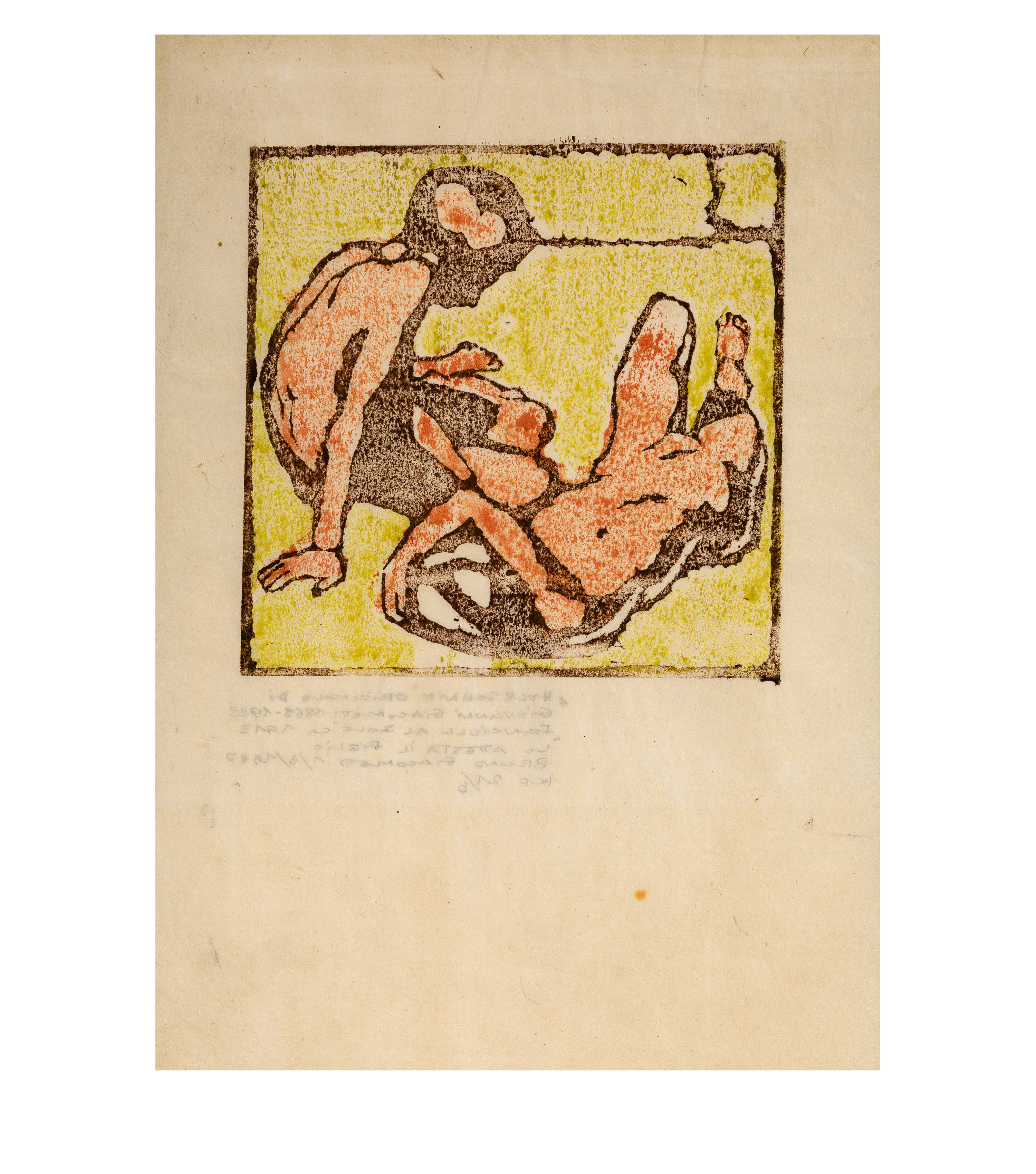
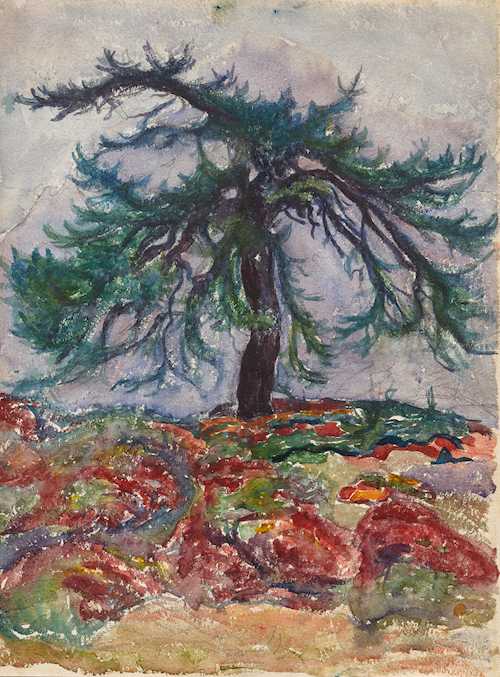
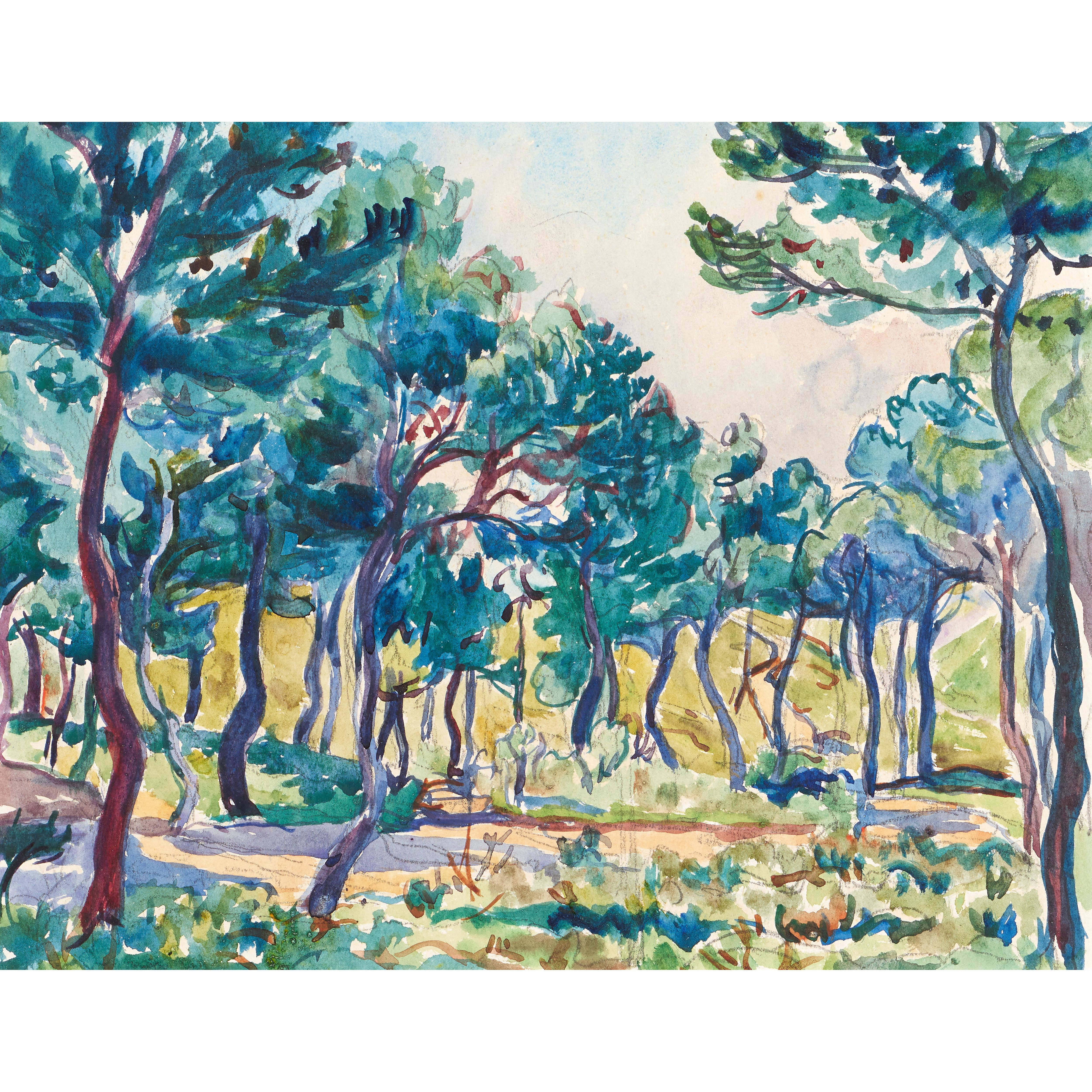
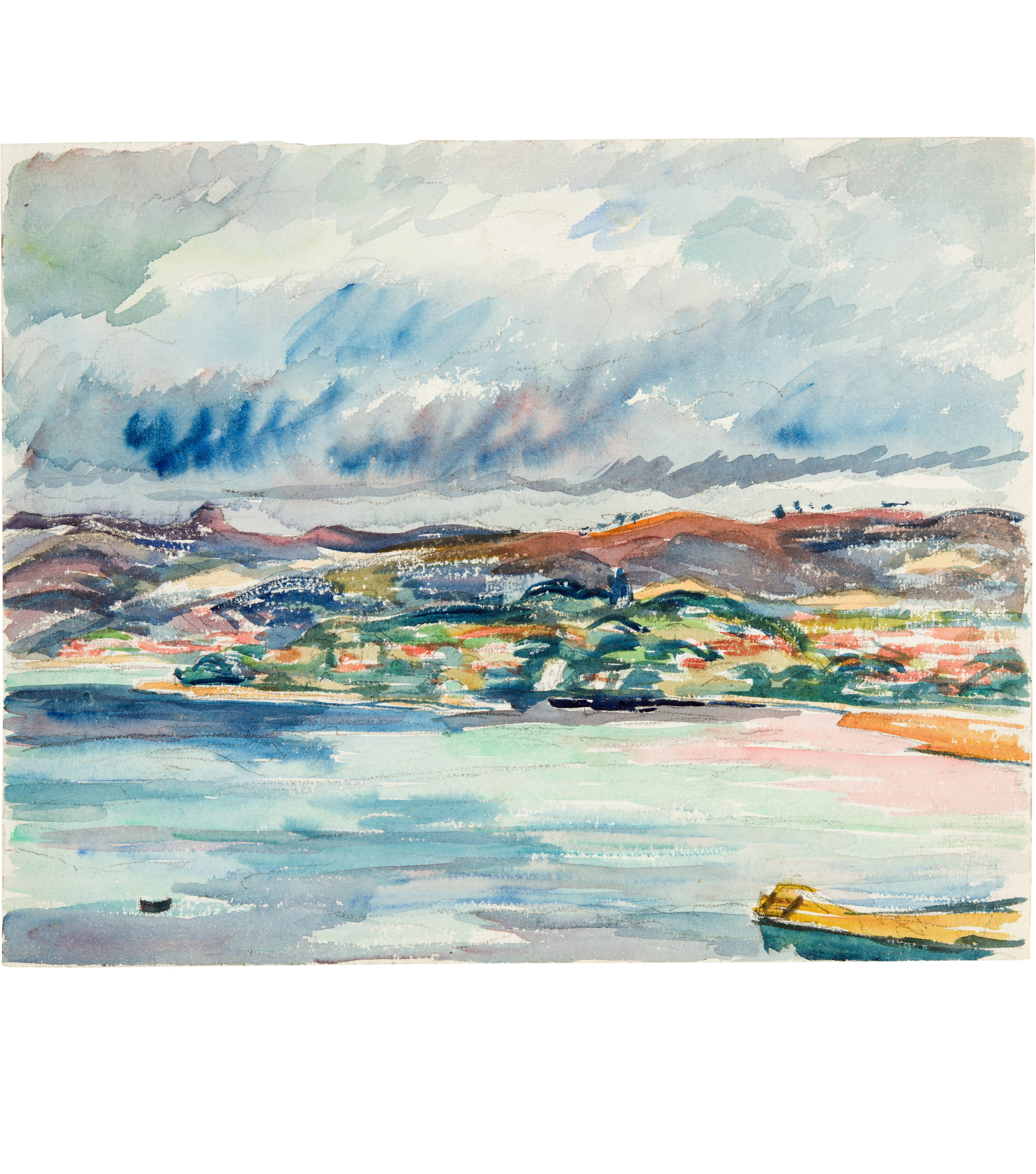
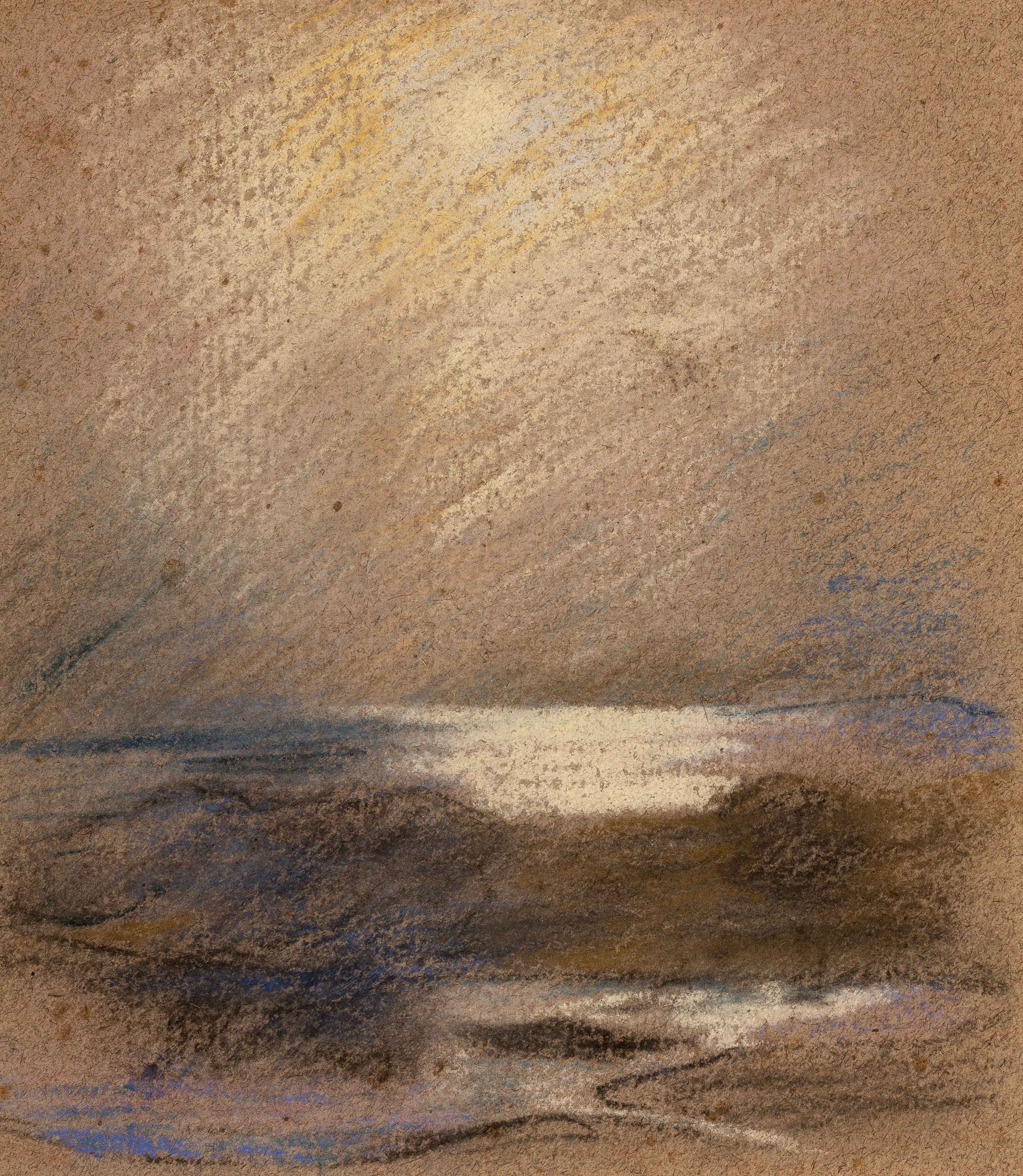
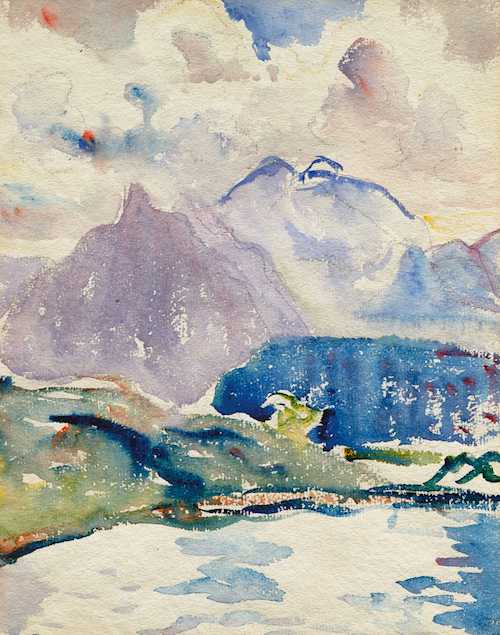
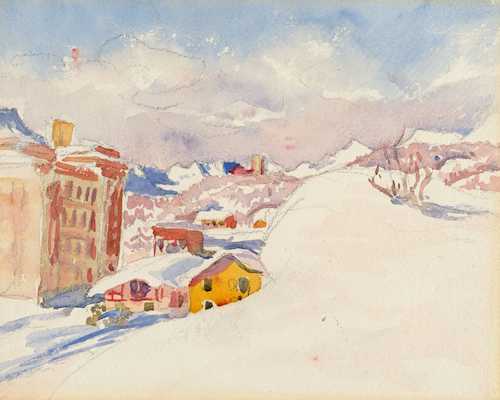
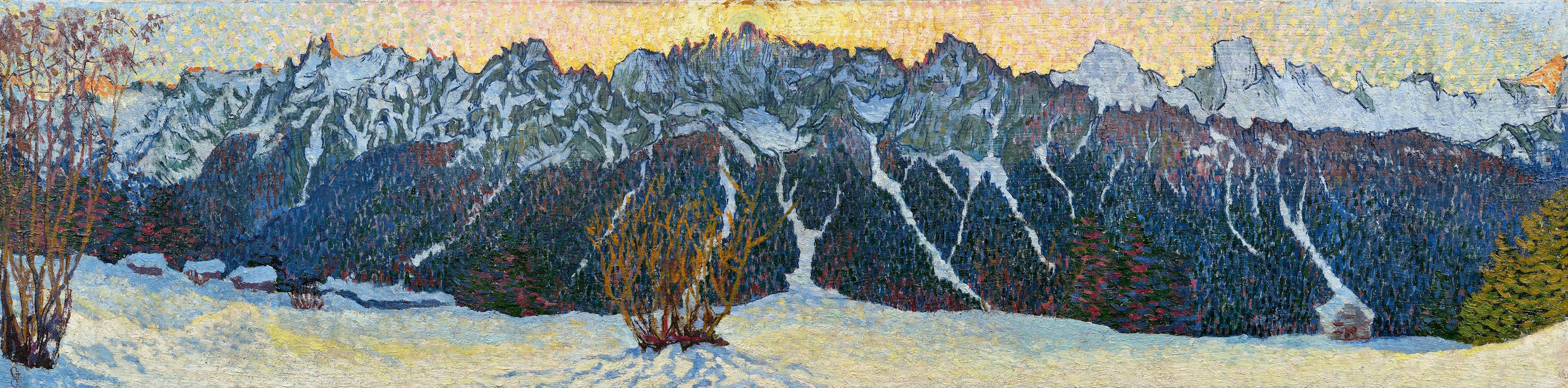
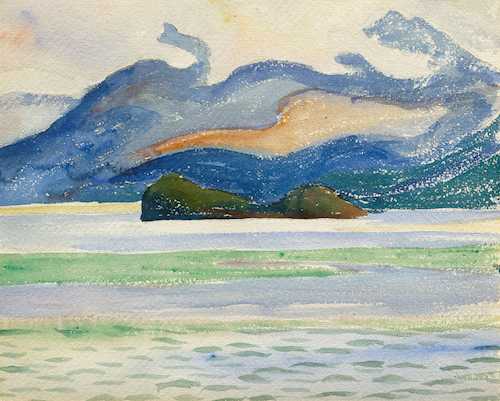
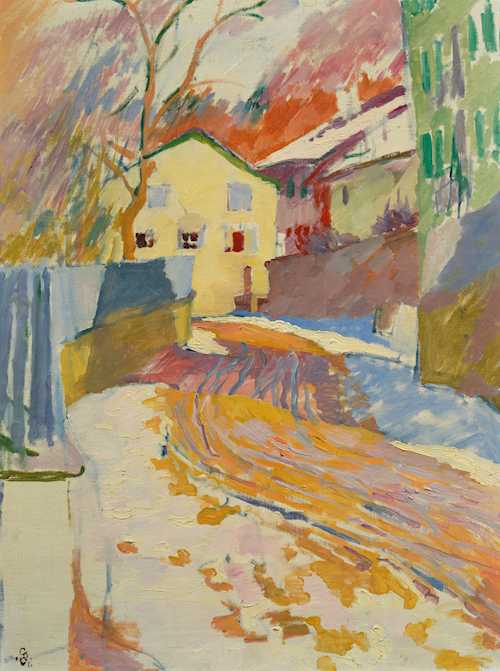
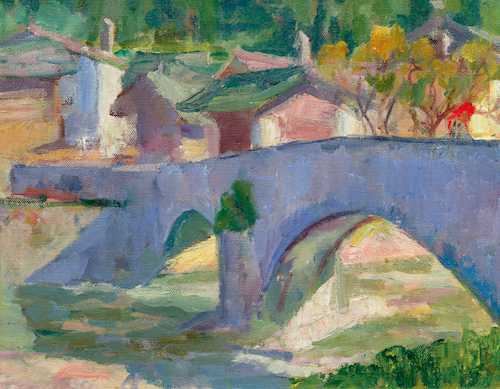
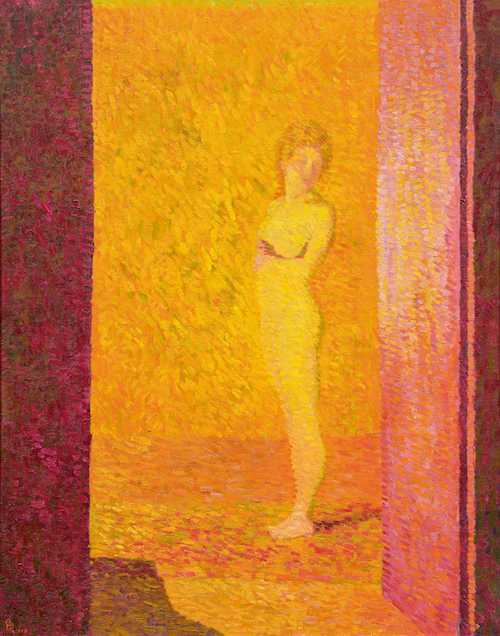
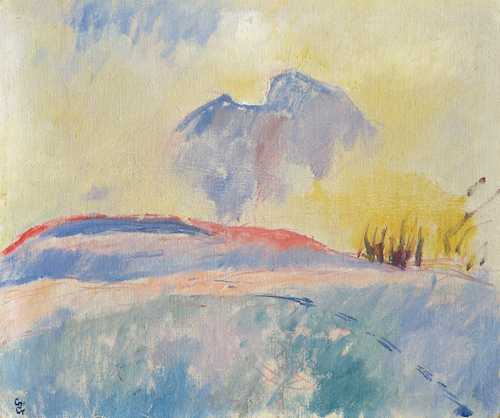
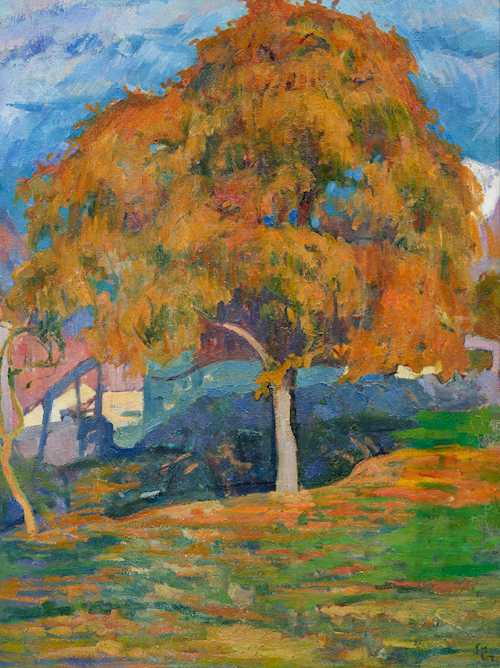
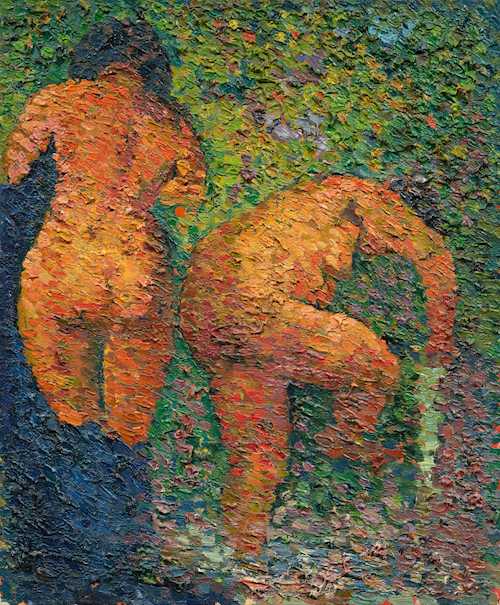
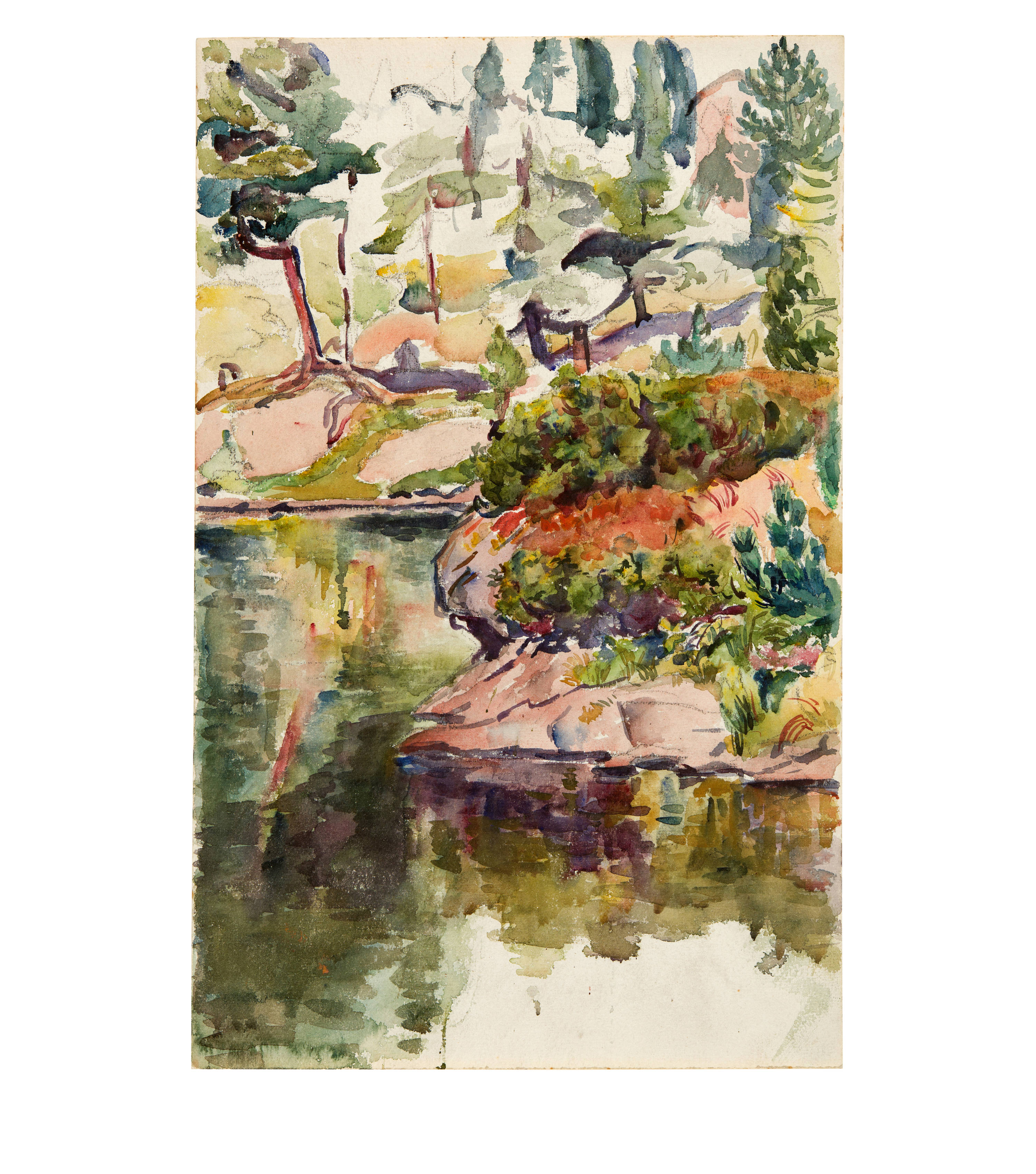
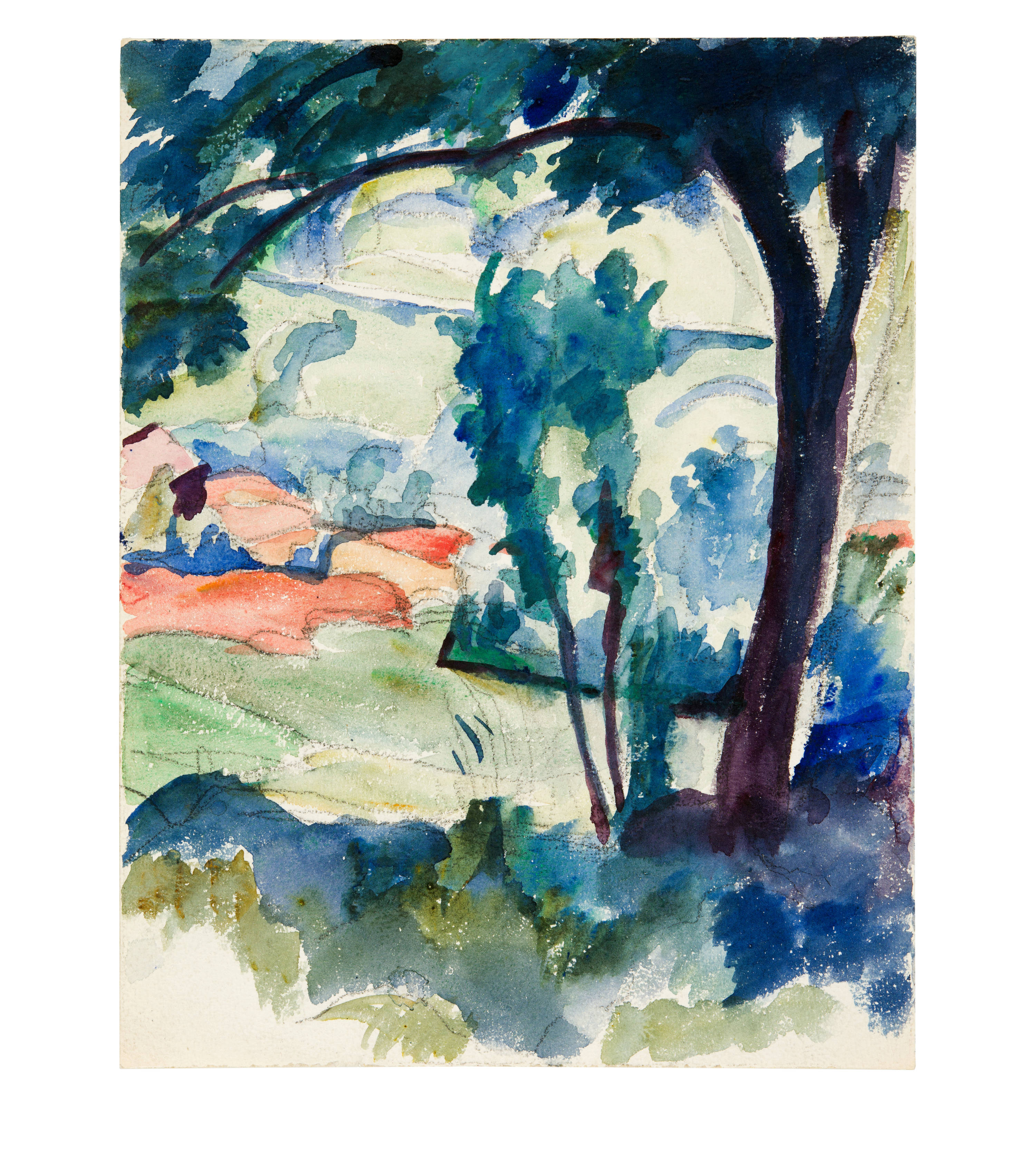
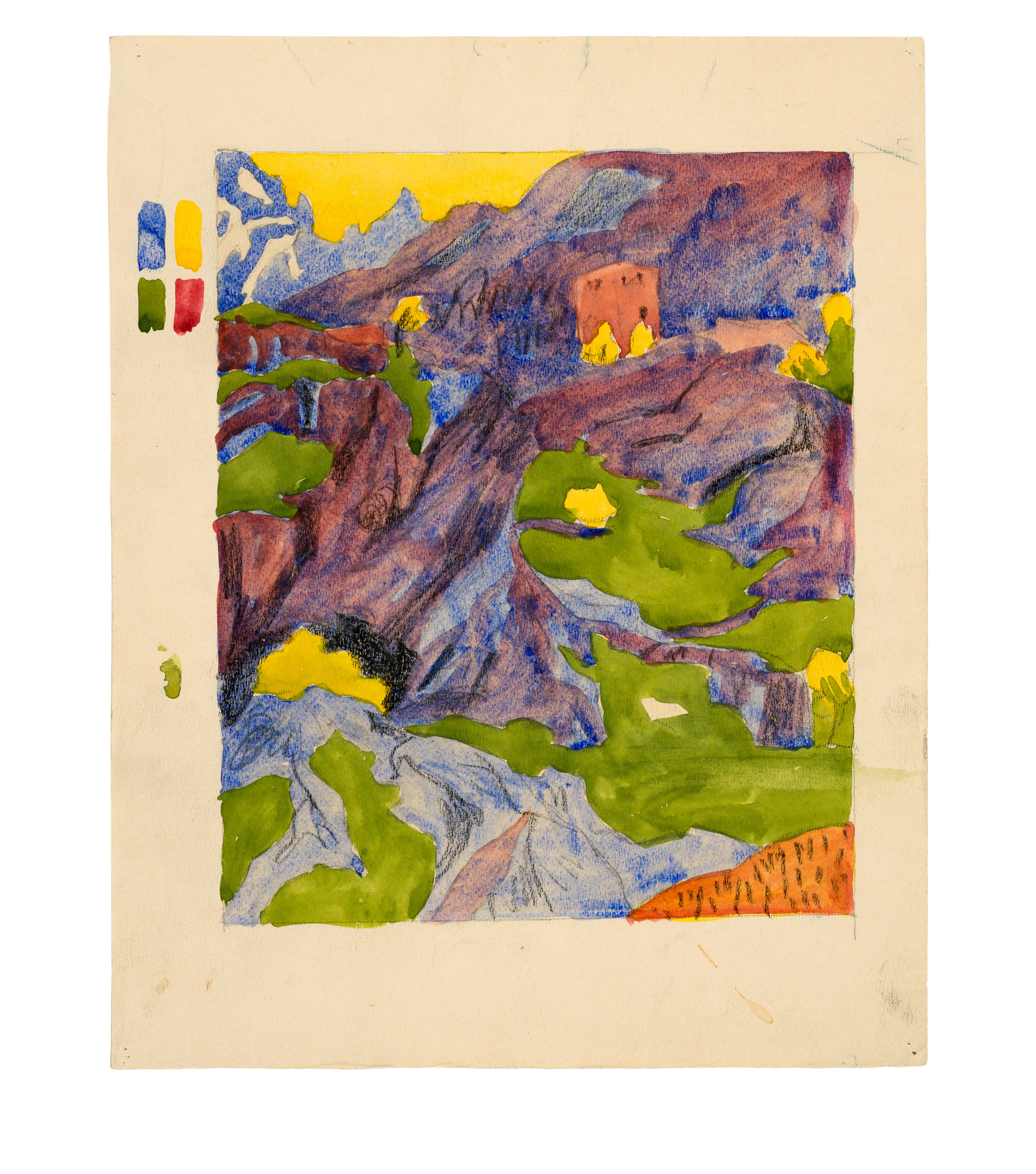
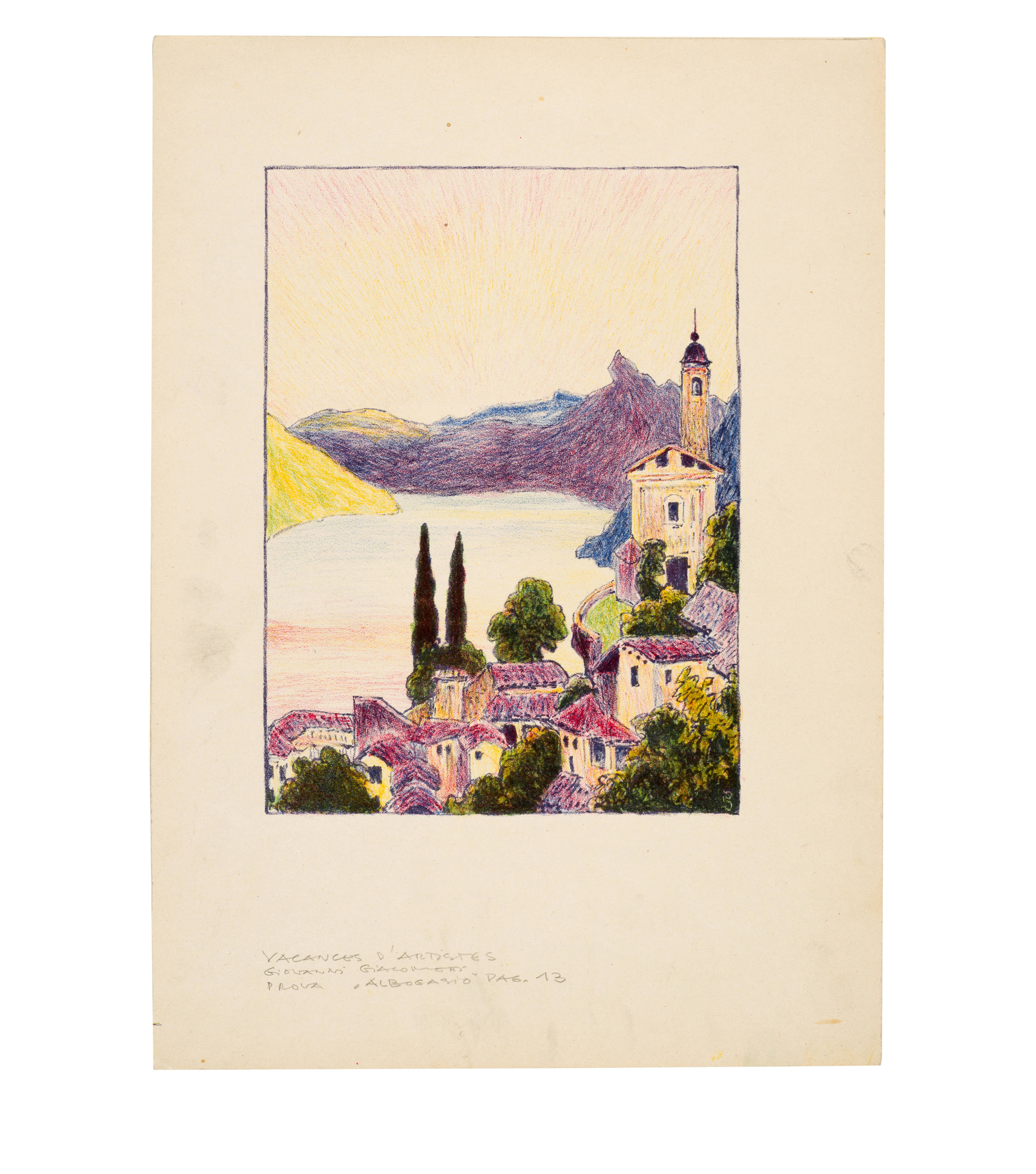
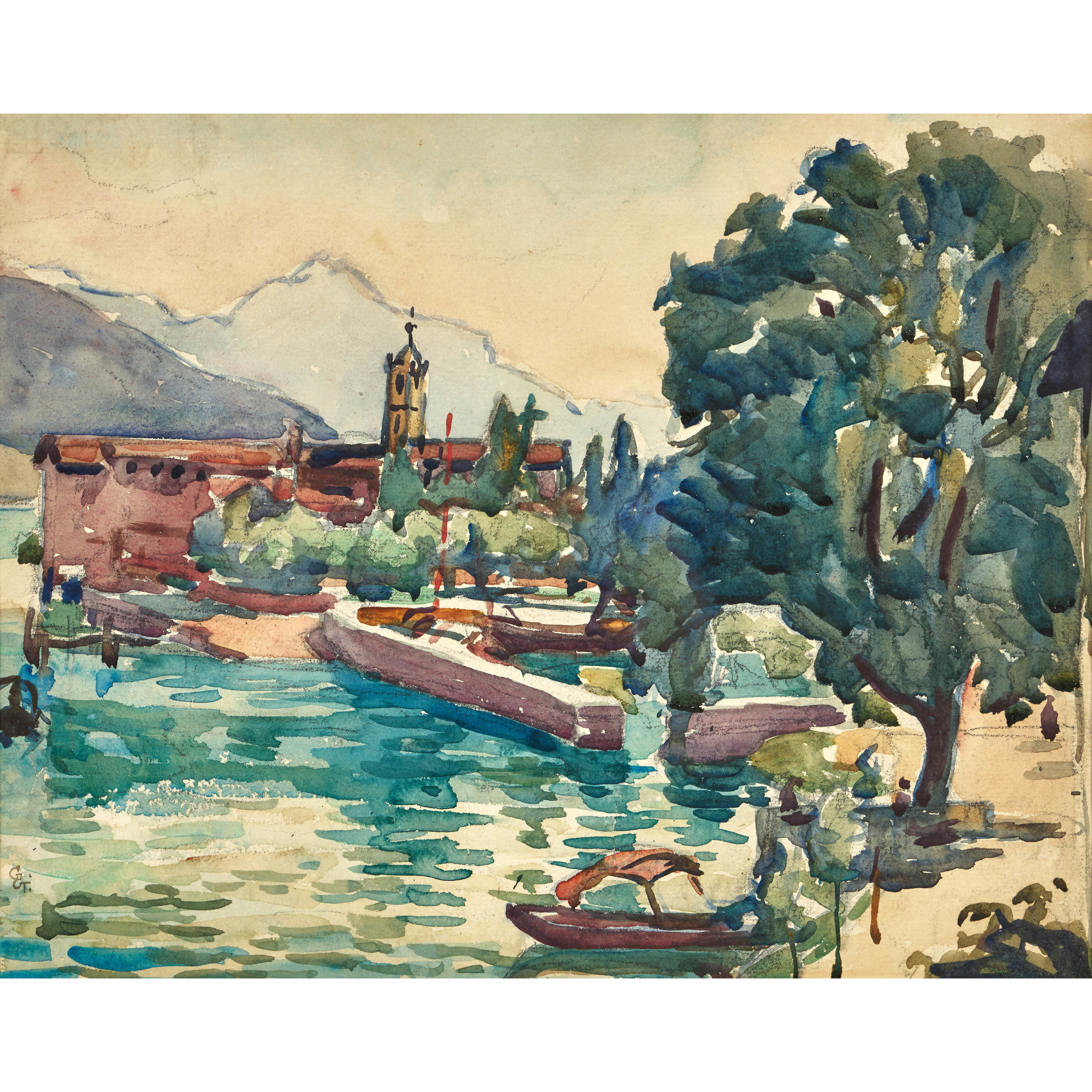
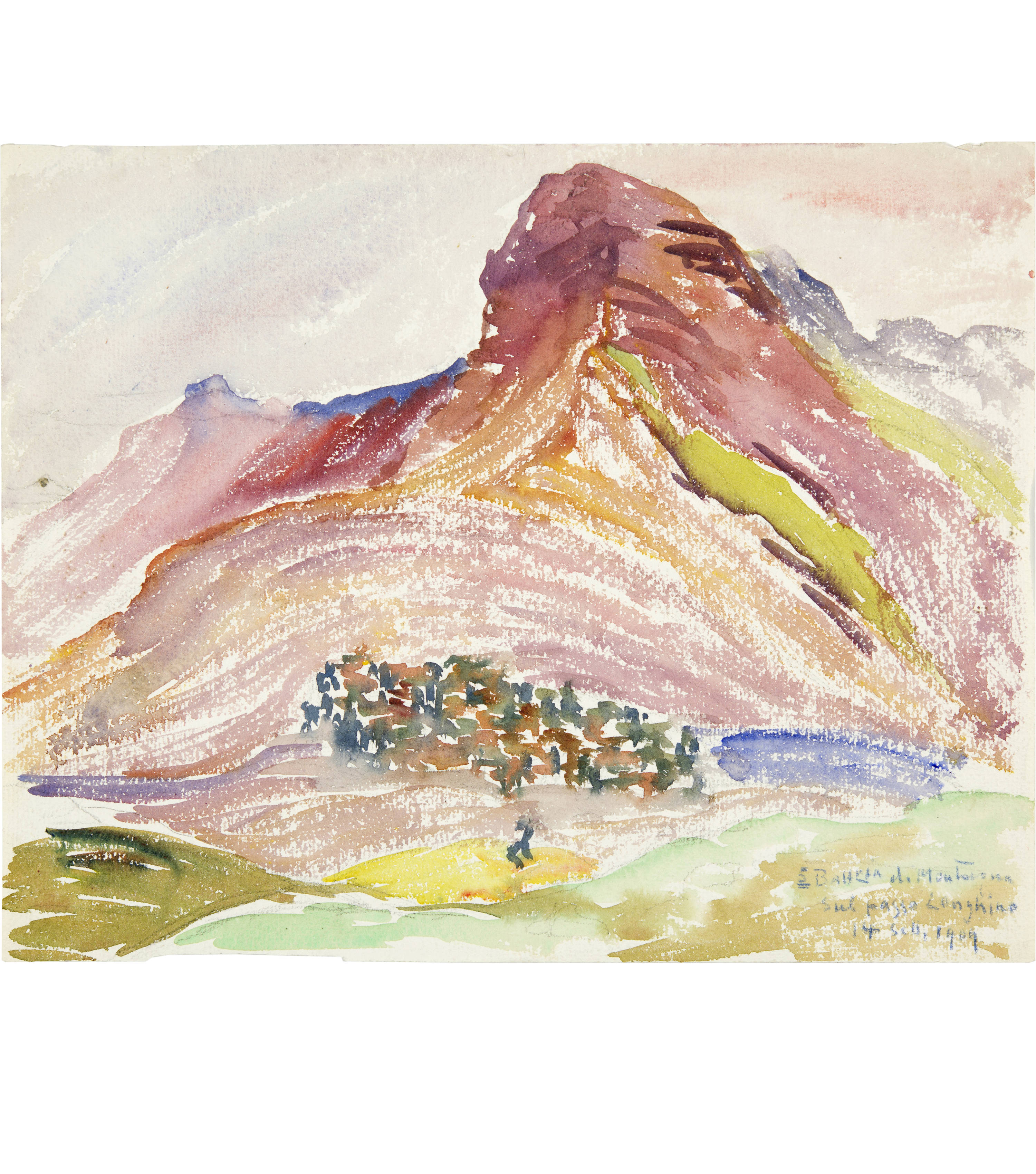
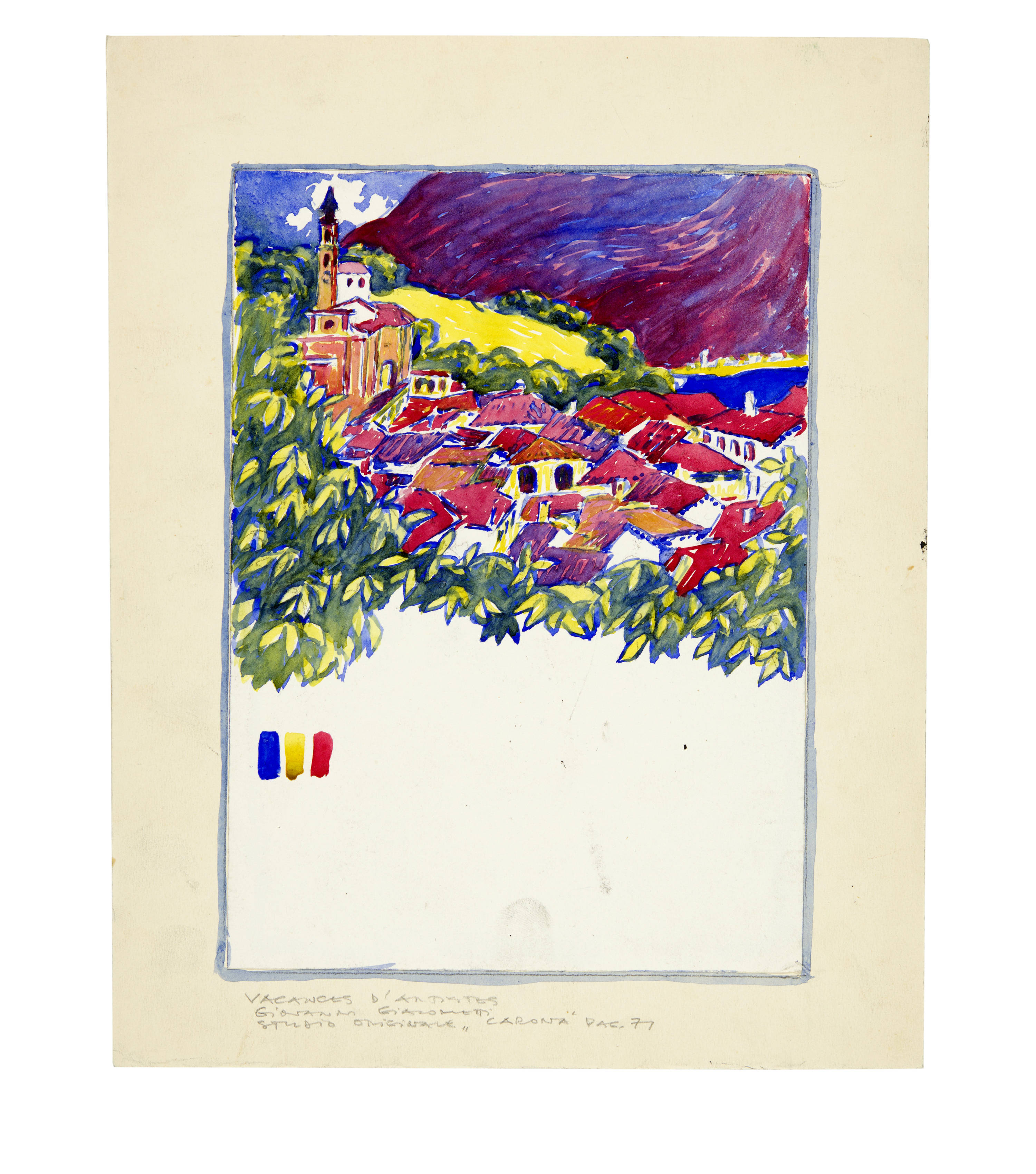
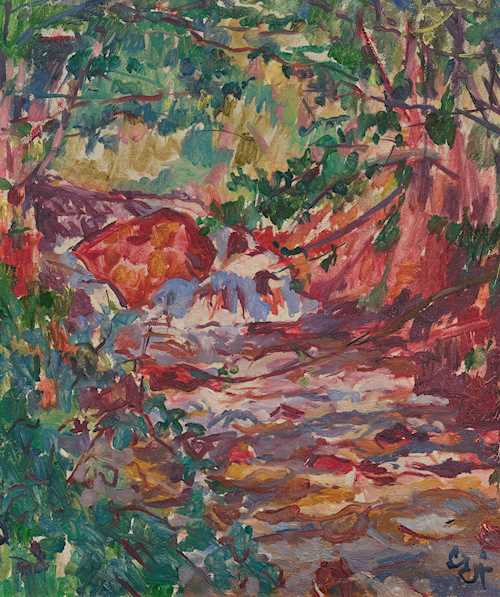
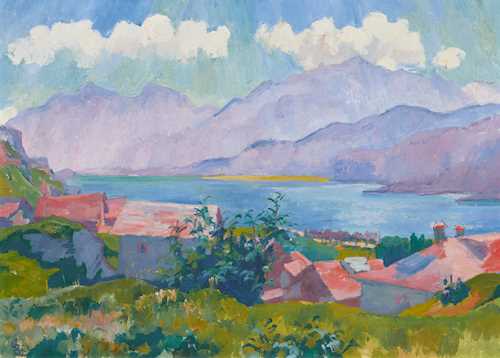
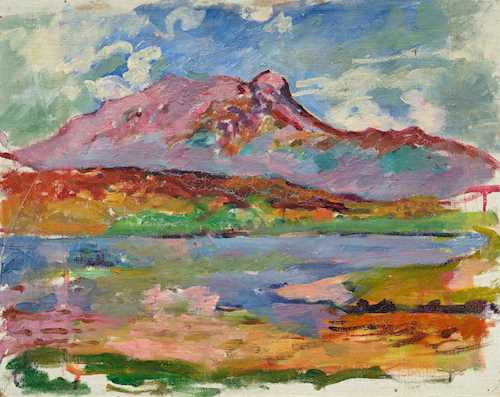
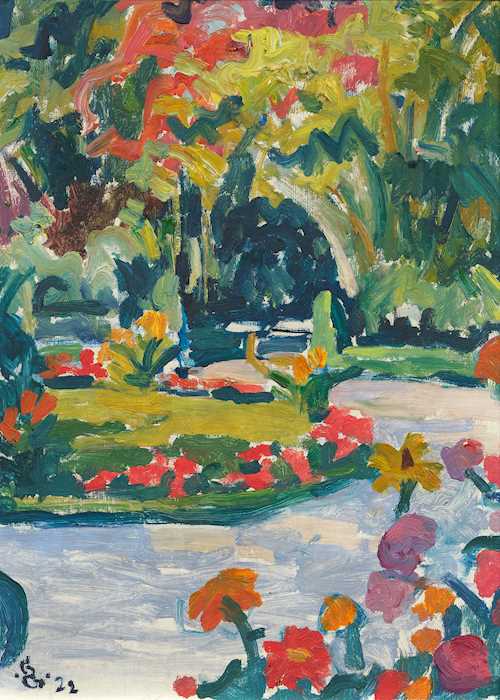
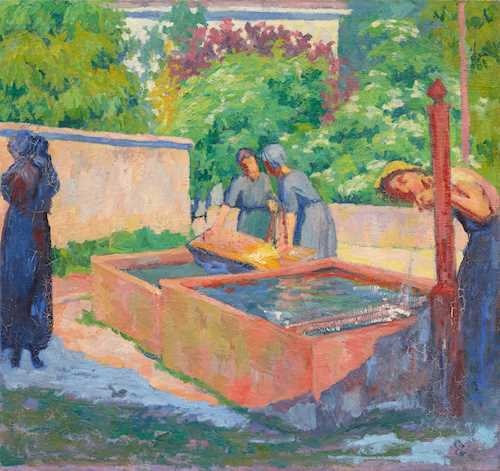
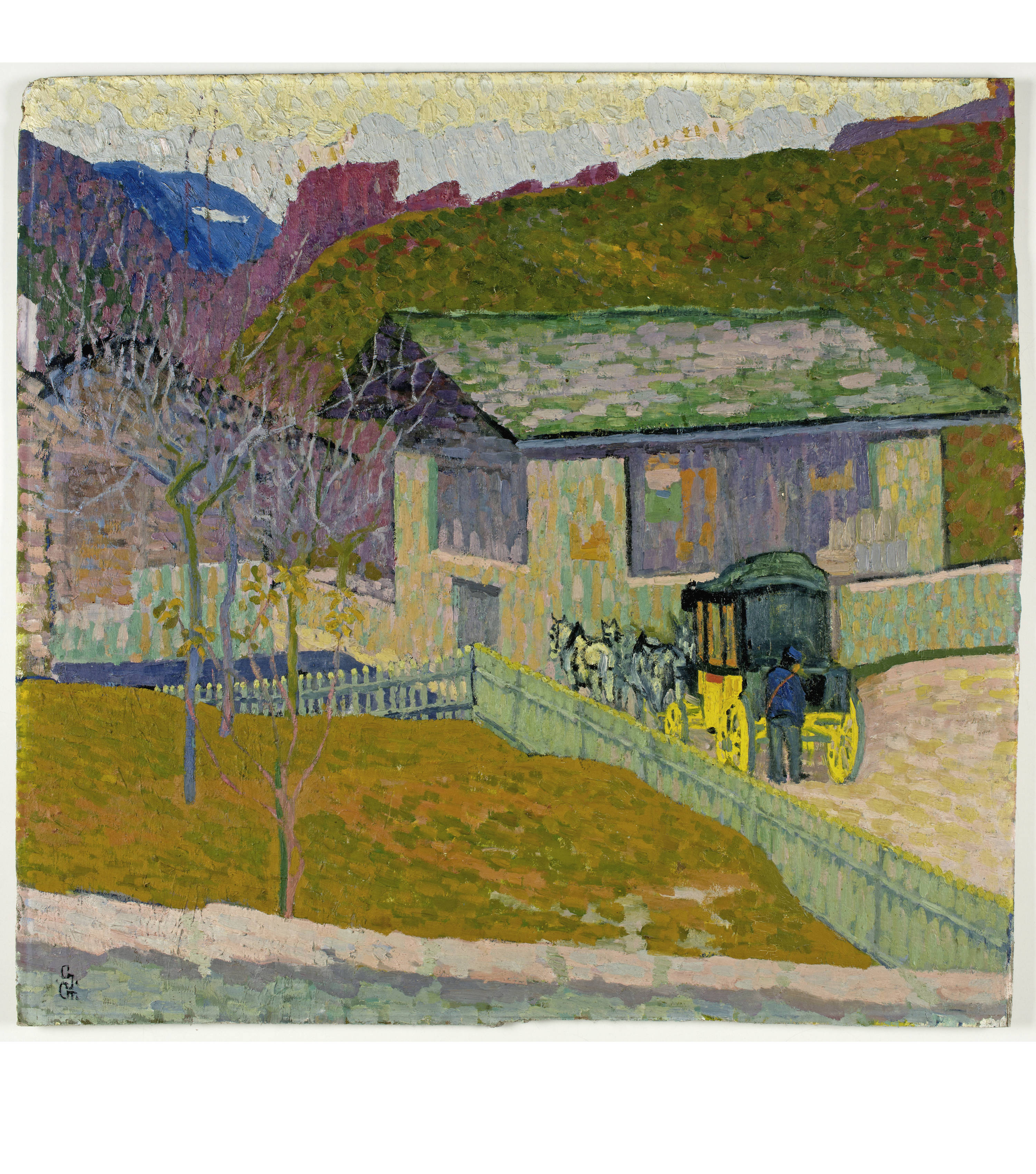
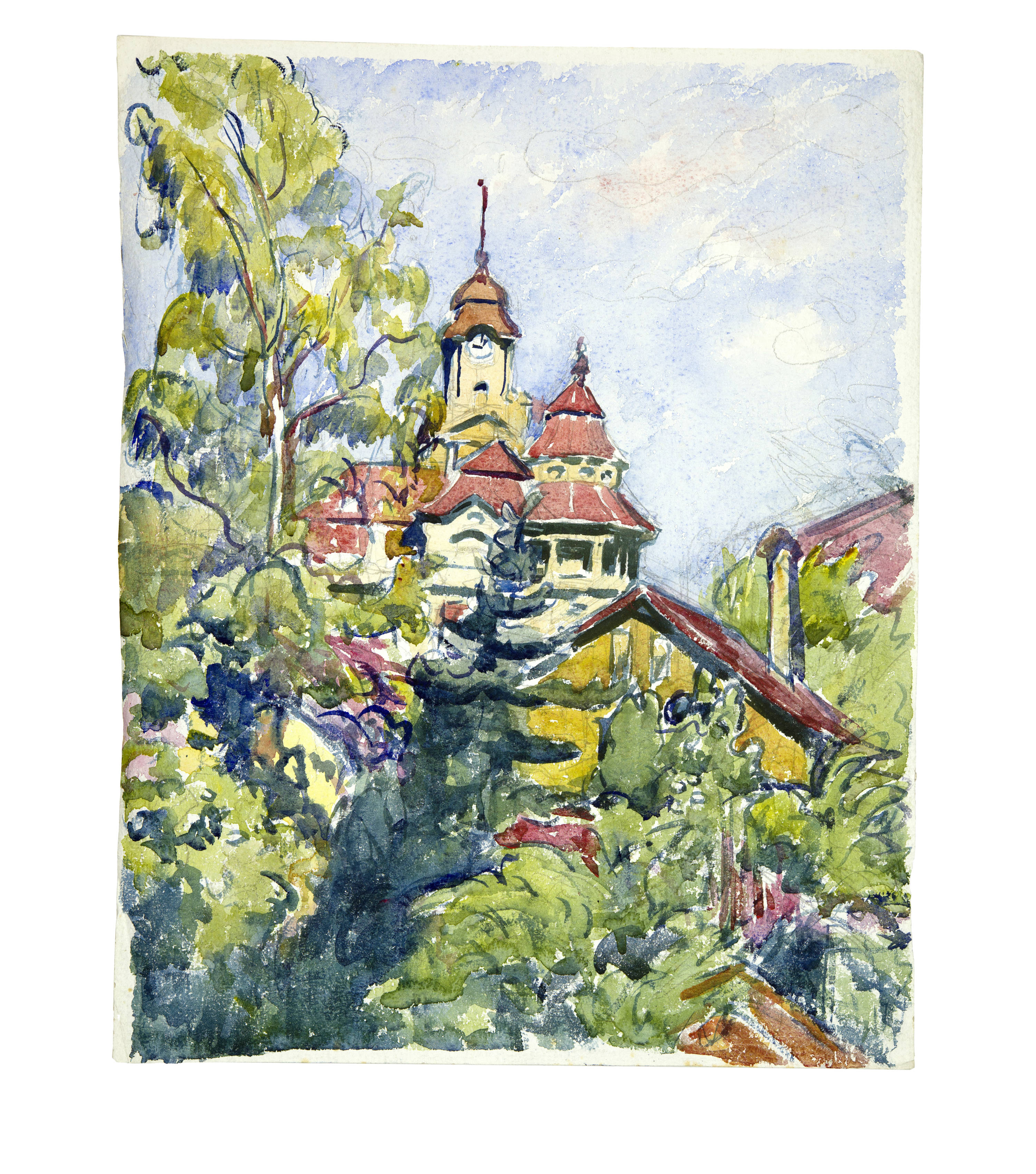
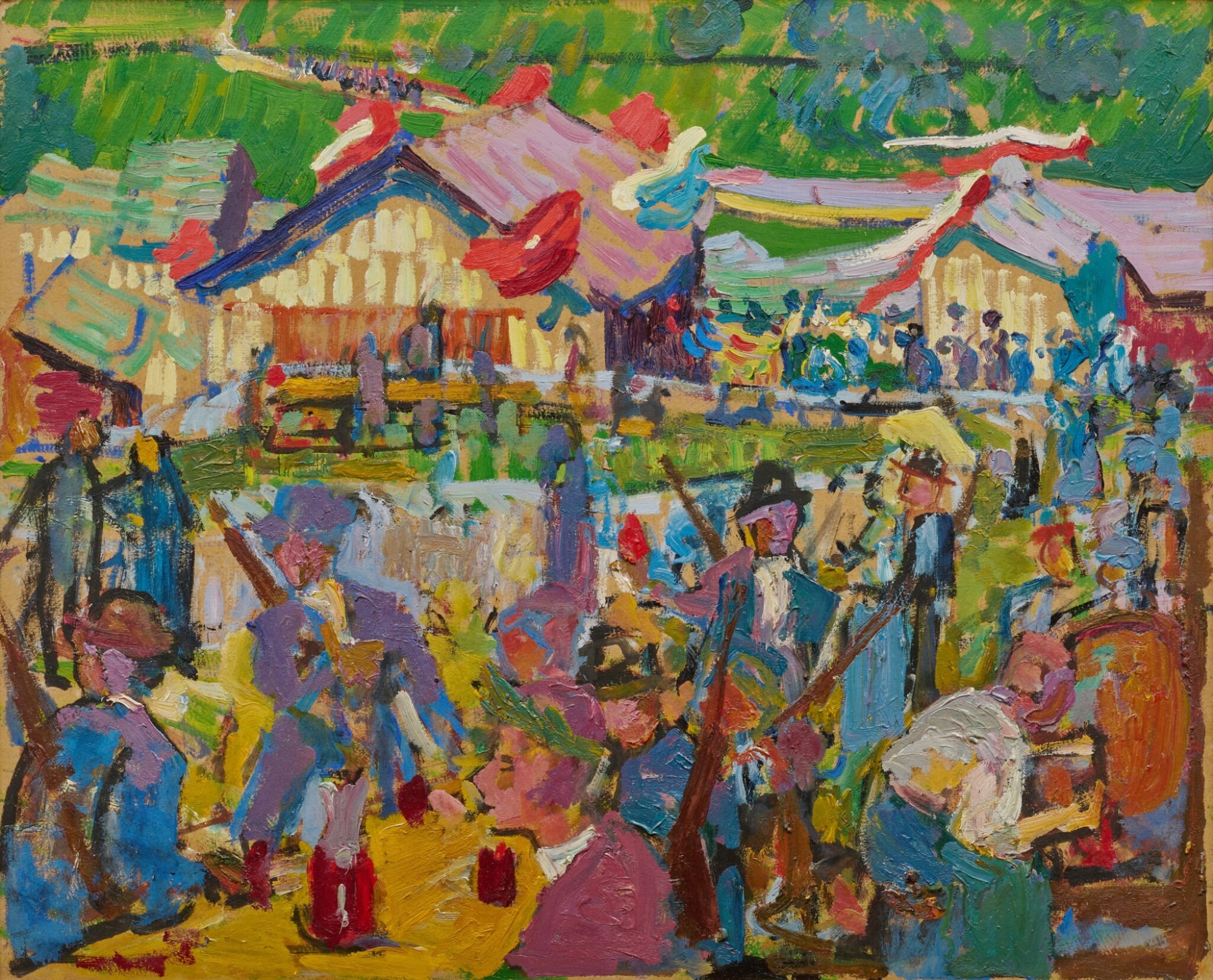
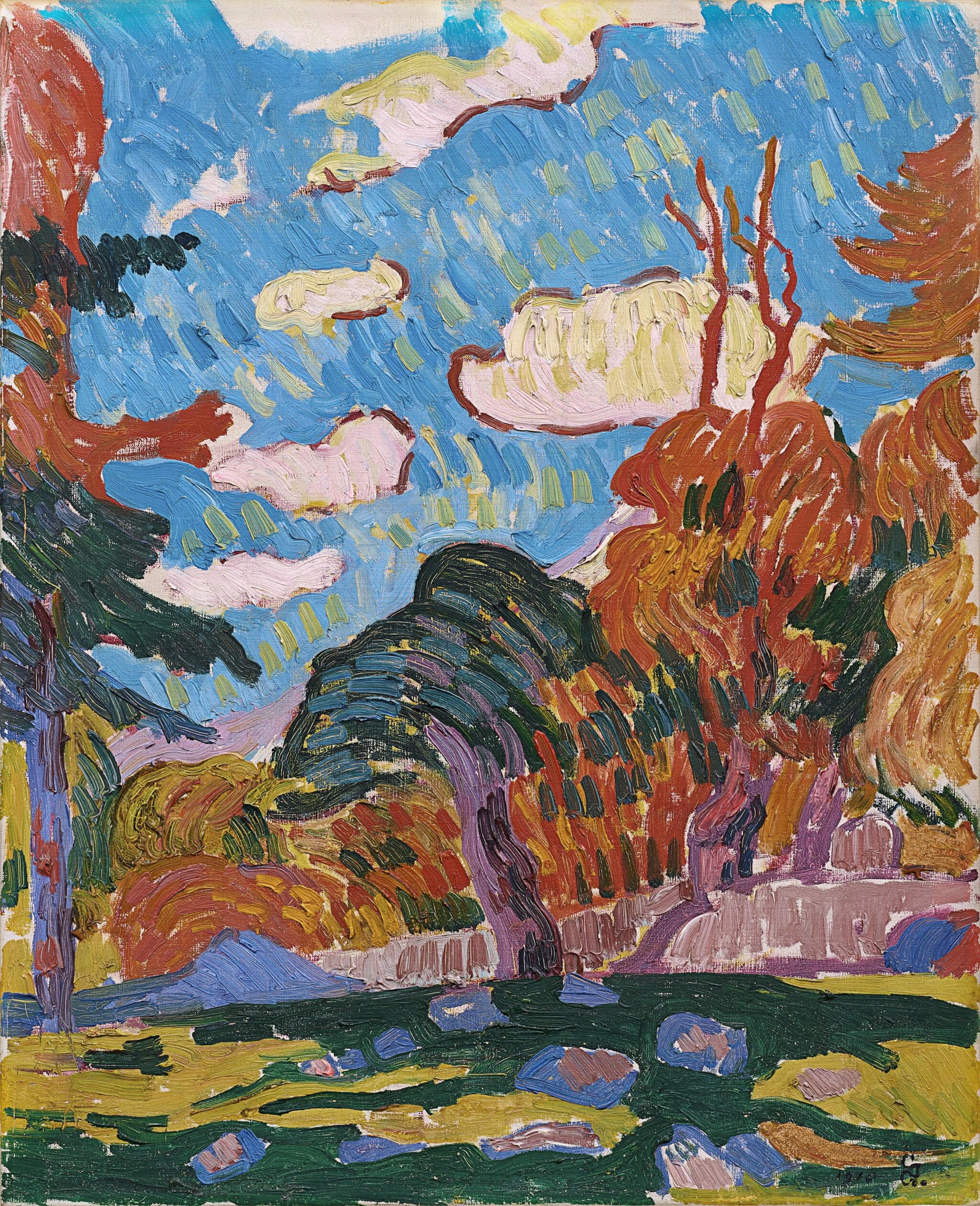
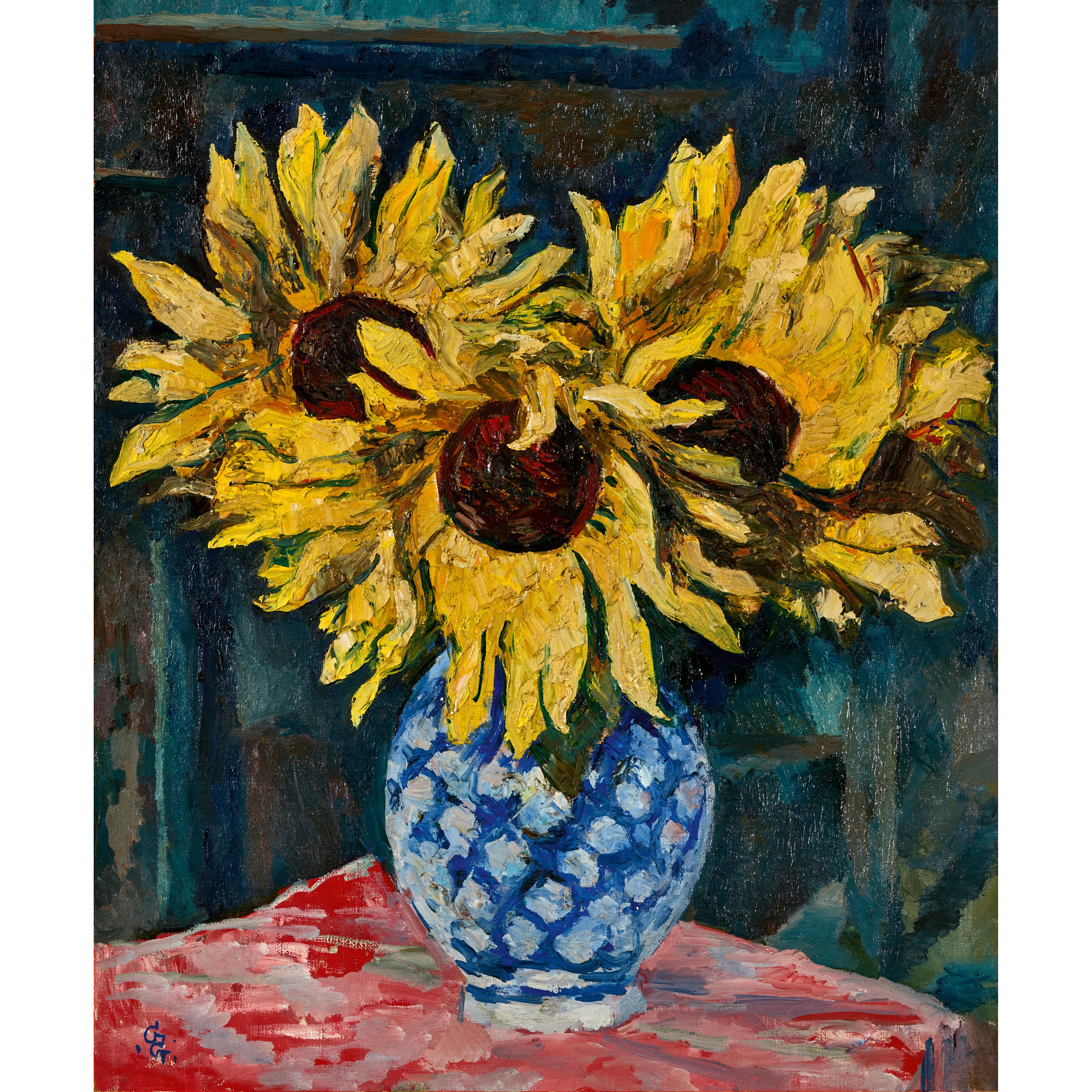
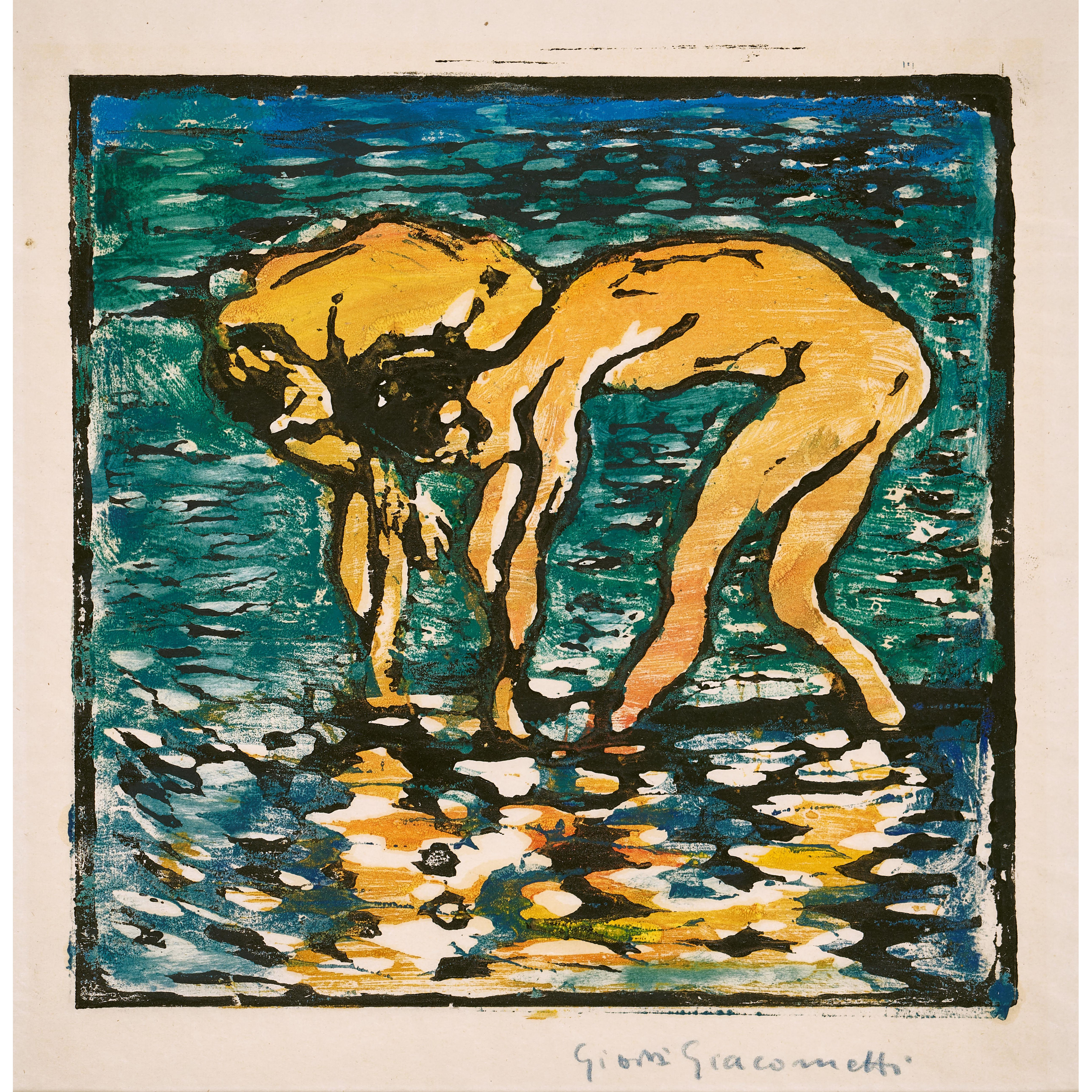
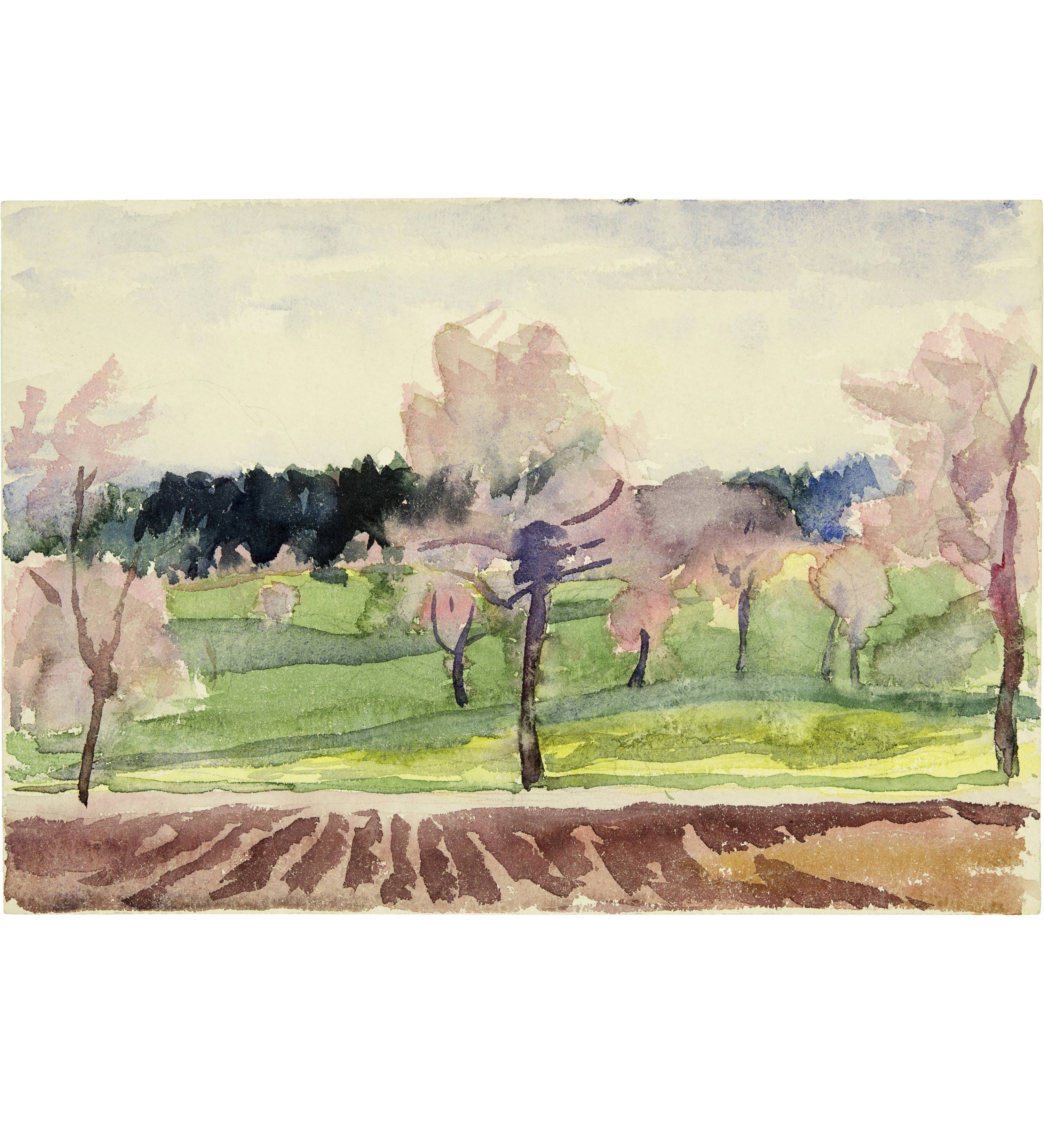
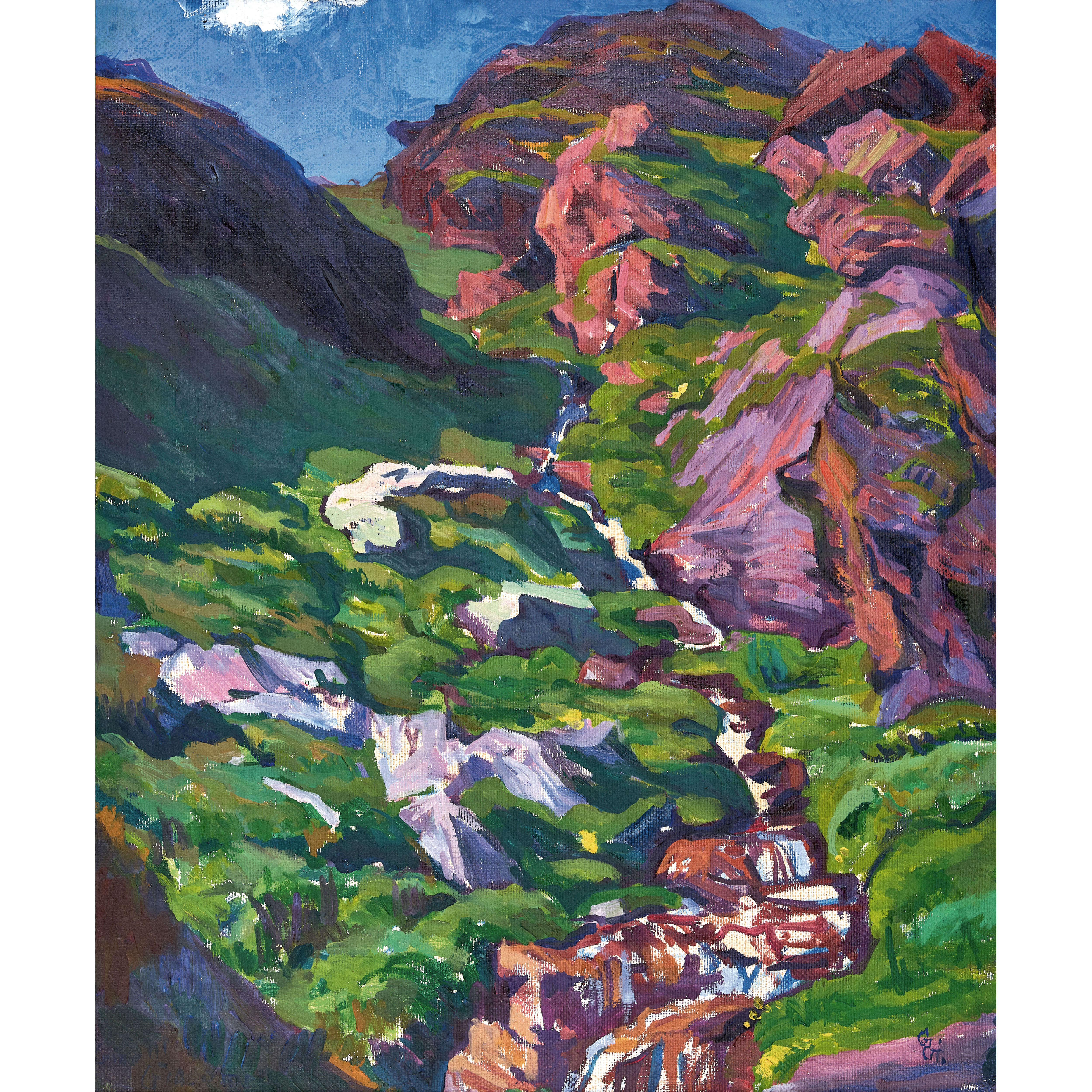
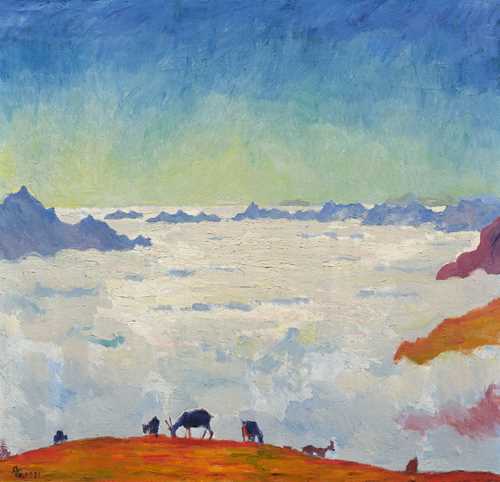
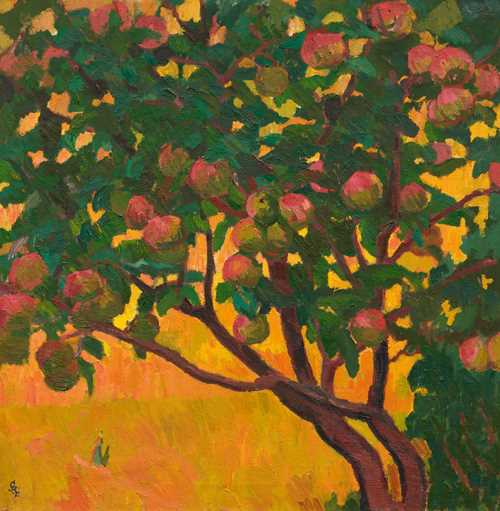
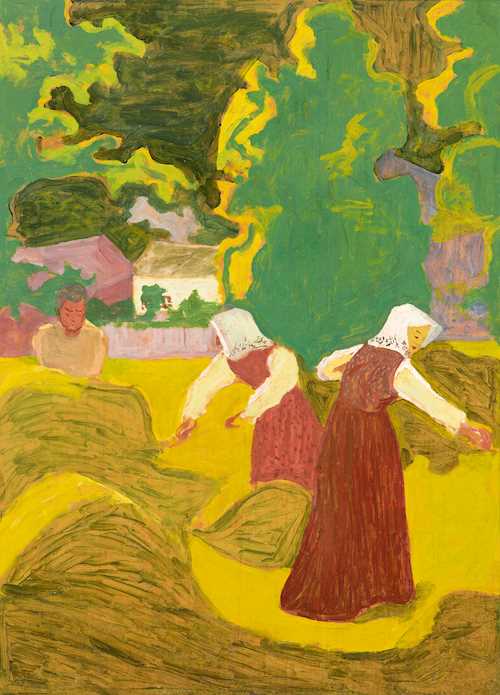
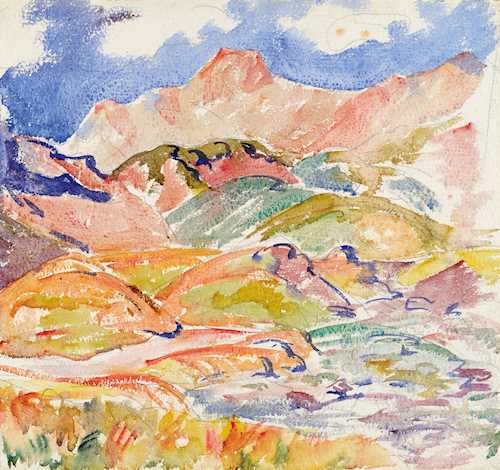
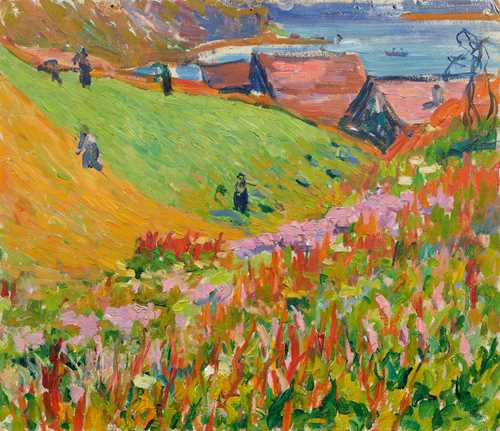
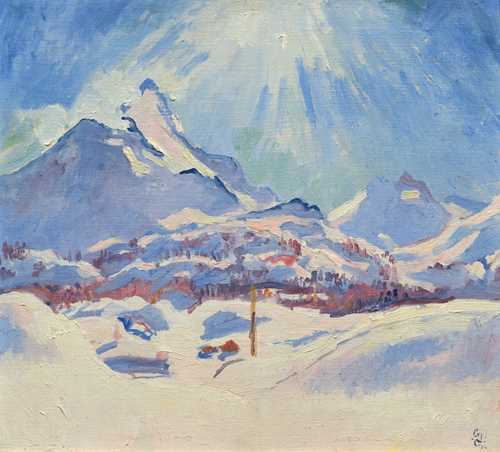
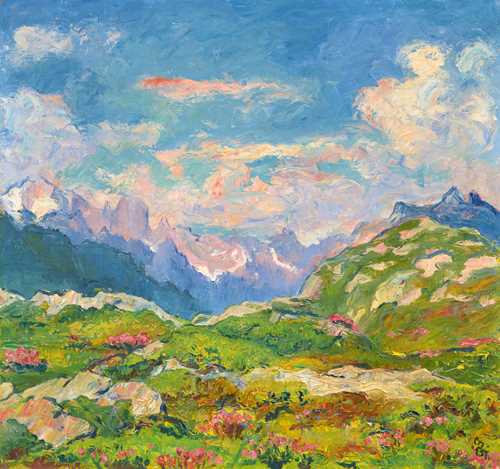
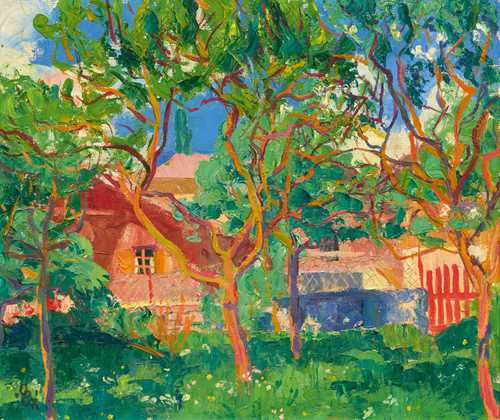
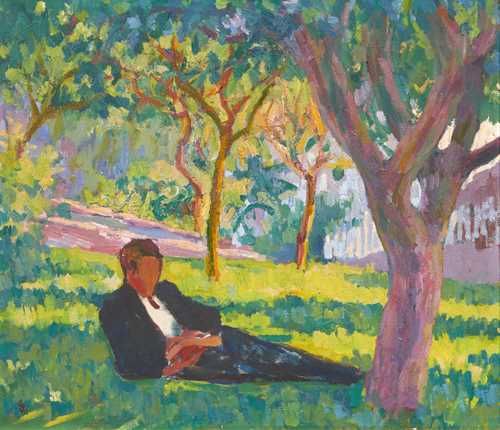
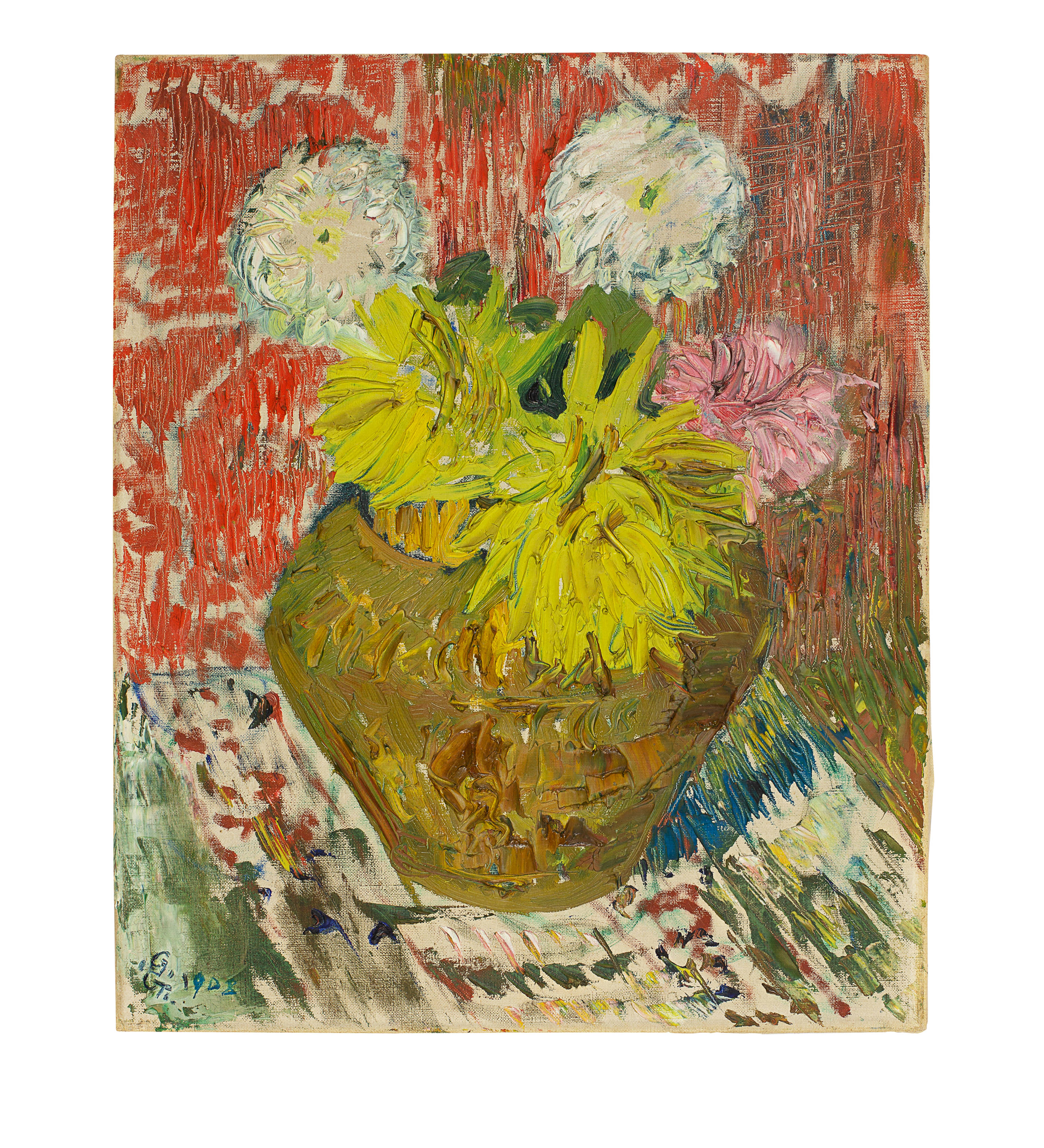
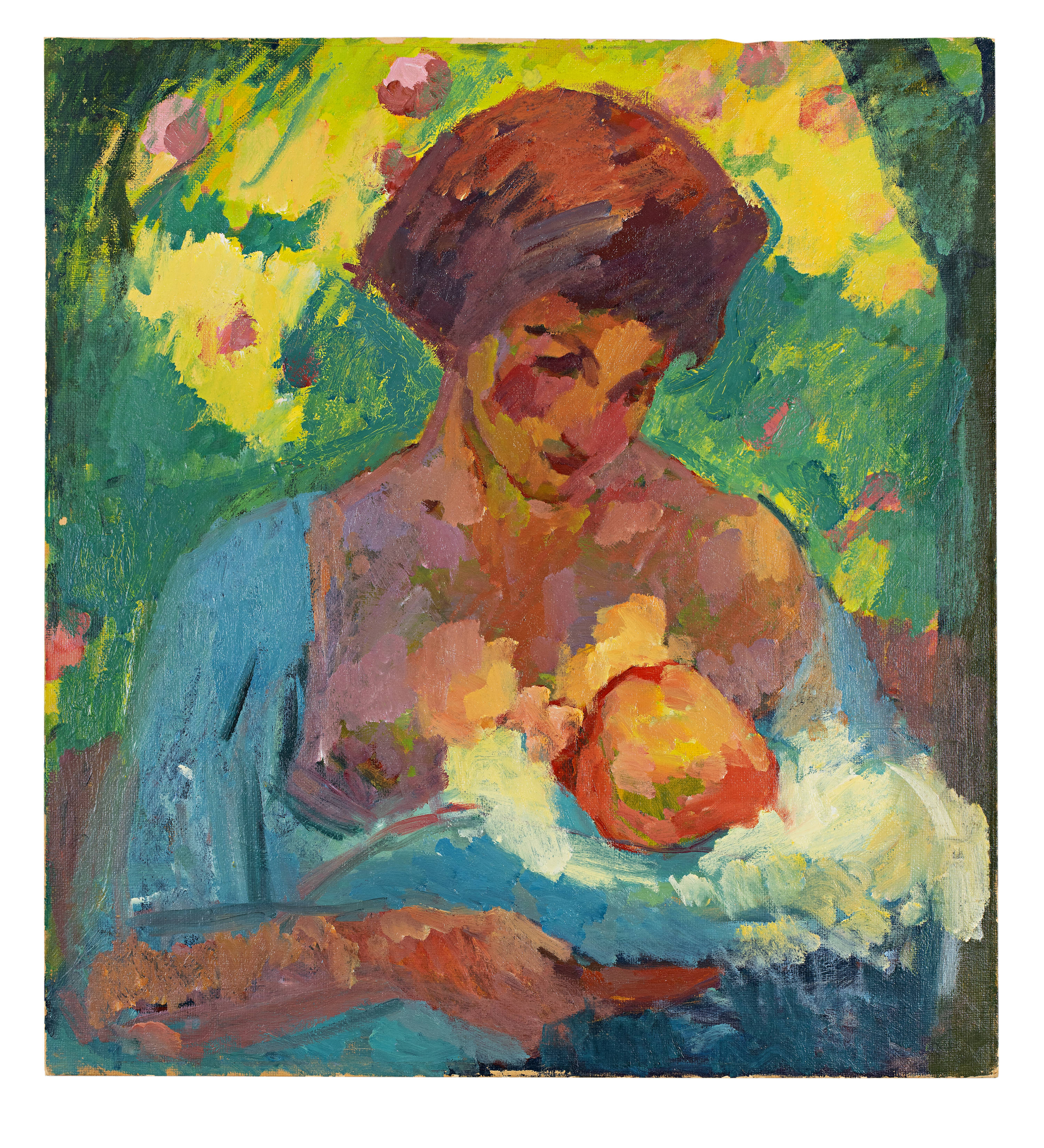
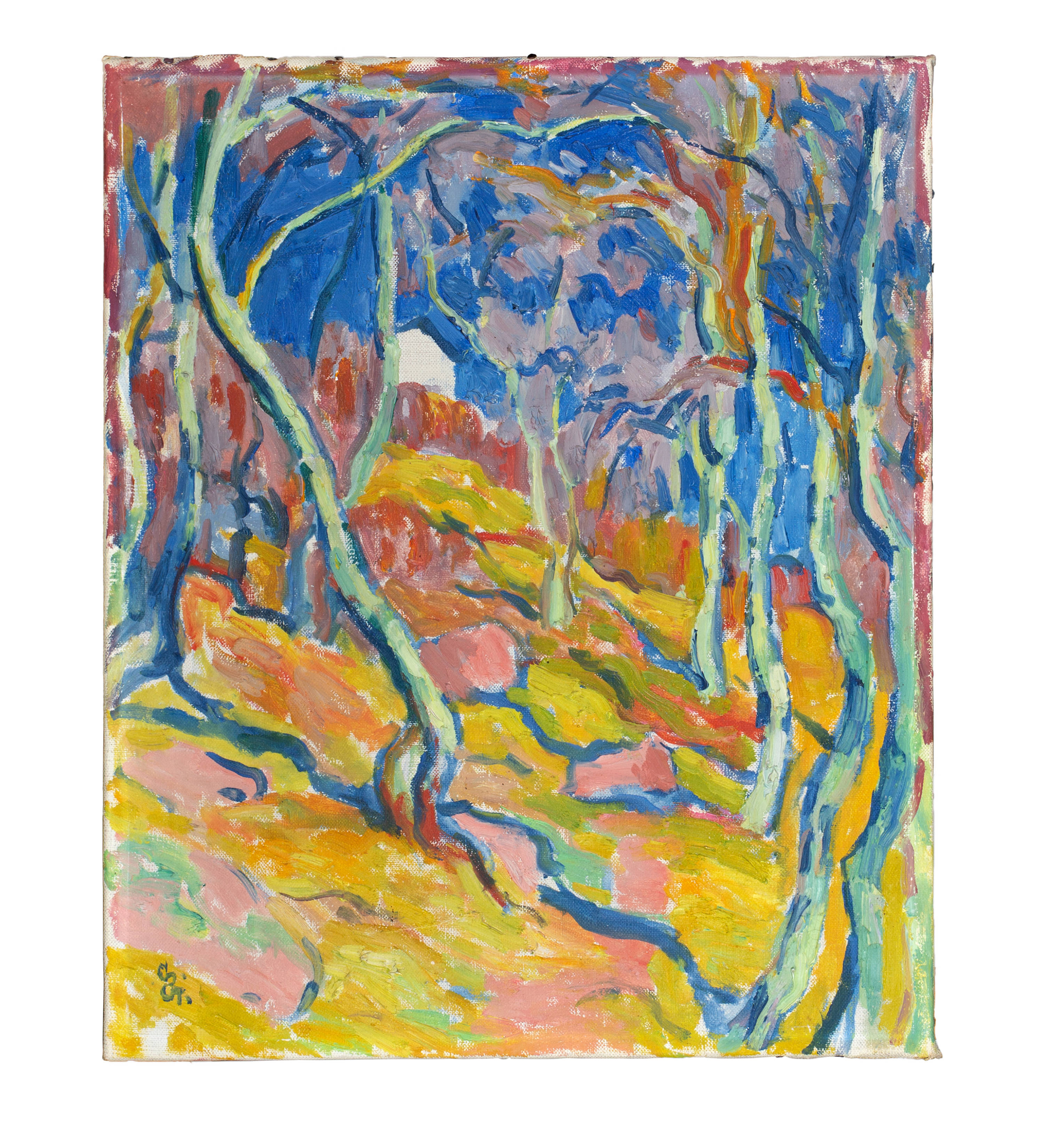
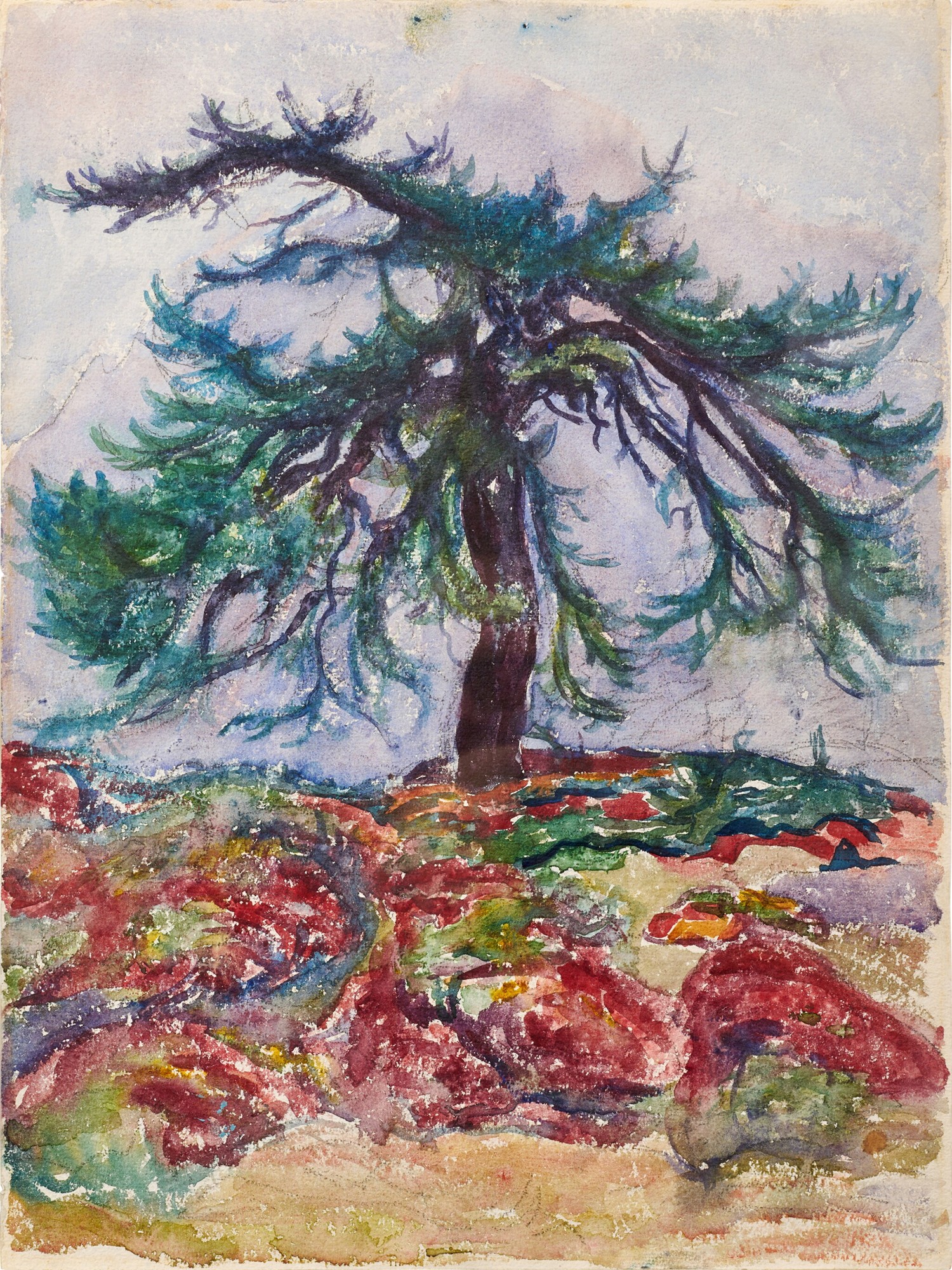
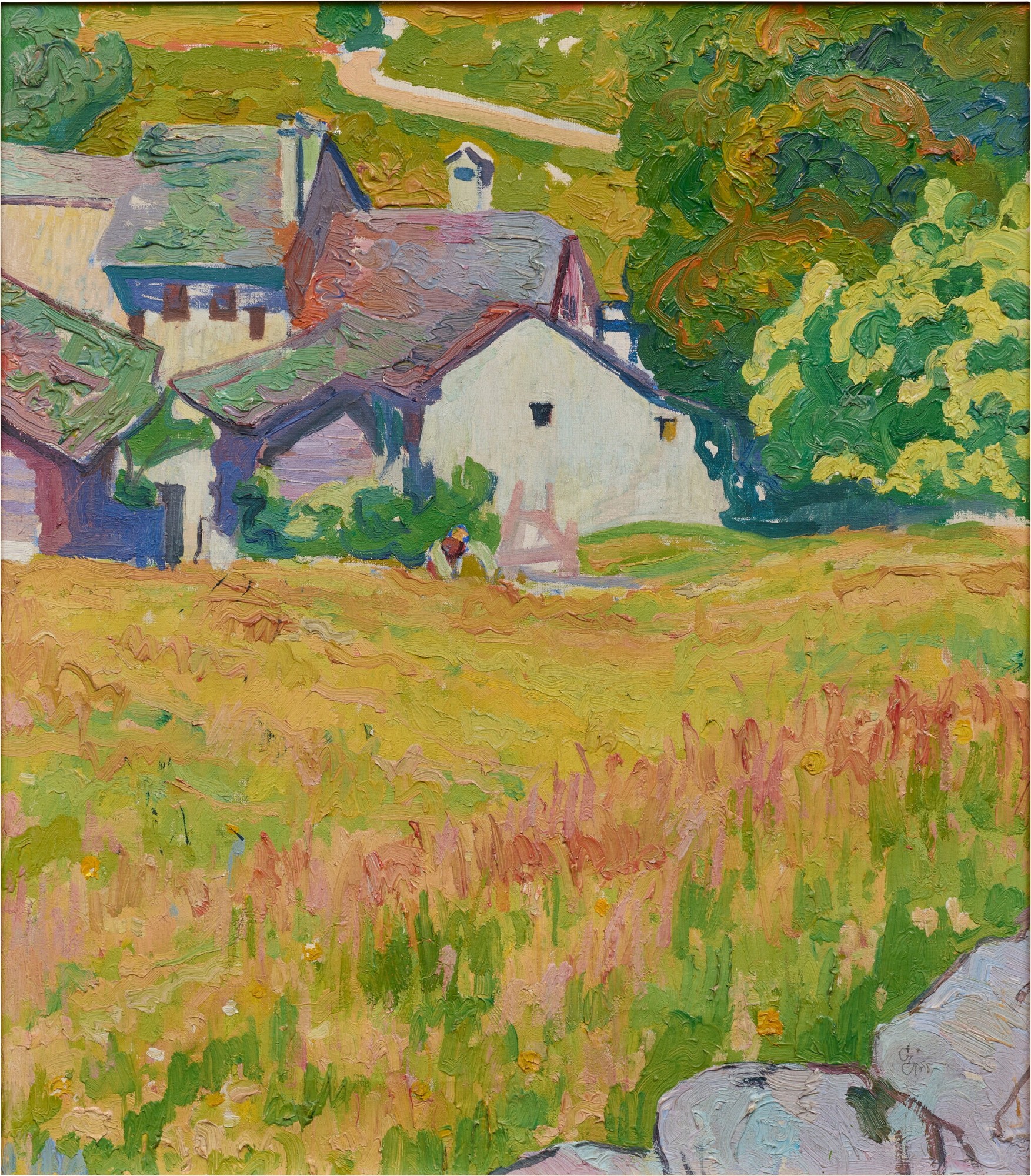
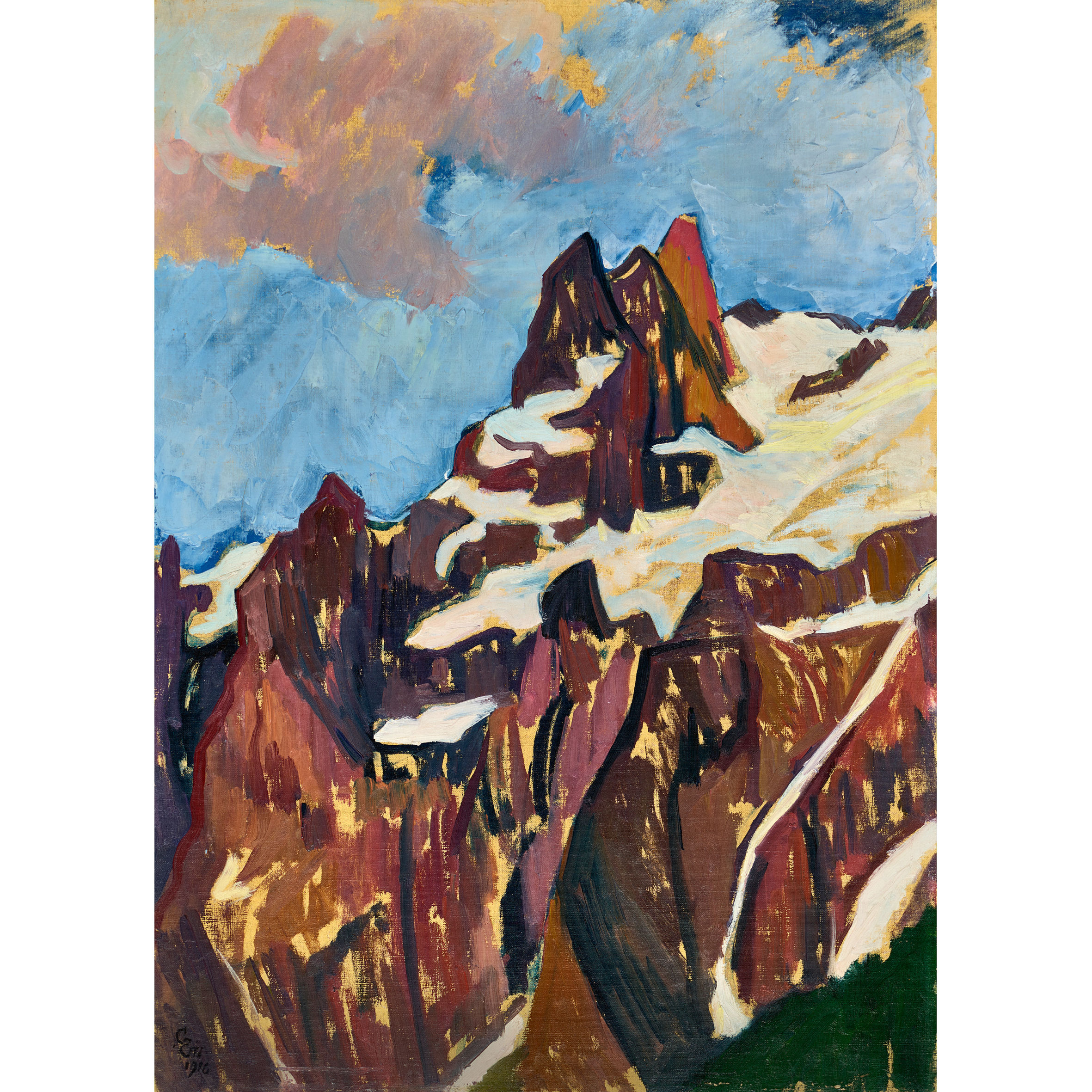
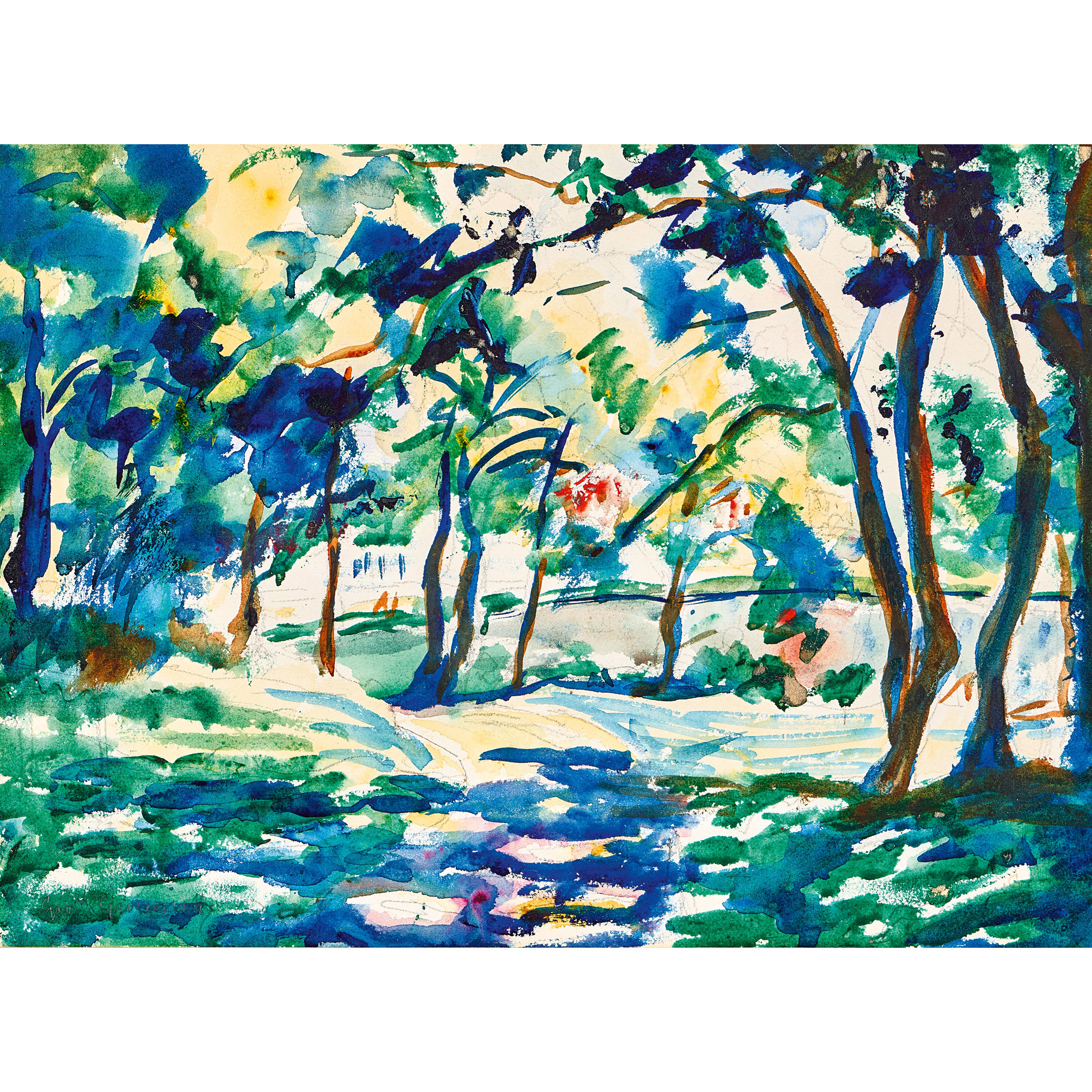
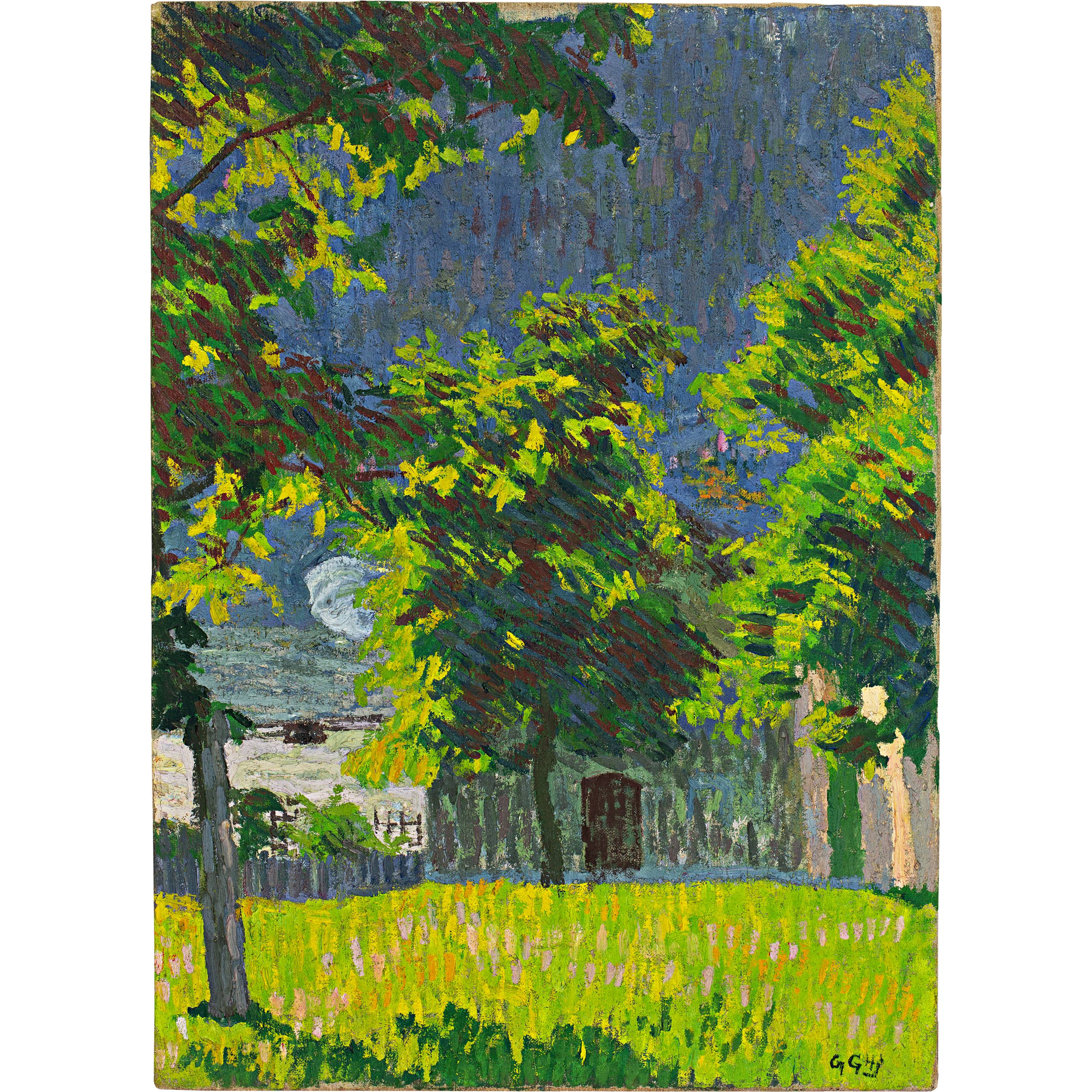
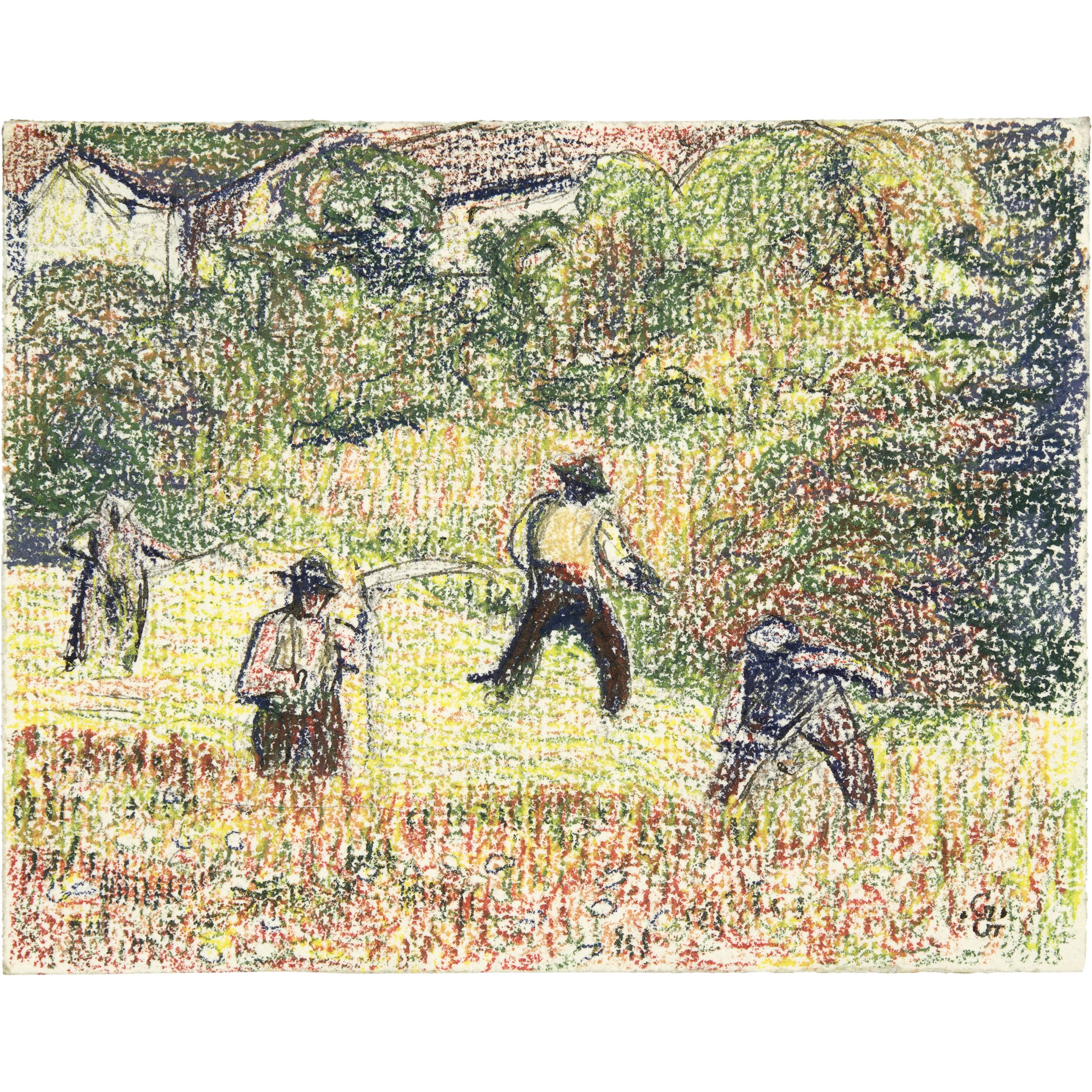
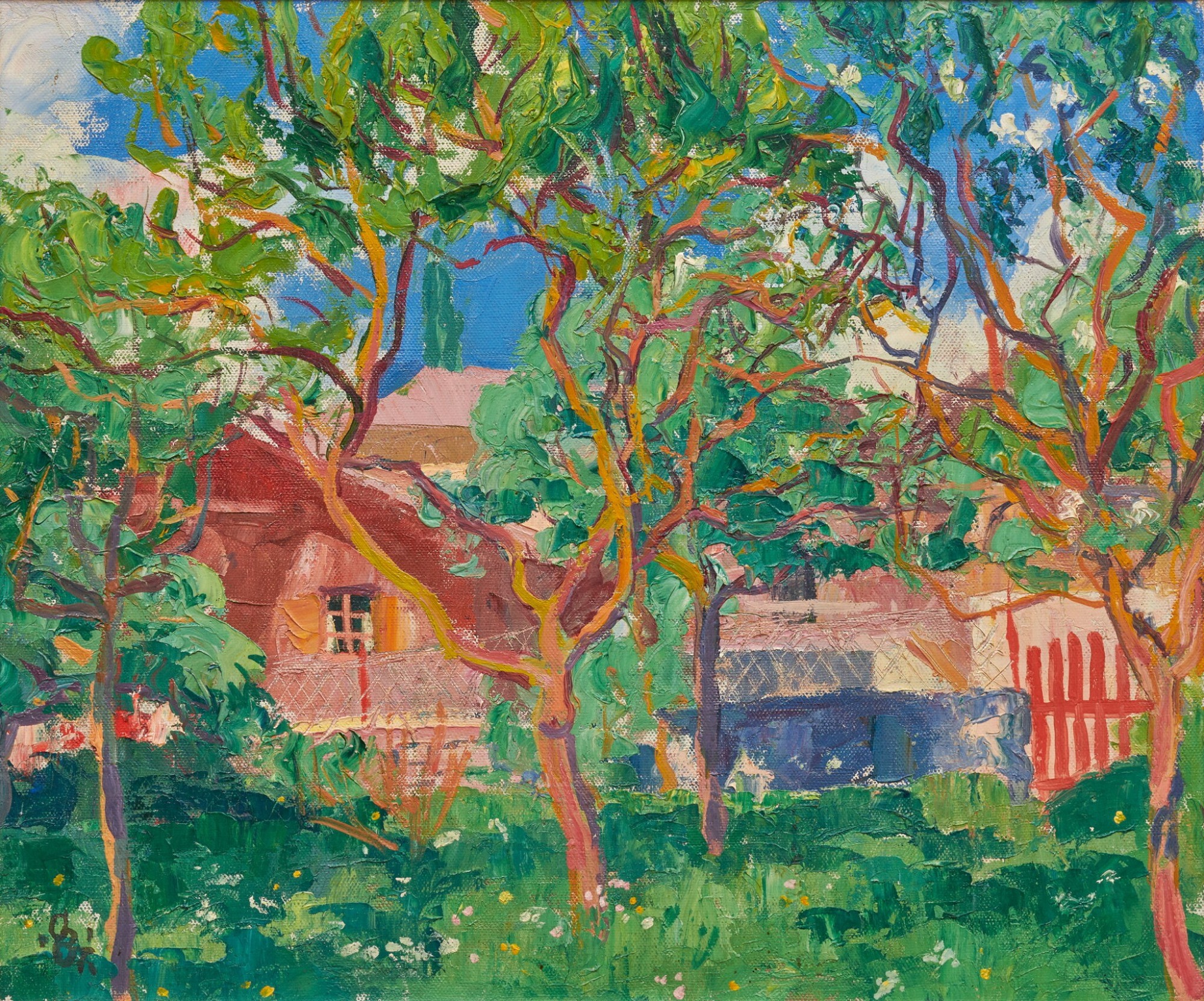
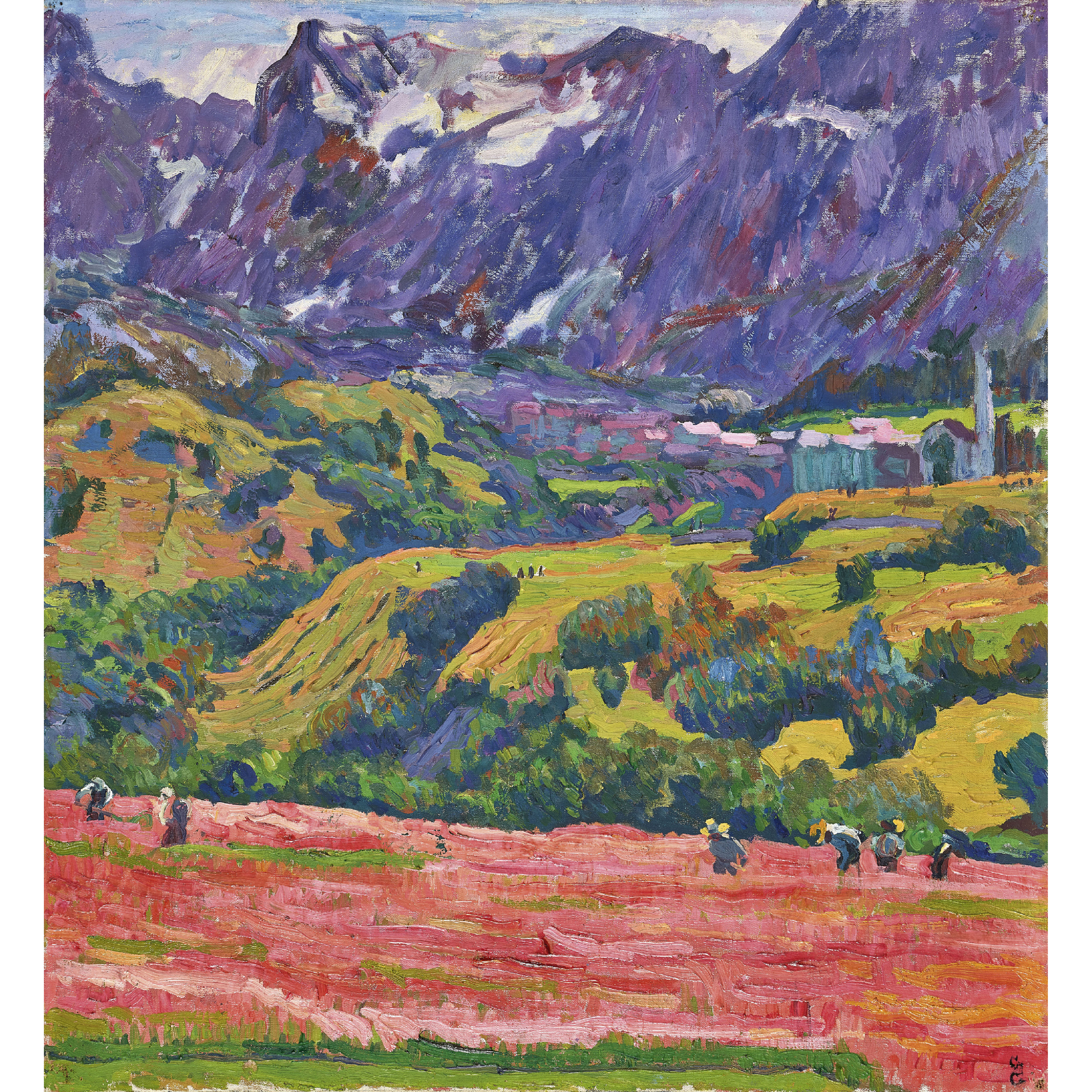
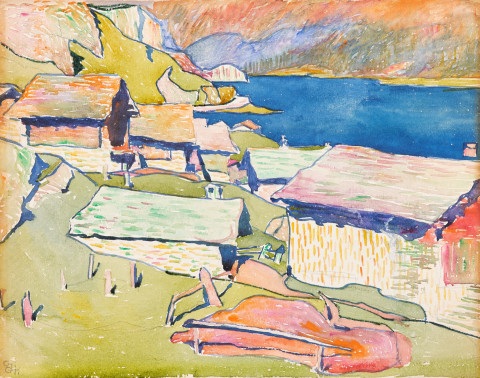
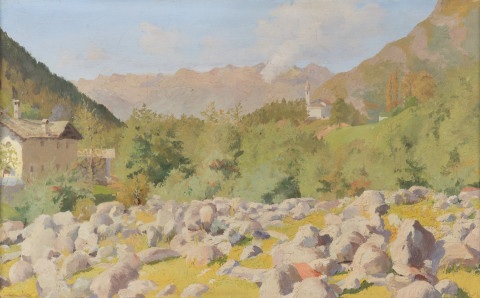
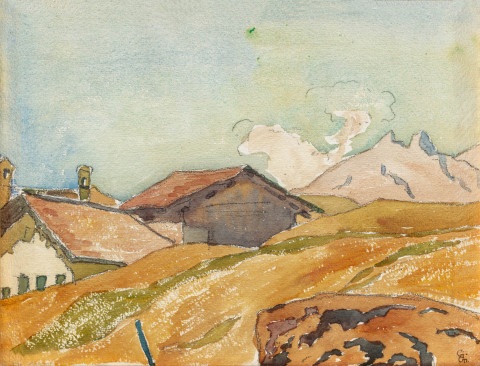
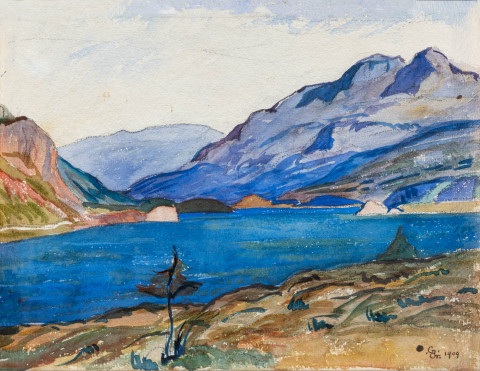
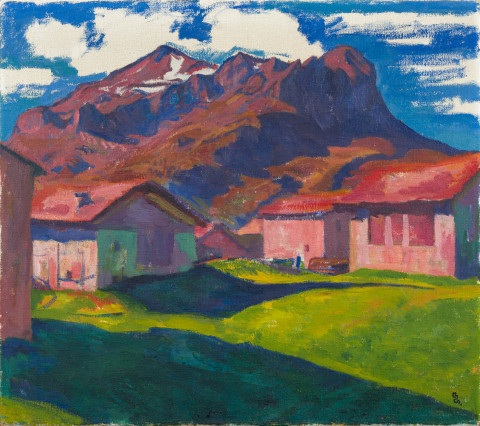
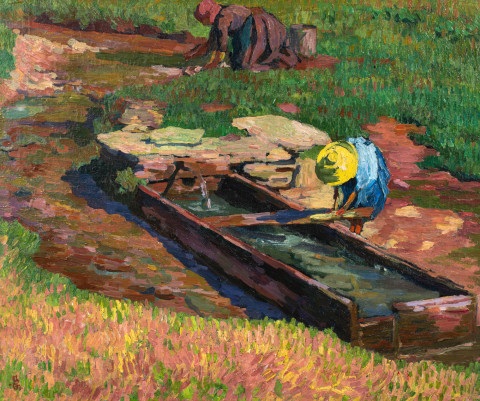
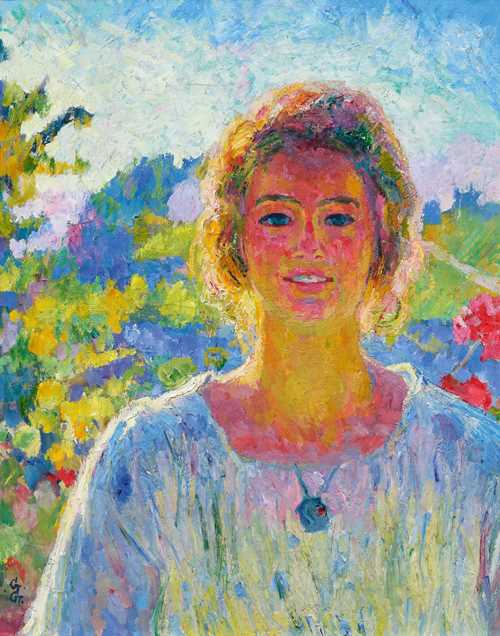
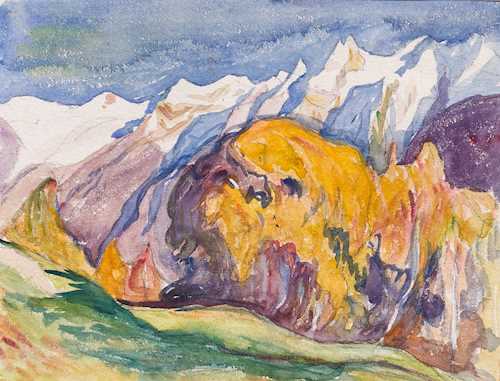
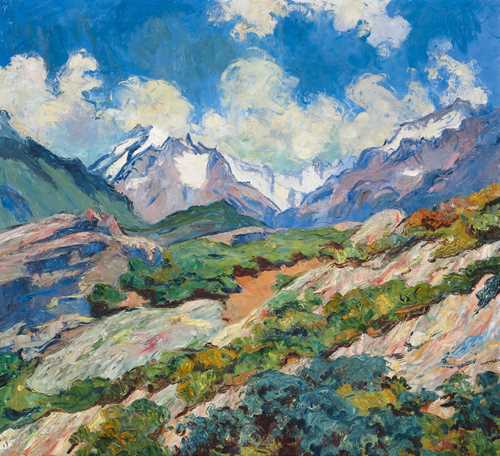
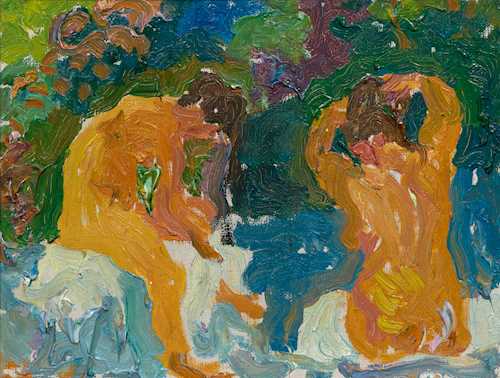
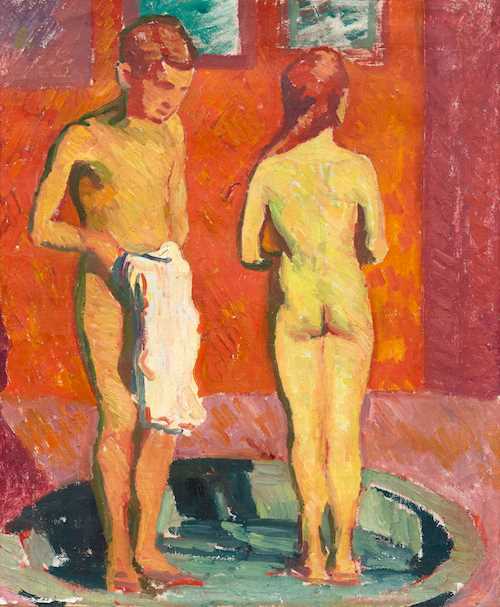
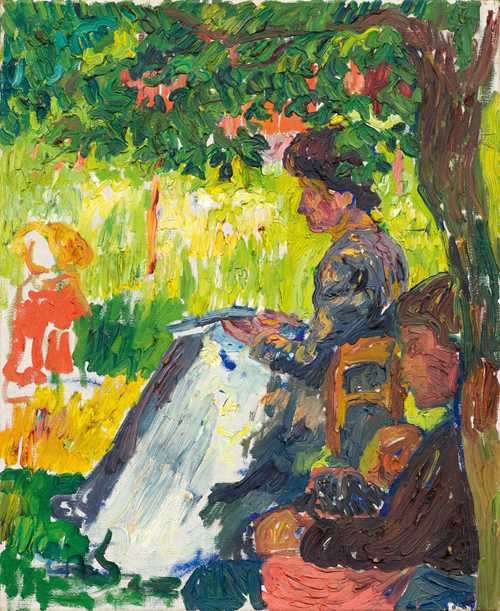
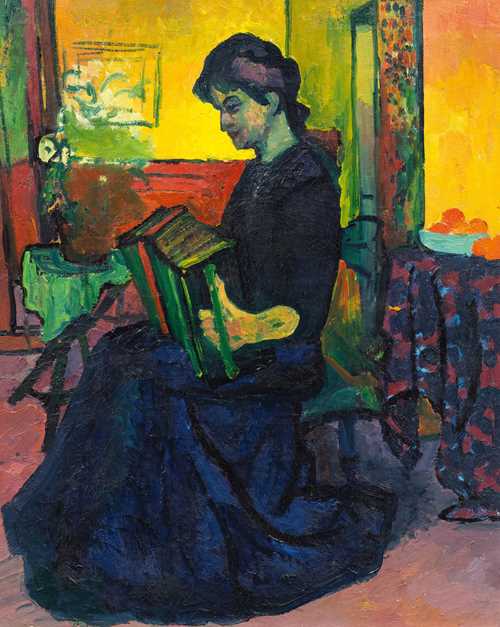
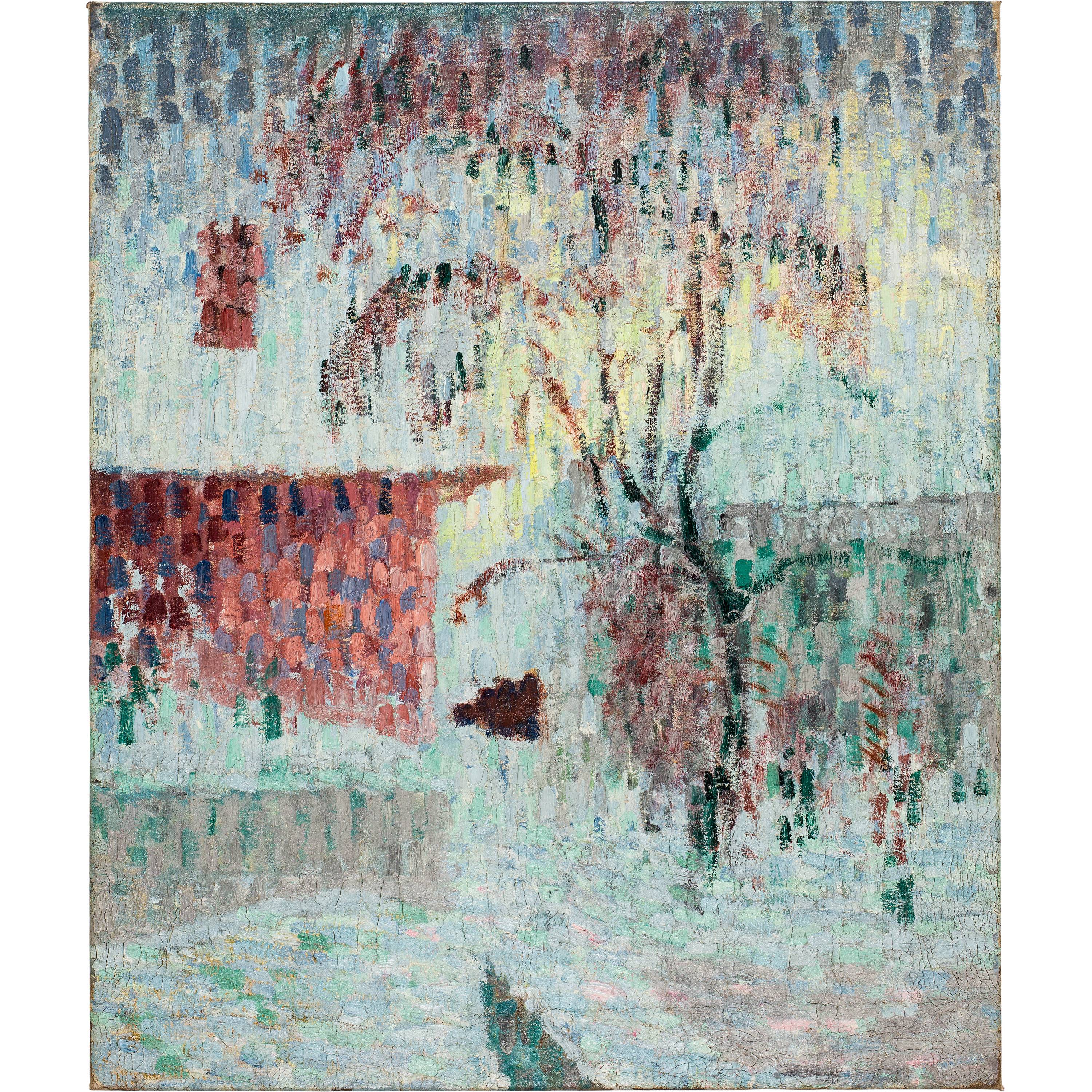
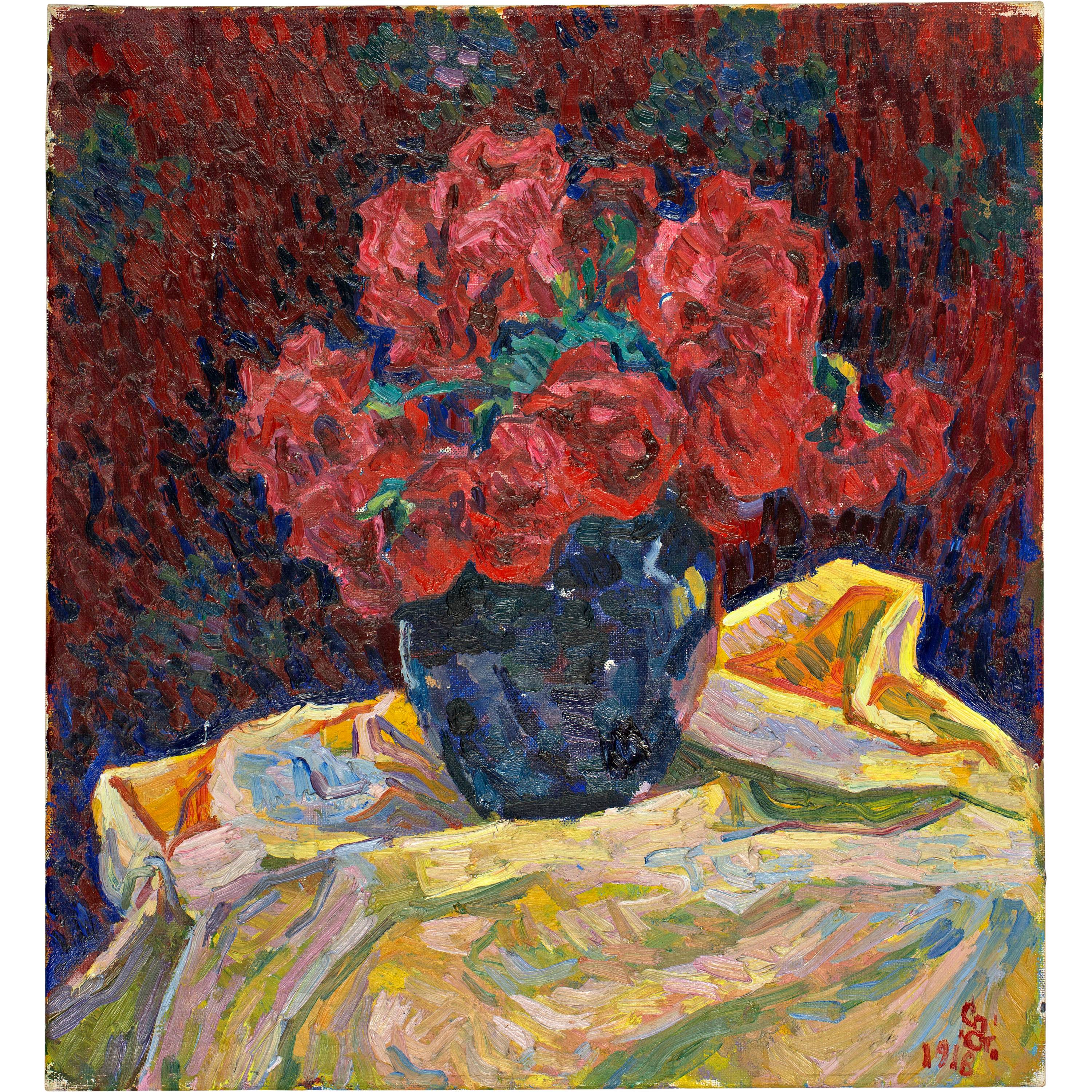
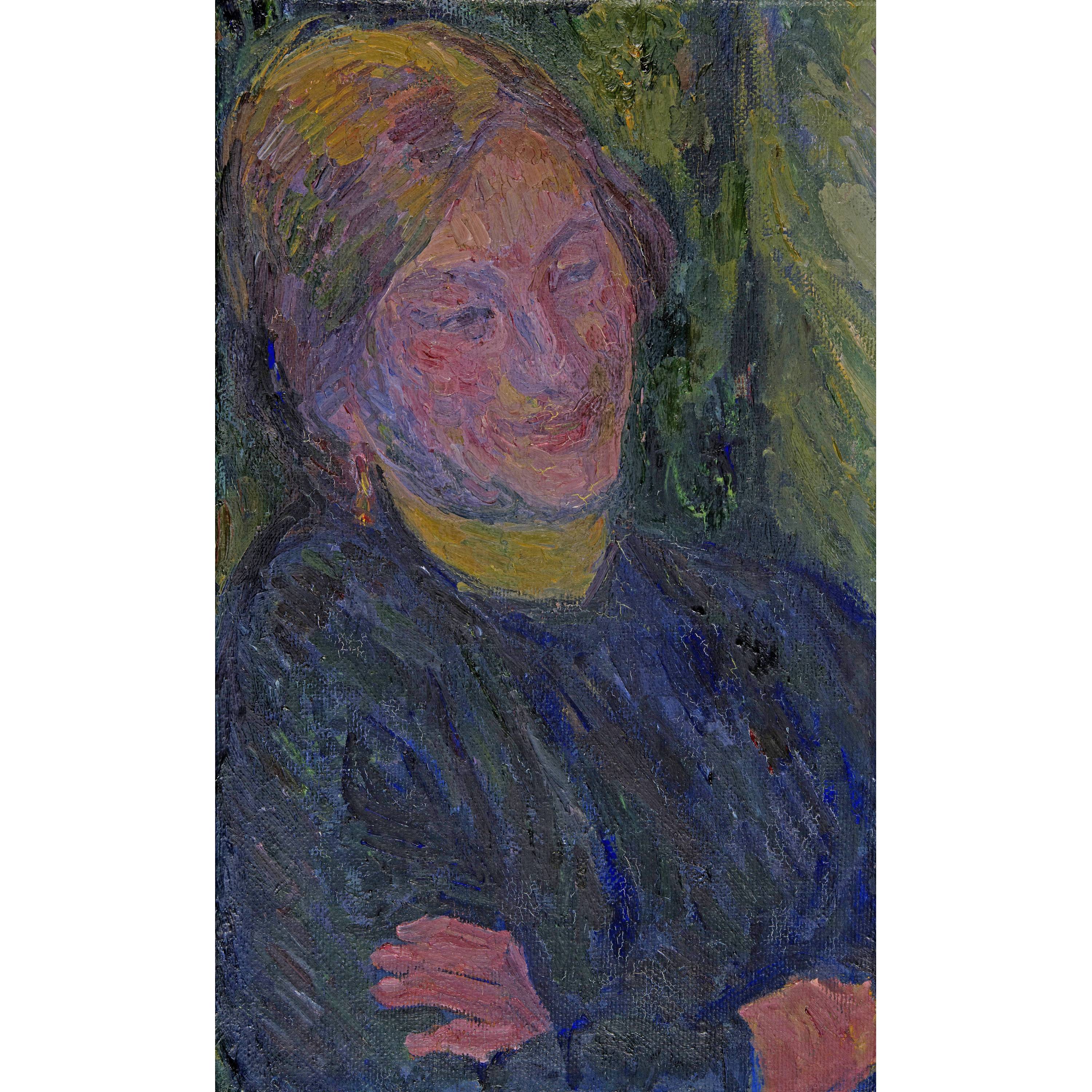
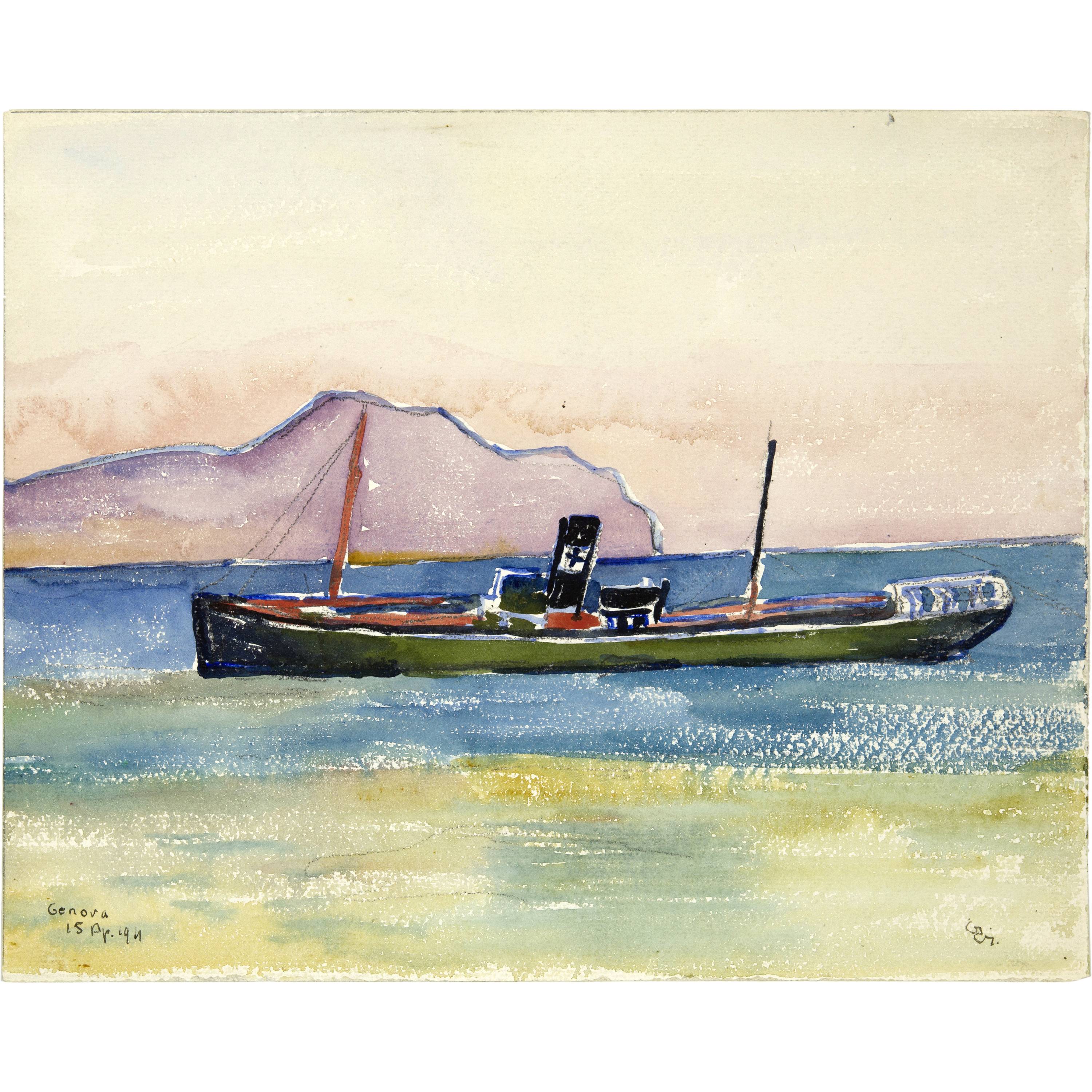
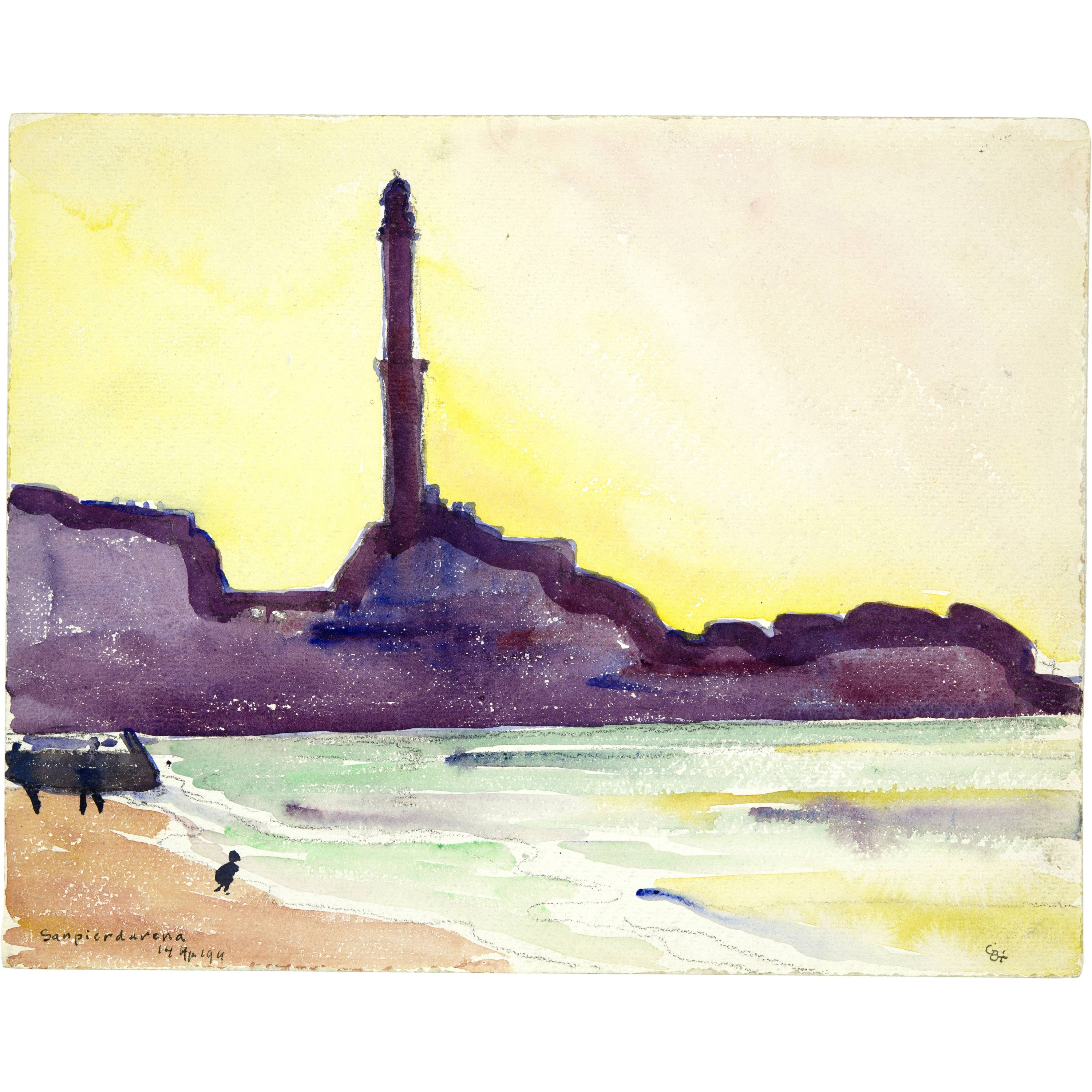
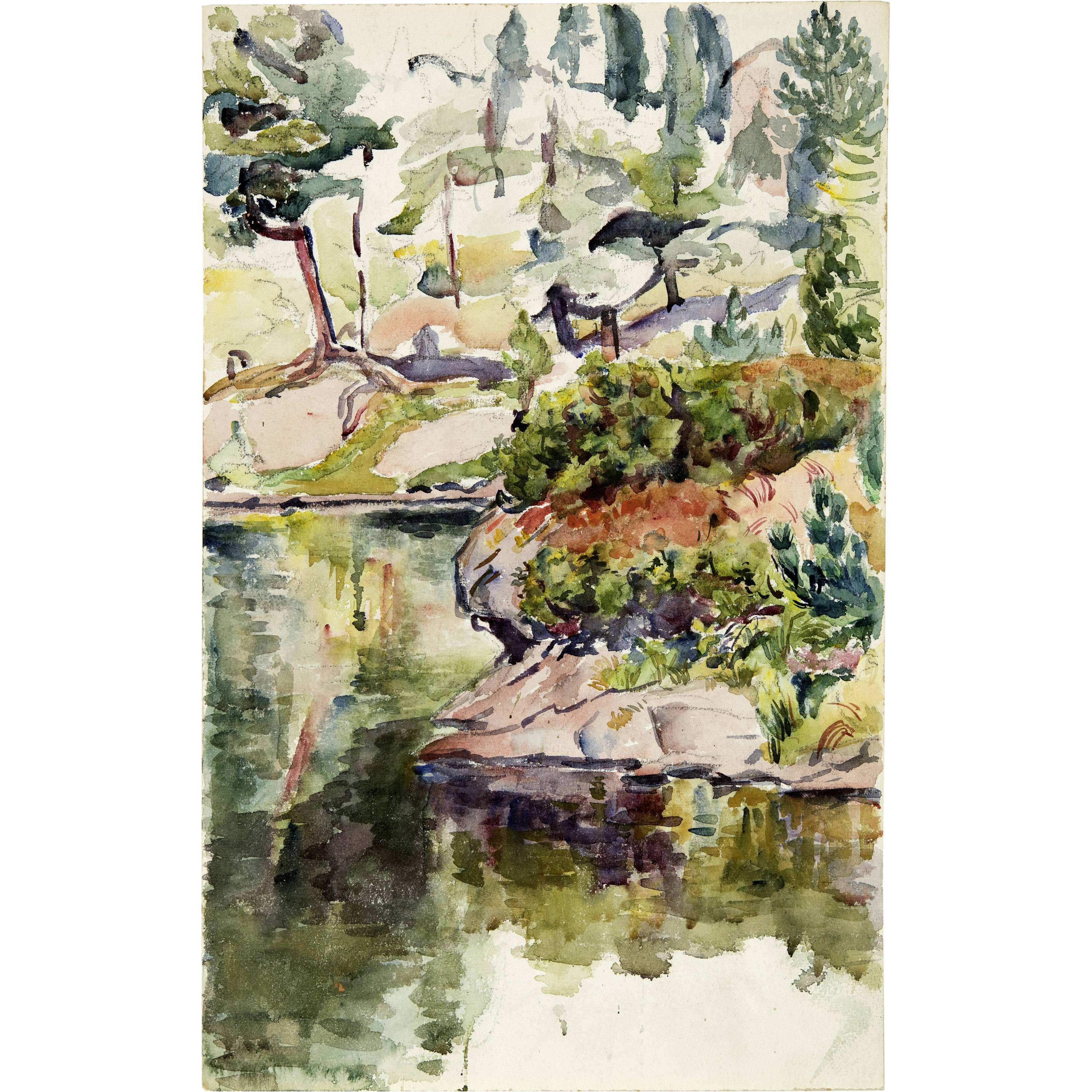
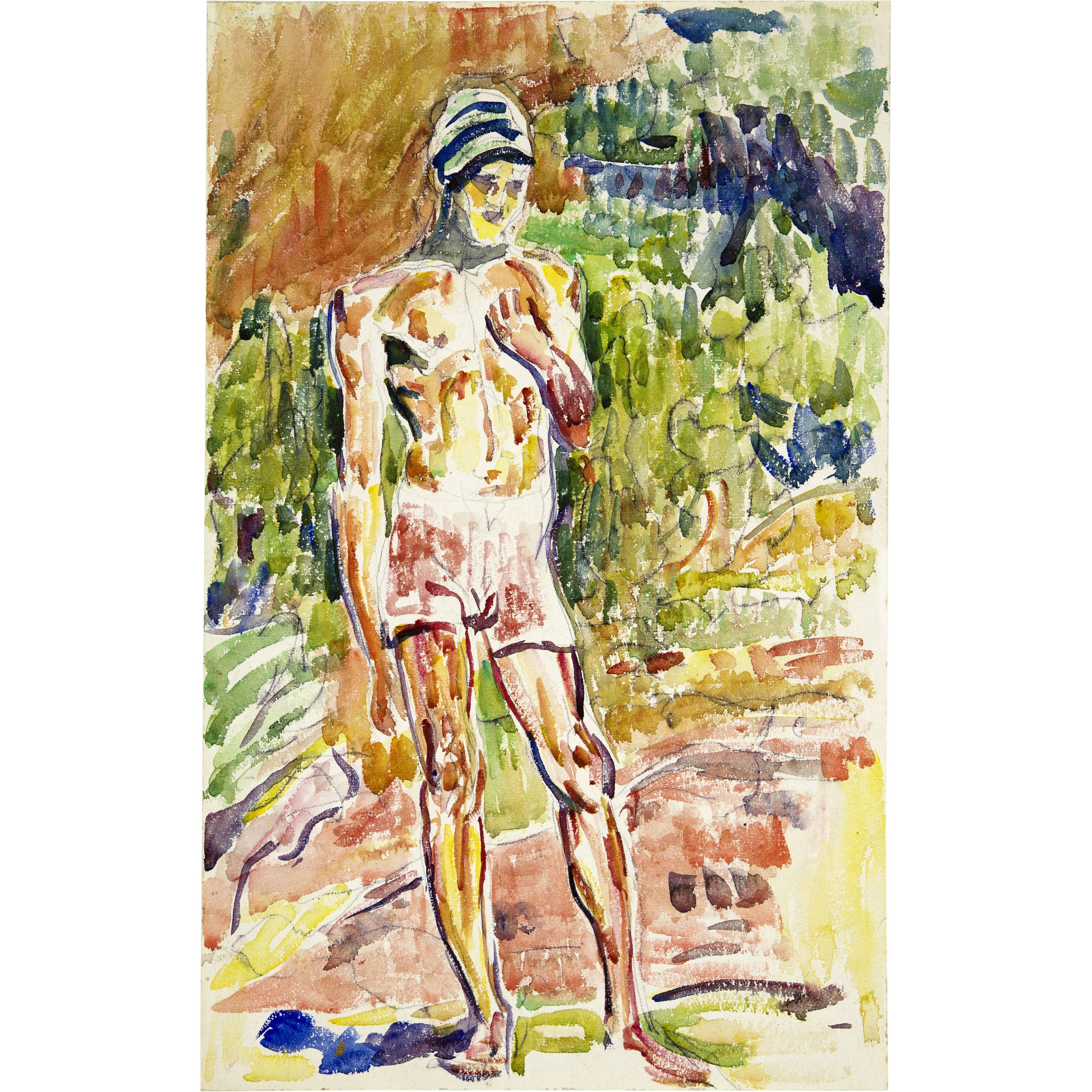
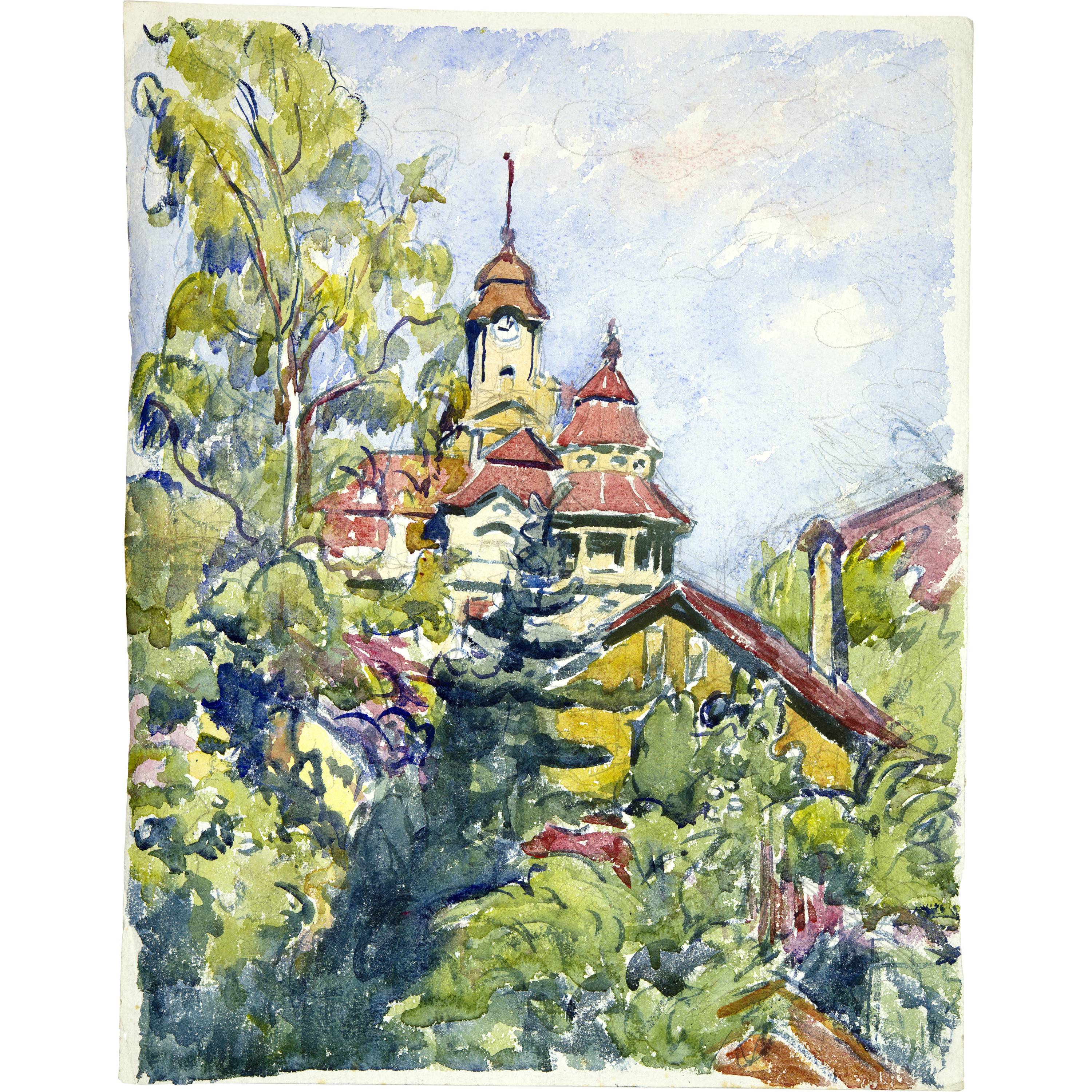
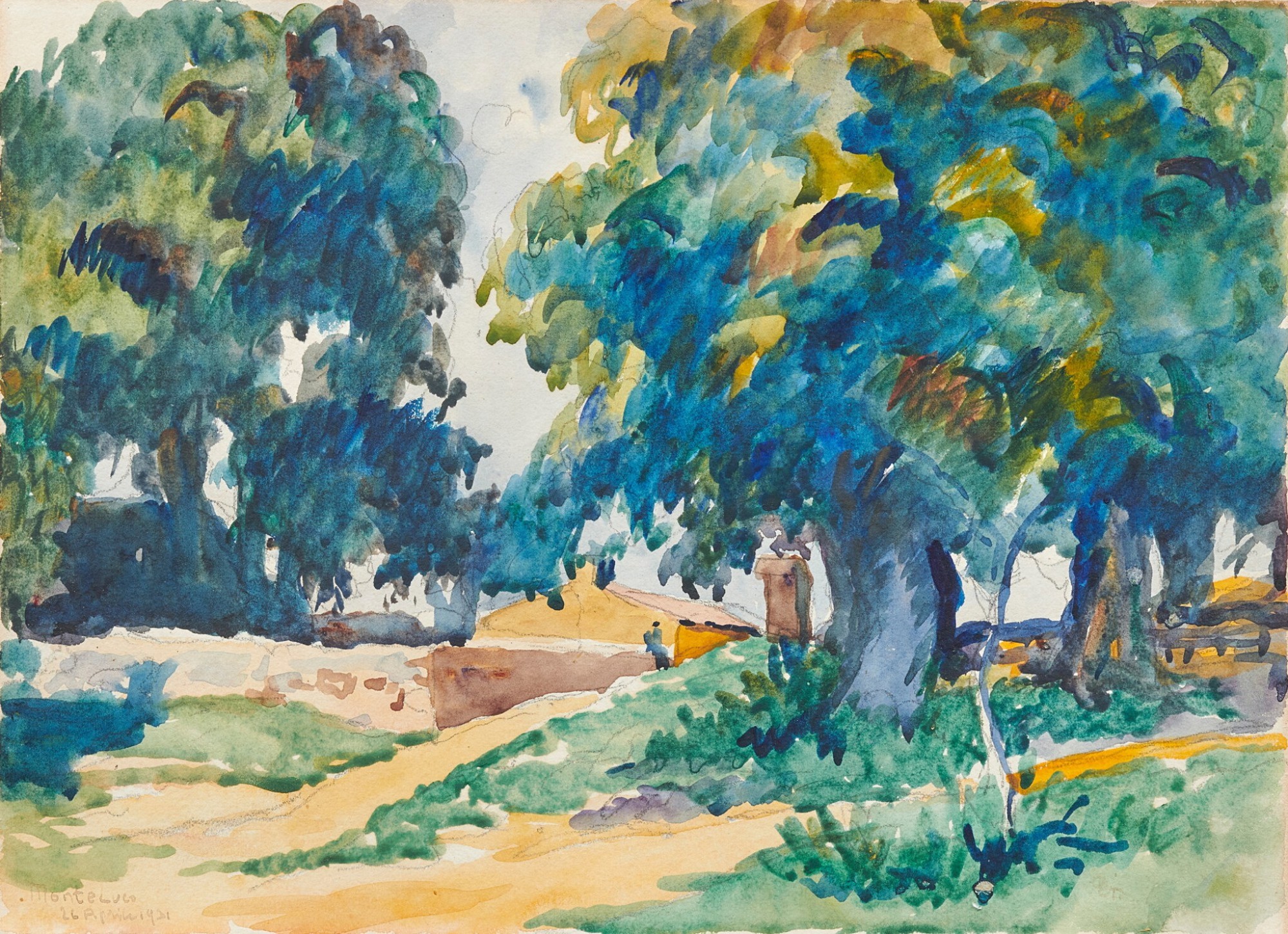
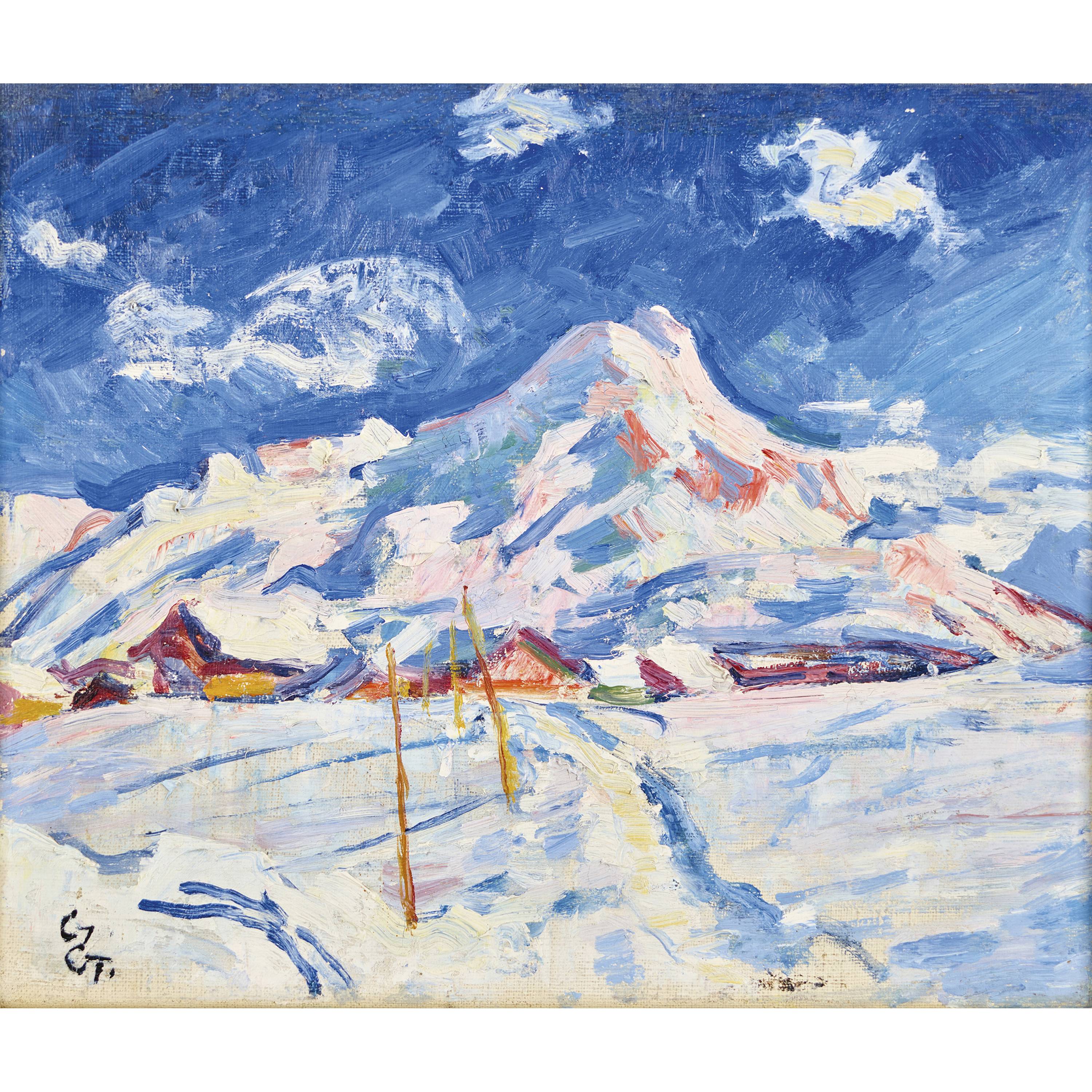
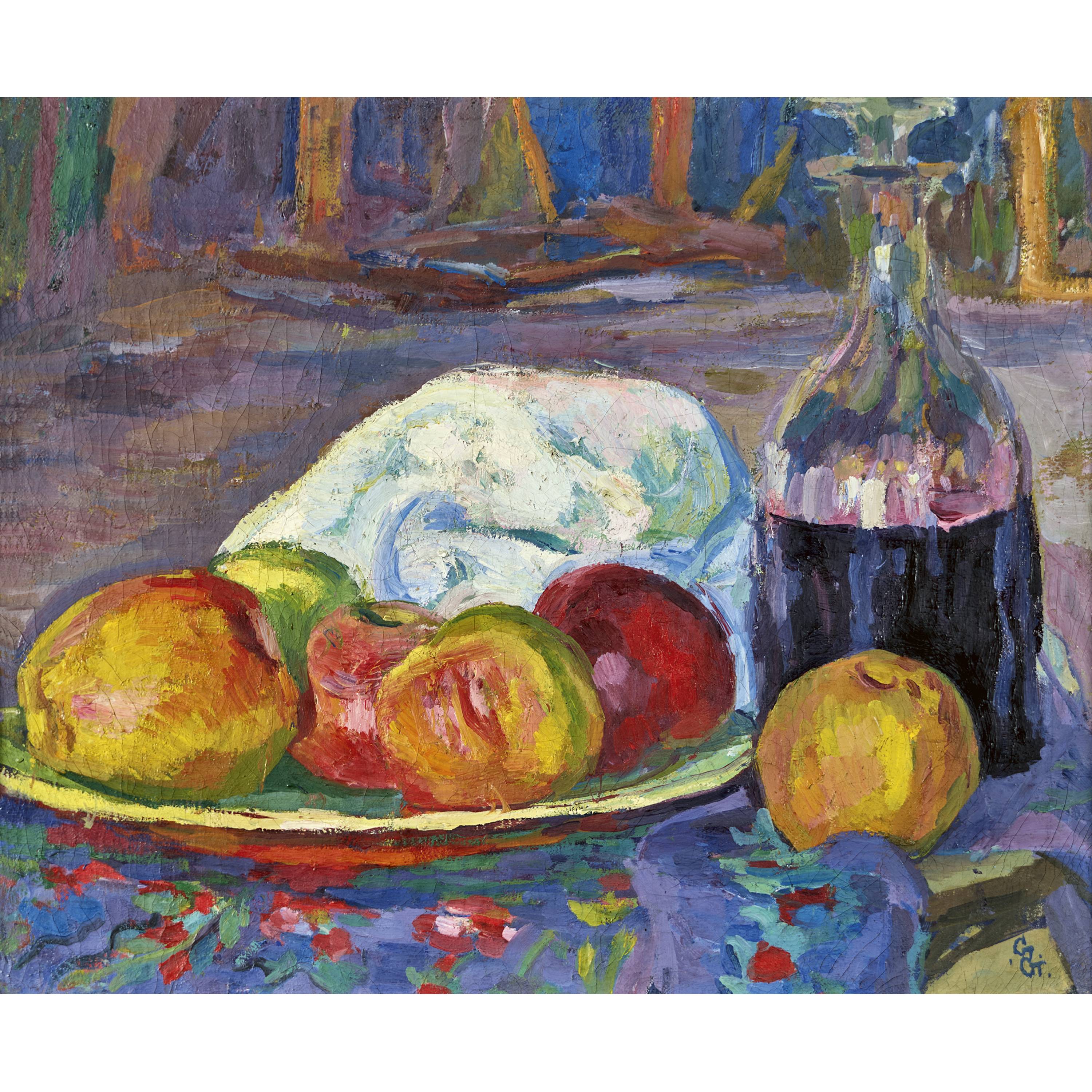
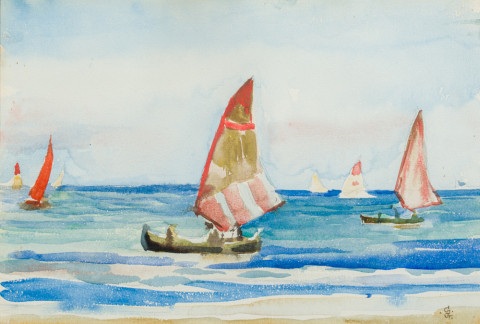
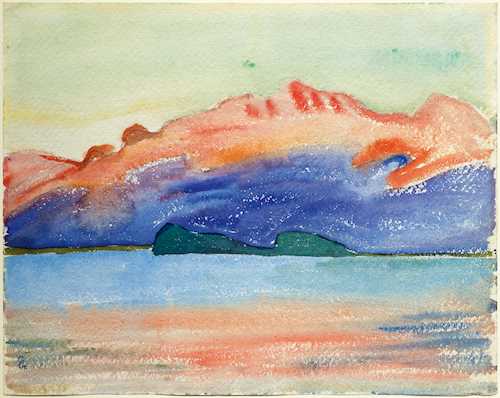
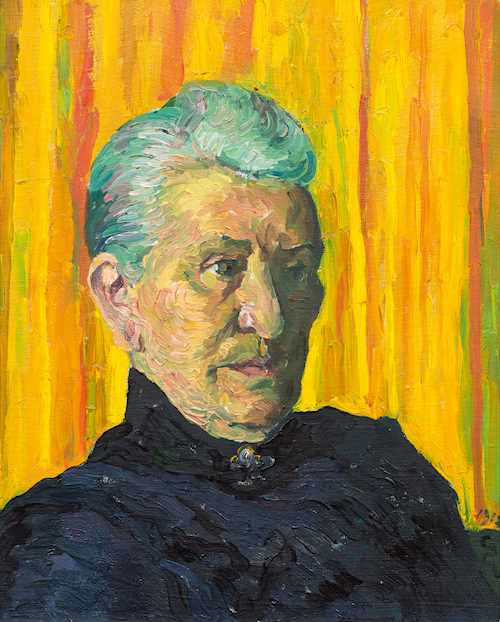
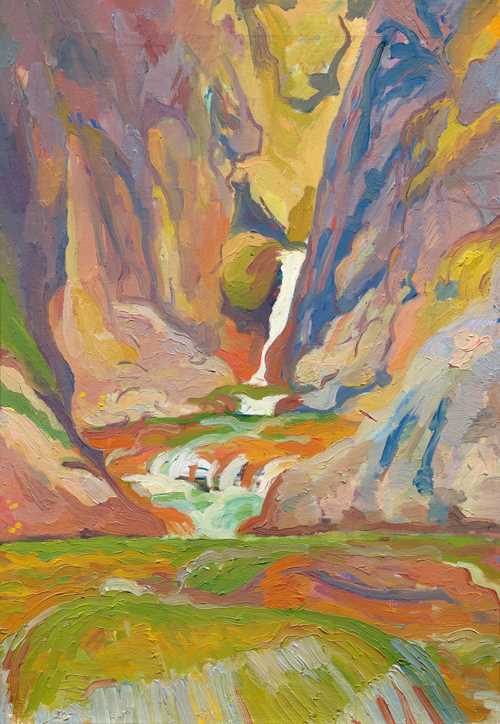
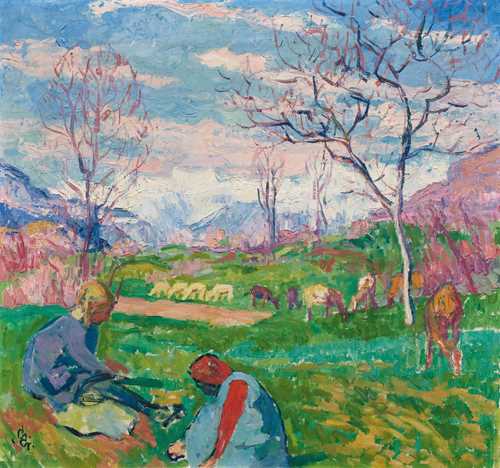
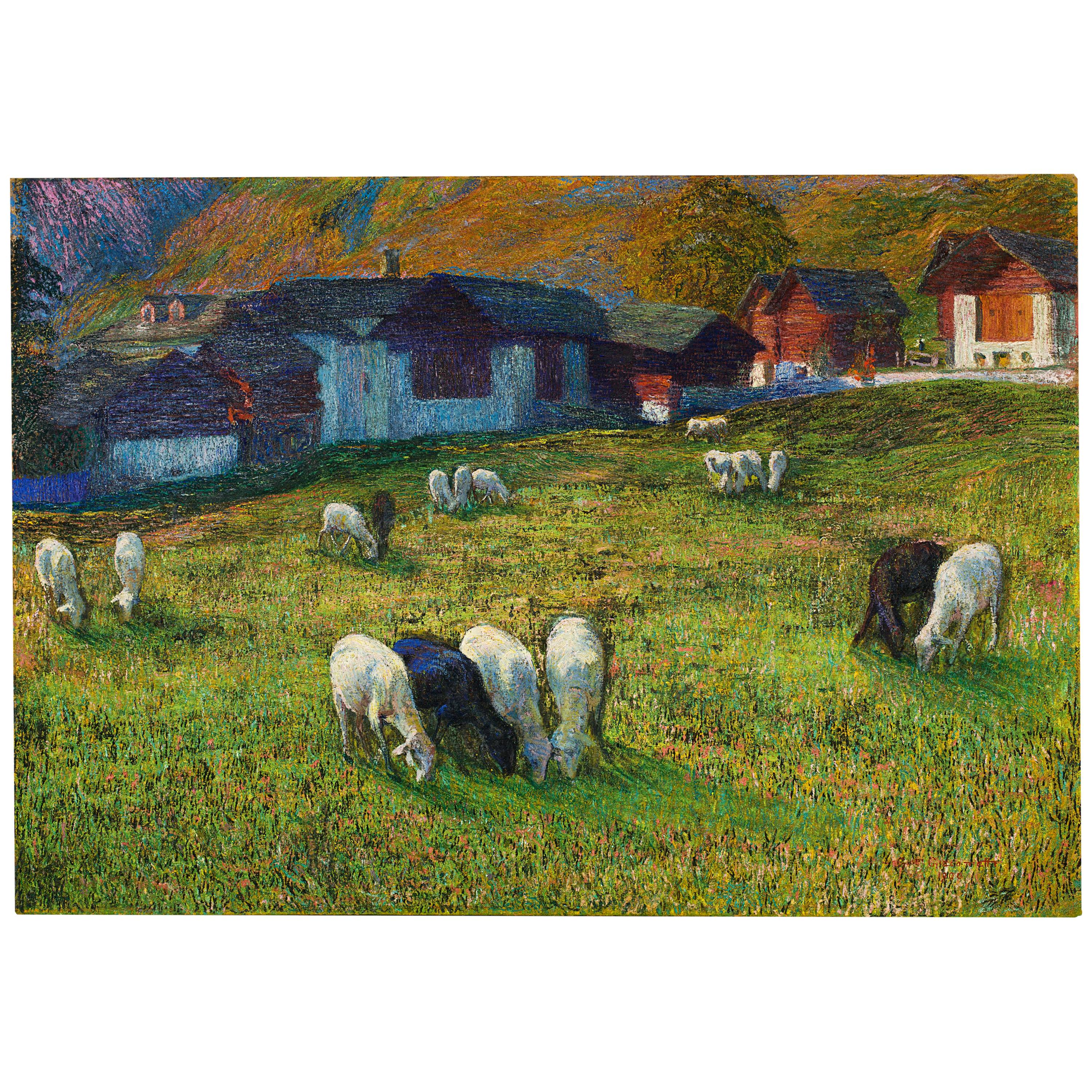
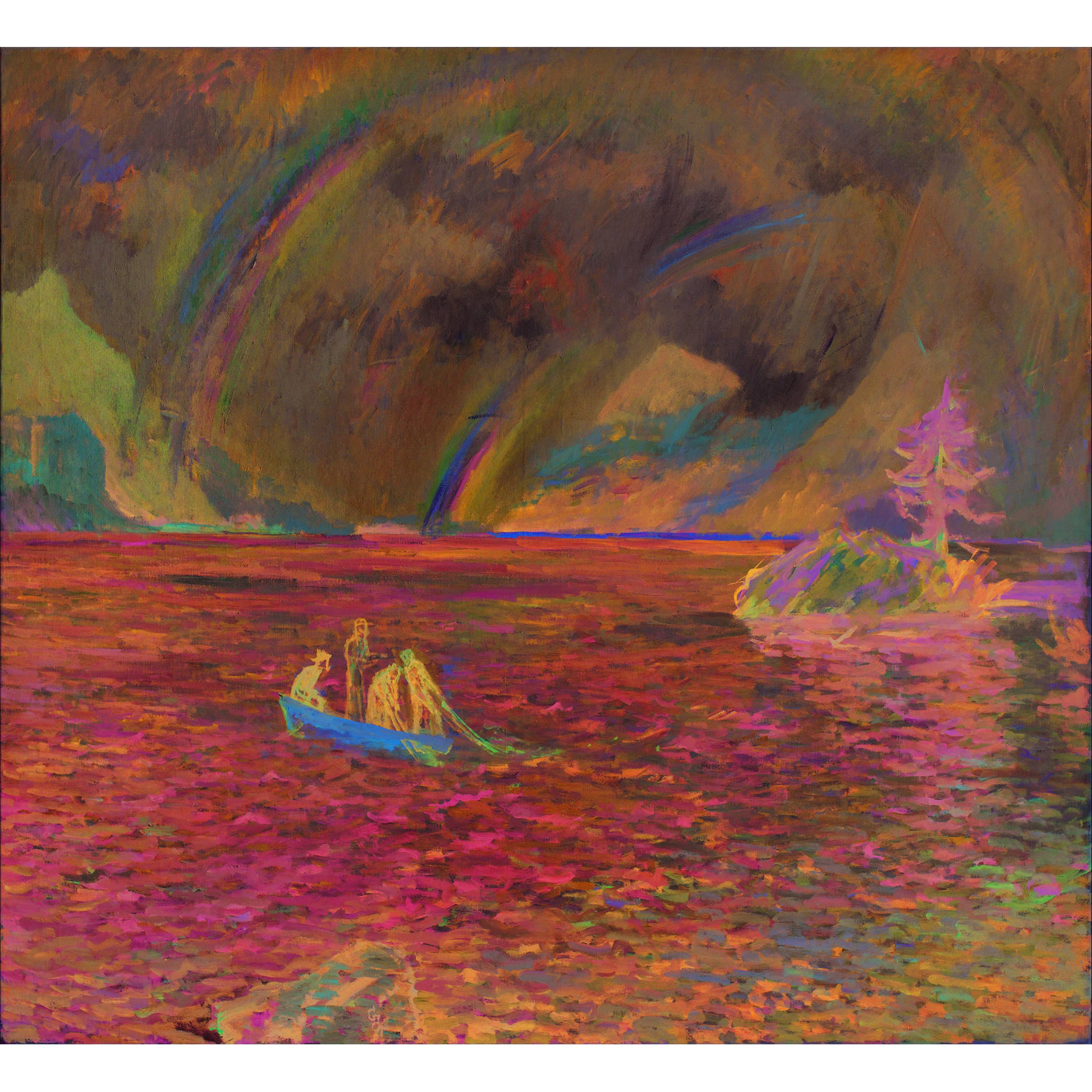
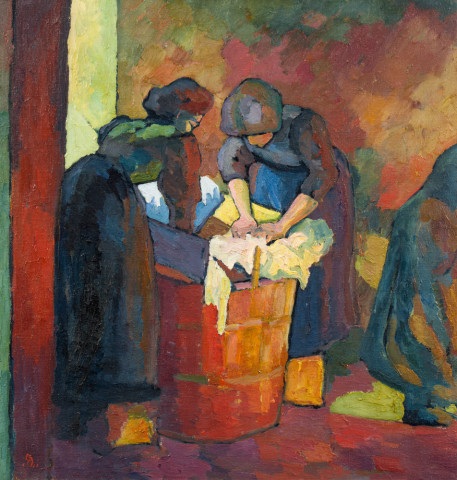
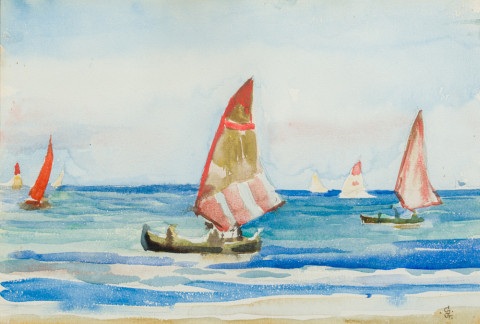
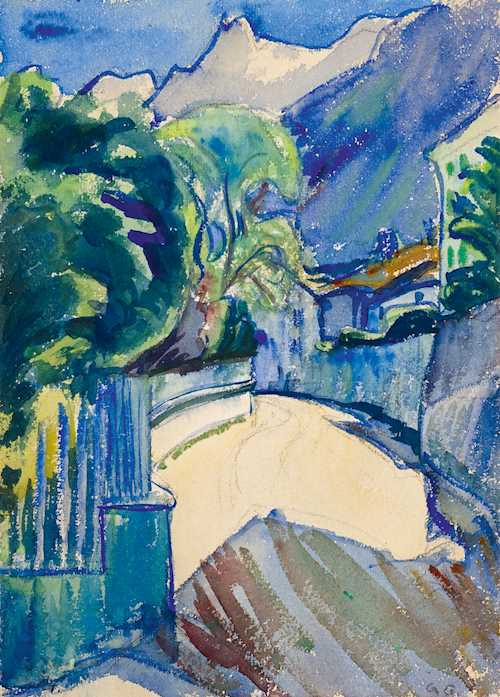
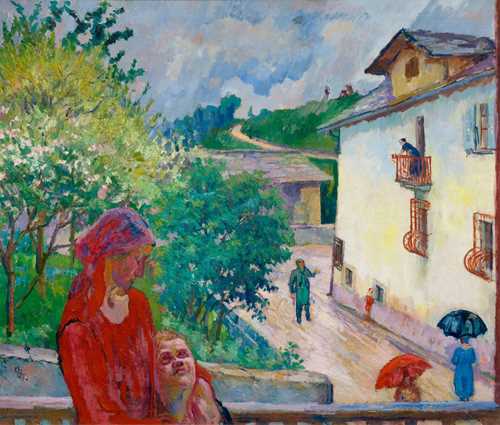
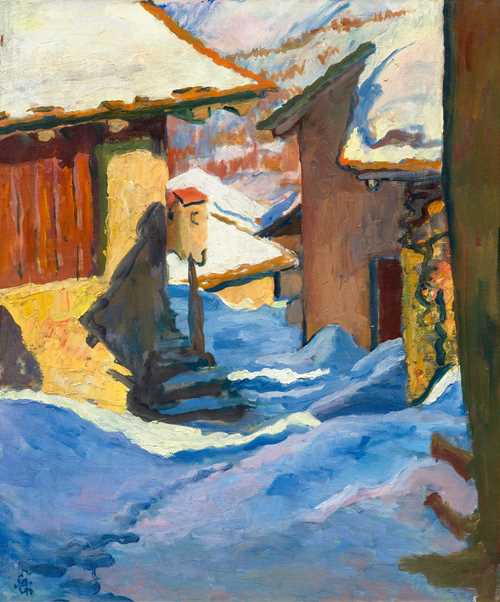
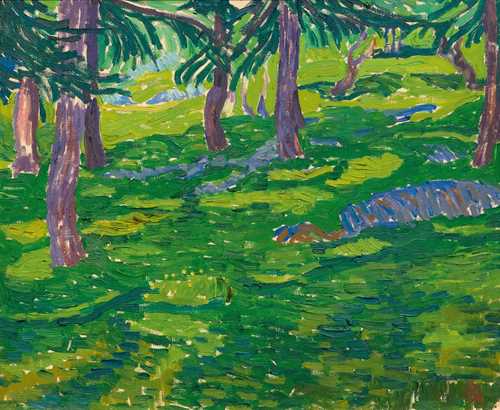
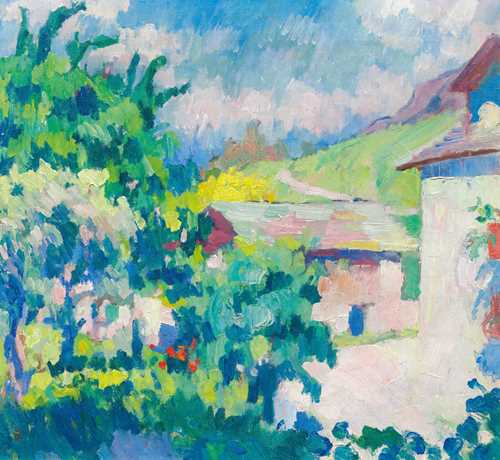
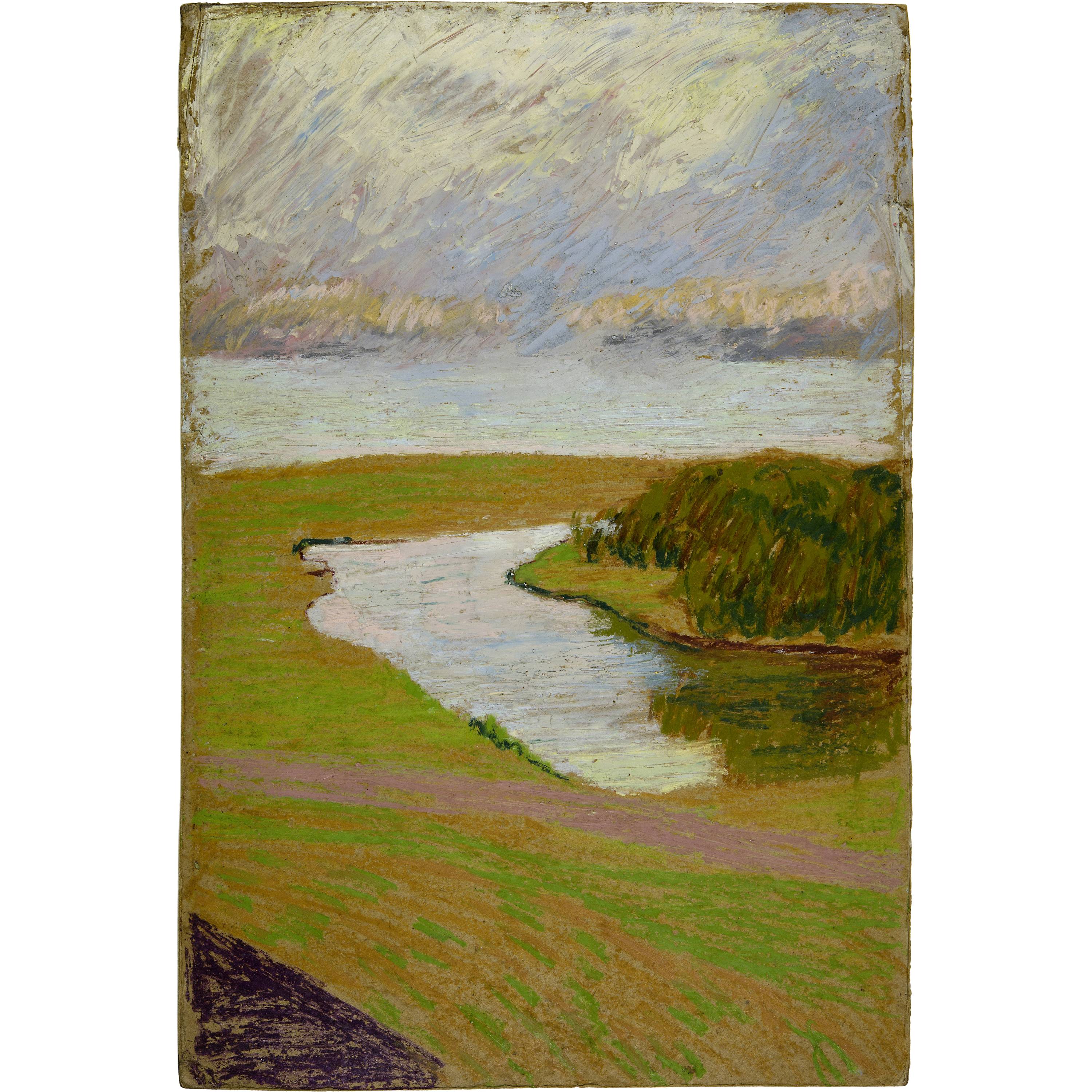
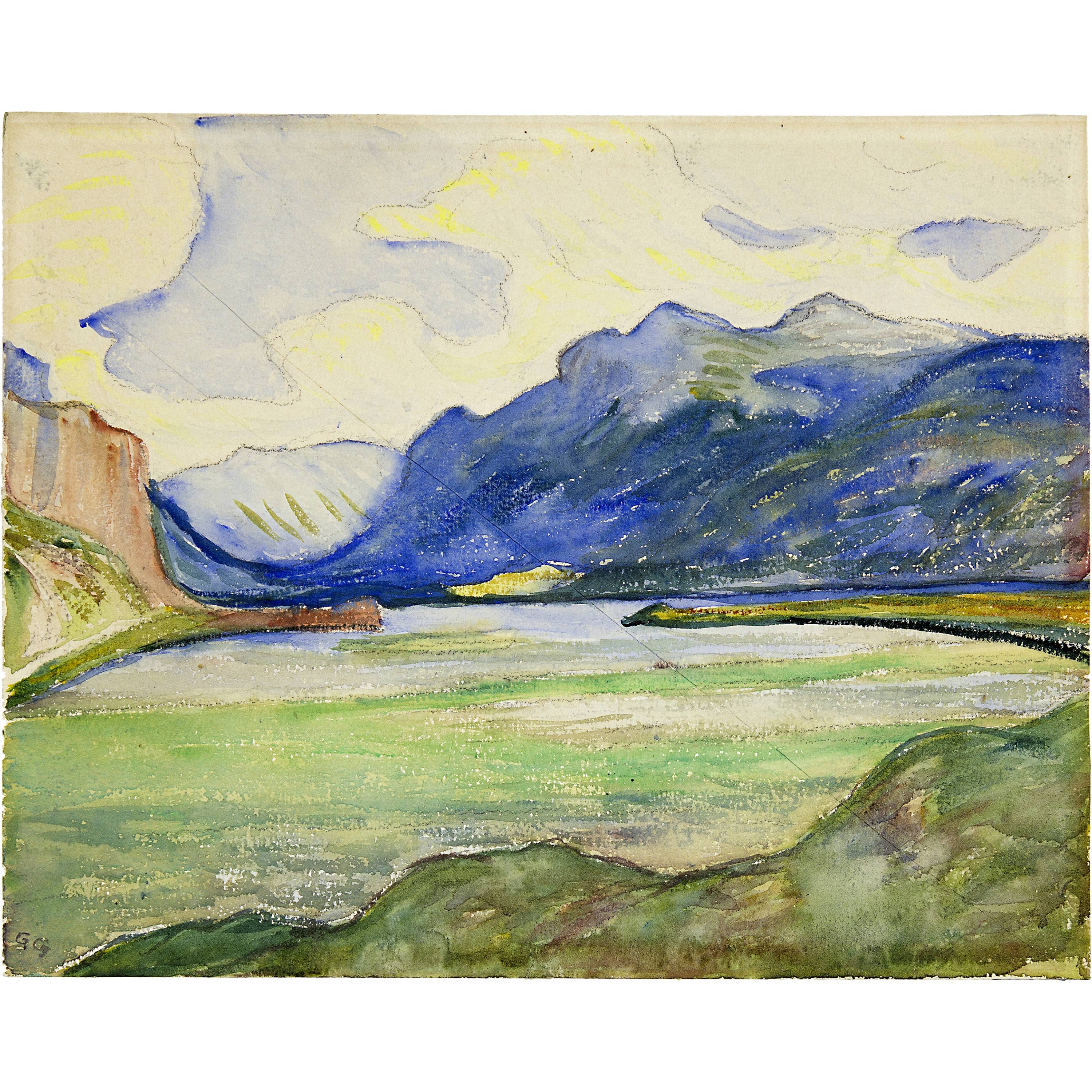
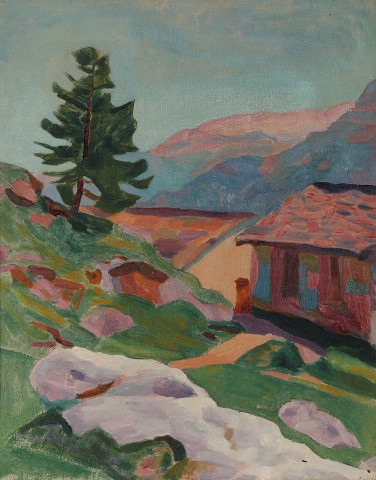
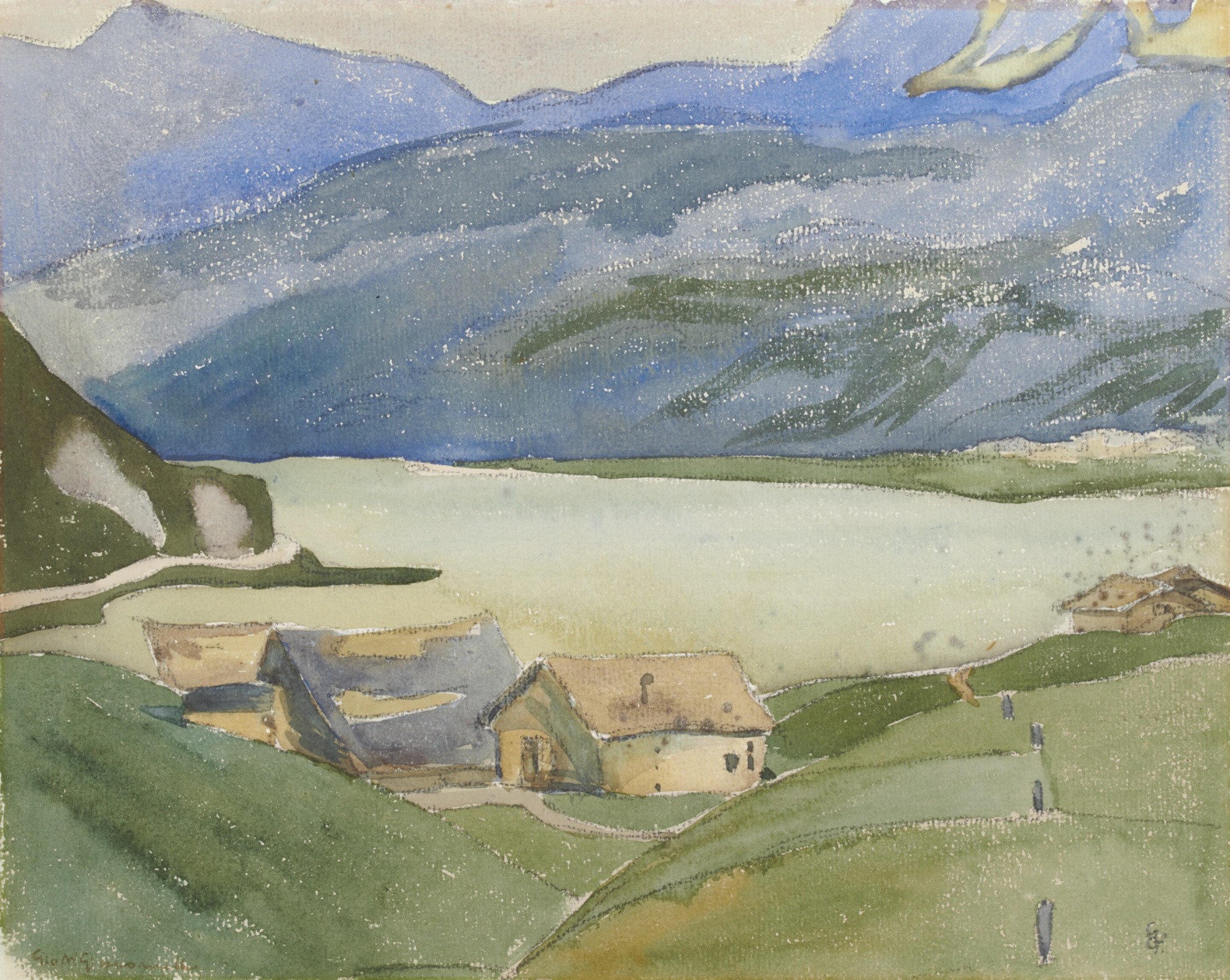
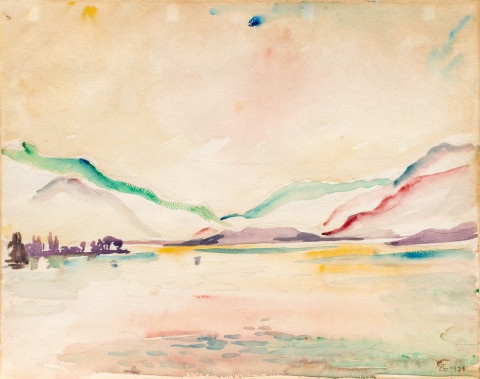
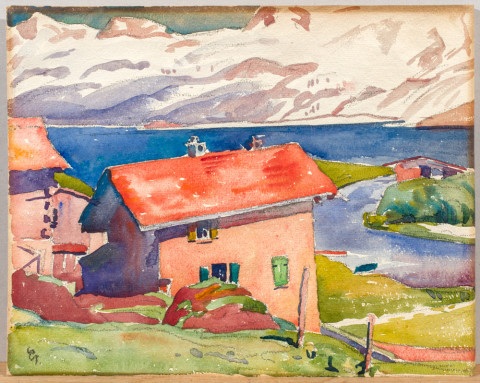
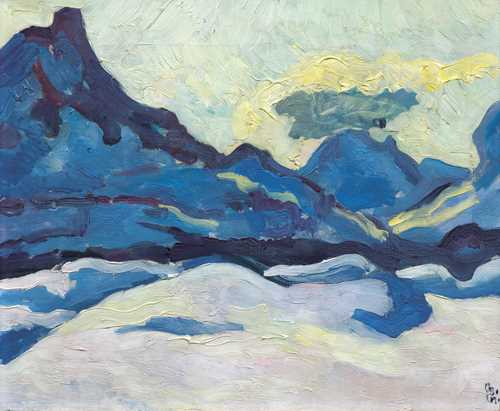
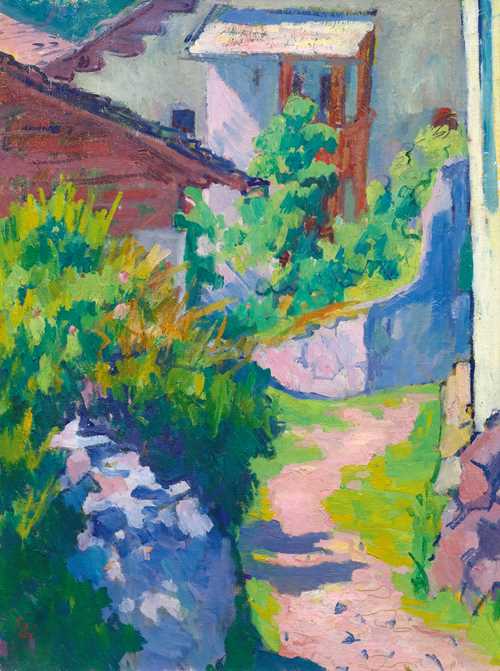
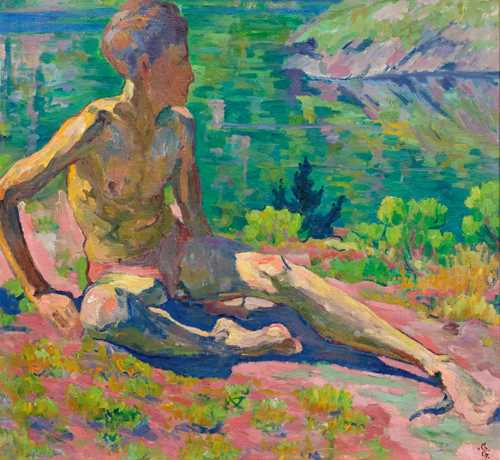
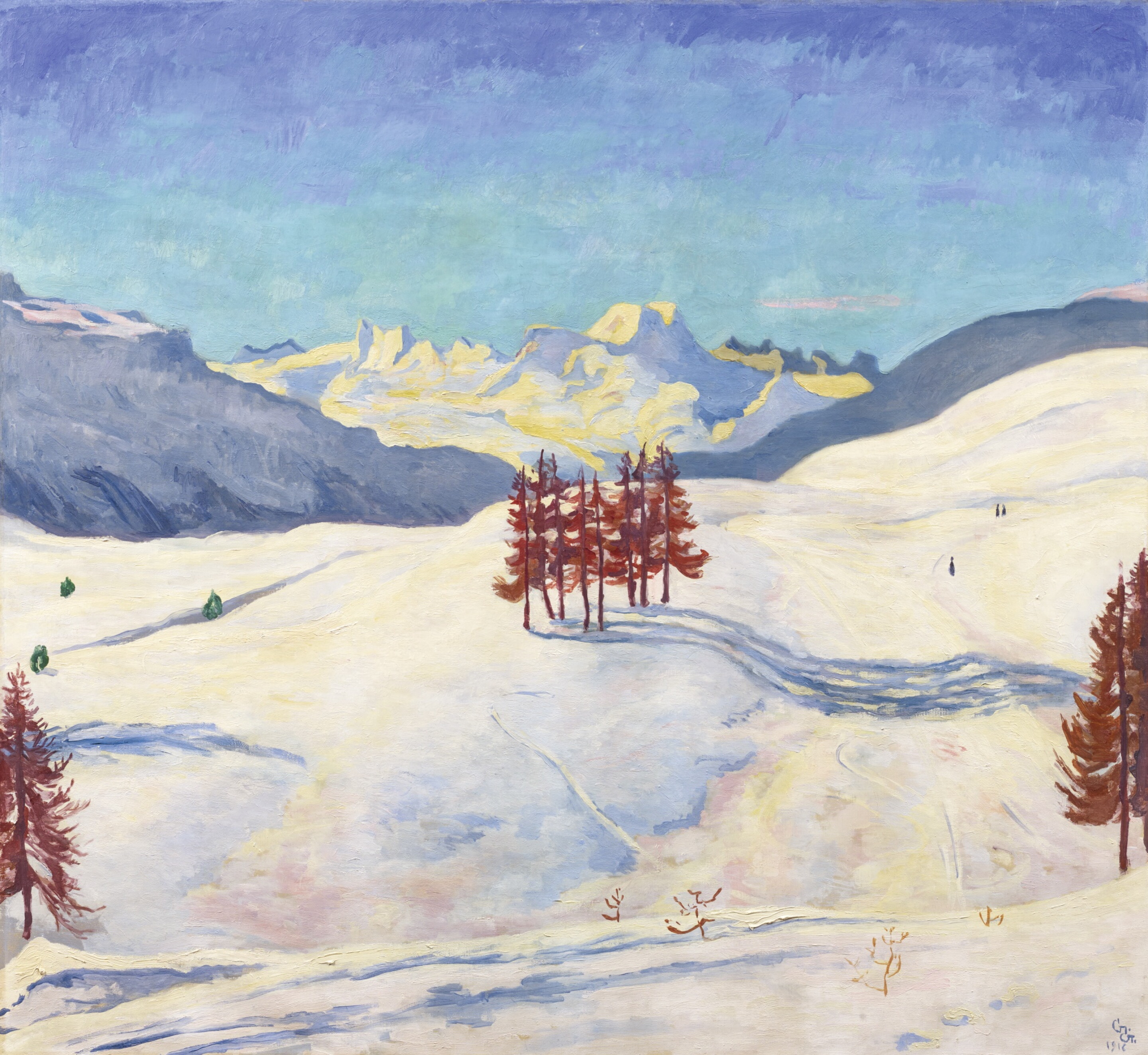
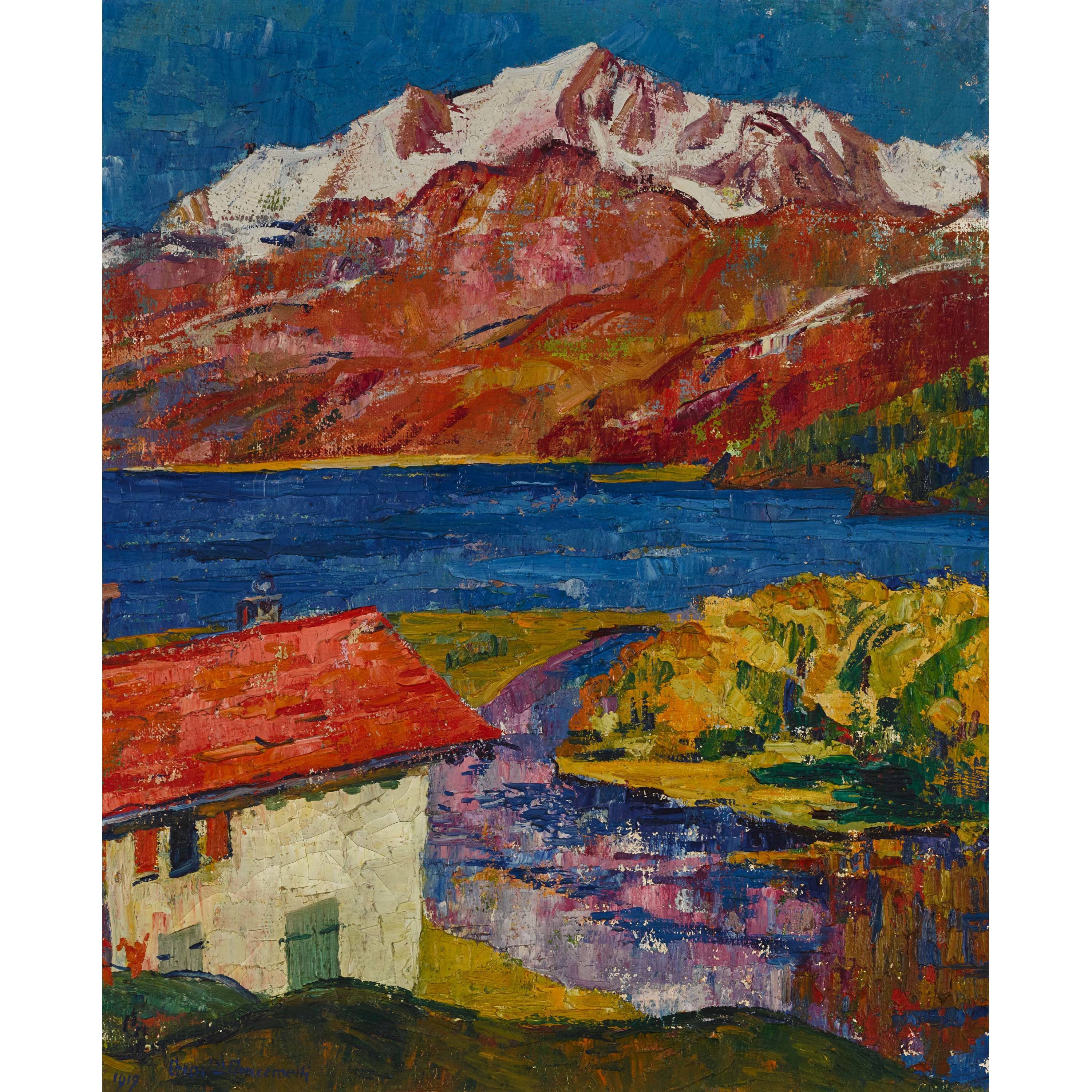
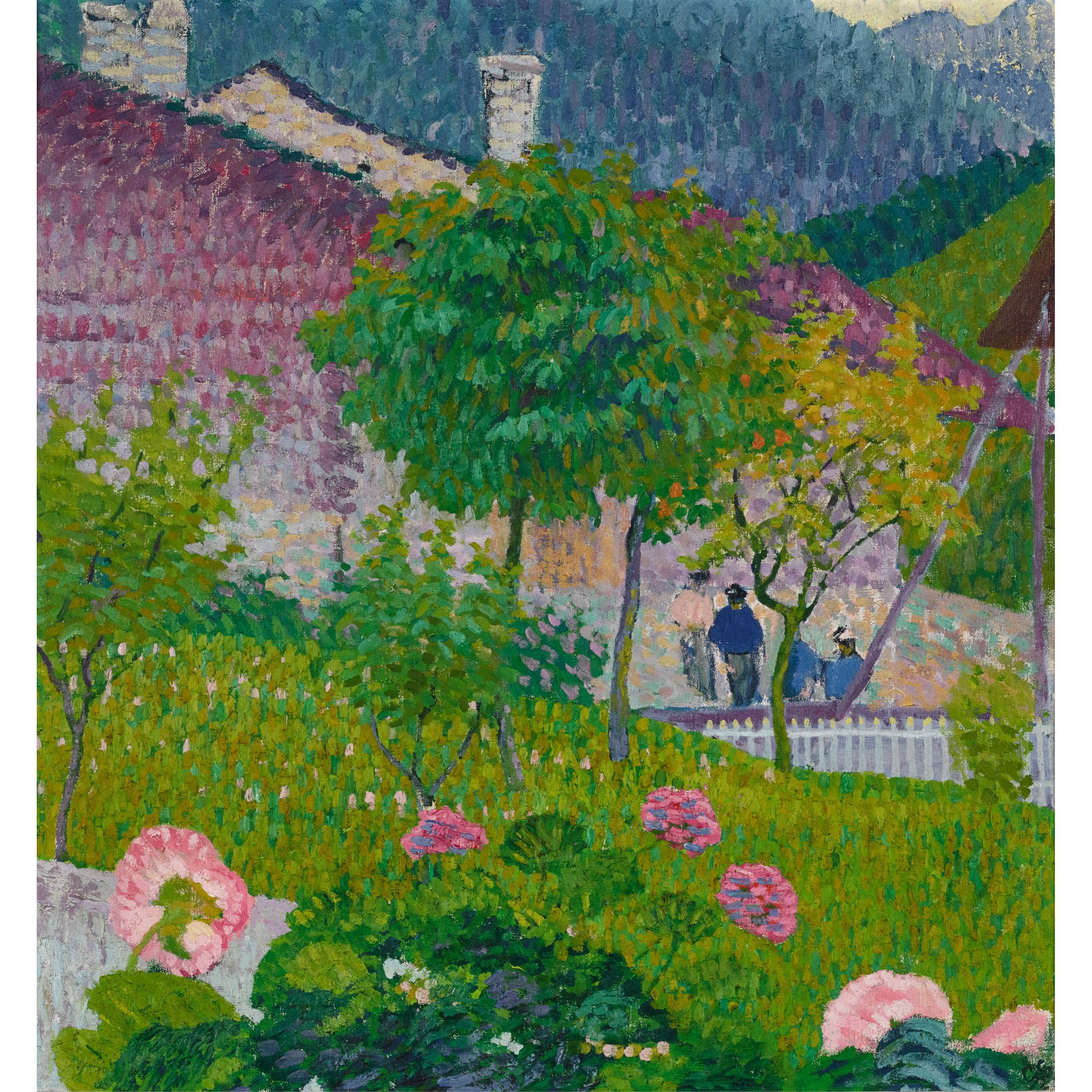
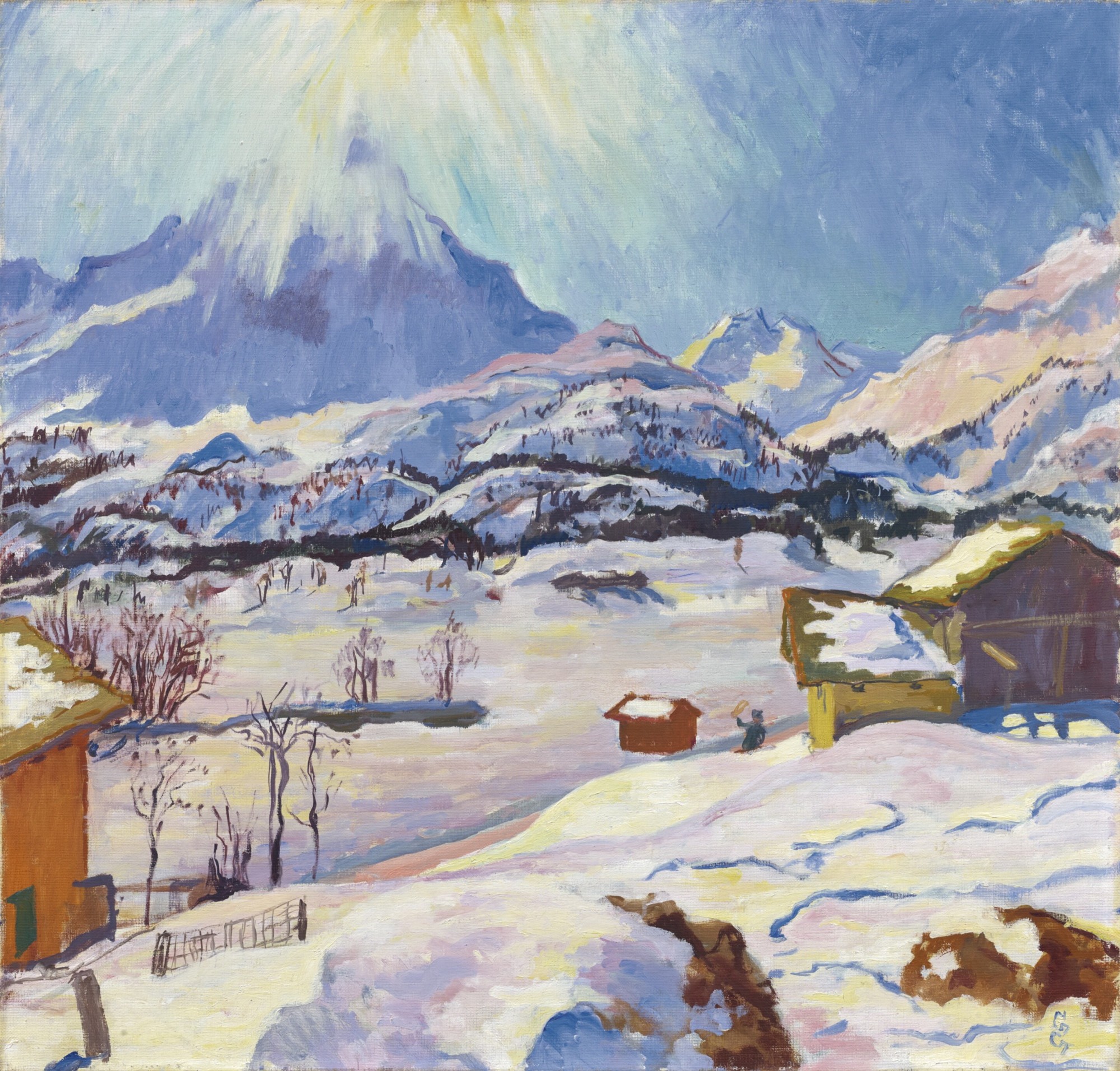
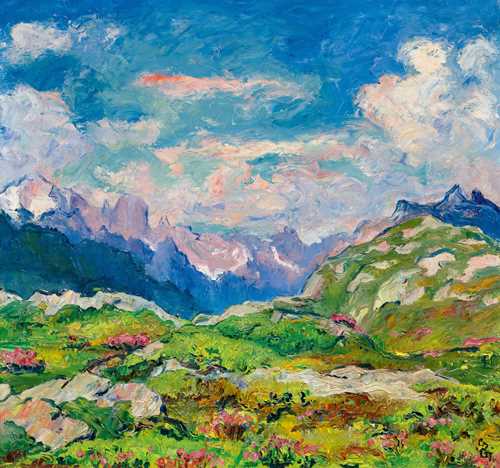
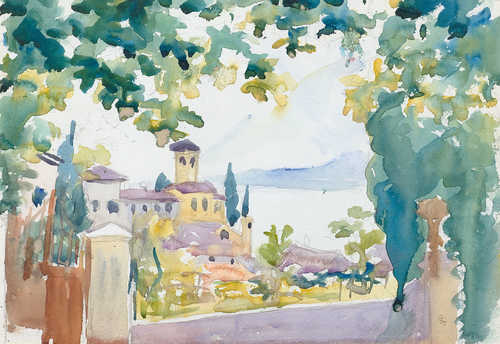
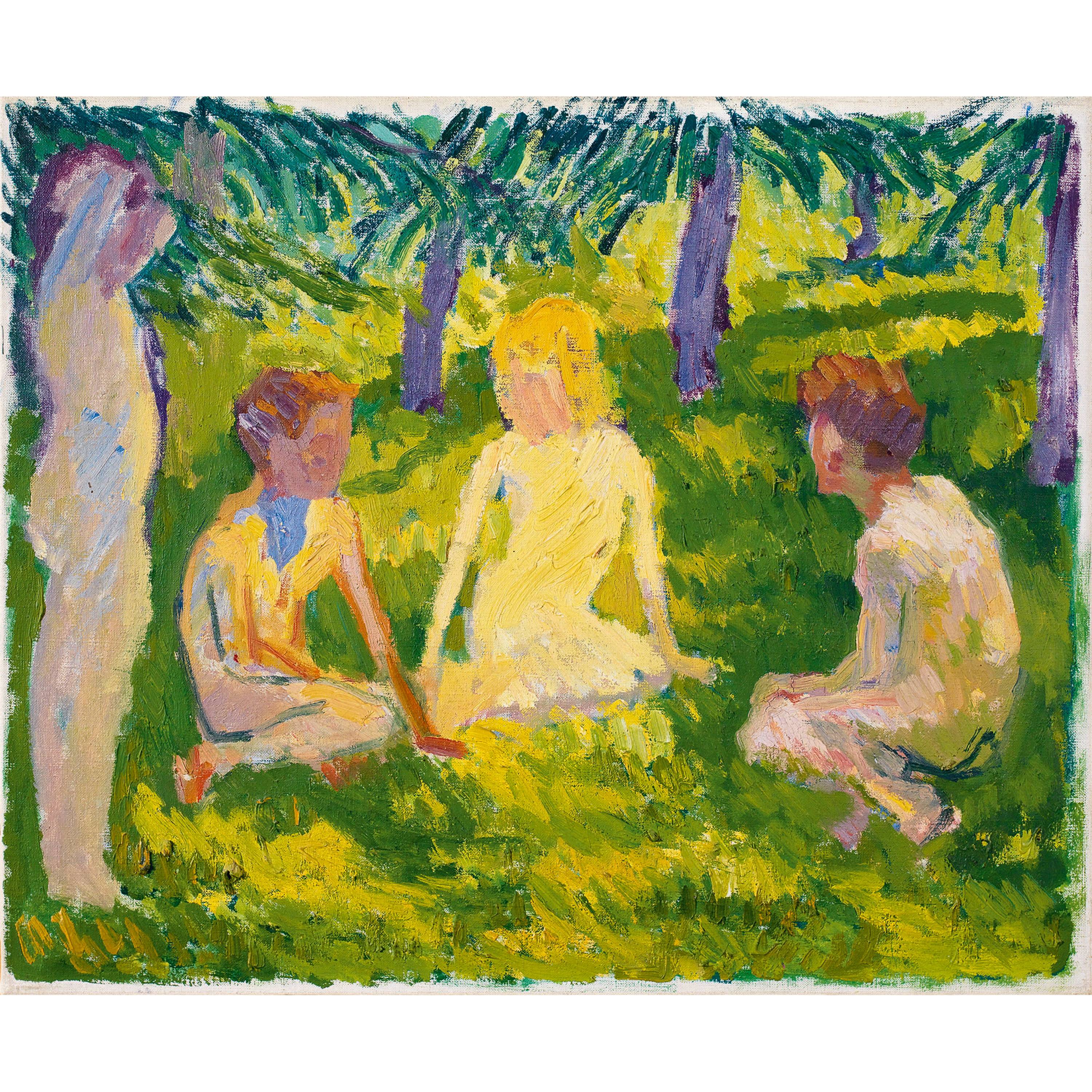
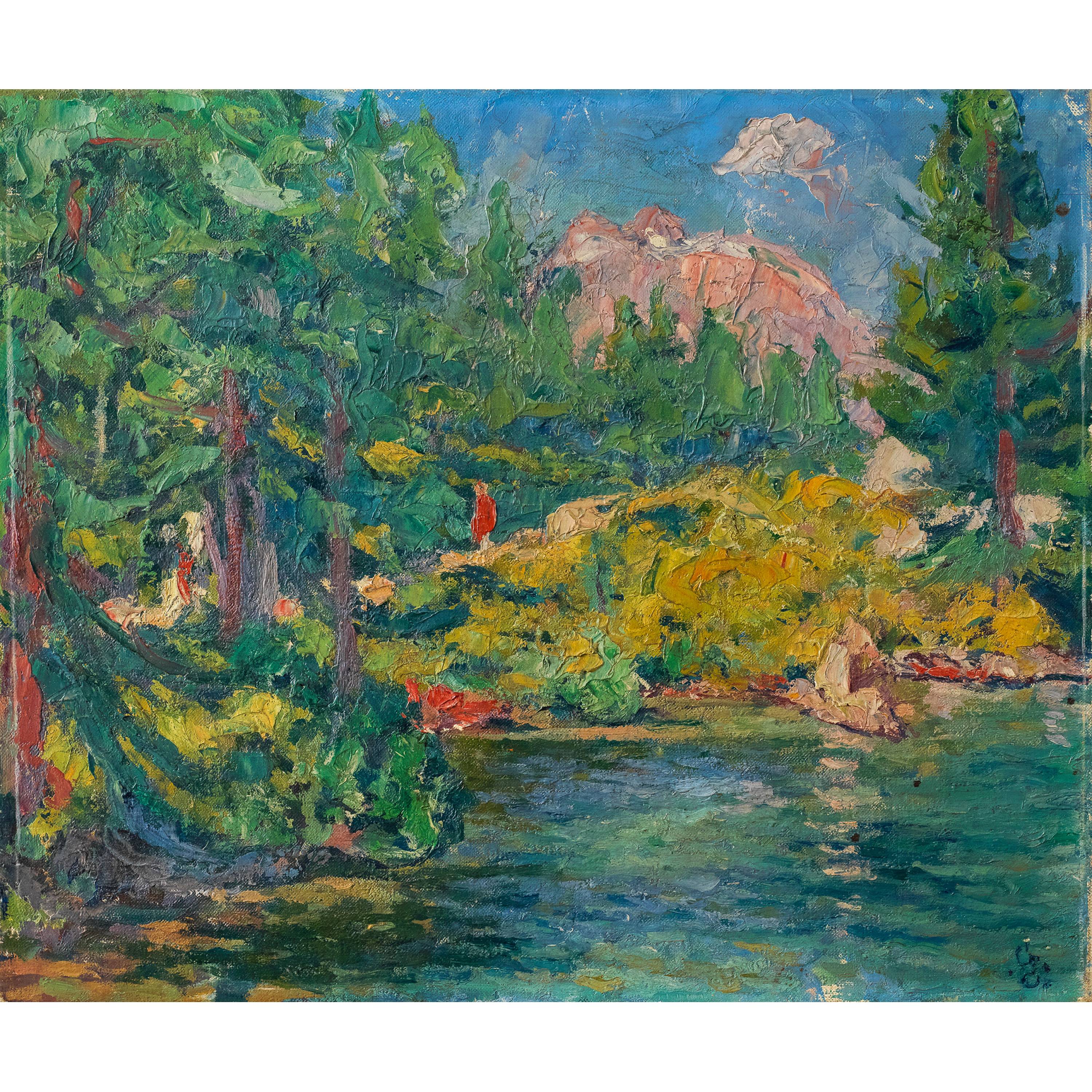
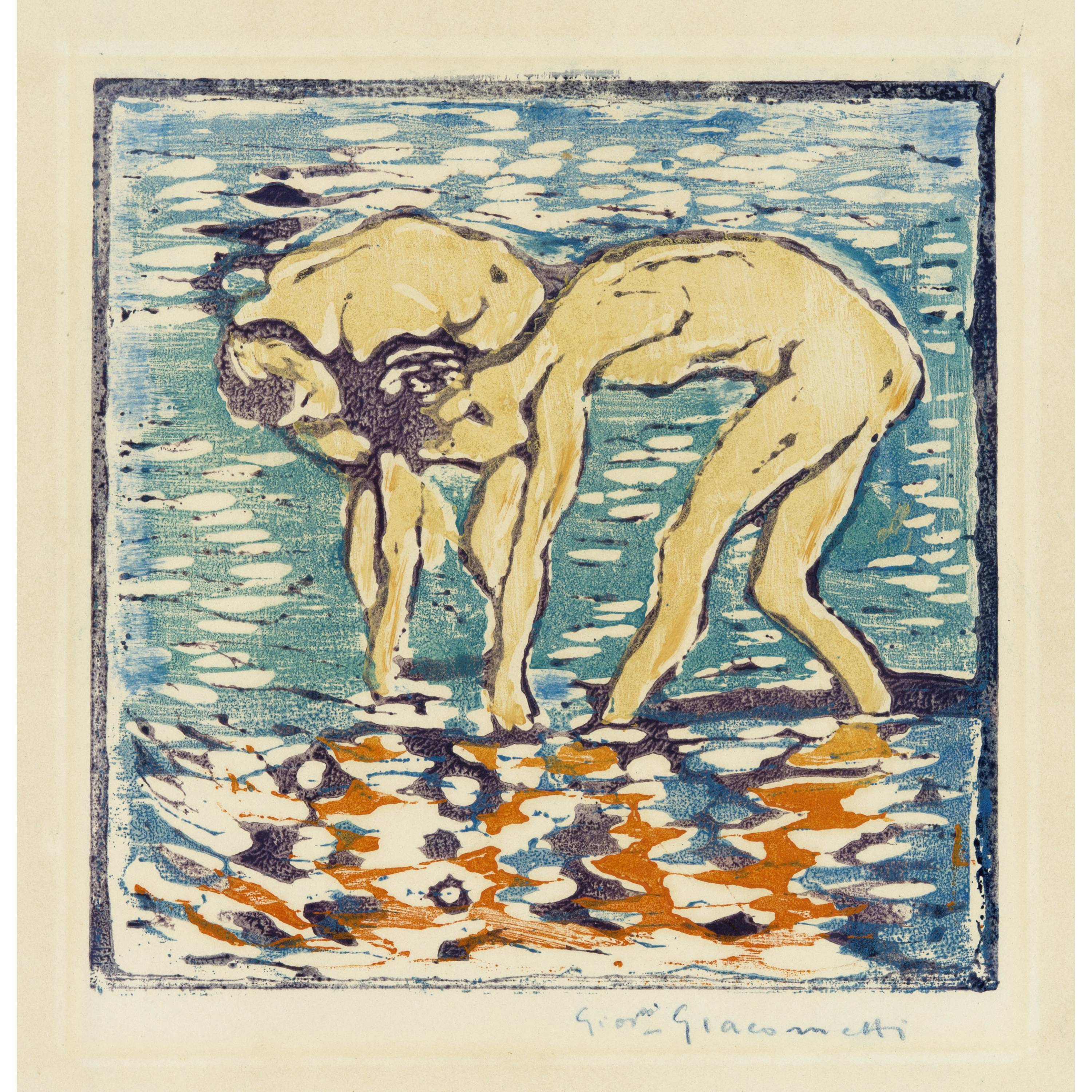
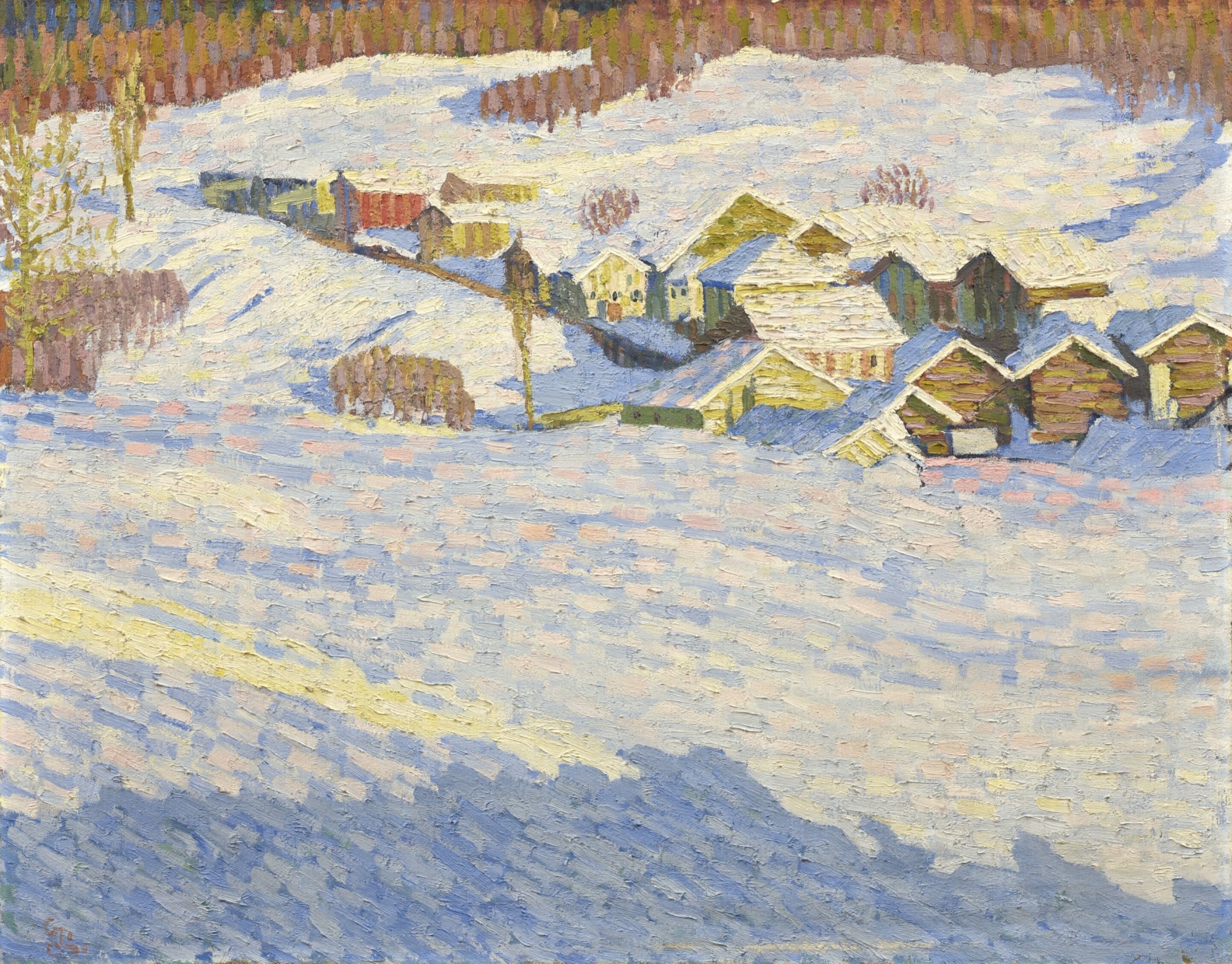
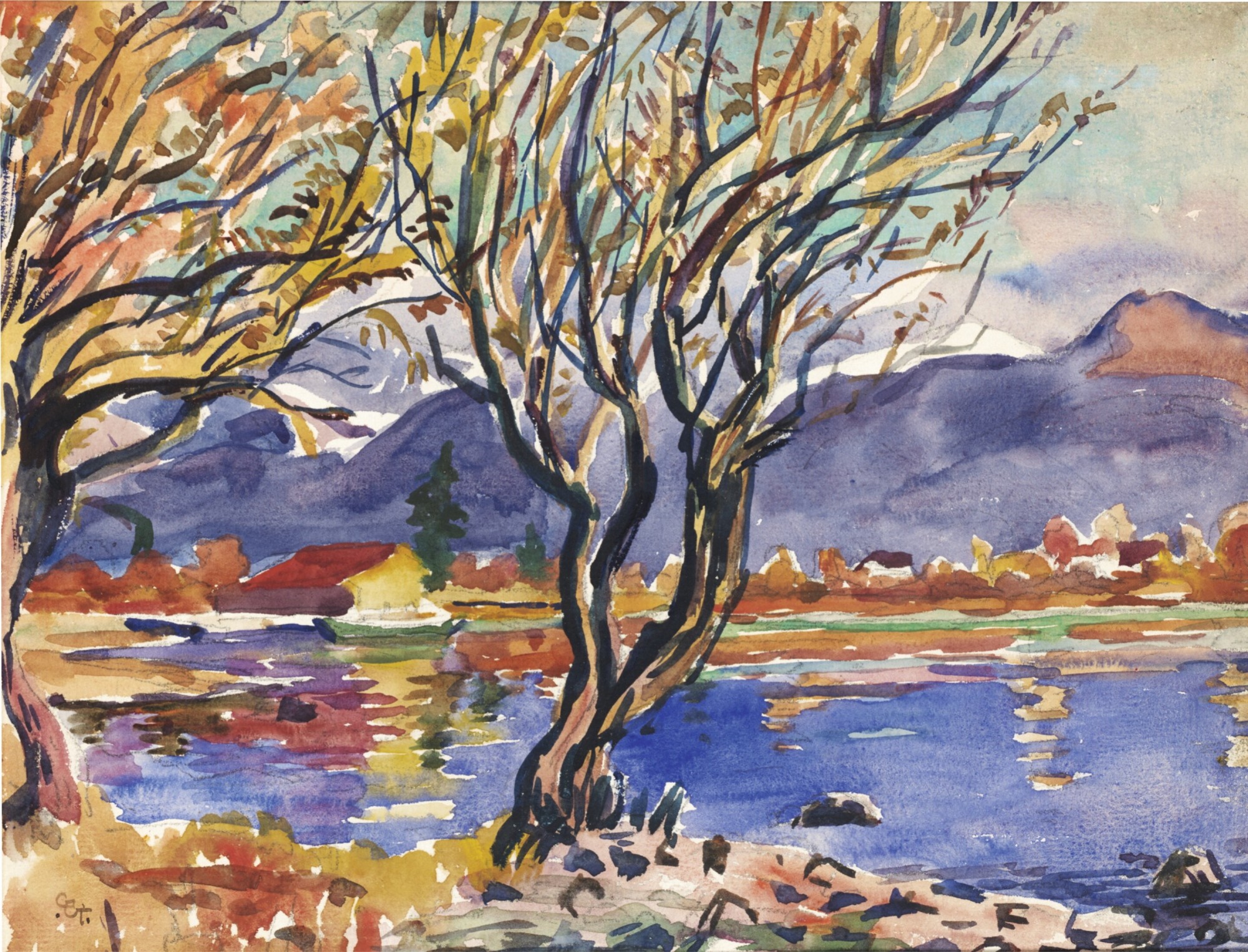
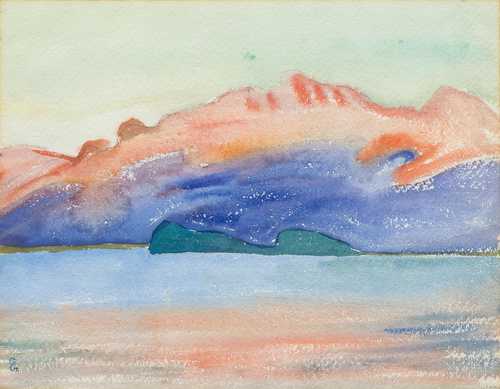
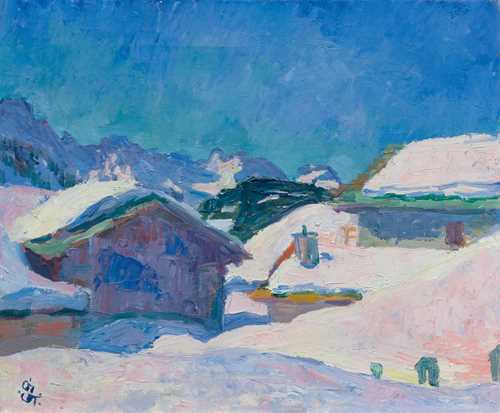
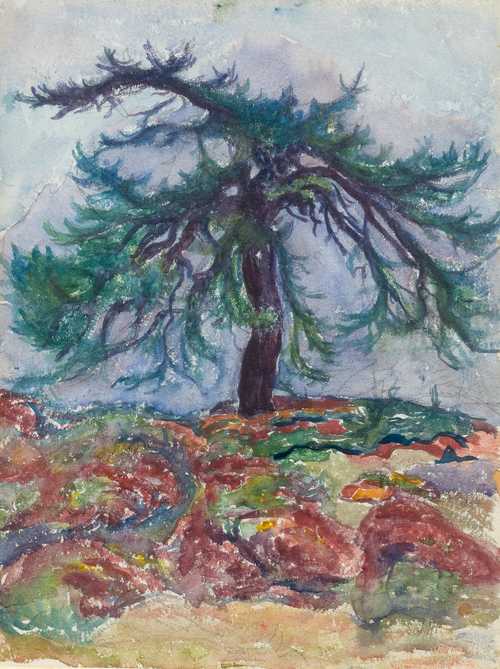
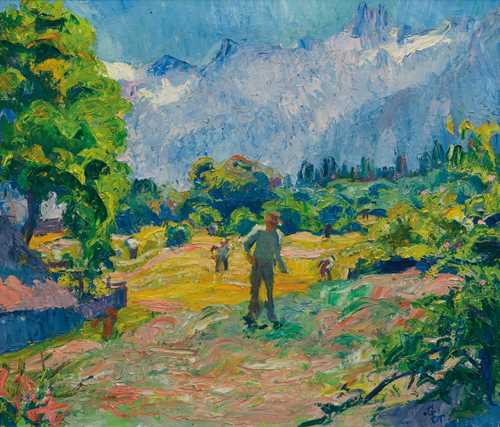
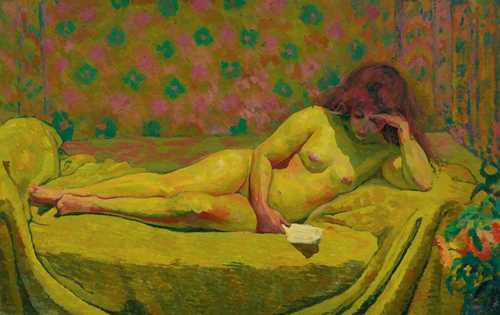
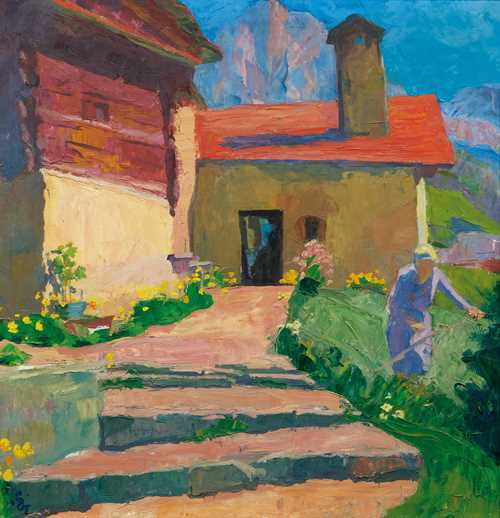
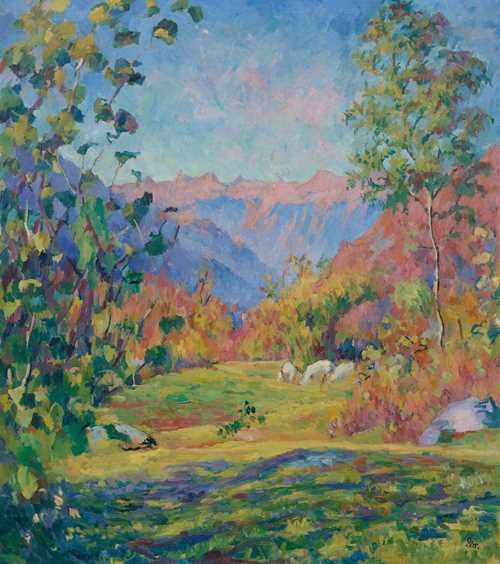
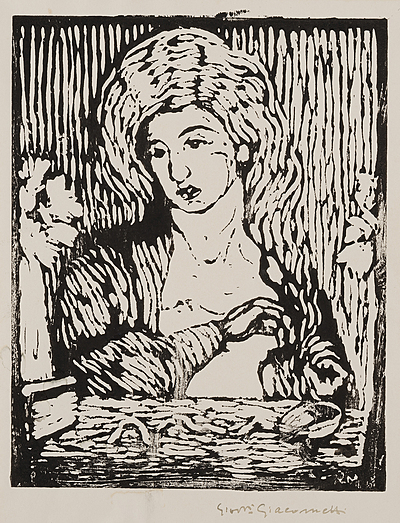
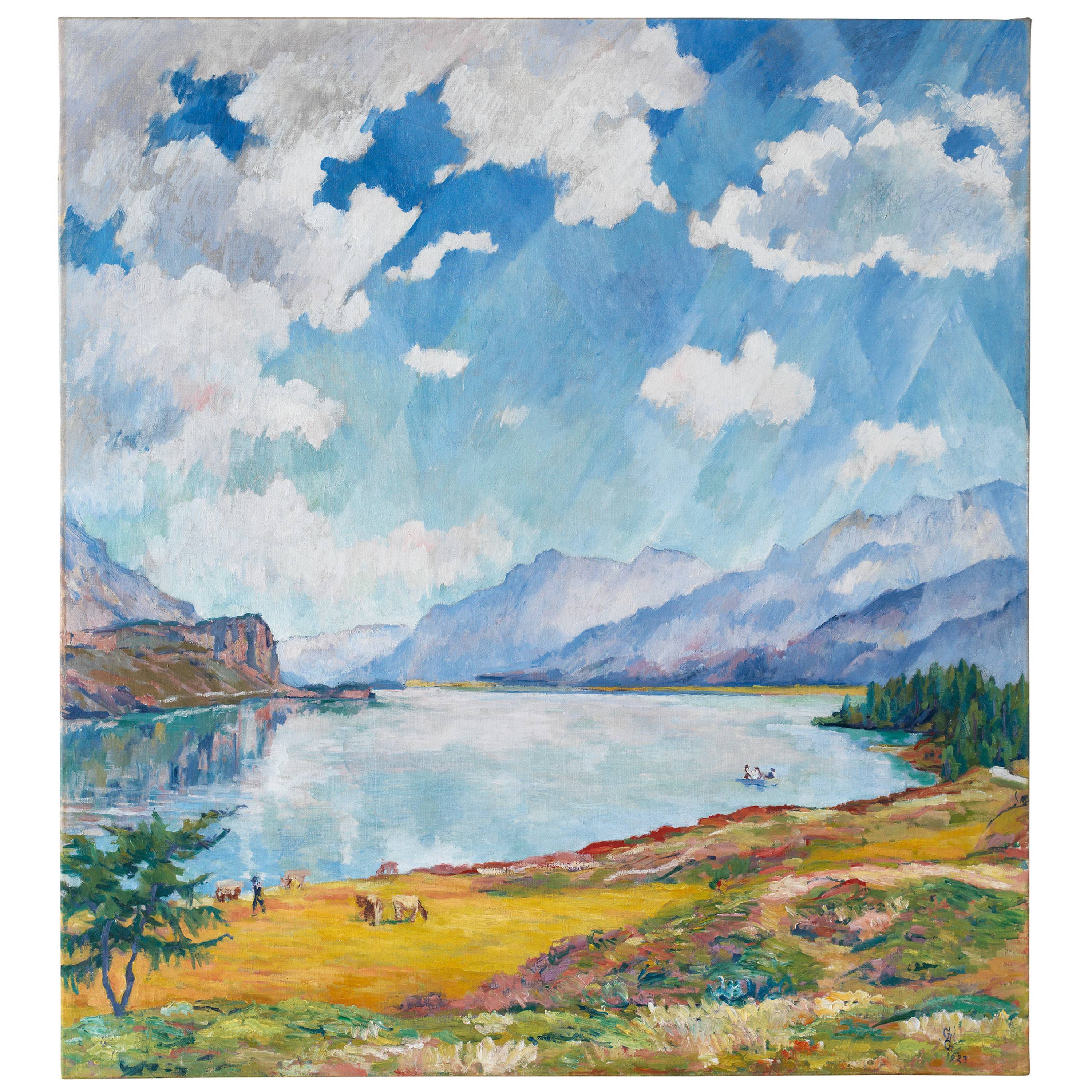
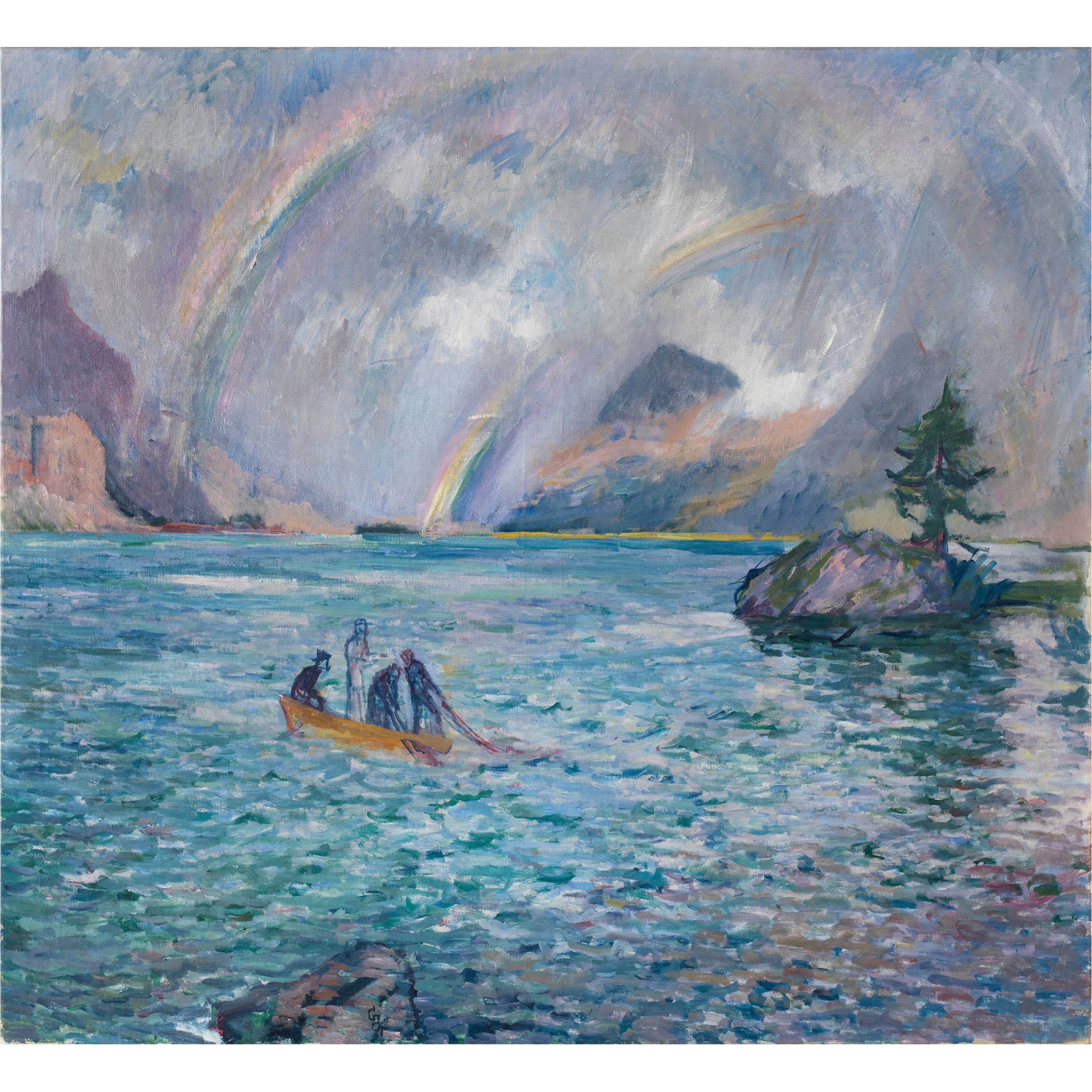
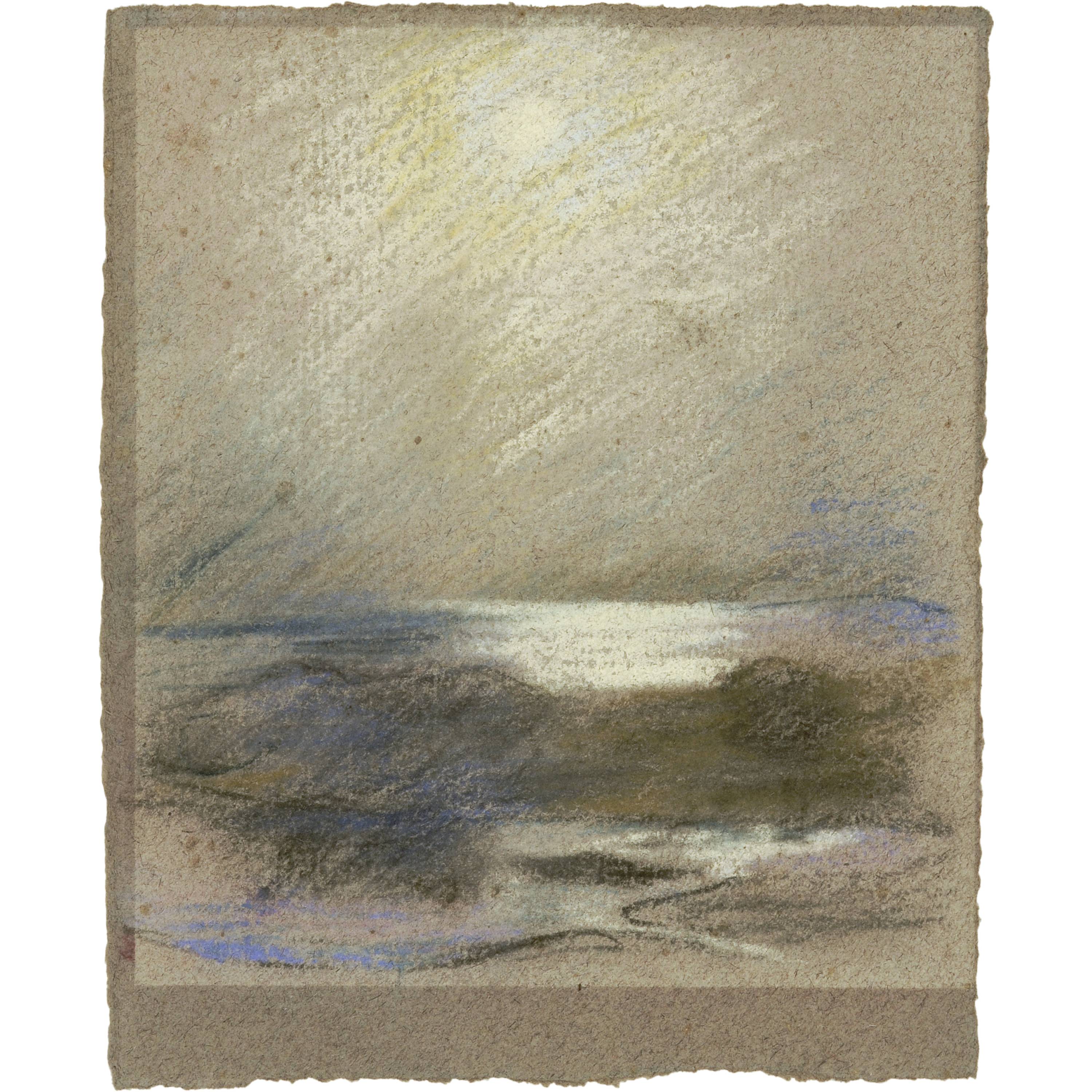
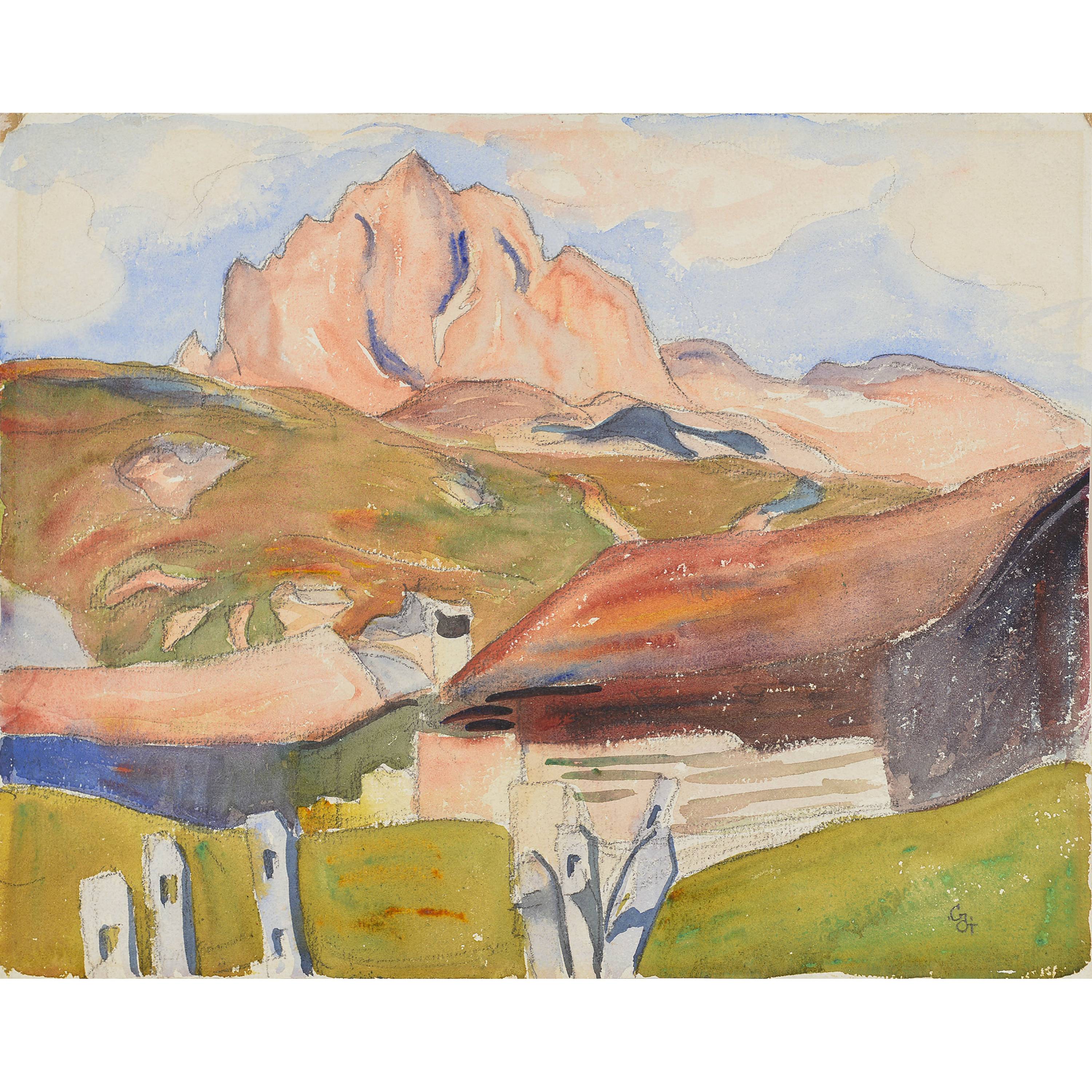
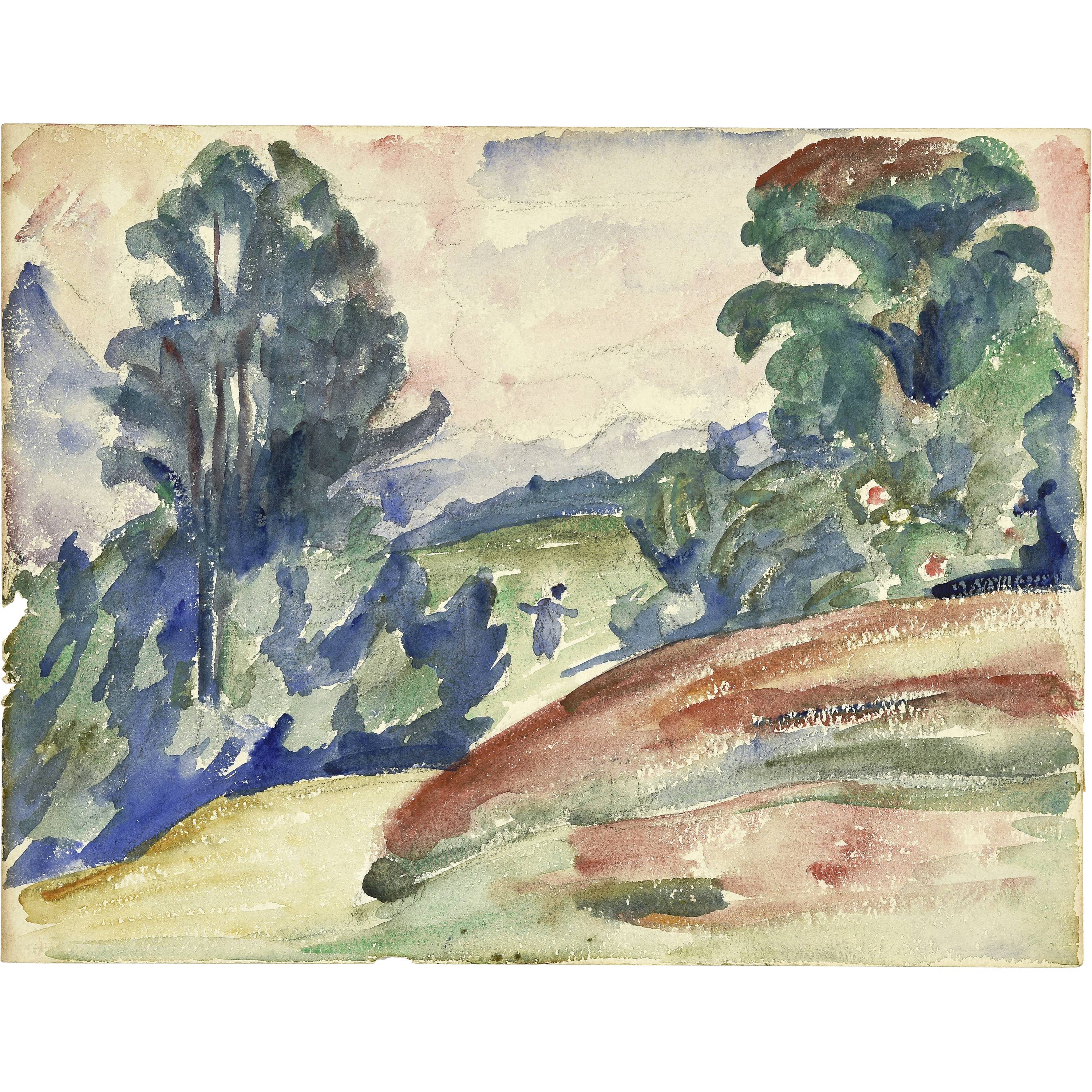
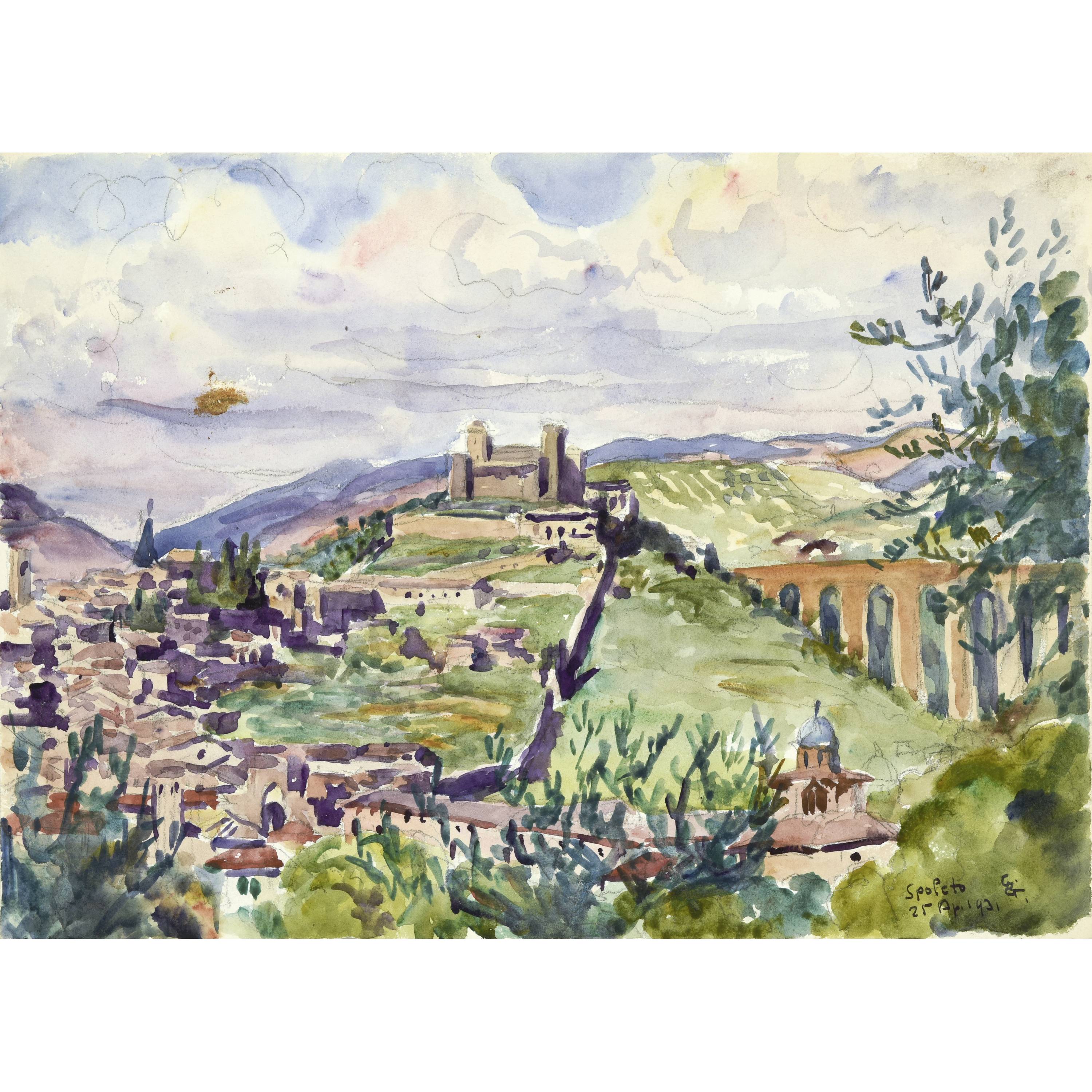
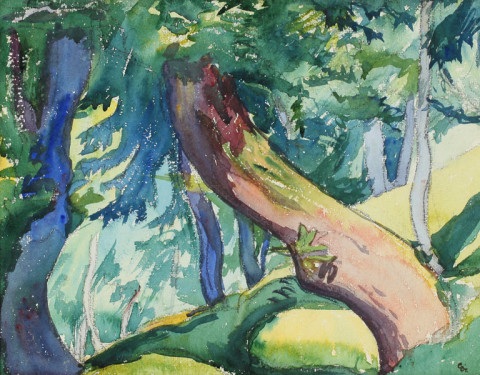
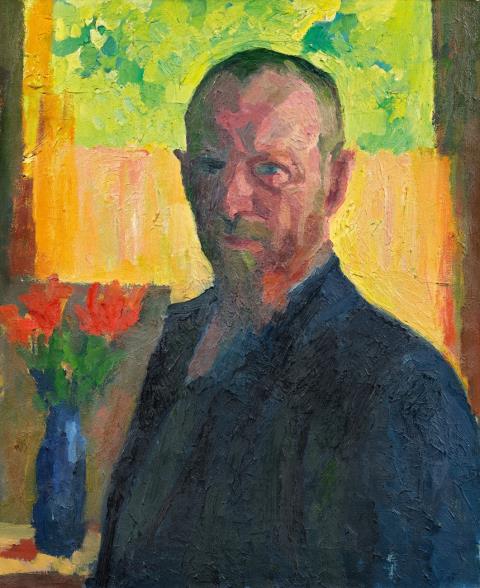
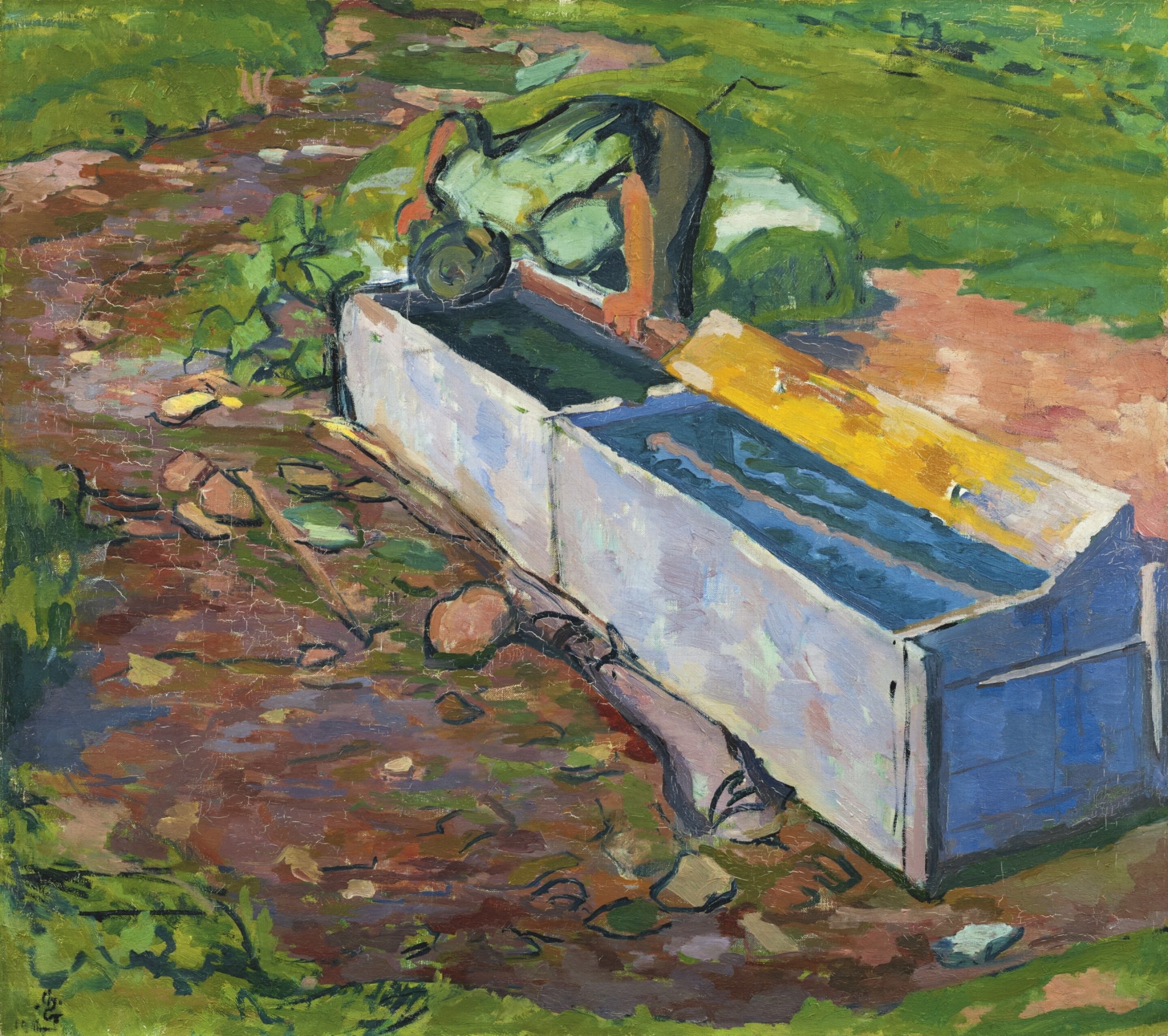
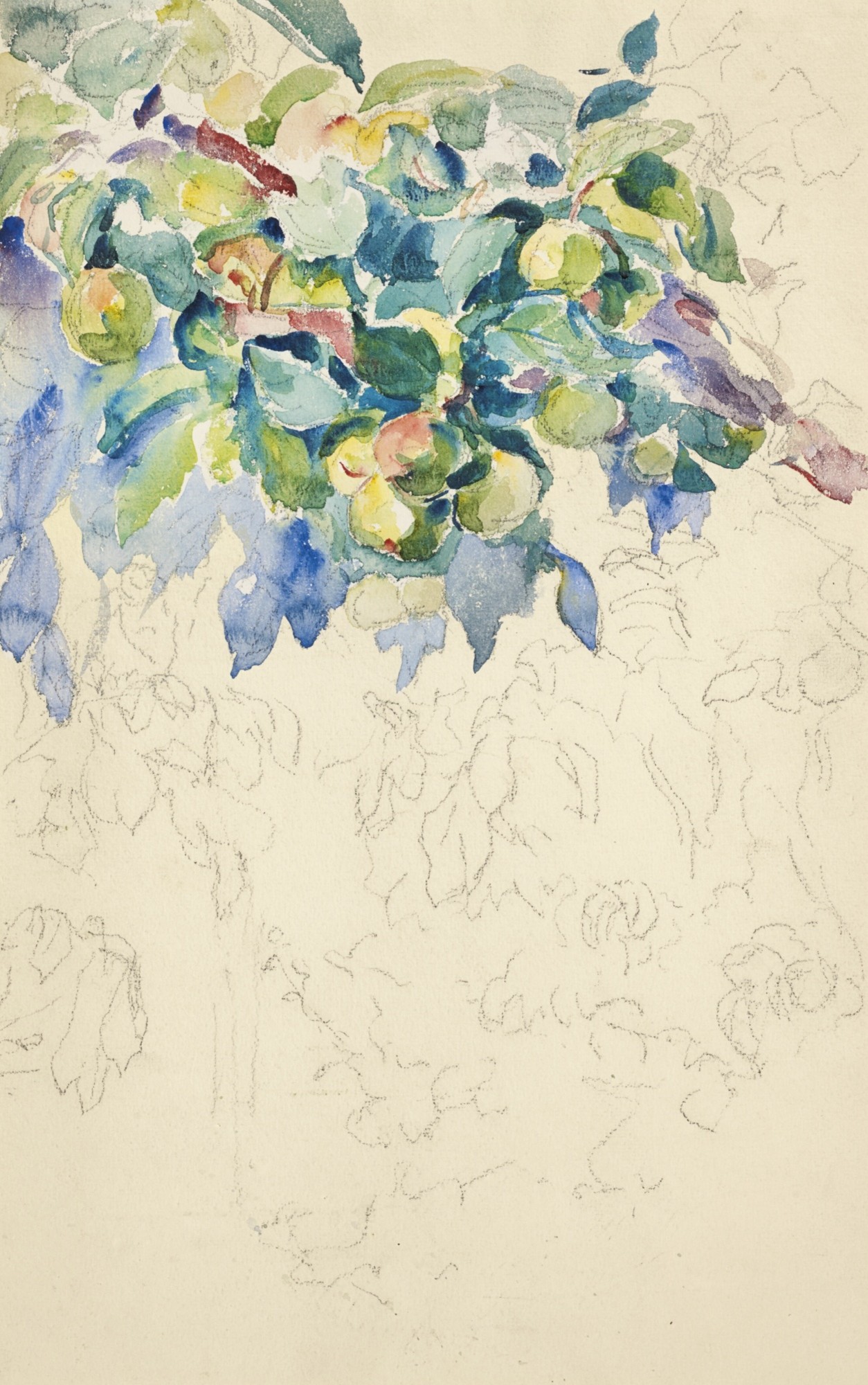
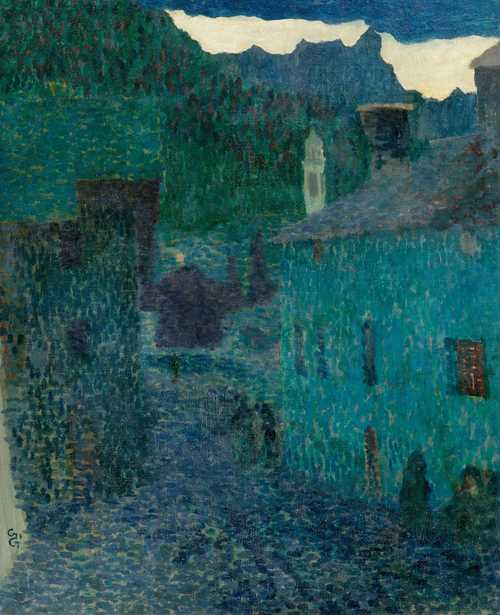
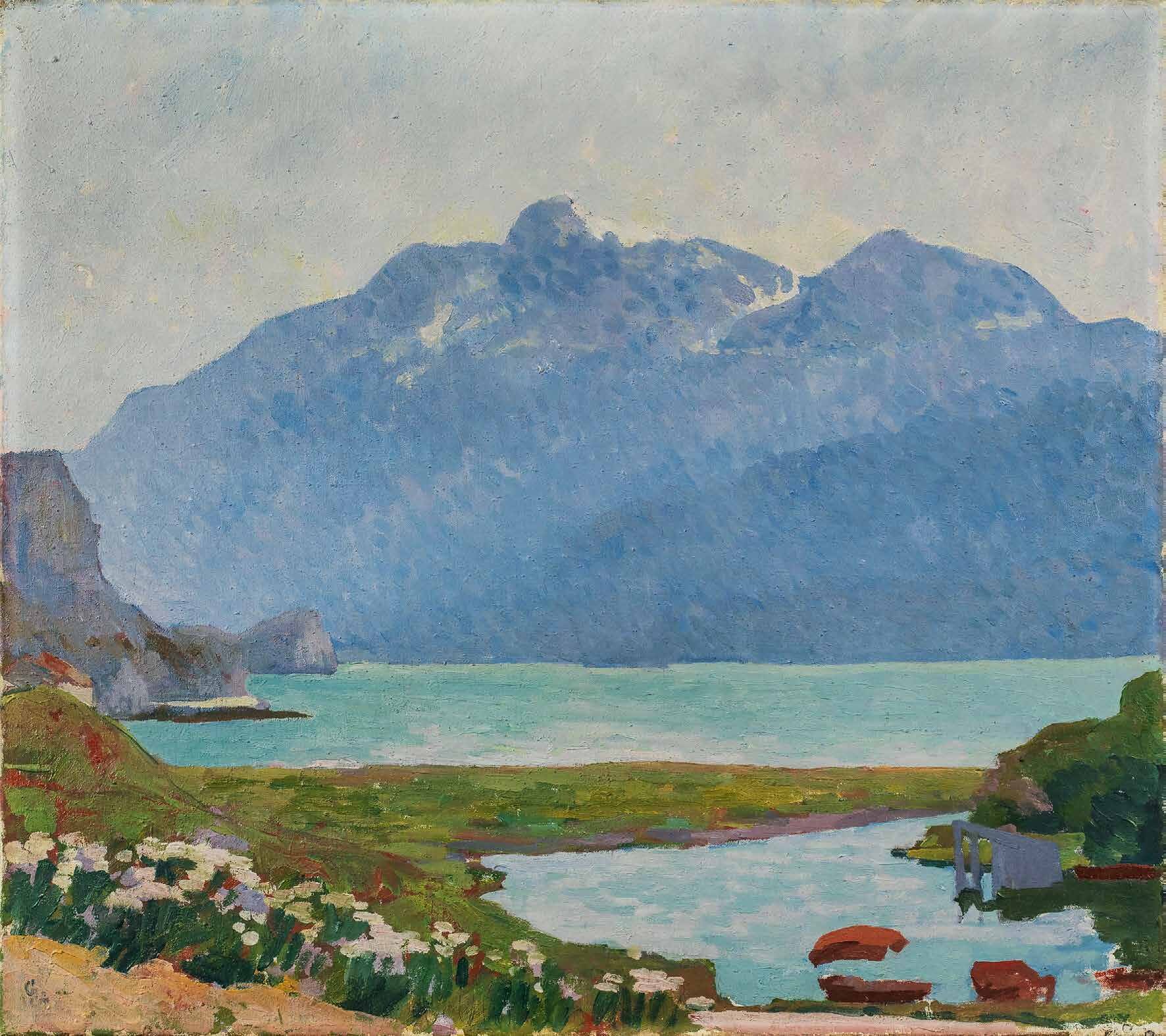
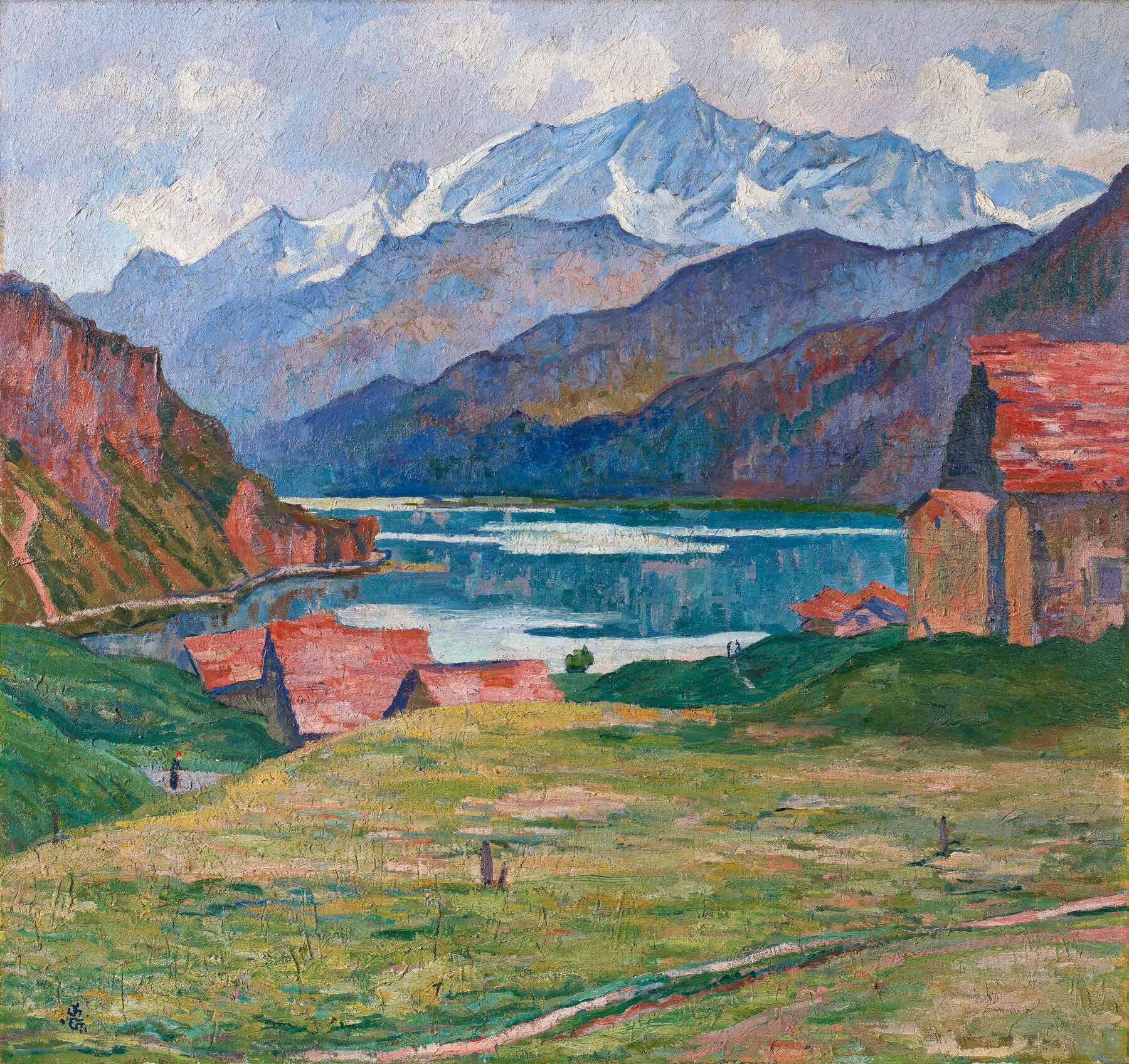
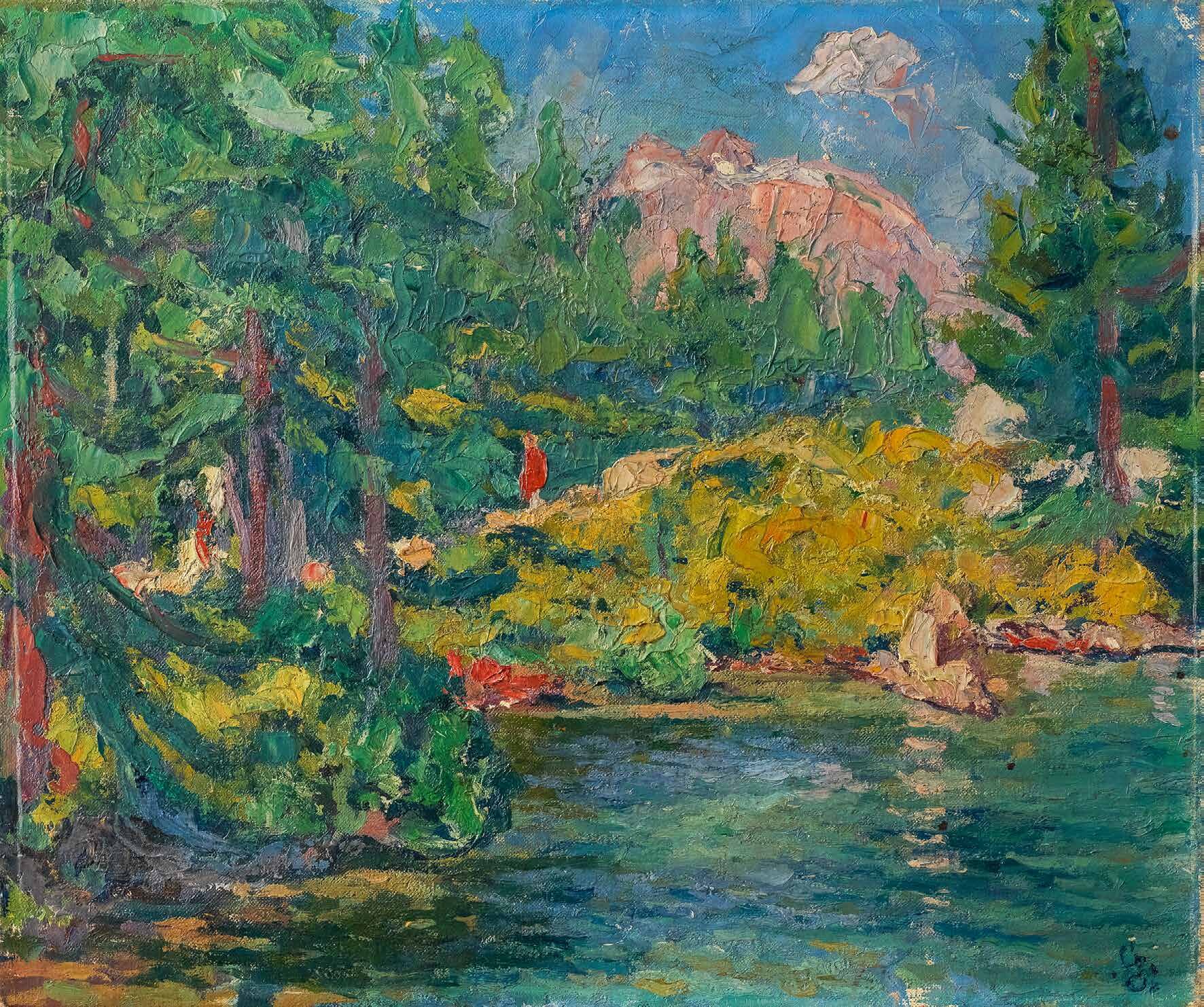
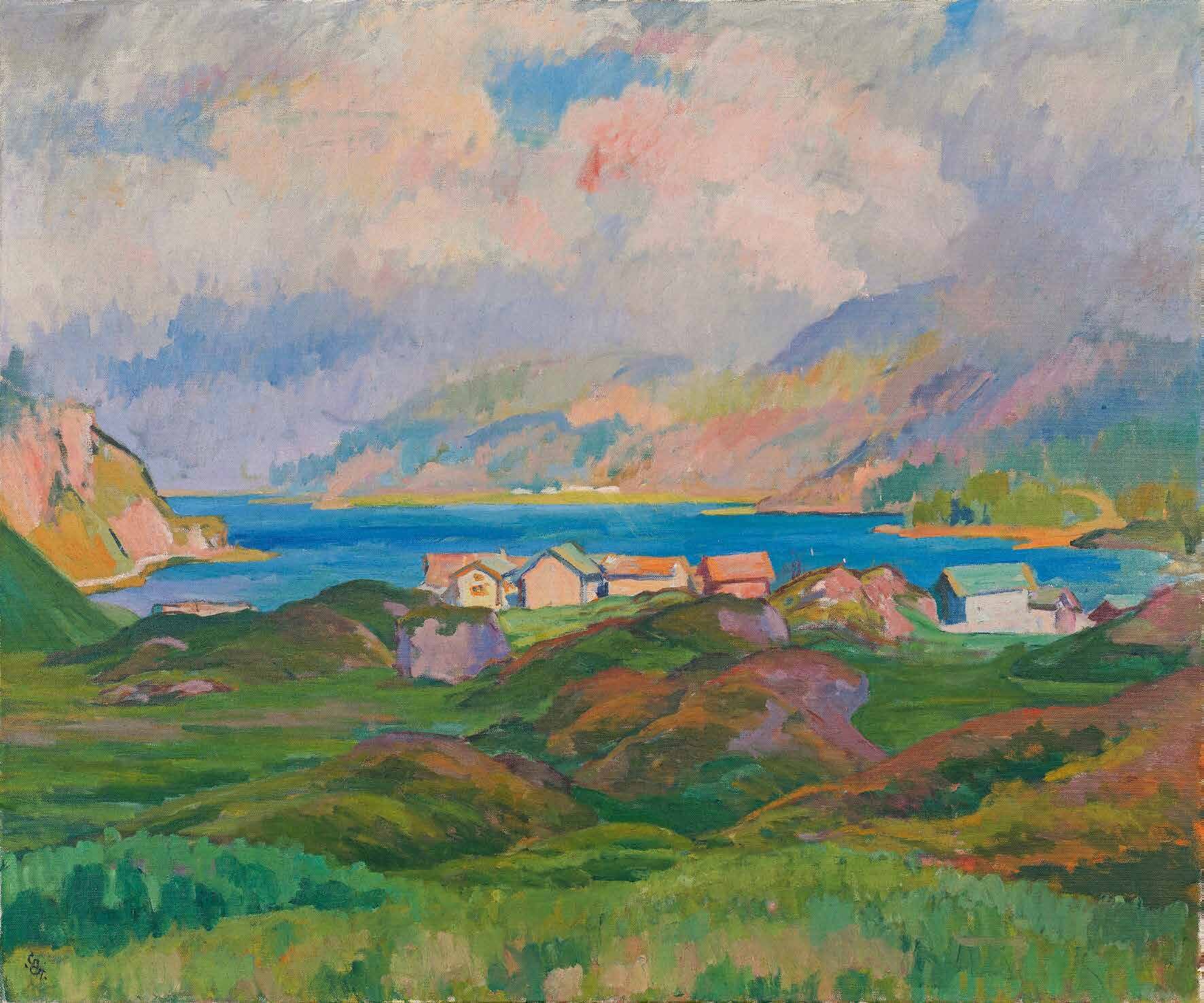
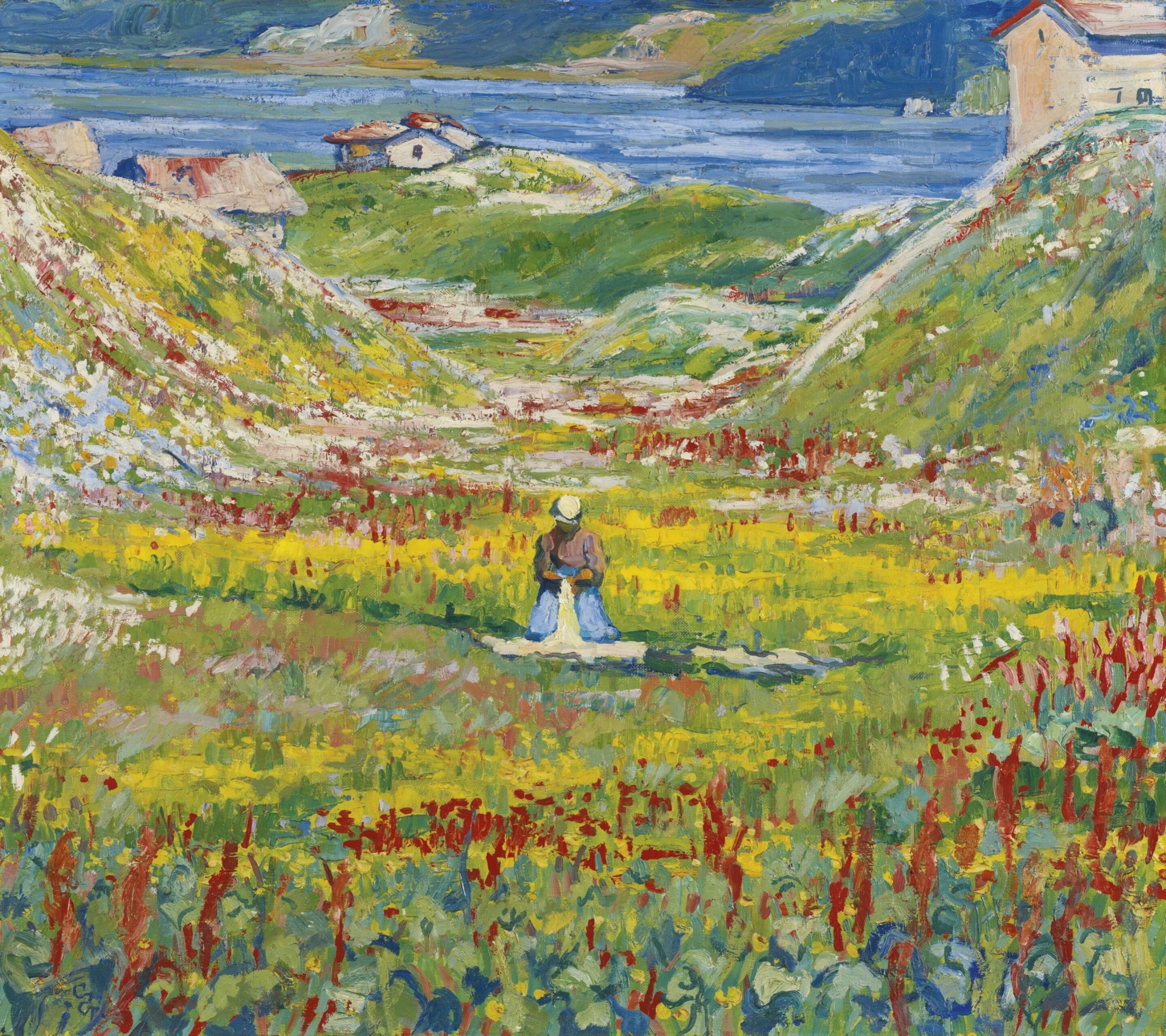
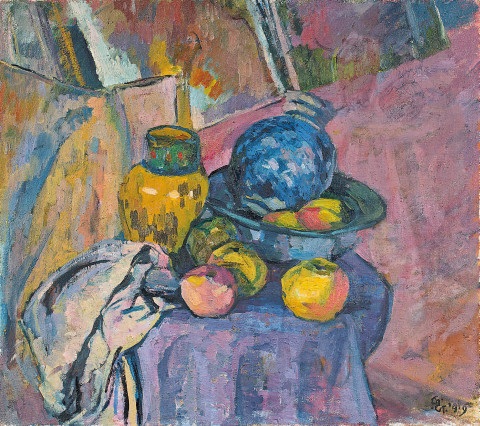
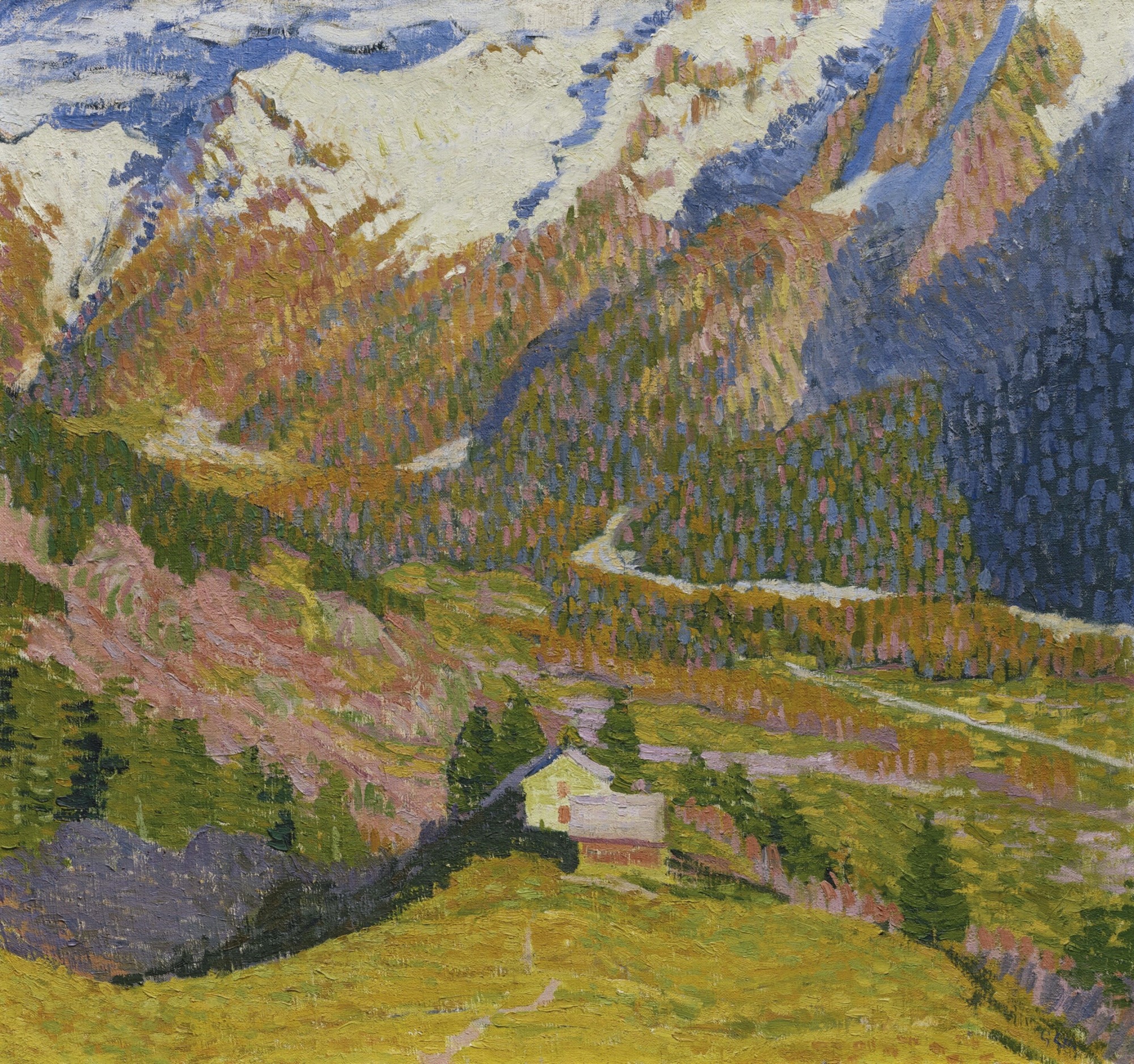
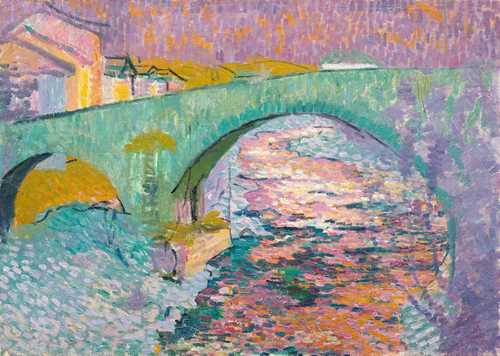
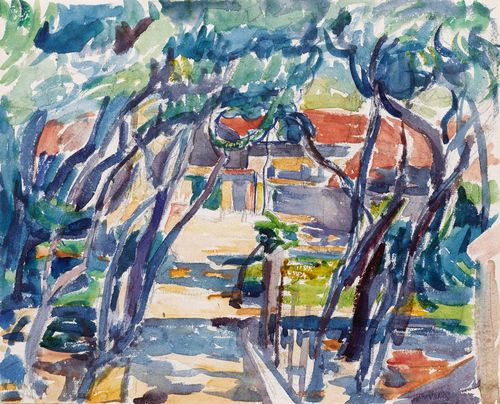
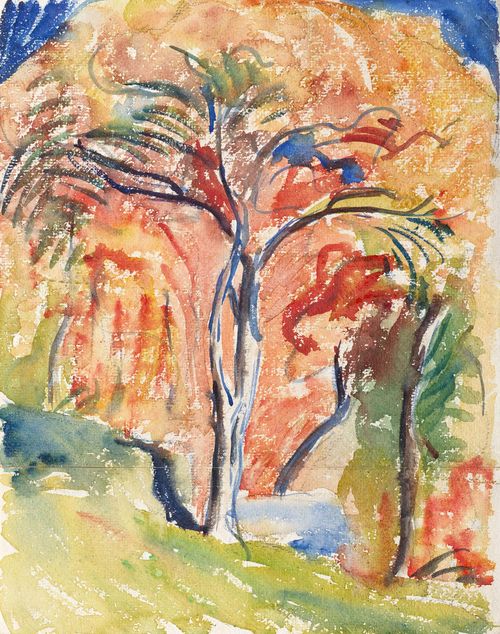
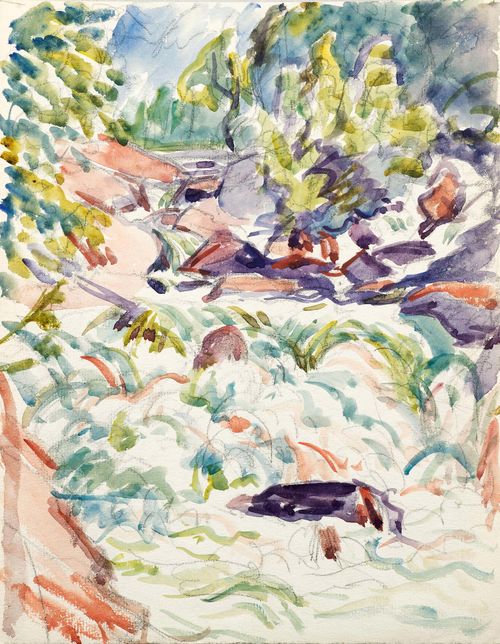
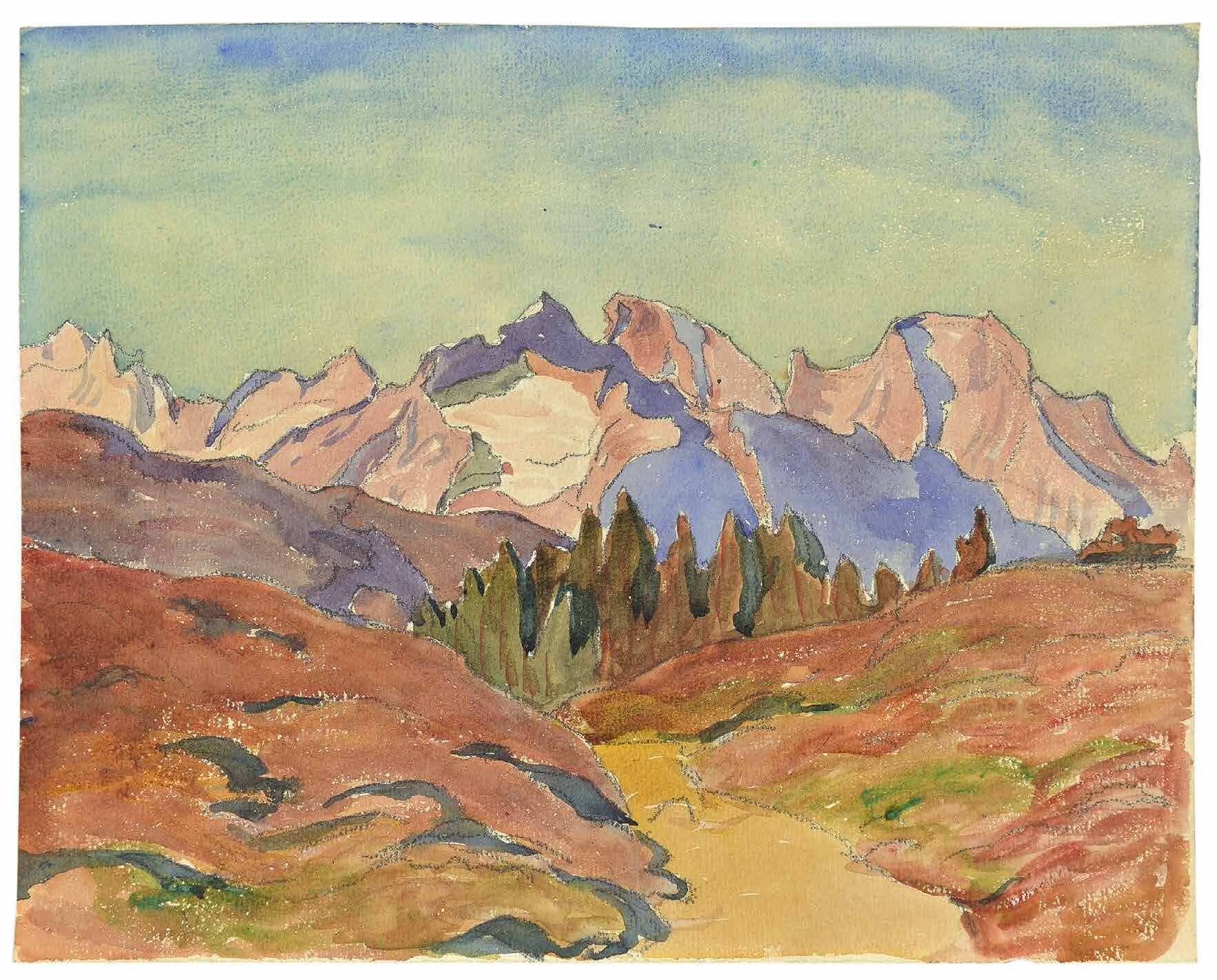
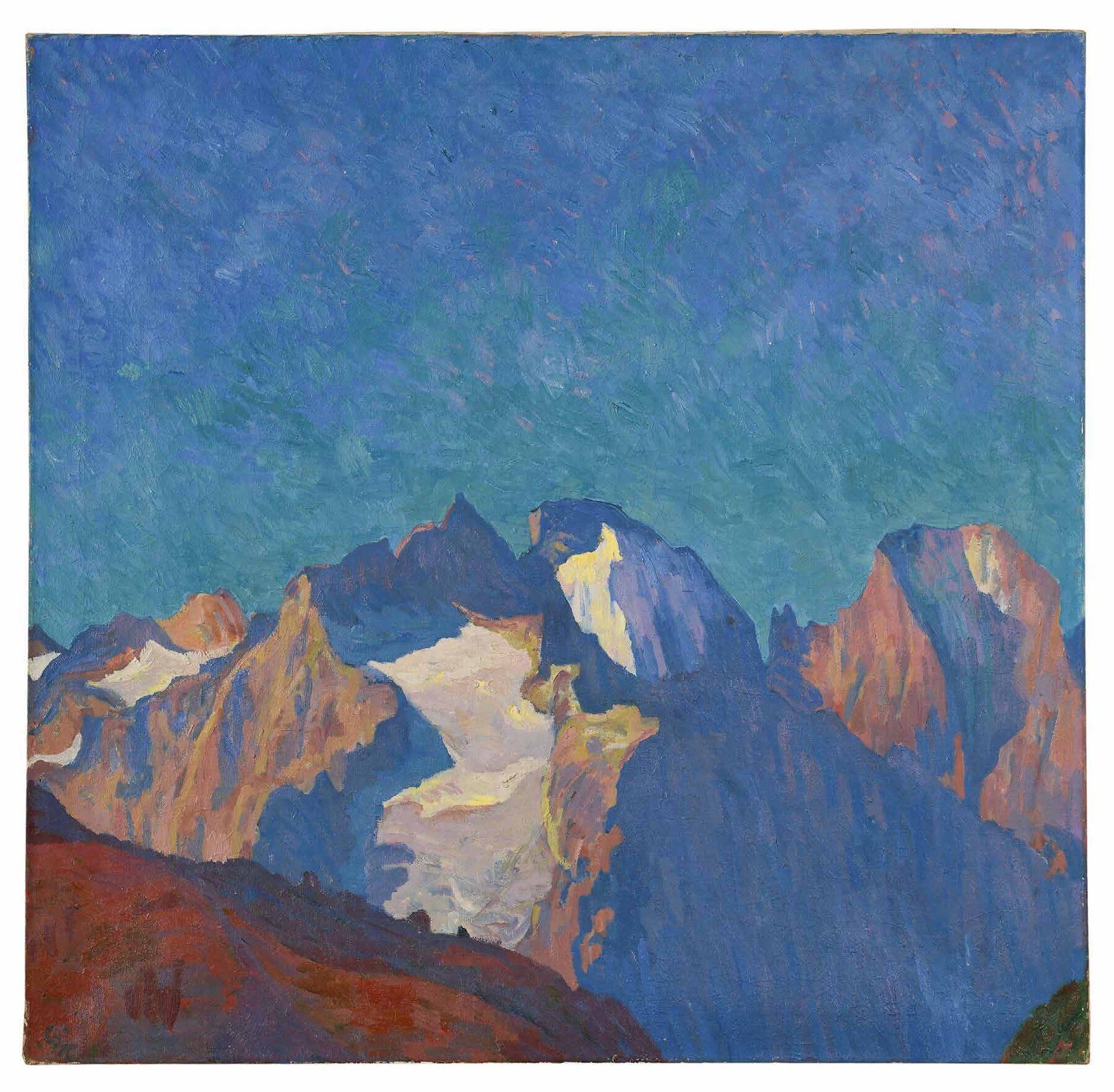
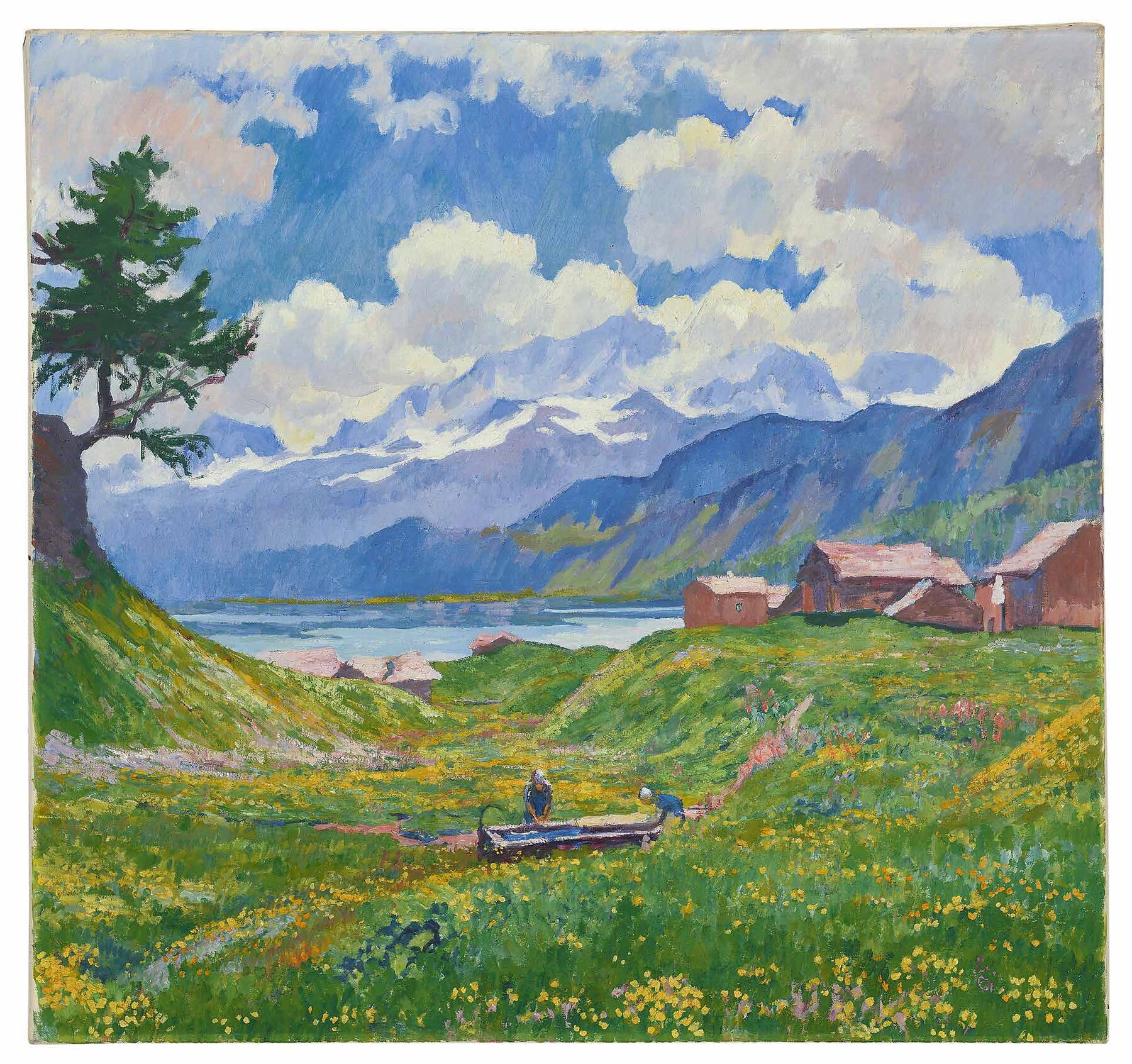
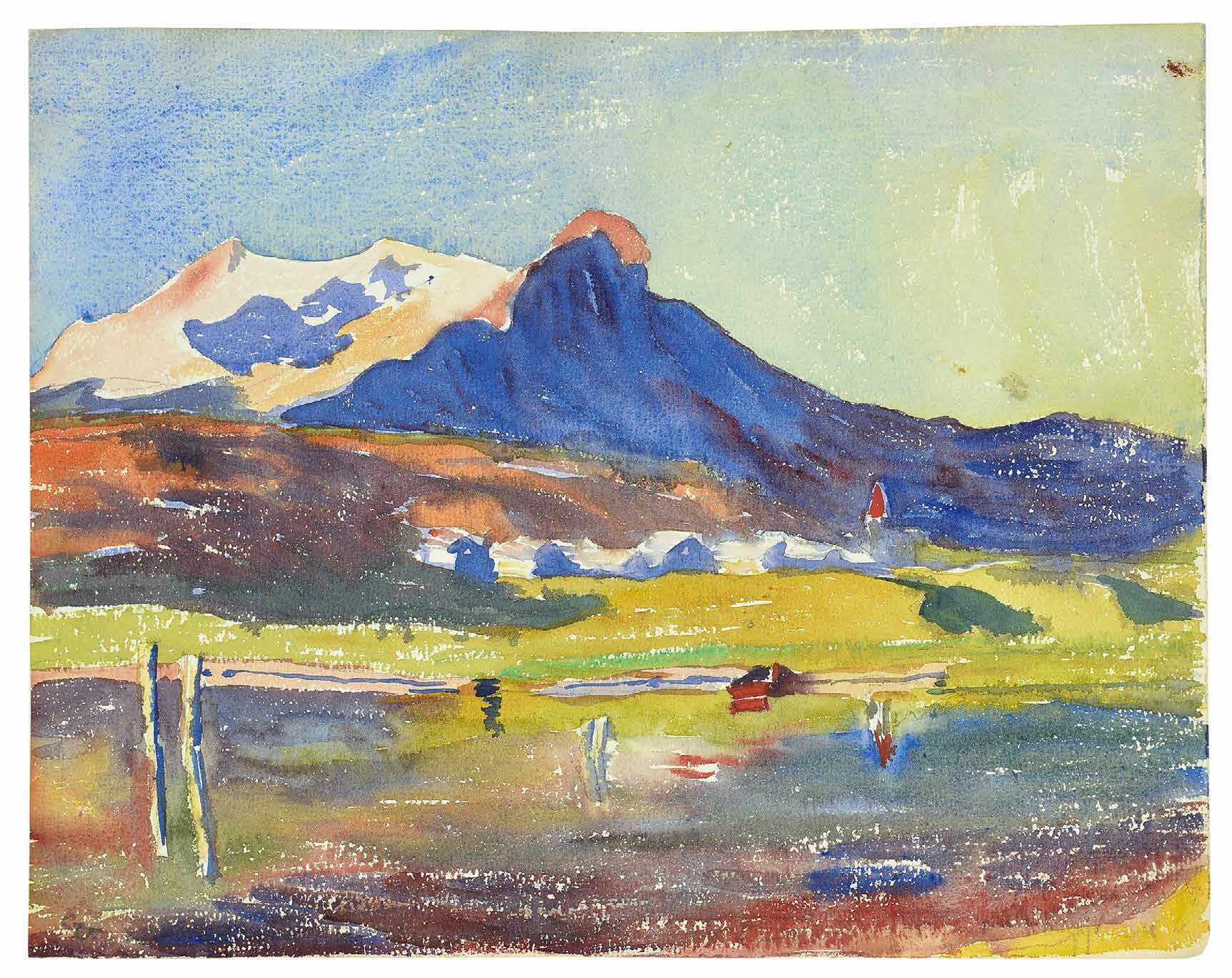
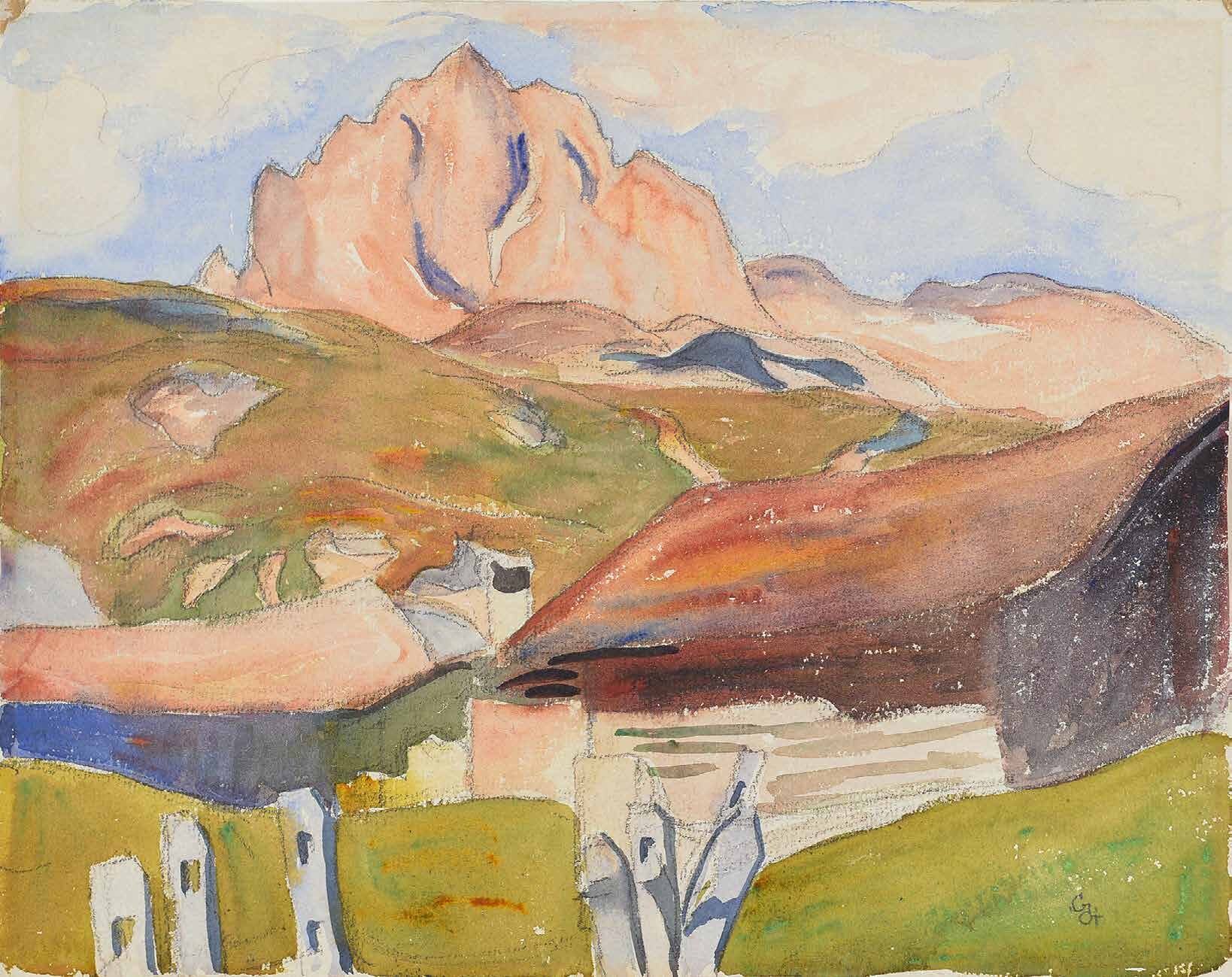
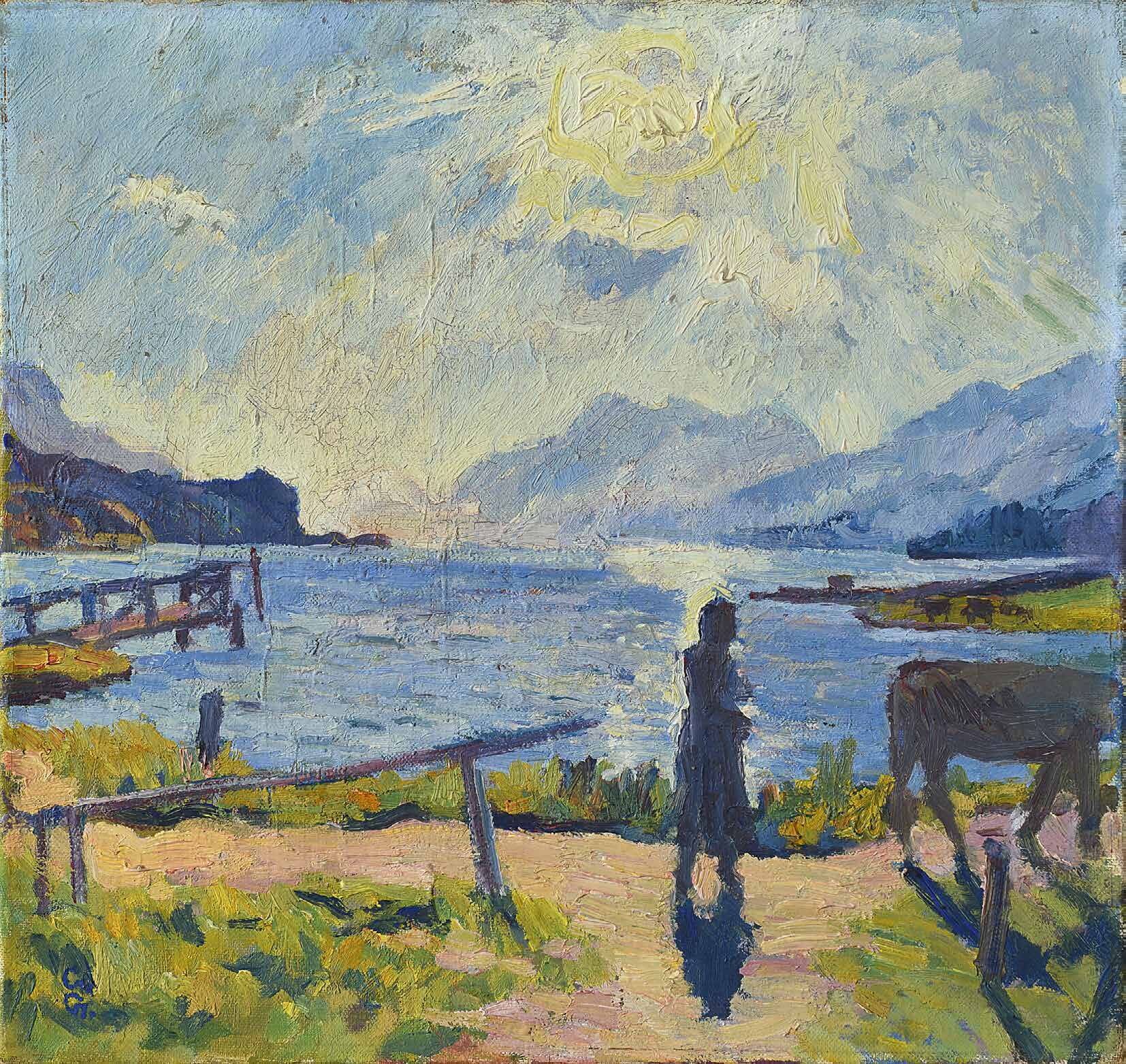
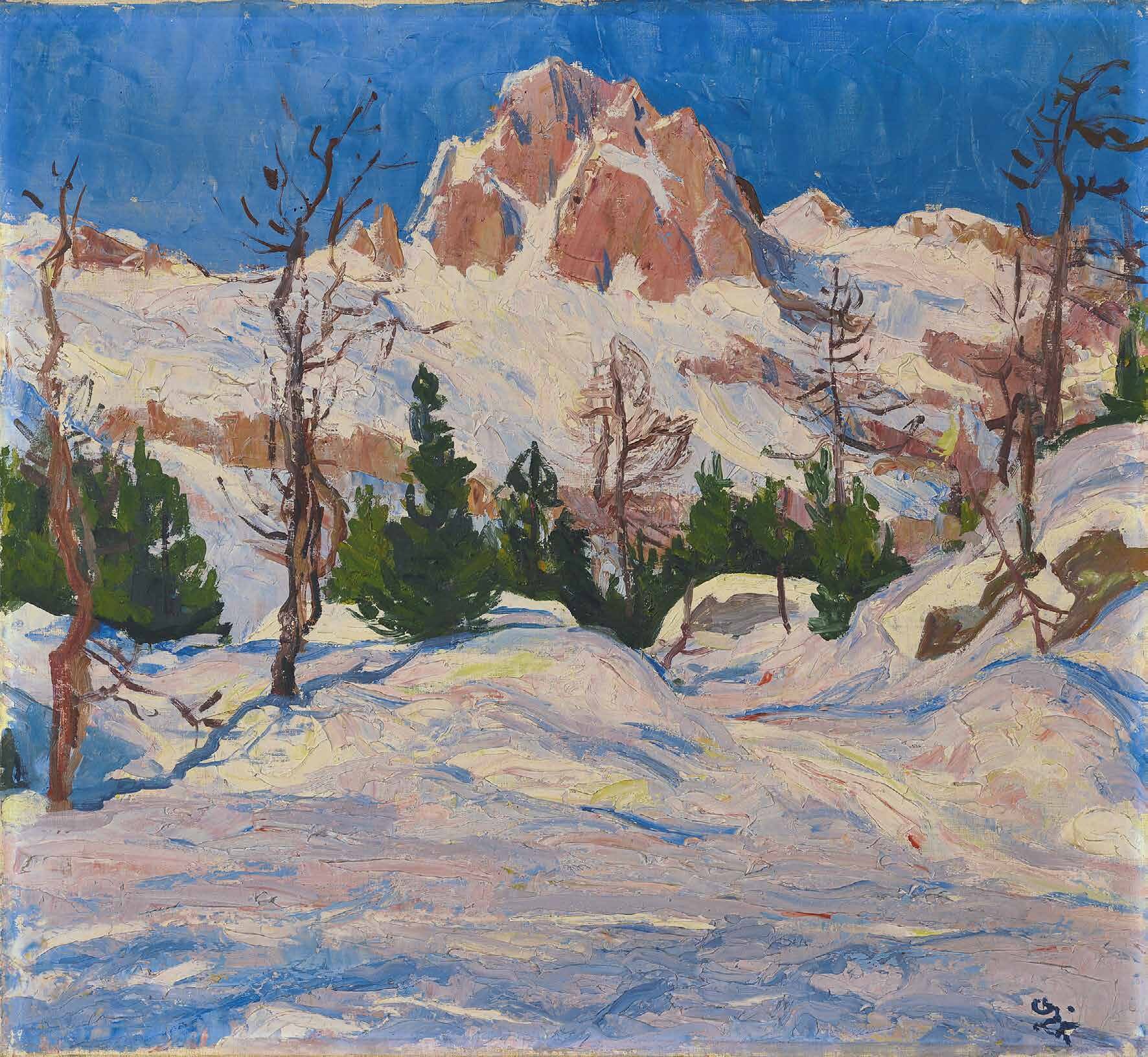
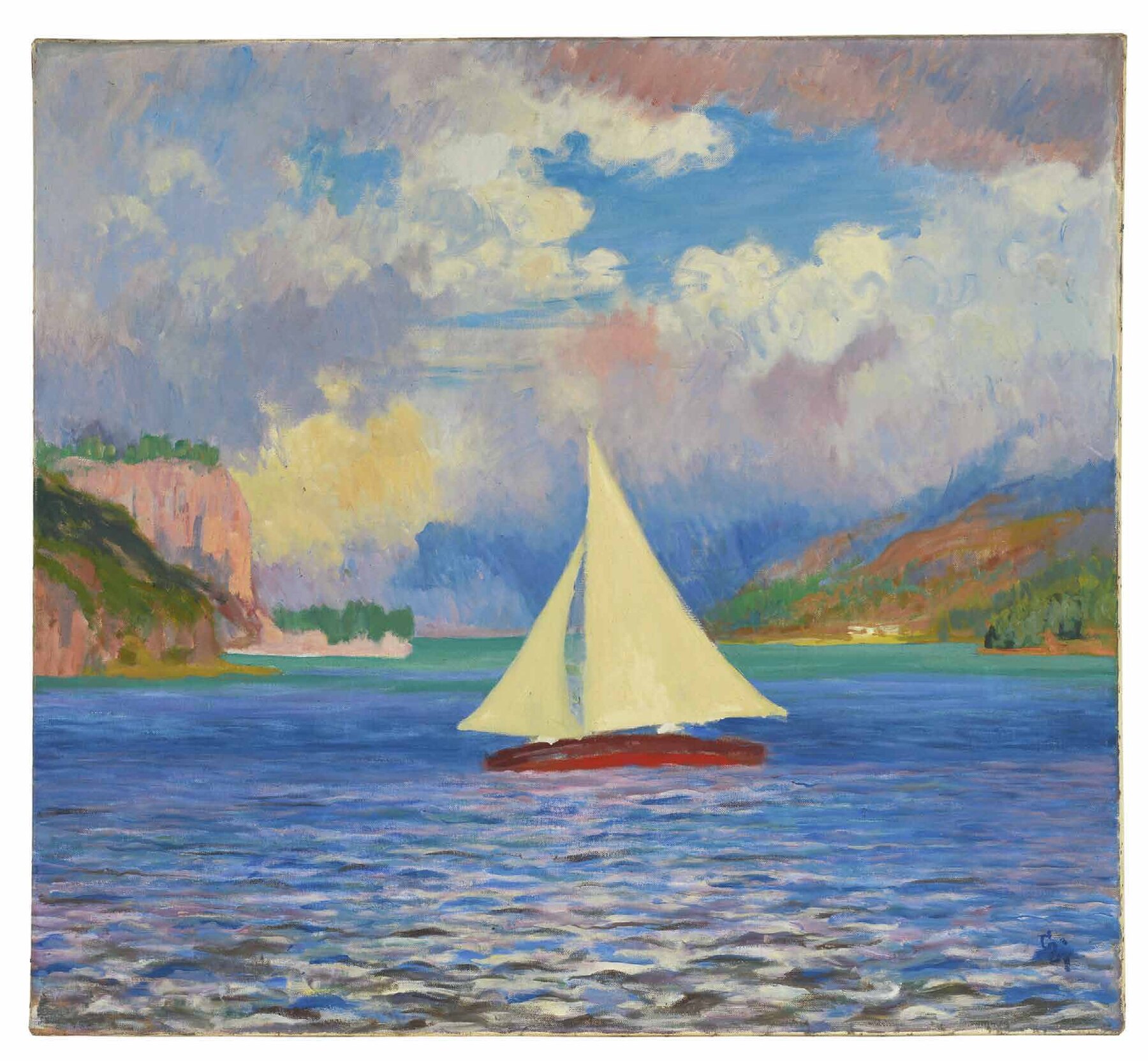
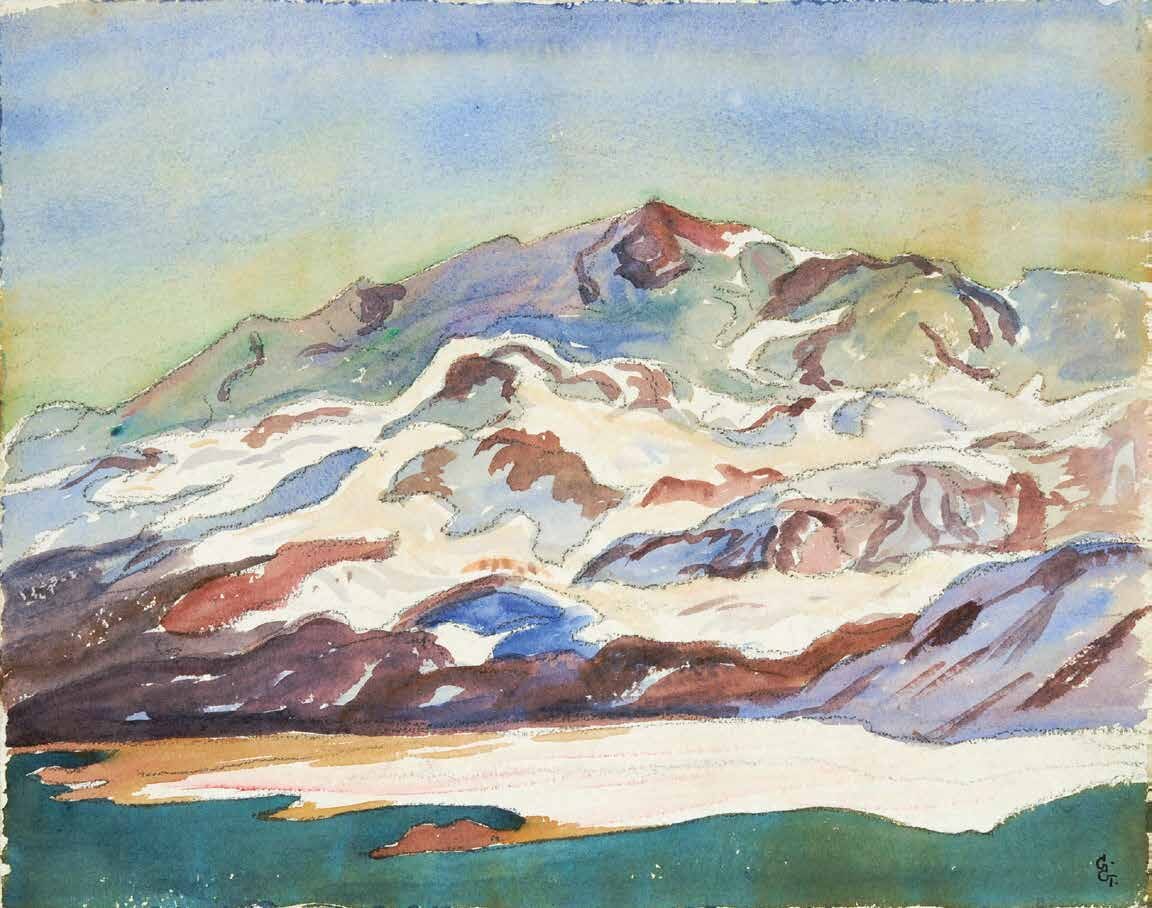
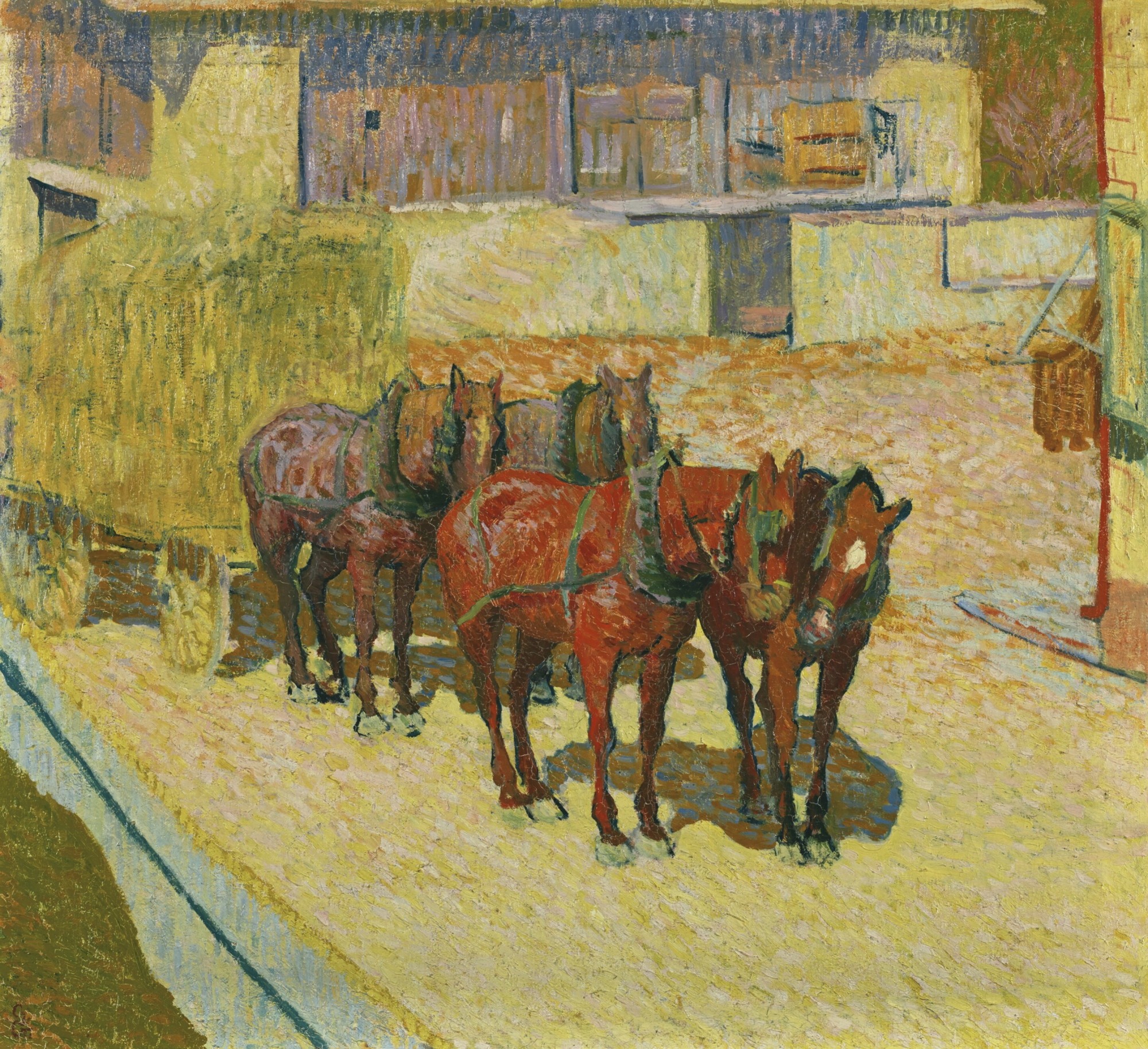
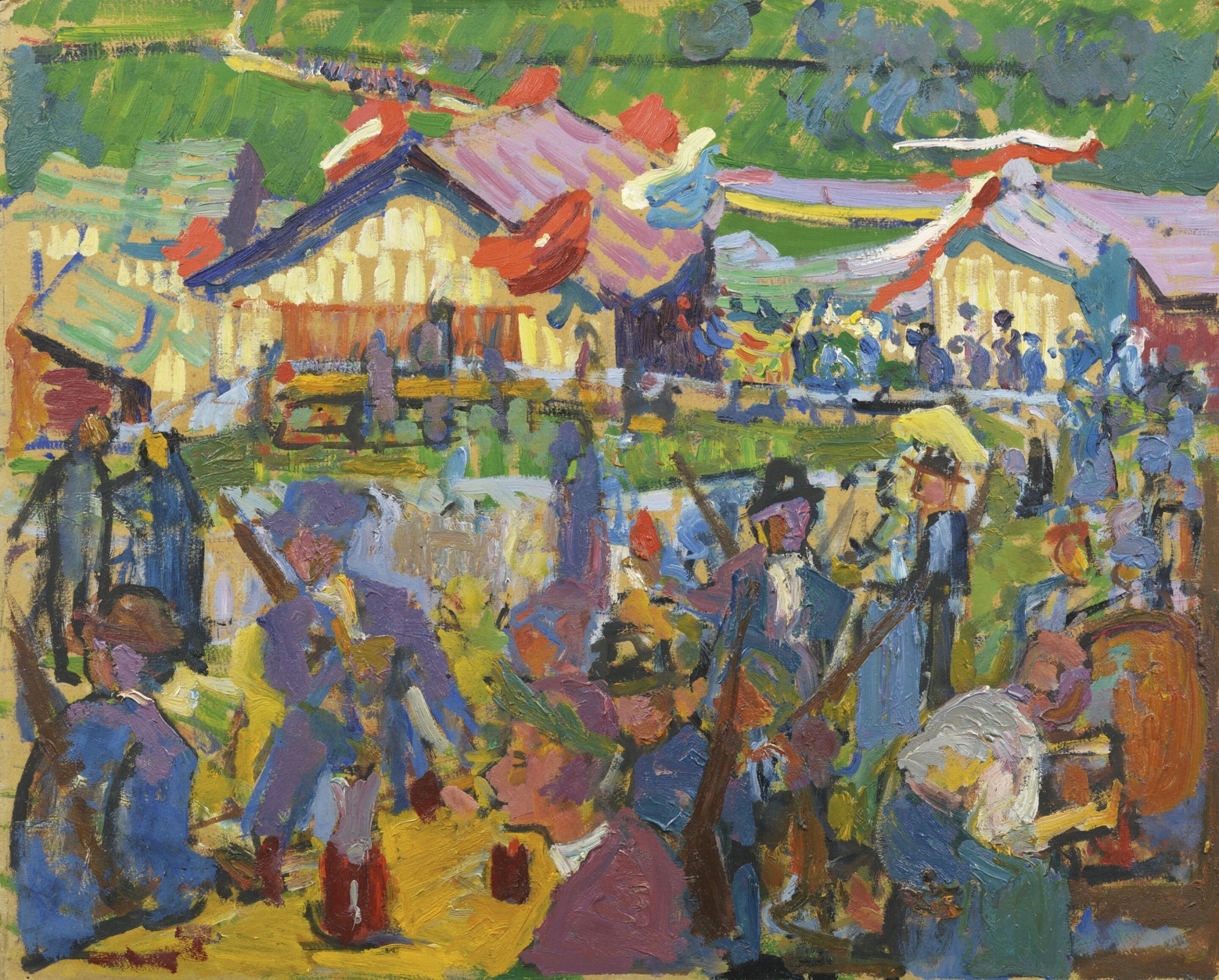
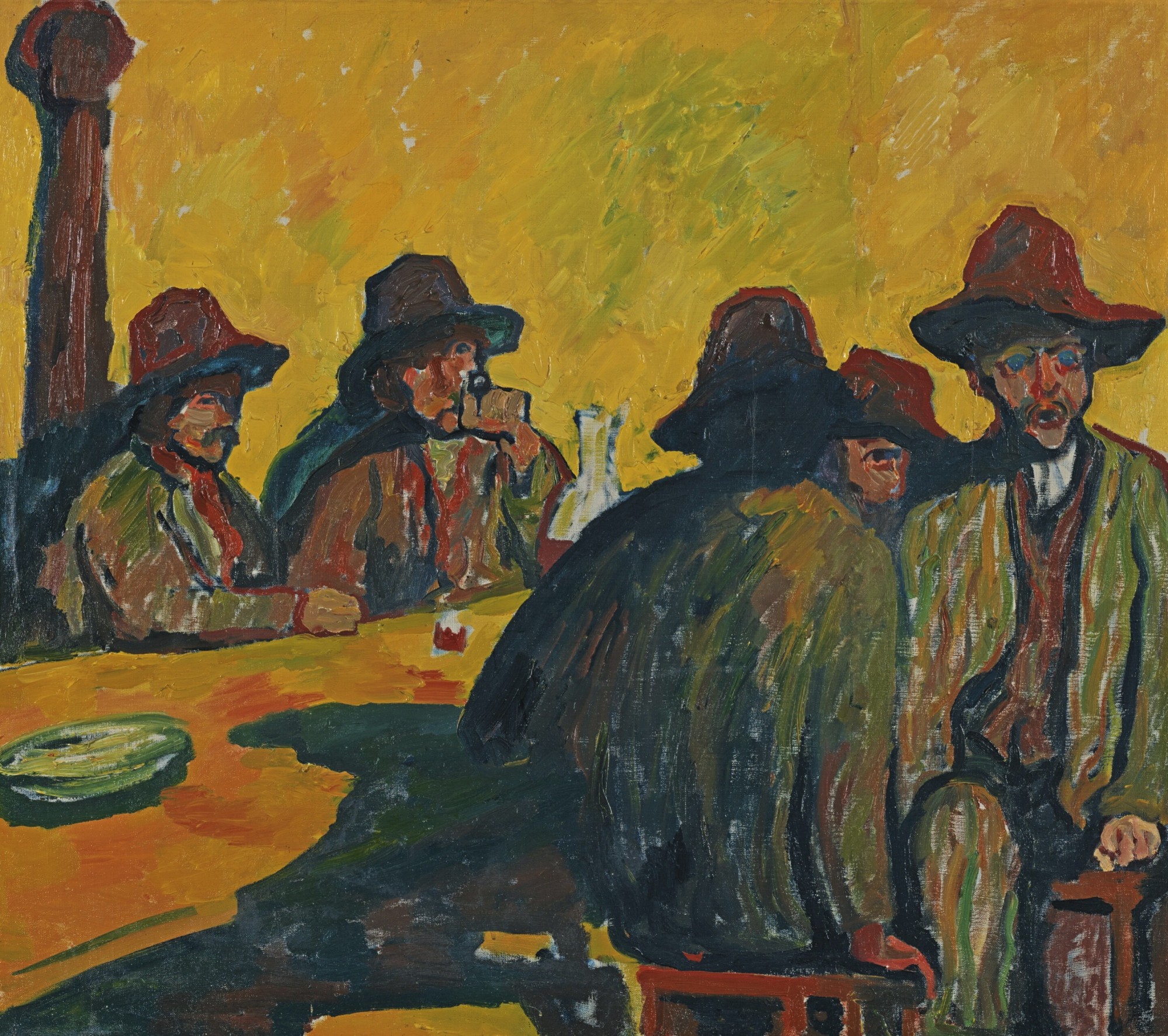
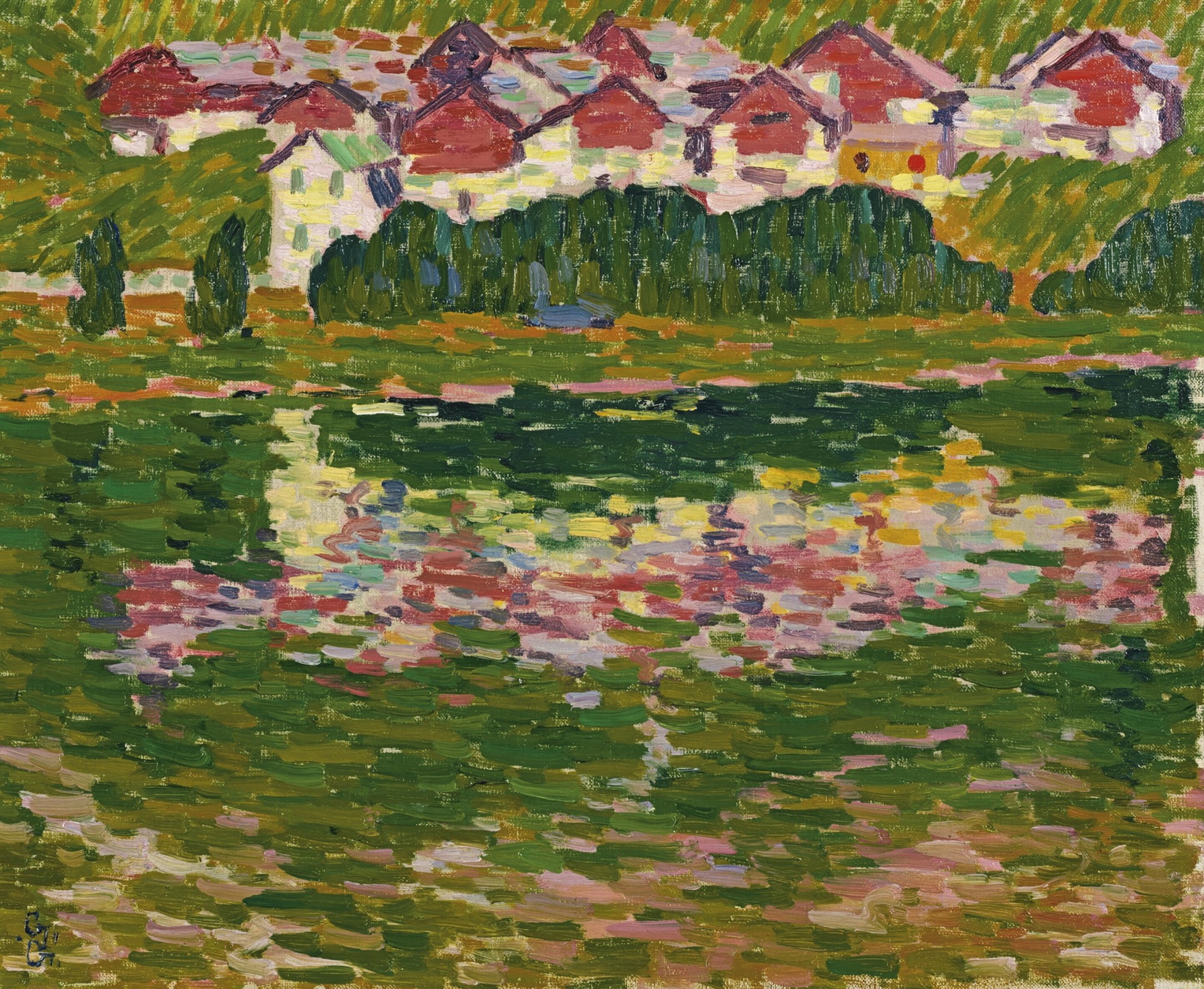
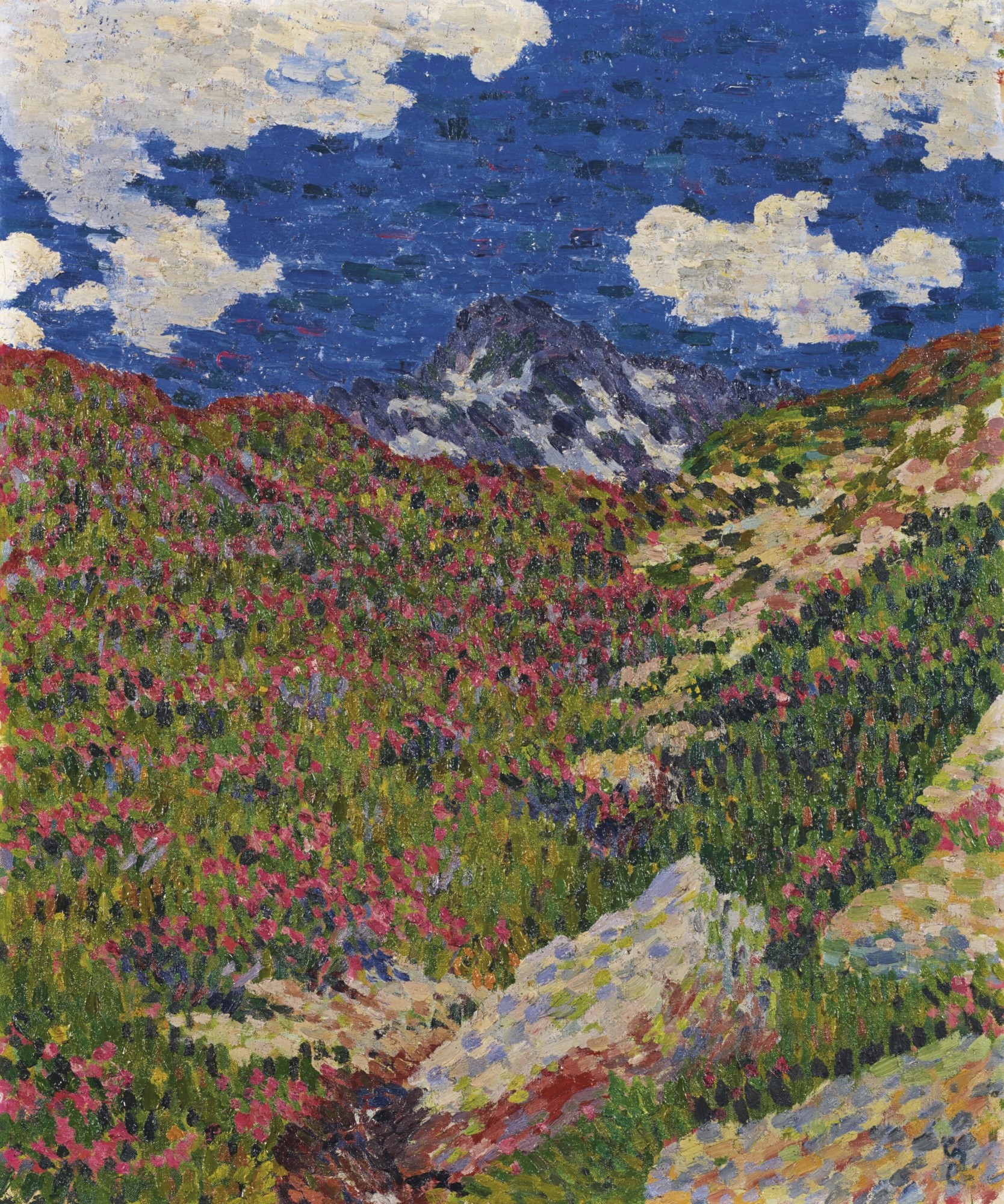
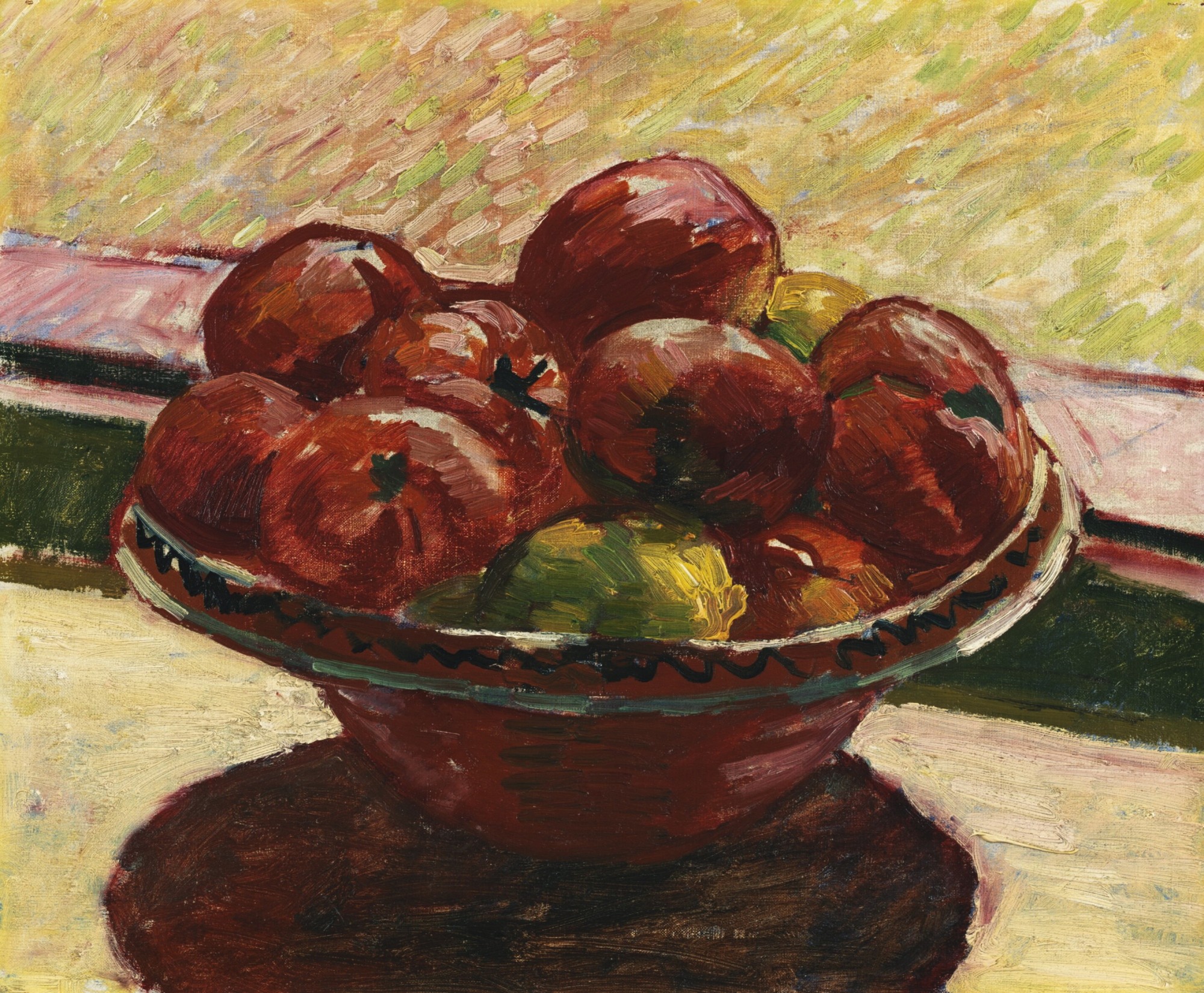
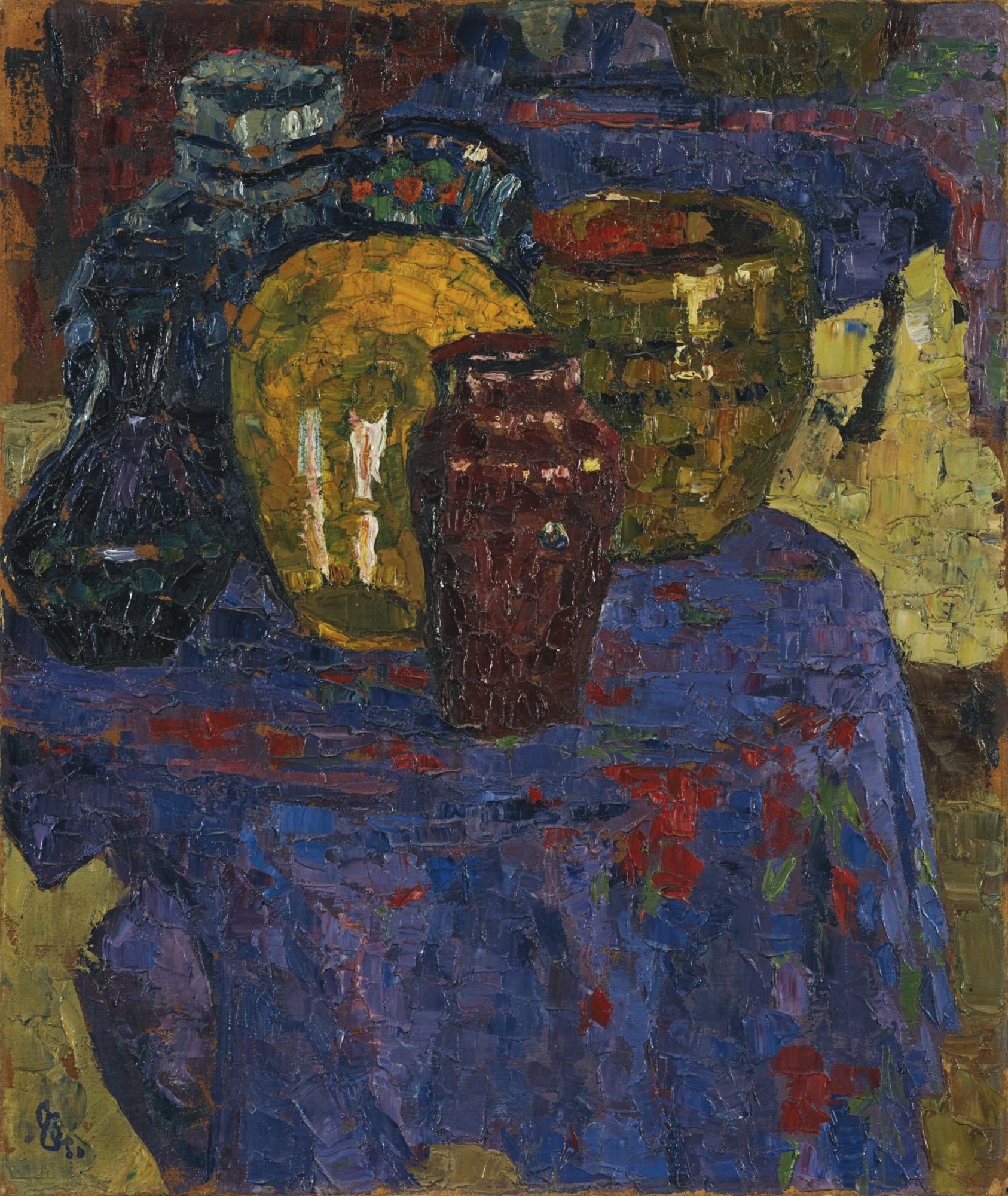
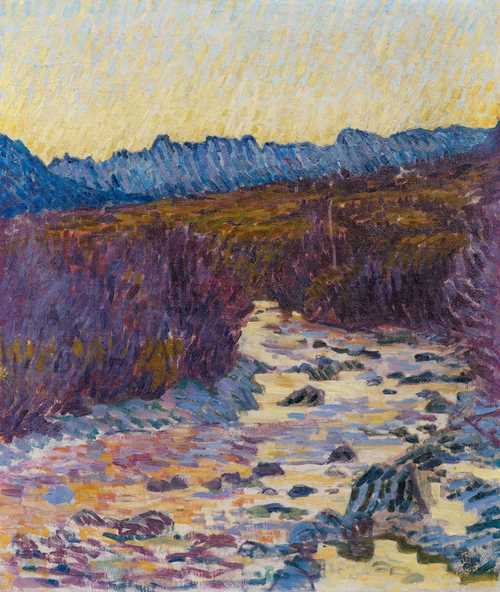
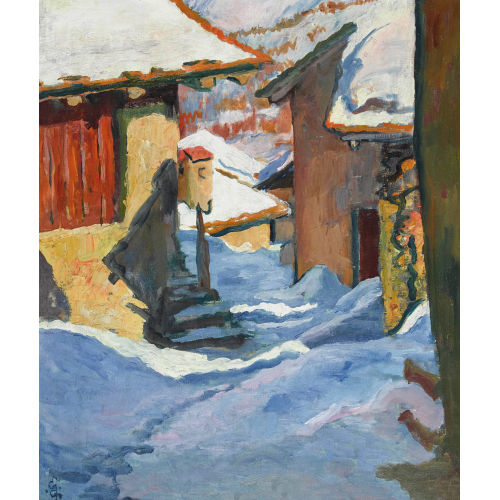
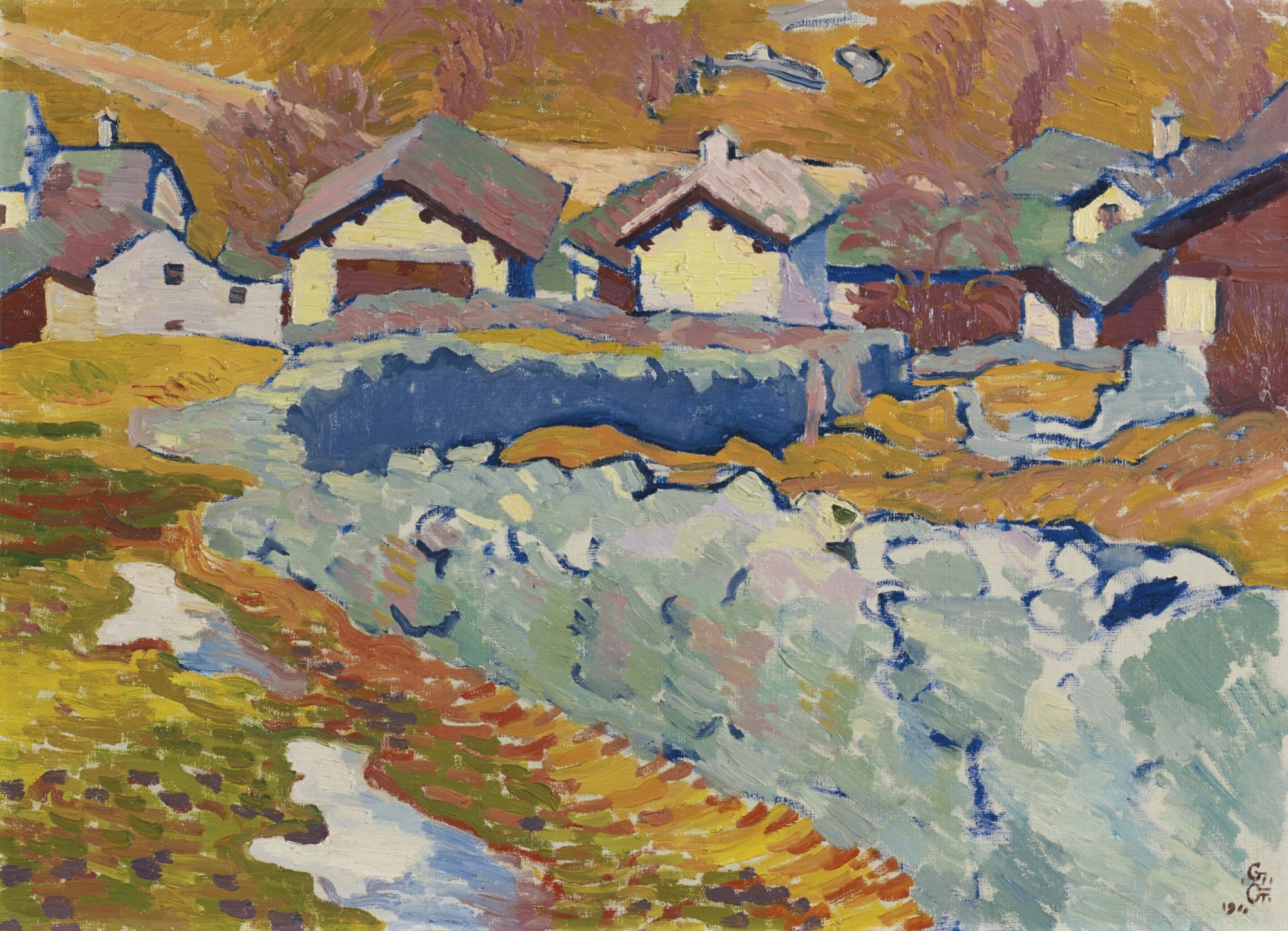
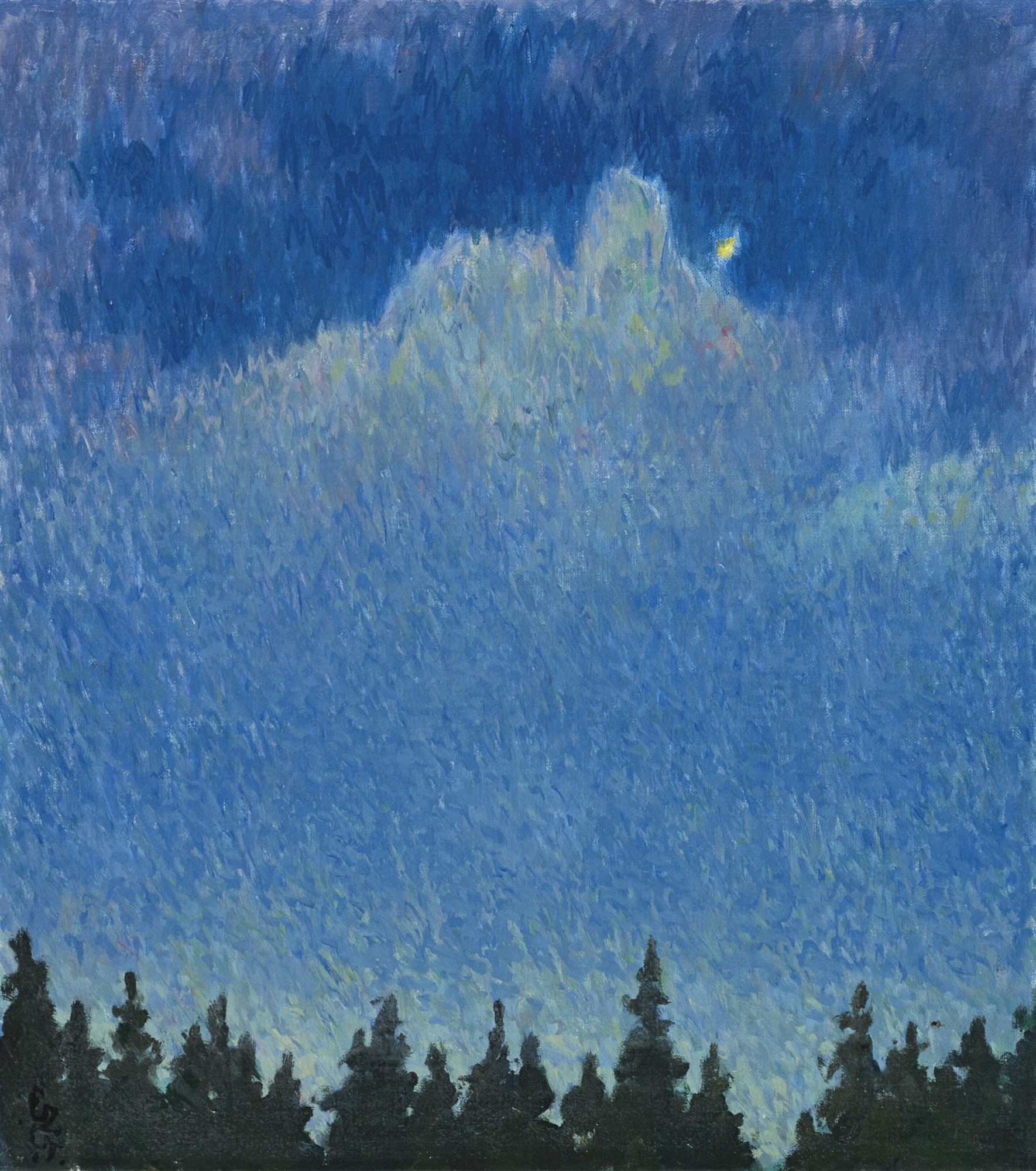
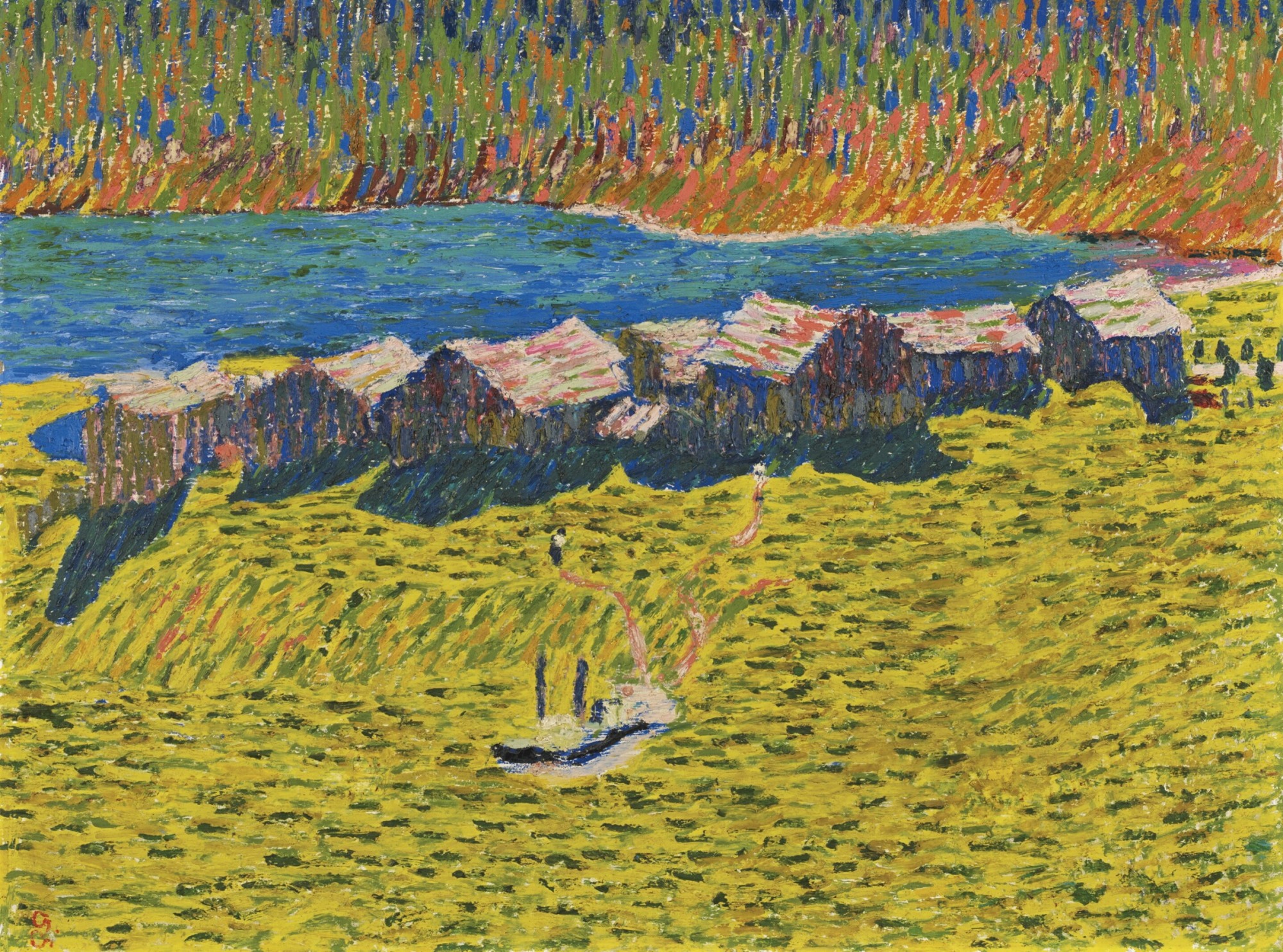
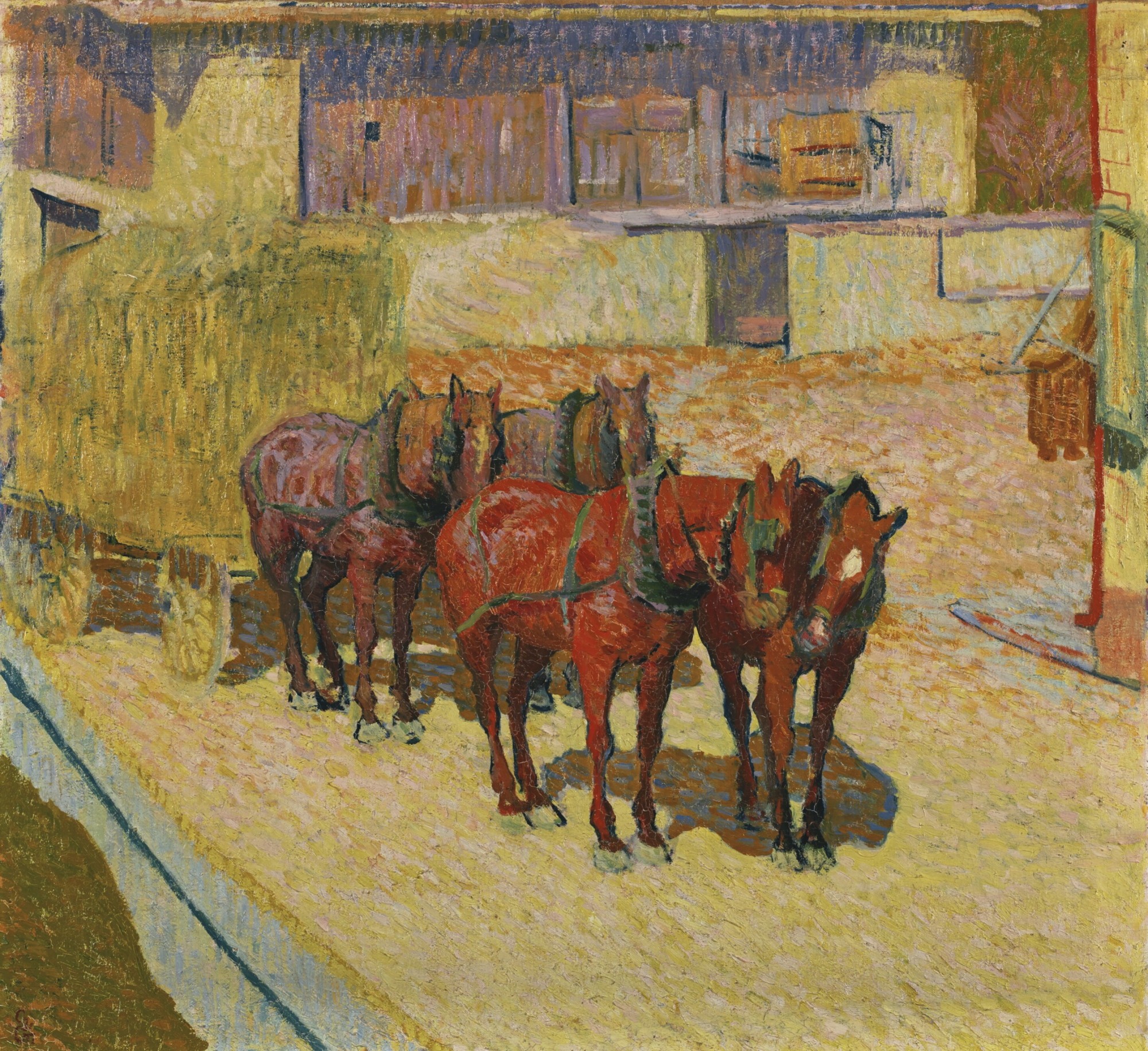
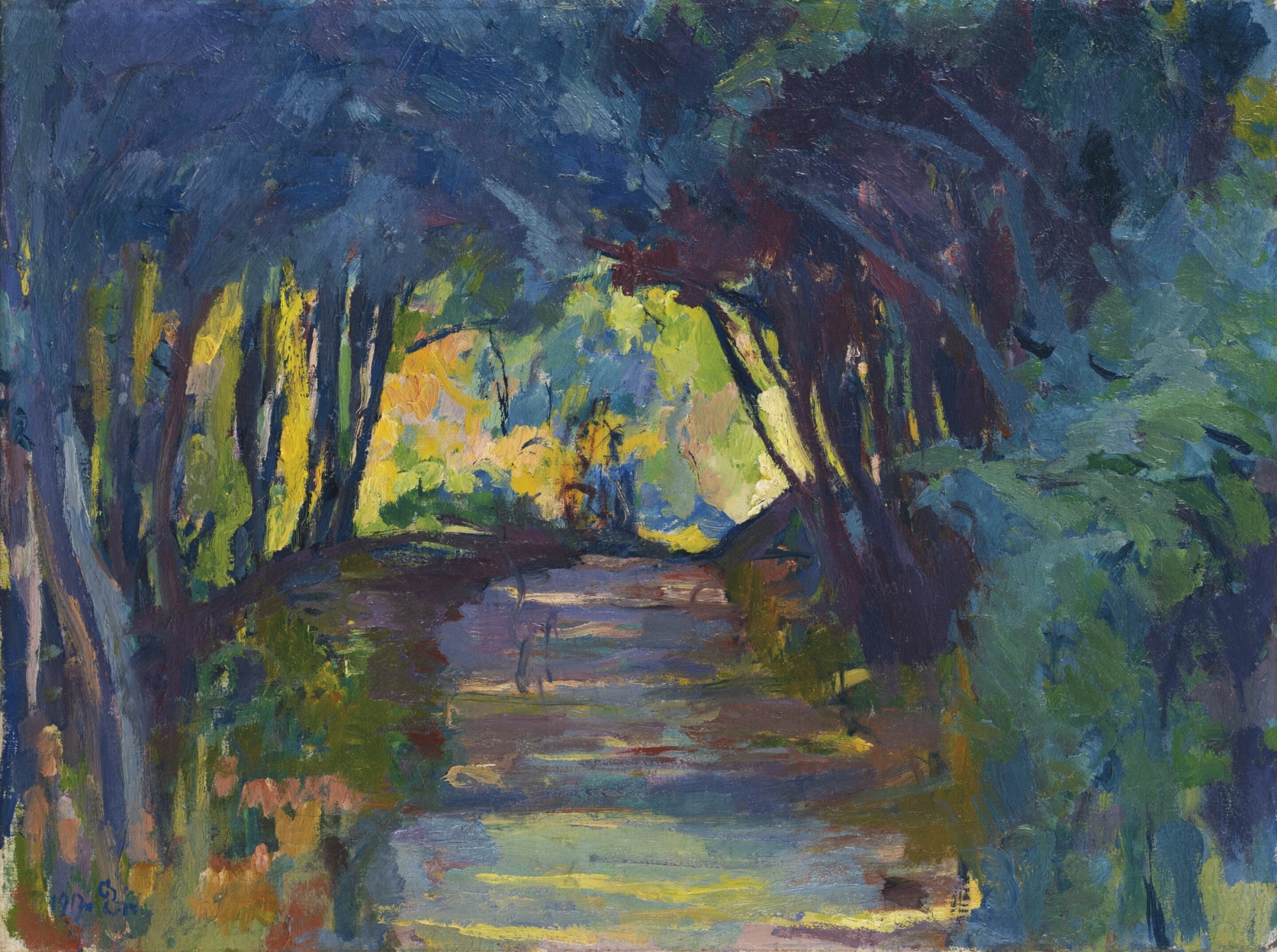
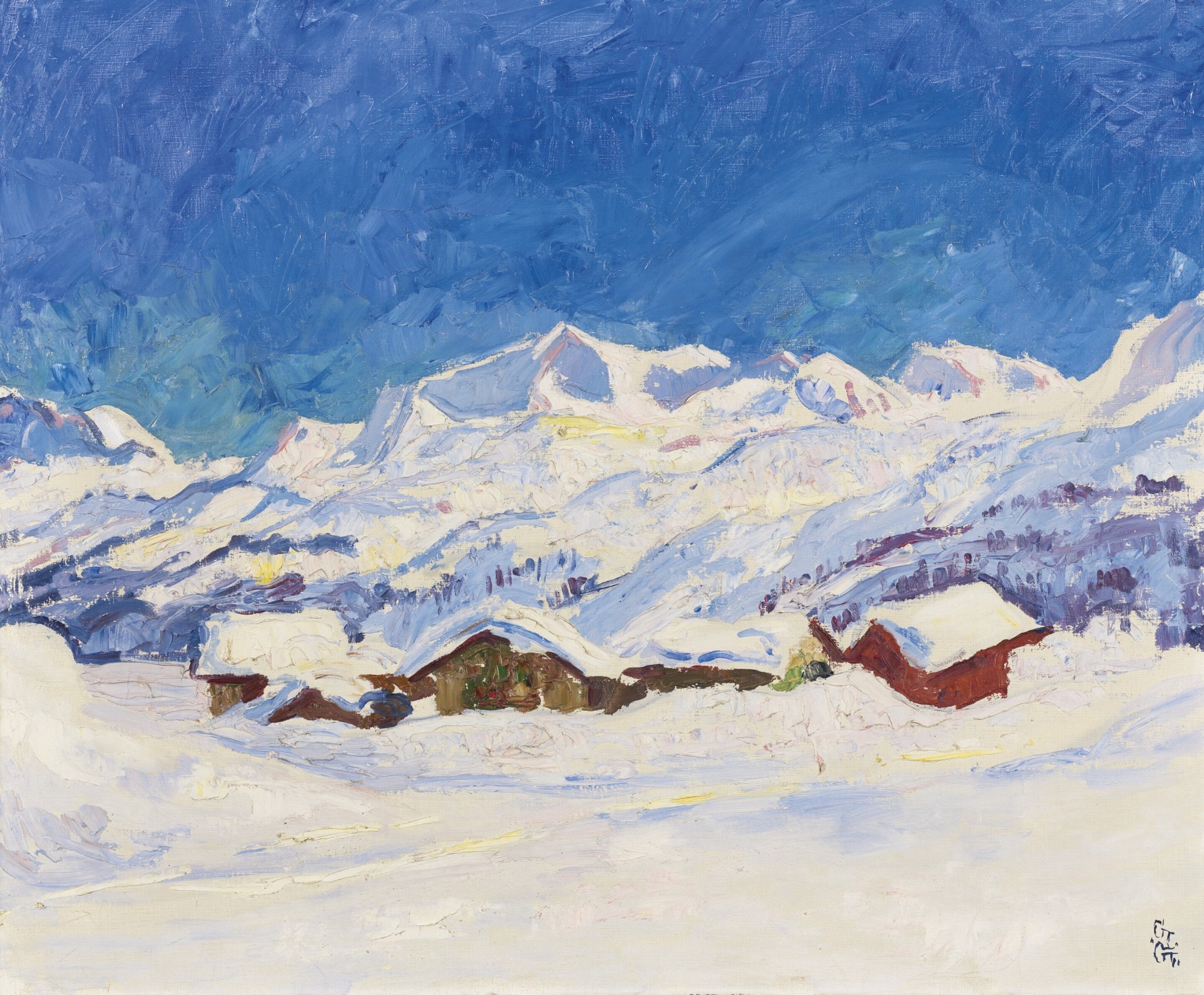
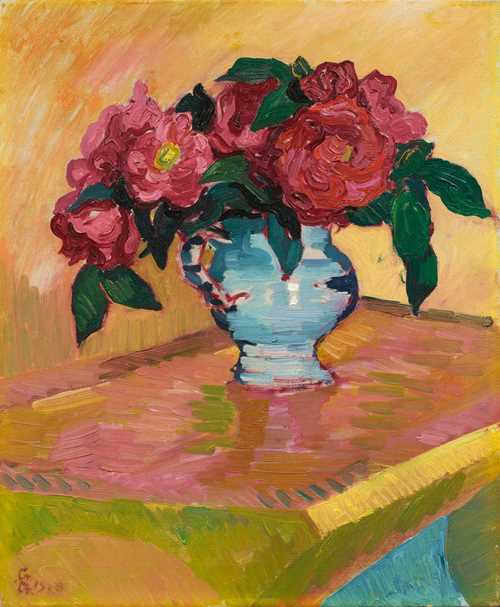
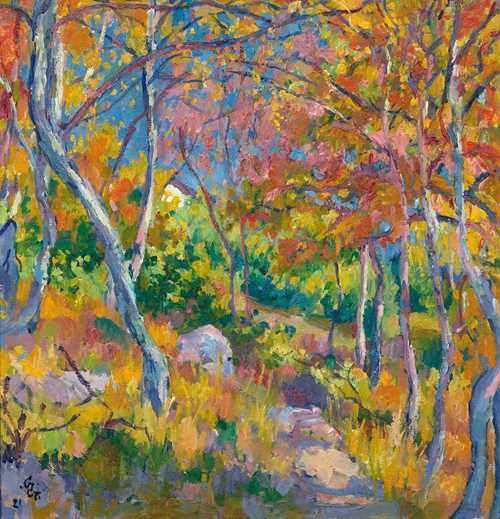
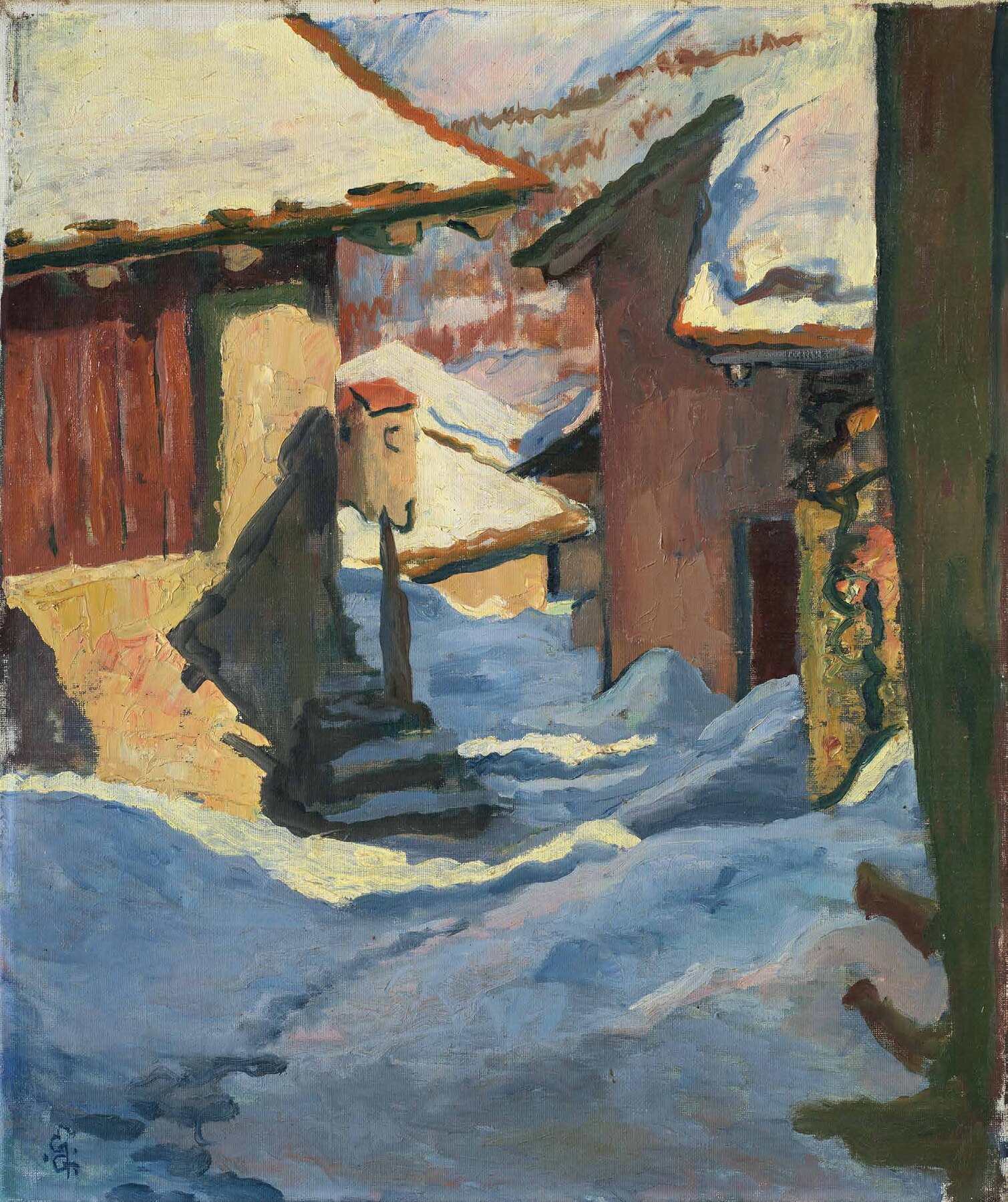
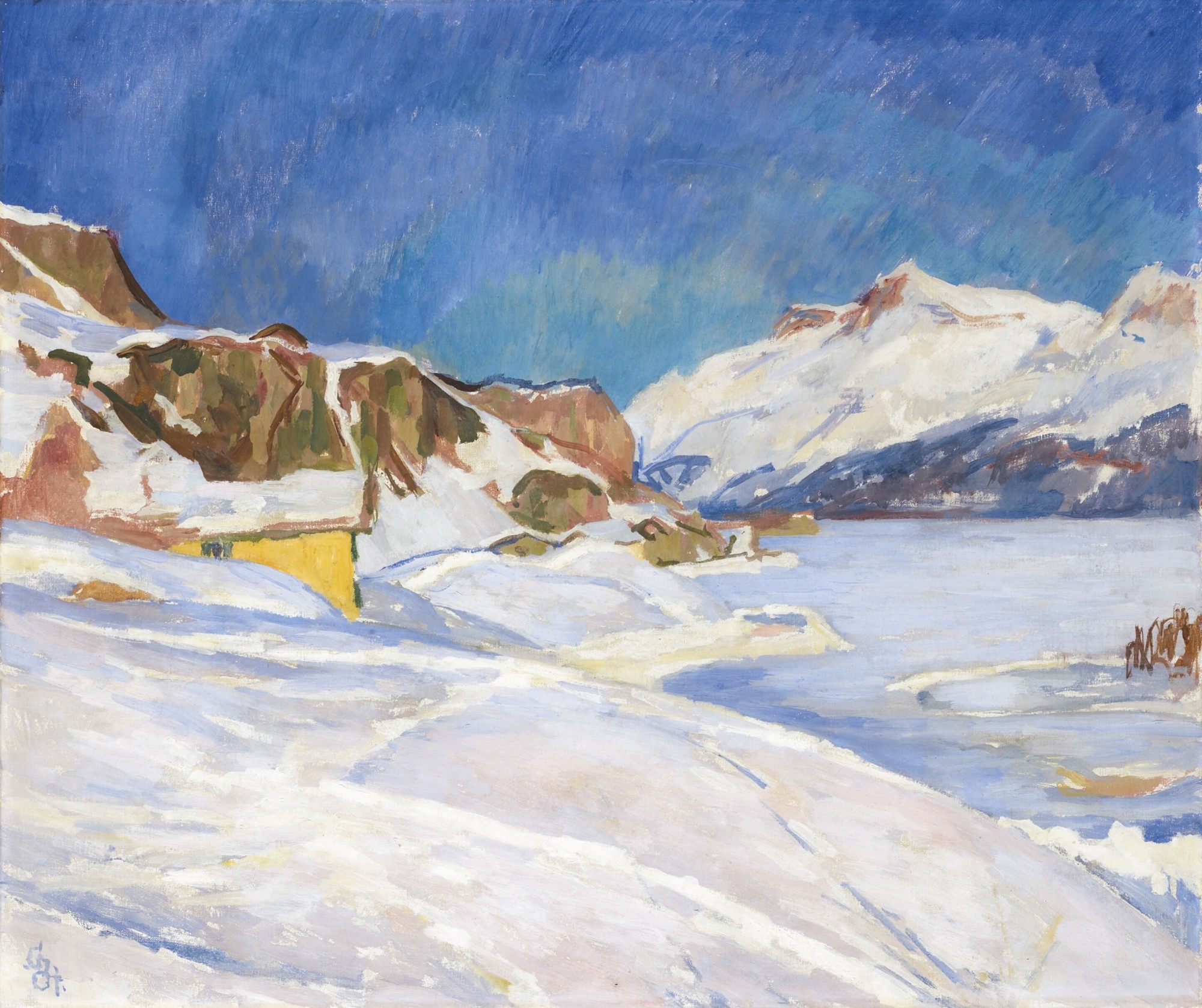
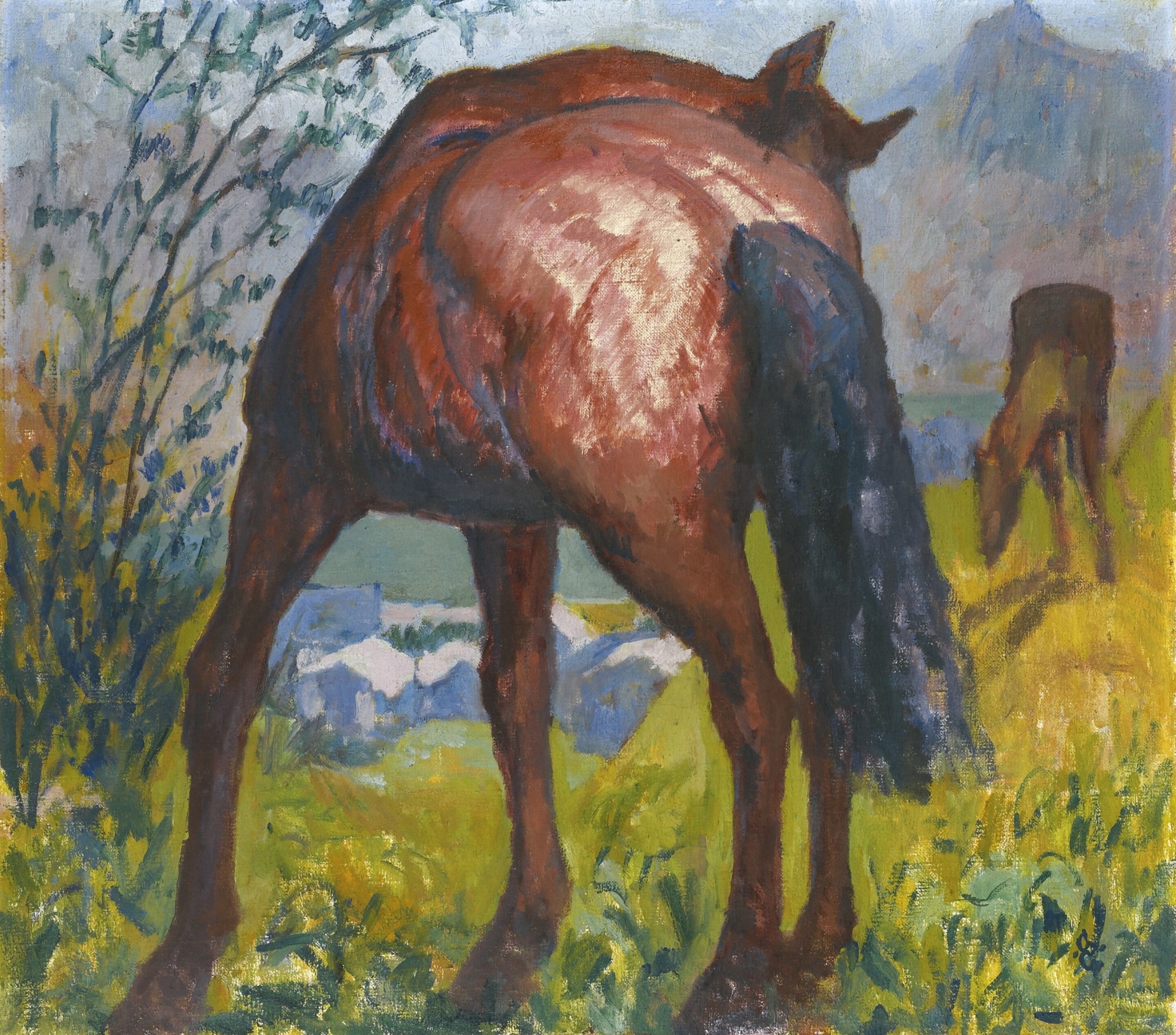
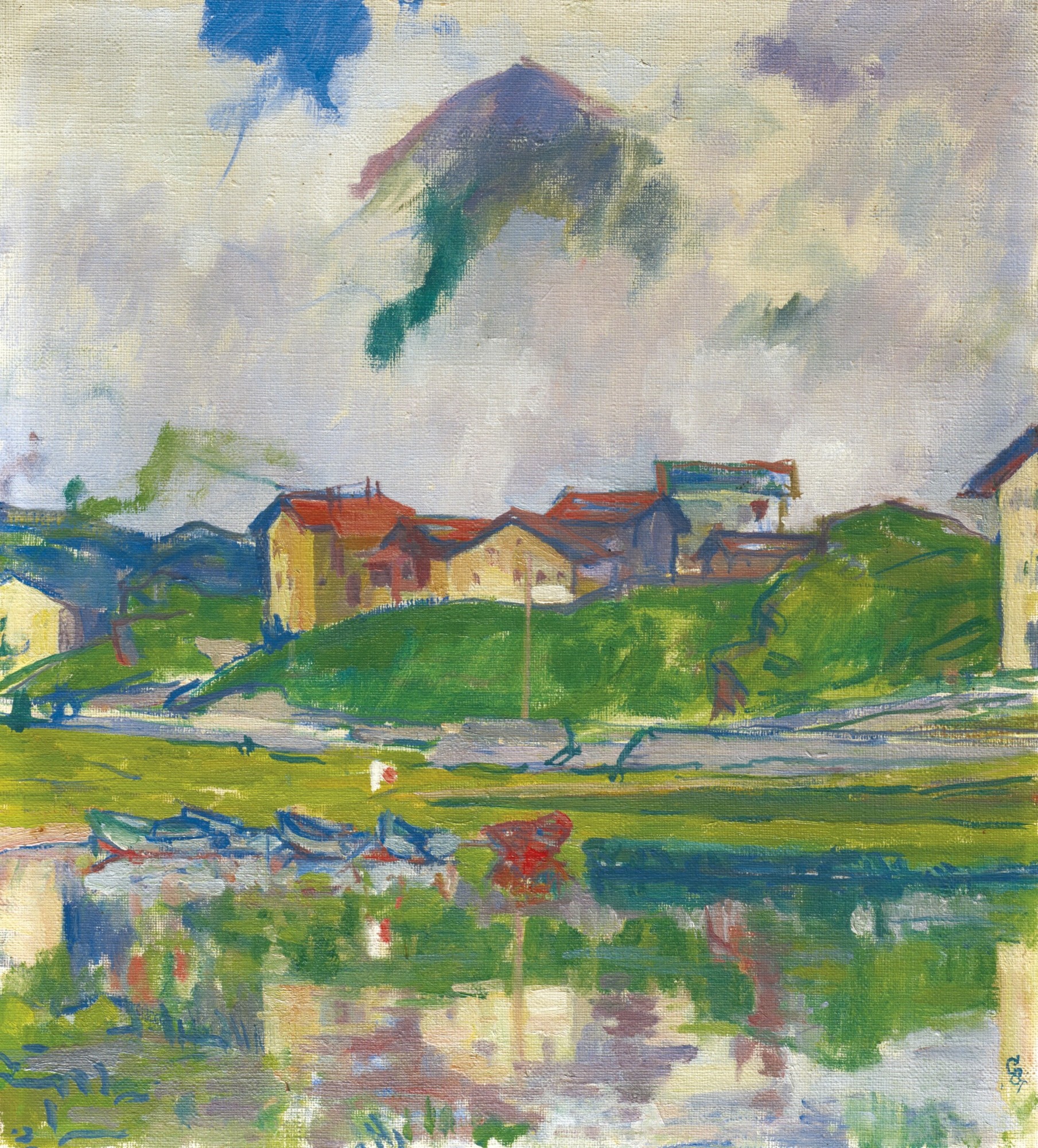
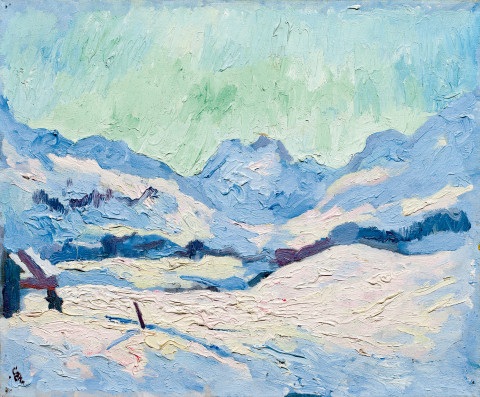
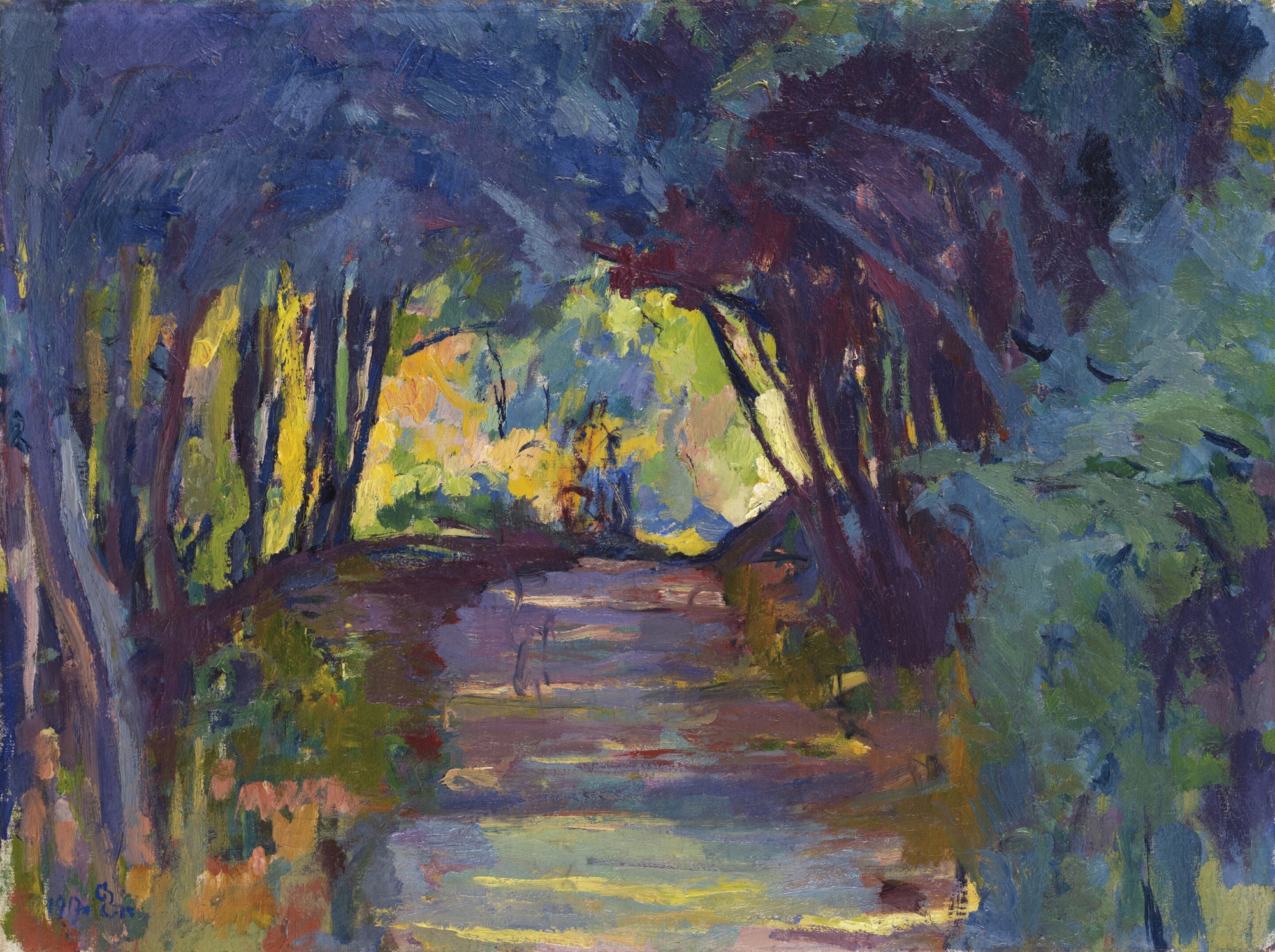
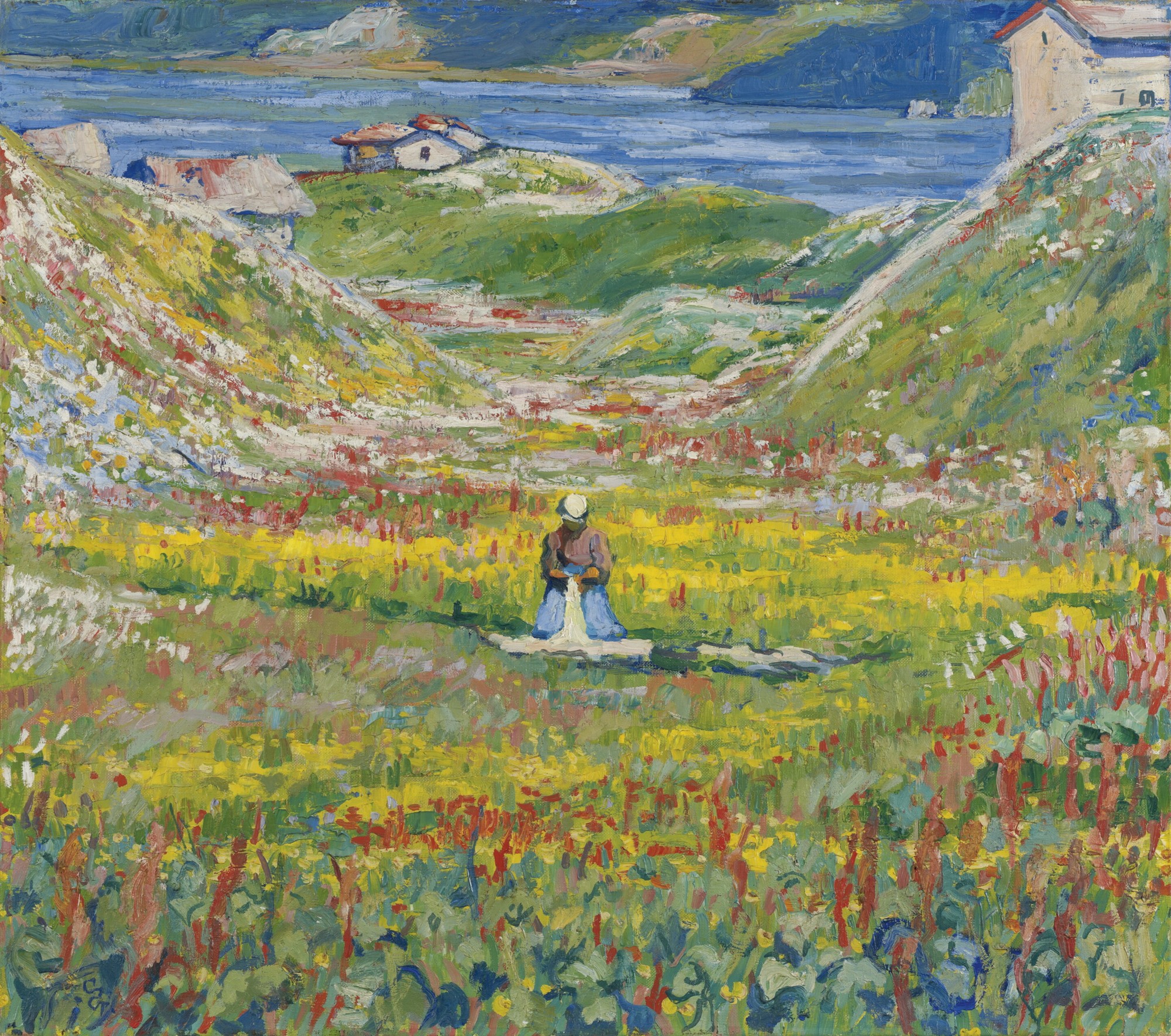
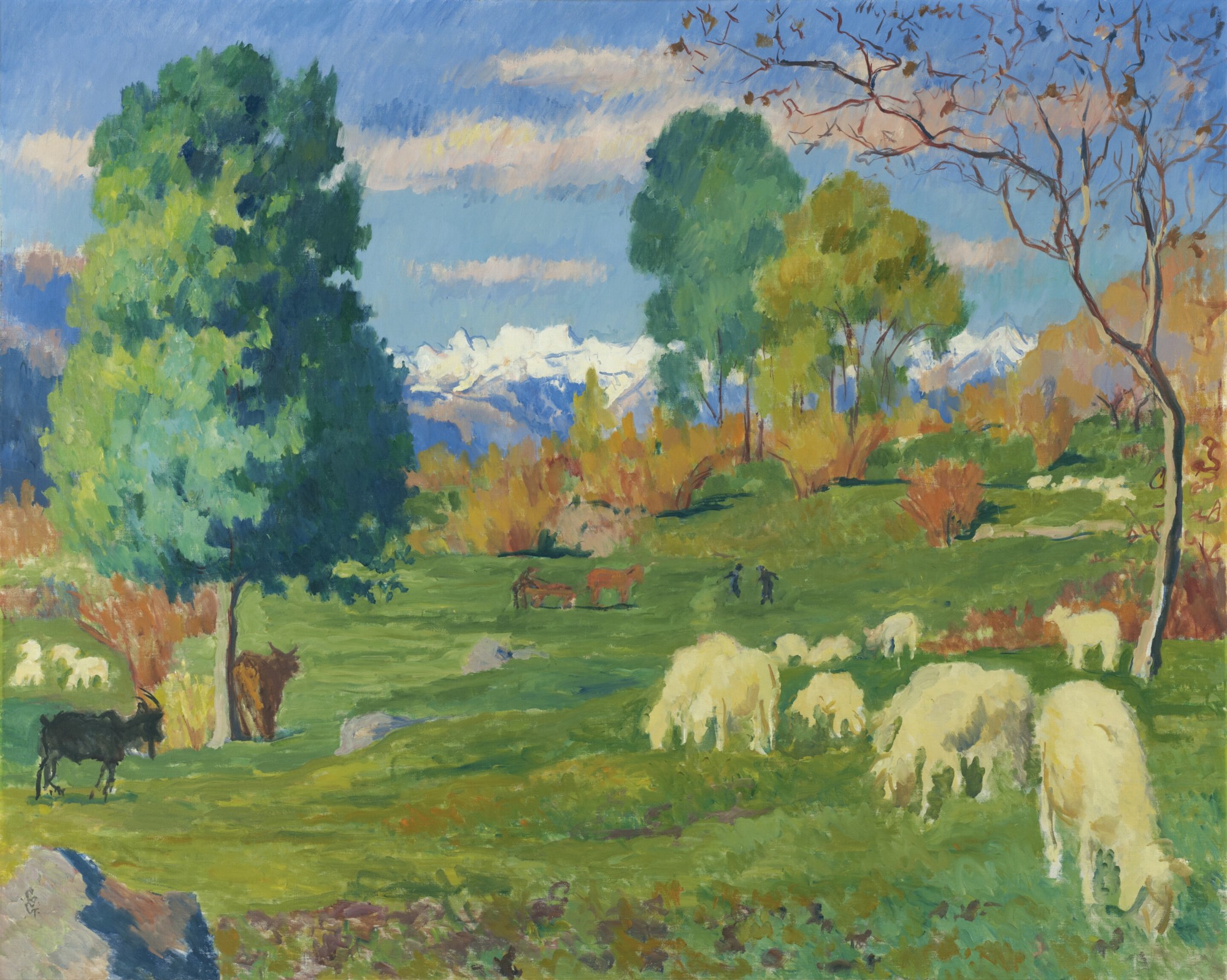
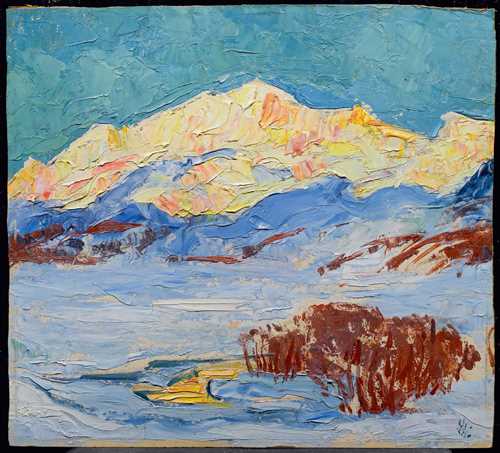
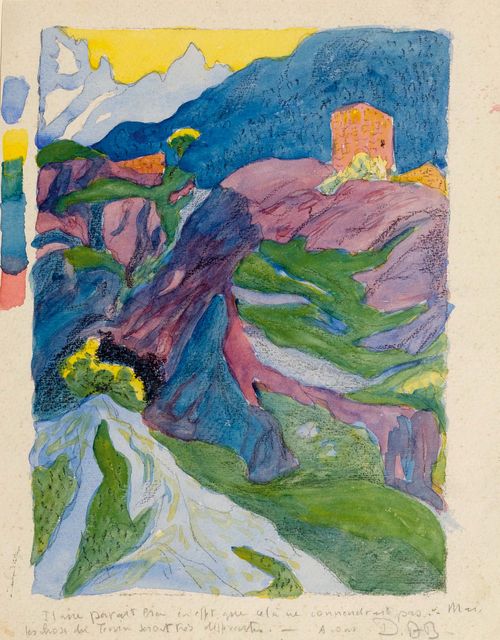
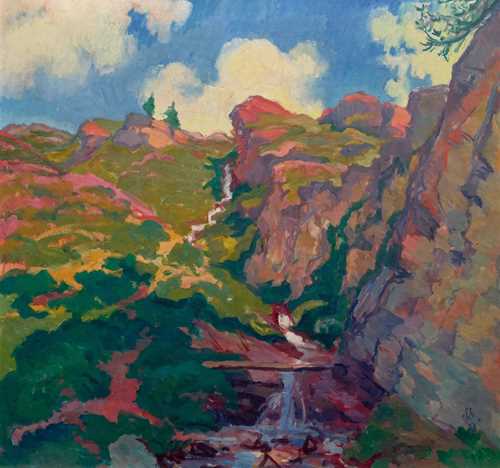
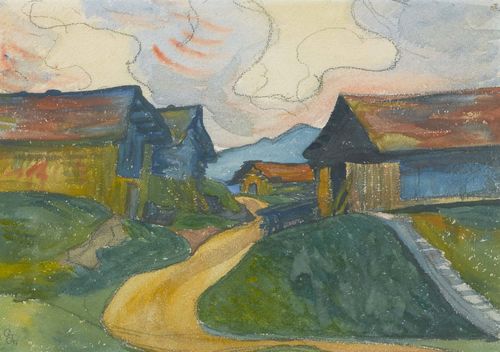
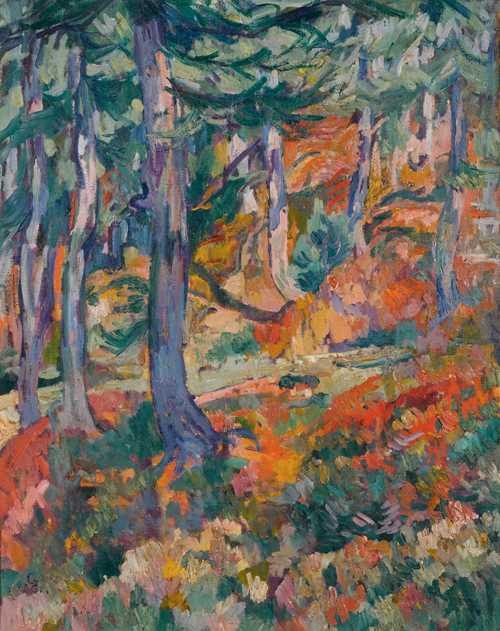
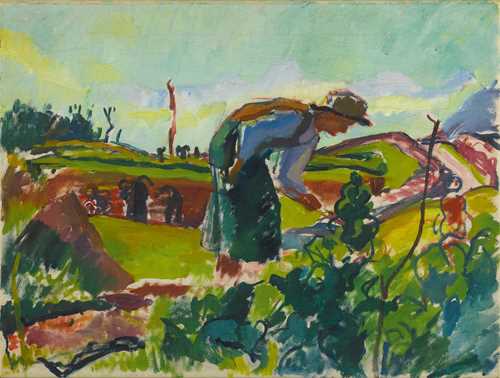
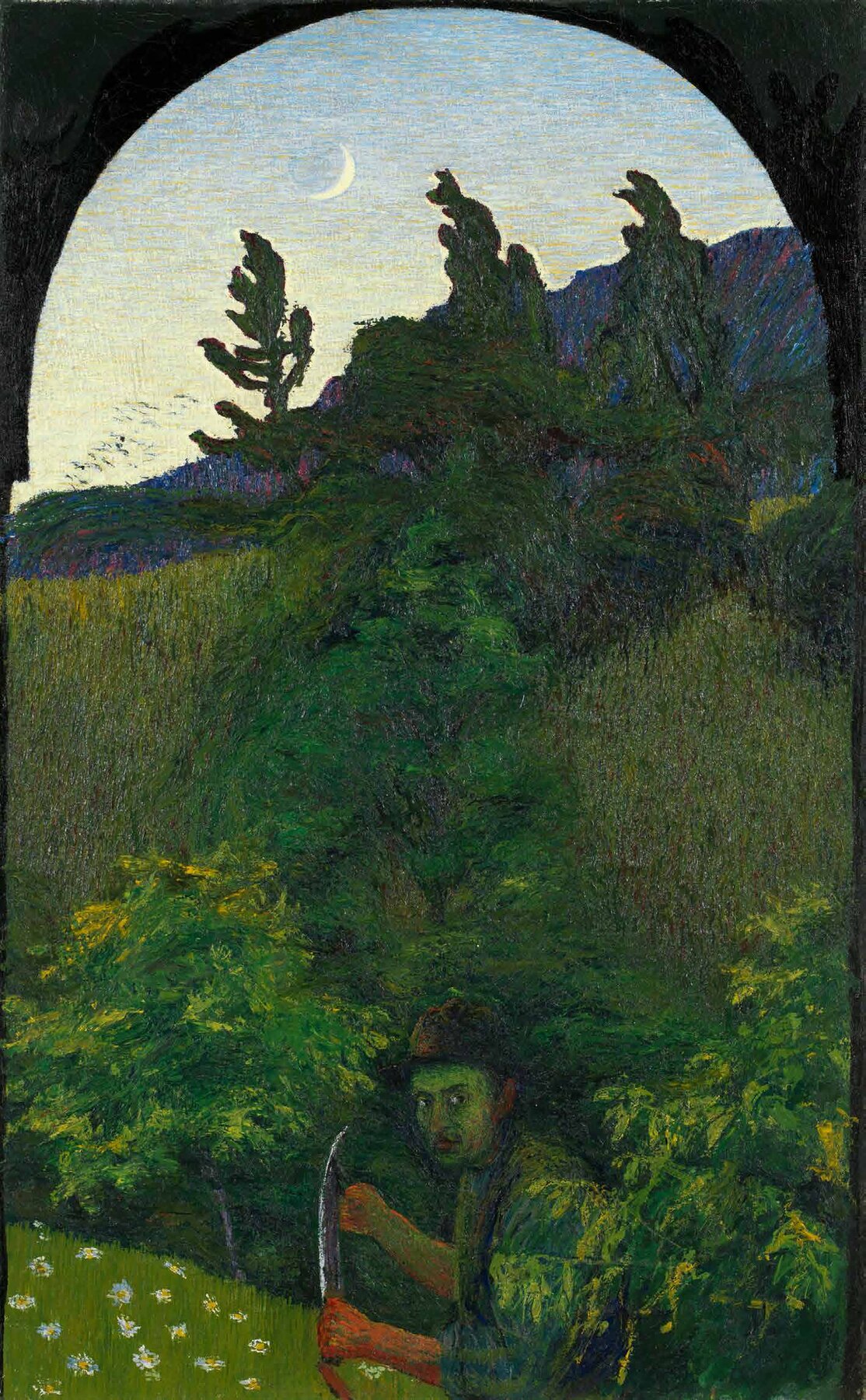
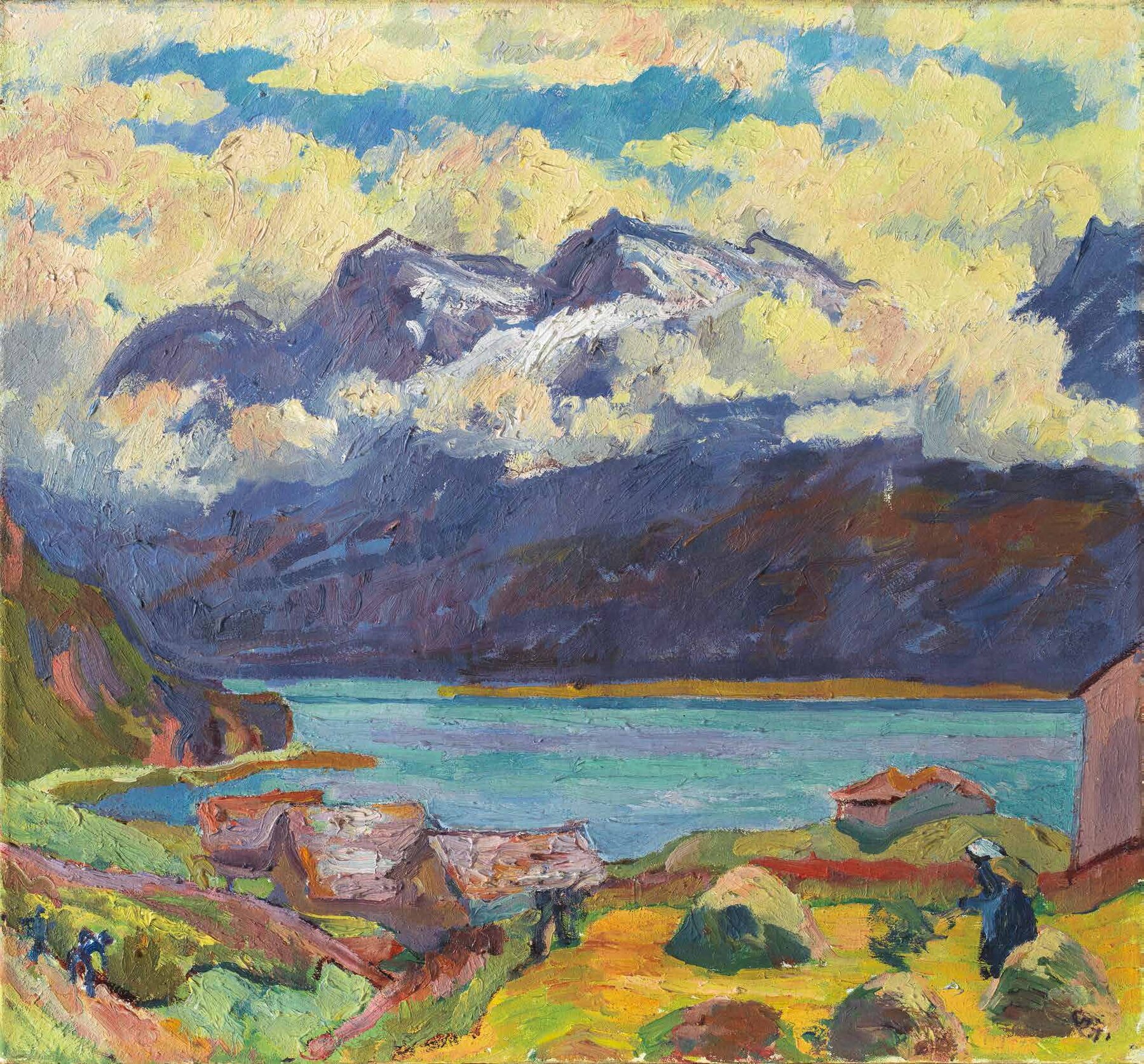
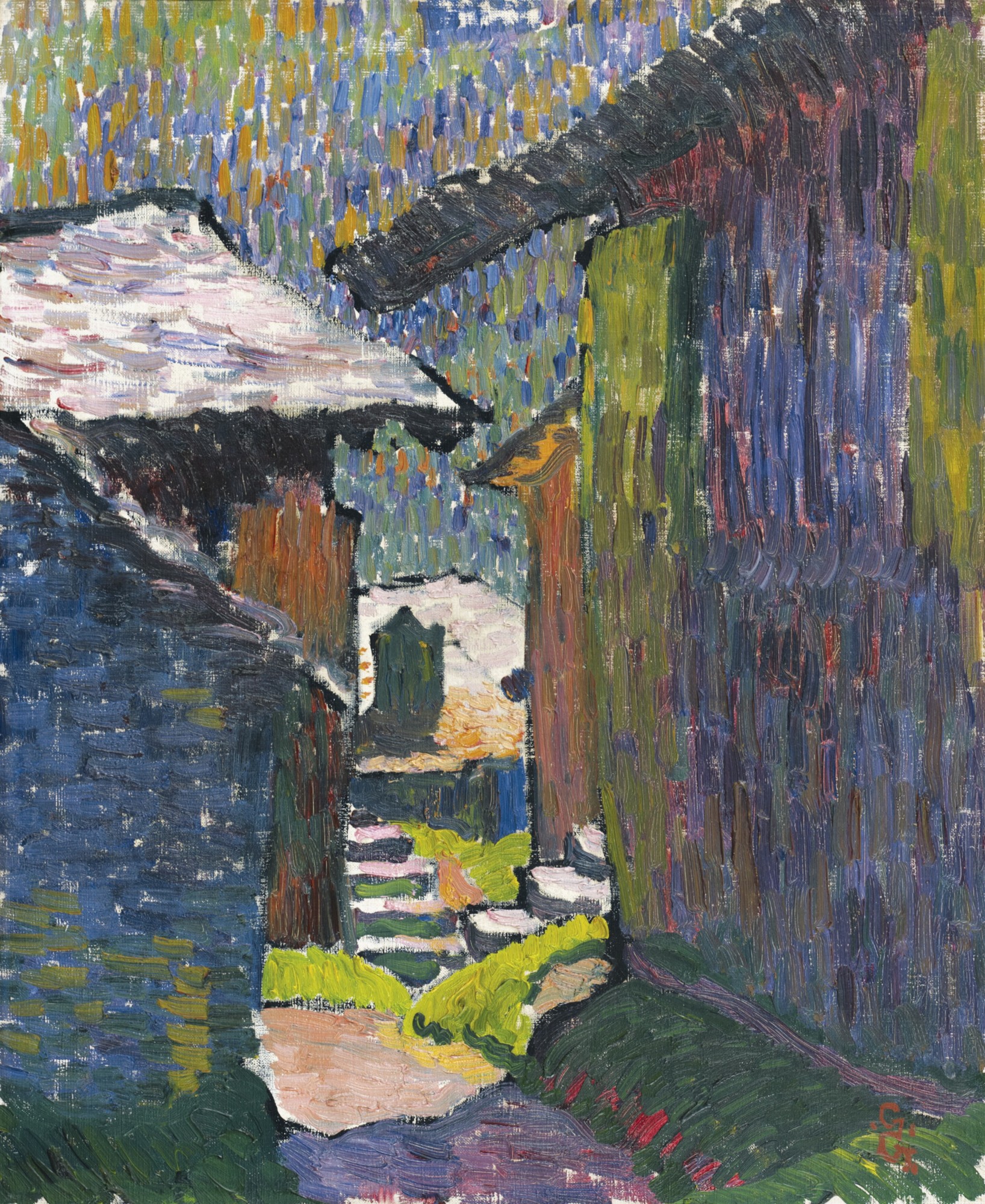
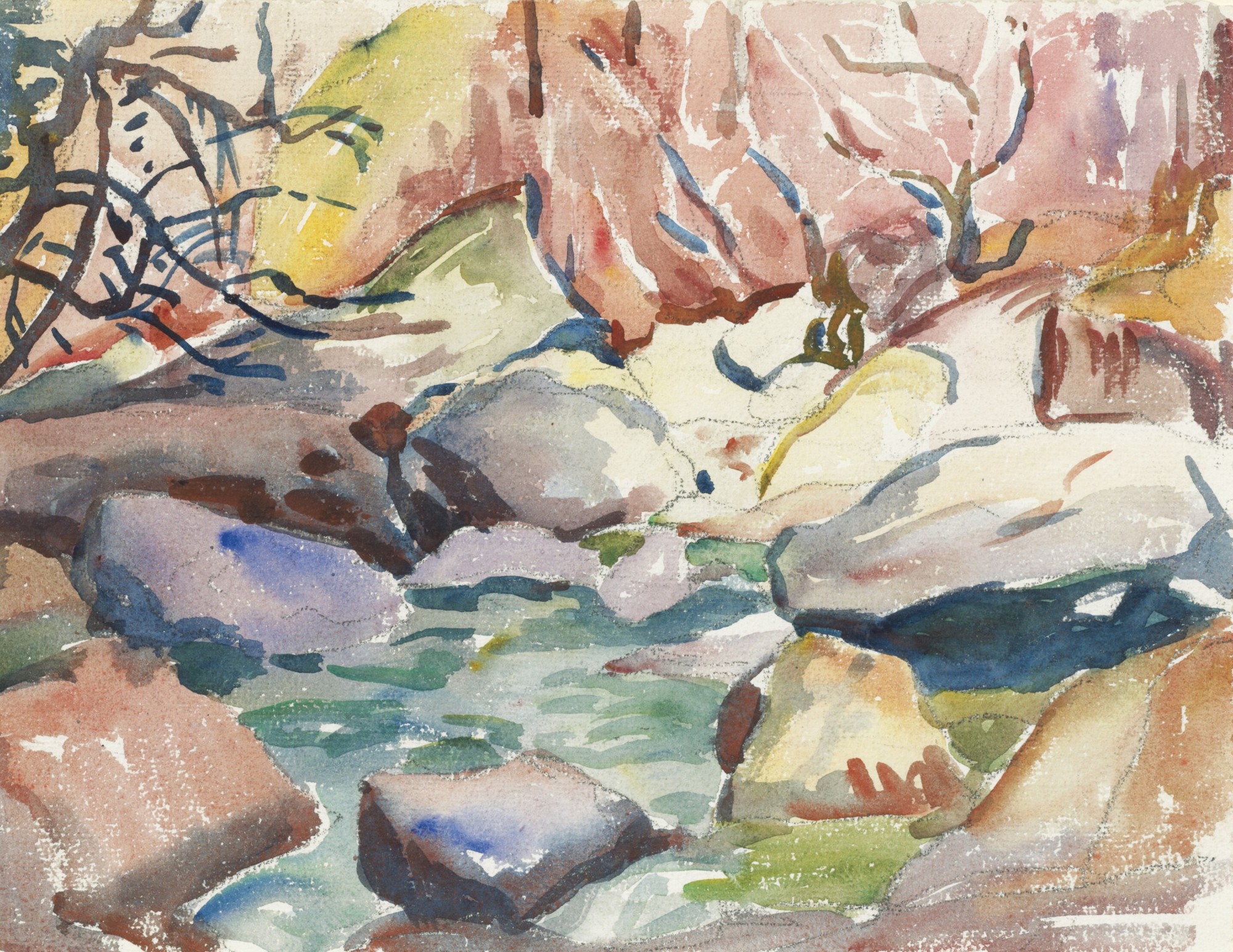
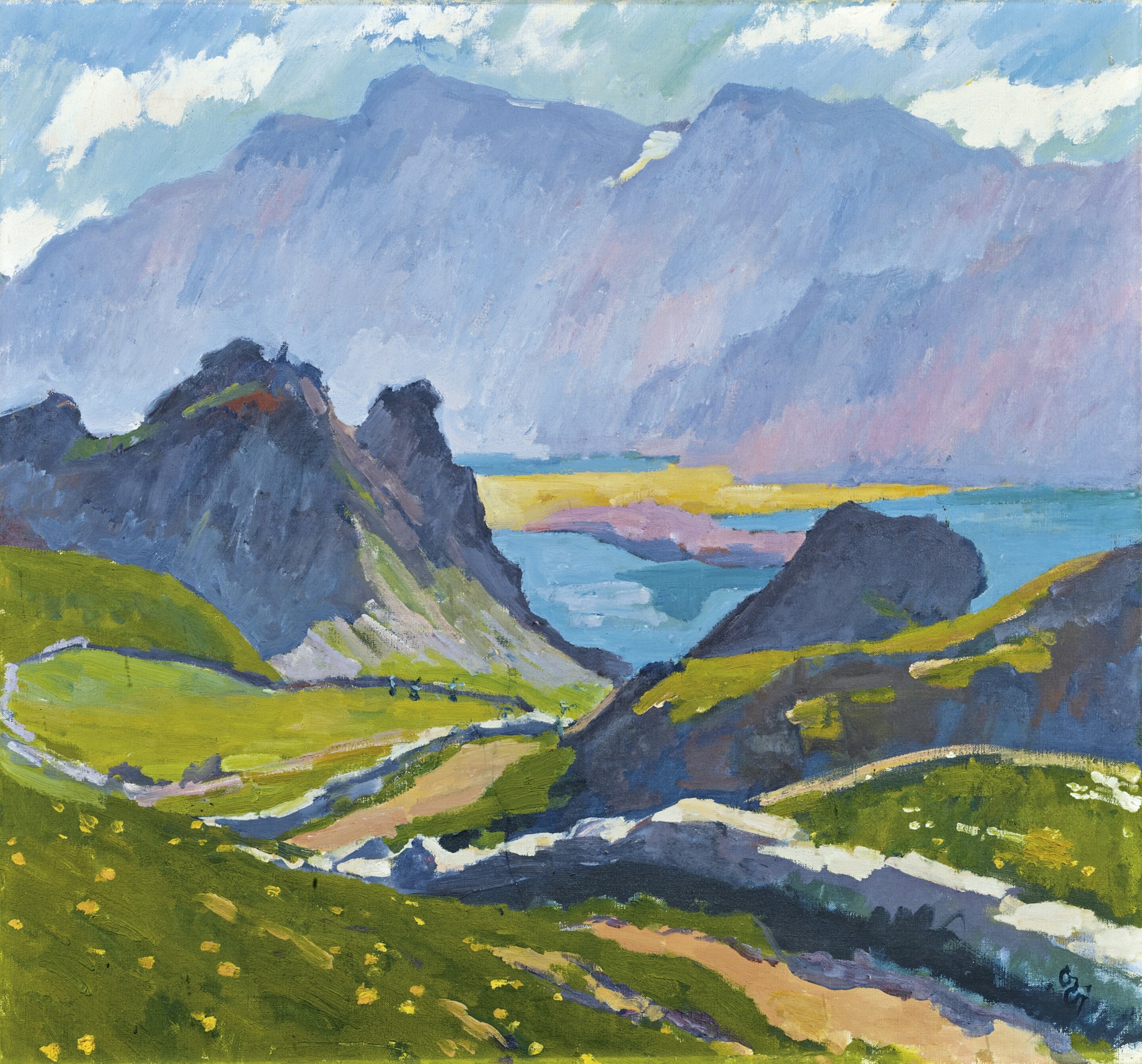
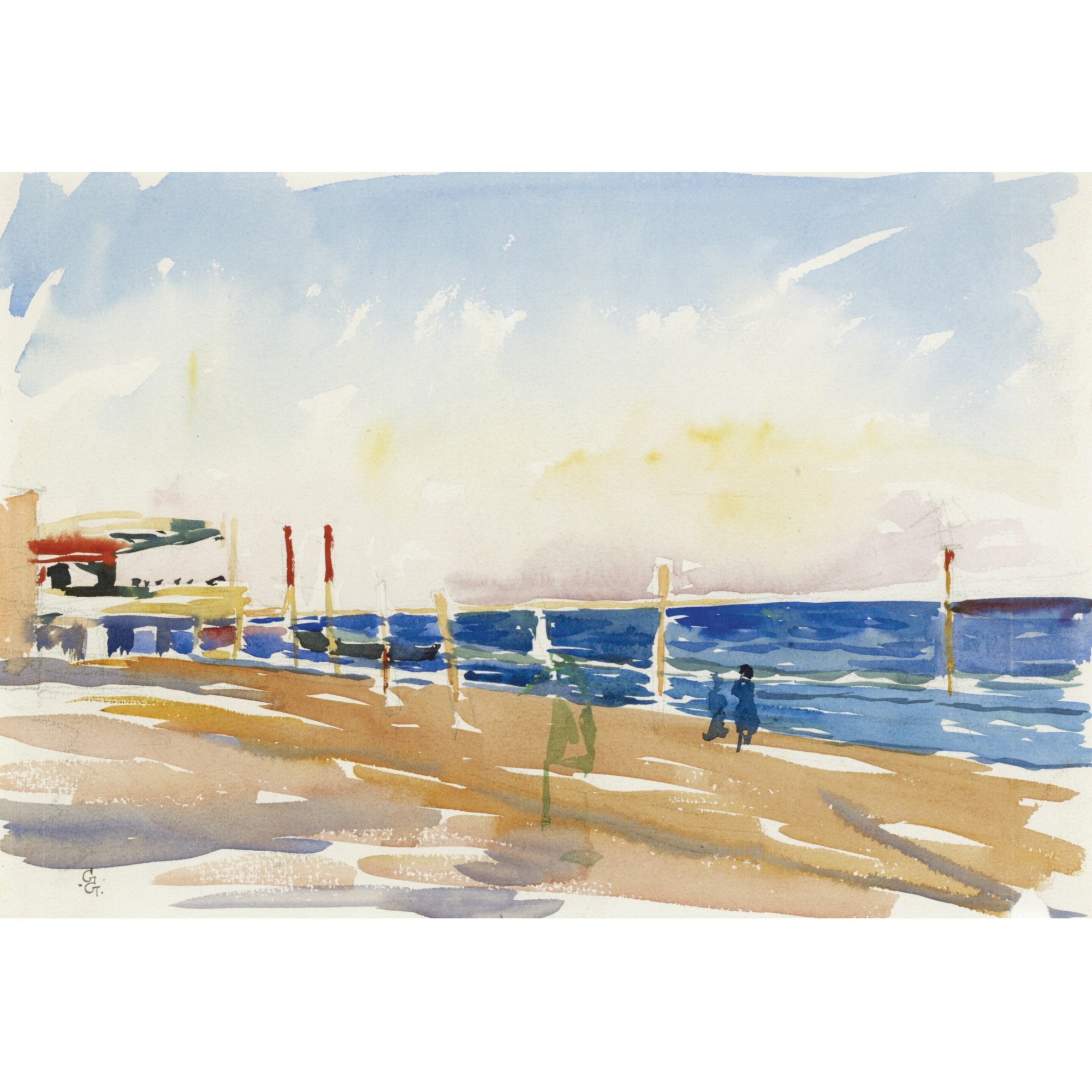
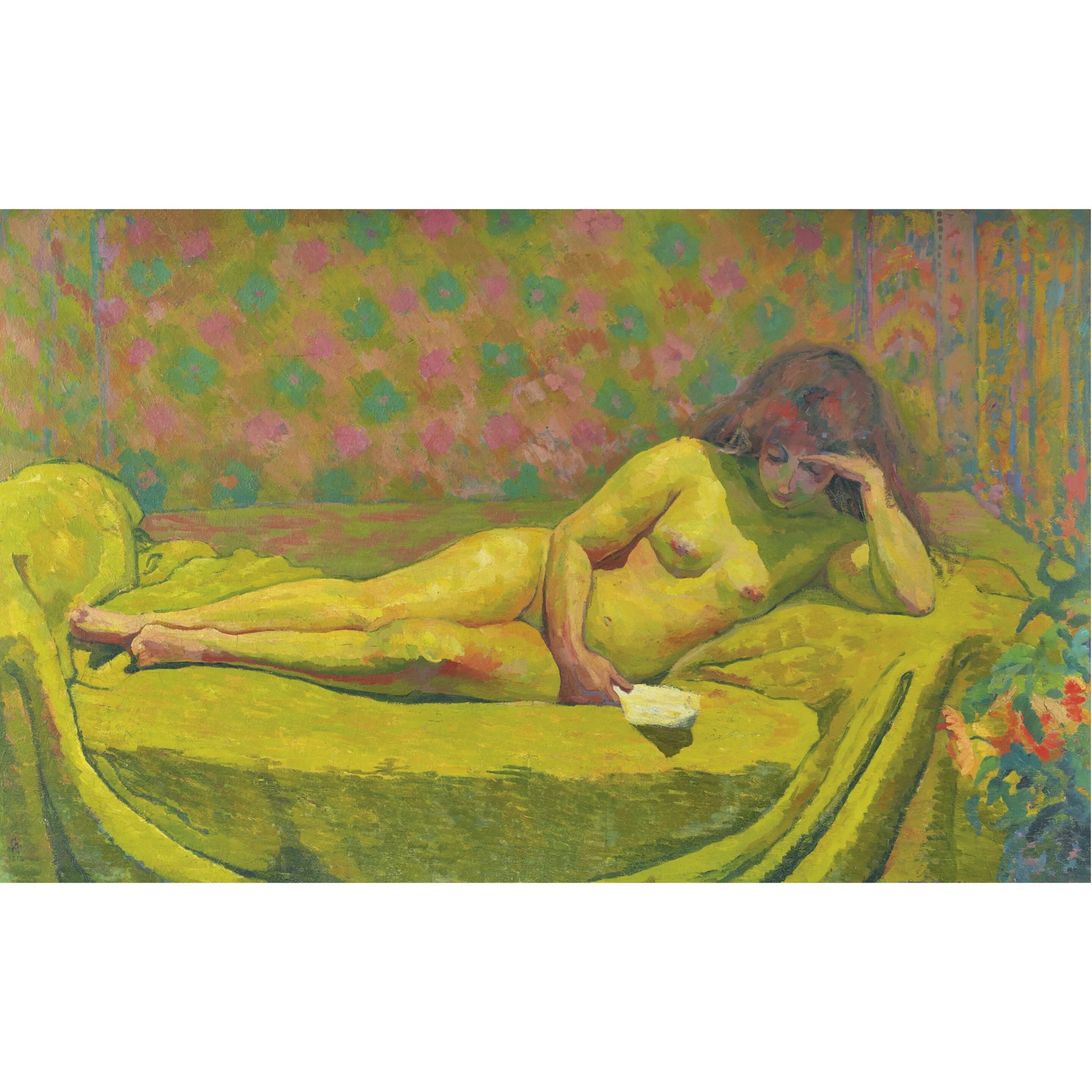
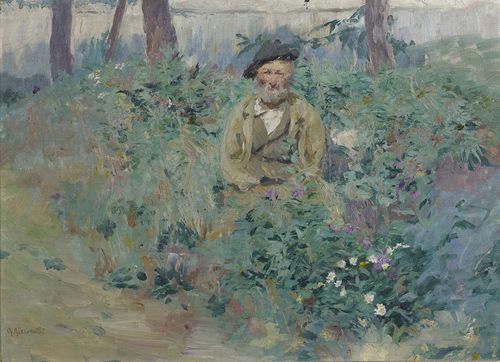
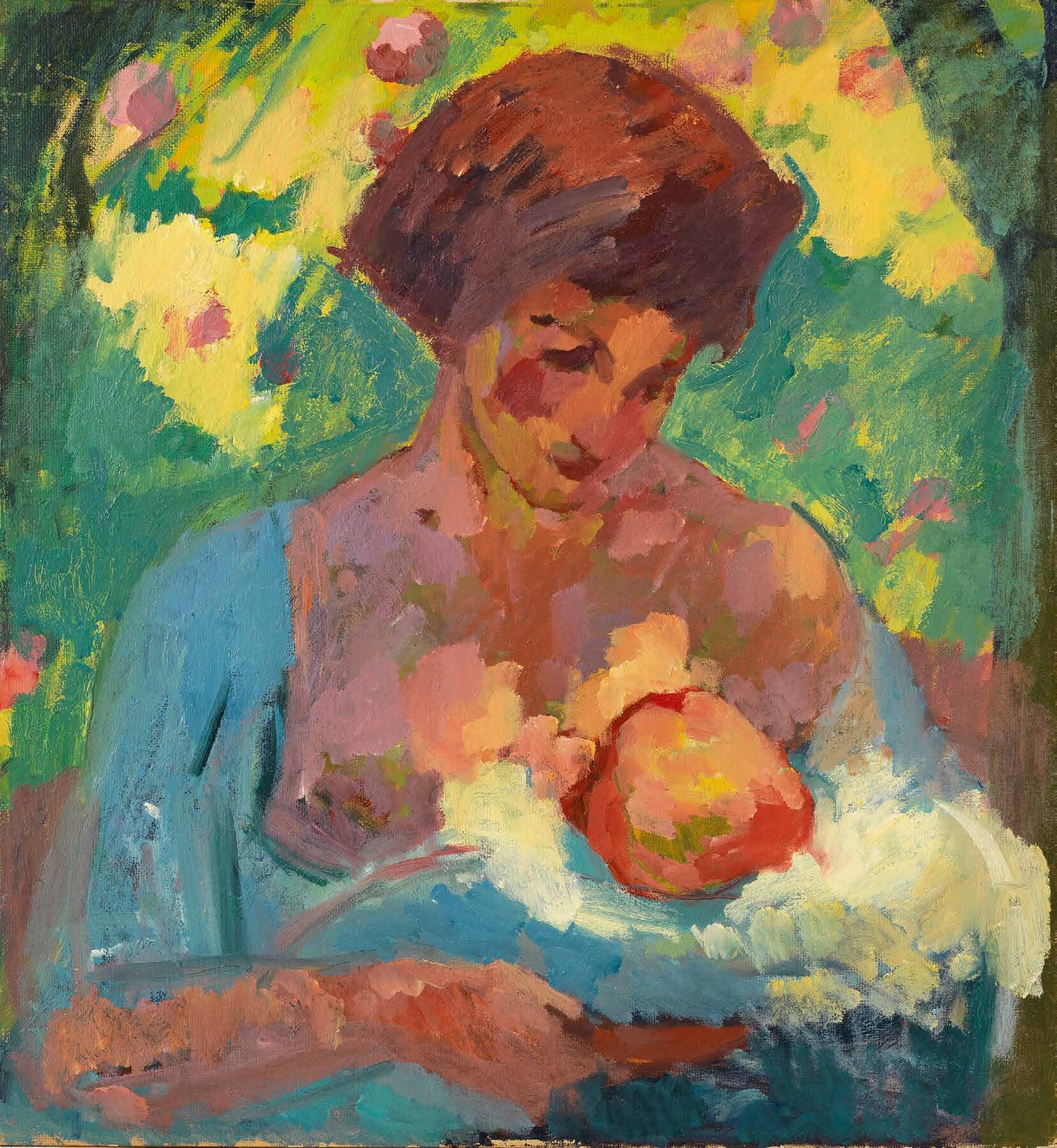
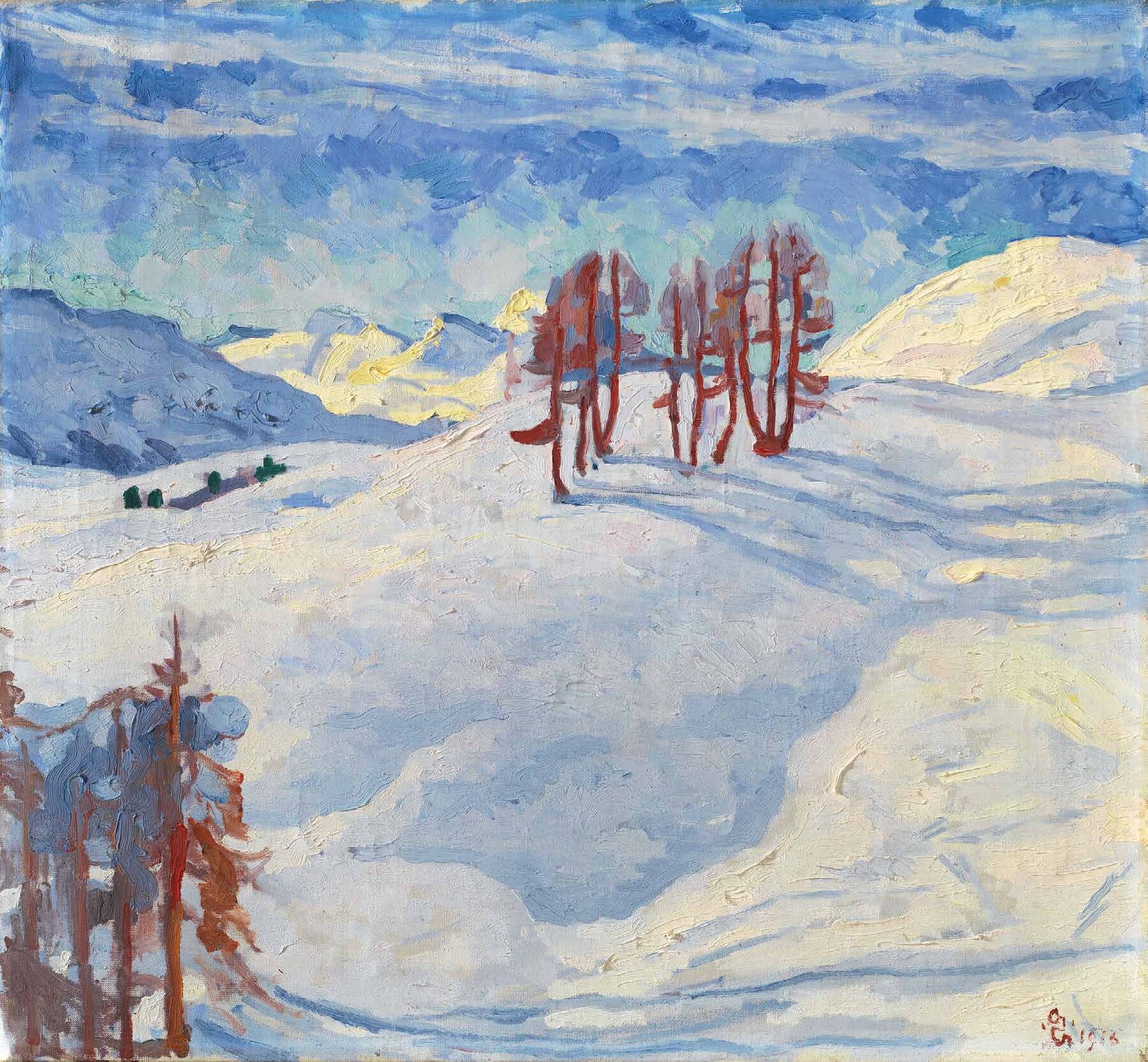
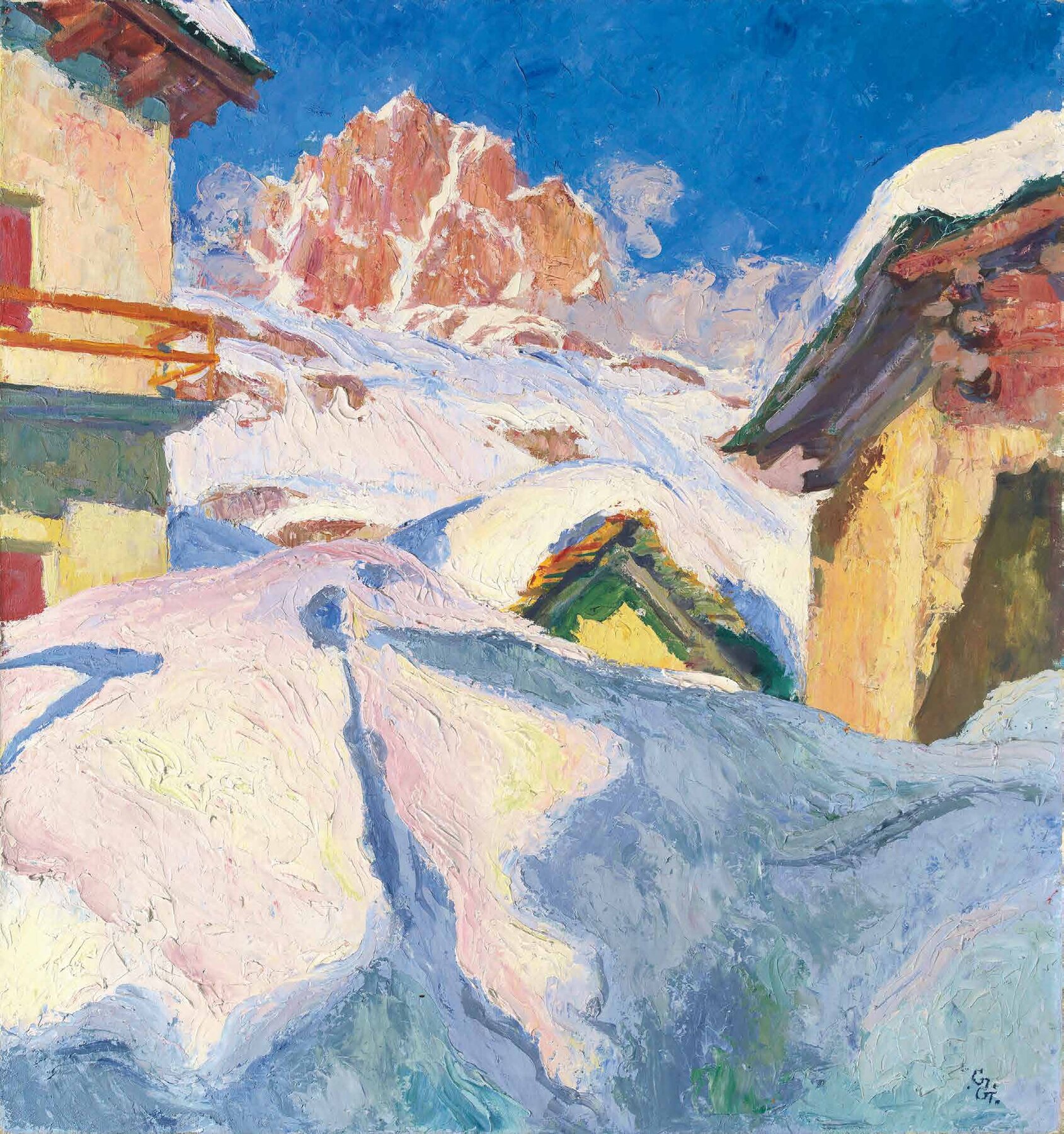
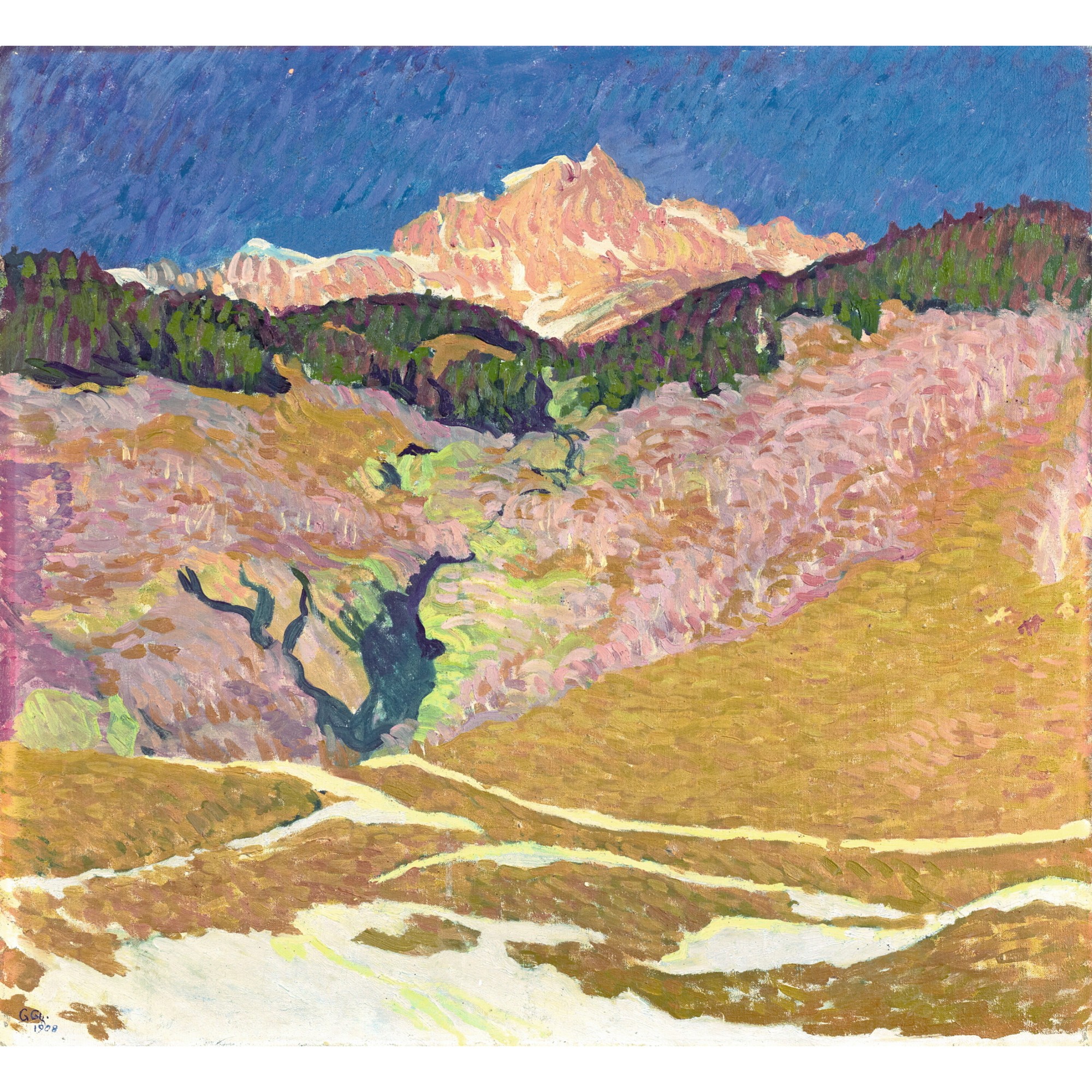
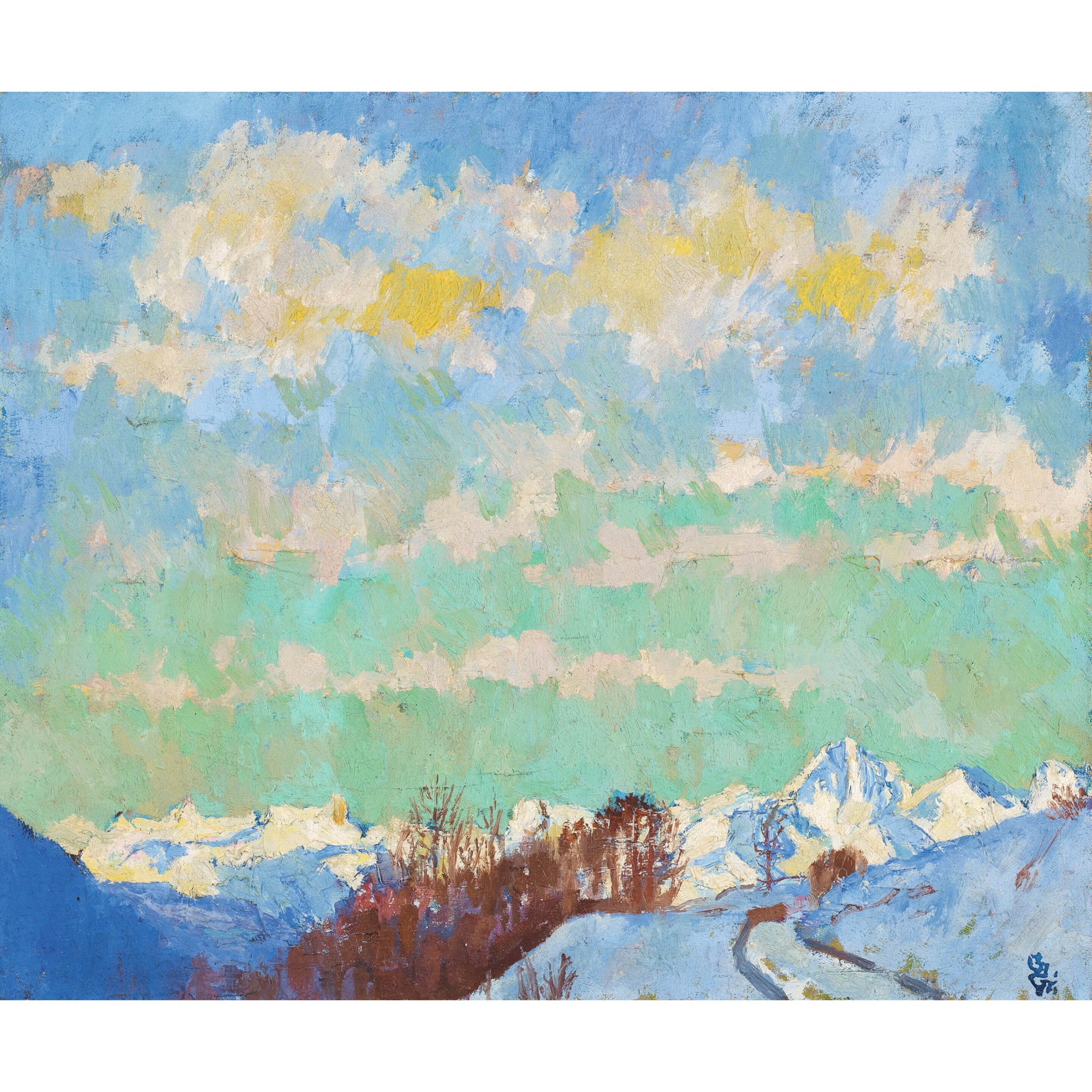
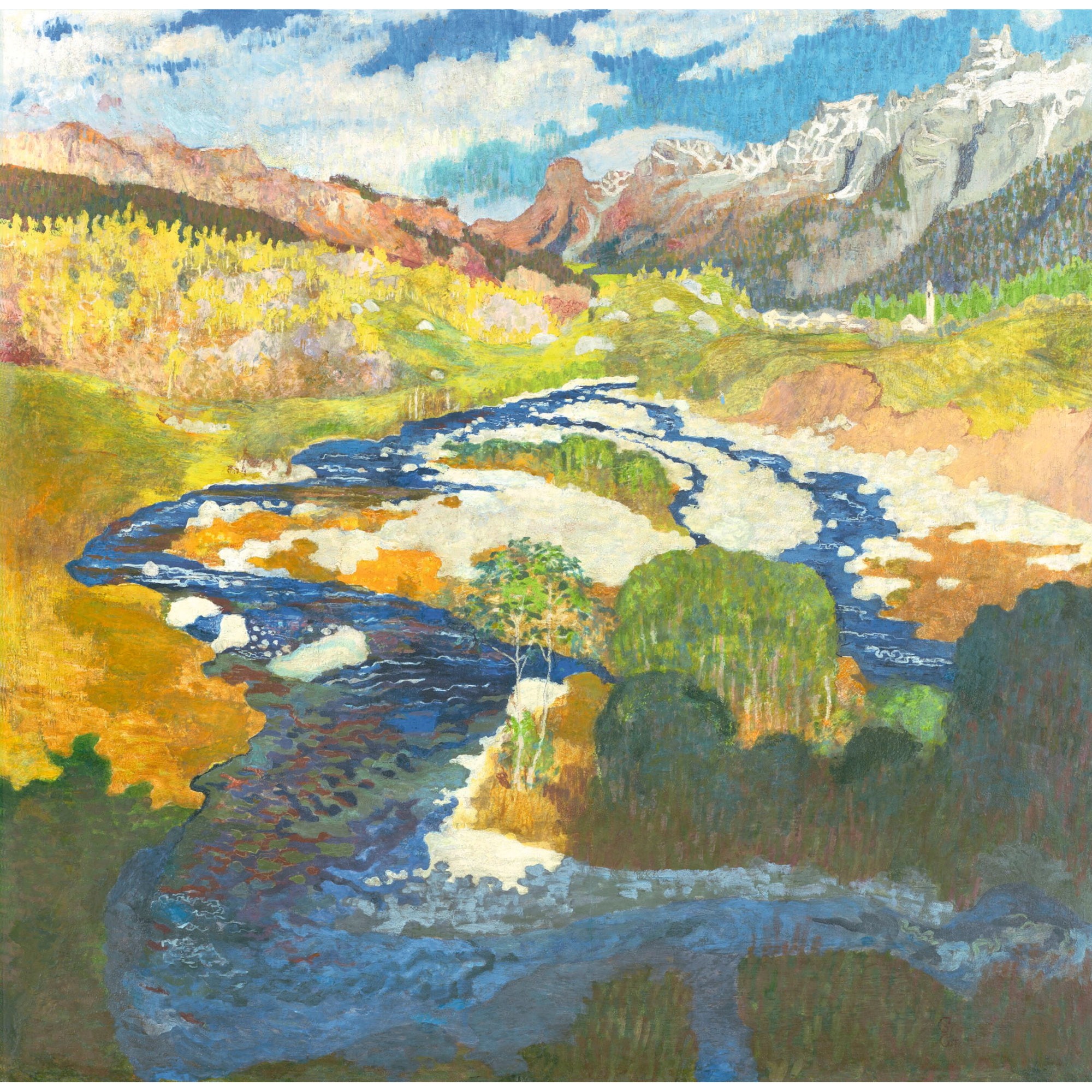
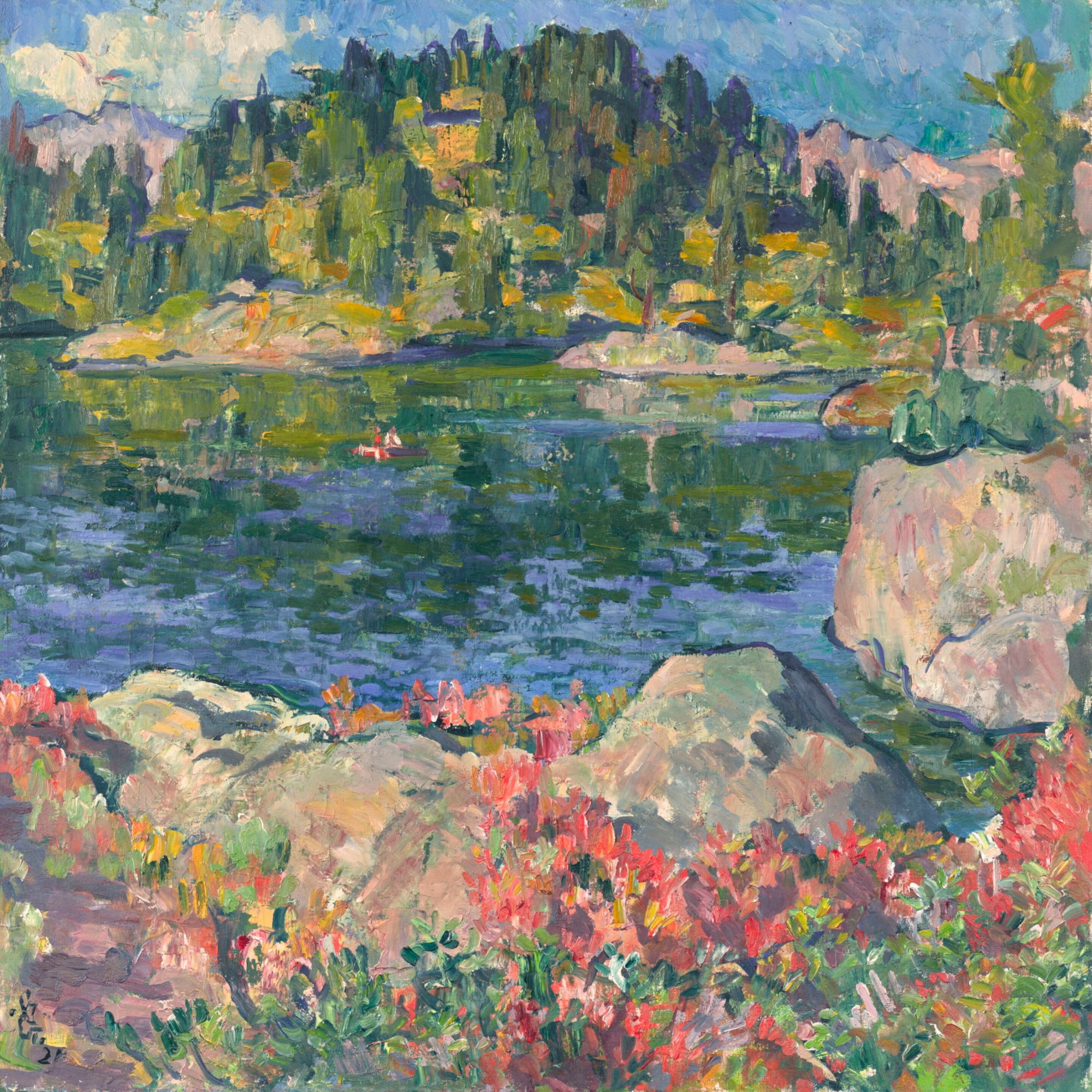
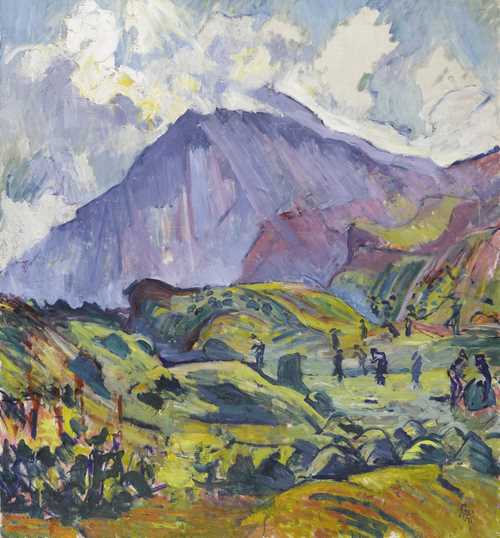
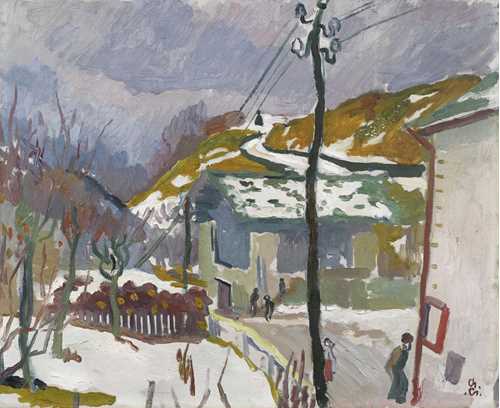
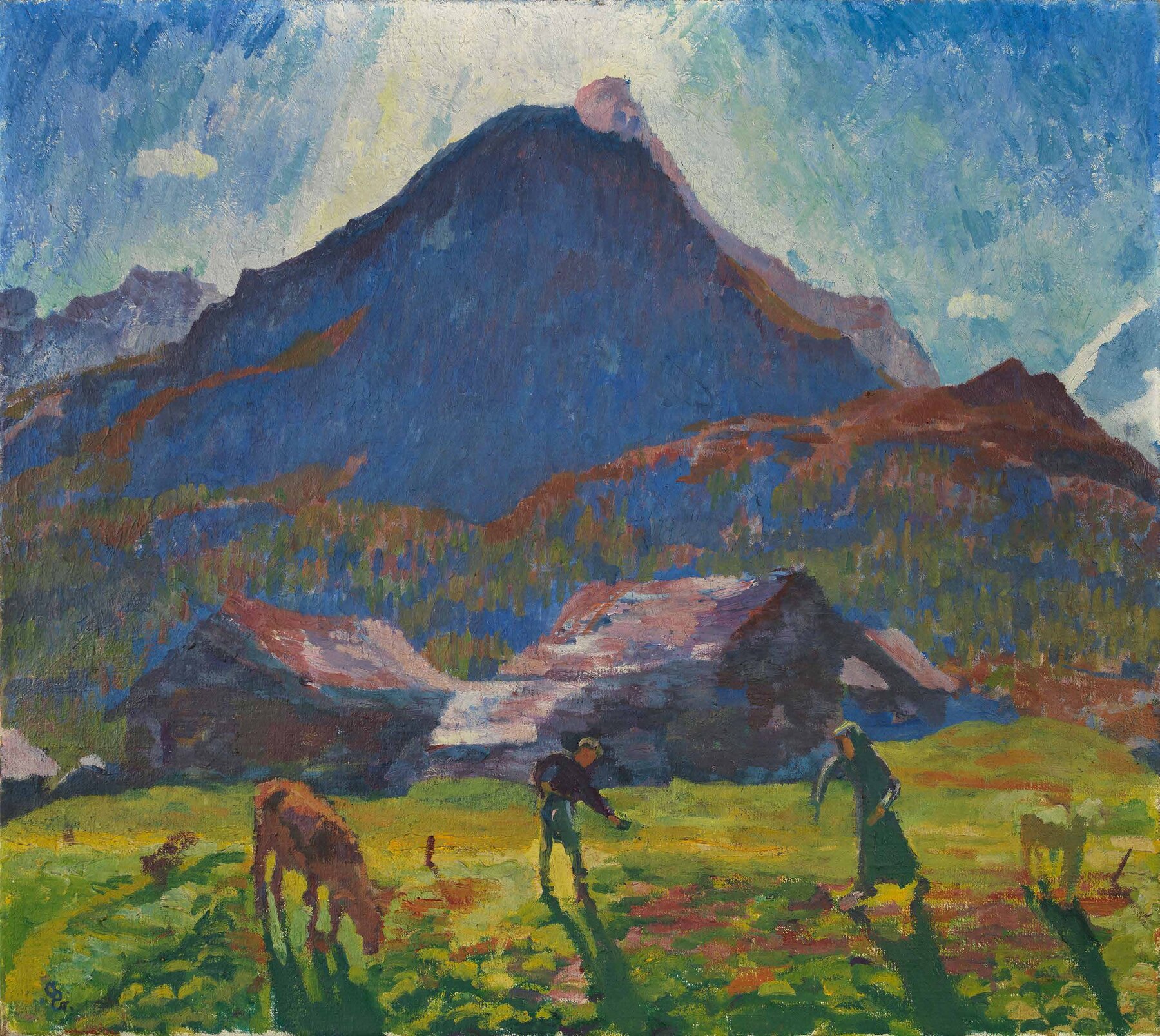
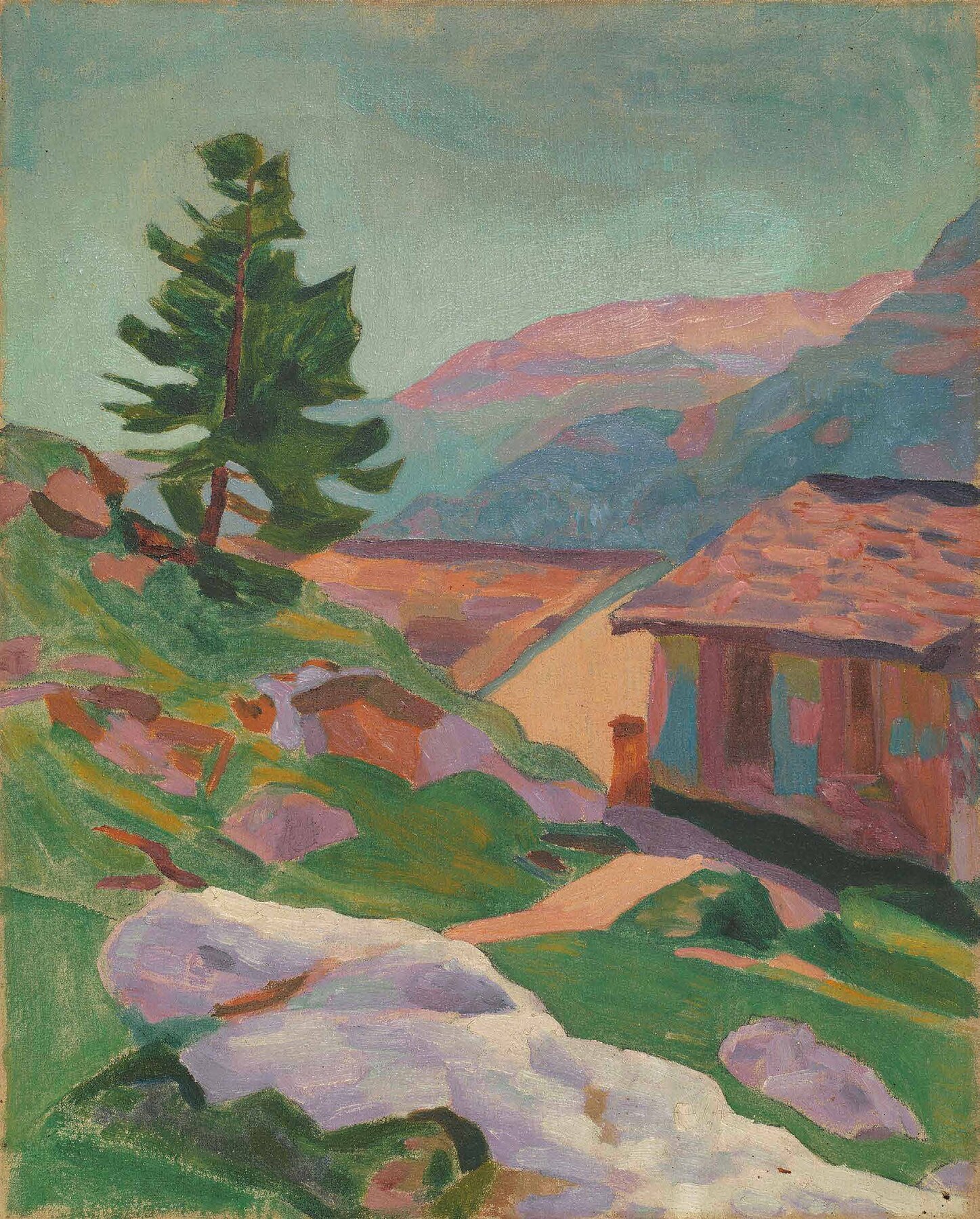
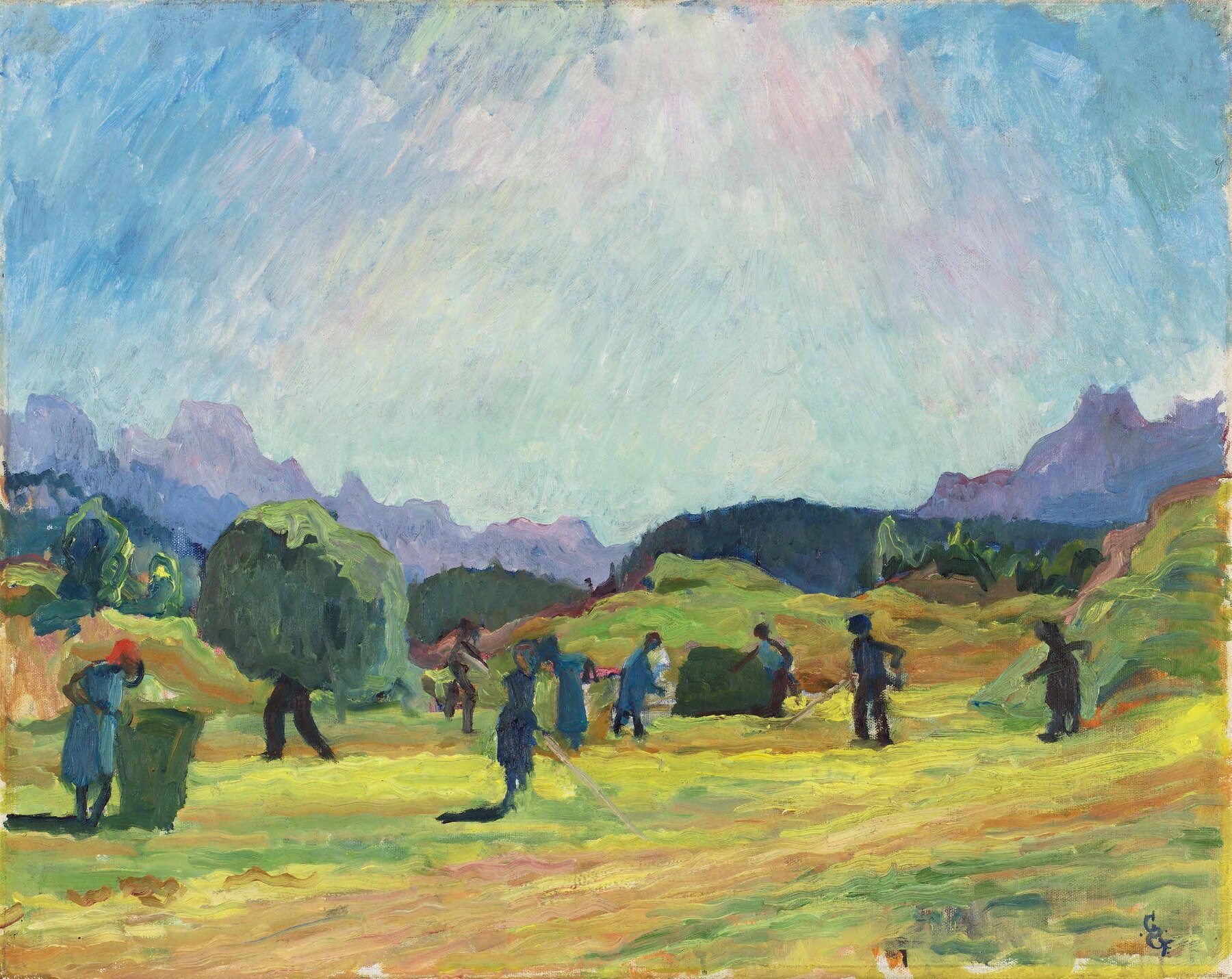
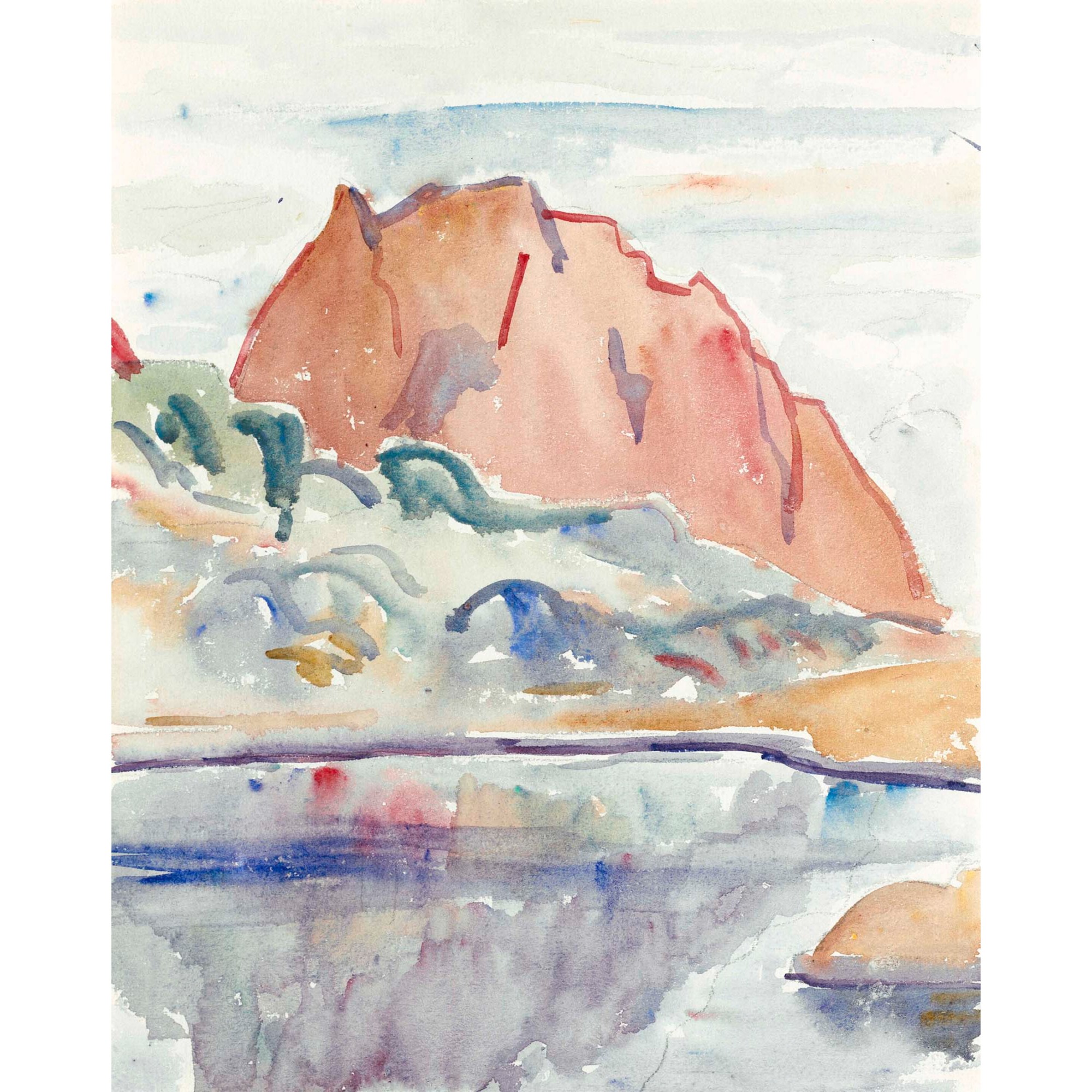
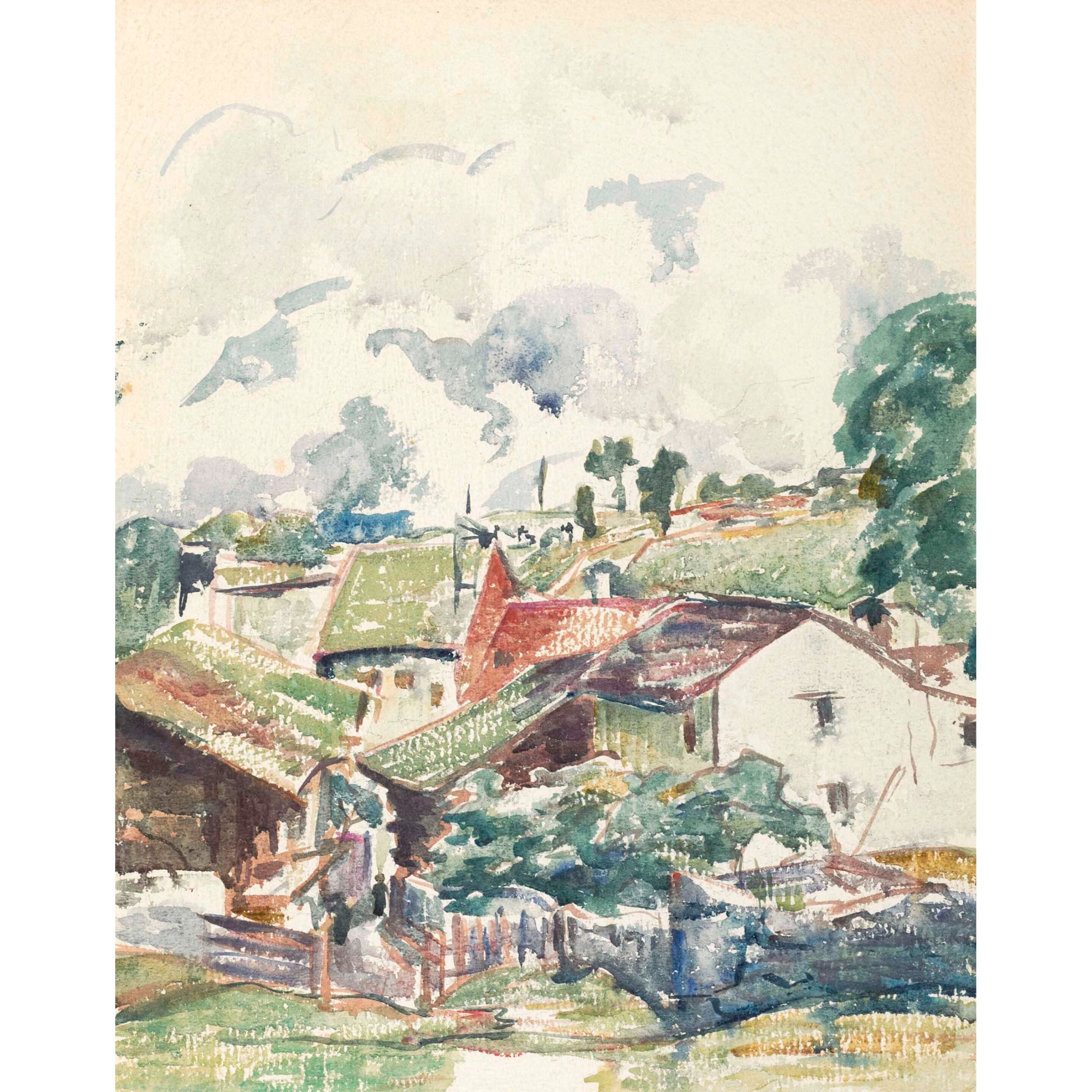
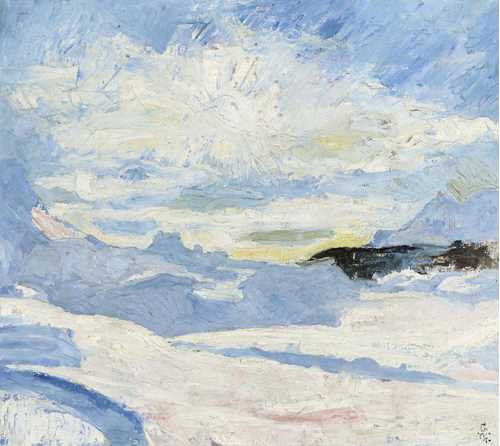
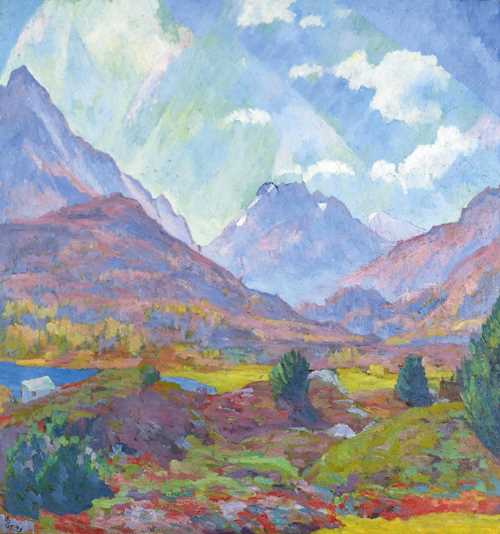
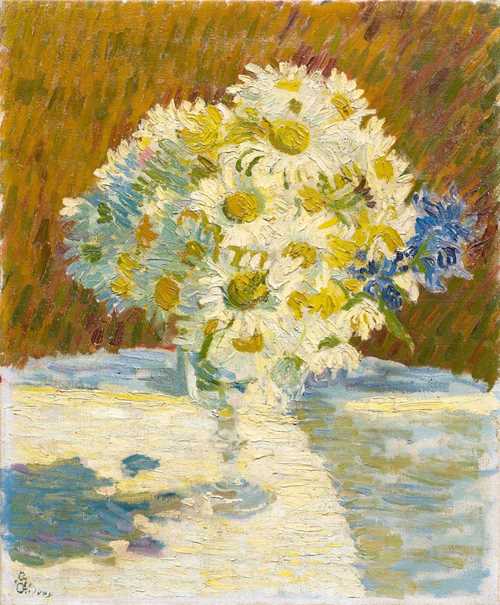
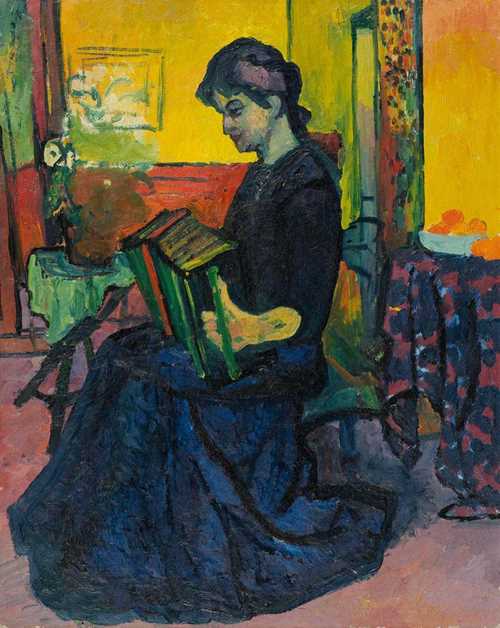
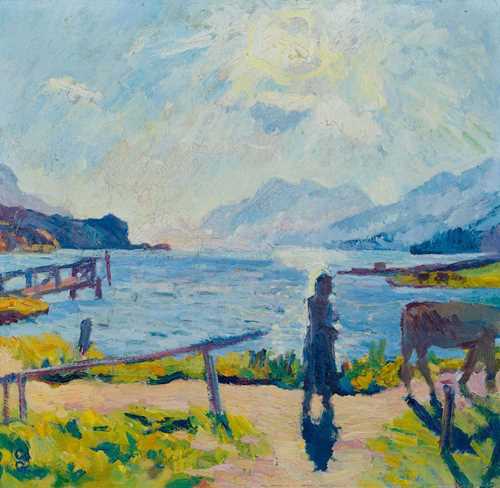
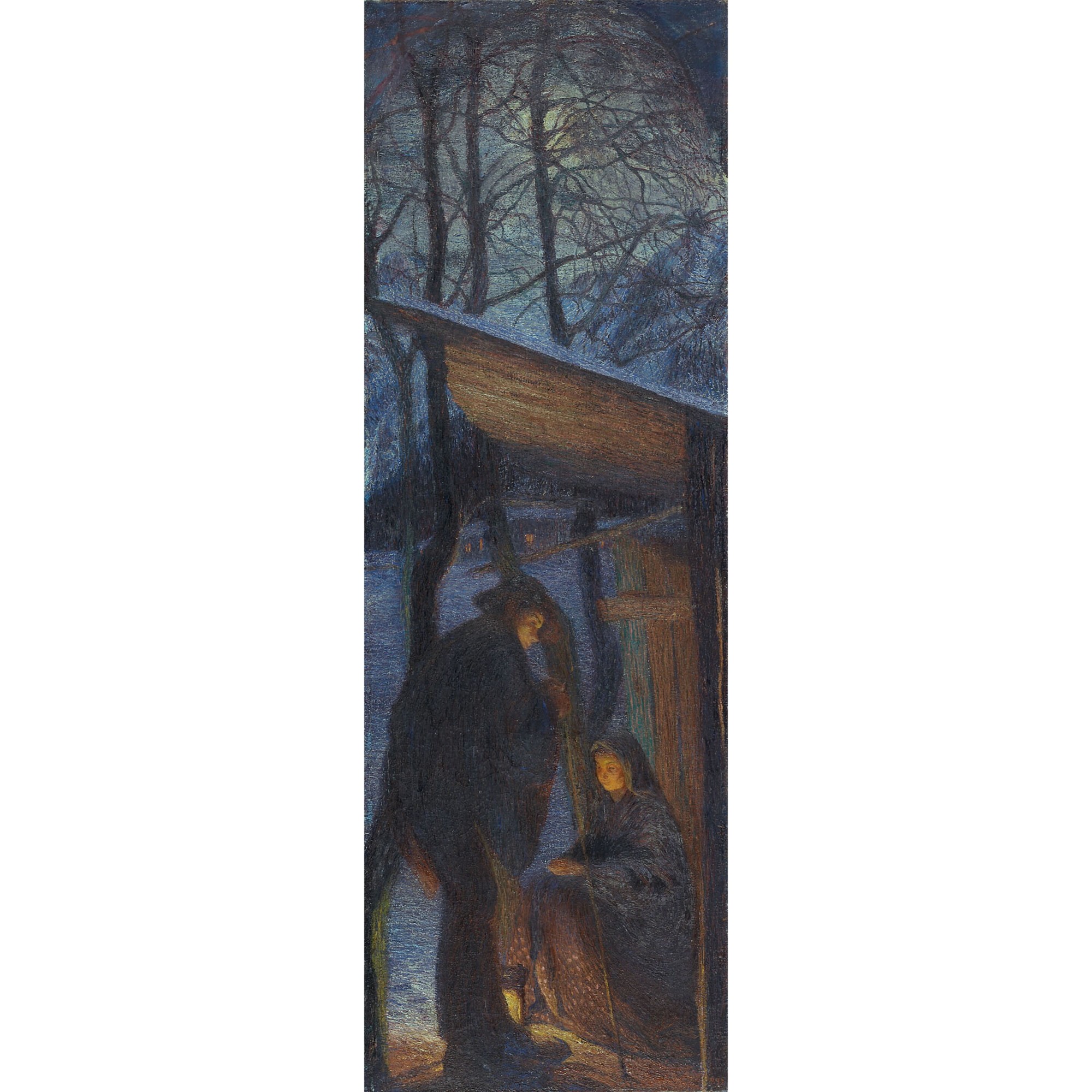
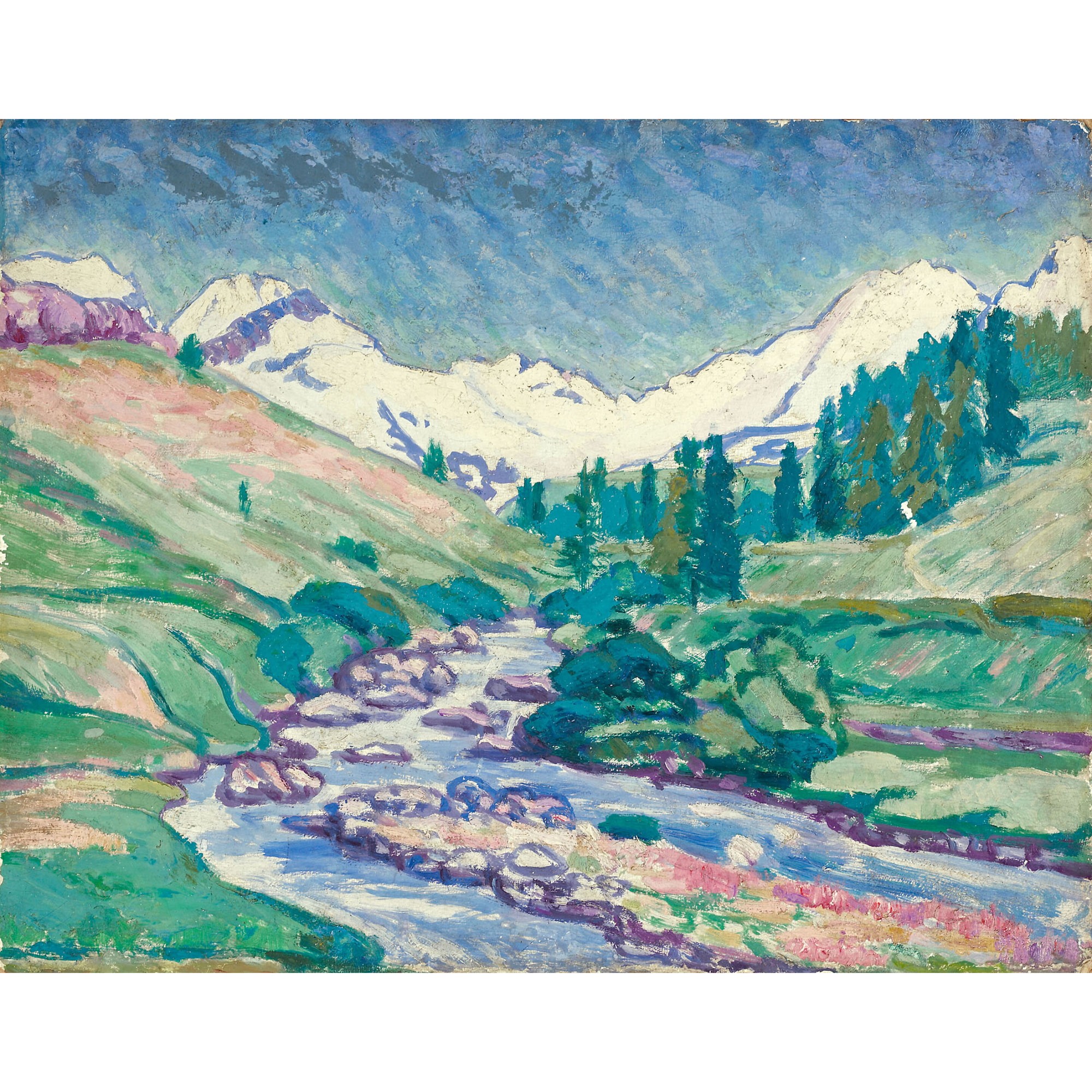
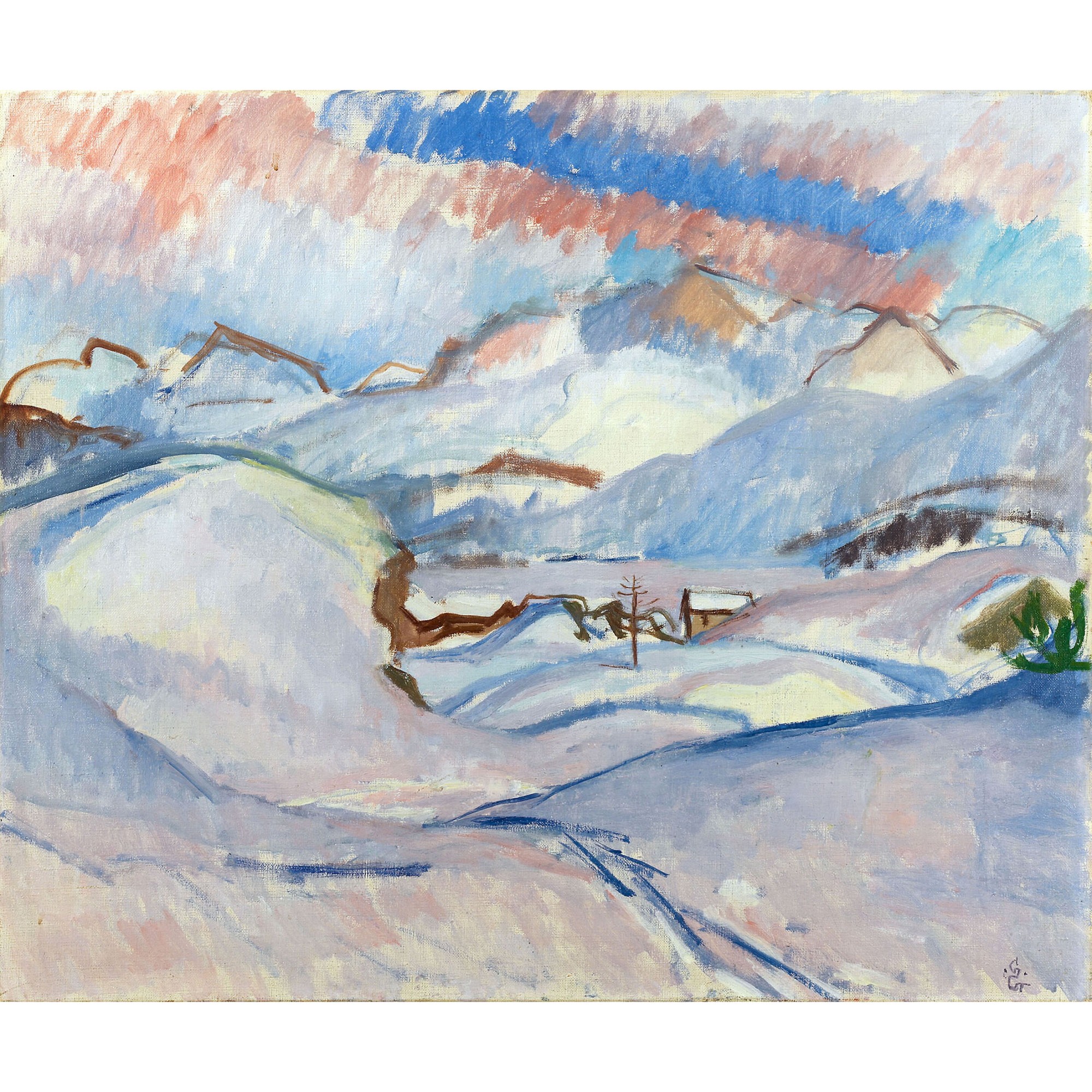
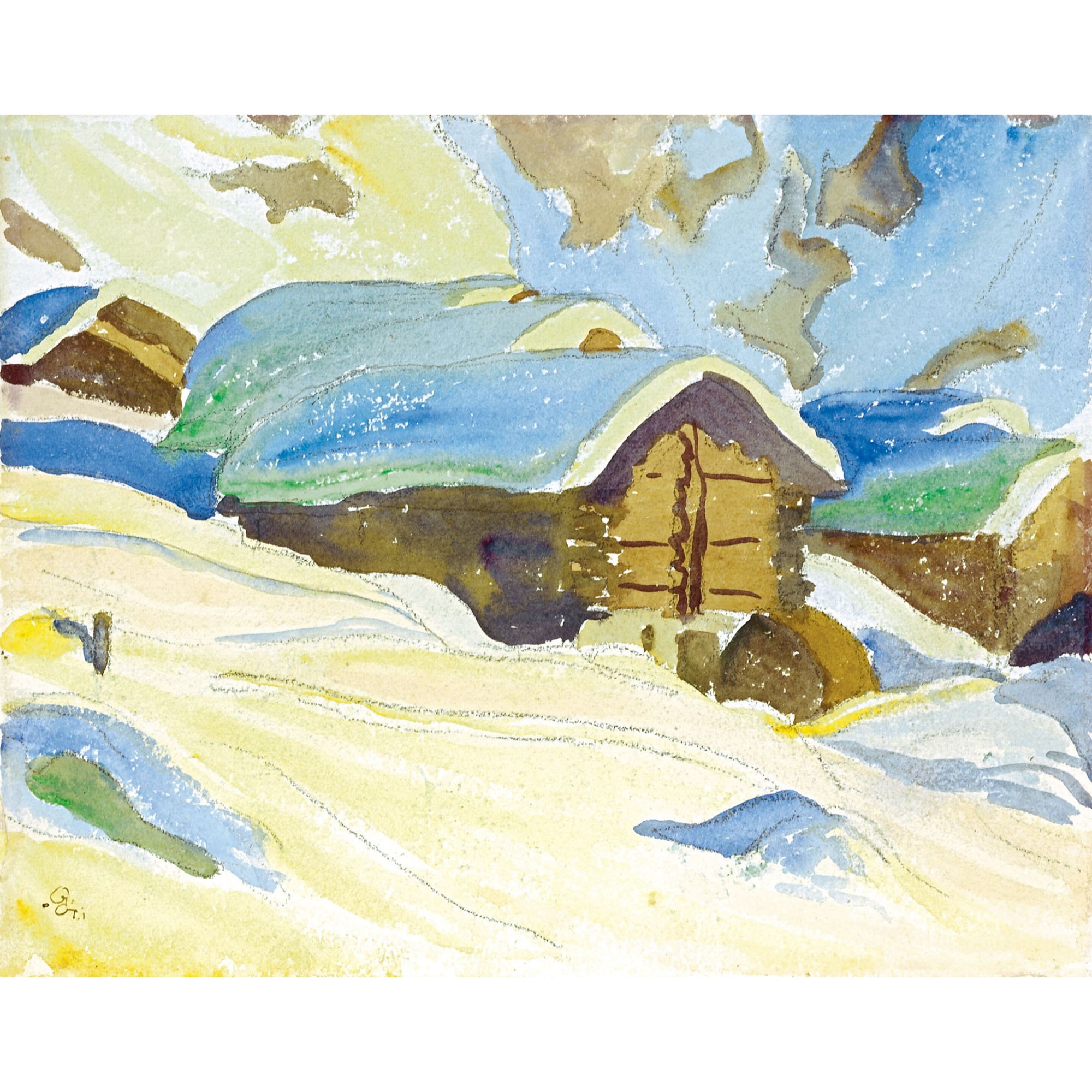
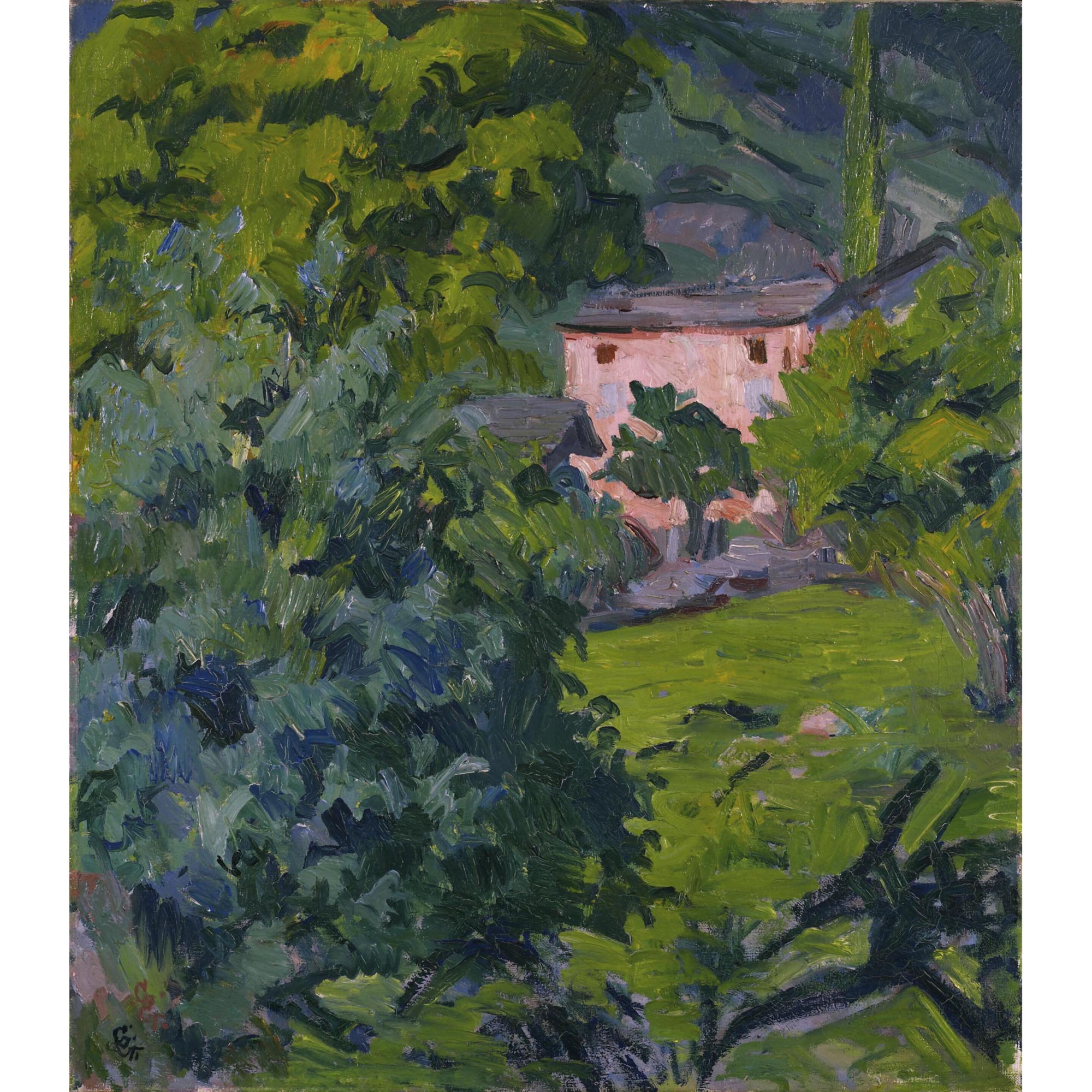
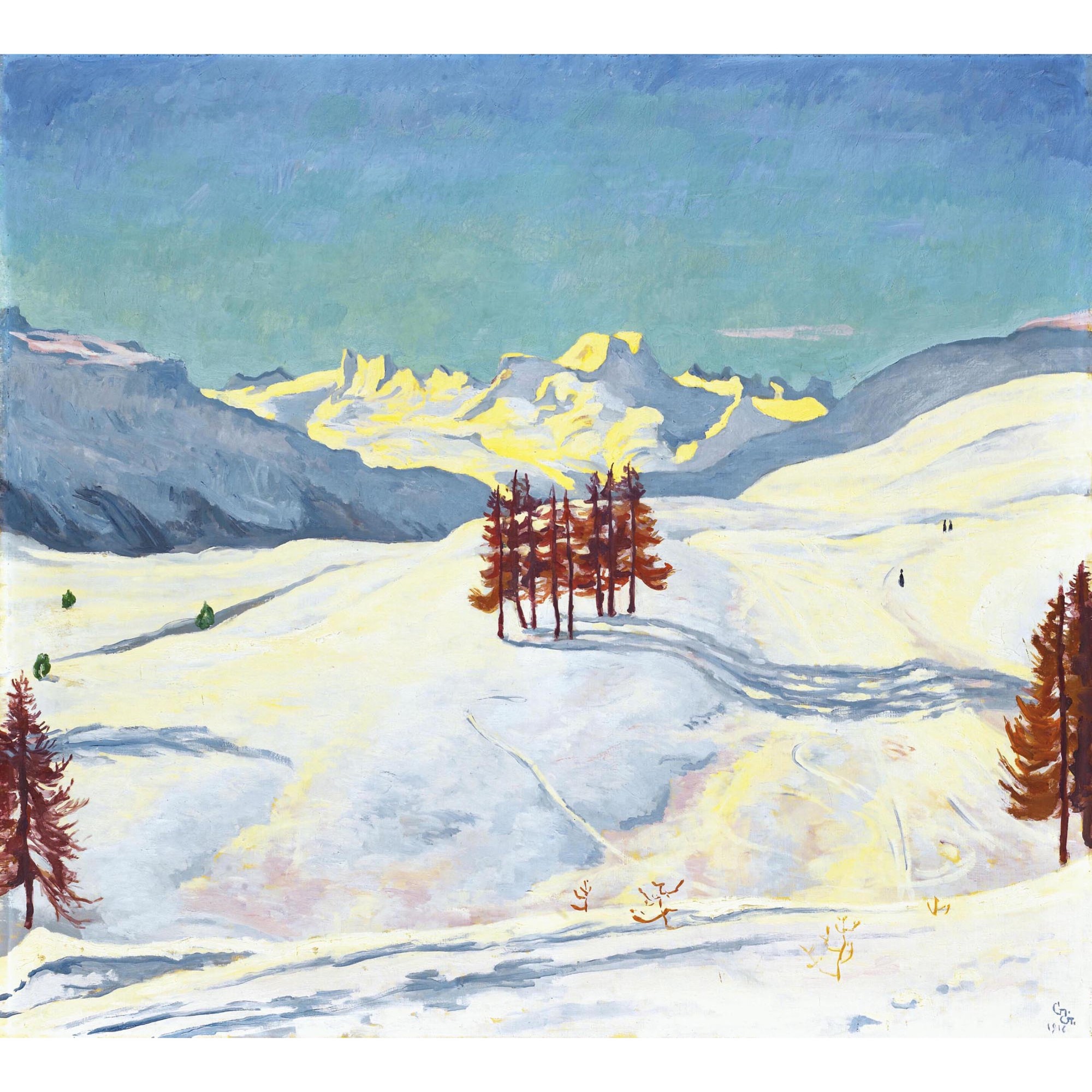
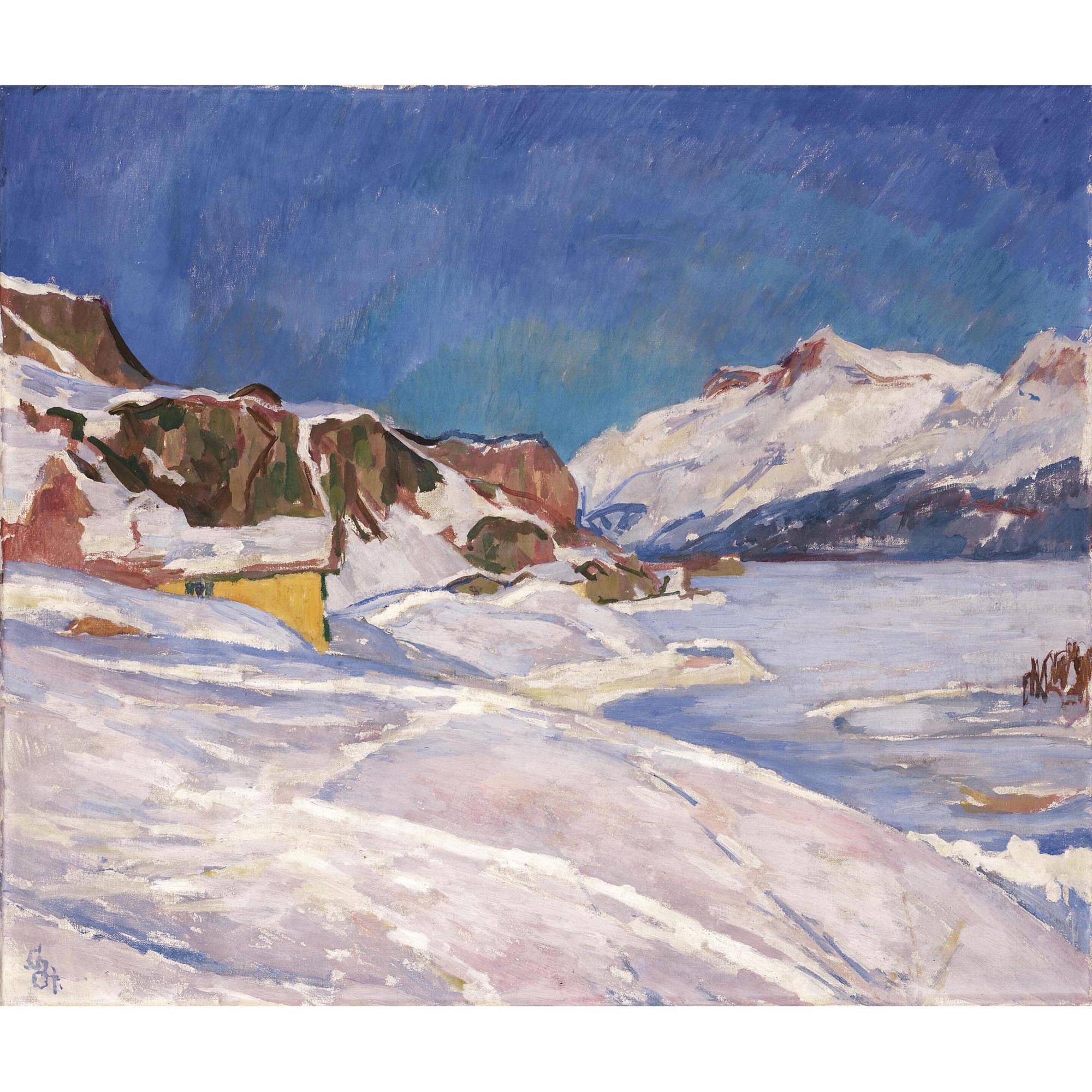
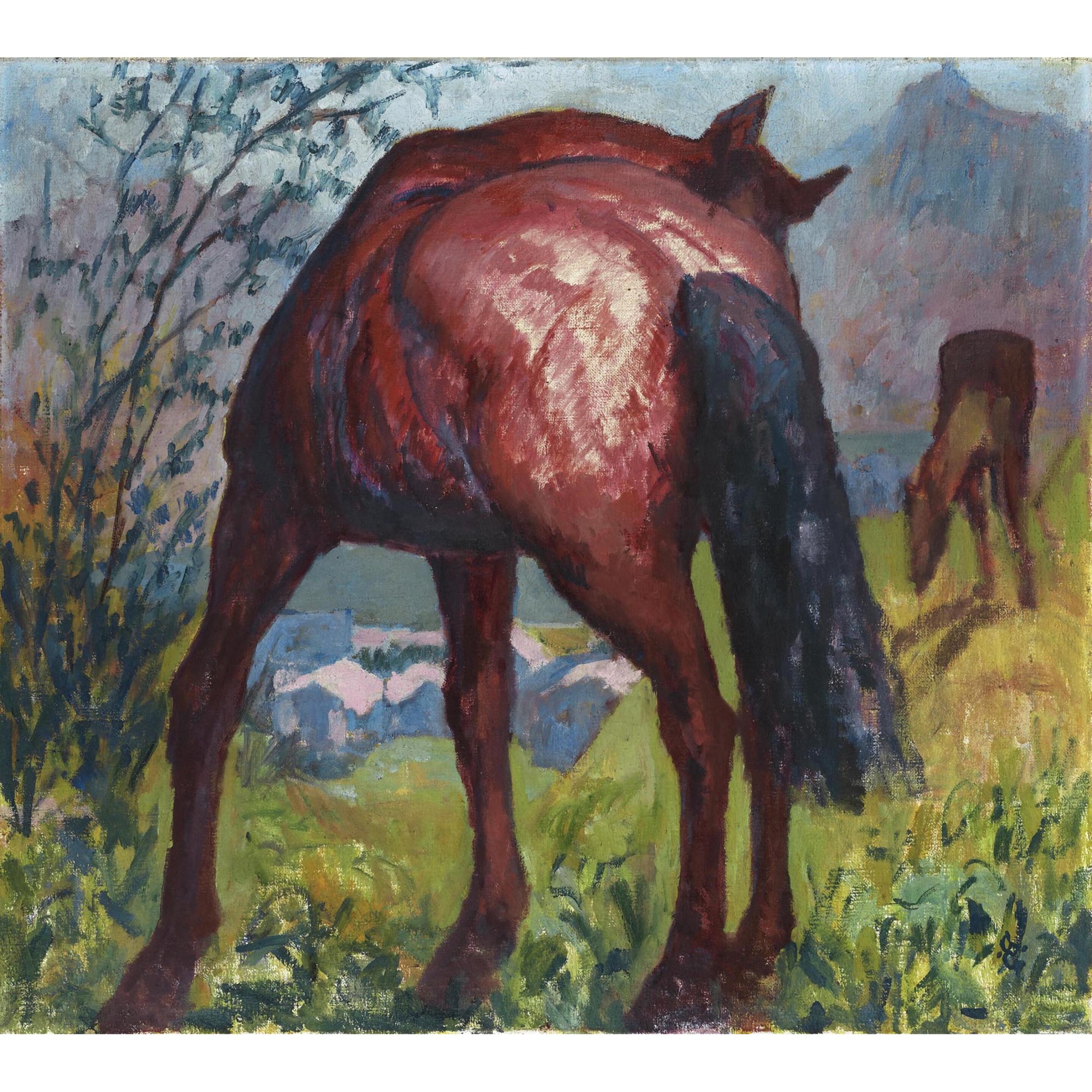
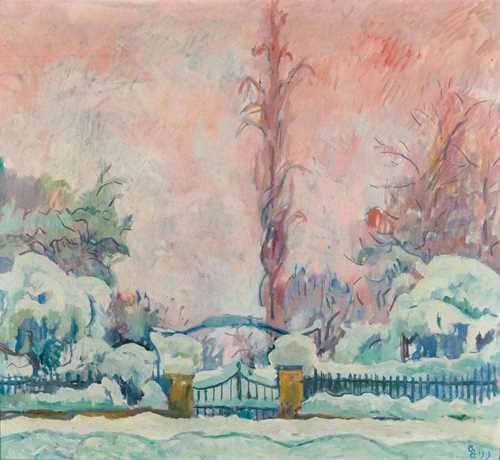
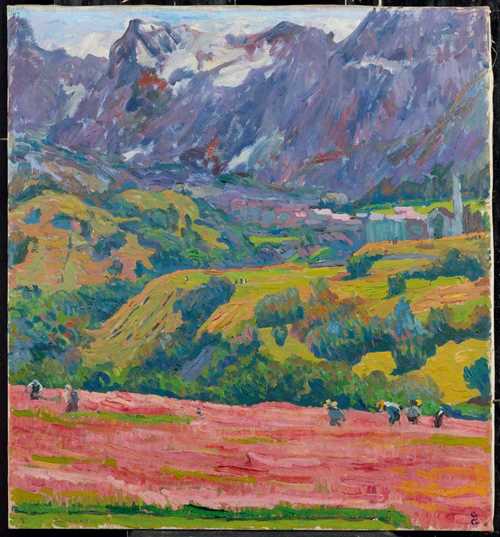
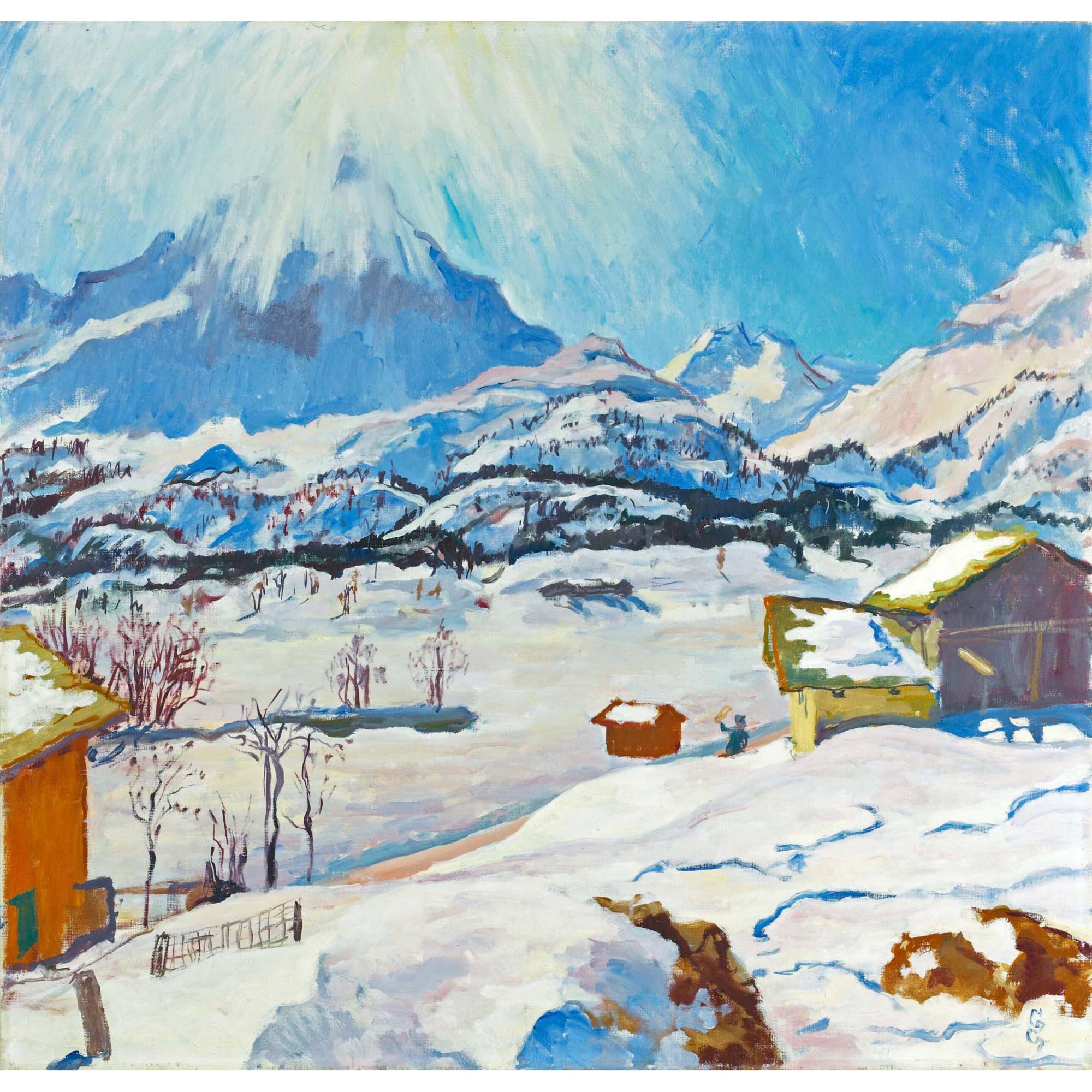
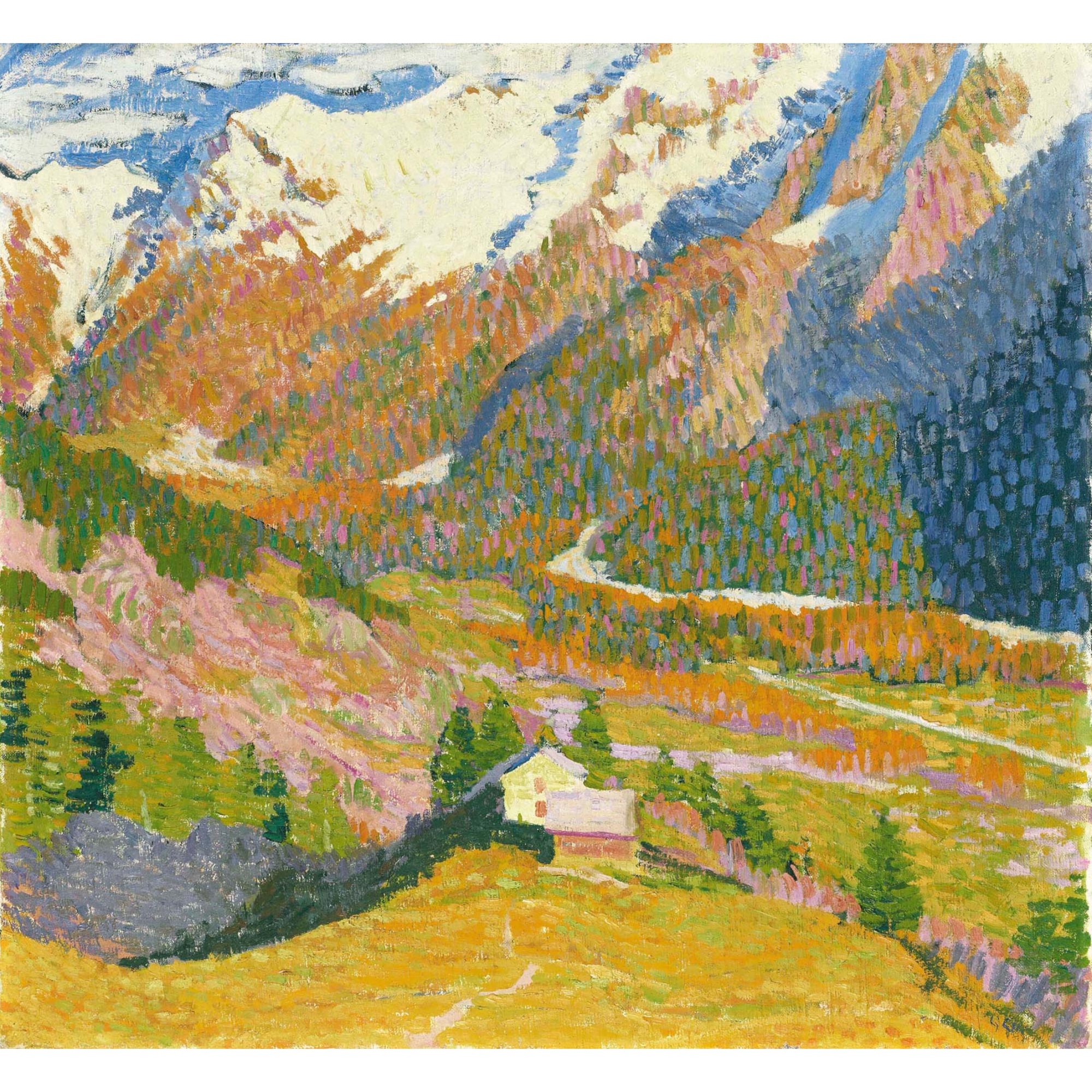
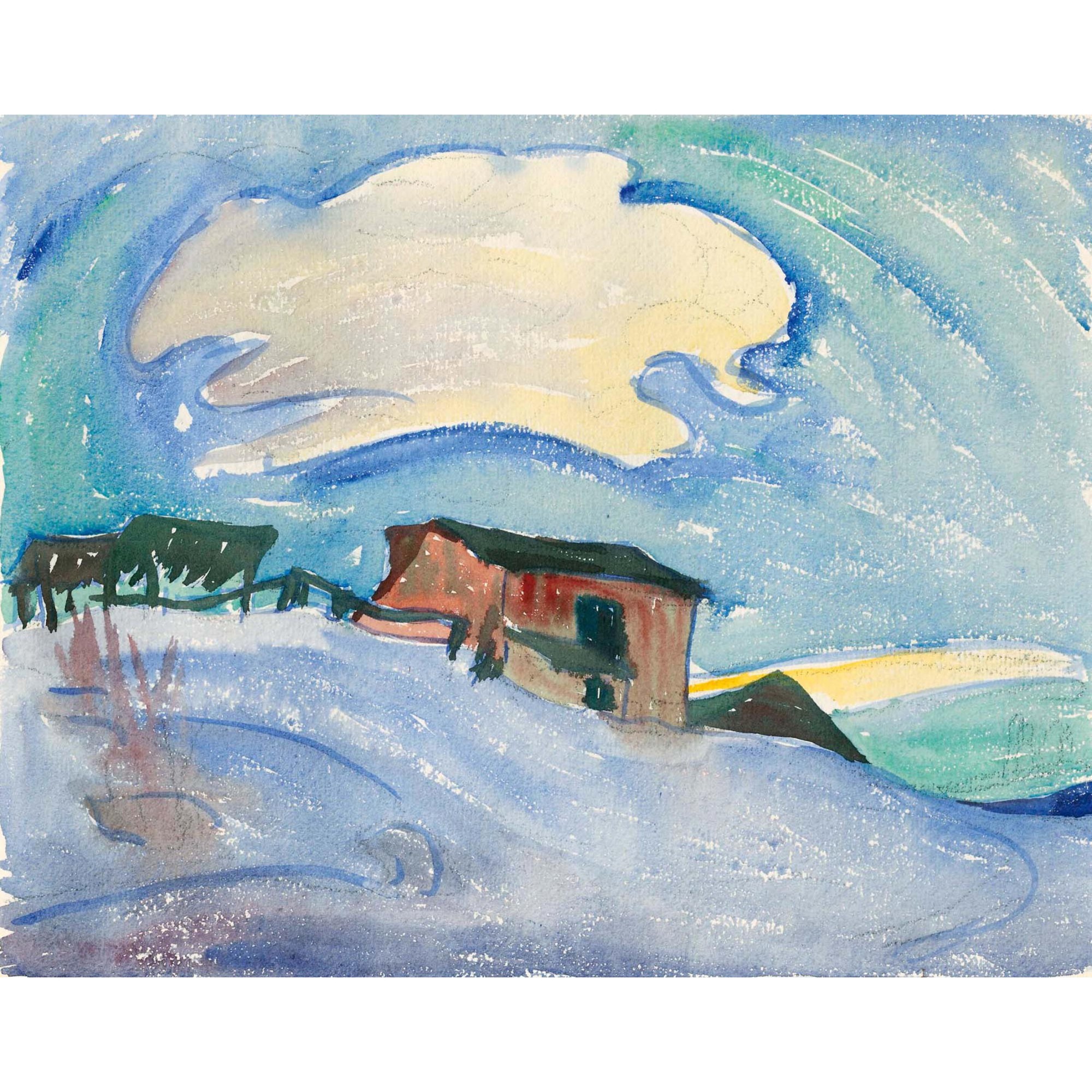
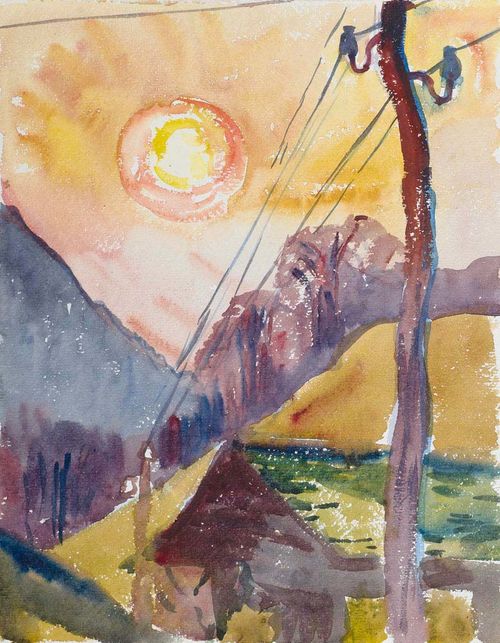
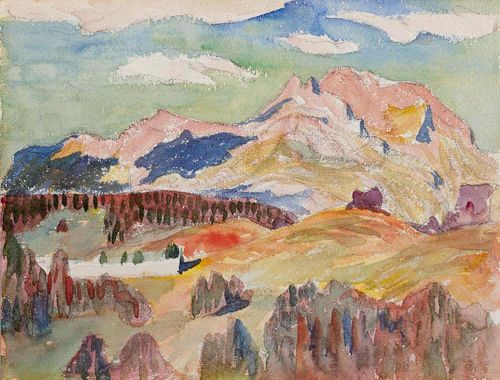
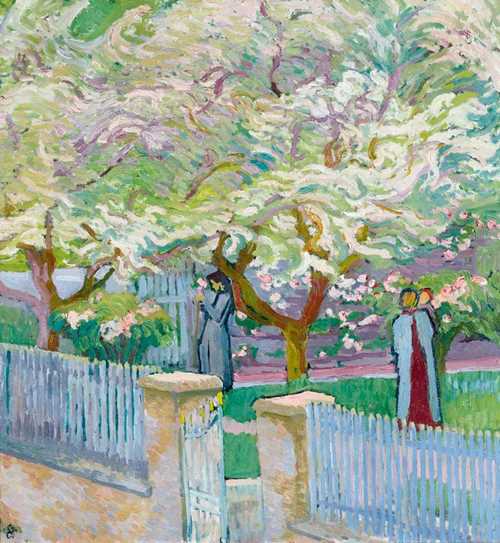
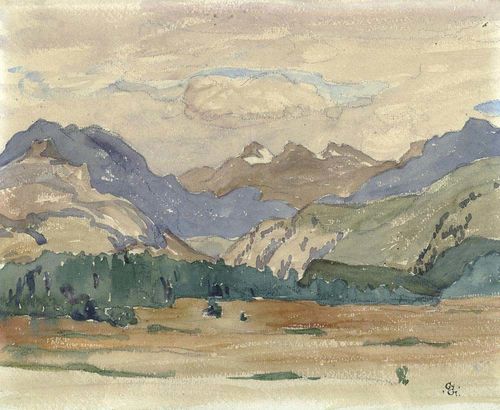
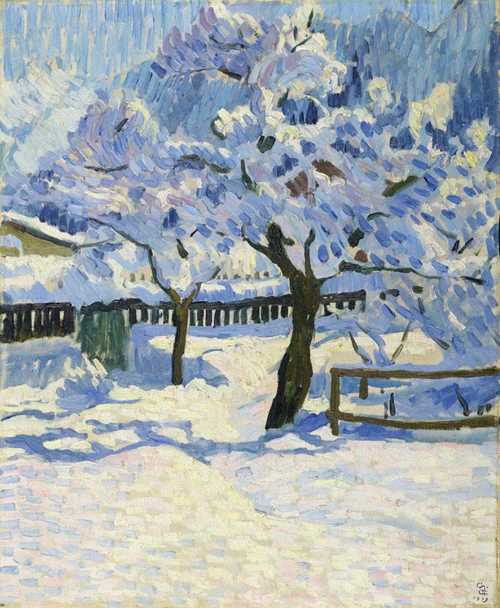
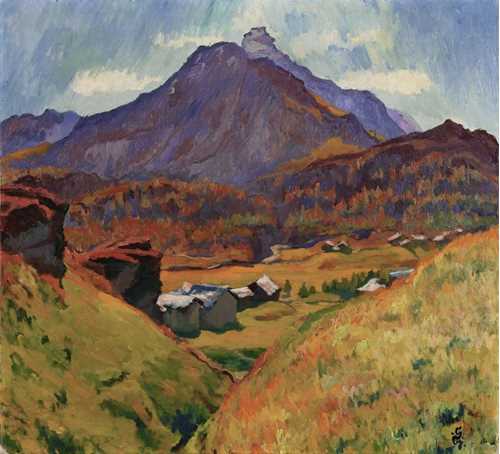
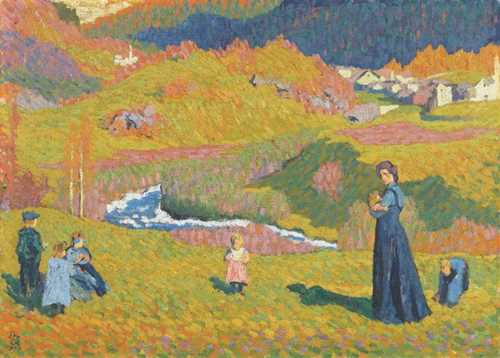
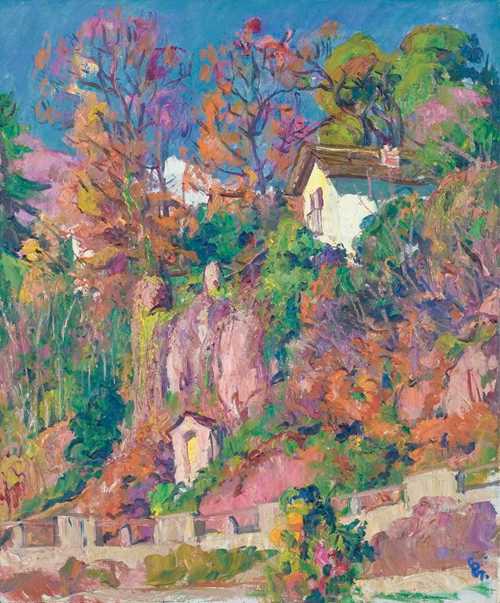
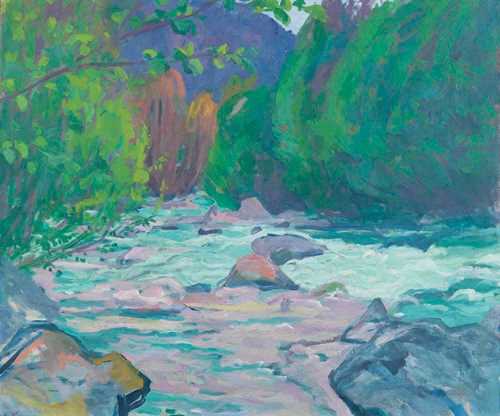
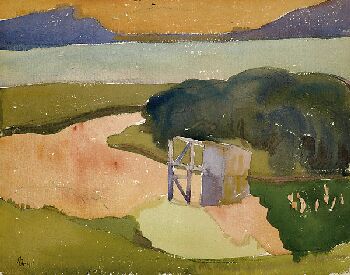
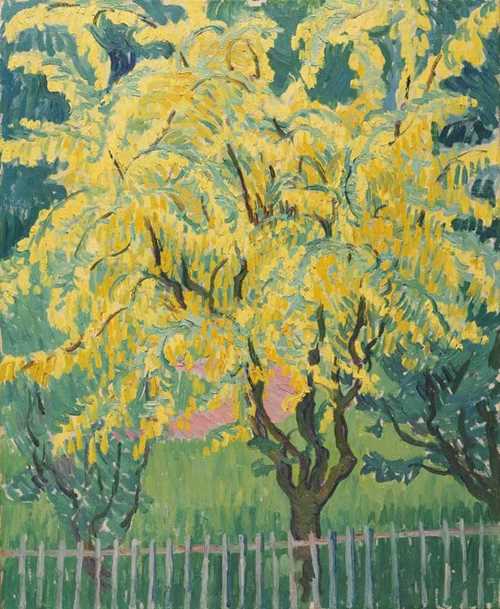
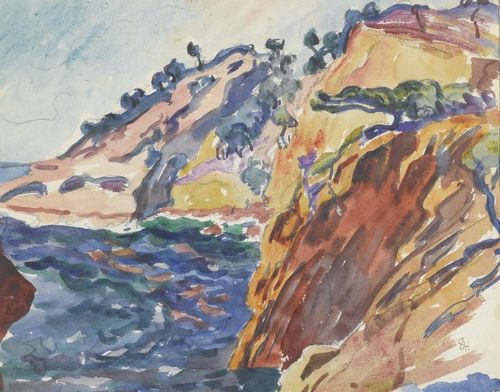
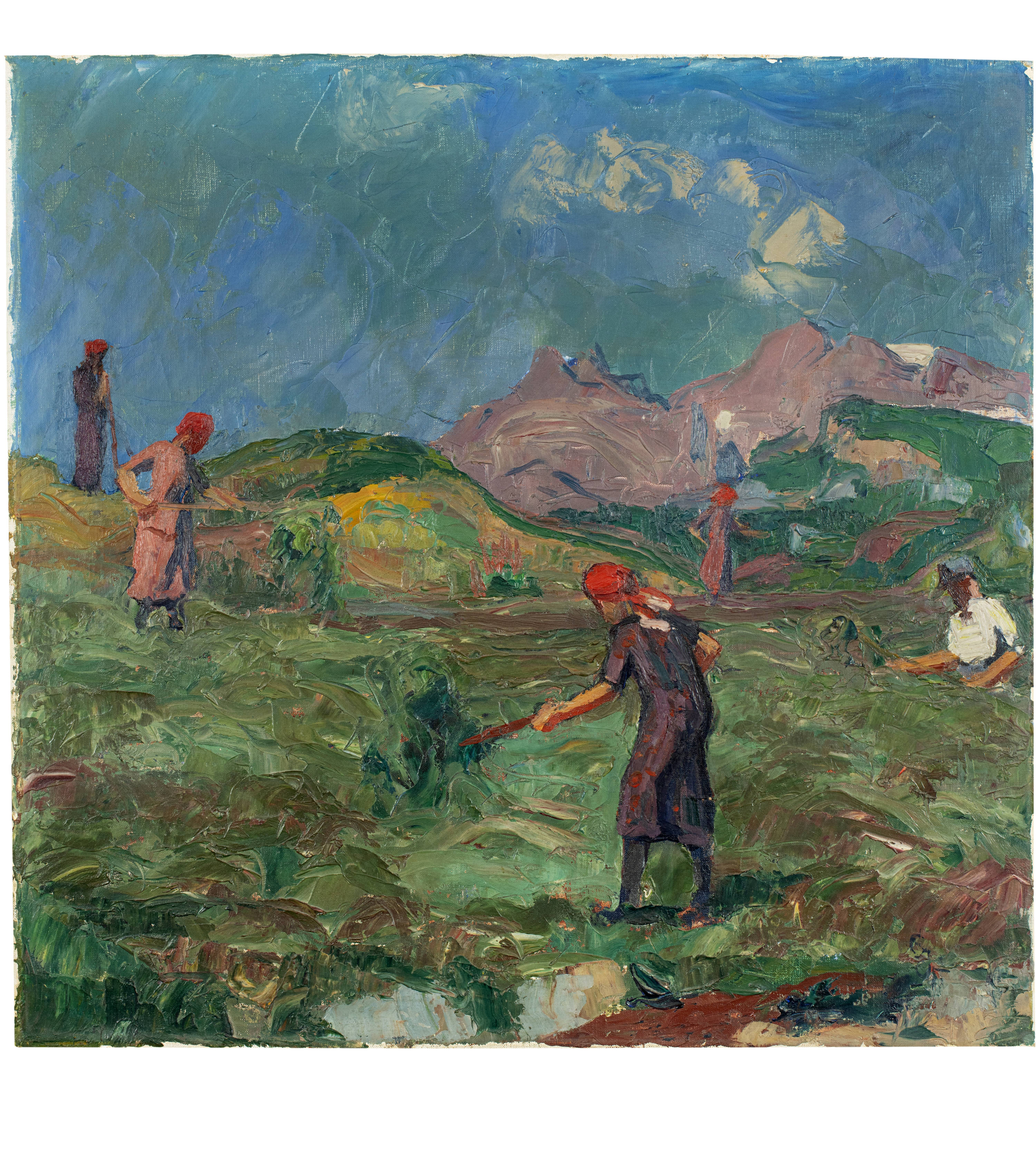
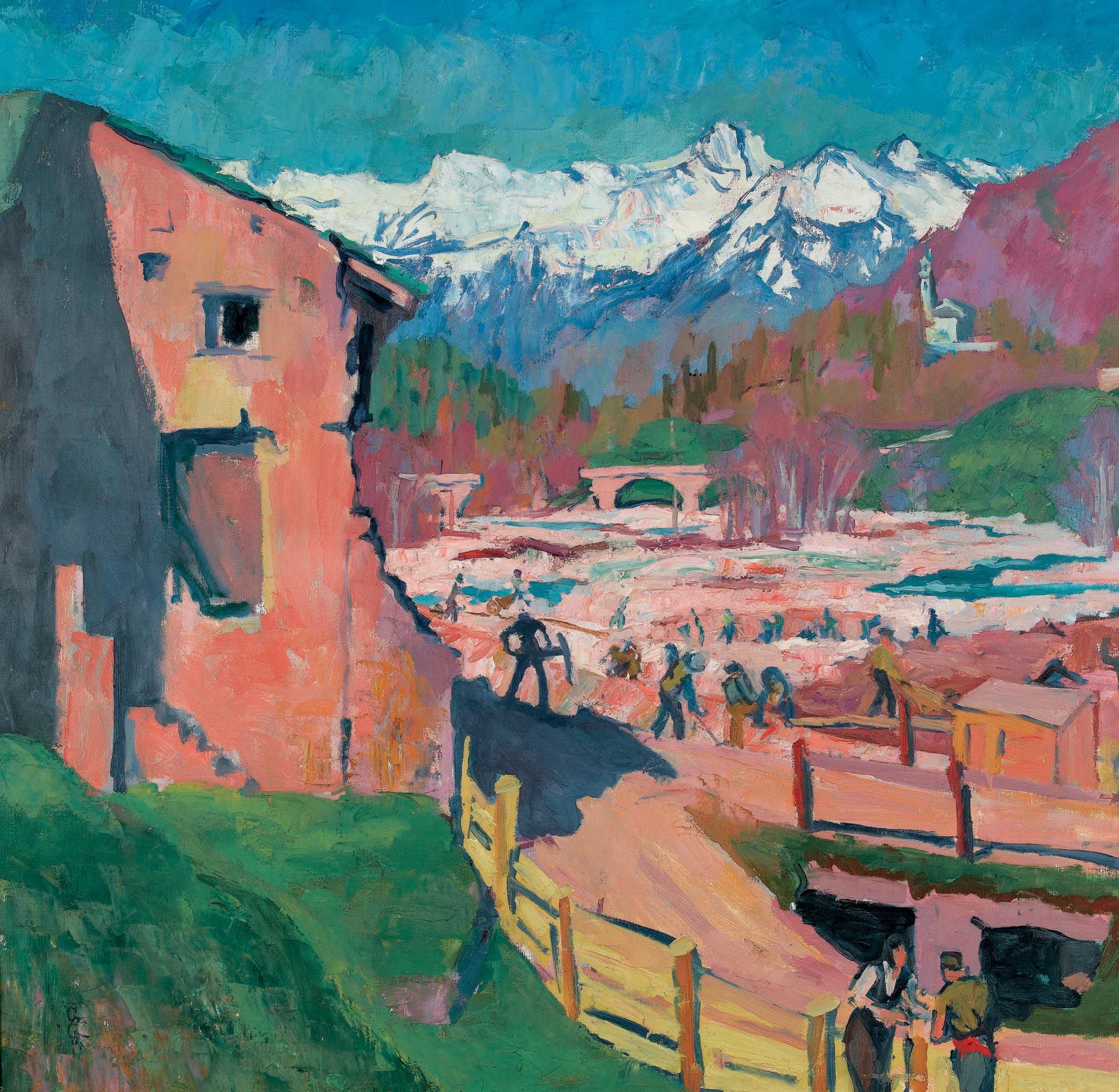
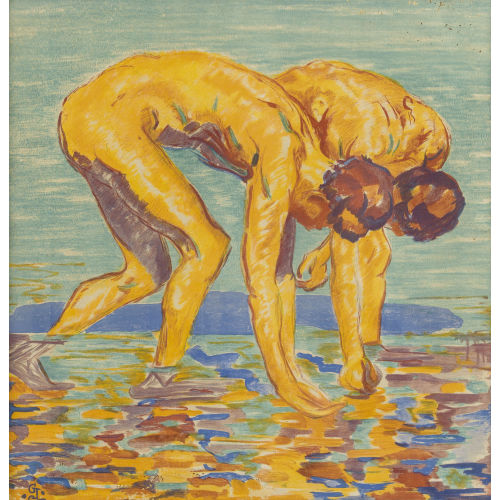
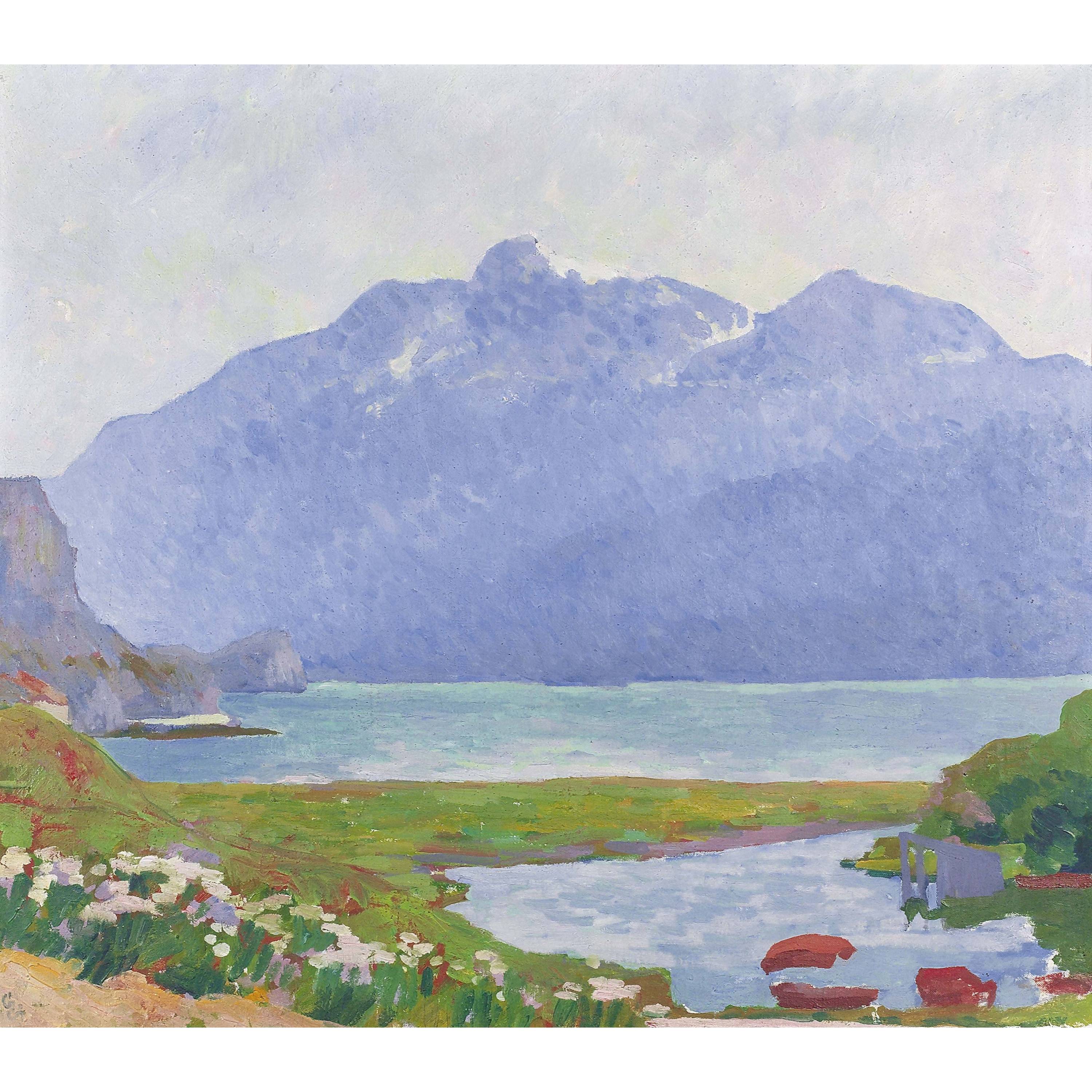
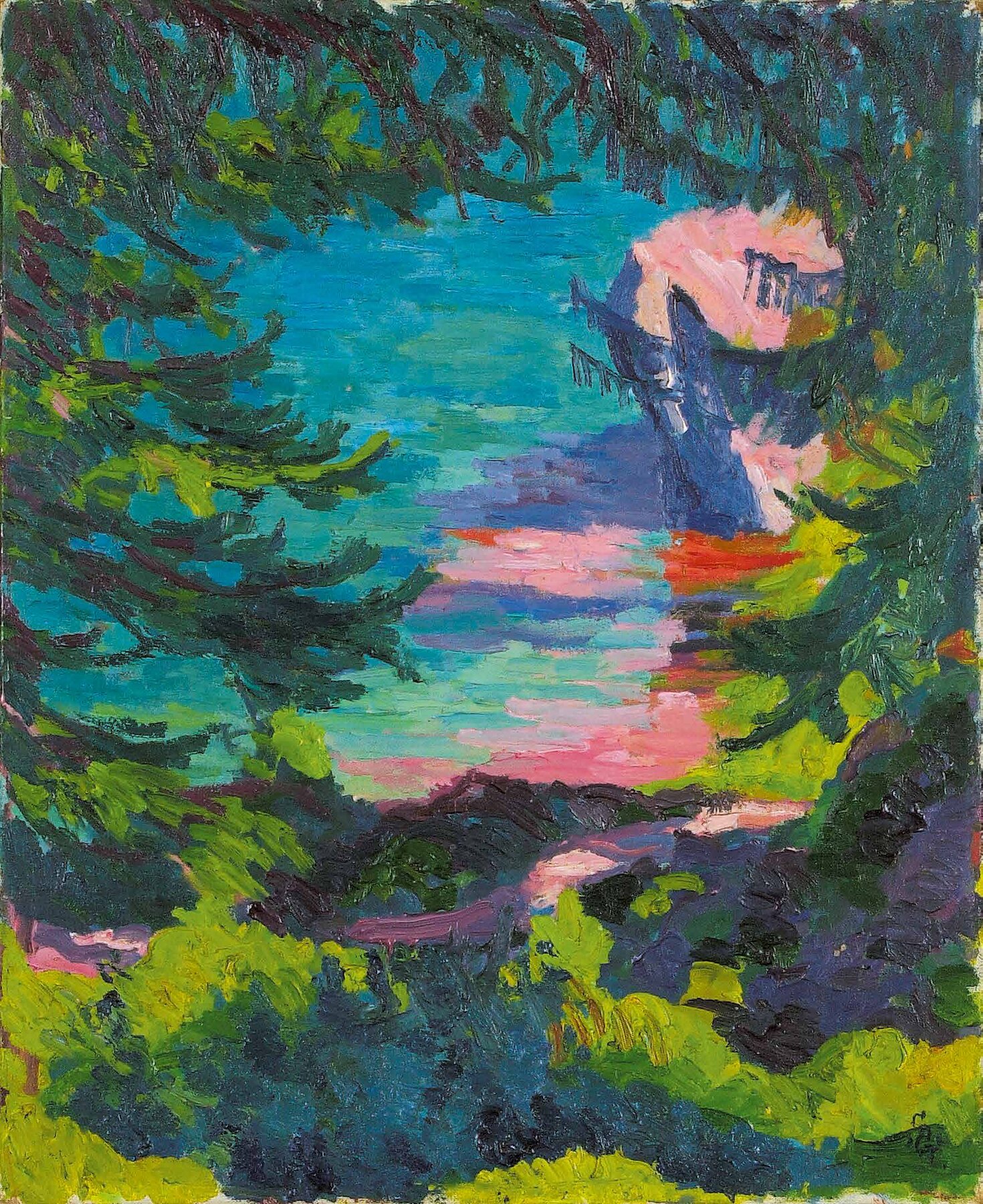
Initially influenced by Divisionism, he developed a personal mode of painting characterised by luminous colour and sustained attention to the effects of light.
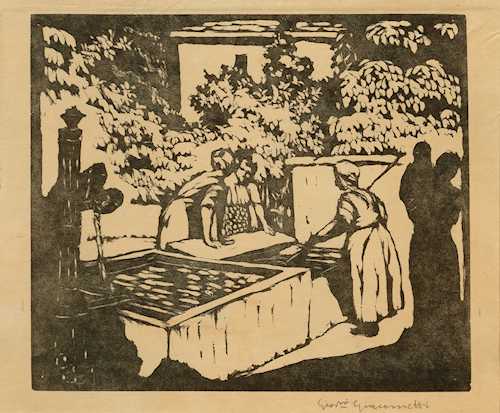
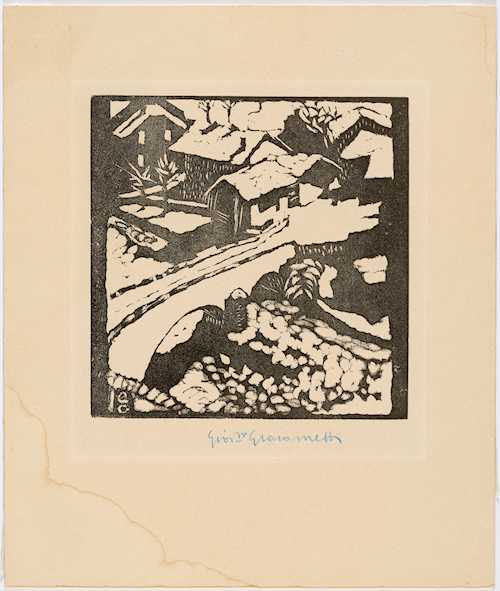
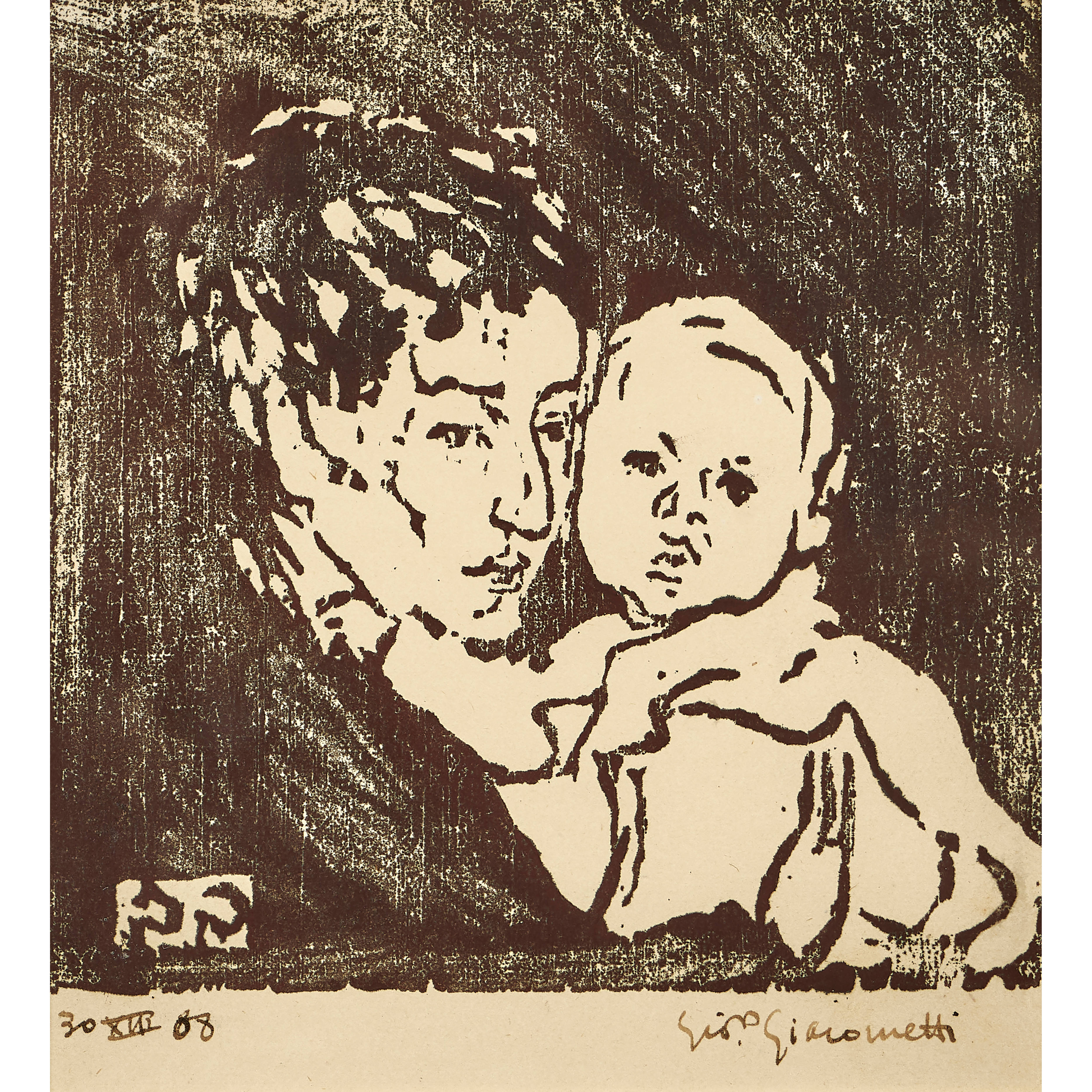
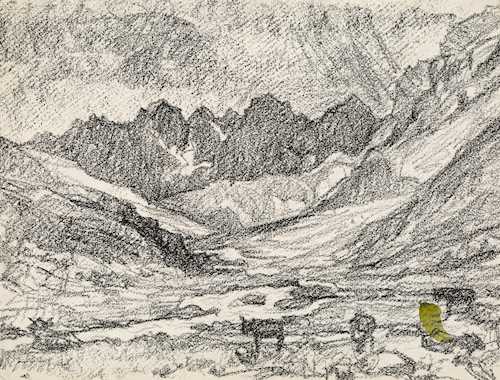
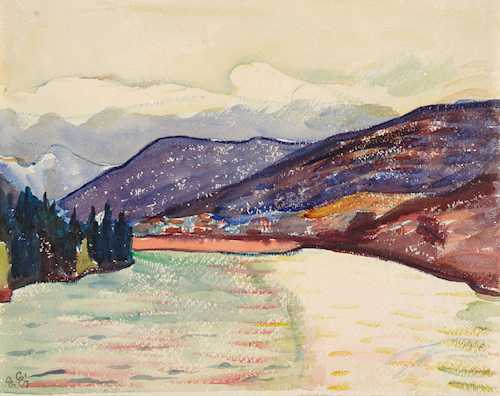
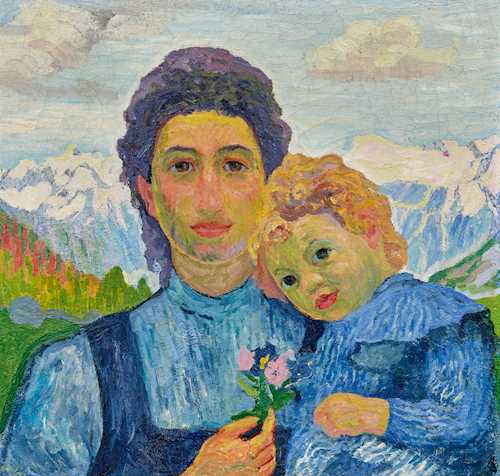
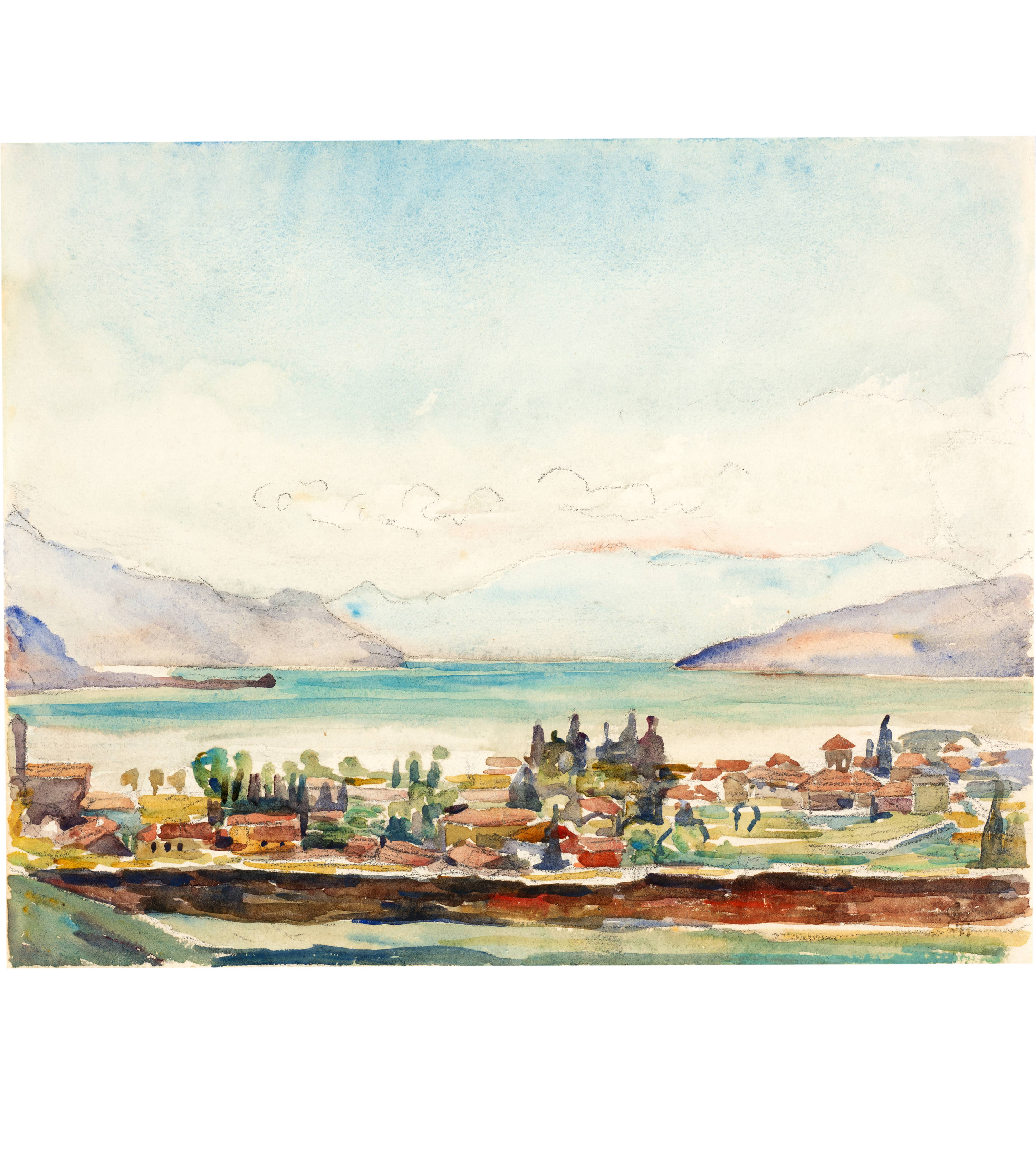
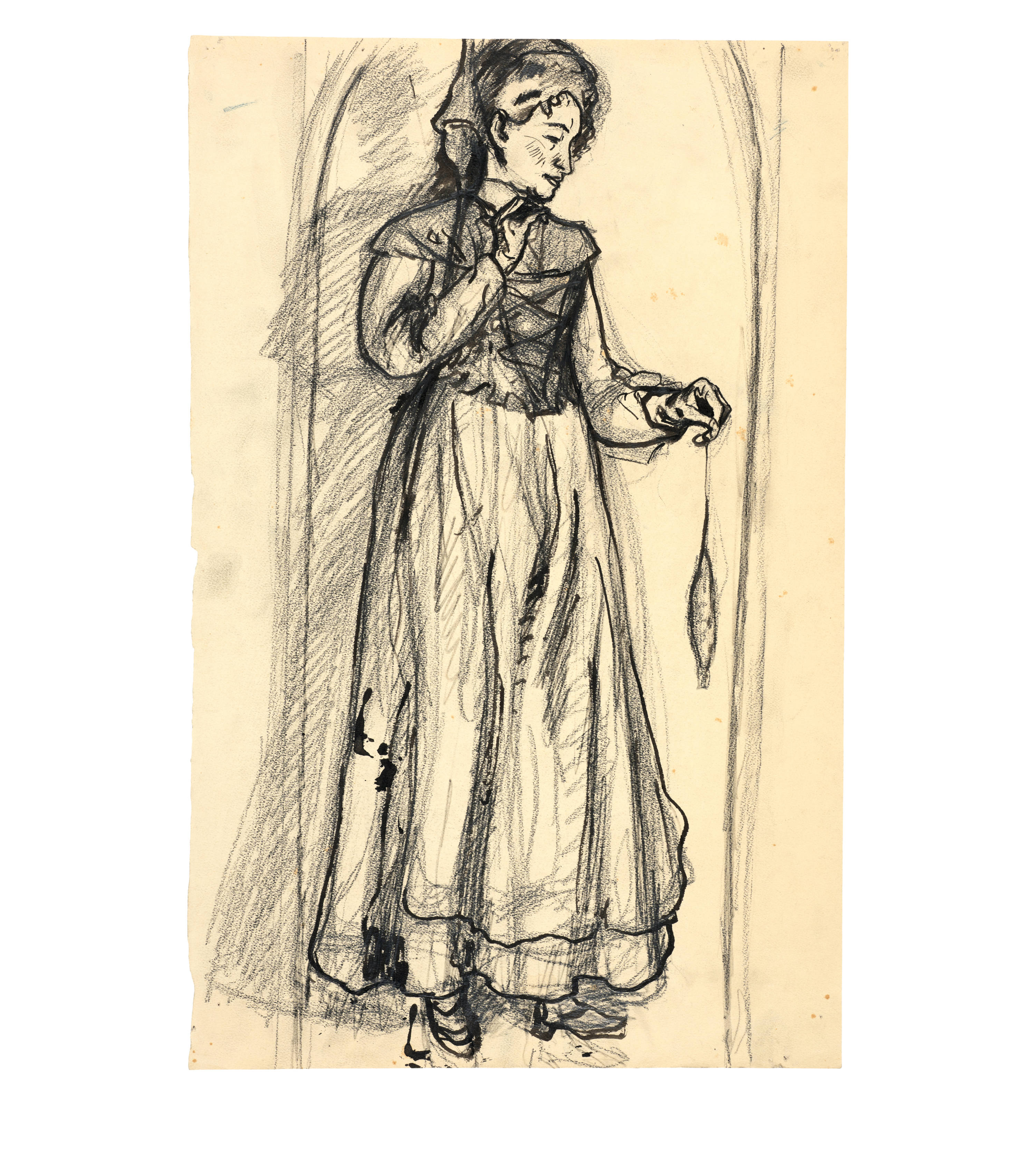
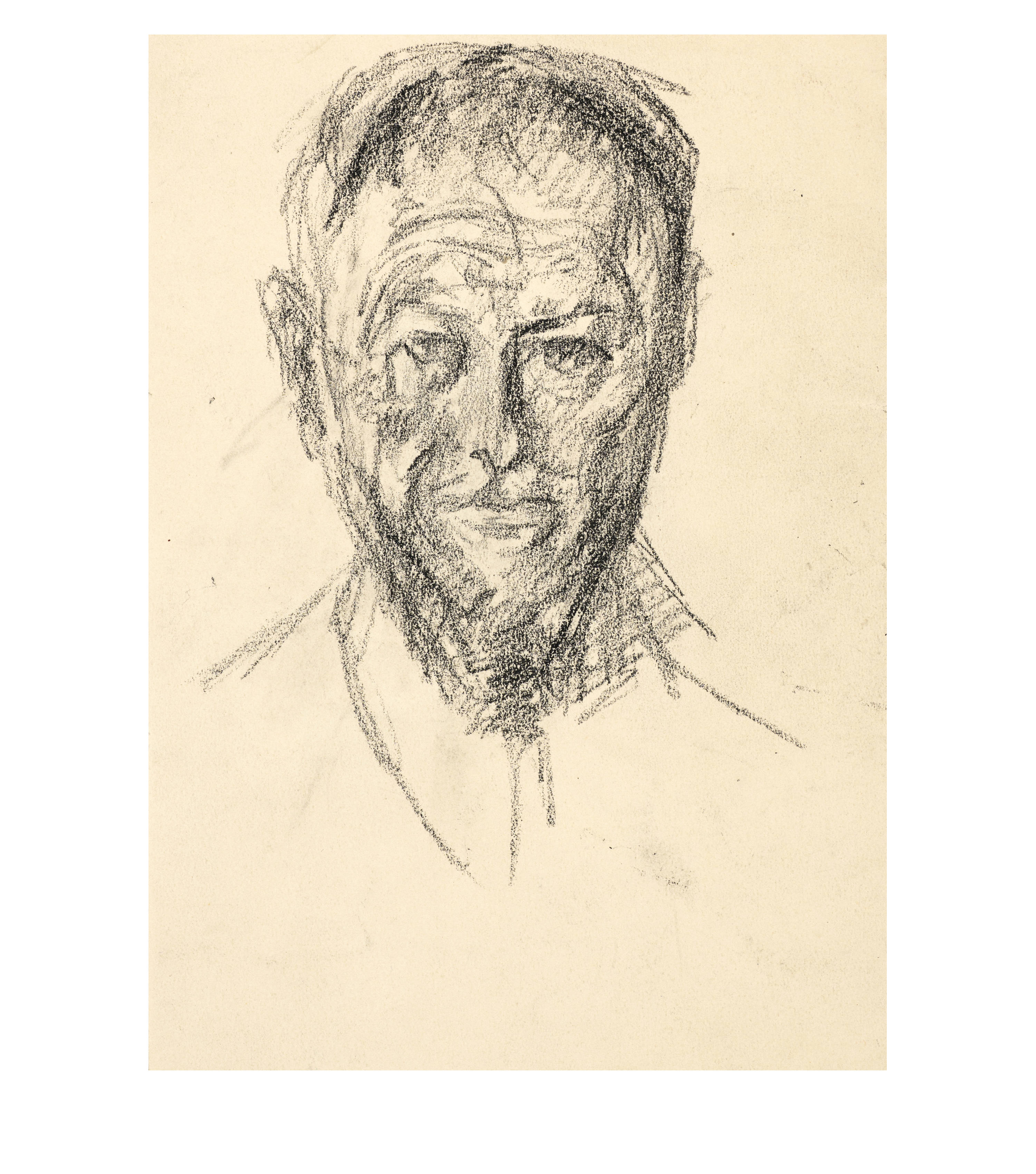
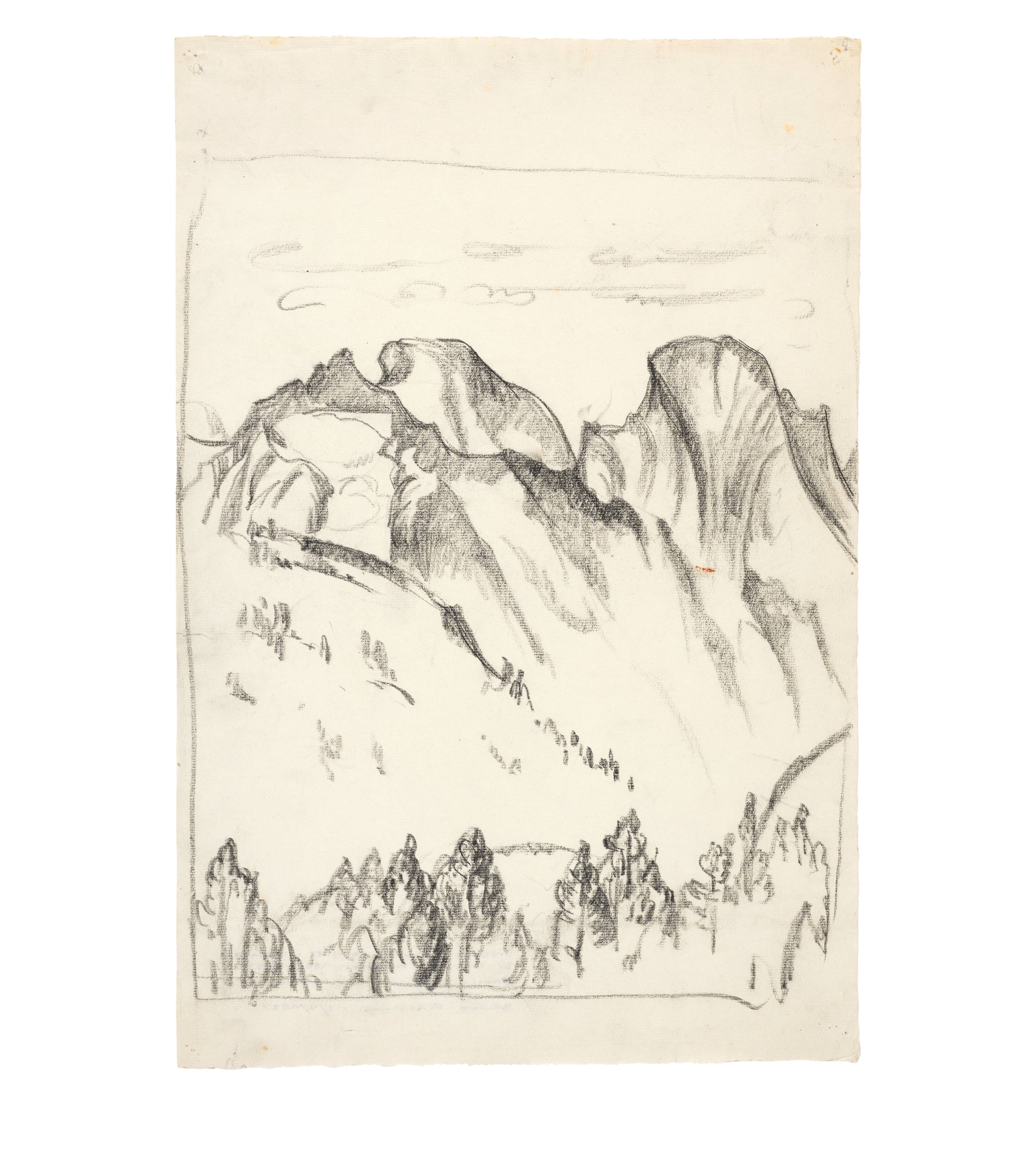
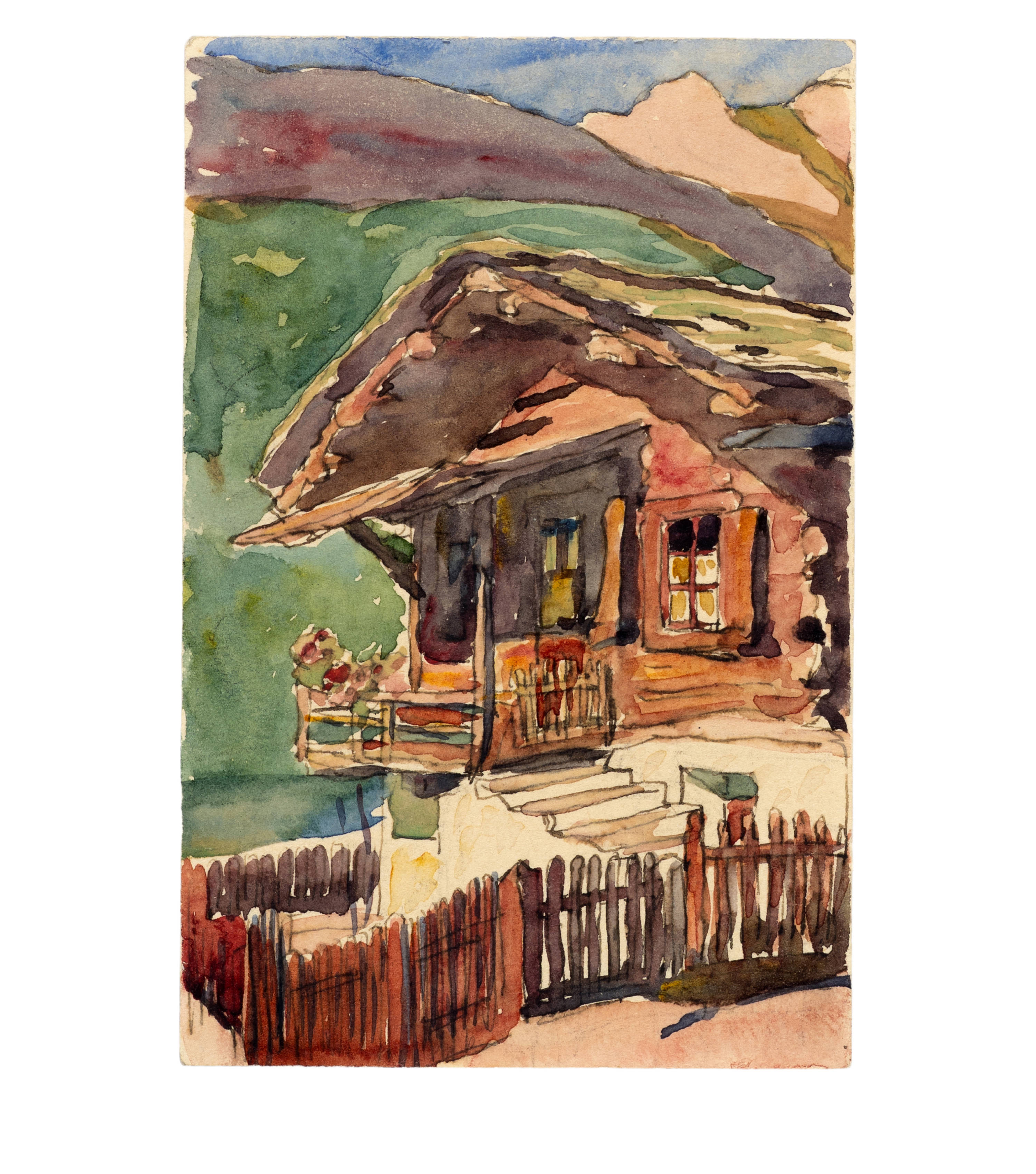
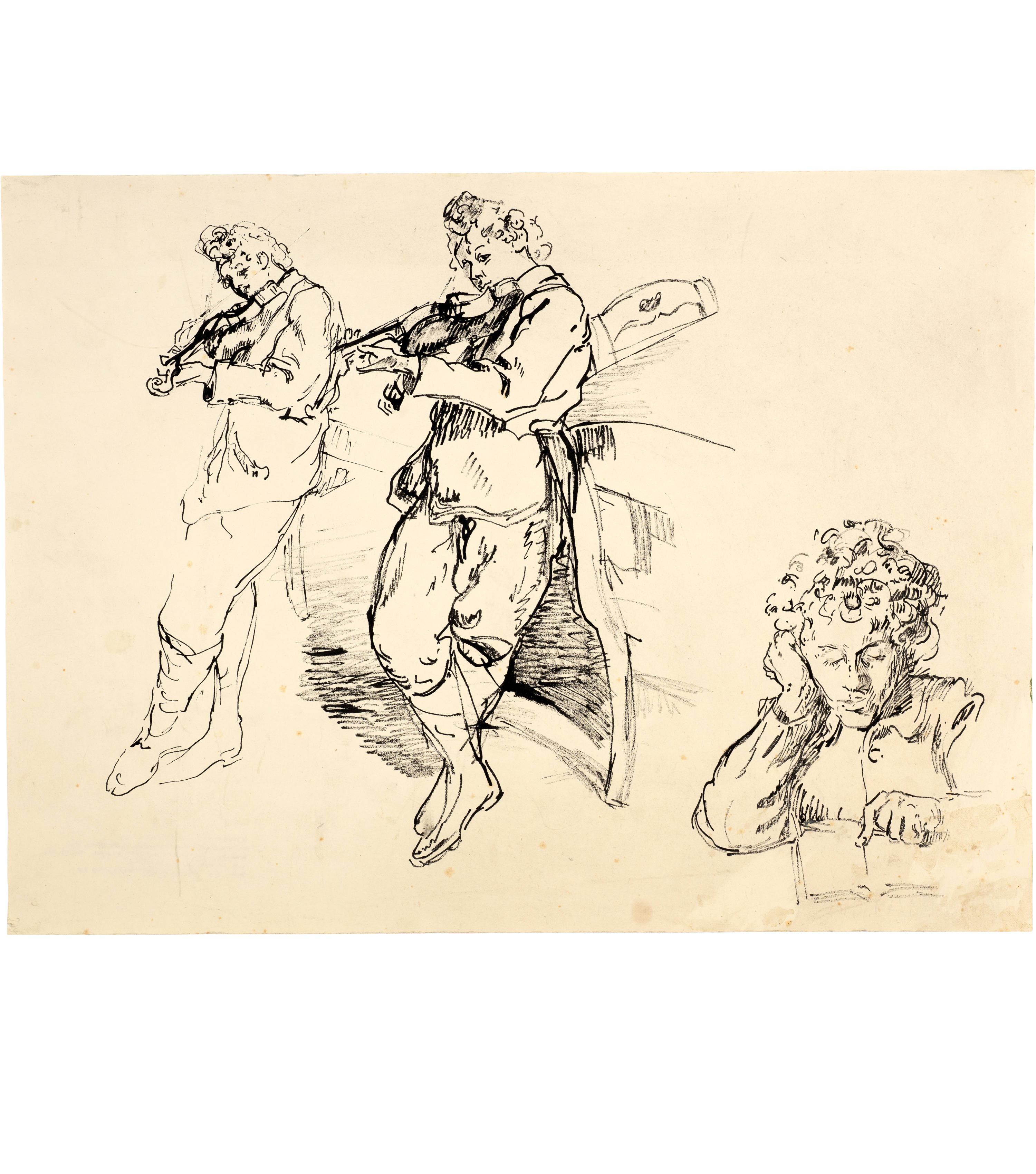
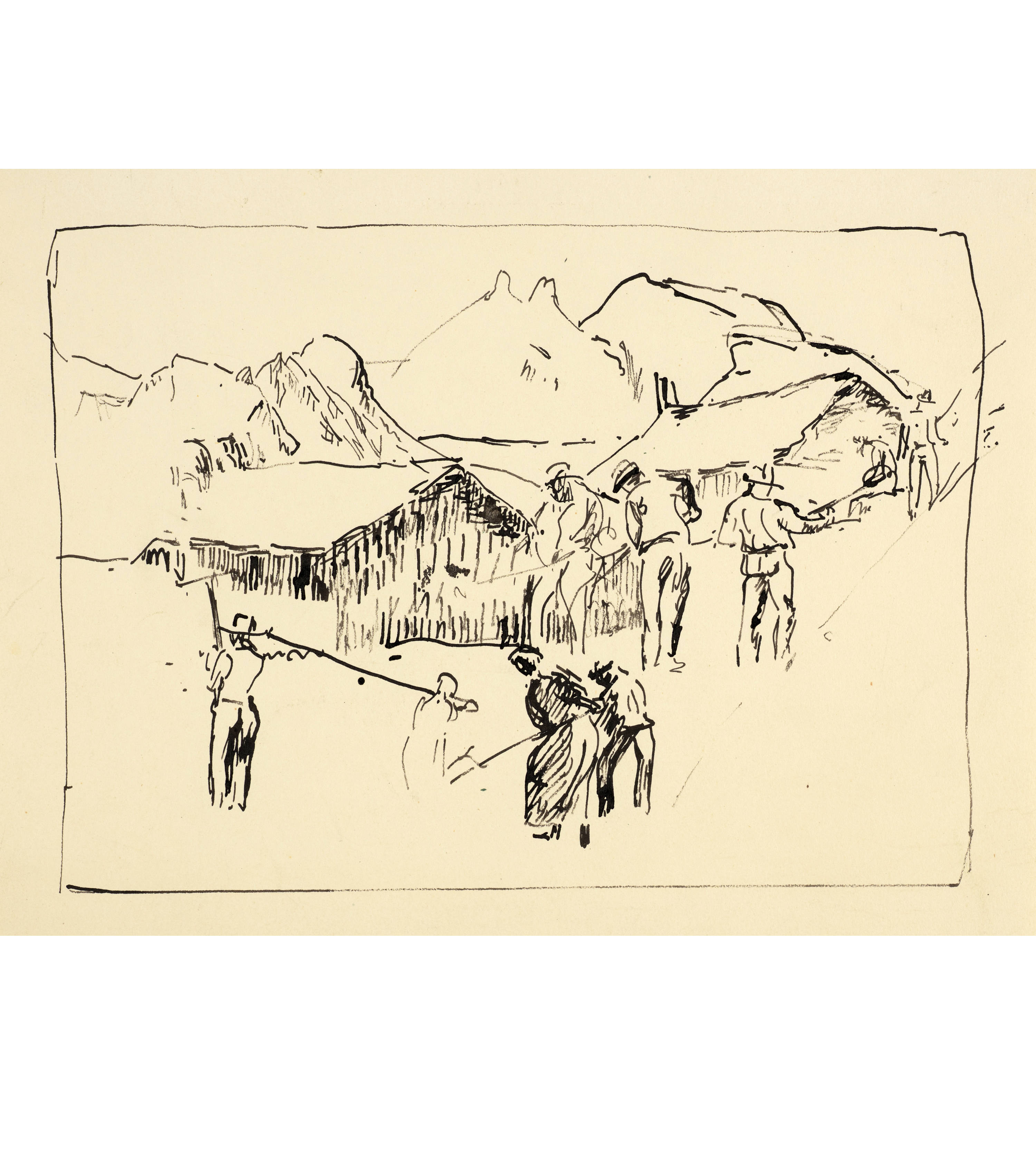
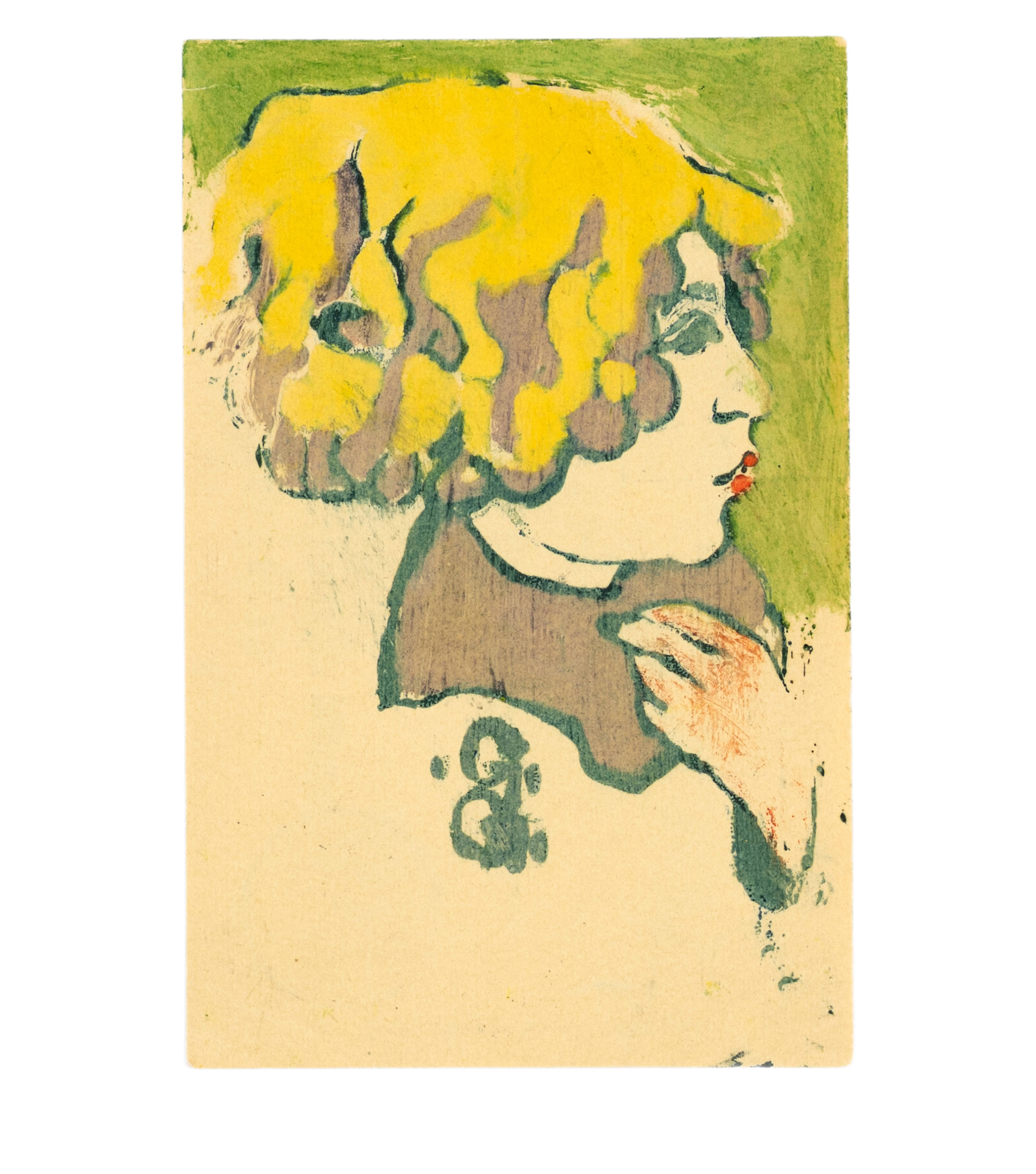
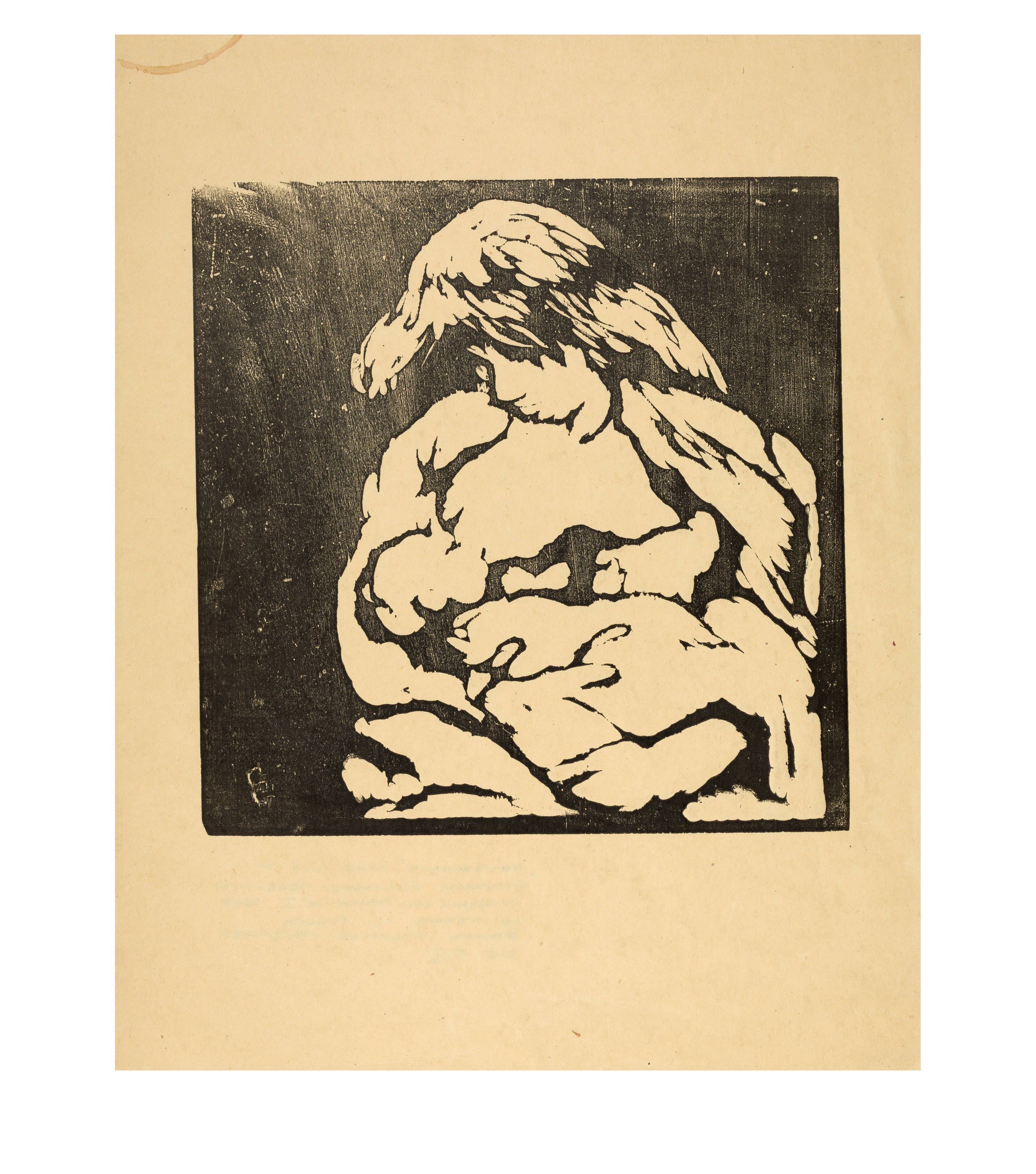
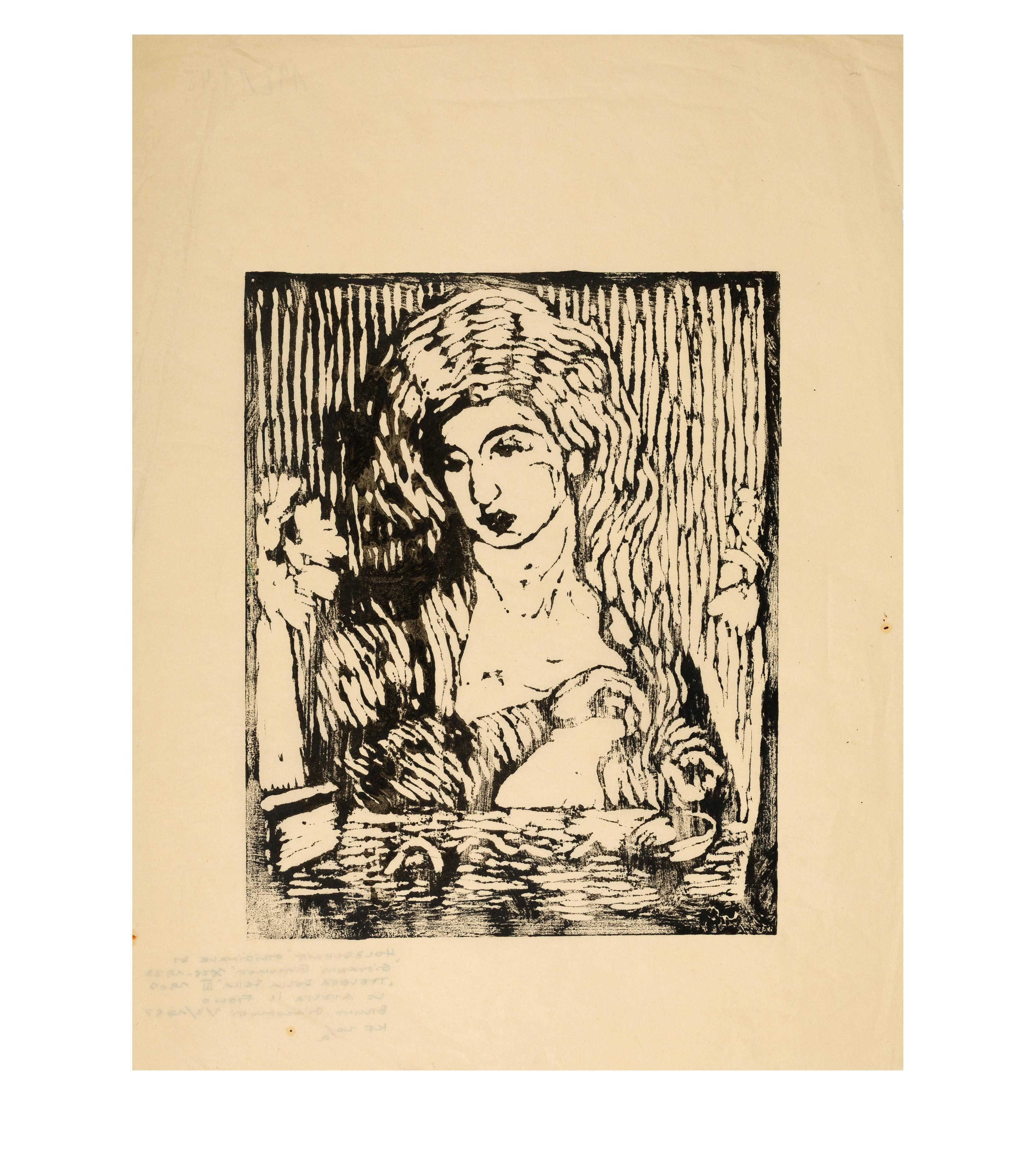
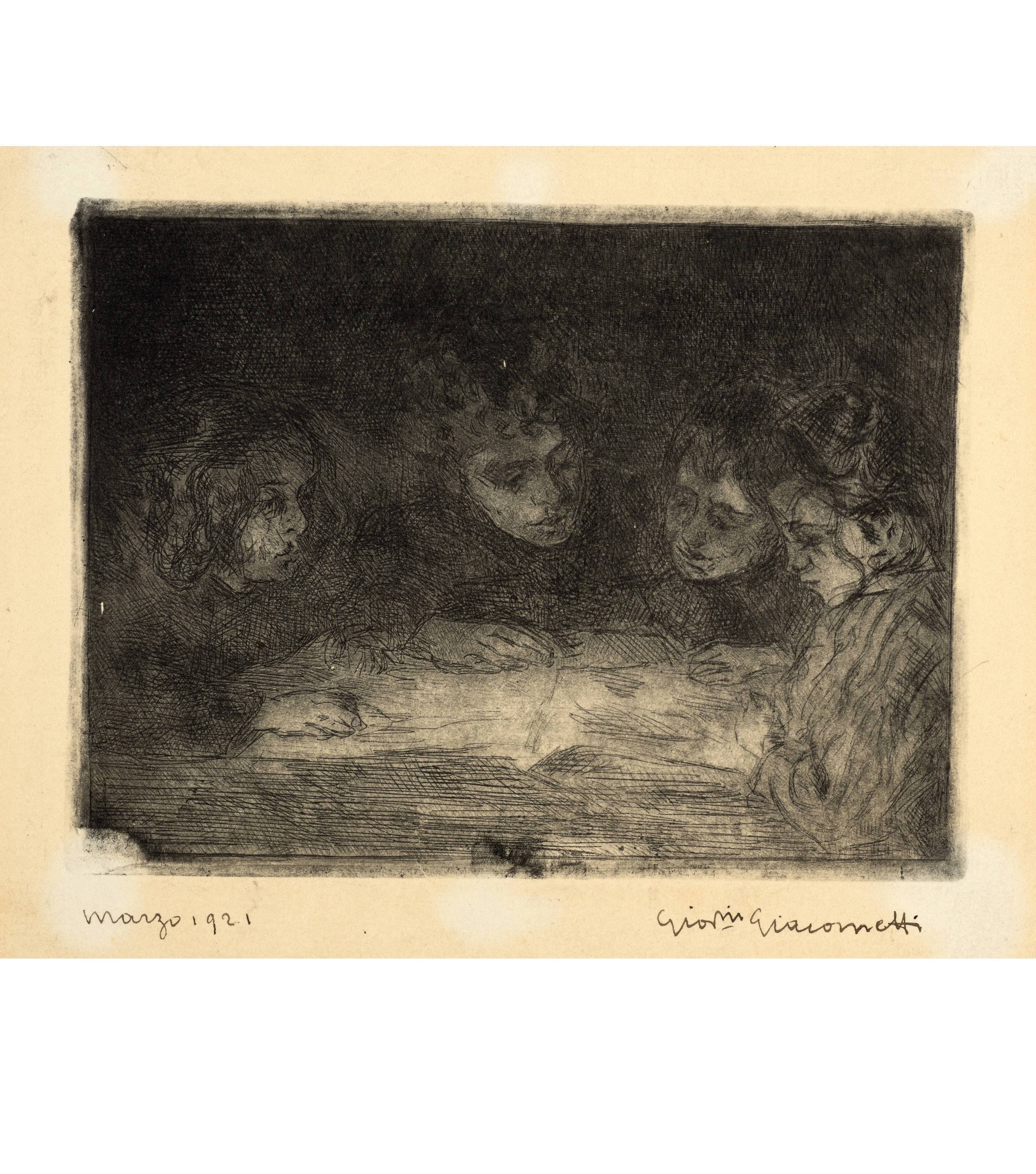
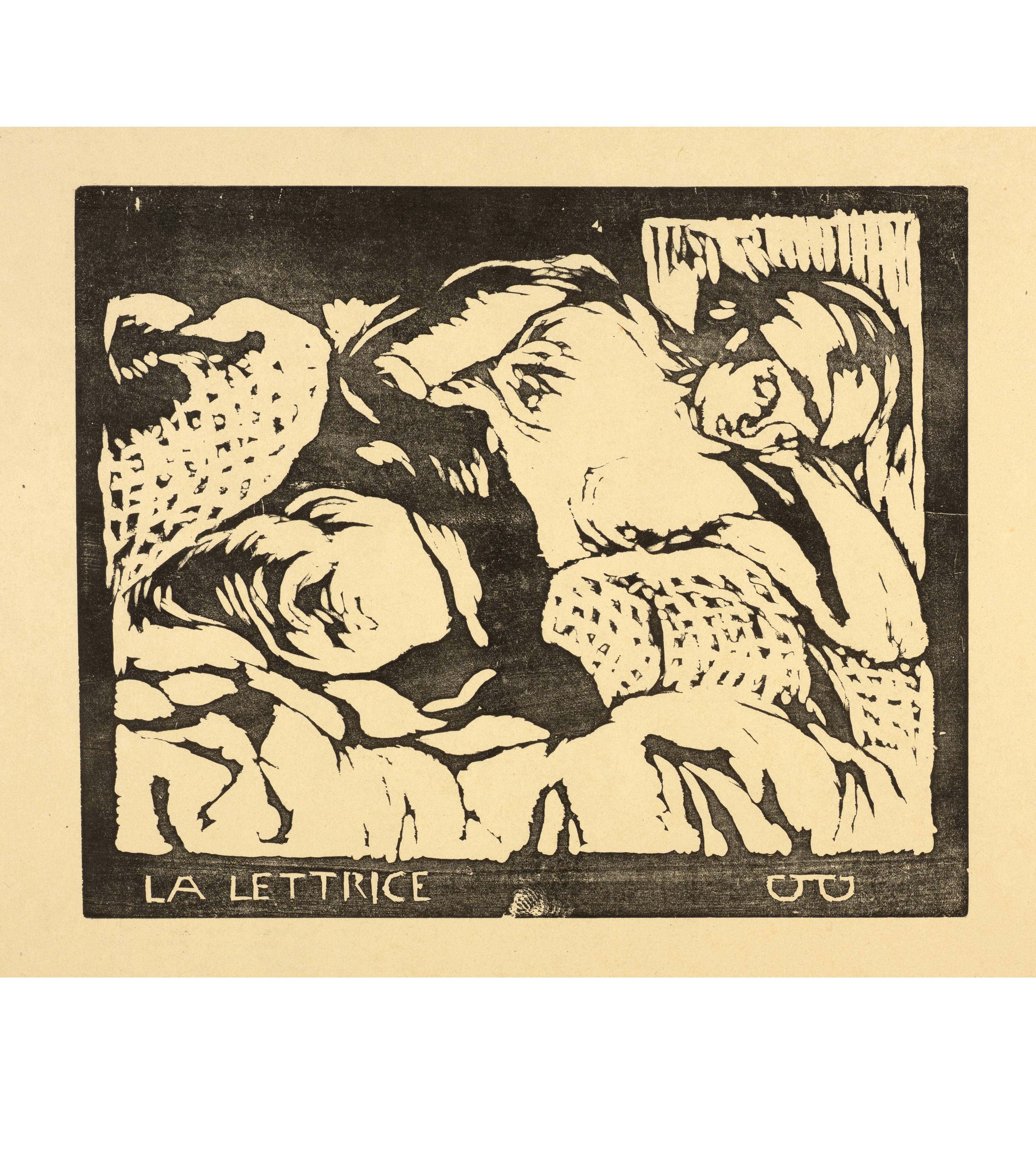
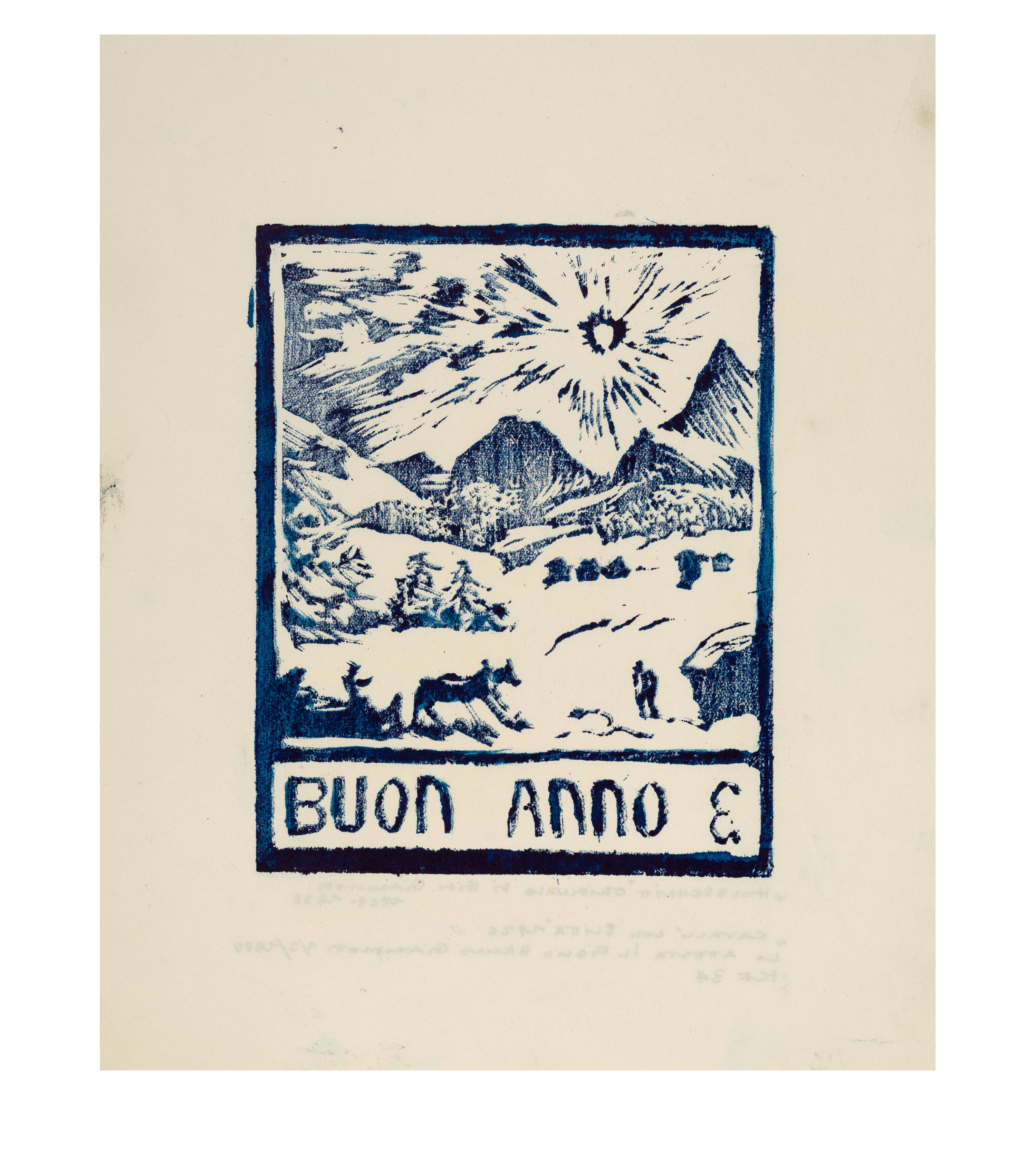
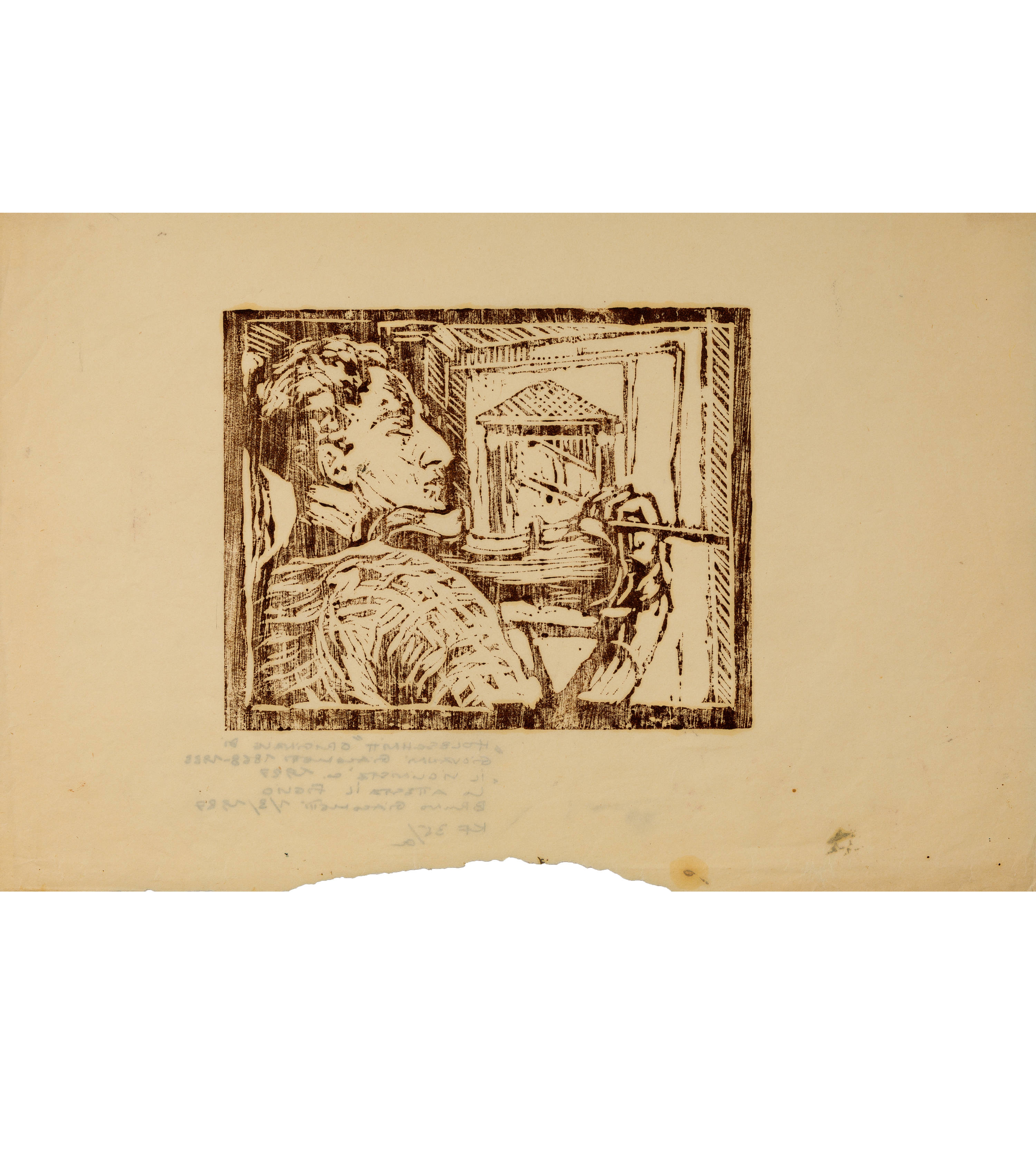
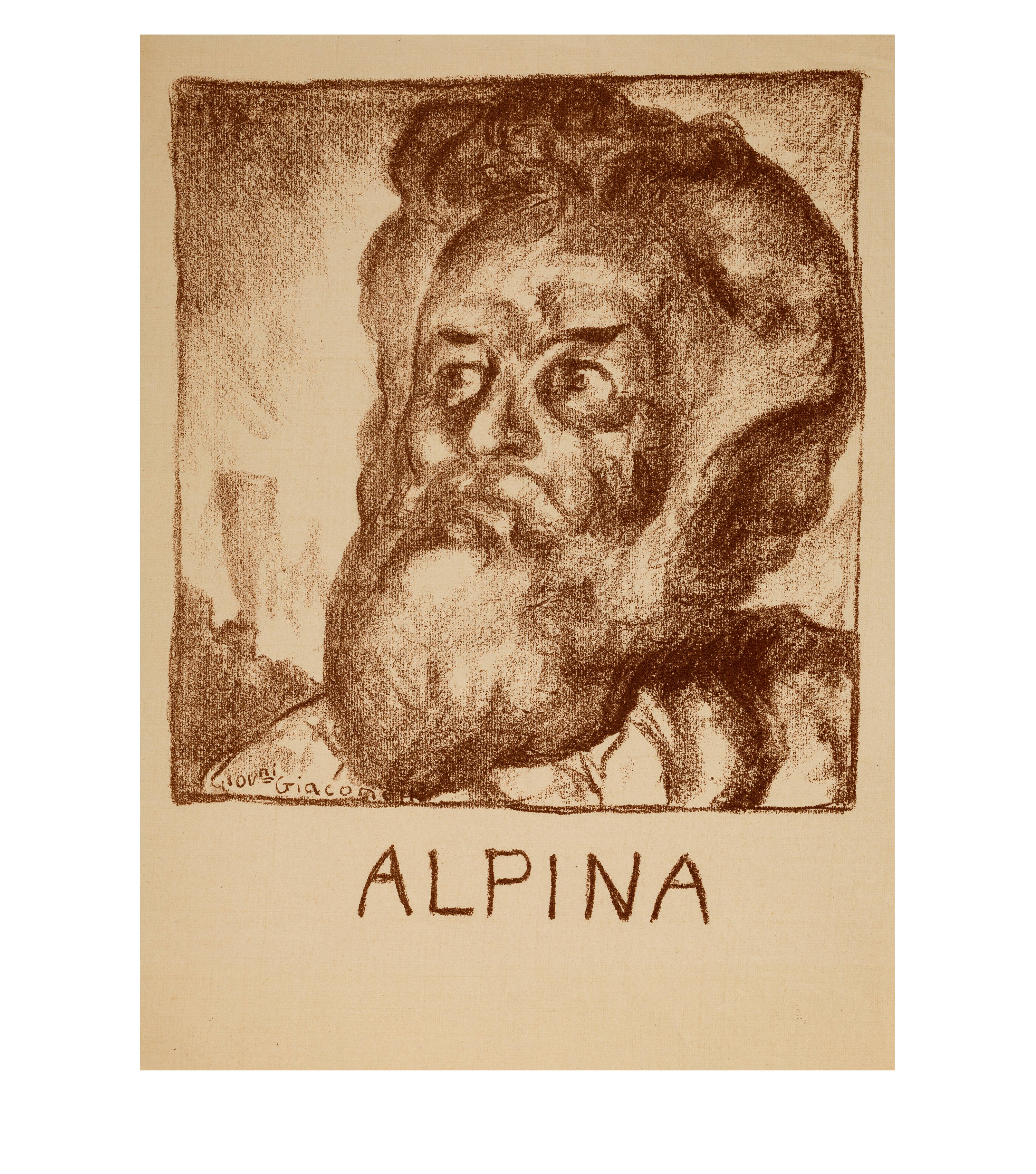
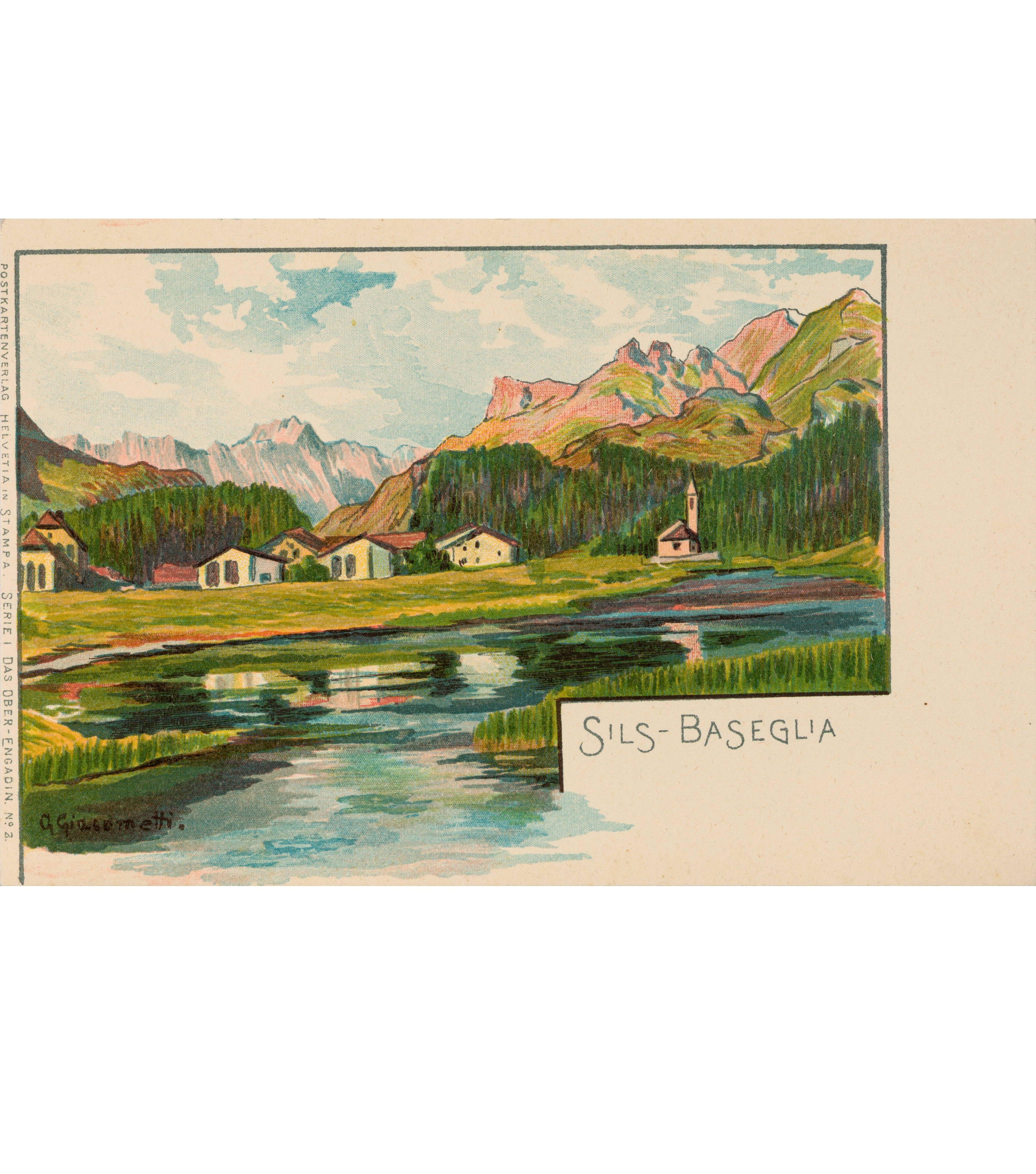
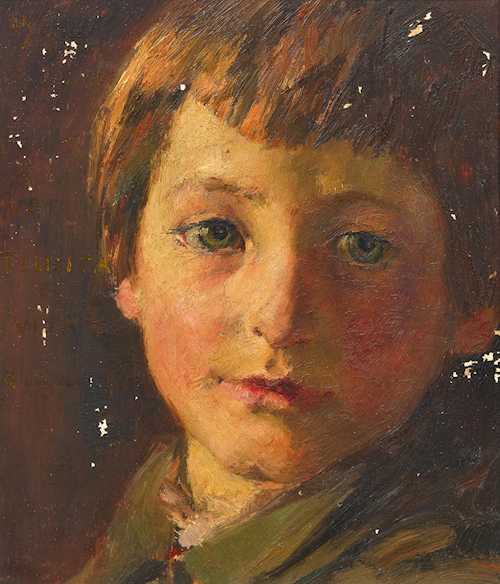
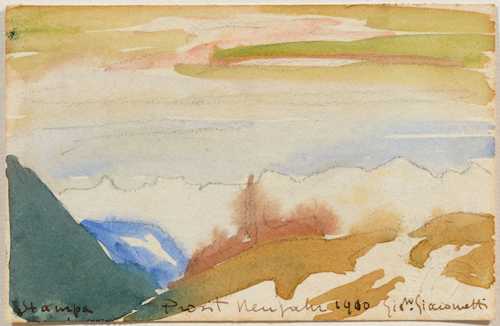
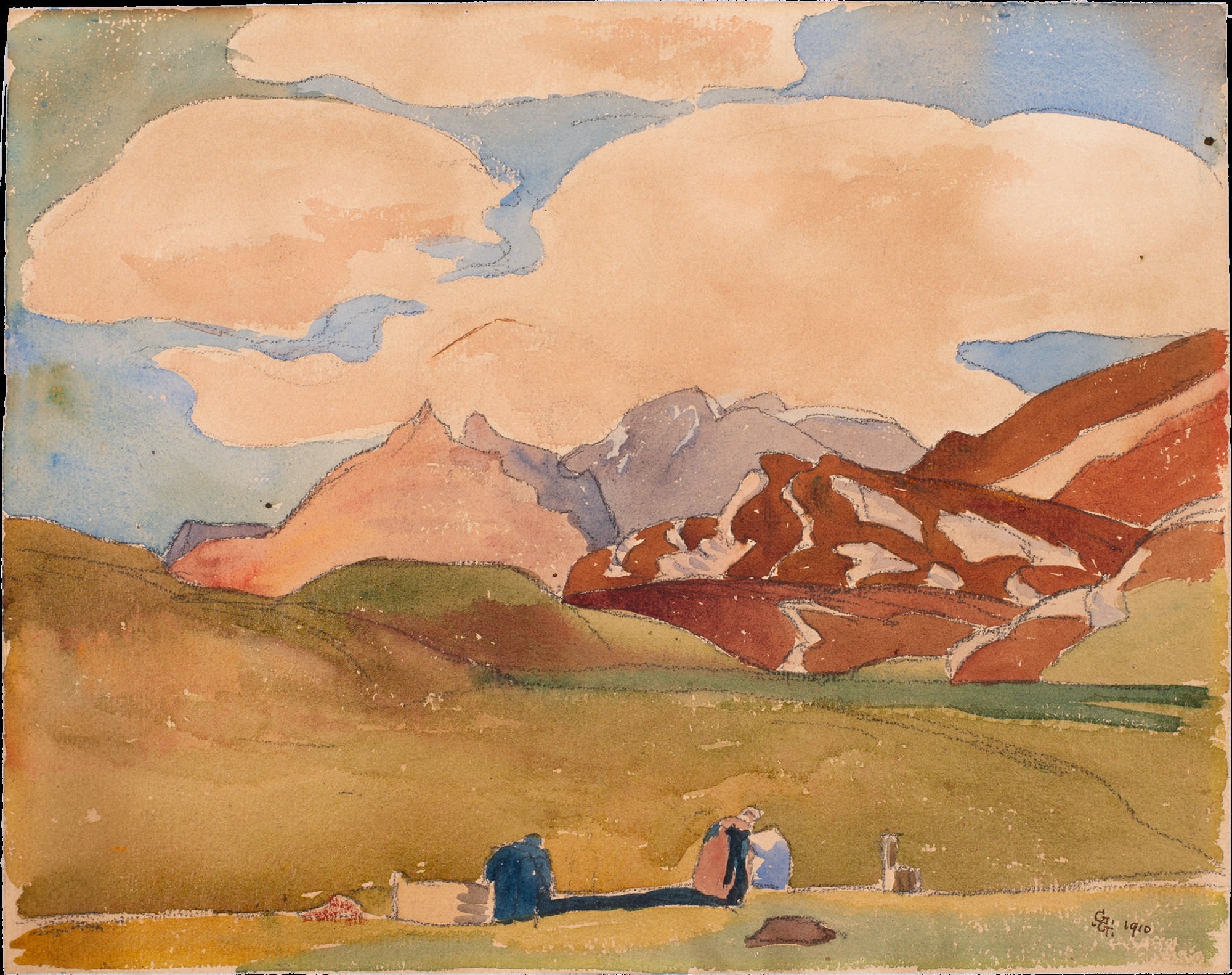
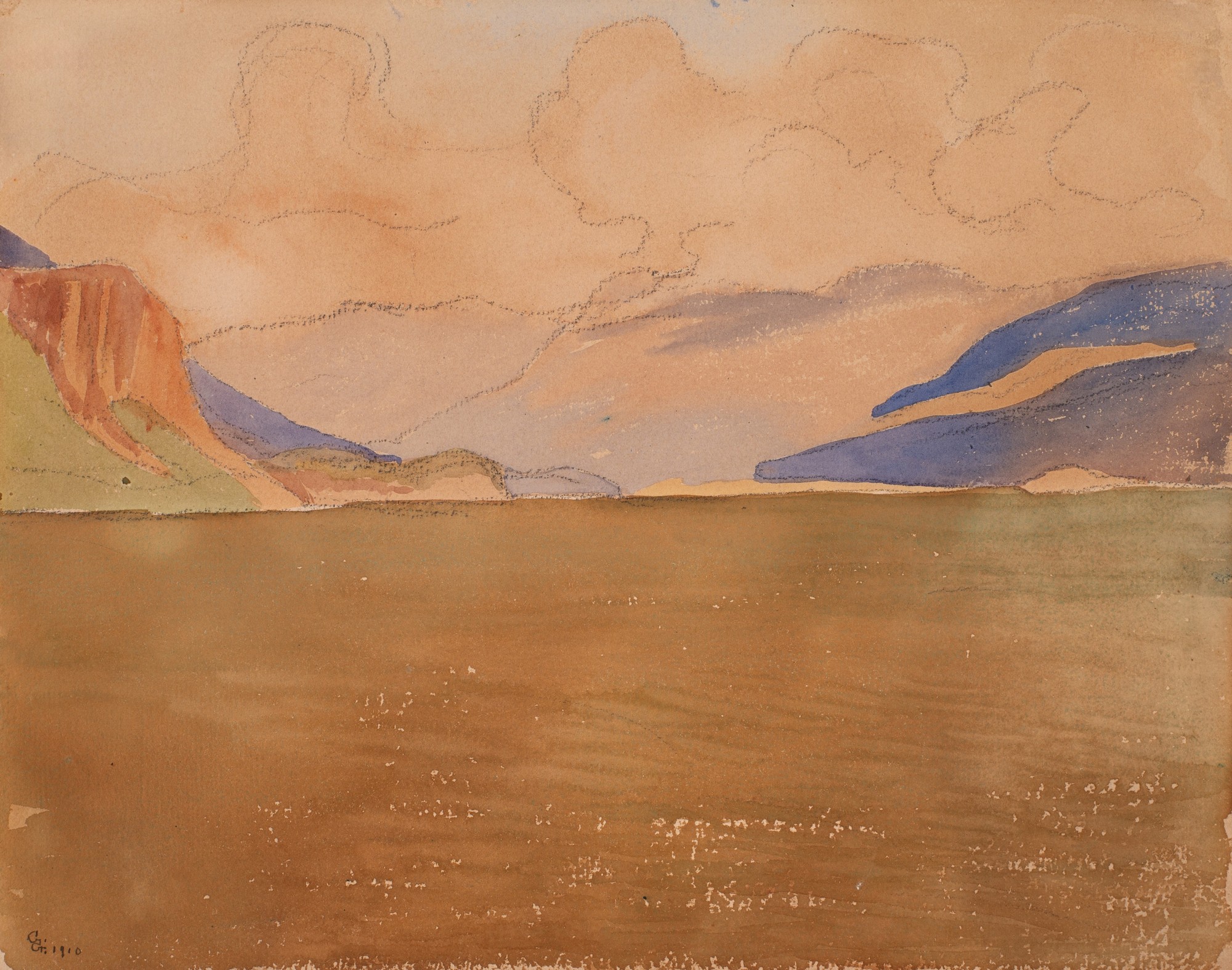
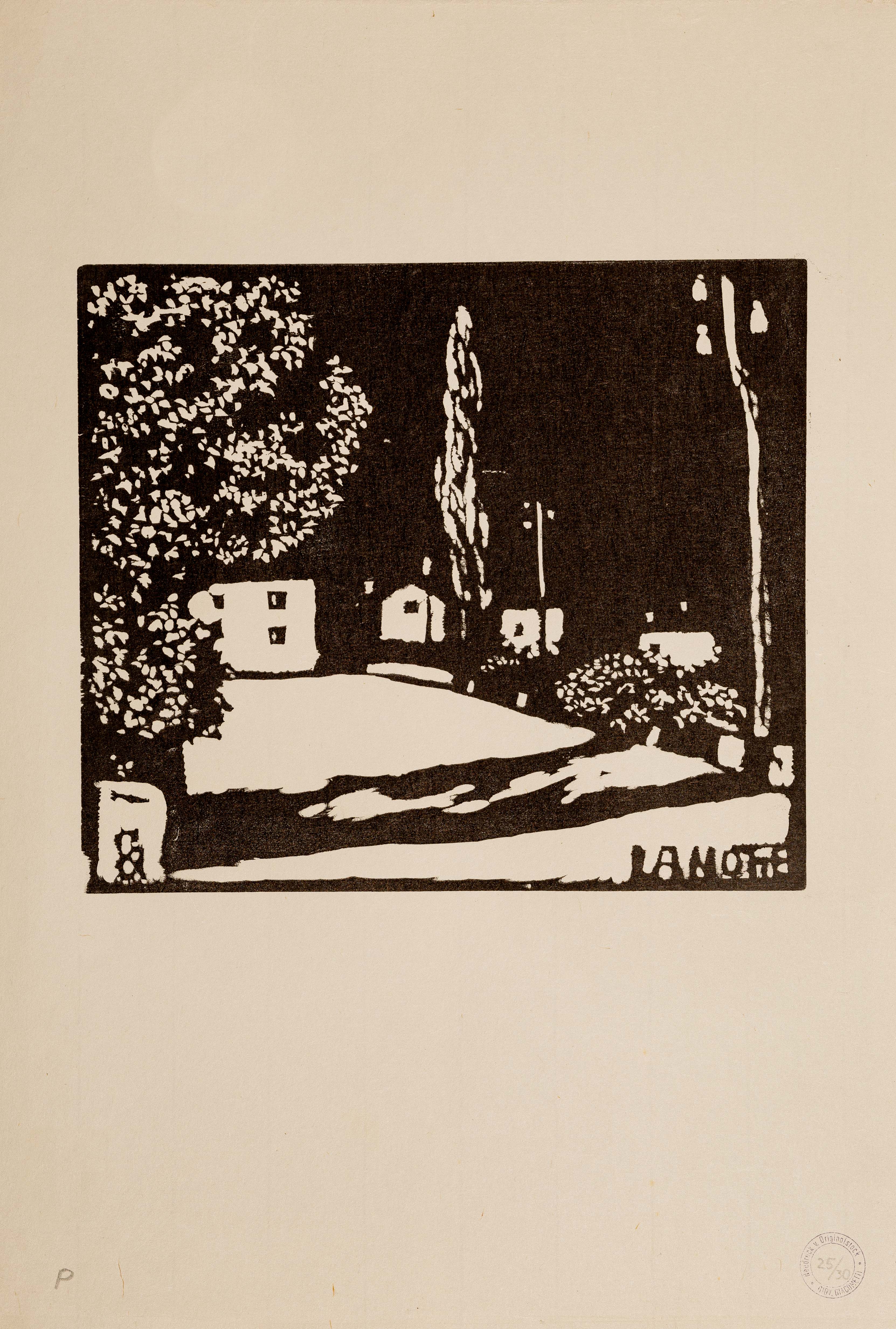
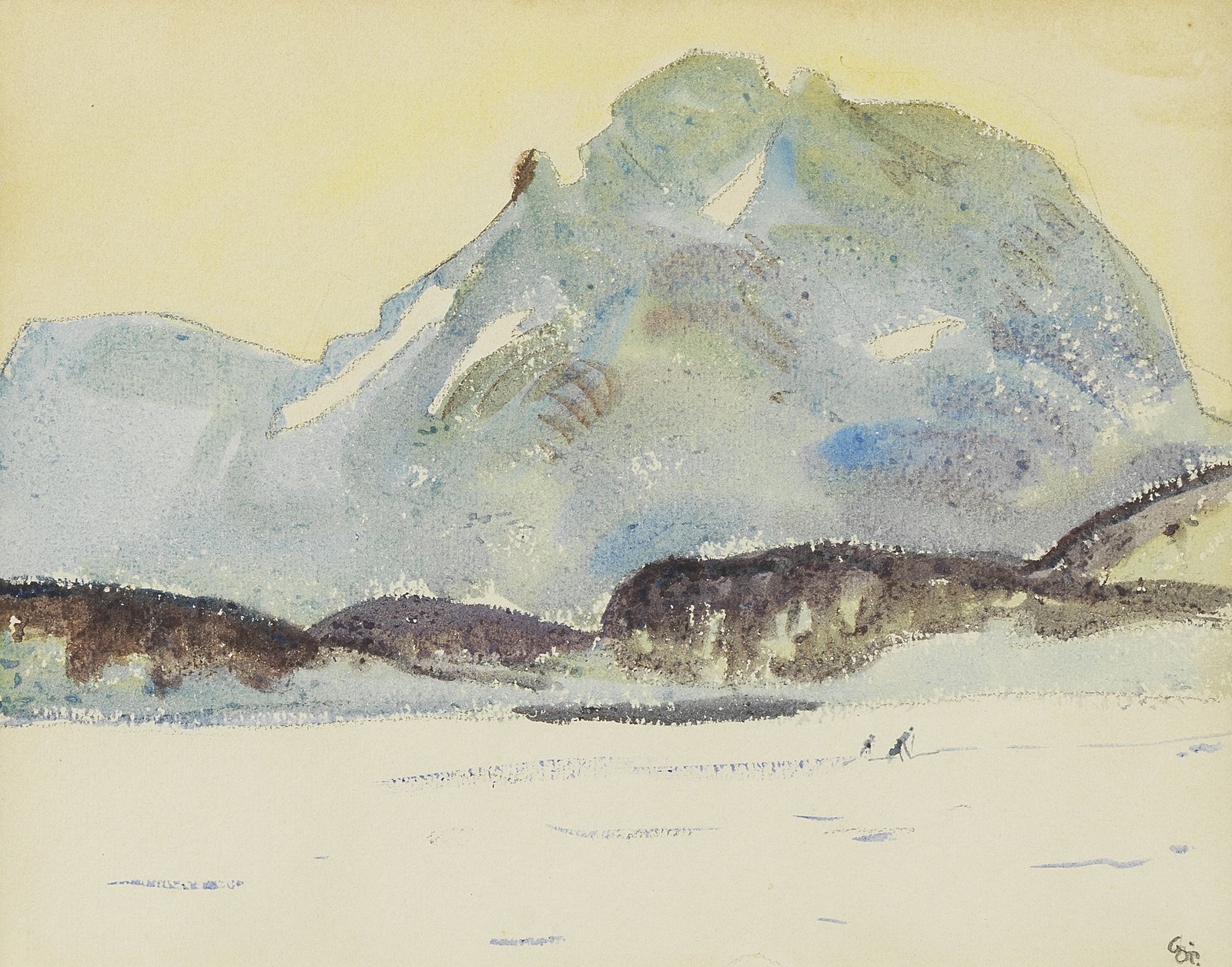
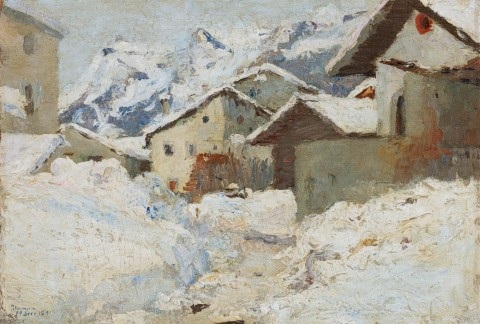
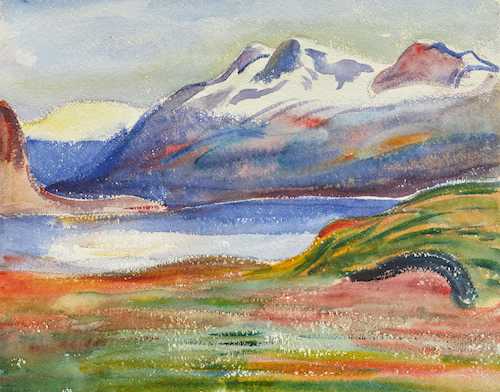
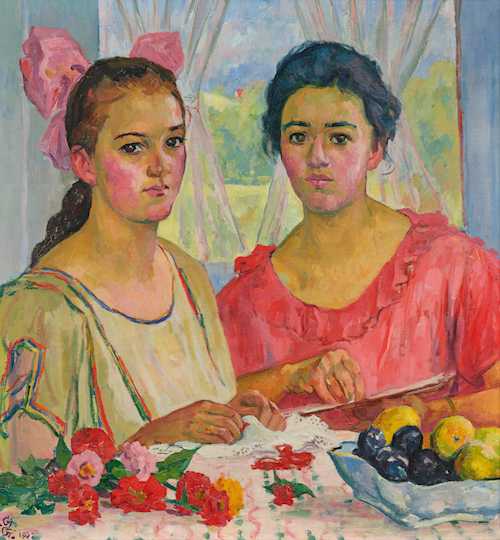
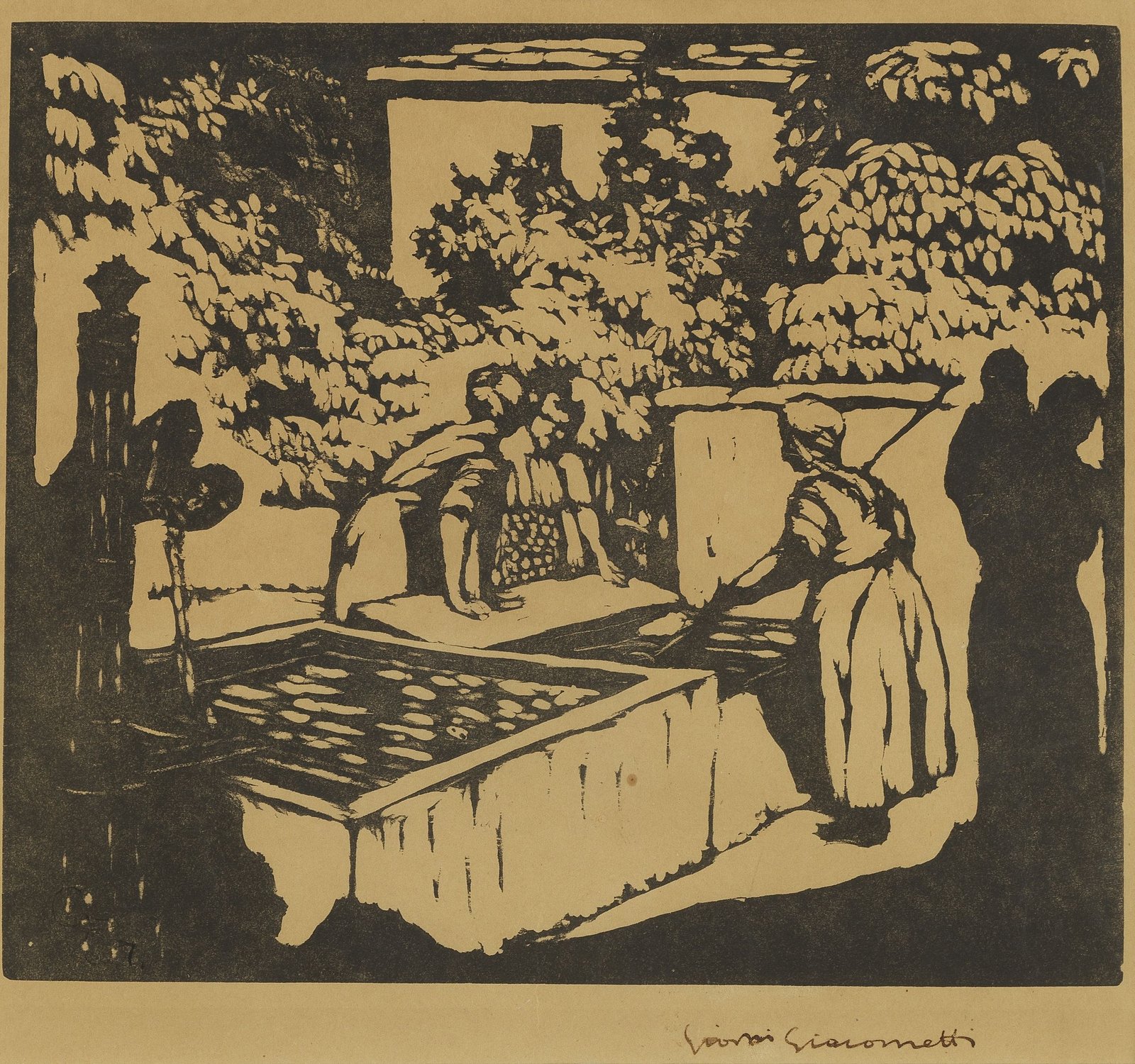
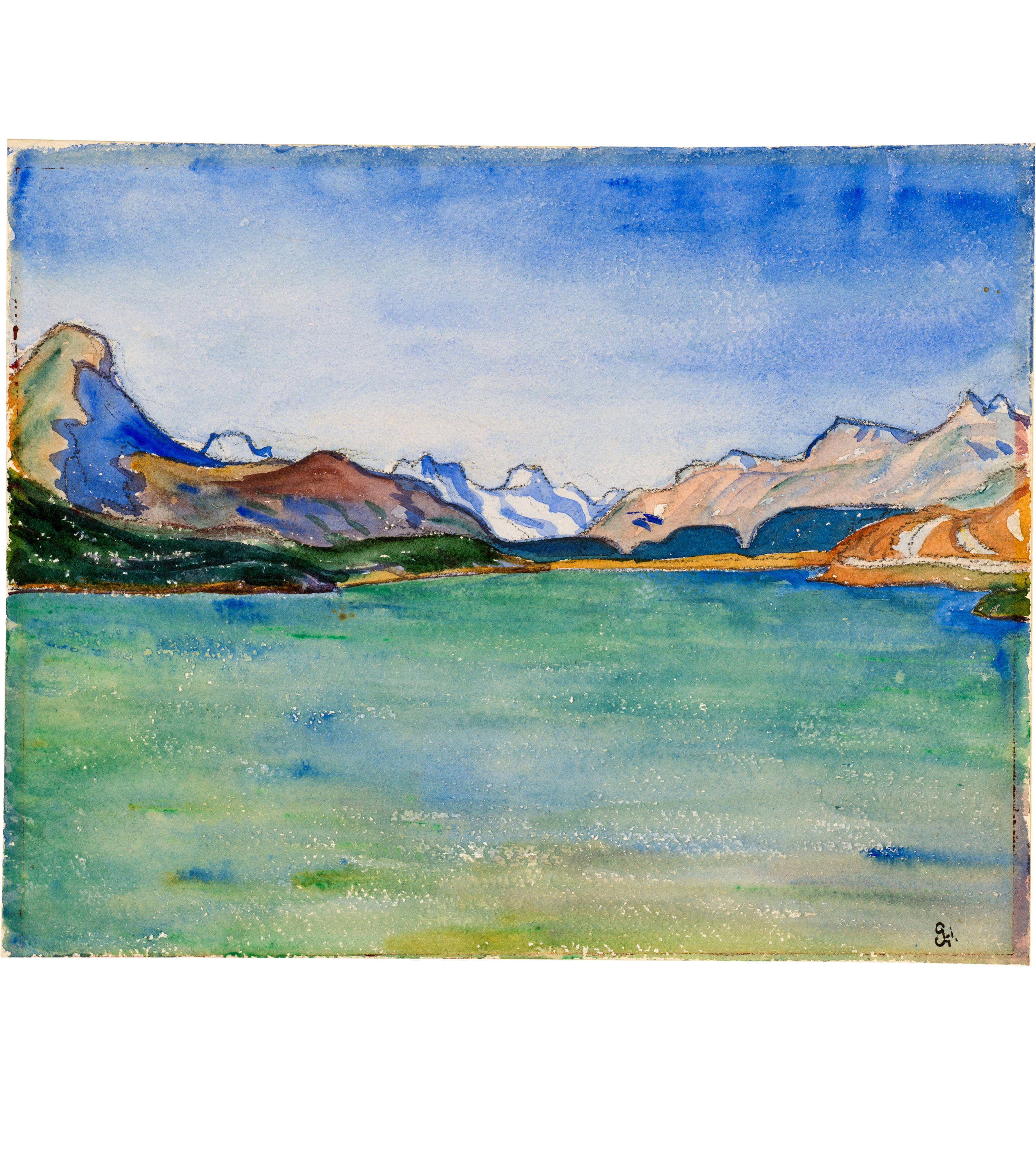
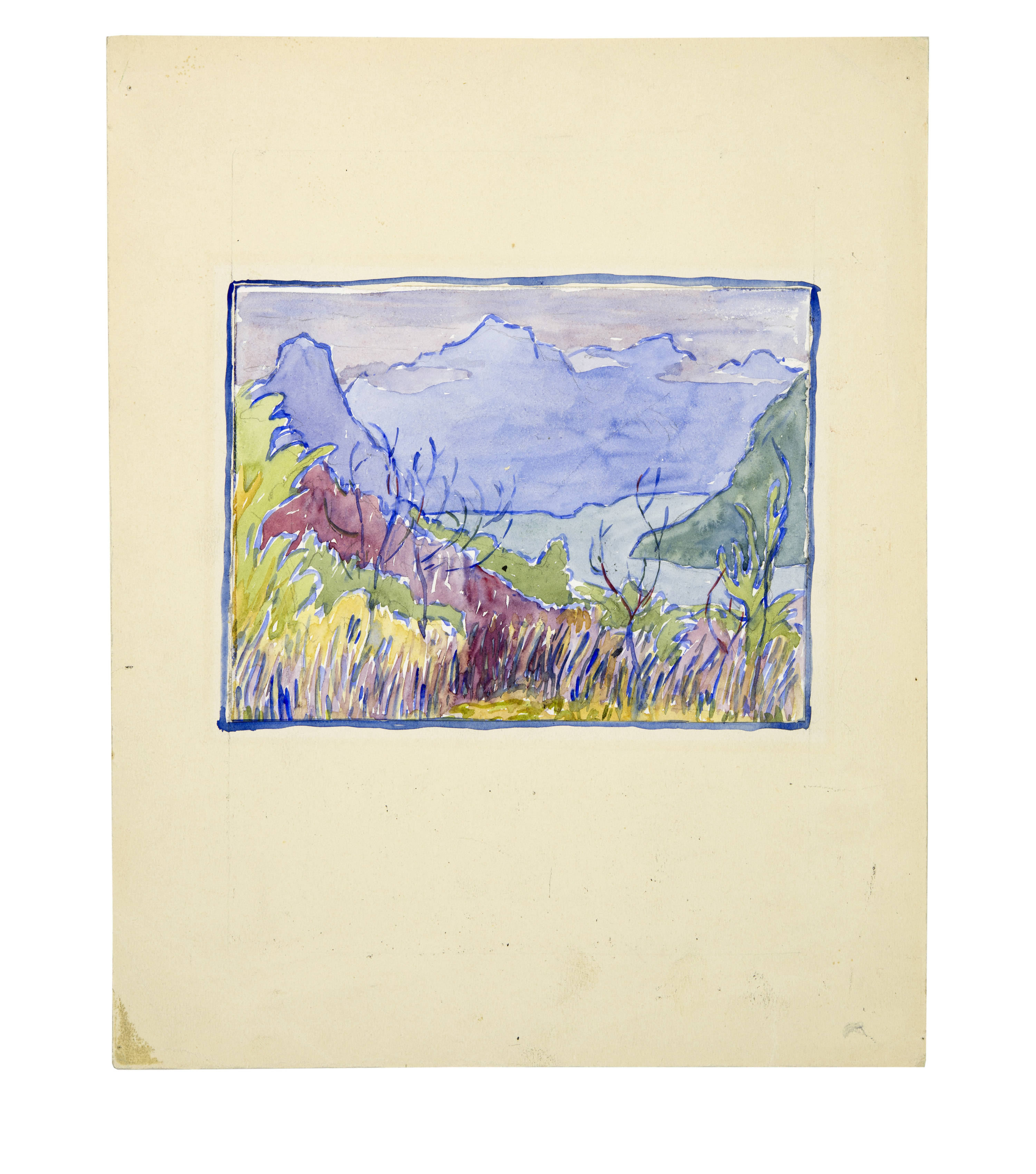
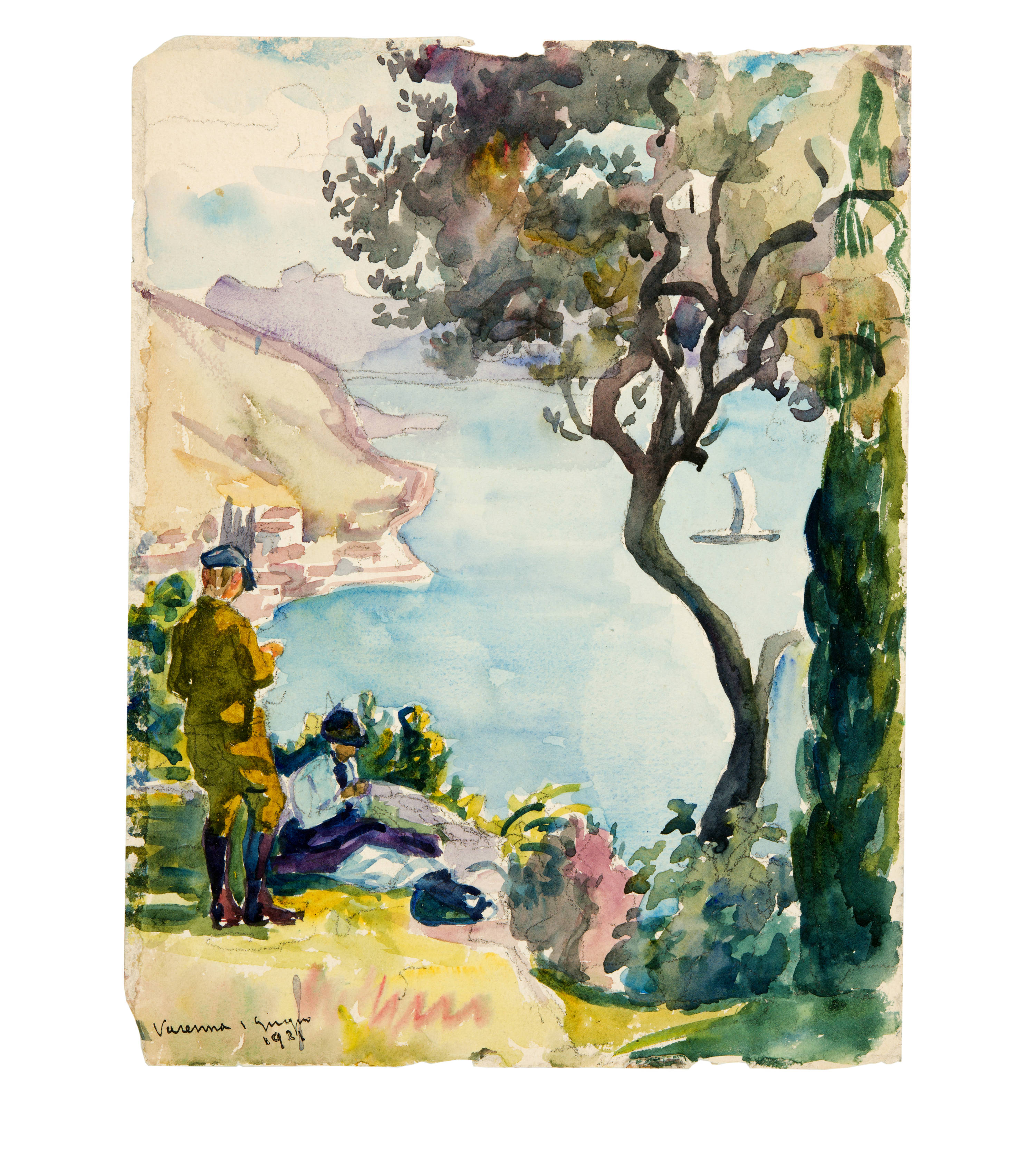
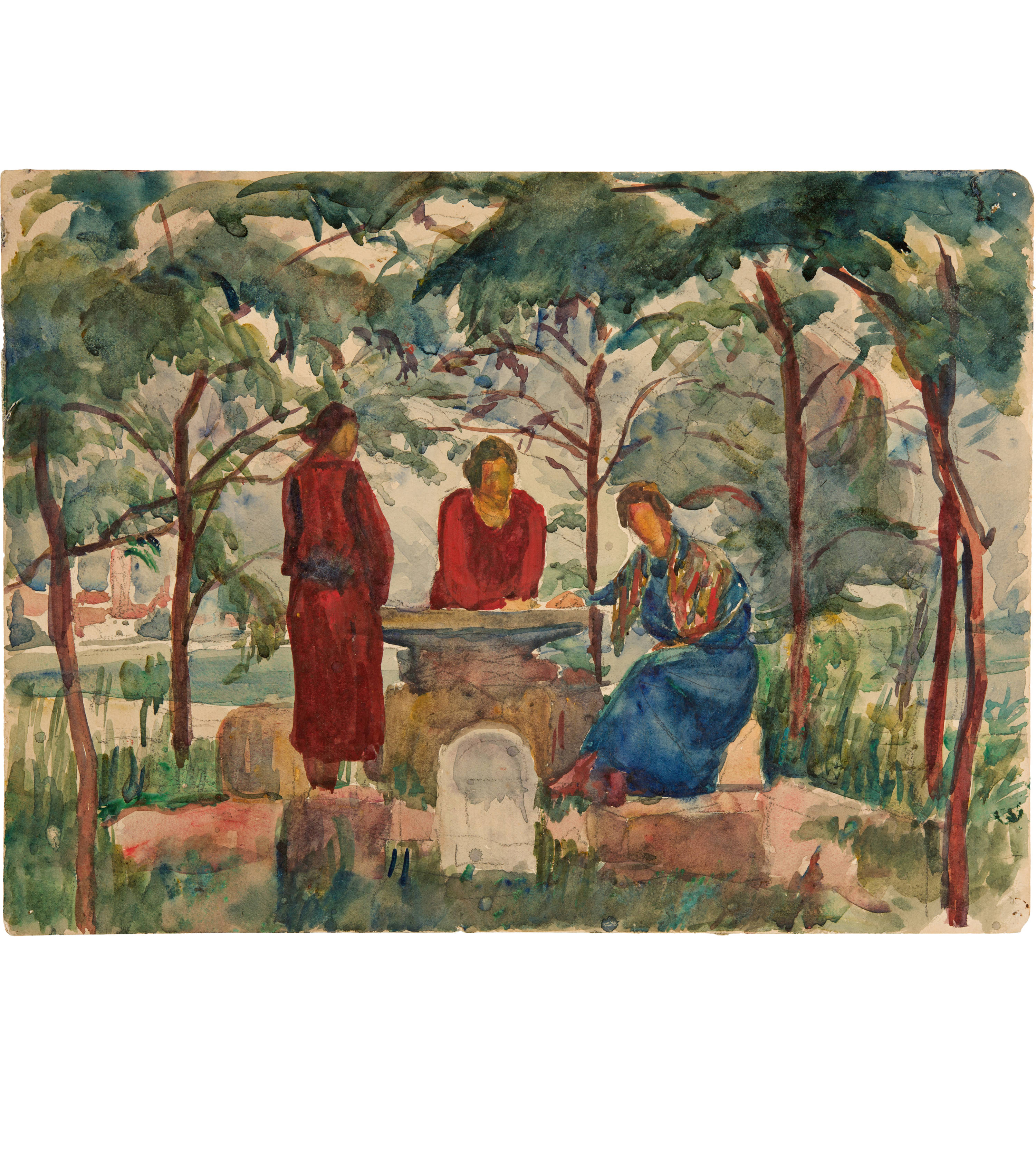
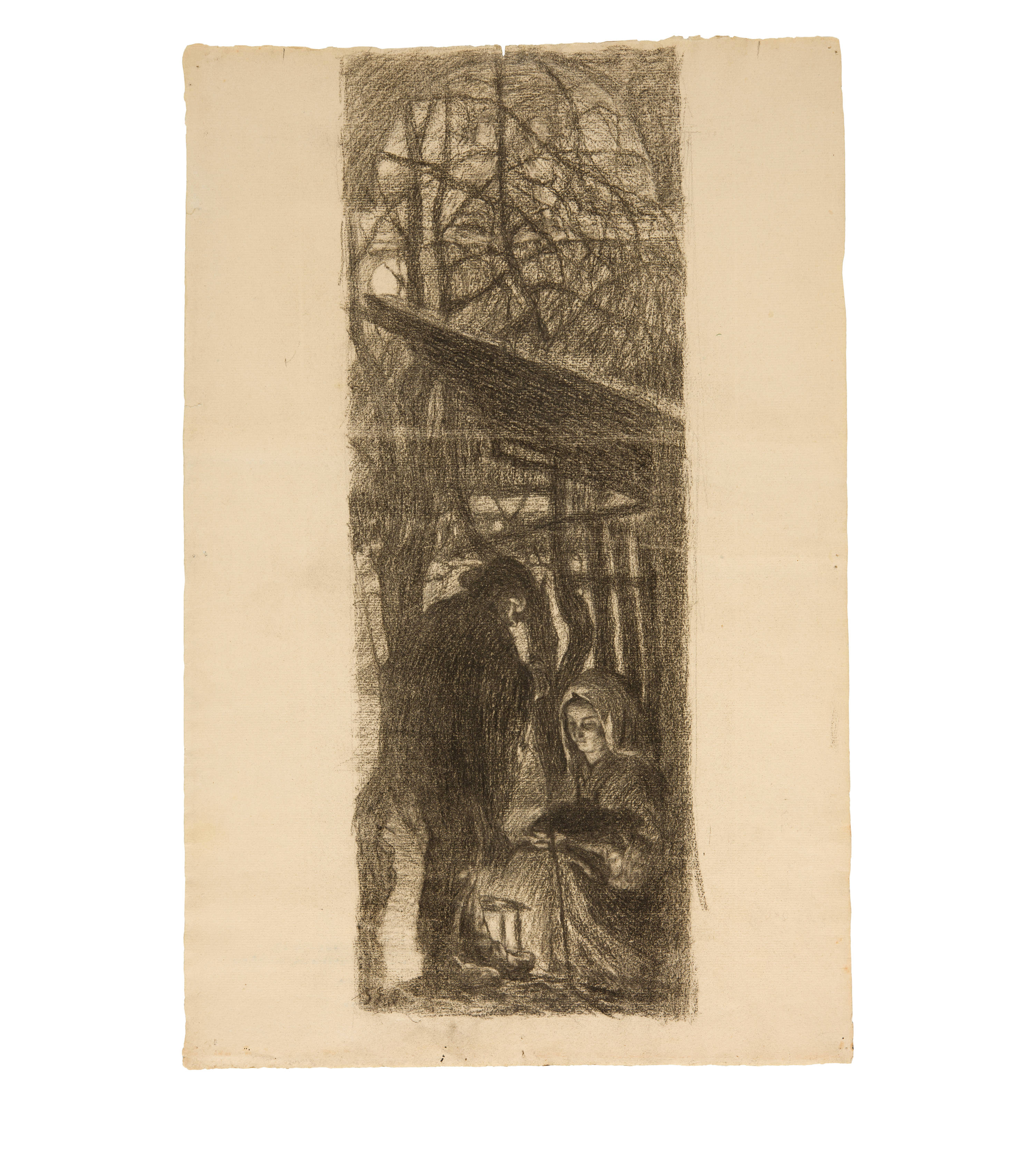
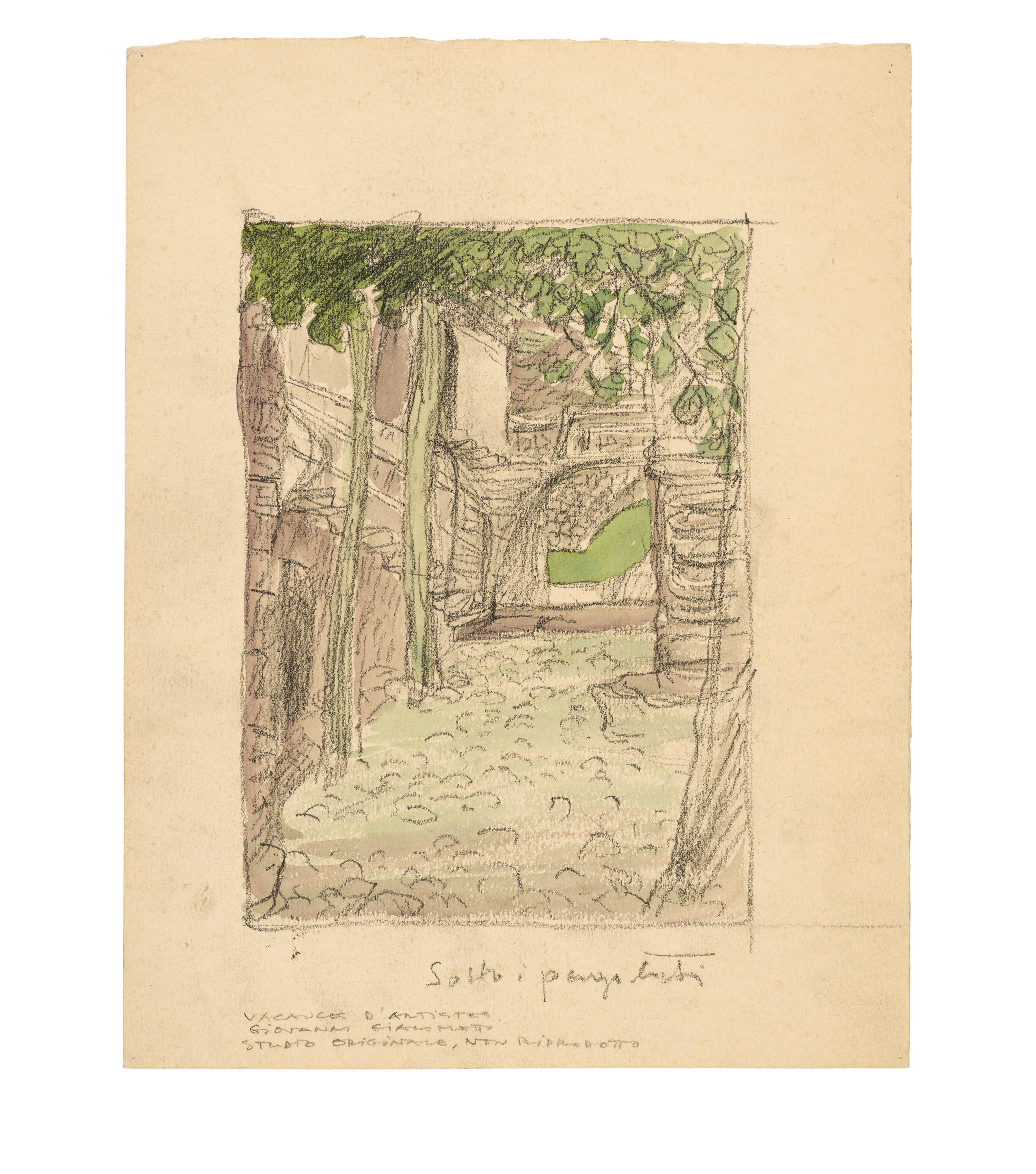
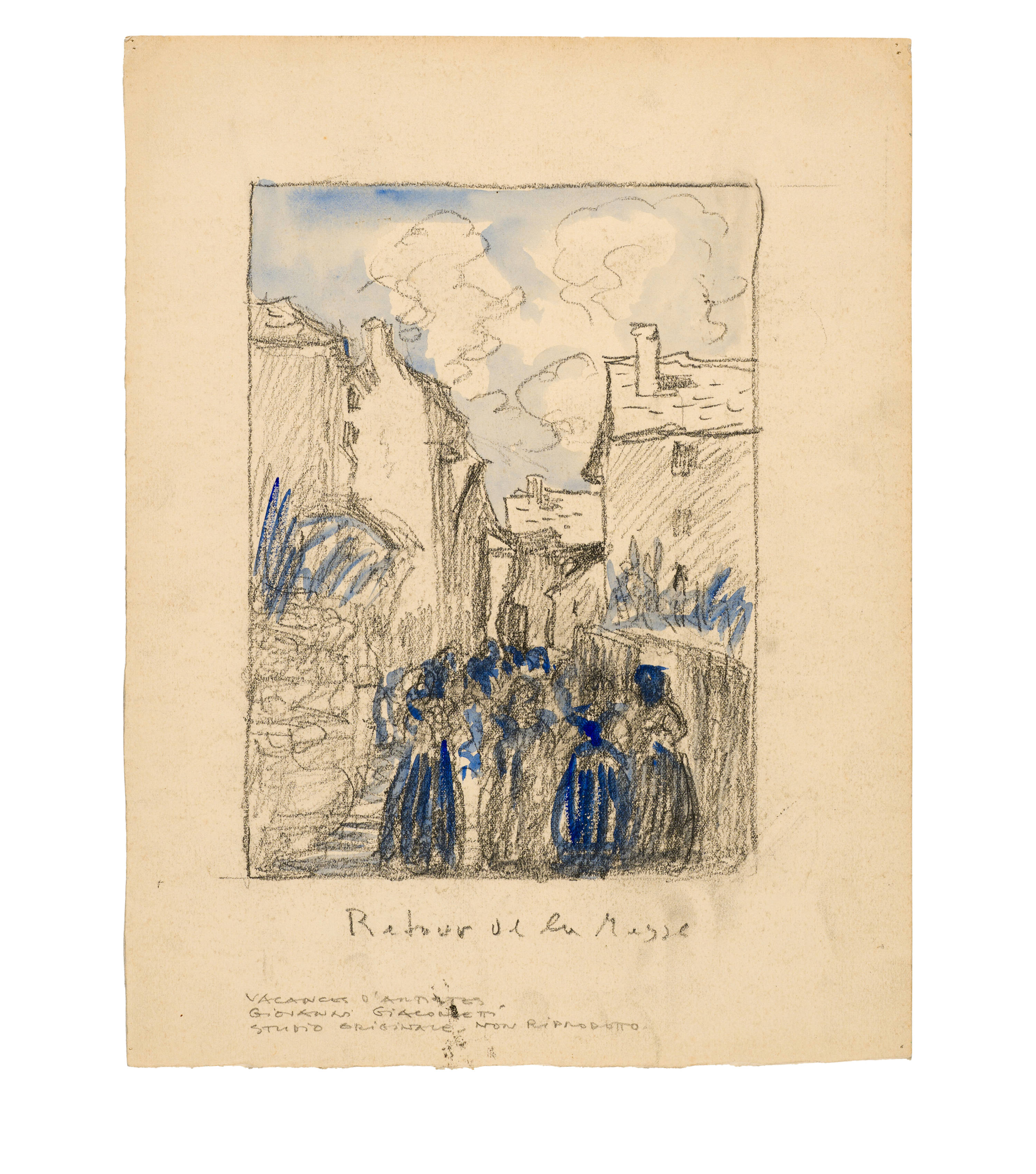
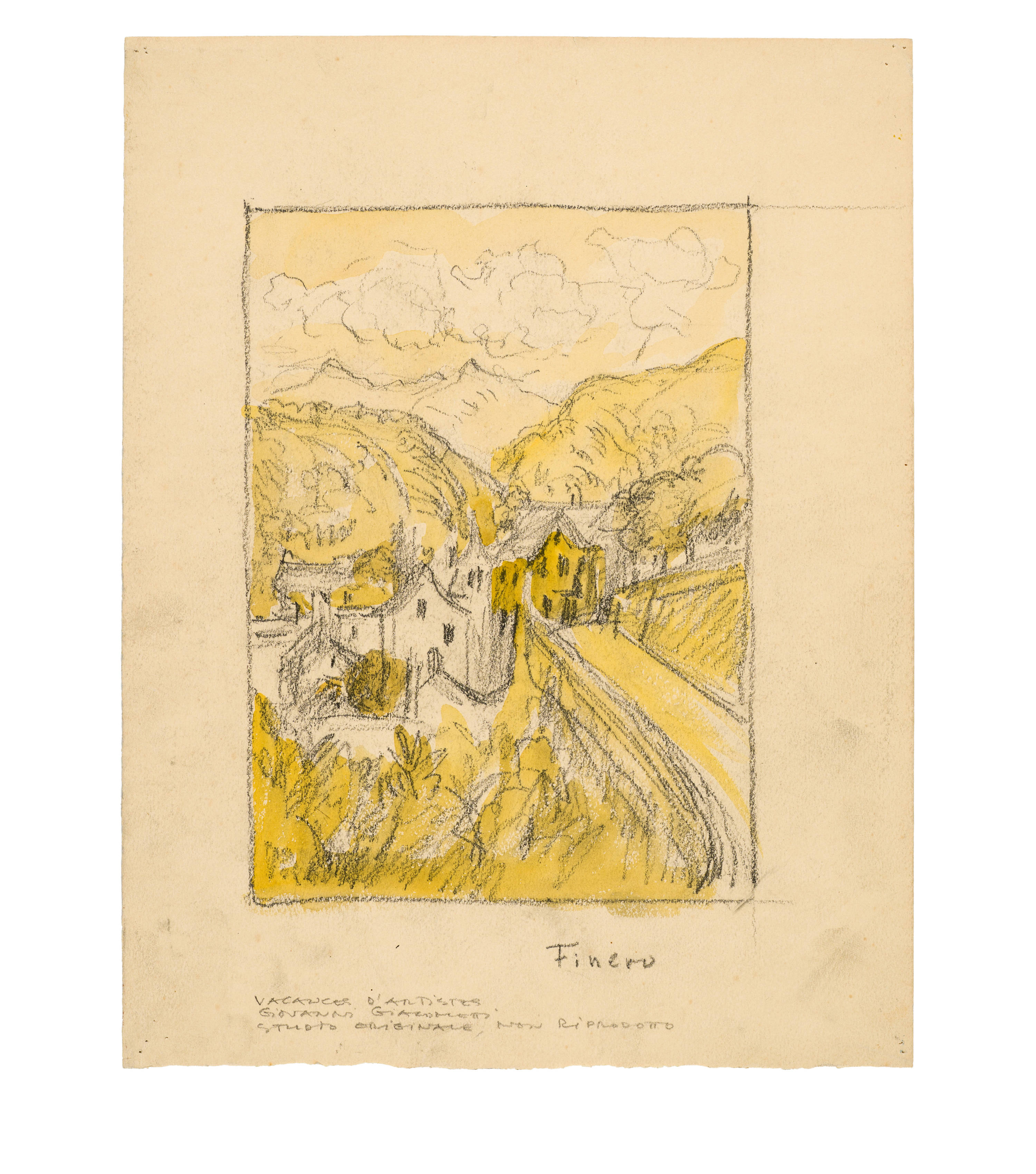
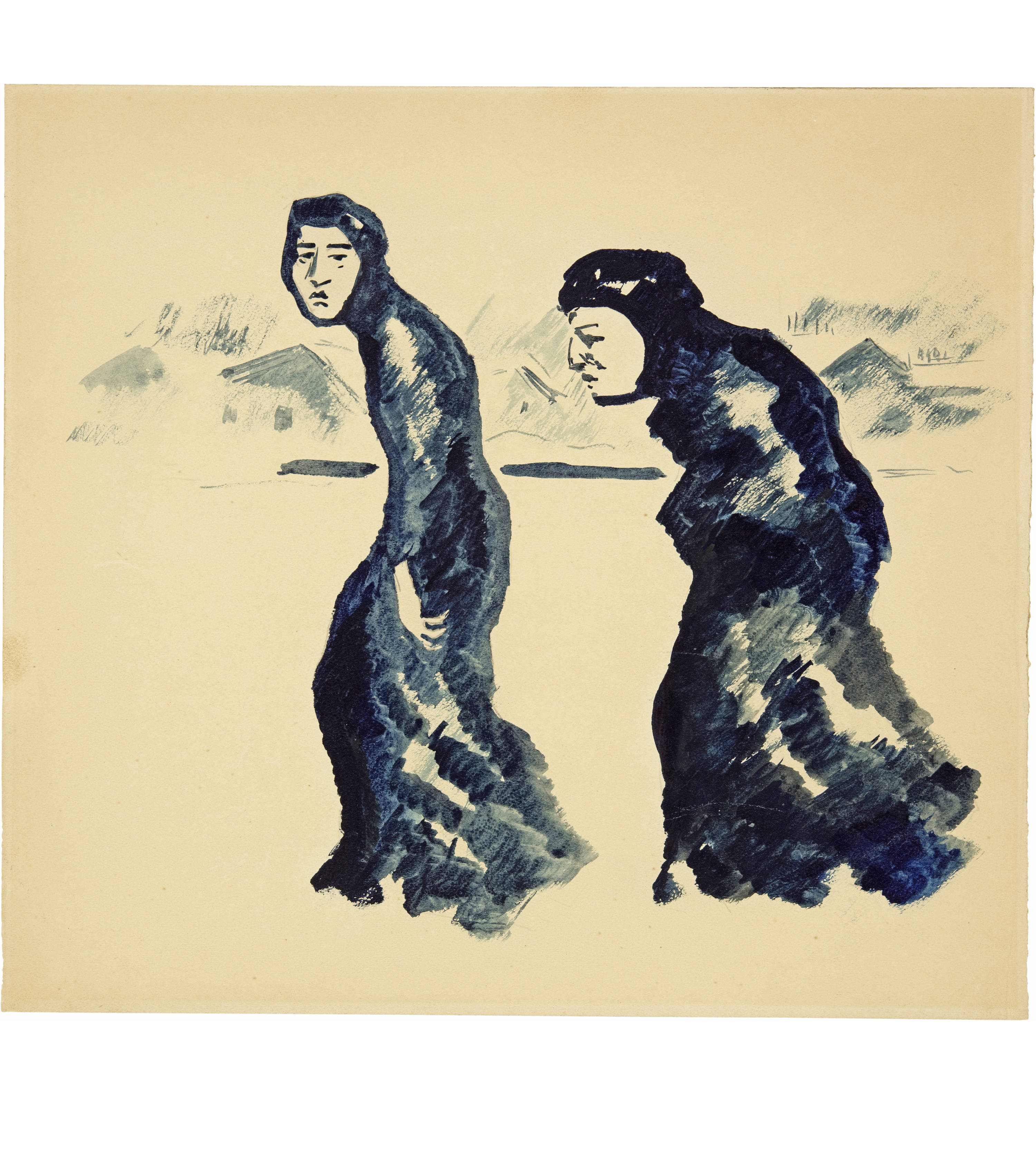
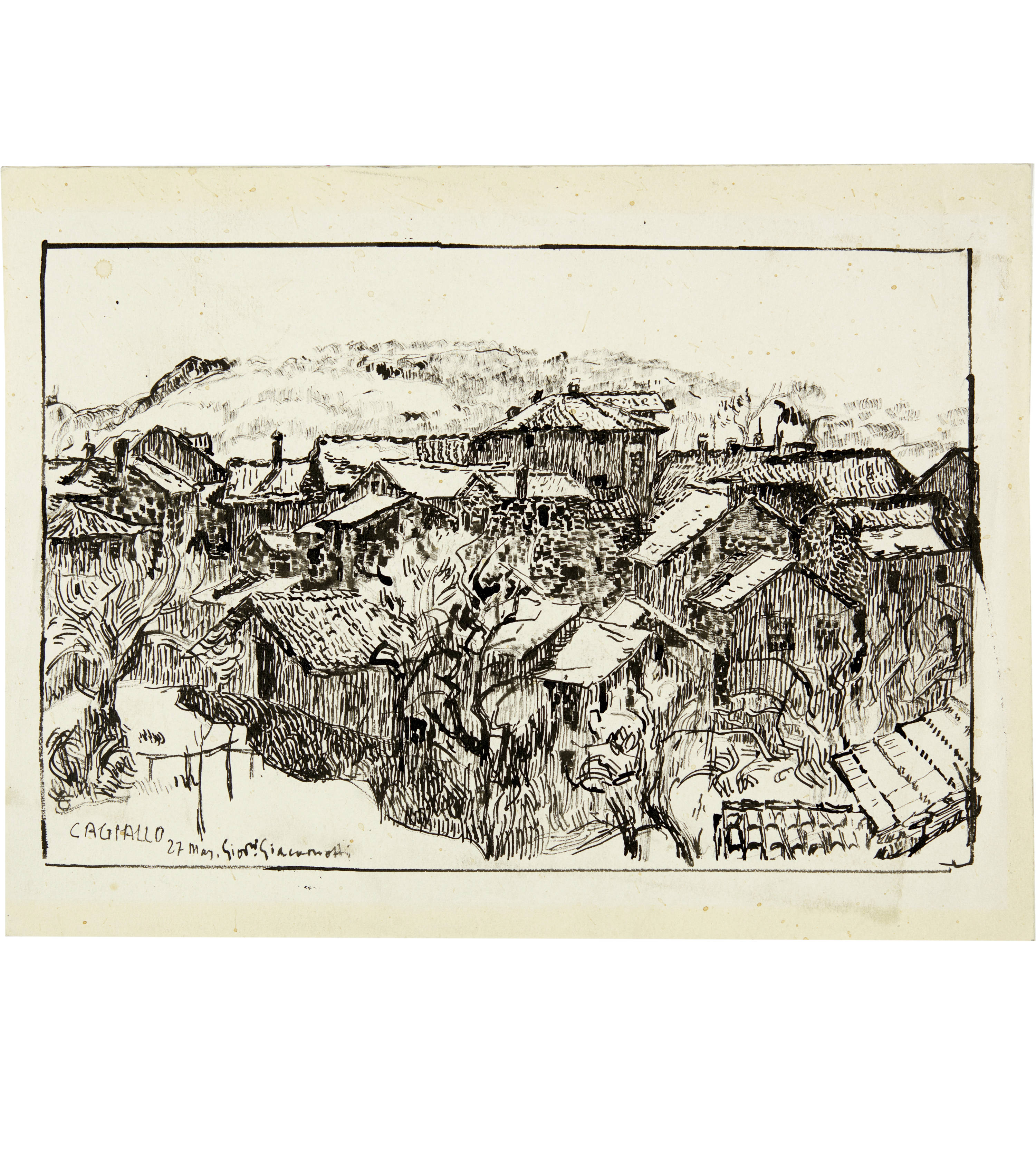
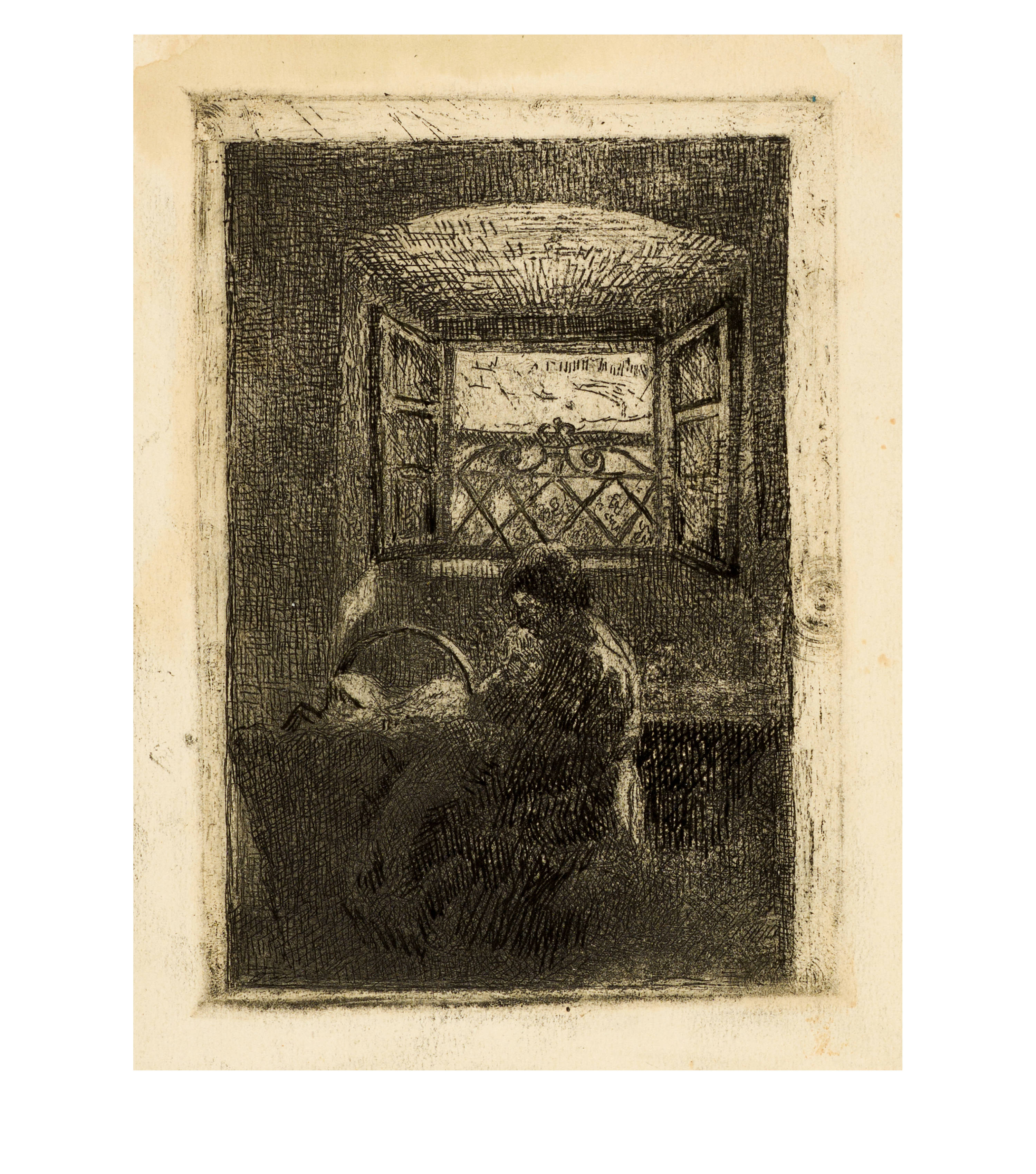
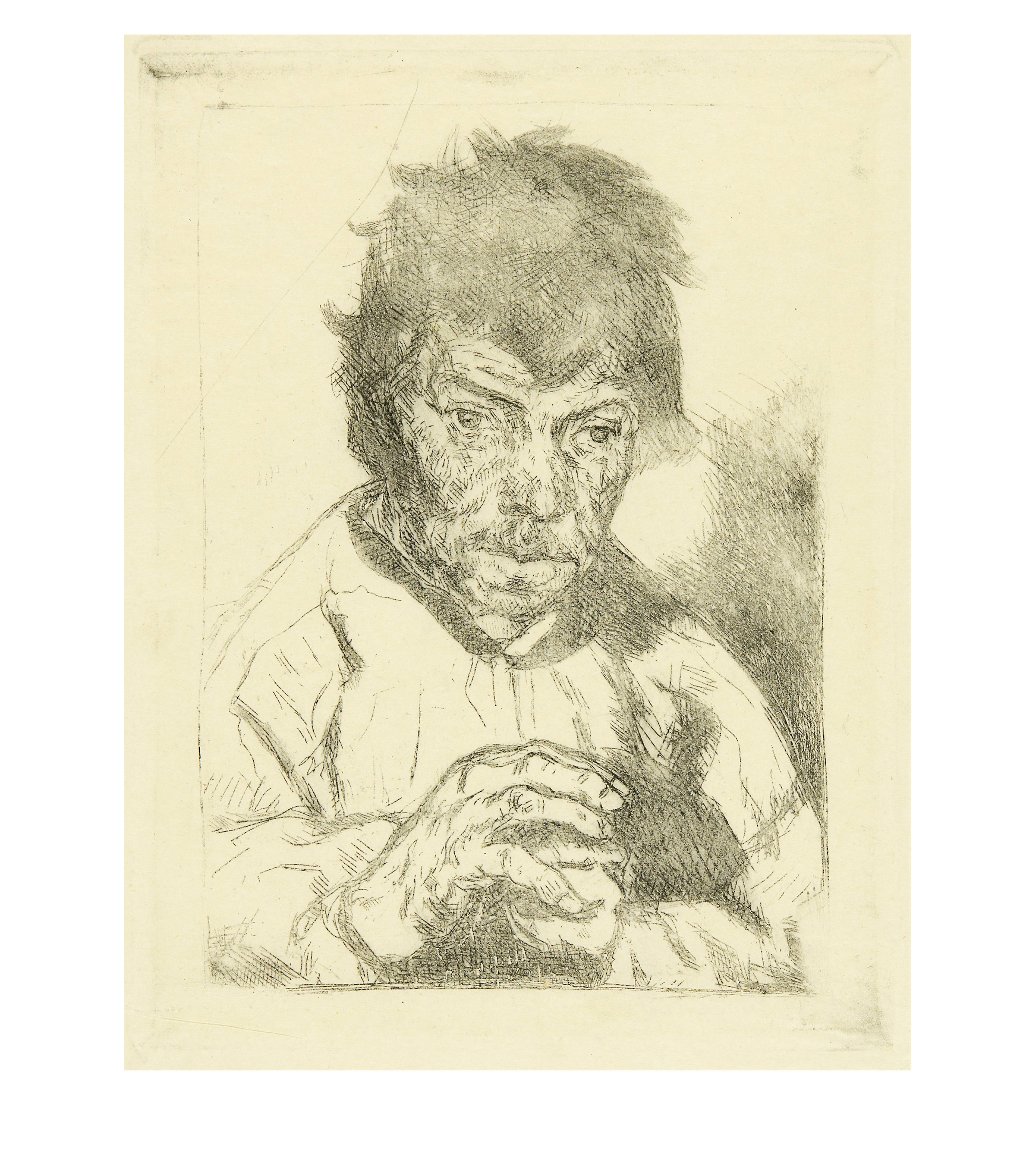
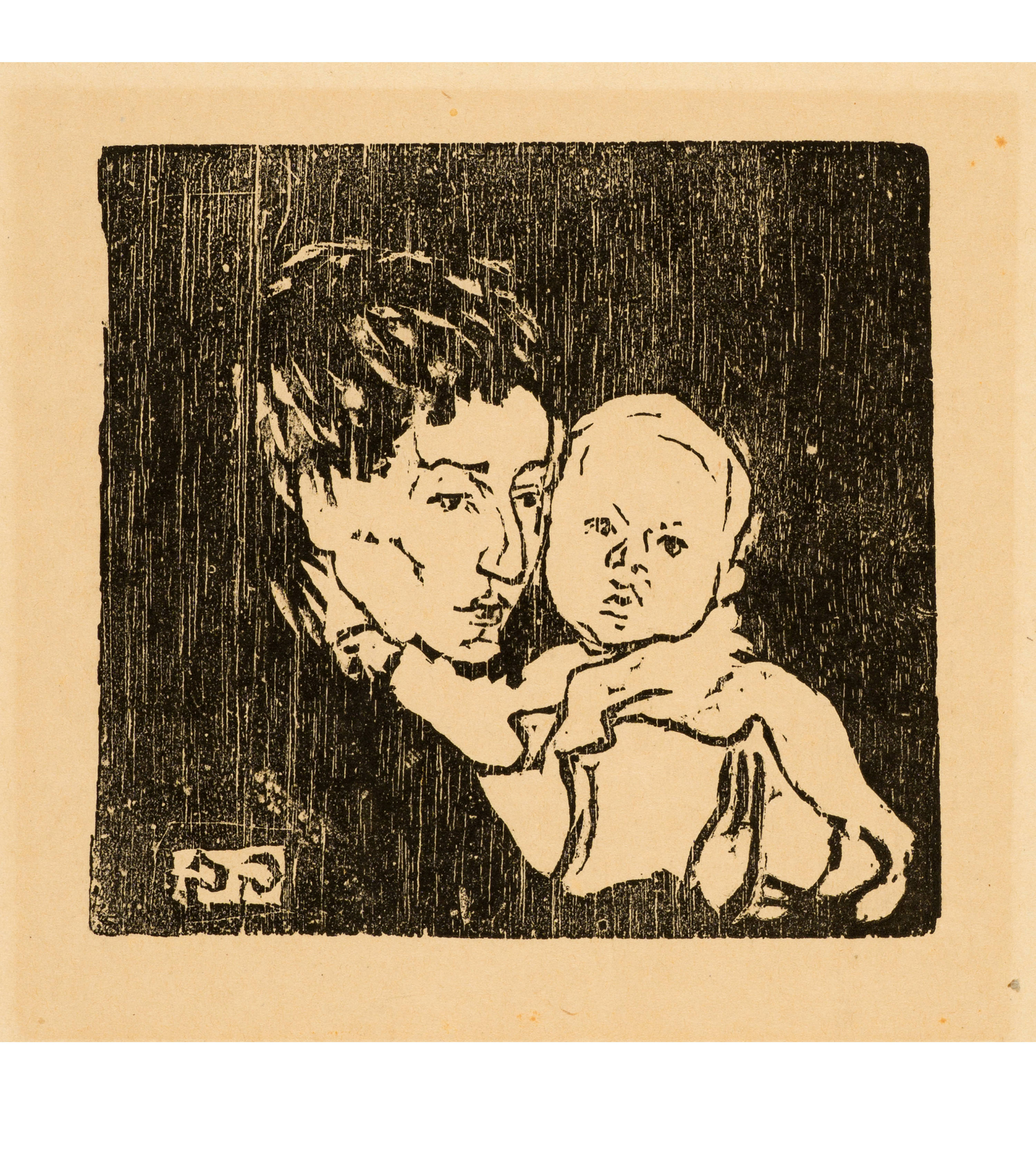
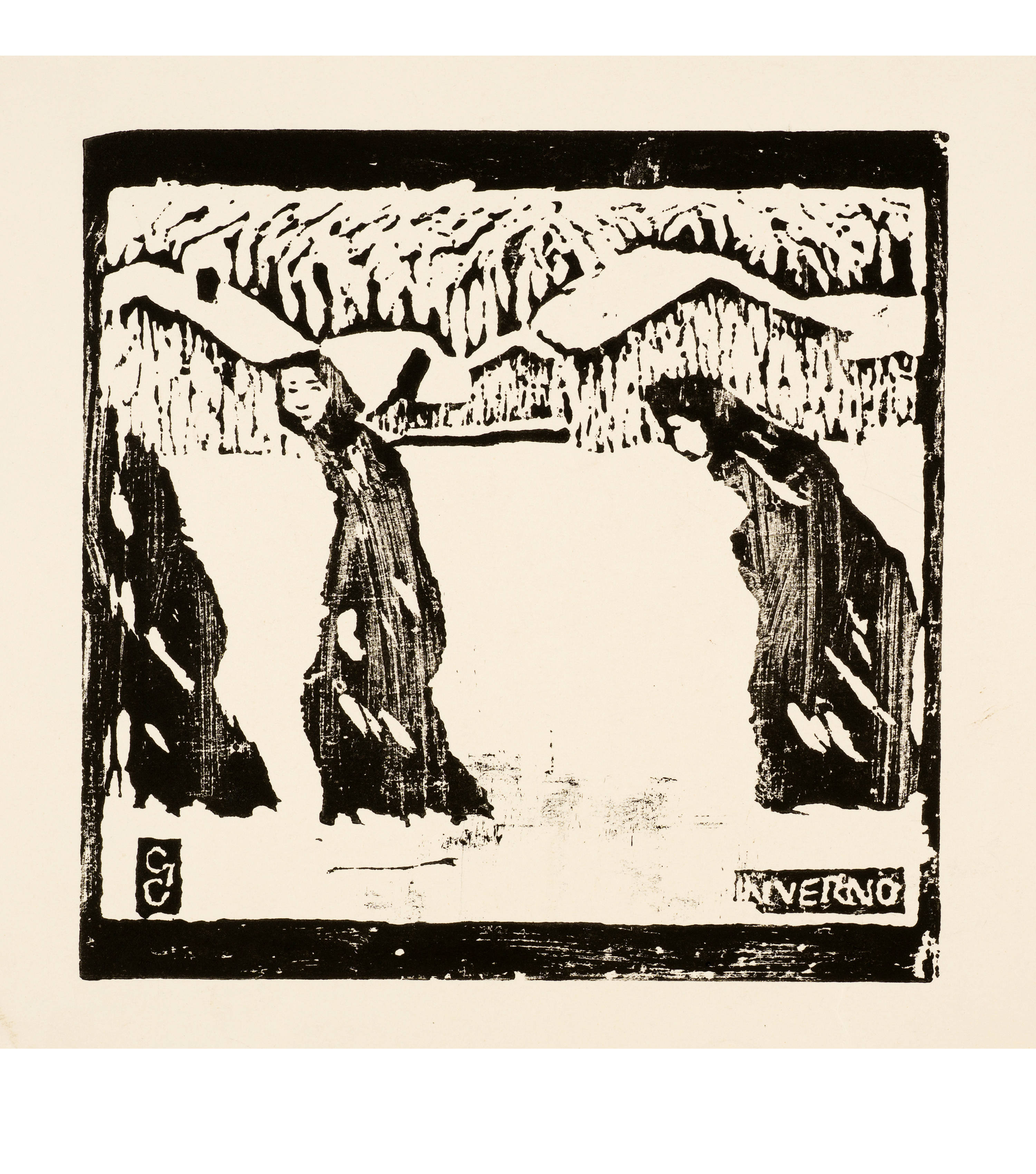
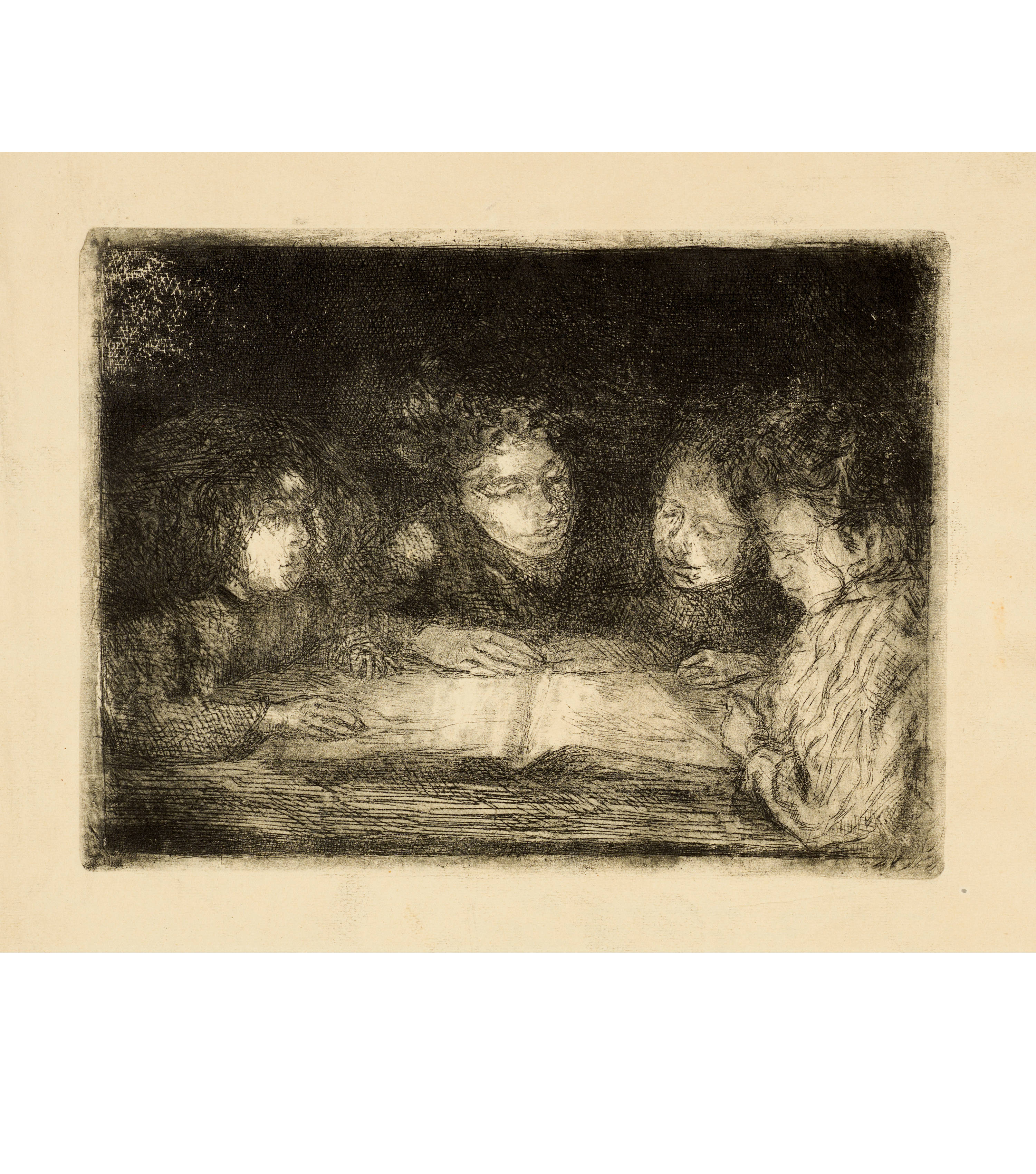
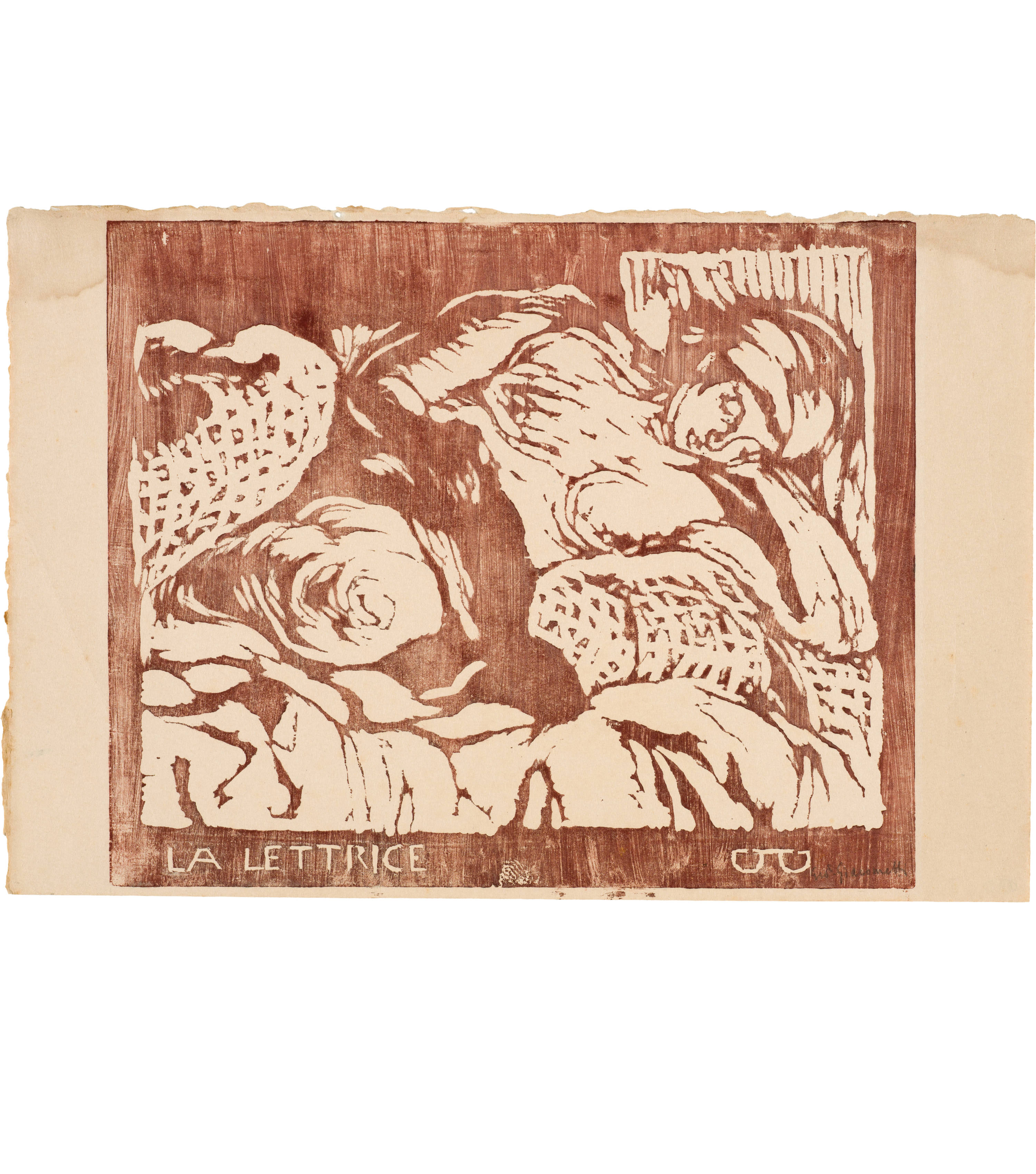
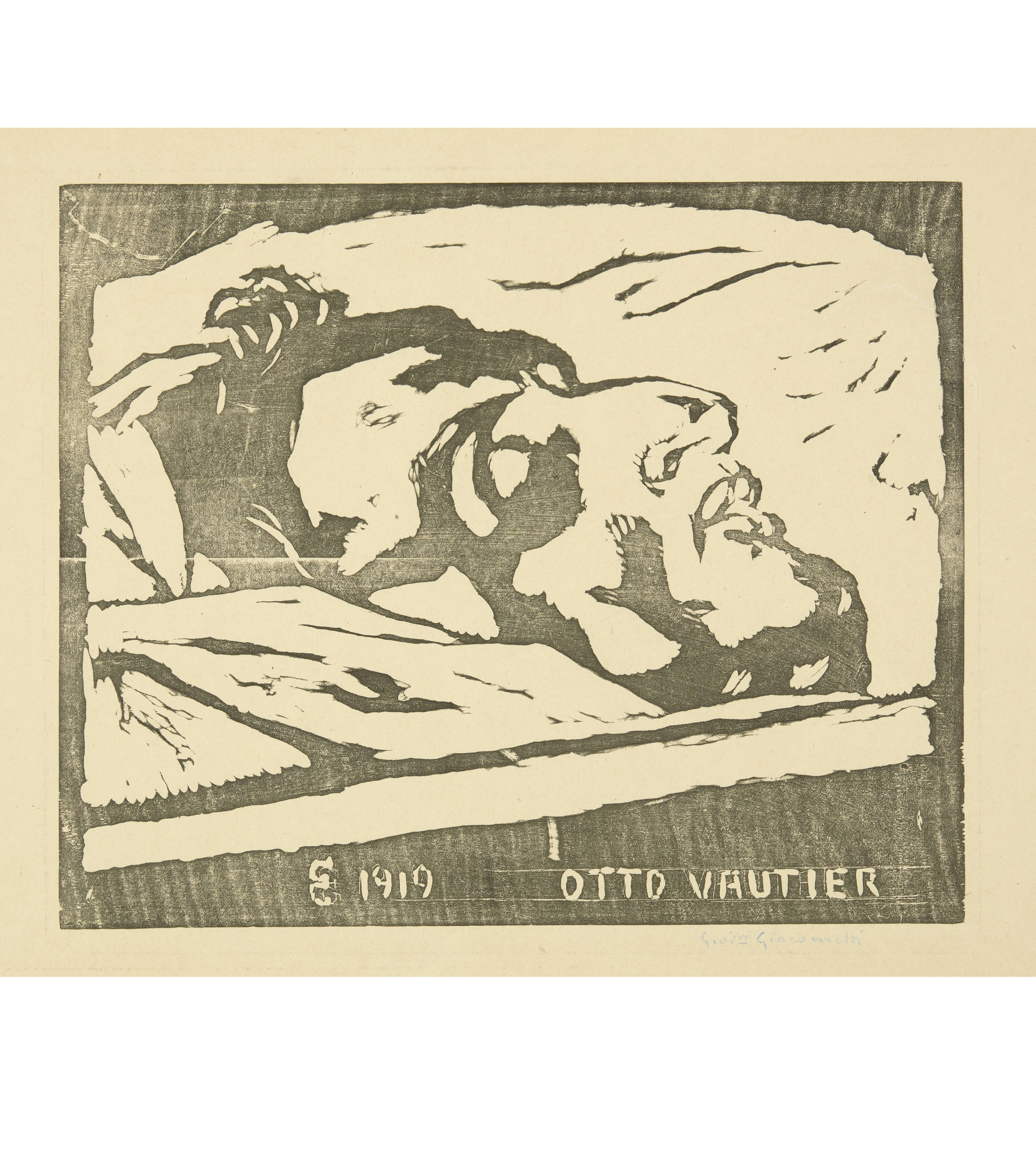
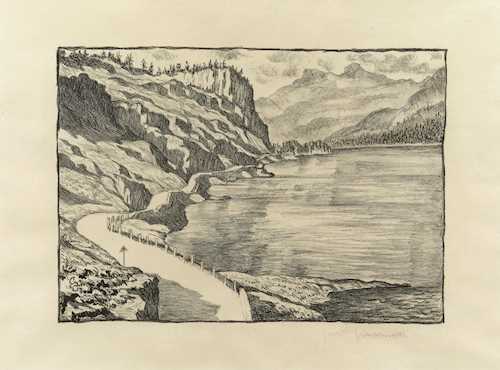
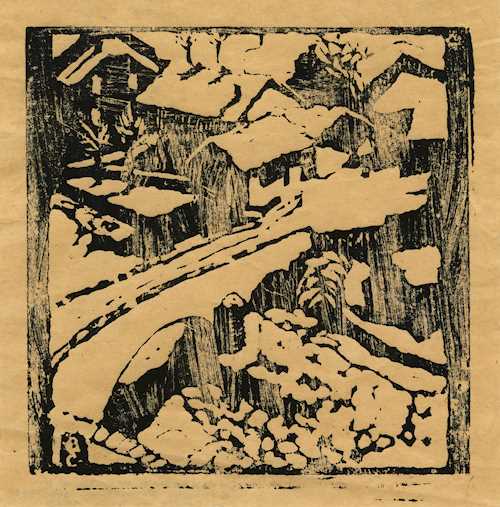
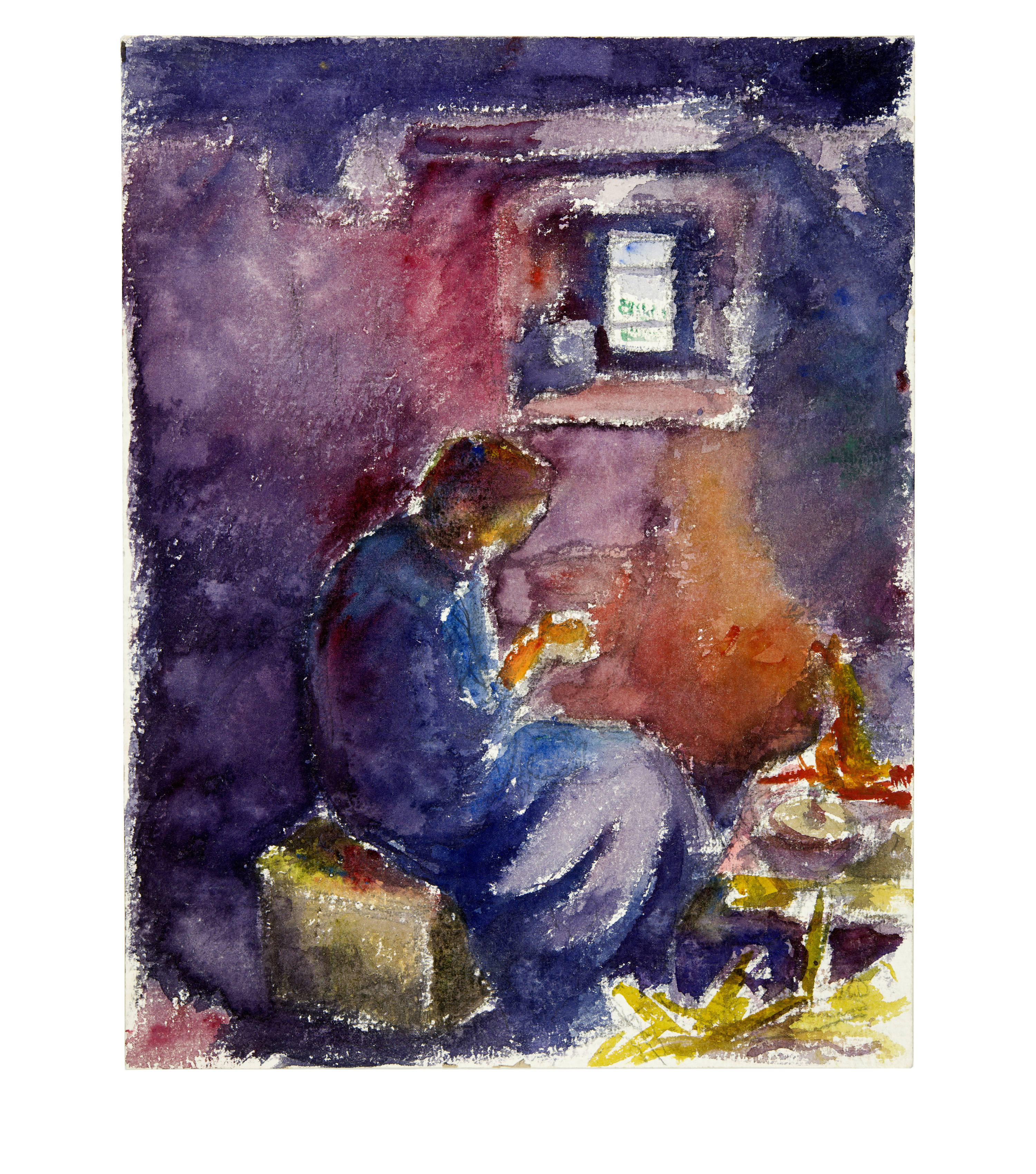
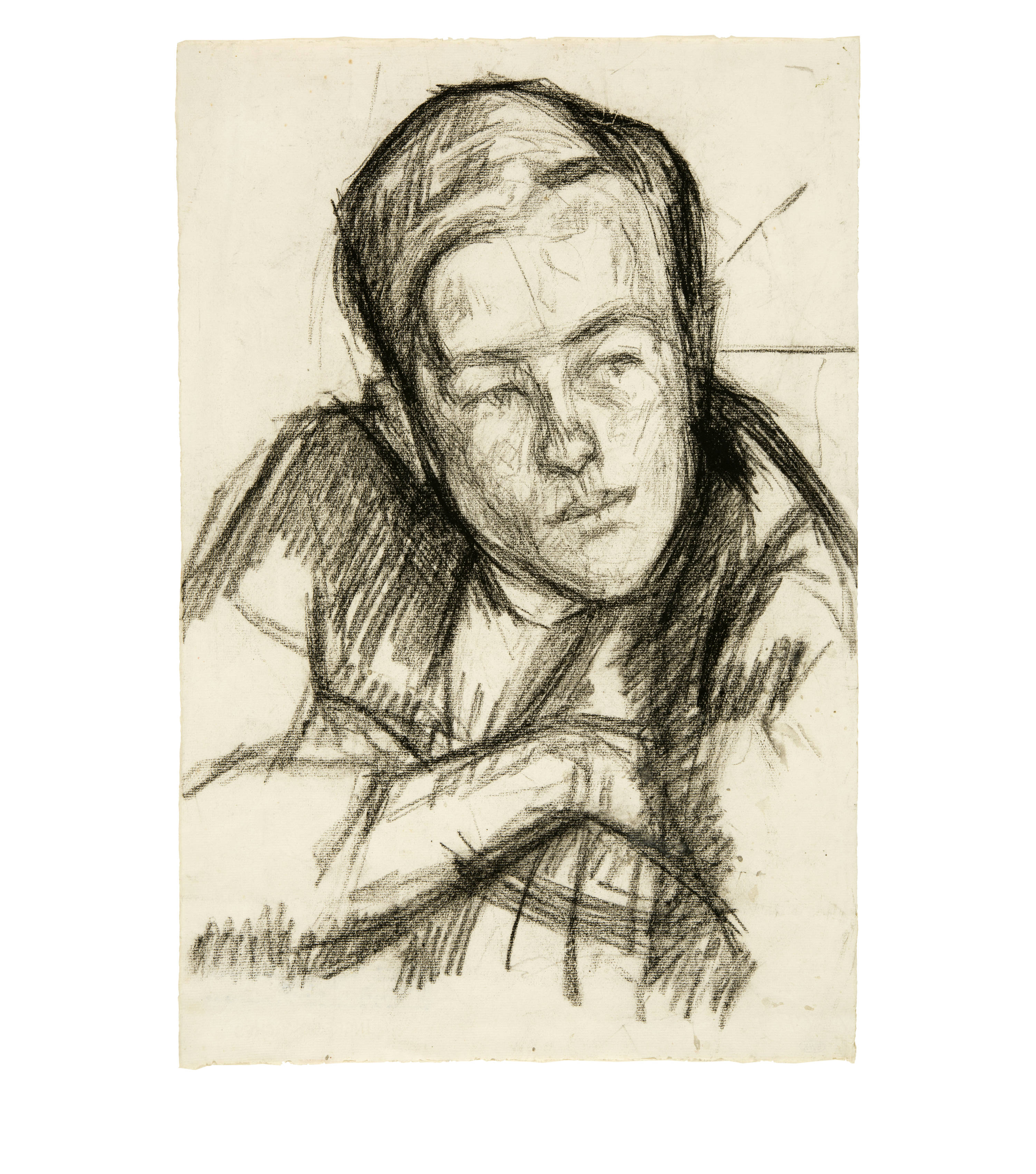
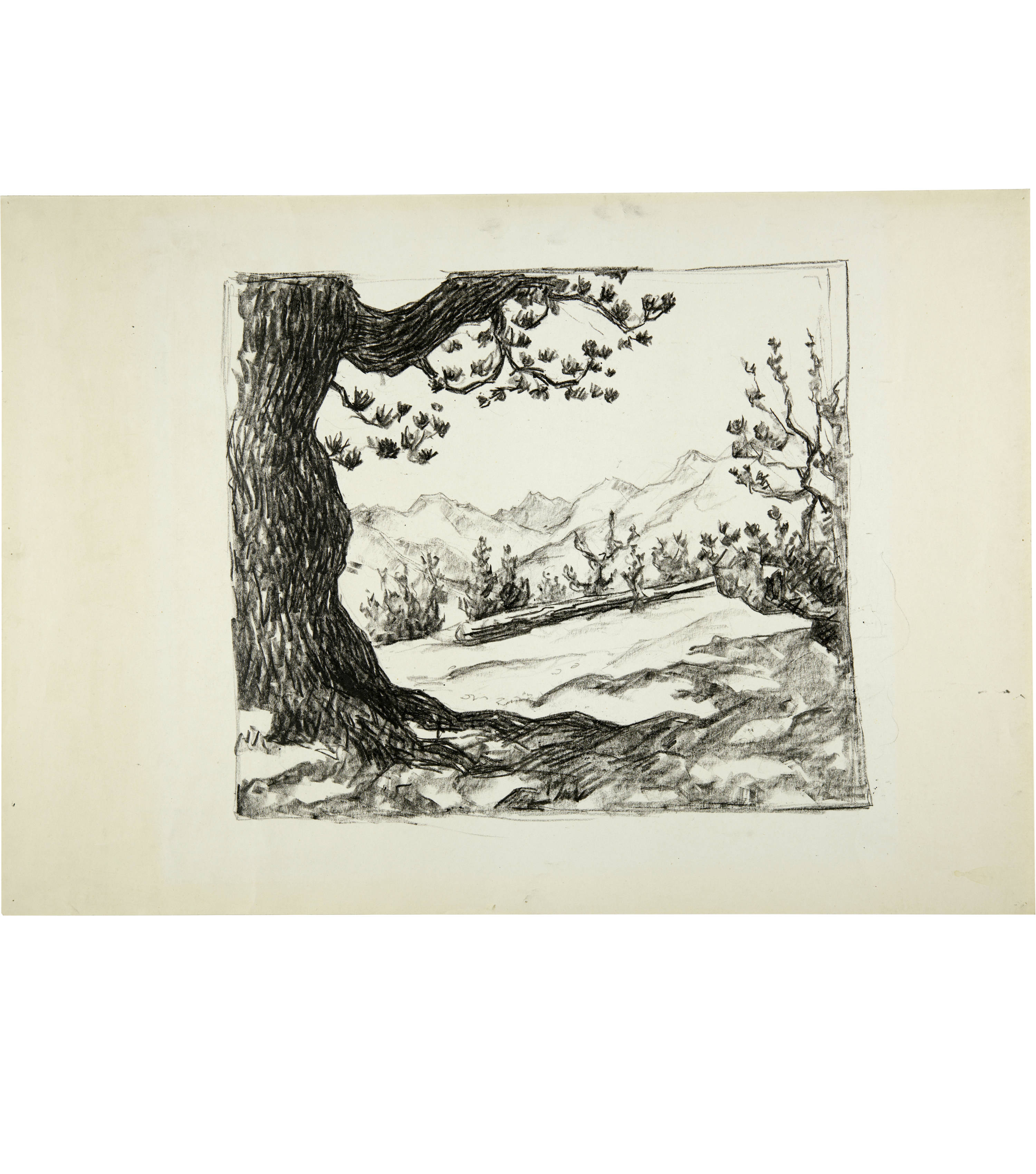
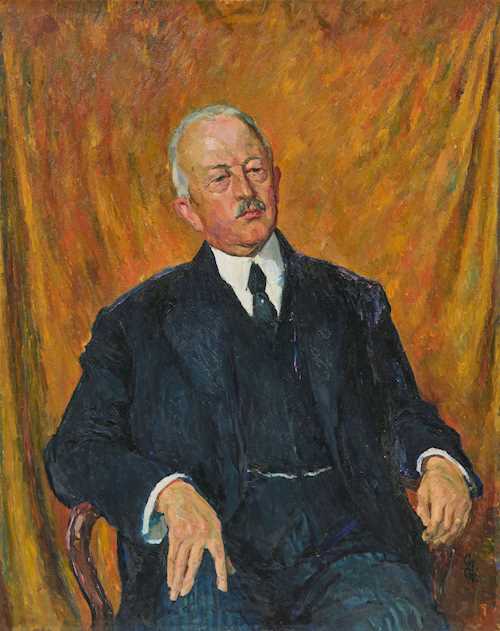
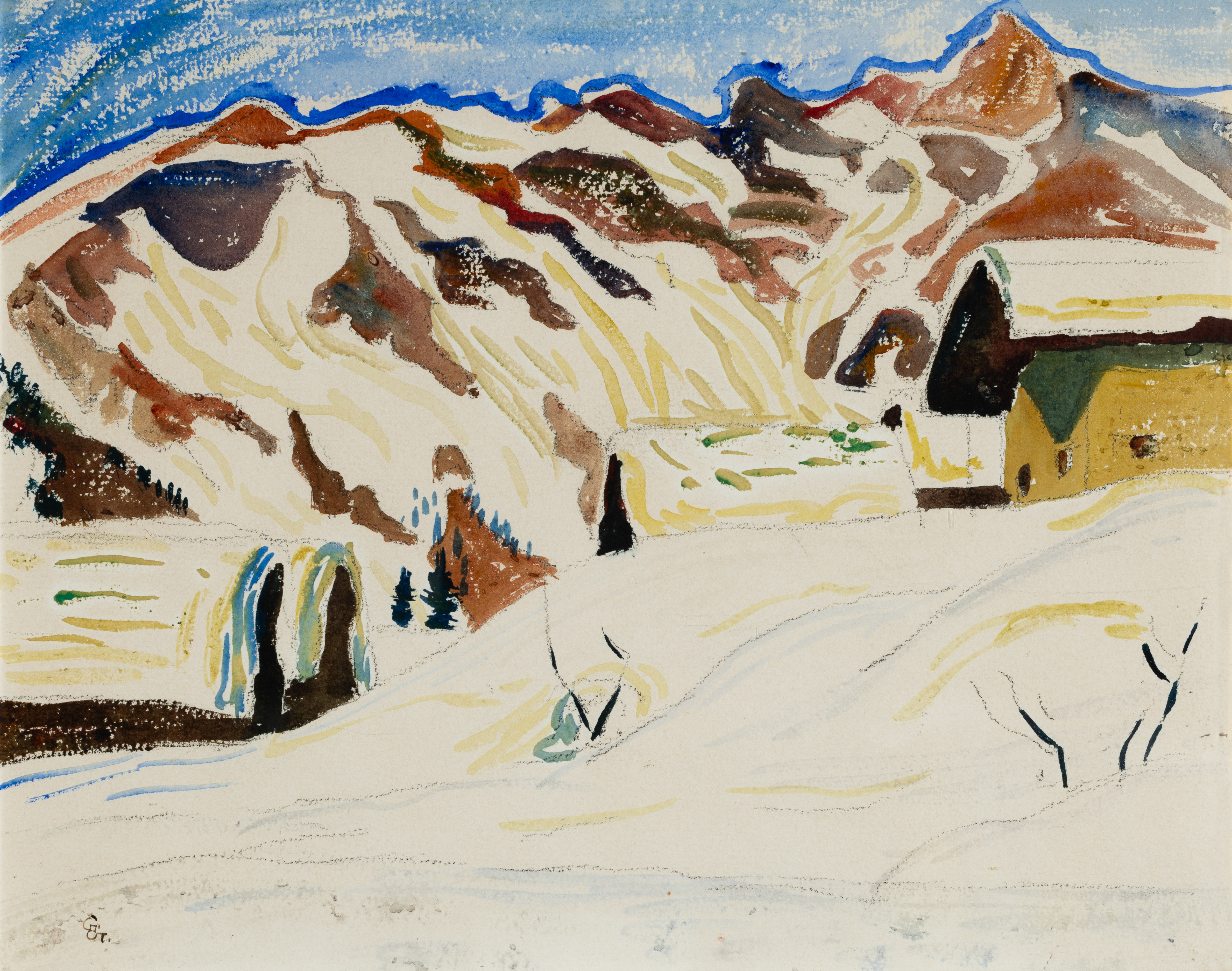
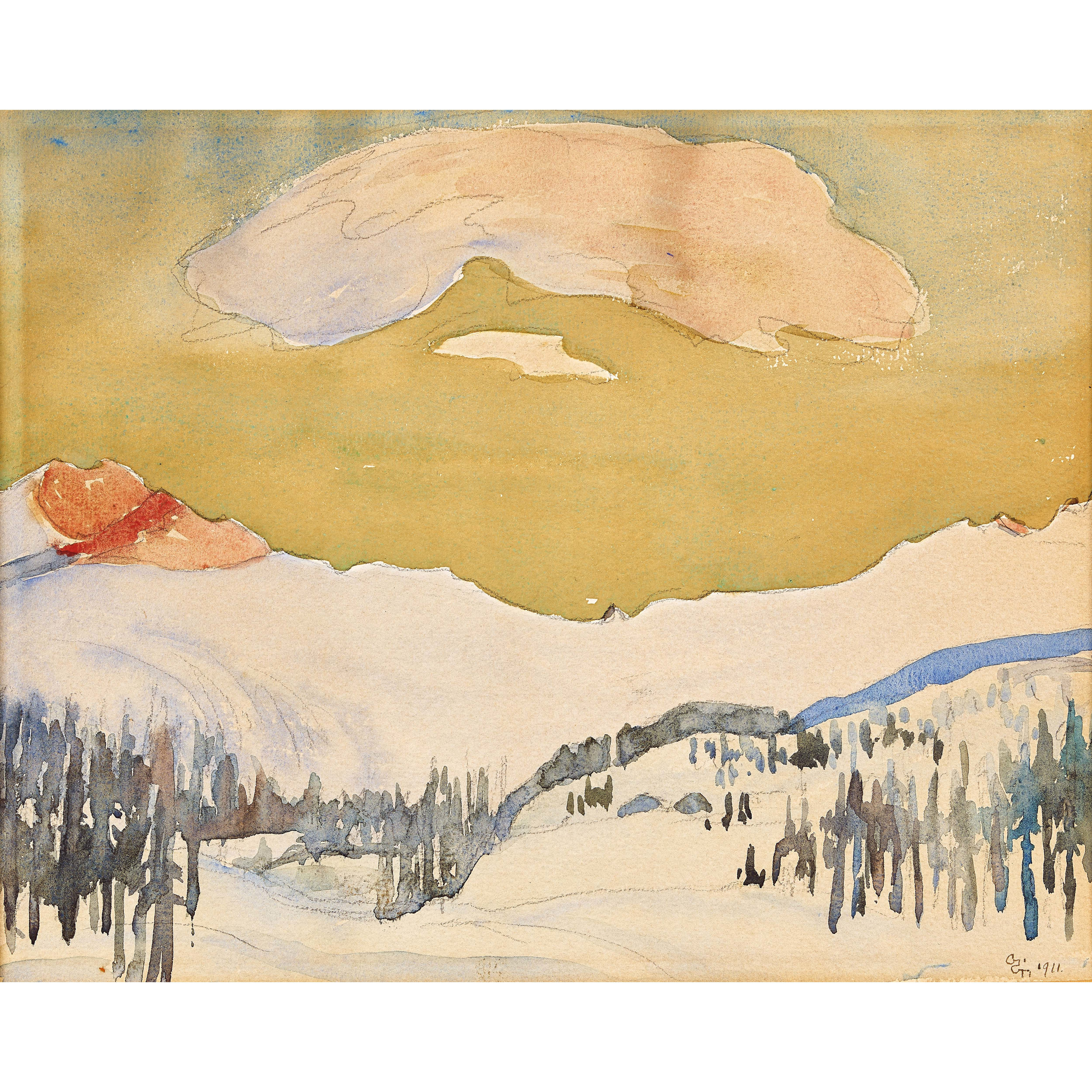
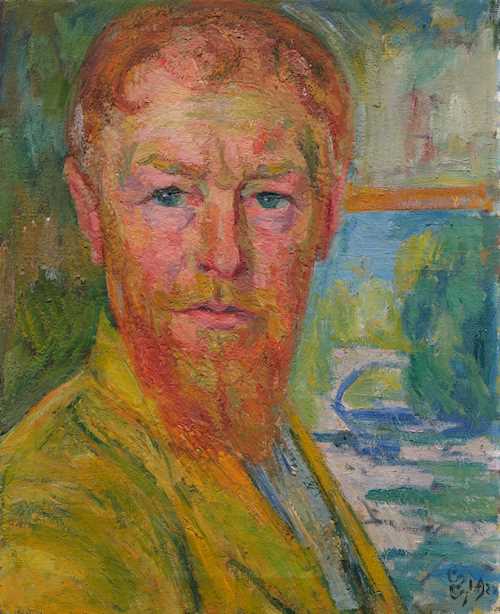
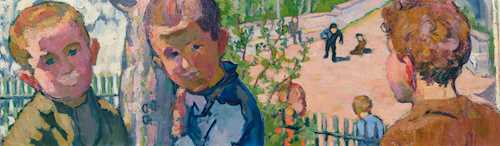
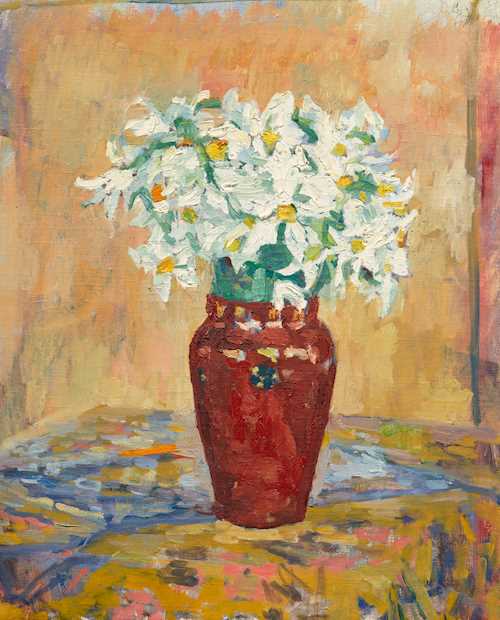
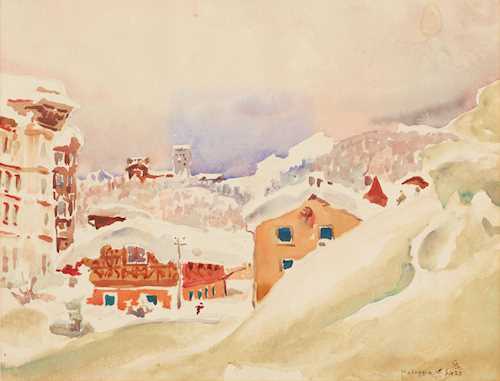
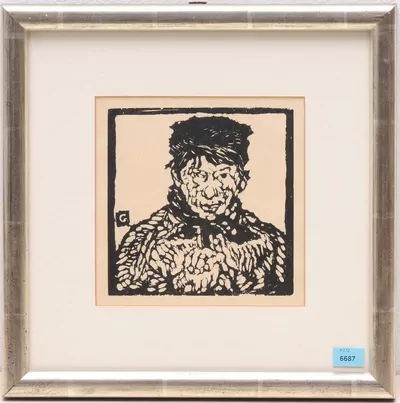
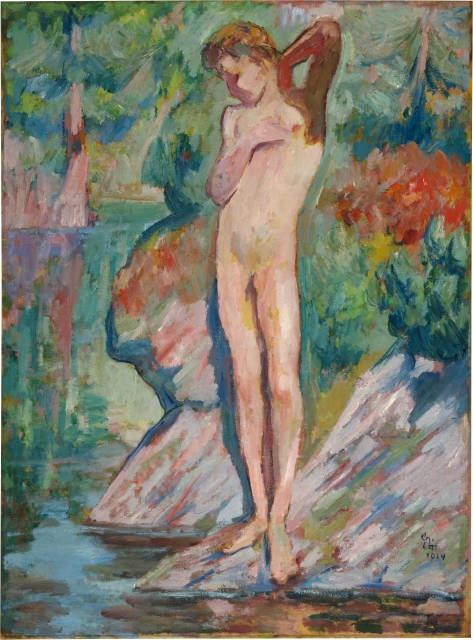
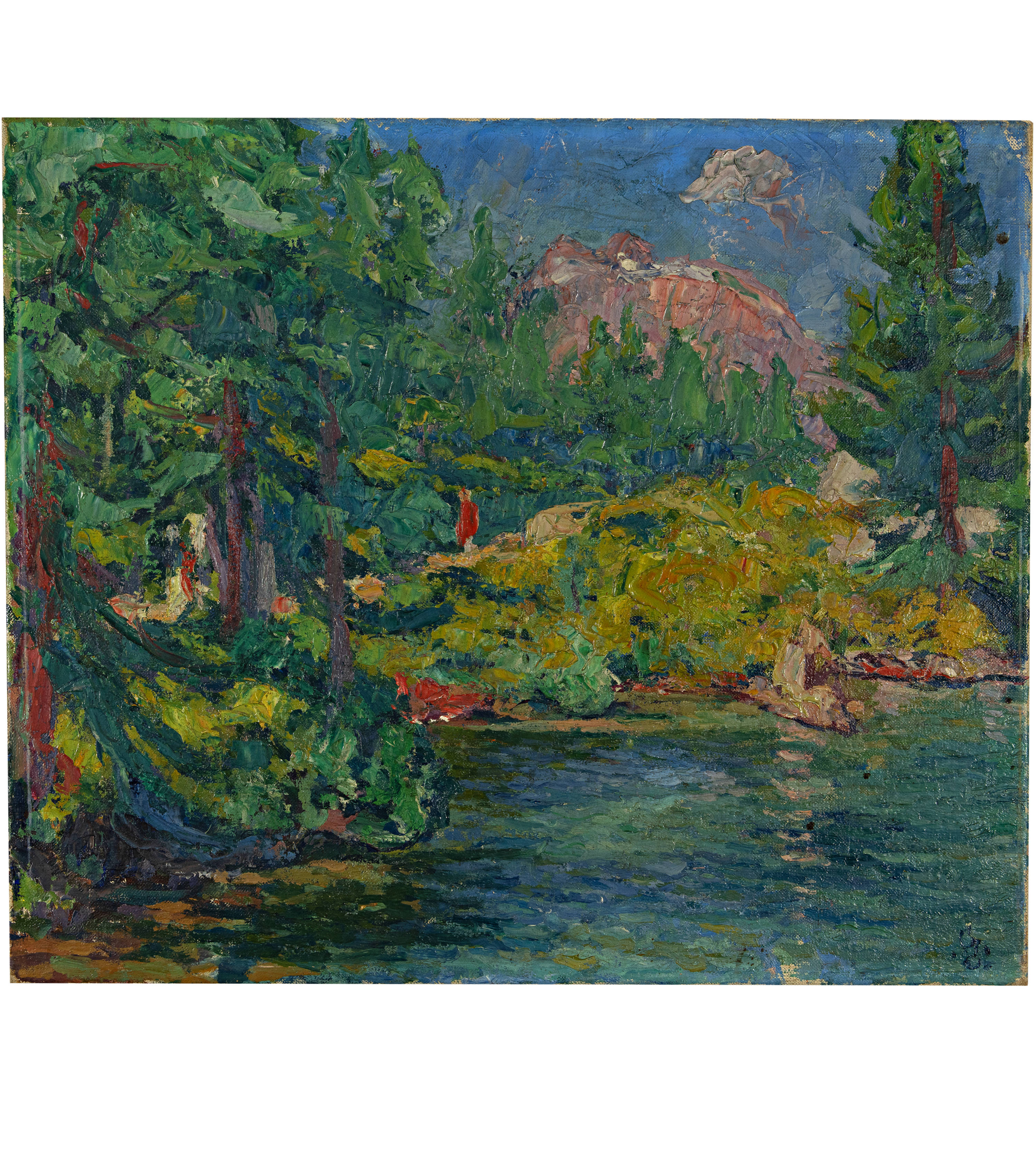
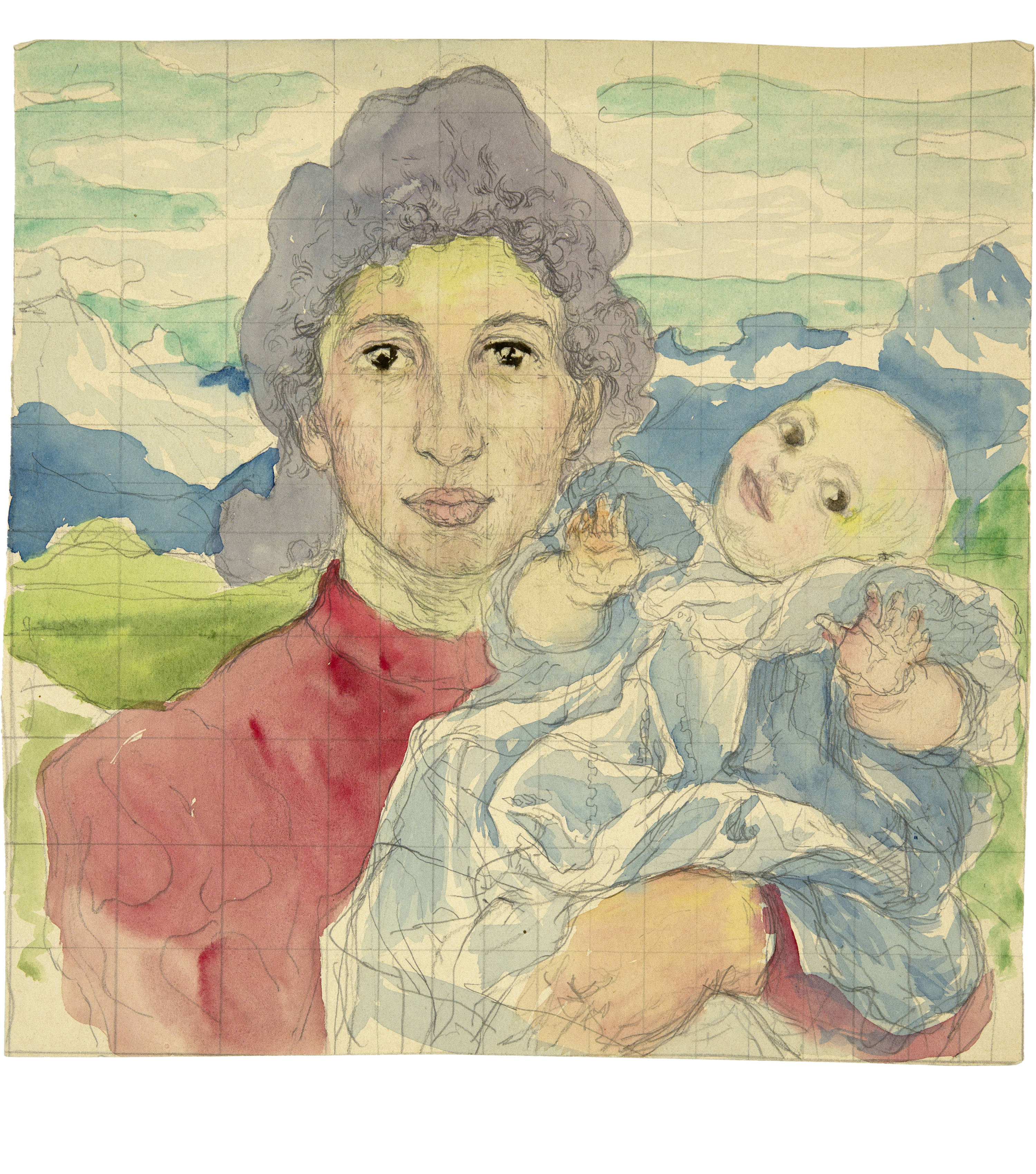
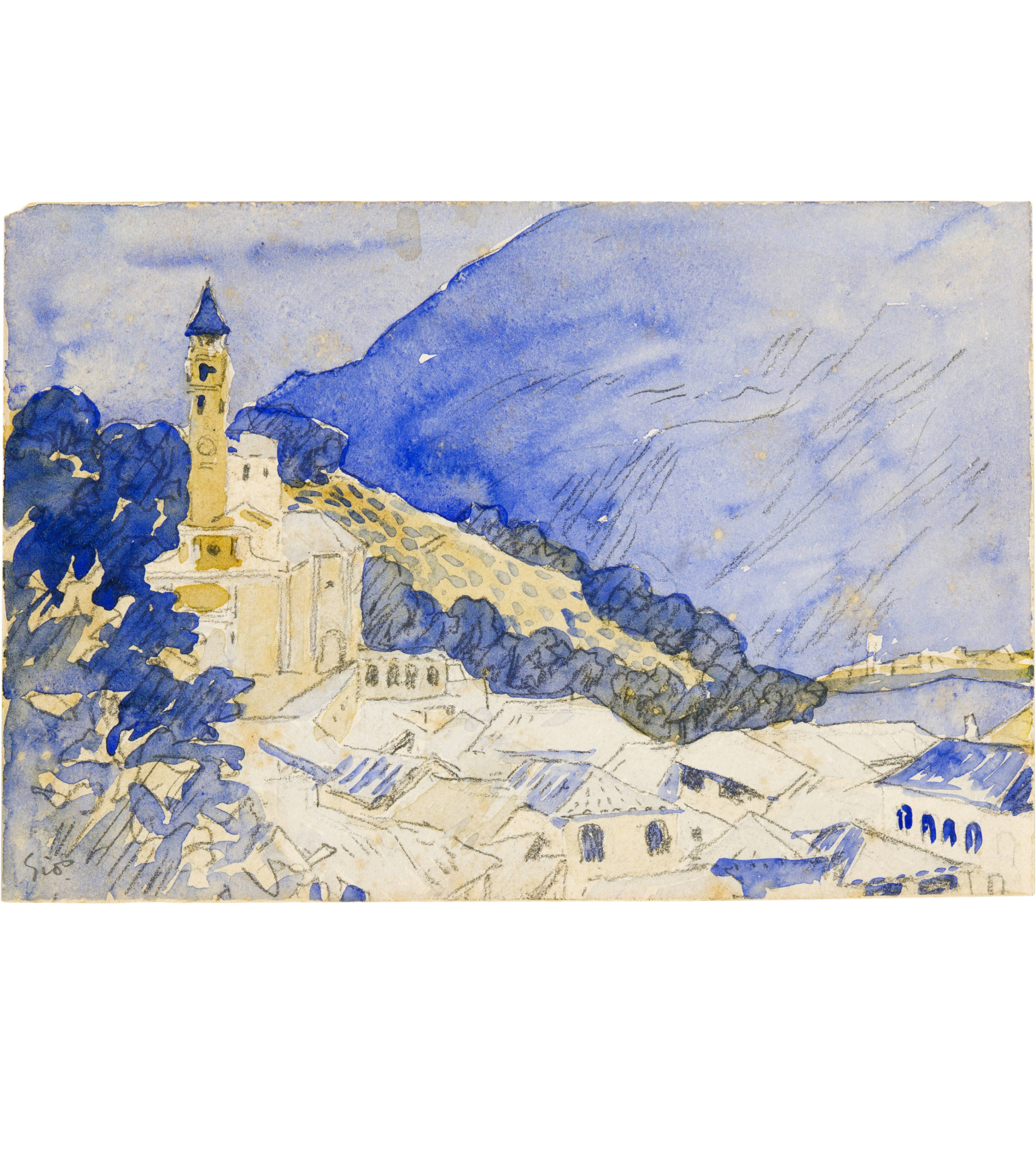
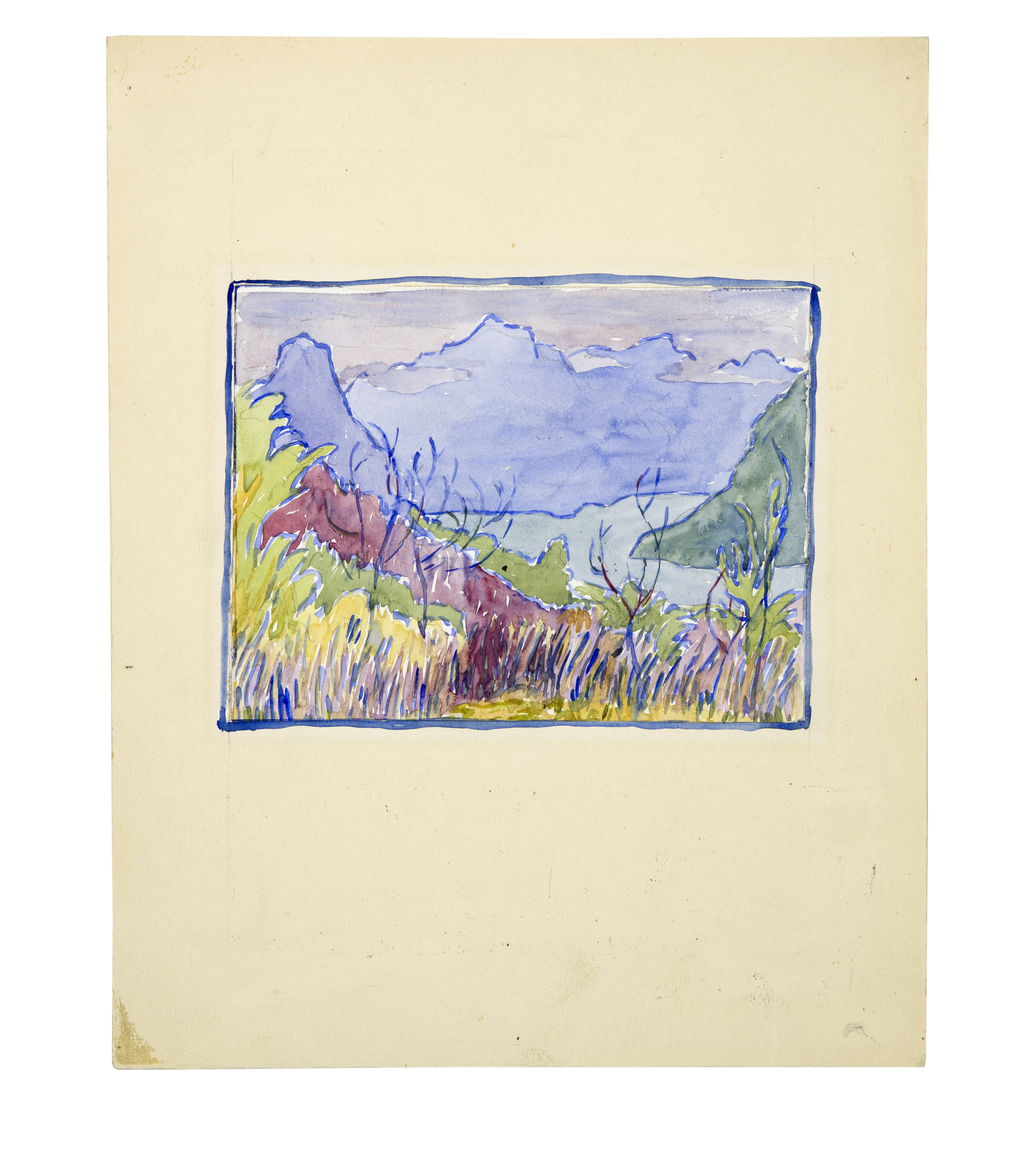
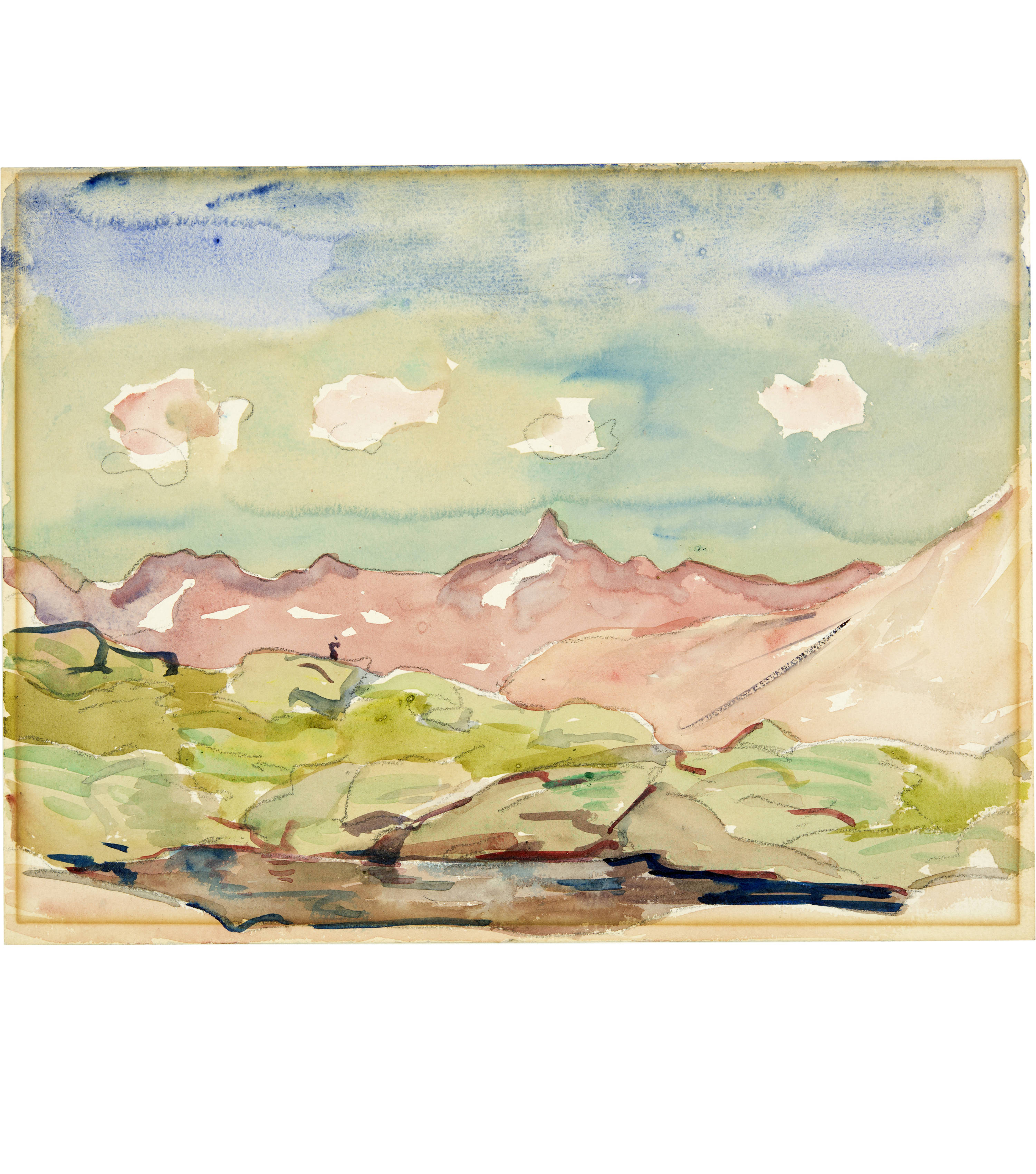
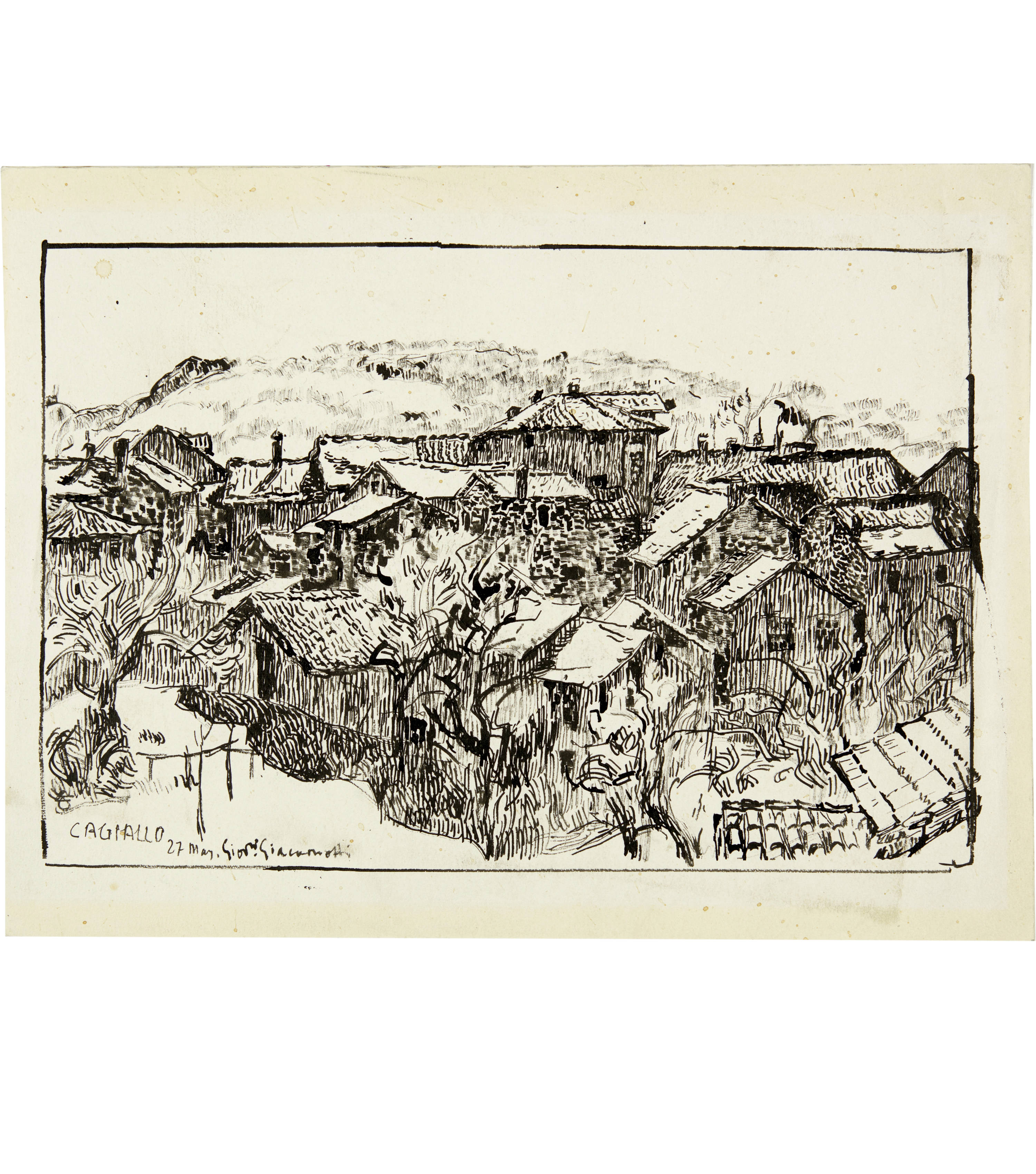
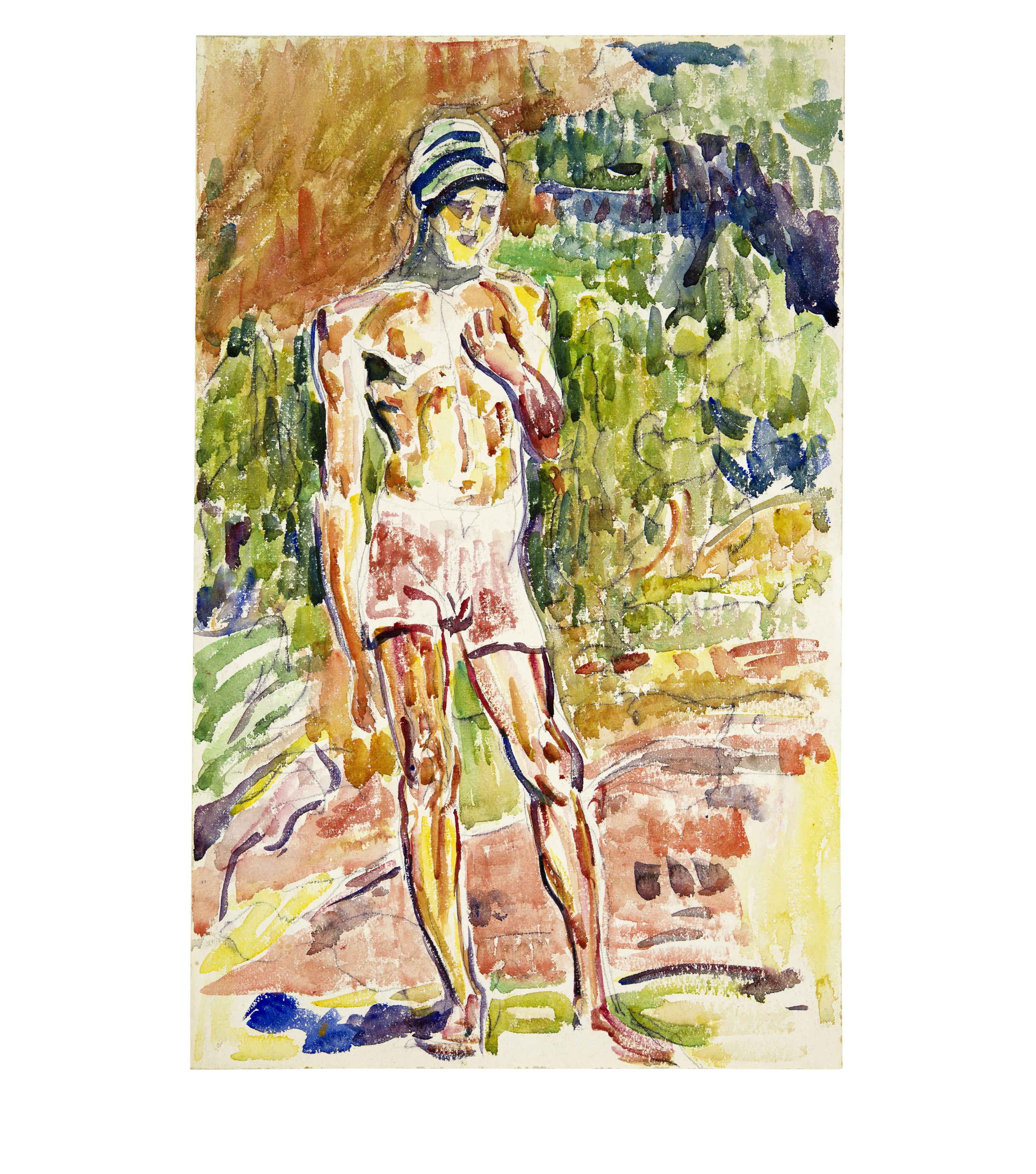
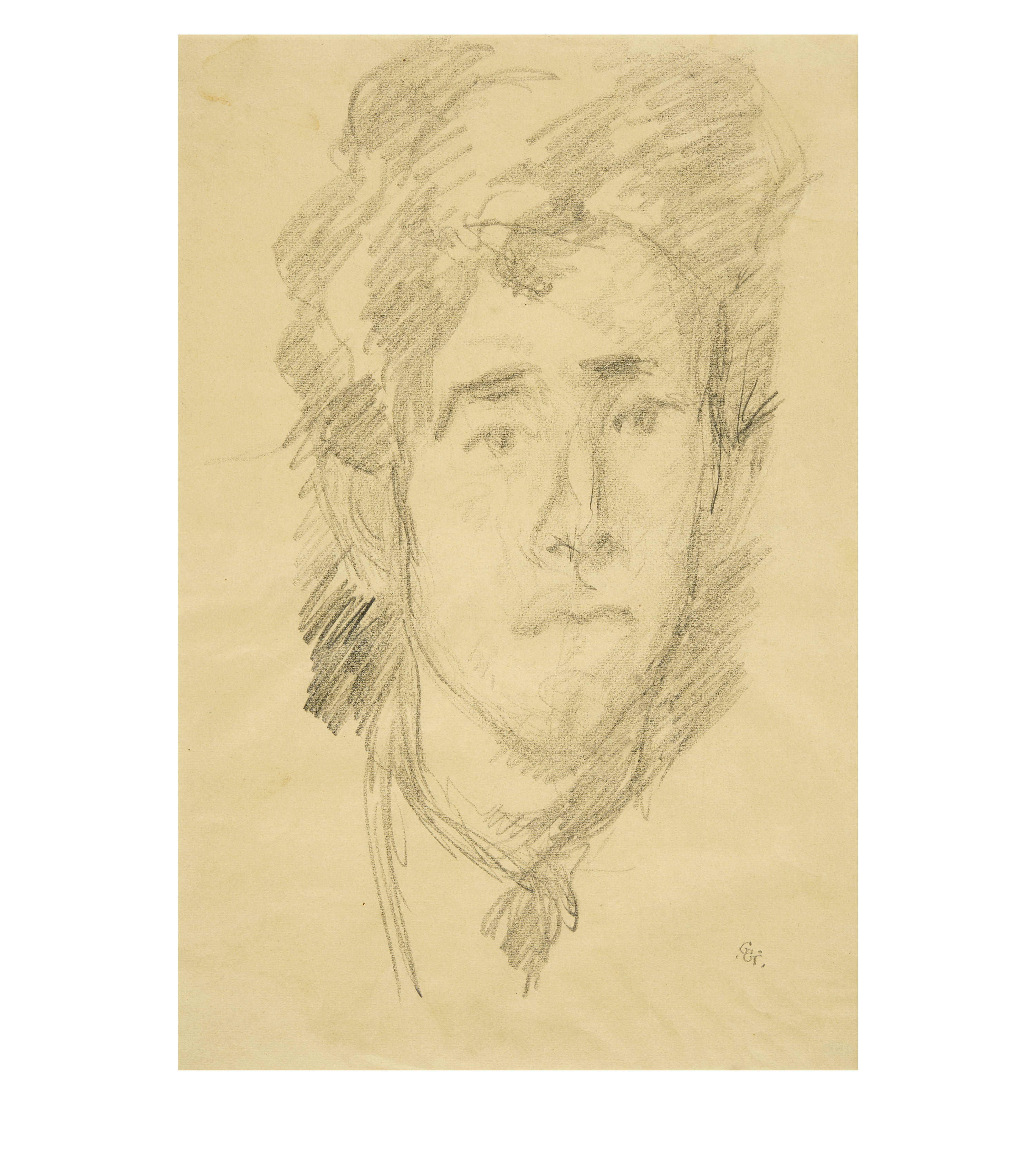
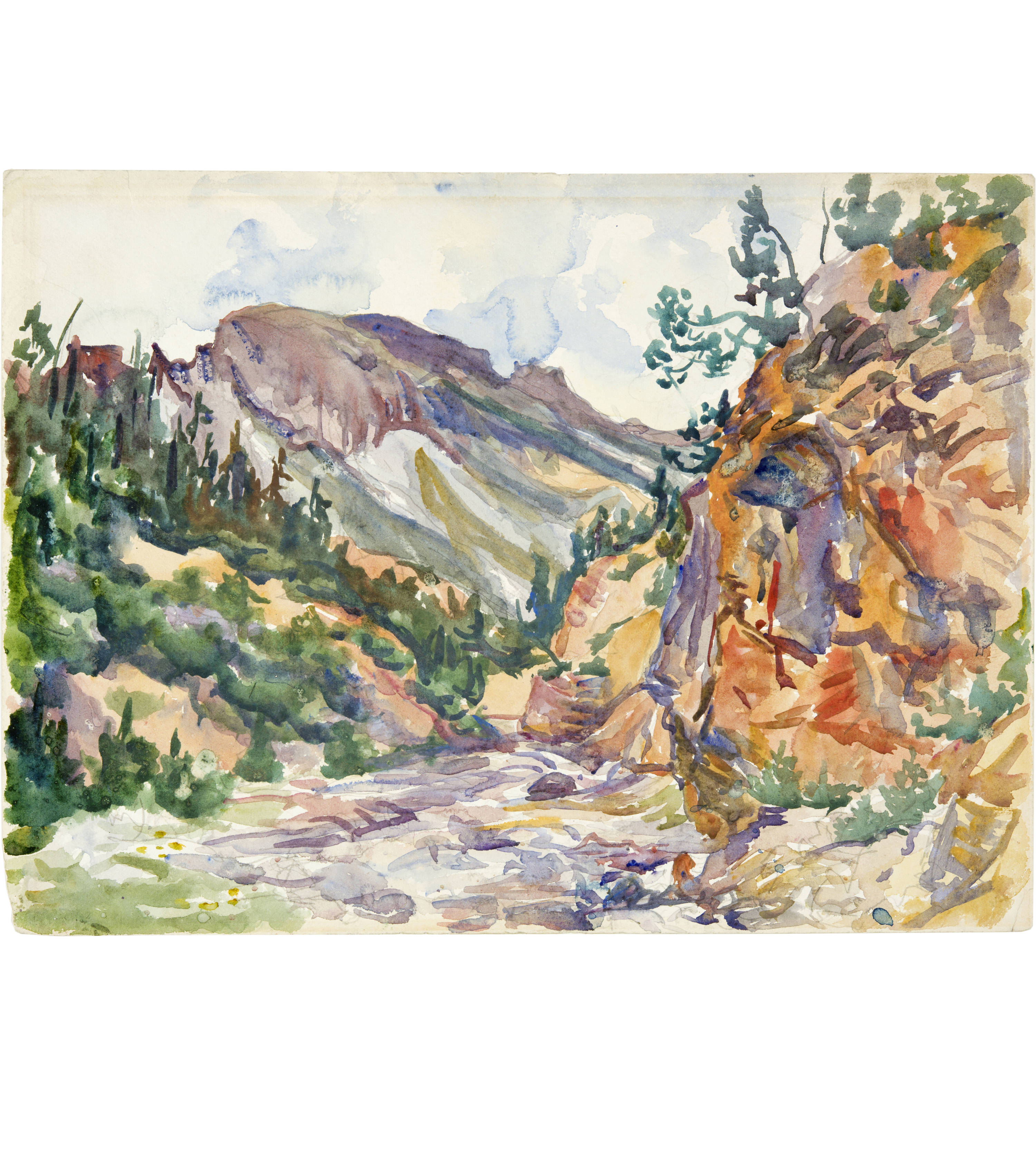
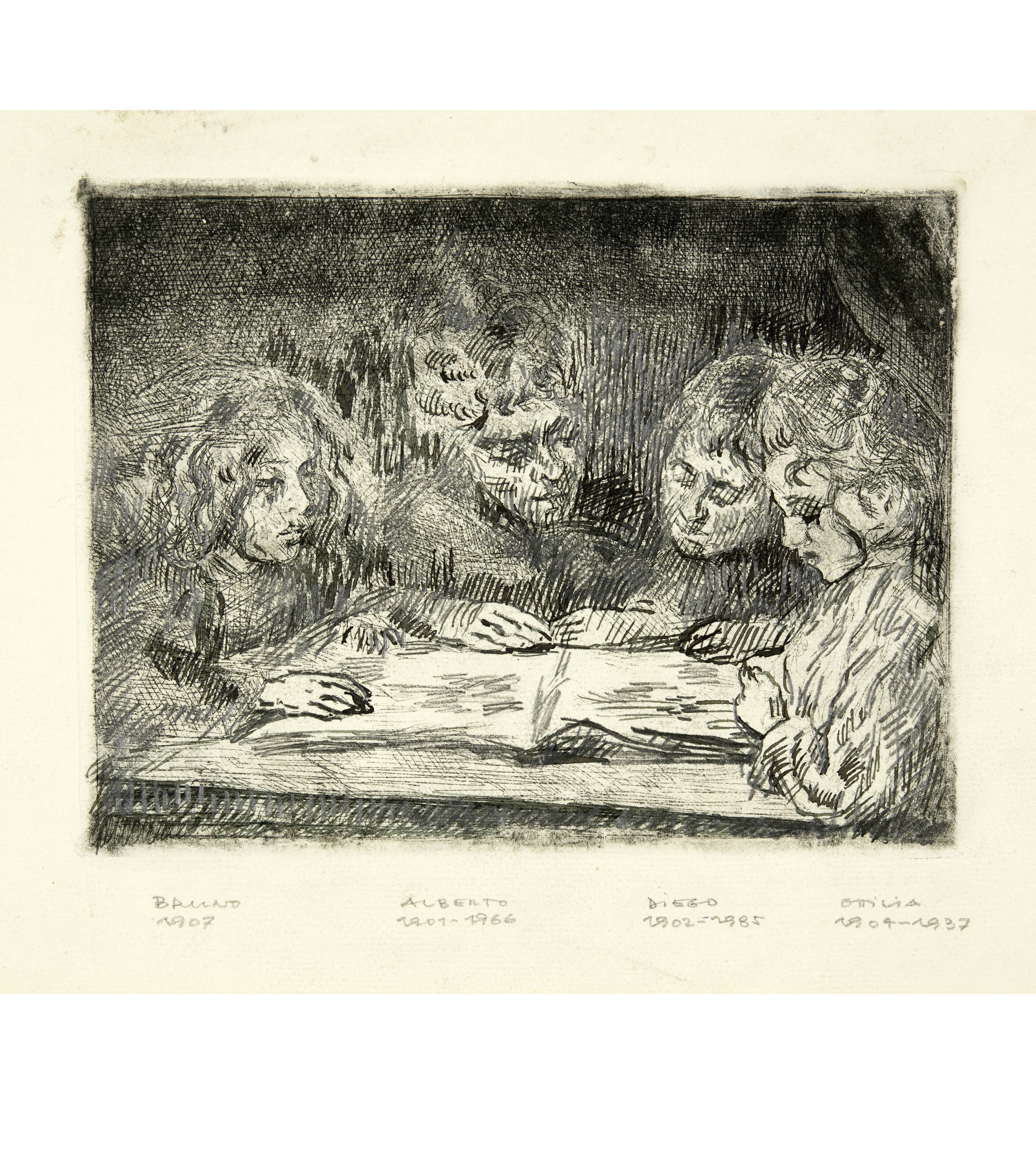
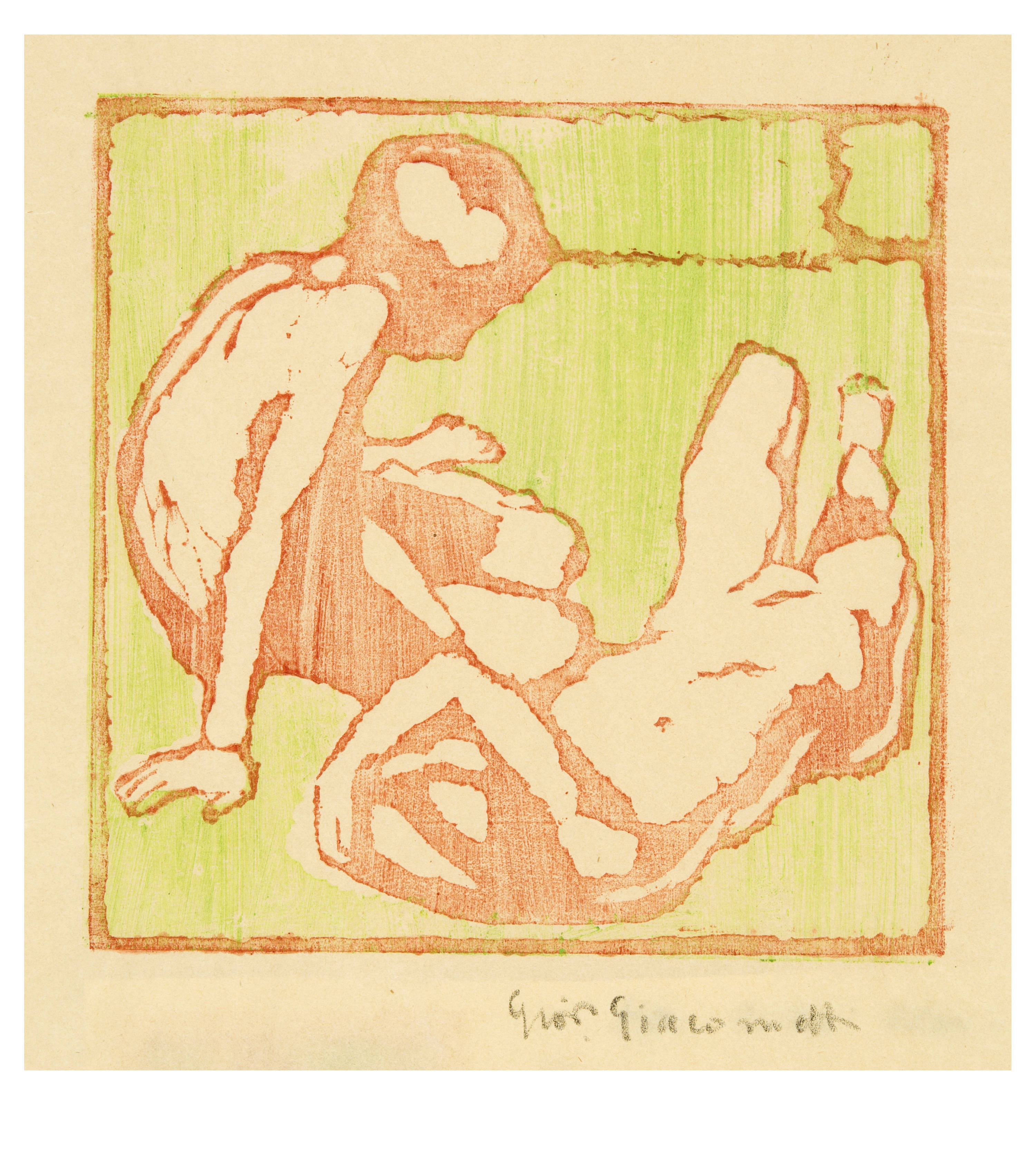
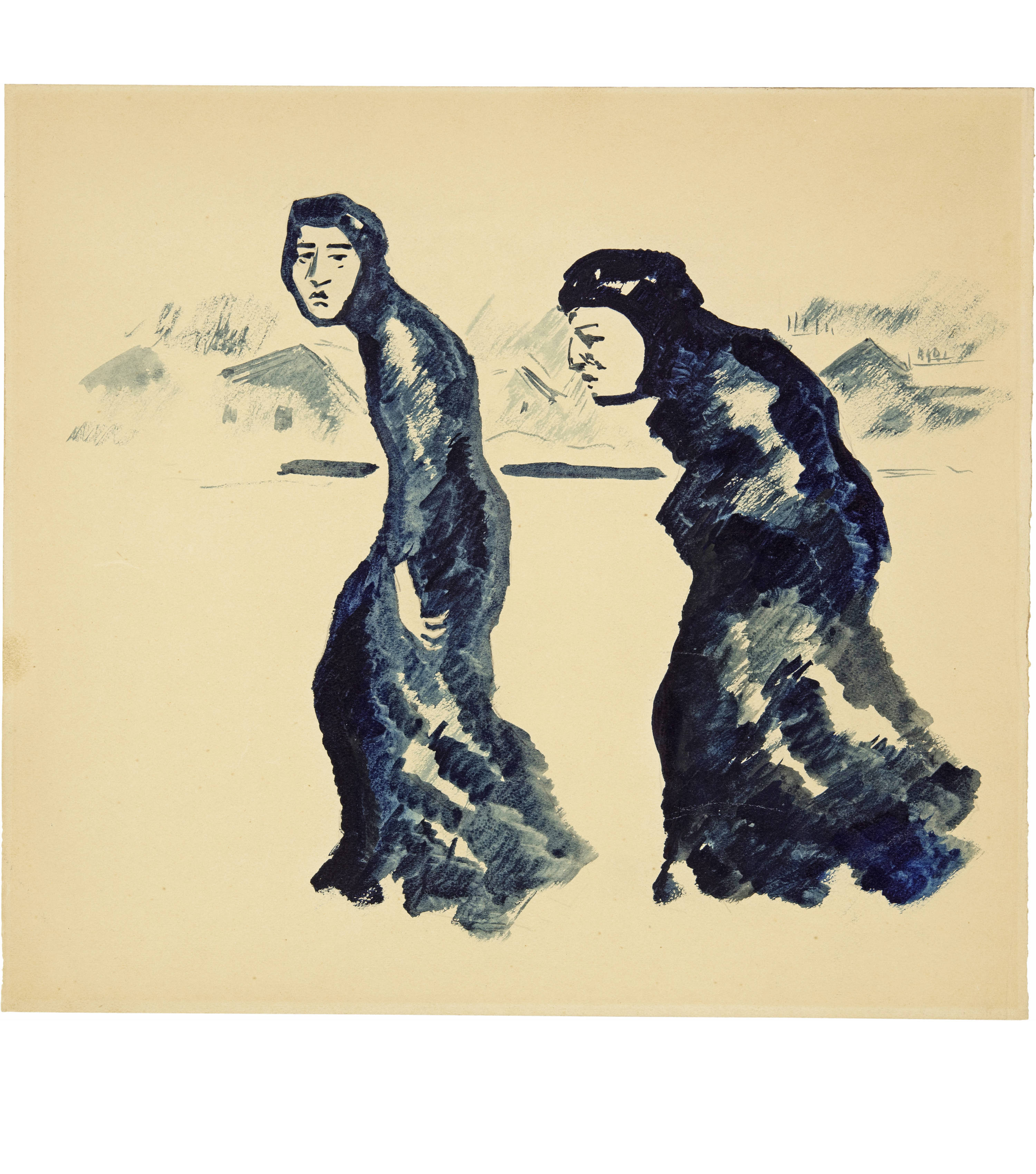
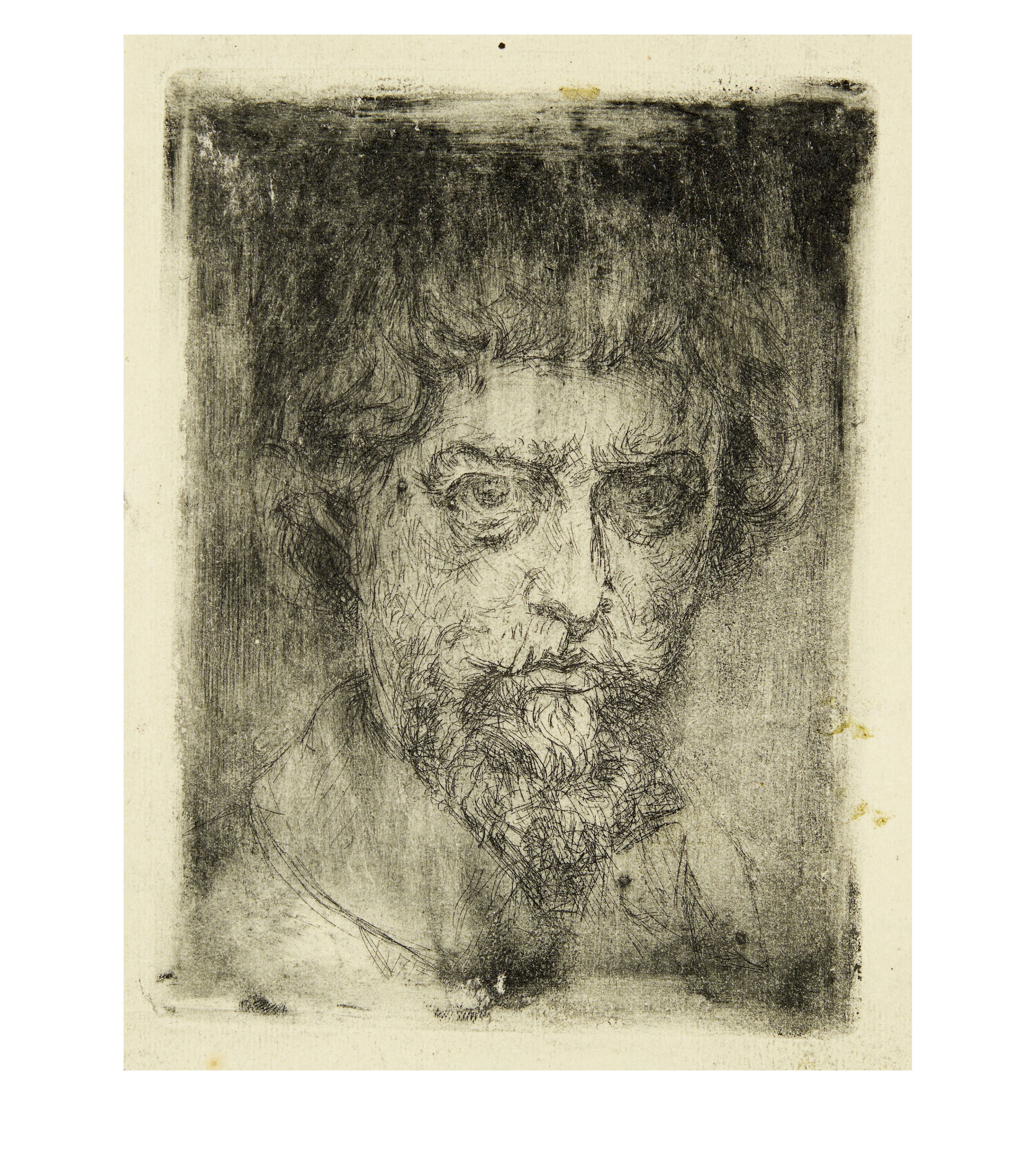
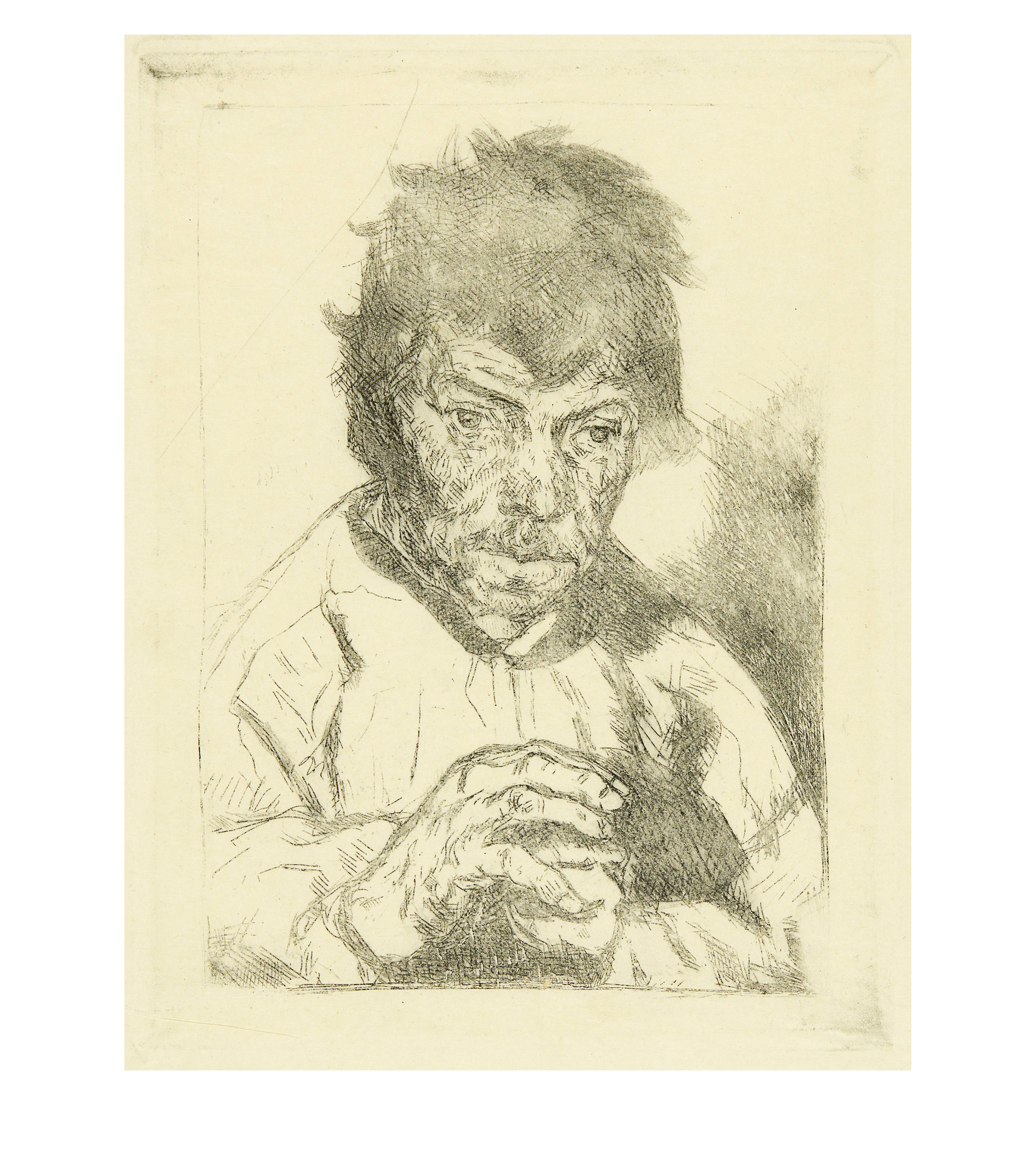
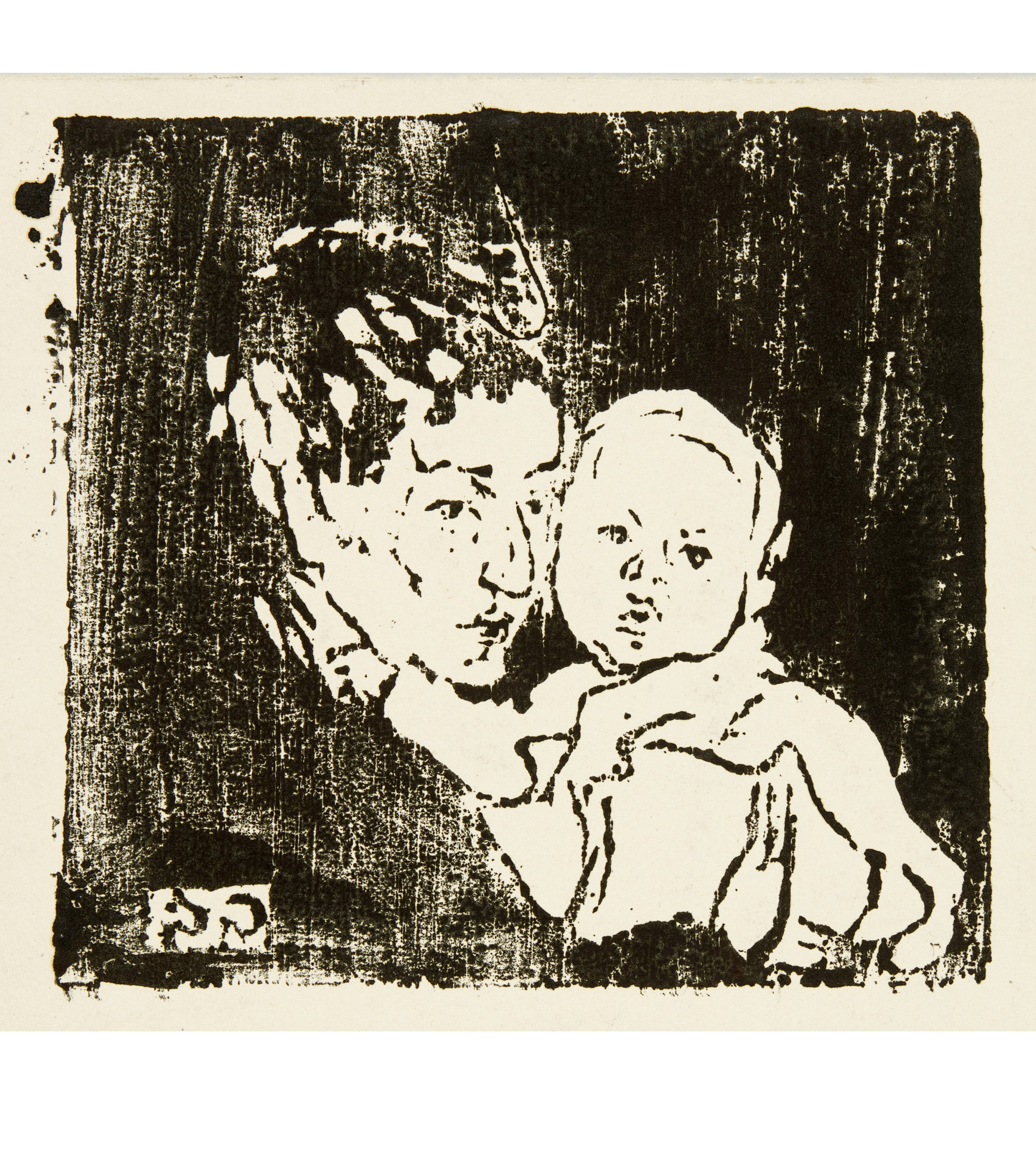
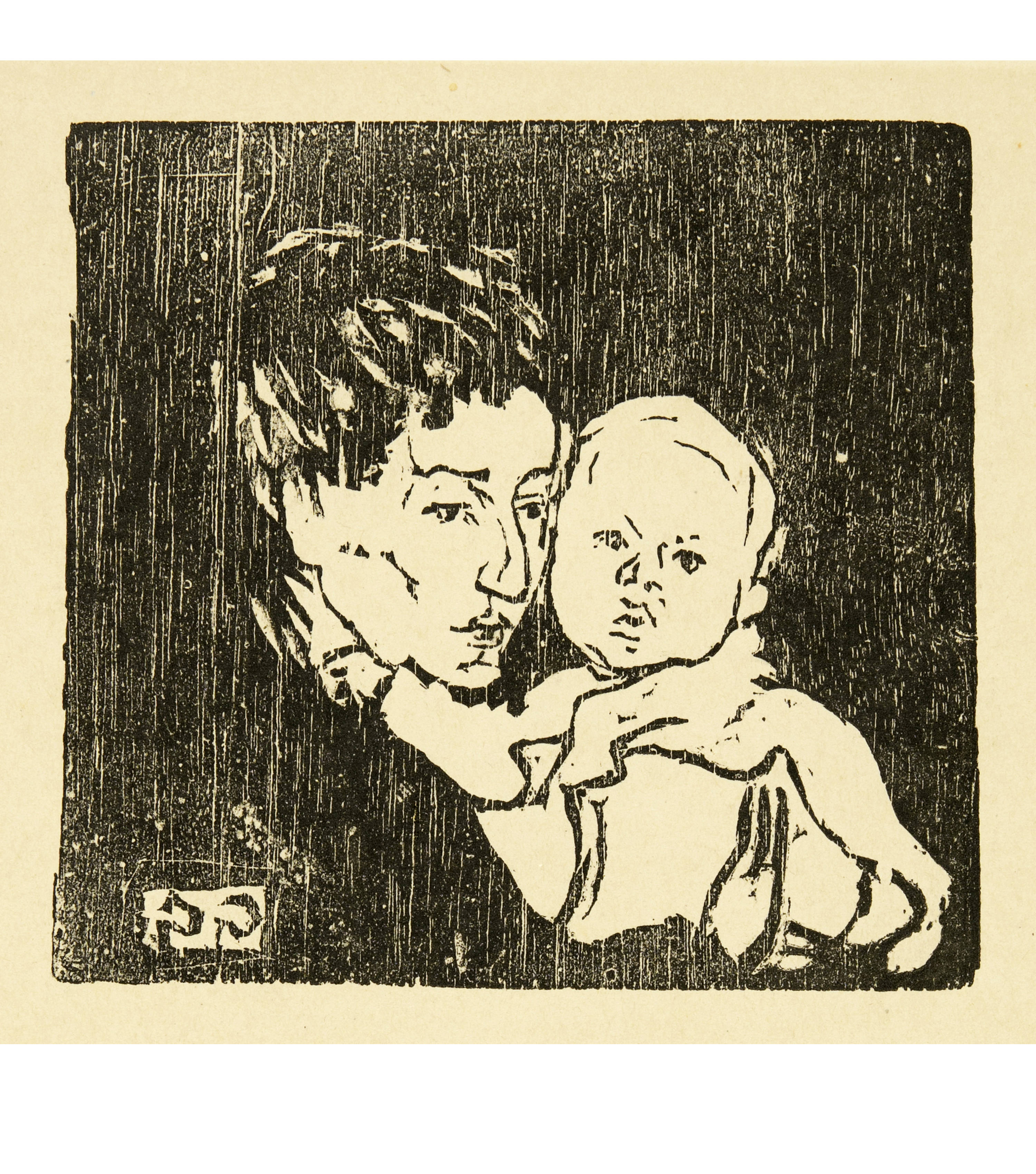
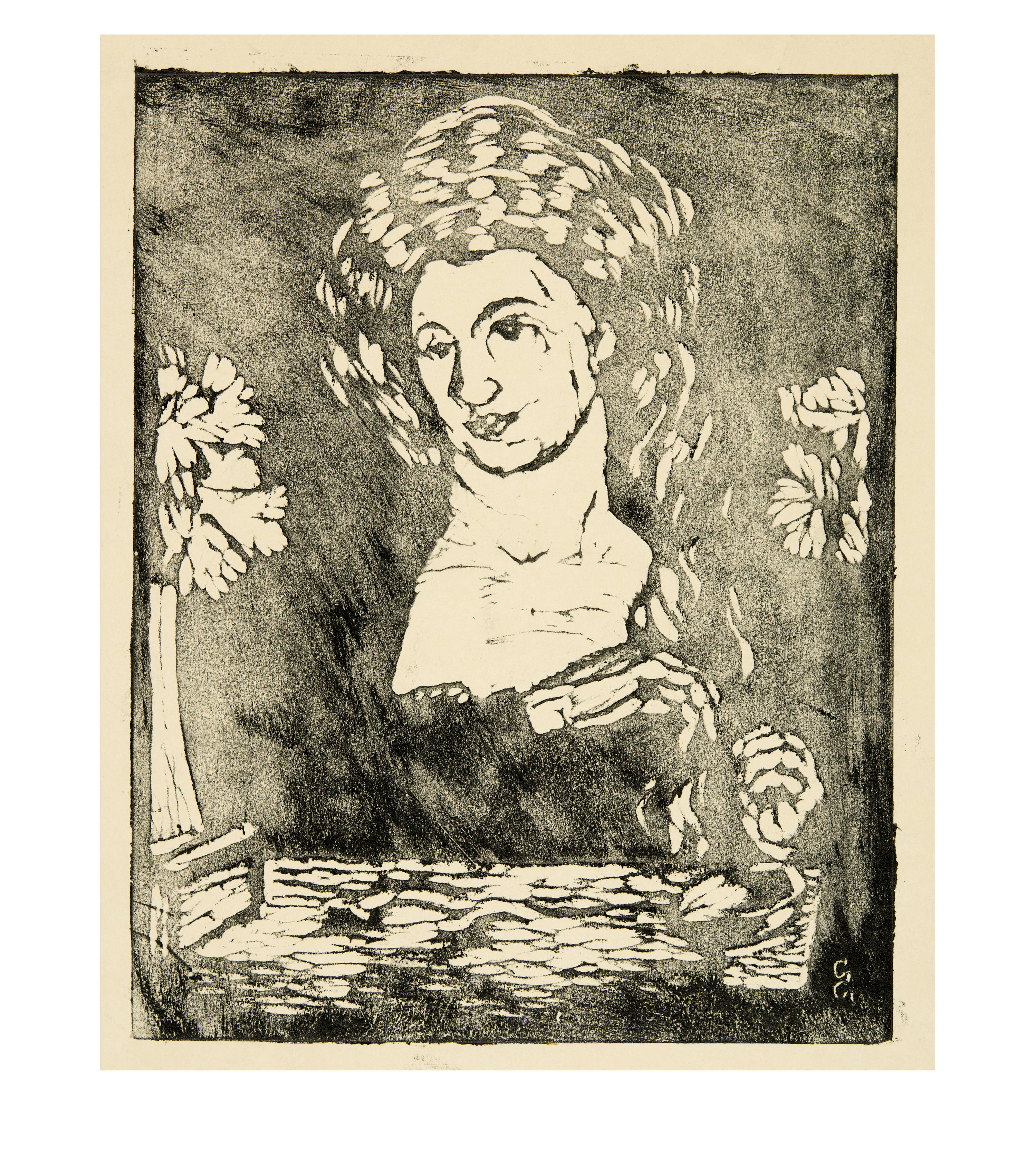
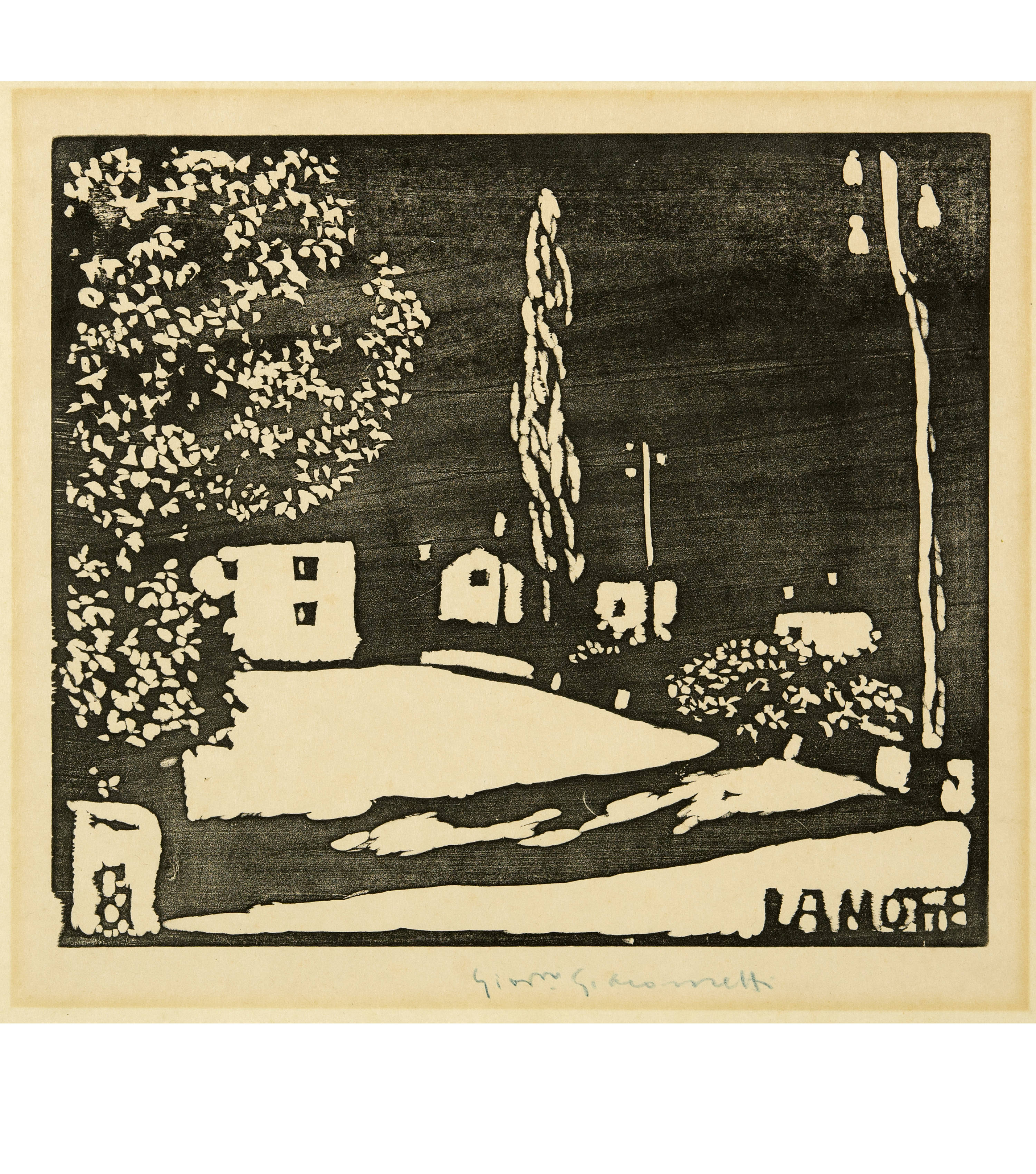
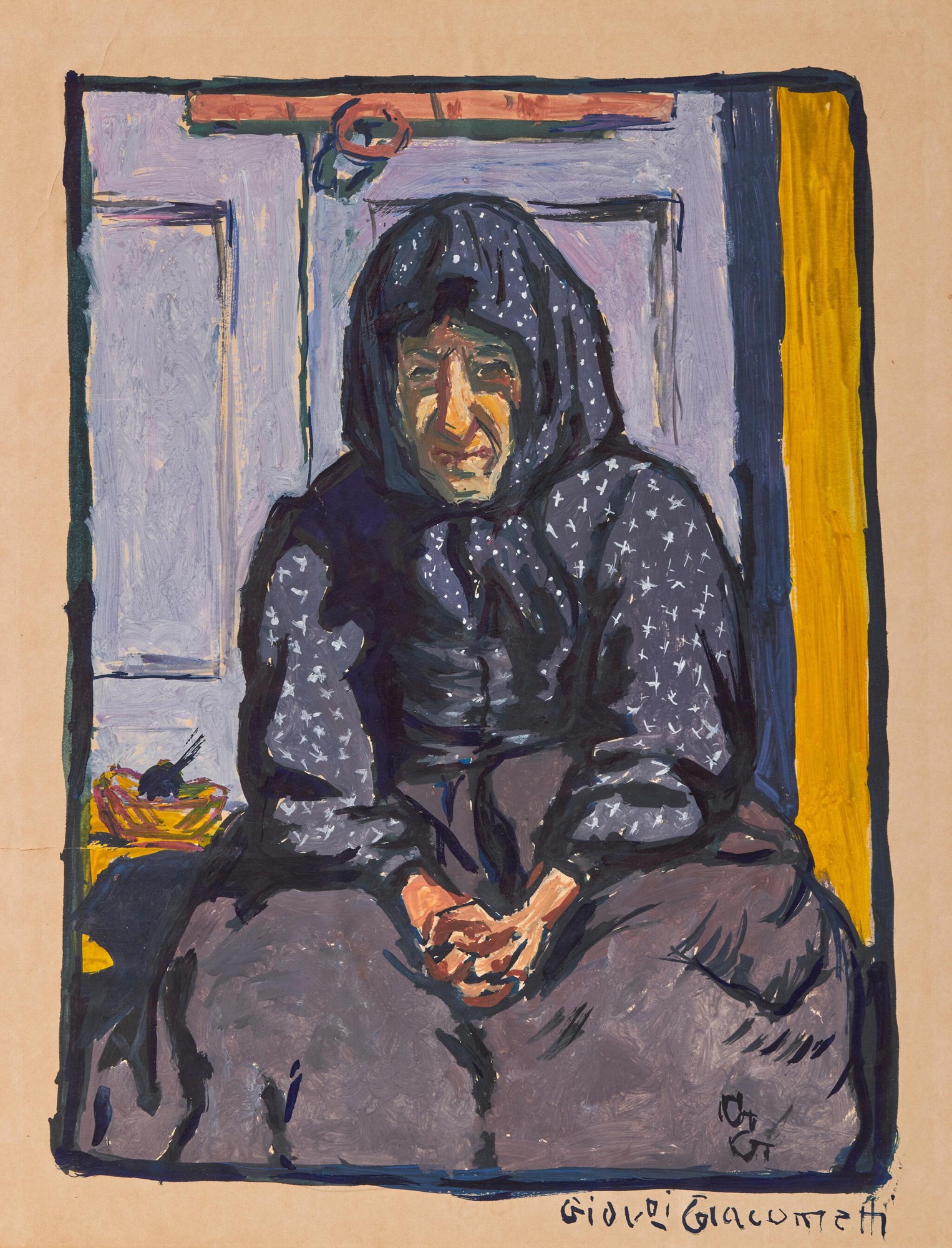
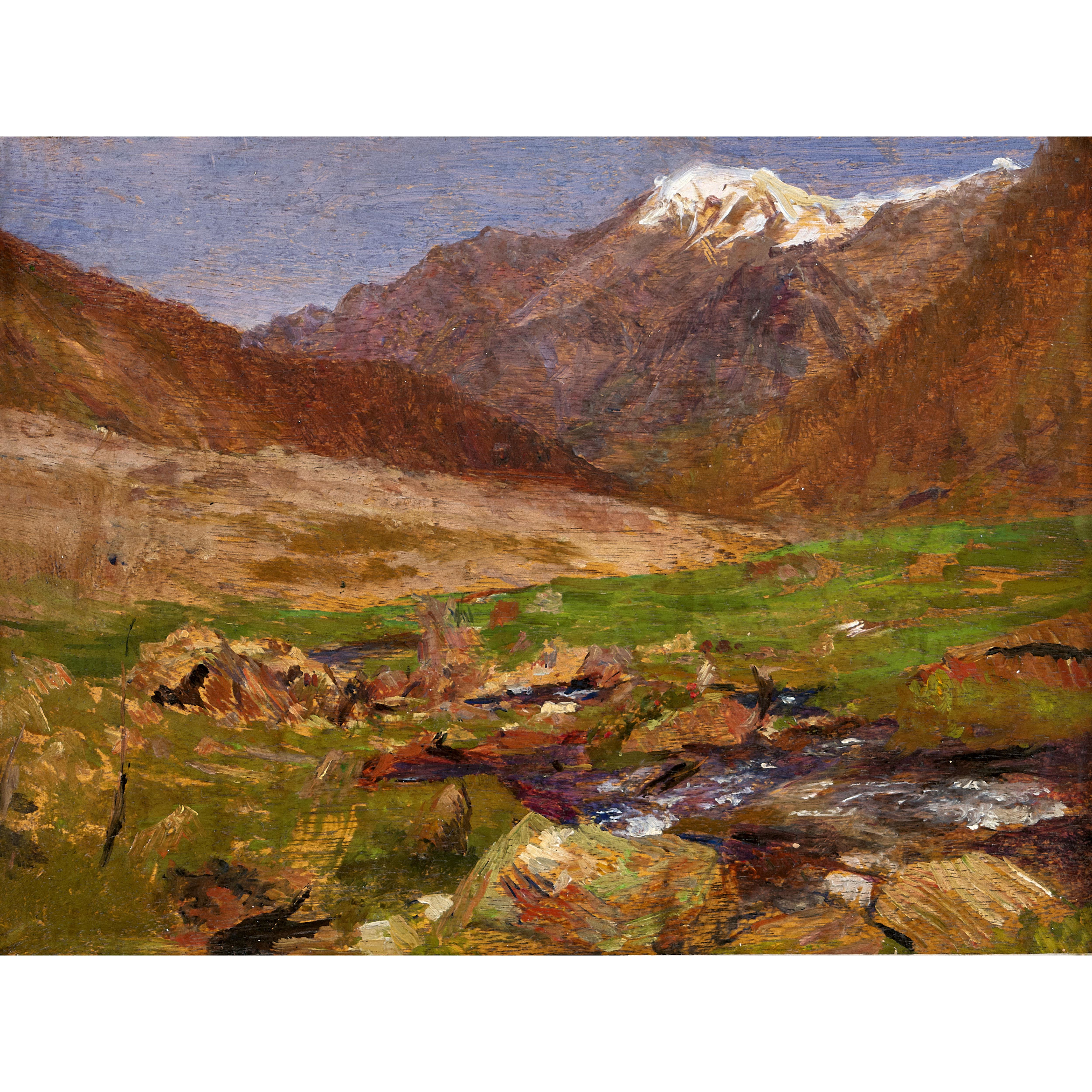
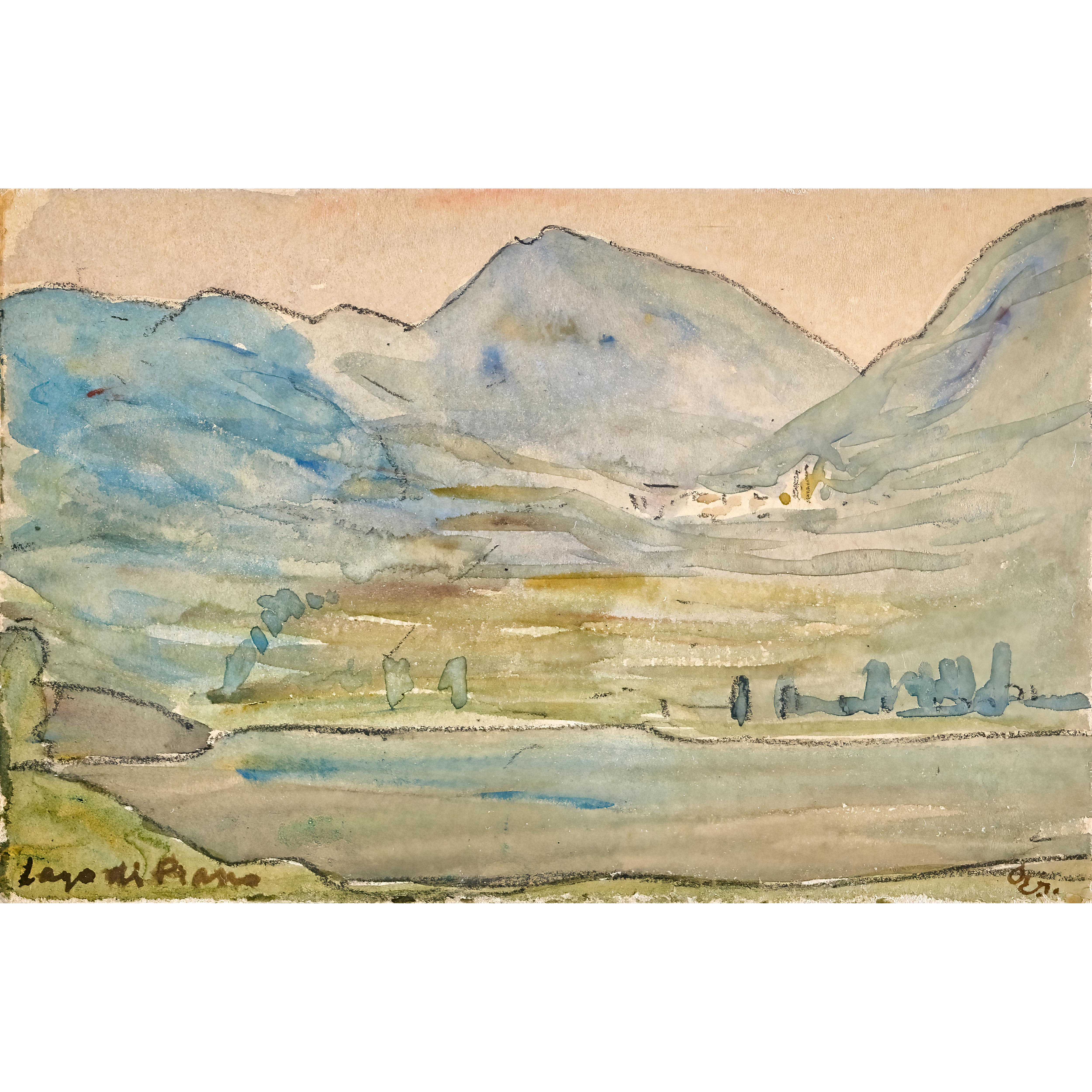
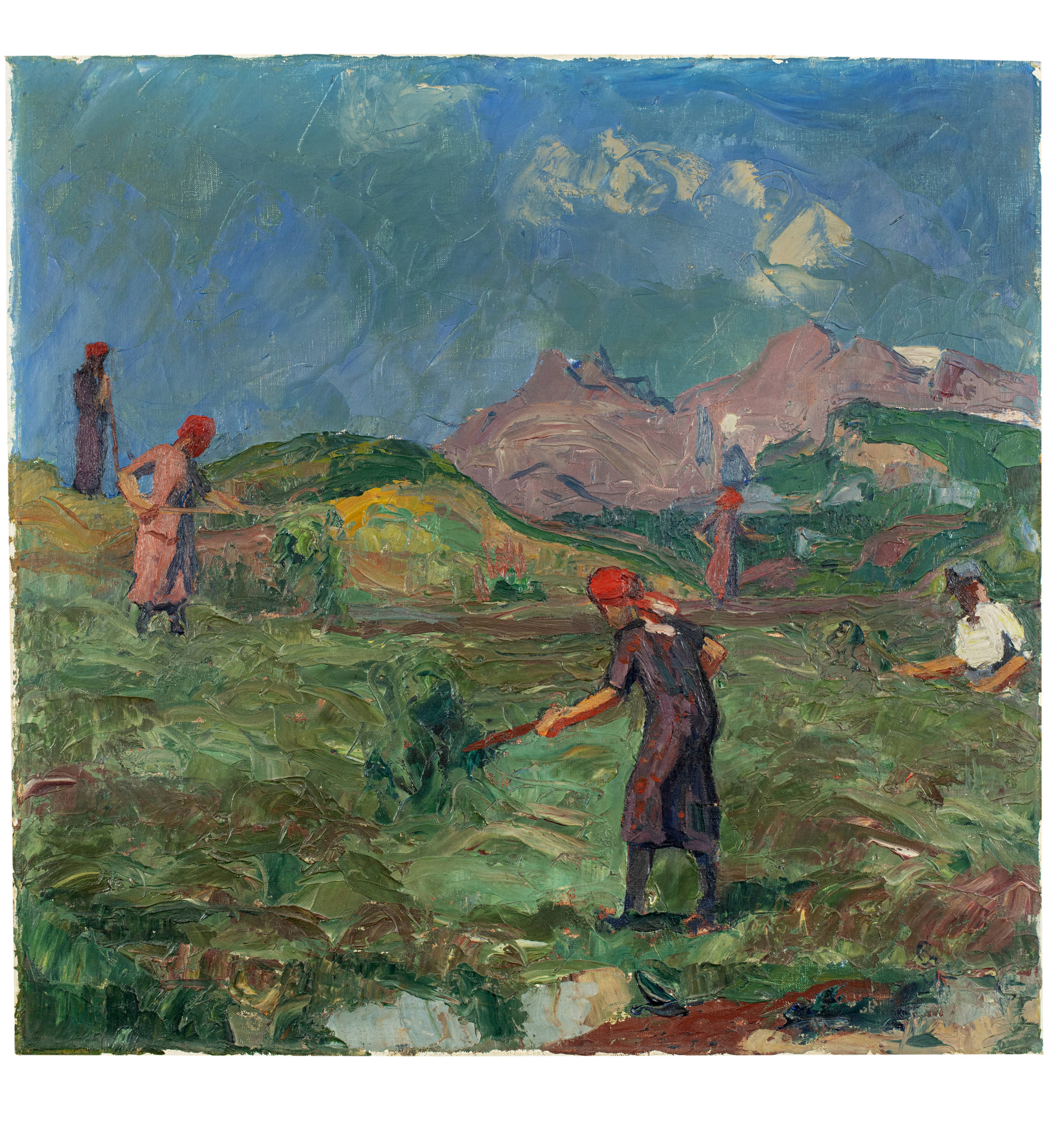
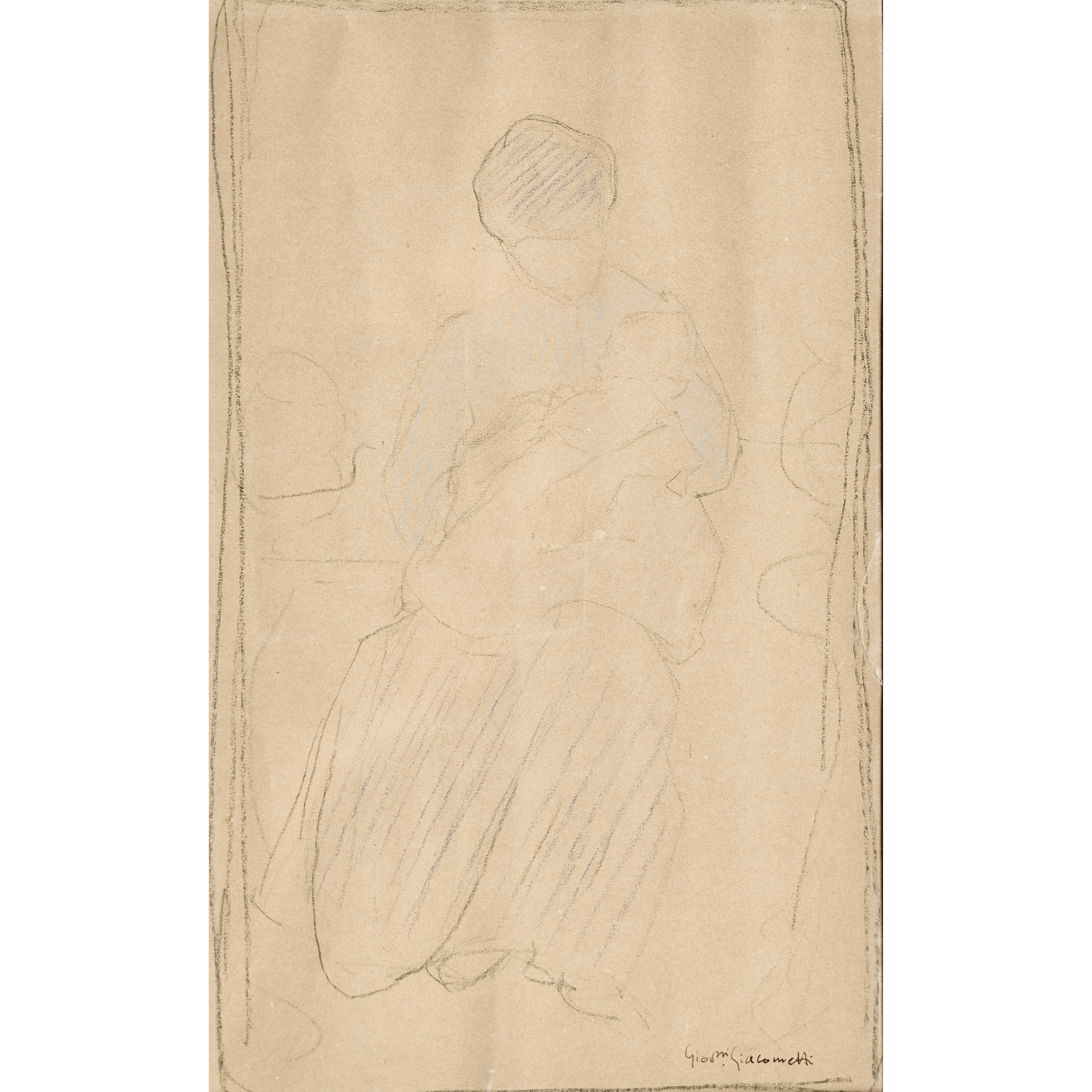
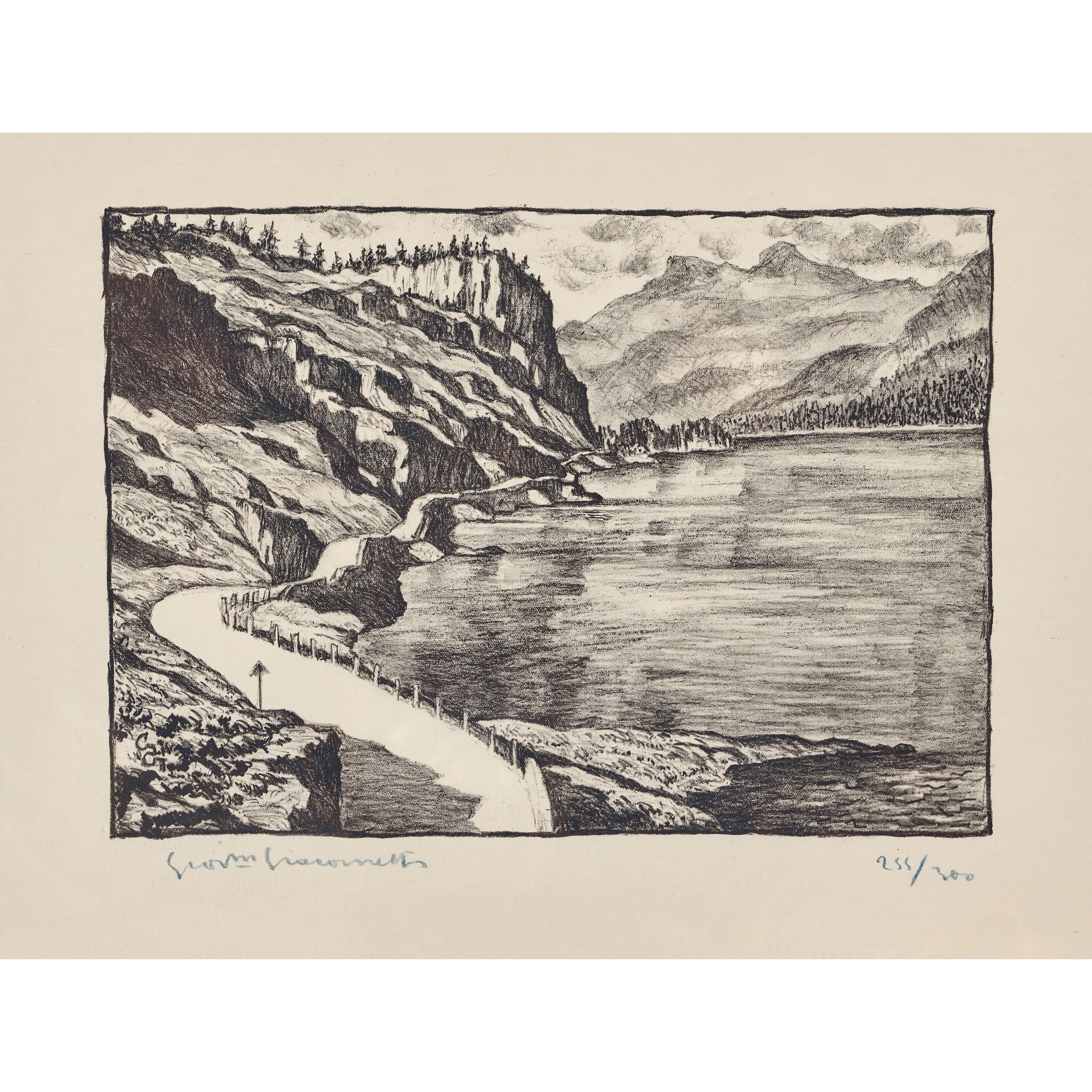
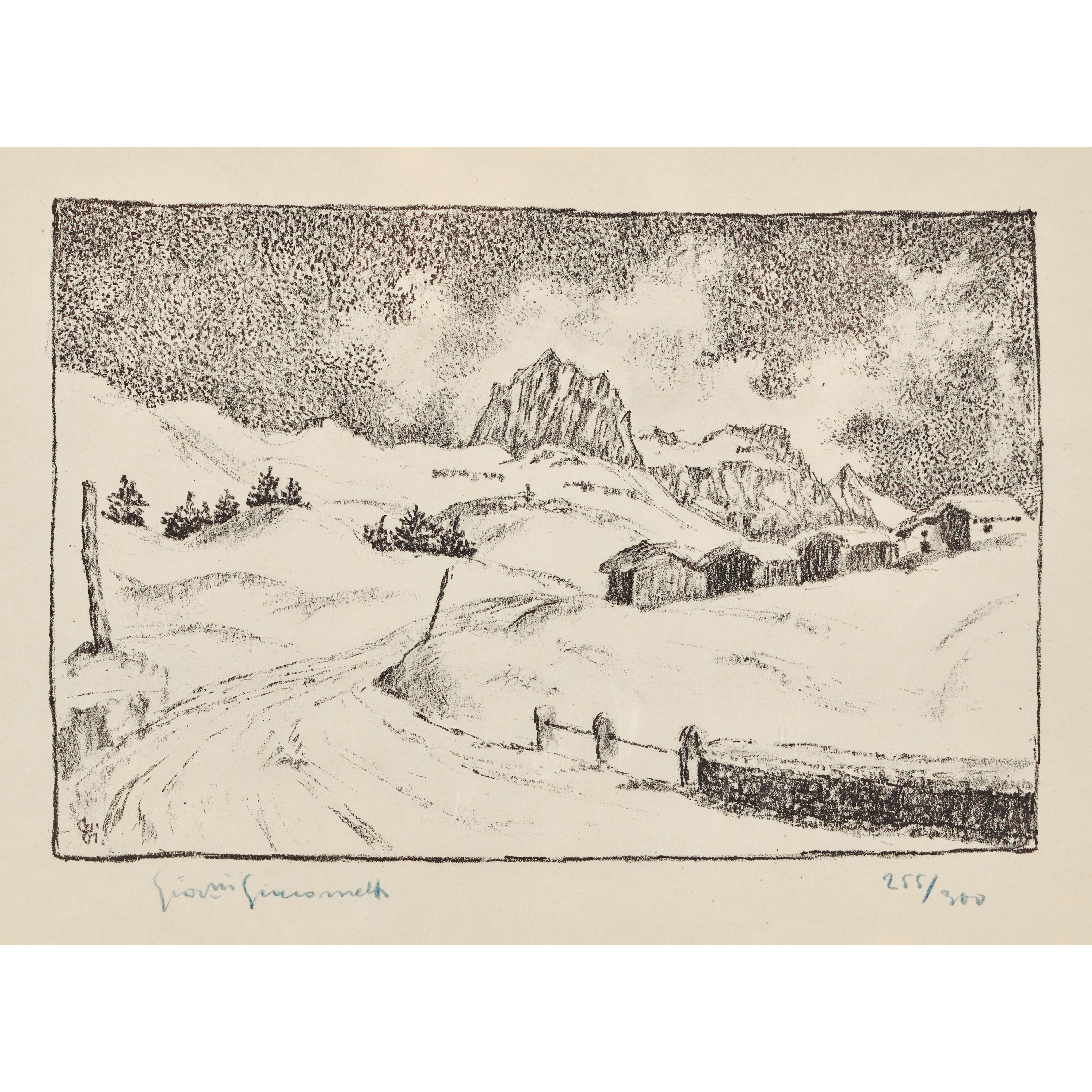
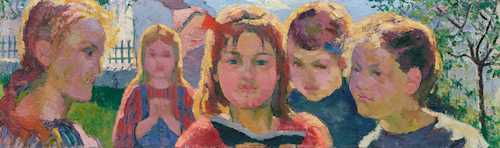
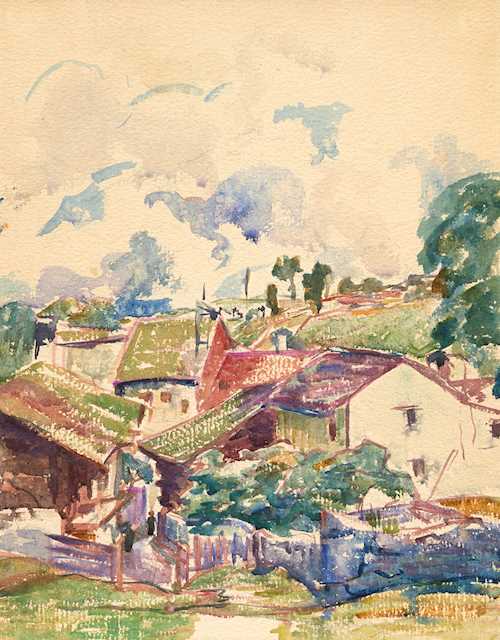
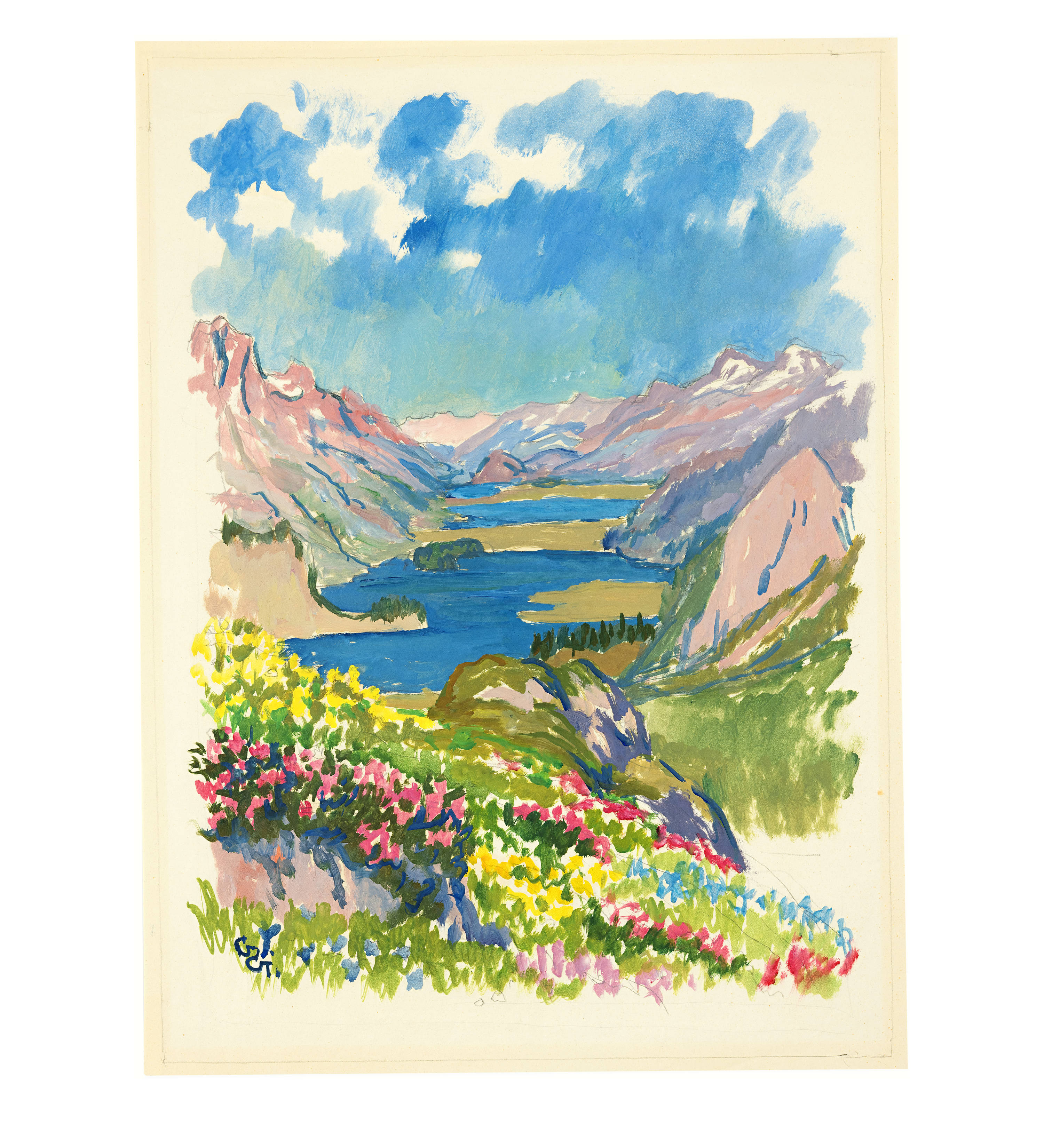
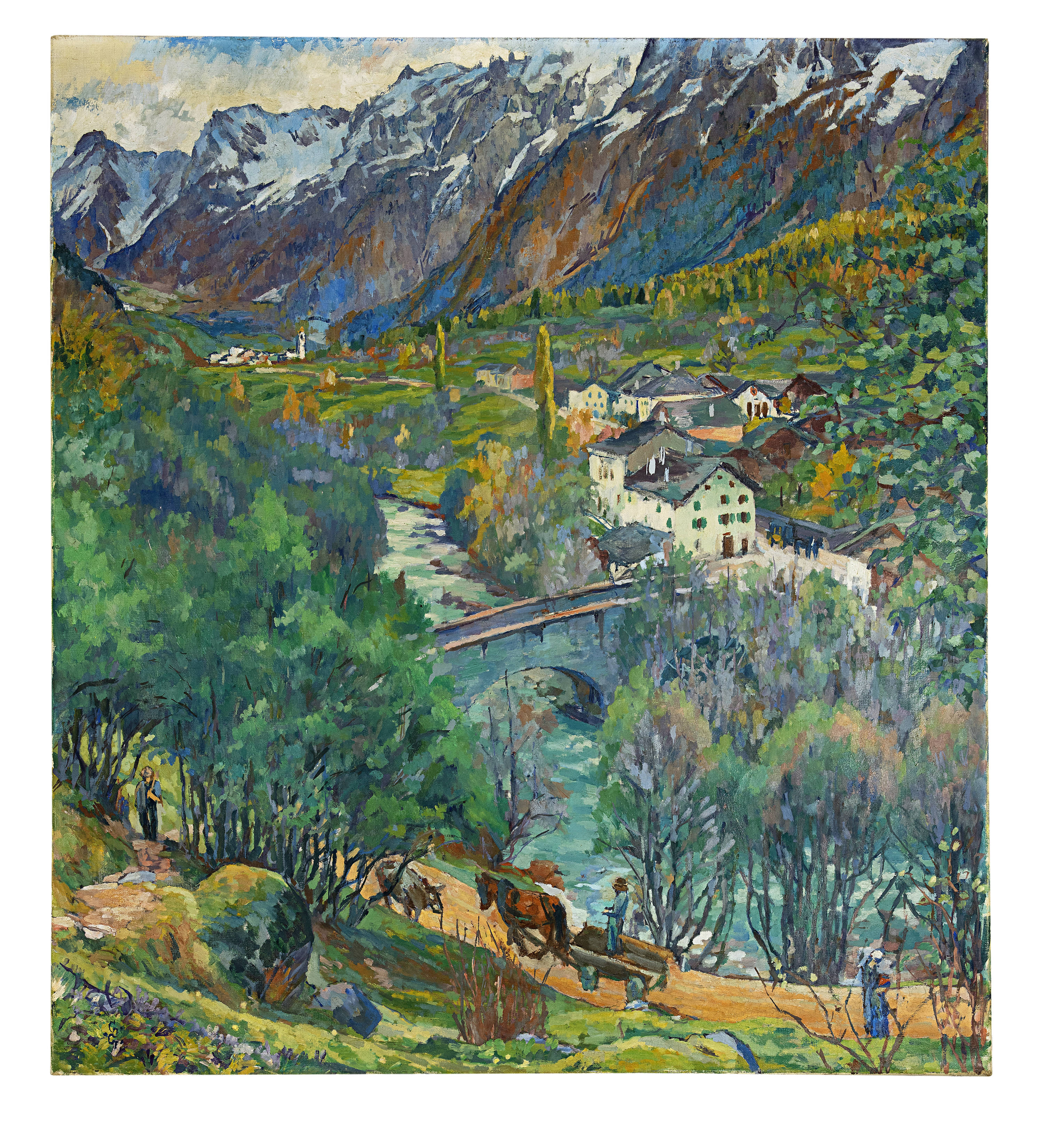
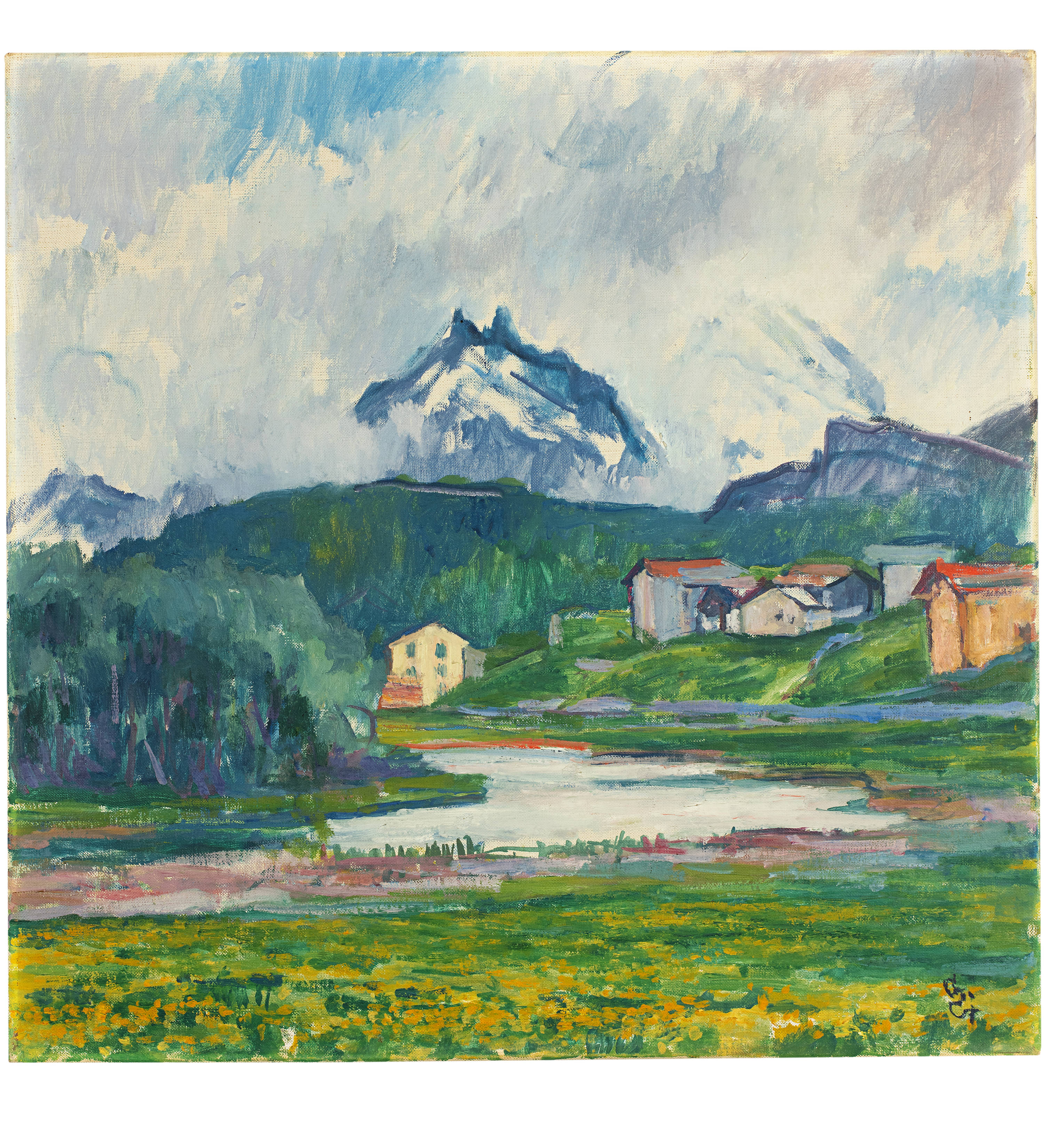
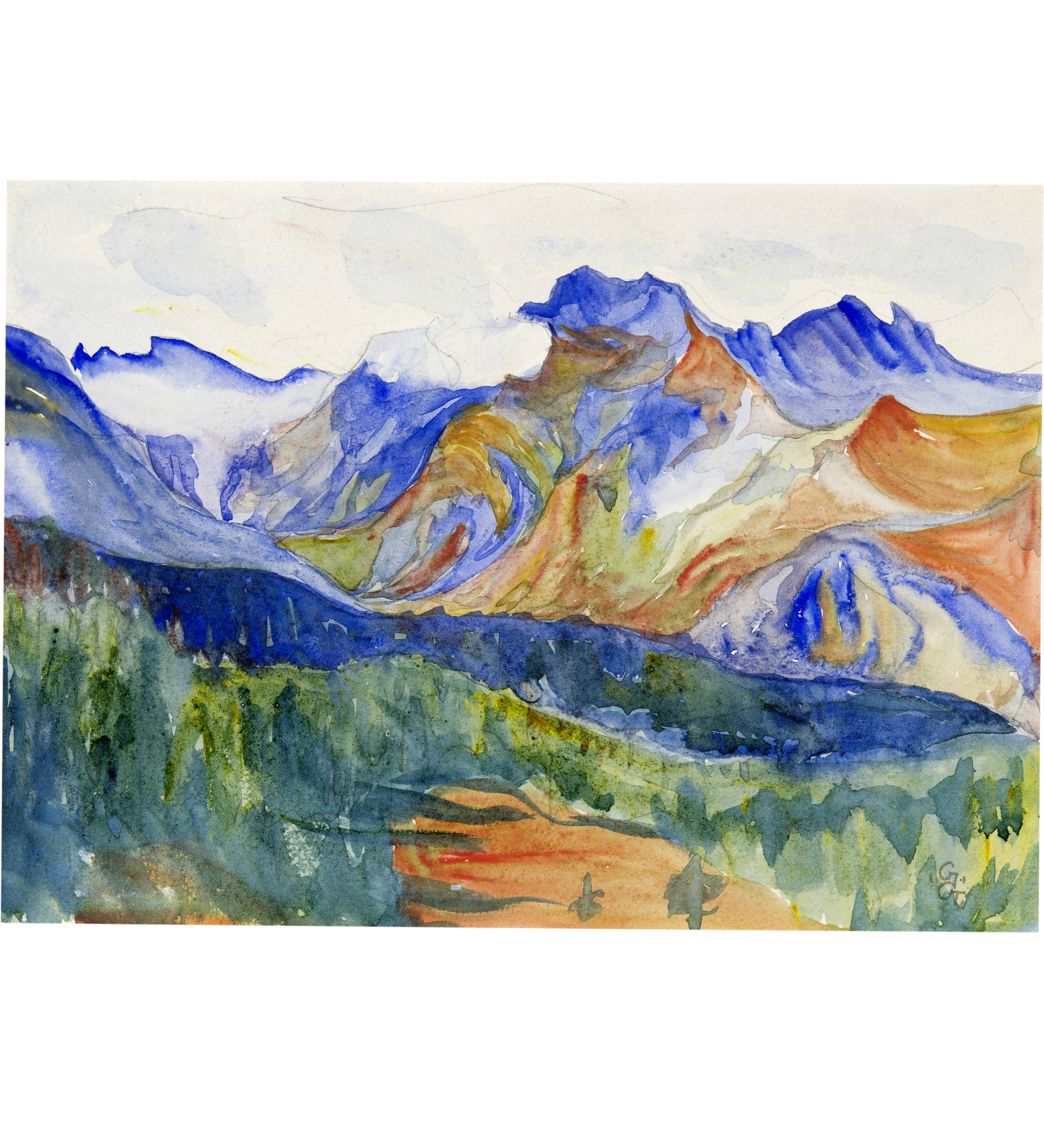
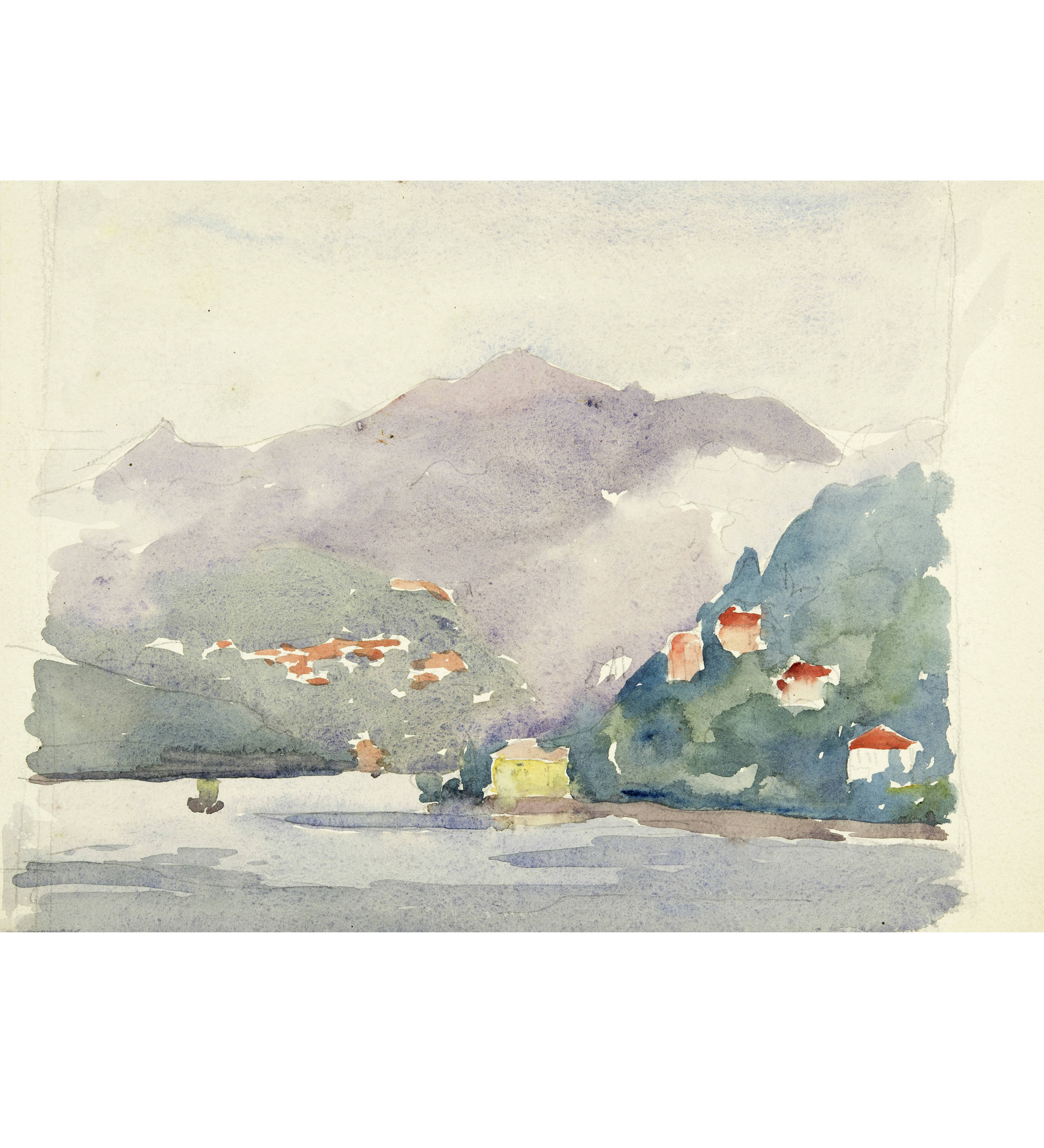
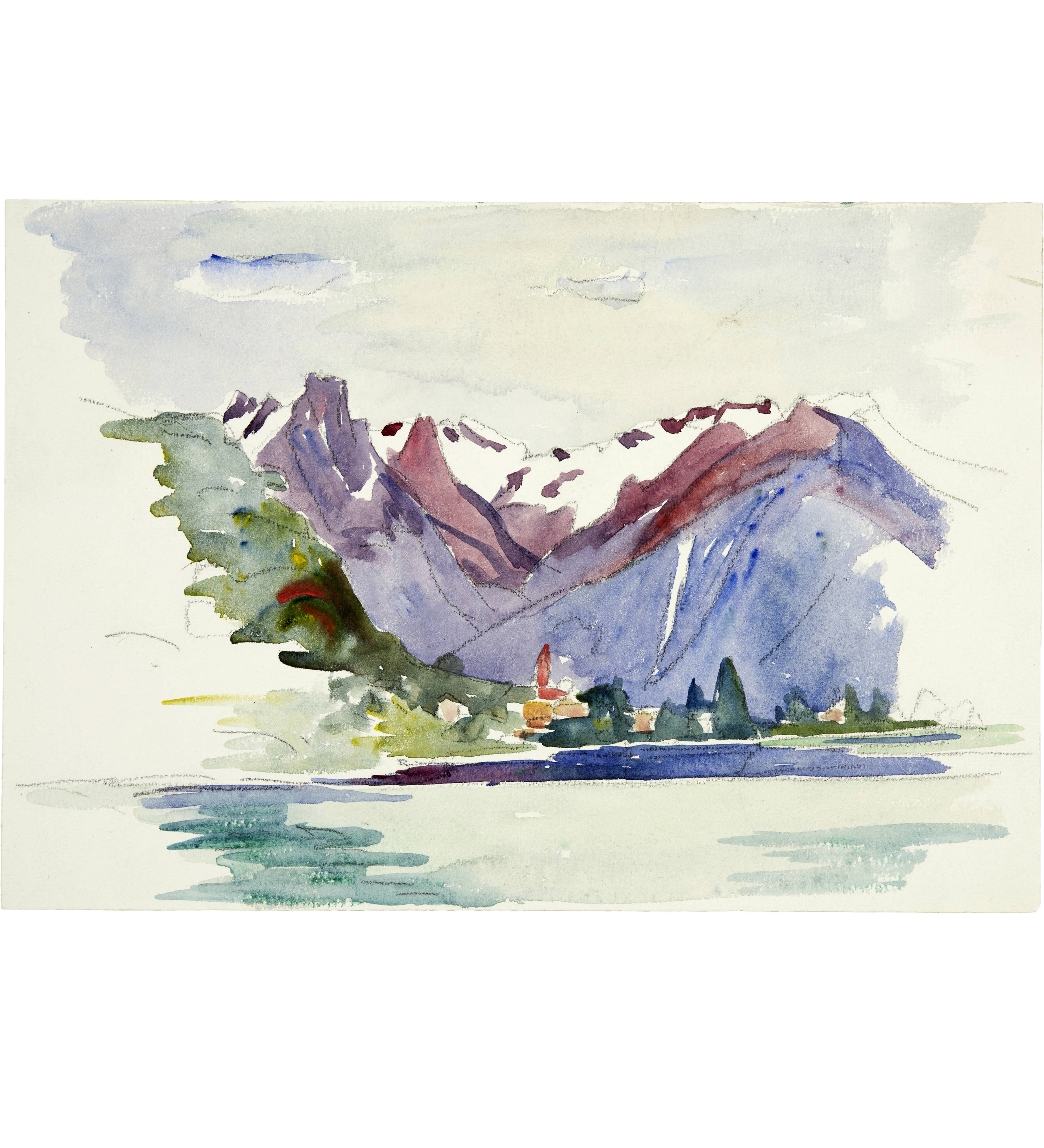
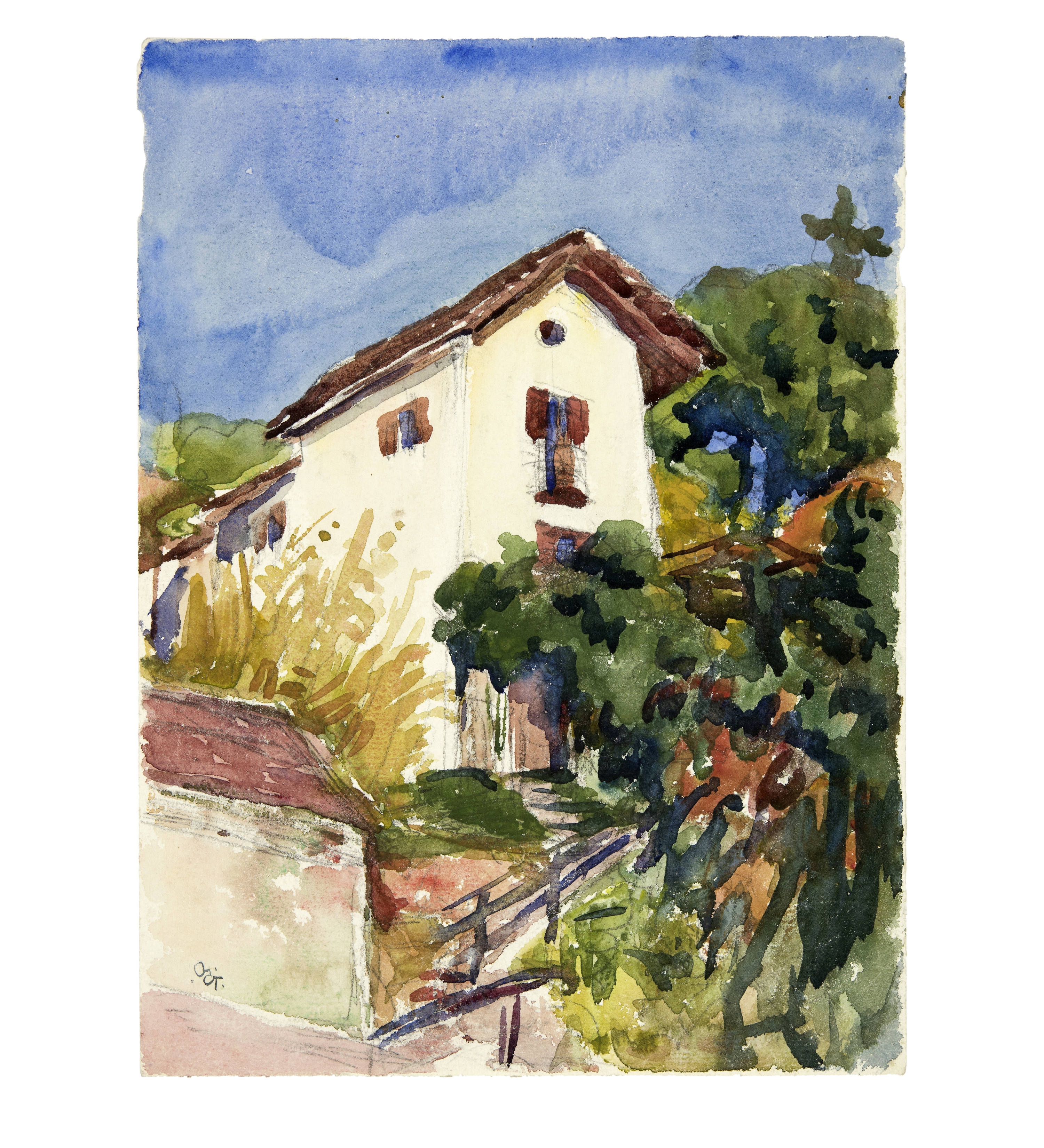
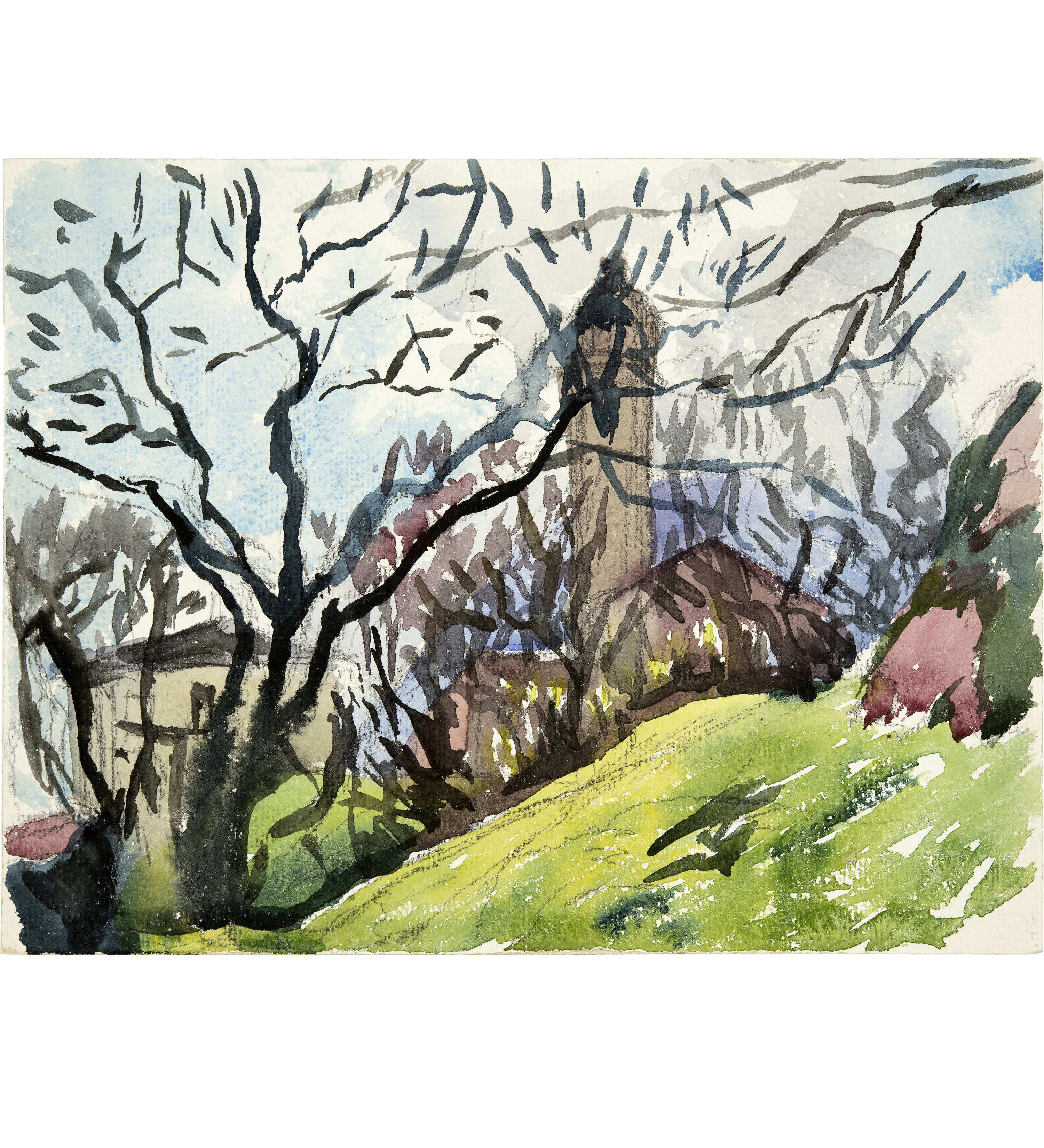
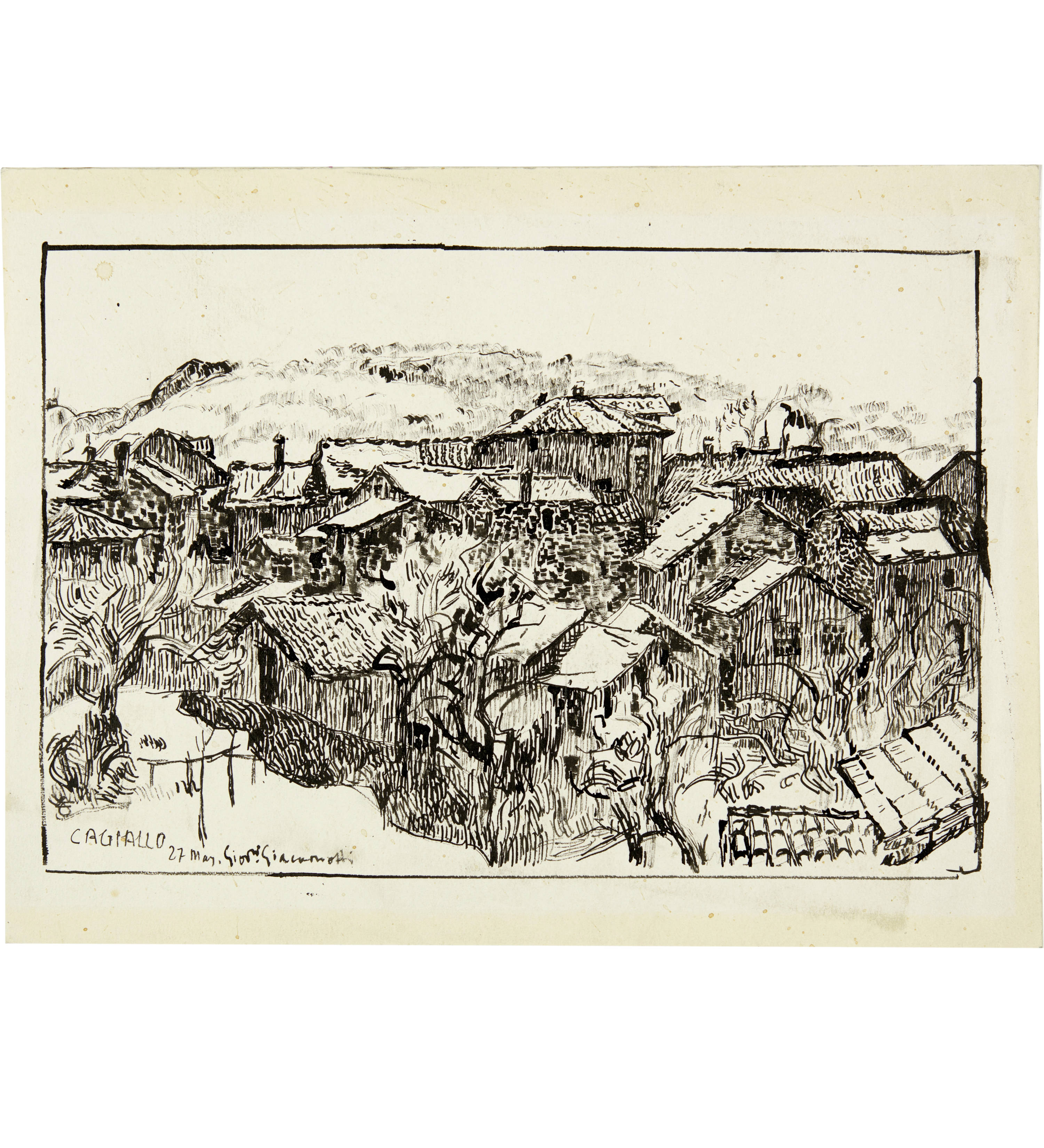
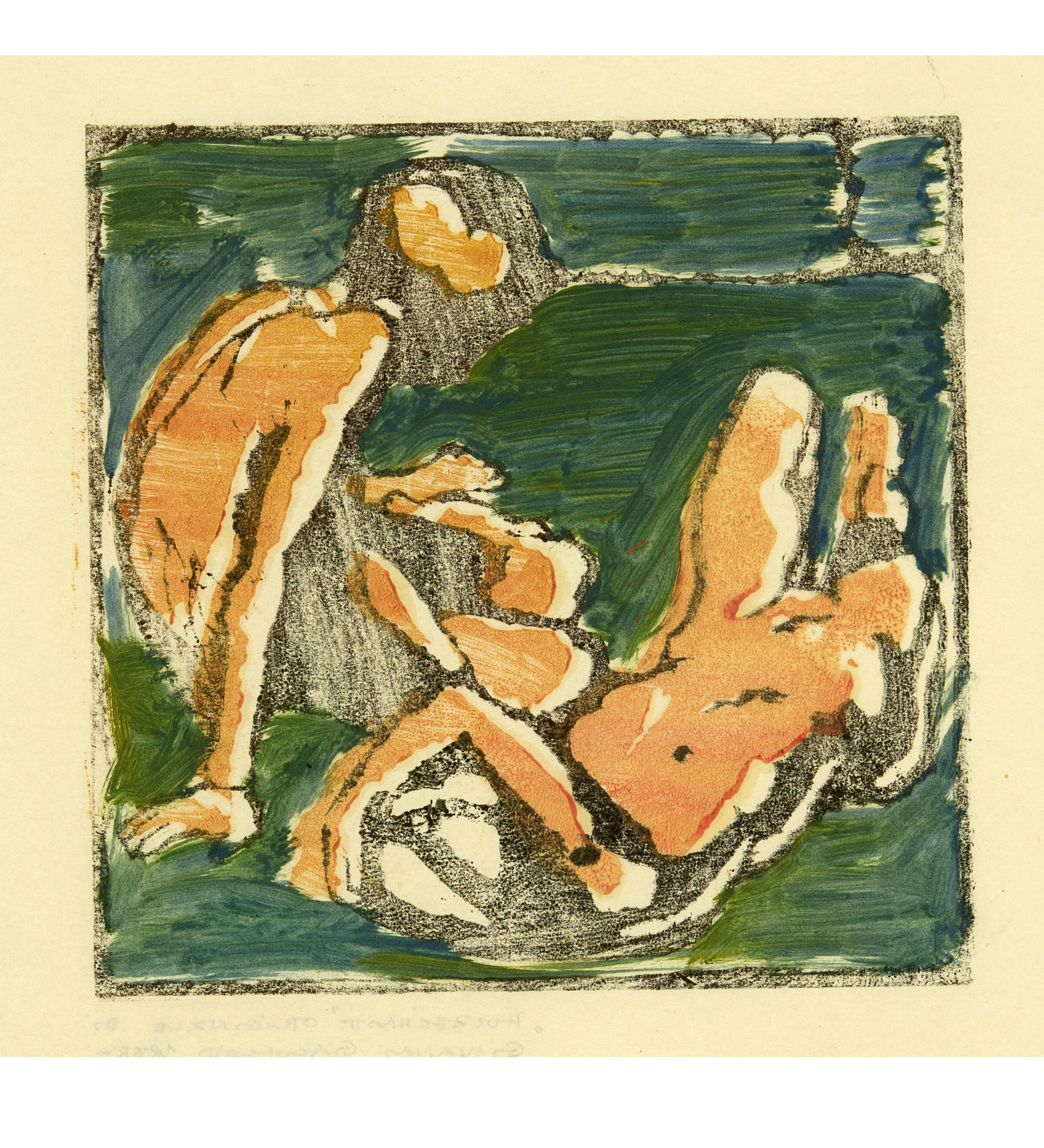
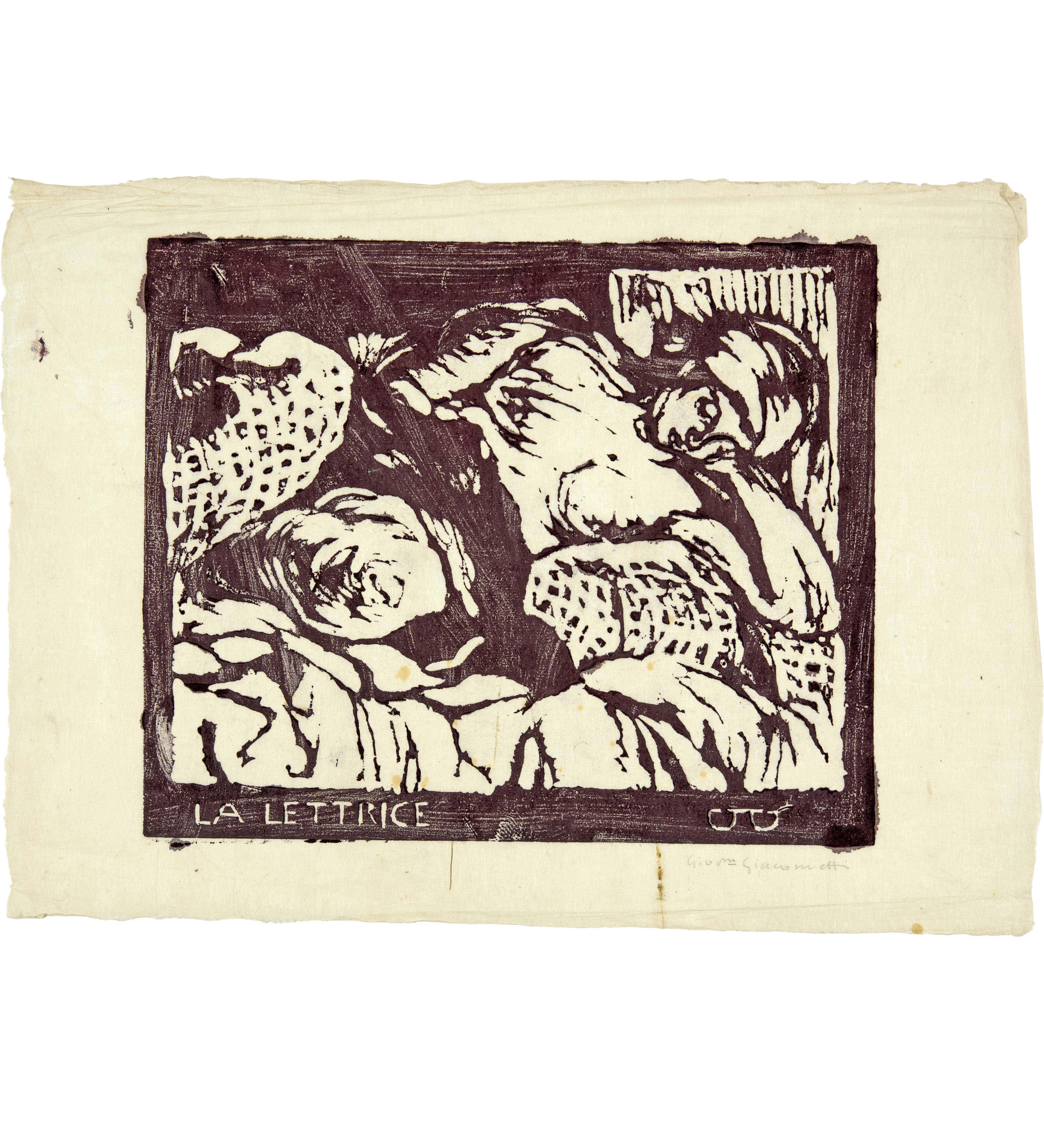
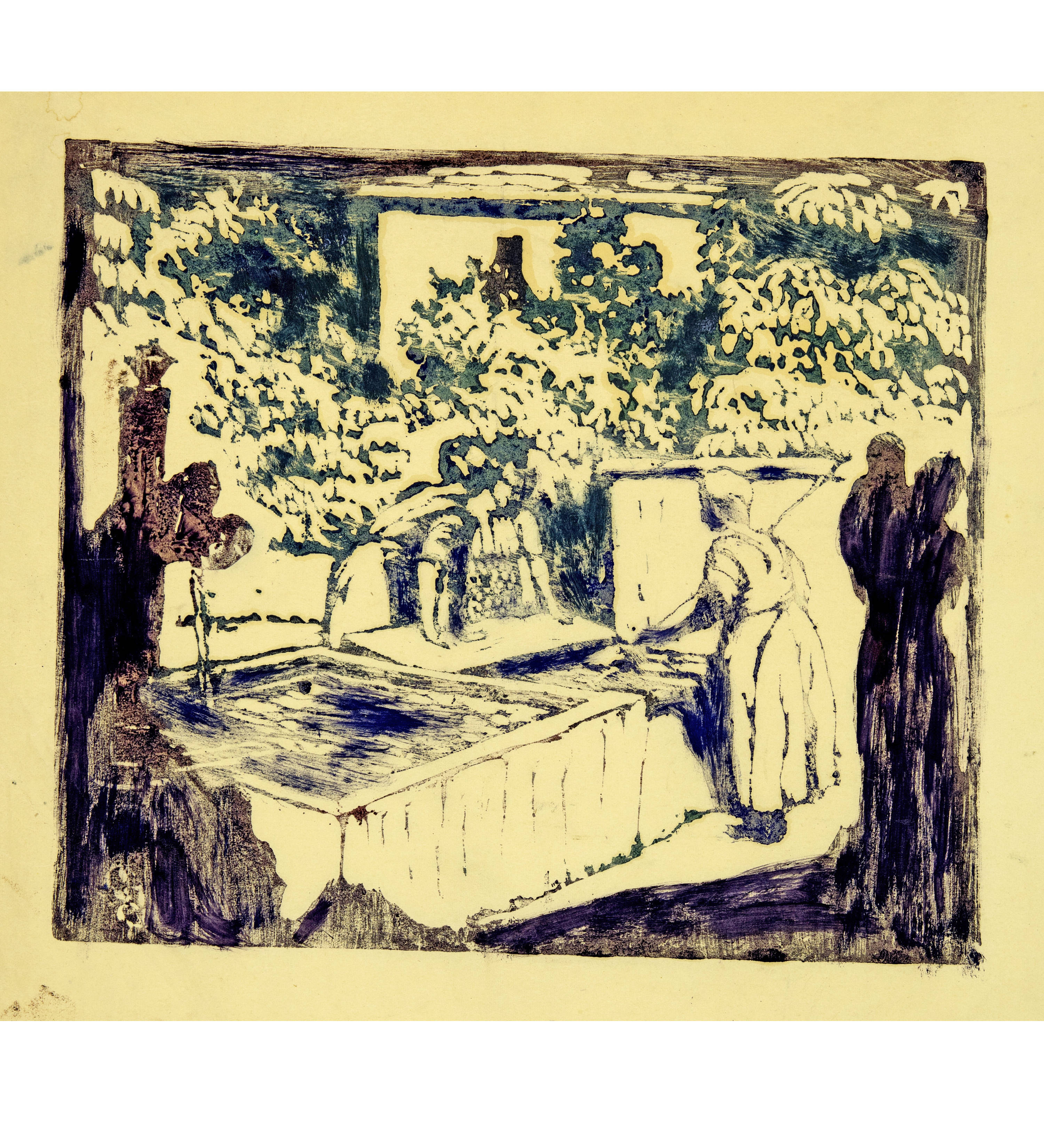
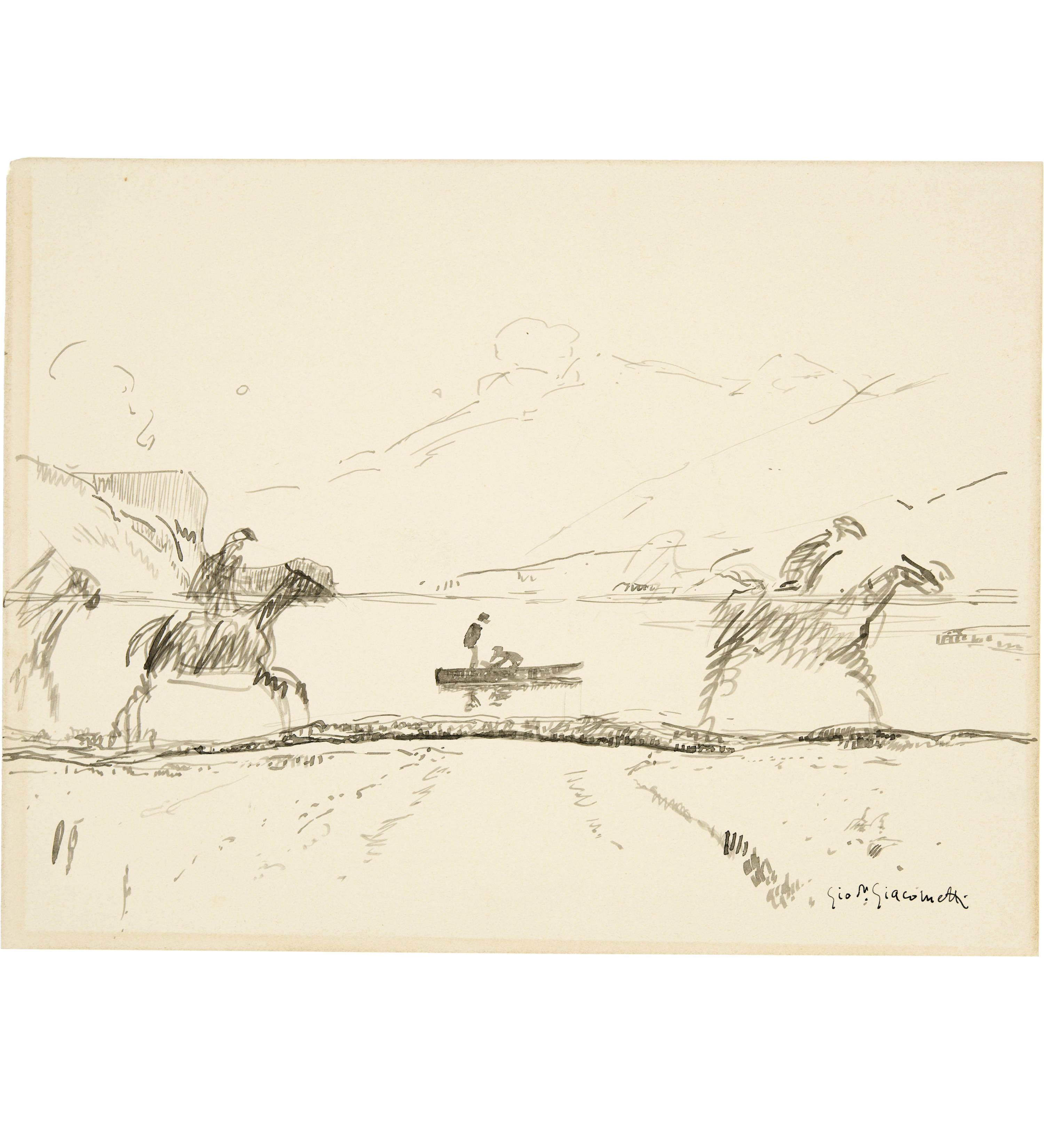
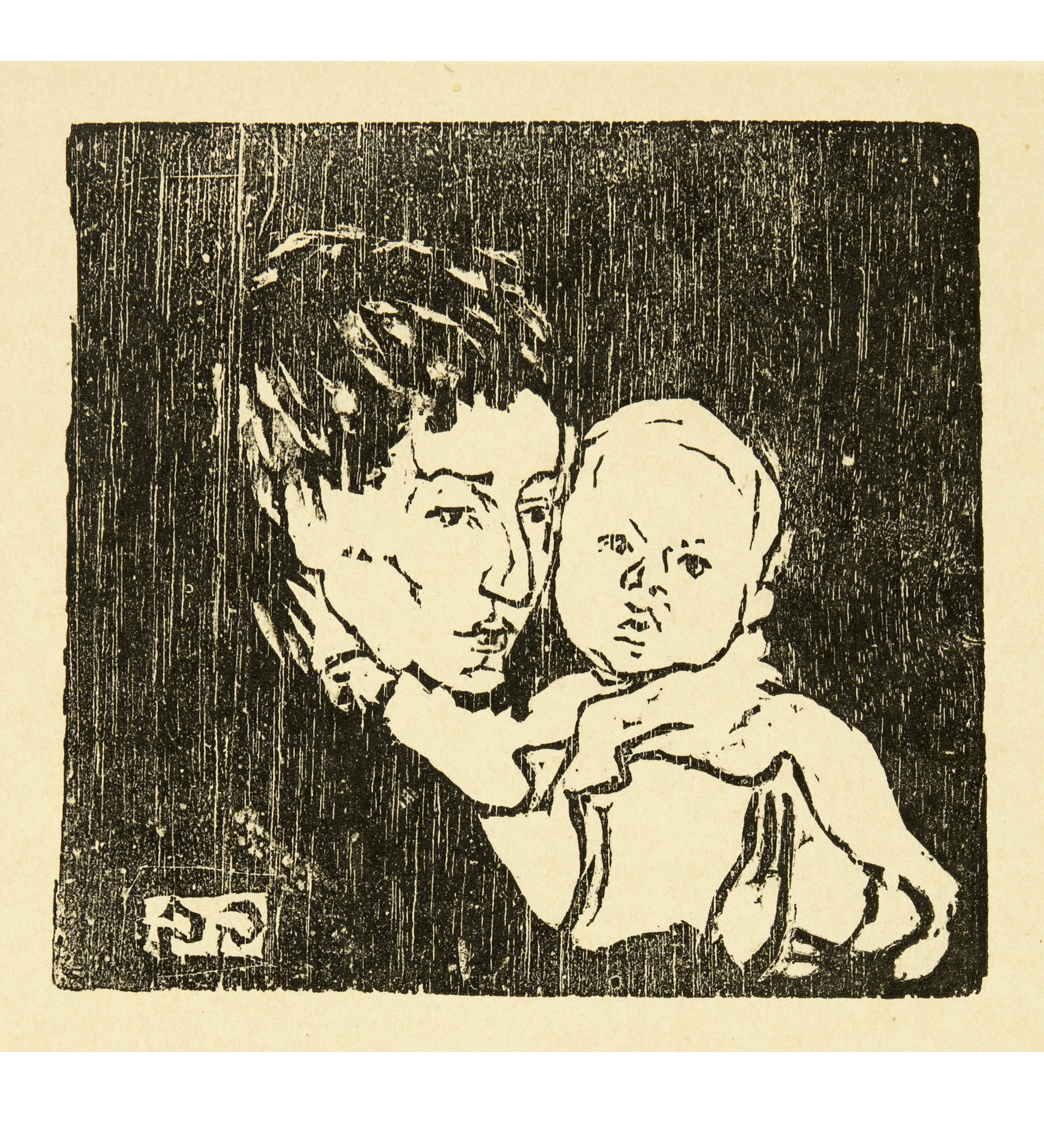
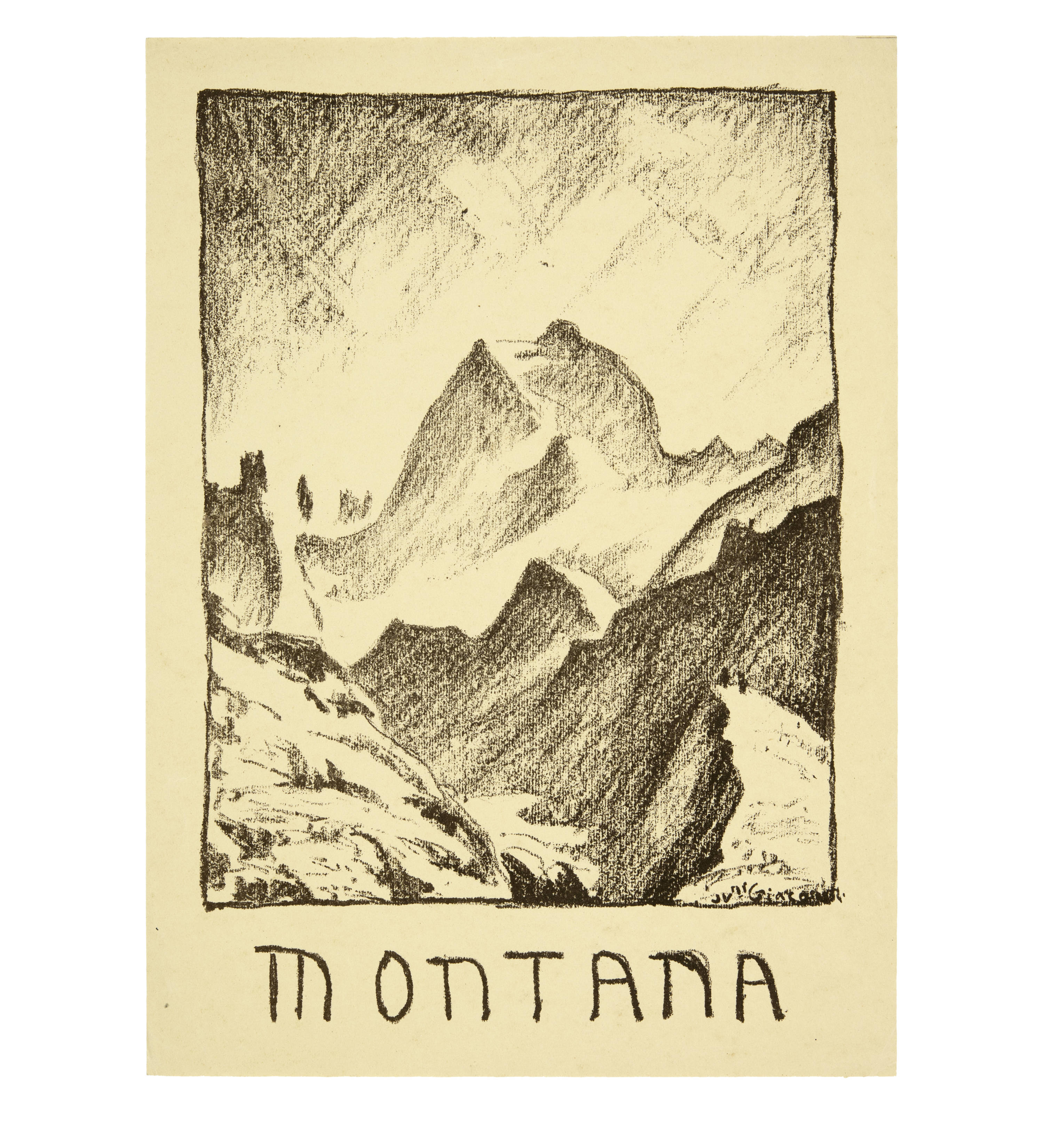
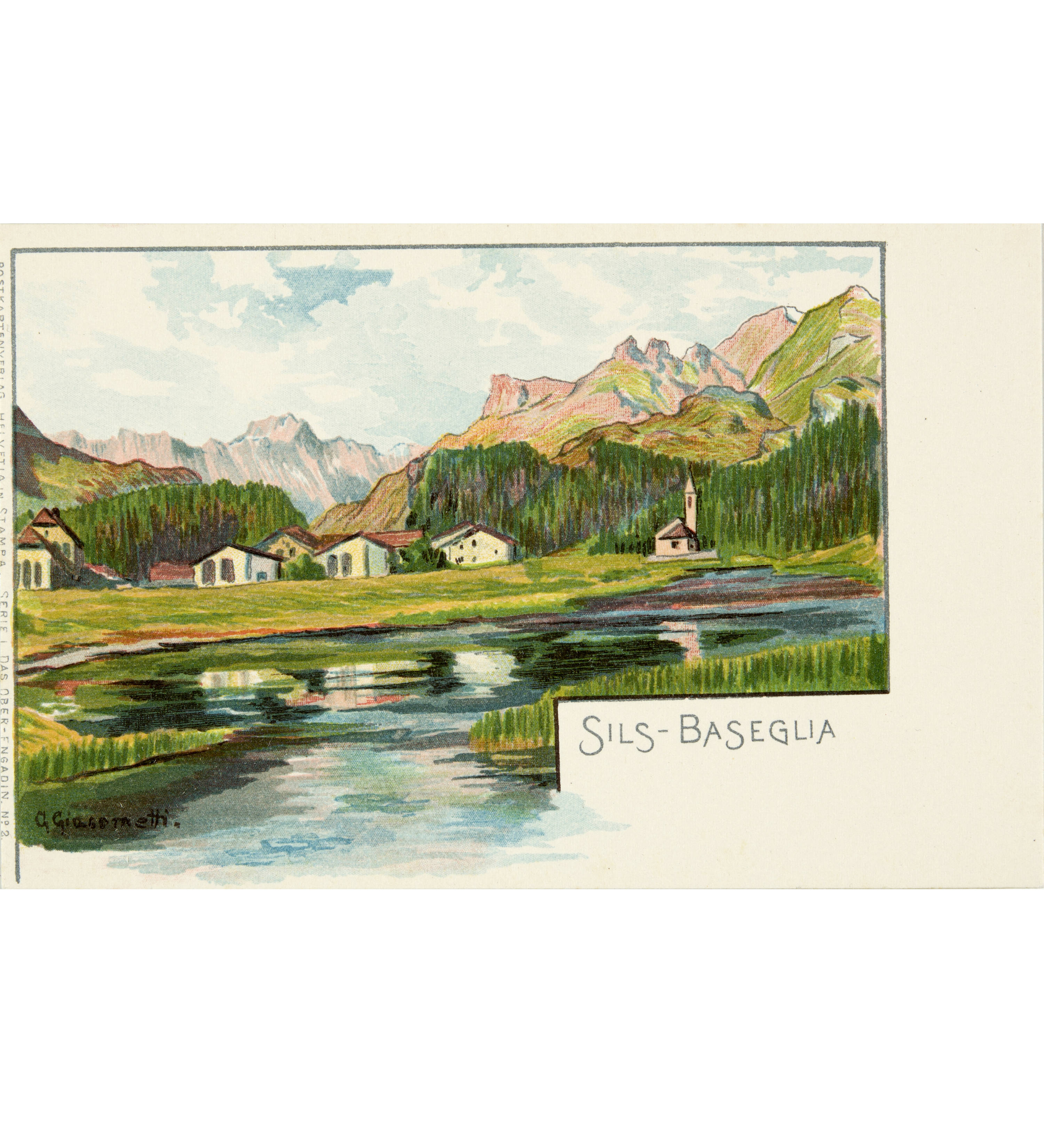
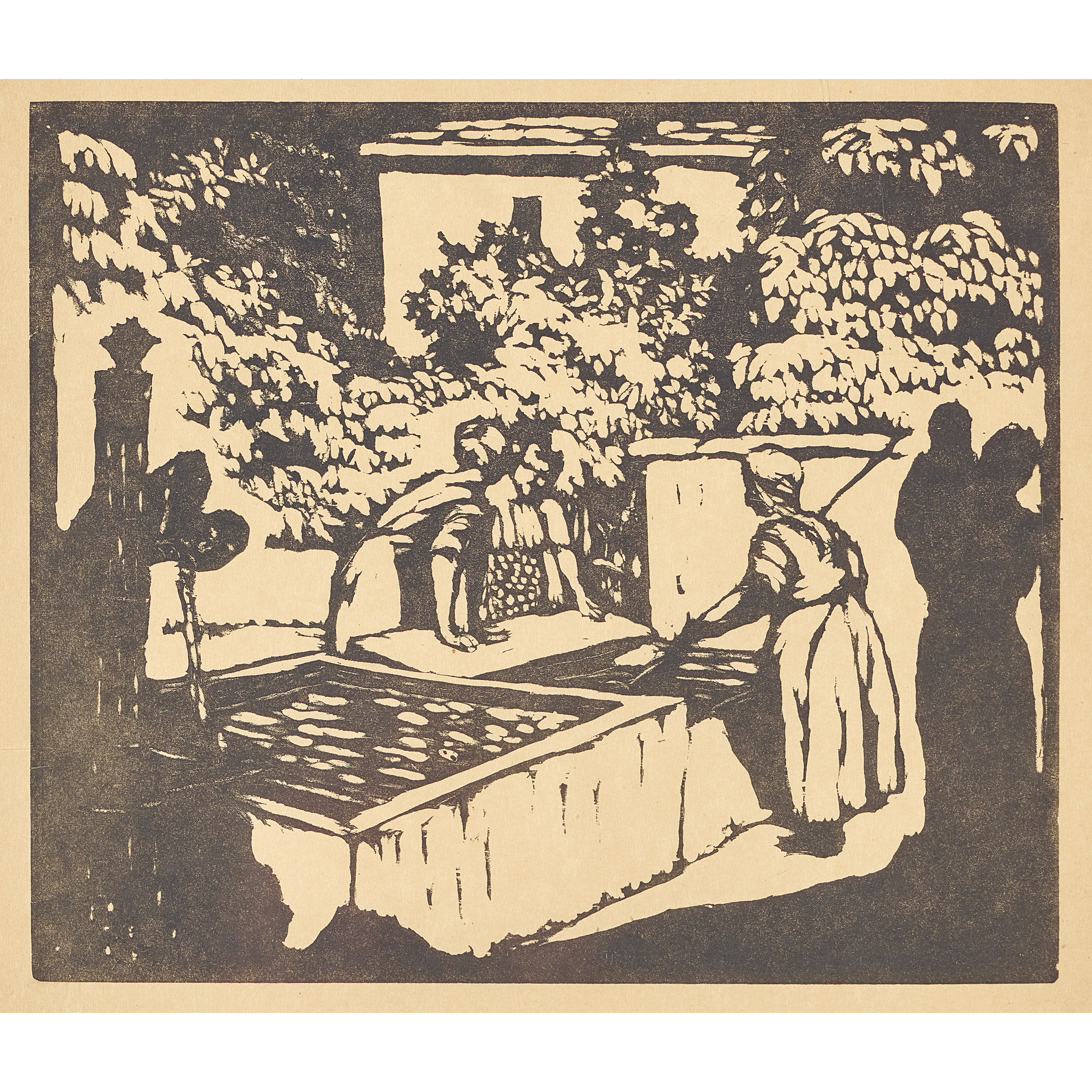
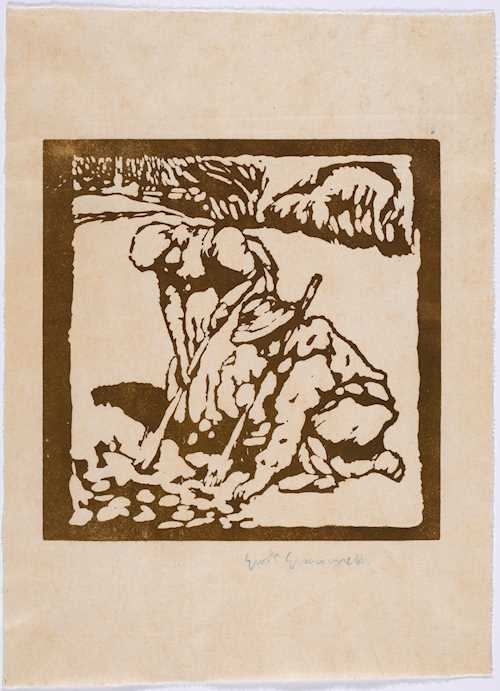
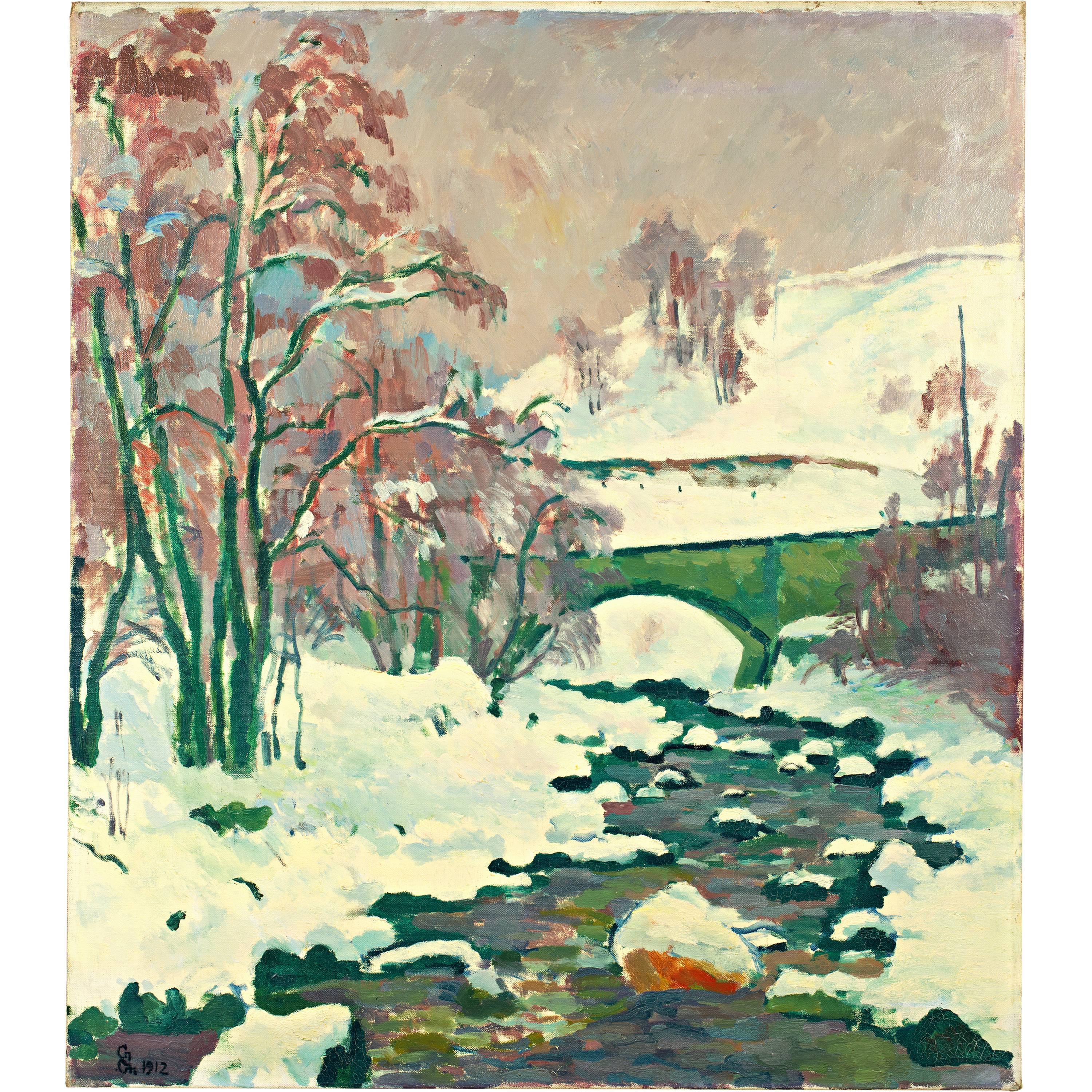
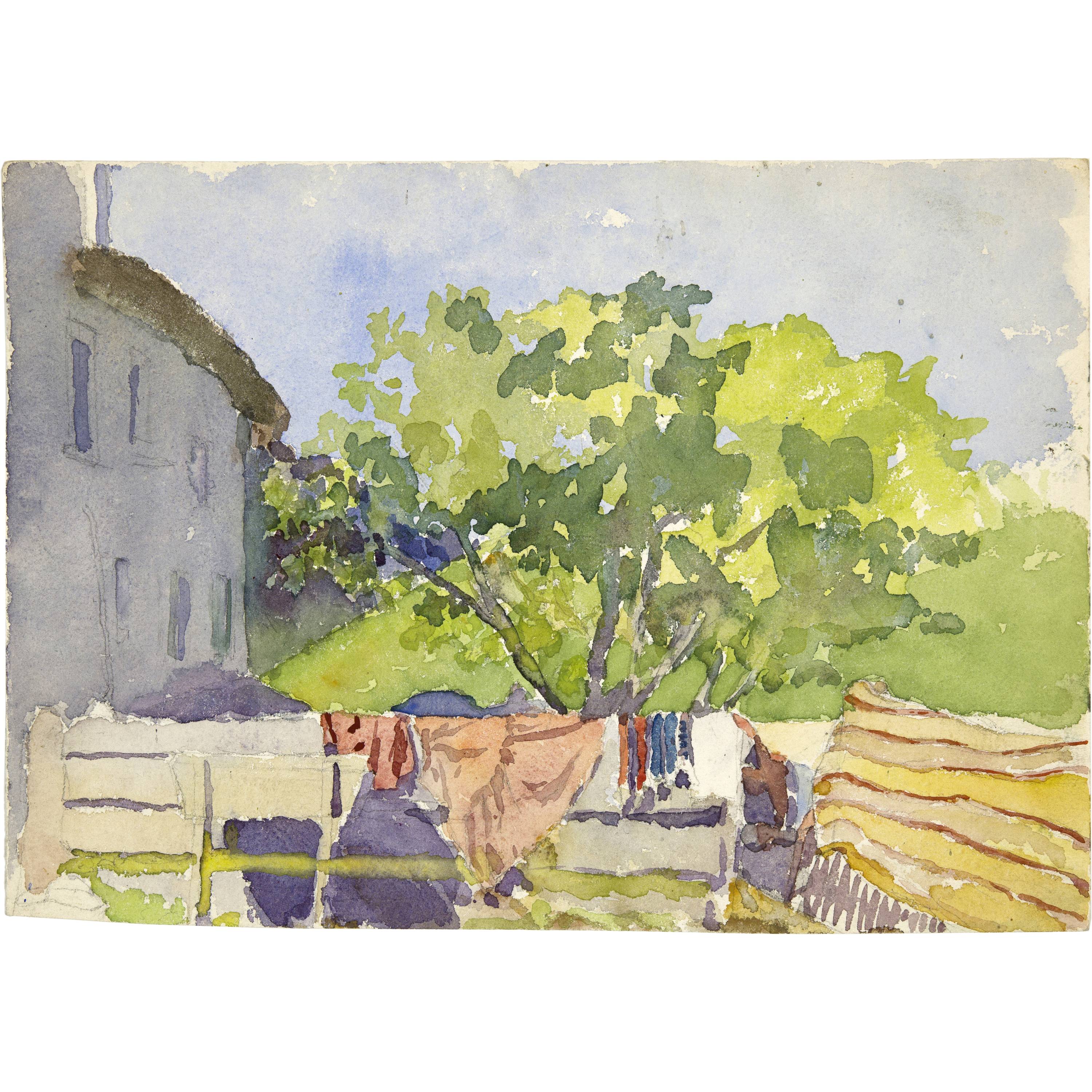
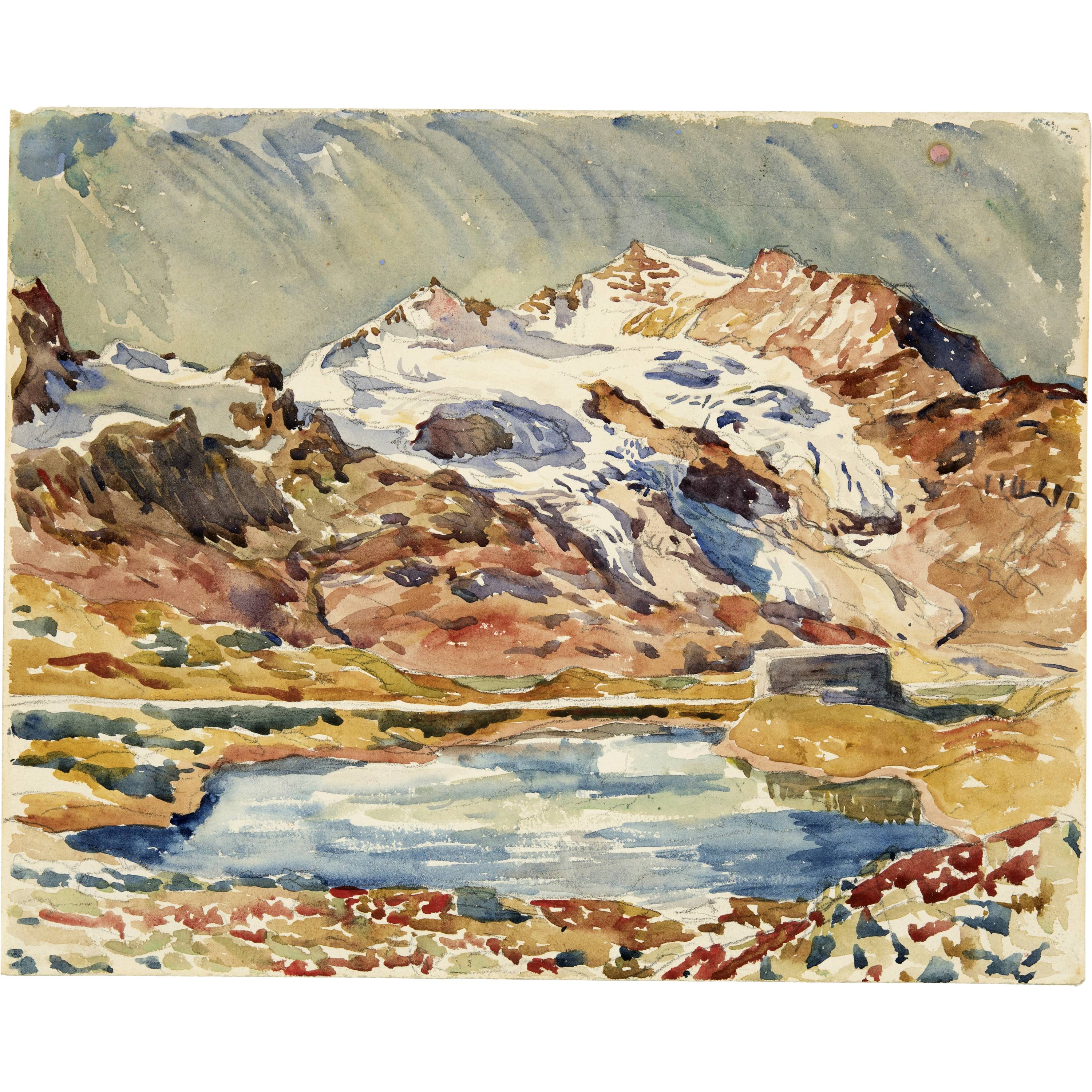
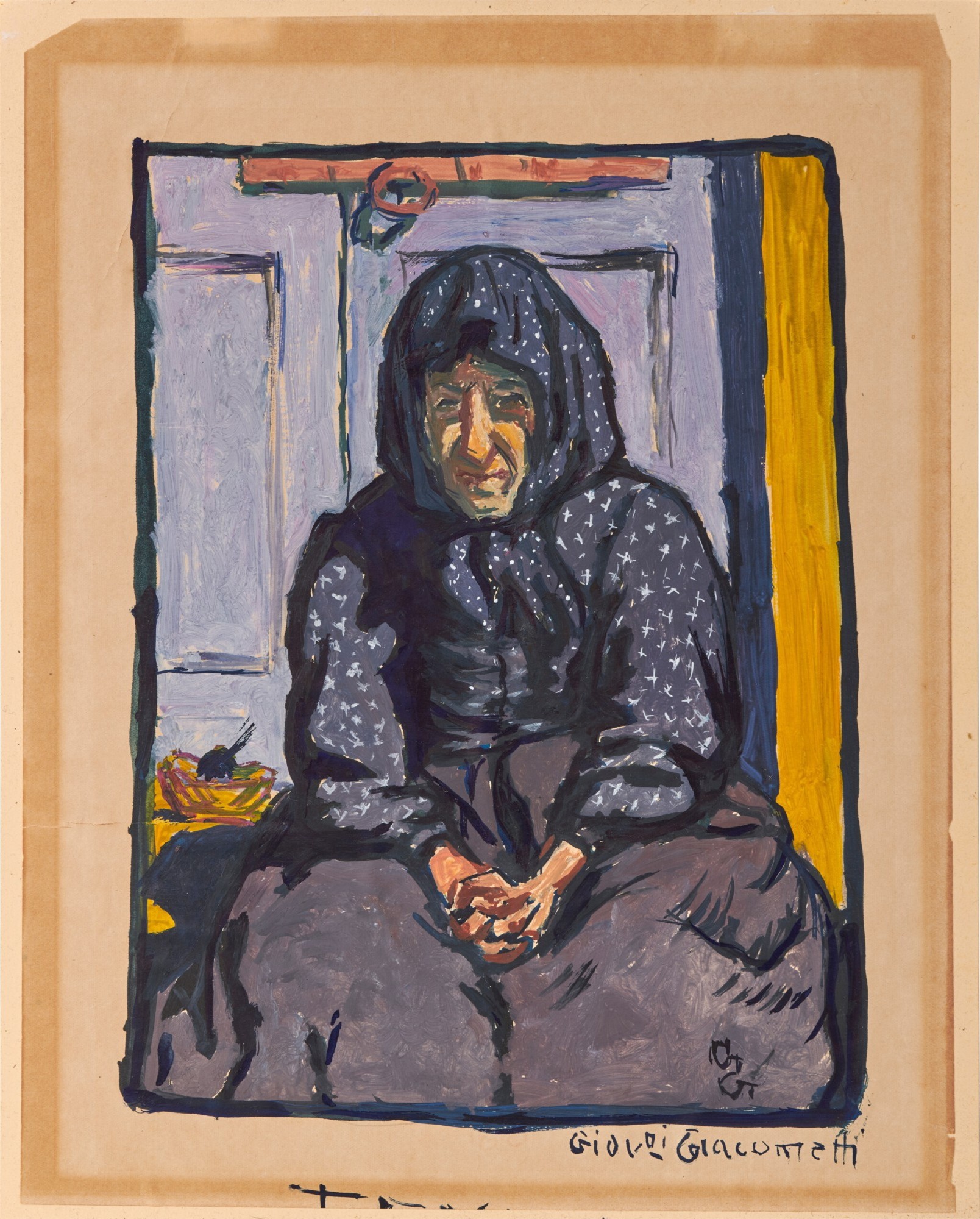
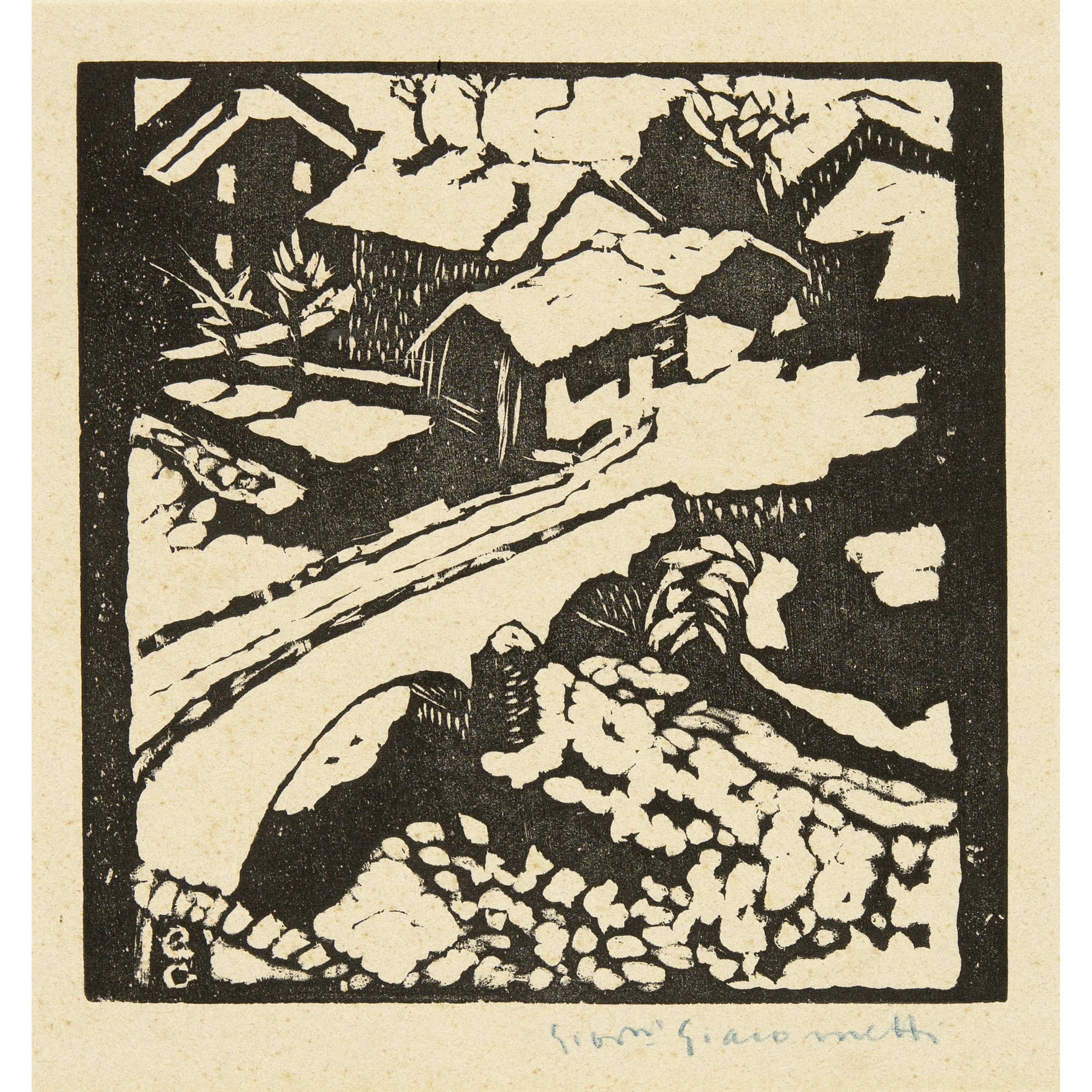
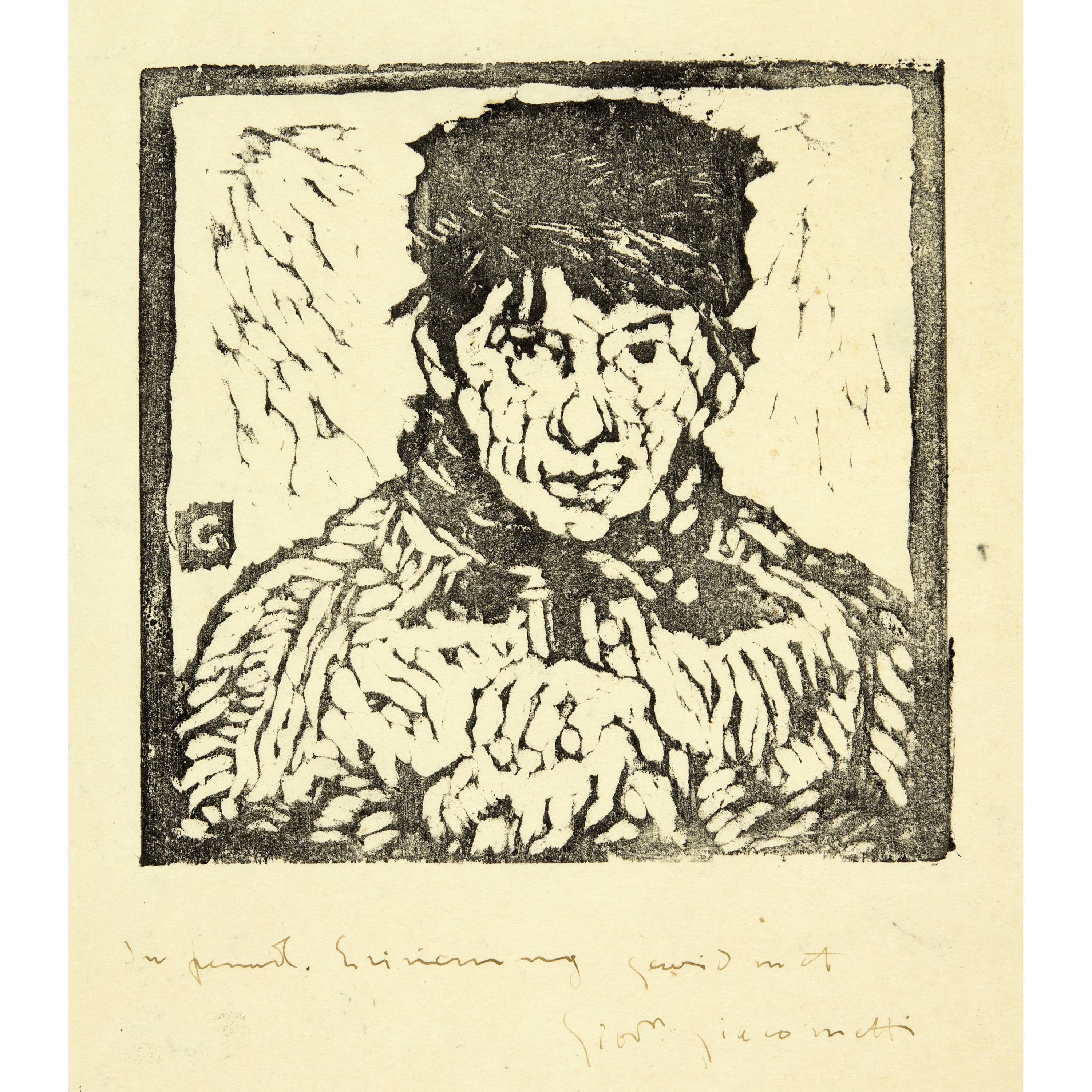
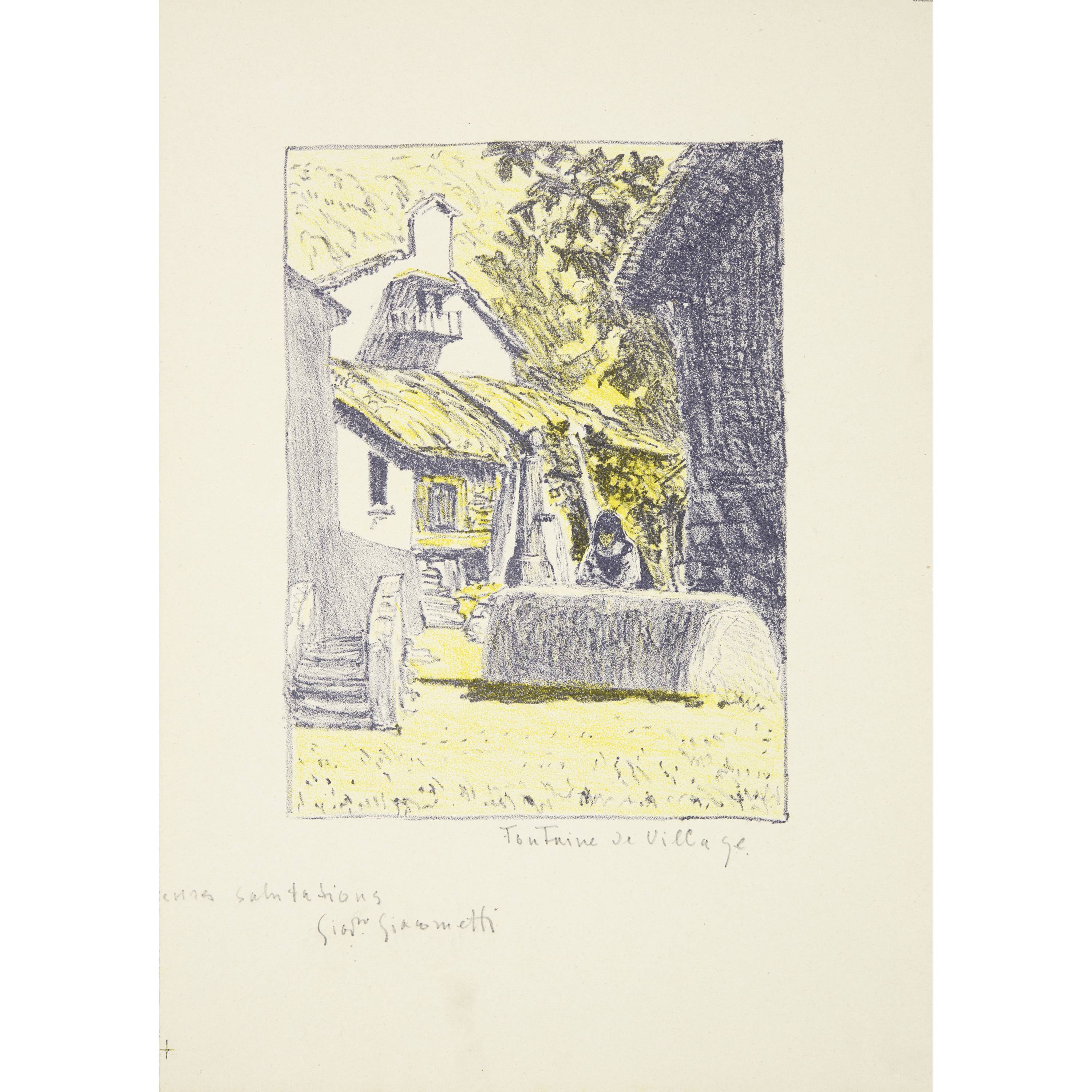
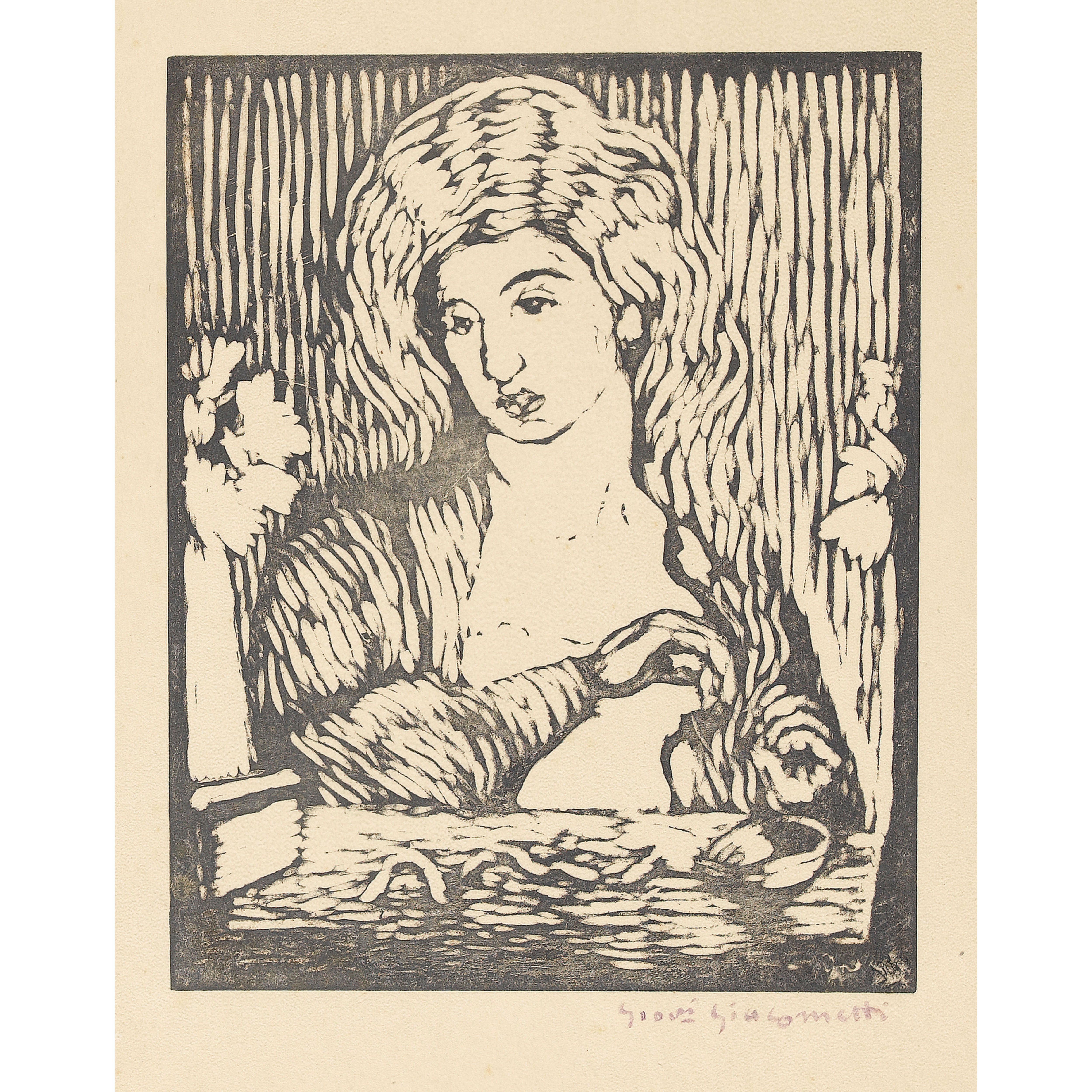
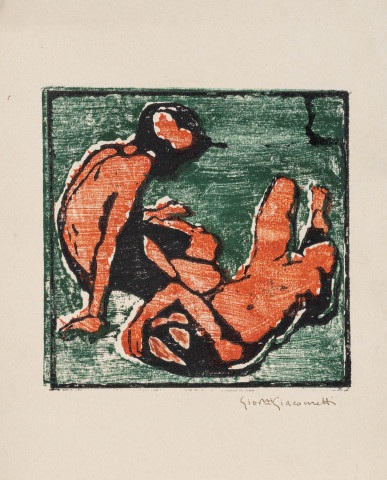
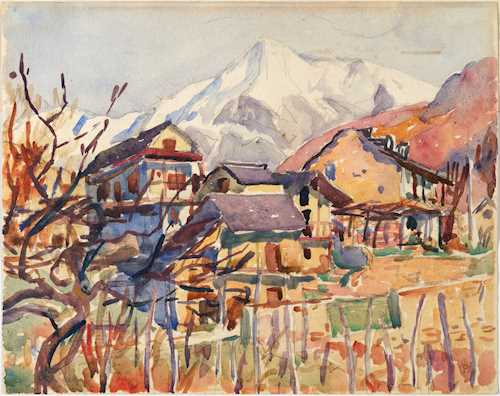
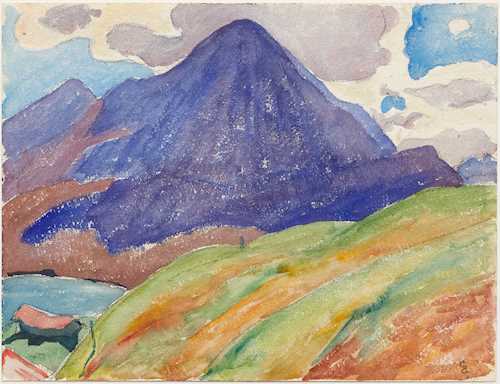
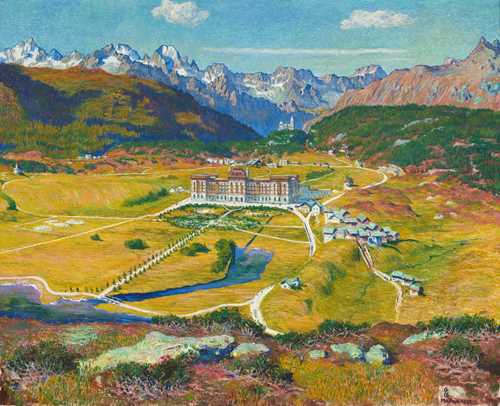
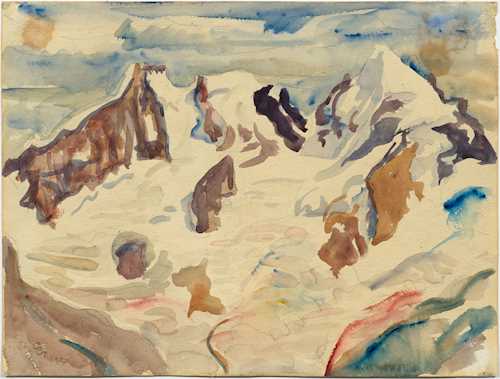
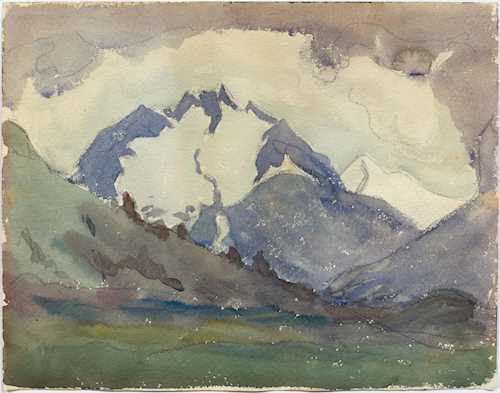
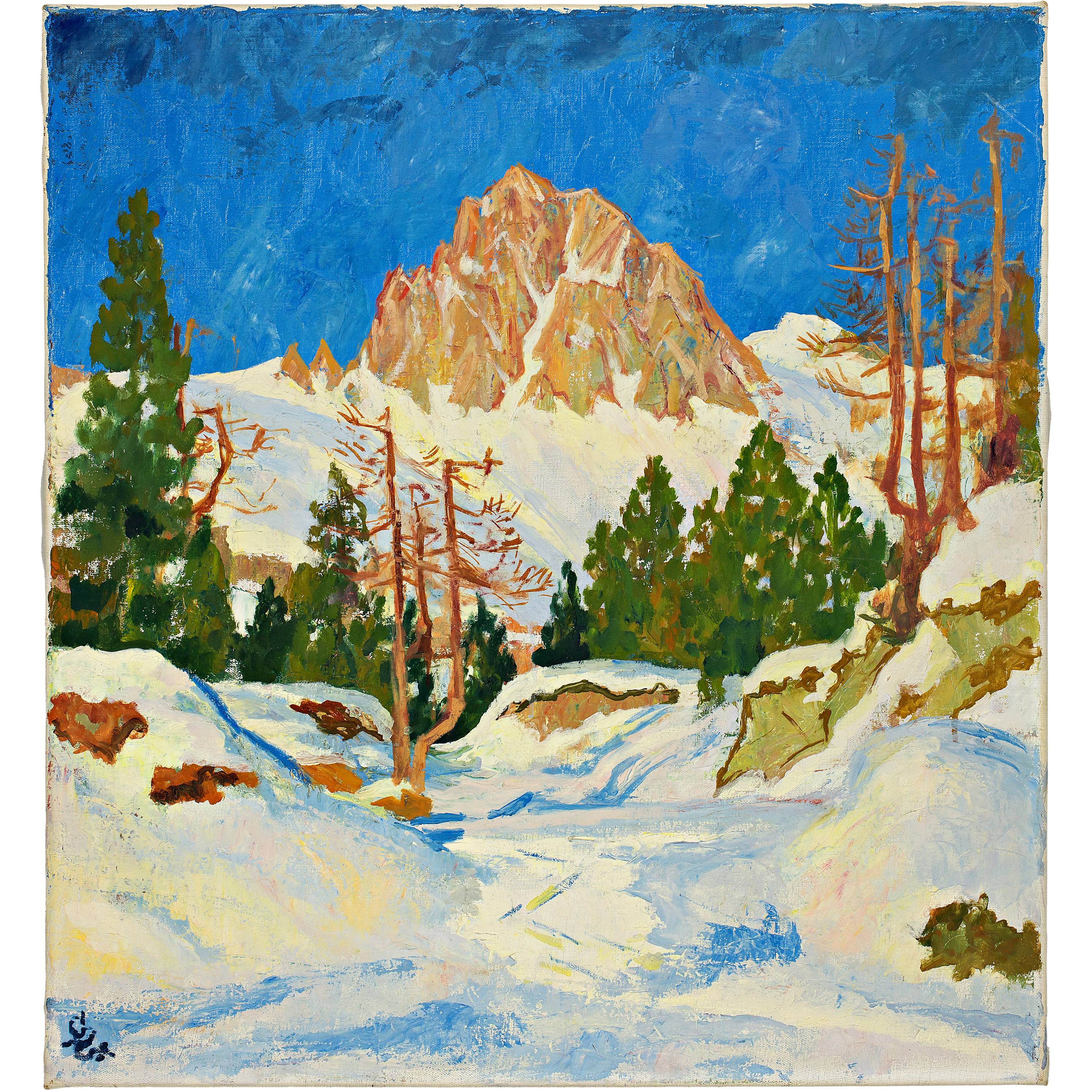
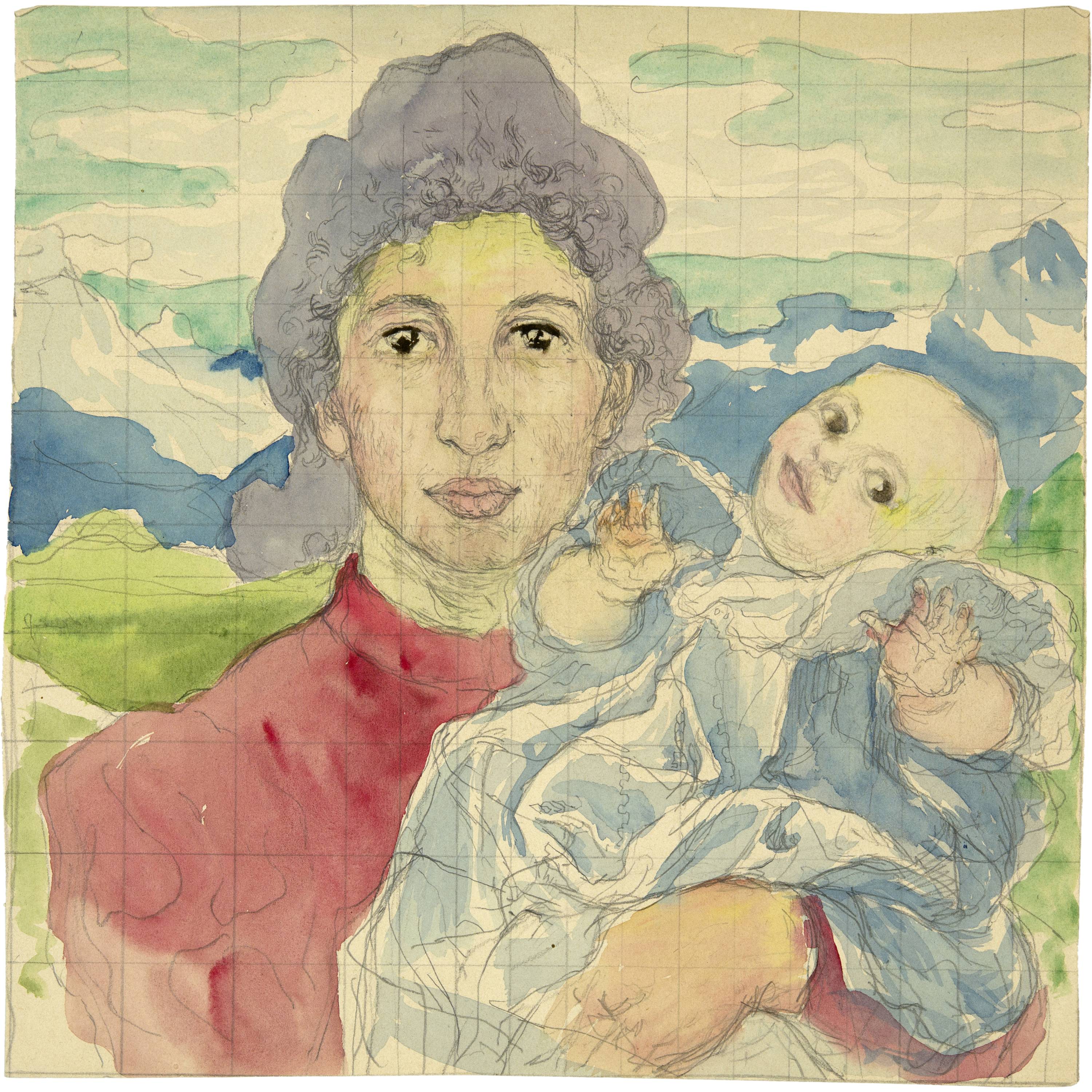
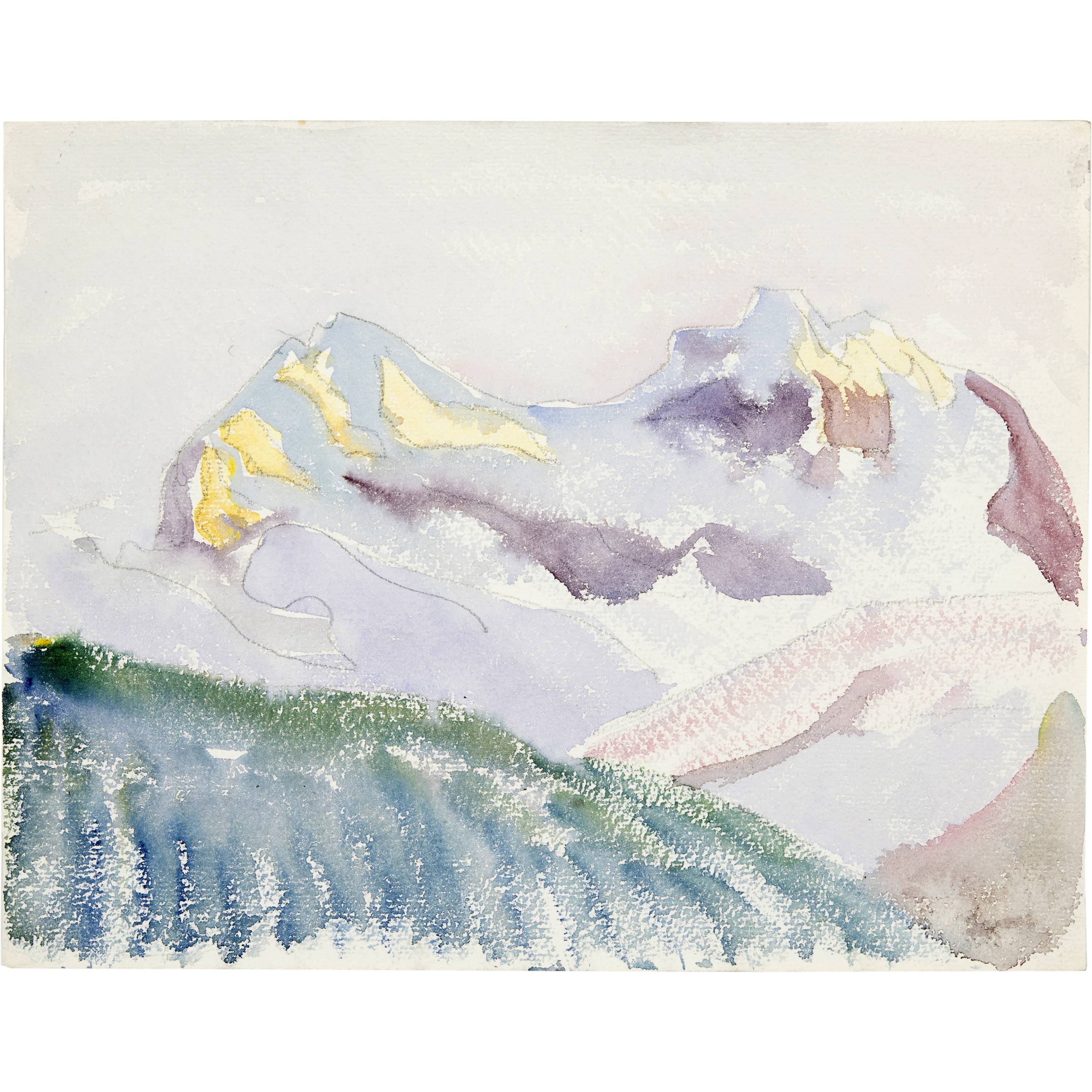
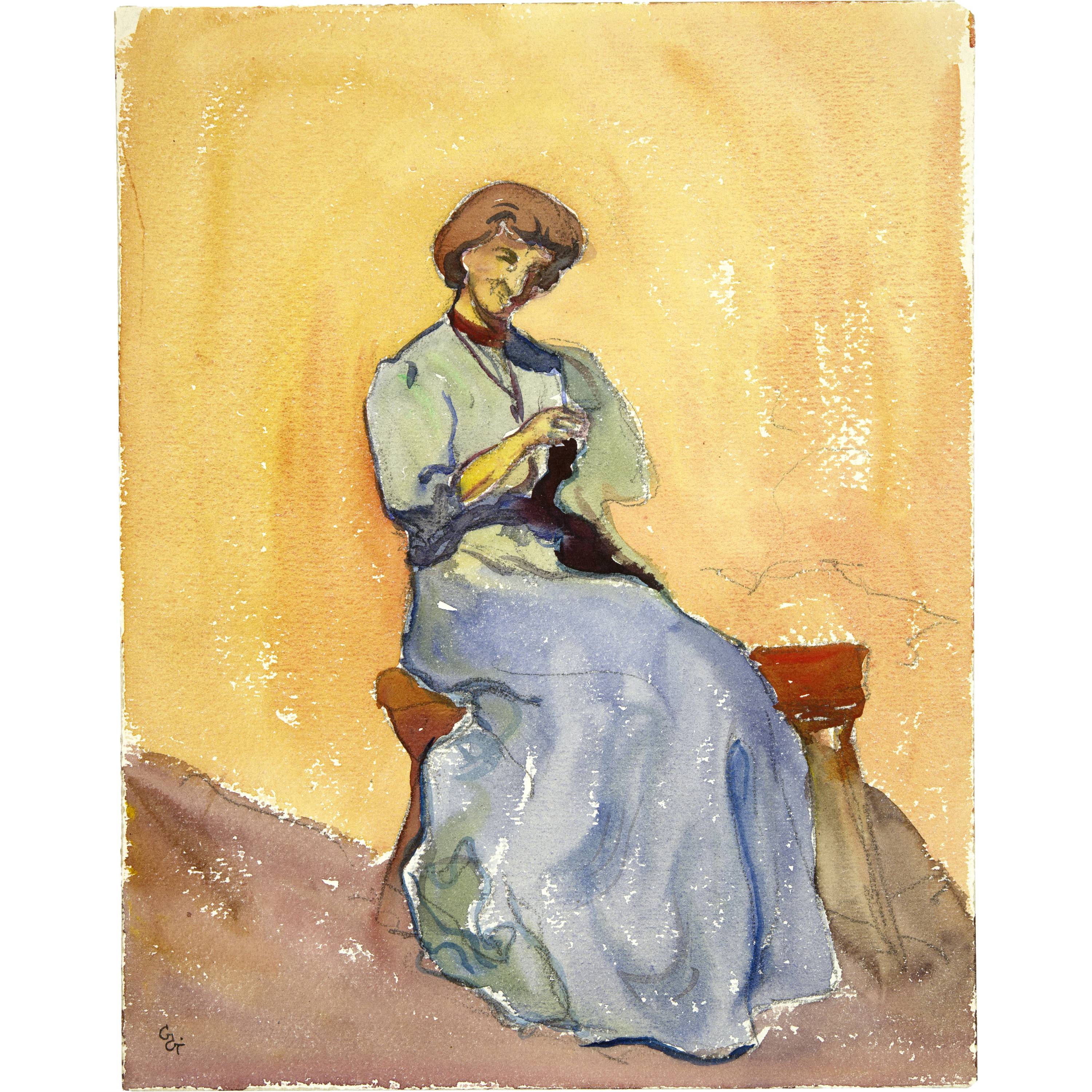
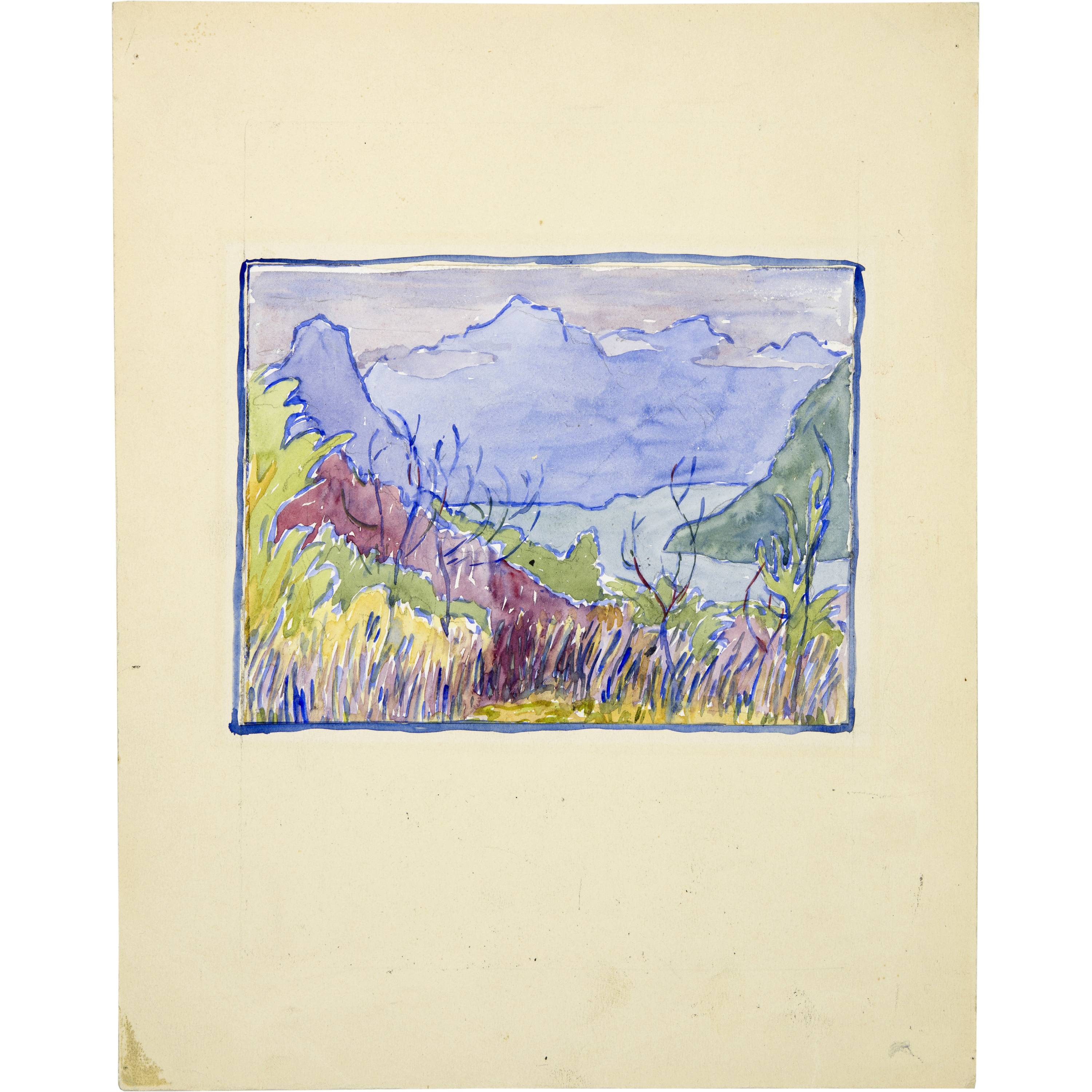
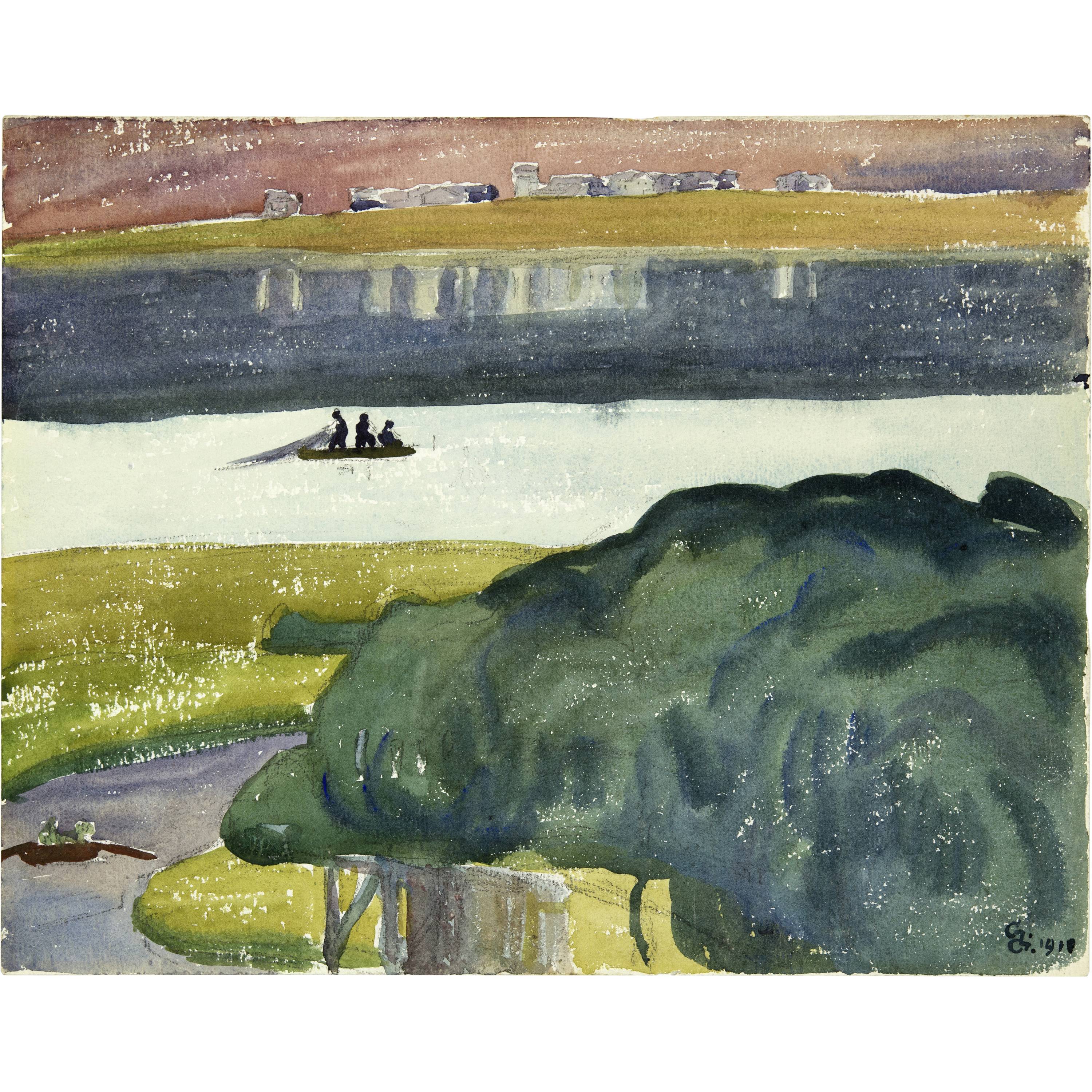
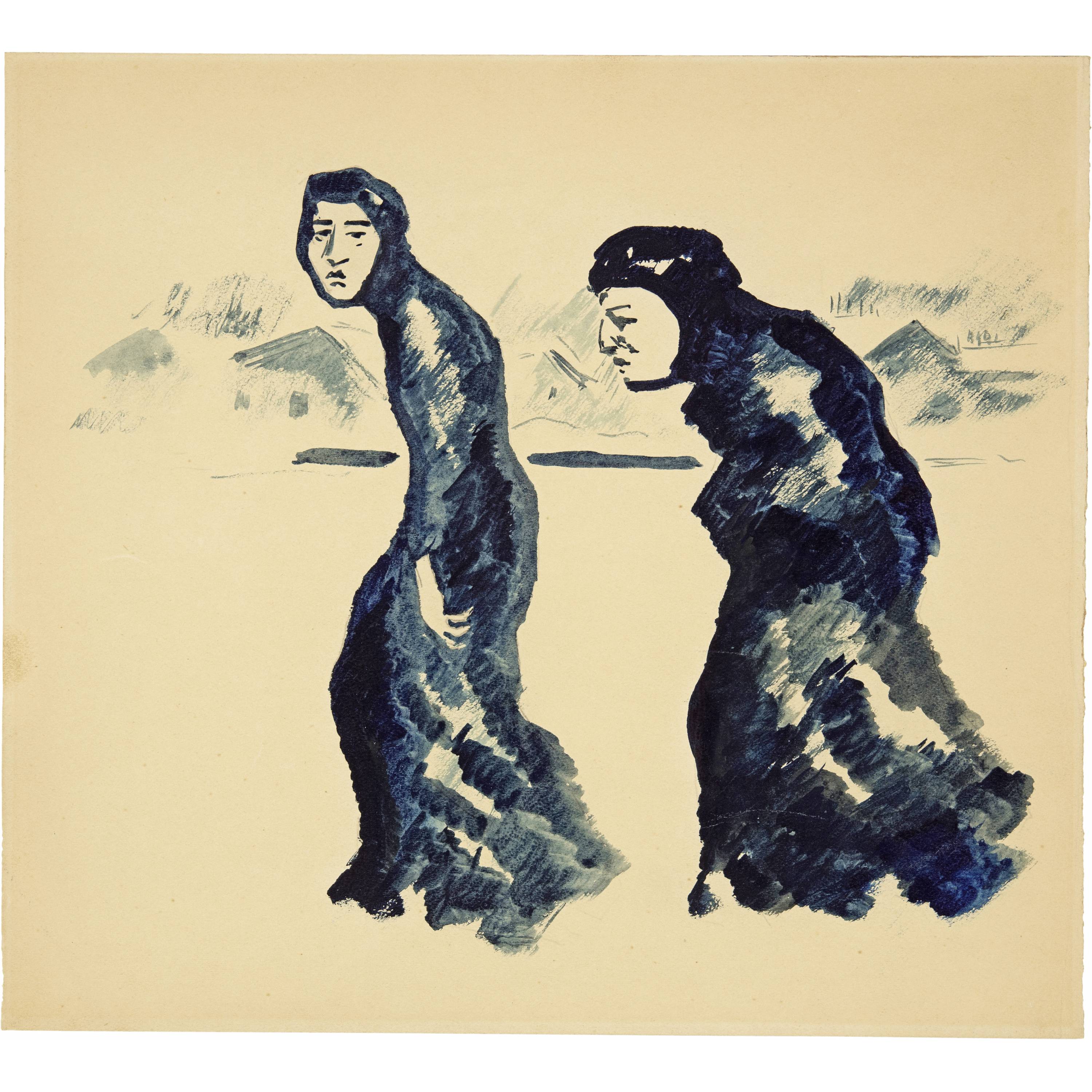
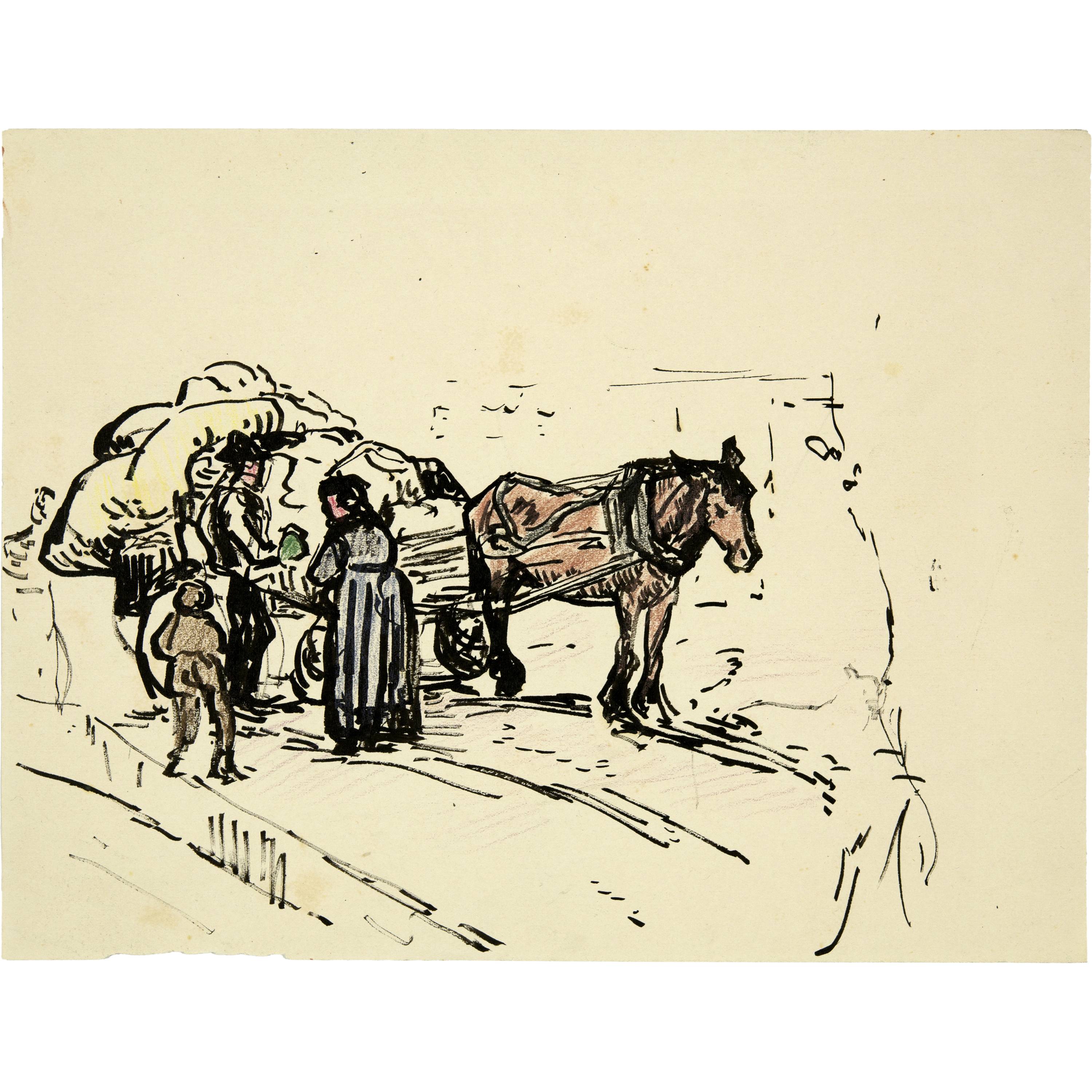
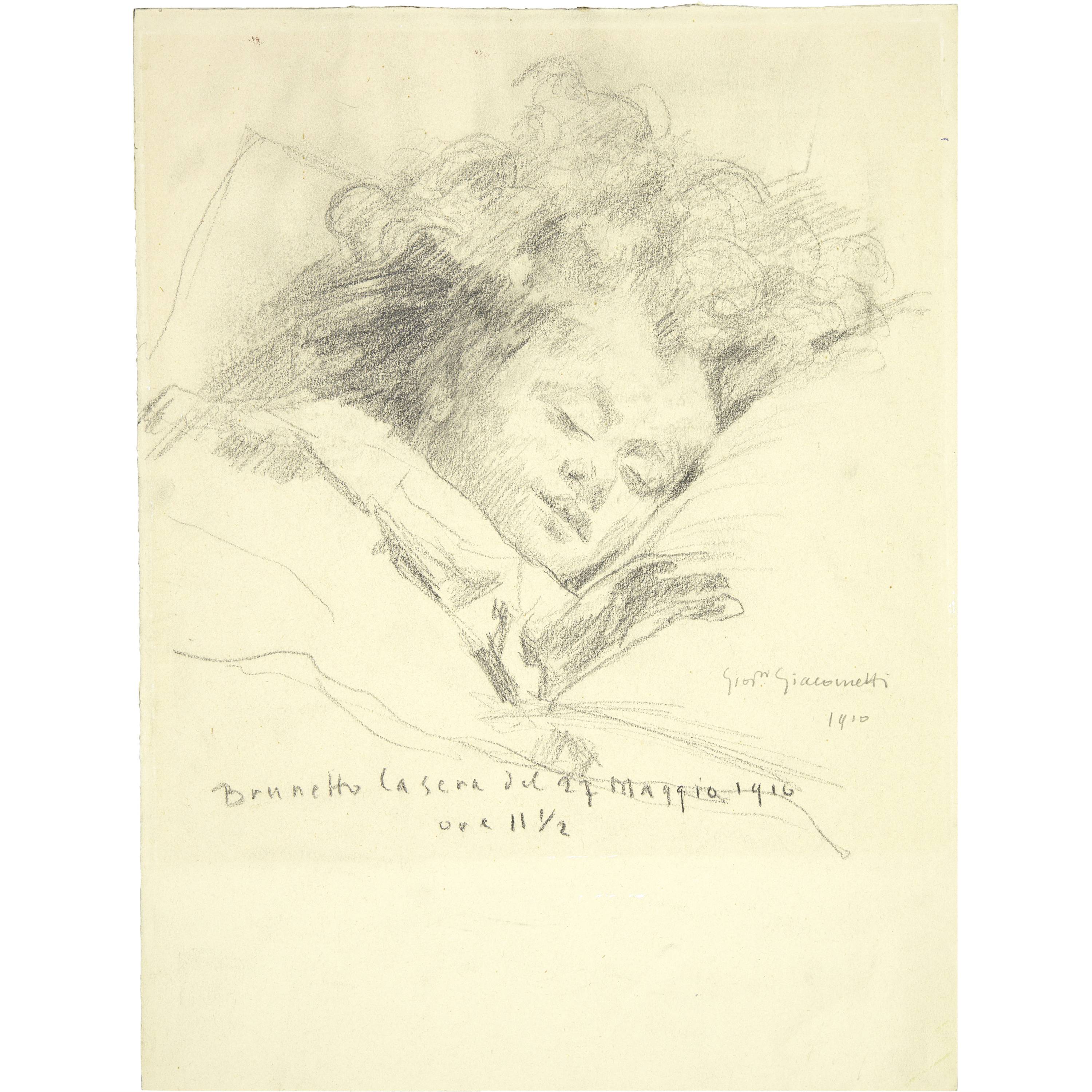
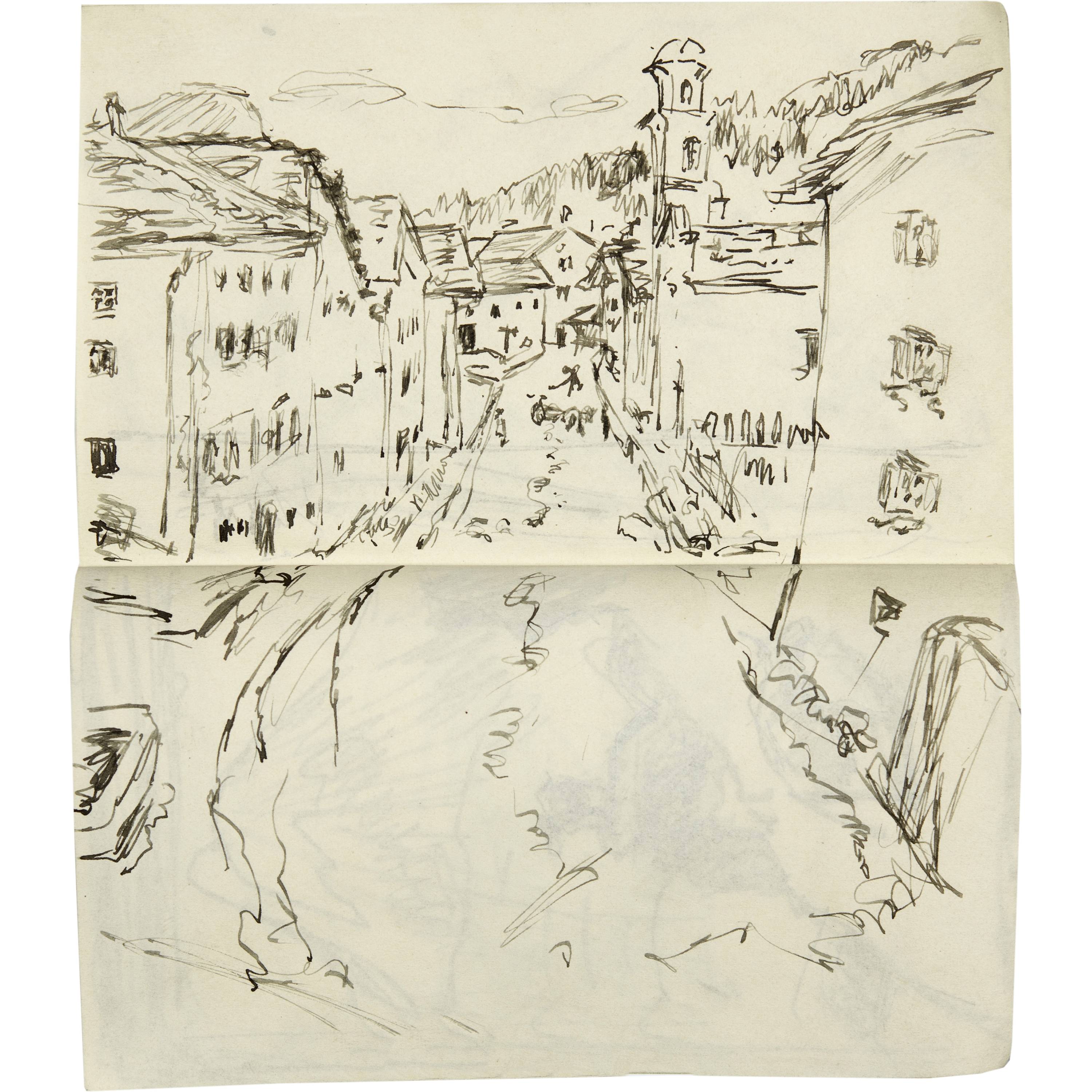
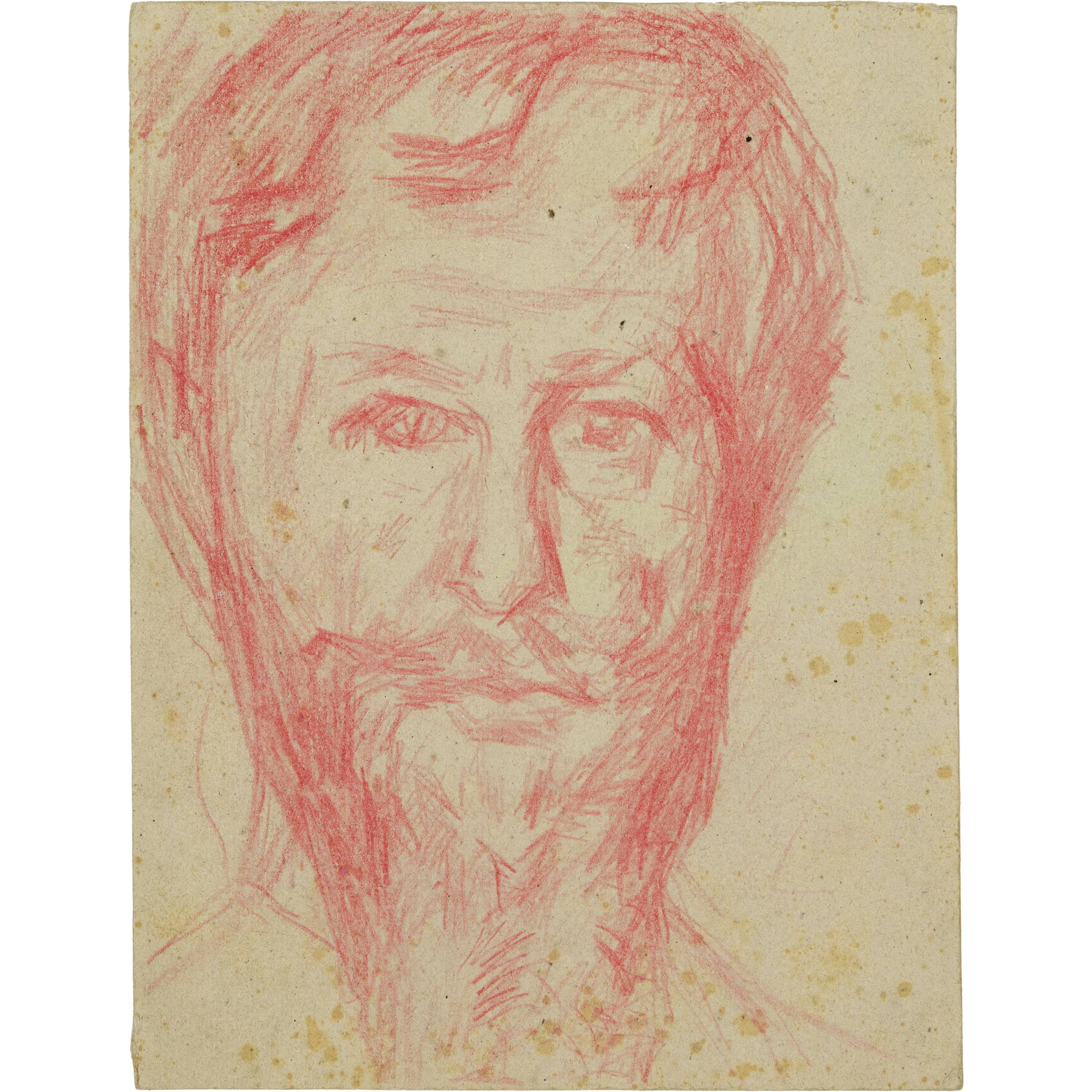
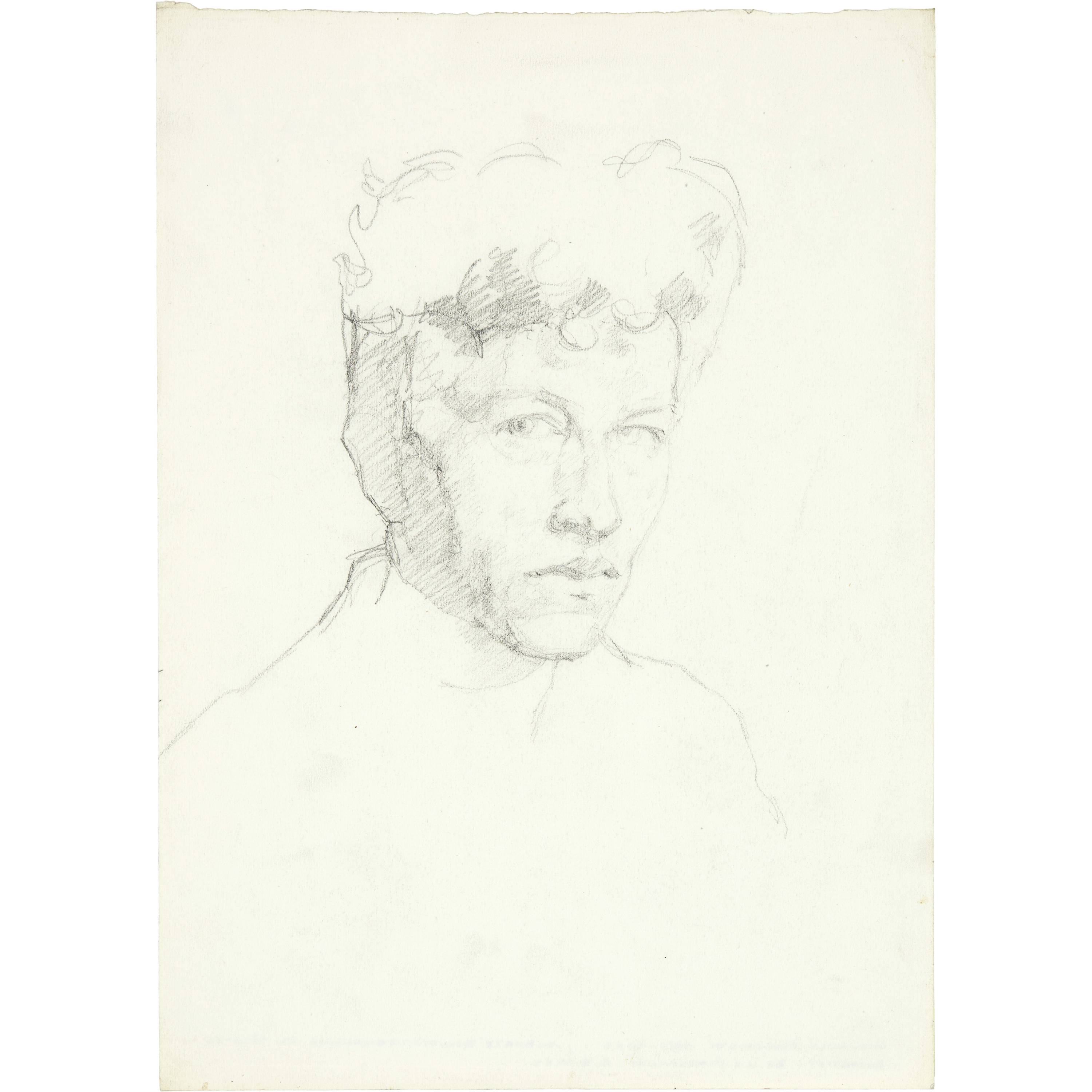
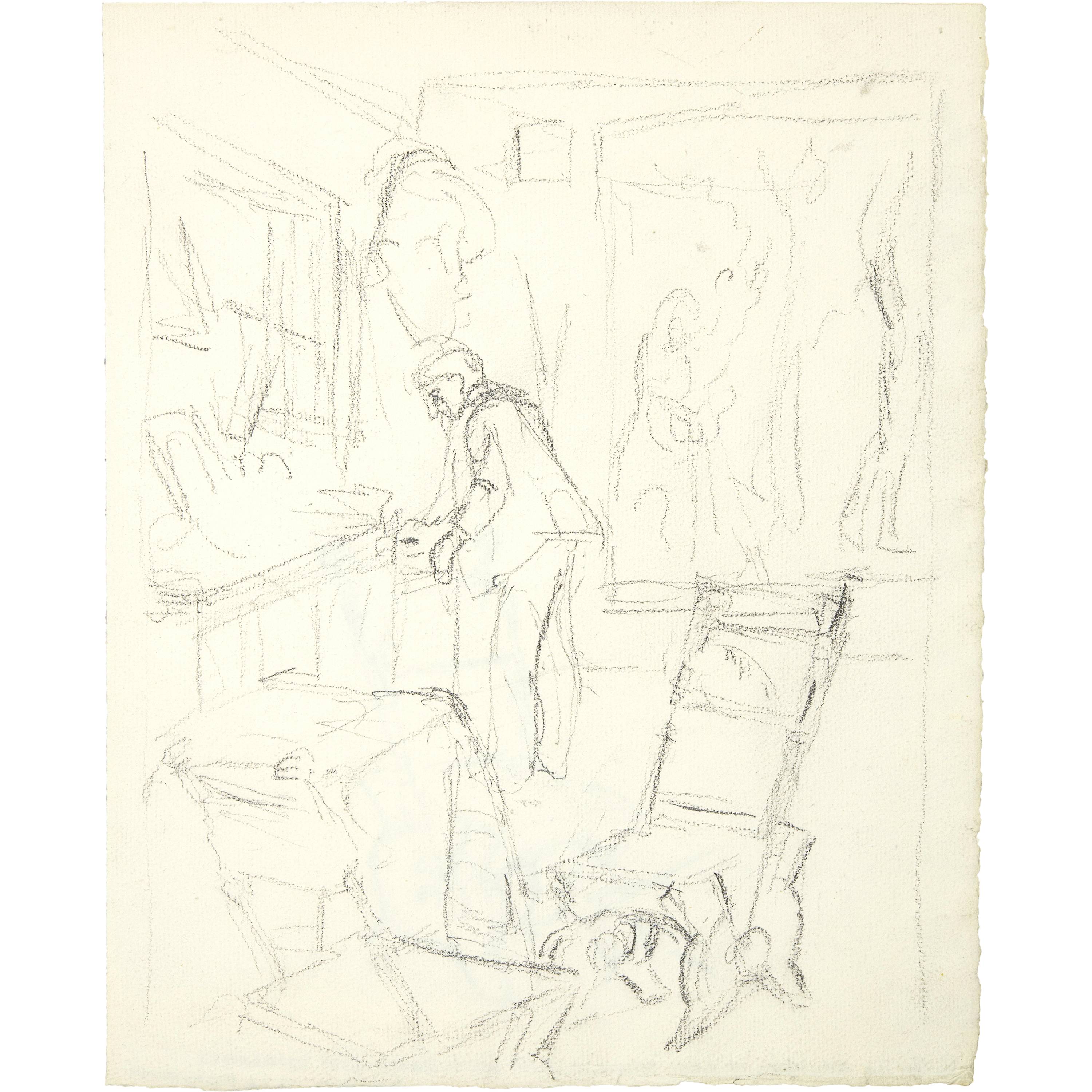
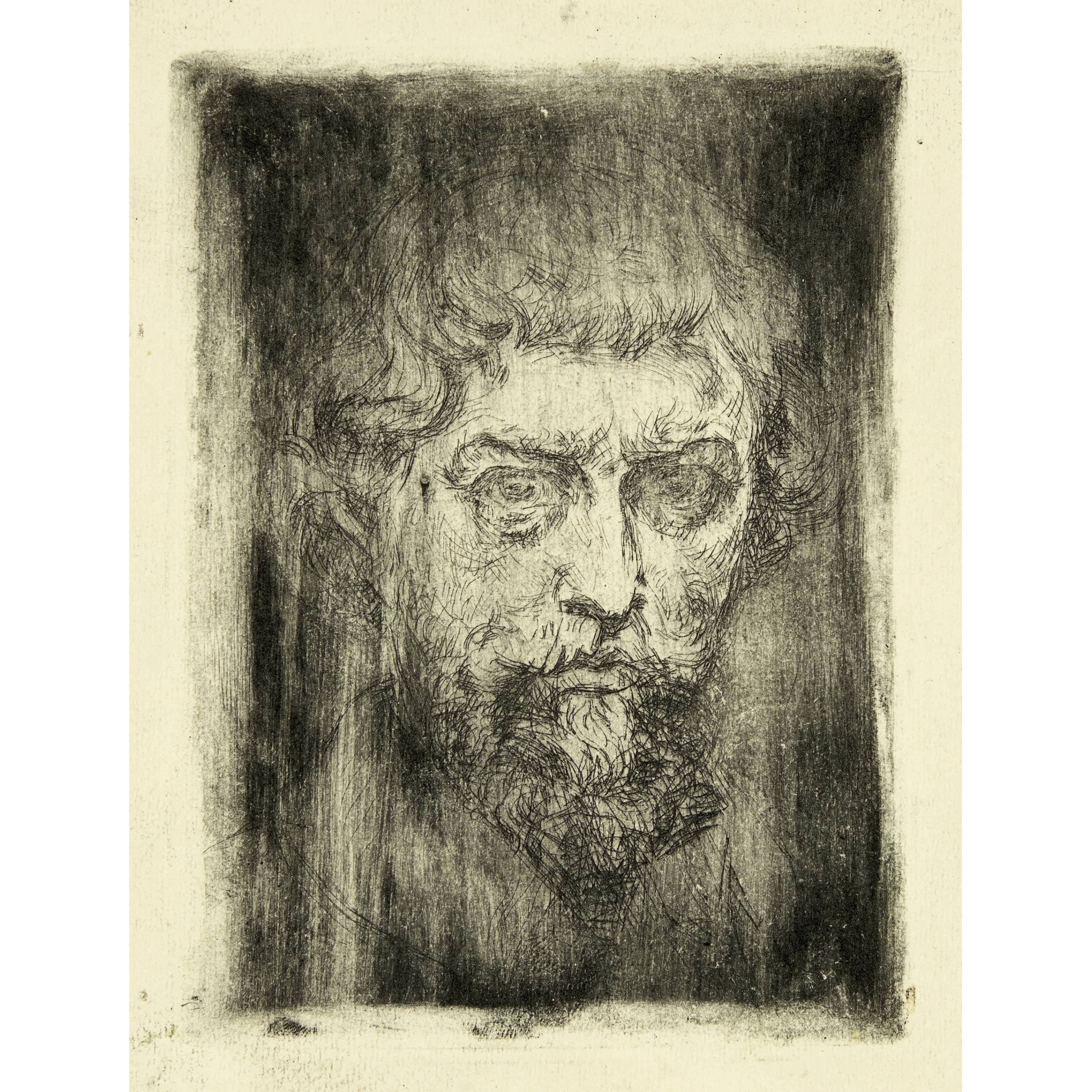
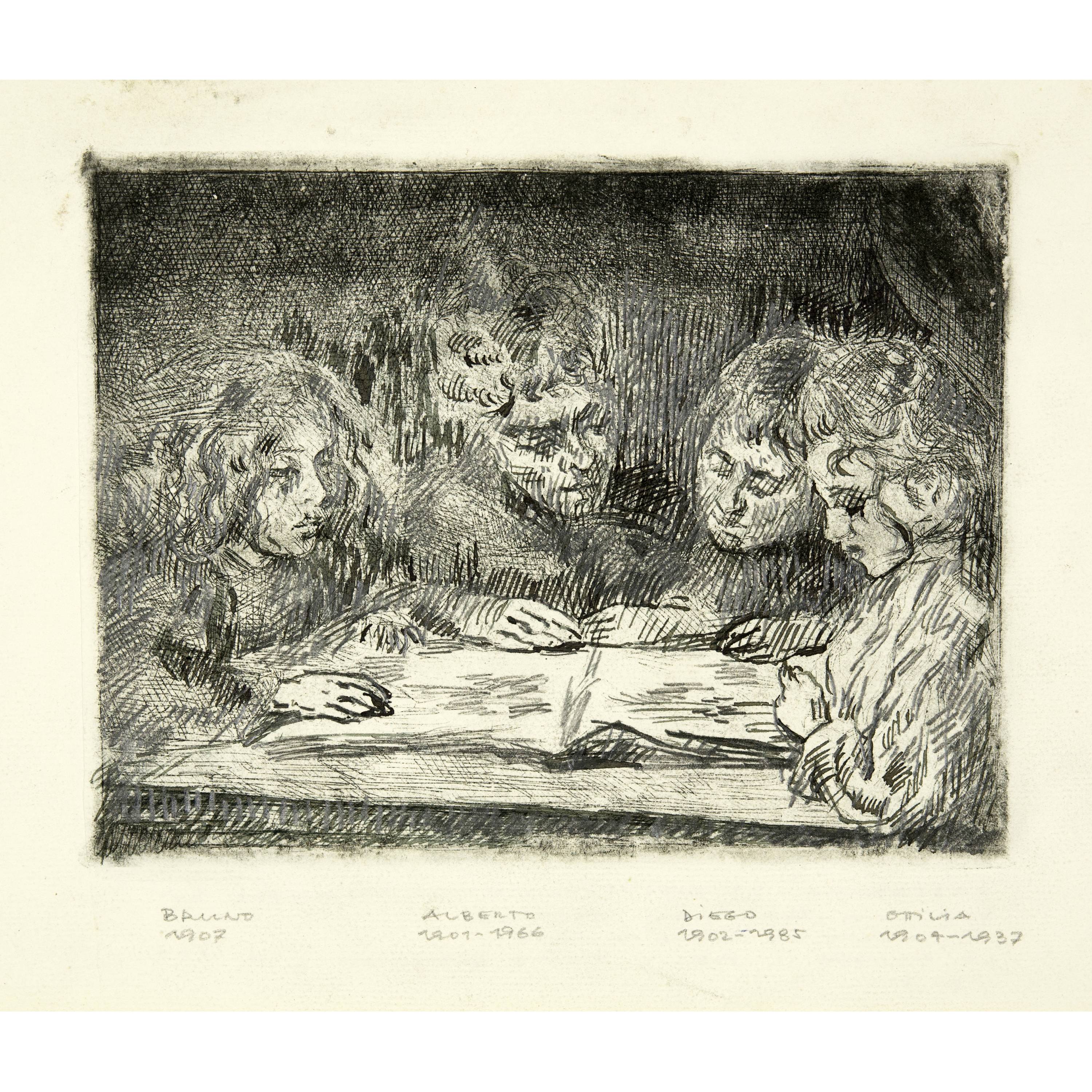
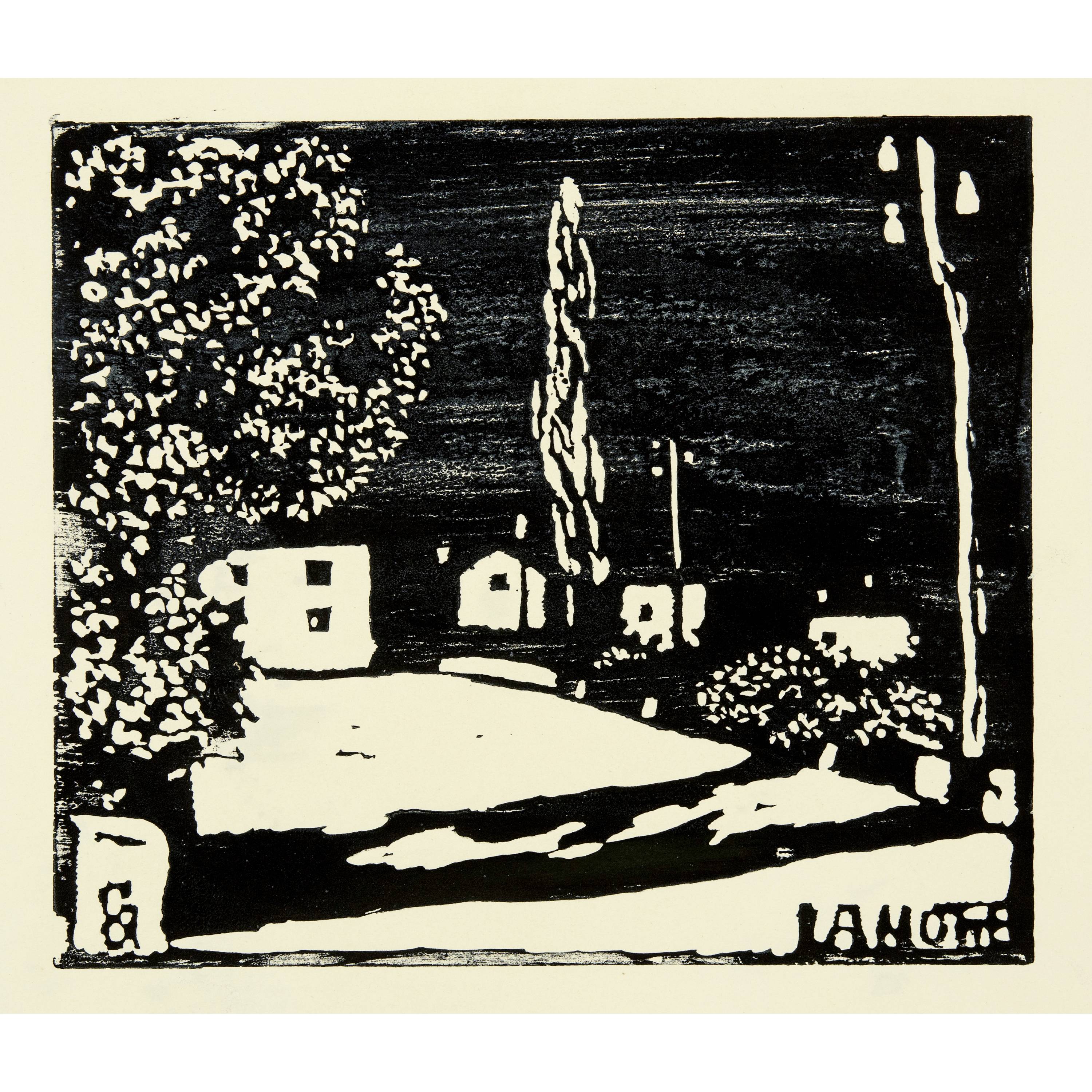
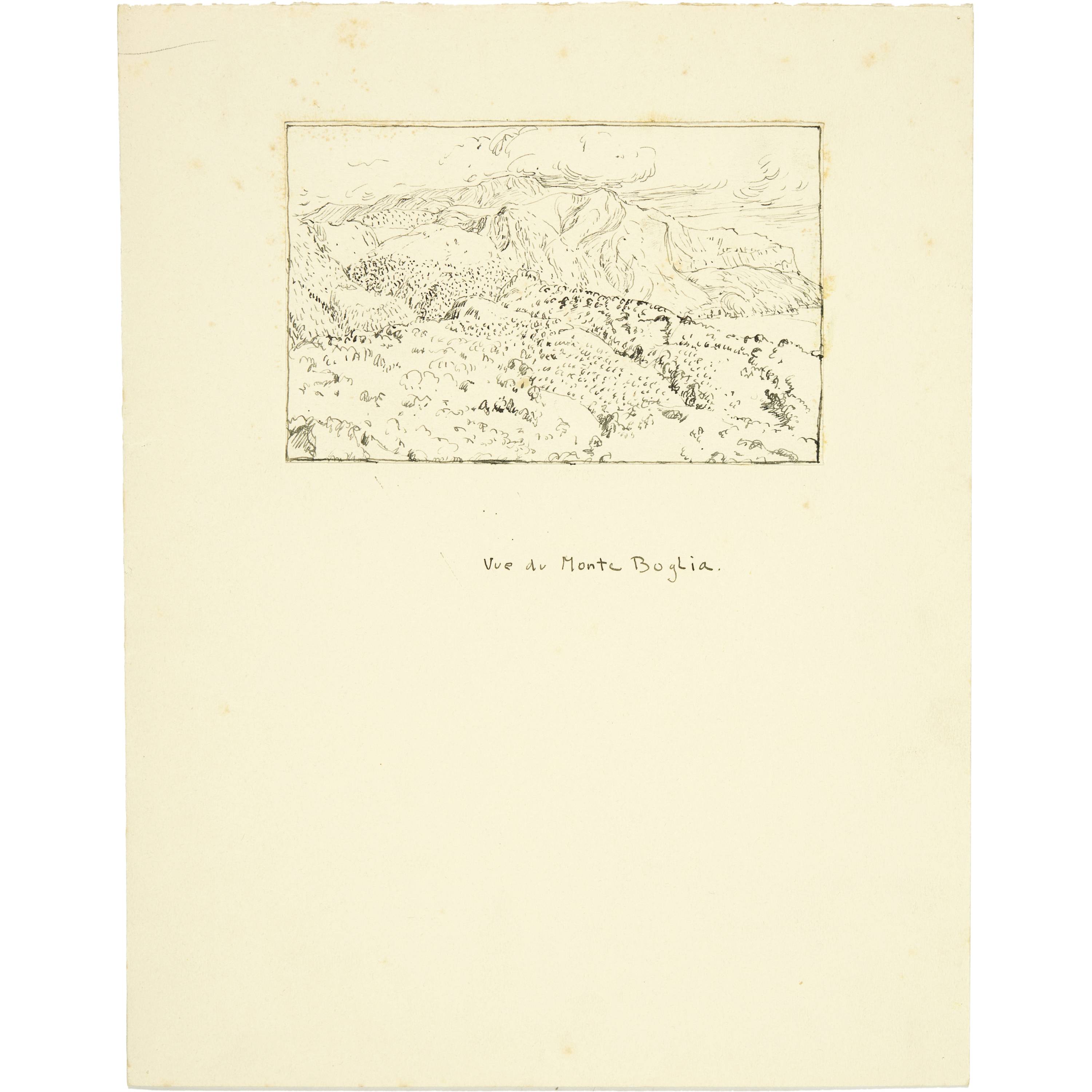
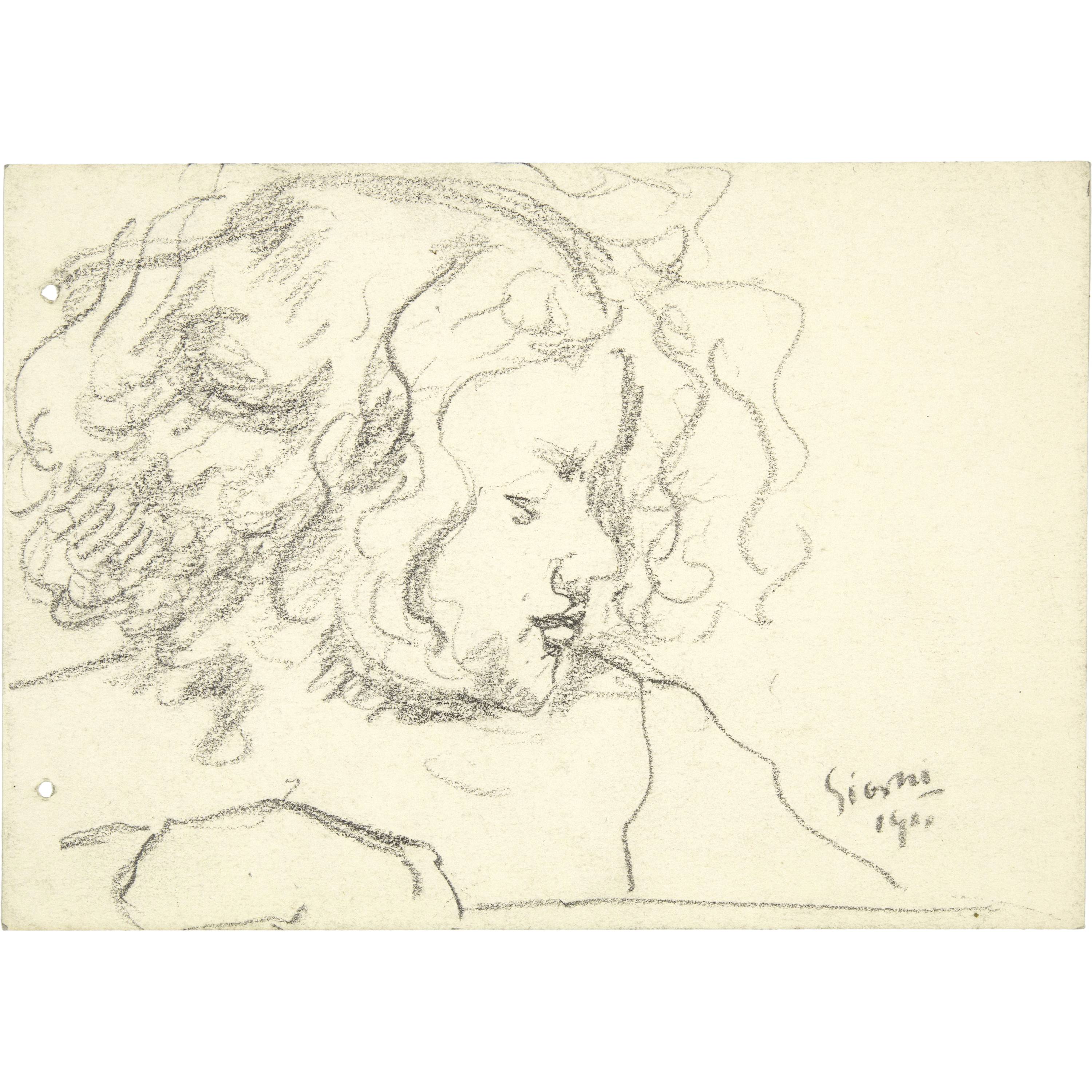
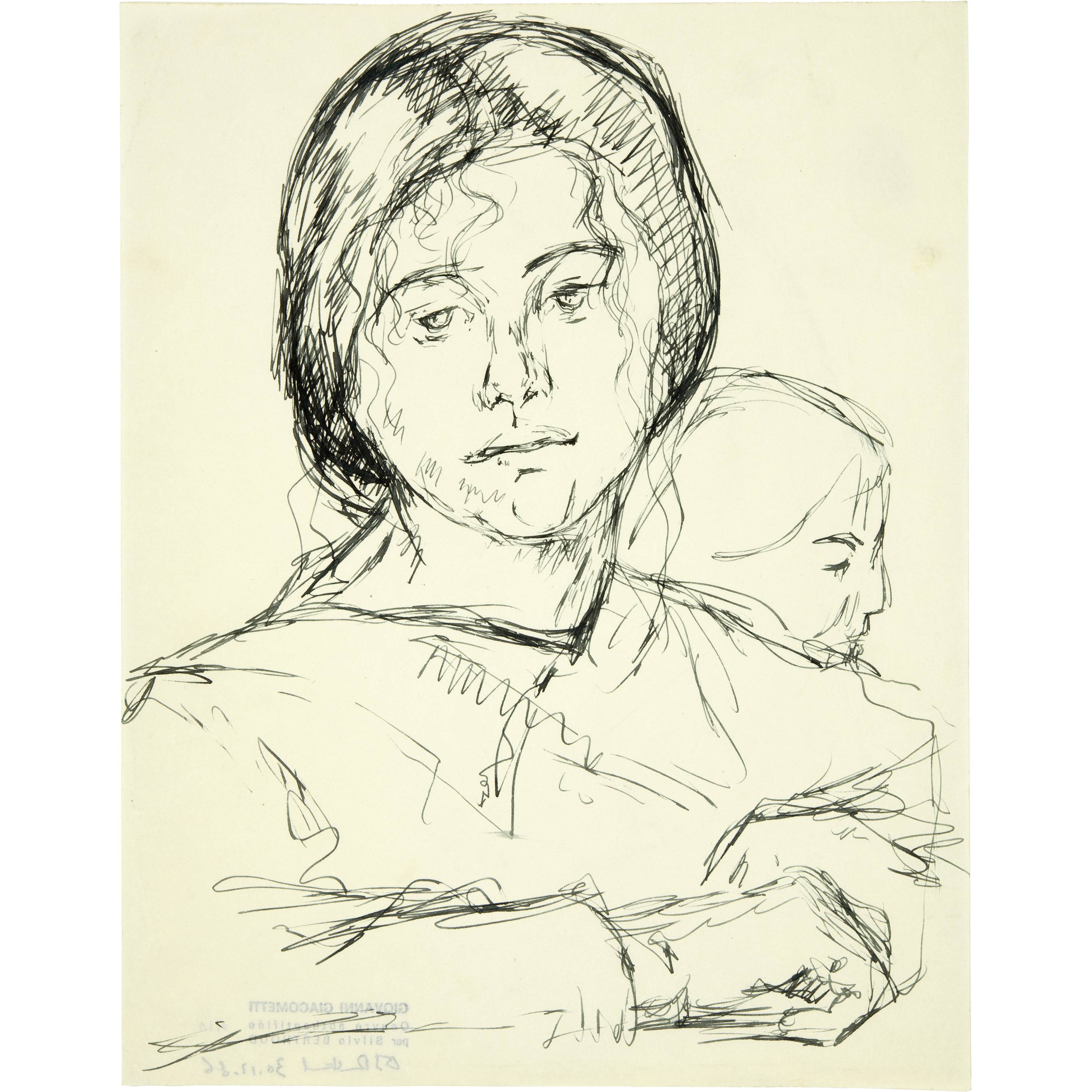
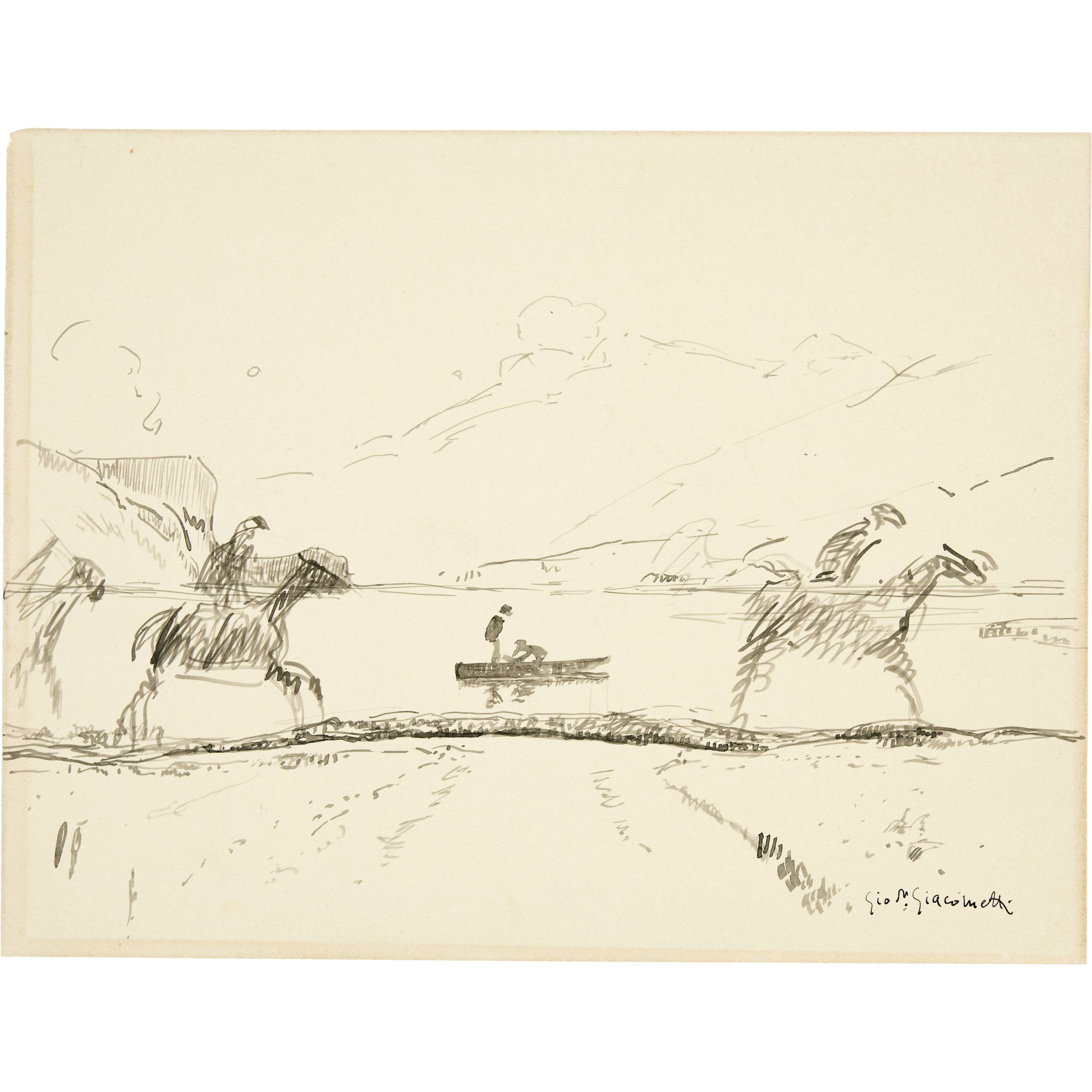
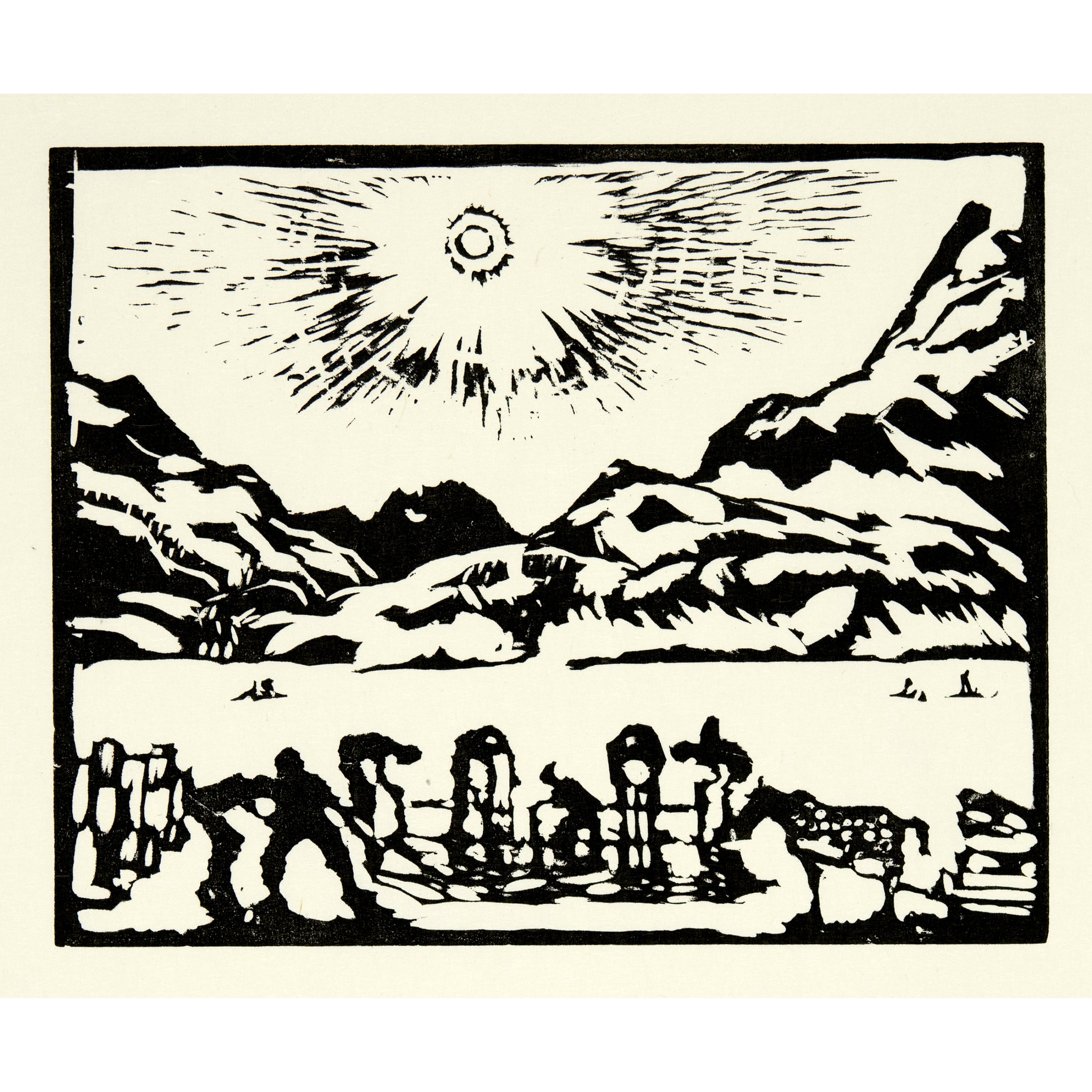
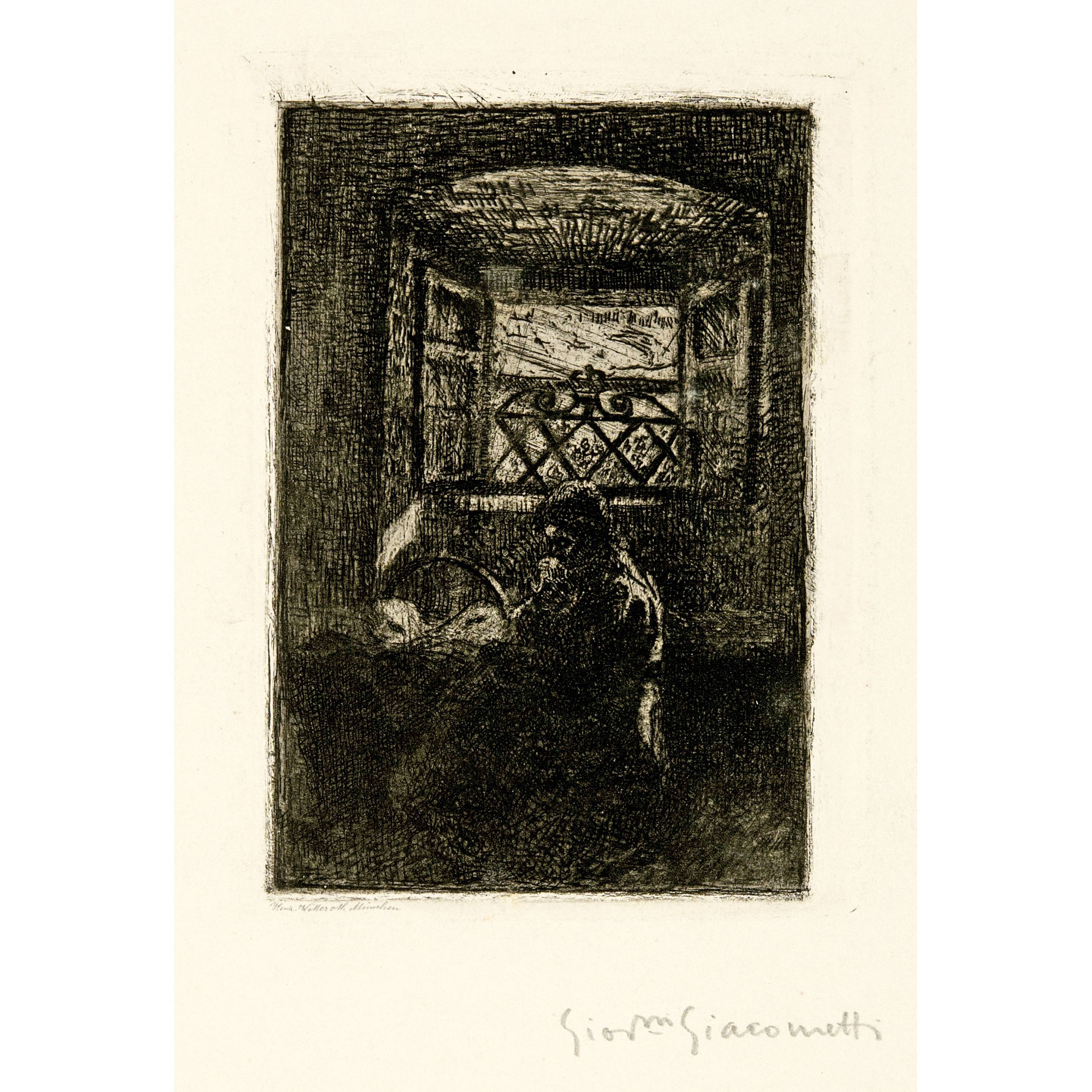
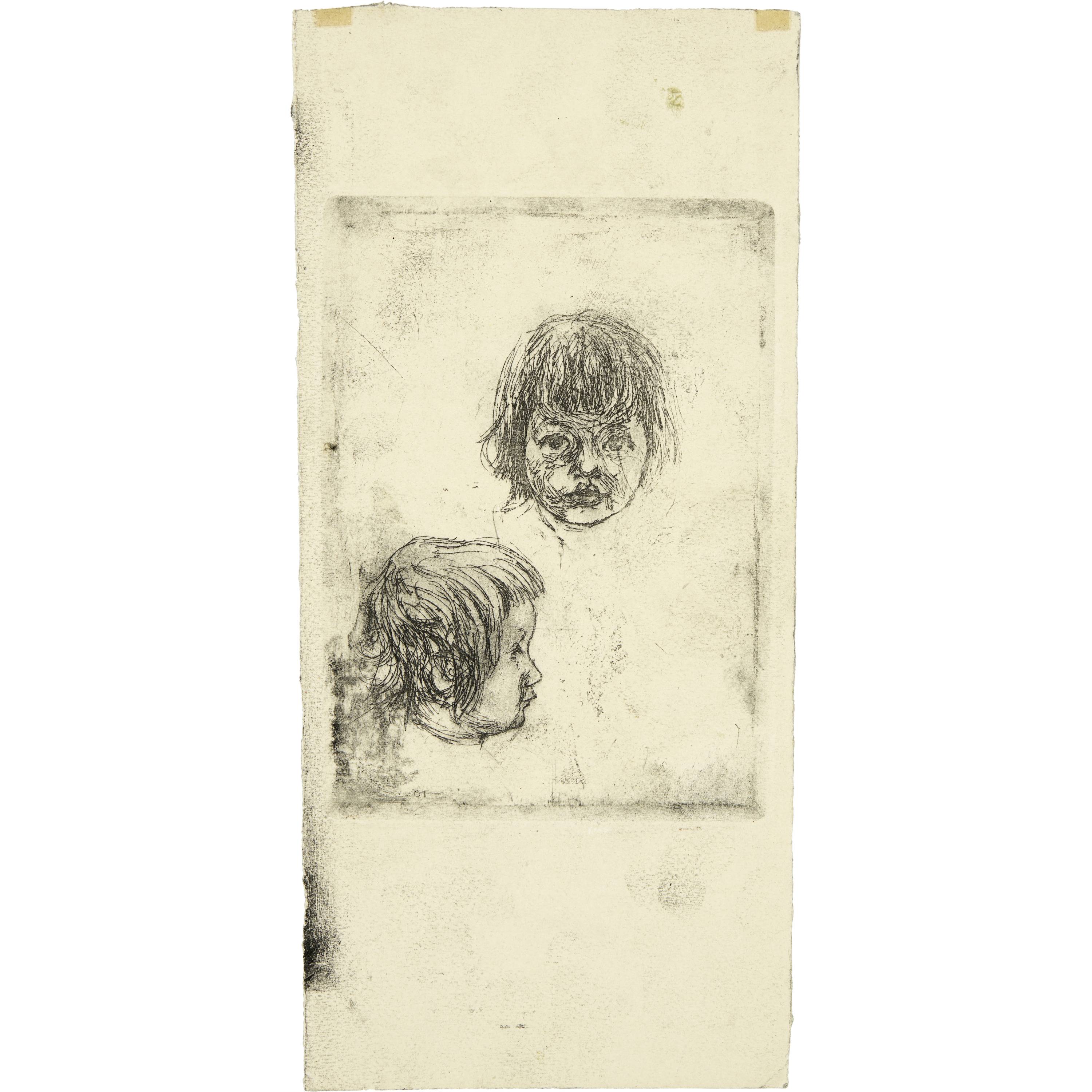
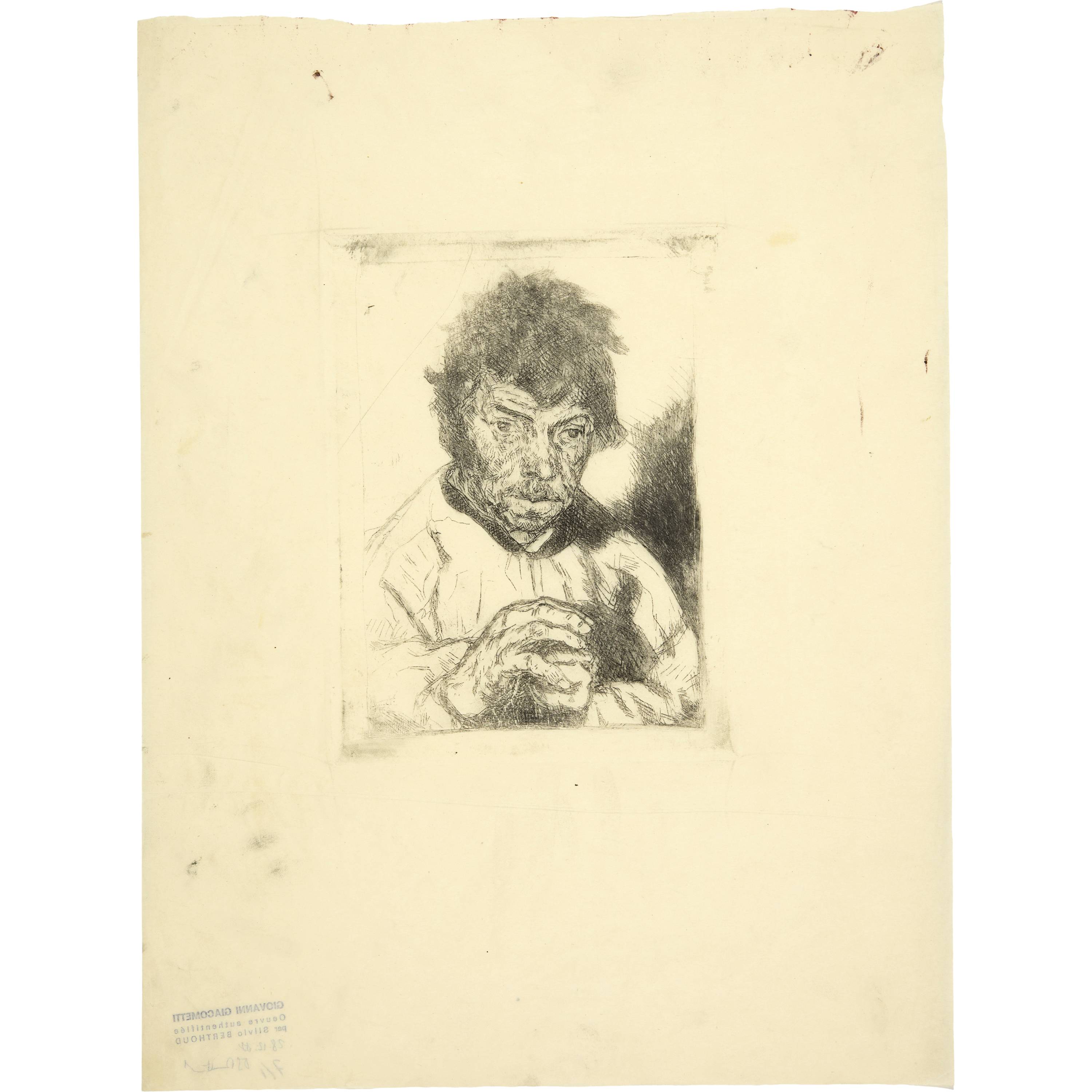
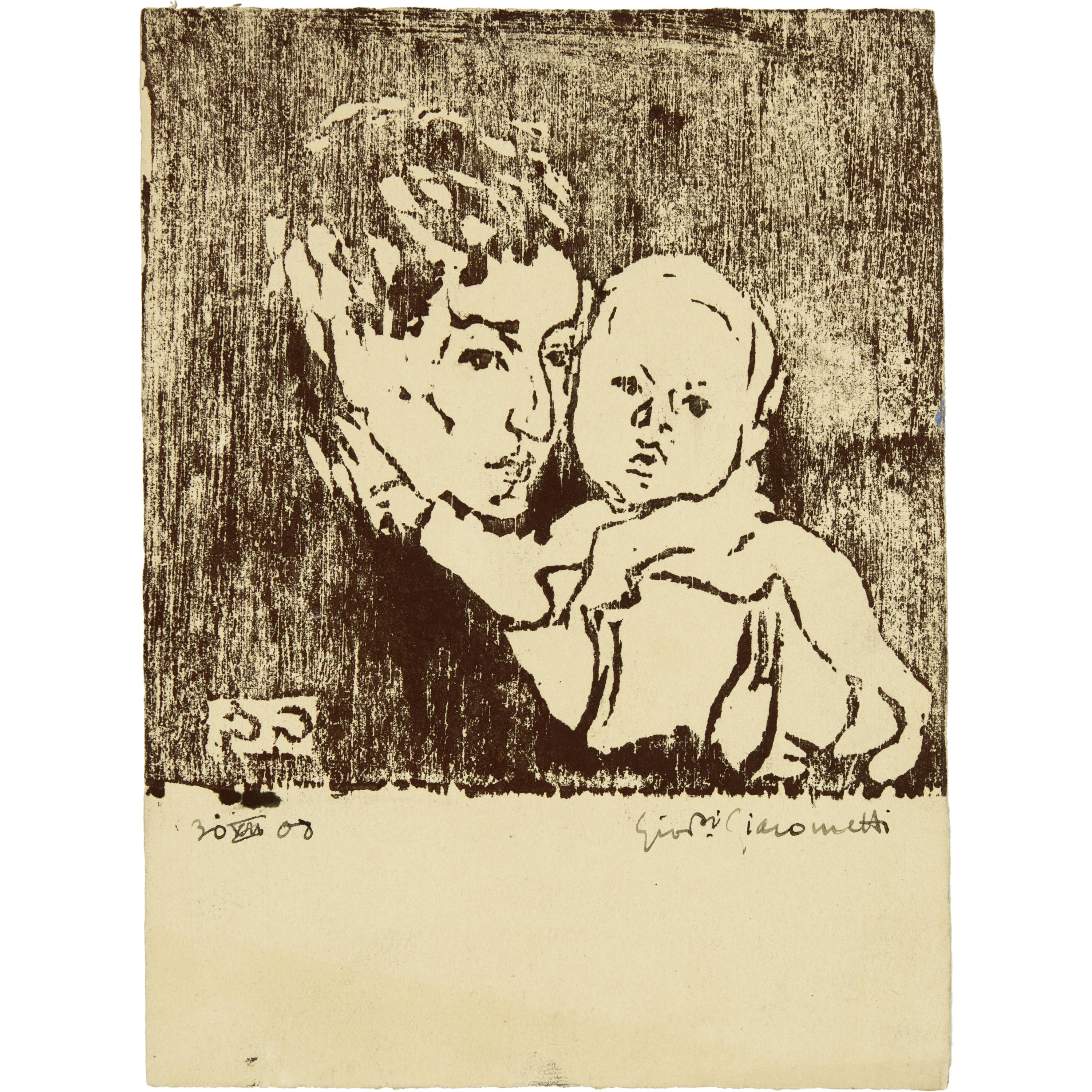
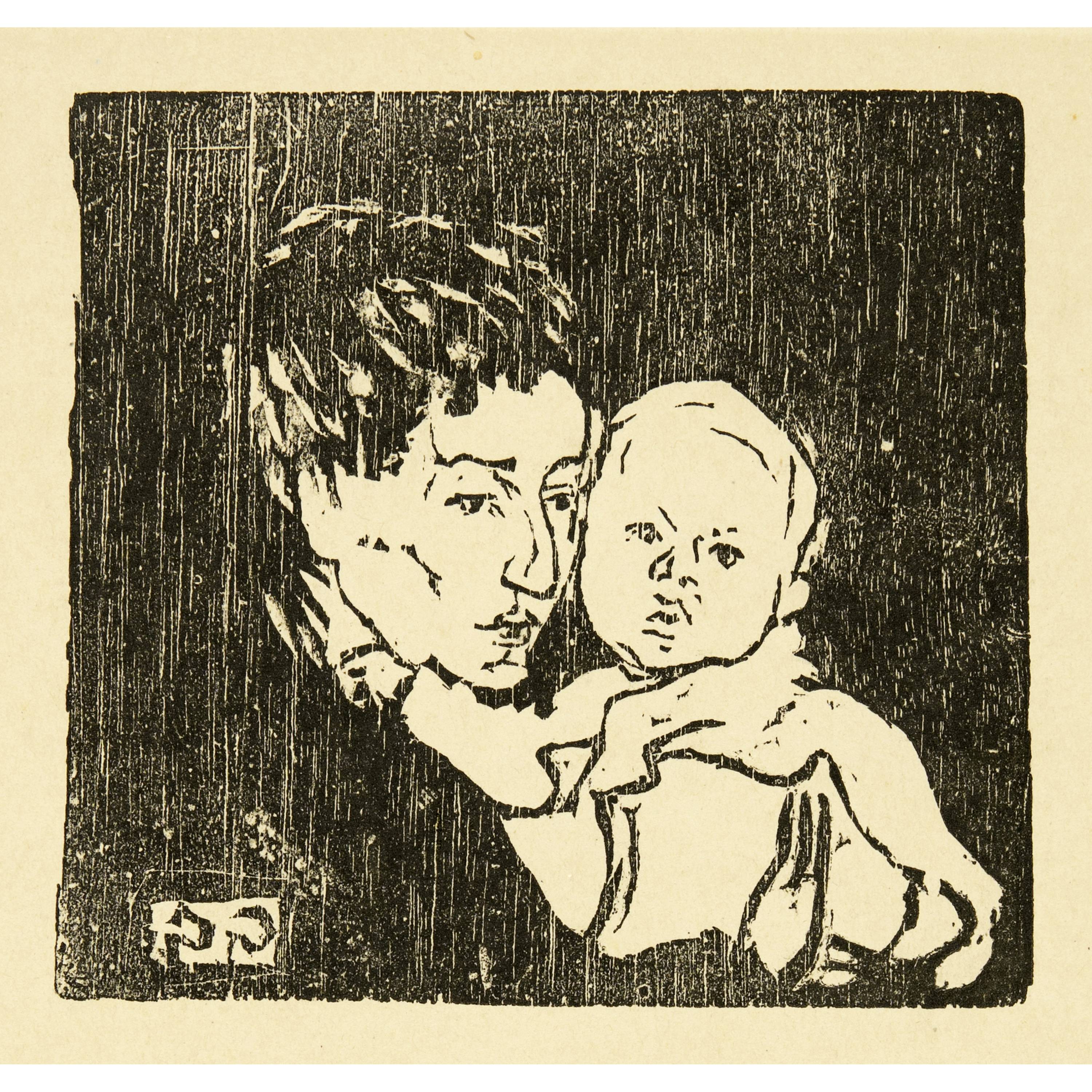
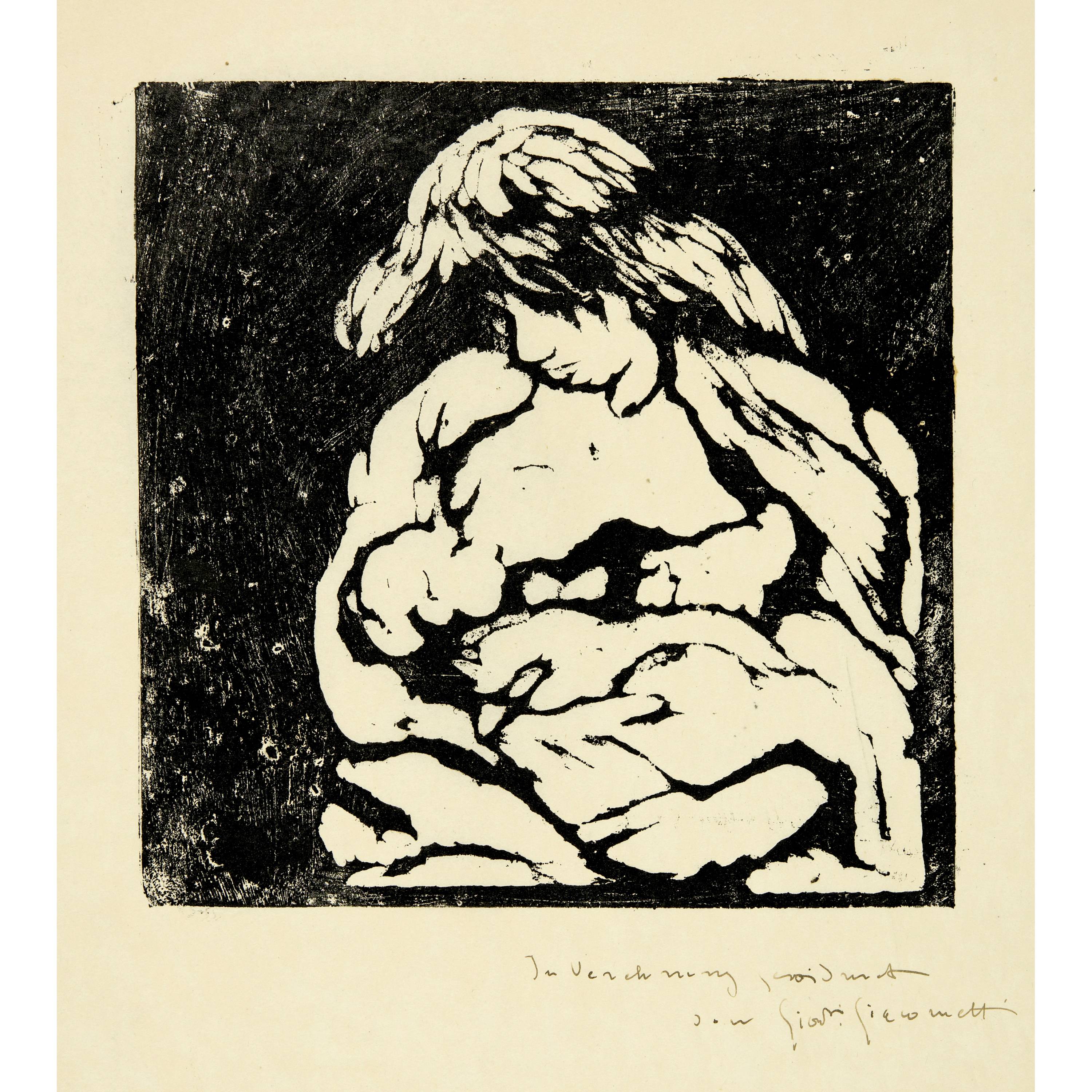
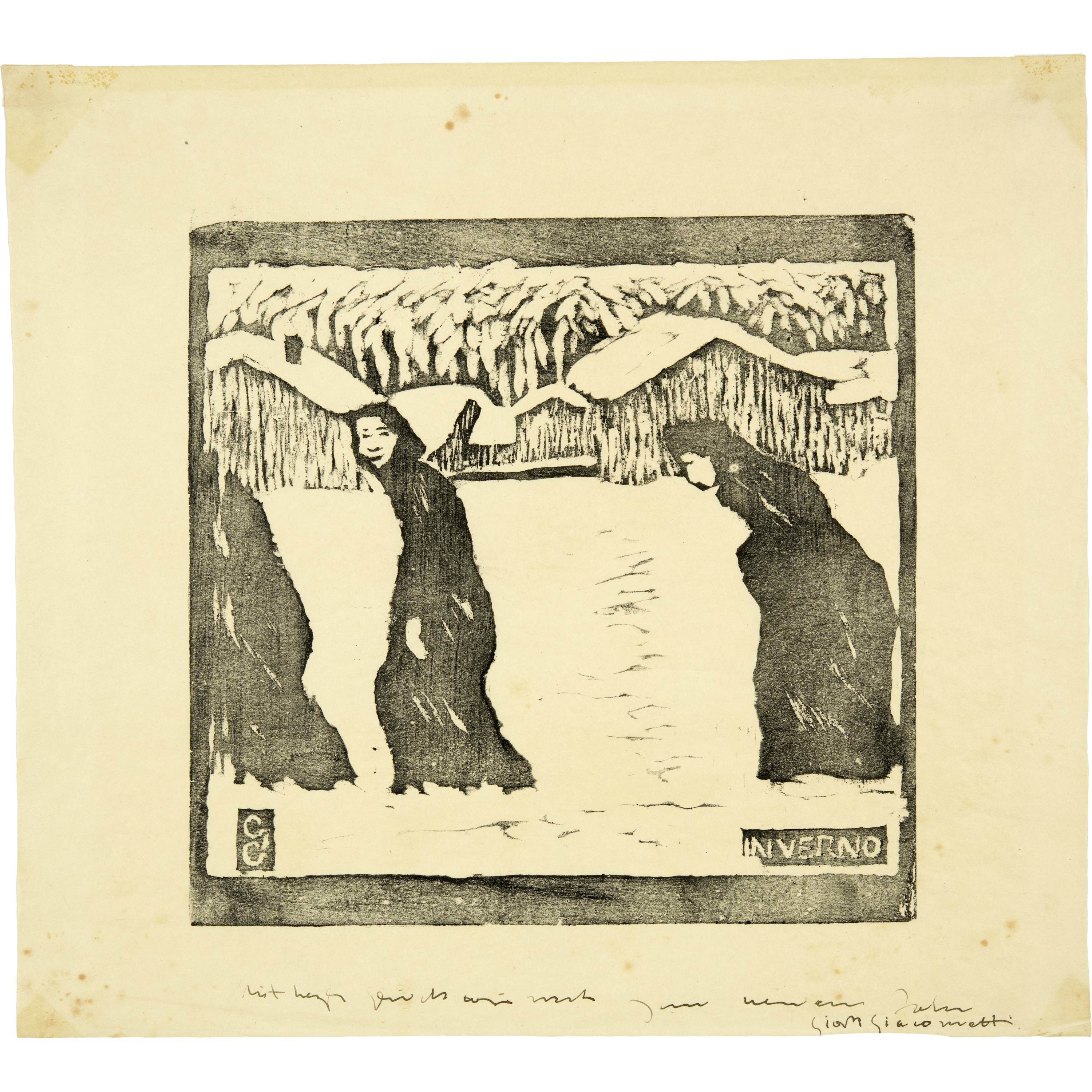
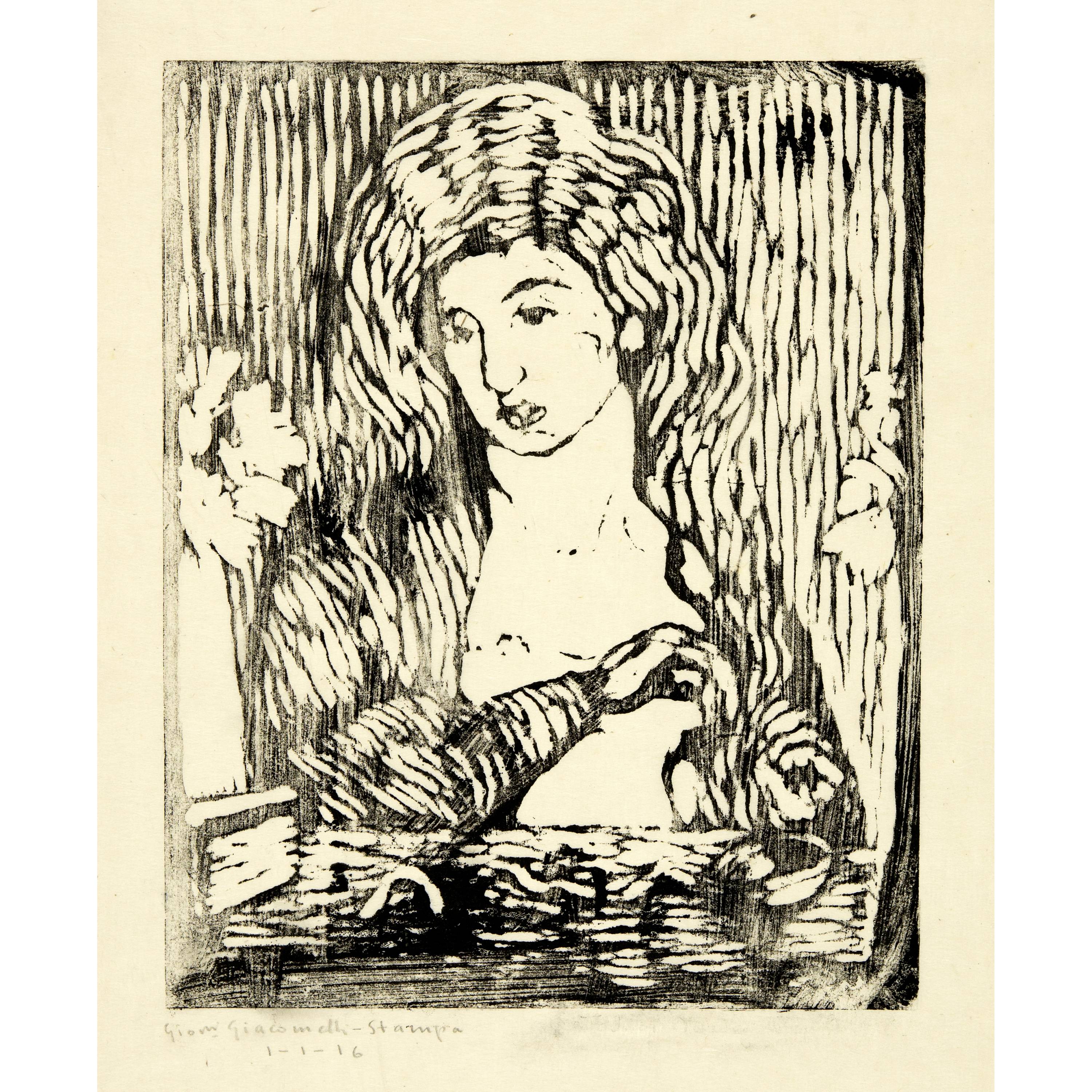
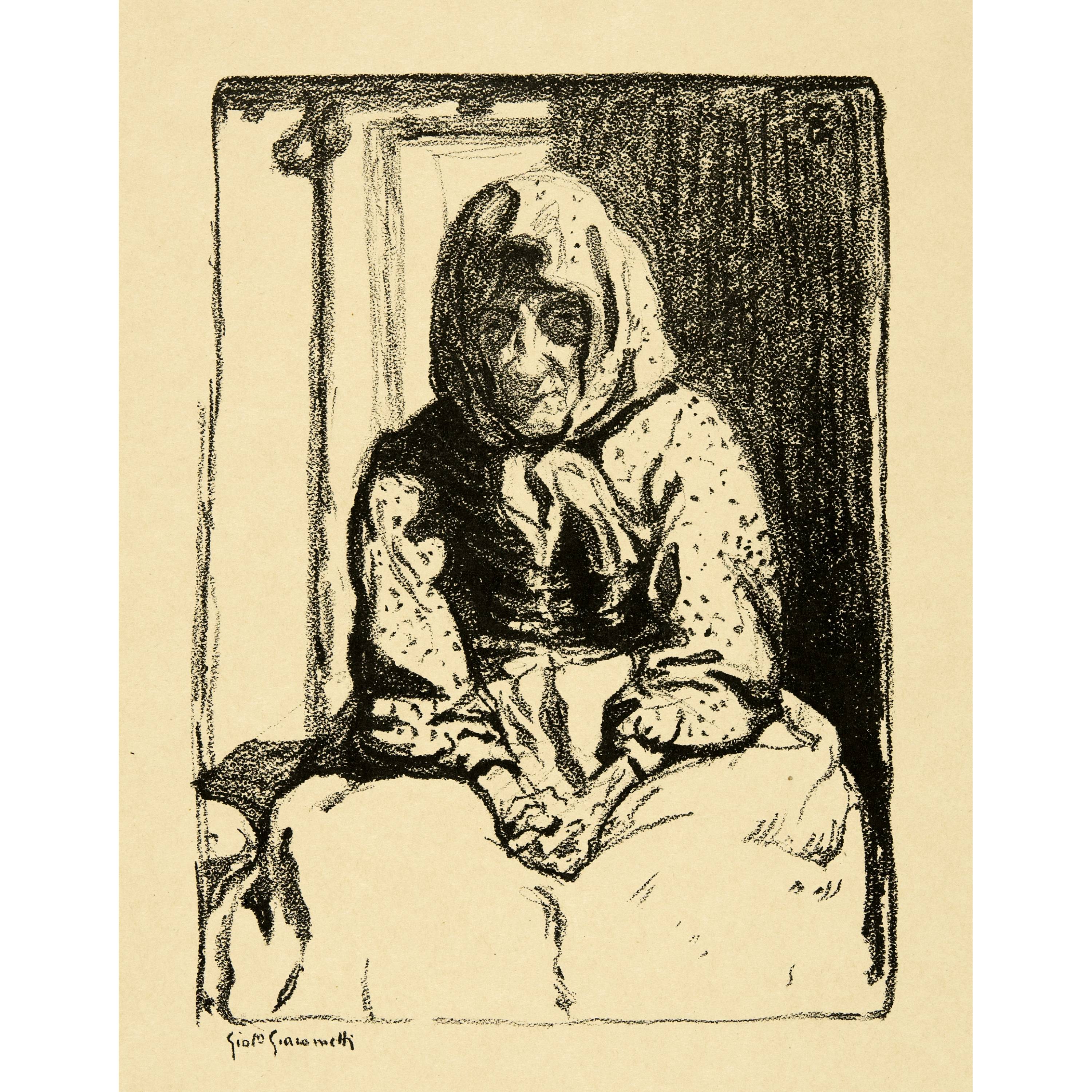
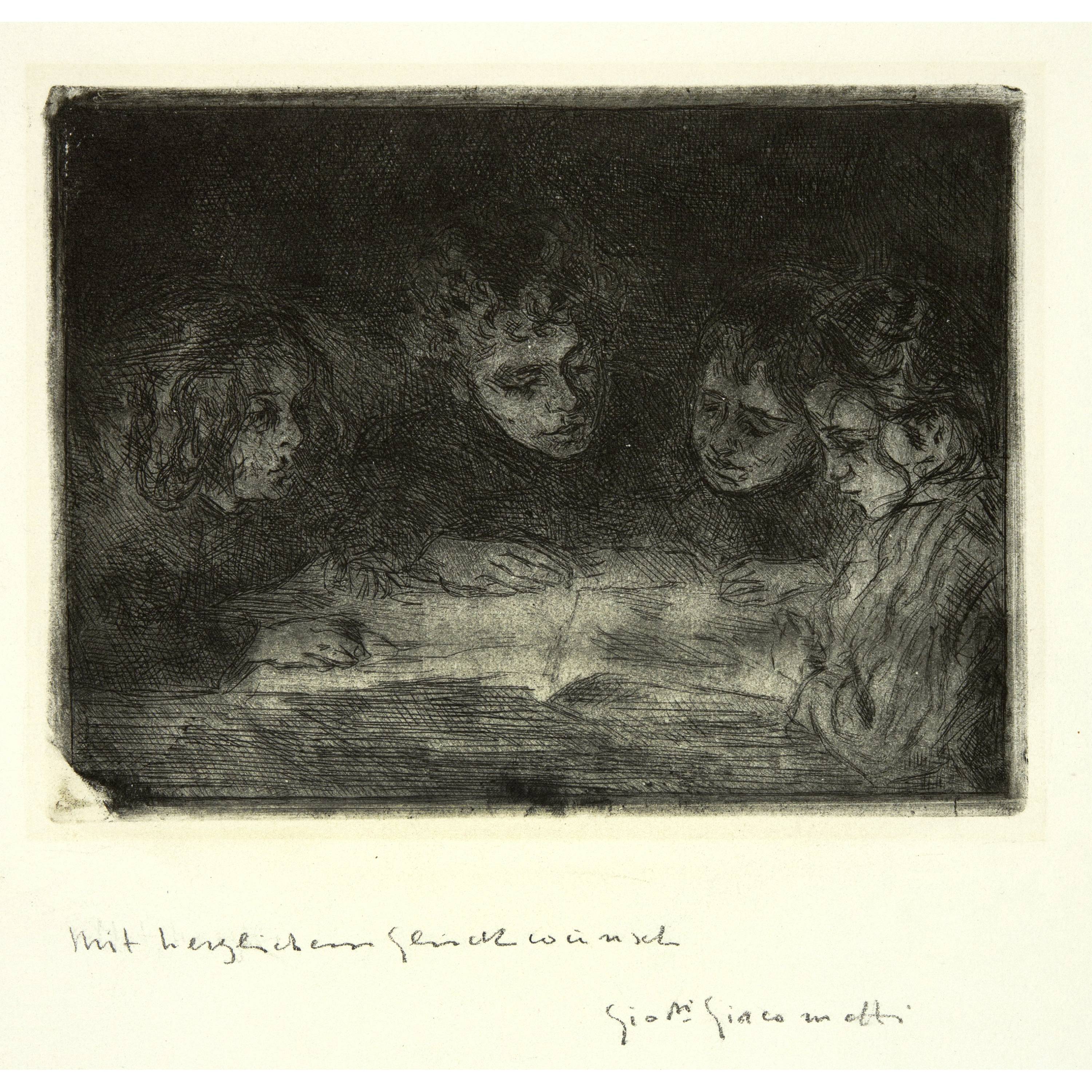
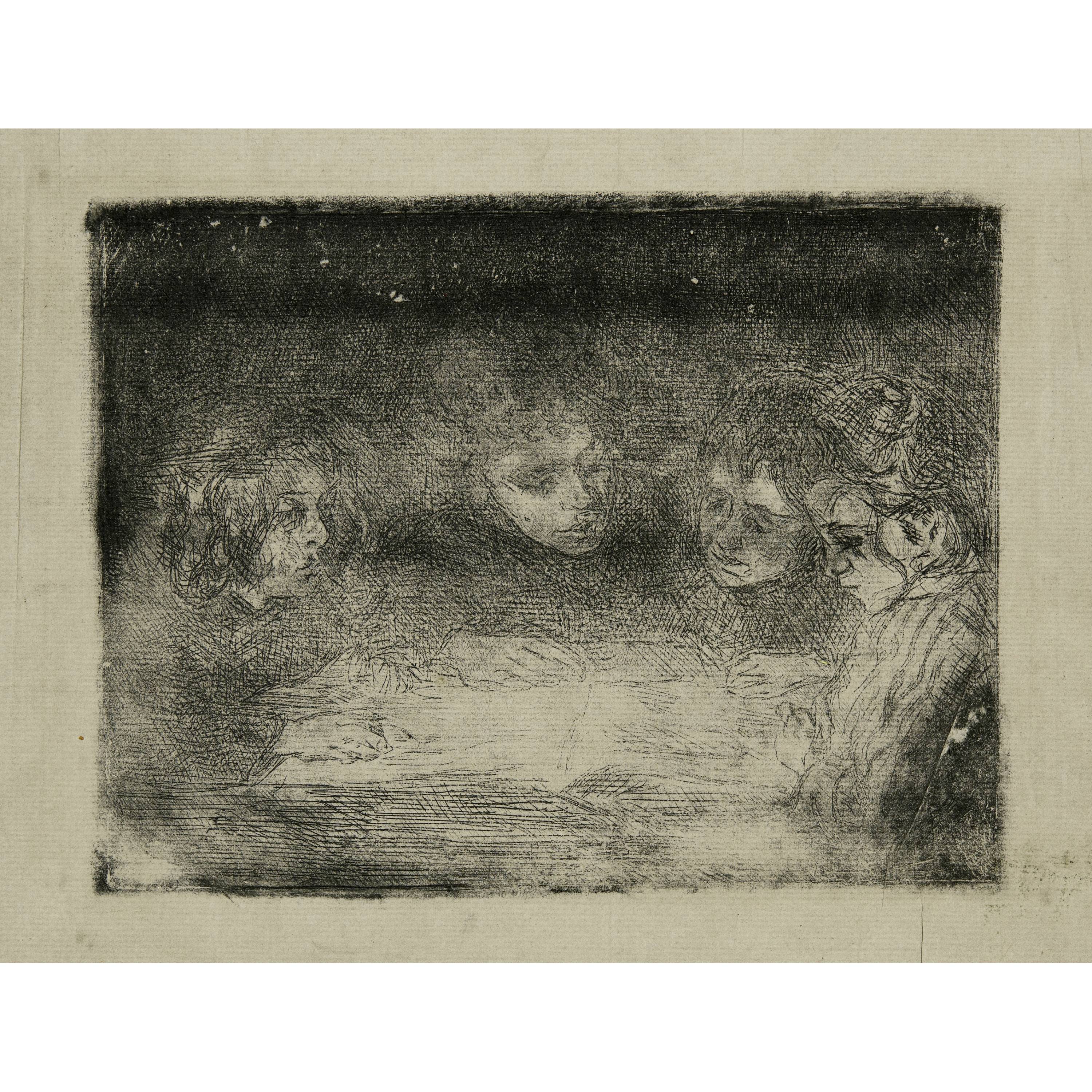
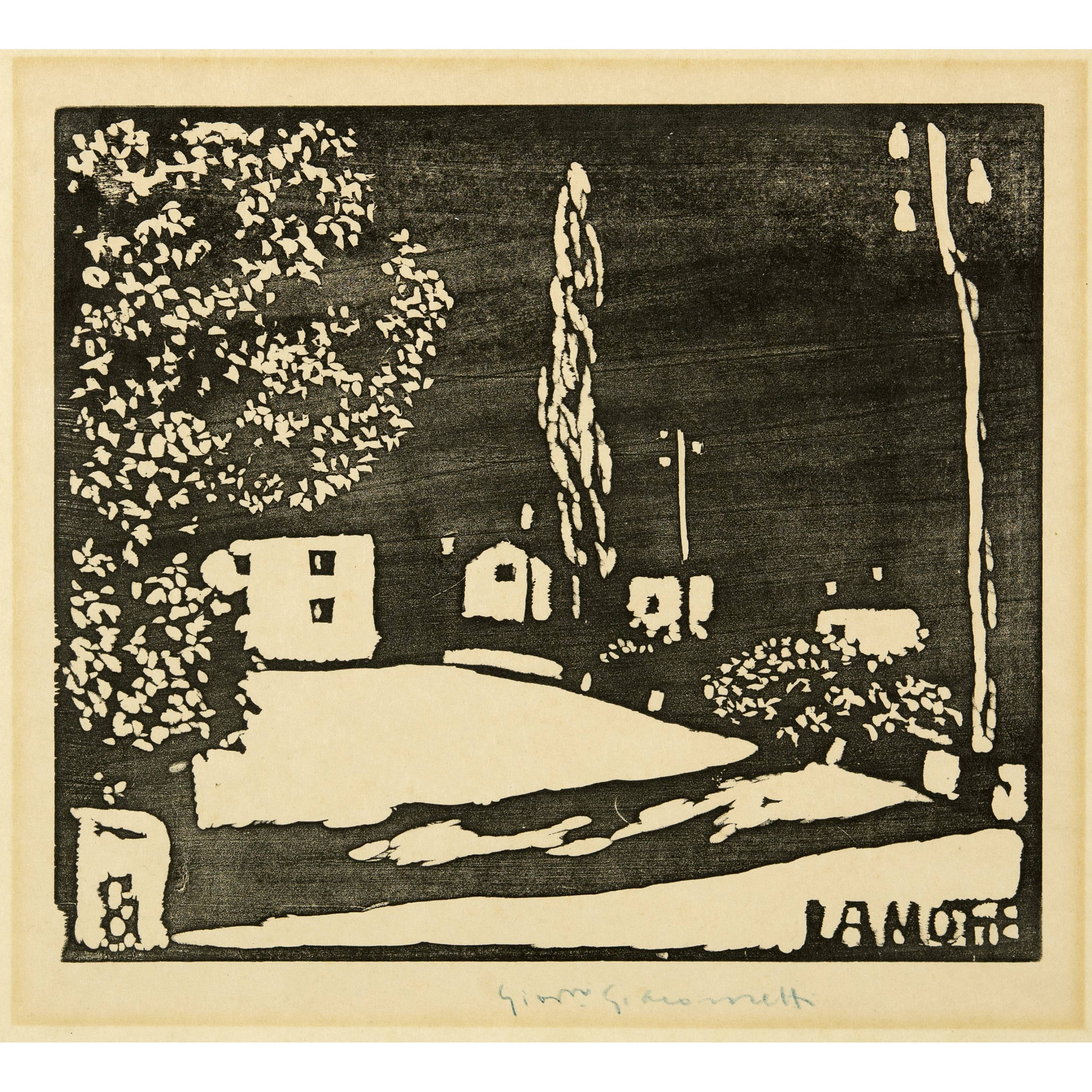
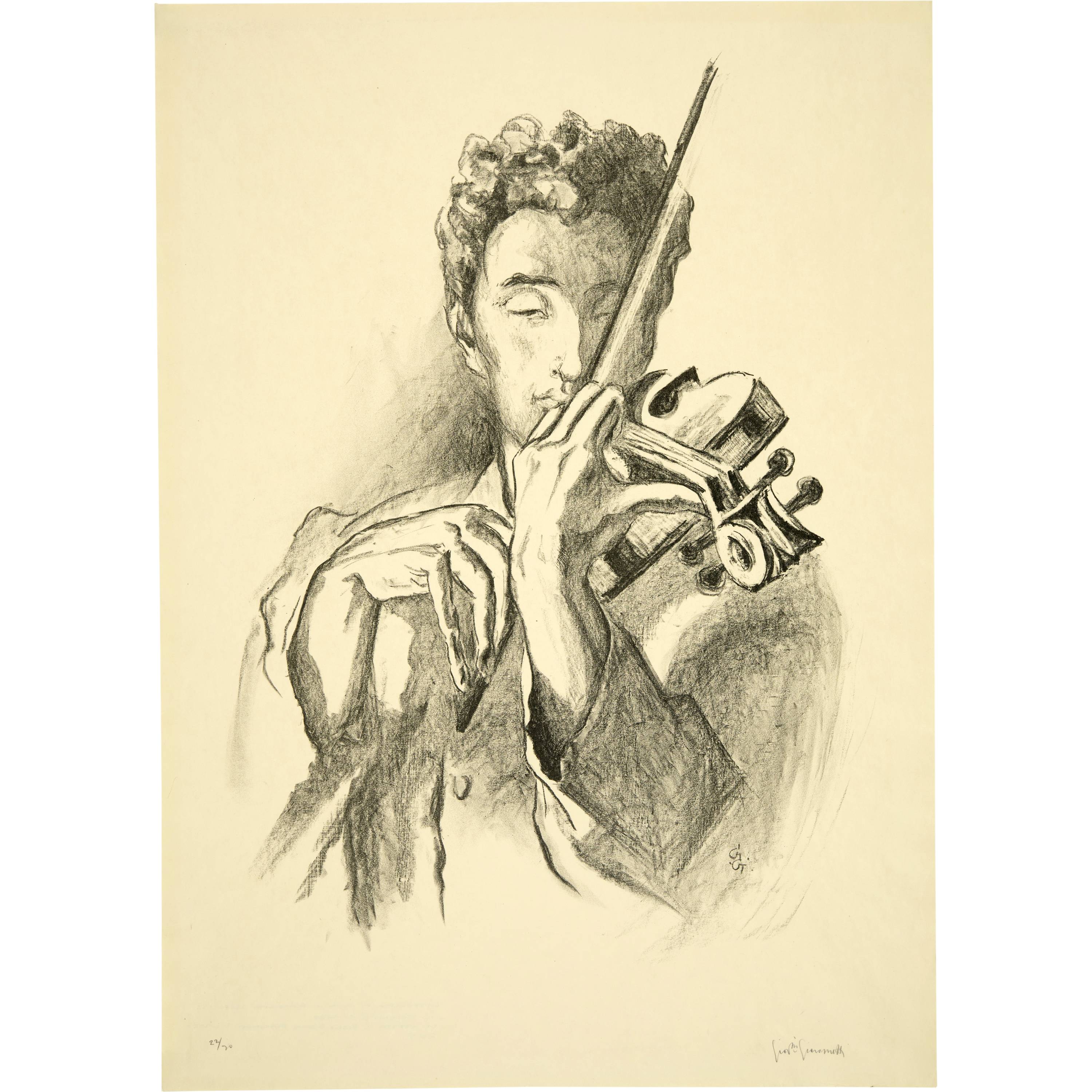
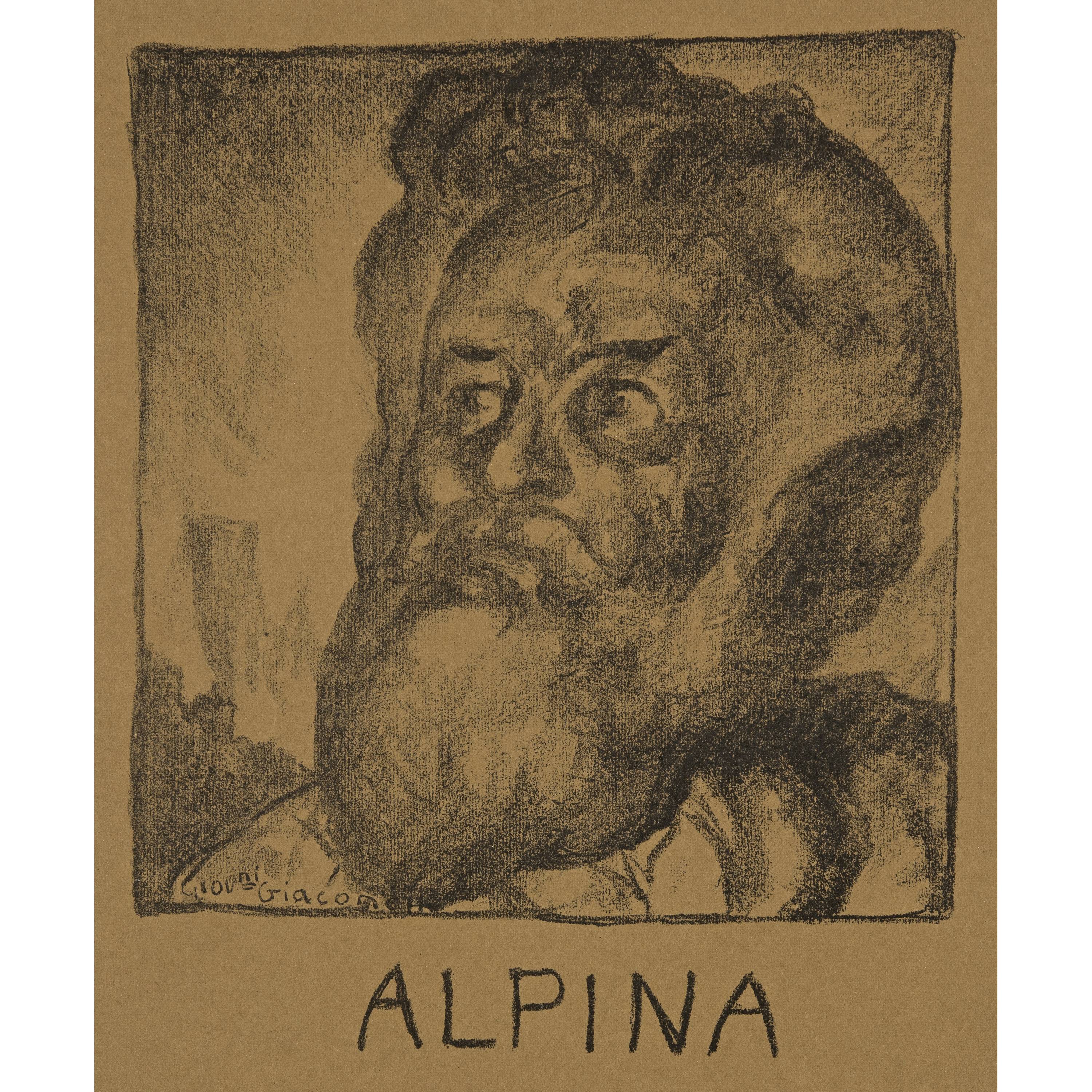
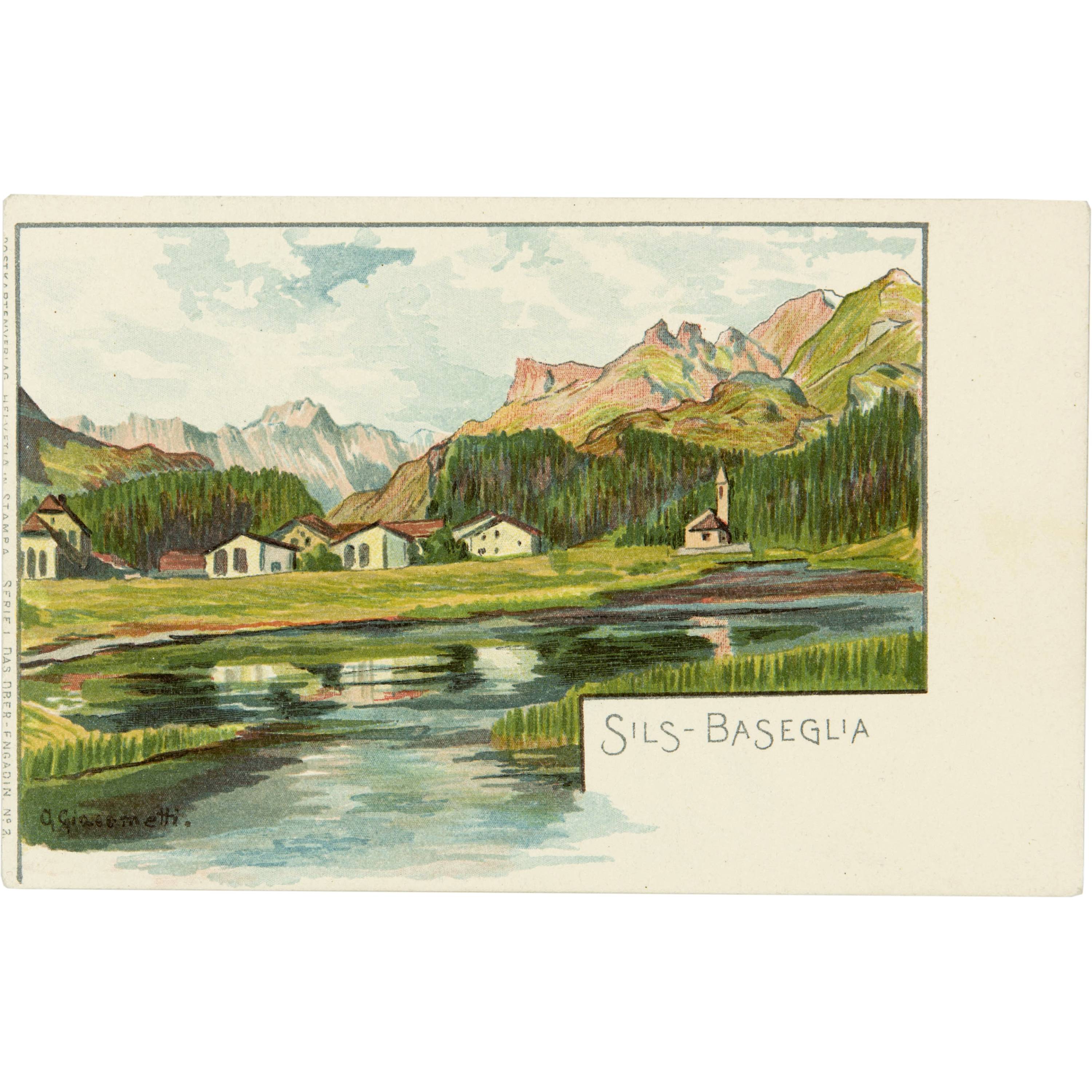
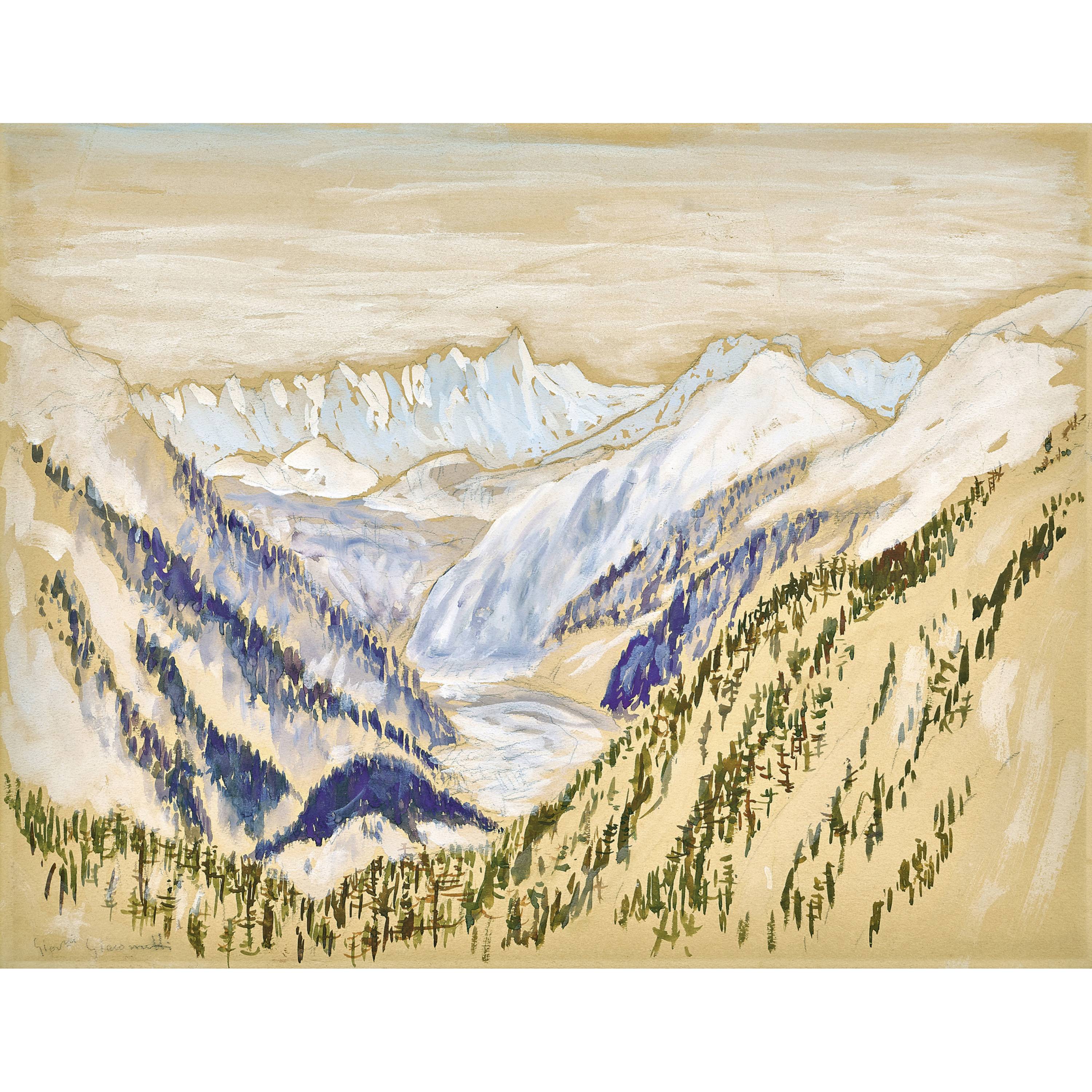
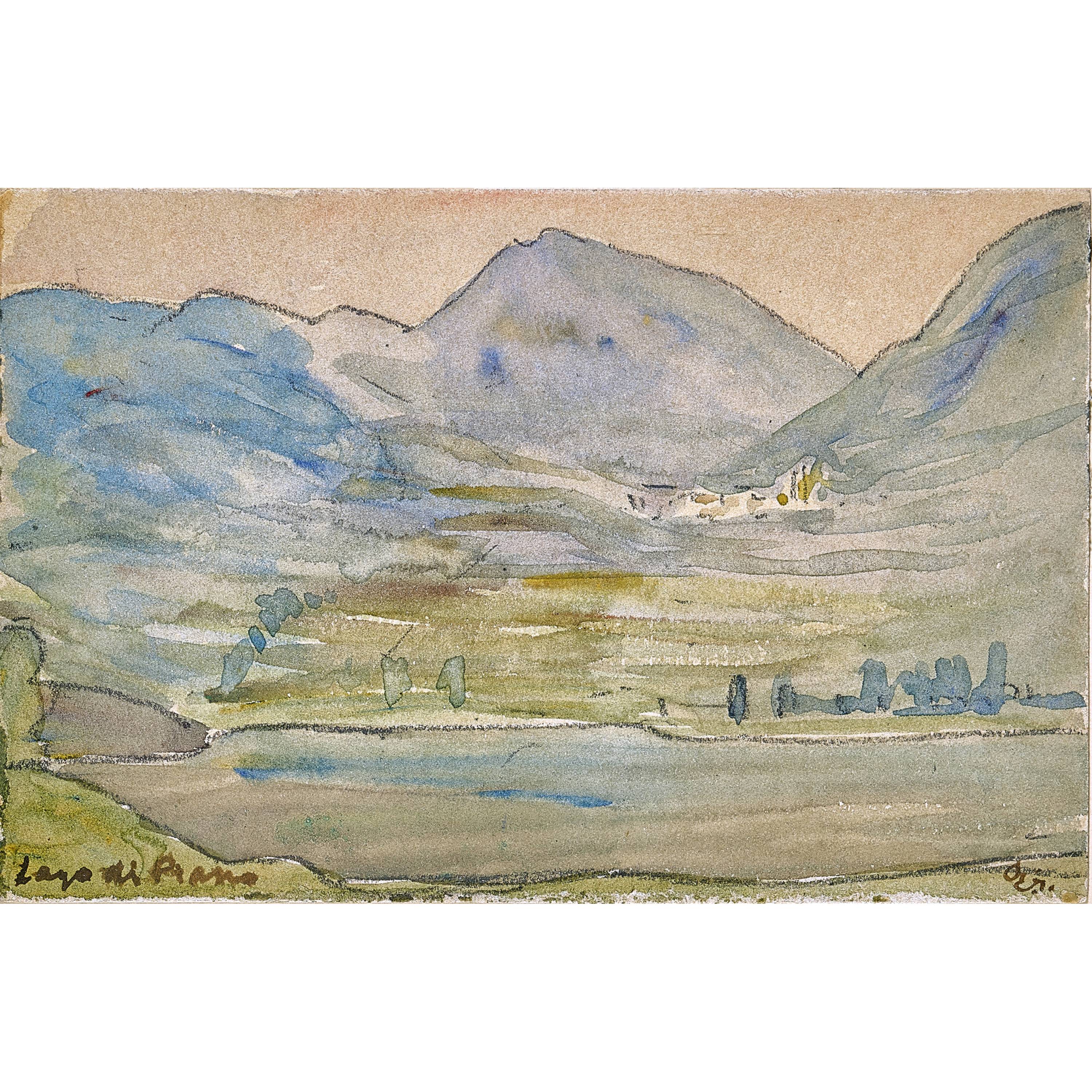
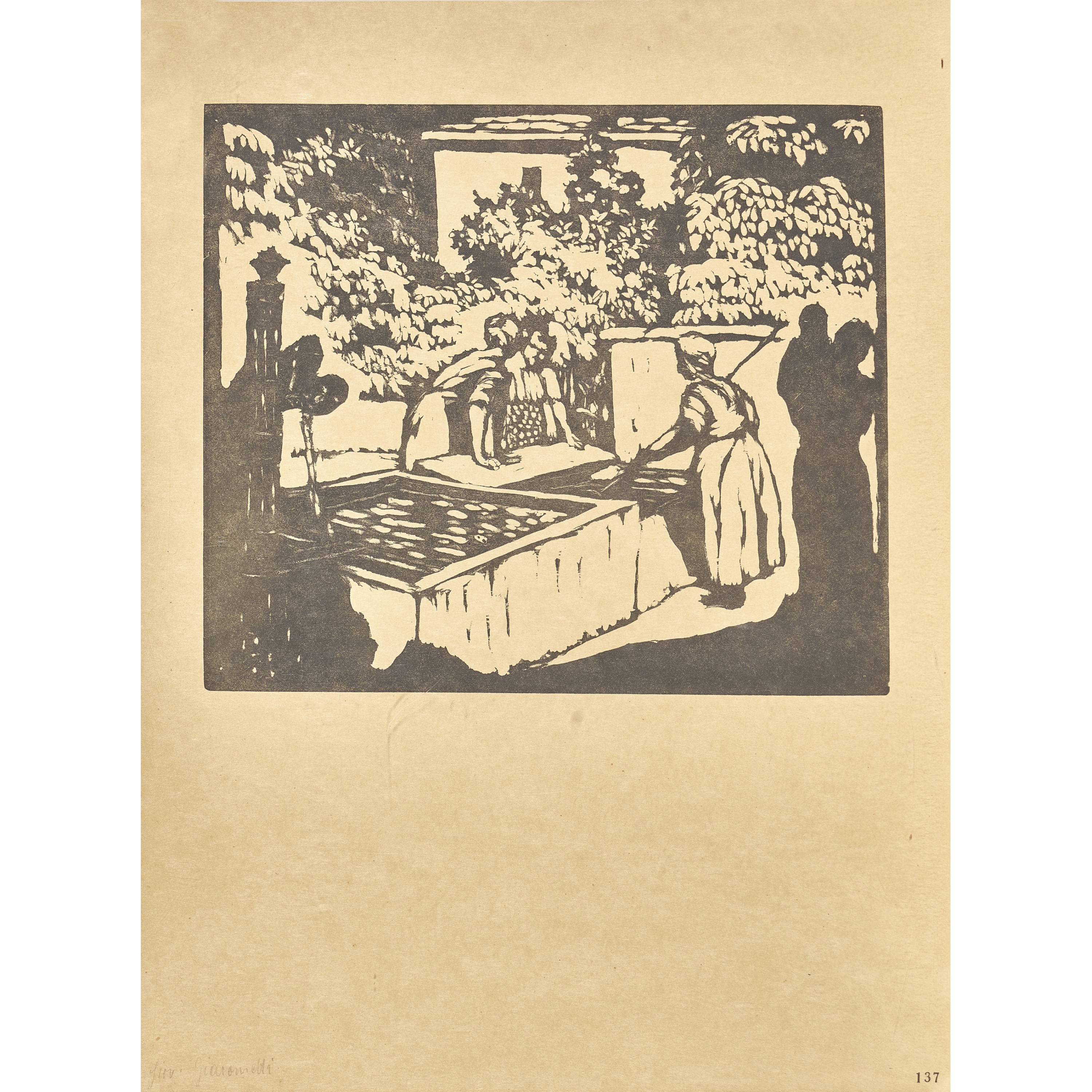
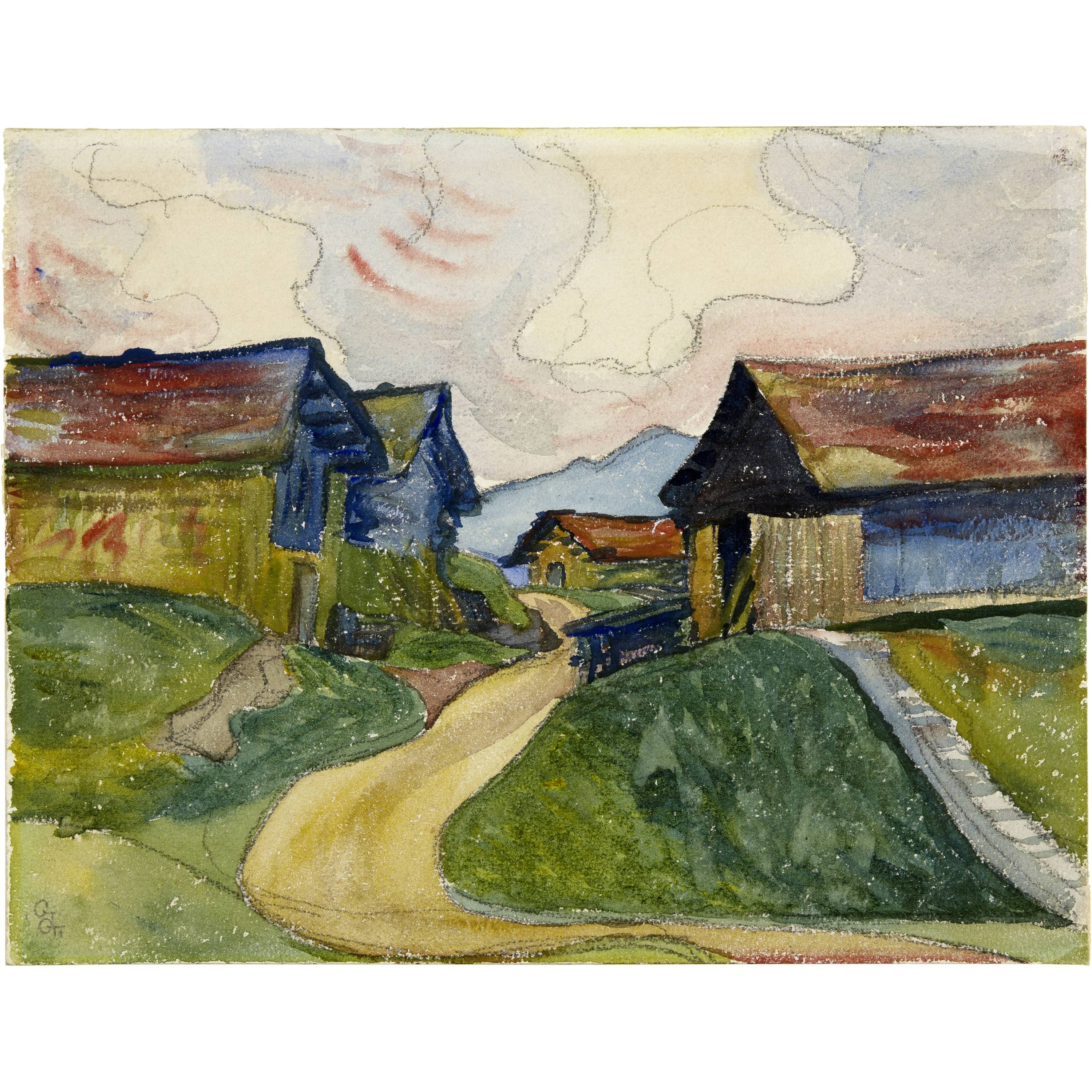
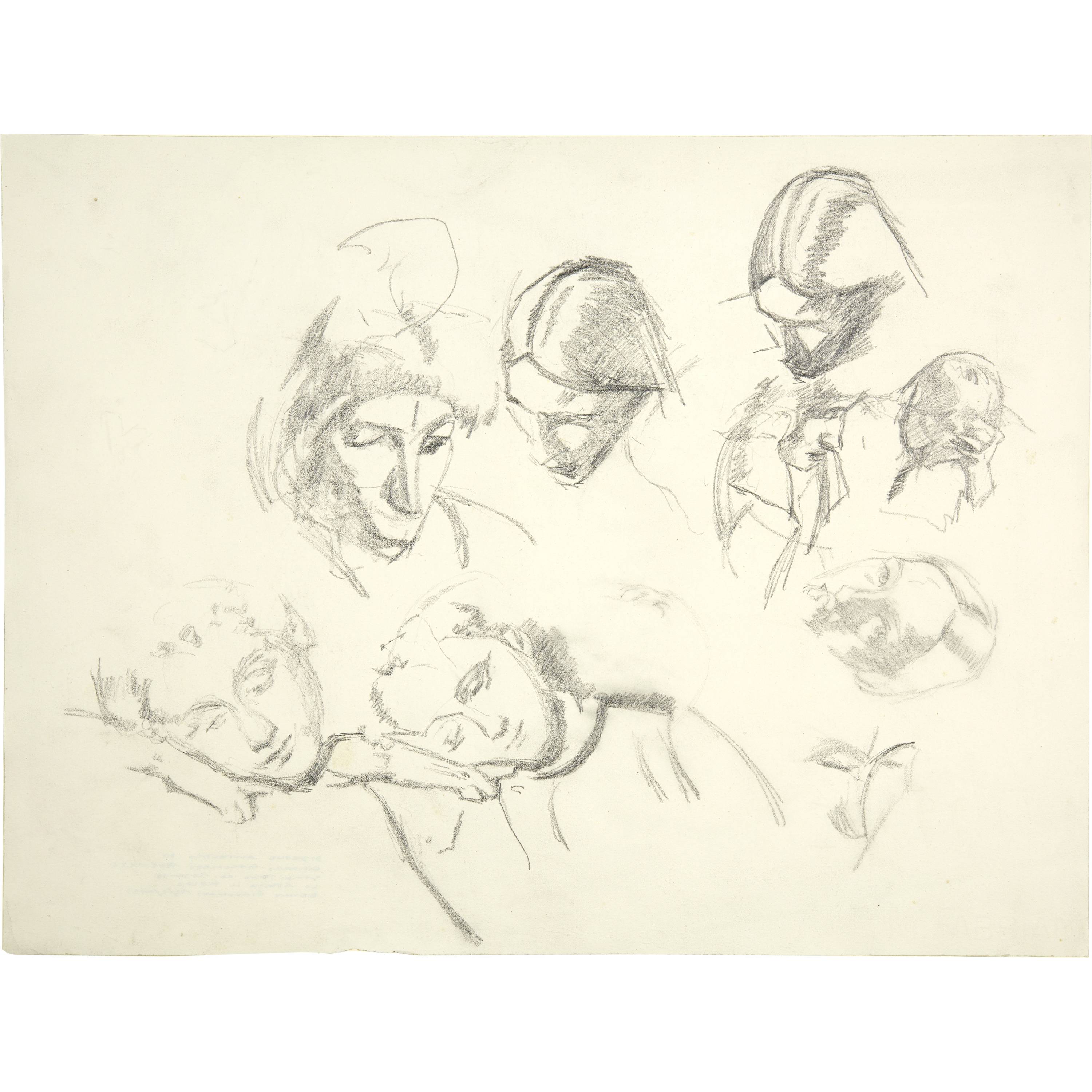
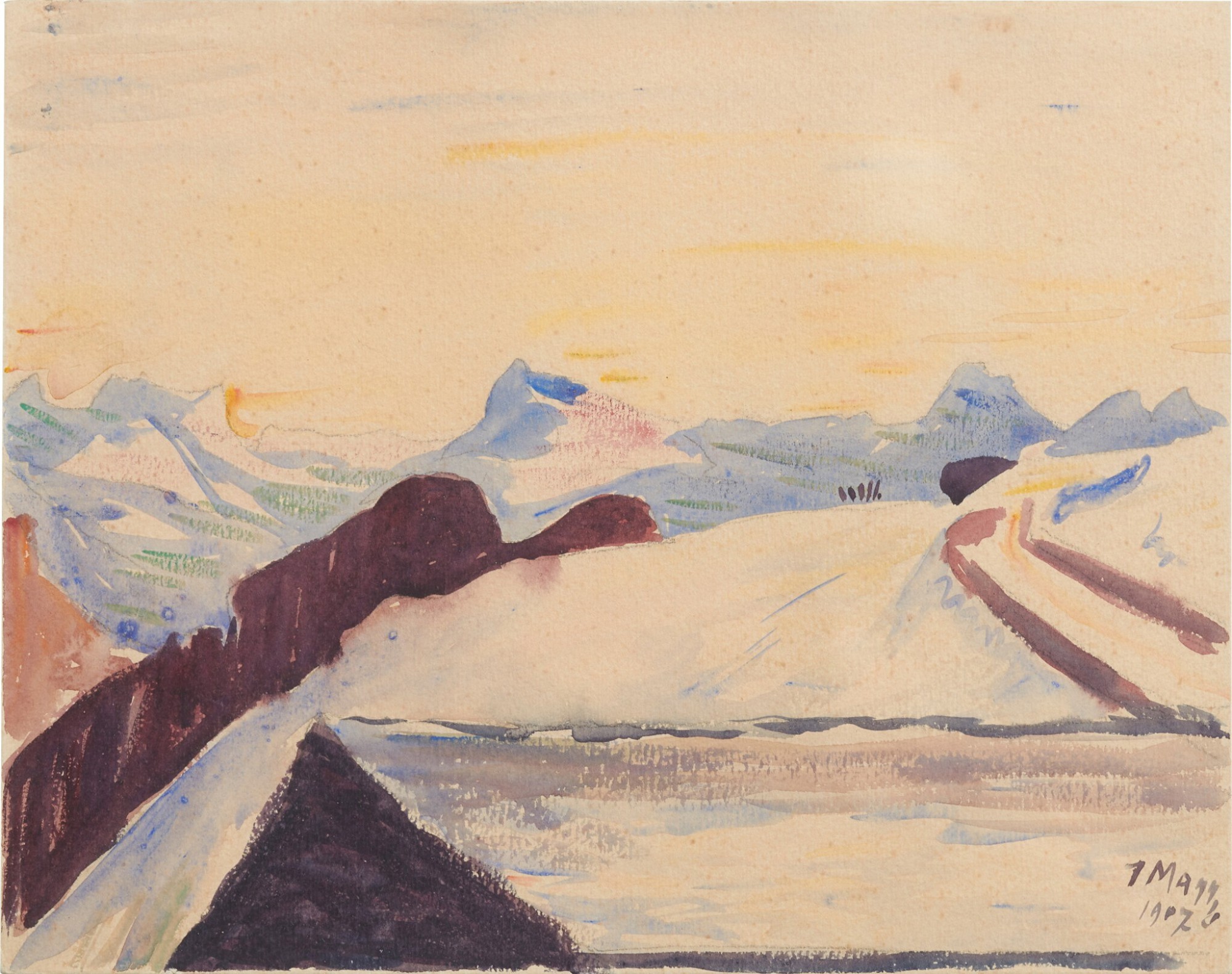
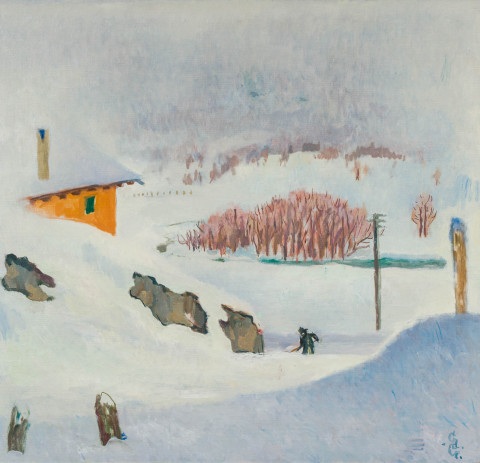
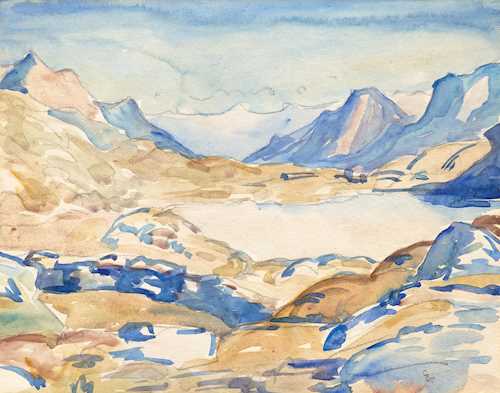
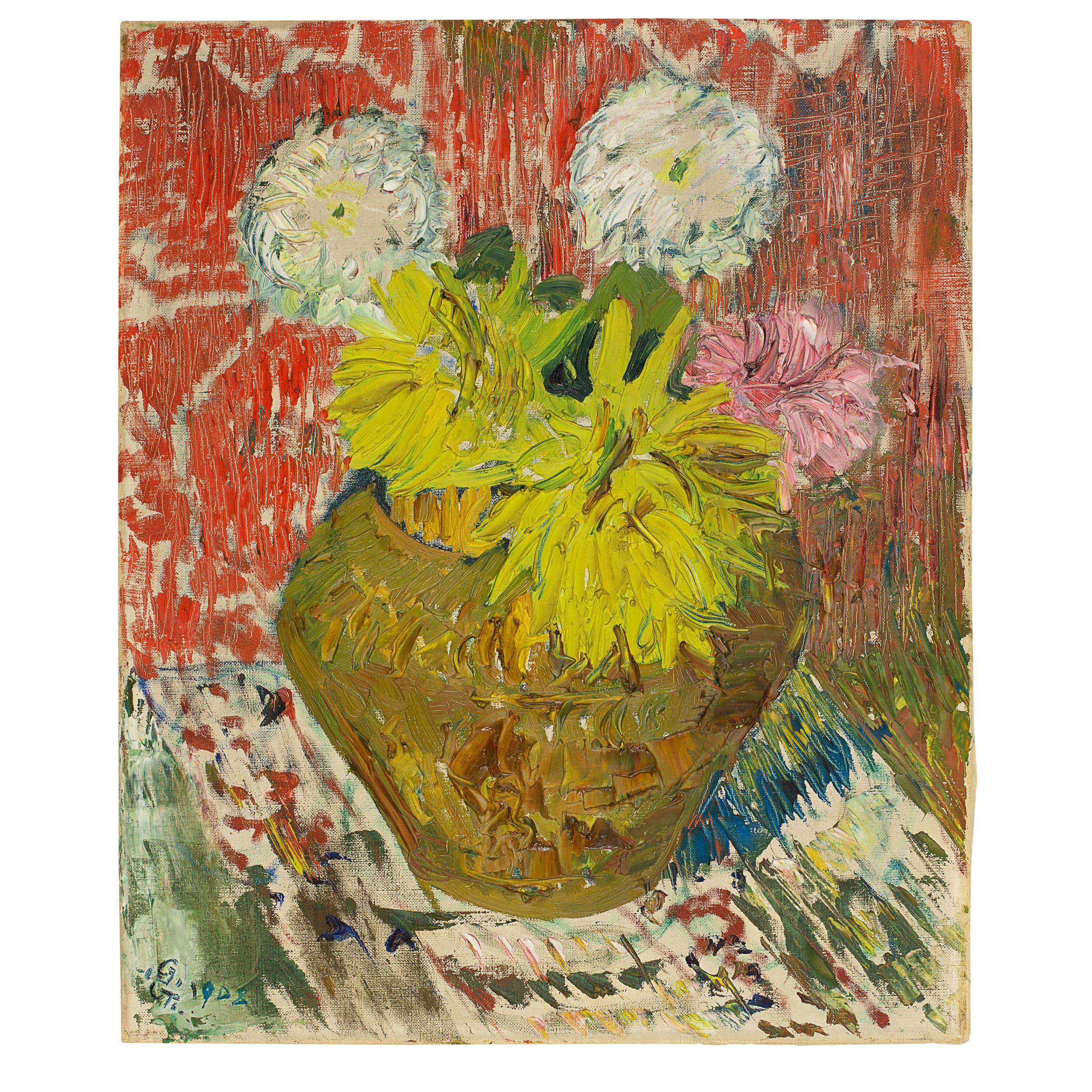
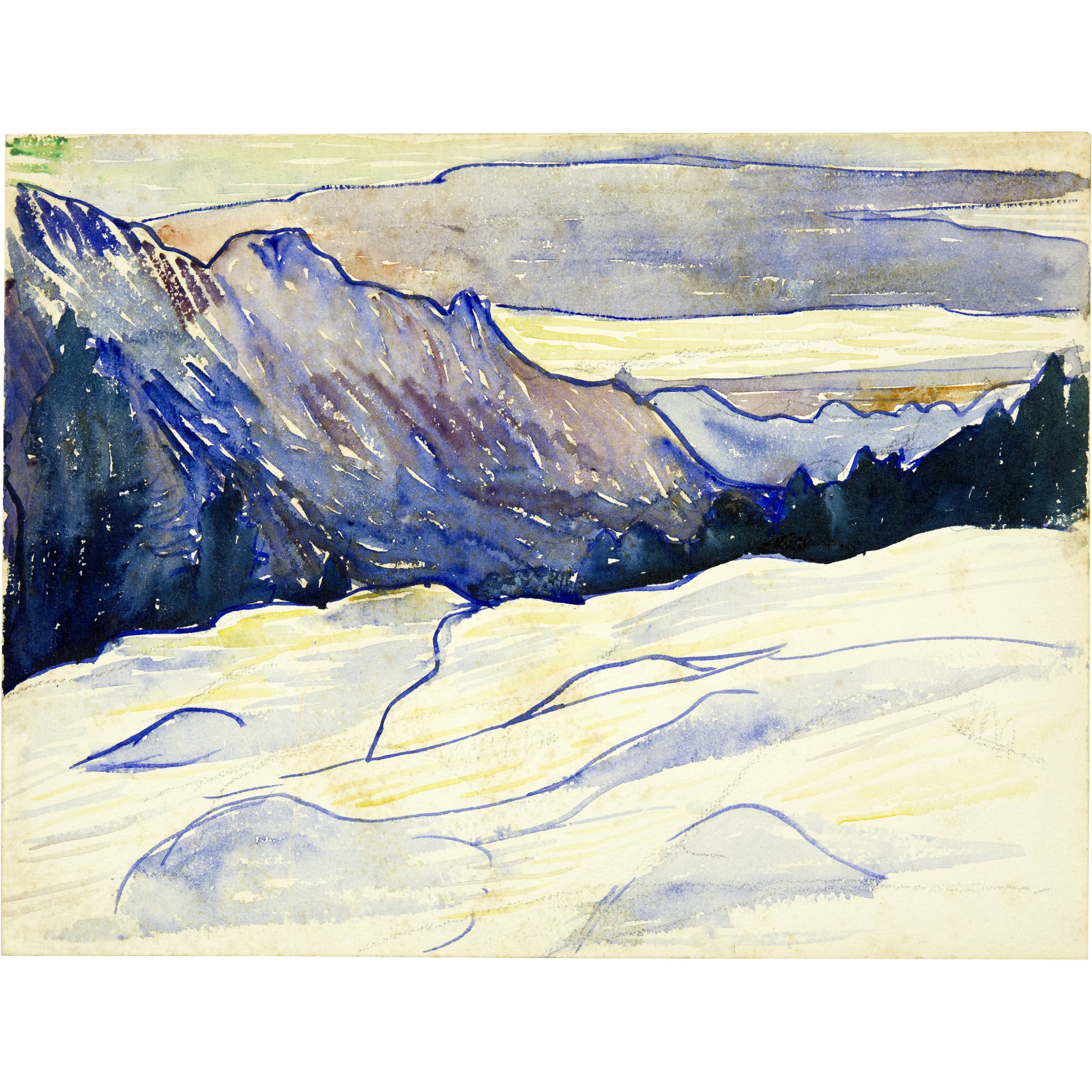
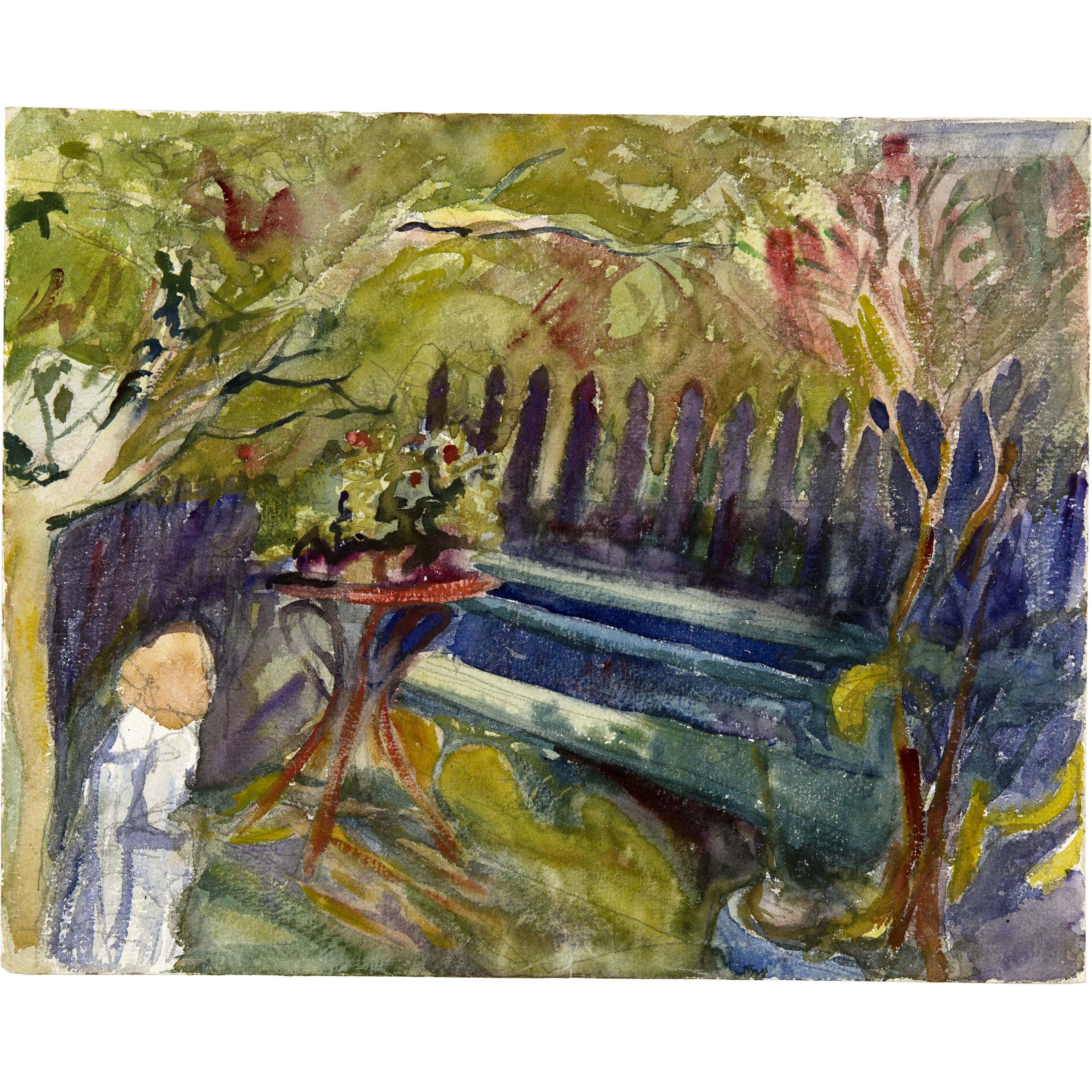
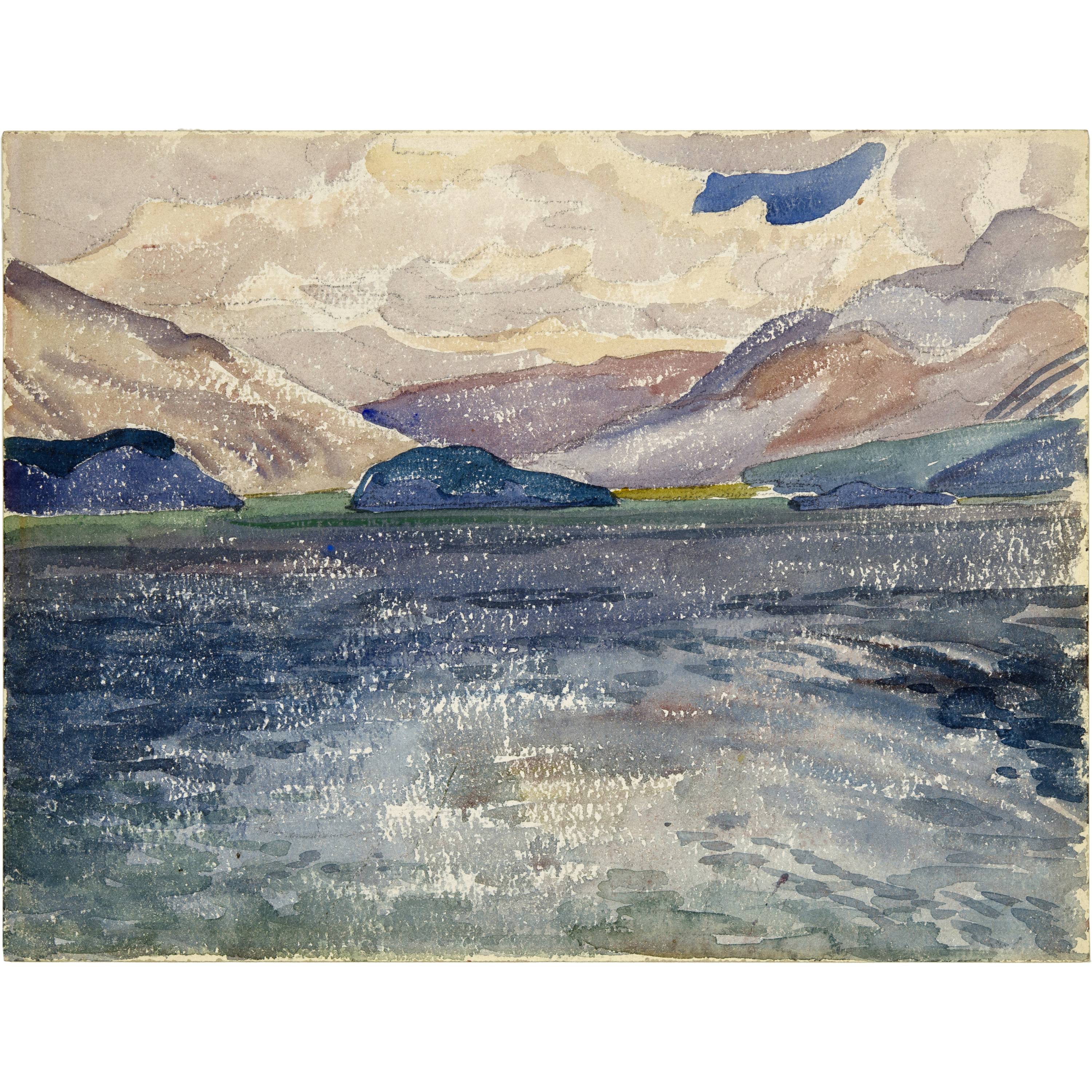
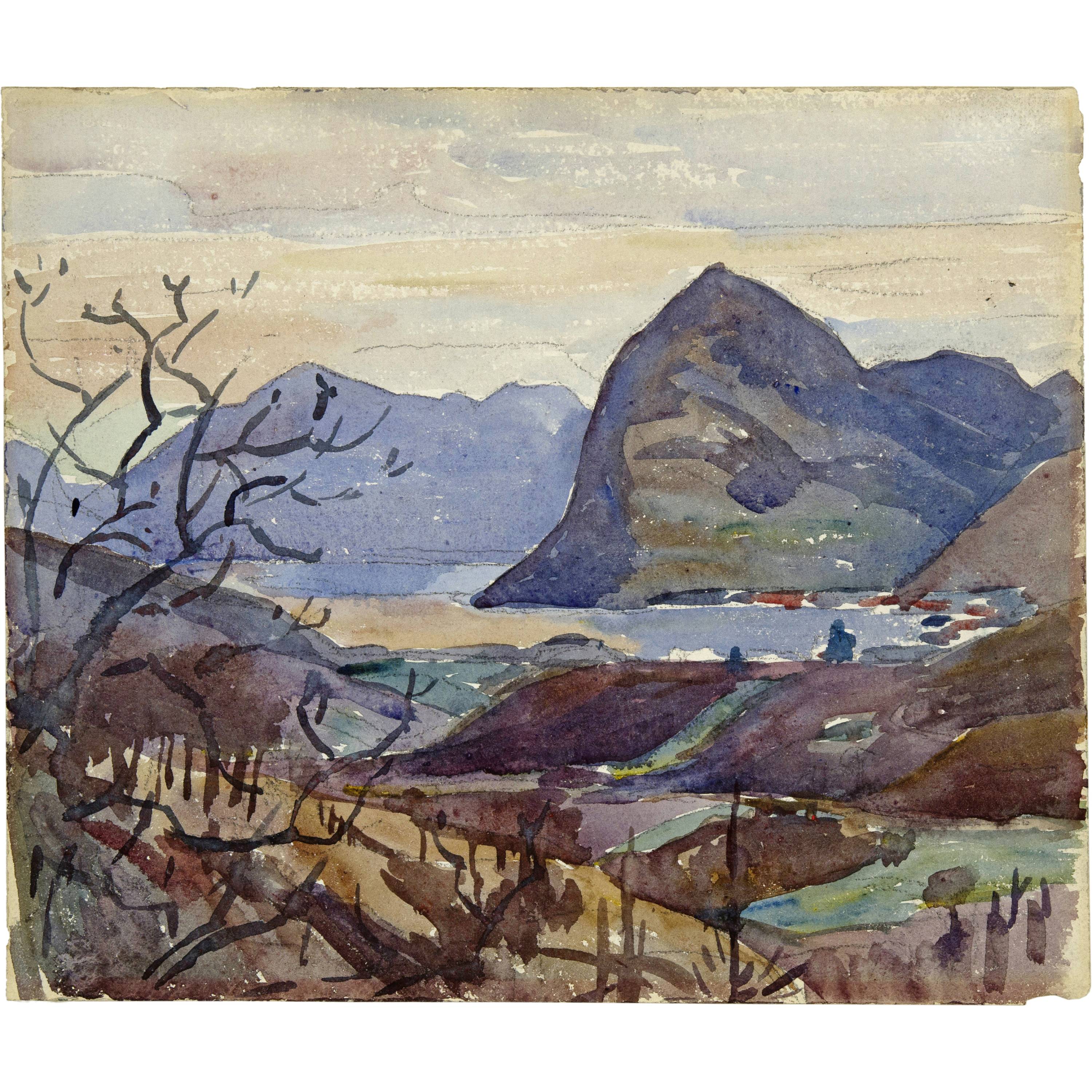
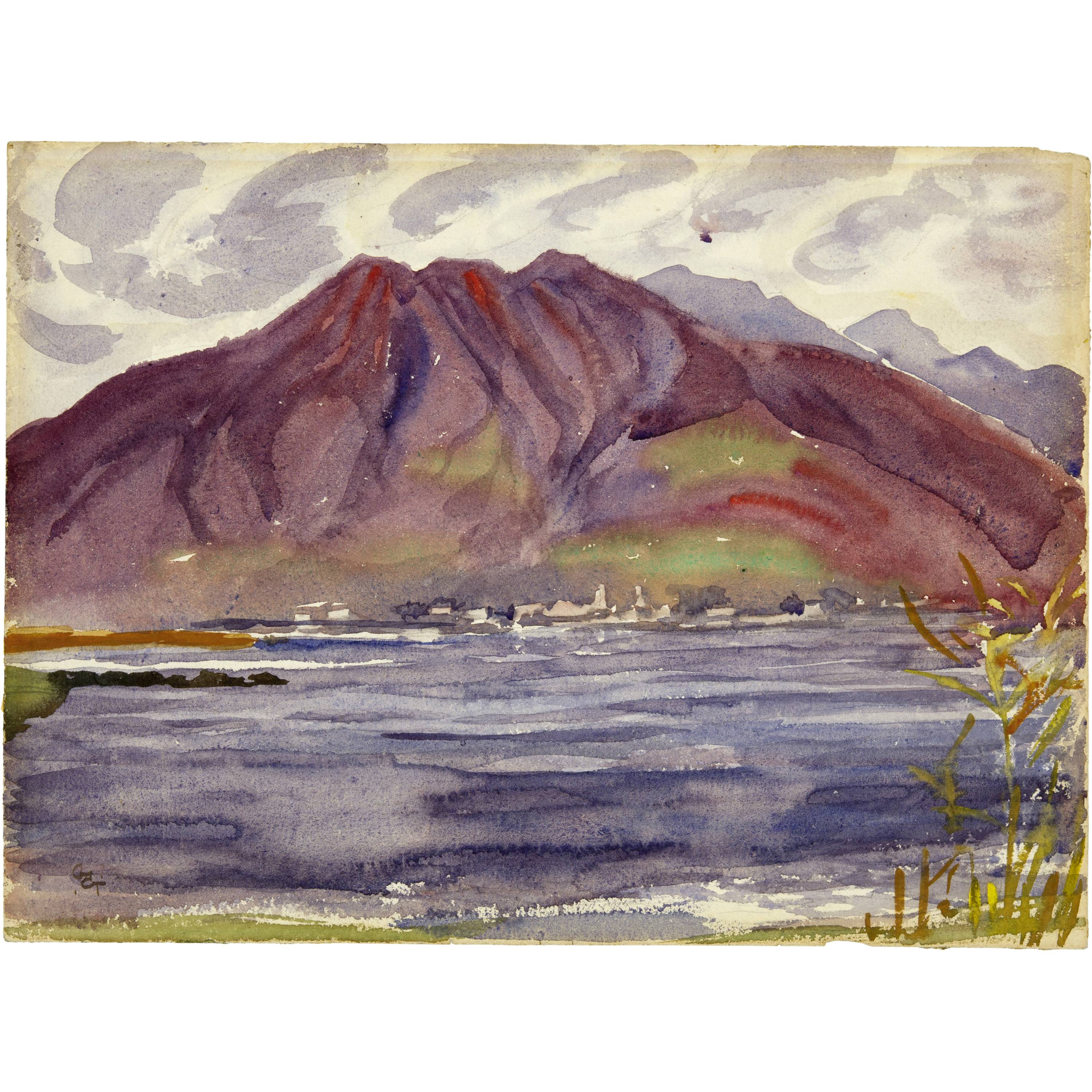
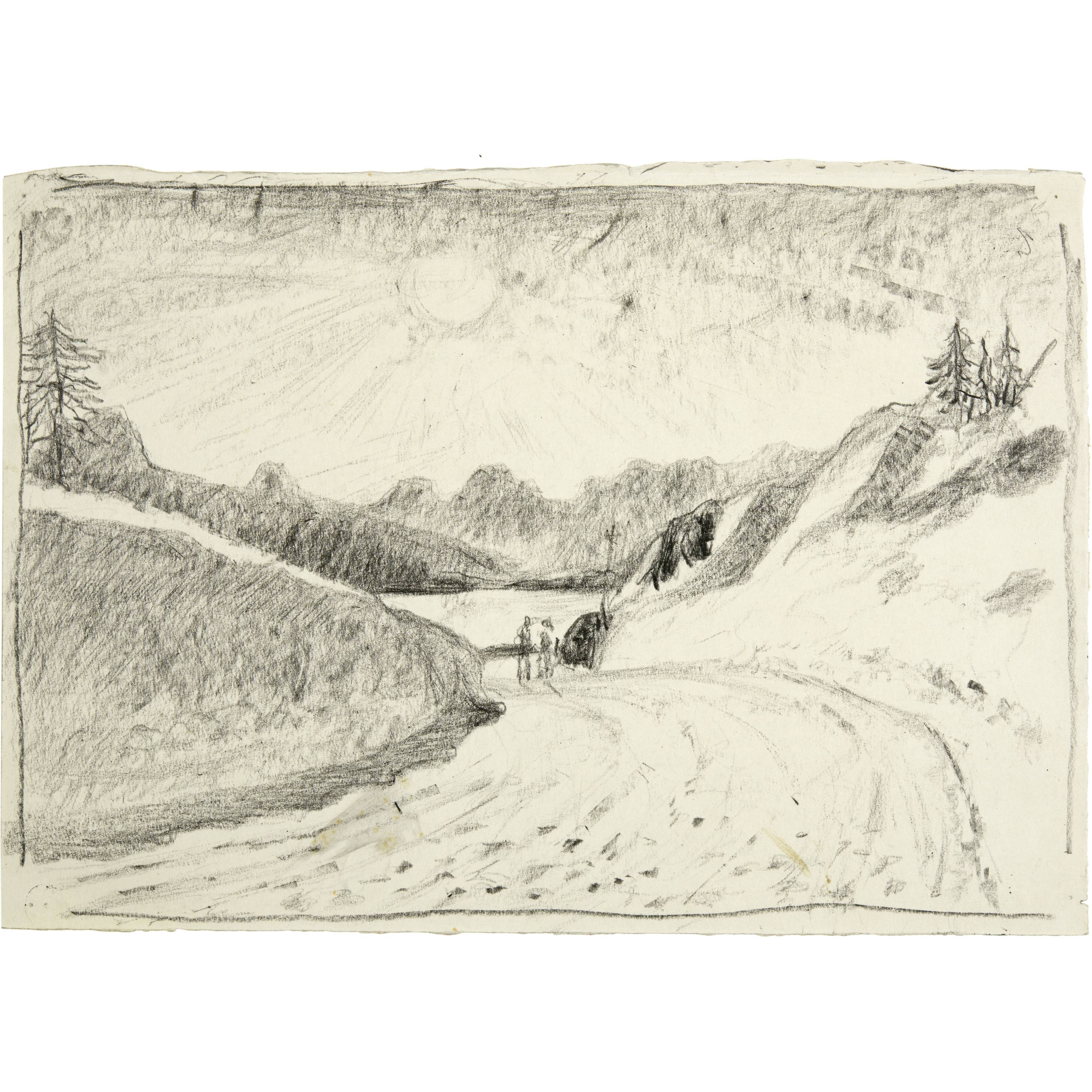
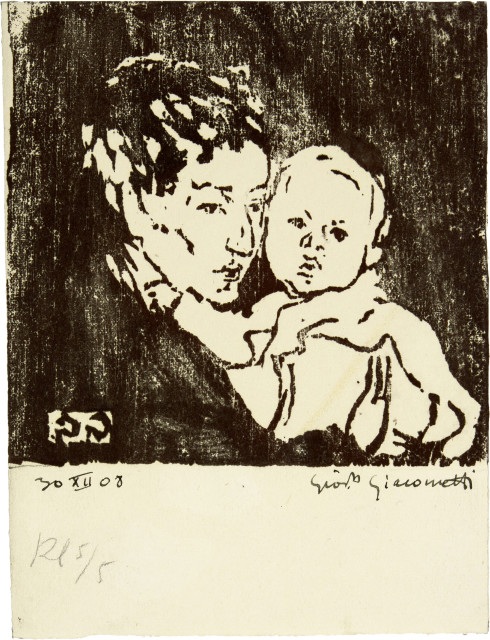
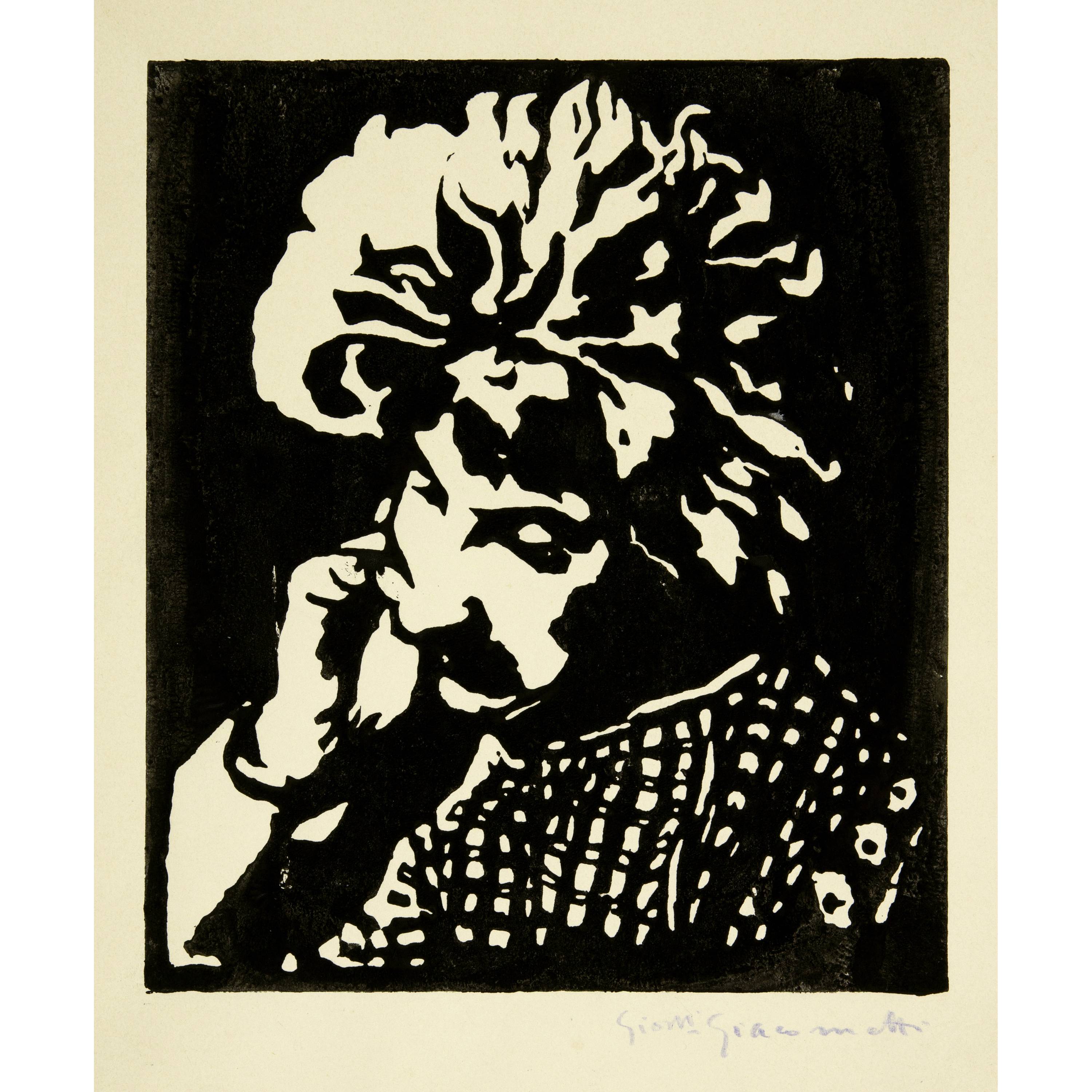
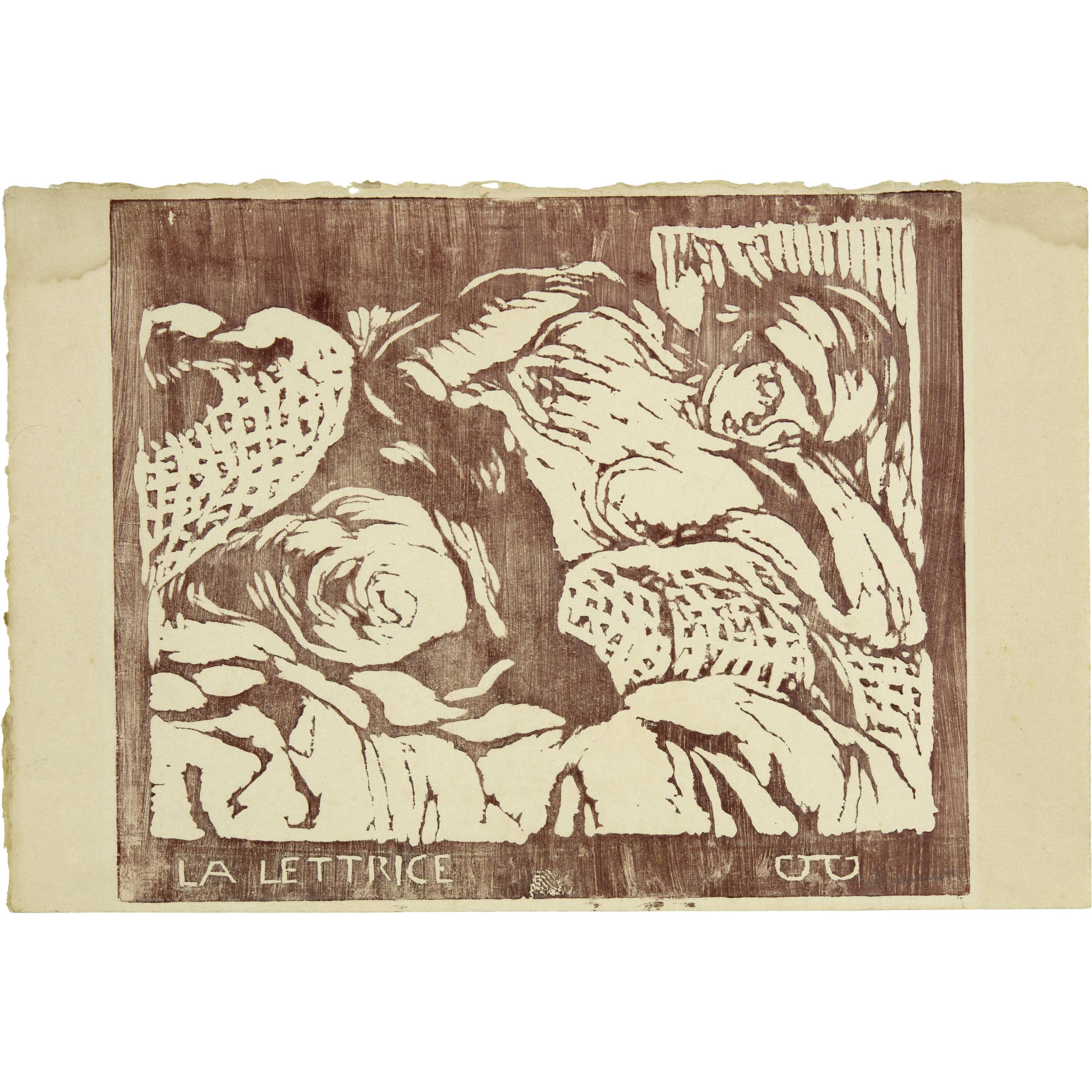
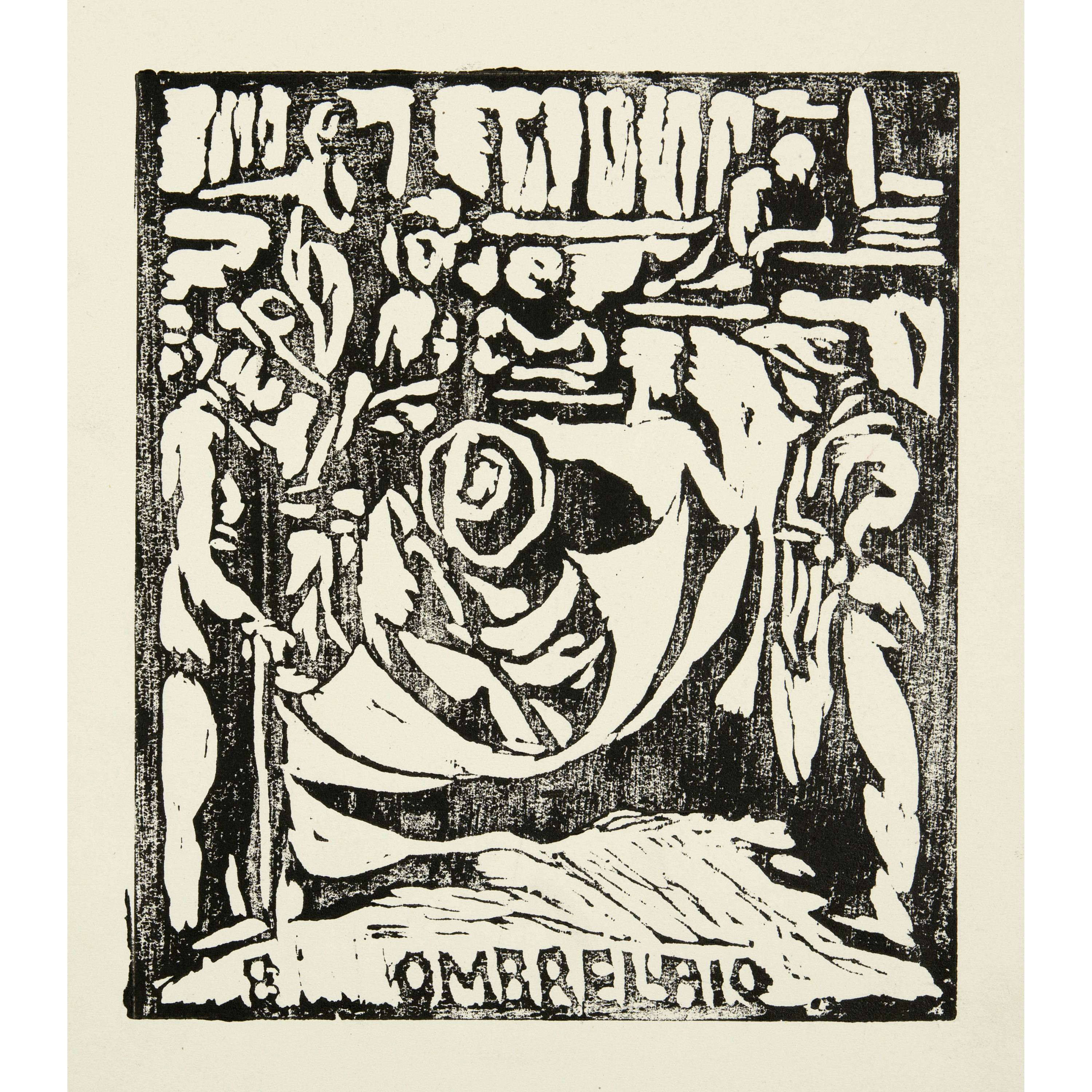
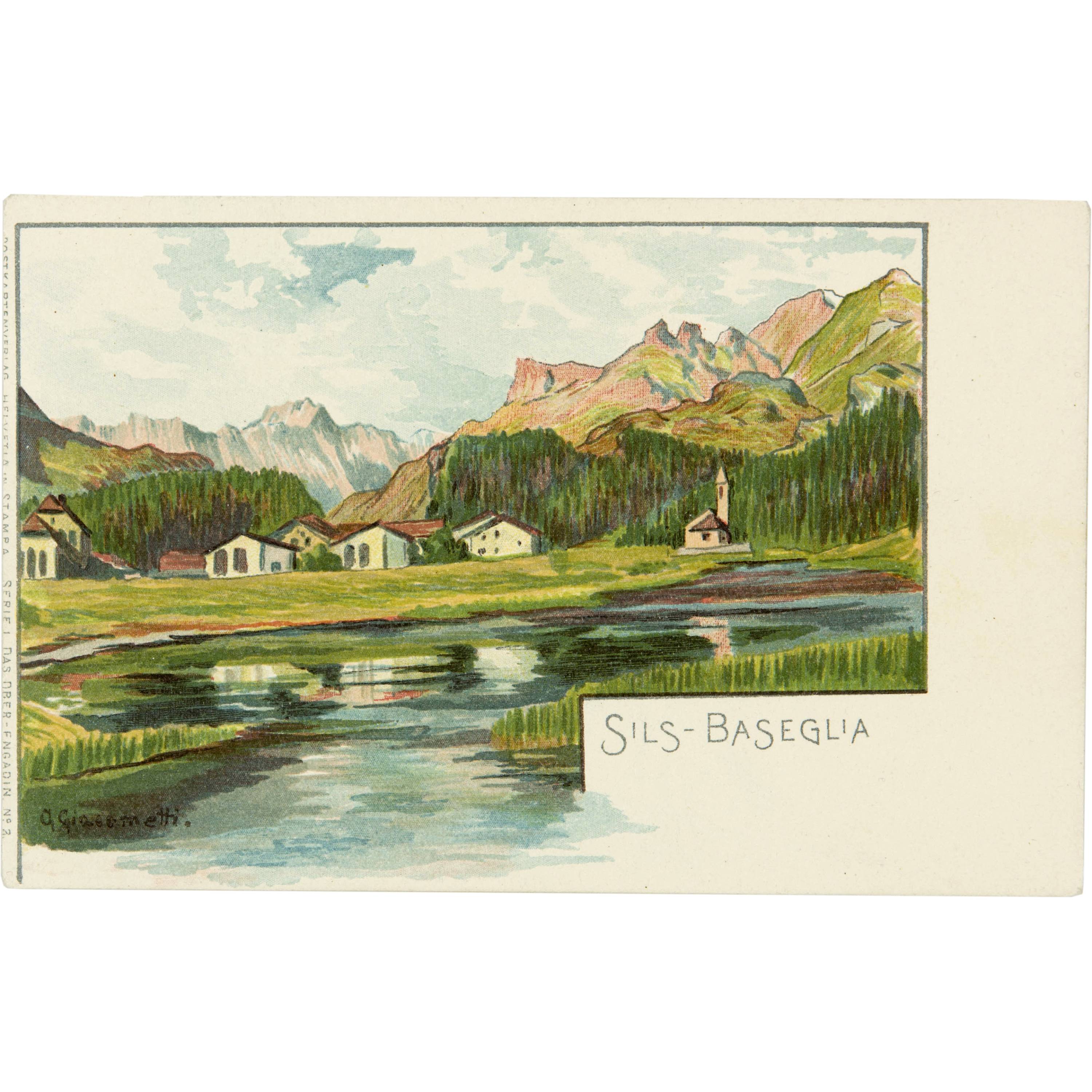
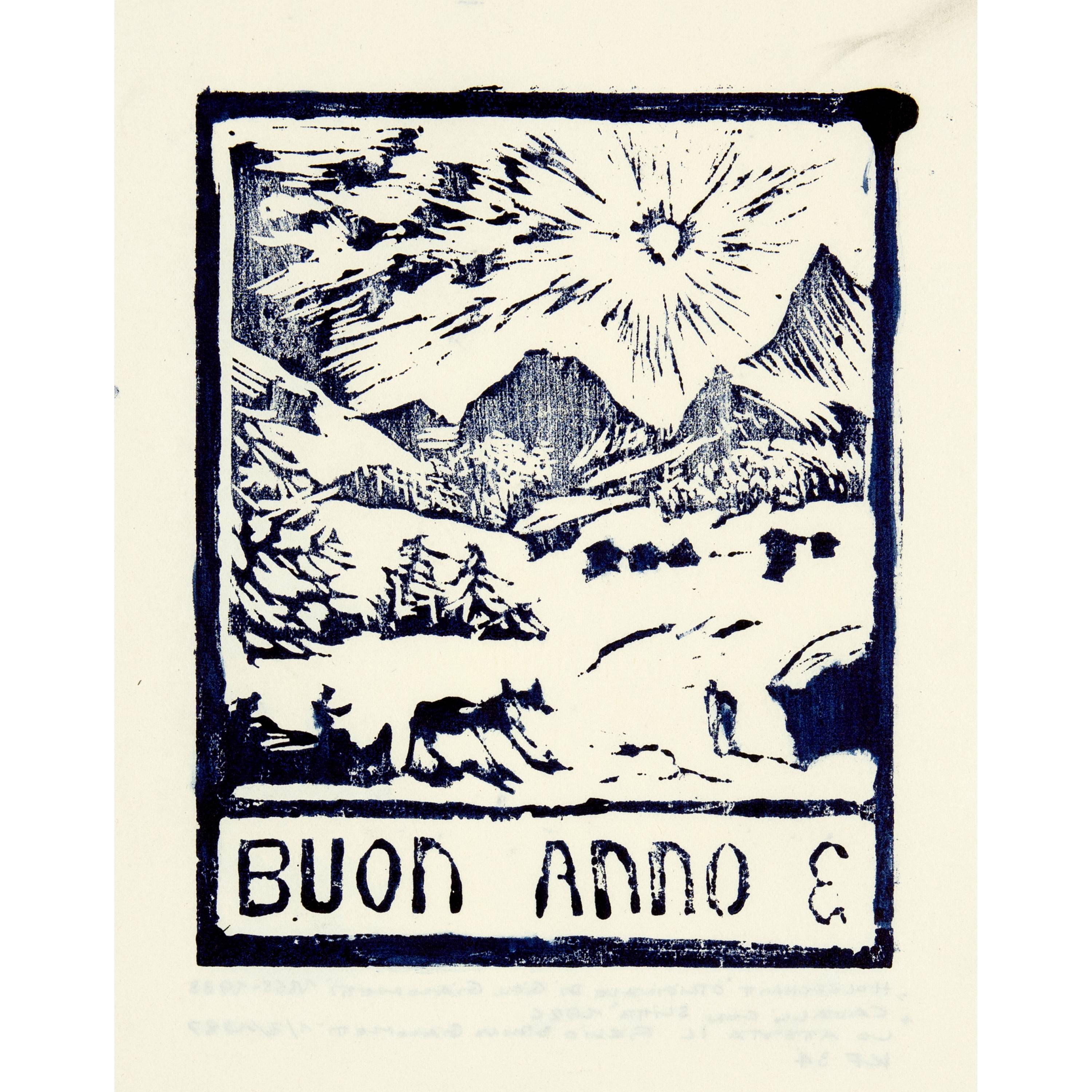
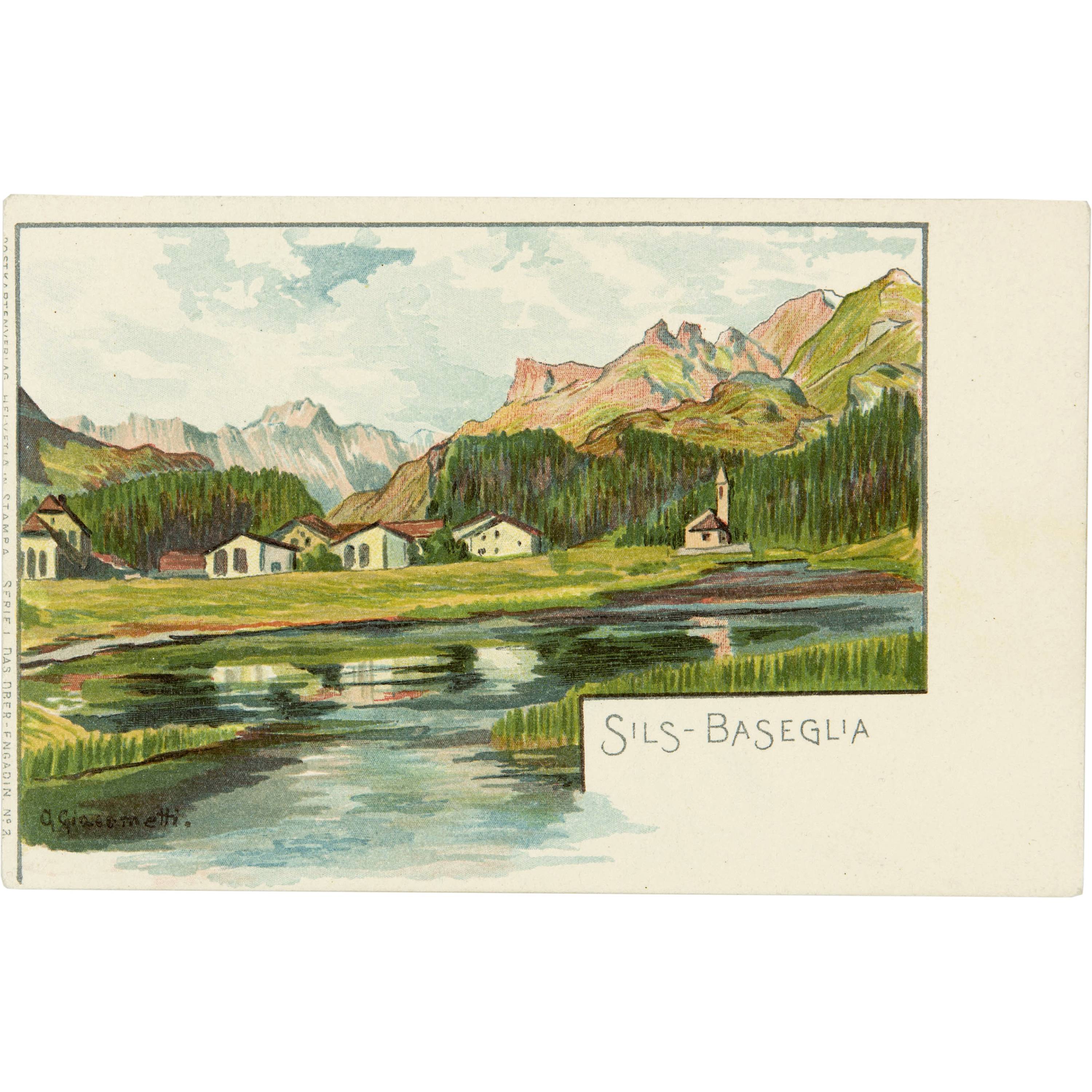
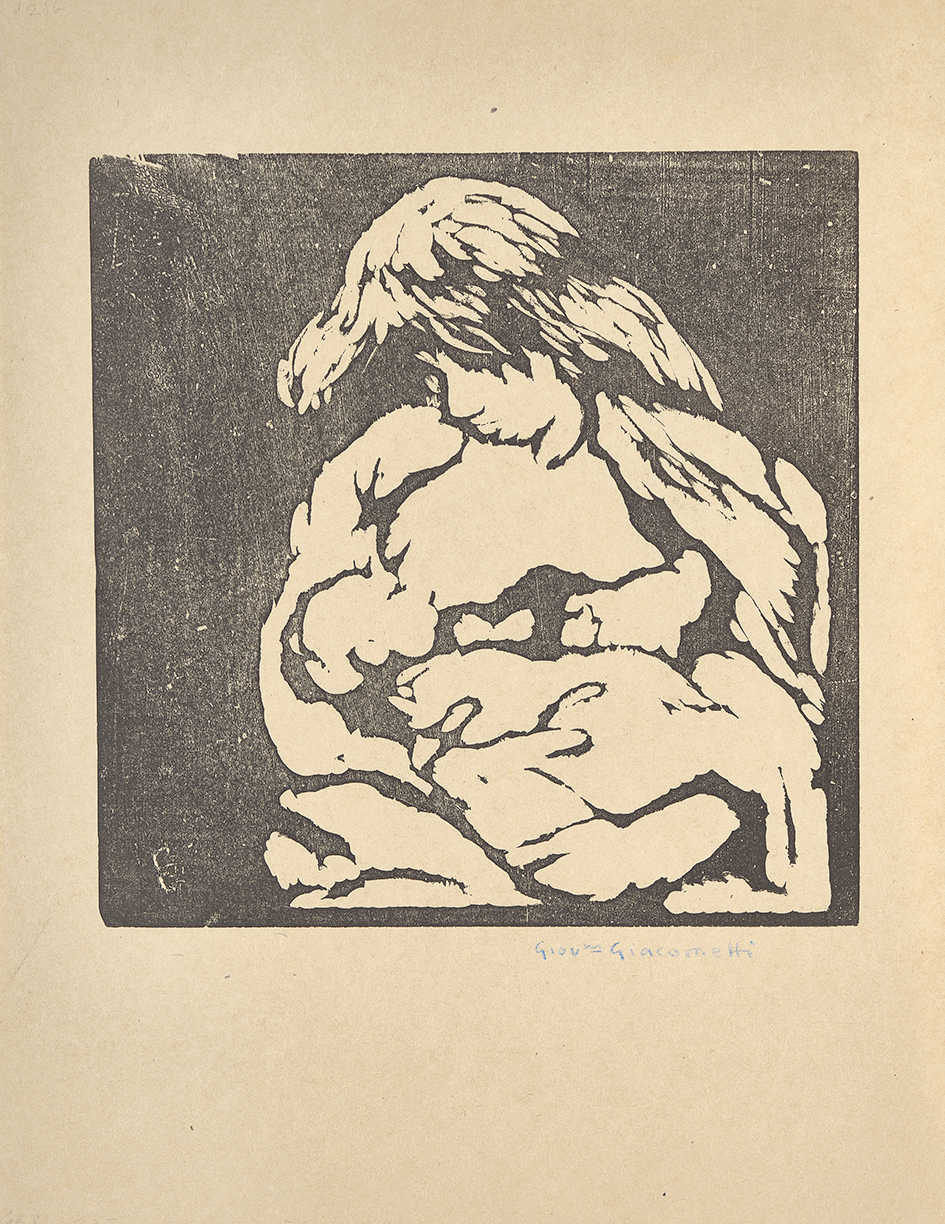
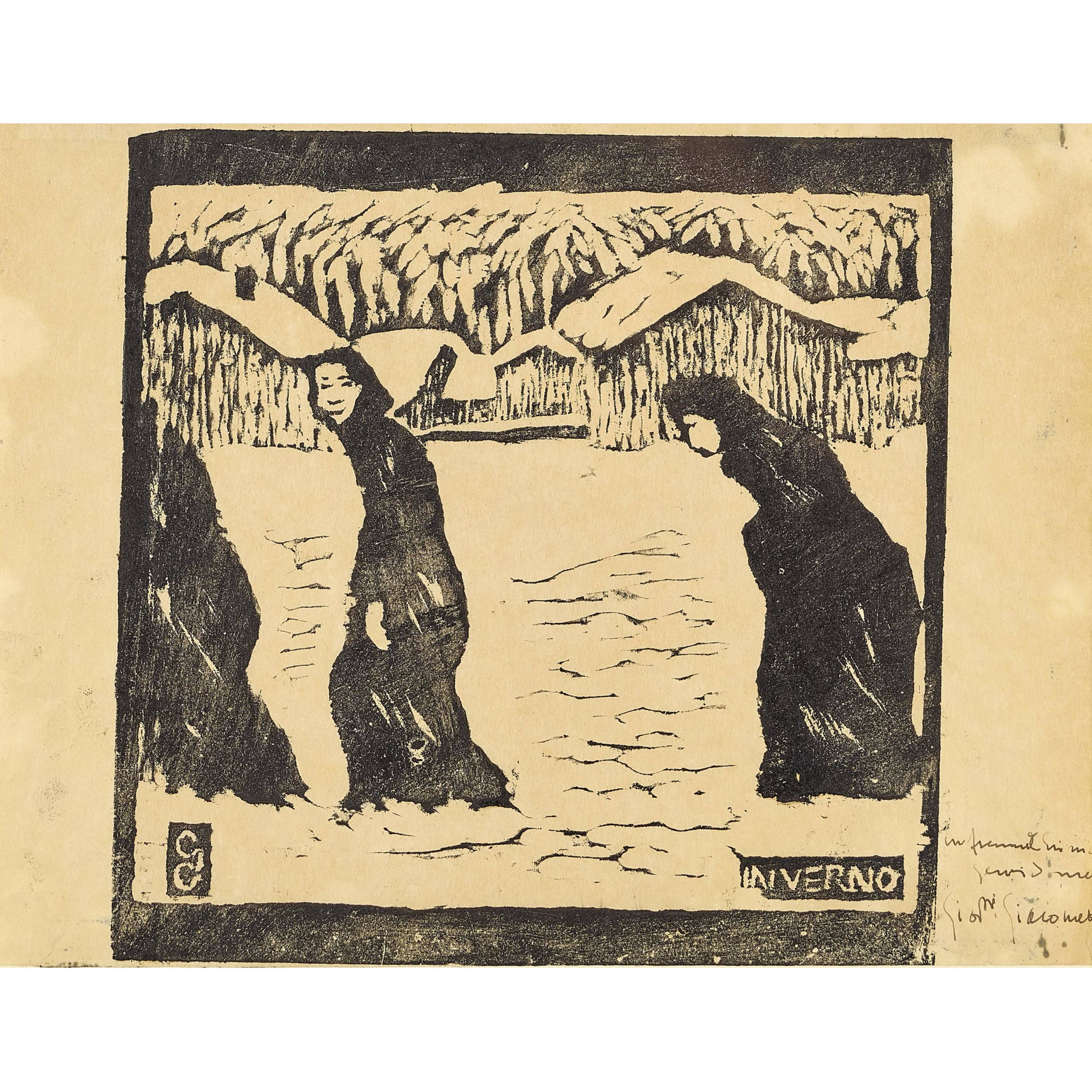
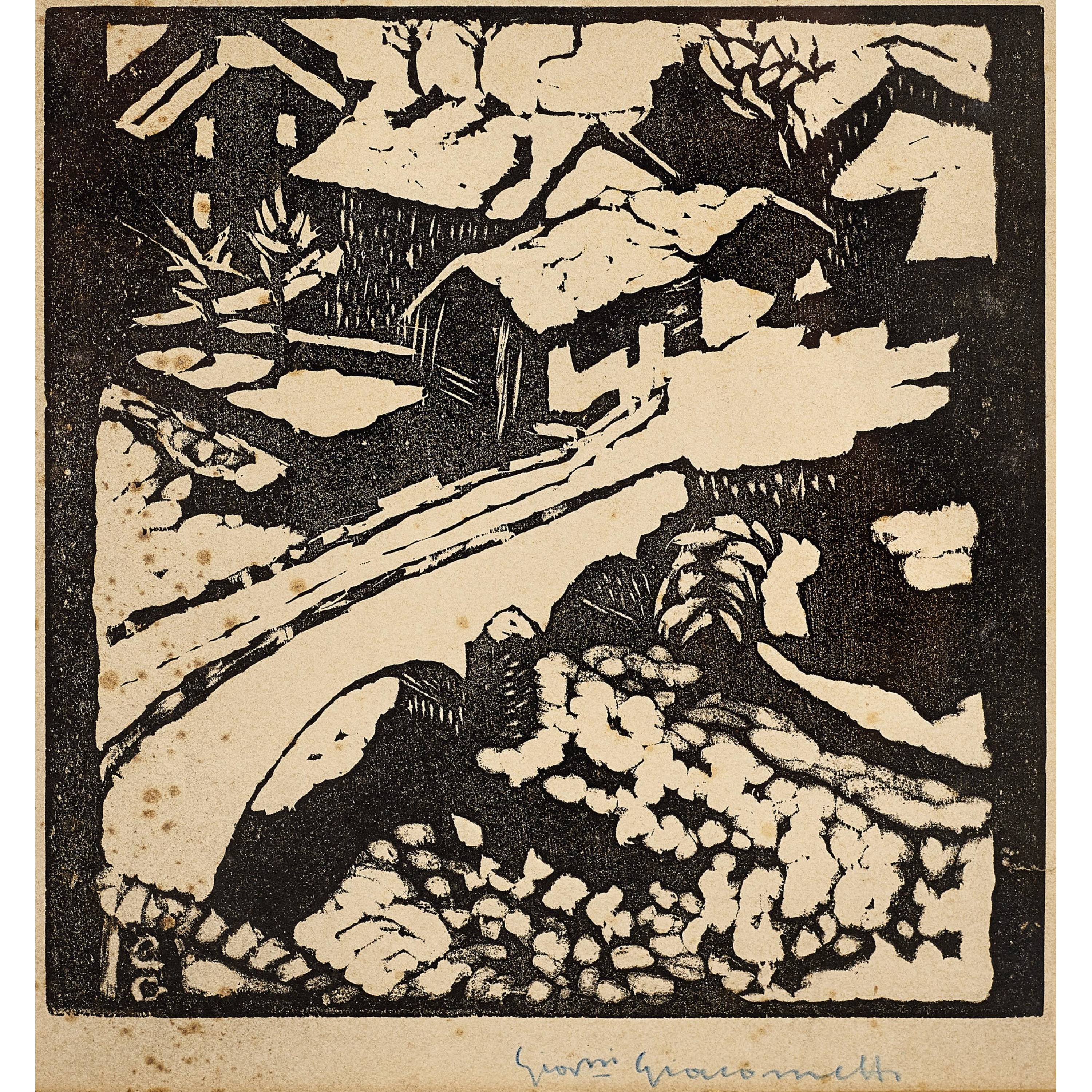
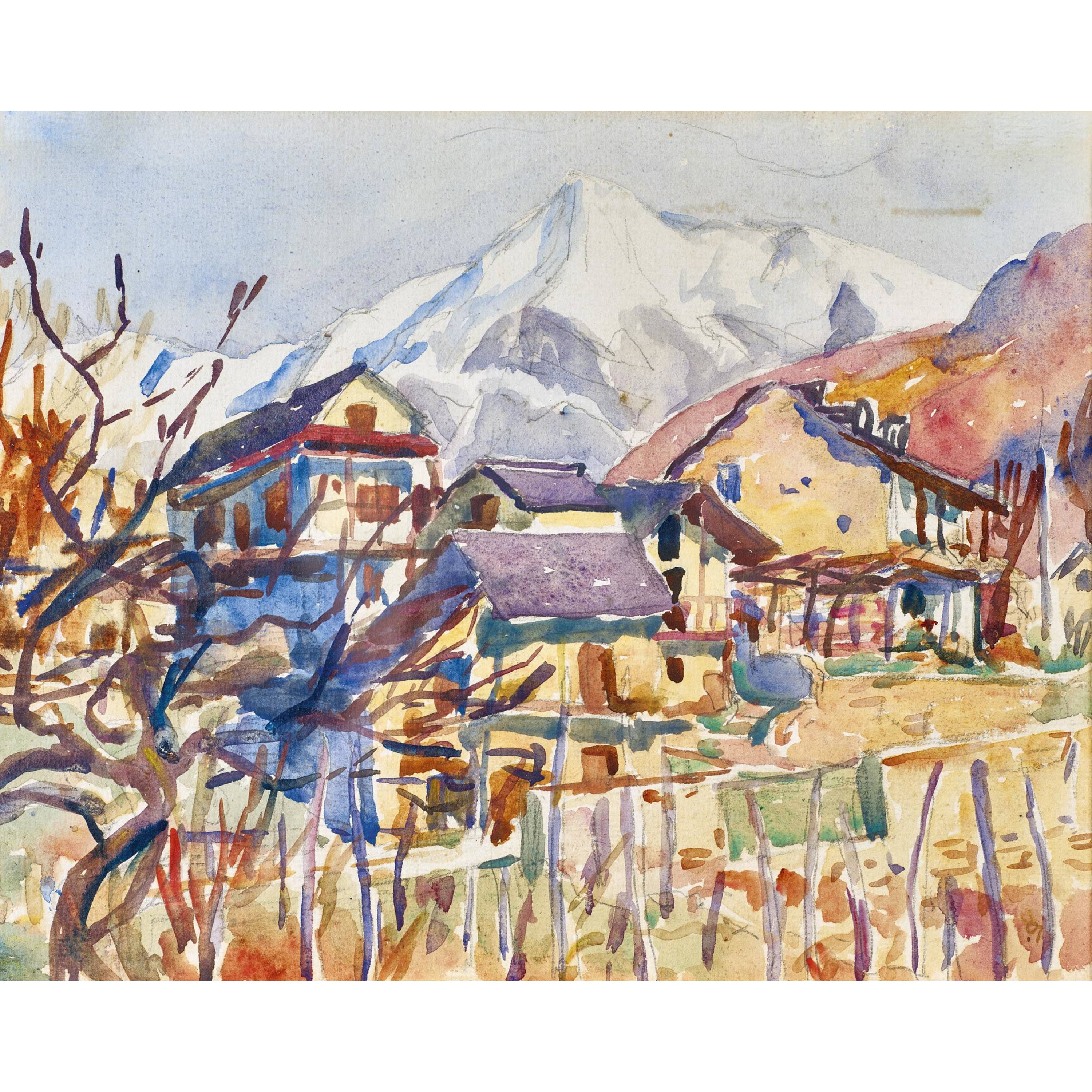
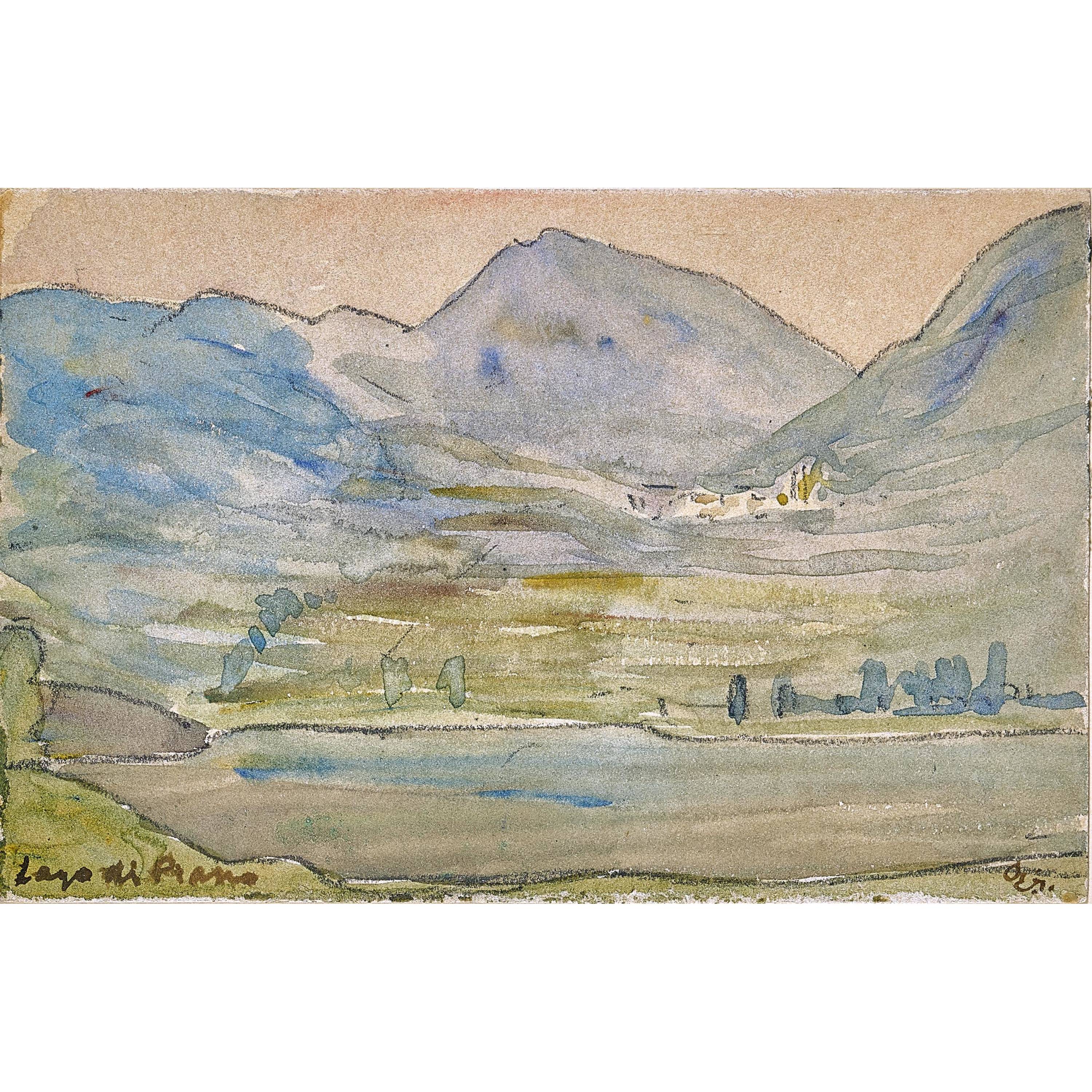
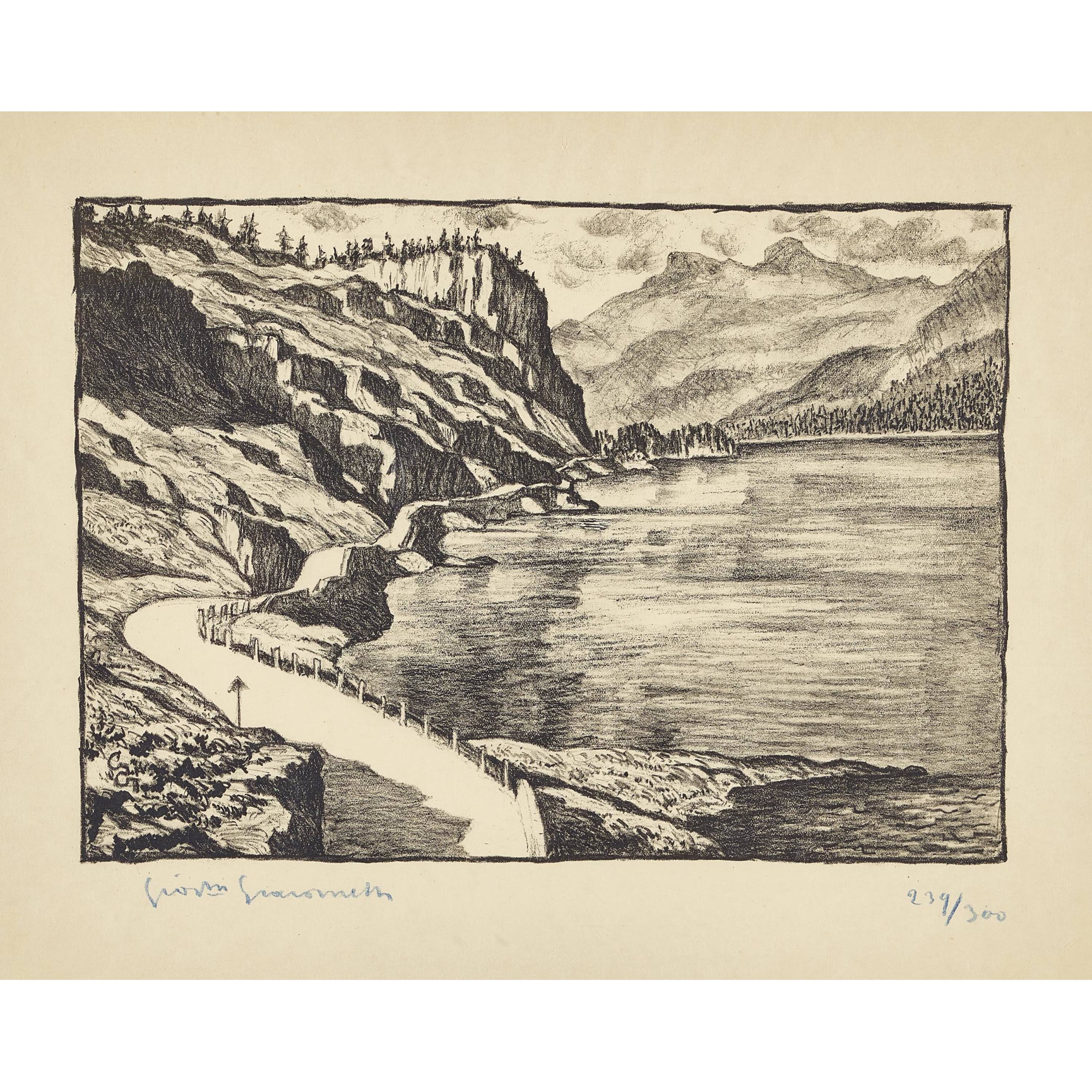
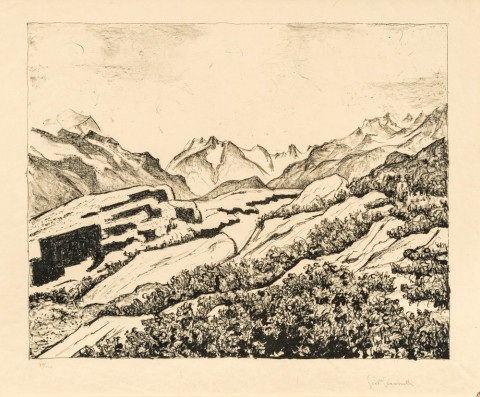
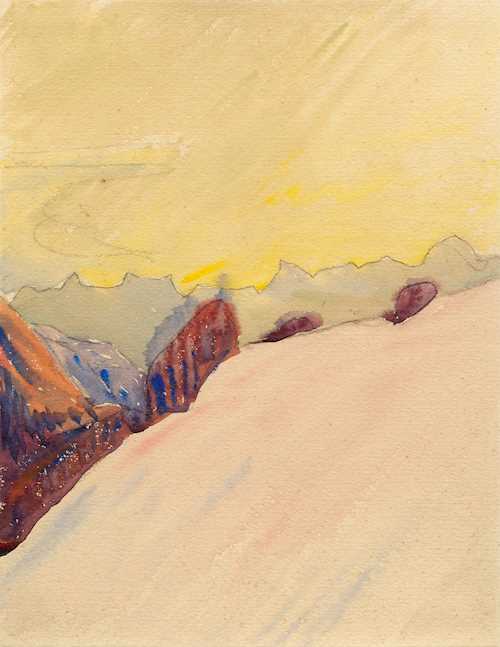
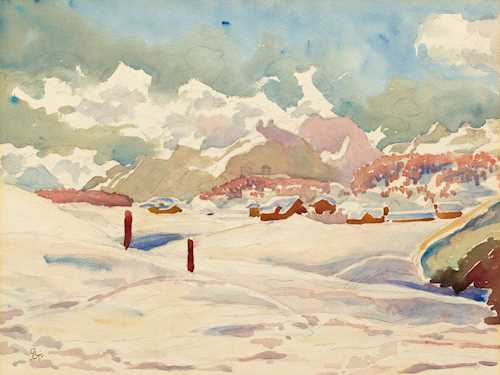
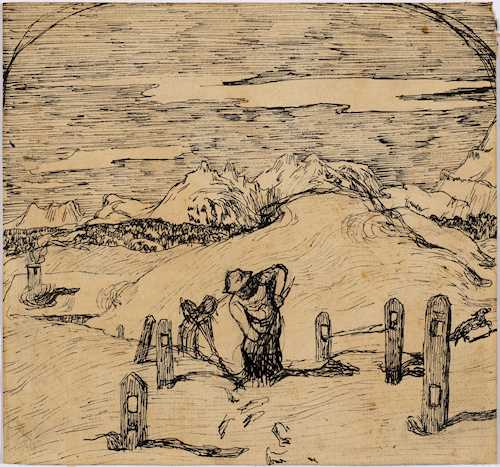
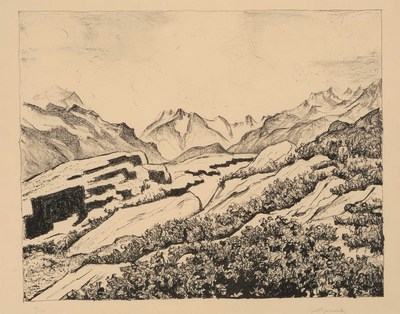
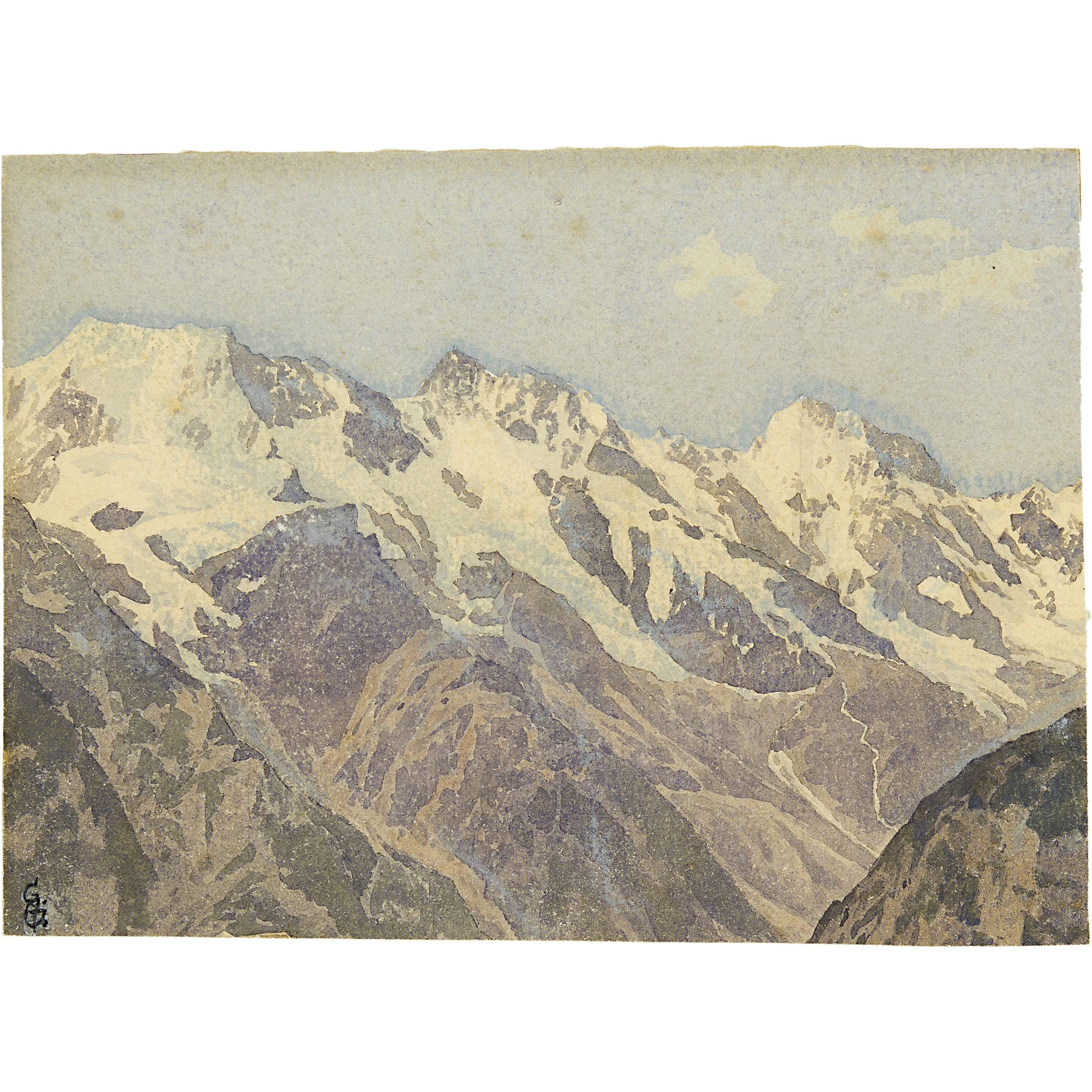
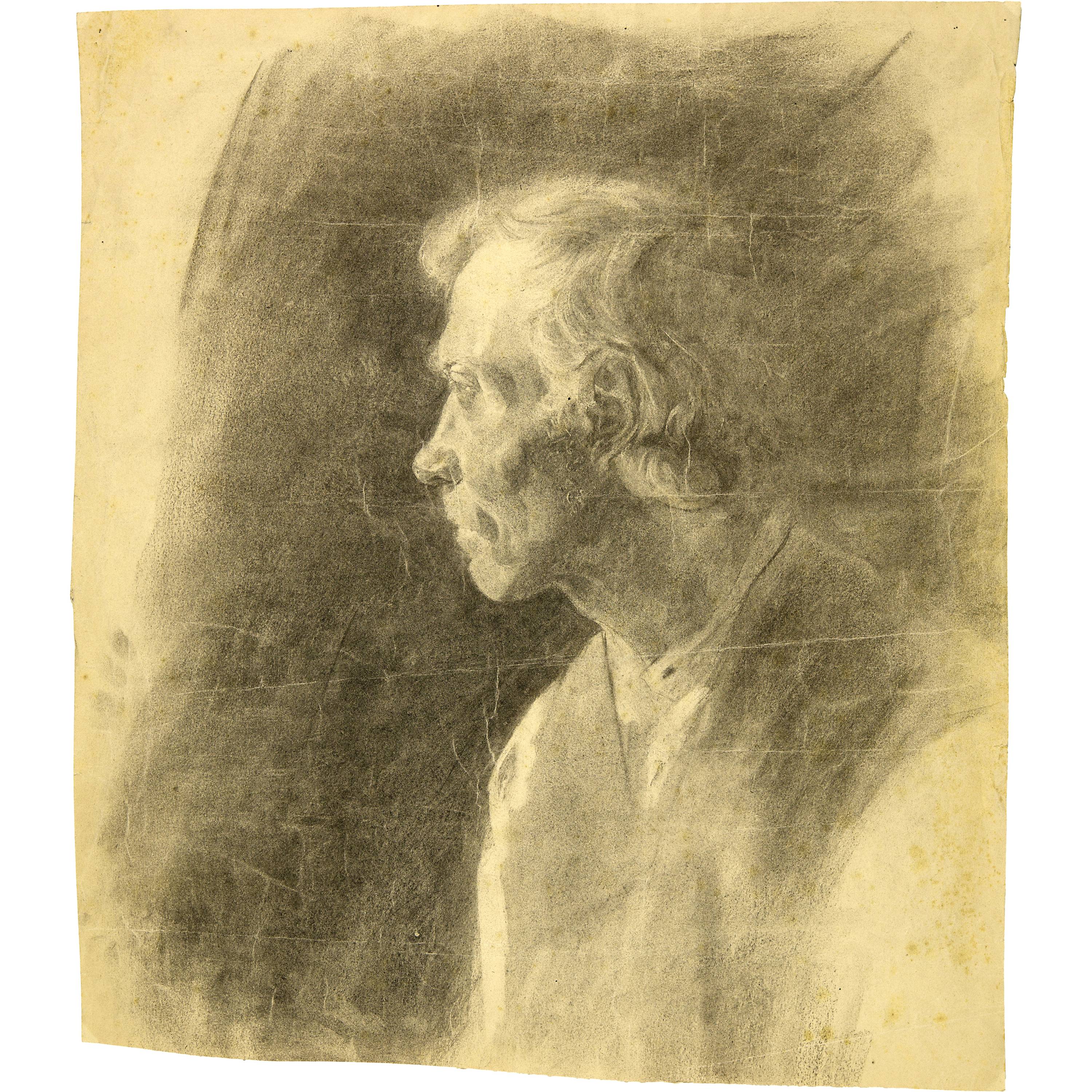
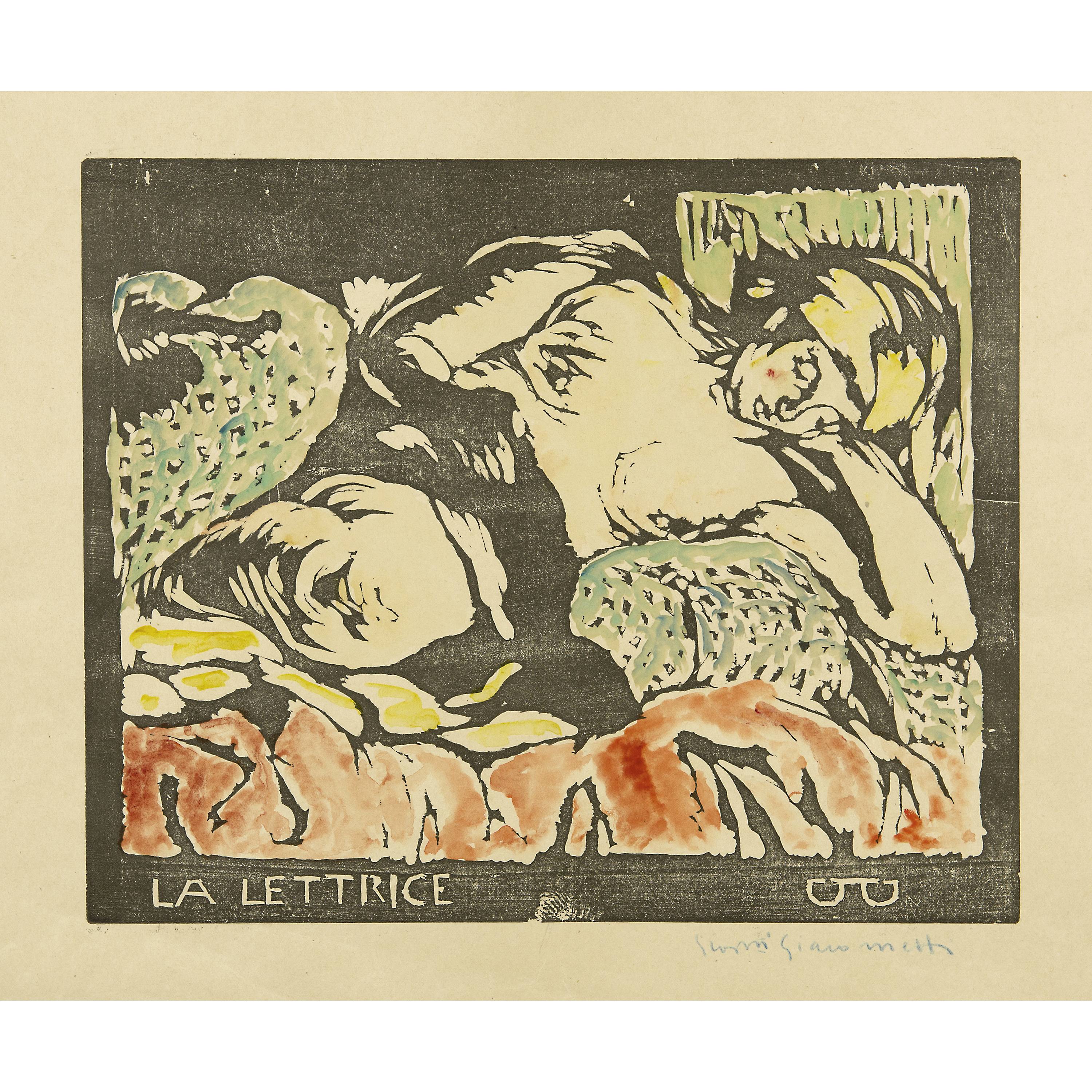
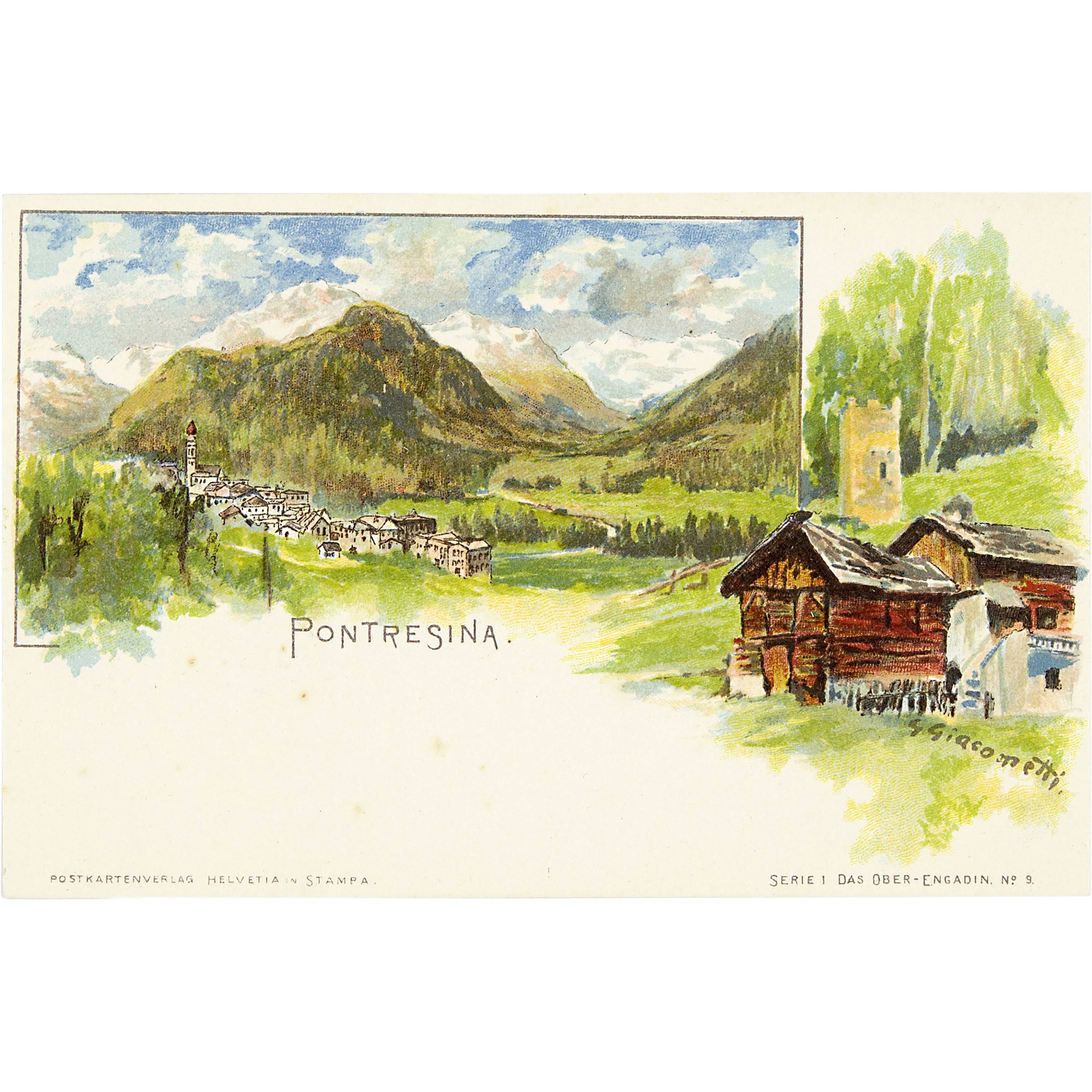
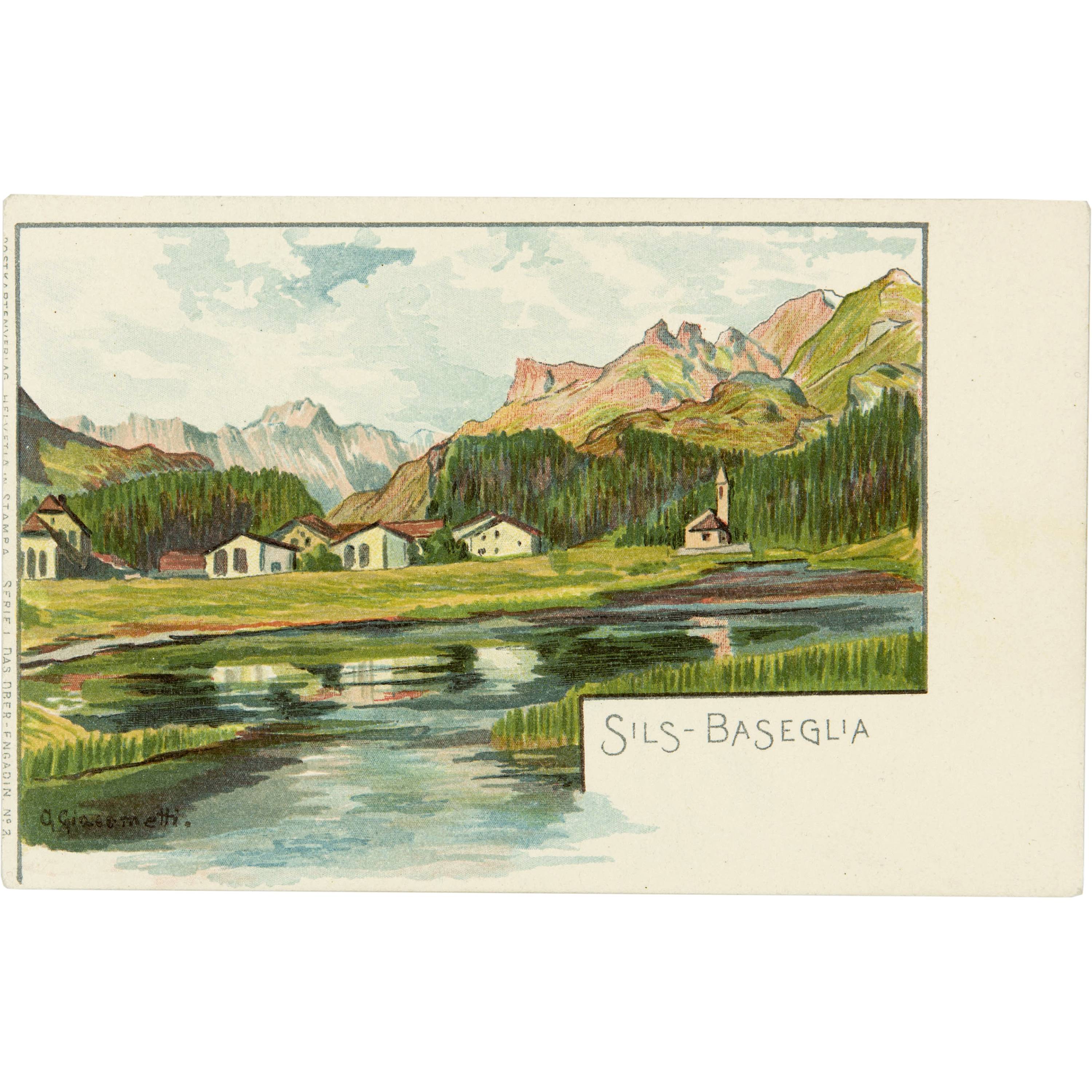
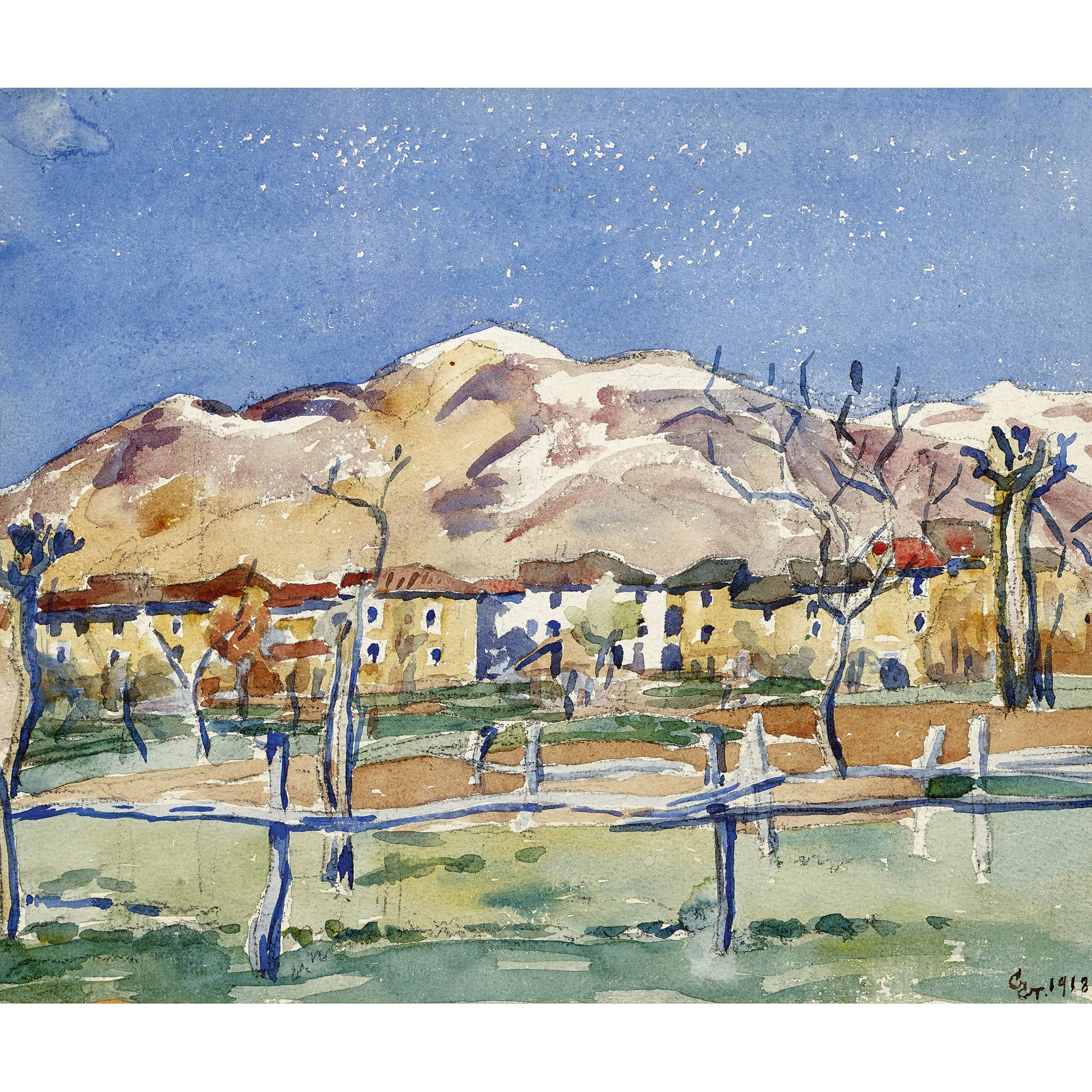
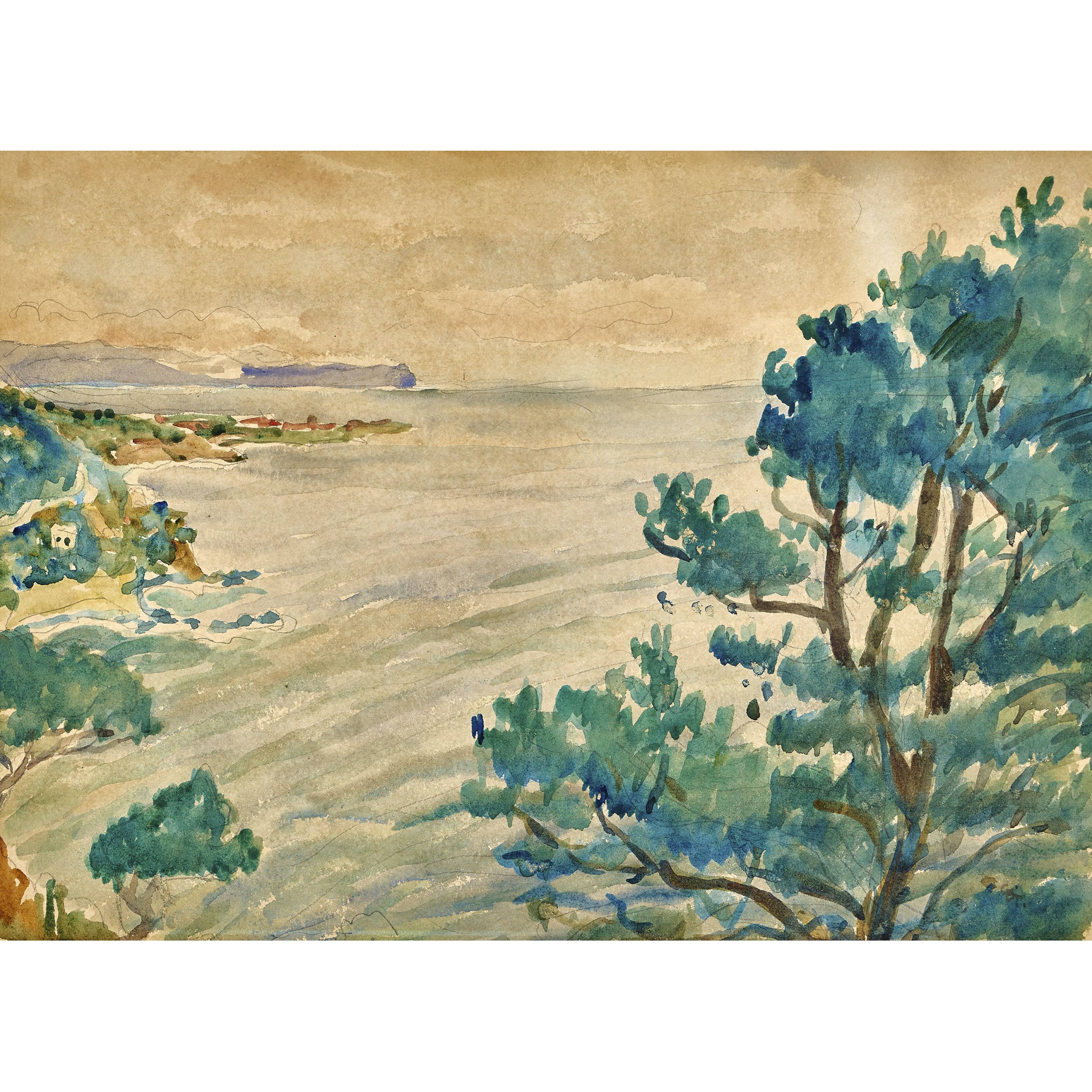
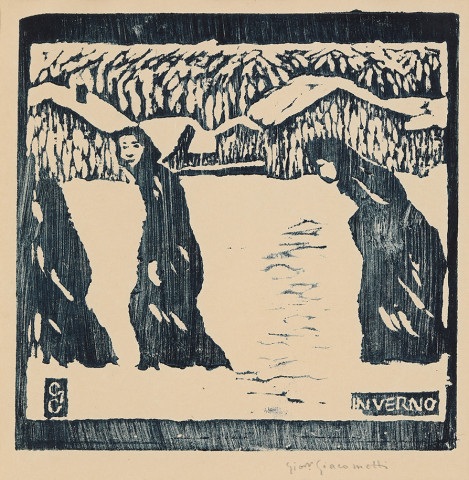
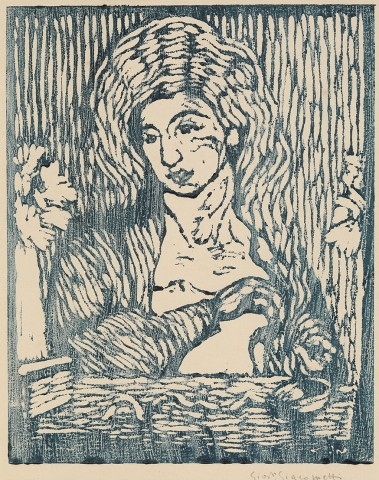
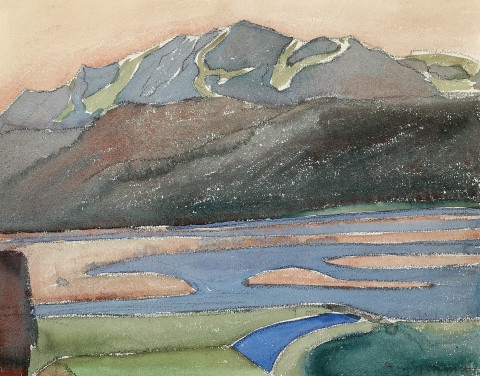
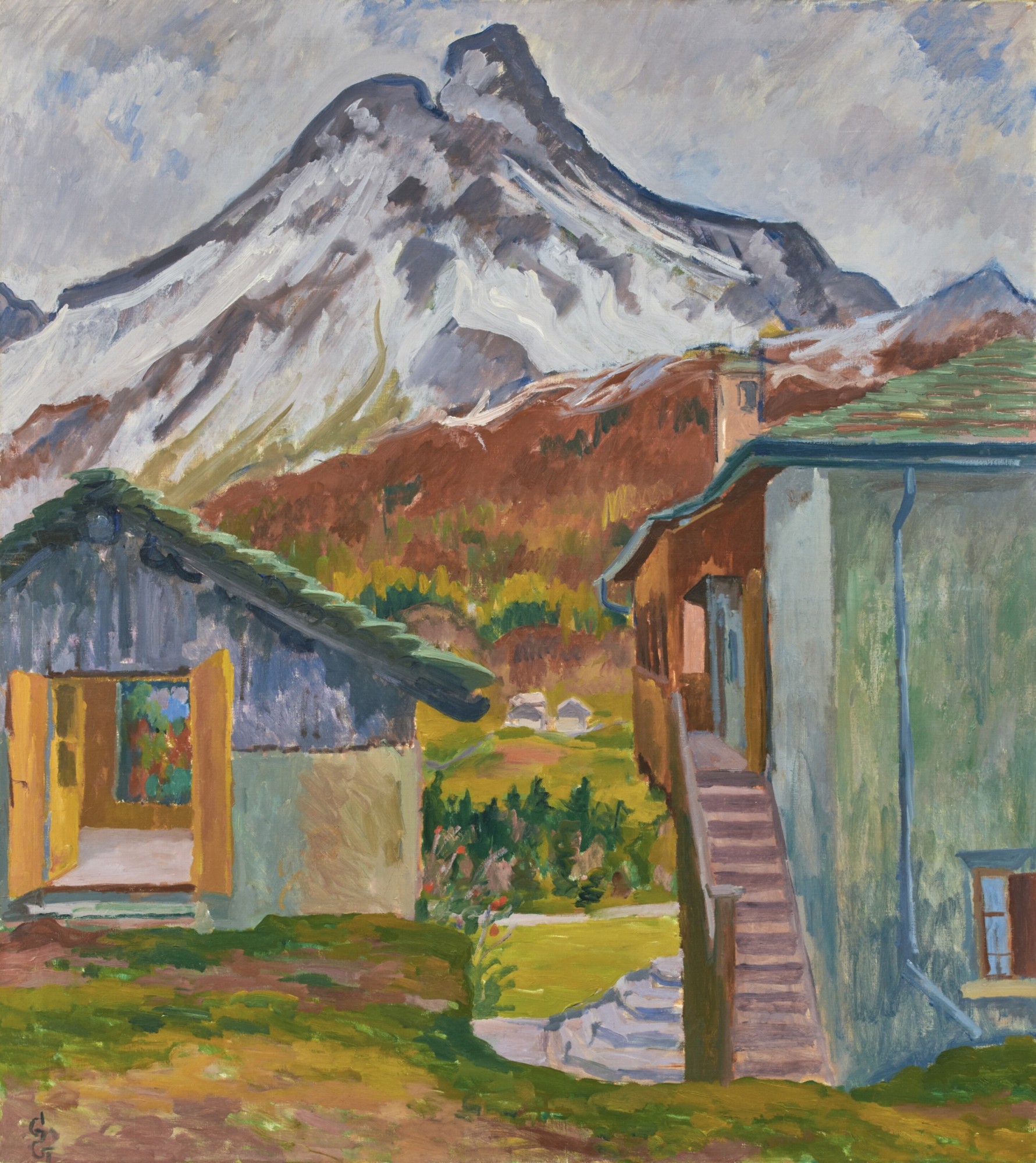
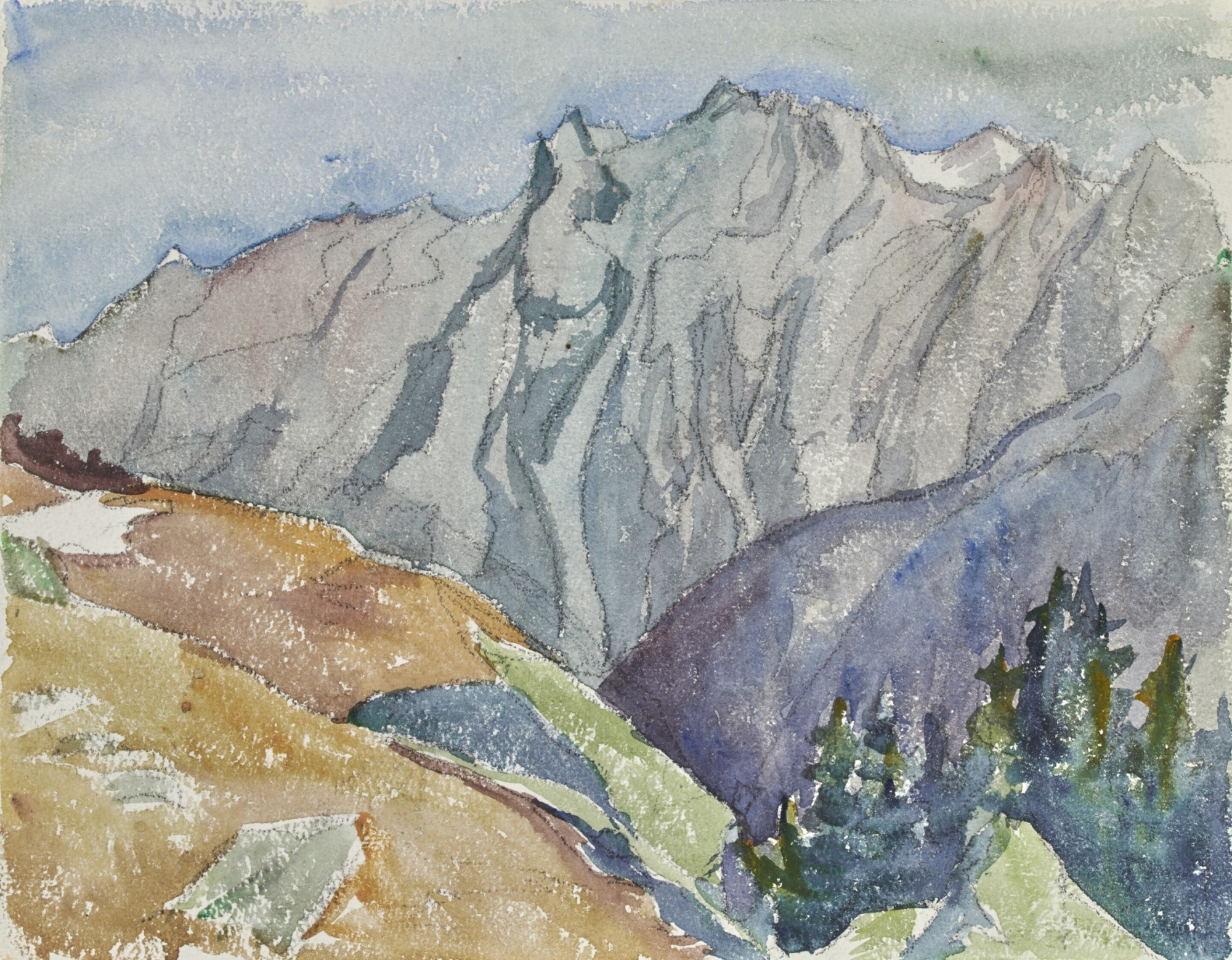
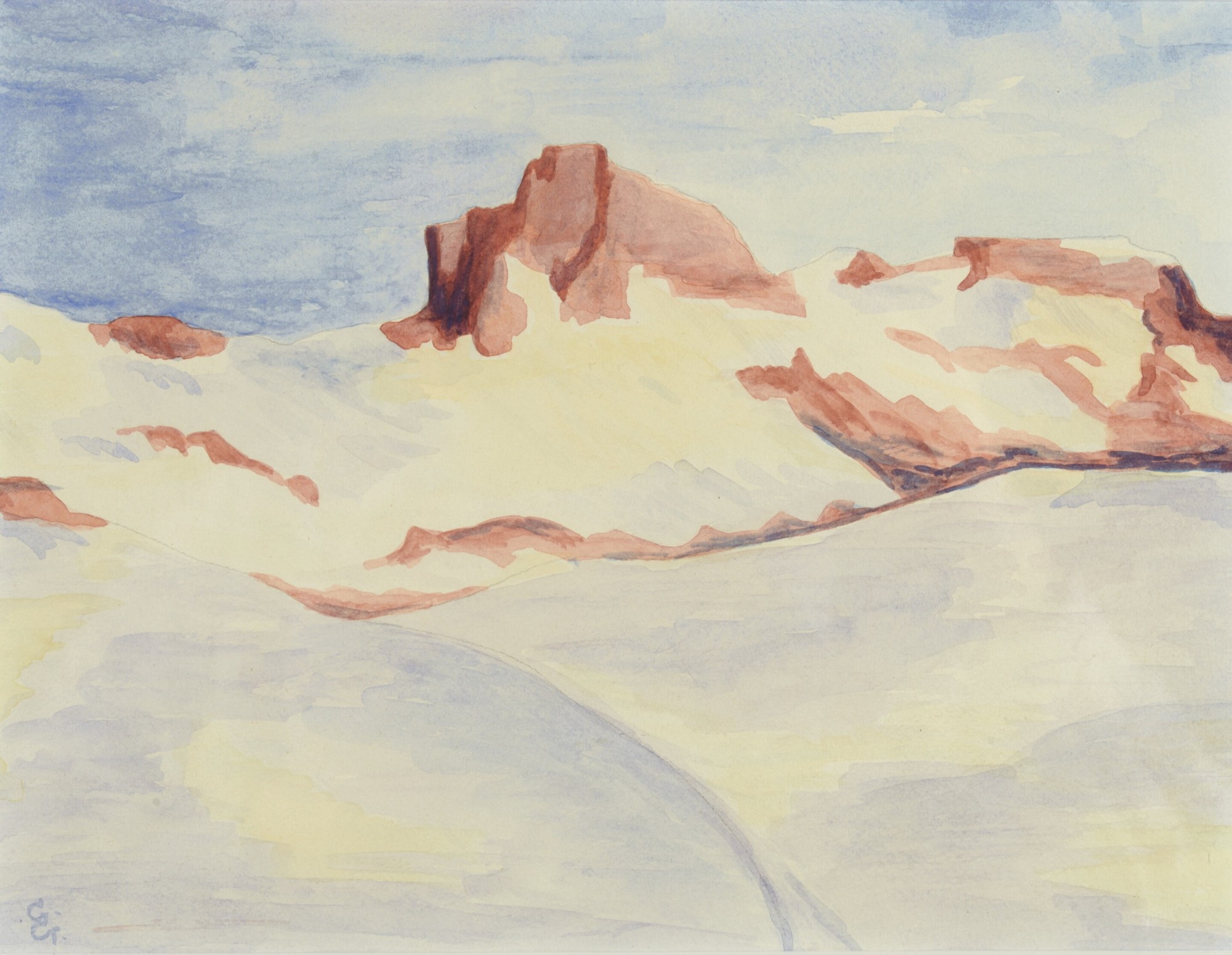
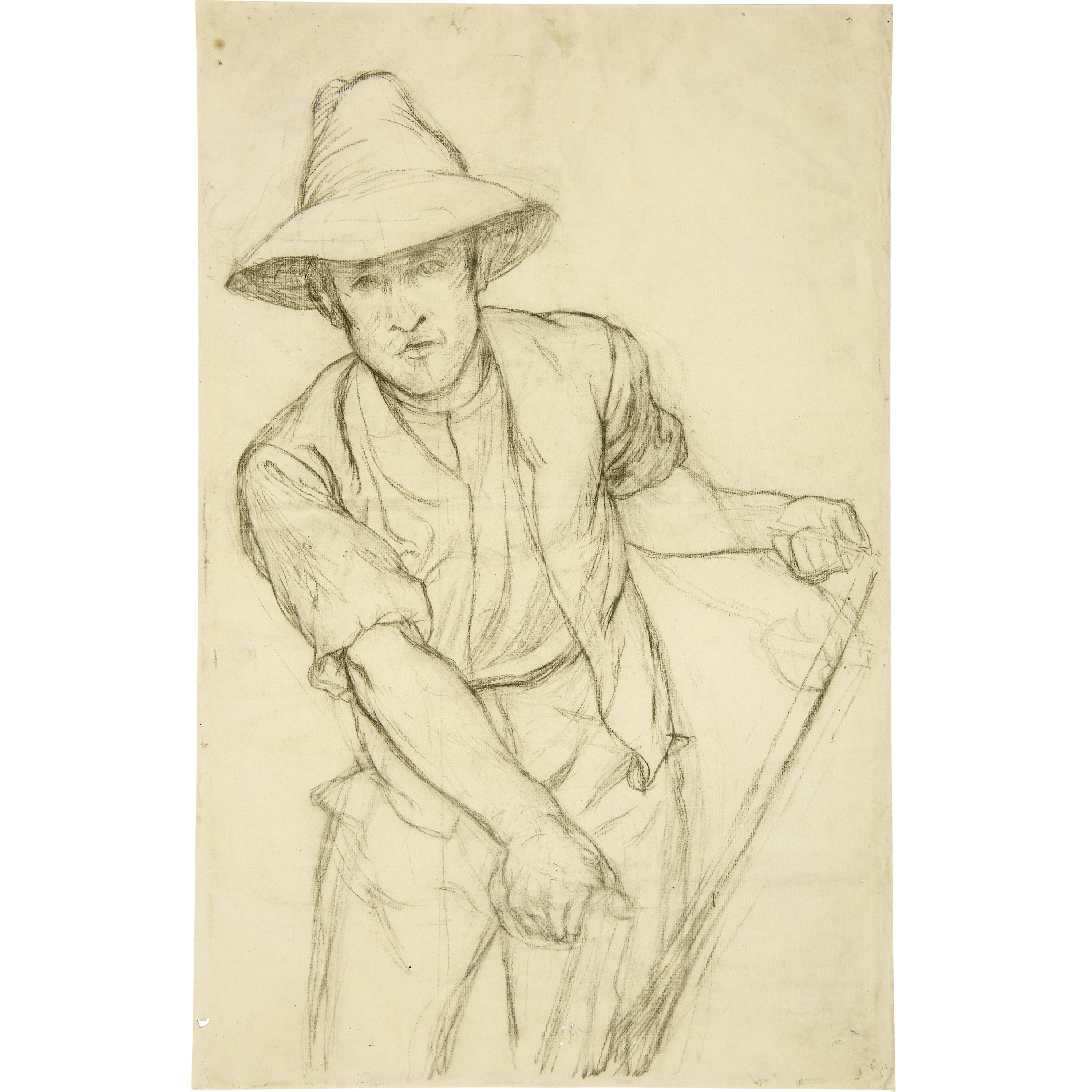
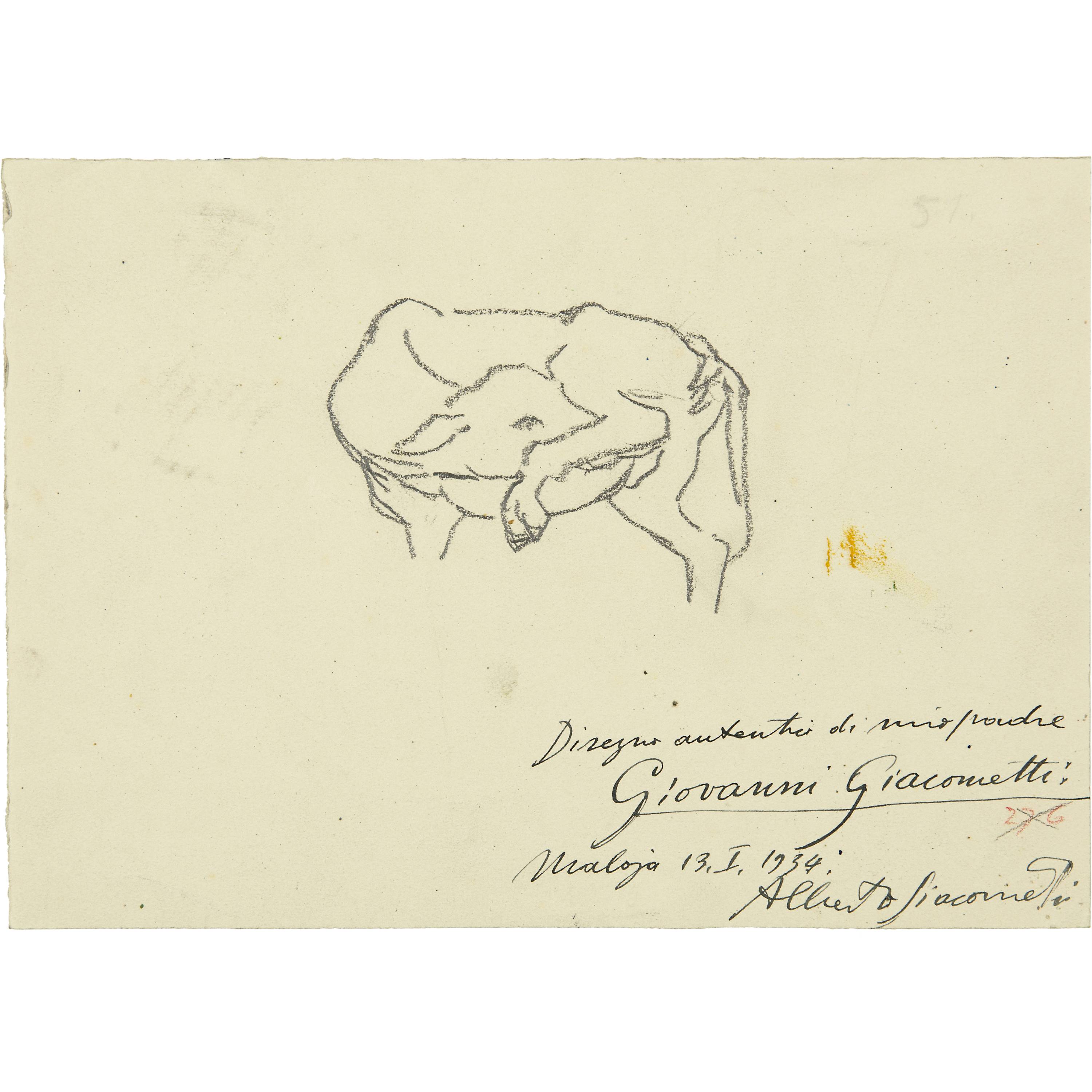
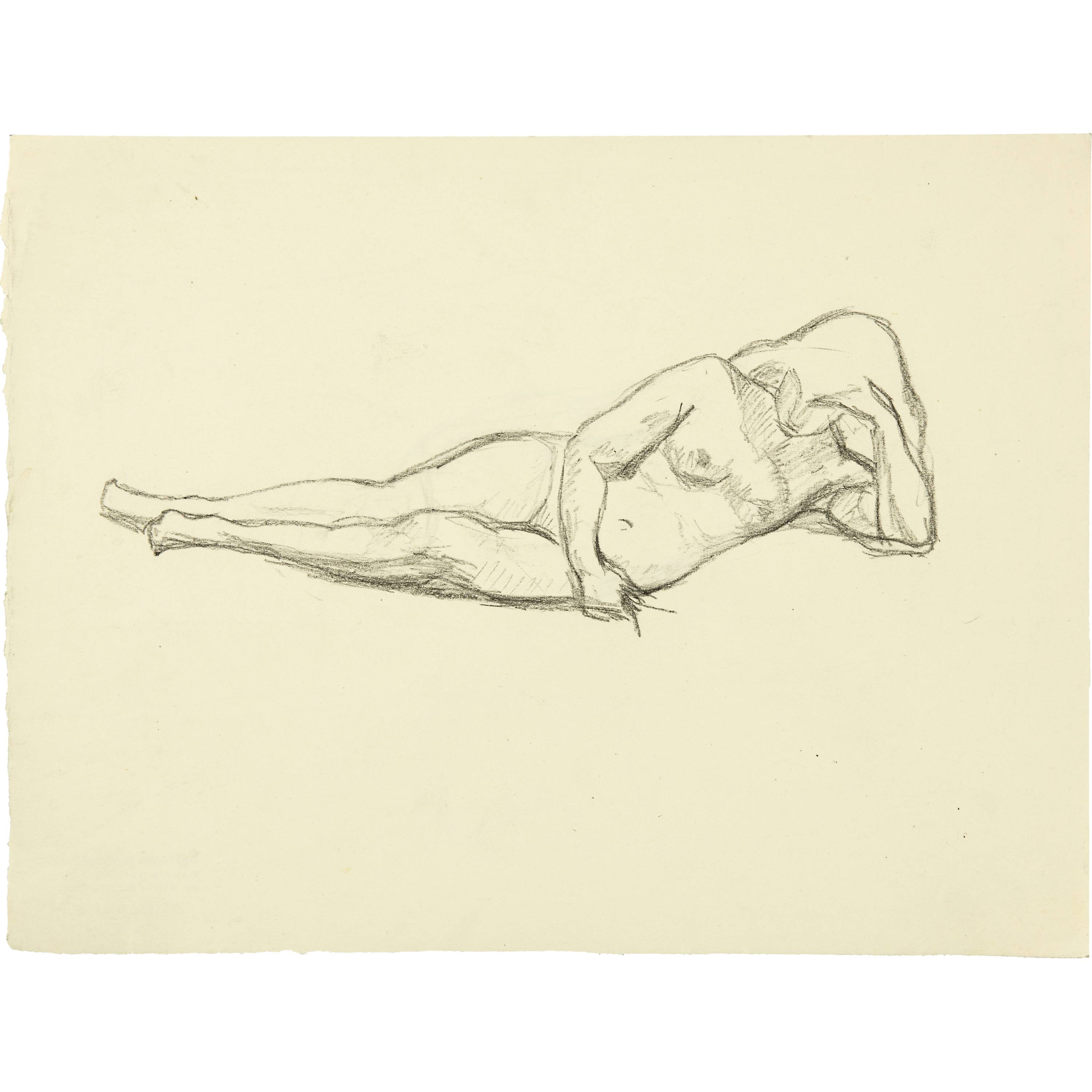
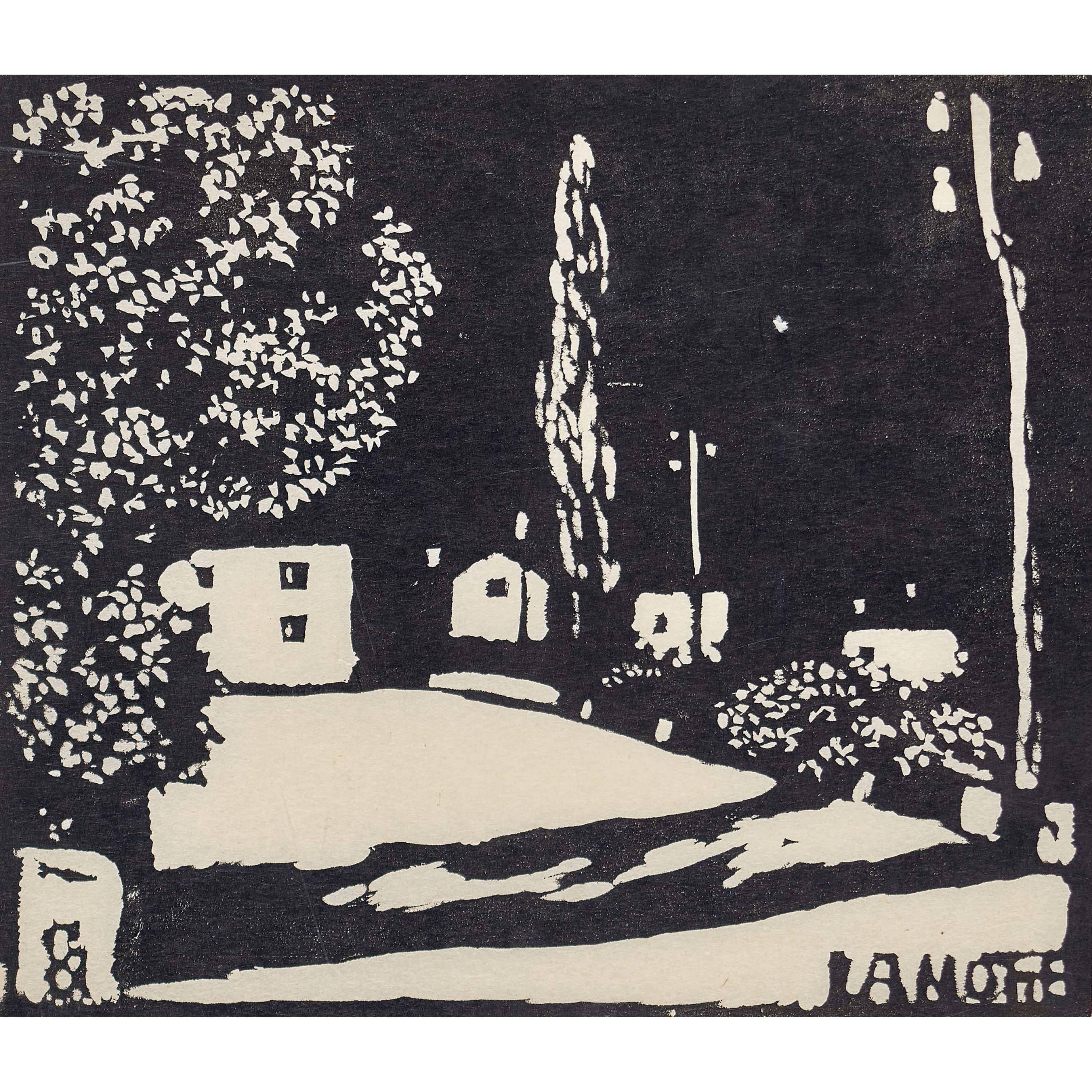
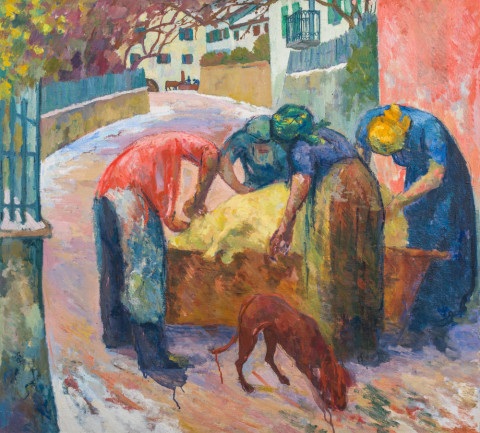
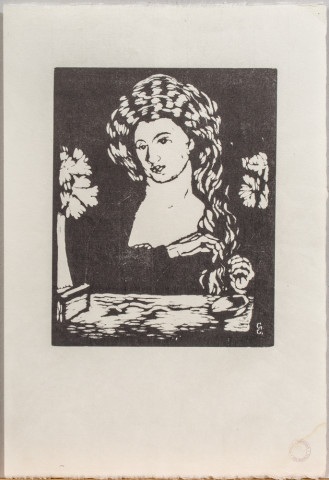
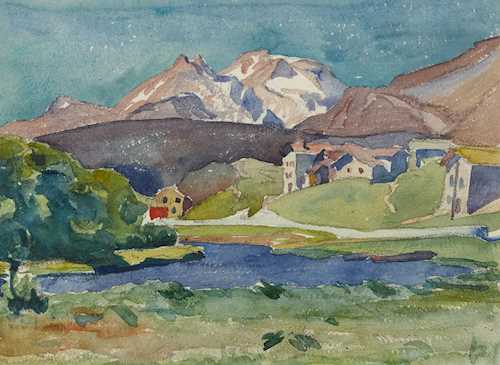
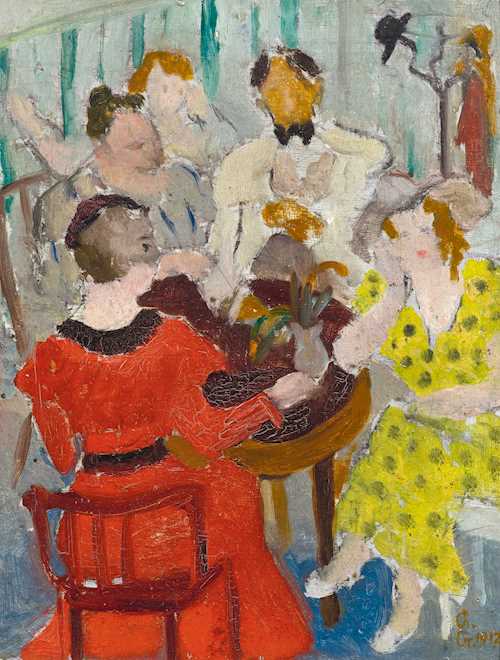
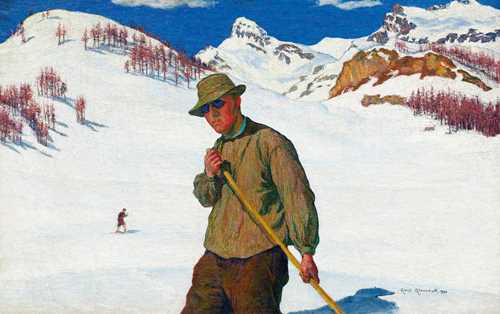
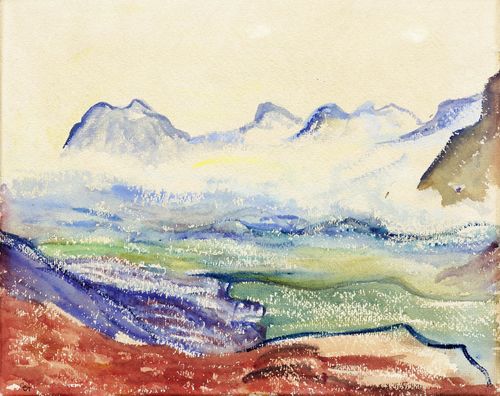
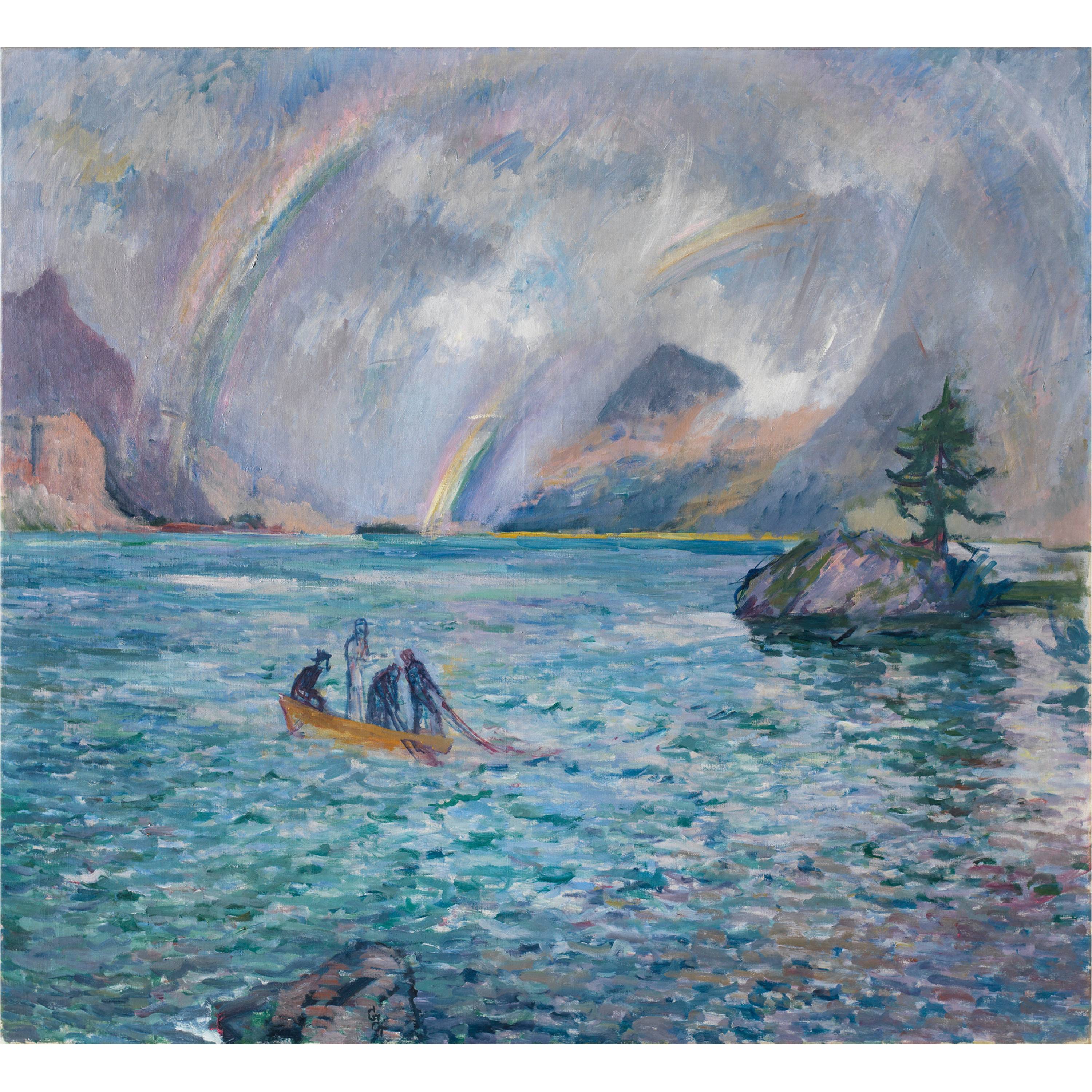
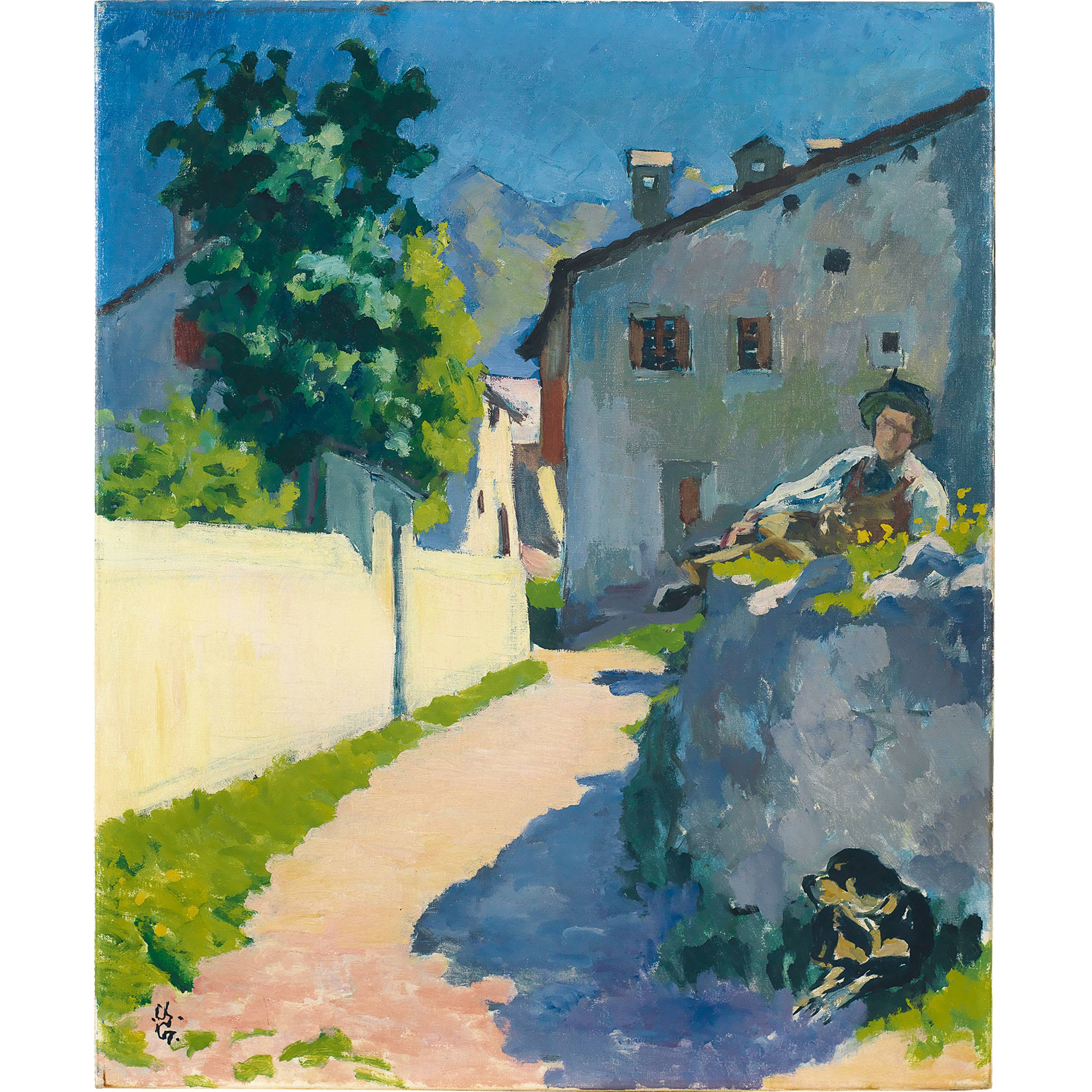
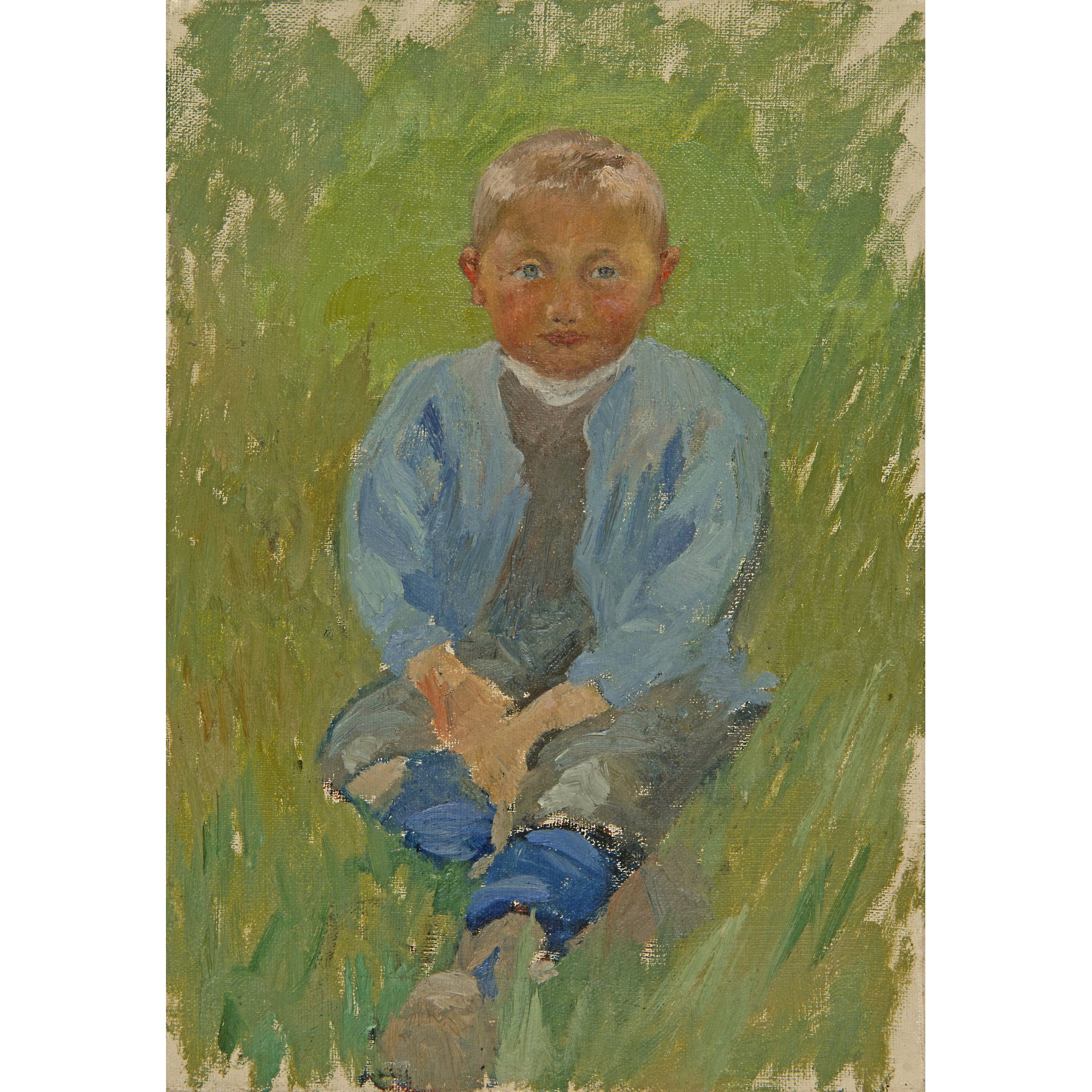
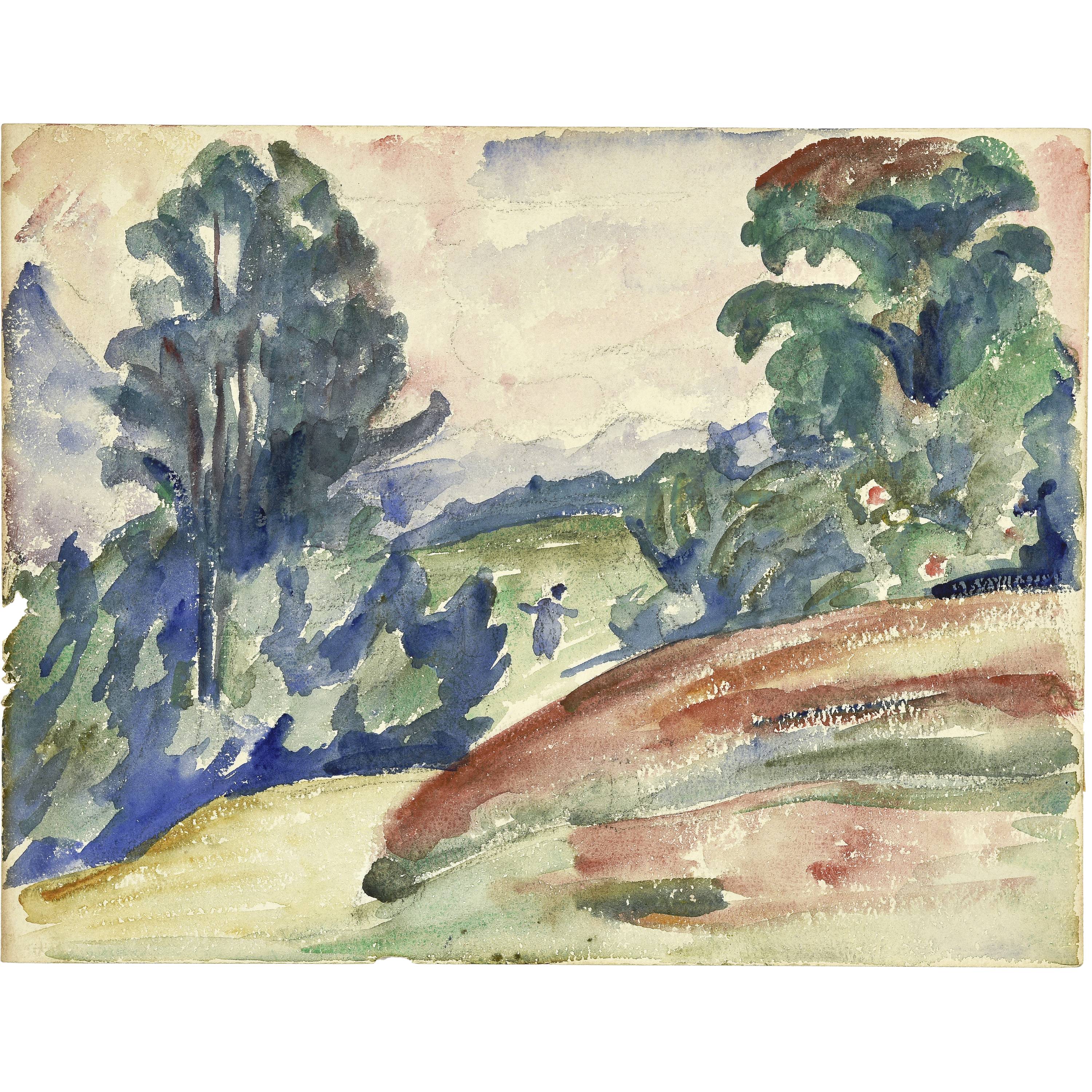
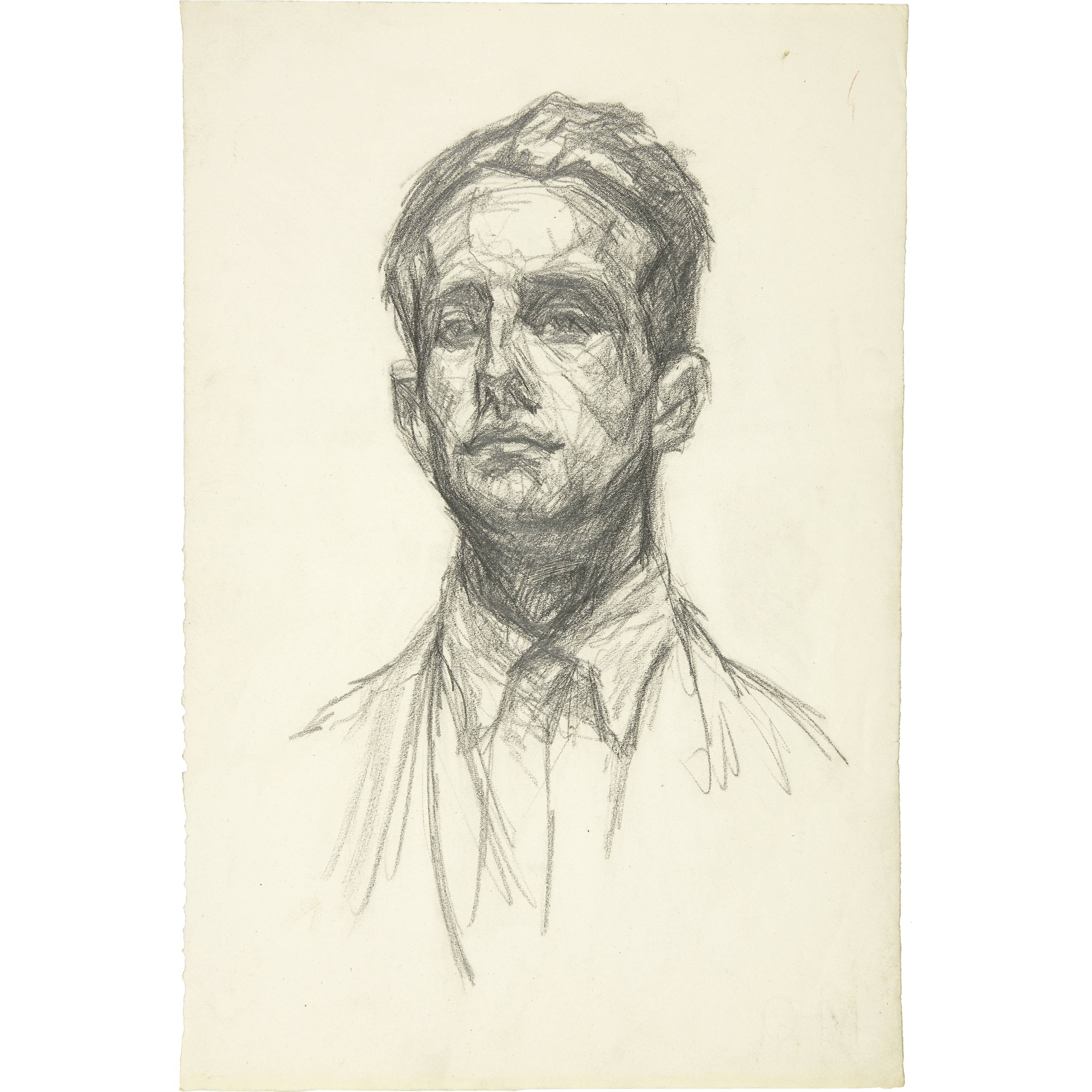
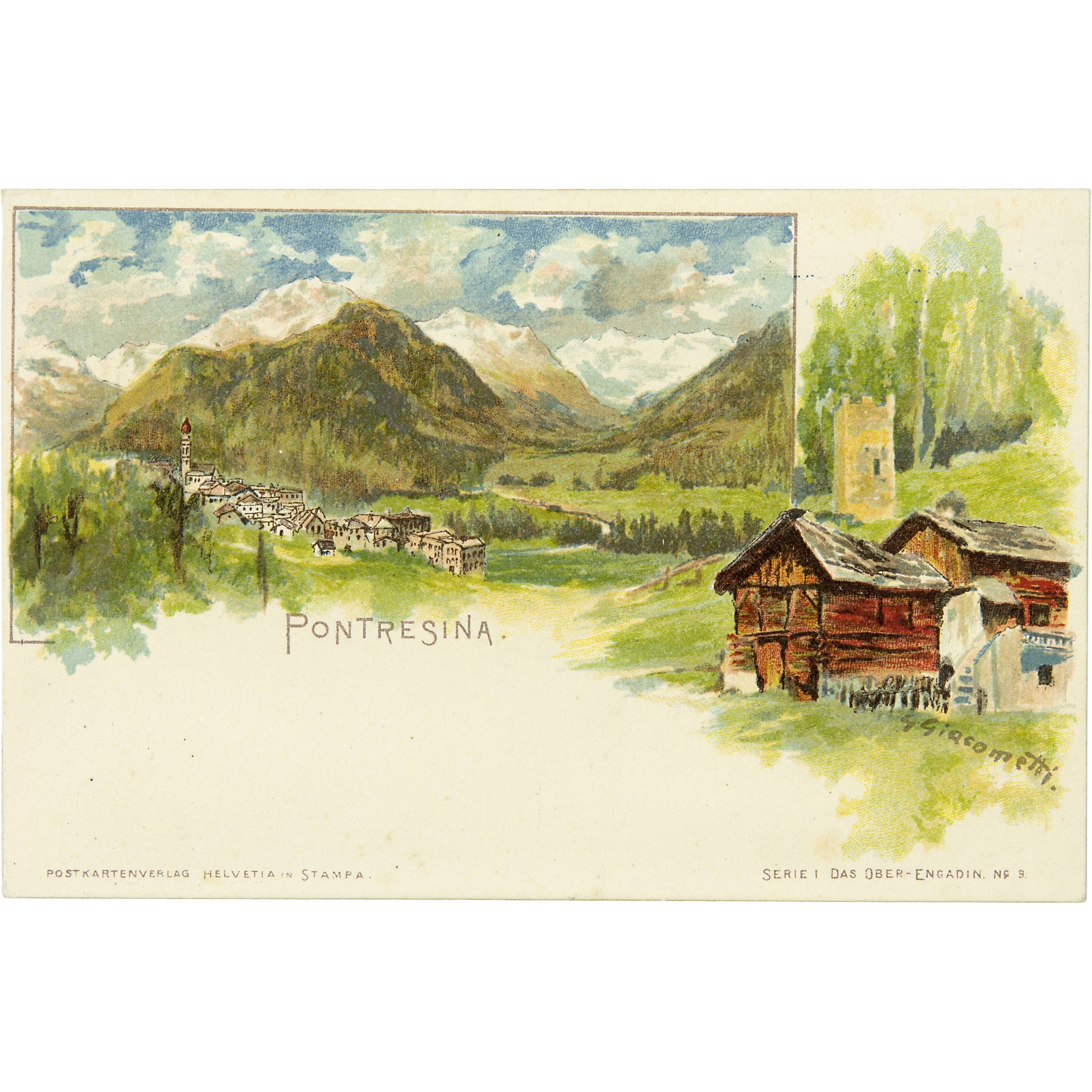
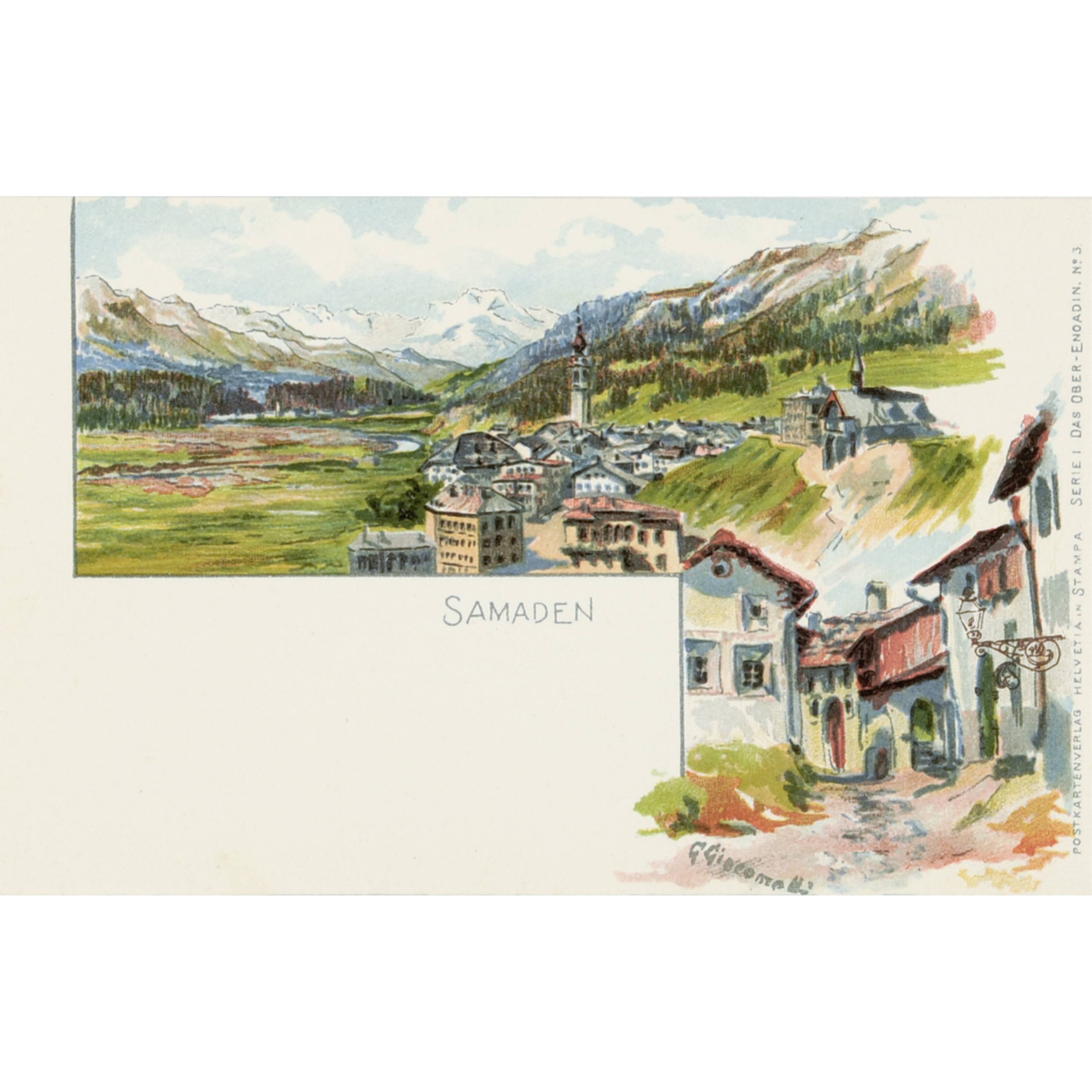
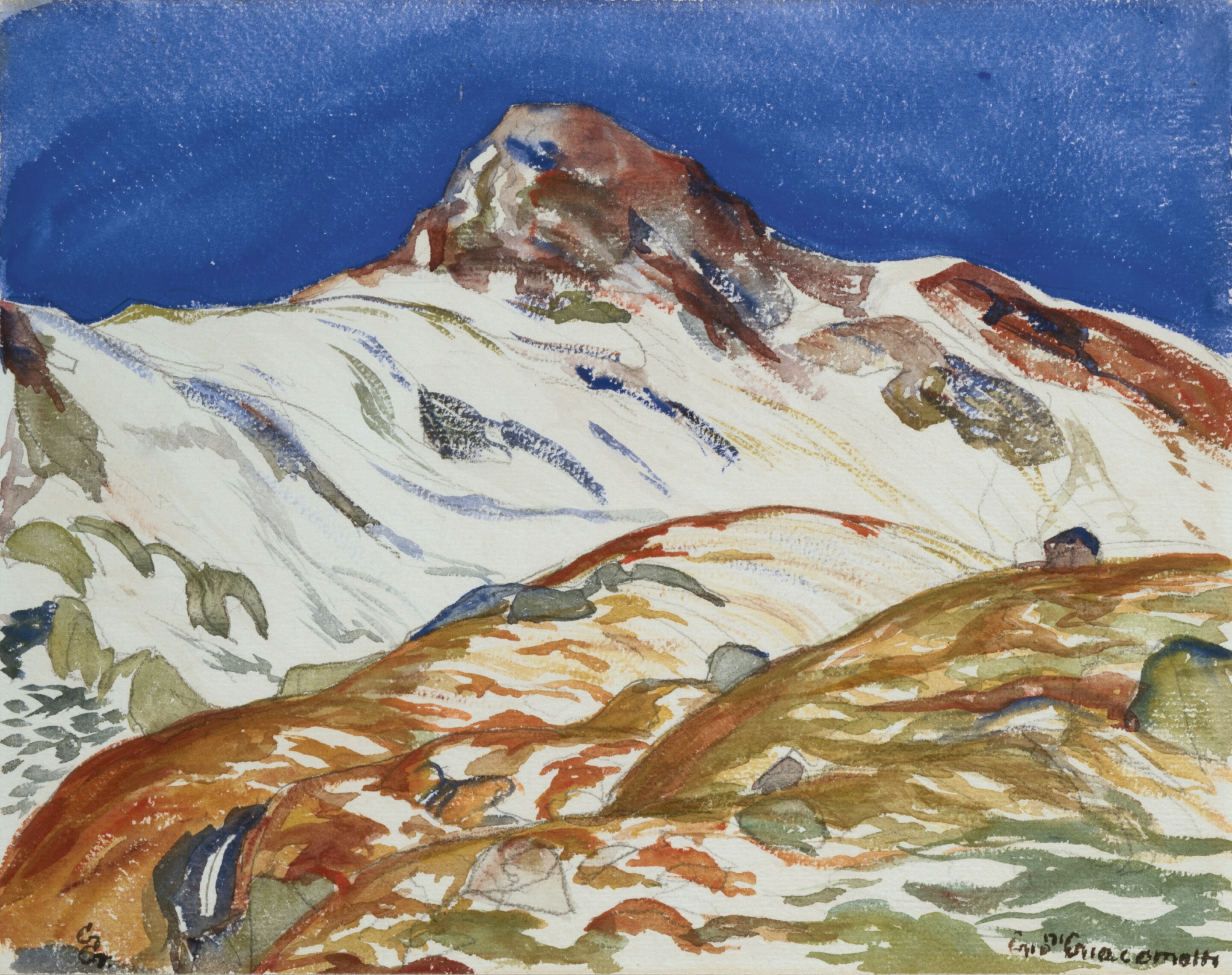
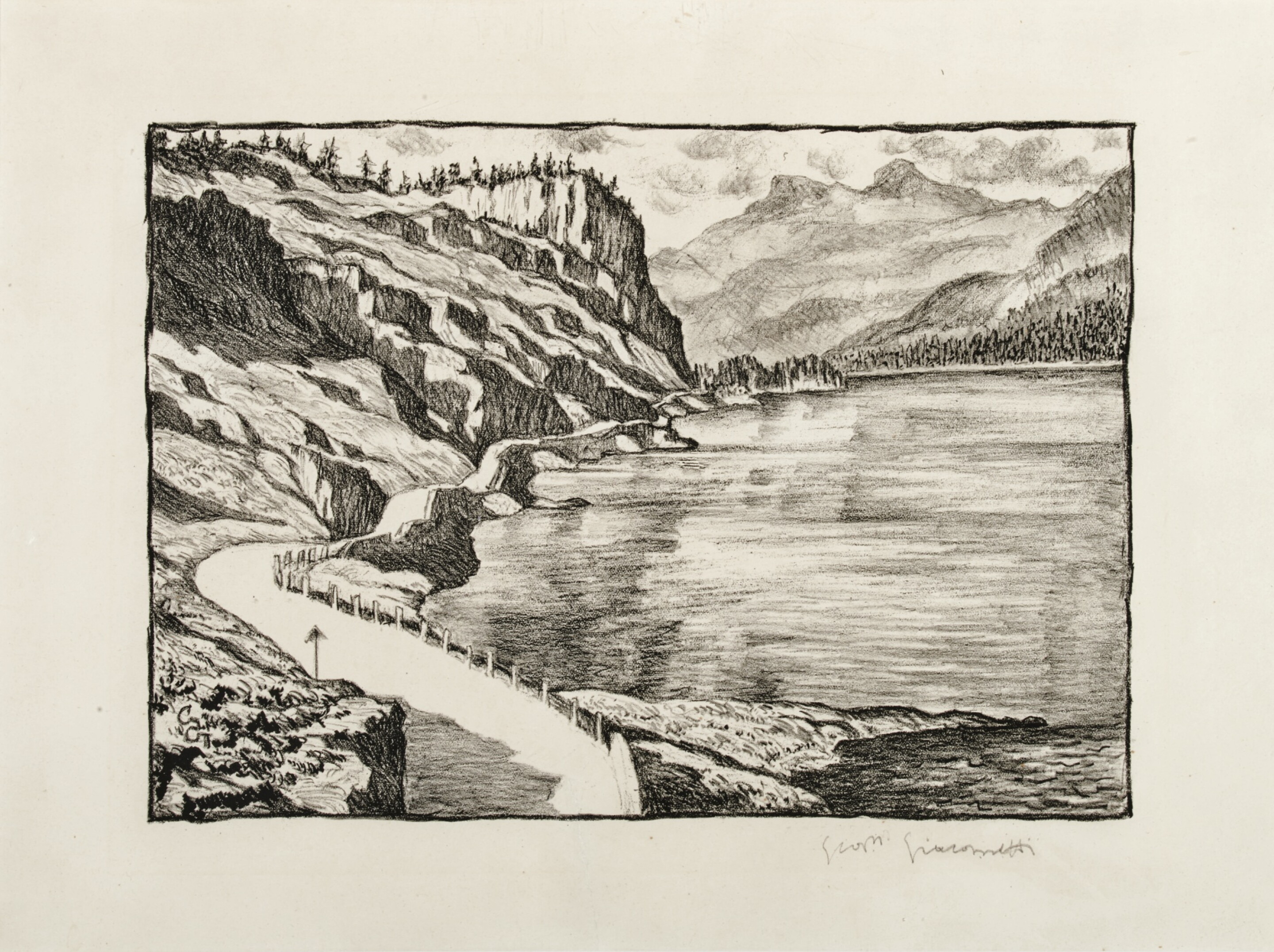
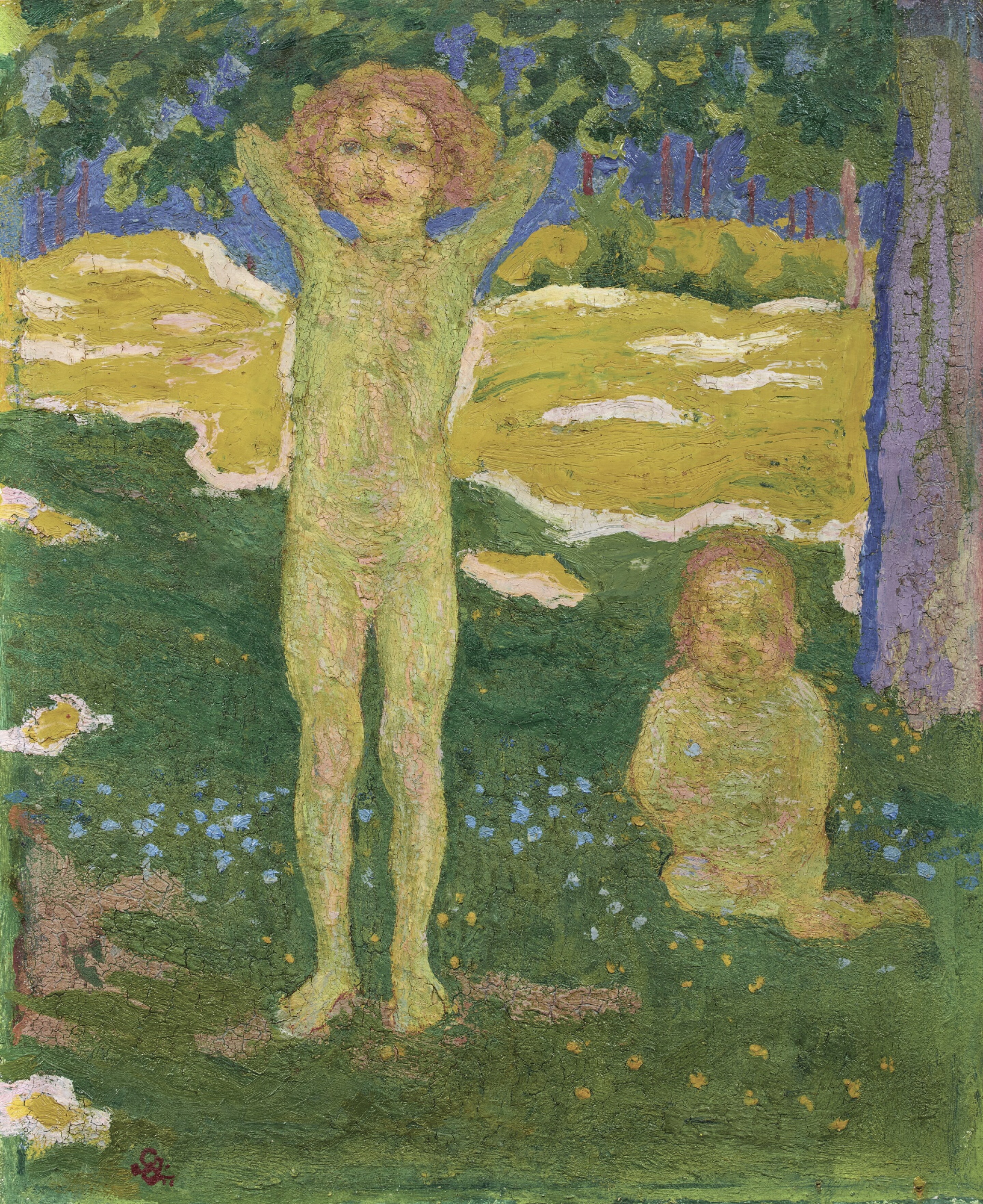
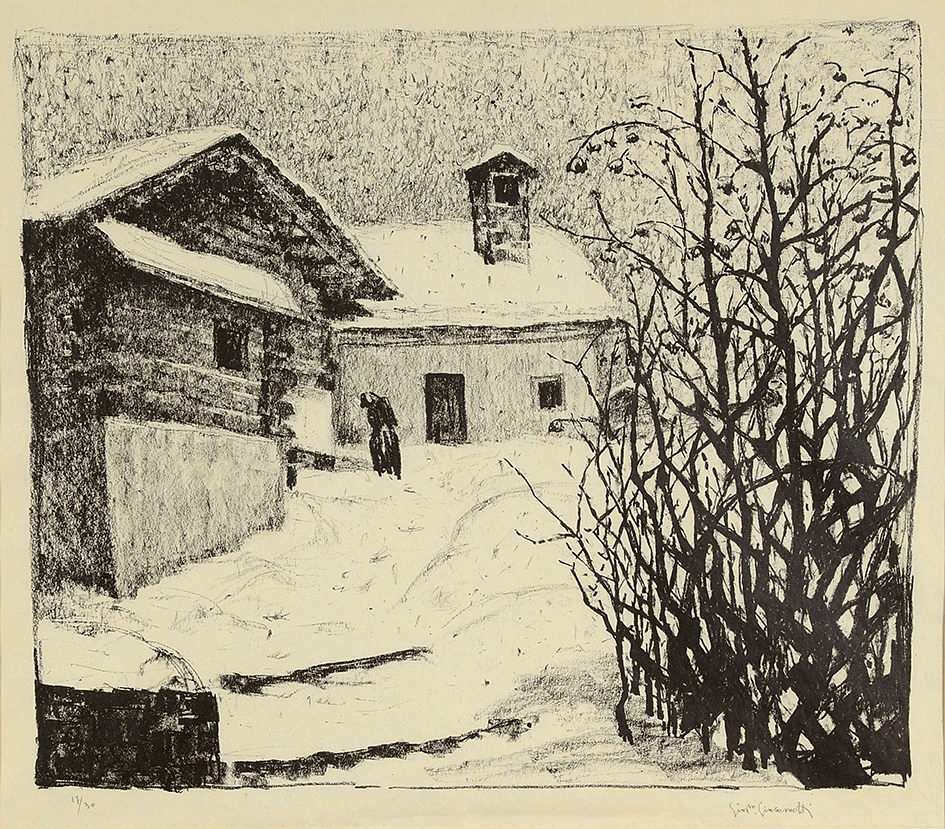
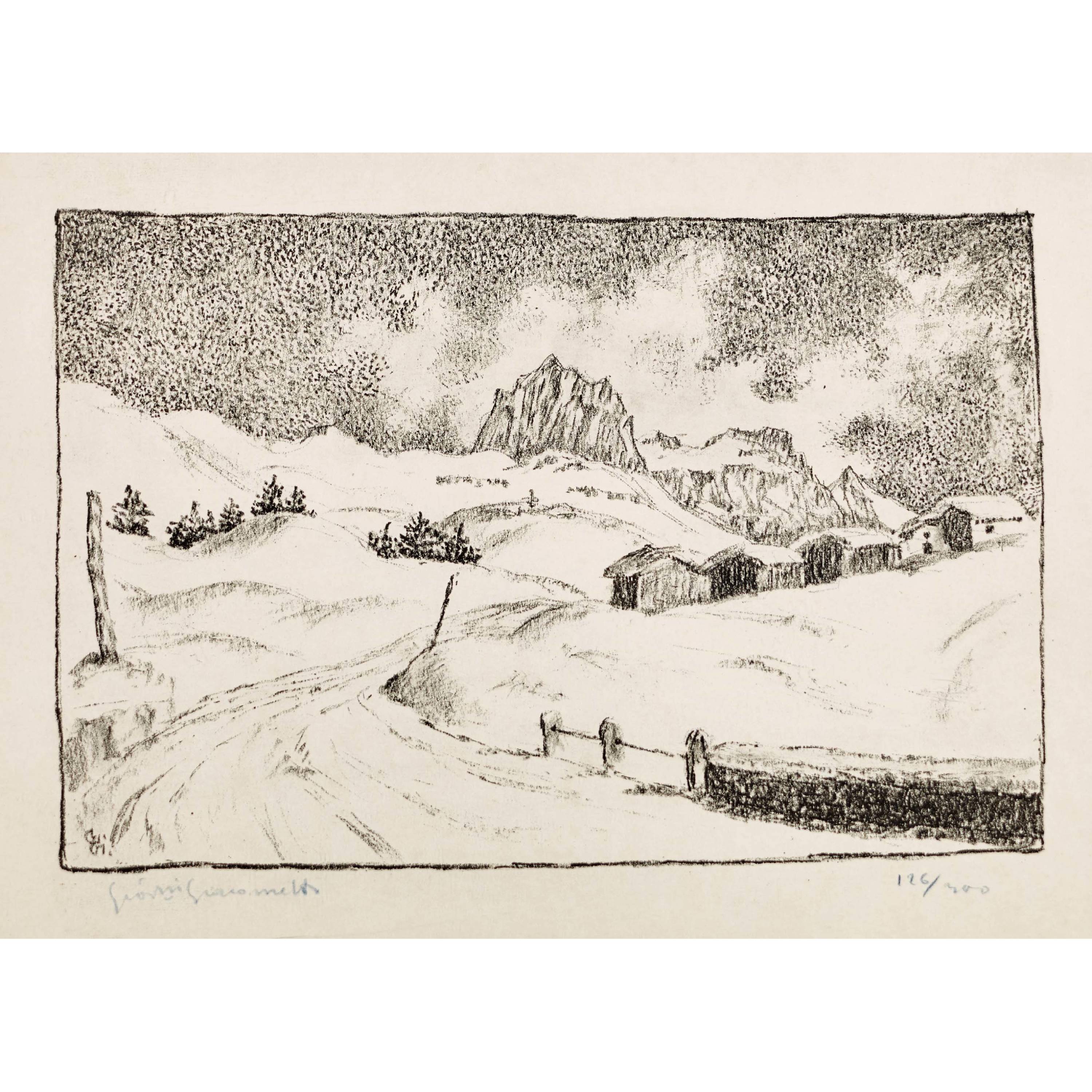
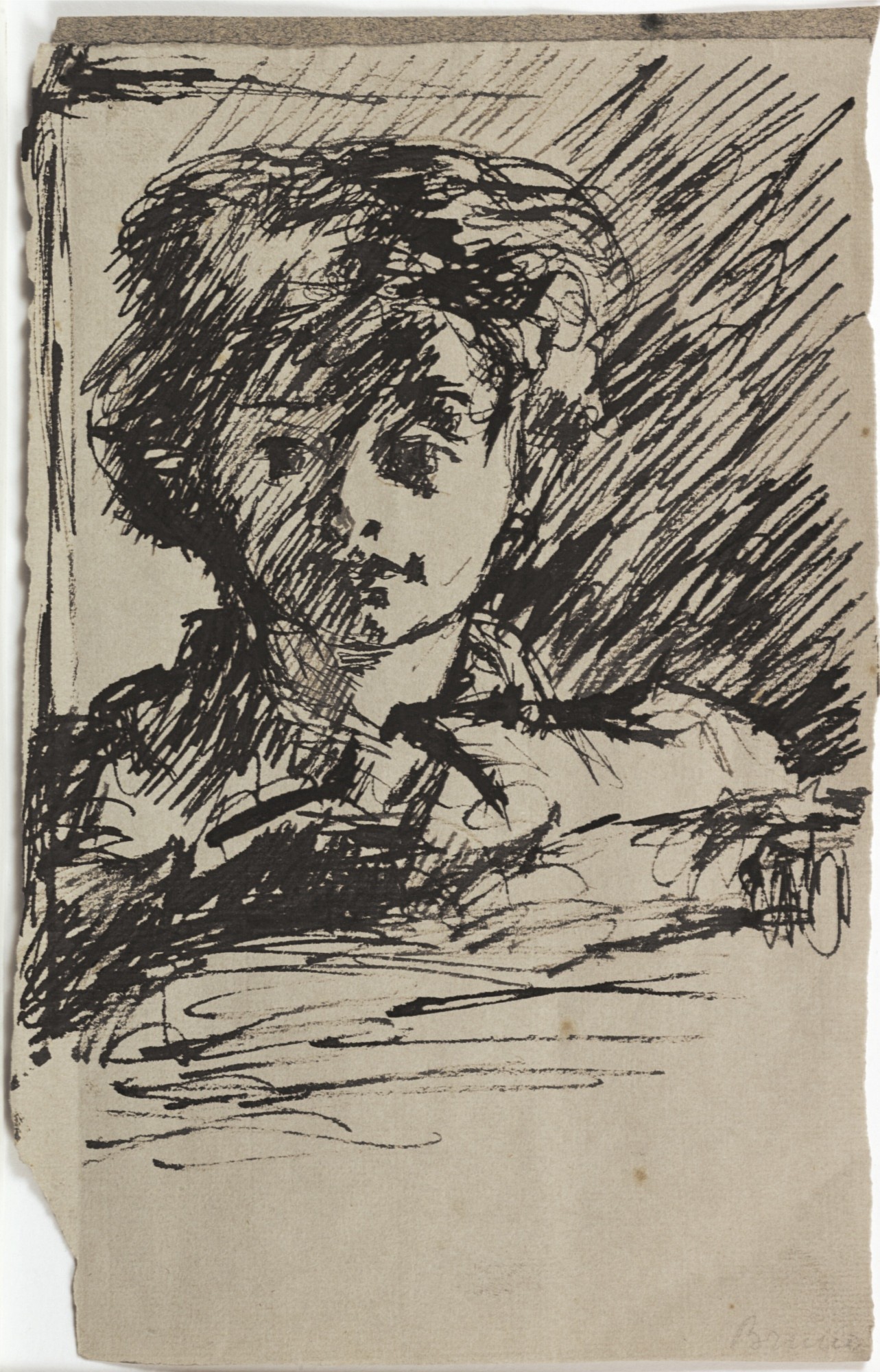
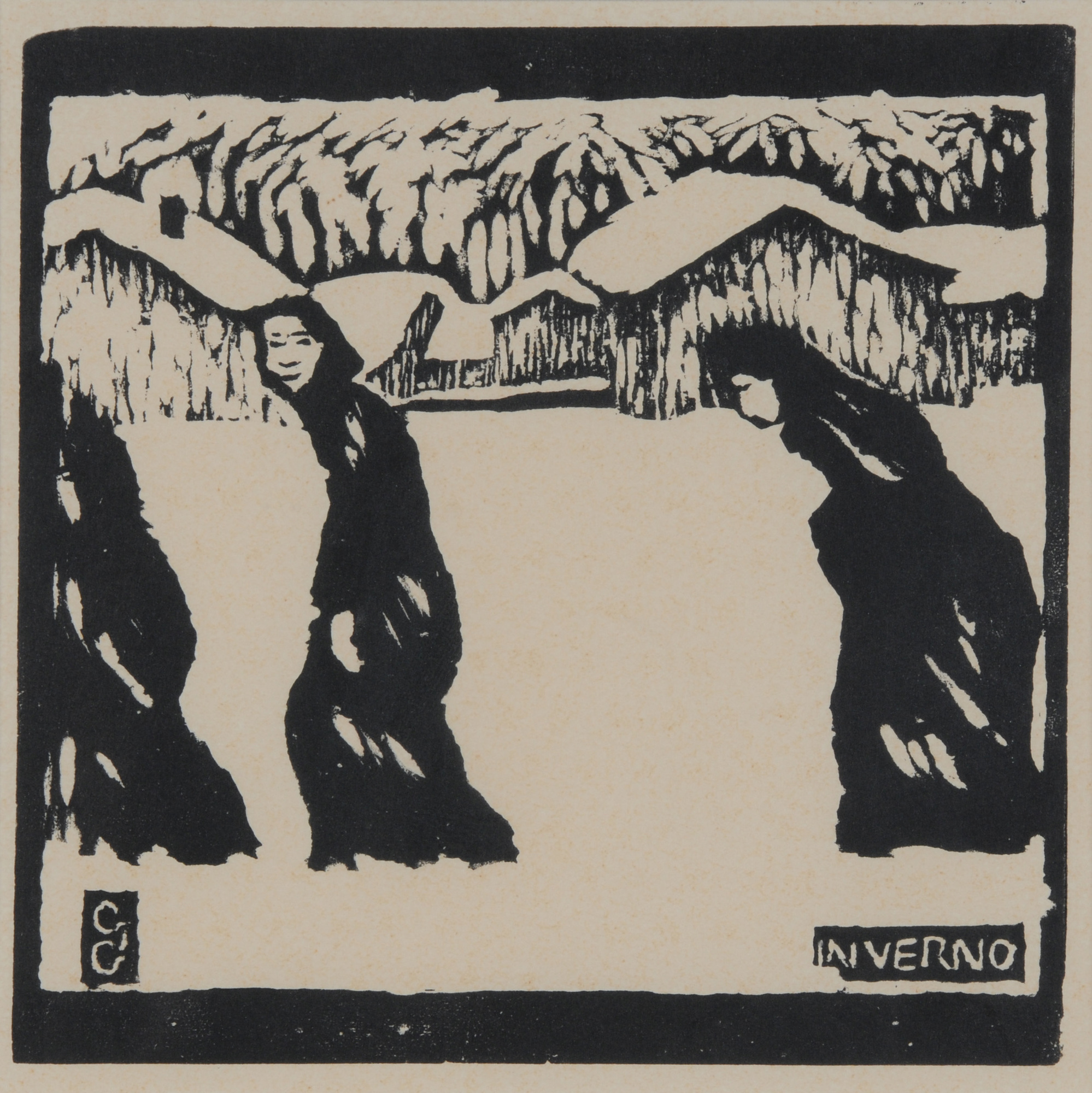
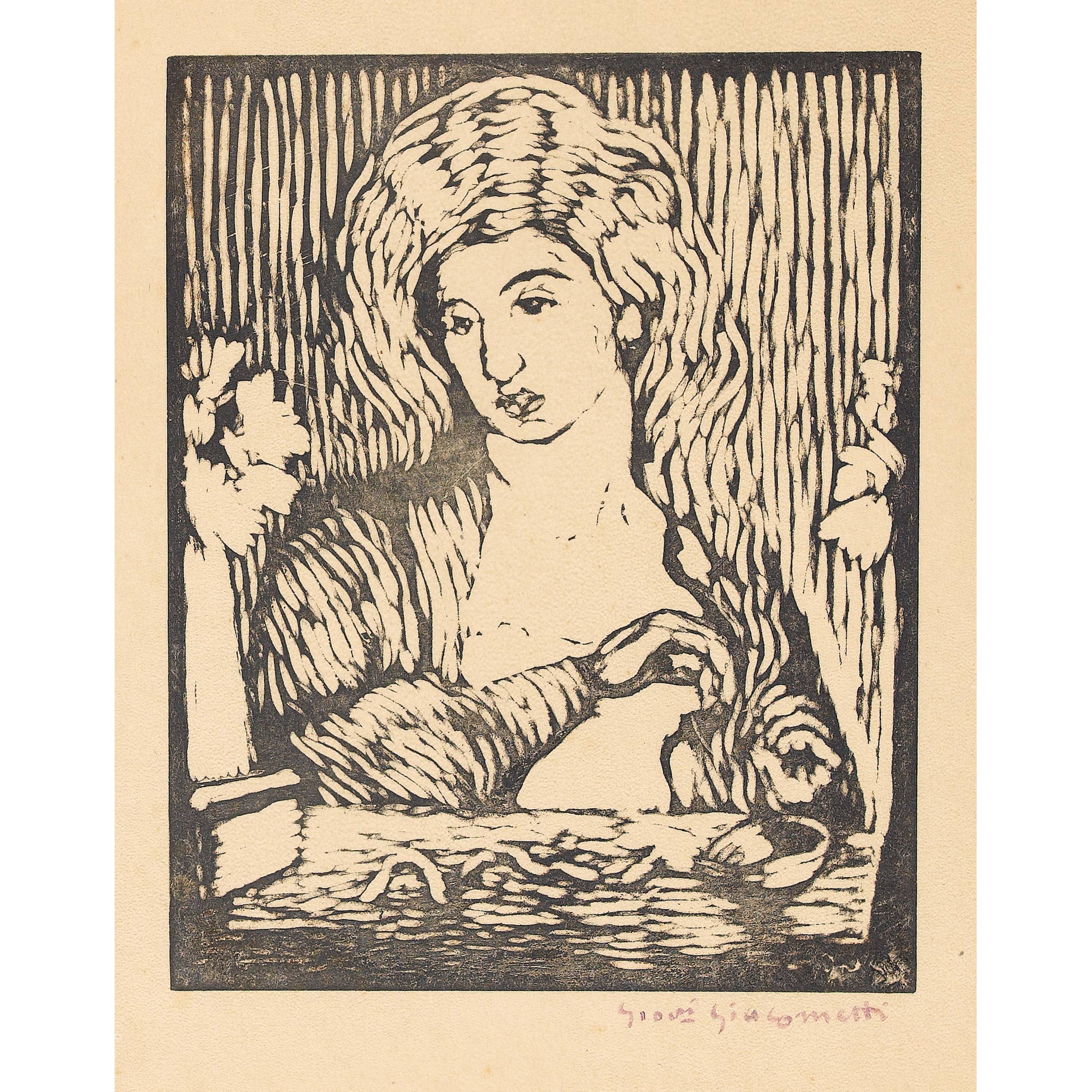
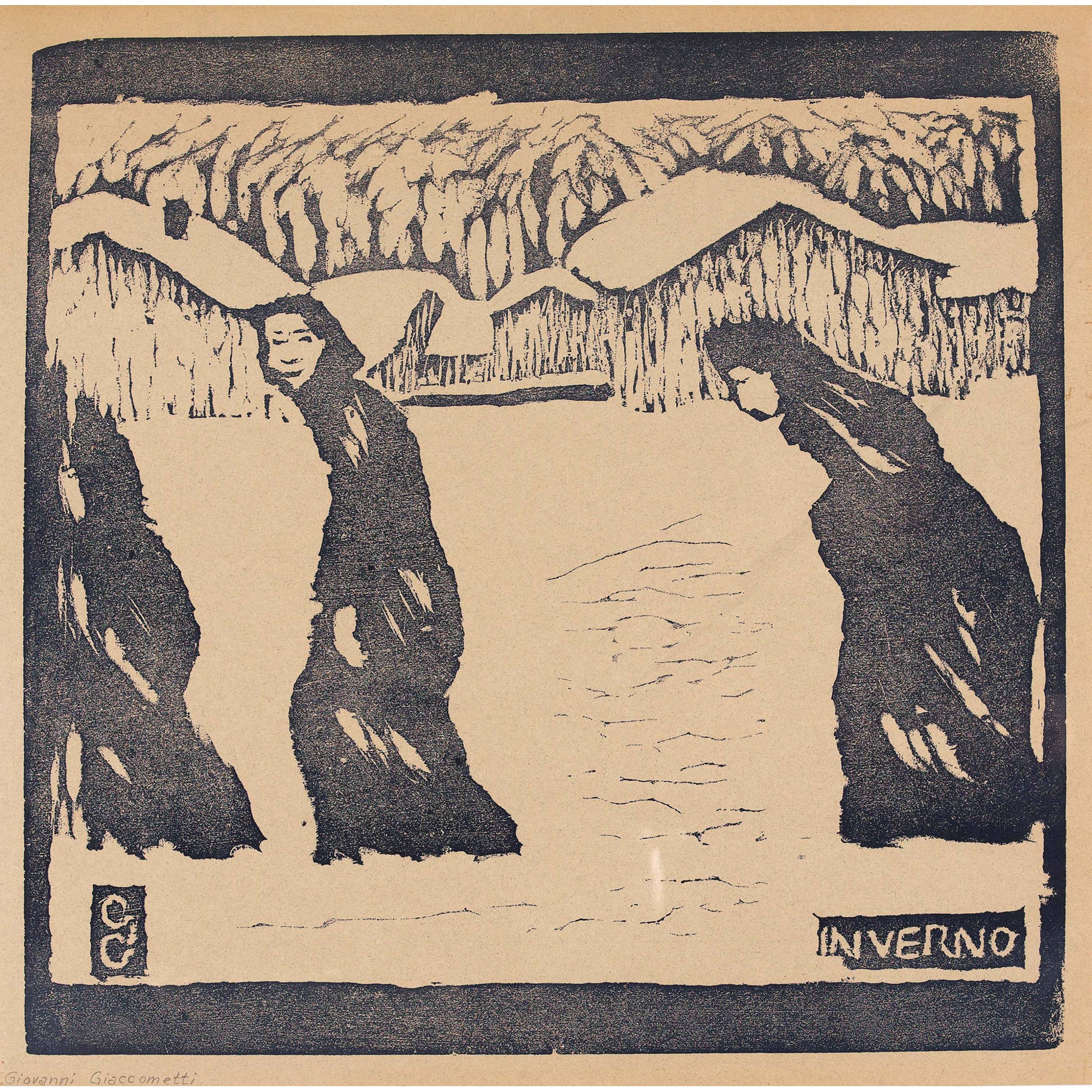
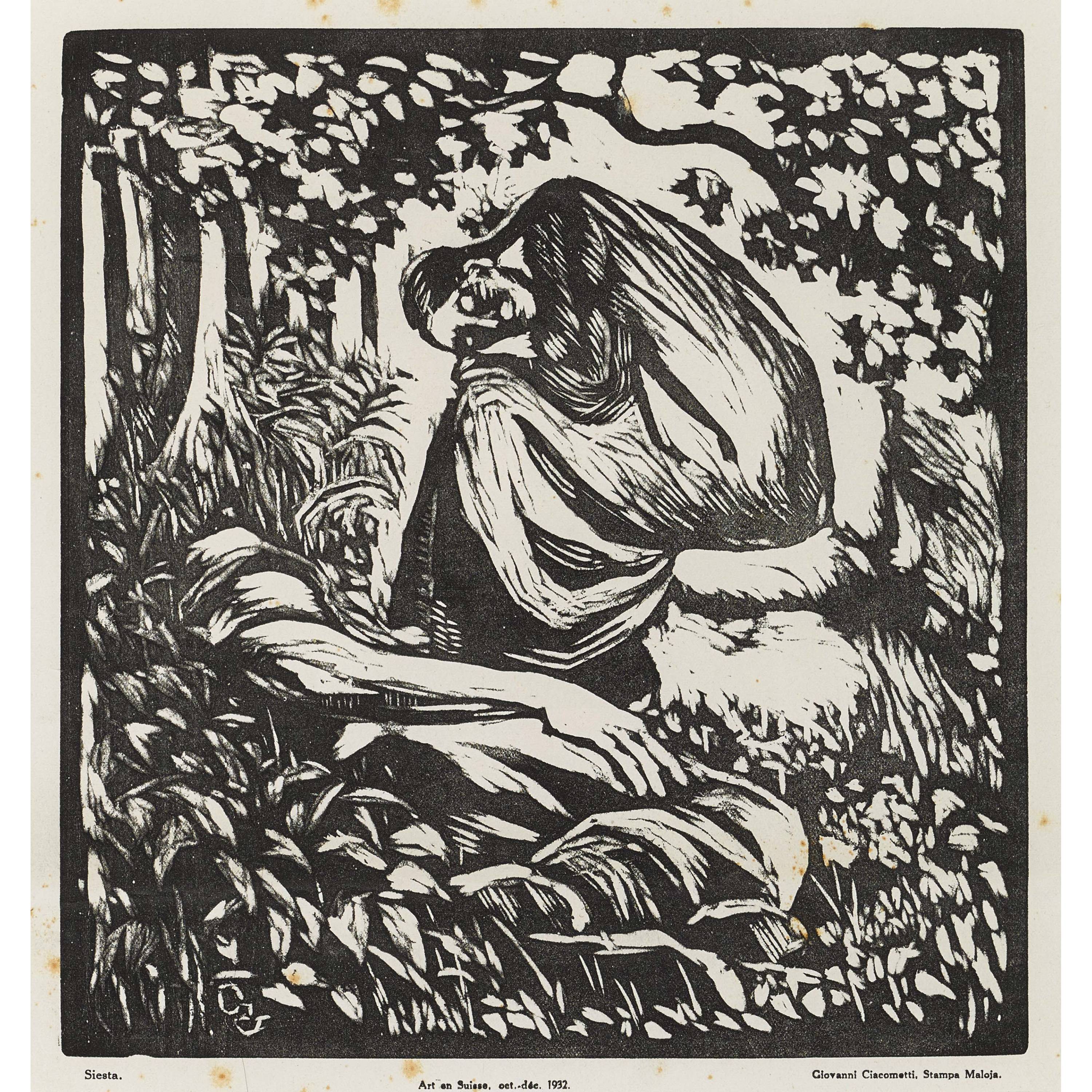
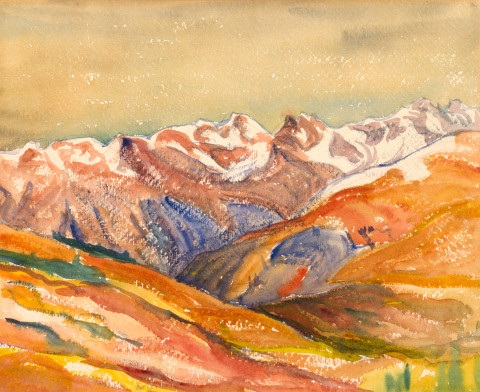
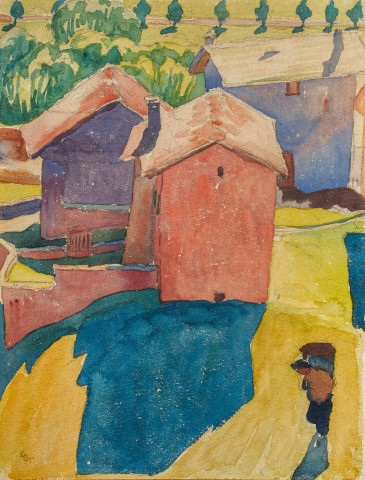
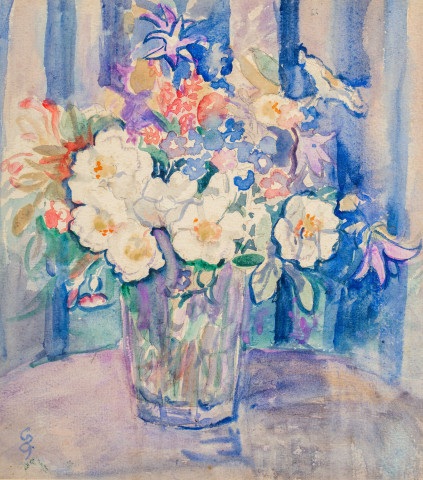
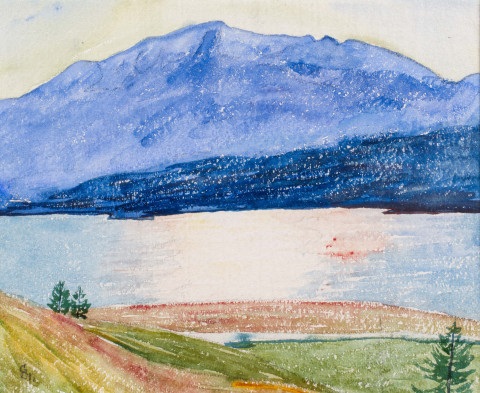
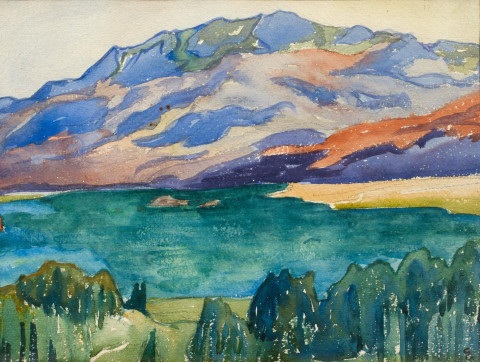
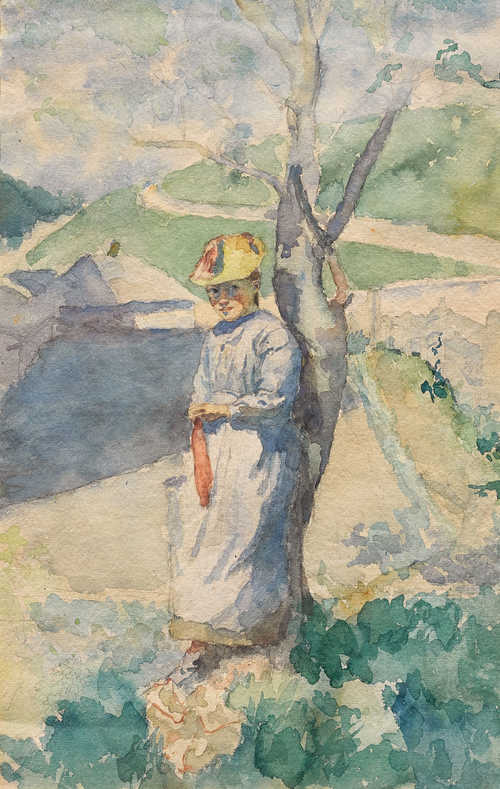
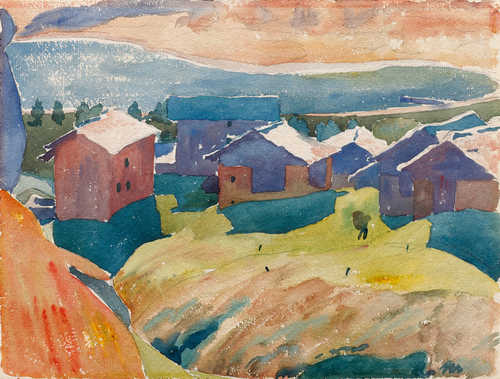
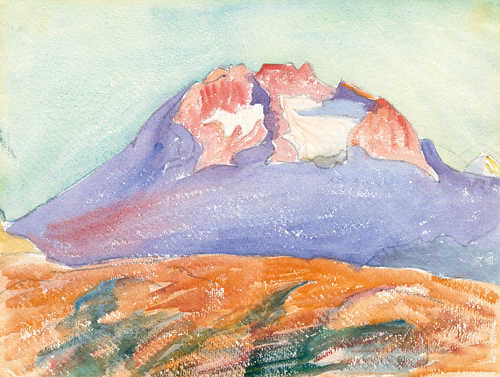
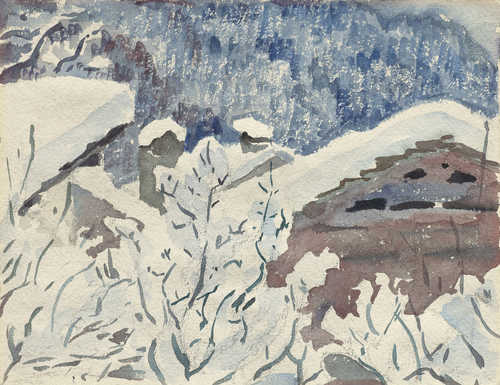
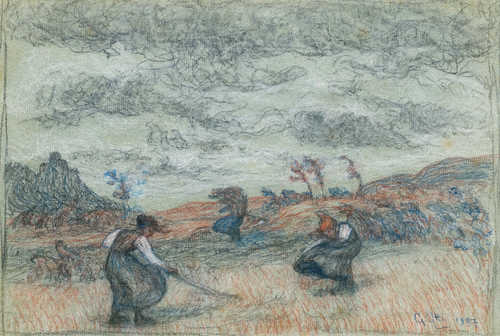
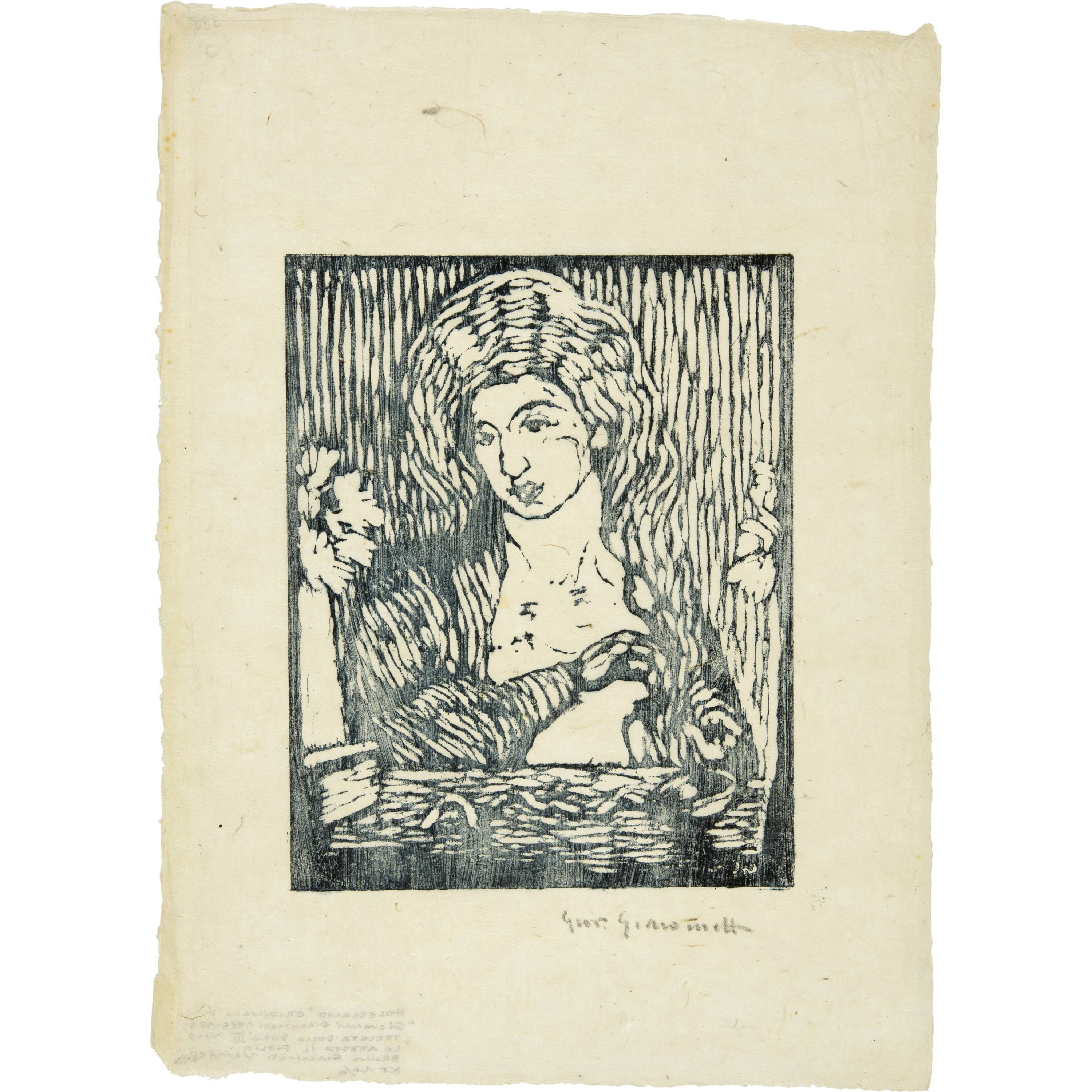
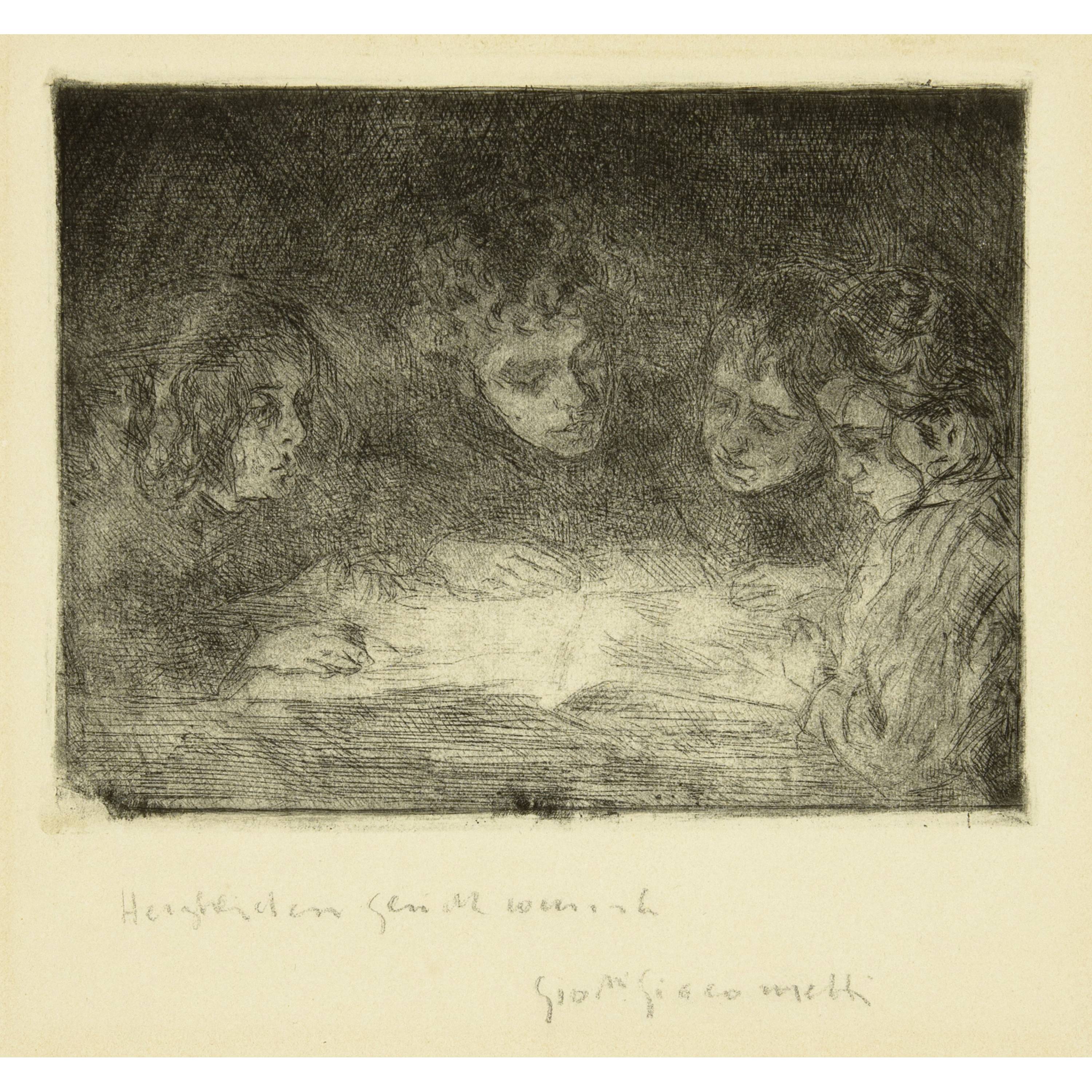
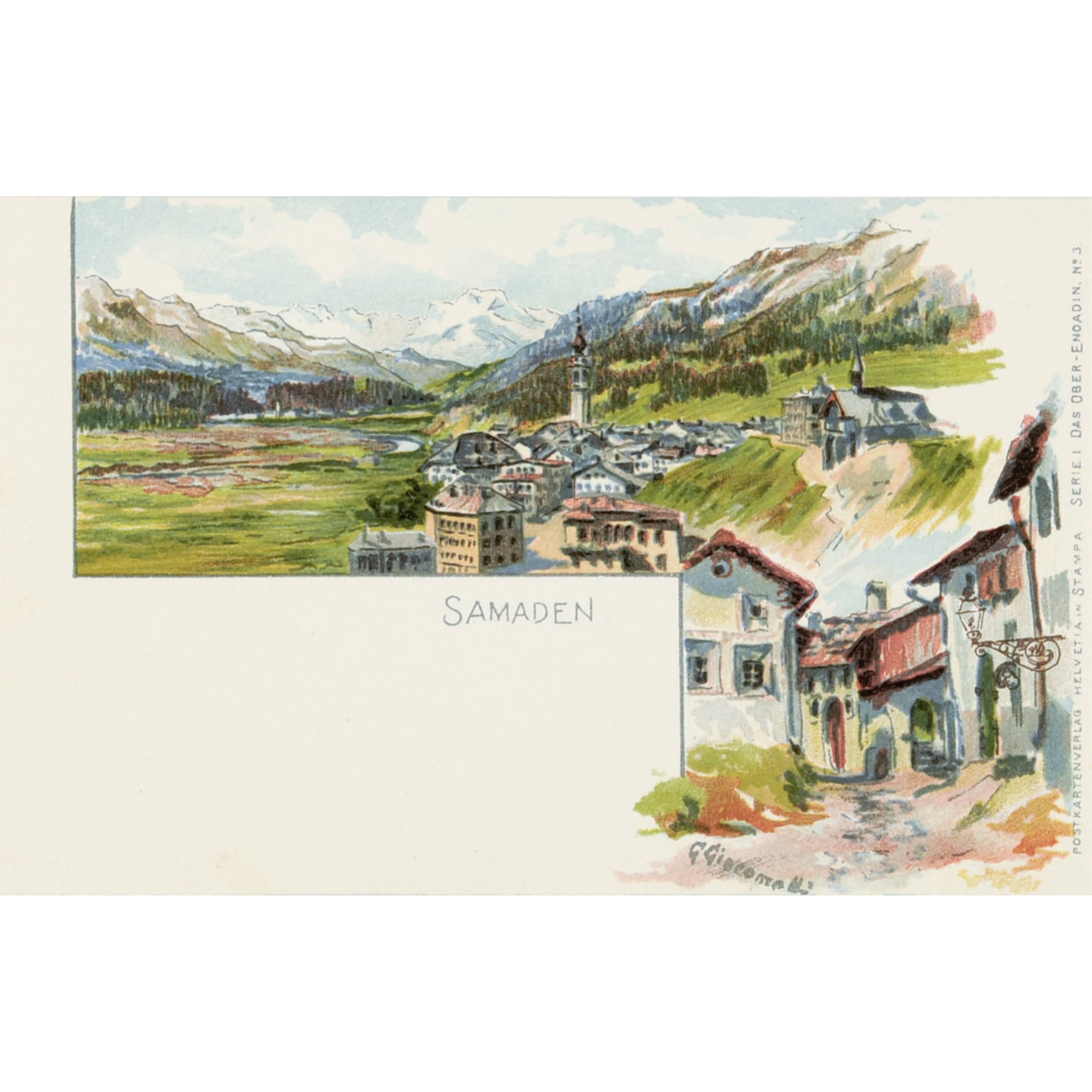
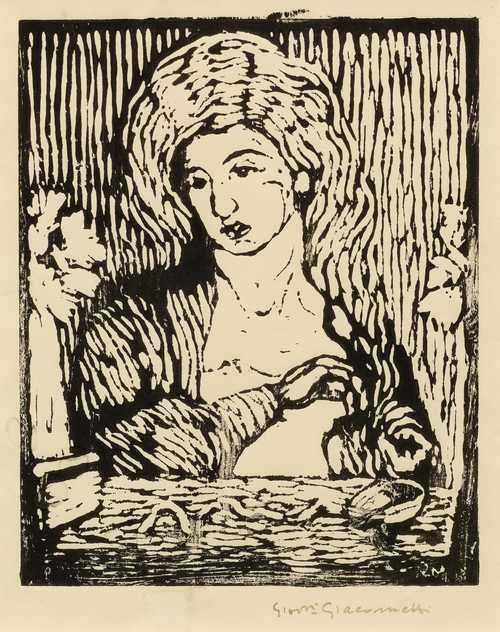
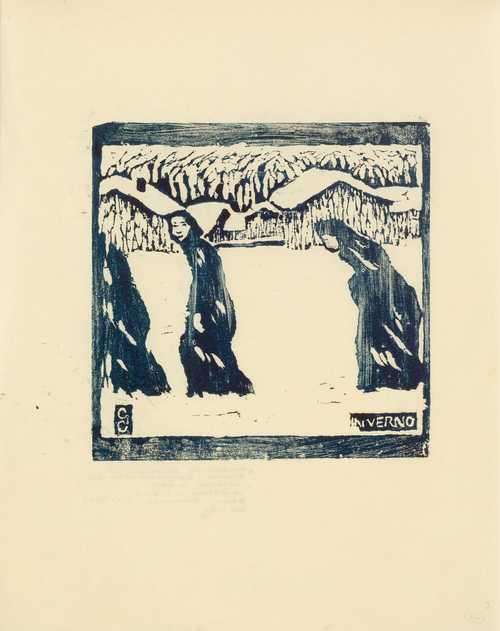
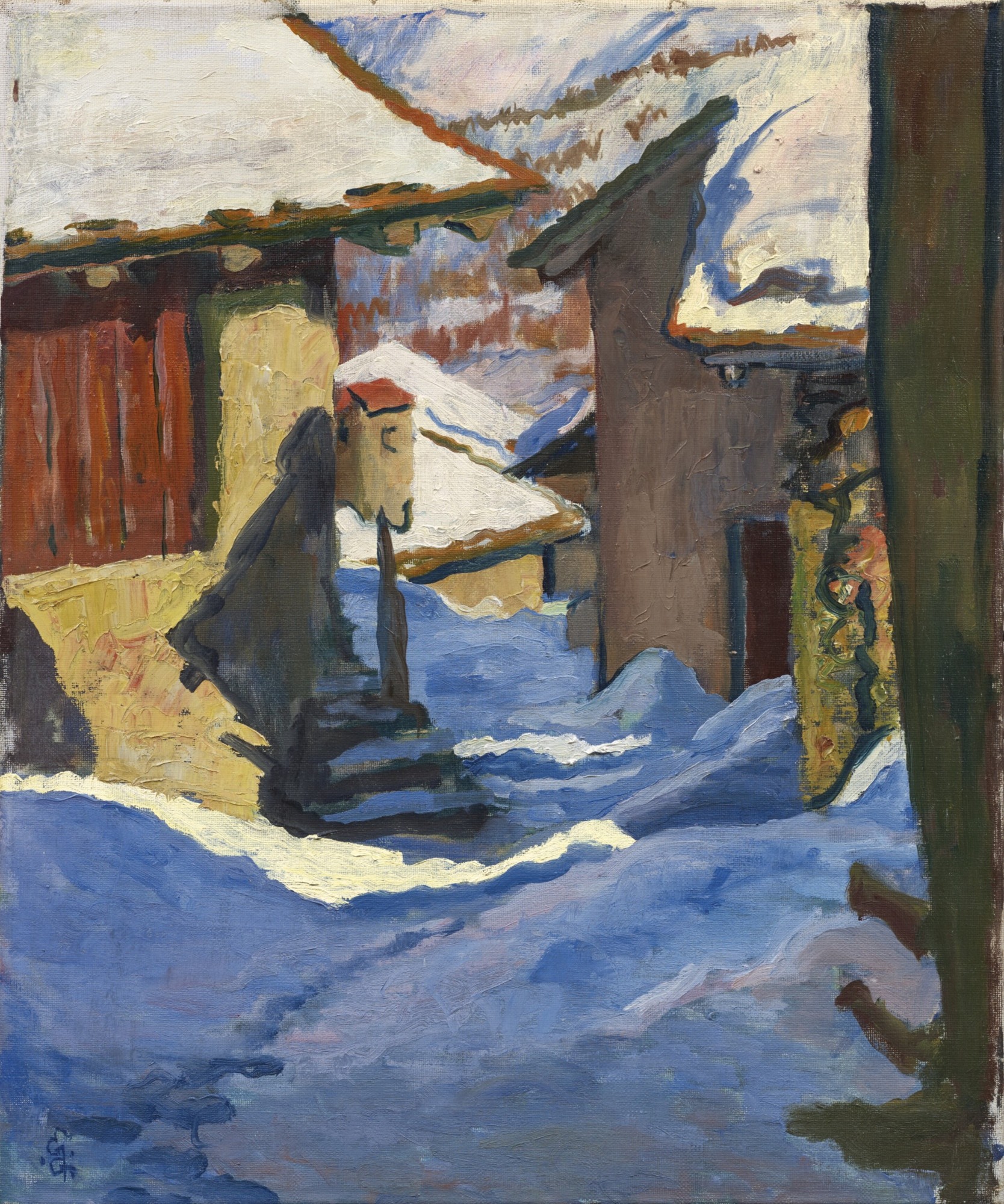
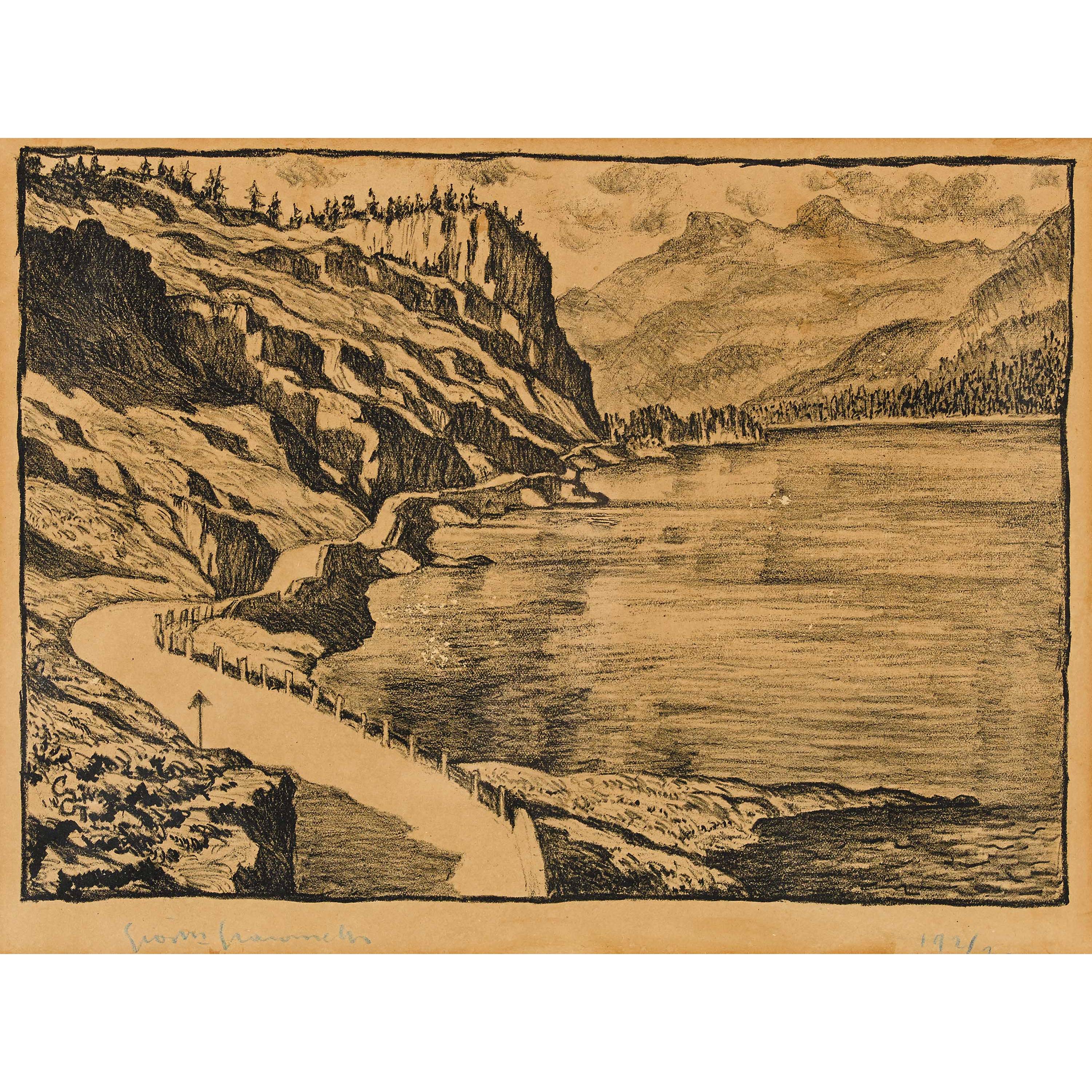
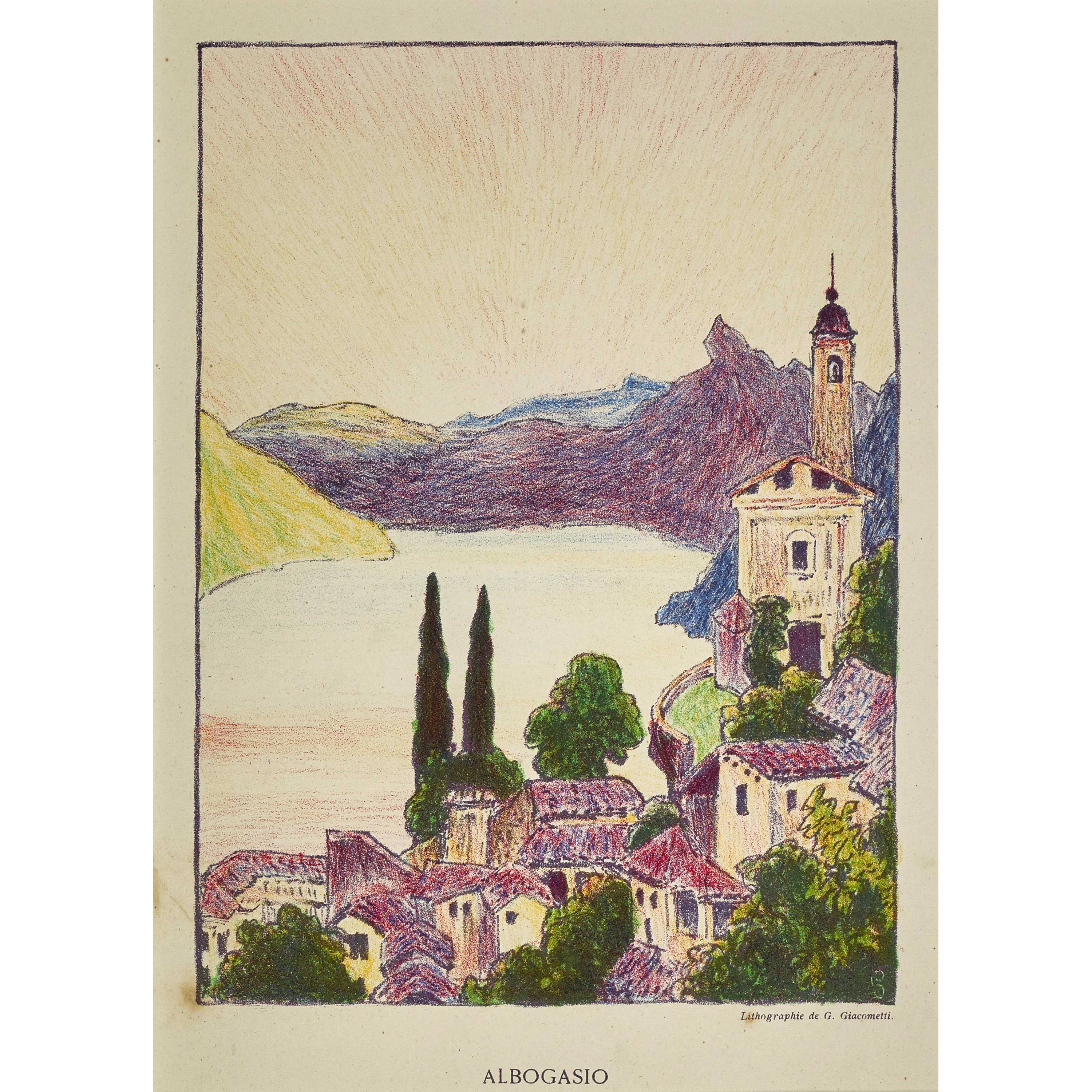
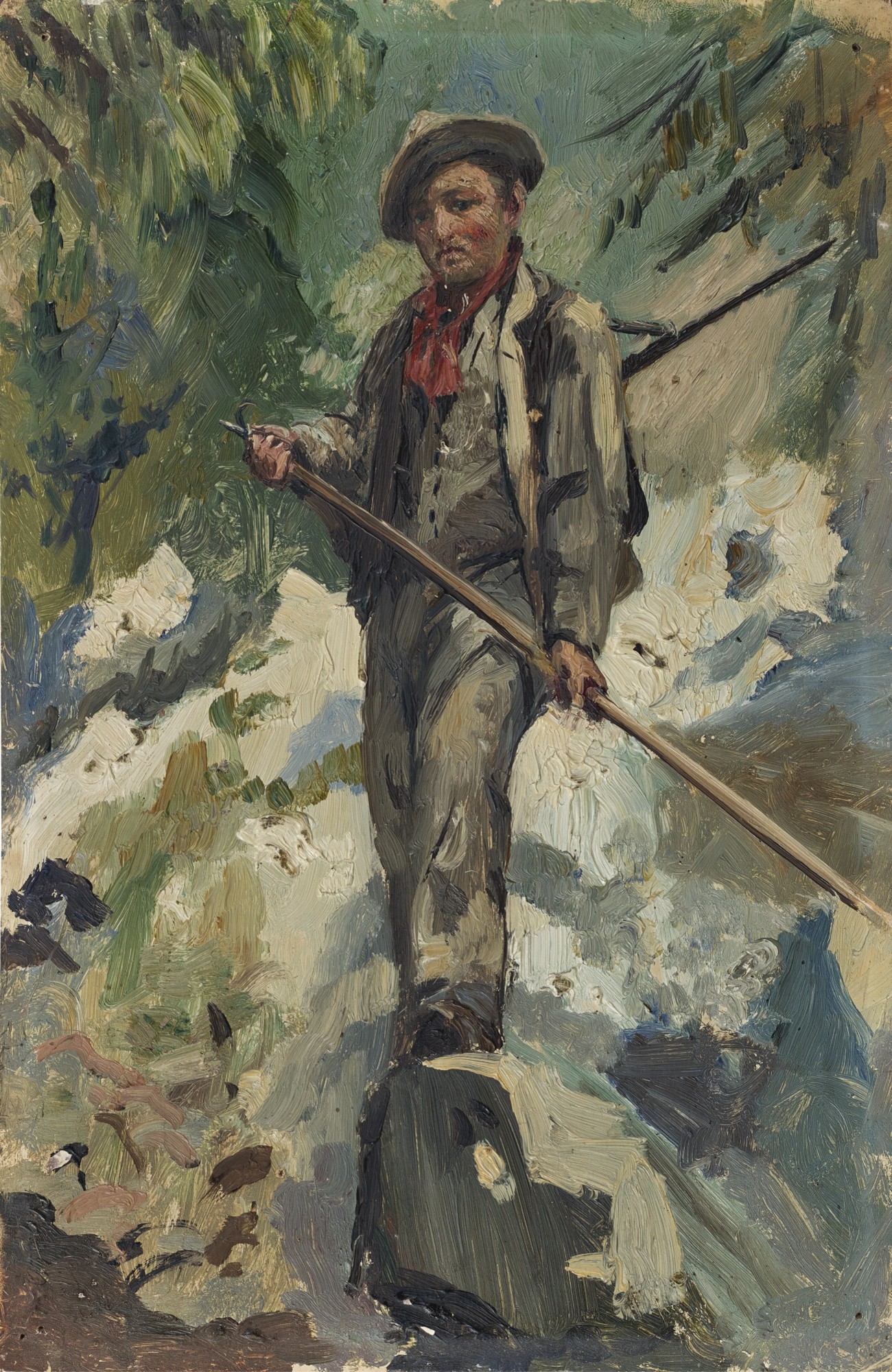
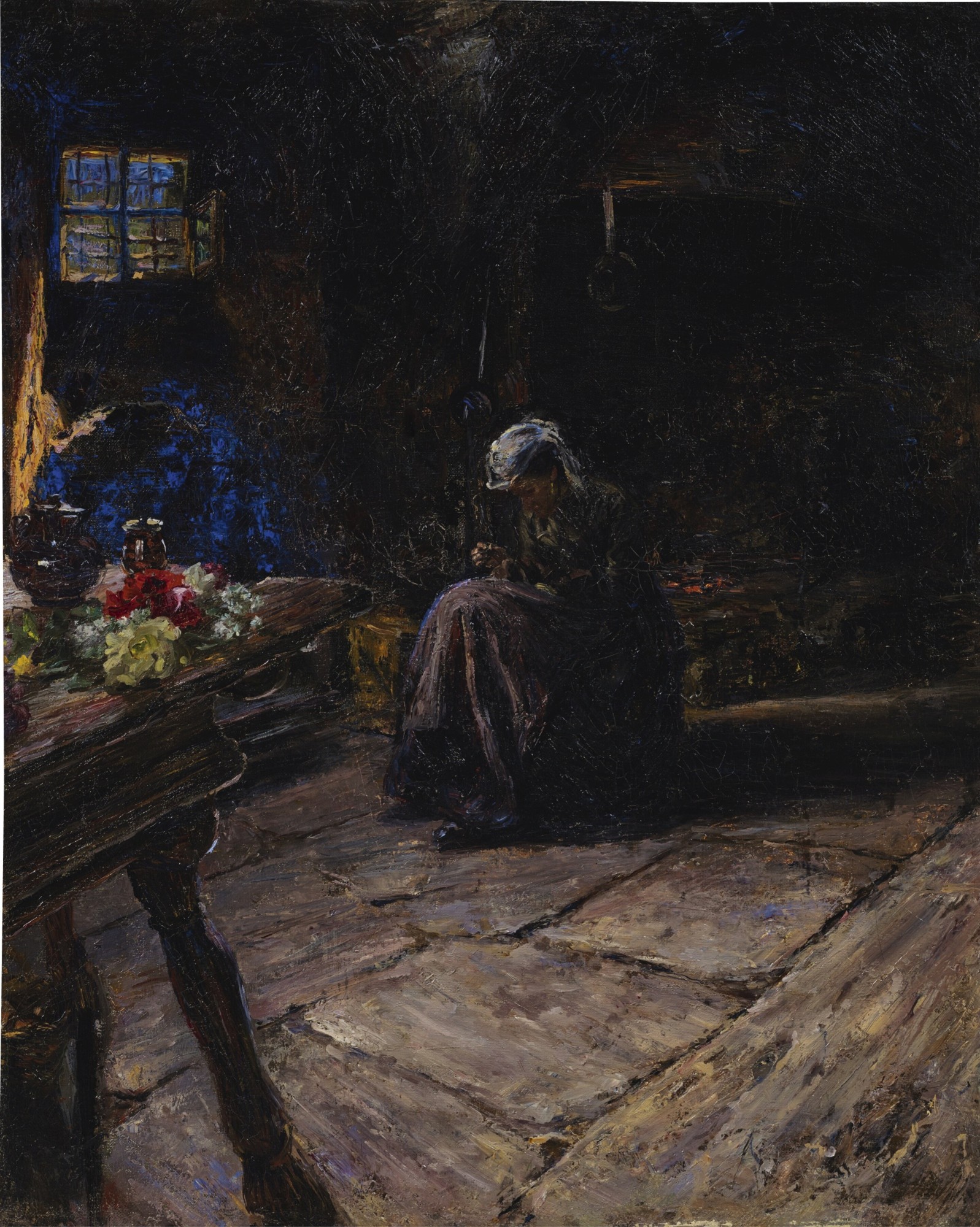
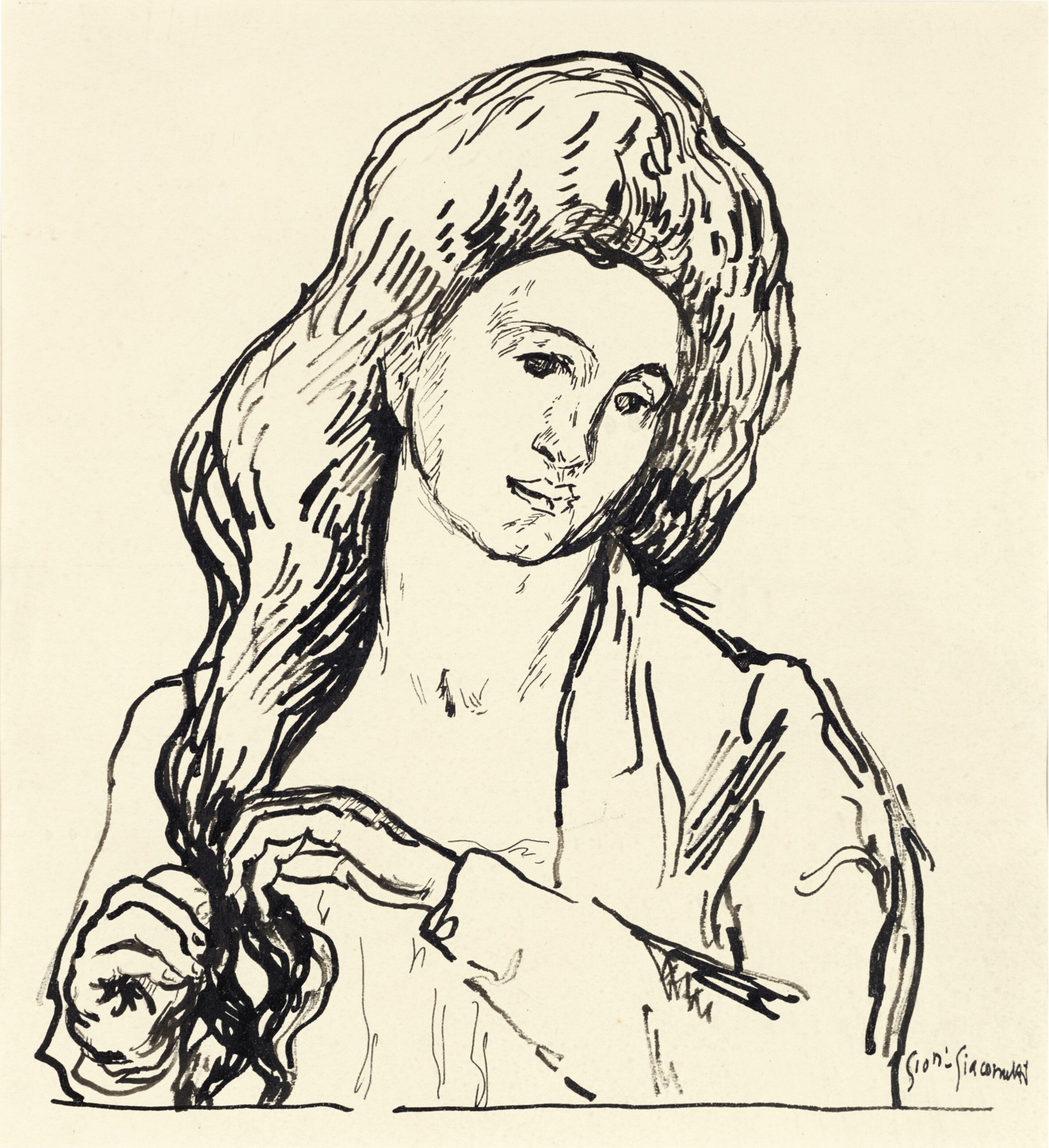
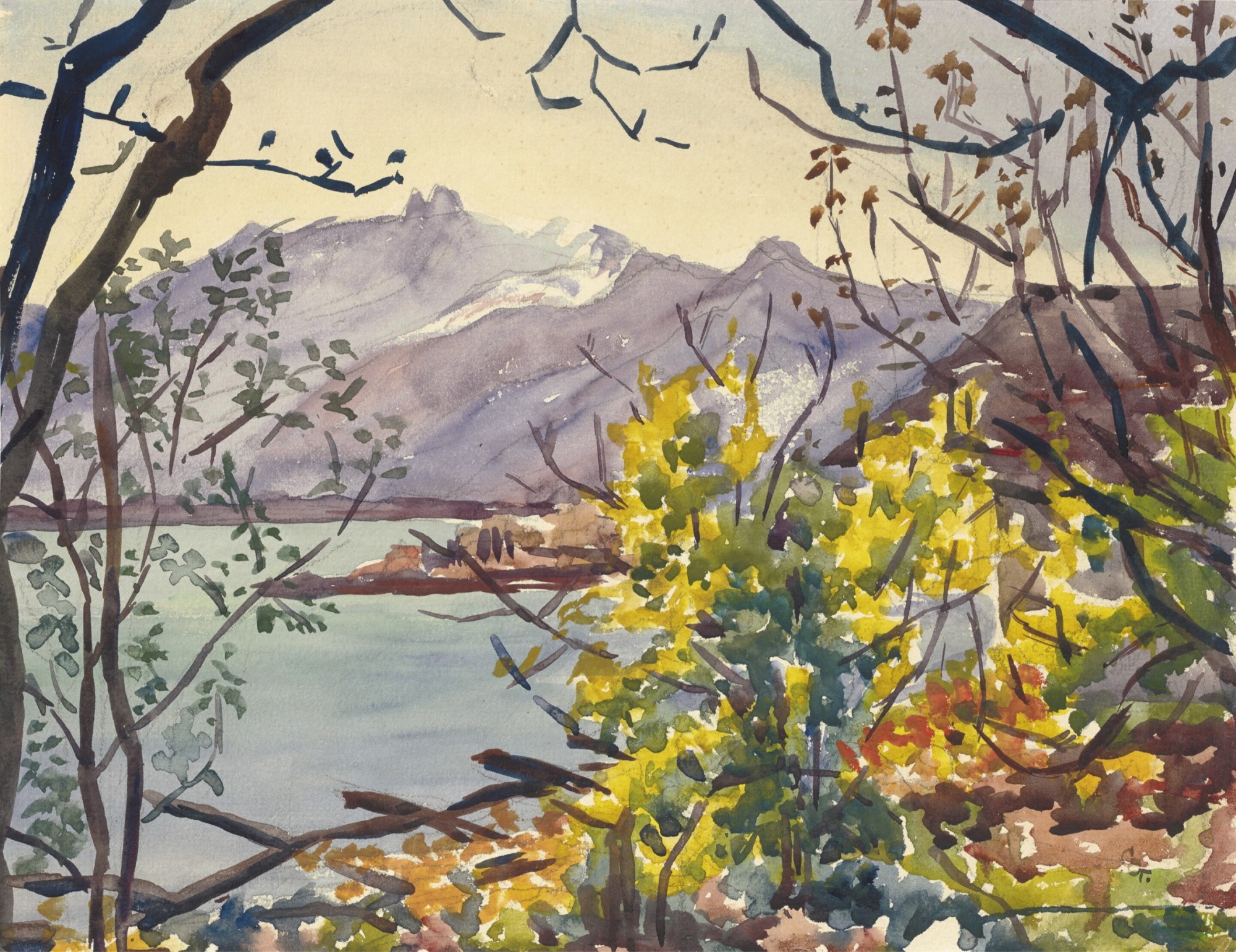
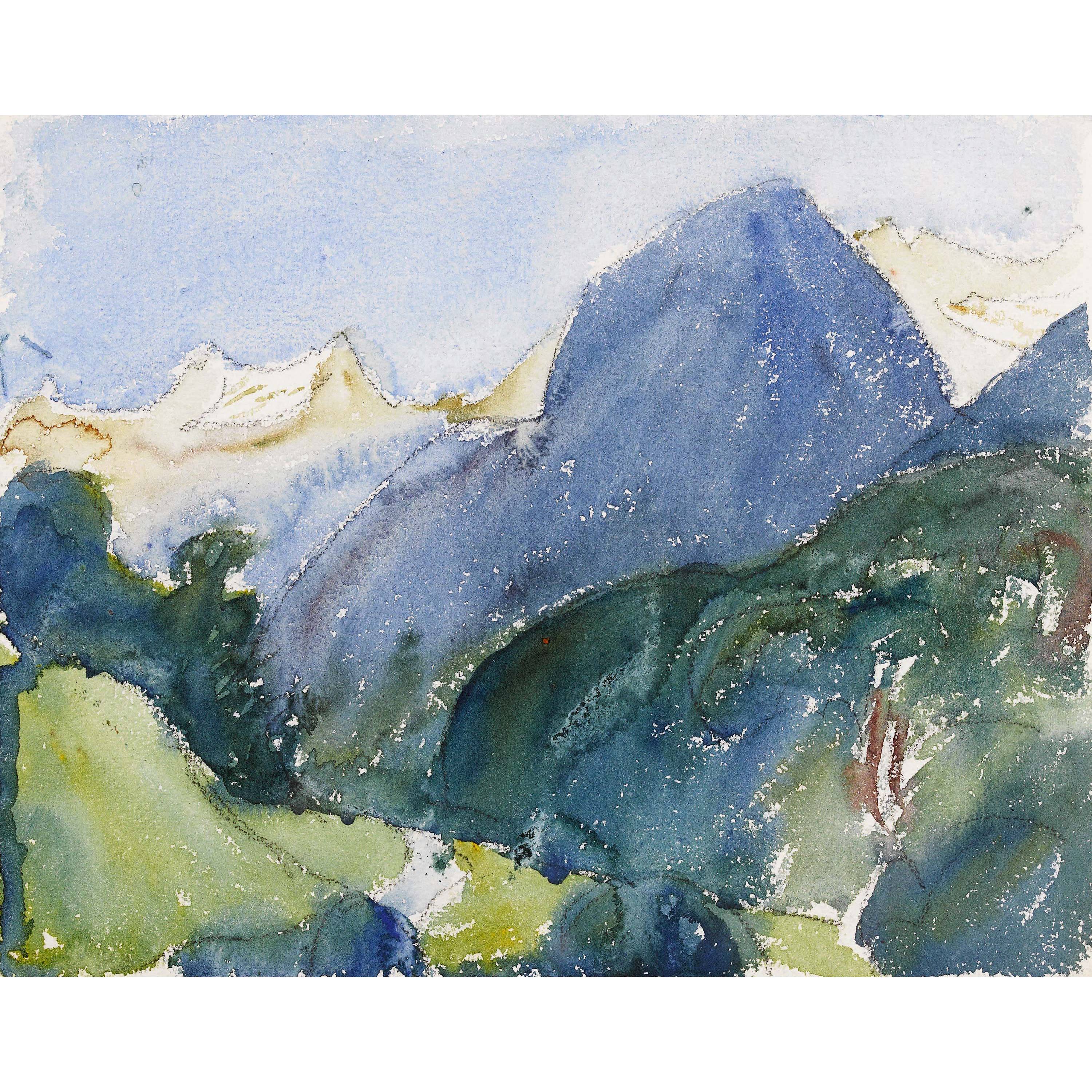
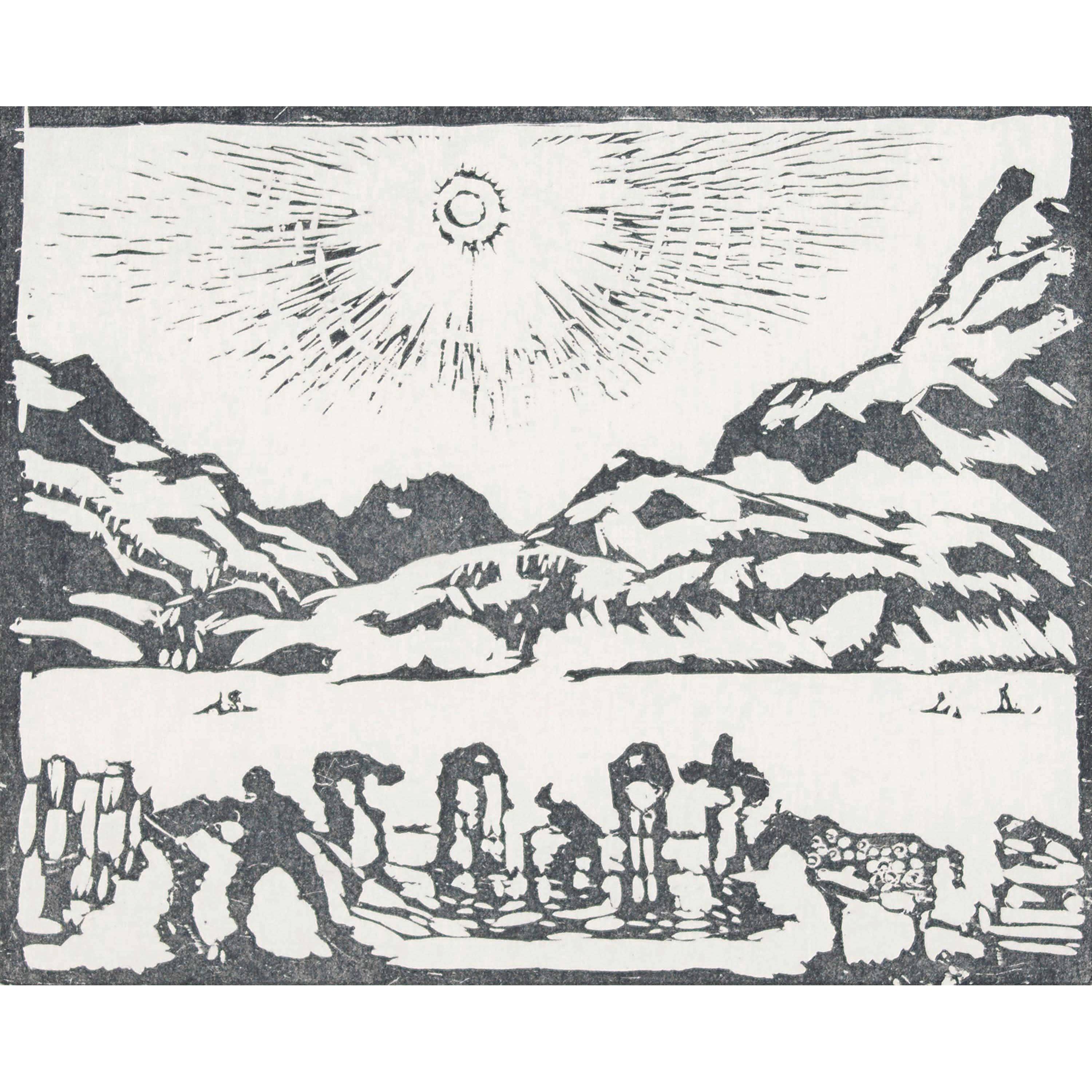
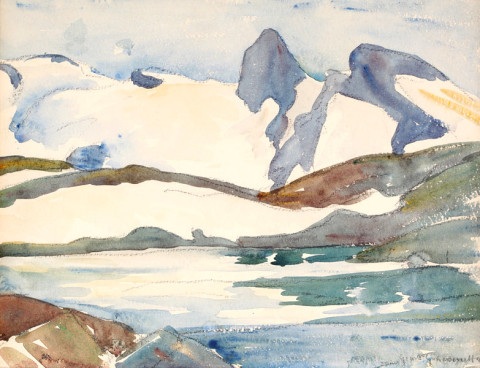
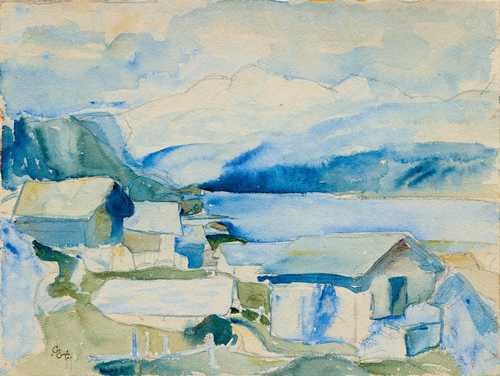
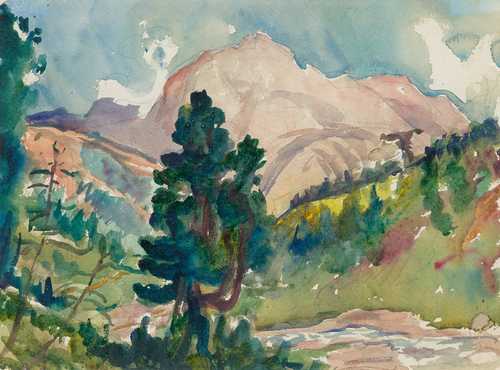
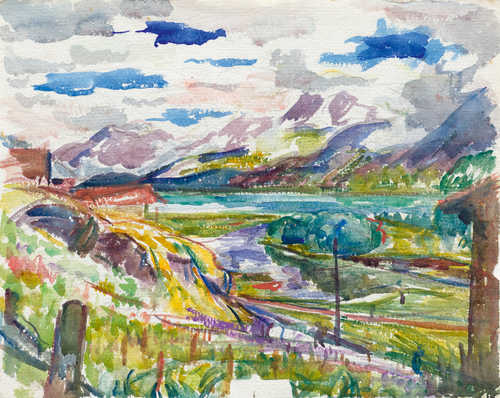
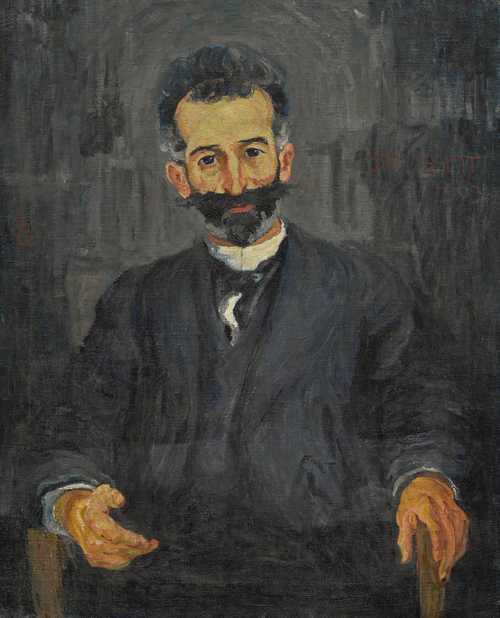
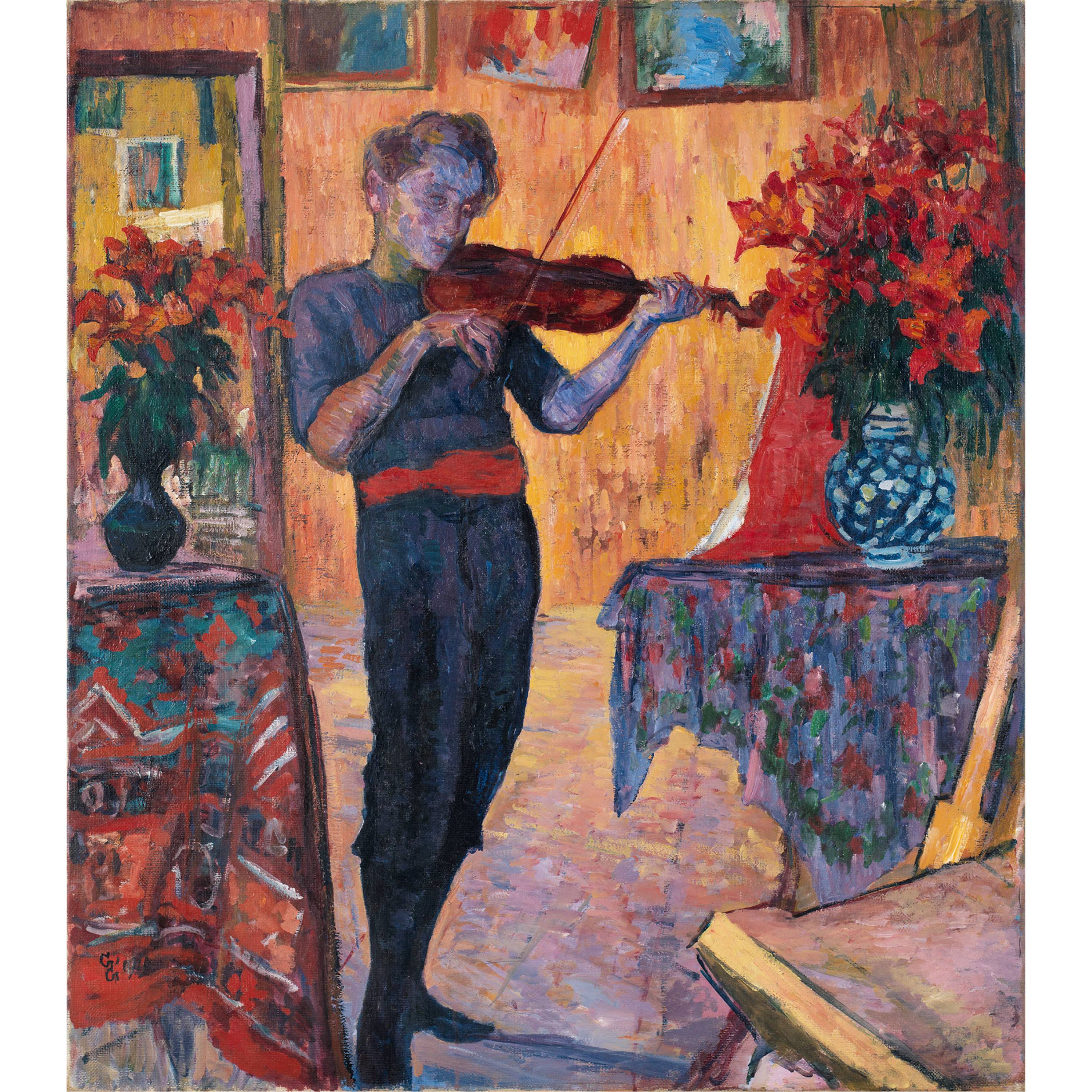
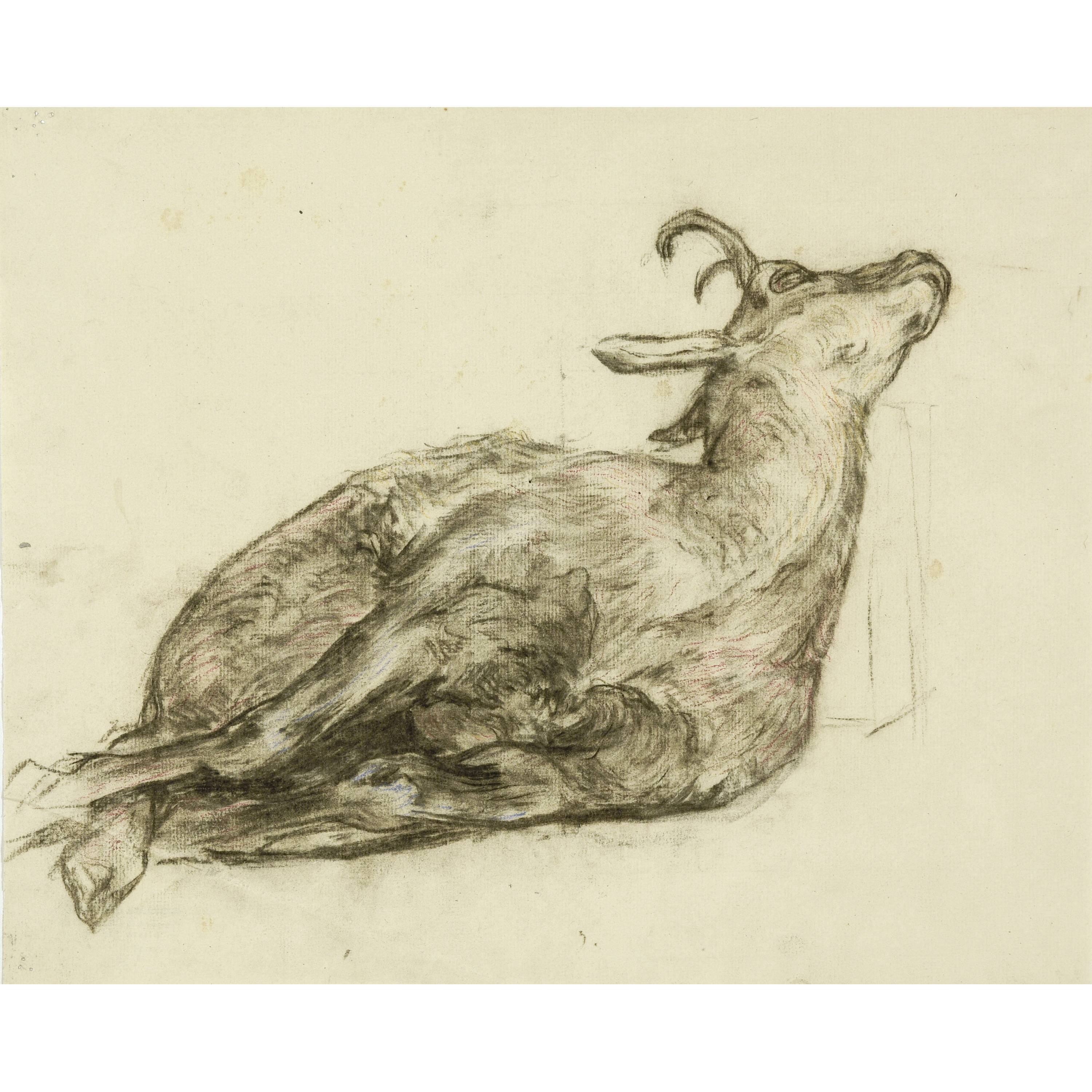
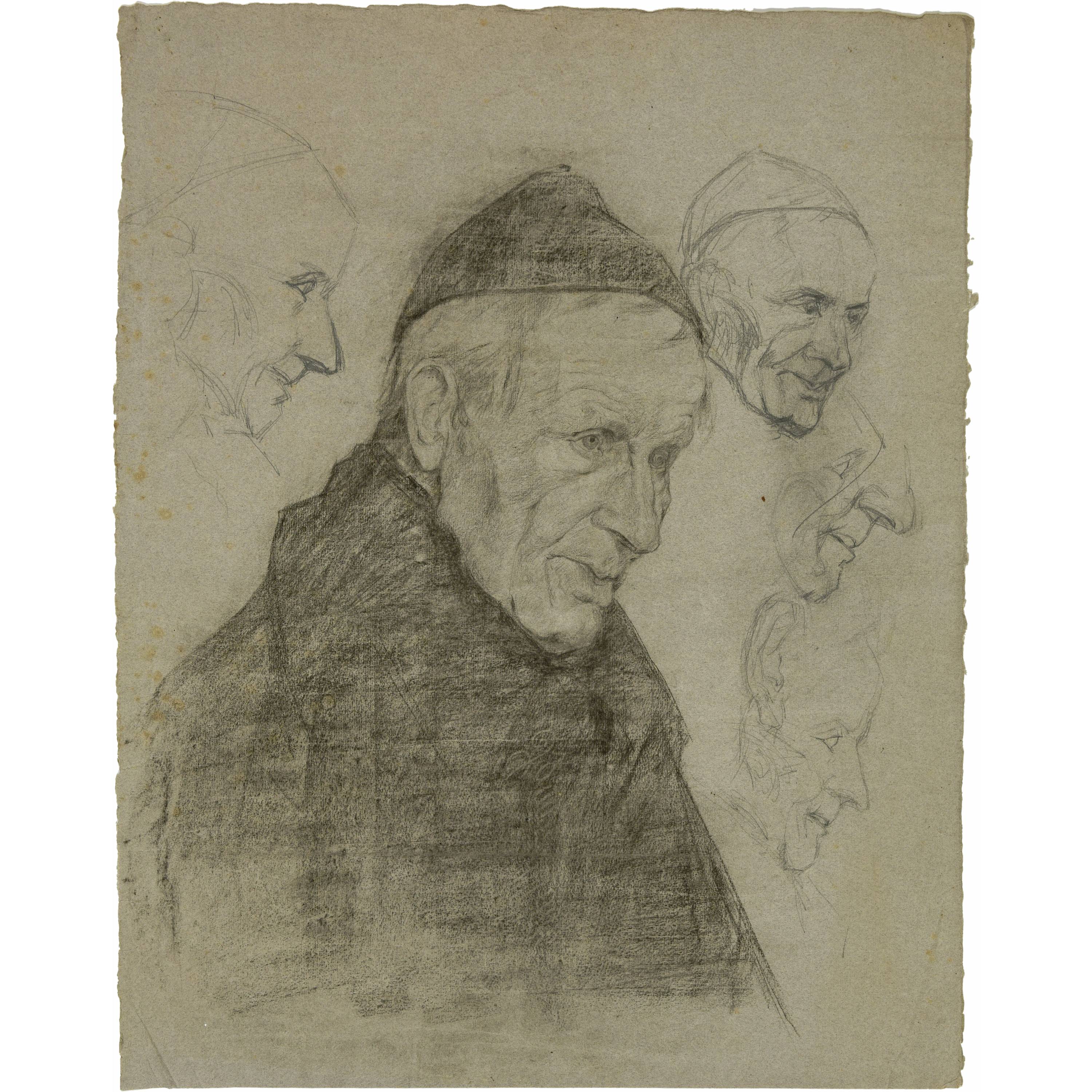
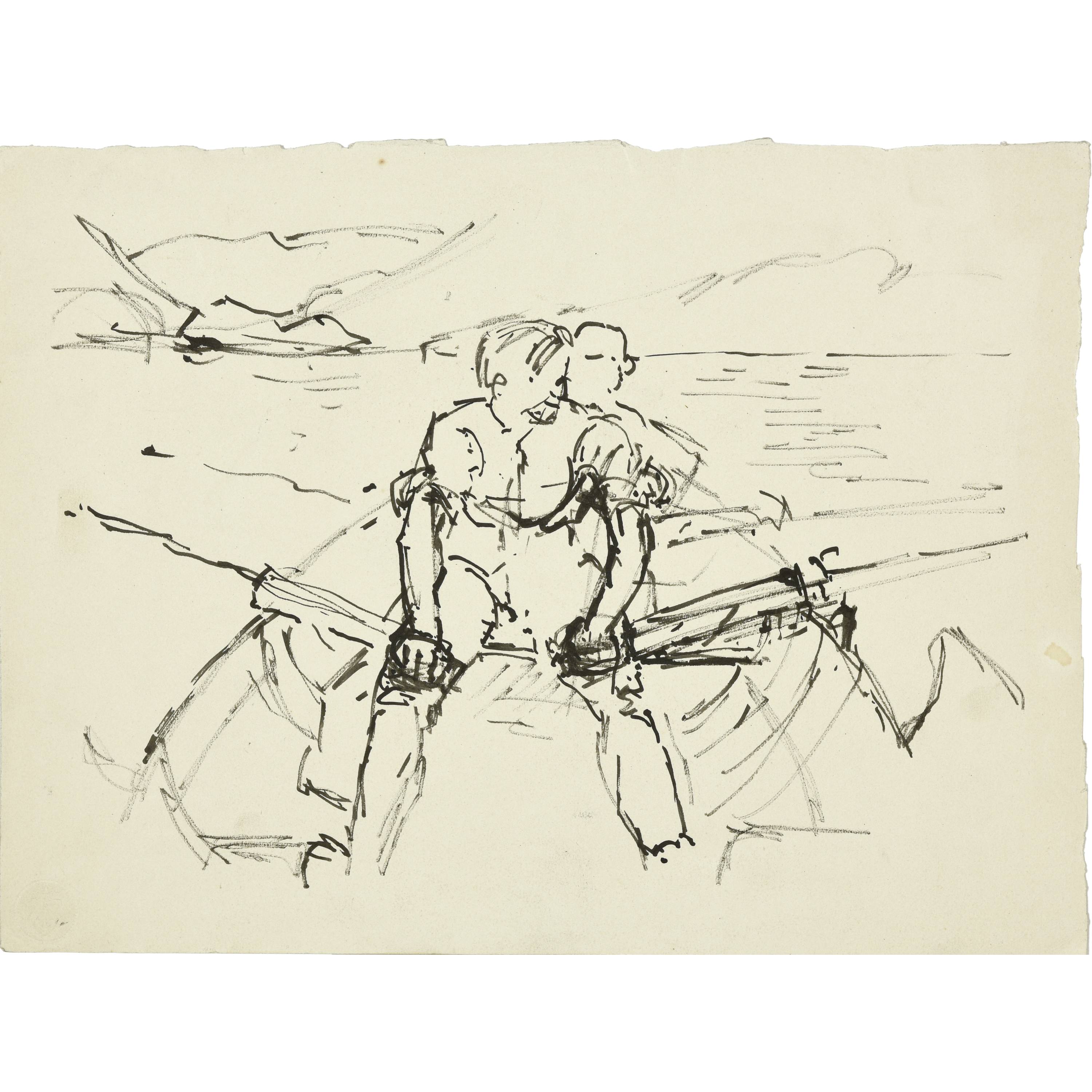
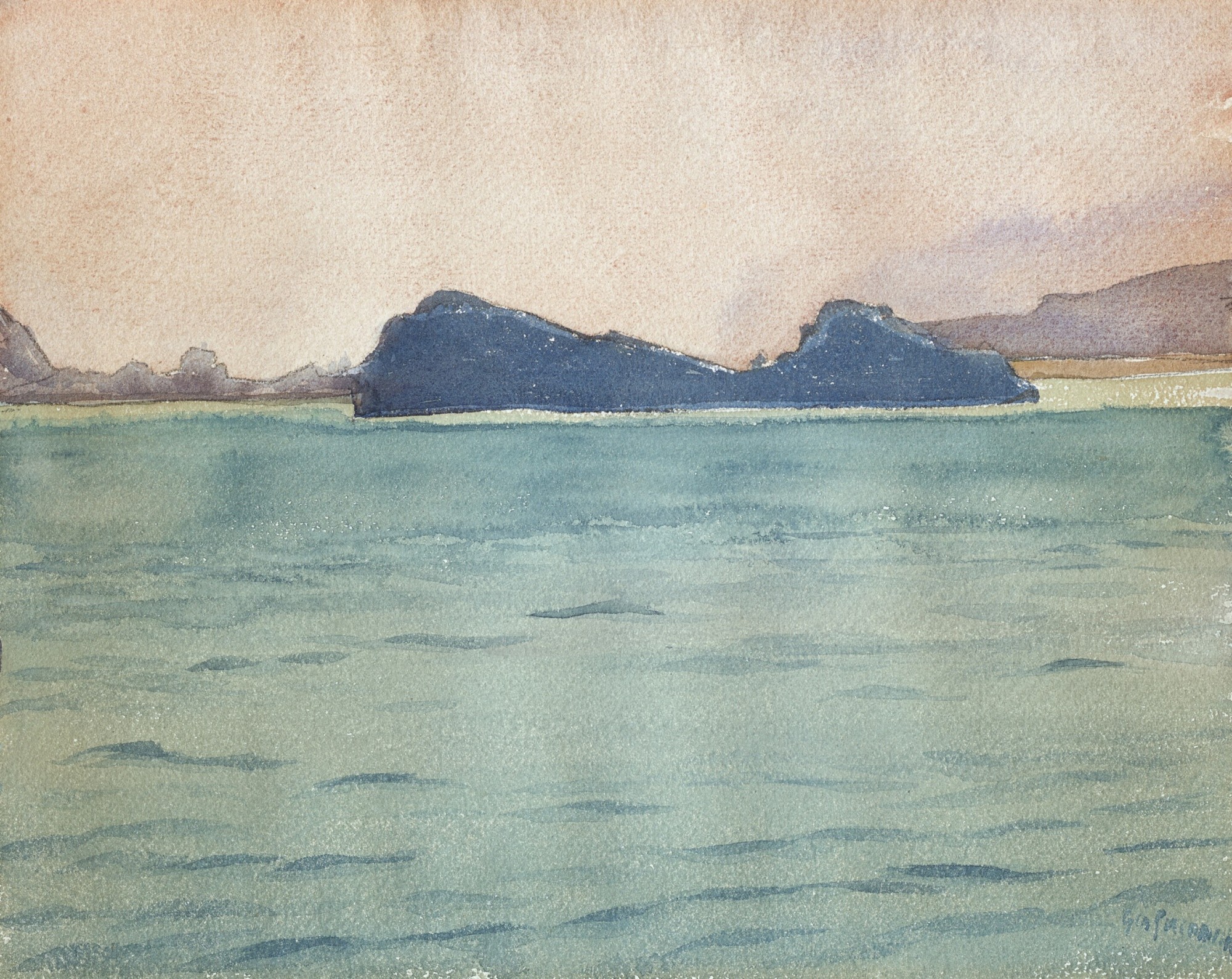
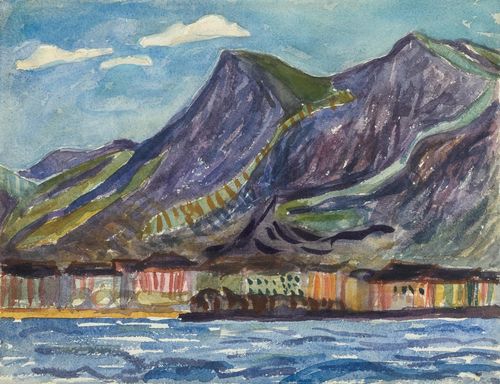
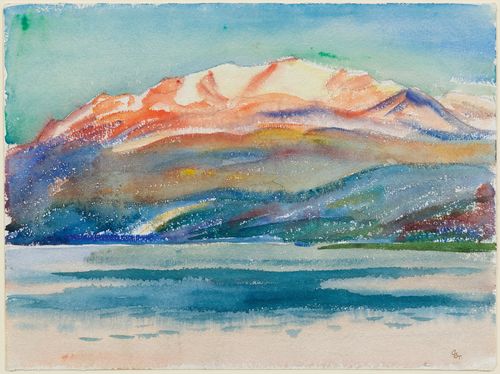
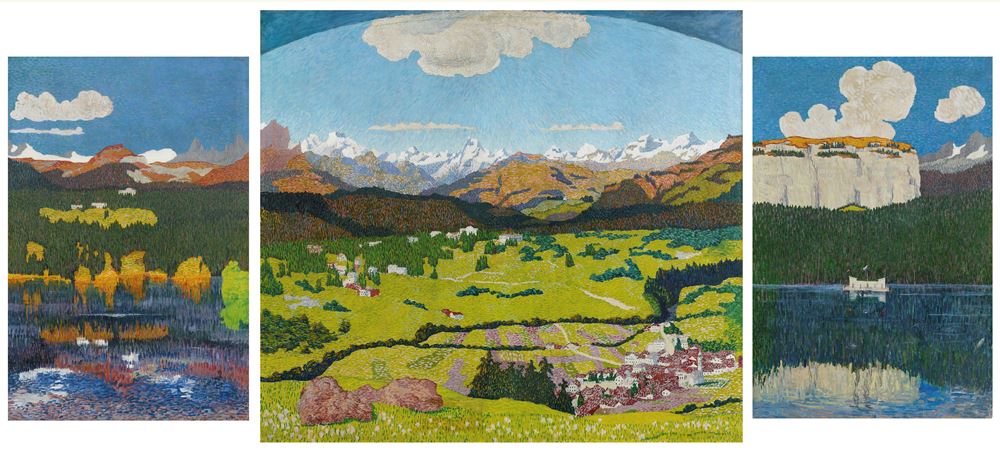
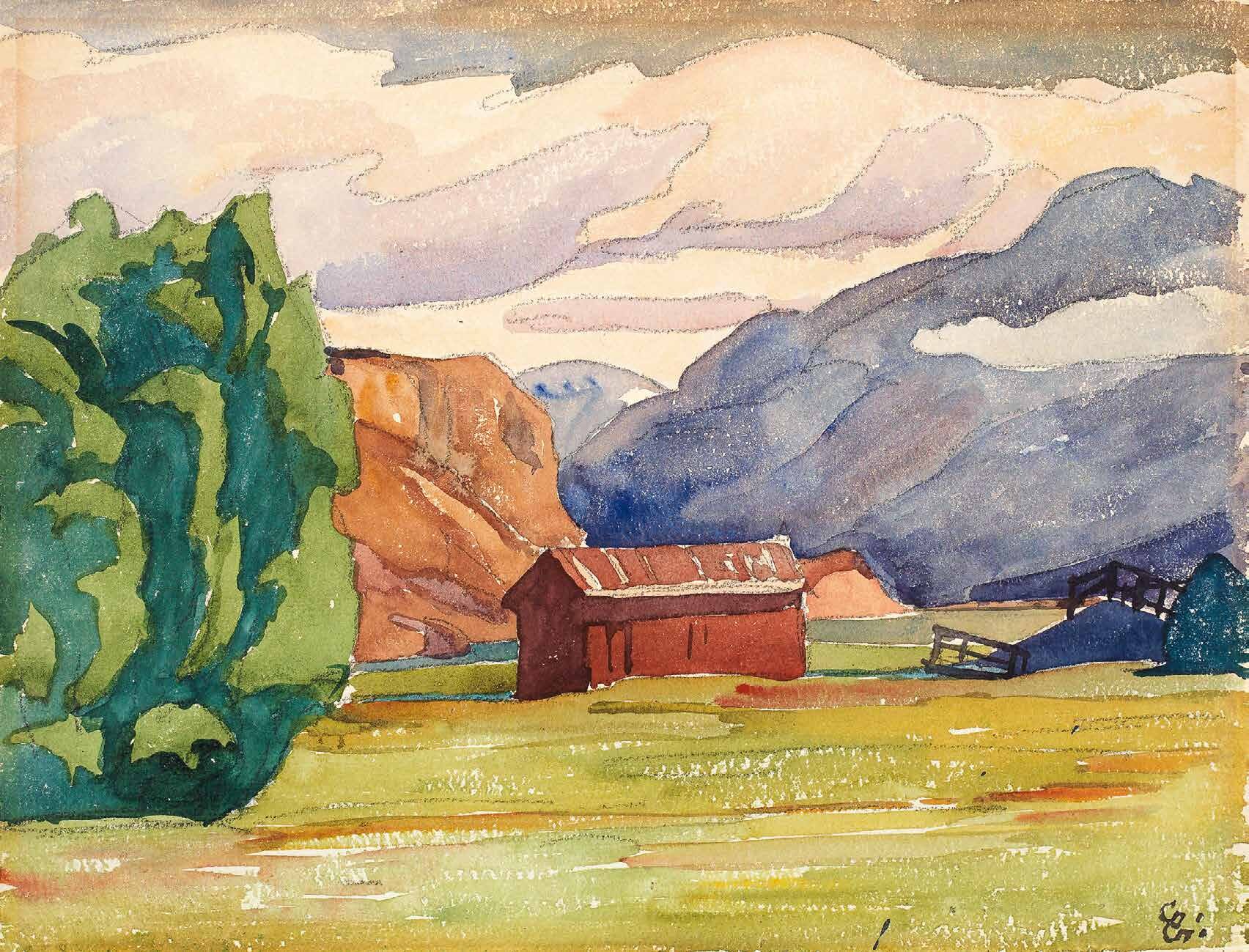
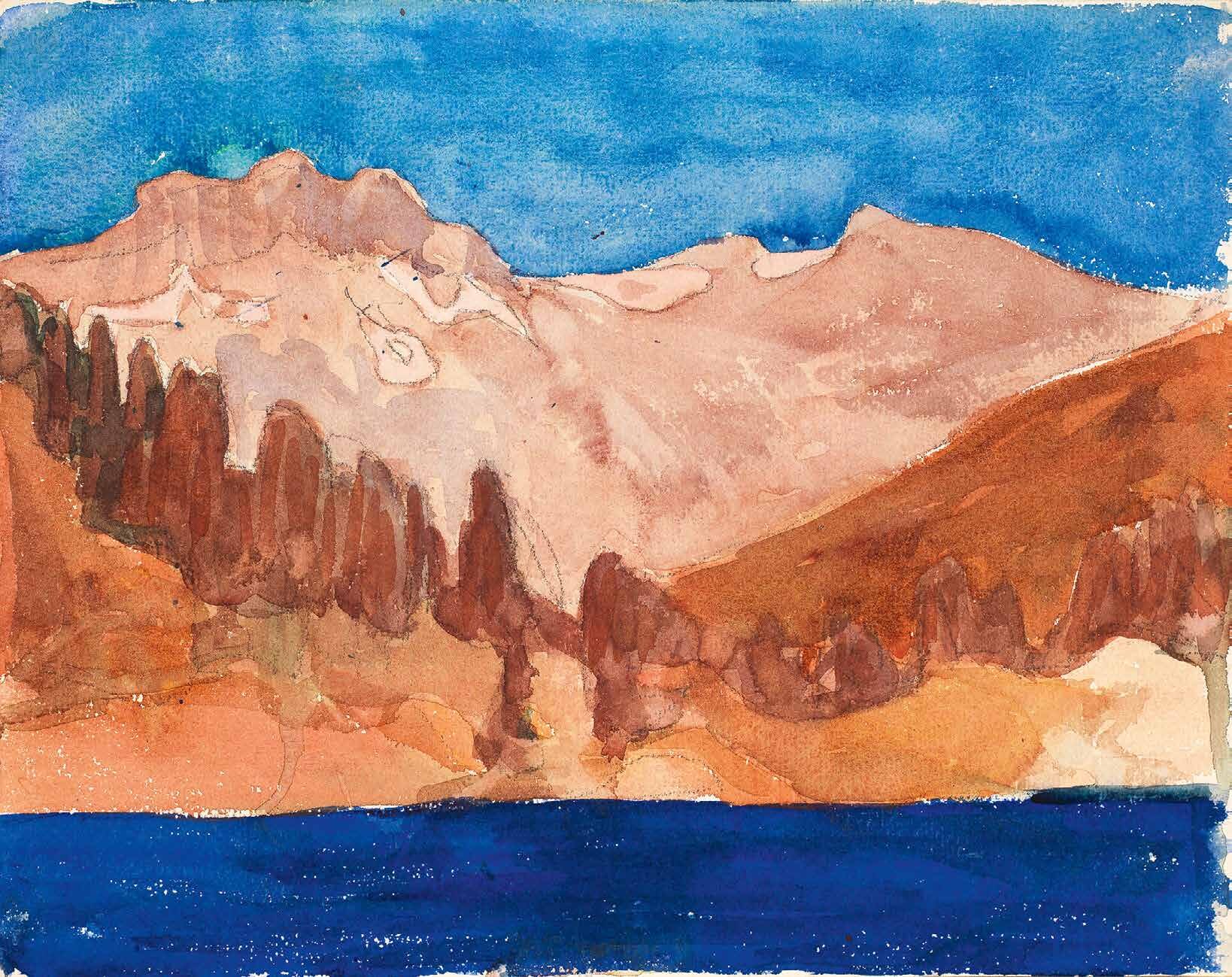
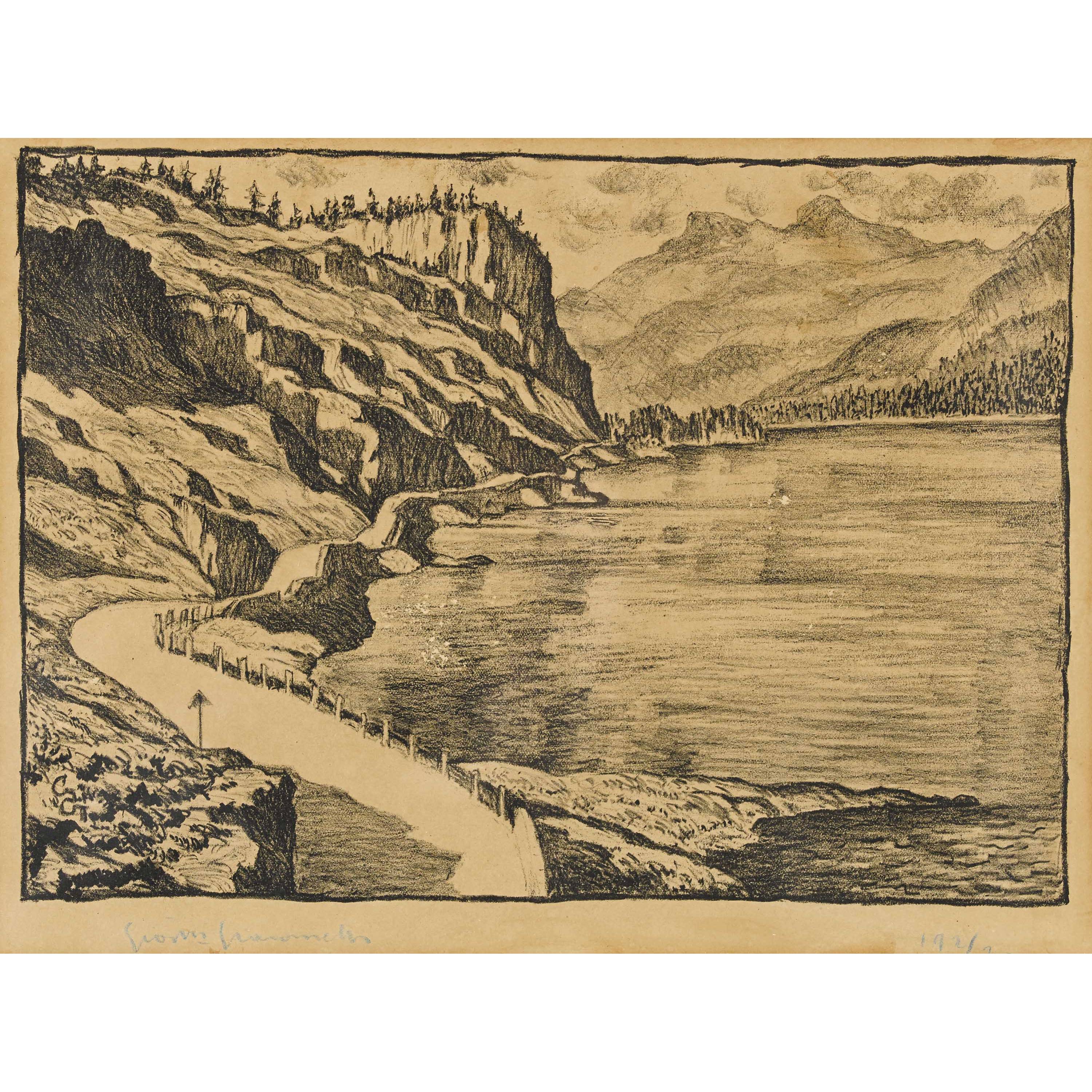
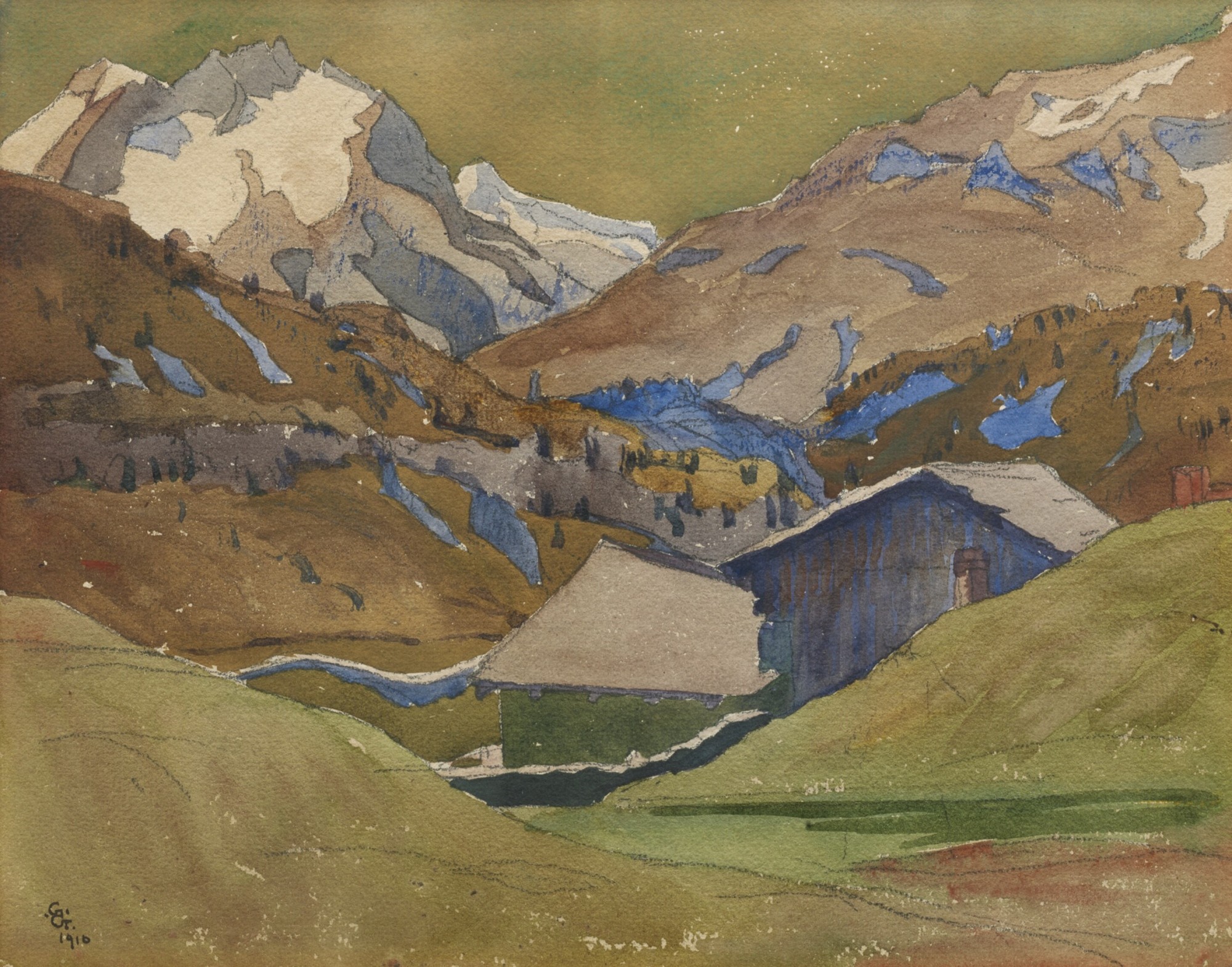
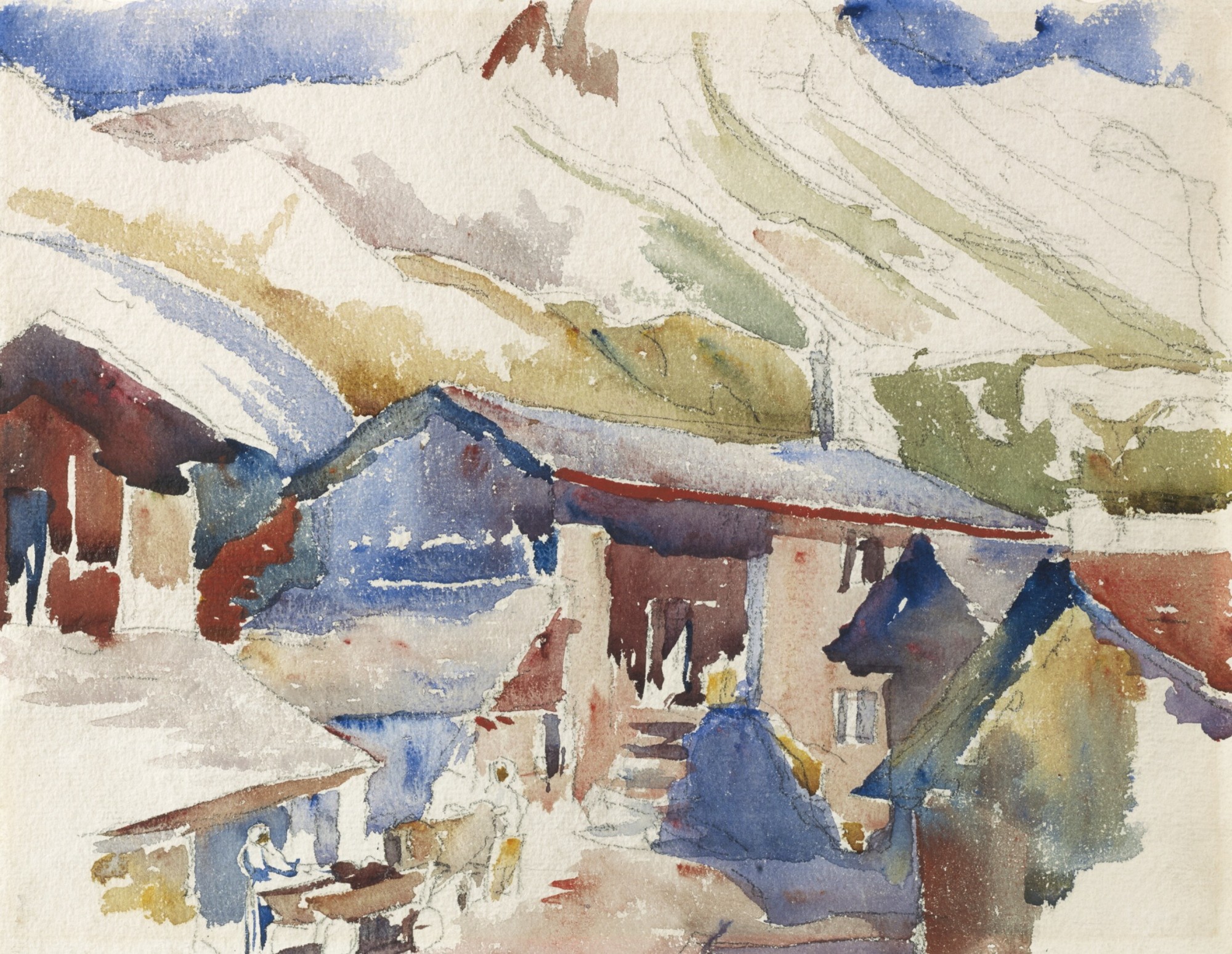
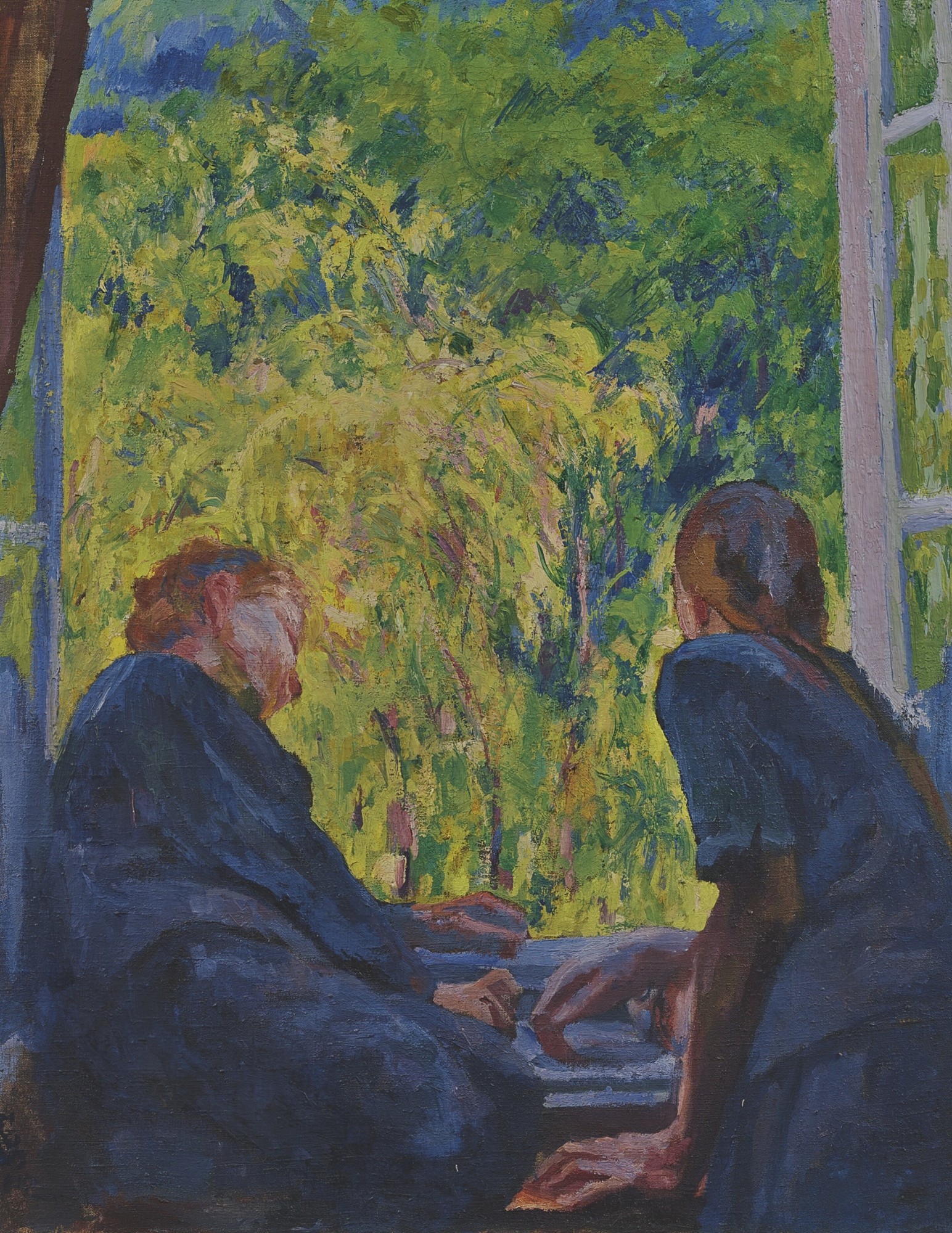
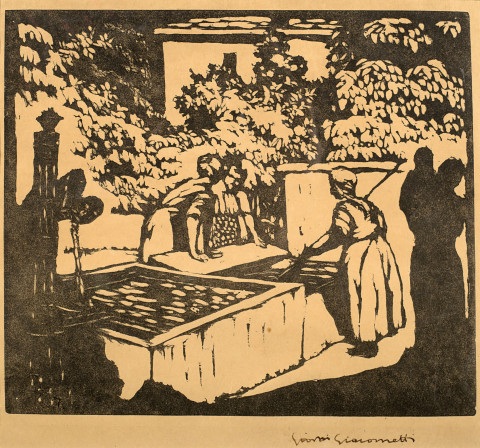
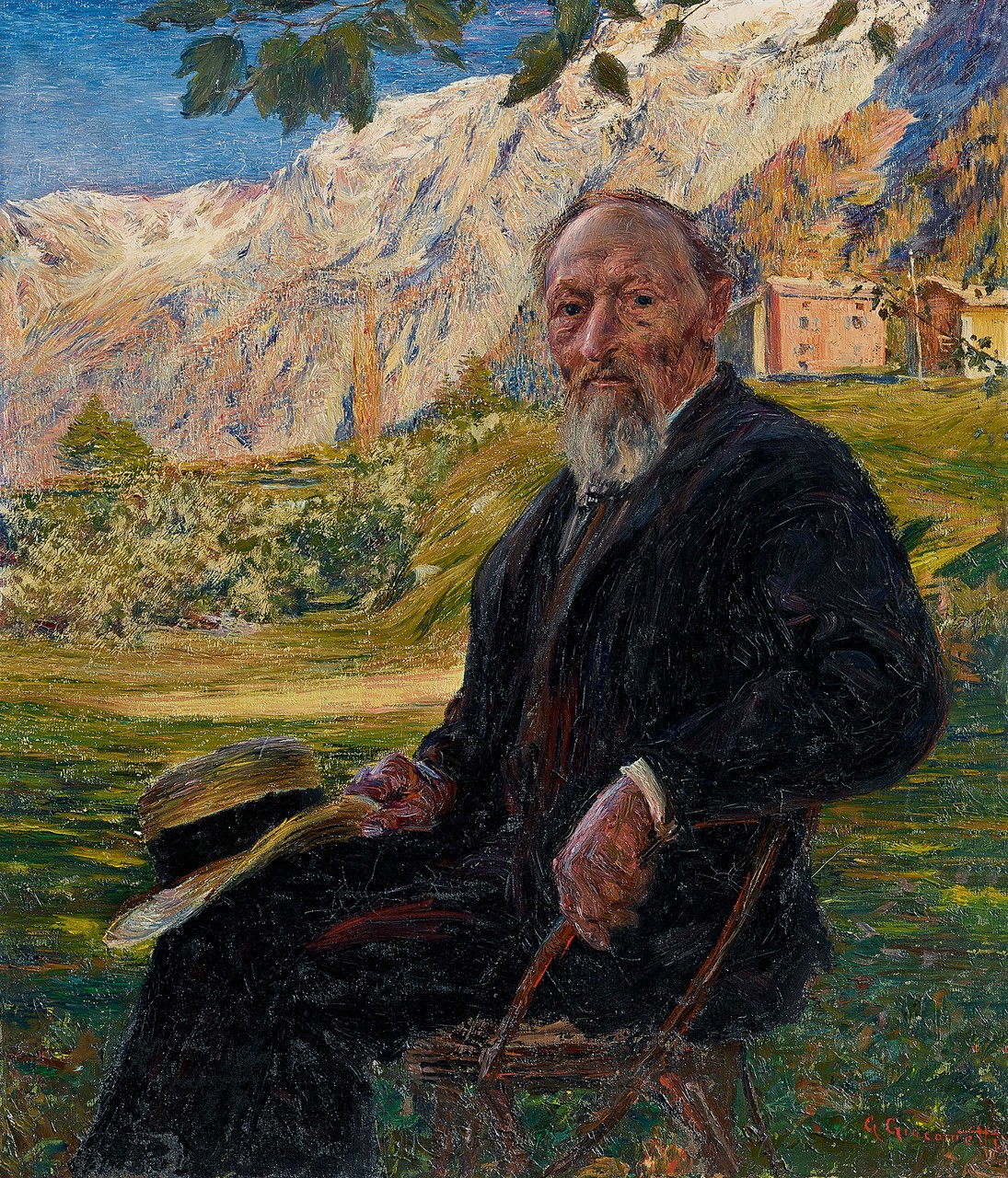
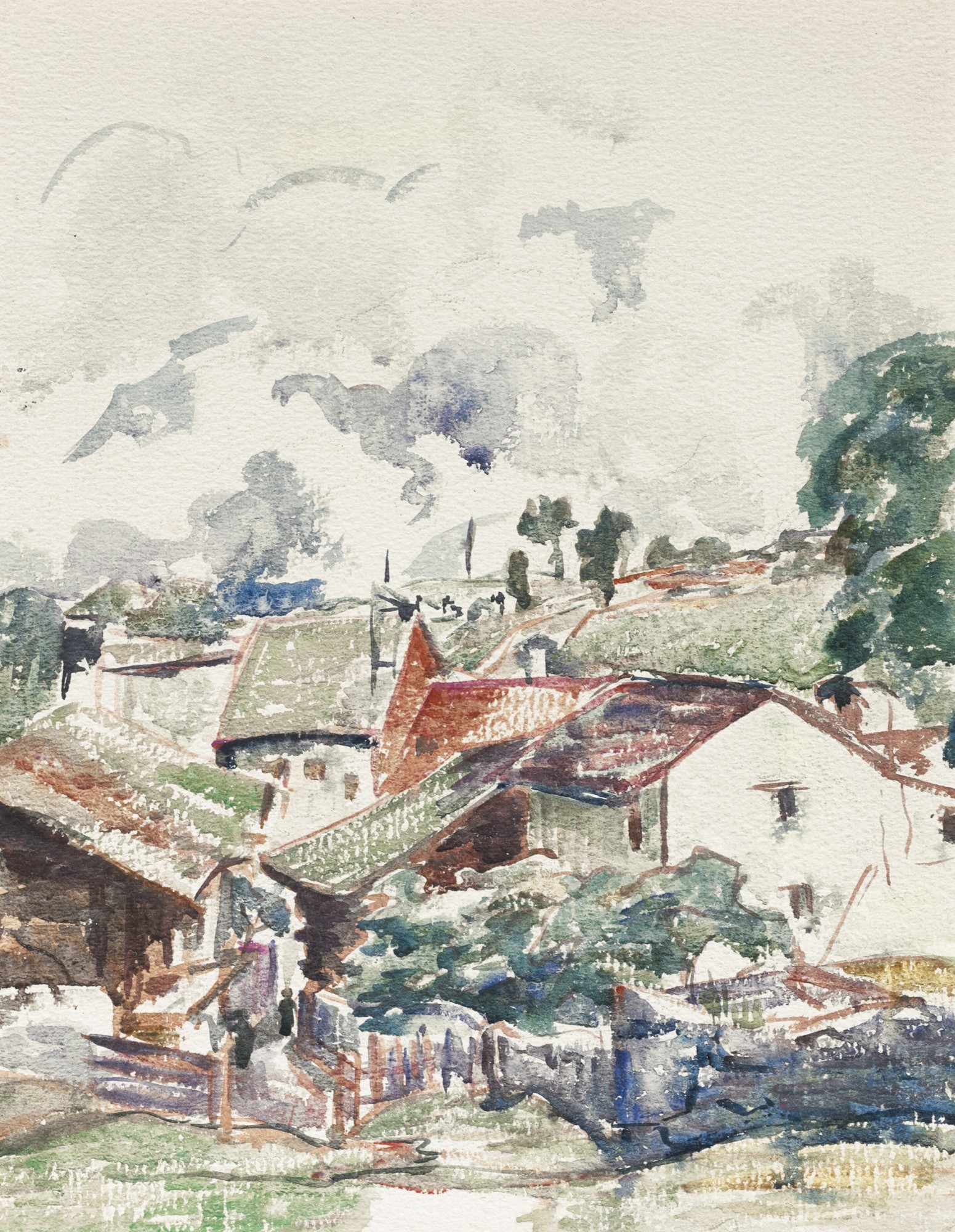
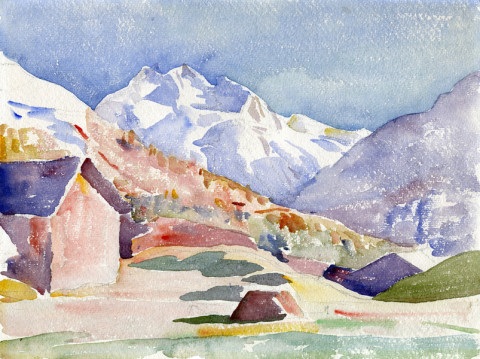
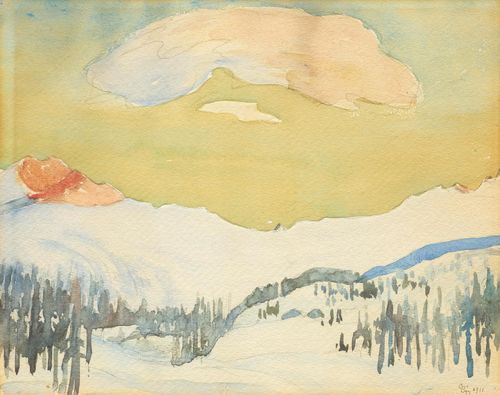
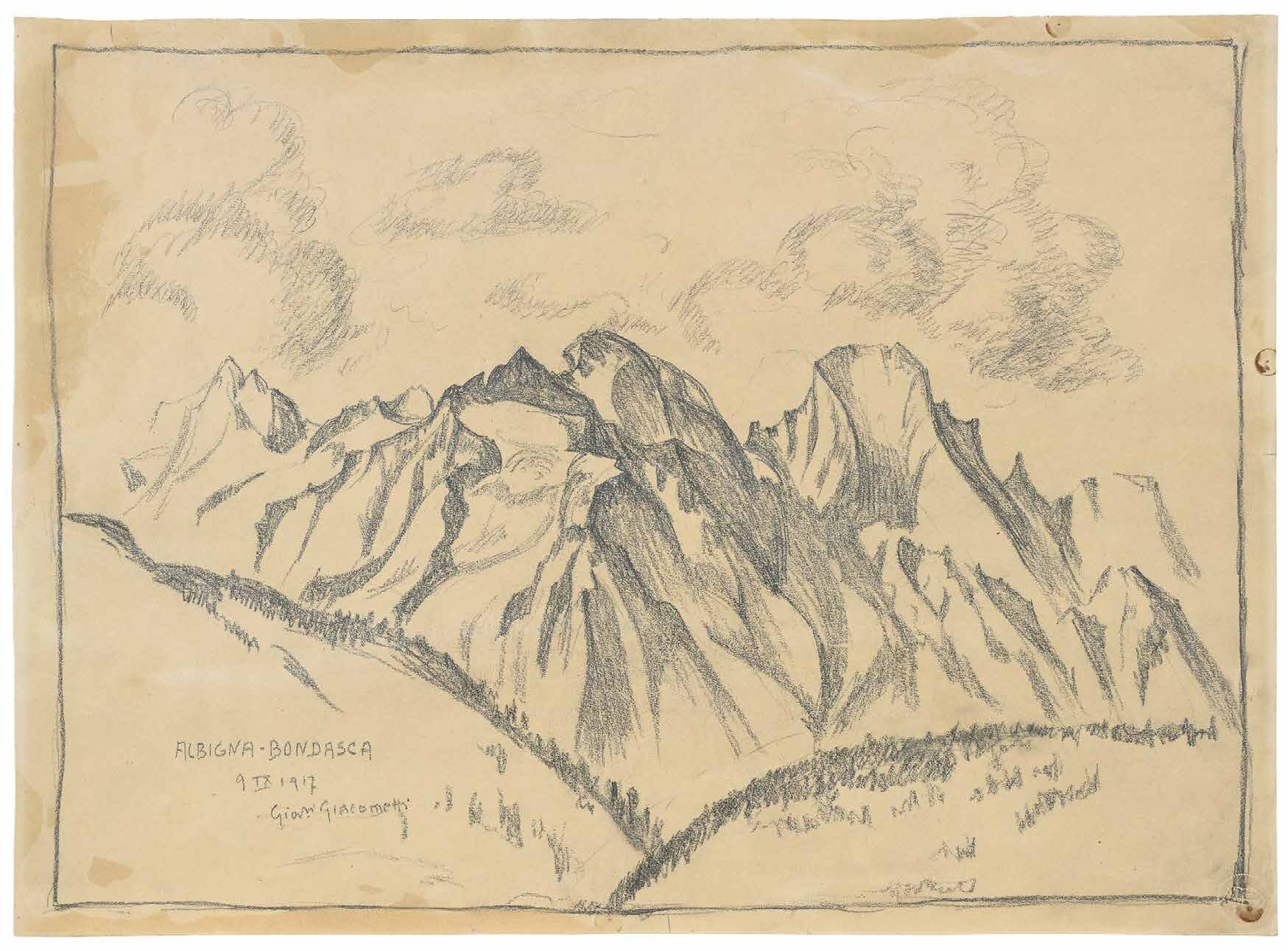
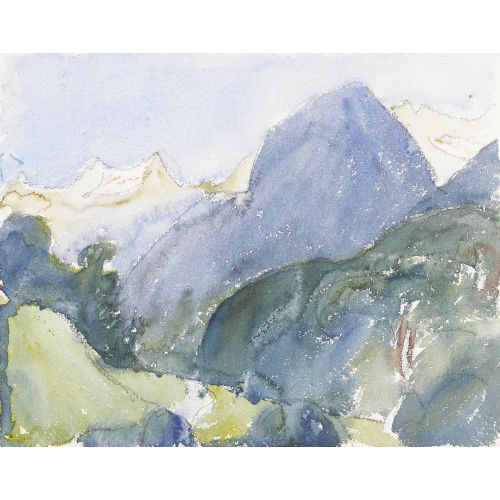
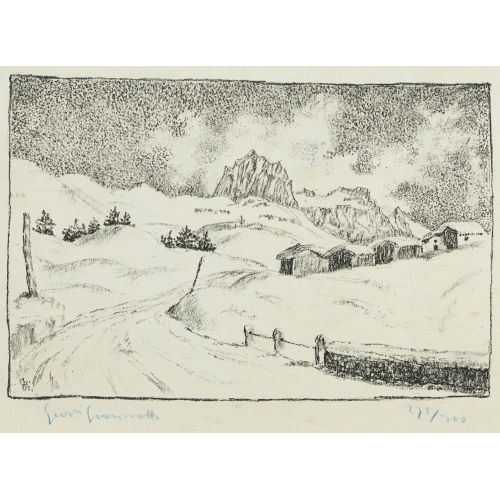
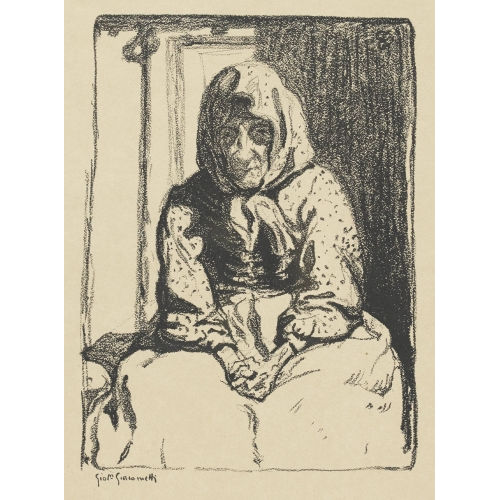
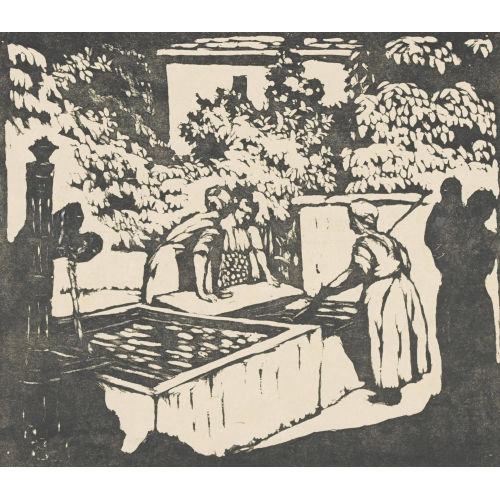
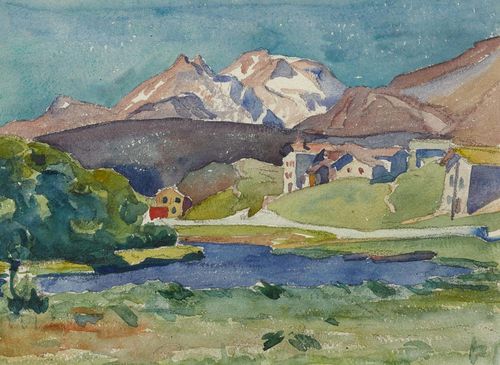
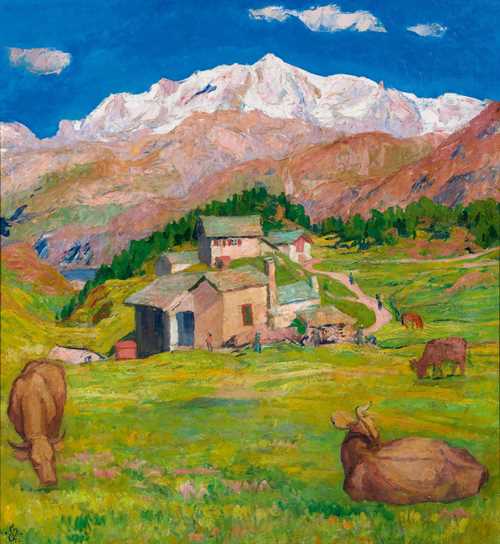
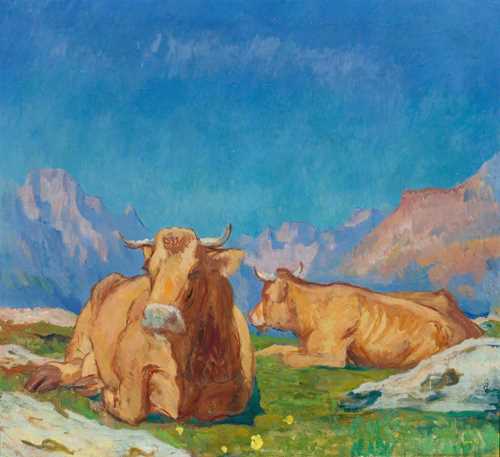
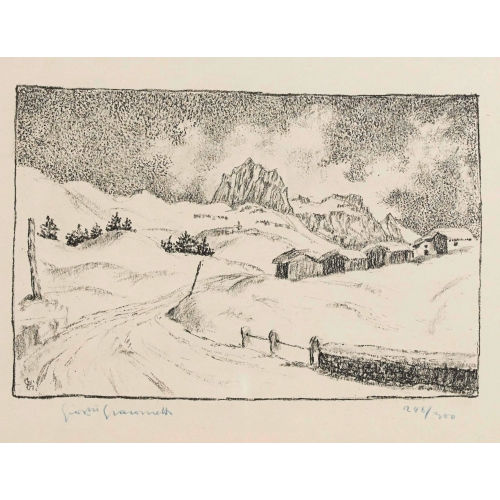
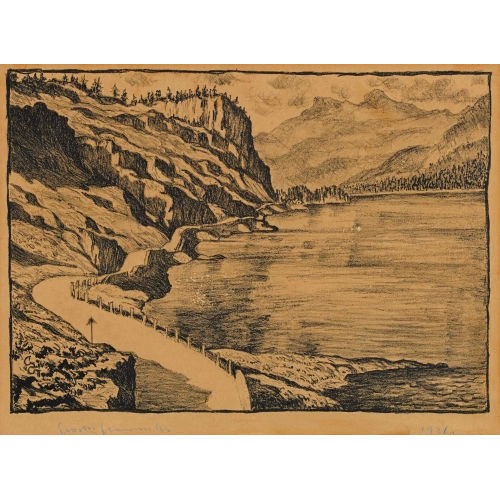
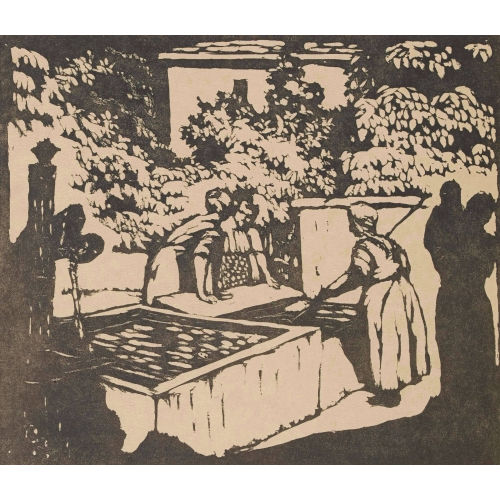
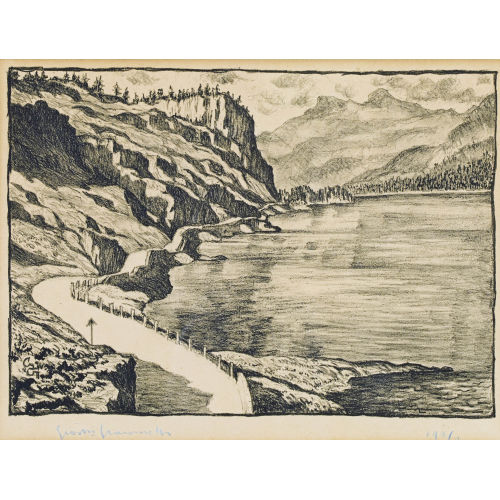
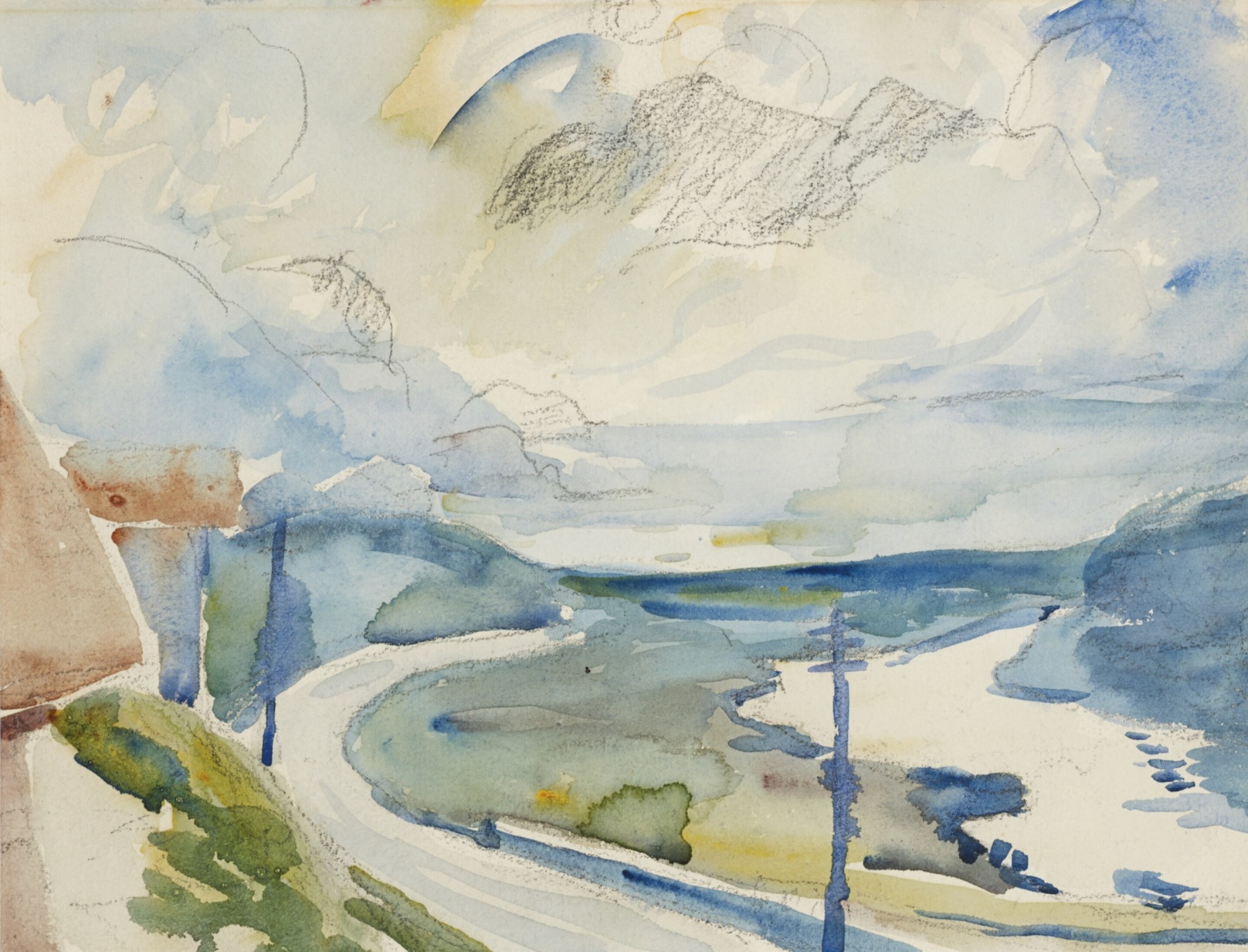
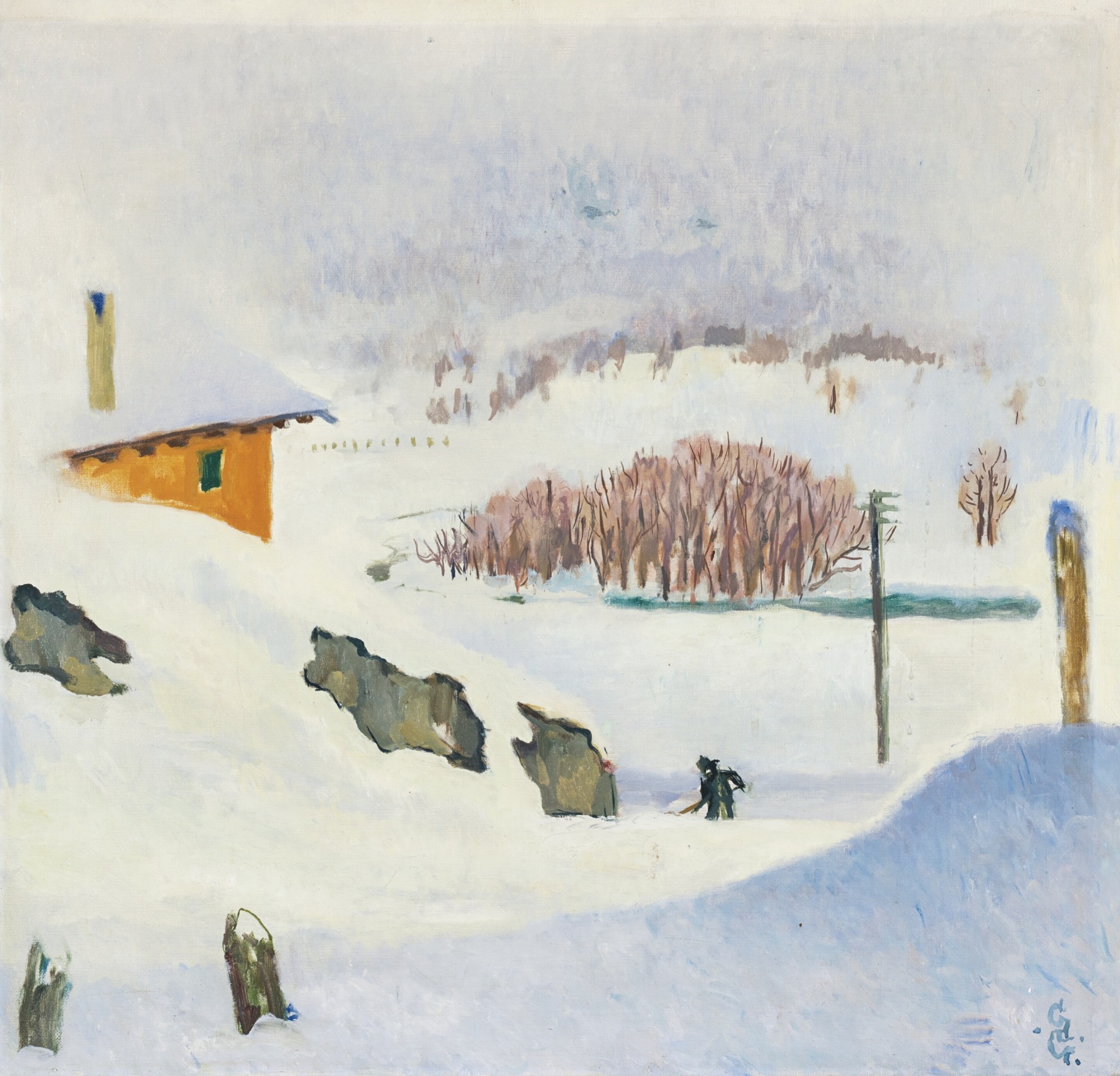
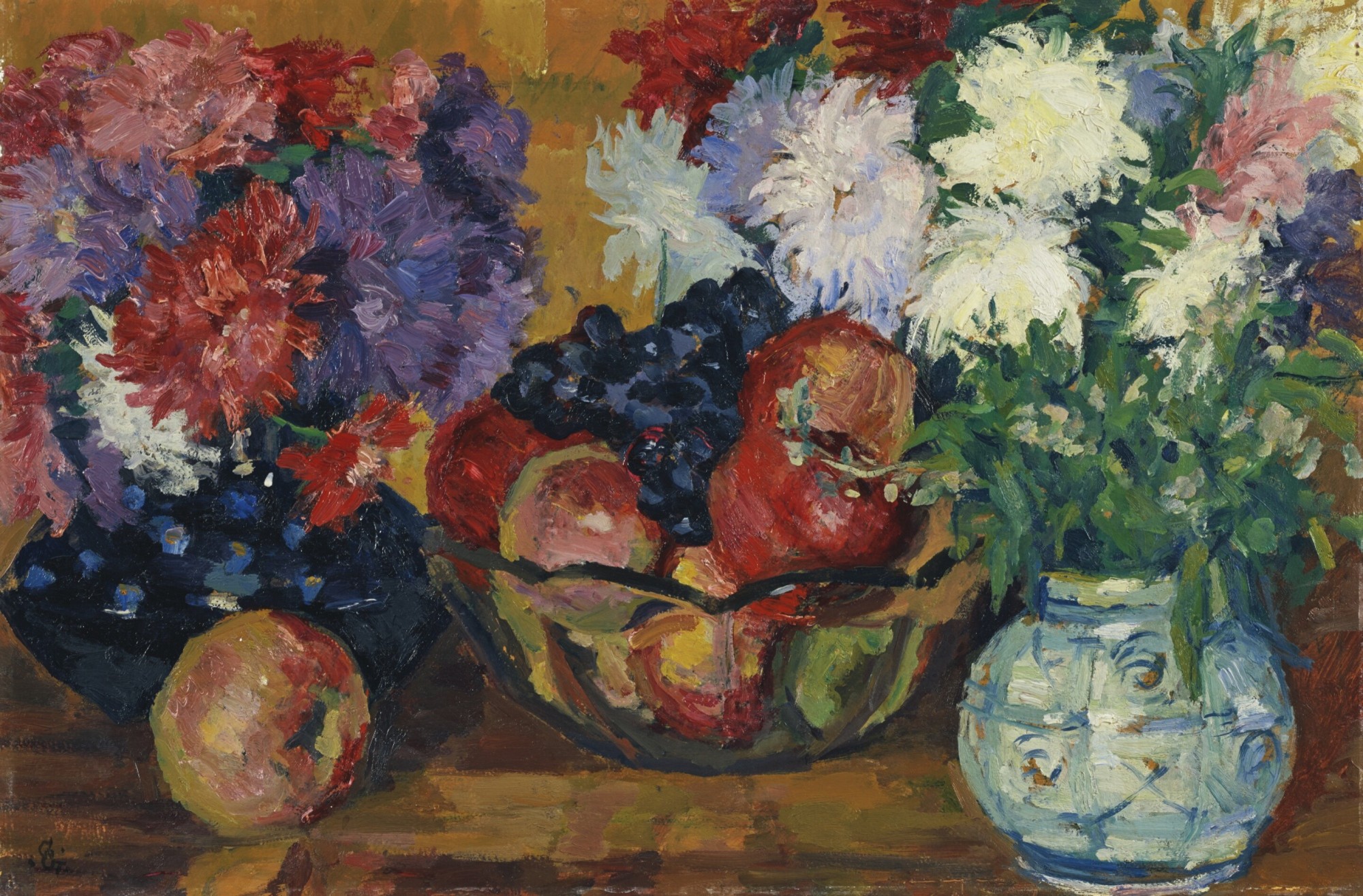
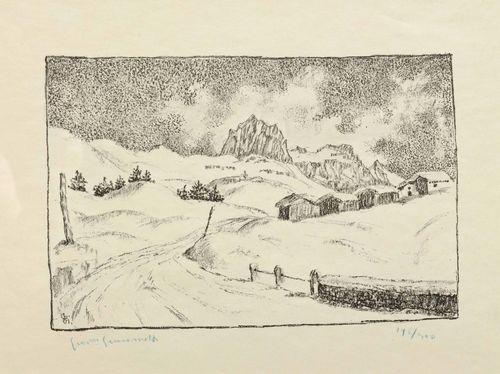
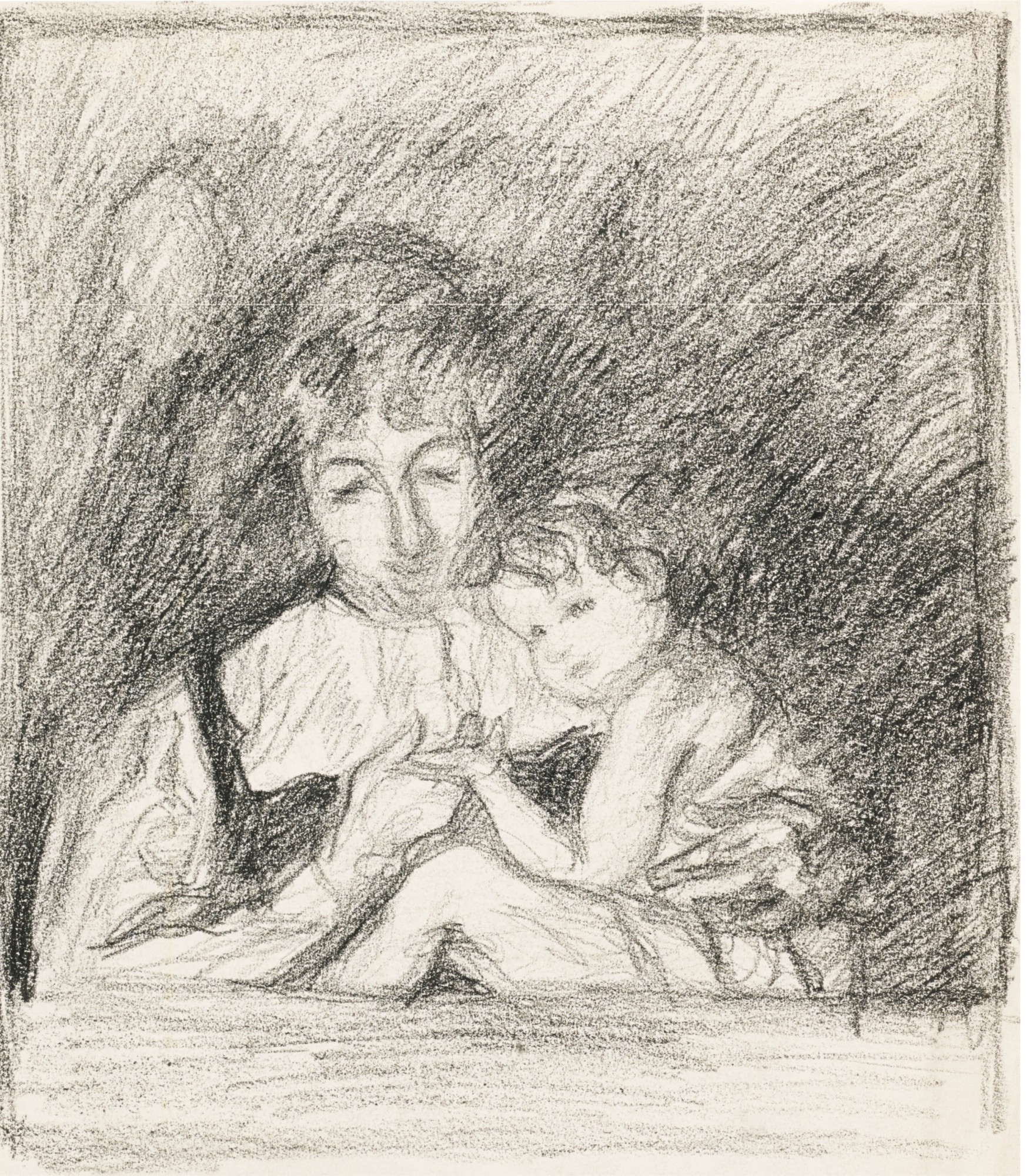
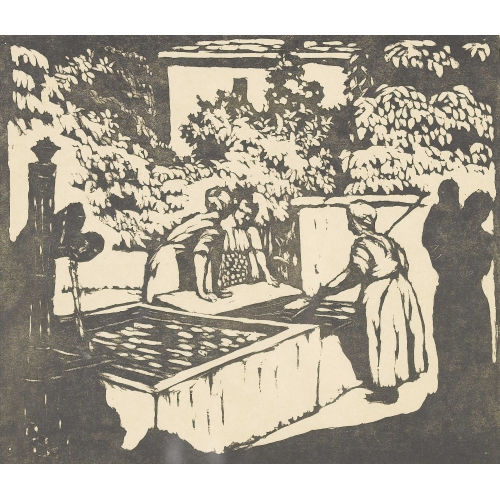
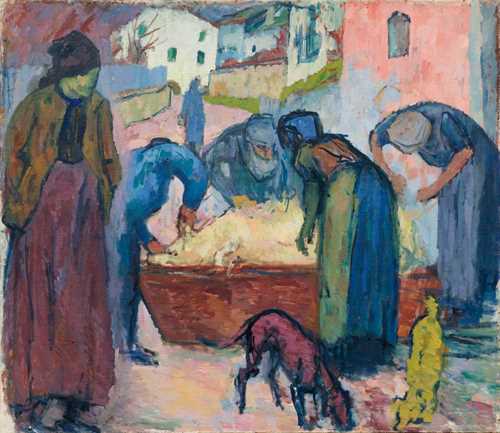
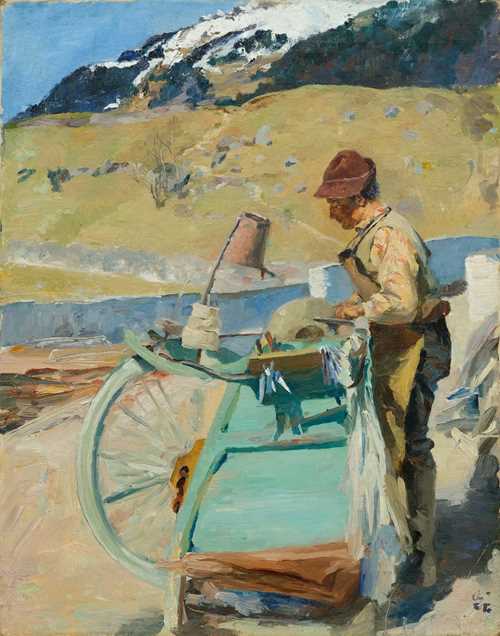
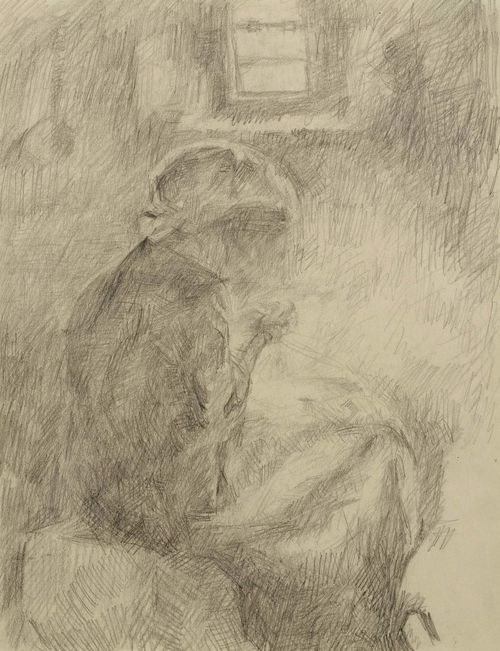
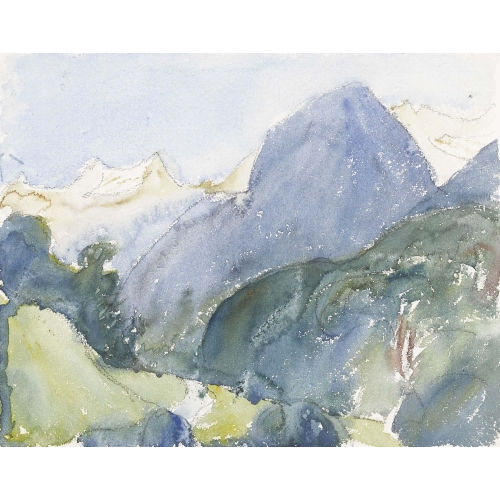
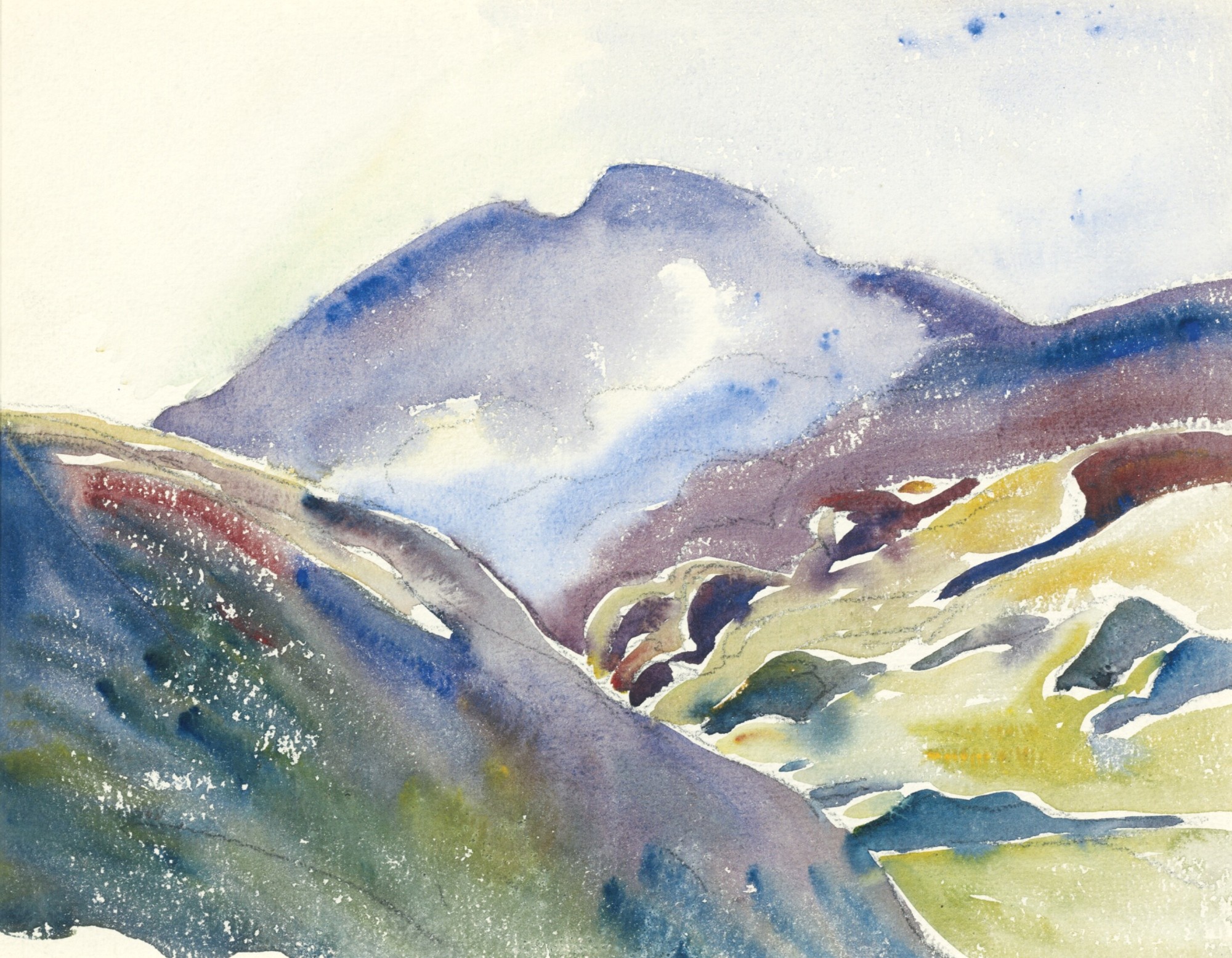
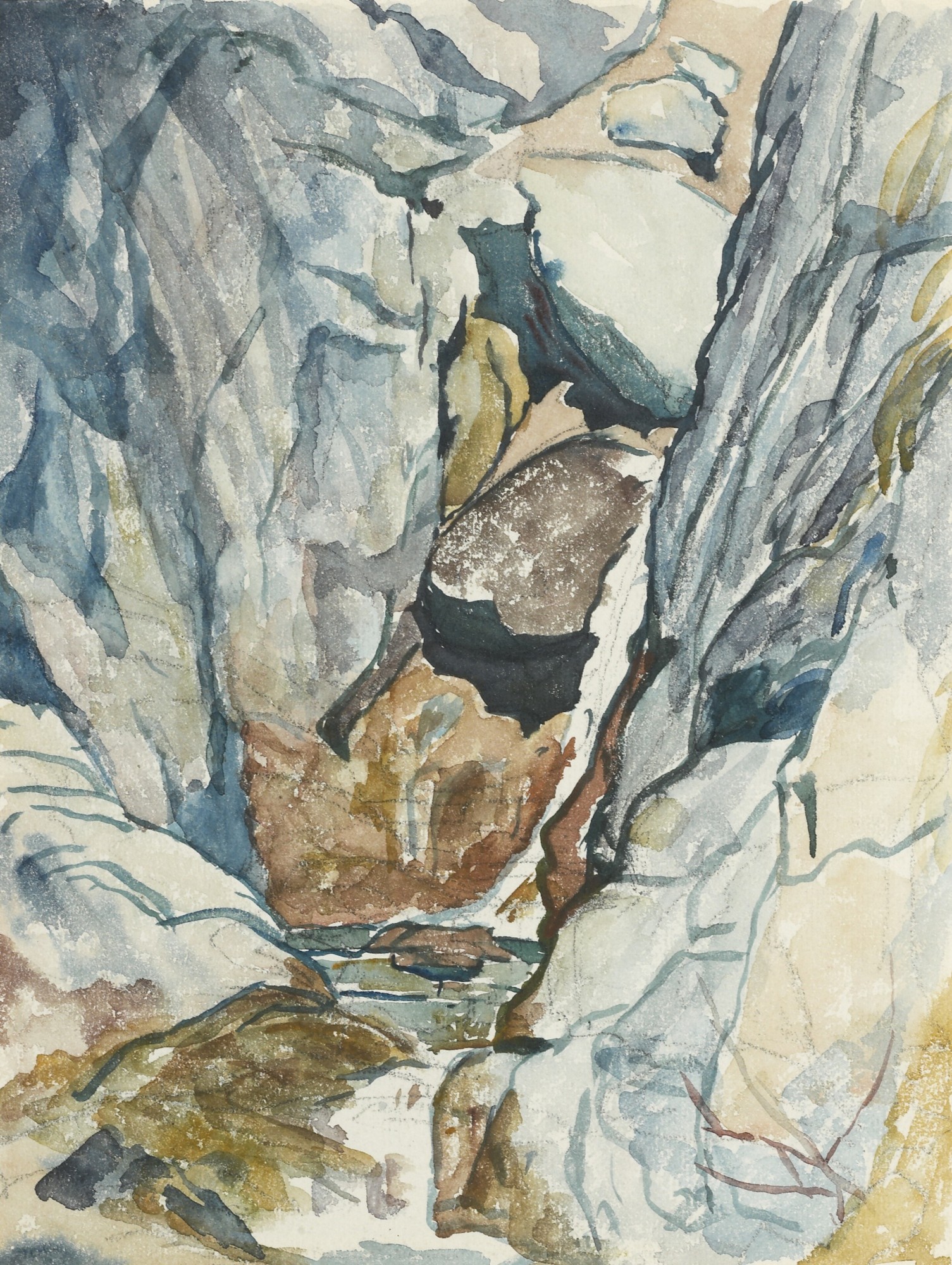
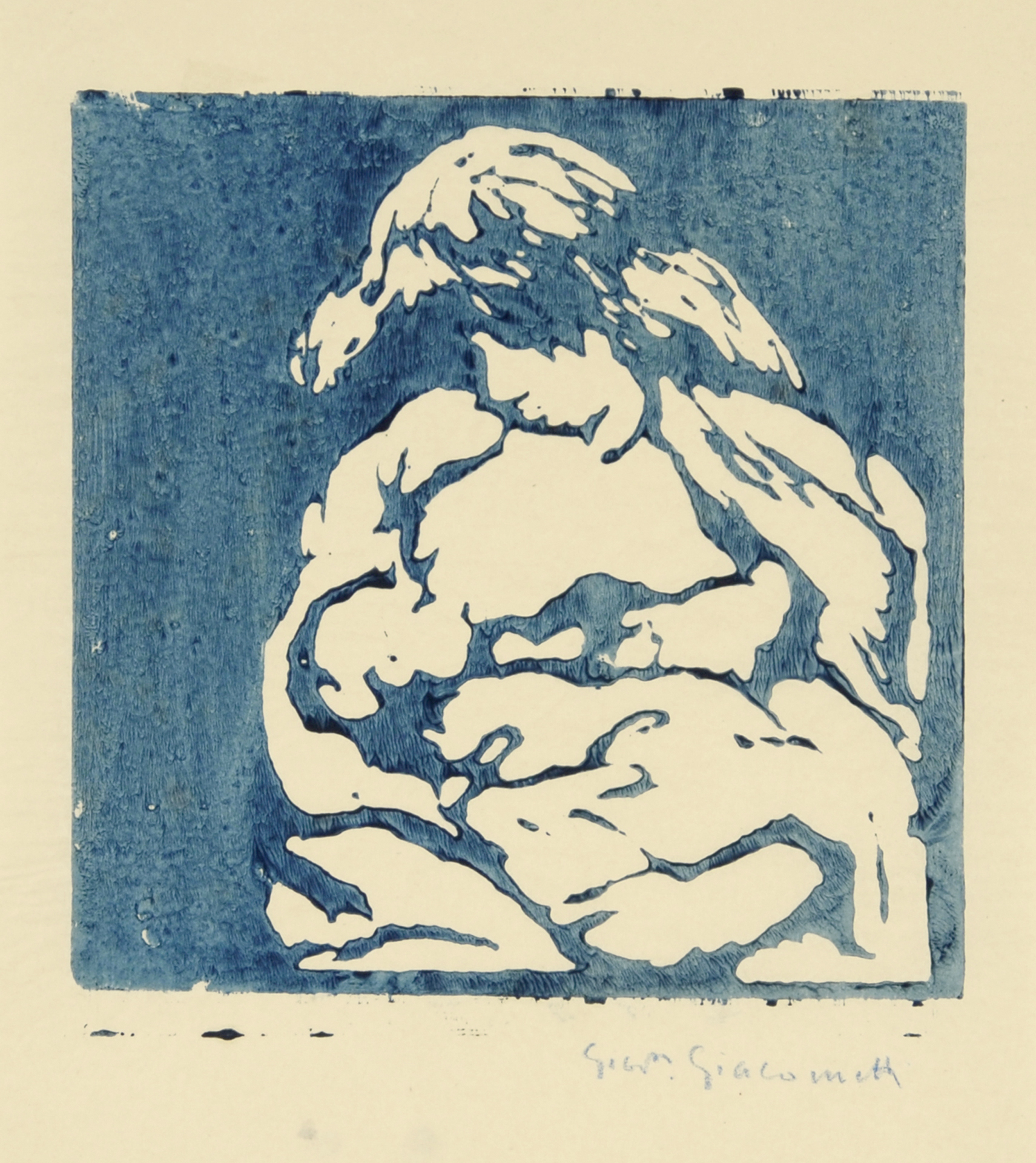
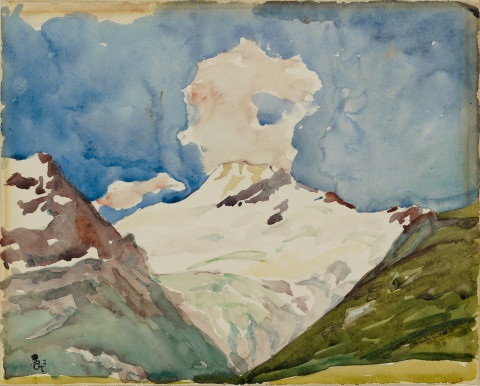
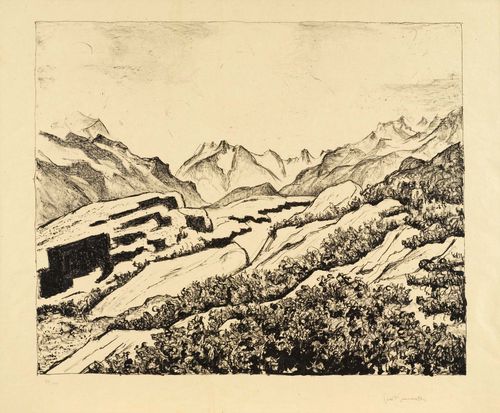
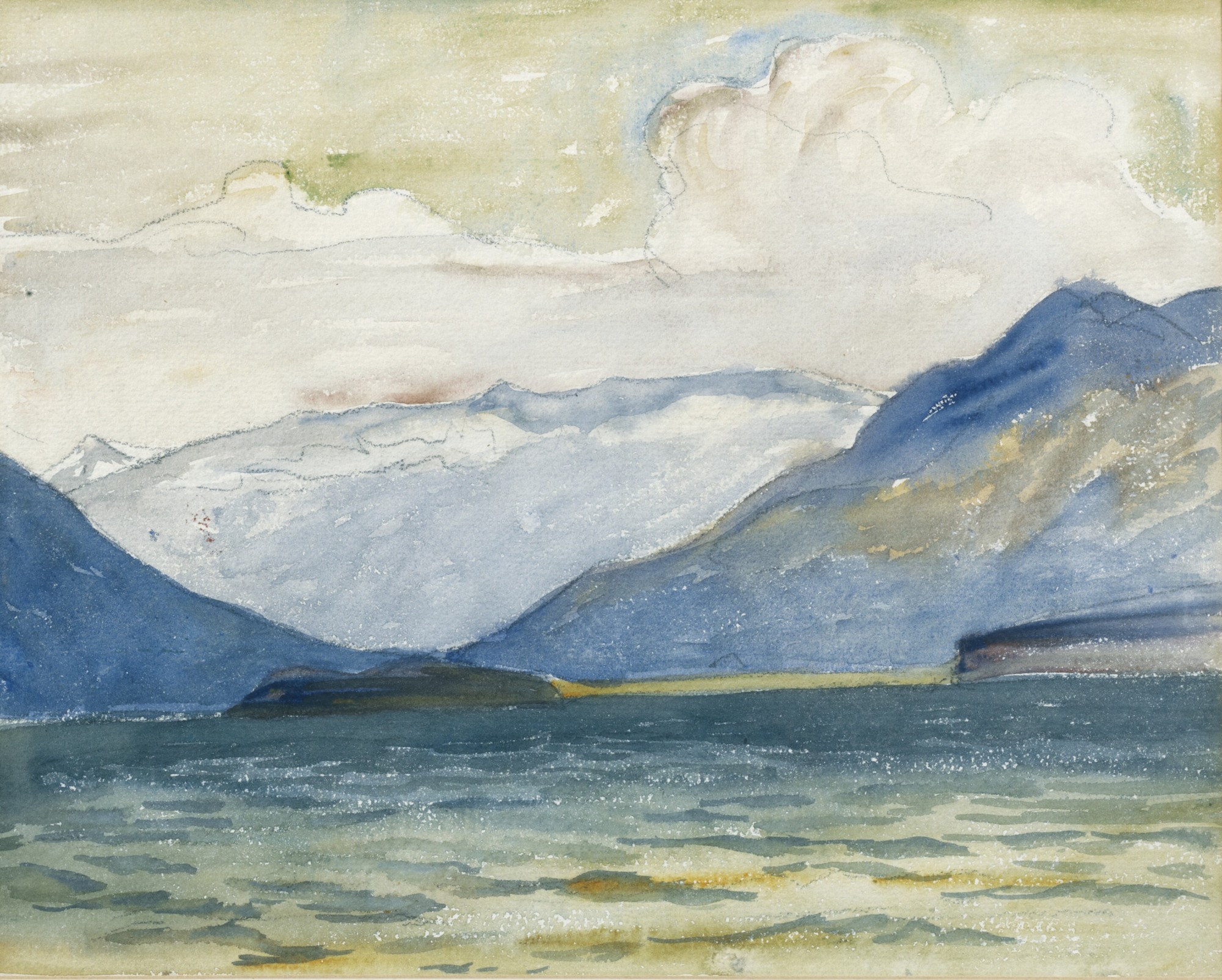
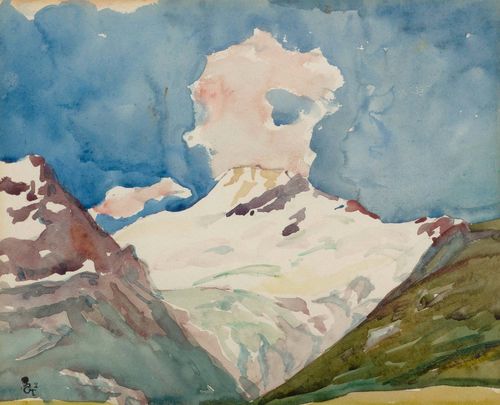
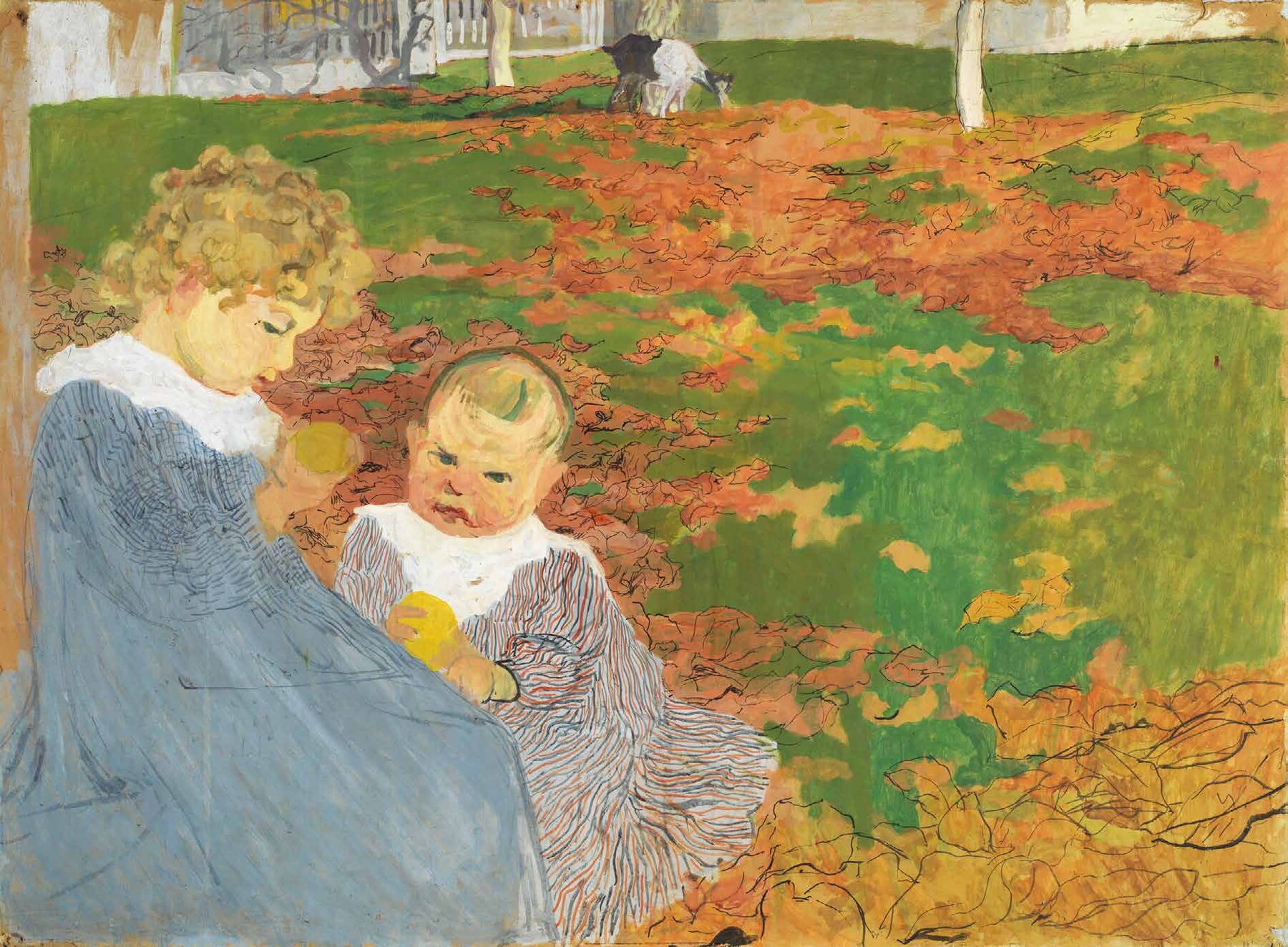
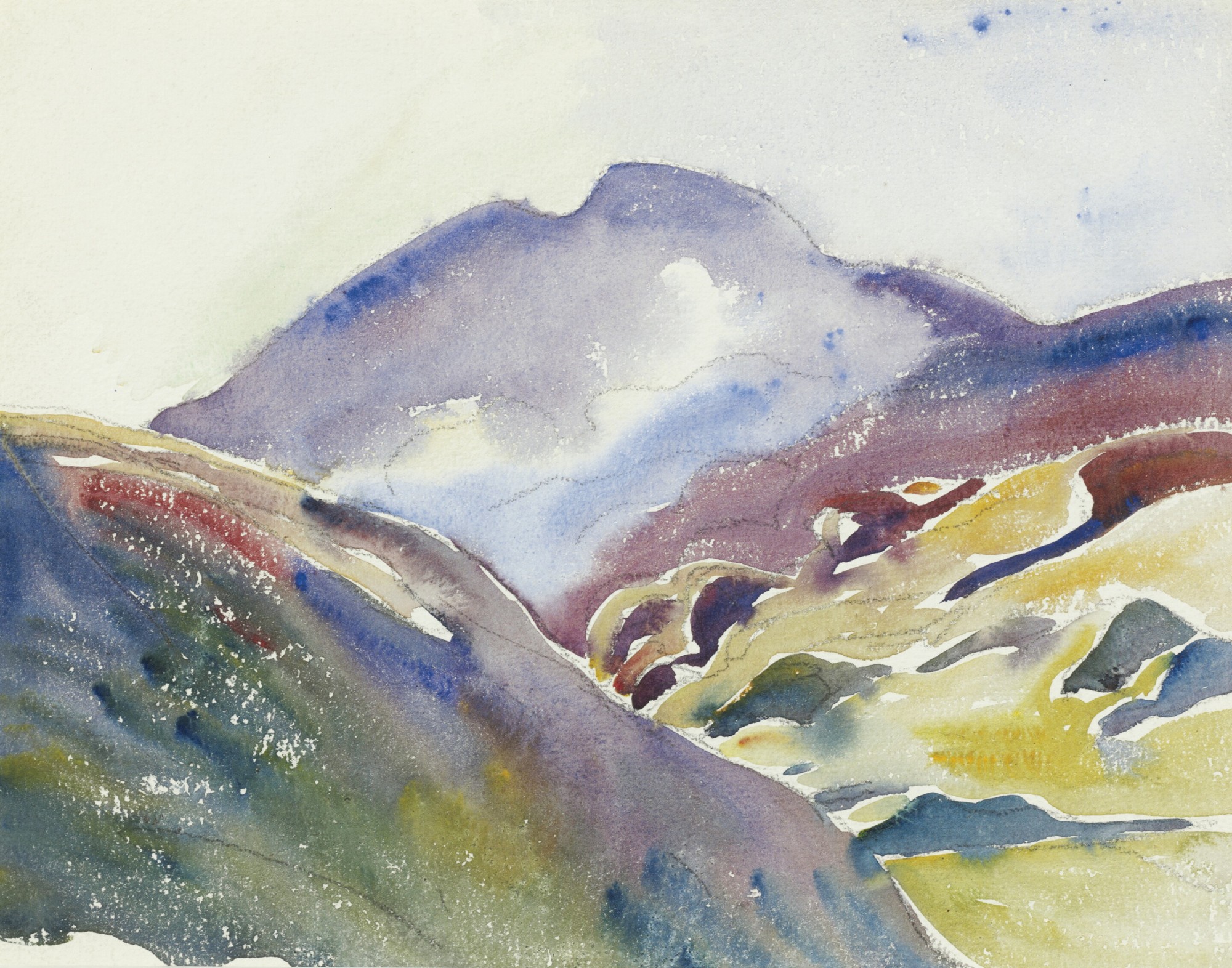
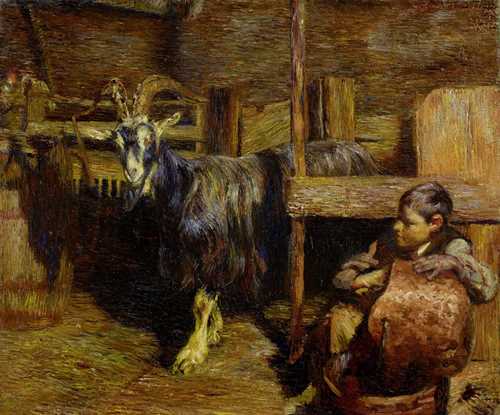
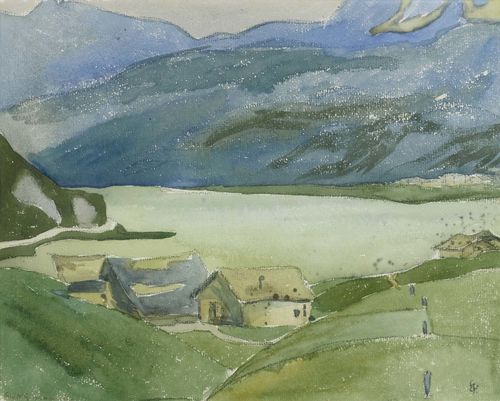
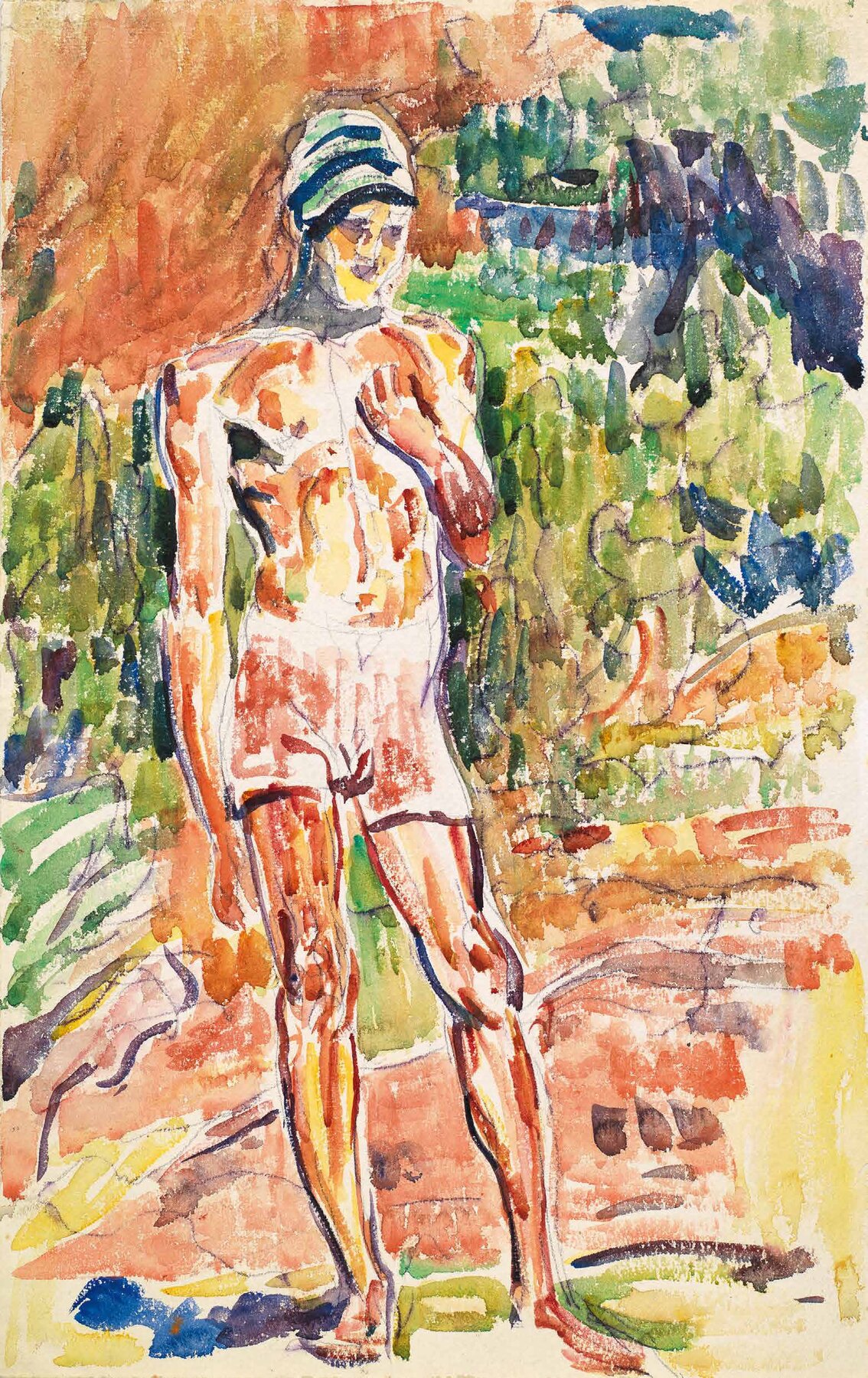
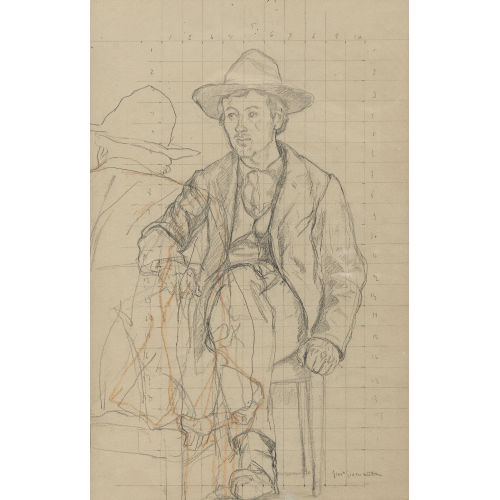
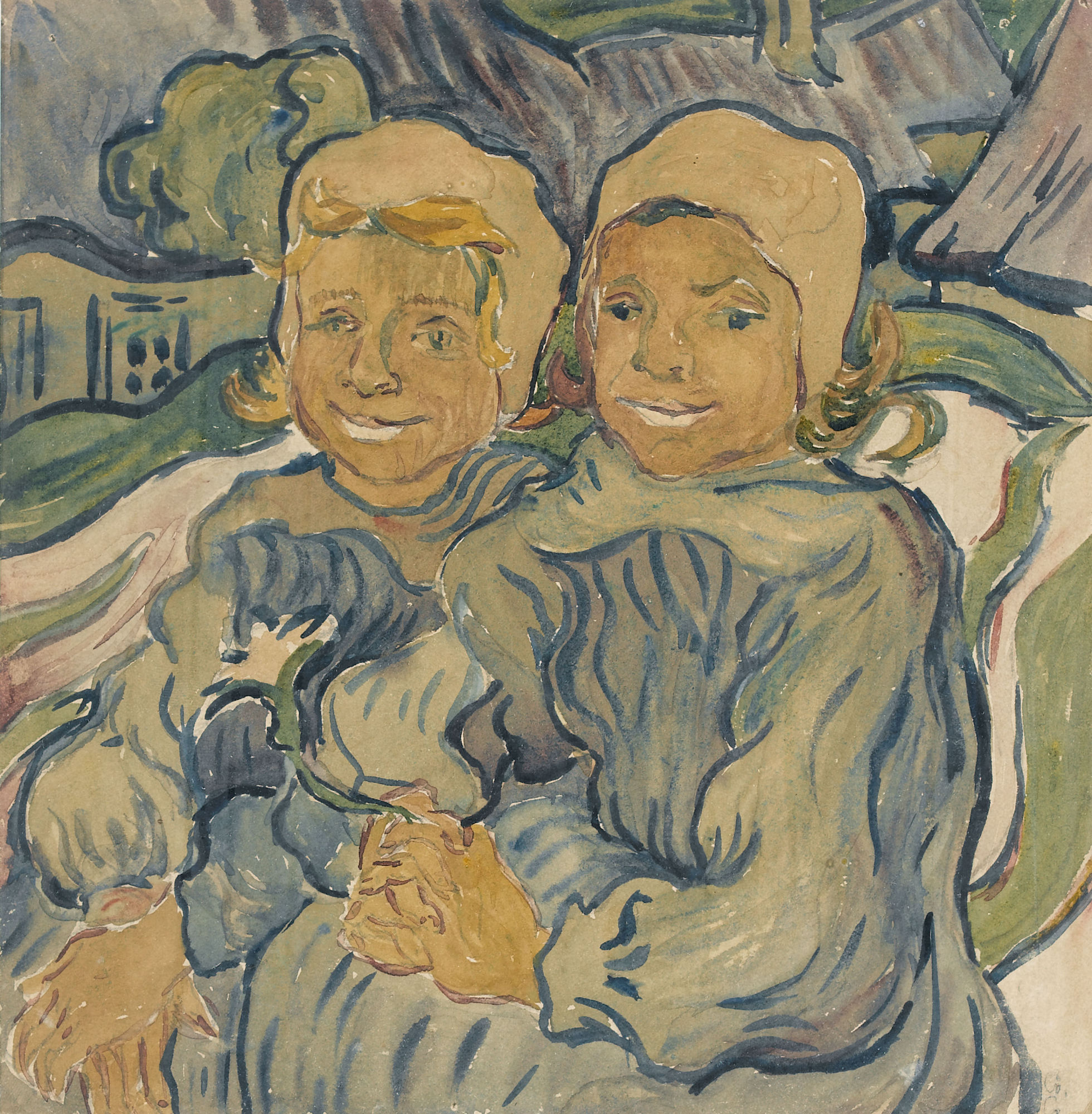
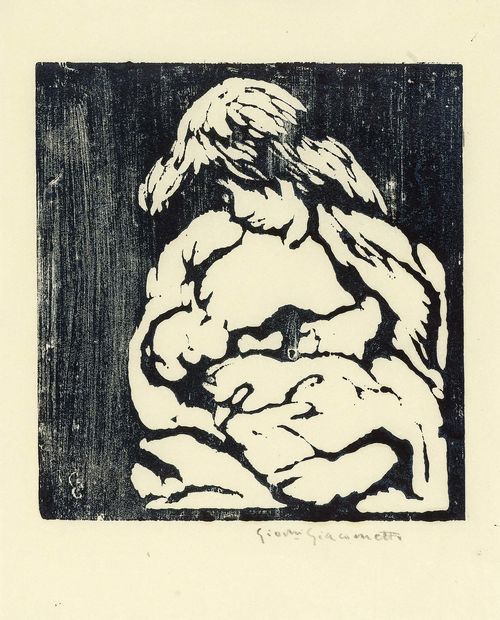
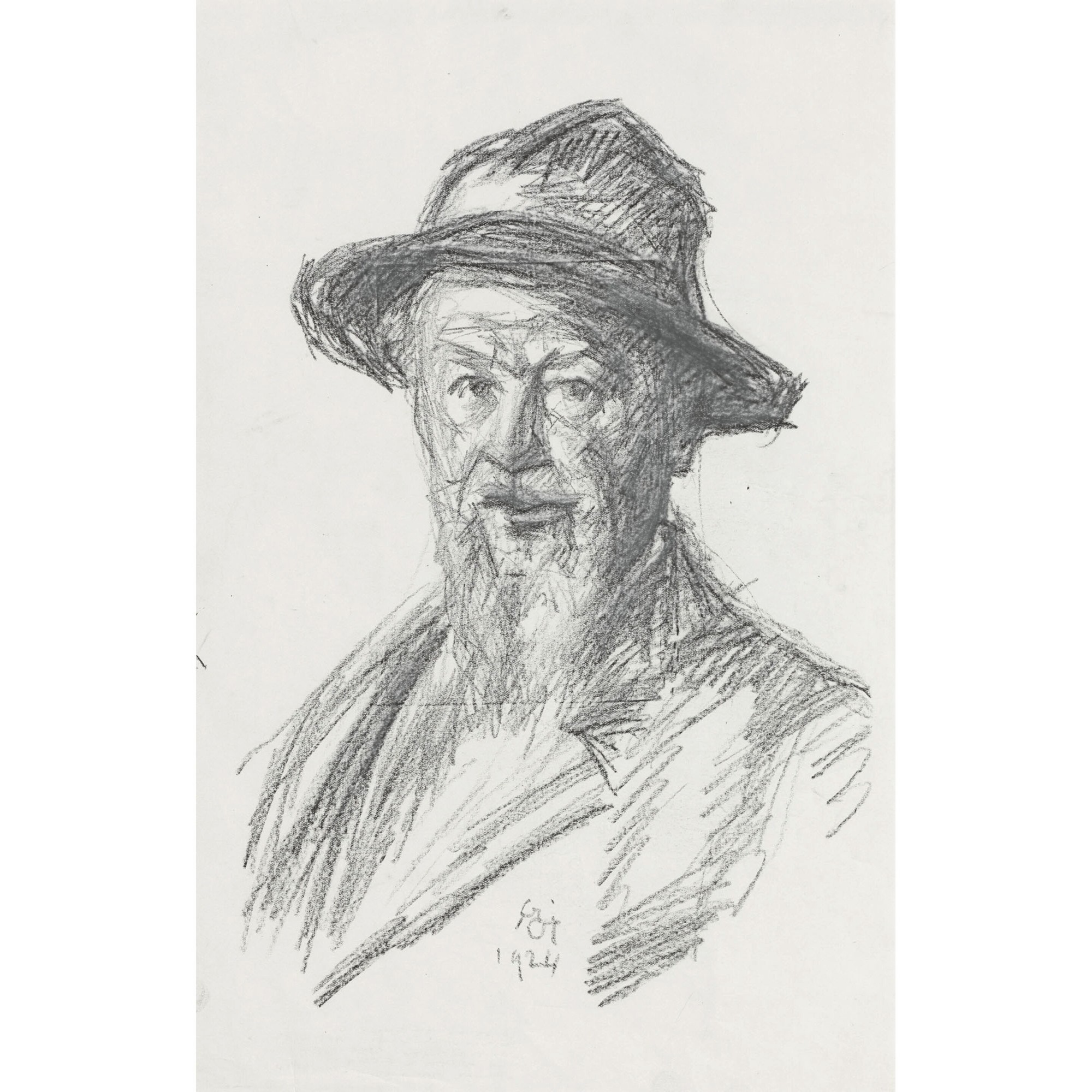
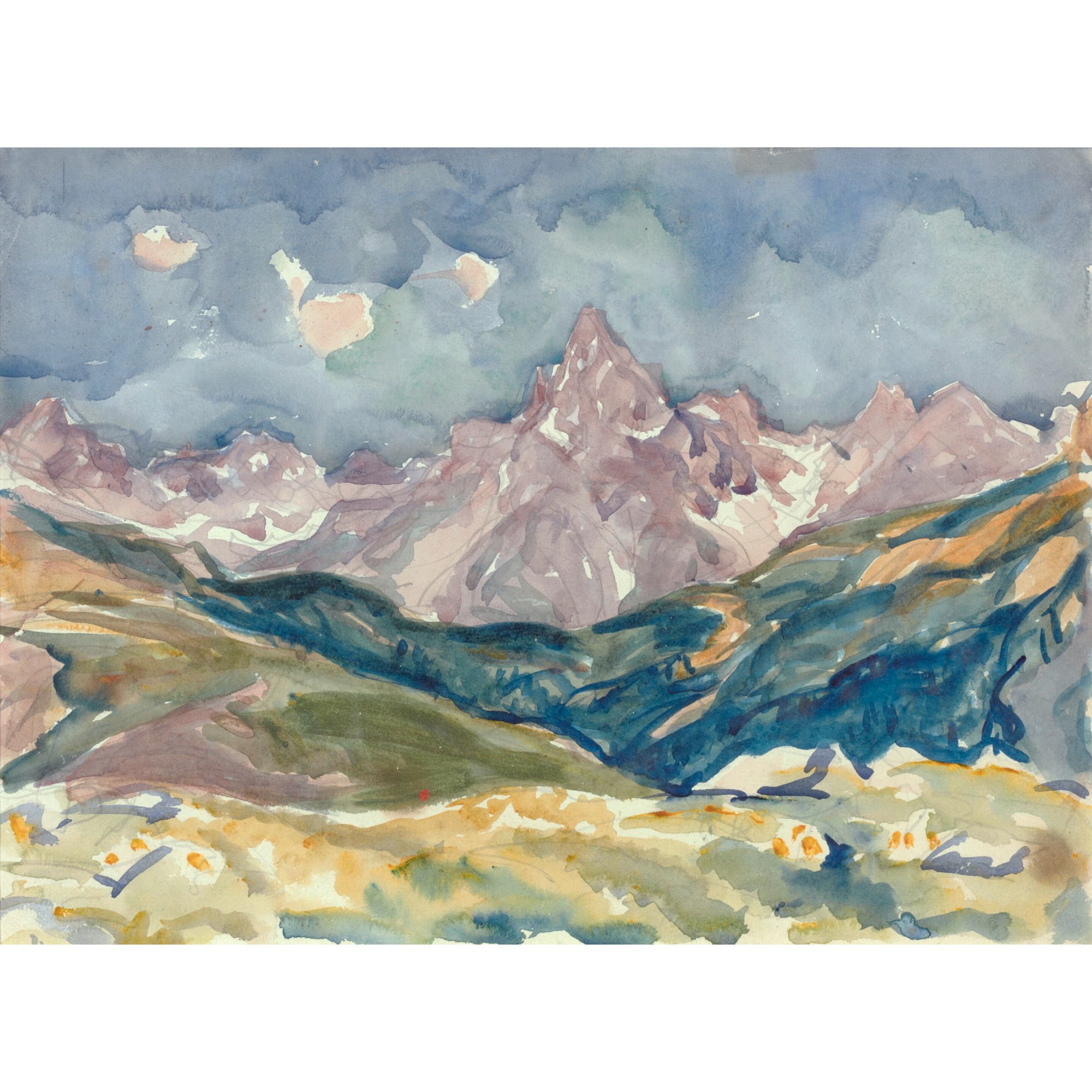
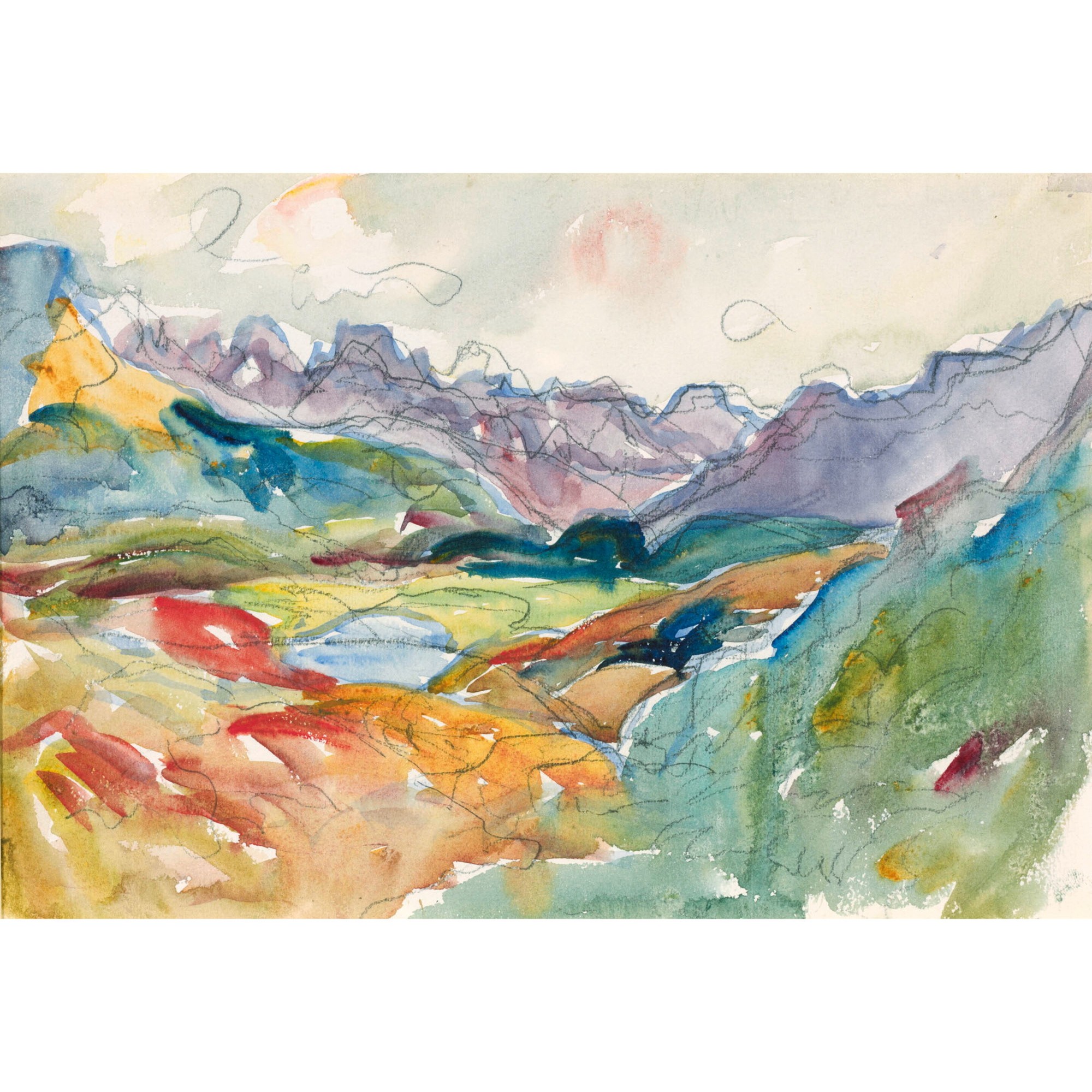
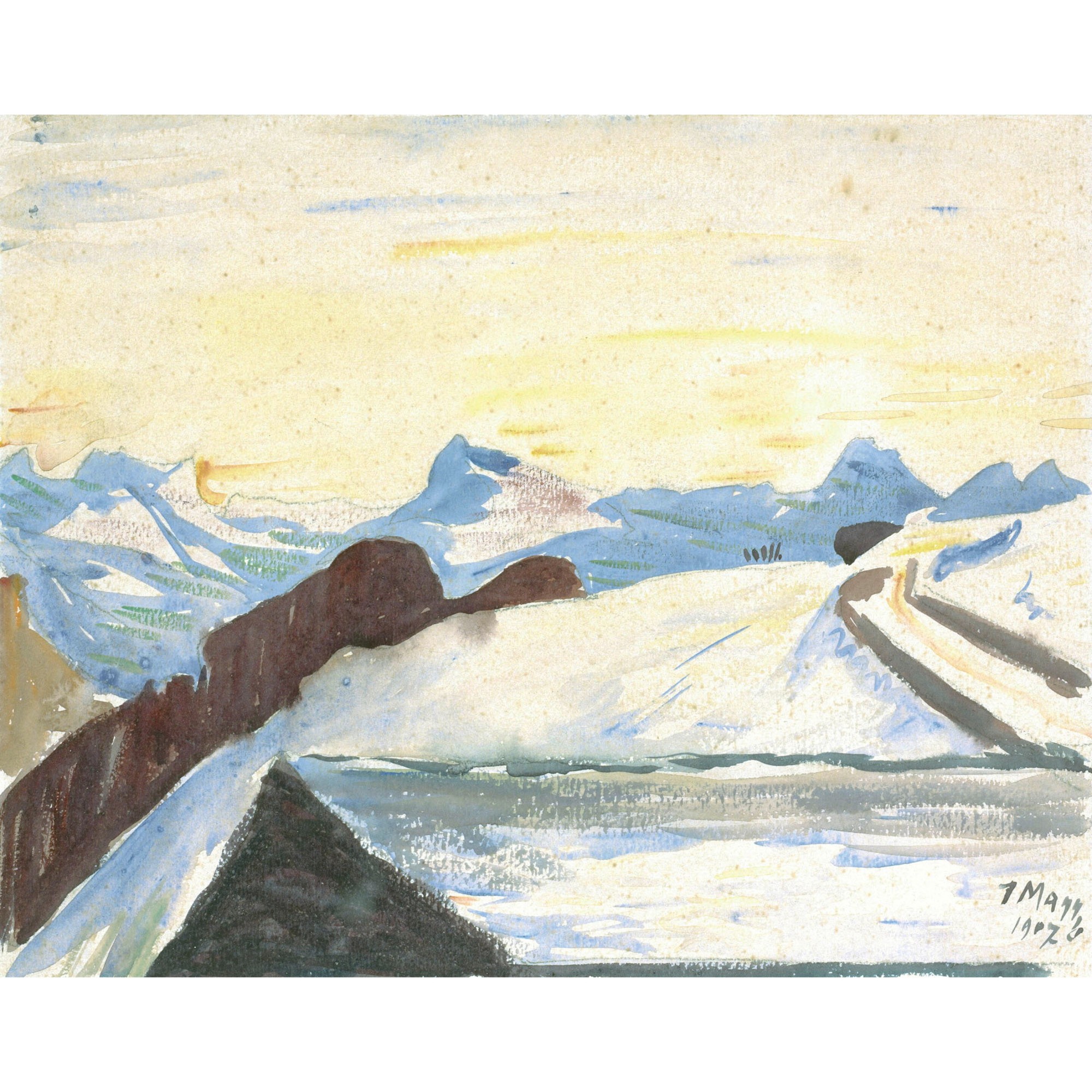
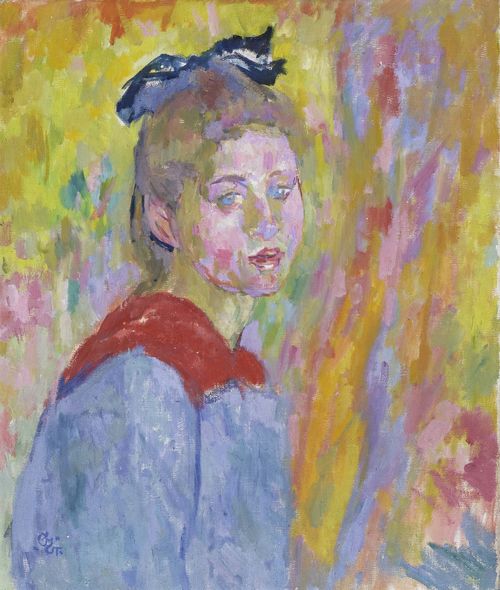
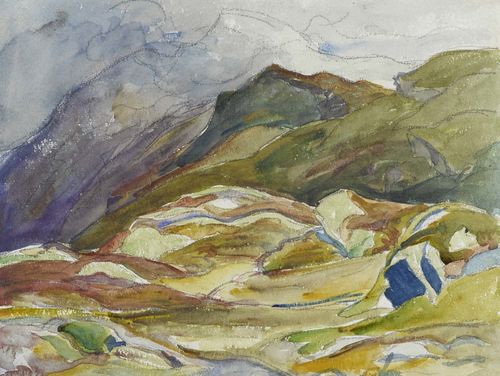
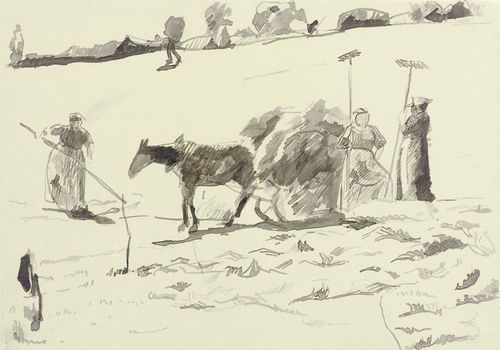
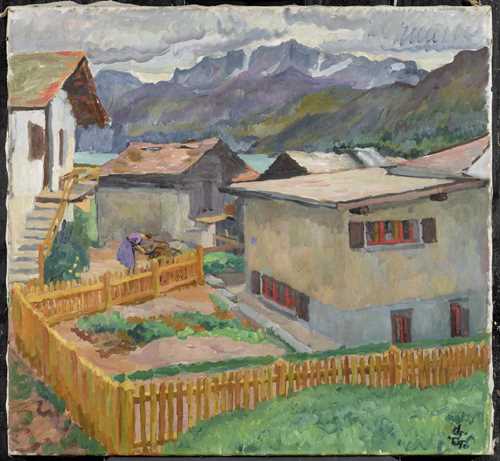
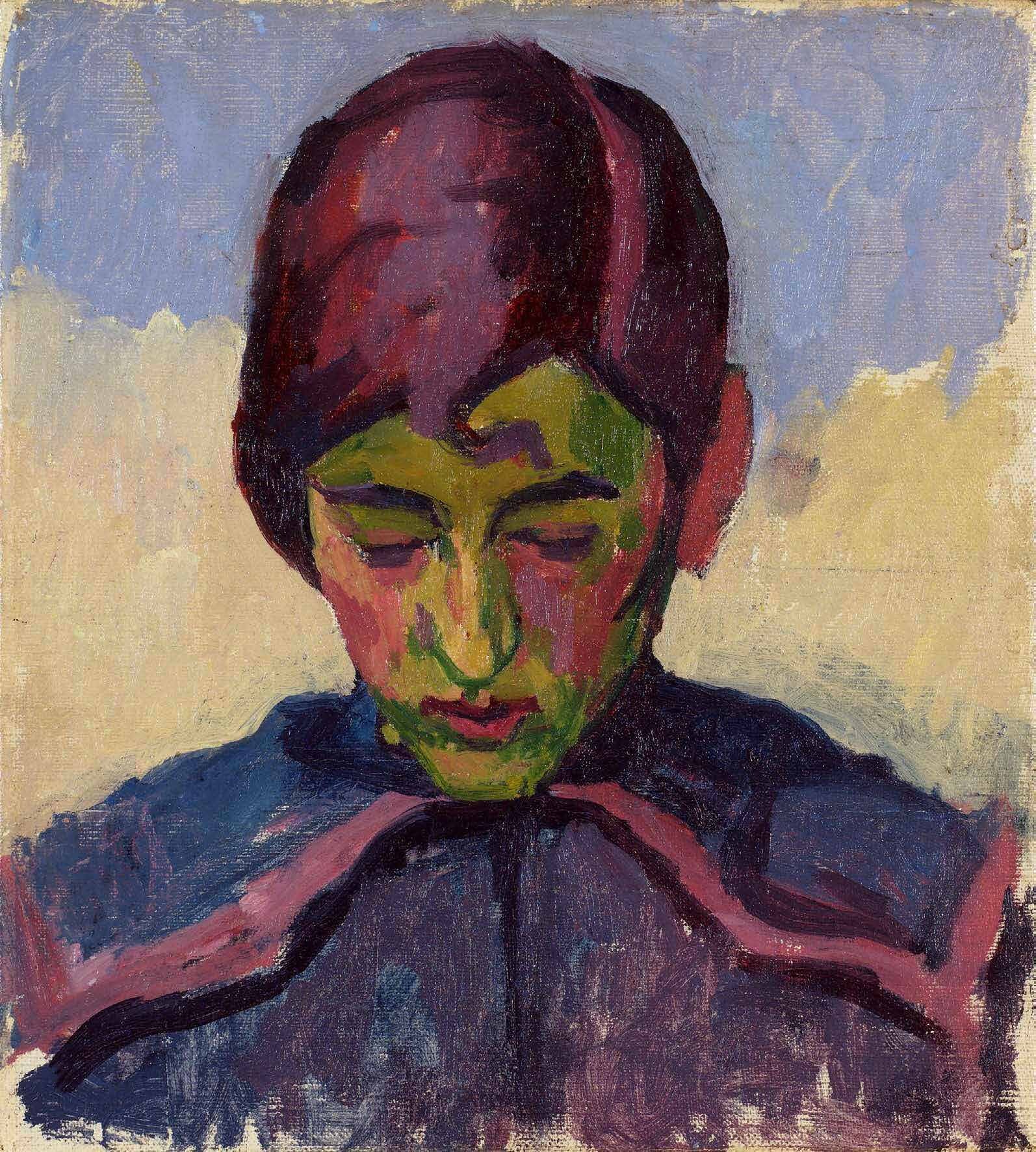
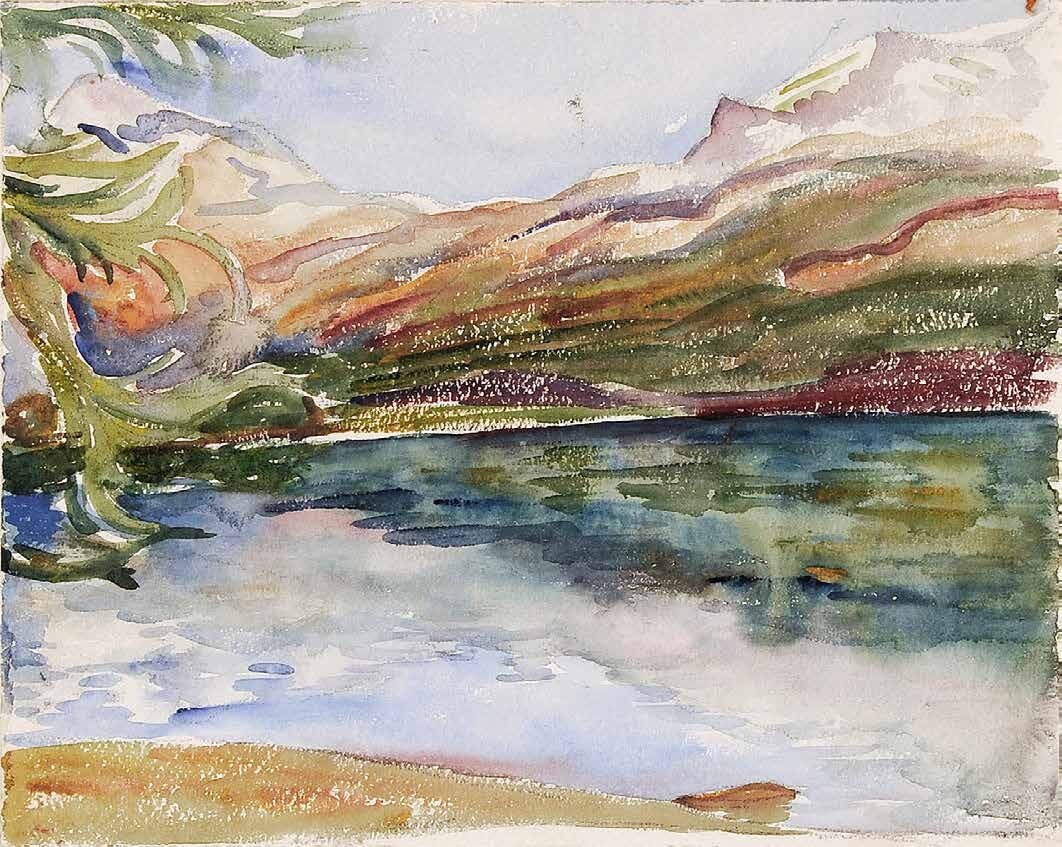
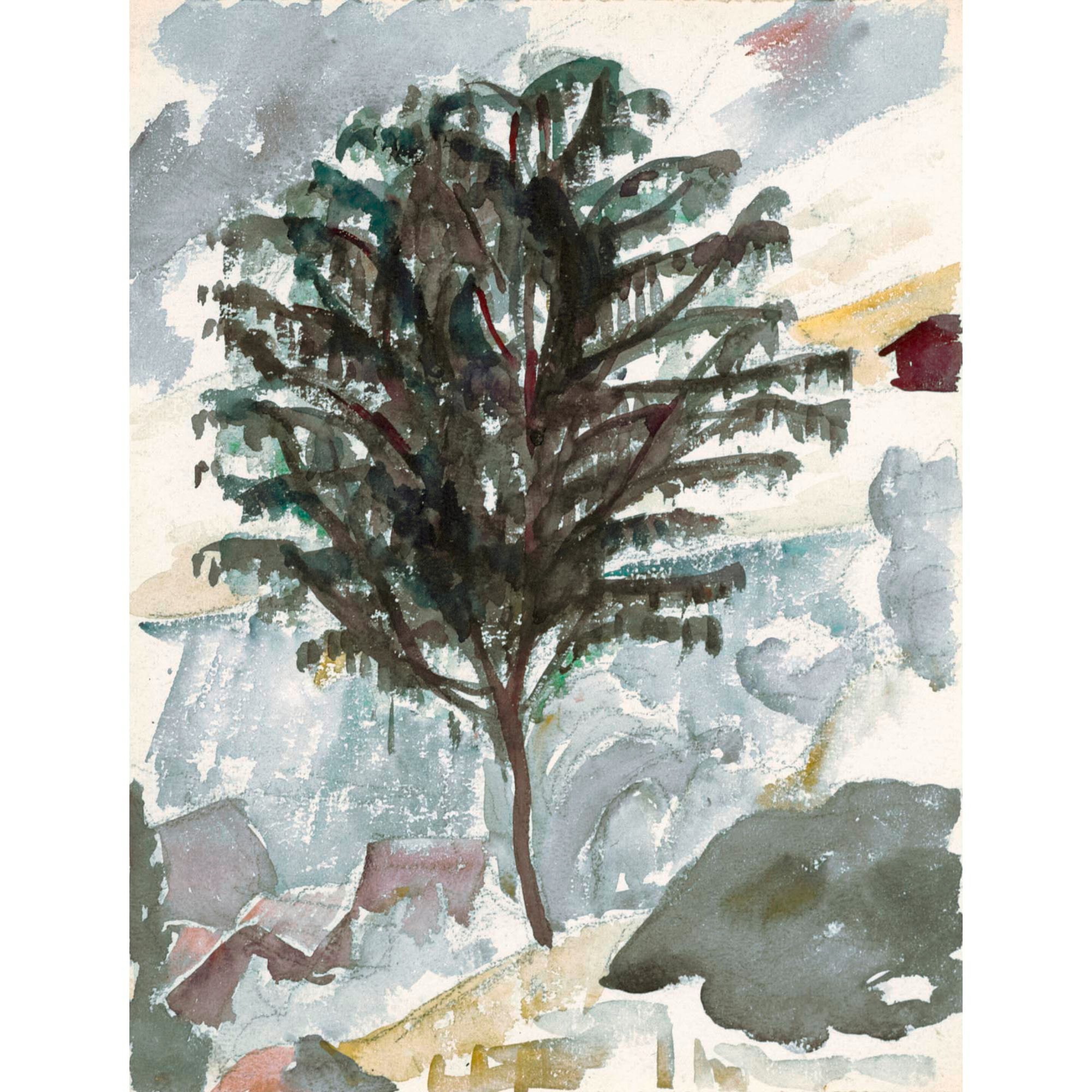
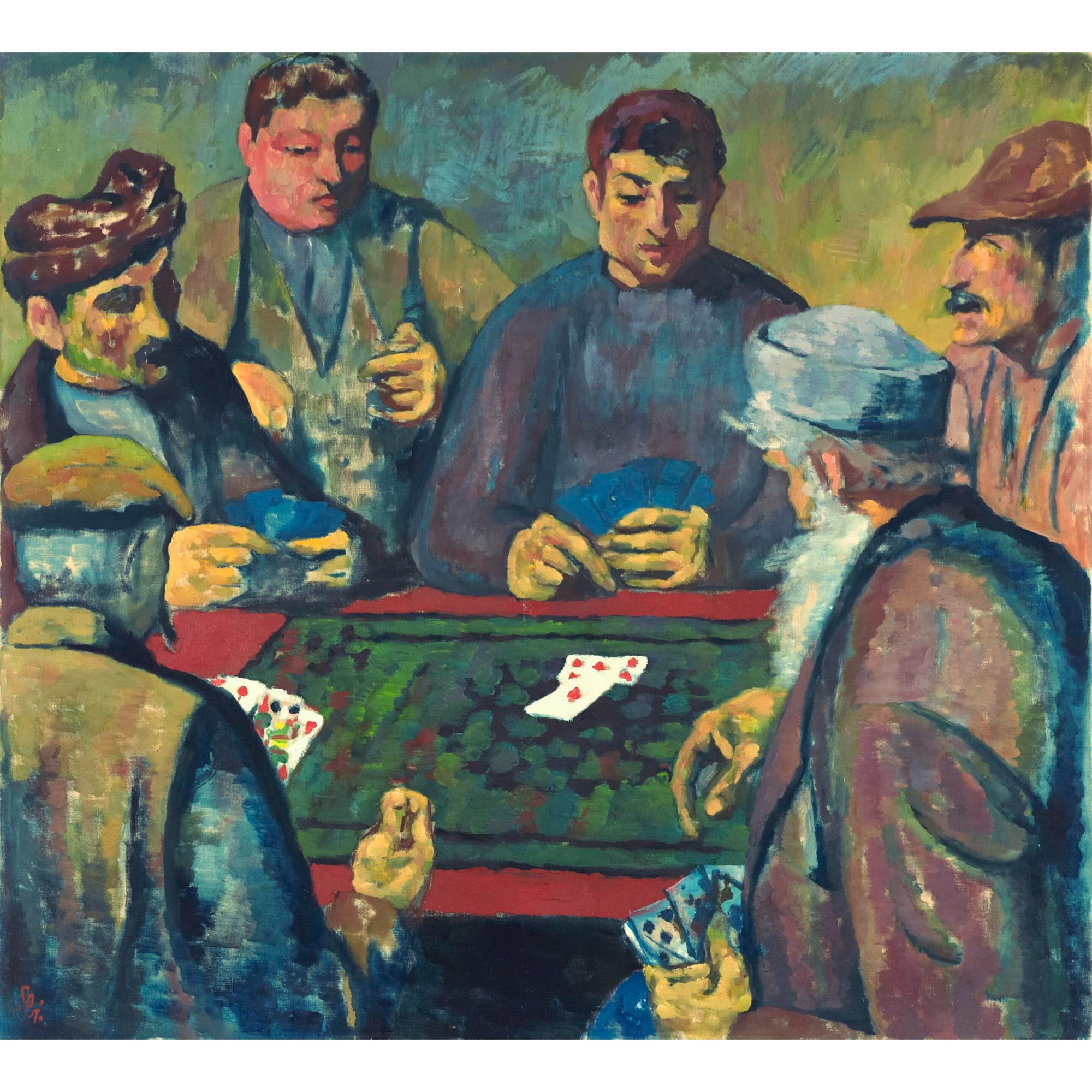
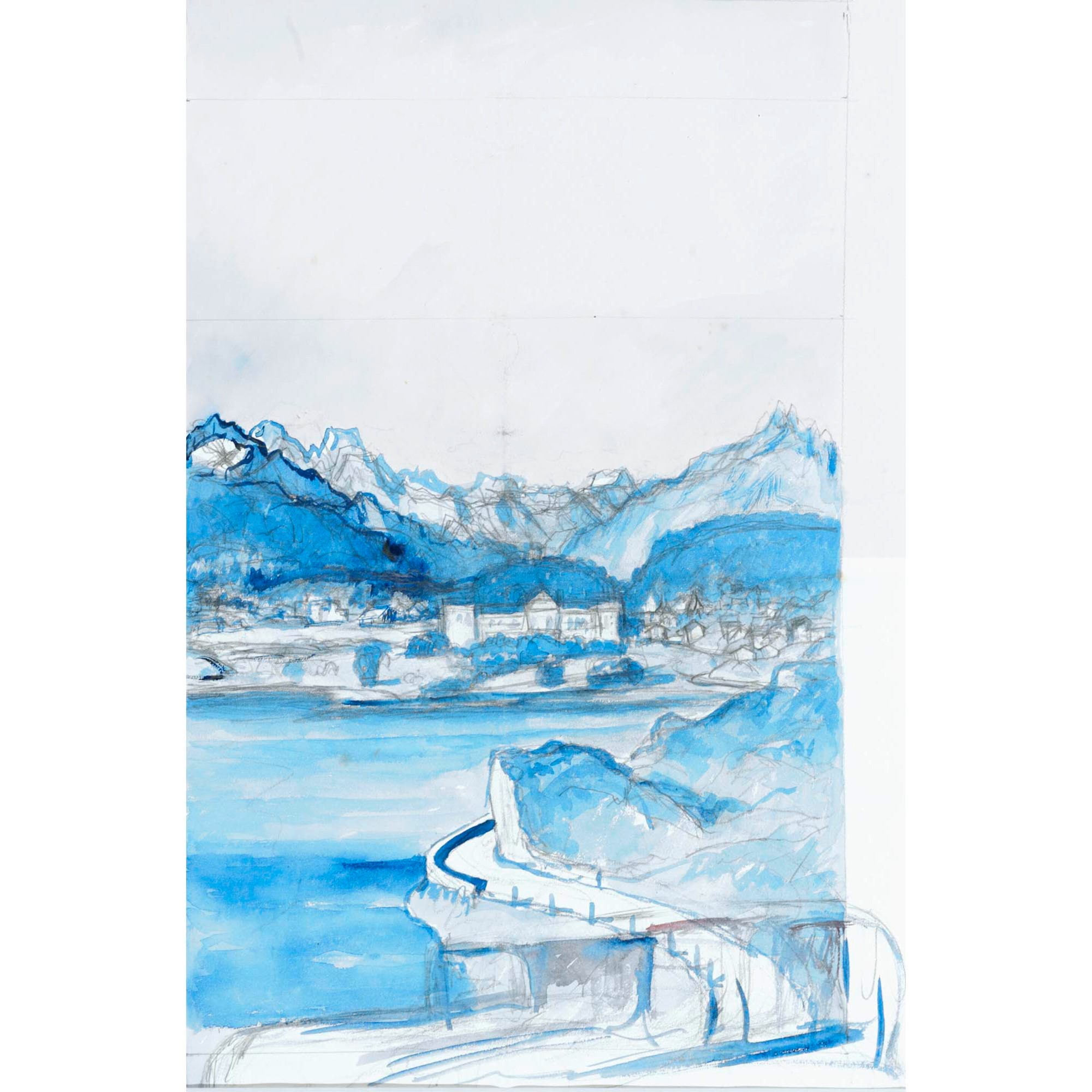
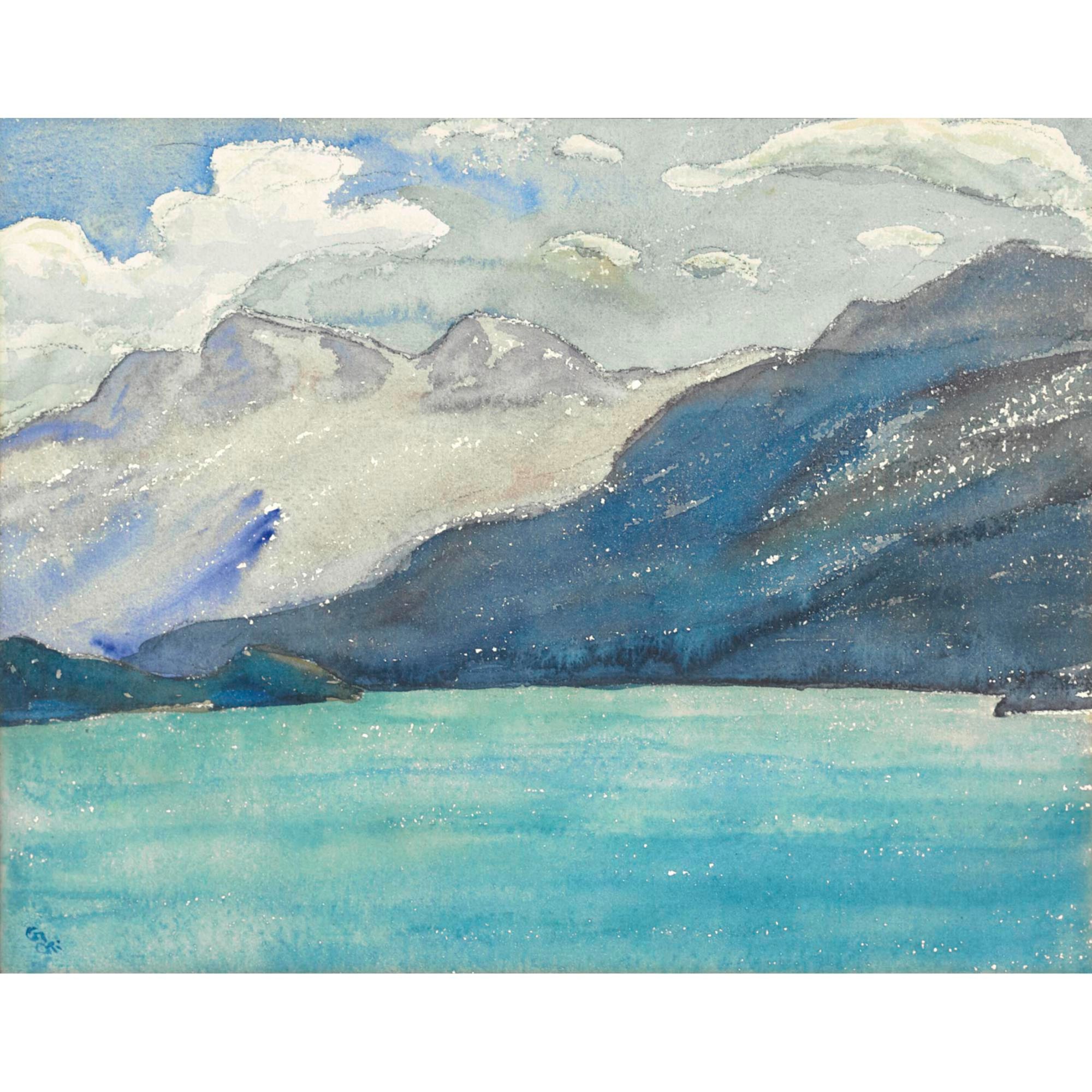
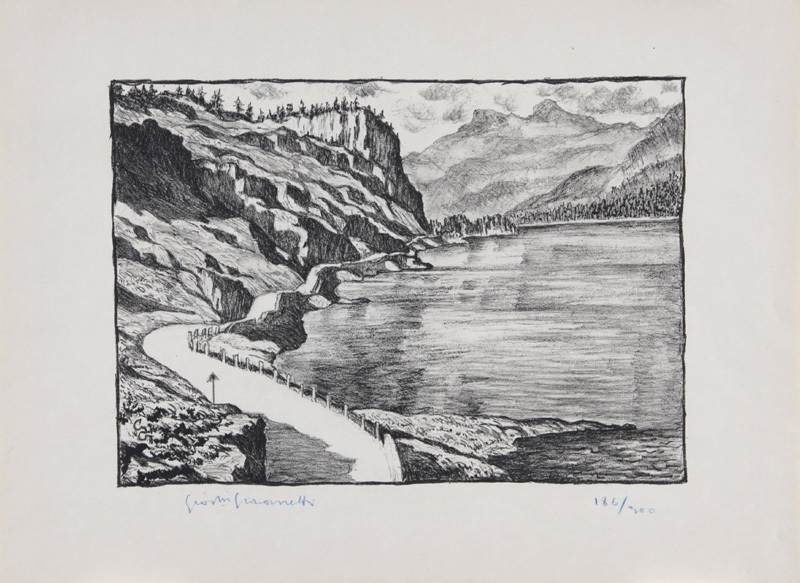
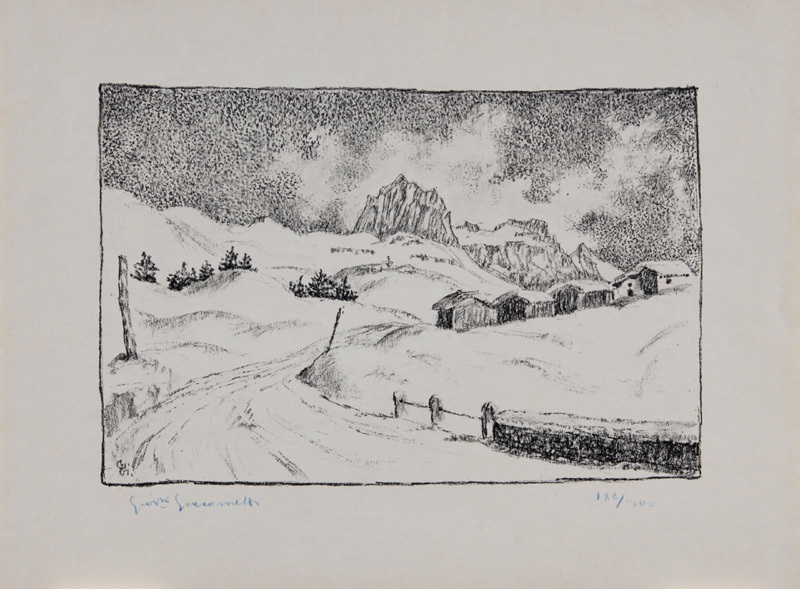
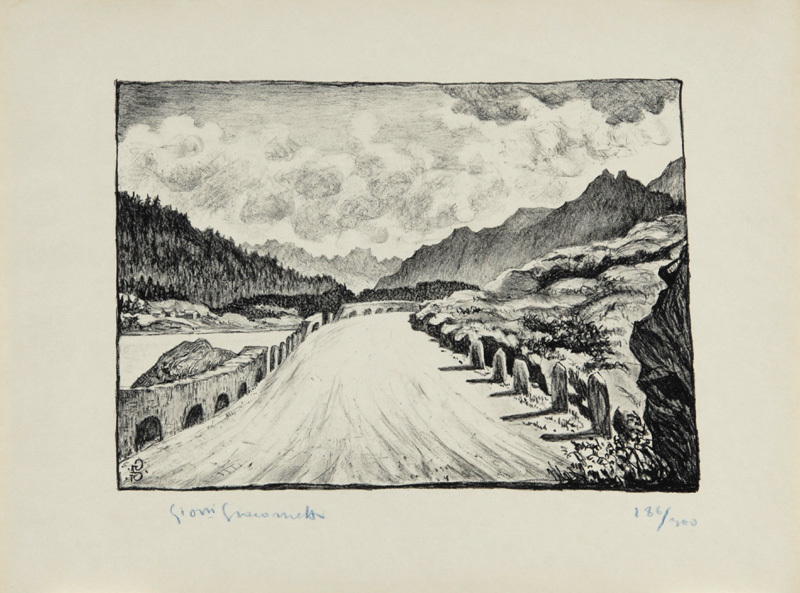
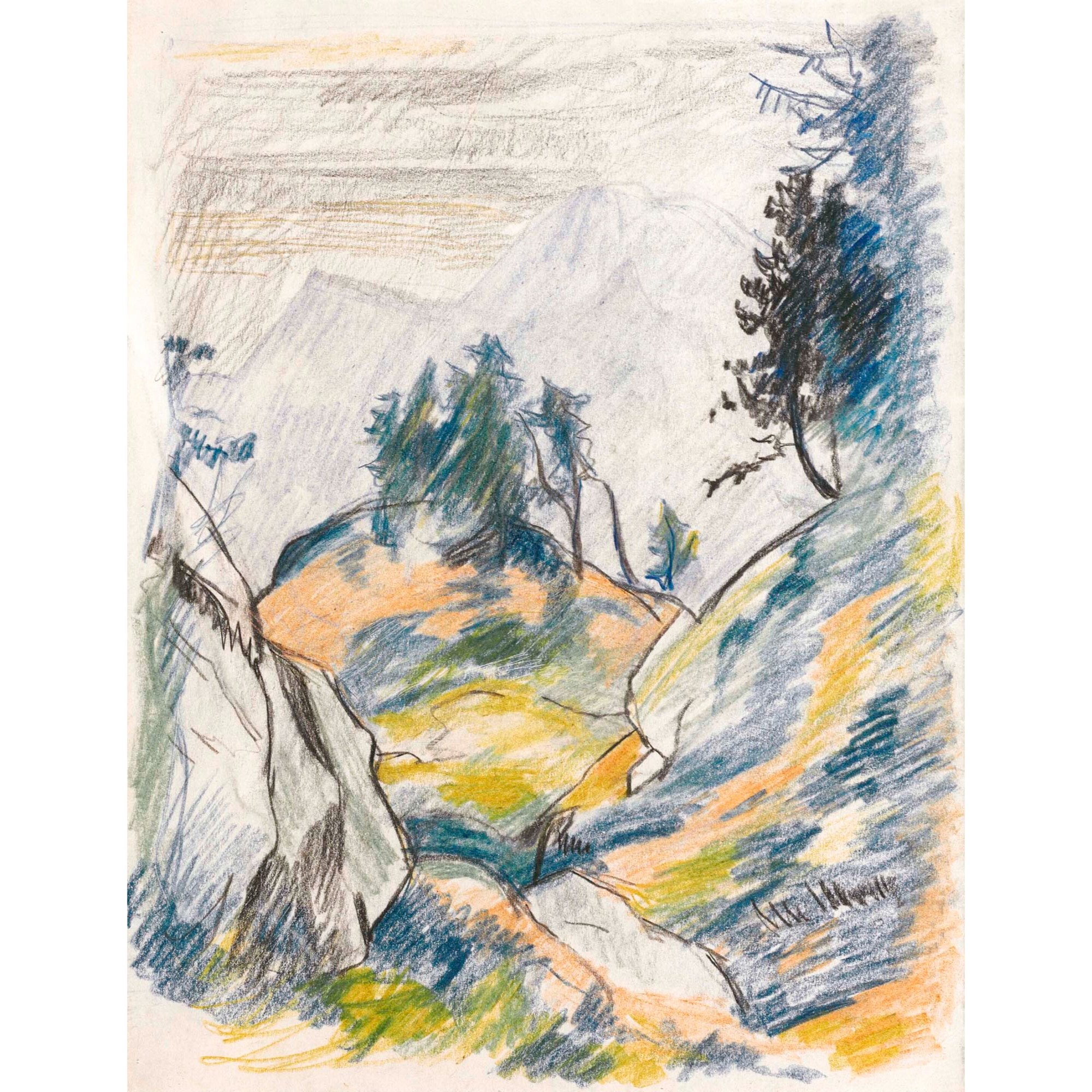
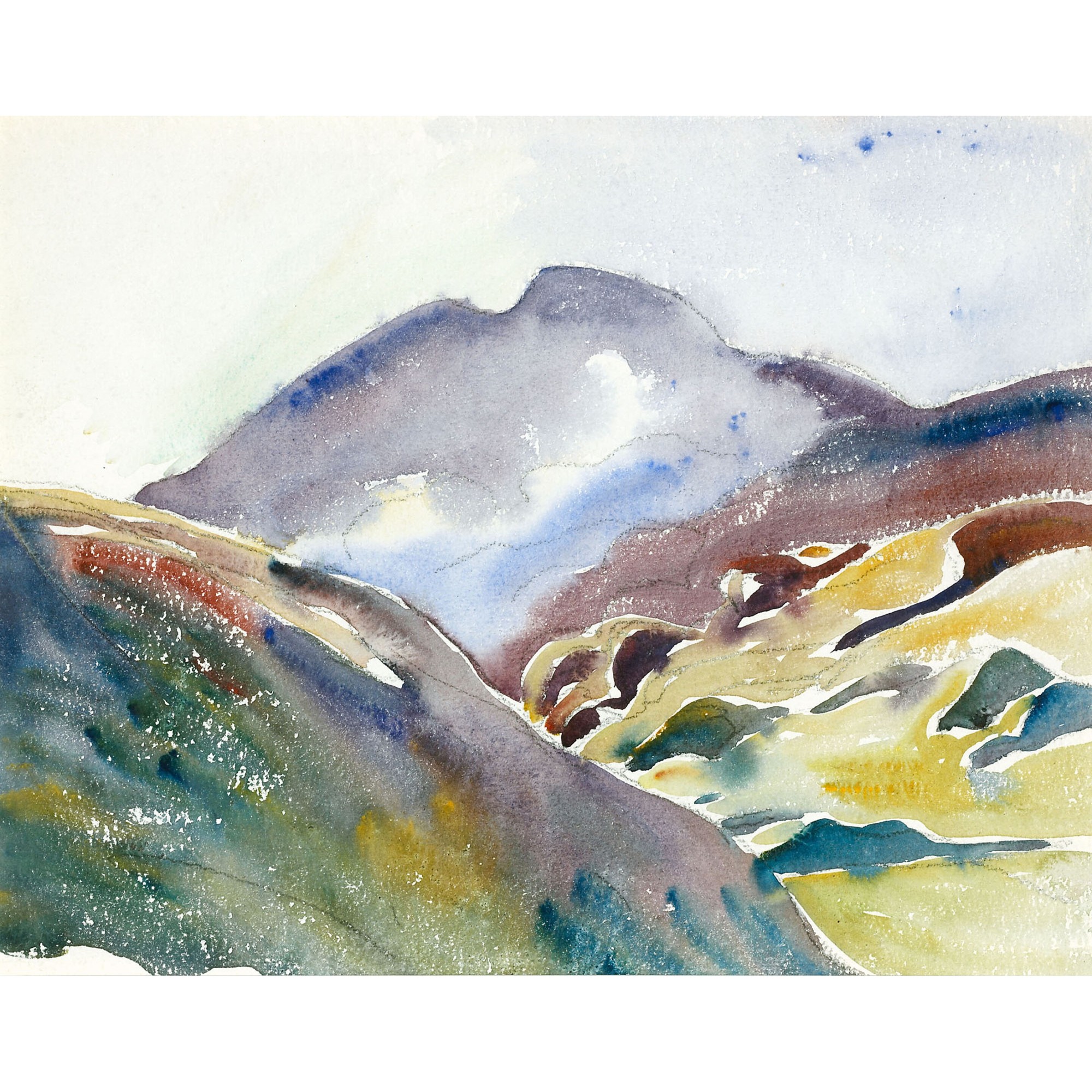
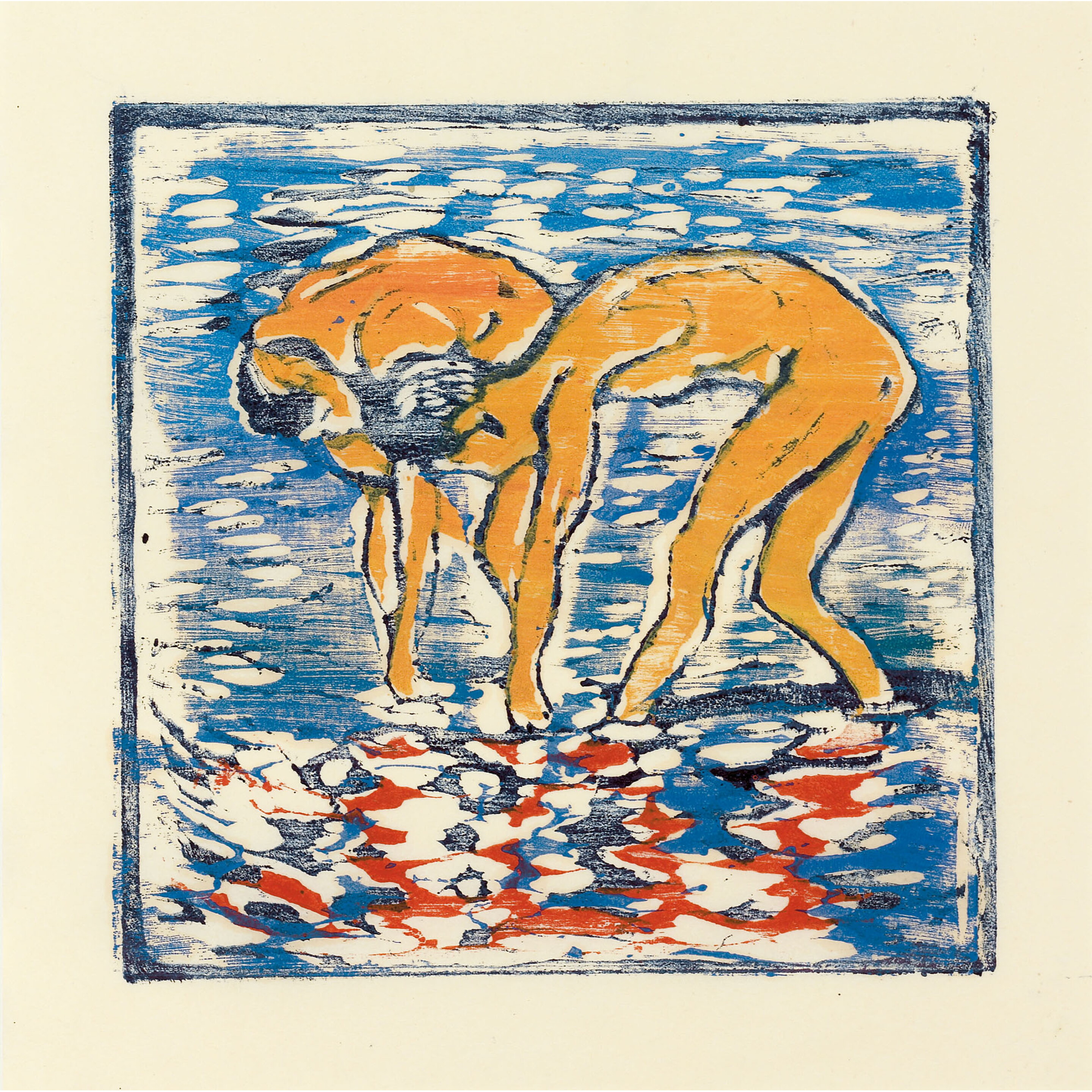
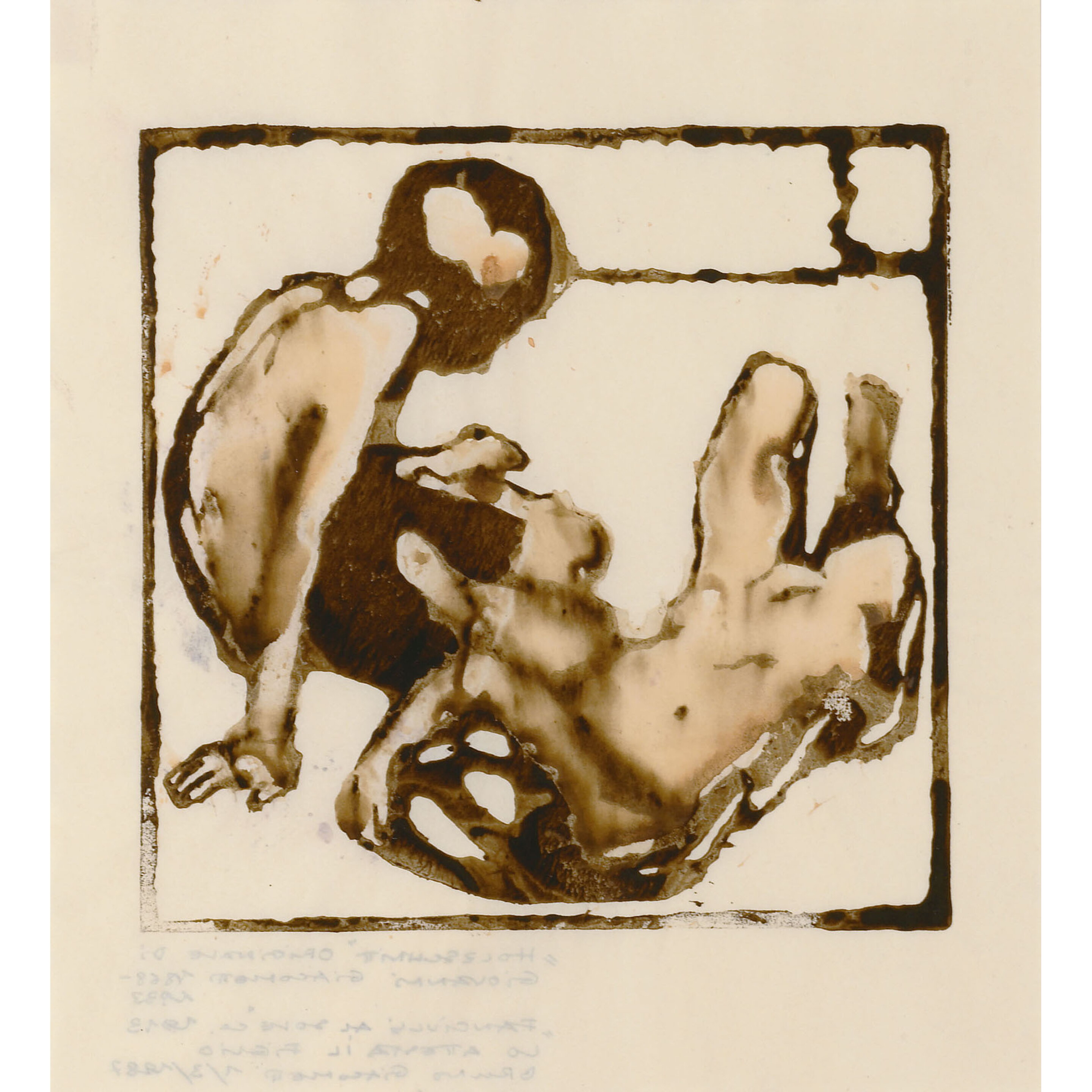
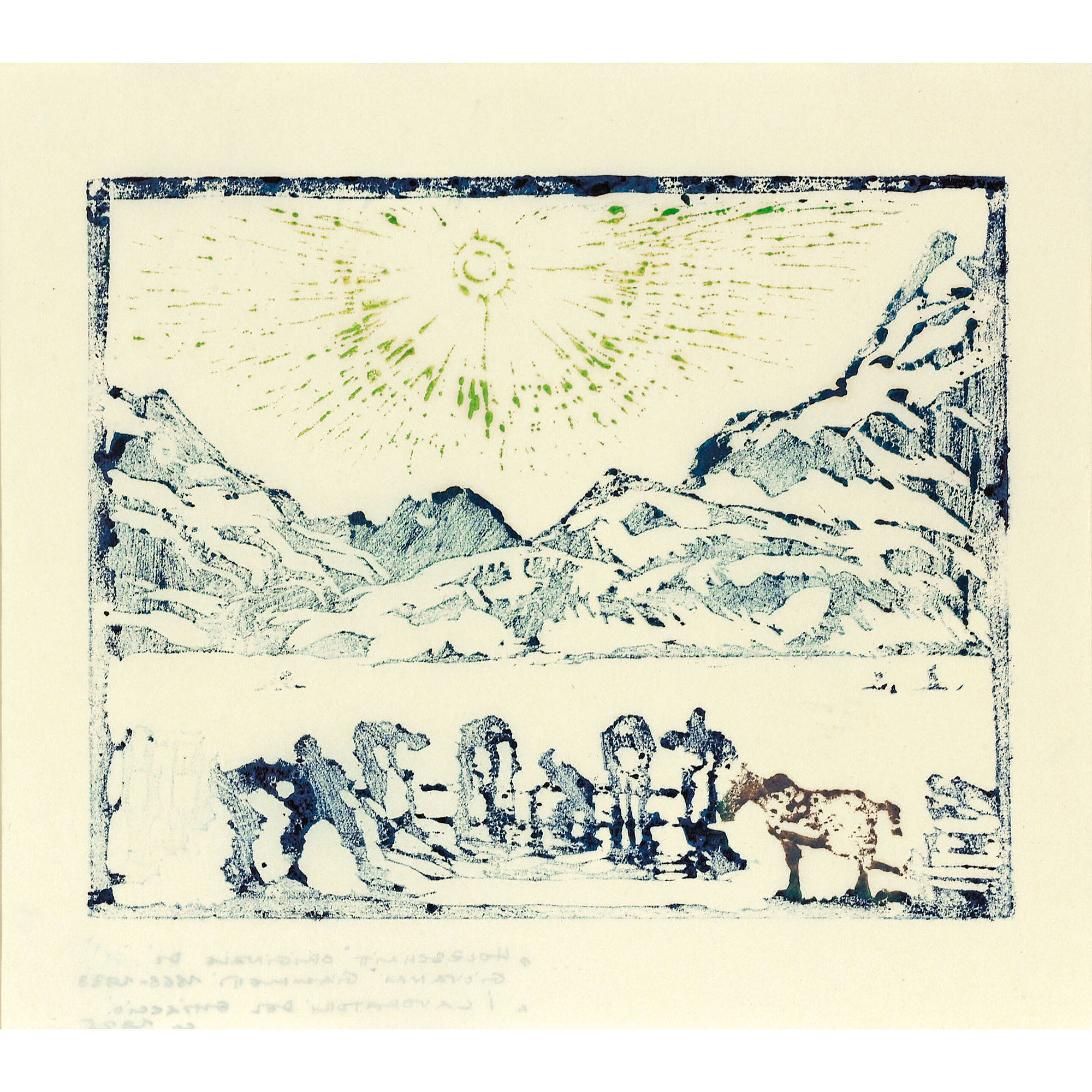
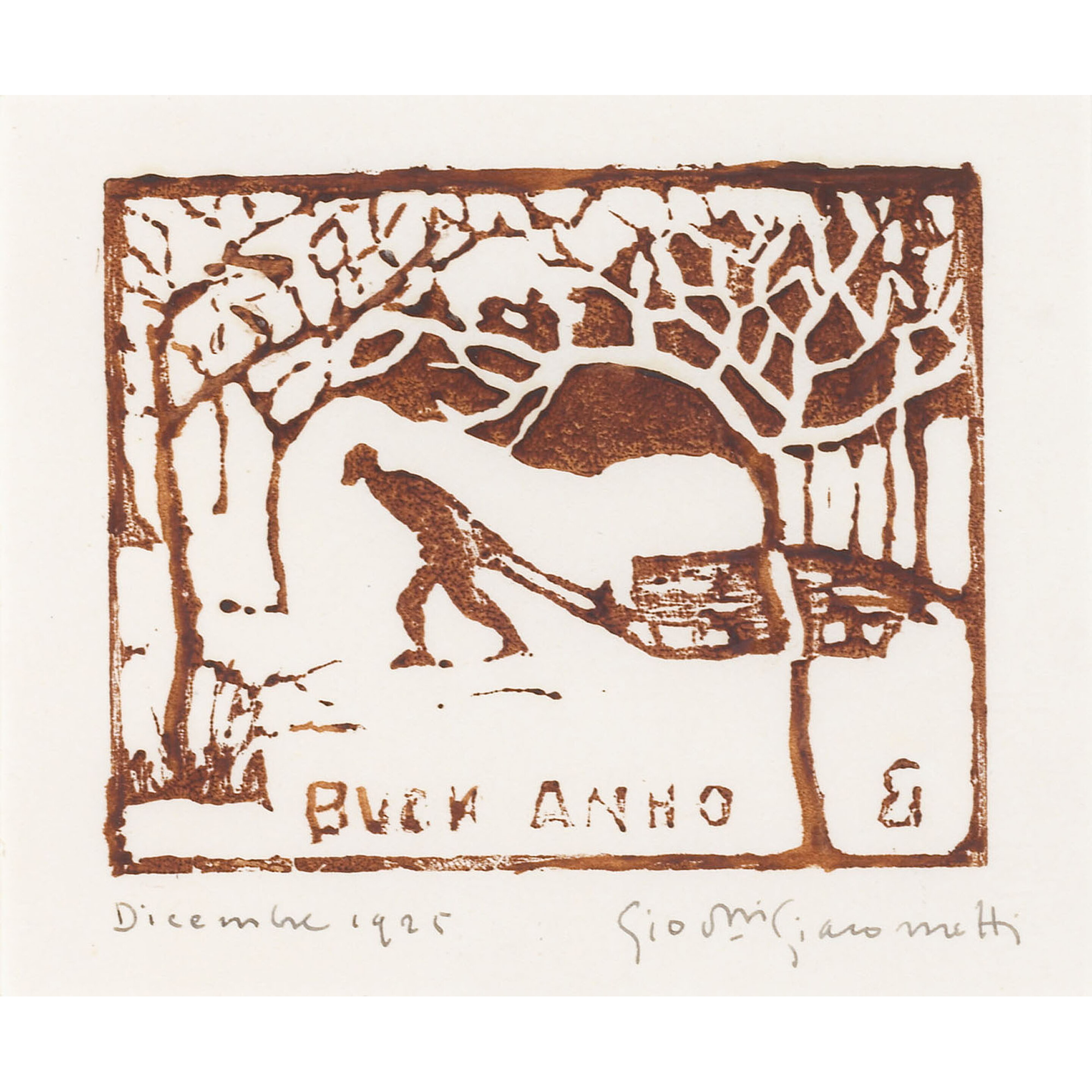
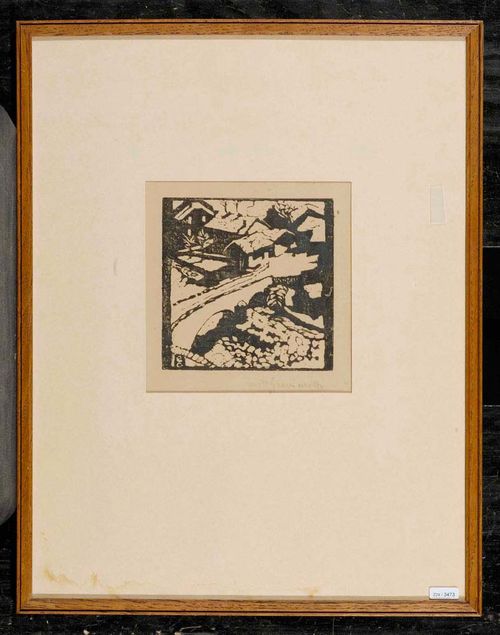
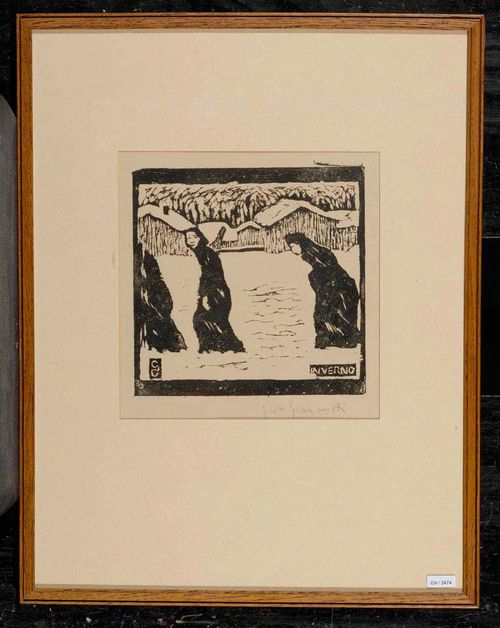
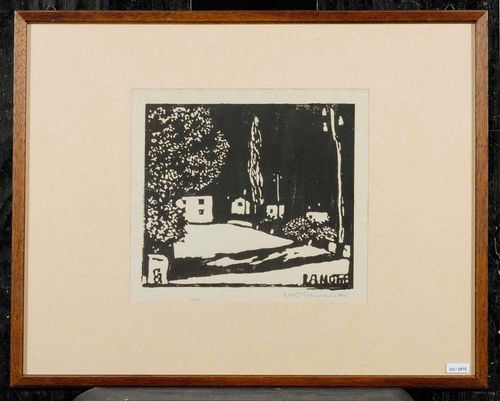
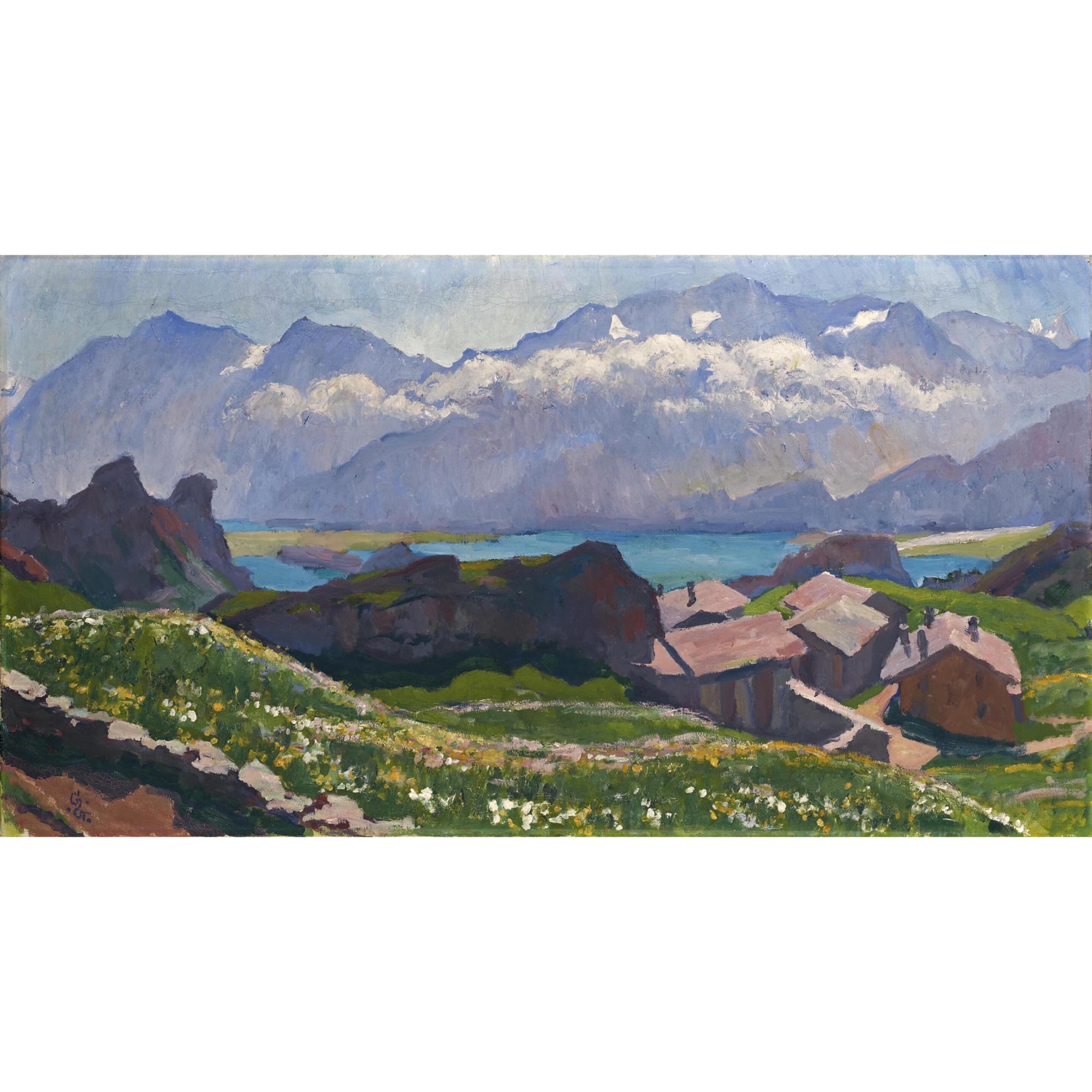
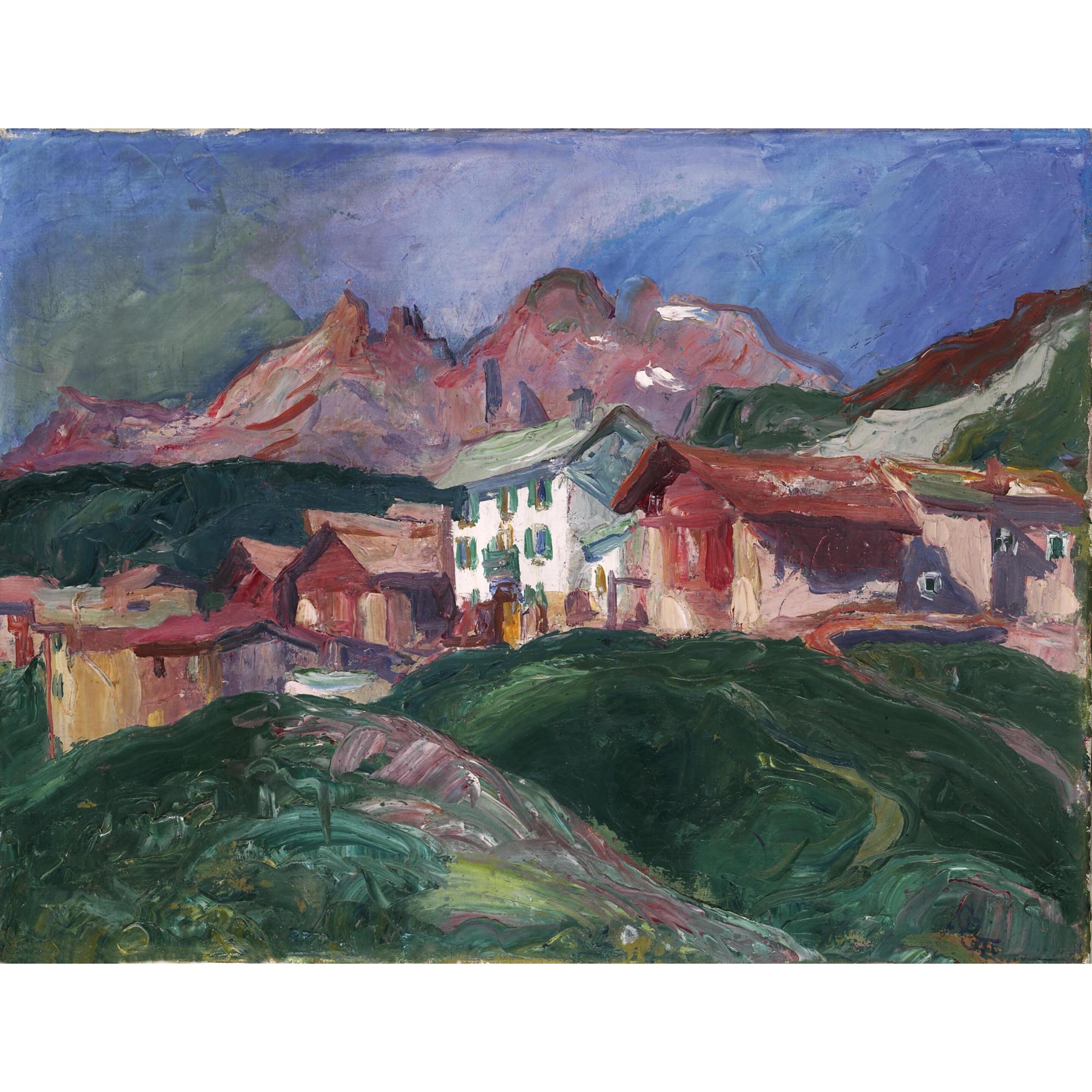
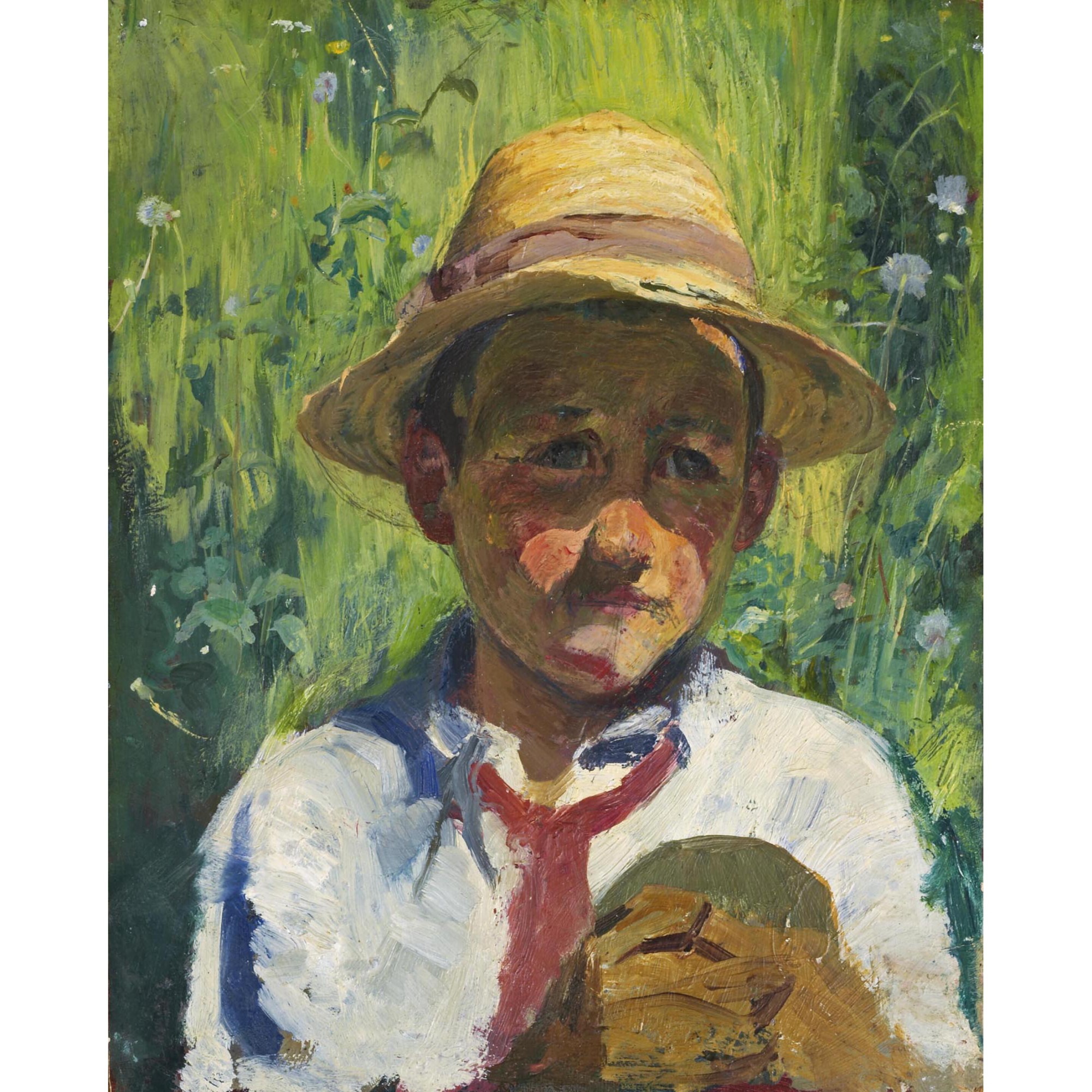
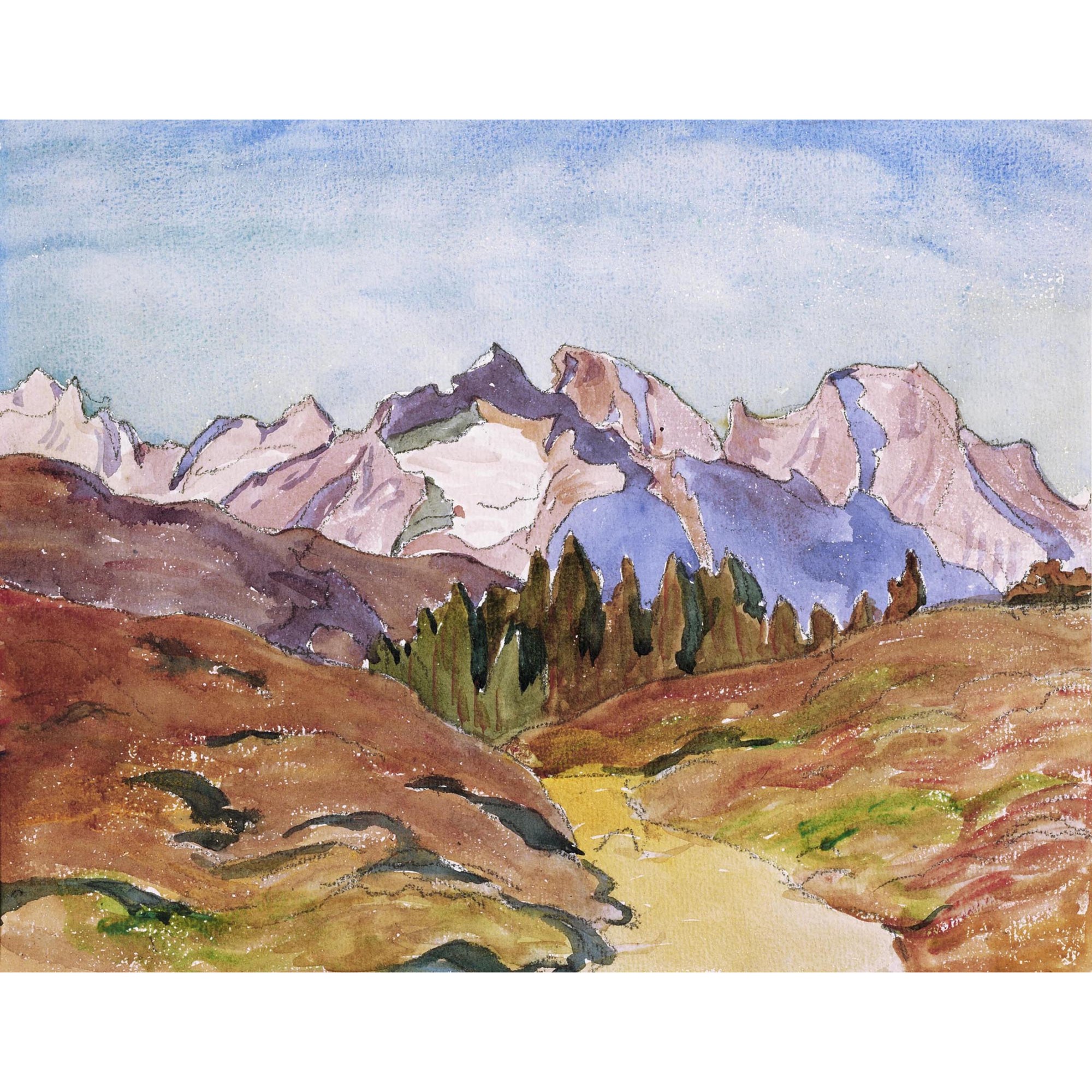
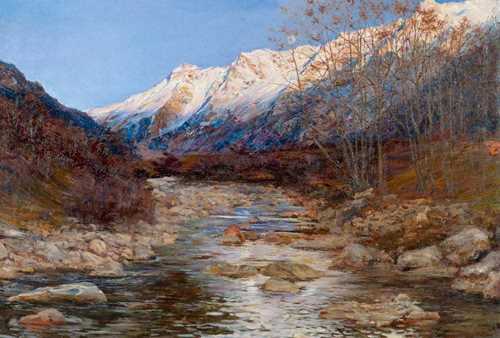
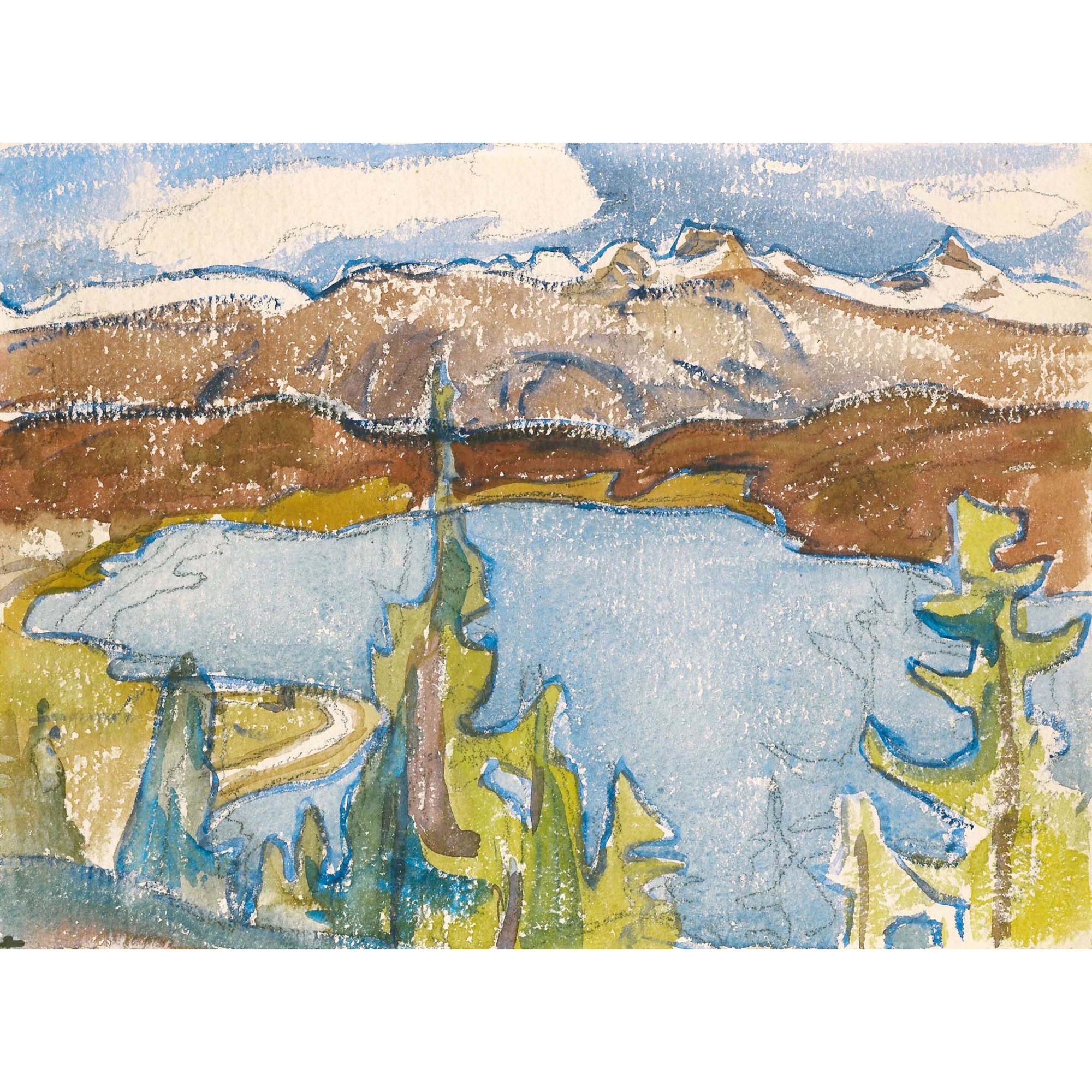
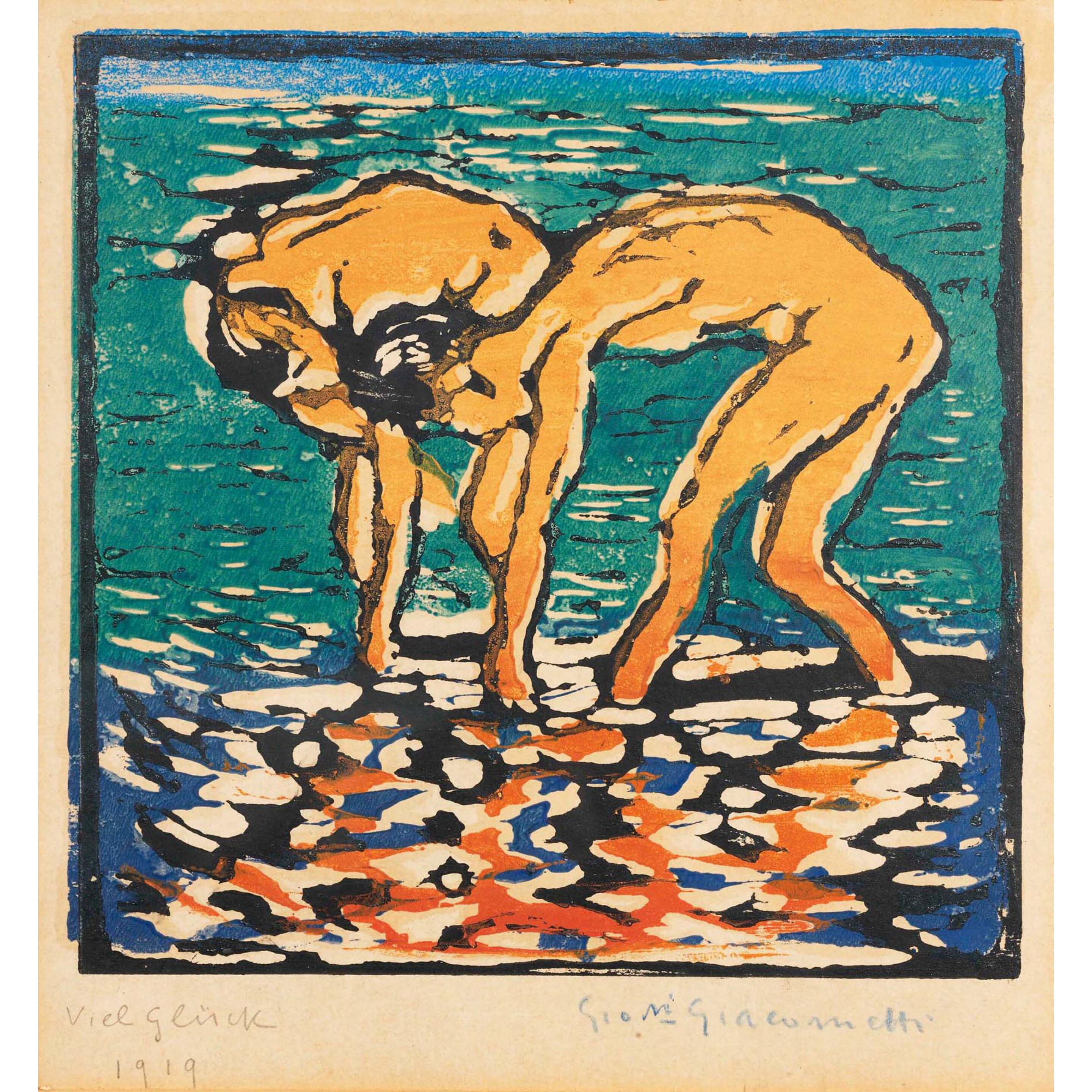
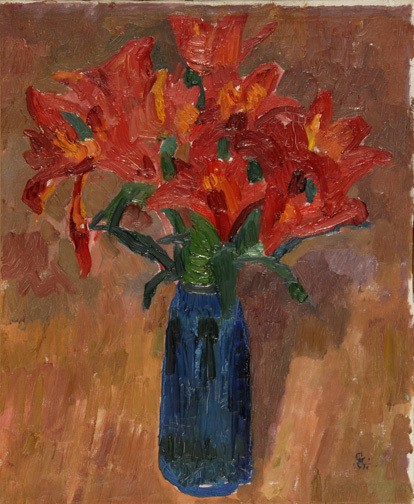
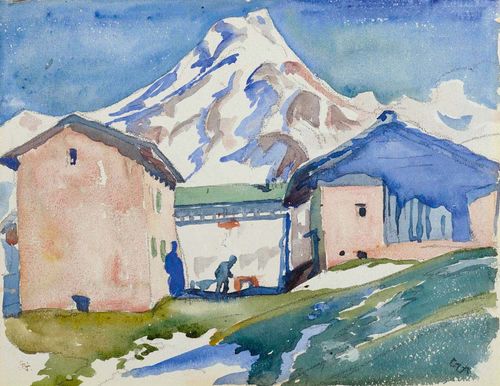
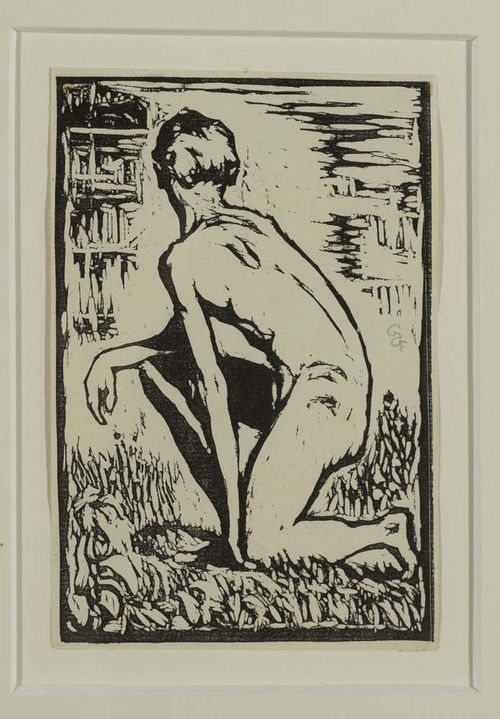
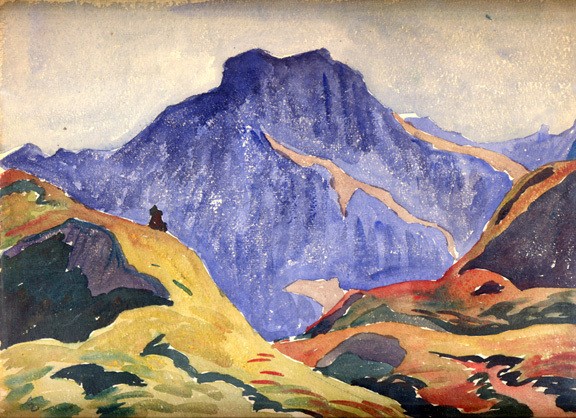
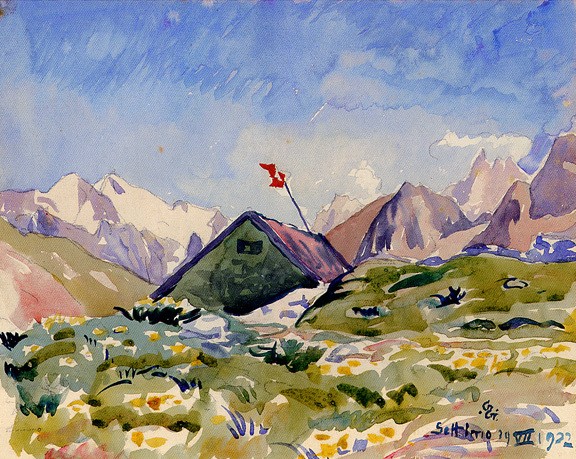
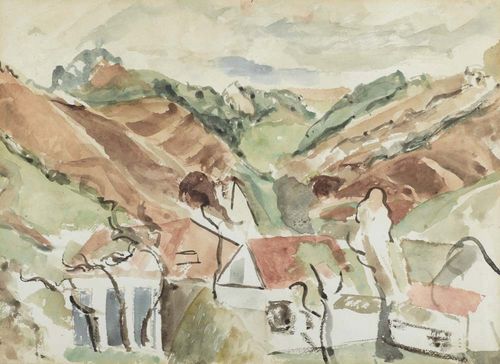
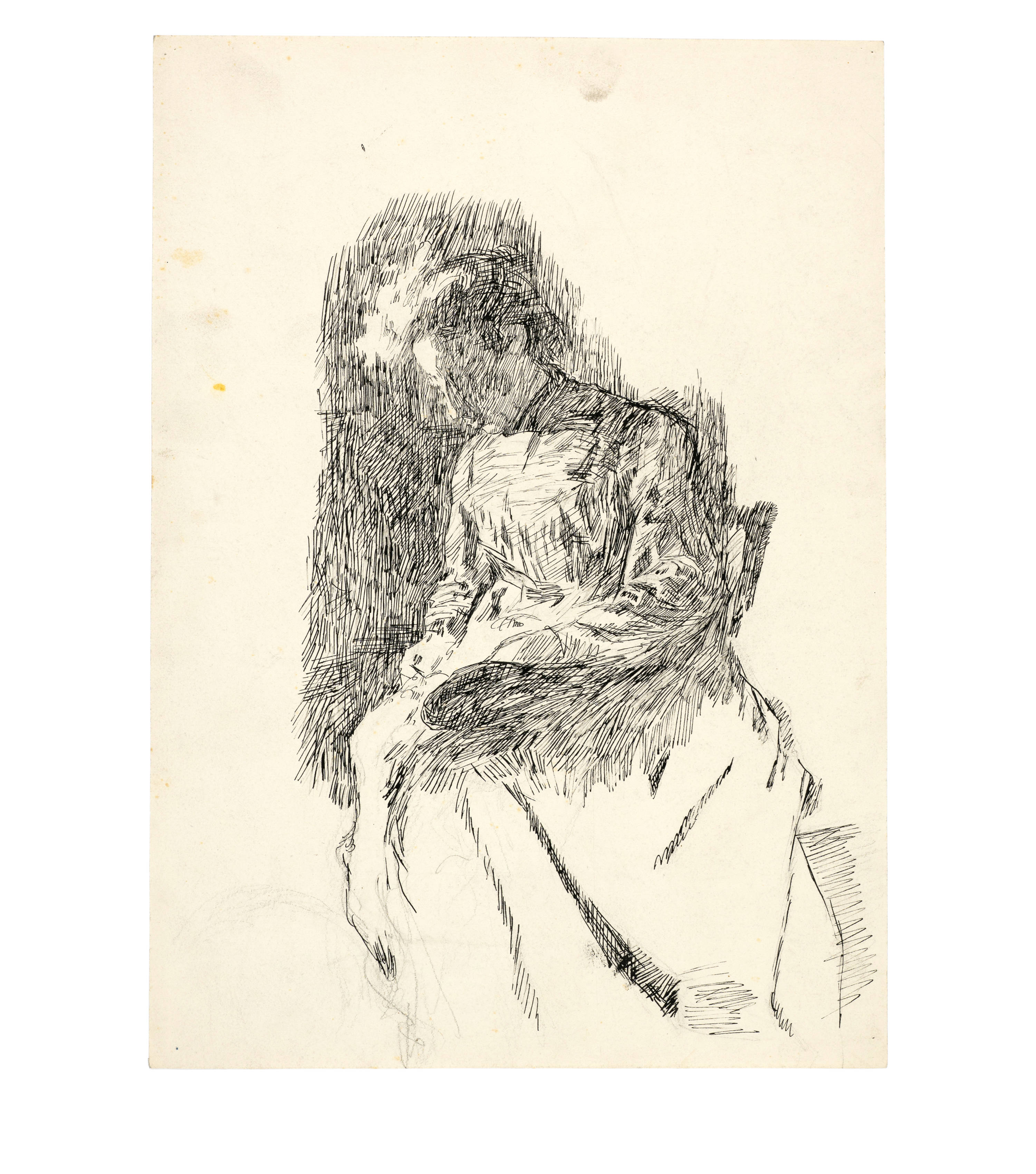
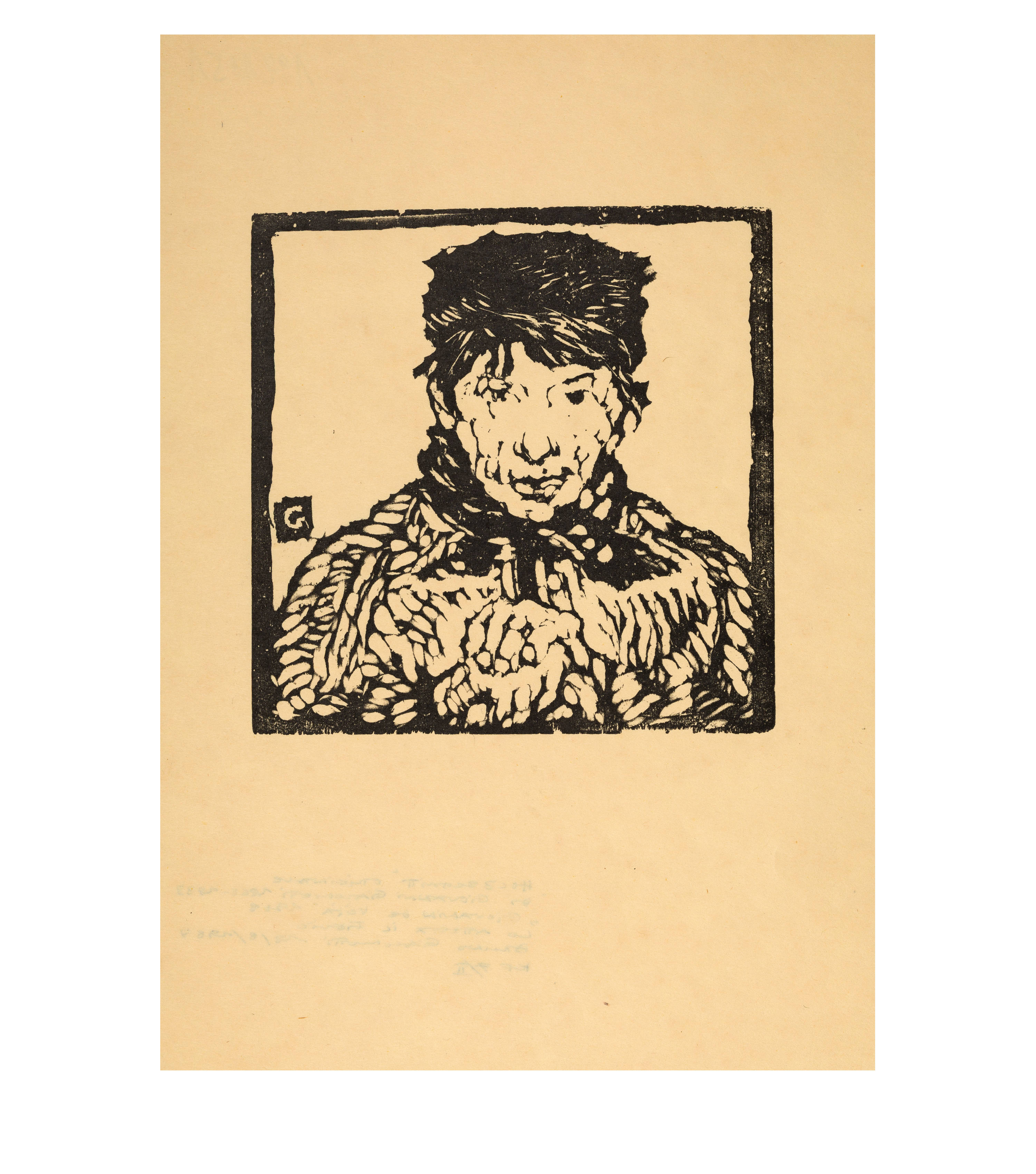
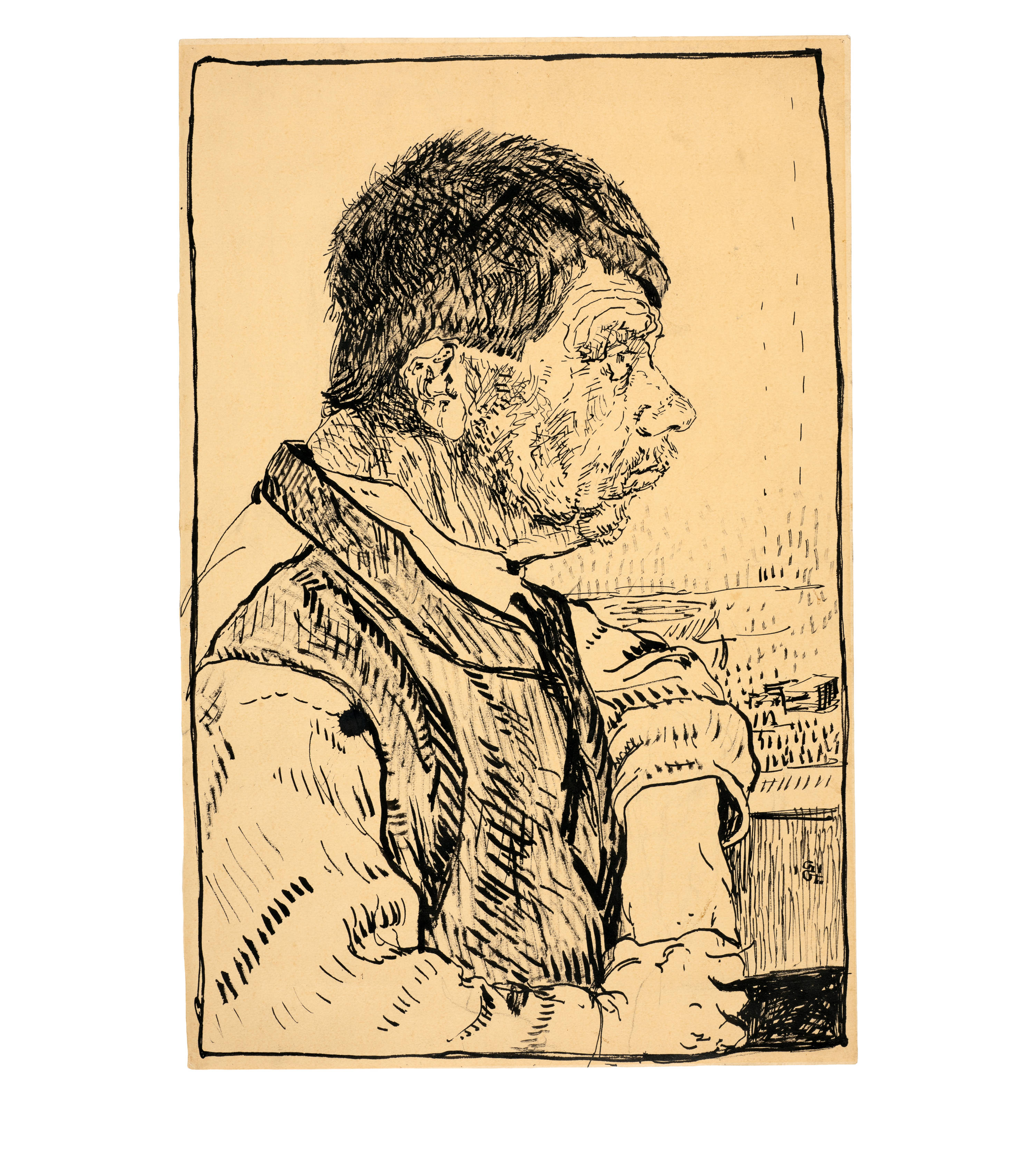
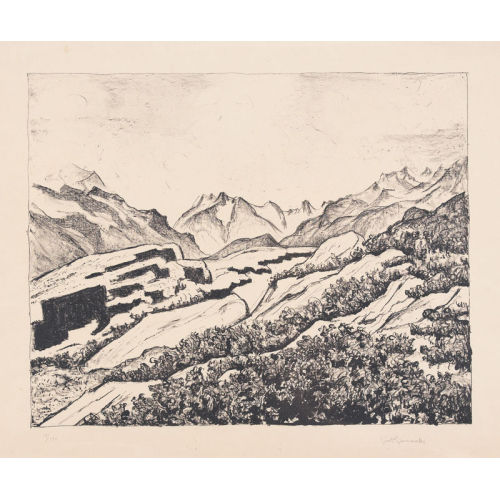
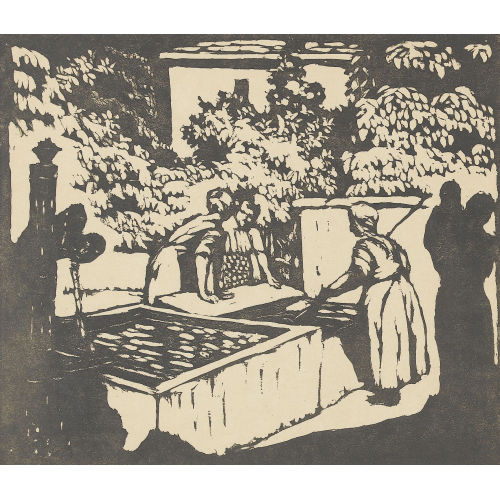
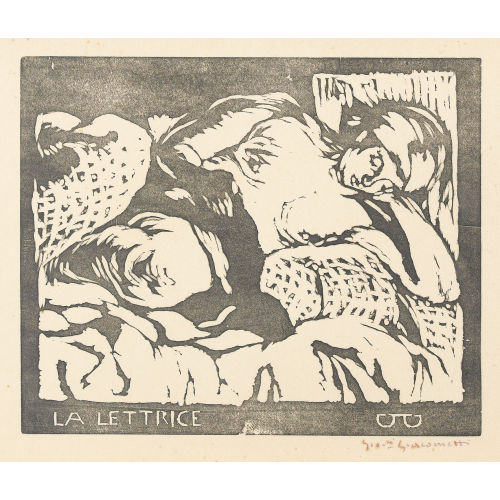
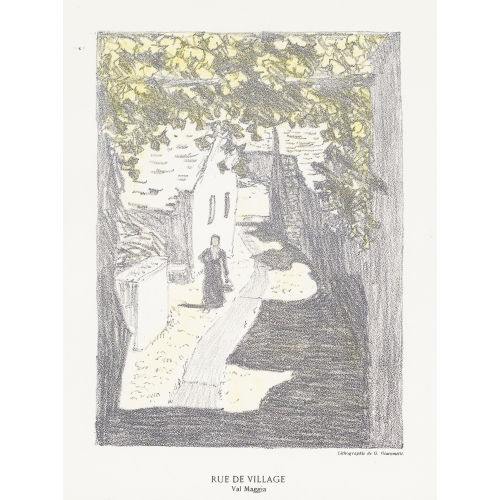
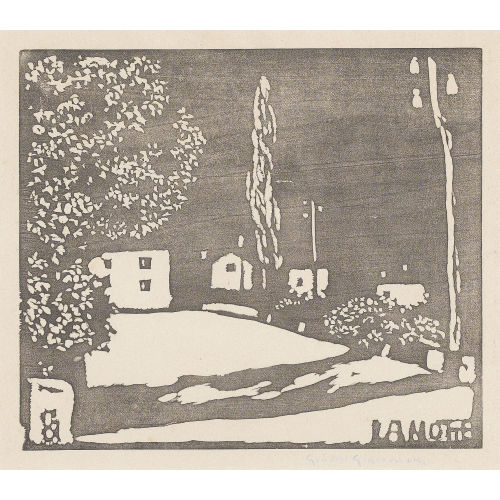
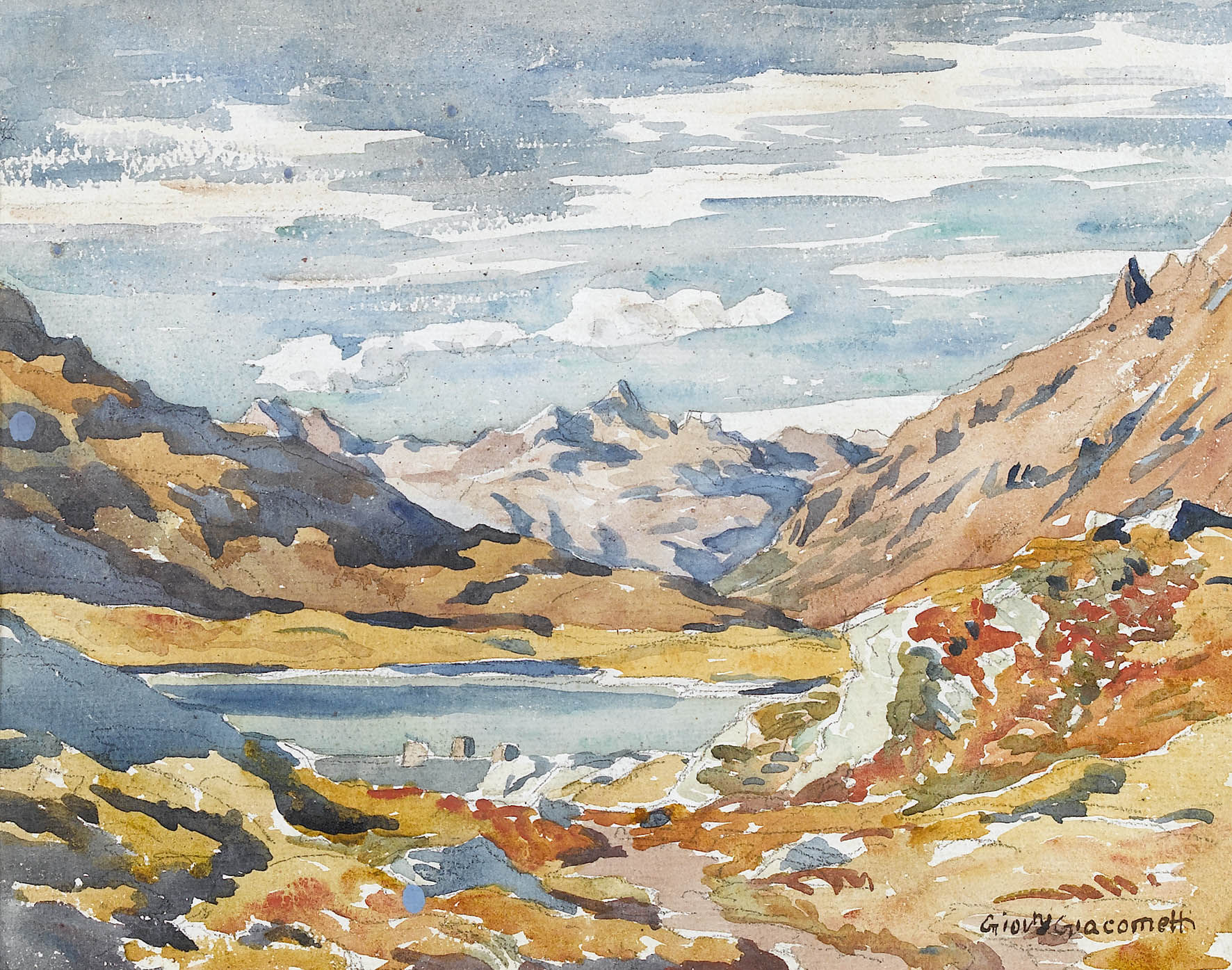
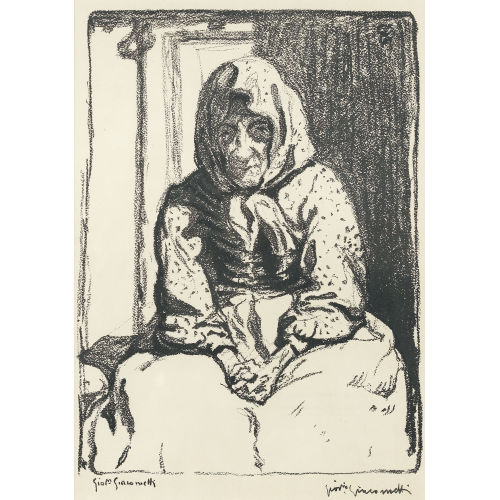
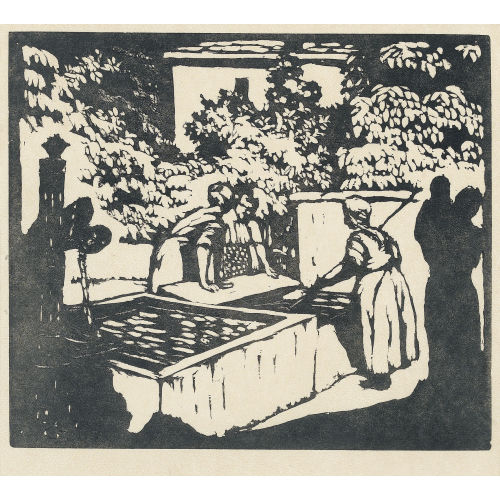
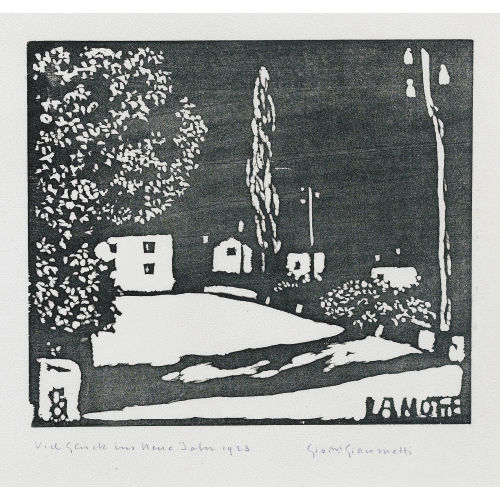
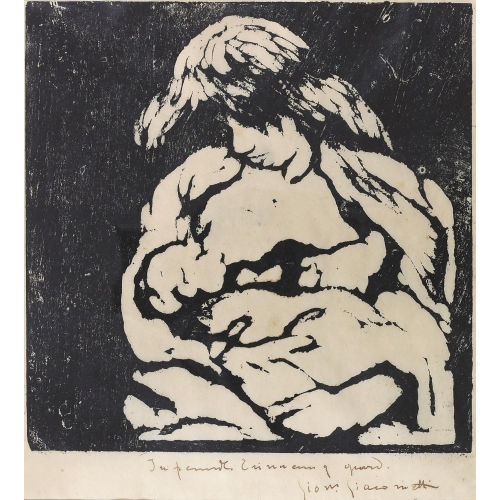
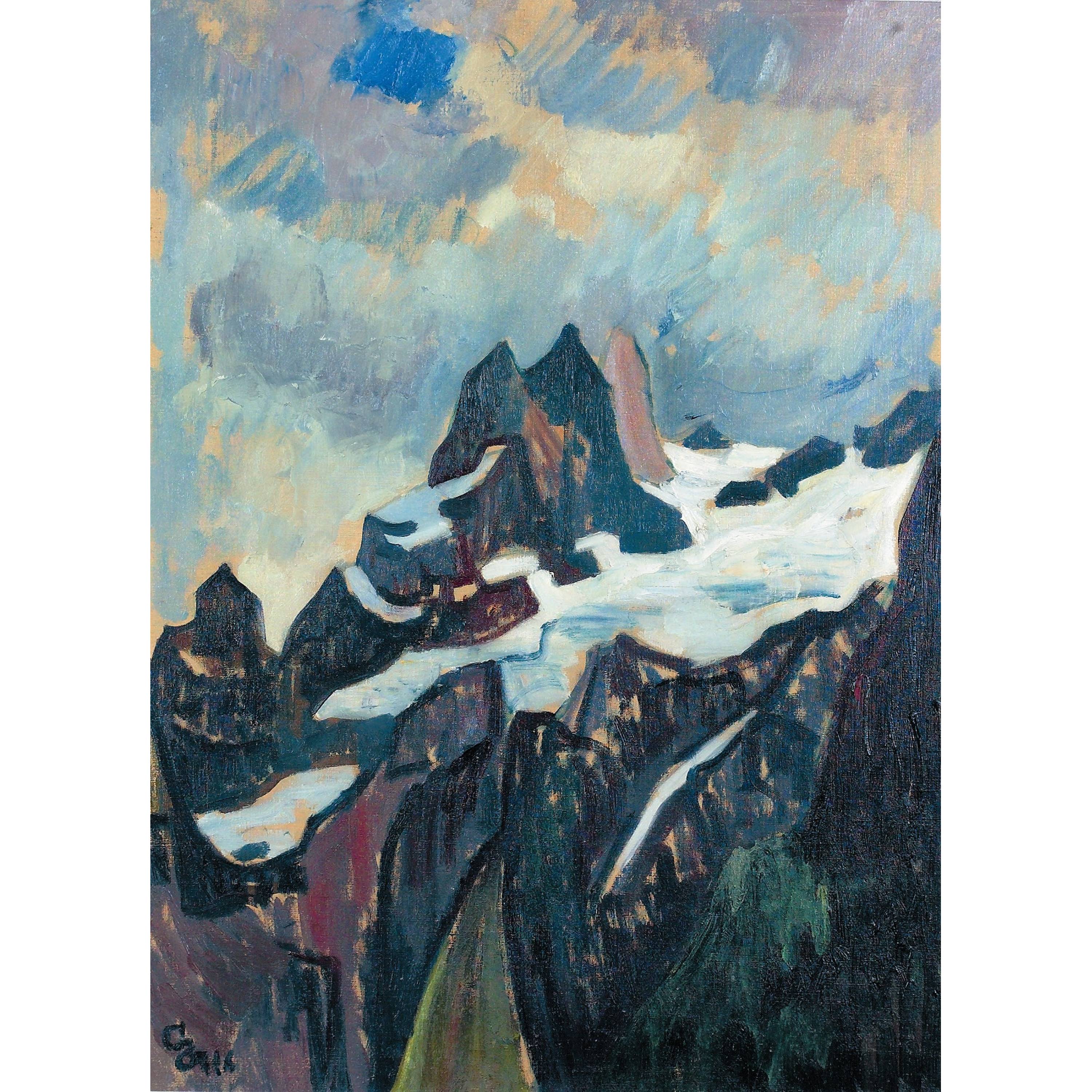
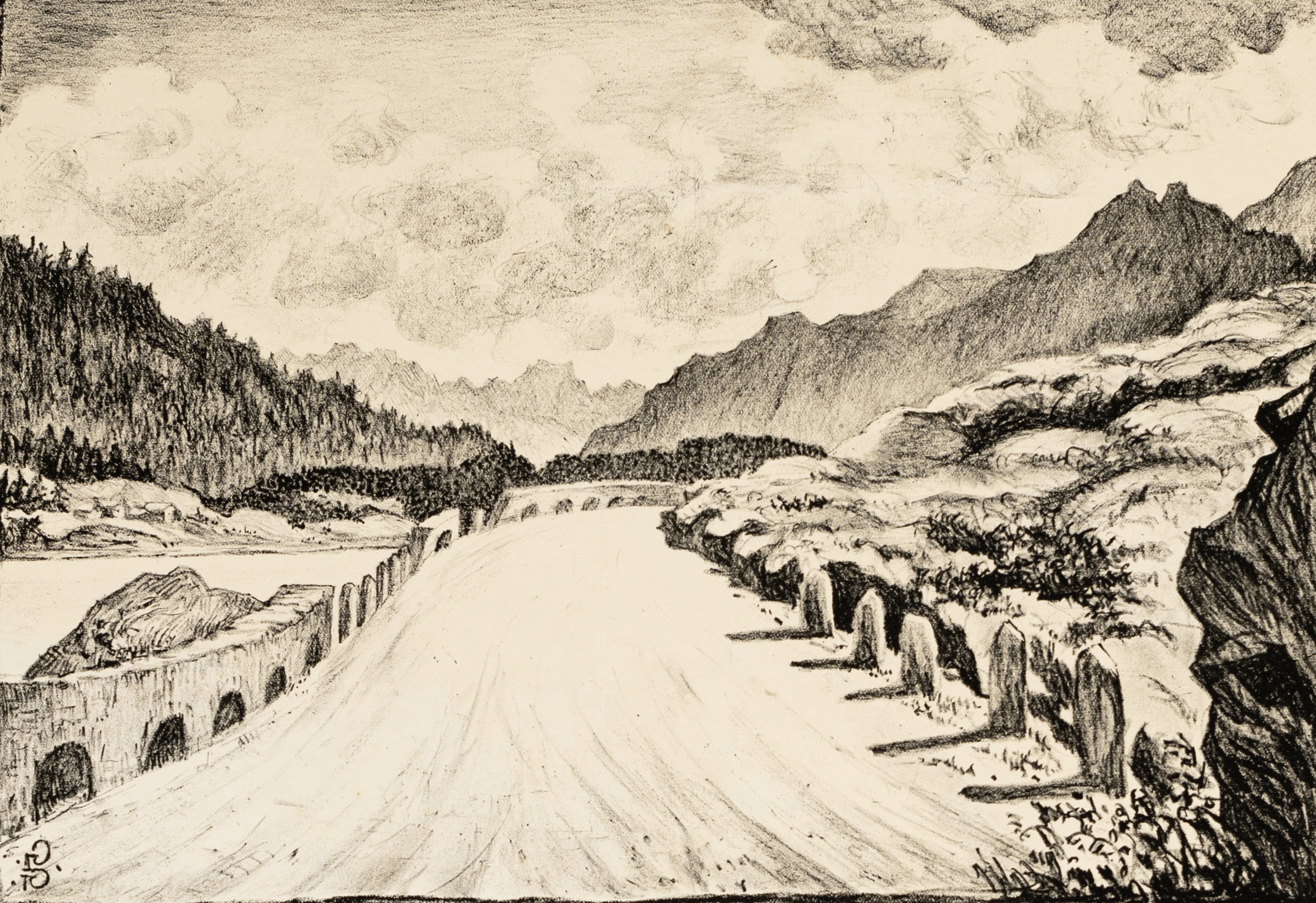
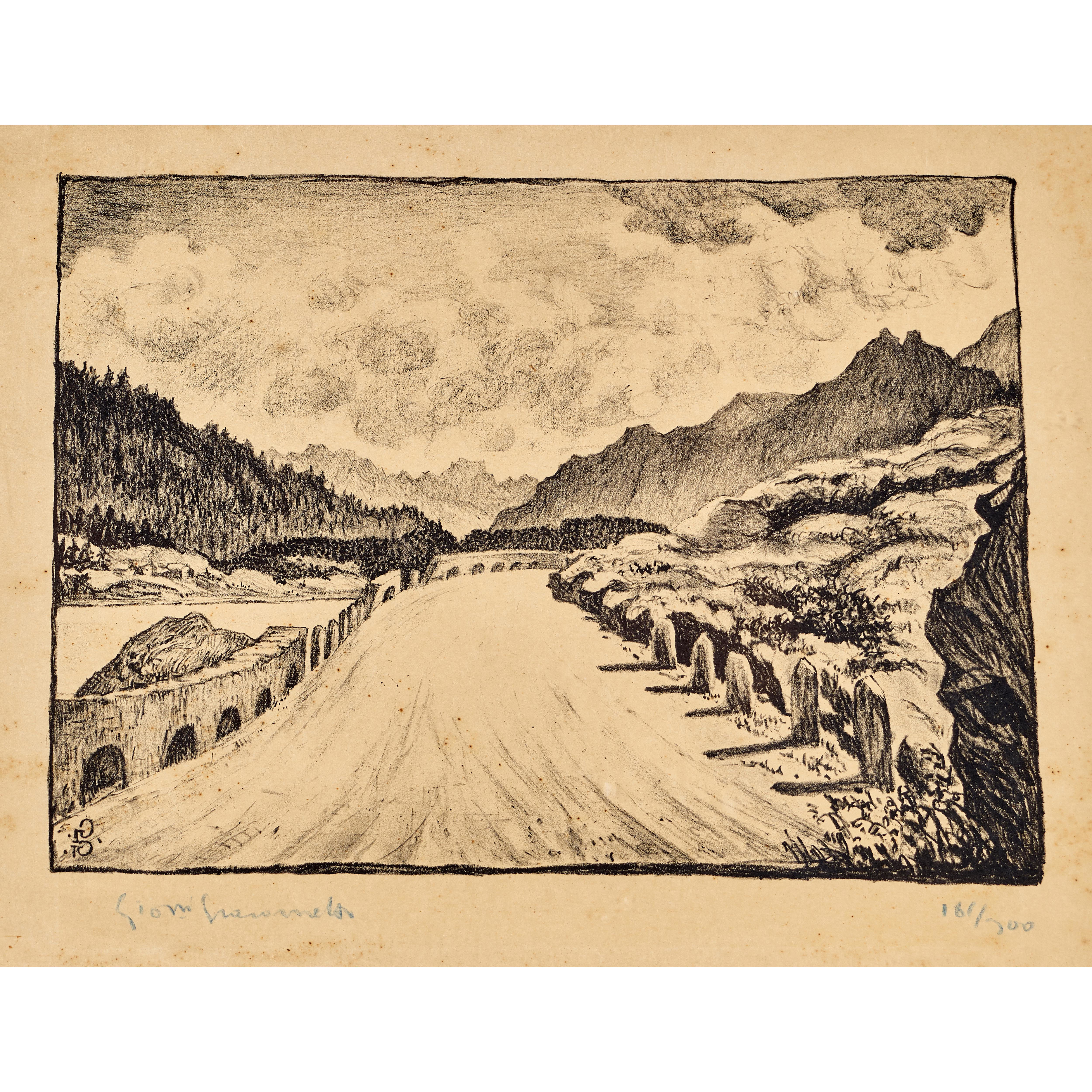
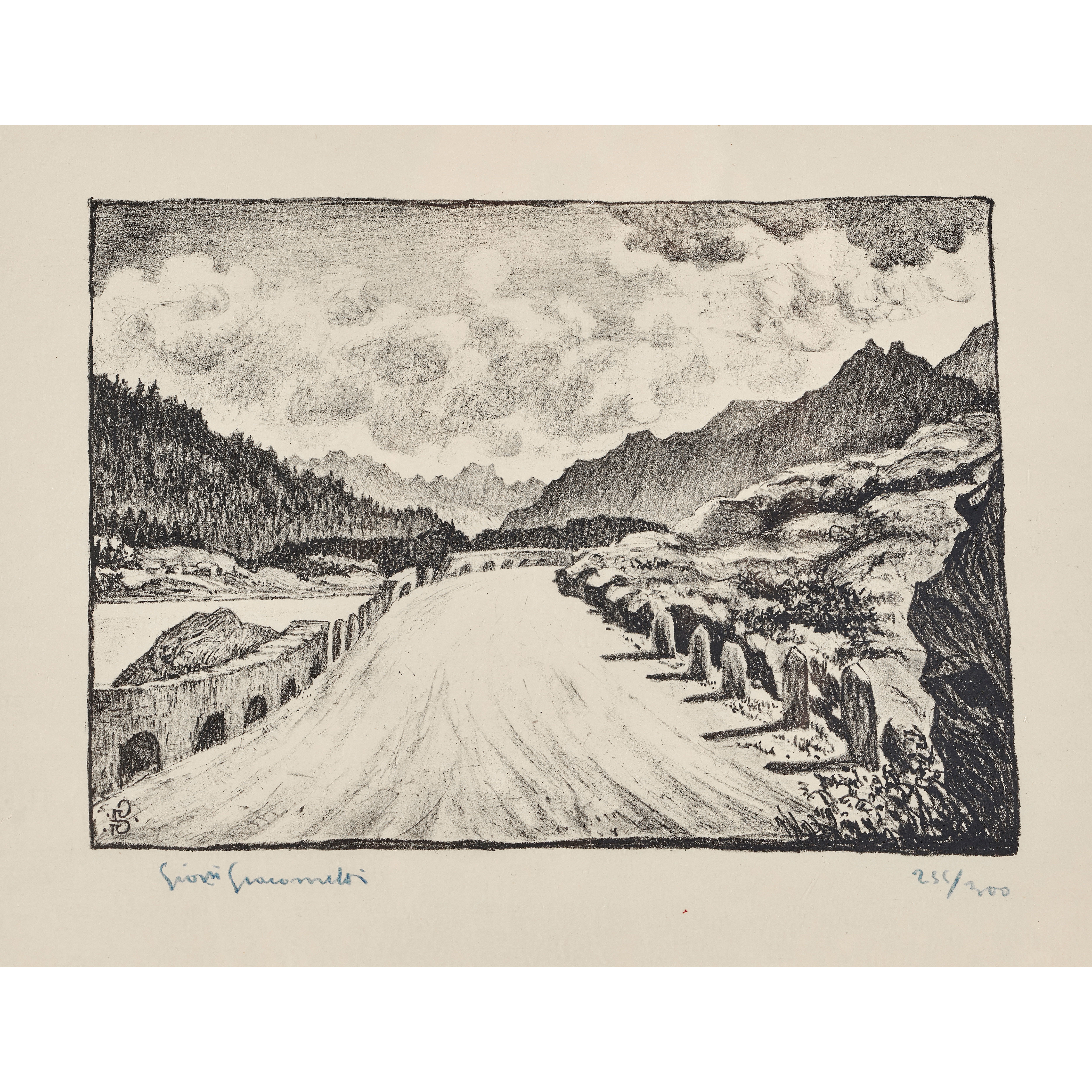
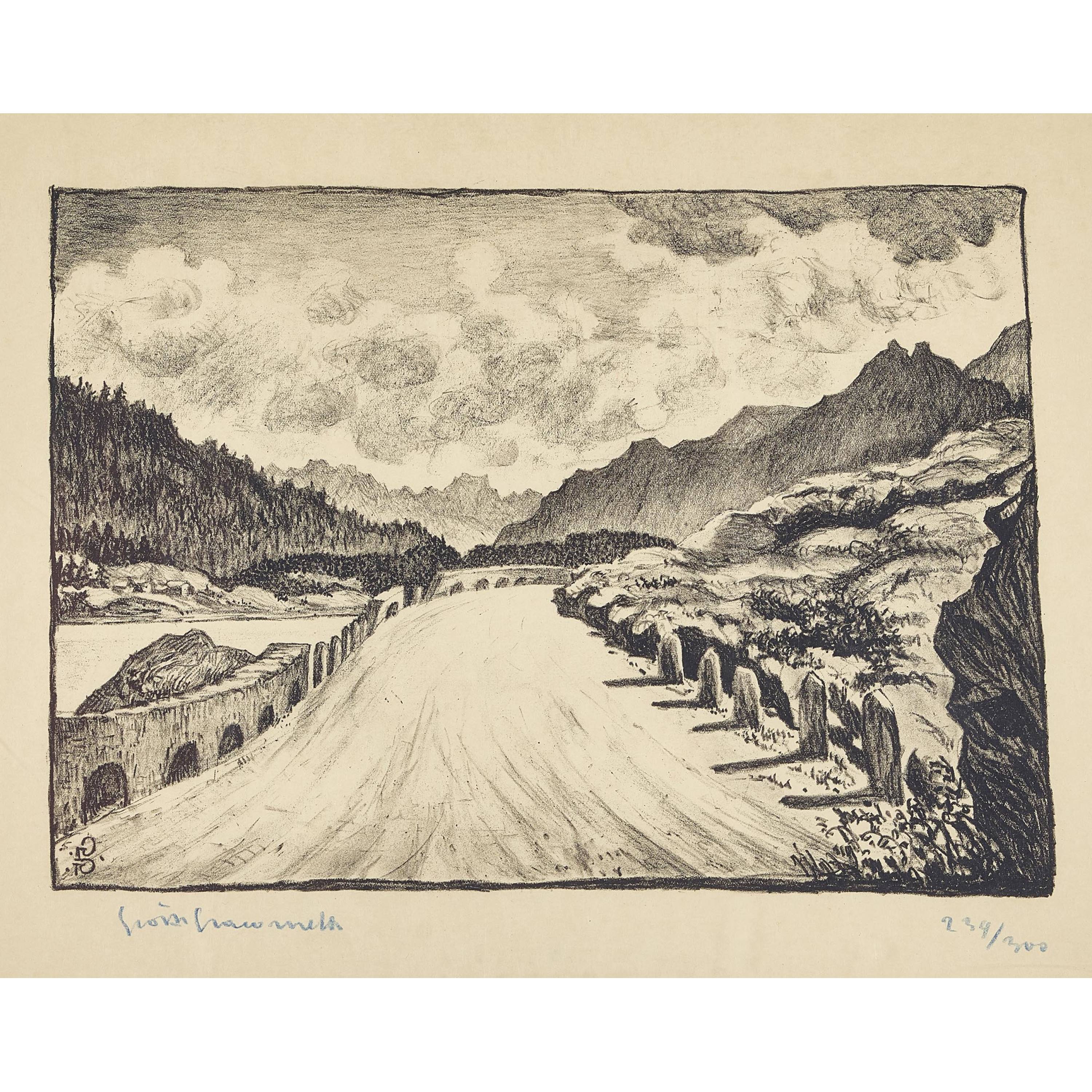
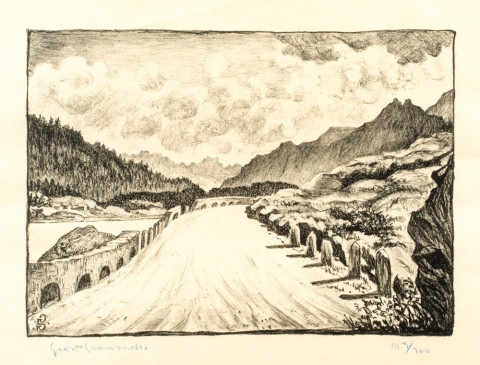
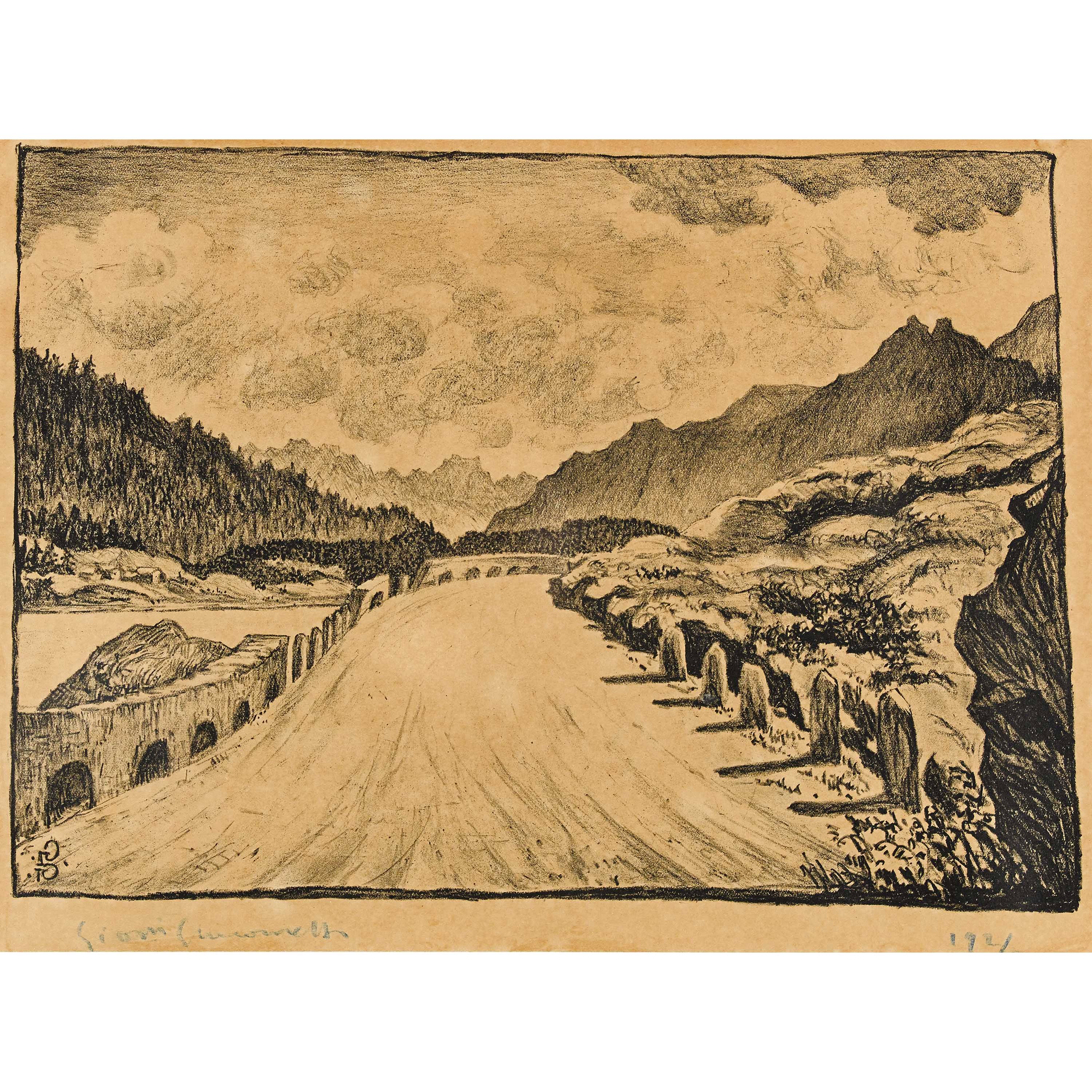
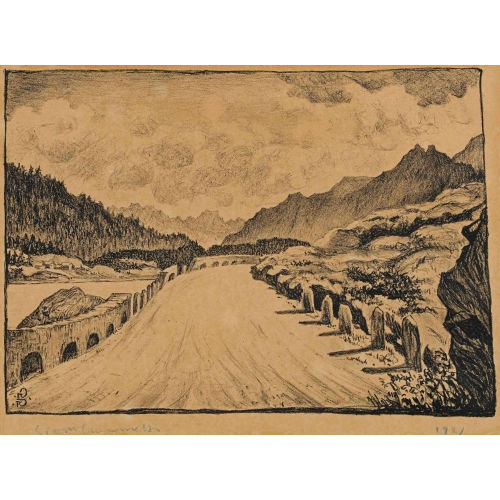
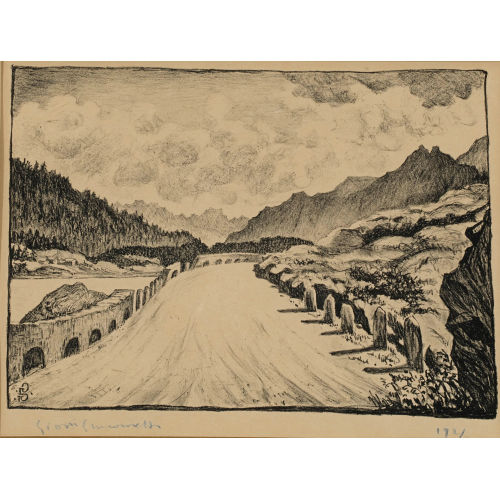
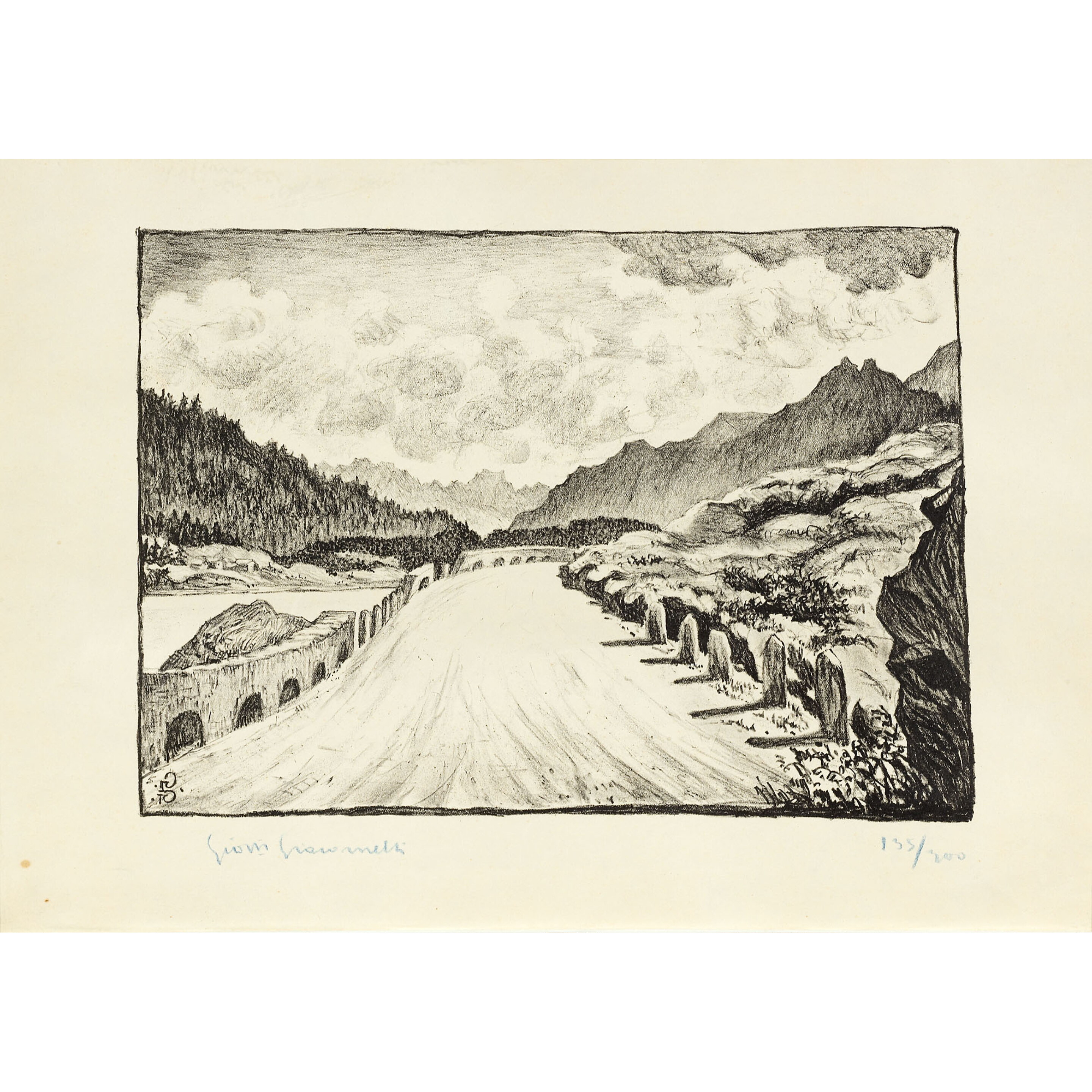
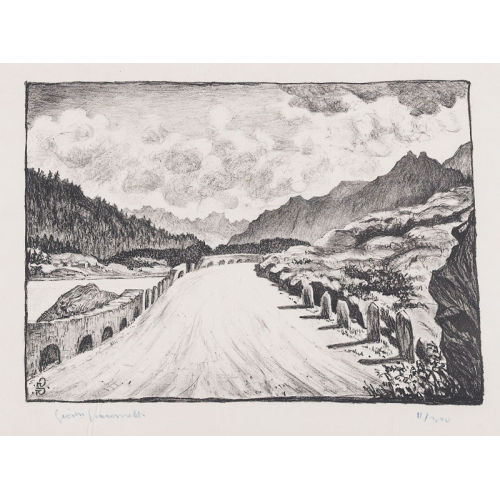
Based in the Bergell, he drew his motifs from the mountain landscapes, villages and life of his region. Alongside panoramas of the Bergell and Maloja, he produced still lifes, figure compositions and numerous portraits. His family, especially his wife Annetta and their children, occupies an important place in this body of work.
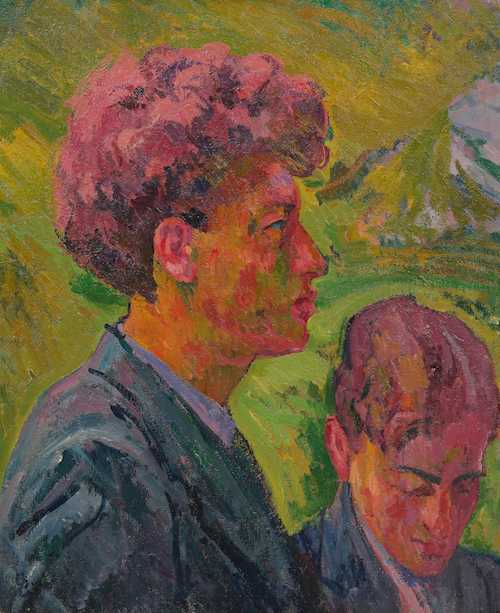
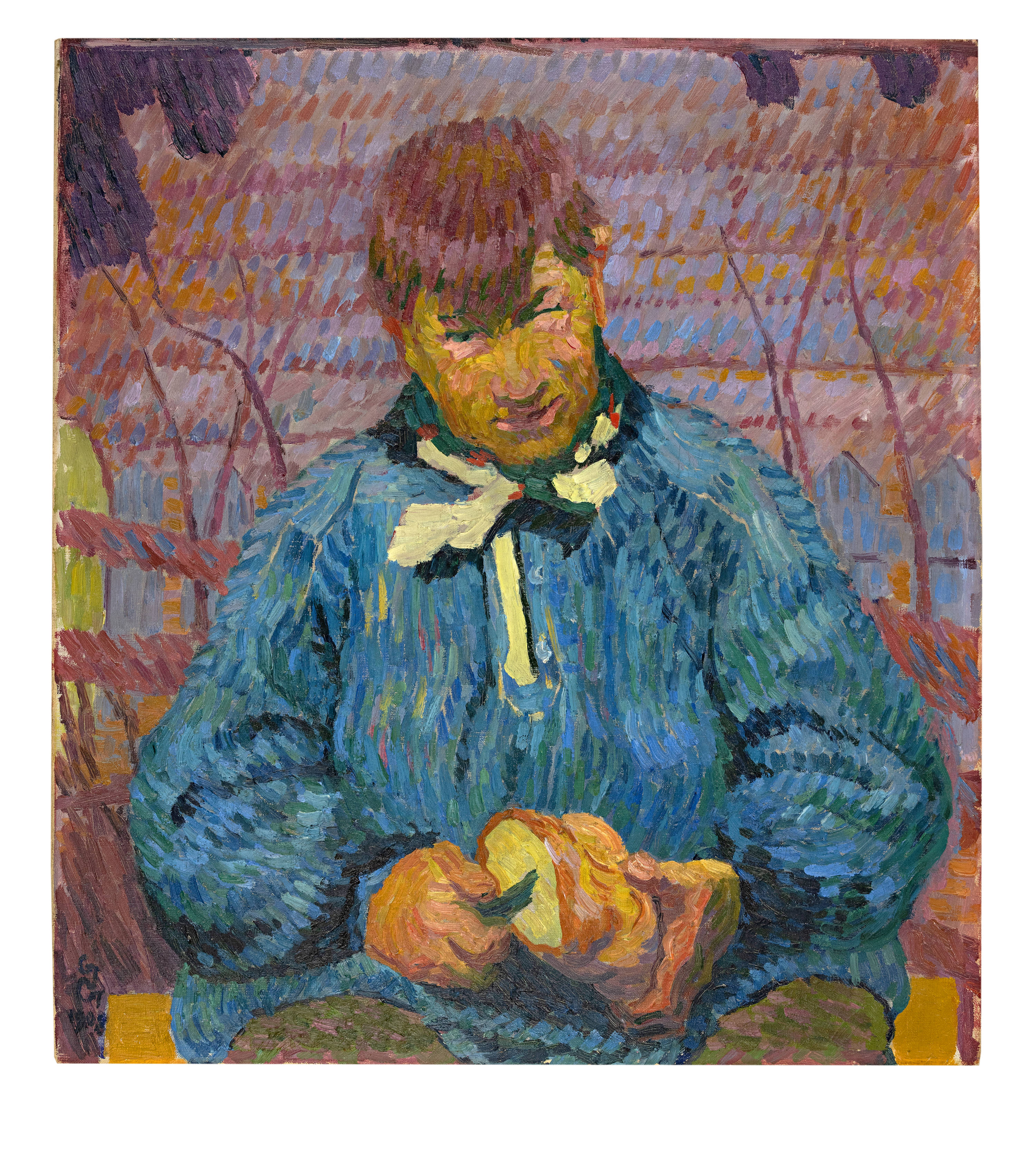
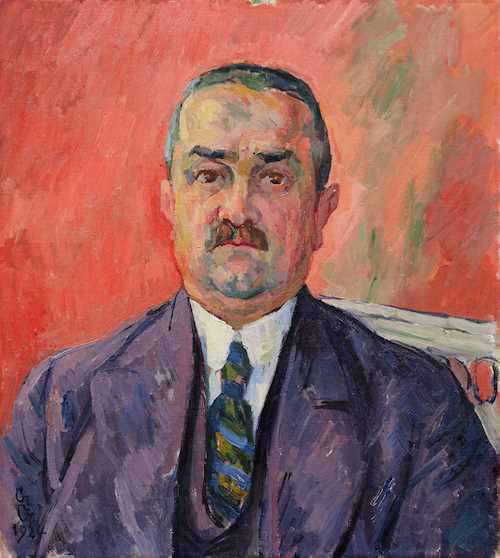
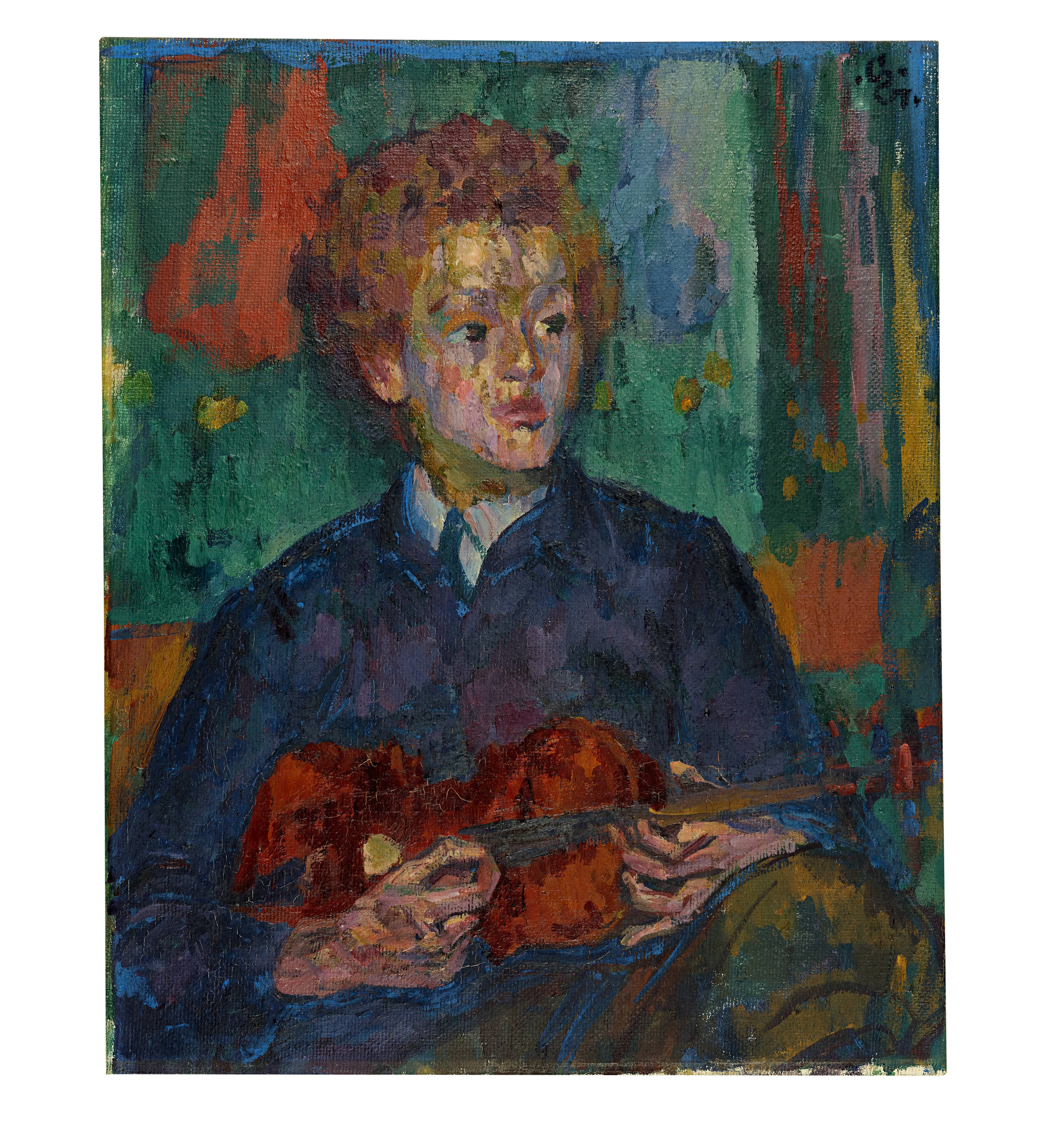
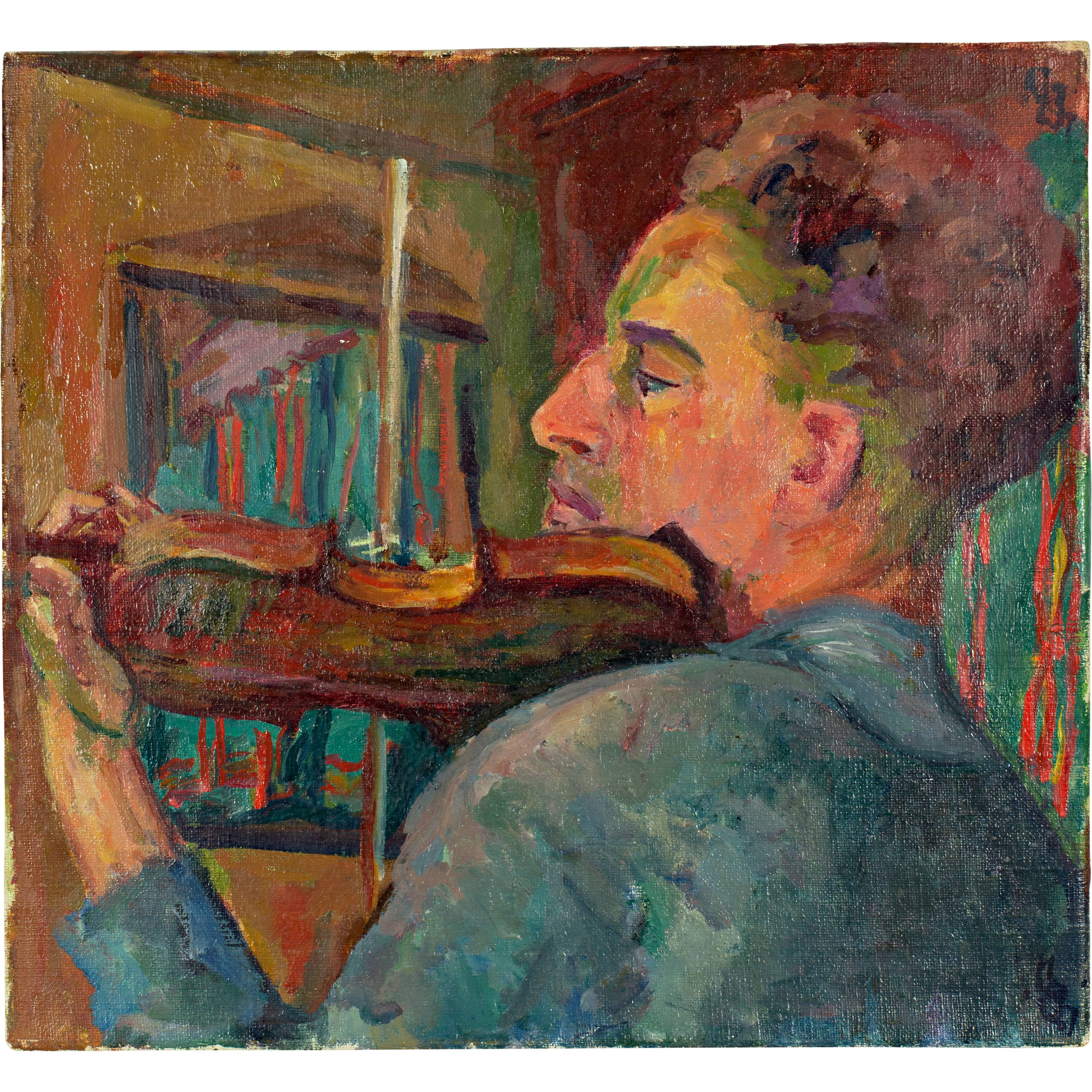
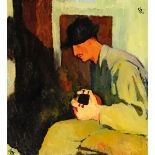
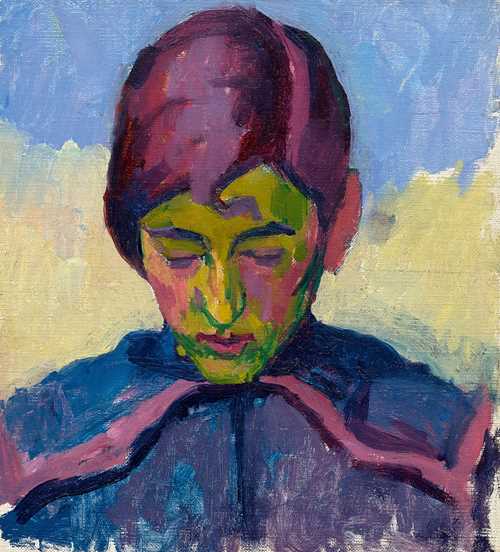
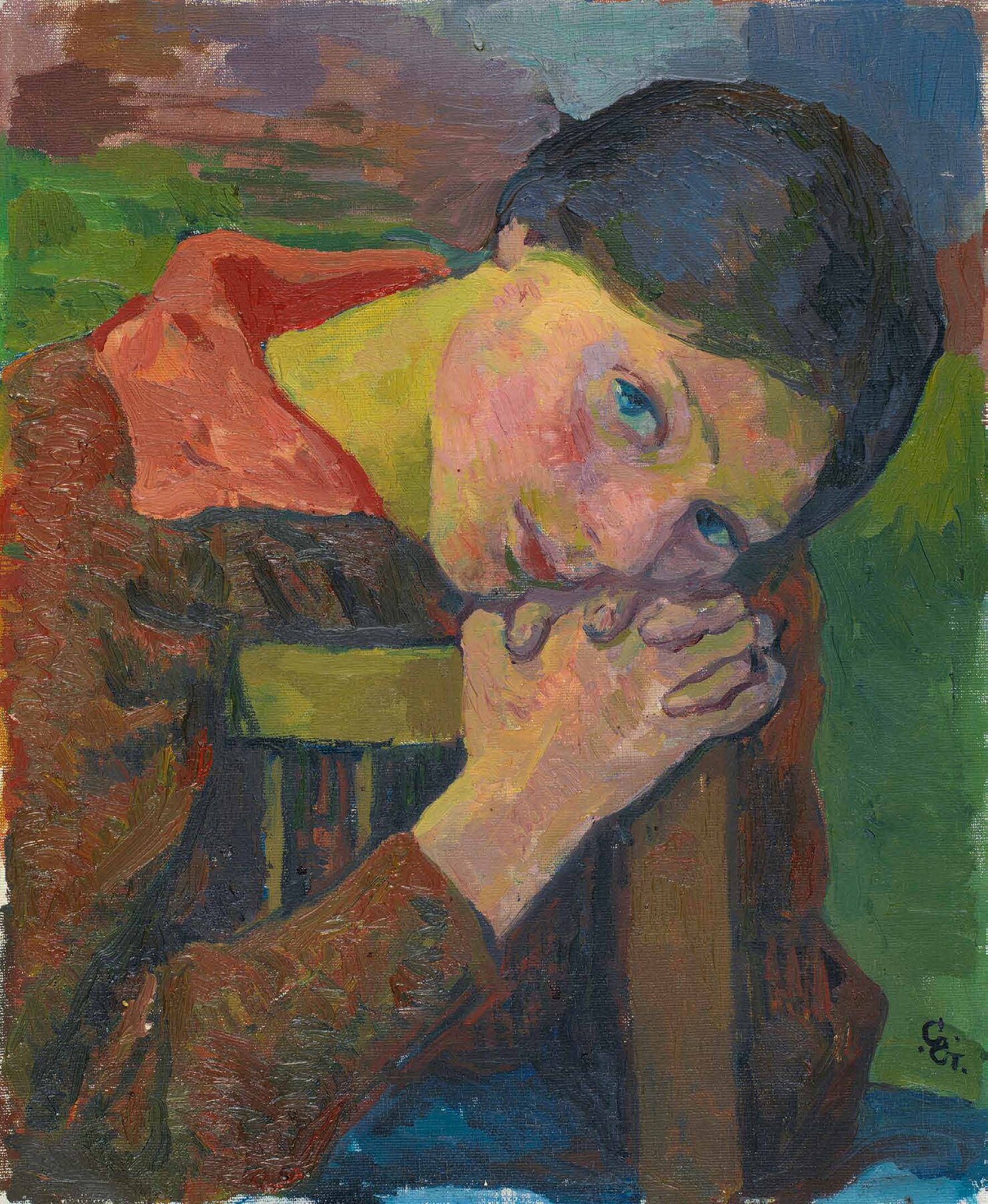
The portrait of Alberto, painted in 1921, shows how an intimate scene also becomes a formal investigation: the broad lines of the face and the harmonies of violet, grey, green, yellow and red lend the young man a meditative presence. The painting is now held by the Musée cantonal des Beaux-Arts de Lausanne.
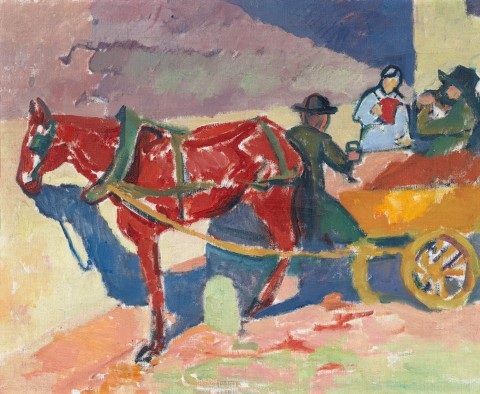
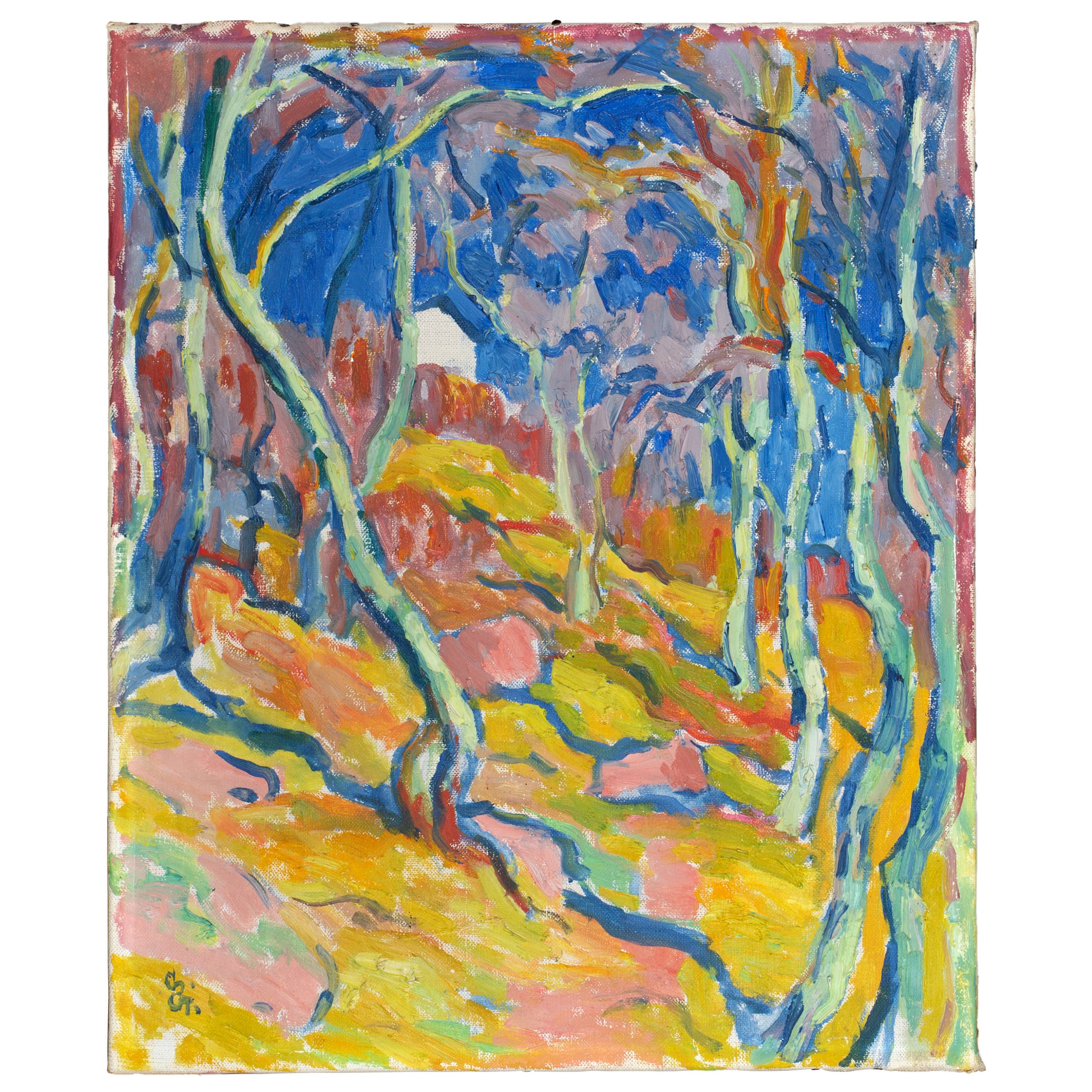
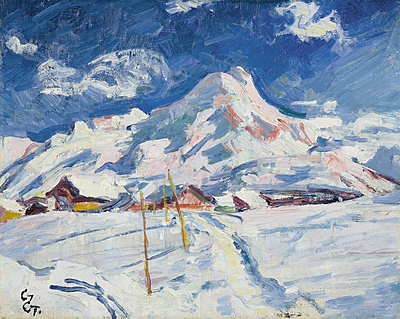
In 1898, he took part with Amiet and Ferdinand Hodler in a much-noted exhibition at the Künstlerhaus in Zurich. His work contributed to the renewal of Swiss painting at the turn of the twentieth century, between Impressionism, Post-Impressionism and Fauvism. The Kunstmuseum Bern and the Bündner Kunstmuseum devoted a retrospective to him in 2009–2010, highlighting the role of colour and variations in light in his landscapes.
His “Registro dei quadri”, a notebook in which he sketched and documented more than five hundred paintings, also offers a rare testimony to his work and to the memory he constructed of his oeuvre.