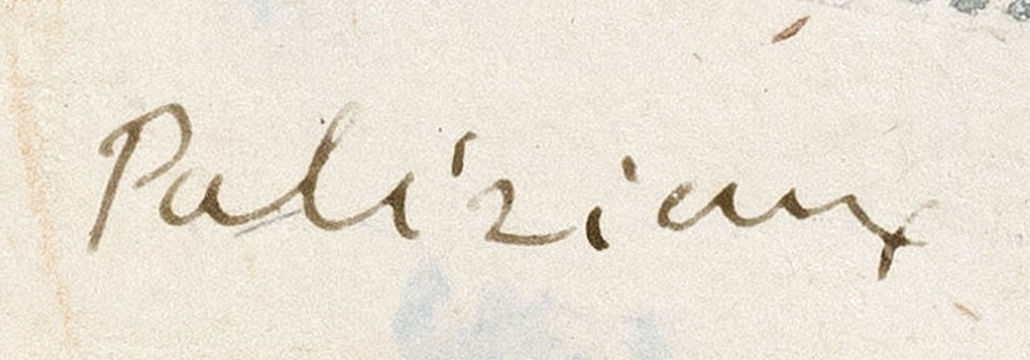
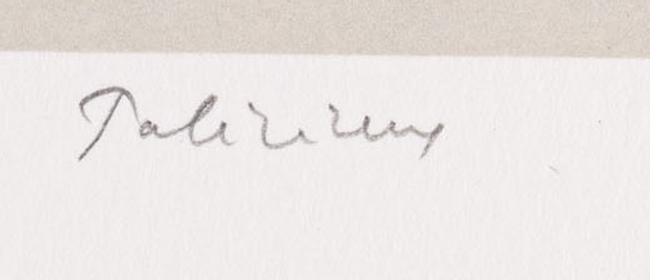
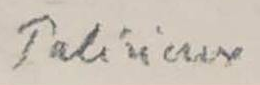
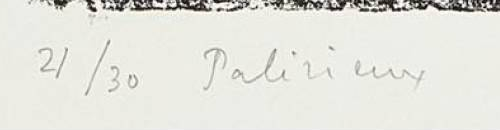
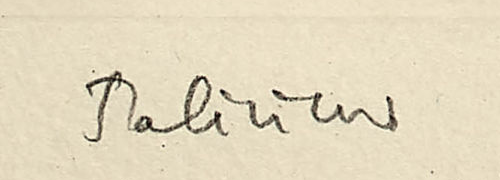
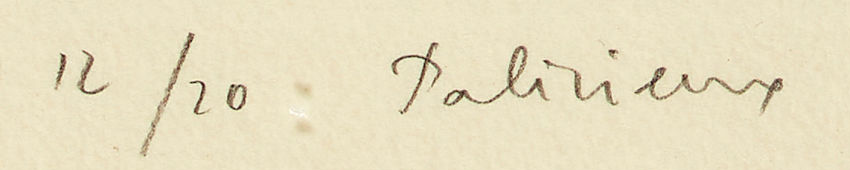
Gérard de Palézieux
Born in 1919.
Died in 2012.
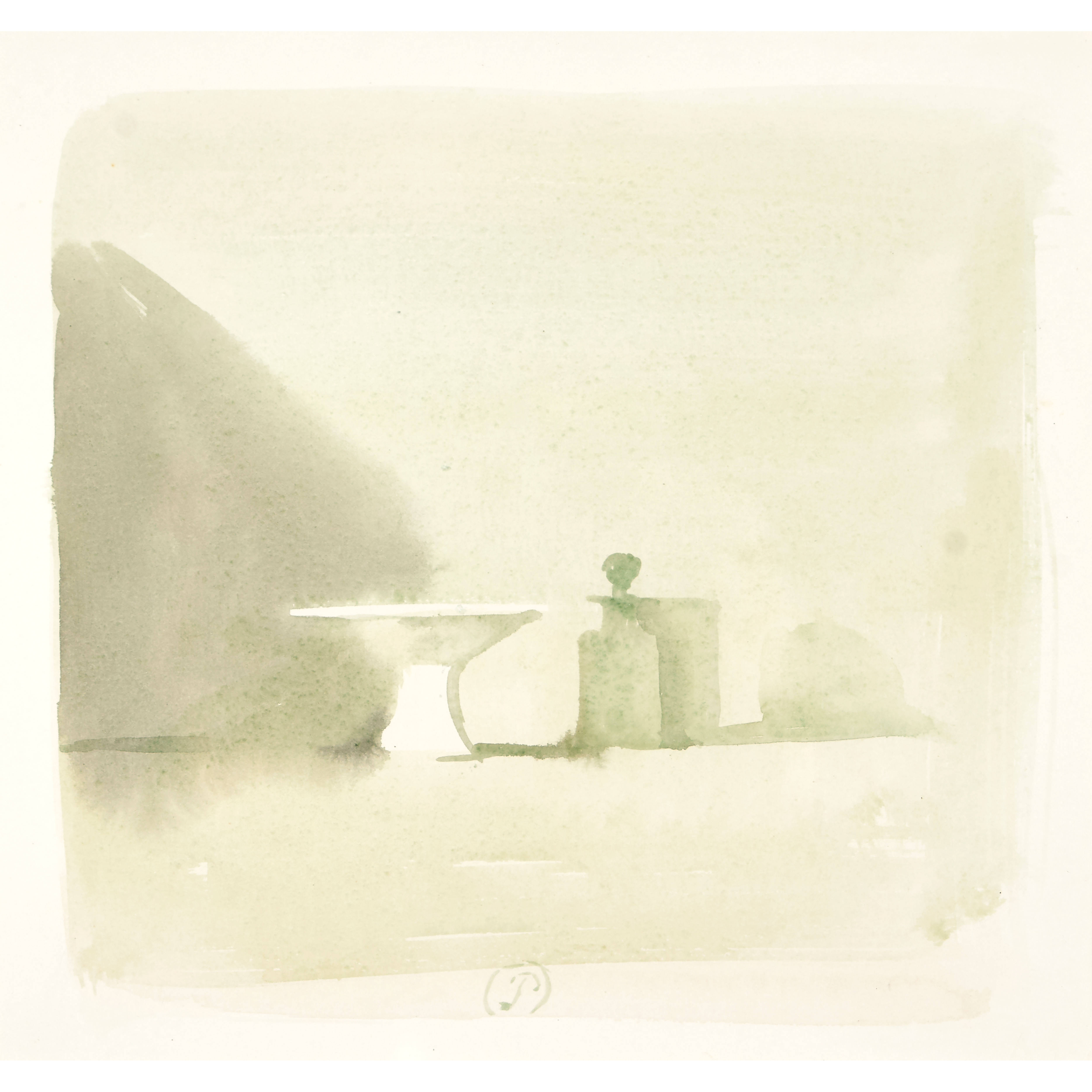
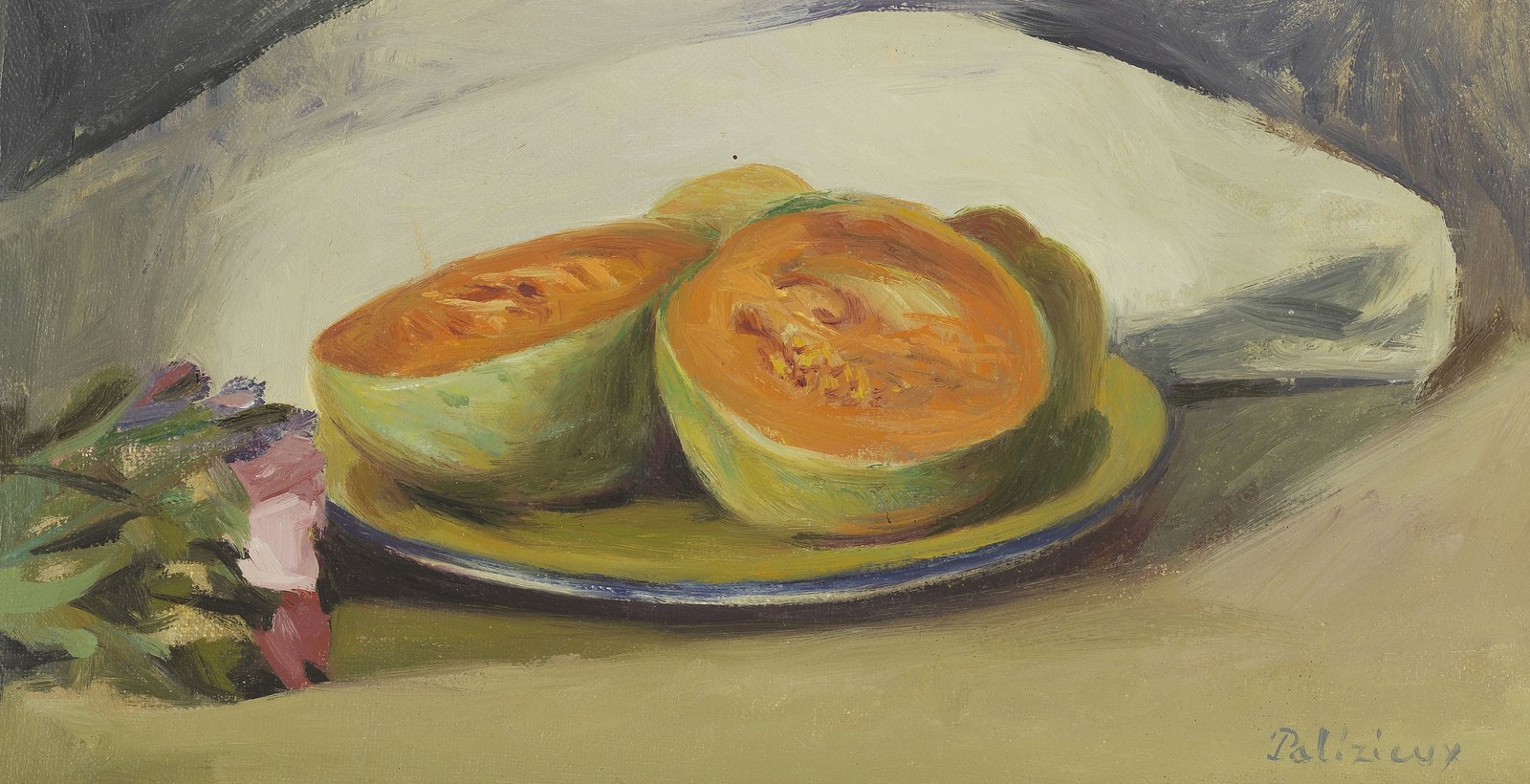
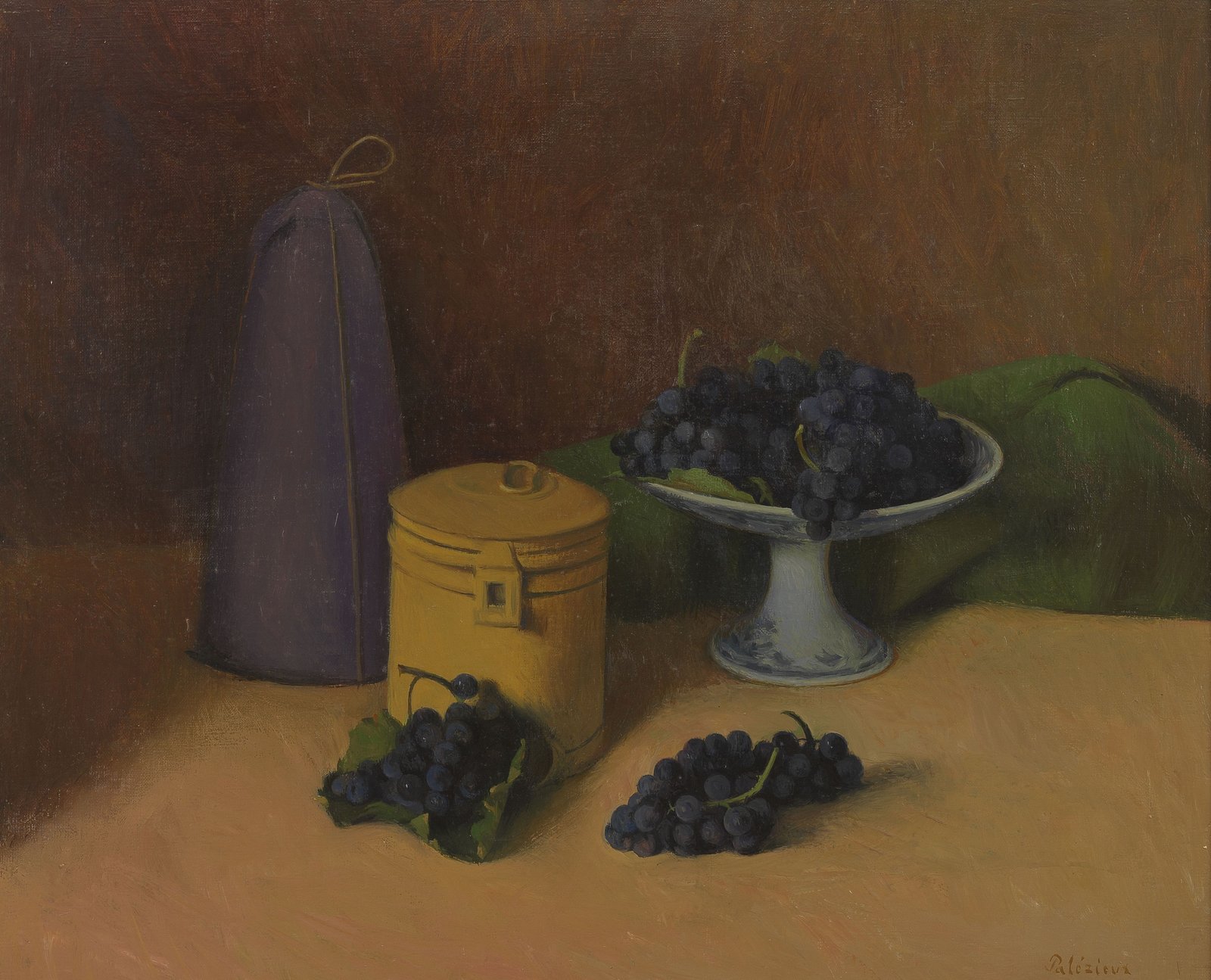
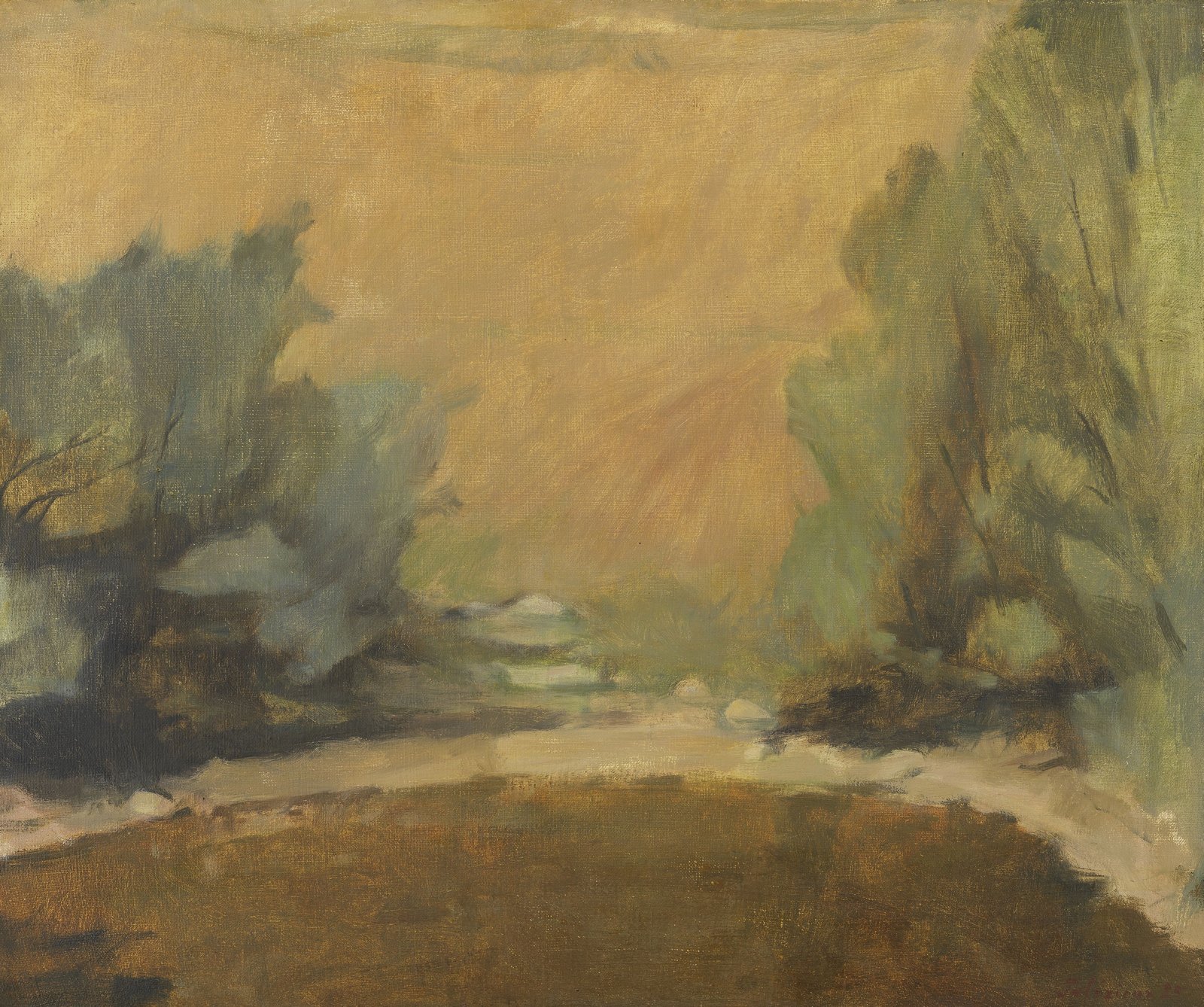
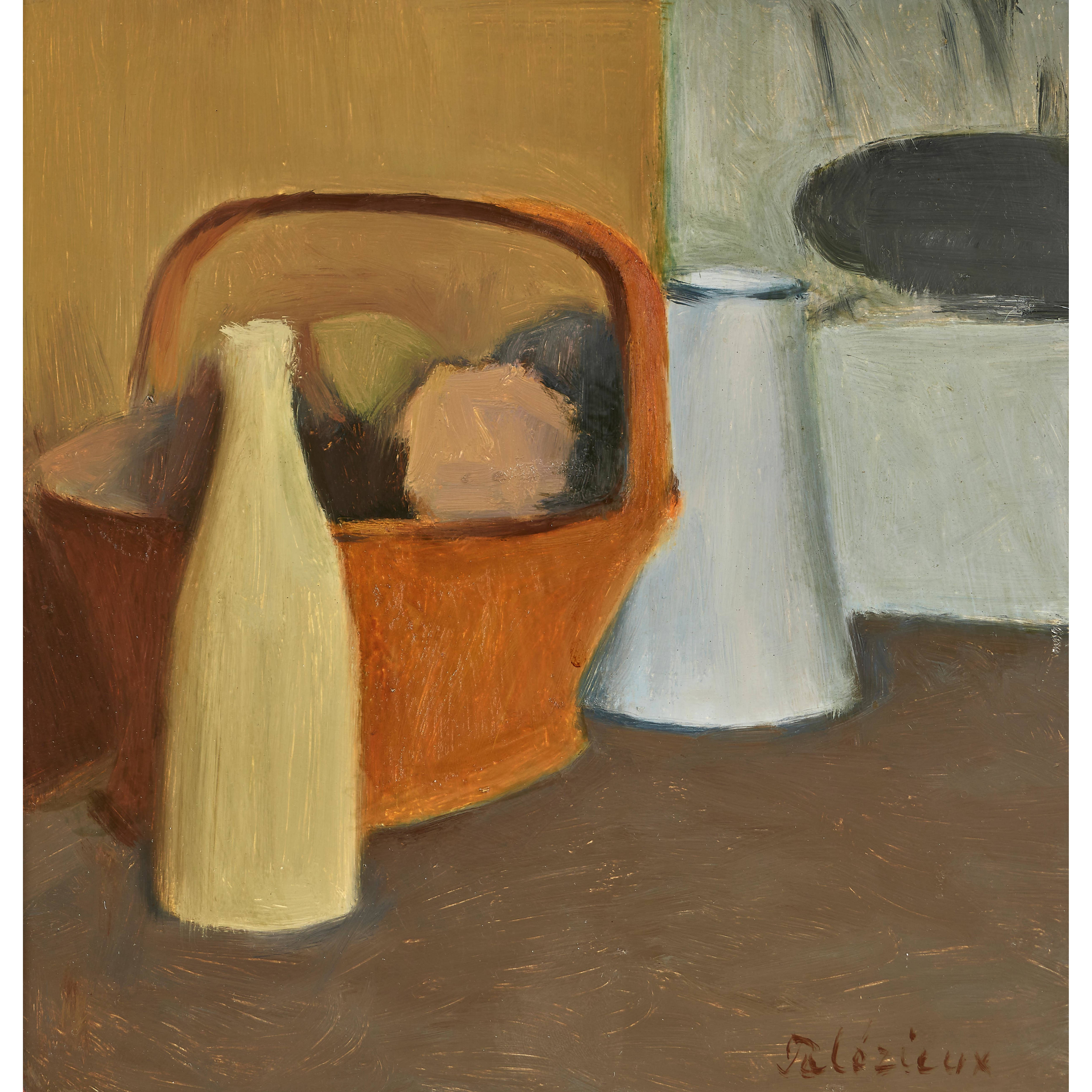
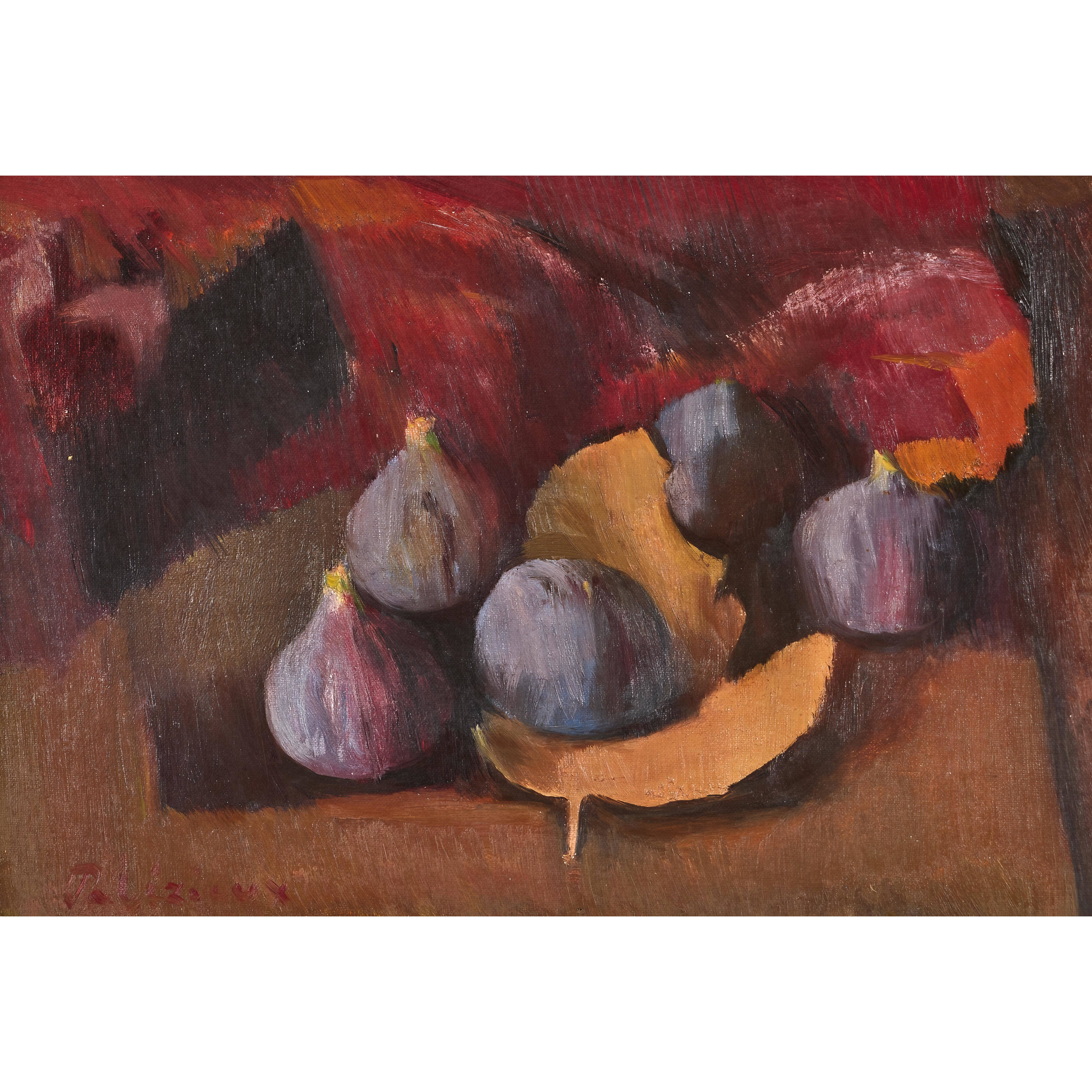
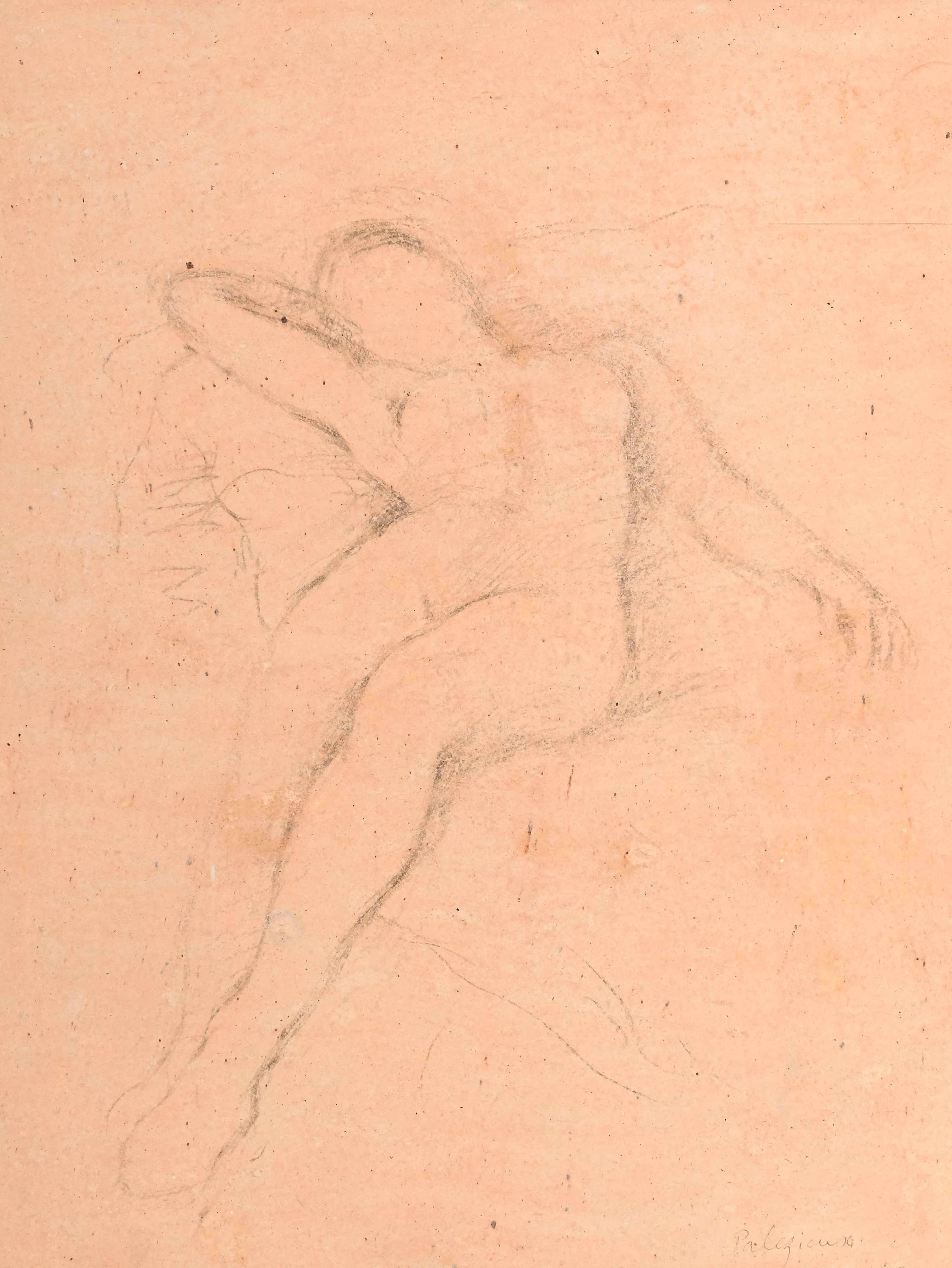
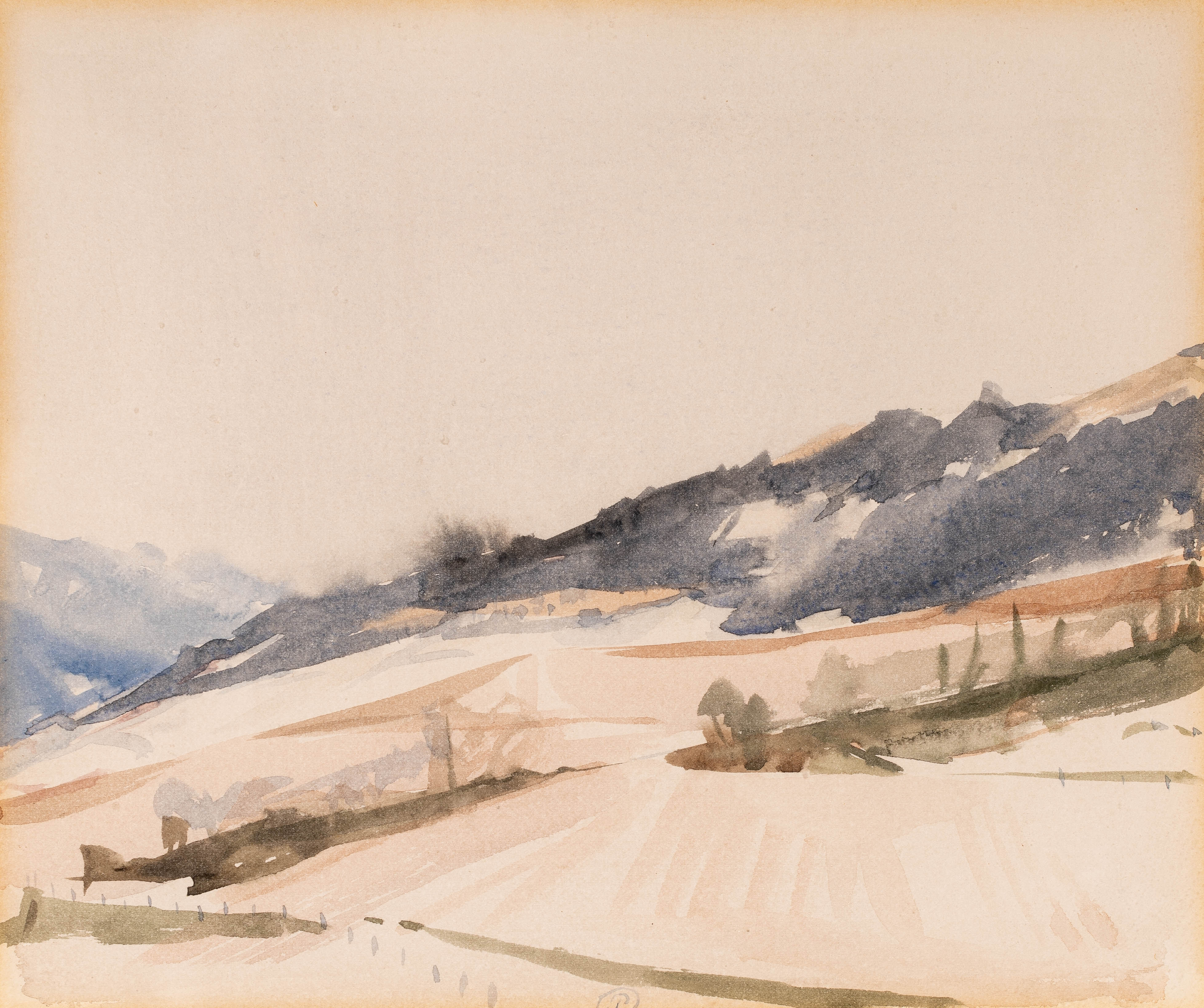
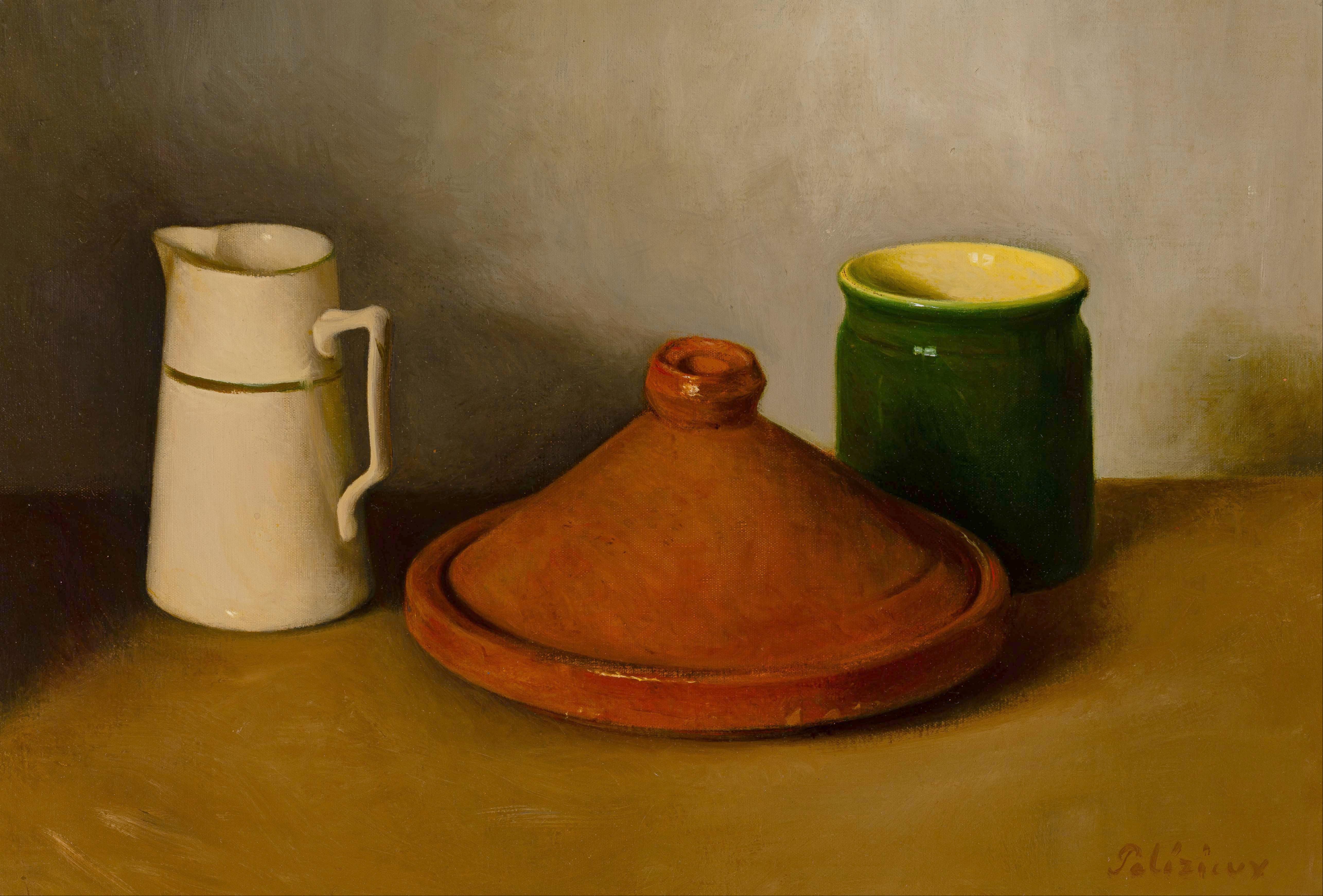
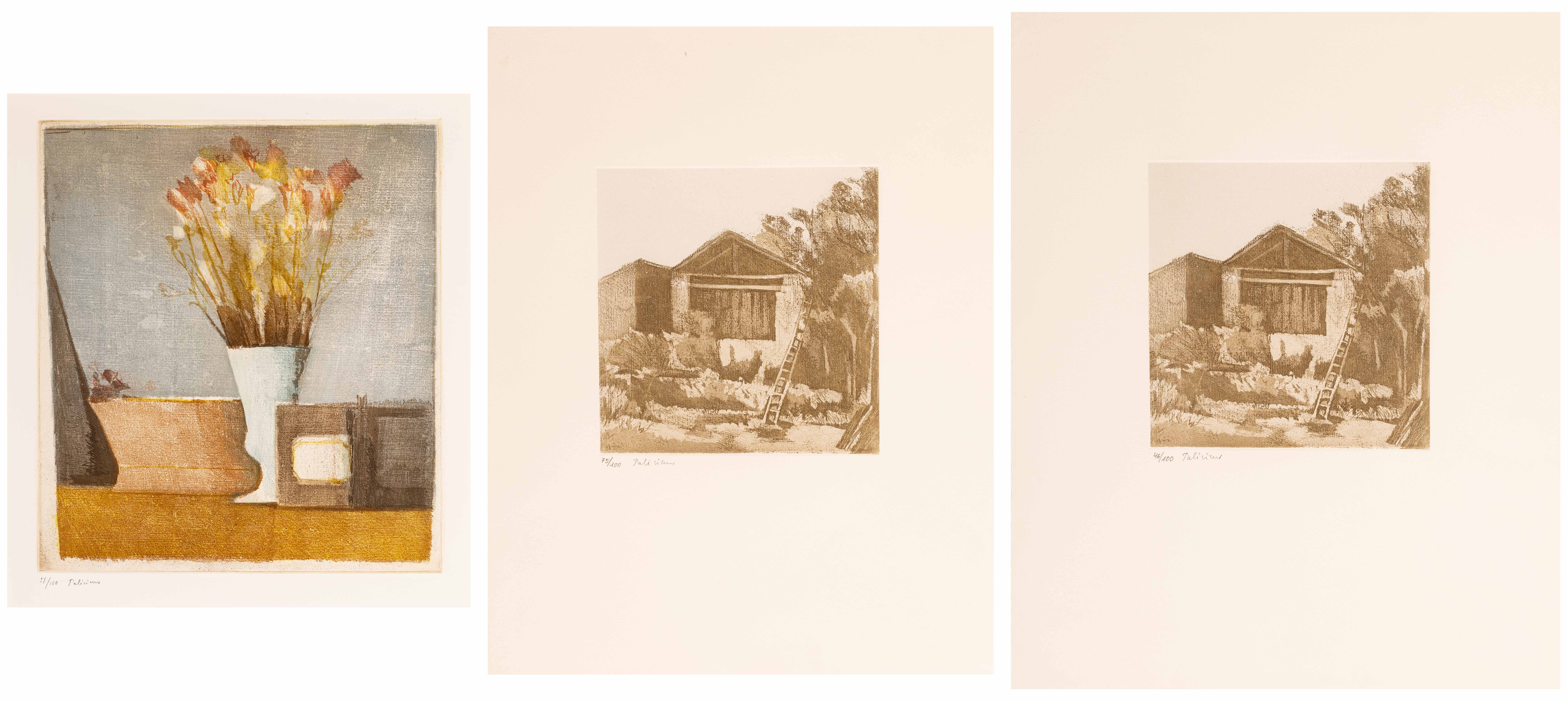
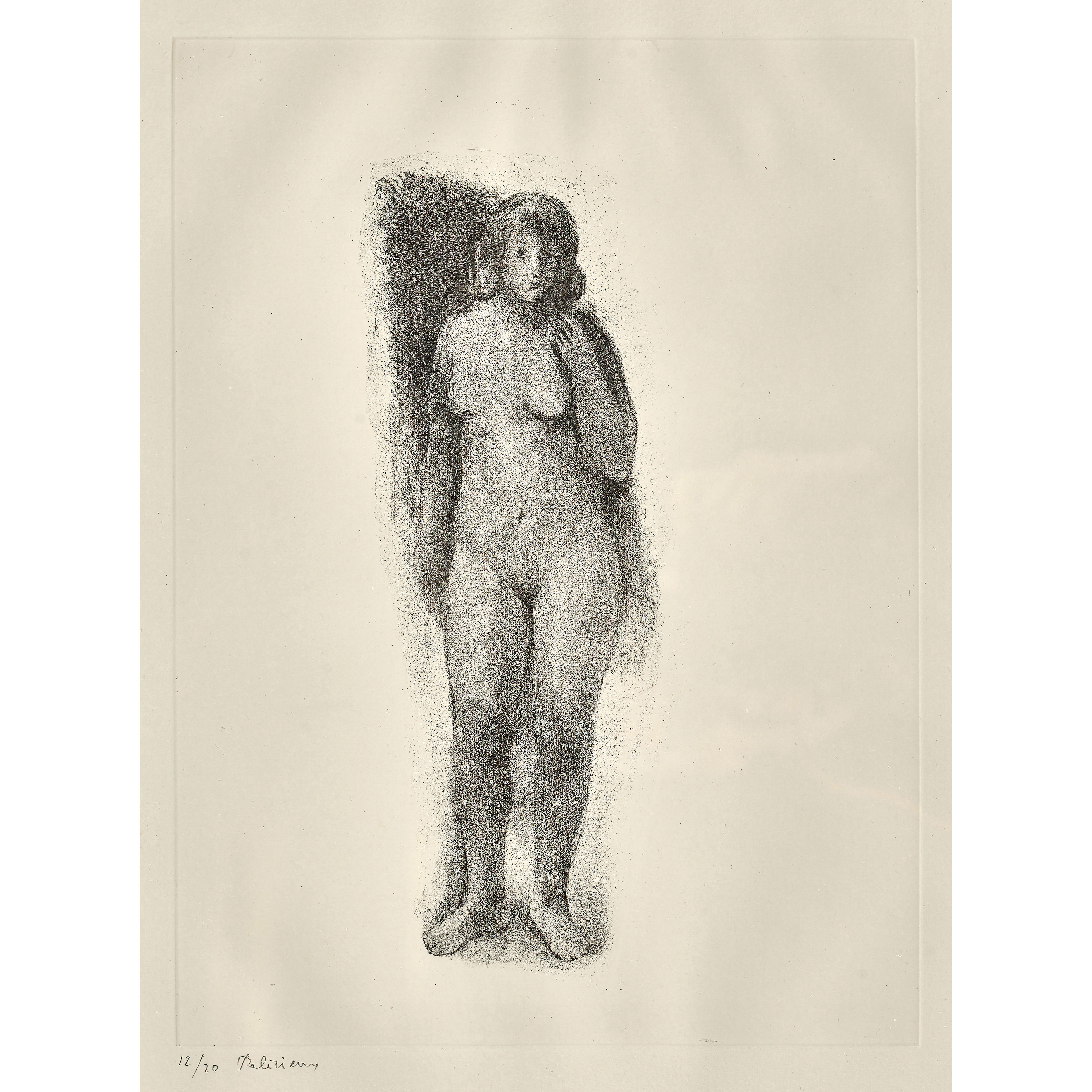
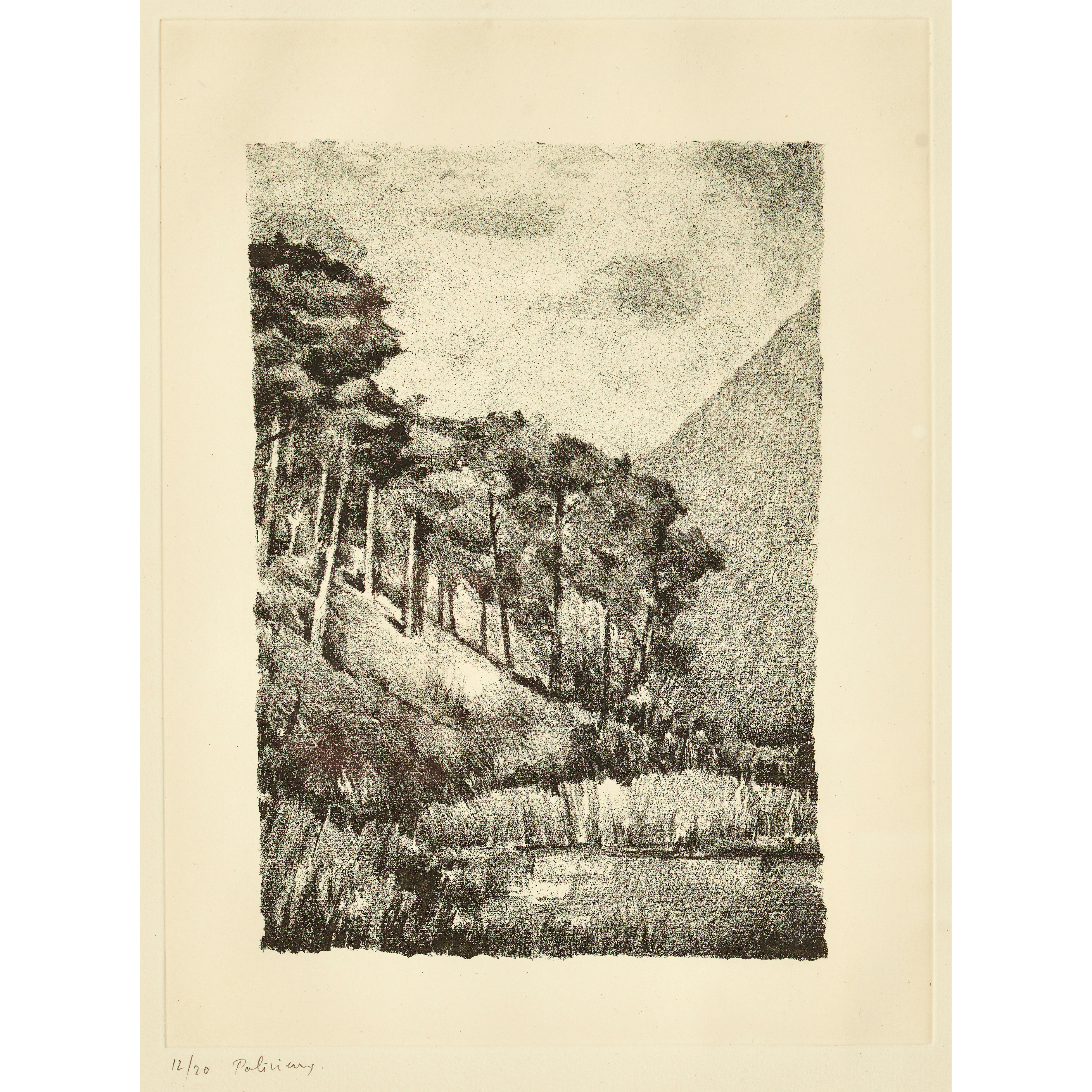
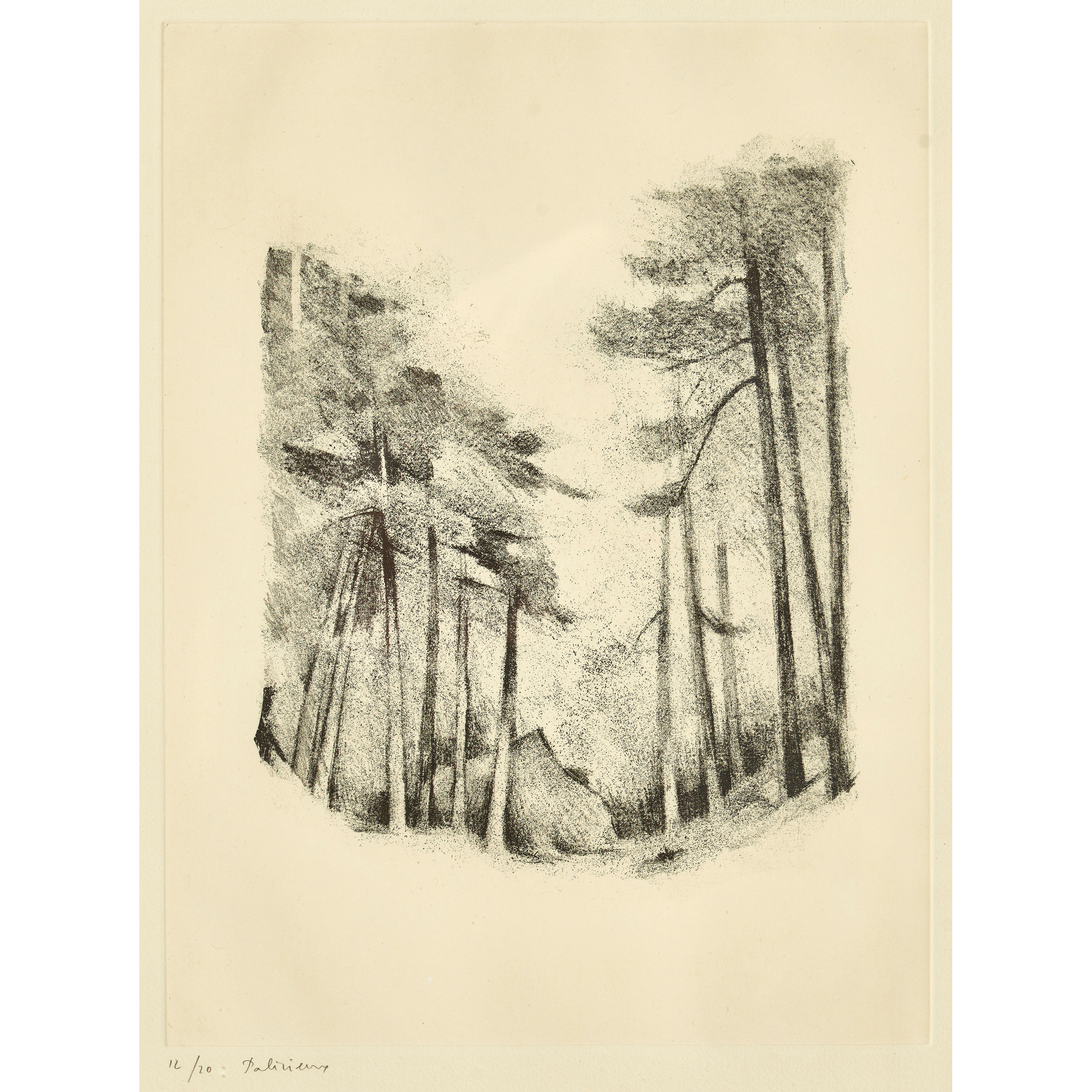
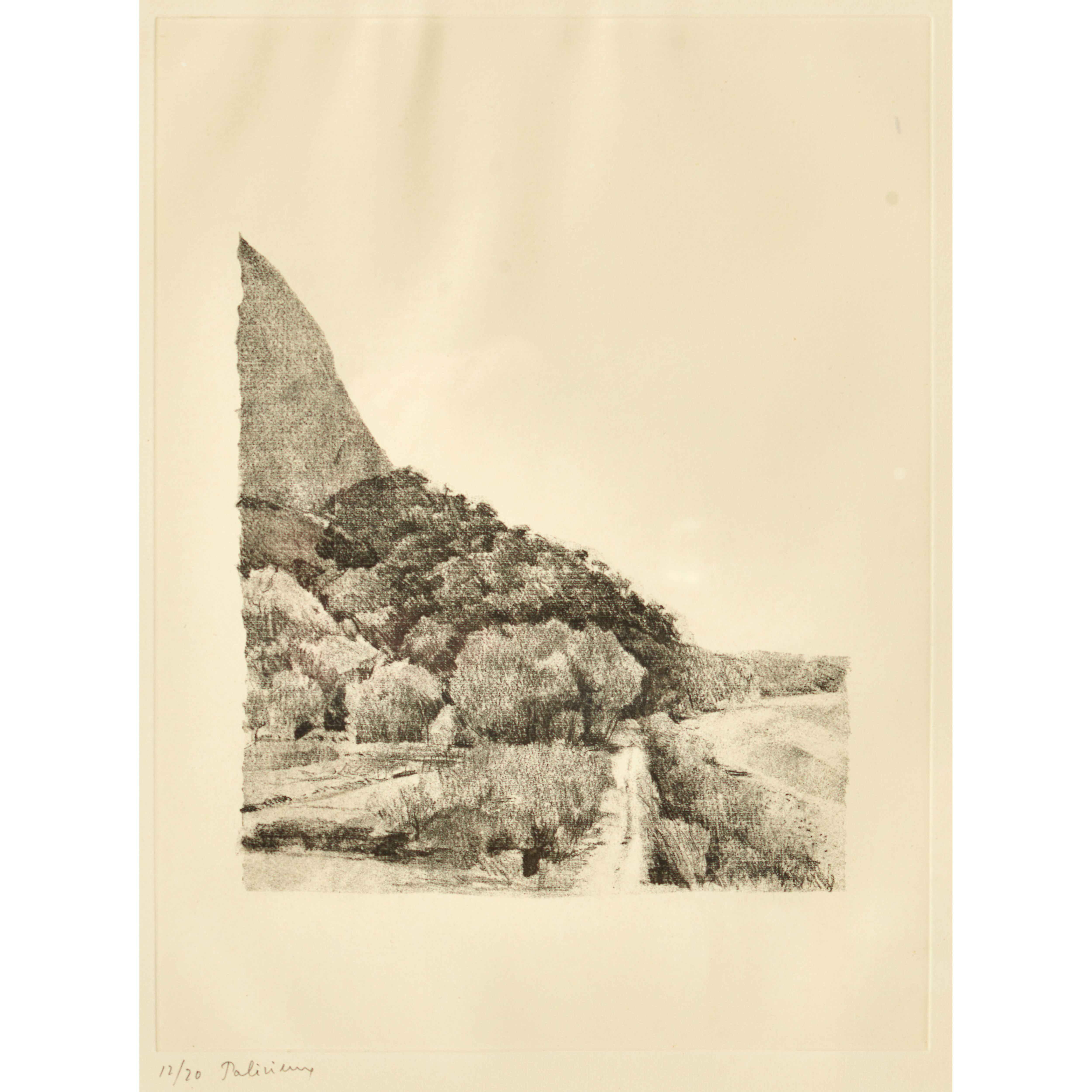
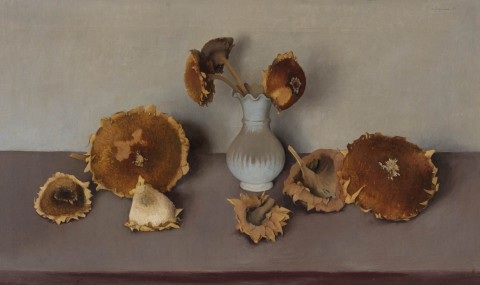
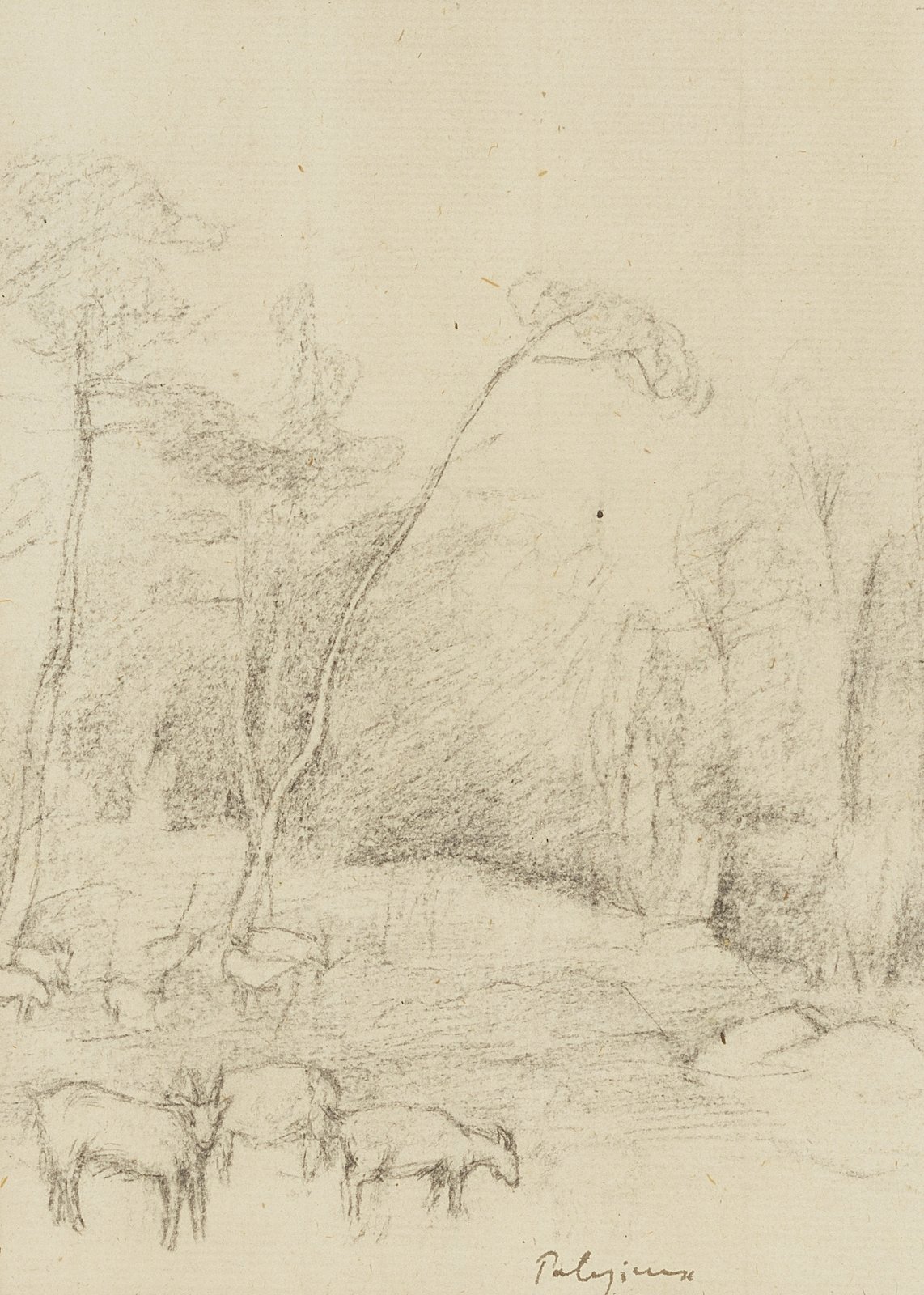
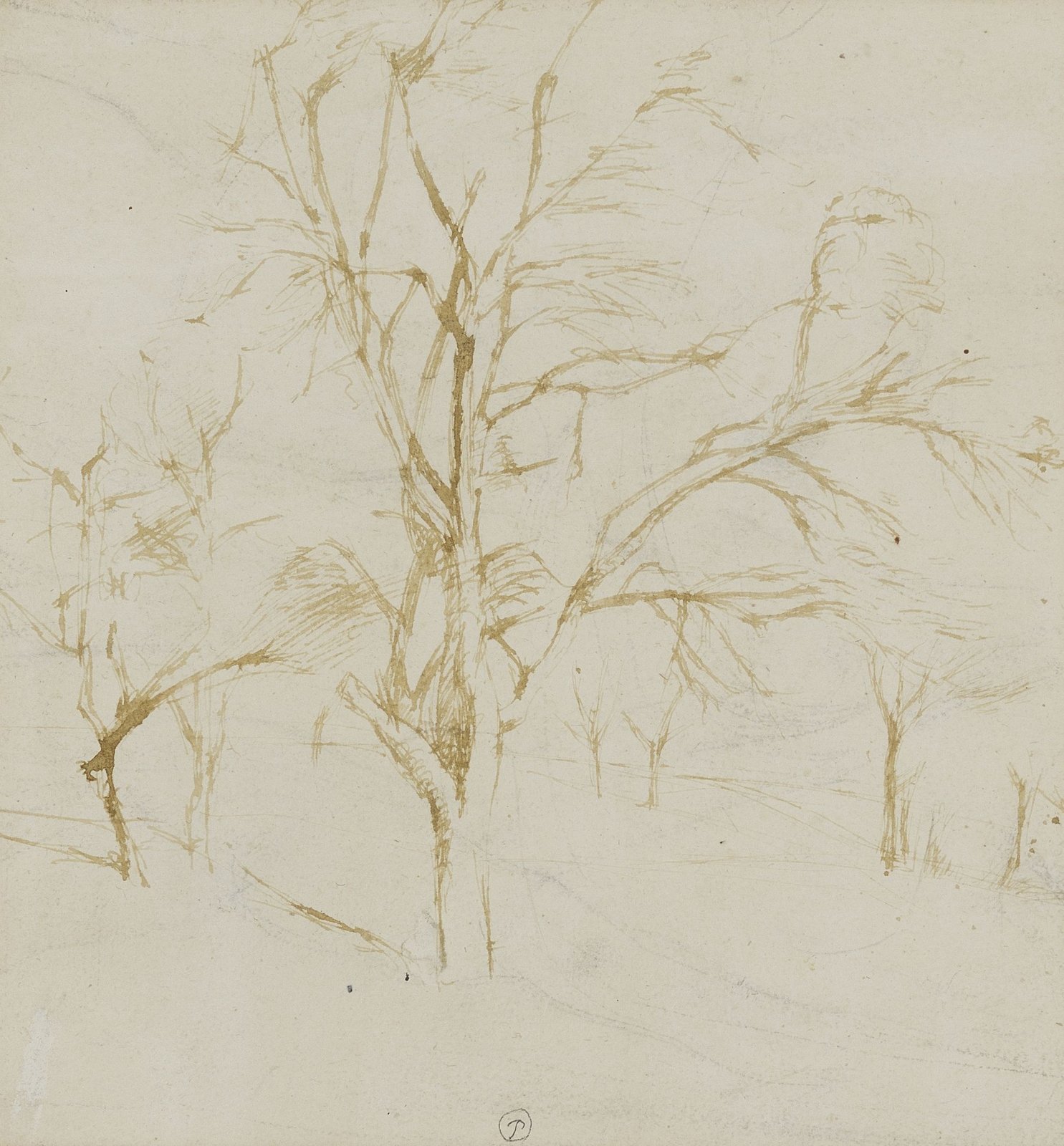
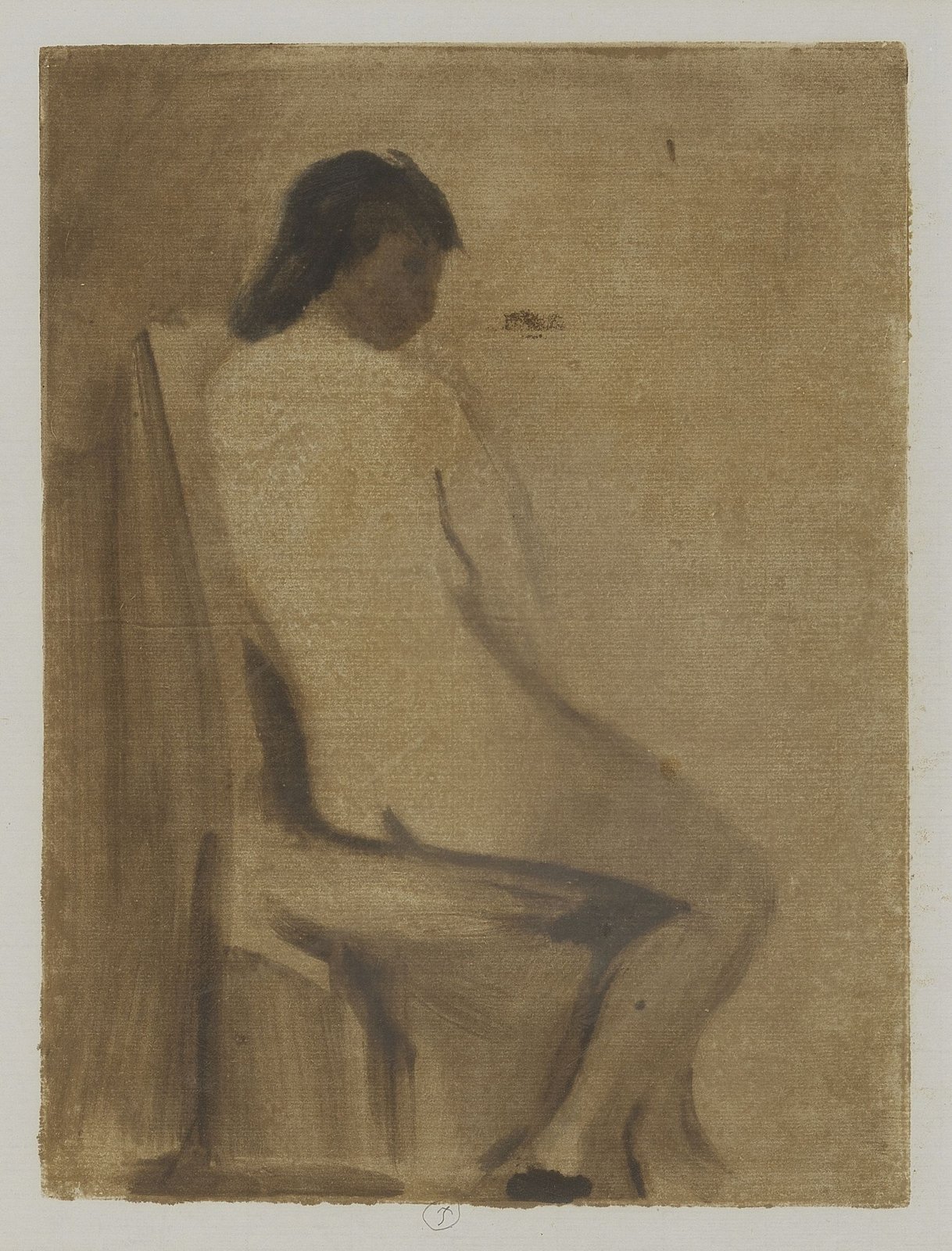
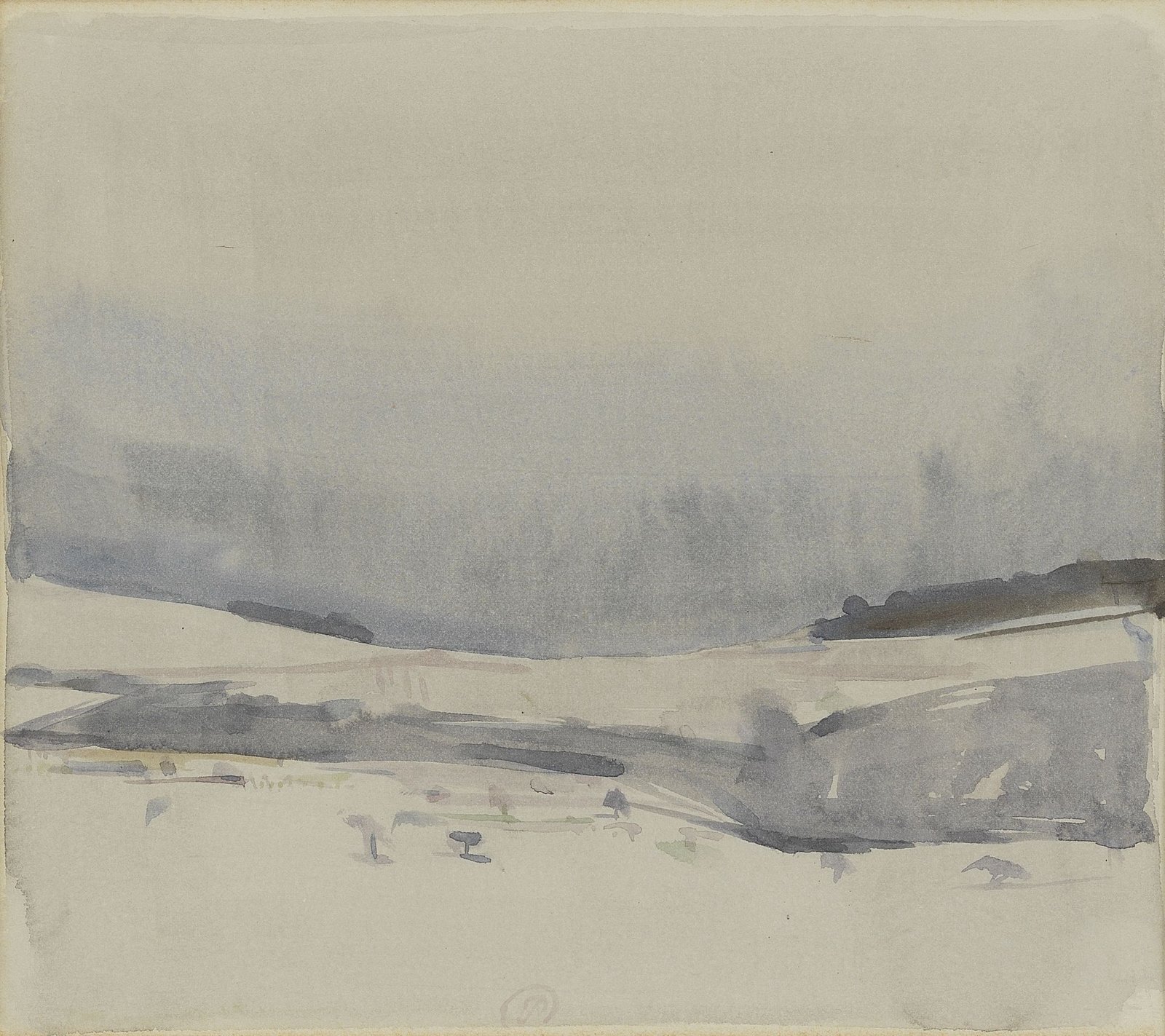
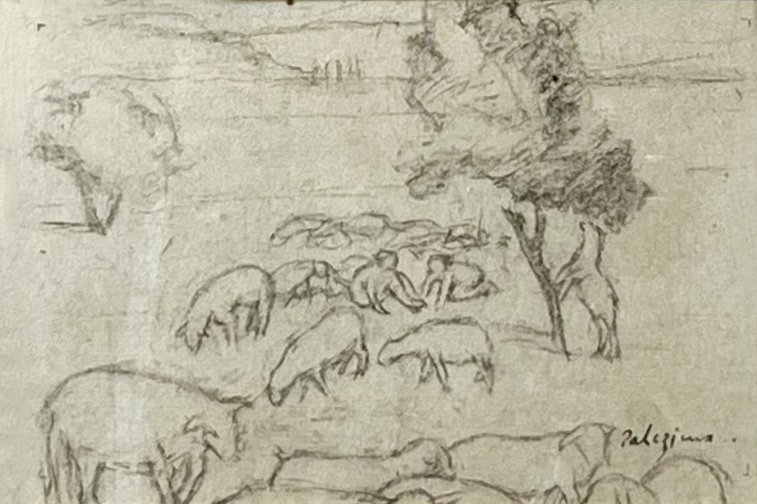
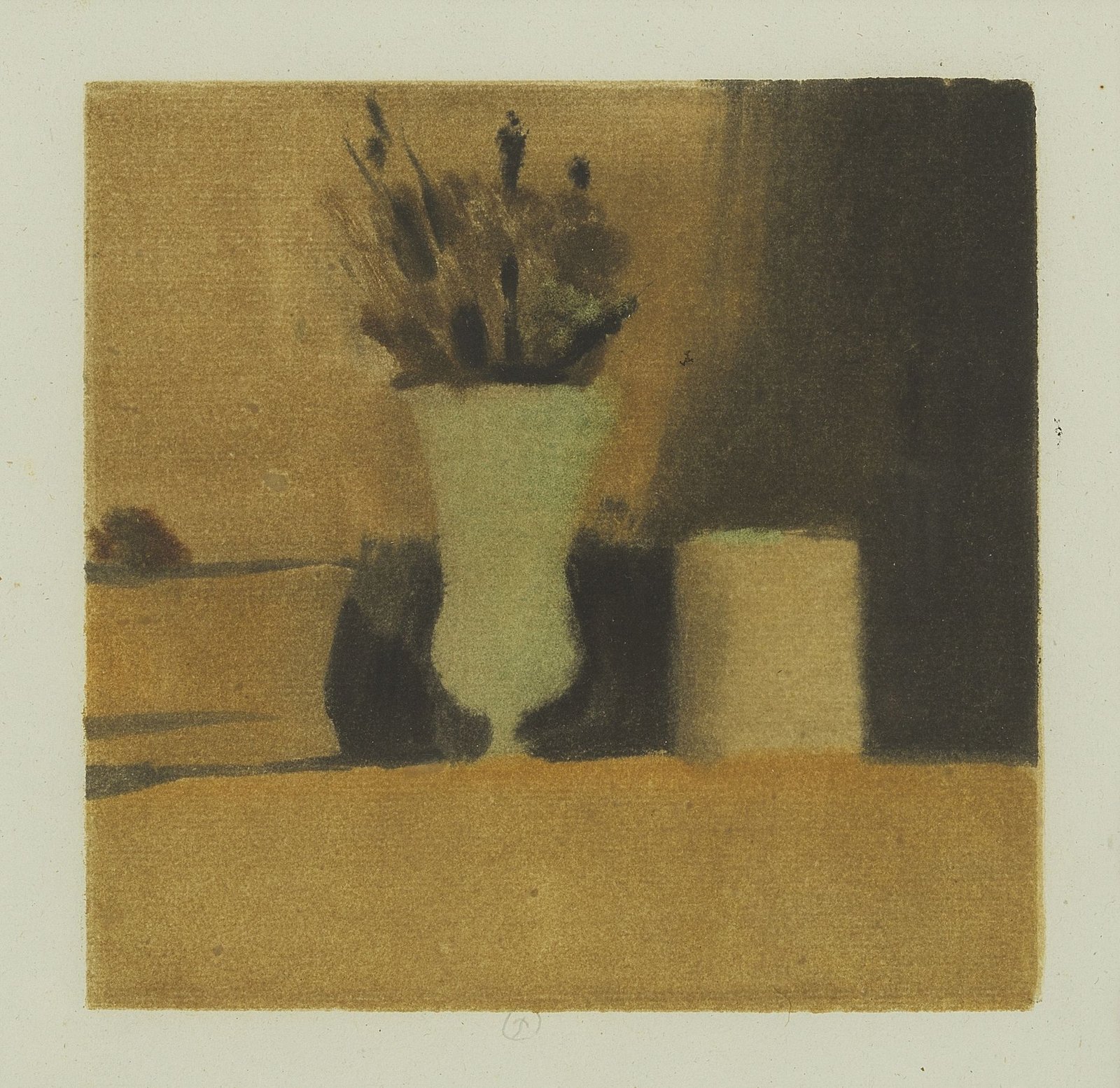
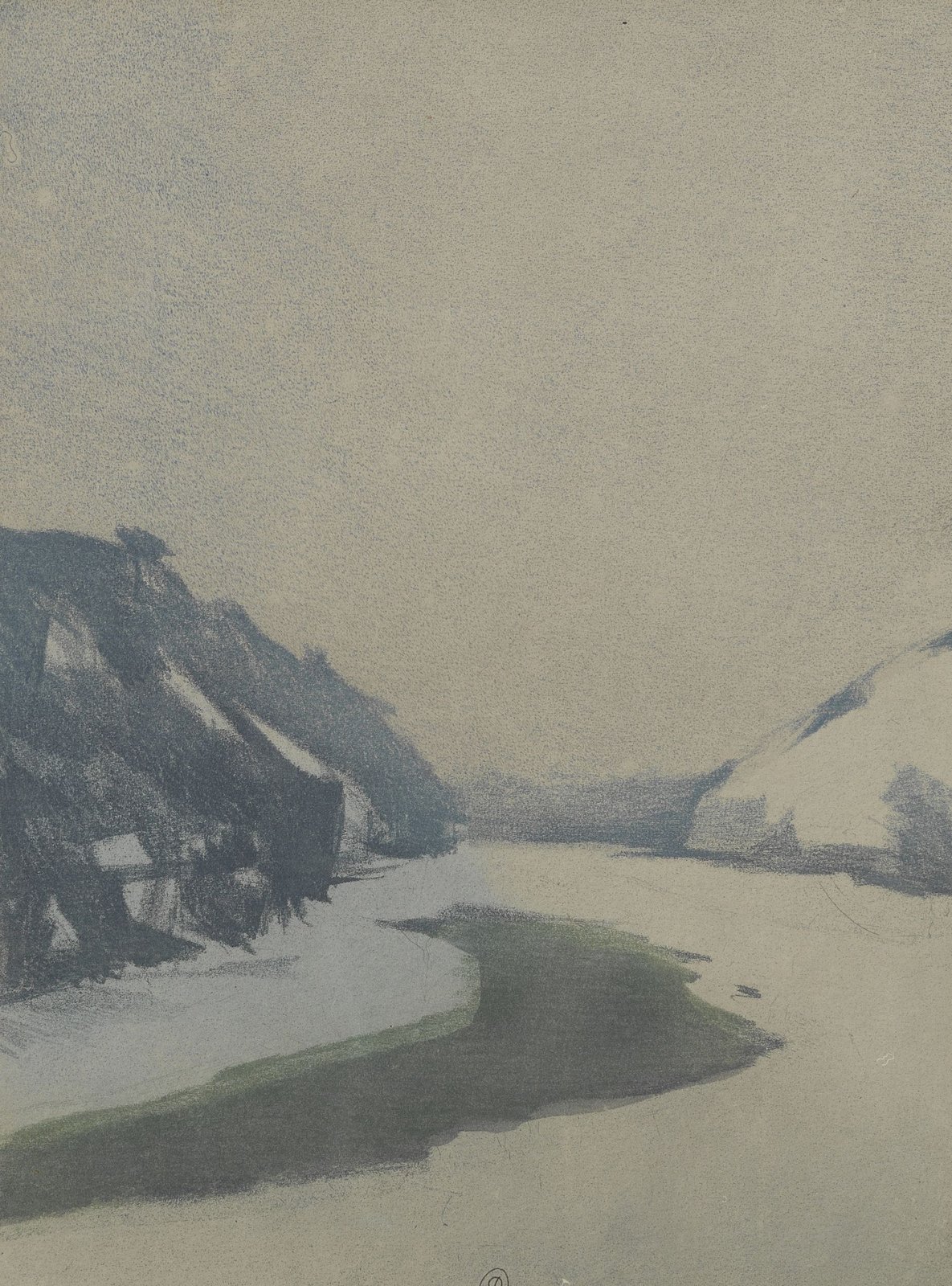
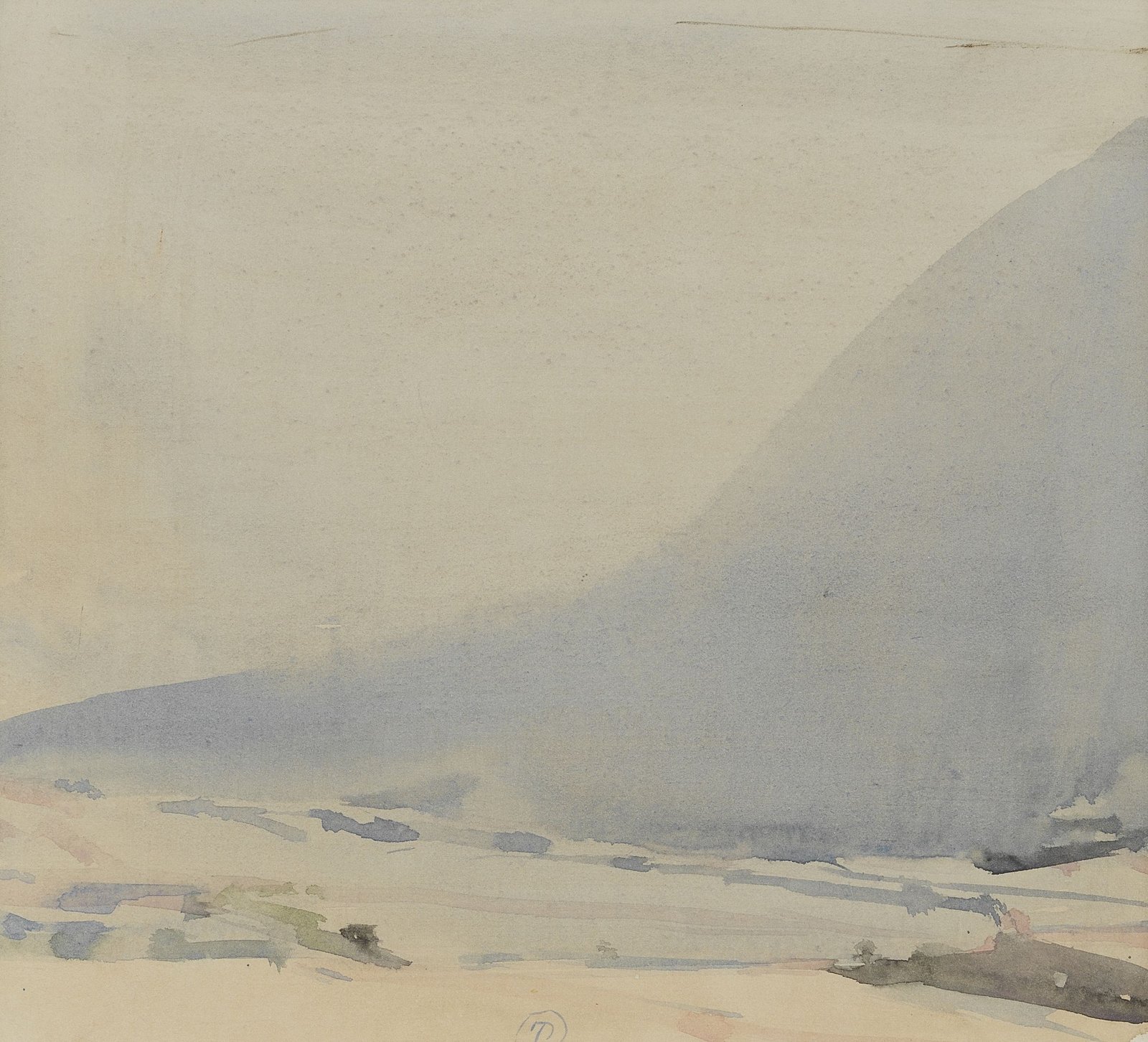
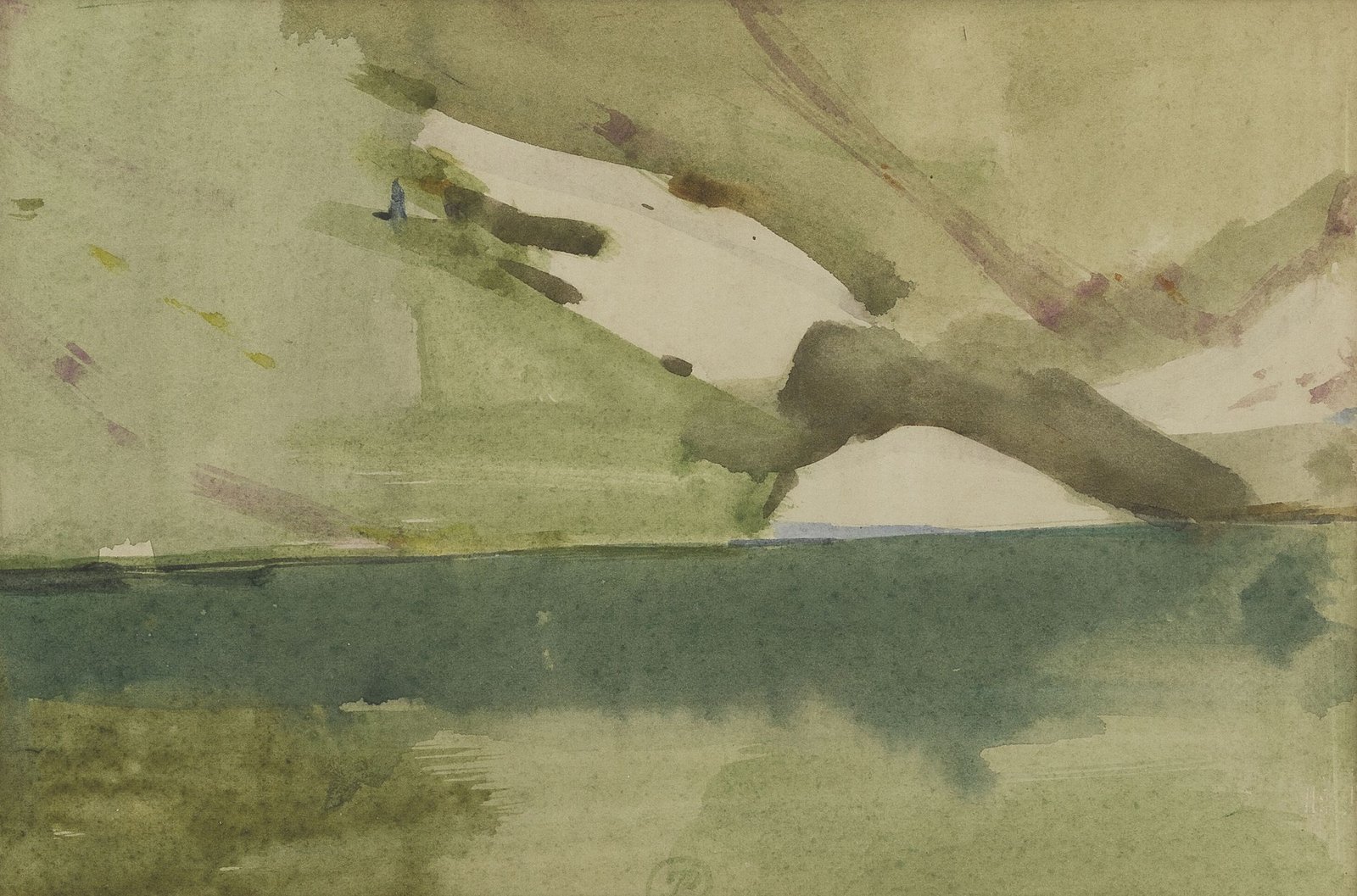
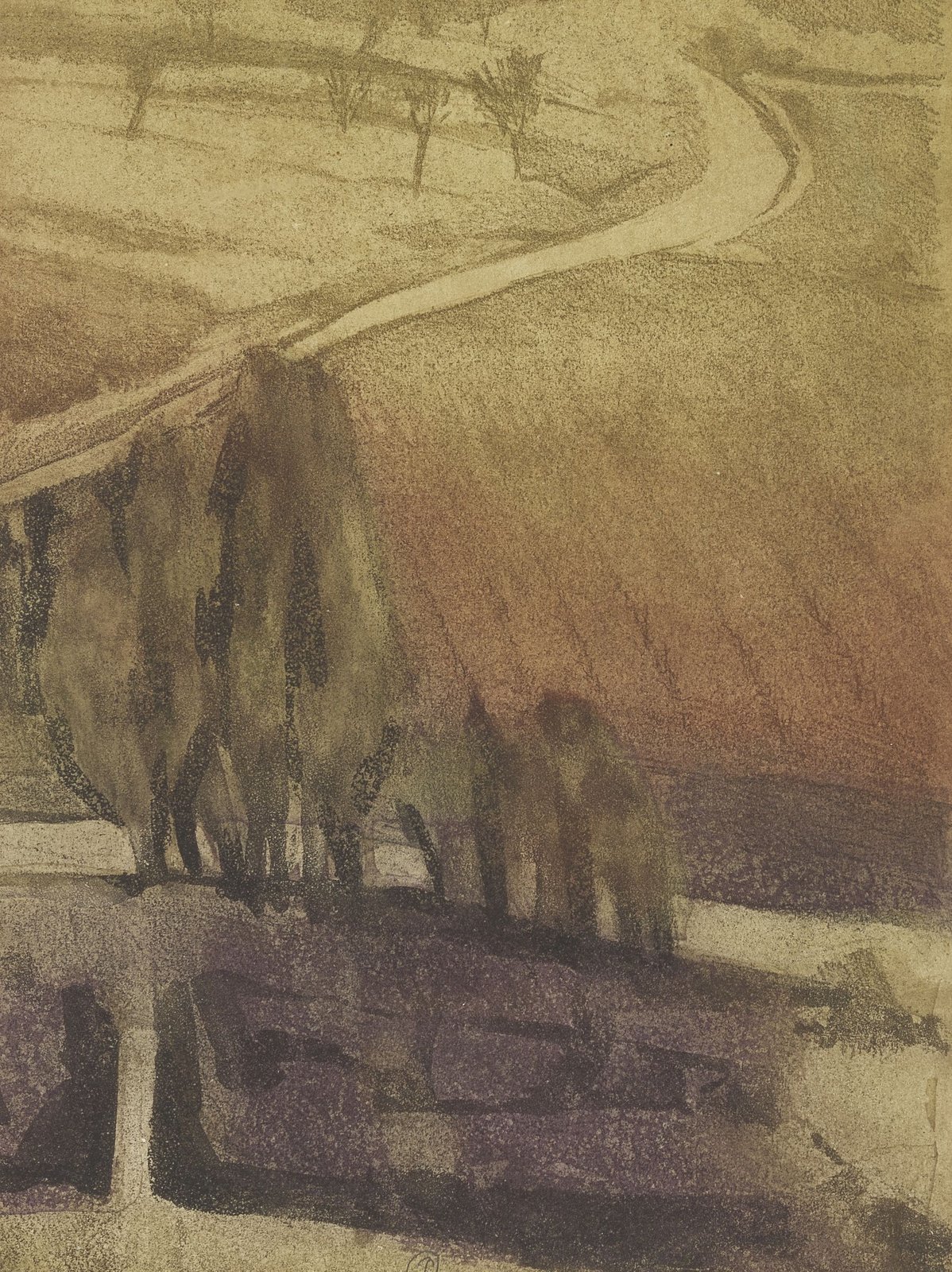
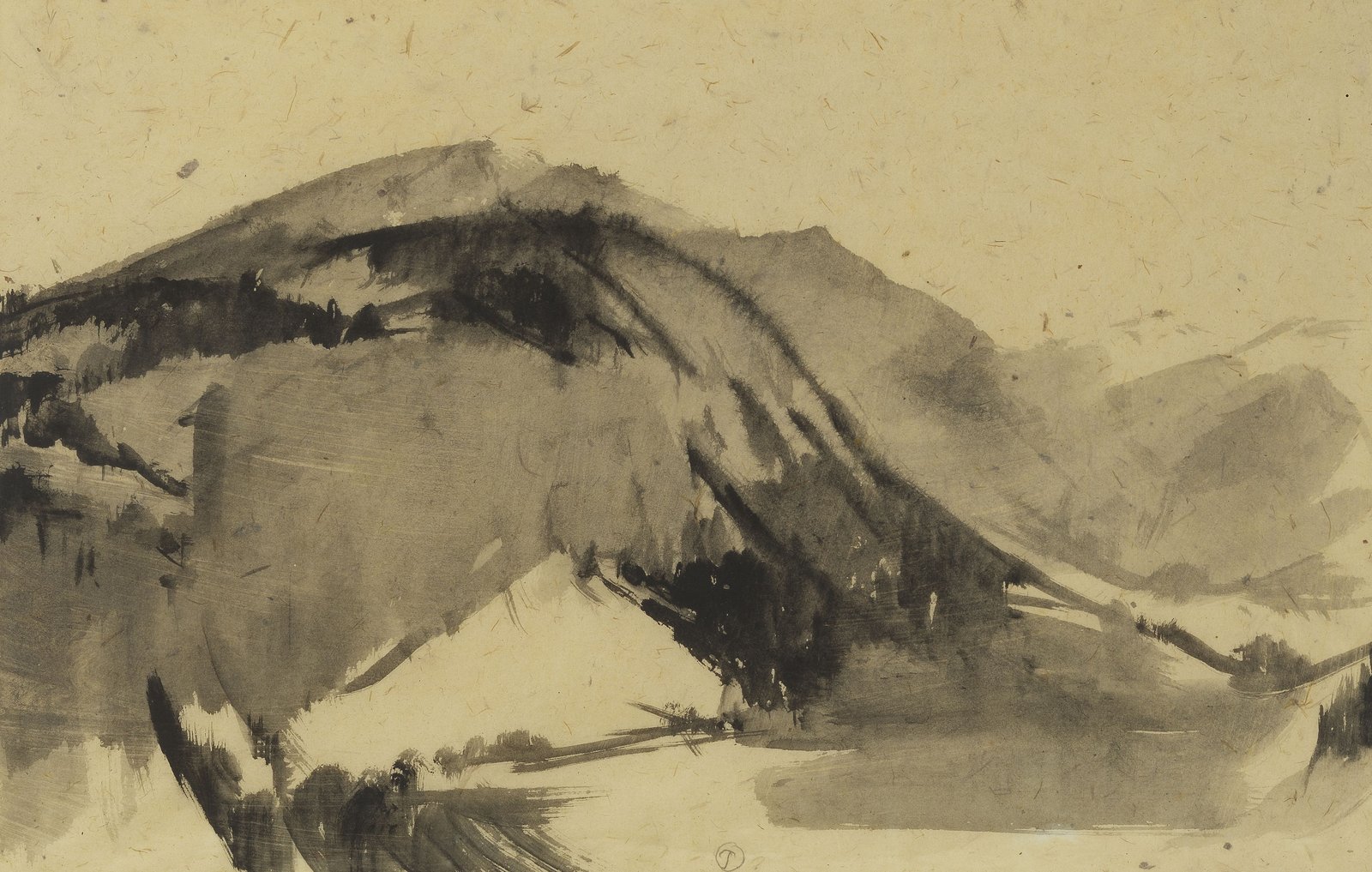
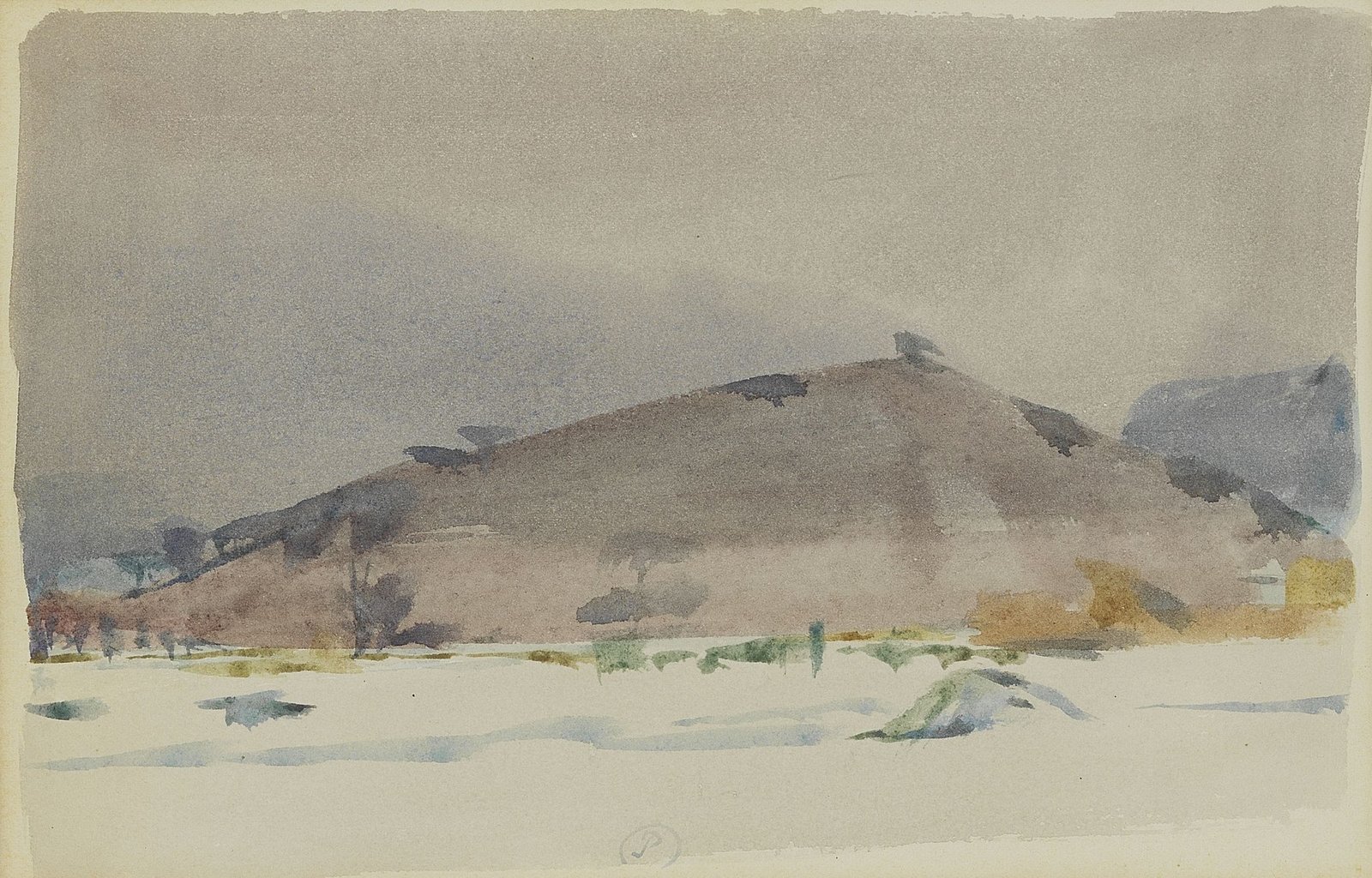
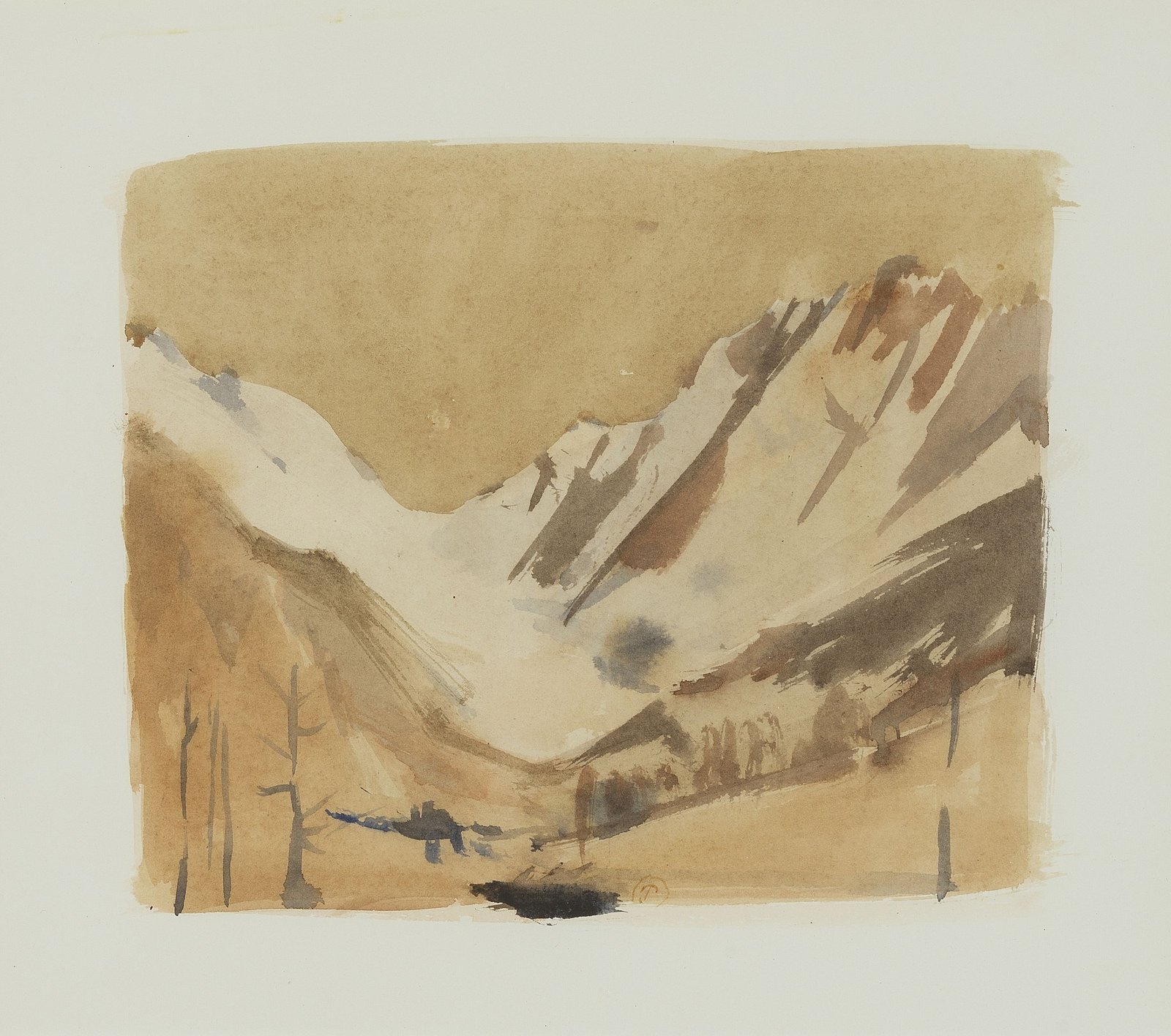
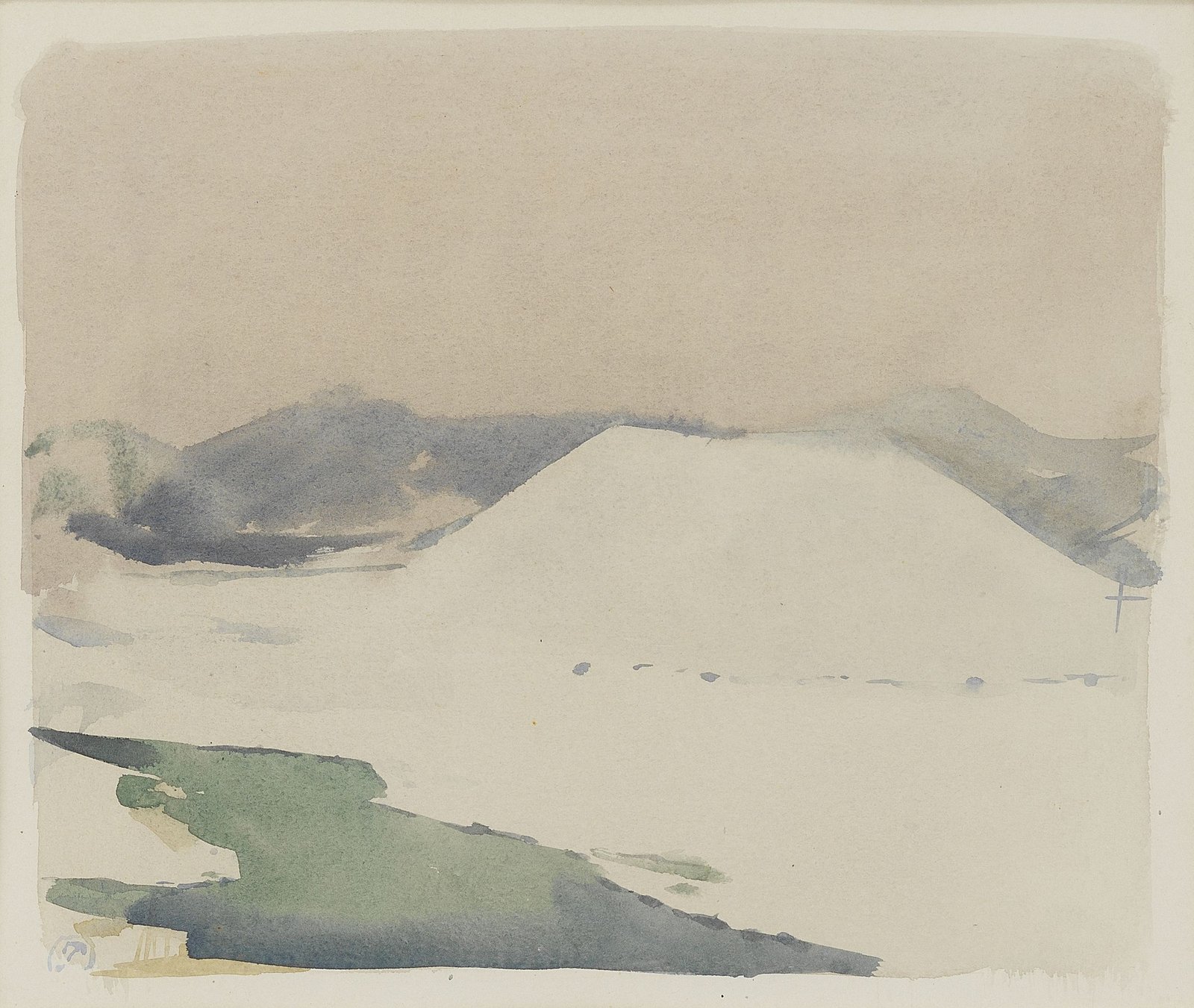
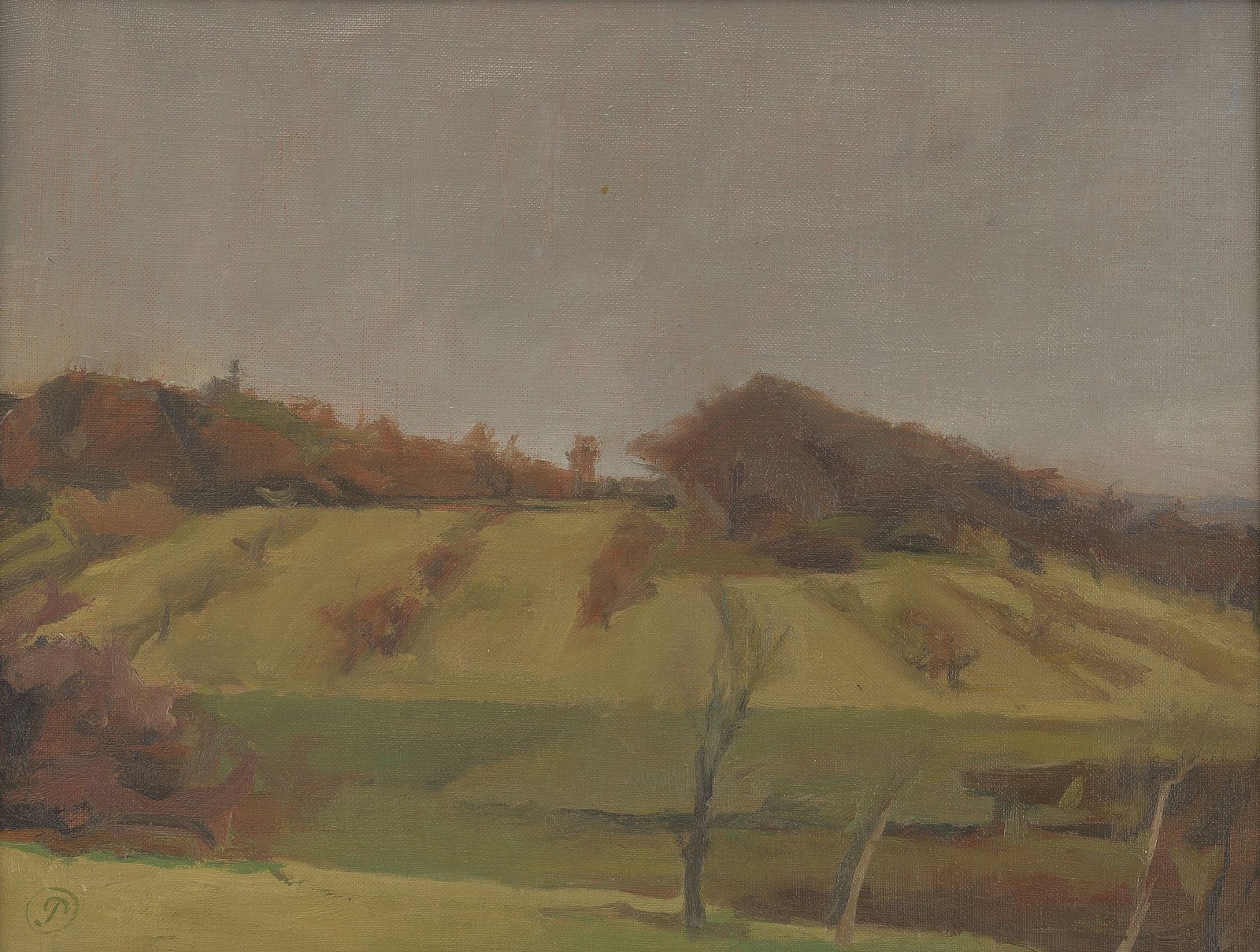
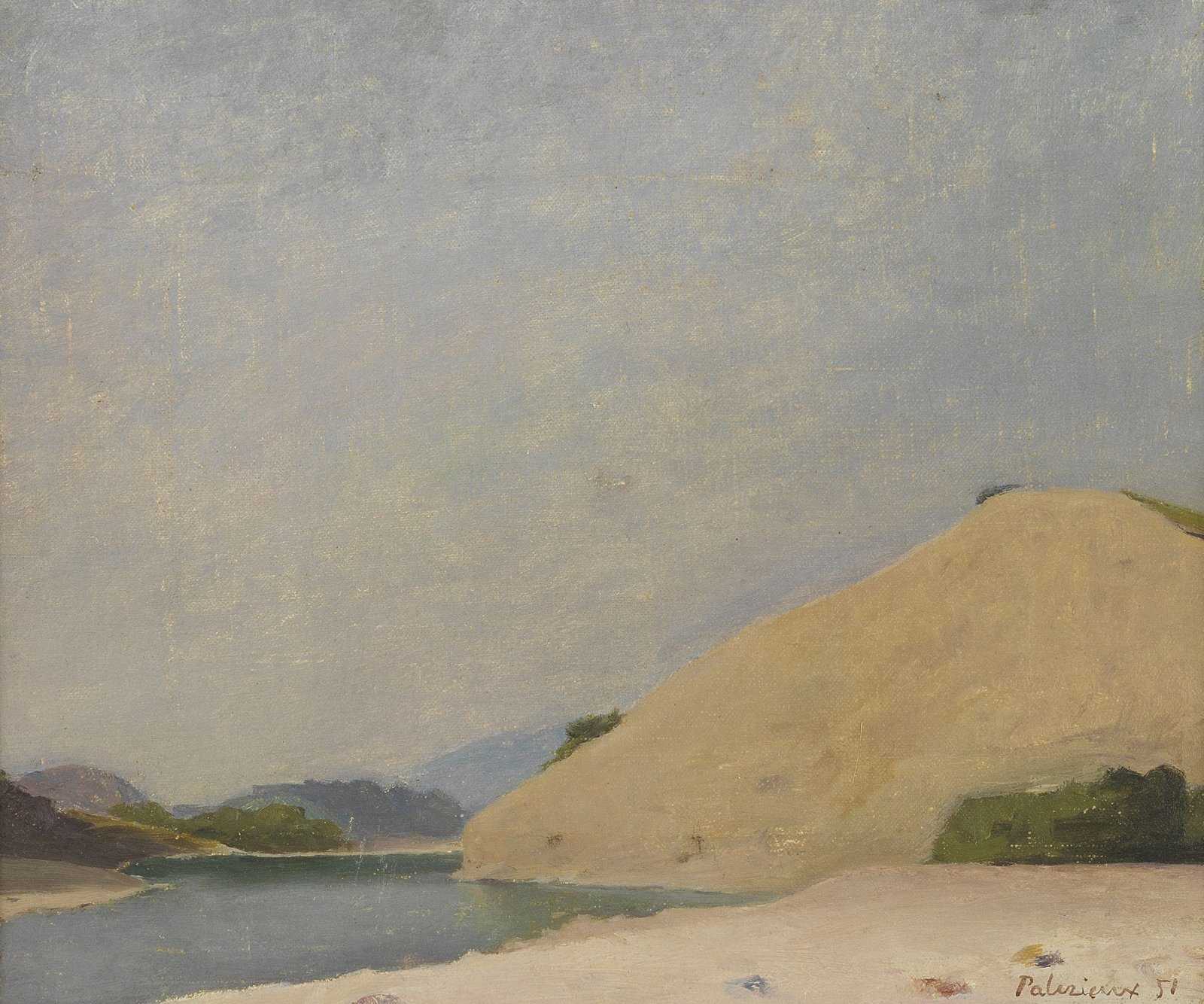
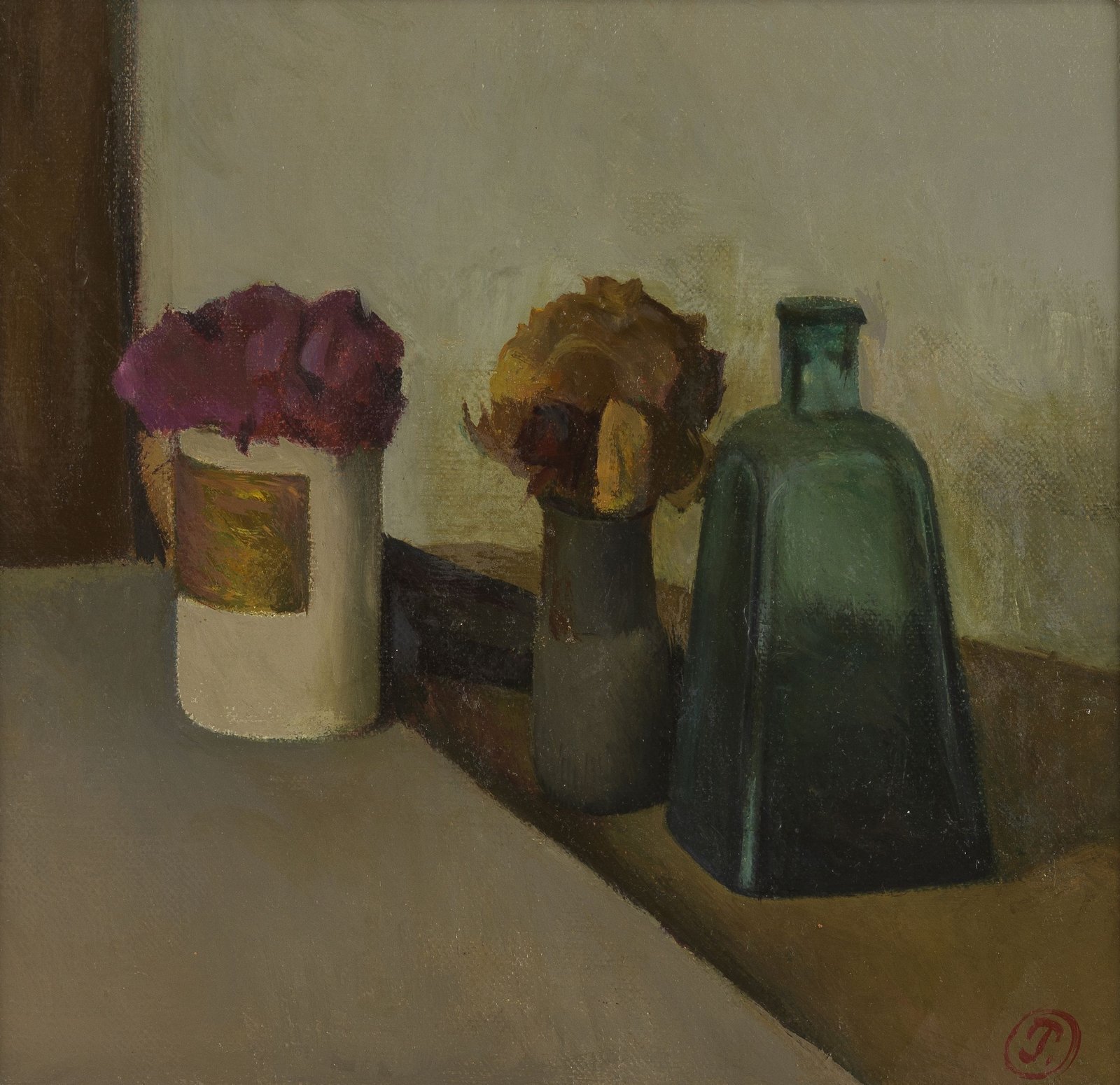
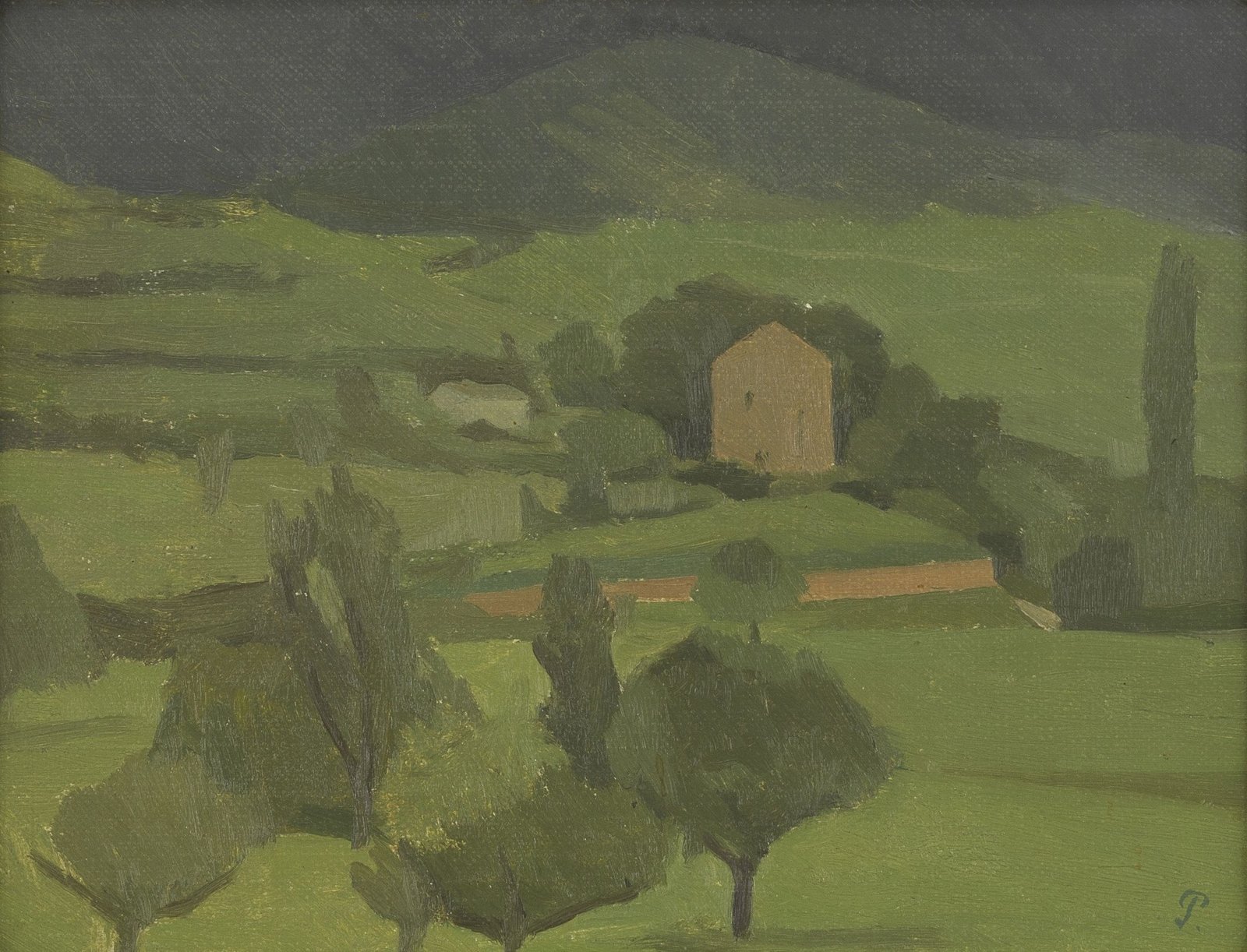
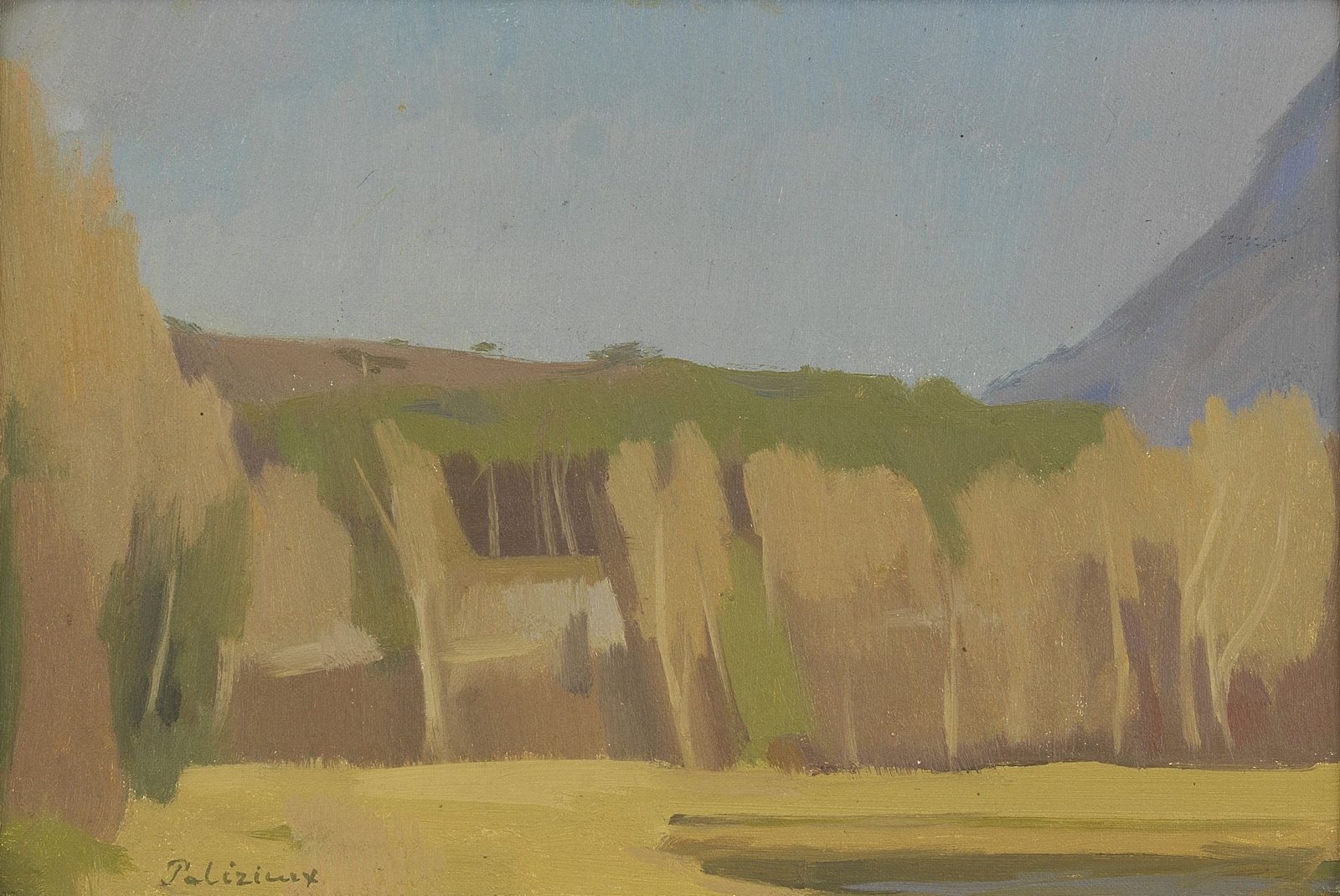
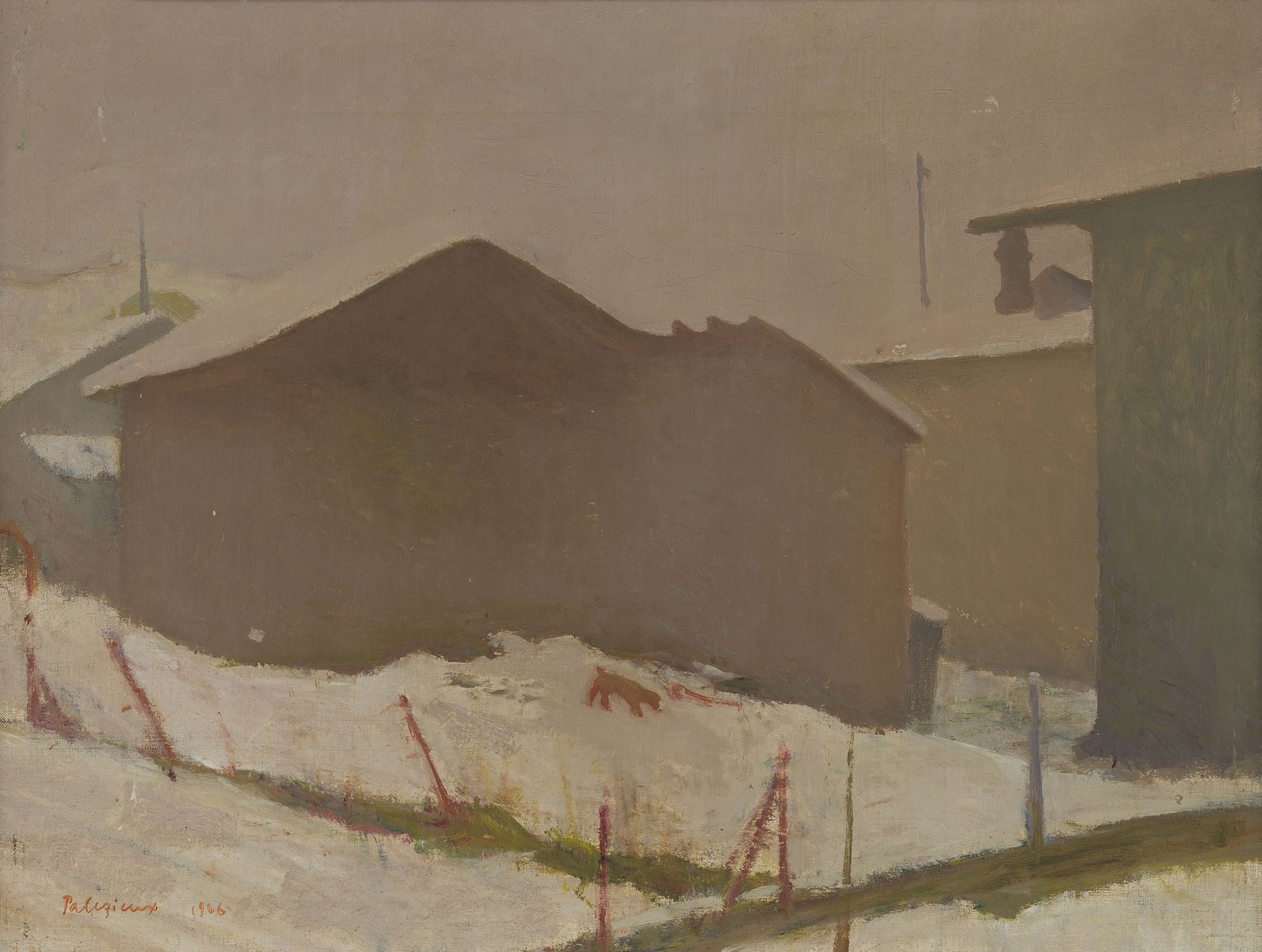
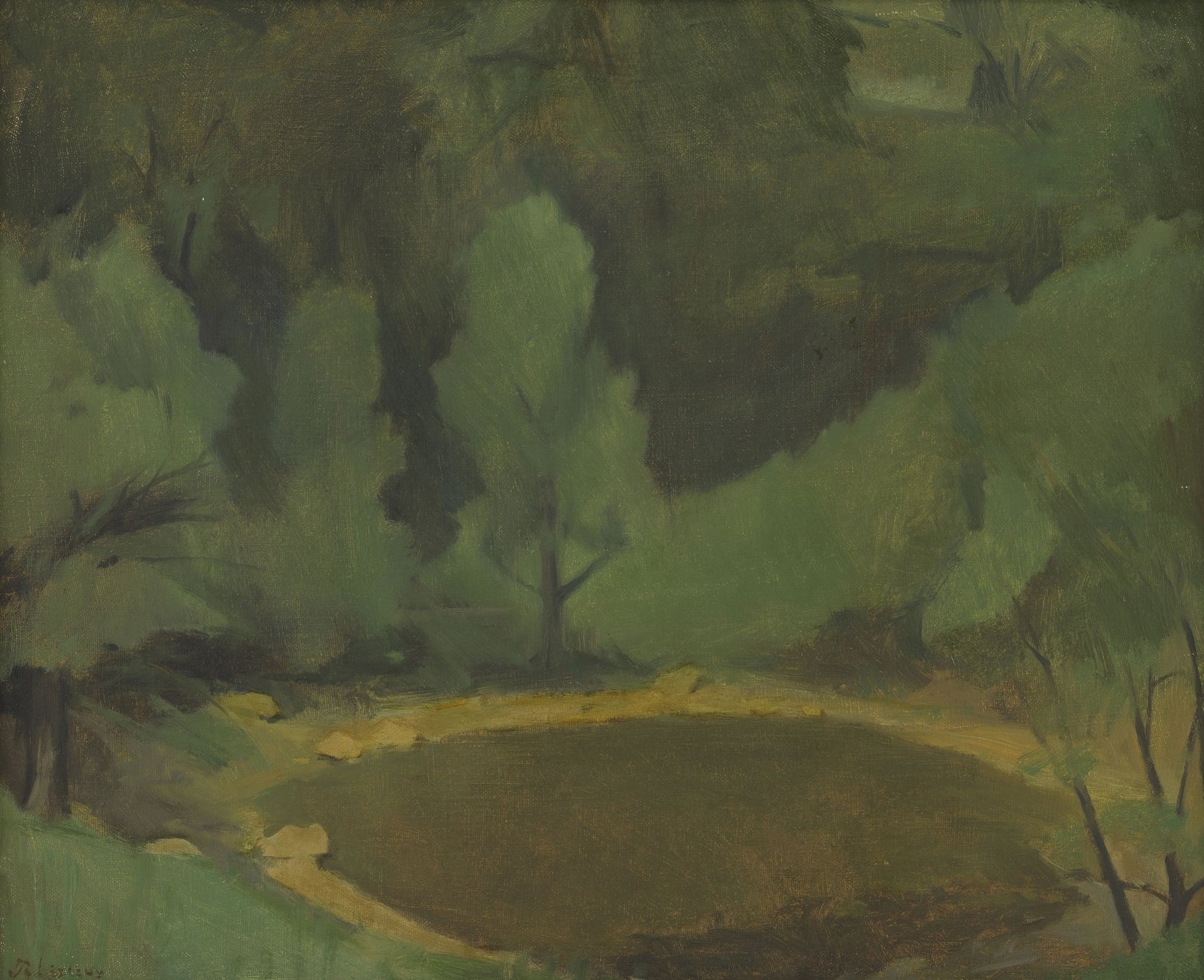
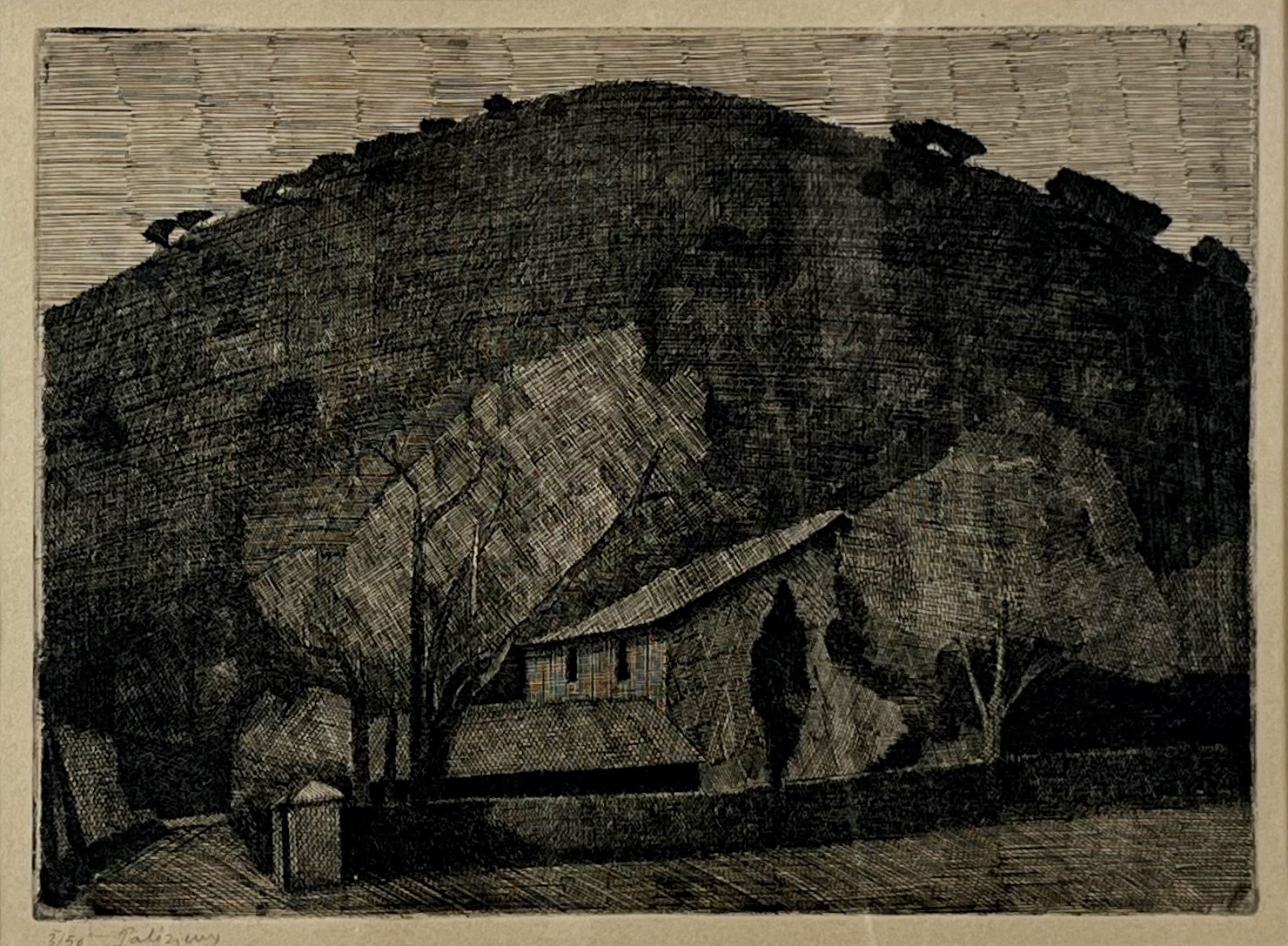
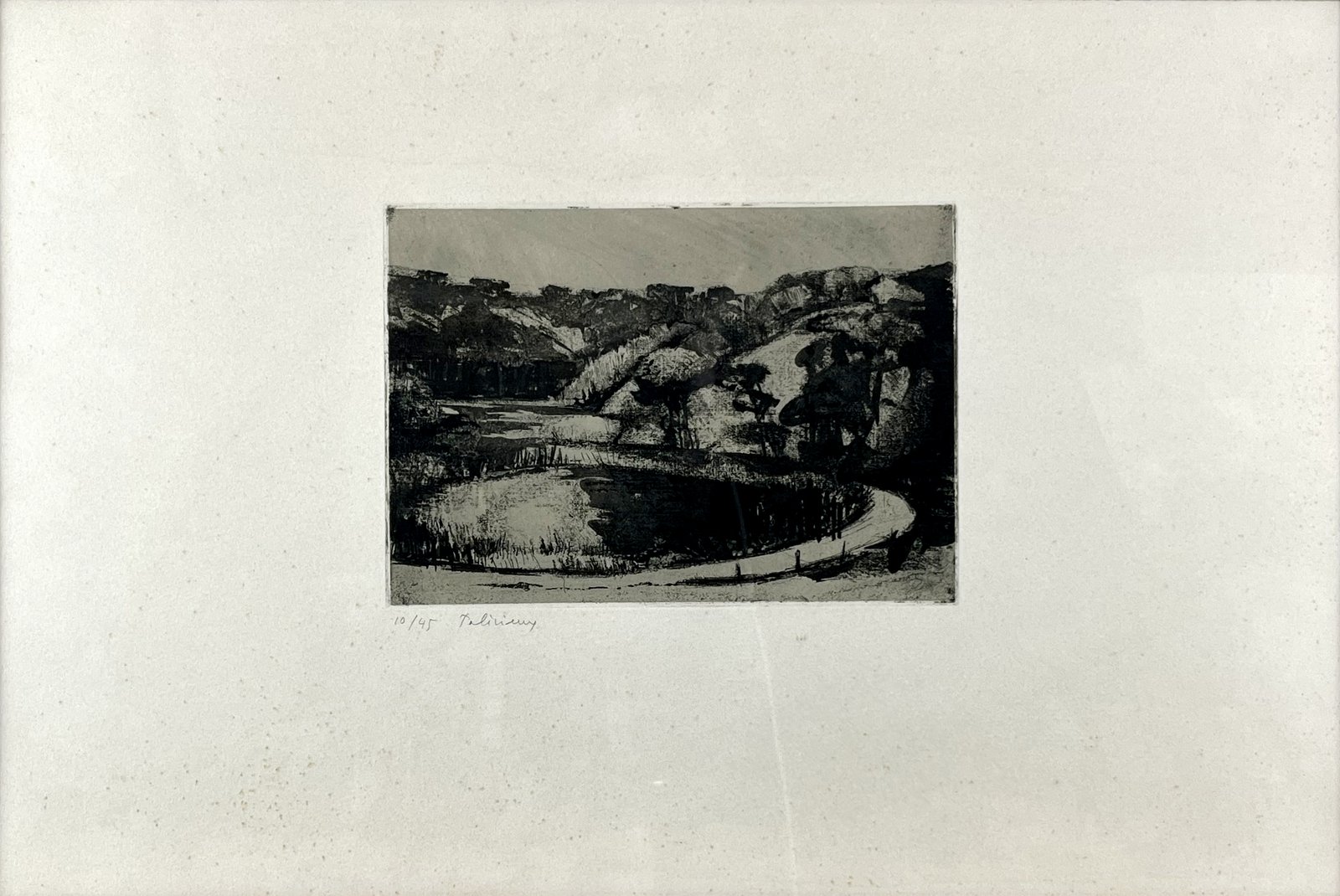
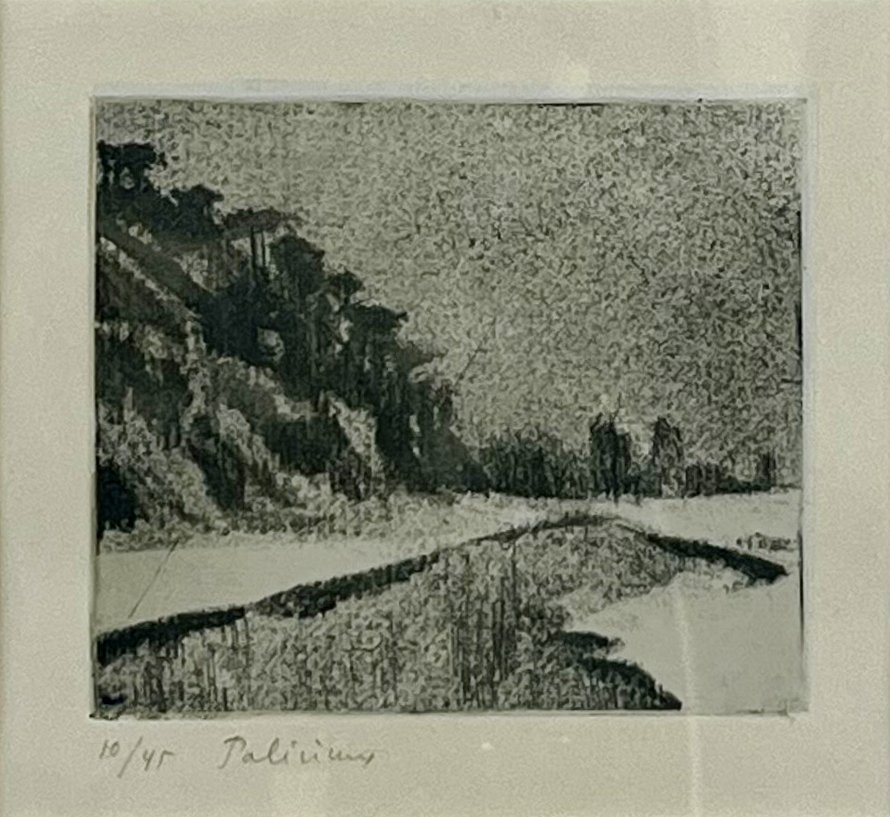
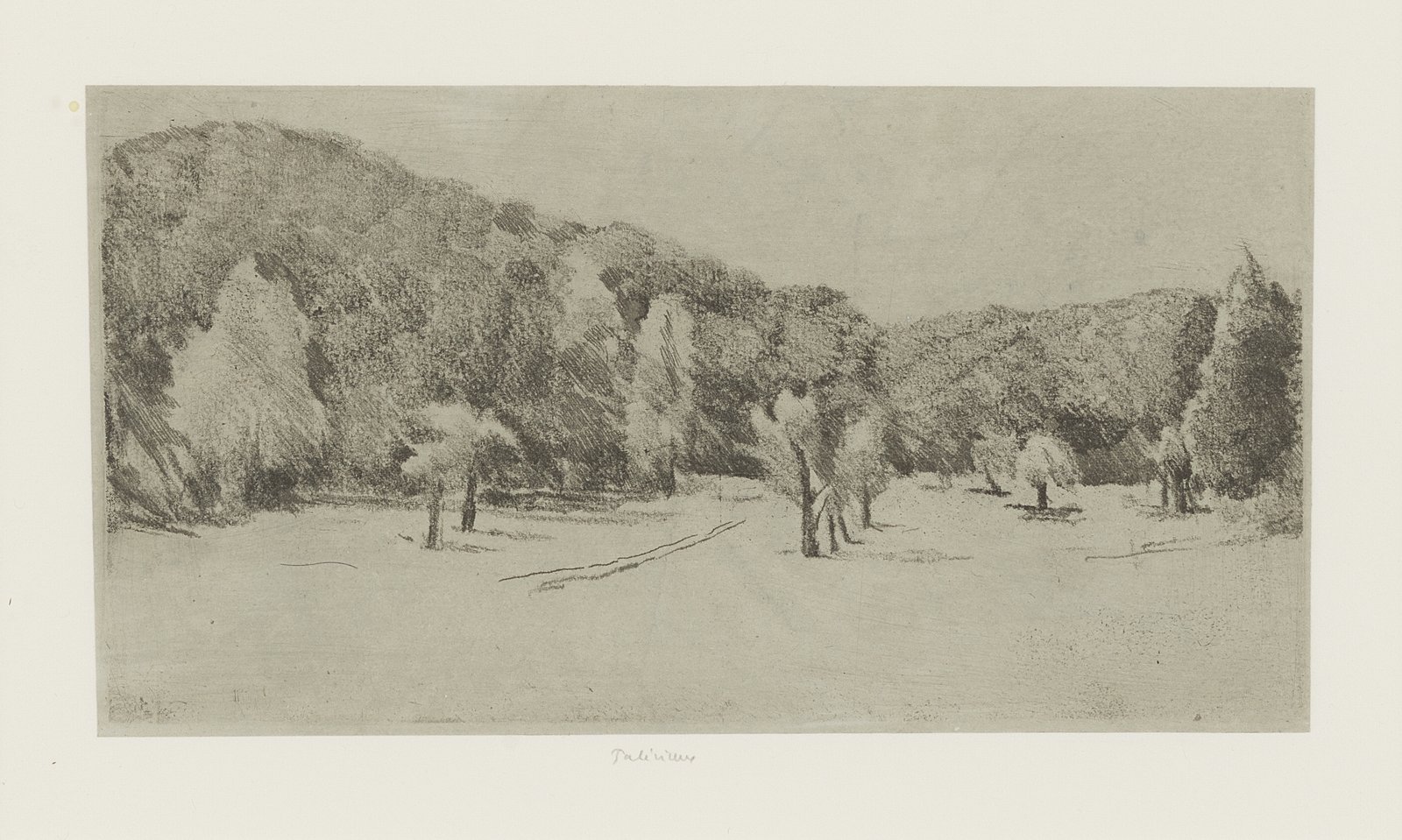
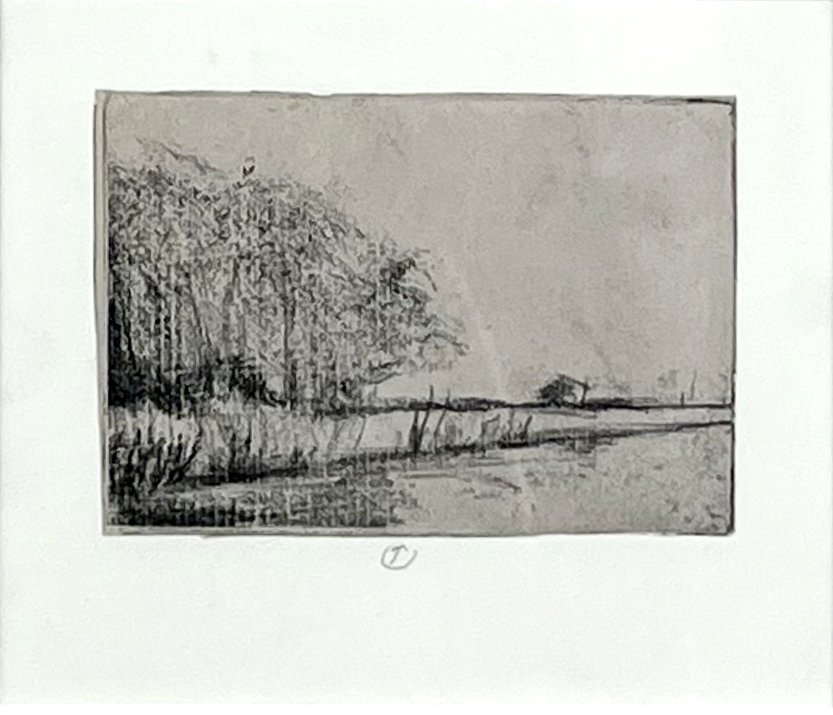
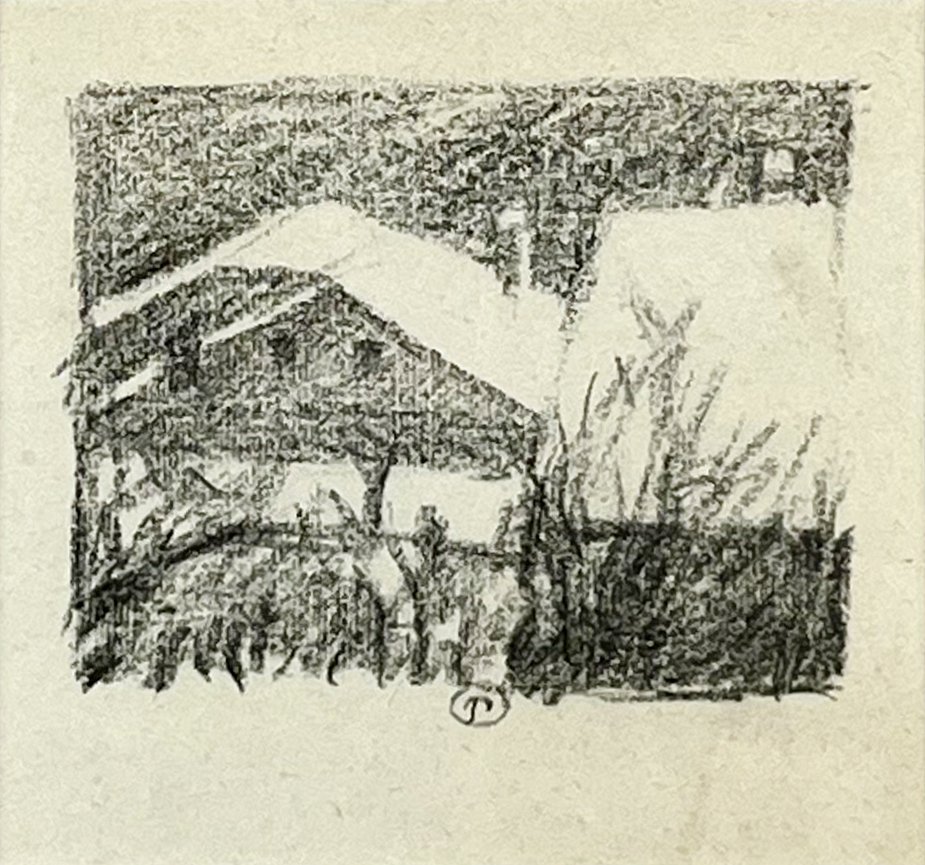
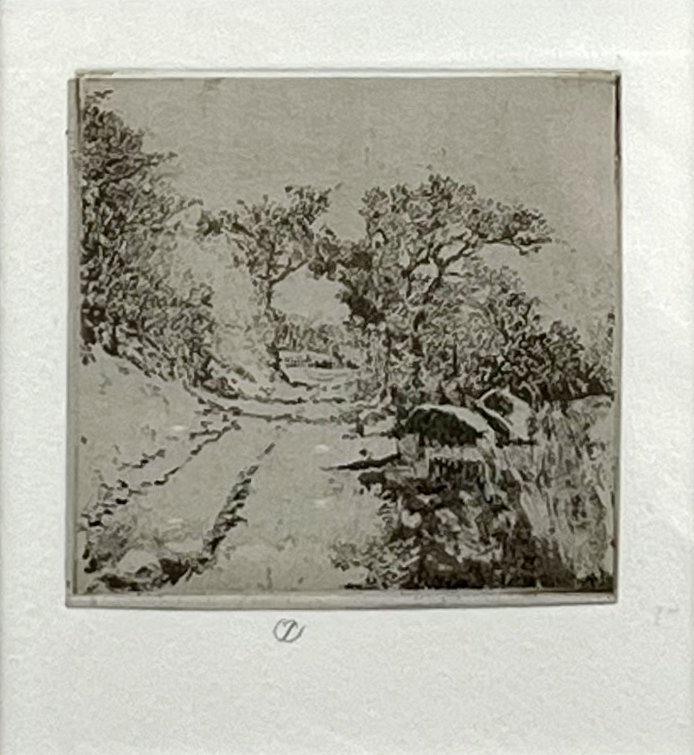
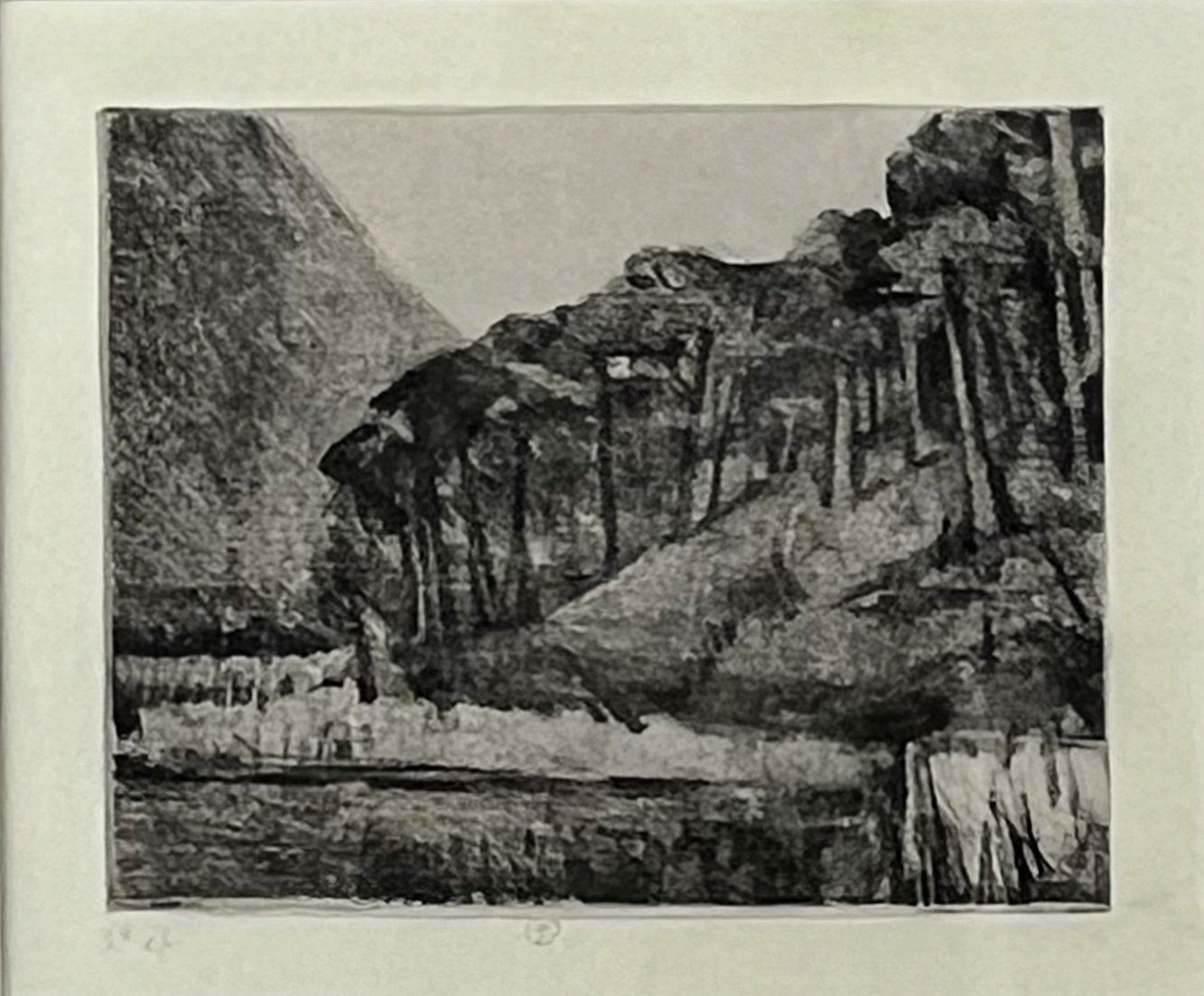
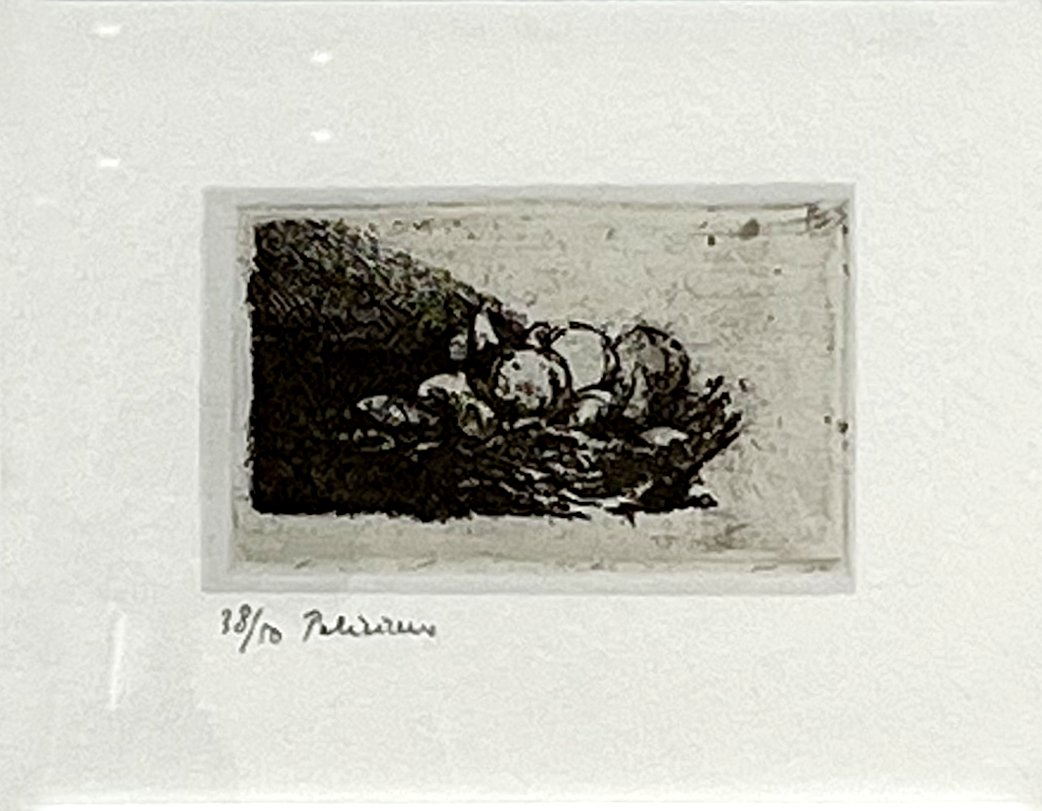
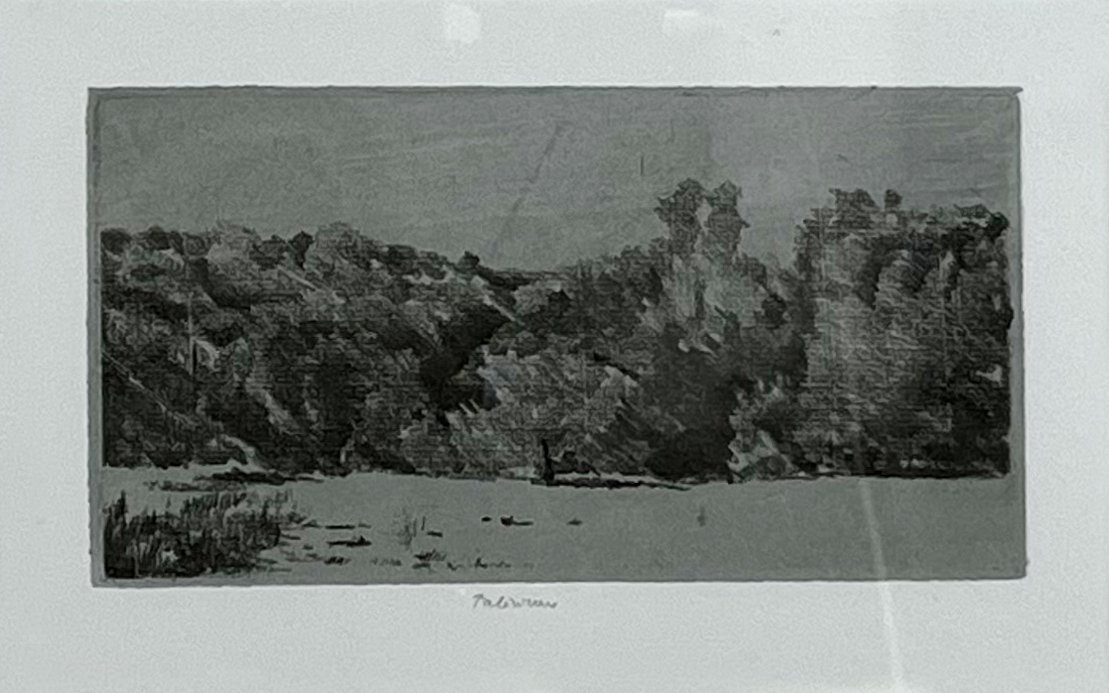
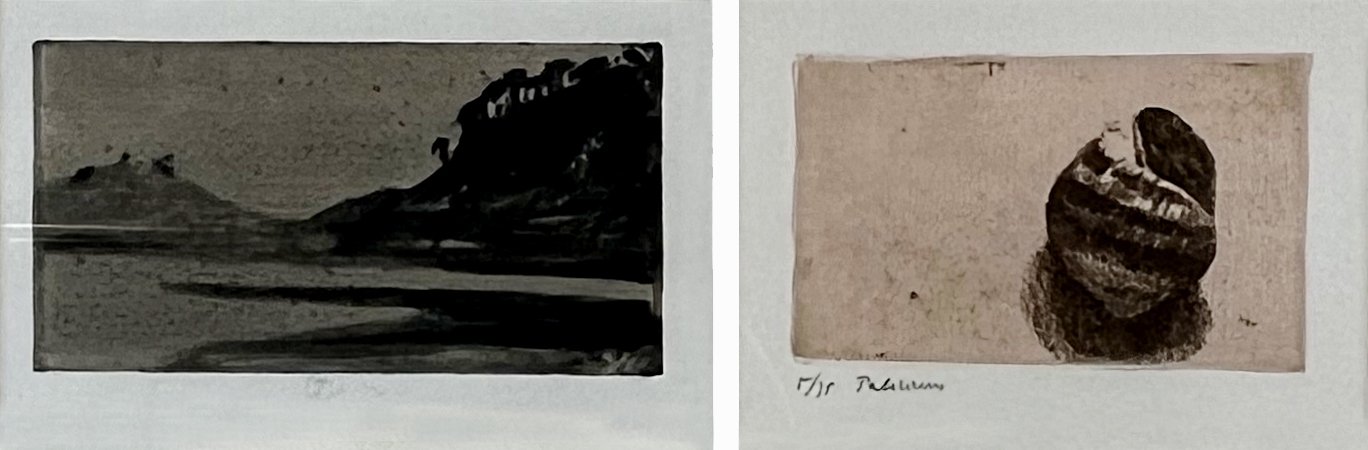
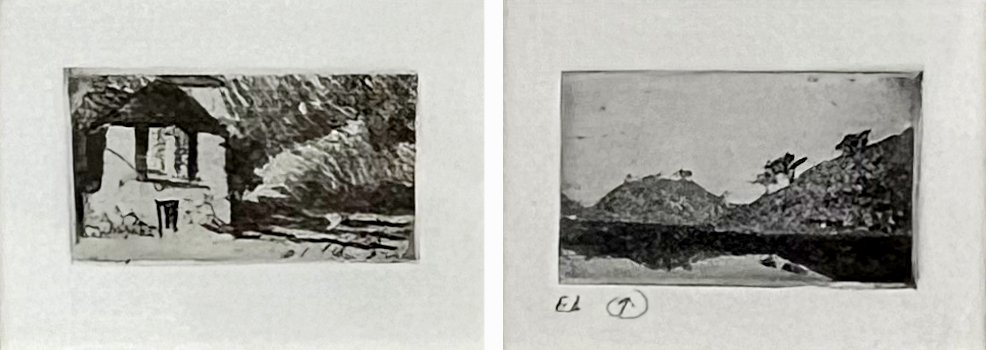
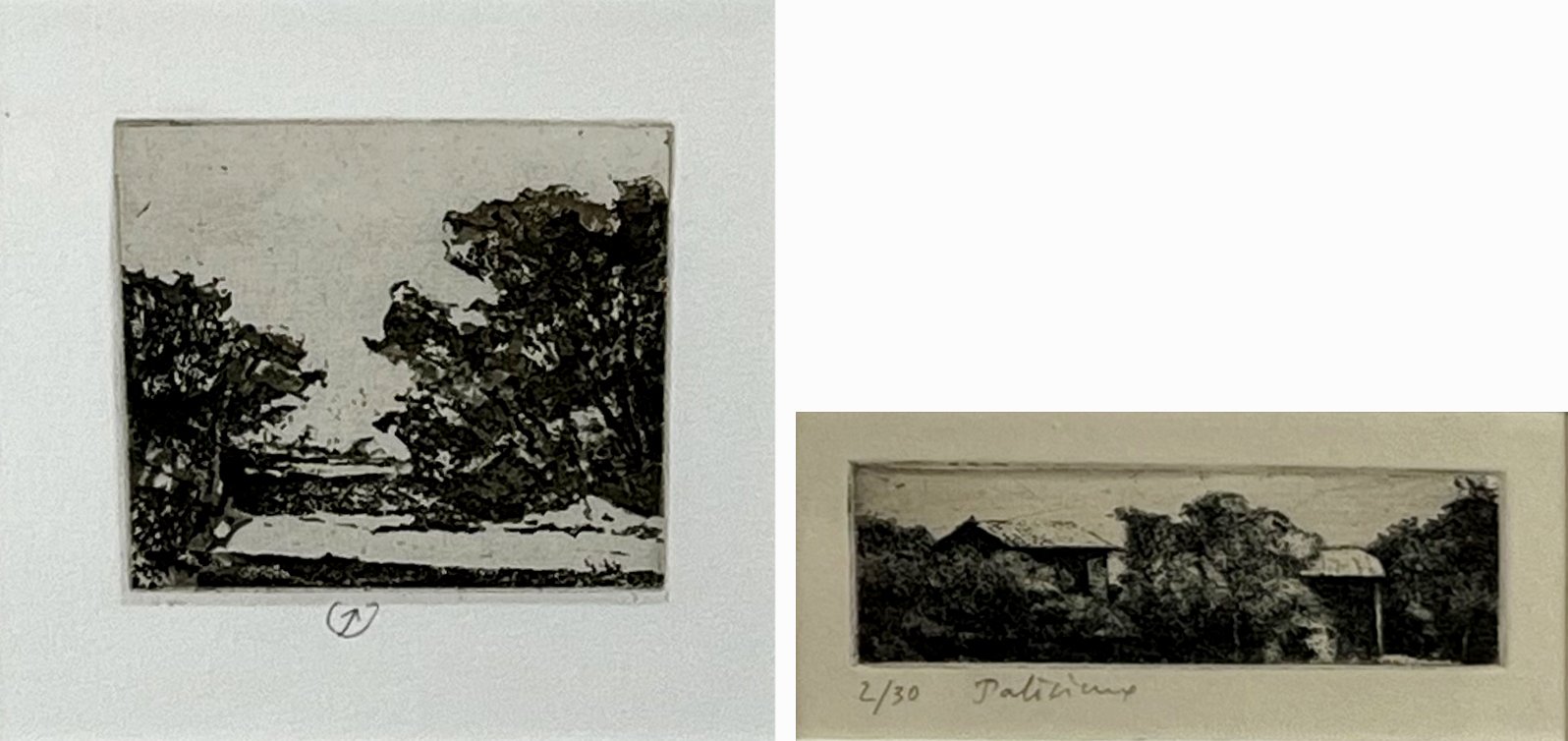
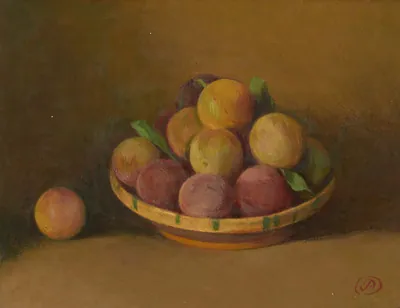
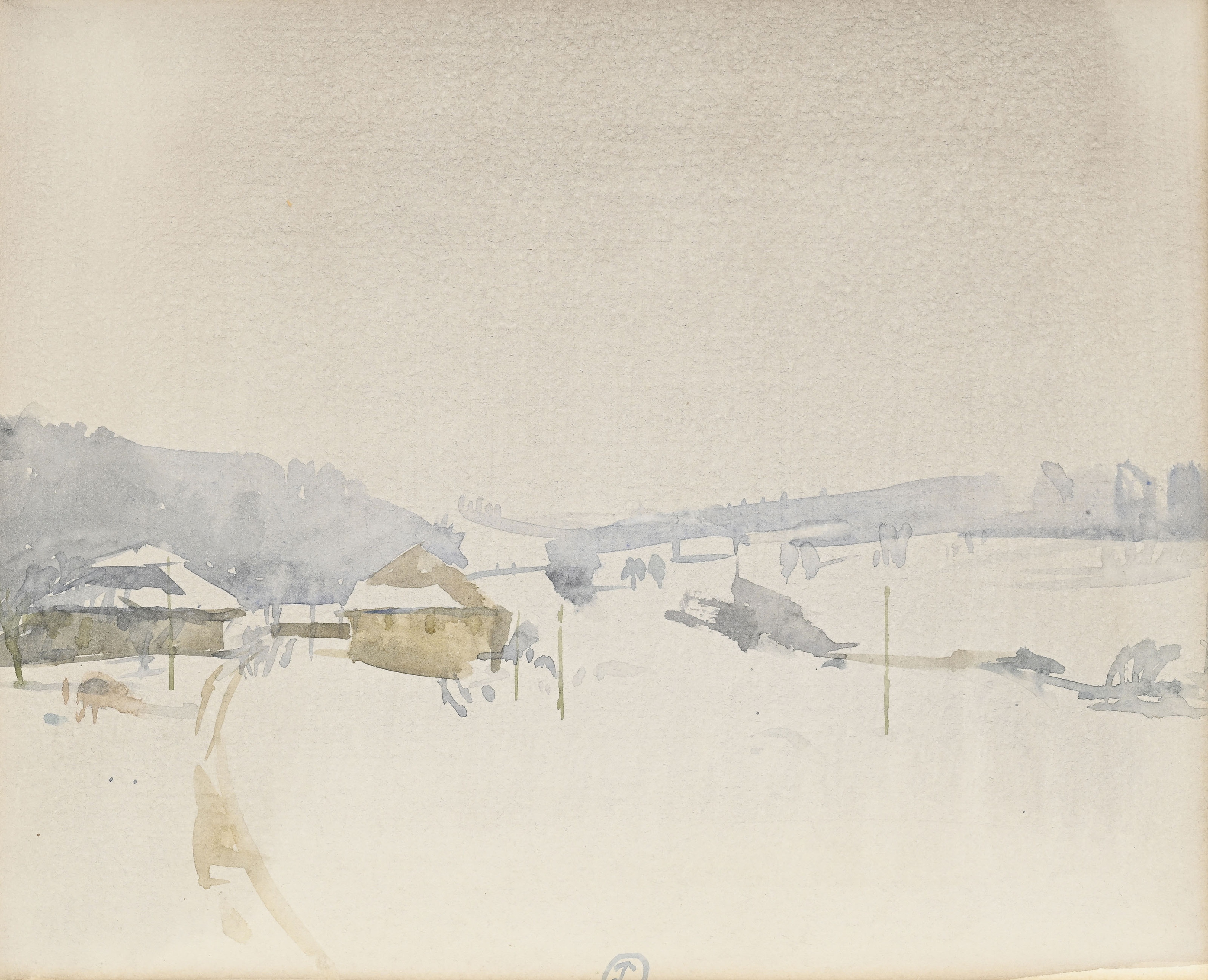
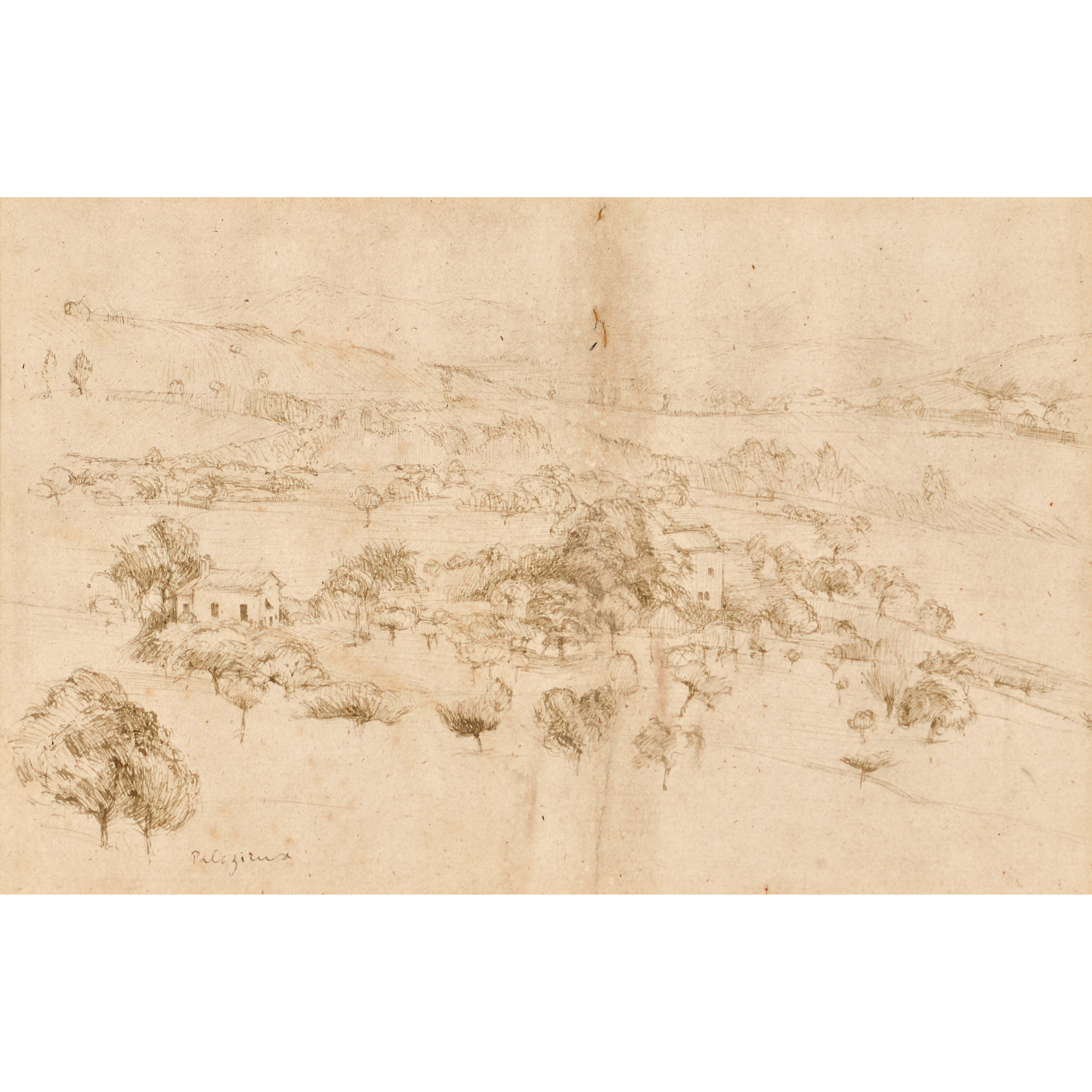
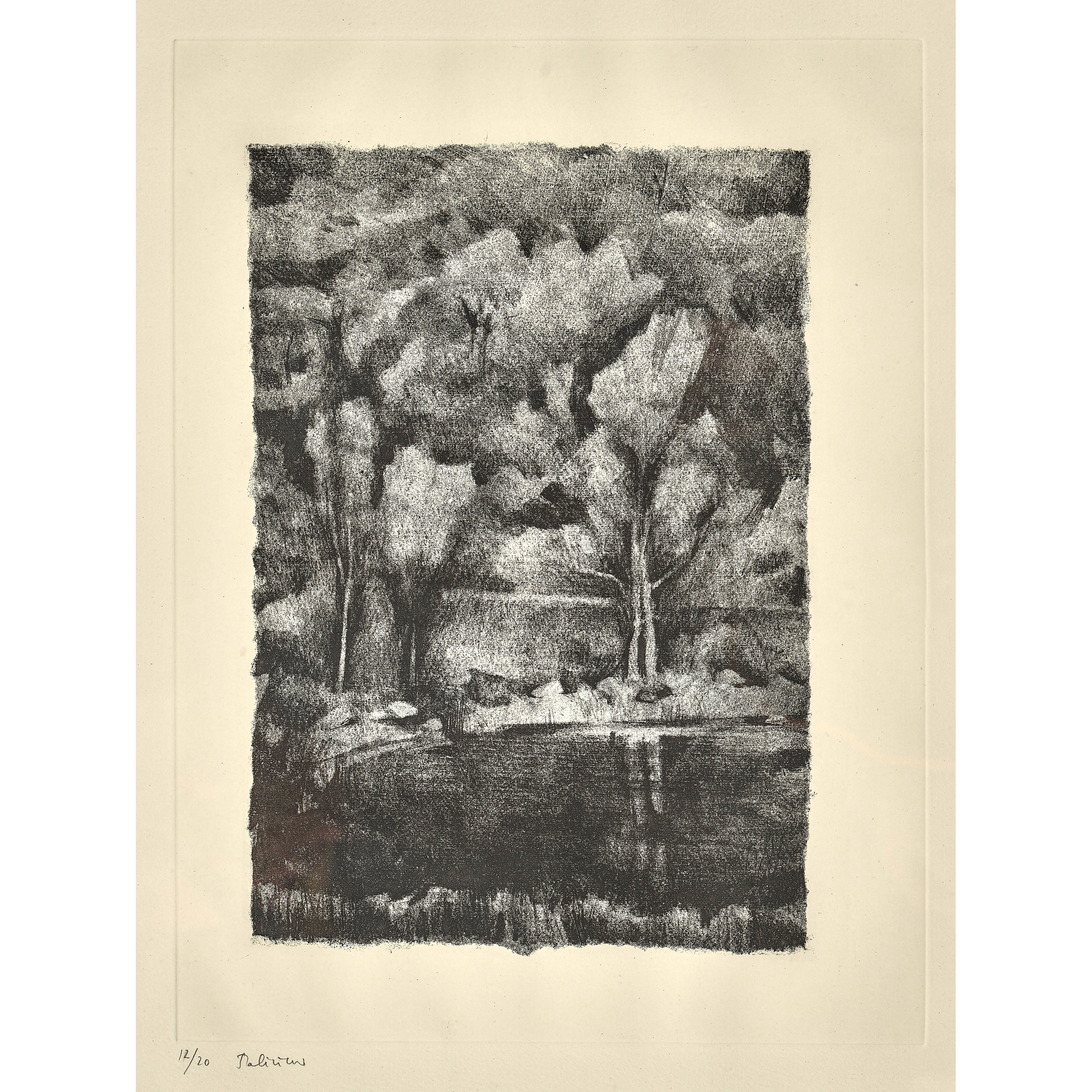
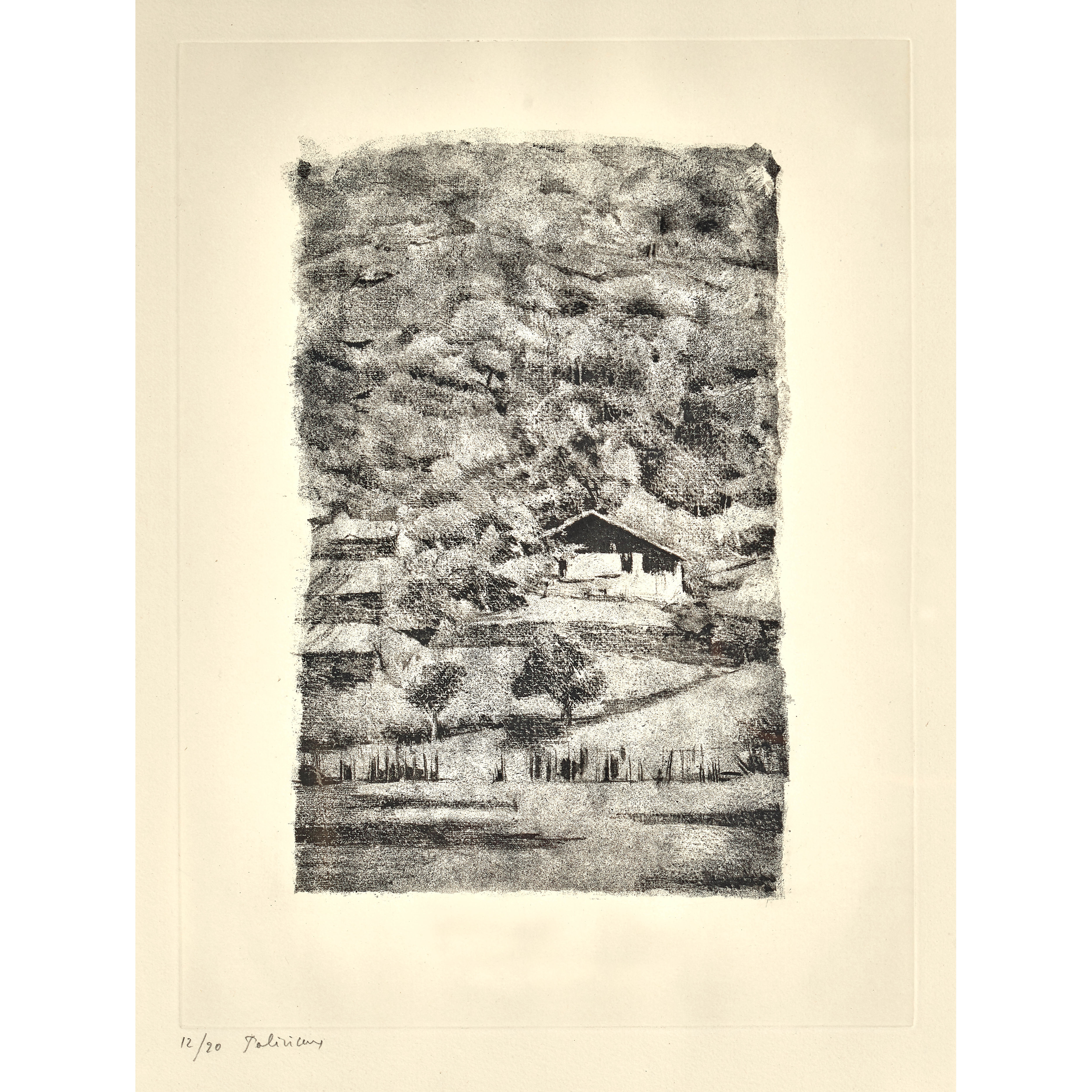
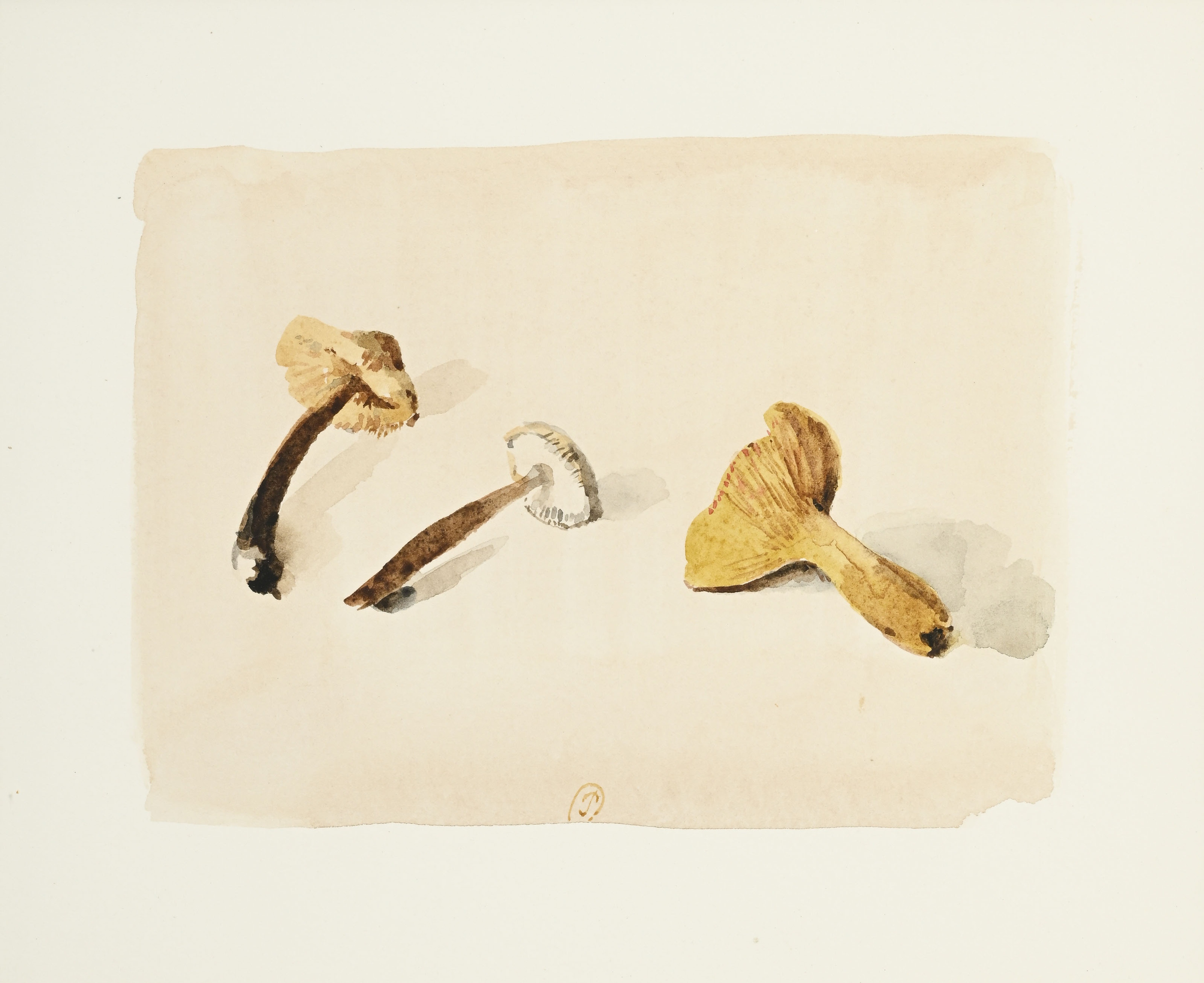
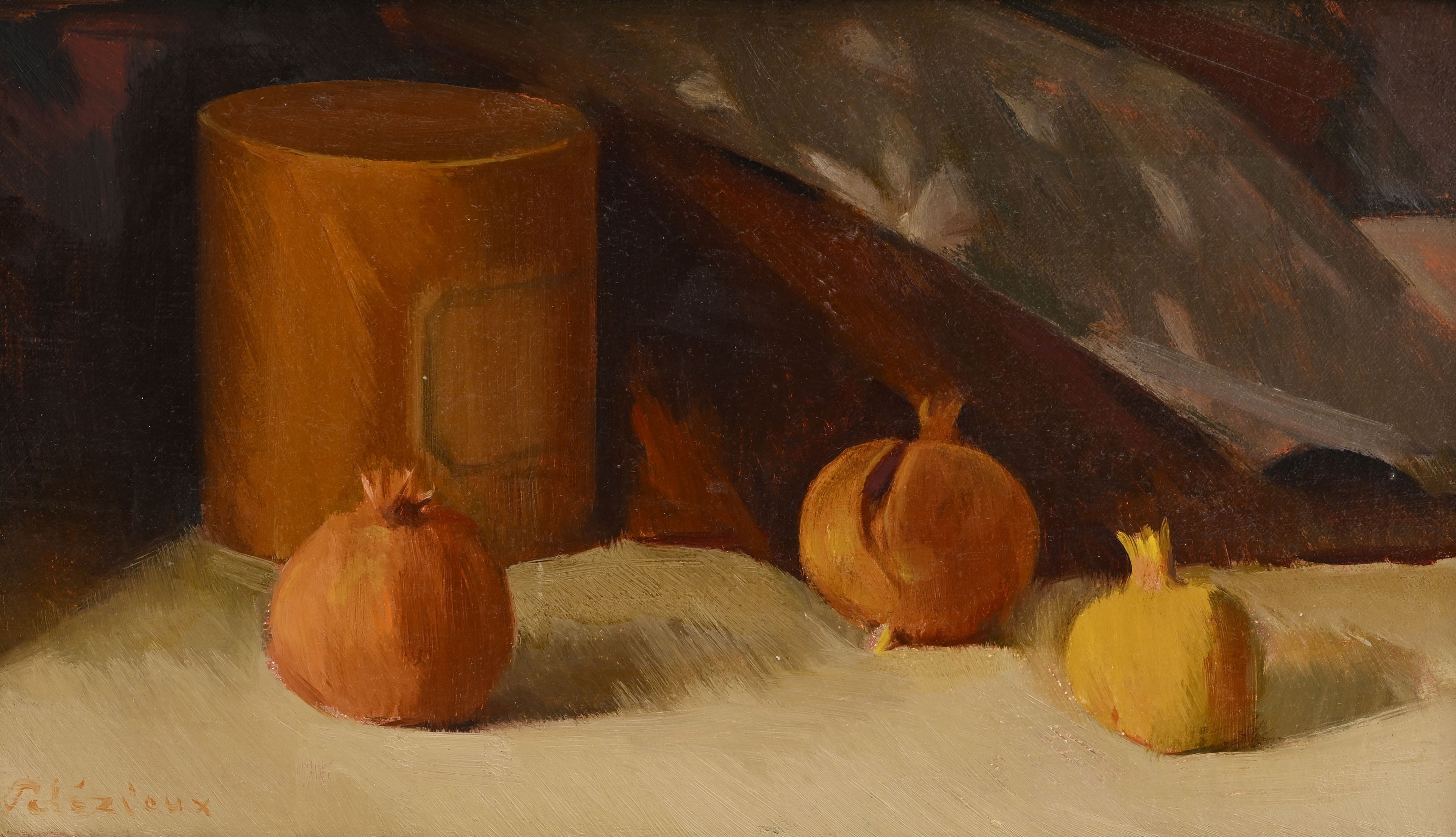
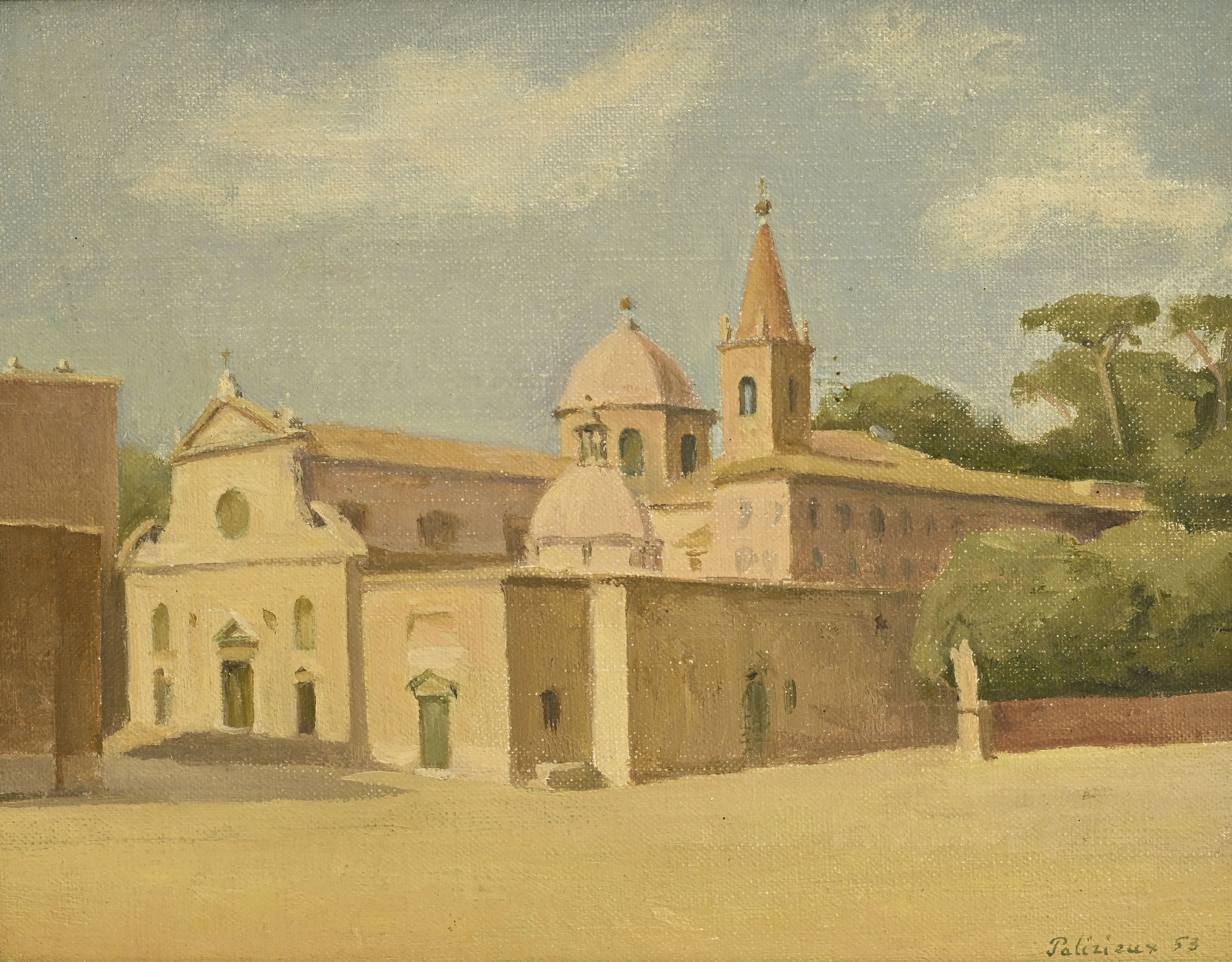
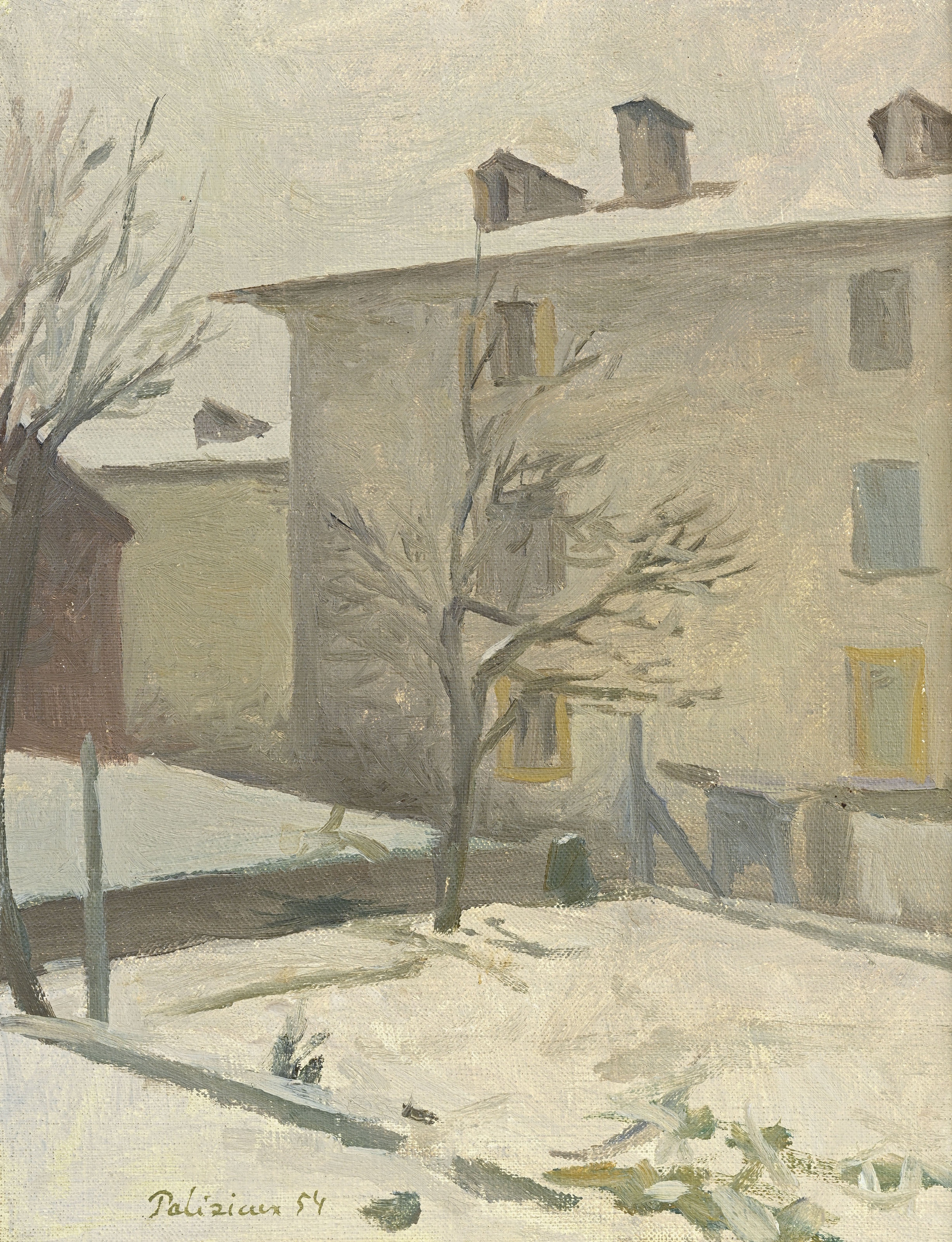
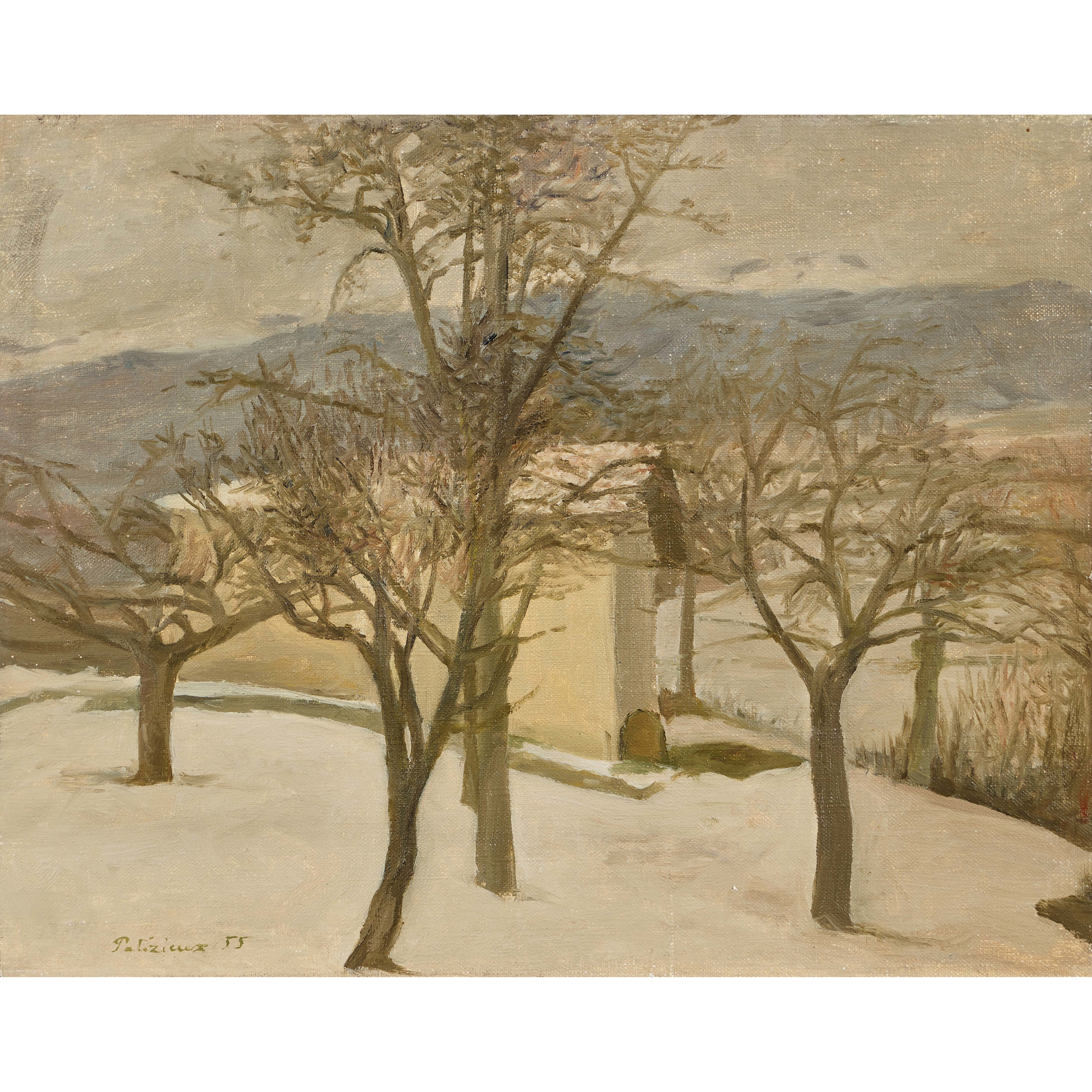
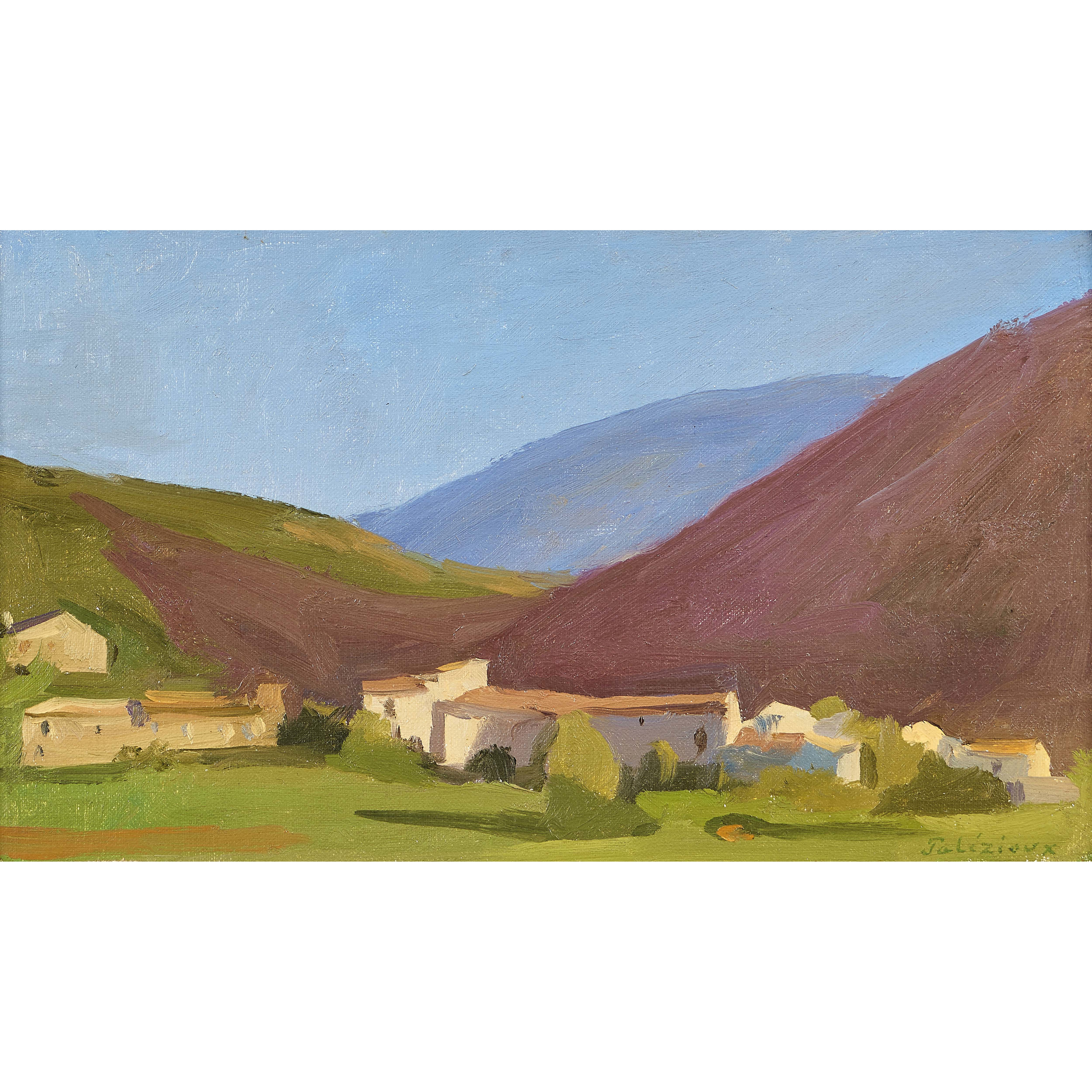
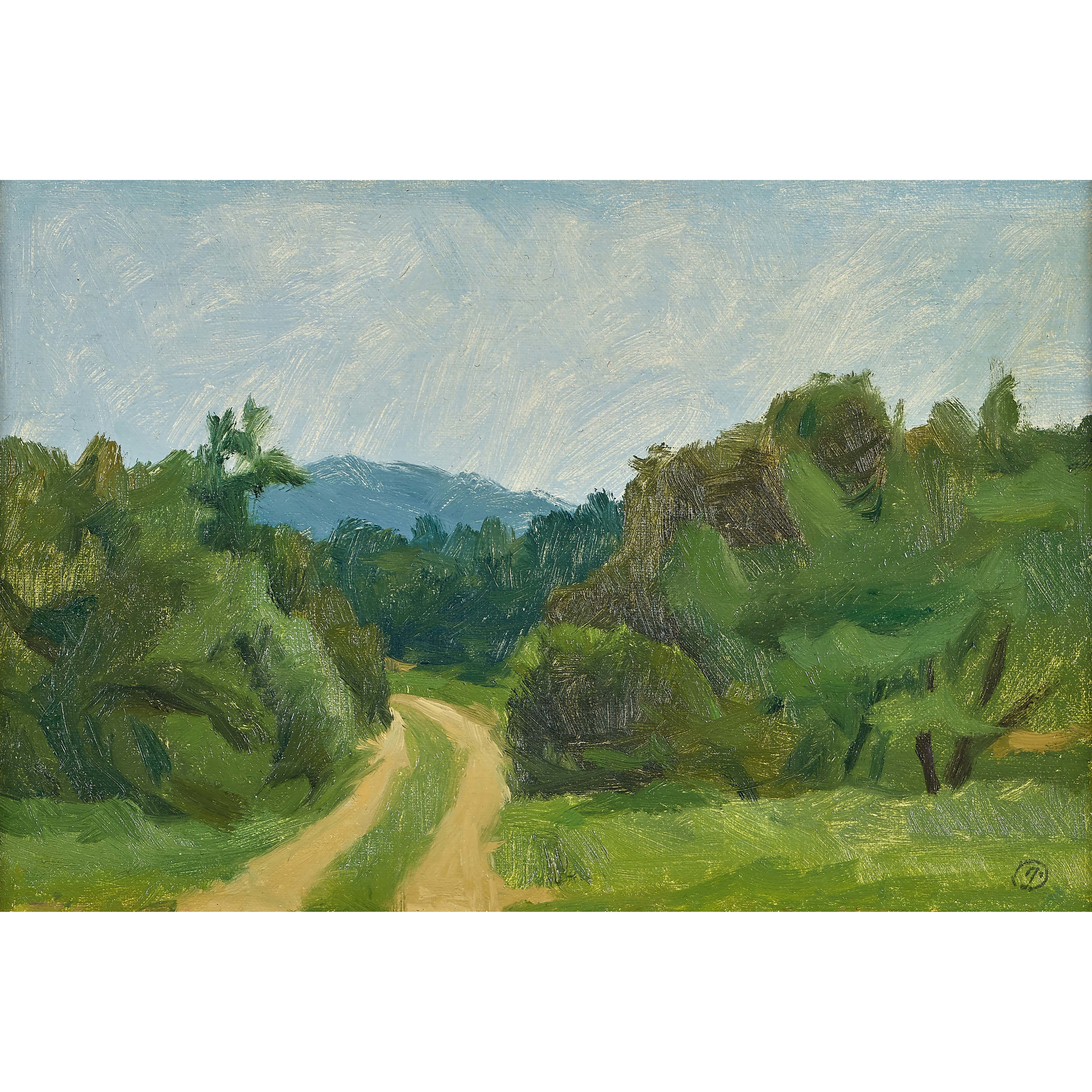
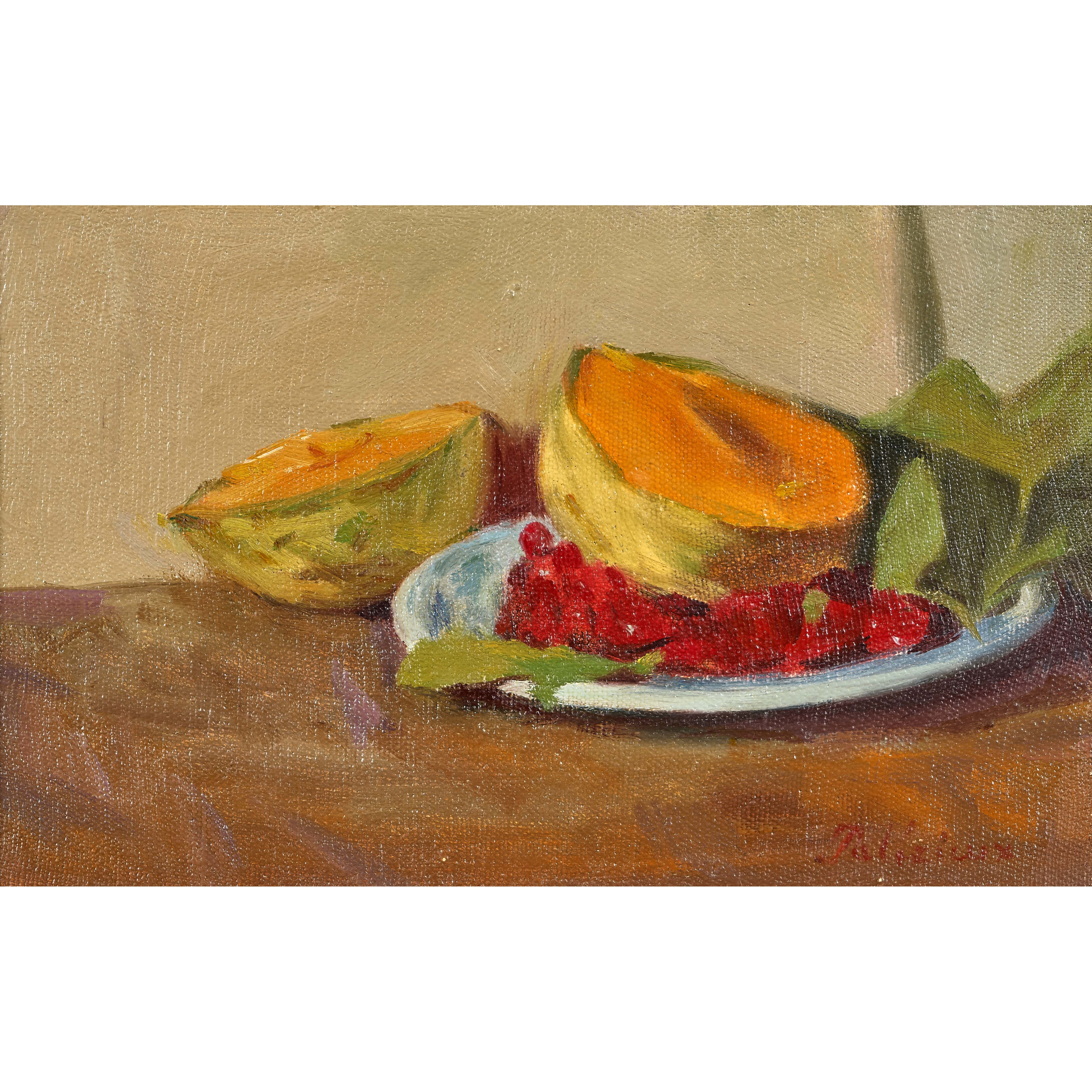
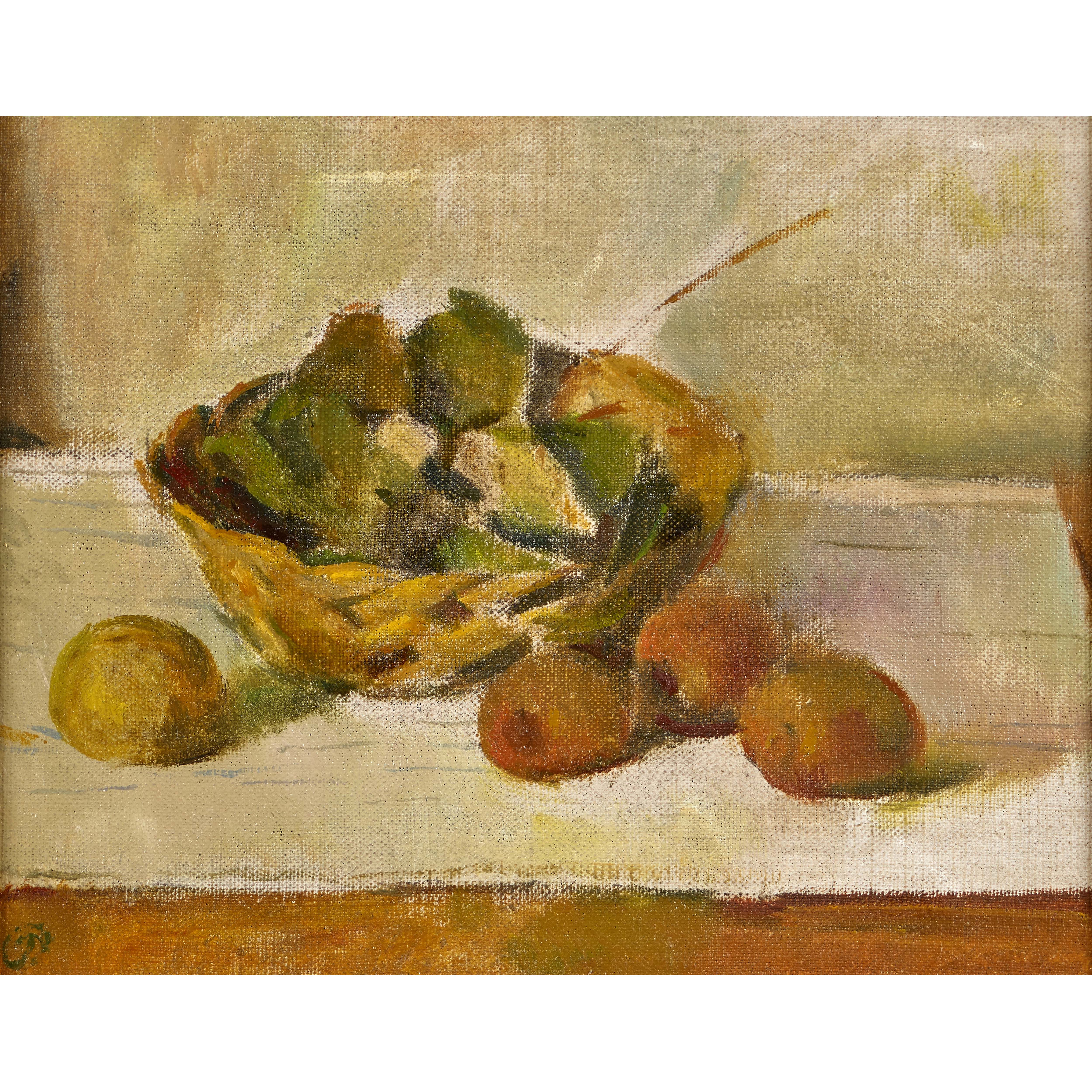
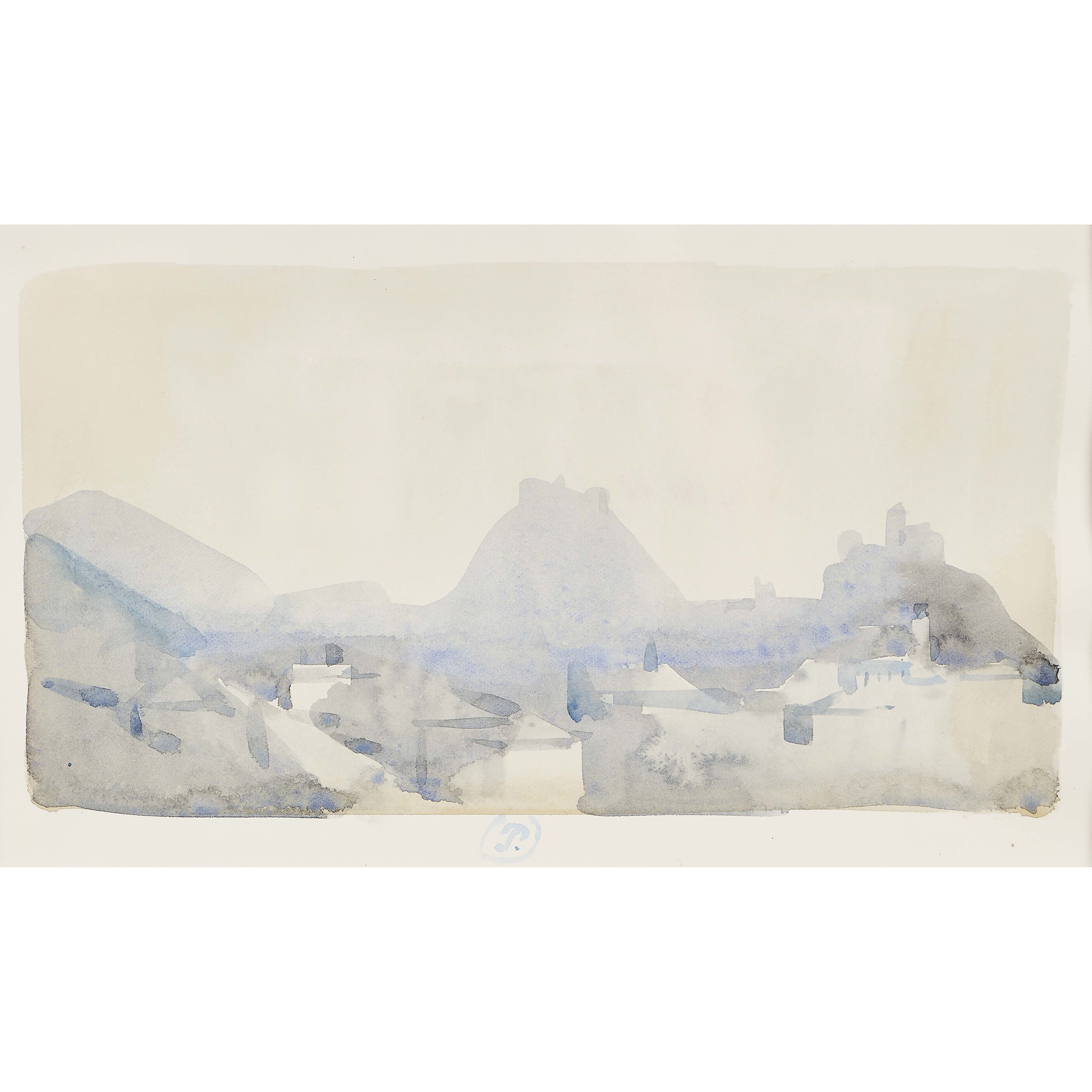
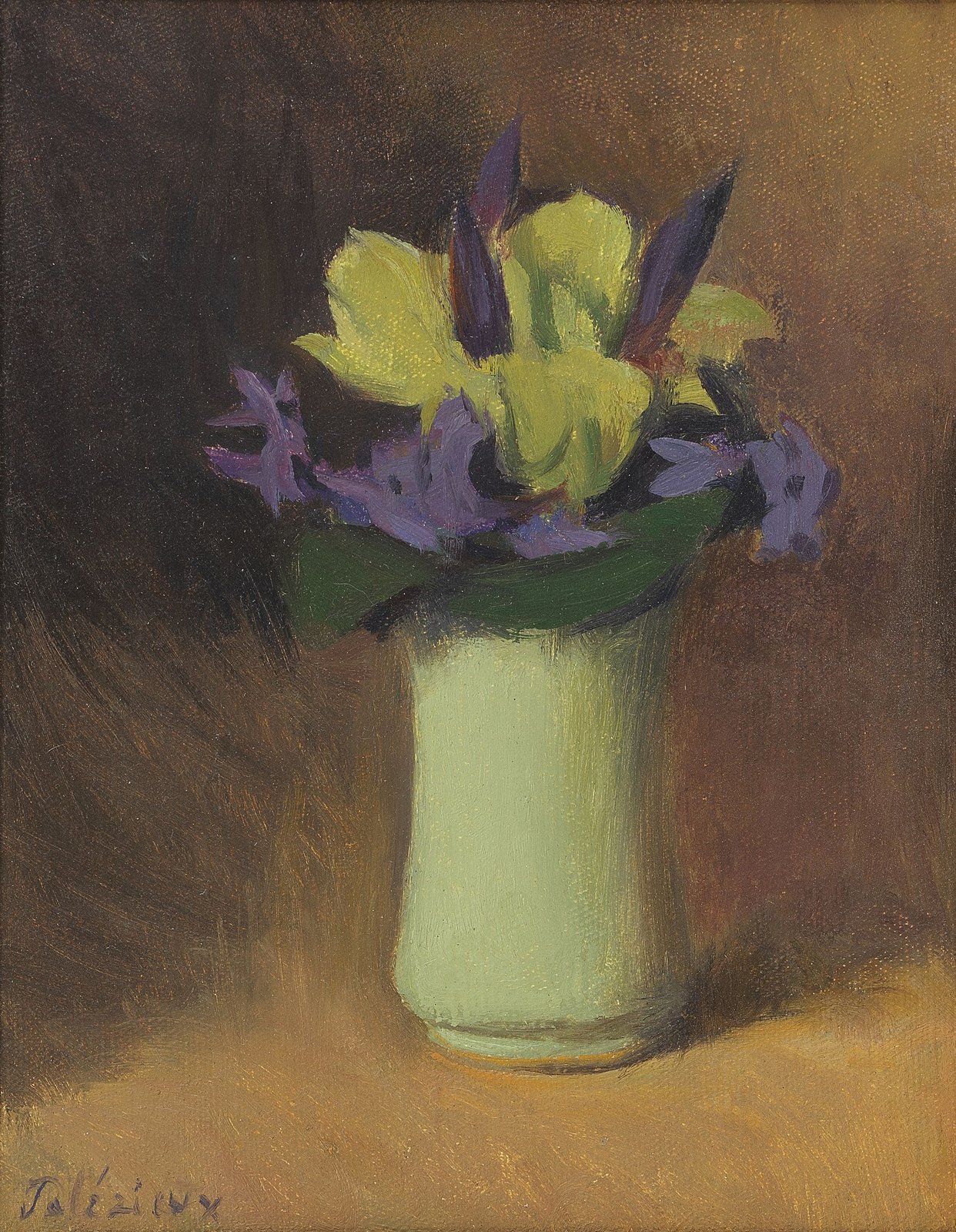
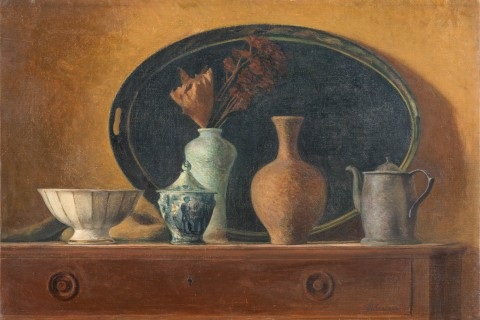
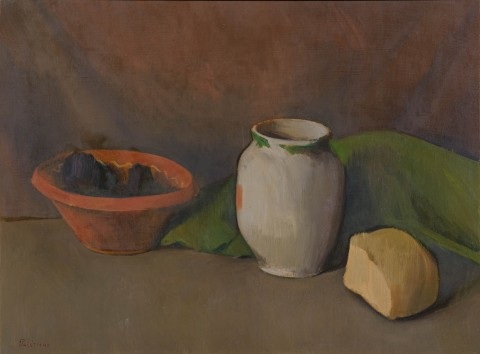
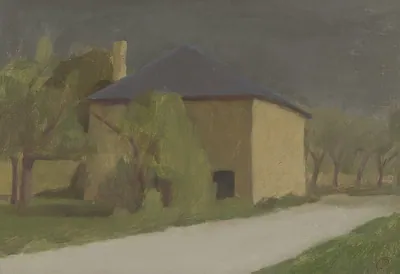
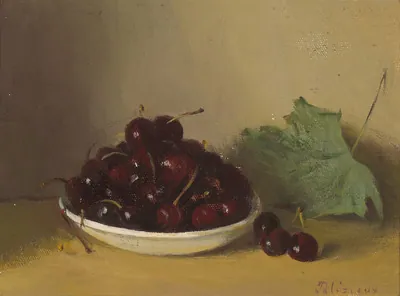
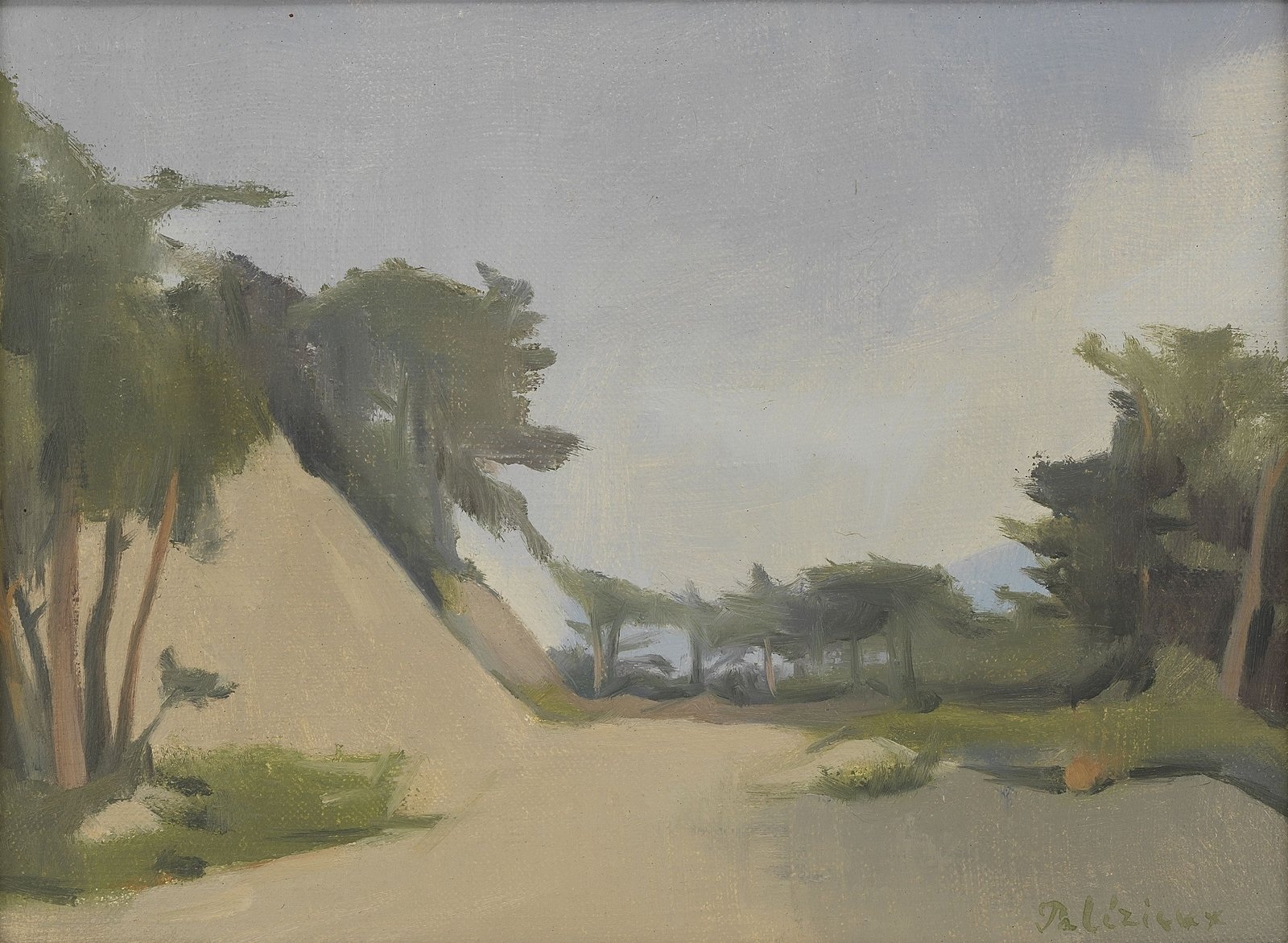
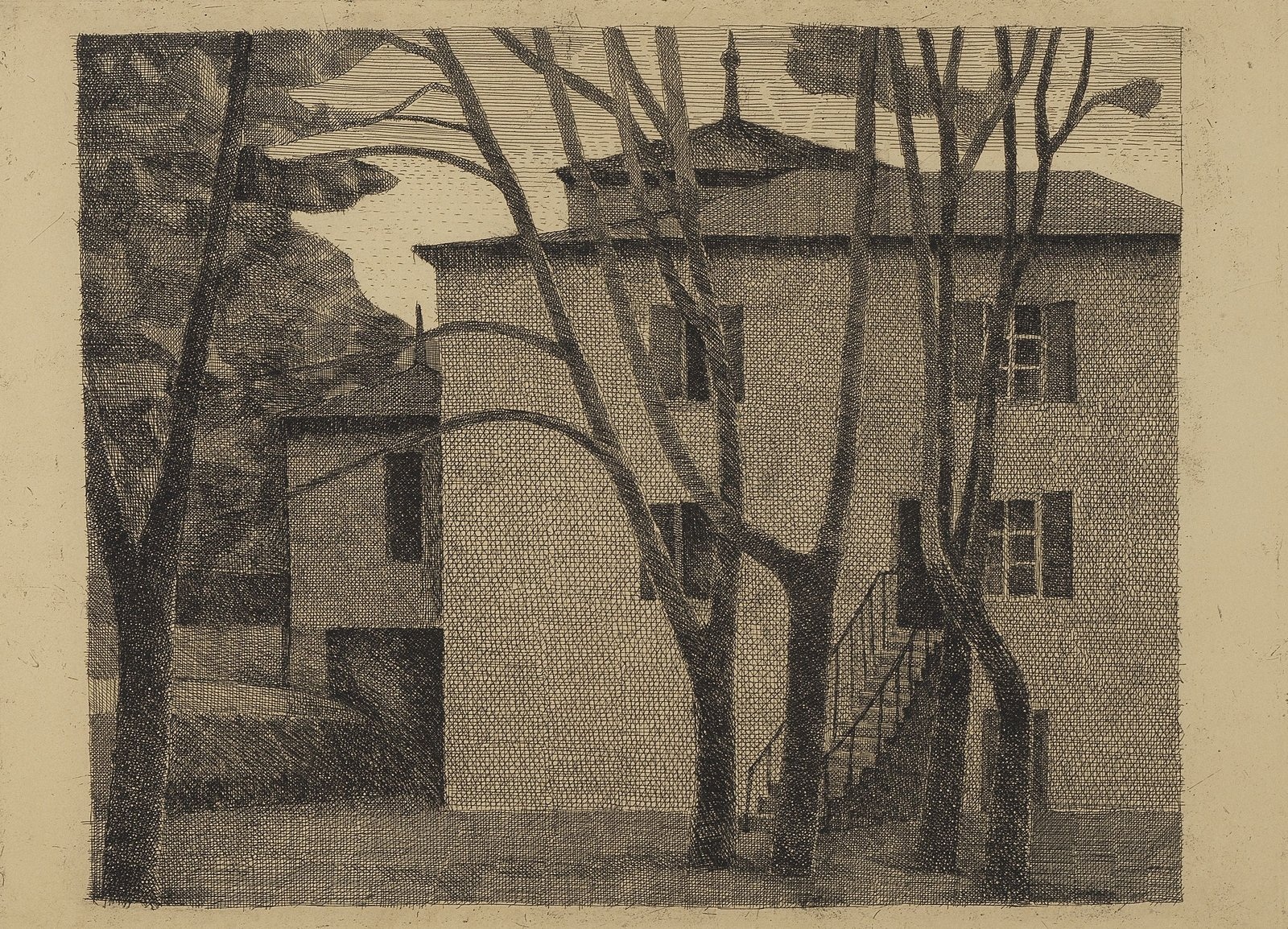
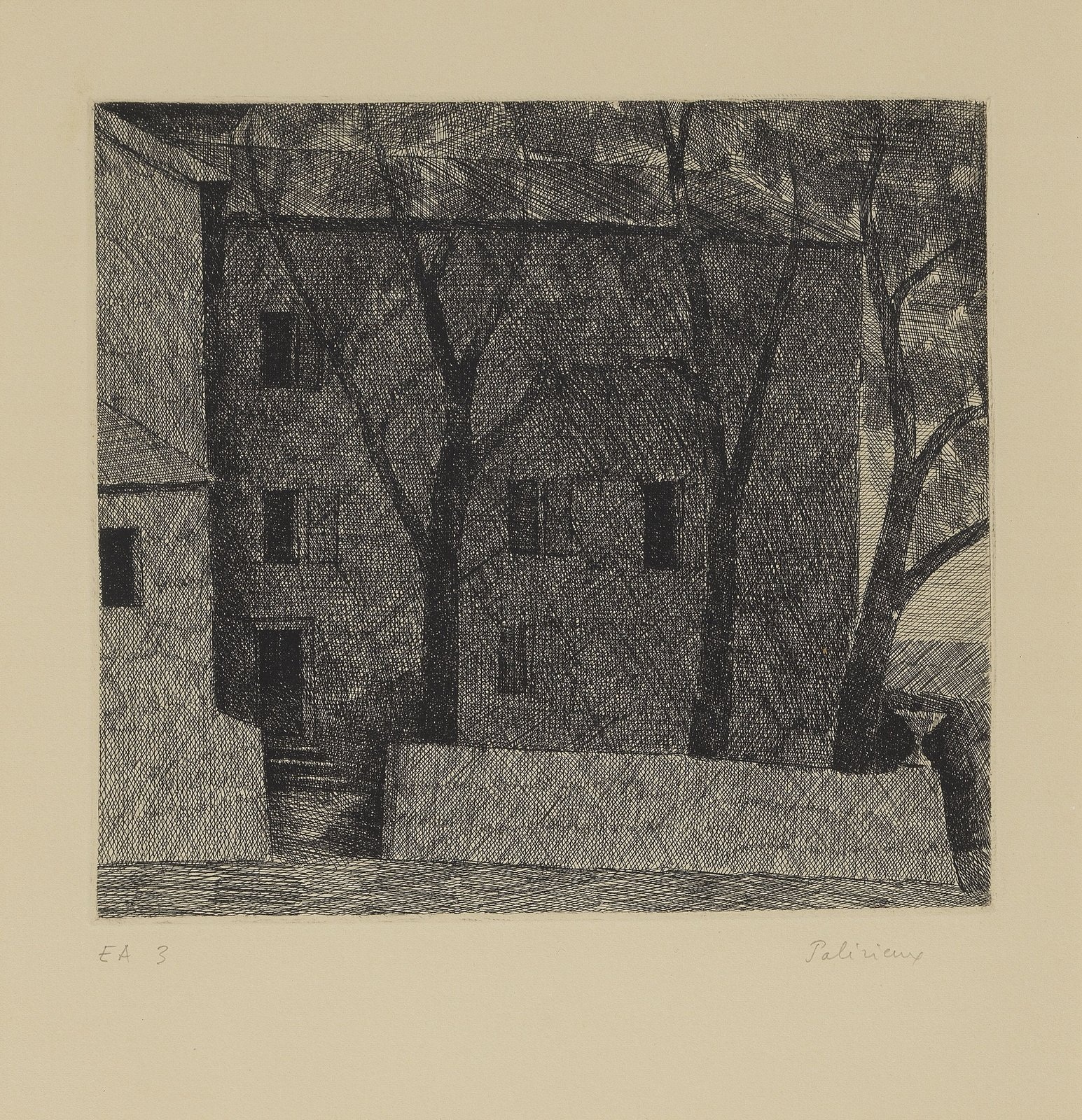
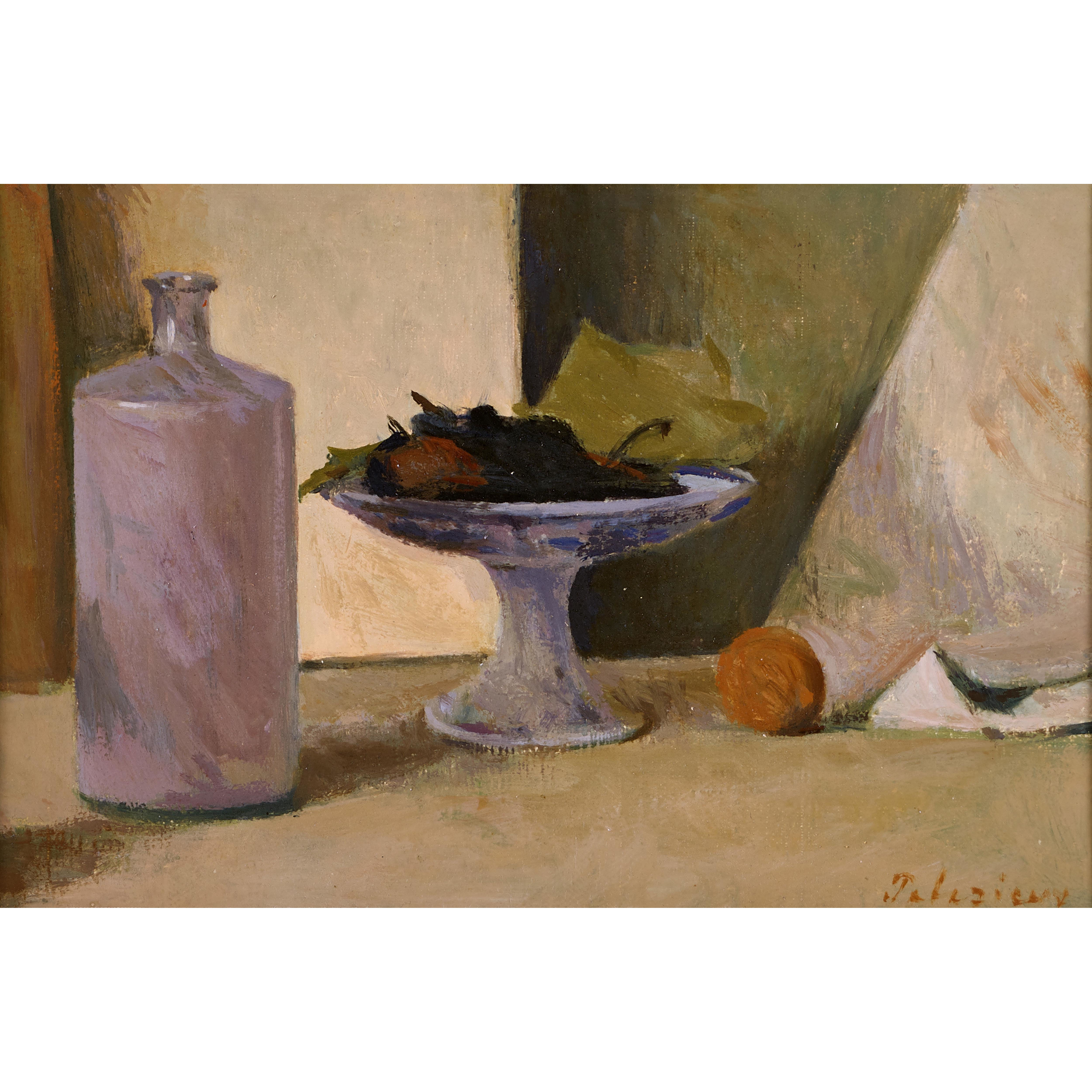
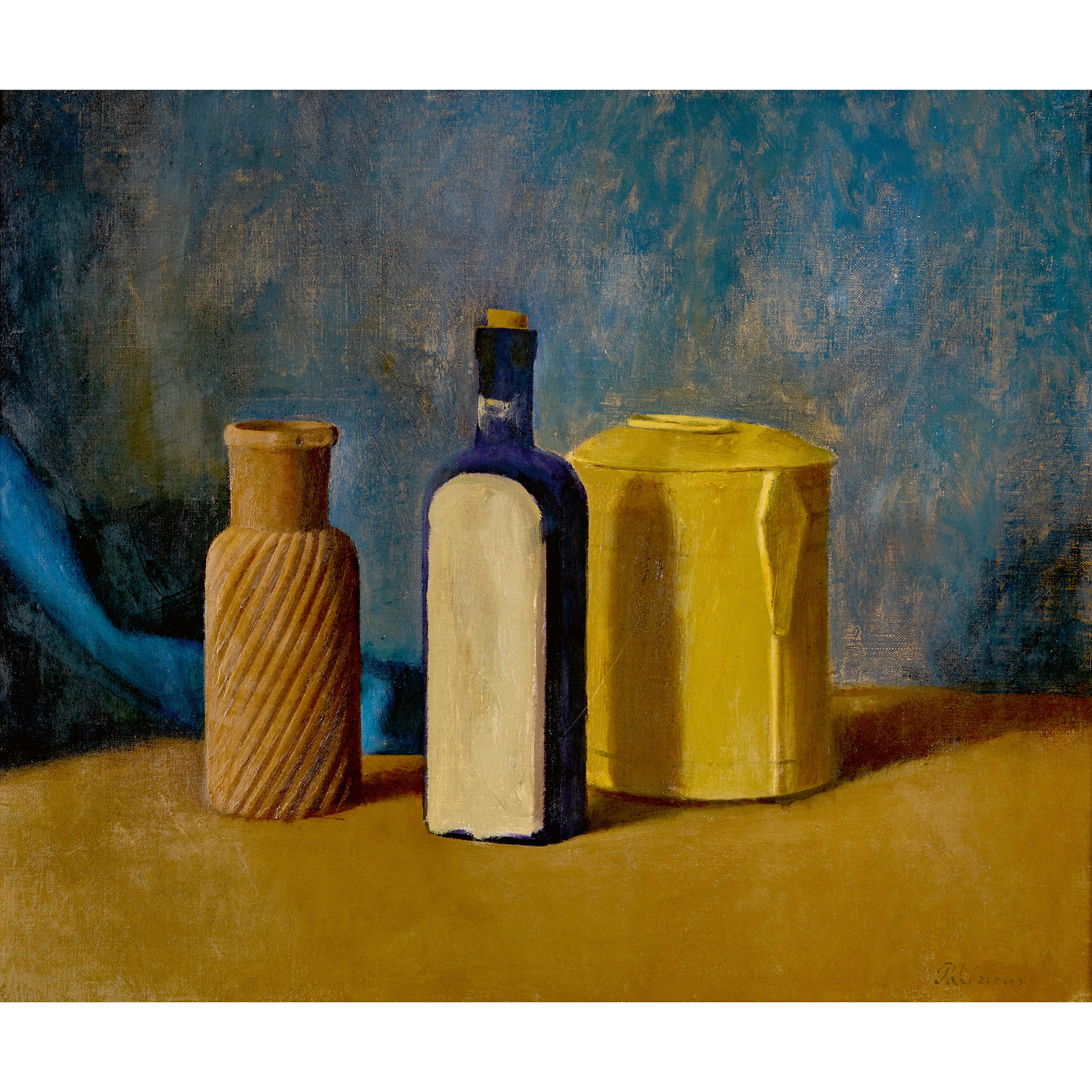
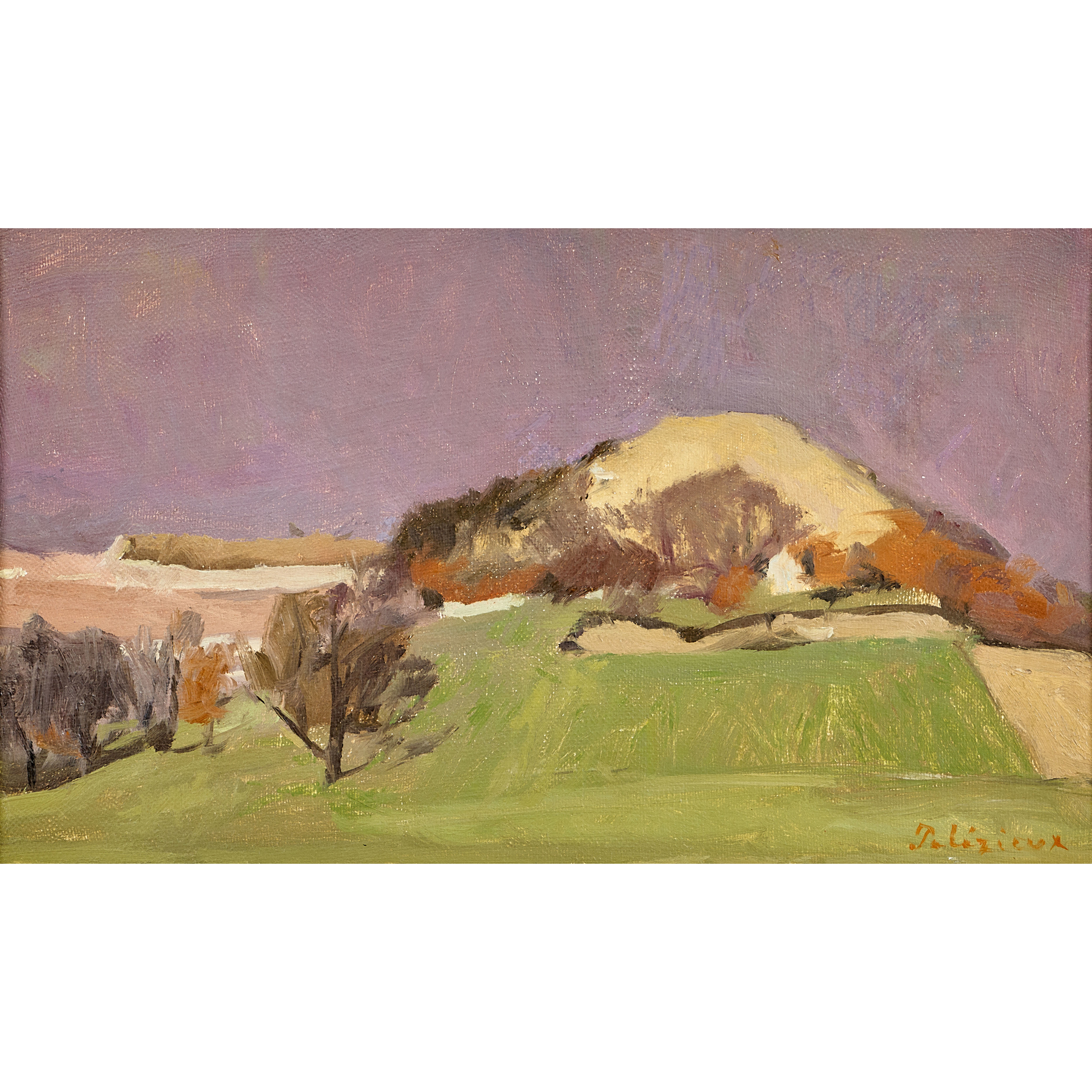
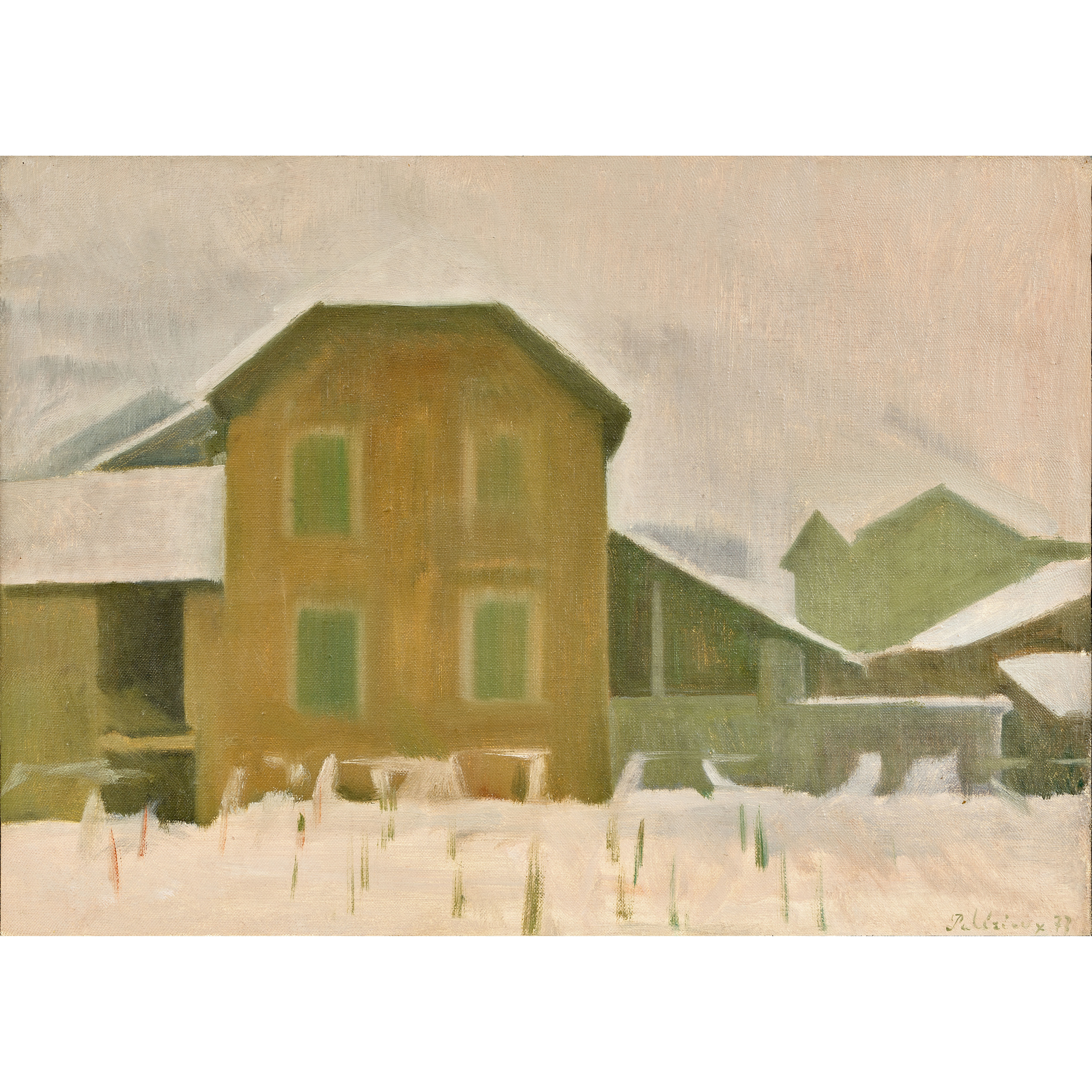
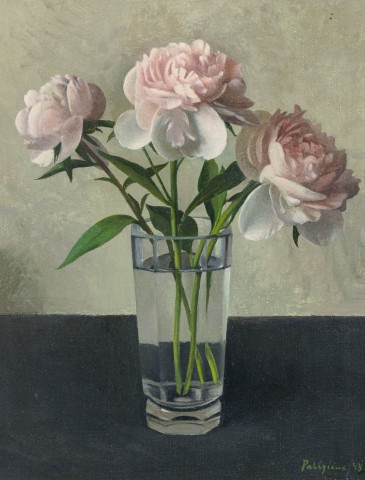
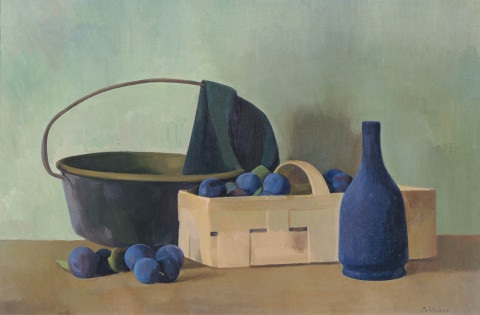
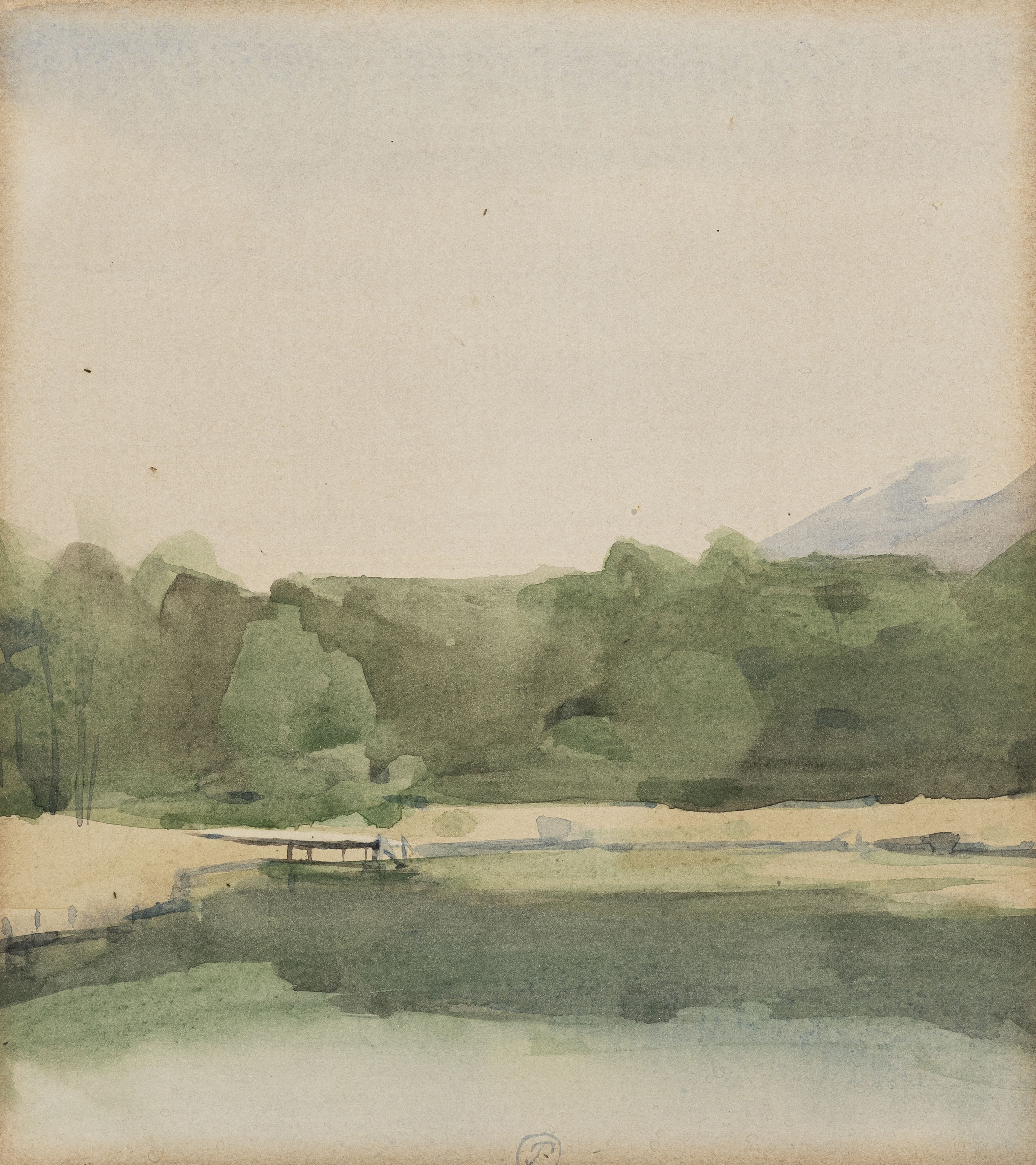
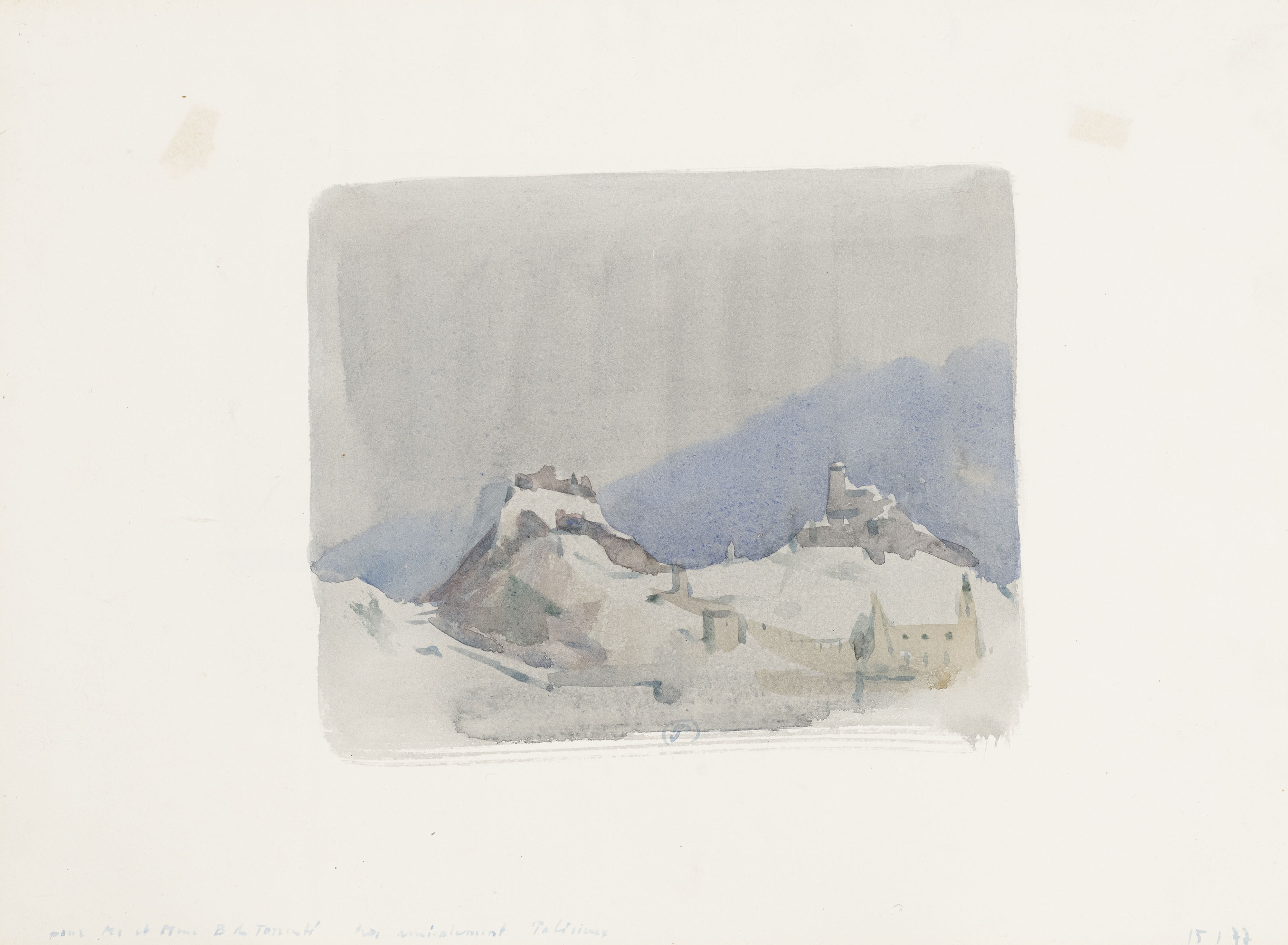
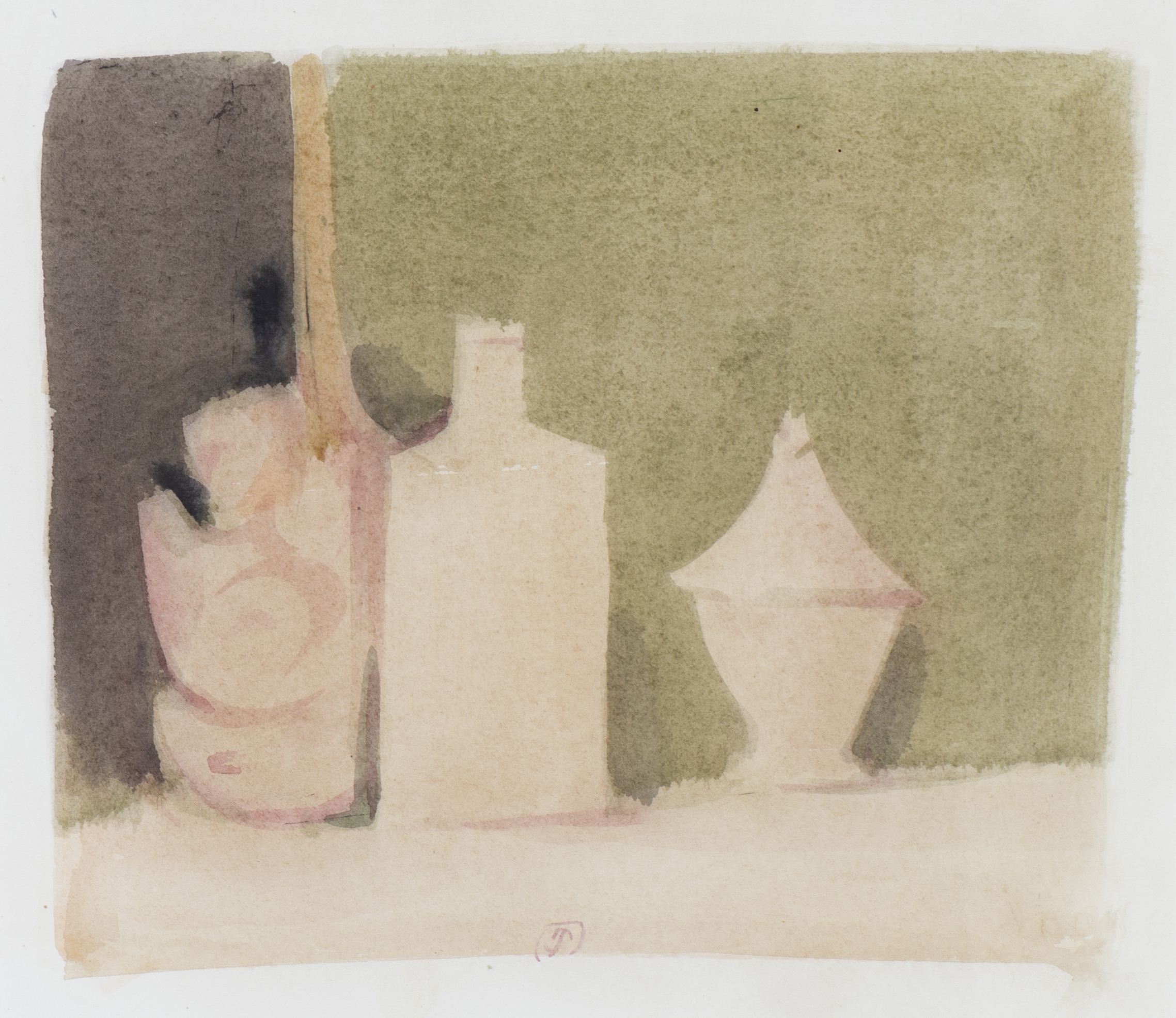
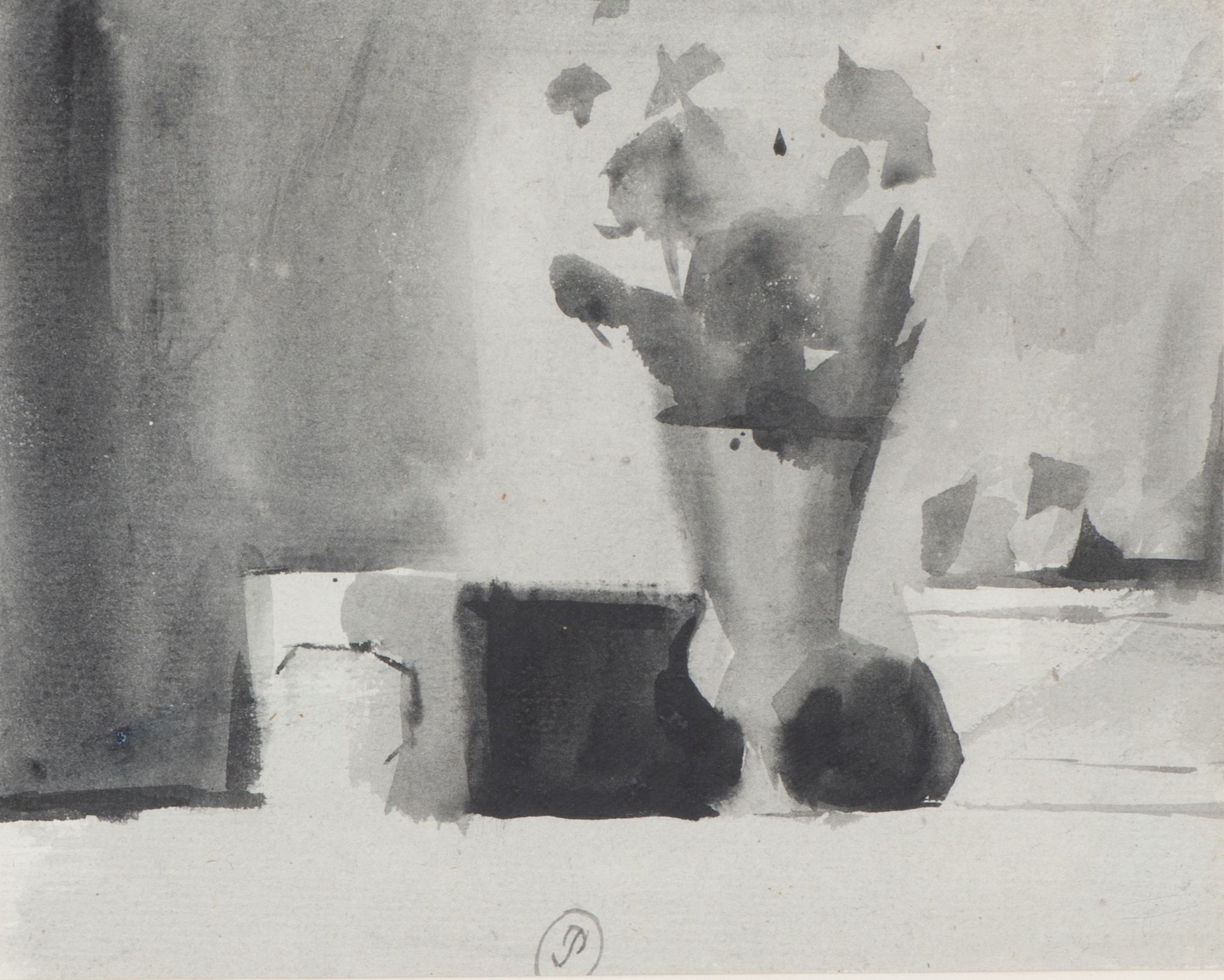
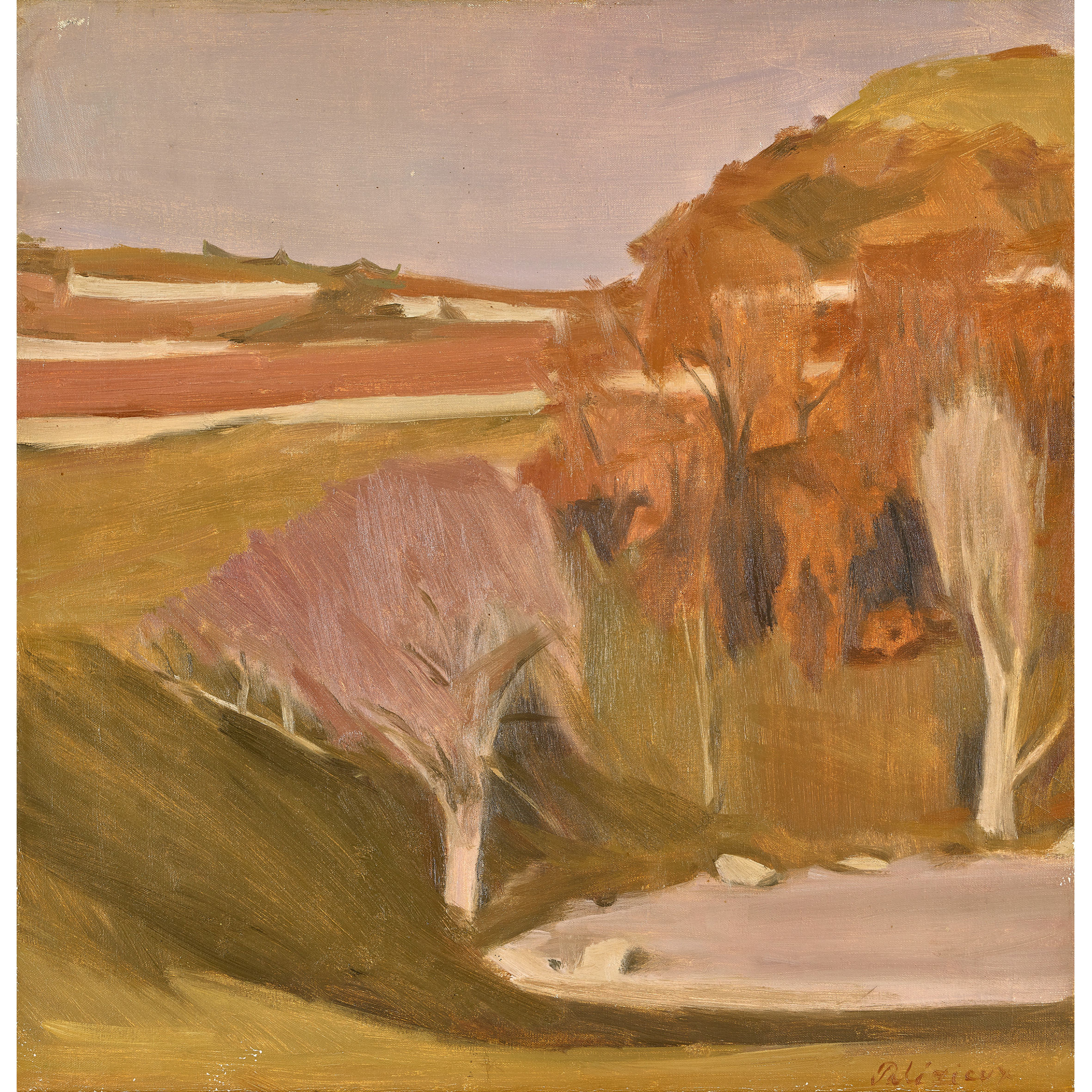
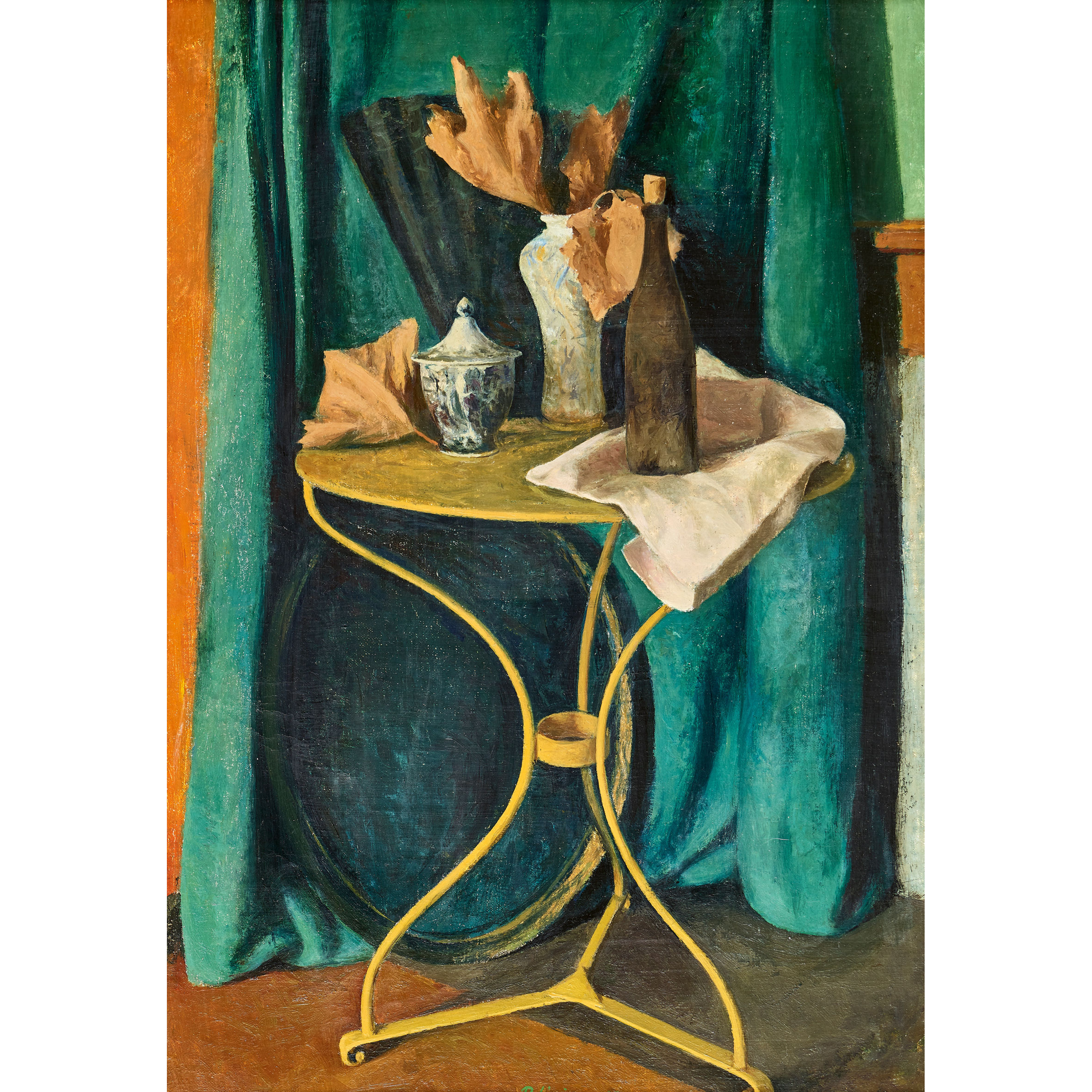
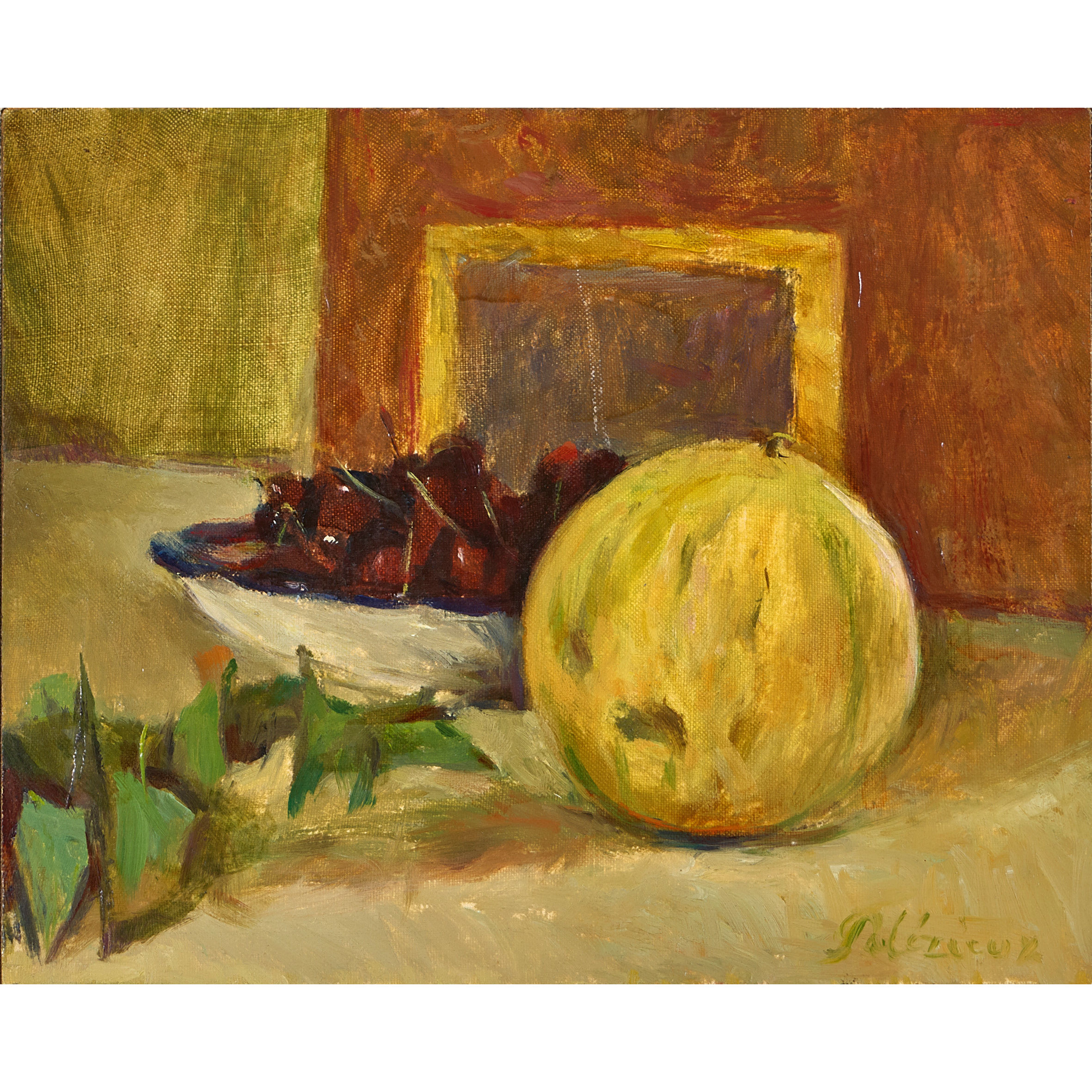
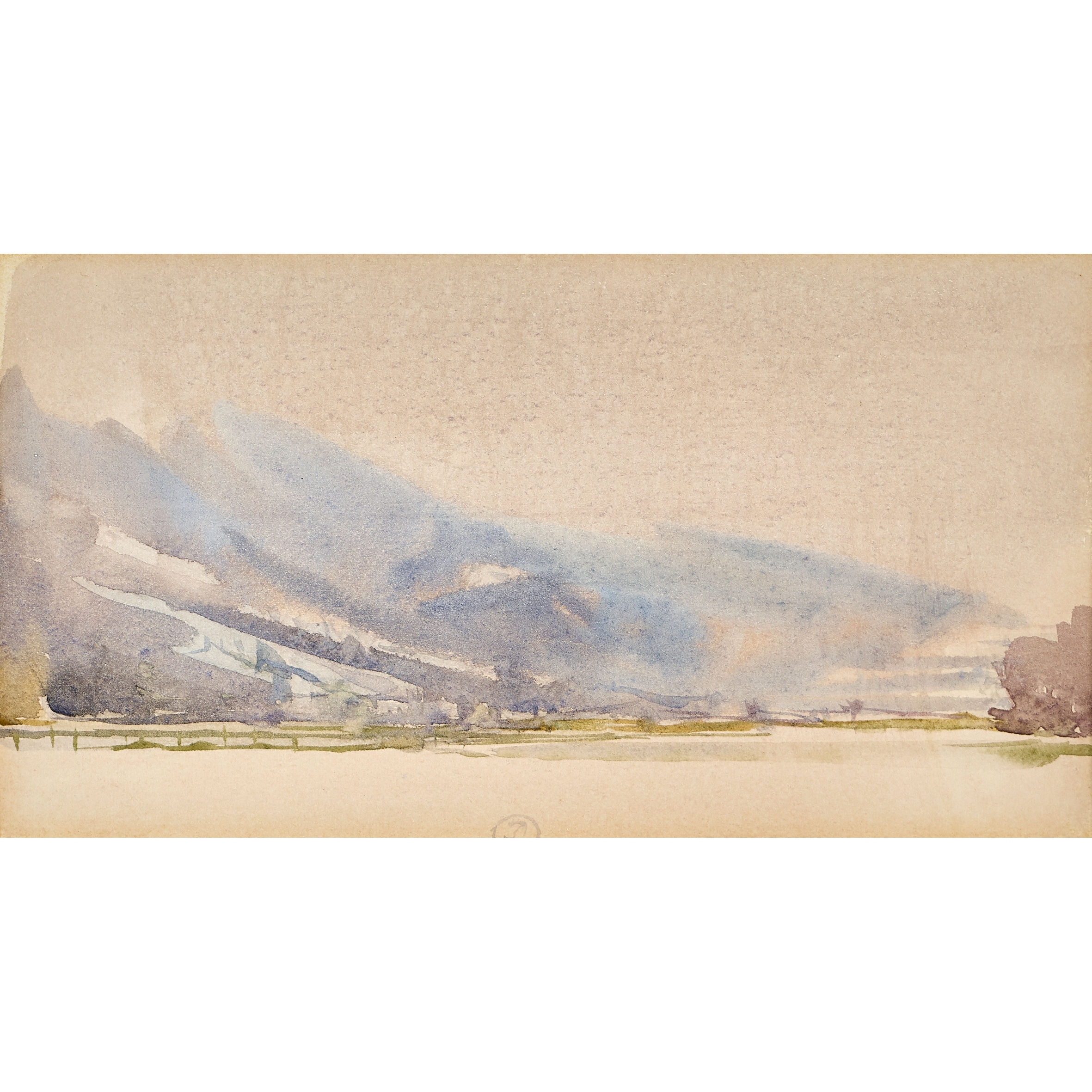
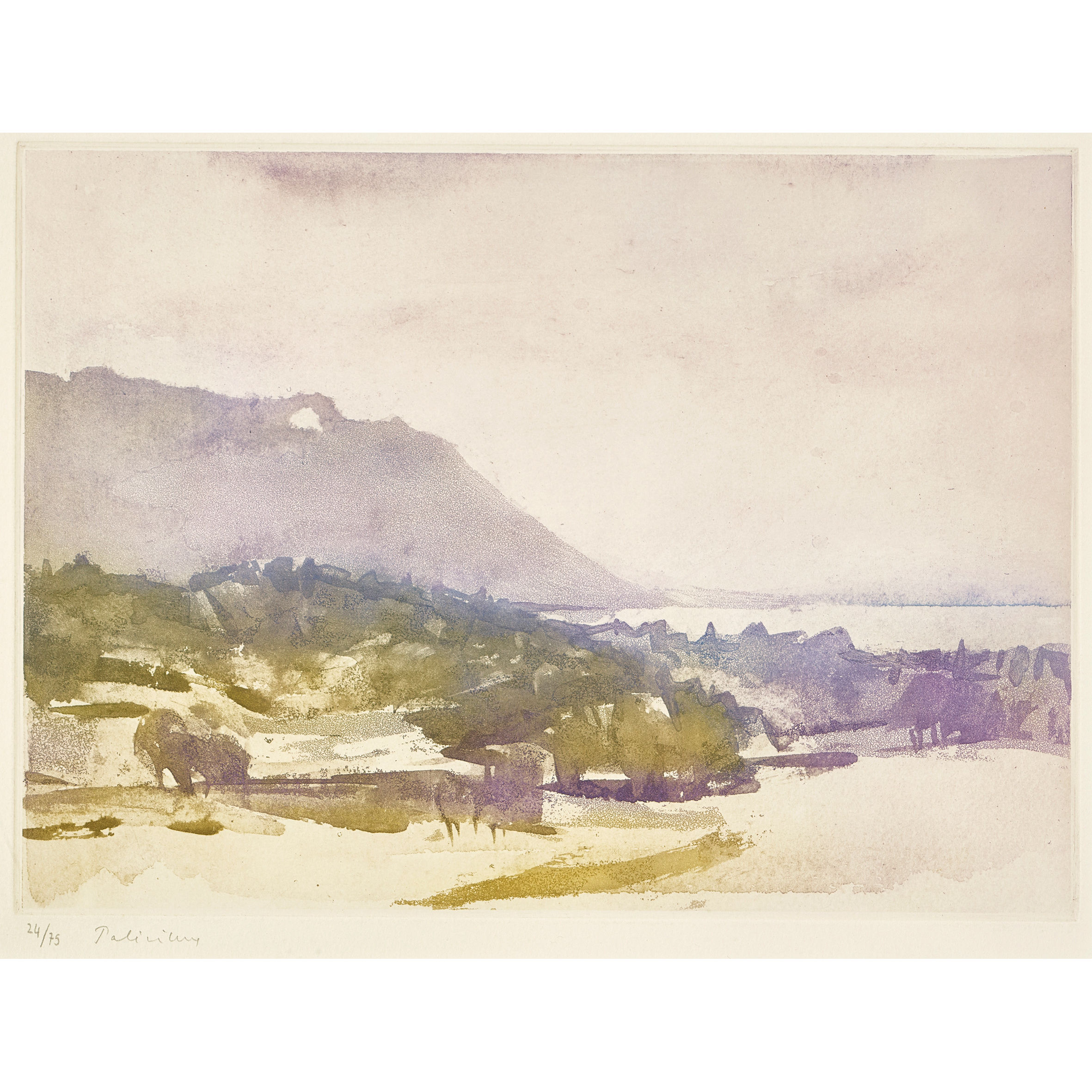
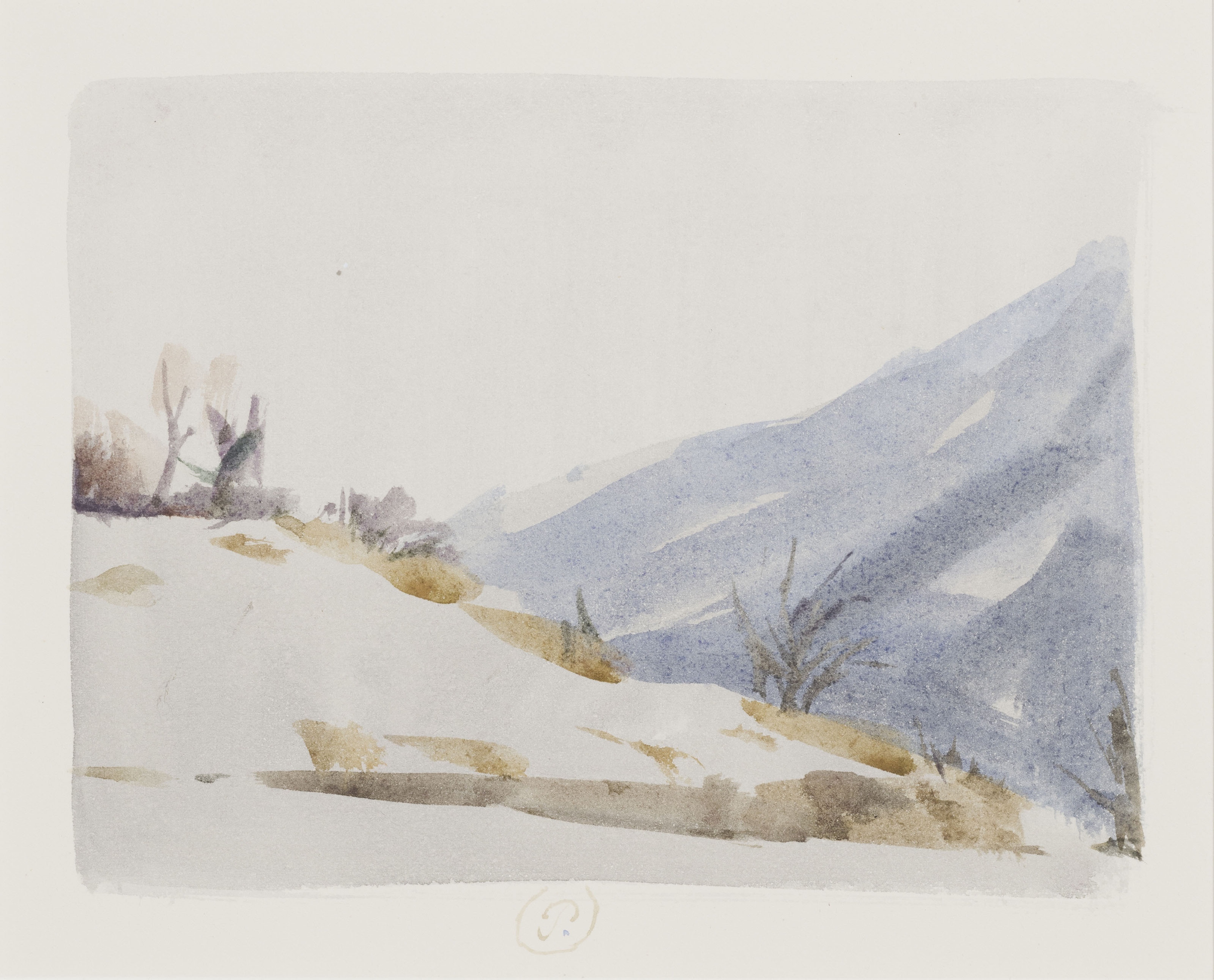
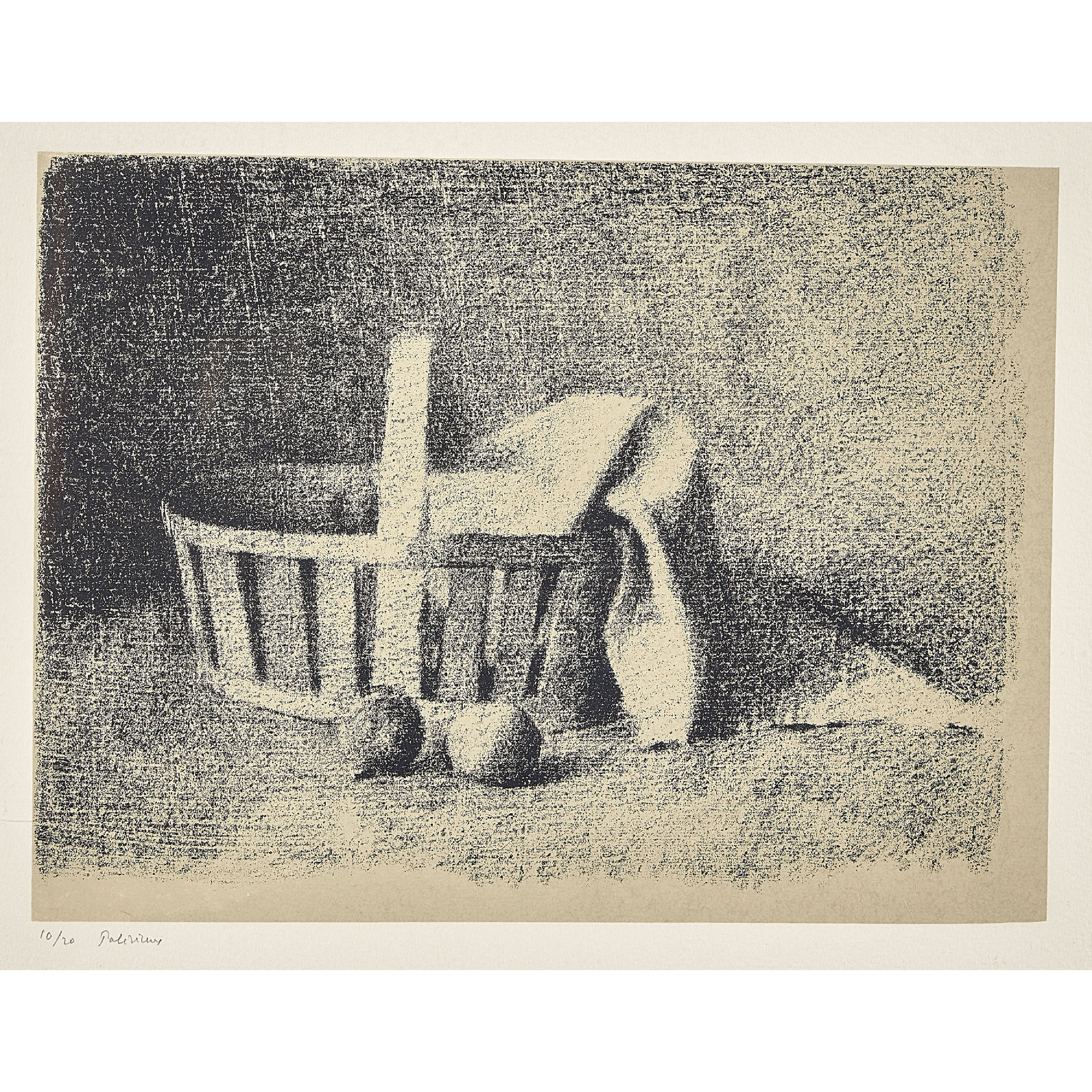
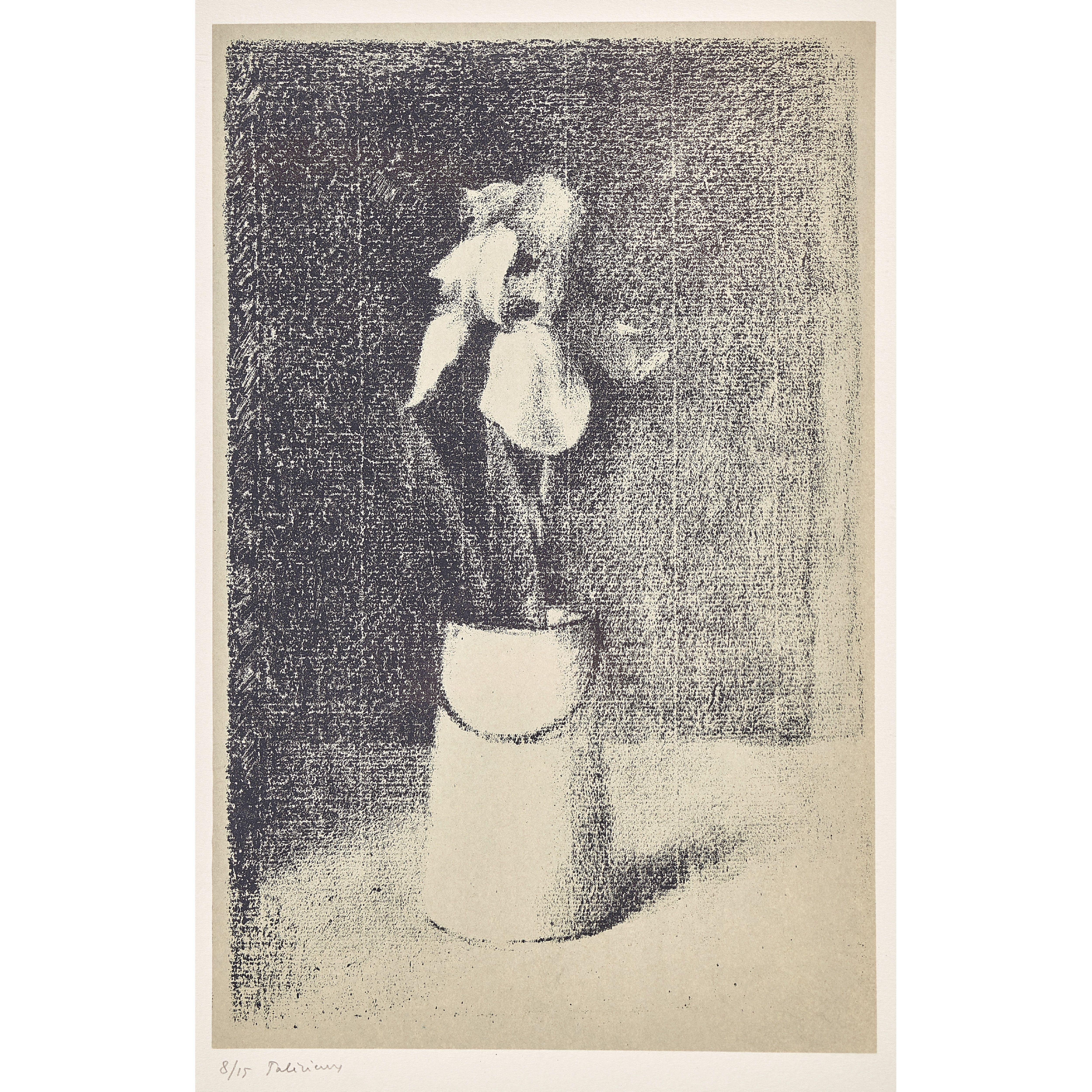
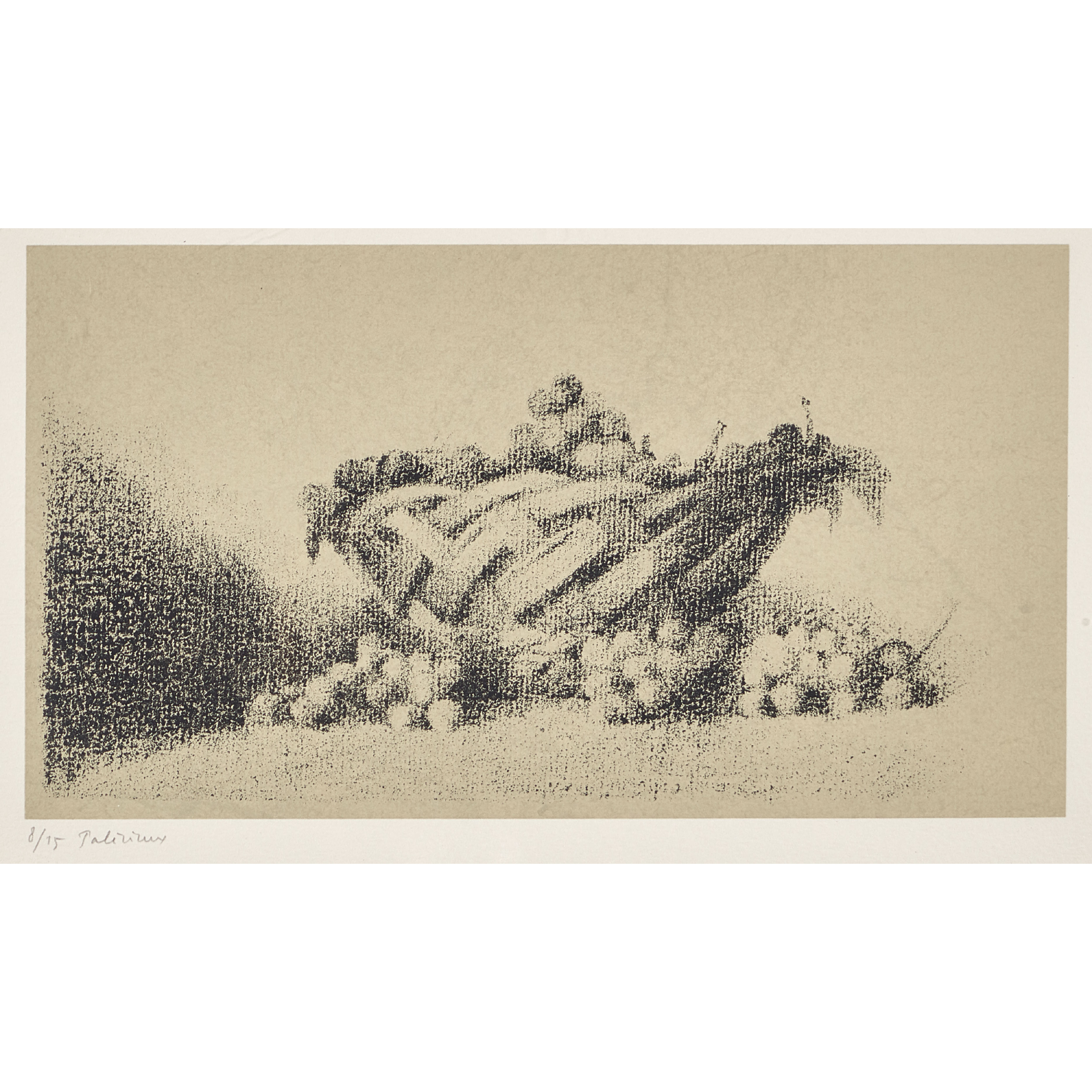
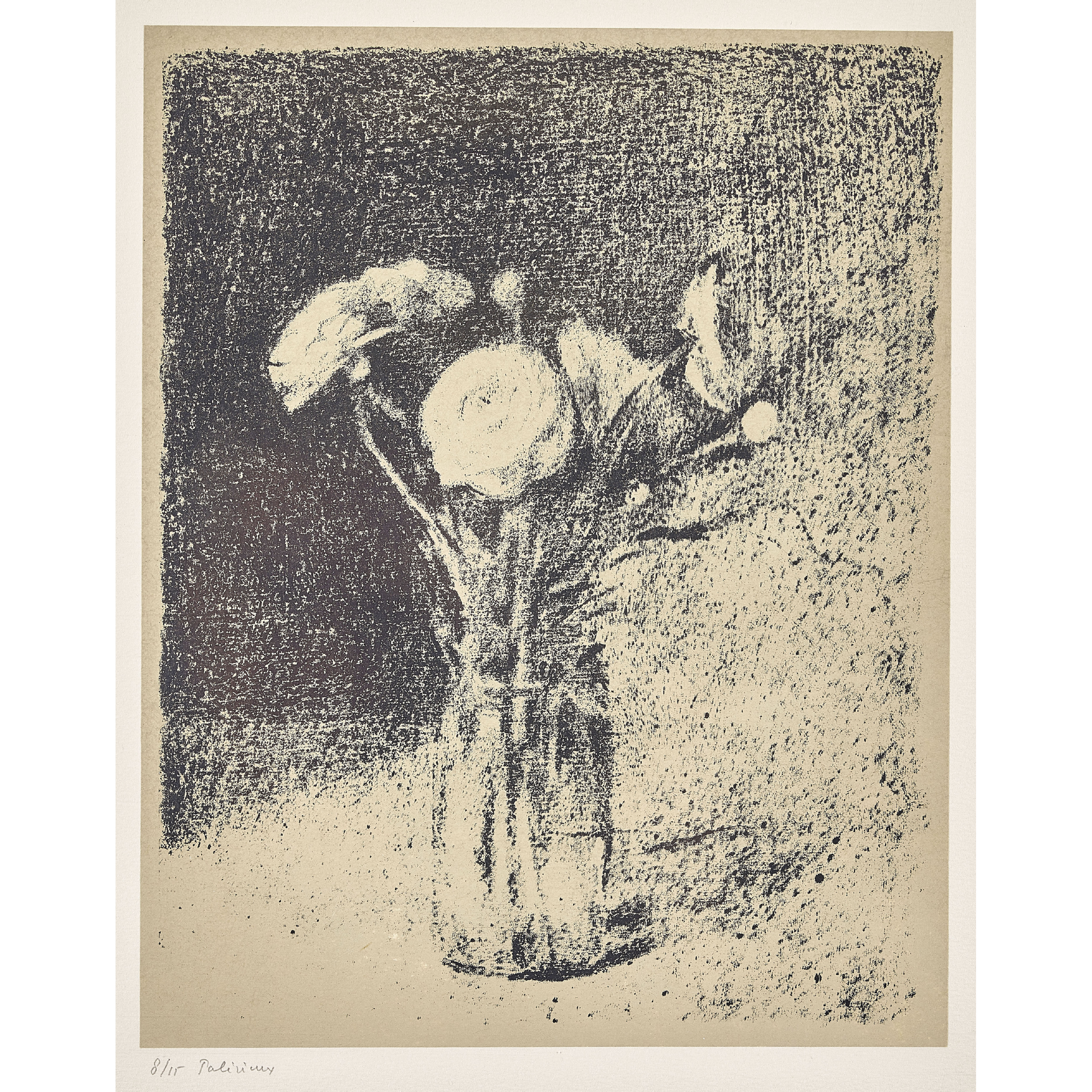
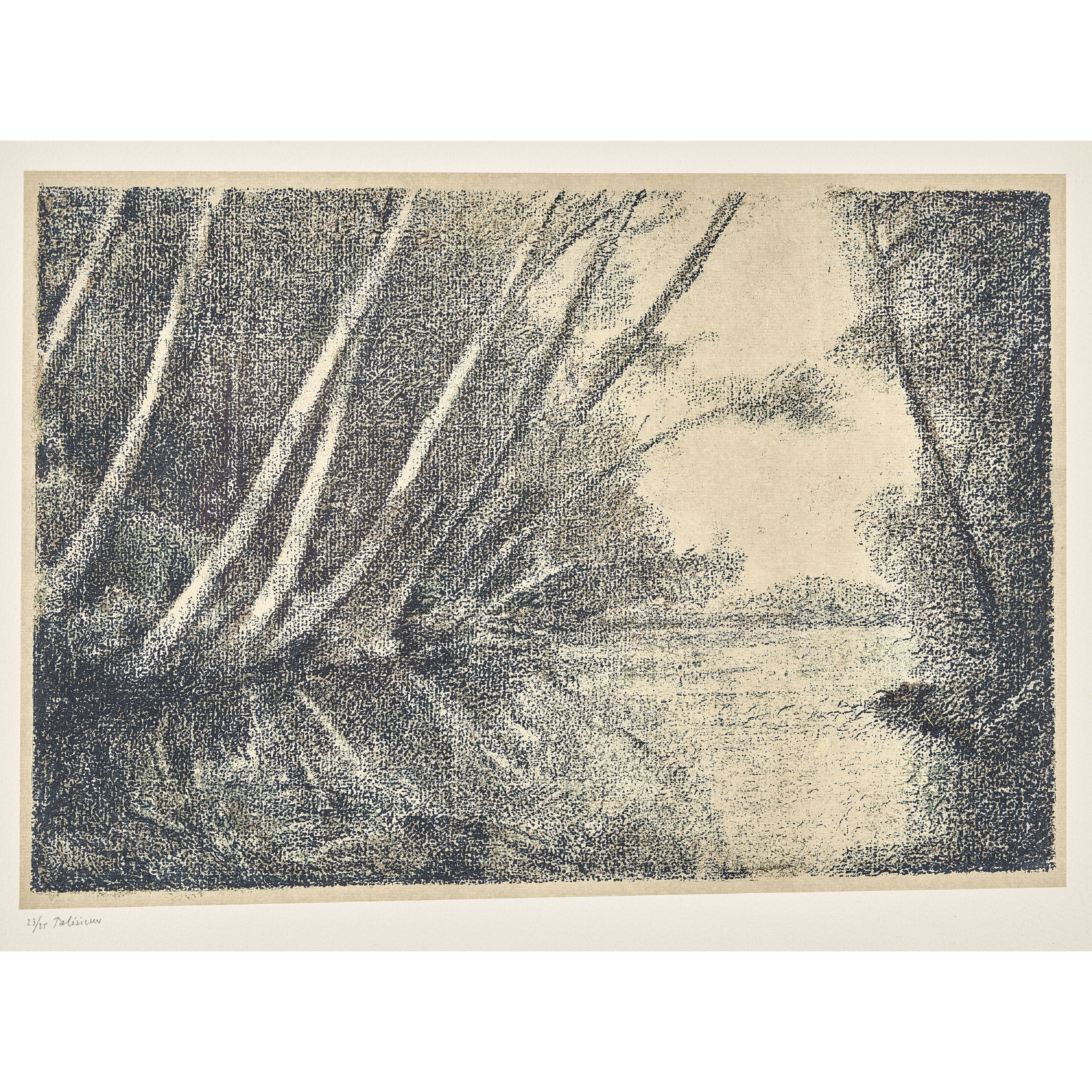
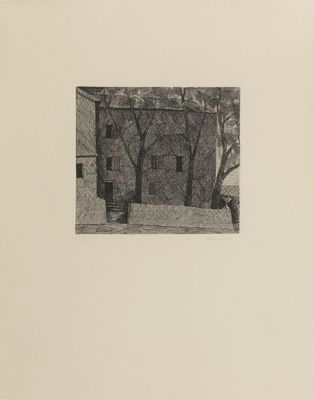
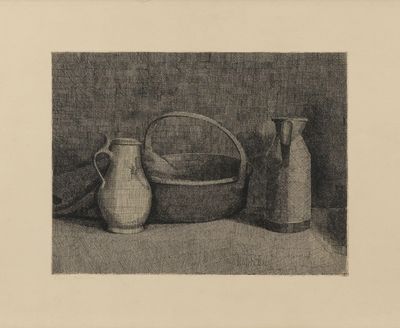
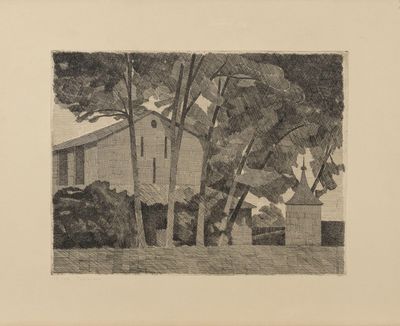
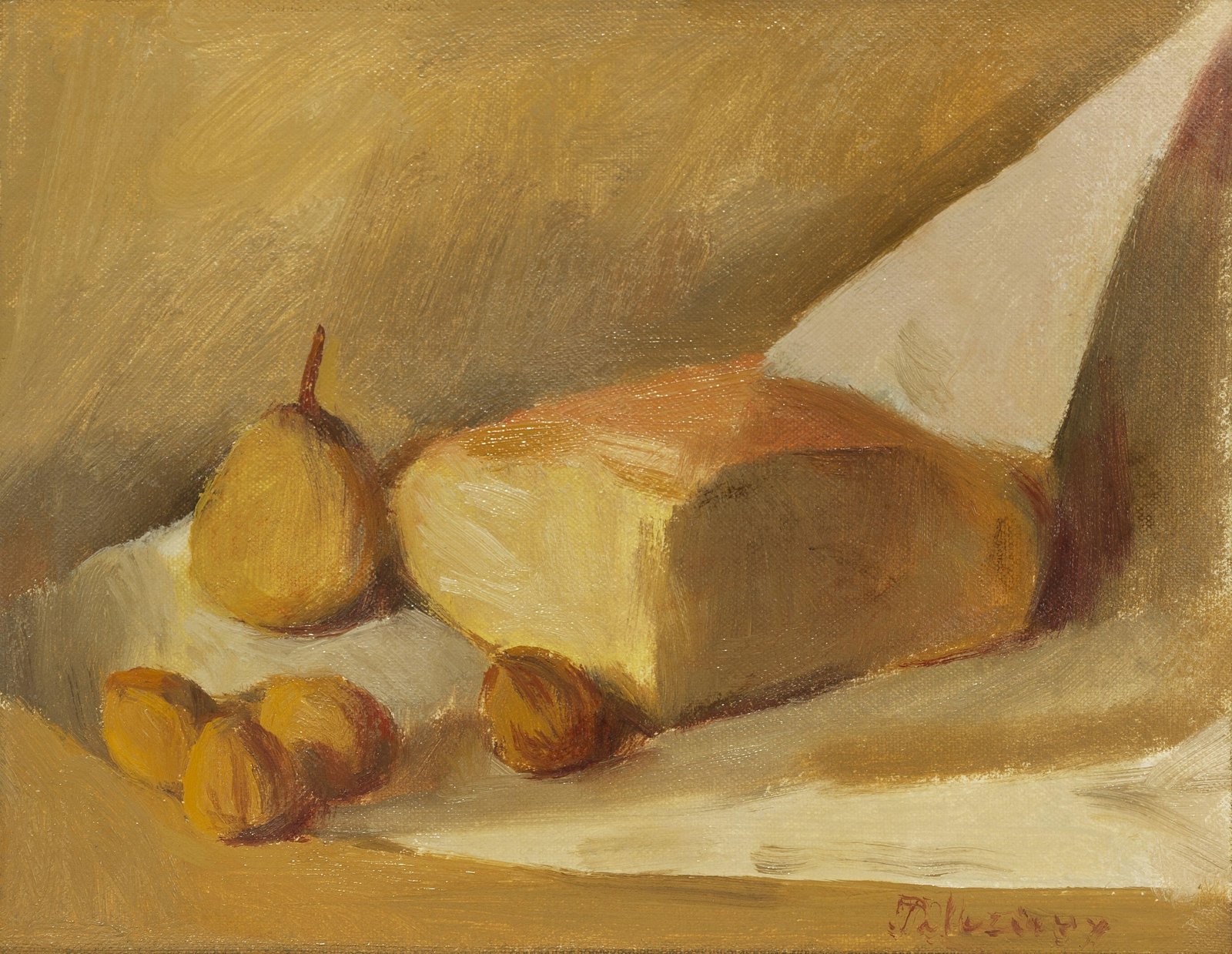
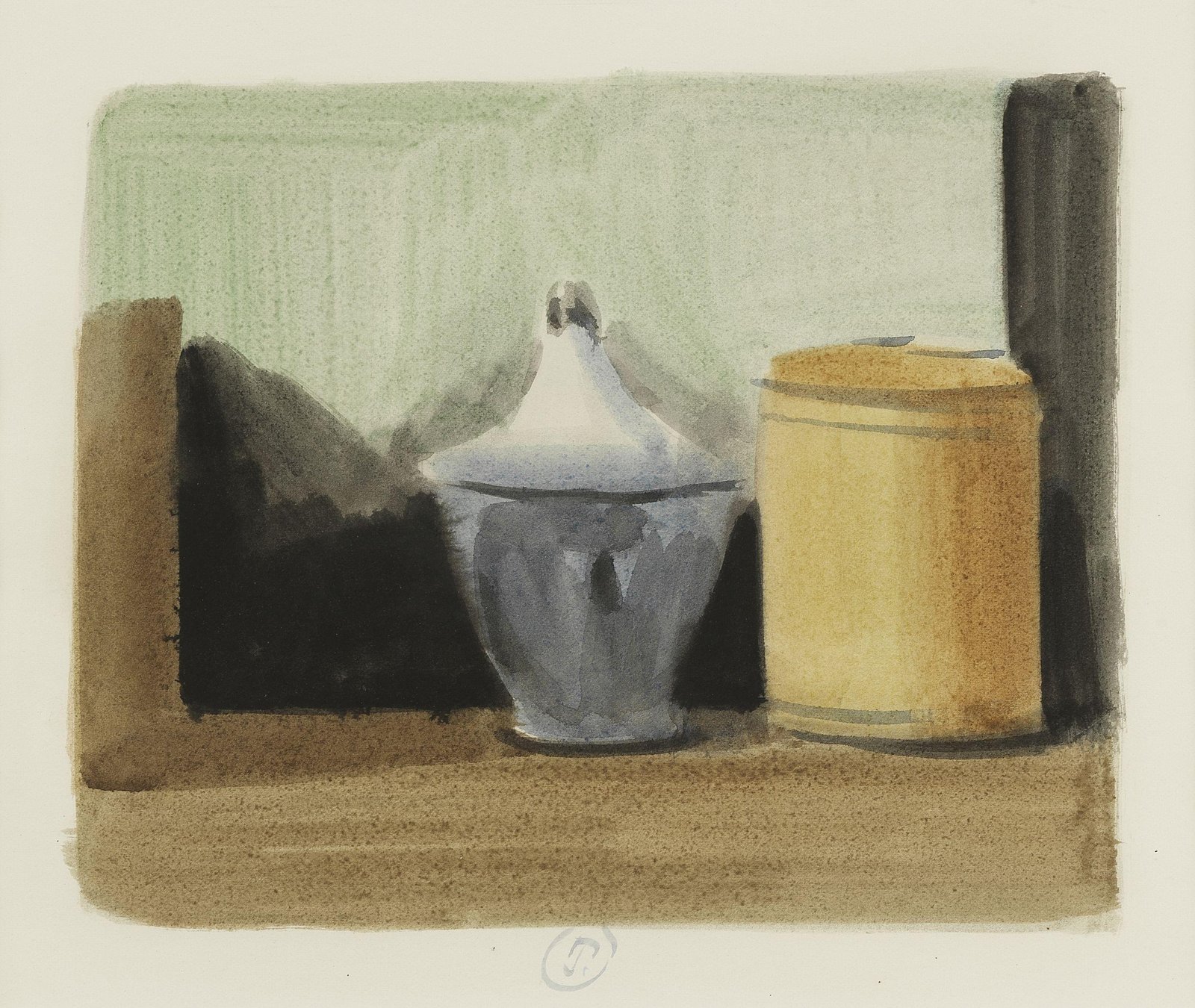
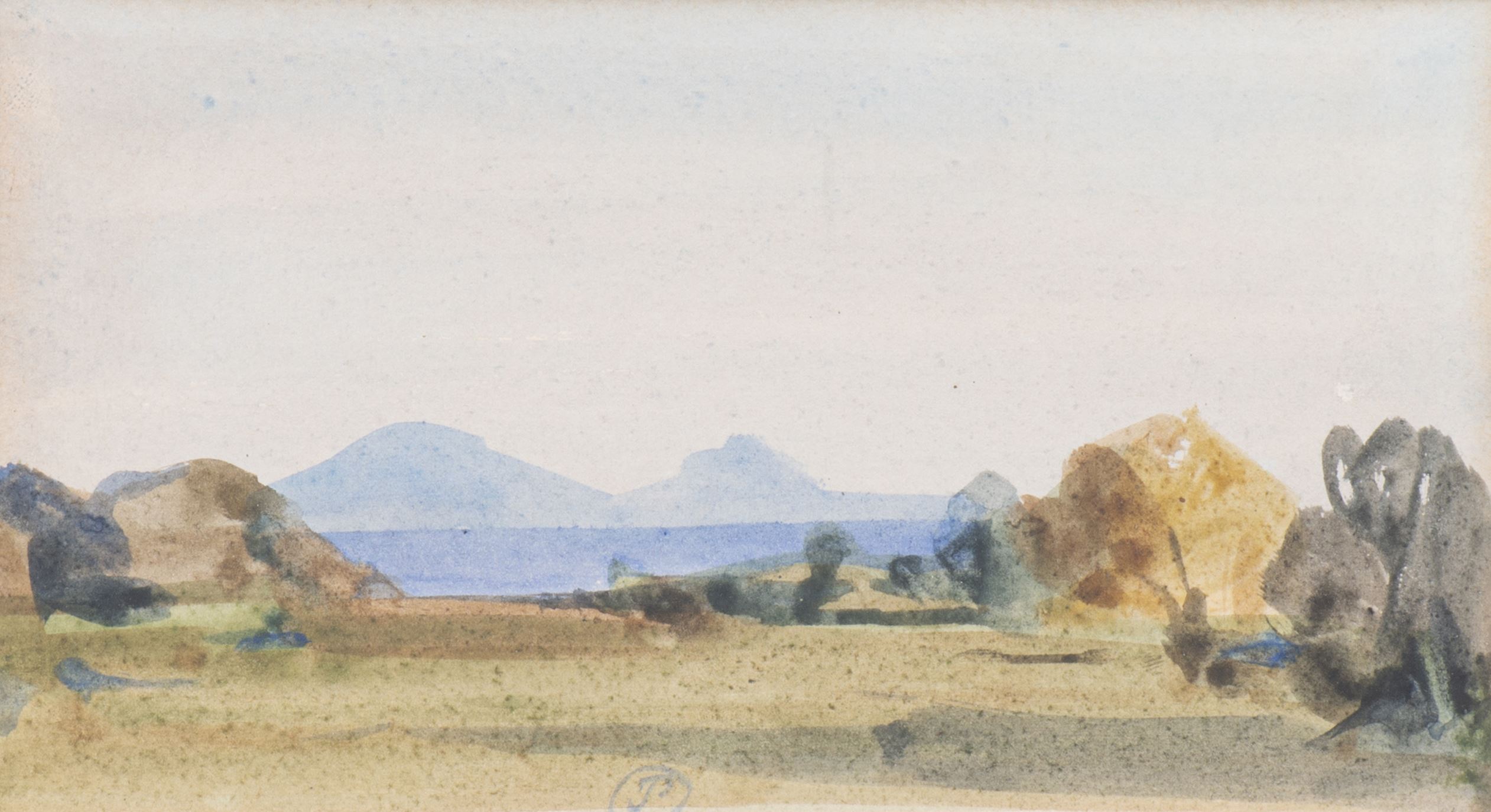
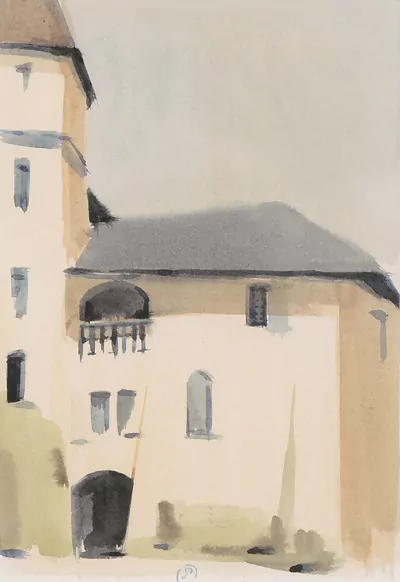
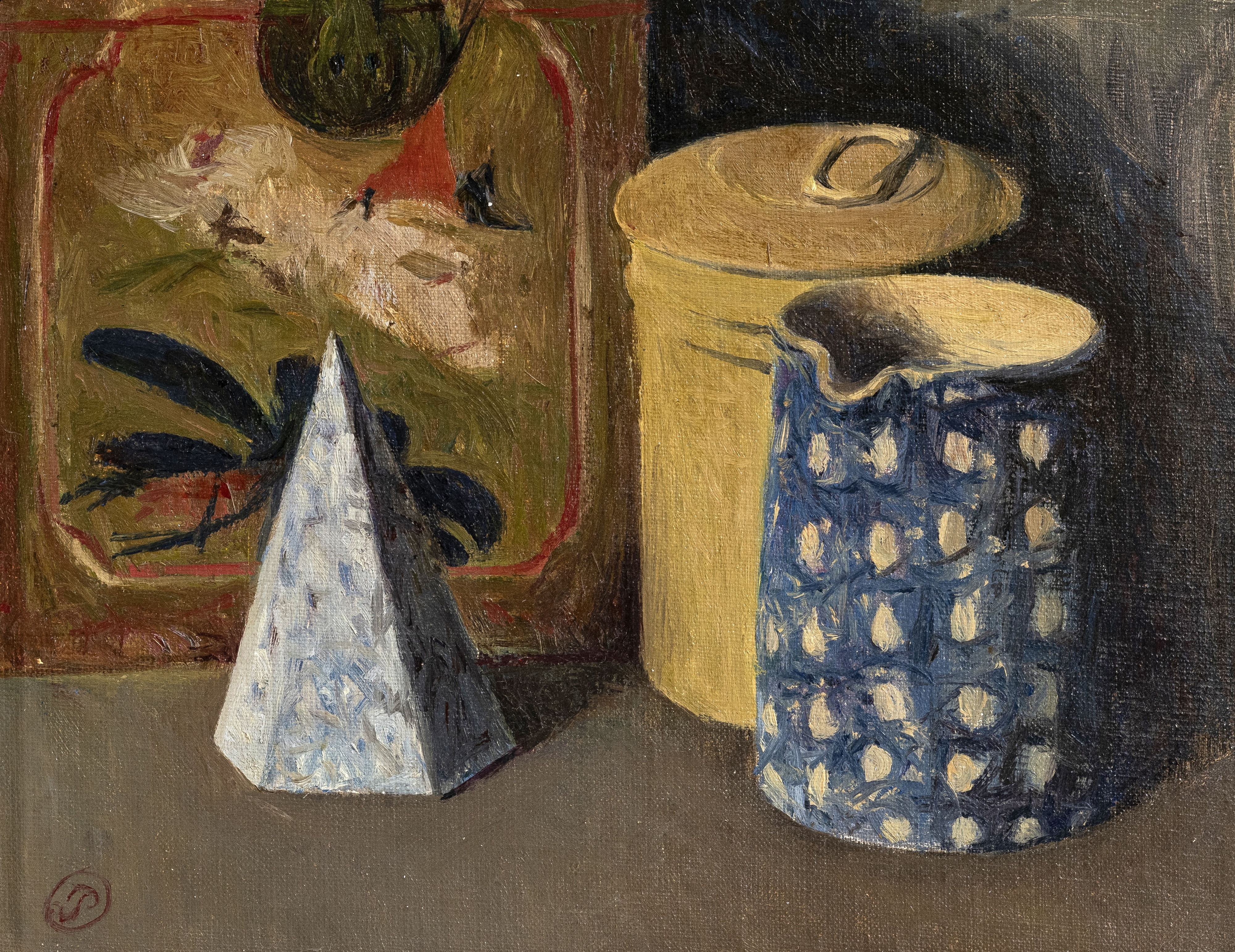
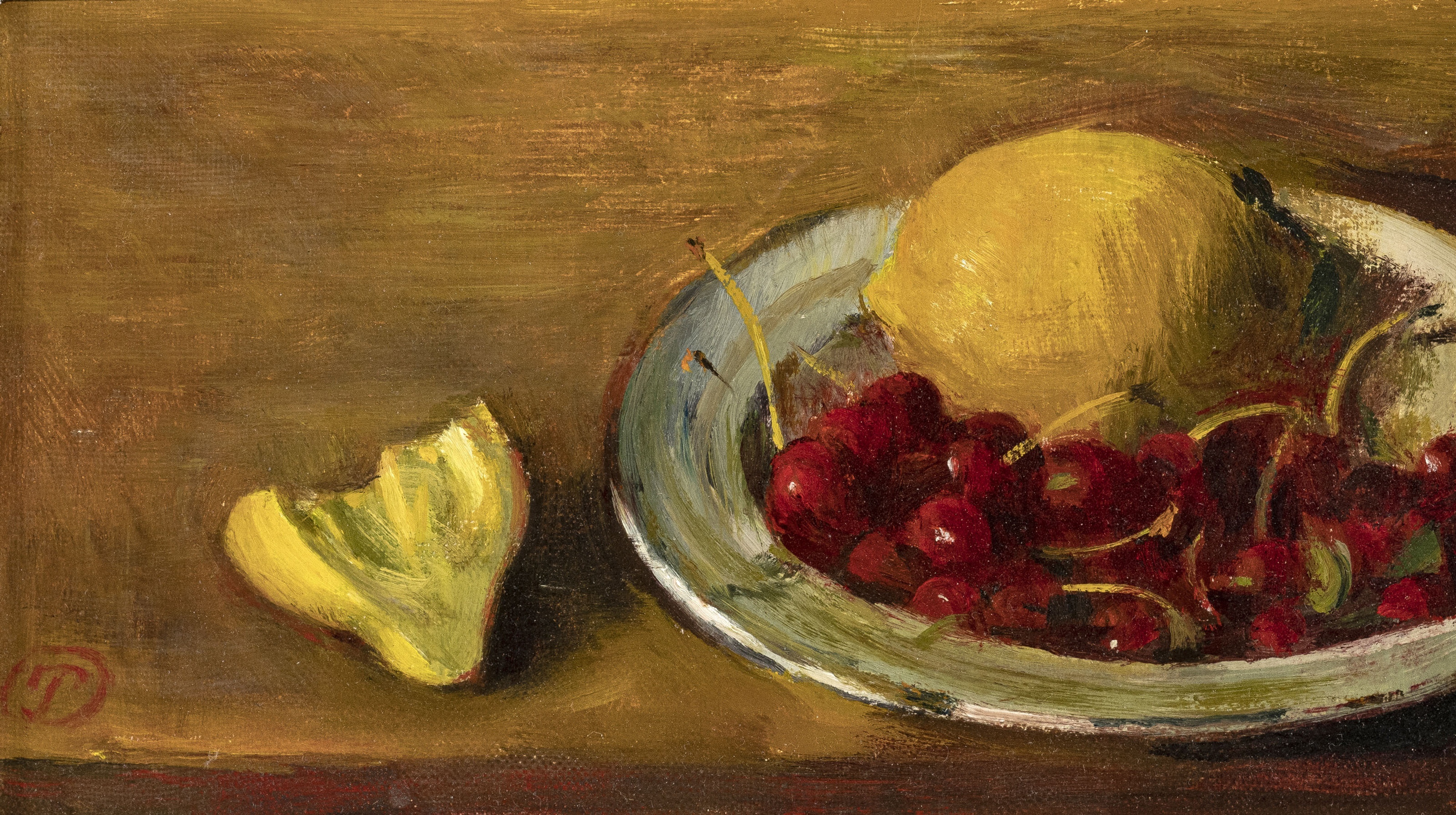
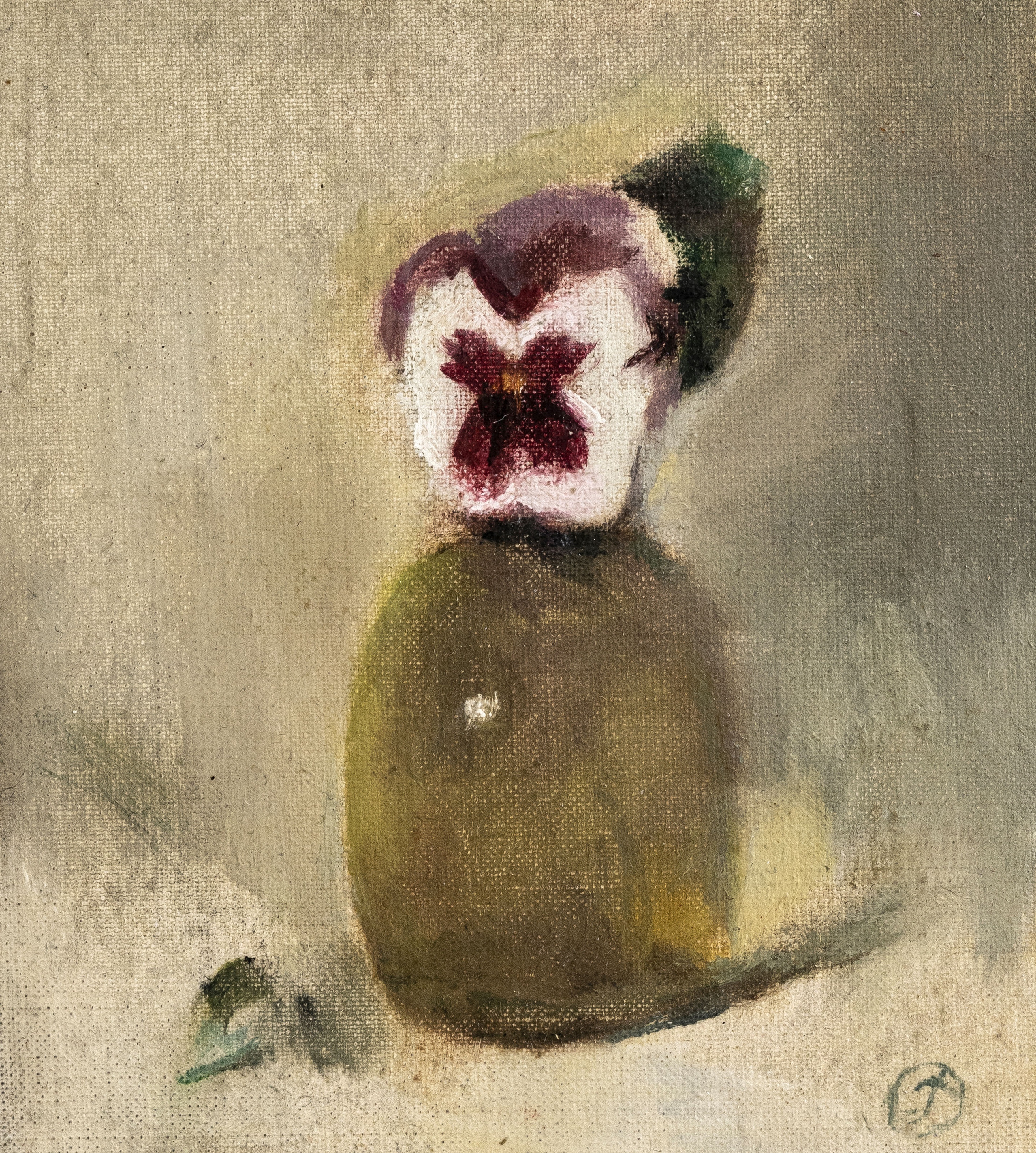
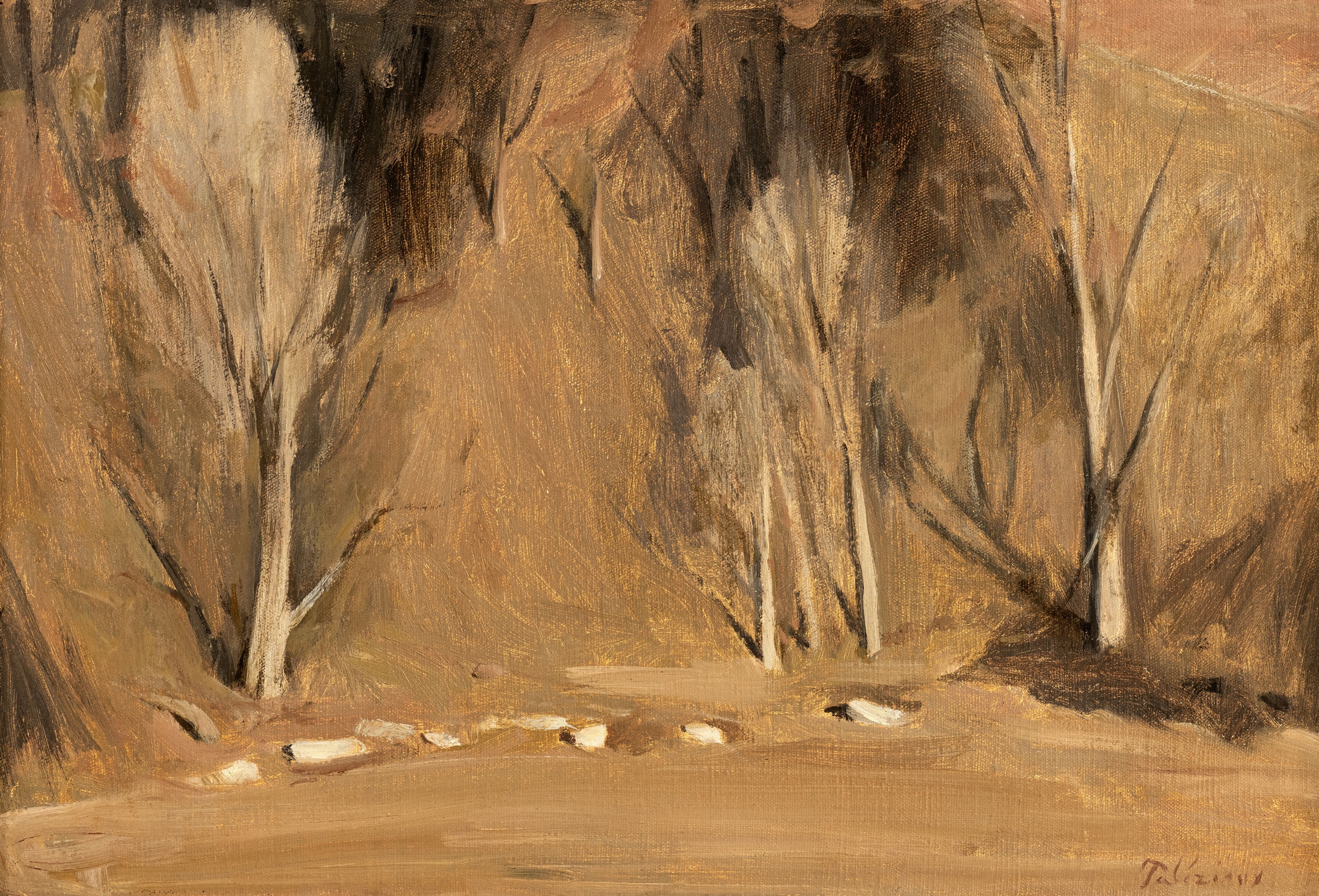
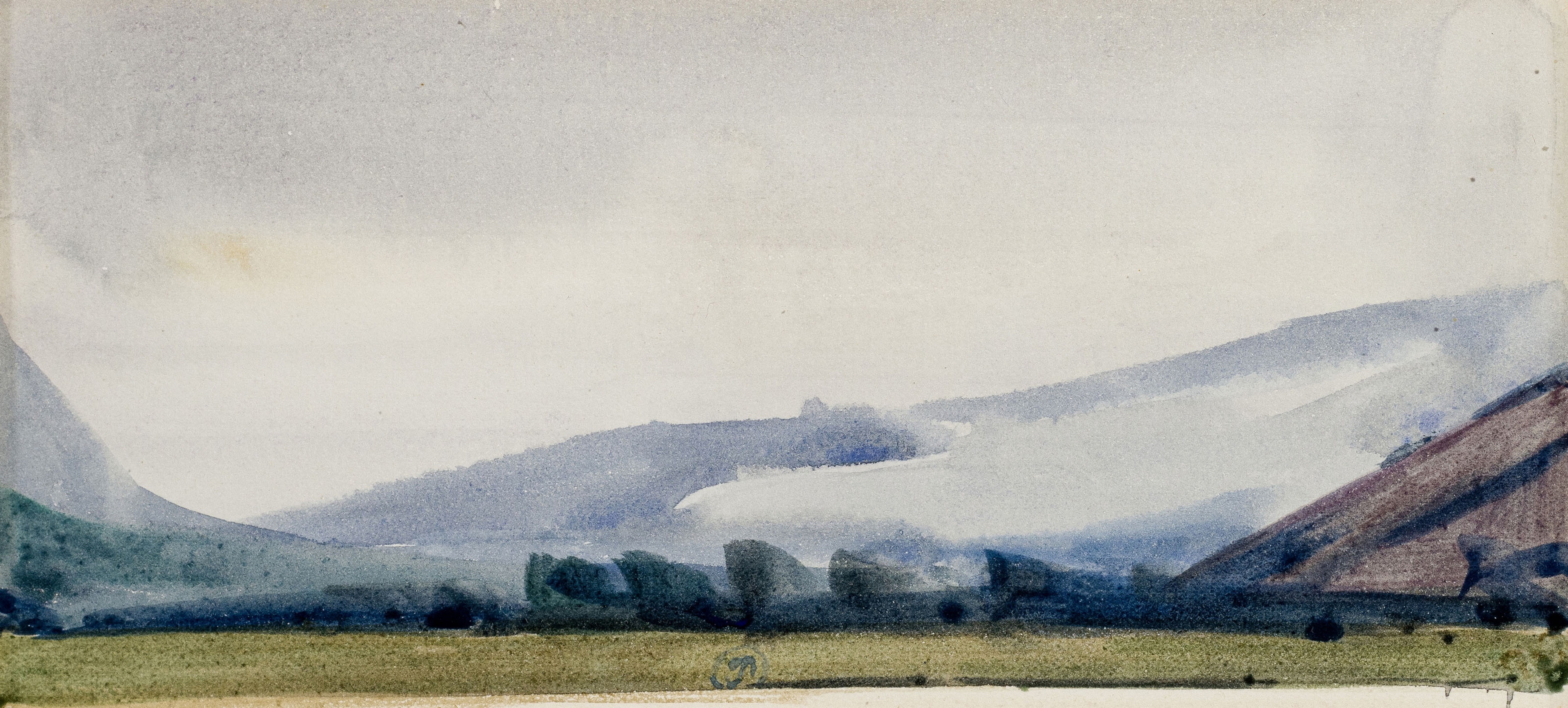
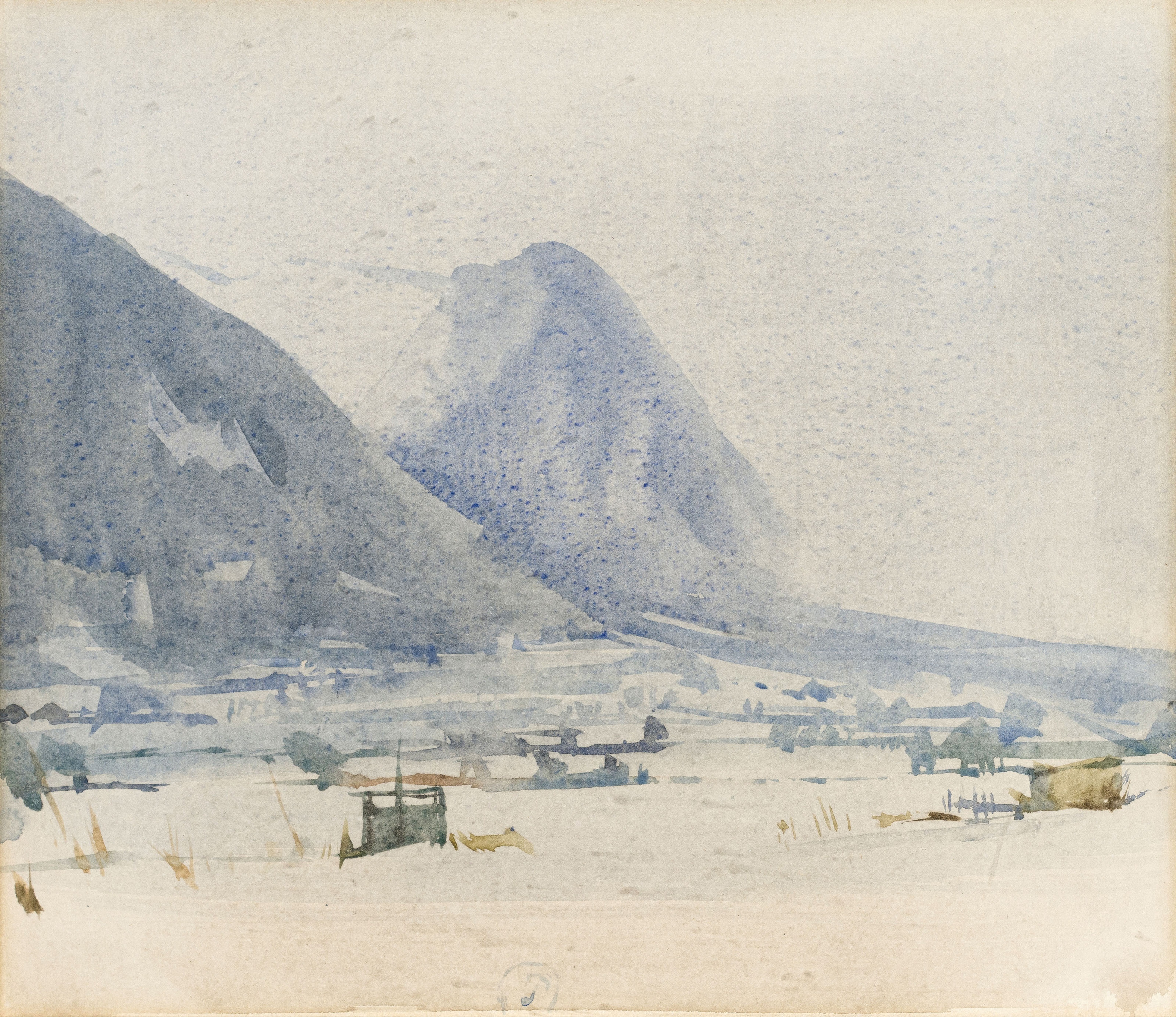
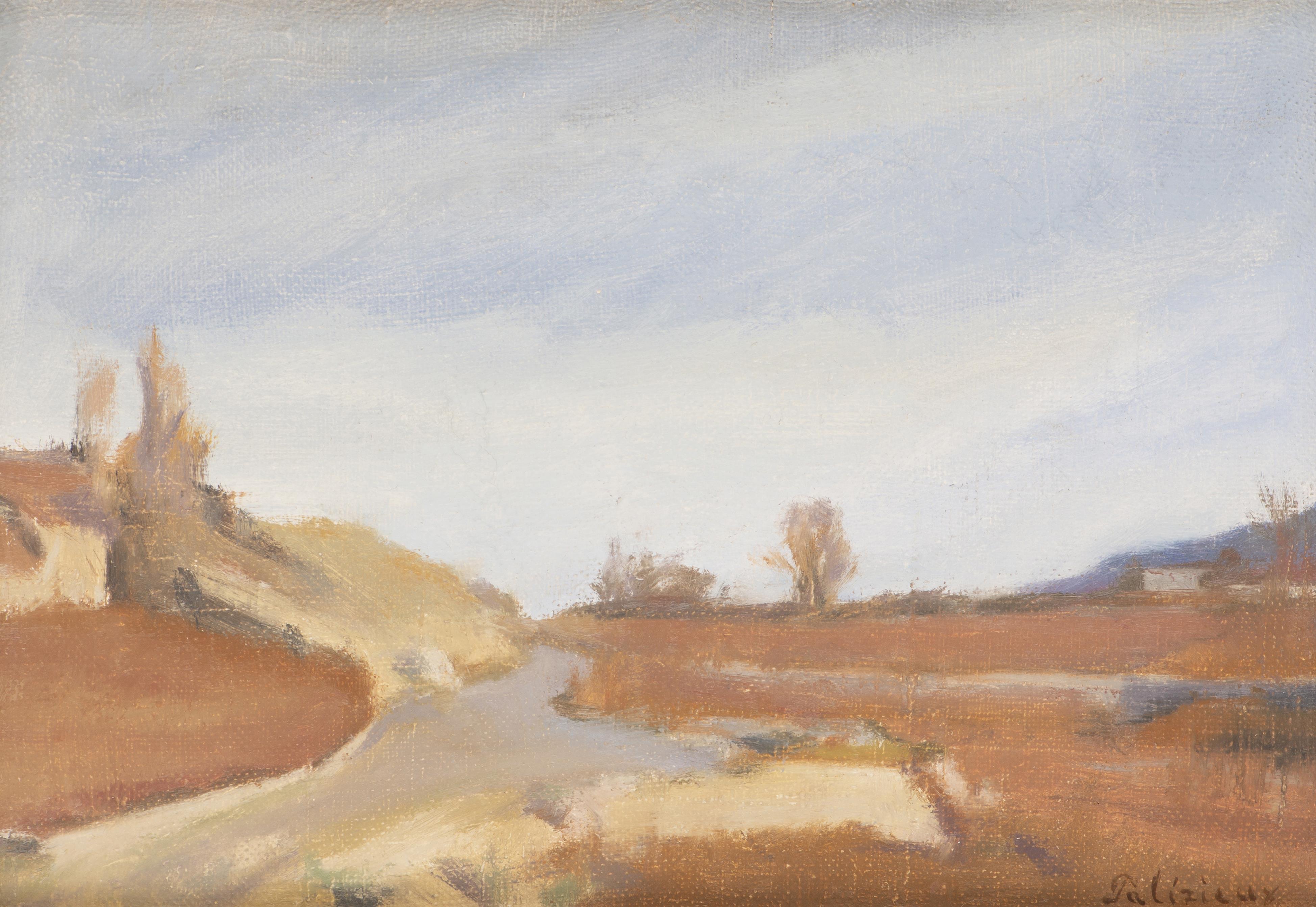
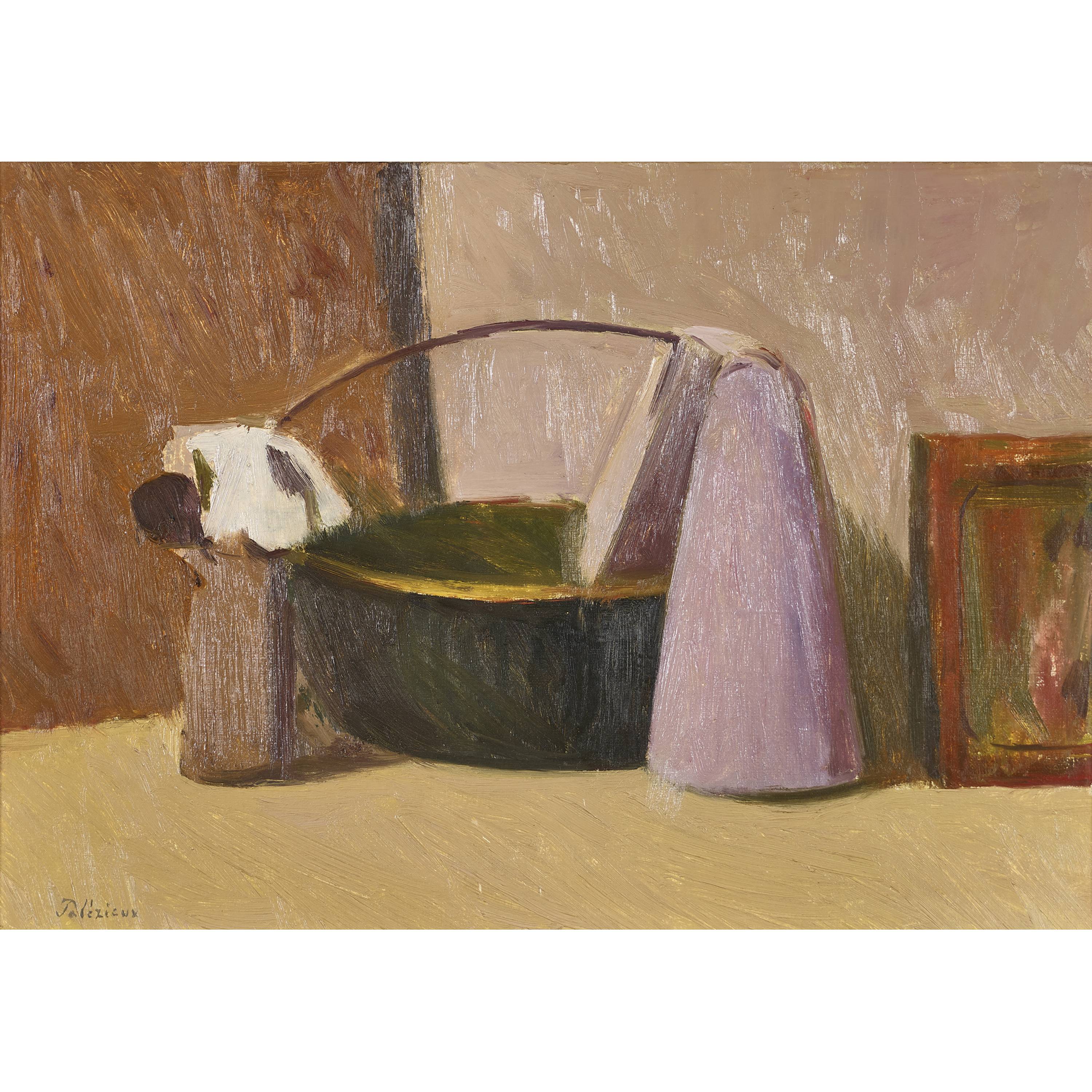
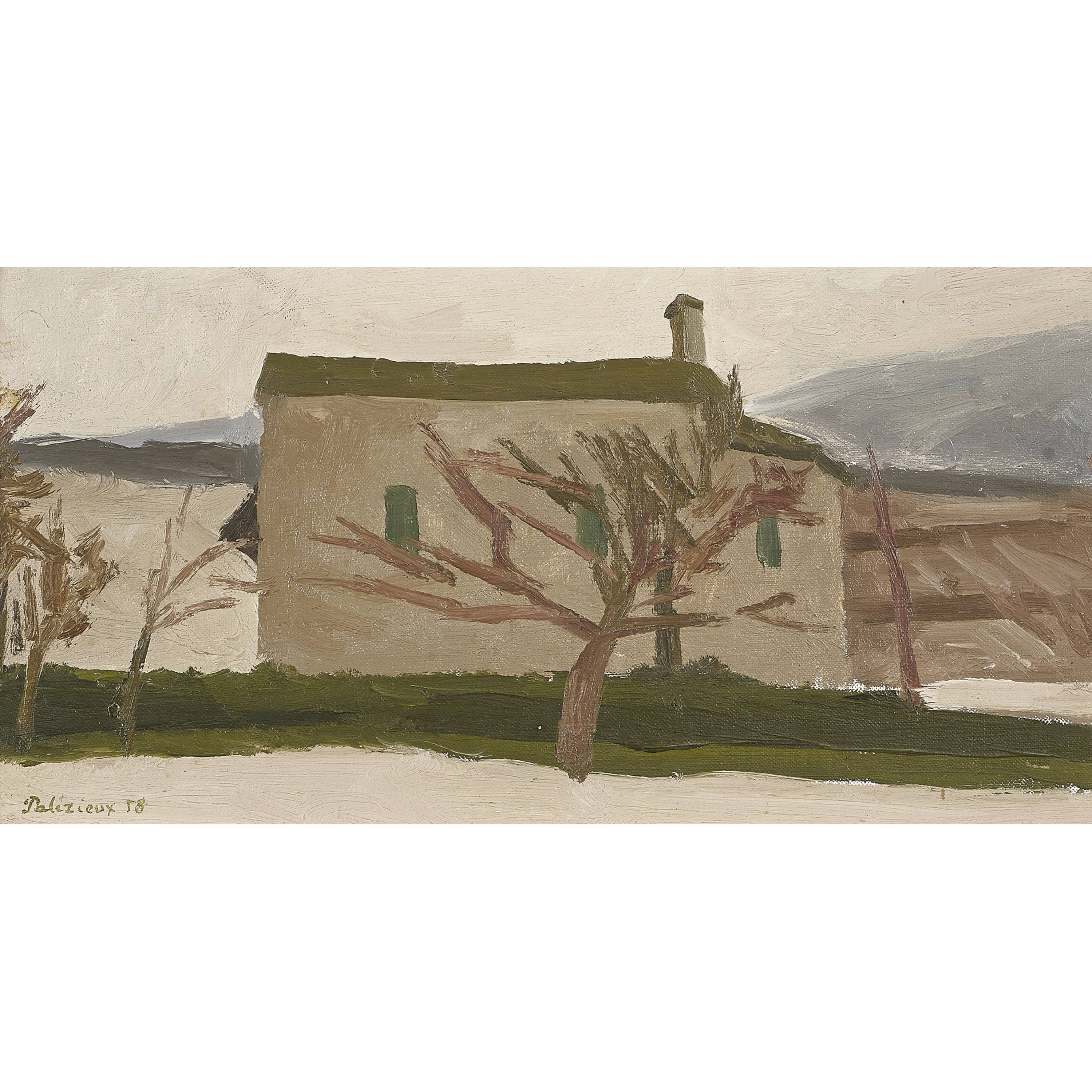
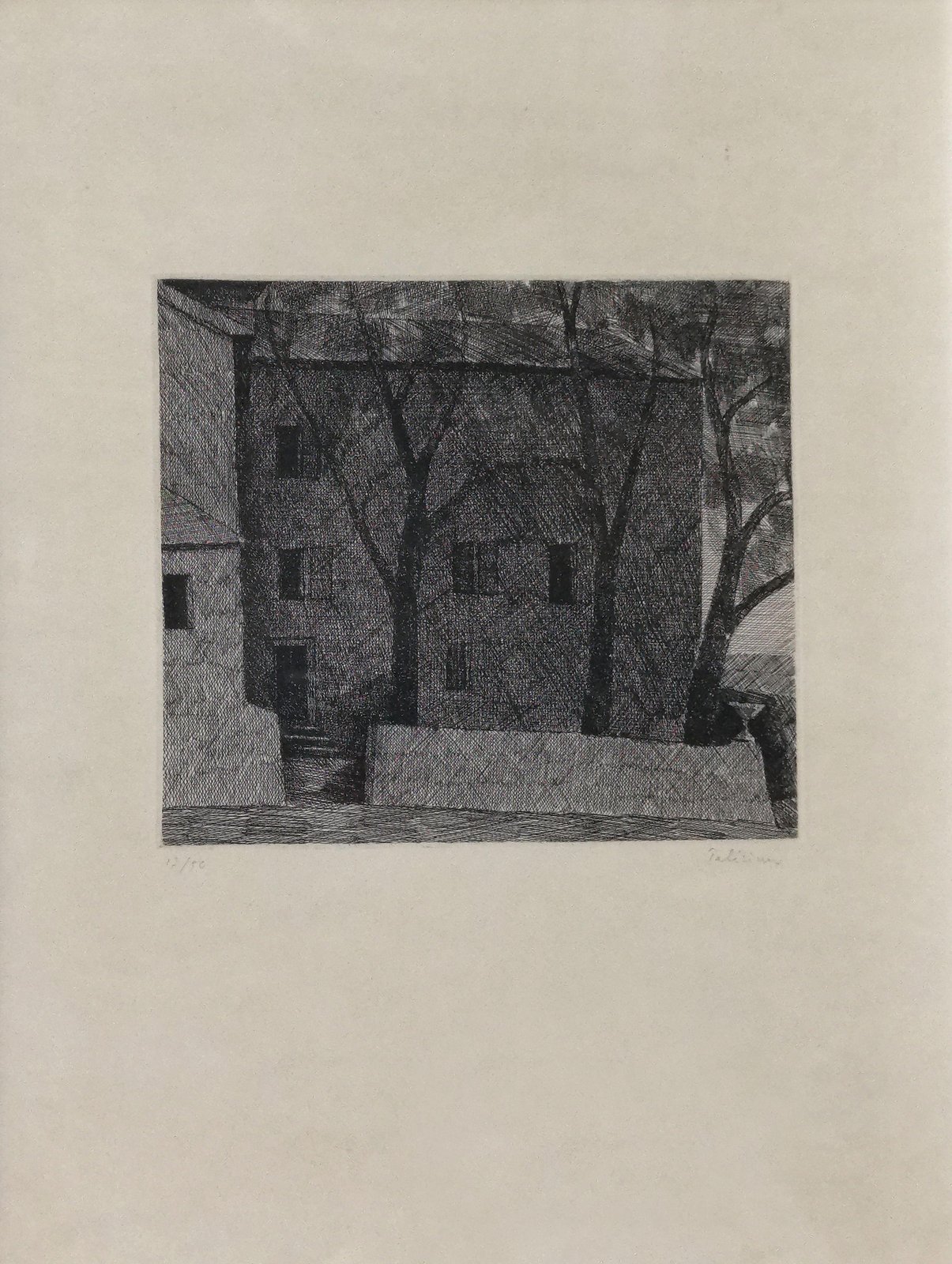
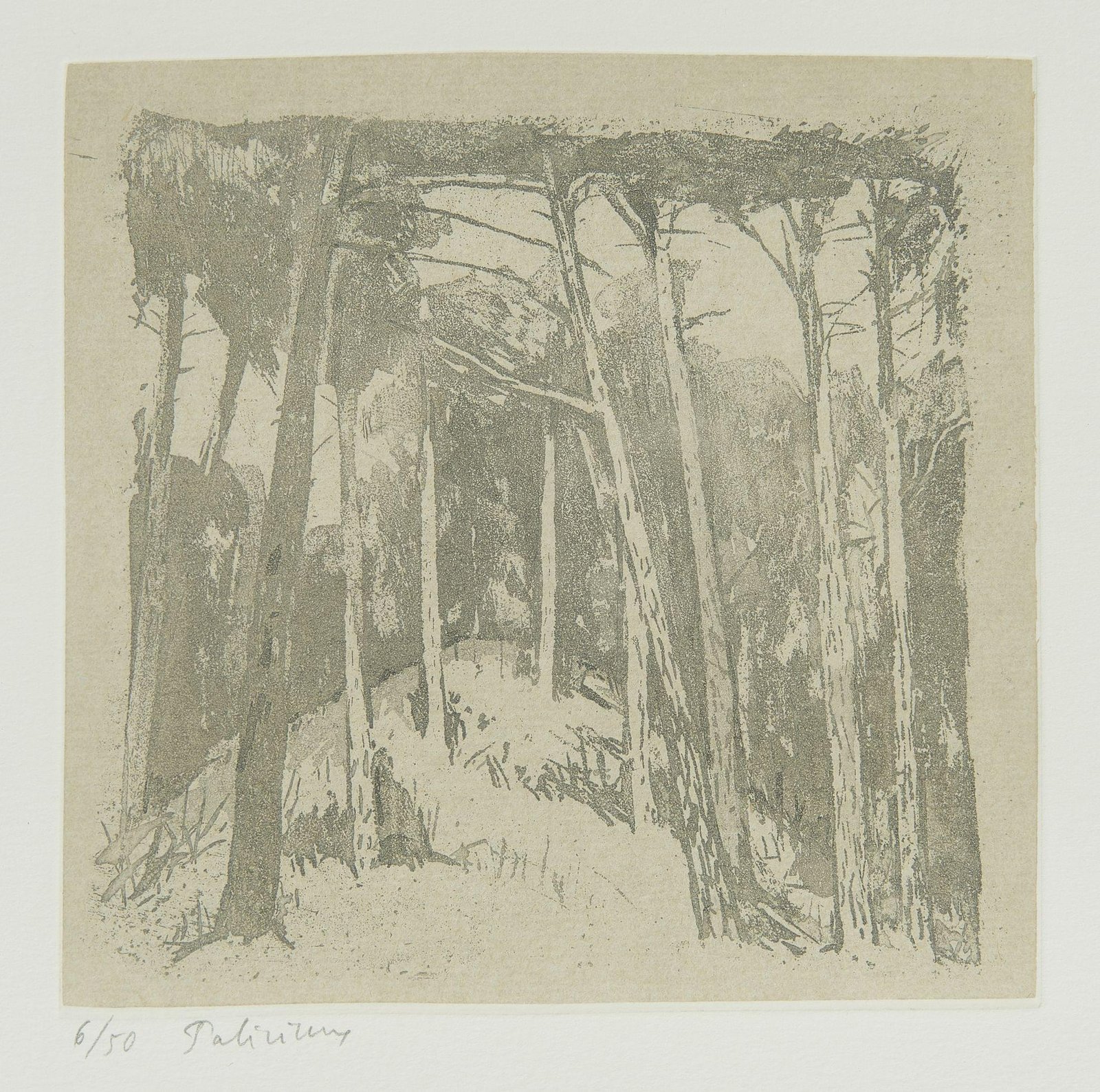
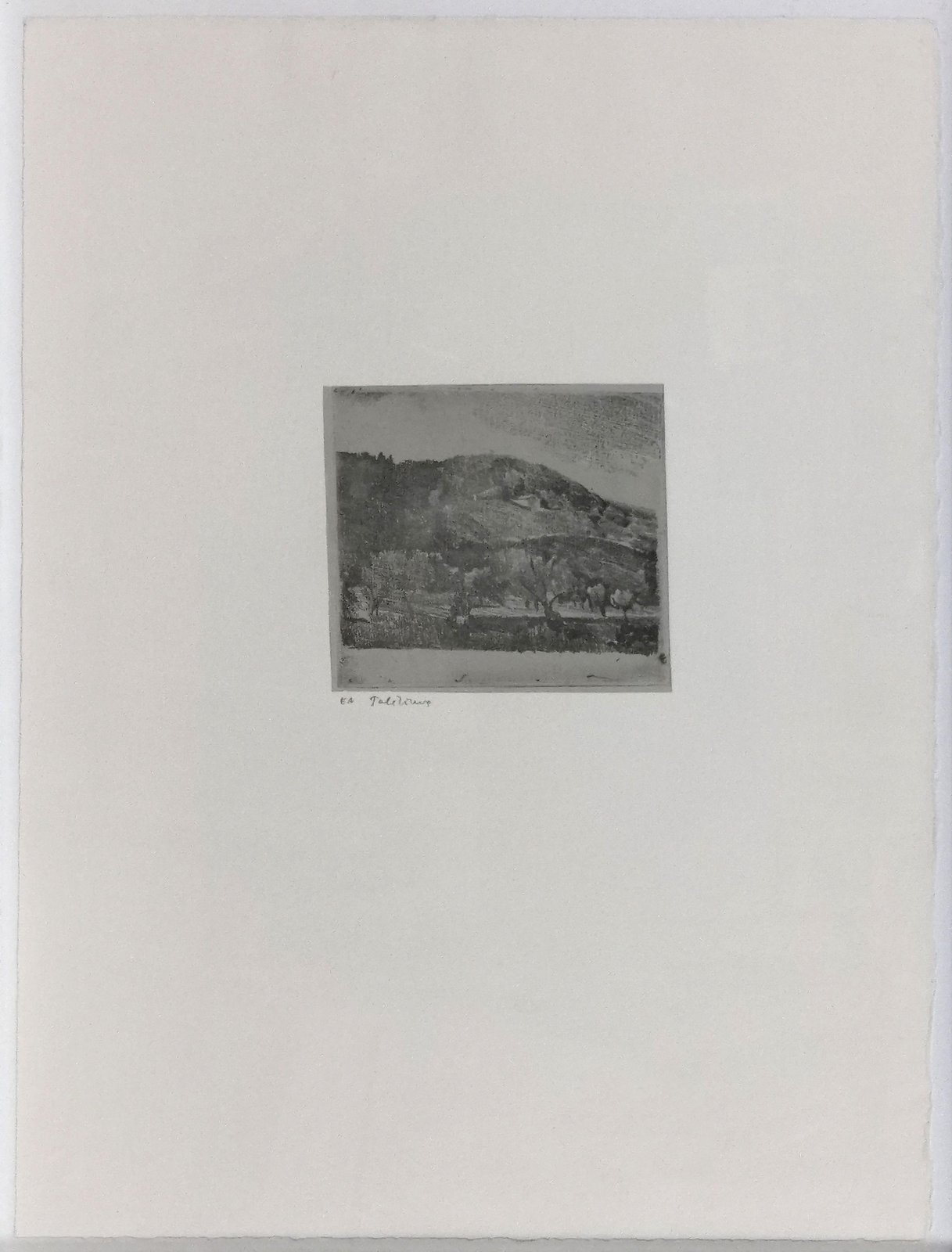
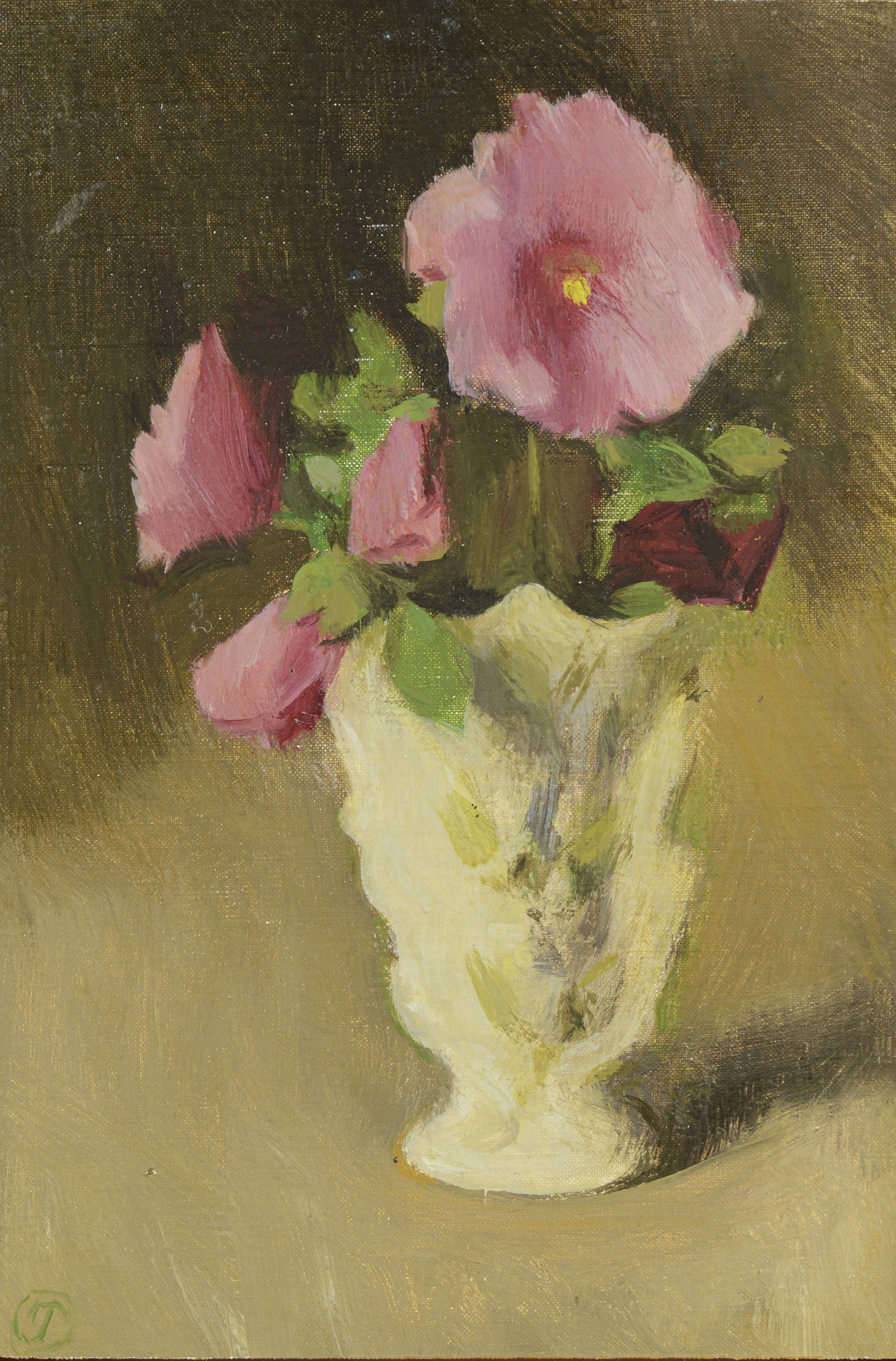
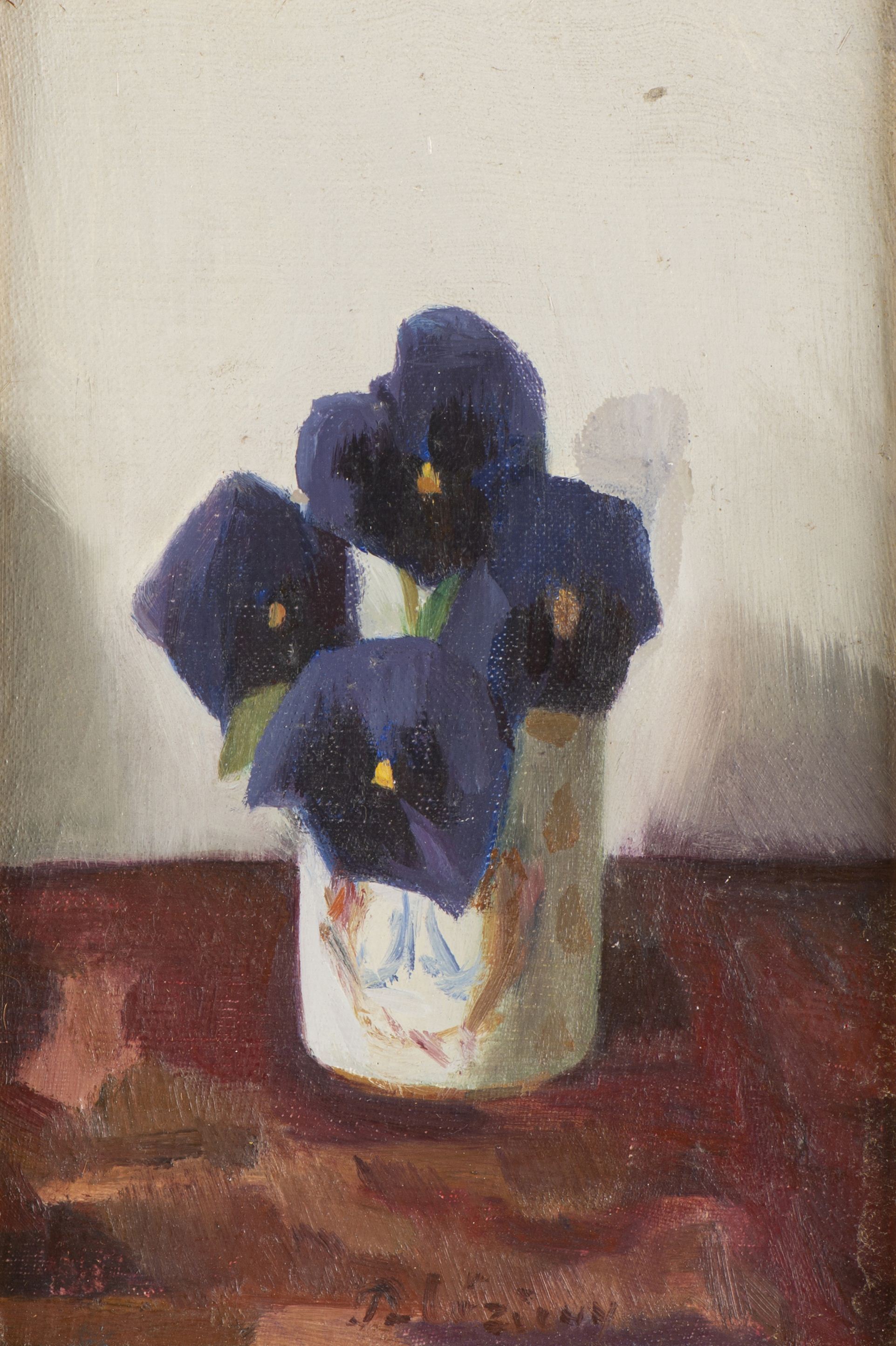
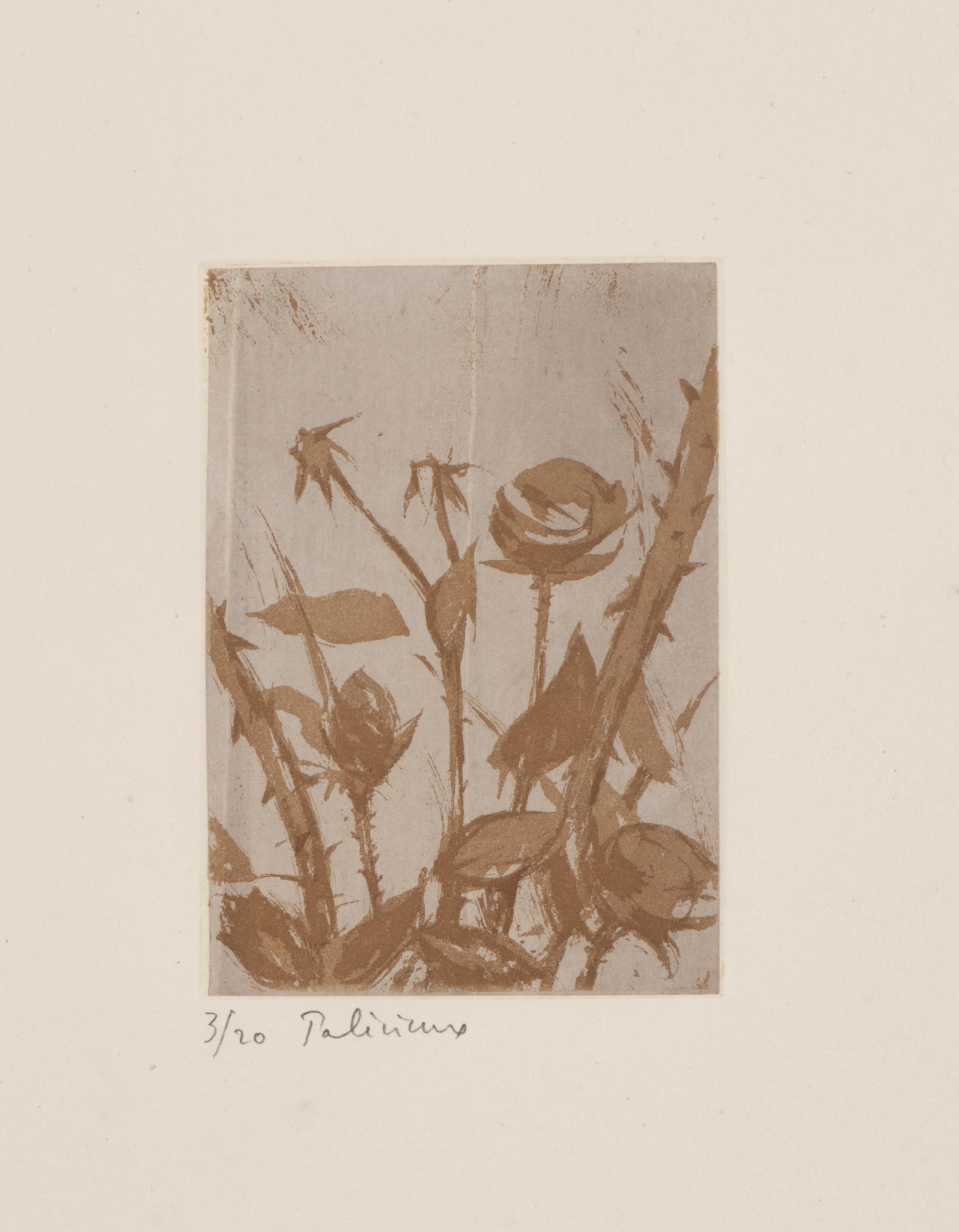
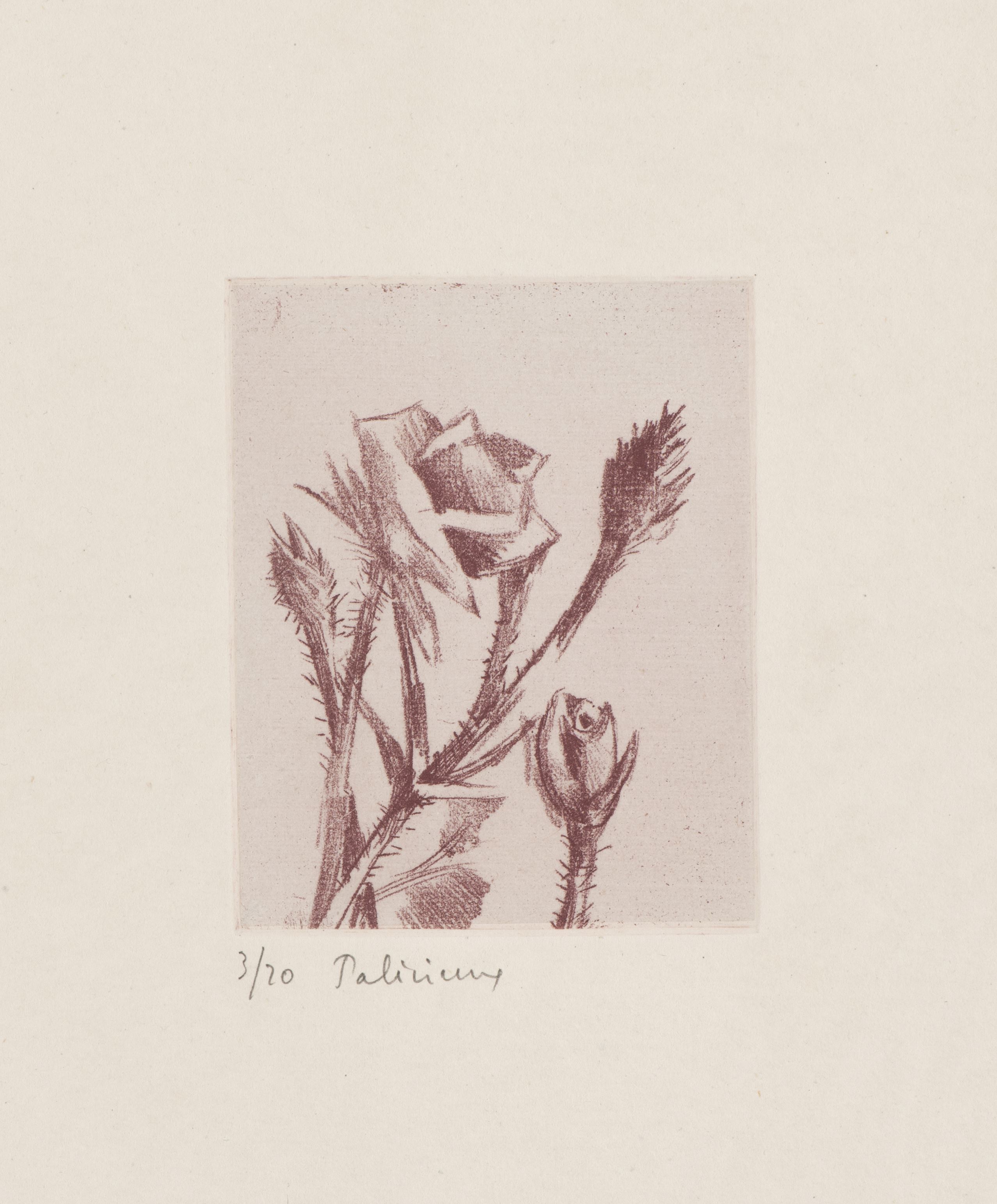
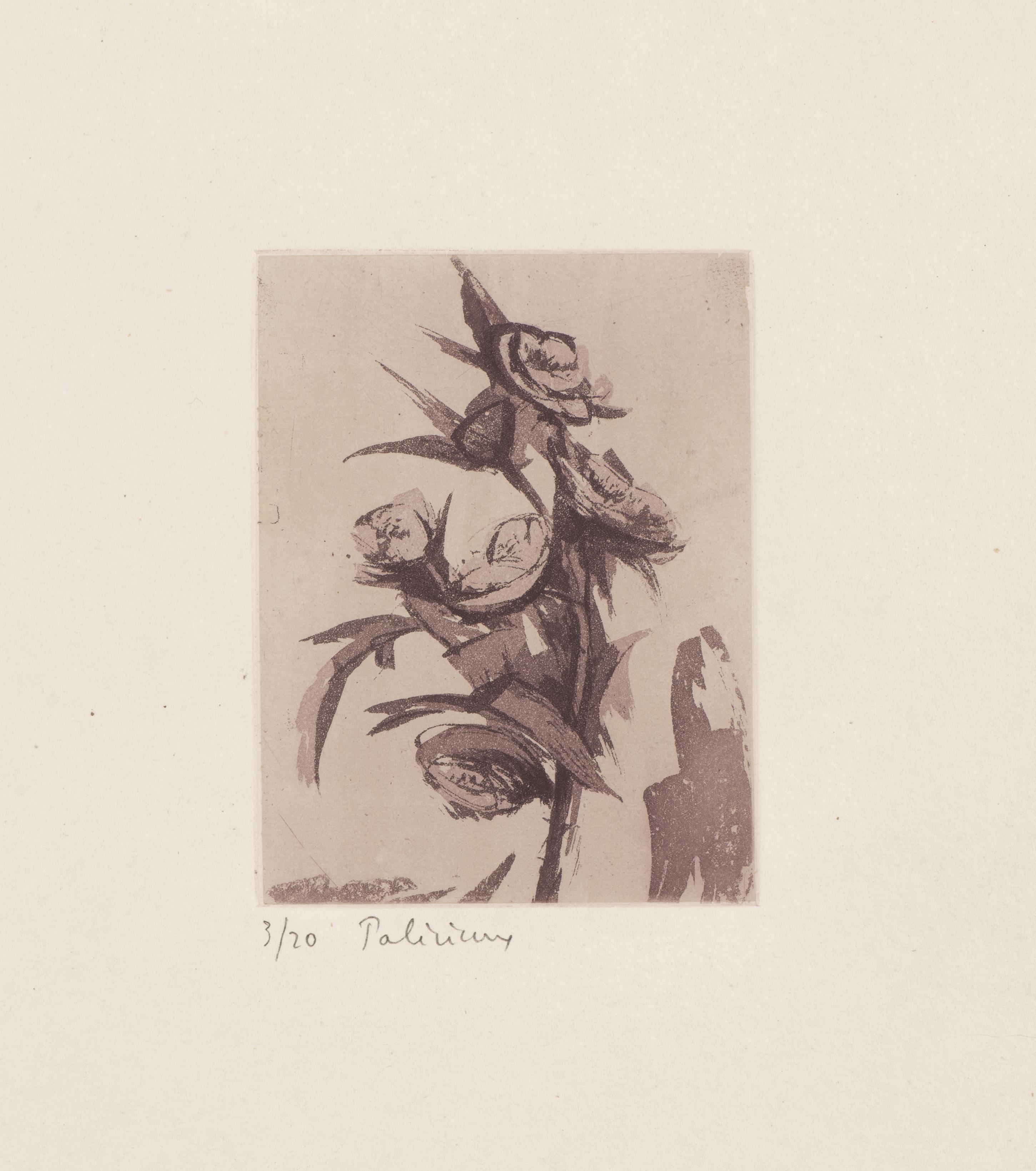
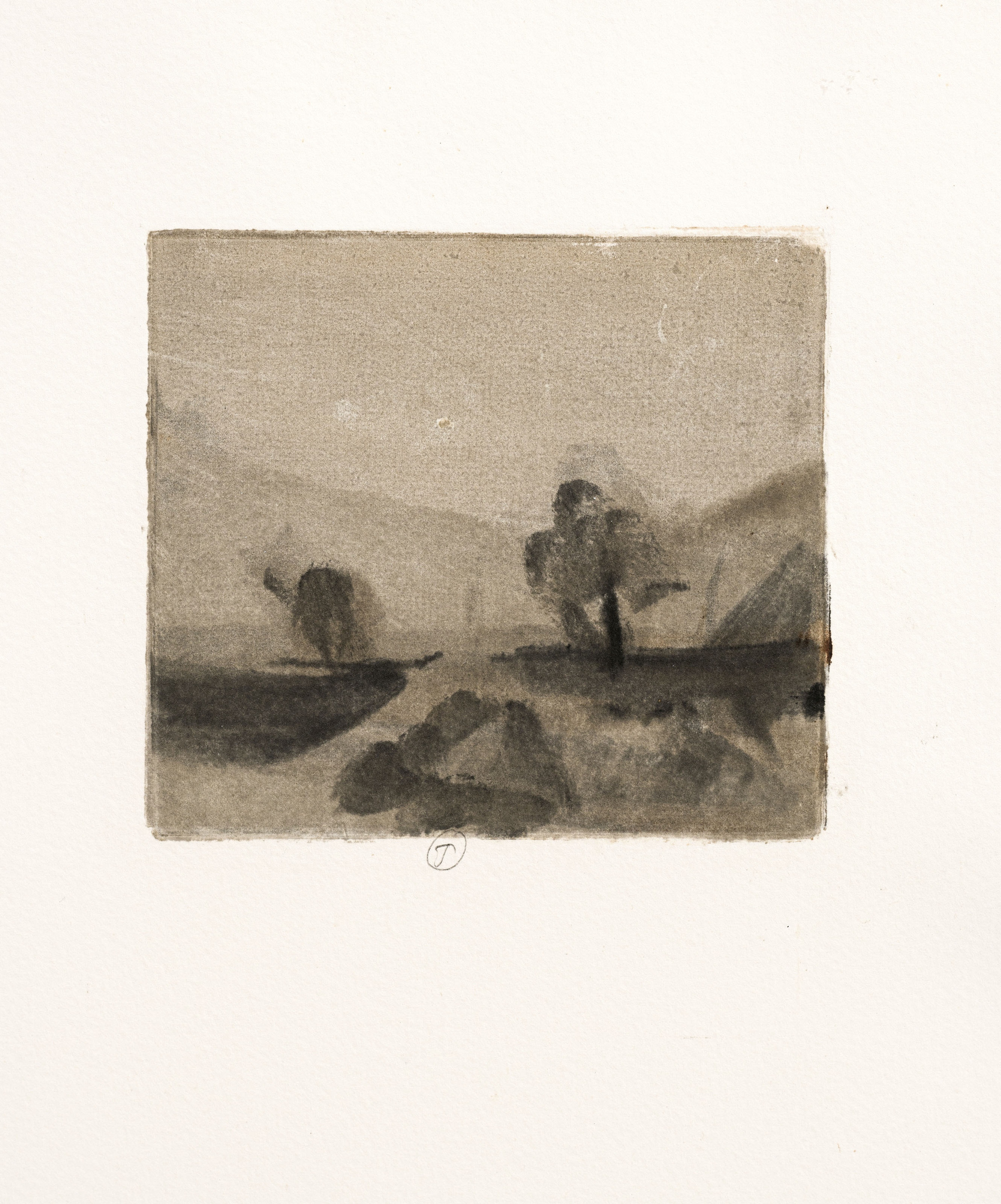
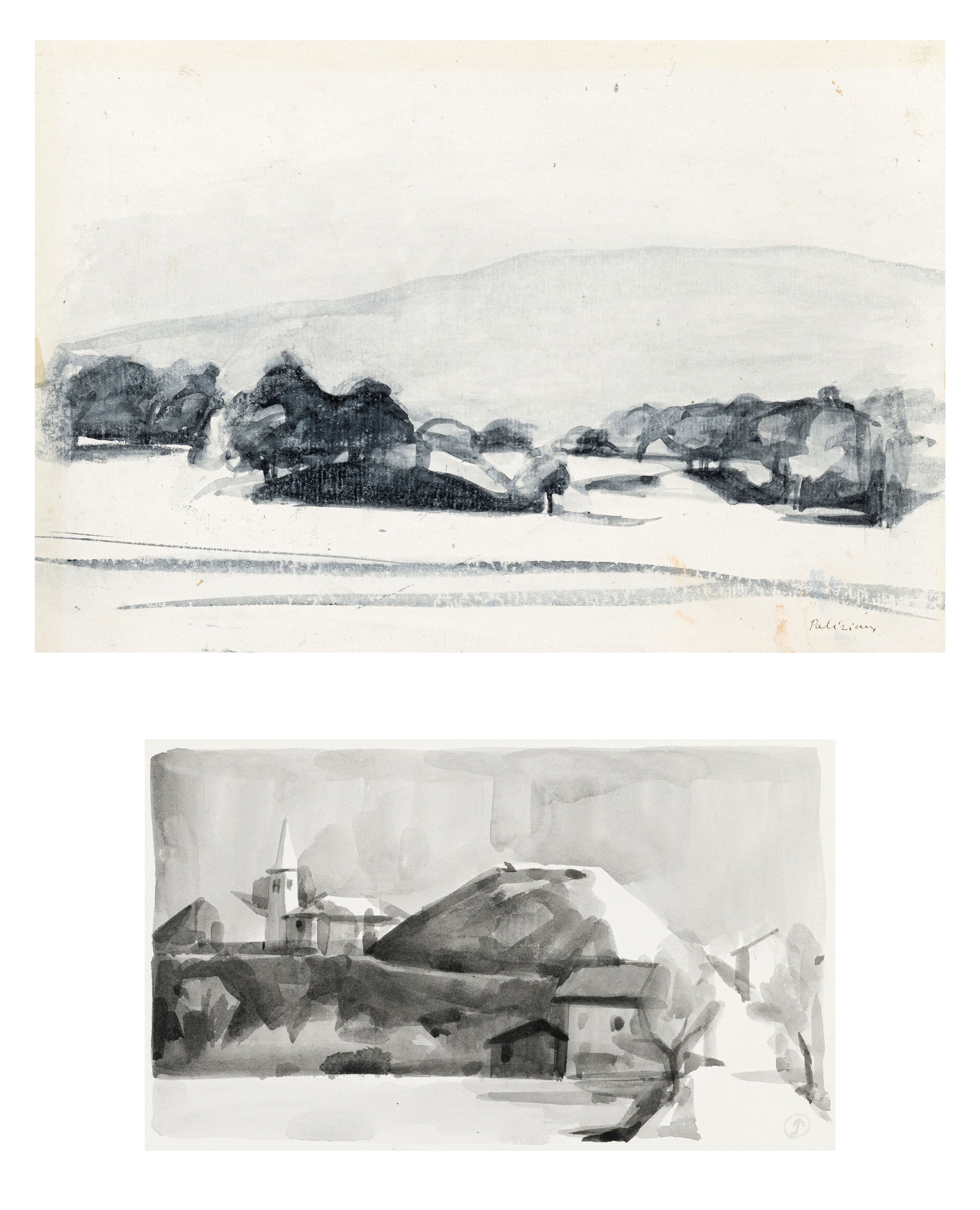
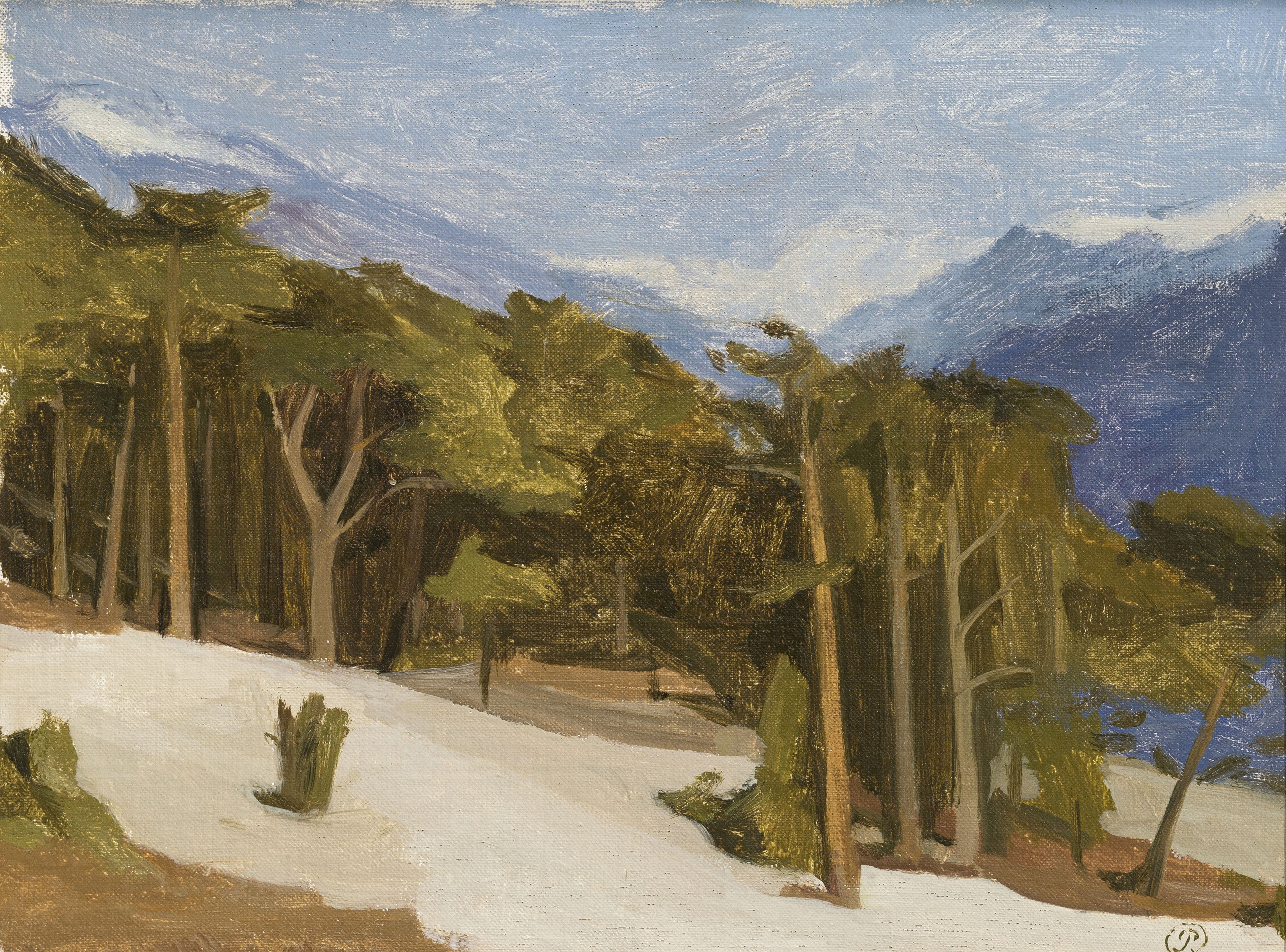
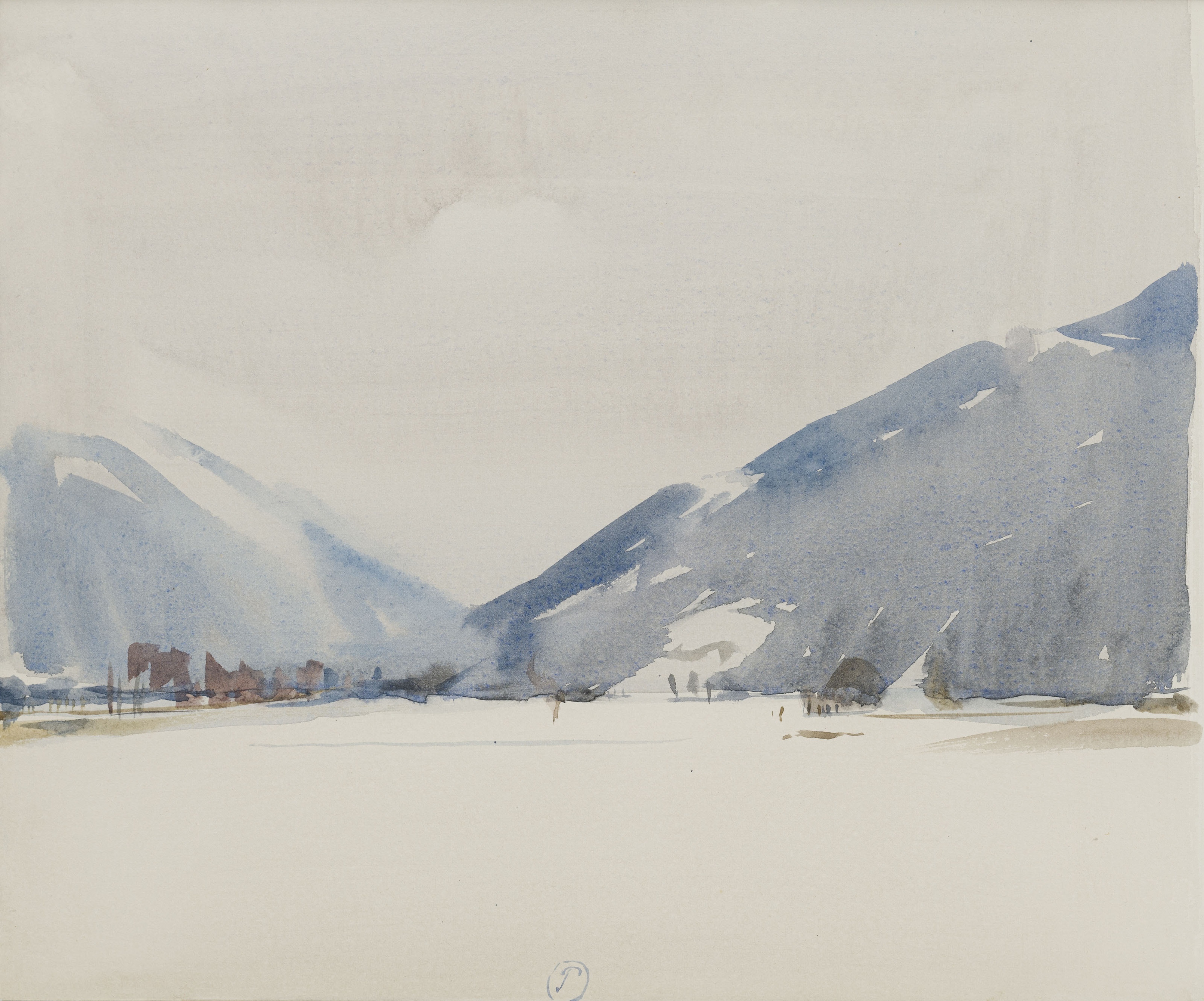
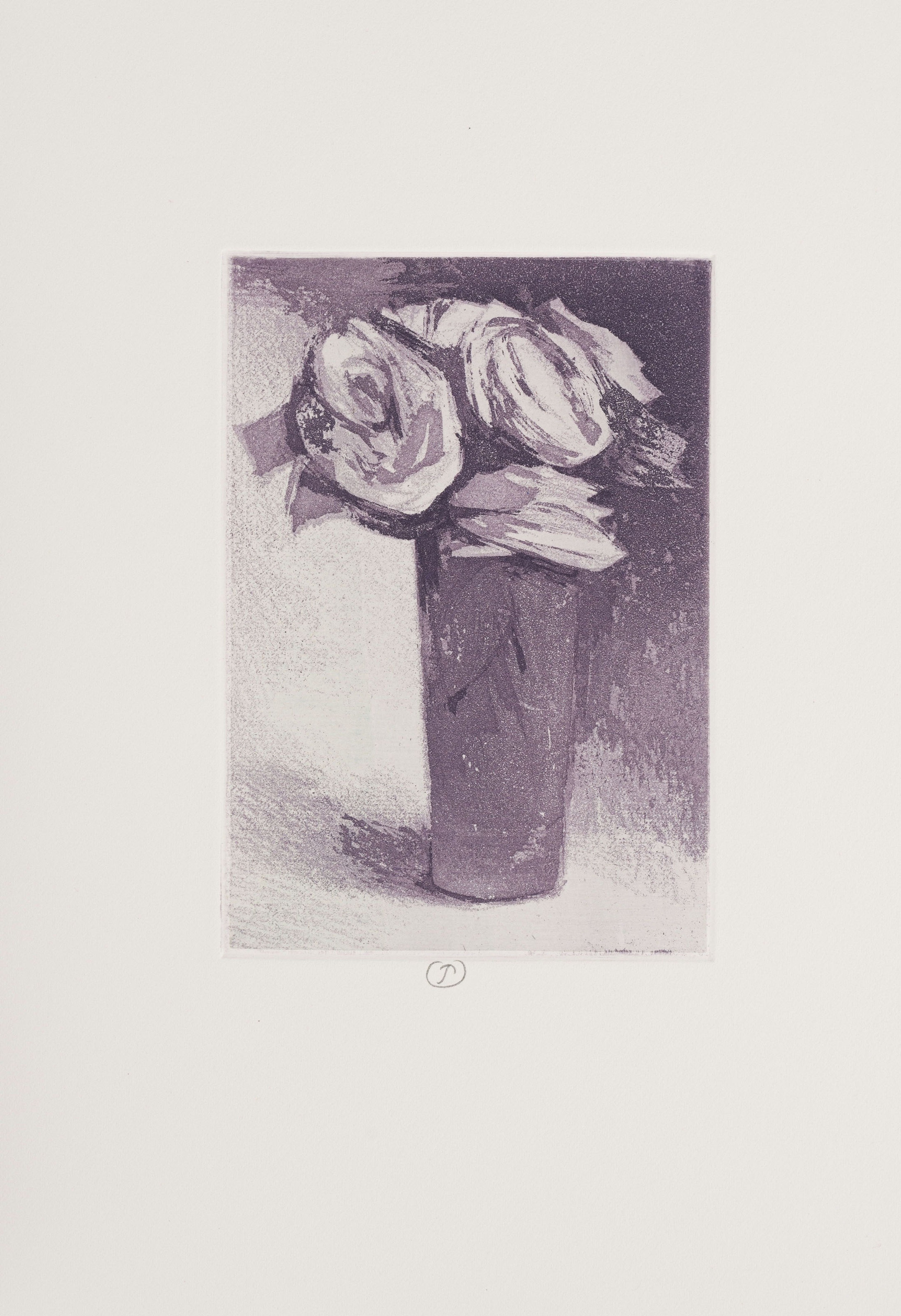
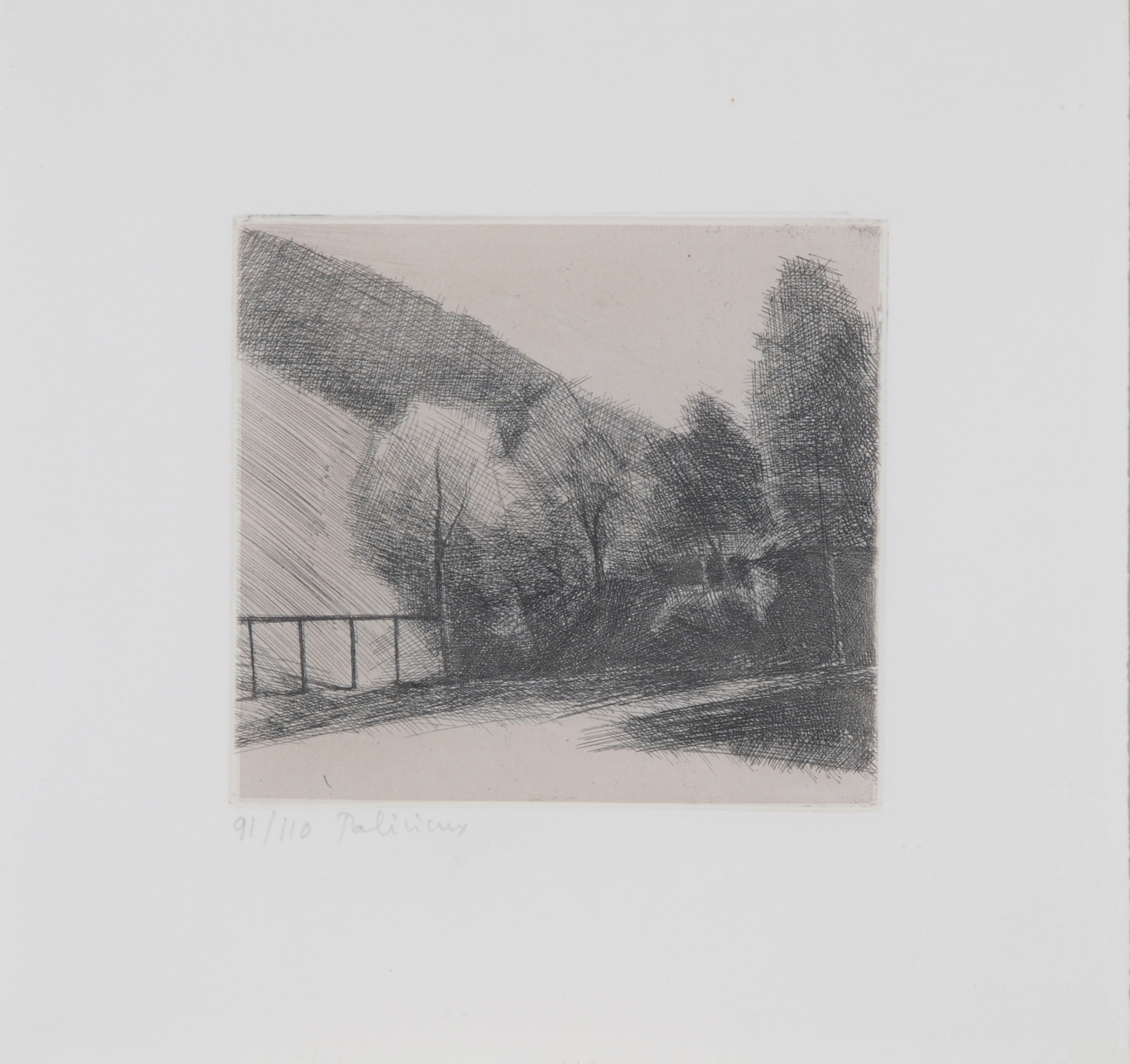
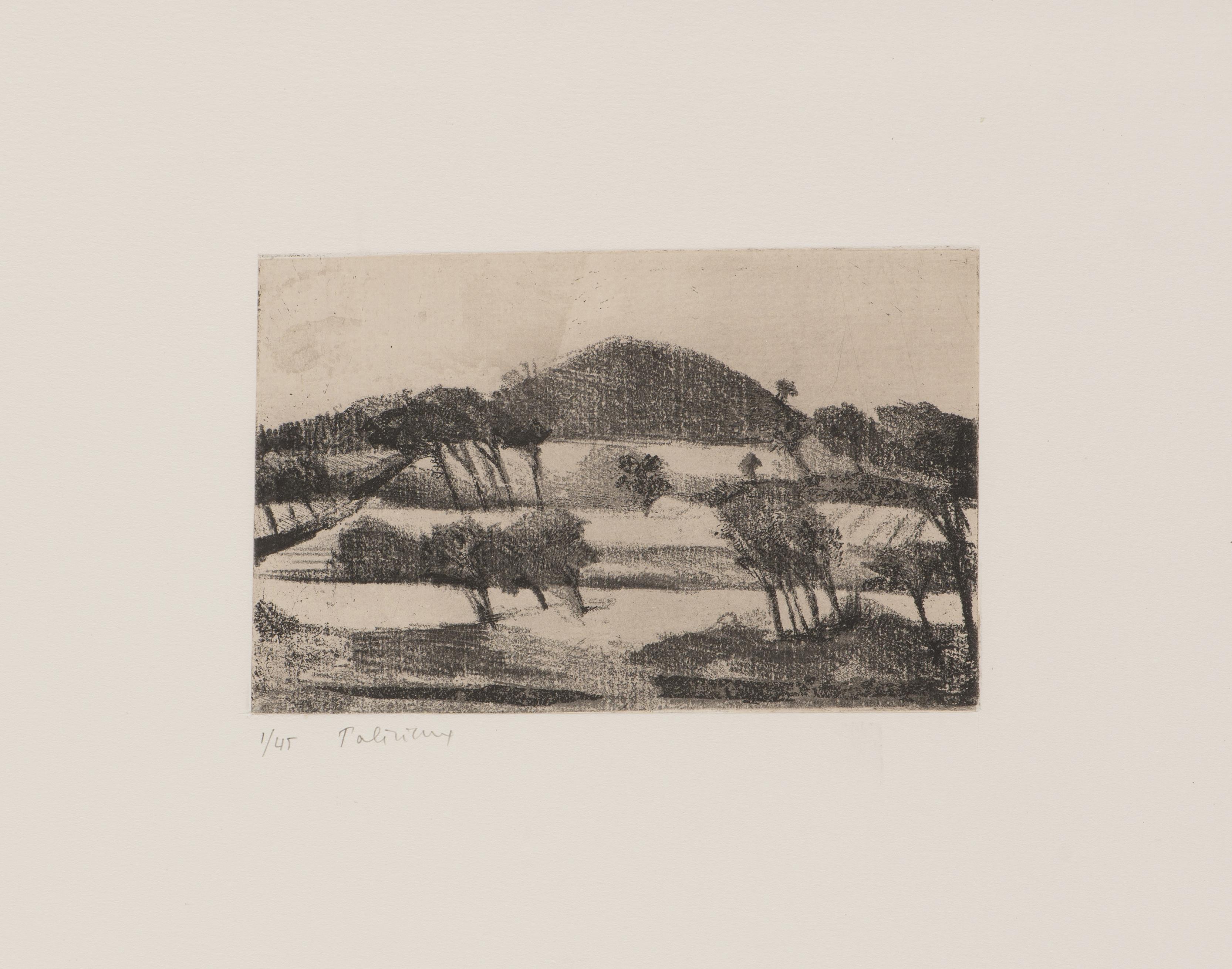
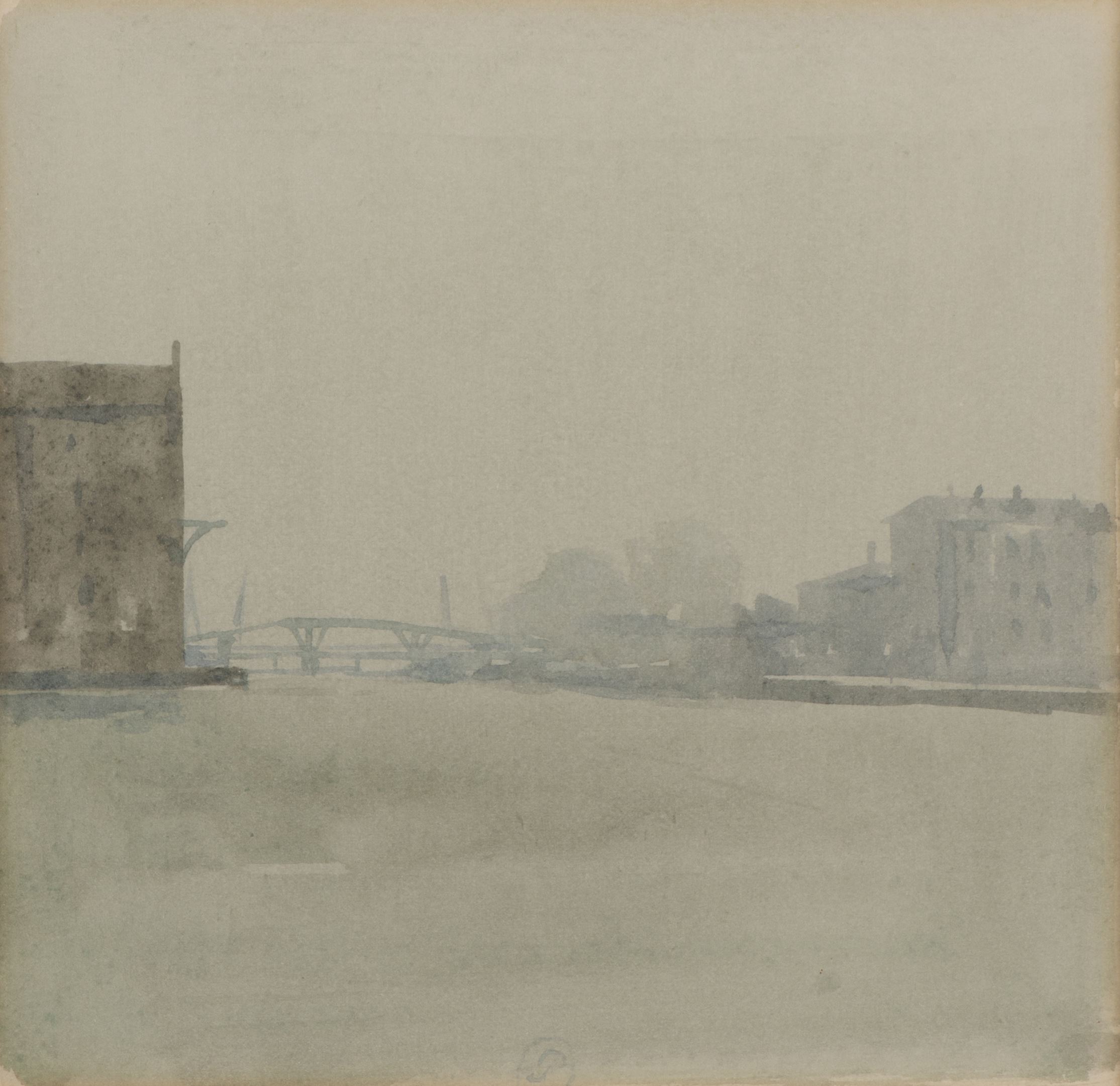
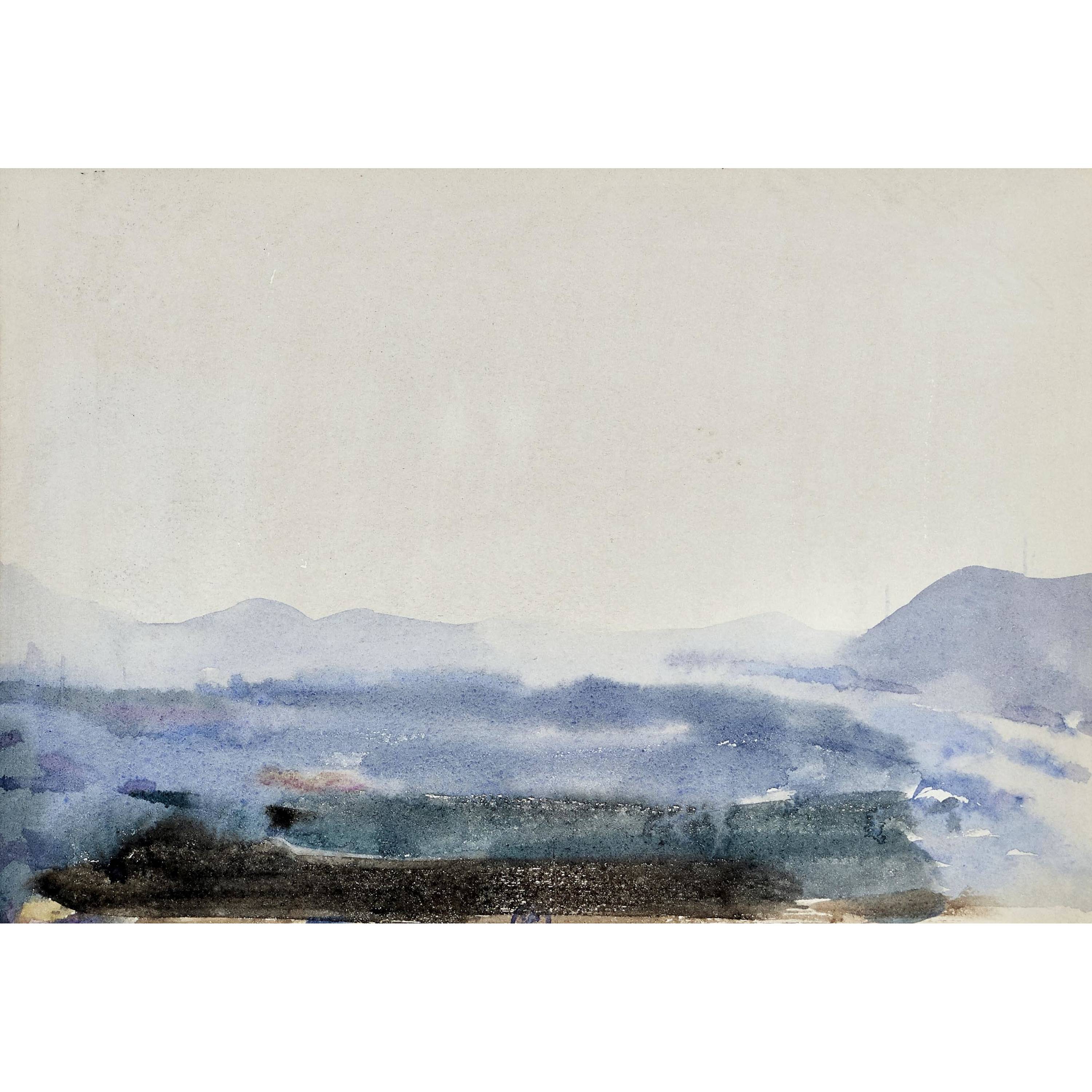
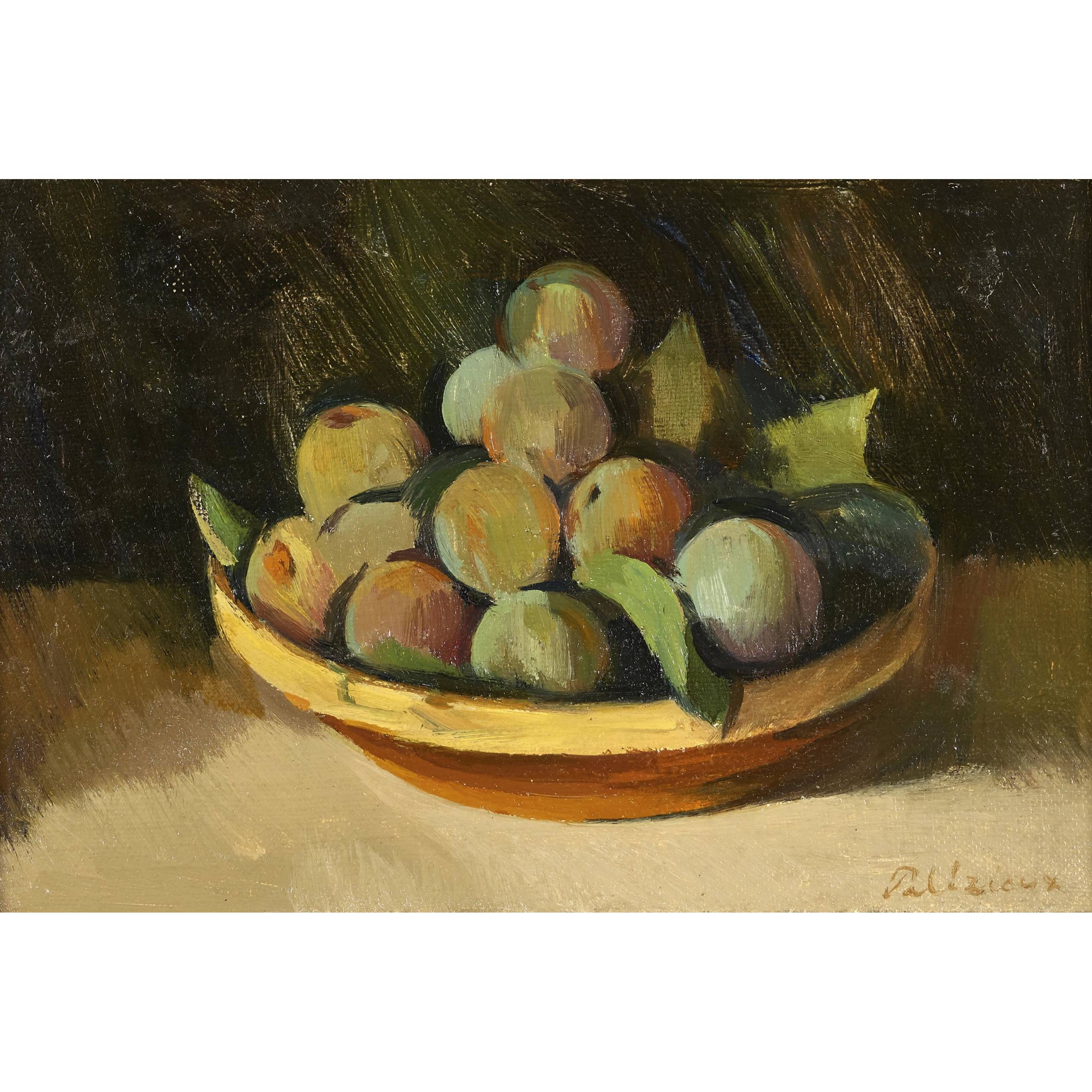
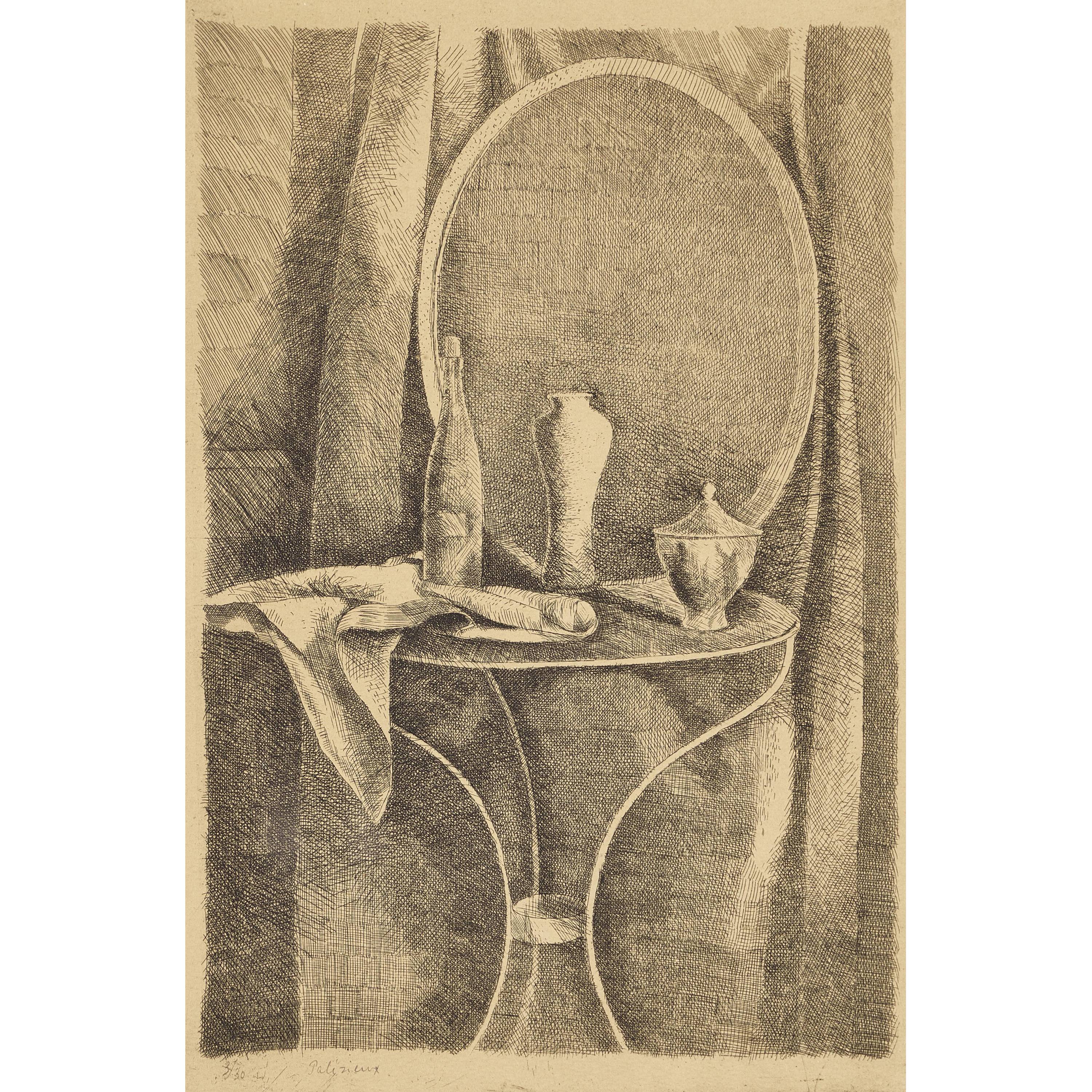
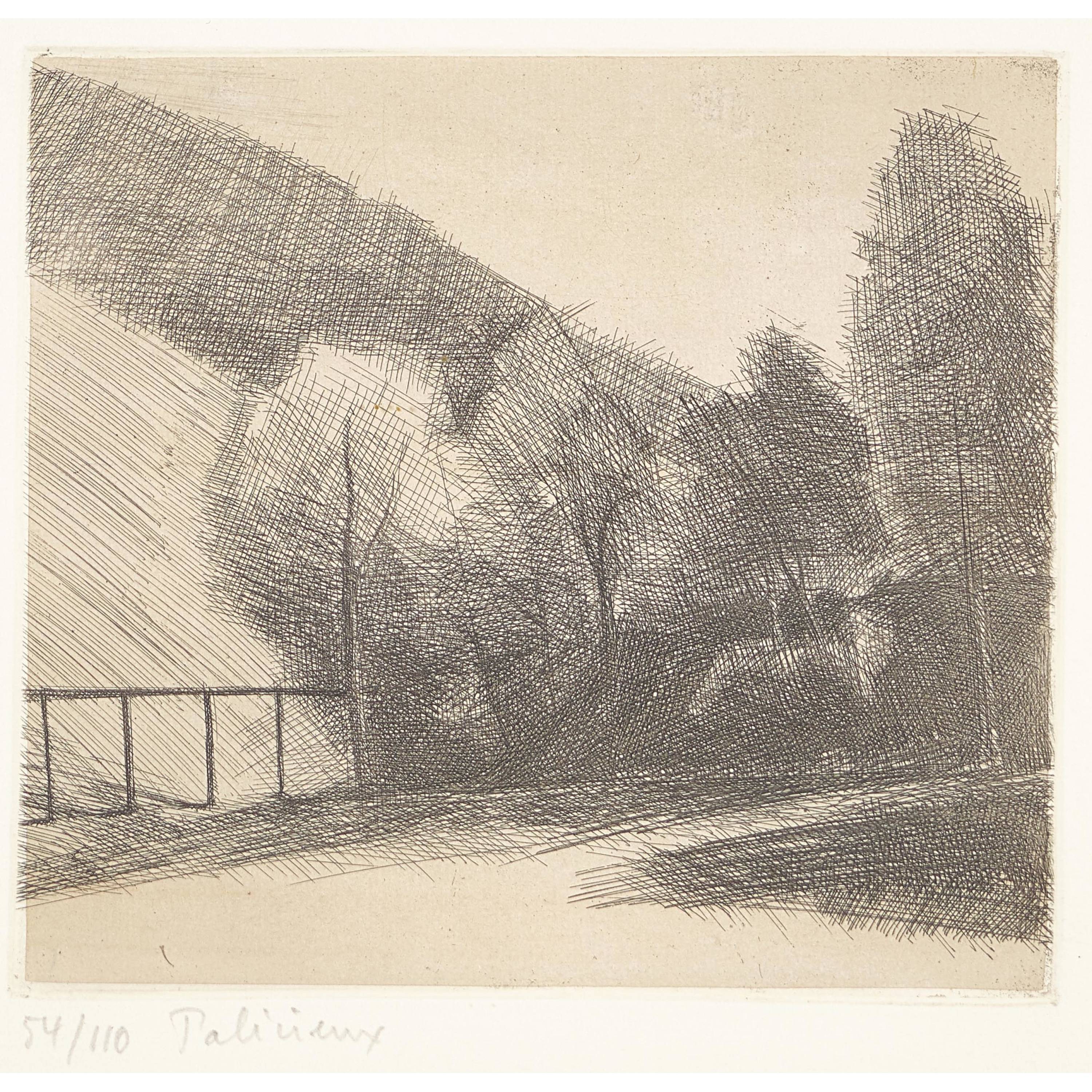
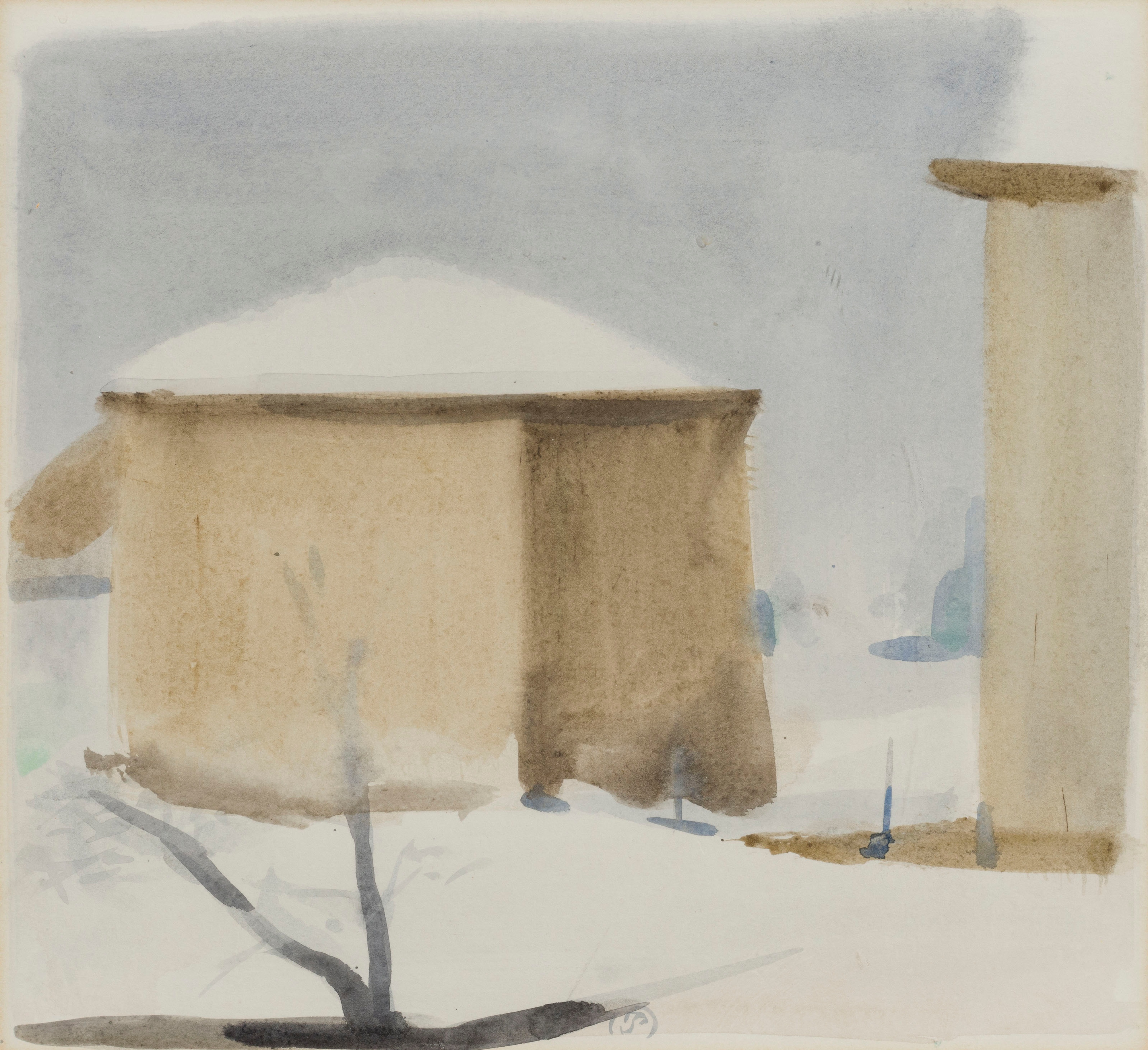
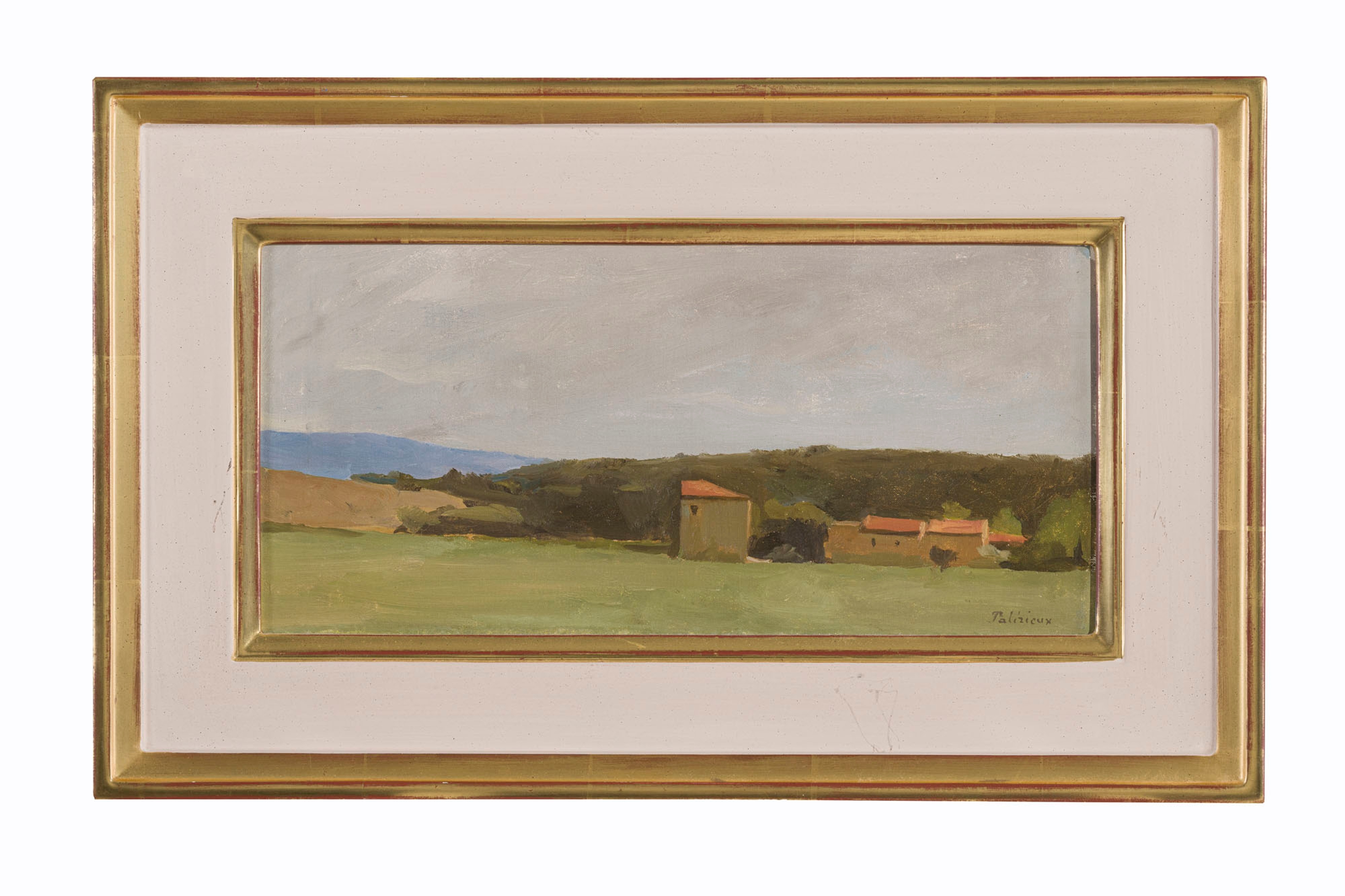
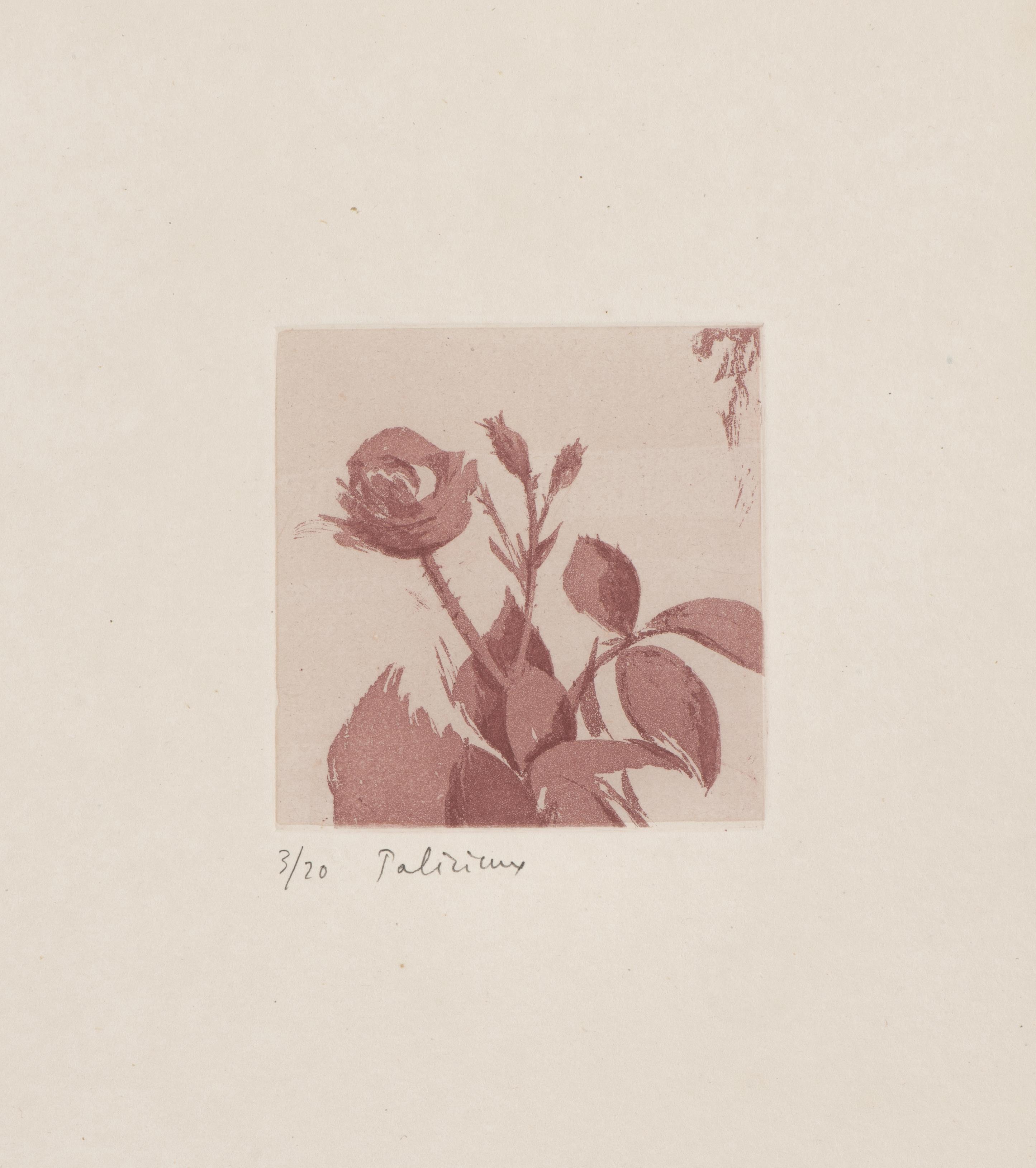
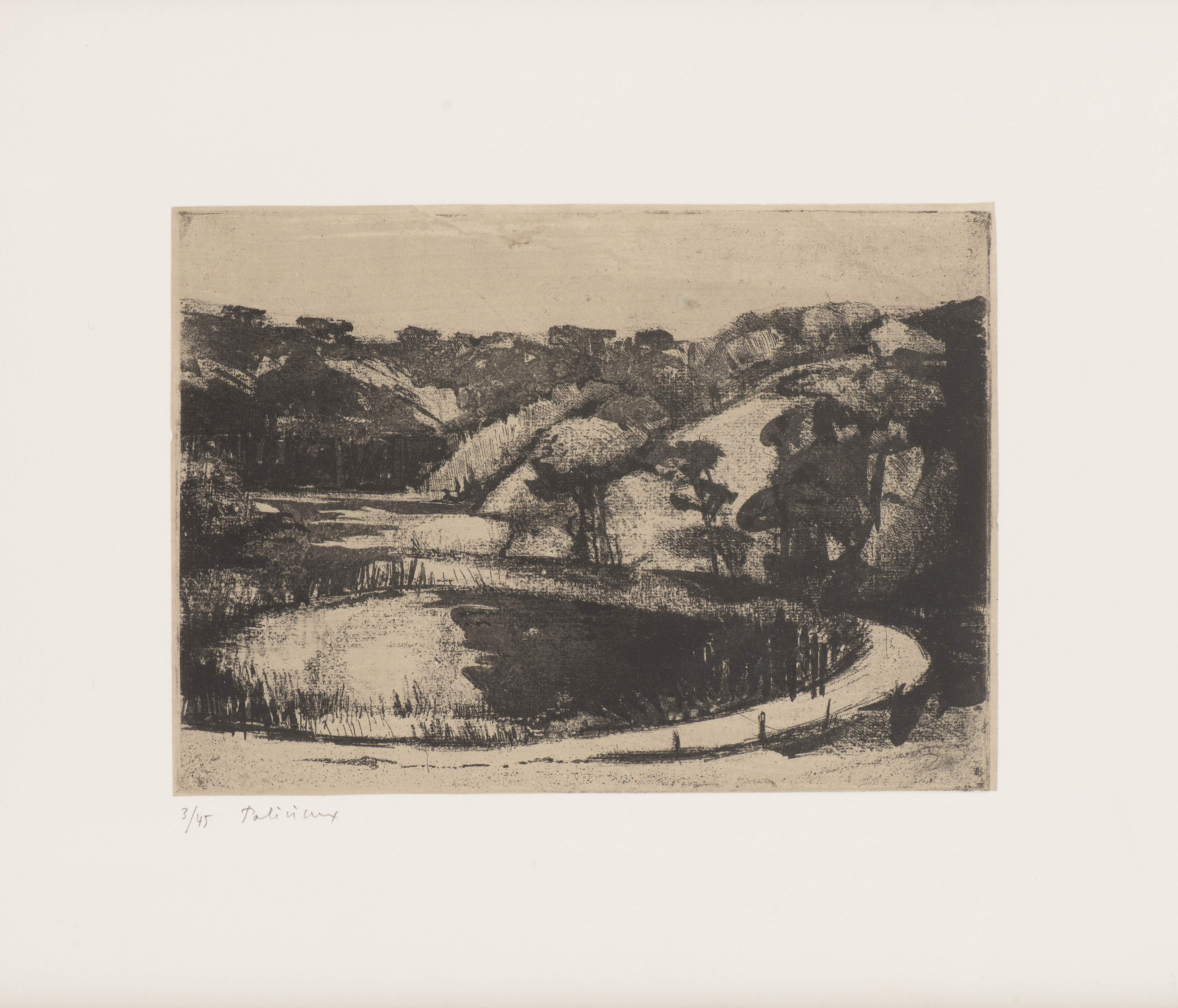
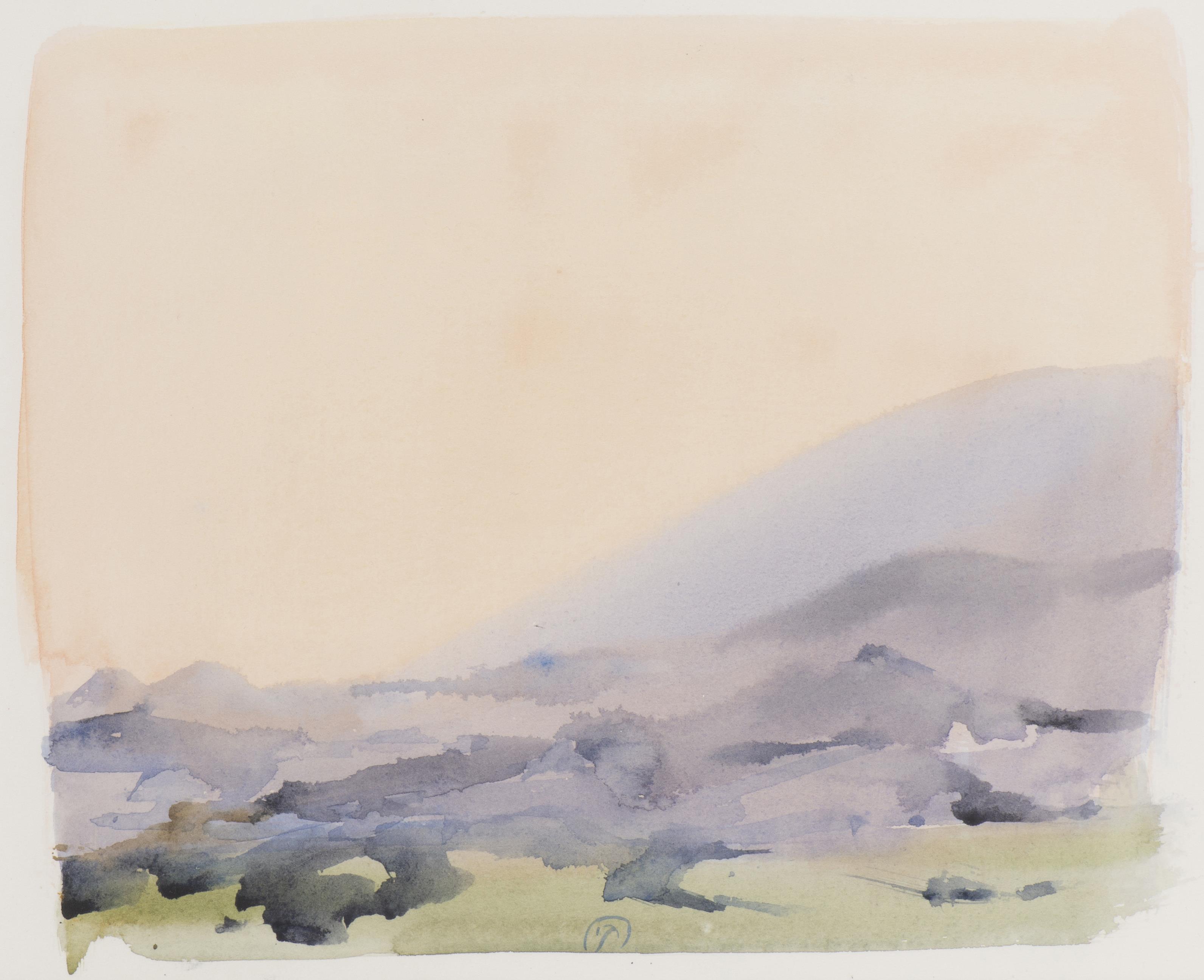
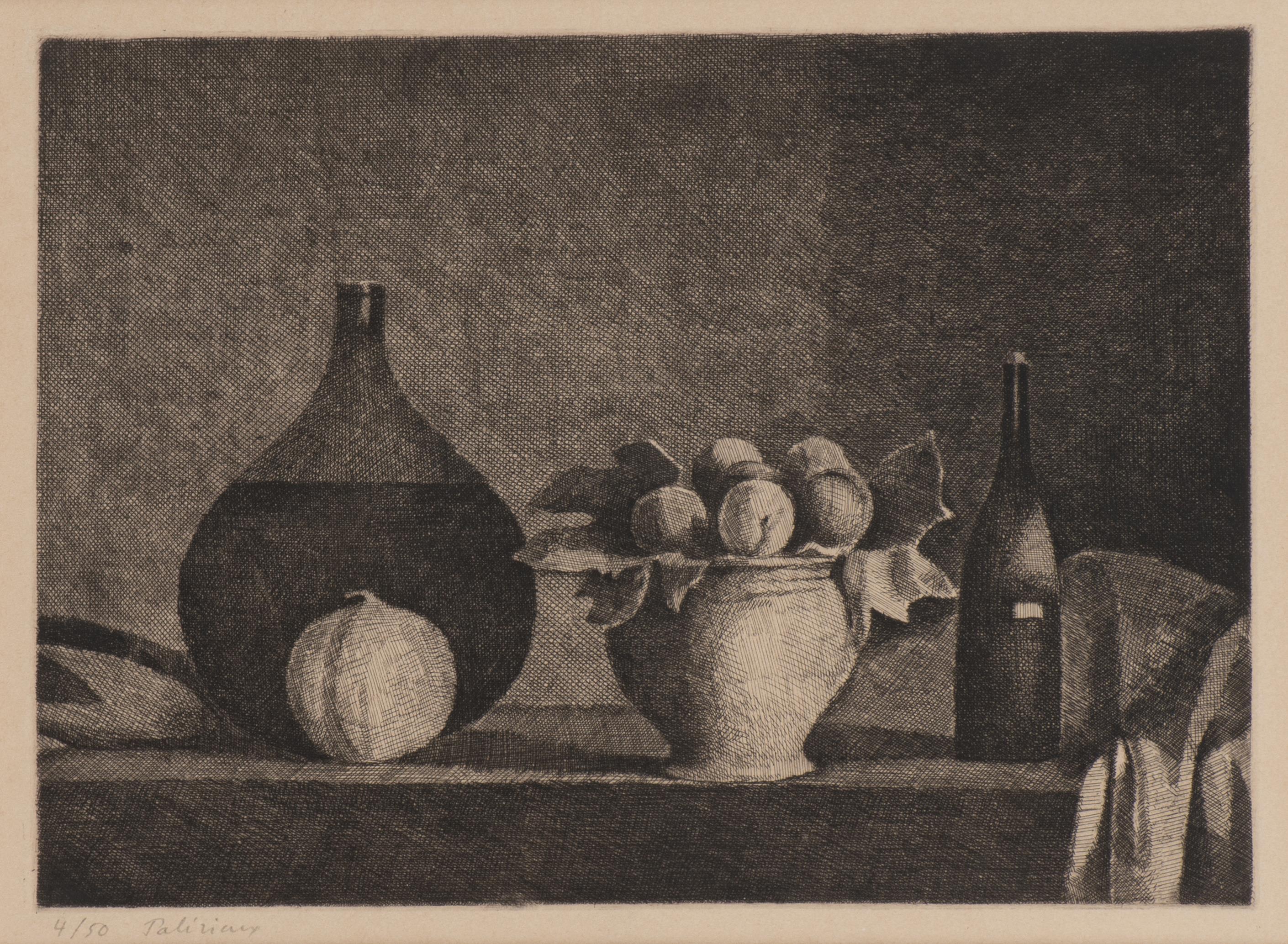
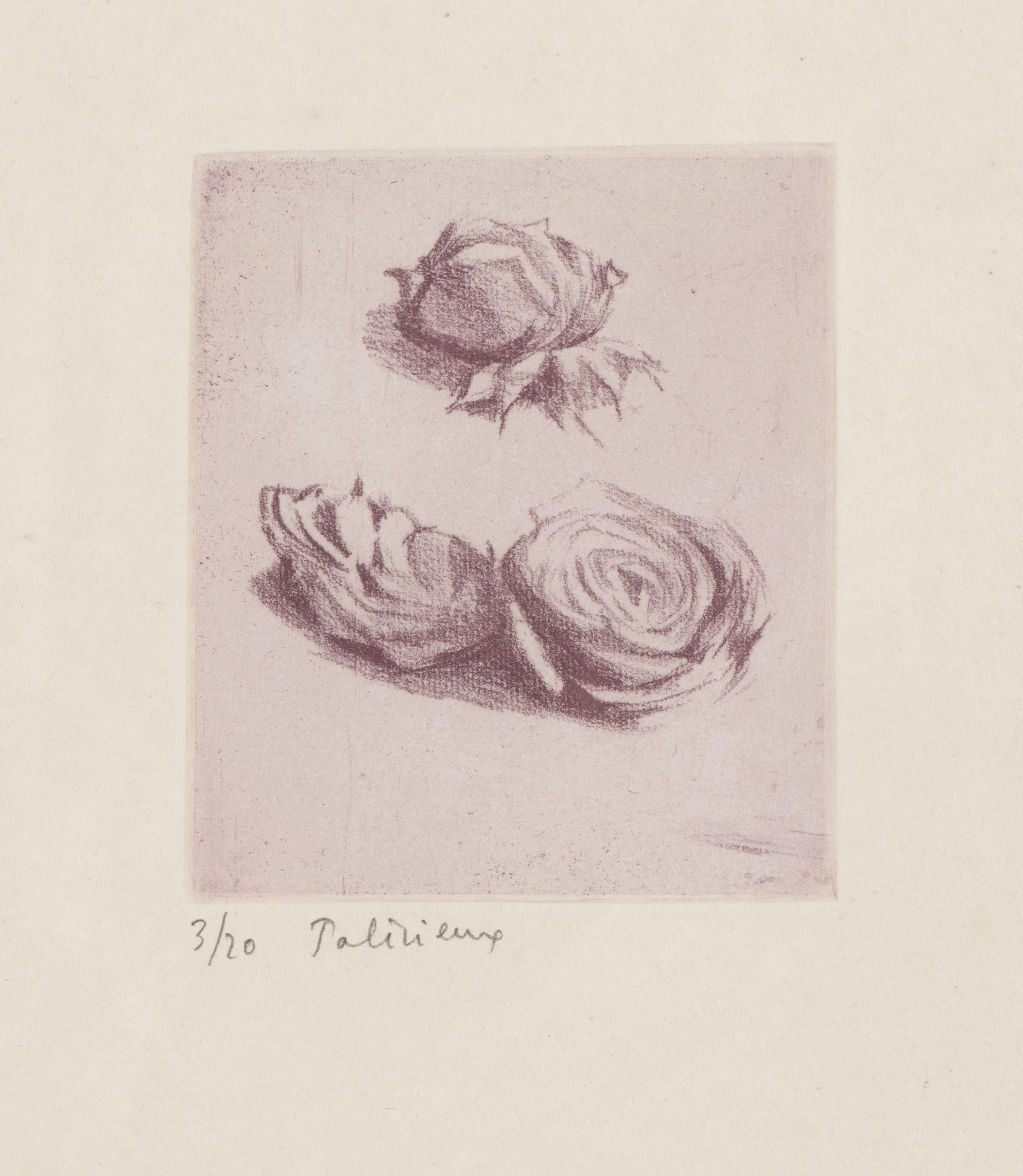
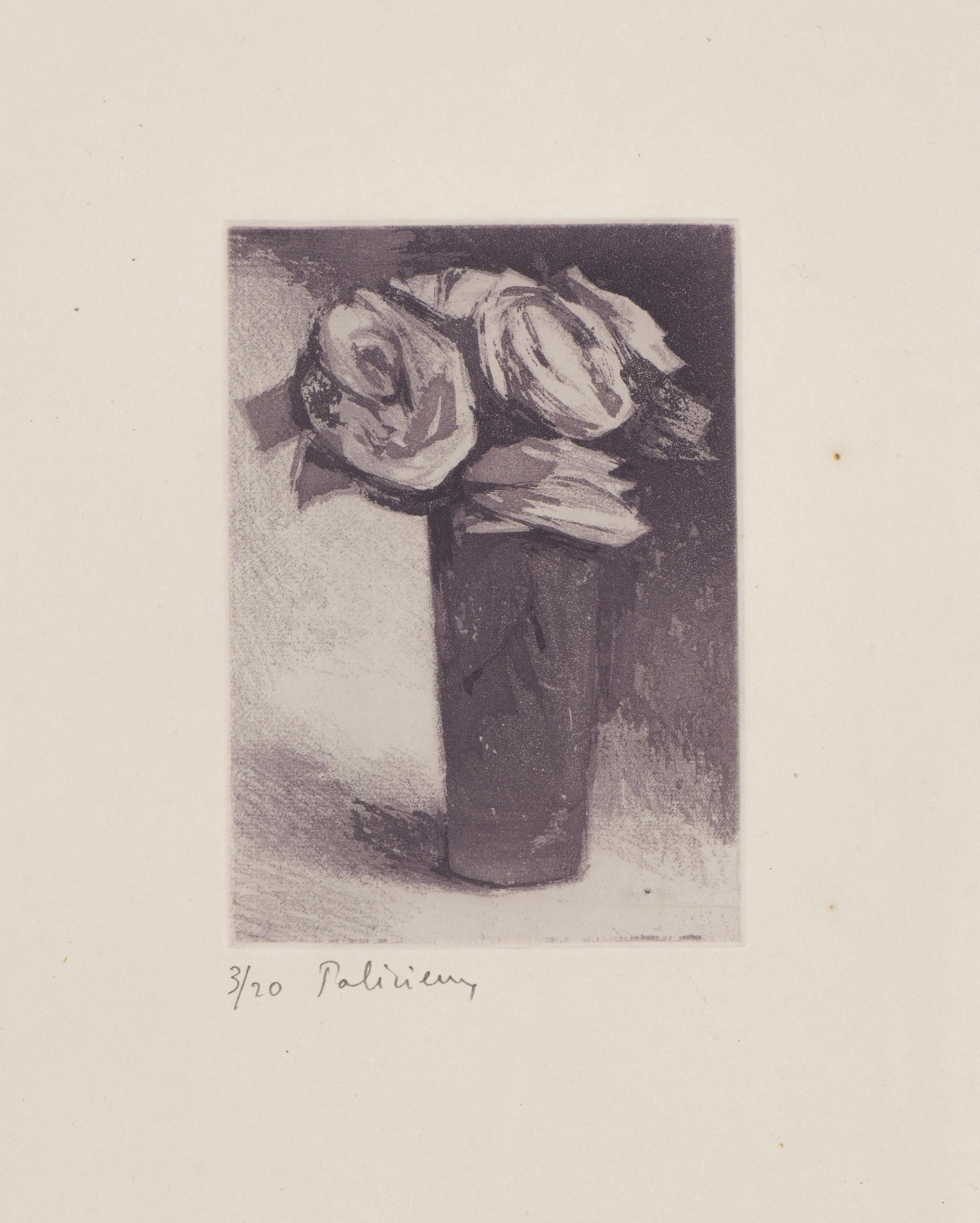
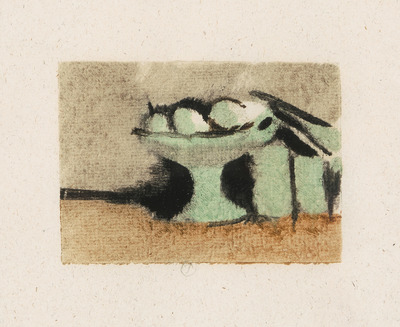
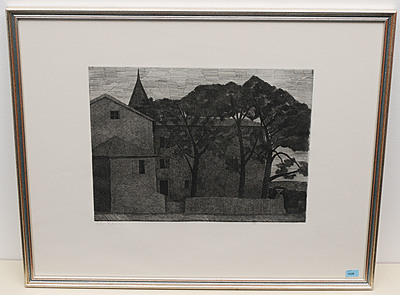
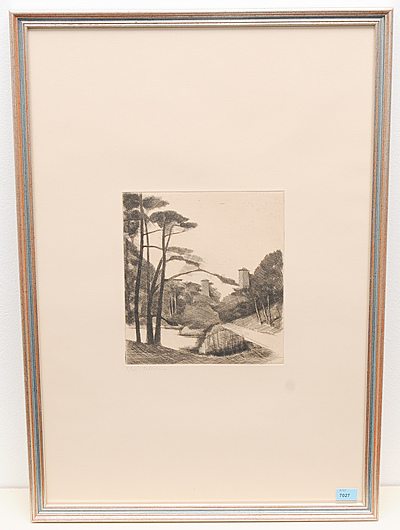
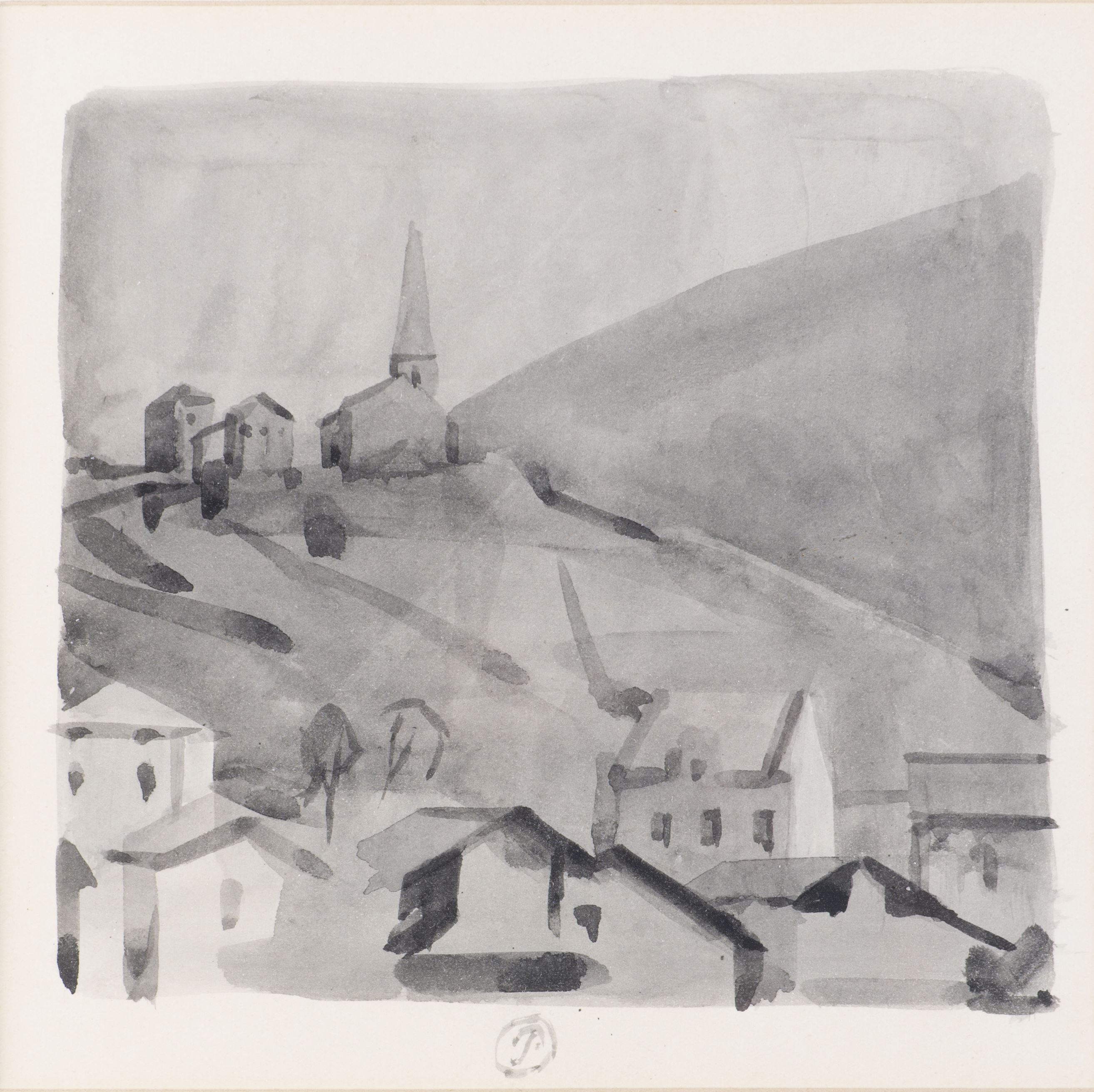
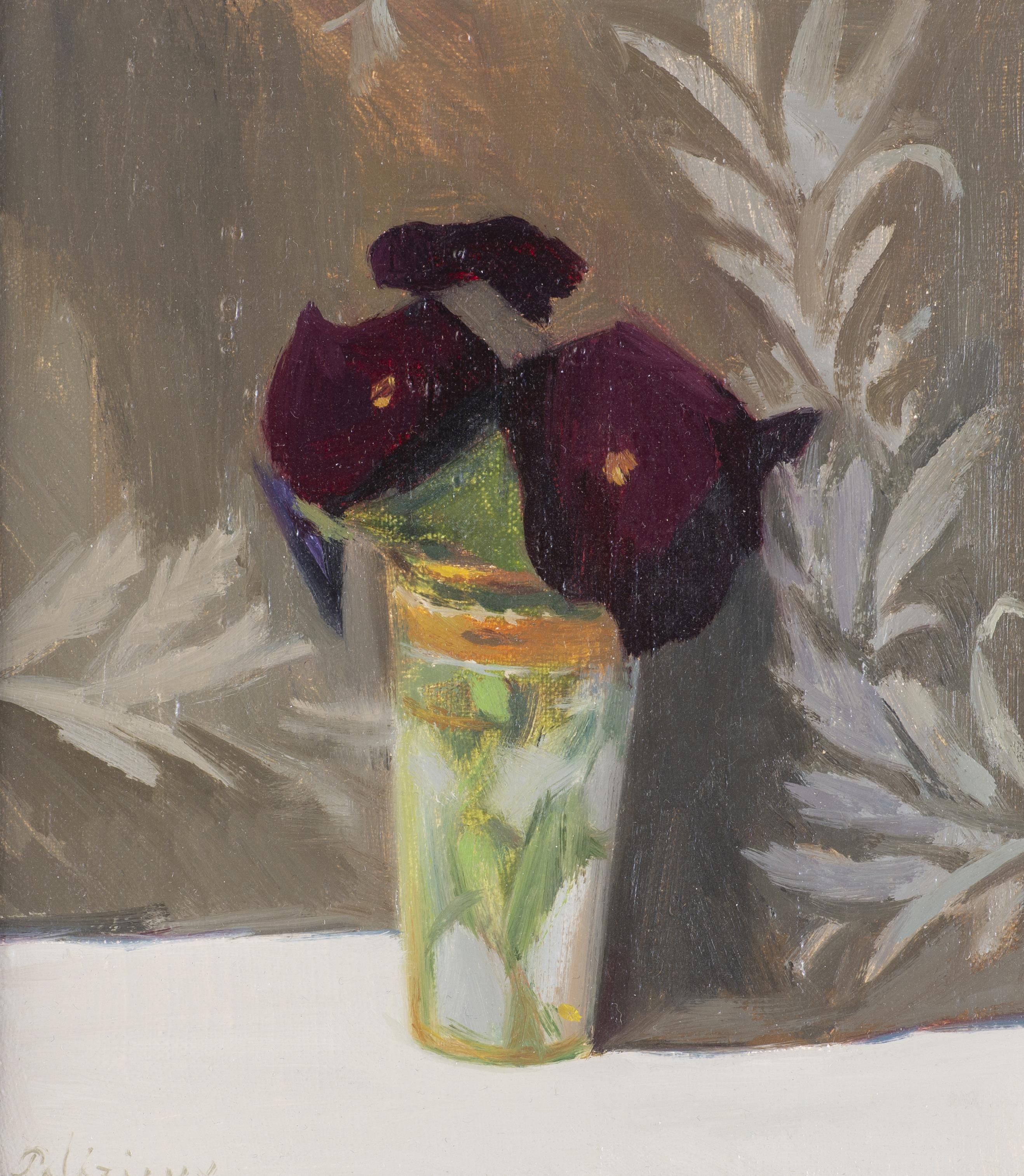
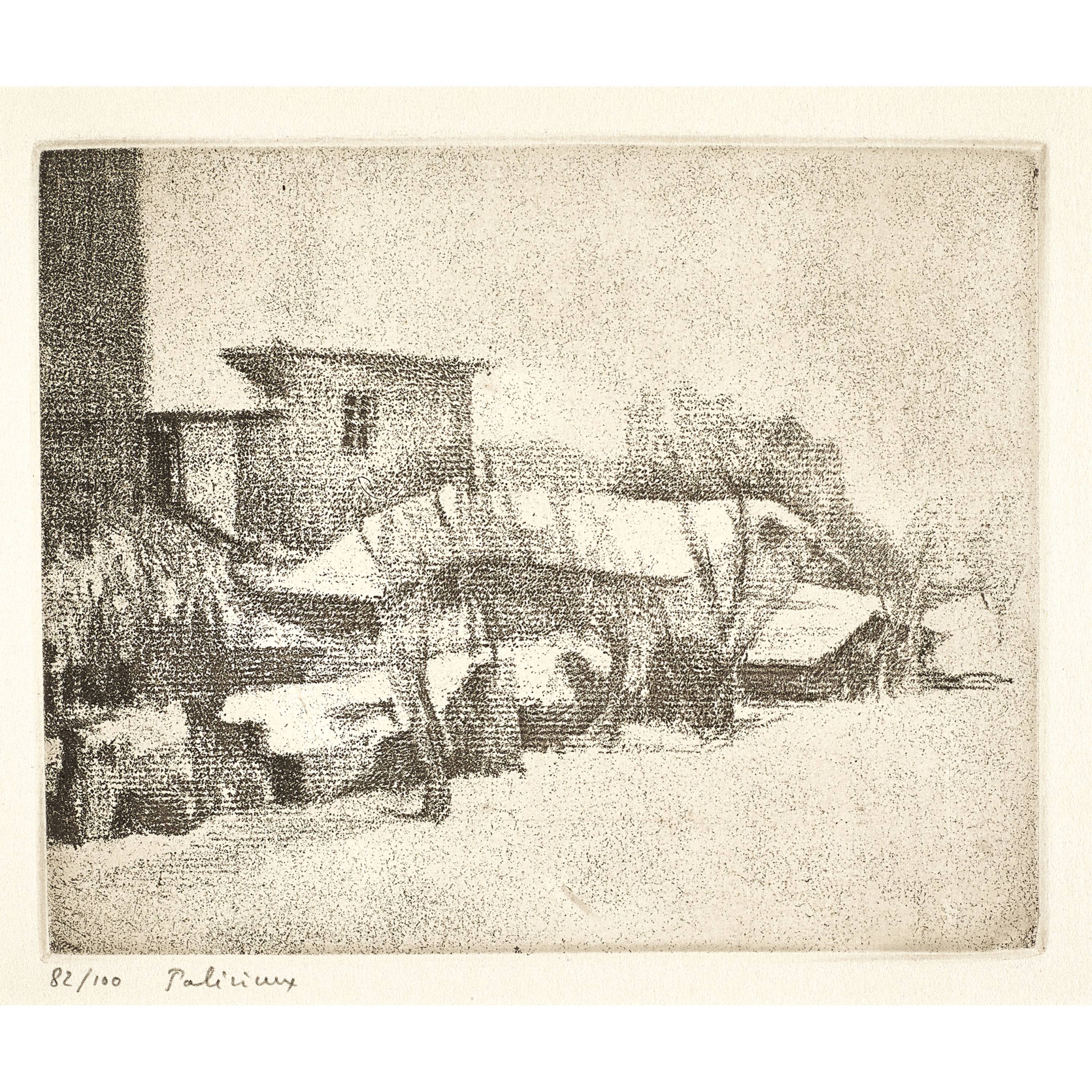
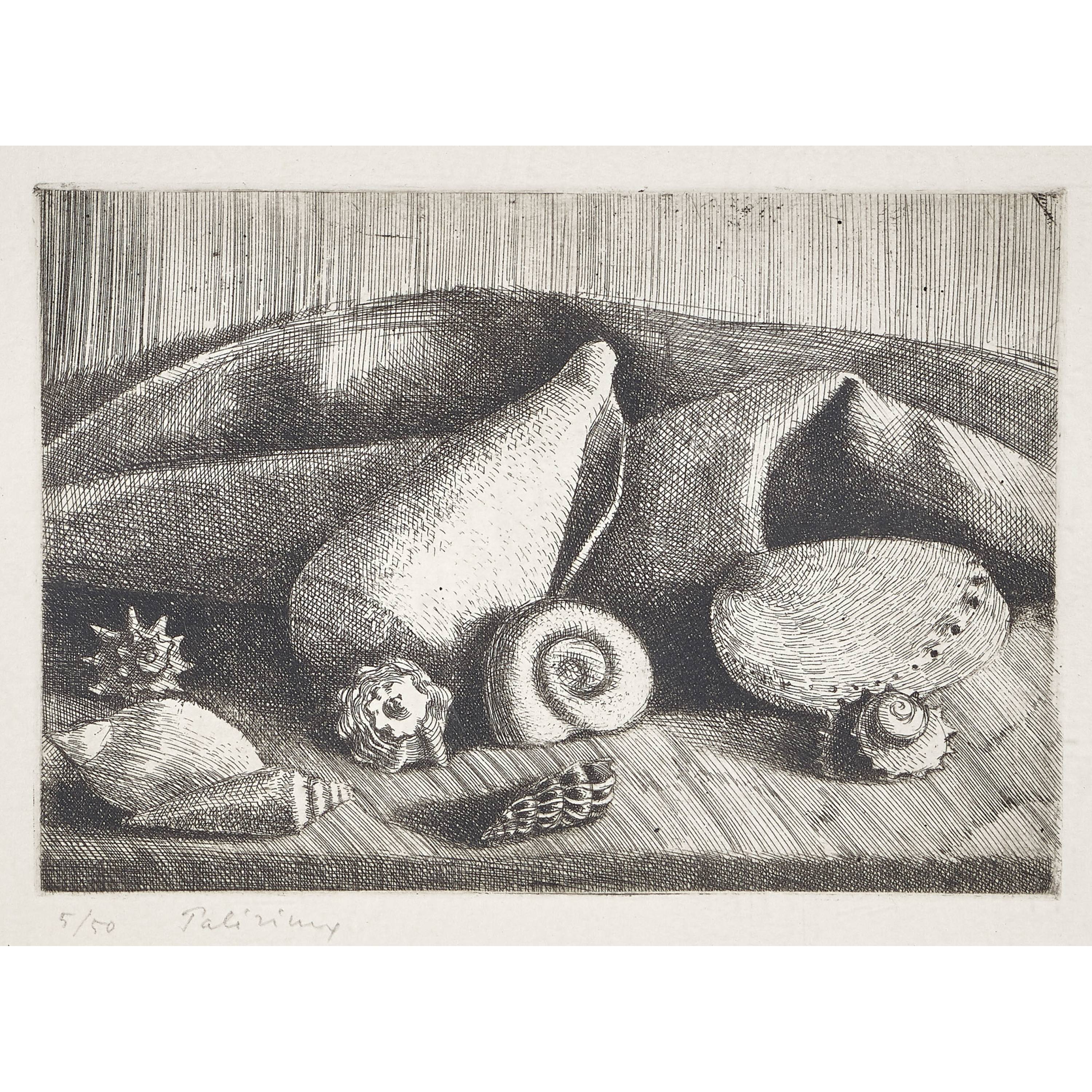
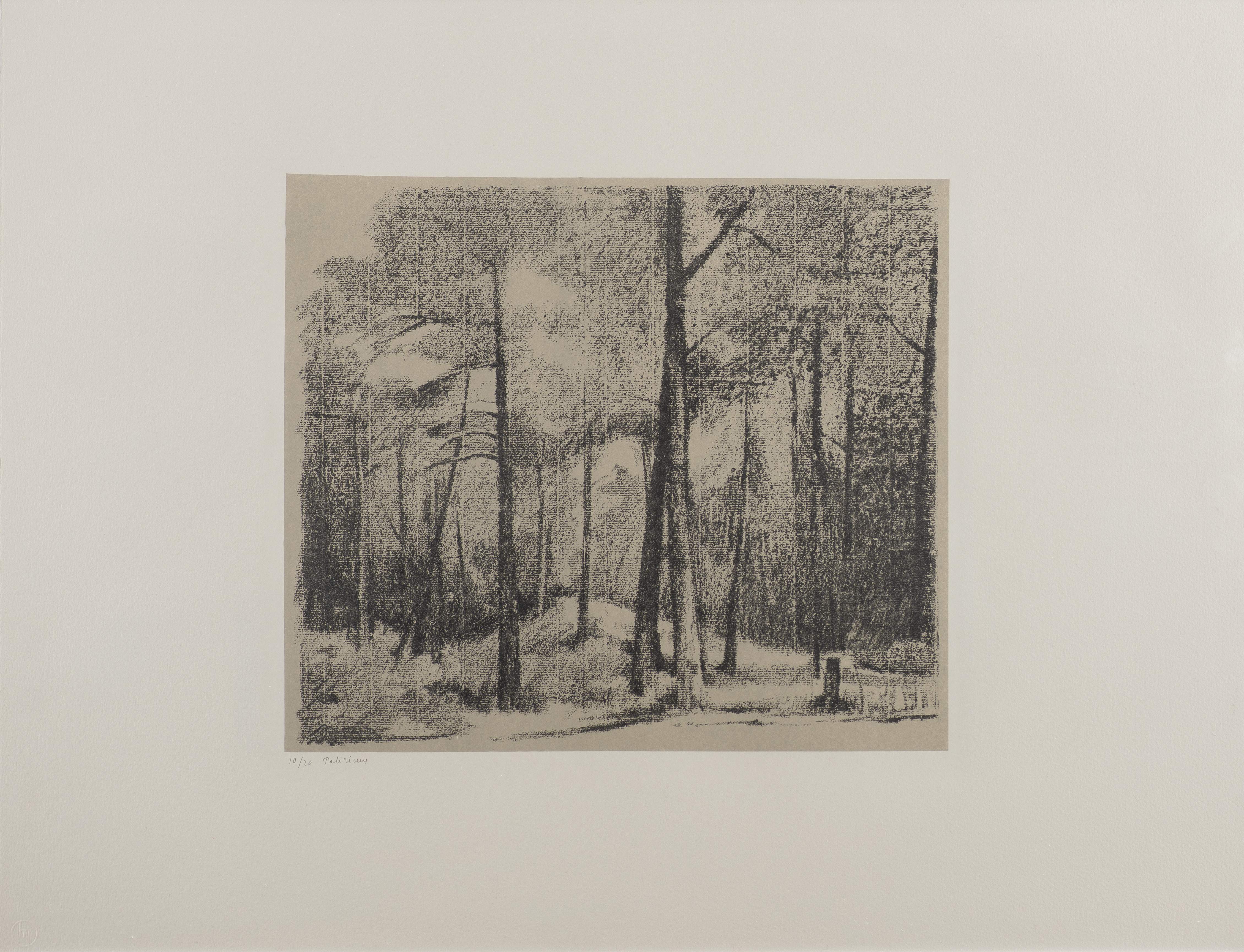
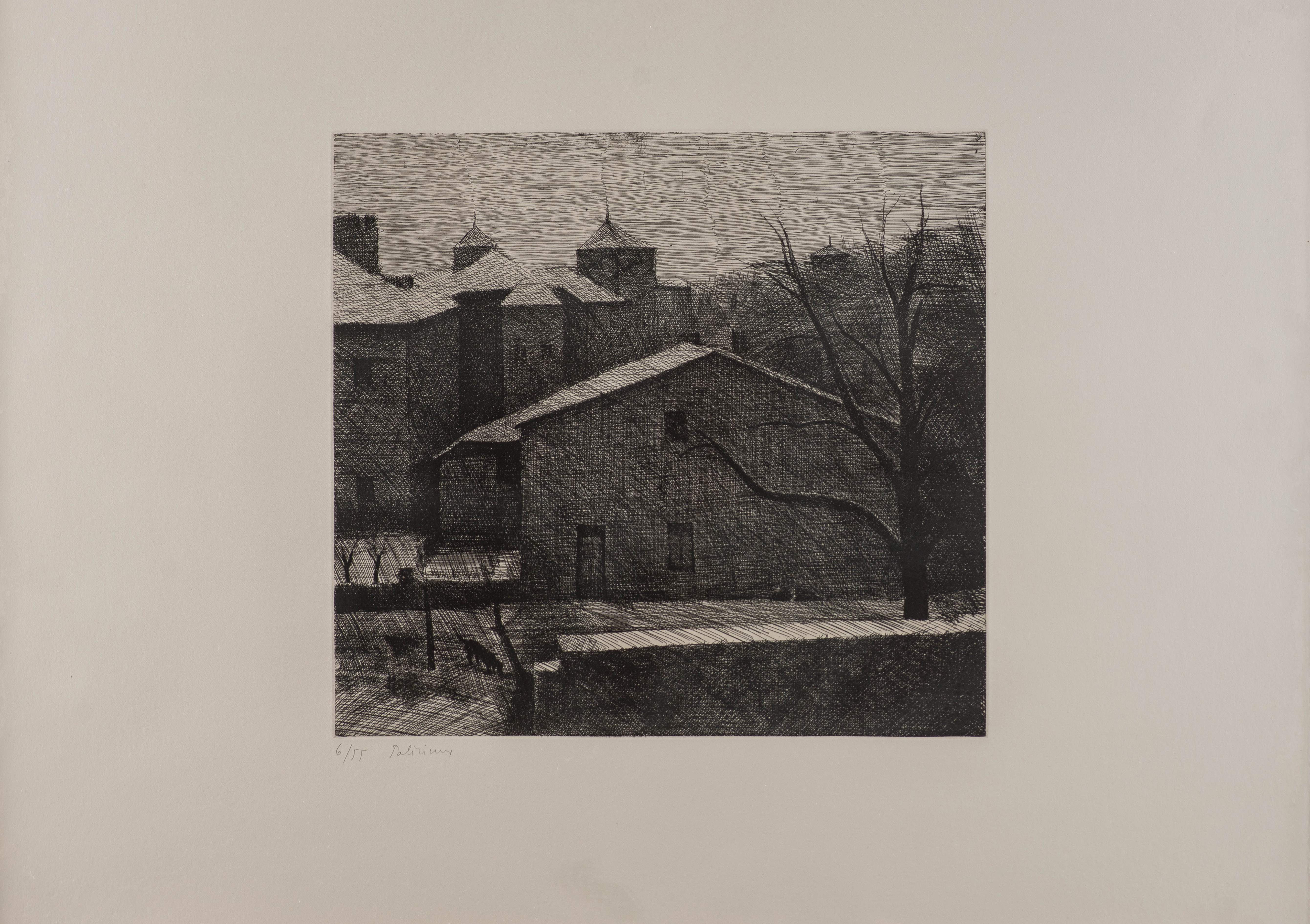
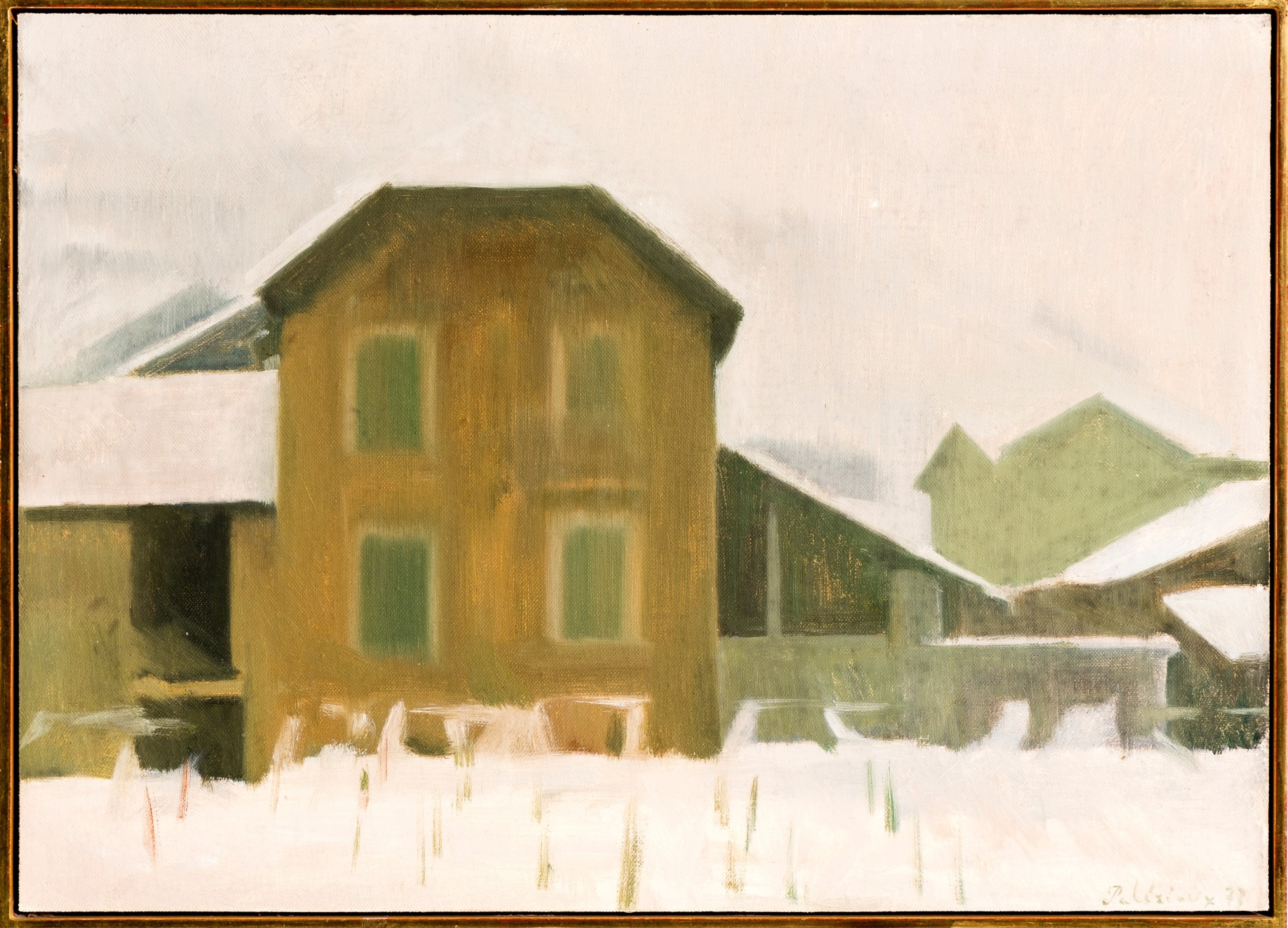
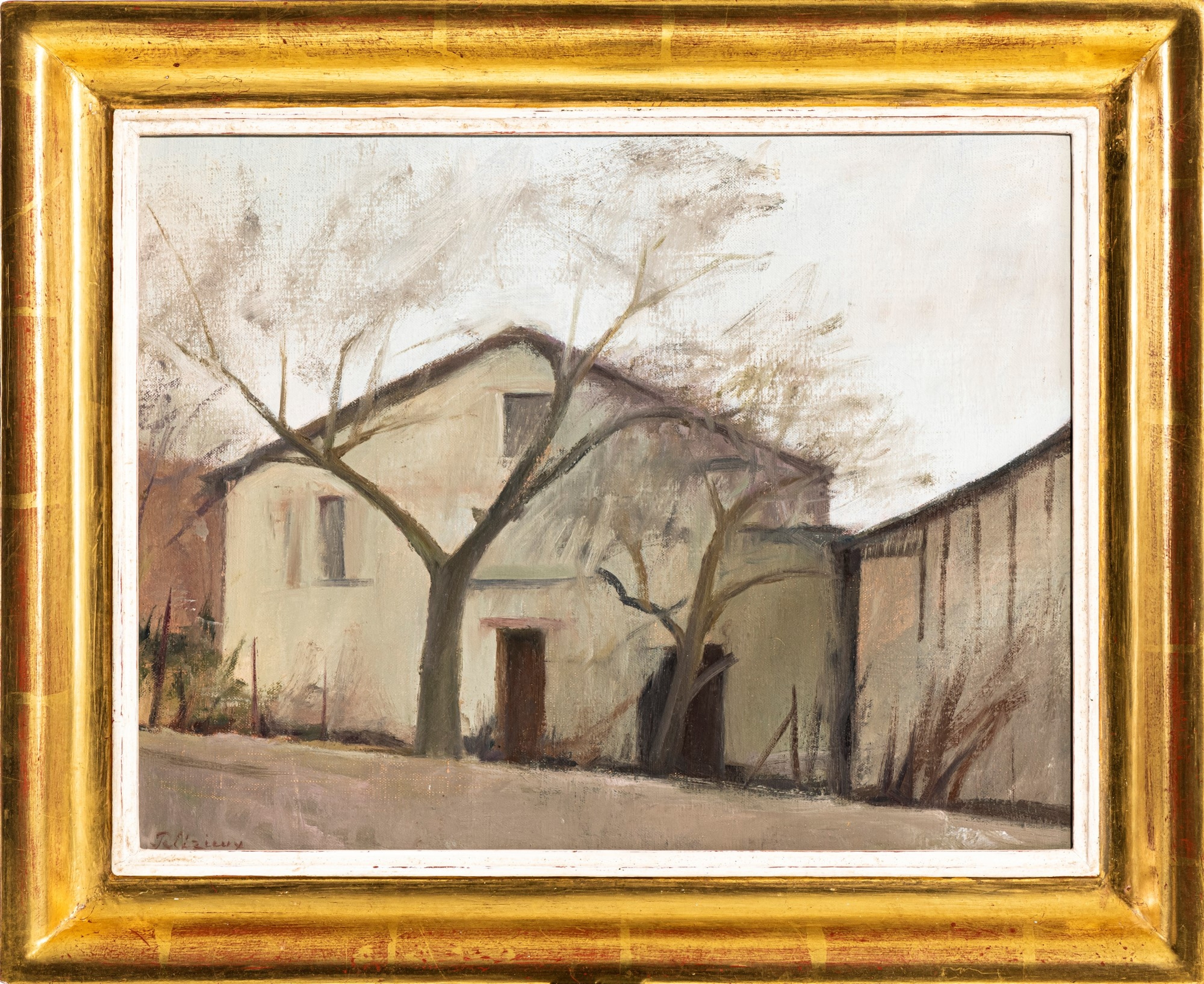
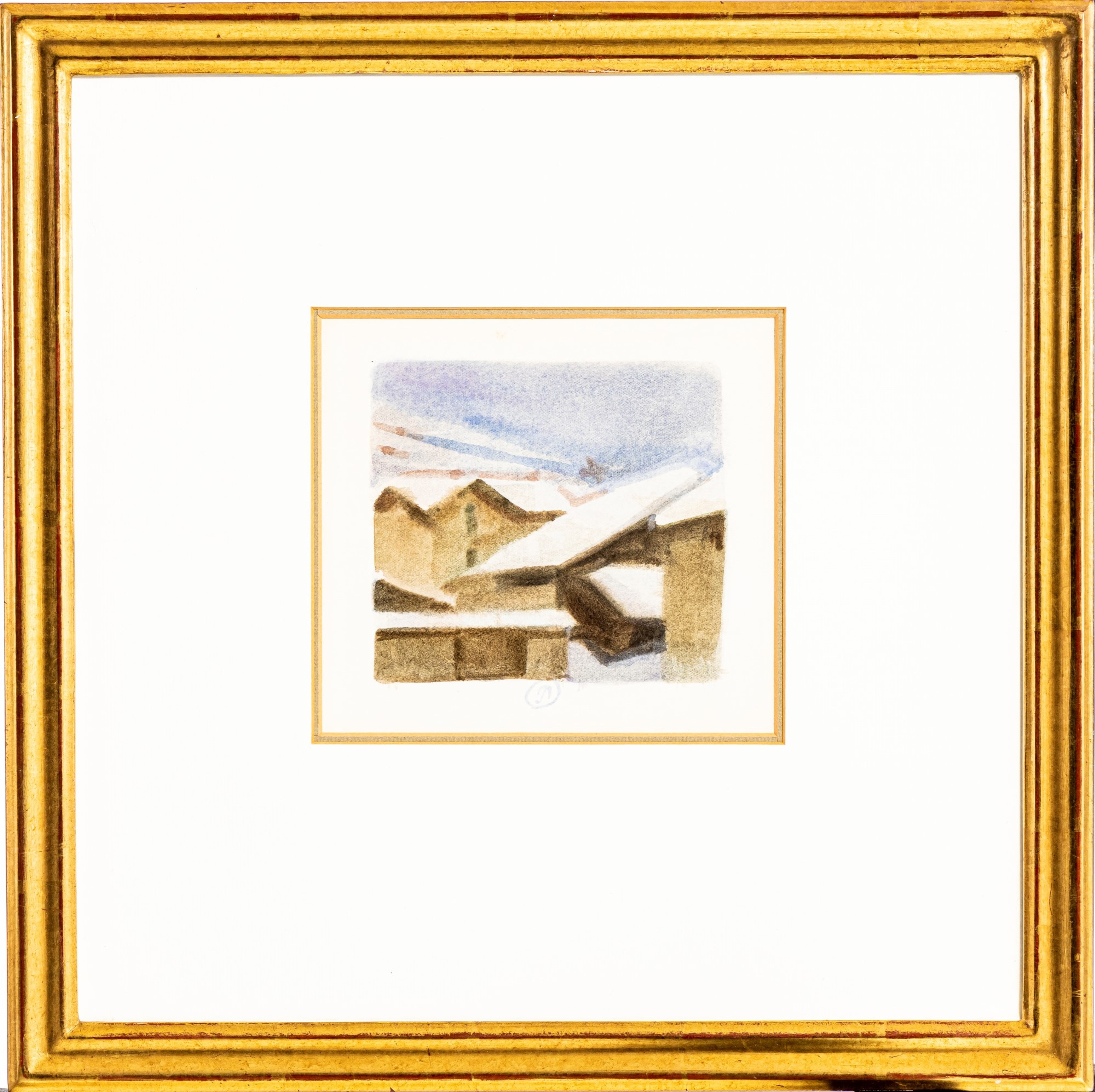
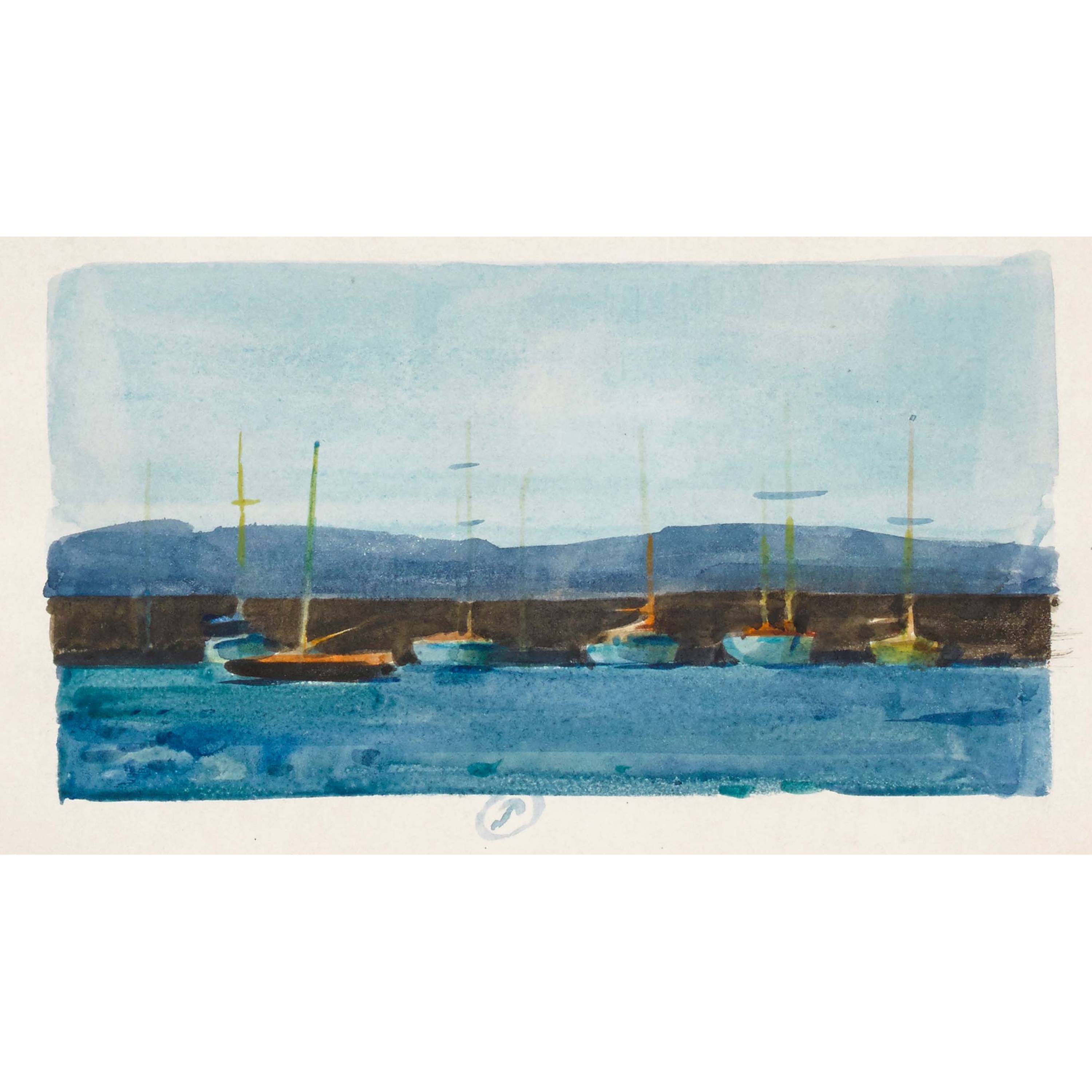
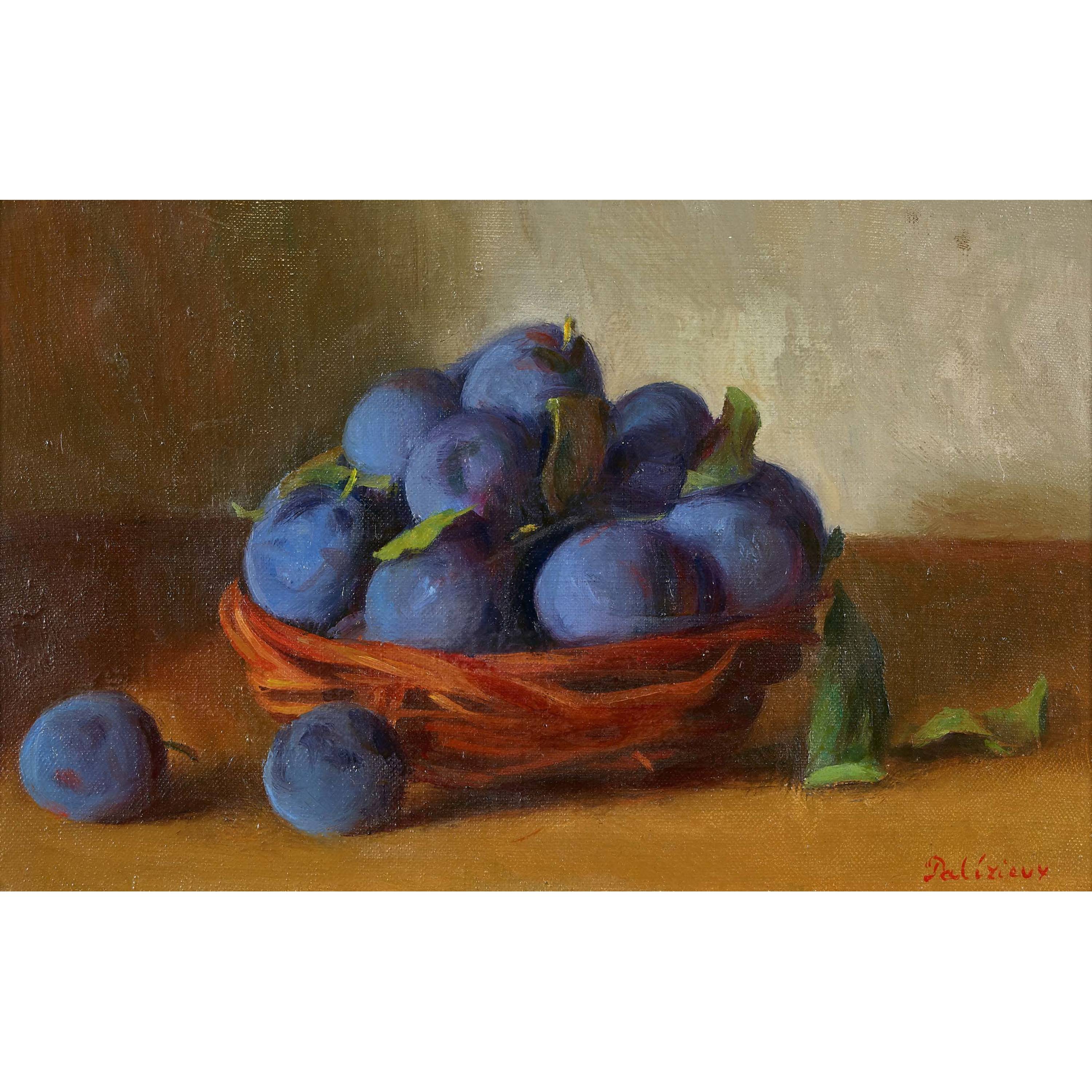
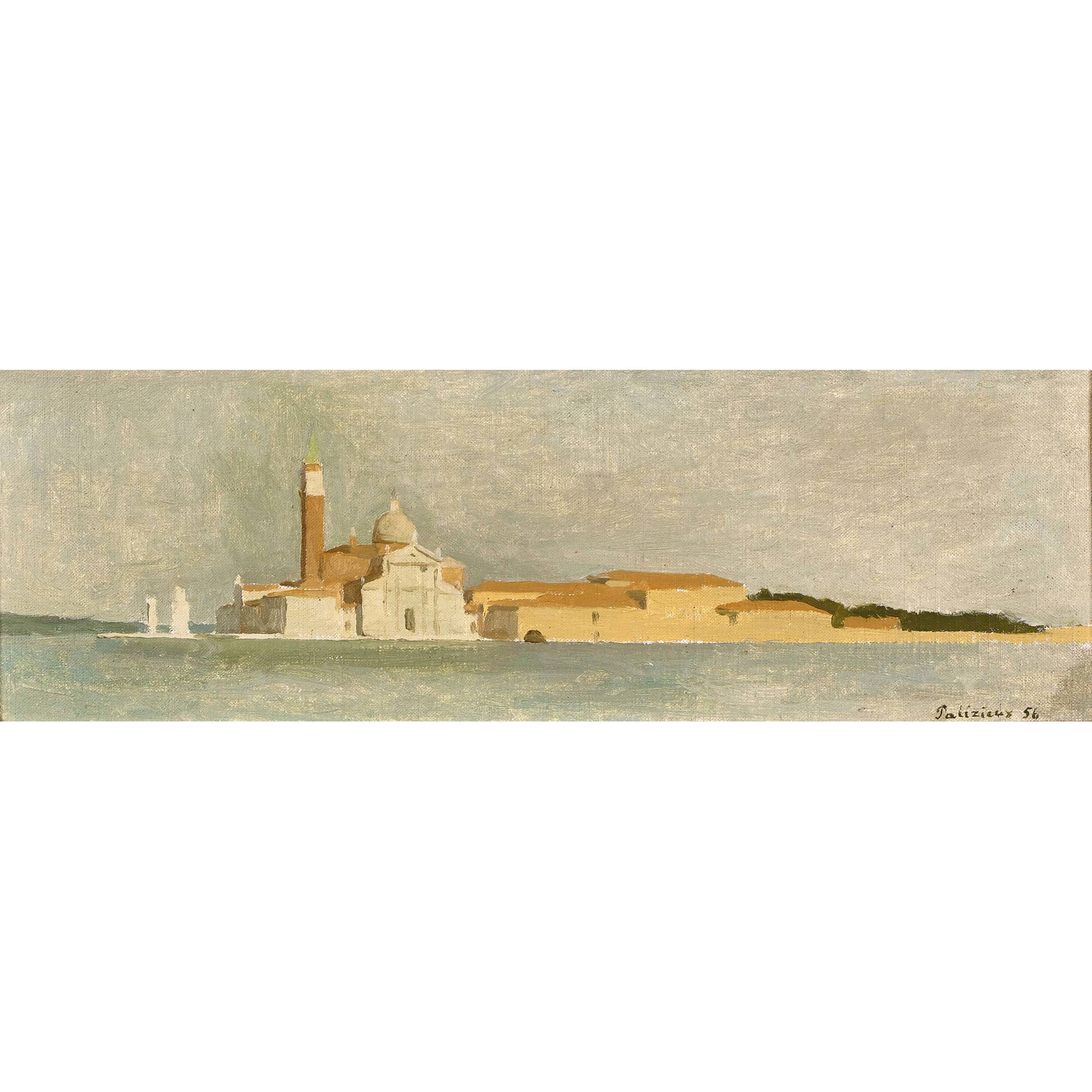
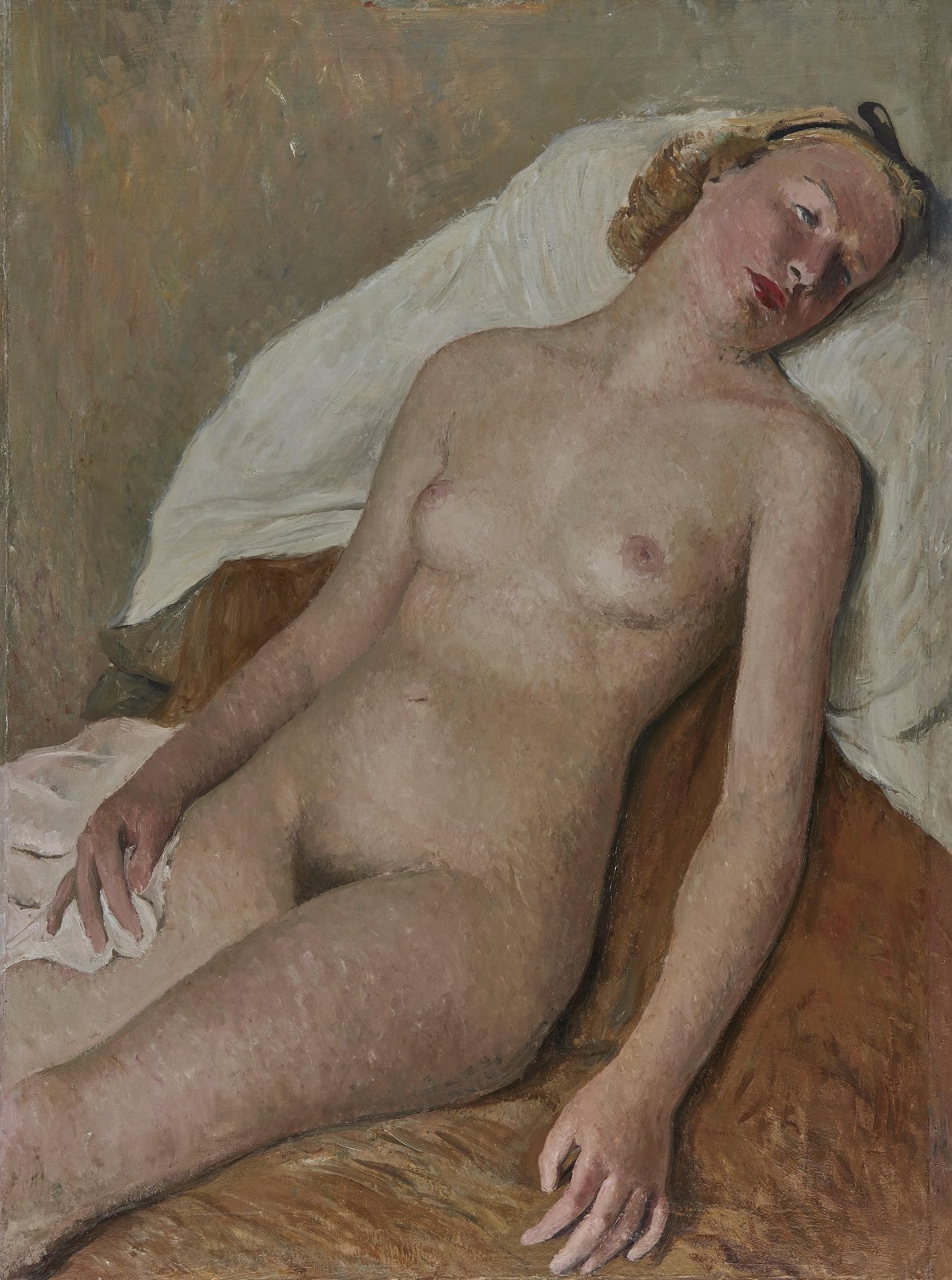
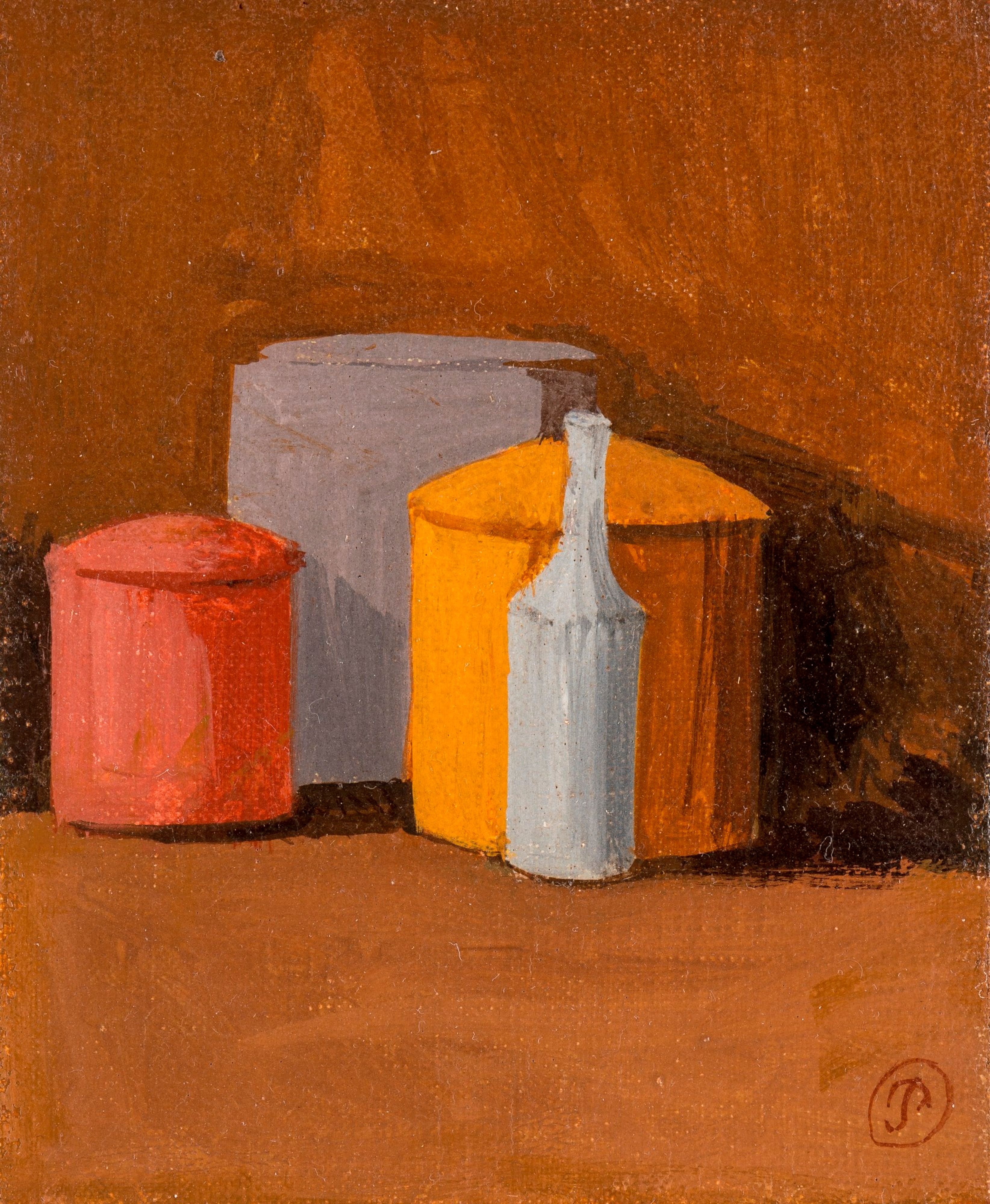
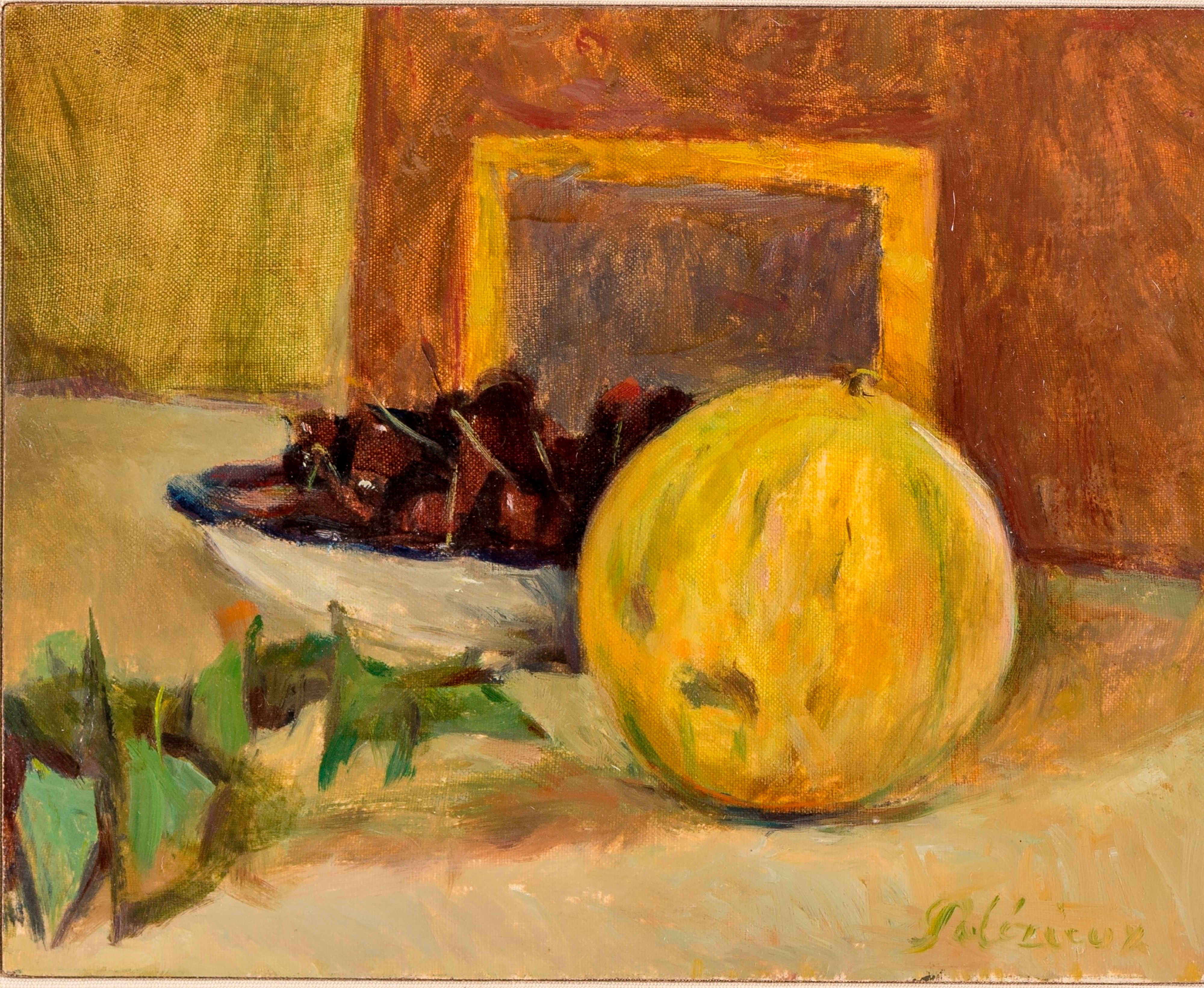
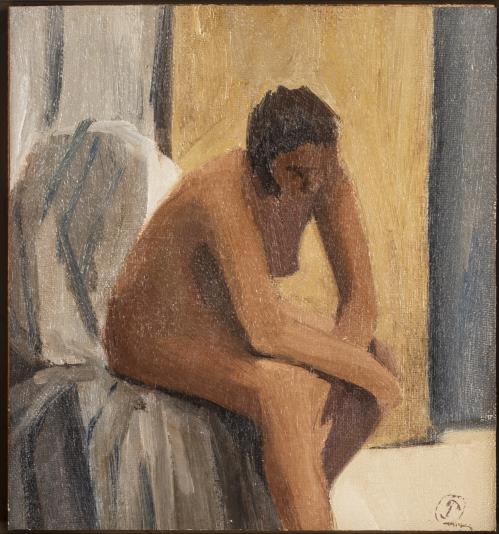
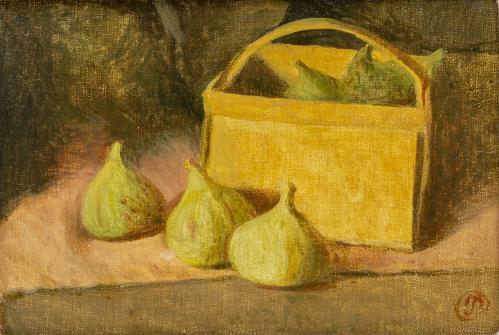
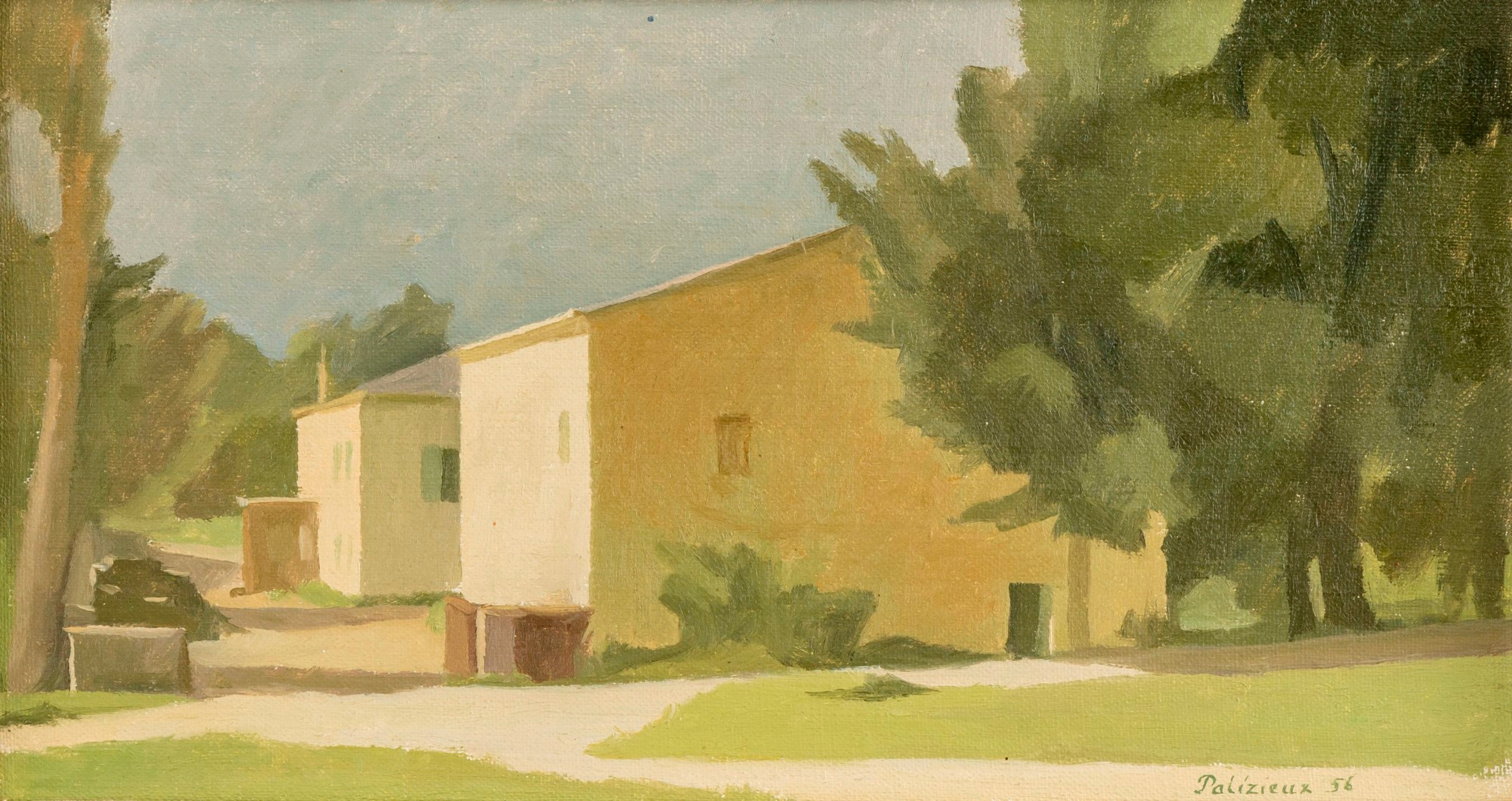
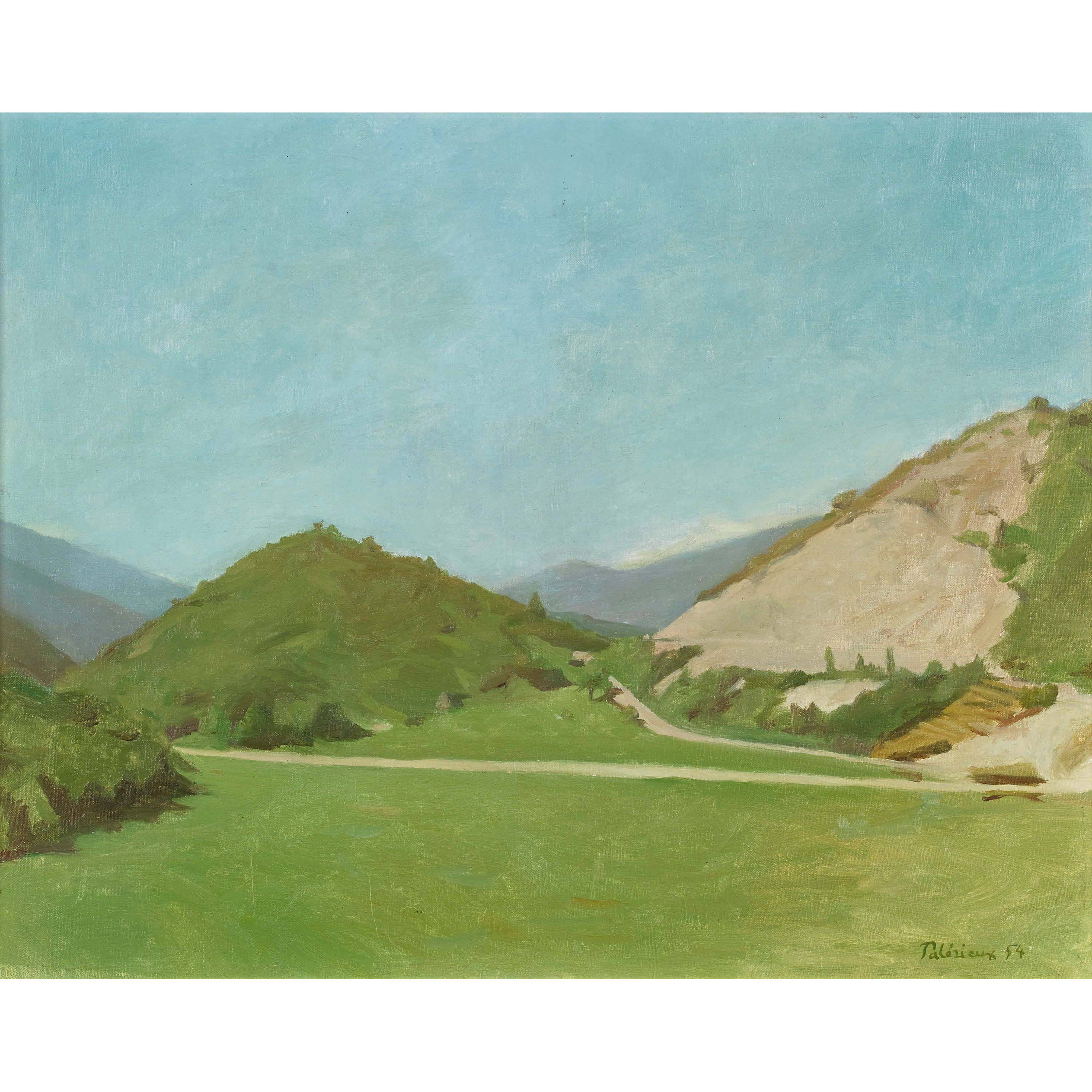
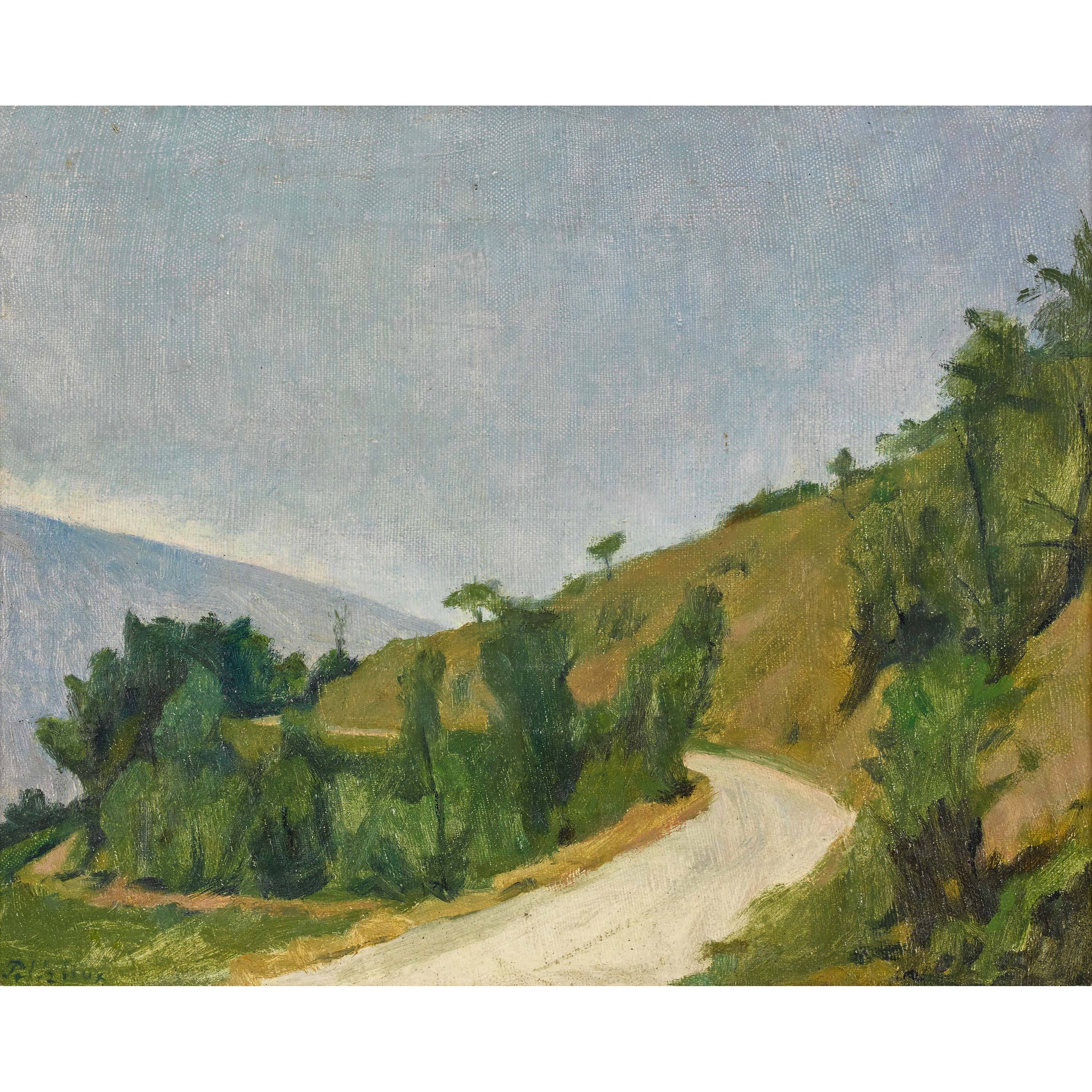
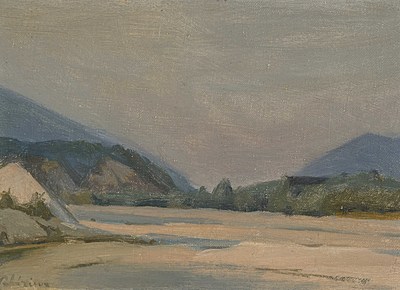
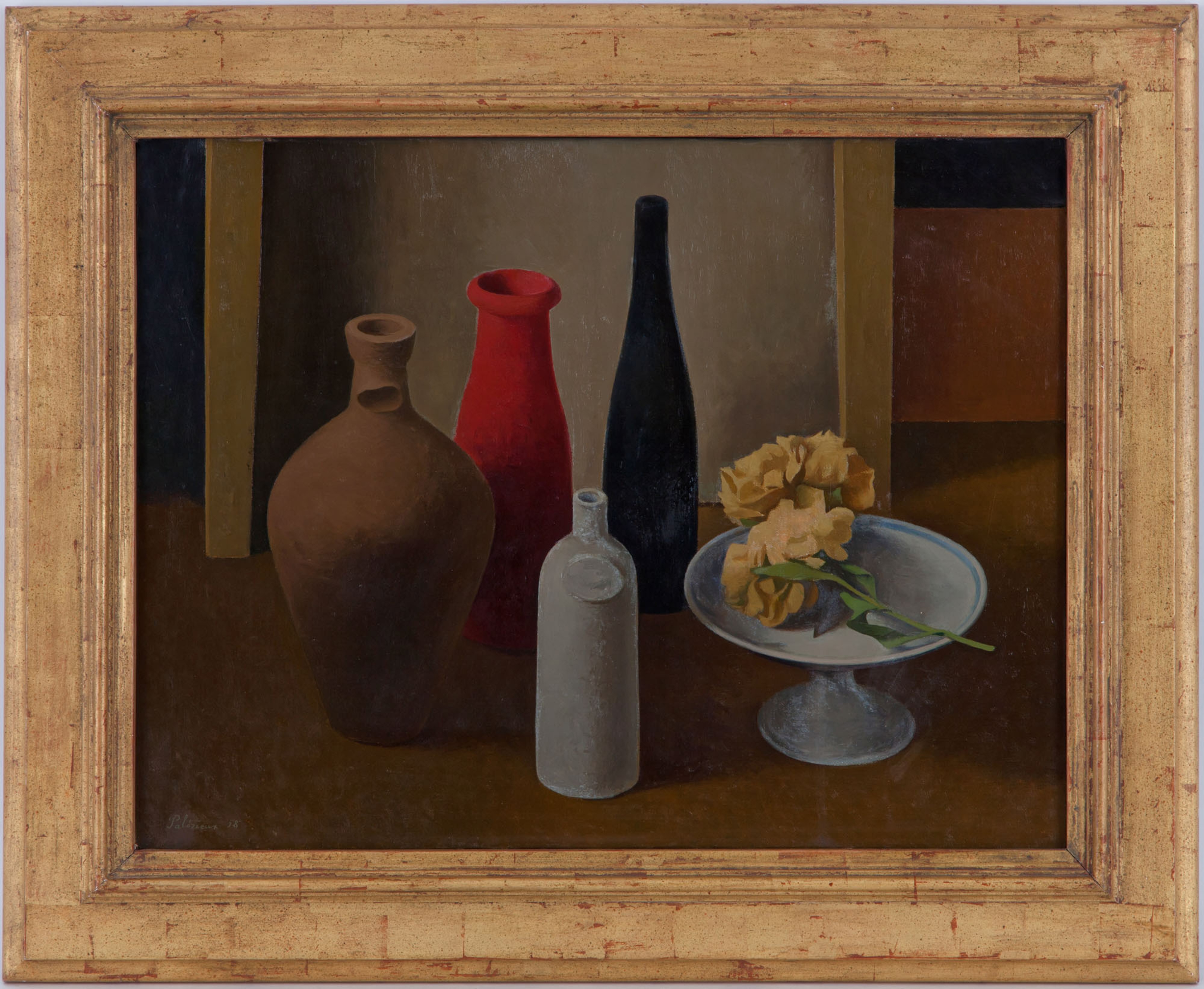
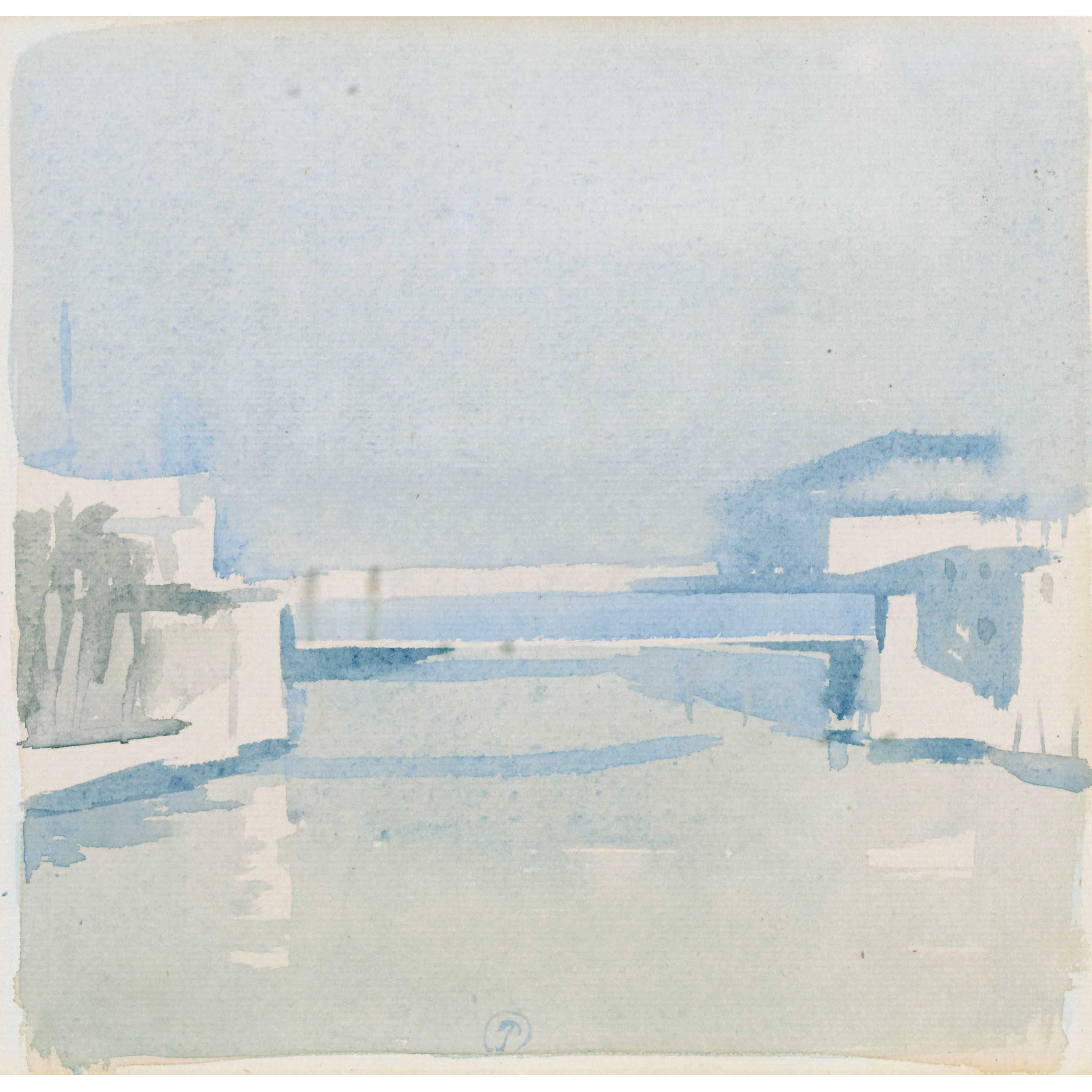
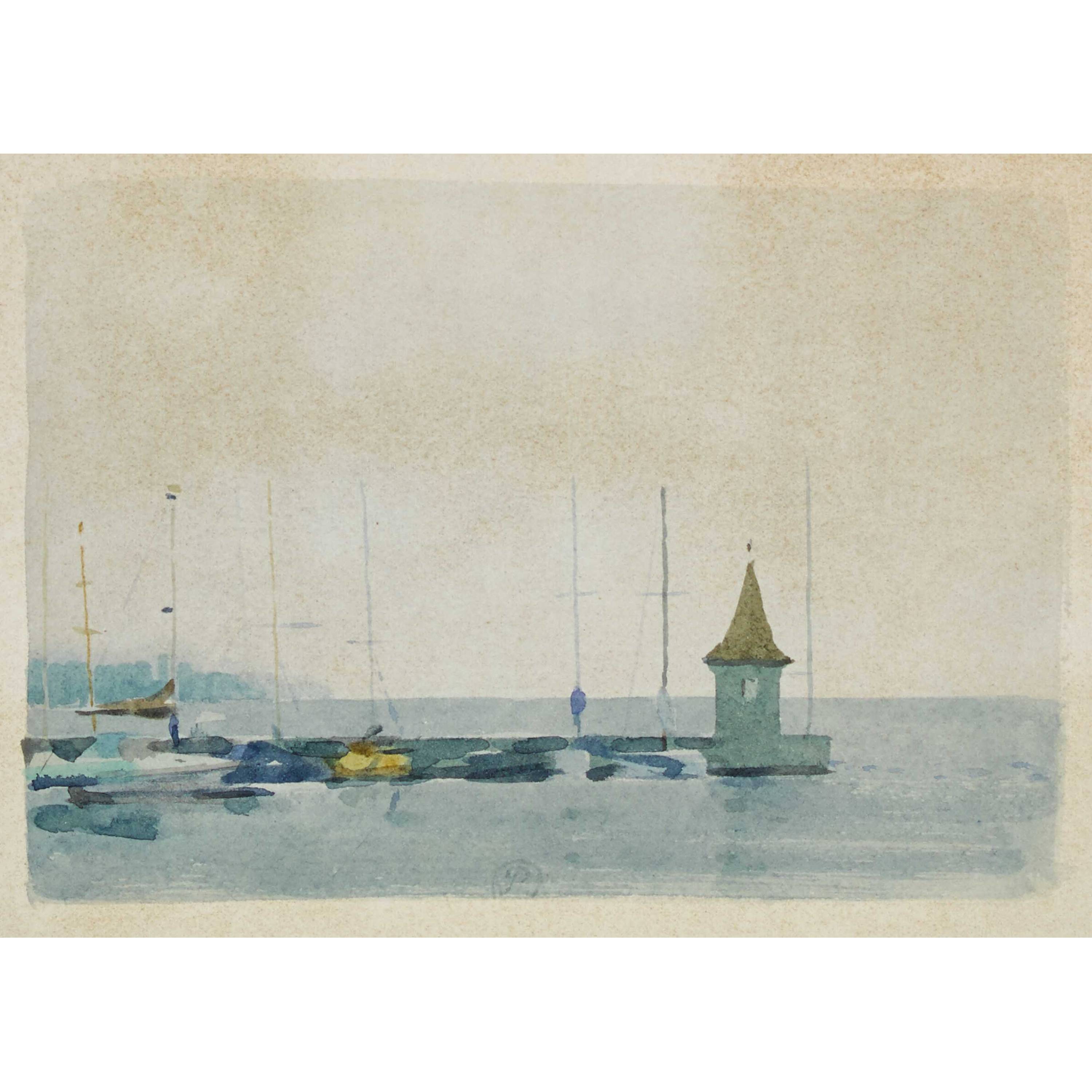
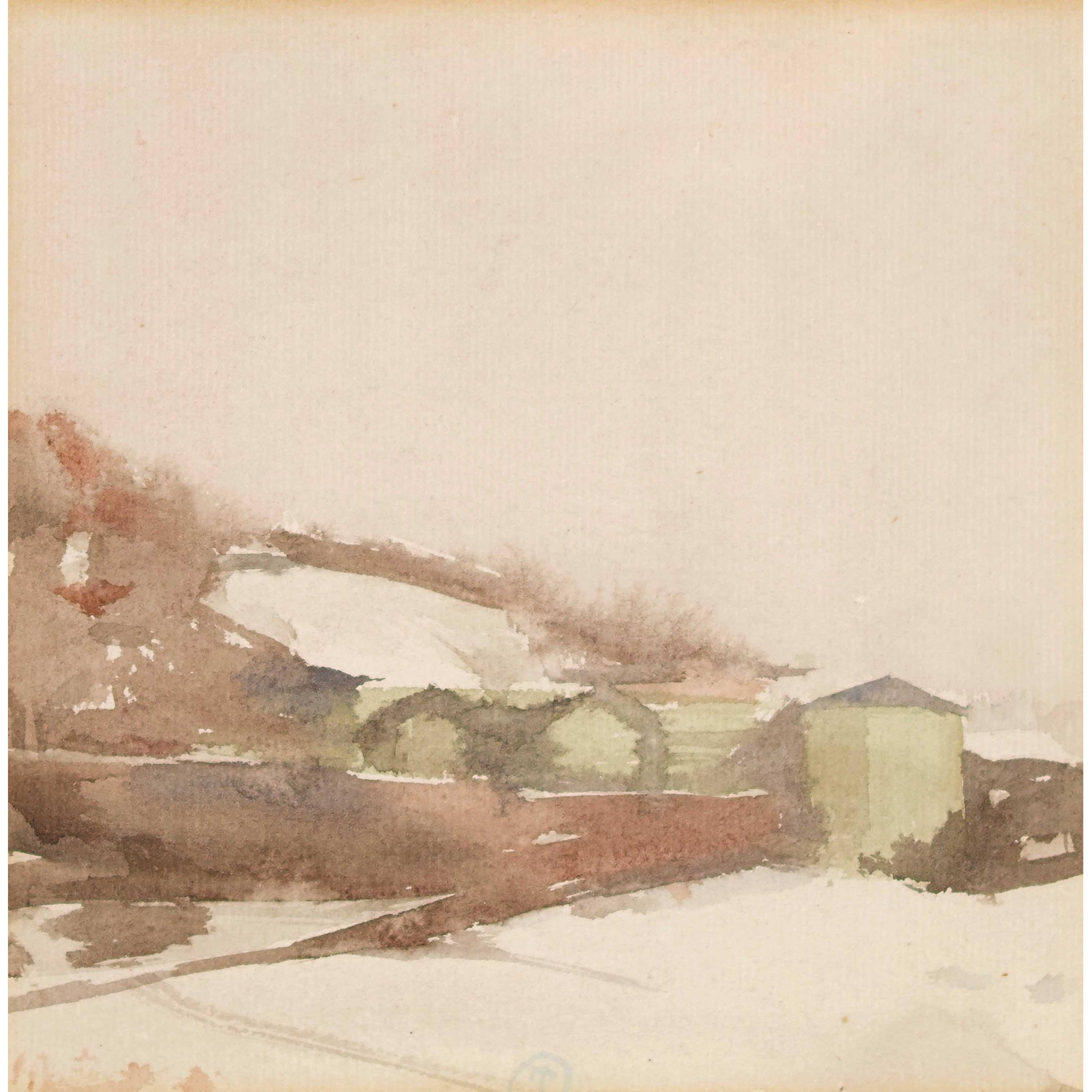
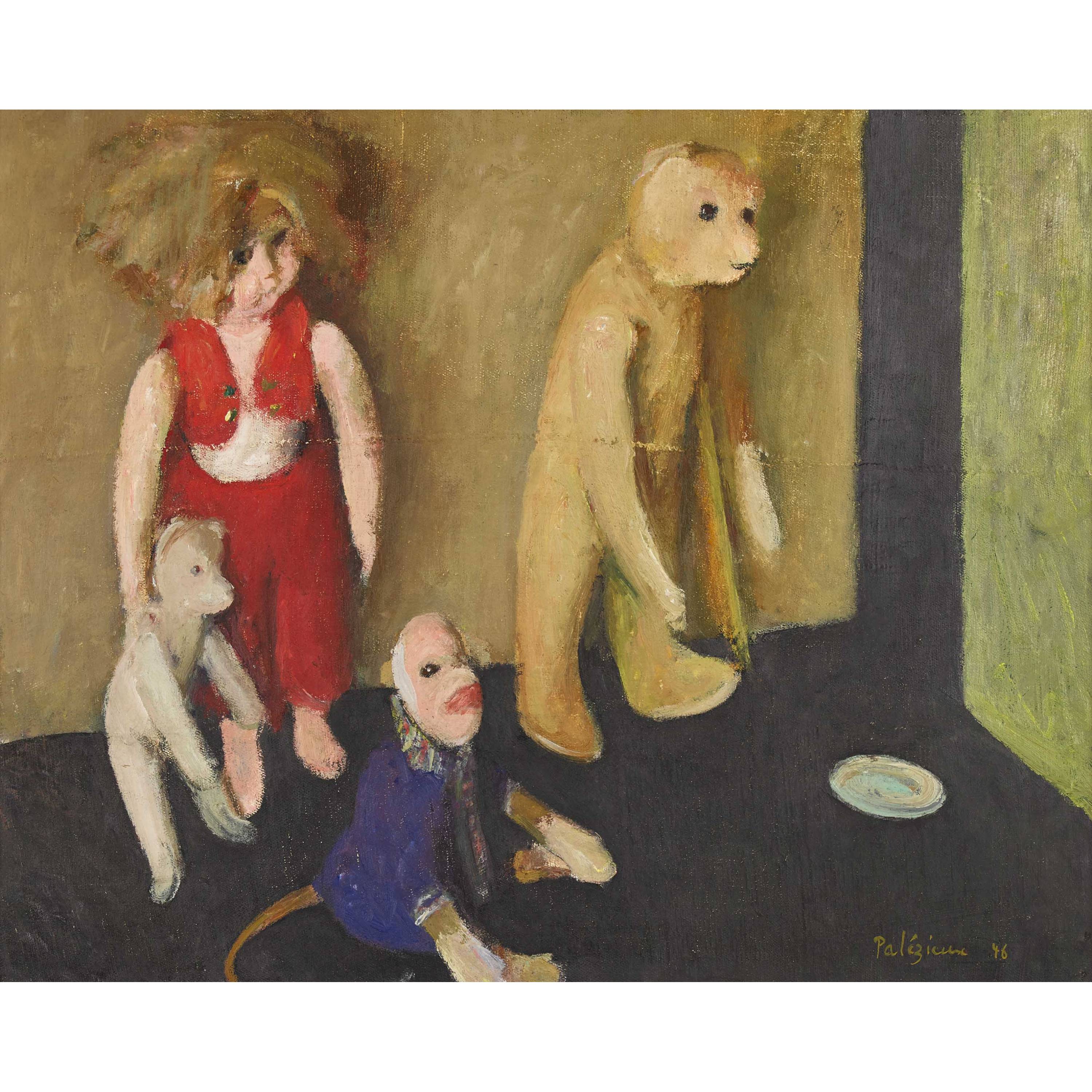
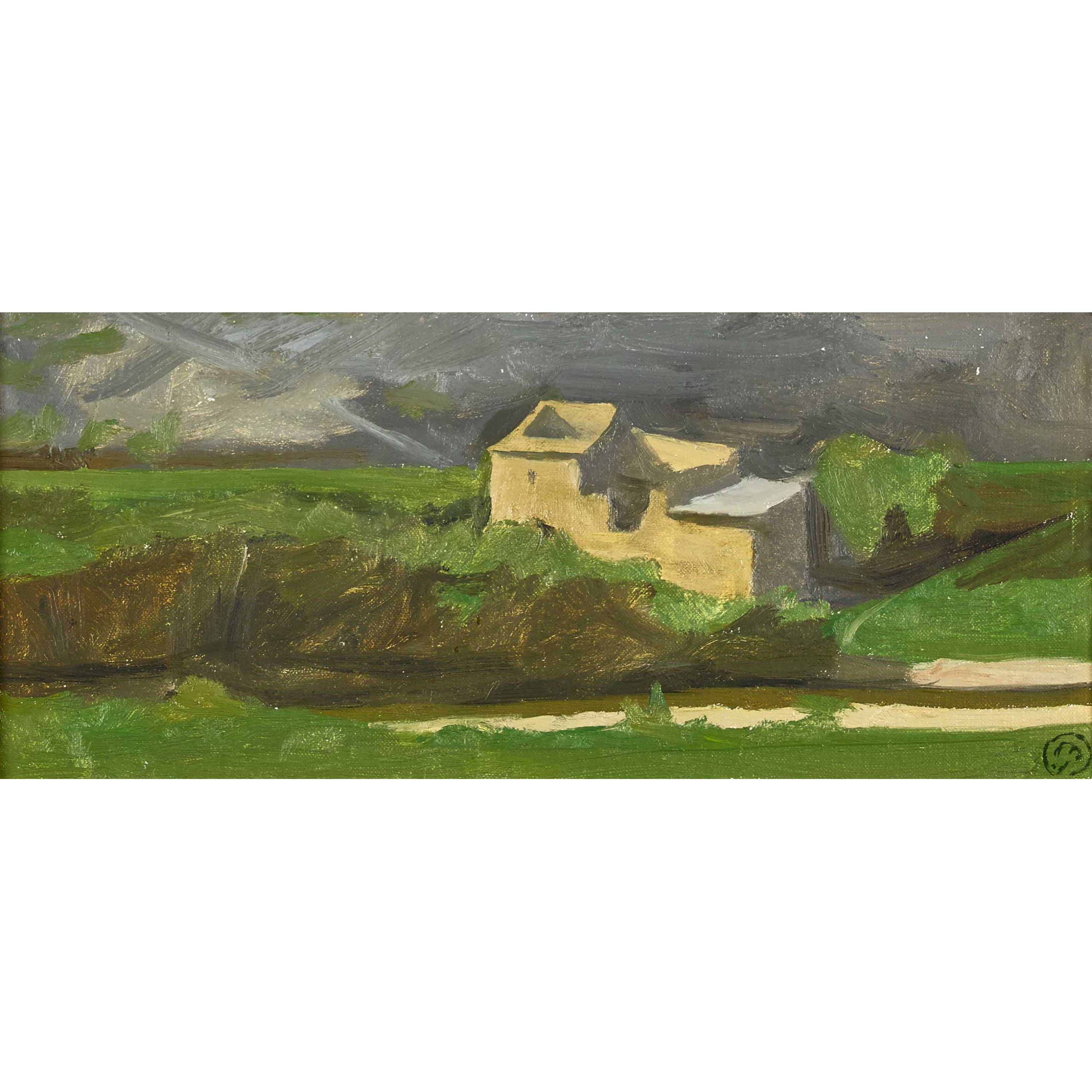
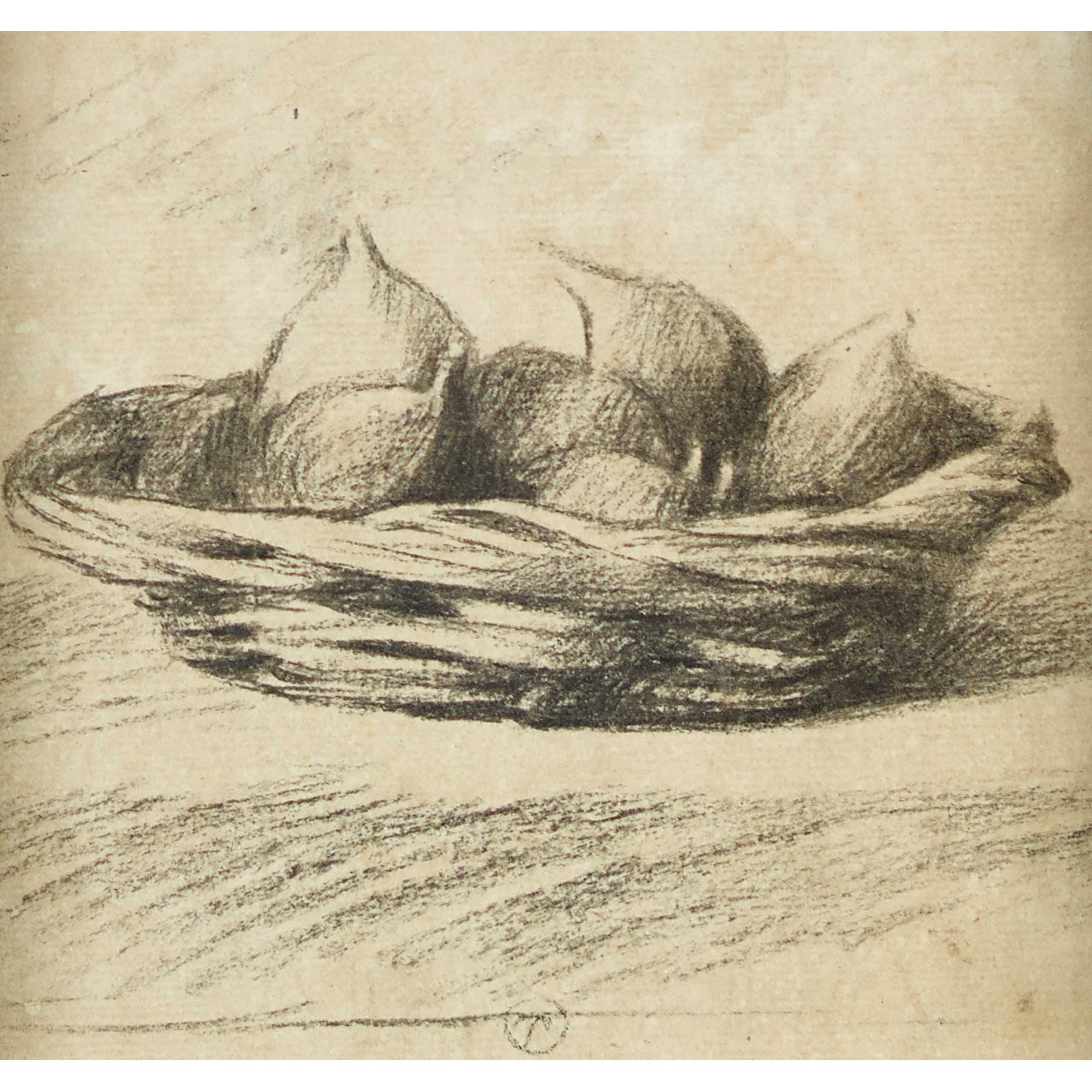
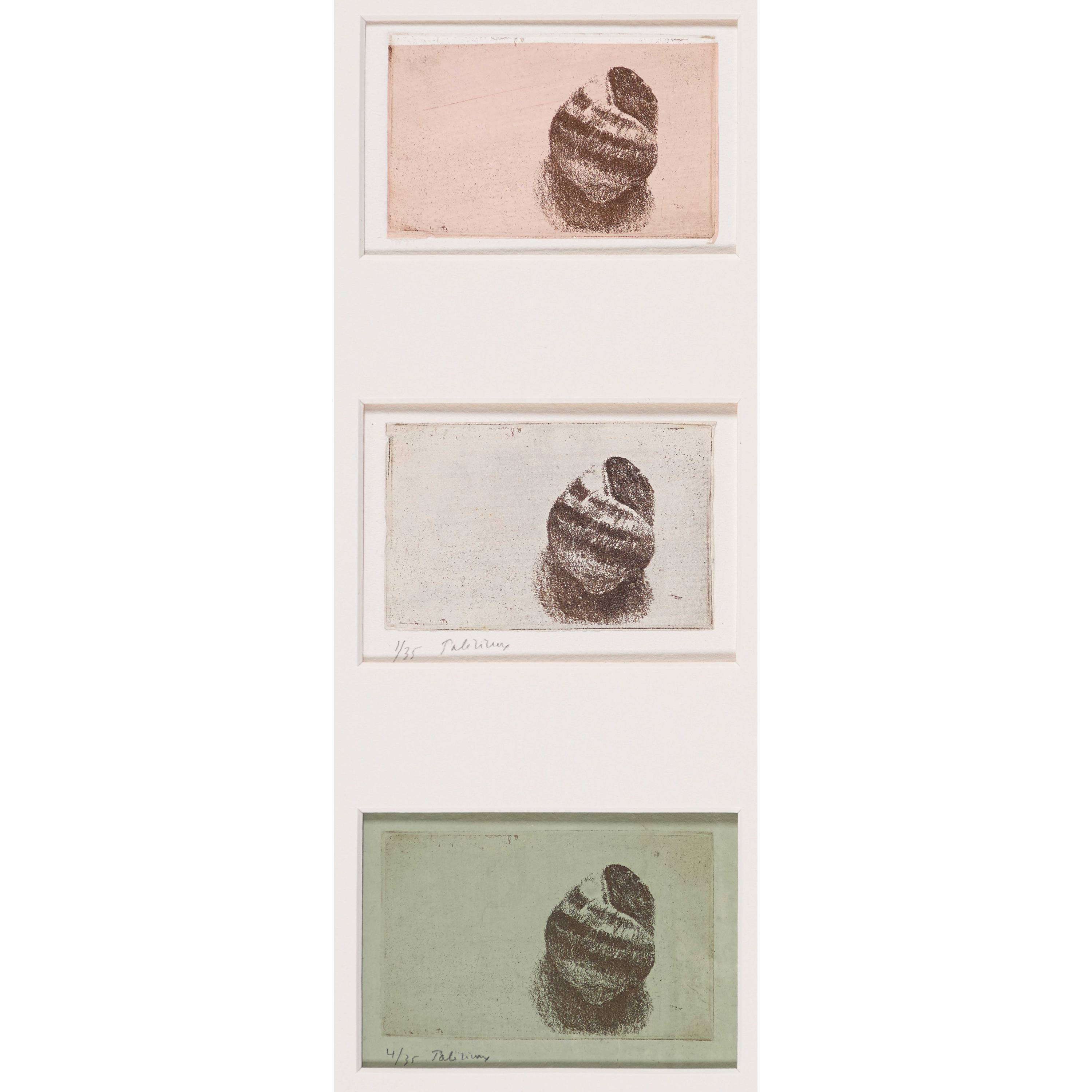
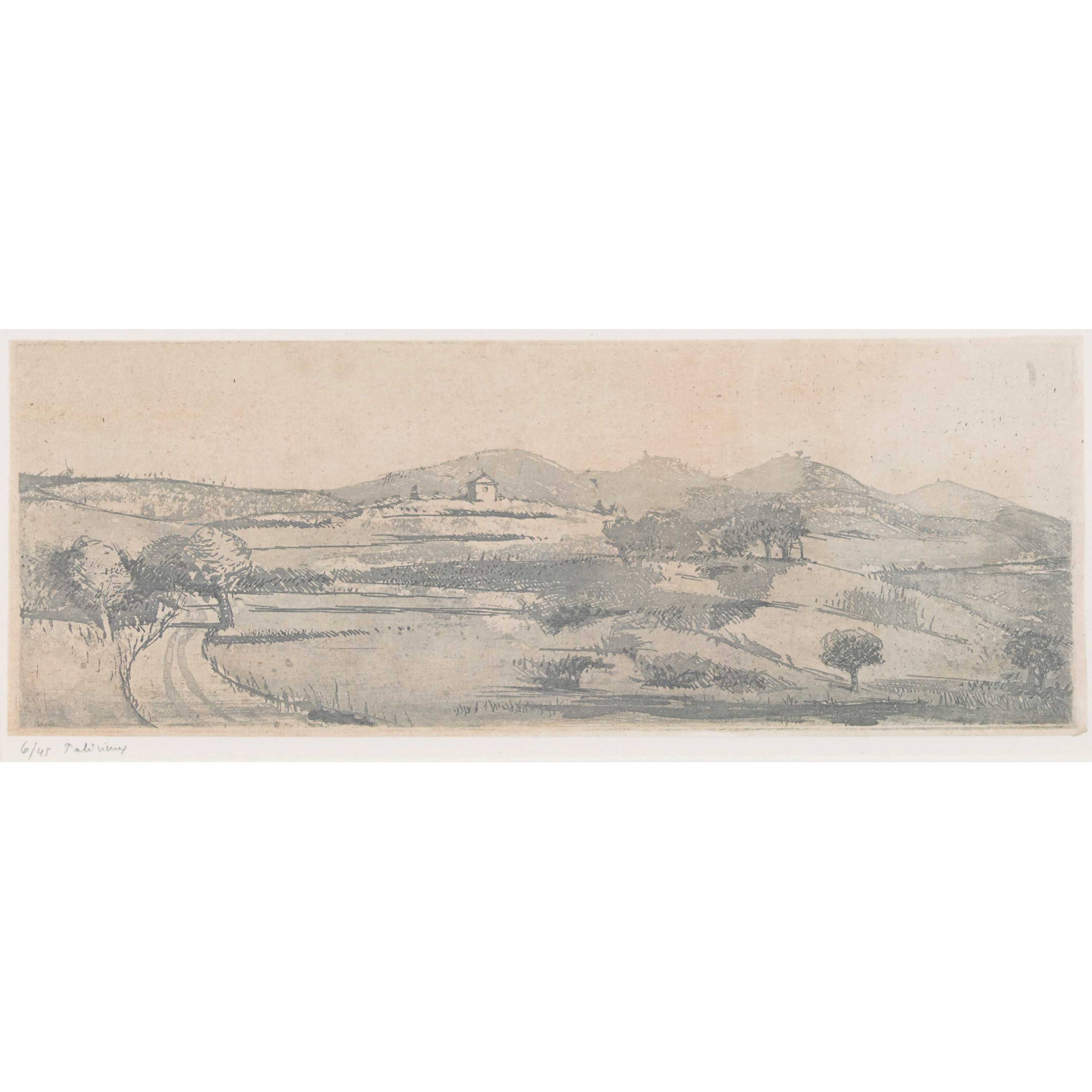
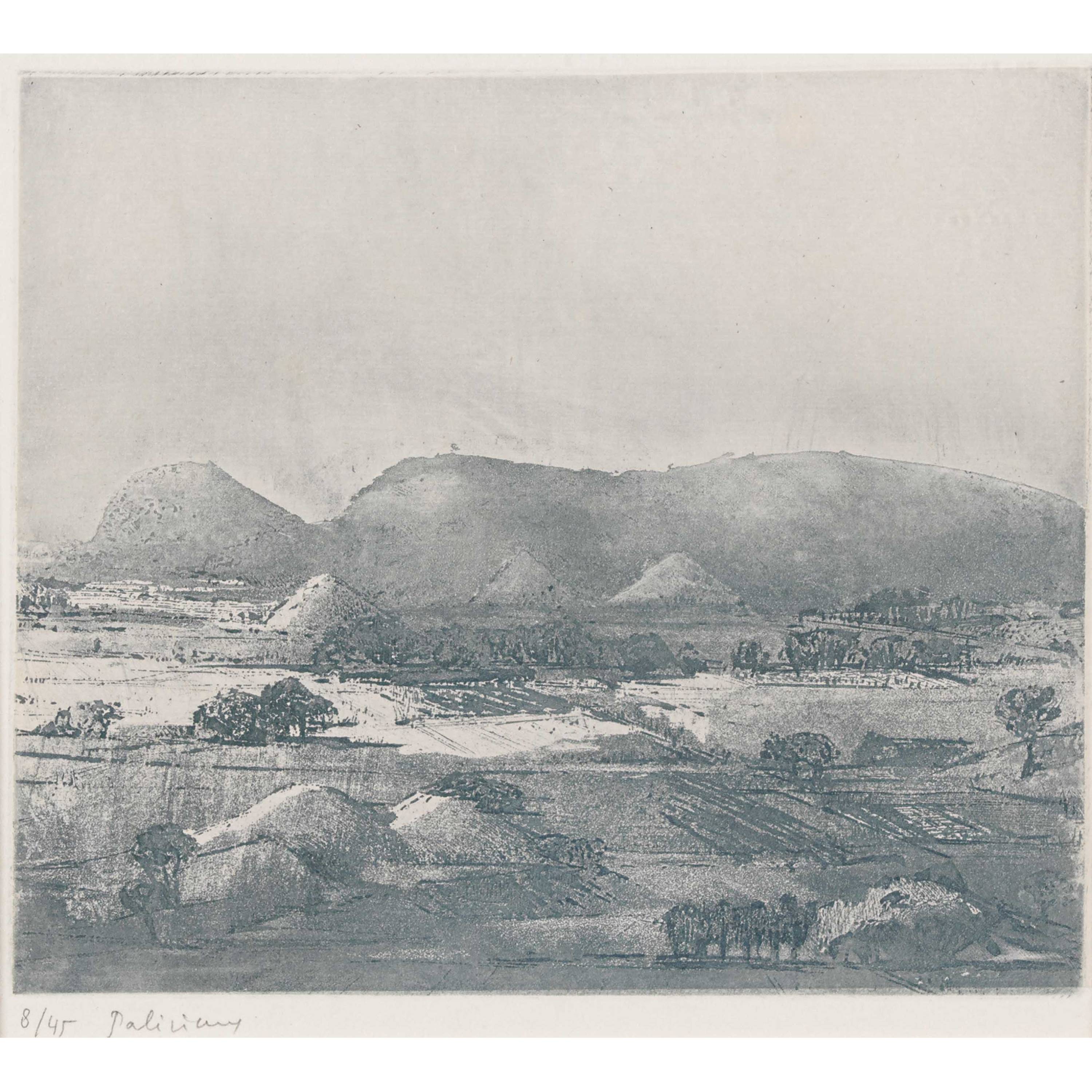
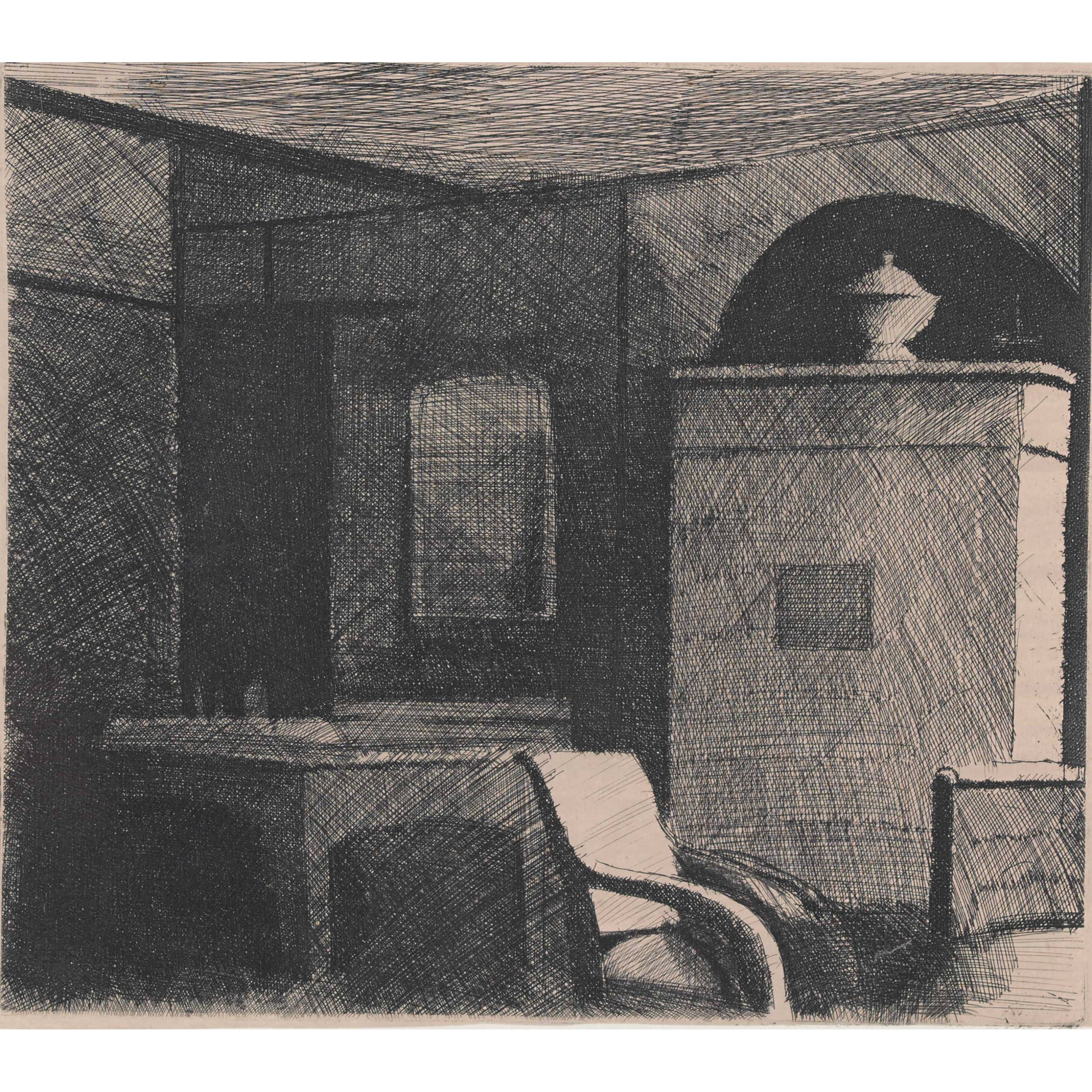
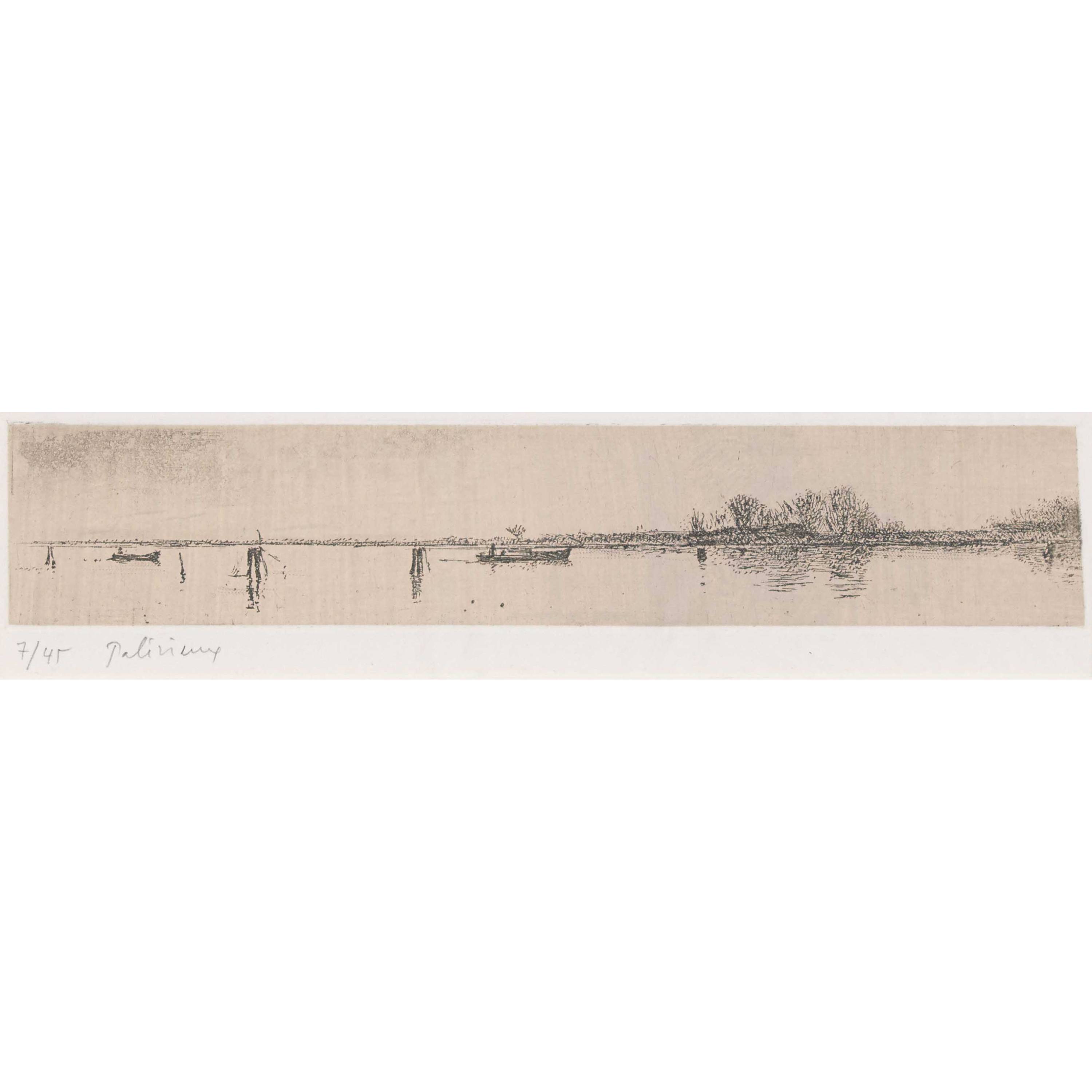
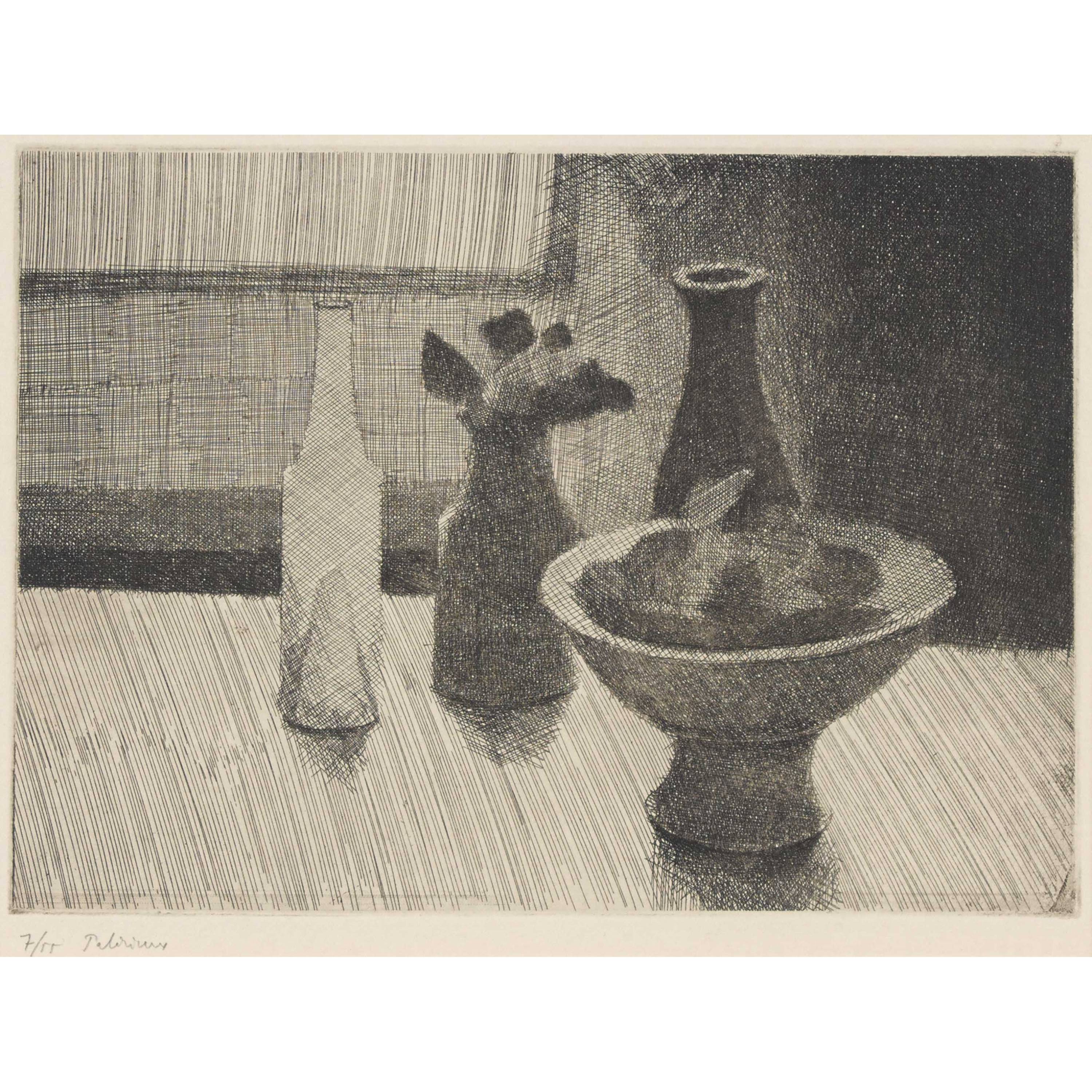
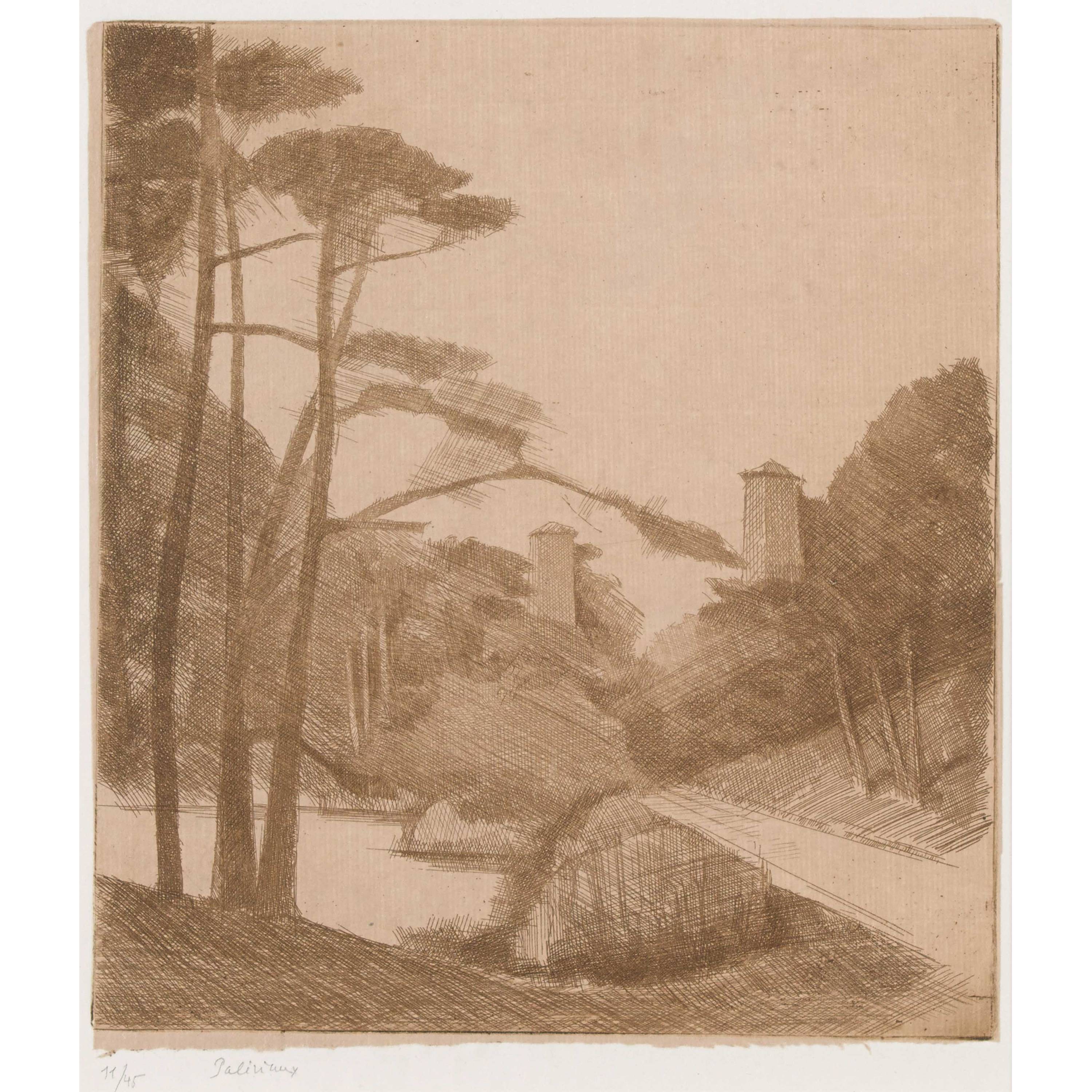
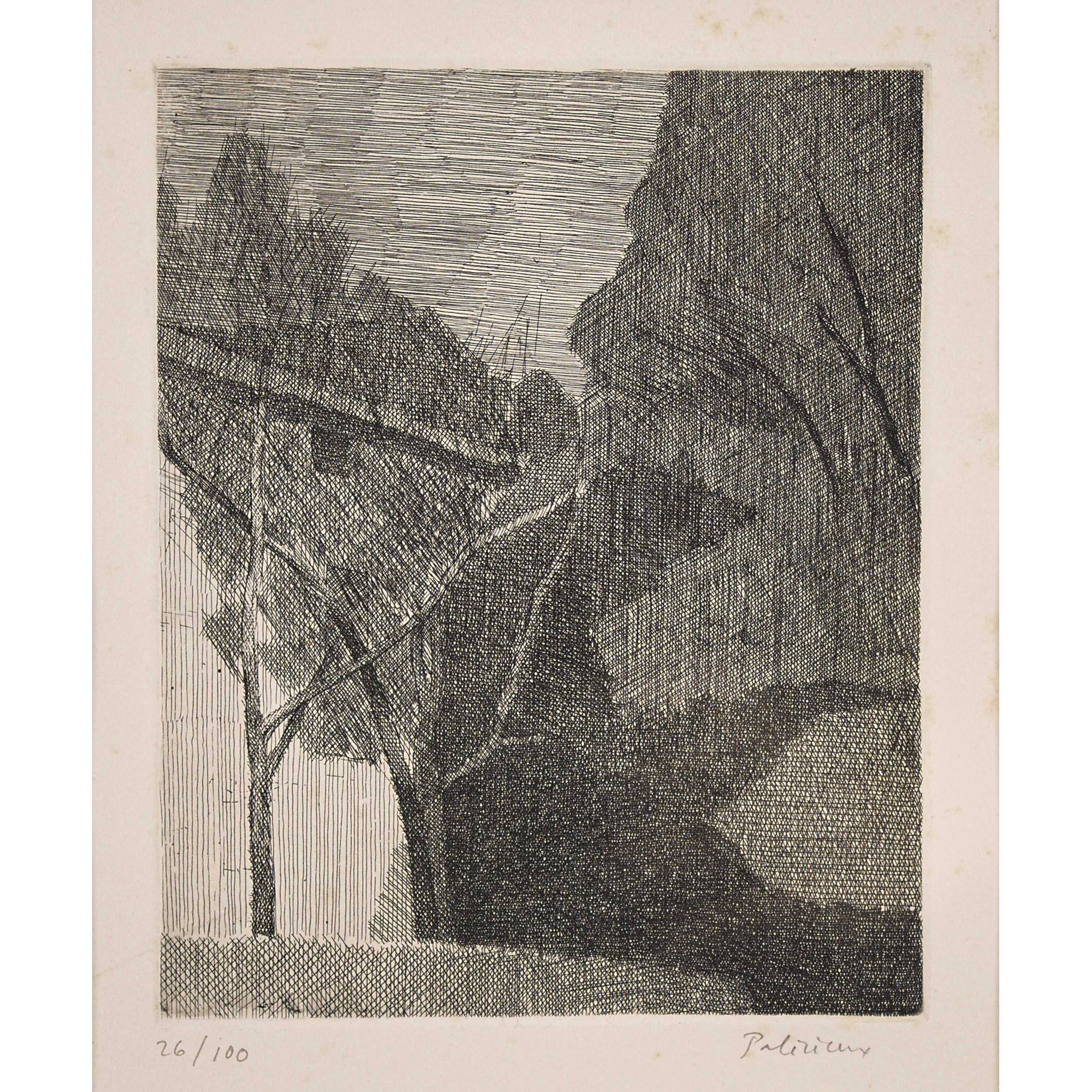
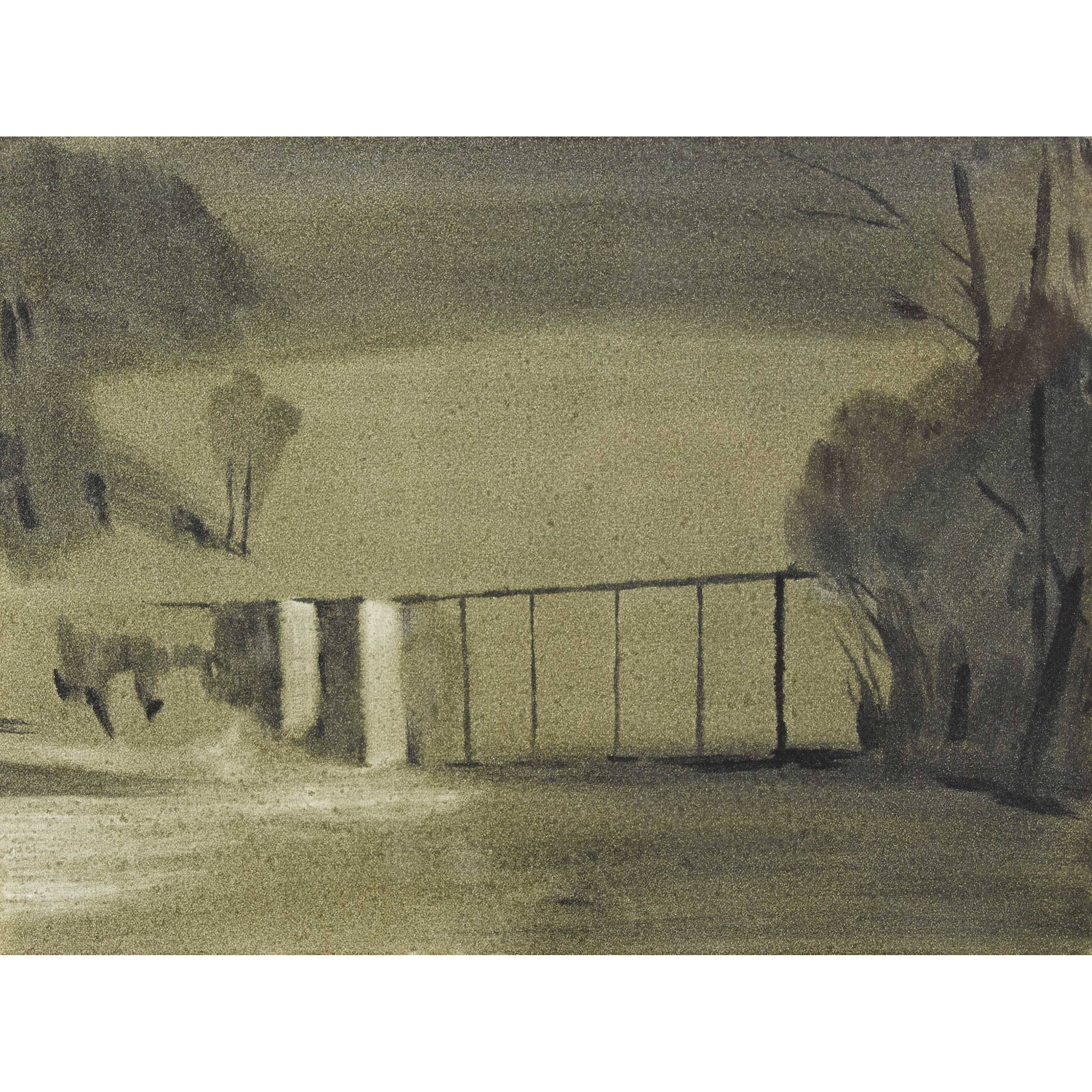
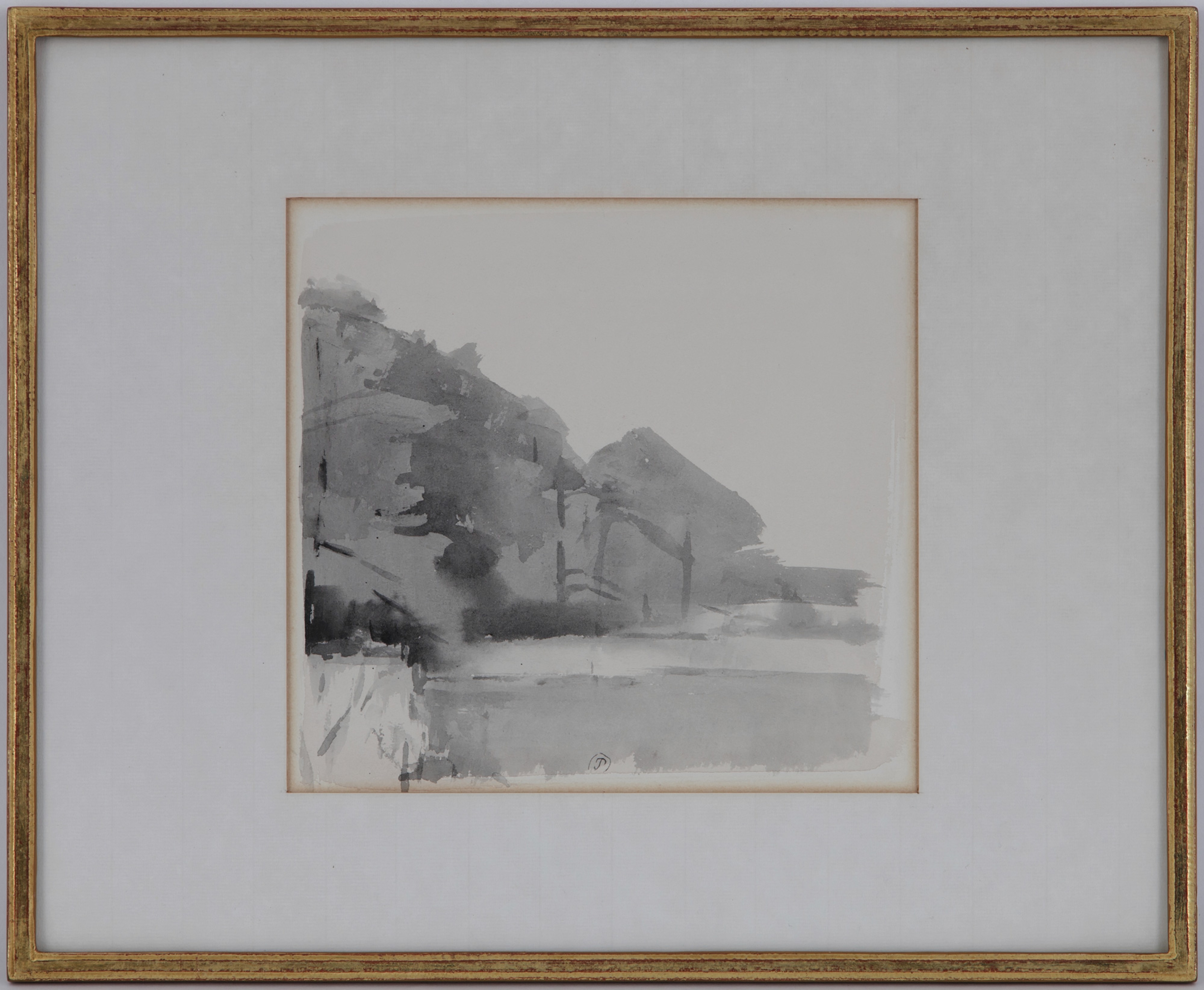
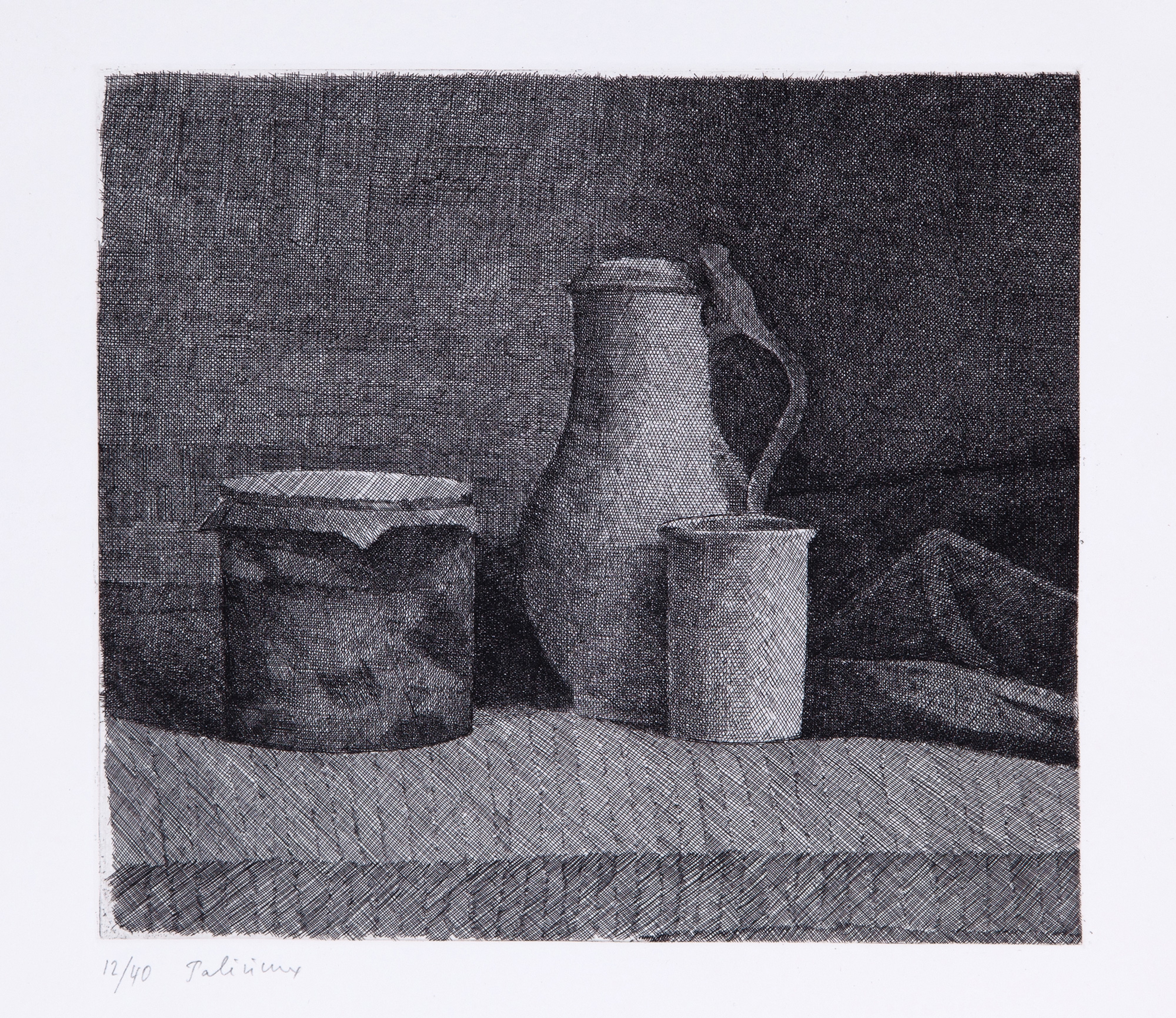
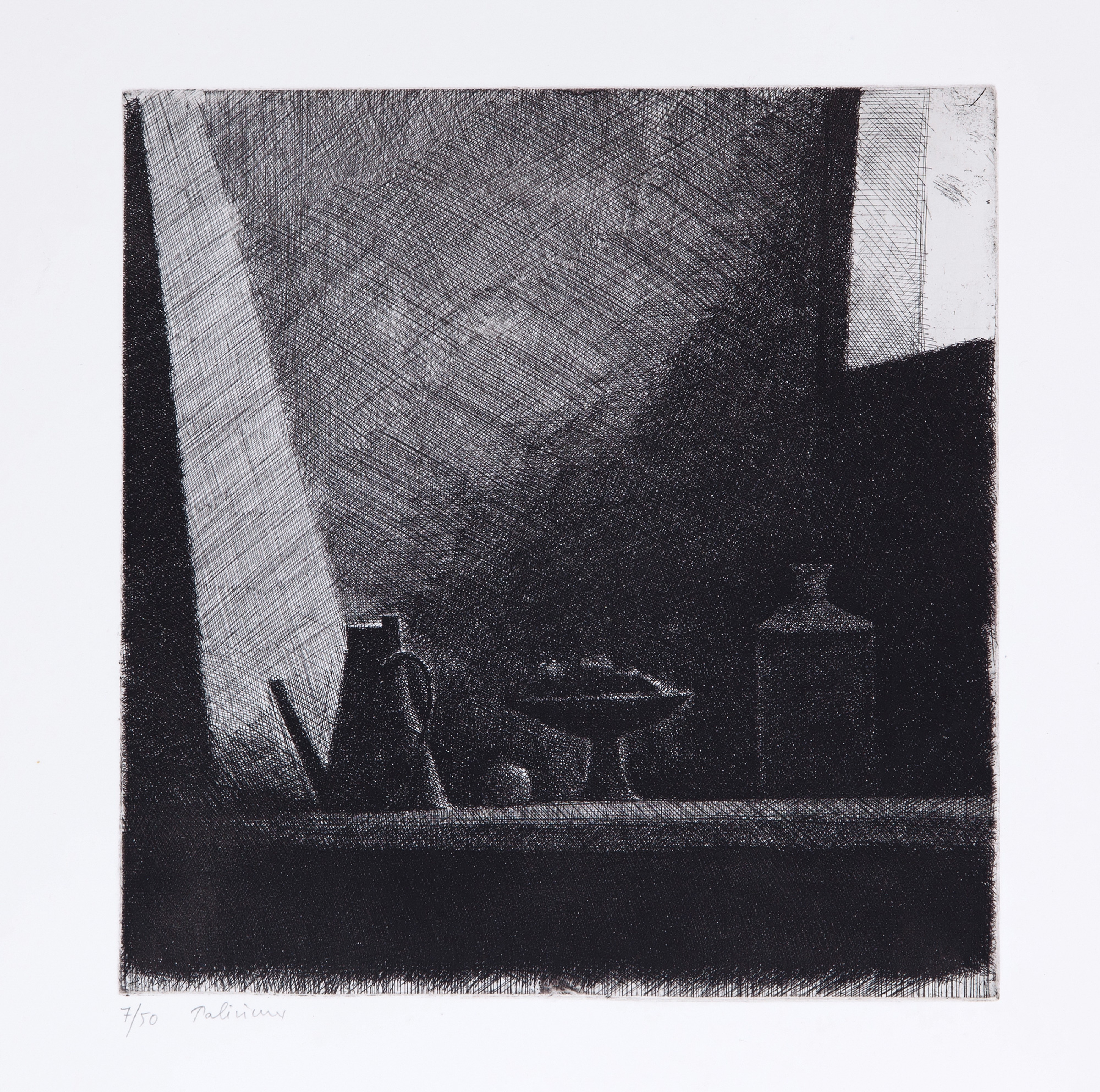
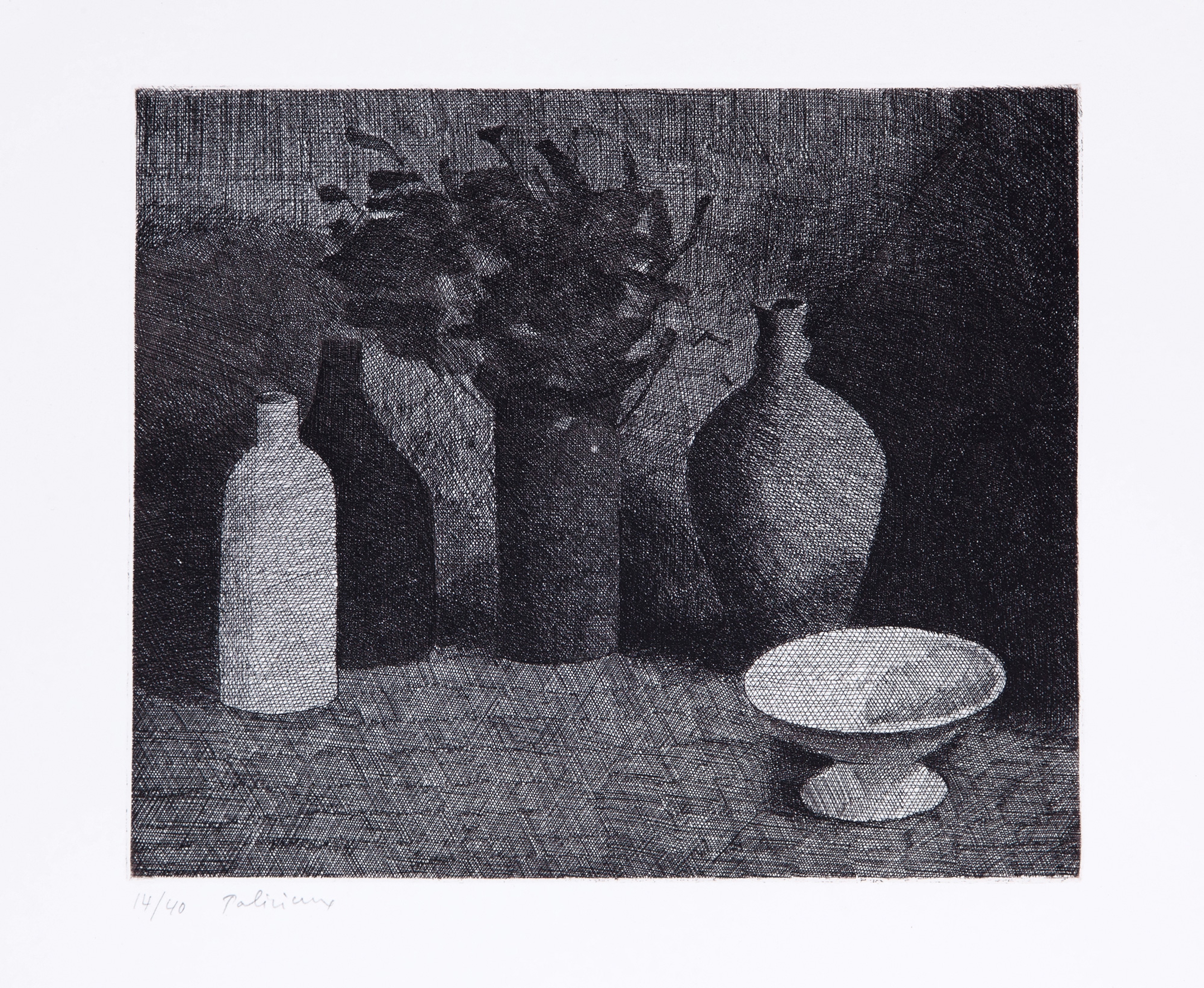
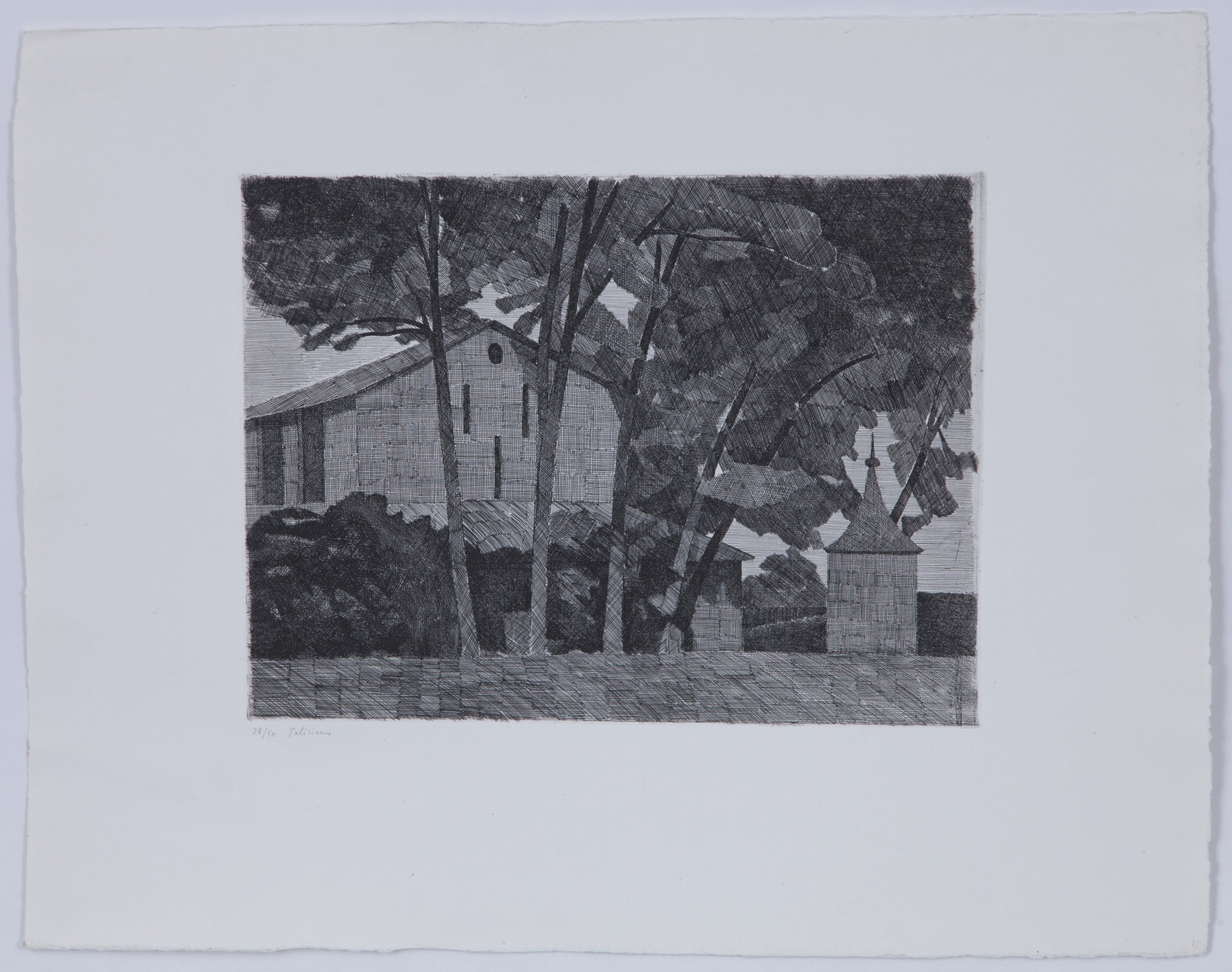
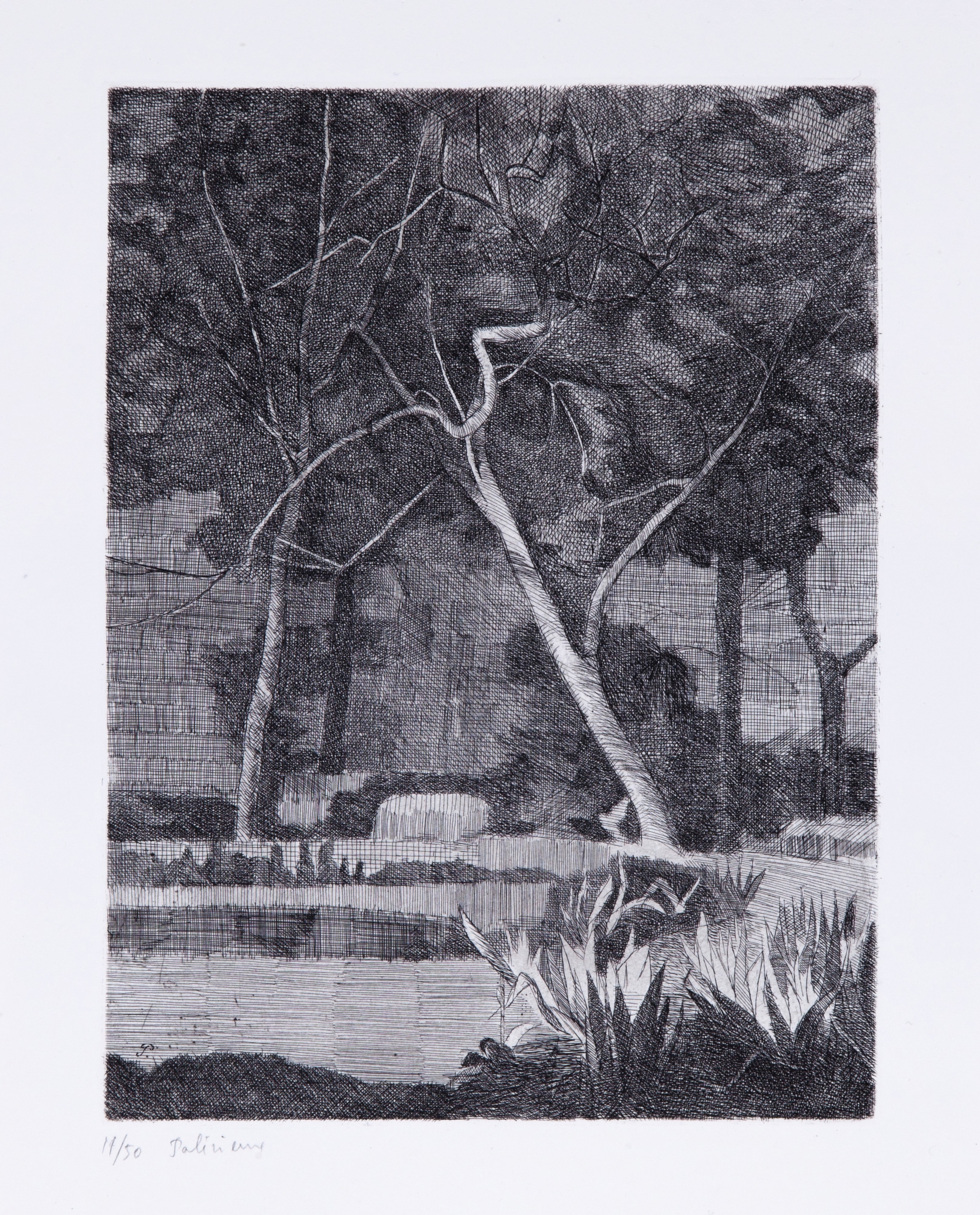
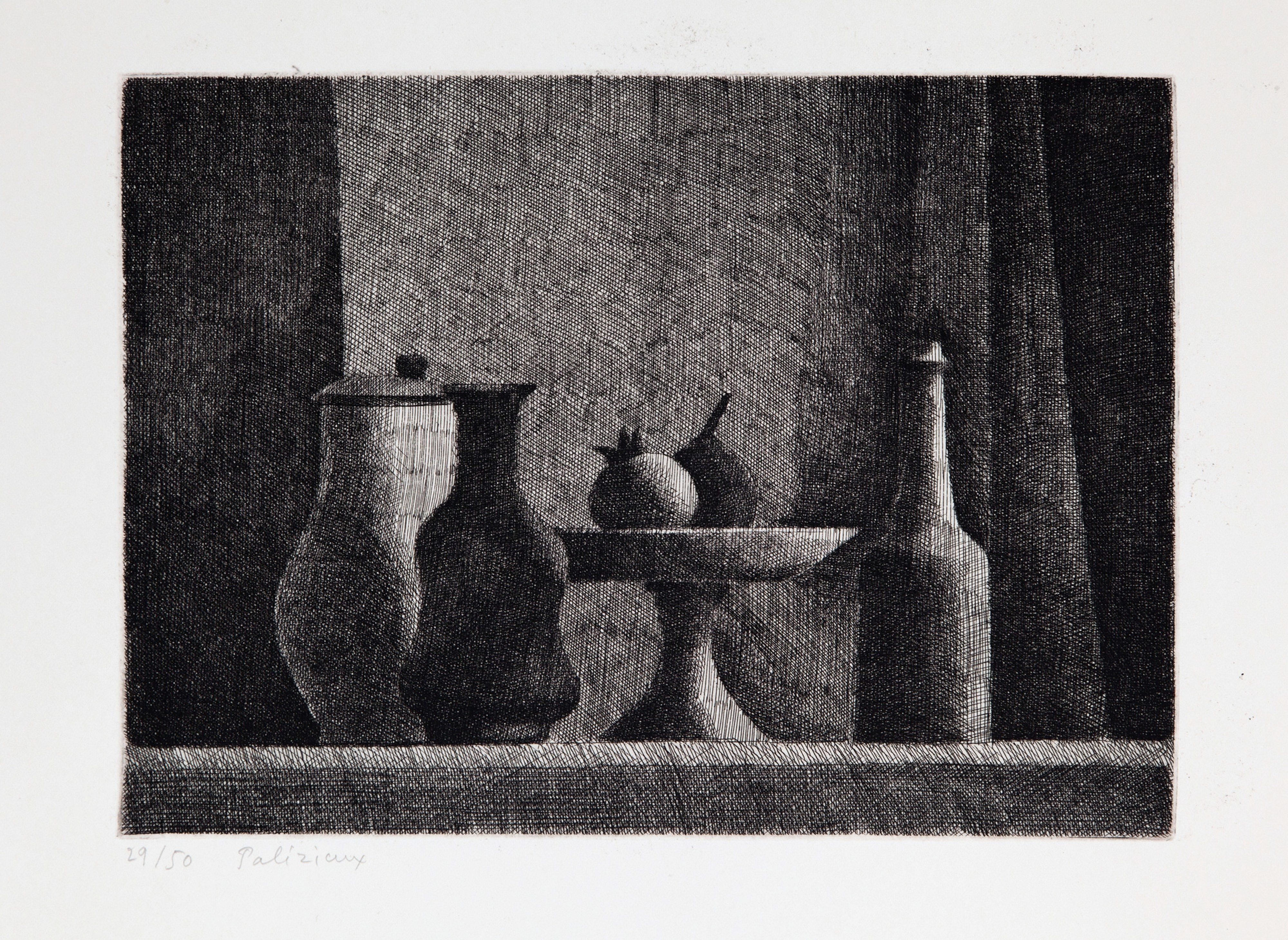
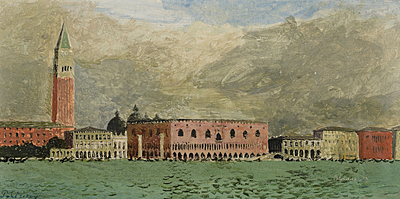
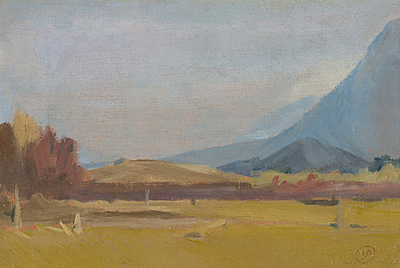
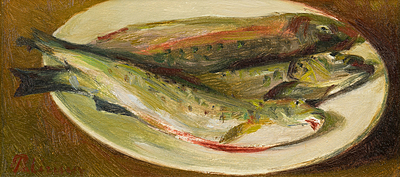
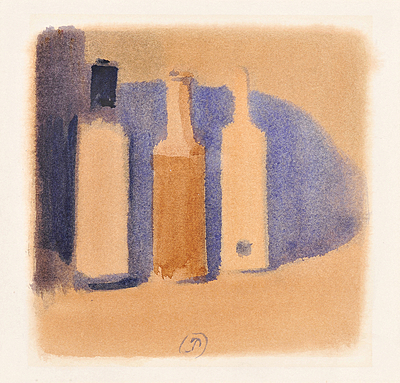
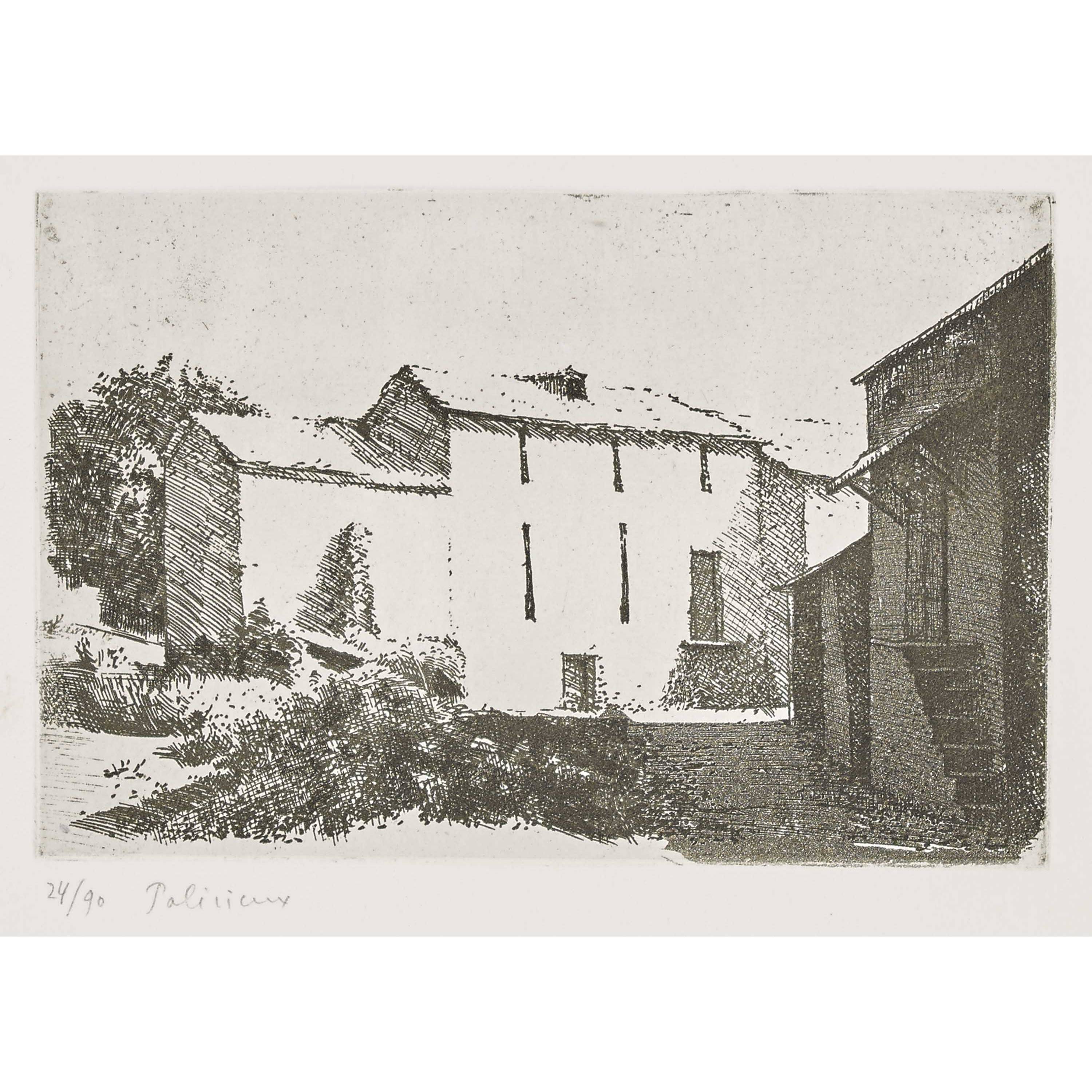
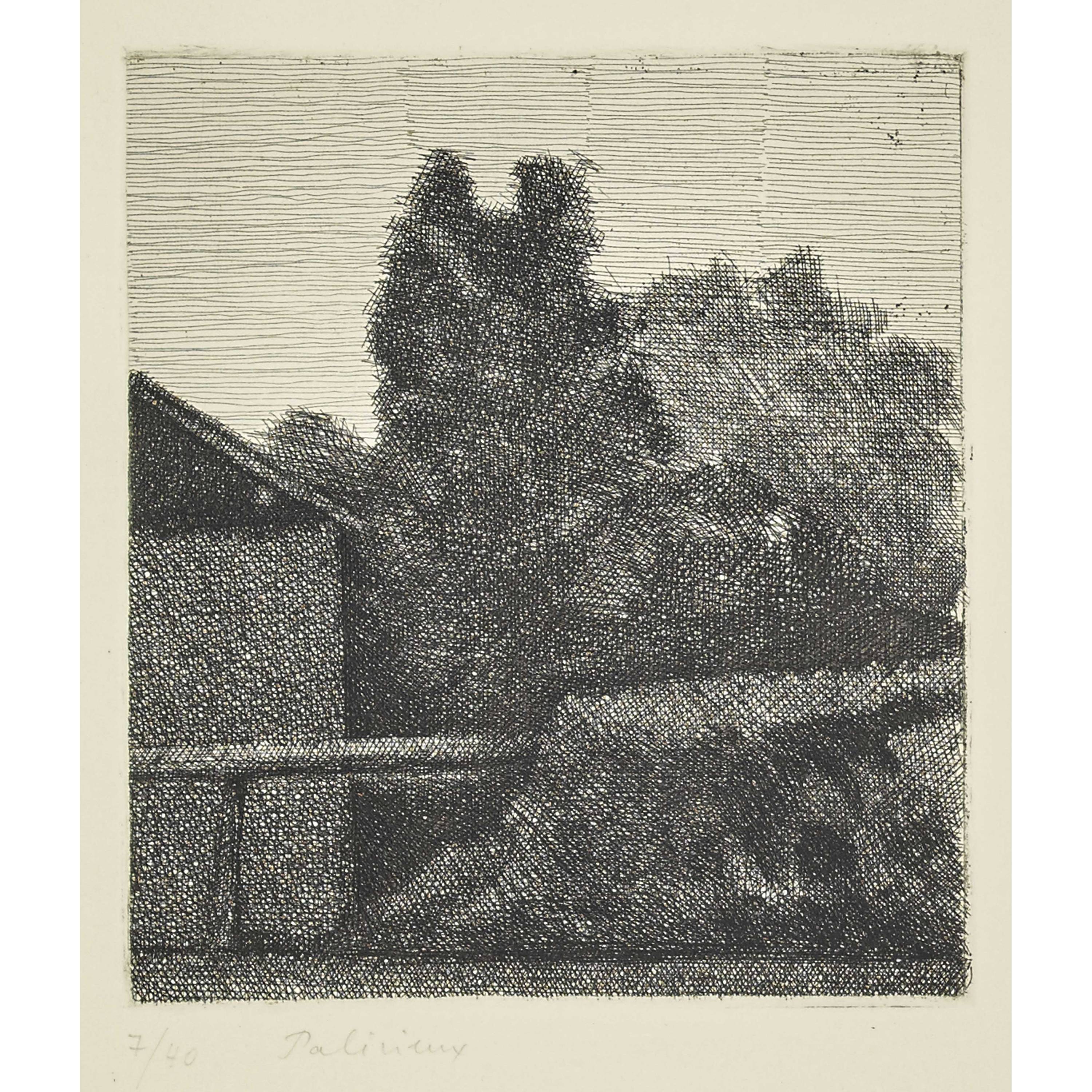
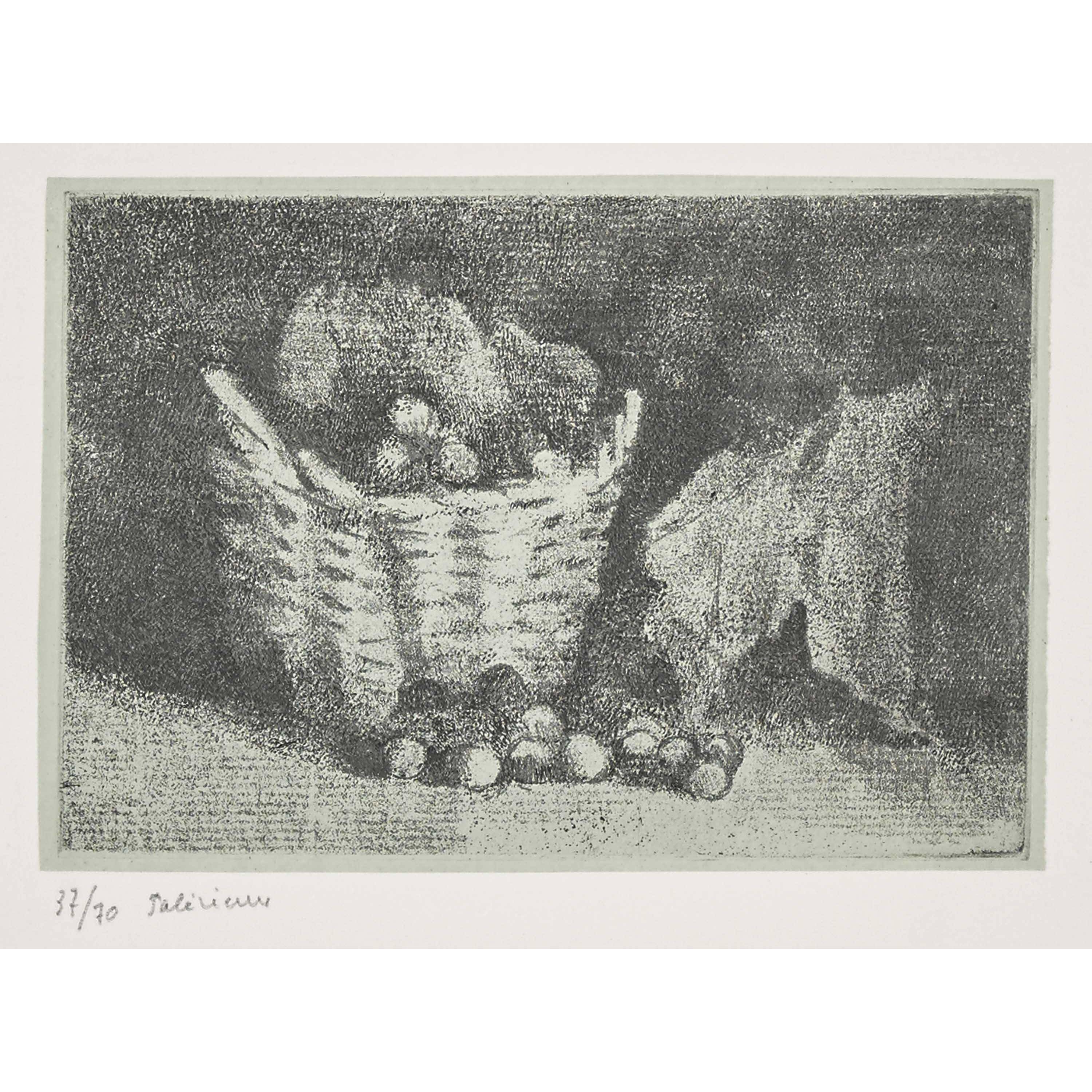
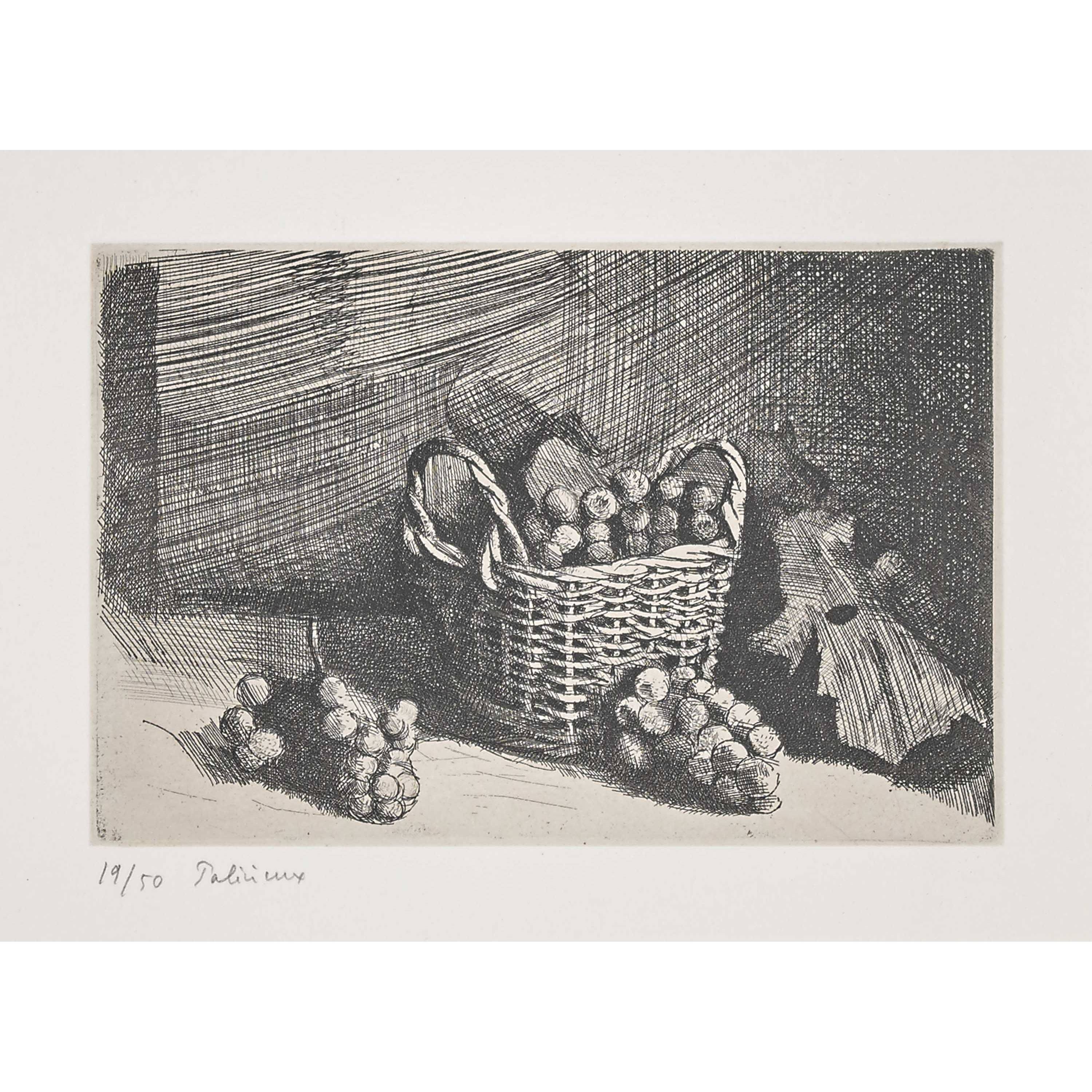
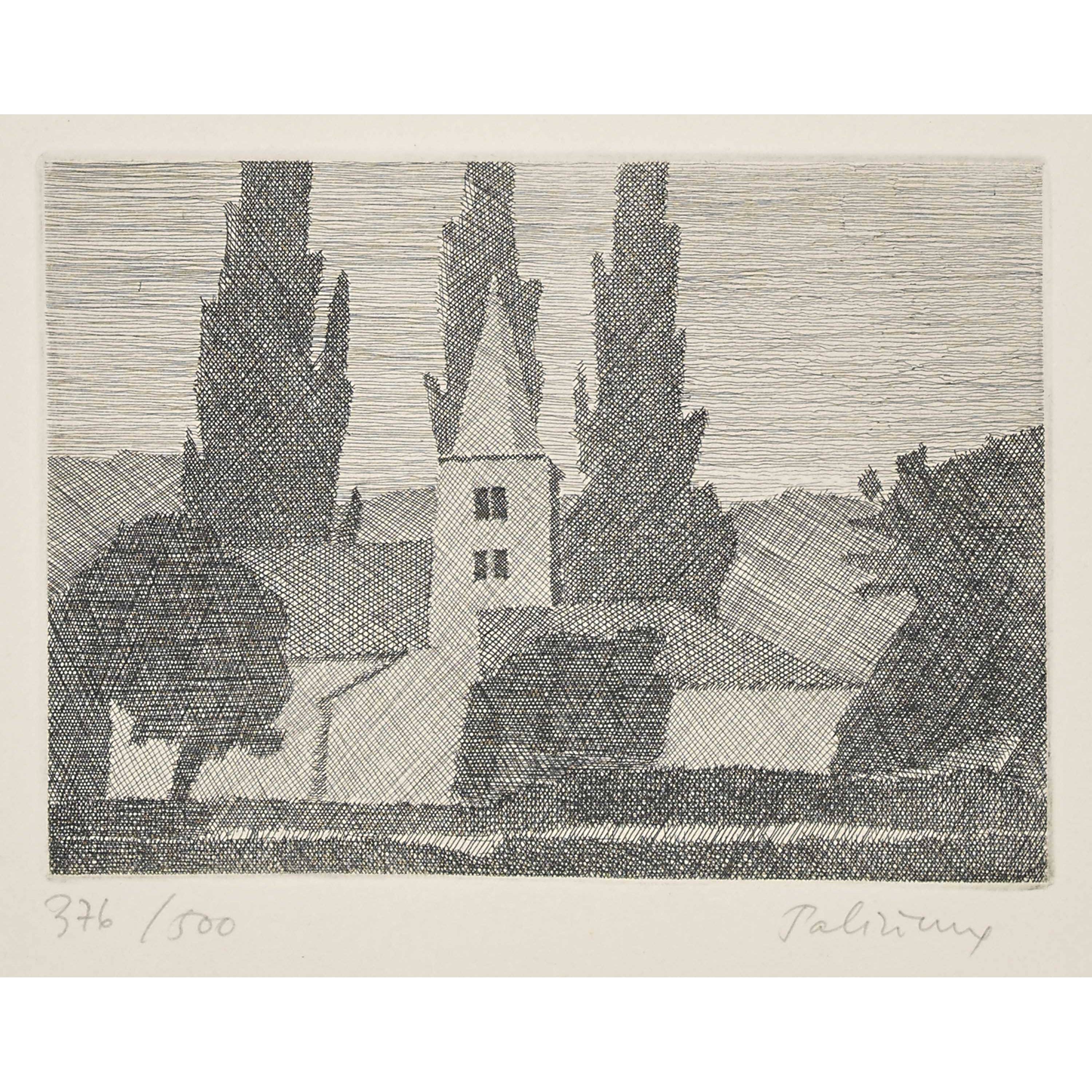
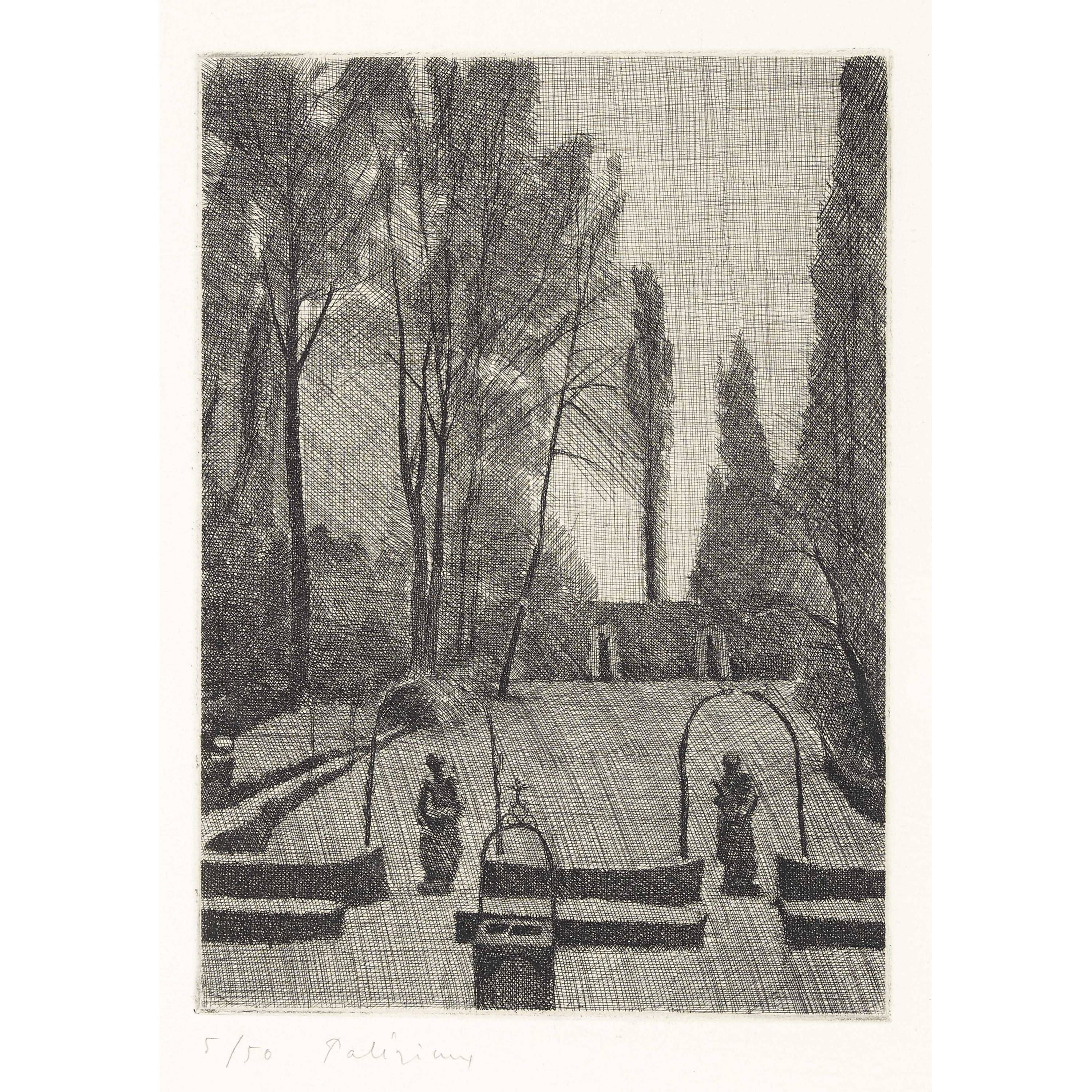
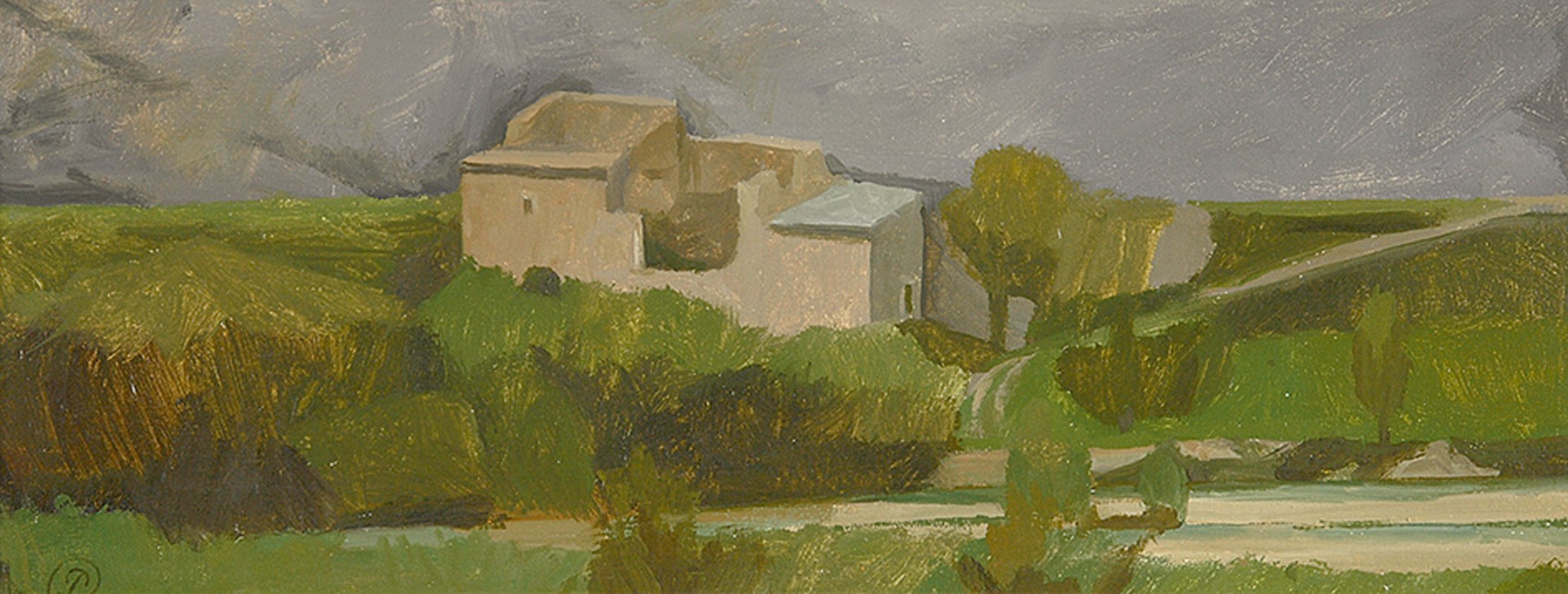
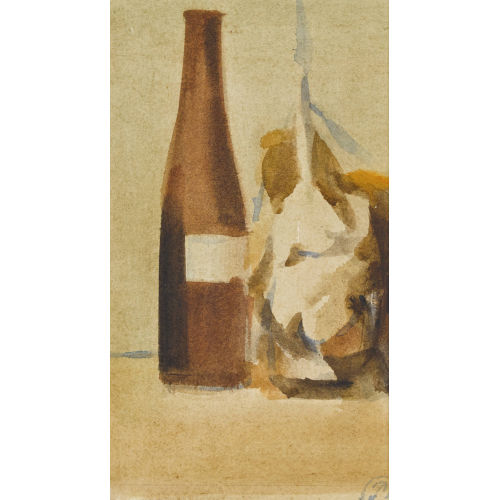
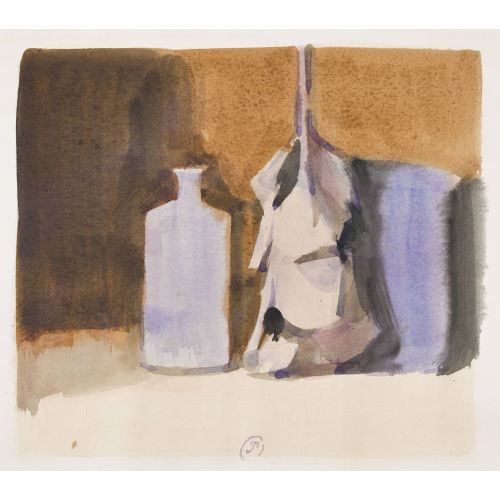
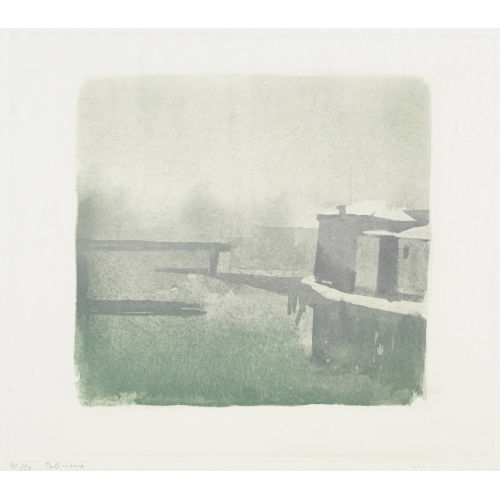
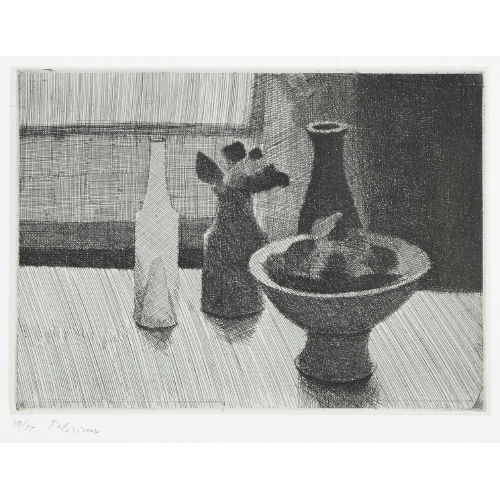
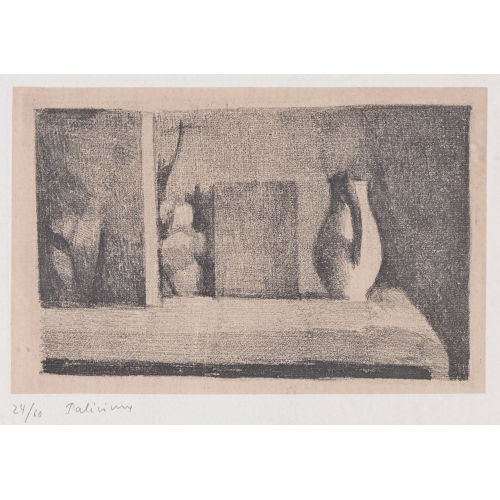
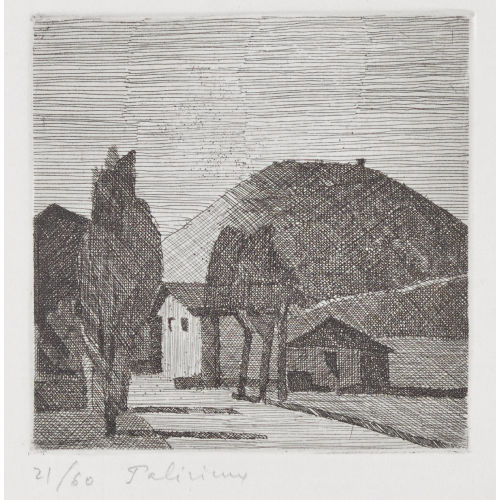
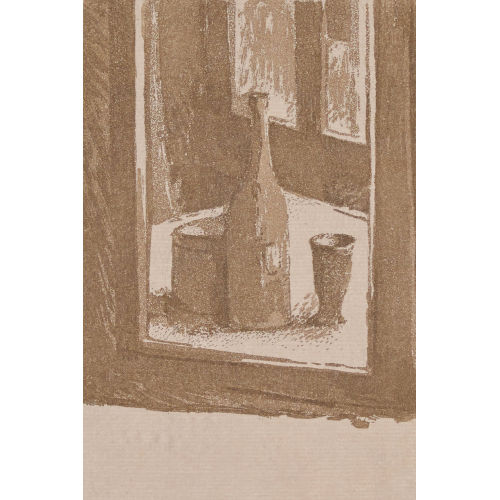
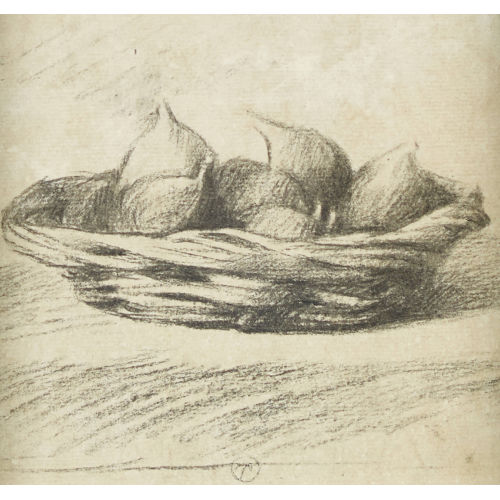
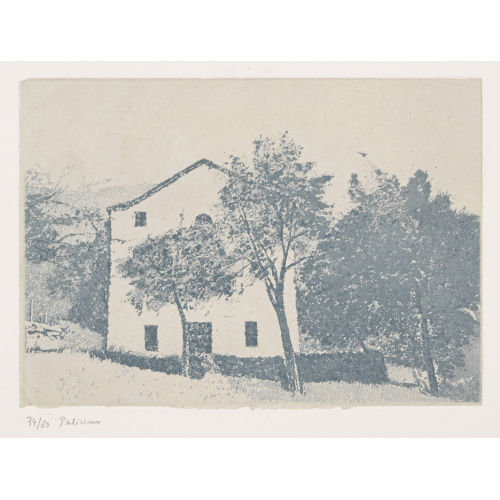
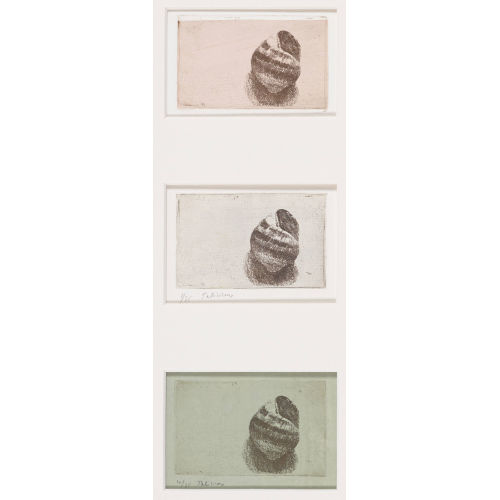
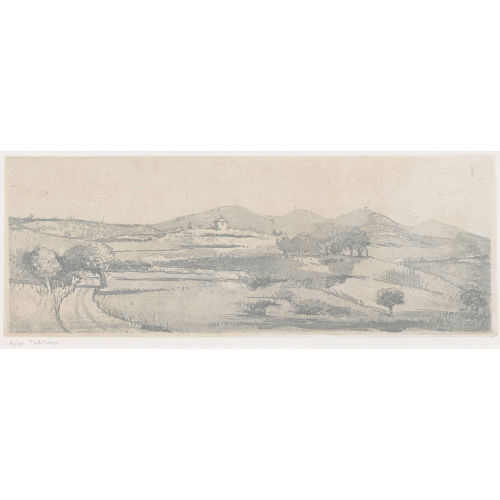
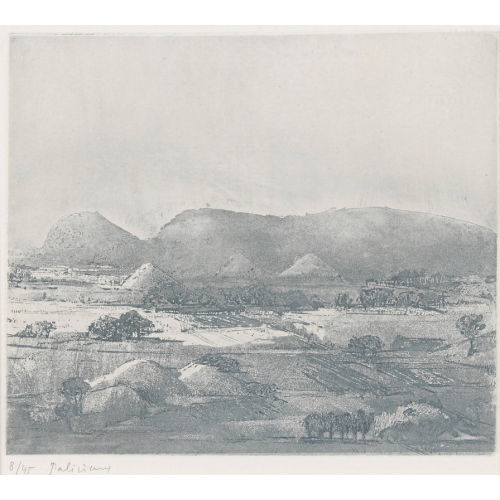
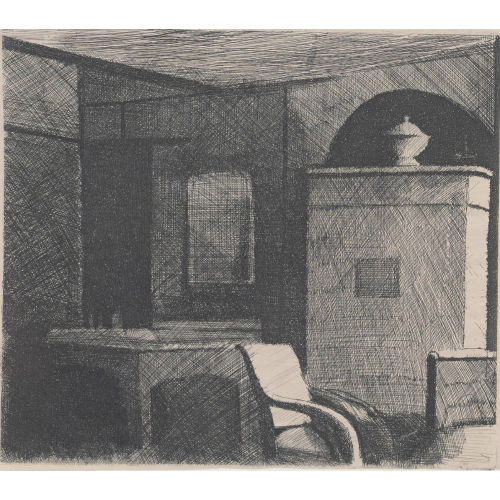
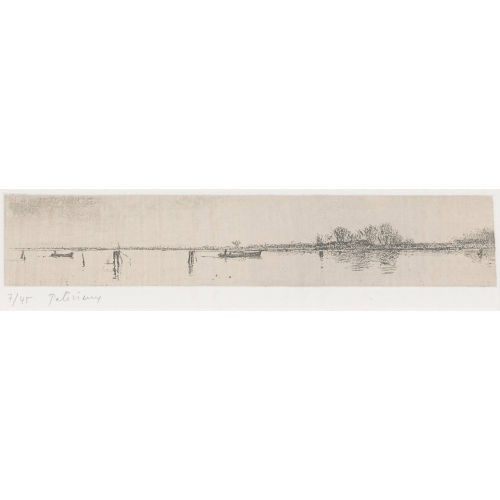
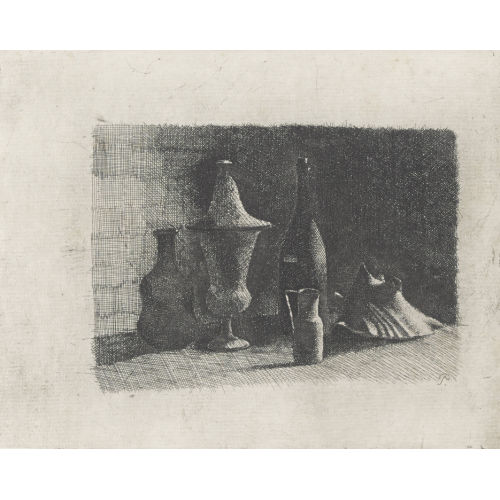
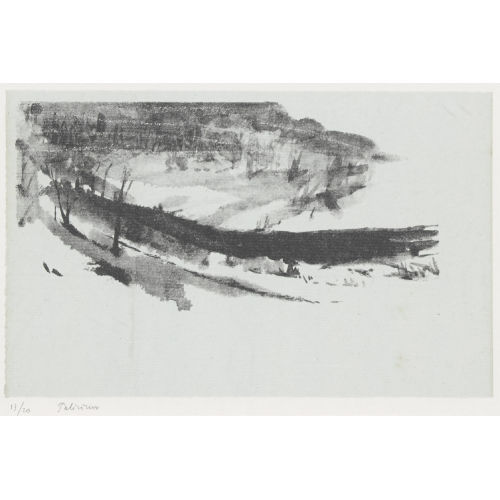
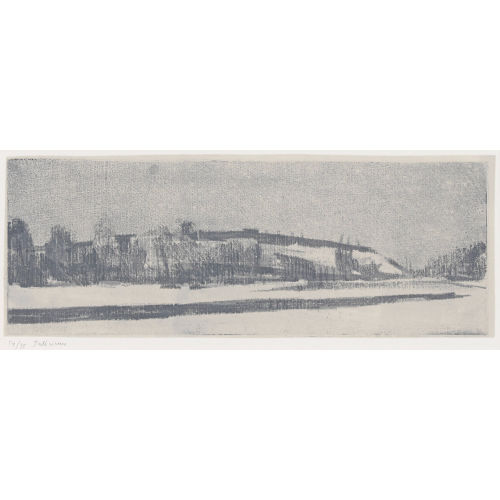
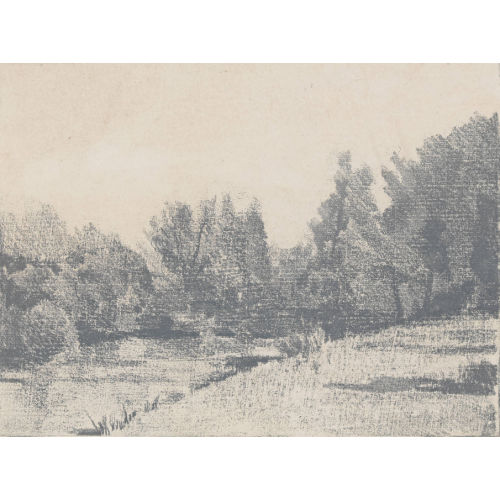
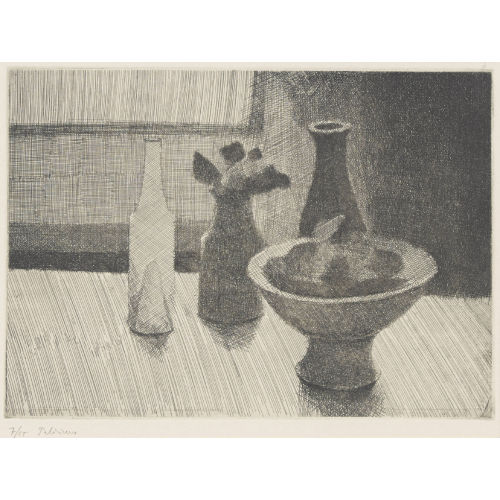
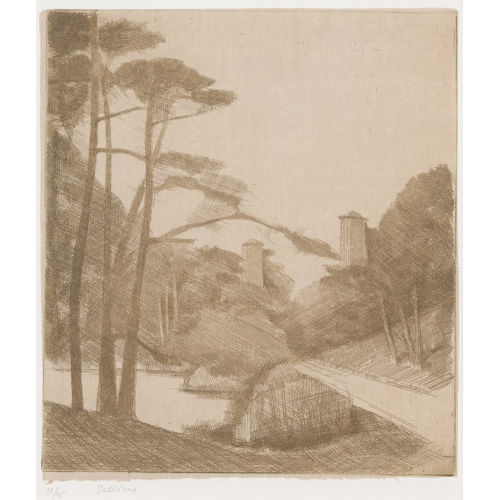
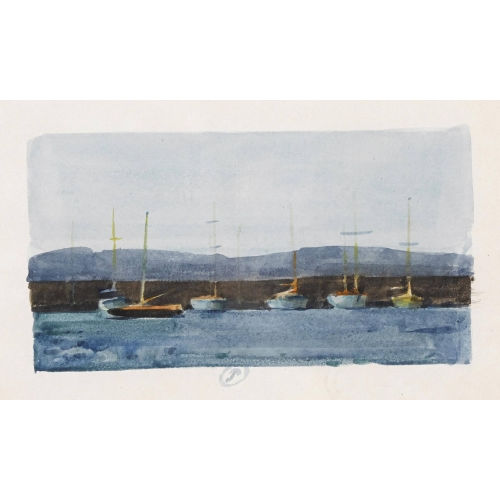
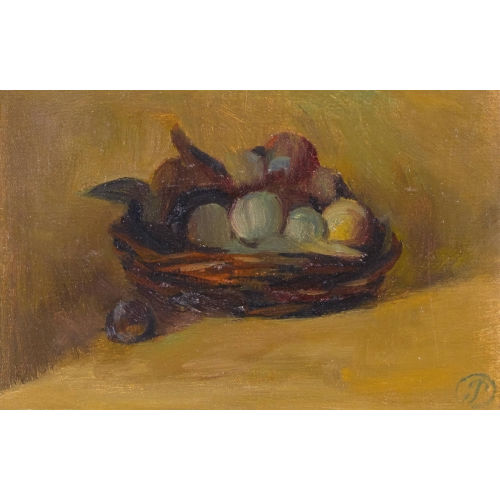
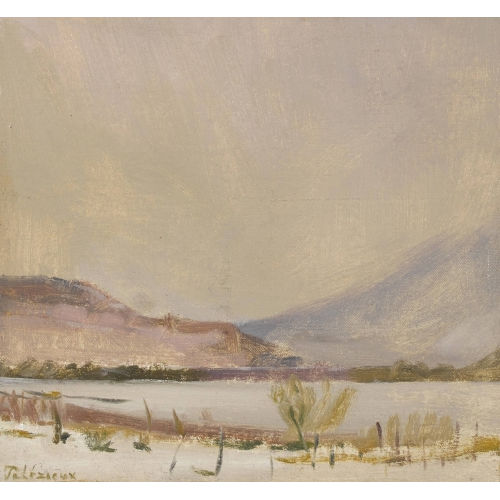
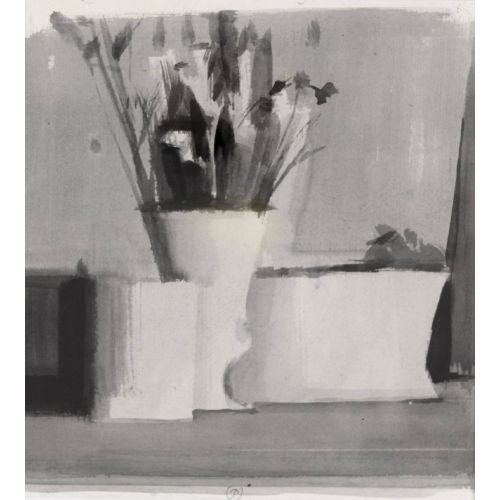
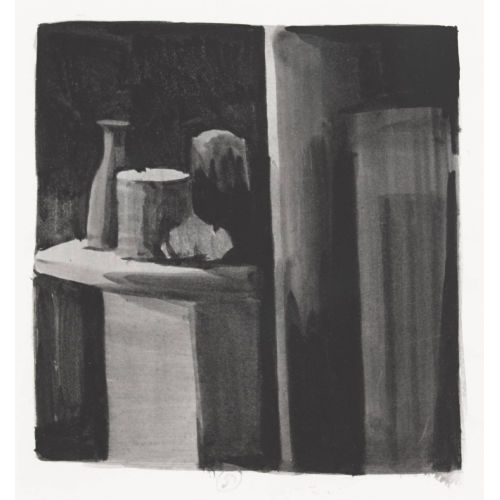
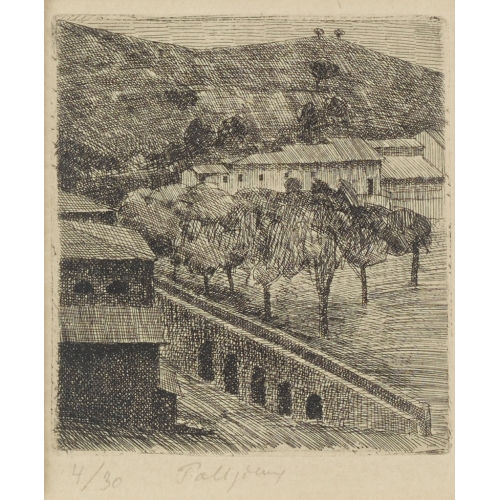
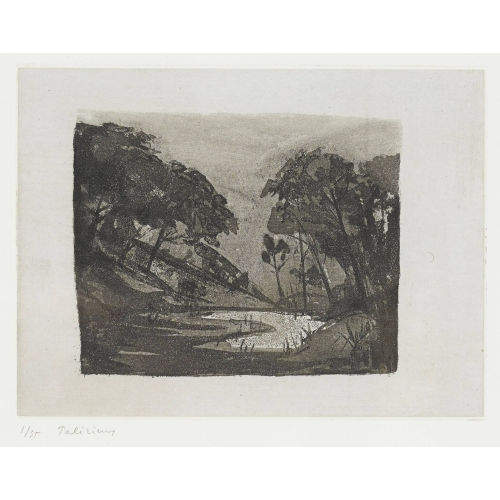
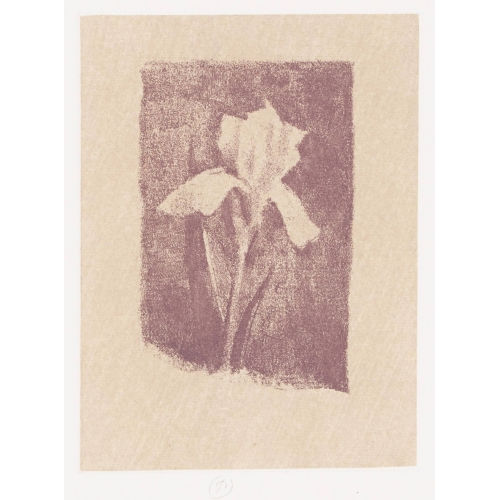
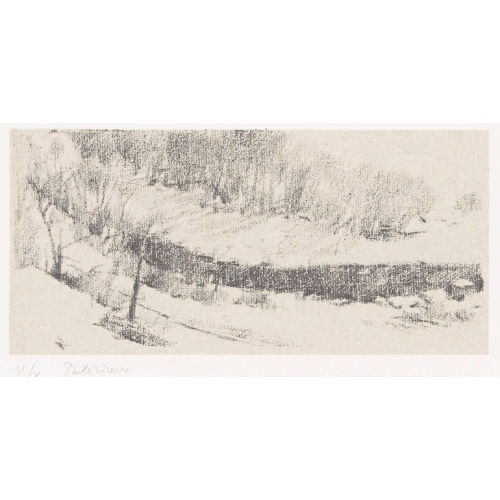
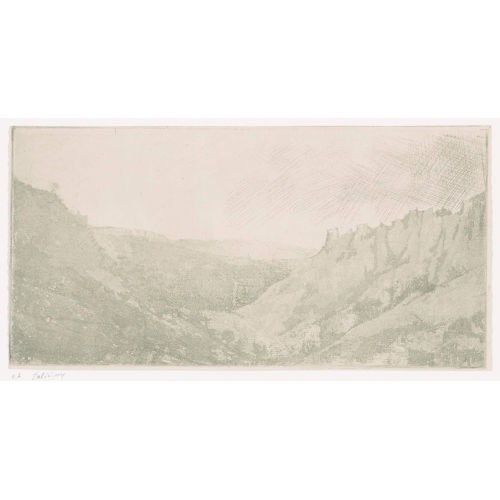
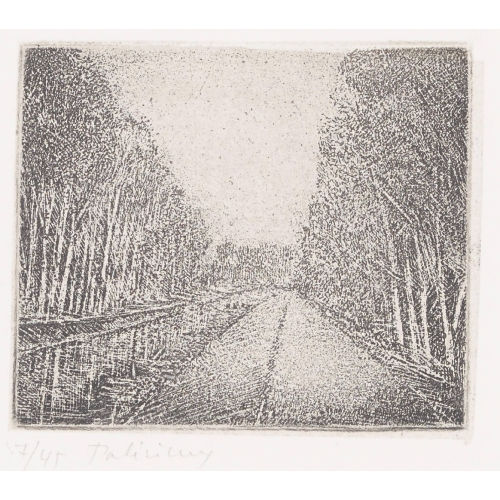
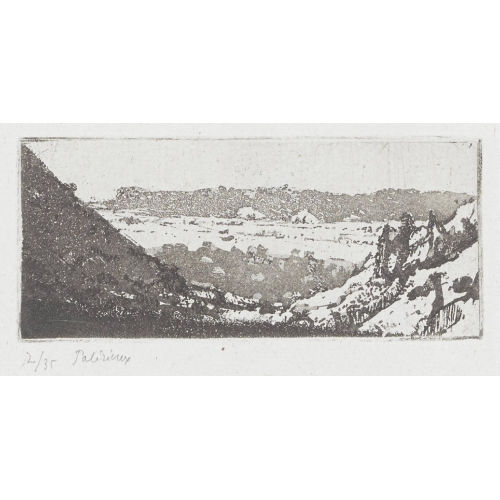
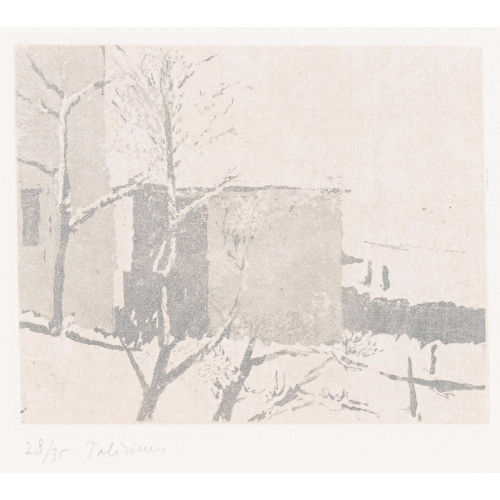
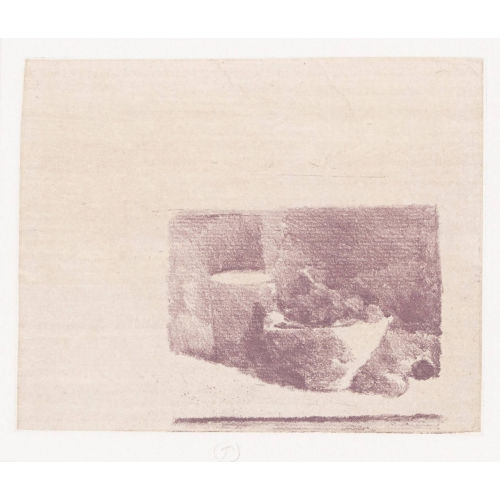
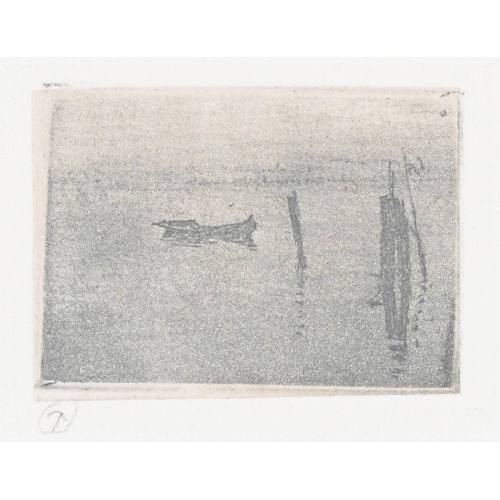
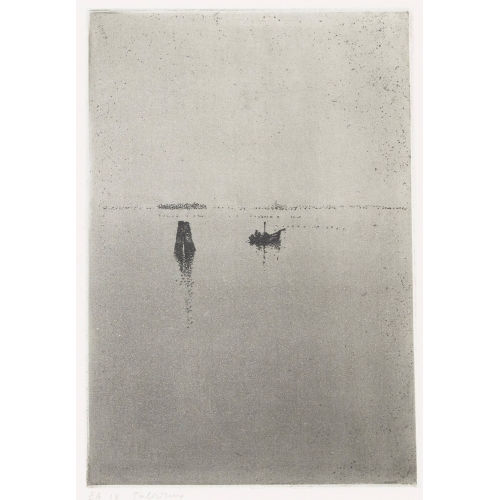
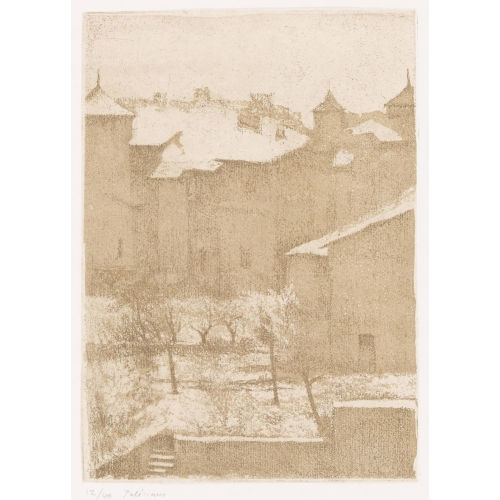
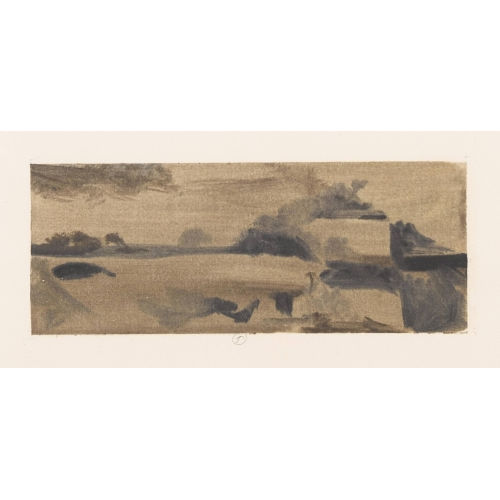
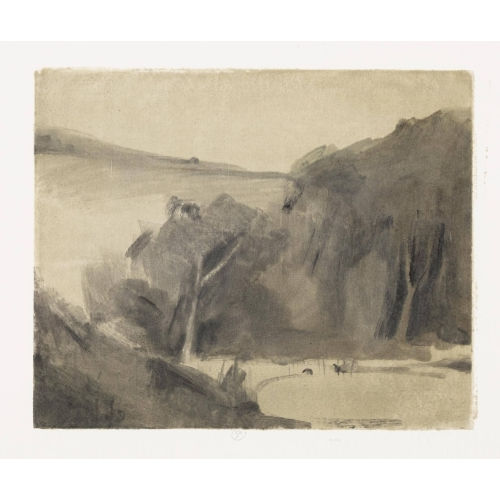
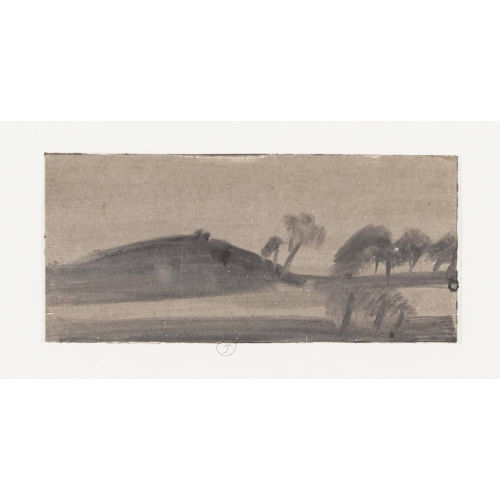
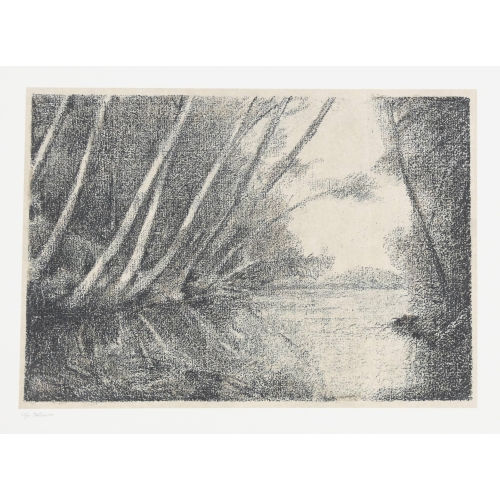
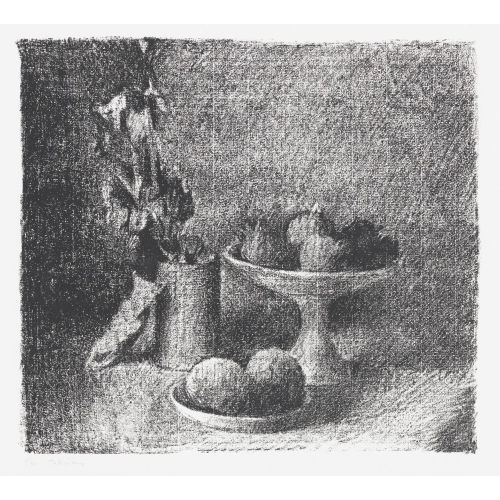
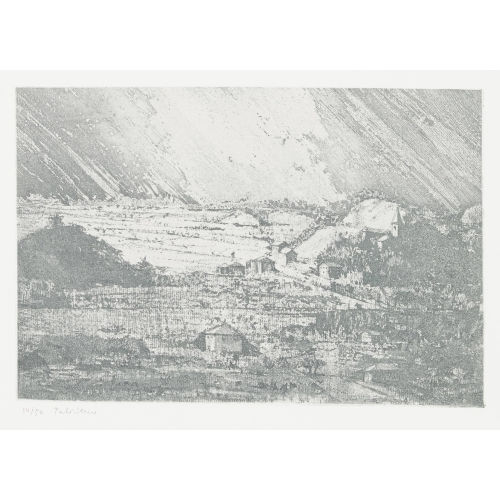
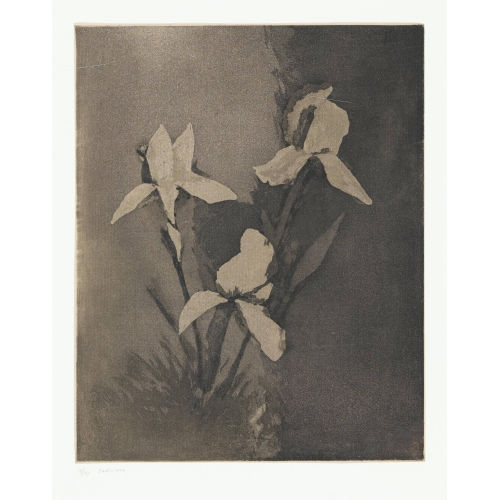
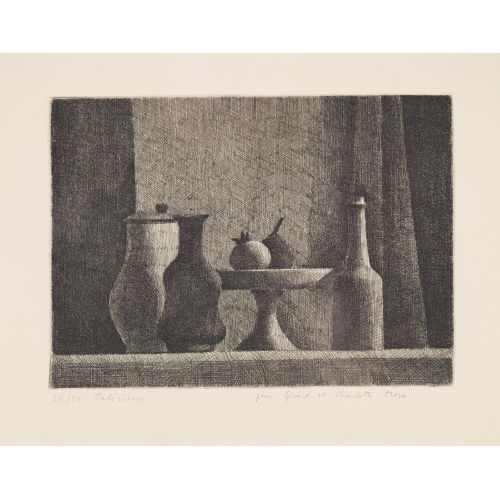
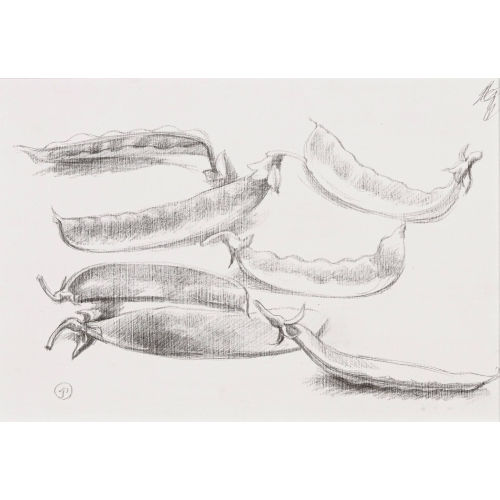
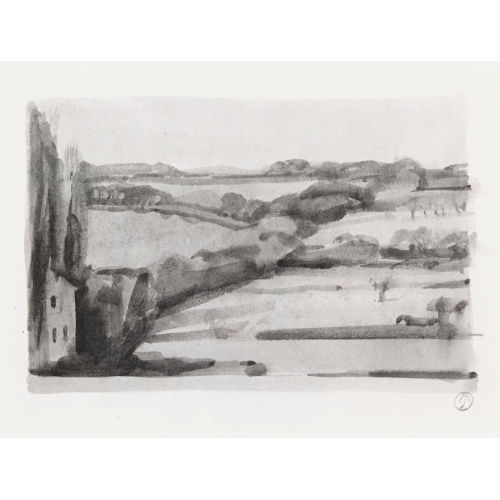
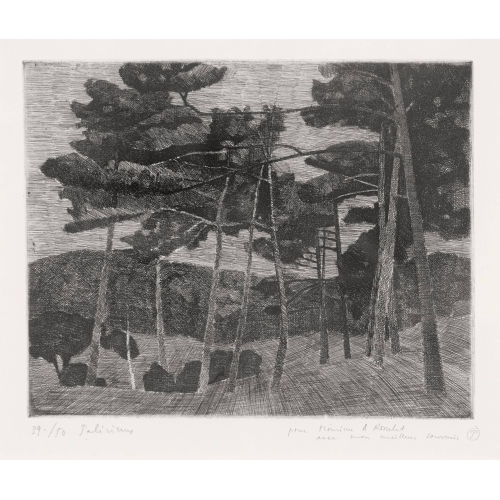
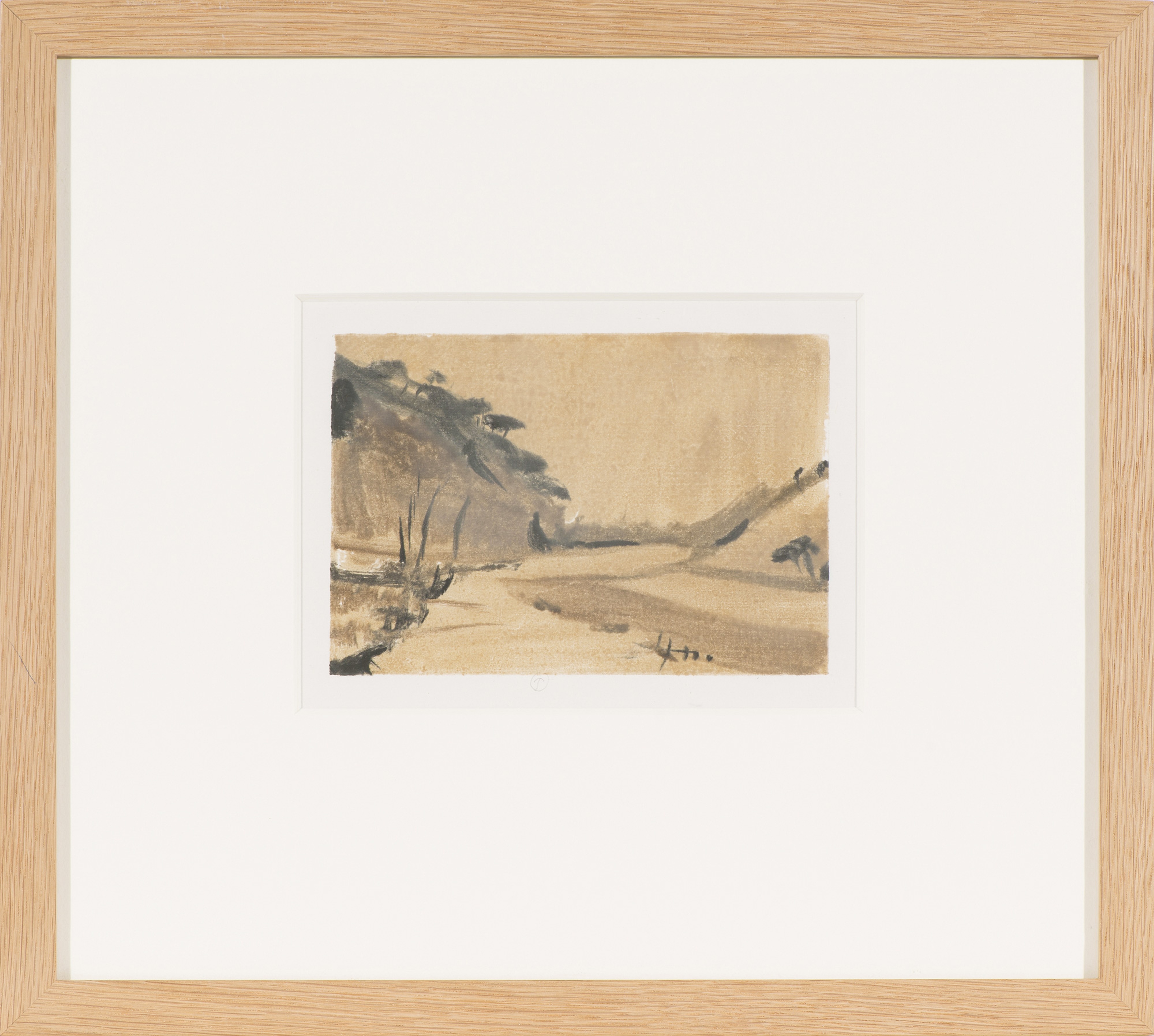
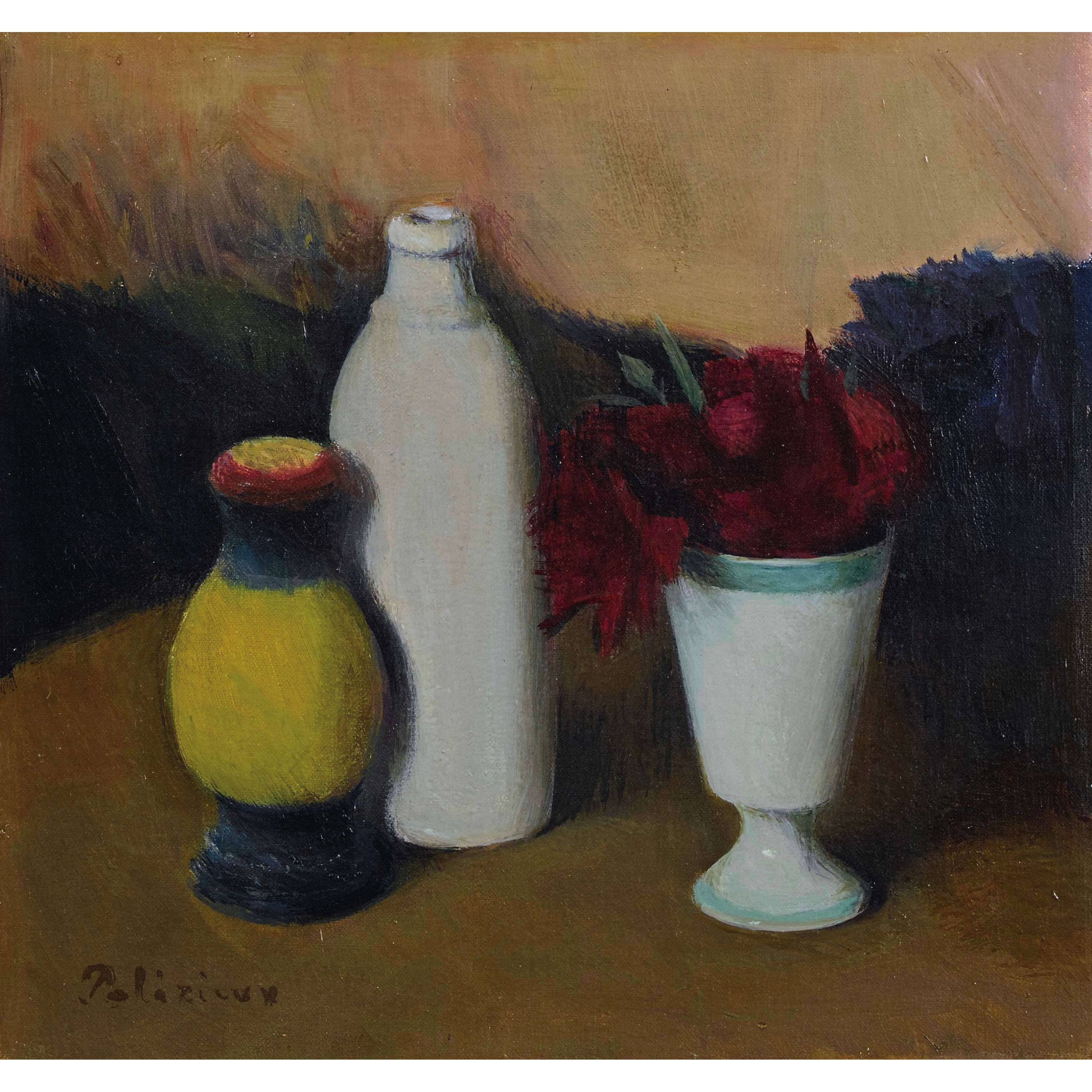
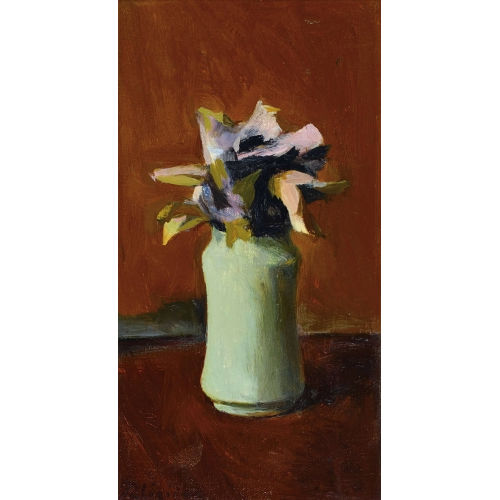
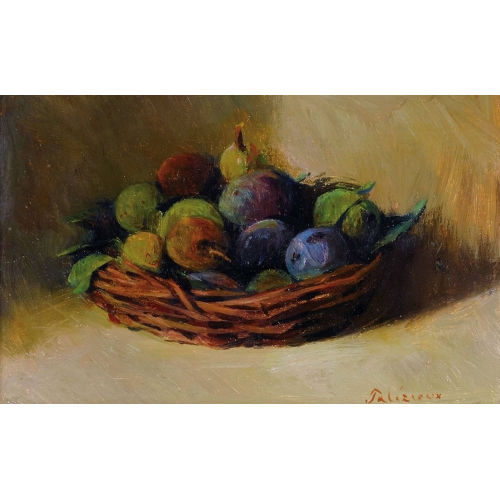
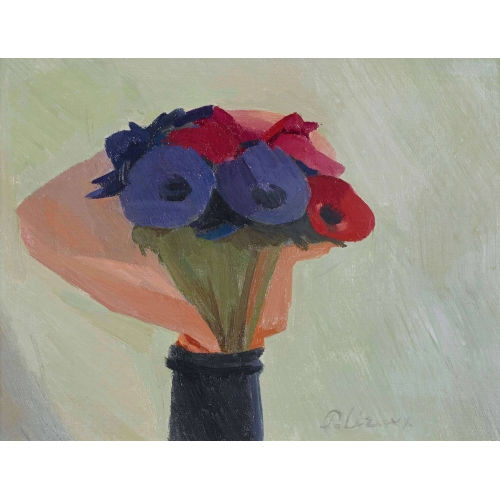
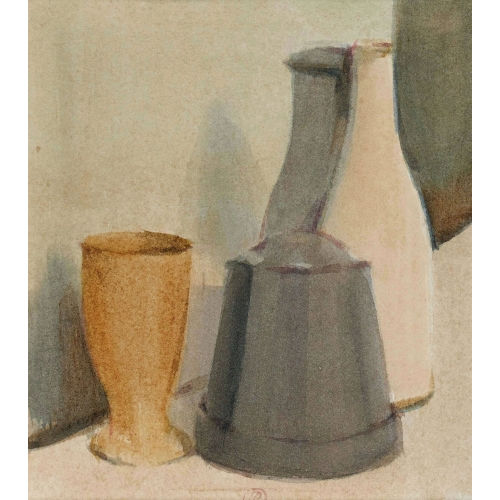
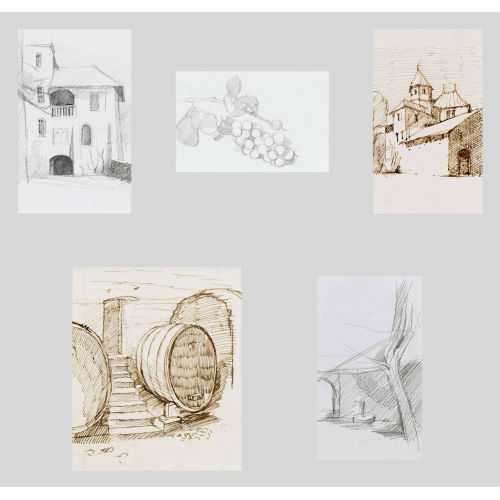
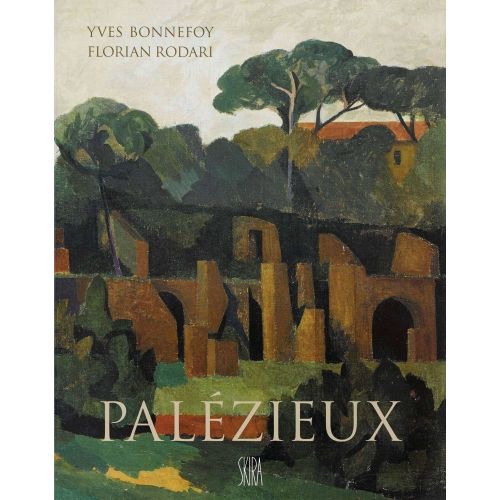
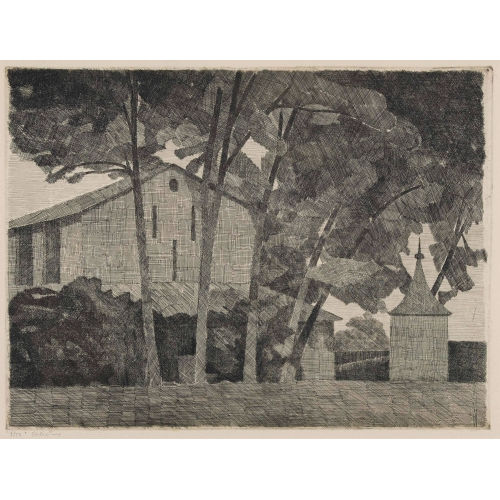
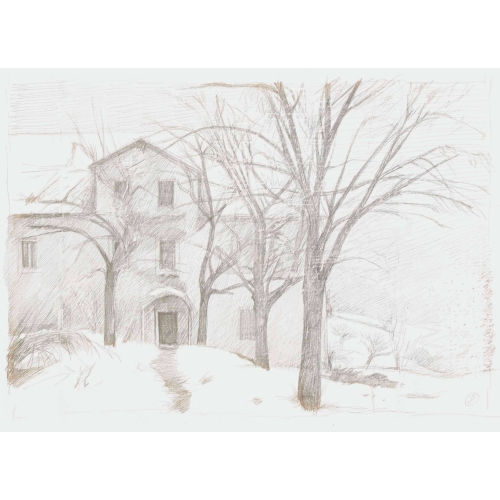
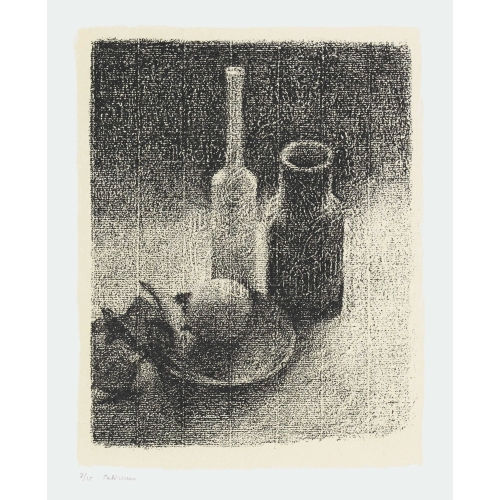
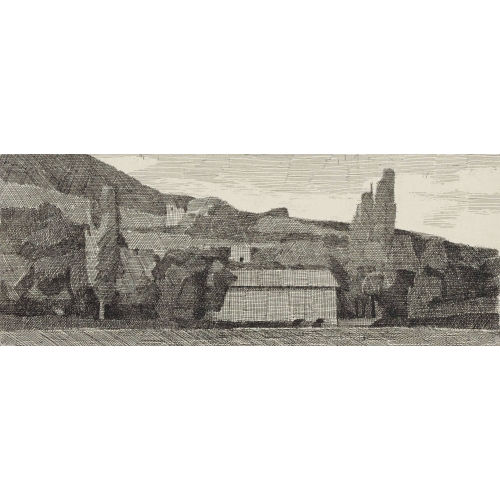
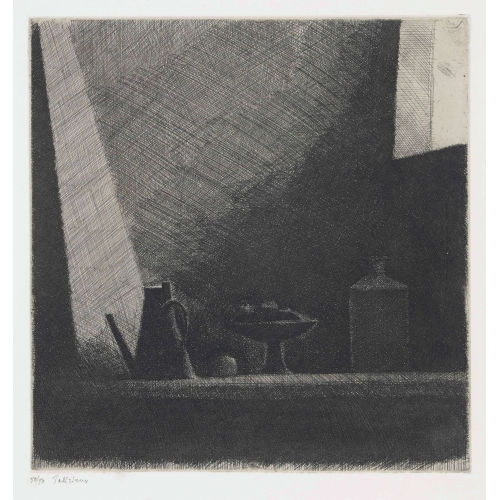
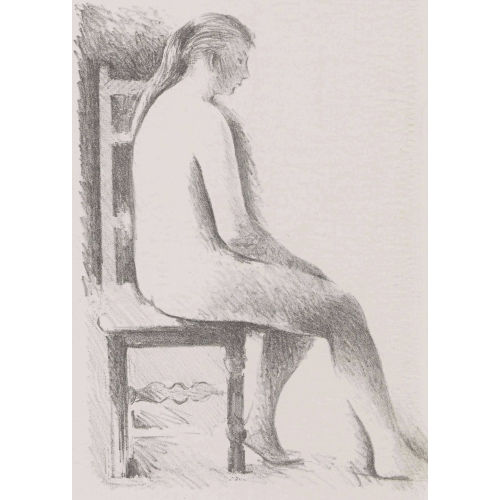
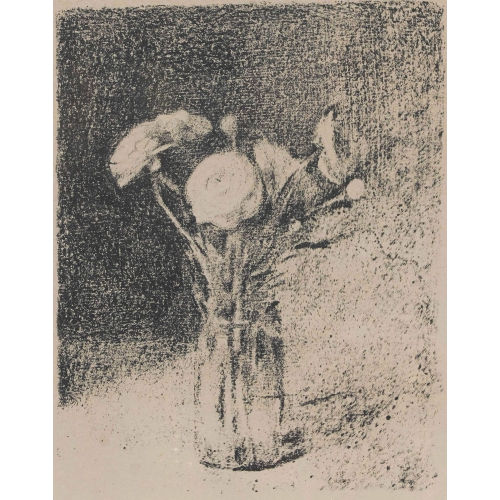
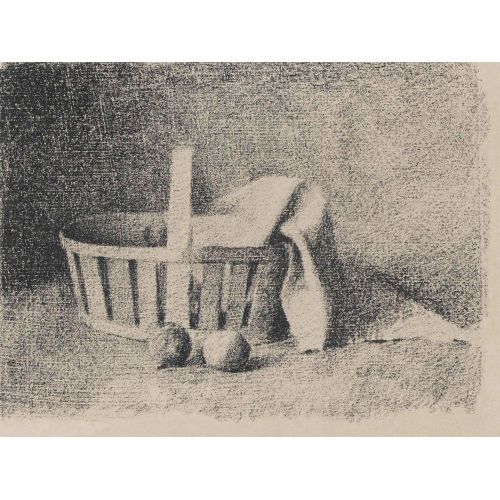
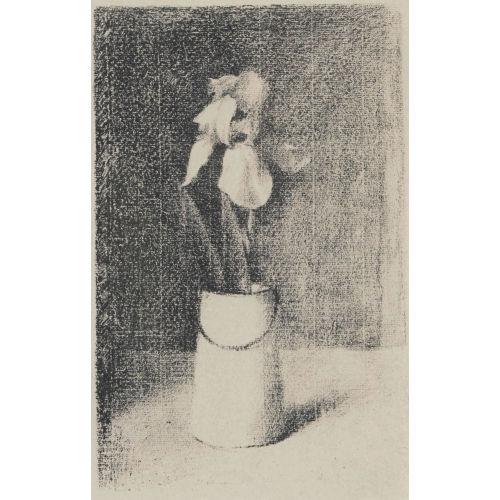
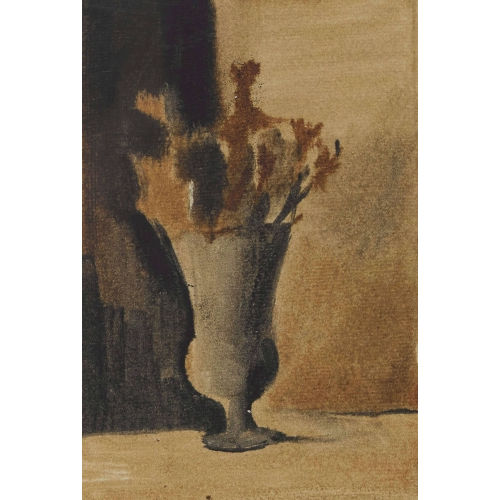
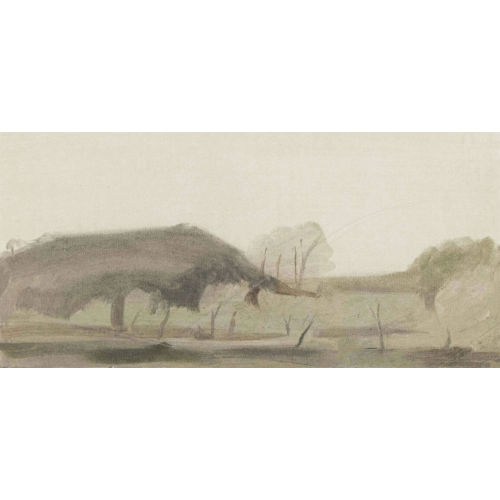
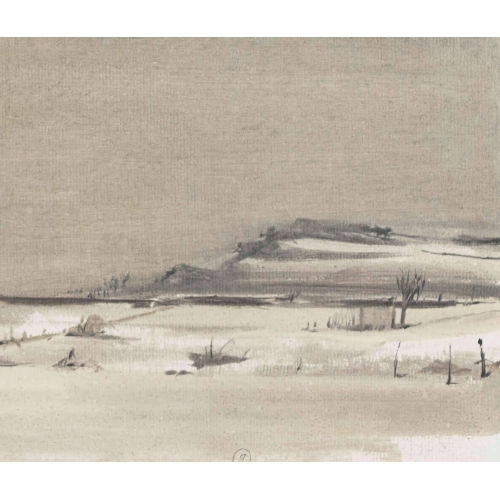
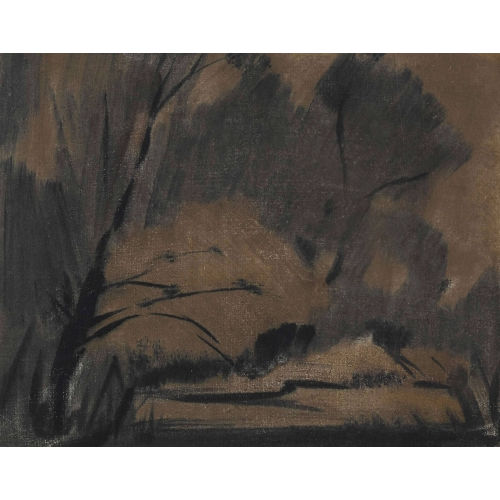
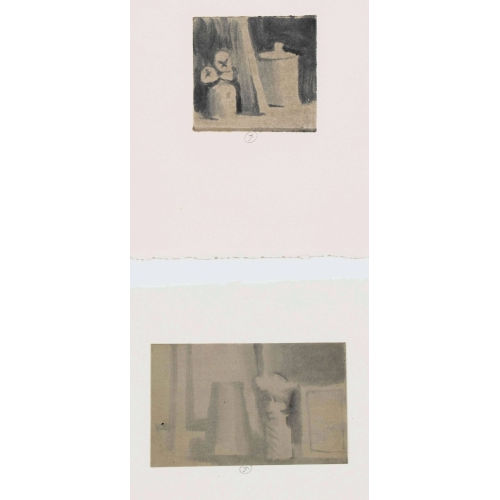
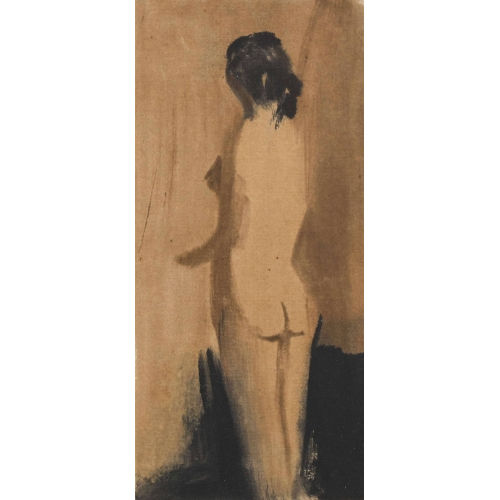
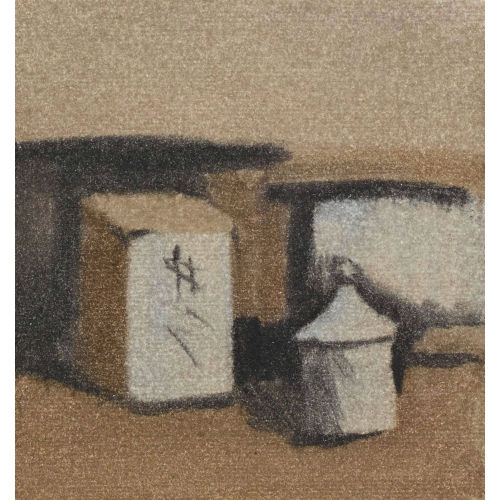
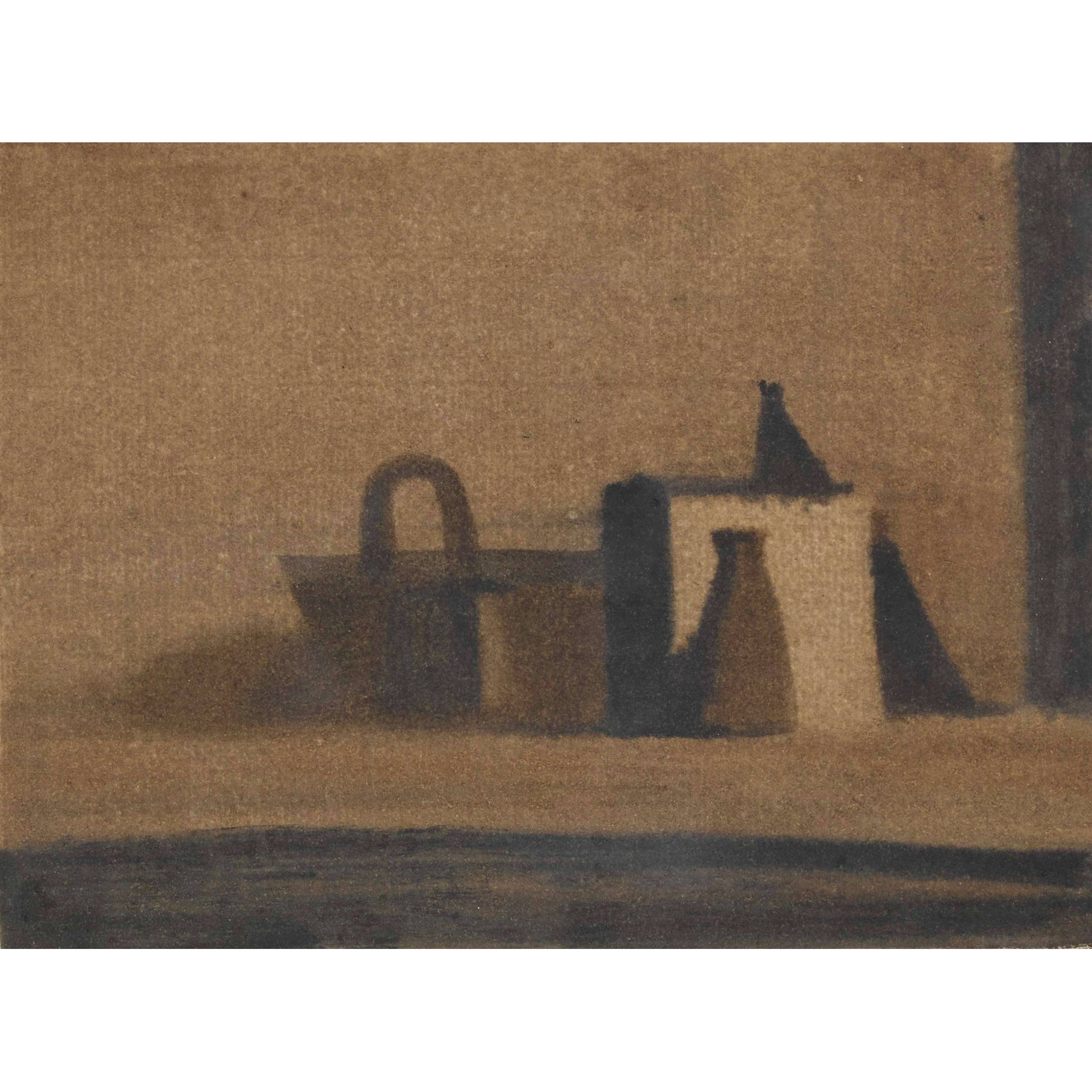
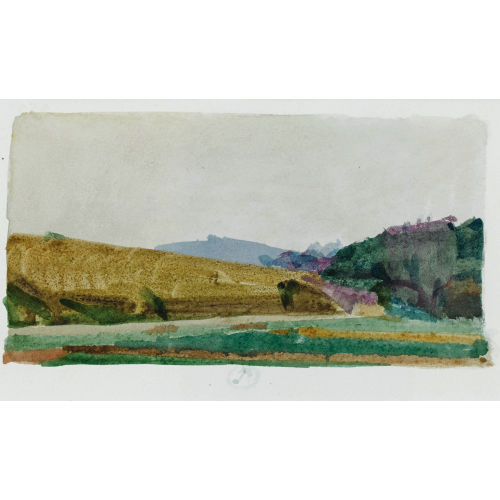
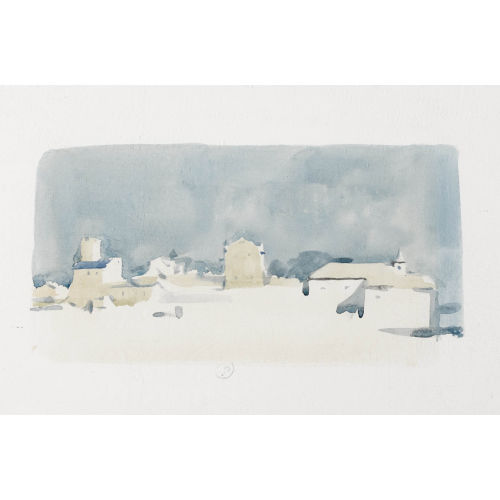
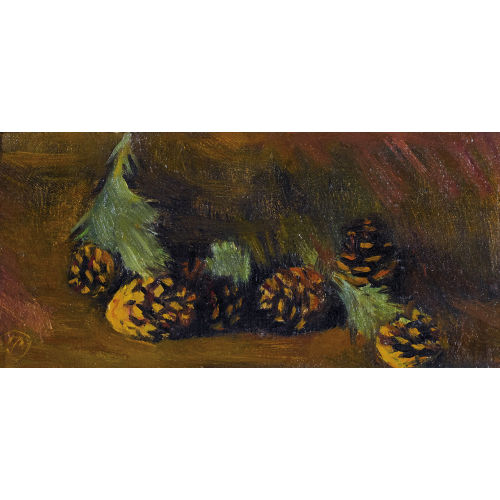
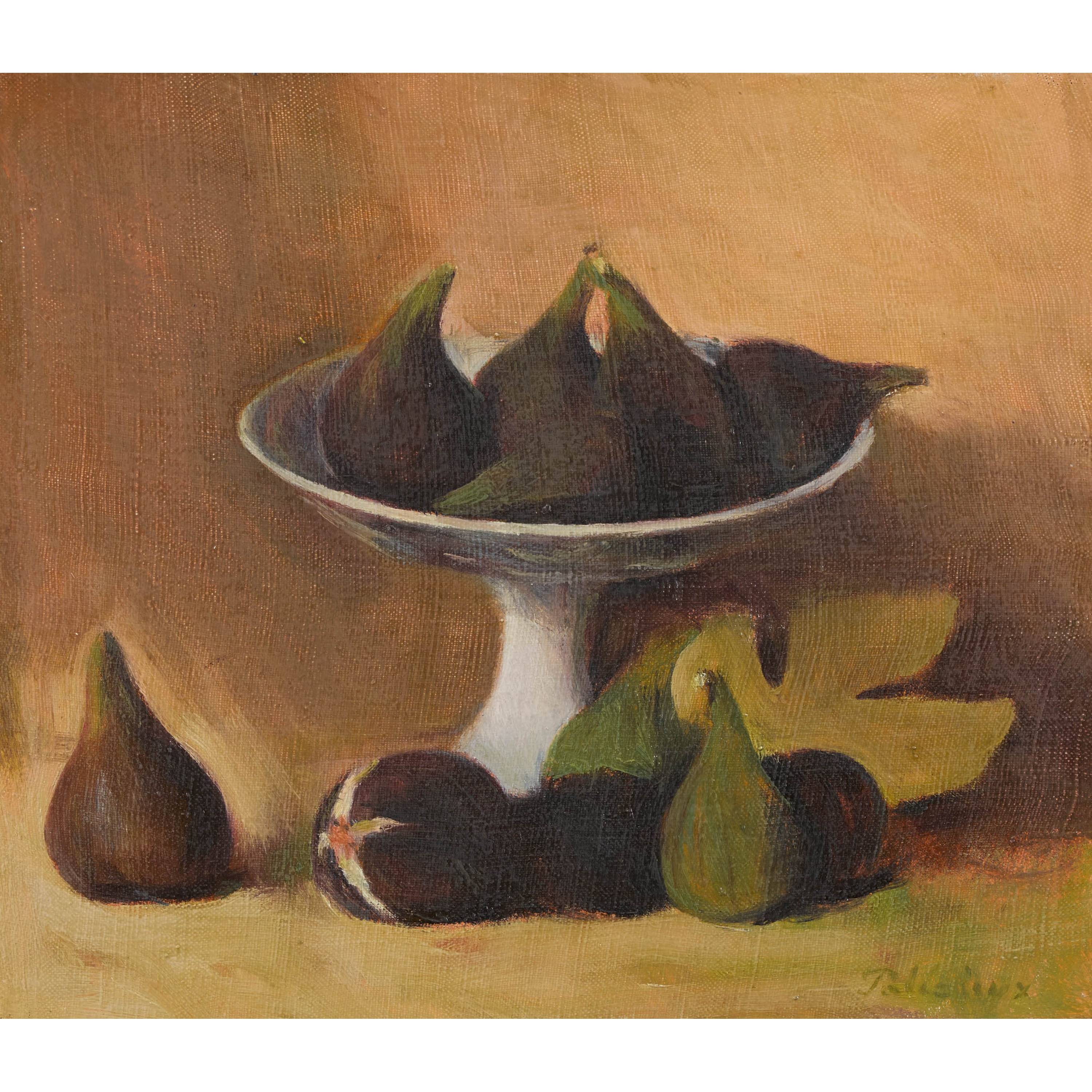
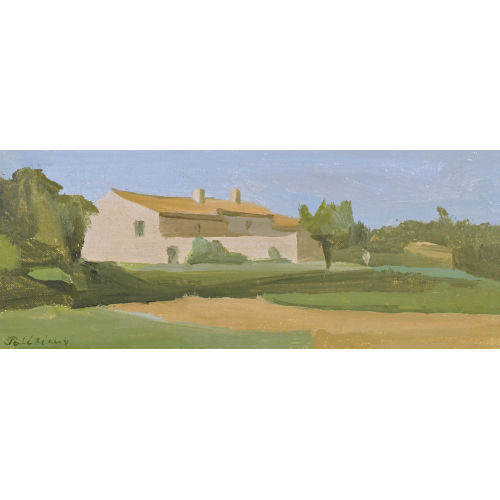
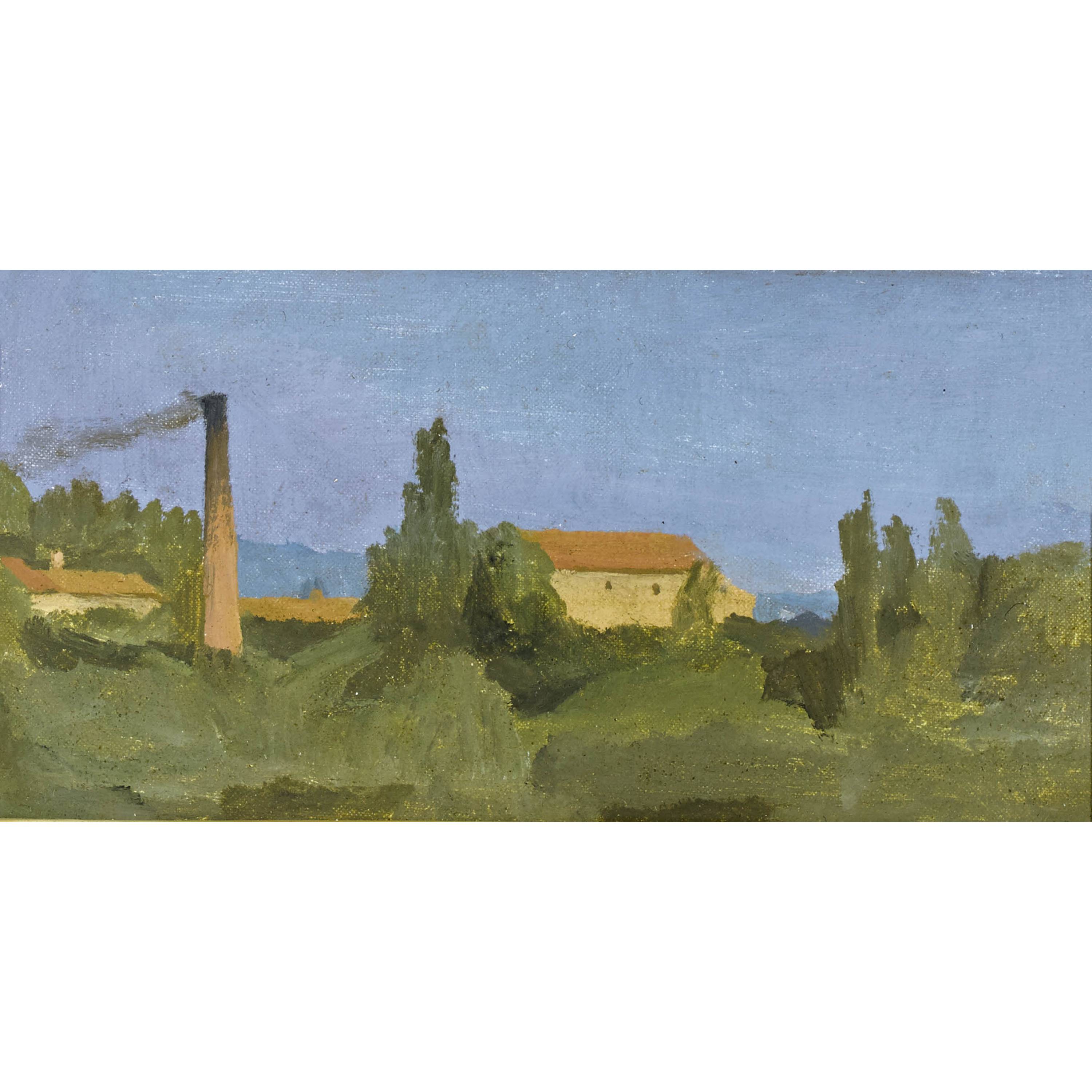
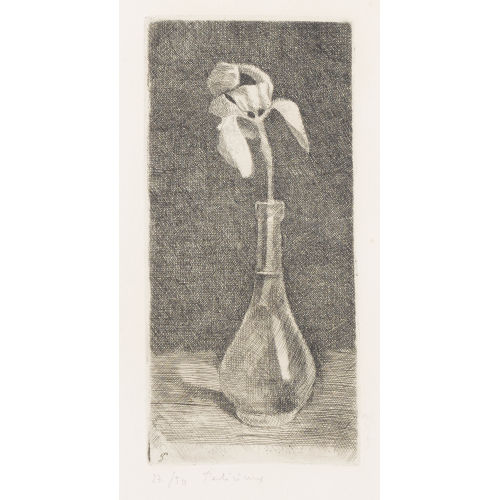
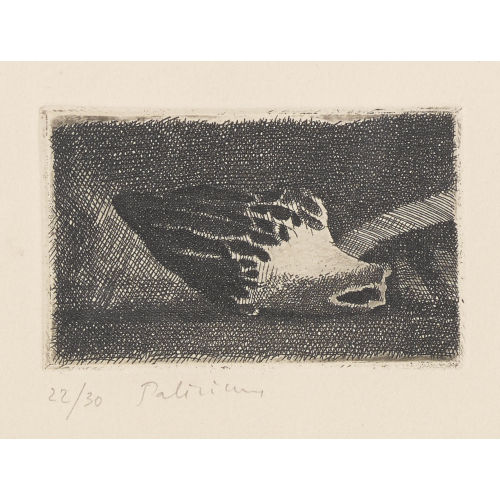
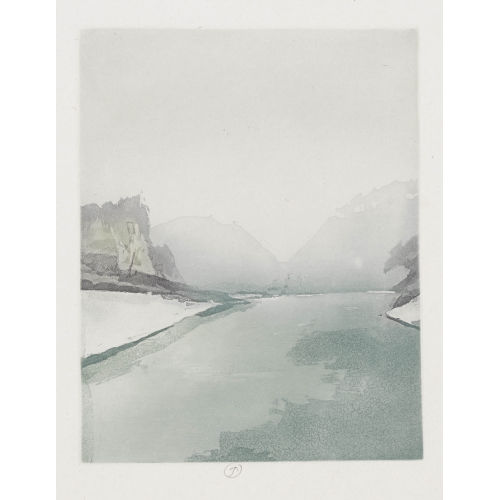
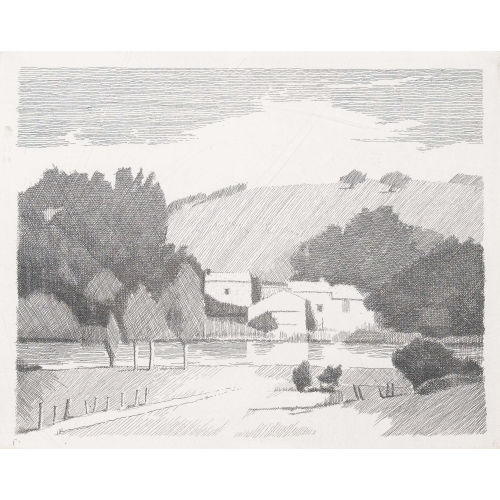
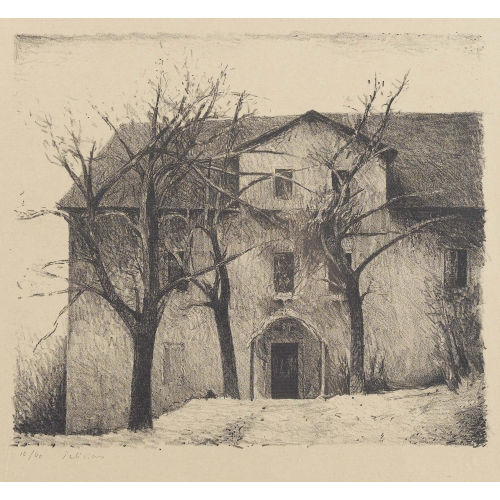
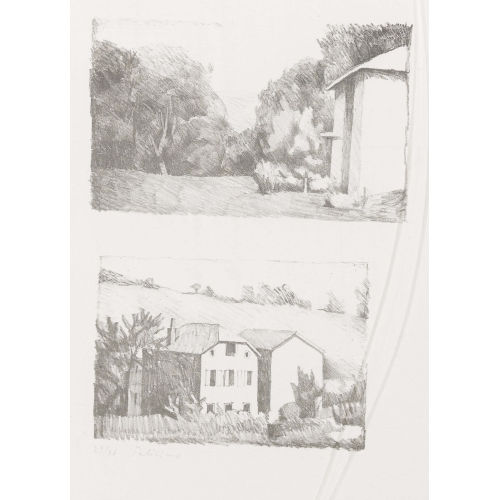
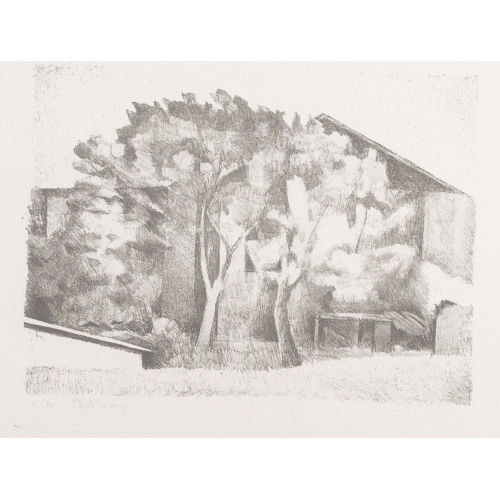
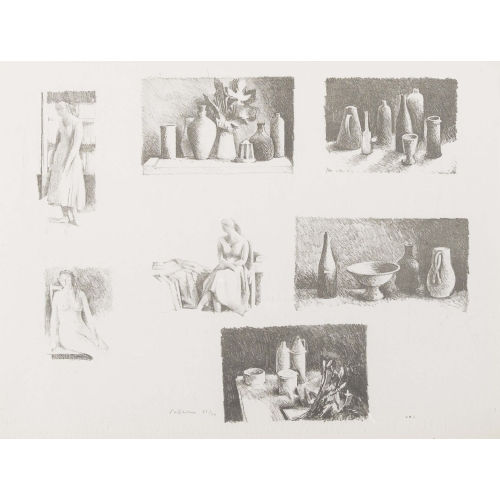
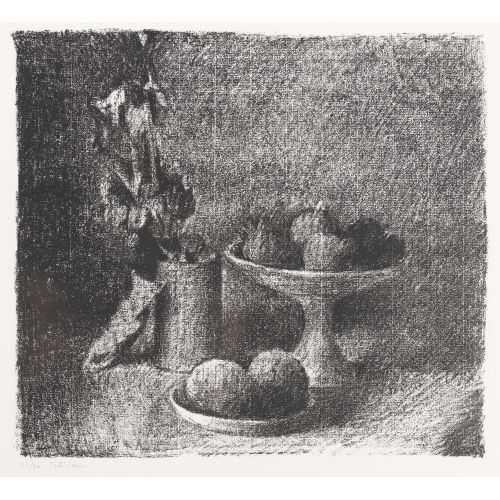
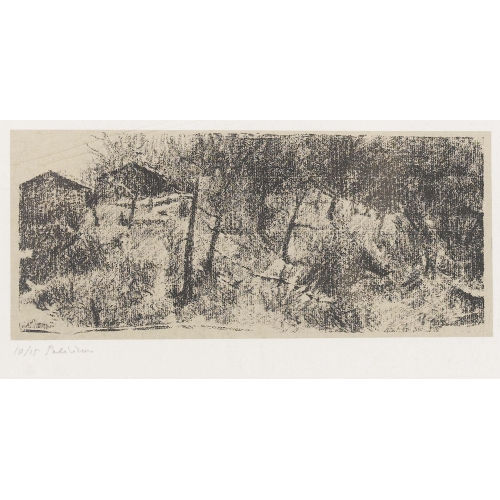
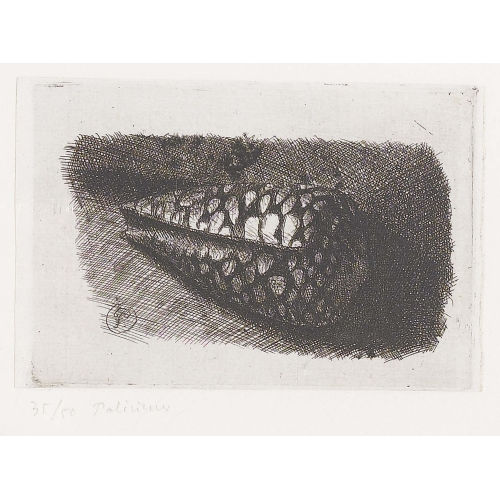
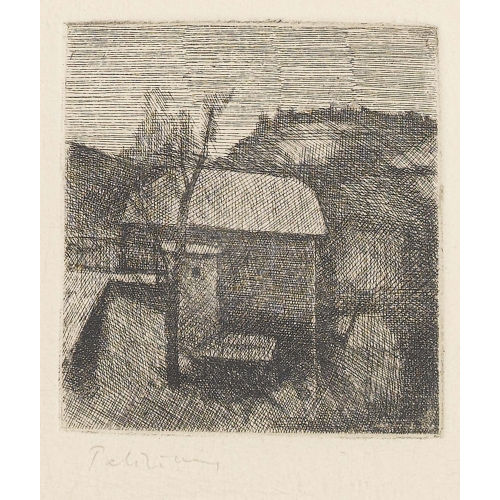
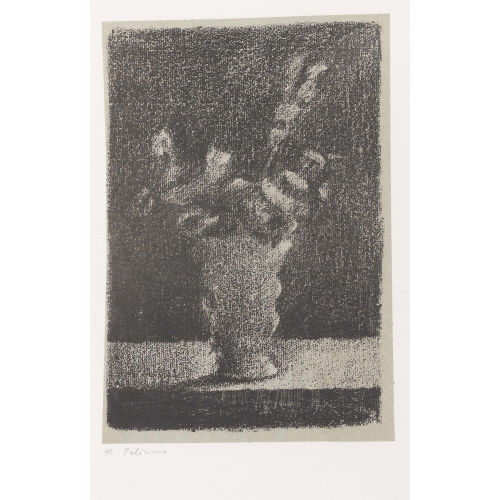
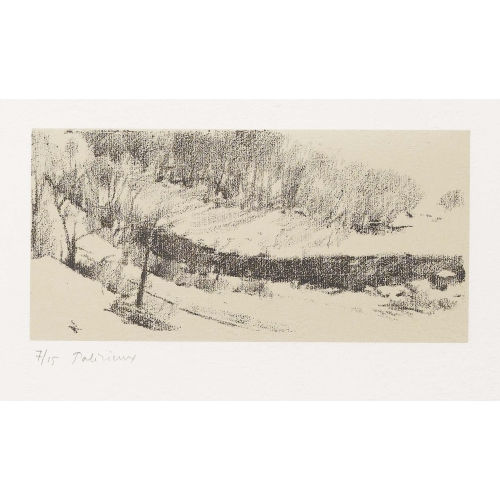
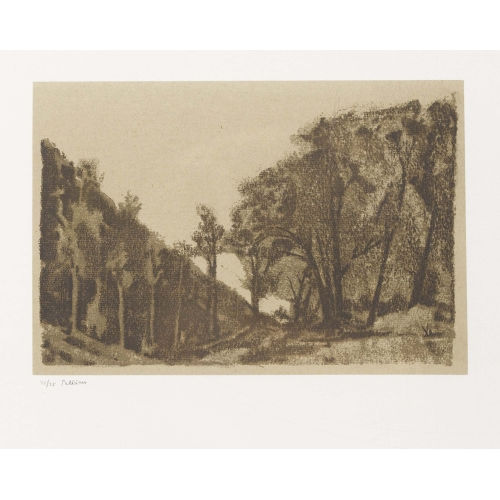
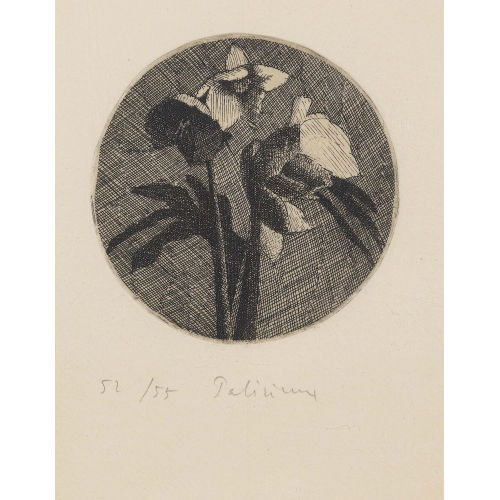
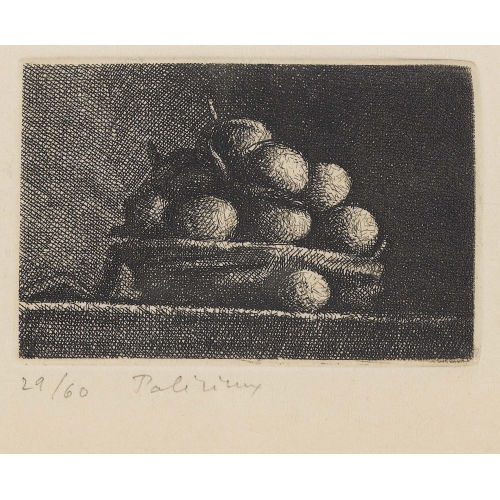
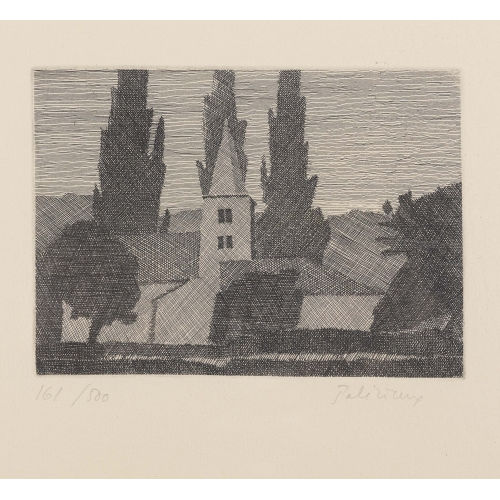
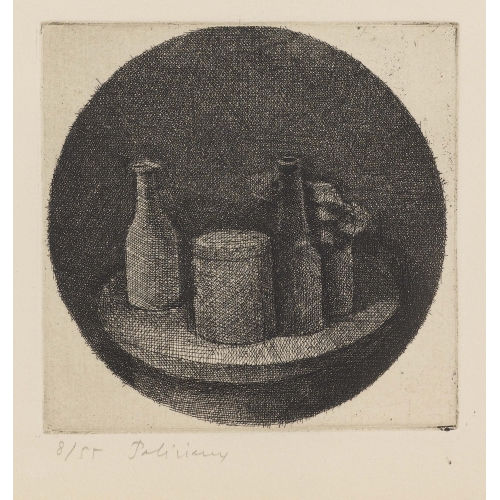
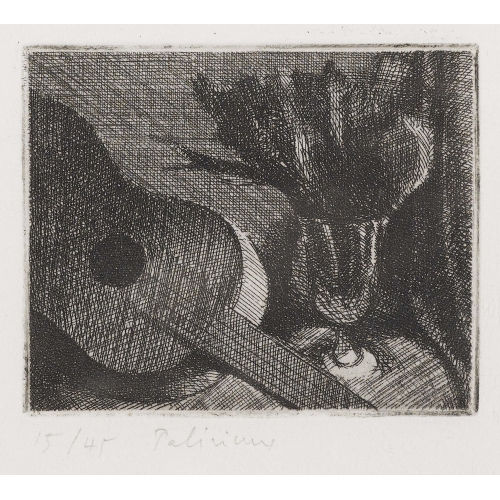
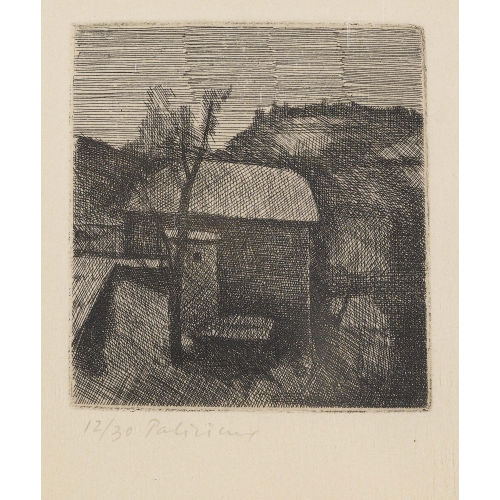
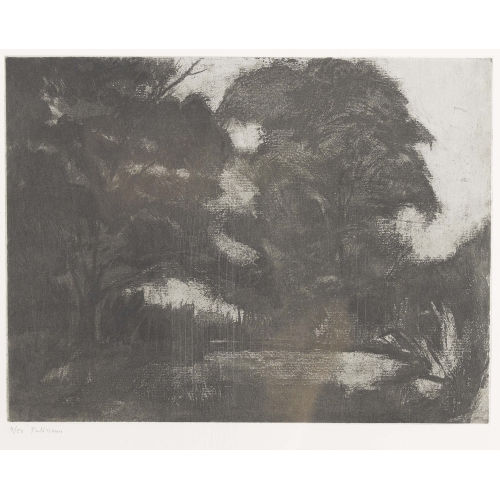
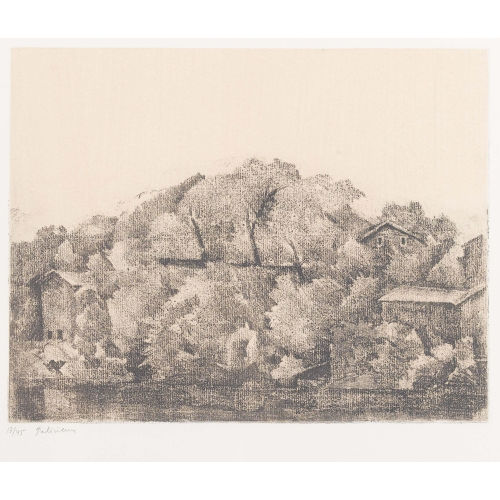
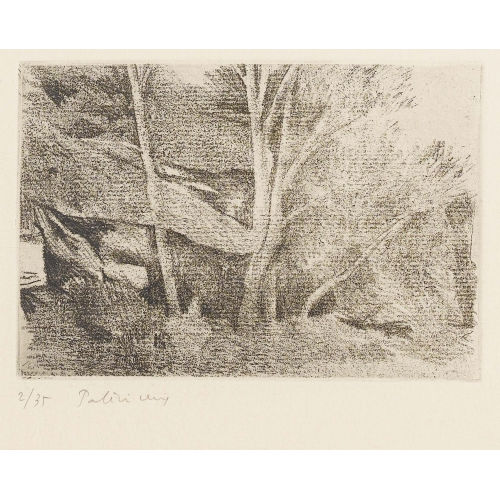
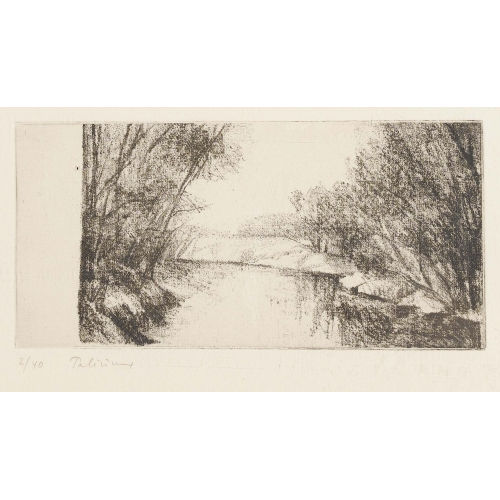
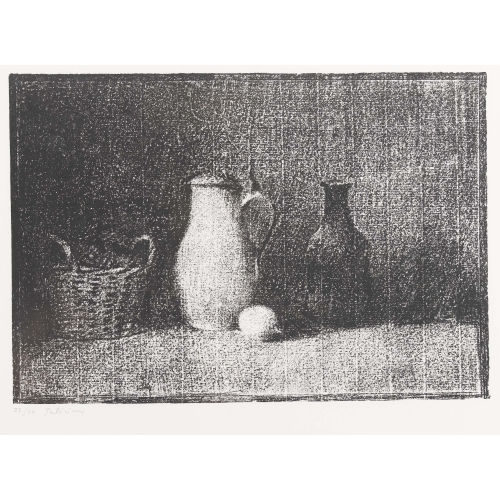
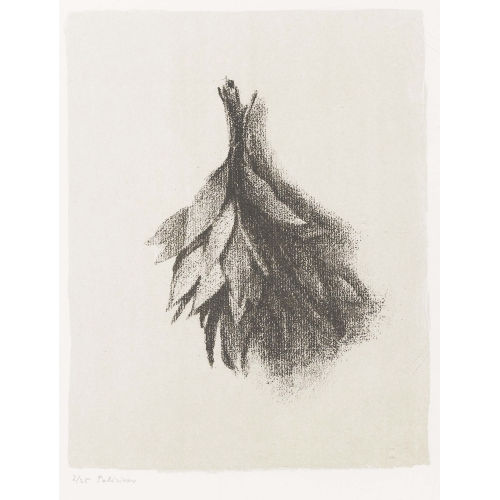
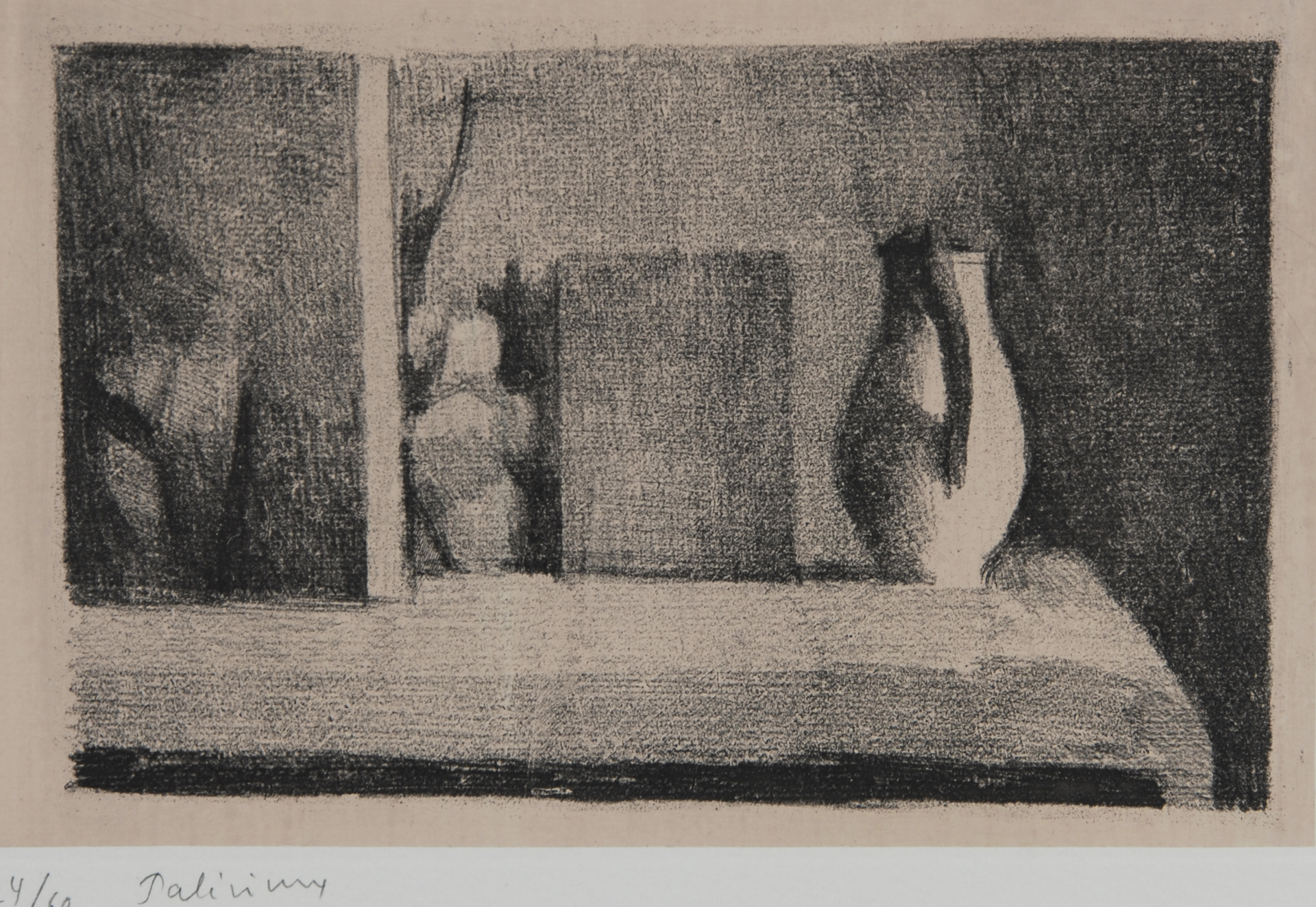
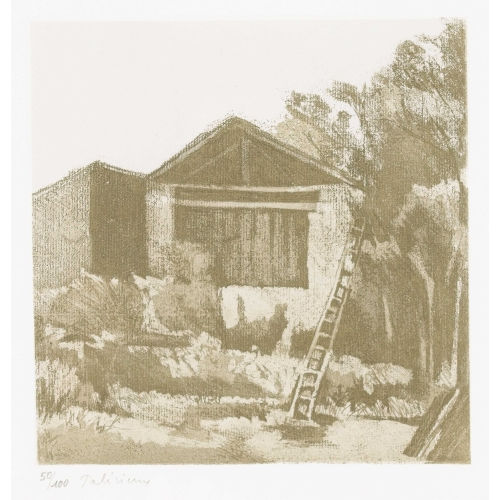
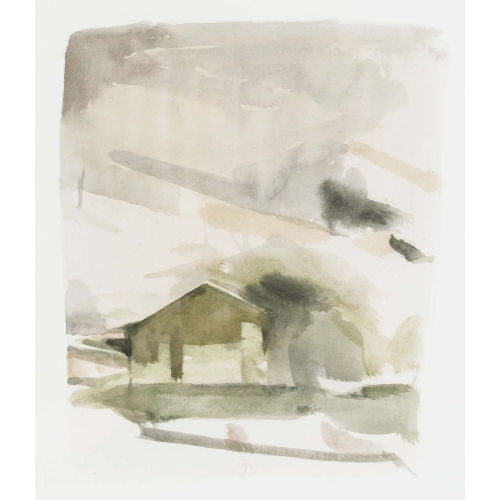
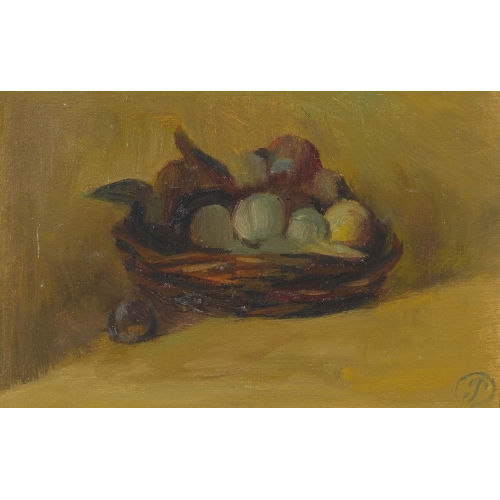
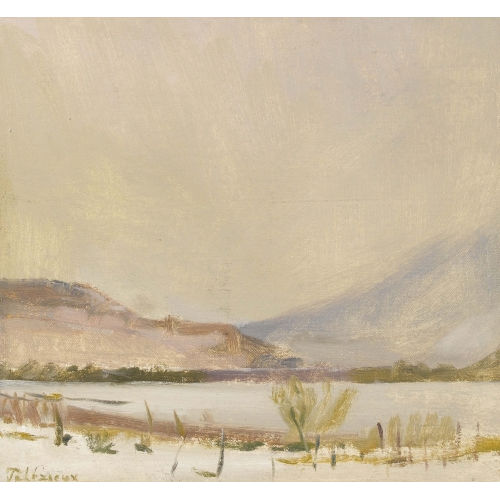
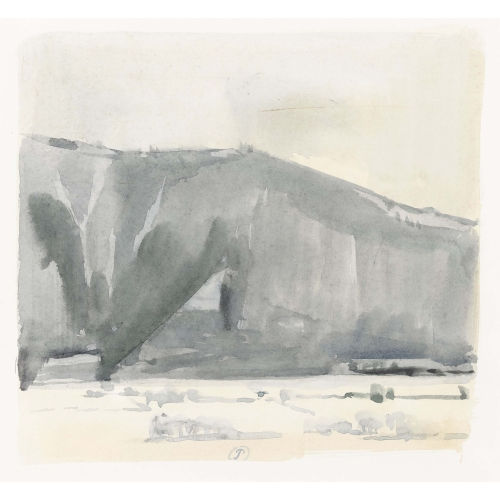
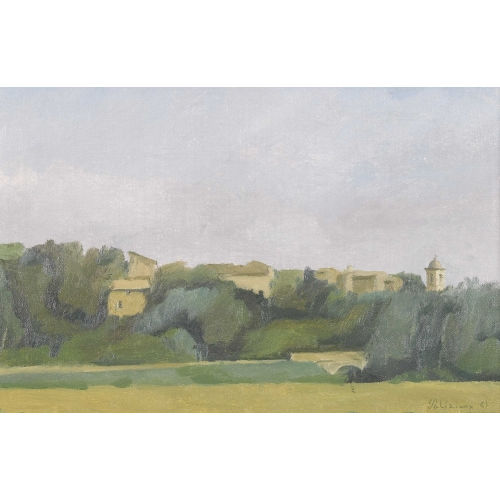
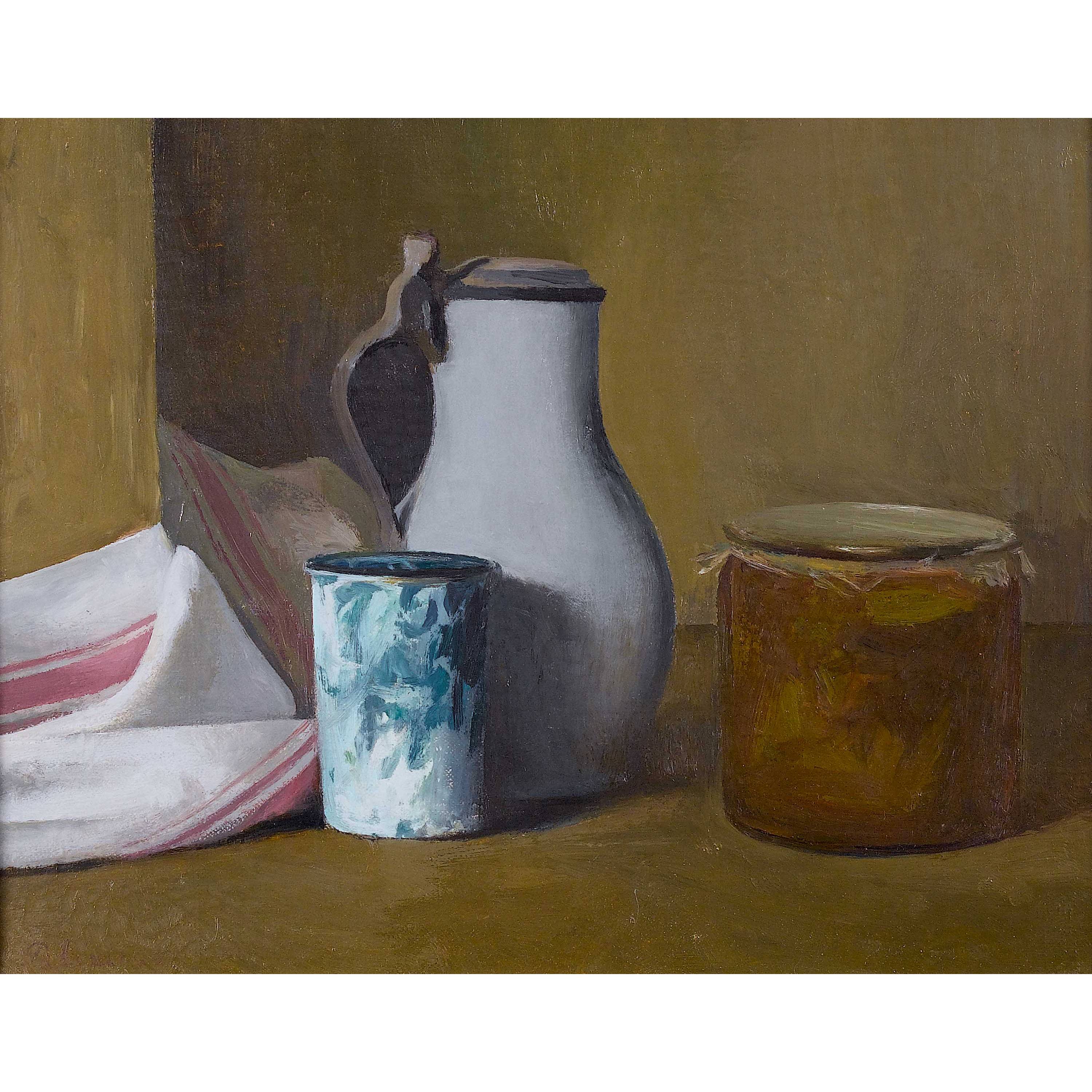
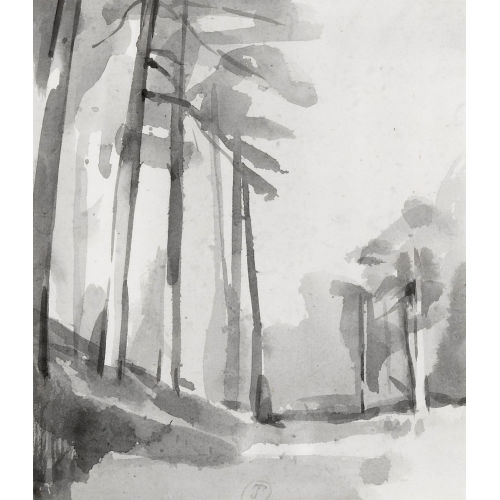
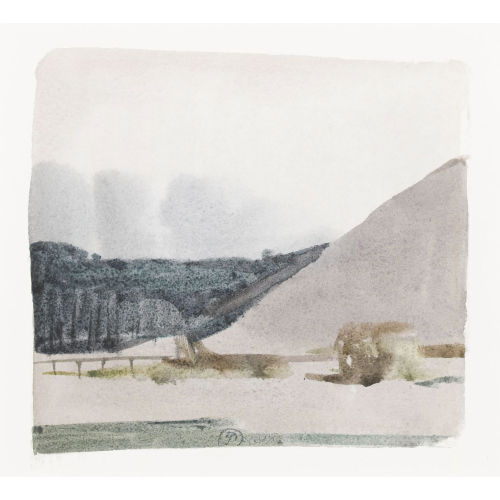
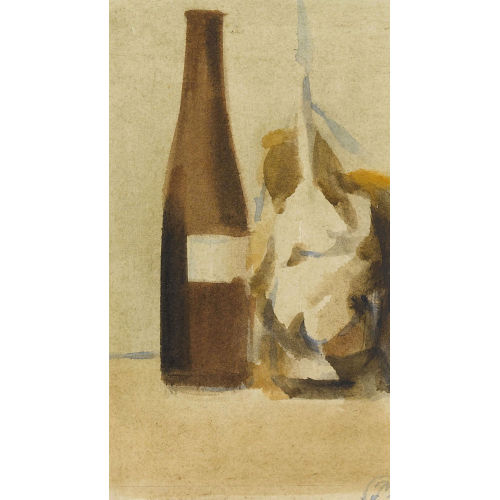
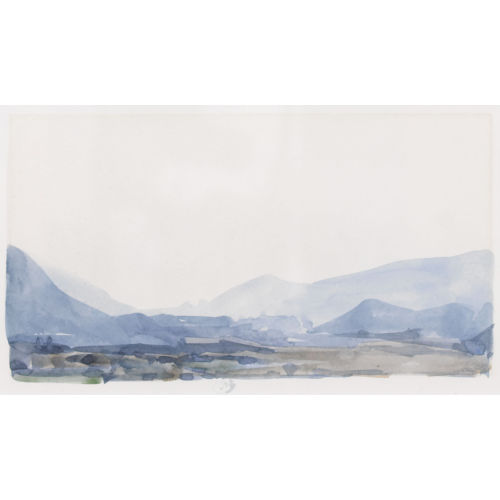
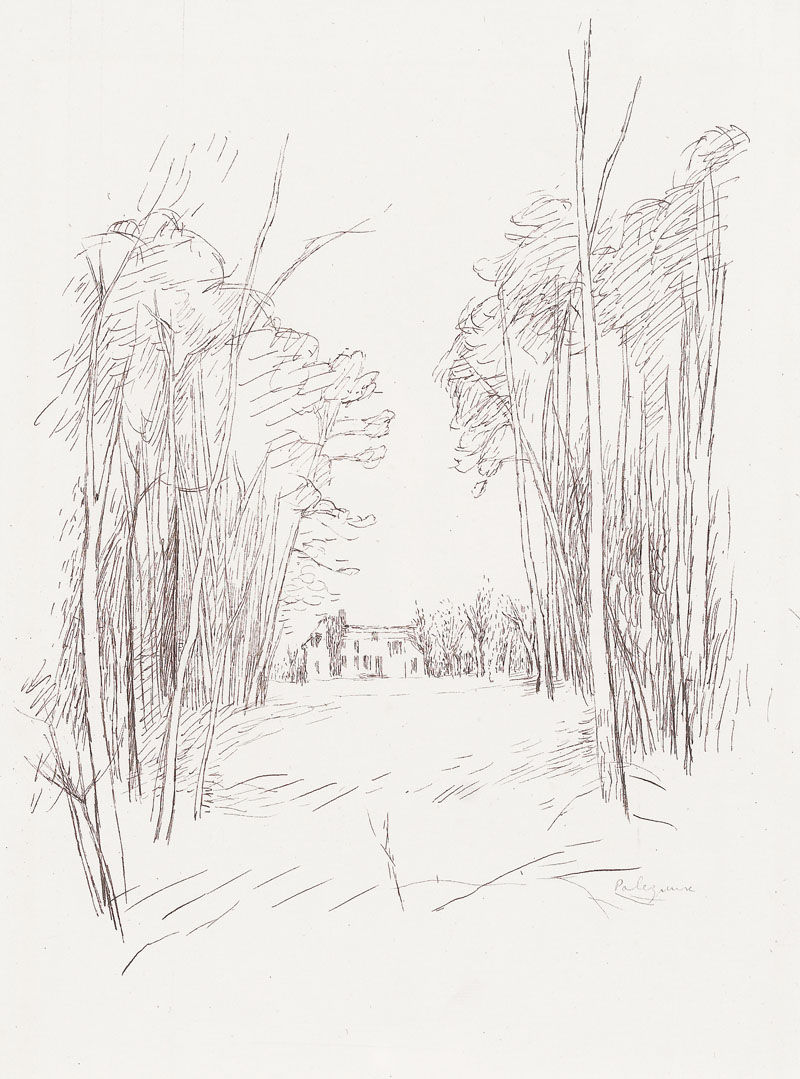
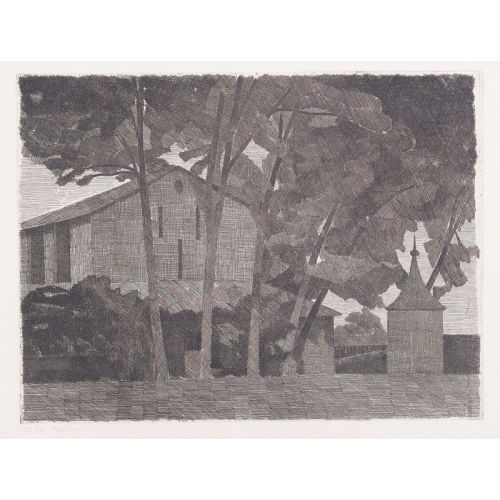
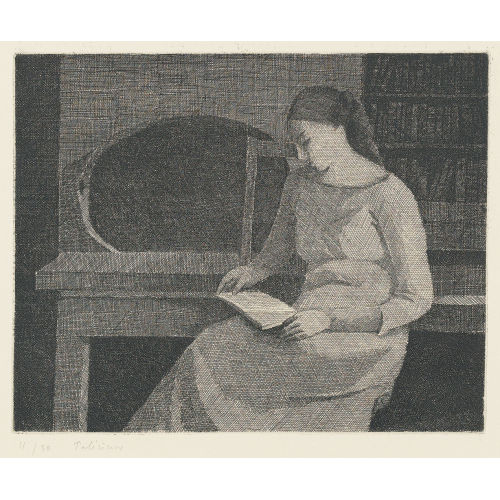
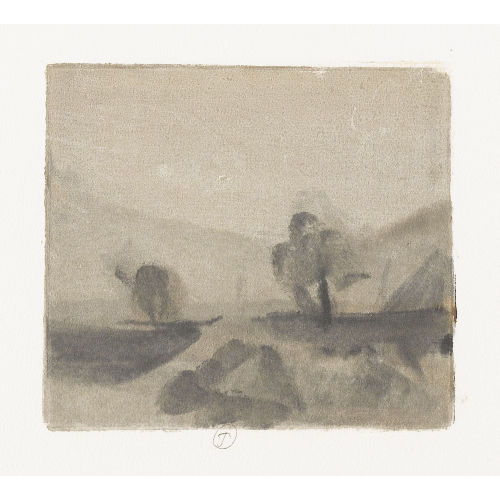
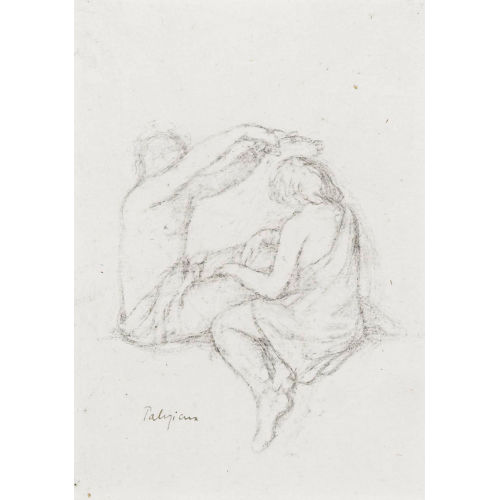
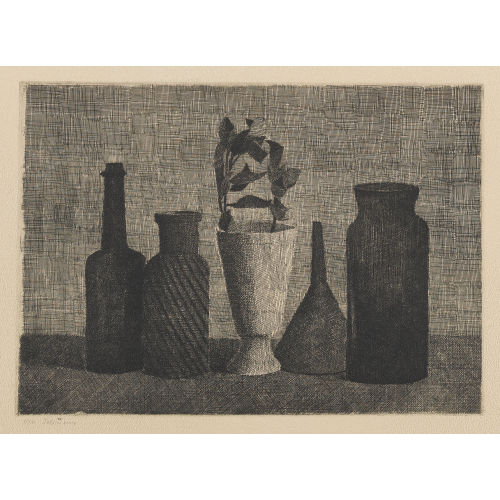
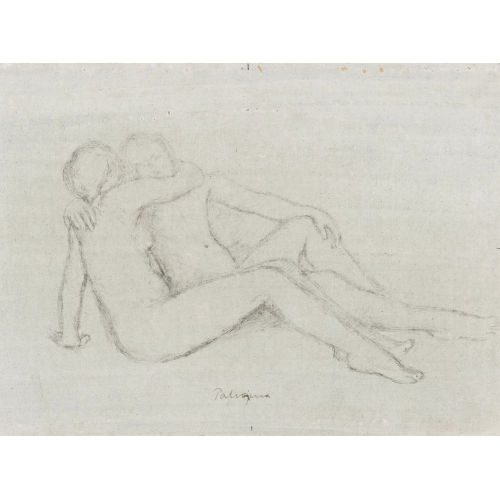
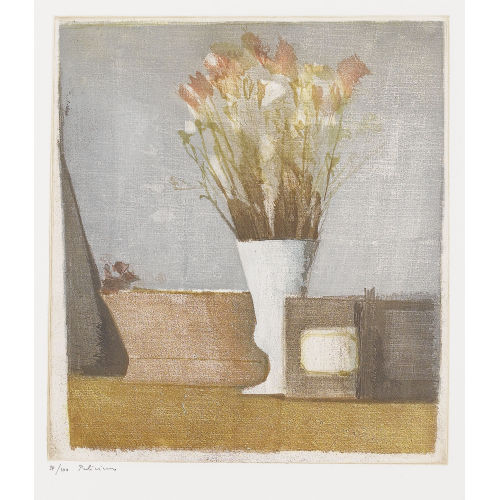
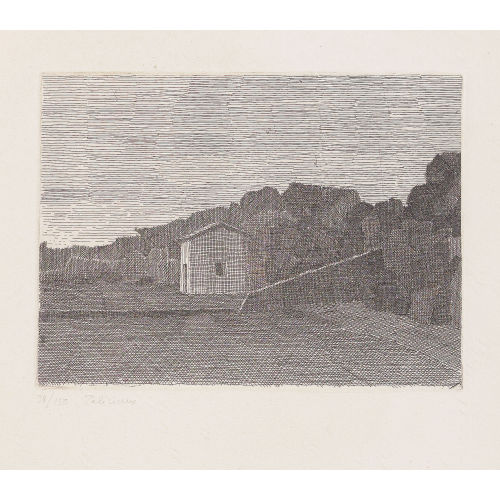
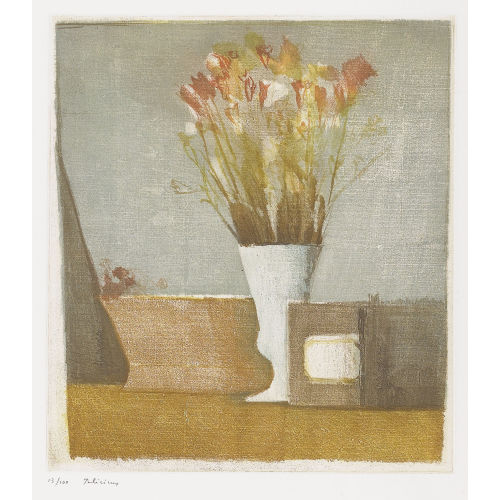
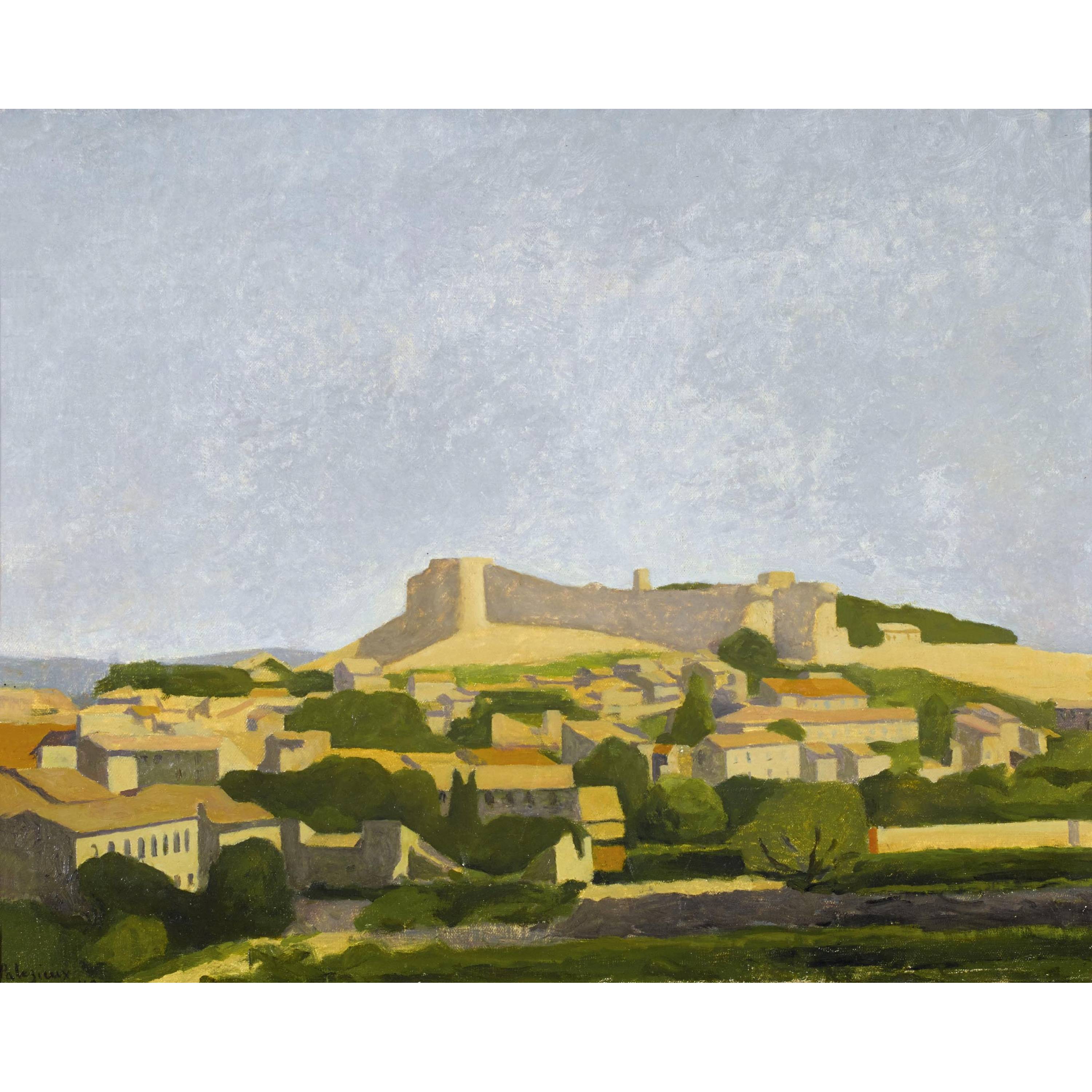
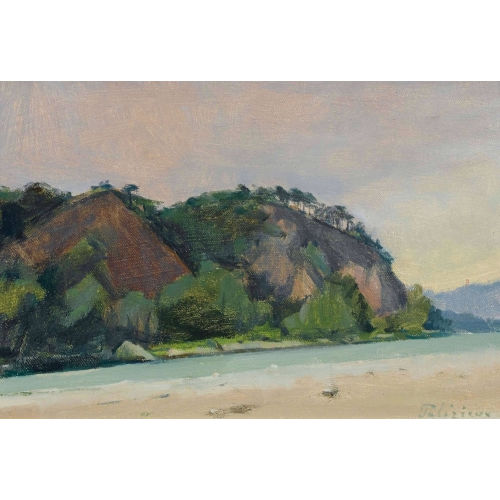
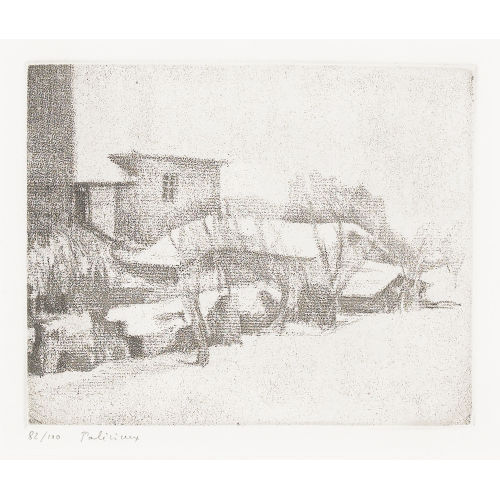
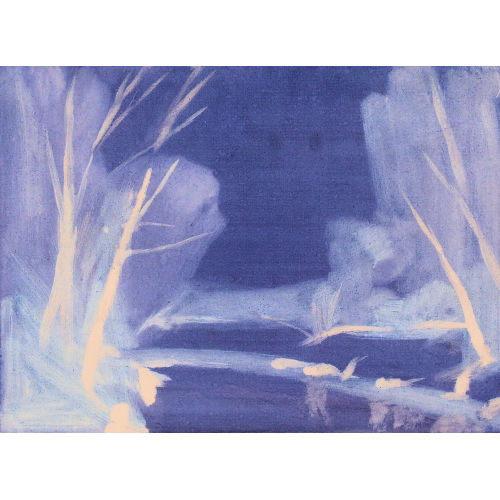
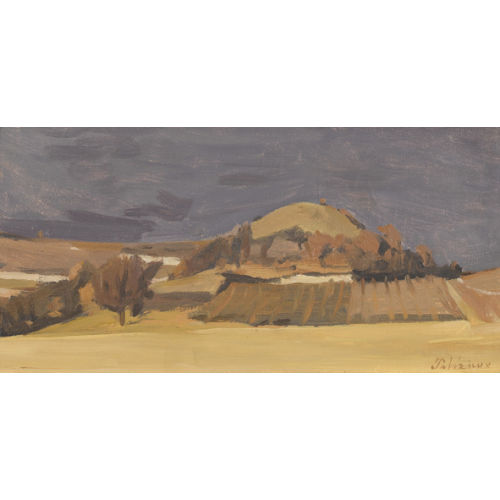
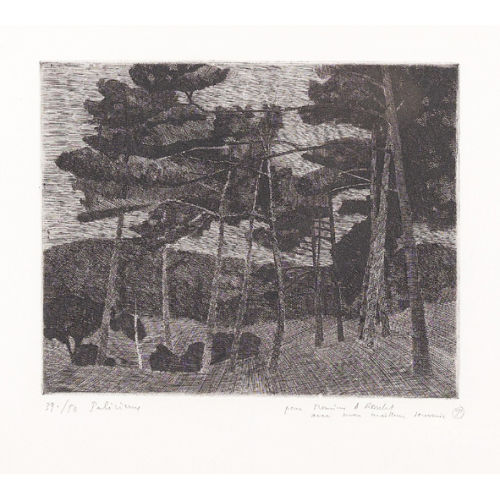
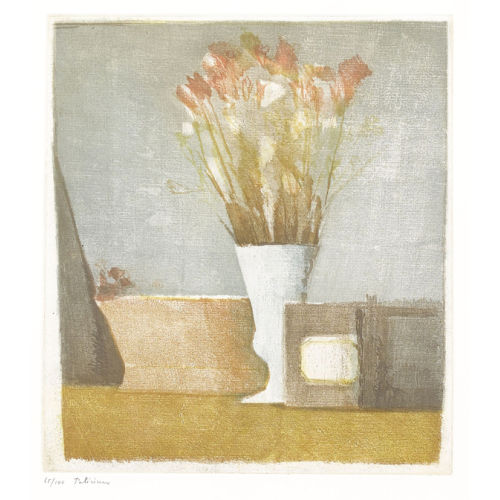
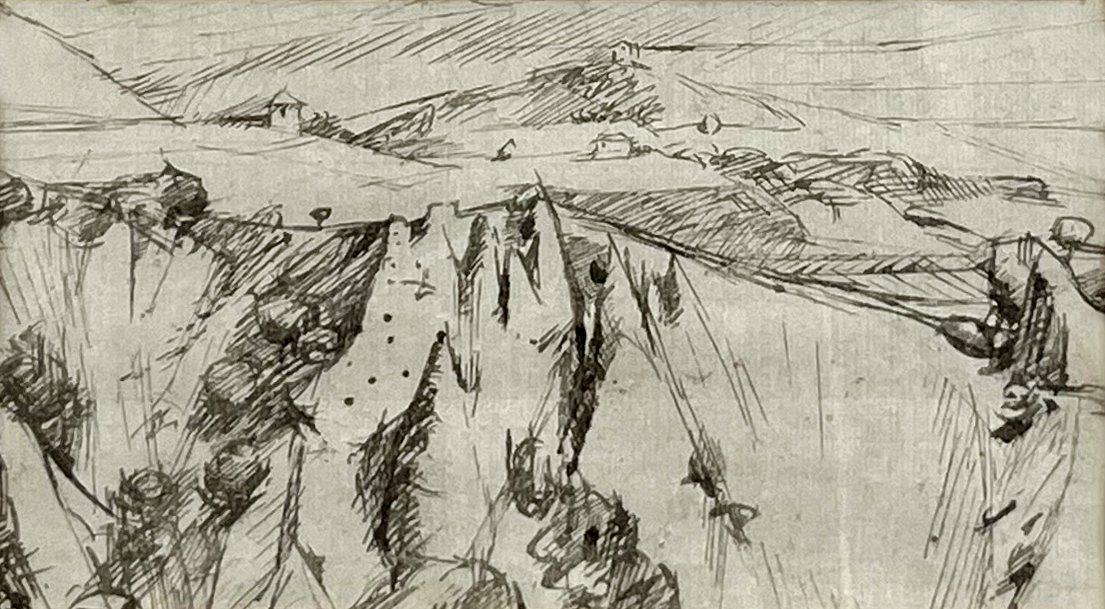
A still life, a garden, a Valais landscape: Gérard de Palézieux (1919–2012) explores familiar subjects with sustained attention to the effects of light. A painter, draughtsman and printmaker, he brings the precision of construction into dialogue with the mobility of the atmosphere. His images invite slow observation.
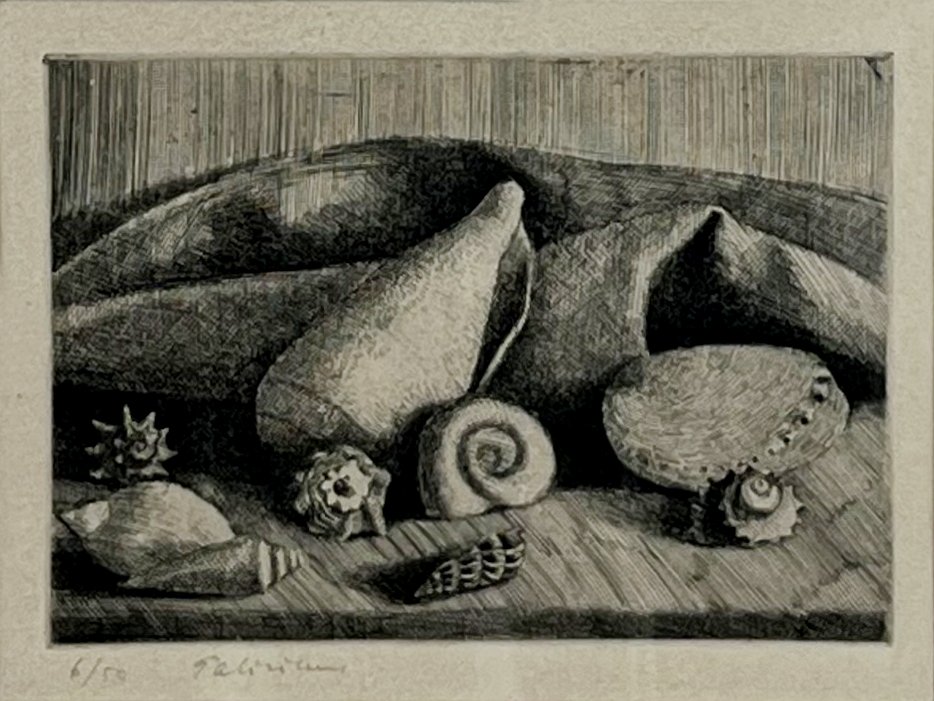
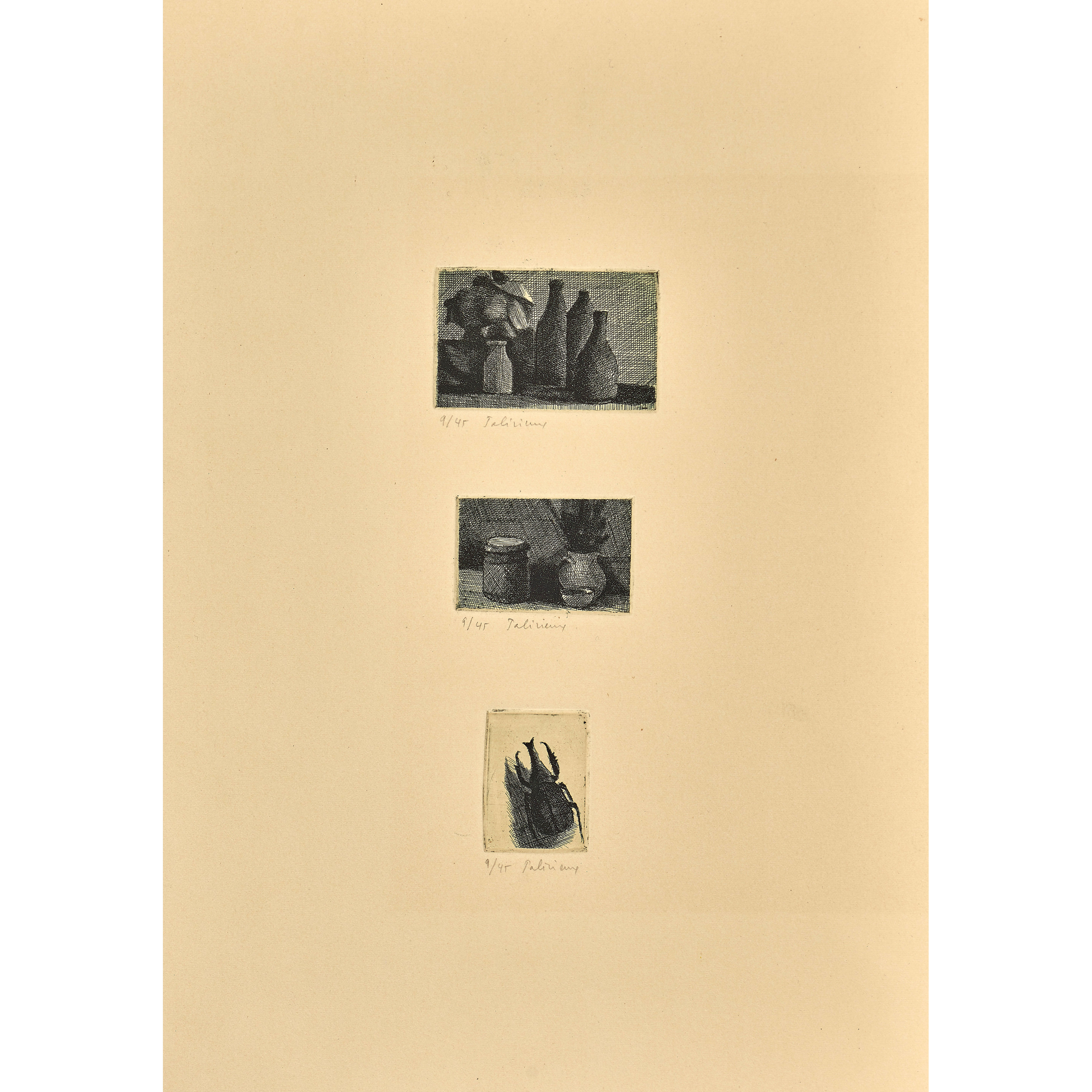
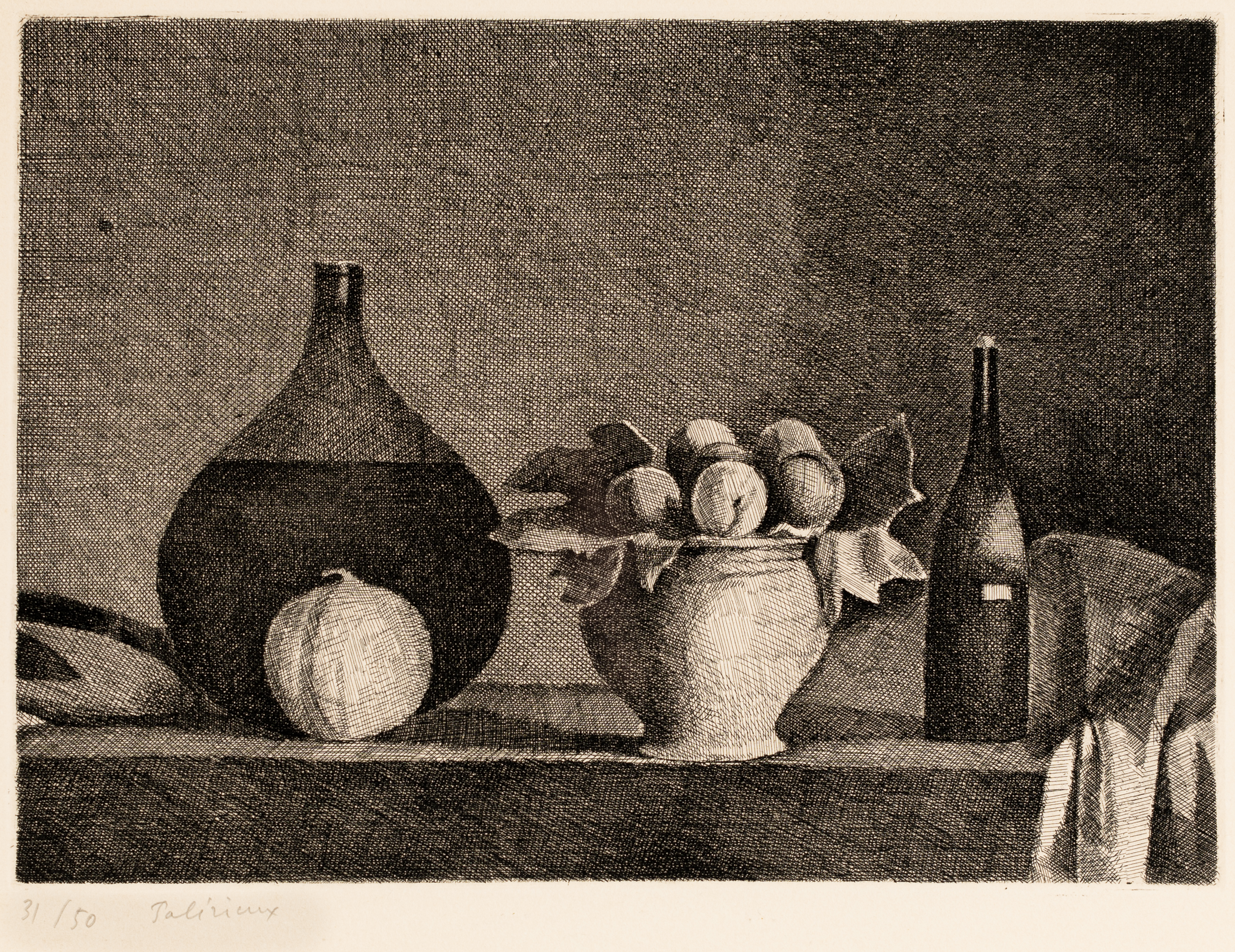
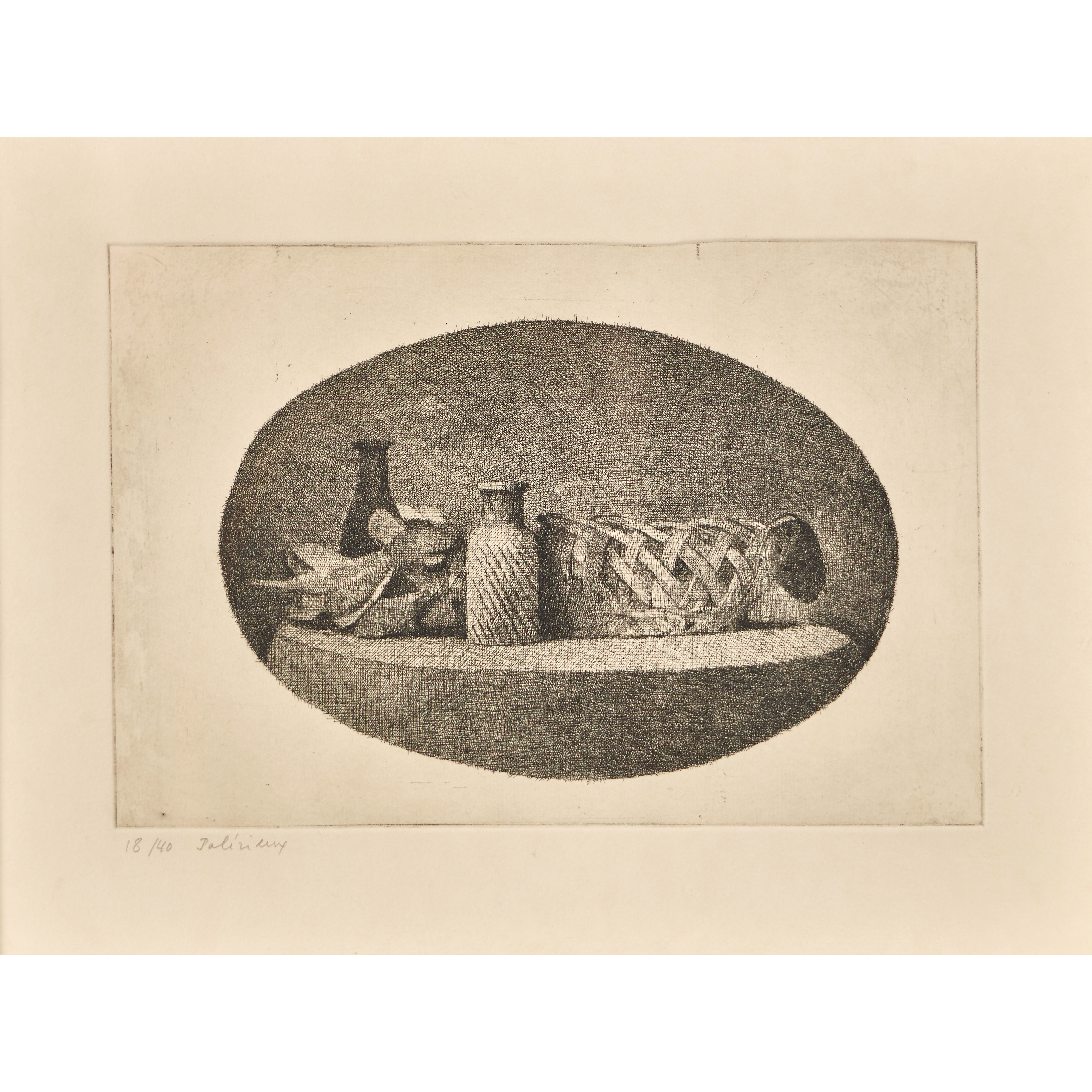
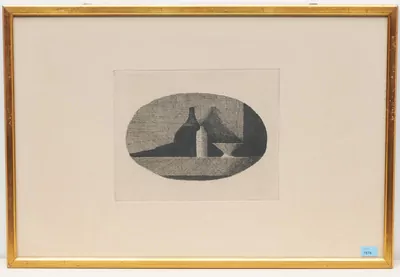
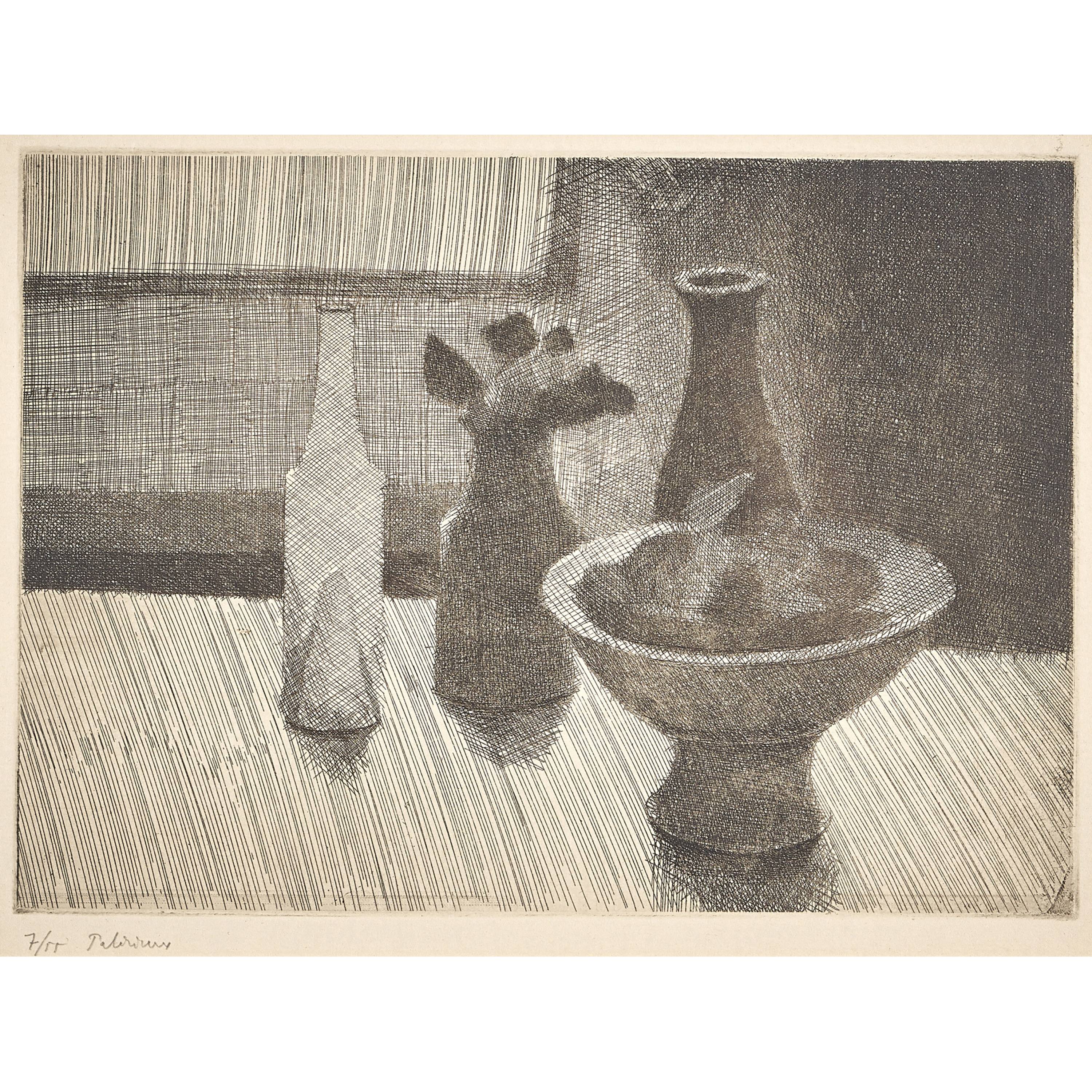
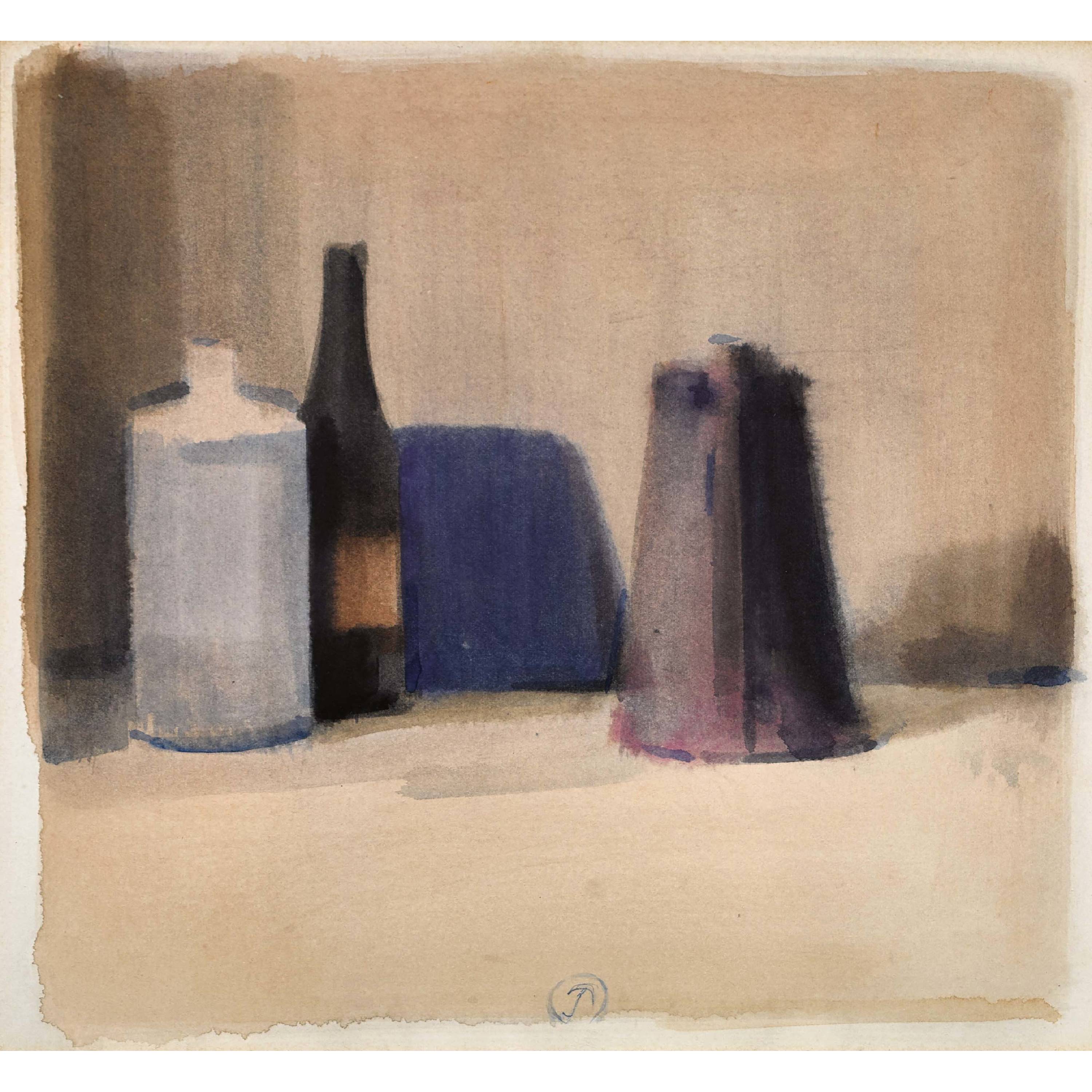
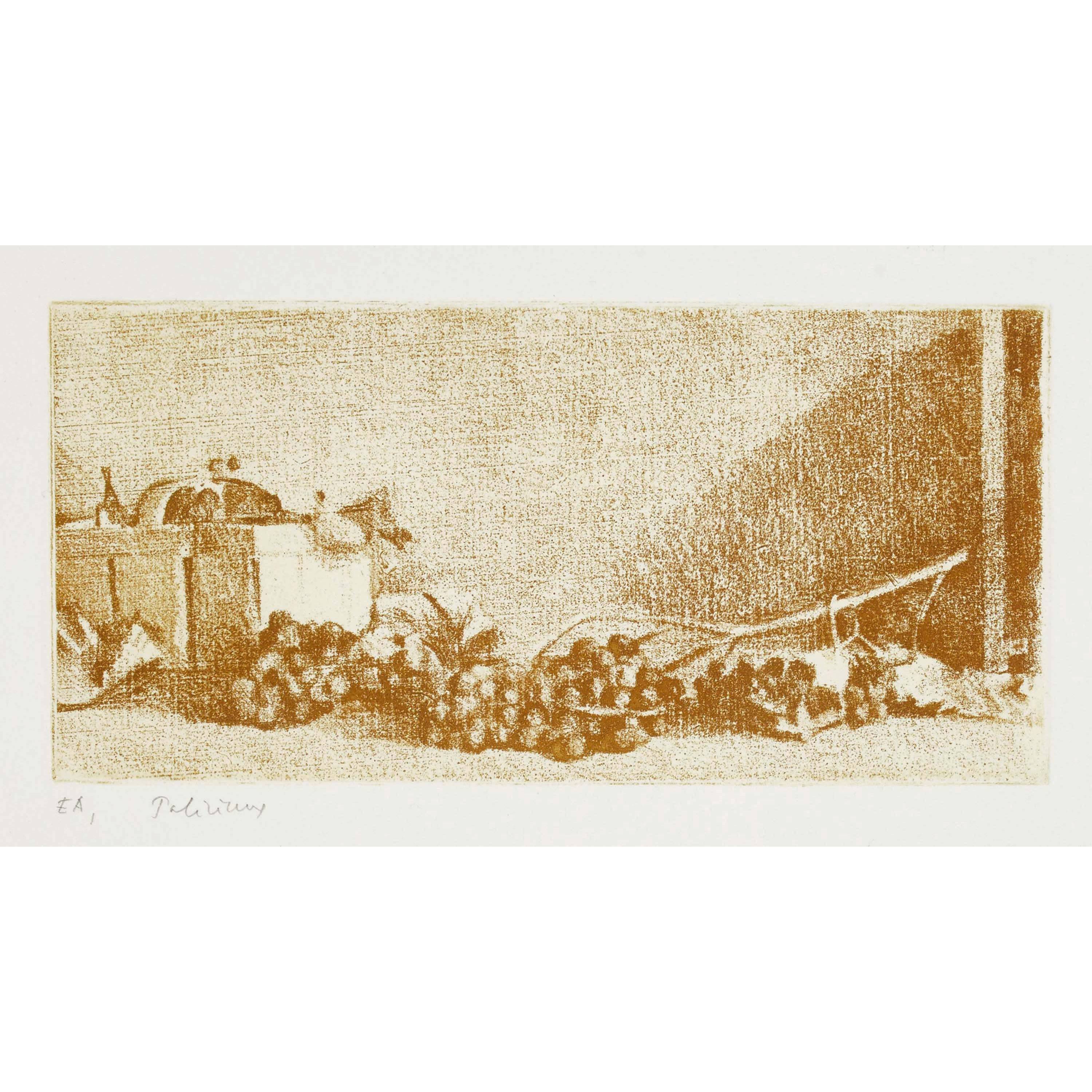
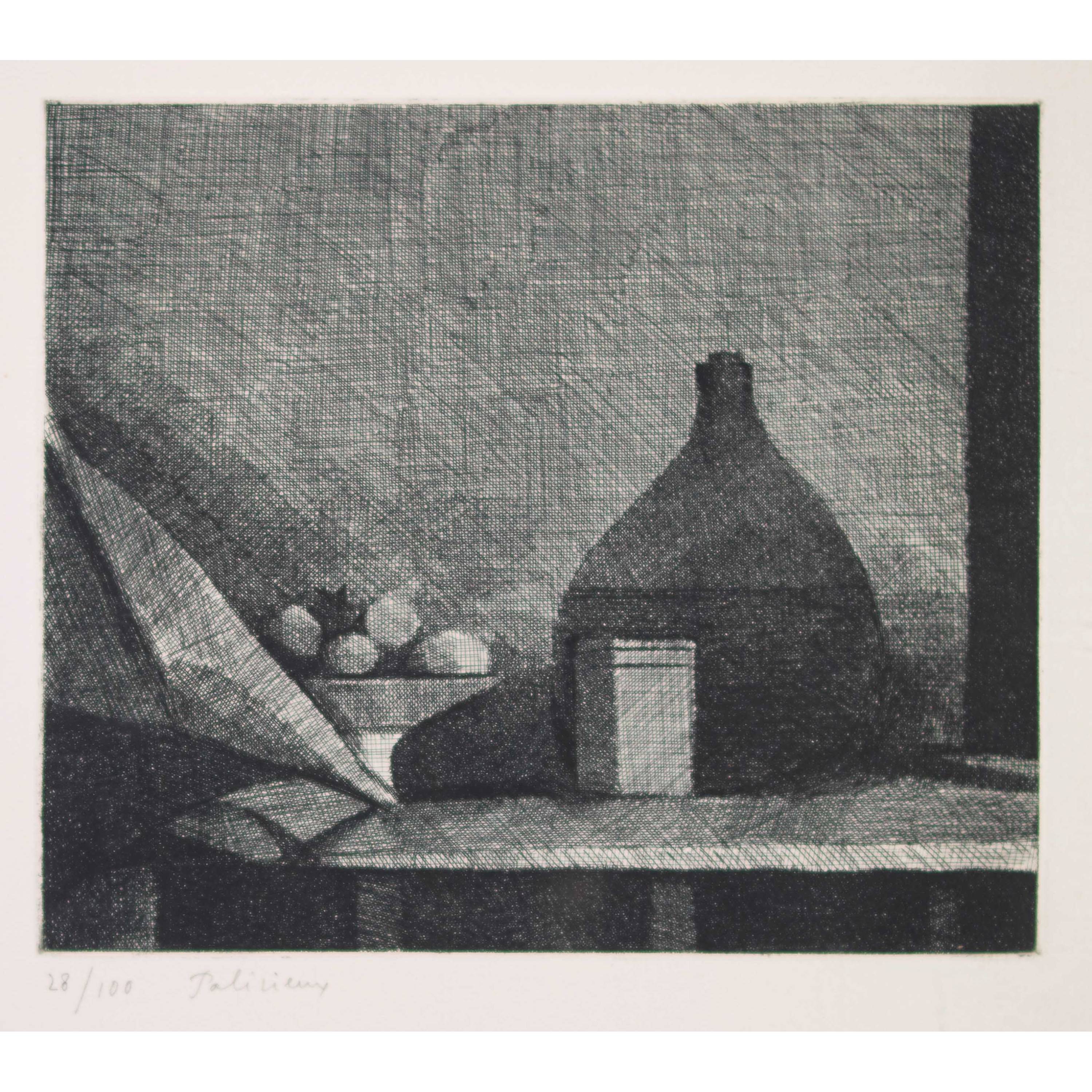
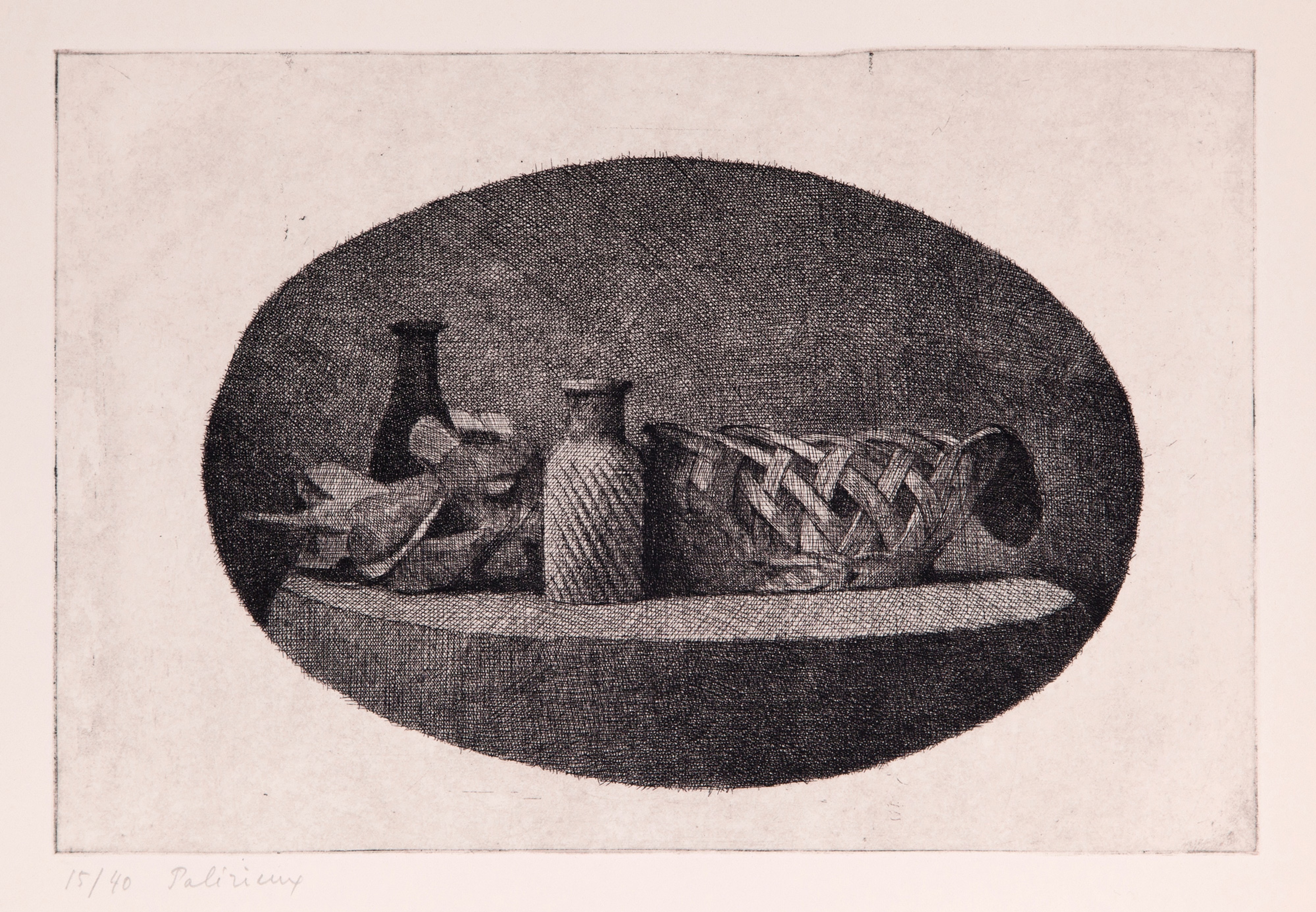
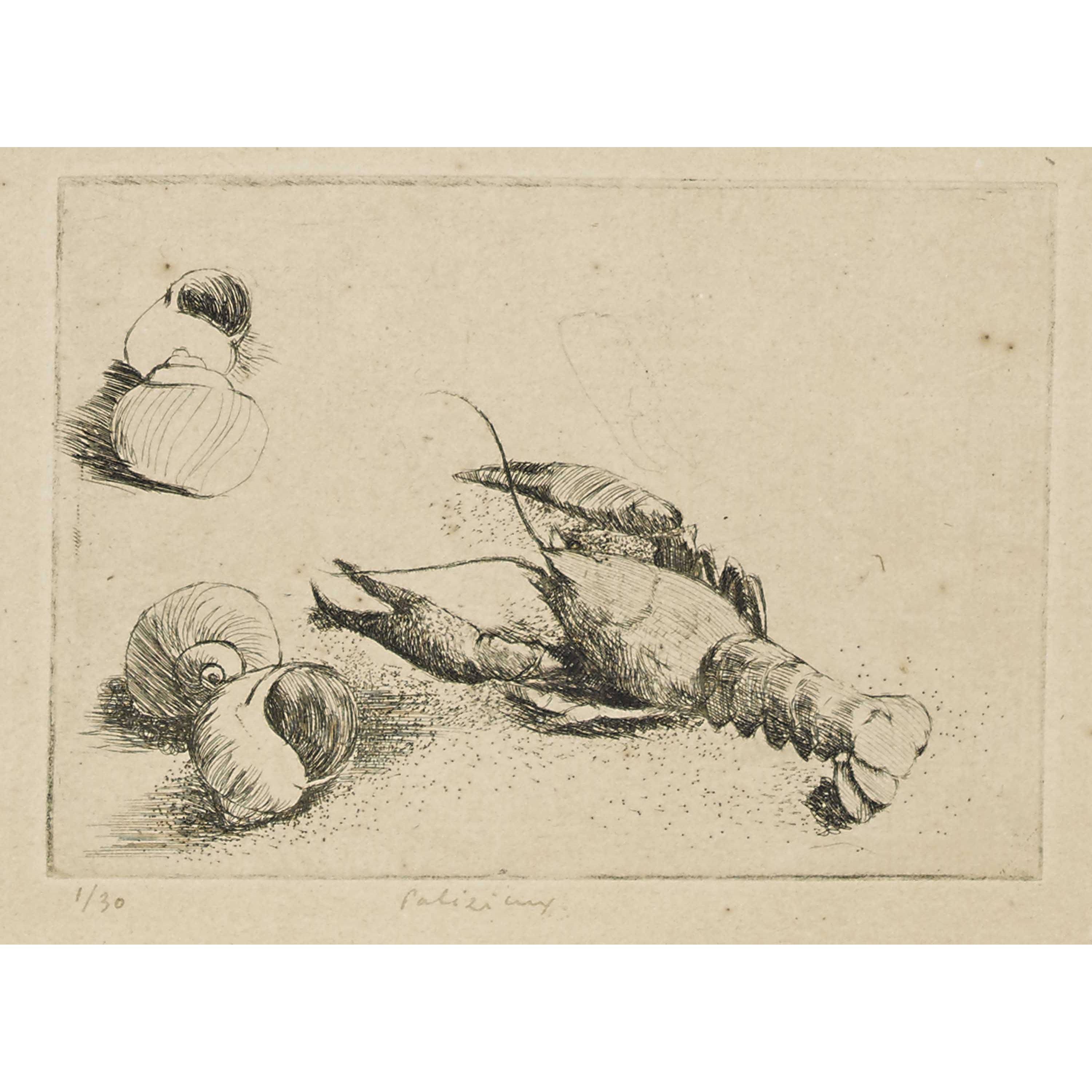
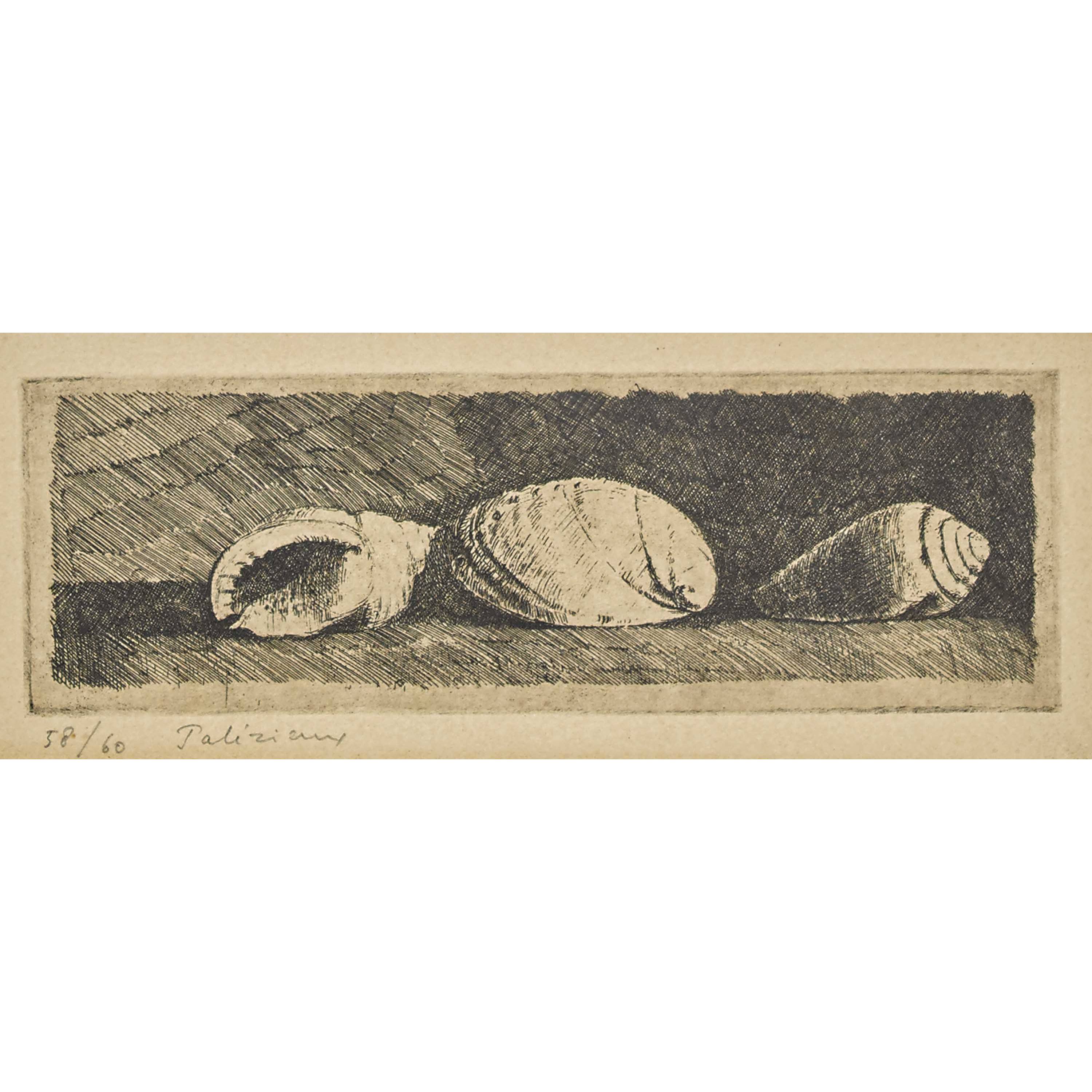
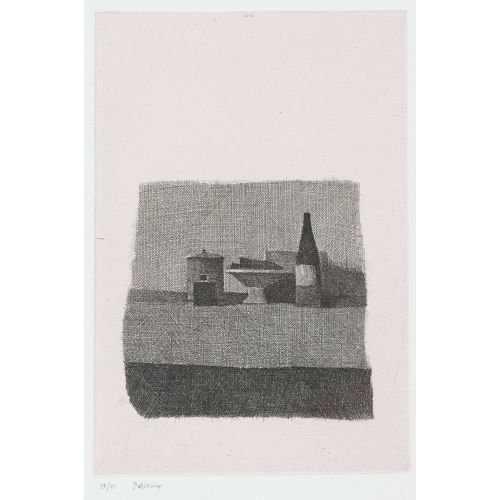
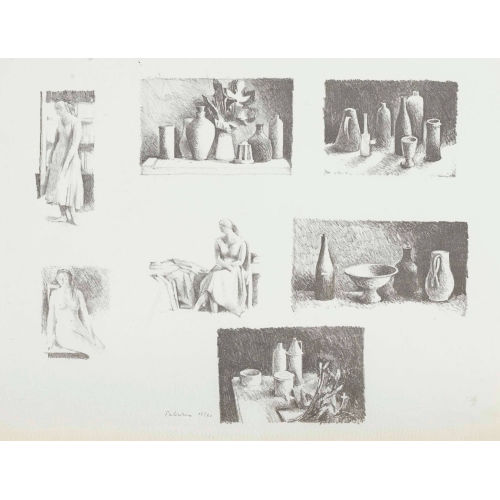
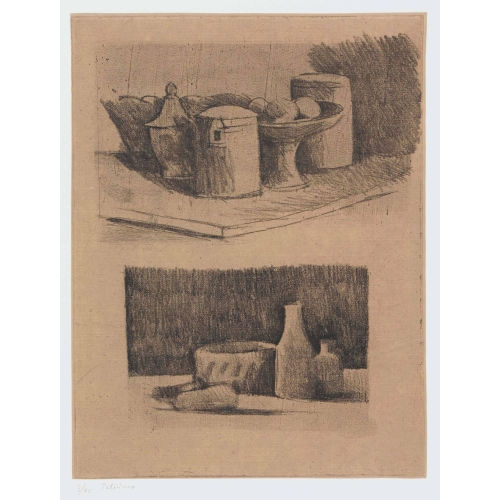
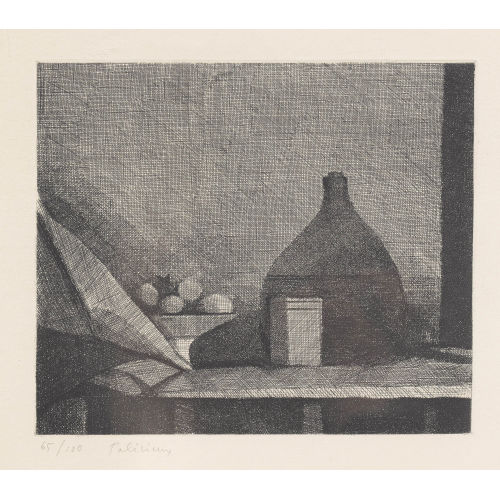
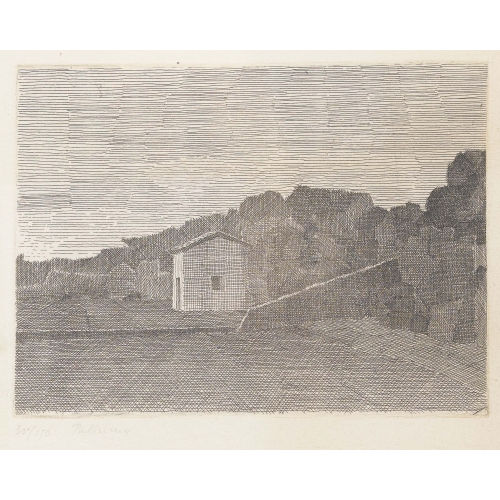
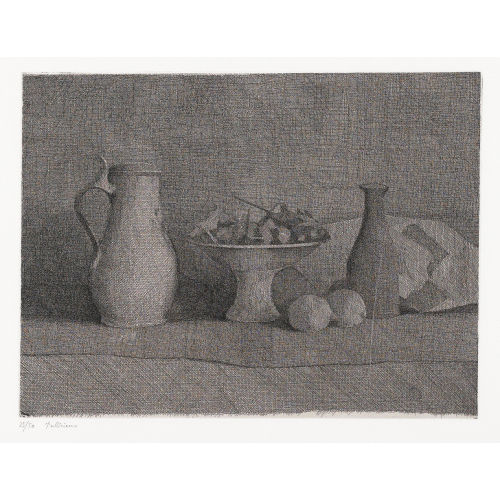
Trained at the École des beaux-arts de Lausanne, he continued his studies in Florence between 1939 and 1943. The Italian Renaissance and his association with the workshop of the Trovarelli brothers deepened his knowledge of the craft. The work of Giorgio Morandi became an important reference, particularly for his investigations into still life and printmaking.
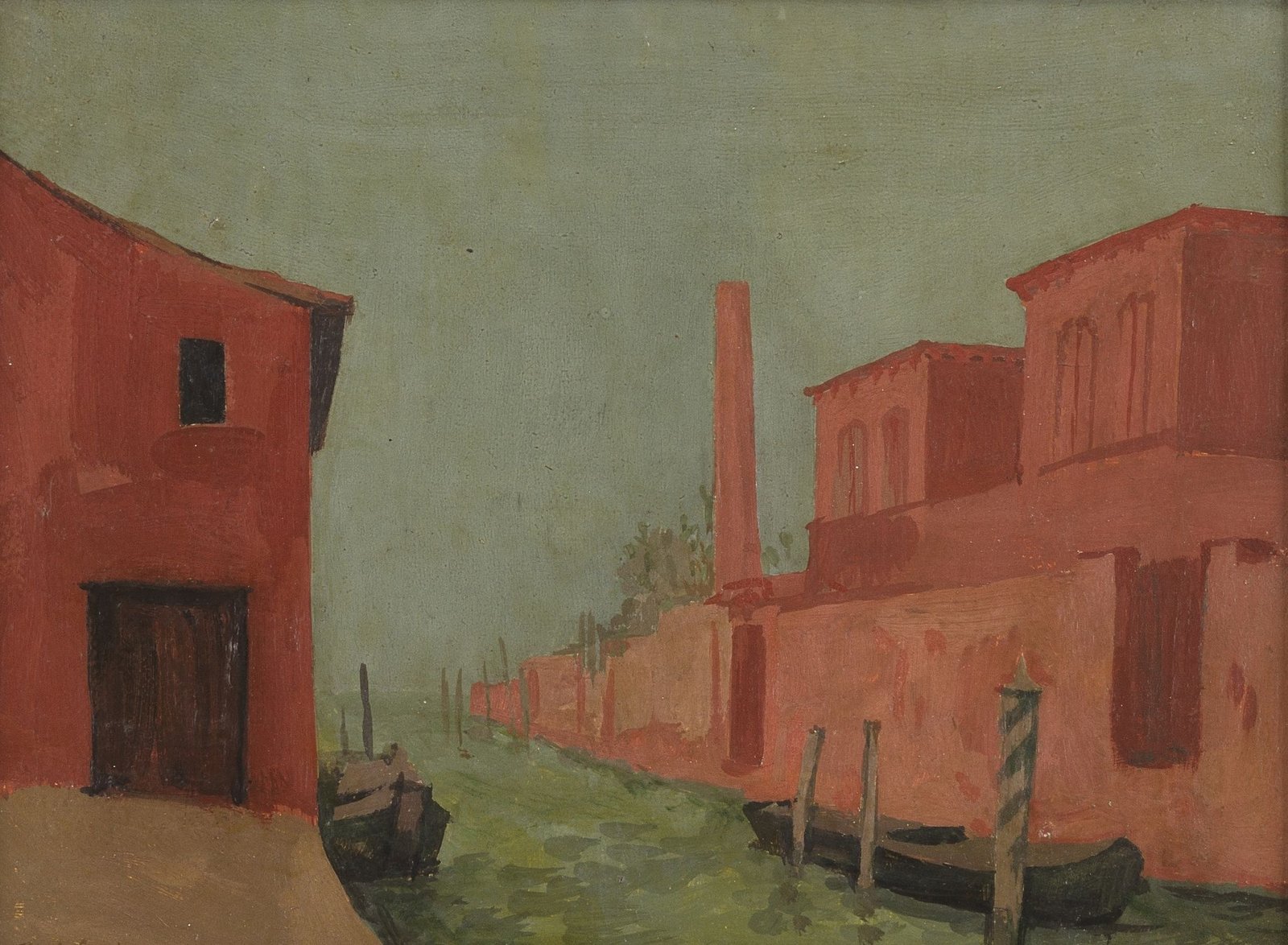
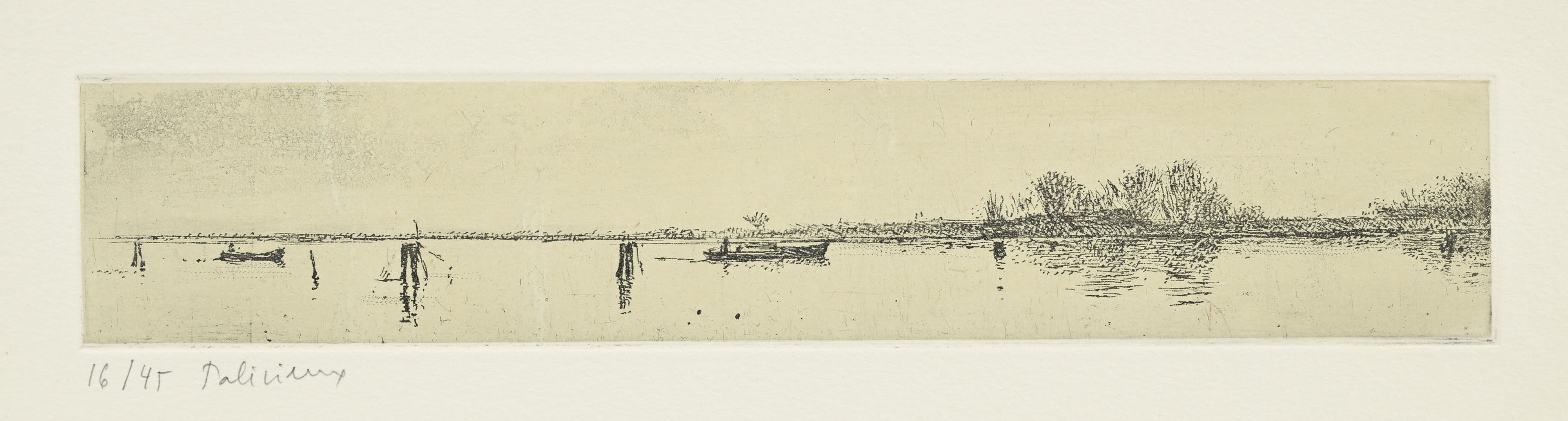
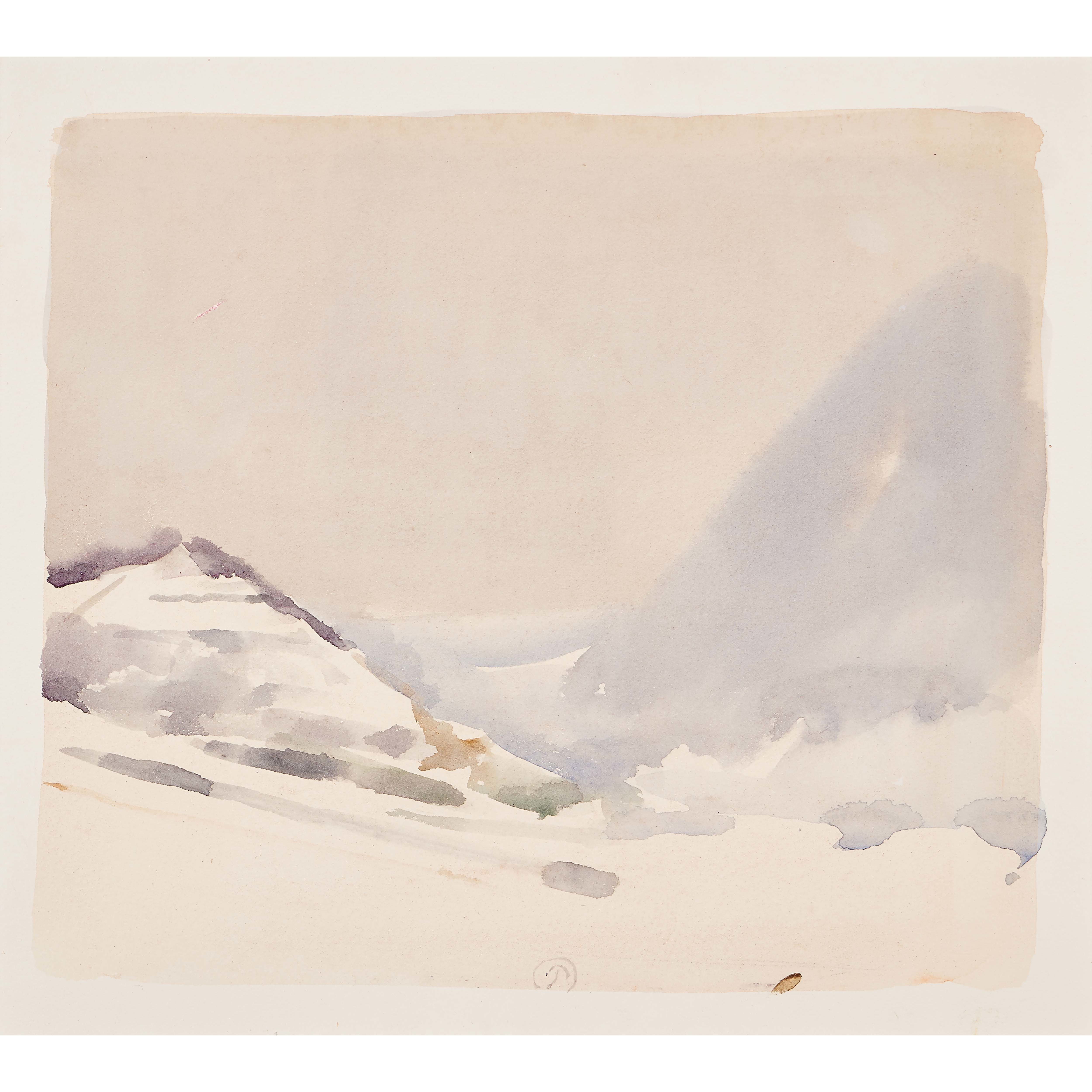
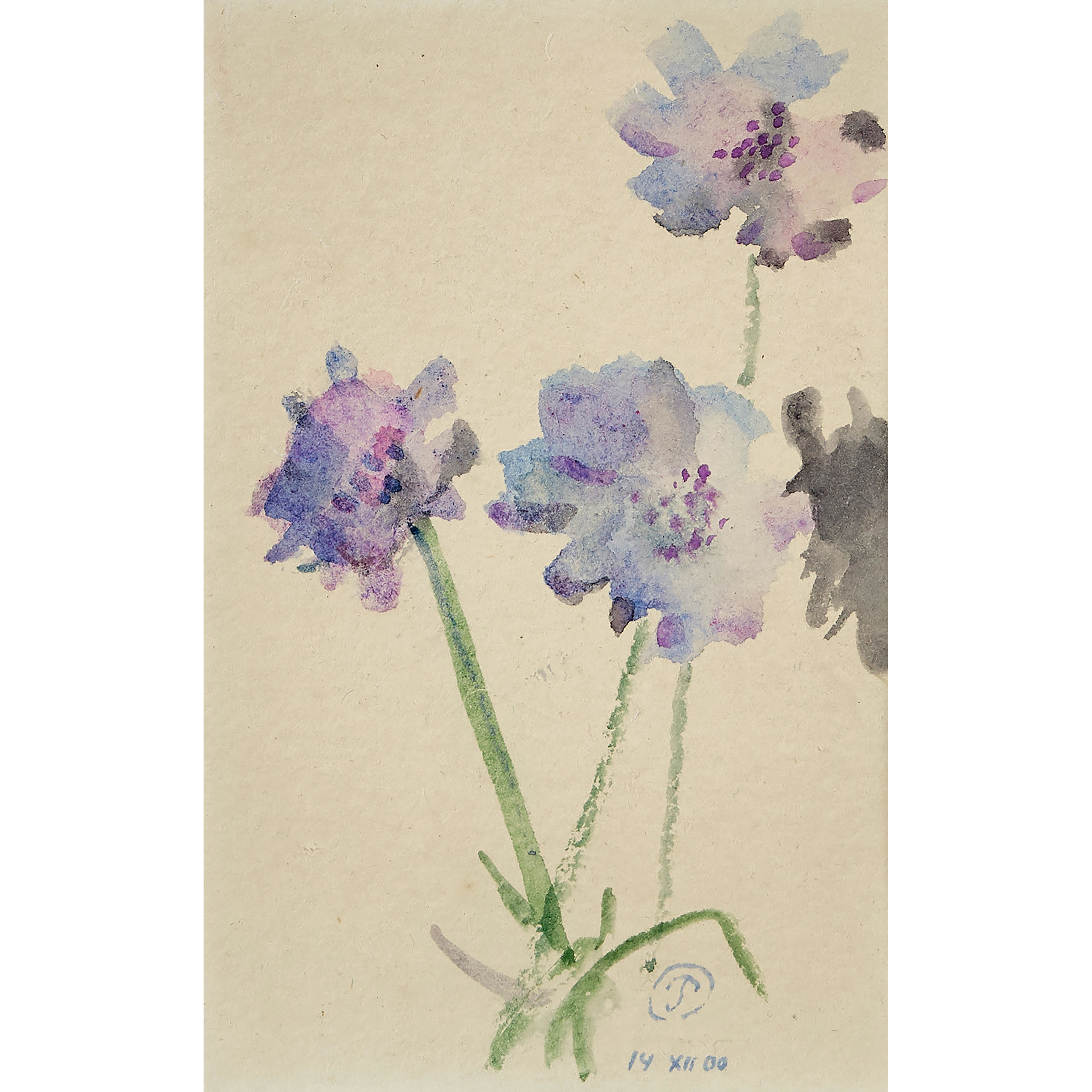
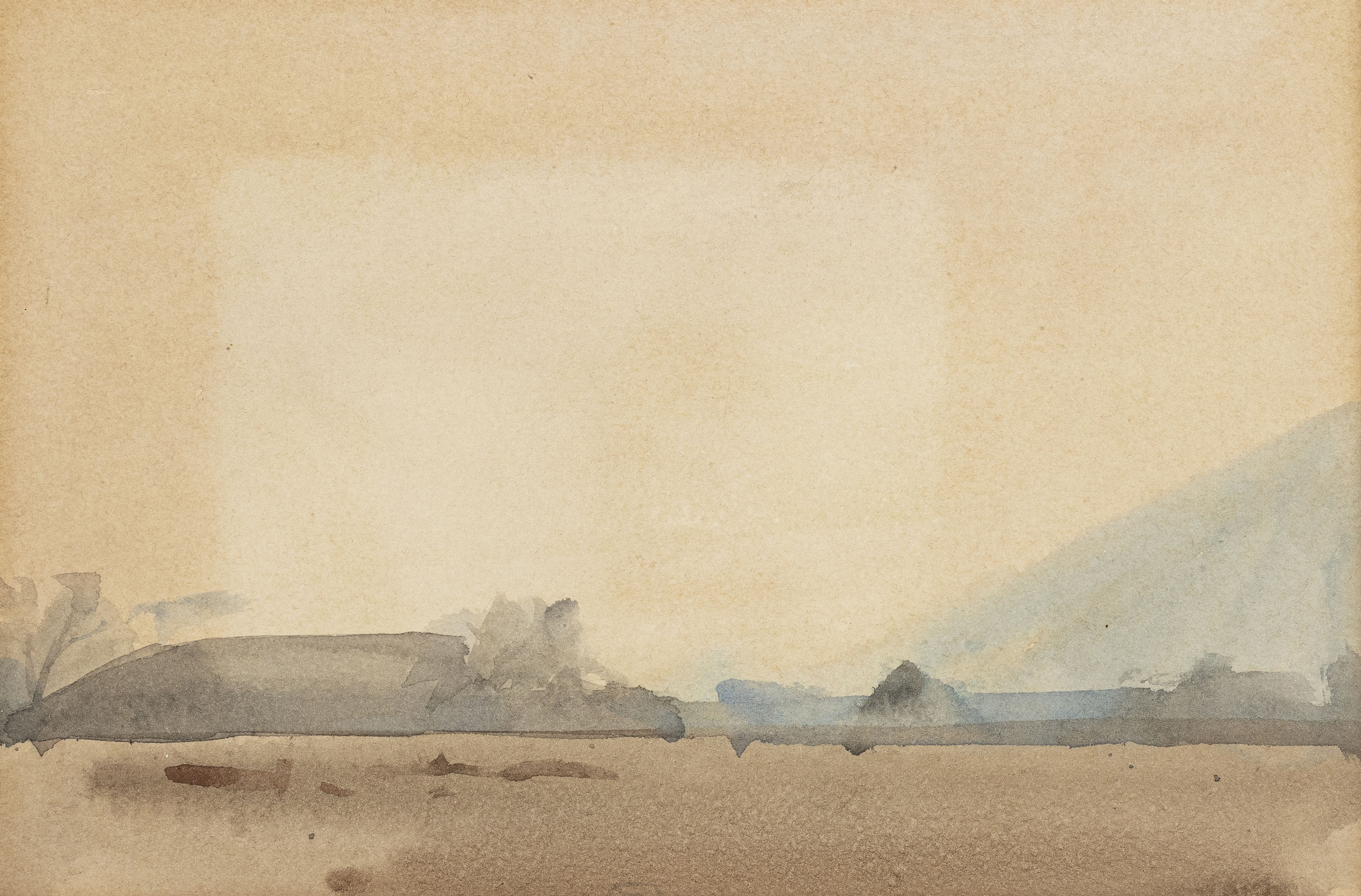
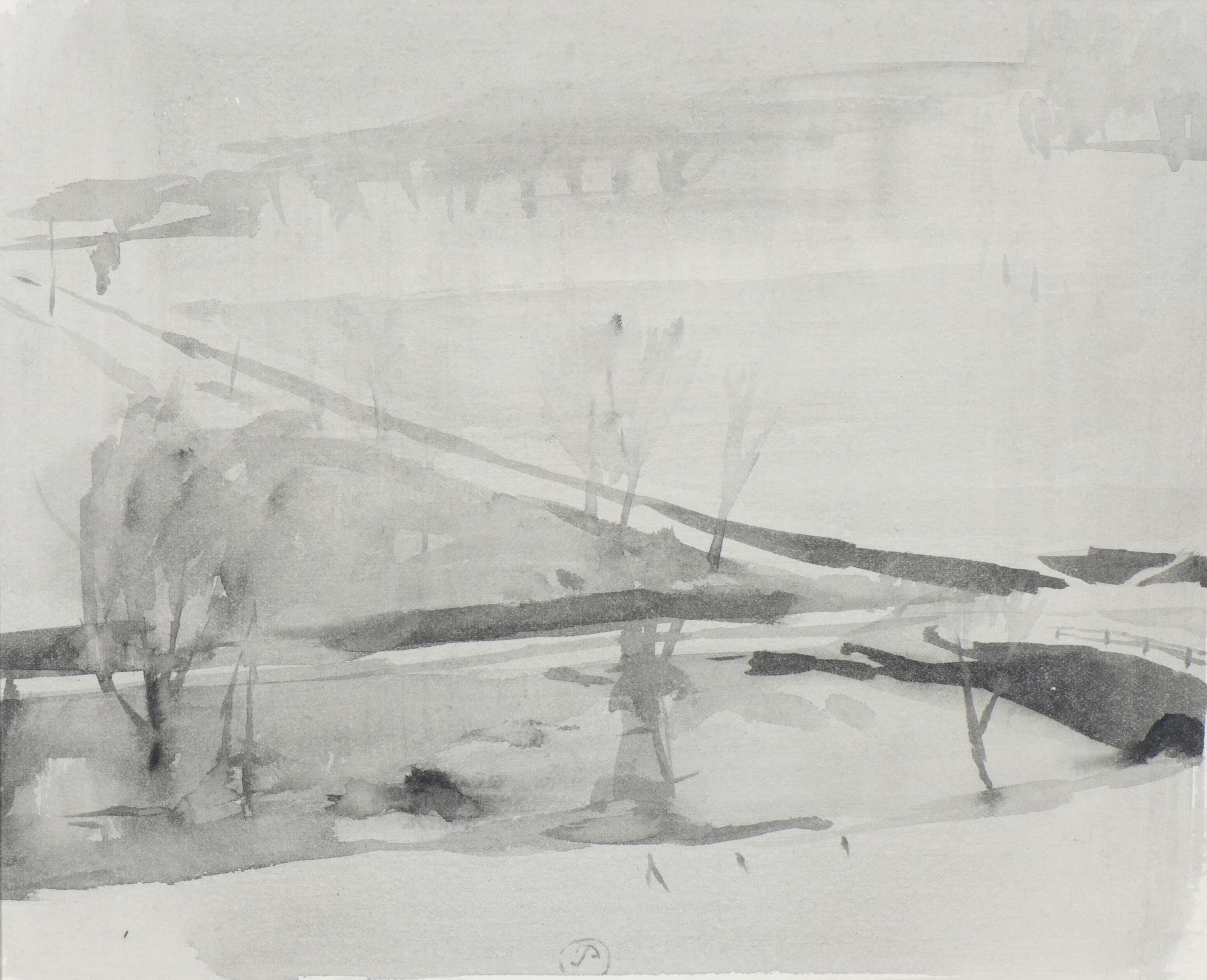
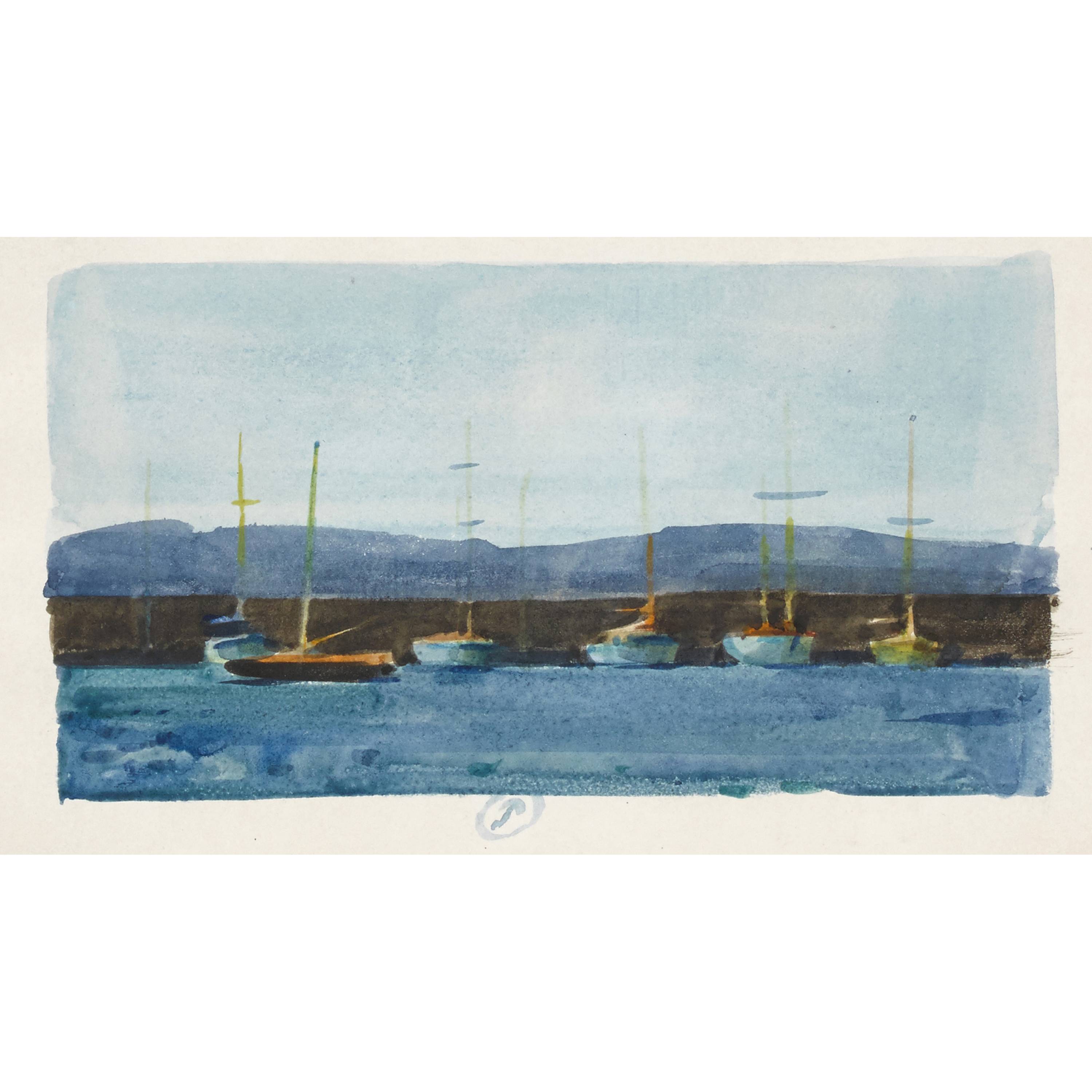
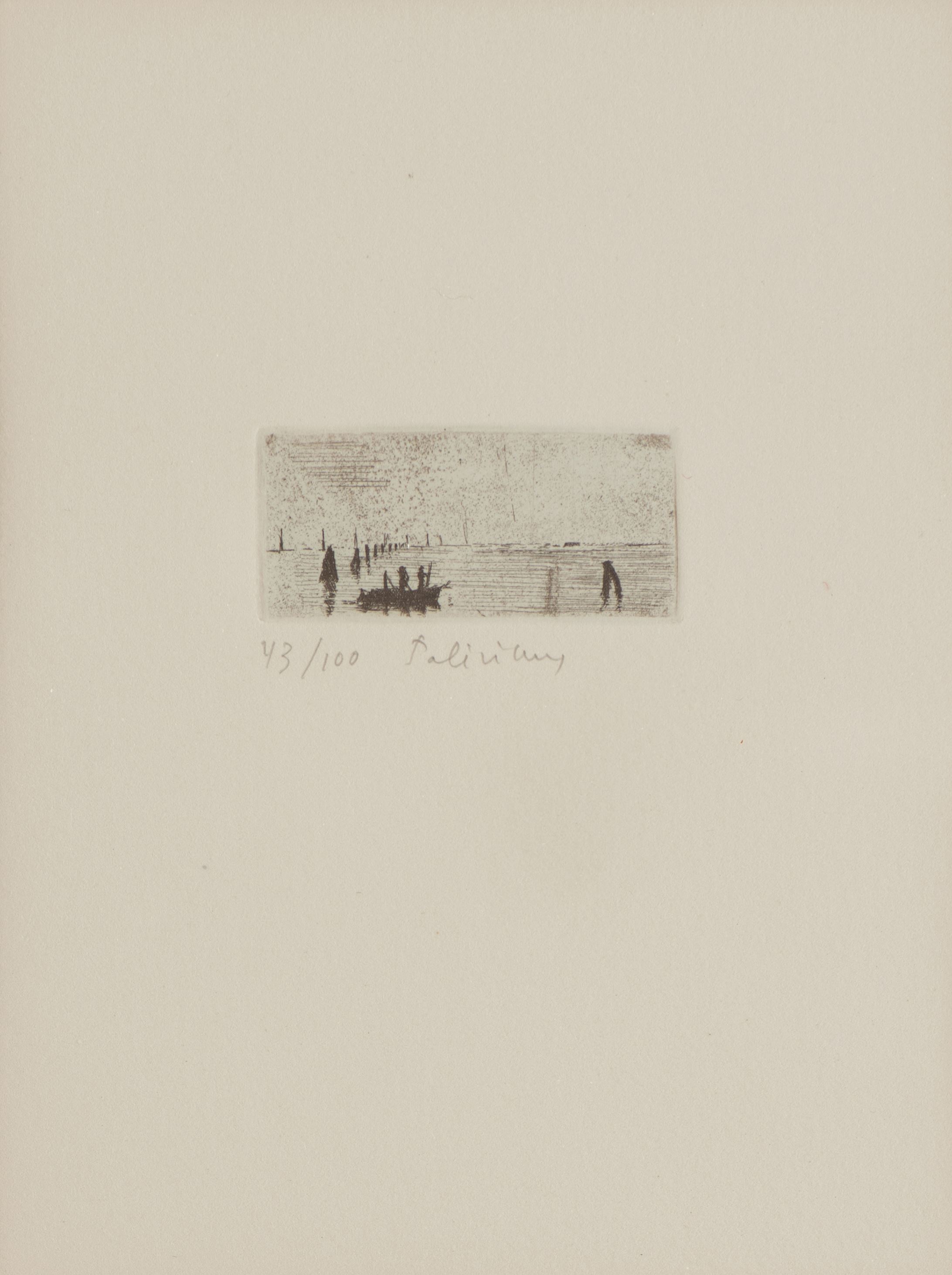
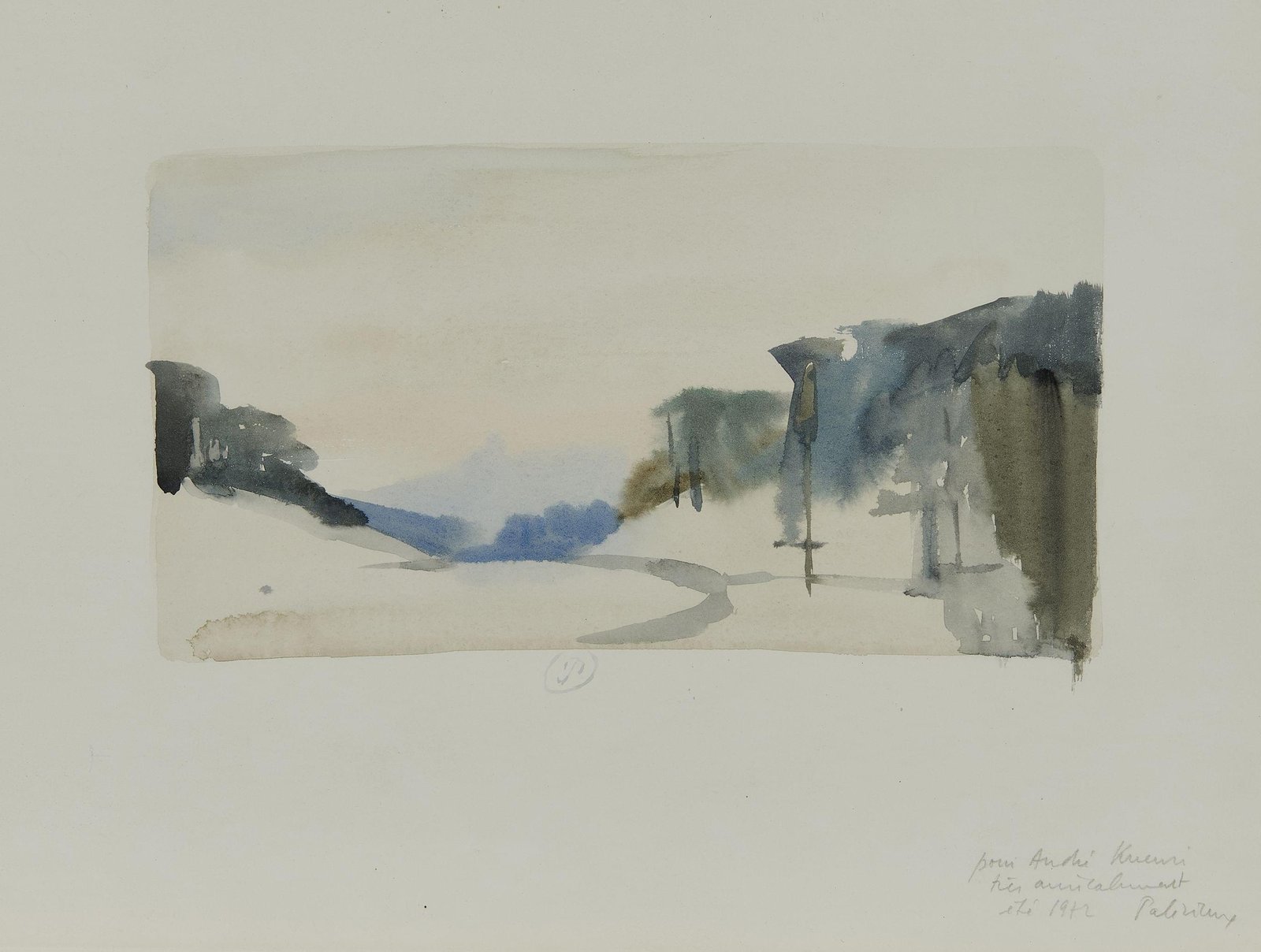
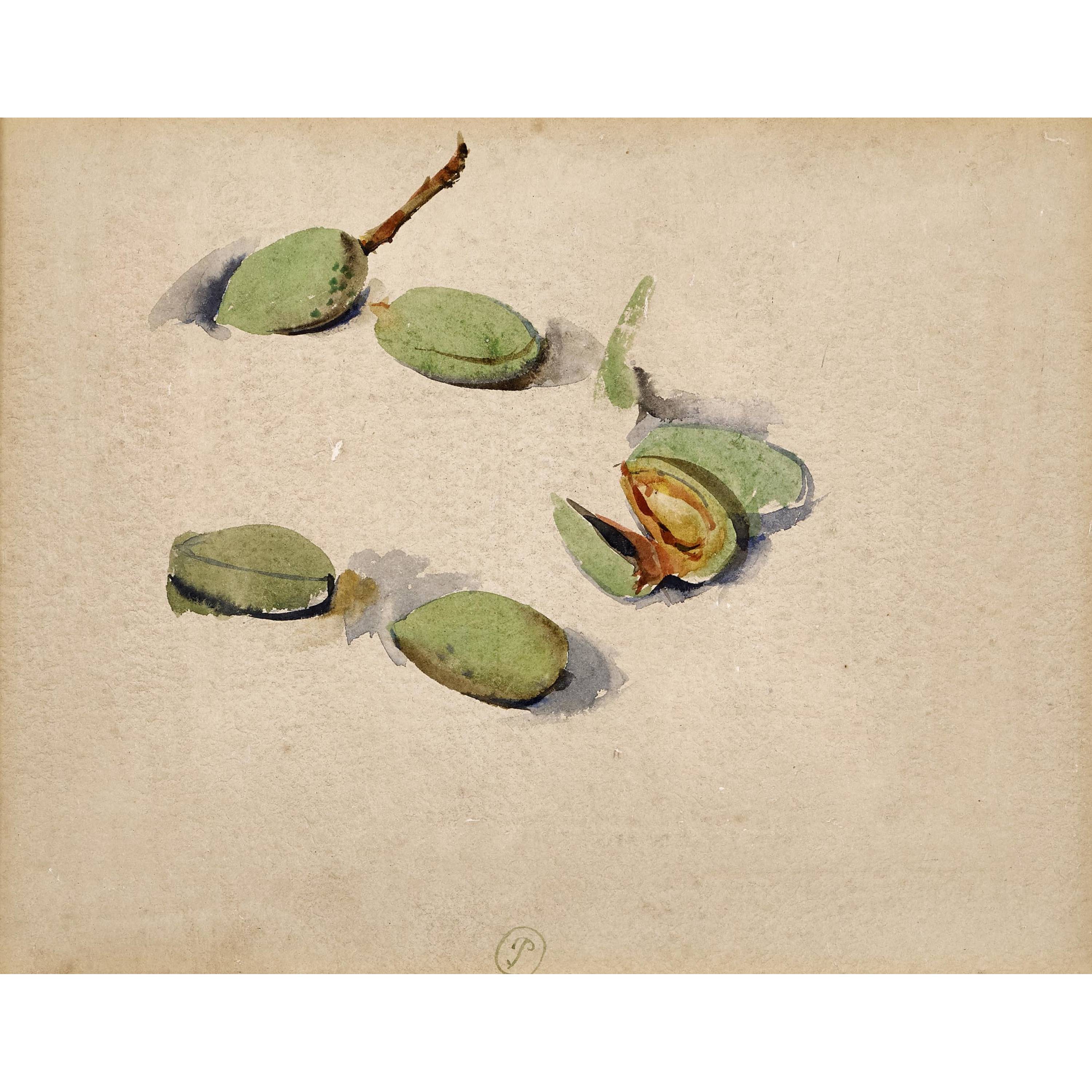
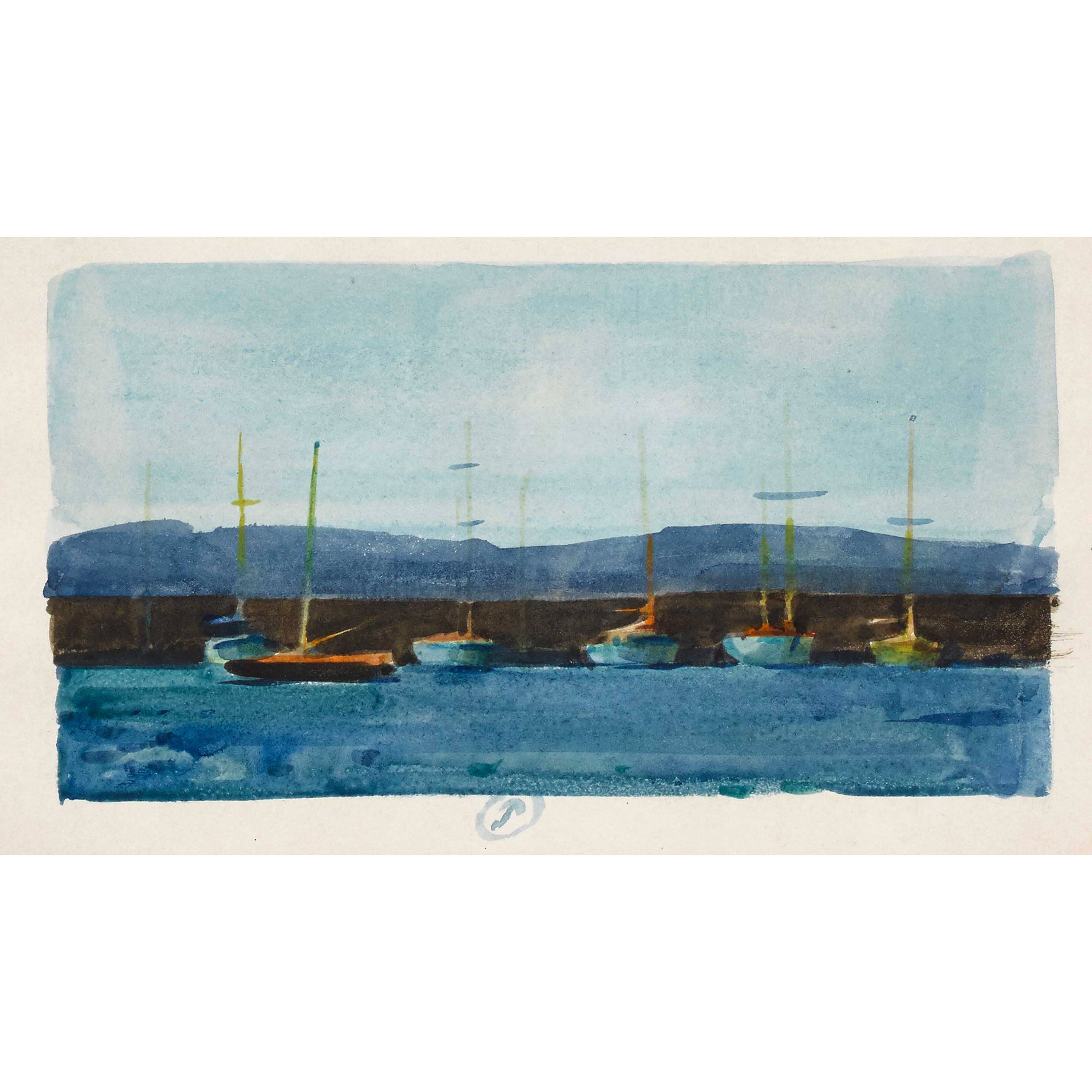
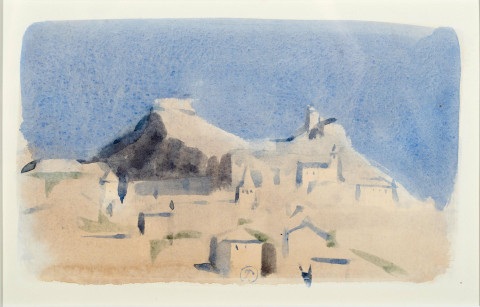
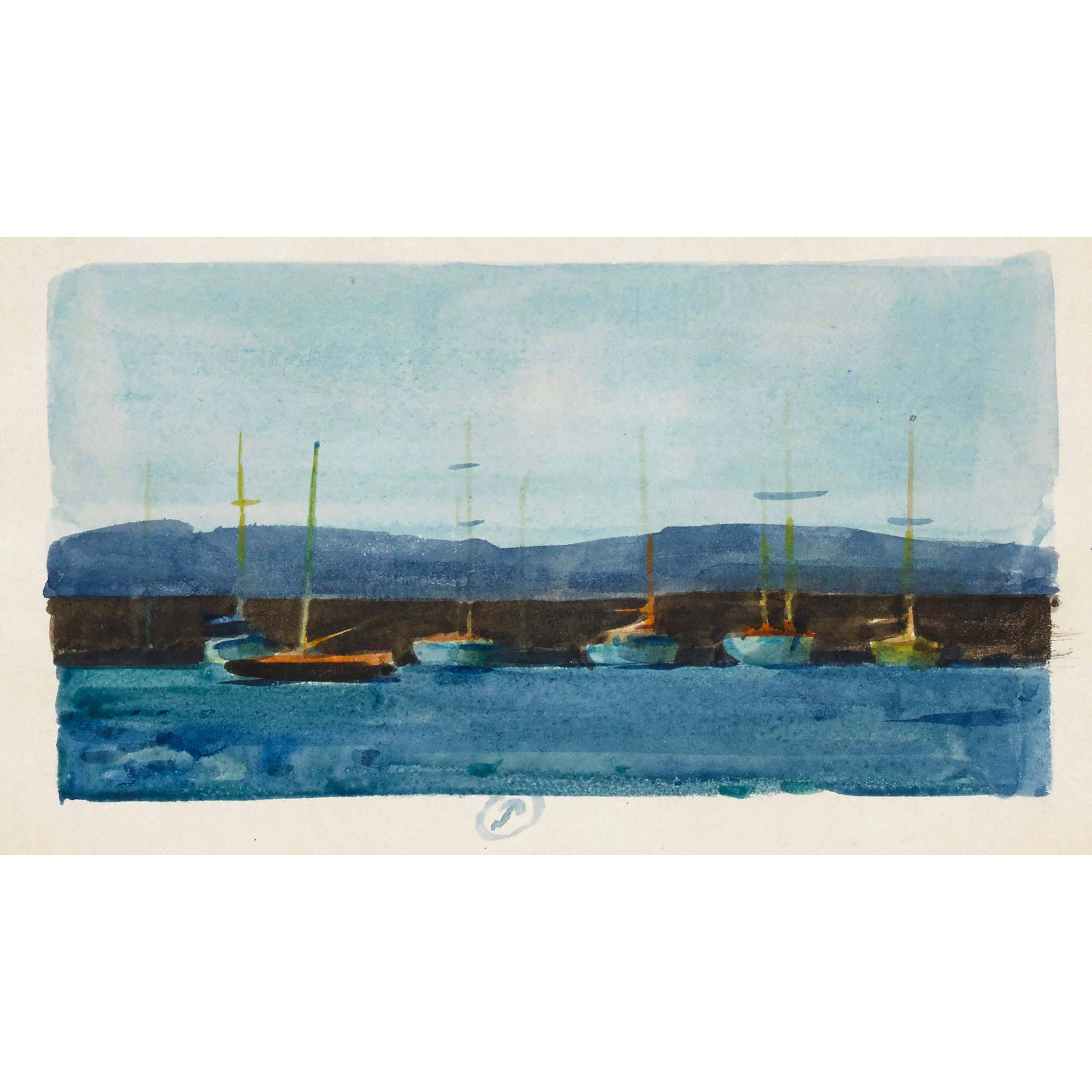
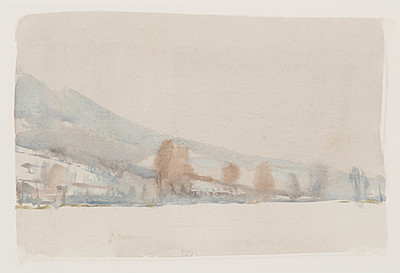
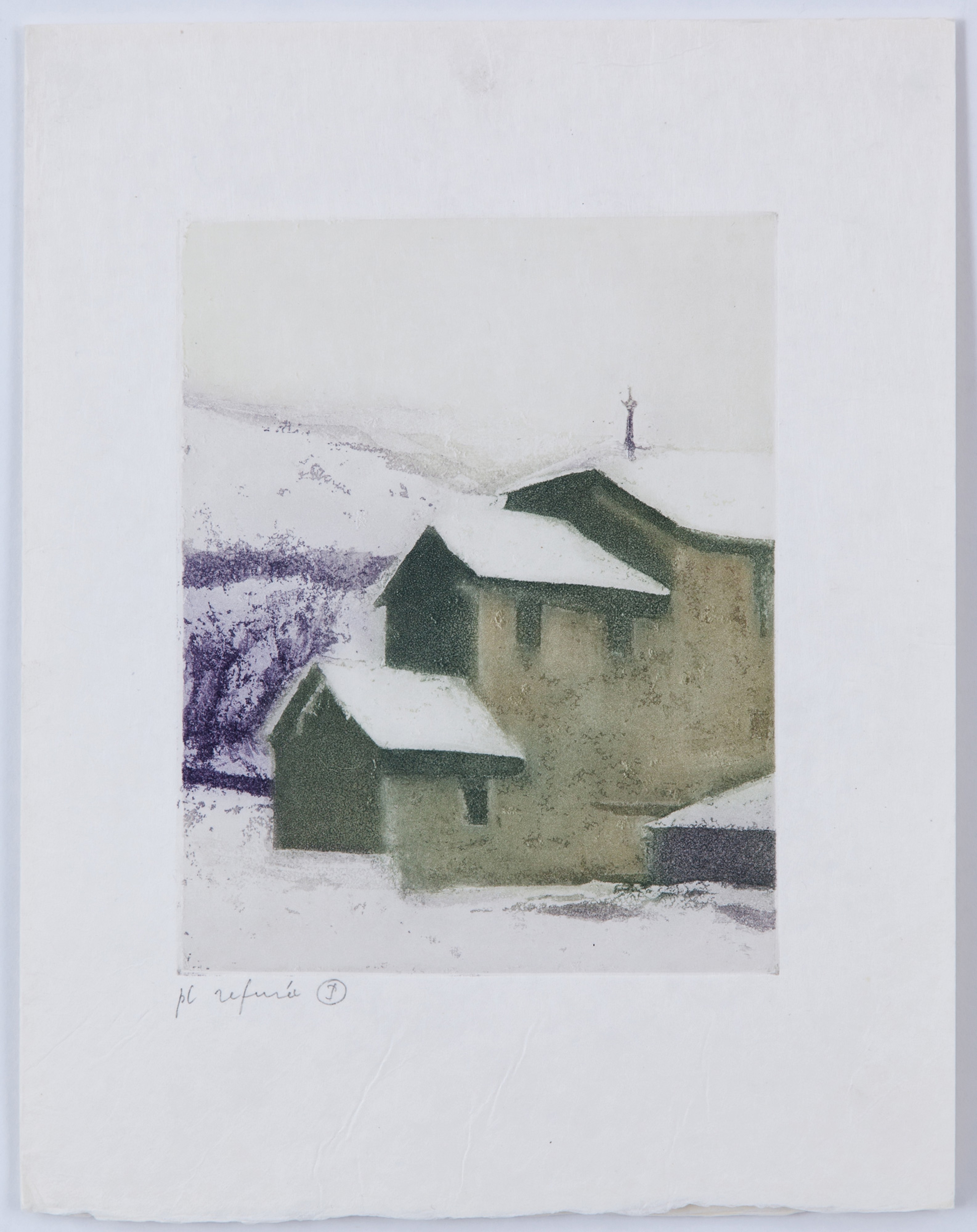
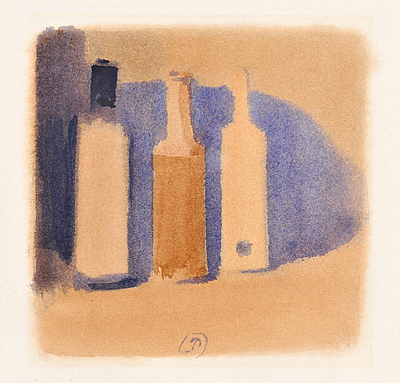
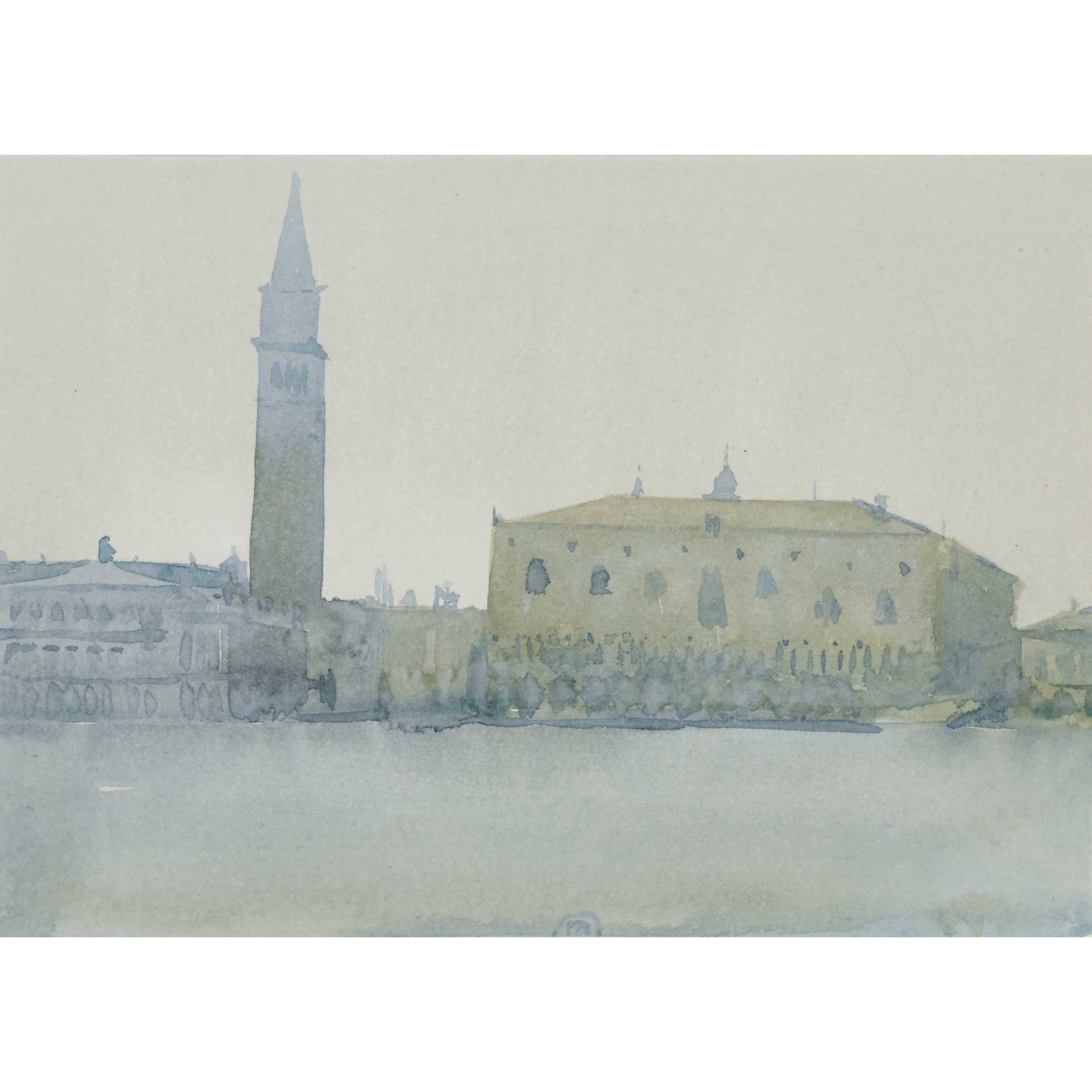
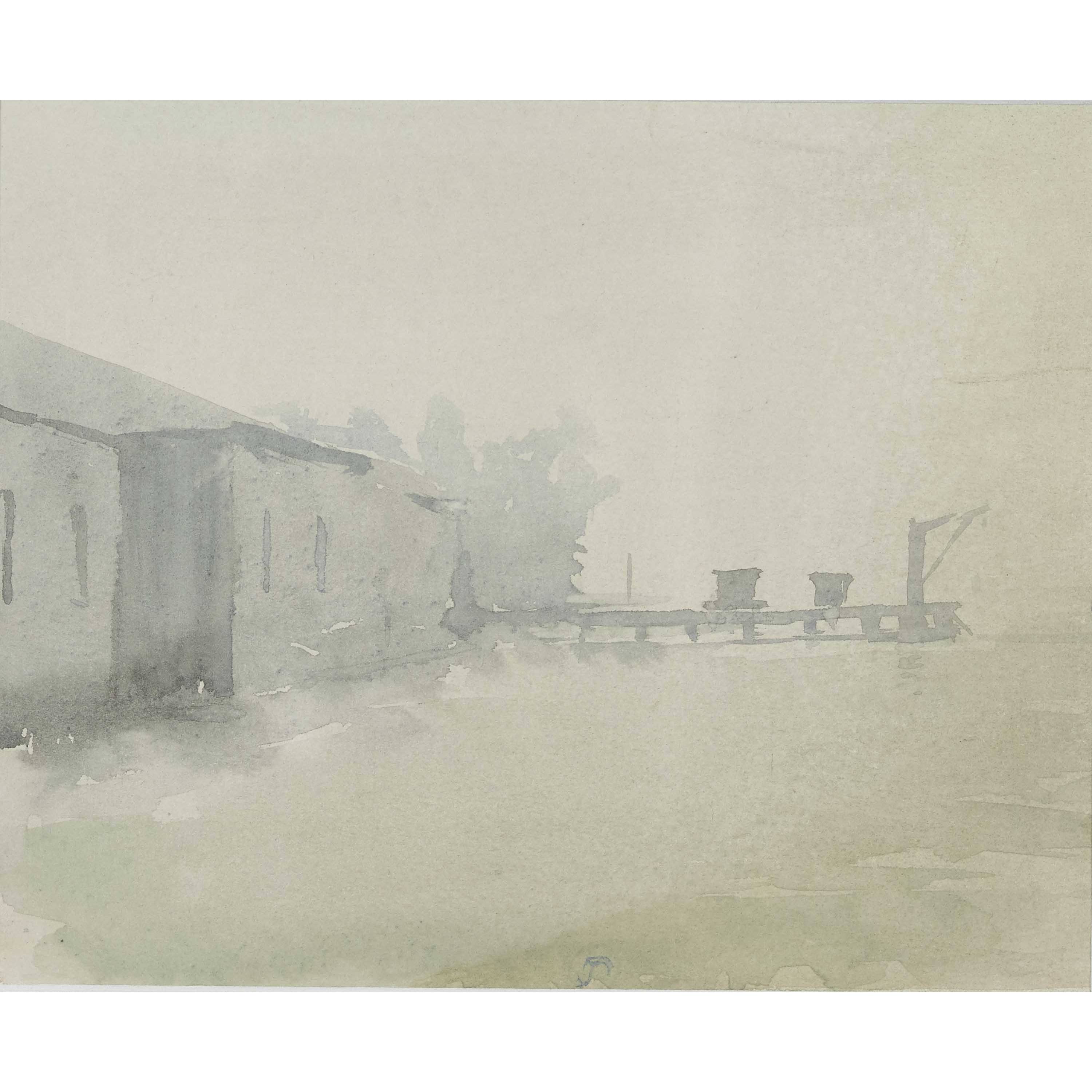
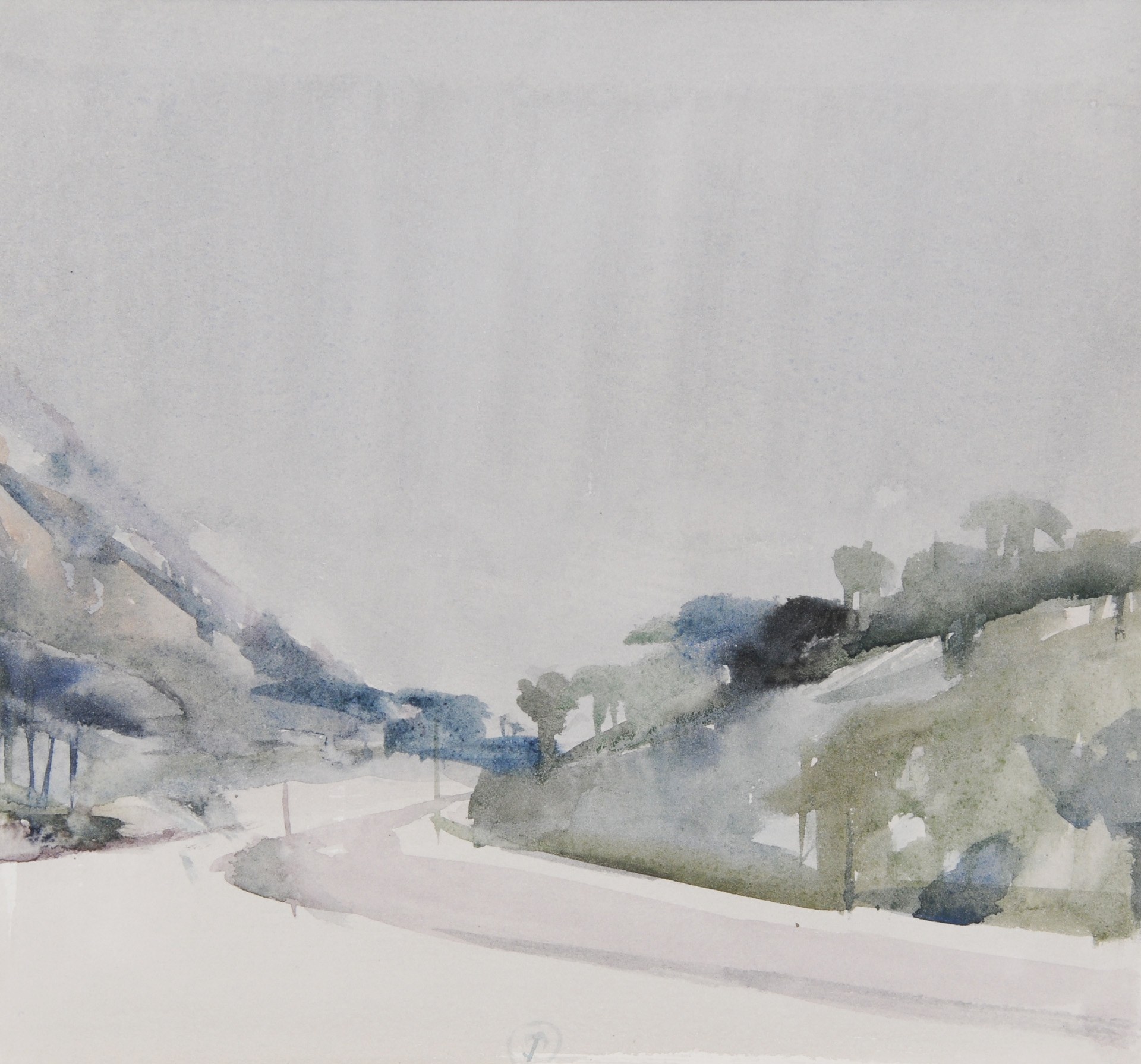
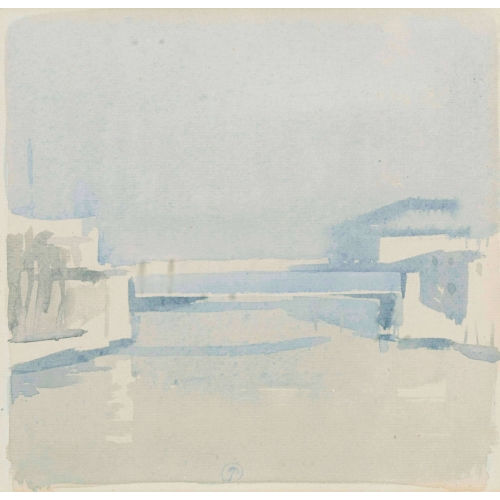
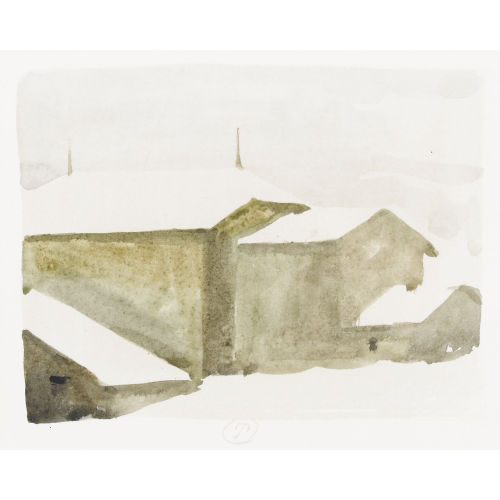
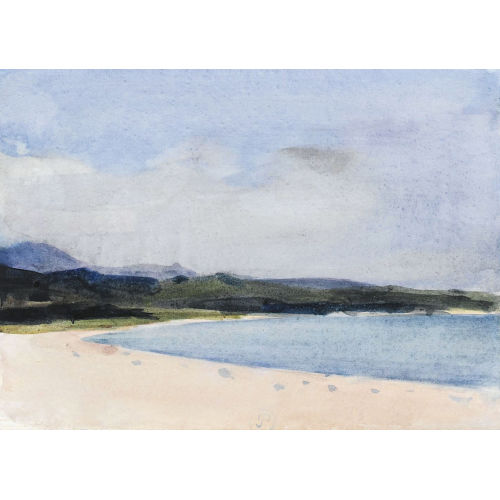
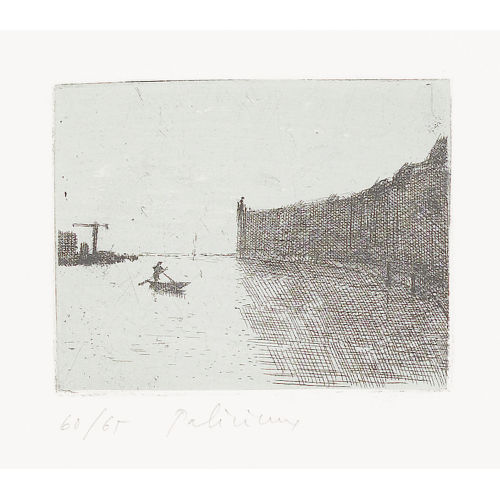
On his return to Switzerland, he settled near Sierre, amid the vineyards. Valais remained his point of anchorage, while his travels in Italy, Morocco and Provence broadened his repertoire. In Venice, watercolour offered him a means of capturing variations in light with a new freedom.
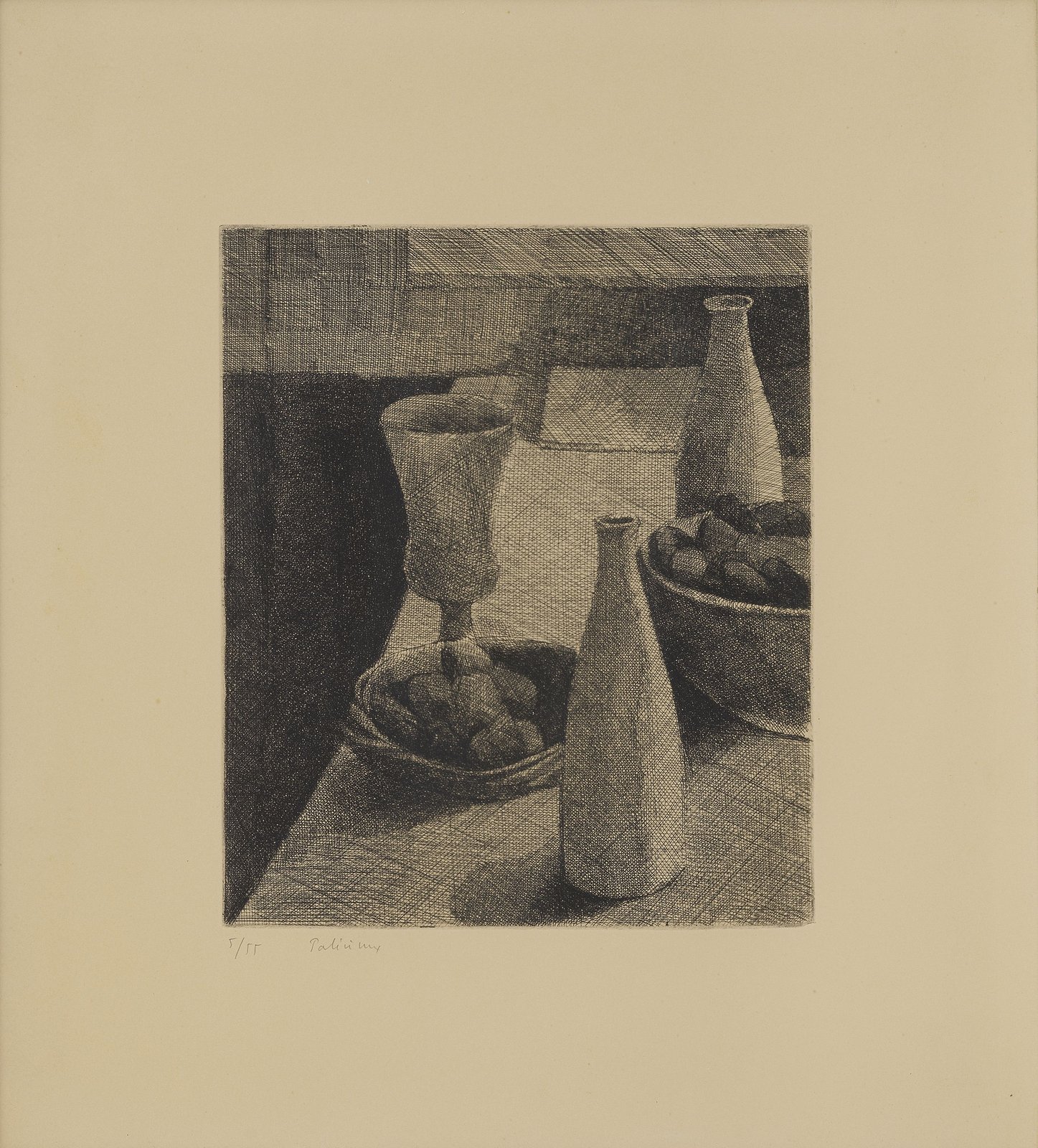
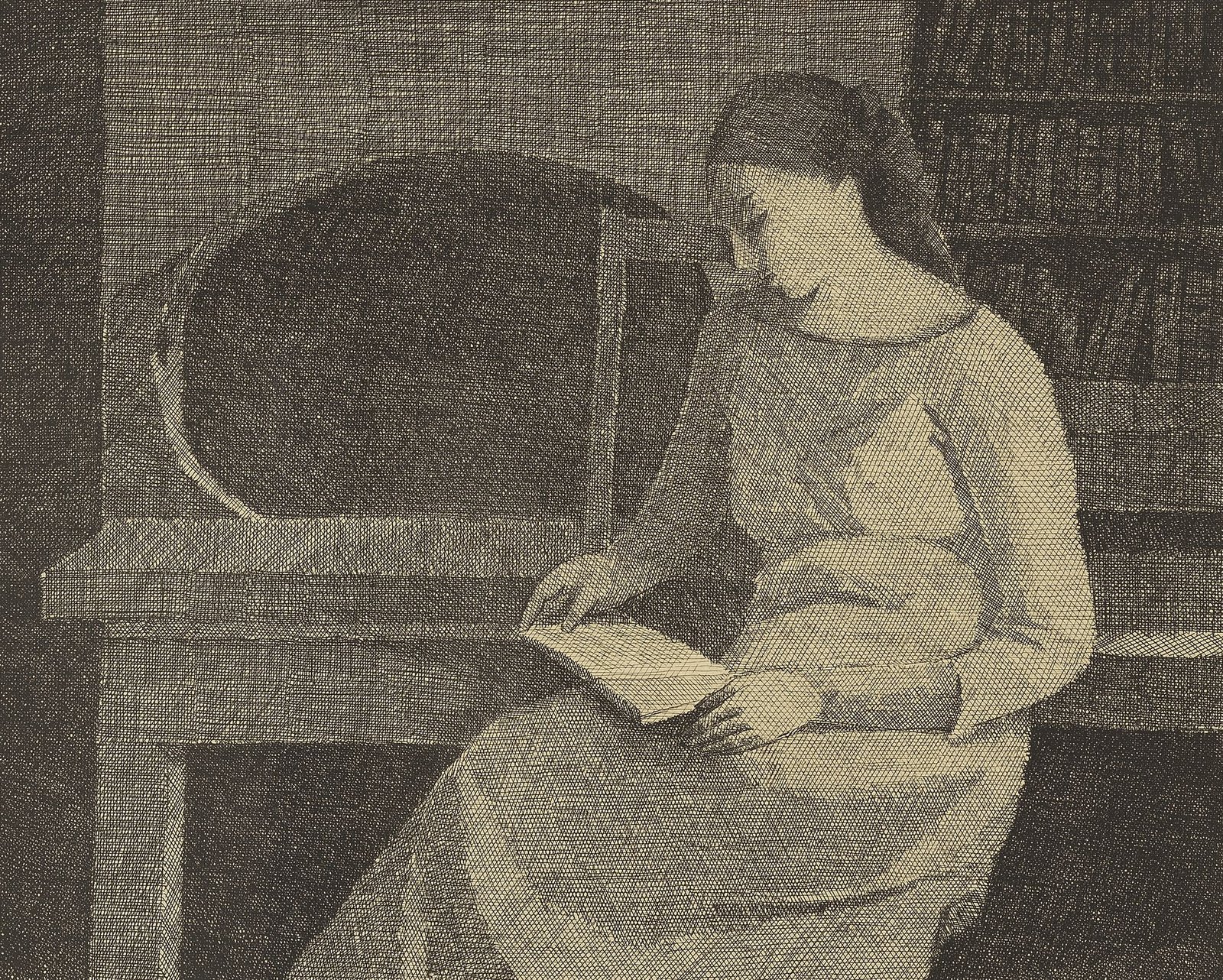
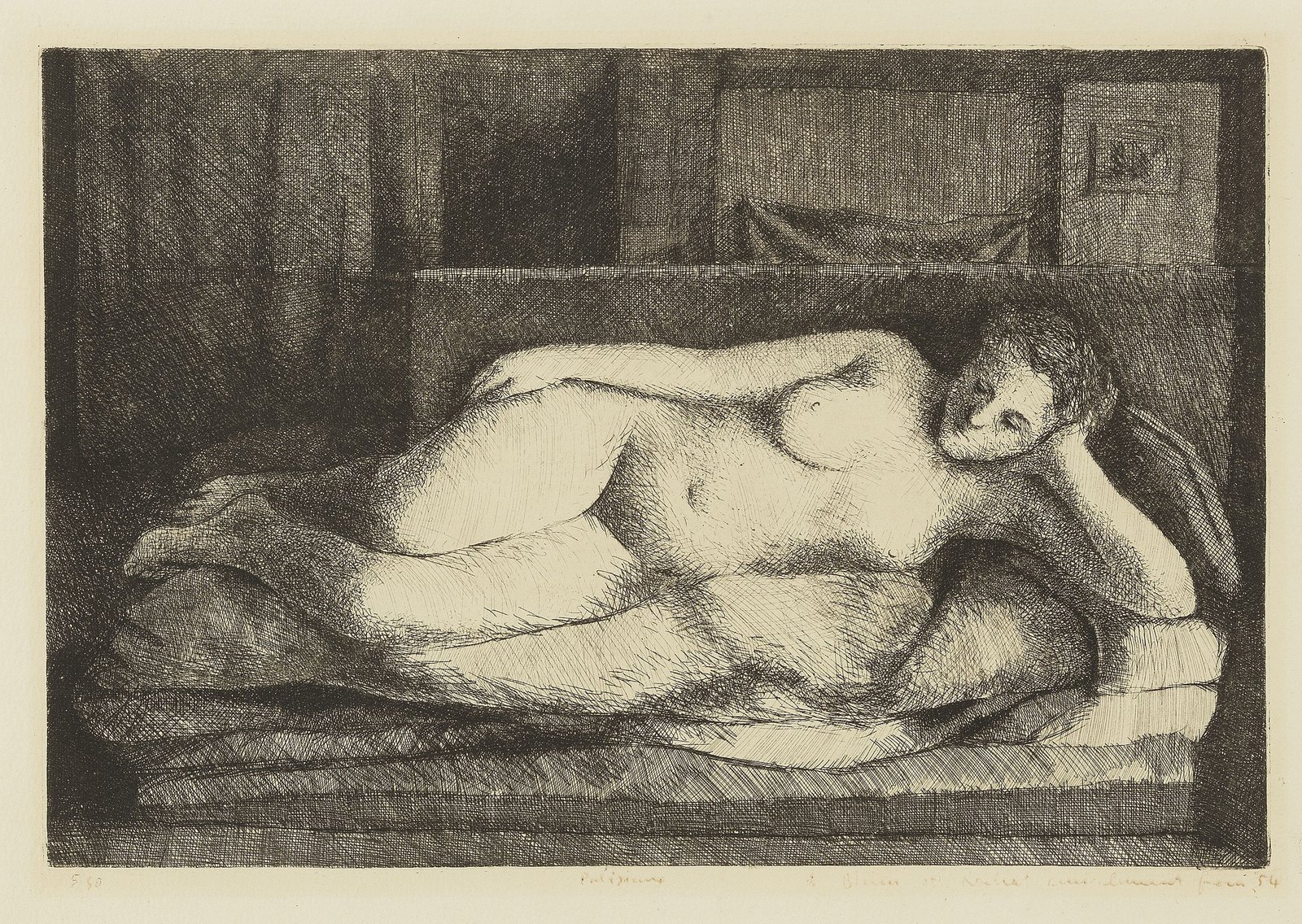
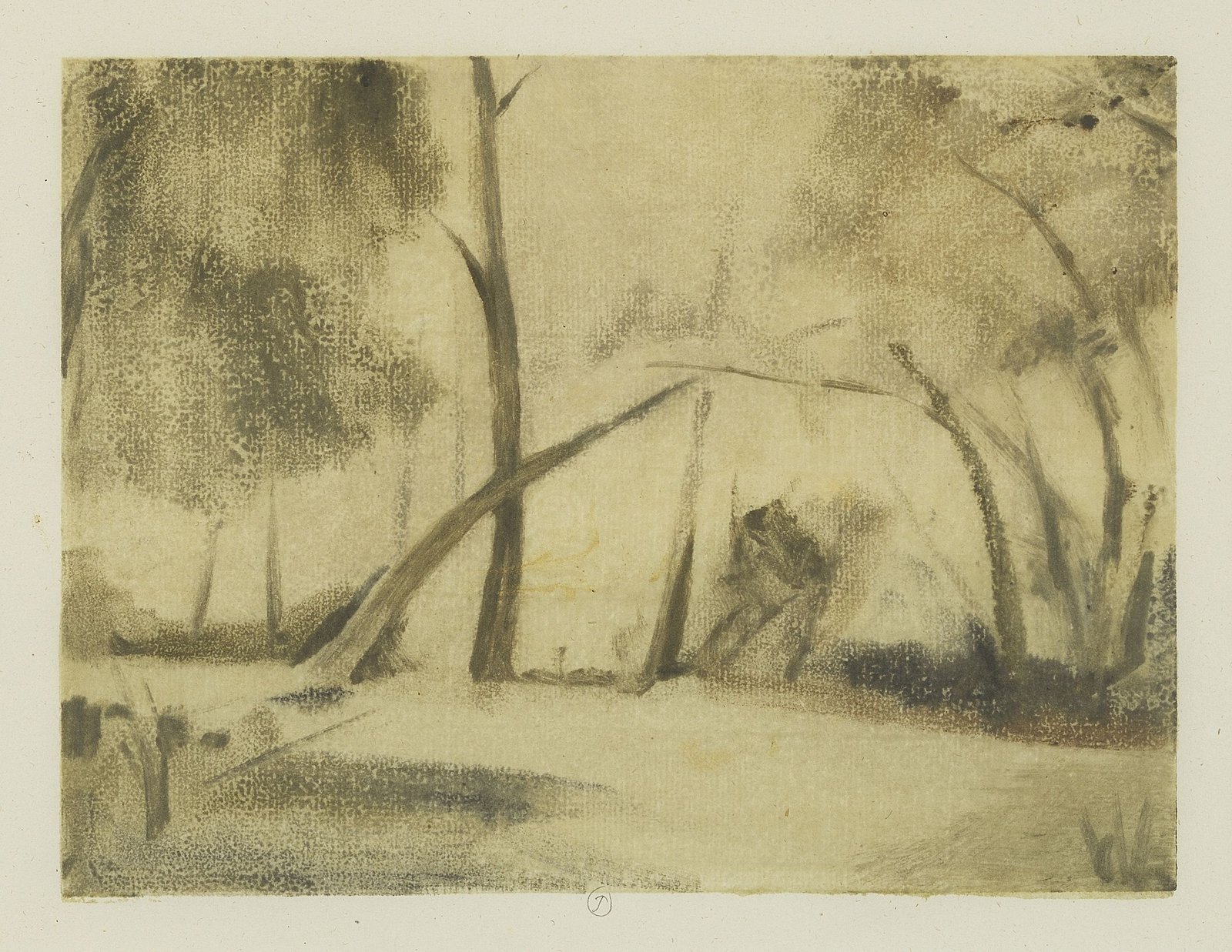
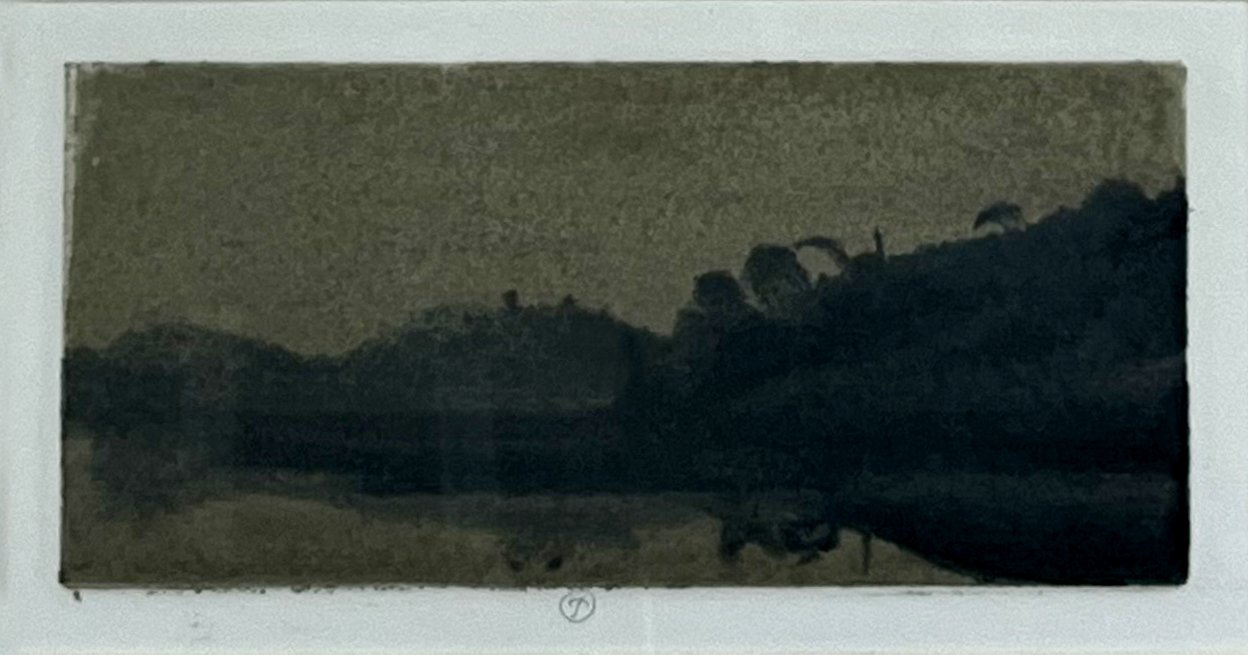
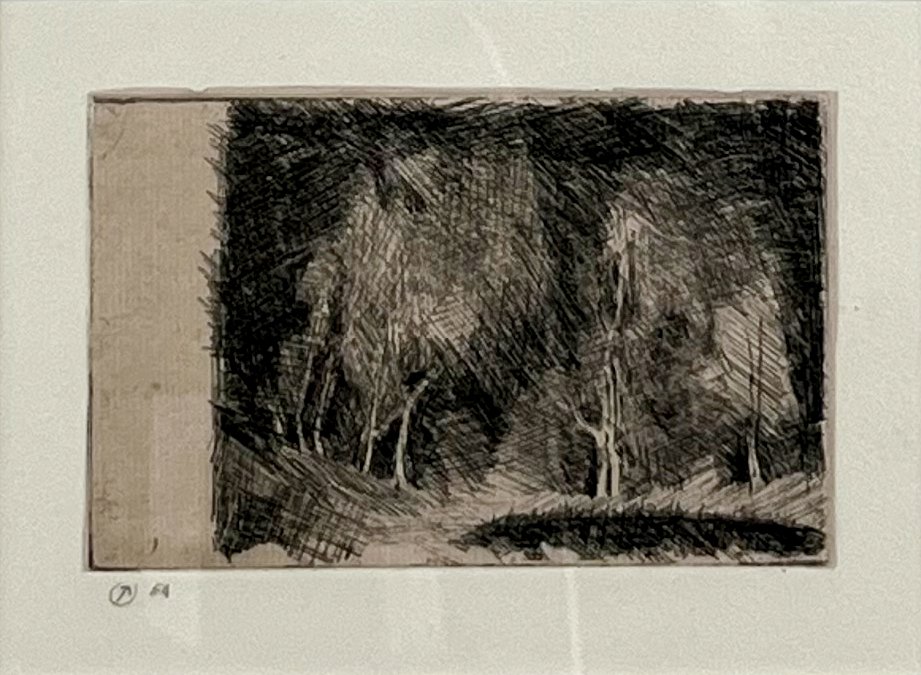
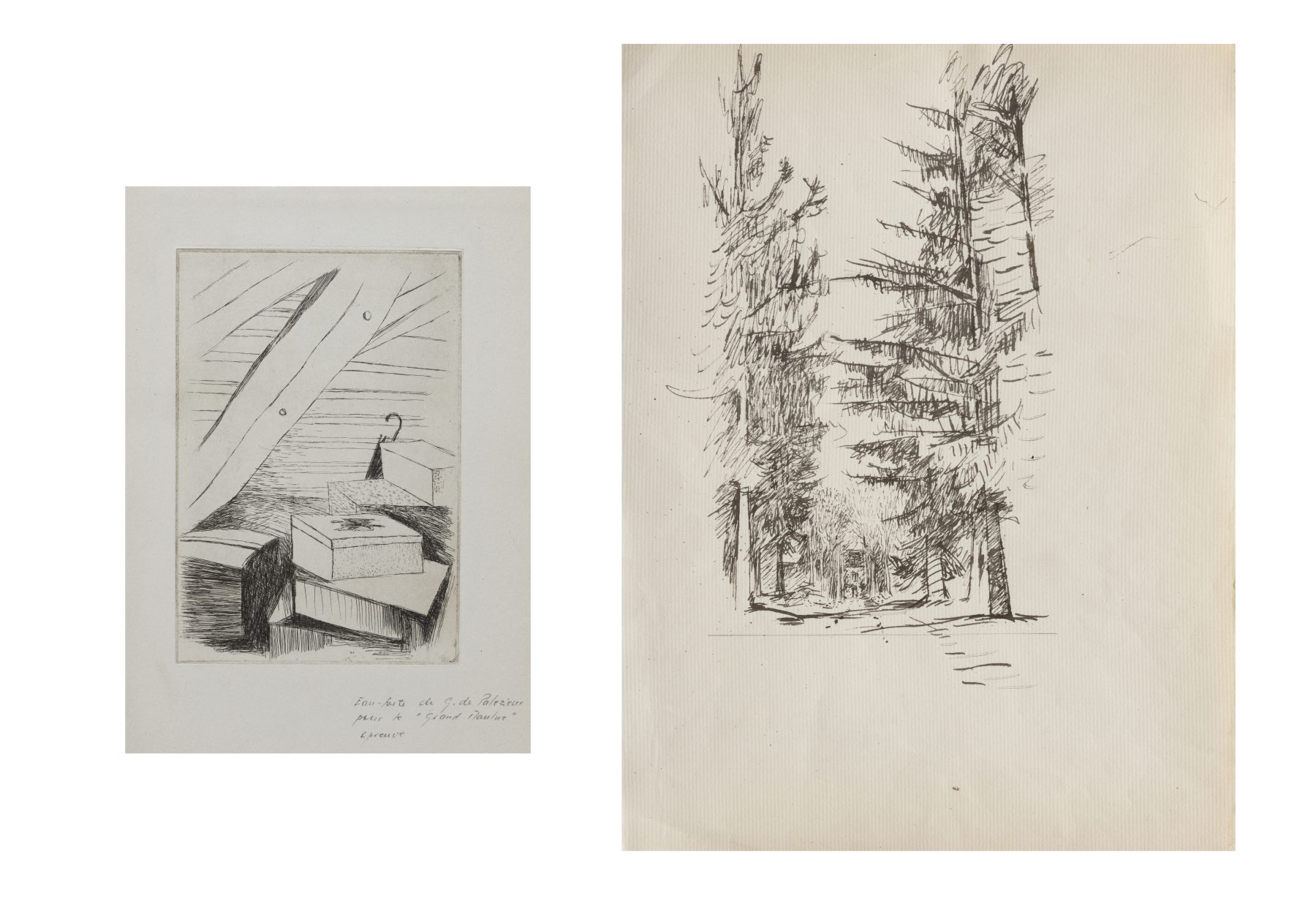
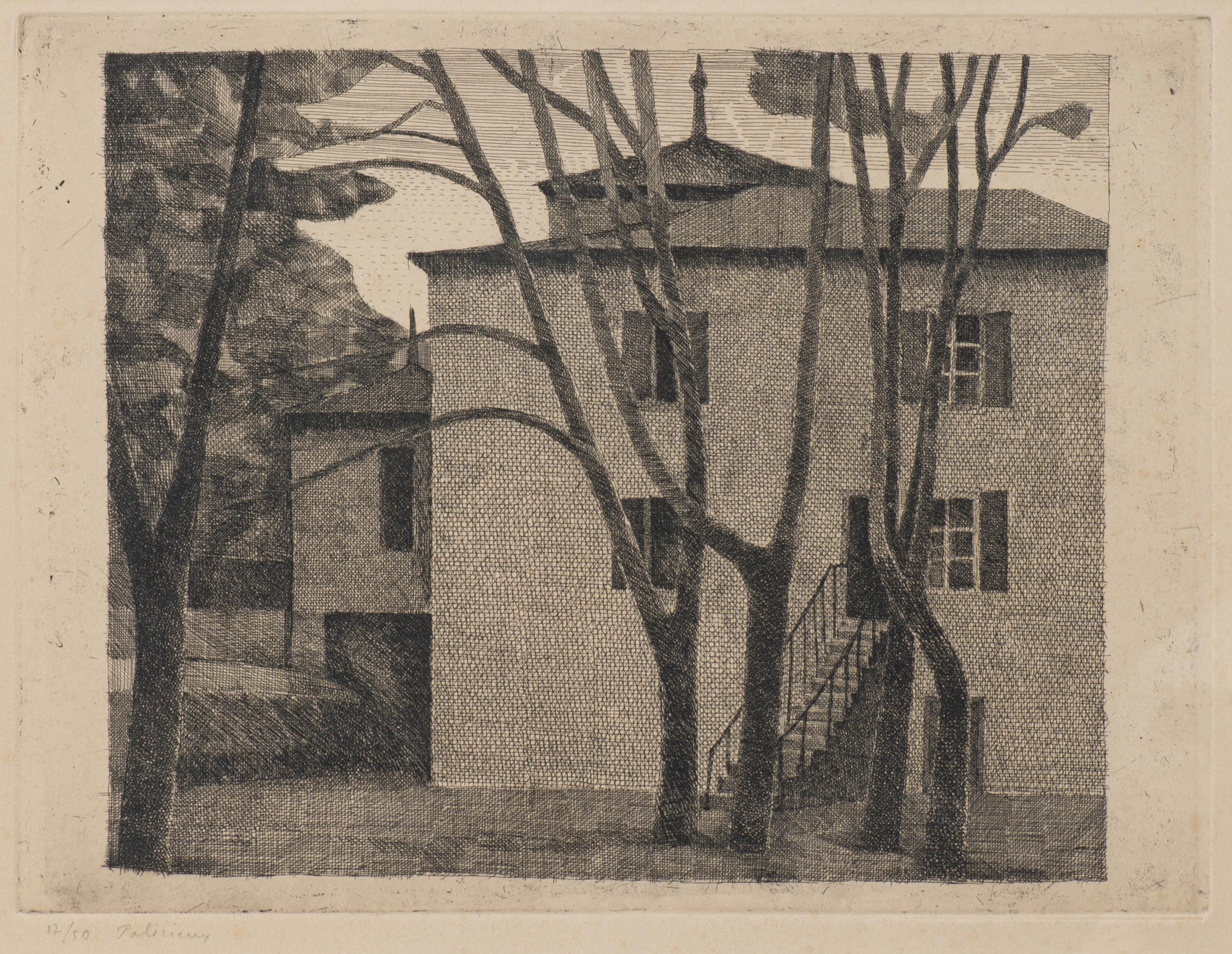
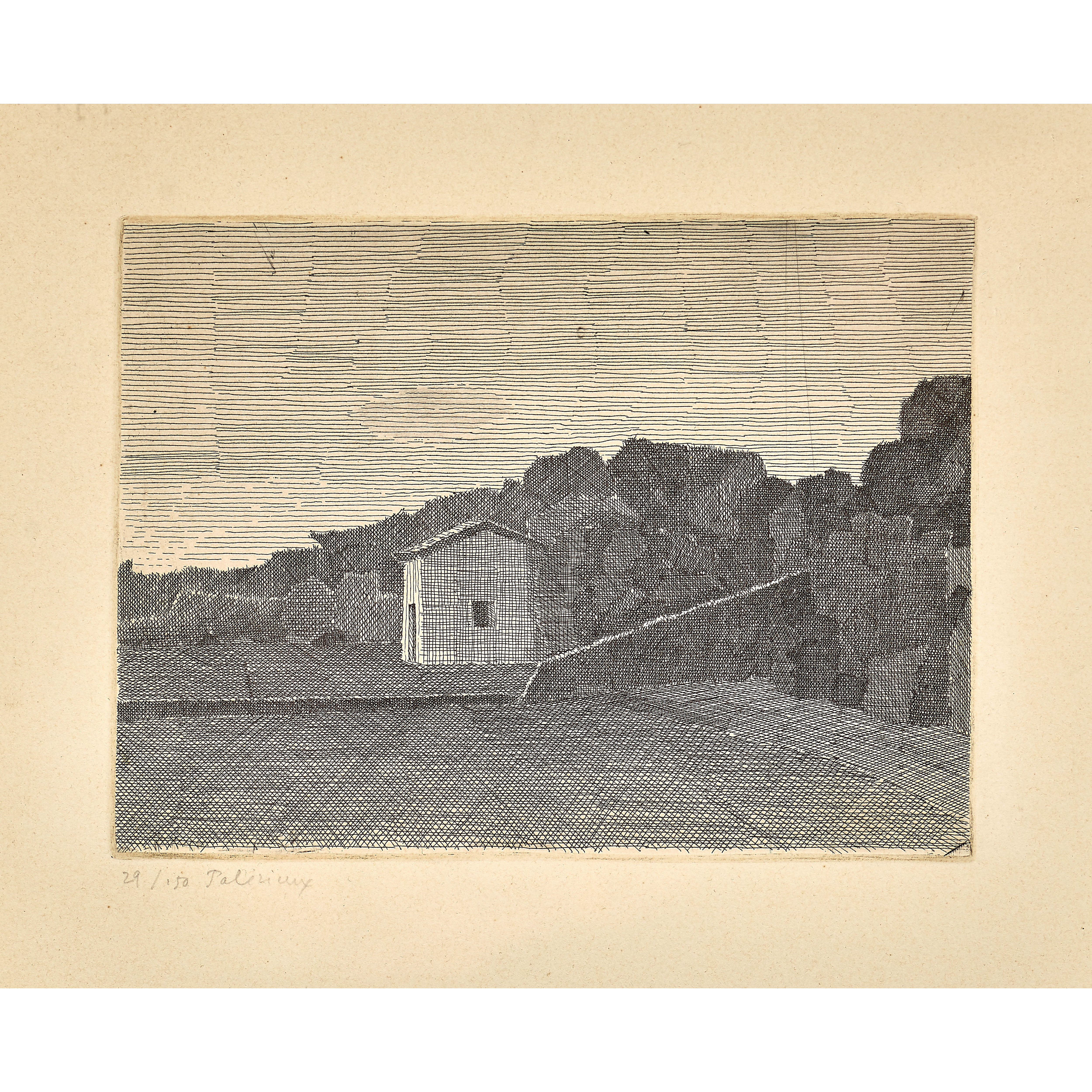
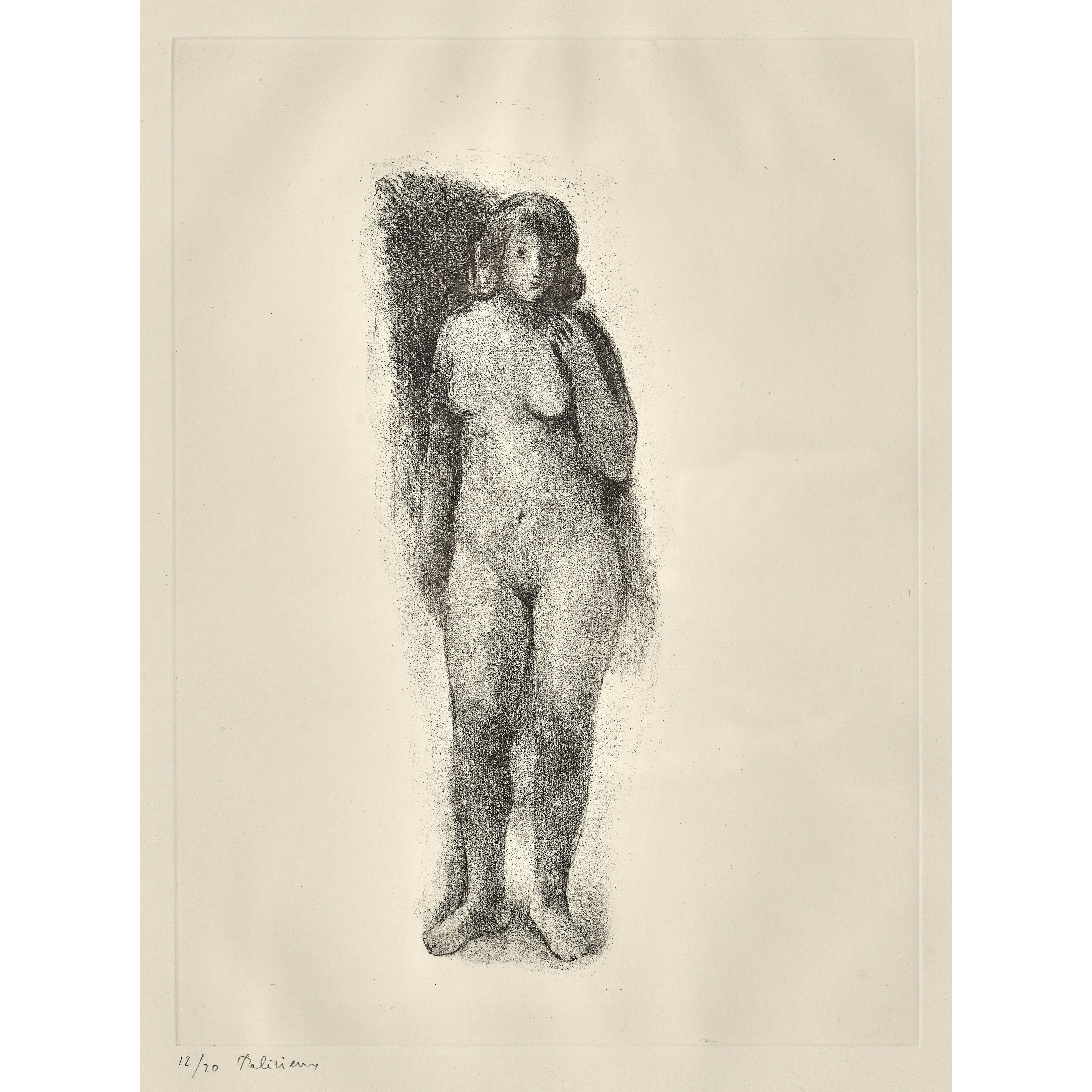
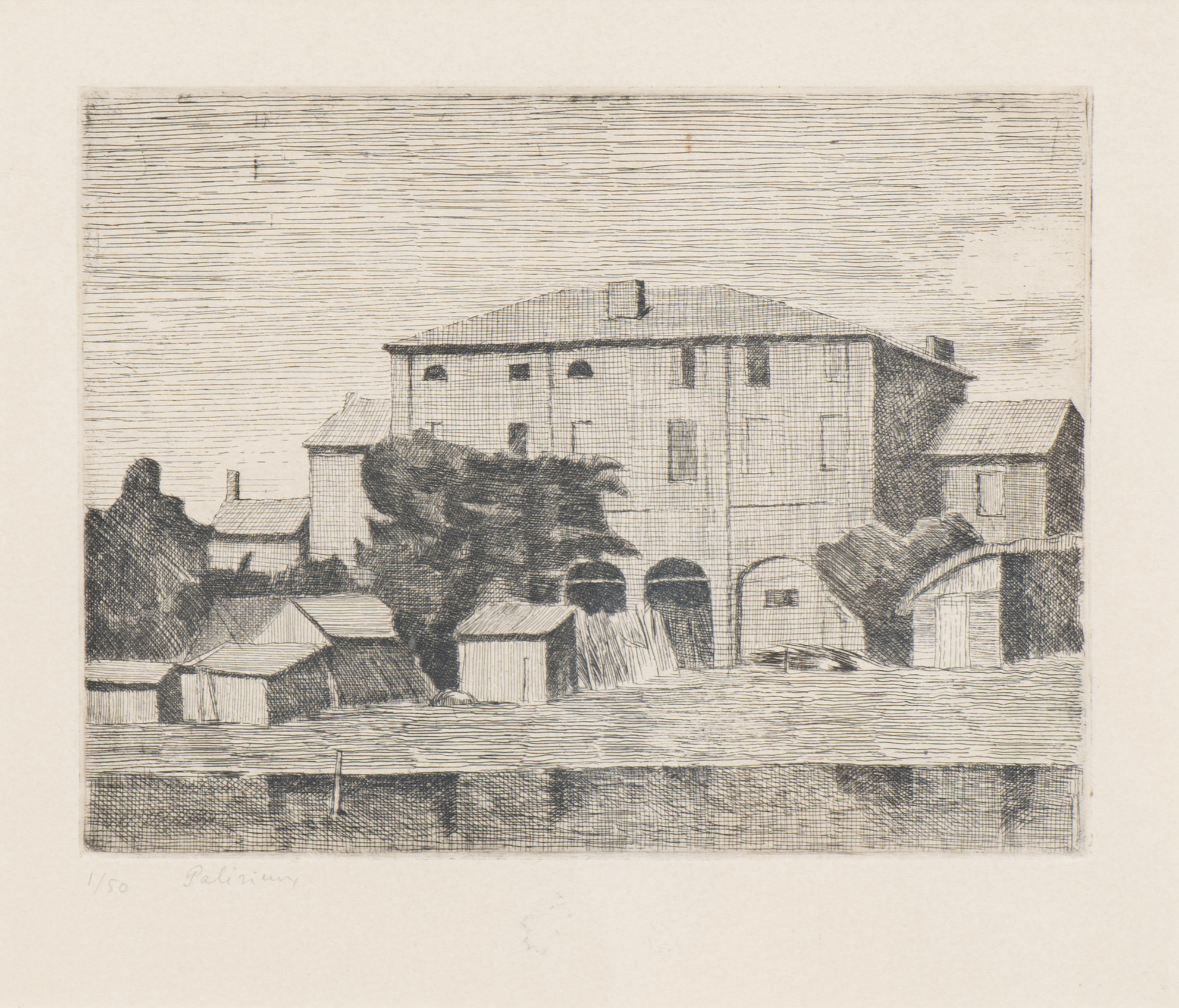
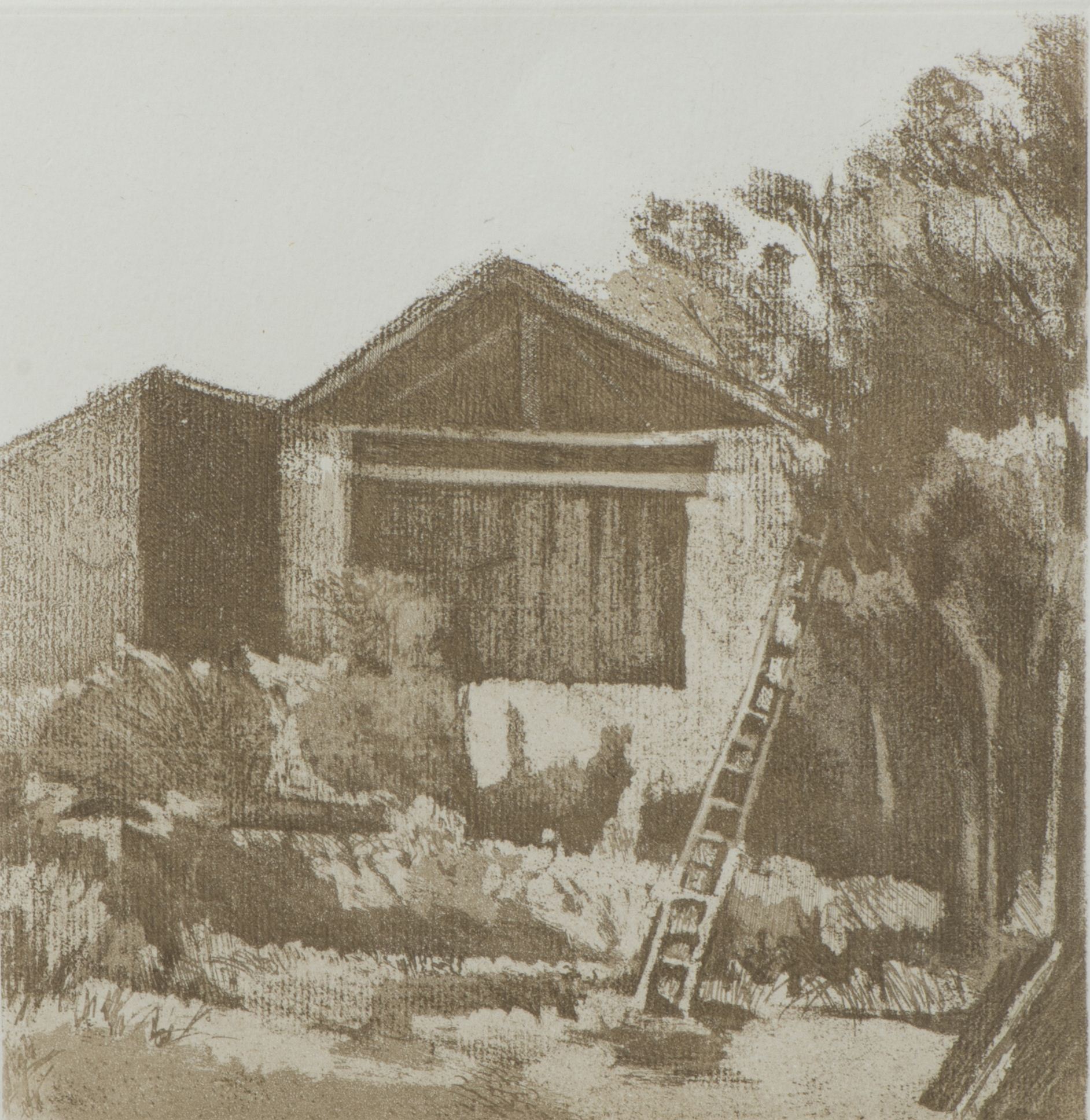
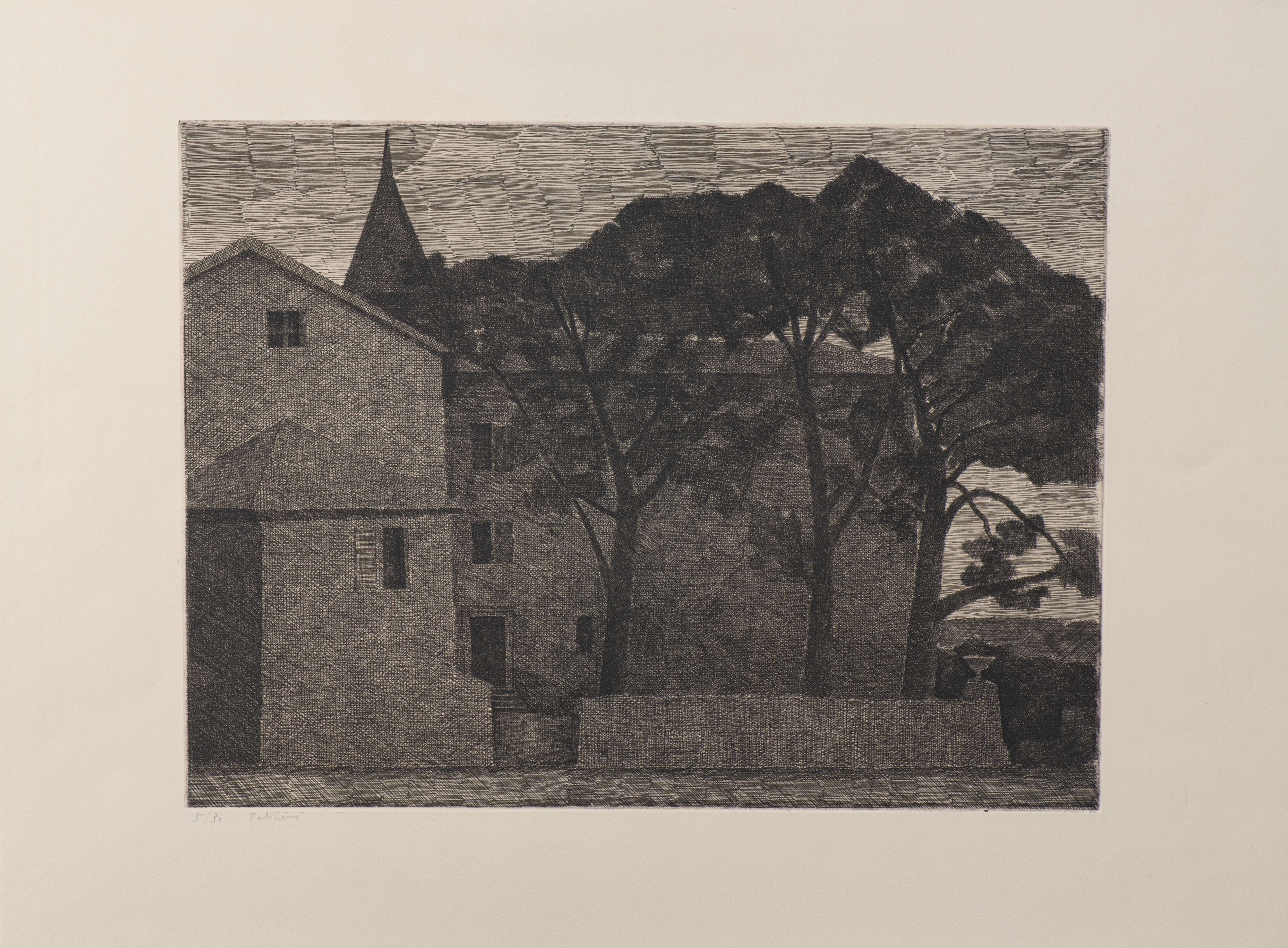
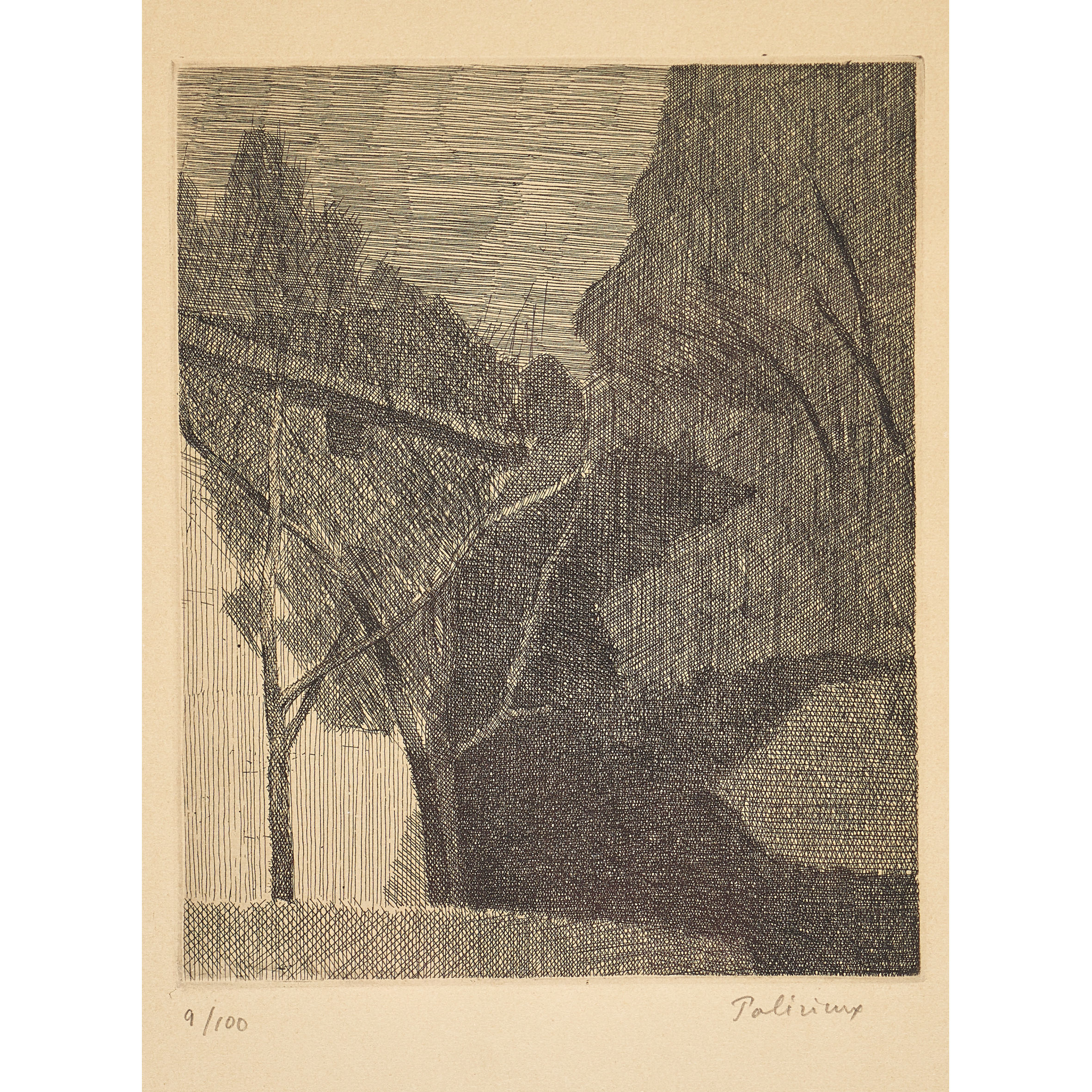
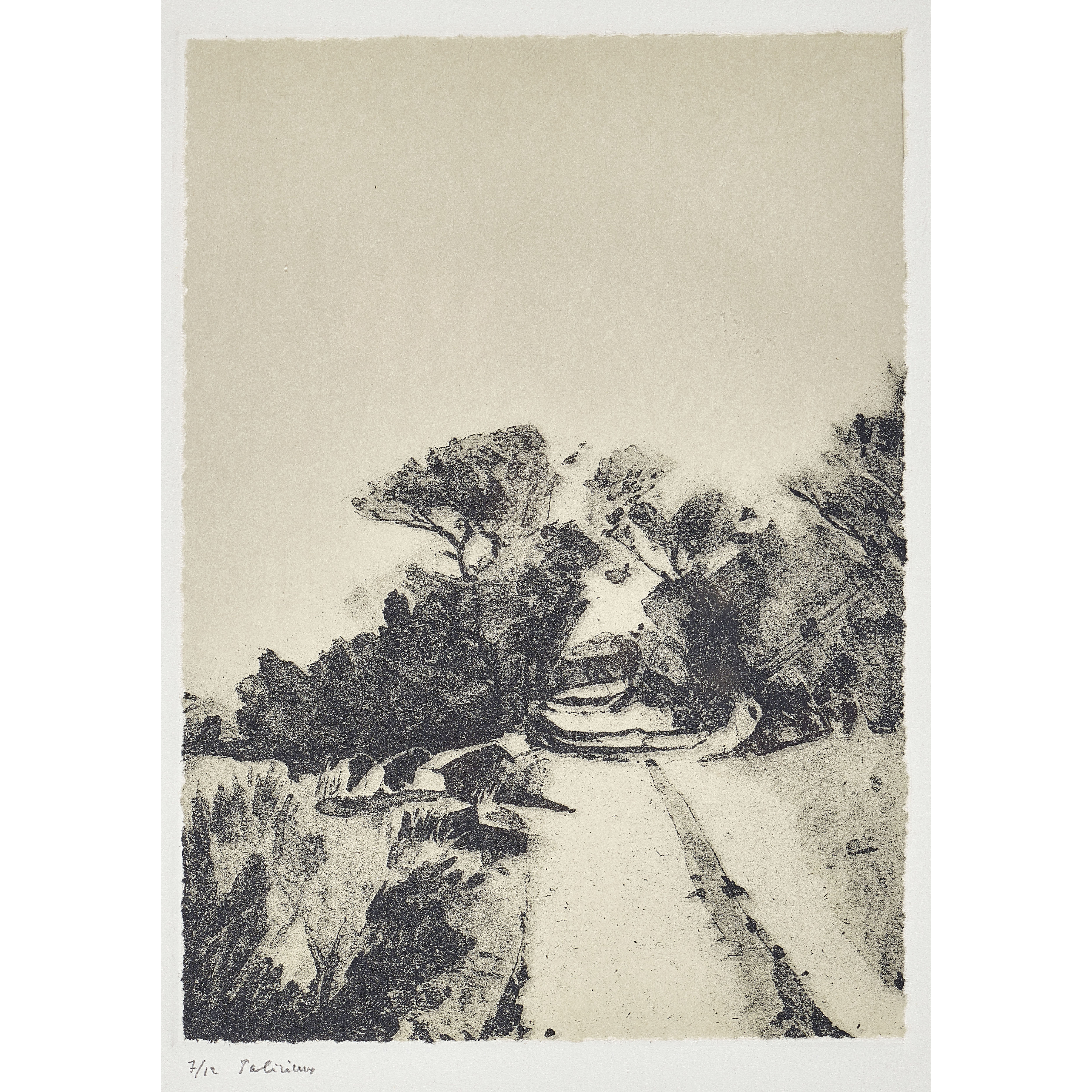
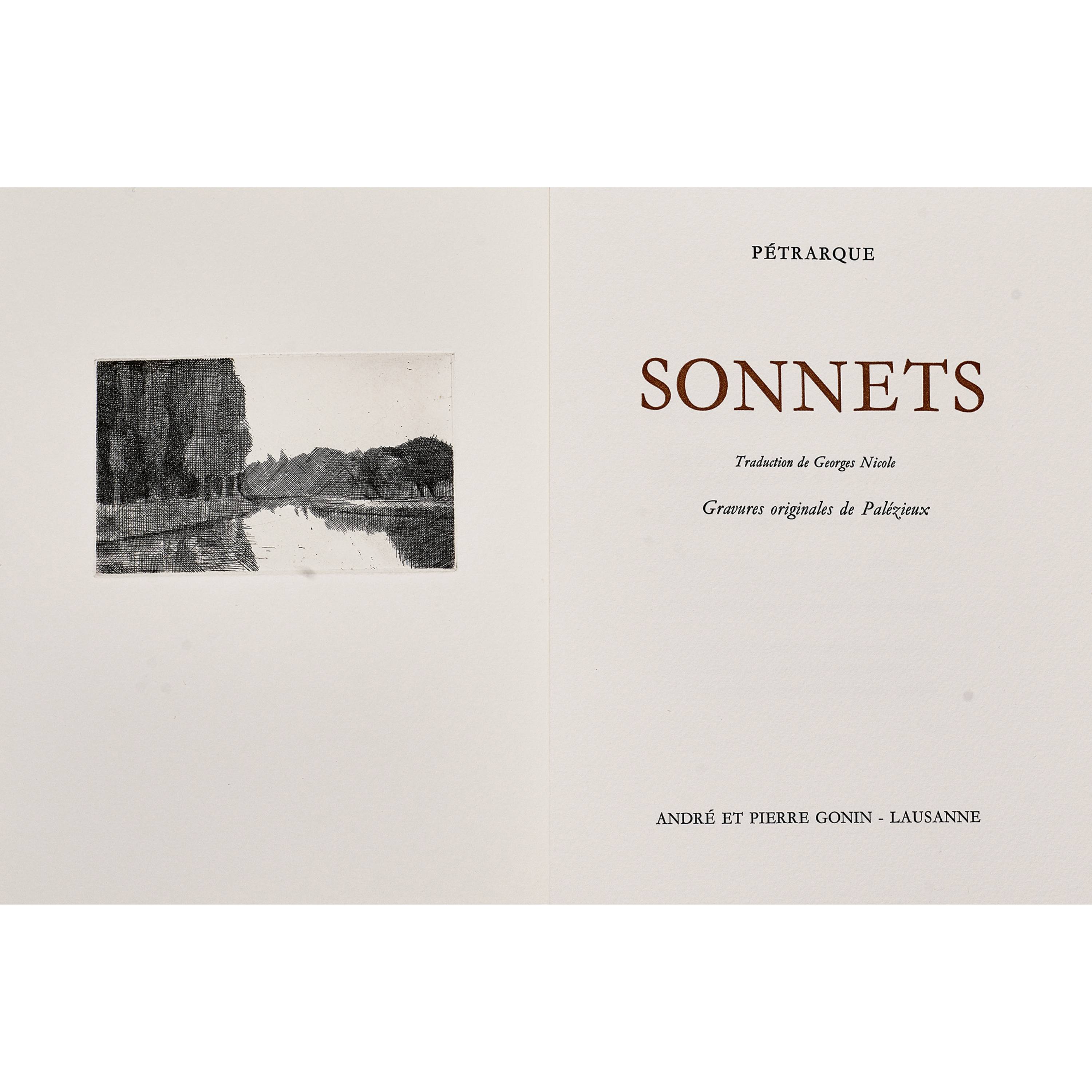
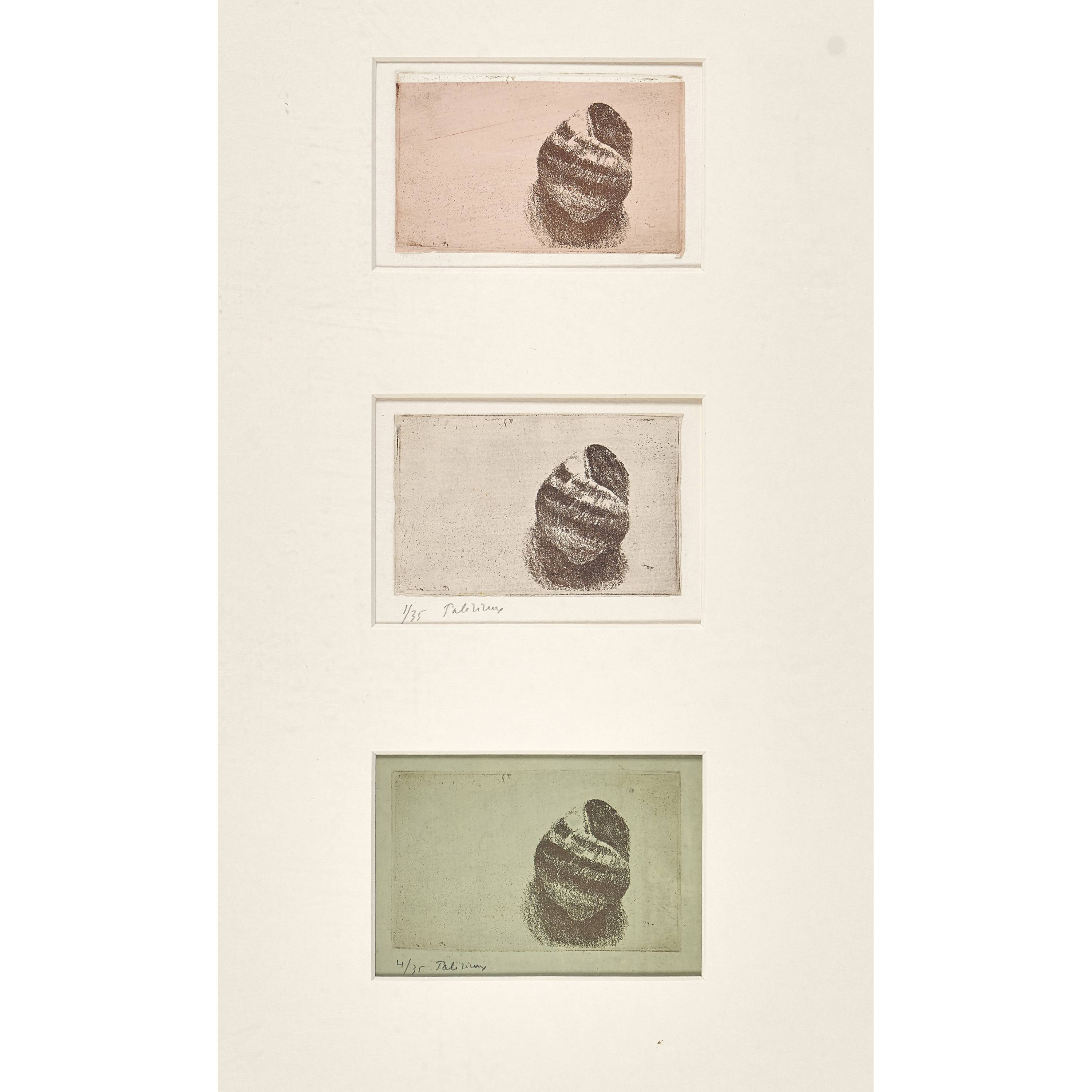
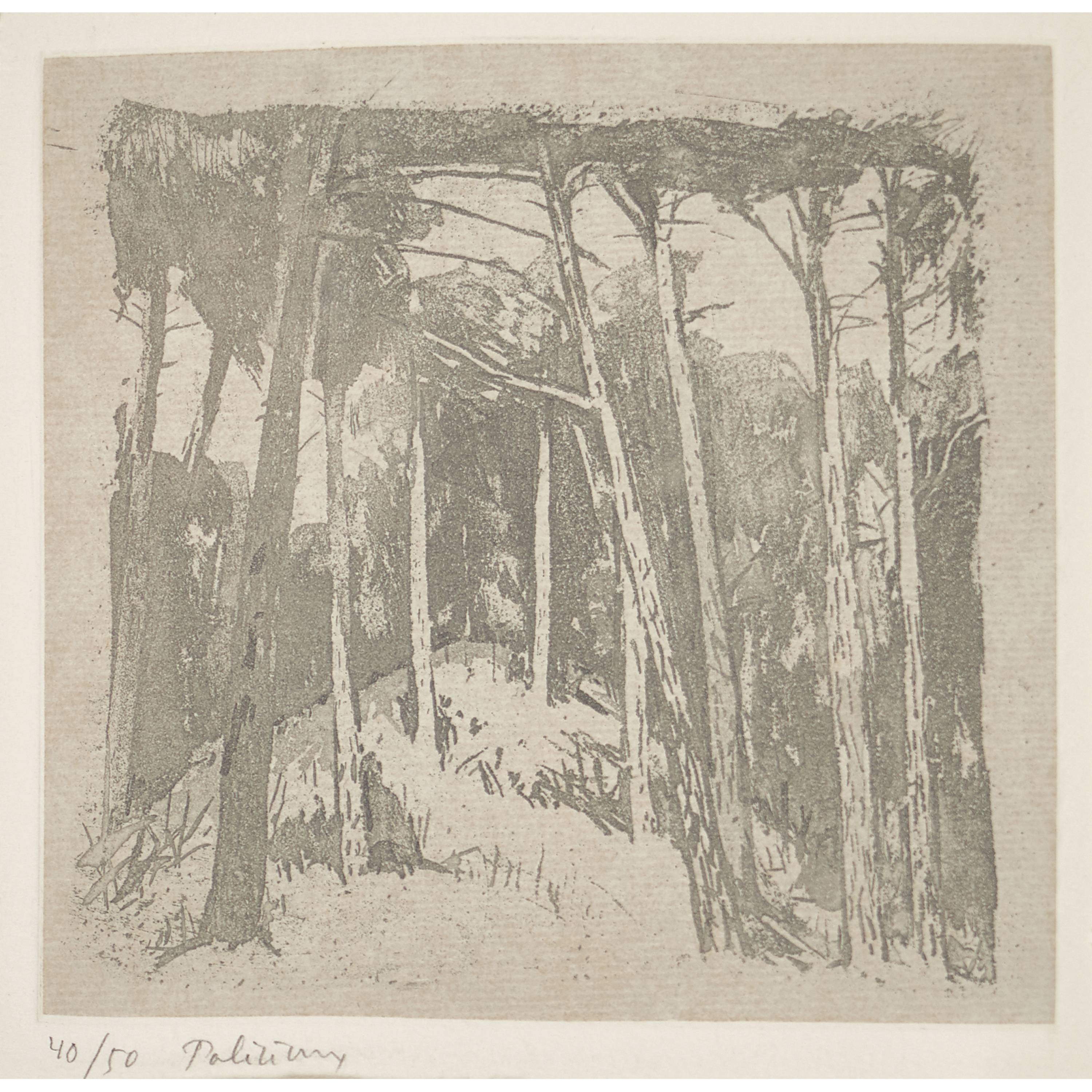
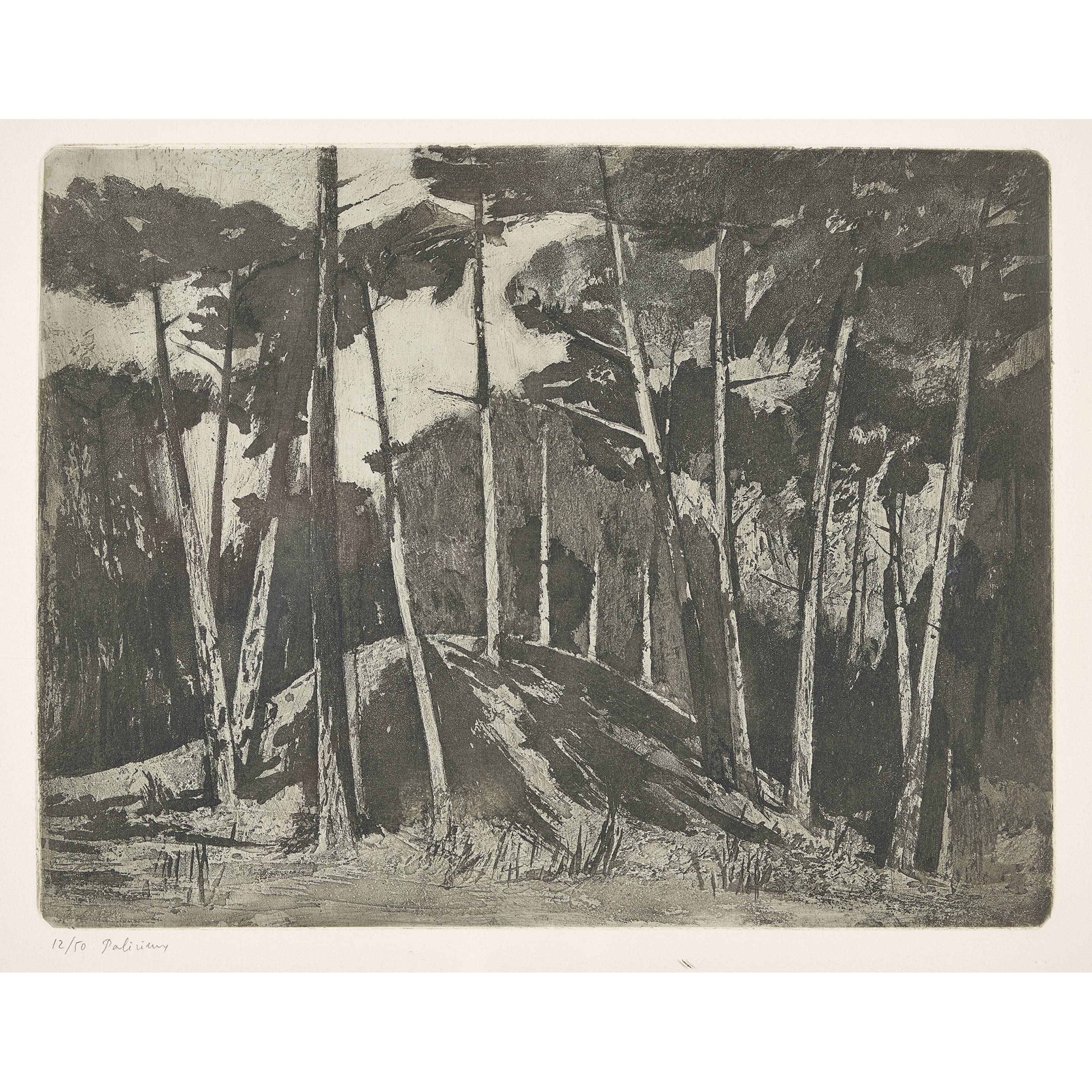
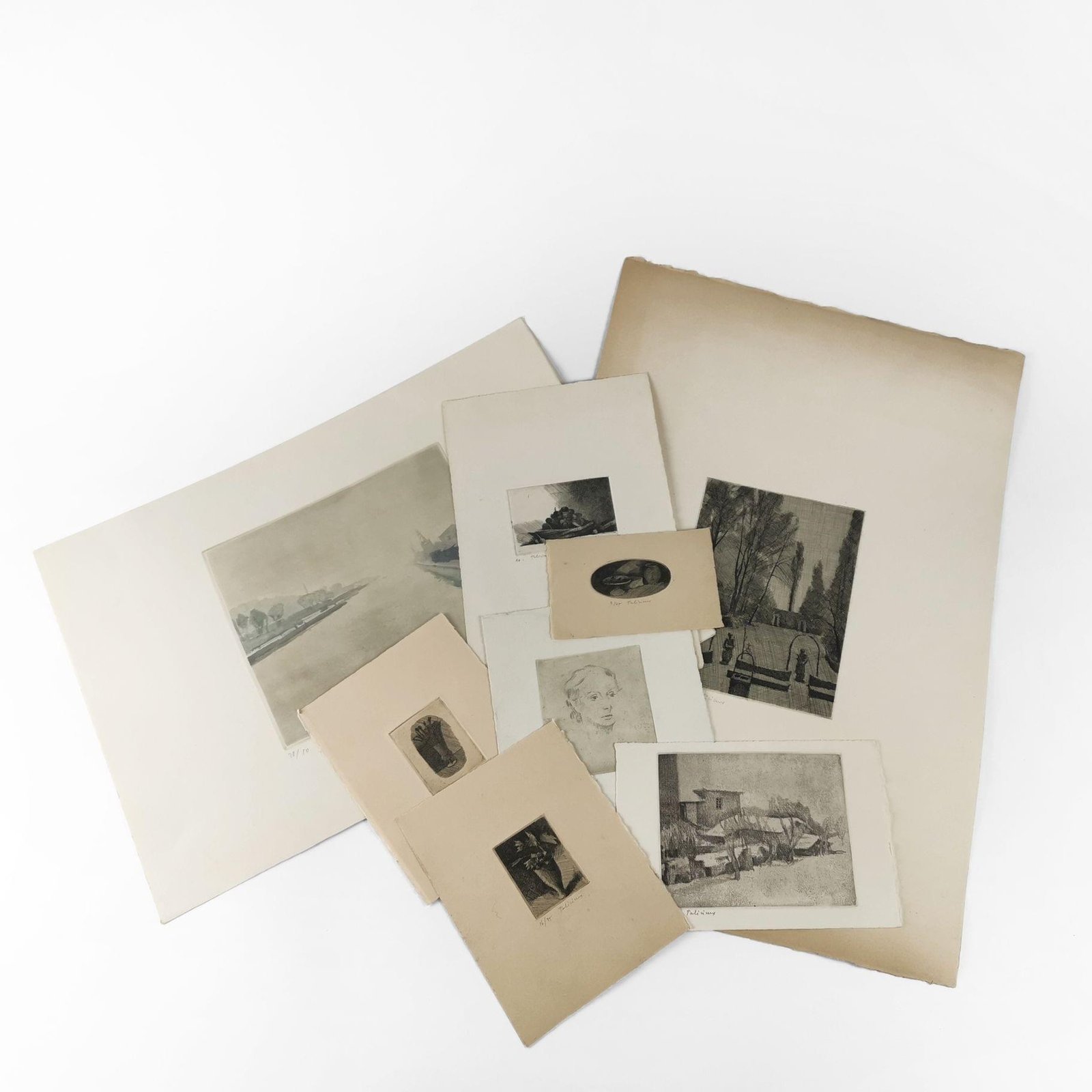
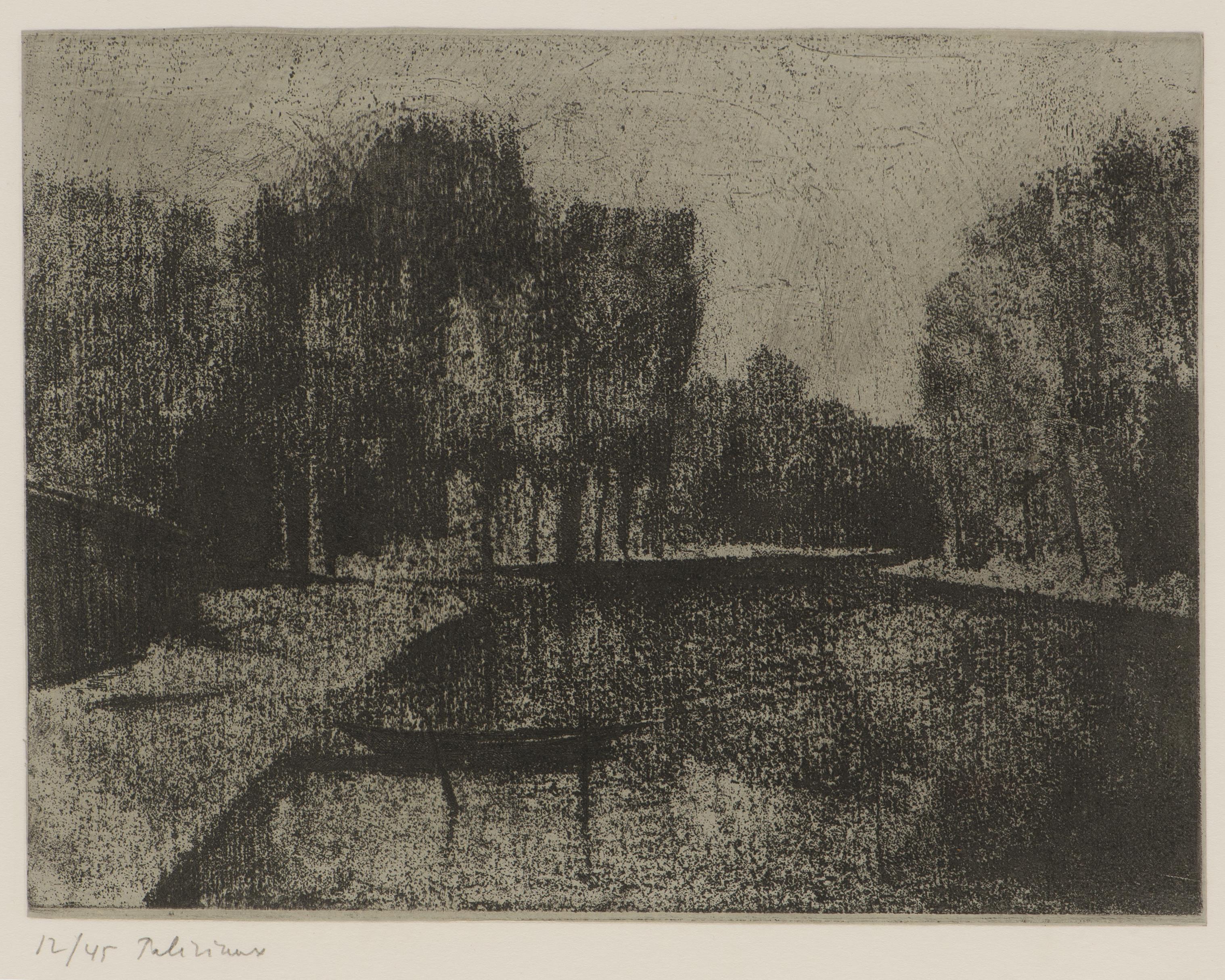
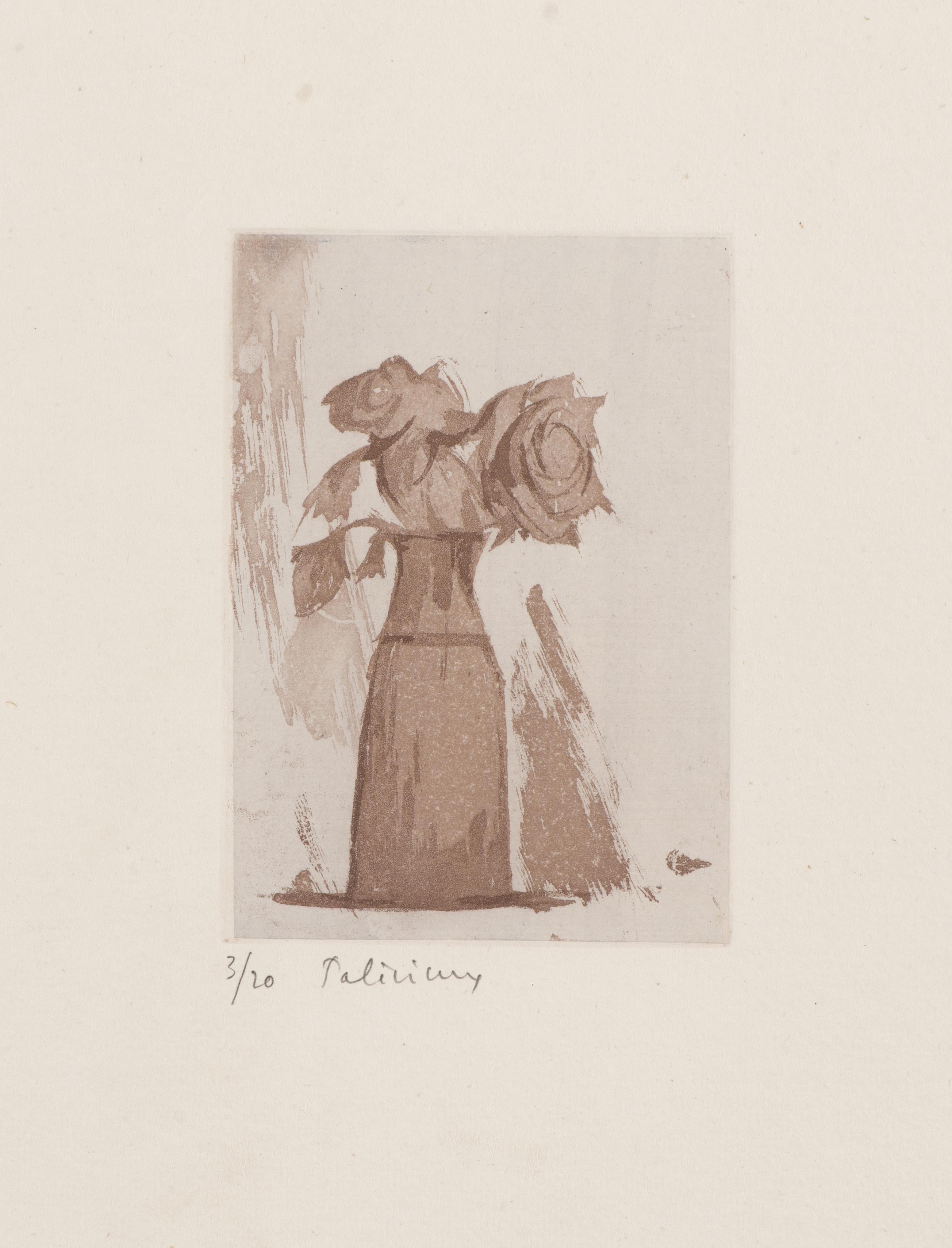
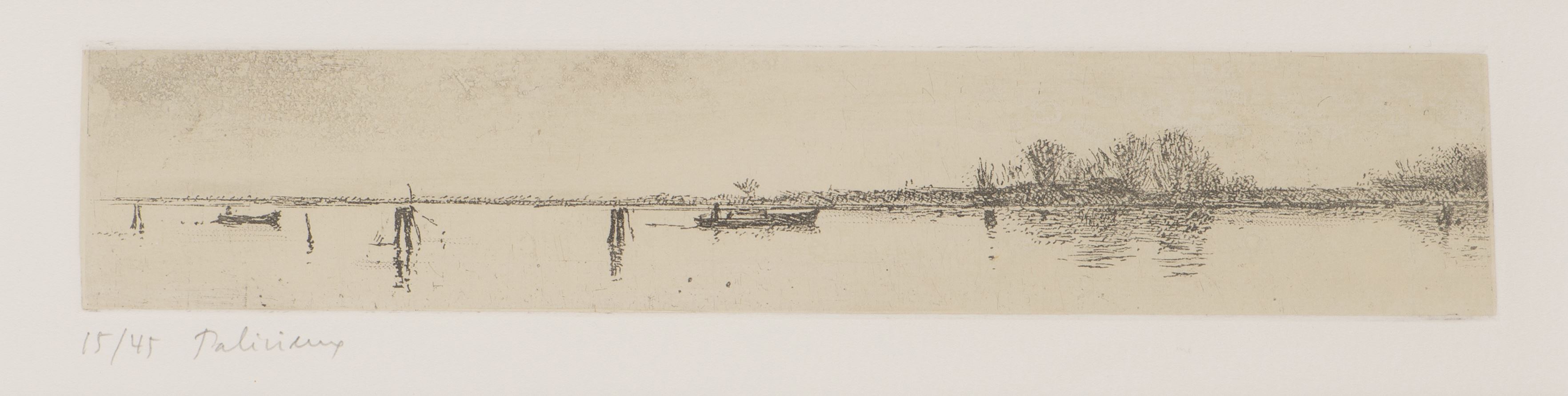
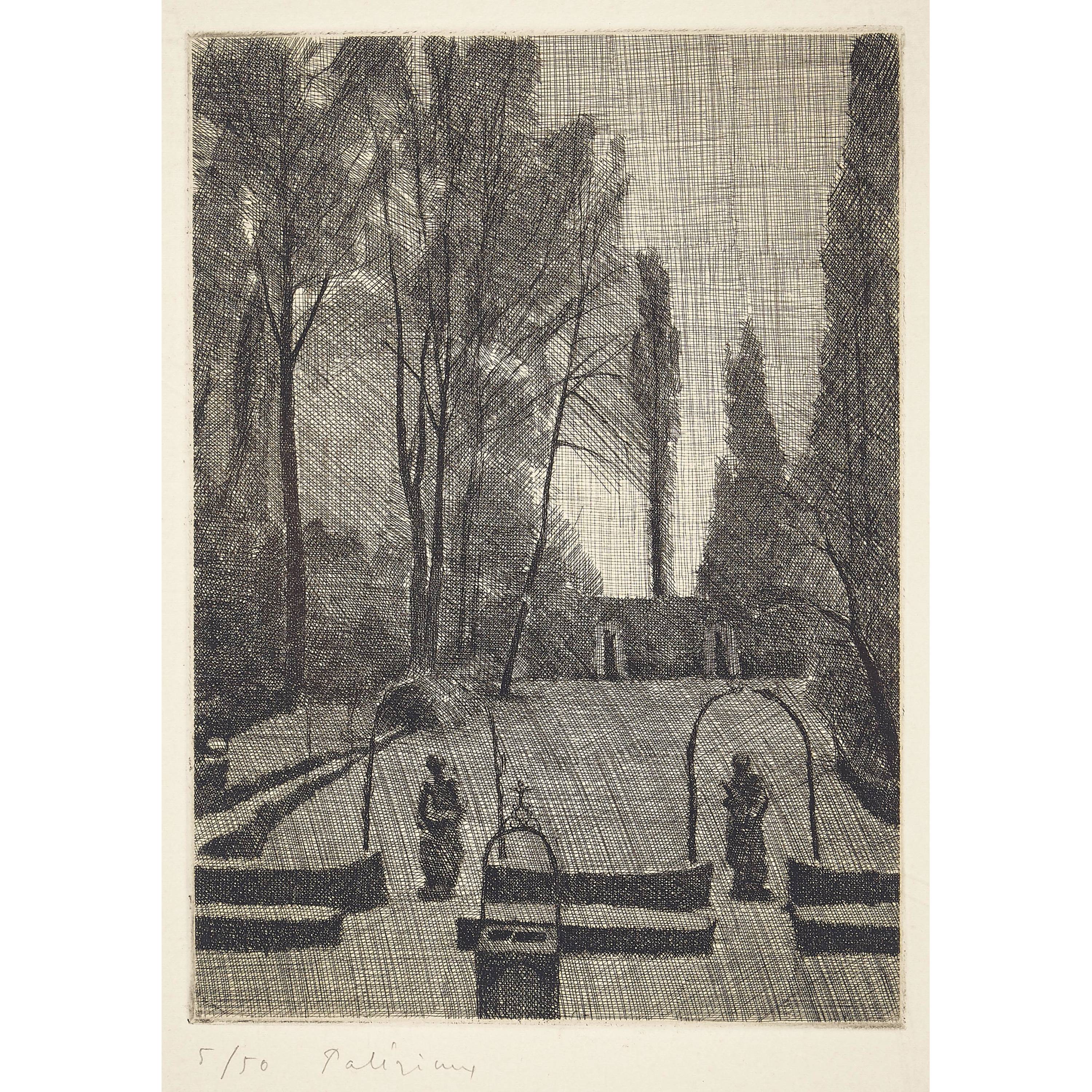
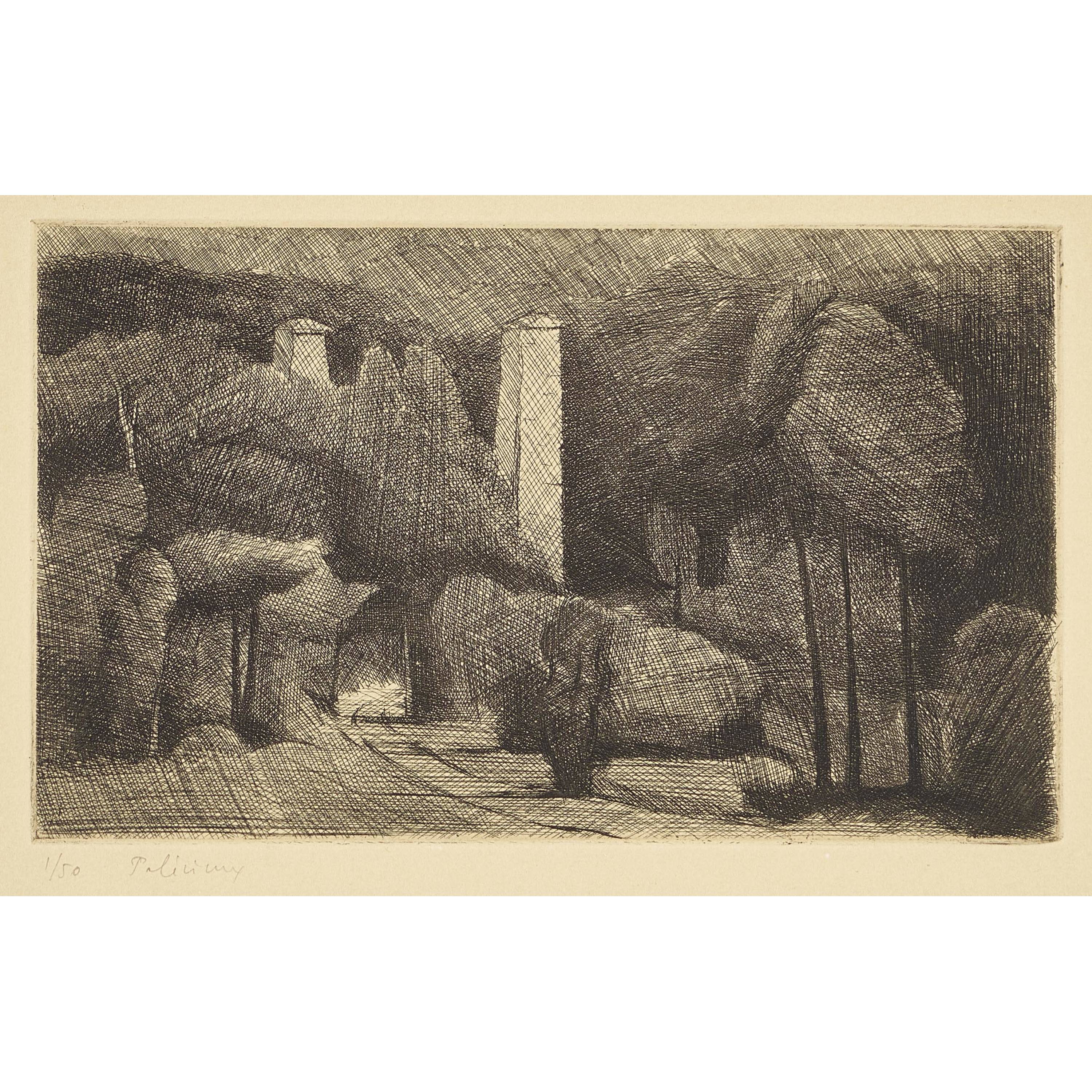
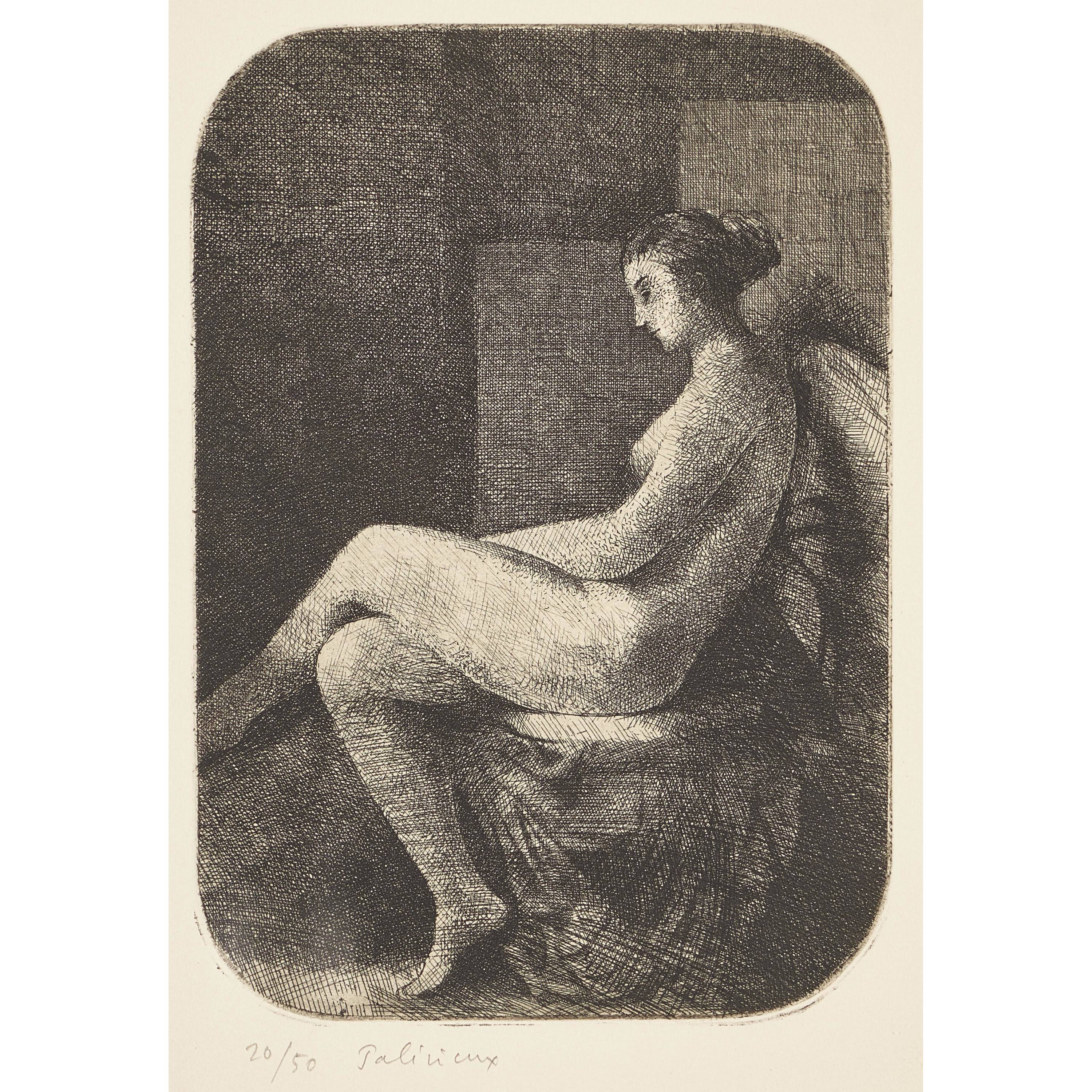
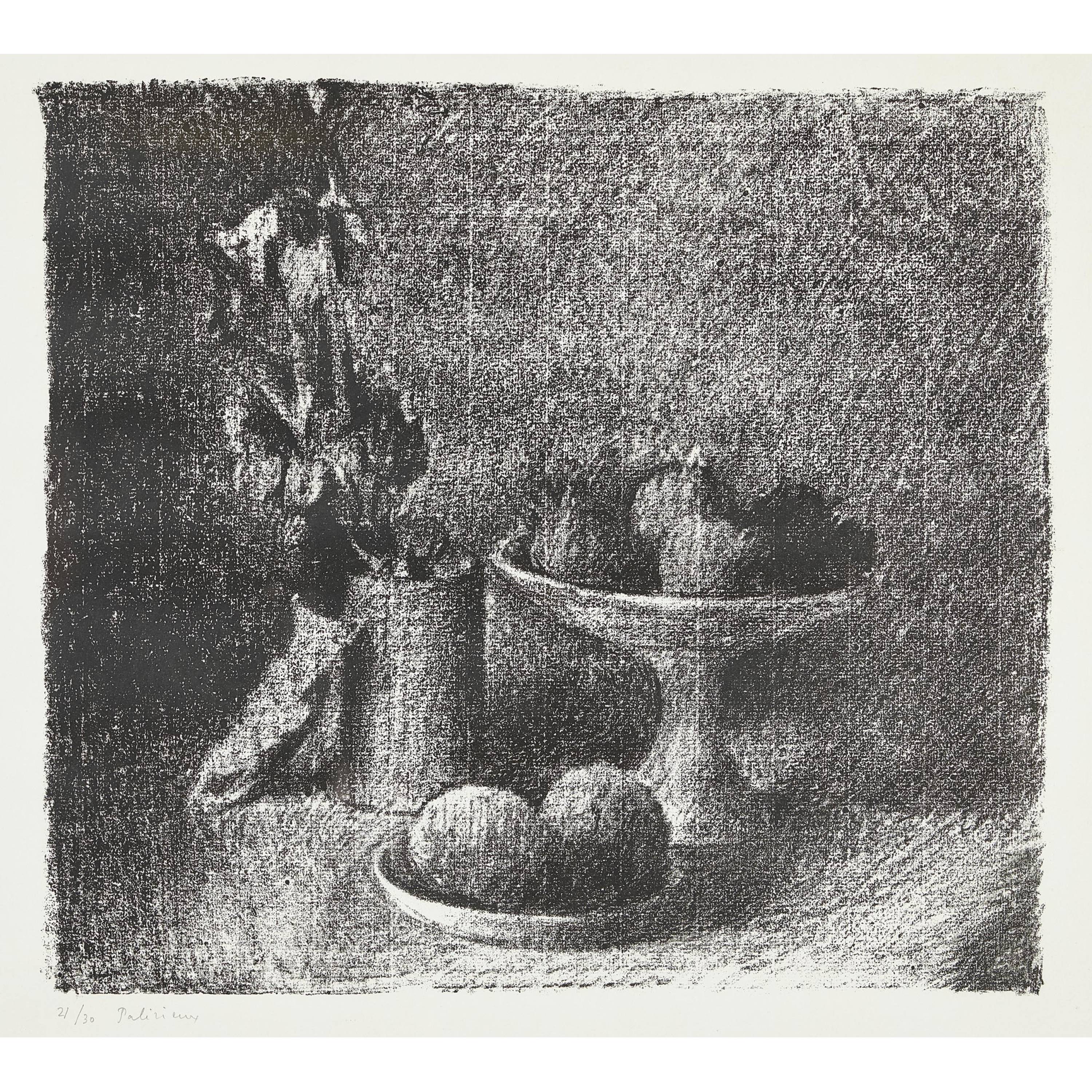
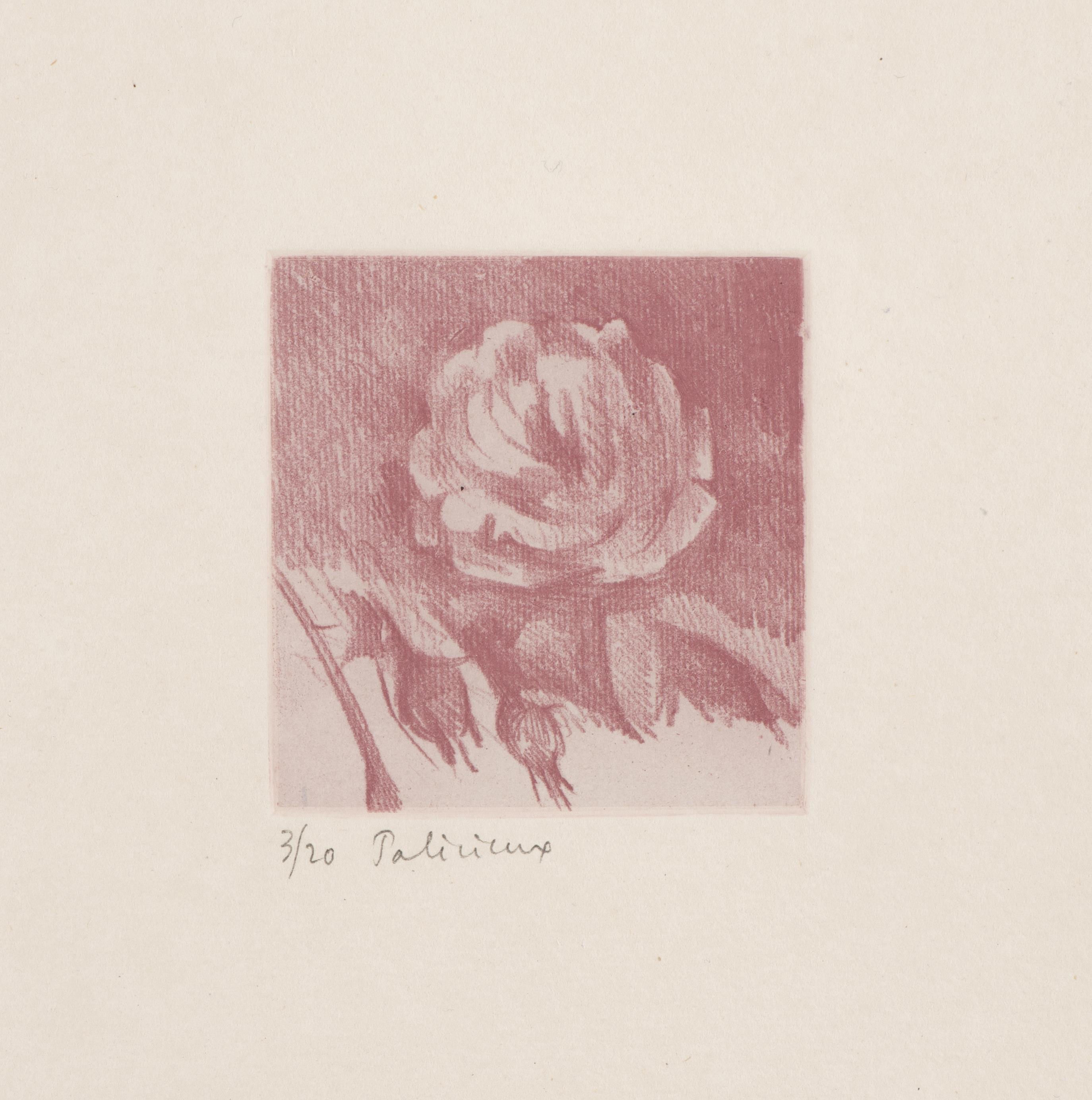
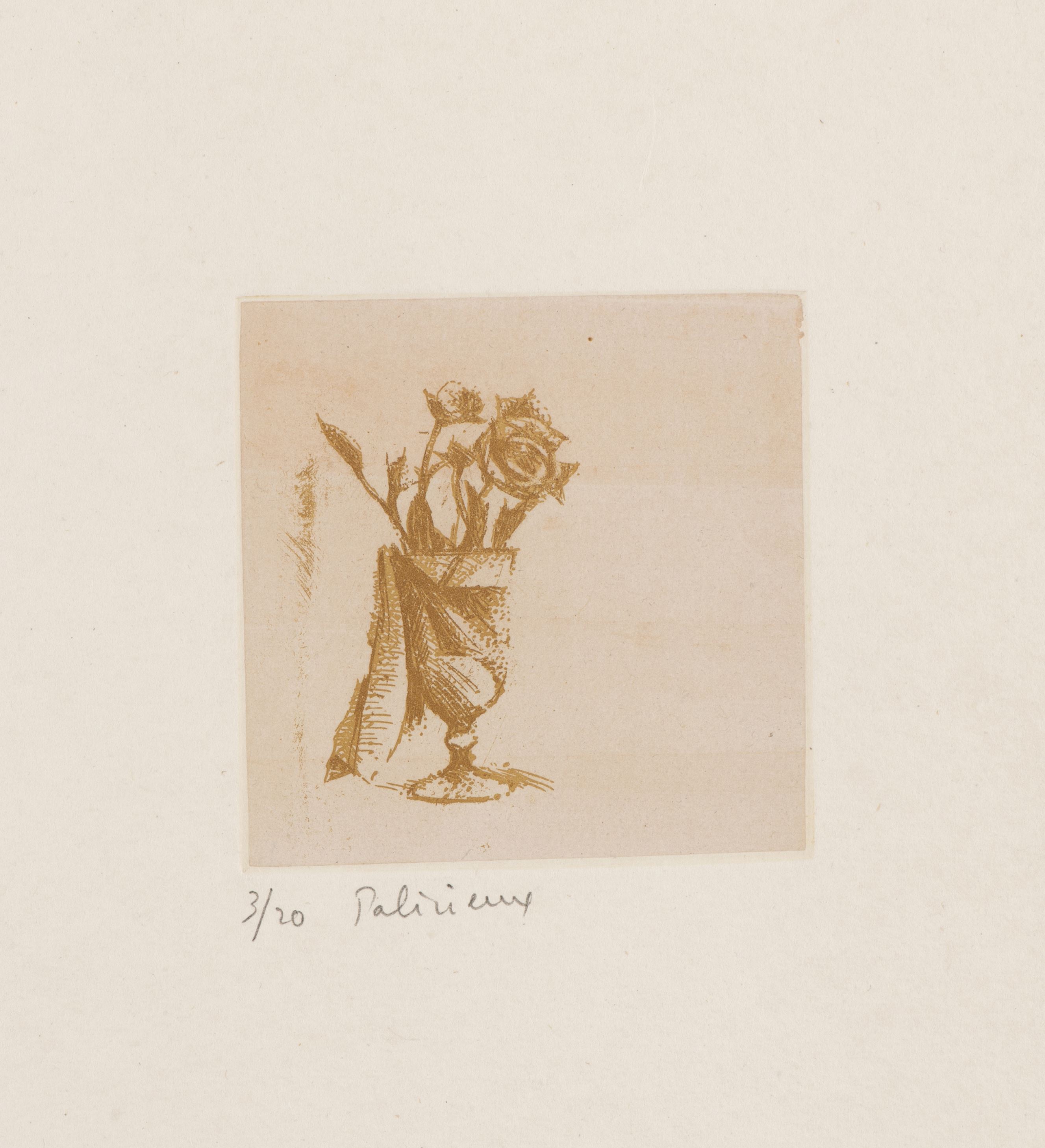
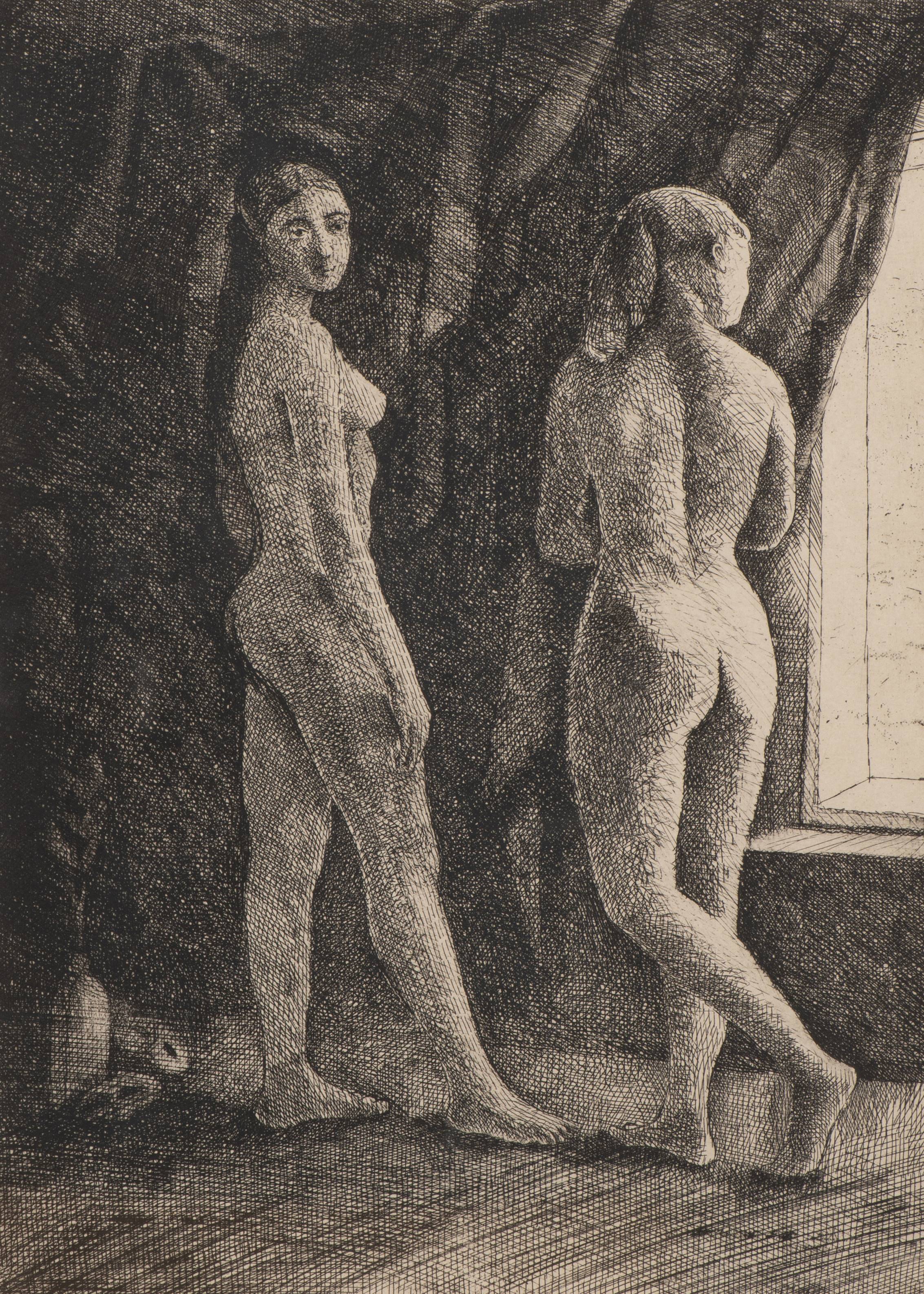
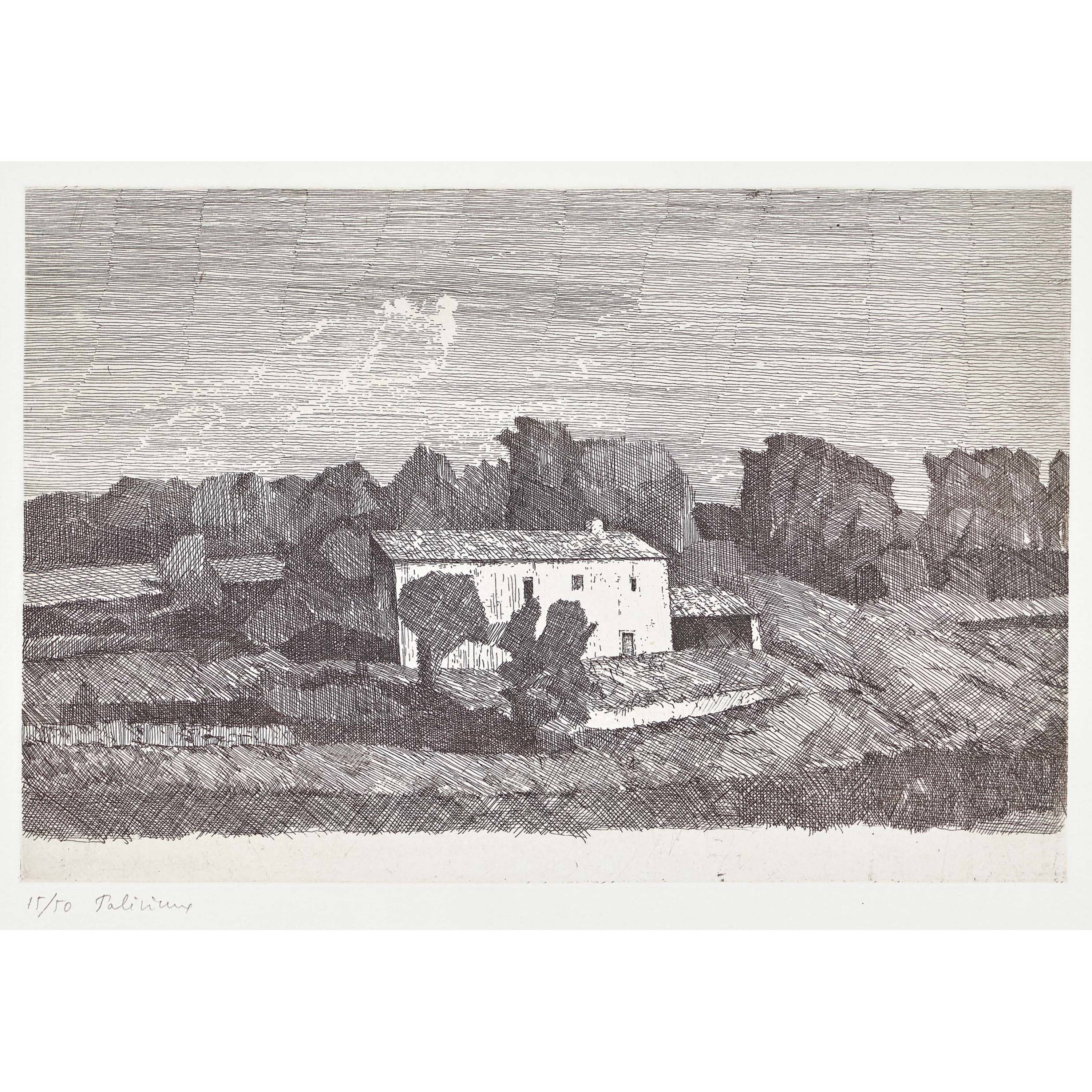
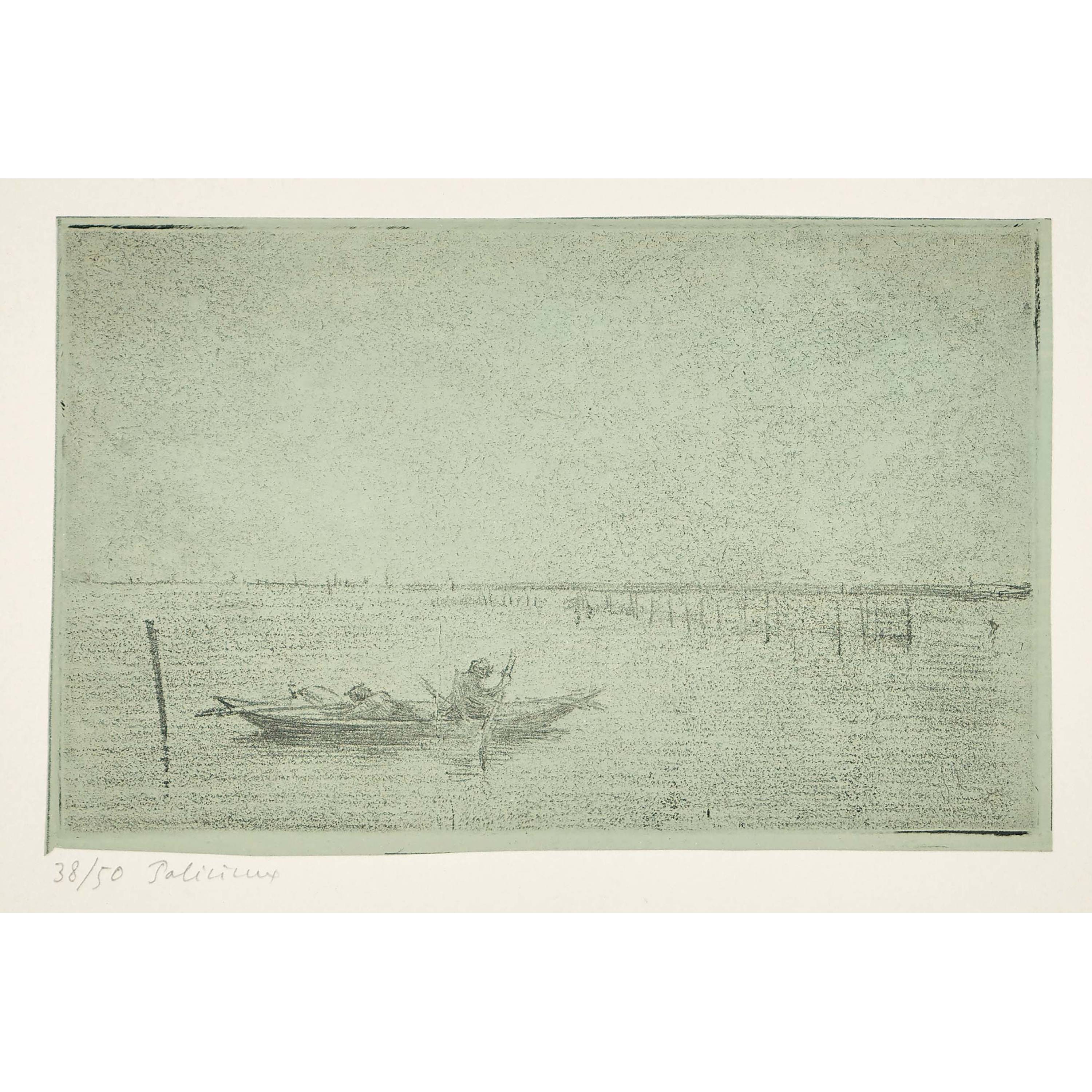
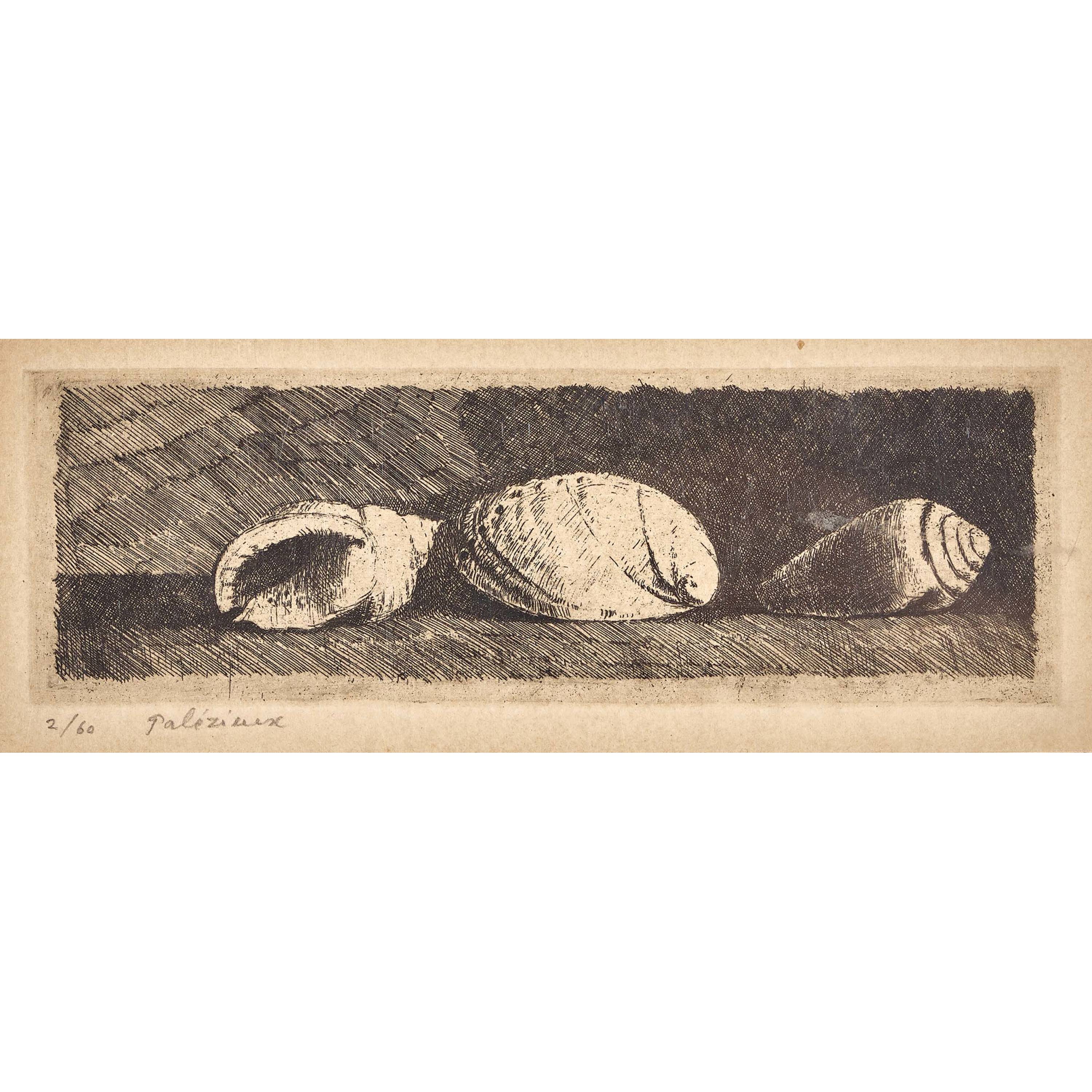
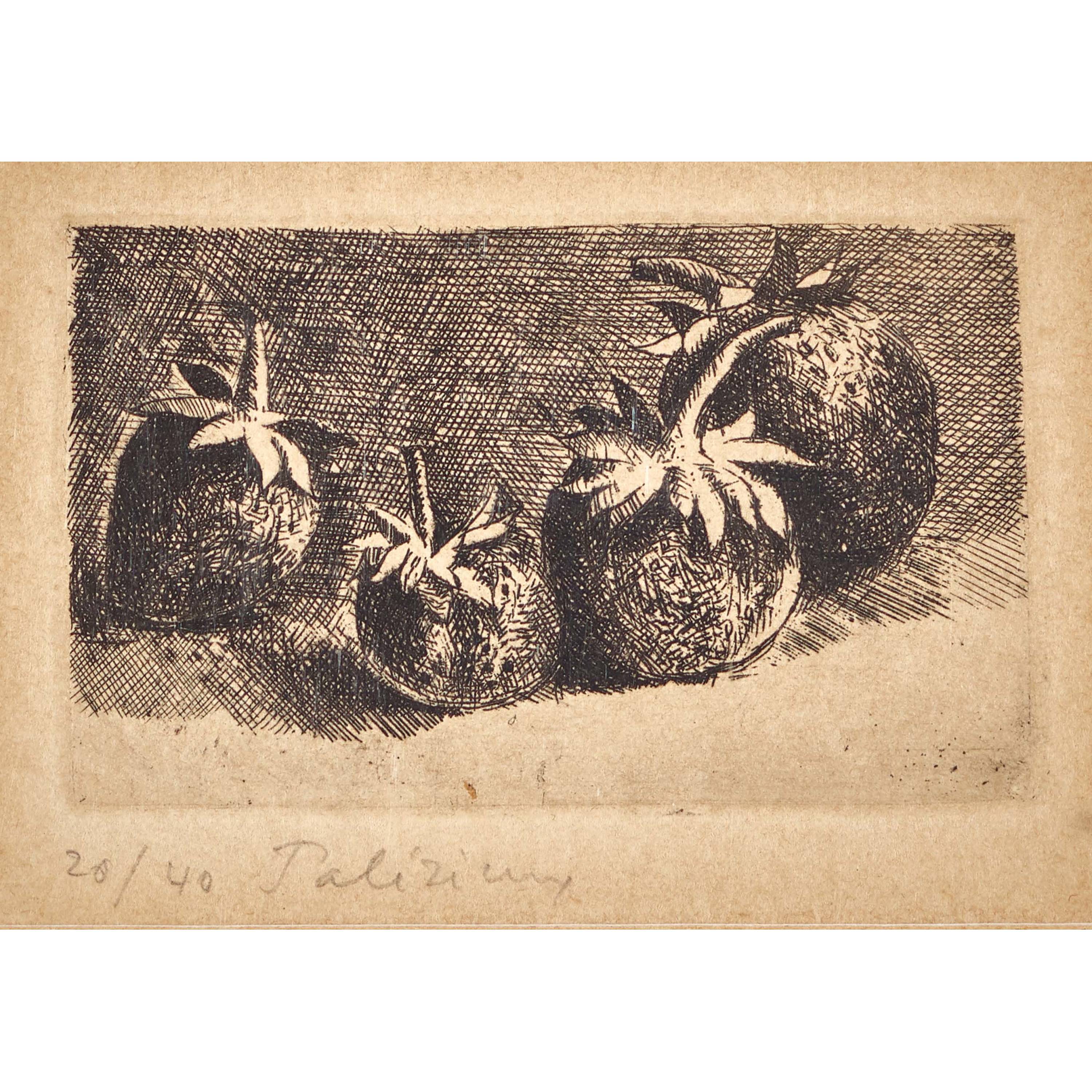
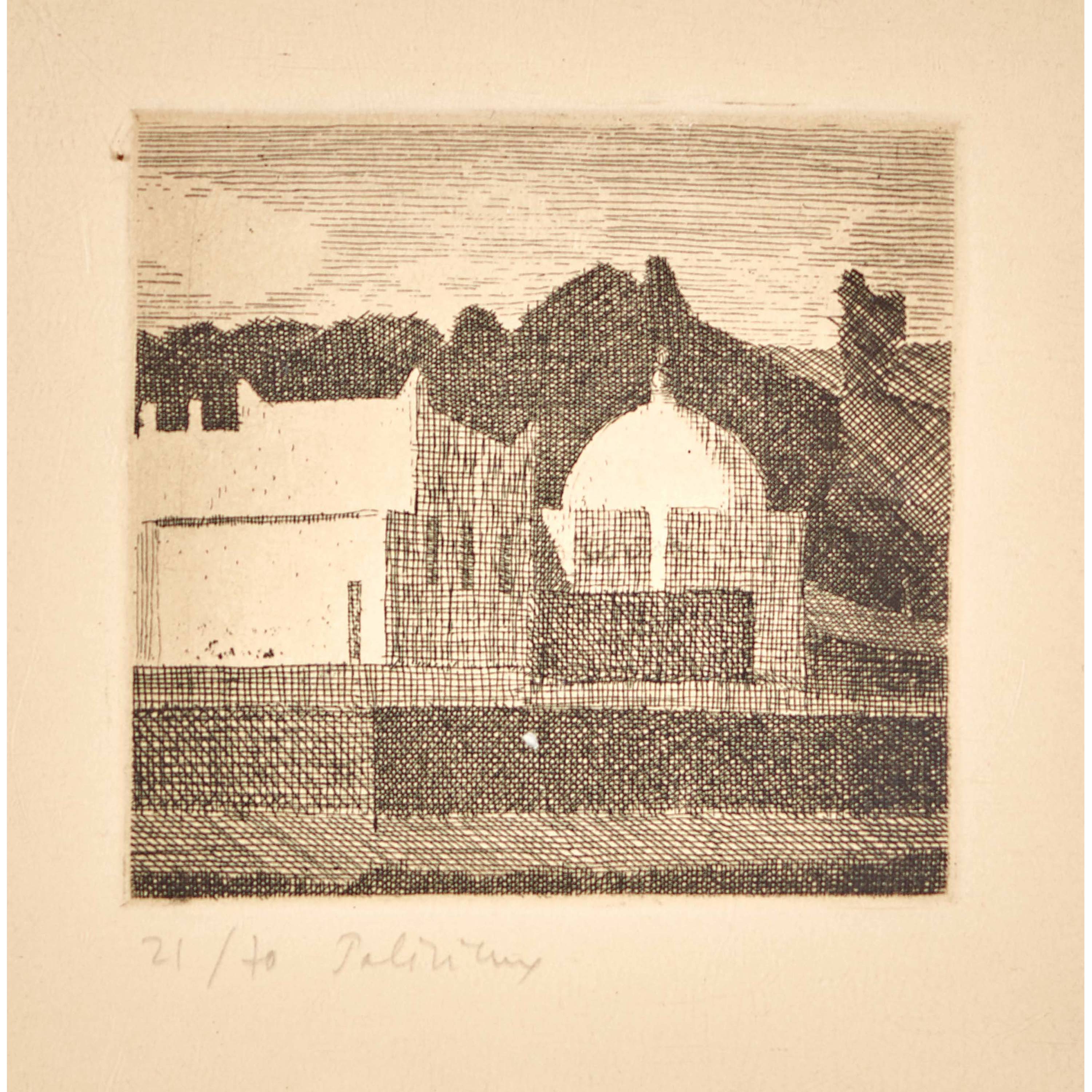
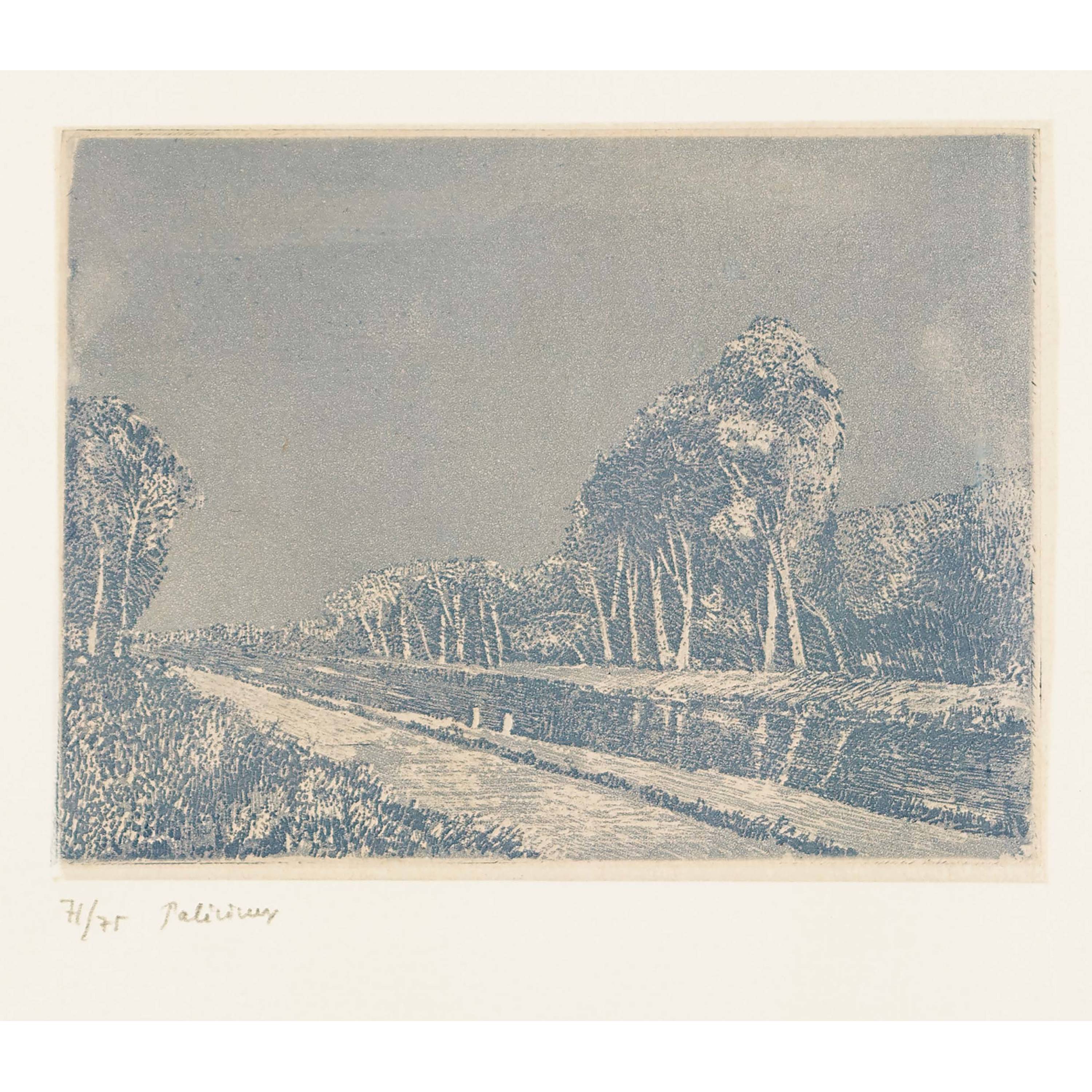
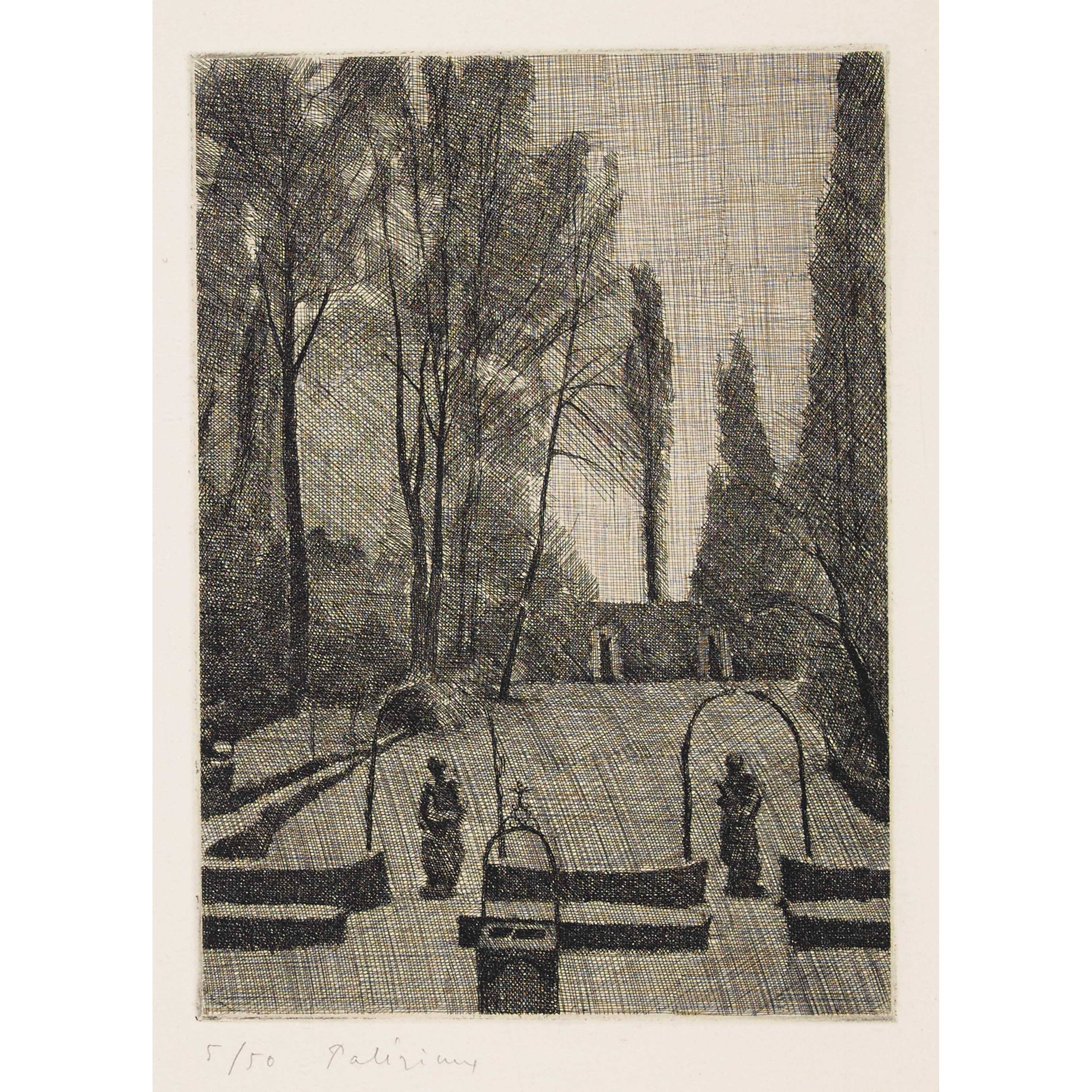
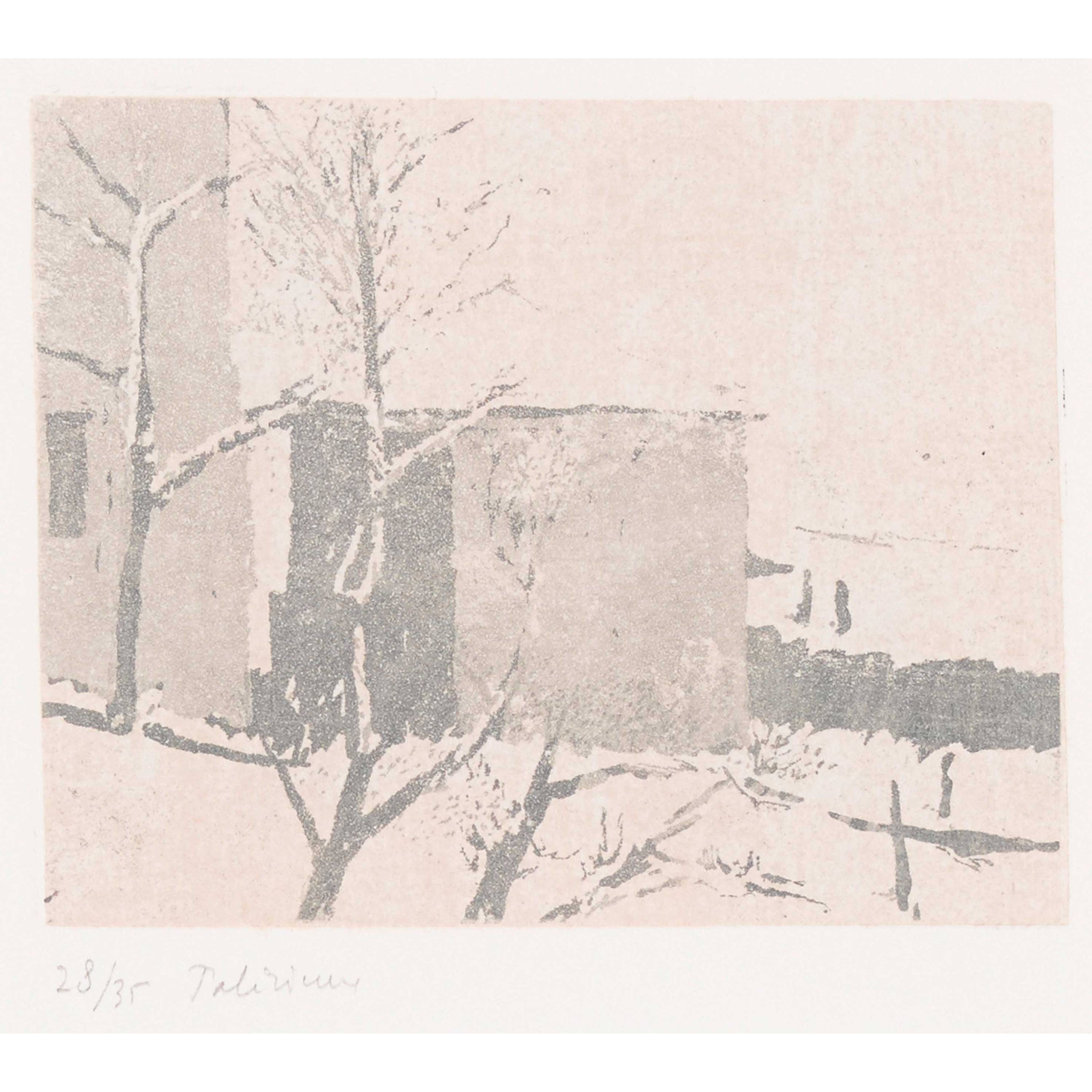
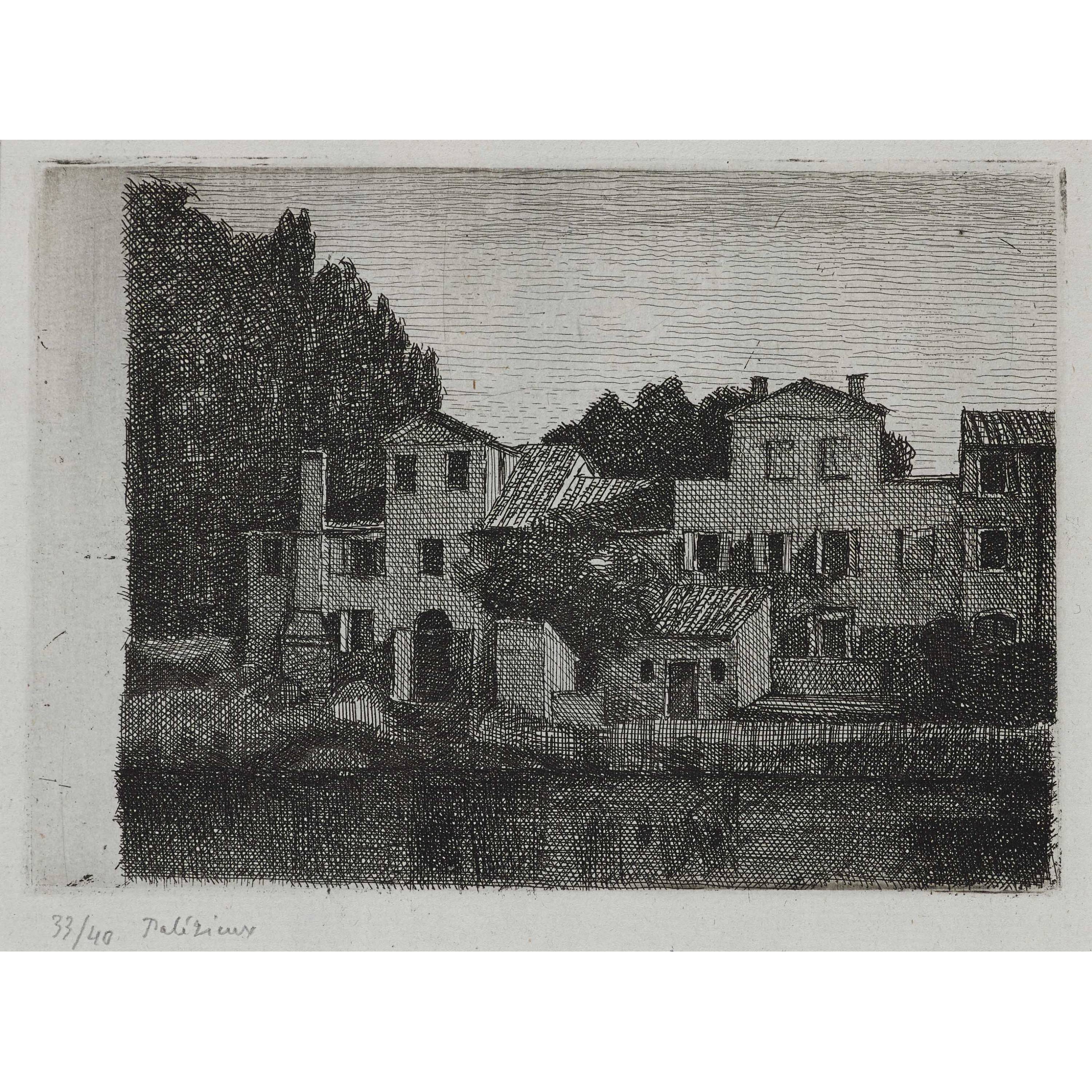
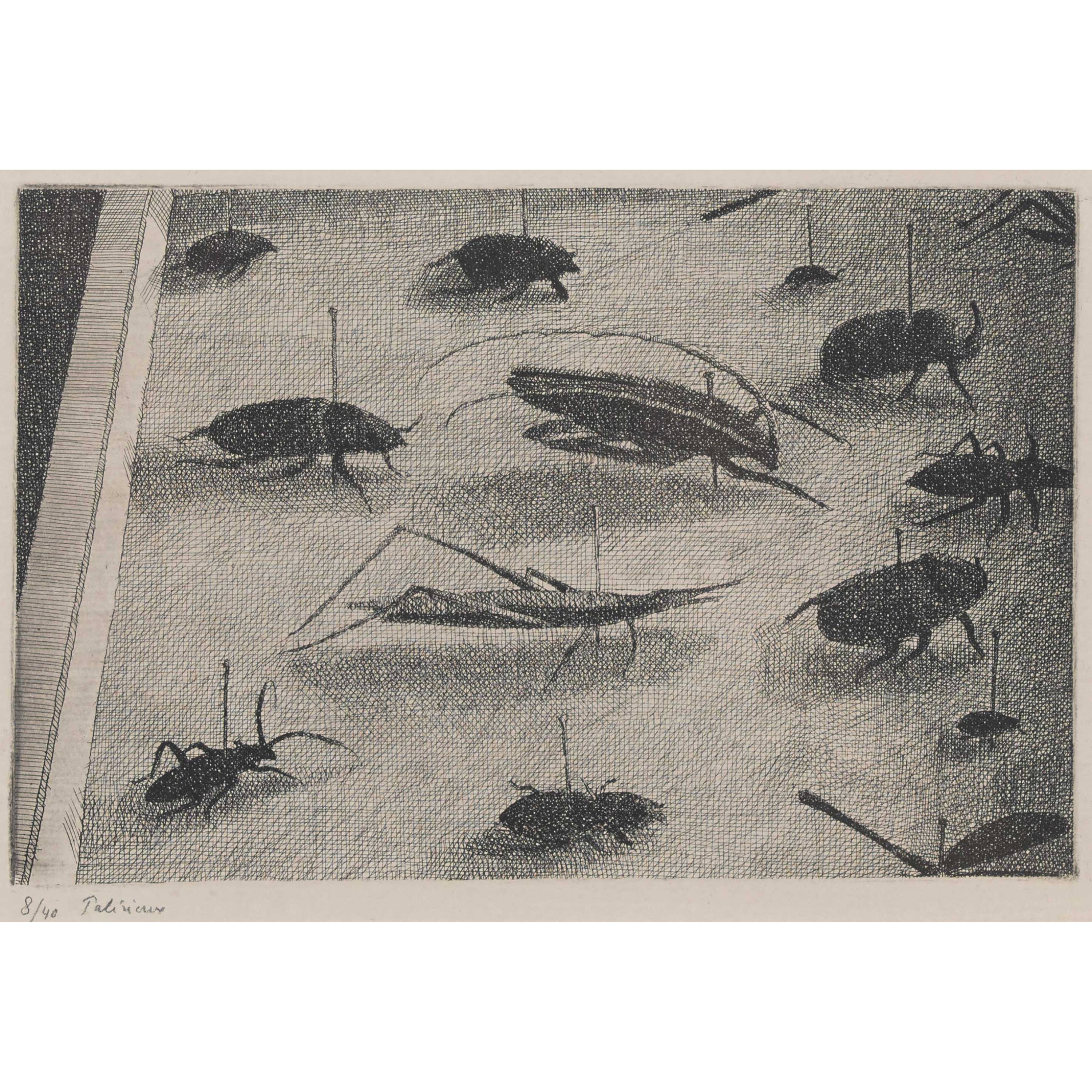
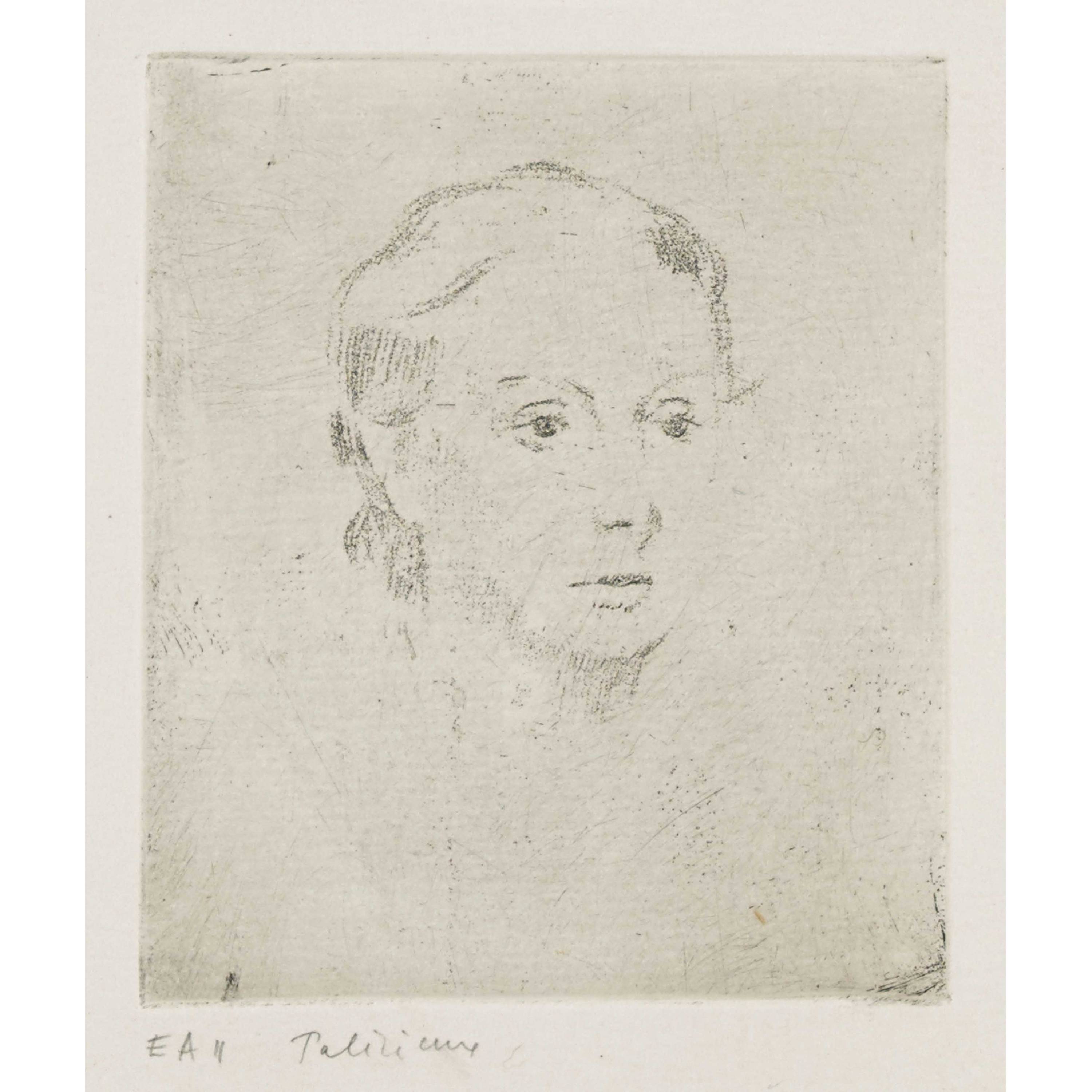
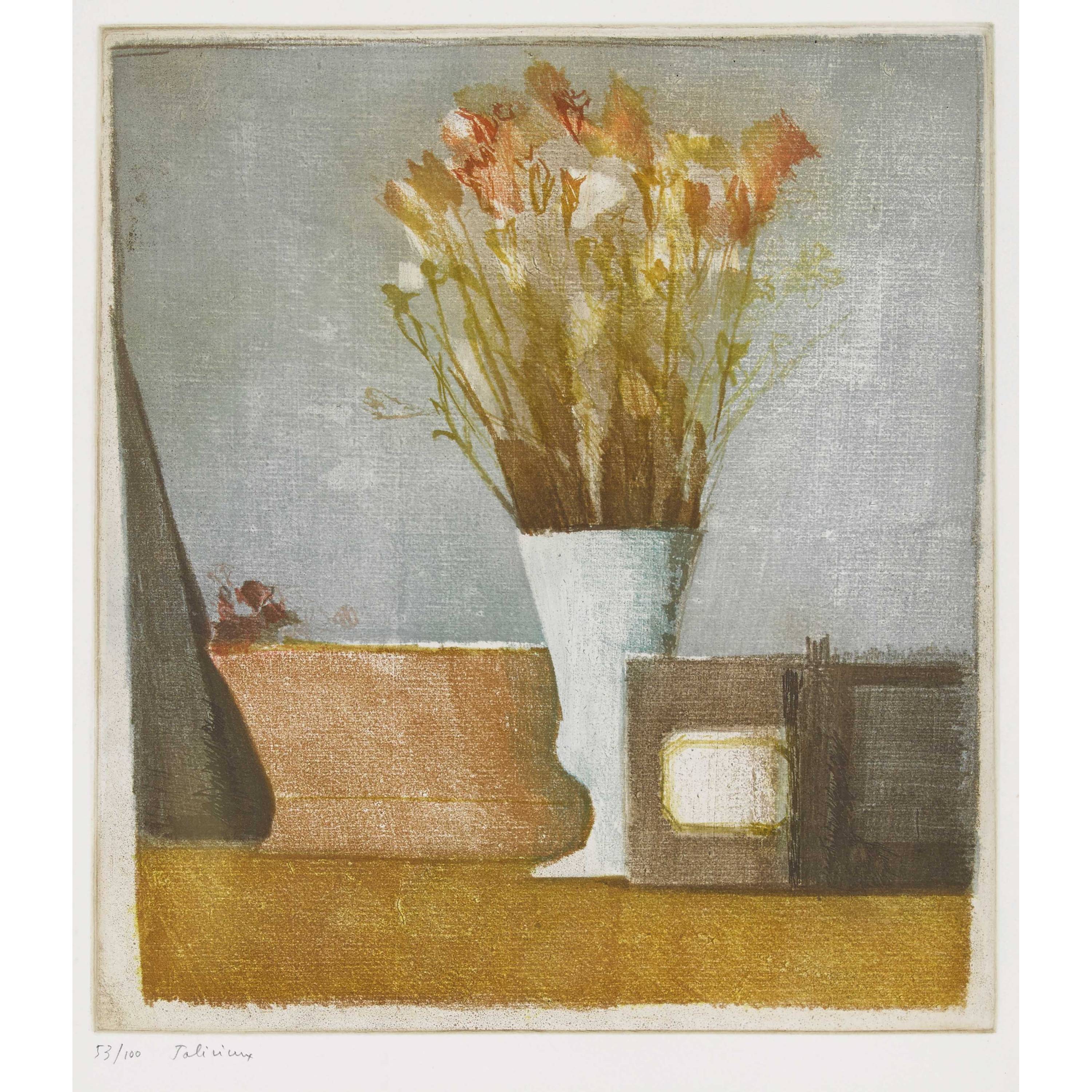
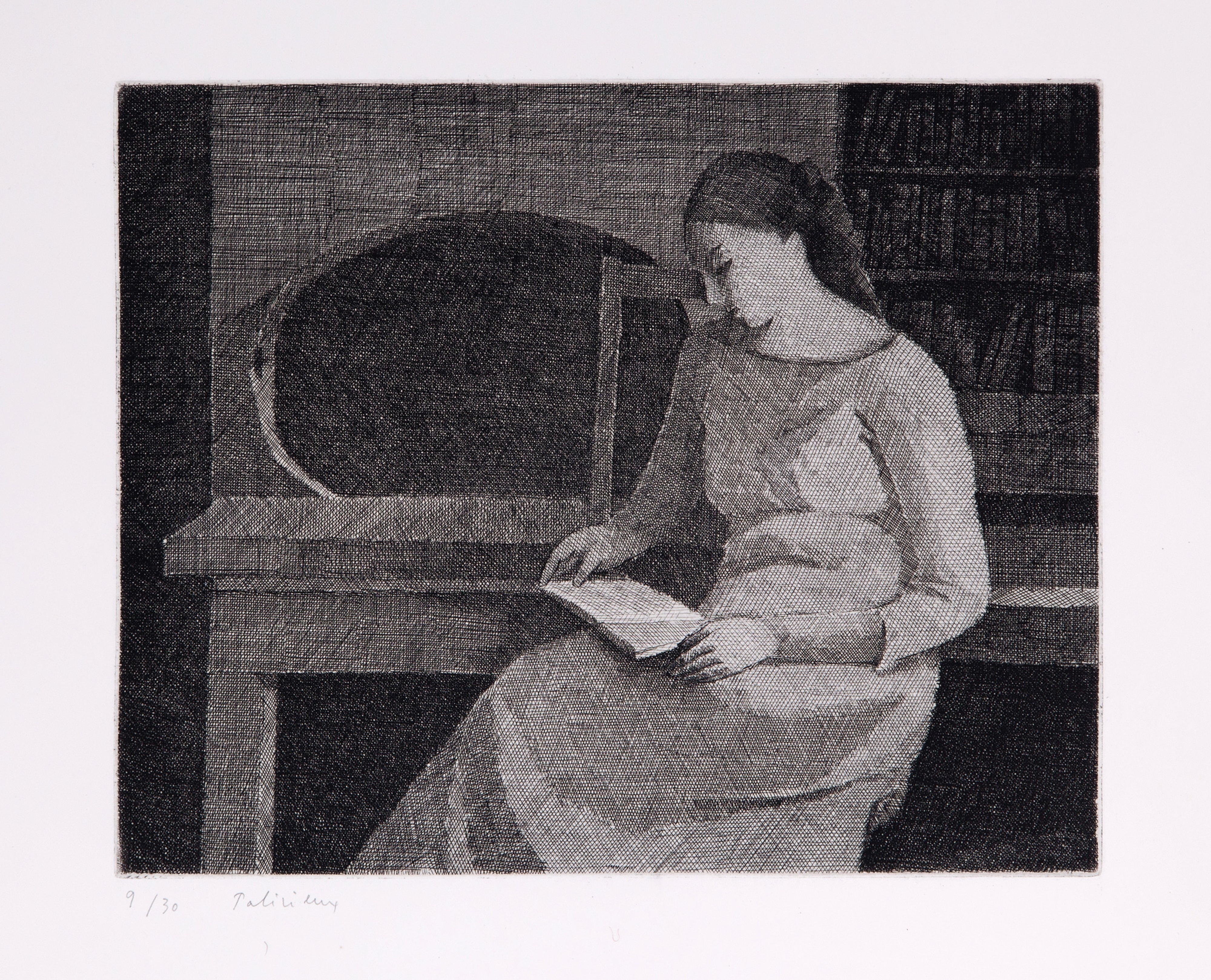
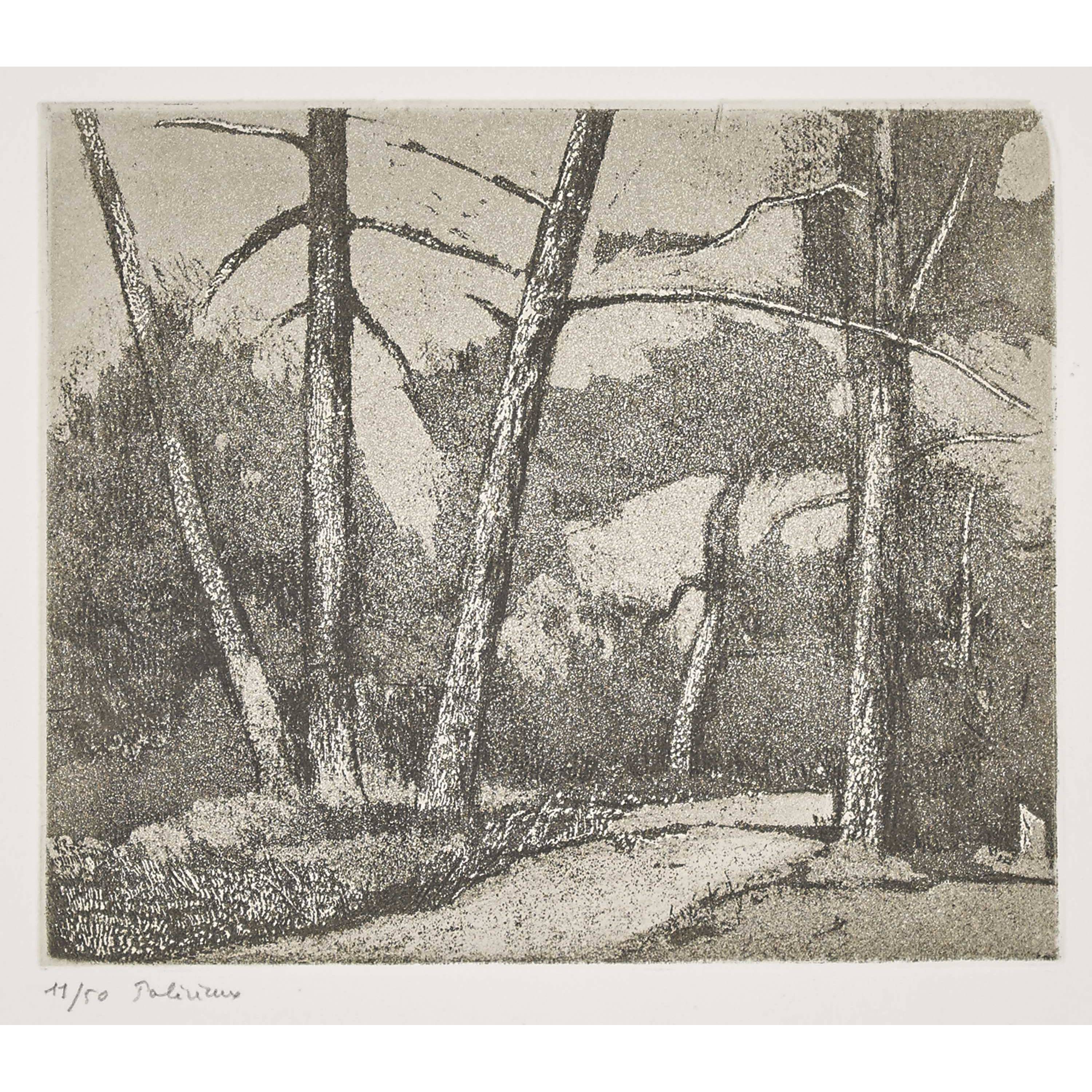
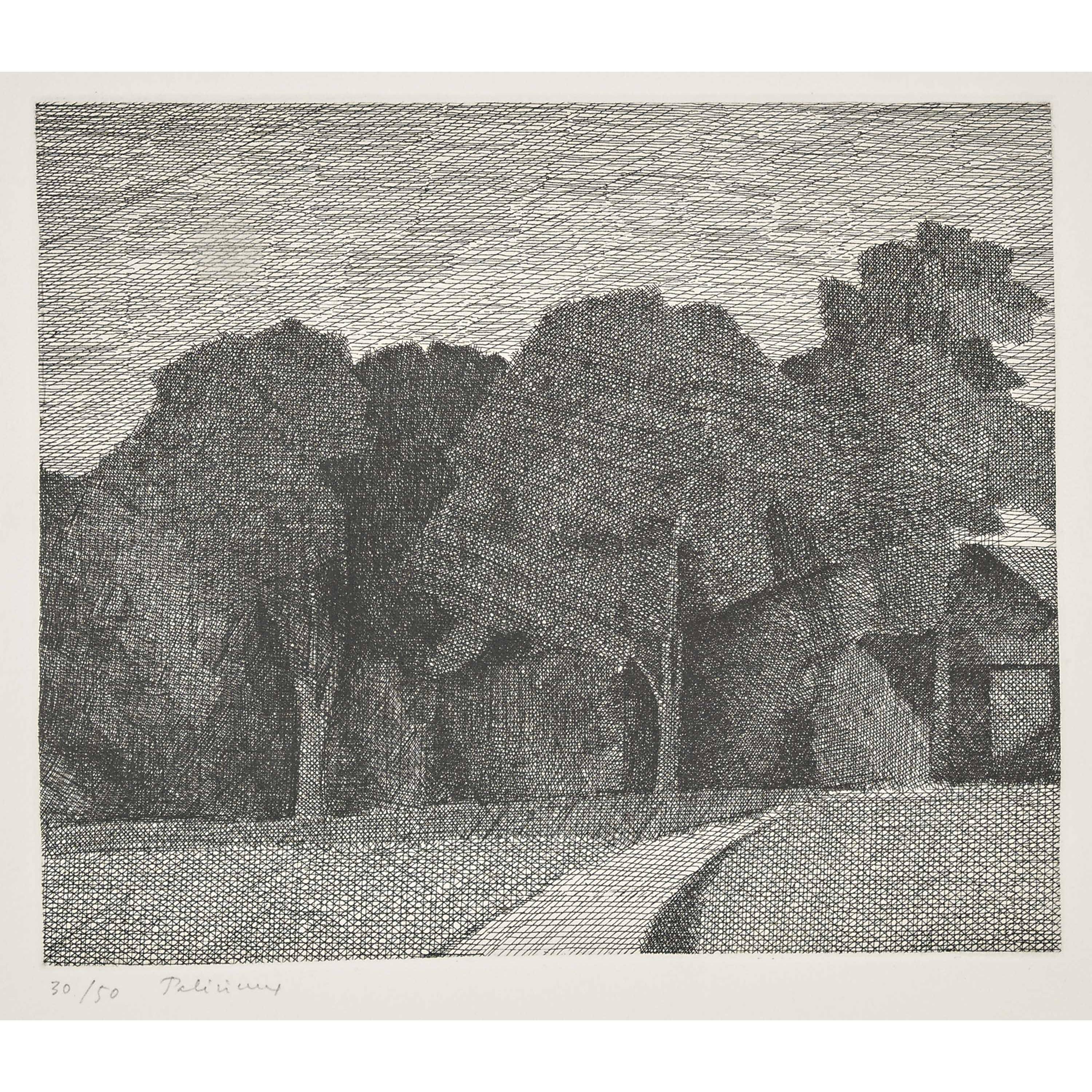
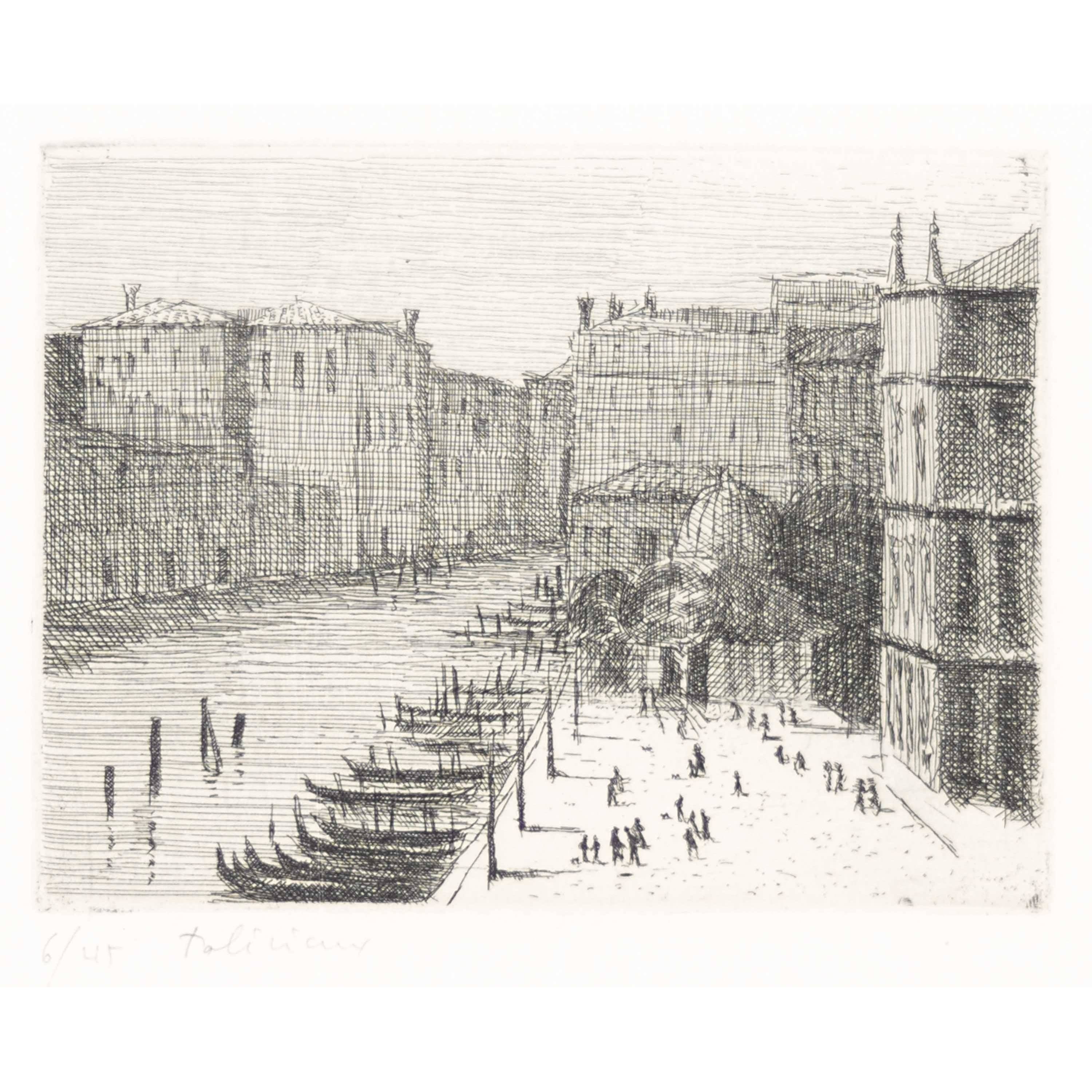
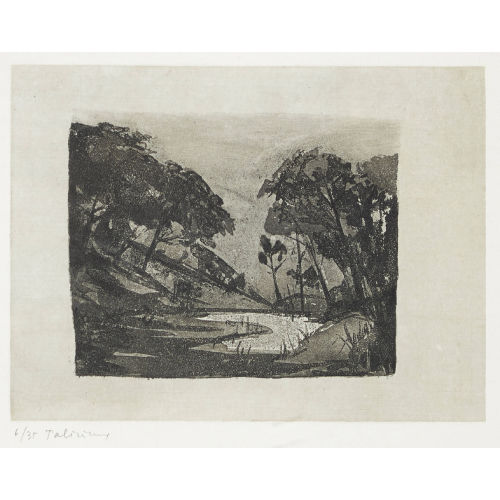
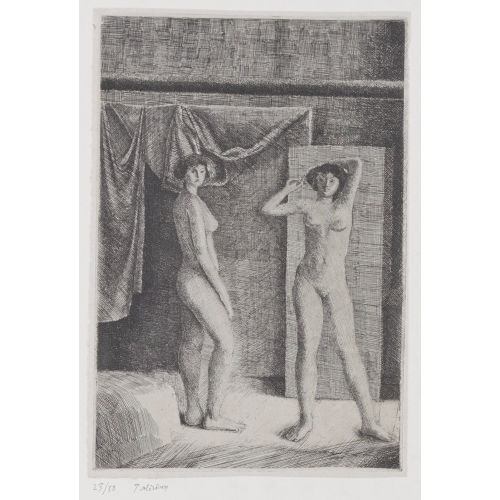
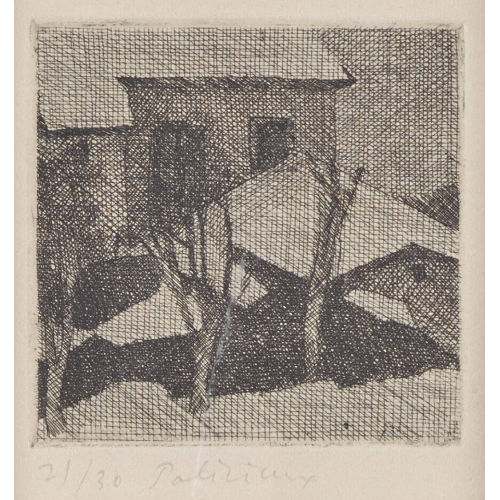
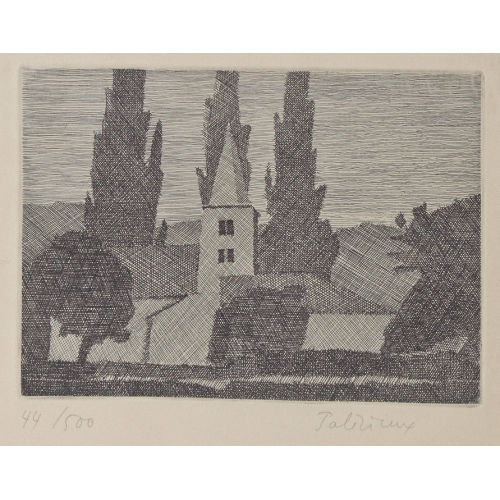
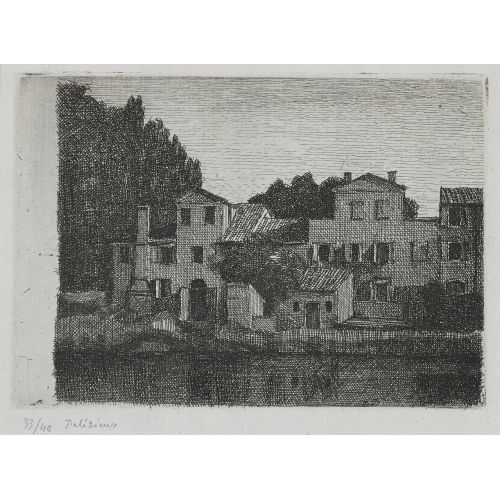
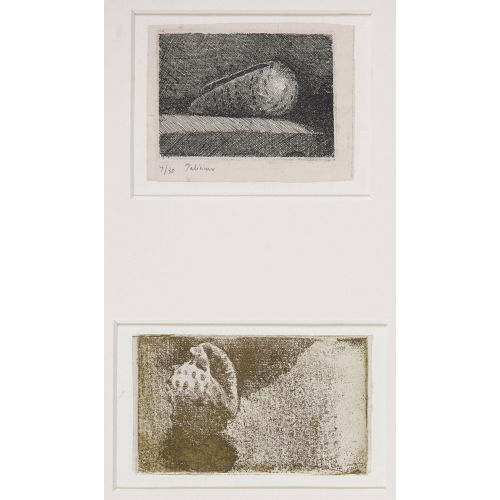
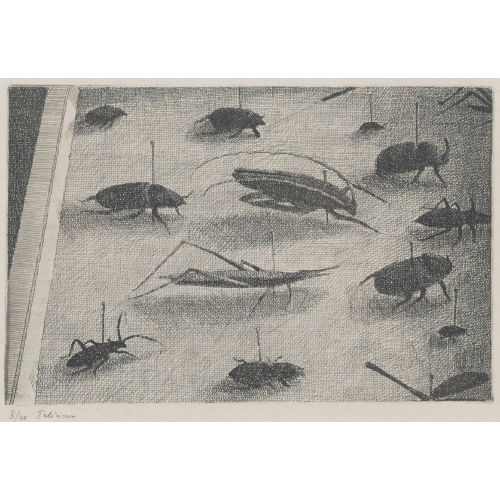
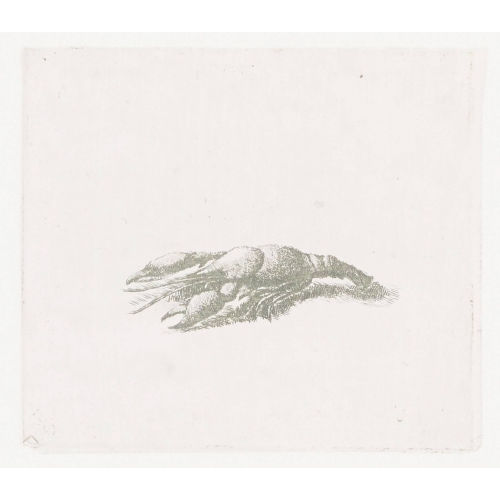
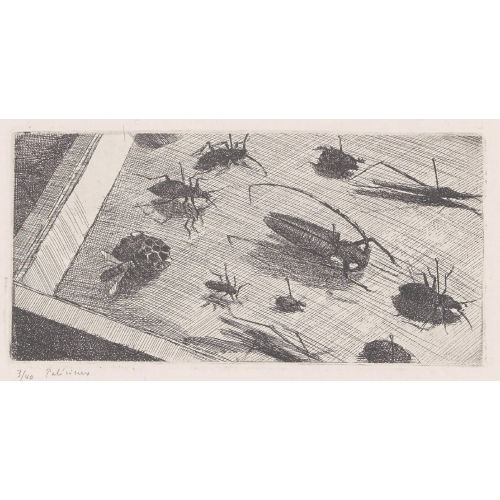
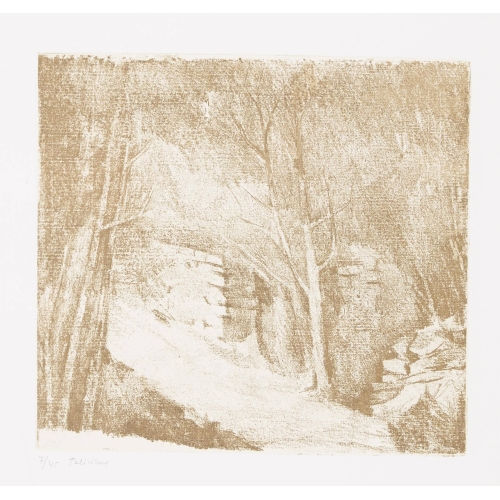
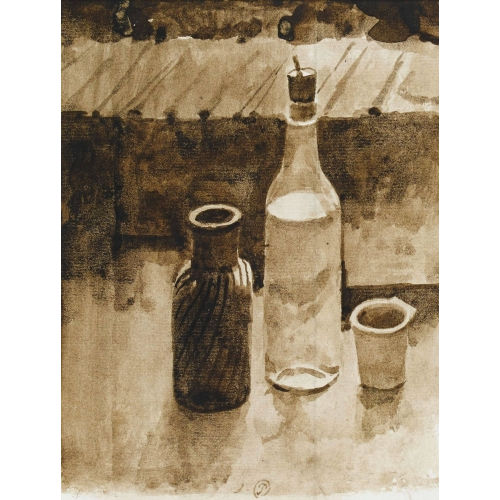
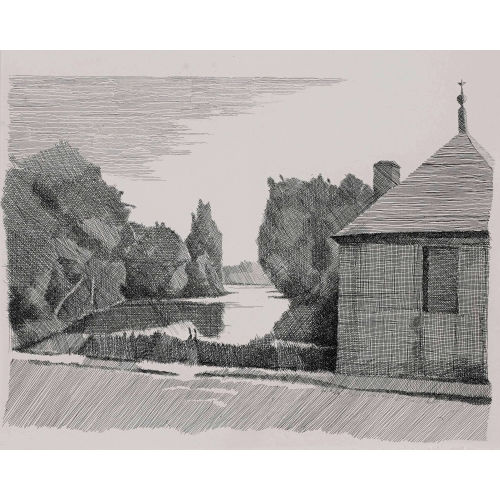
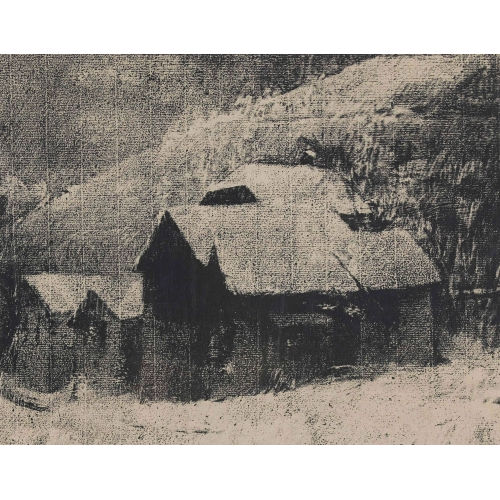
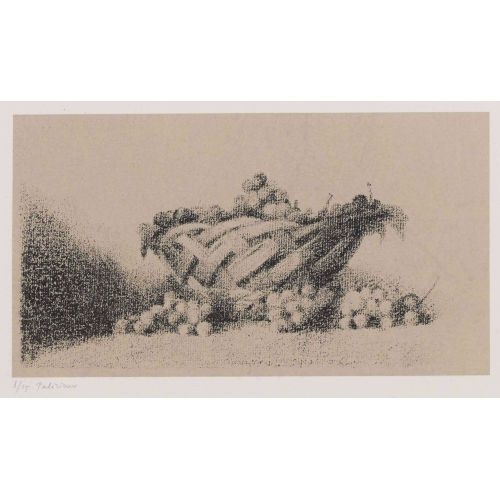
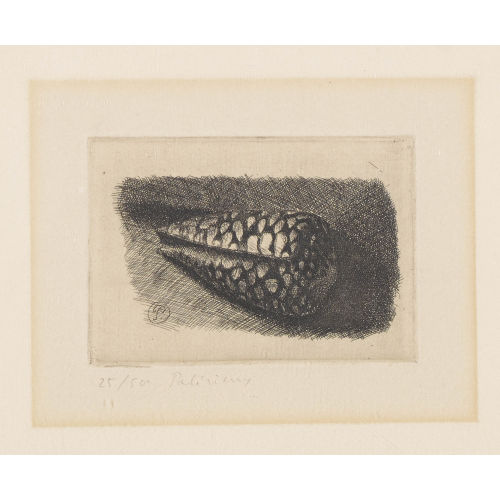
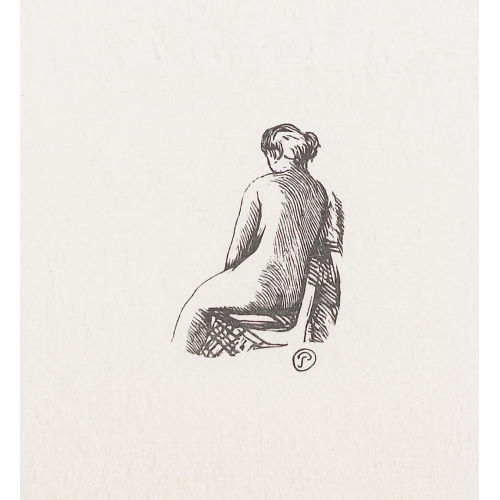
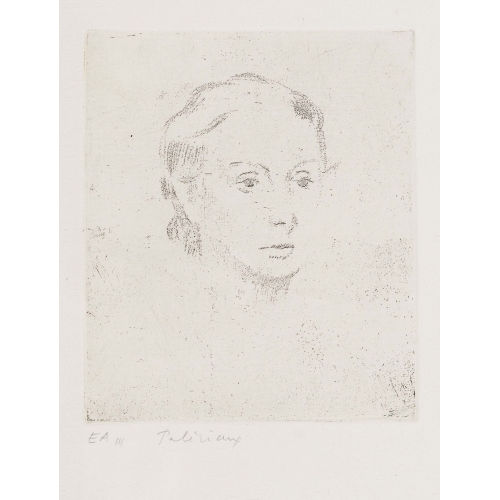
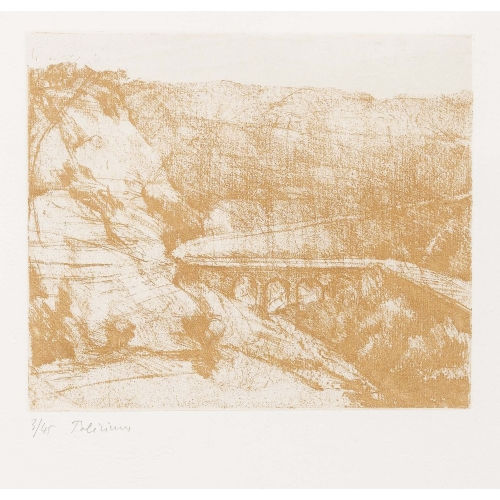
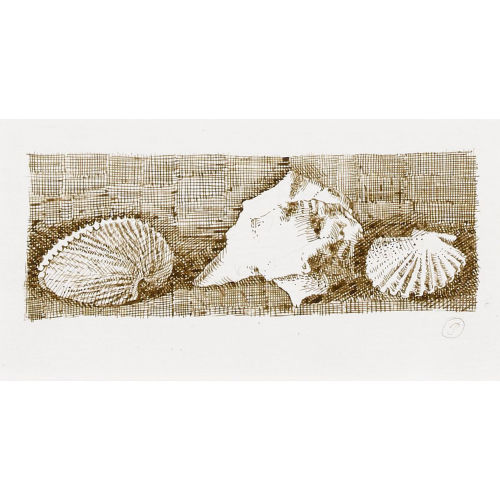
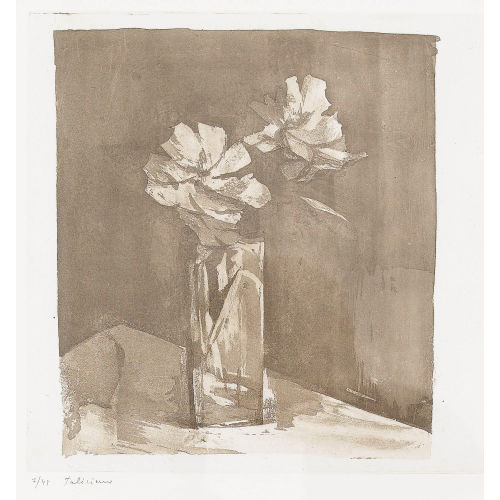
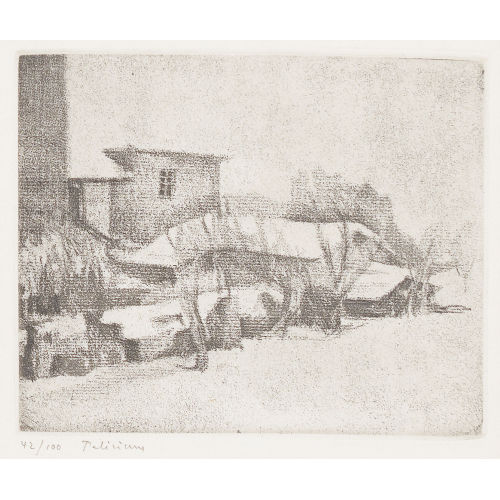
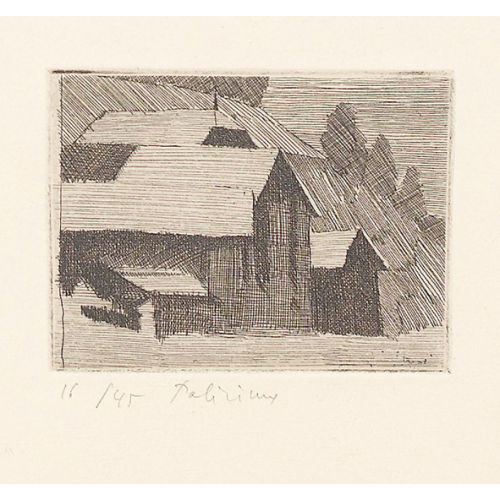
Etching occupies a central place in his work. He extended its possibilities through aquatint, soft-ground etching and monotype. In his prints, hatching serves not only to describe objects: its density organises space and creates passages between shadow and light.
The choice of paper also contributes to the expression.
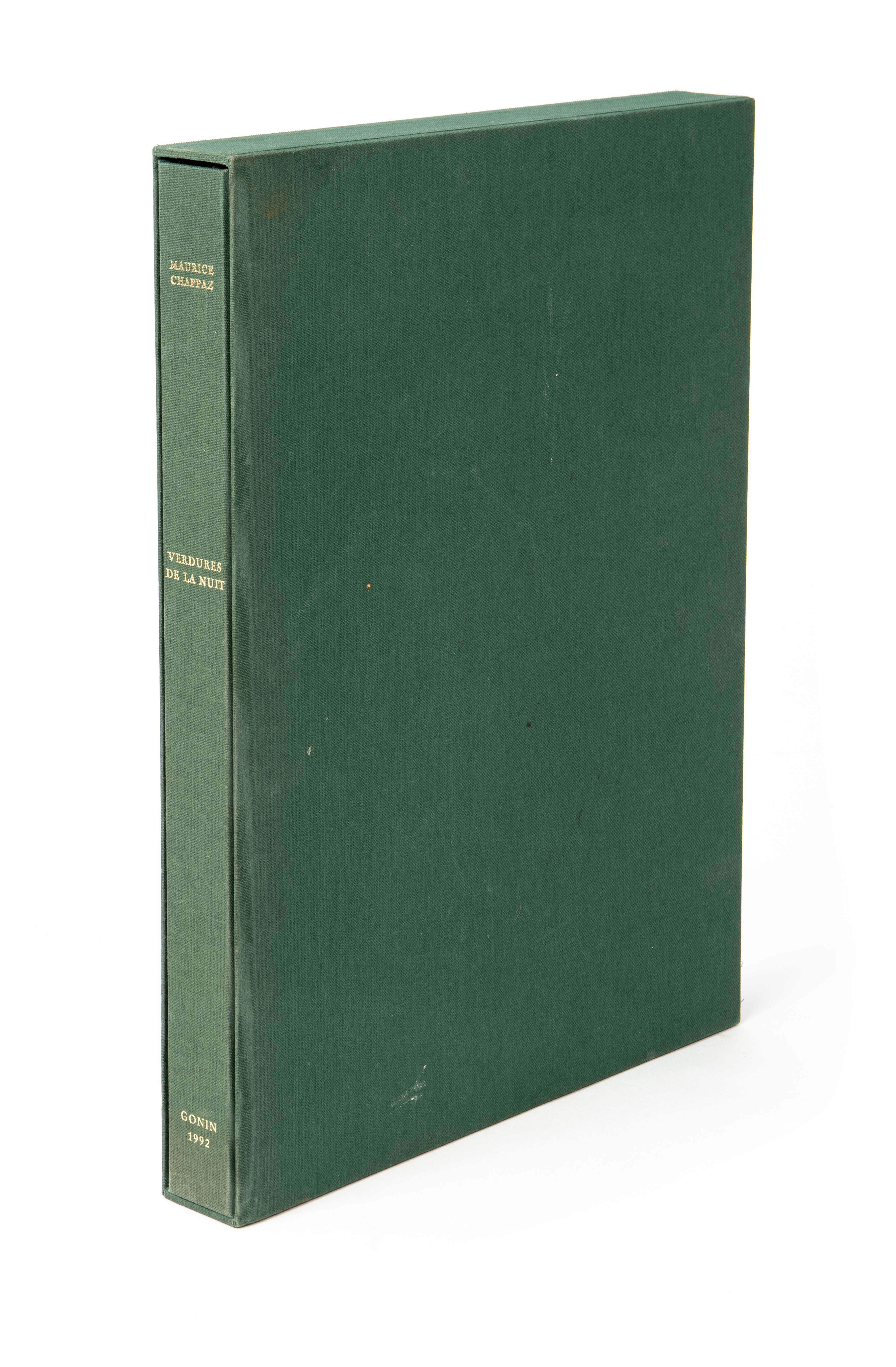
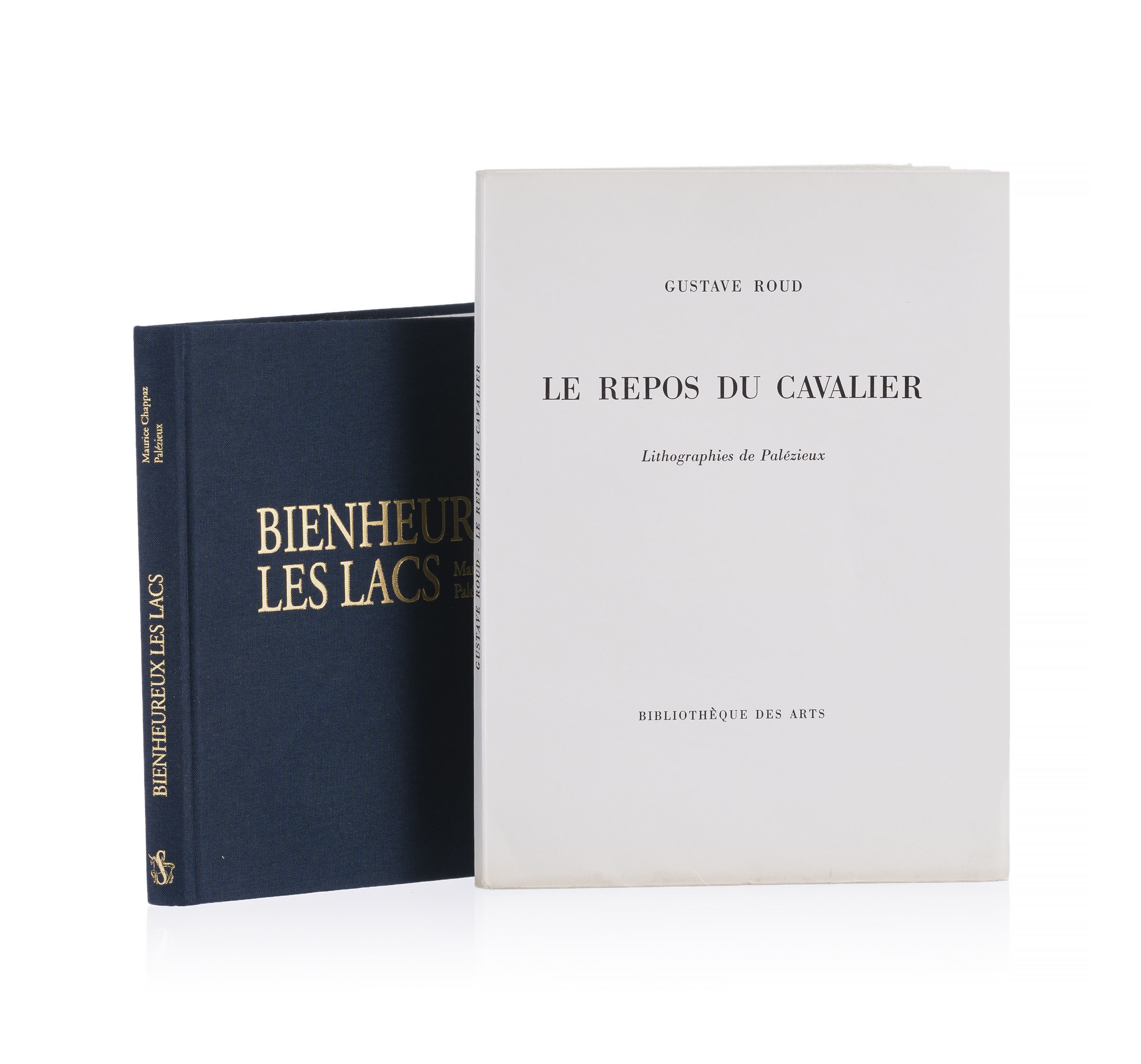
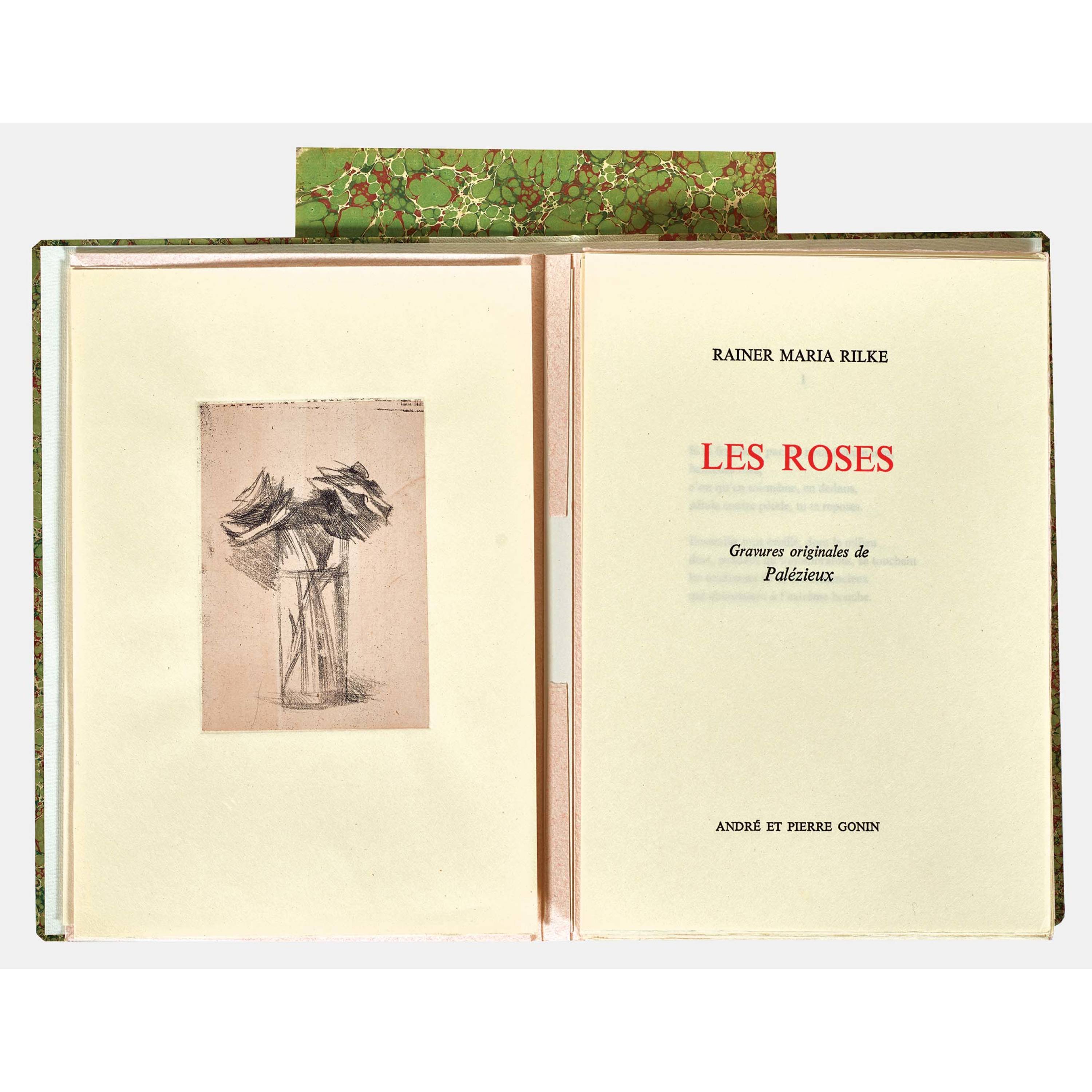
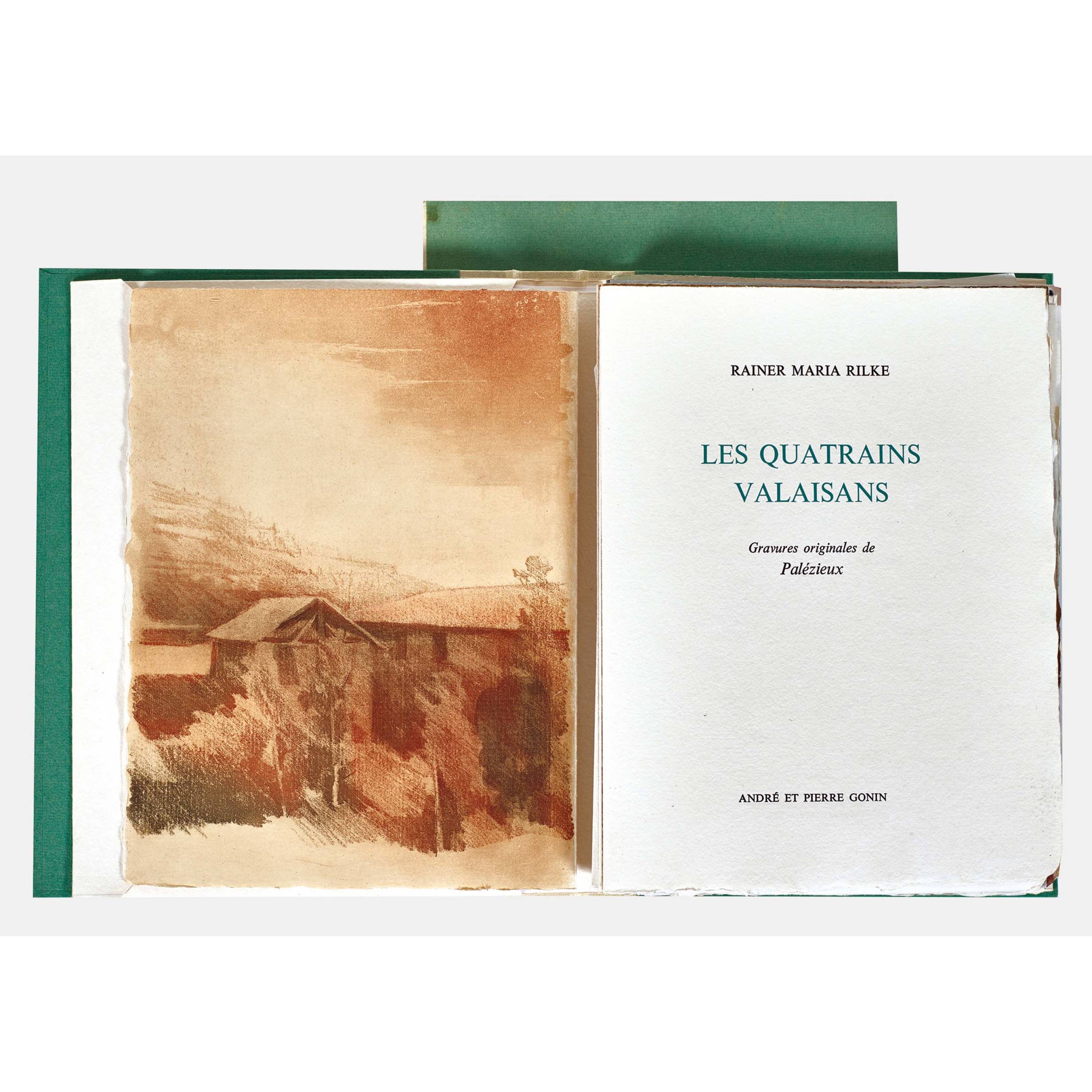
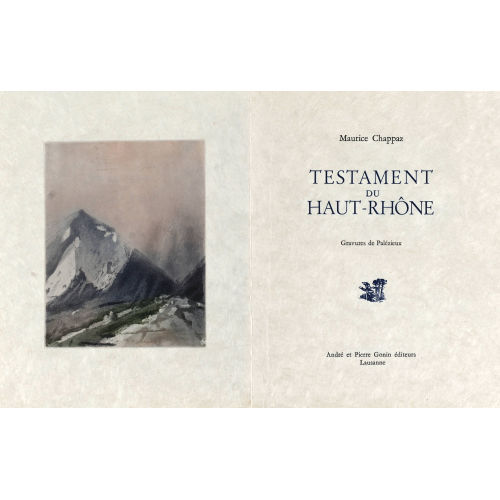
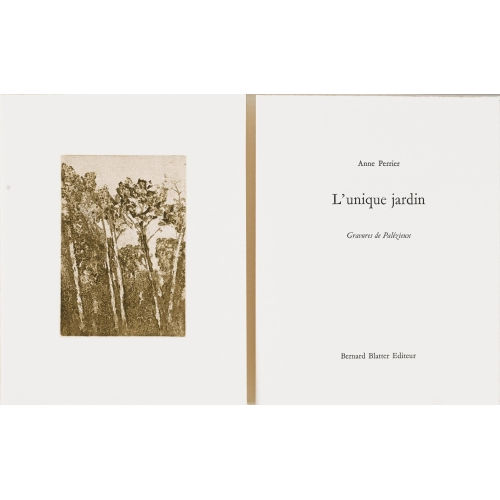
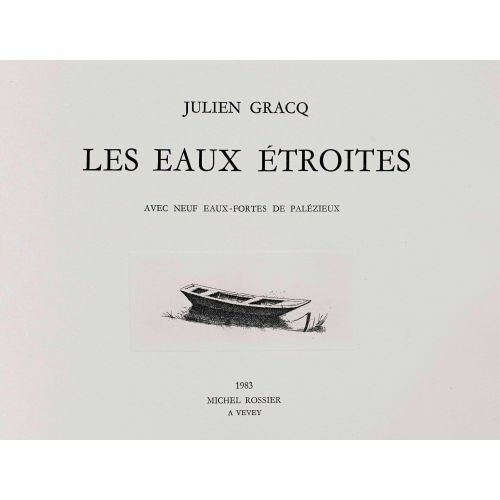
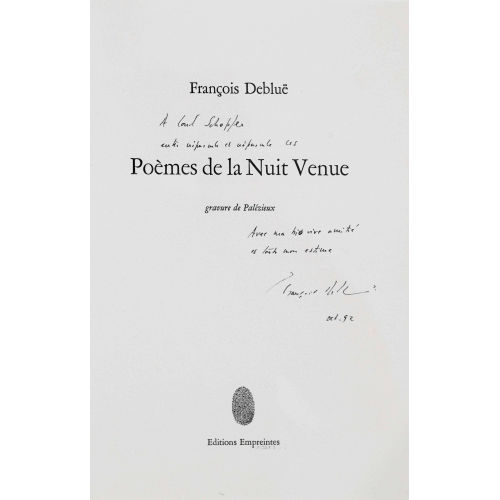
His proximity to poets found an extension in illustrated books, notably through his association with Philippe Jaccottet and Maurice Chappaz. A collector as well as a practitioner, Palézieux studied old prints in order to understand the solutions devised by his predecessors.
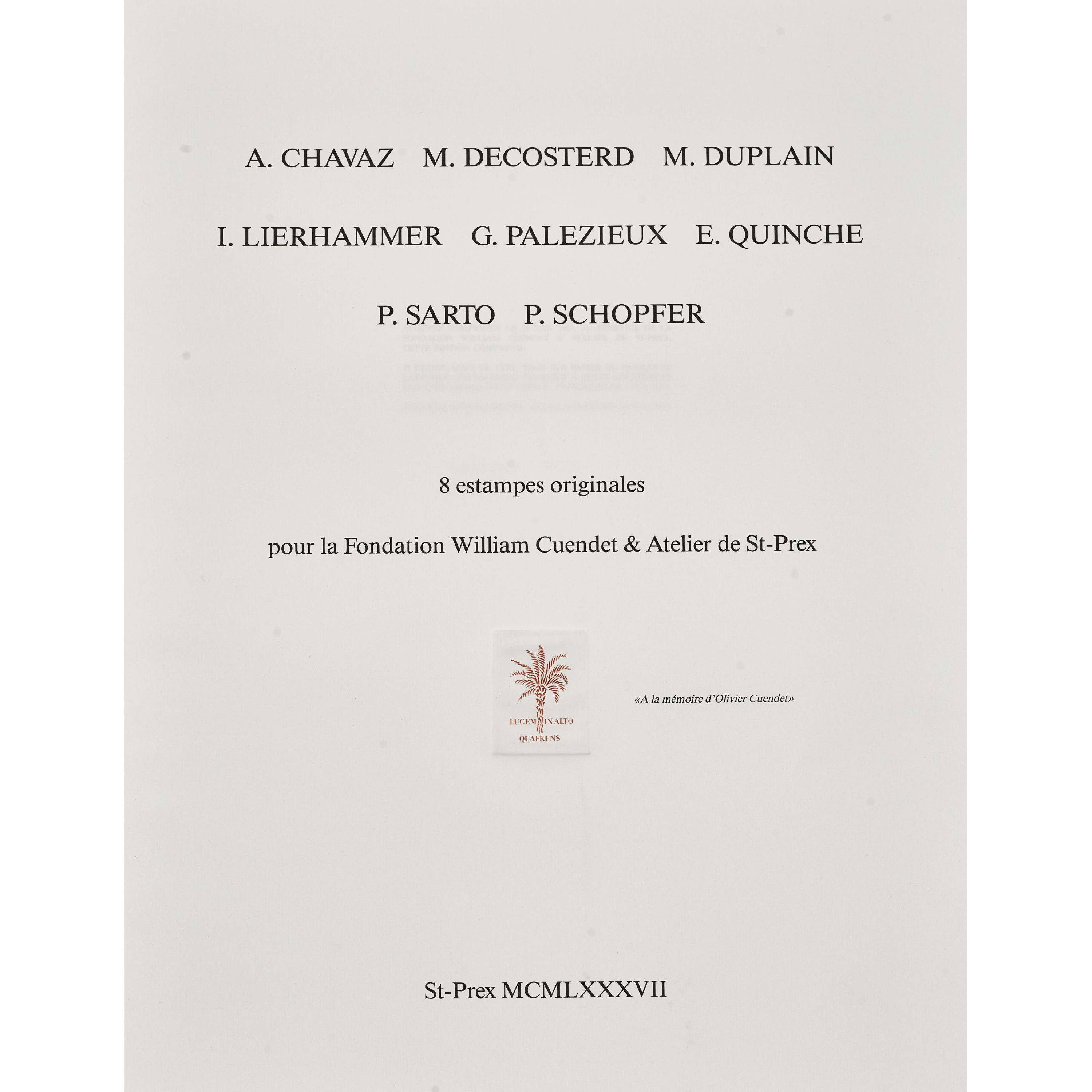
He bequeathed his works on paper and his collection of prints to the Fondation William Cuendet & Atelier de Saint-Prex. Today, this body of work continues the dialogue between creation and transmission that runs through his career: looking at the masters in order to find his own way of making the world visible.