Fritz Pauli
Born in 1891.
Died in 1968.
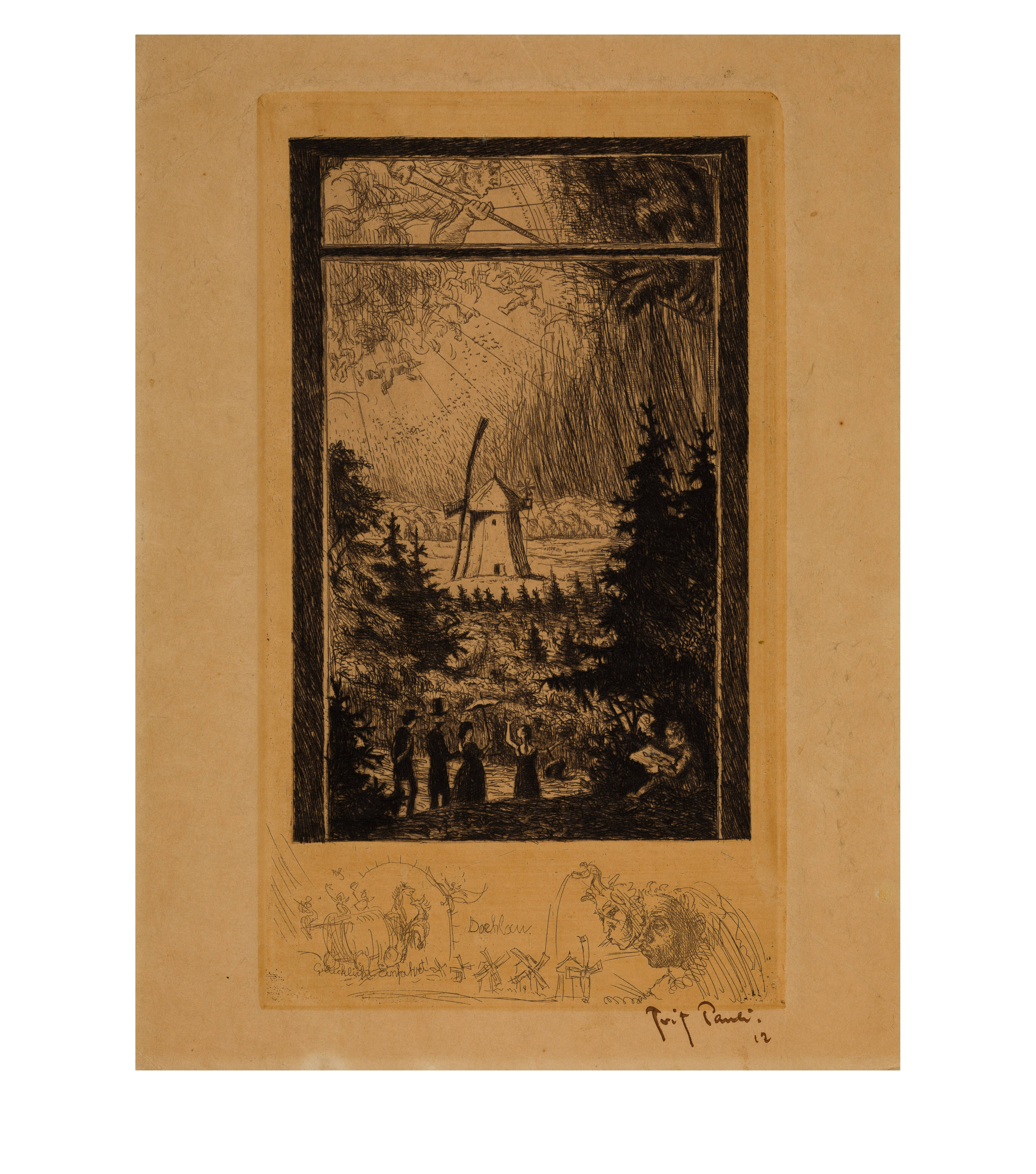
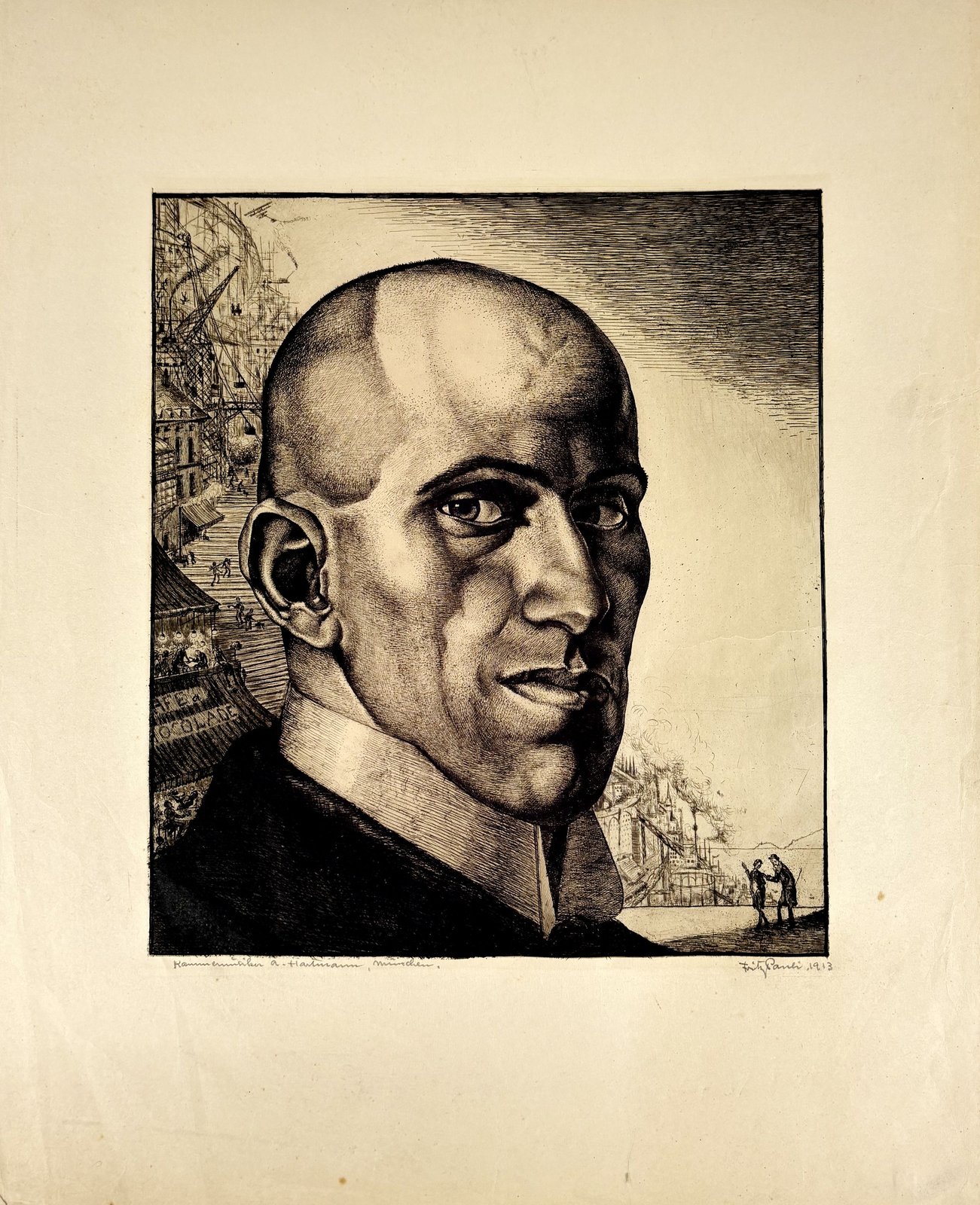
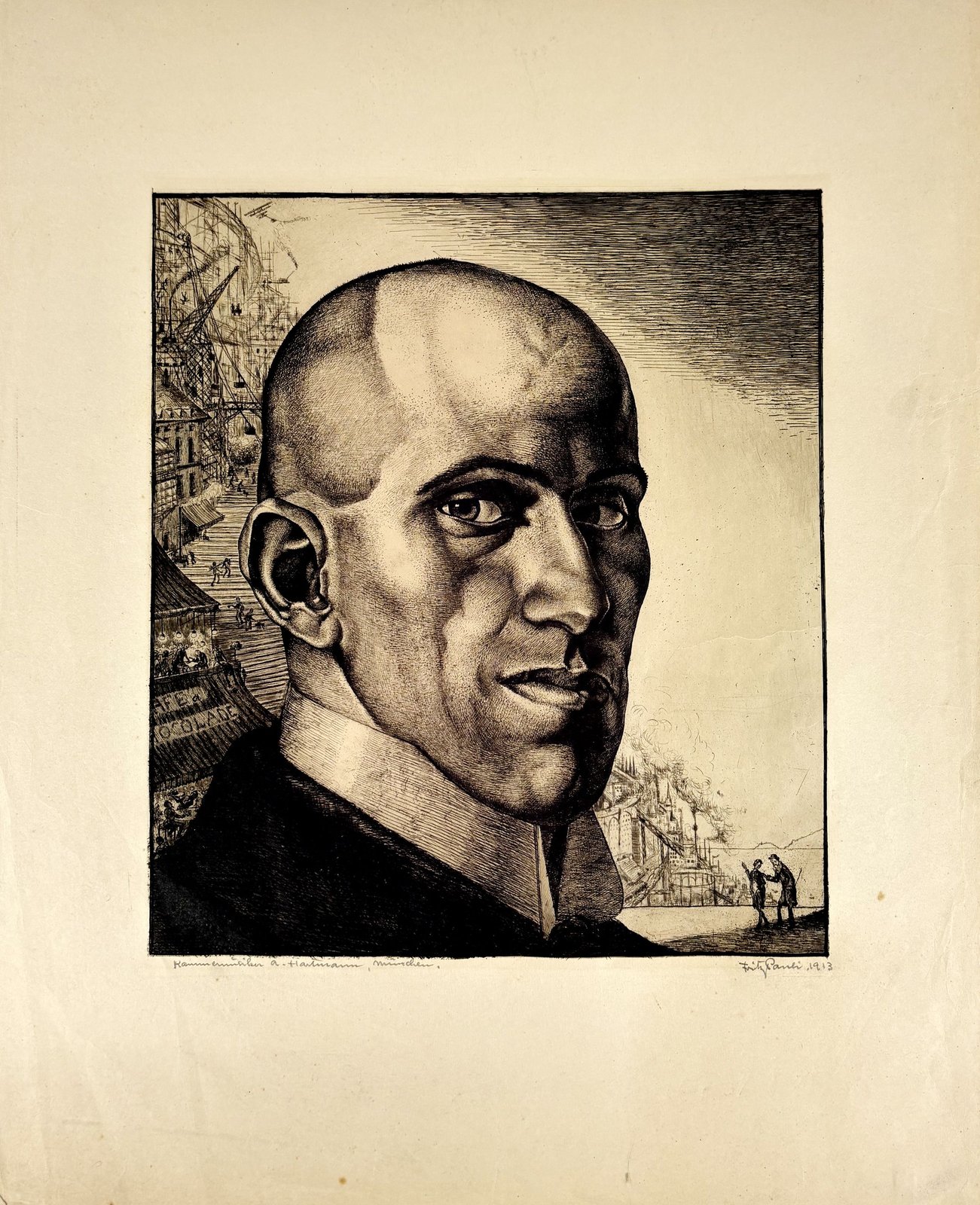
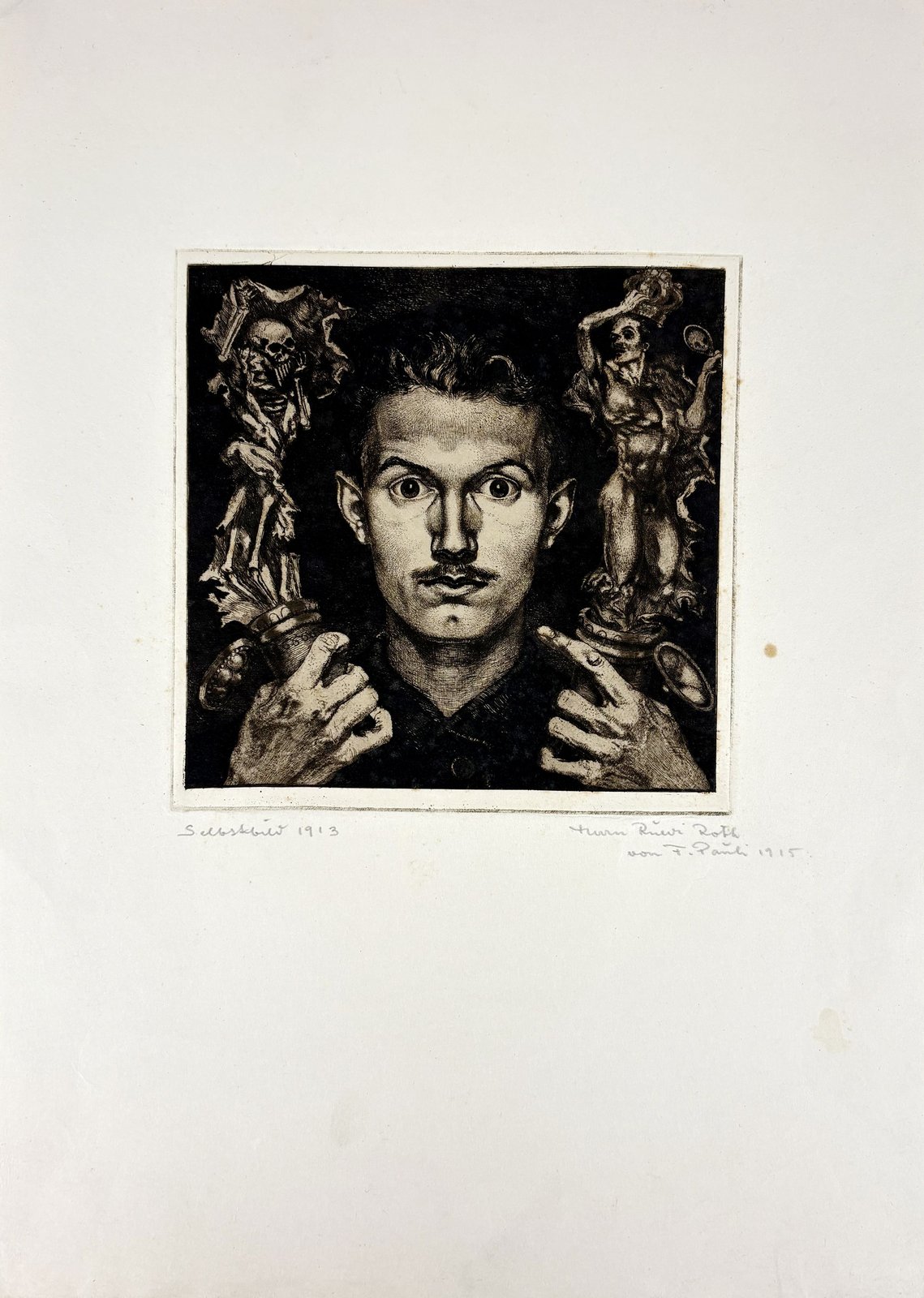
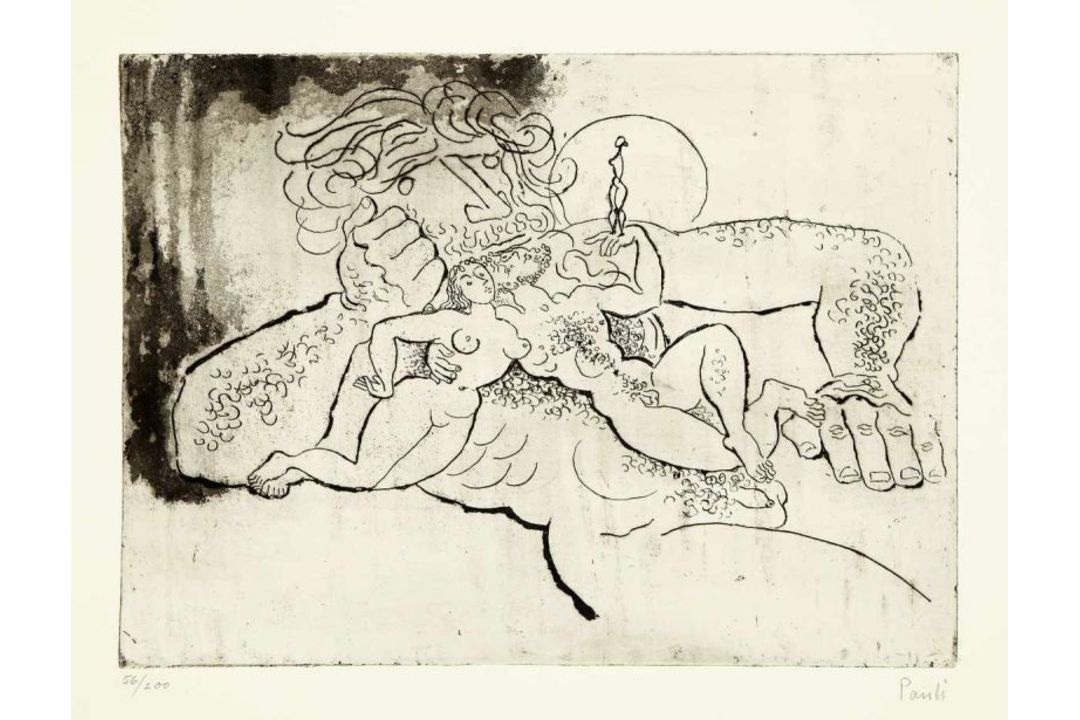
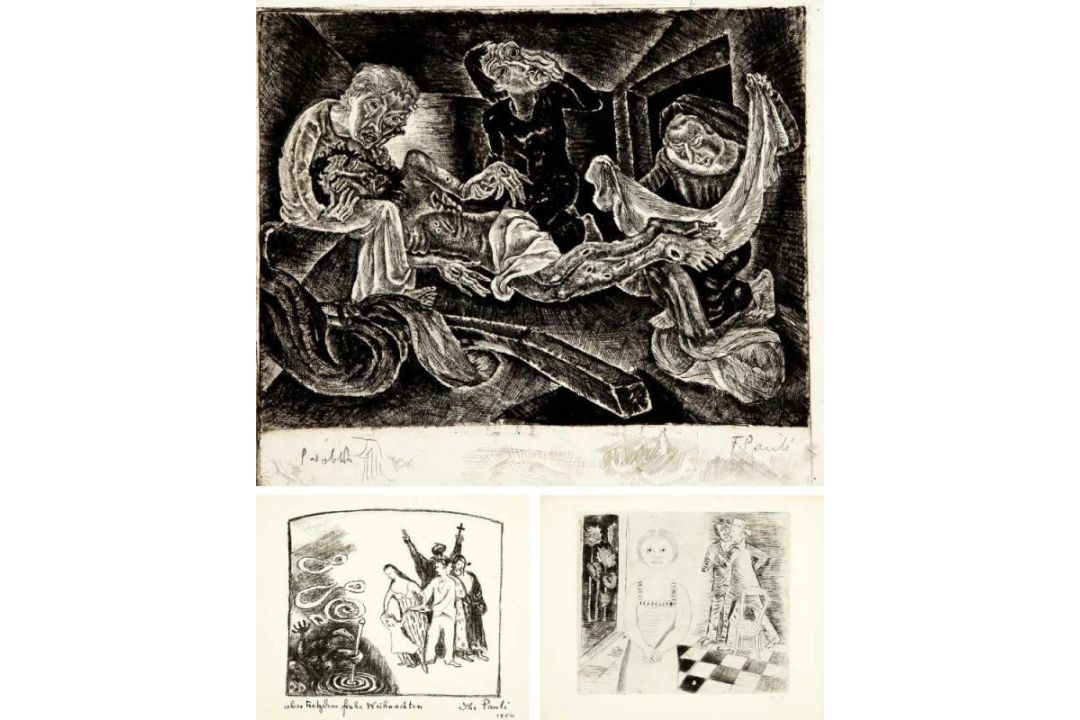
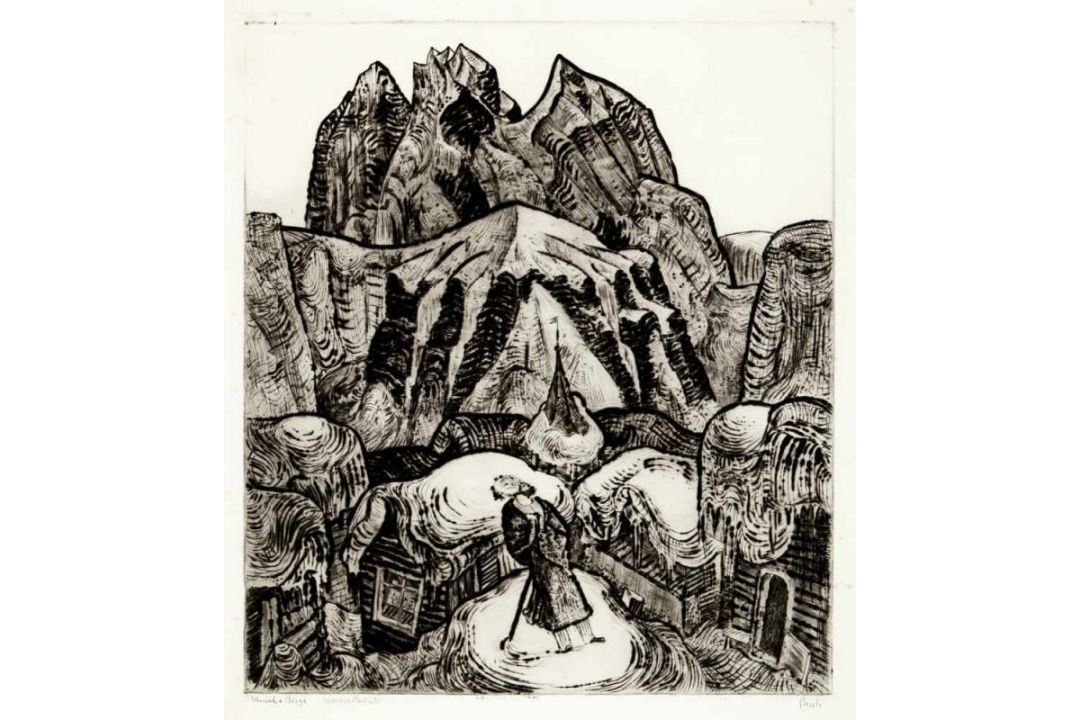
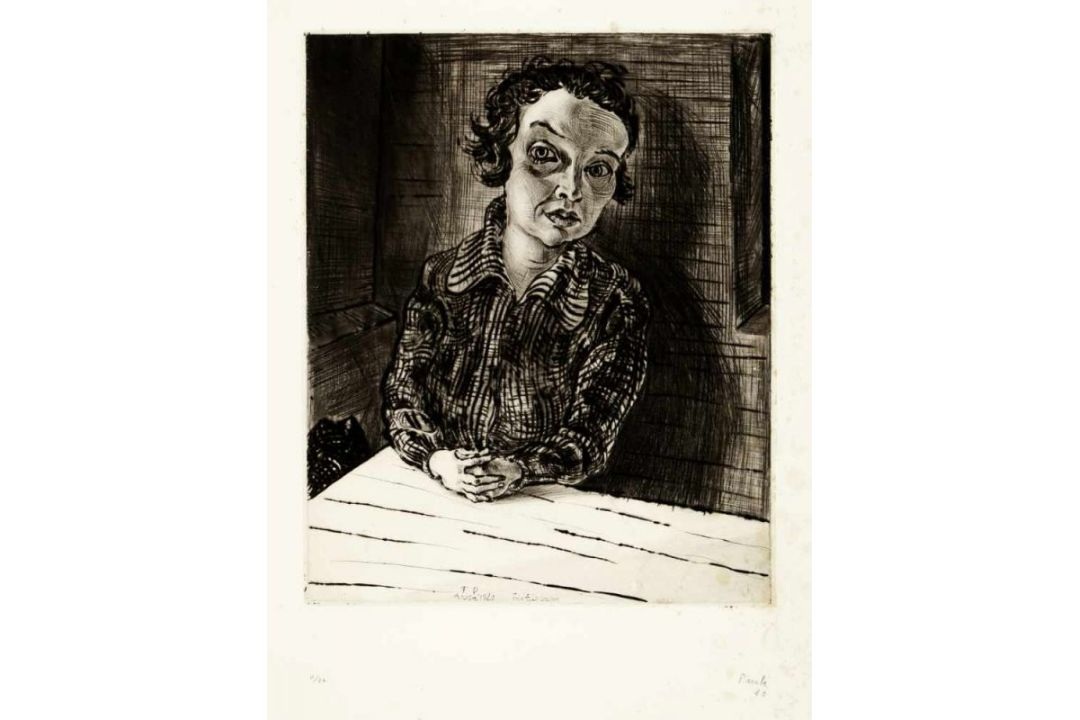
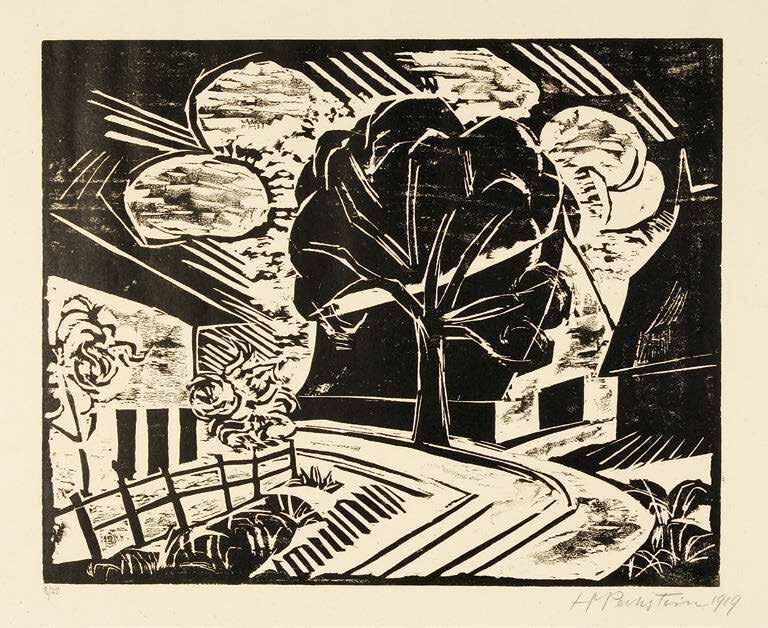
Born in Bern in 1891 and deceased in Cavigliano in 1968, Fritz Pauli initially trained as a house painter before devoting himself to printmaking and drawing. Albert Welti encouraged him and helped him continue his training in Munich. From the 1910s and 1920s onwards, his etchings and Expressionist drawings earned him recognition extending beyond Switzerland.
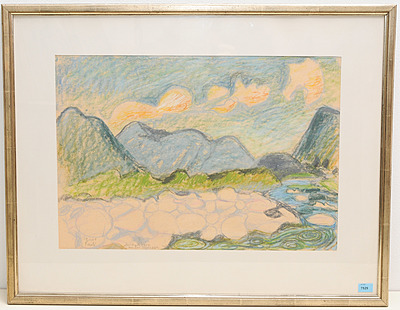
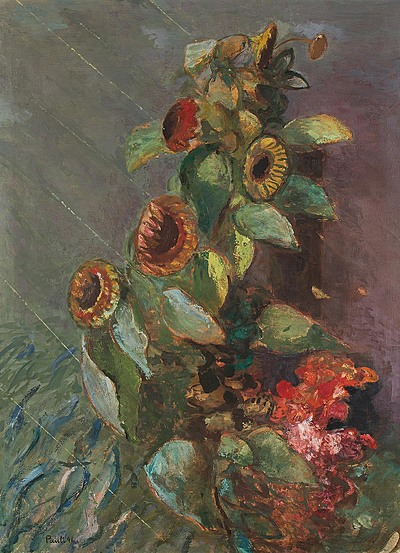
He subsequently turned to painting and developed a figurative oeuvre informed by an occasionally unsettling vision, attentive to inner conflicts and the human condition.
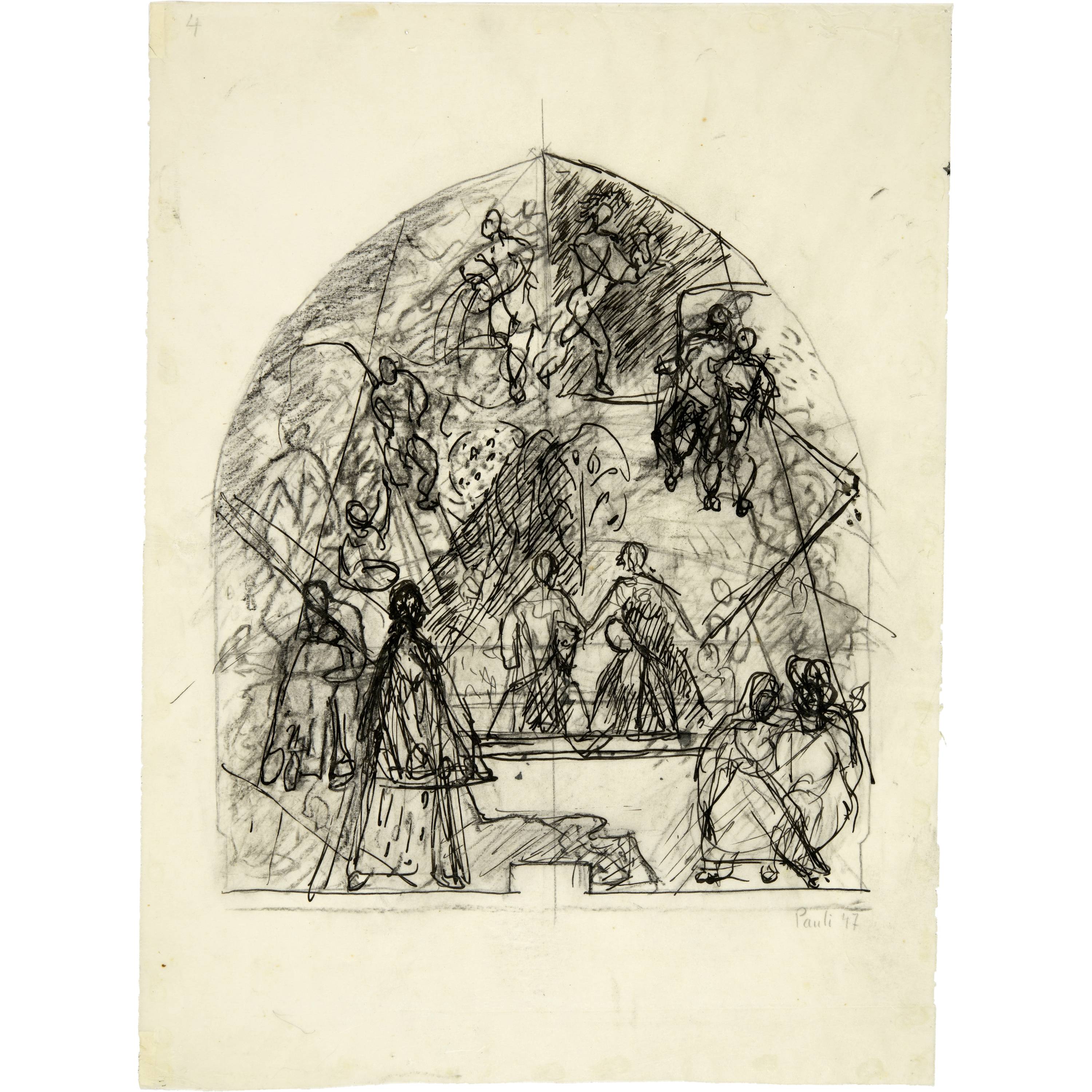
Pauli was among the Swiss artists entrusted with a place in the country’s official representation. In 1948, he took part in the Venice Biennale with Franz Fischer, René Auberjonois and Albert Schnyder. He also created important fresco cycles in Bern: at the Antonierhaus museum, completed in 1945, and then at the town hall, where in 1956 he finished a vast ensemble devoted to Creation and human history.
Mural painting thus became a space of synthesis between his interest in narrative, the figure and the great spiritual questions.
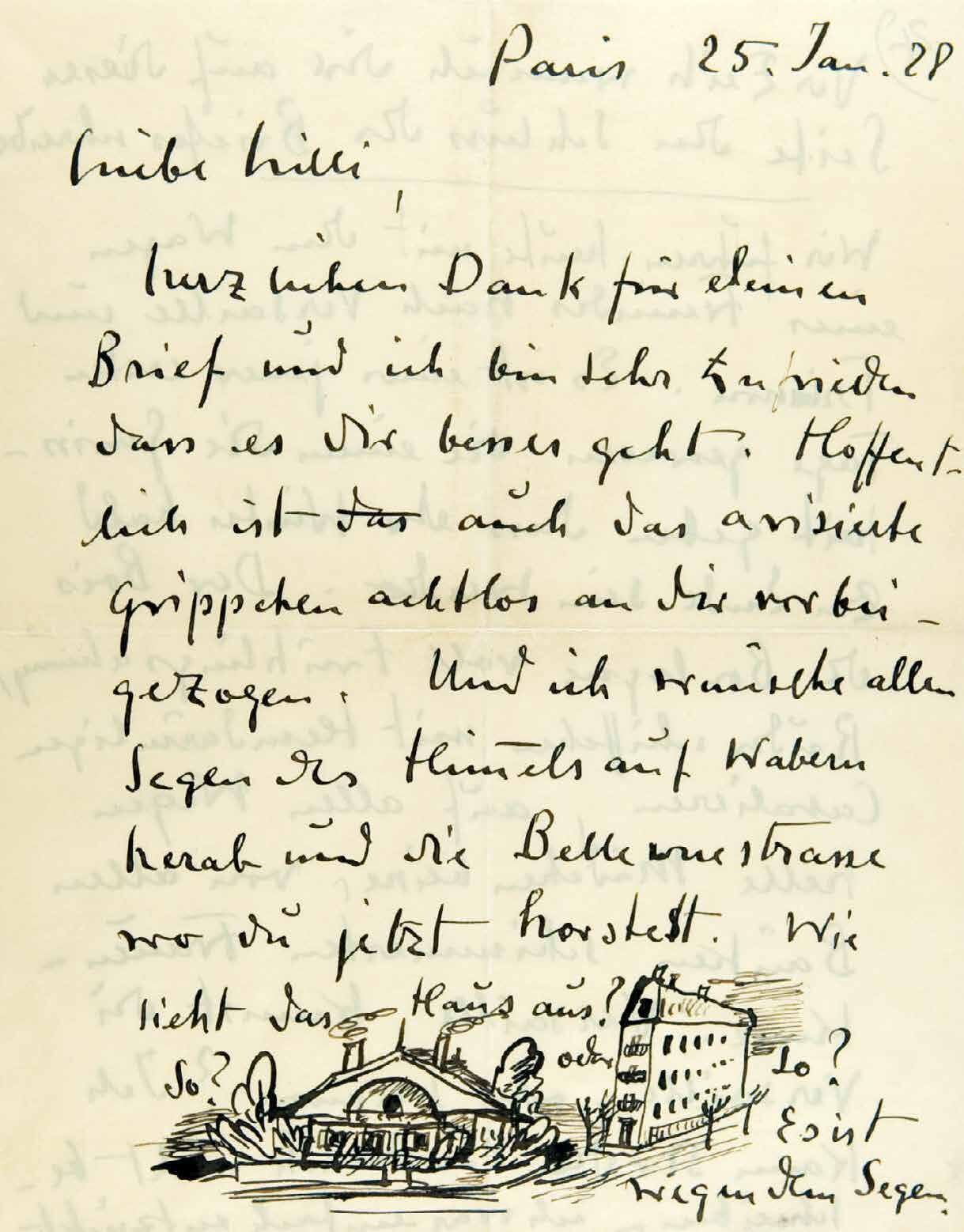
The Kunstmuseum Luzern emphasises the significance of the town-hall cycle in the artist’s final period. The SIK-ISEA archives preserve his extensive correspondence with his family, friends, patrons and collectors. These documents shed light on the artistic networks and aesthetic debates in which Pauli took part, complementing an oeuvre that moves from intimate printmaking to large-scale mural compositions.