Fritz Hug
Born in 1921.
Died in 1989.
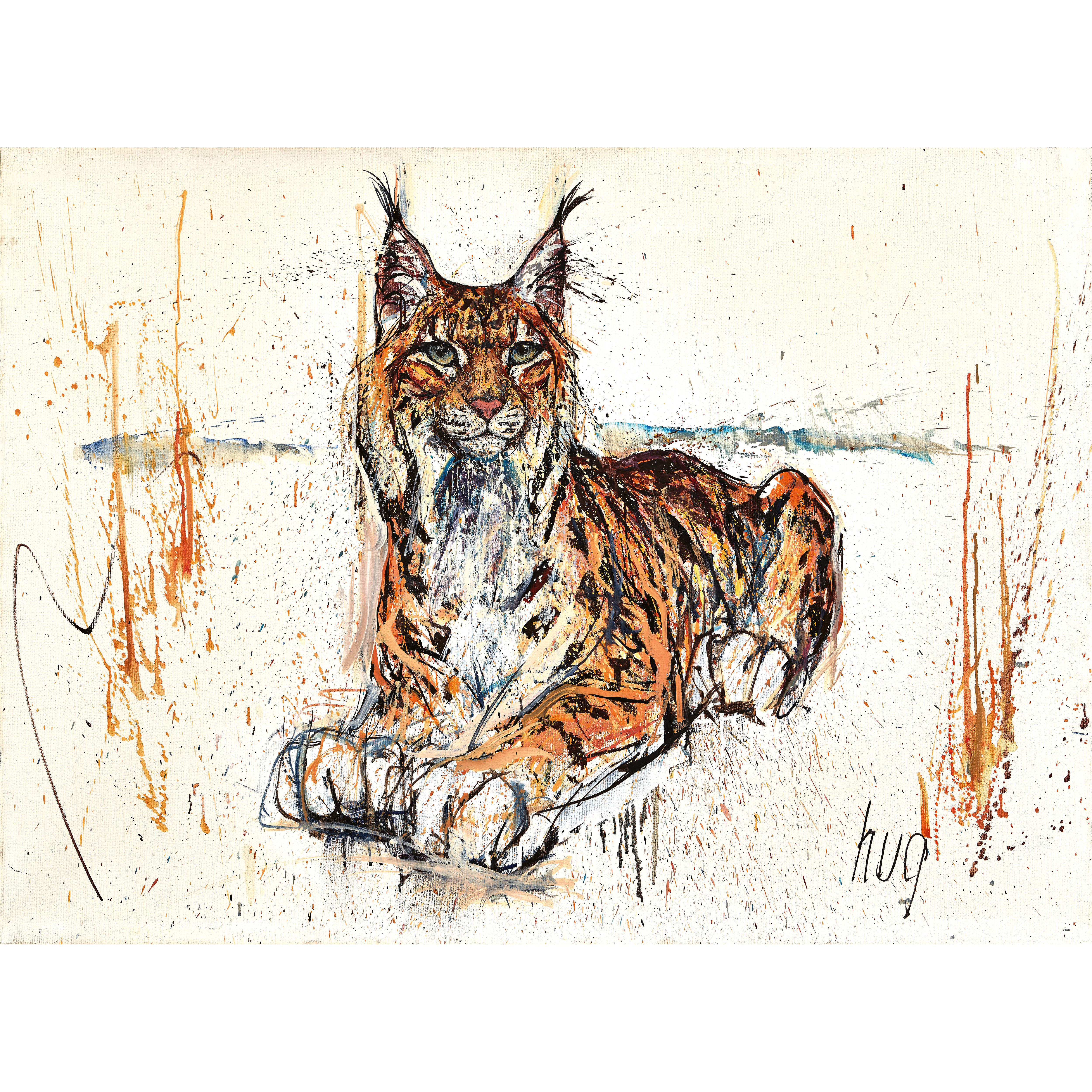
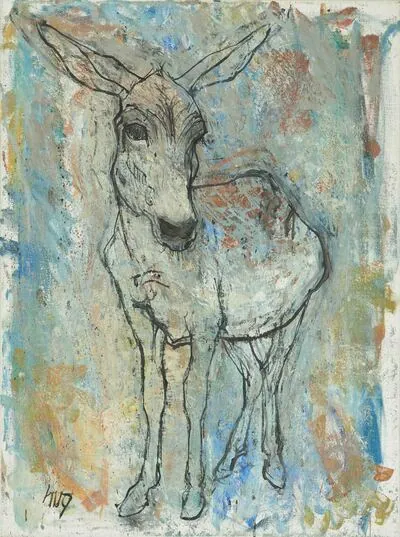
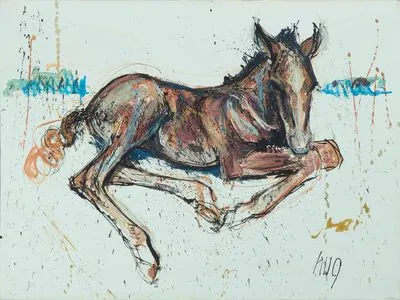
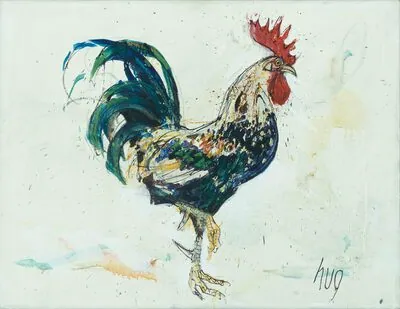
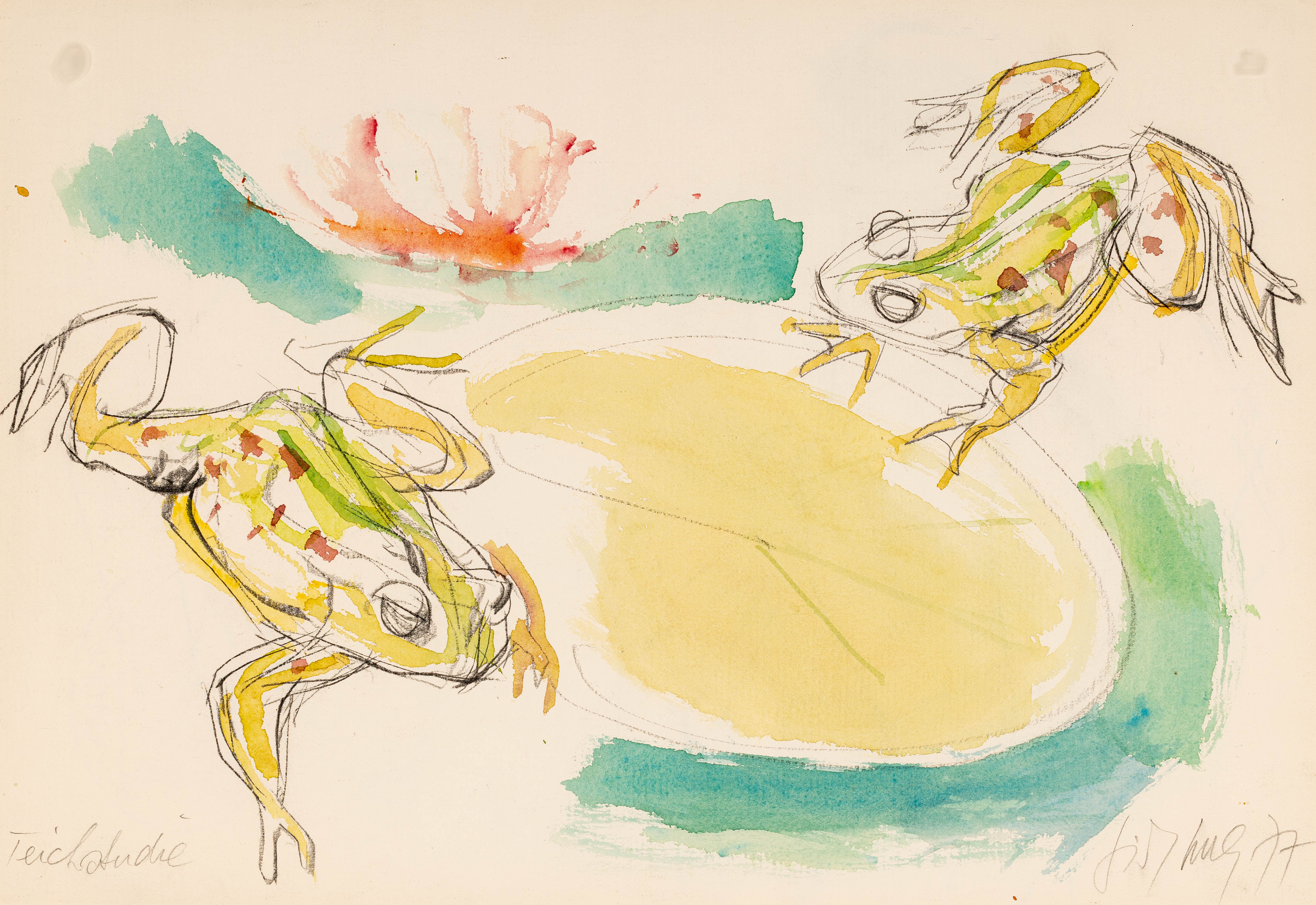
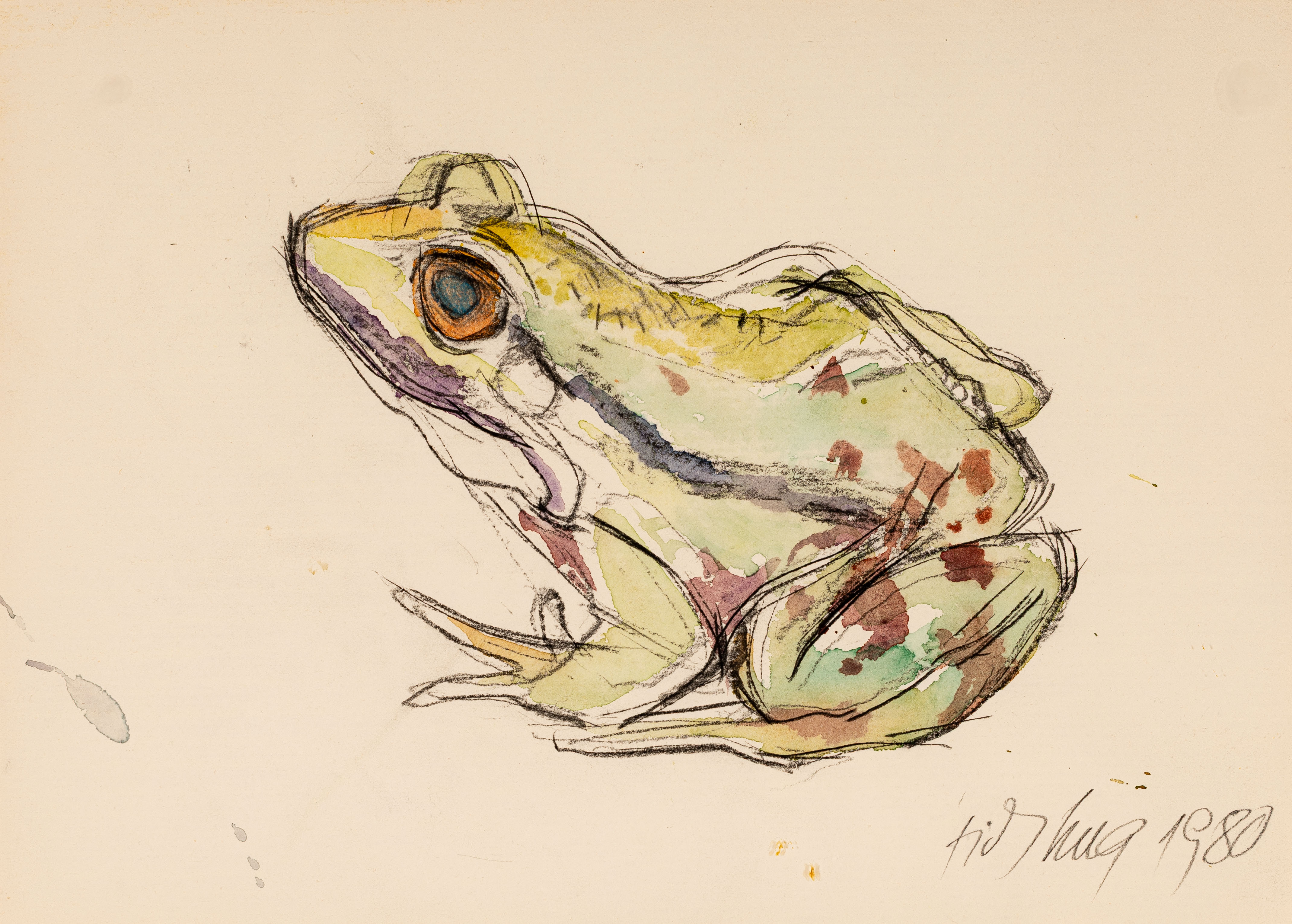
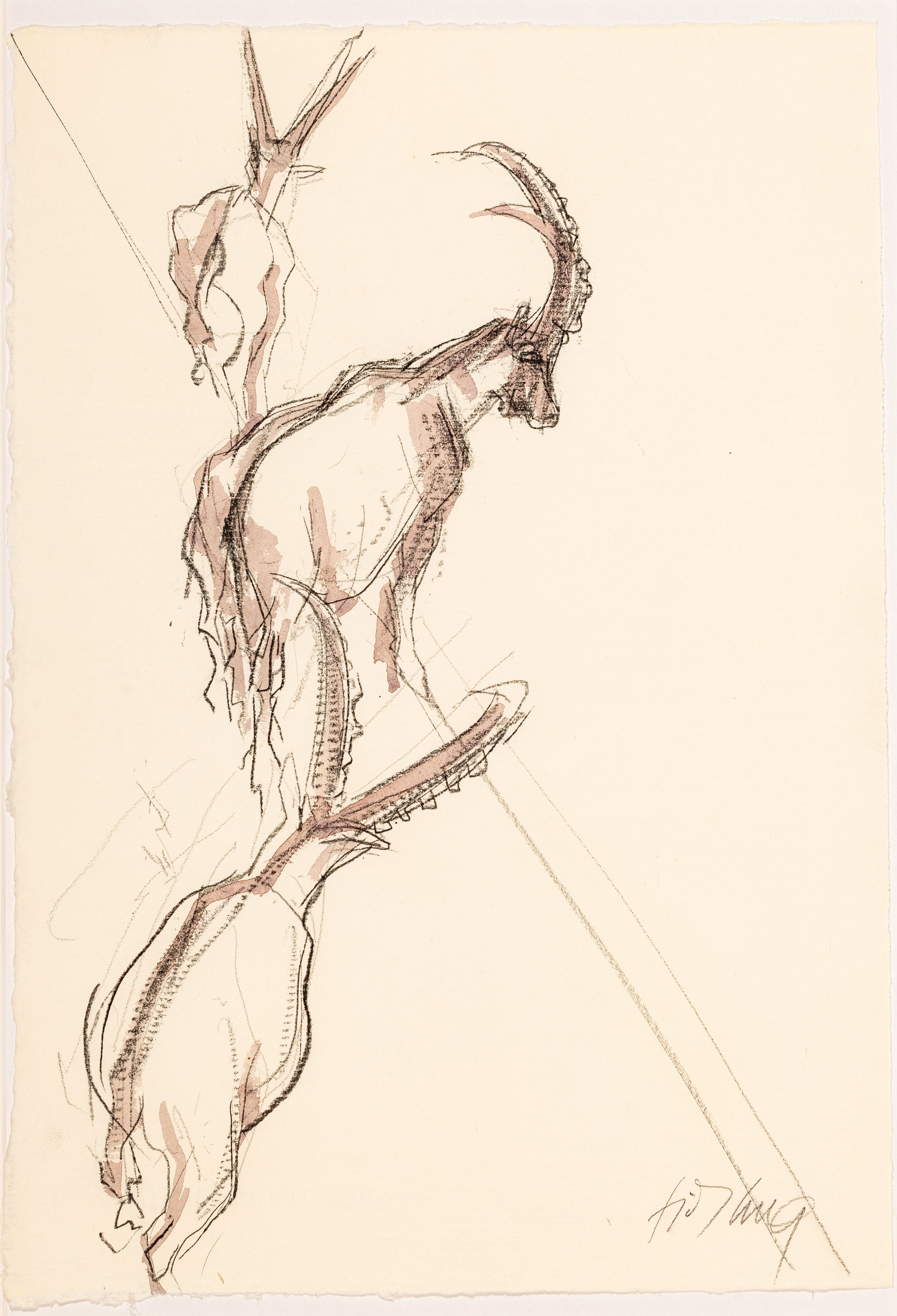
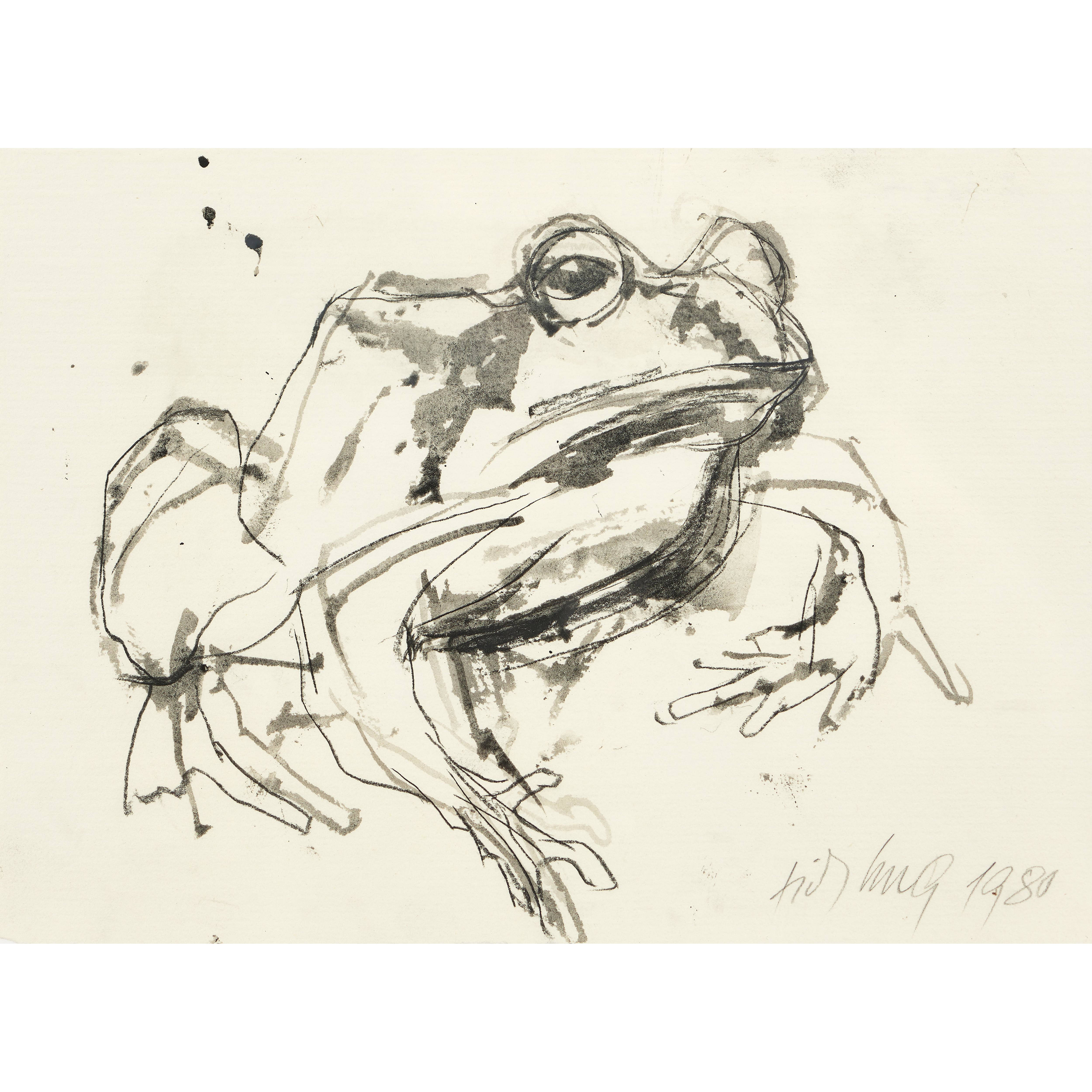
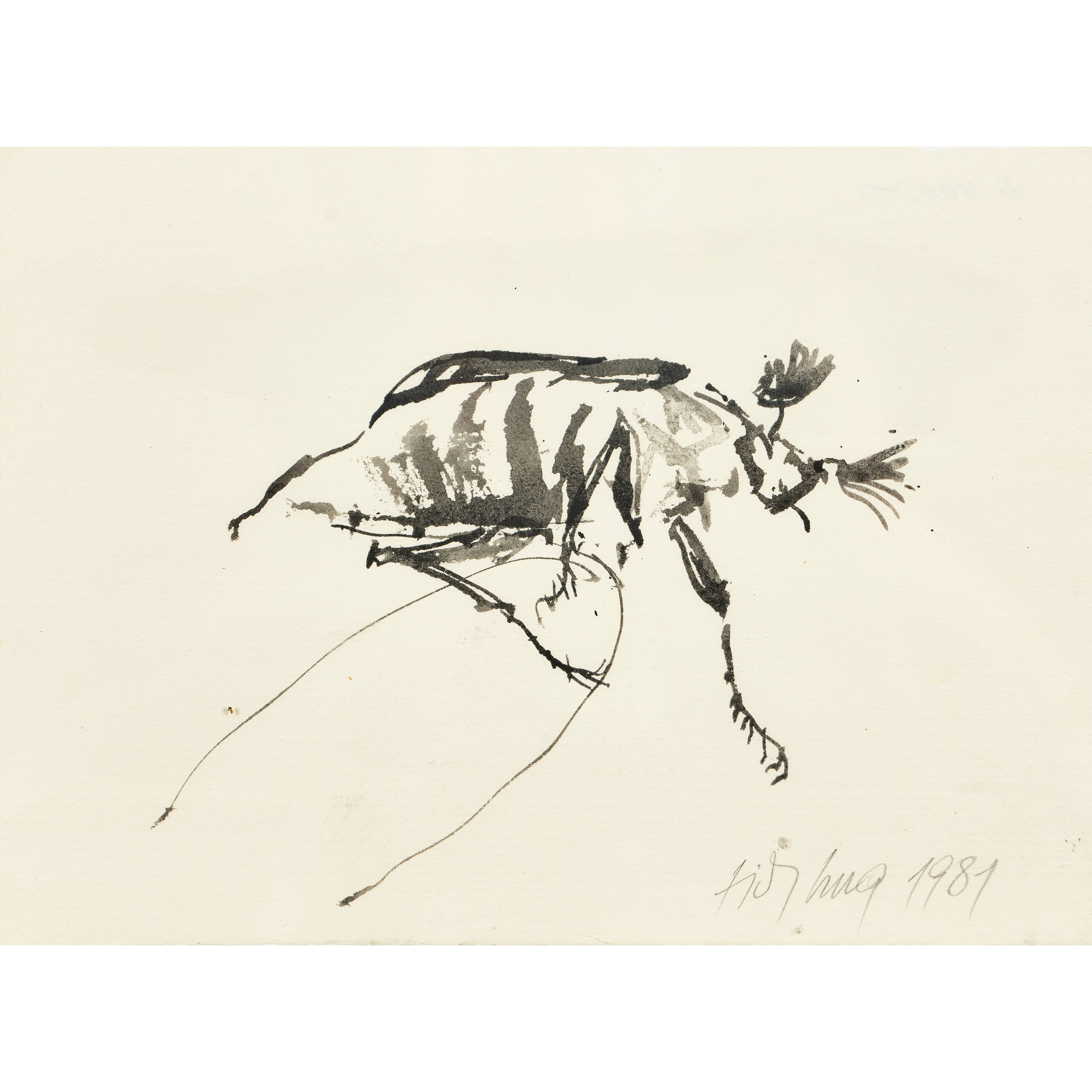
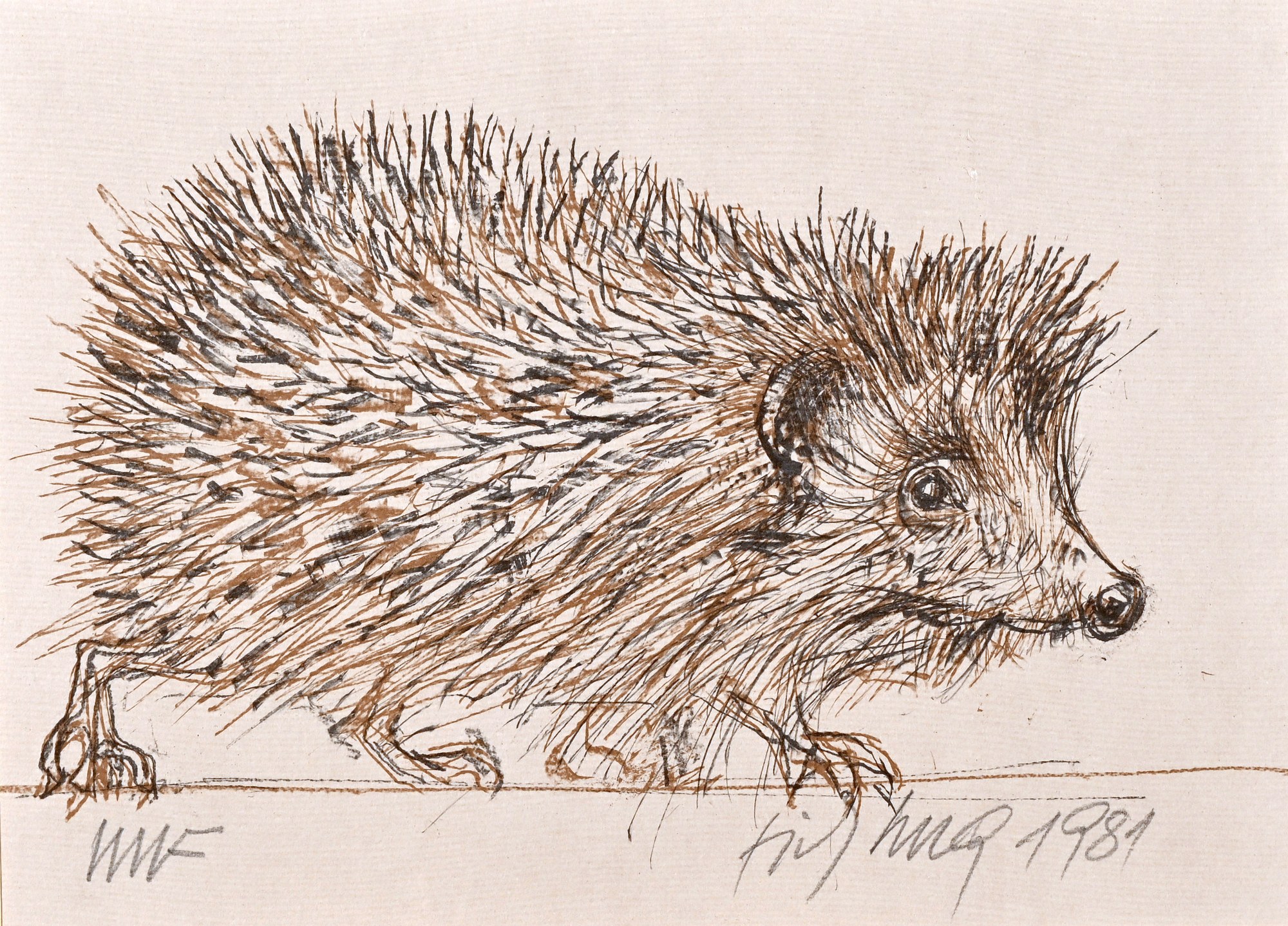
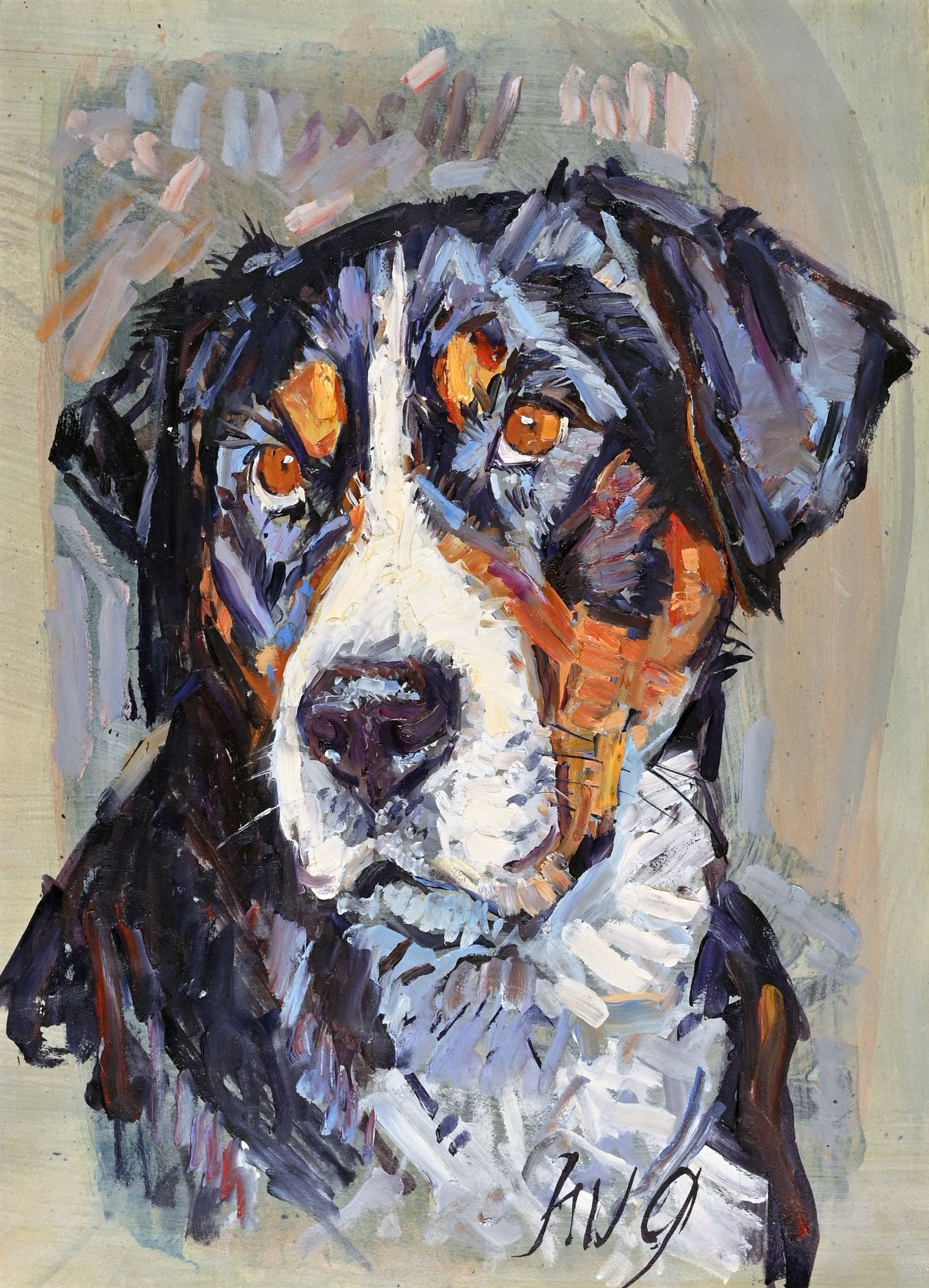
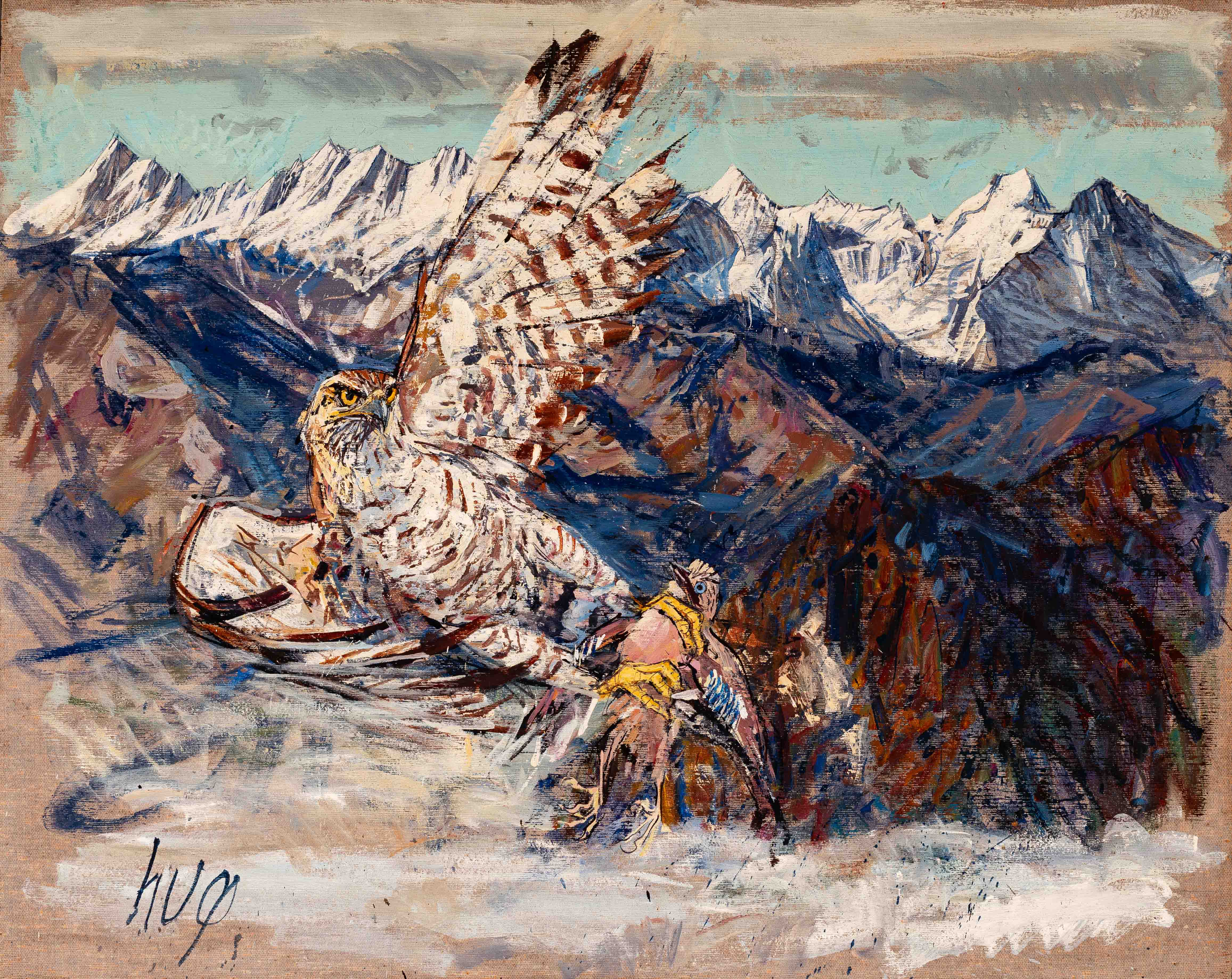
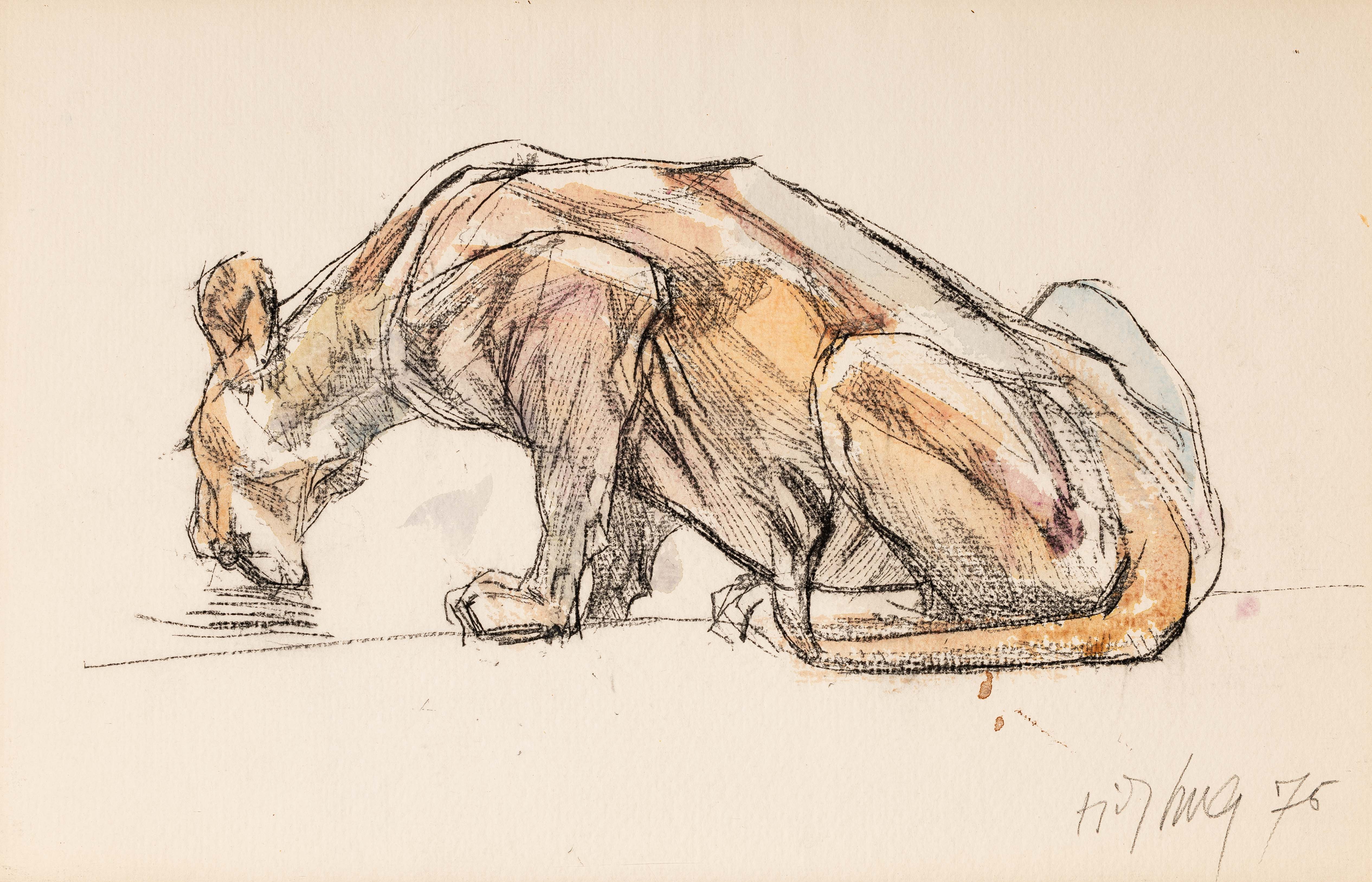
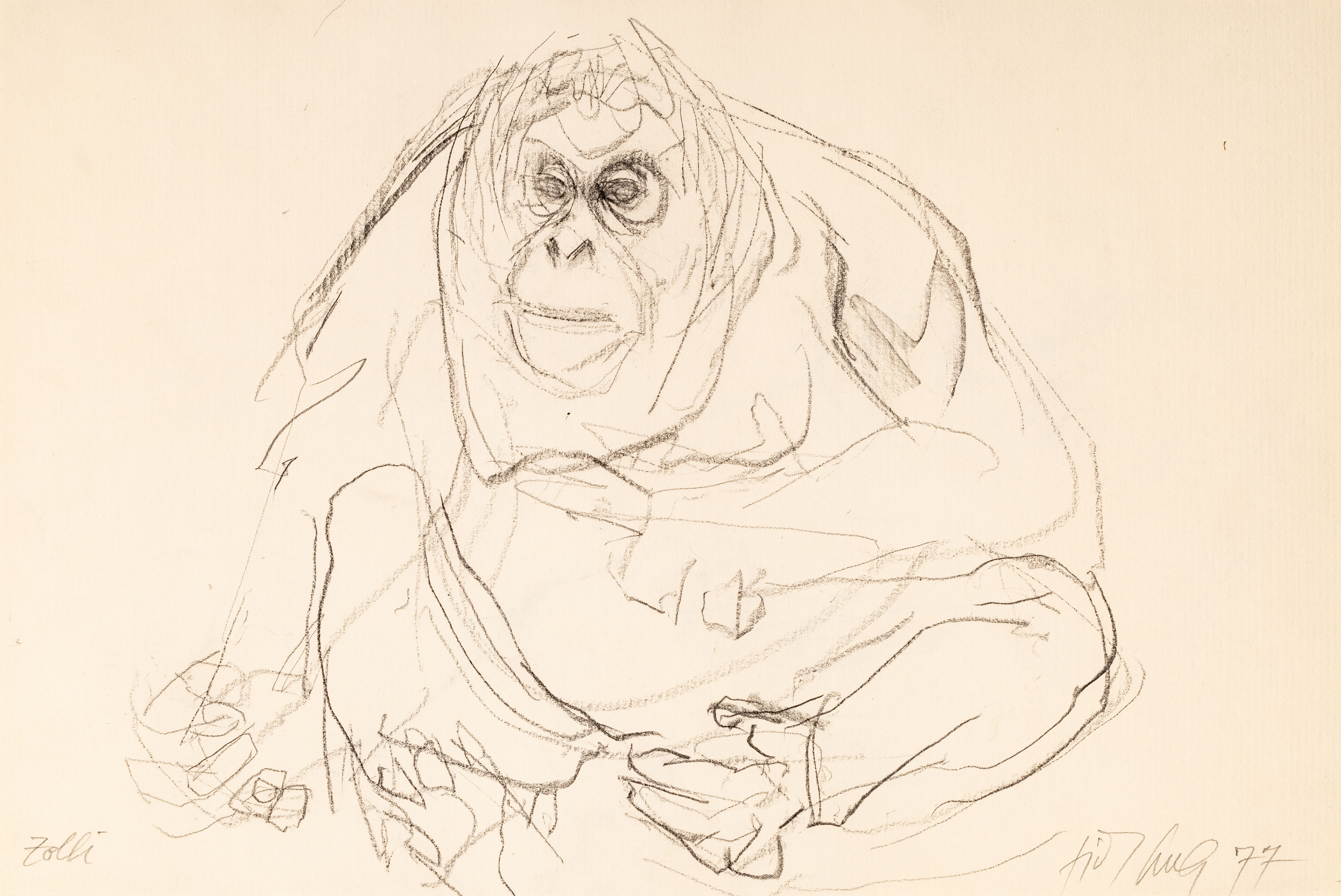
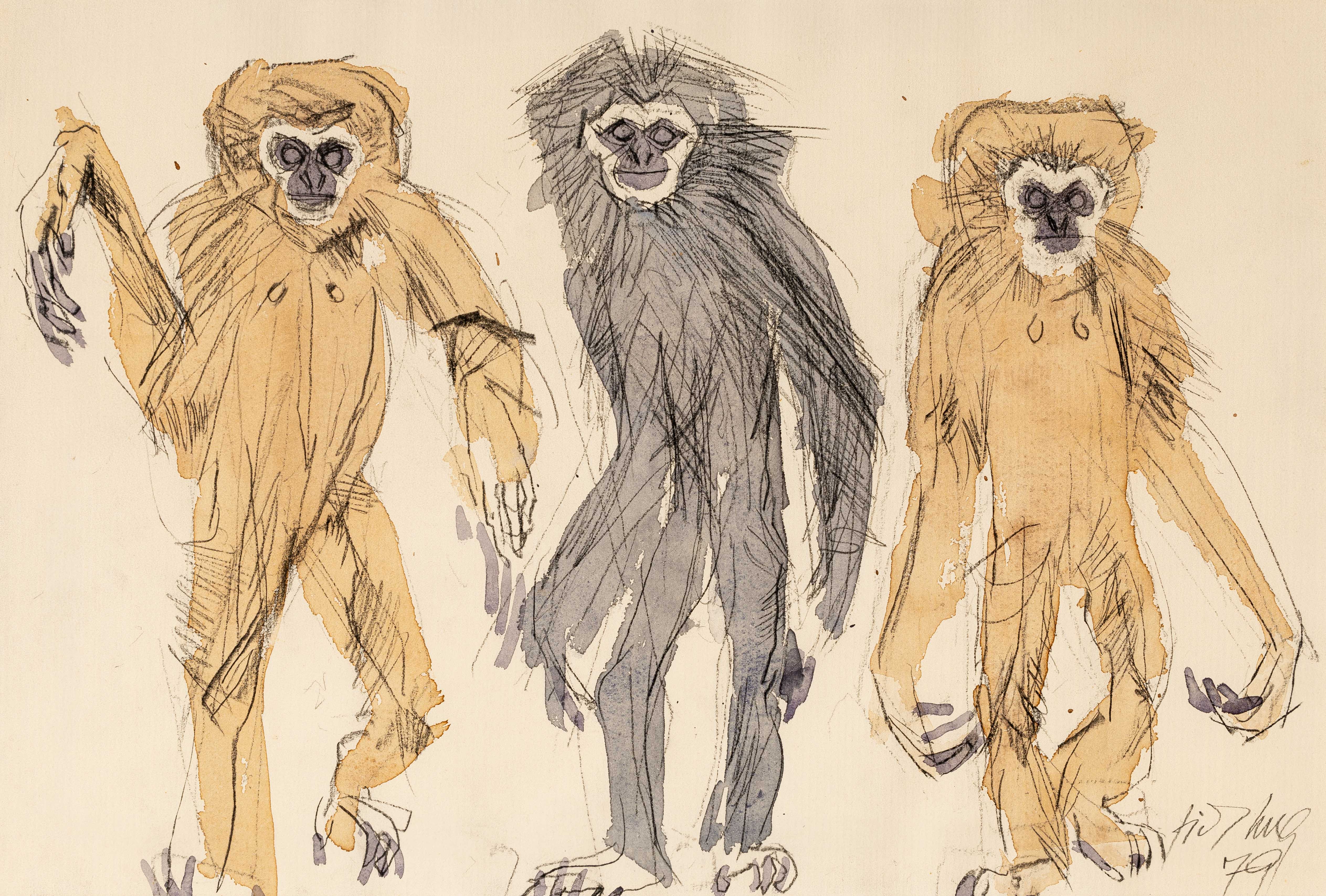
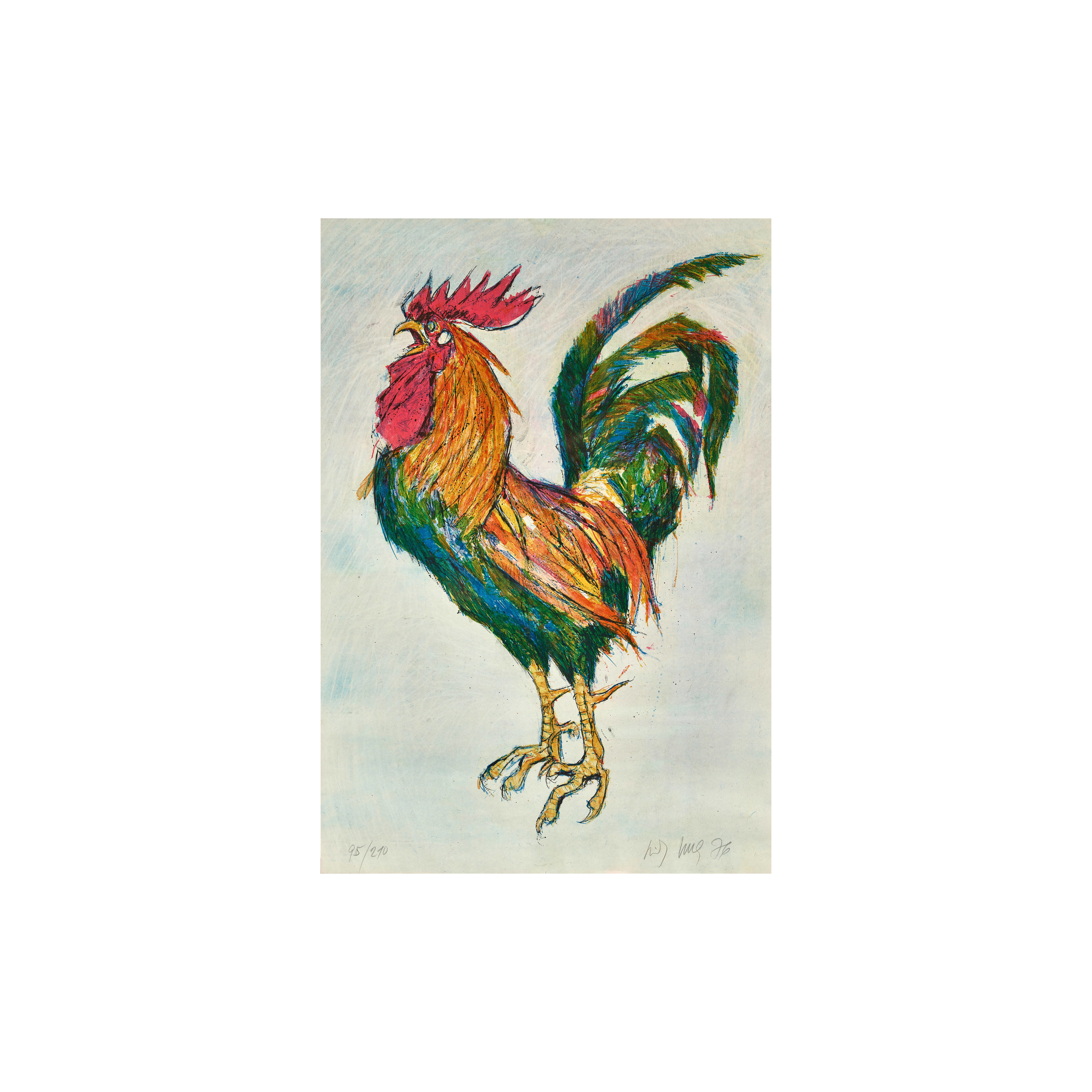
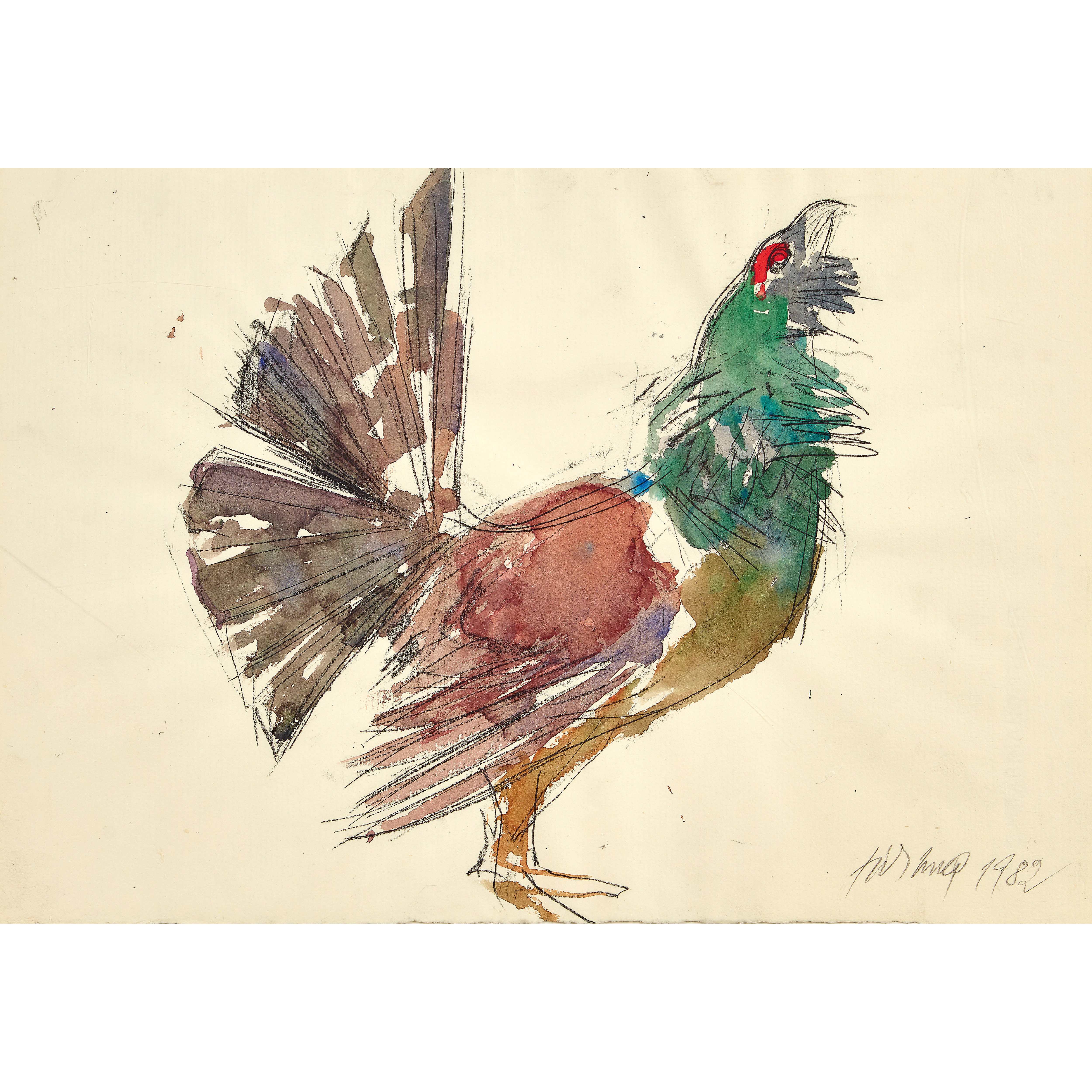
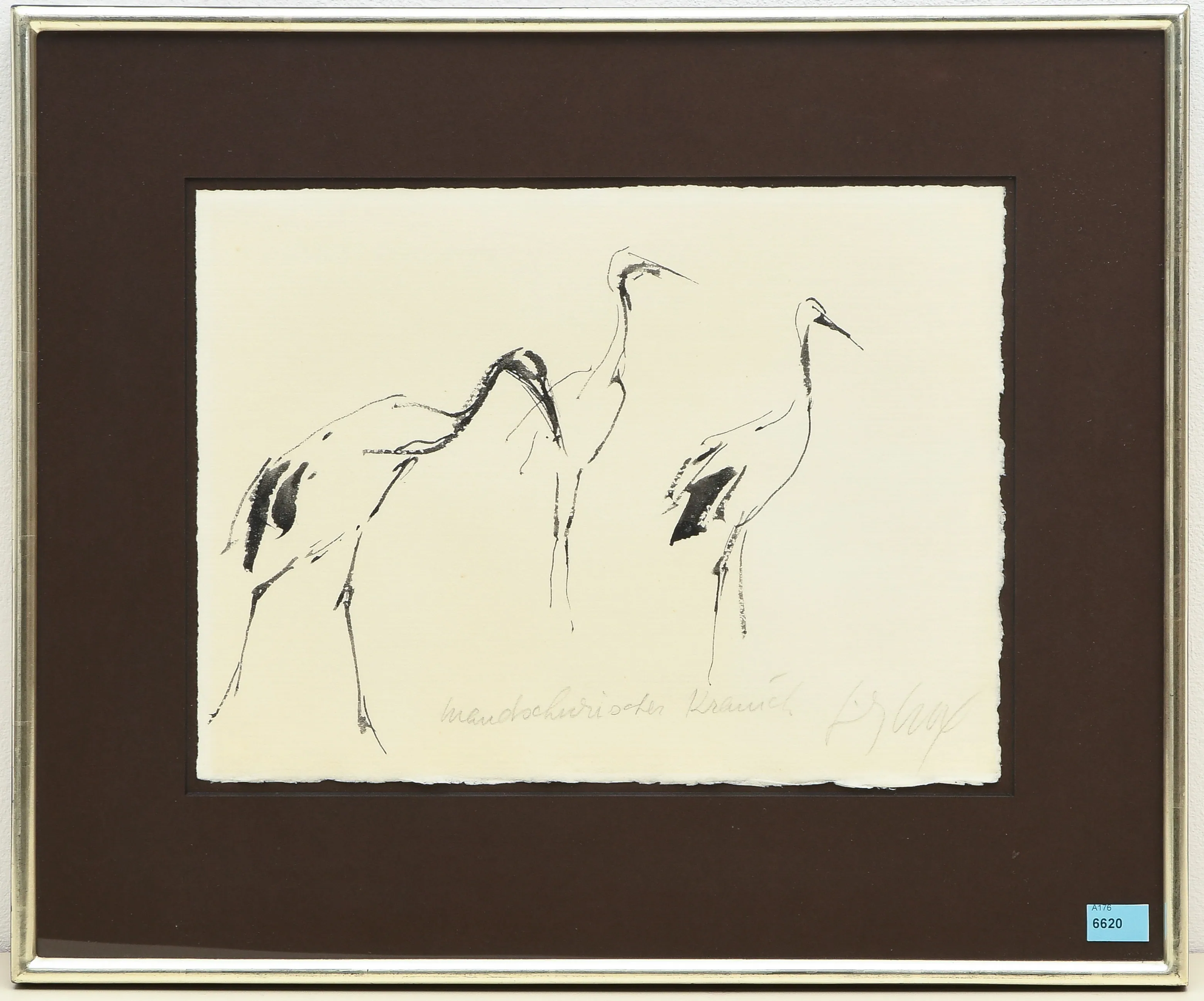
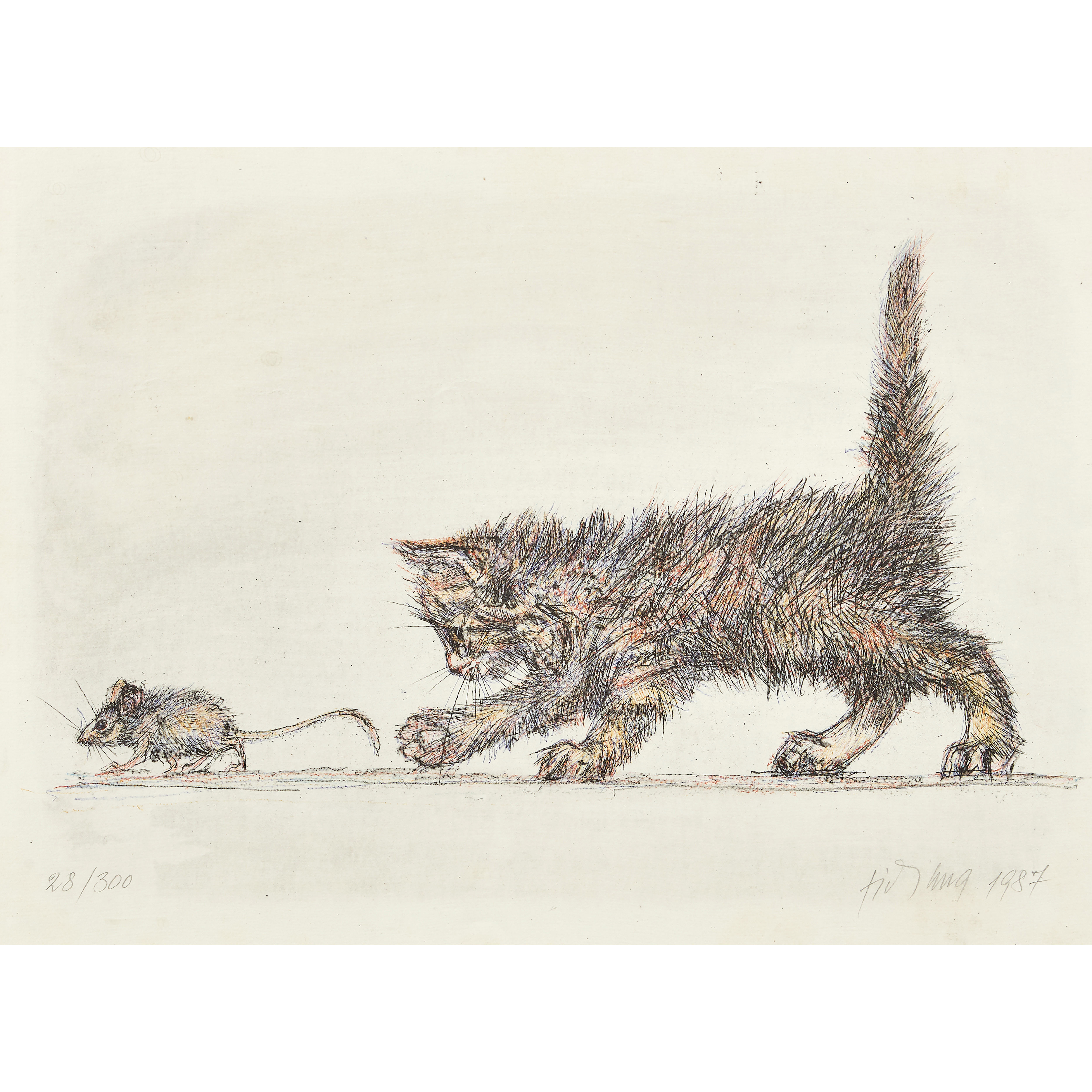
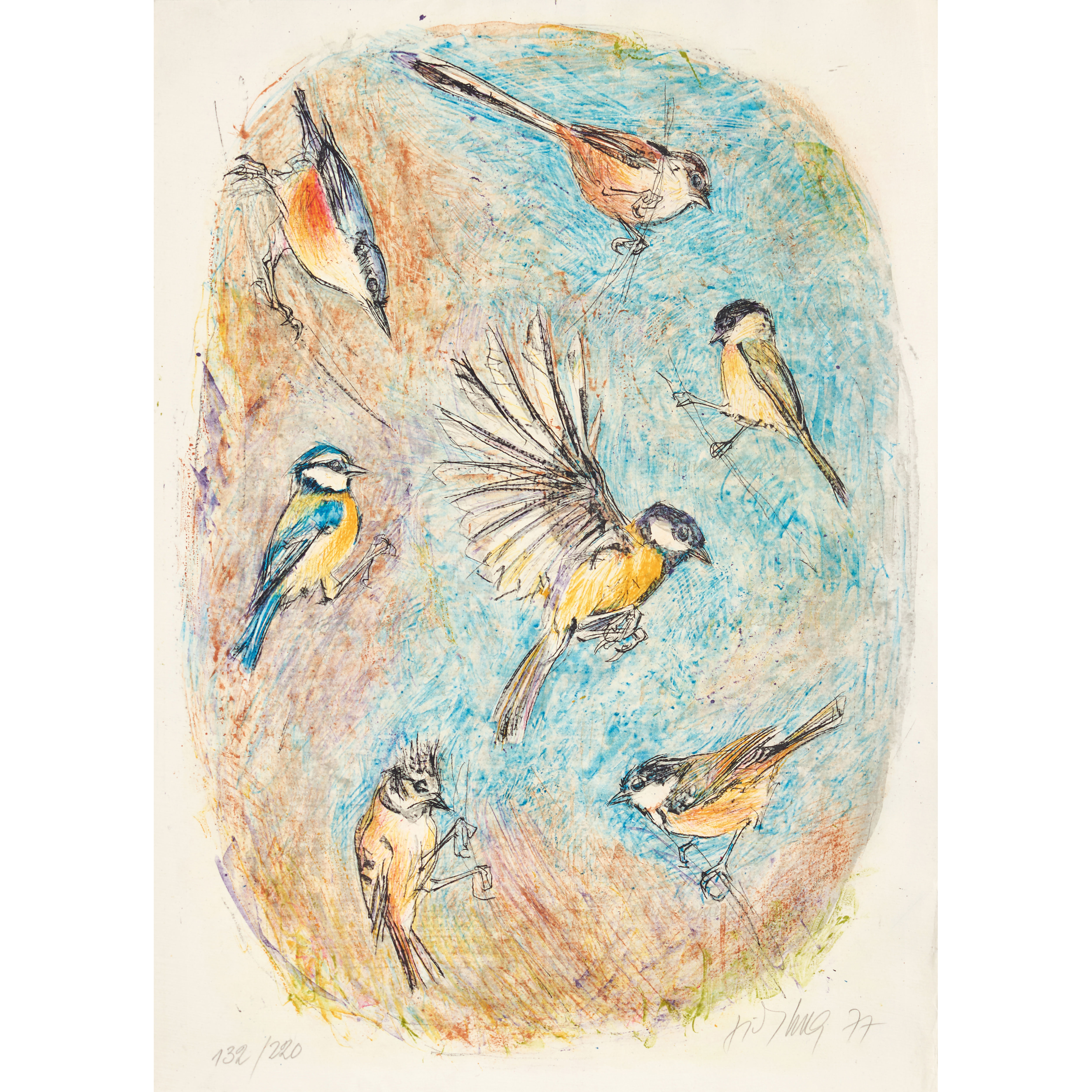
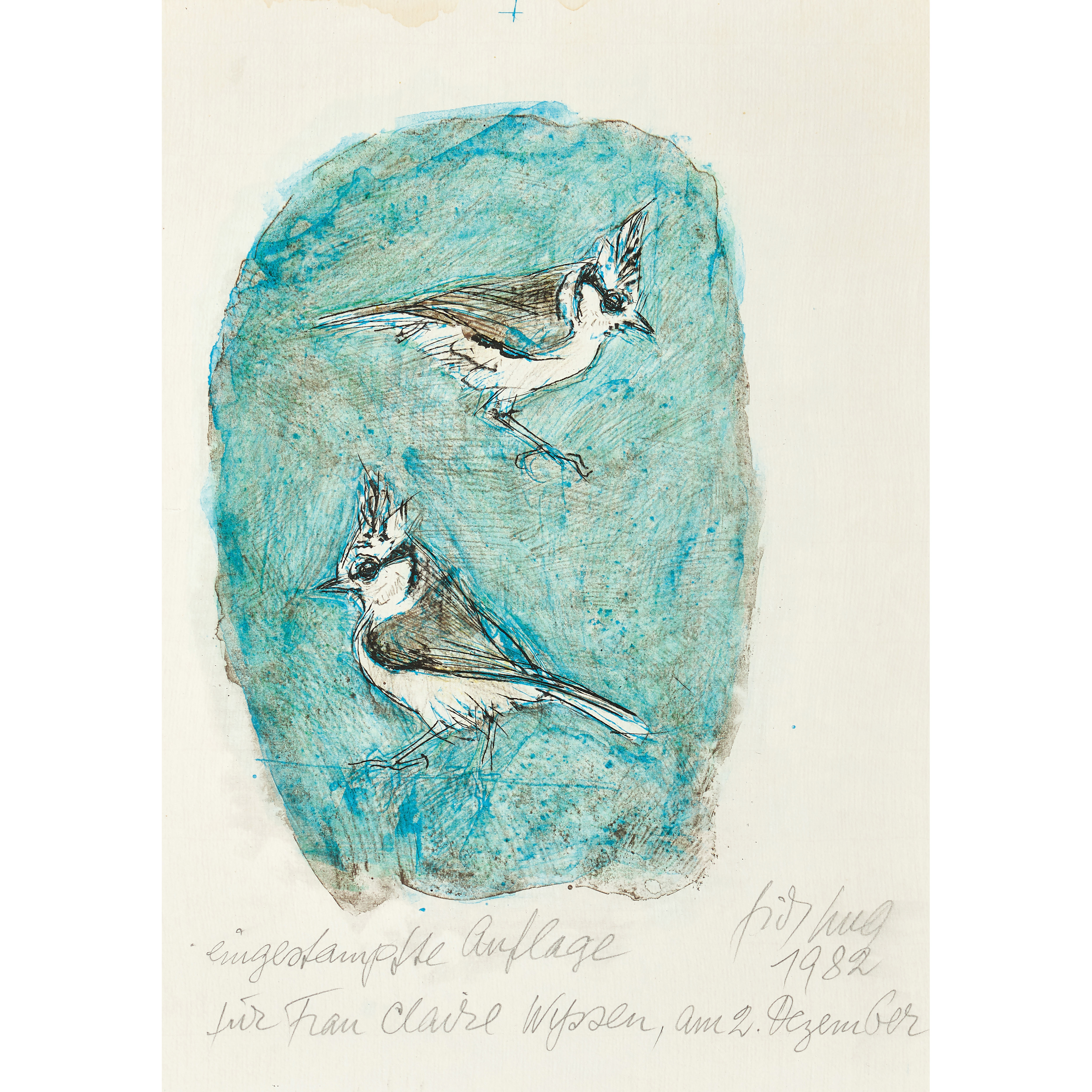
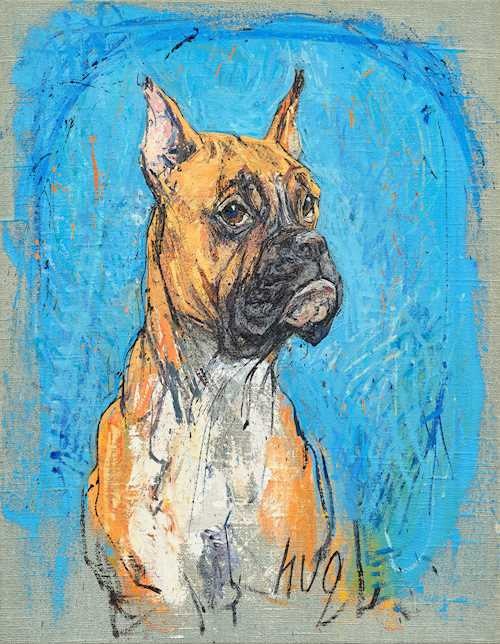
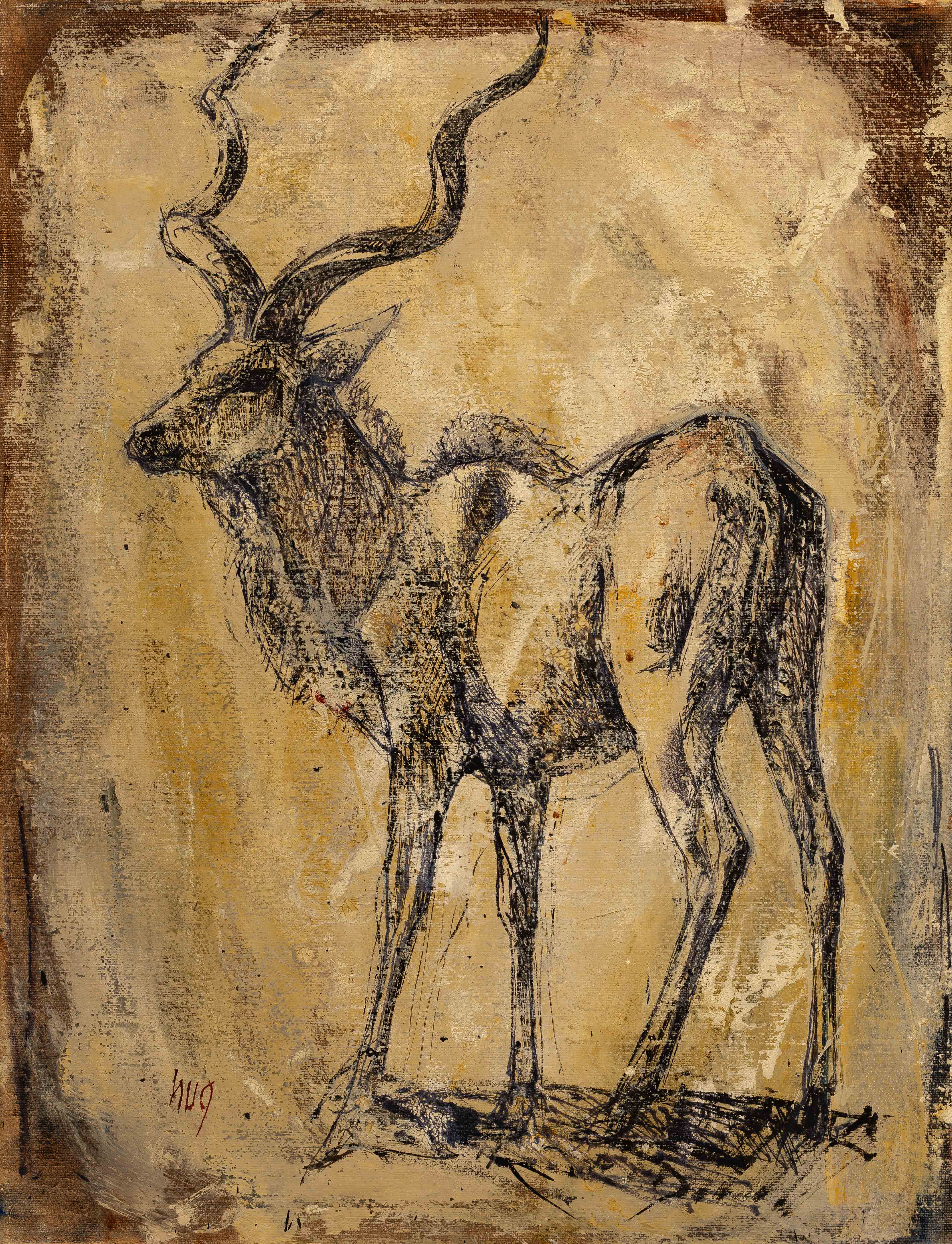
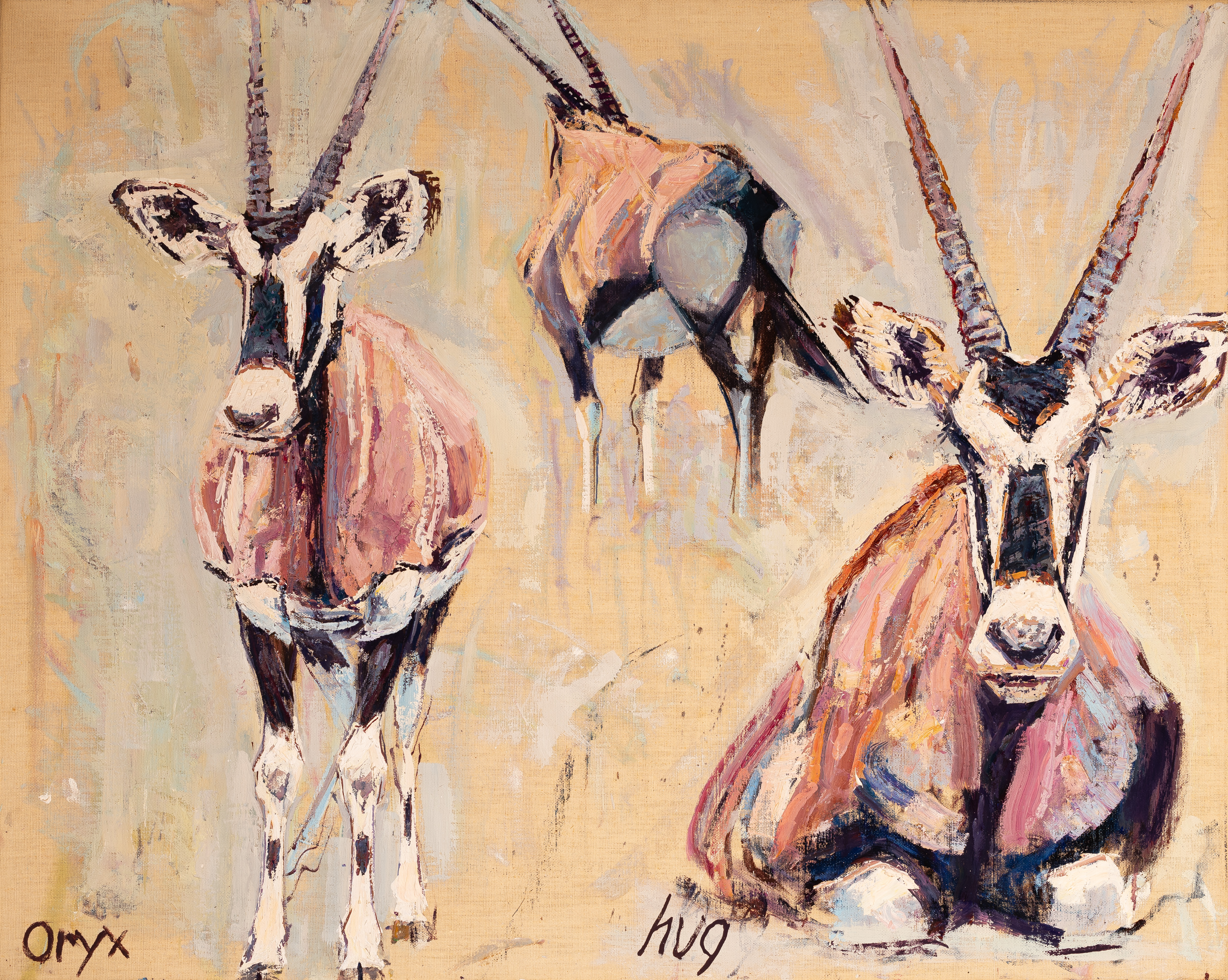
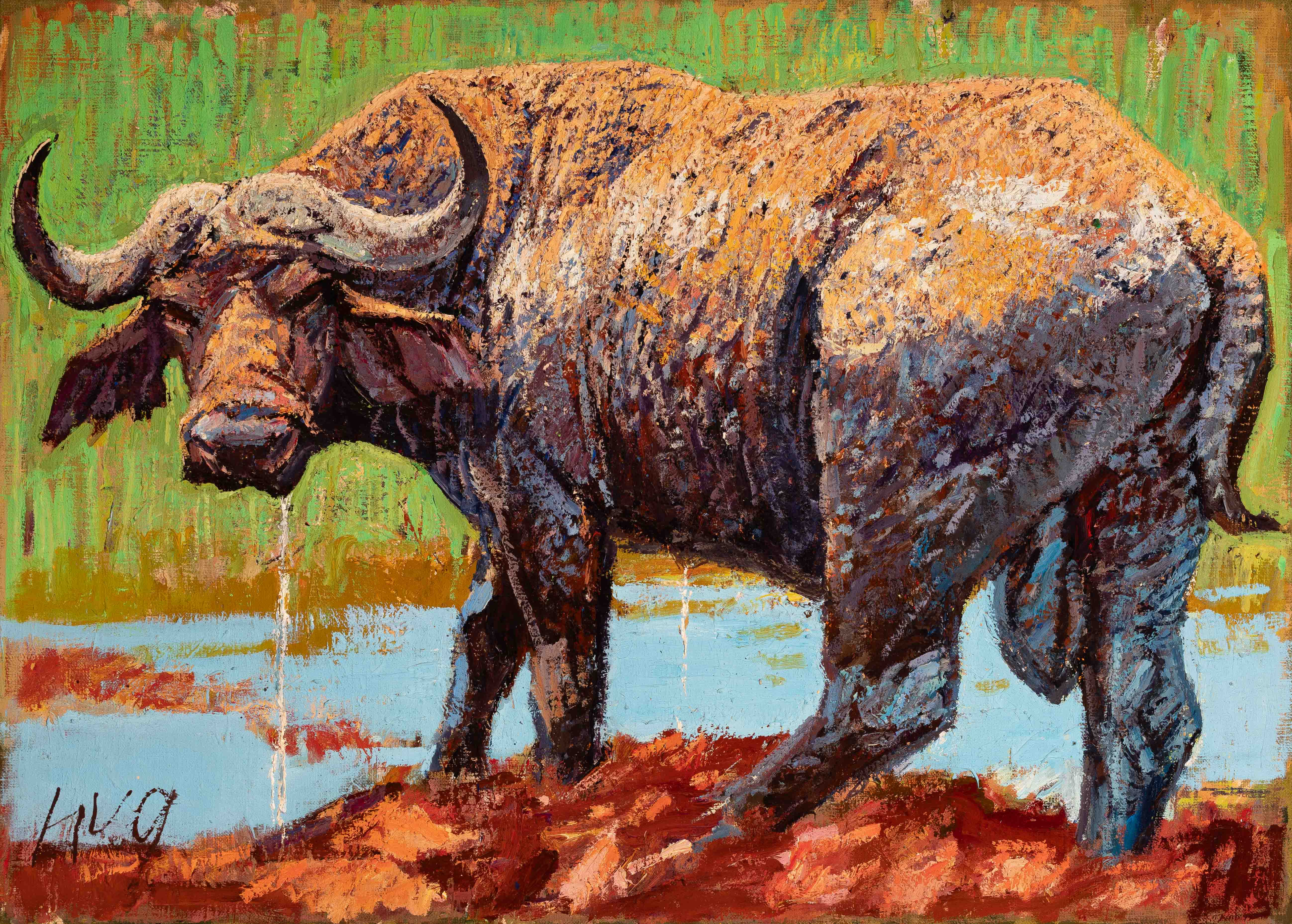
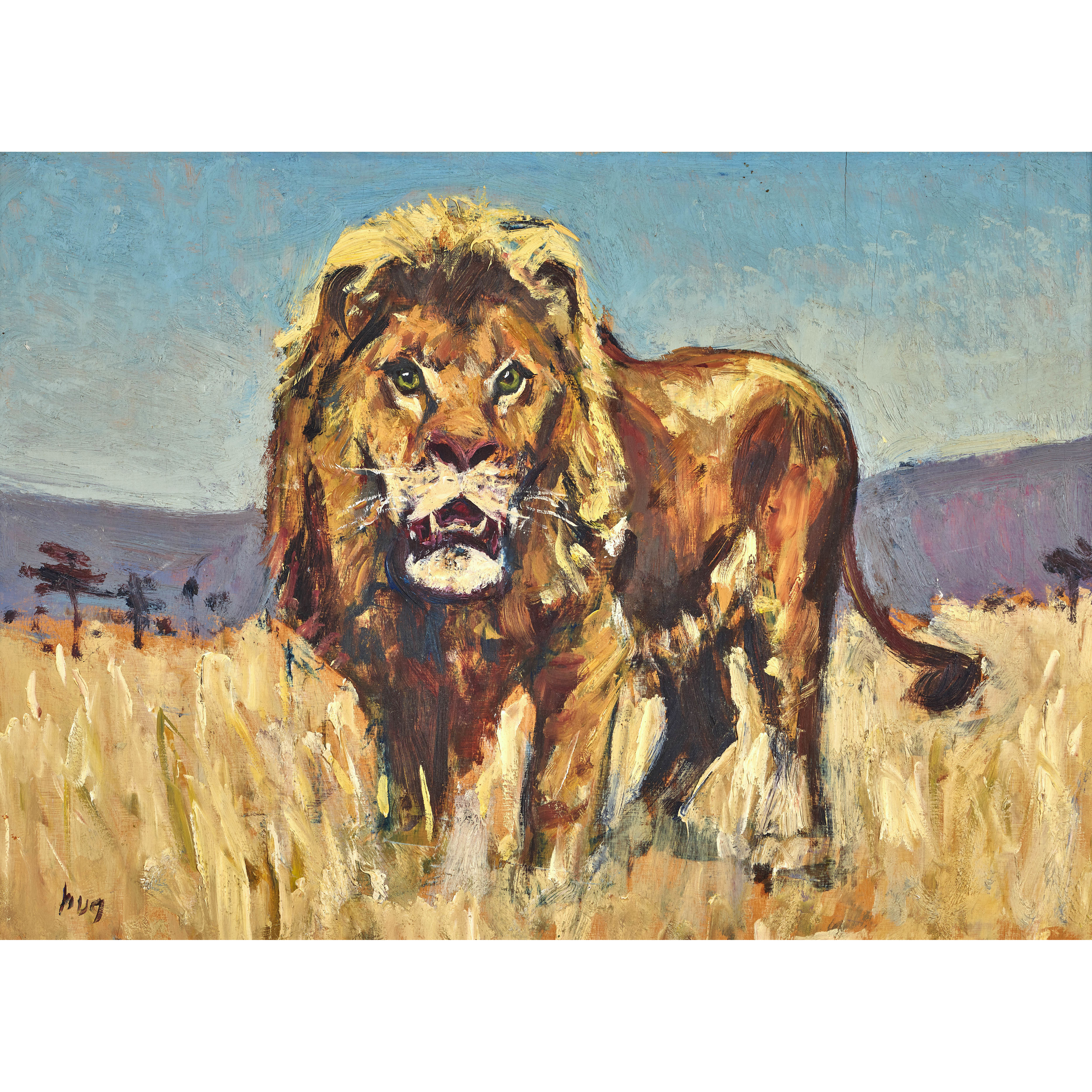
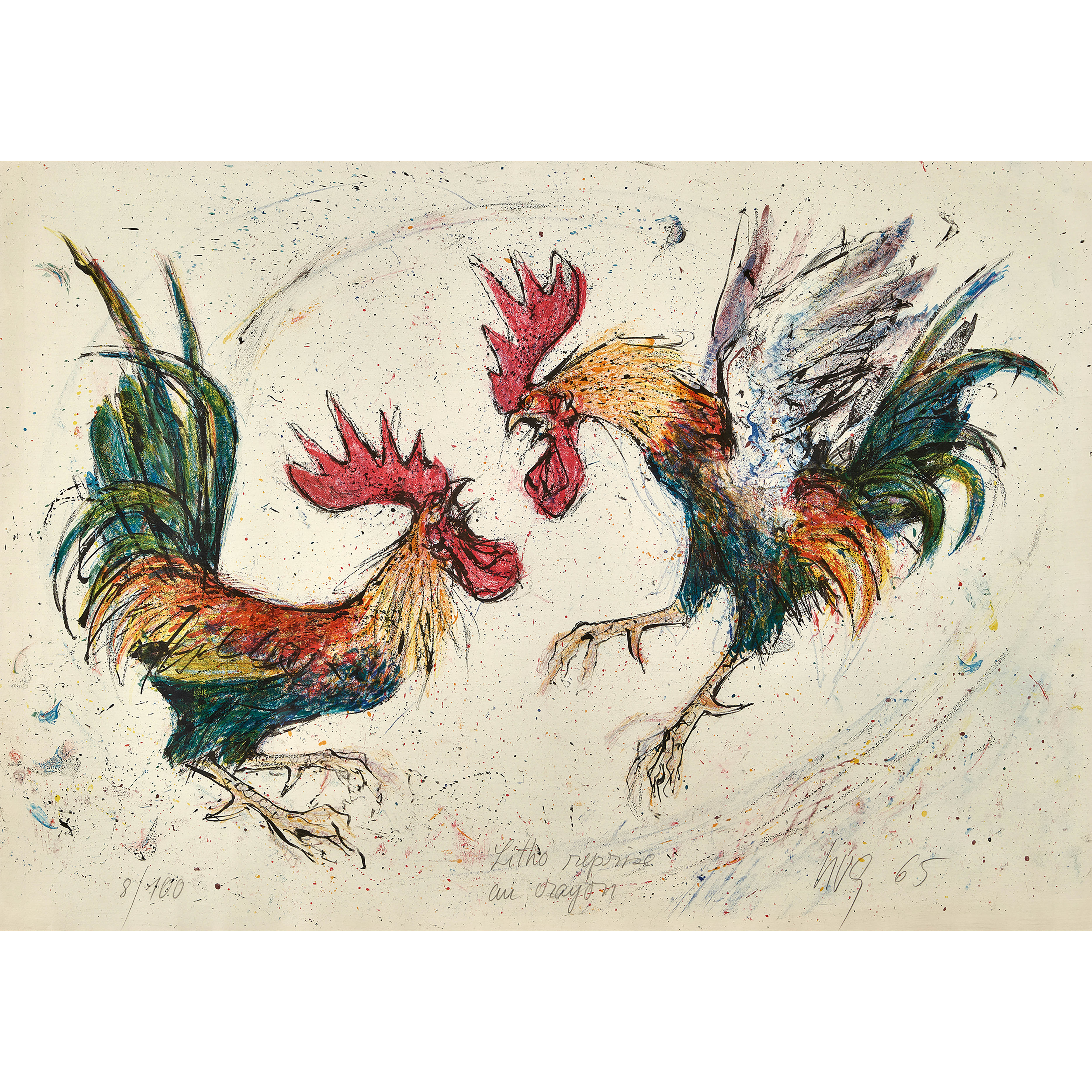
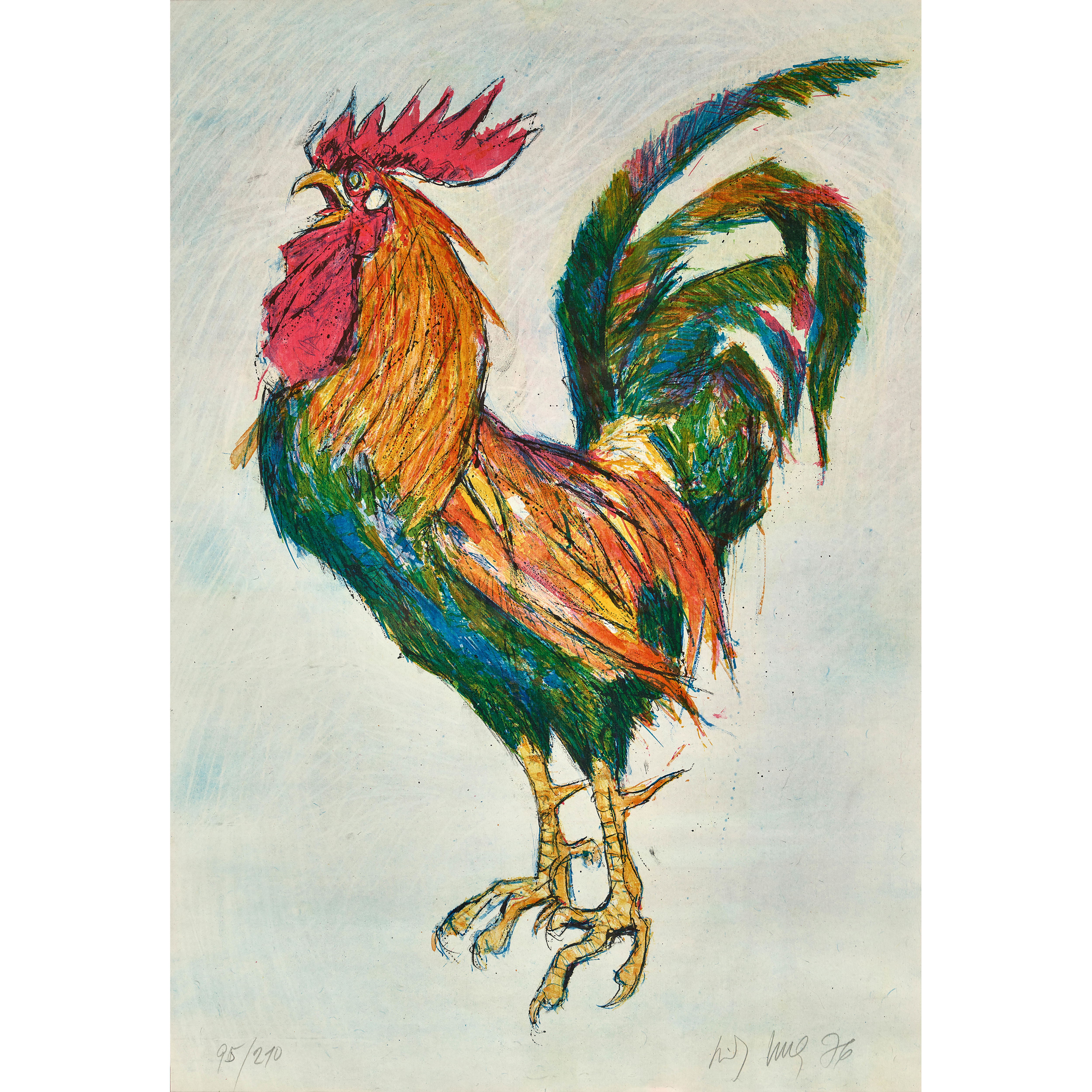
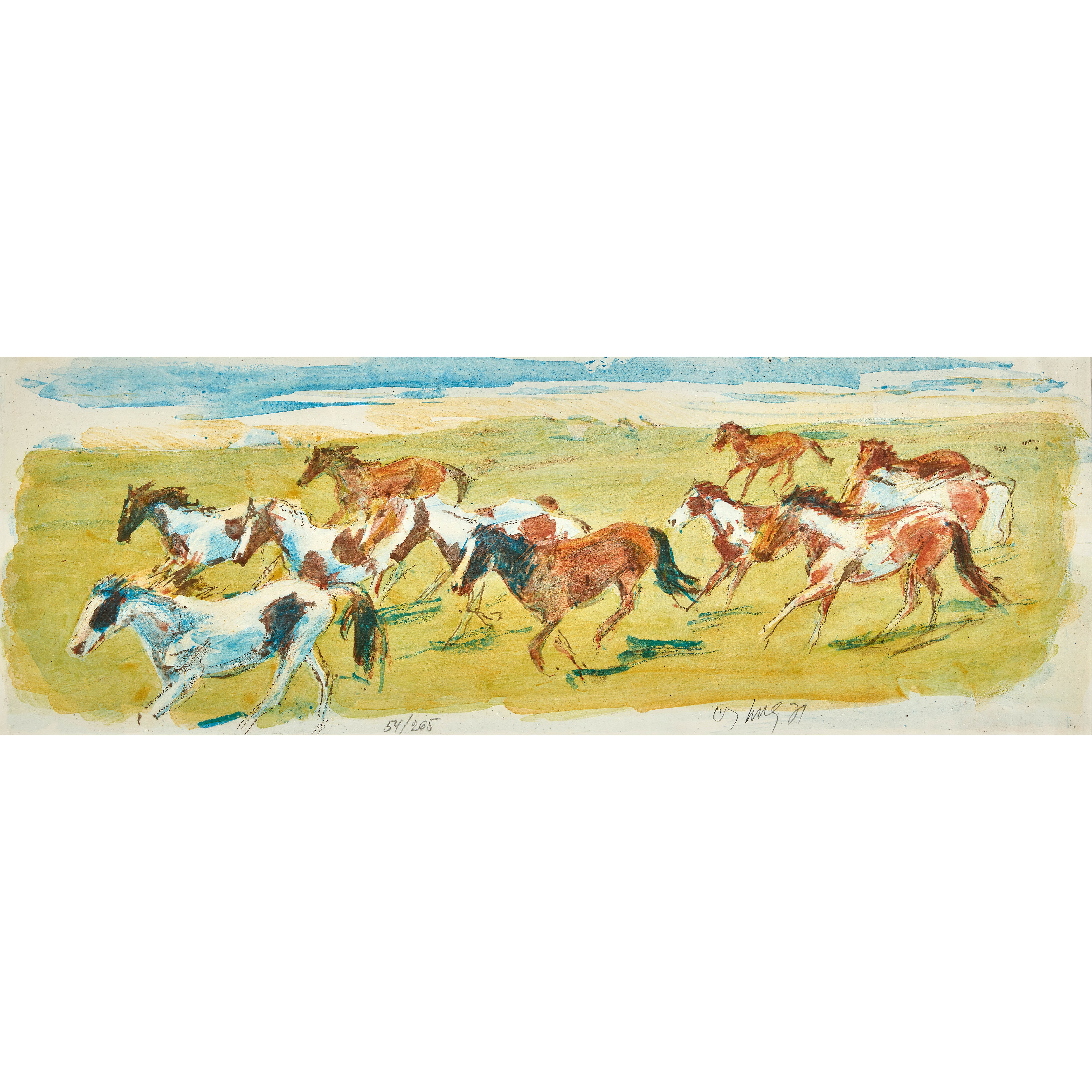
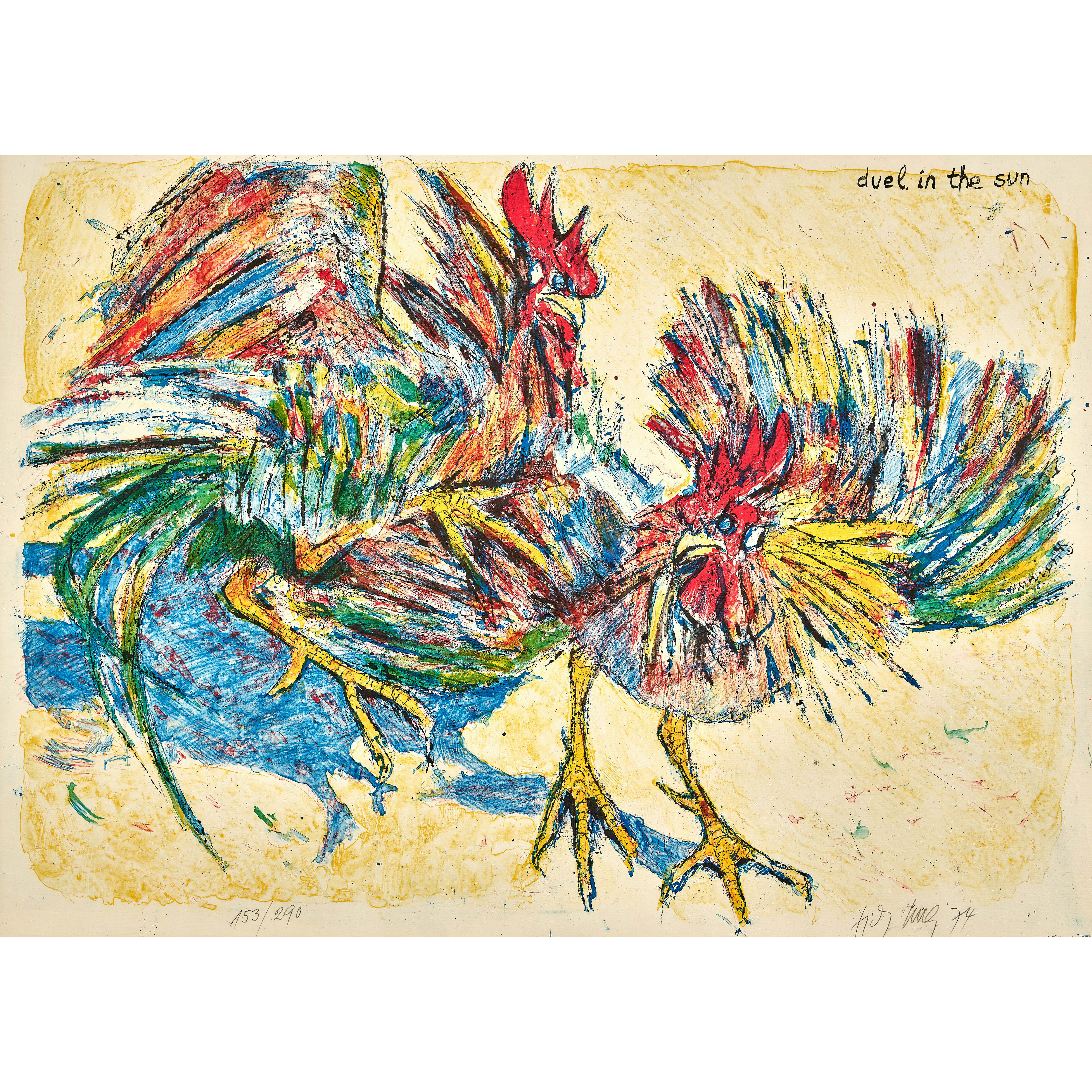
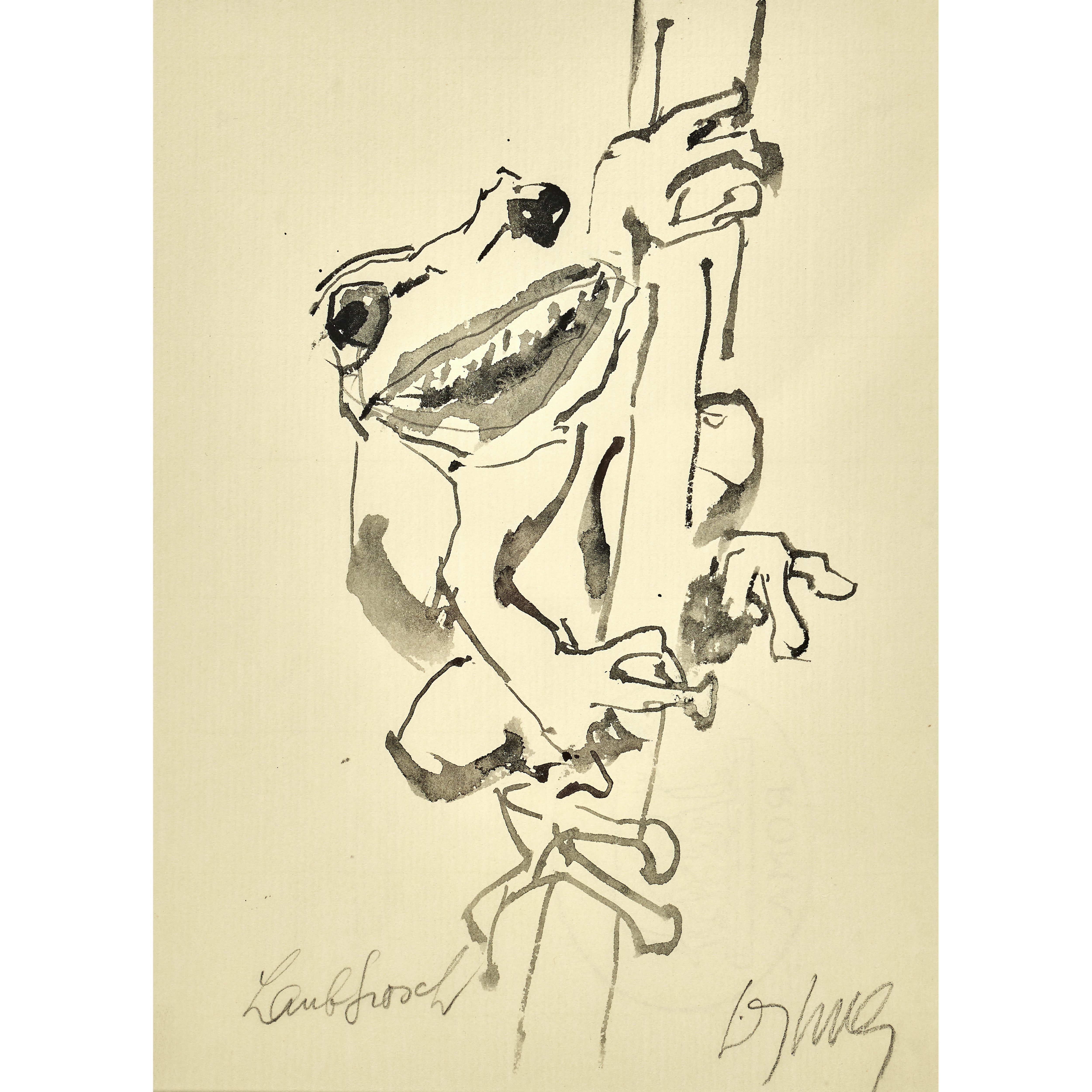
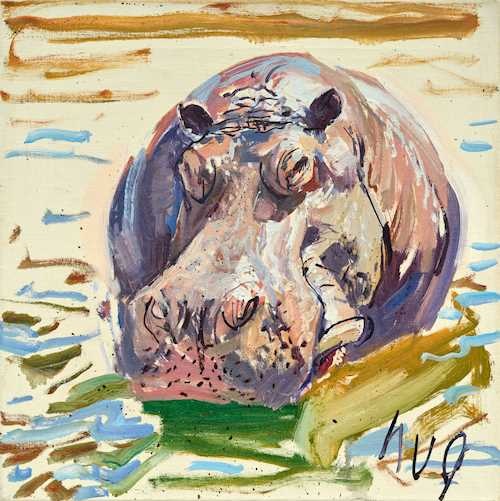
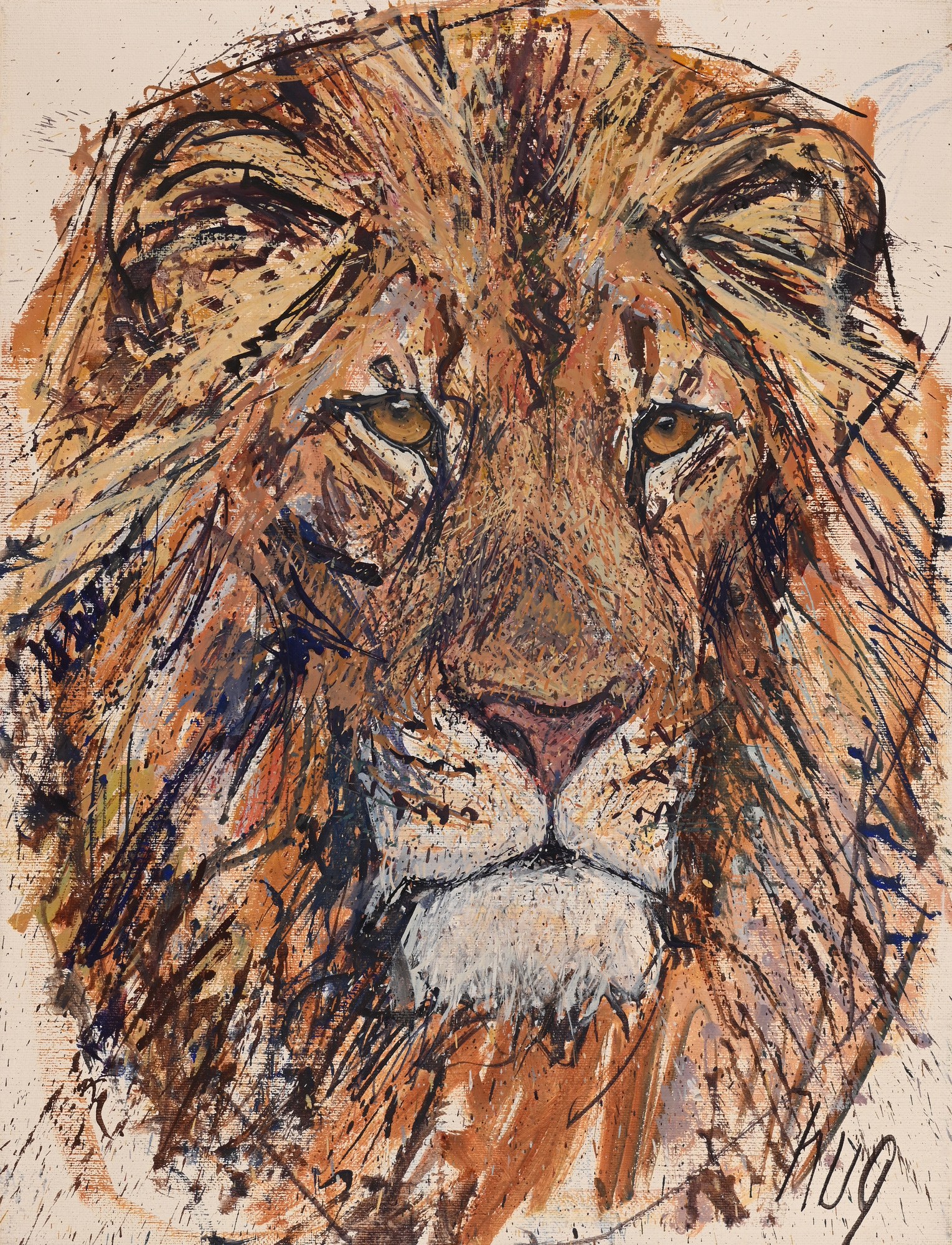
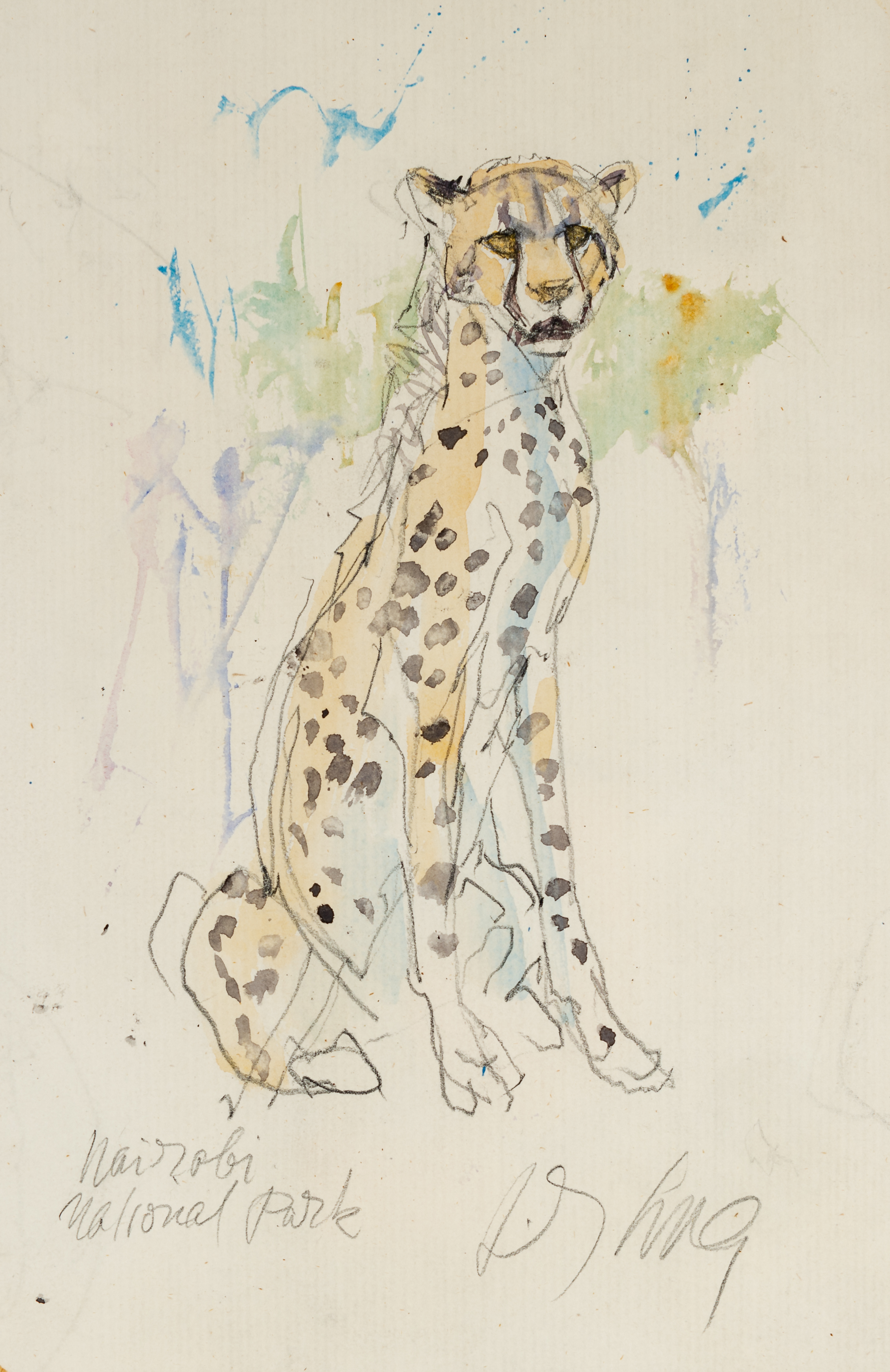
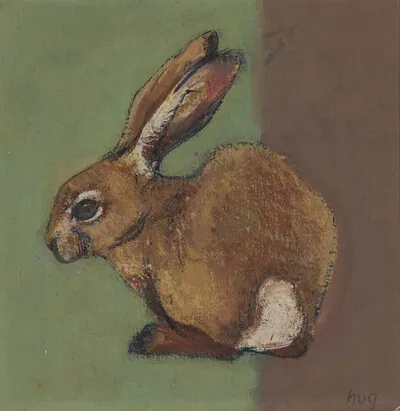
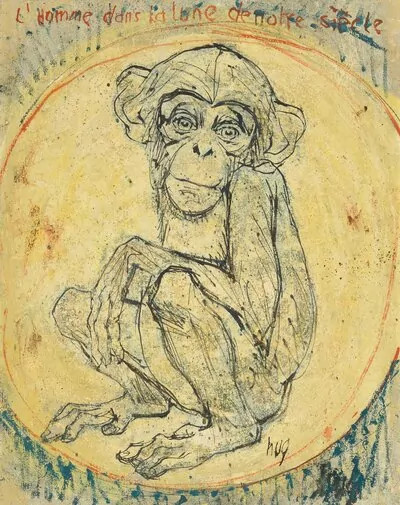
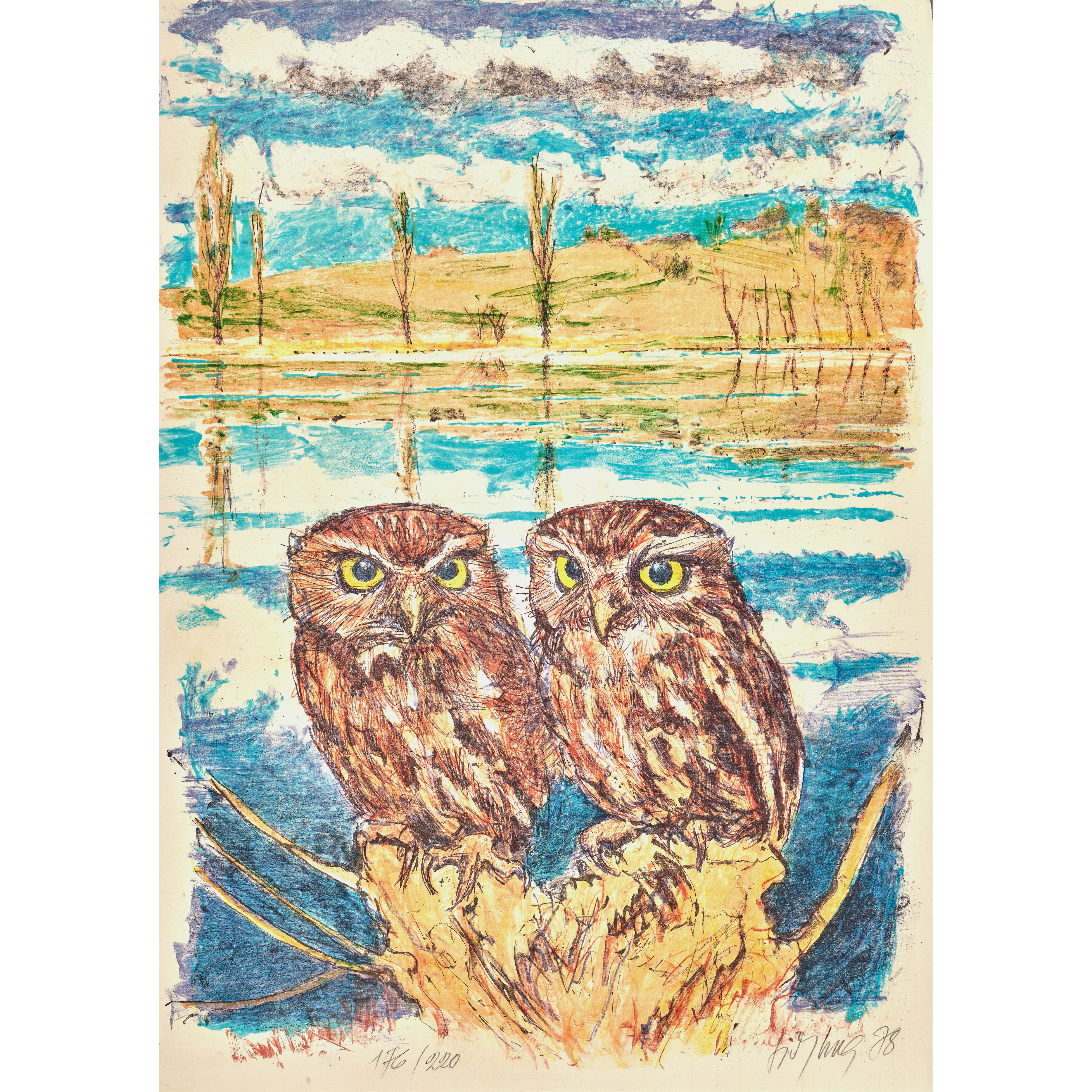
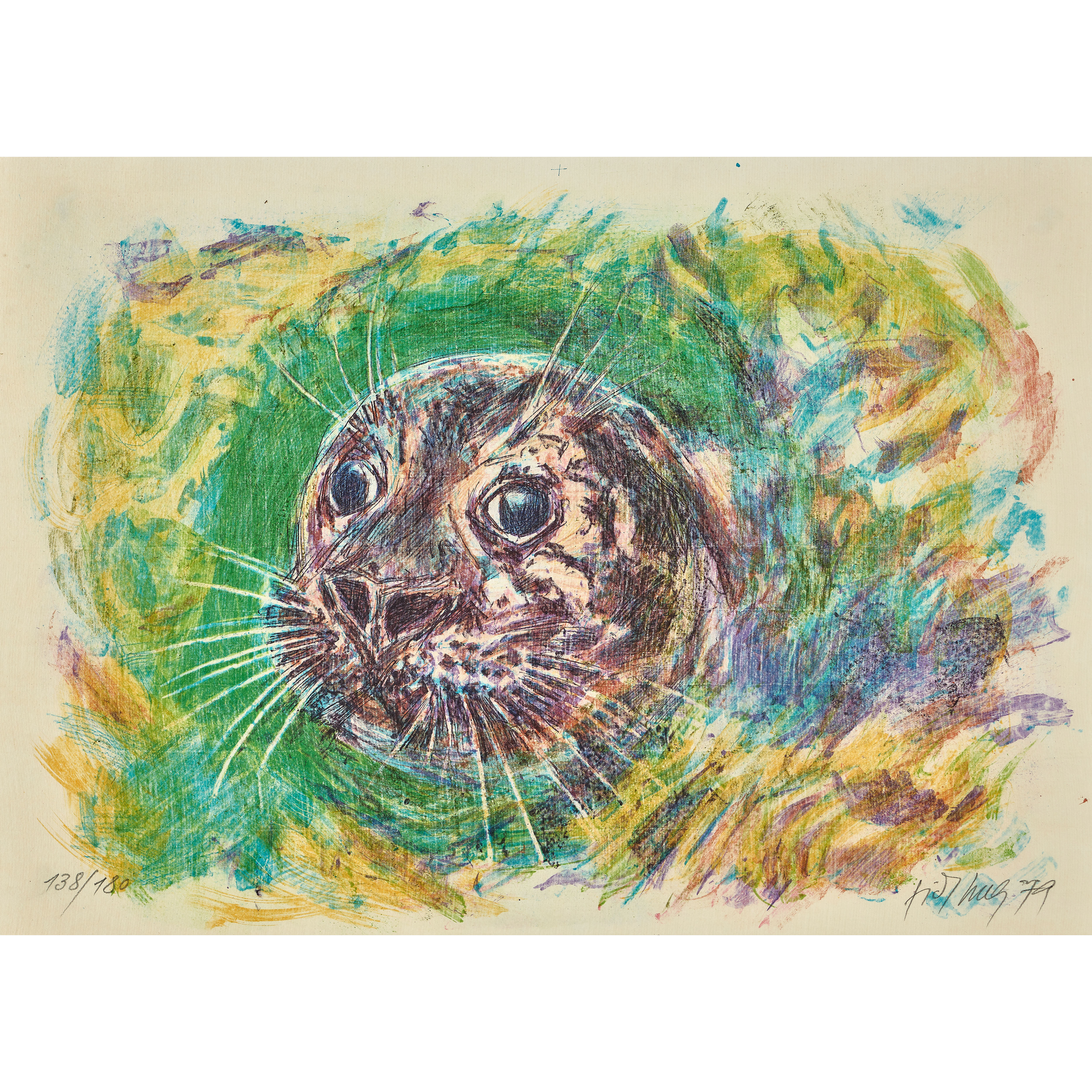
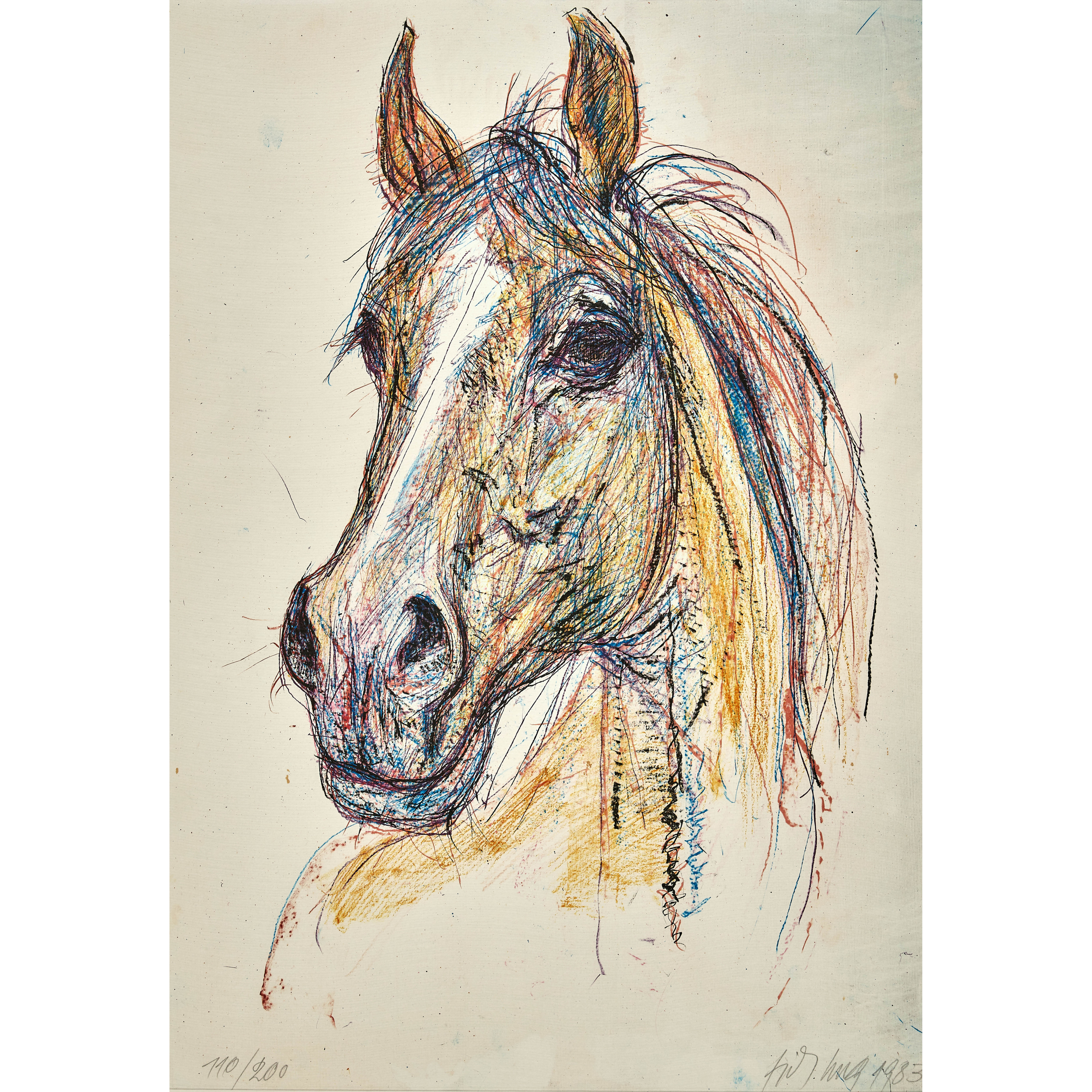
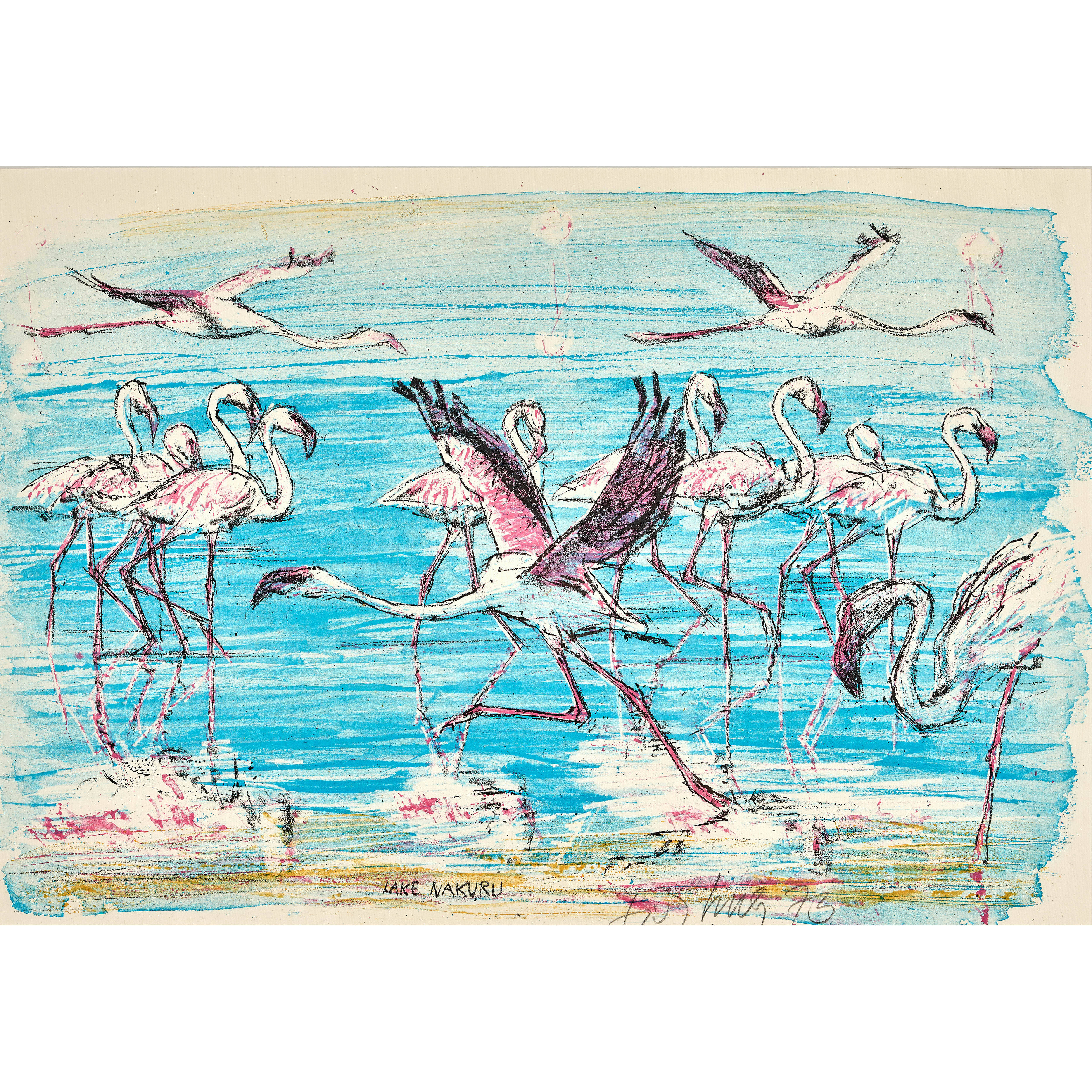
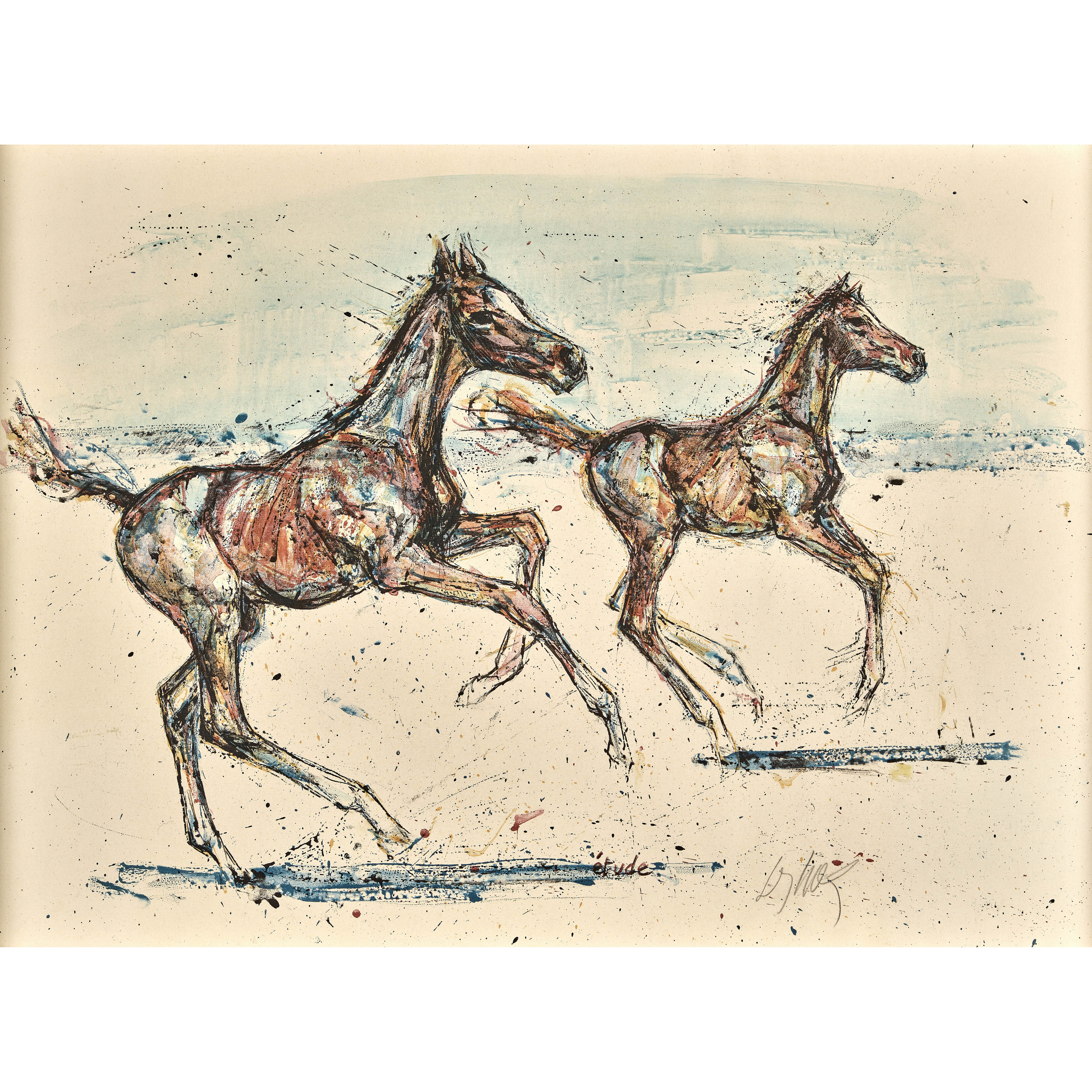
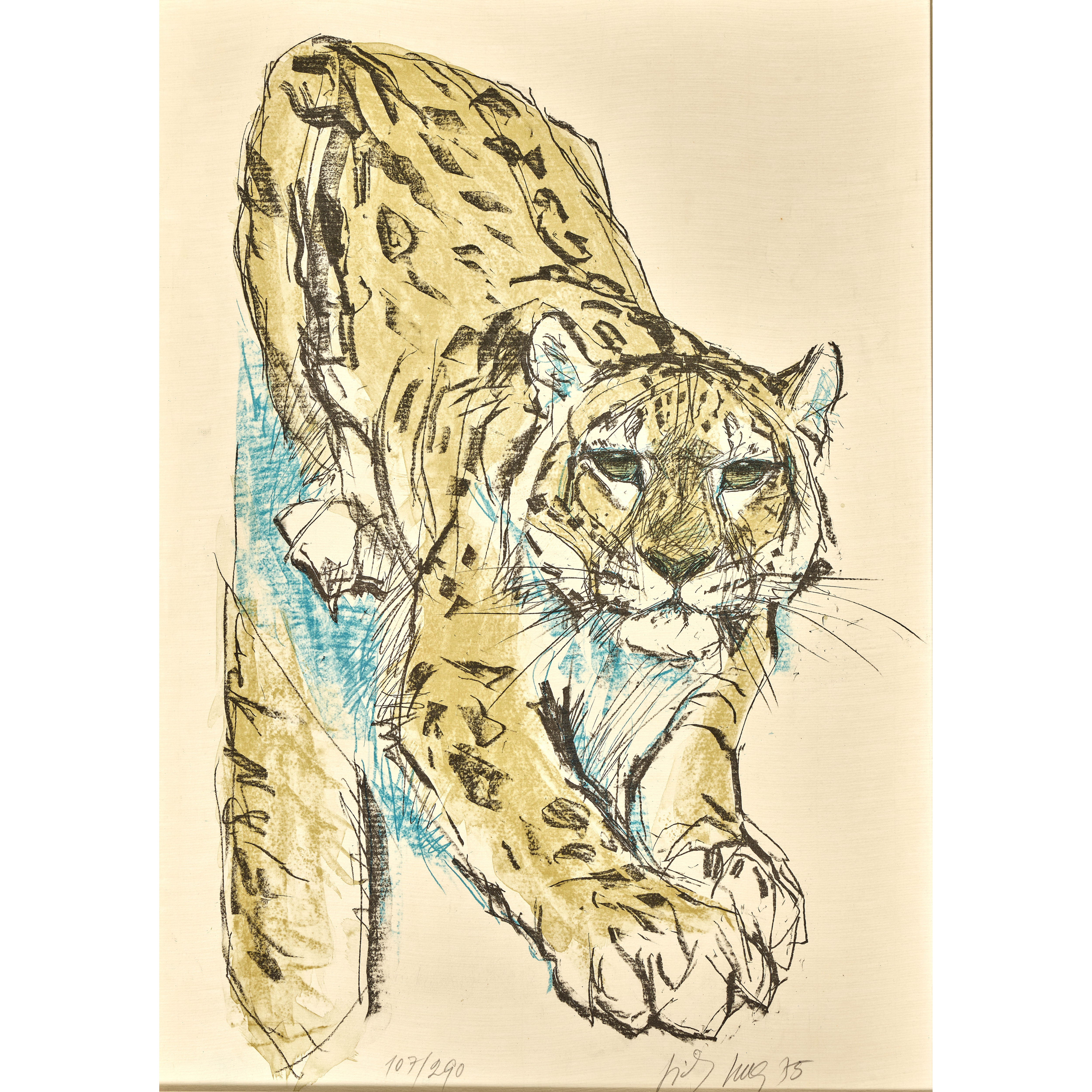
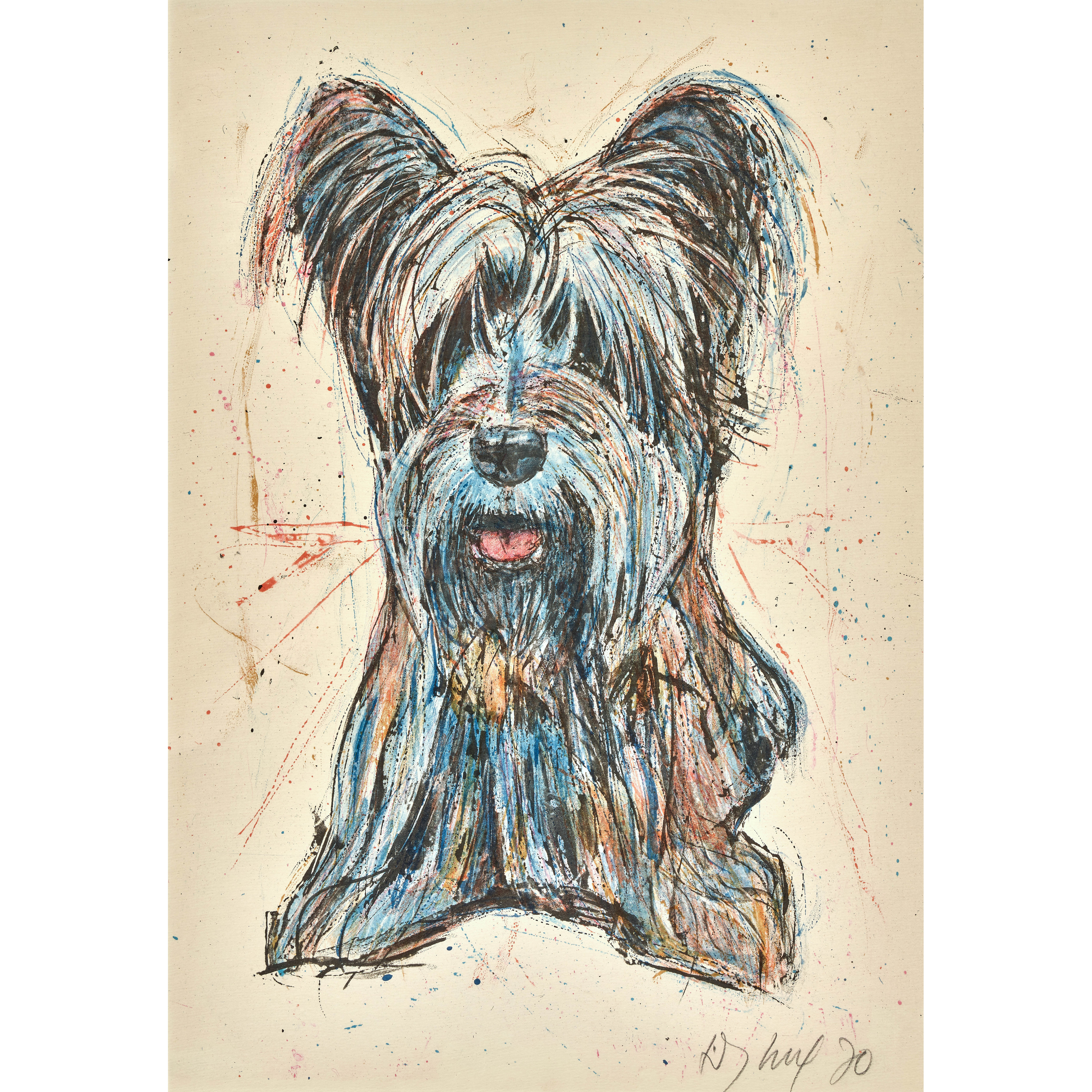
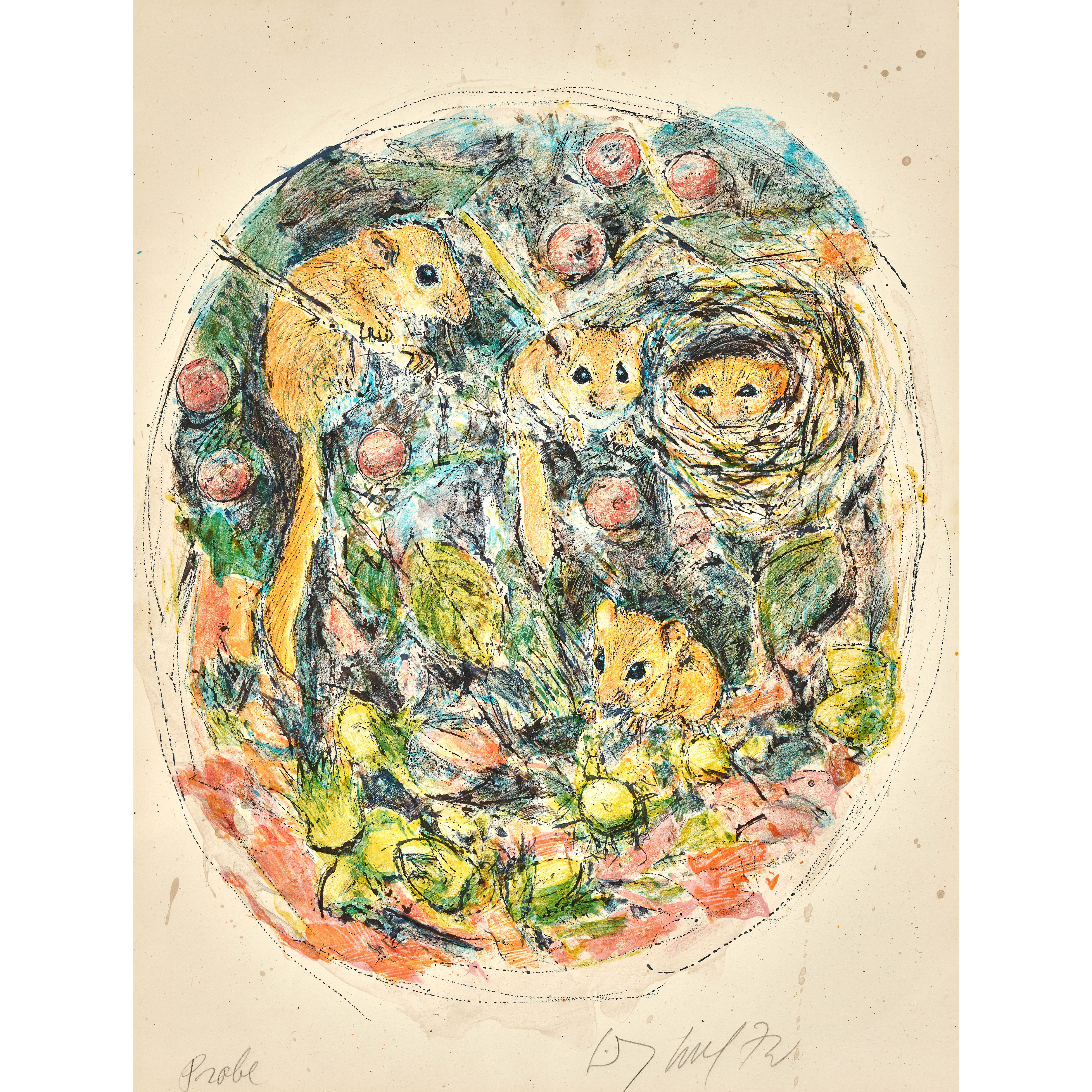
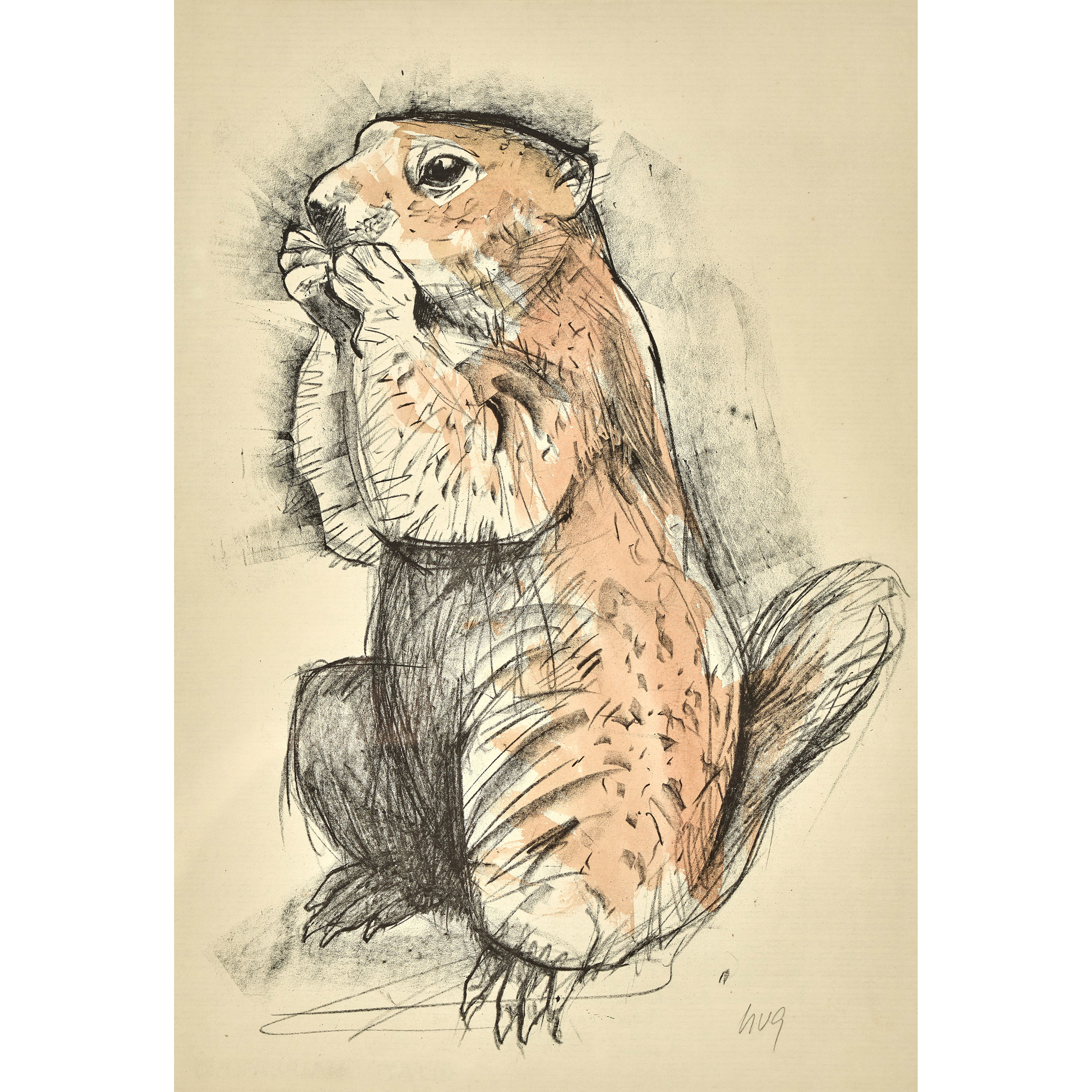
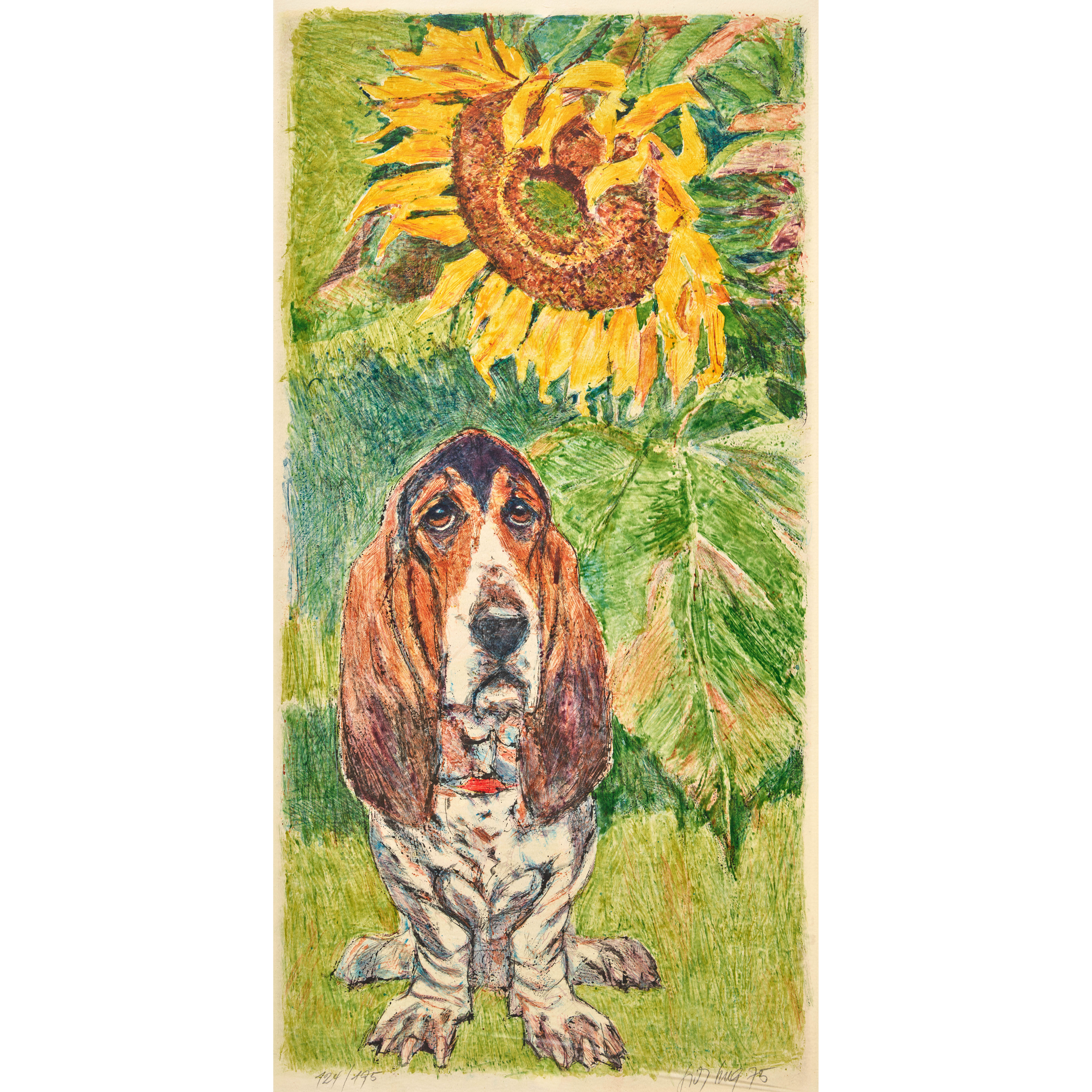
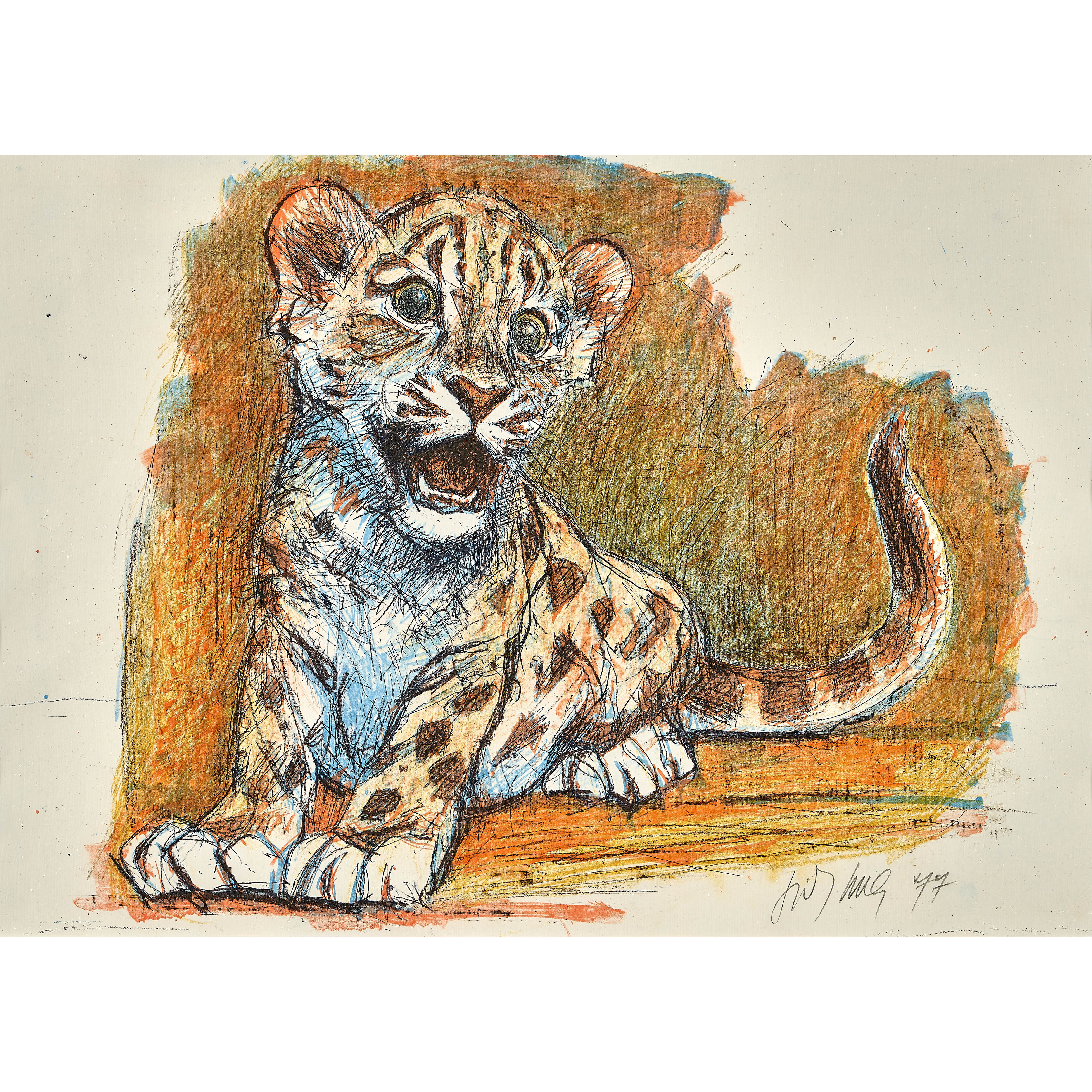
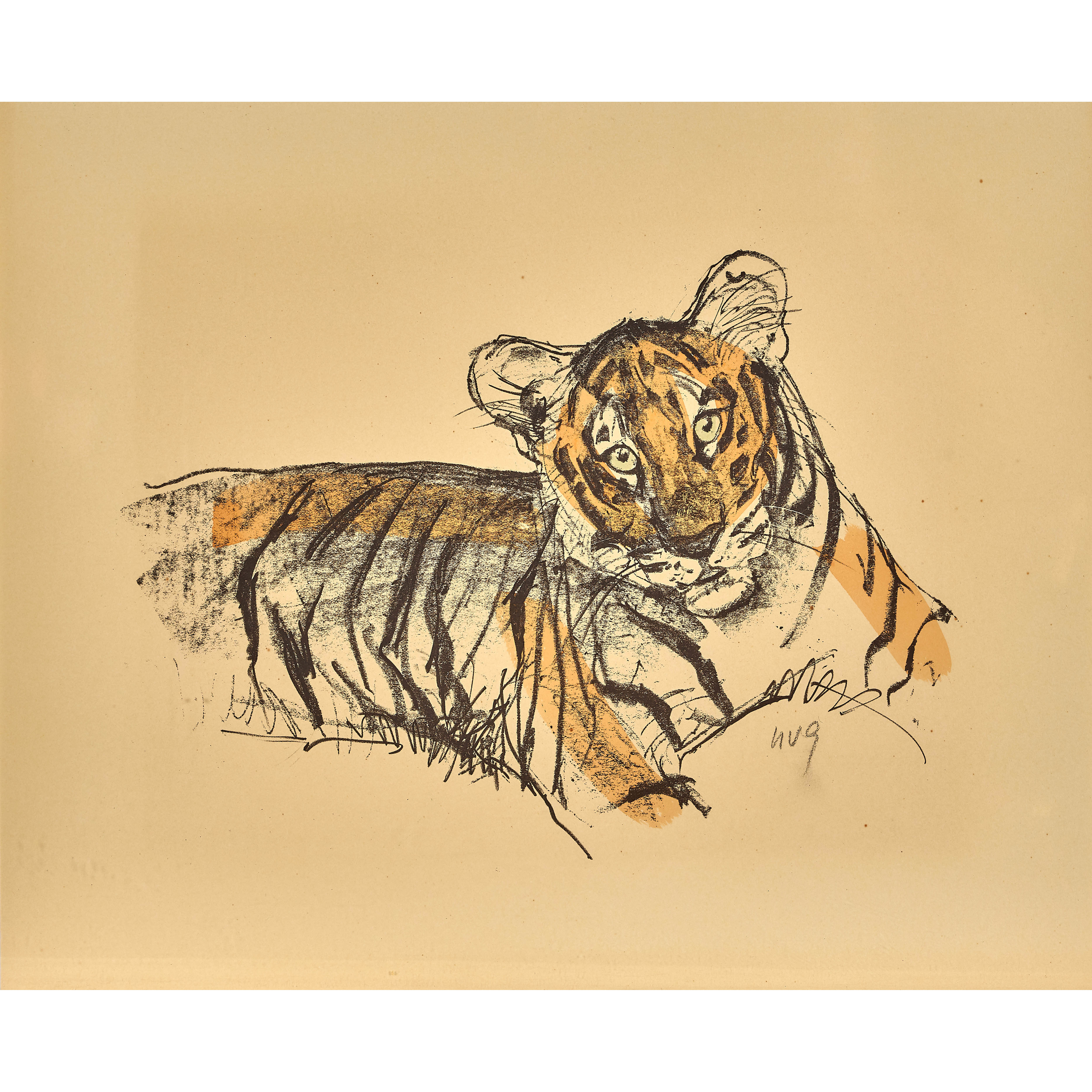
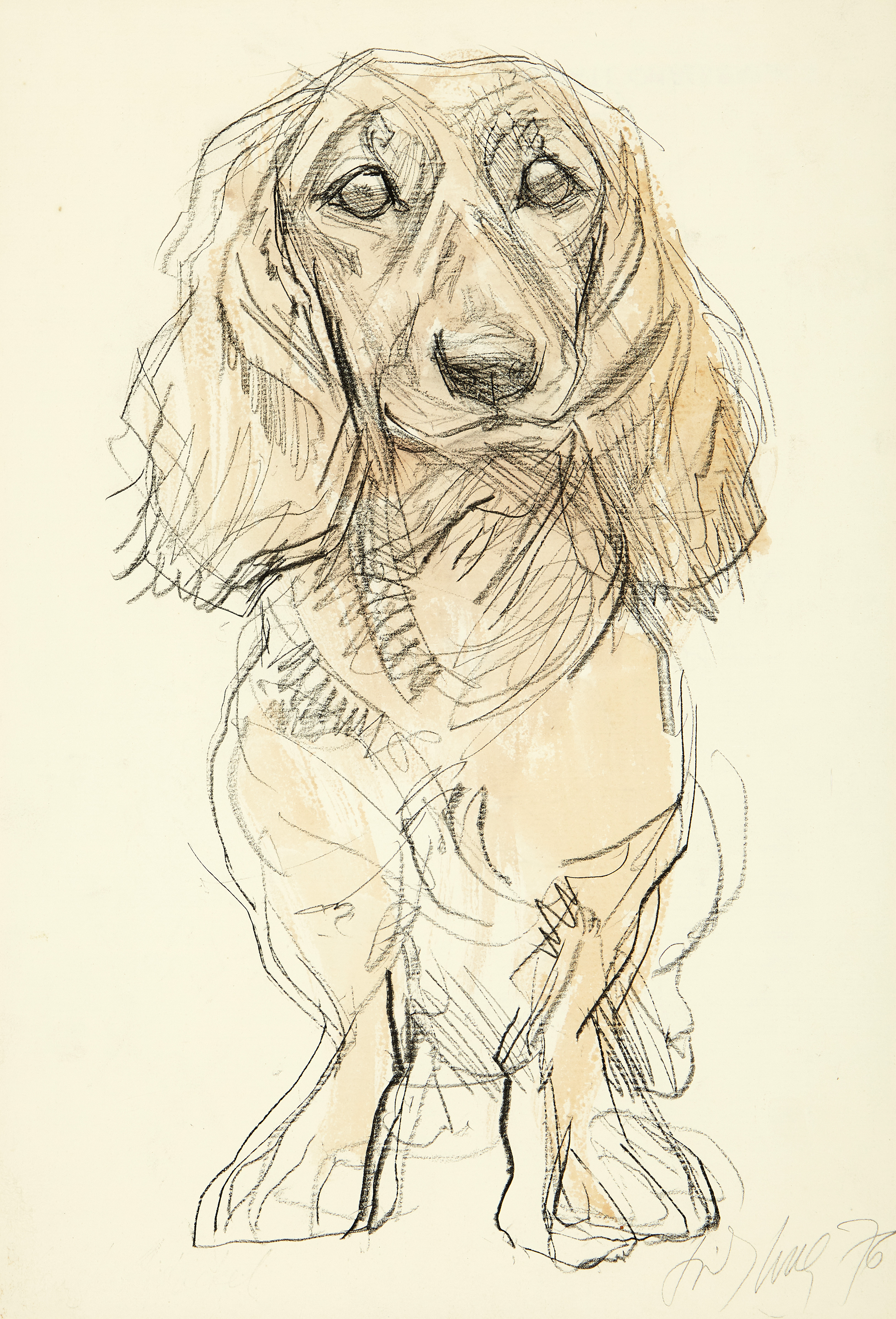
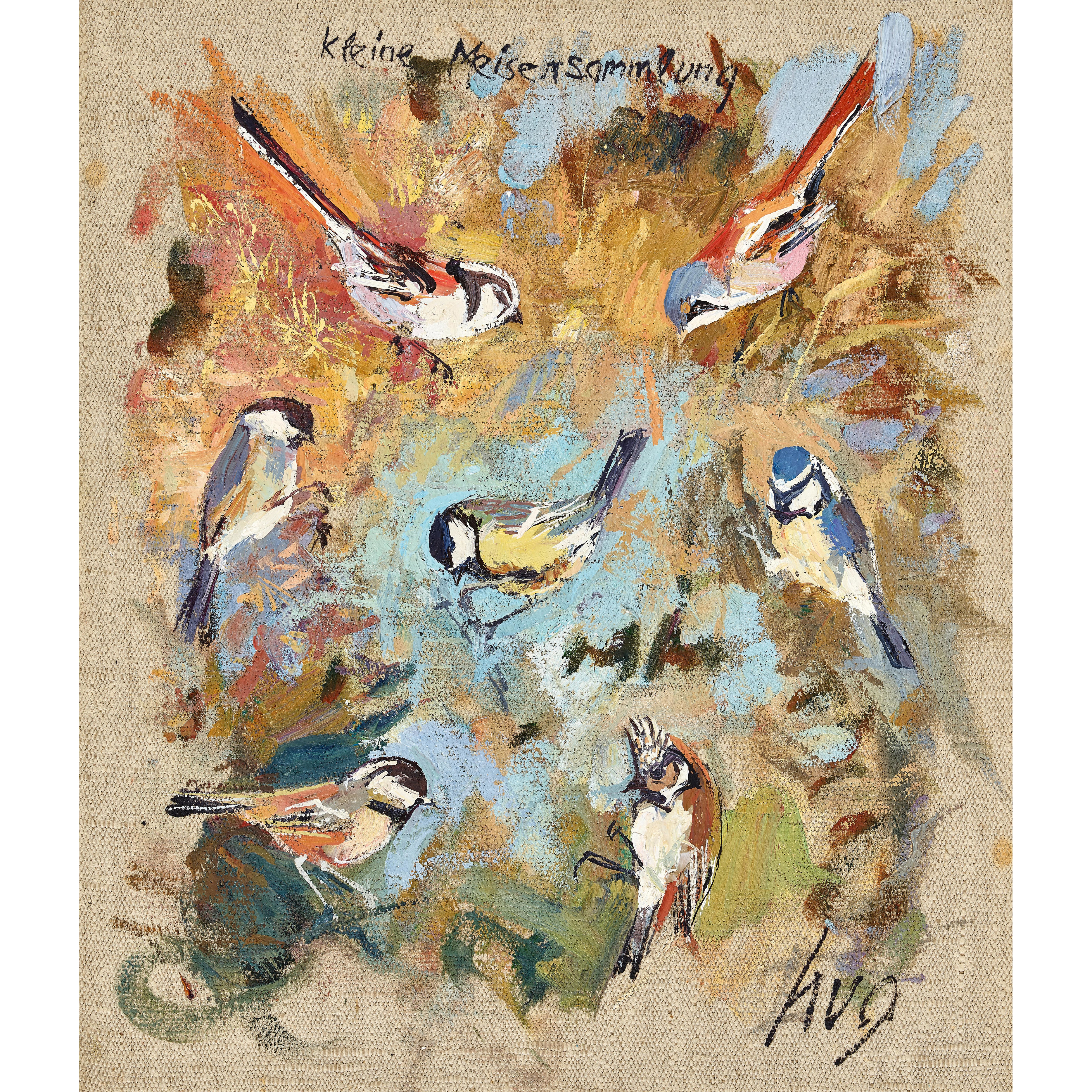
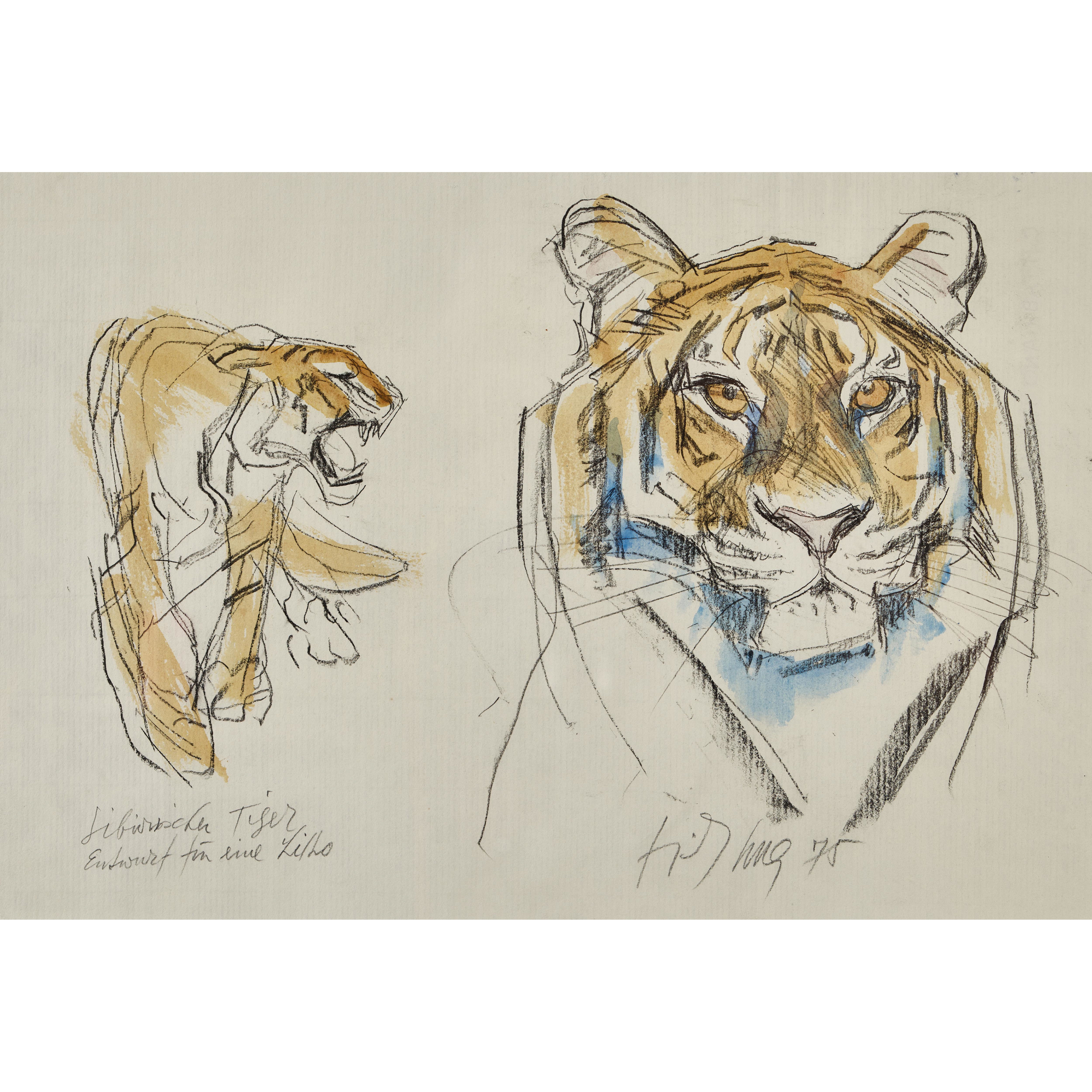
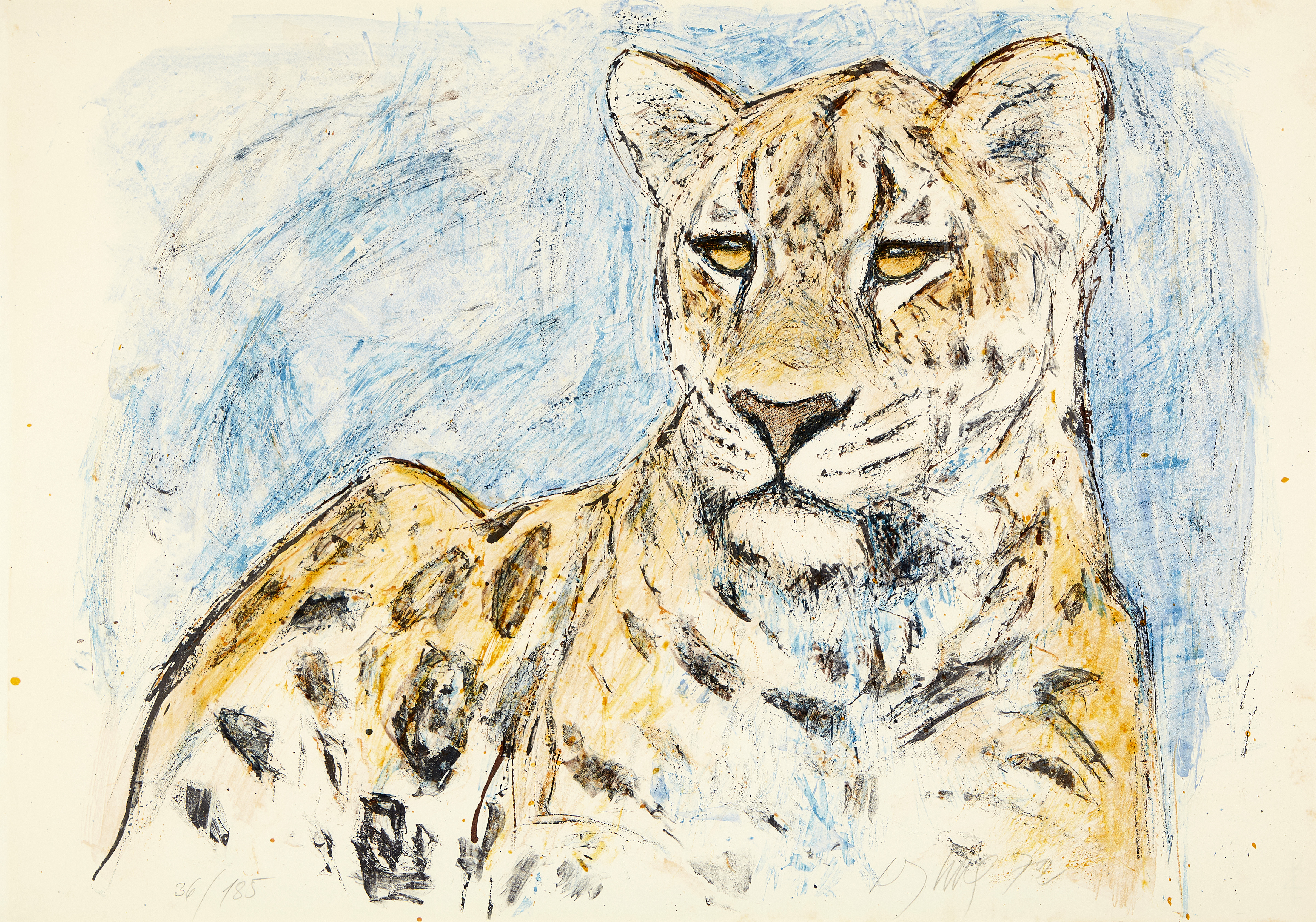
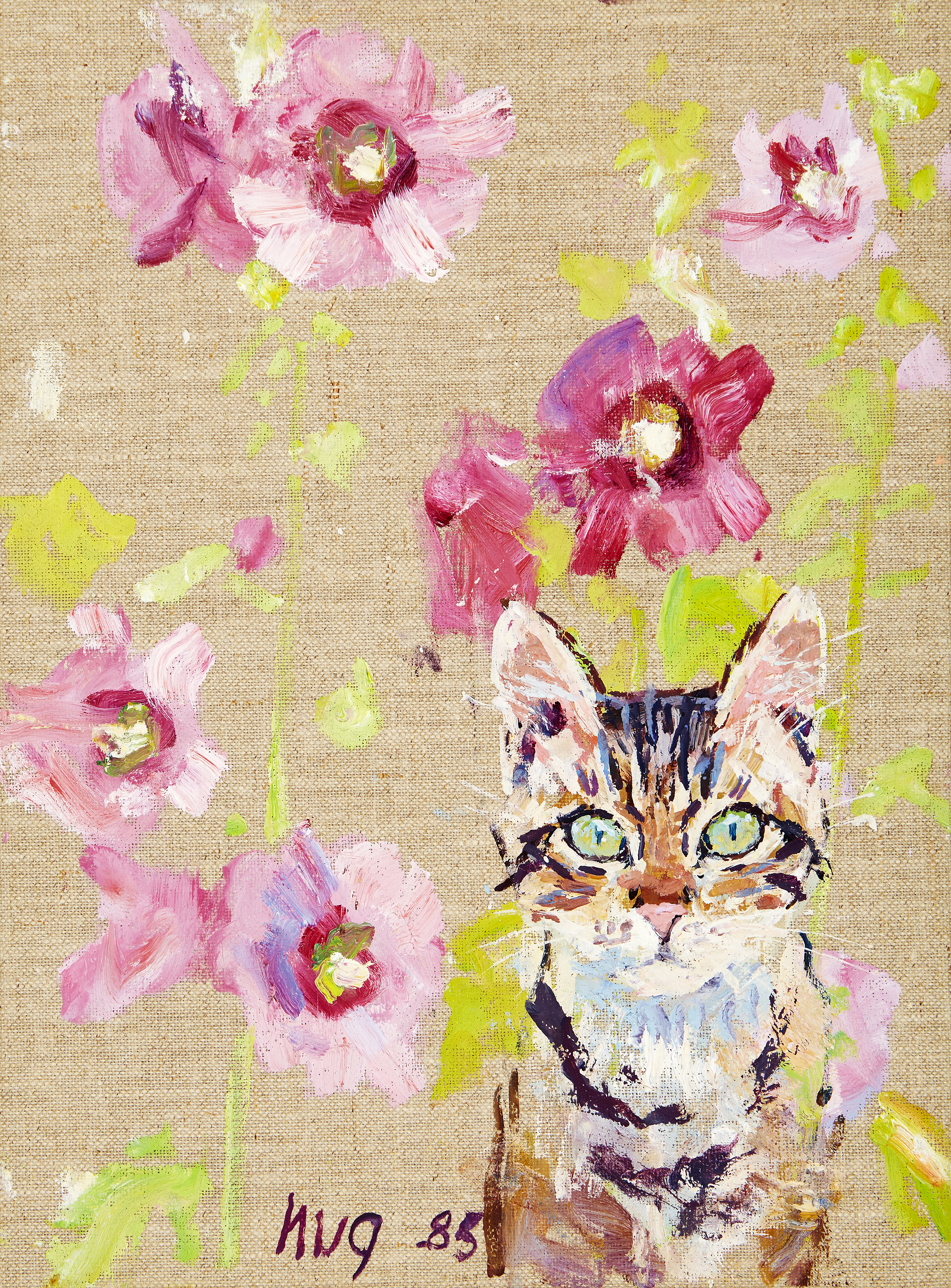
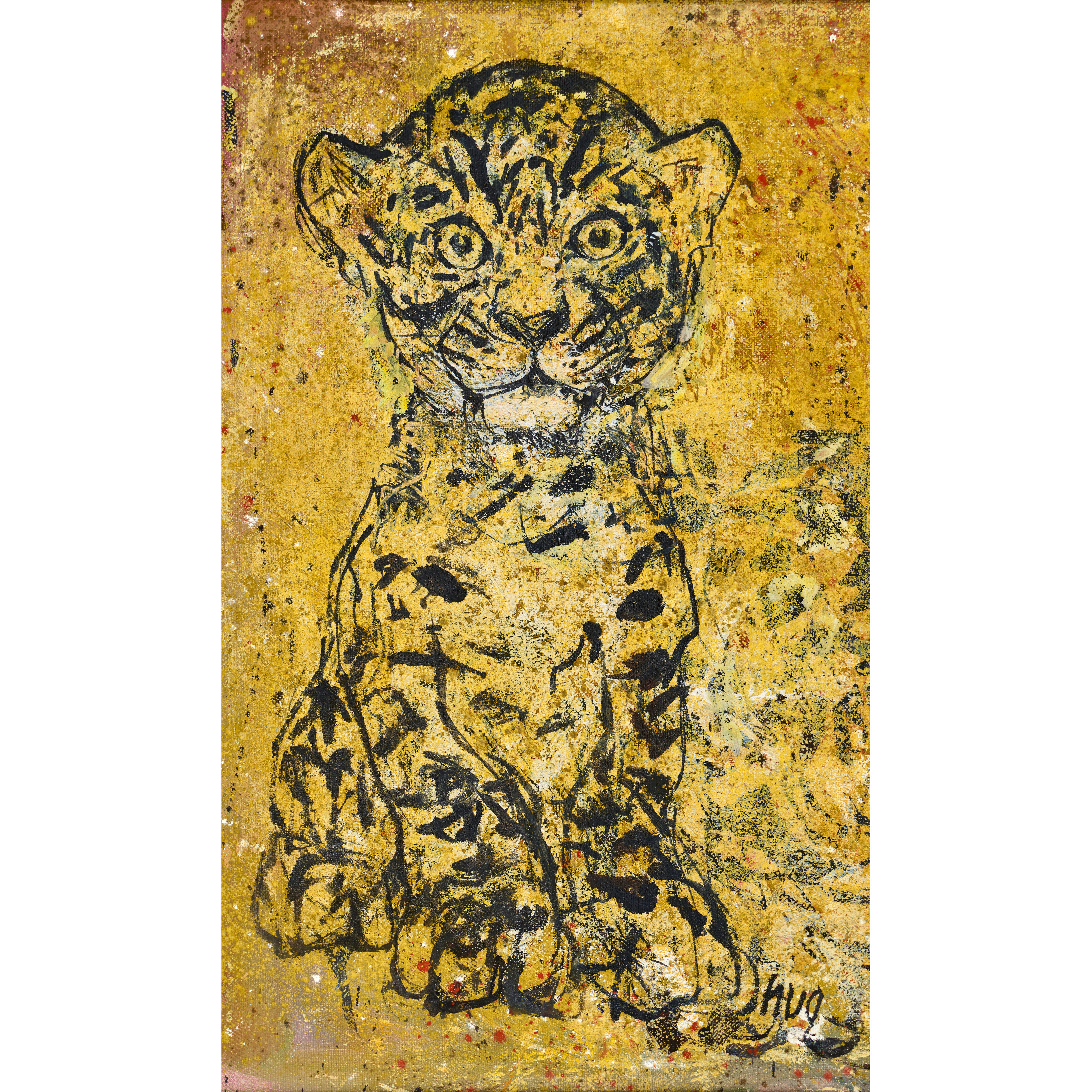
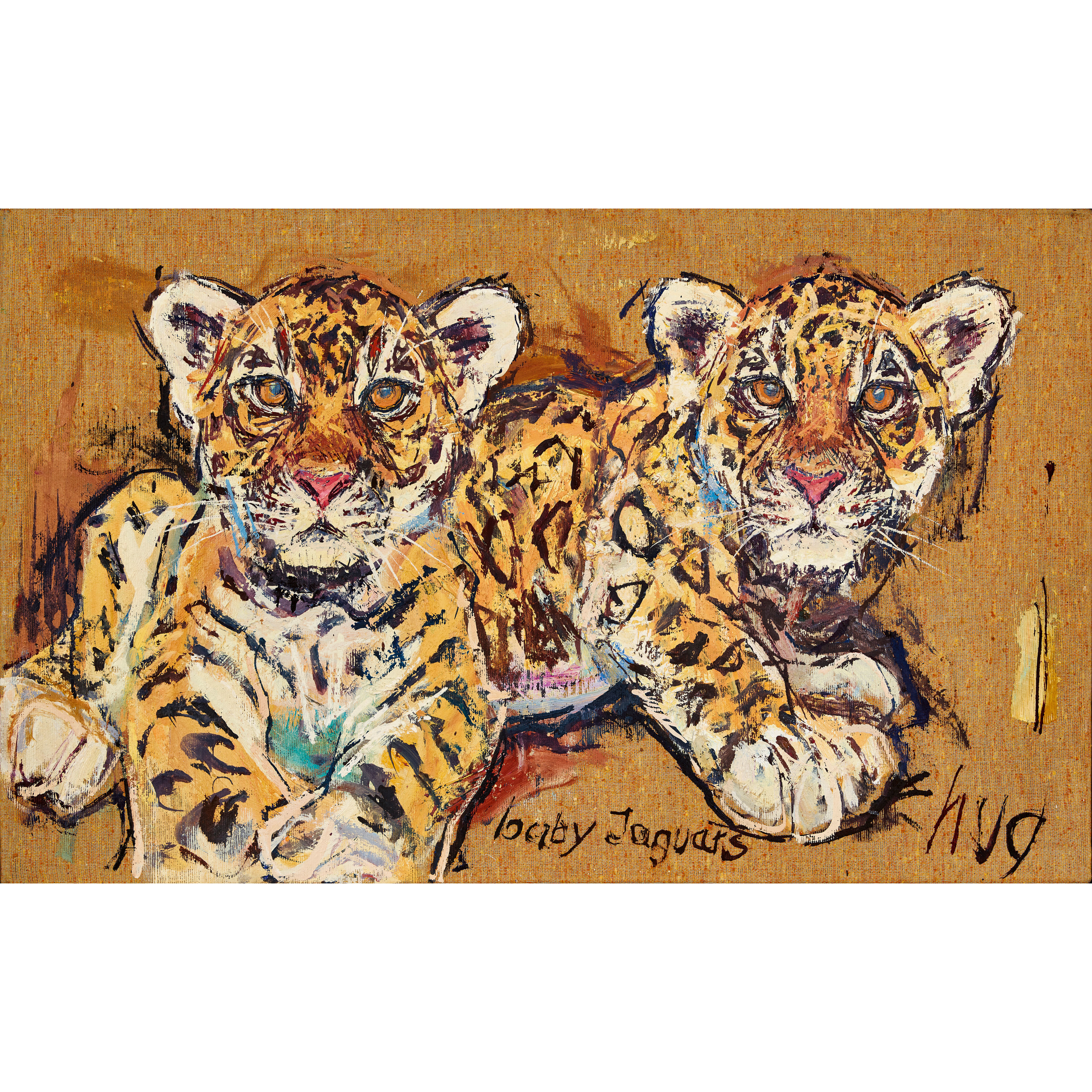
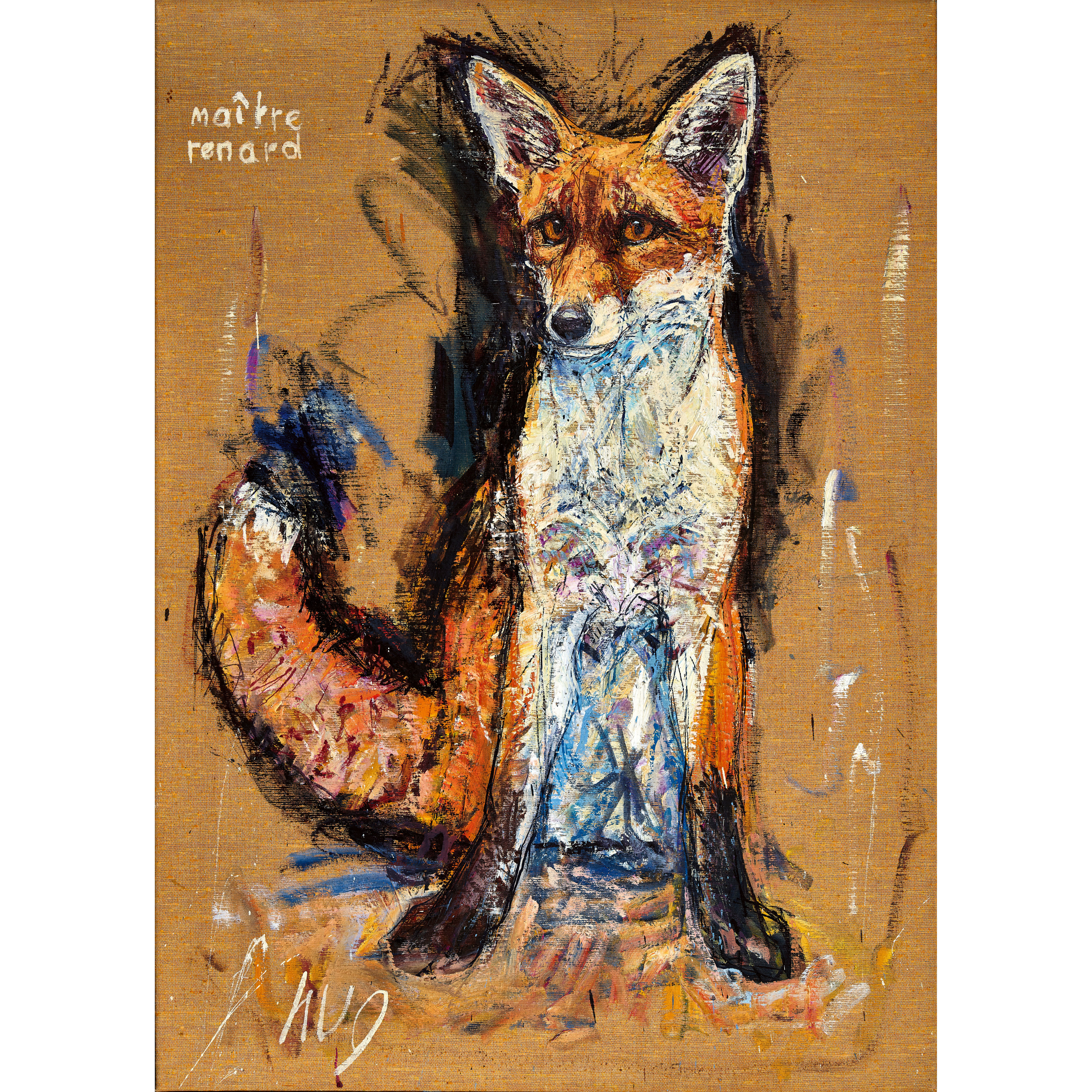
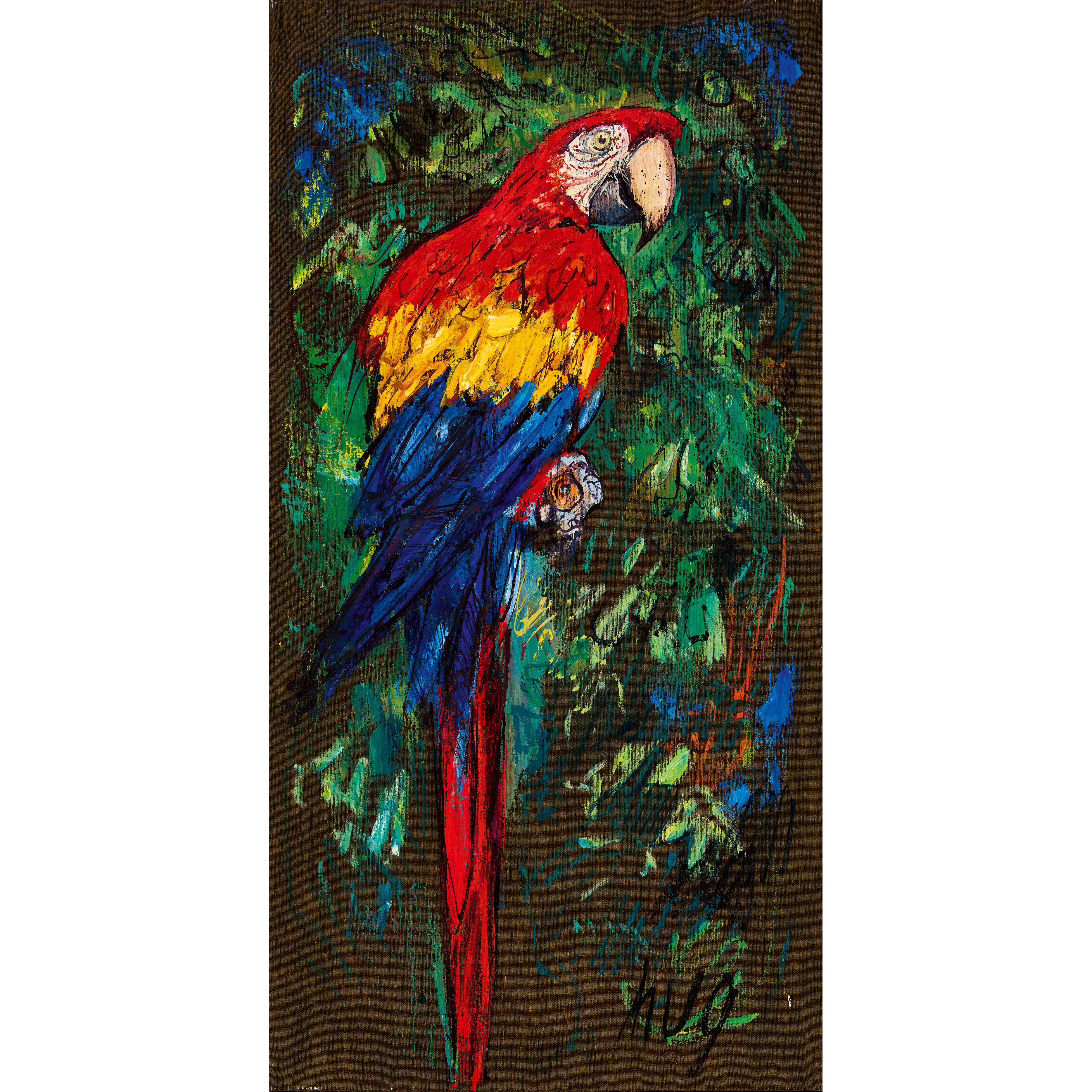
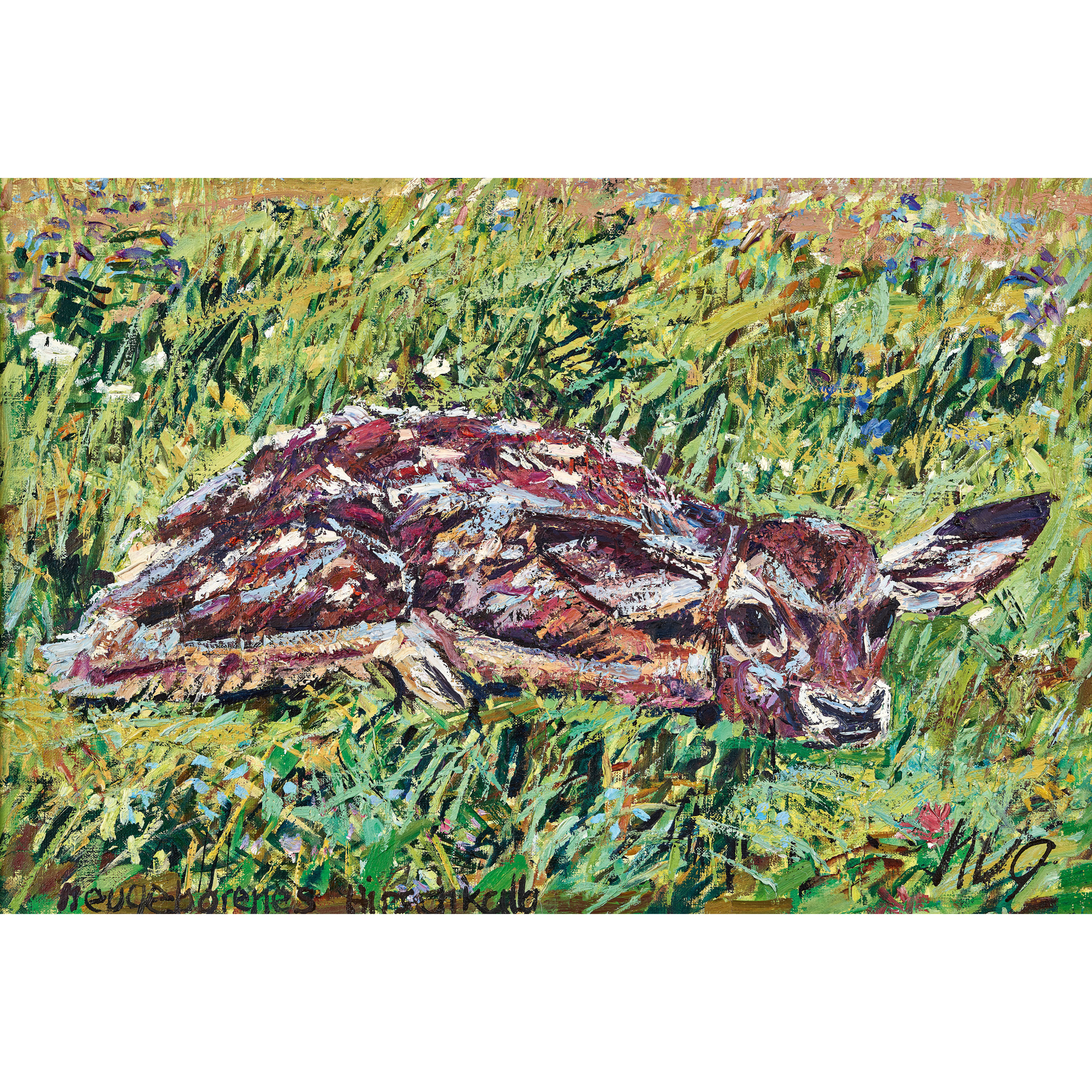
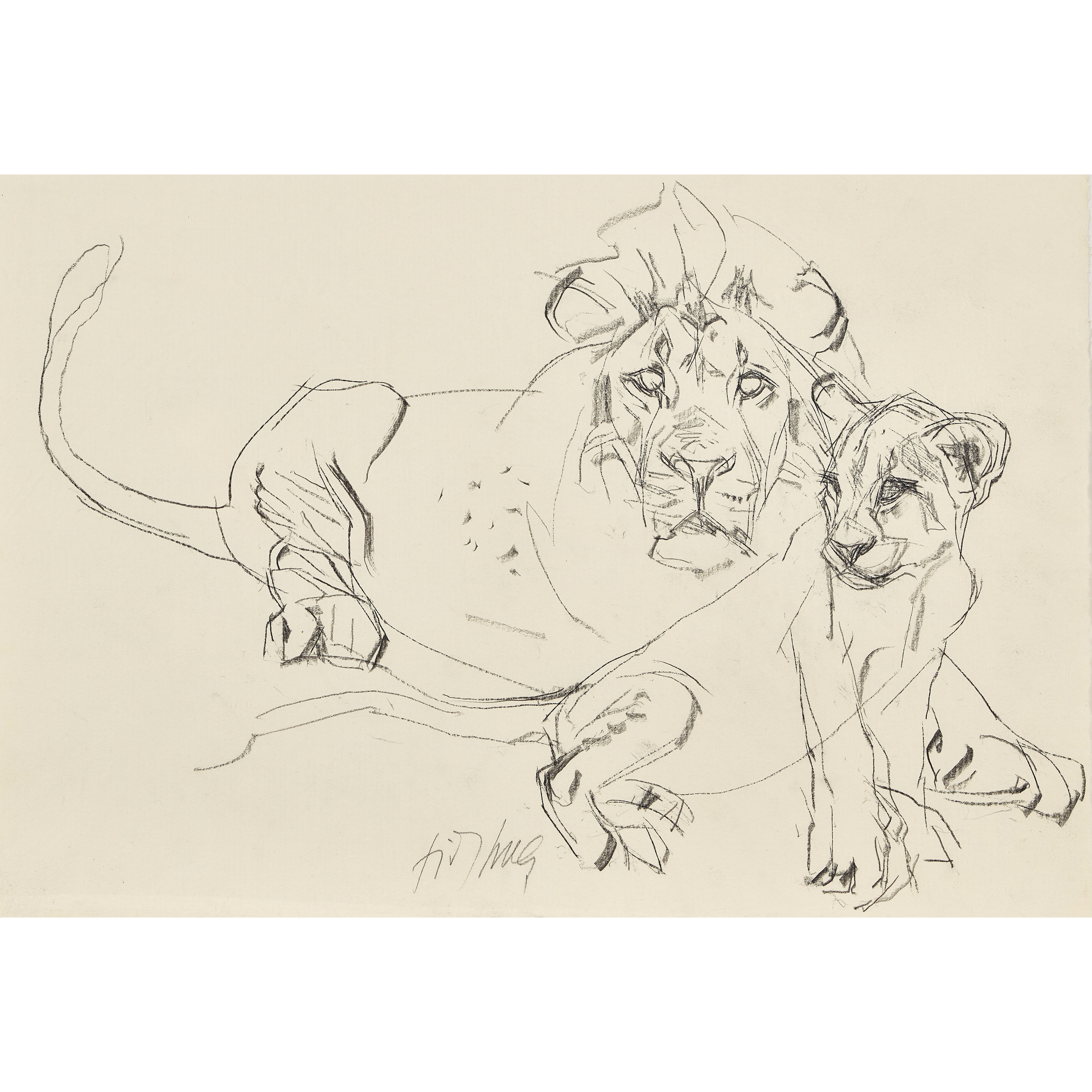
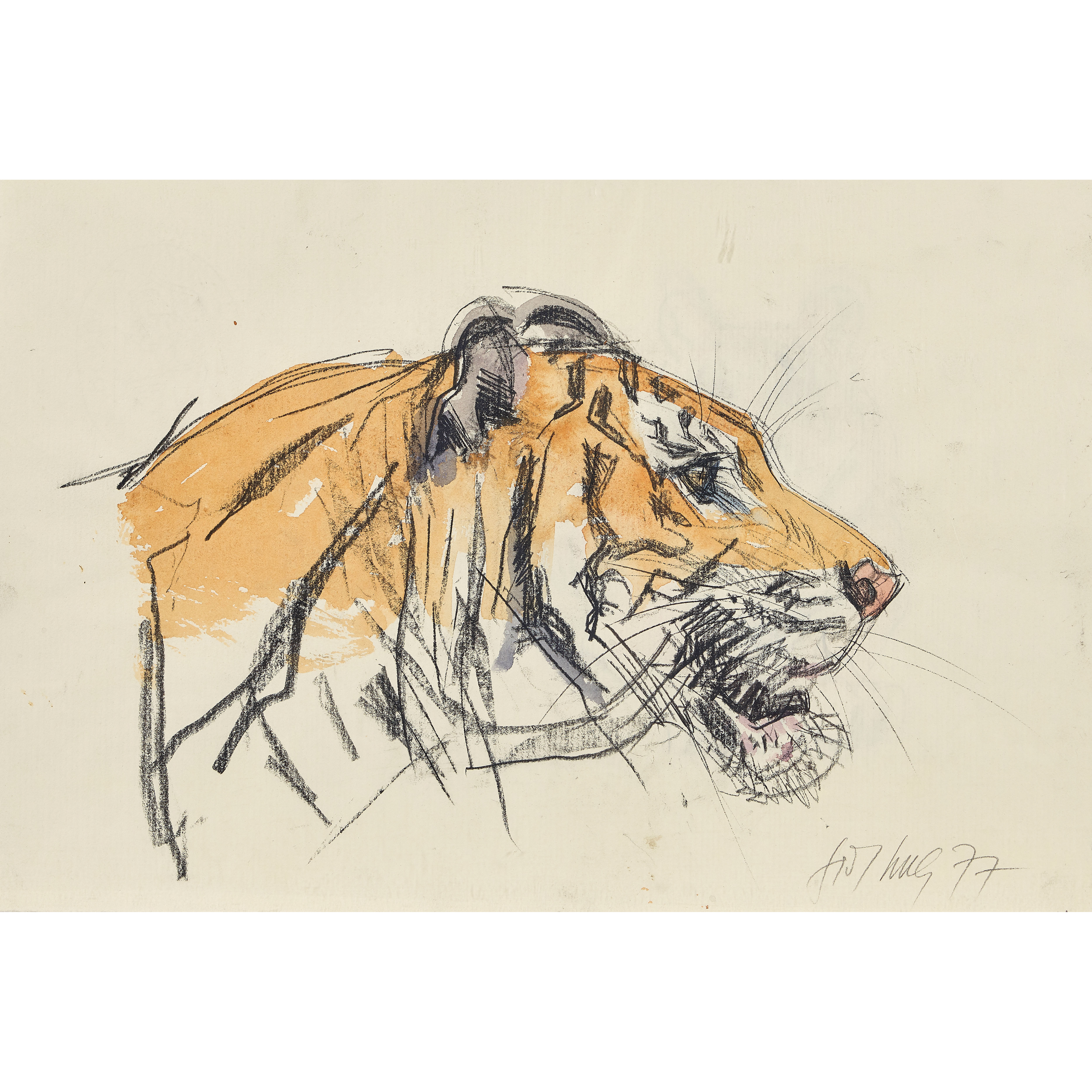
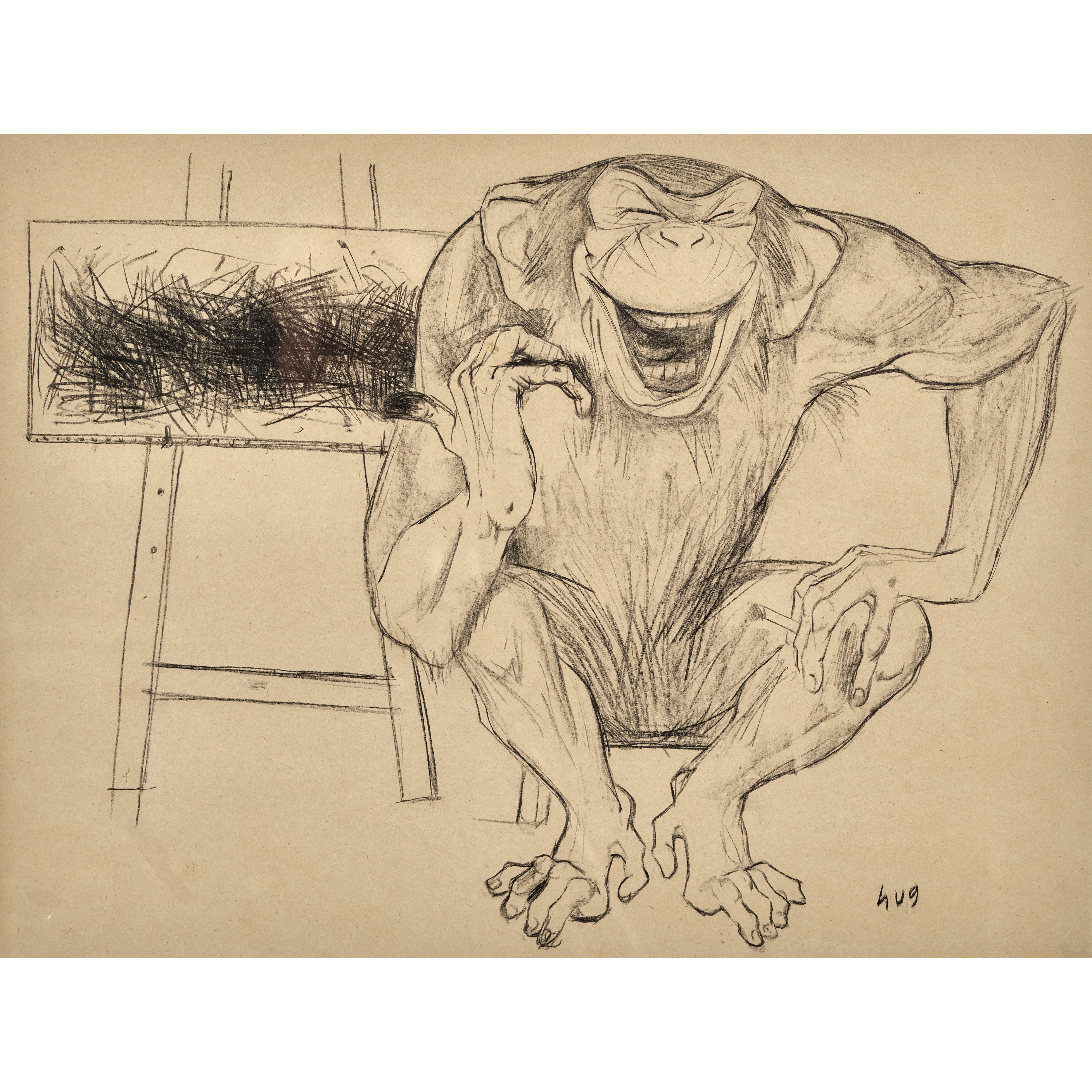
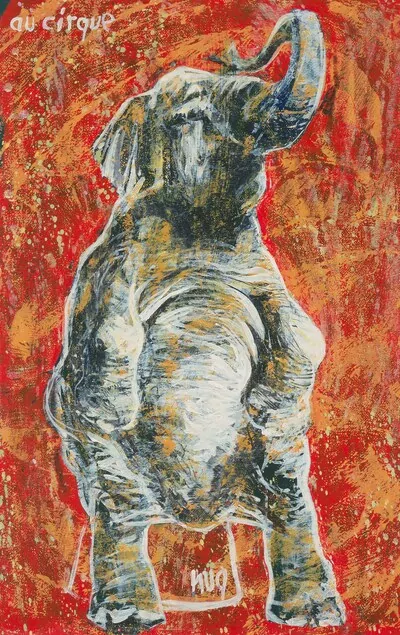
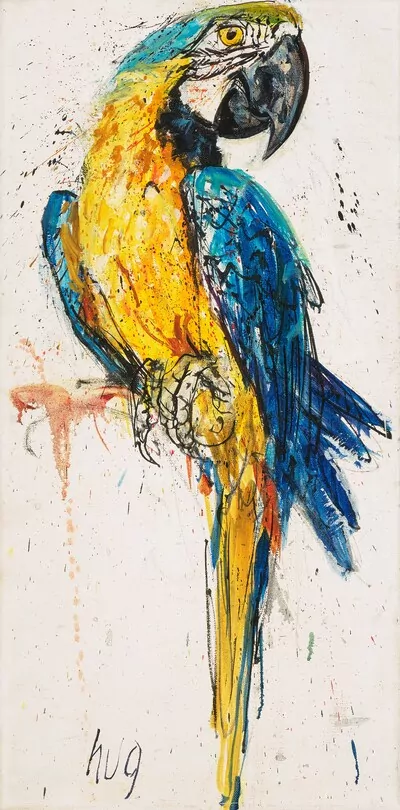
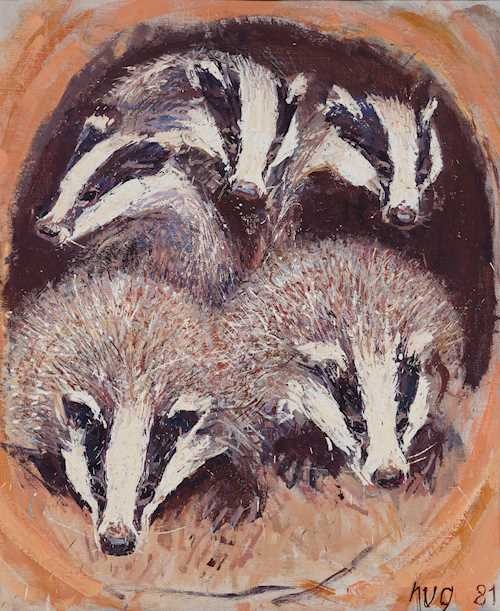
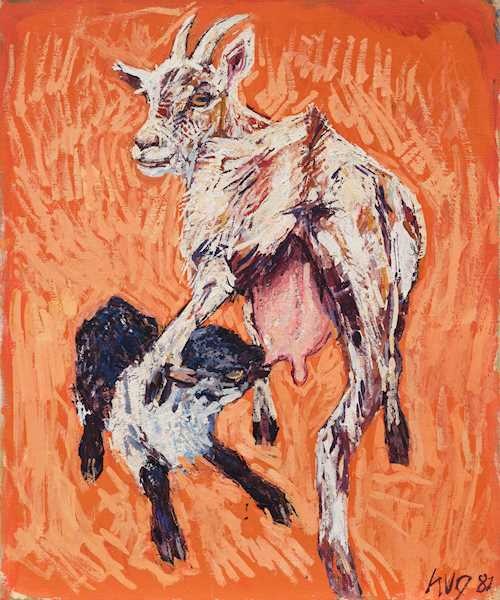
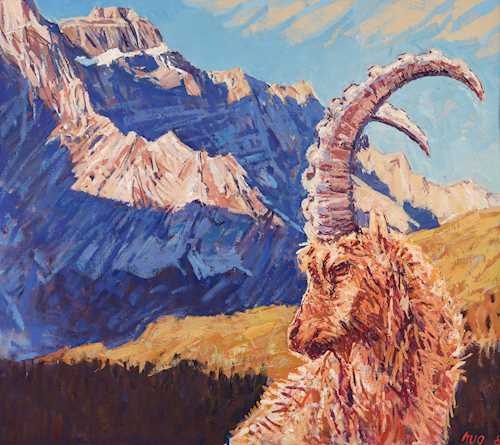
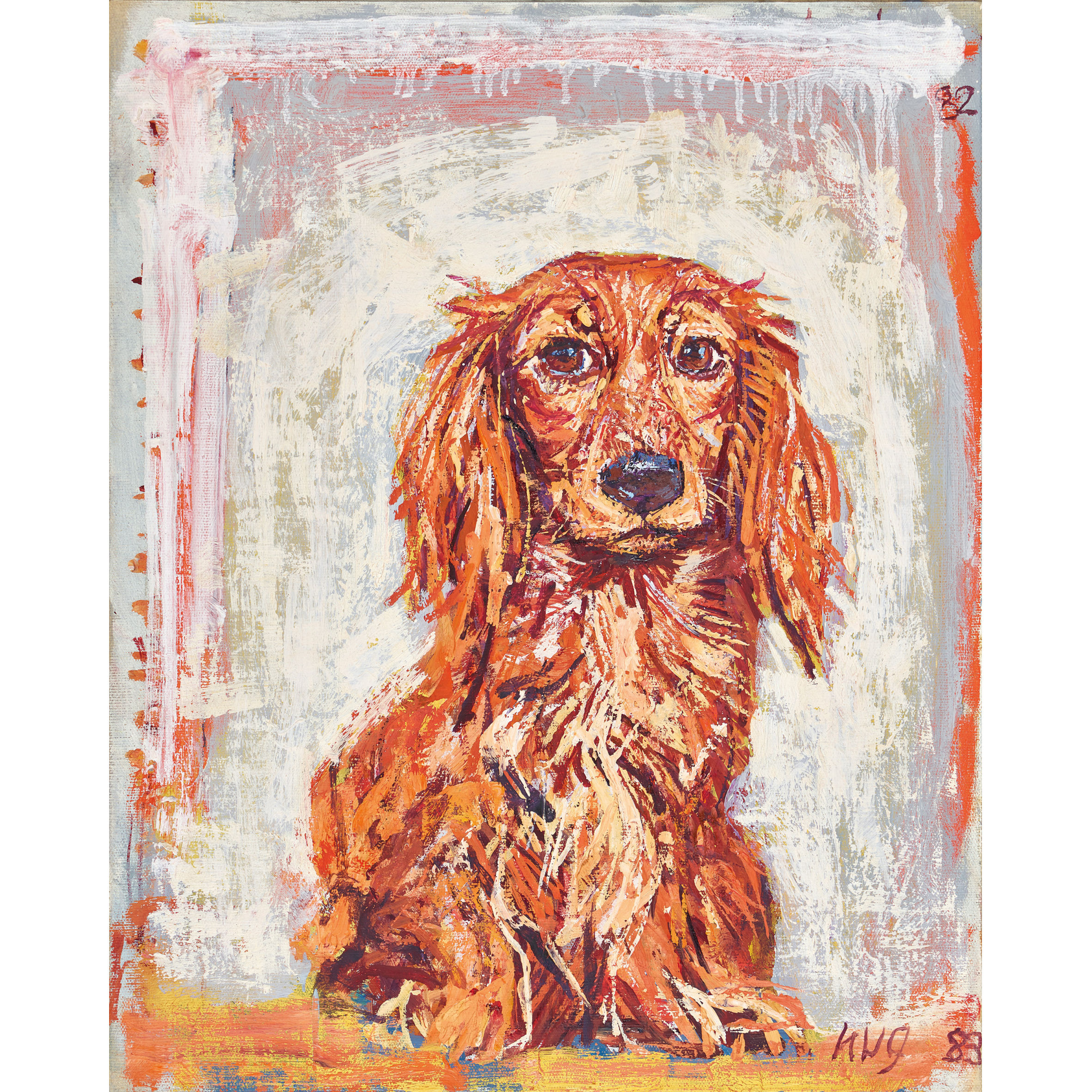
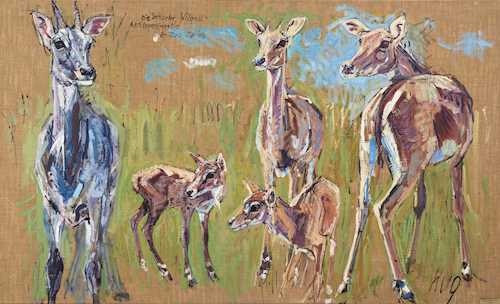
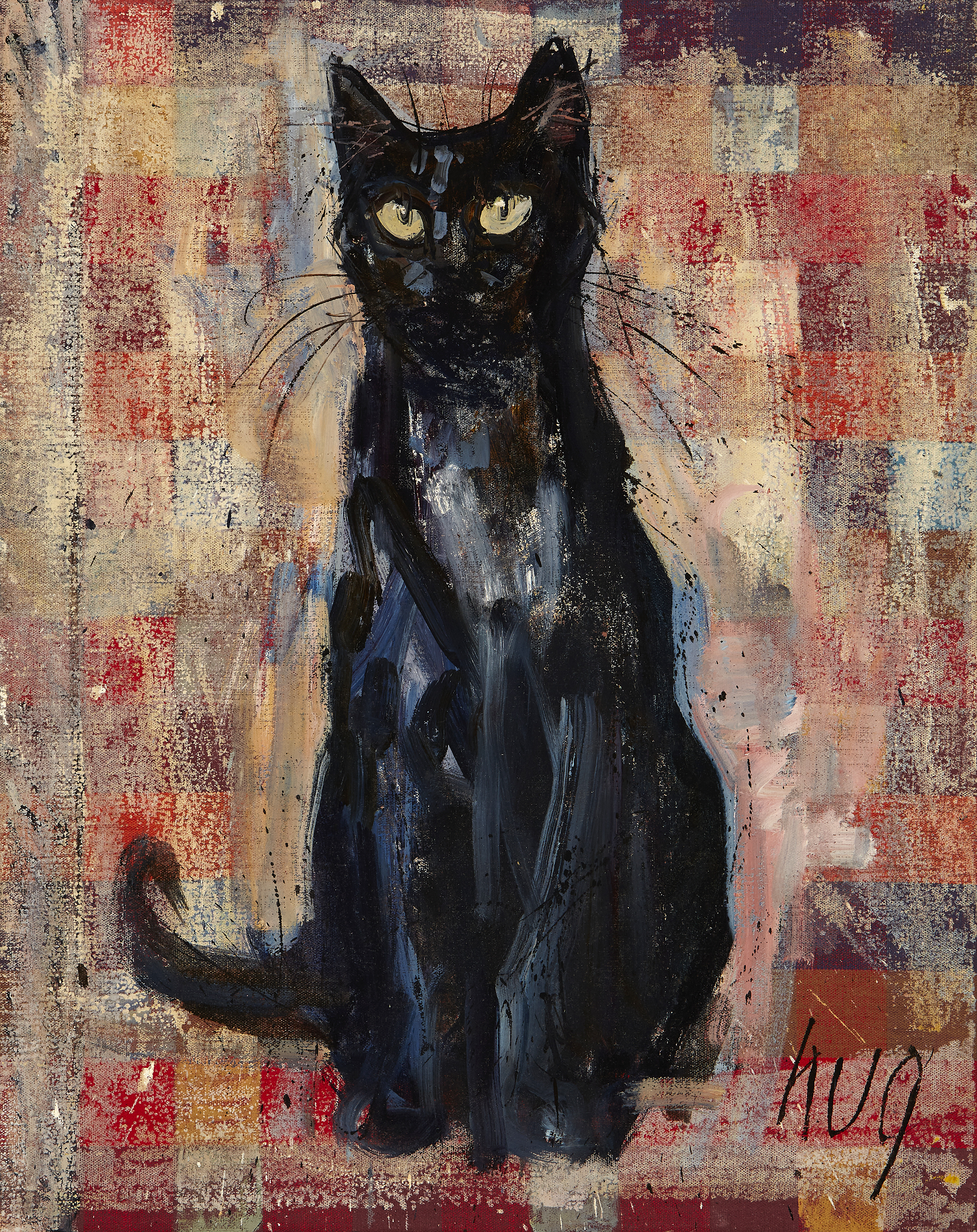
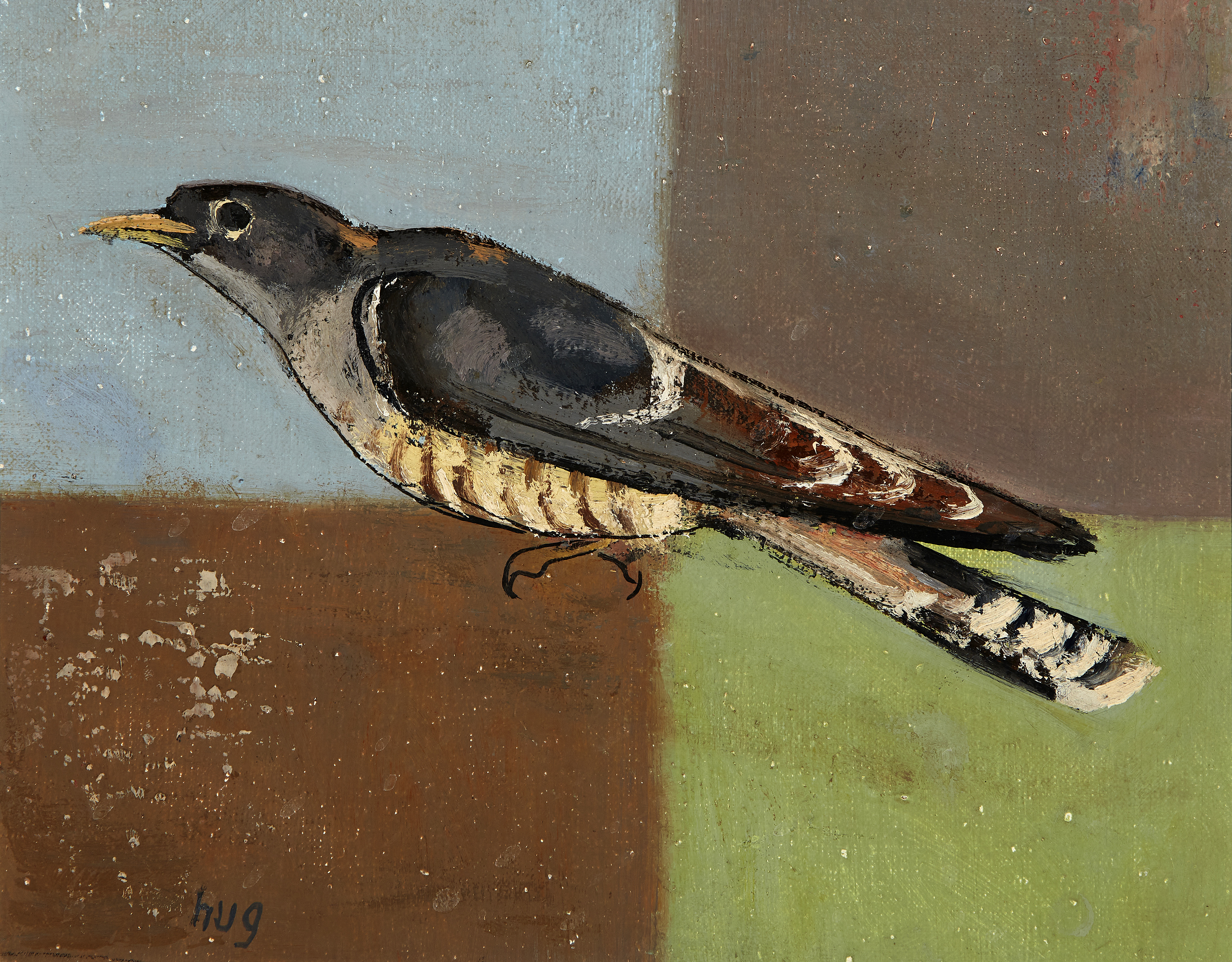
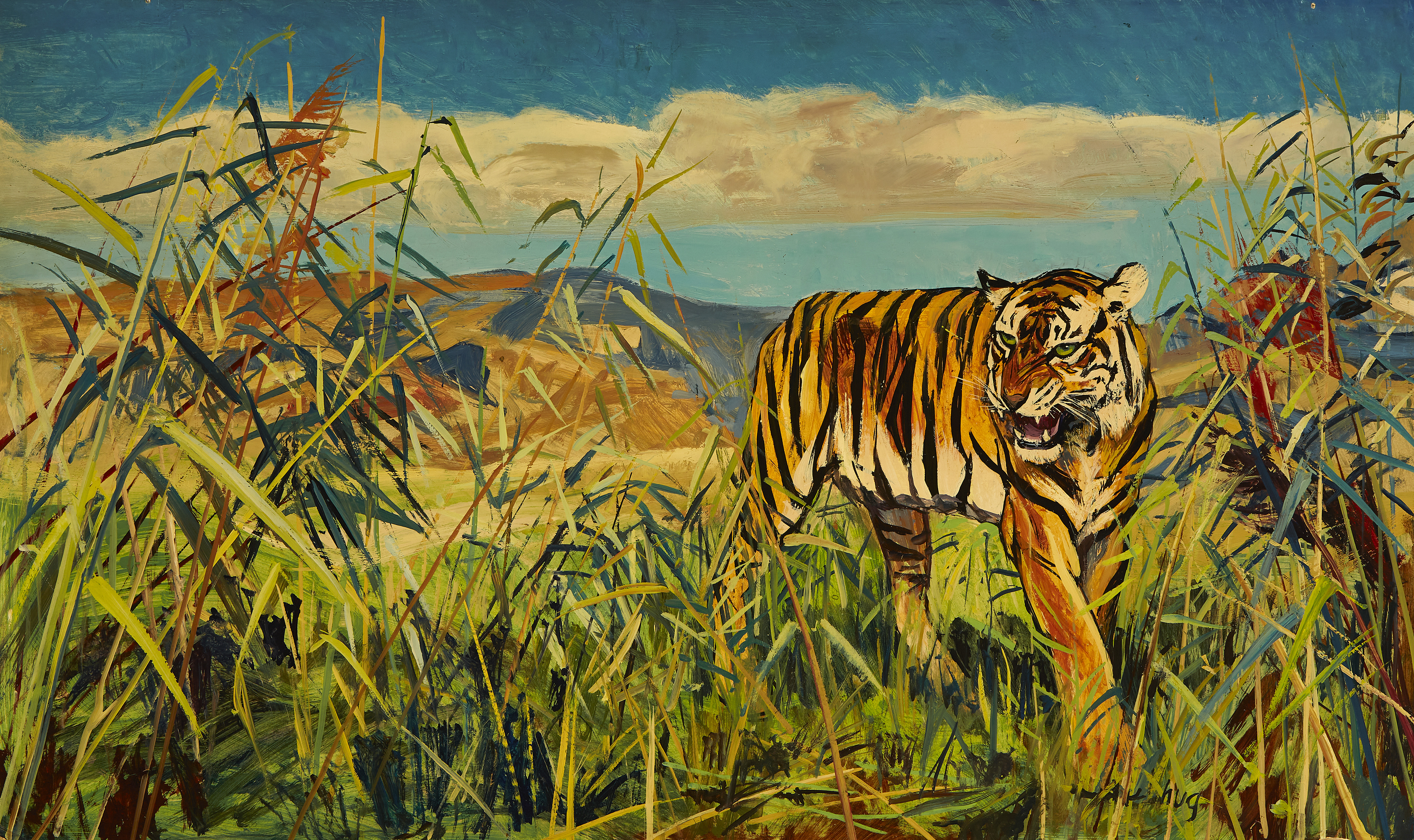
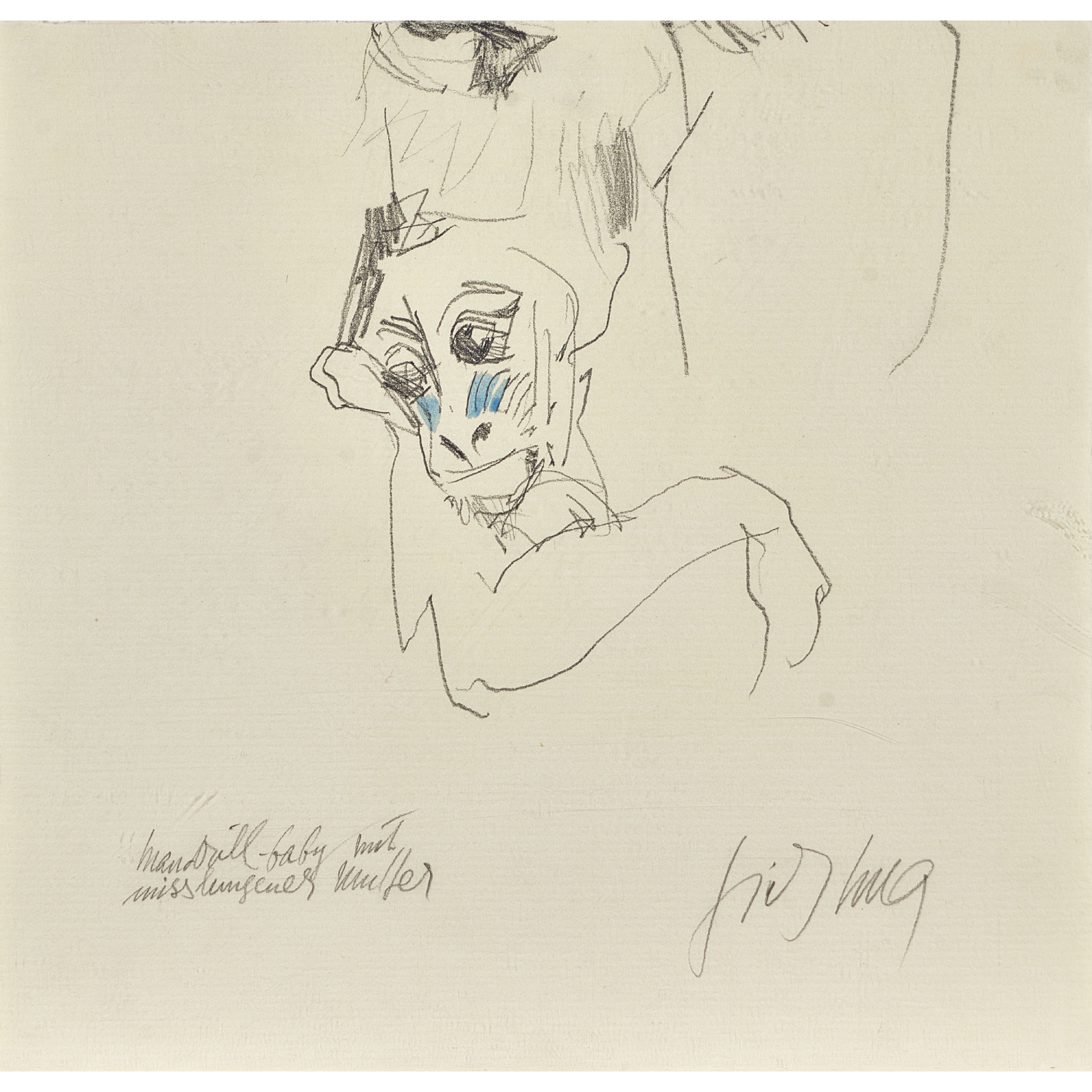
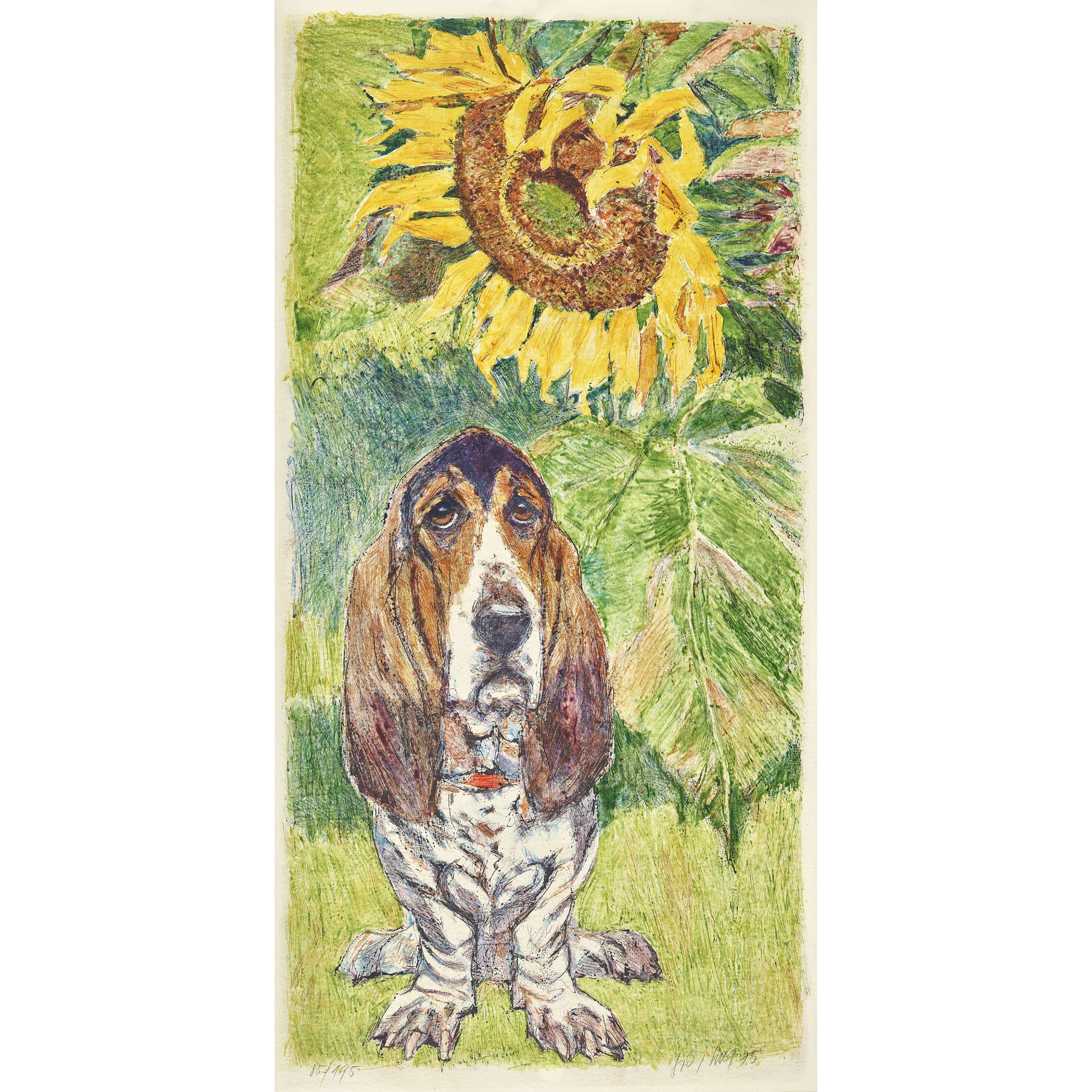
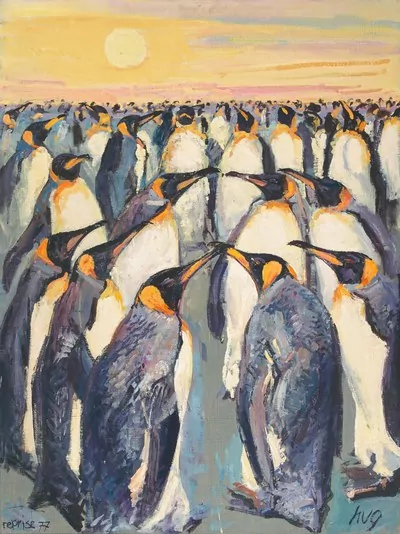
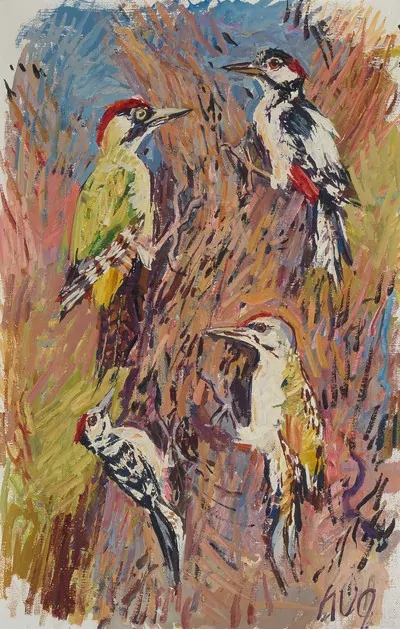
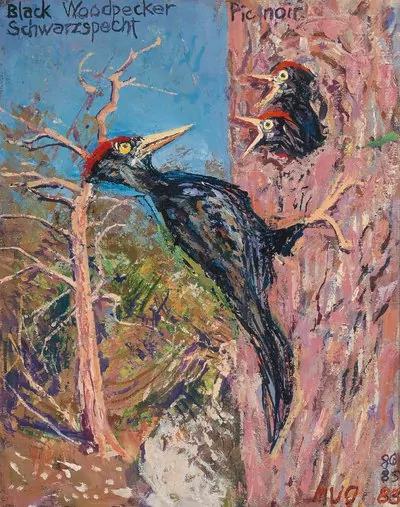
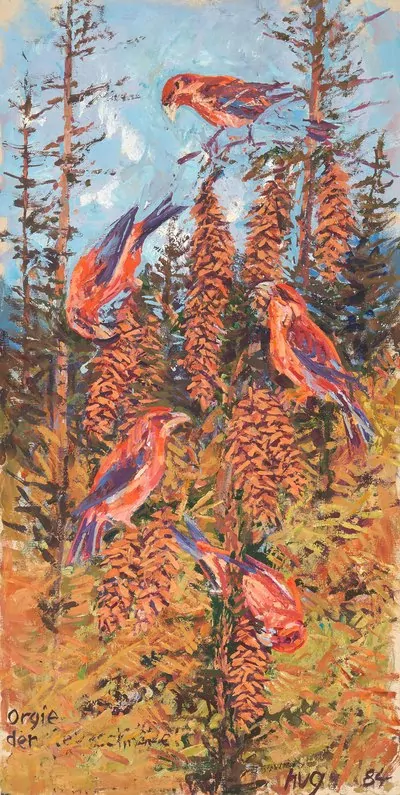
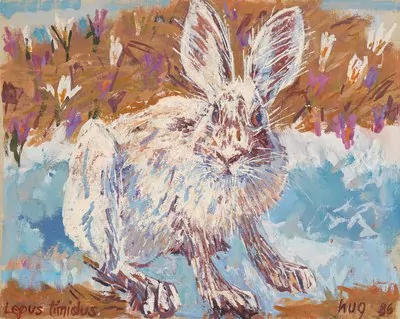
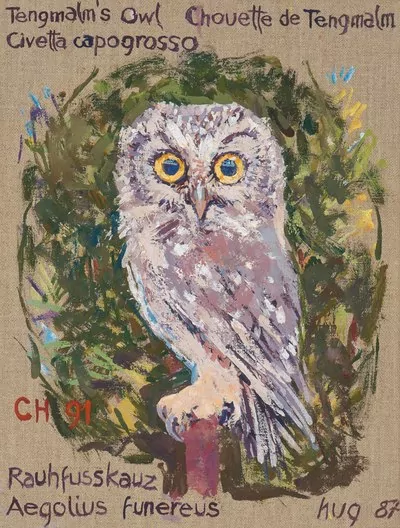
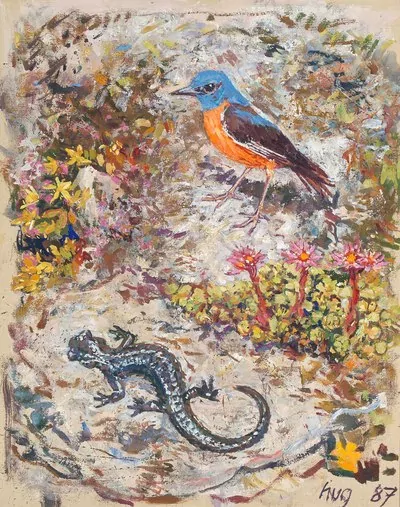
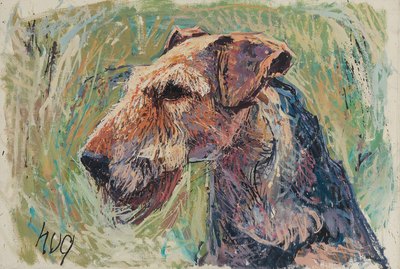
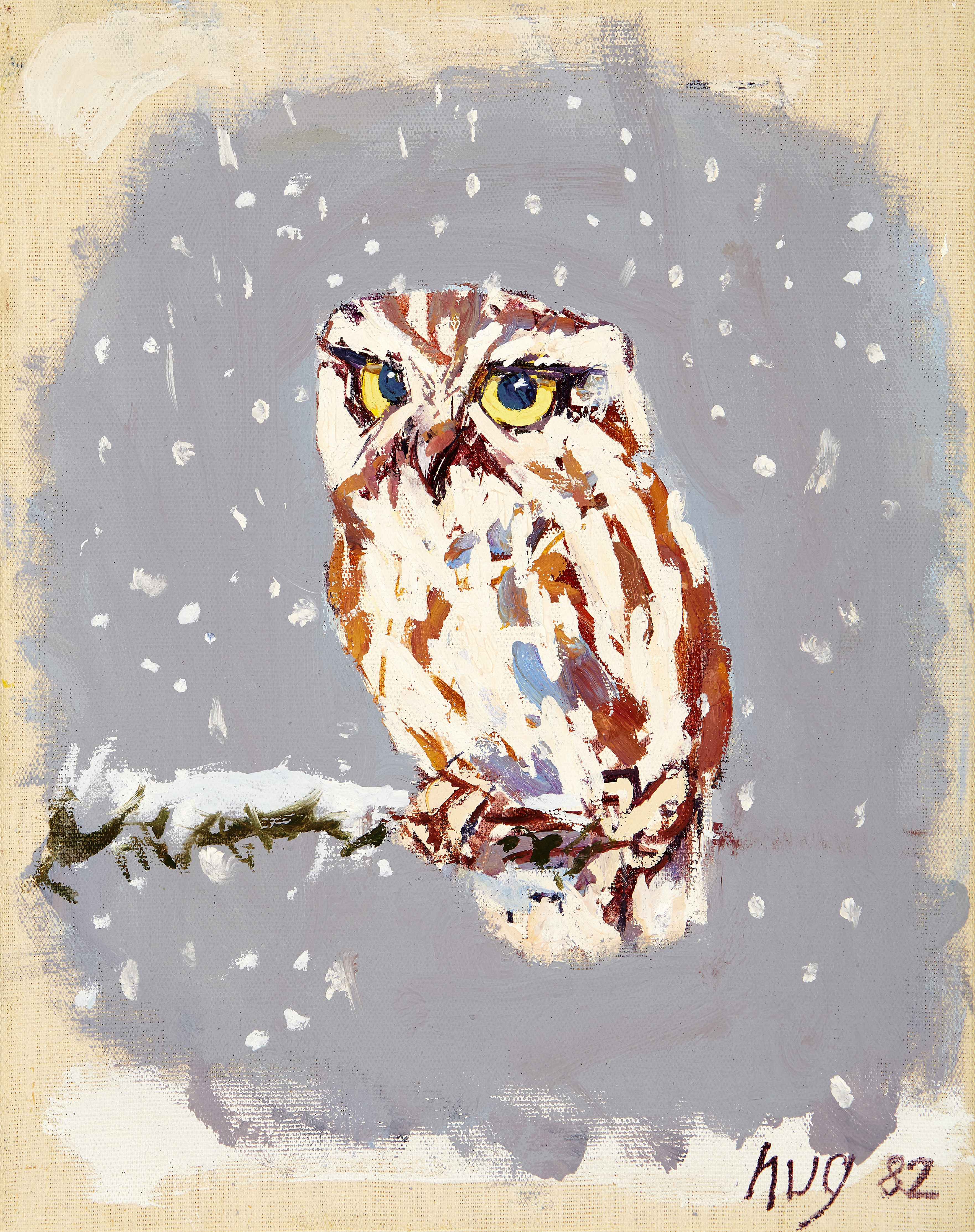
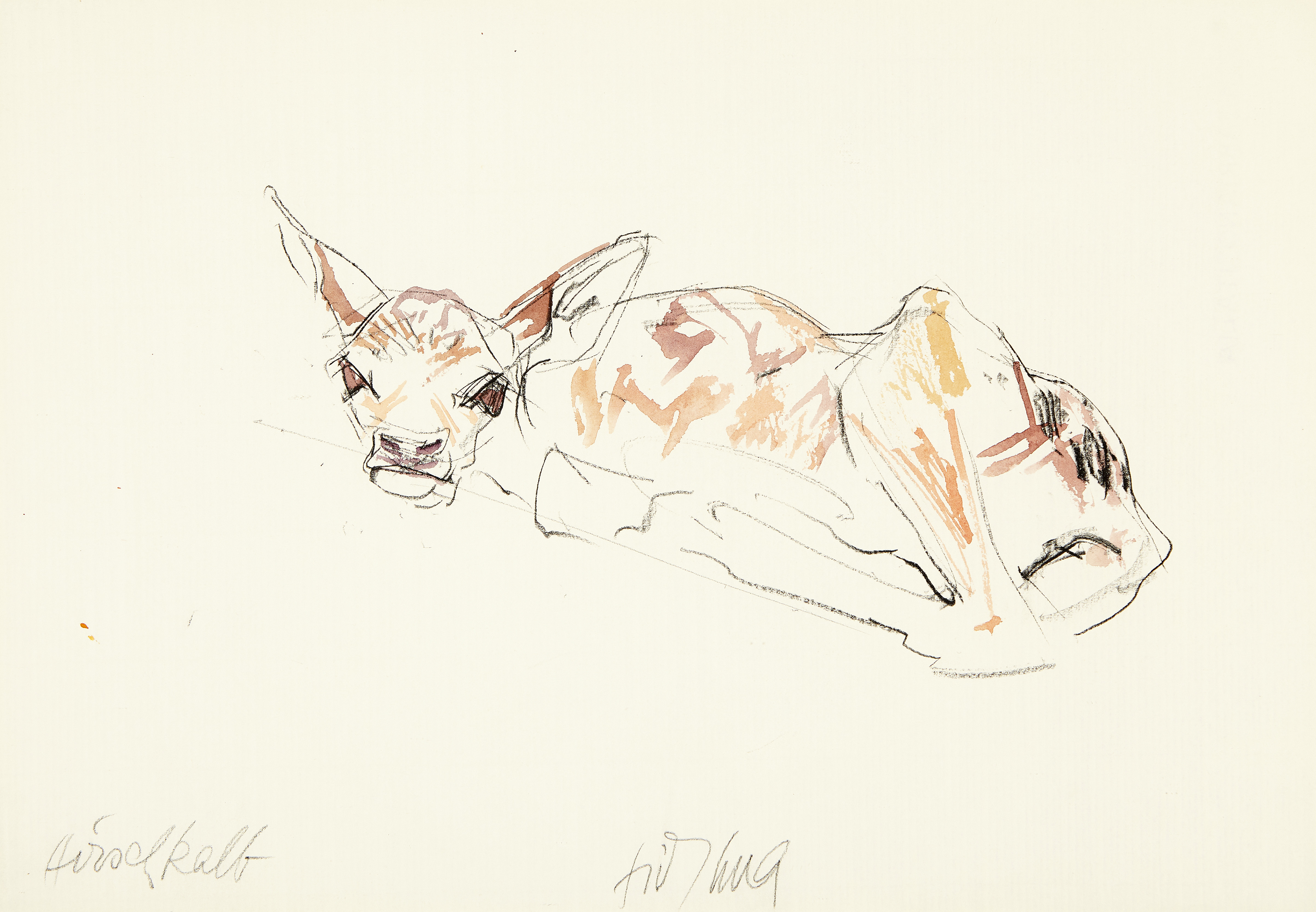
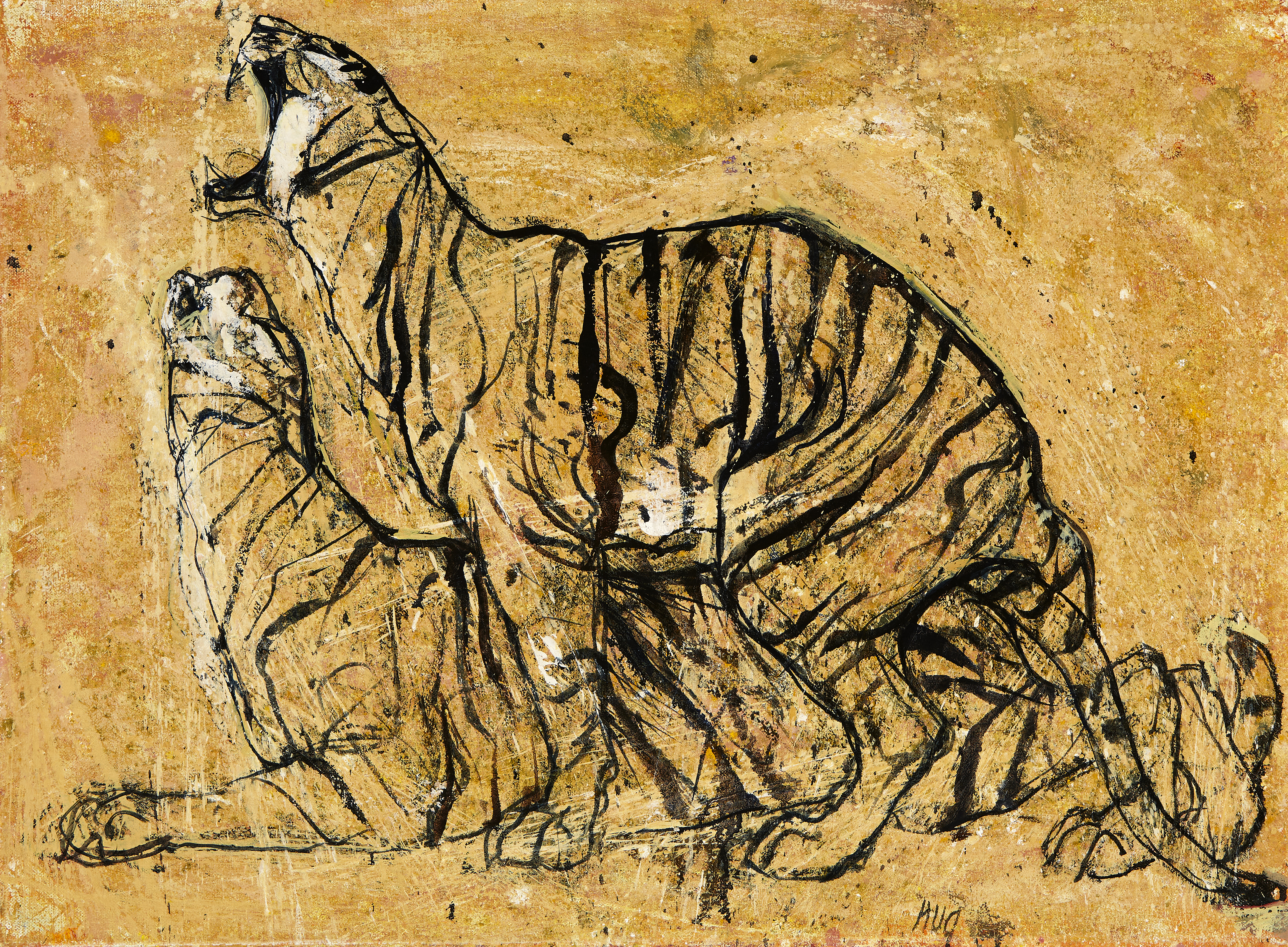
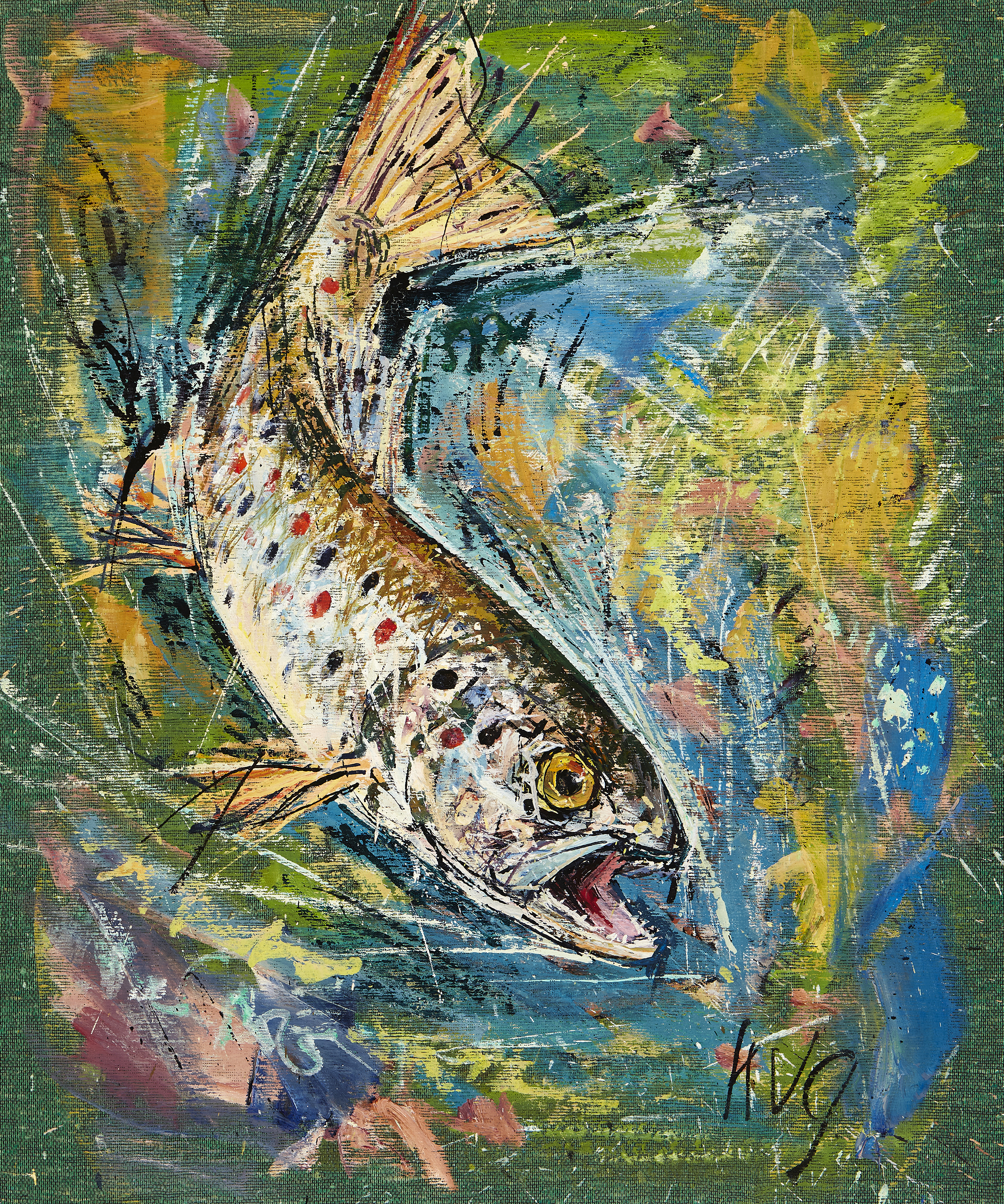
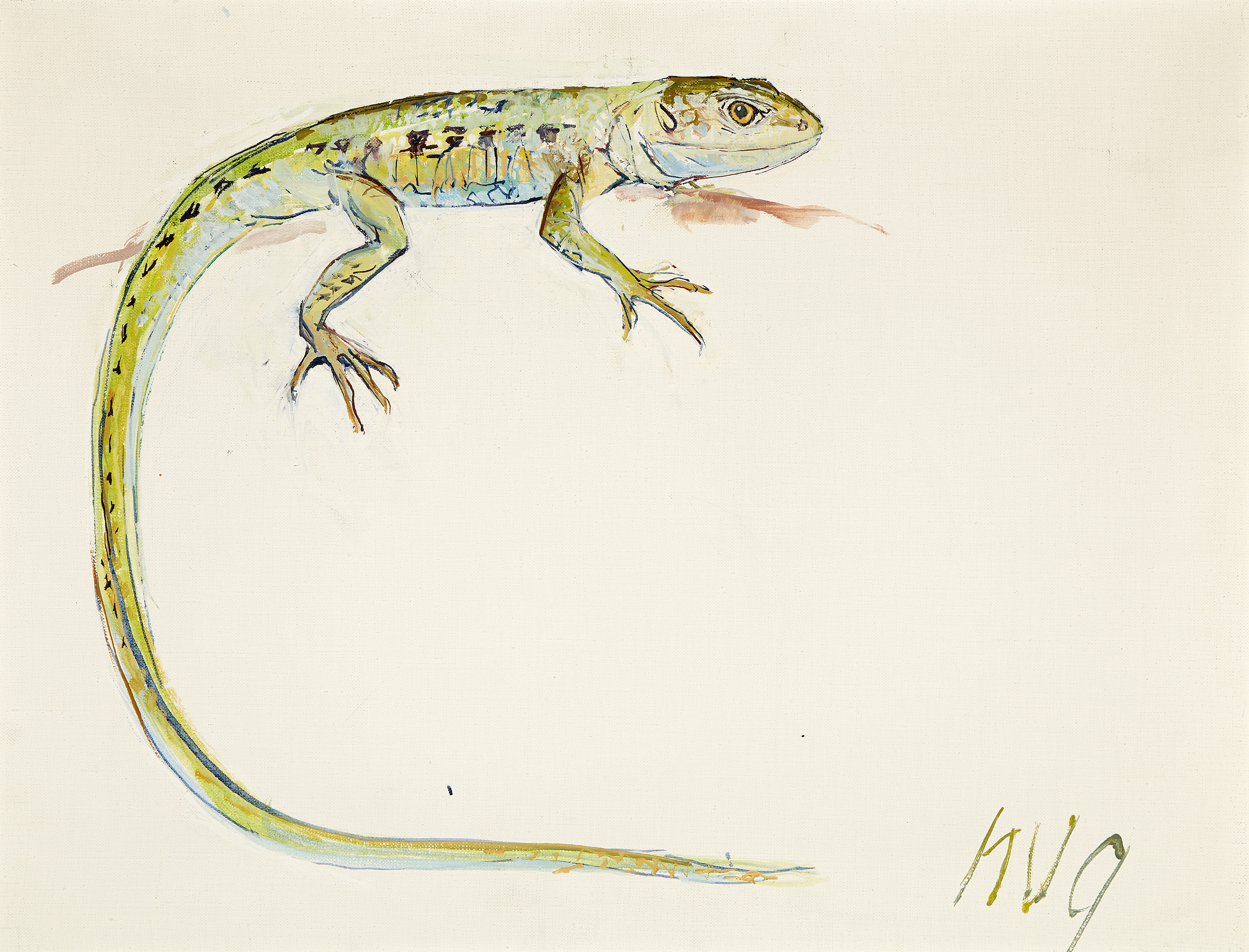
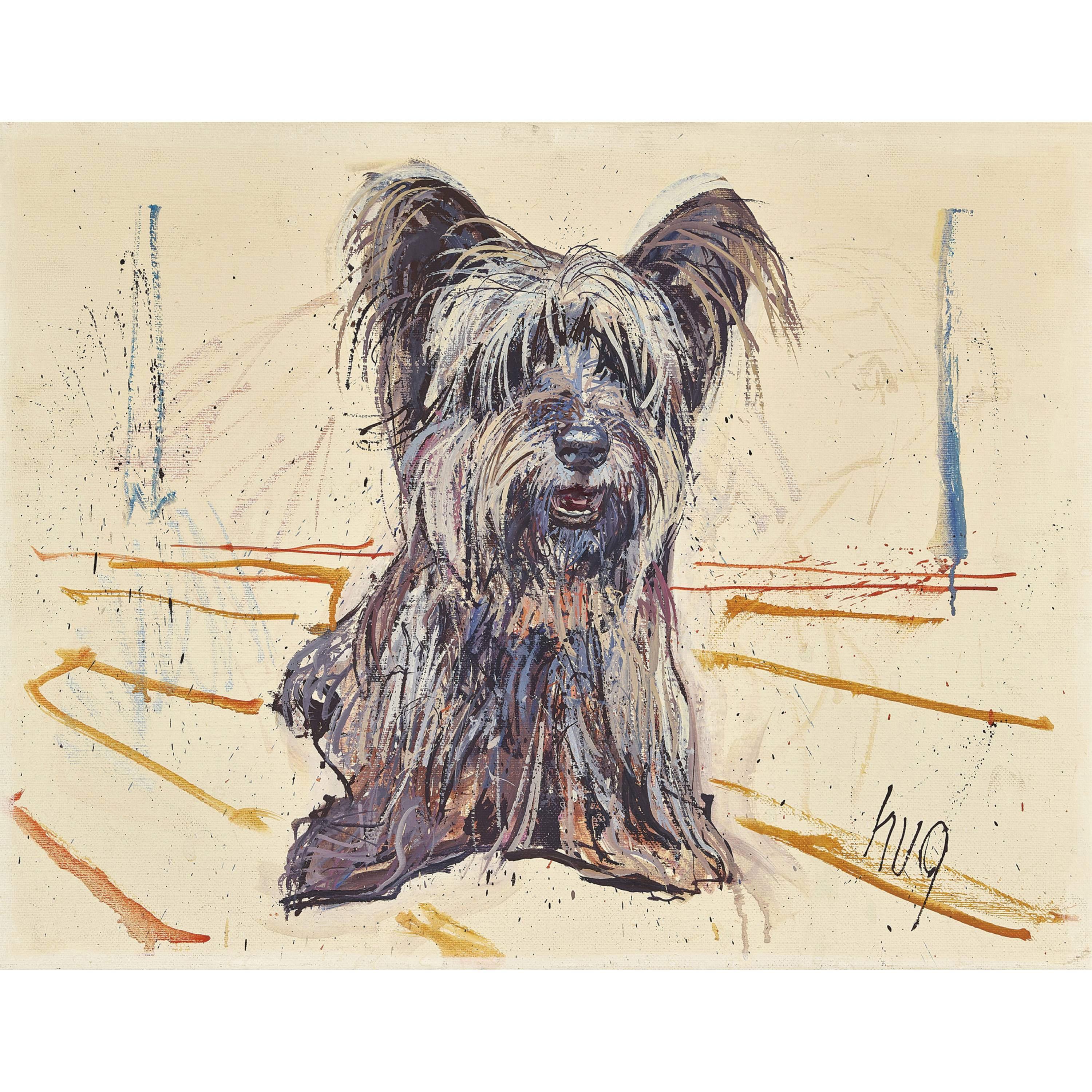
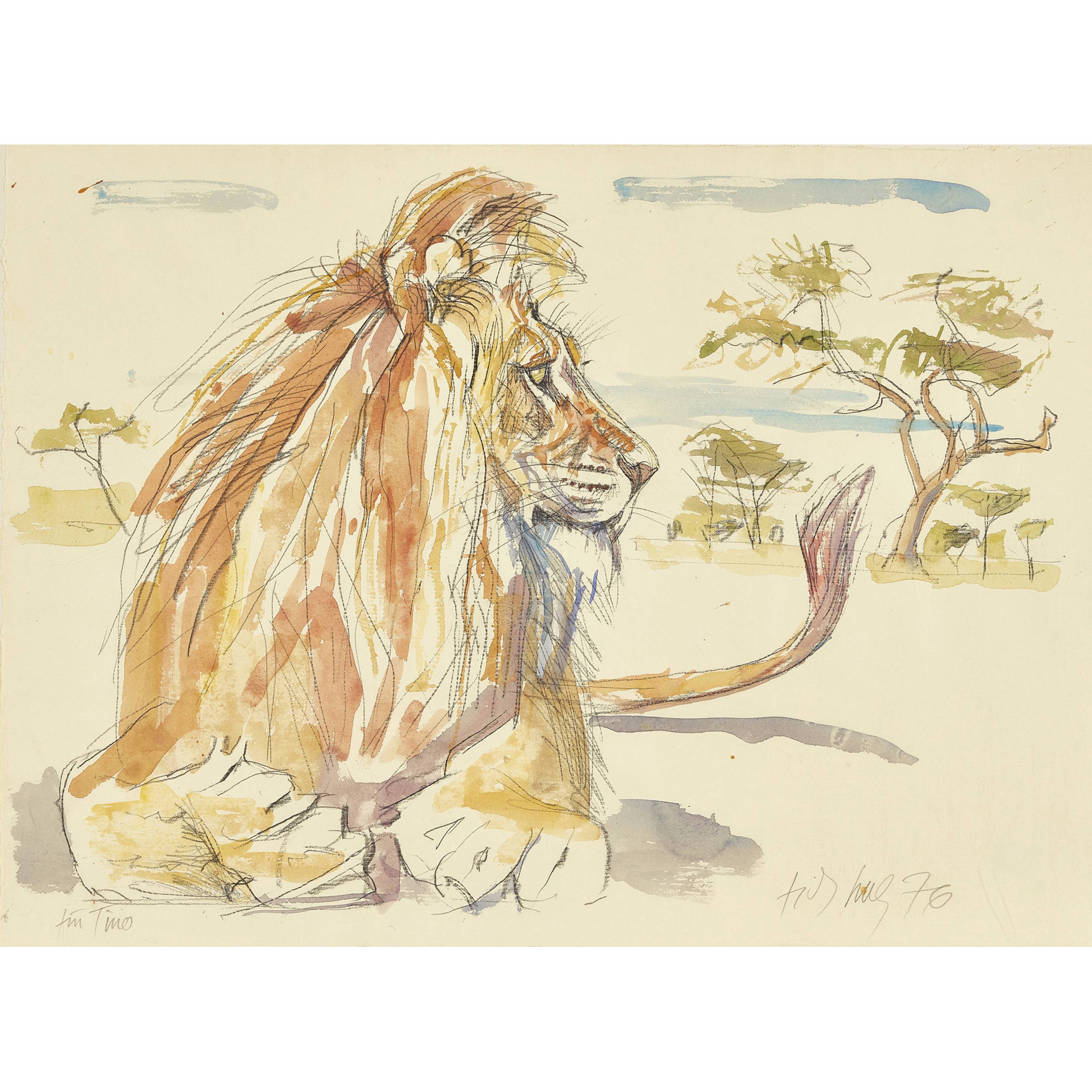
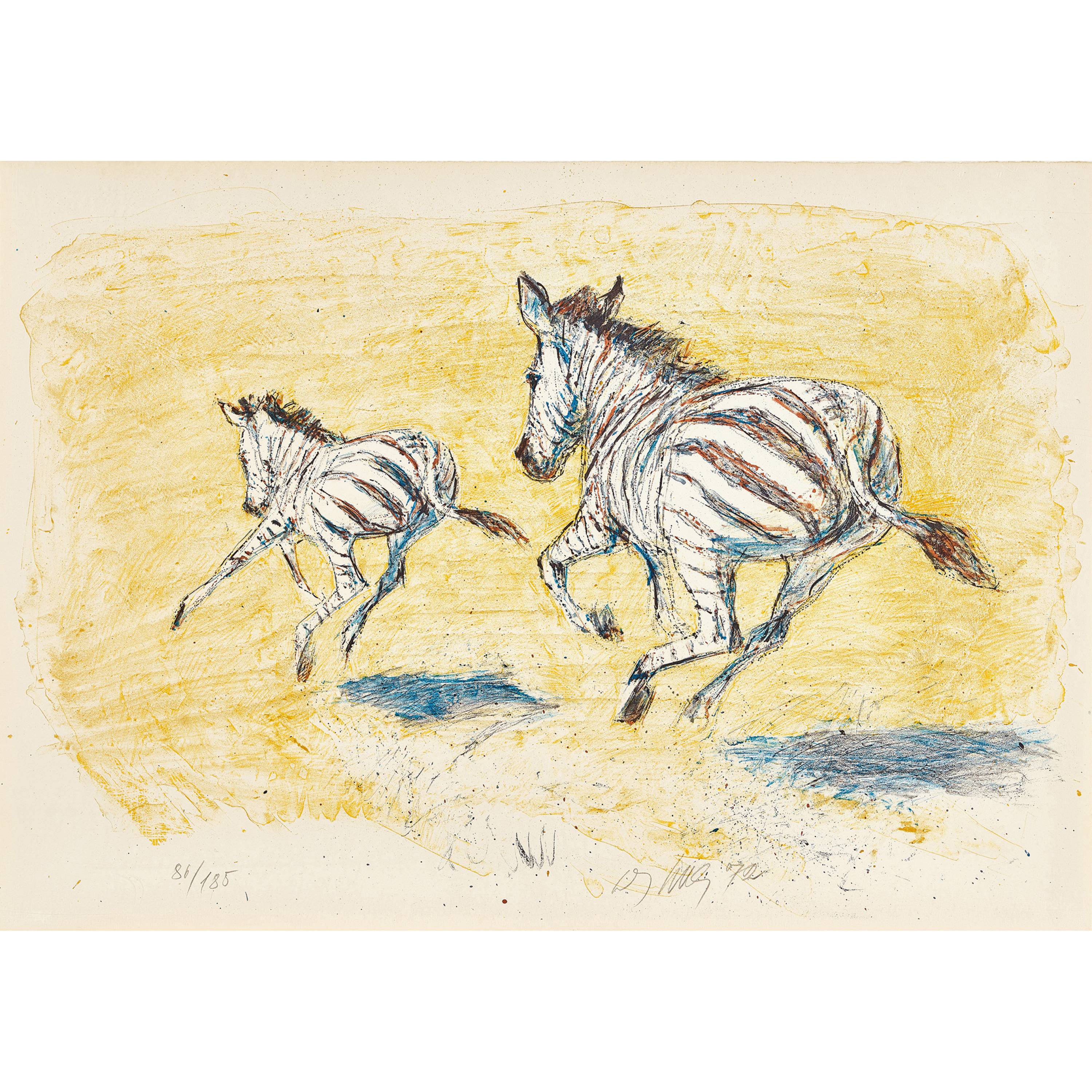
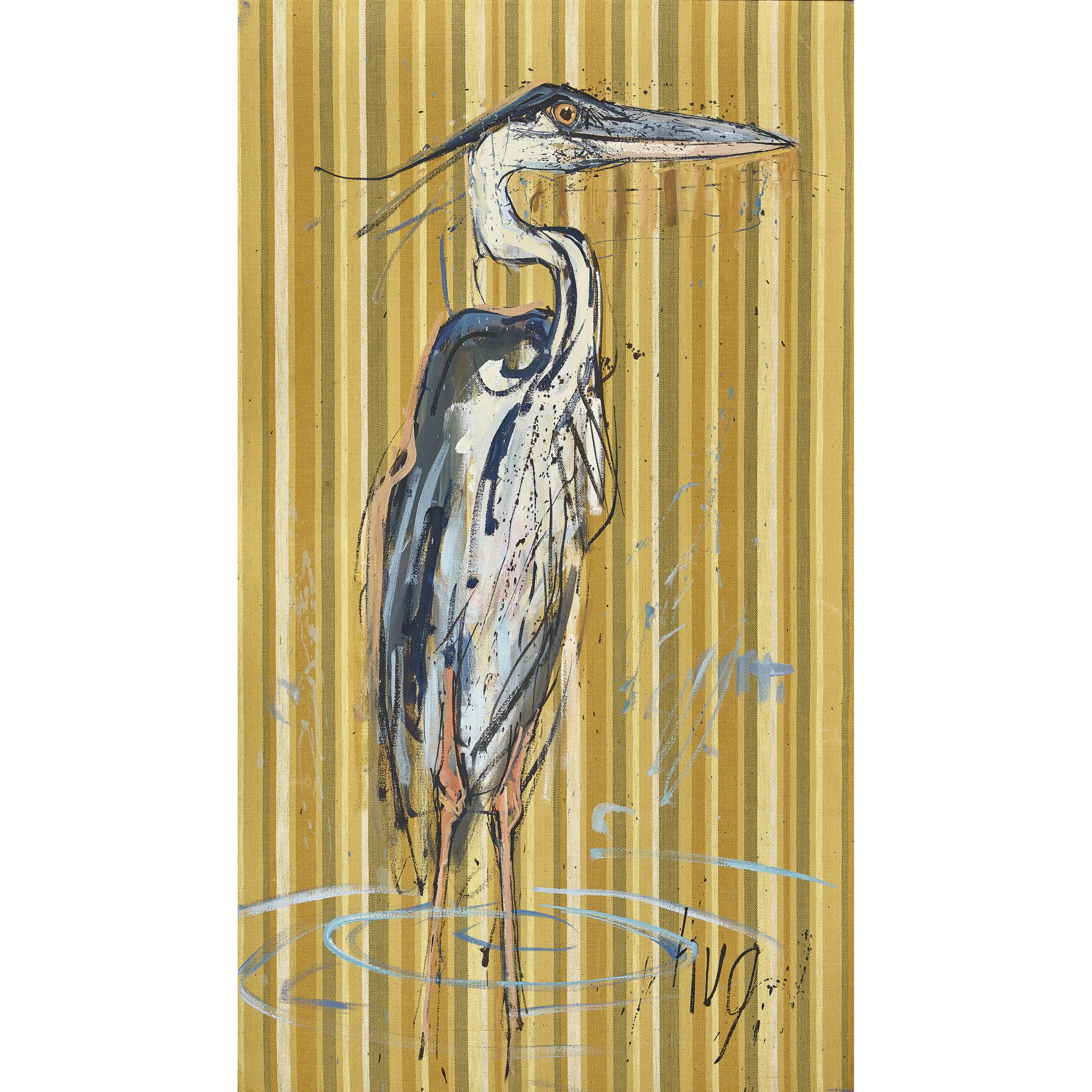
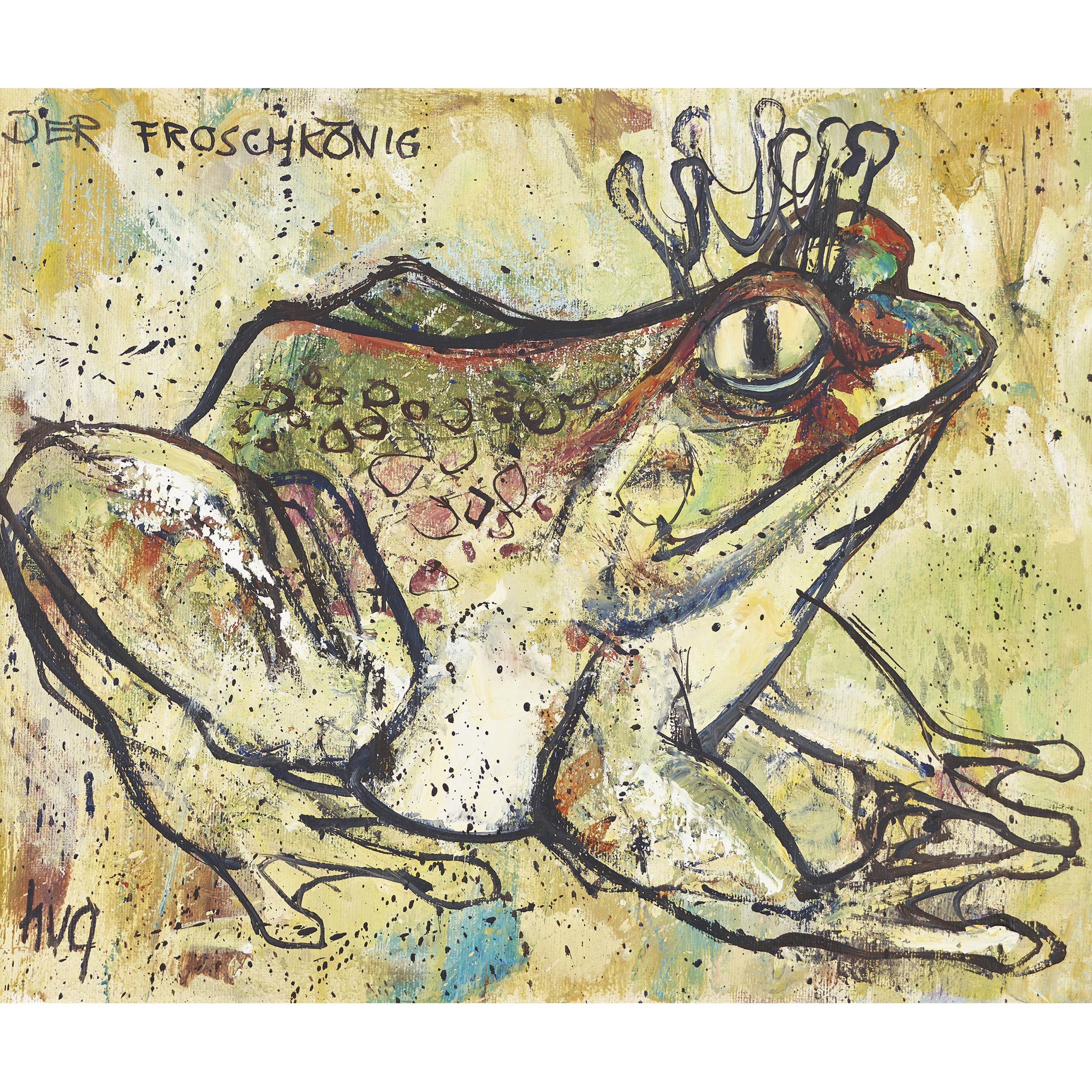
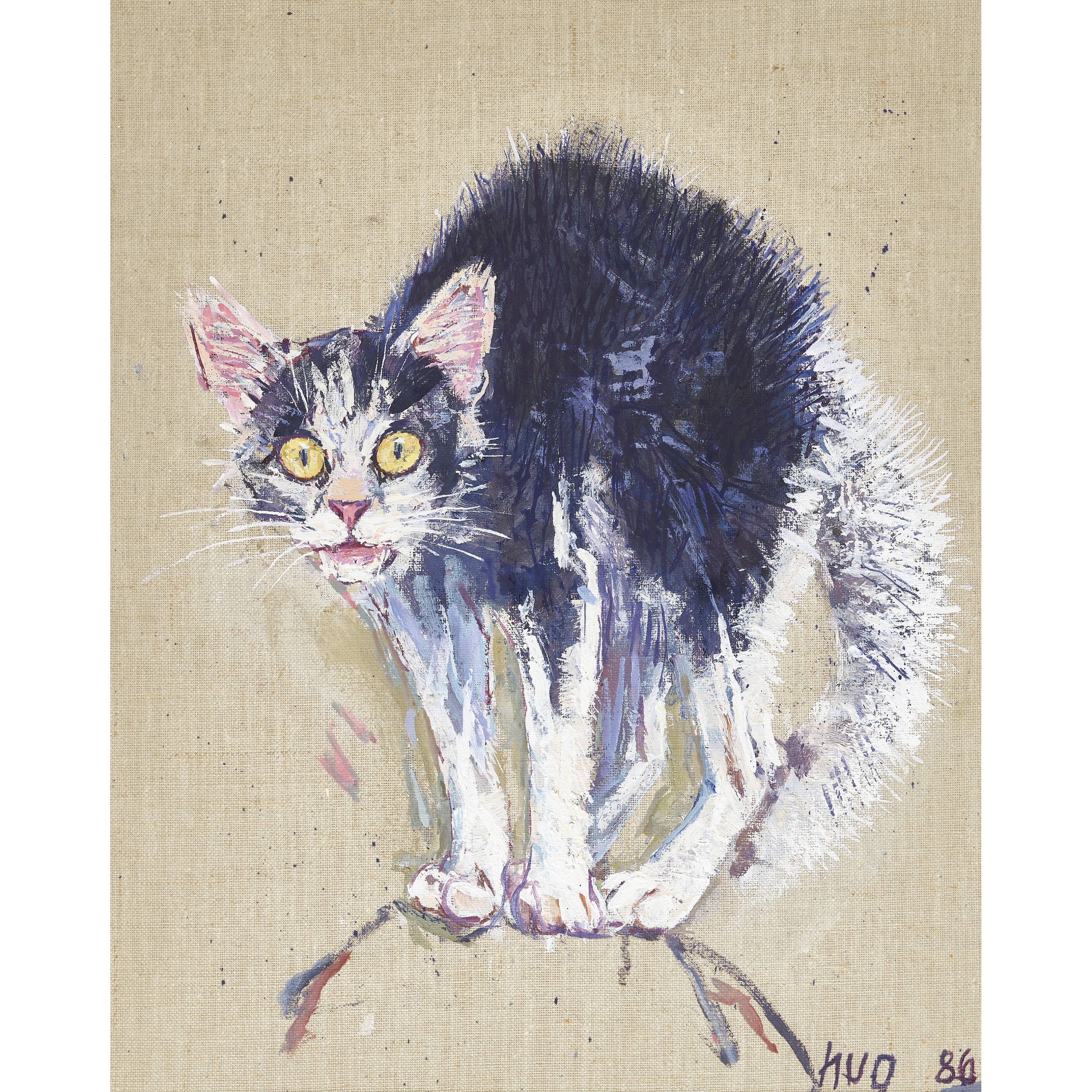
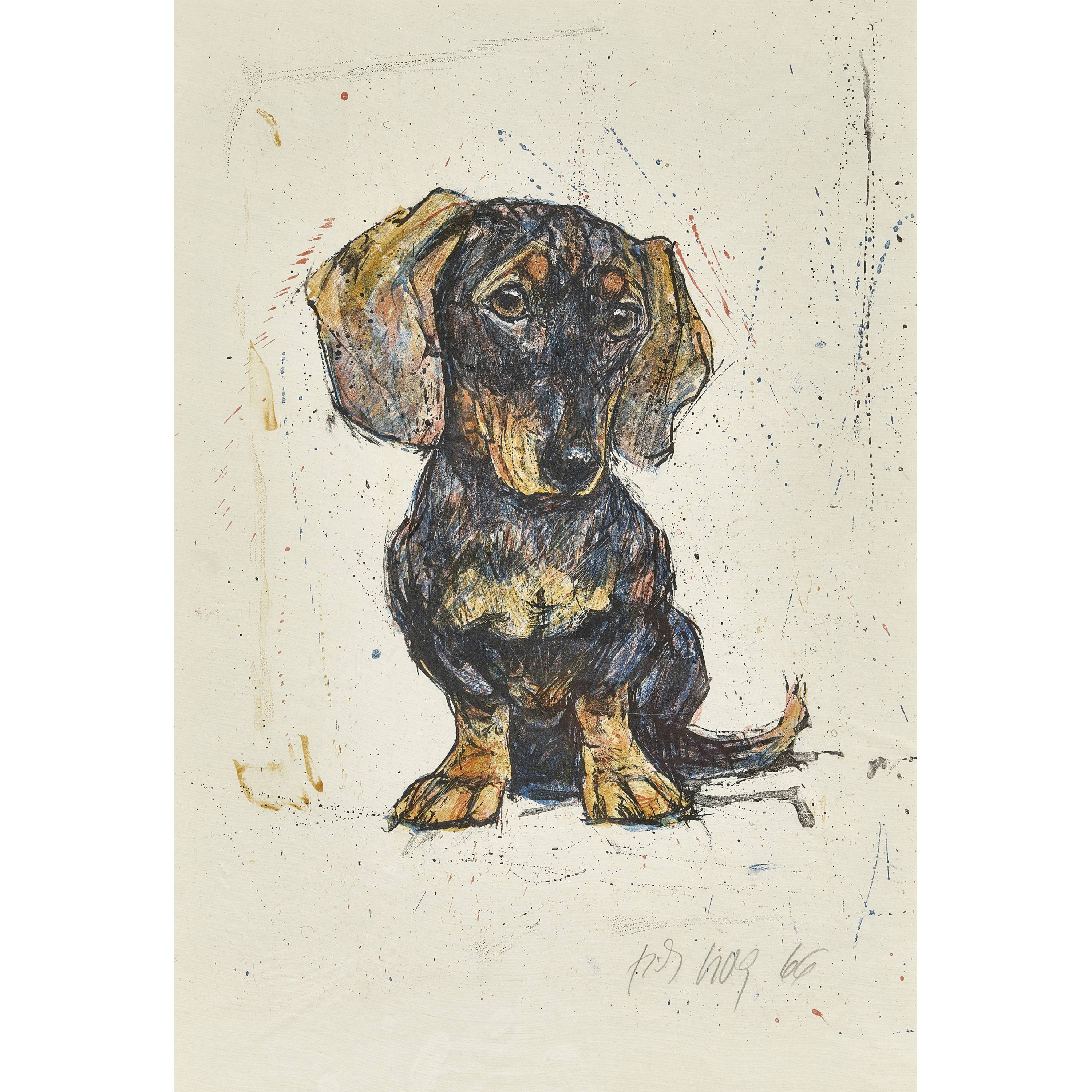
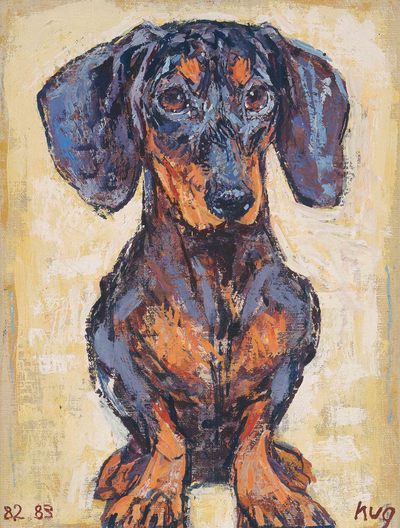
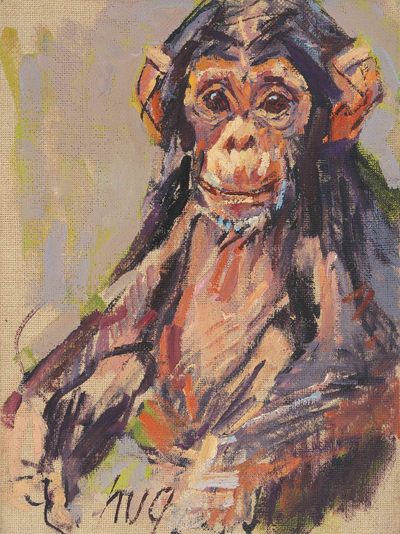
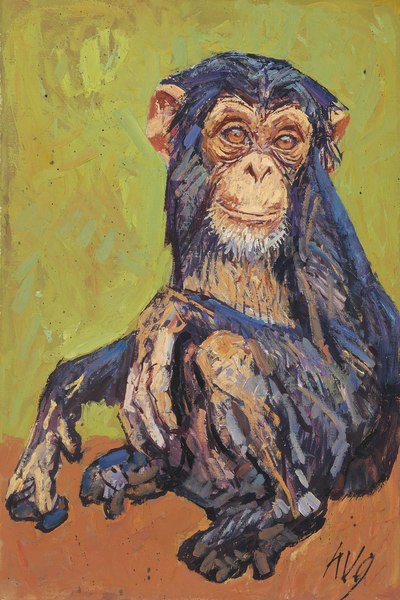
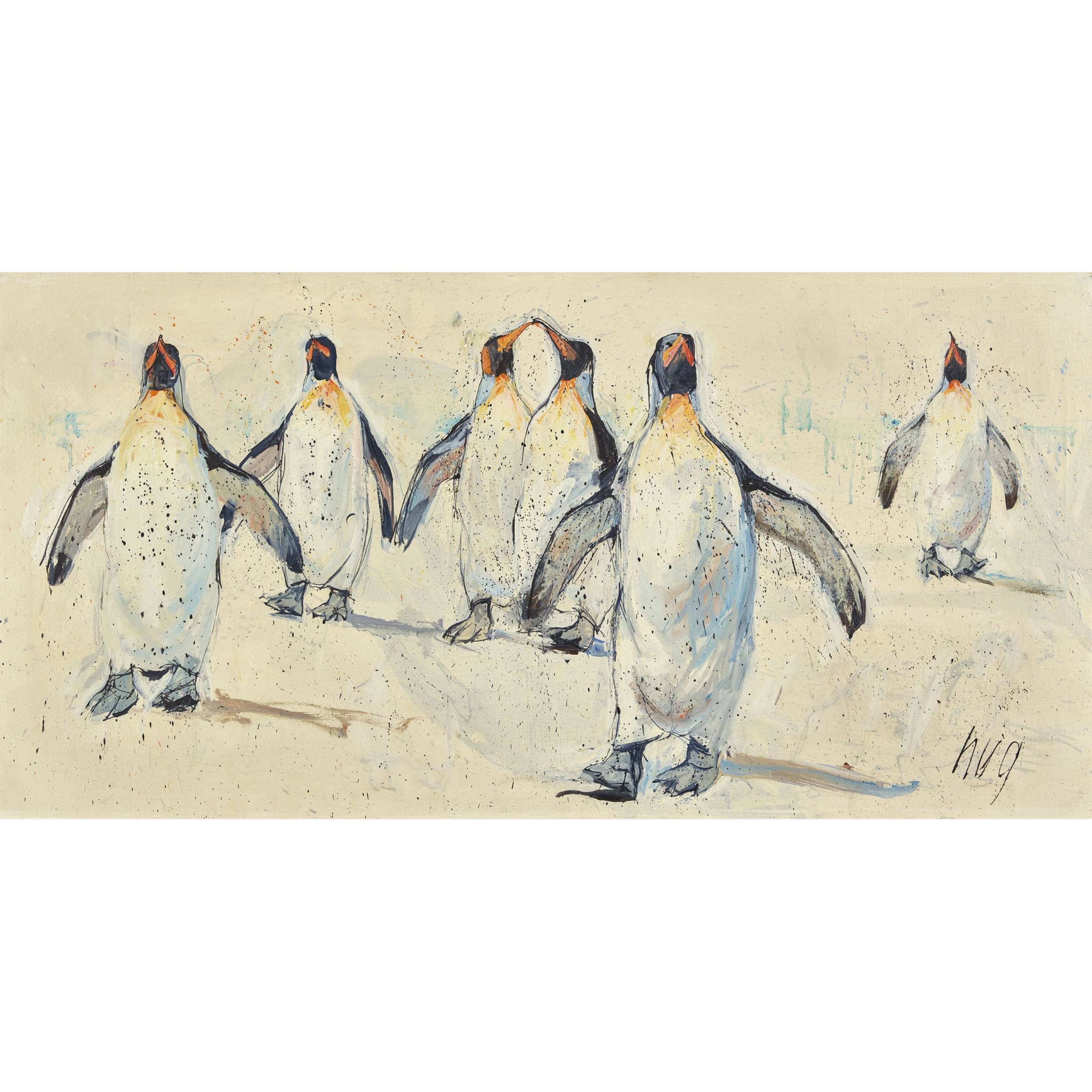
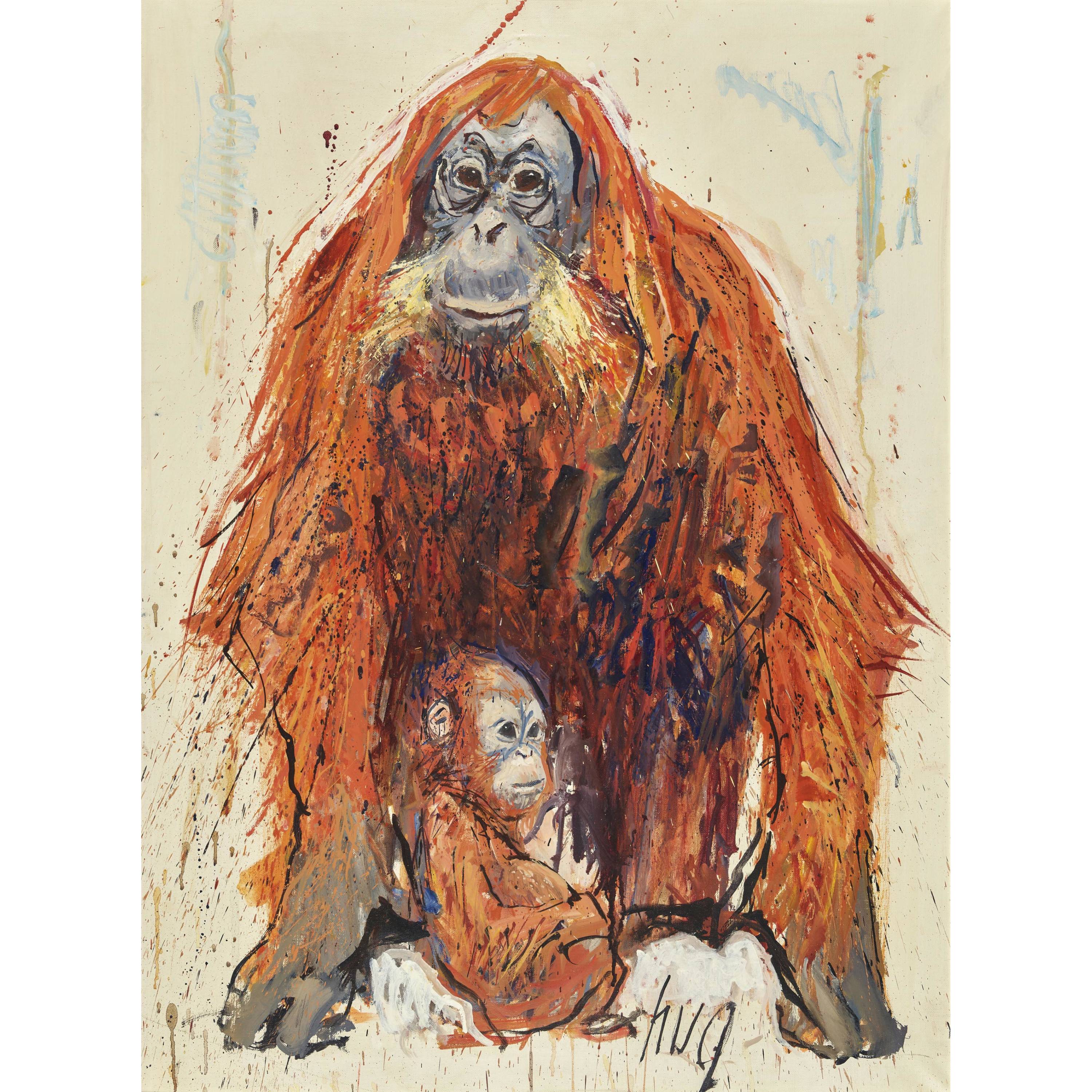
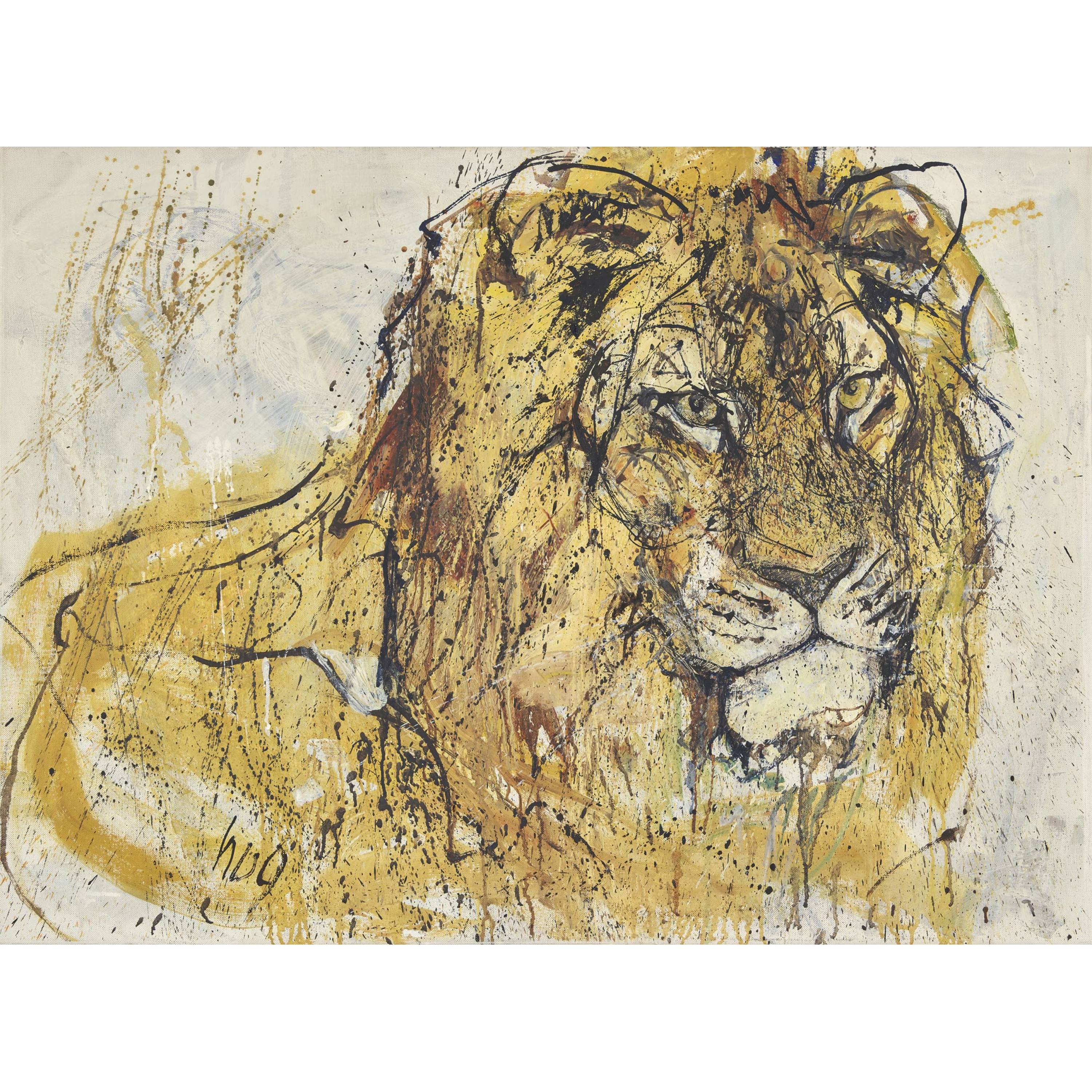
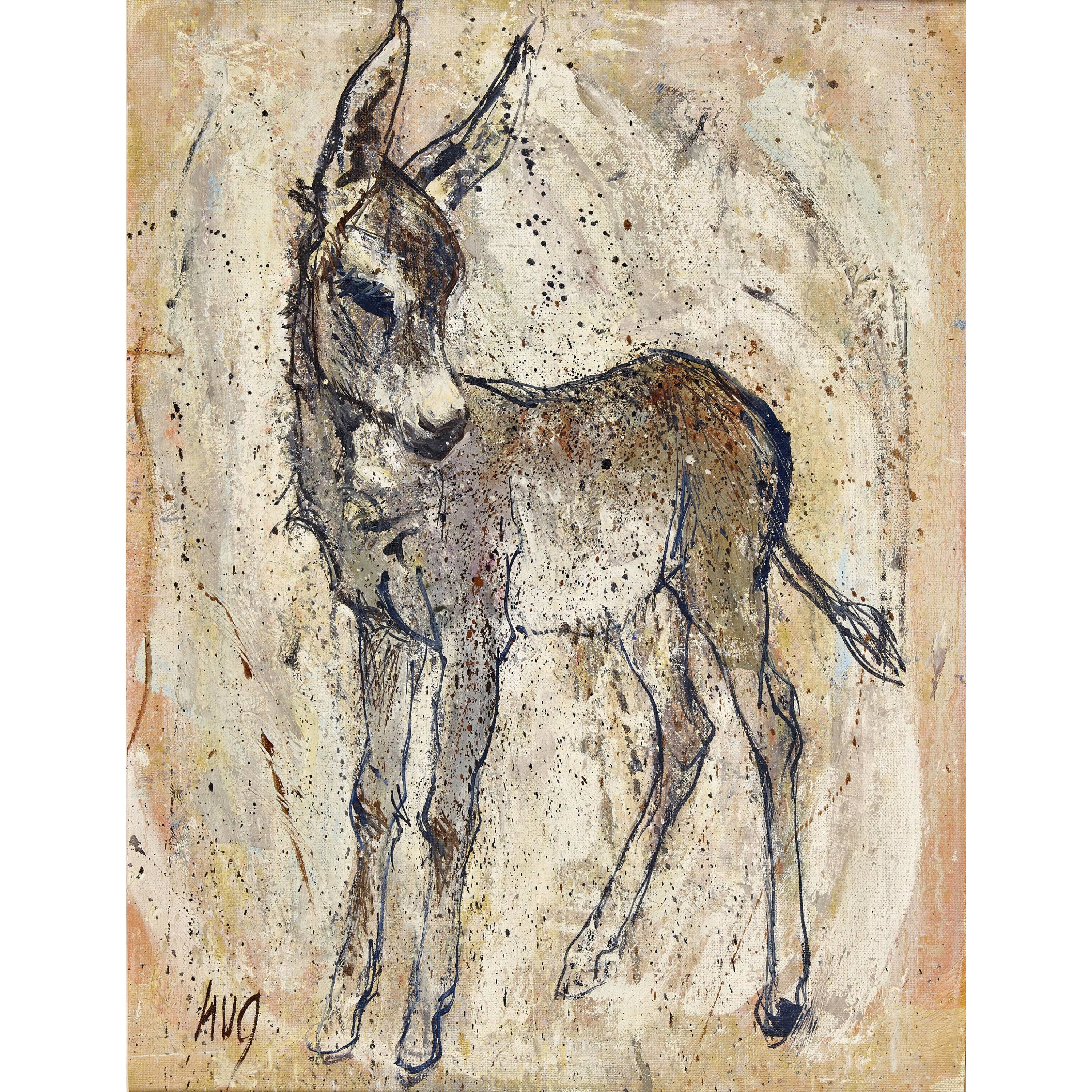
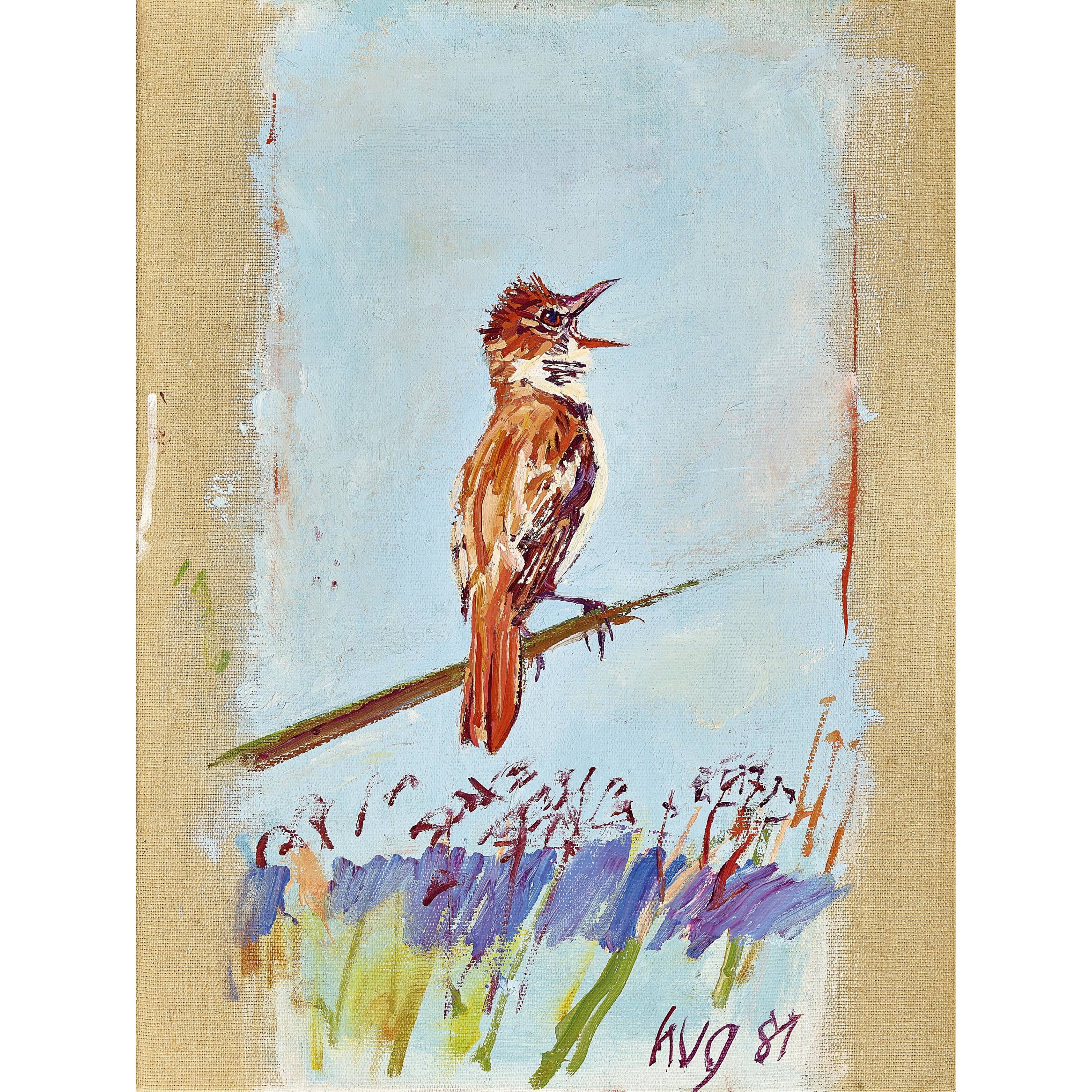
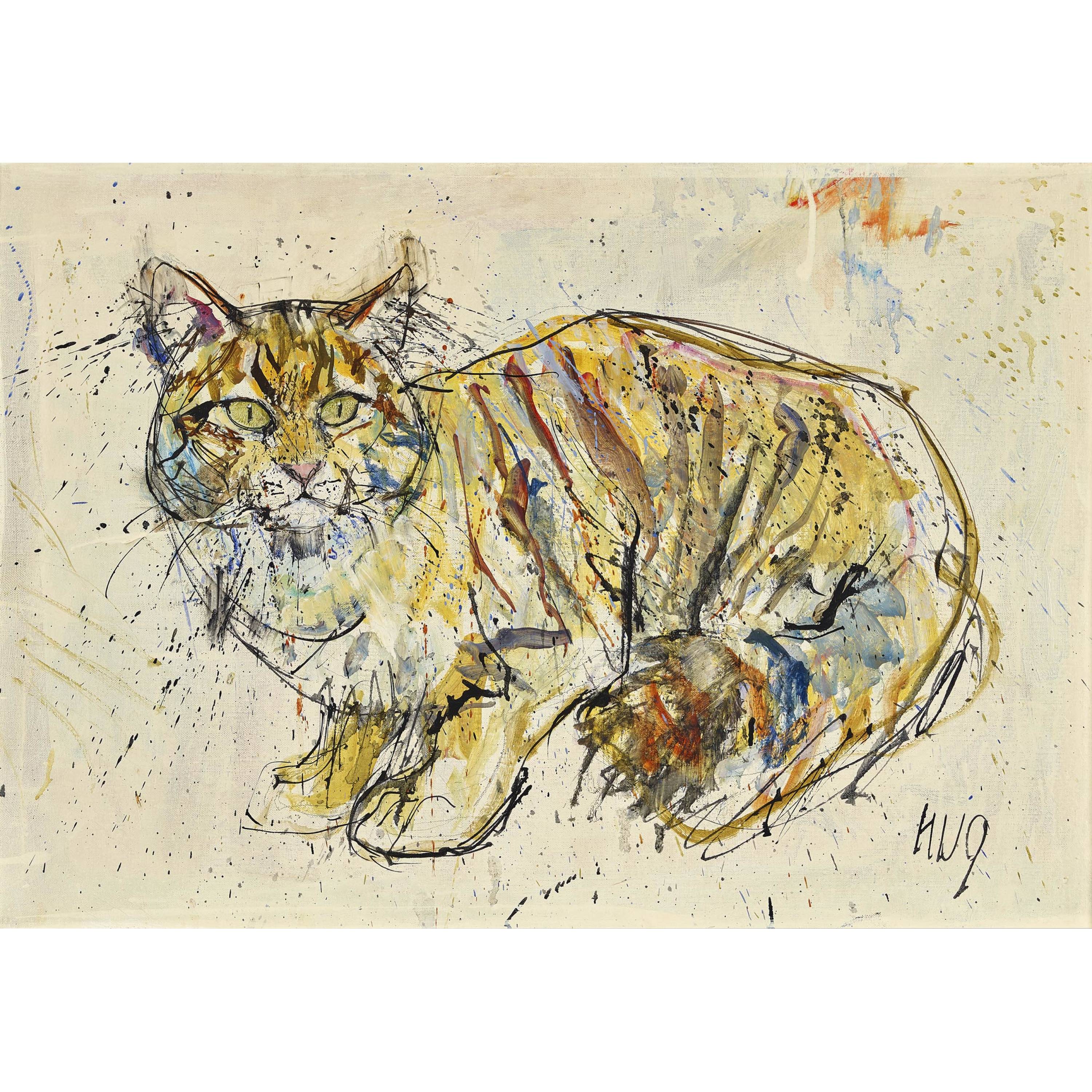
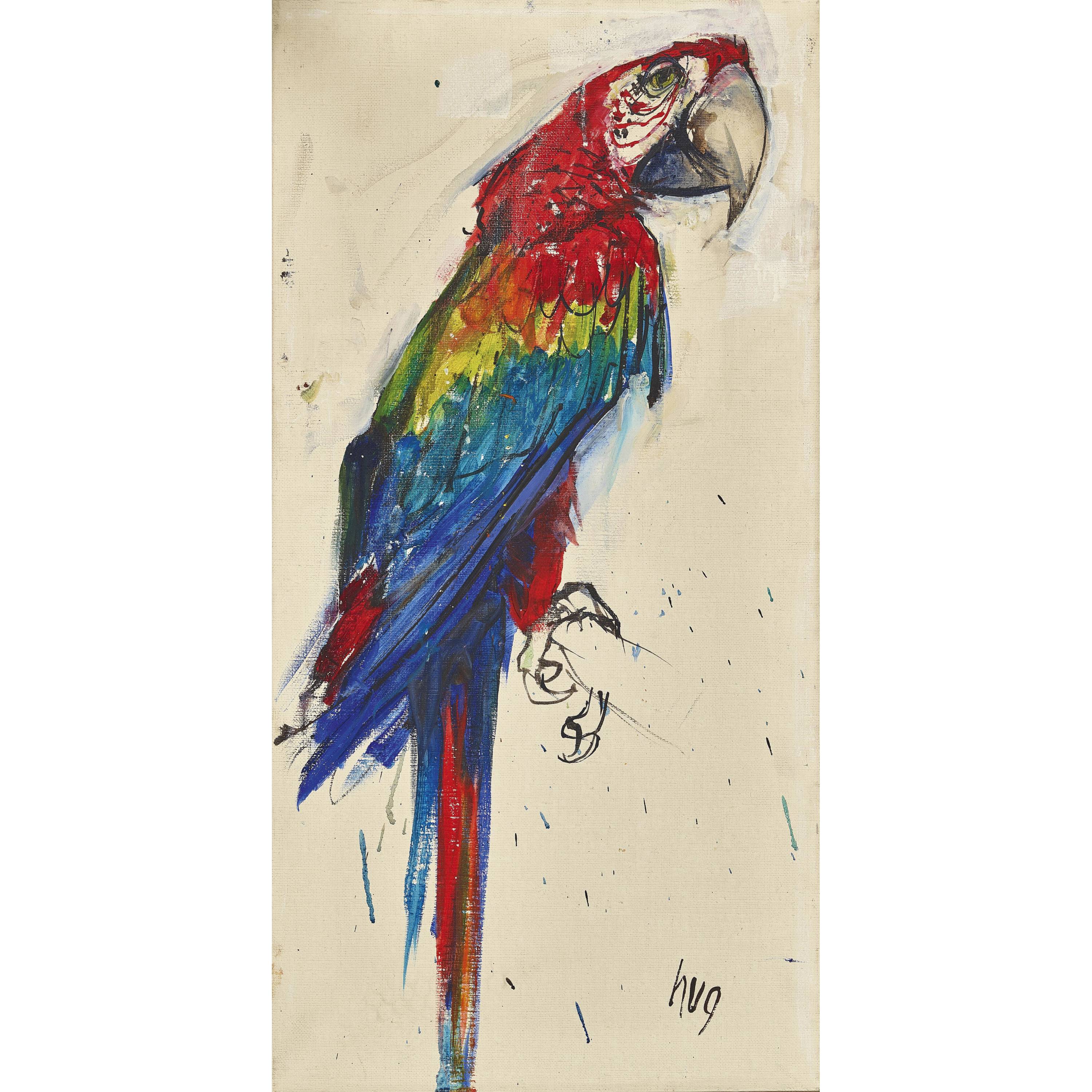
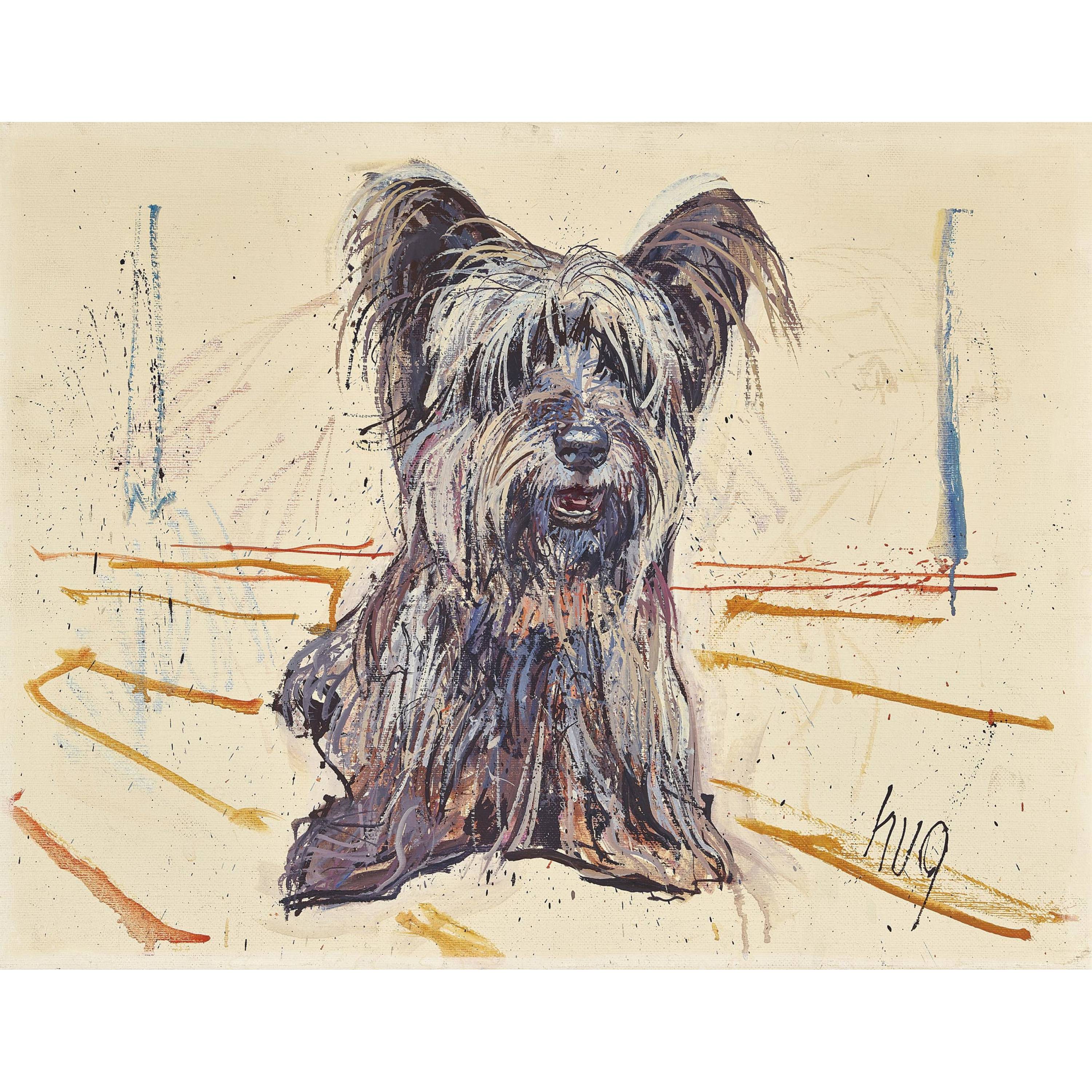
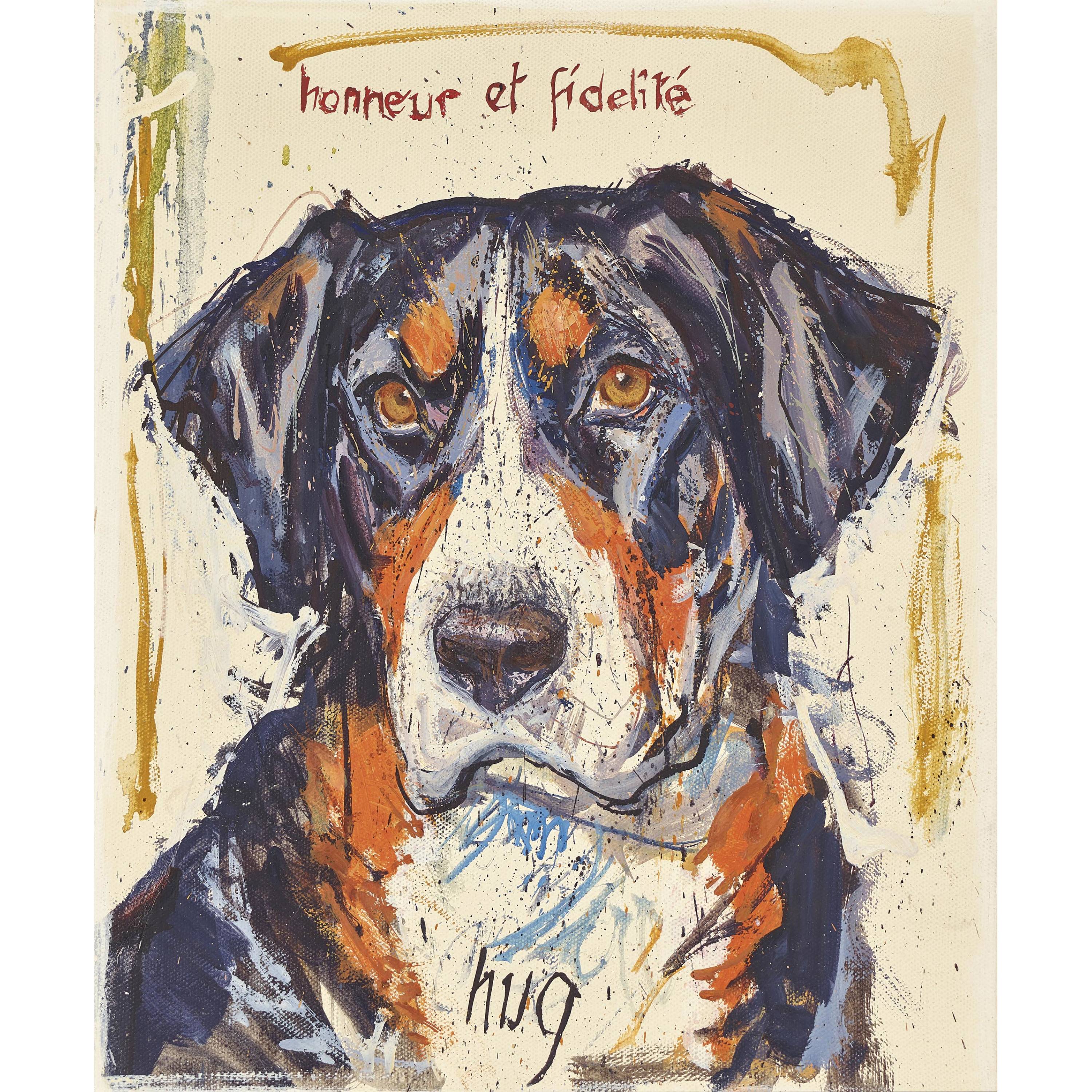
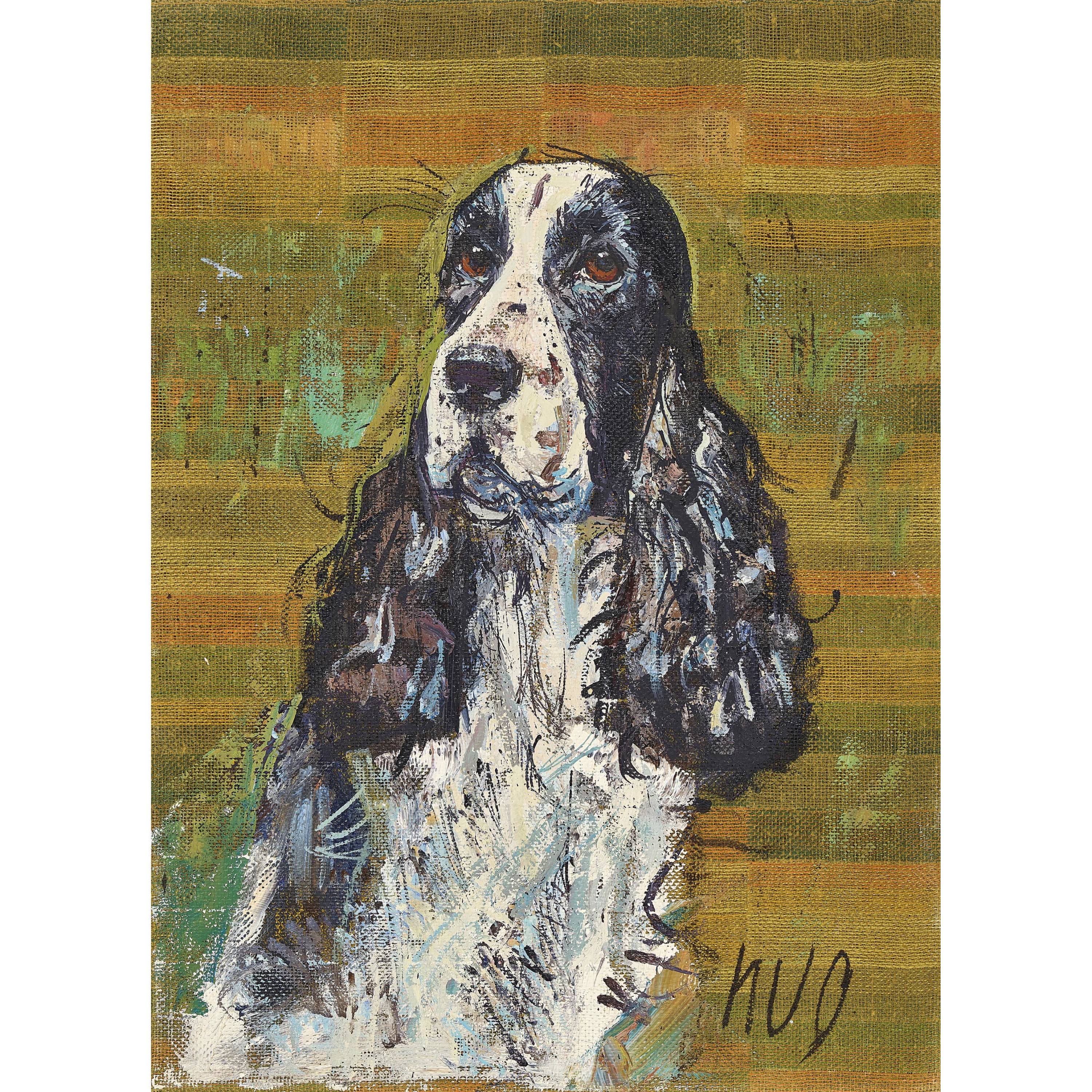
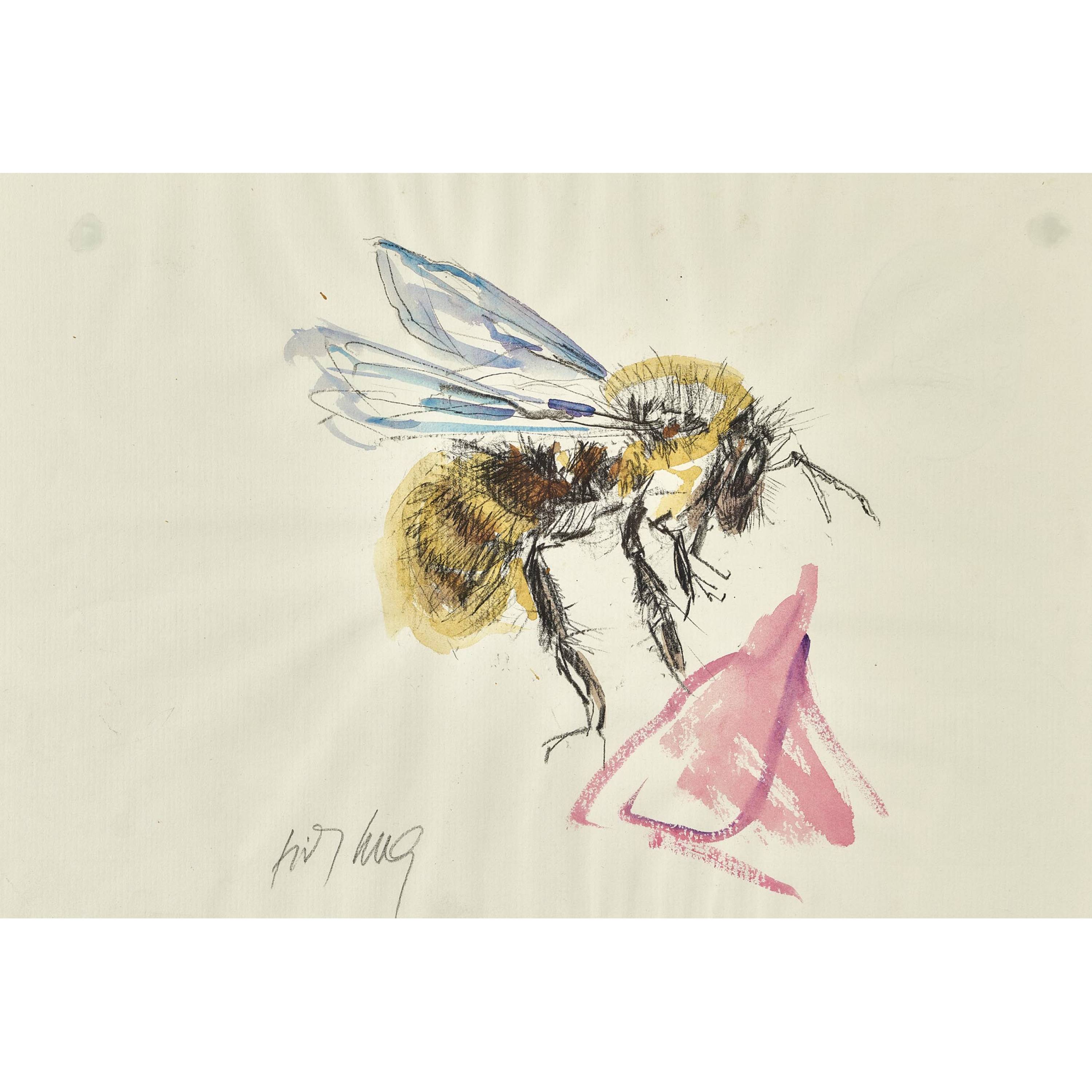
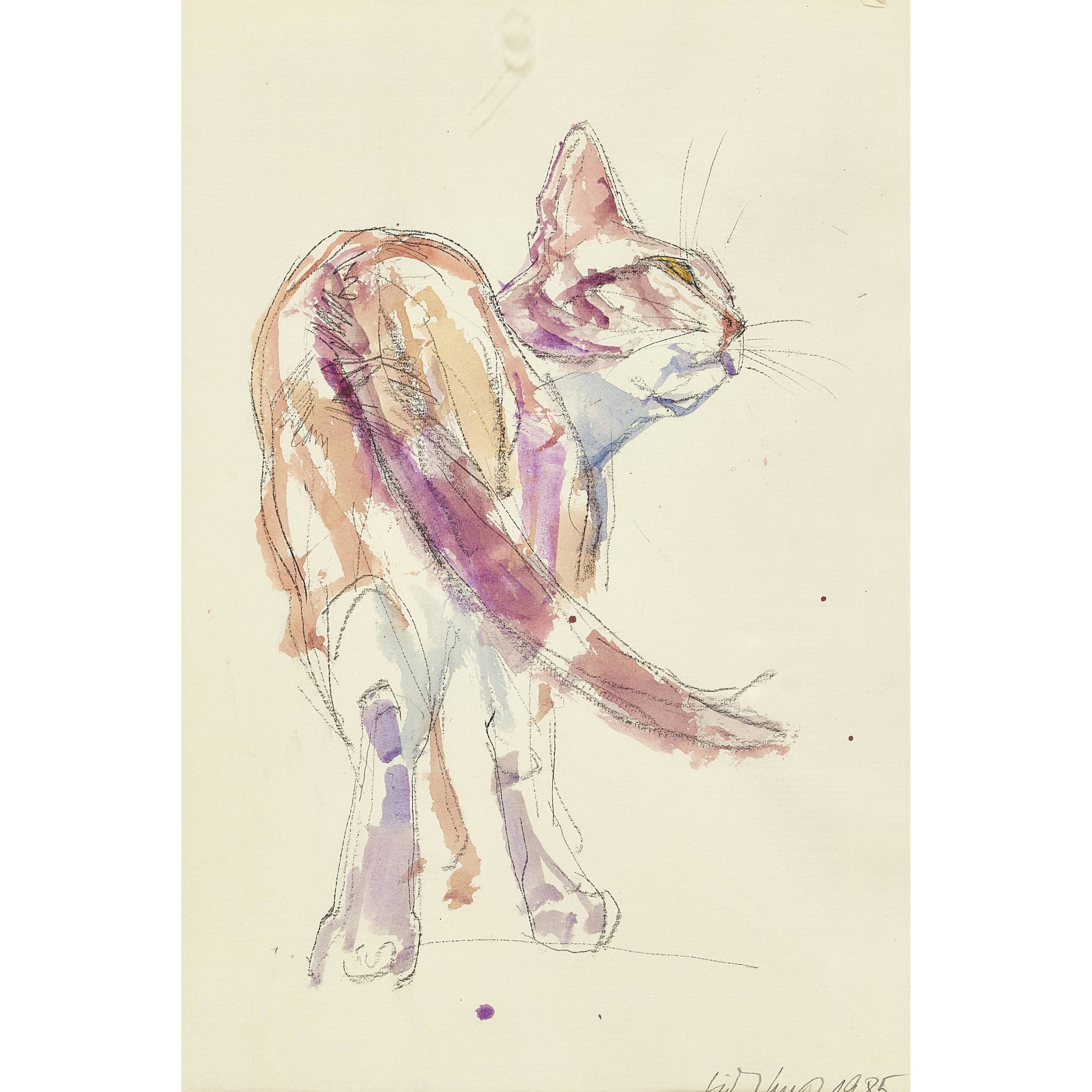
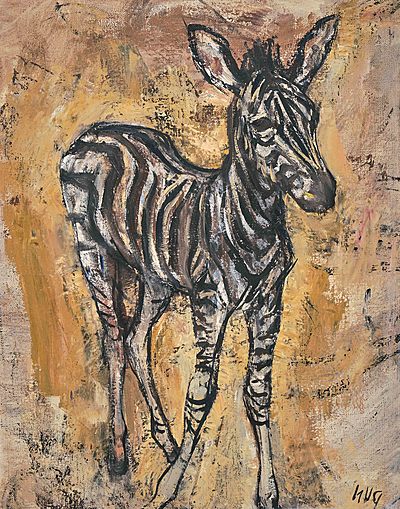
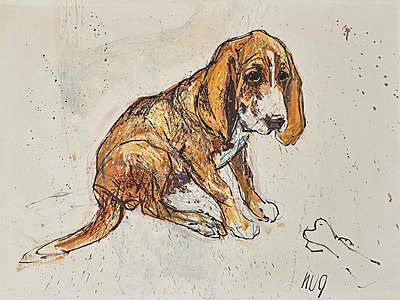
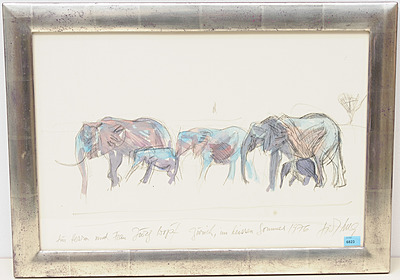
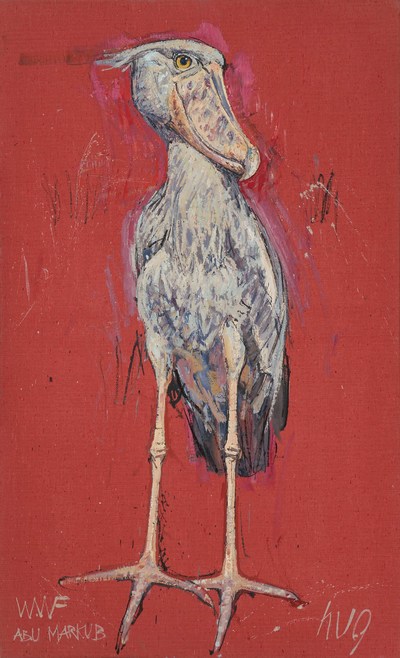
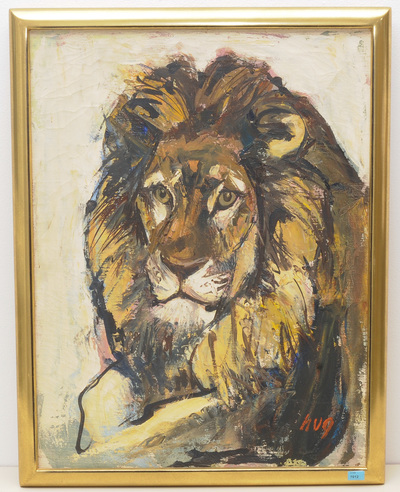
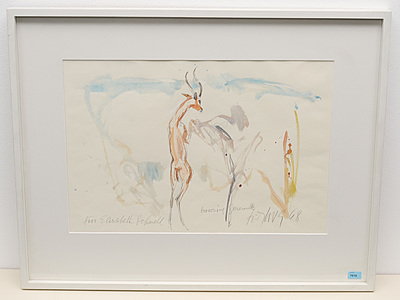
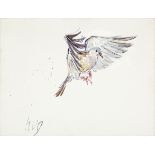
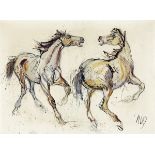
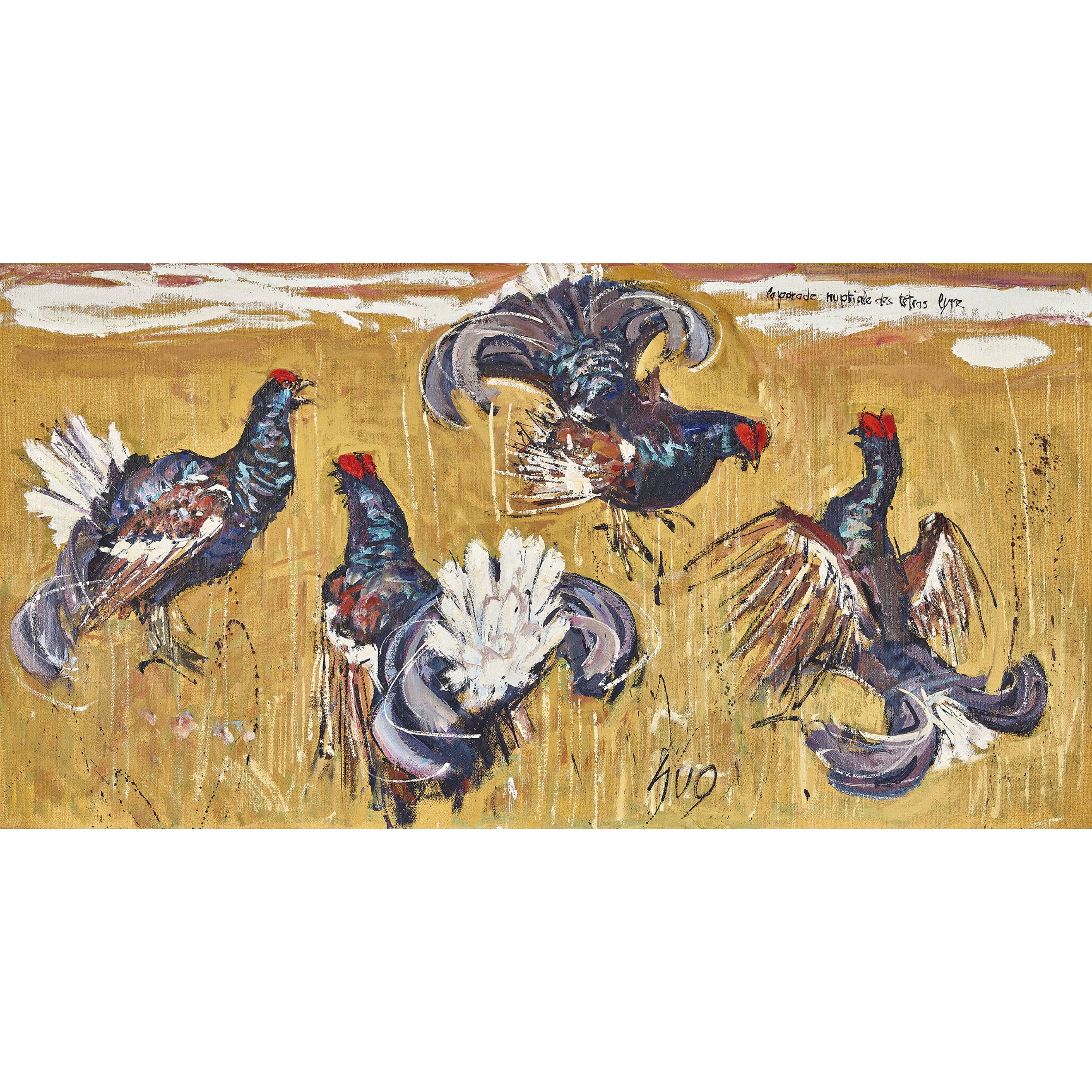
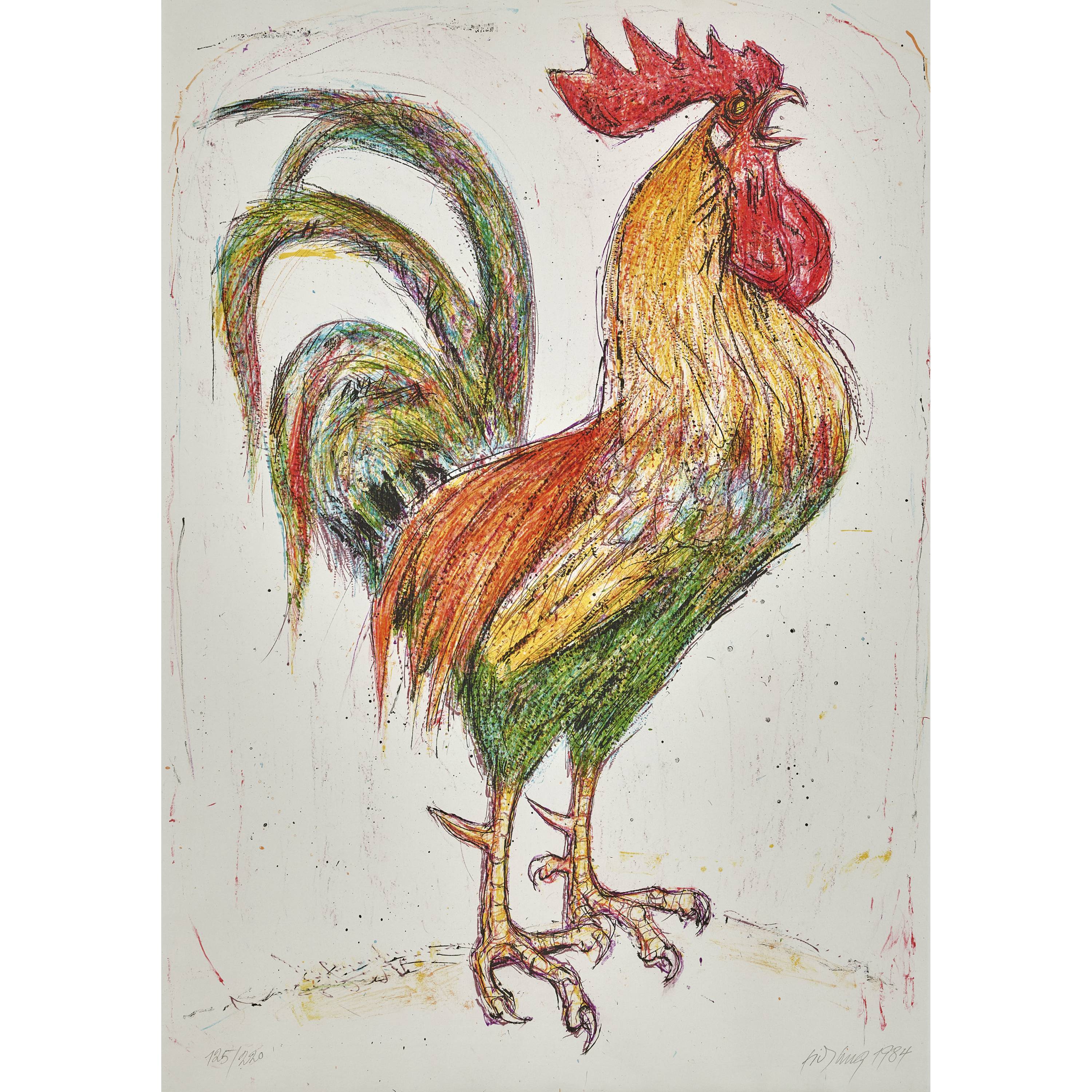
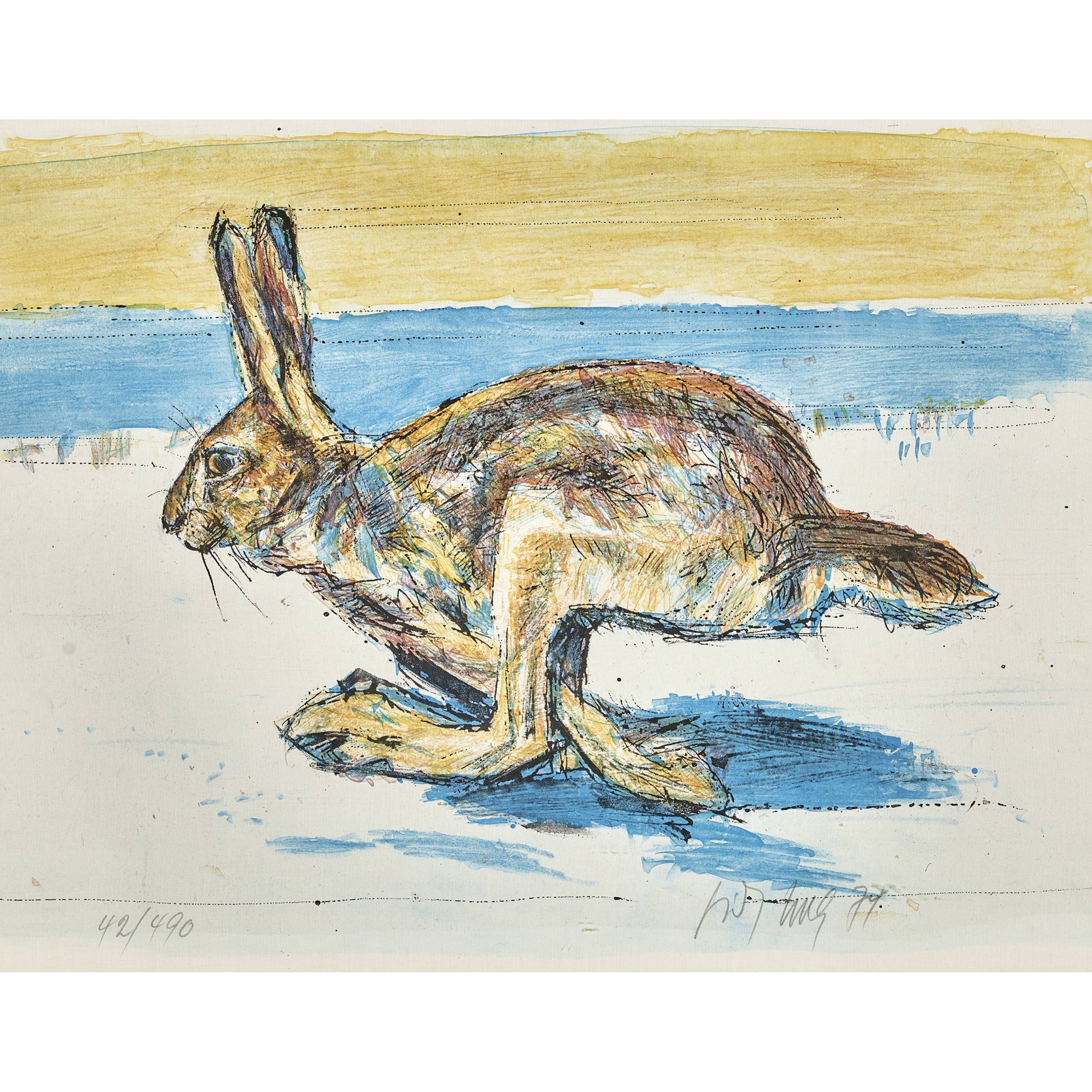
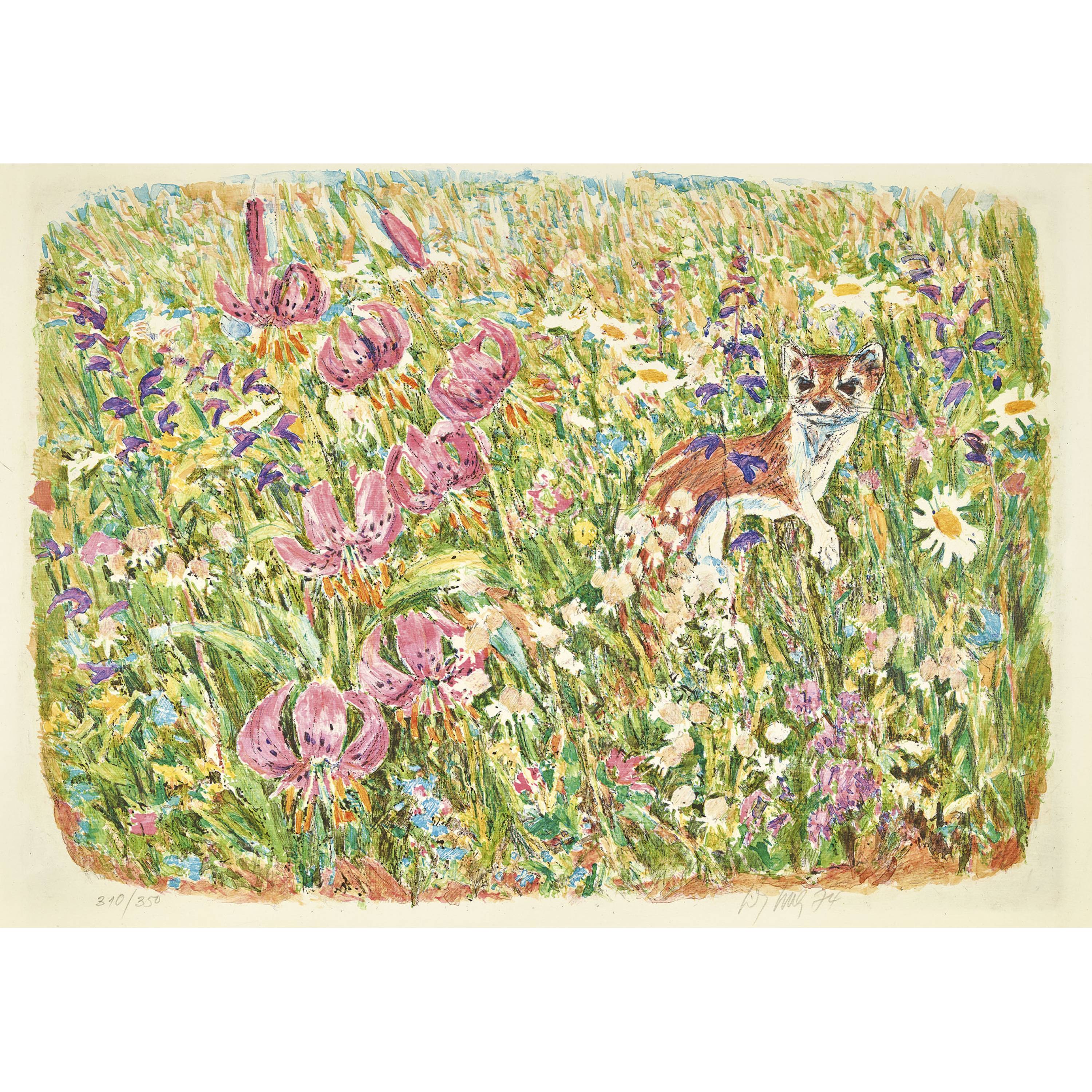
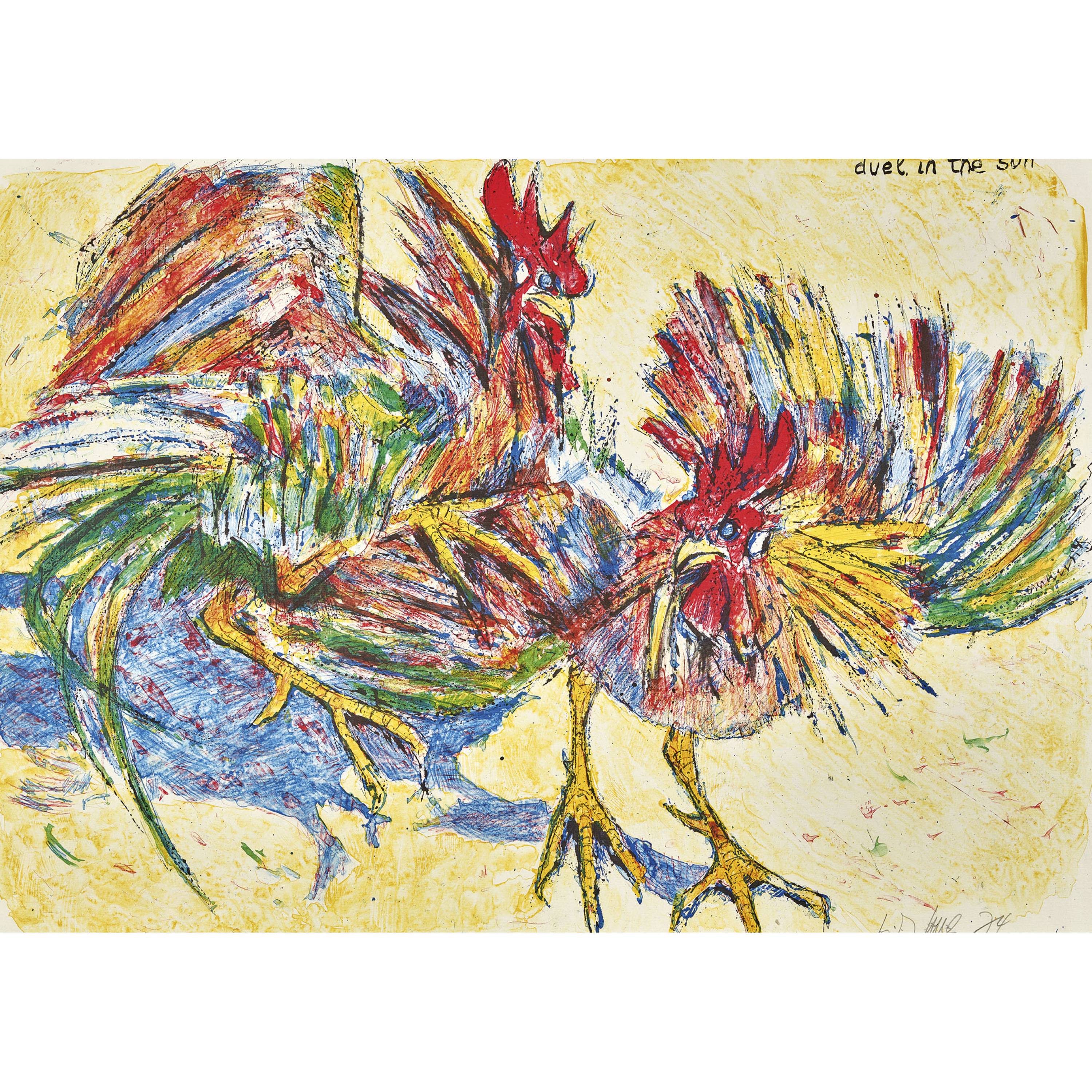
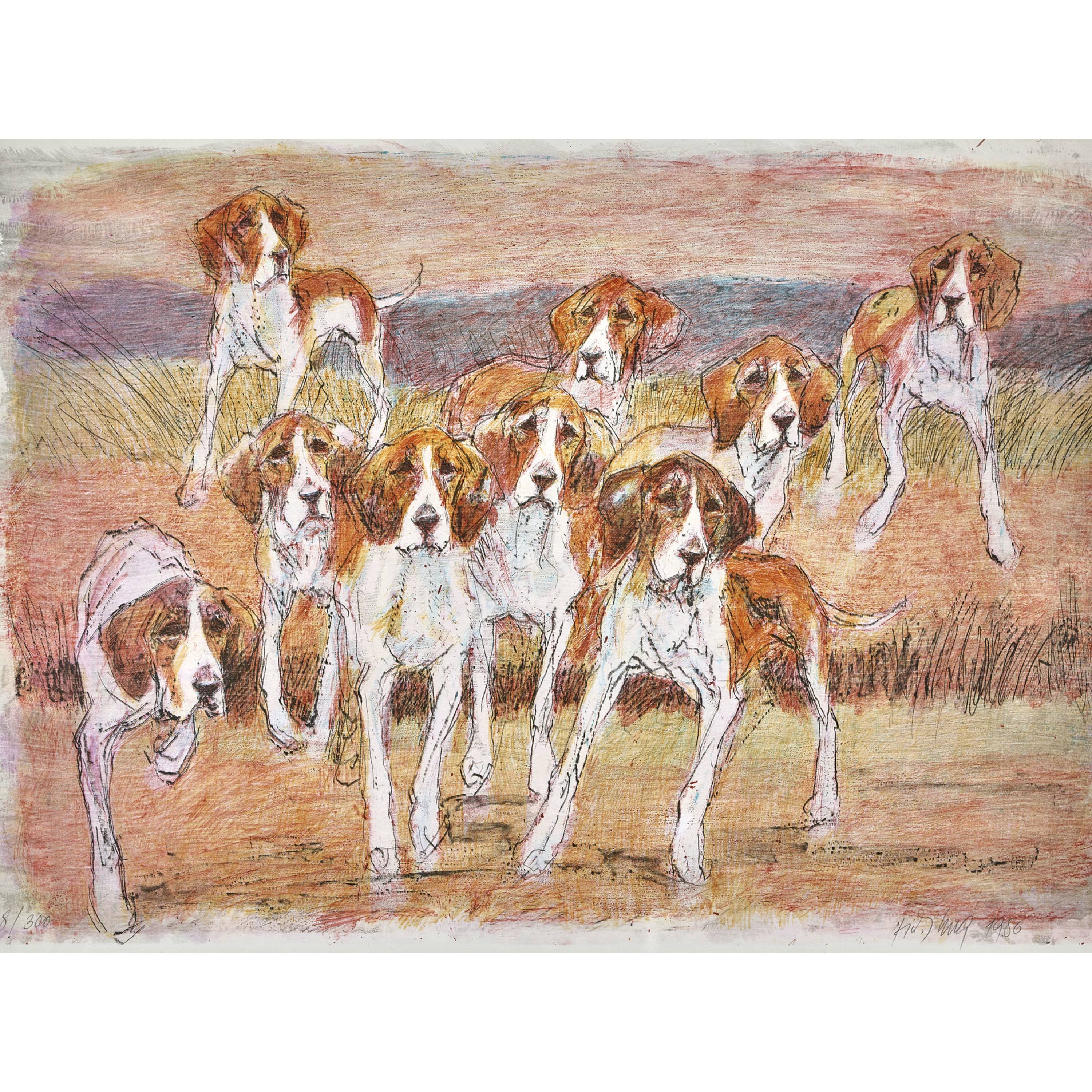
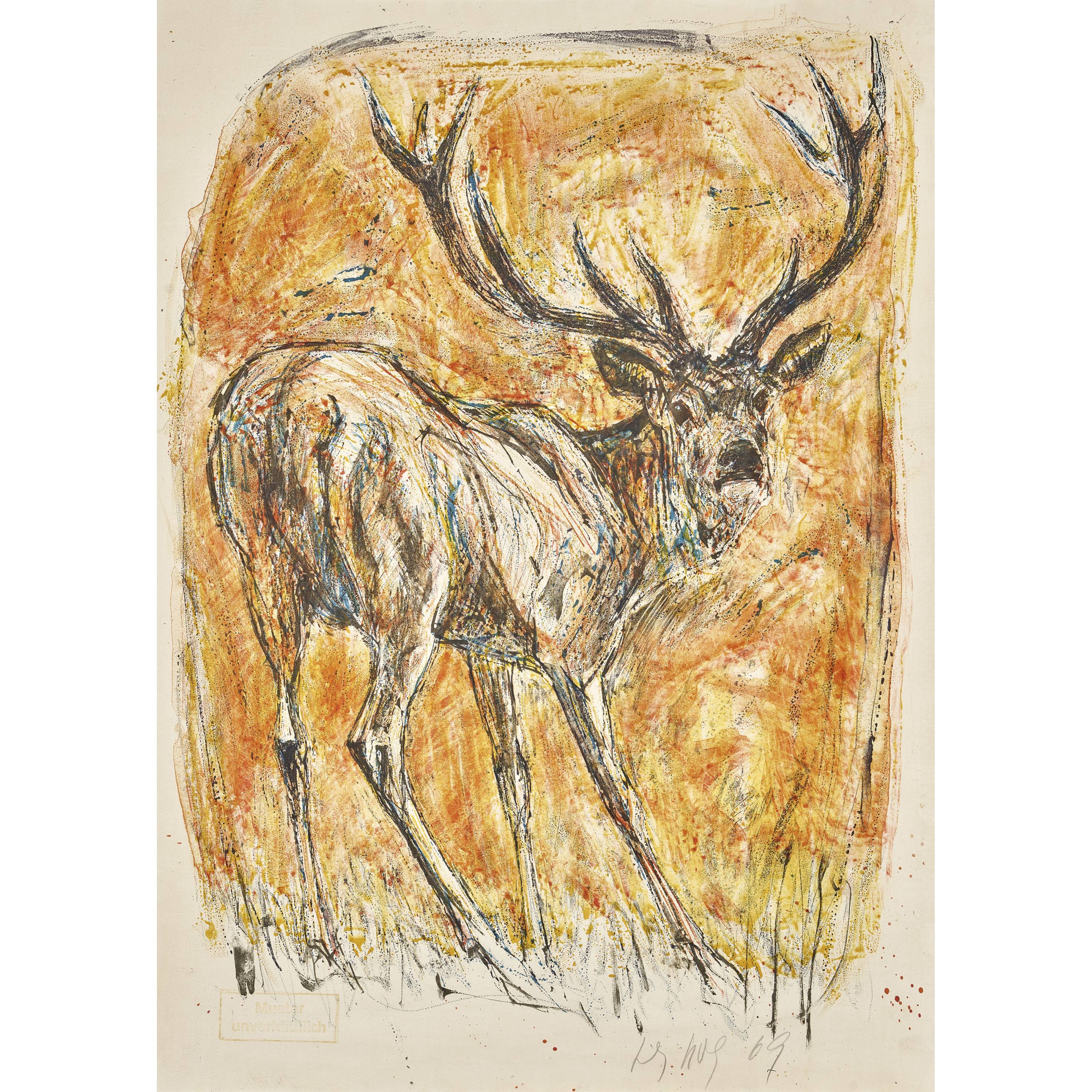
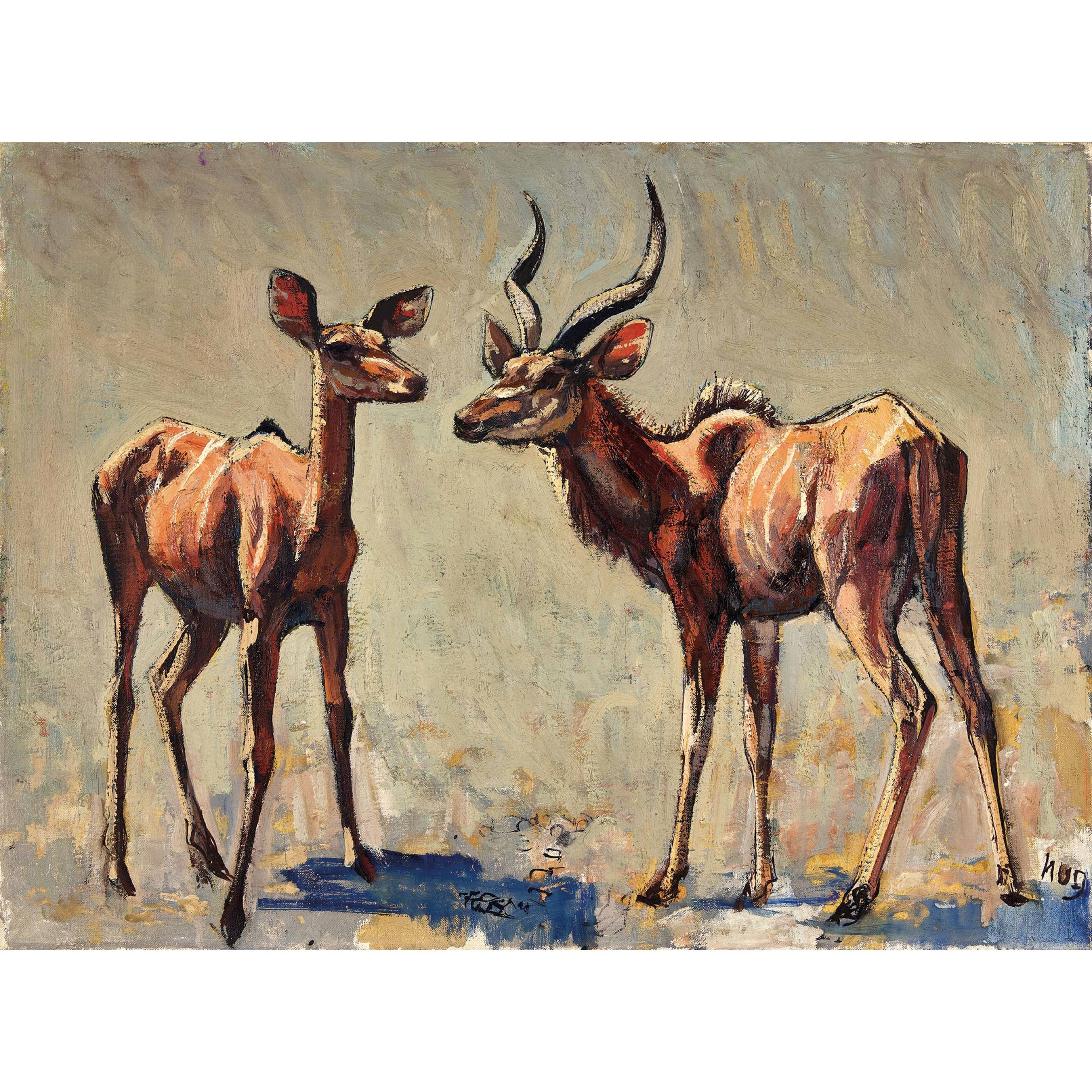
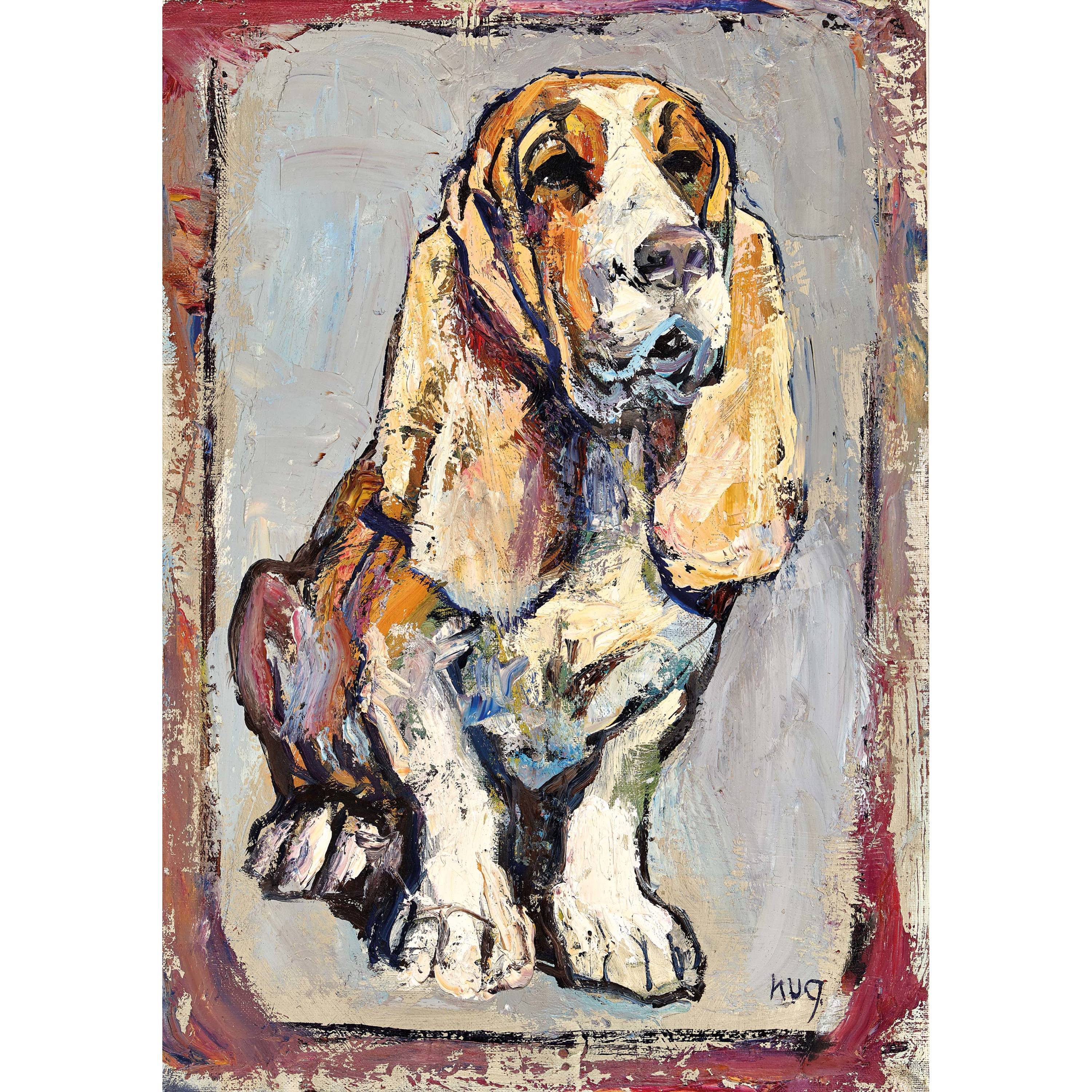
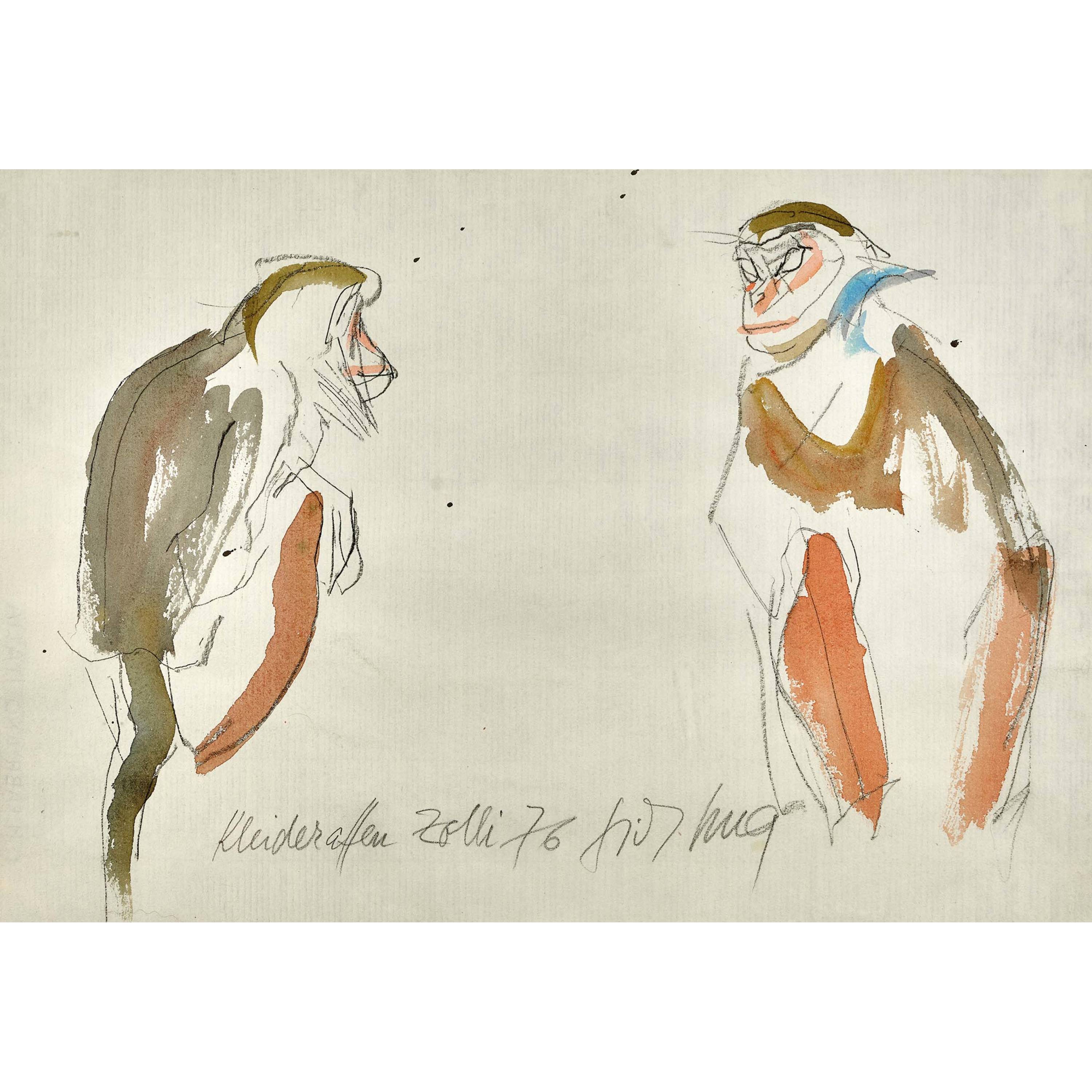
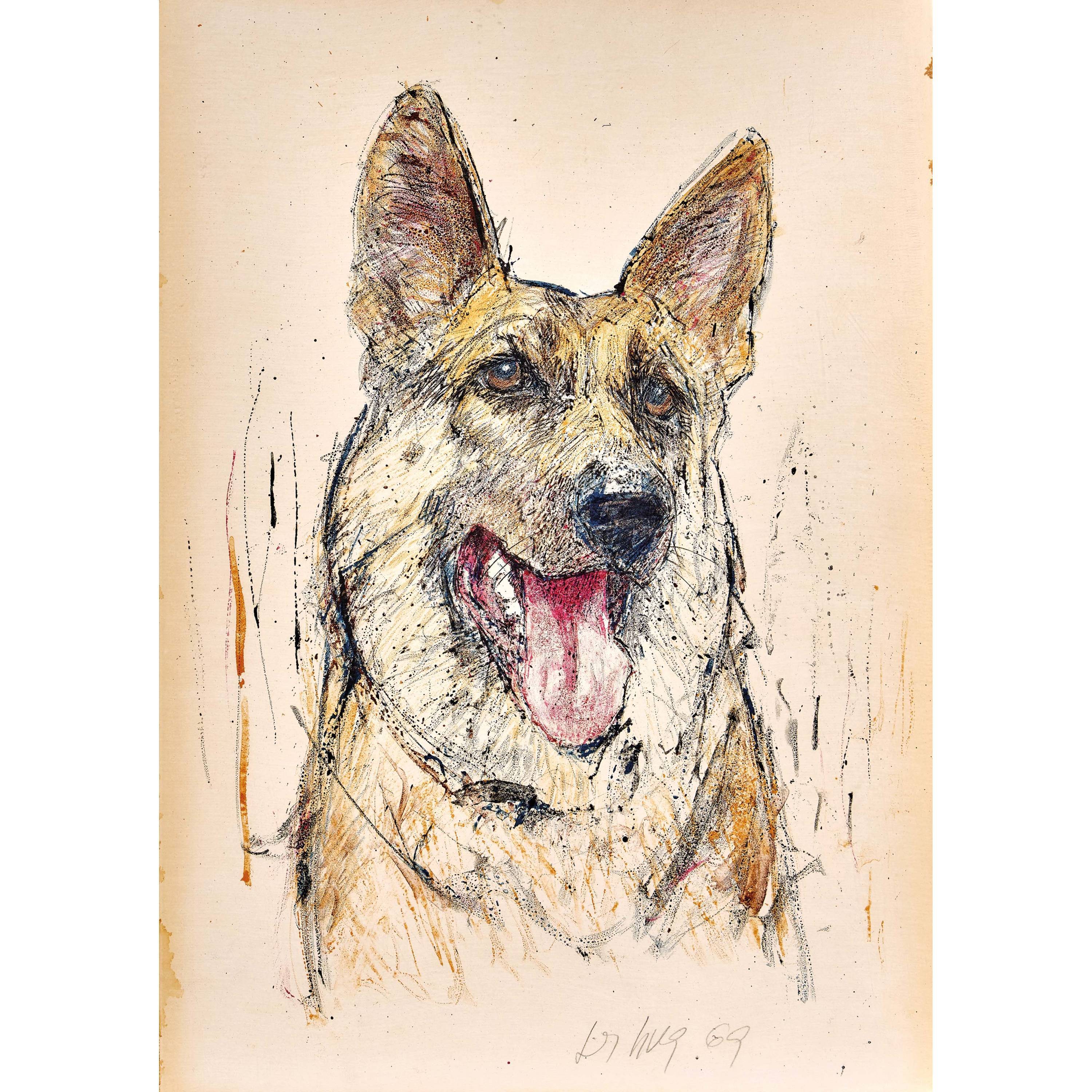
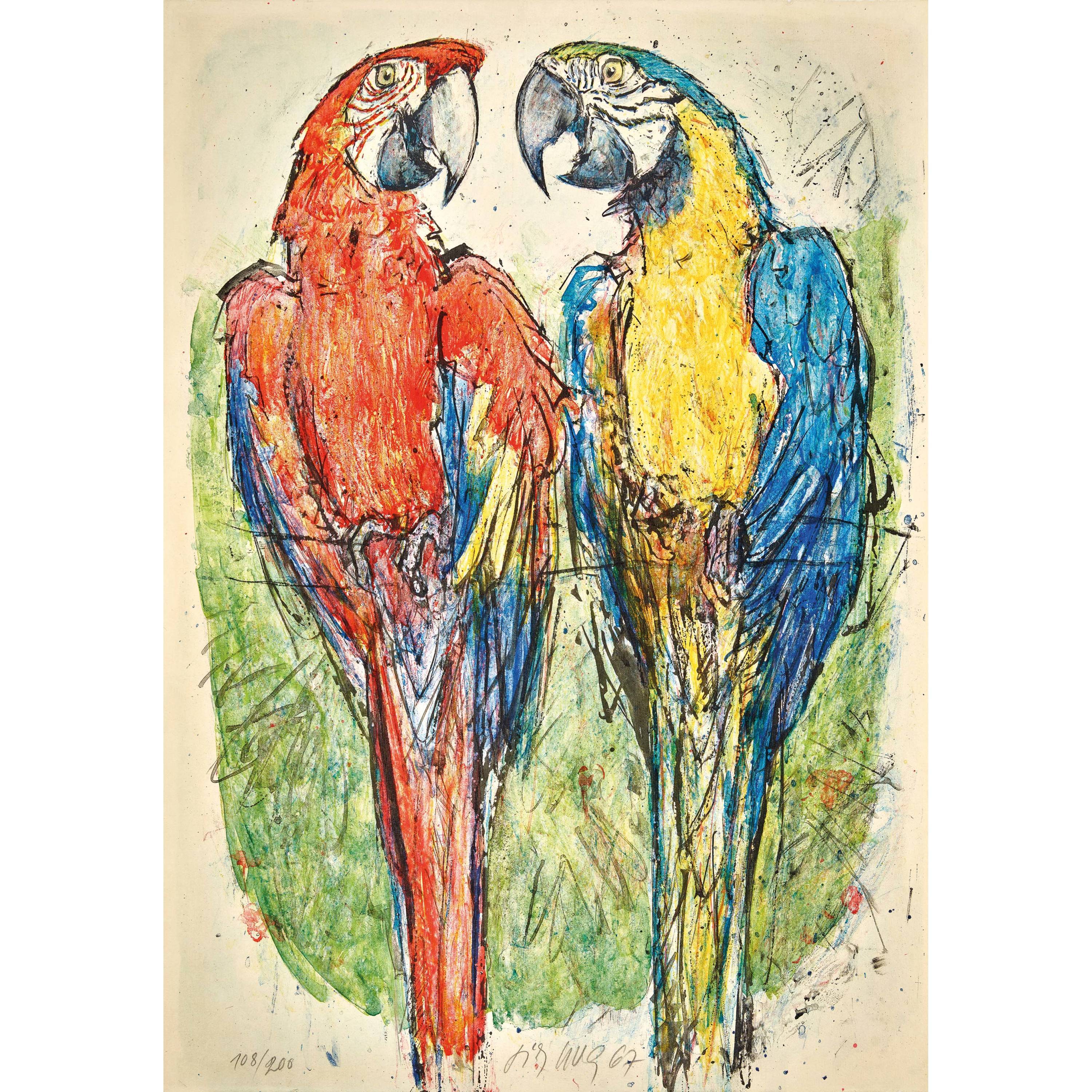
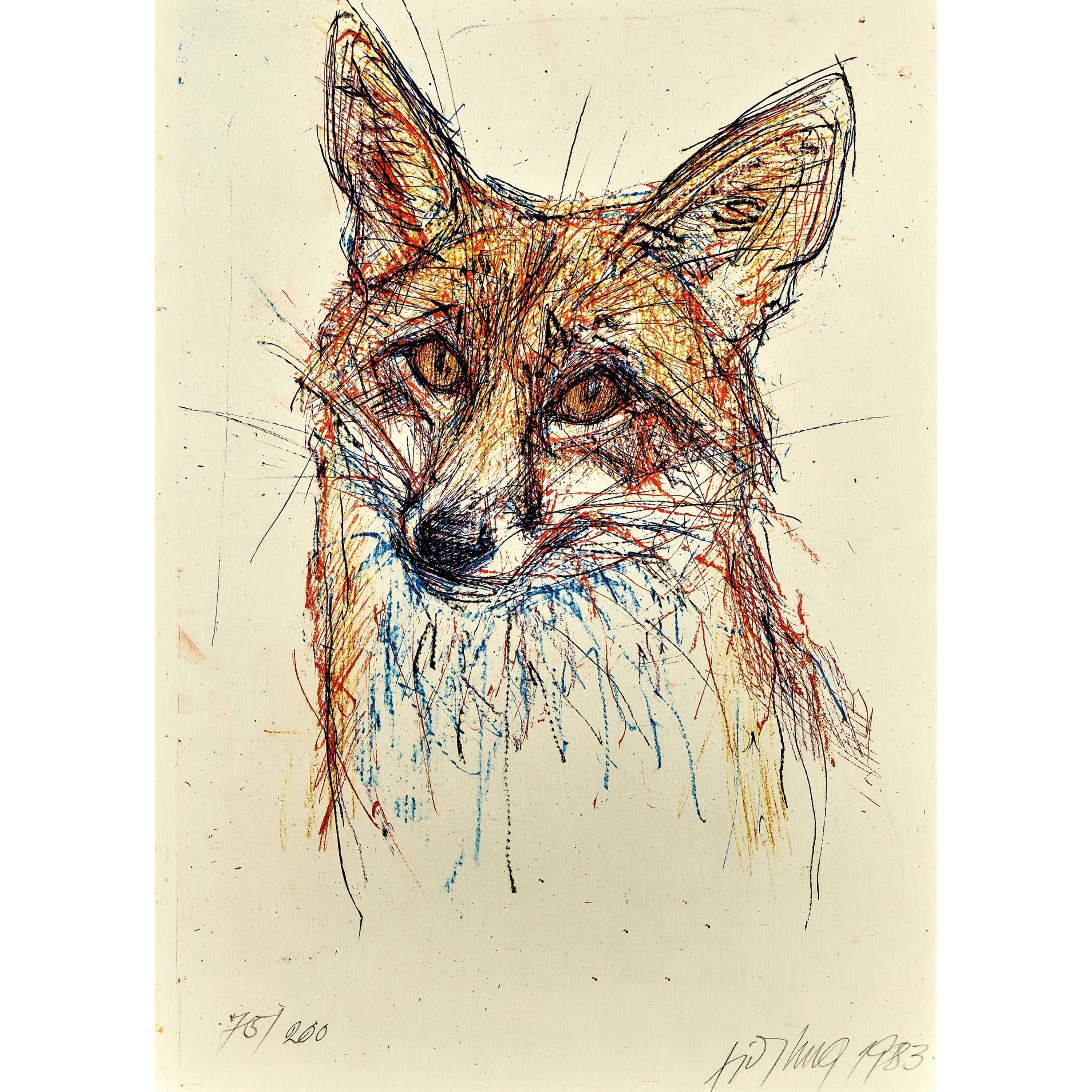
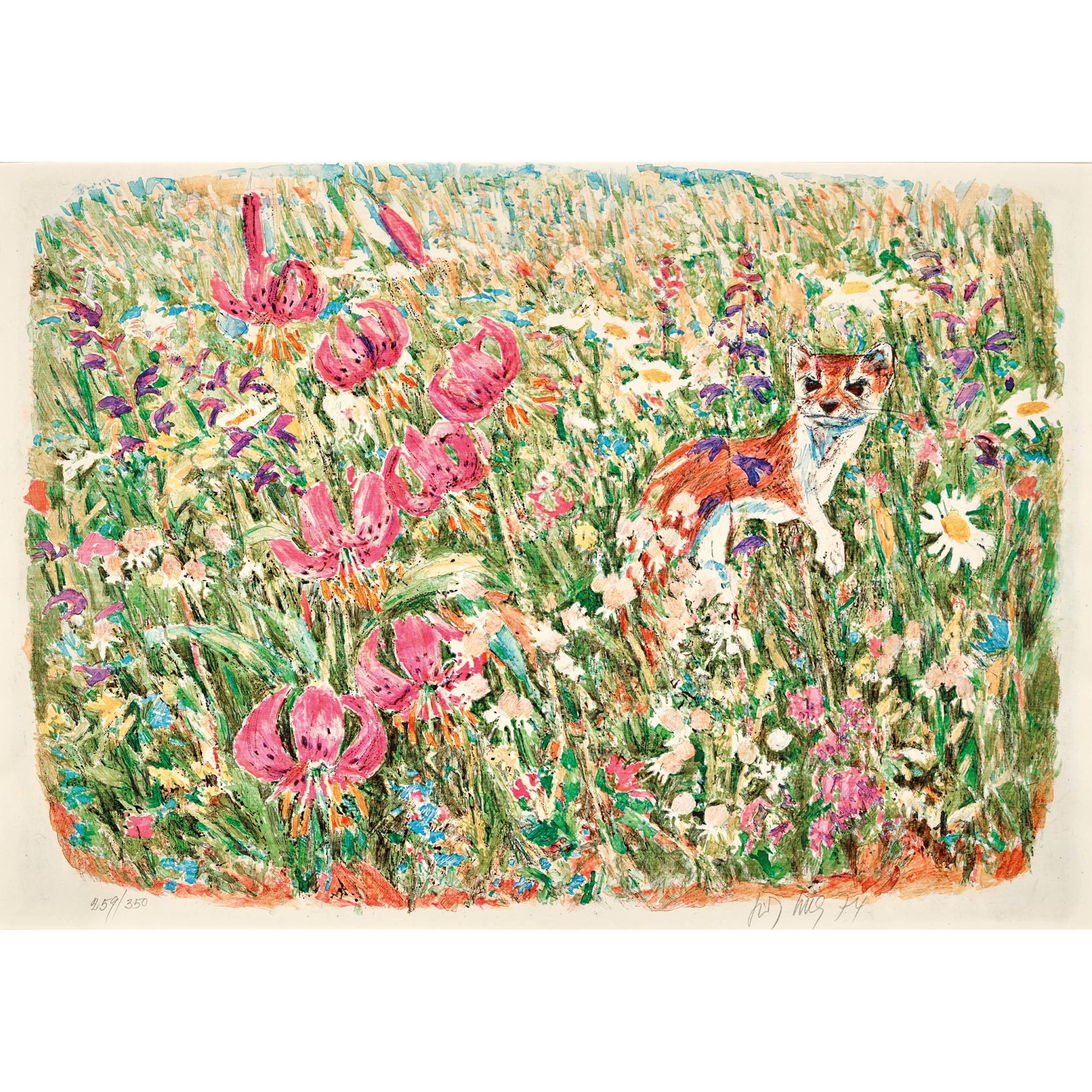
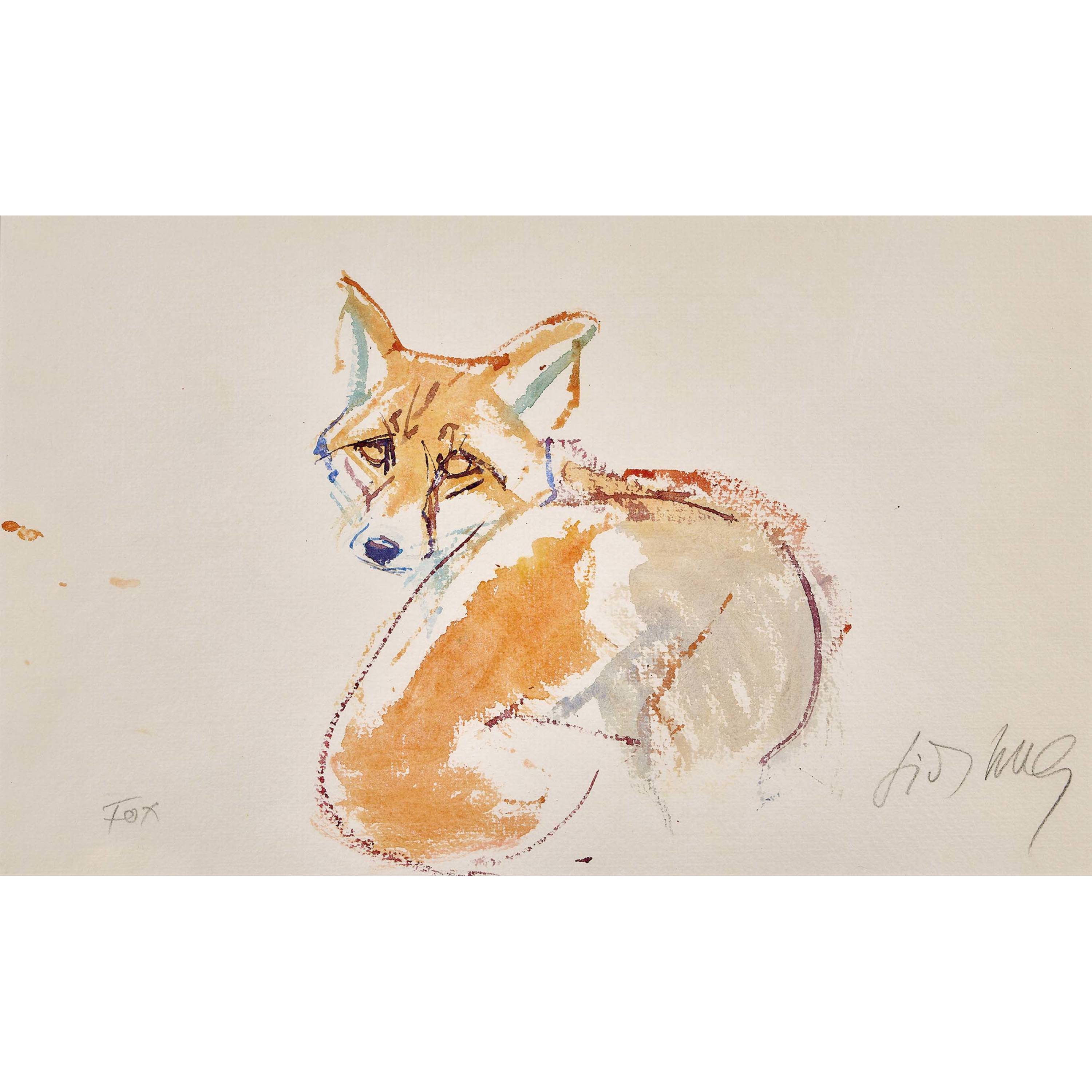
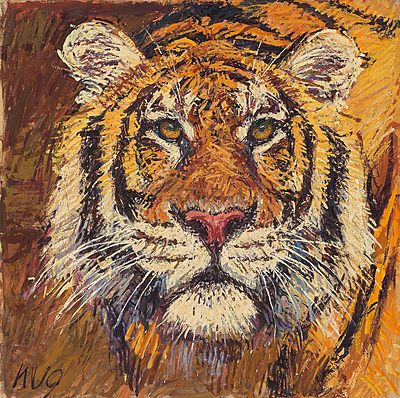
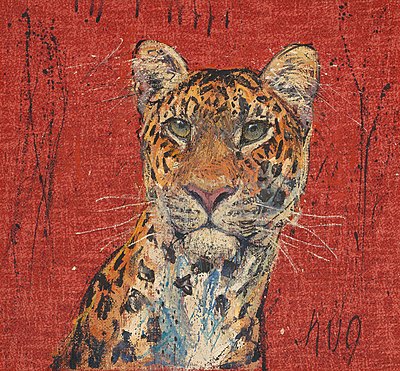
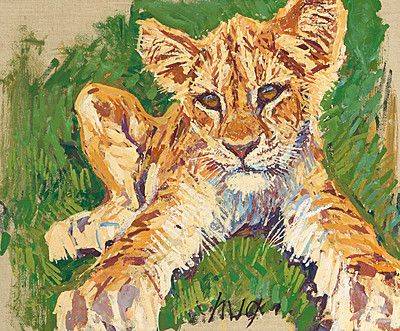
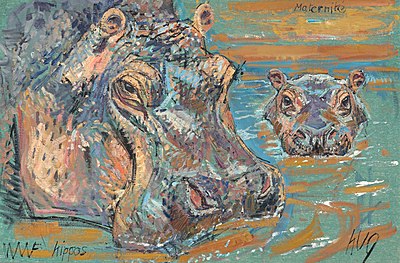
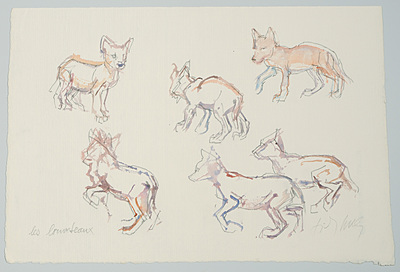
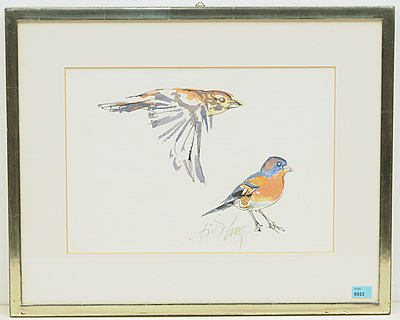
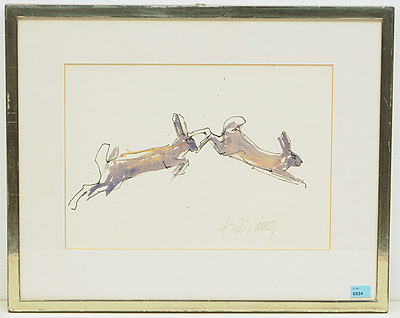
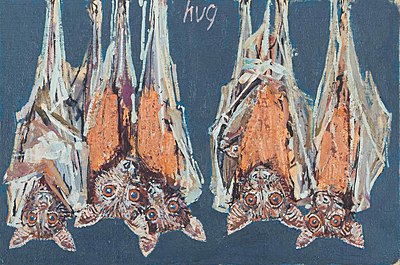
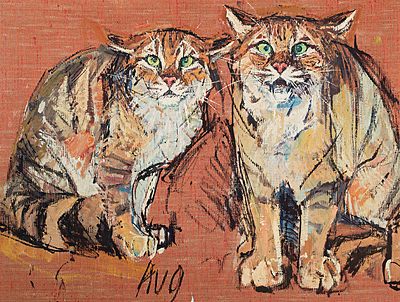
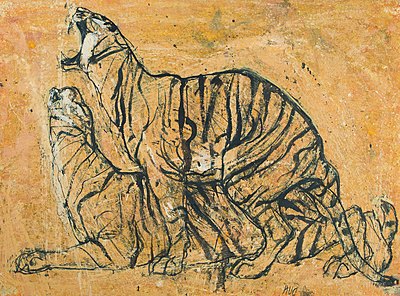
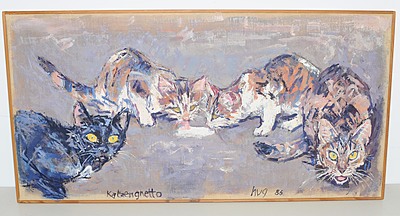
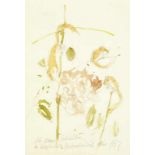
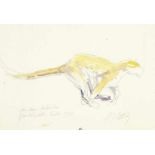
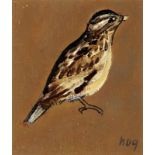
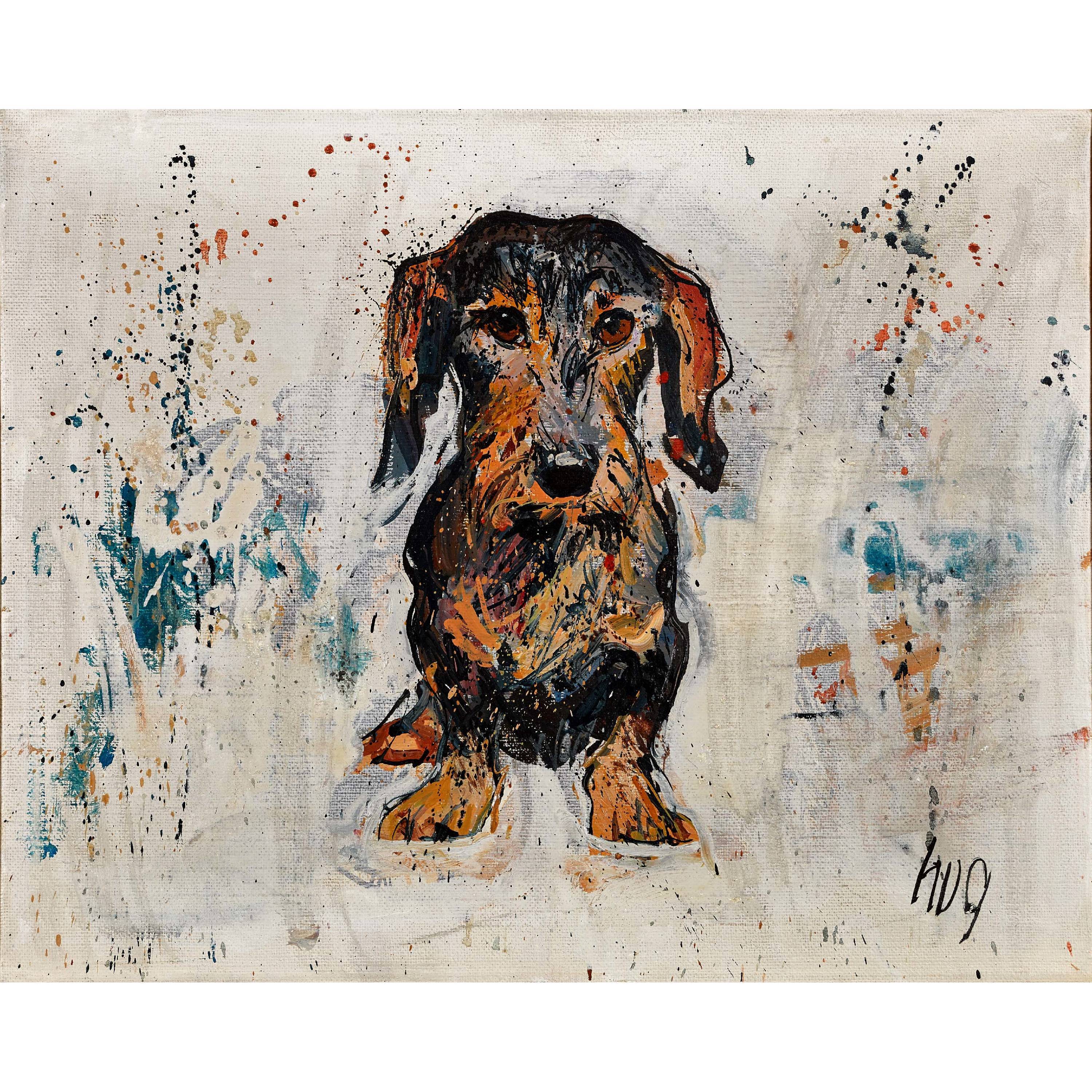
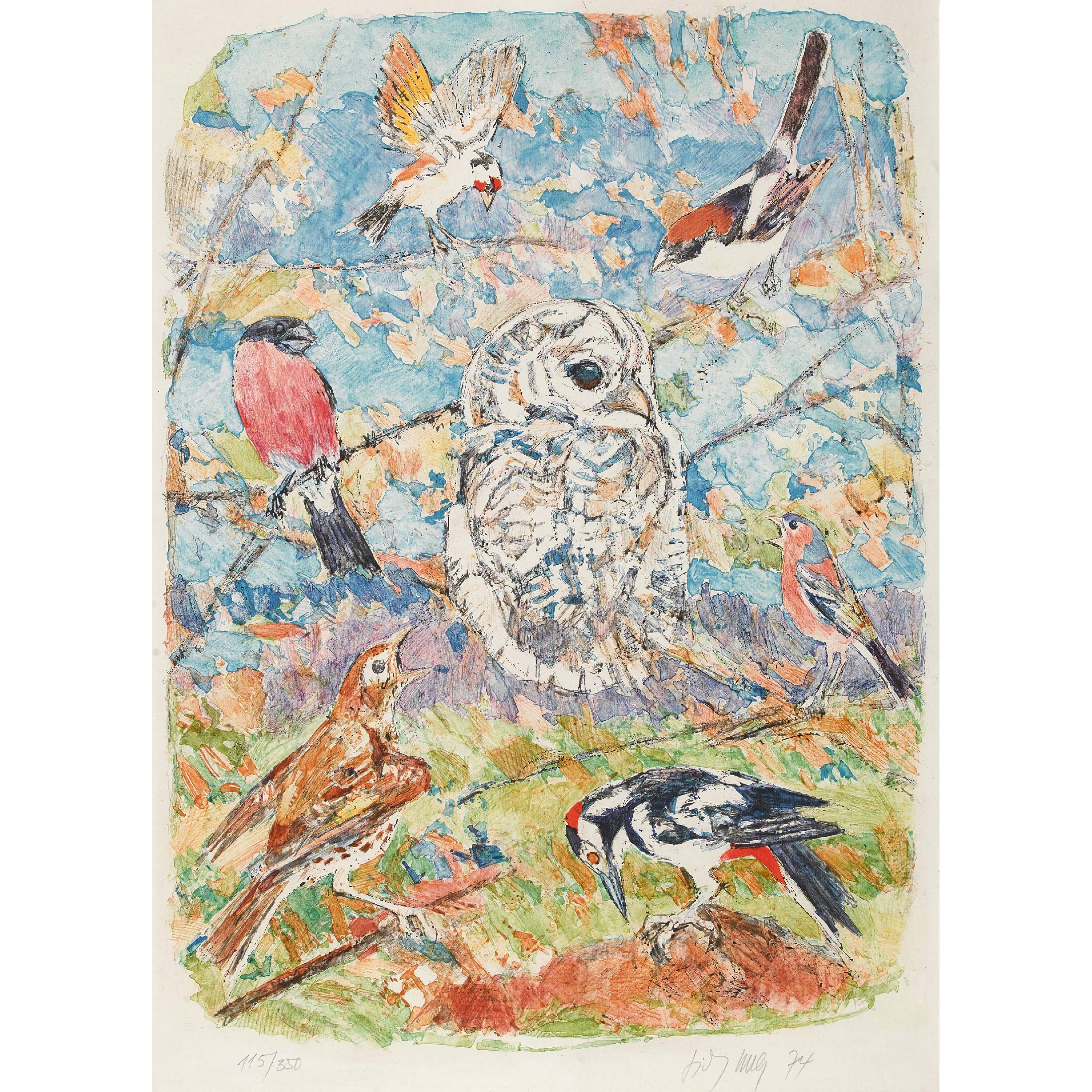
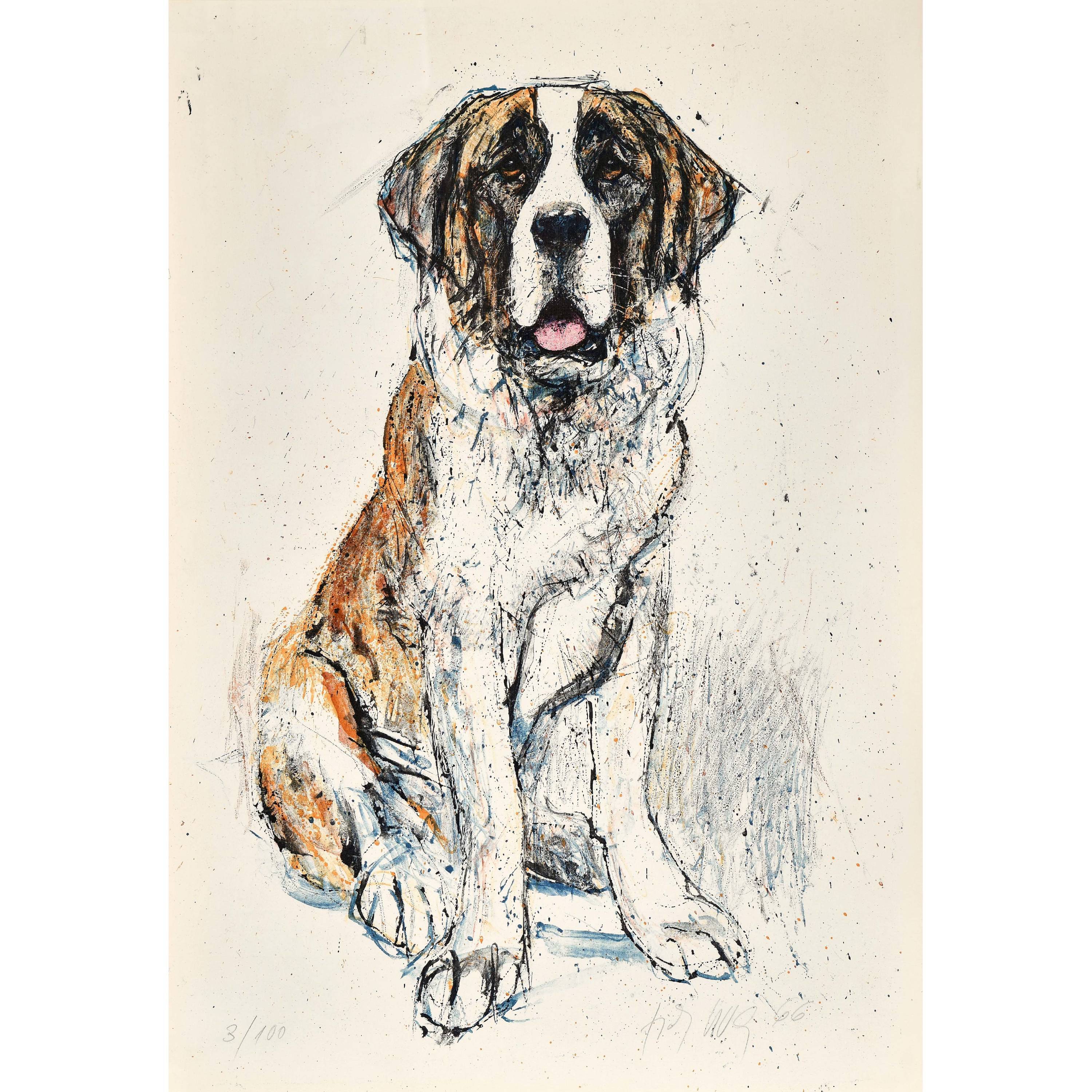
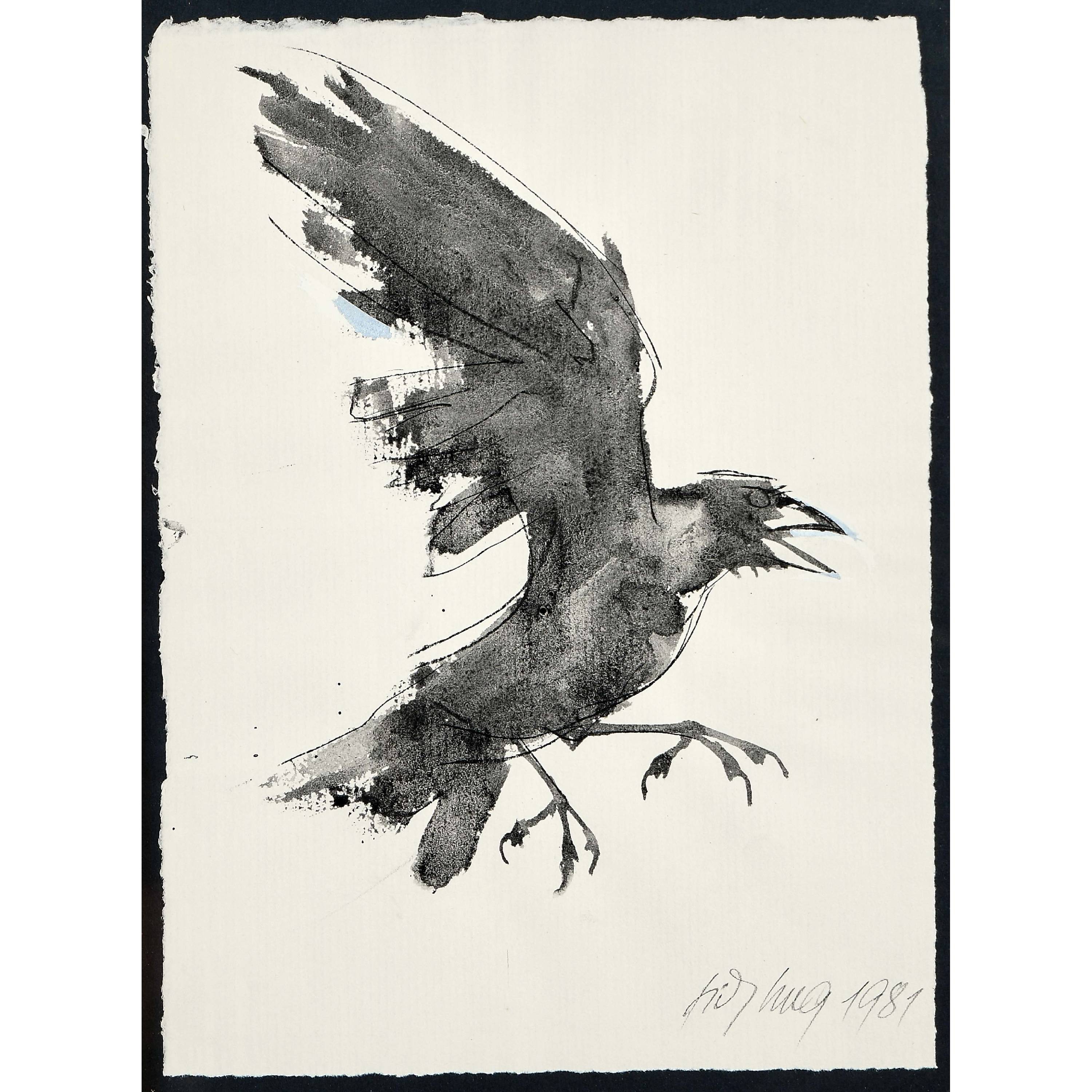
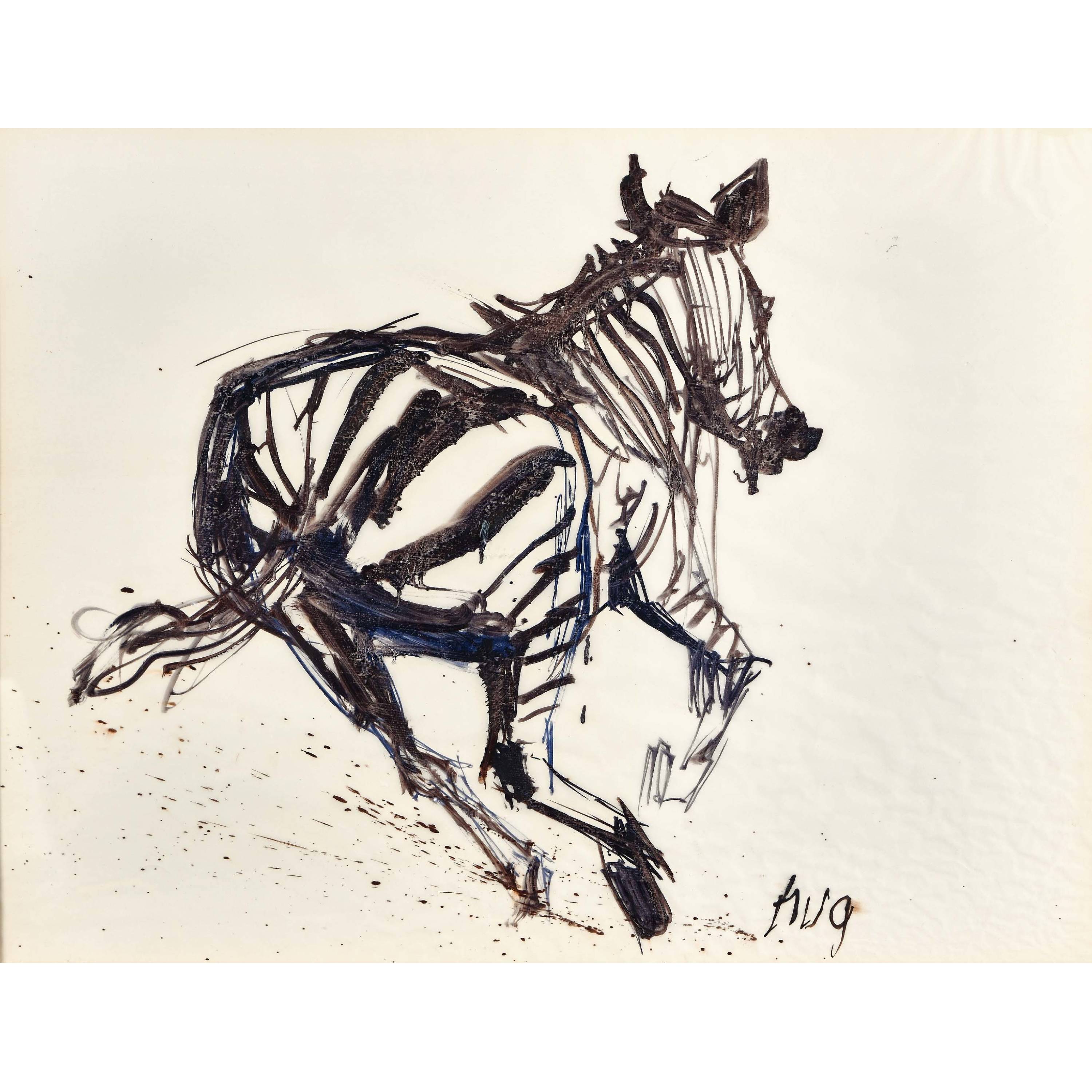
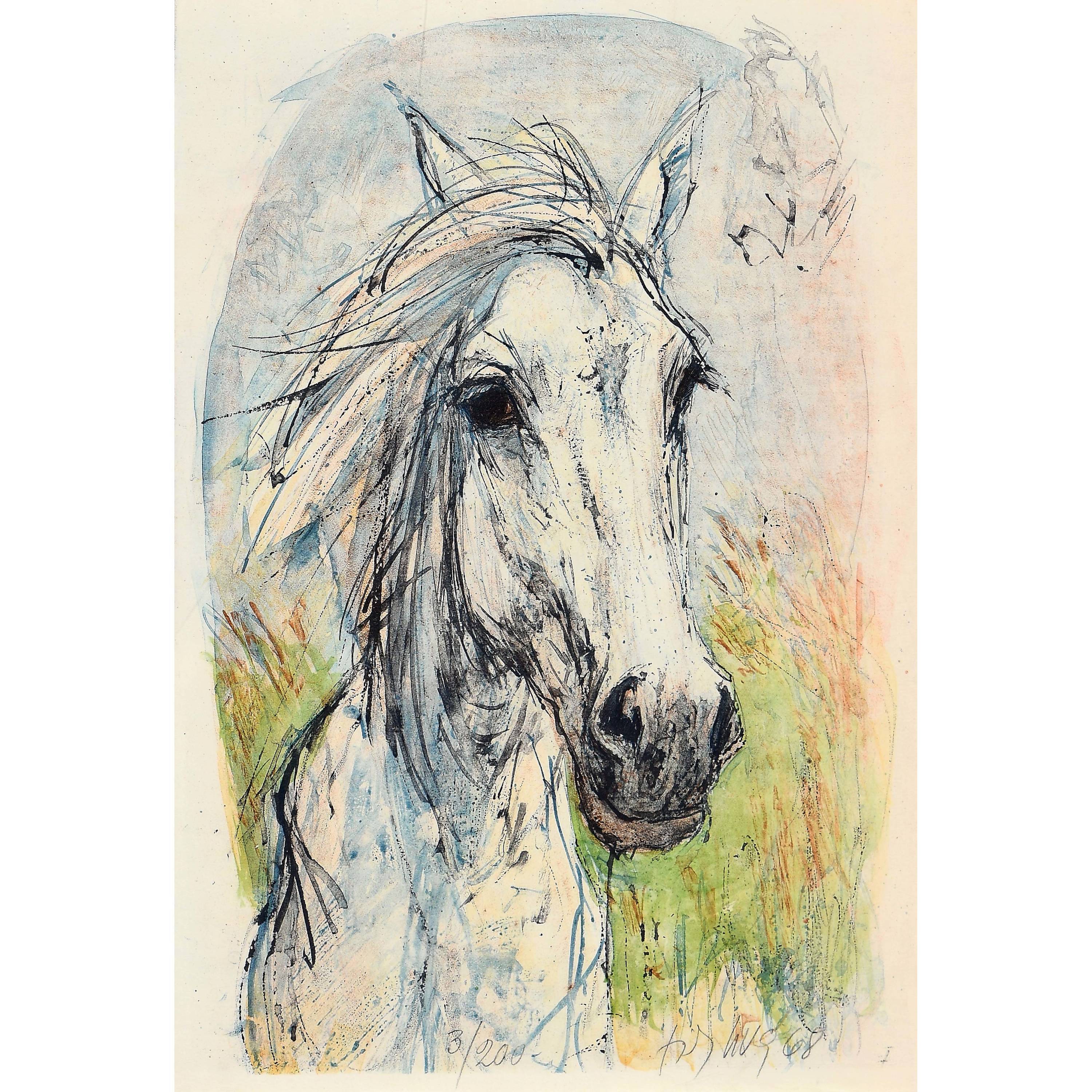
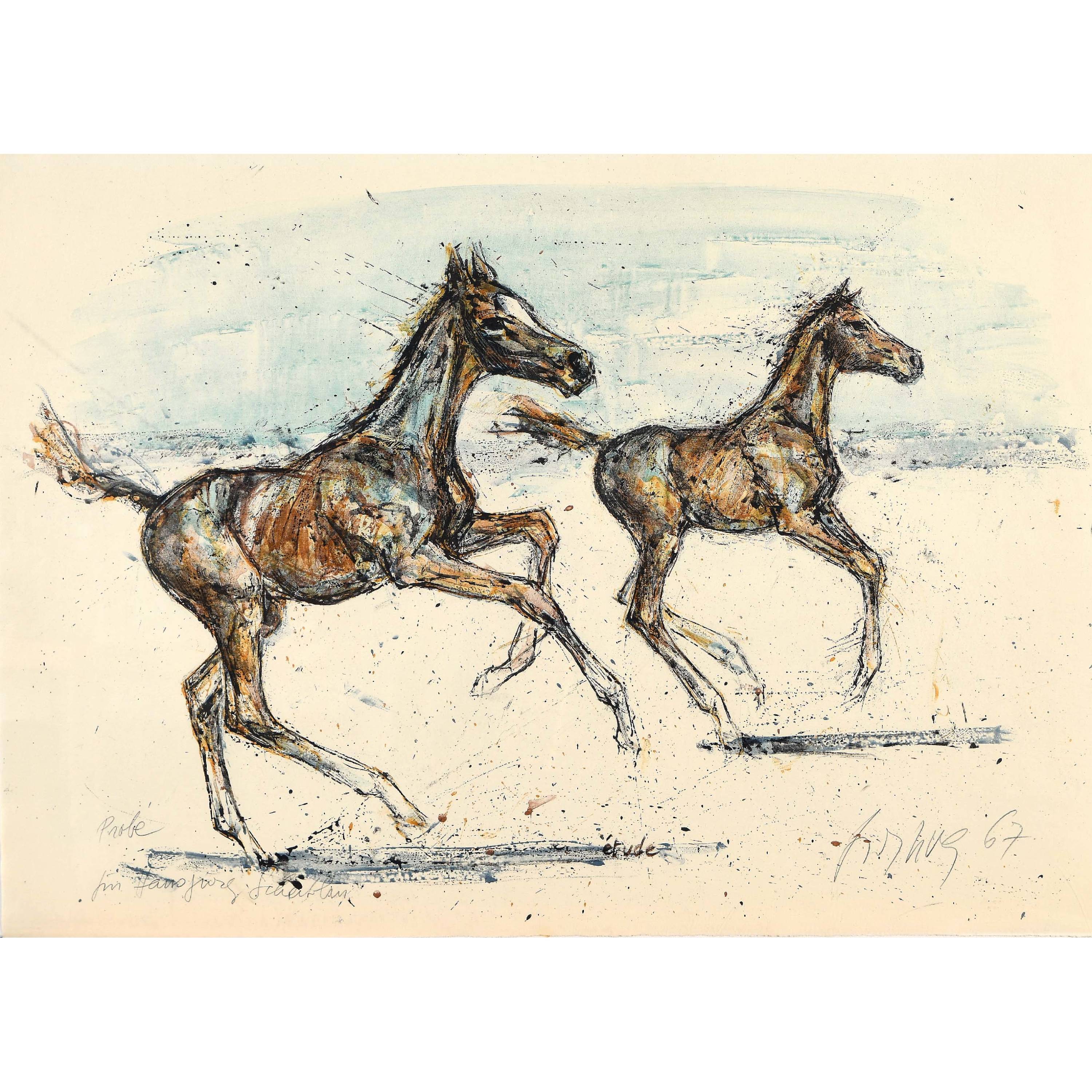
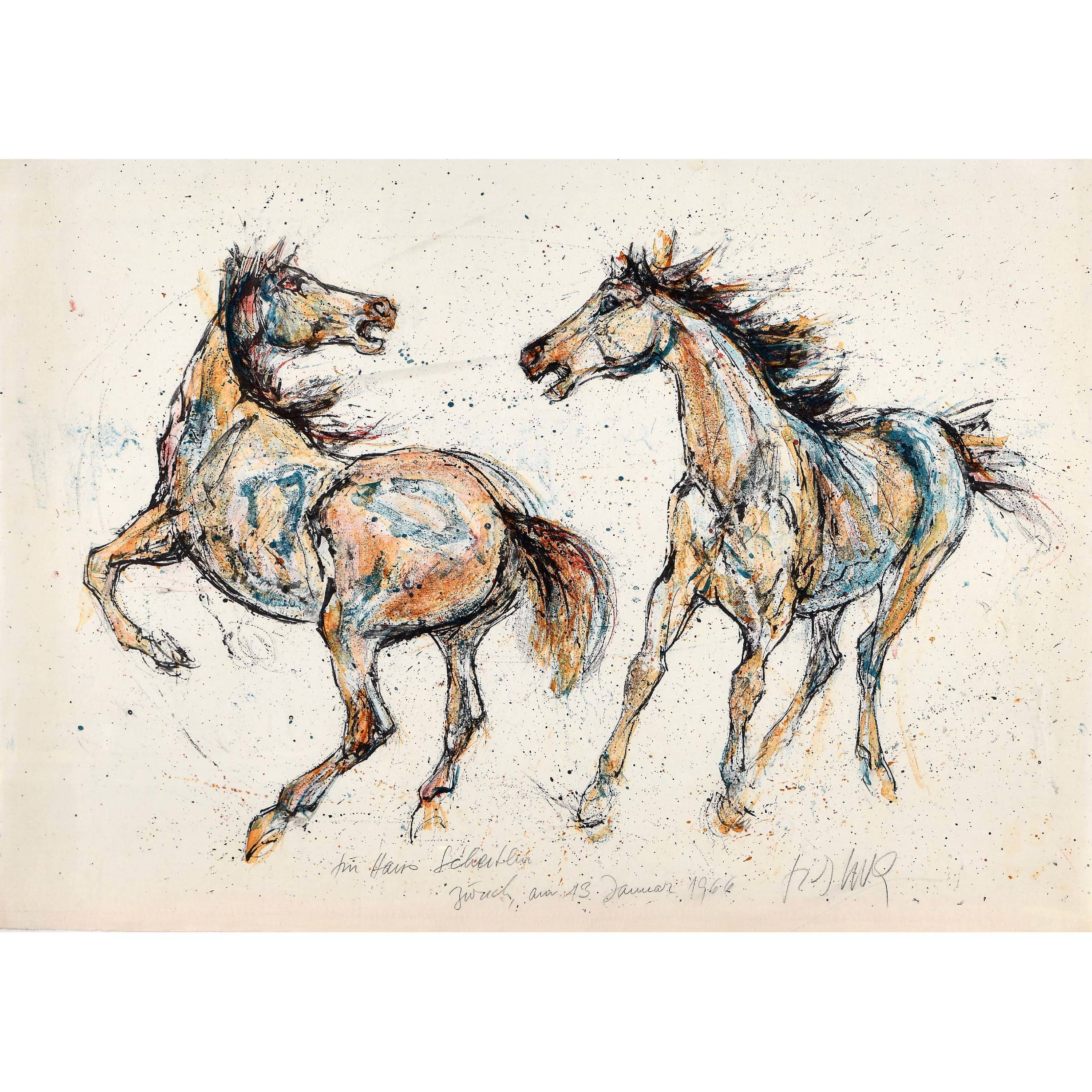
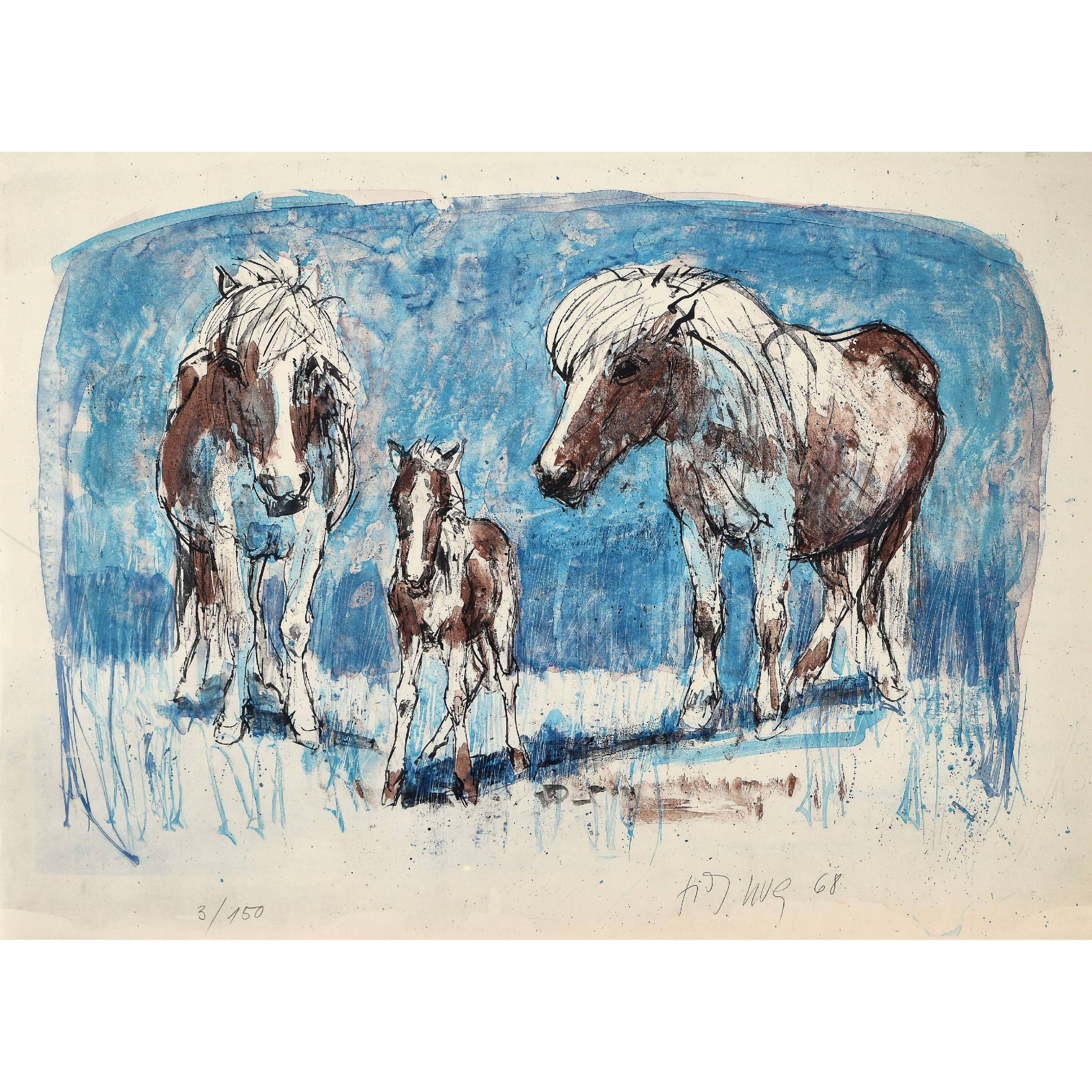
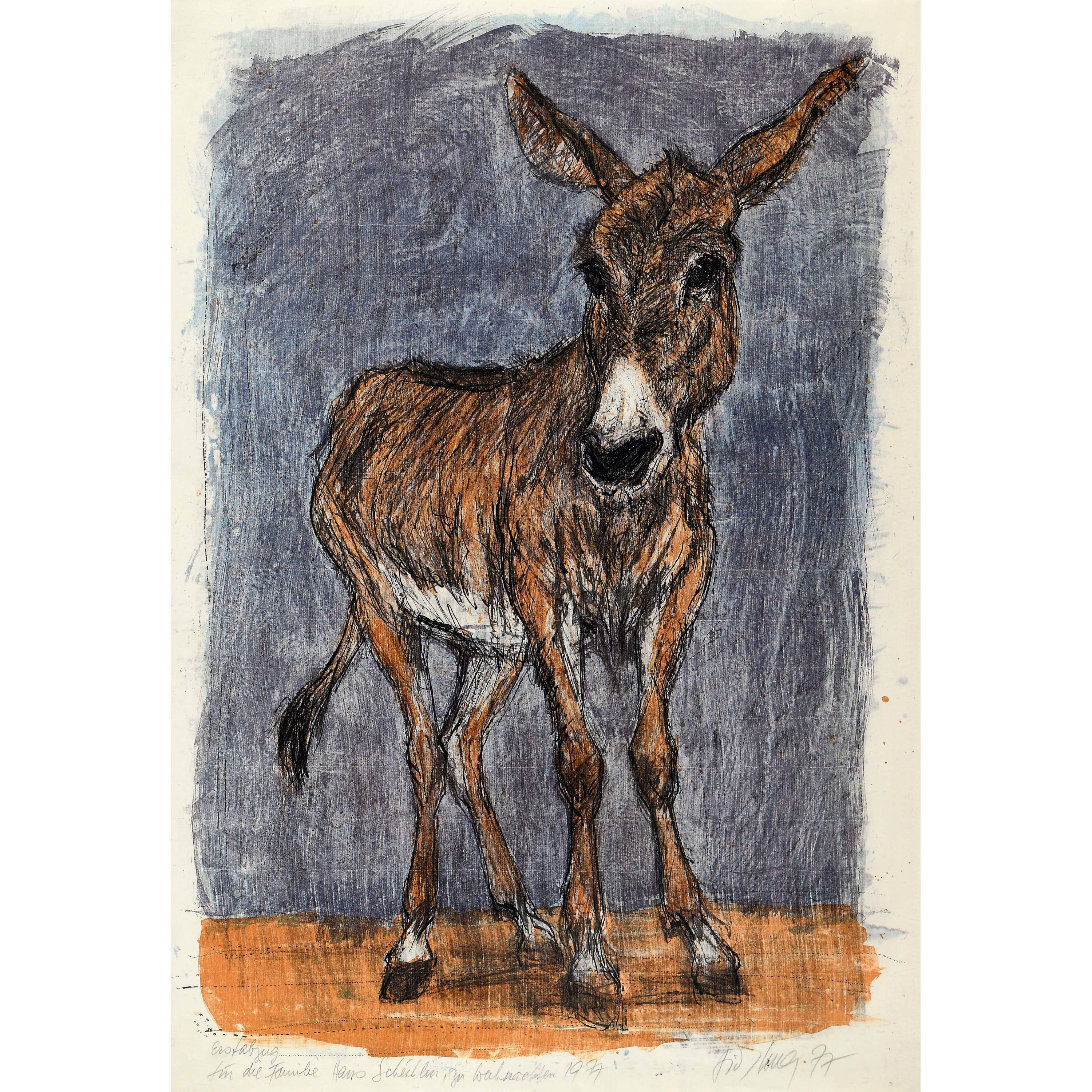
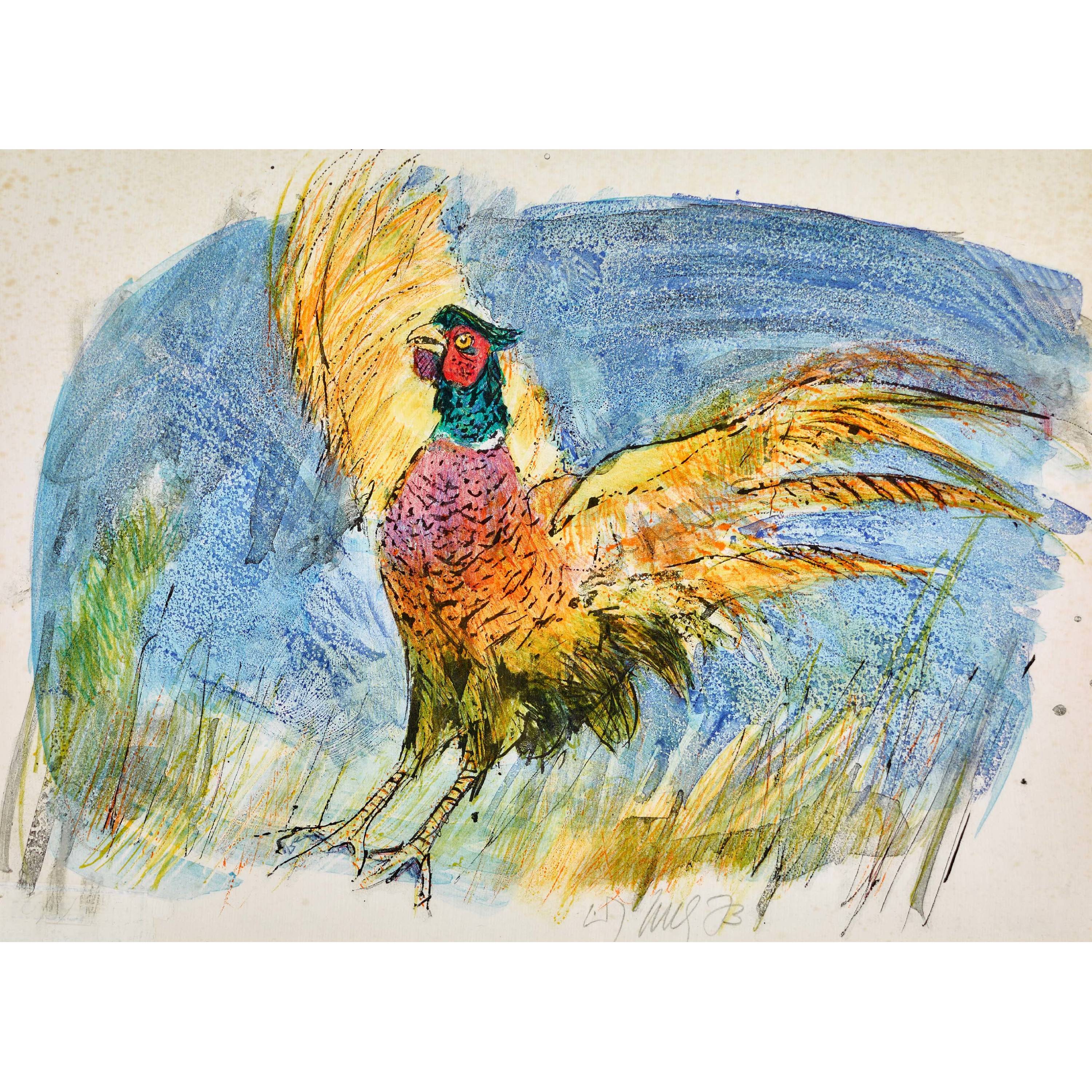
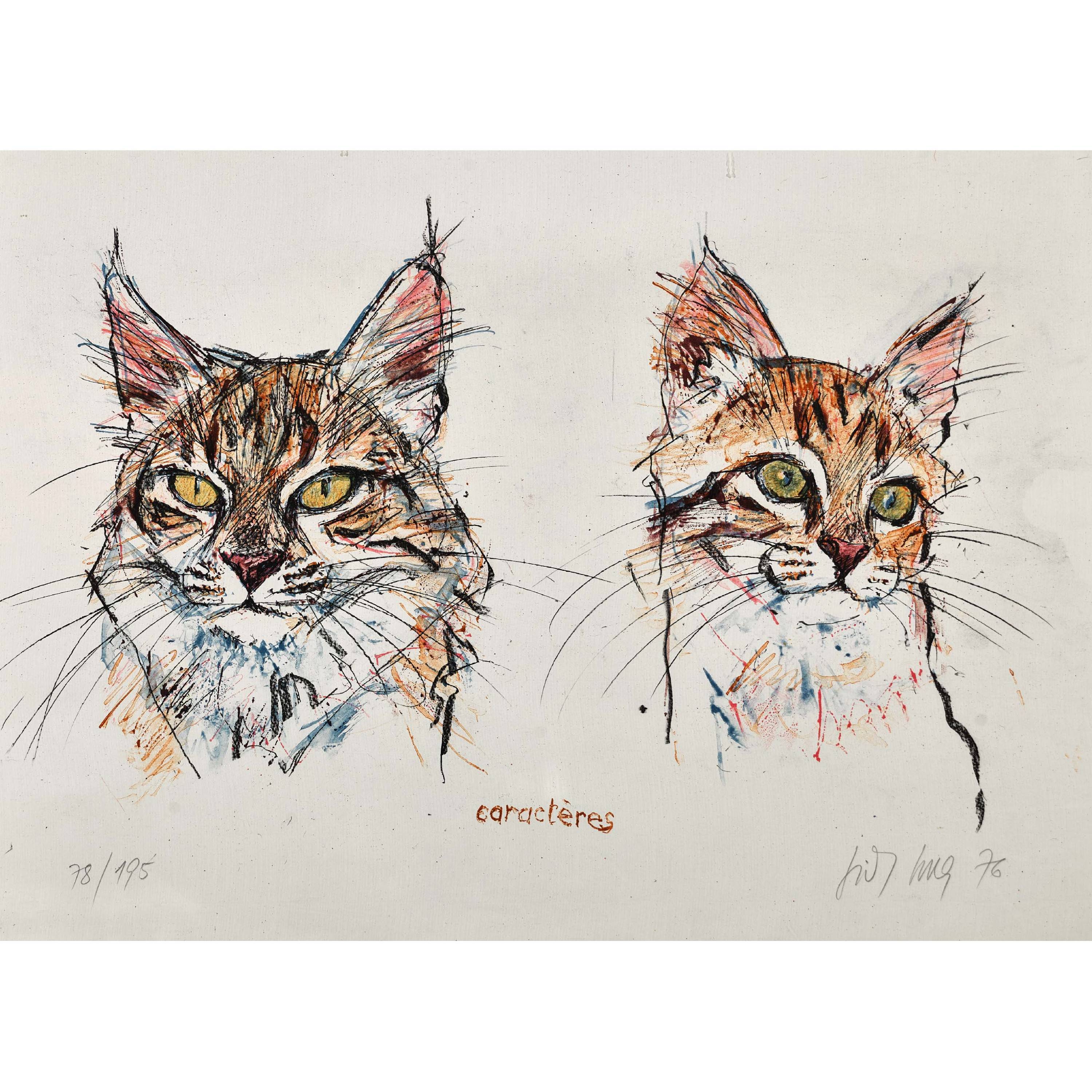
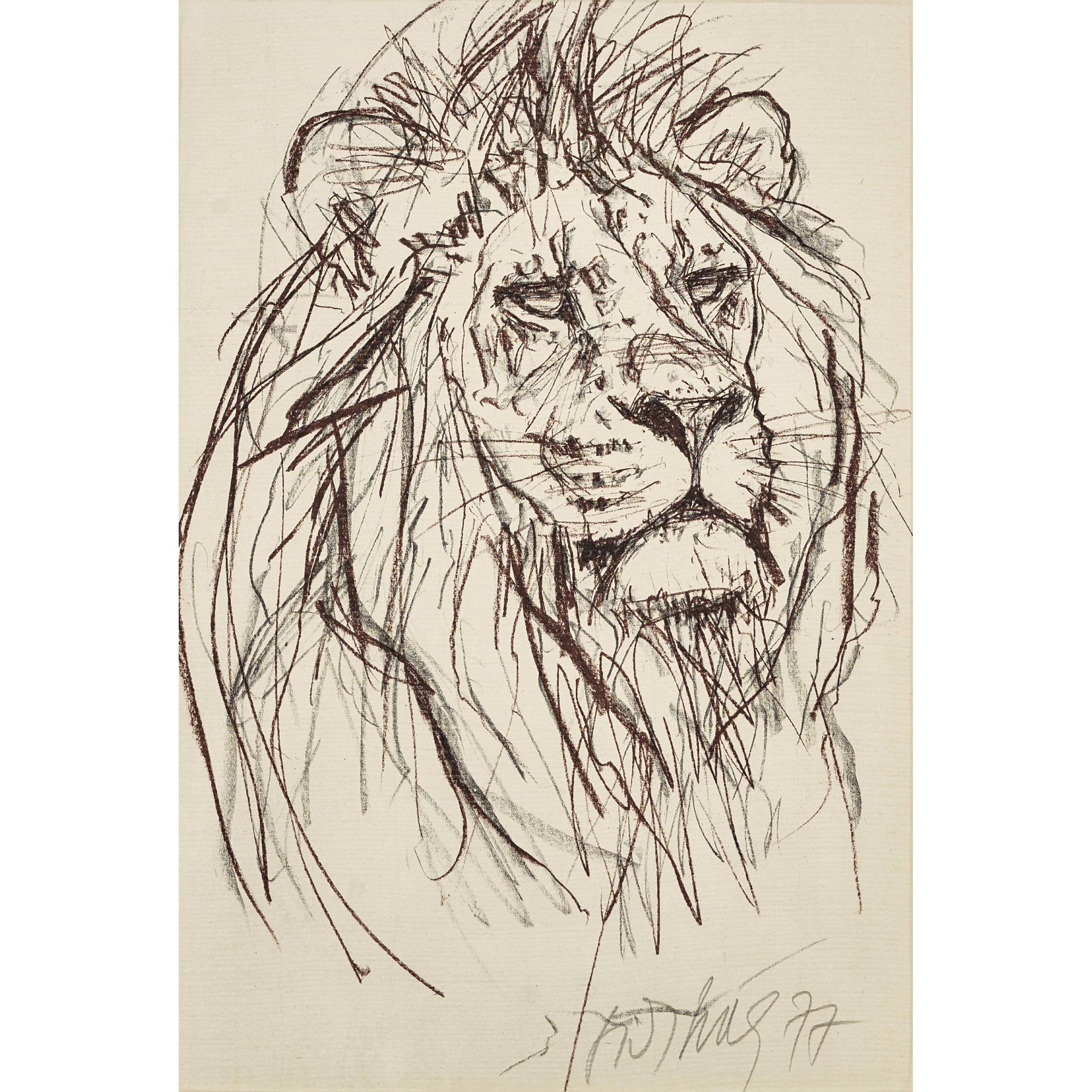
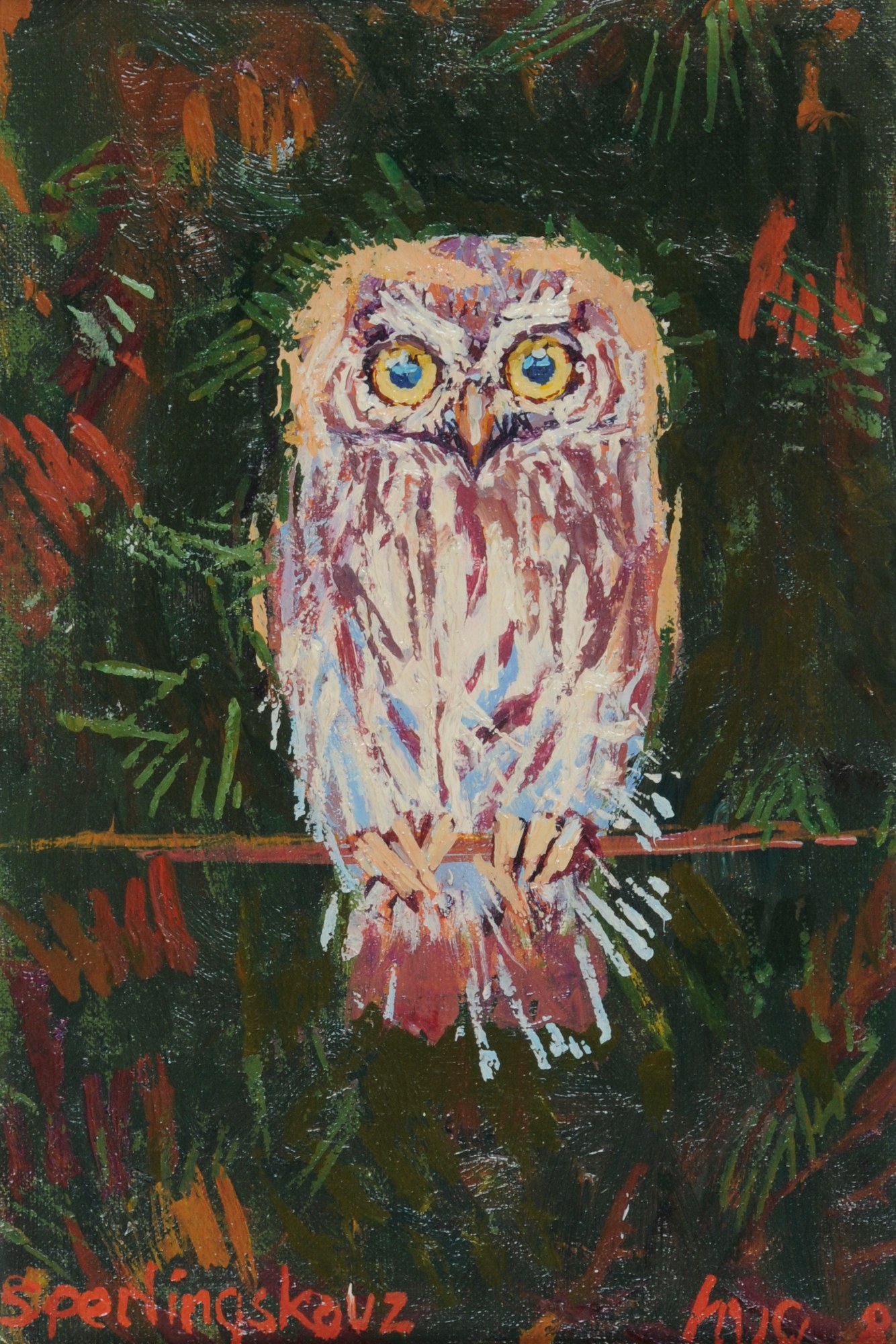
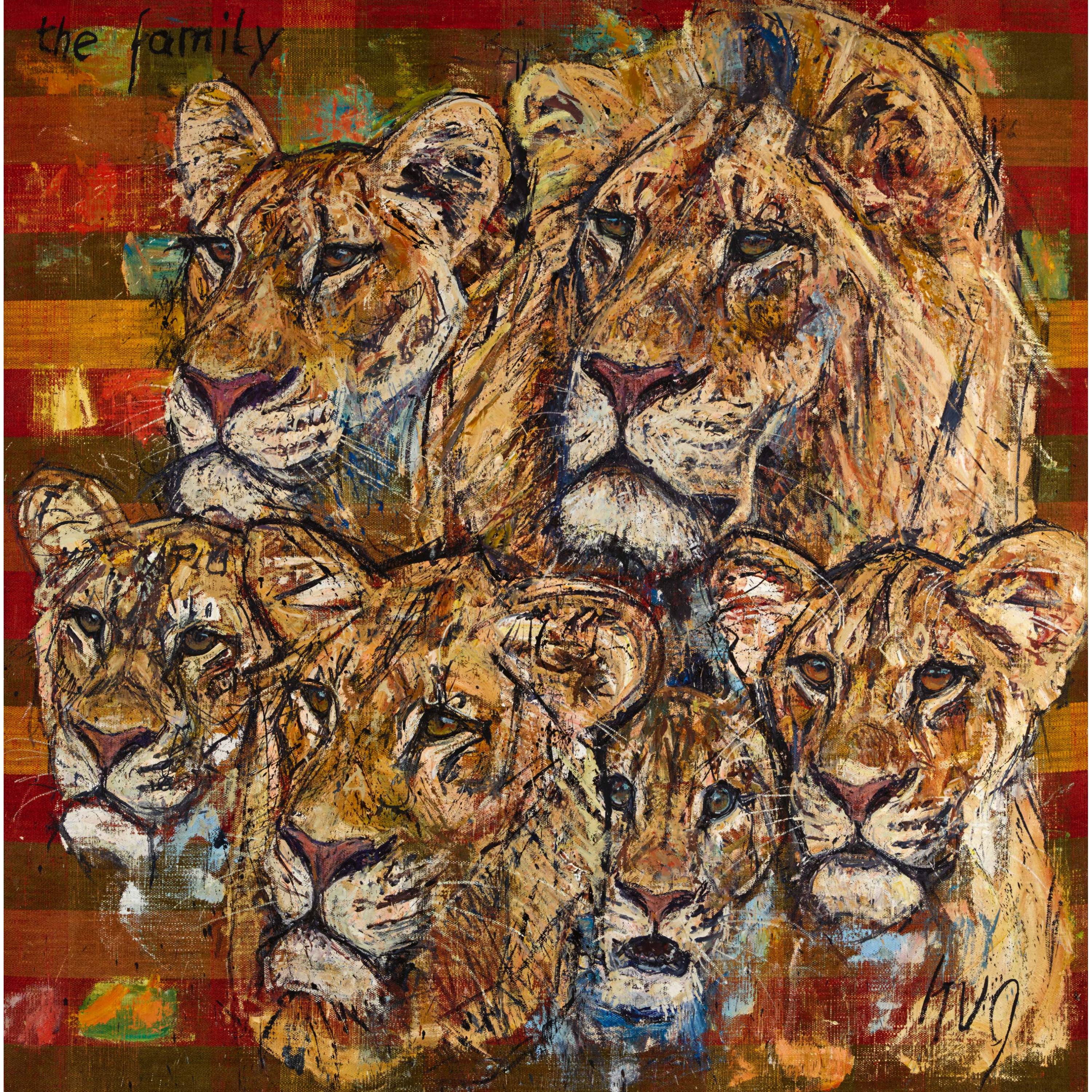
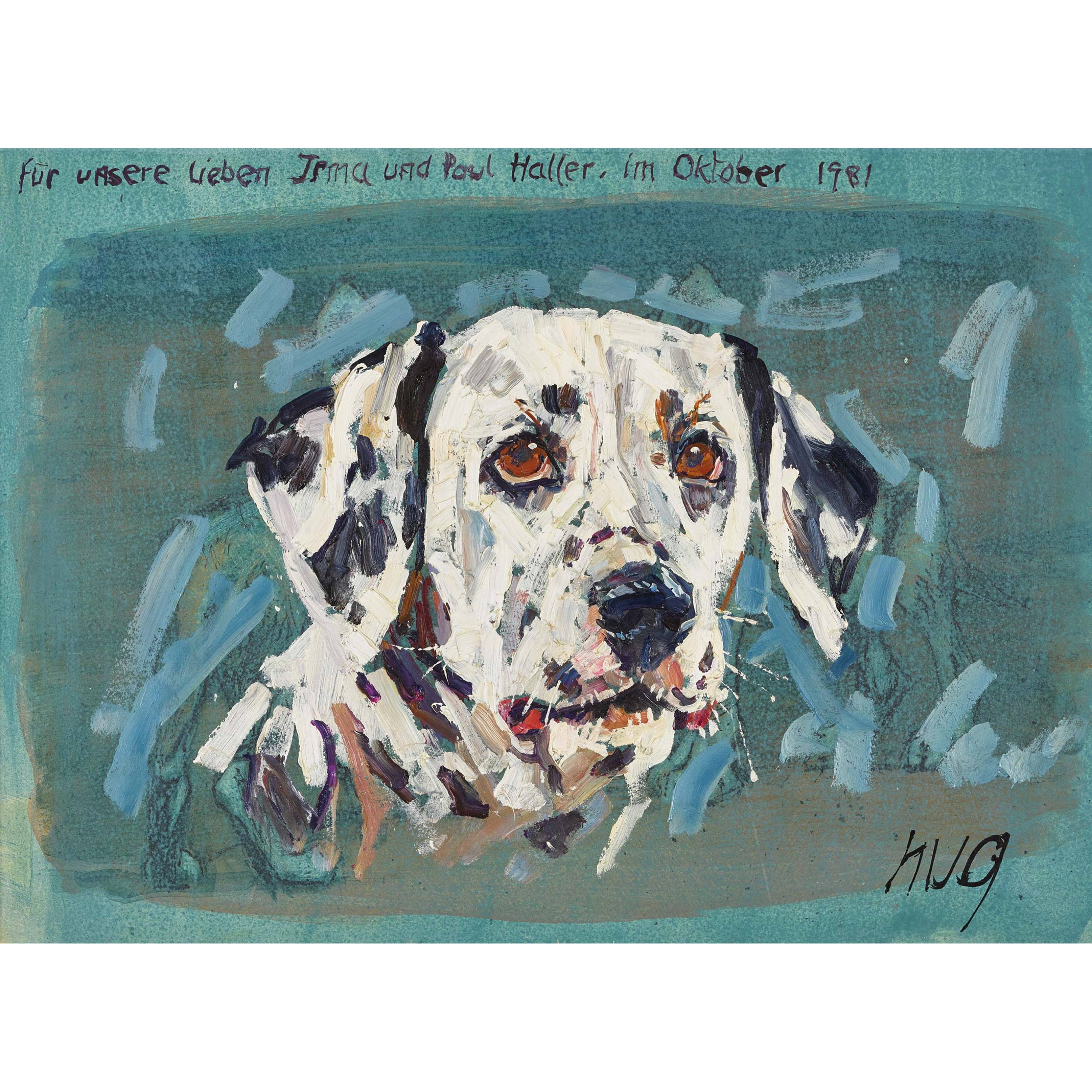
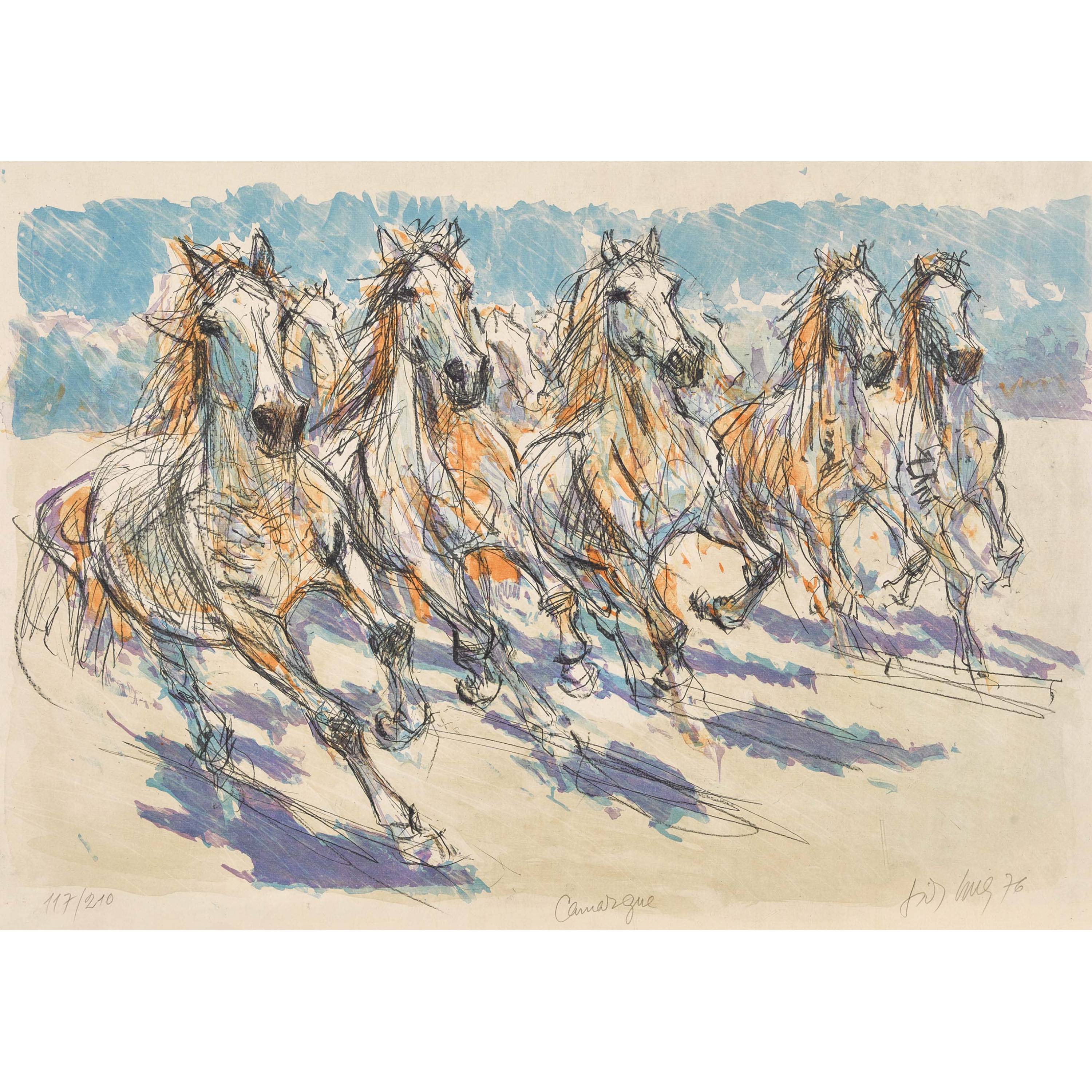
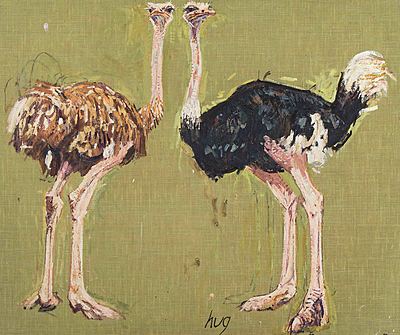
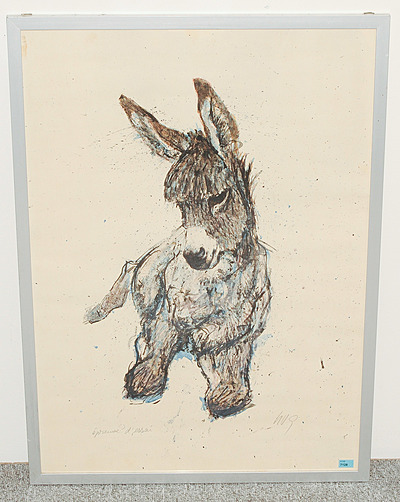
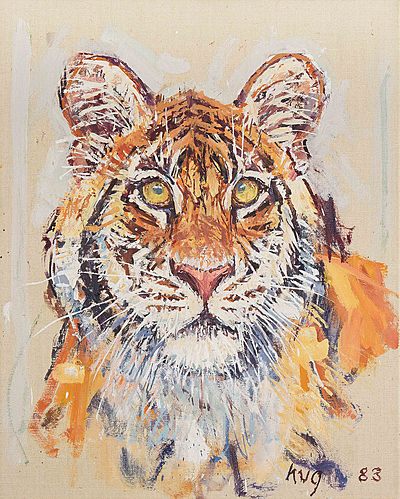
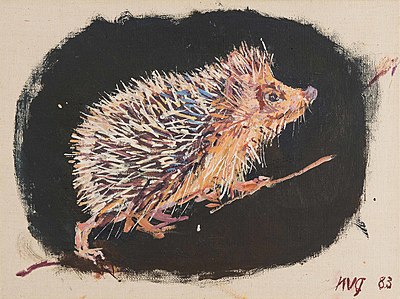
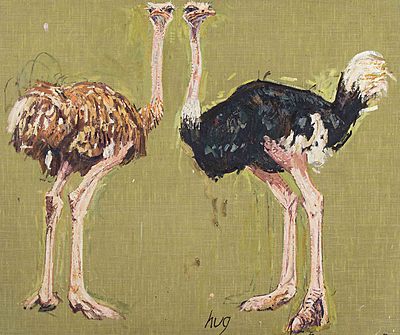
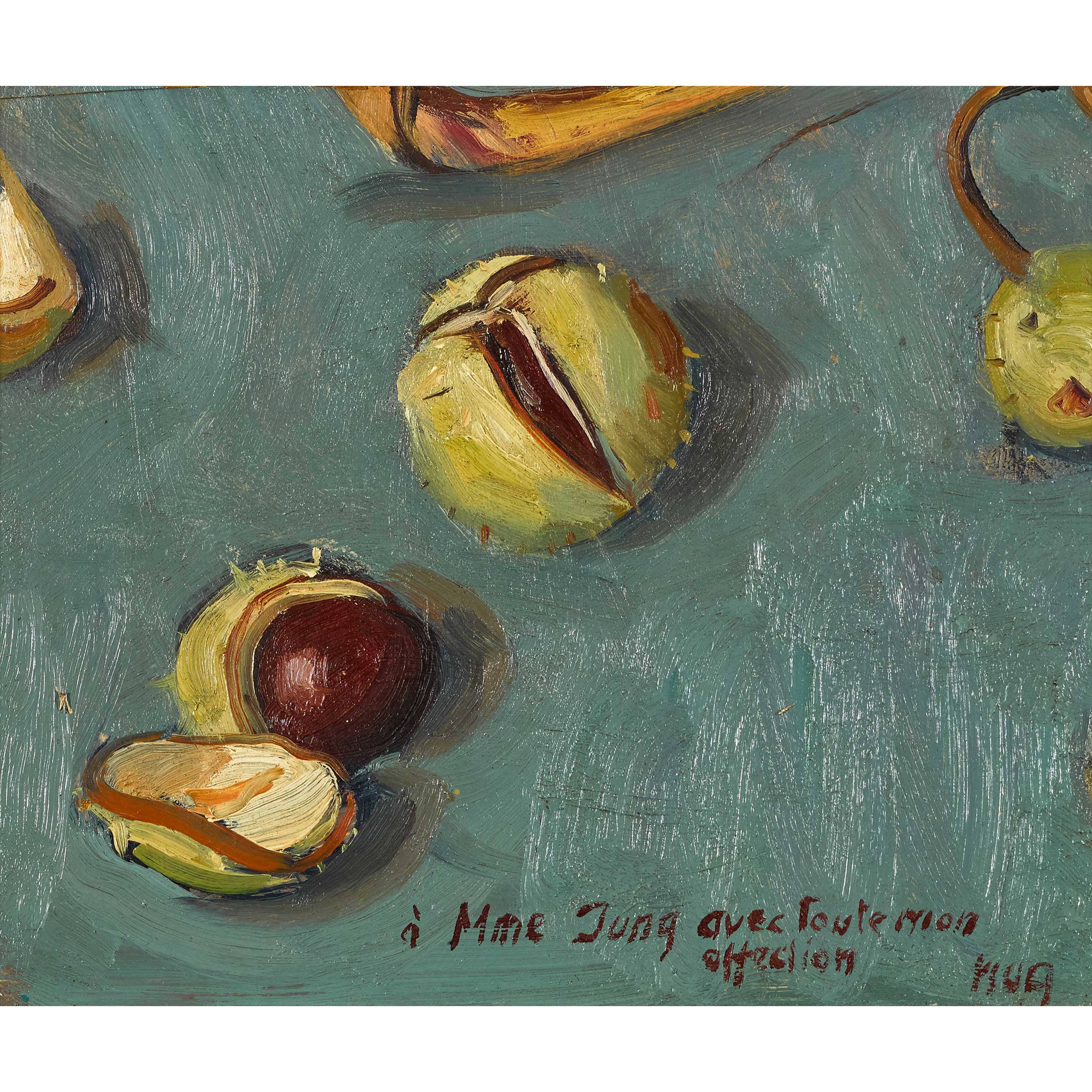
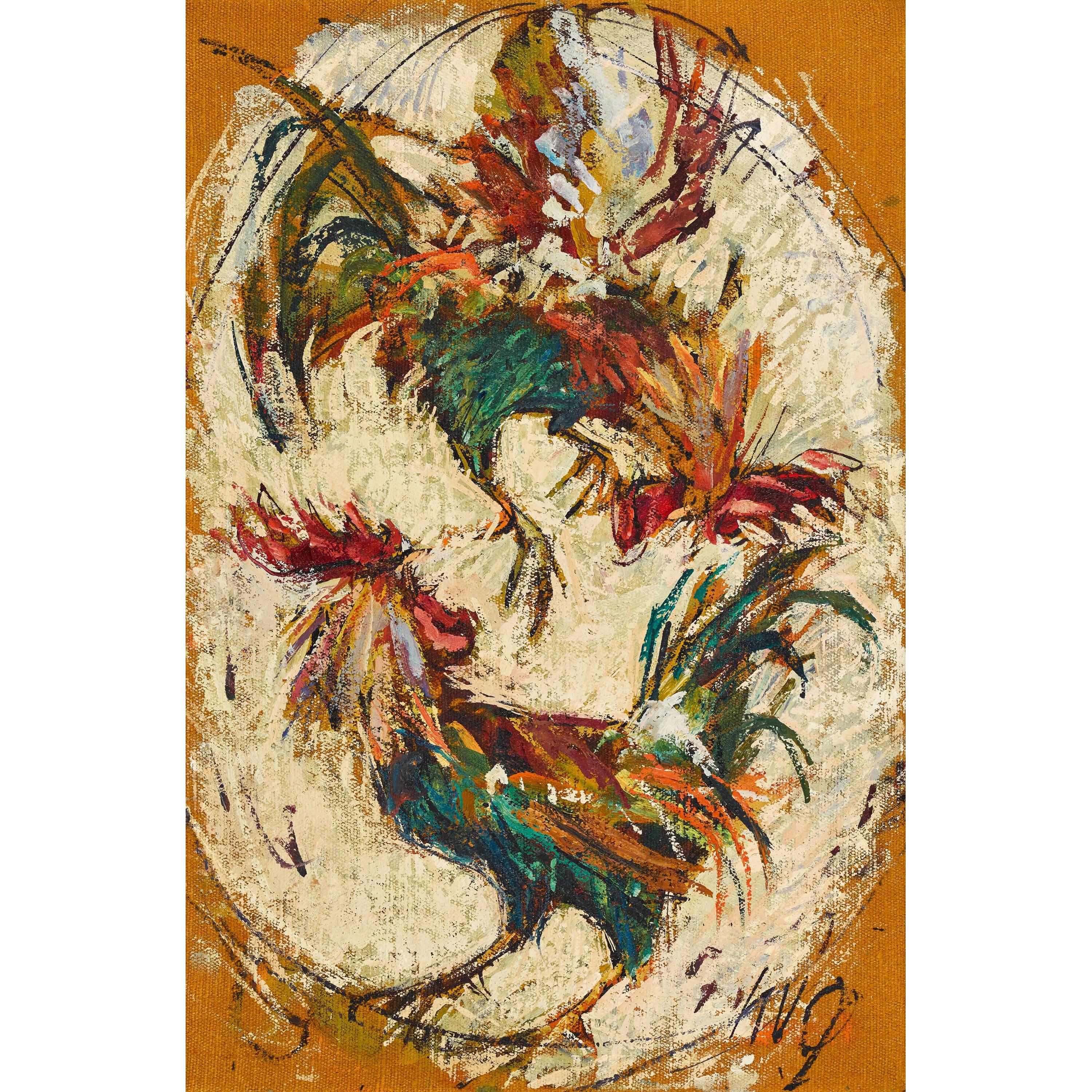
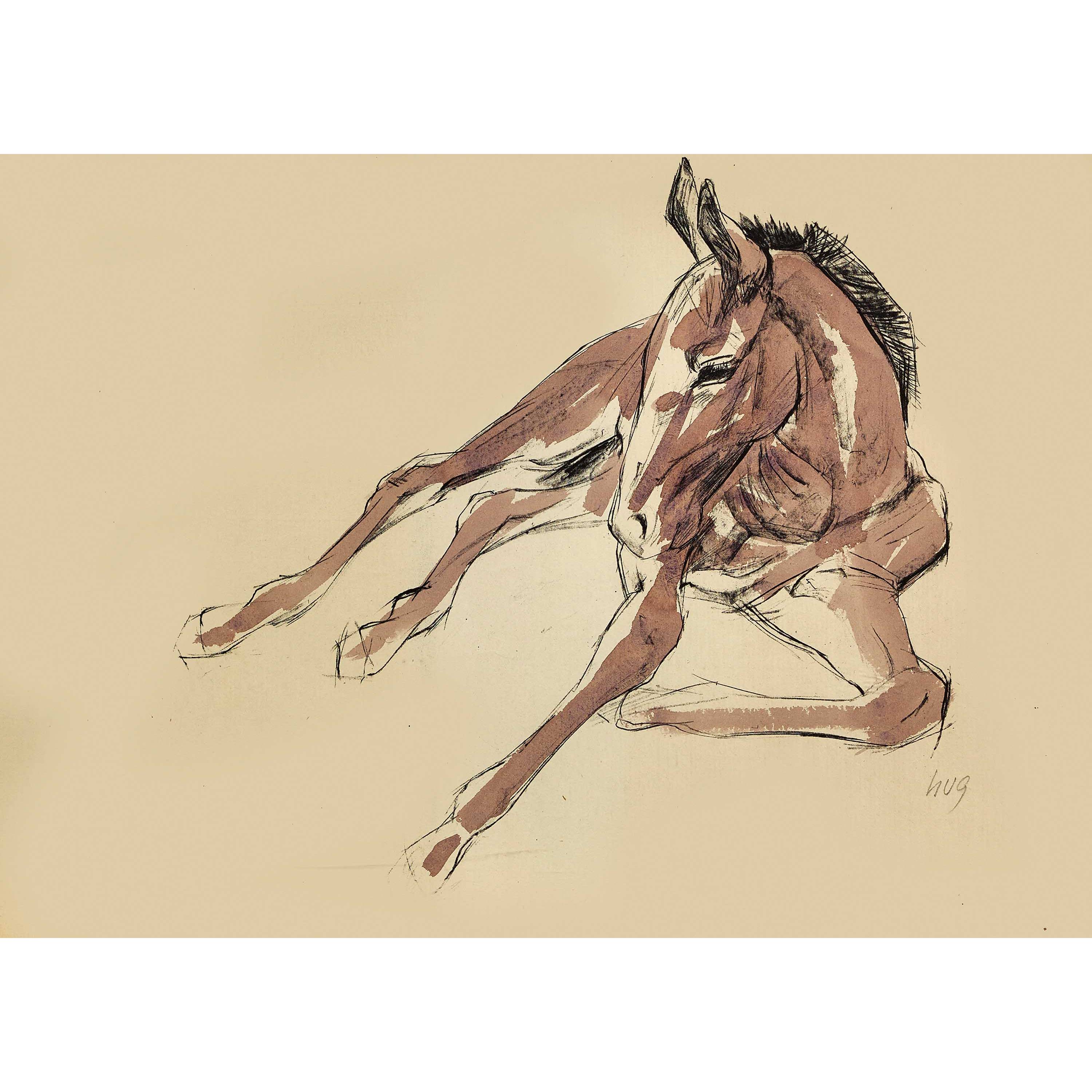
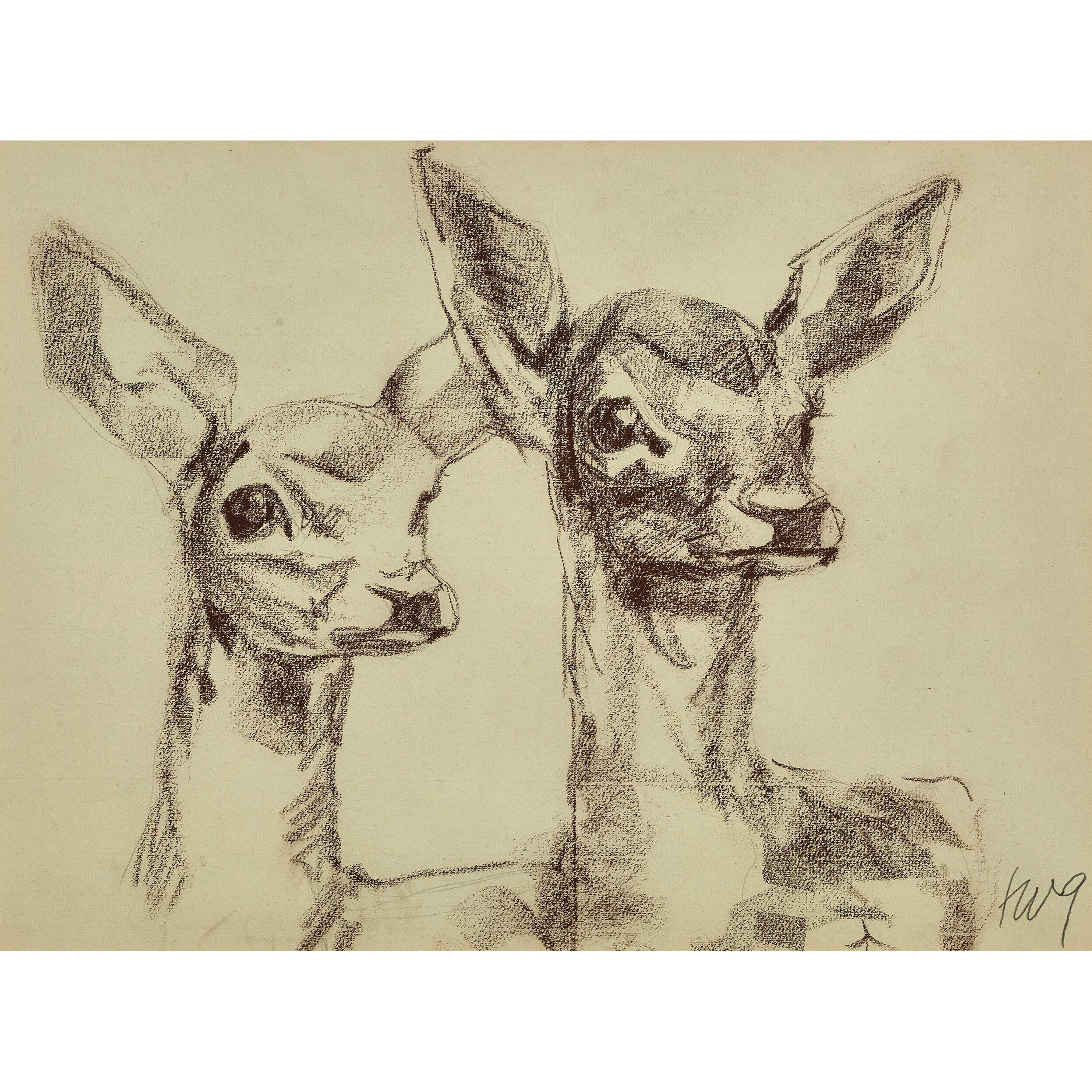
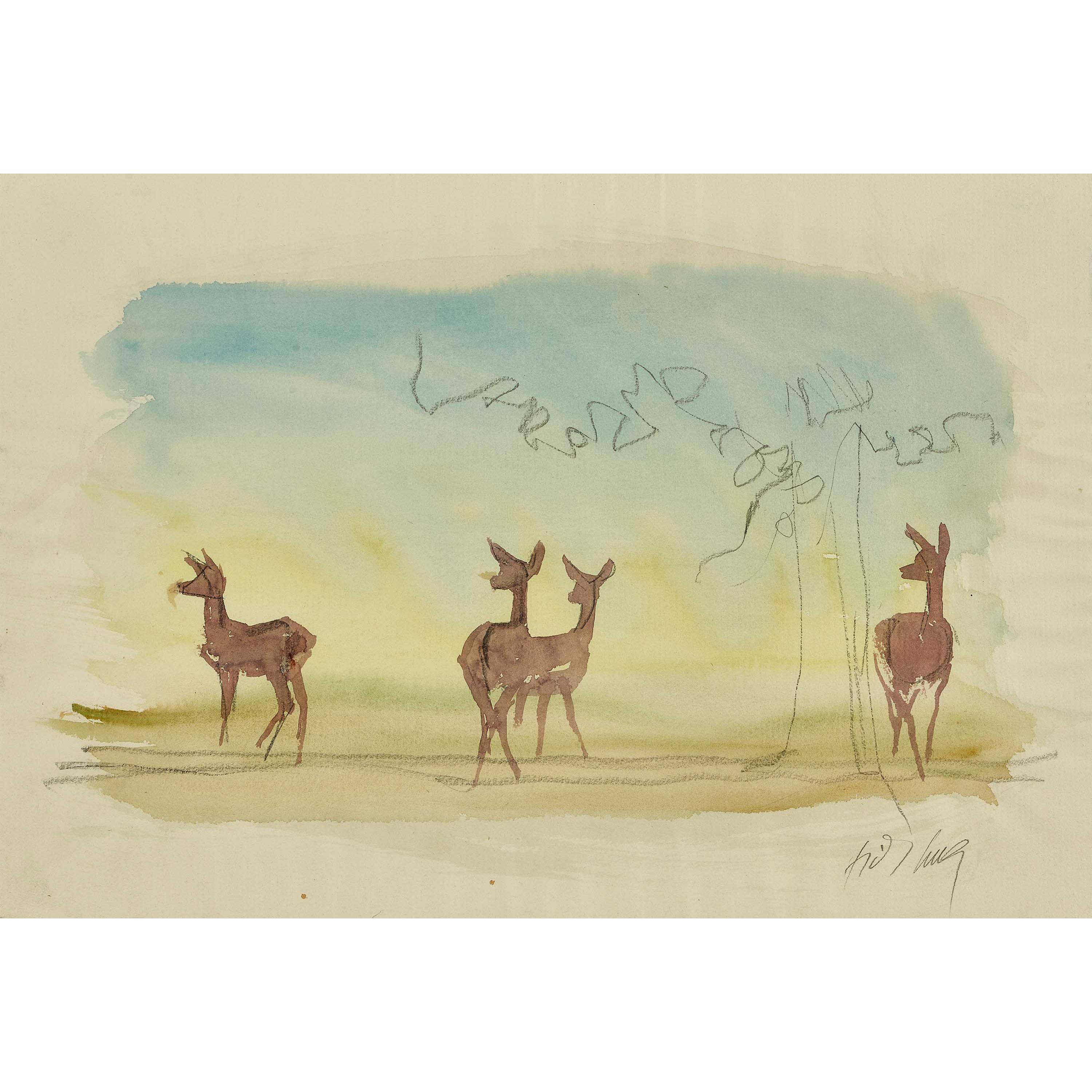
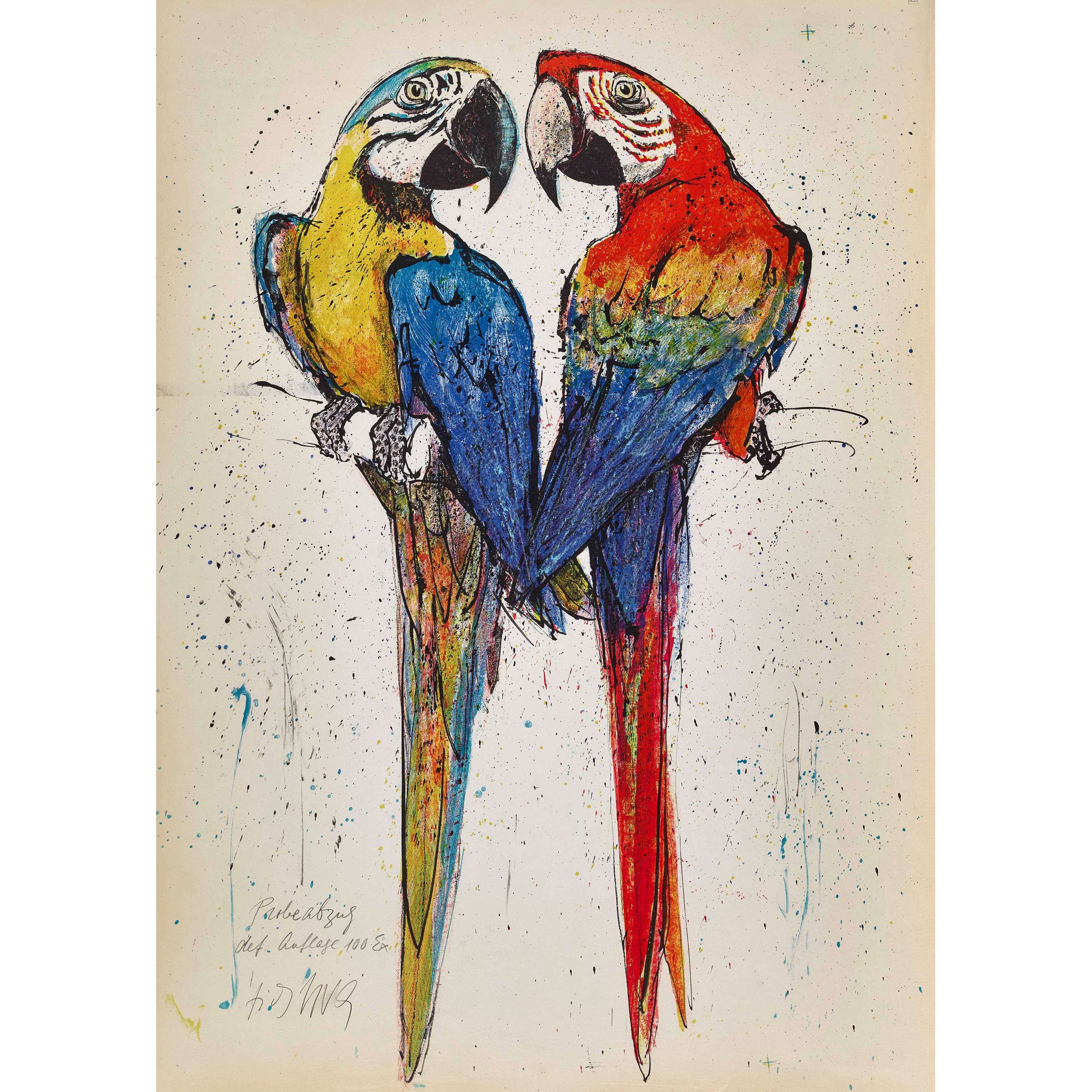
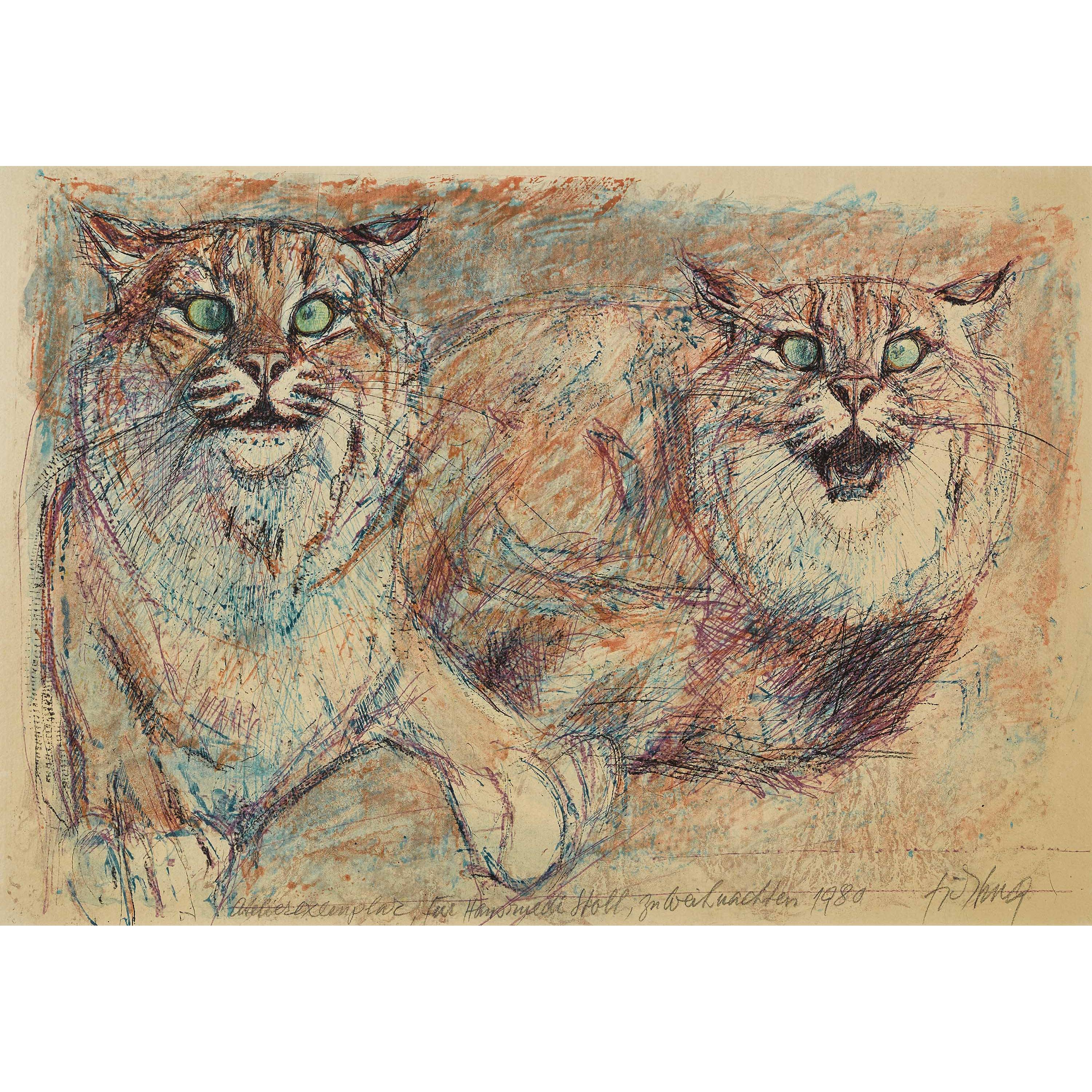
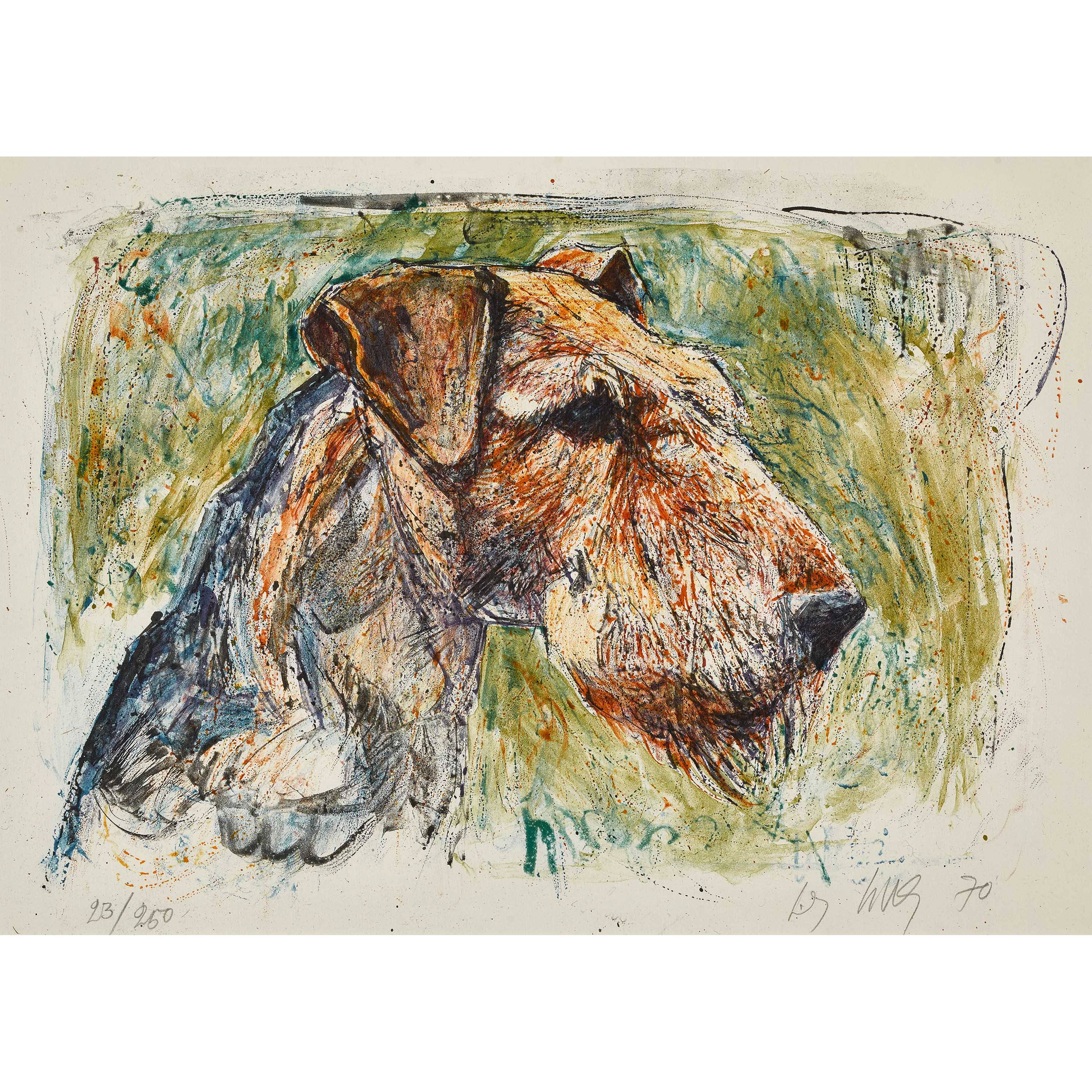
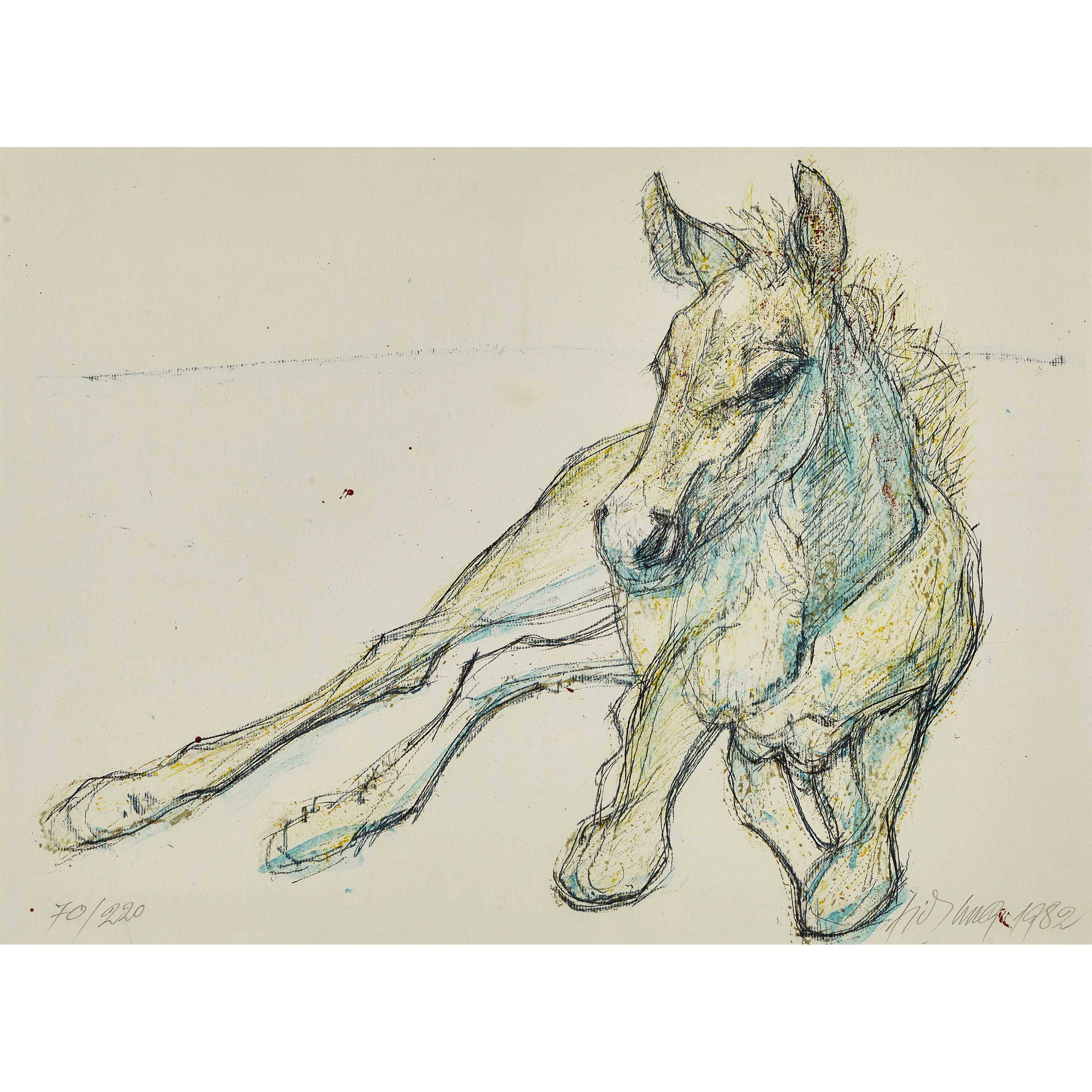
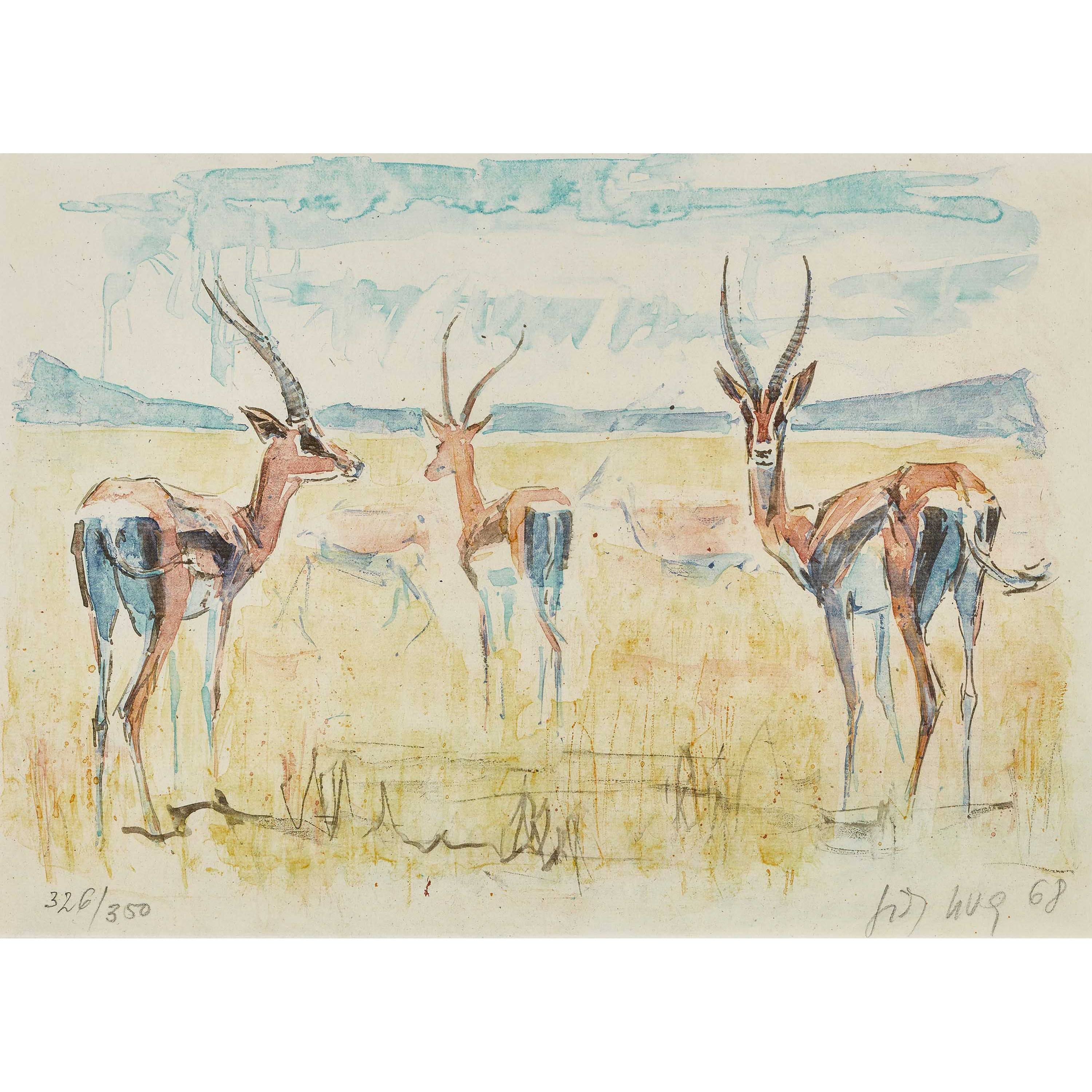
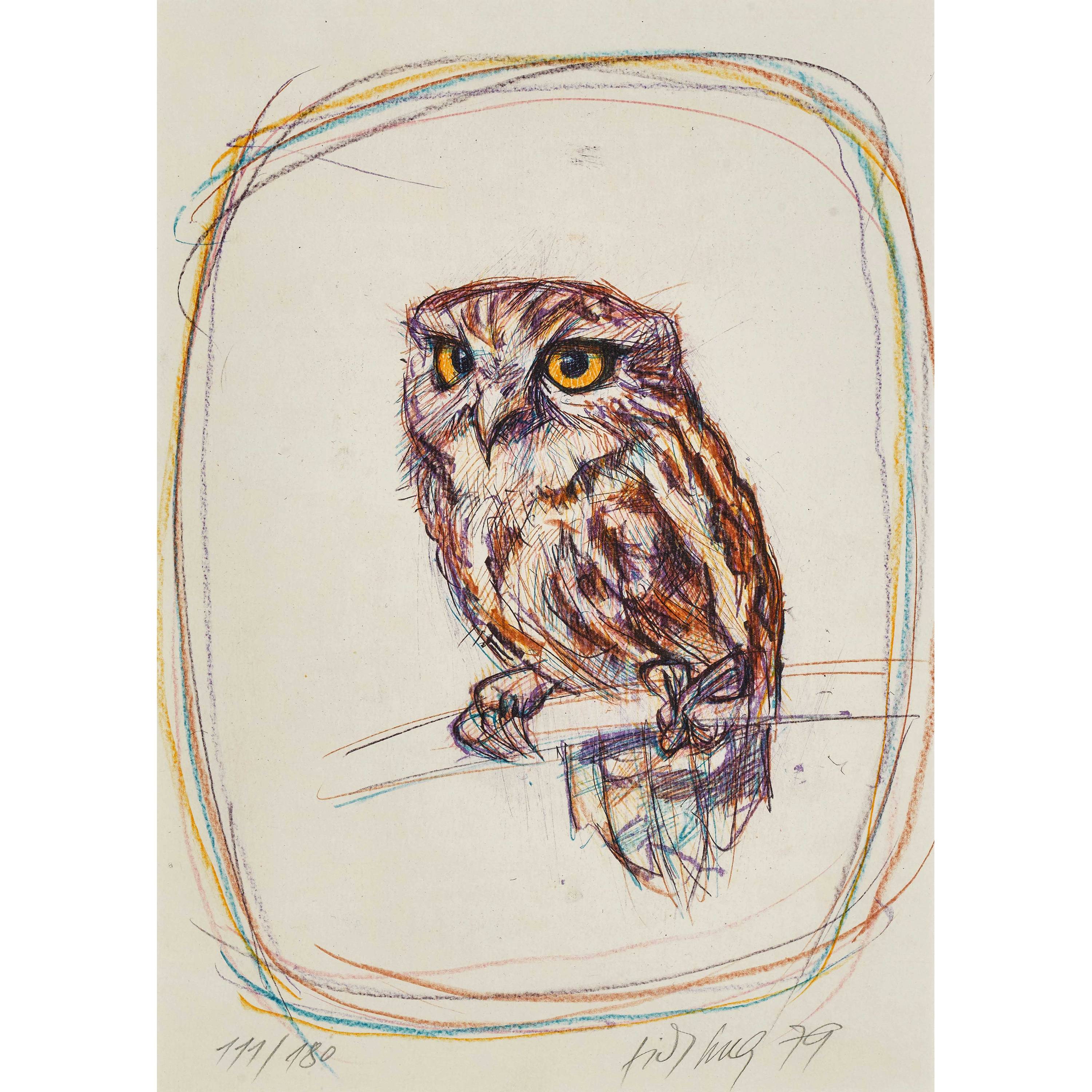
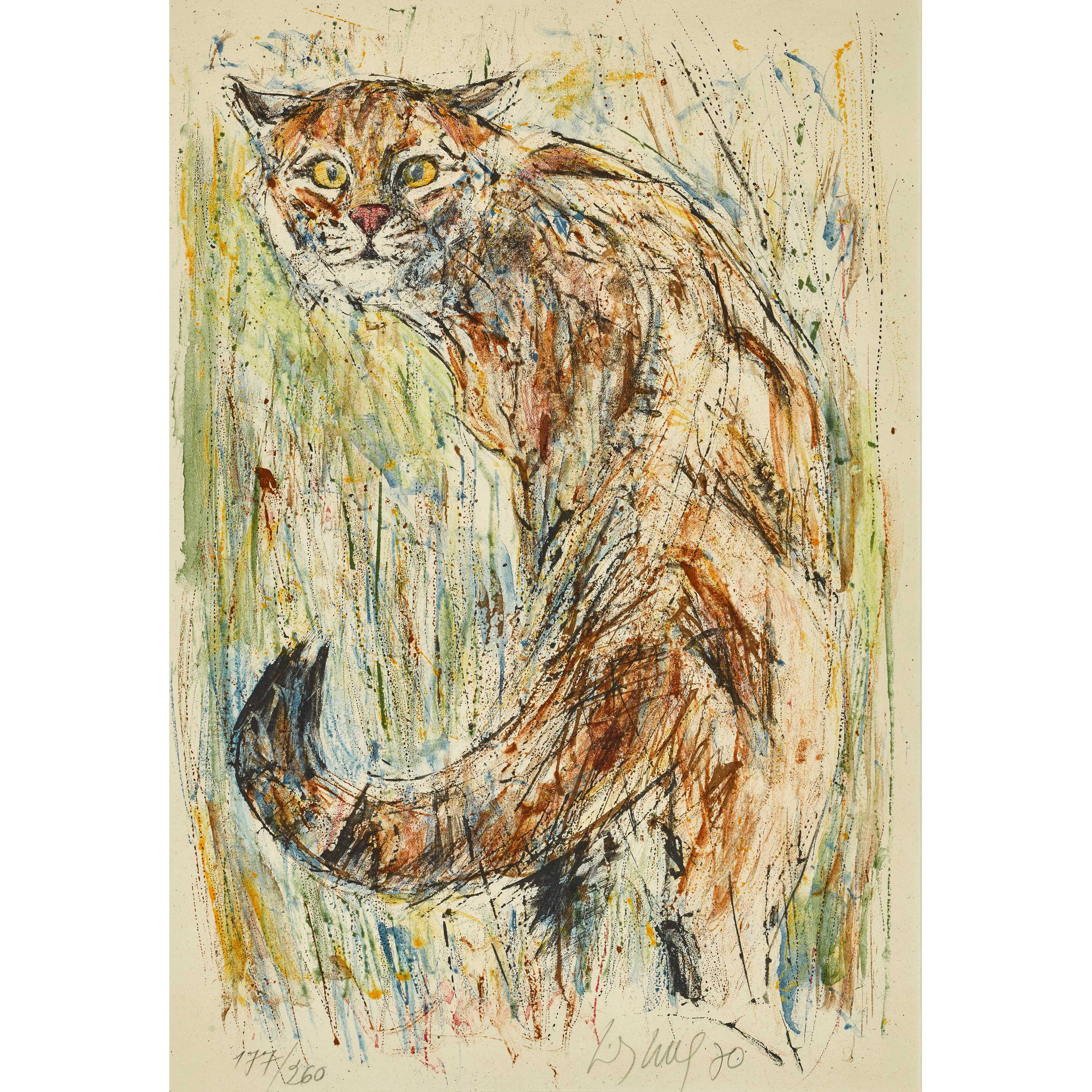
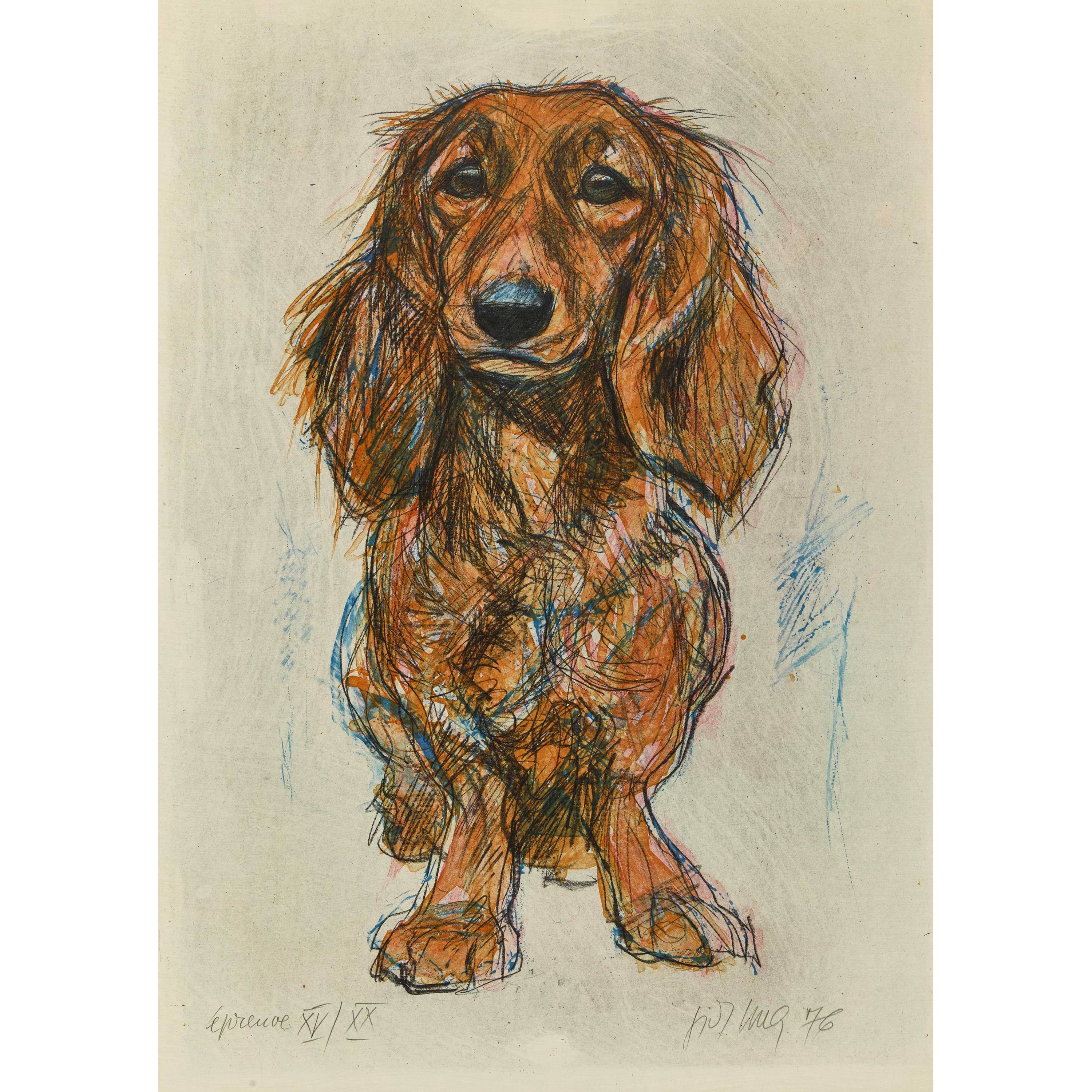
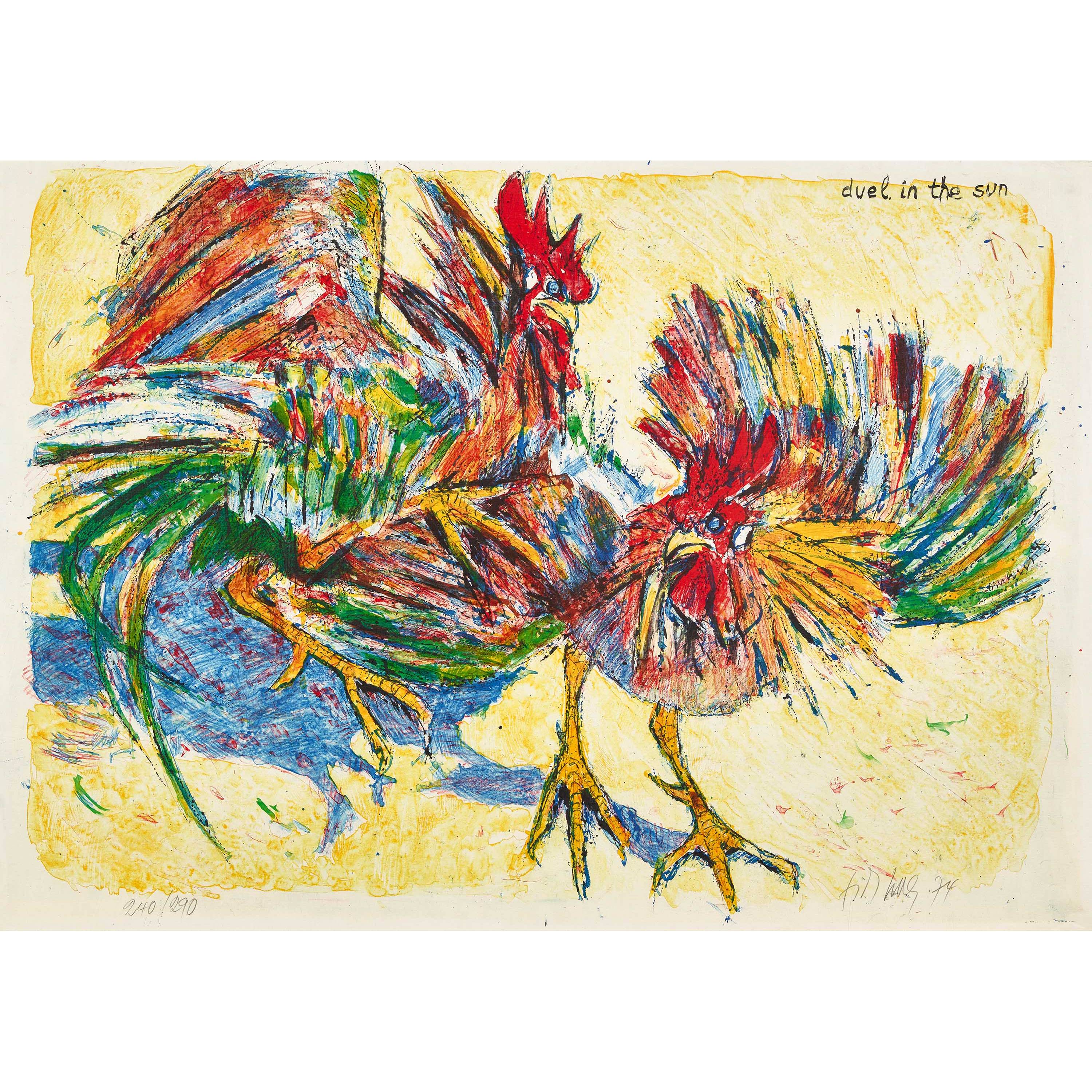
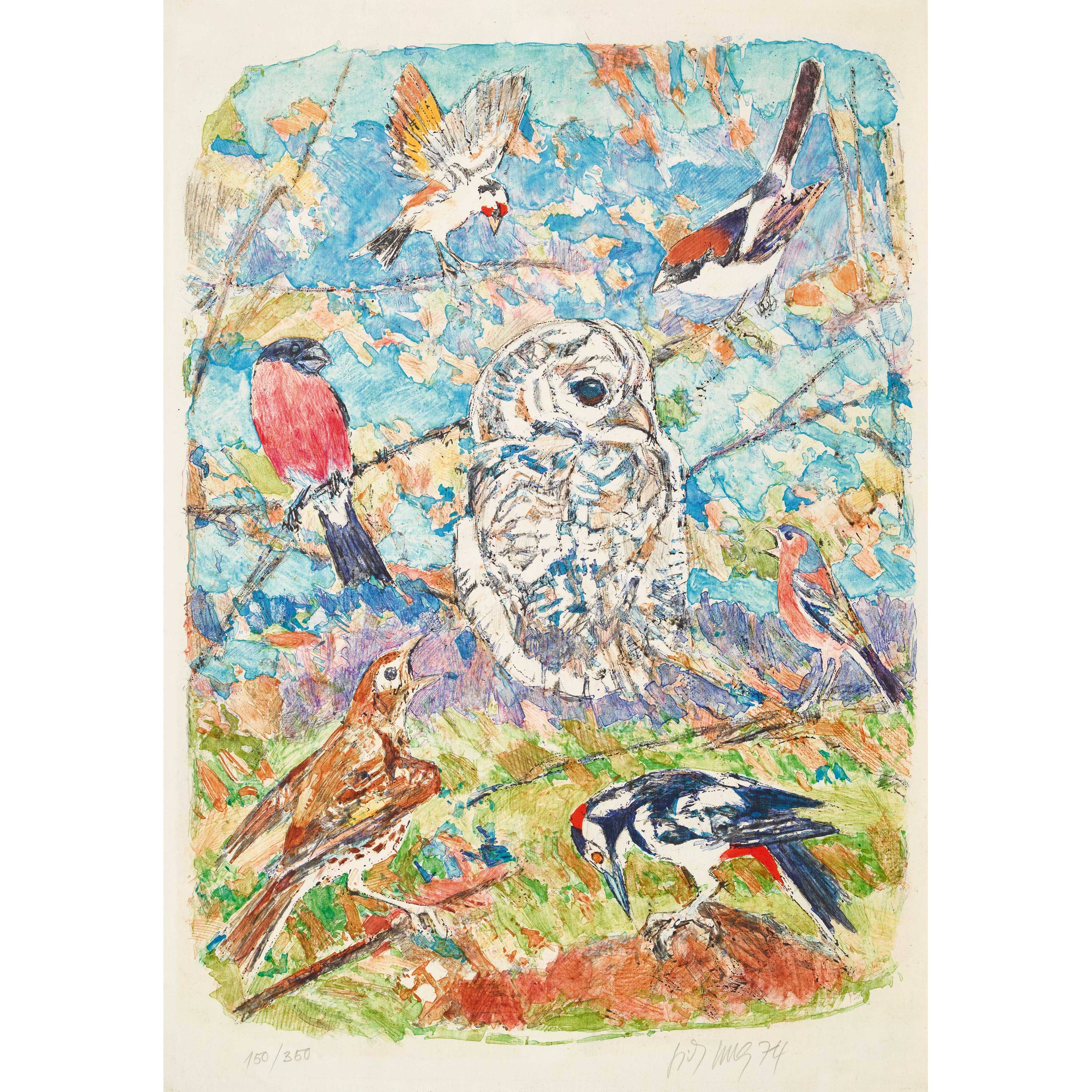
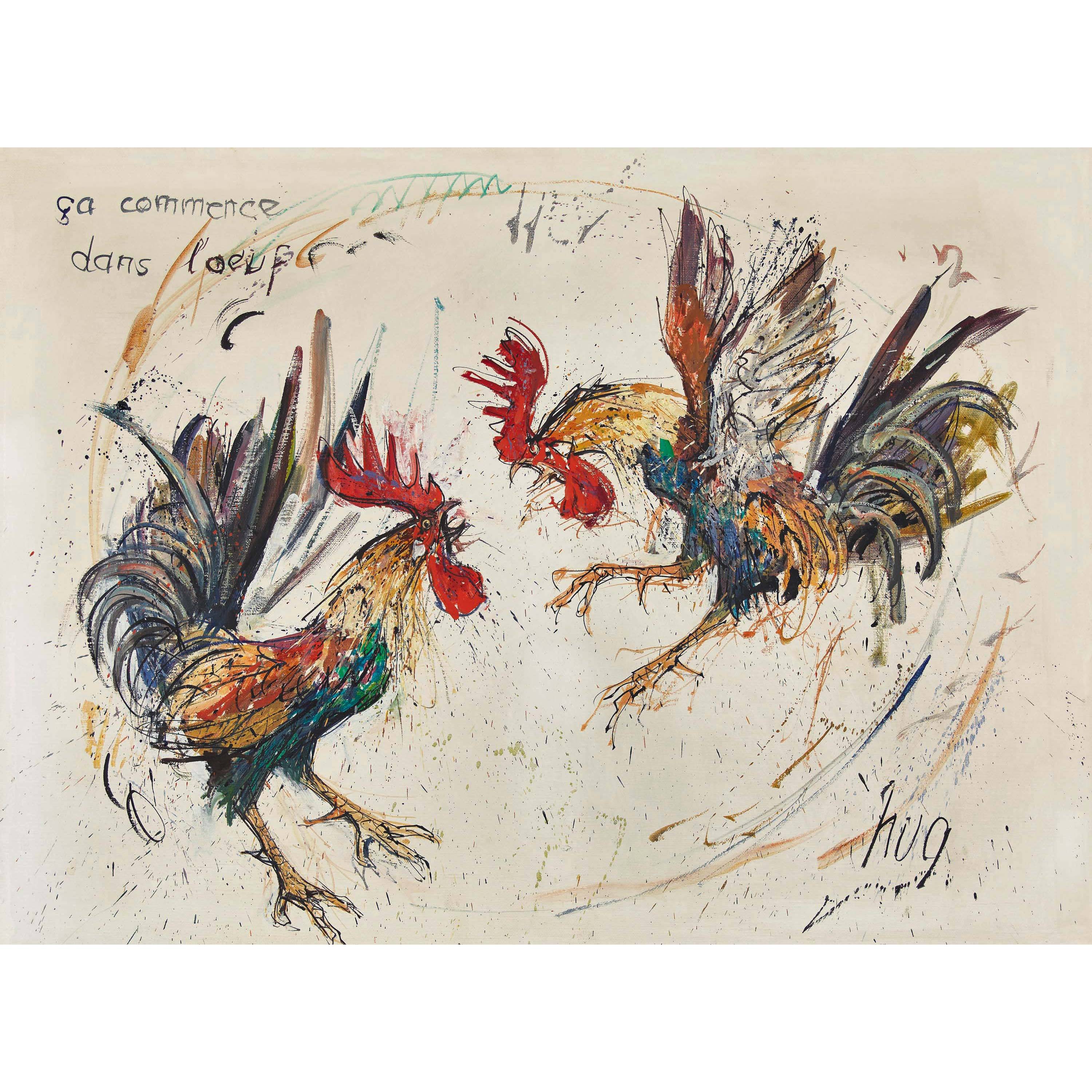
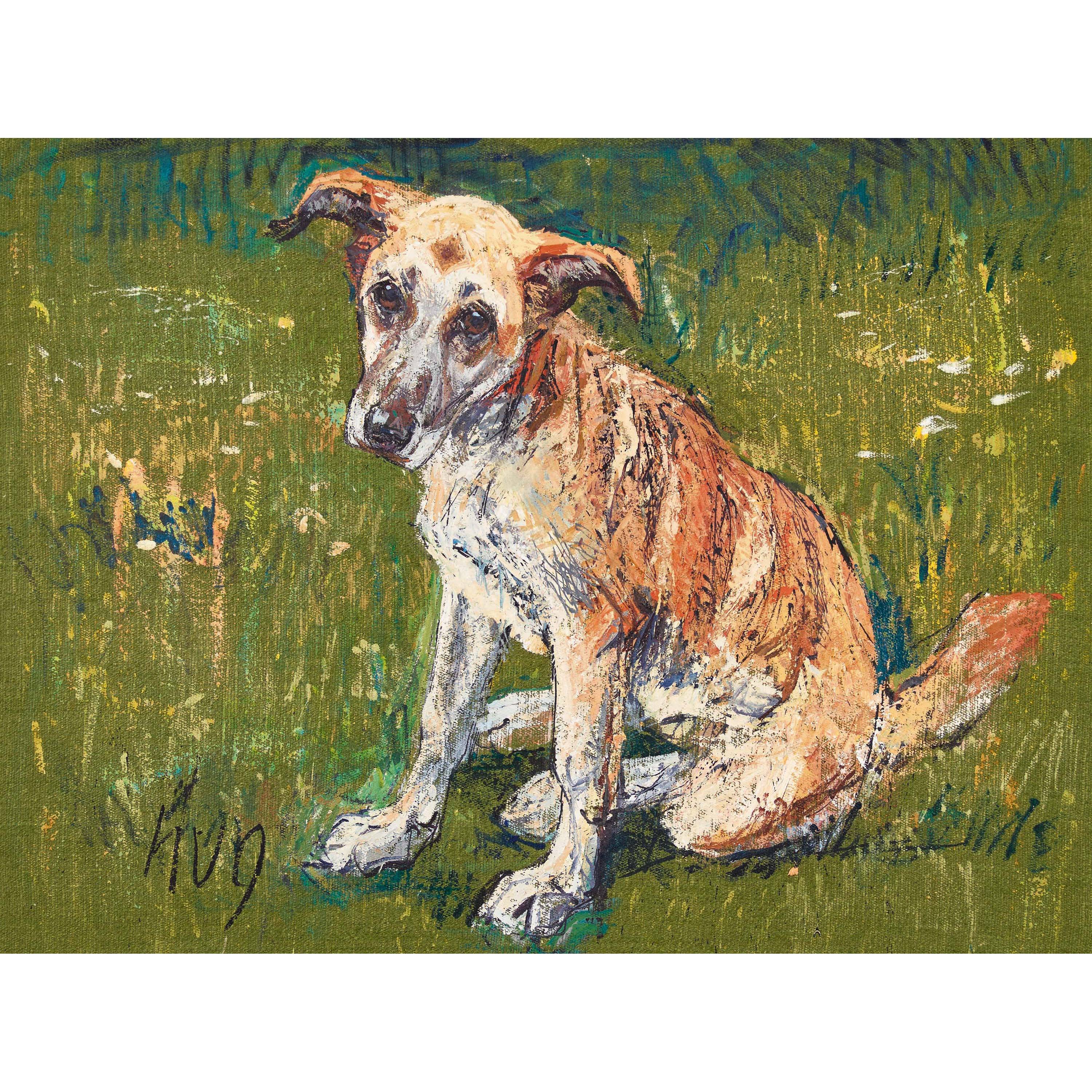
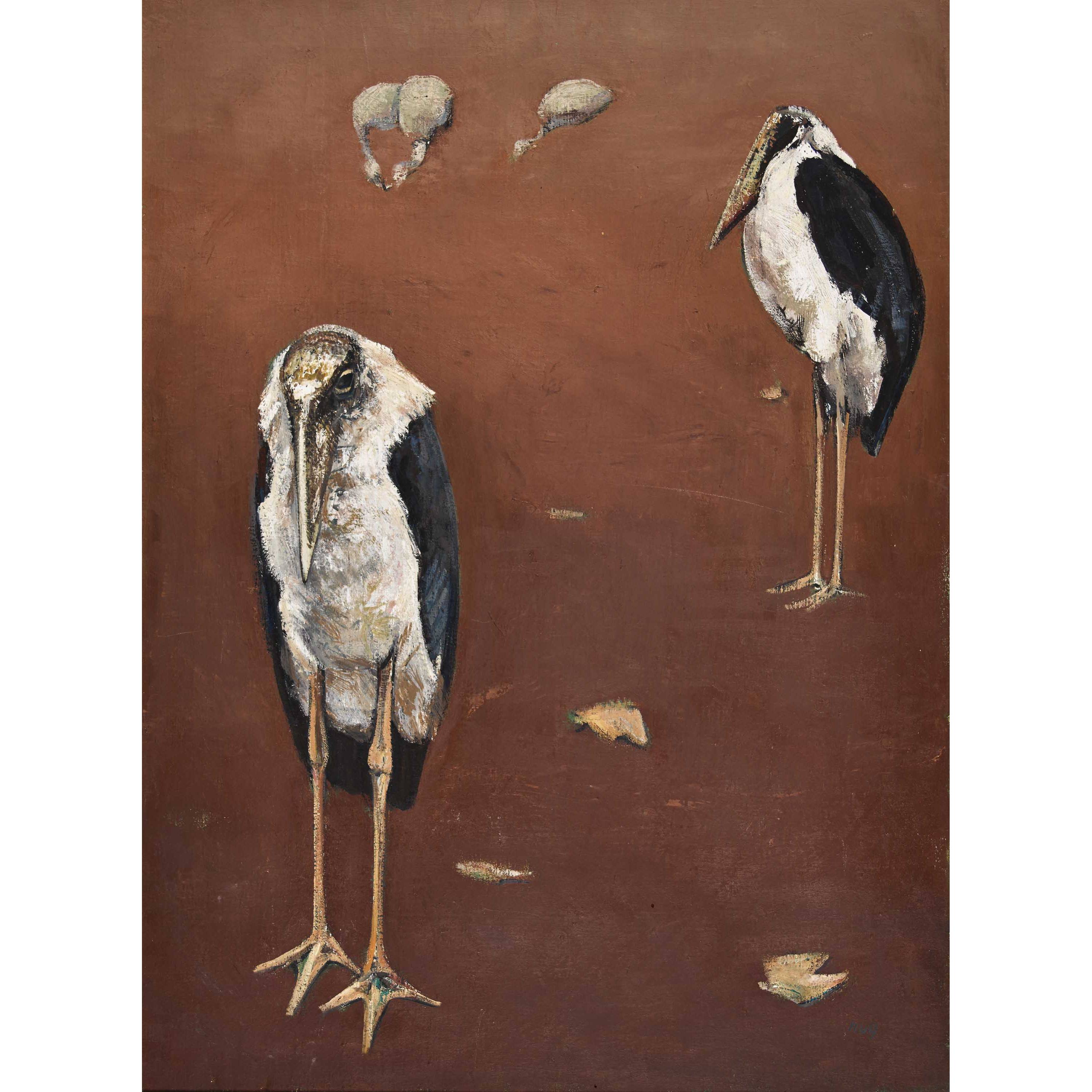
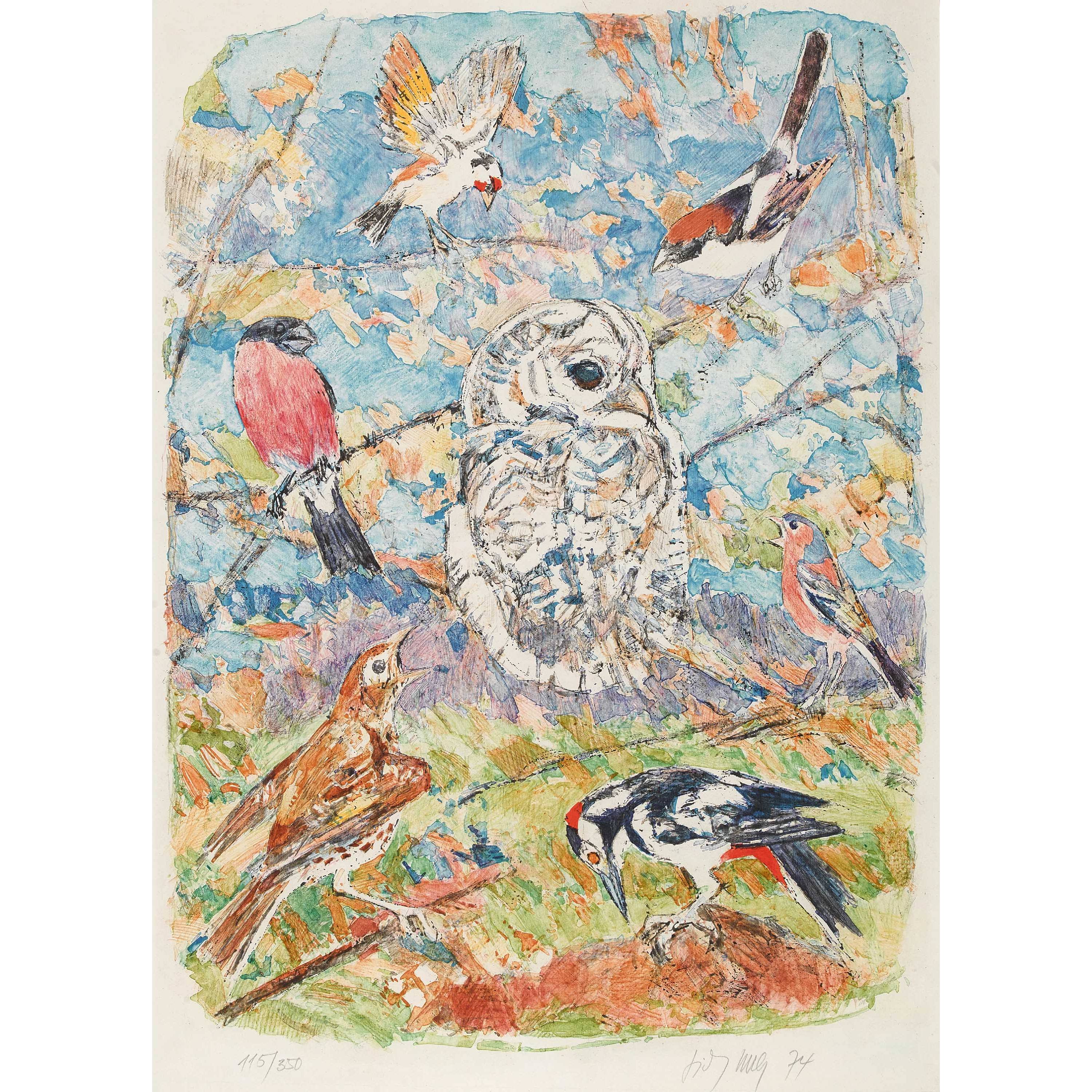
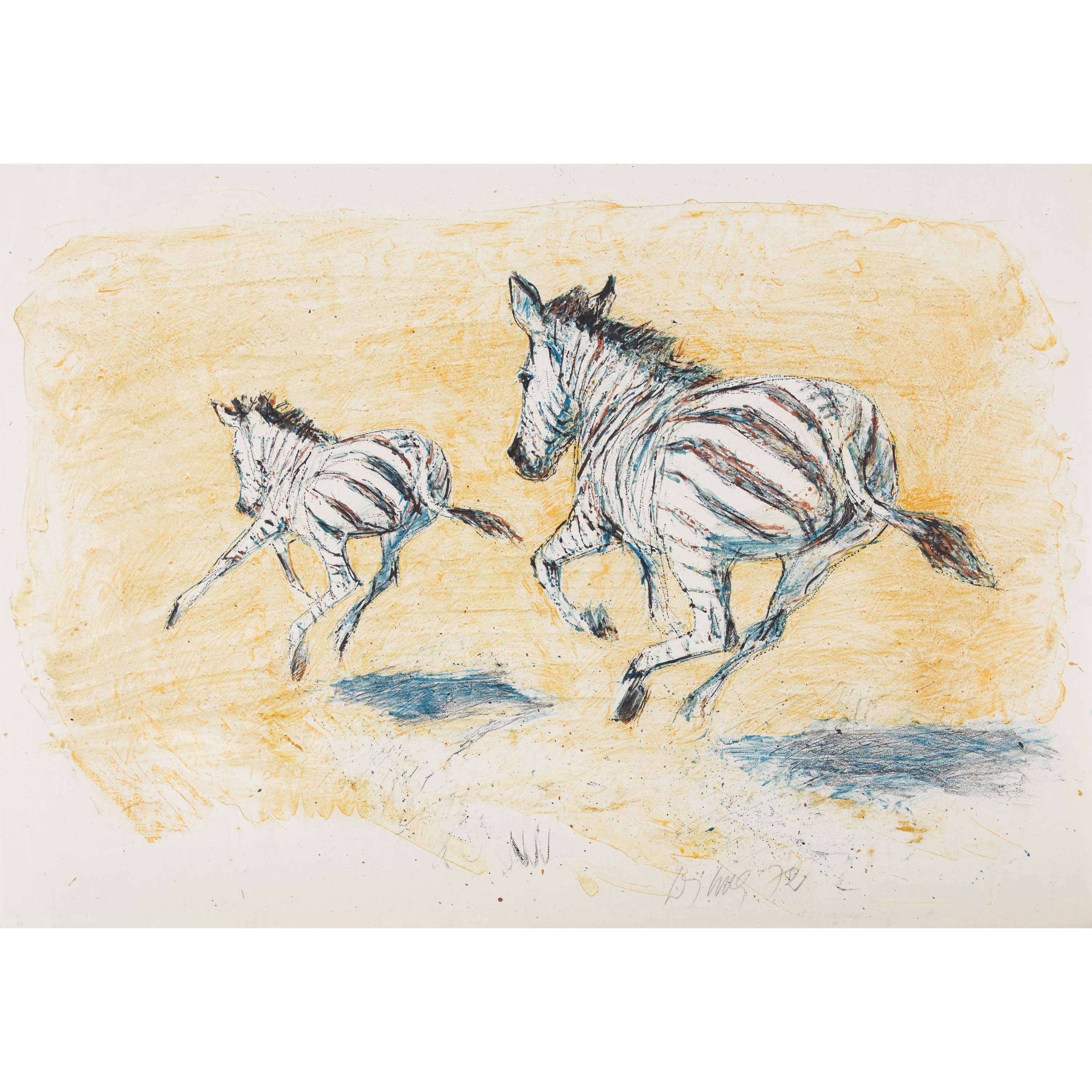
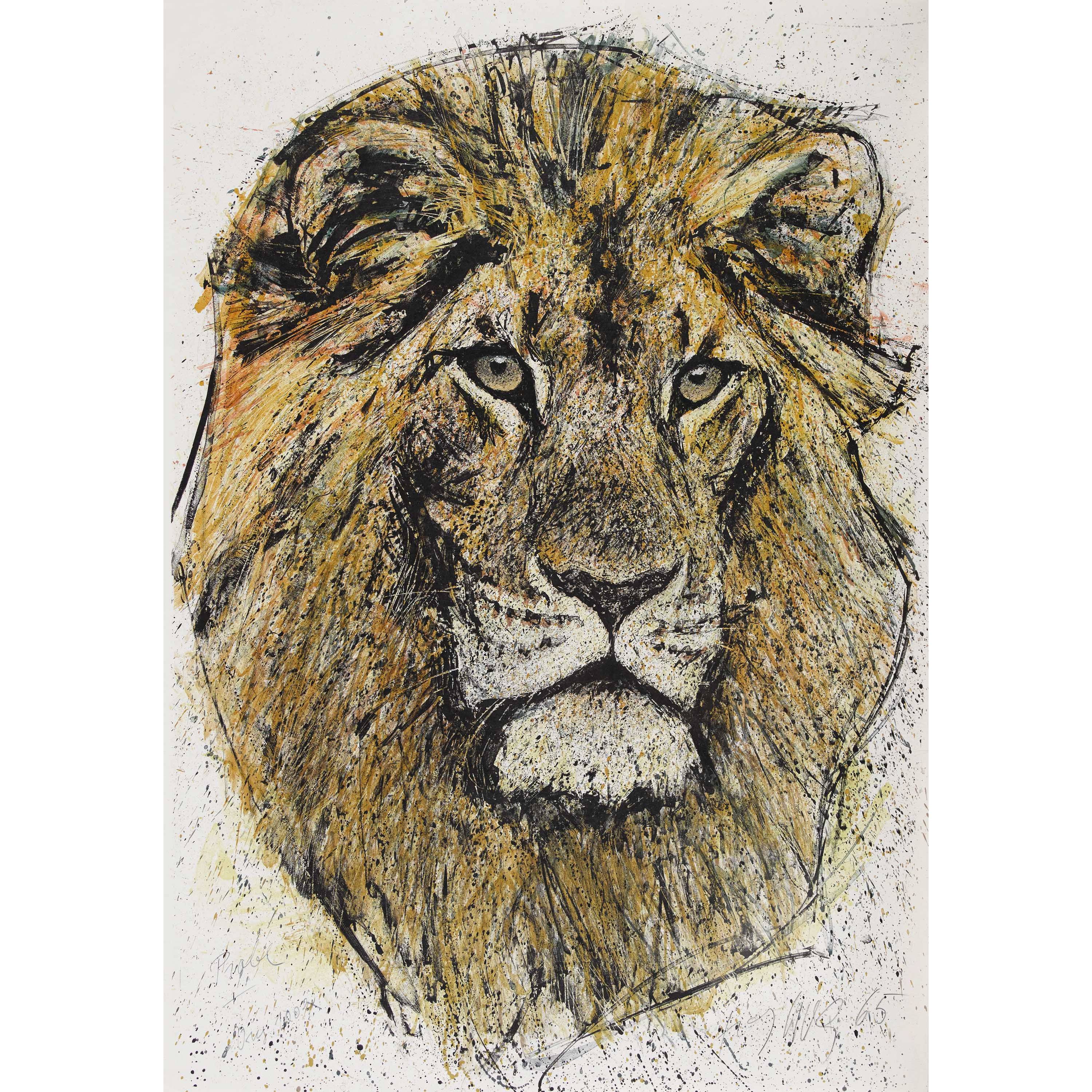
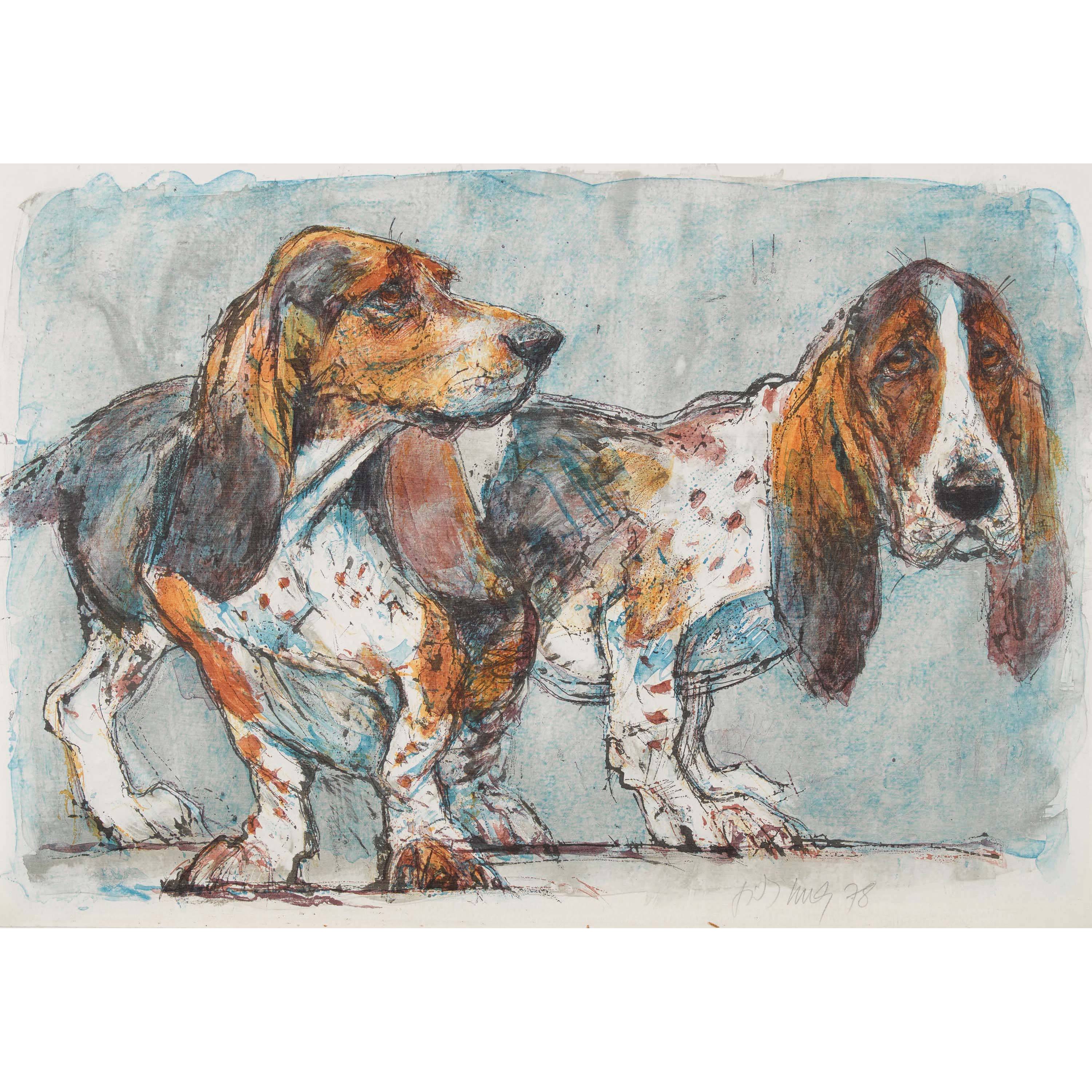
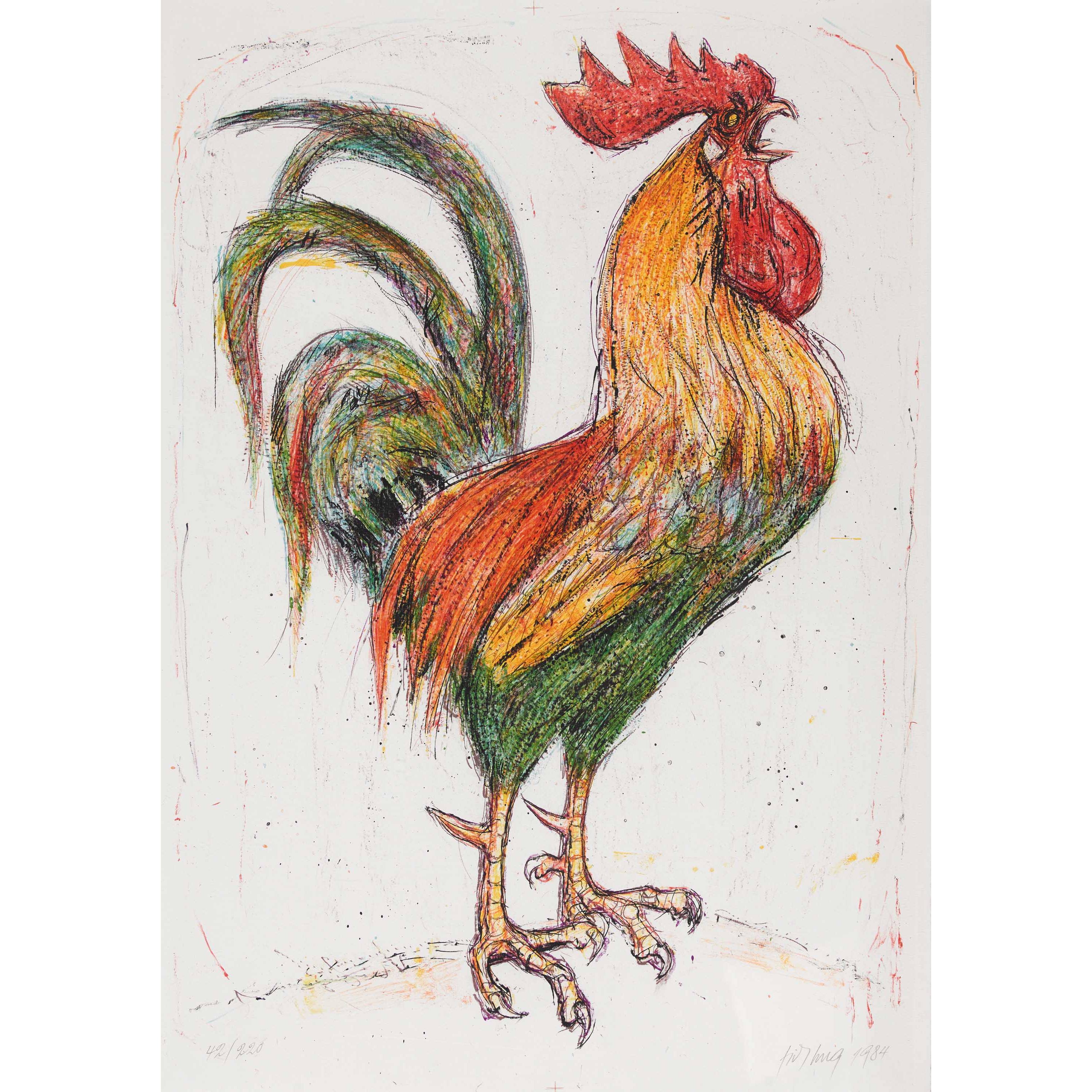
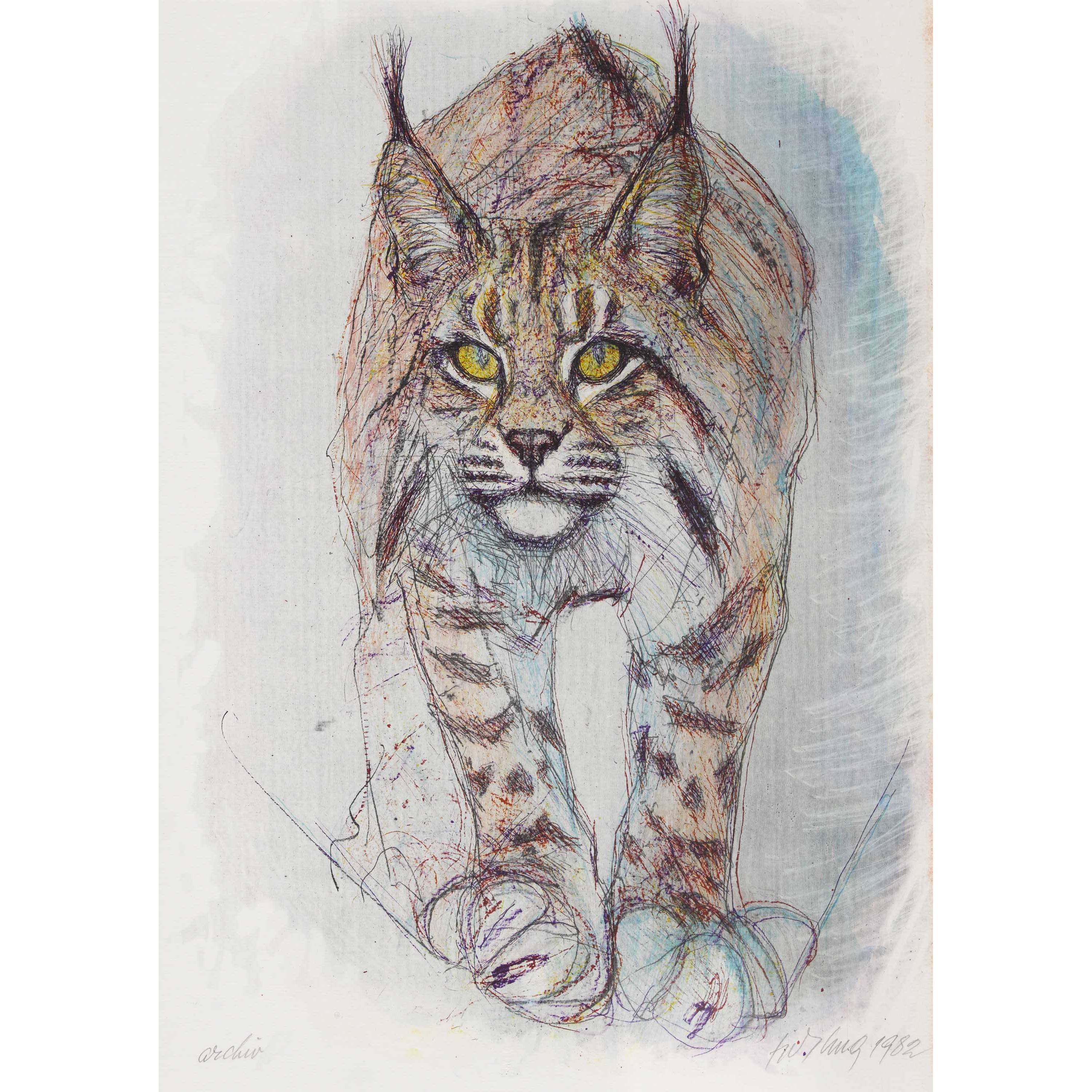
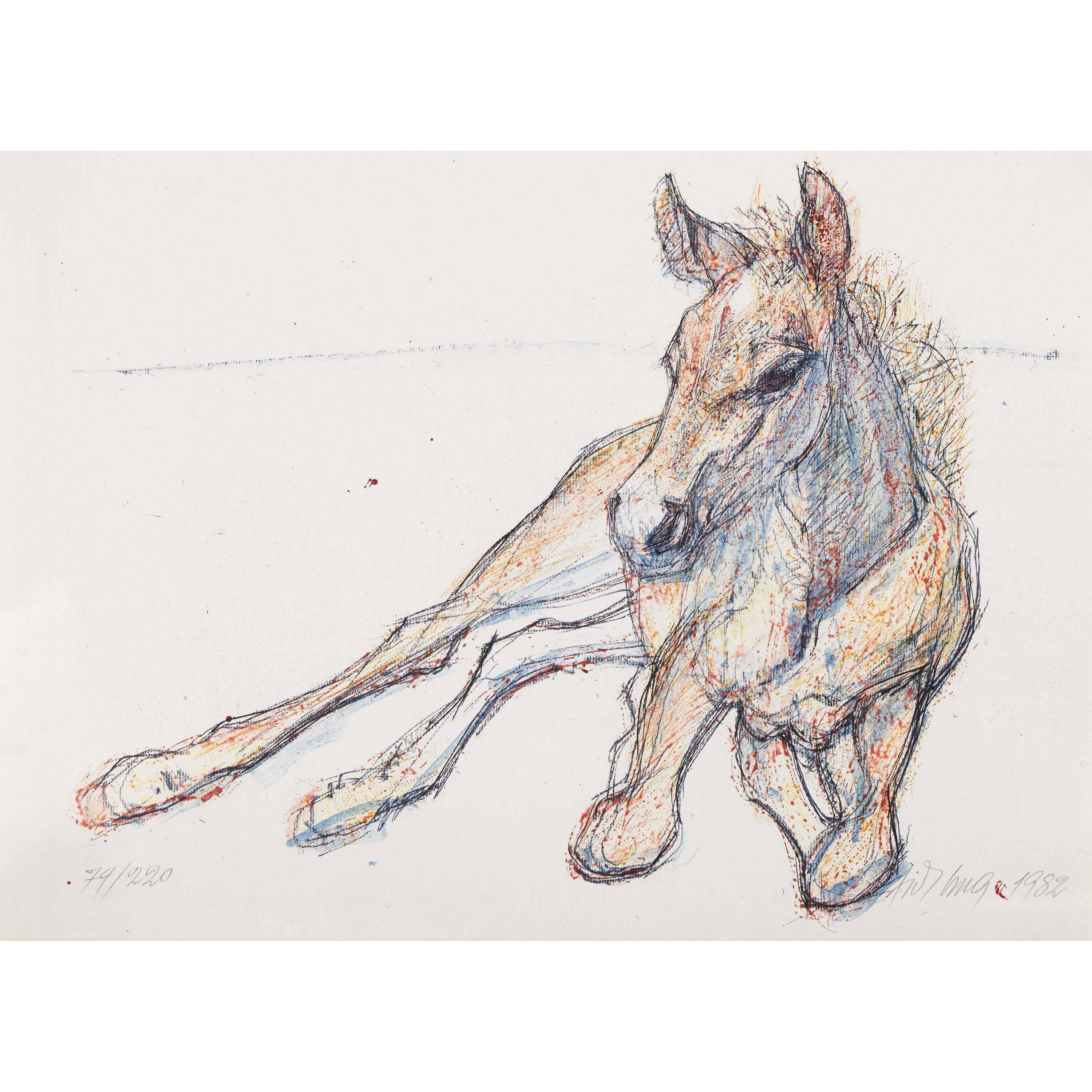
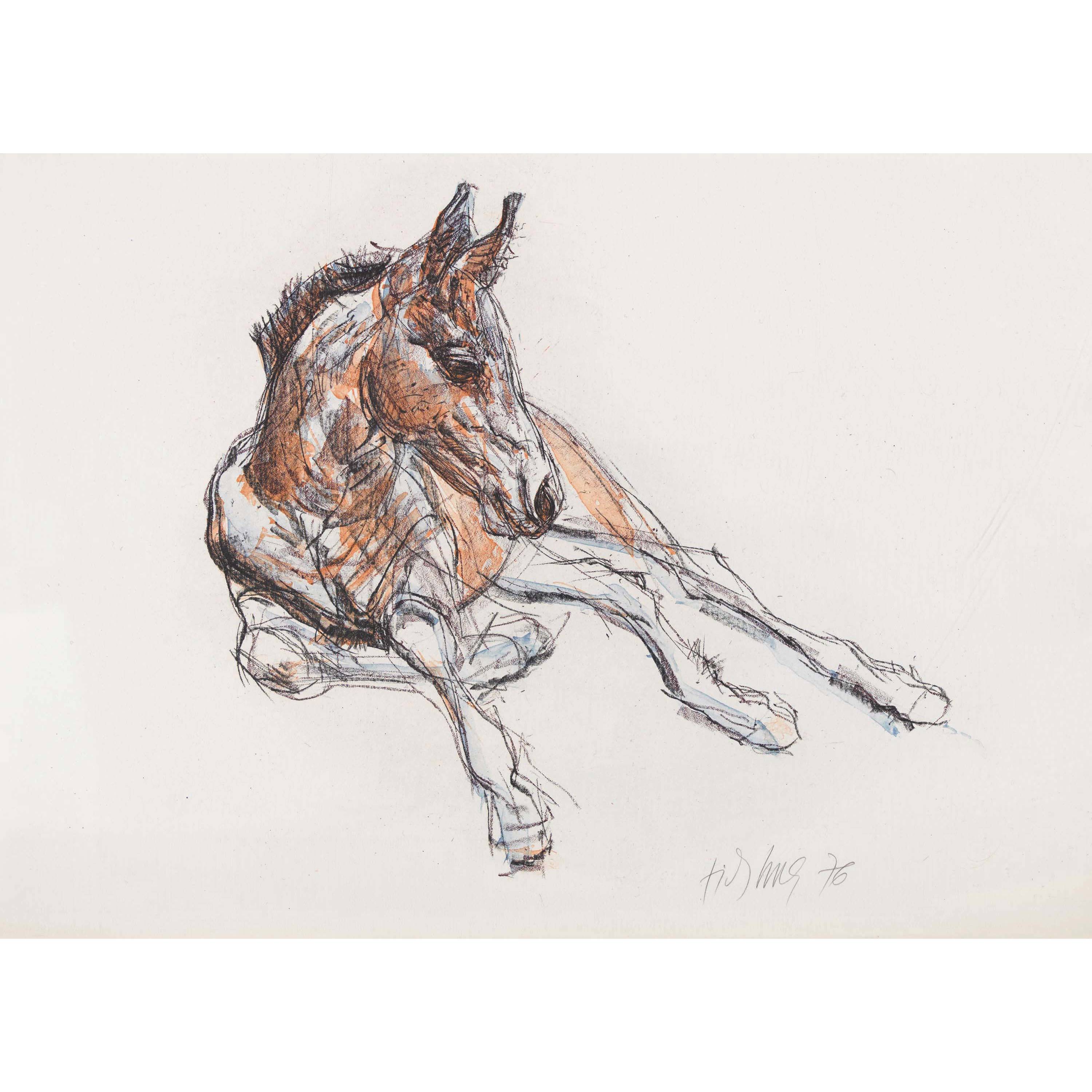
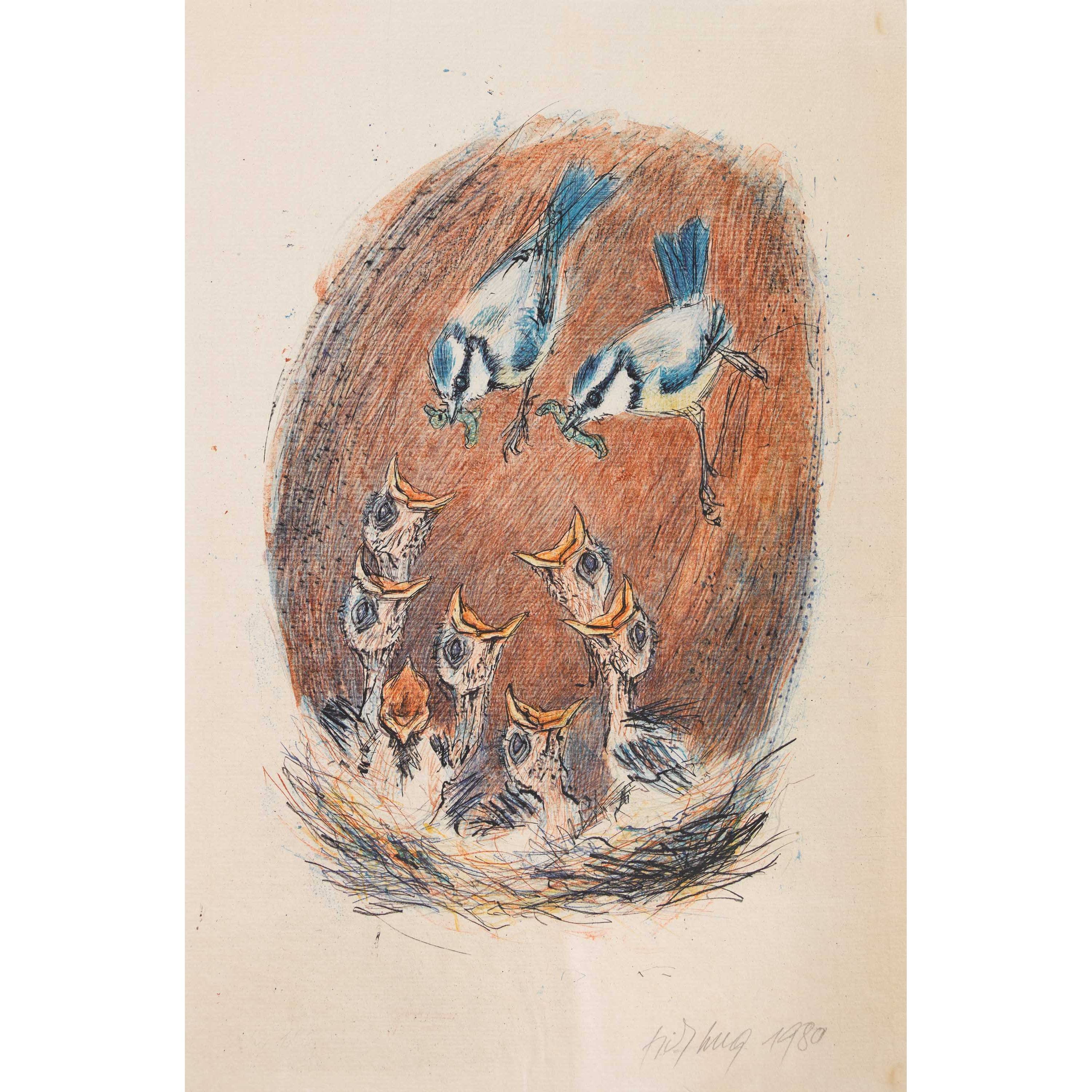
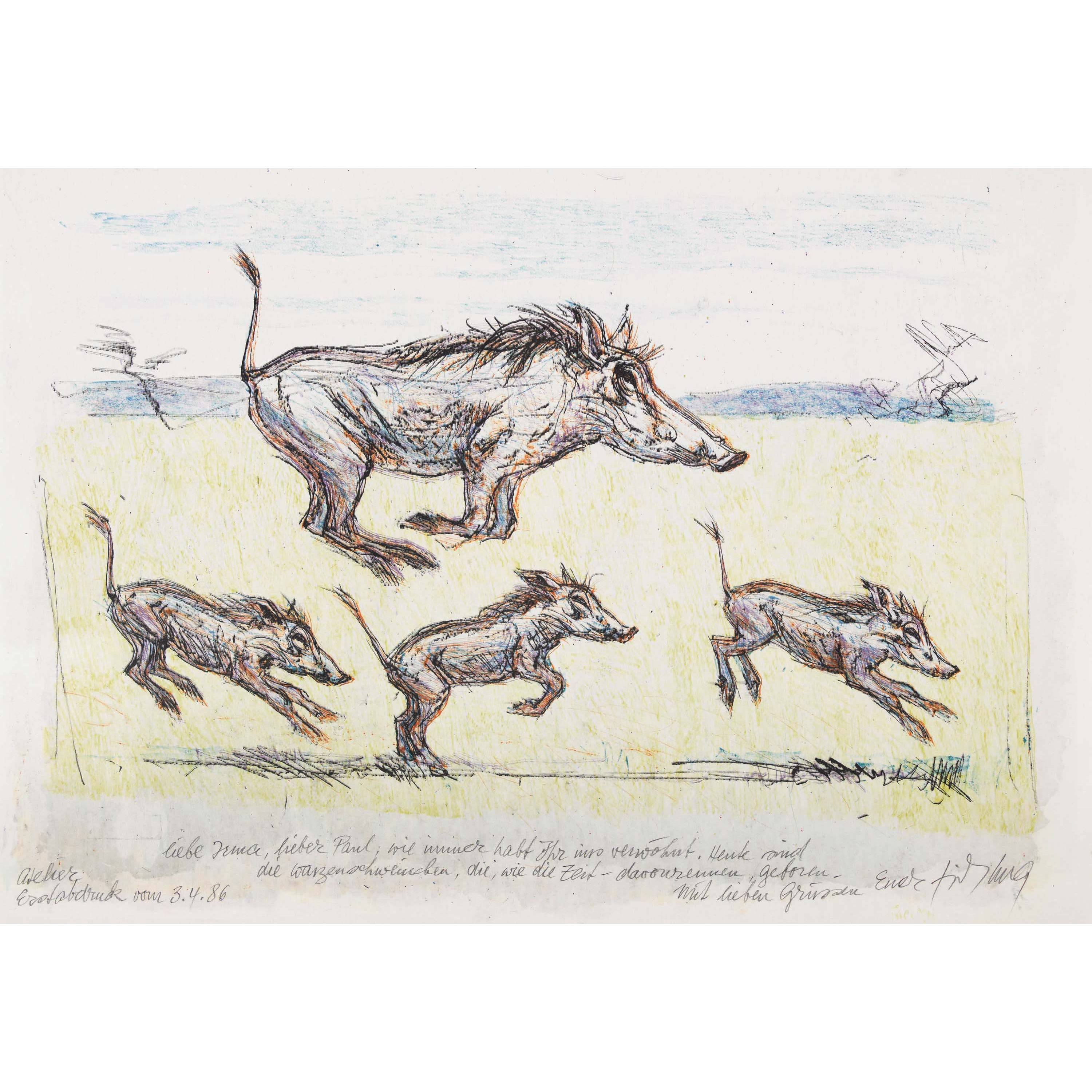
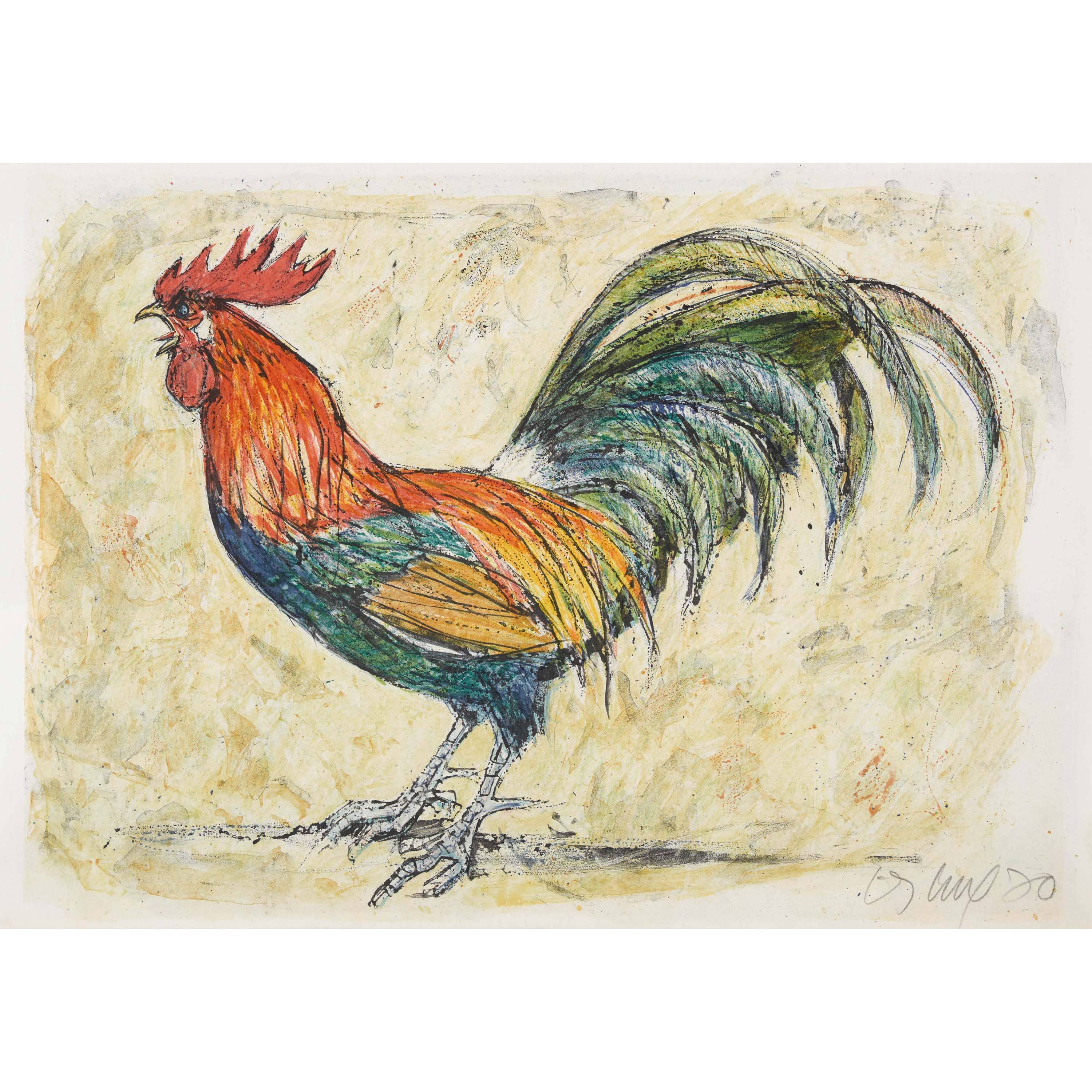
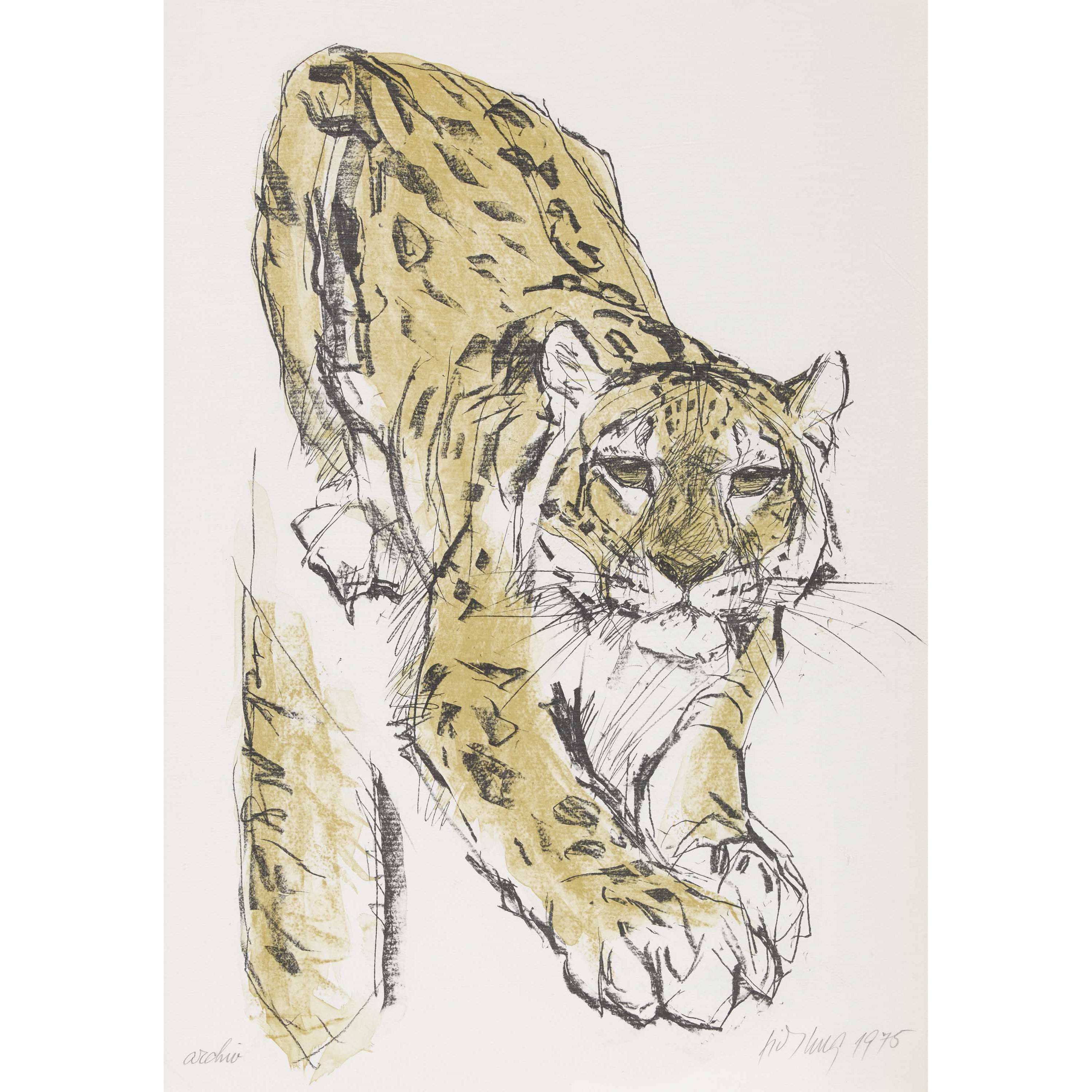
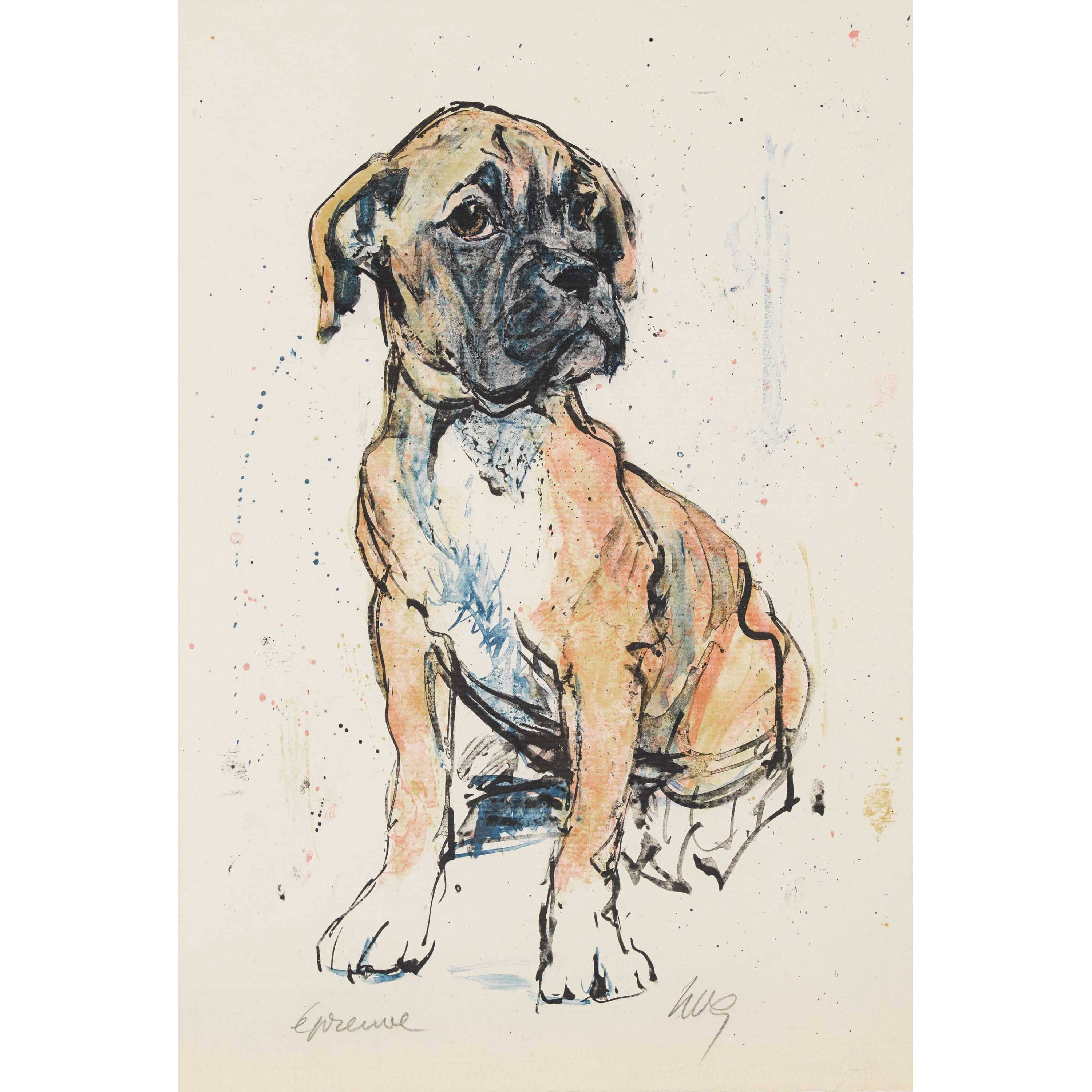
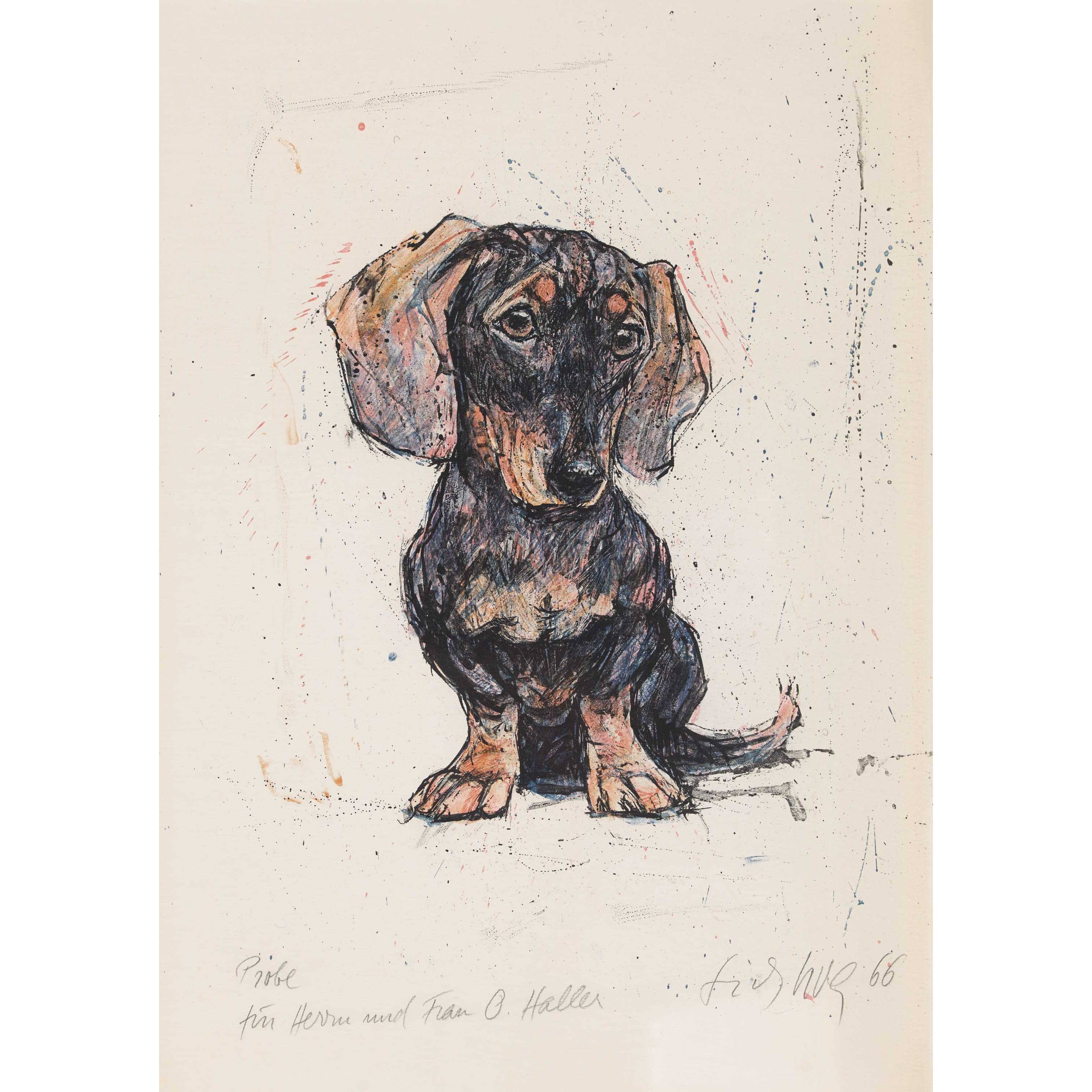
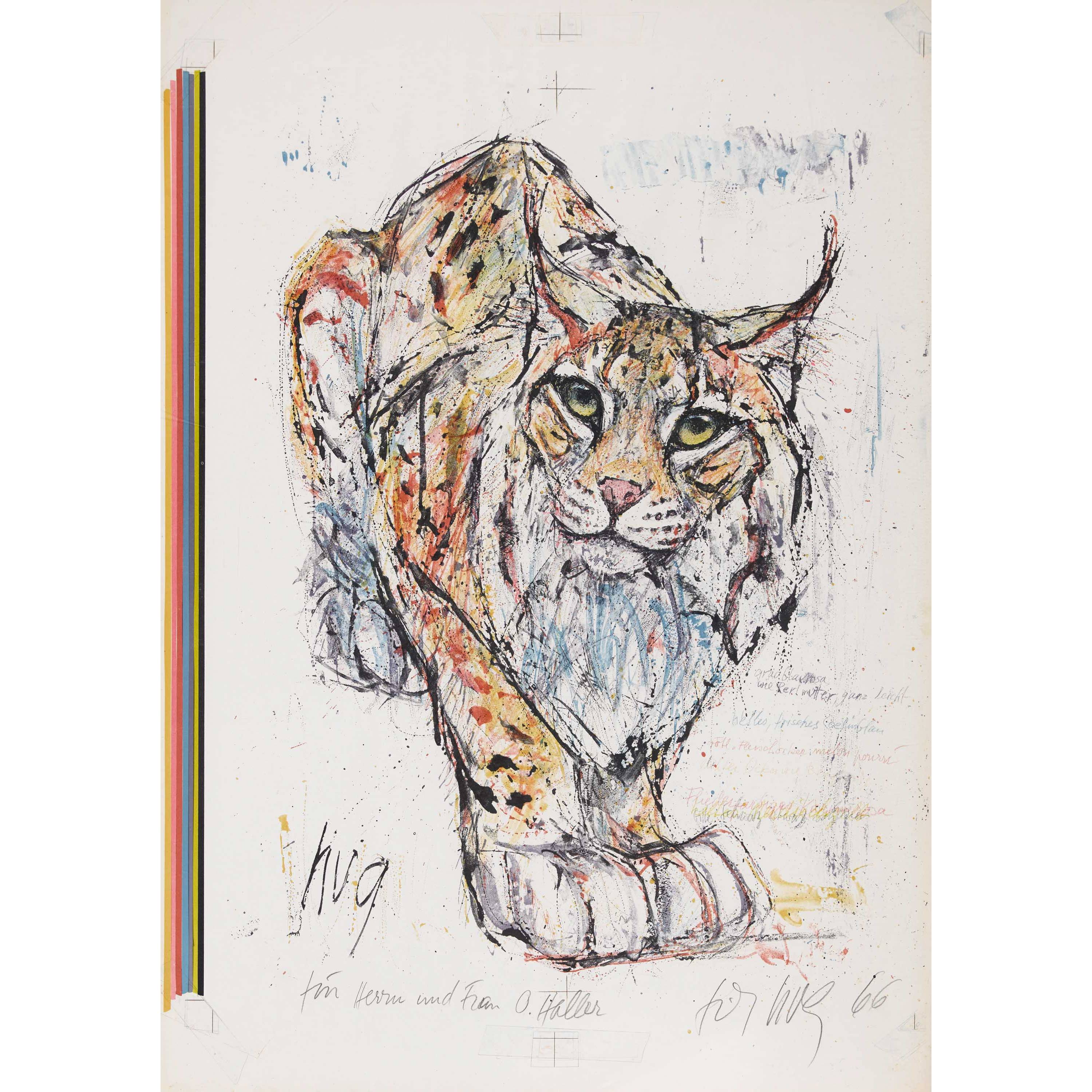
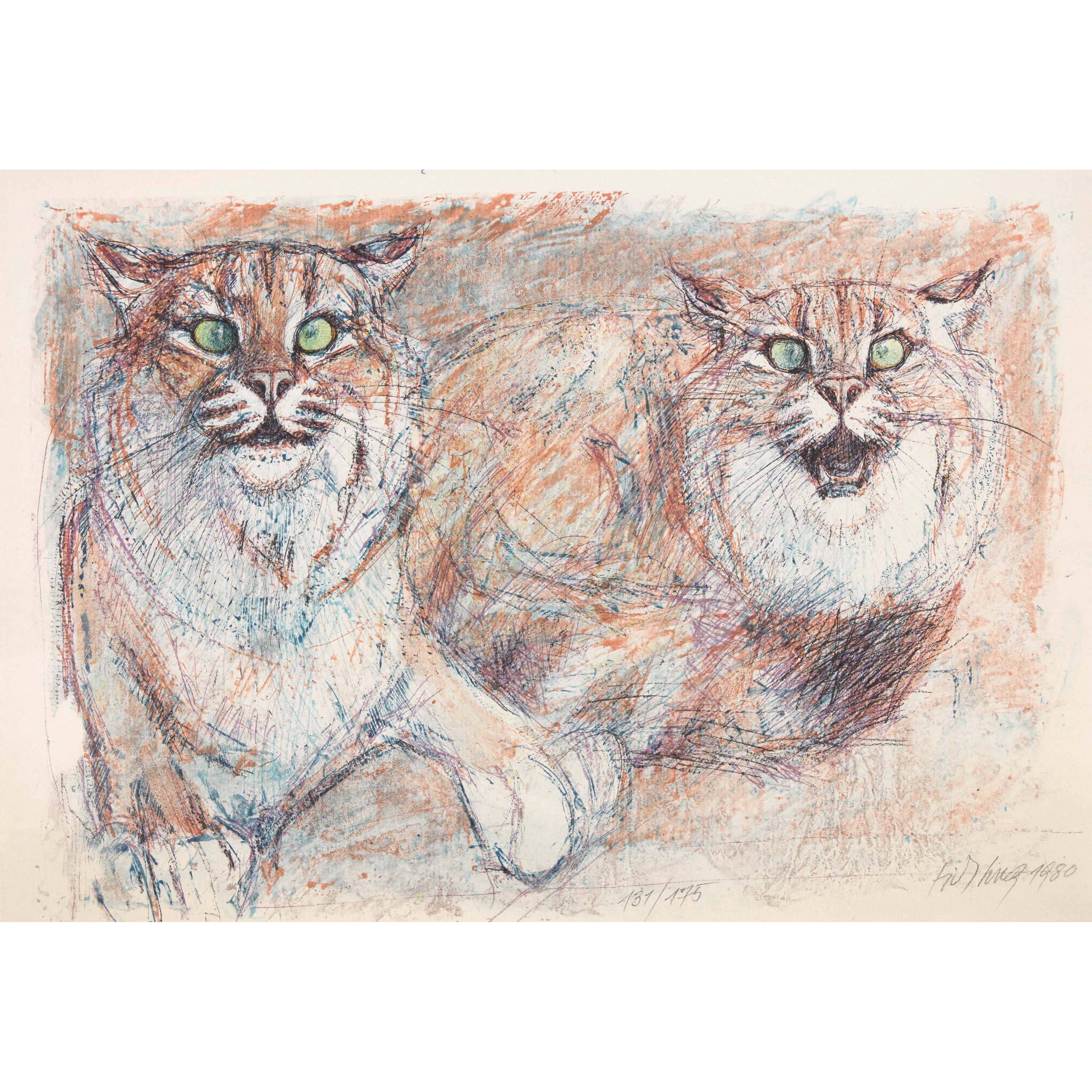
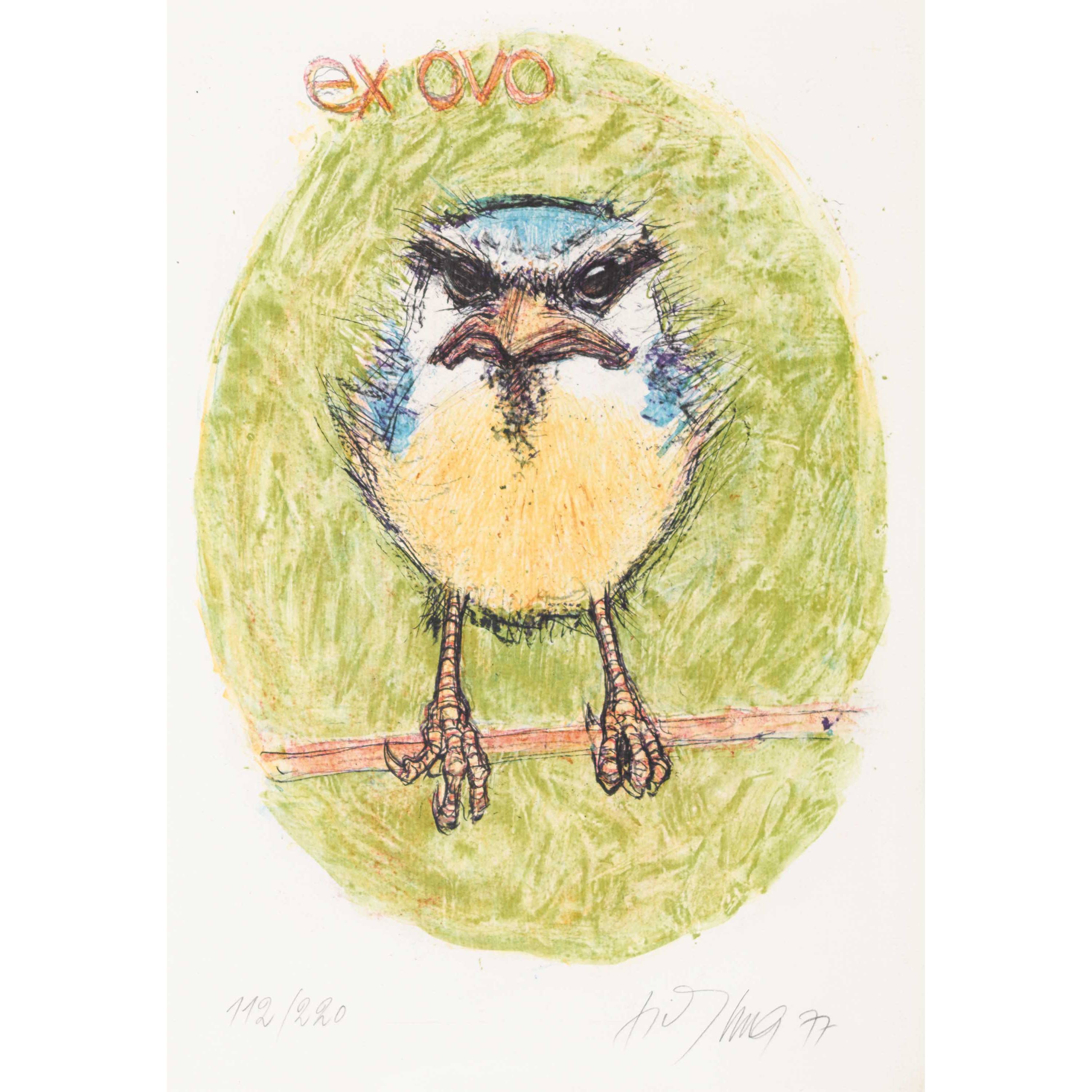
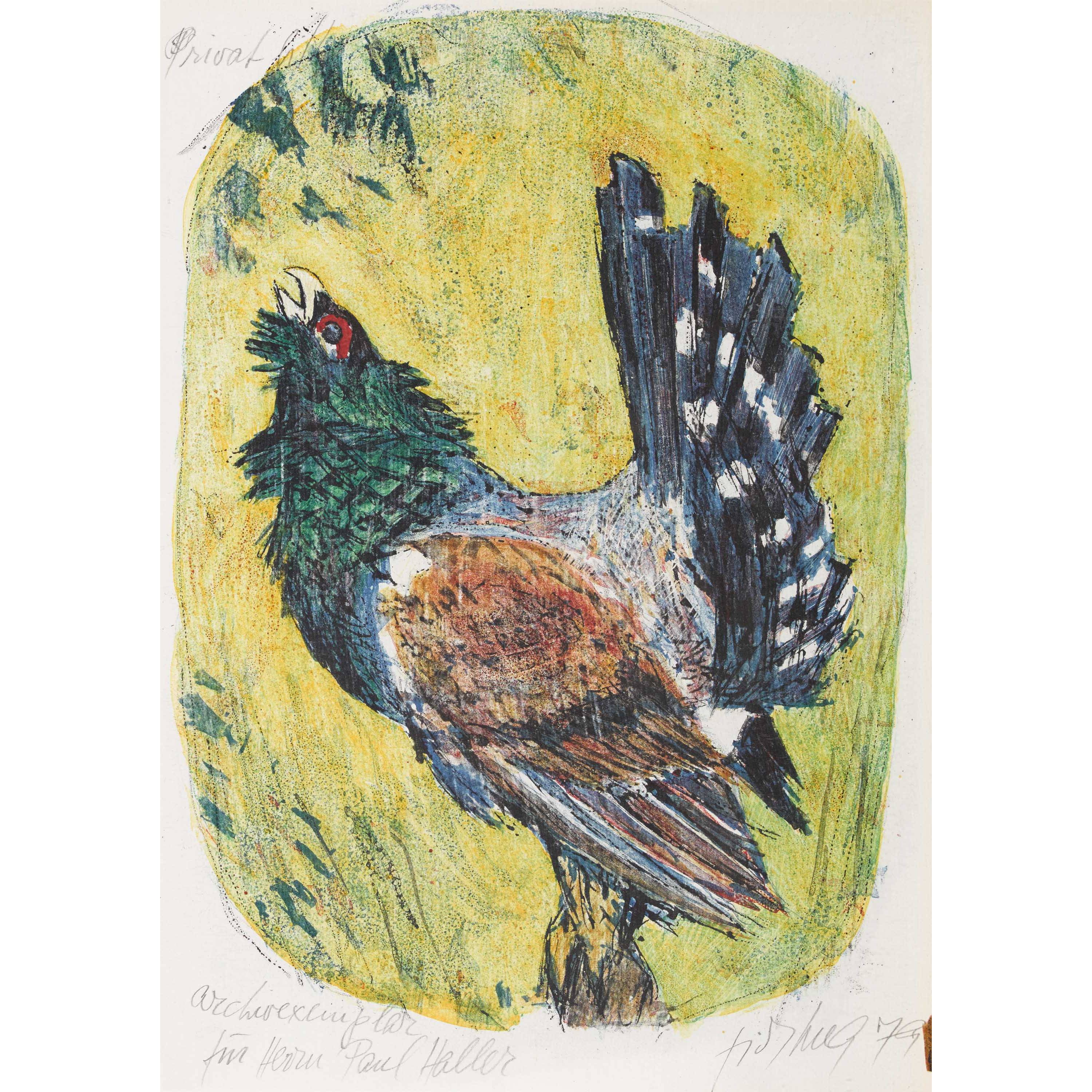
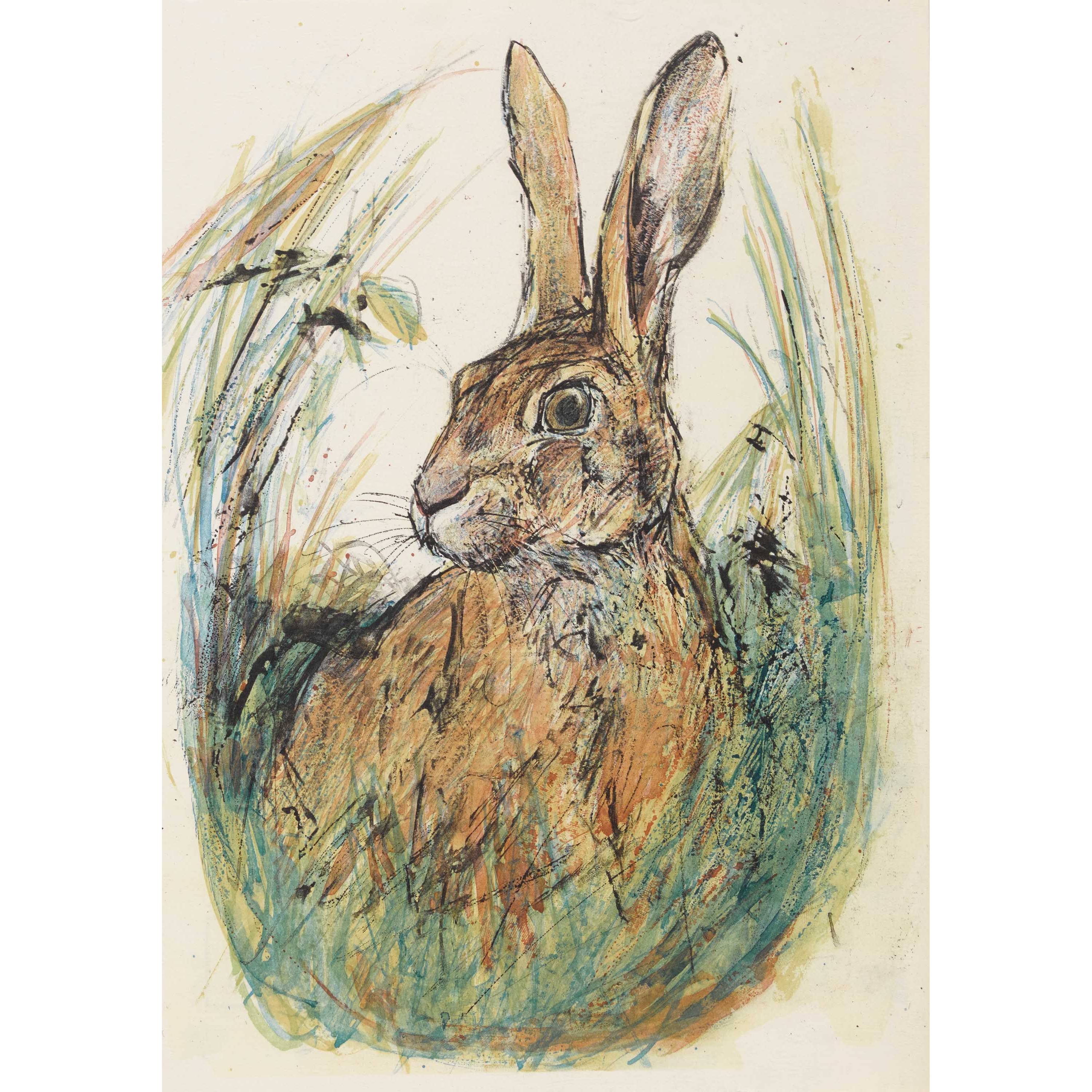
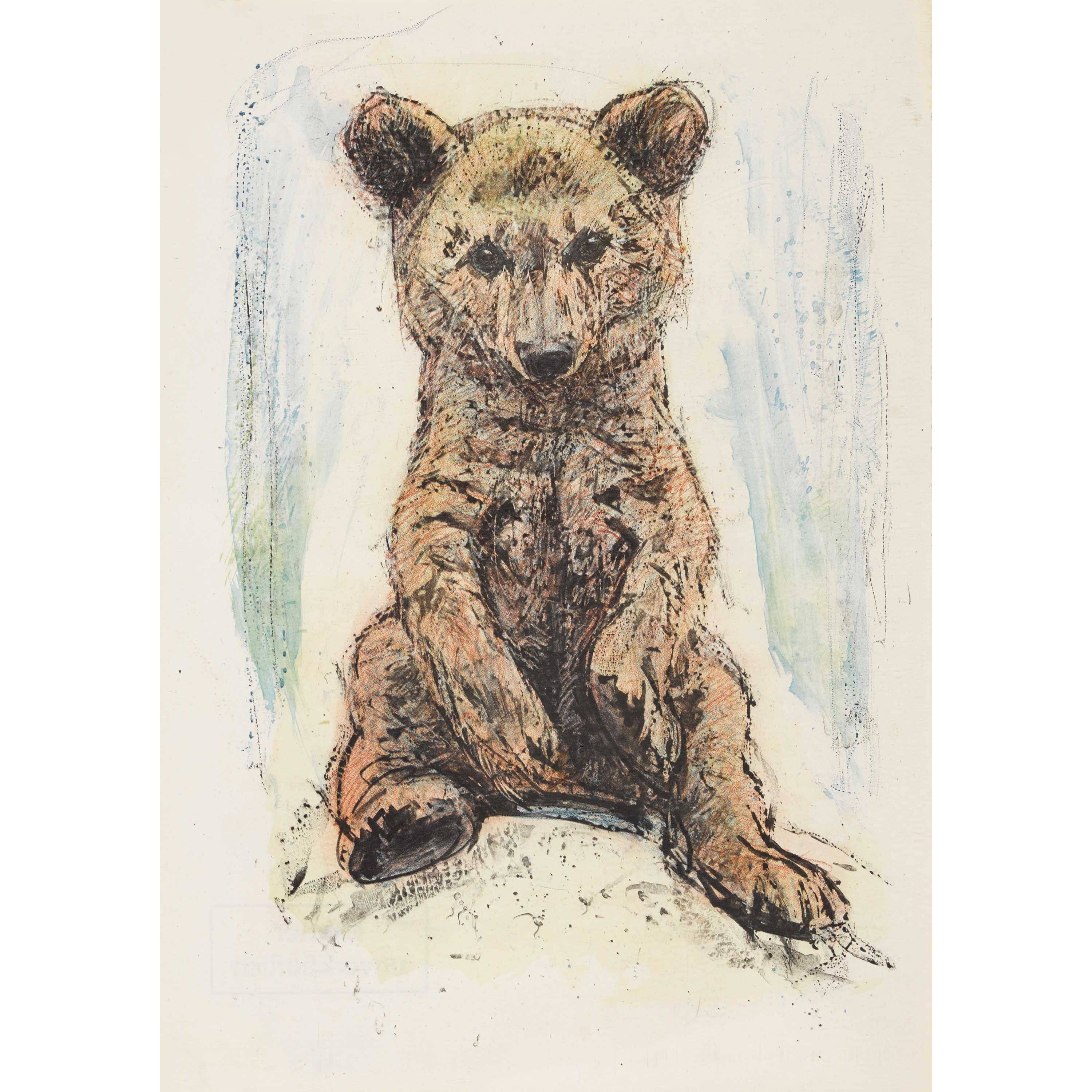
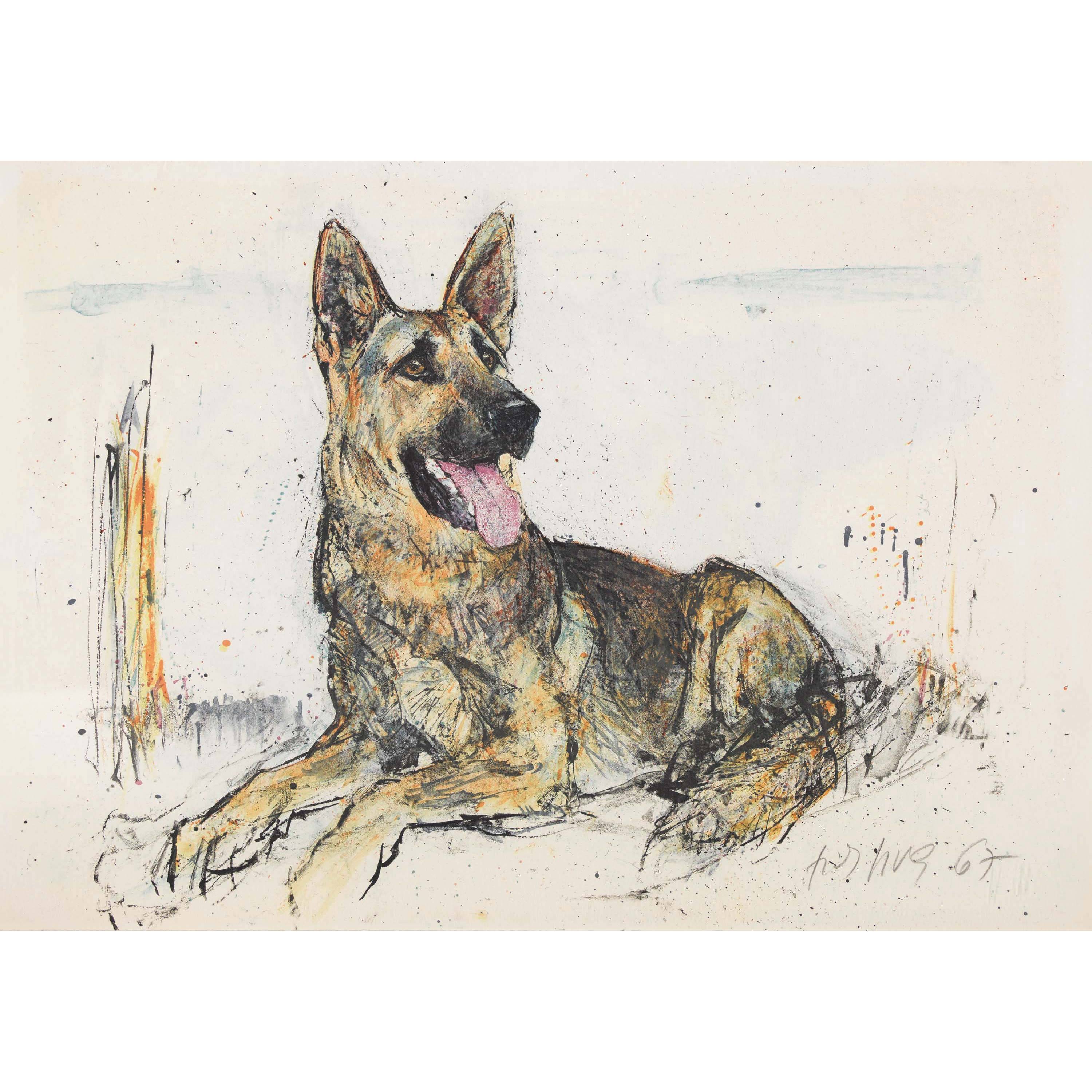
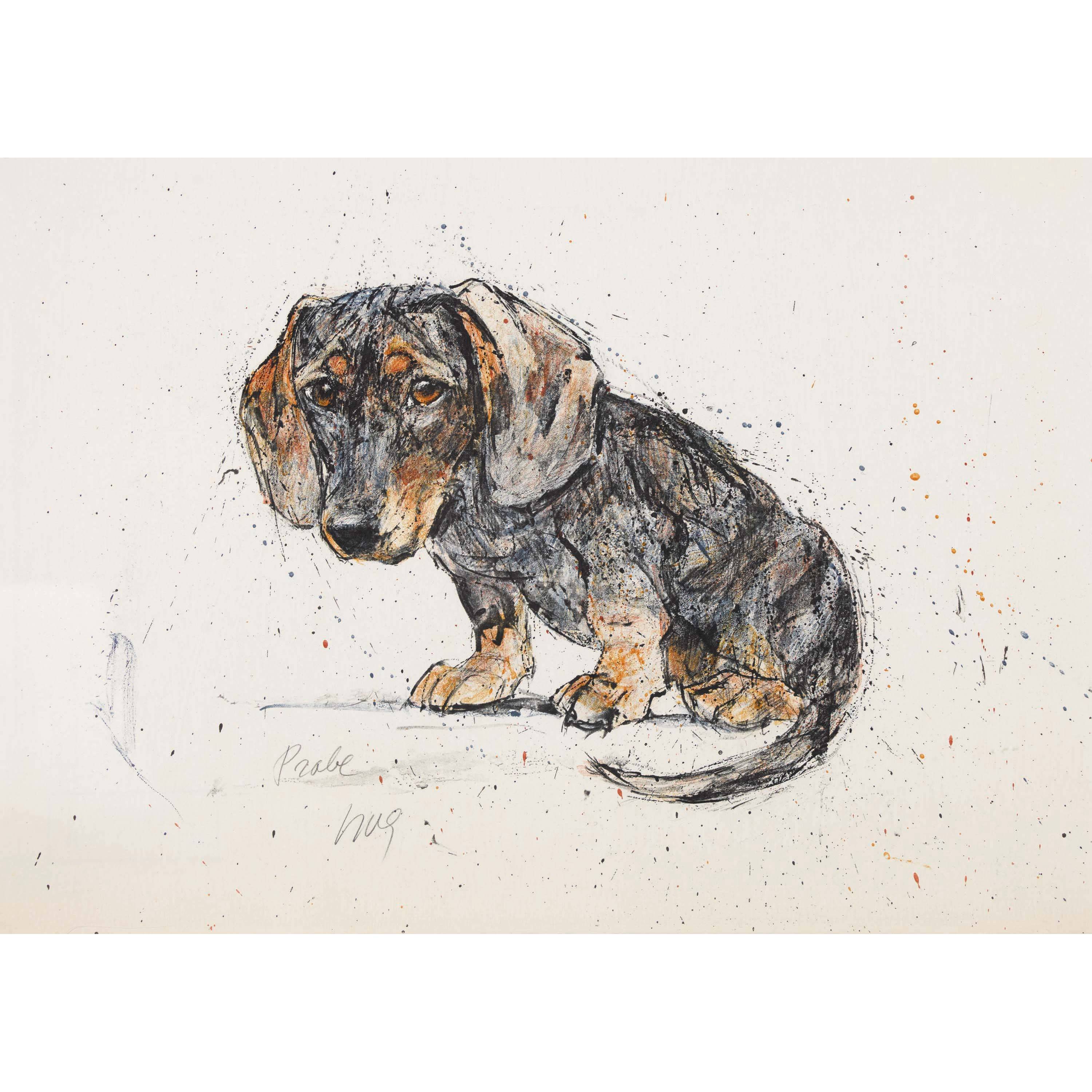
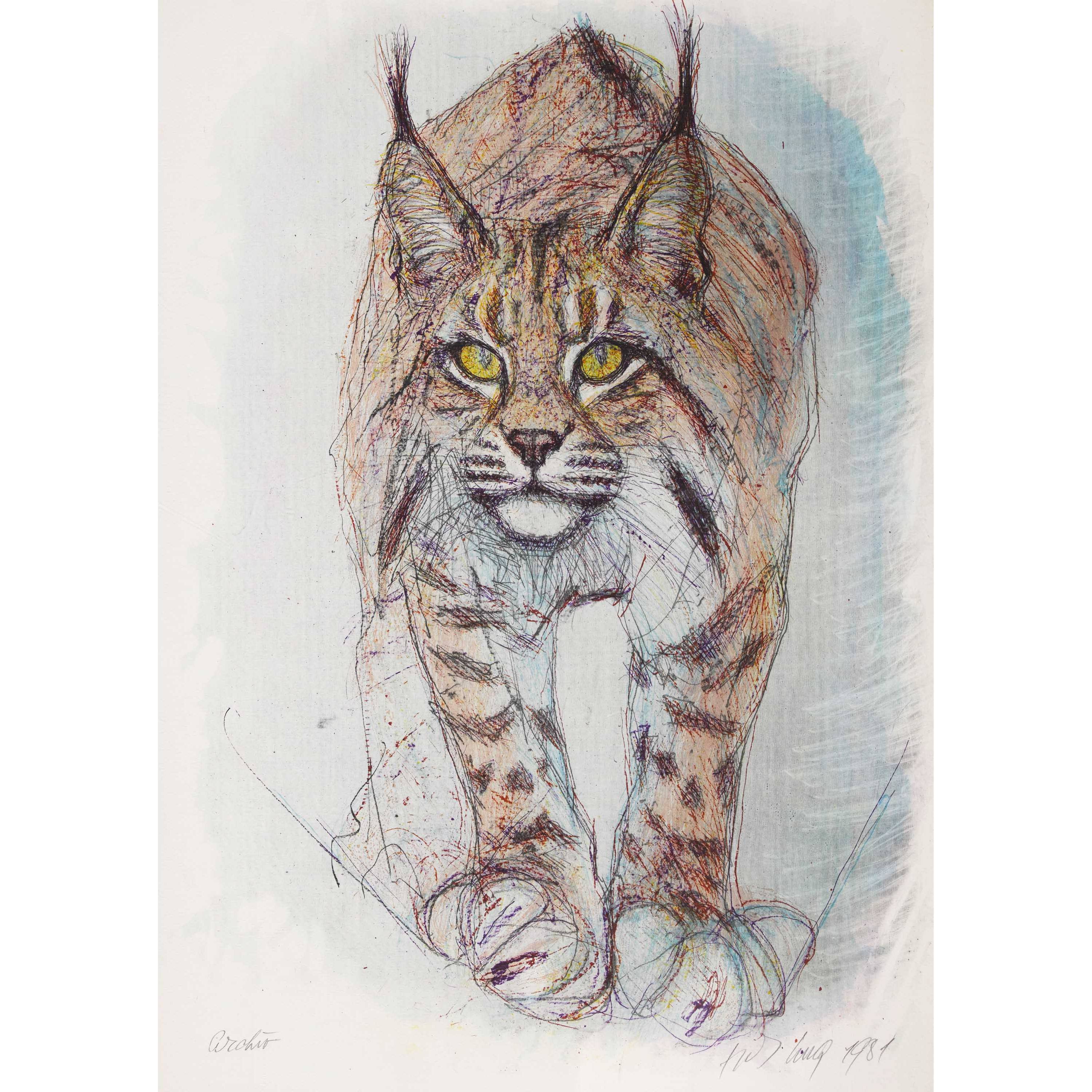
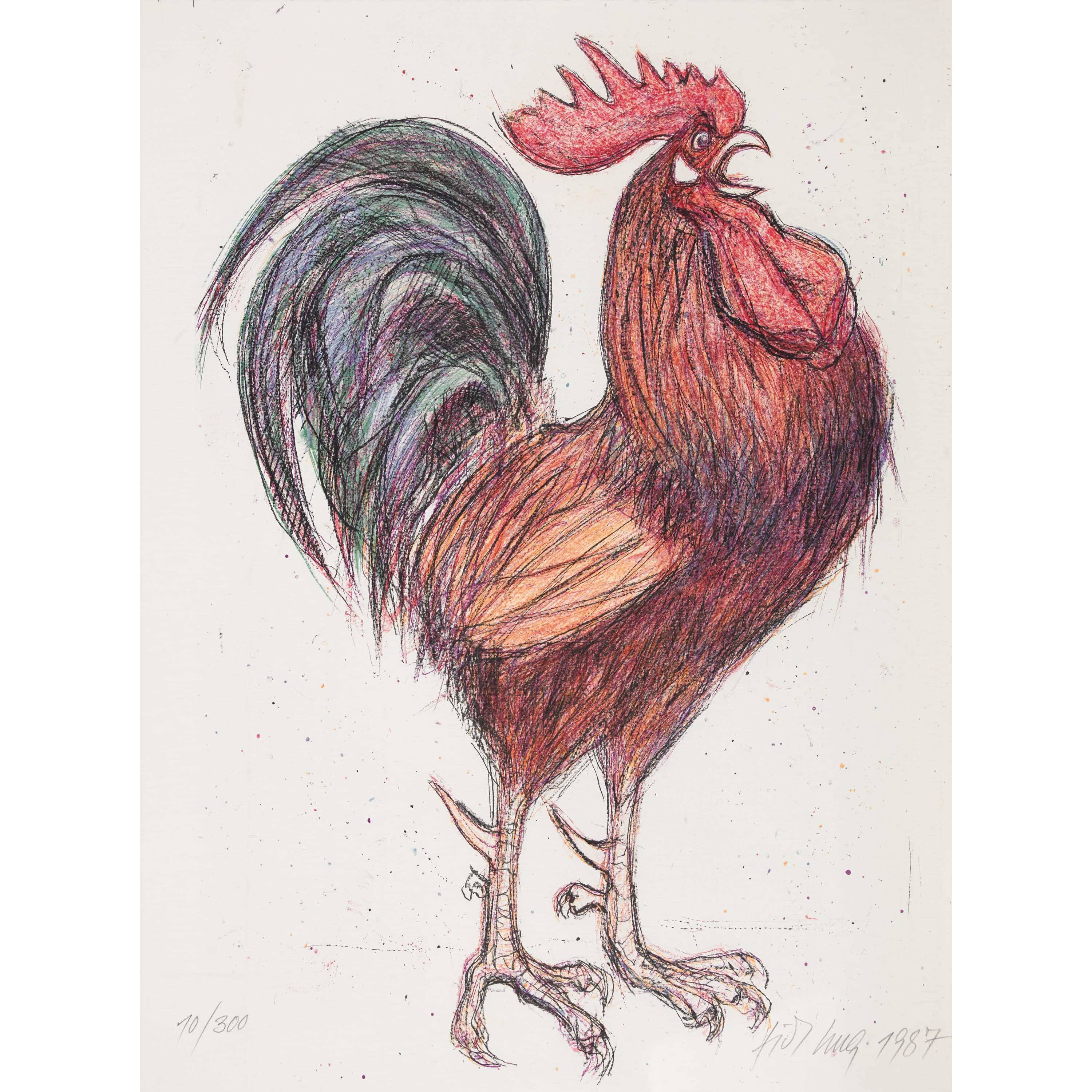
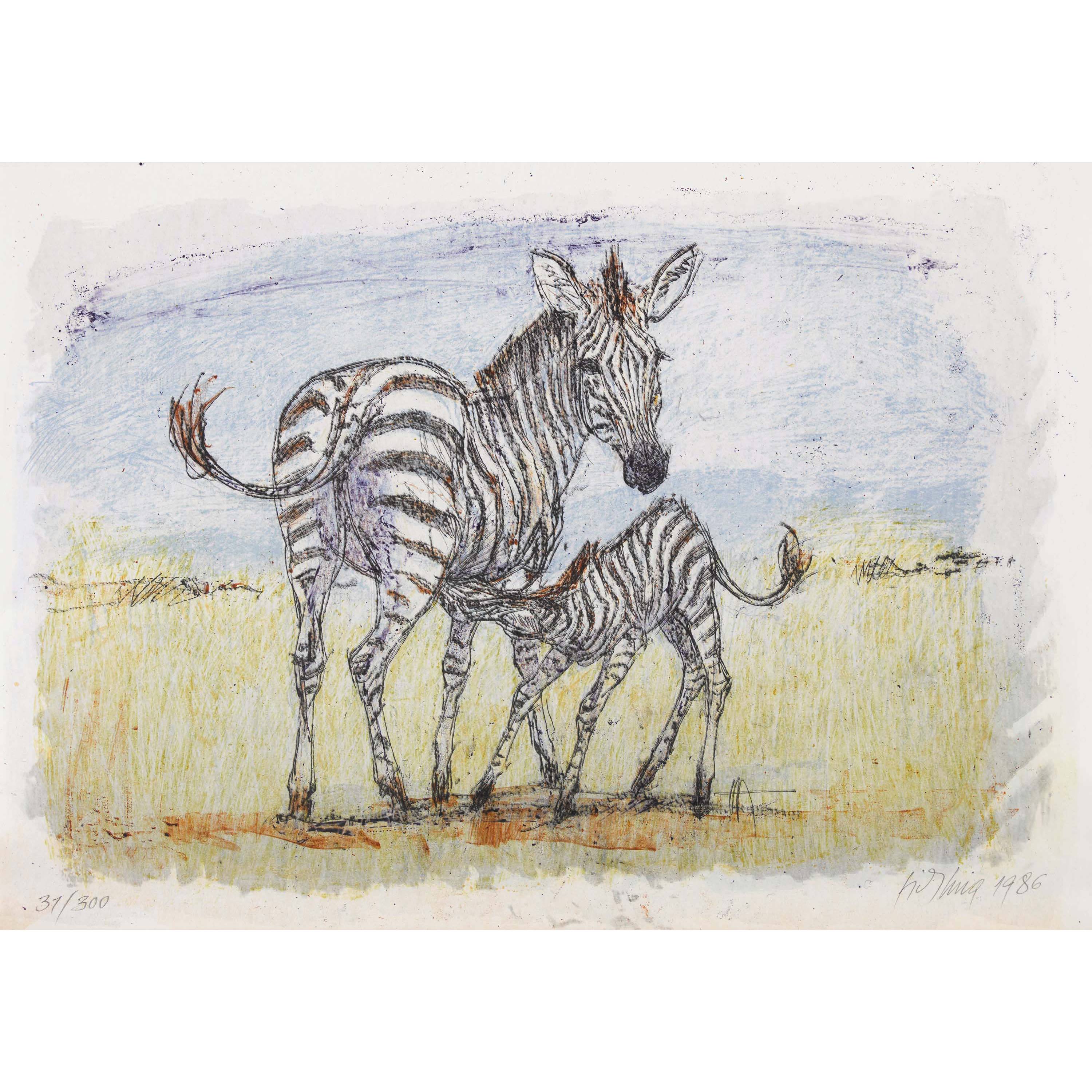
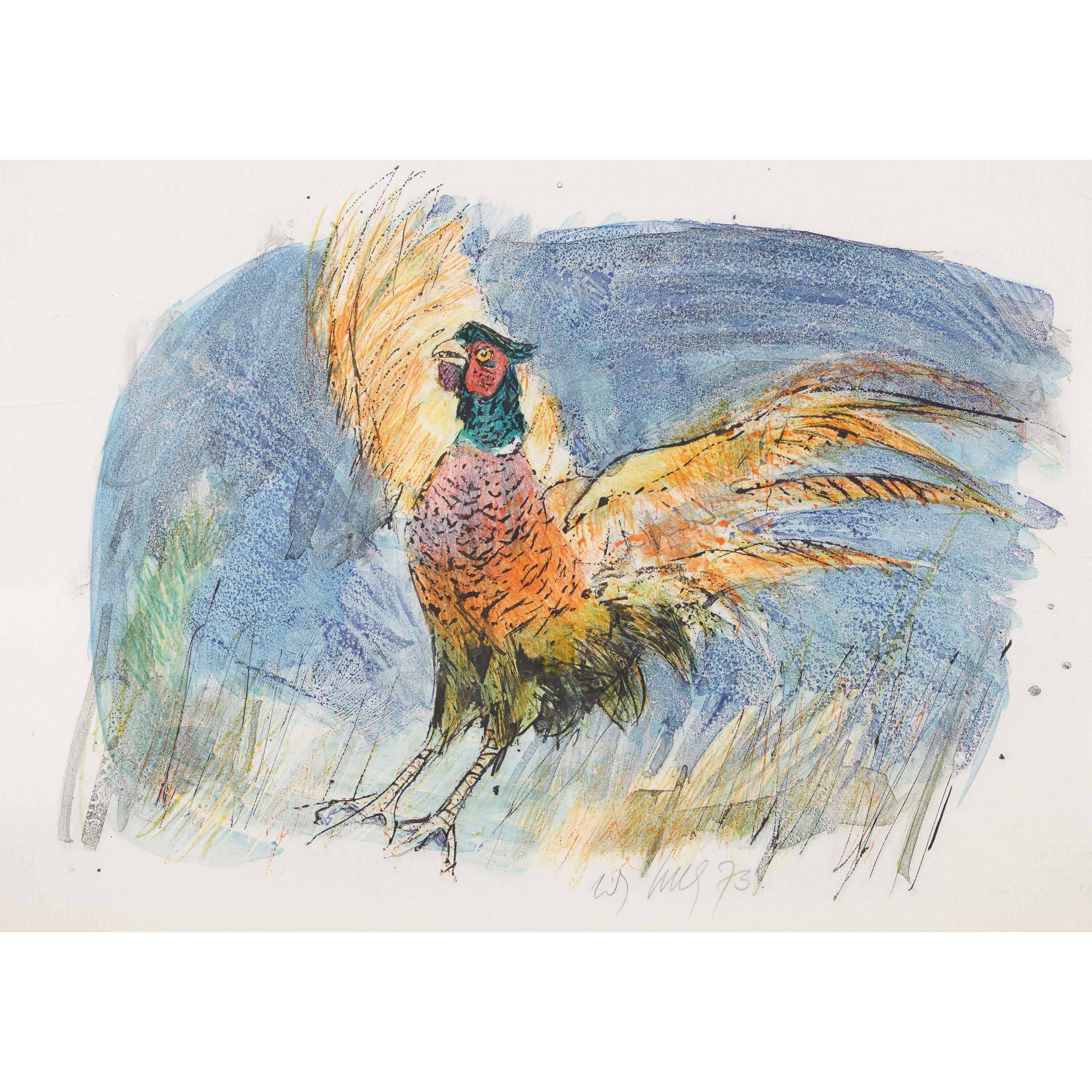
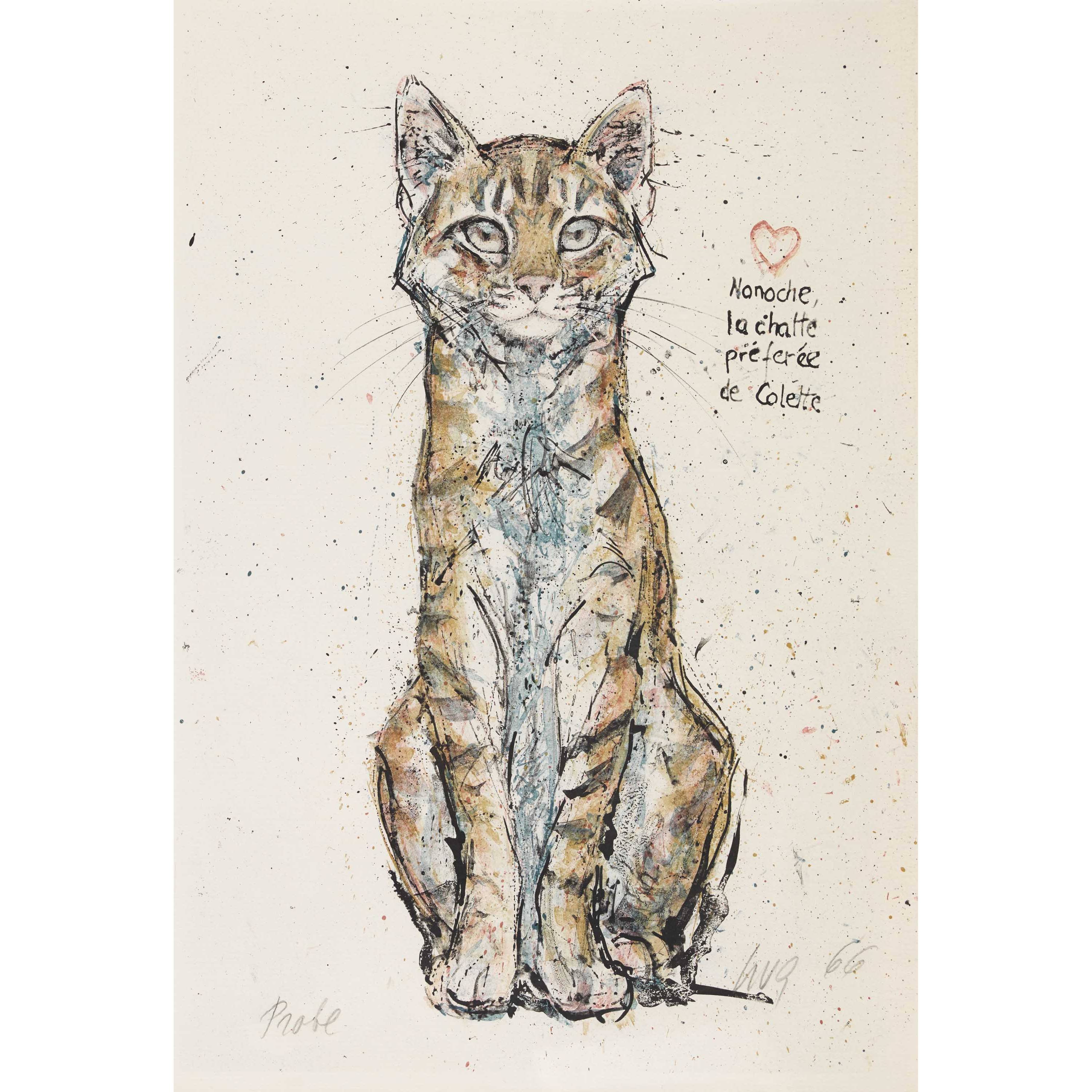
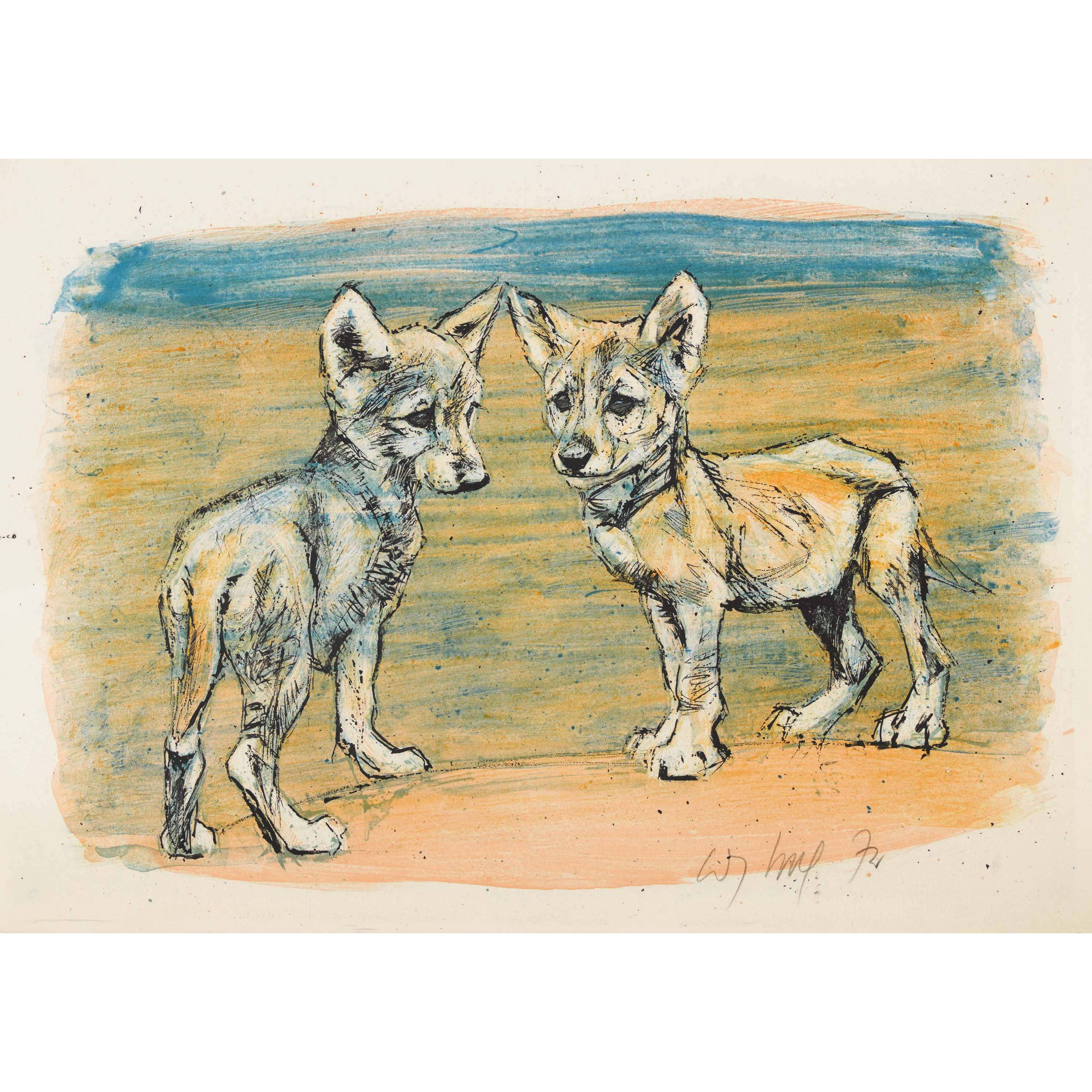
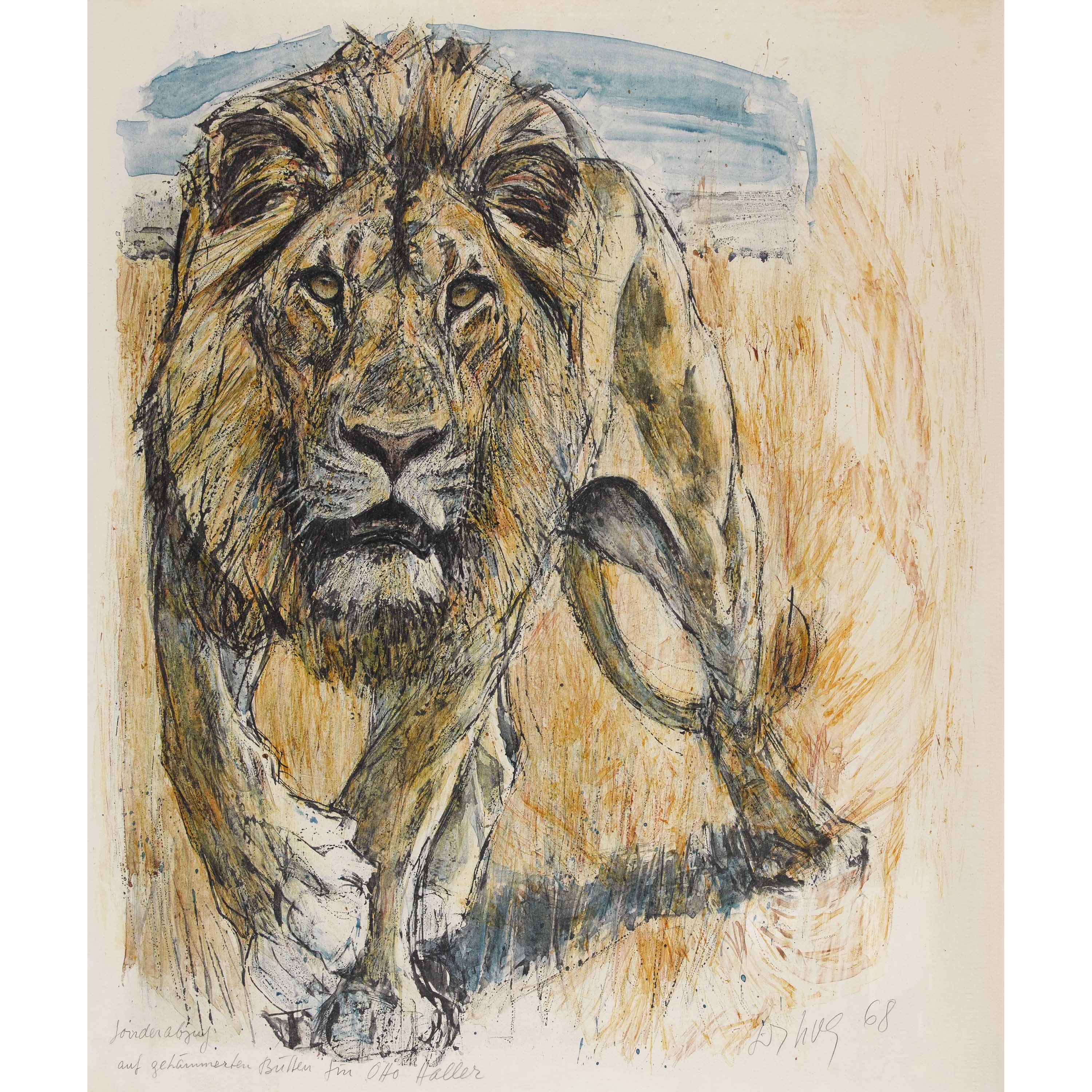
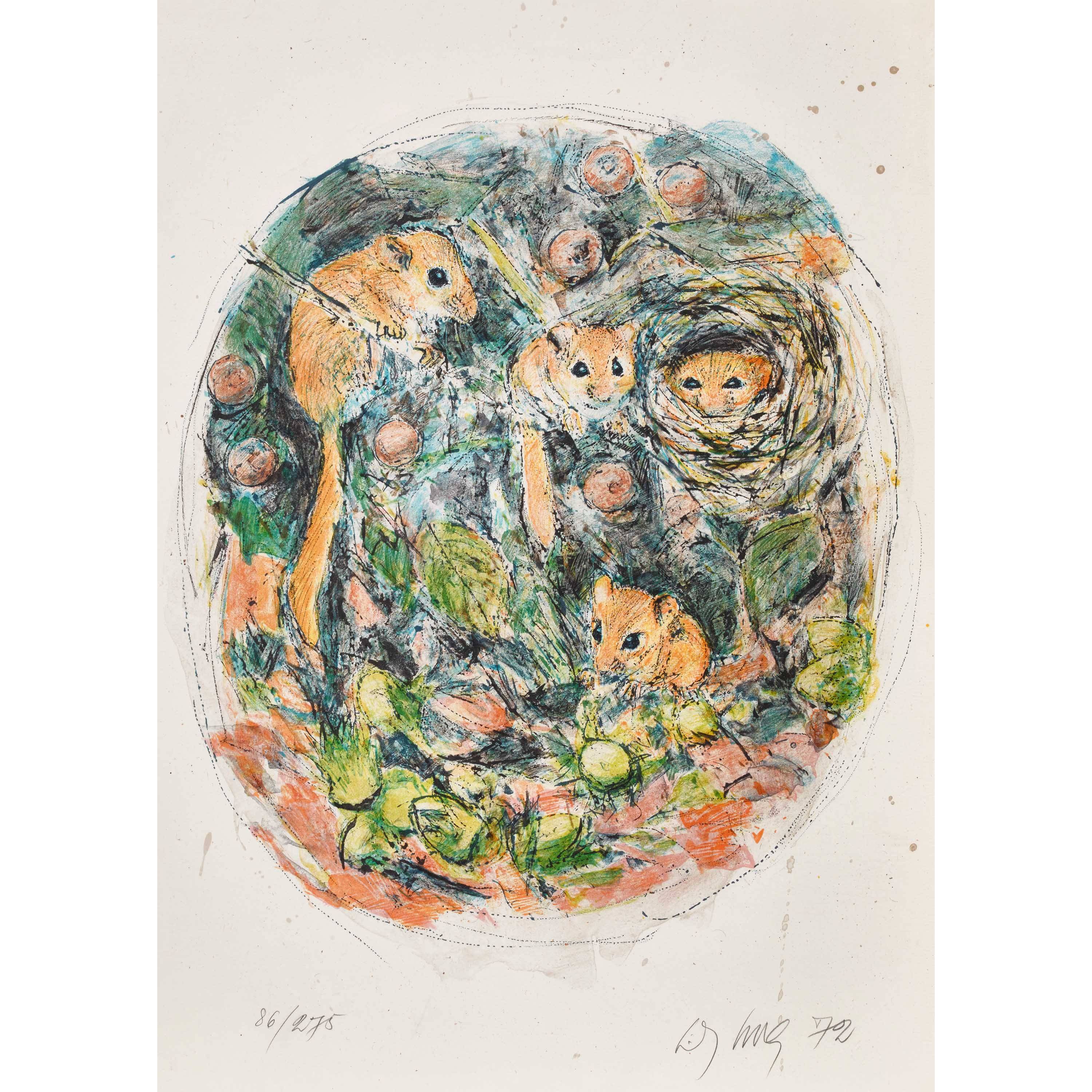
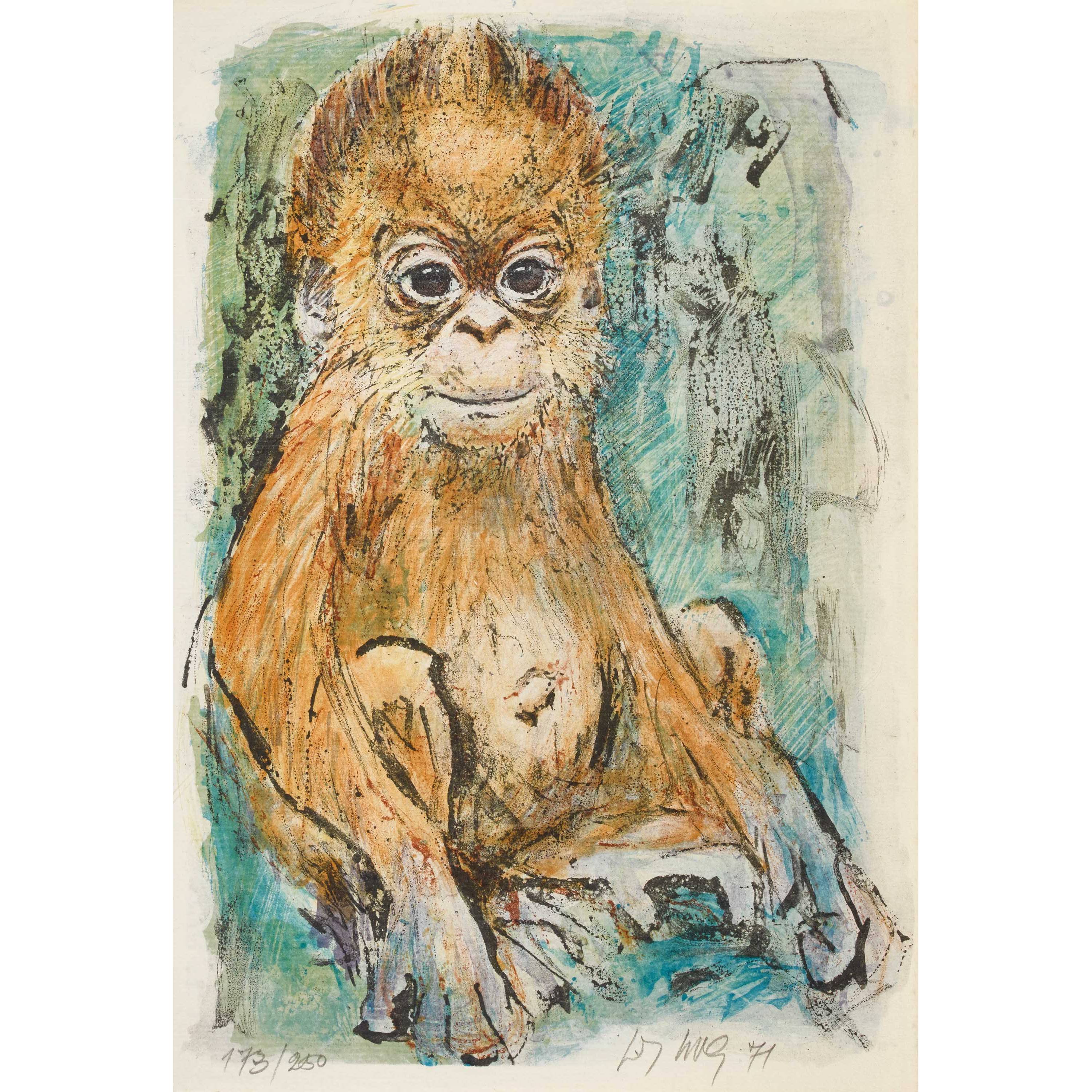
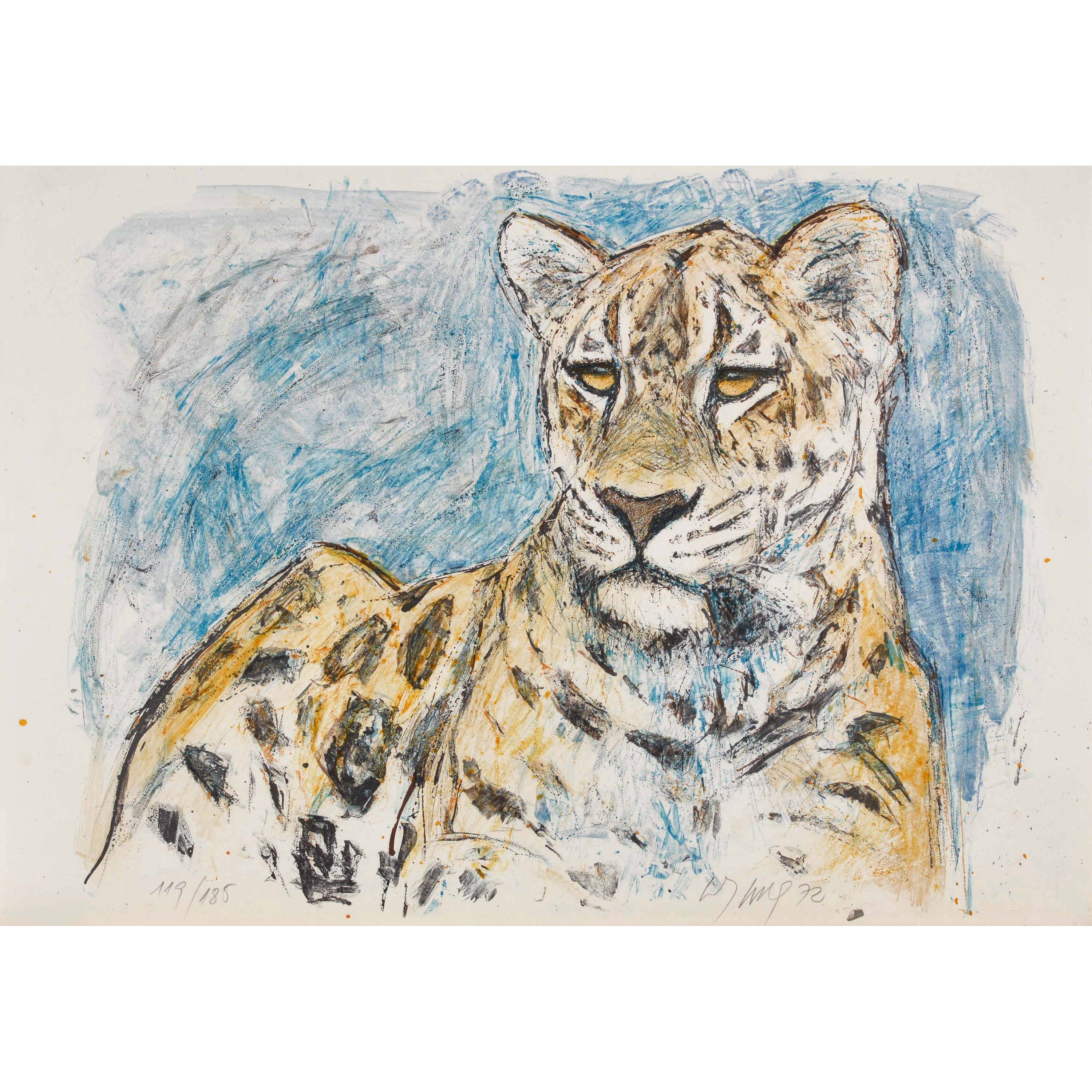
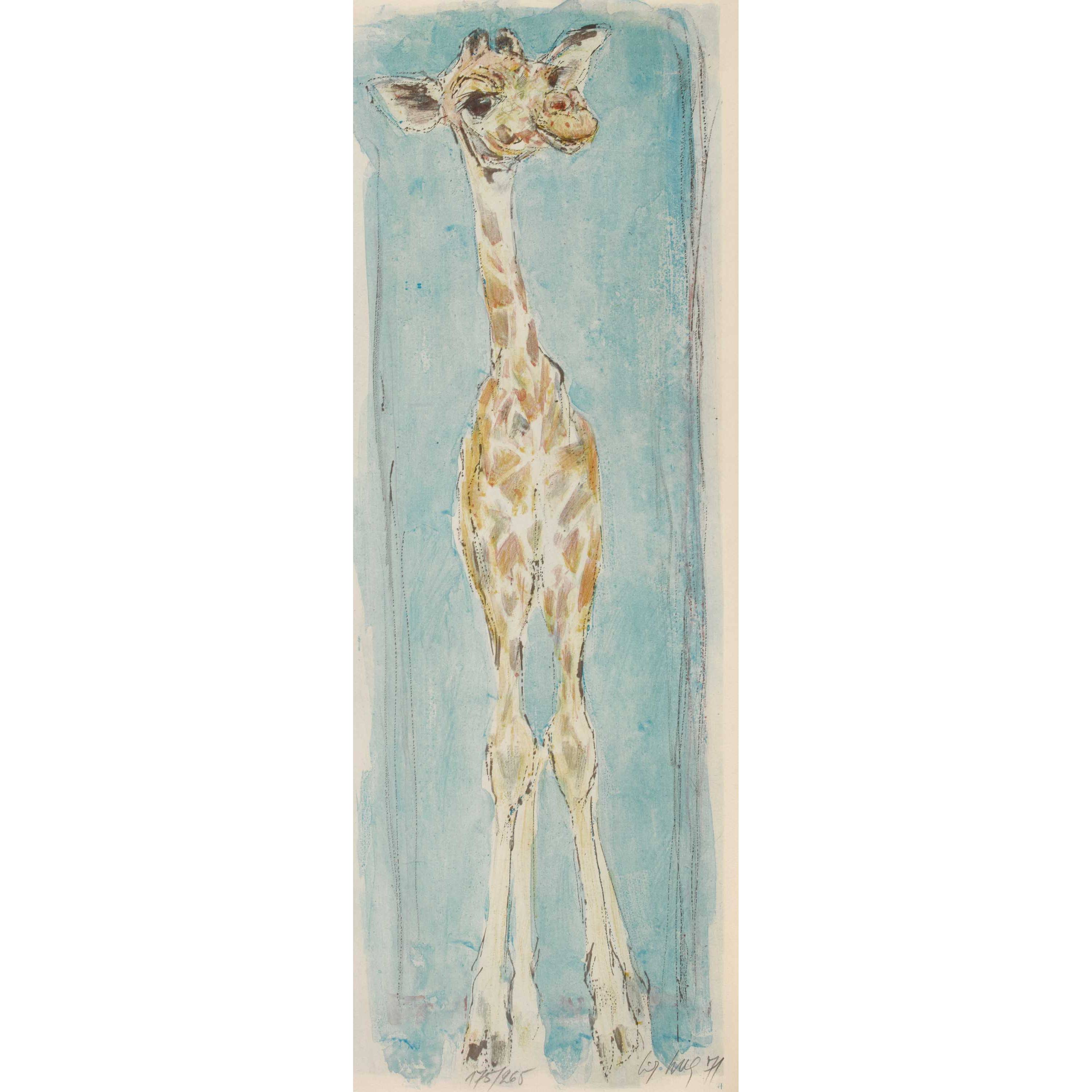
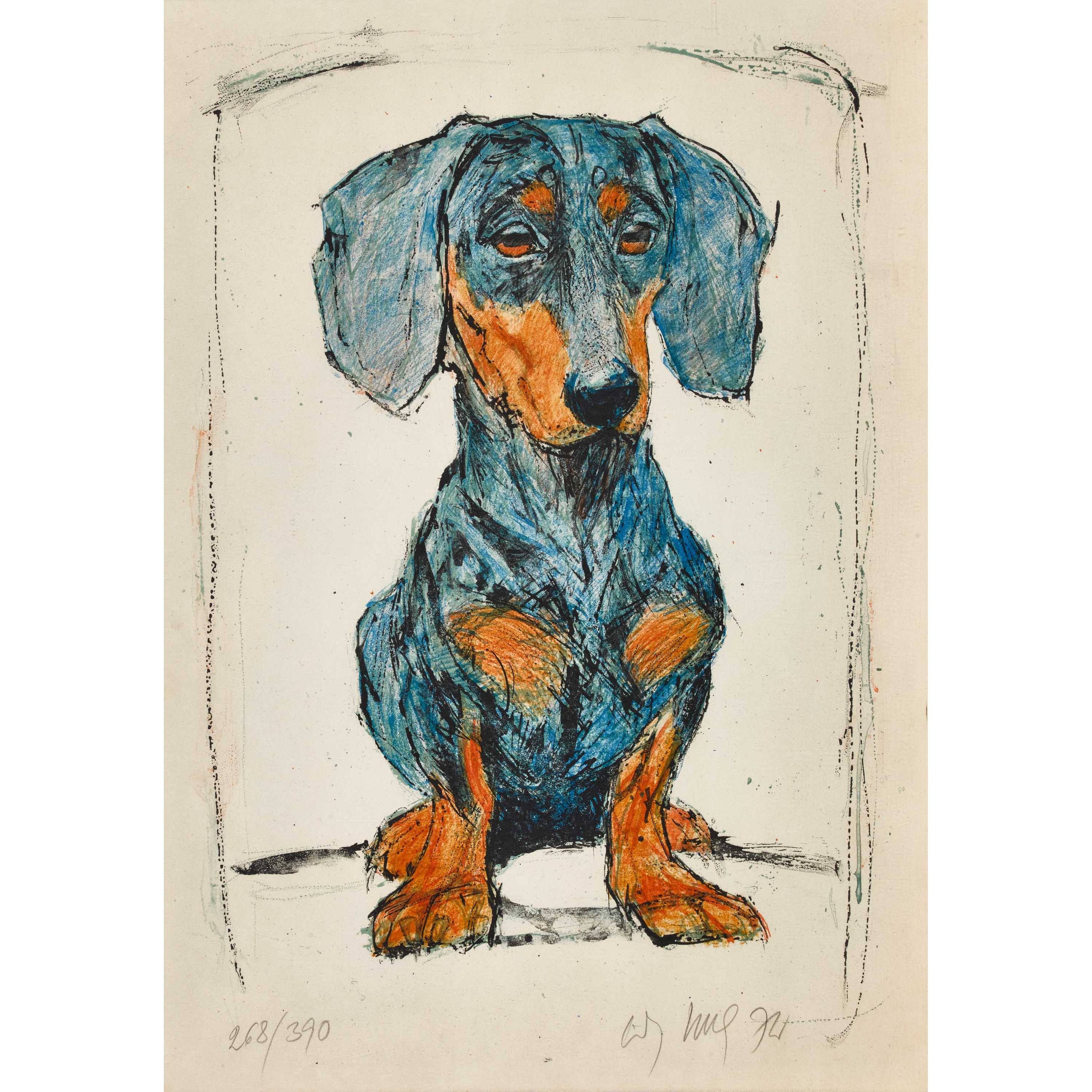
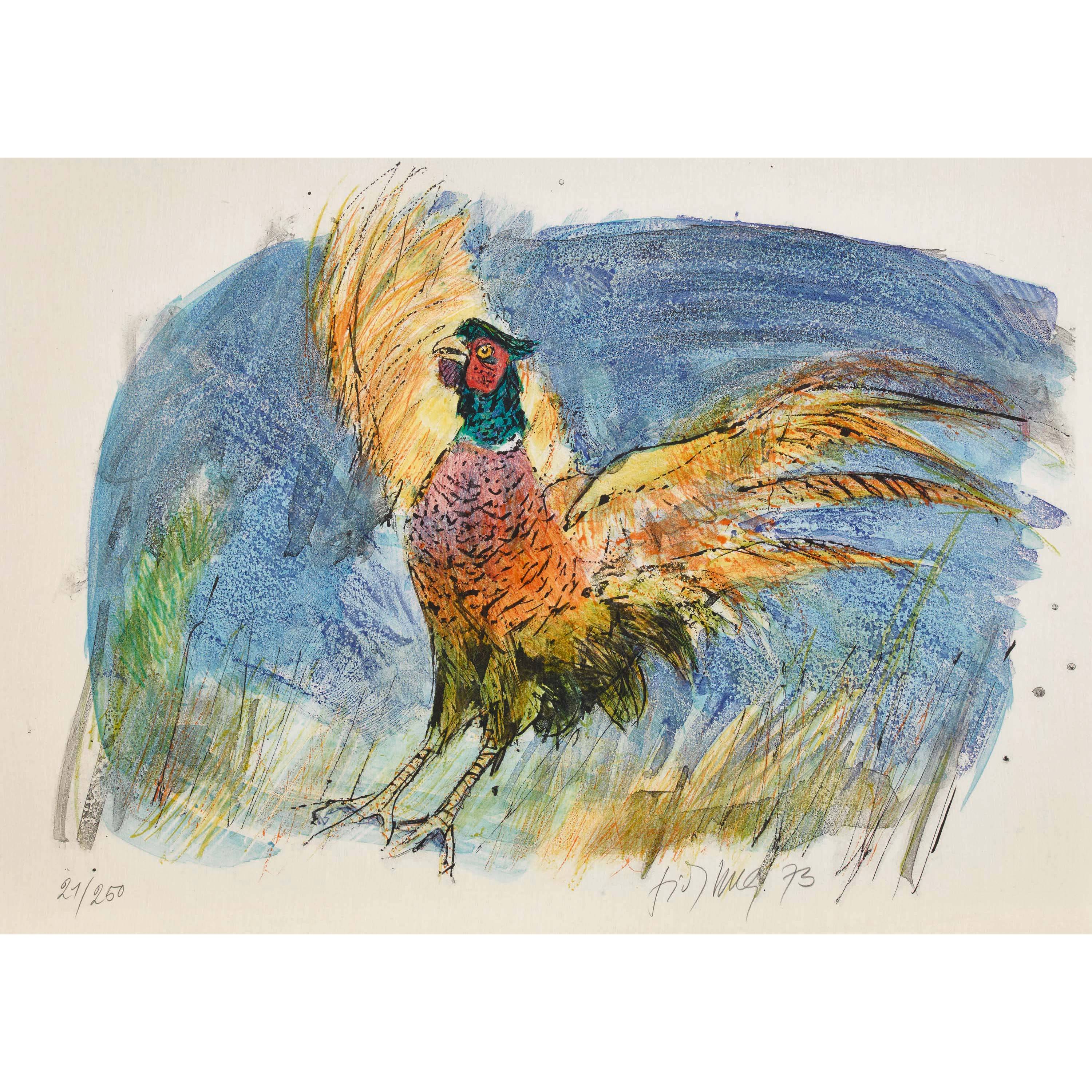
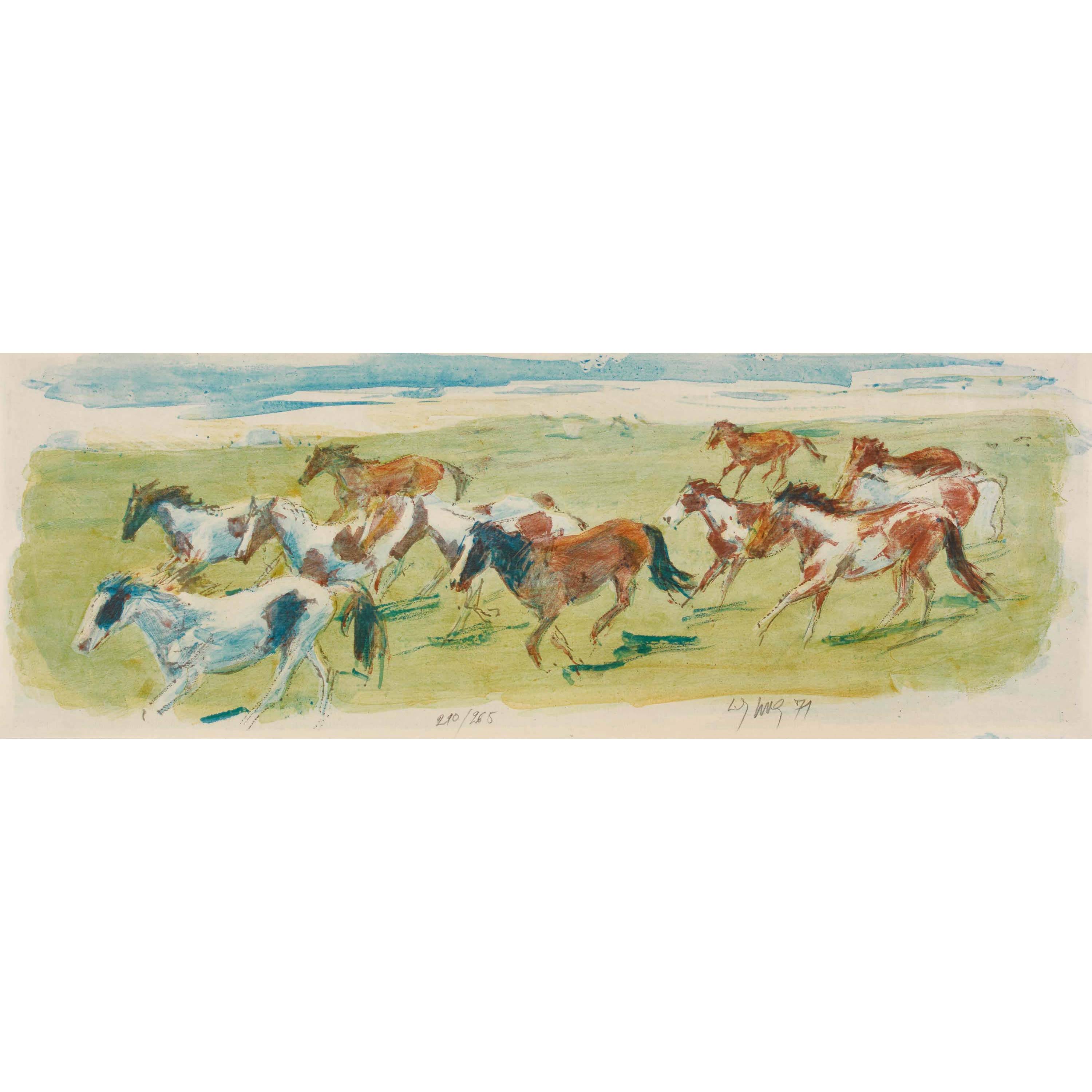
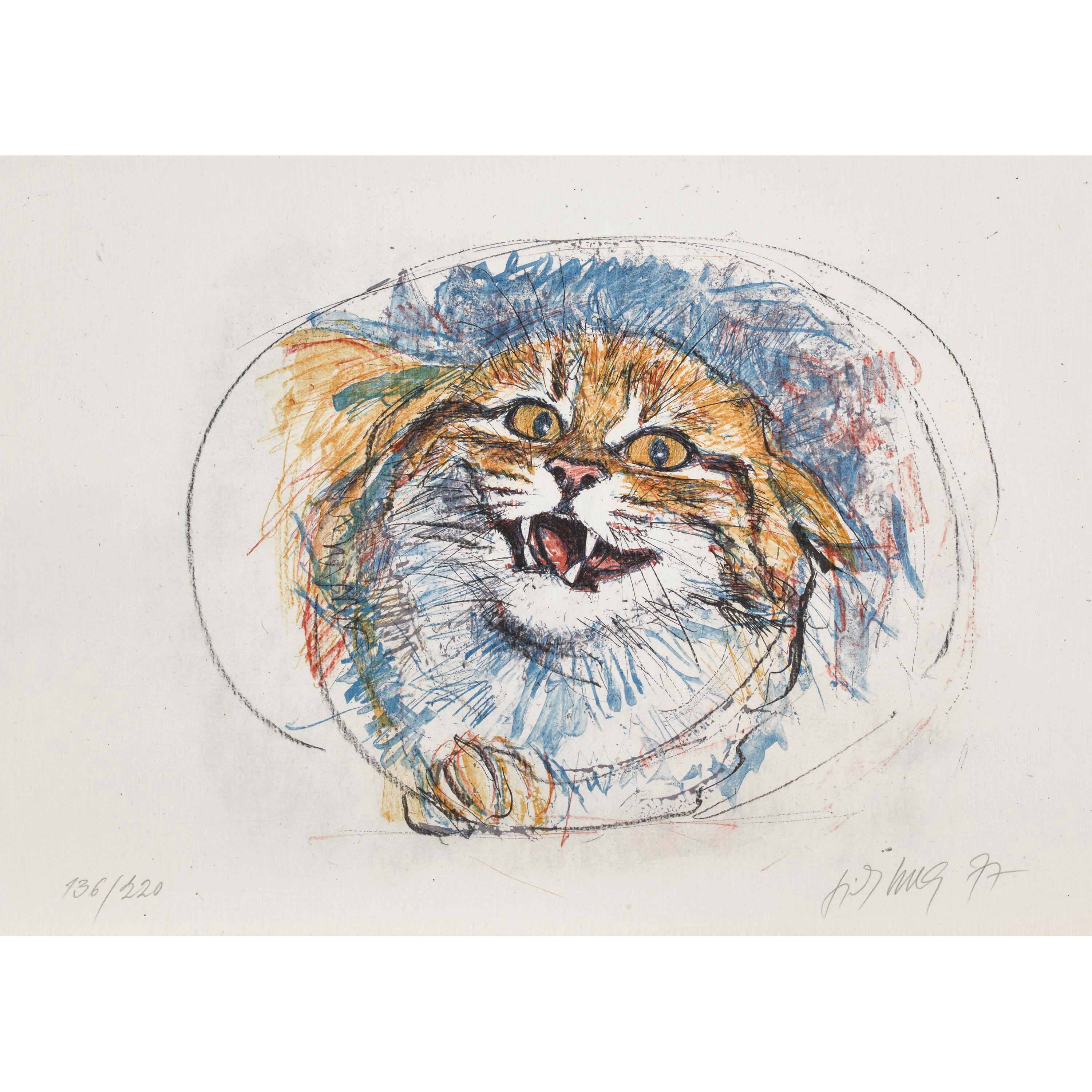
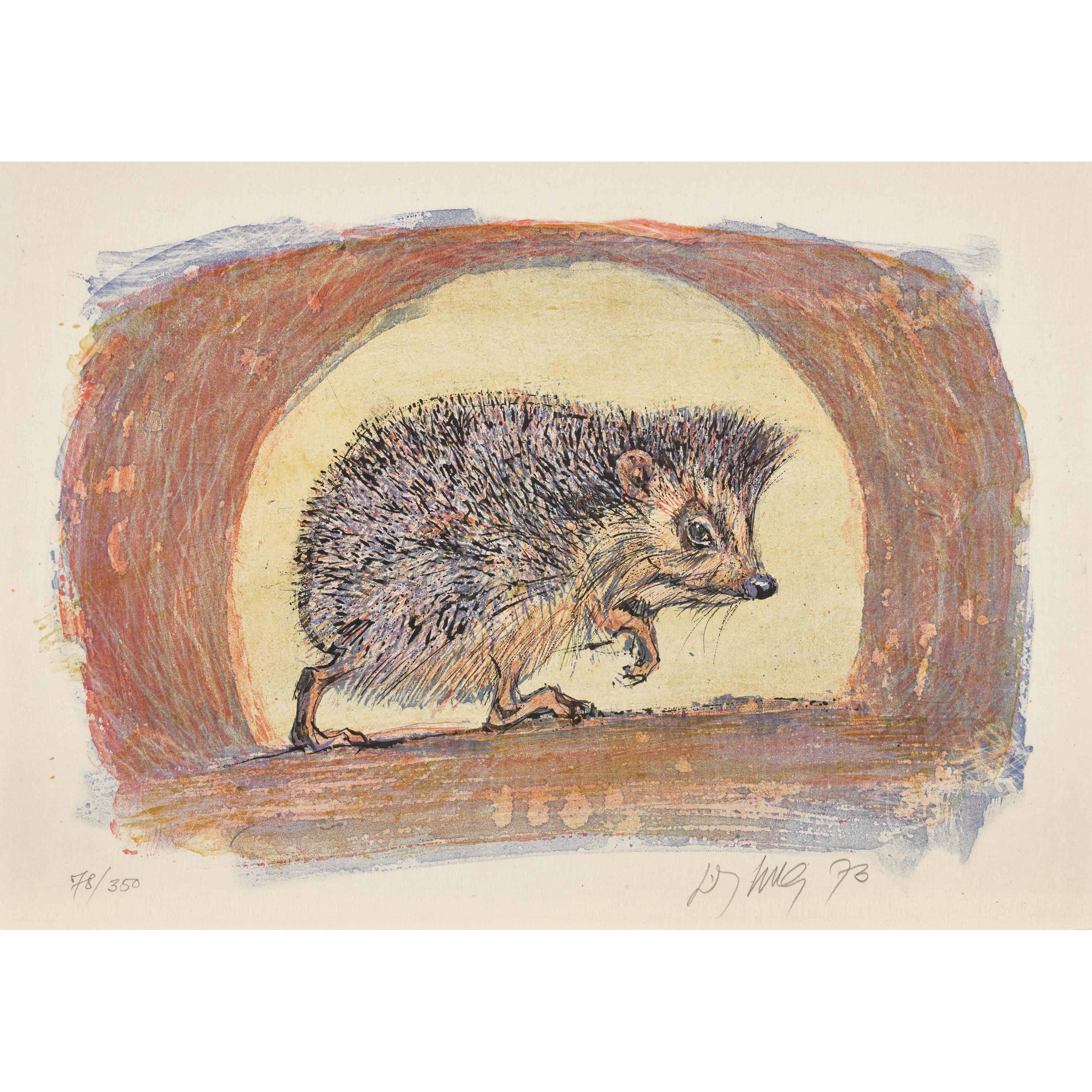
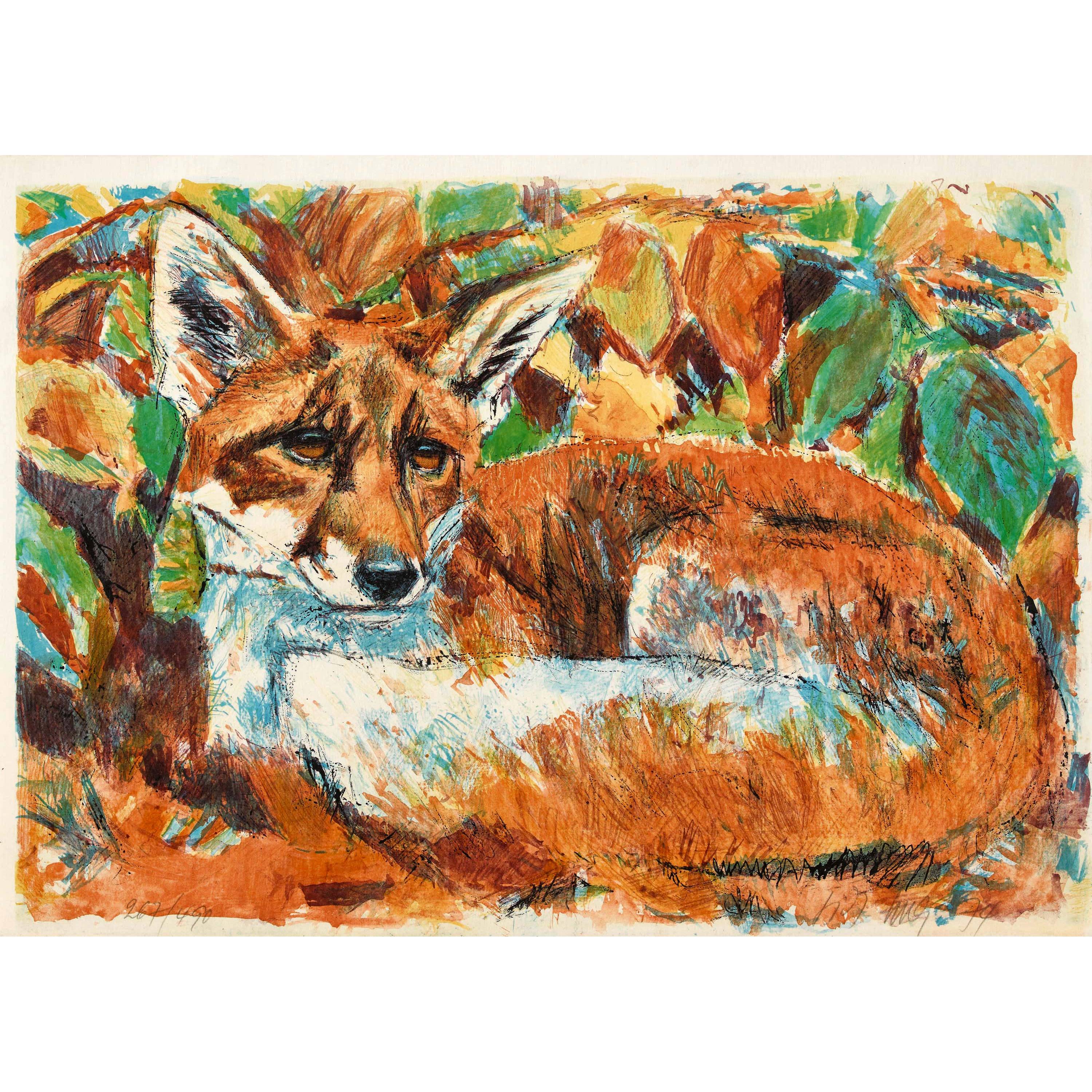
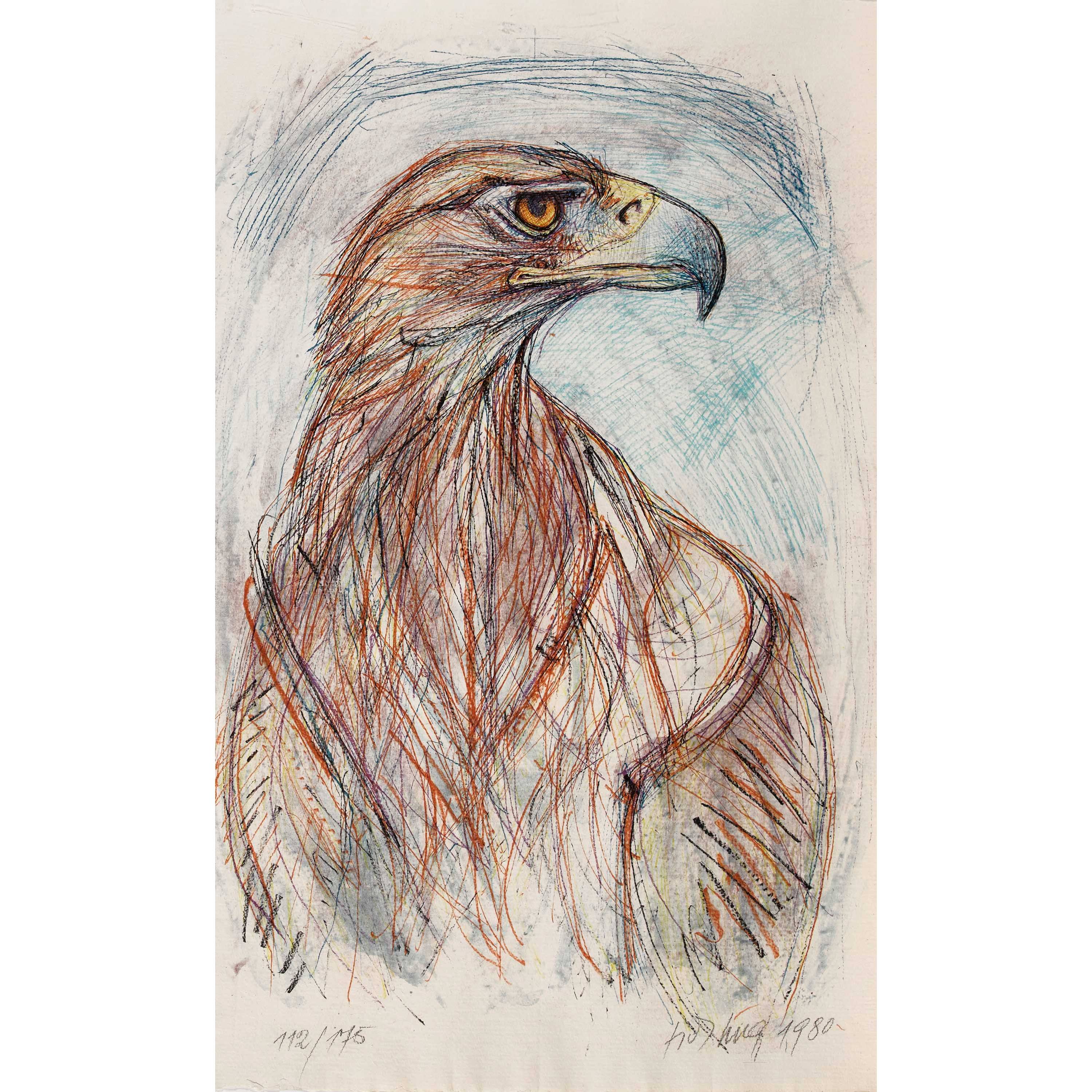
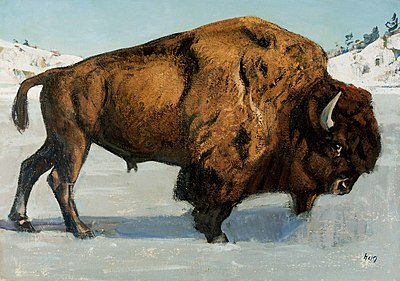
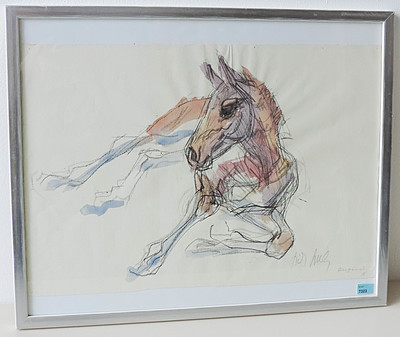
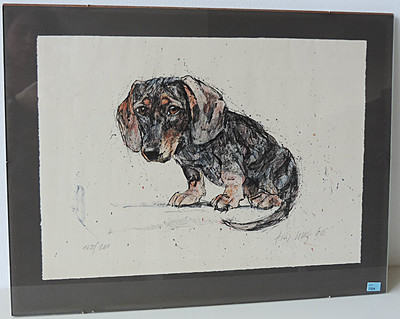
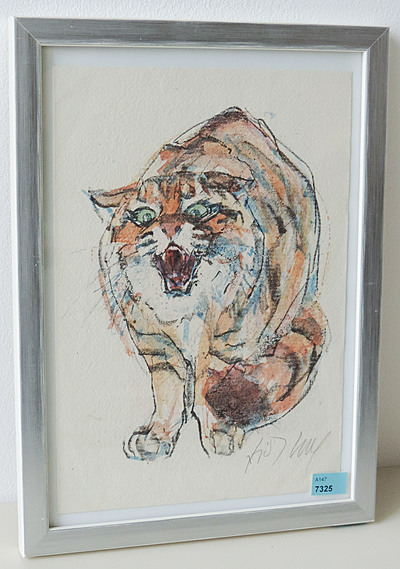
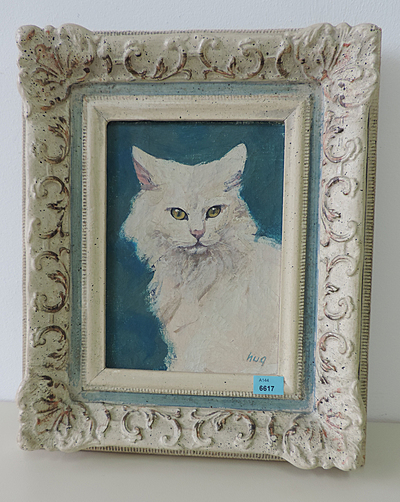
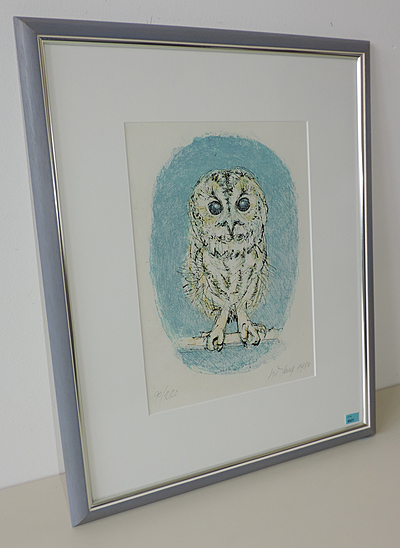
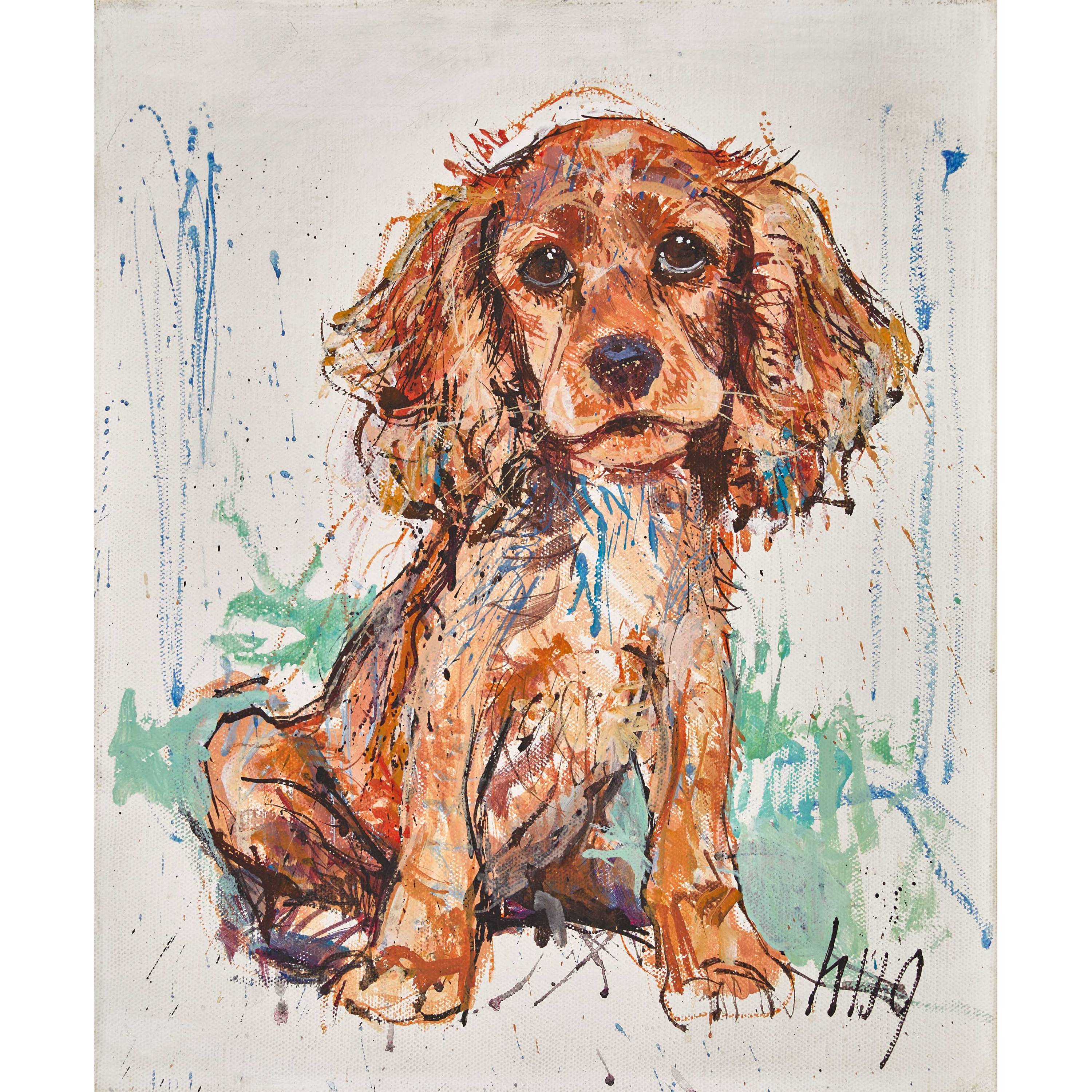
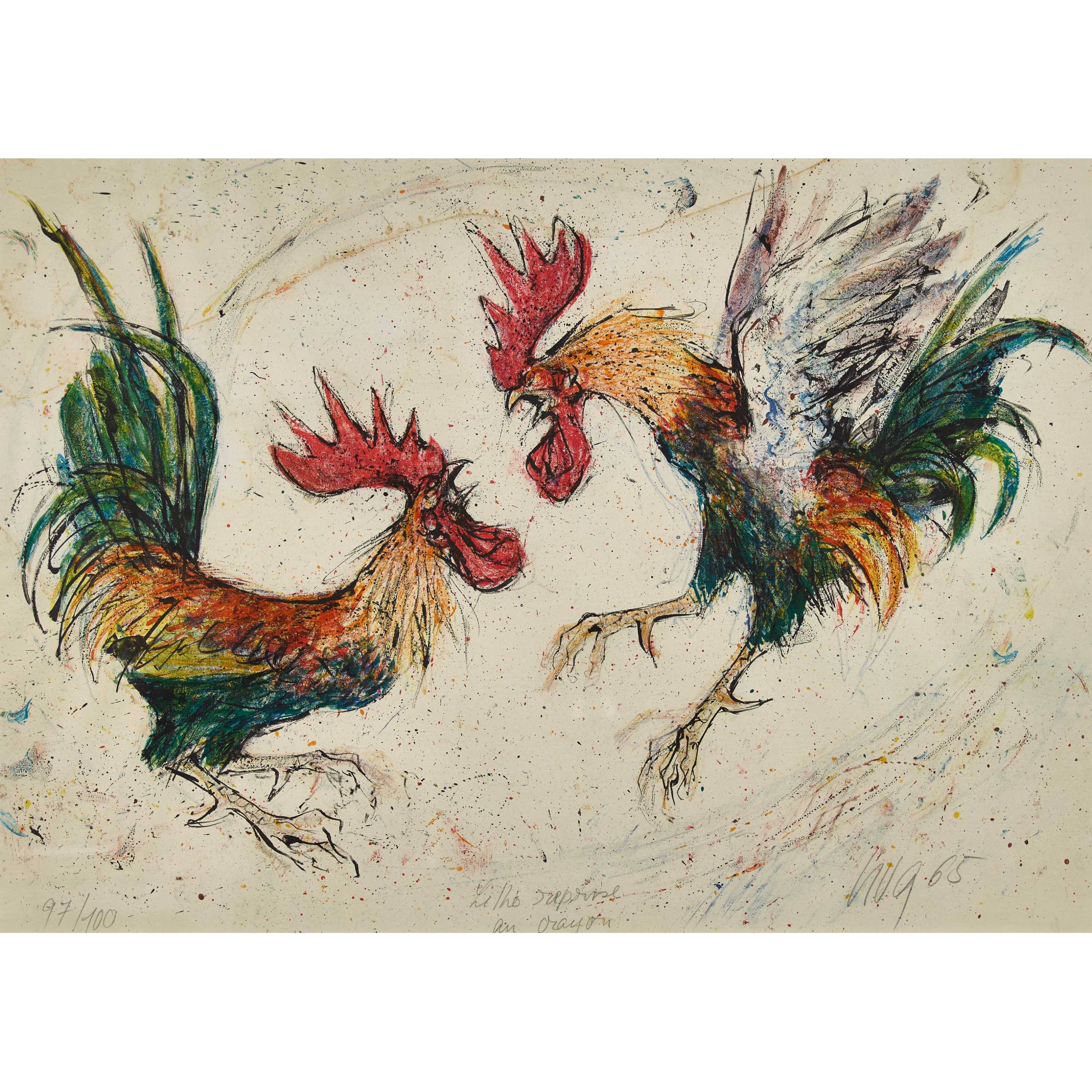
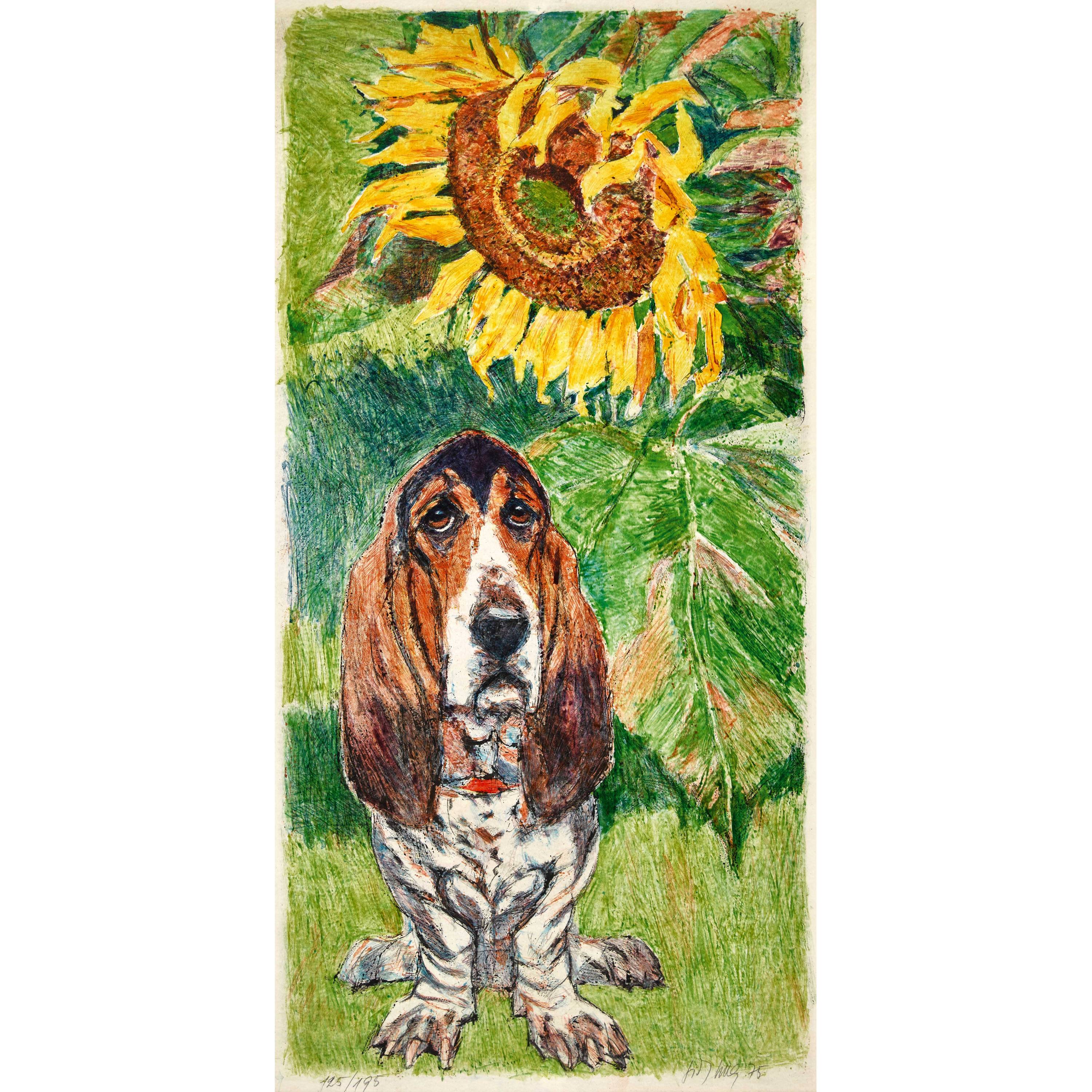
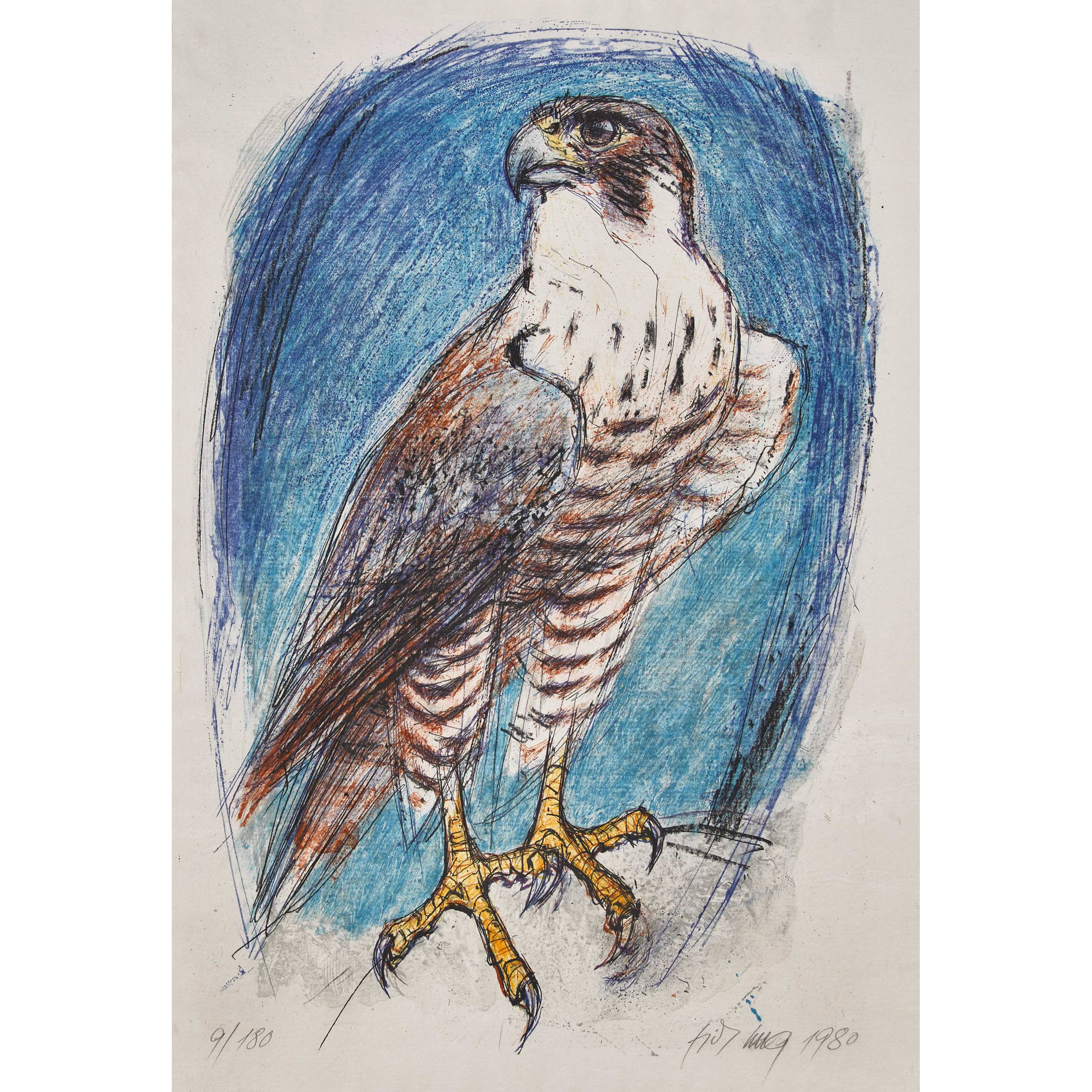
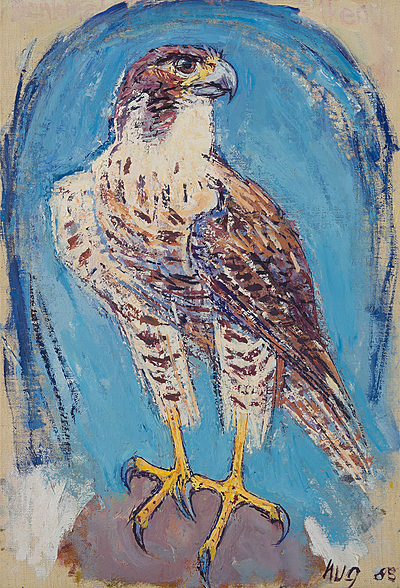
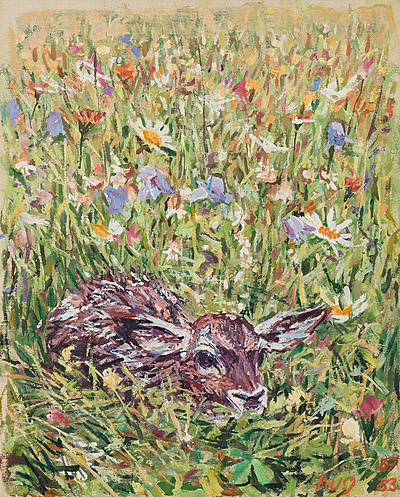
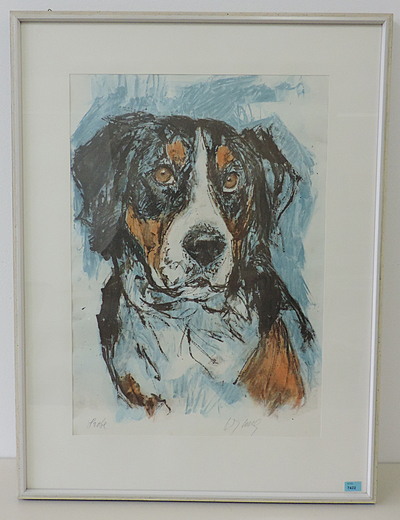
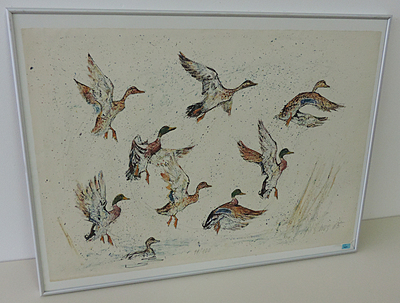
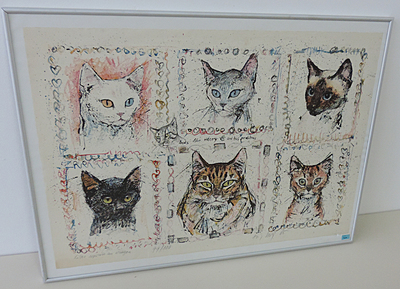
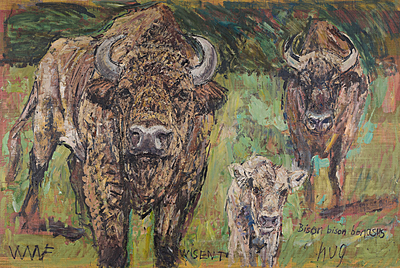
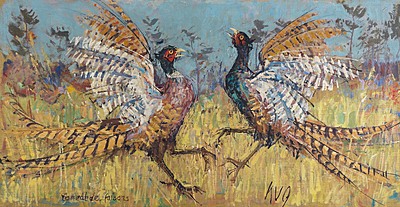
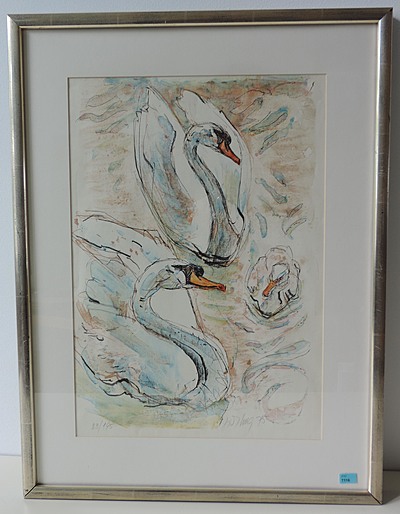
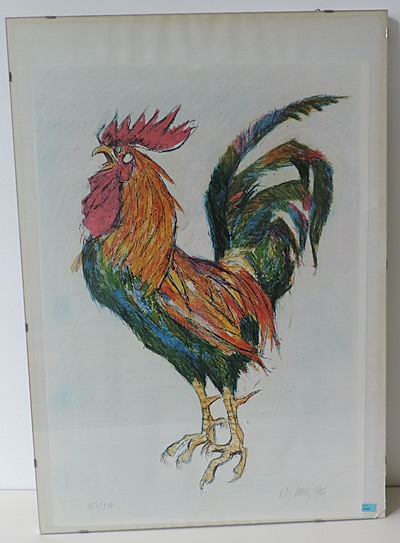
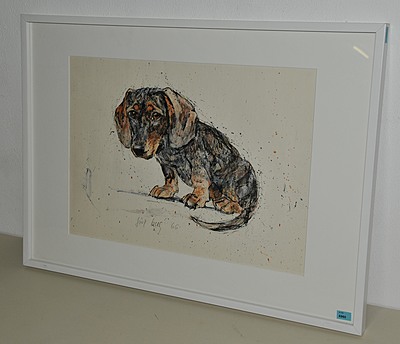
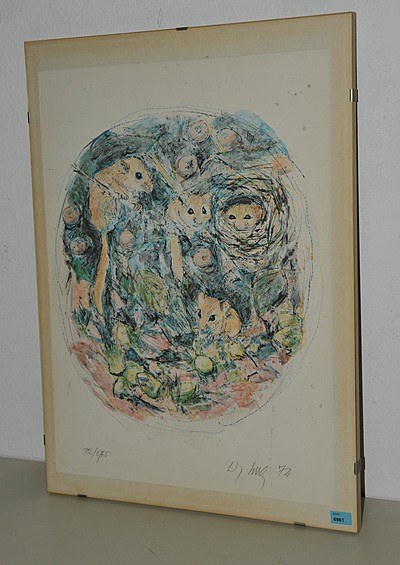
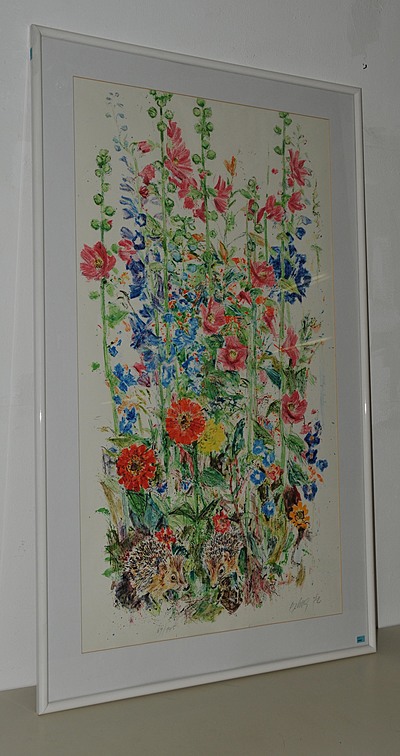
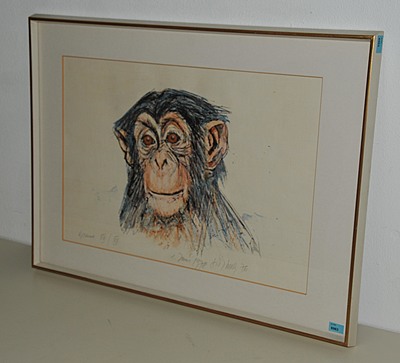
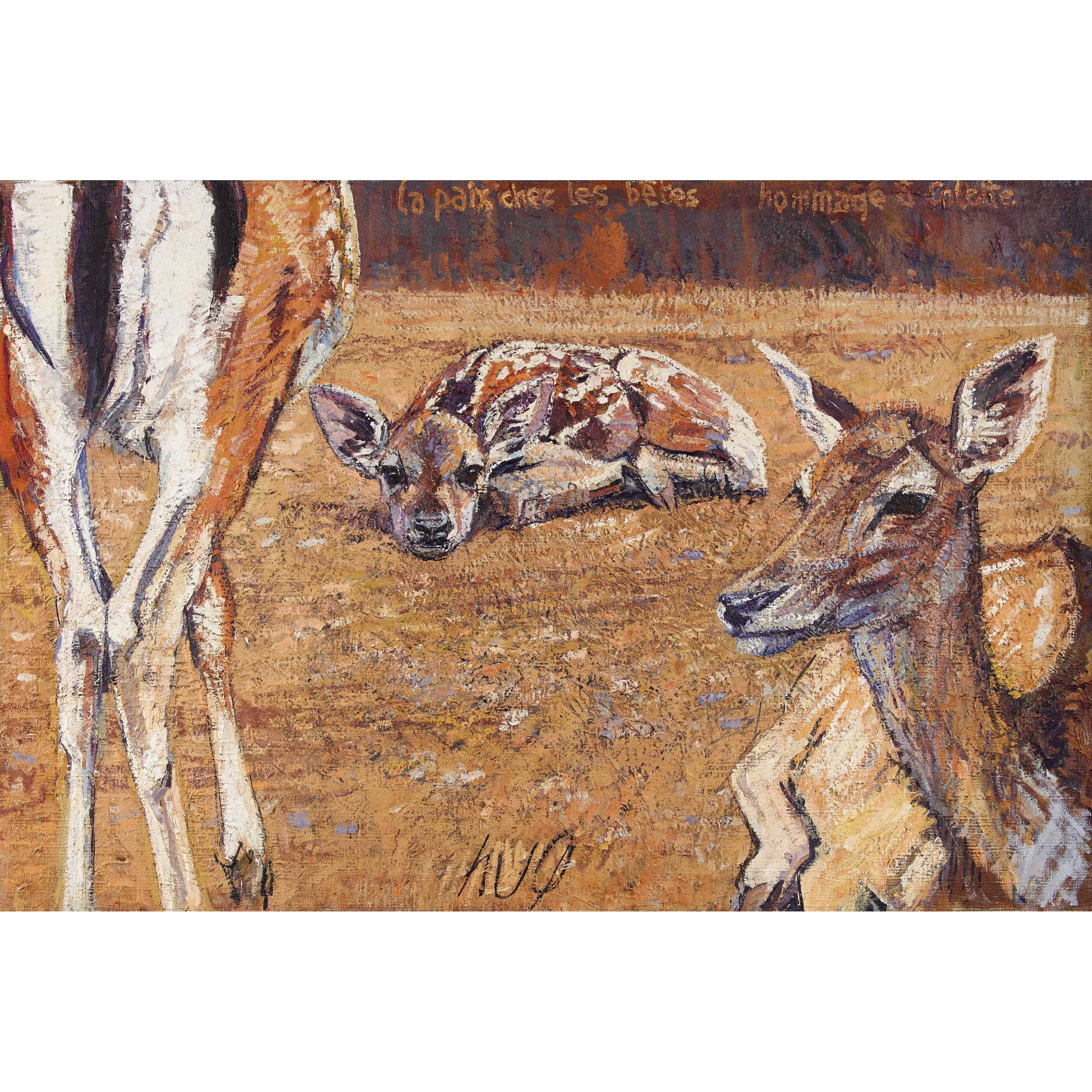
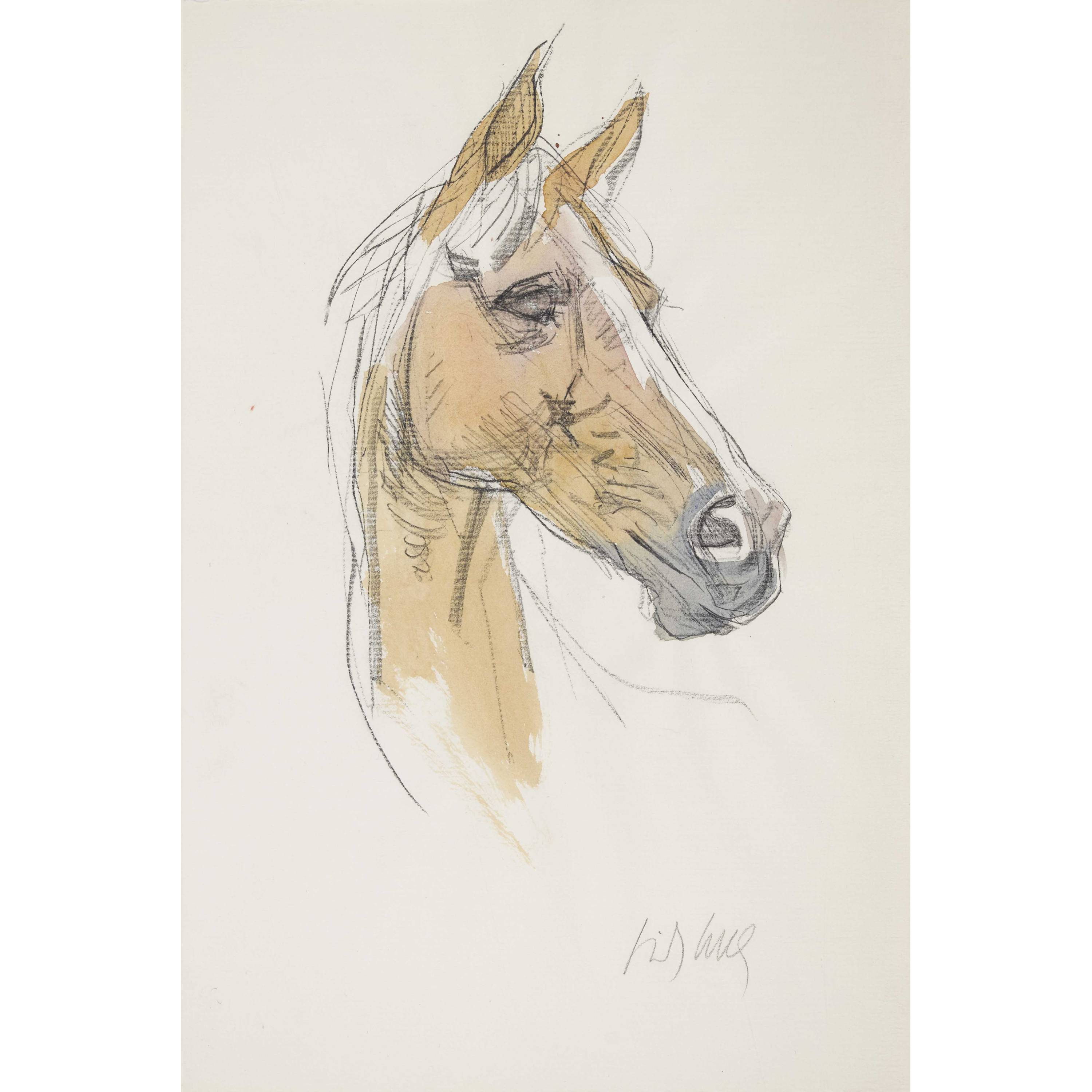
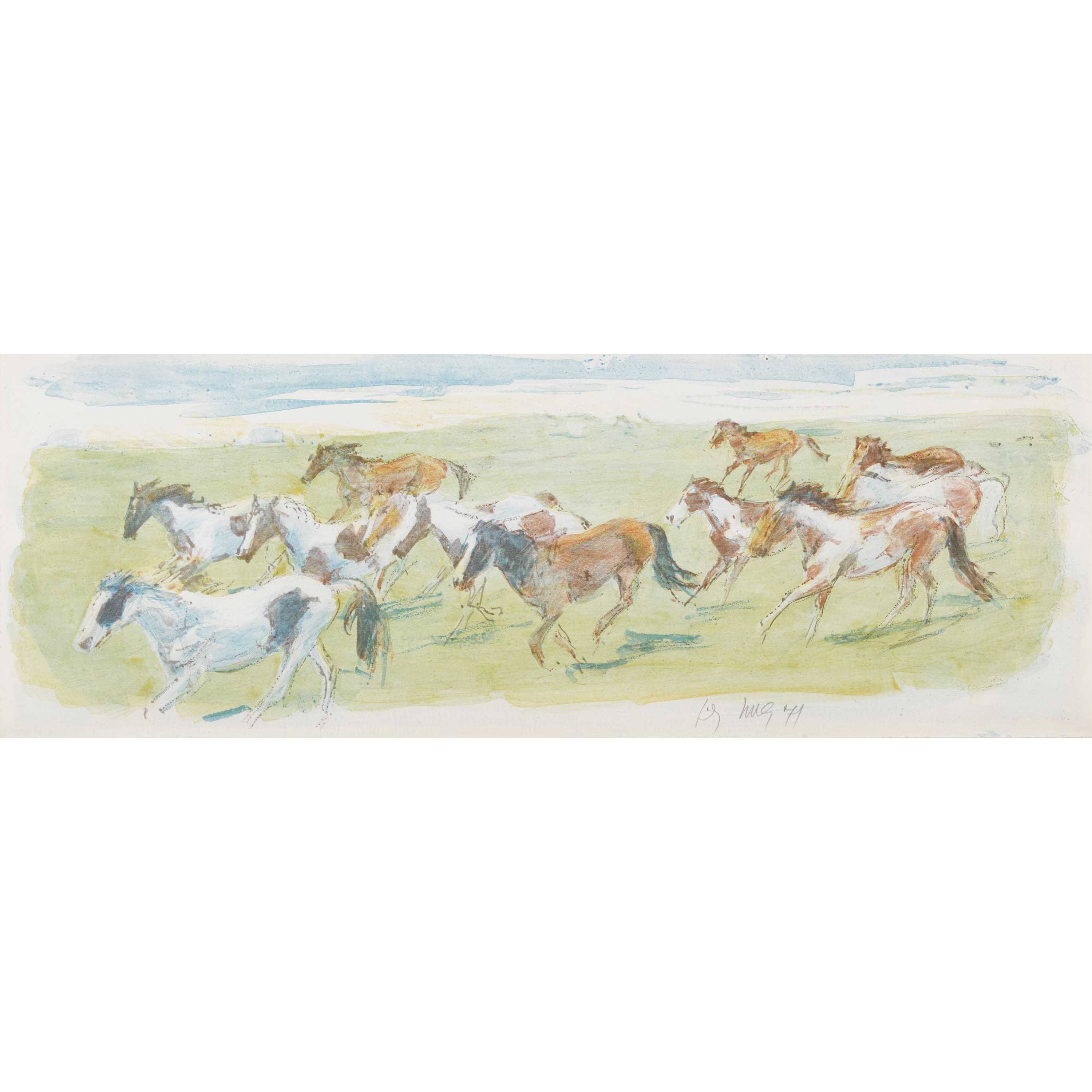
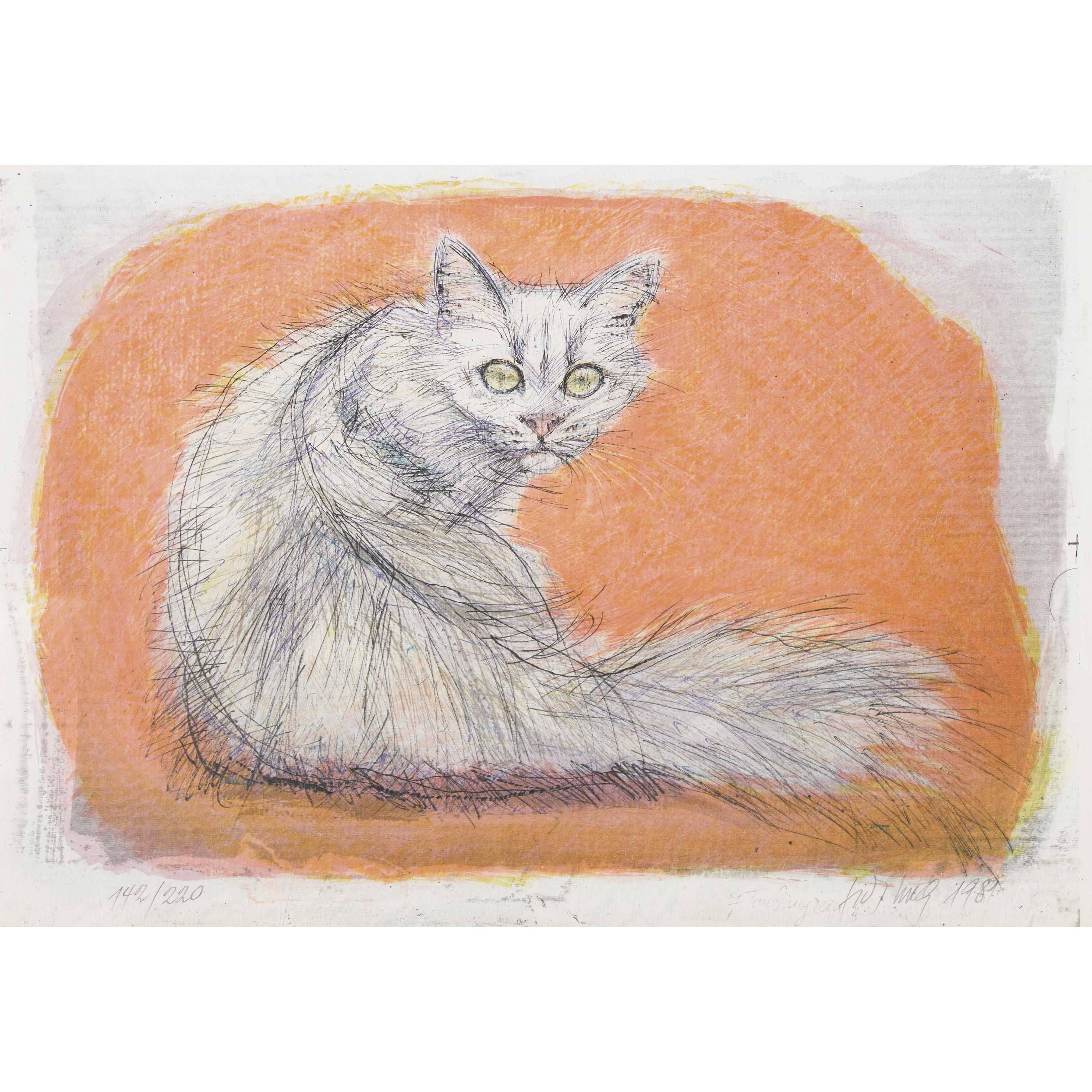
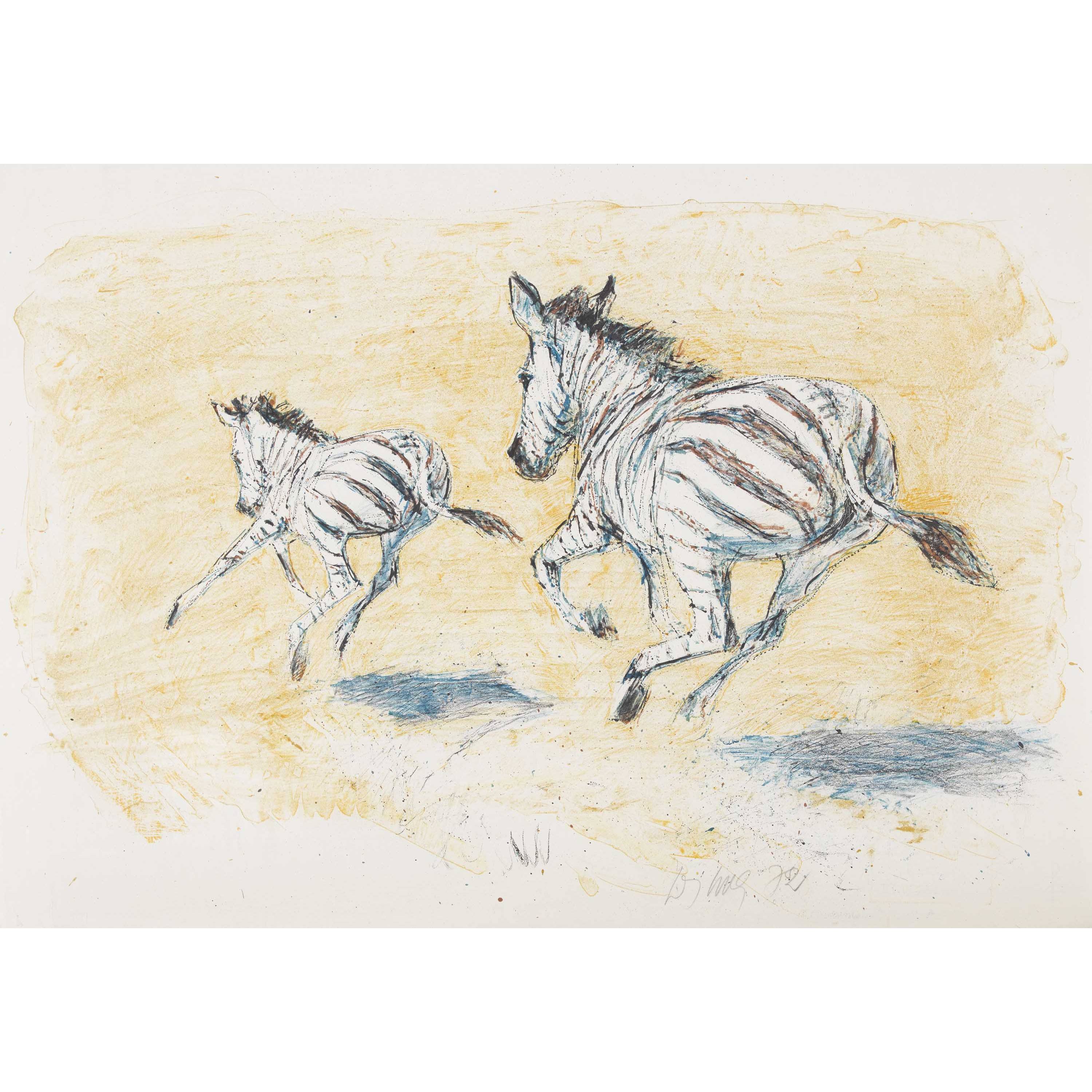
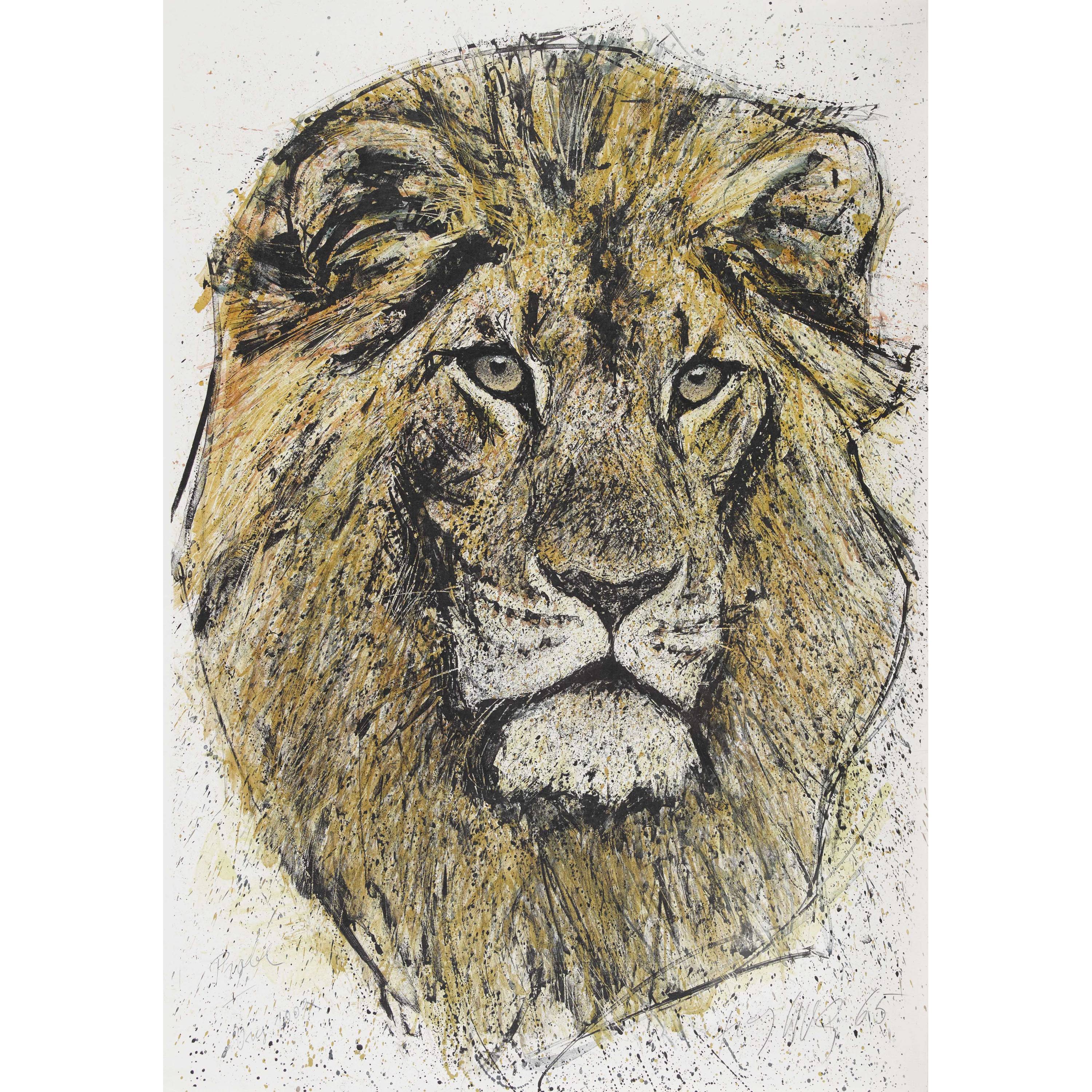
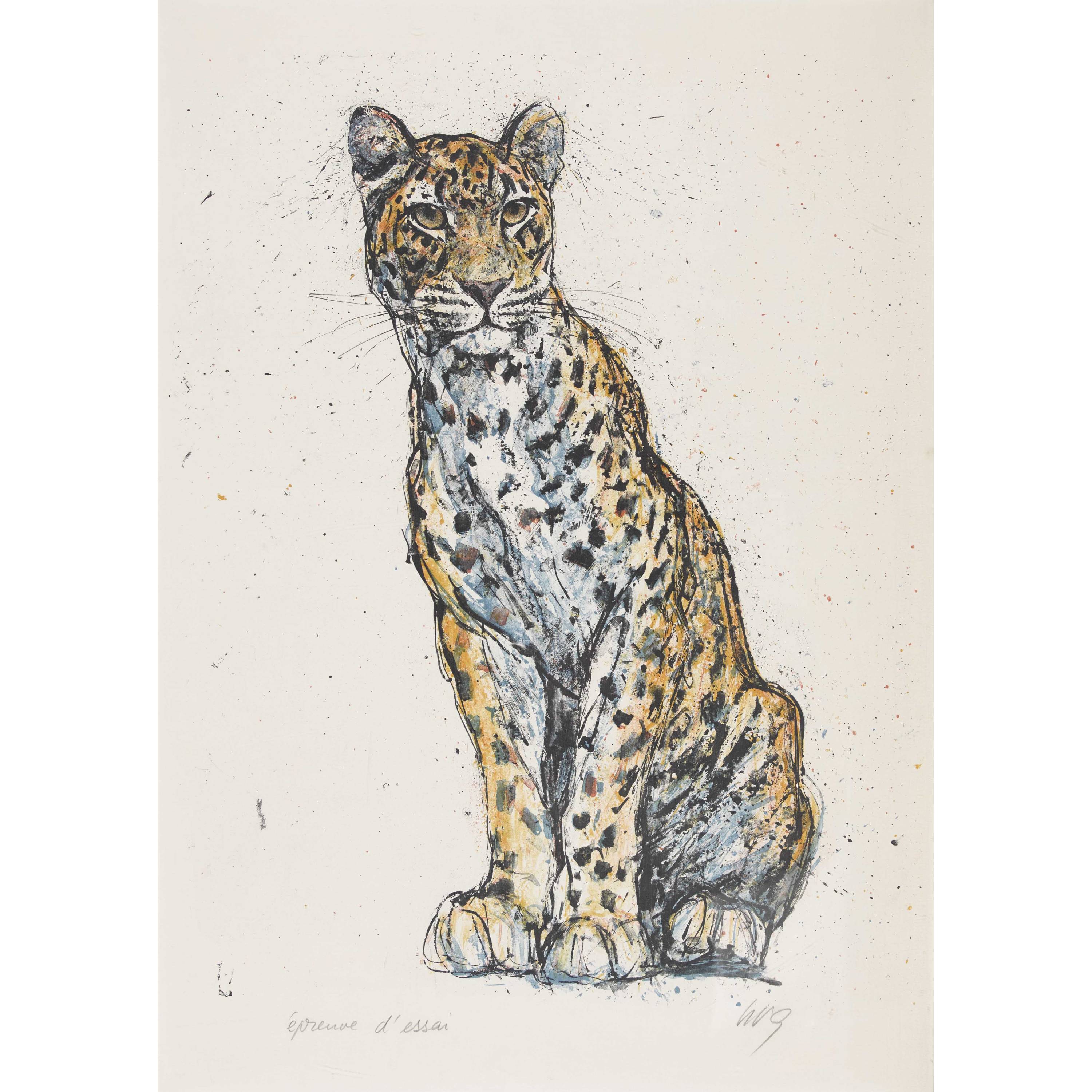
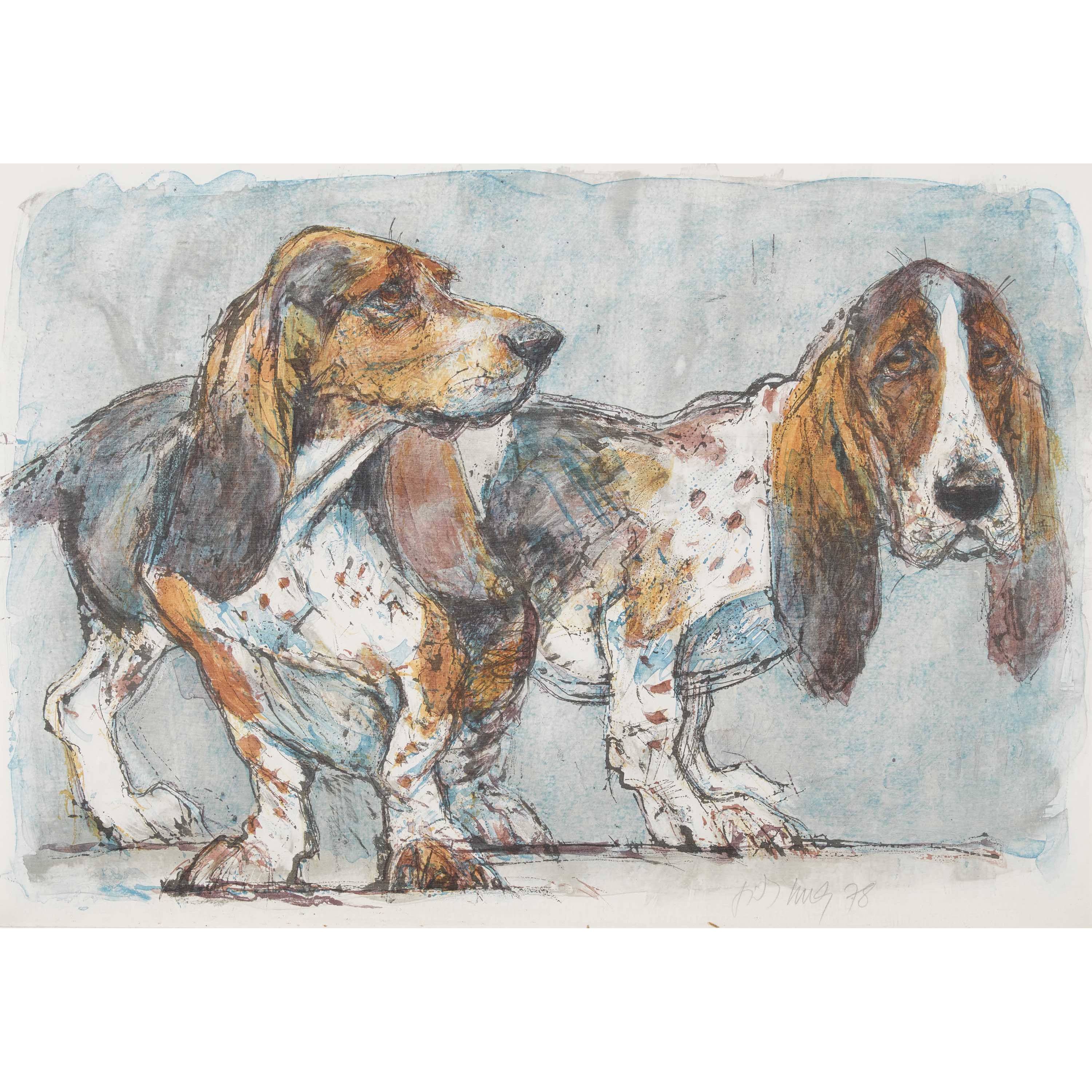
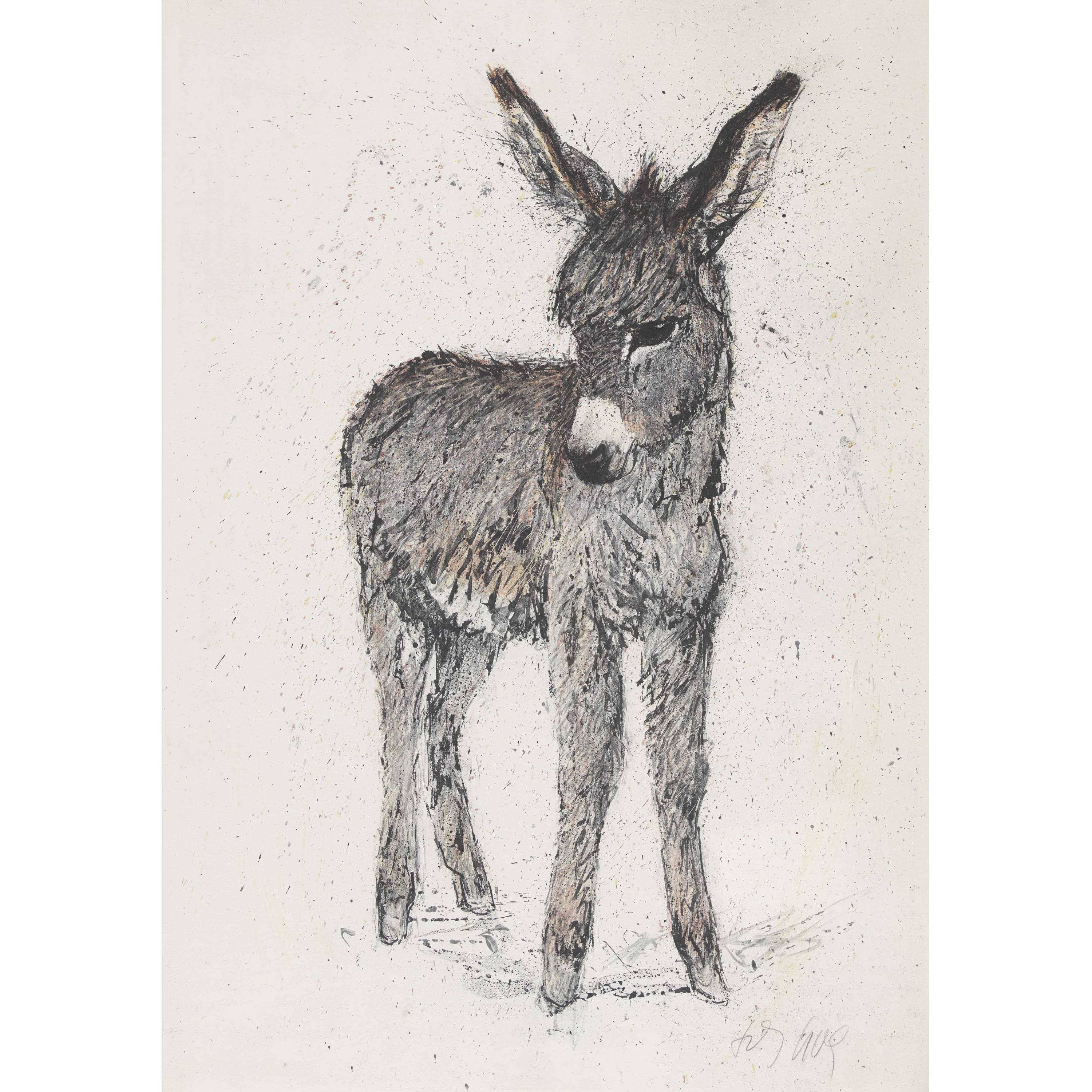
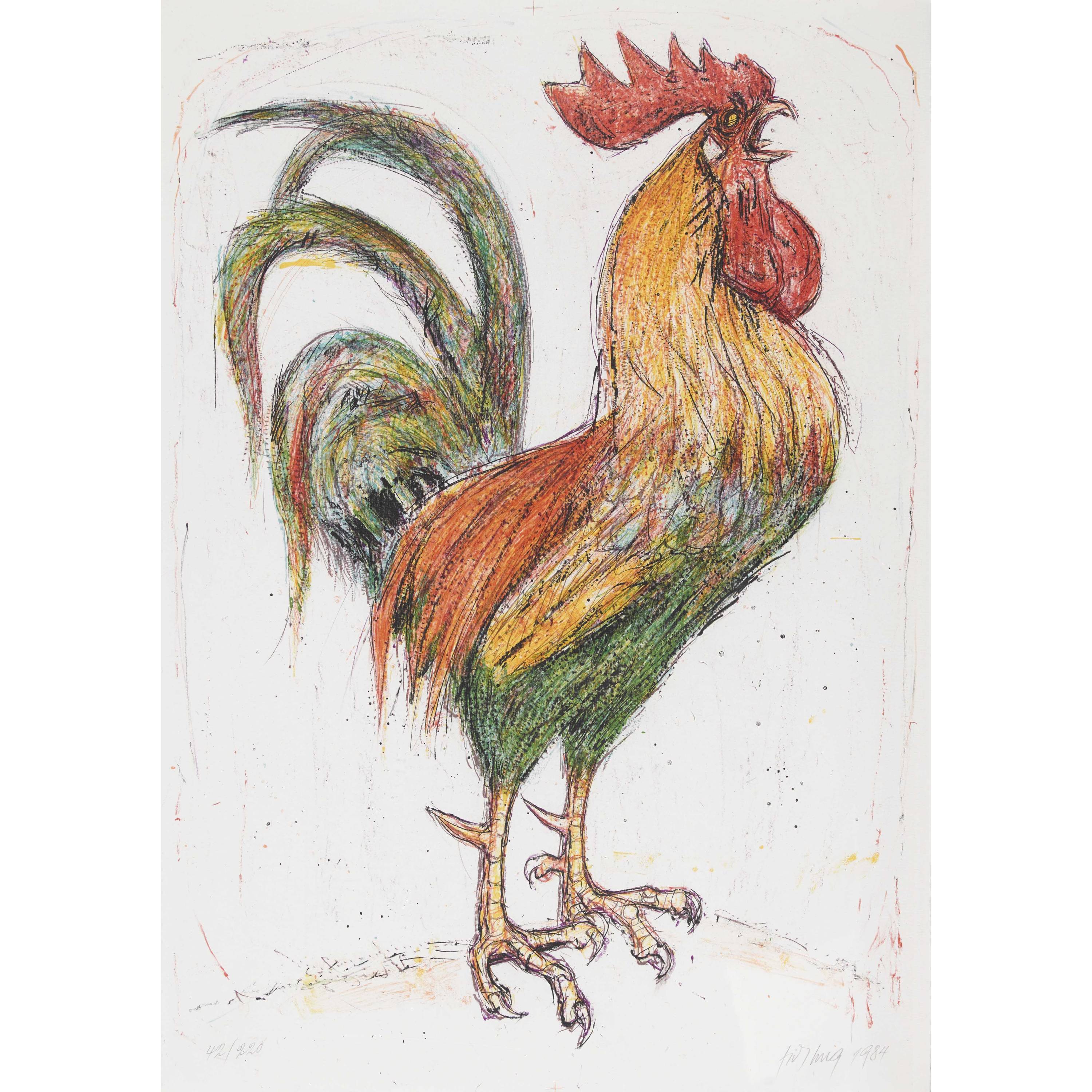
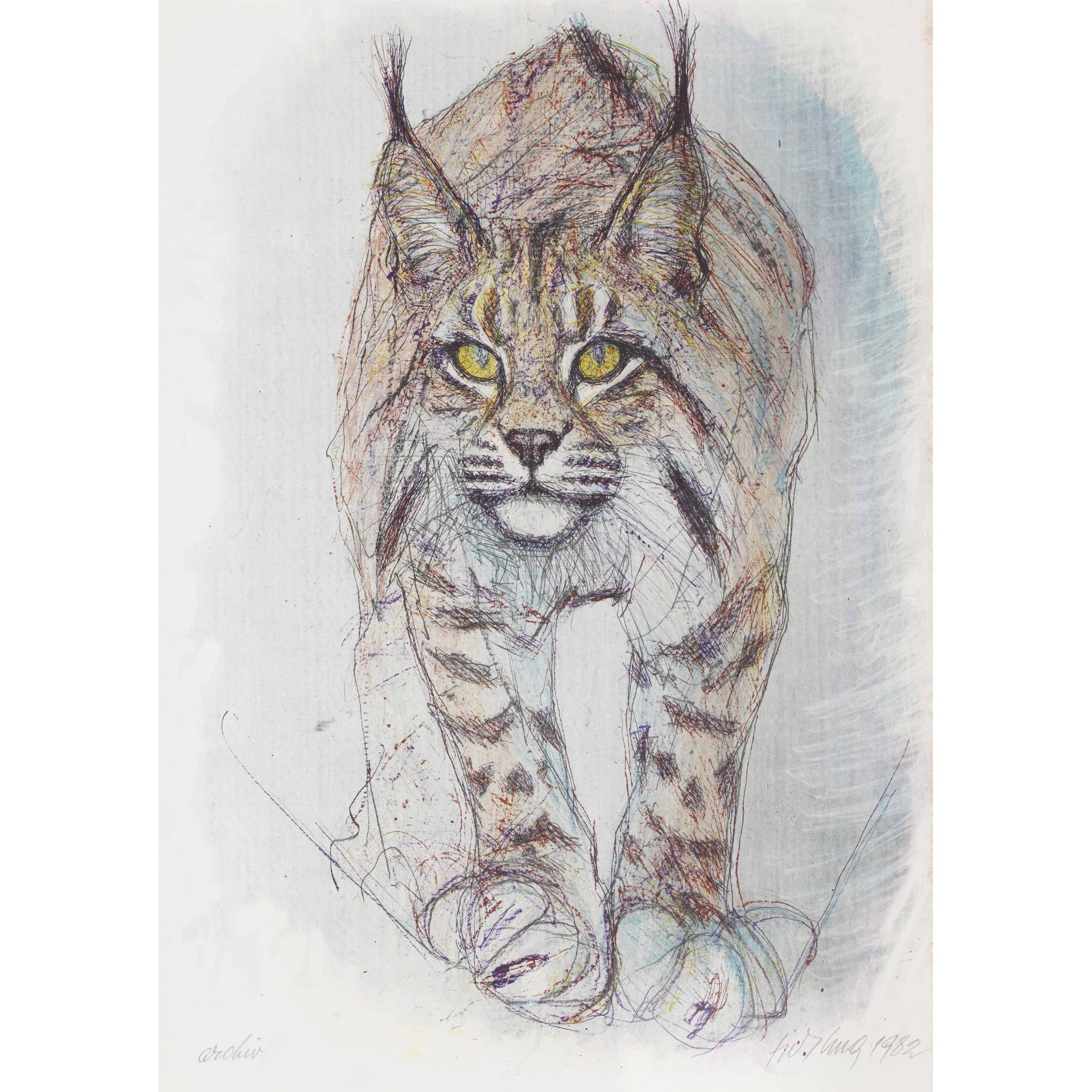
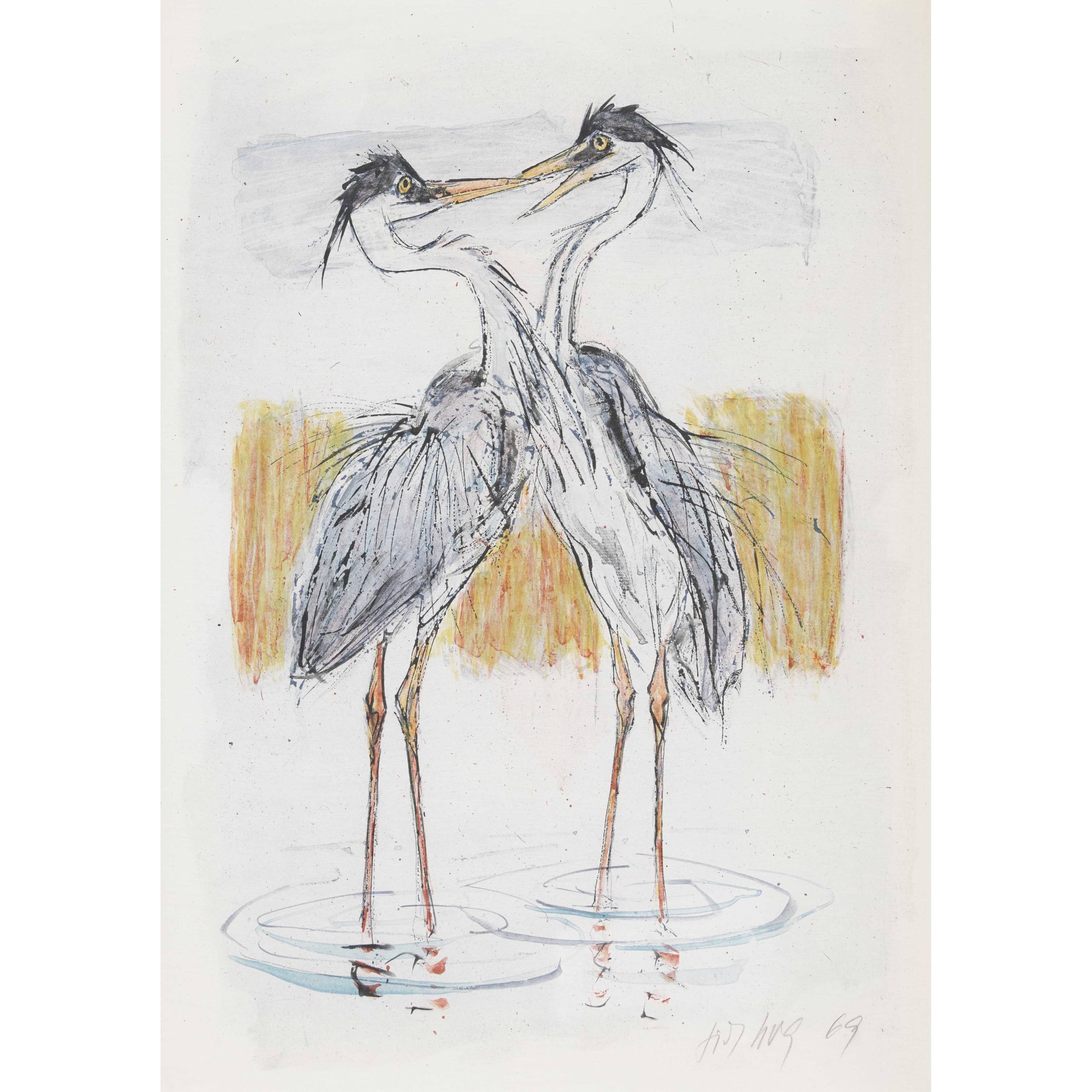
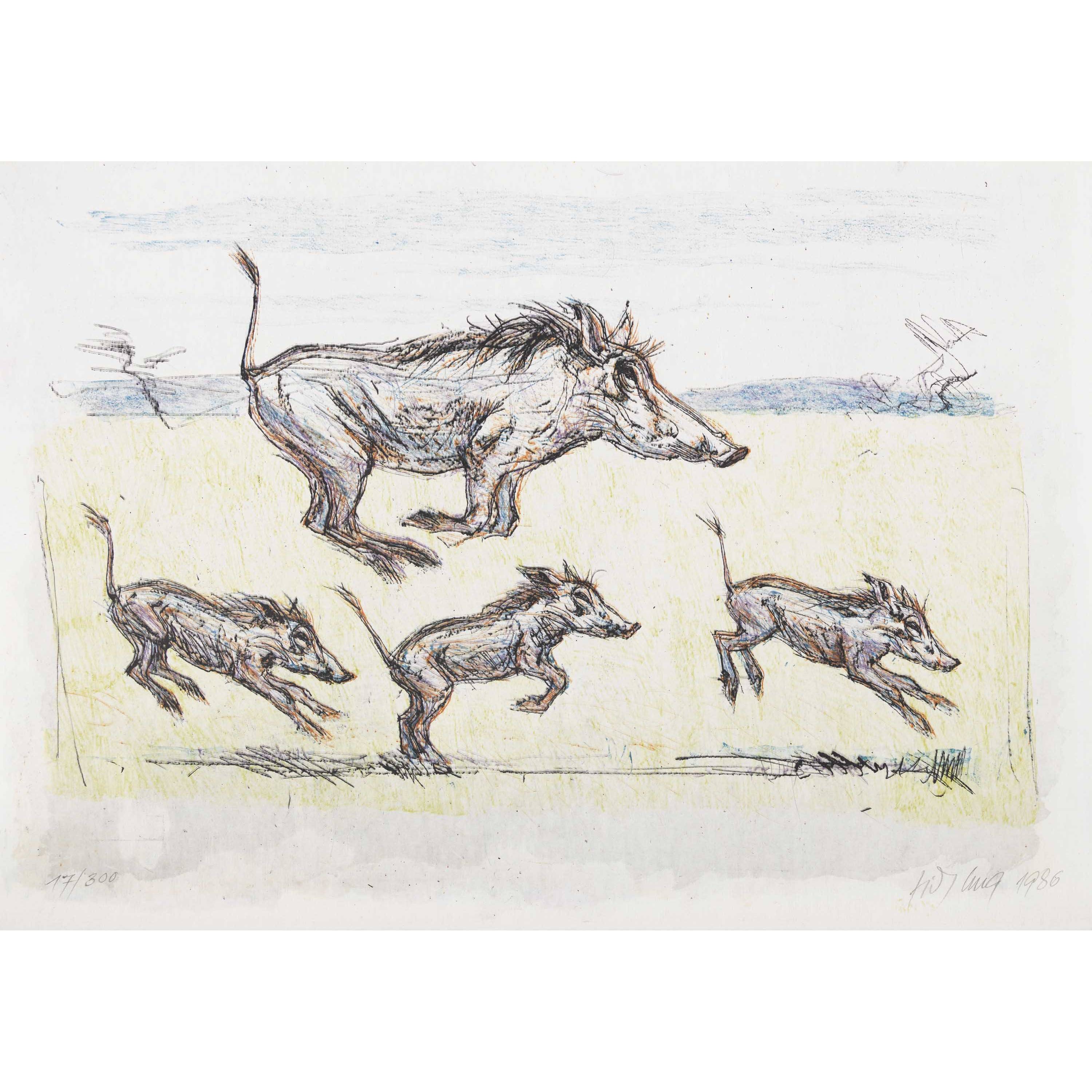
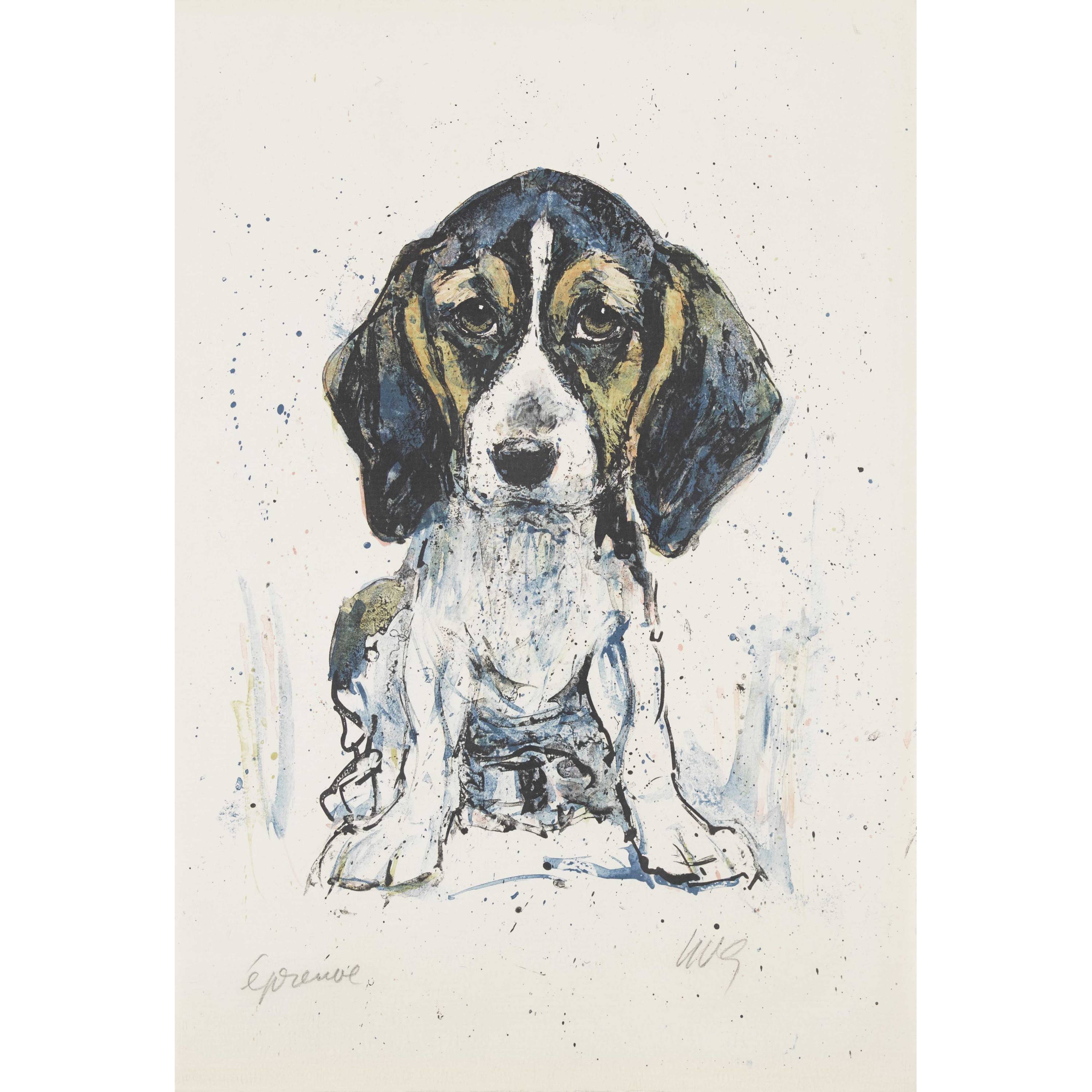
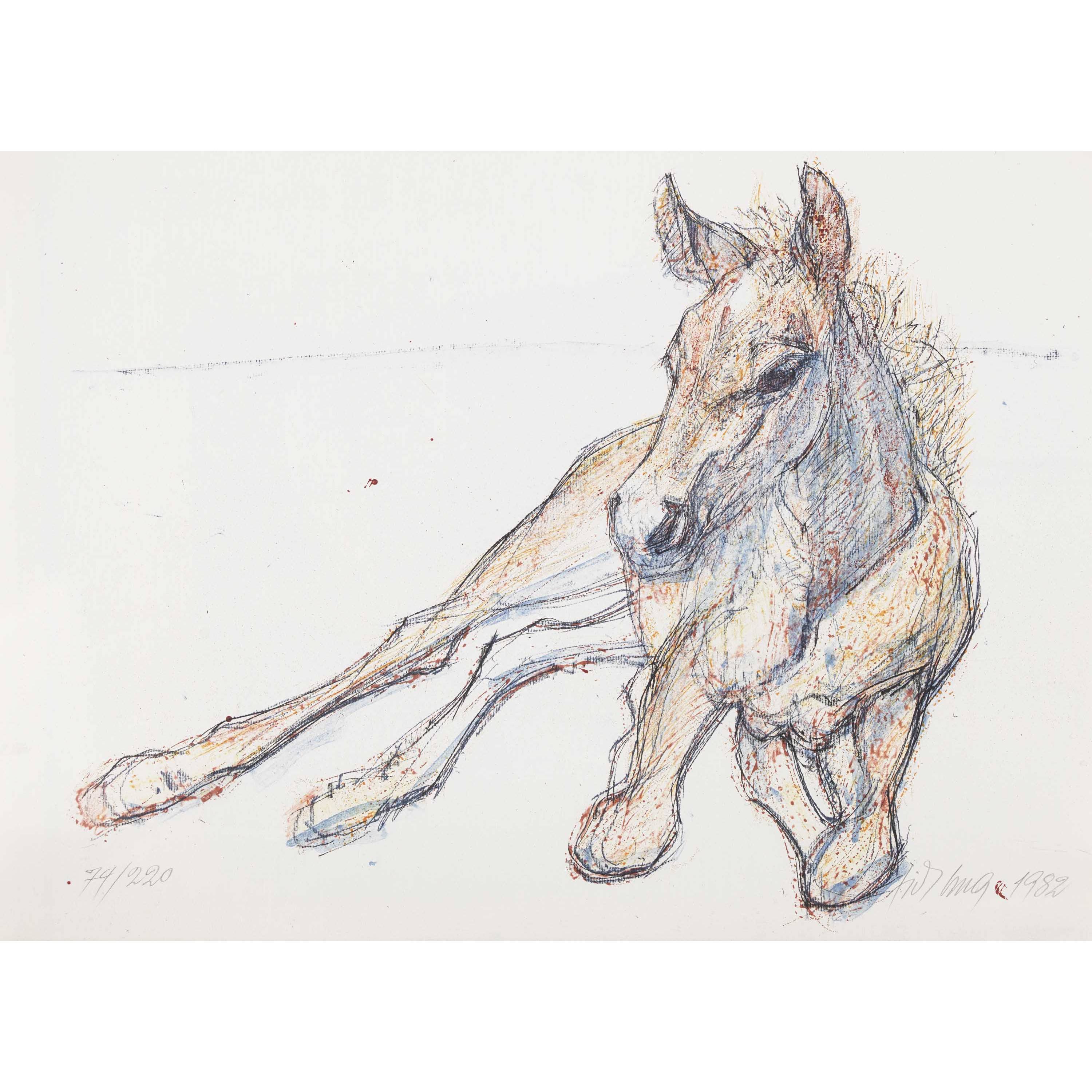
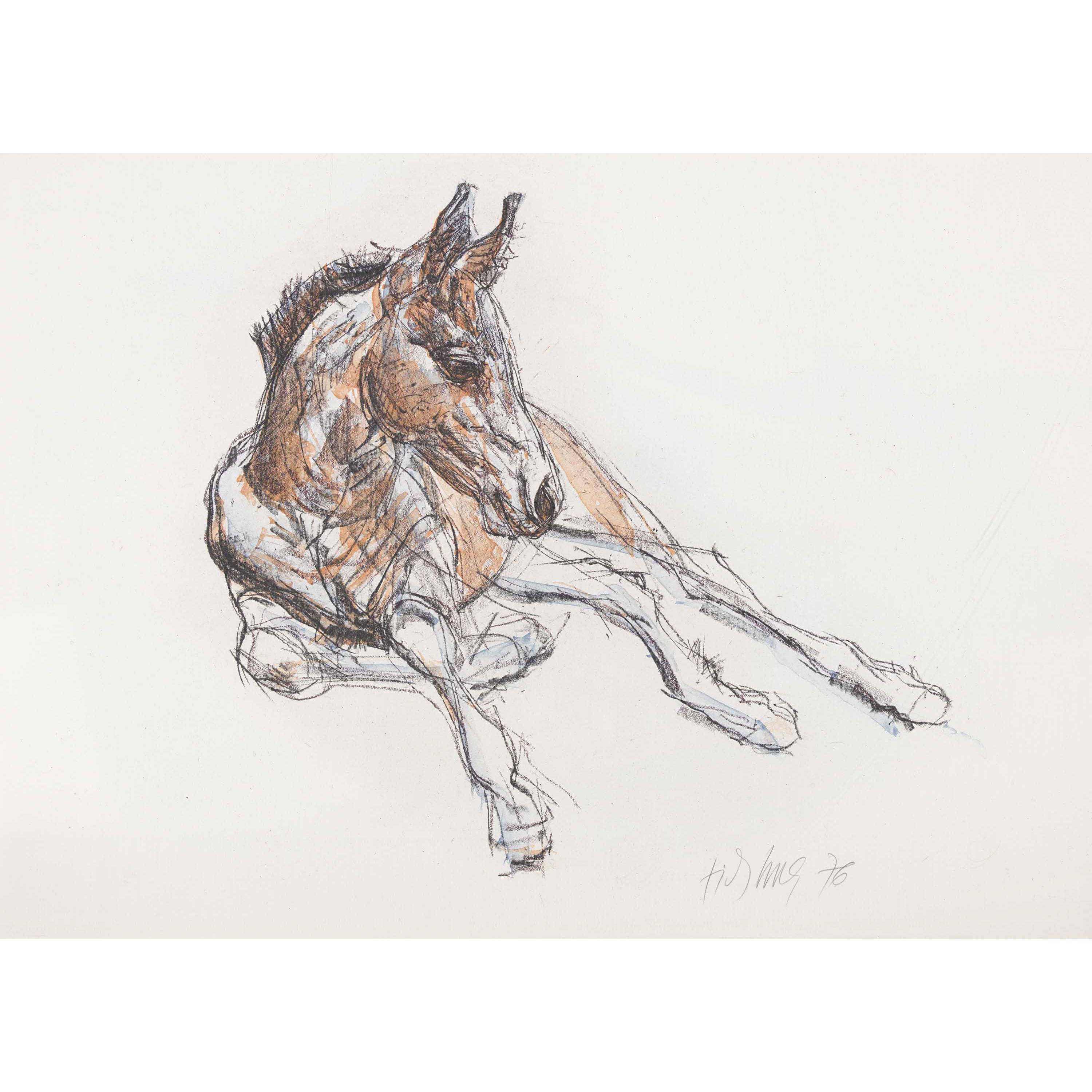
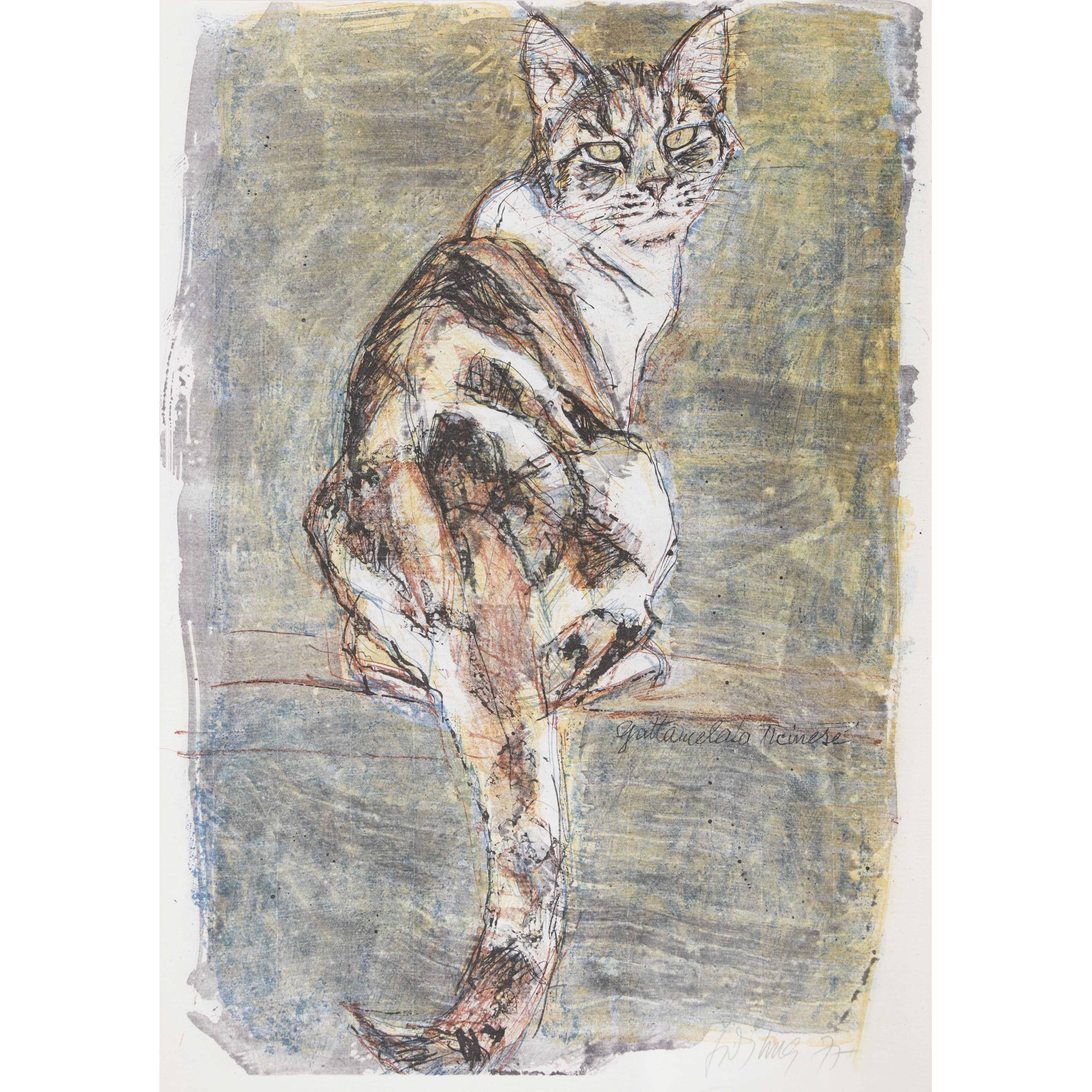
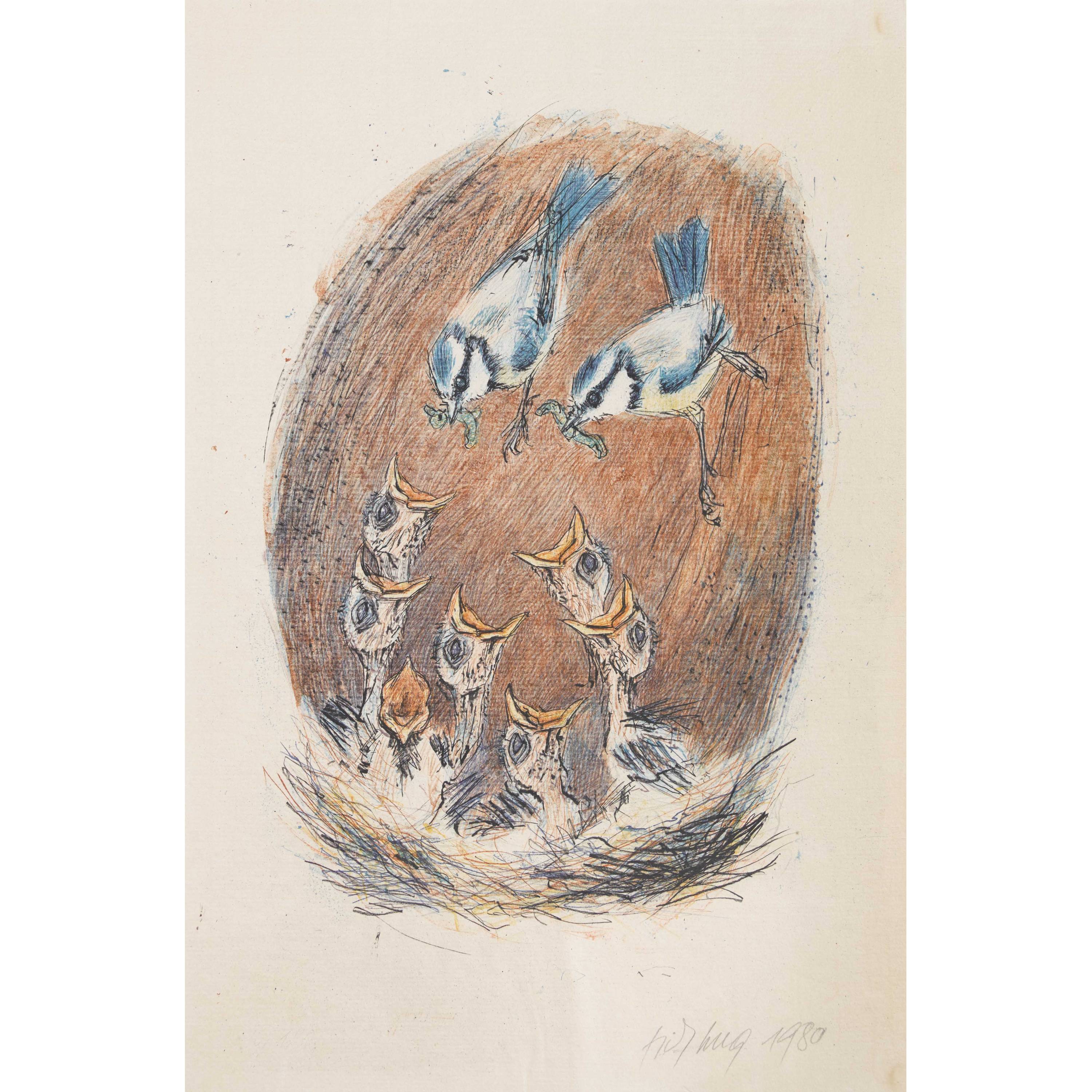
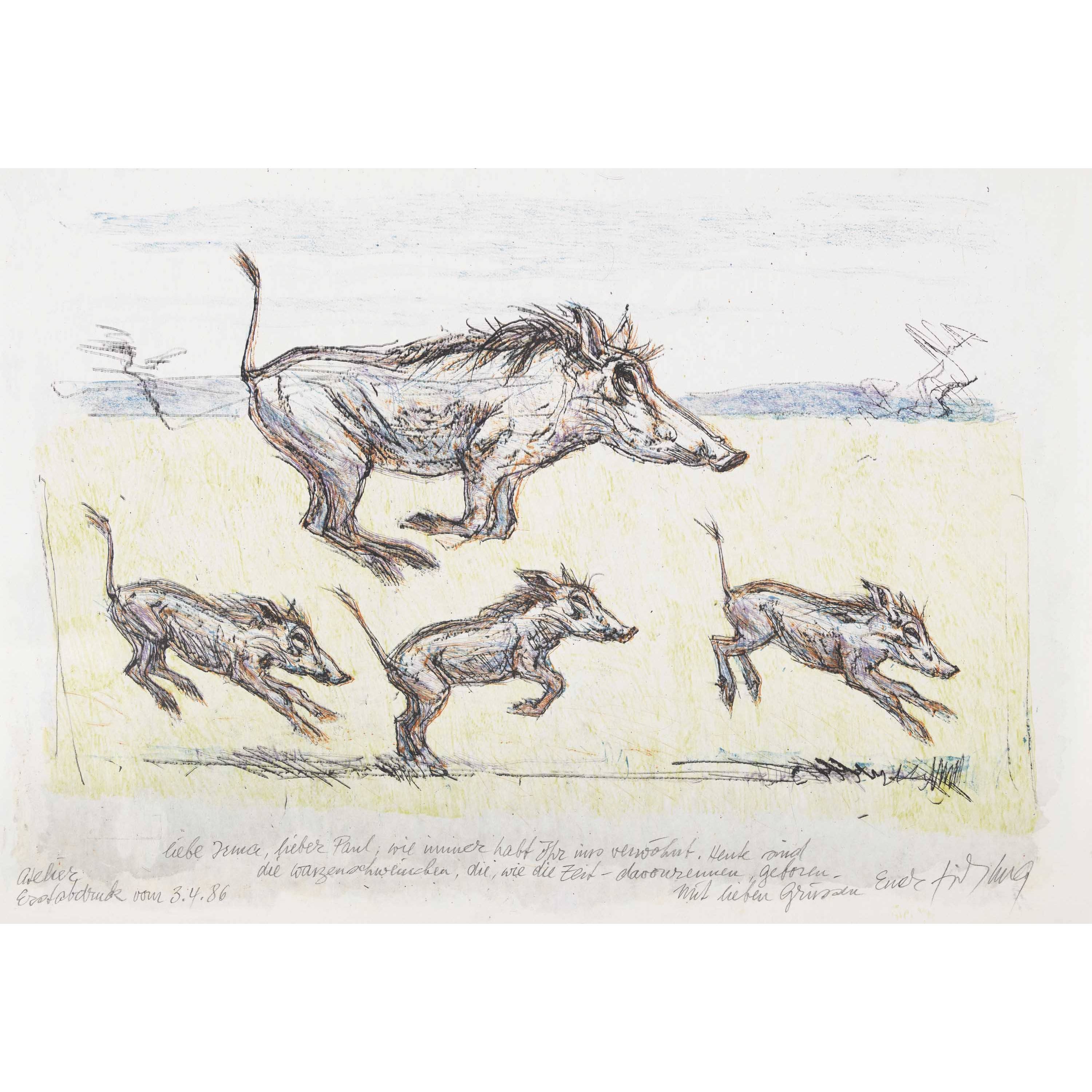
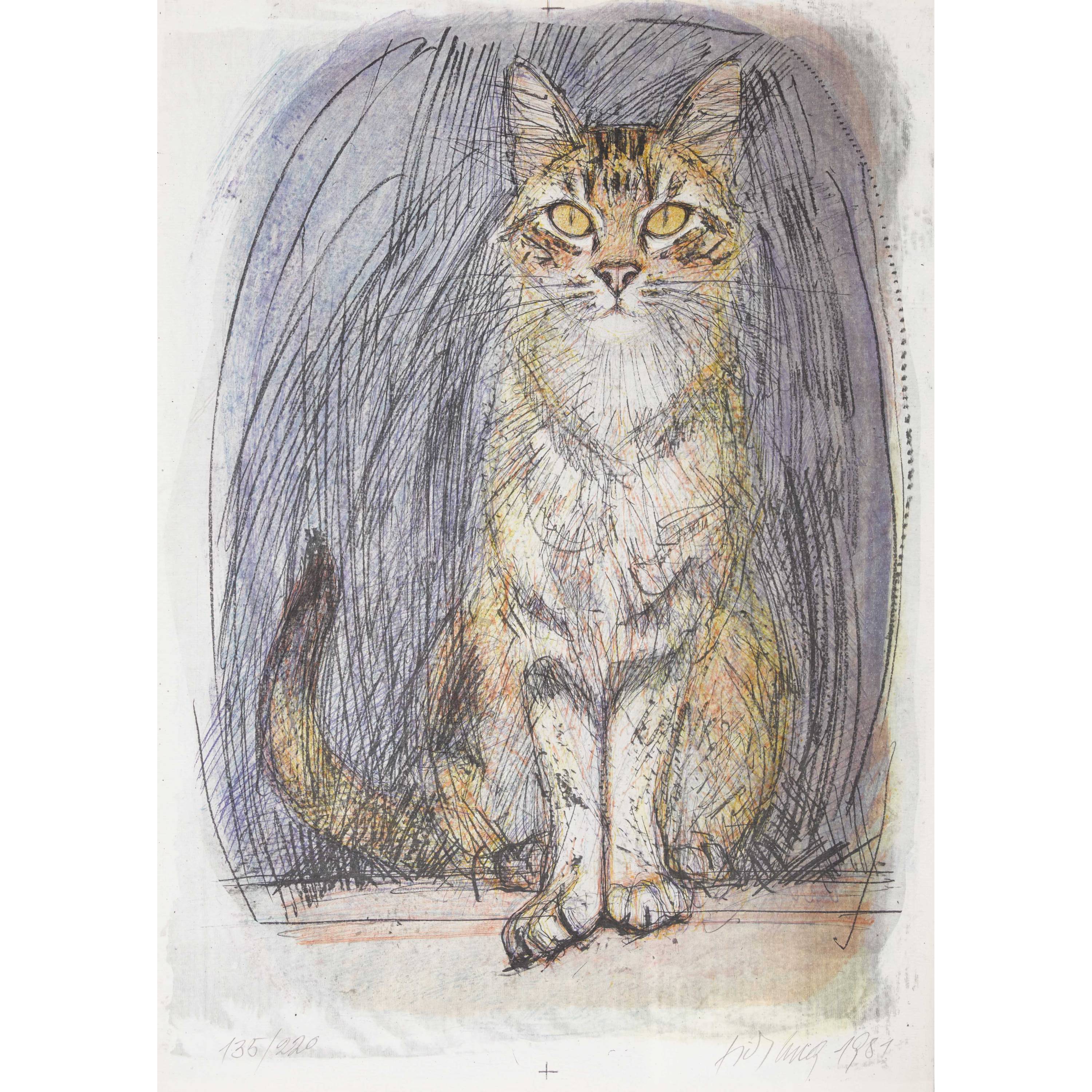
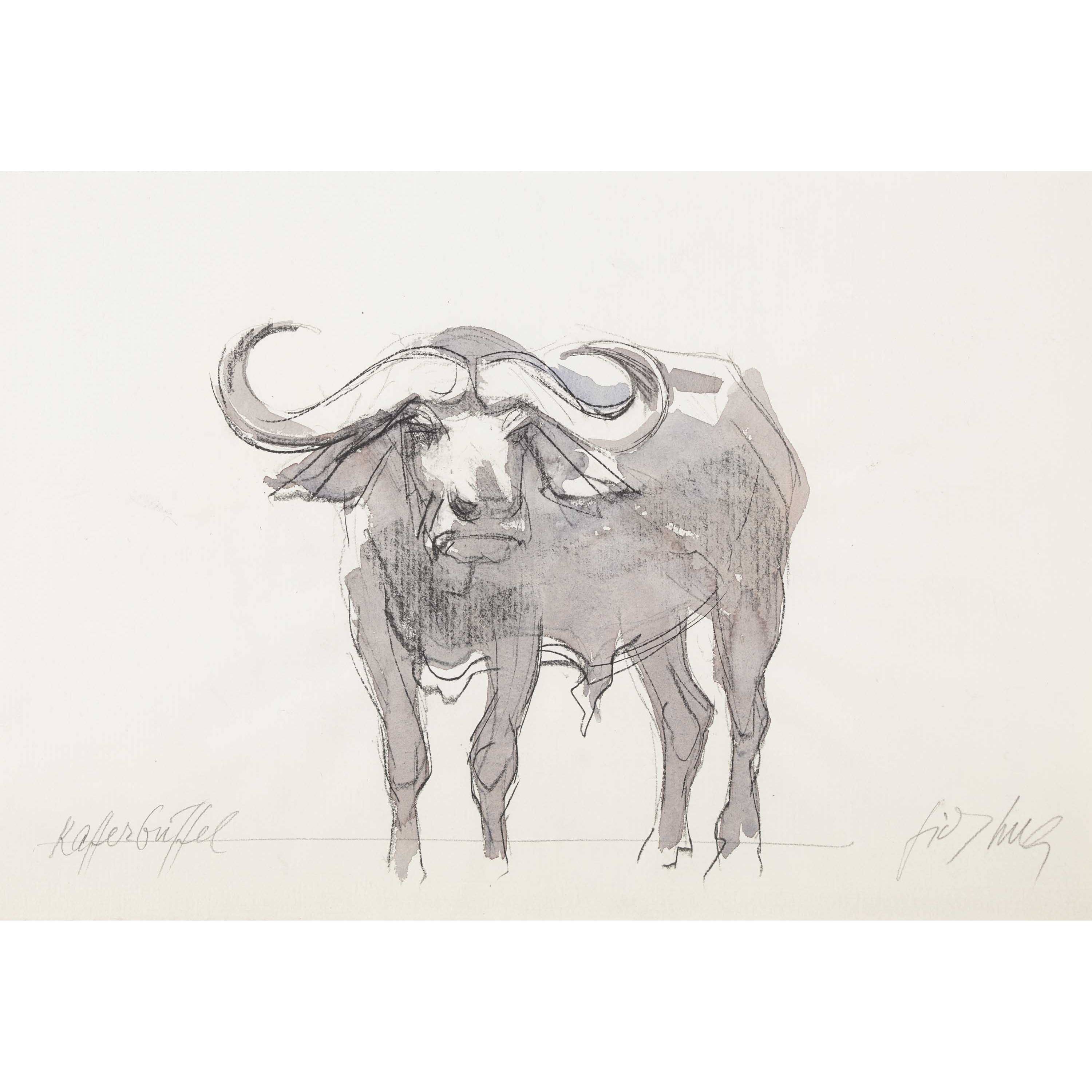
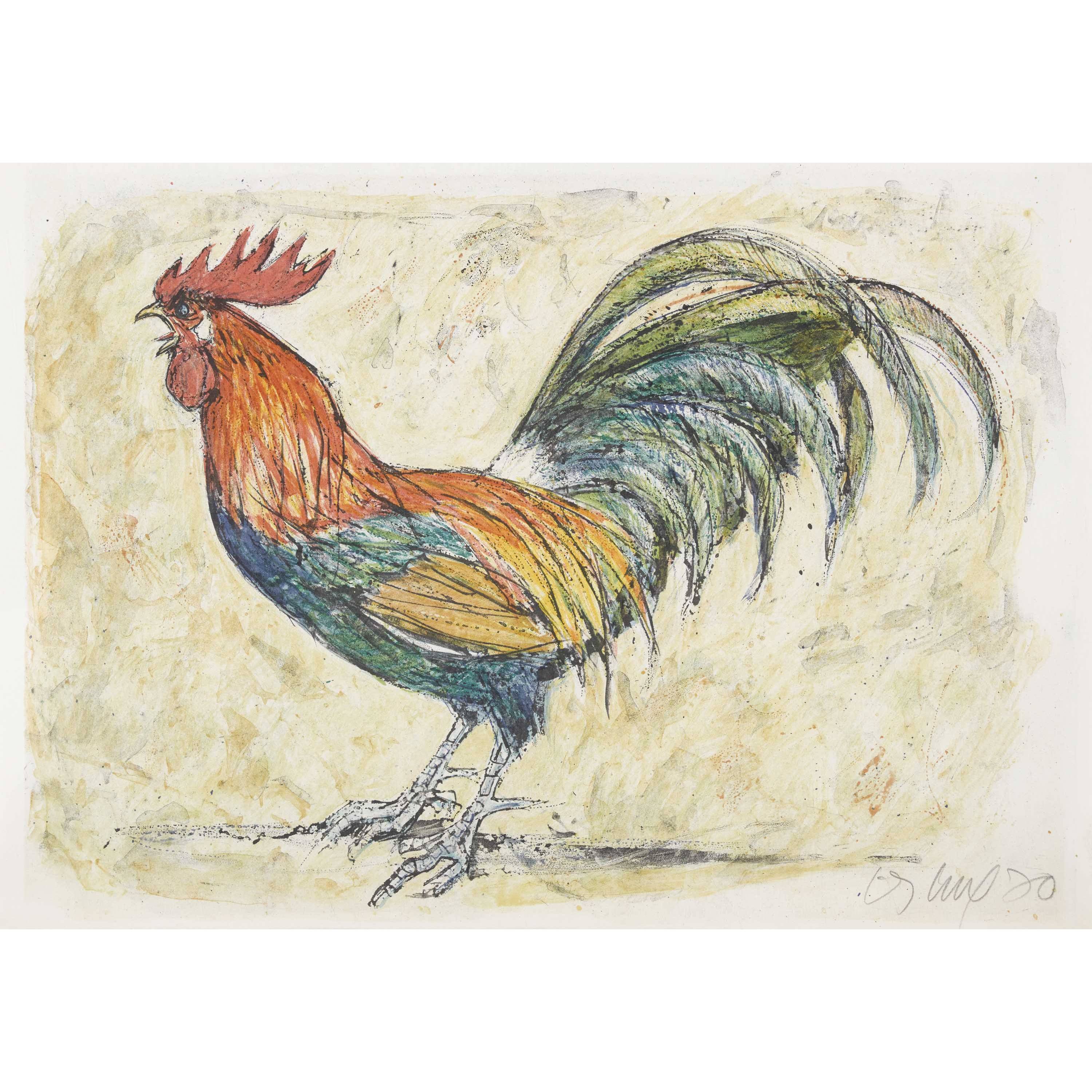
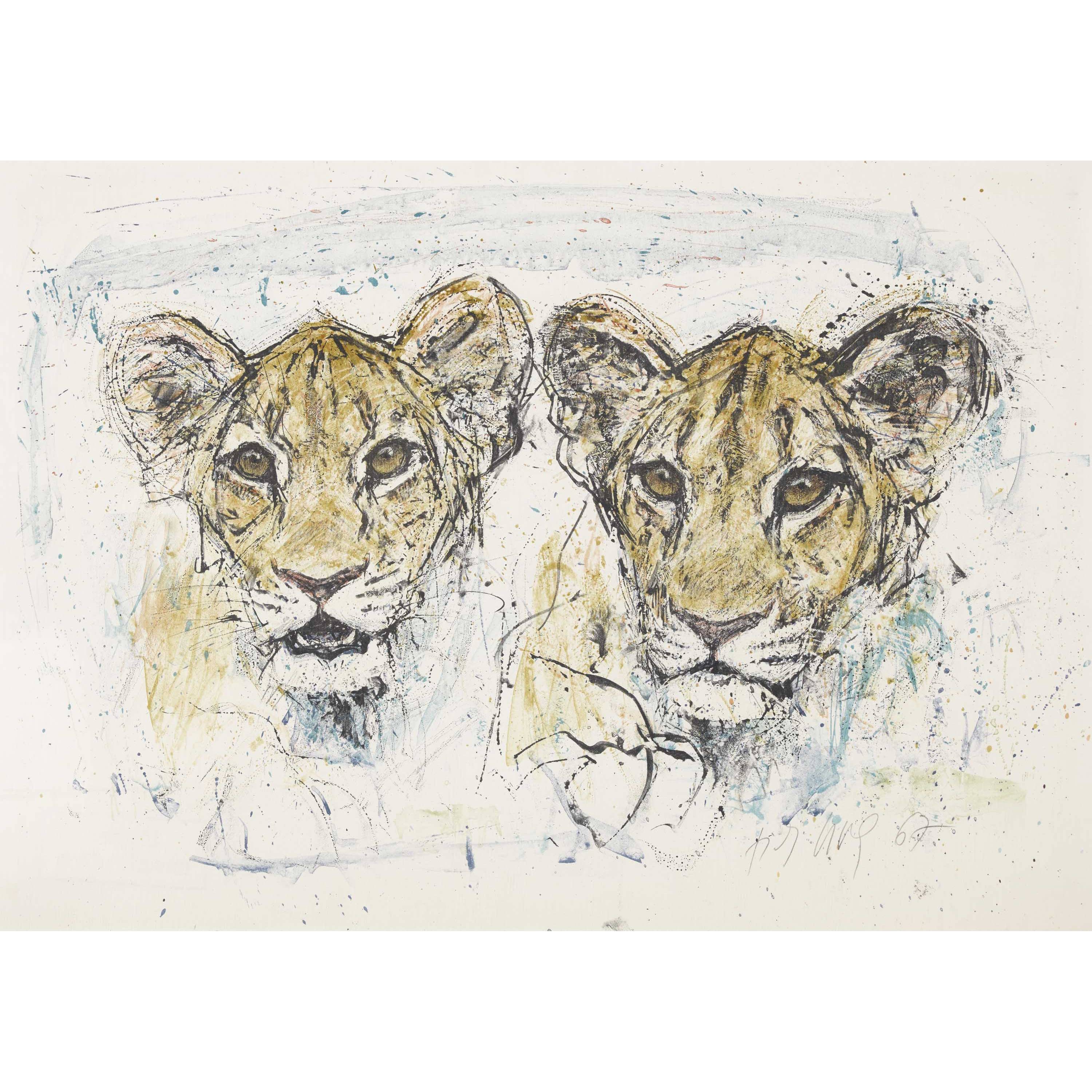
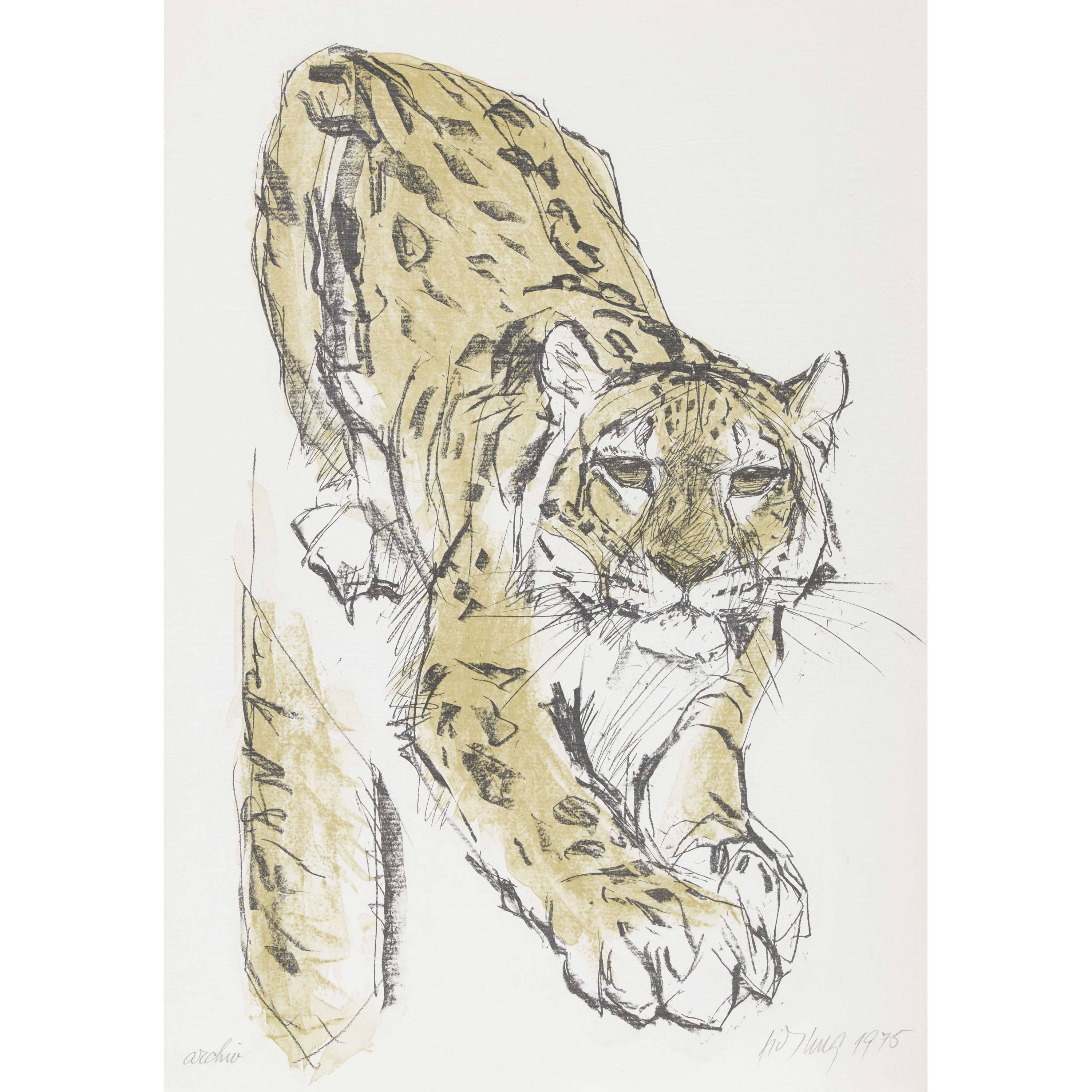
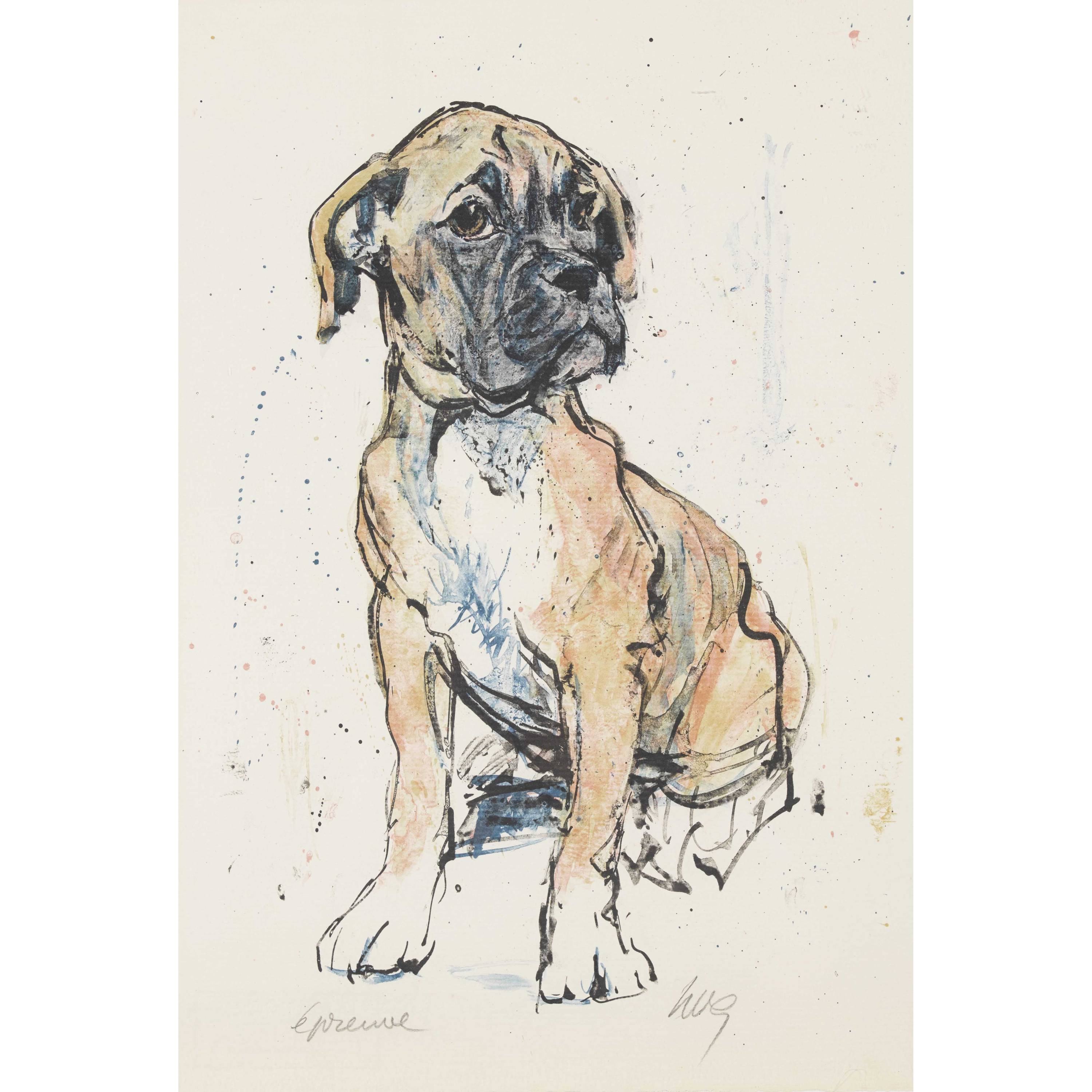
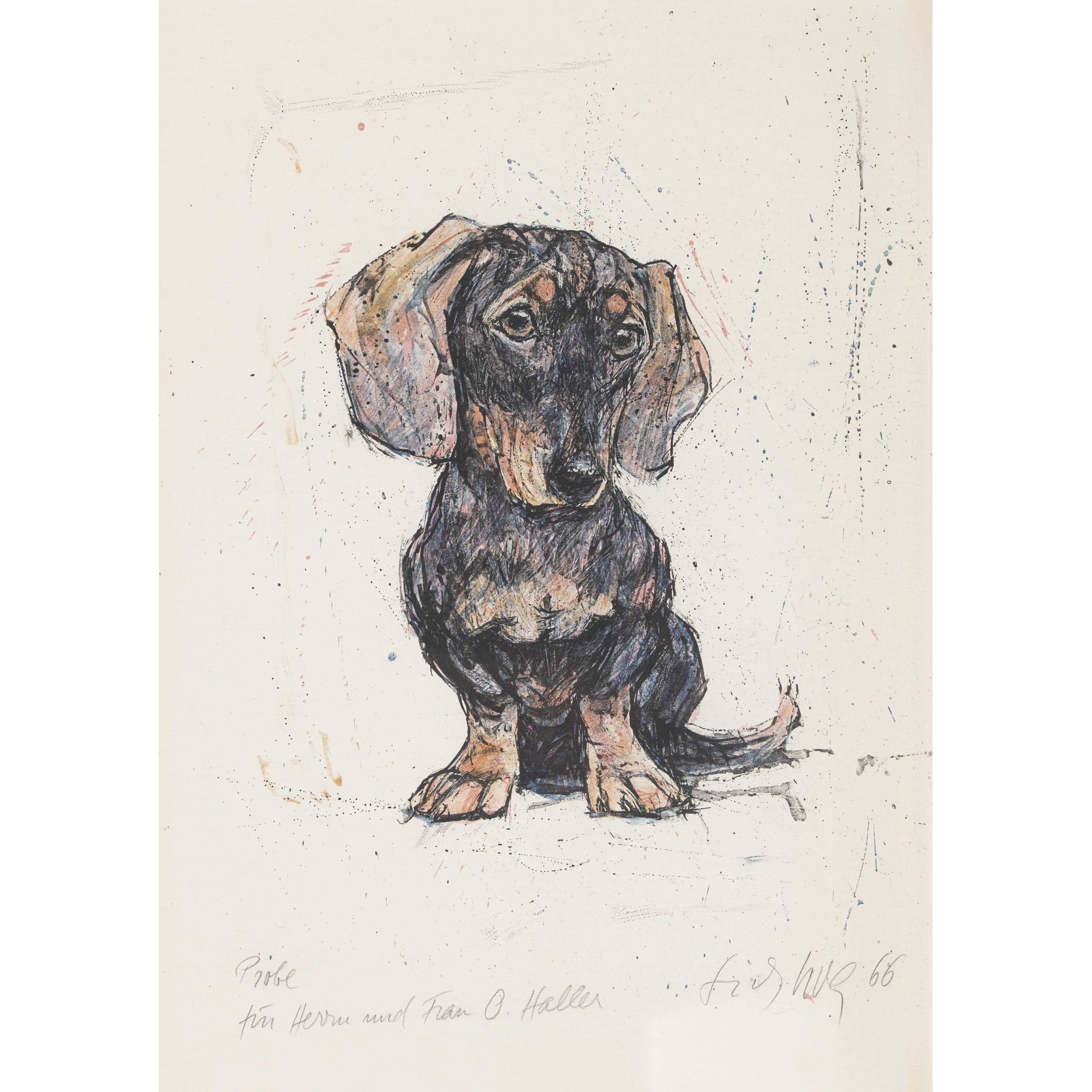
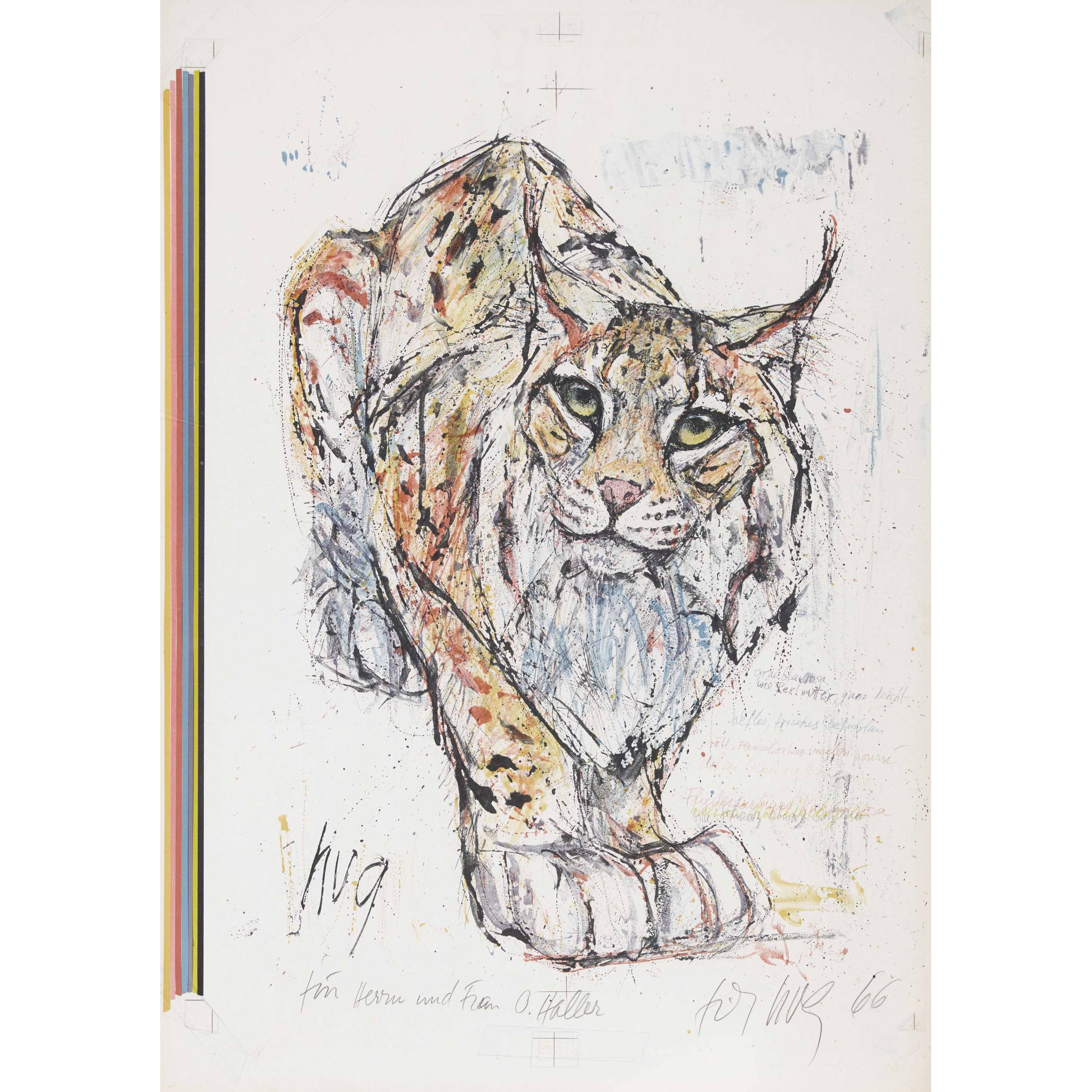
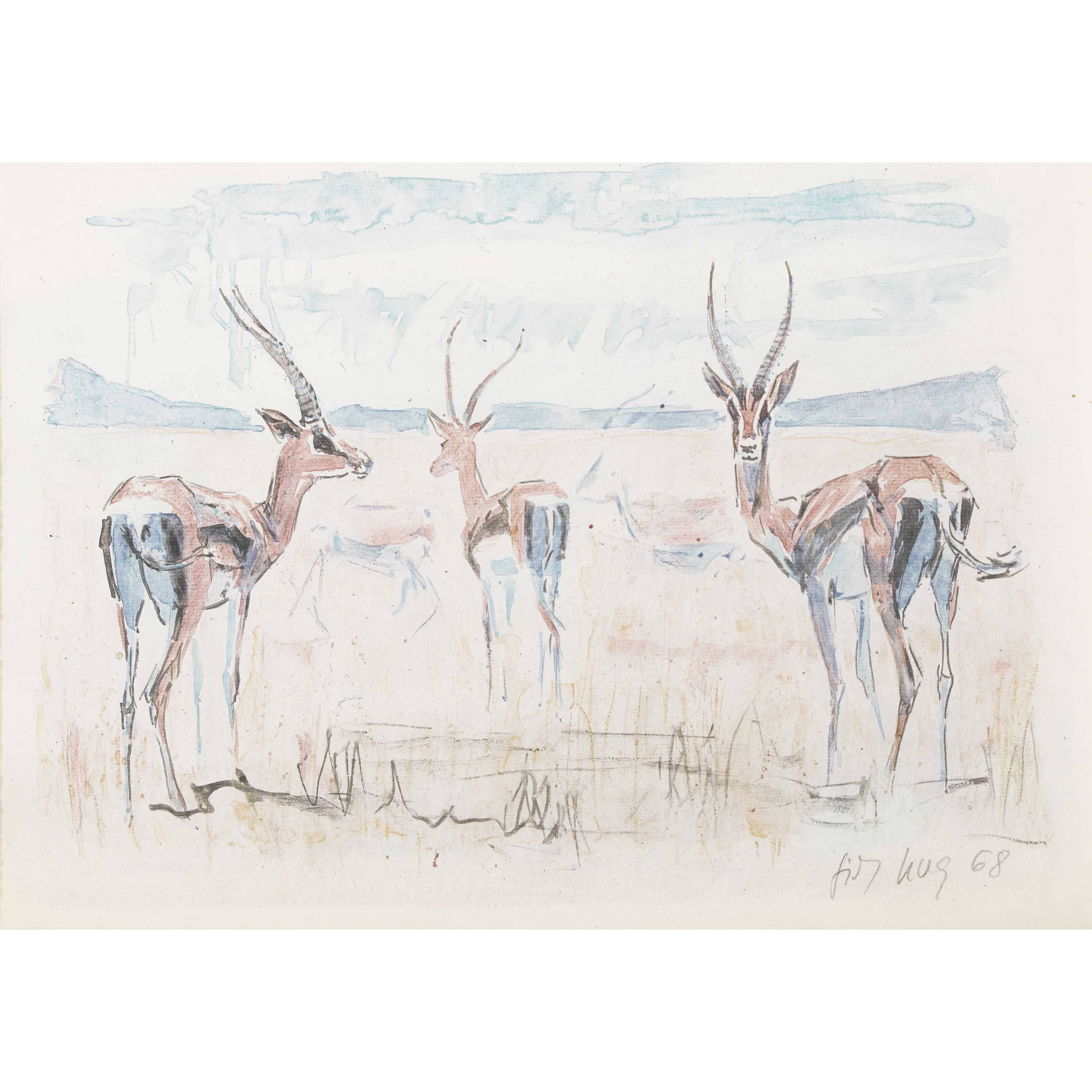
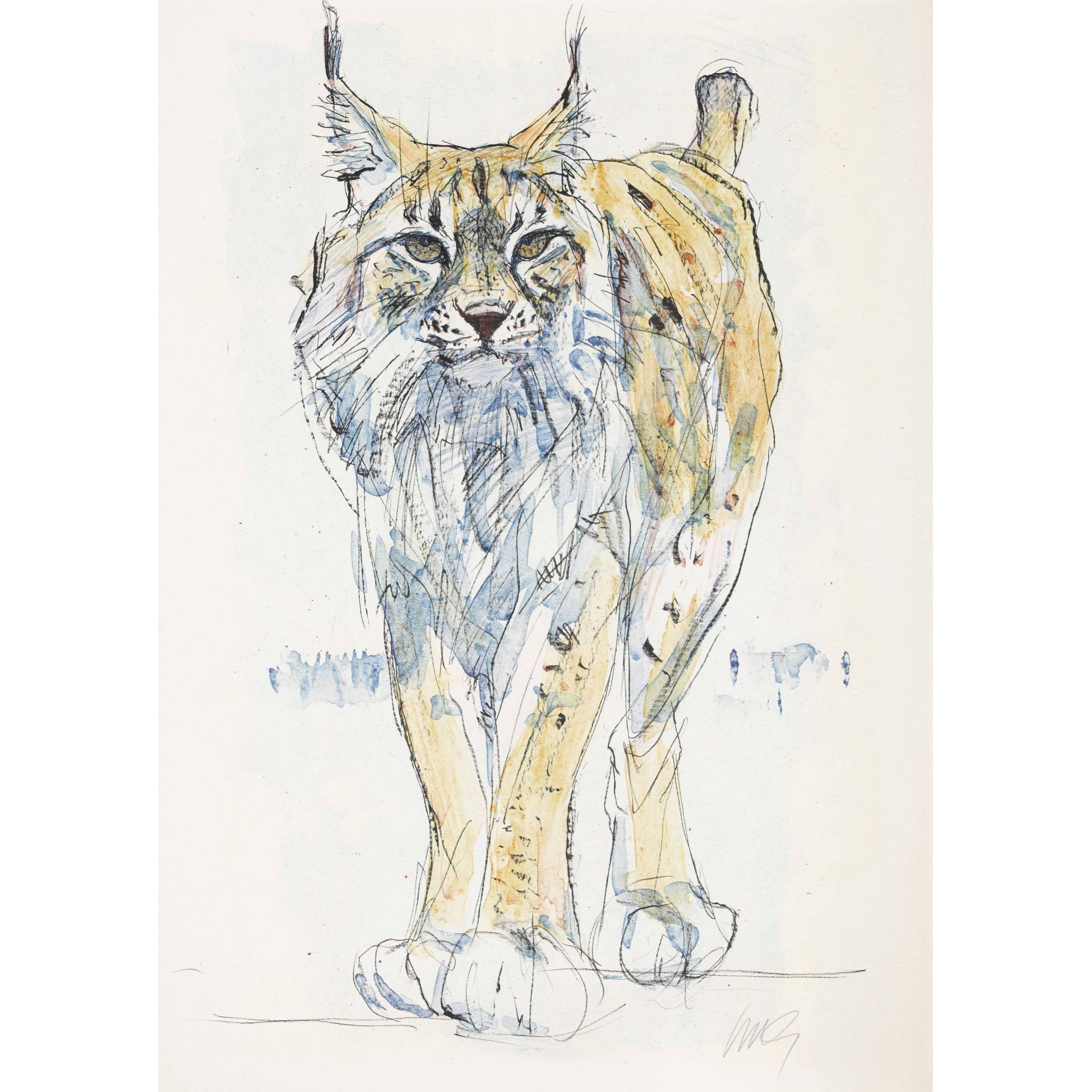
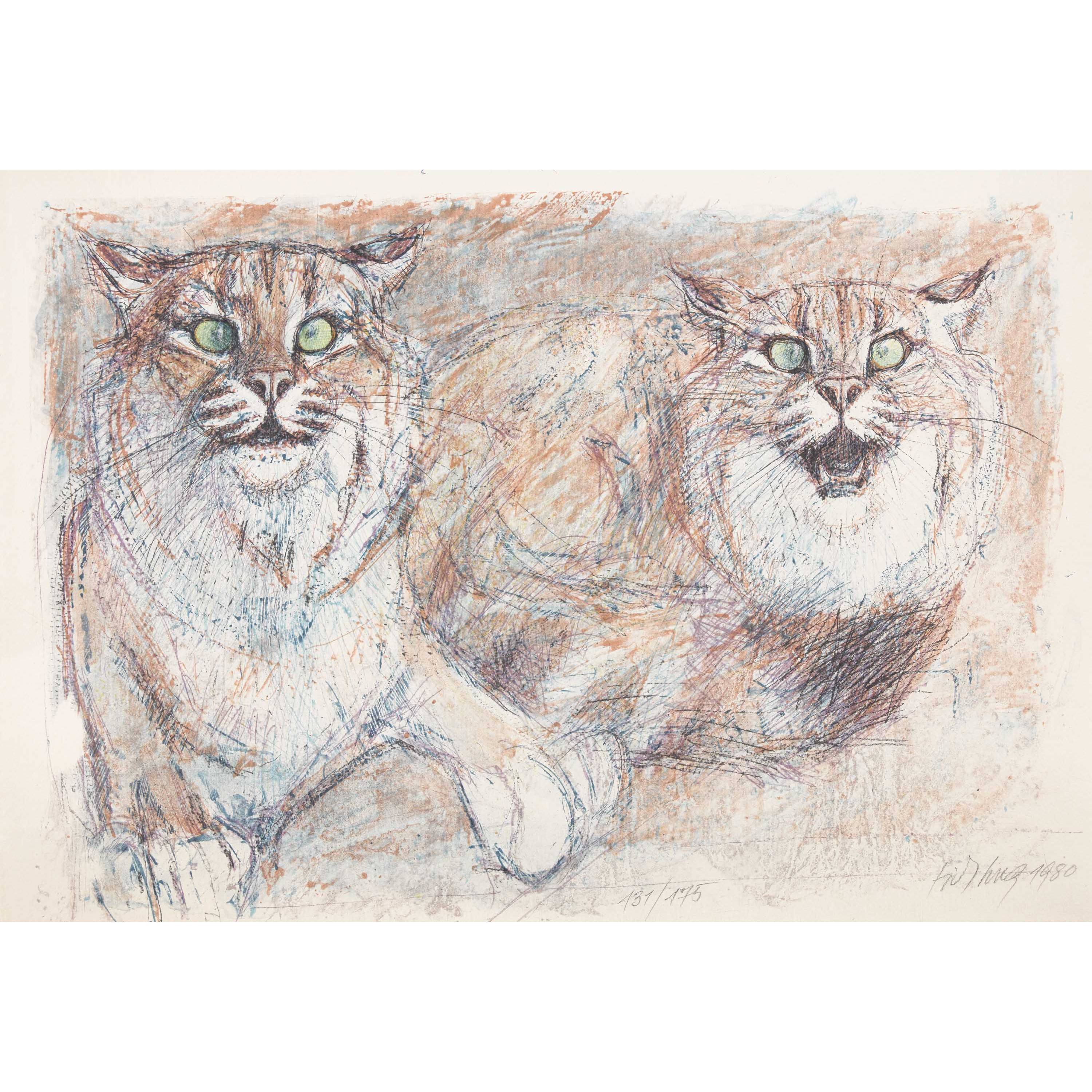
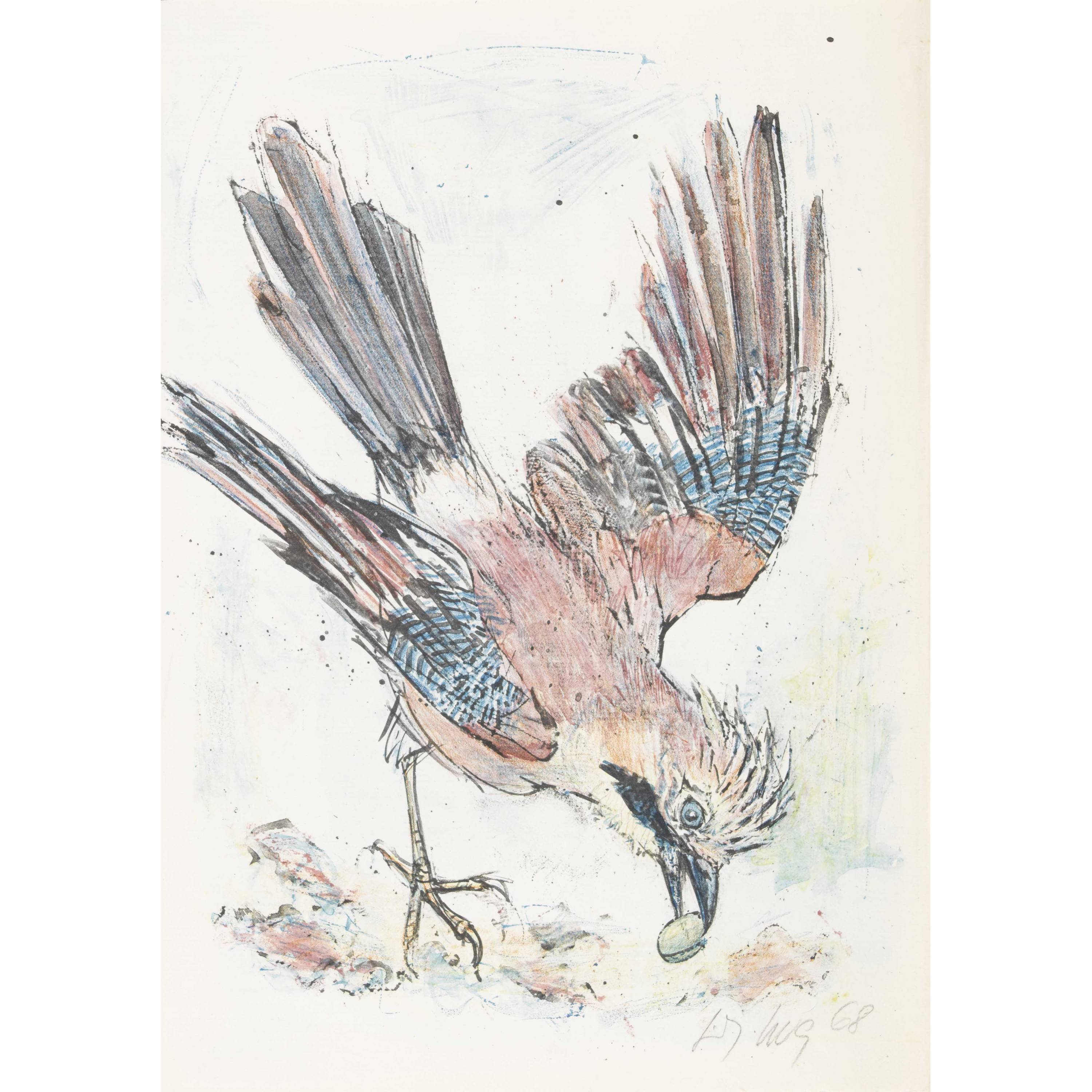
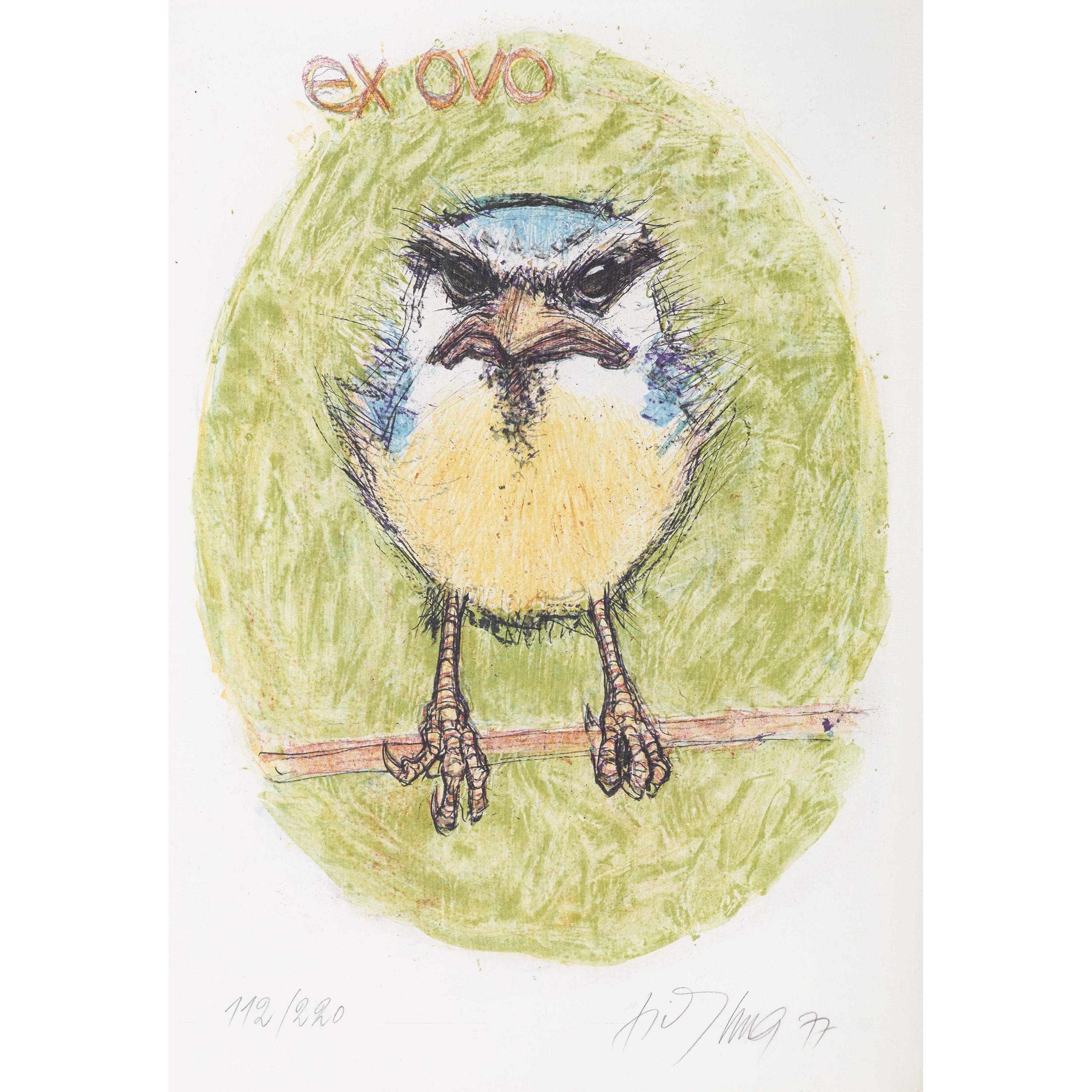
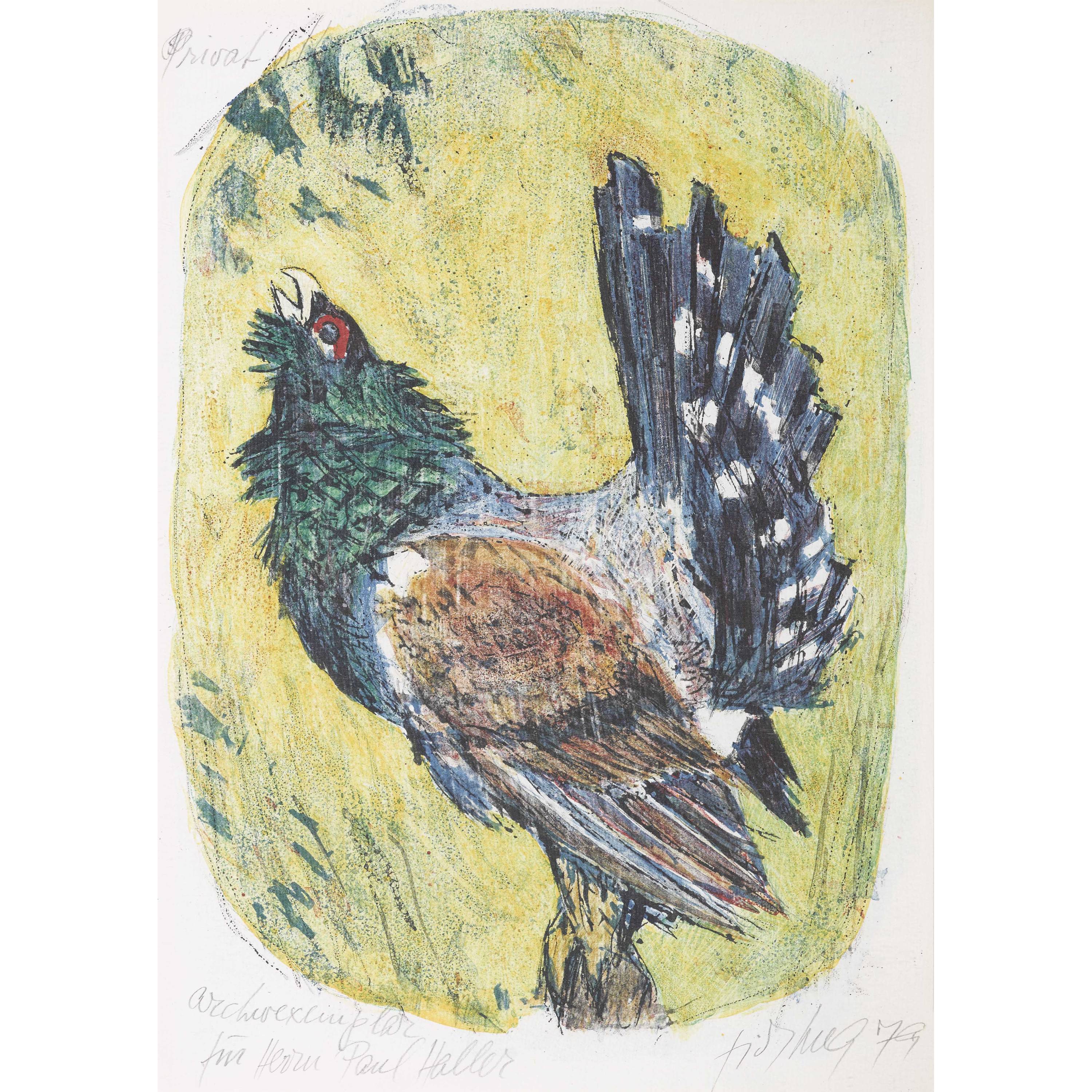
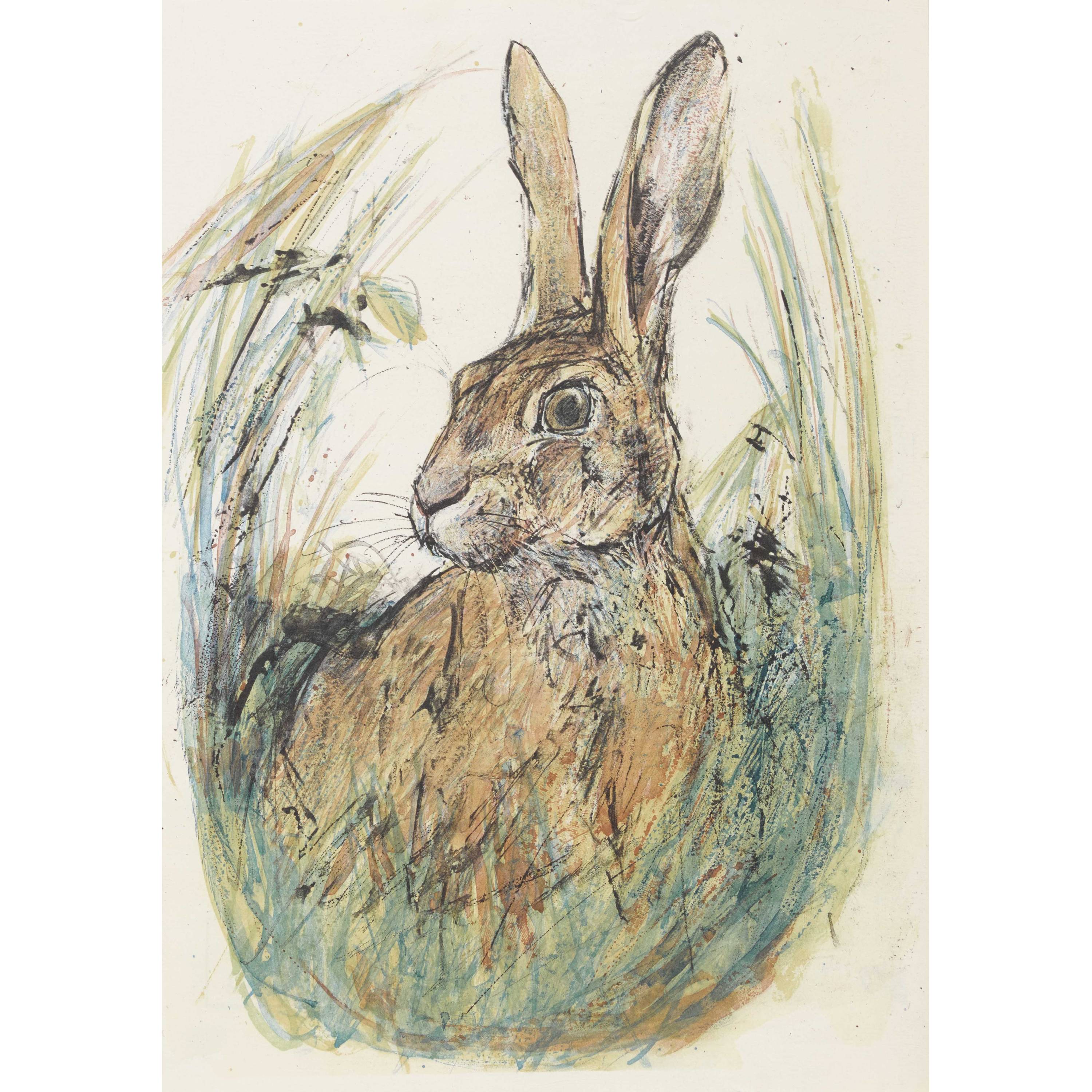
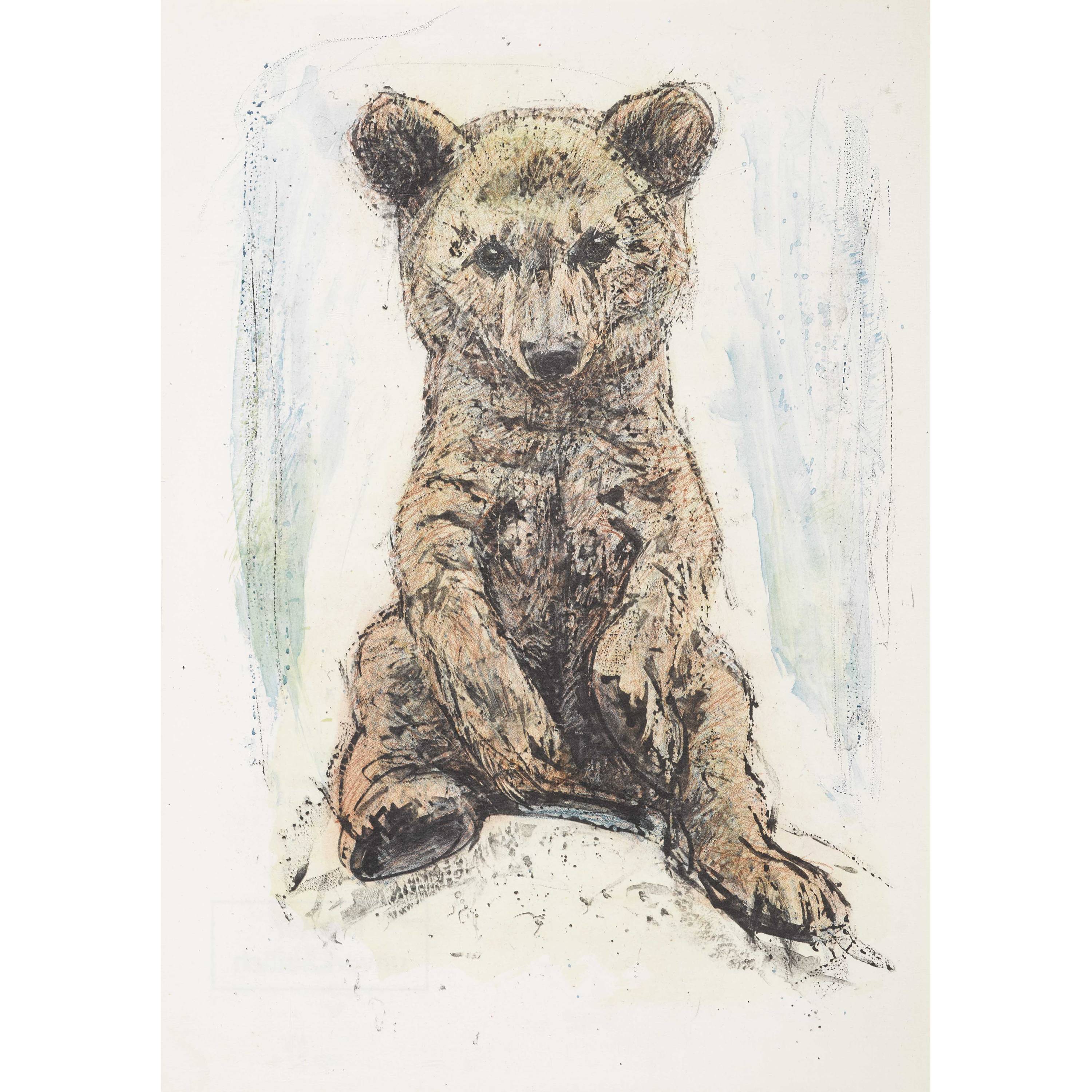
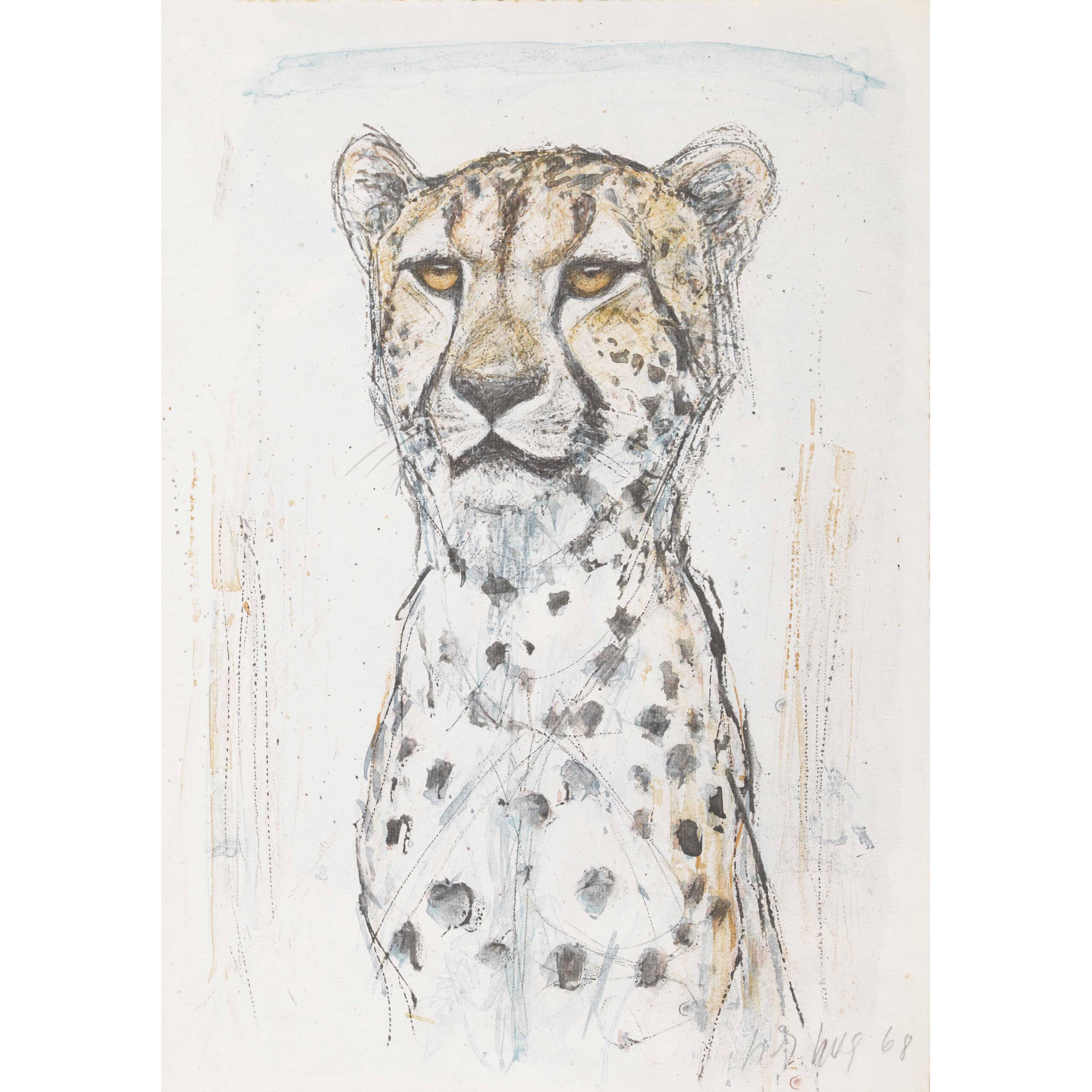
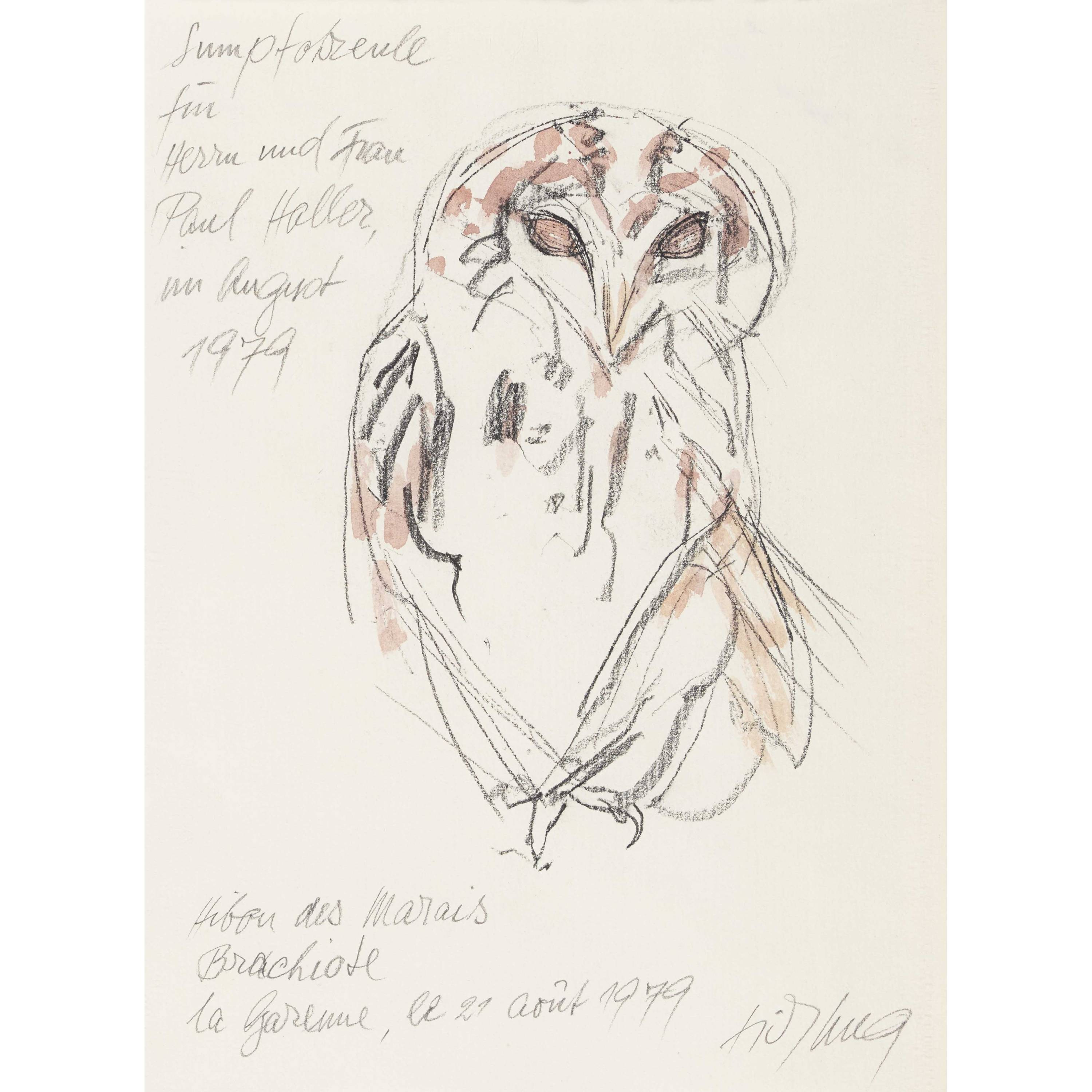
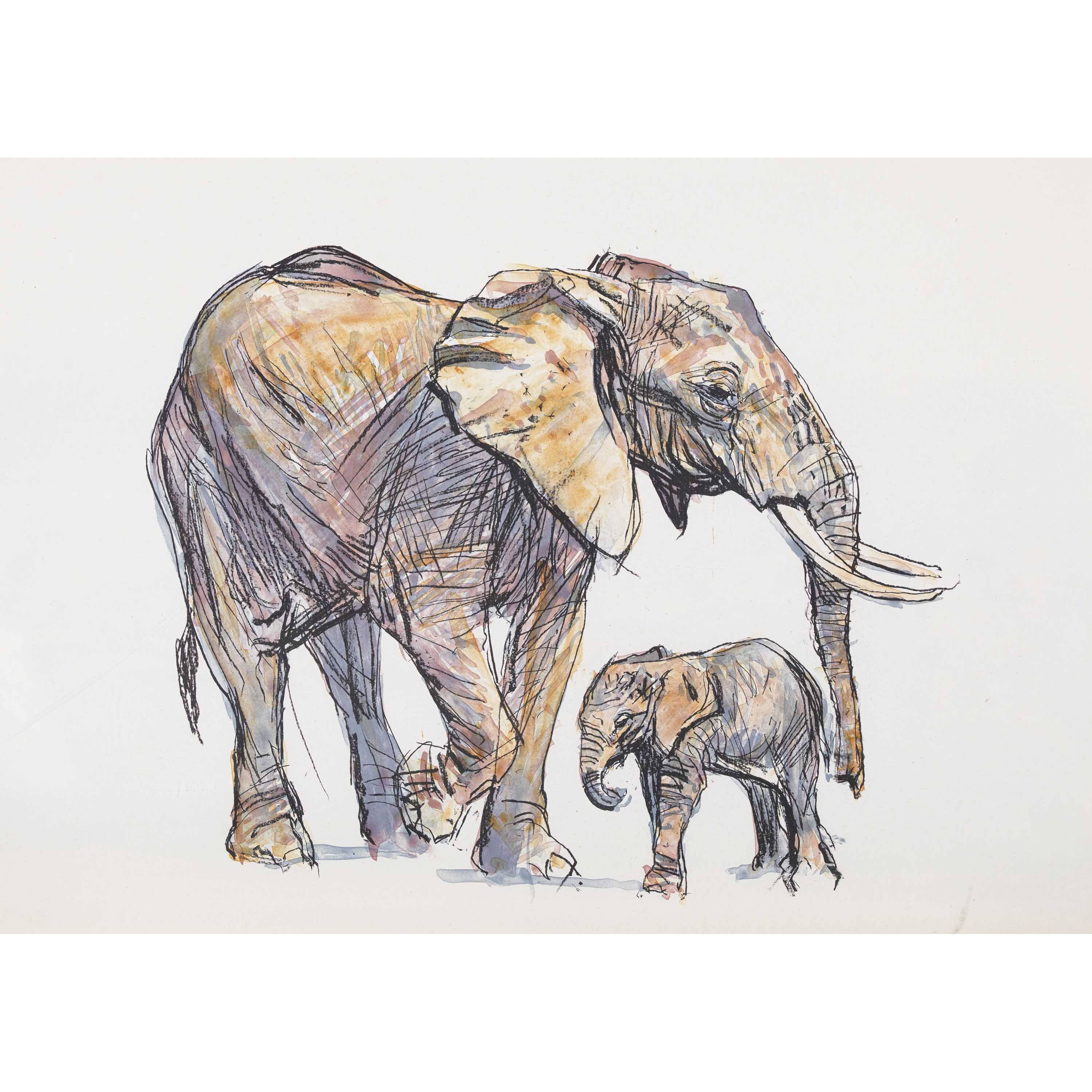
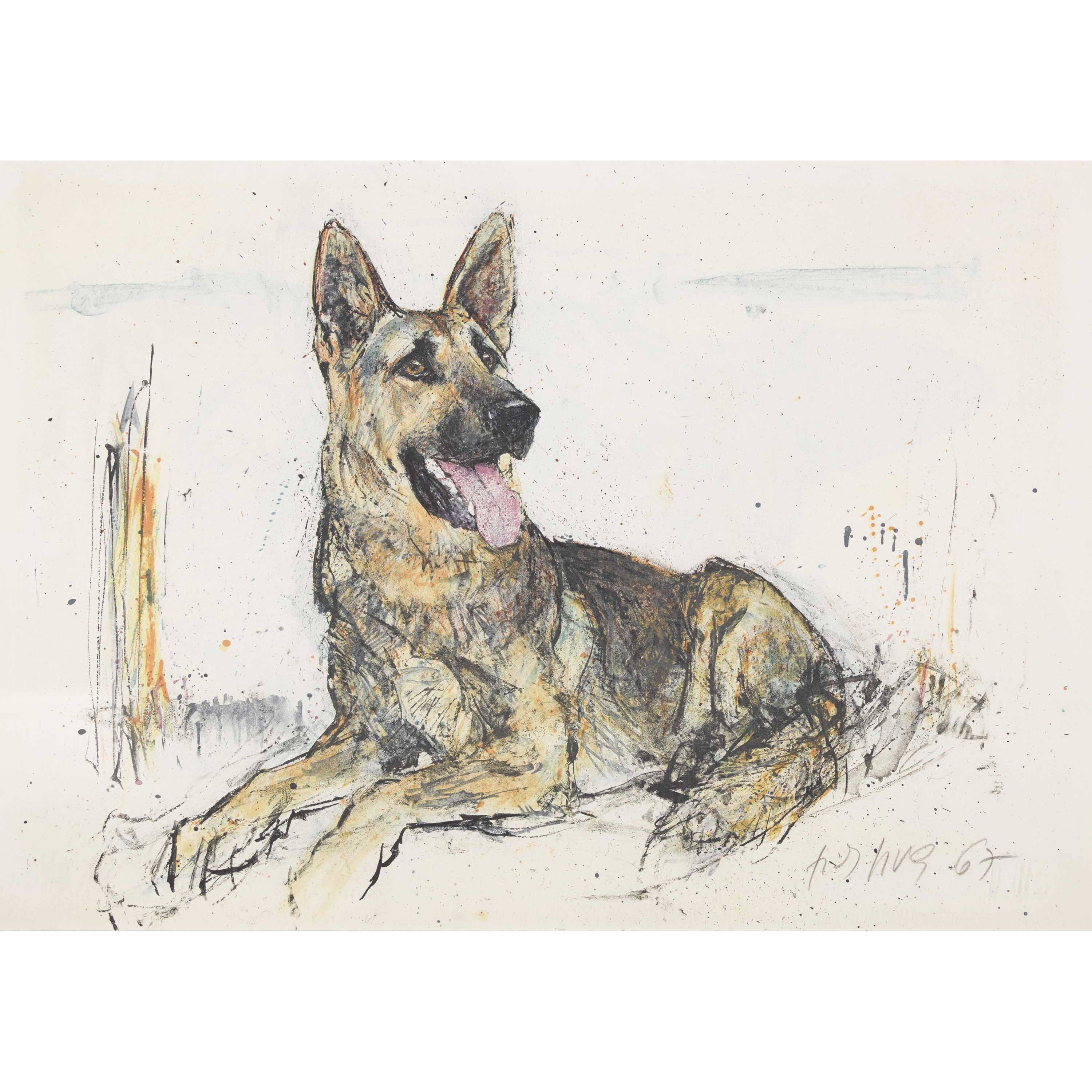
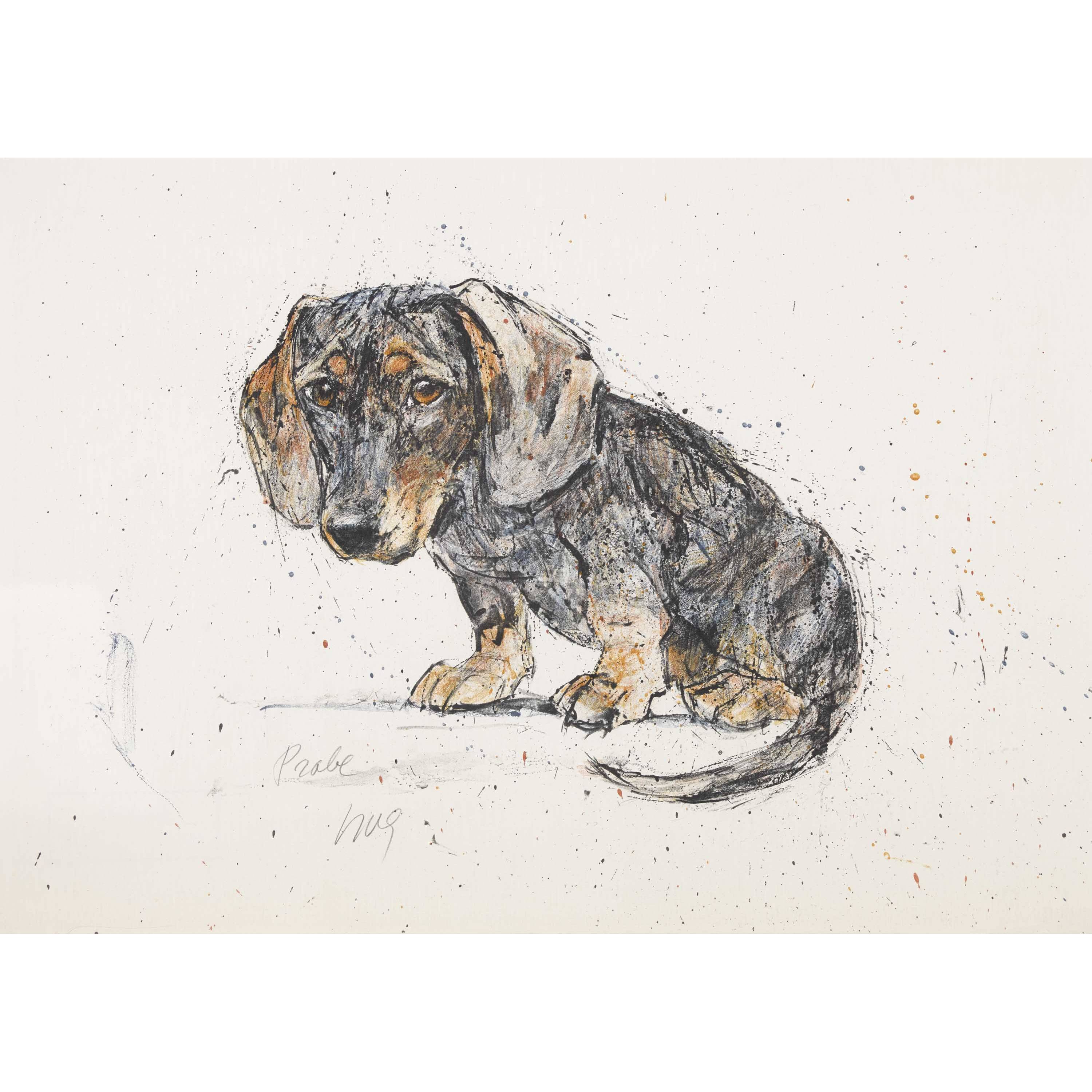
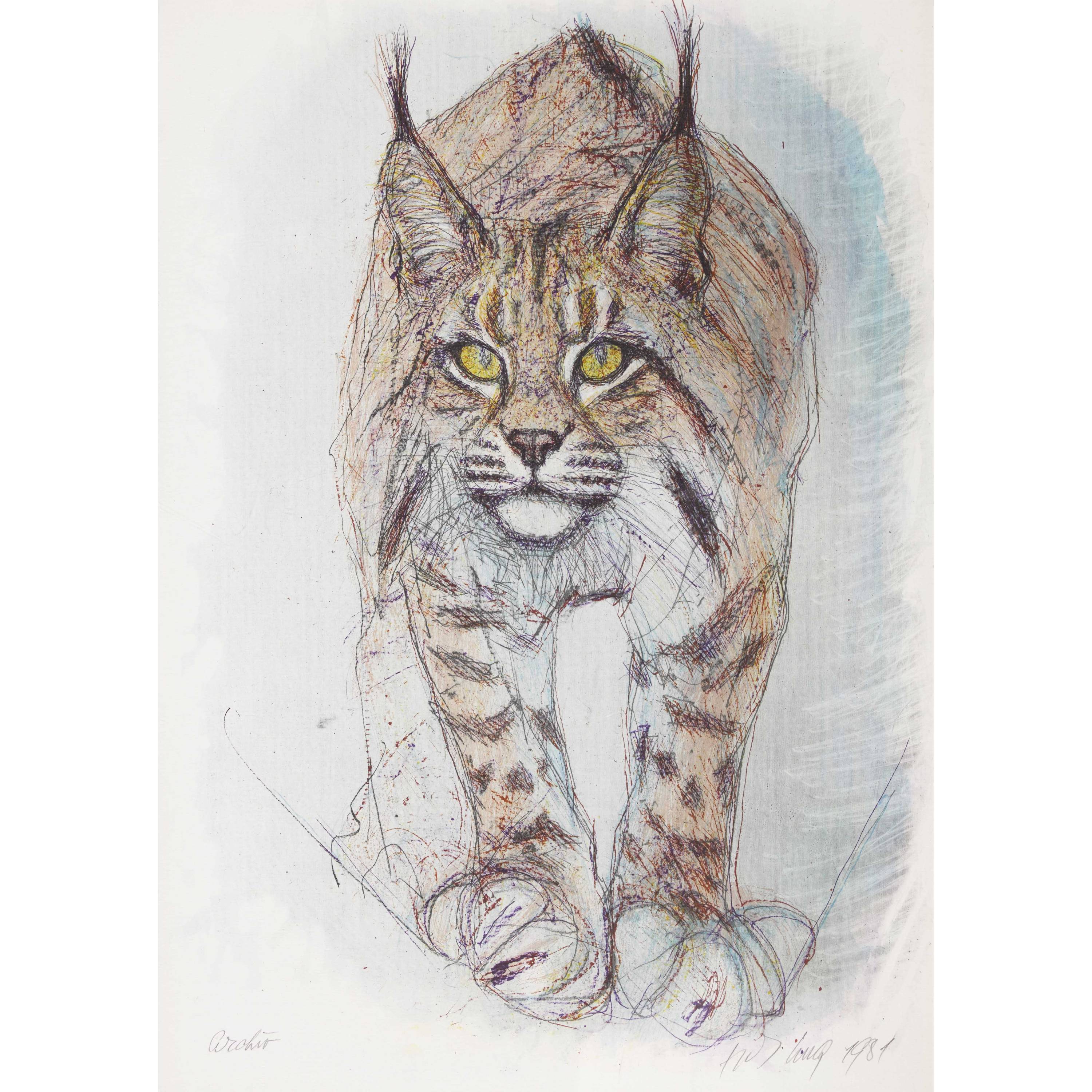
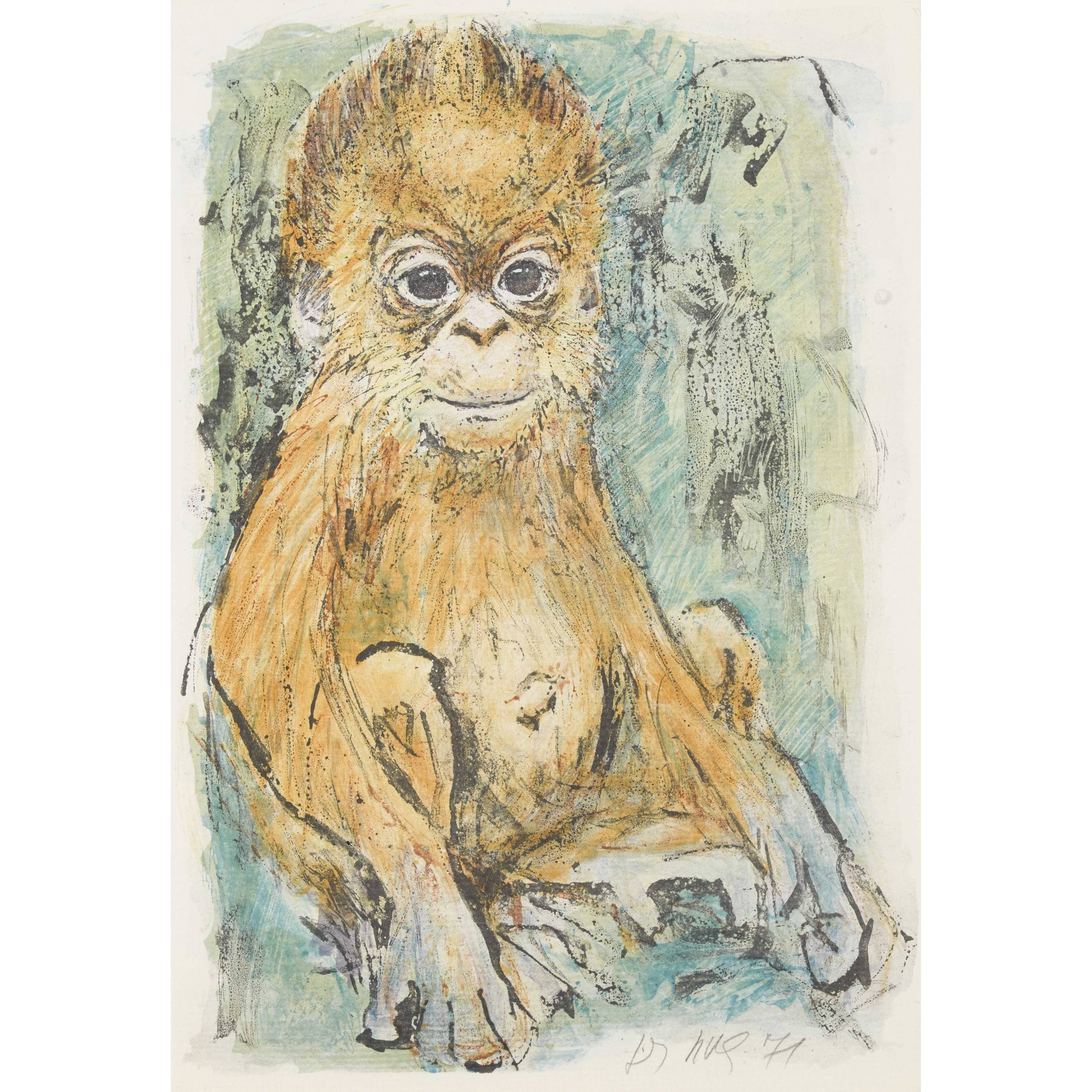
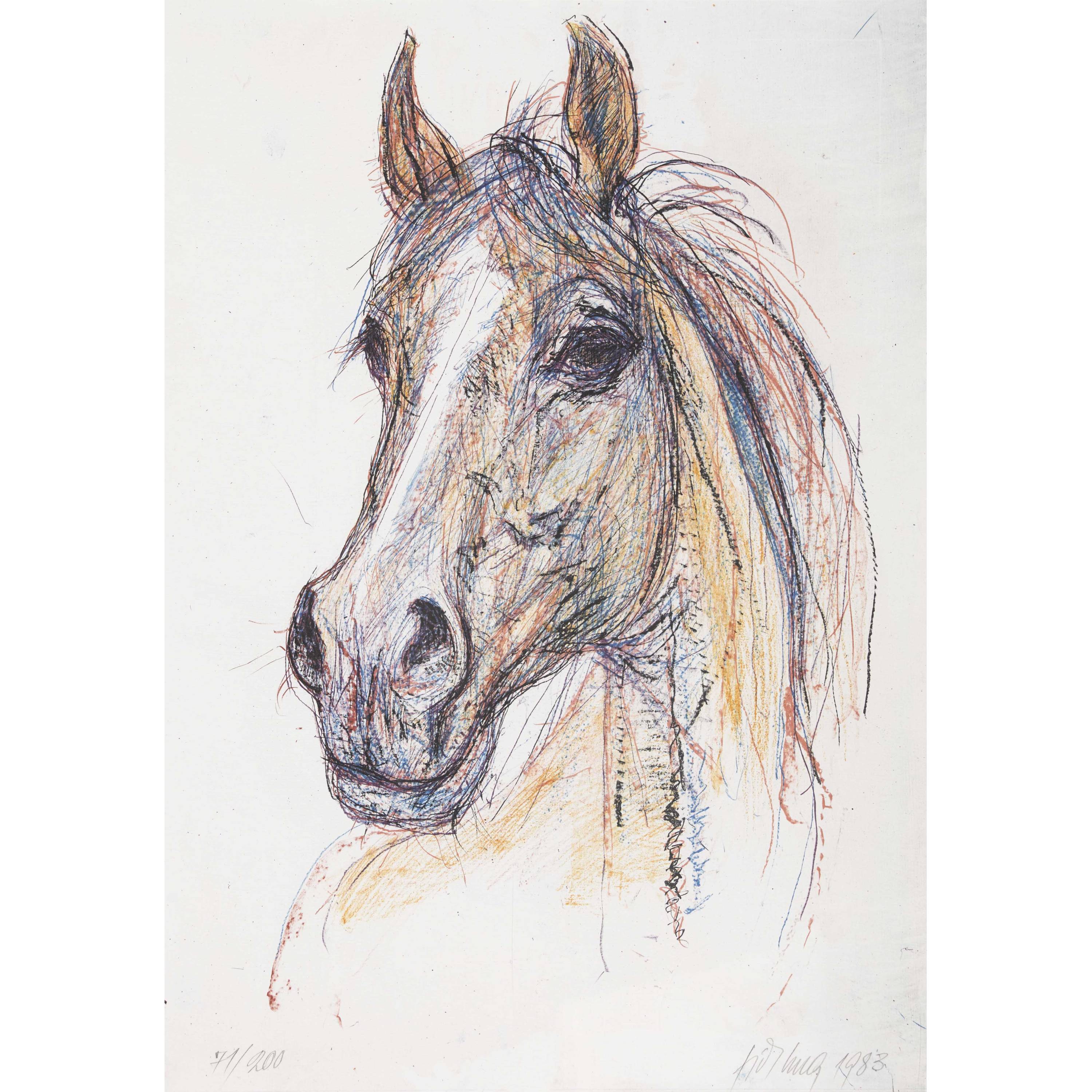
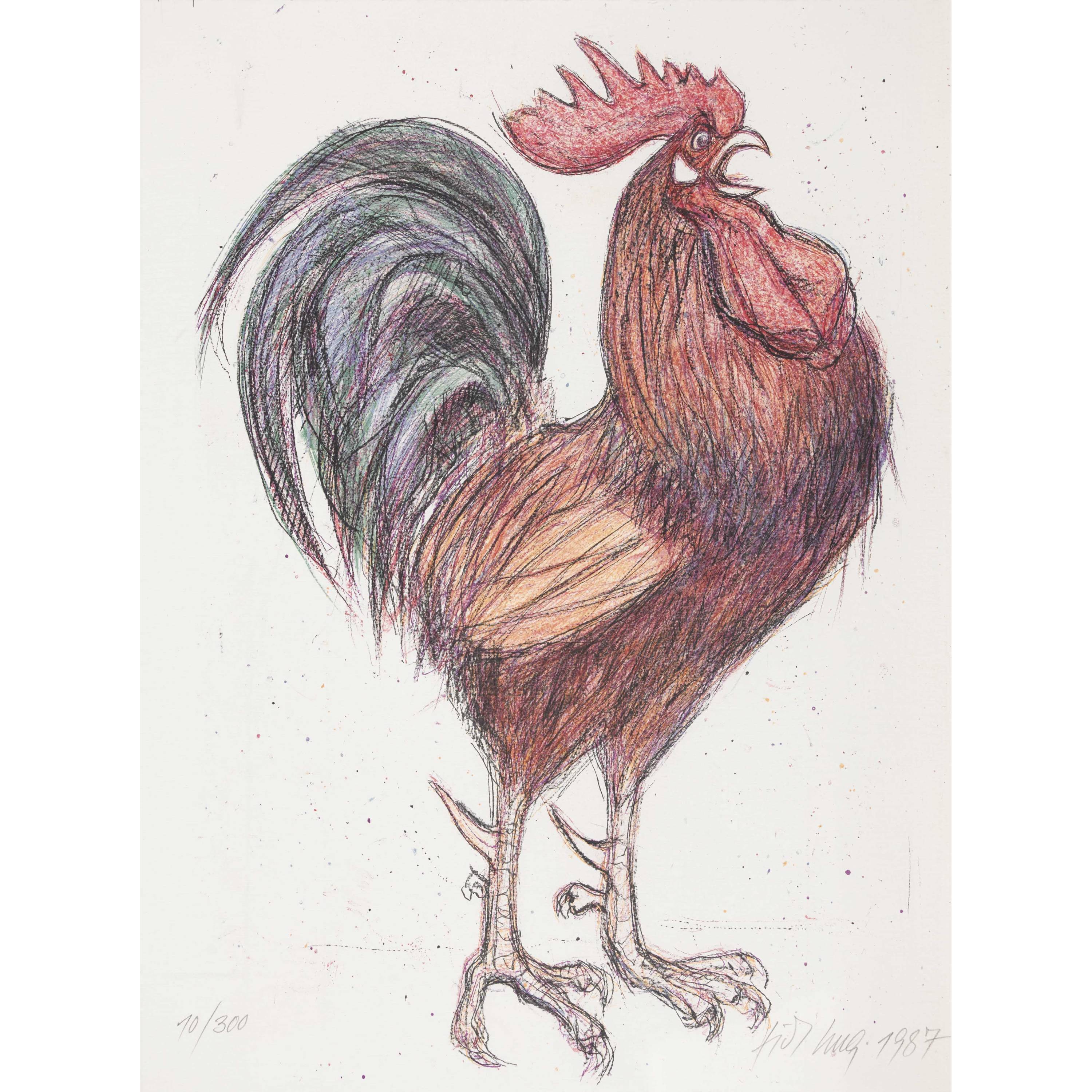
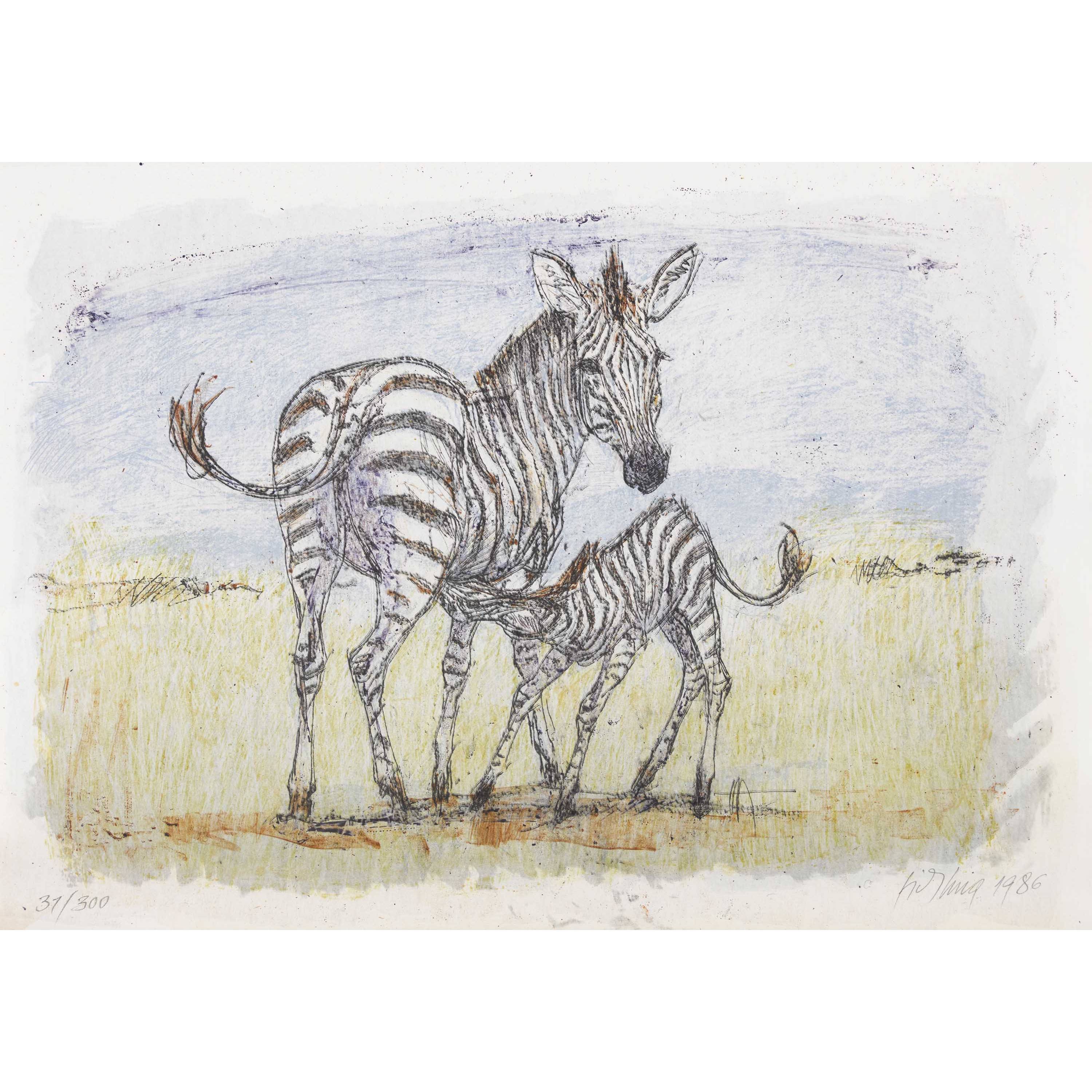
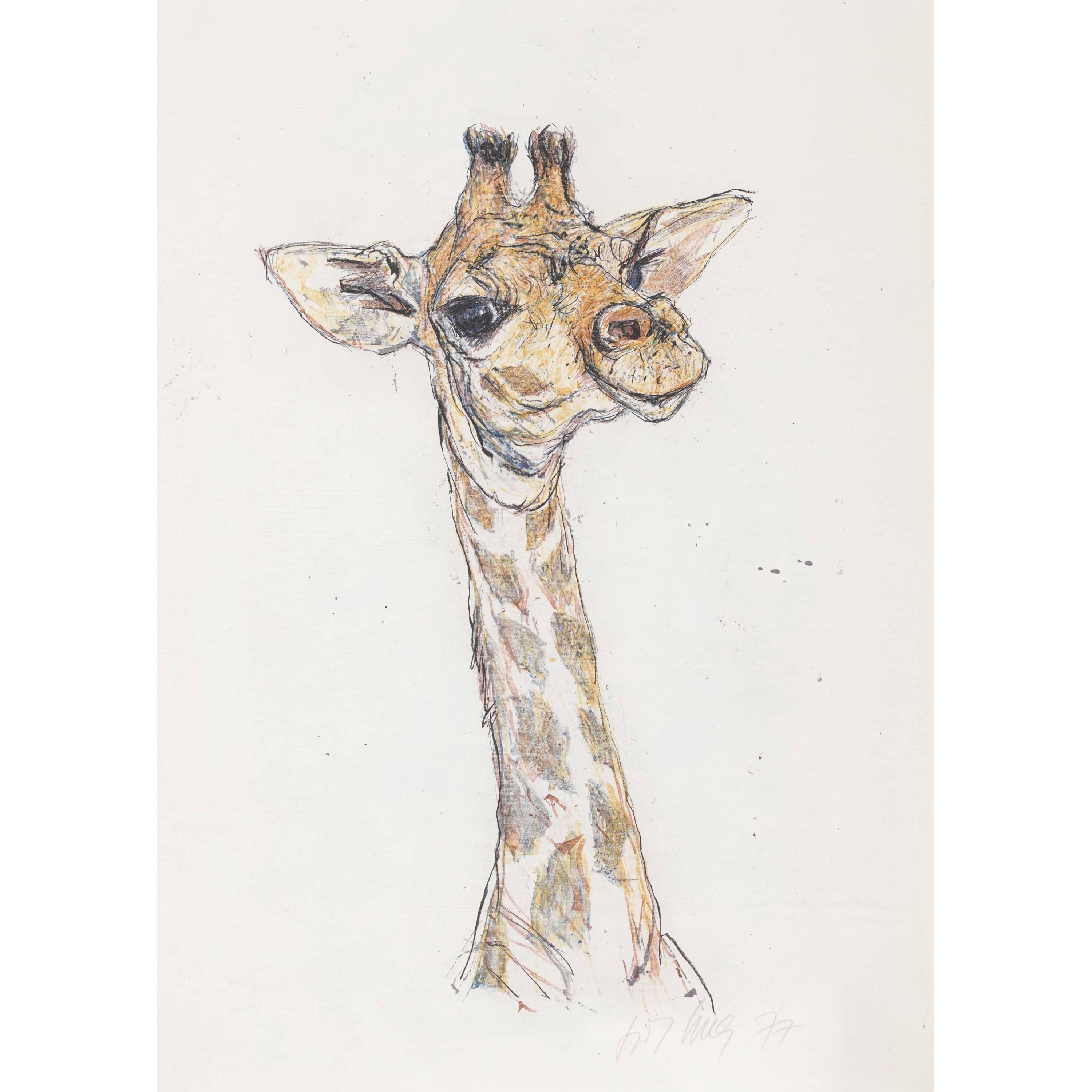
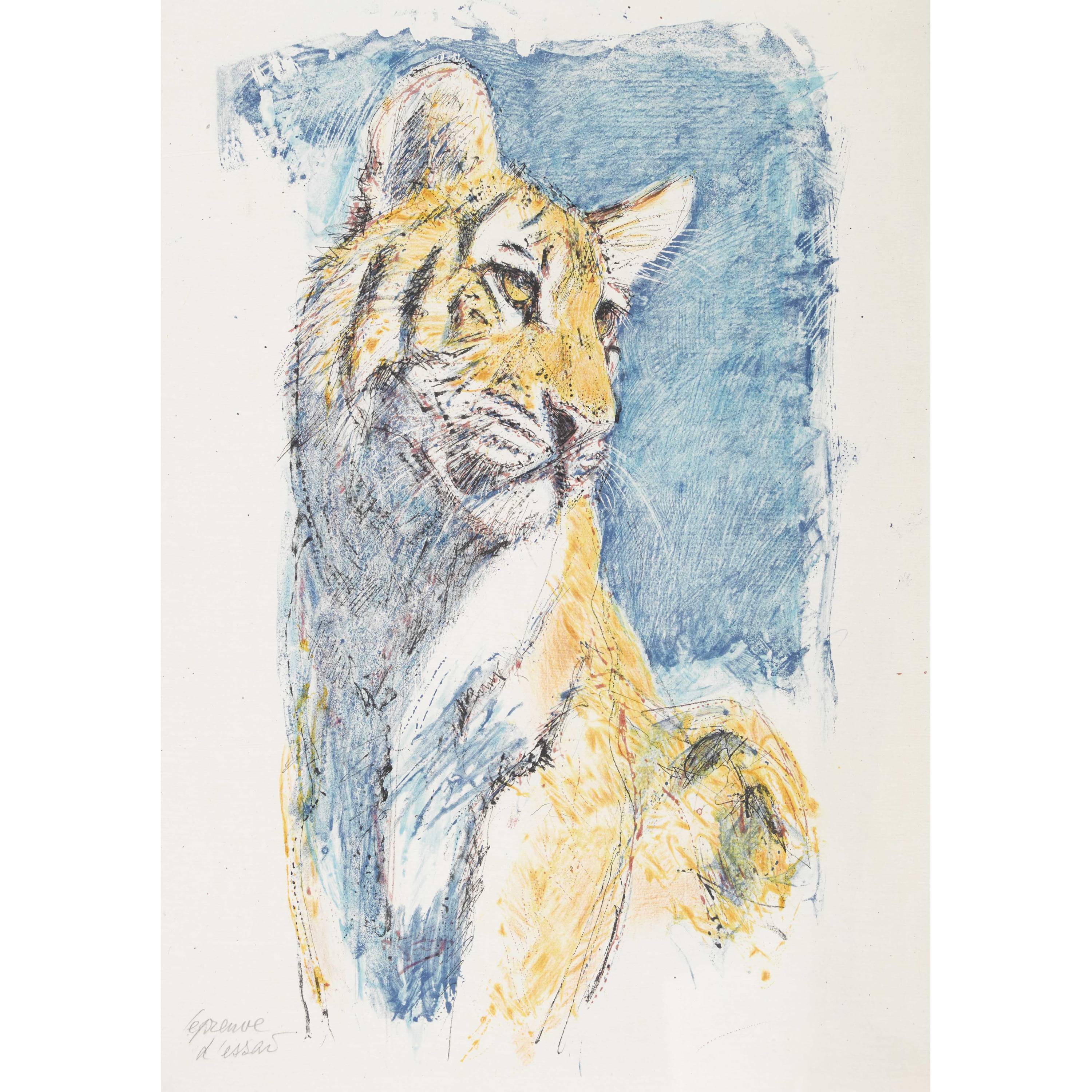
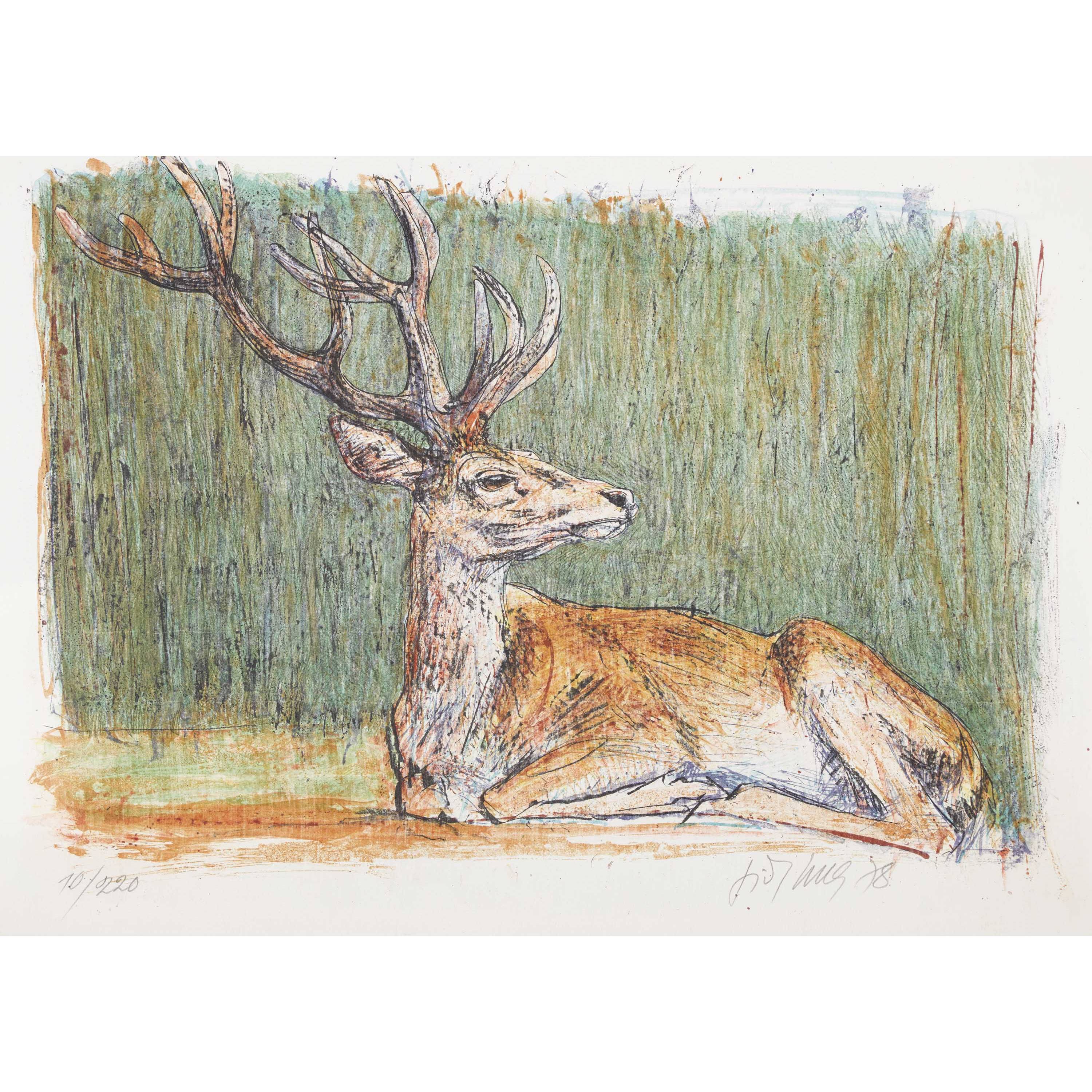
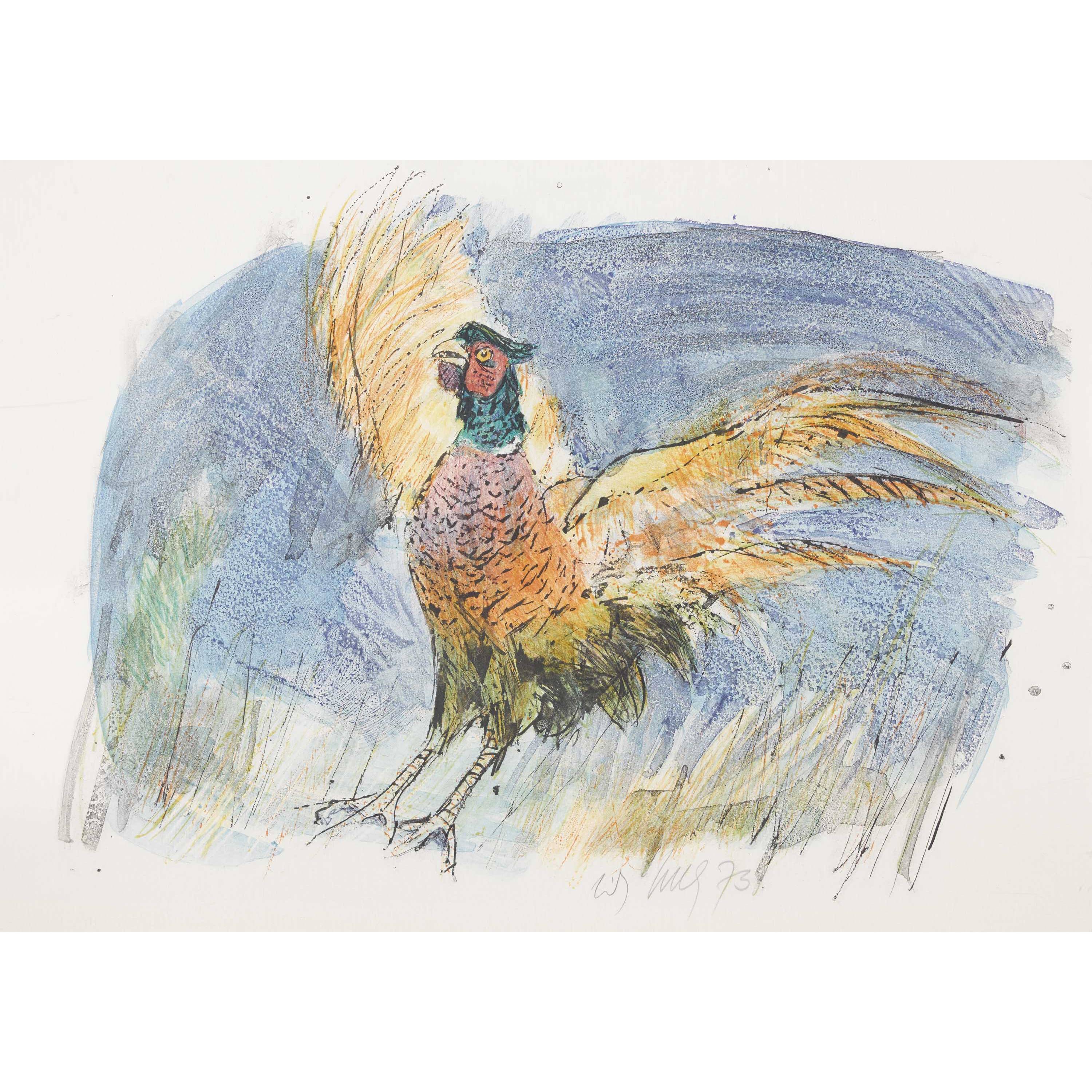
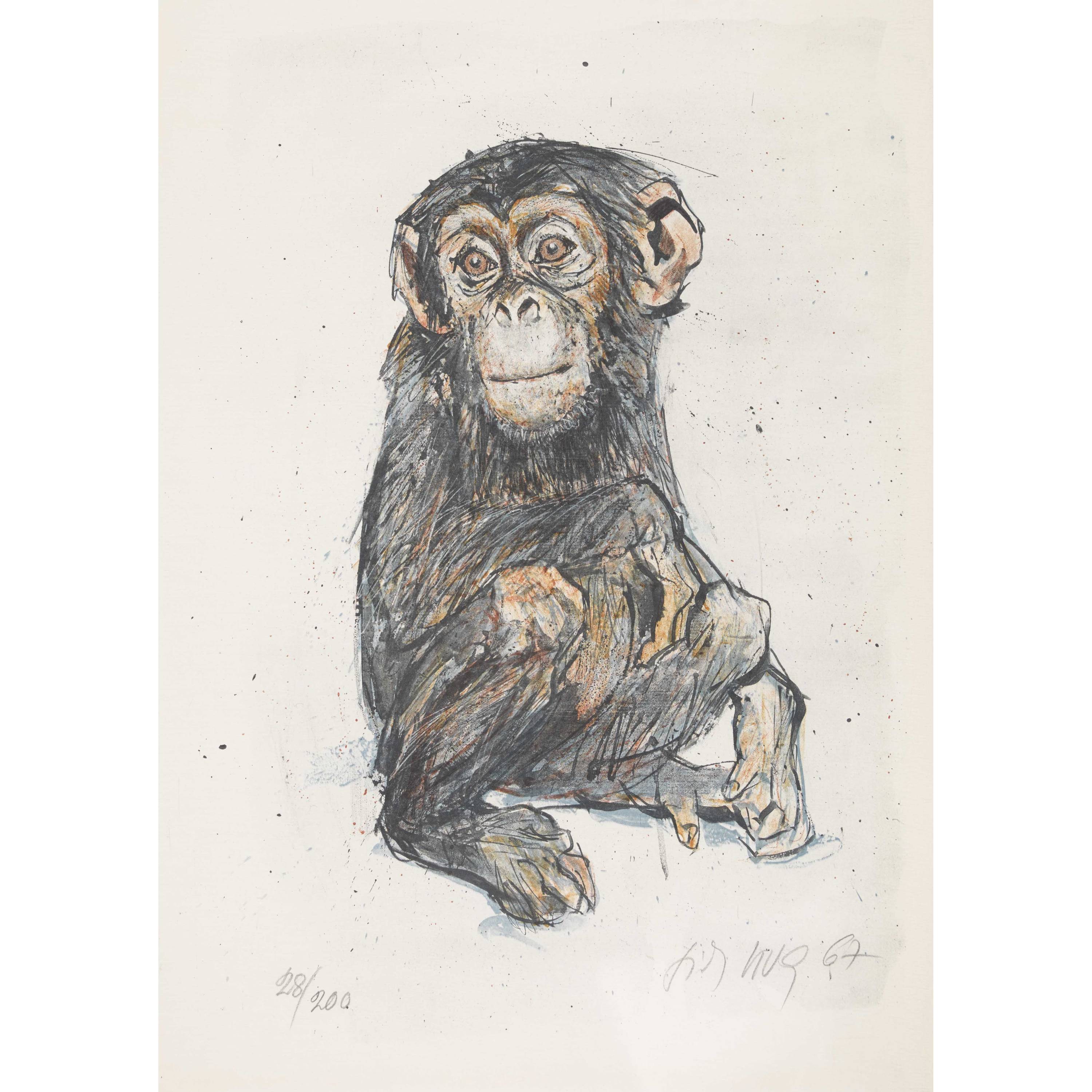
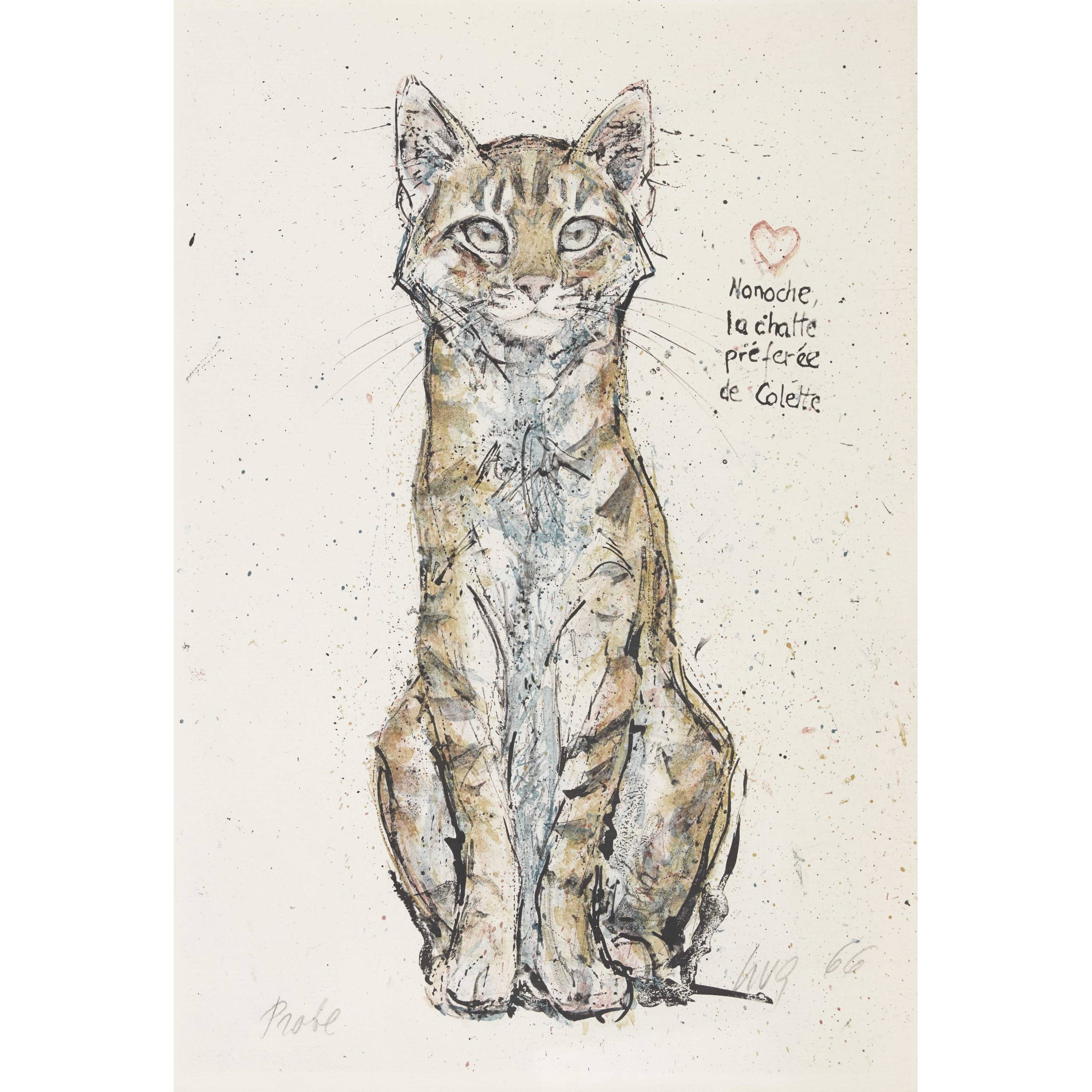
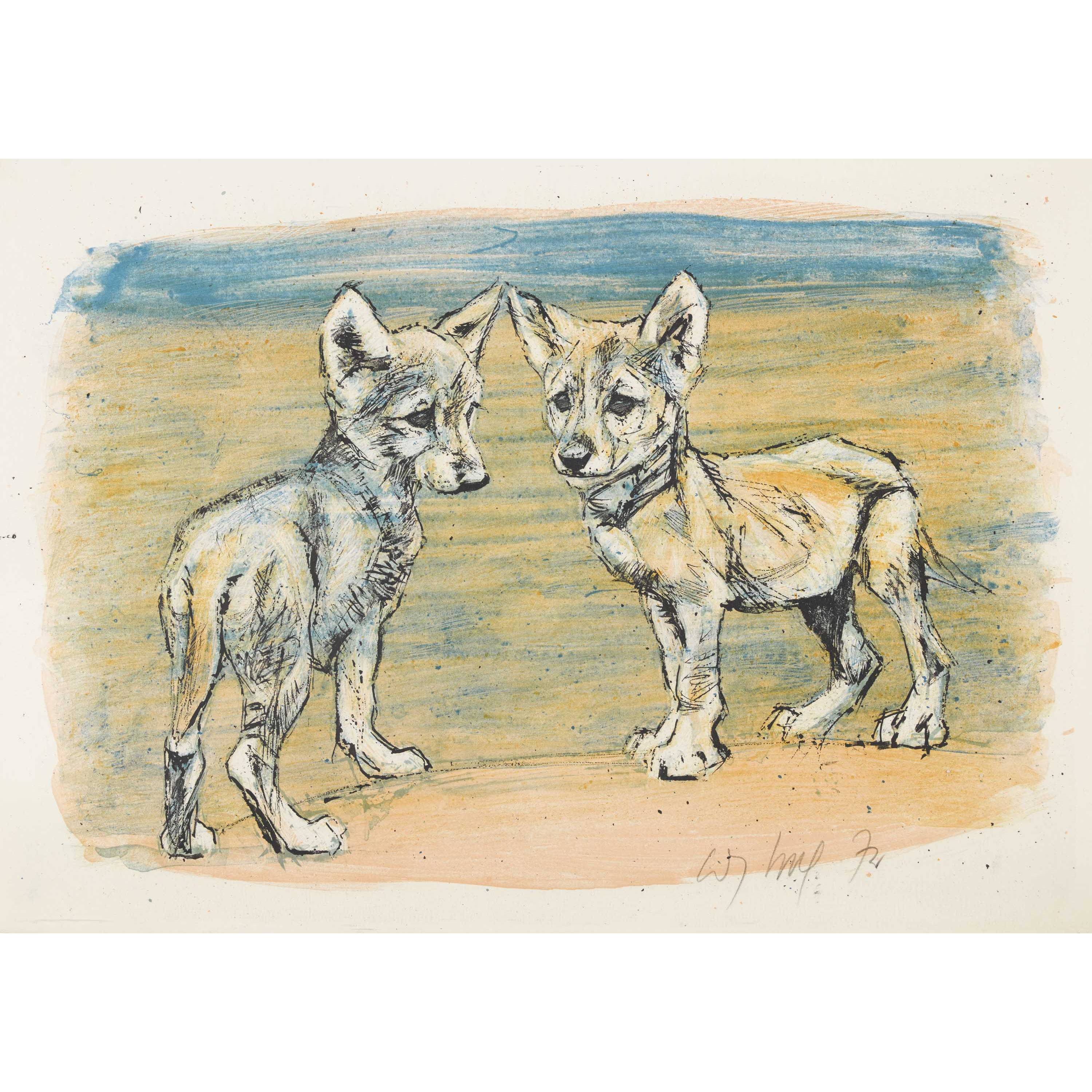
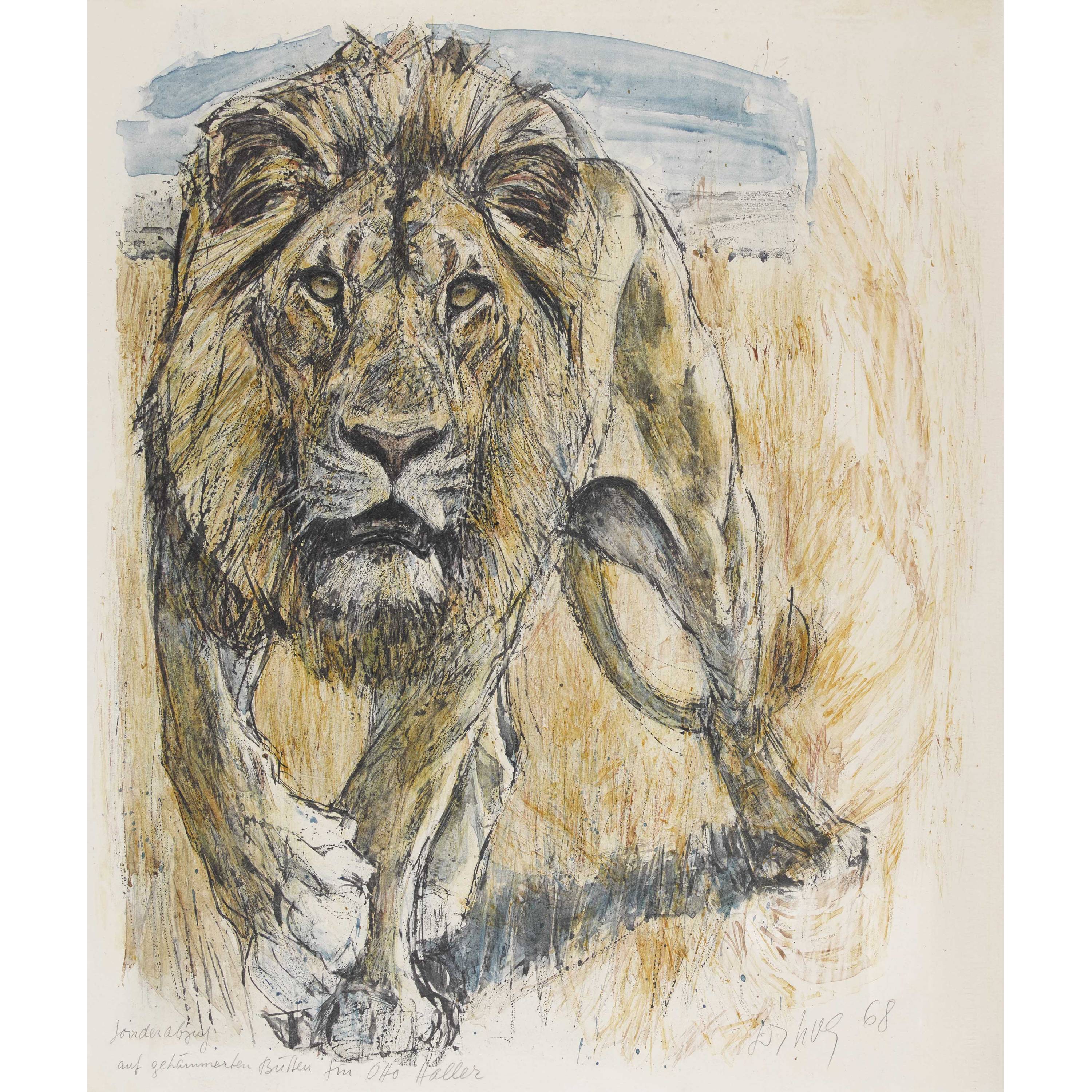
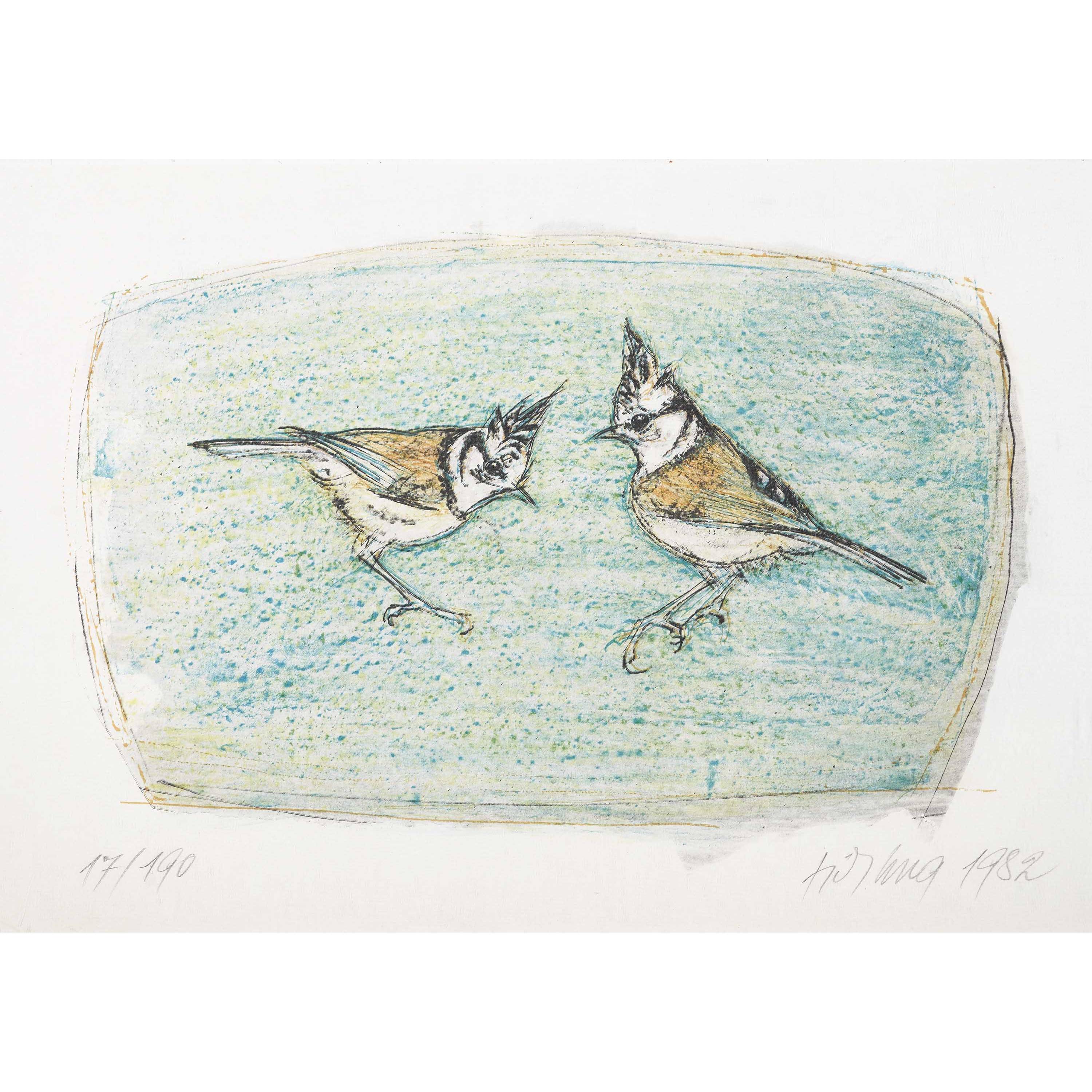
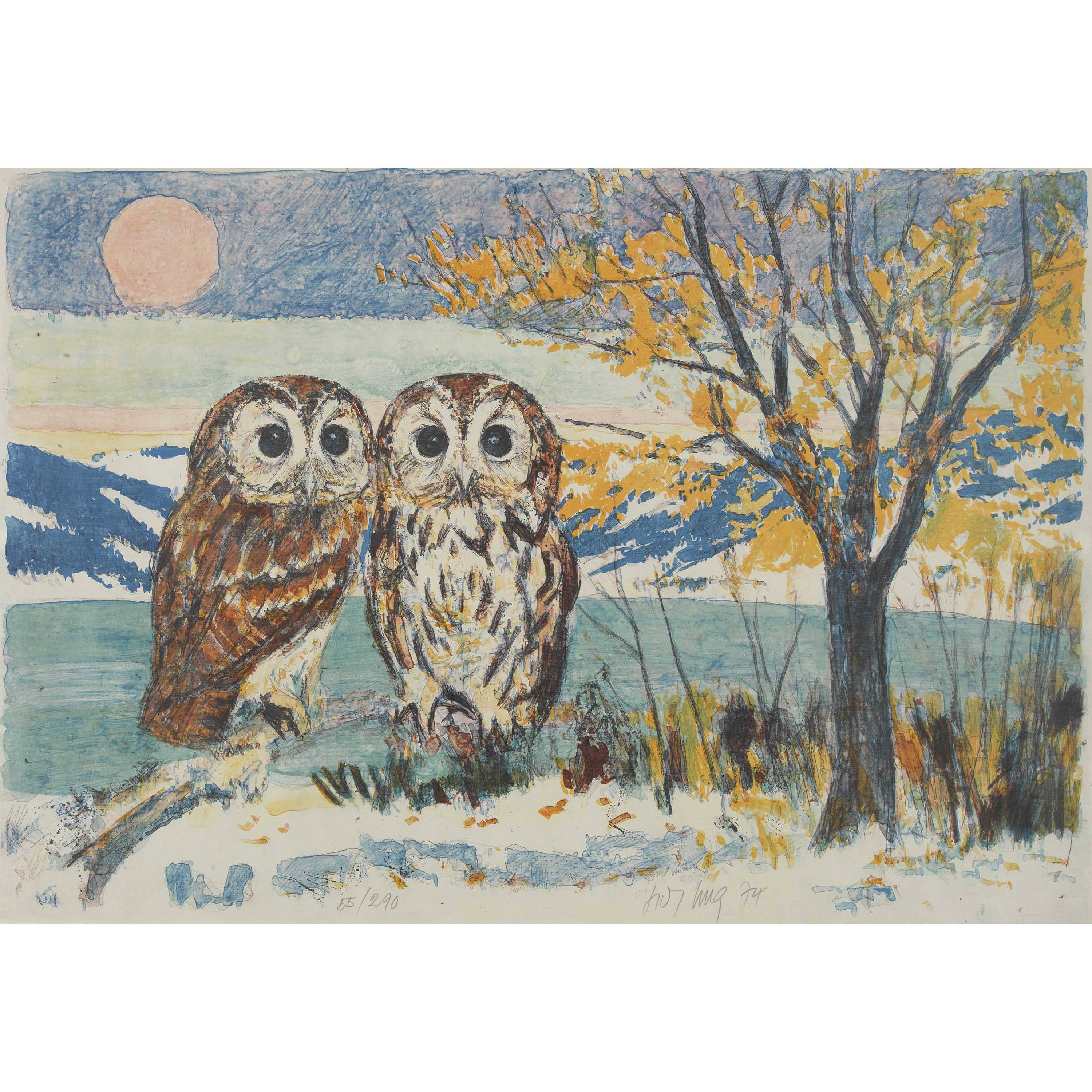
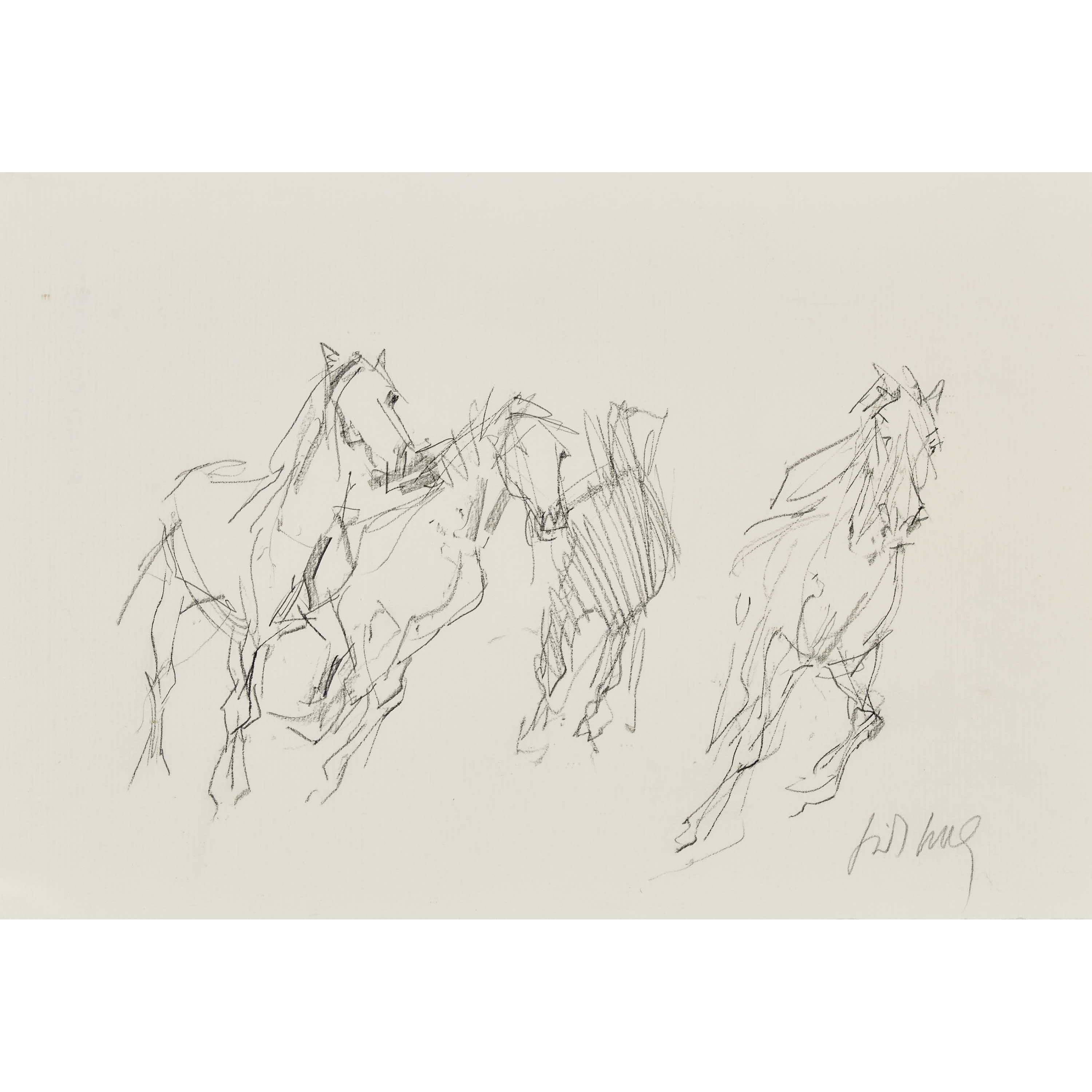
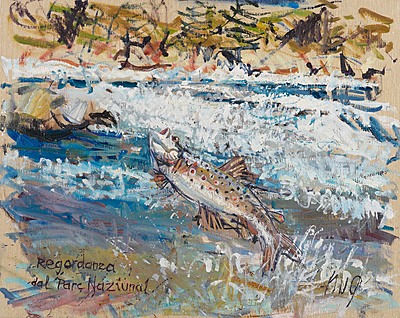
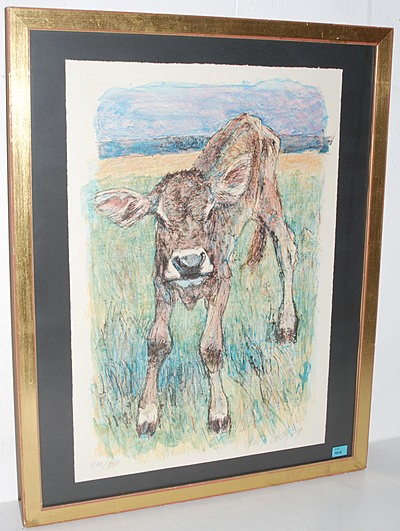
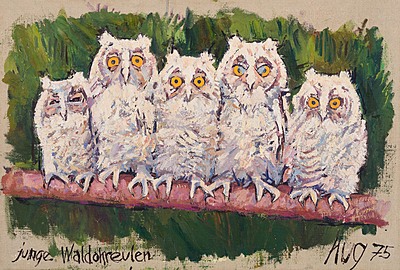
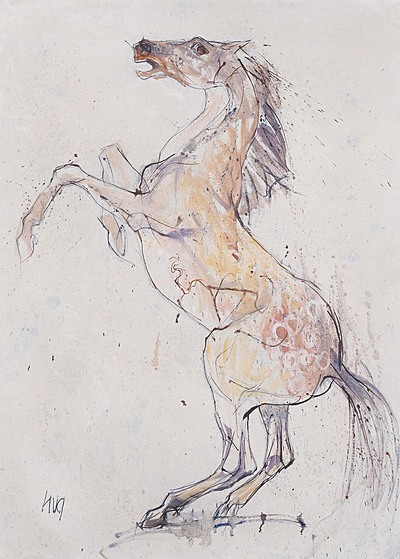
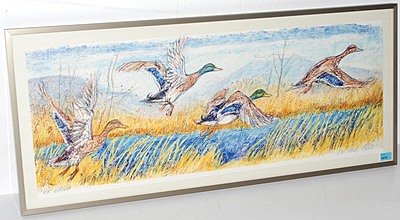
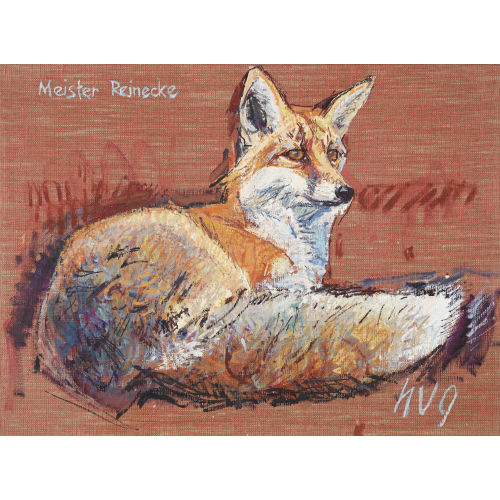
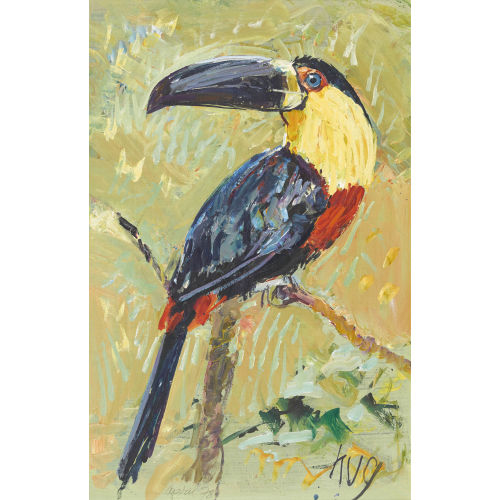
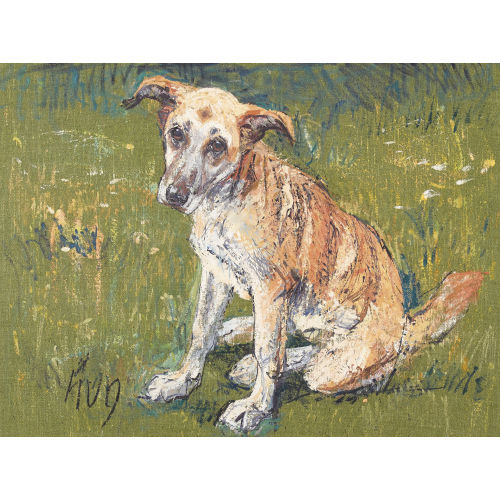
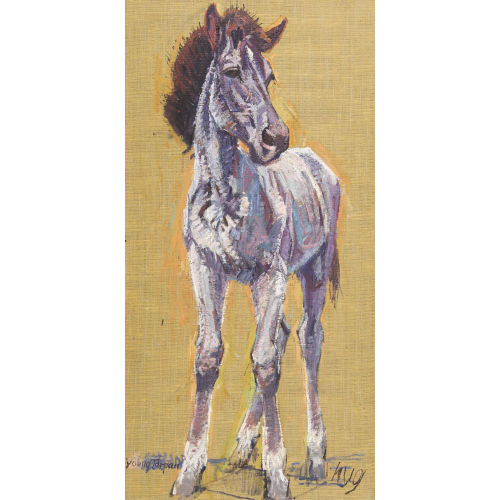
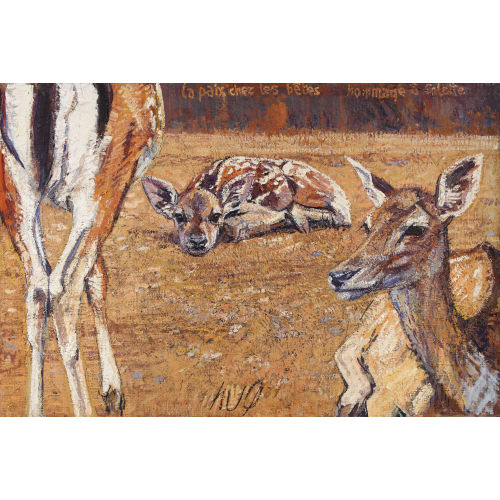
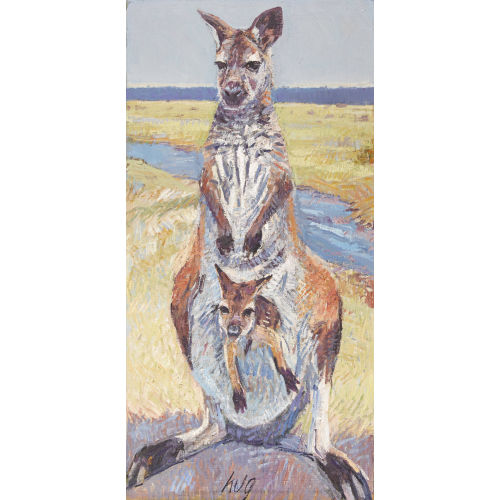
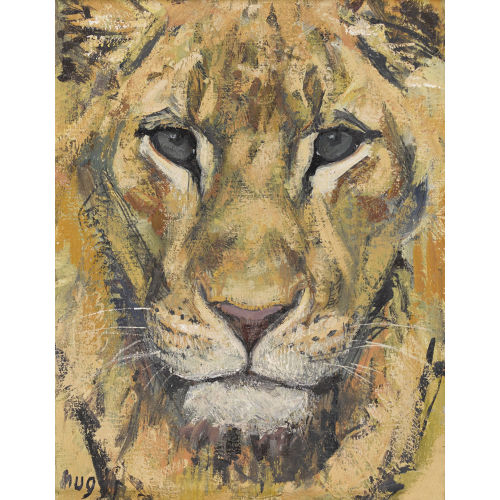
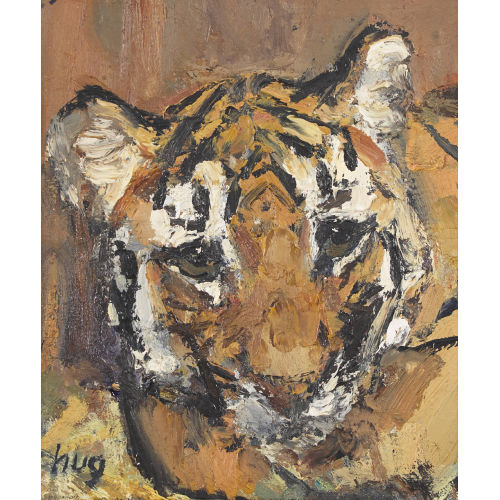
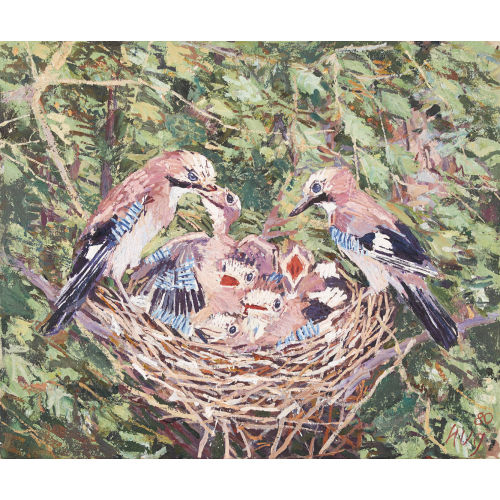
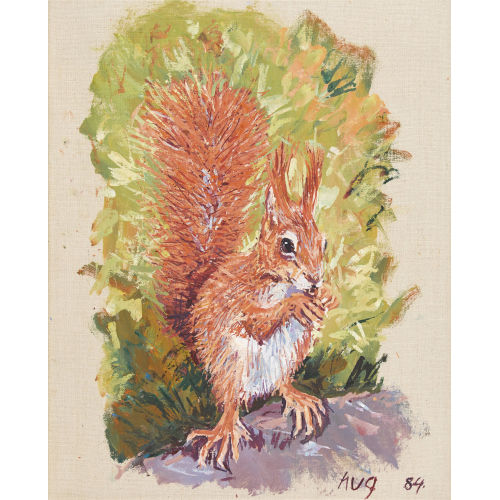
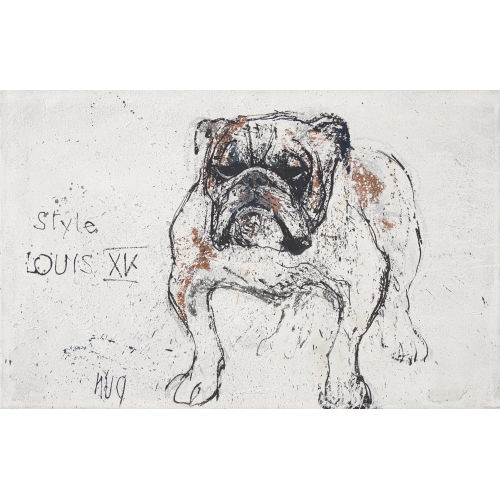
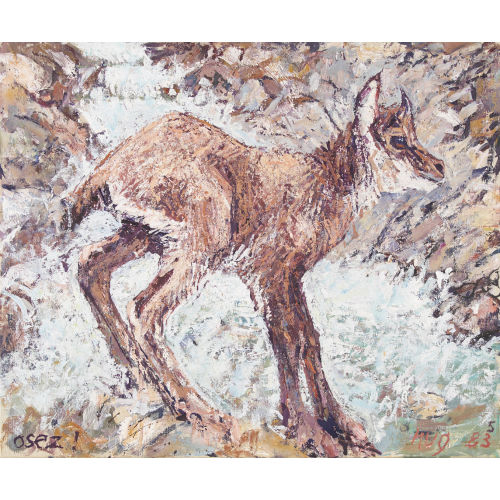
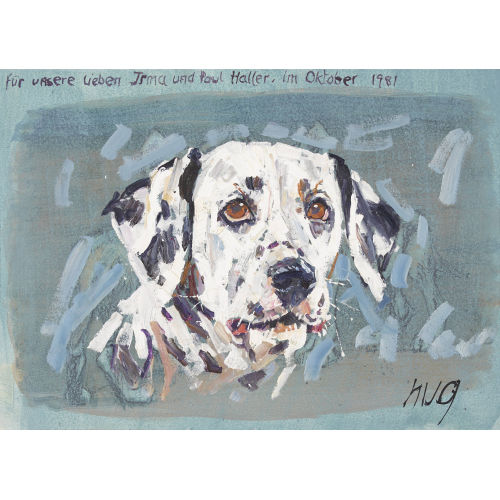
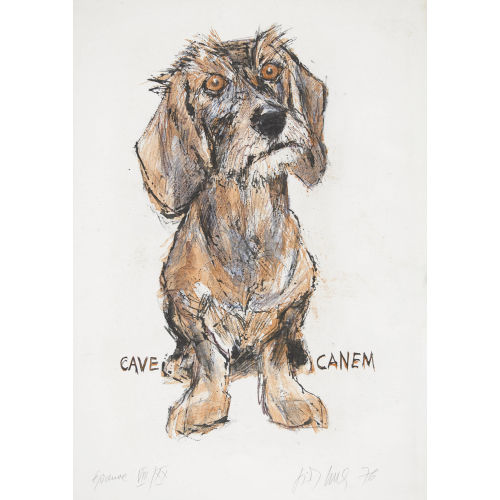
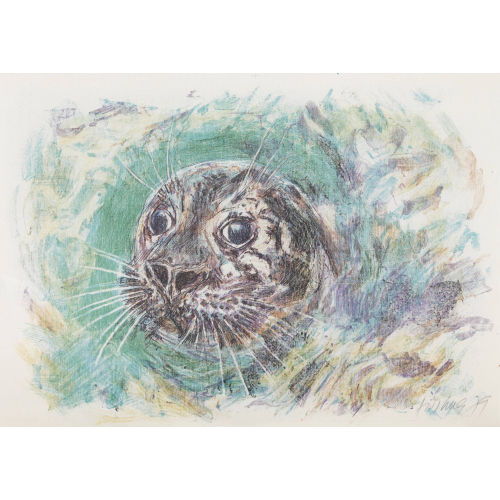
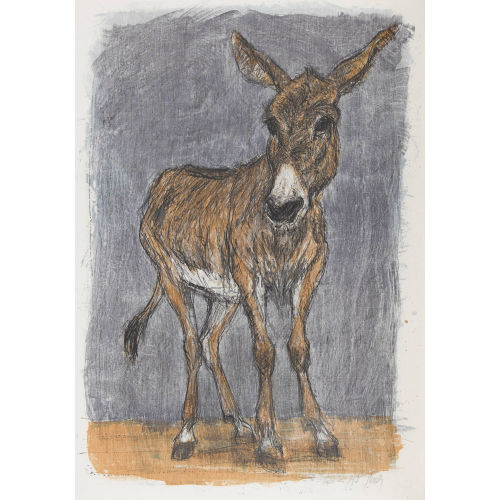
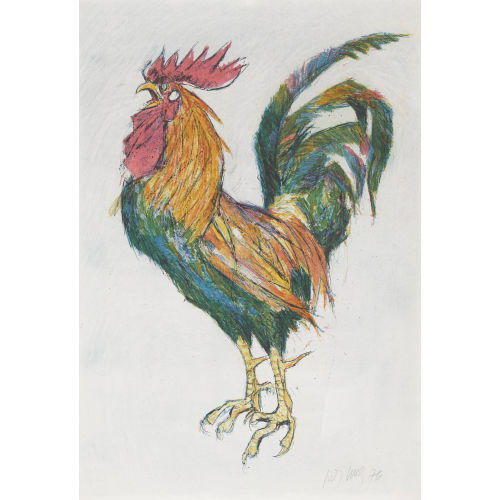
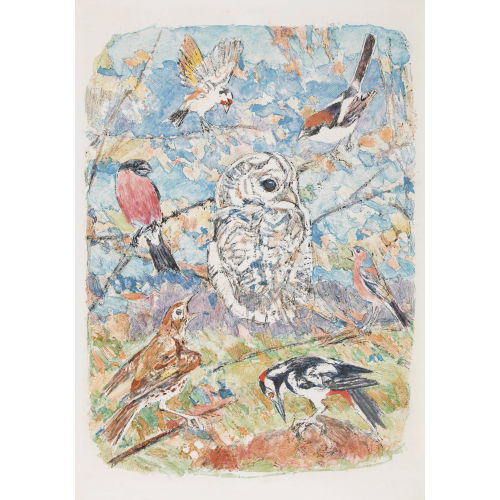
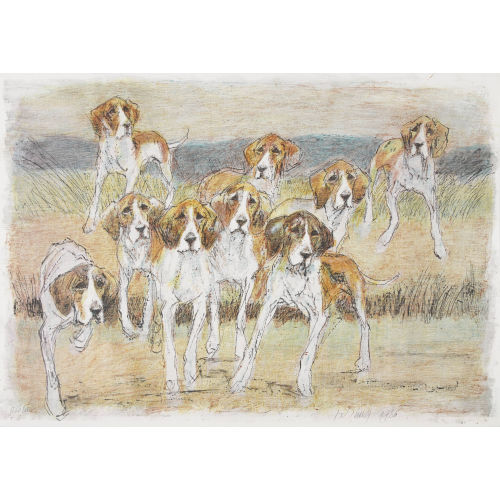
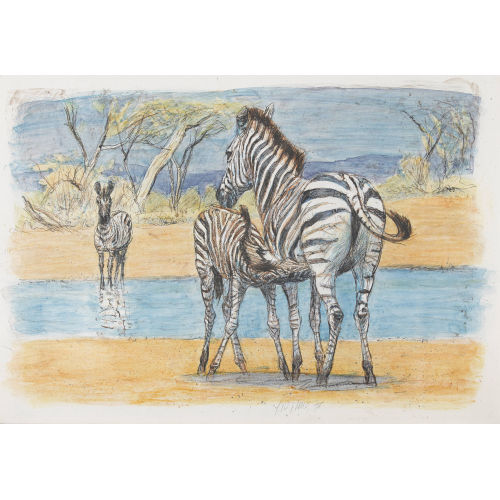
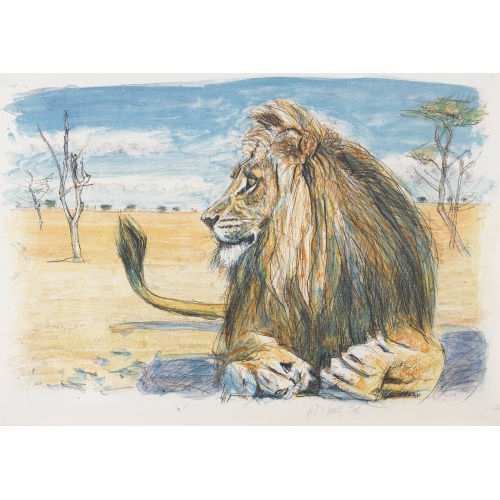
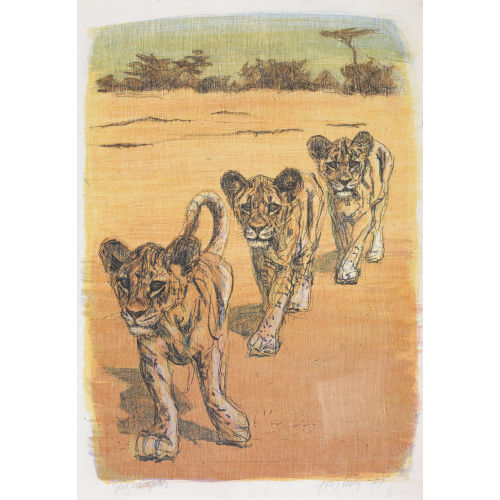
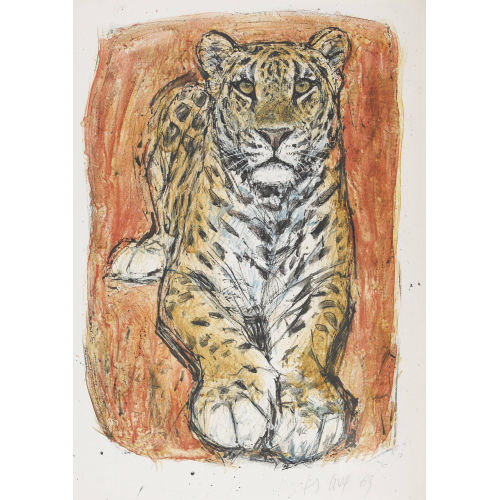
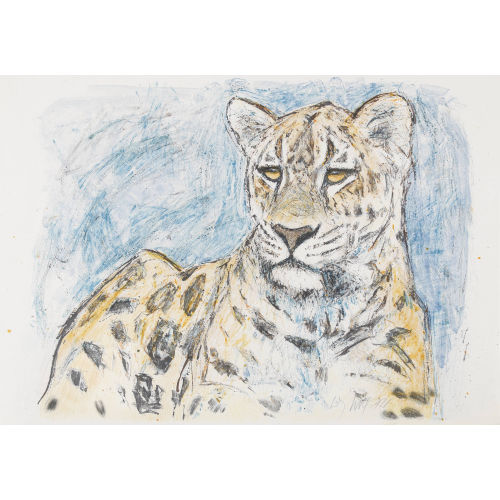
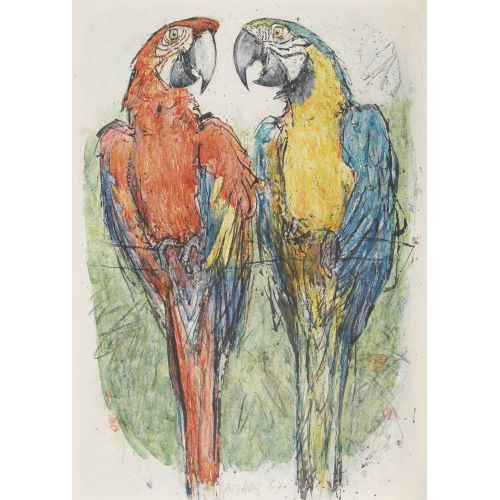
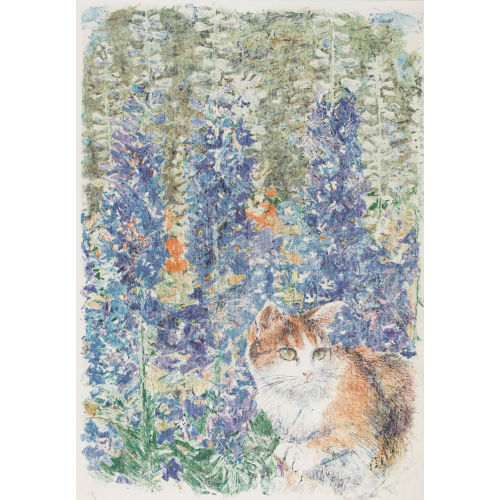
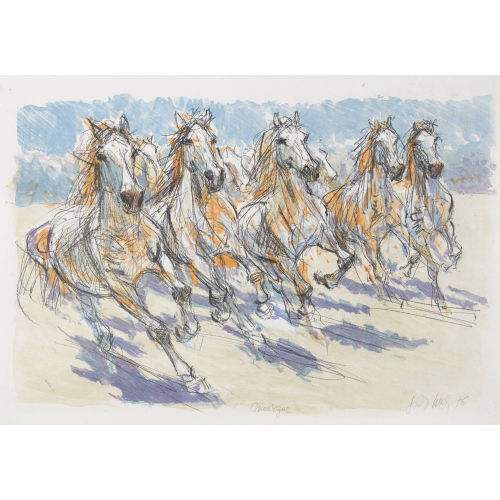
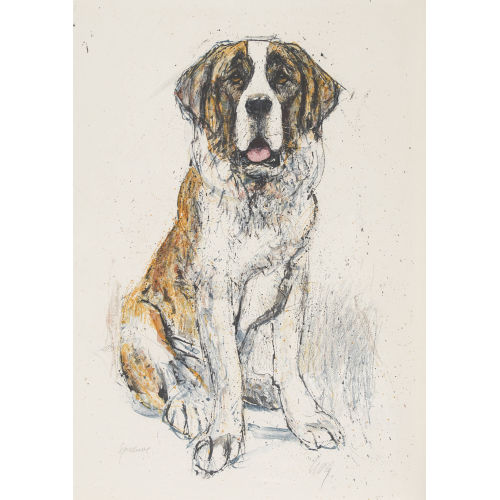
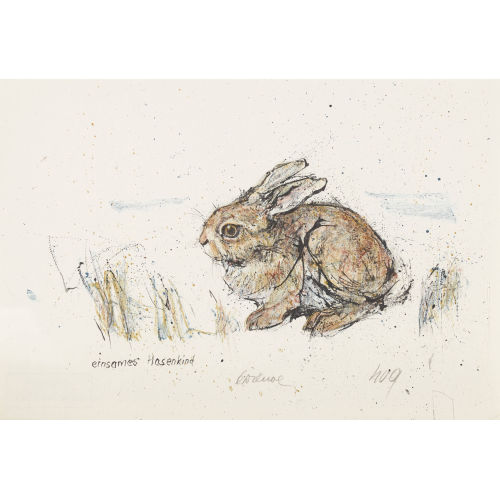
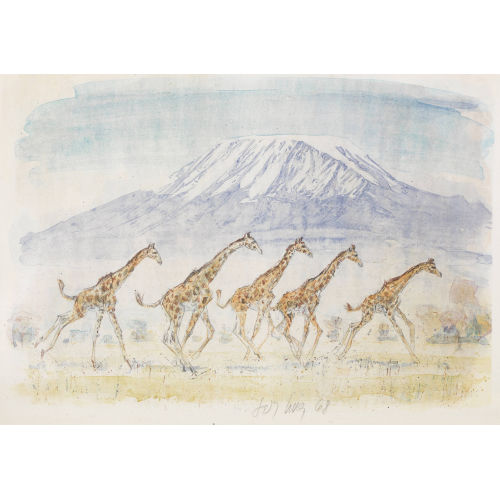
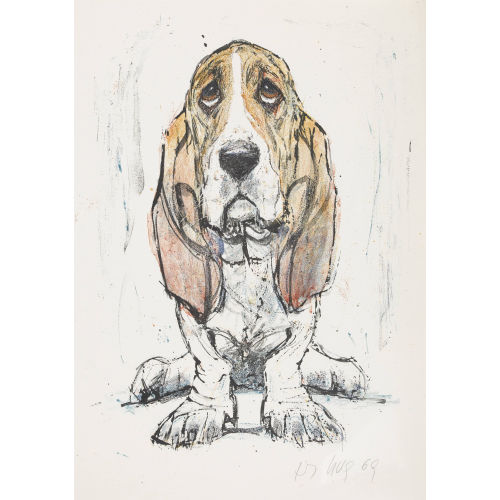
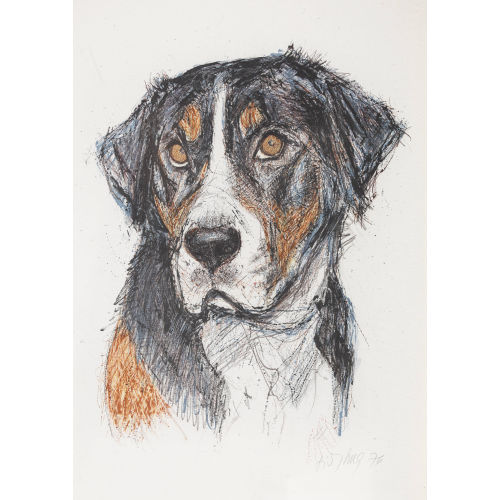
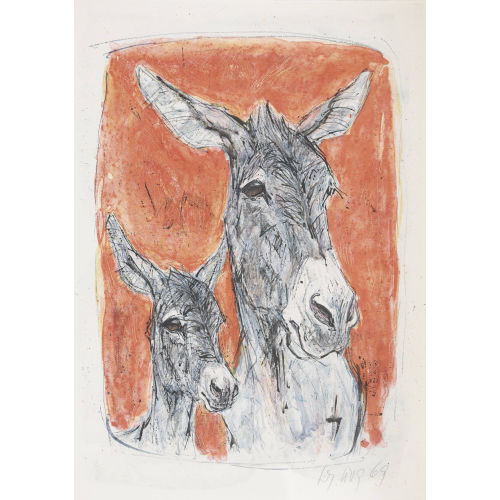
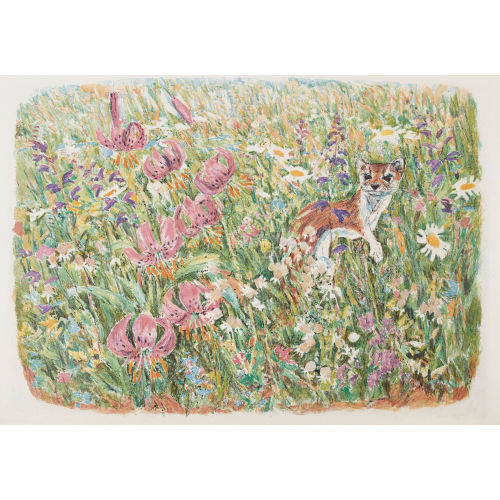
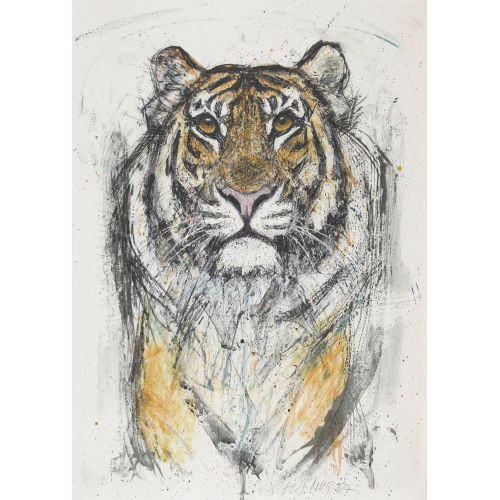
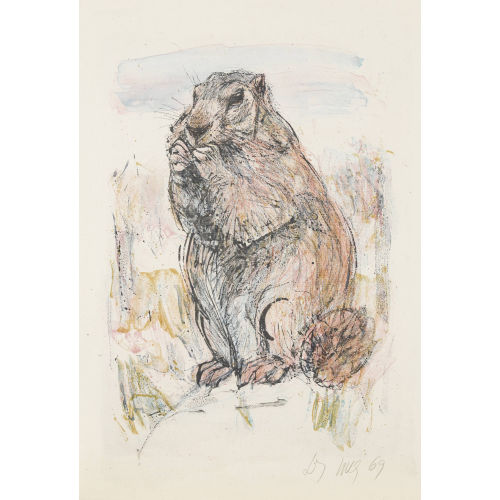
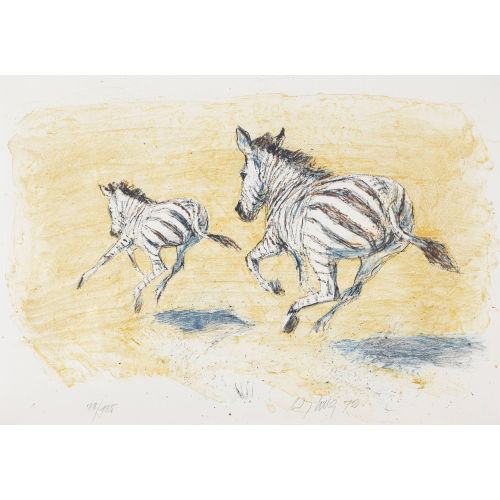
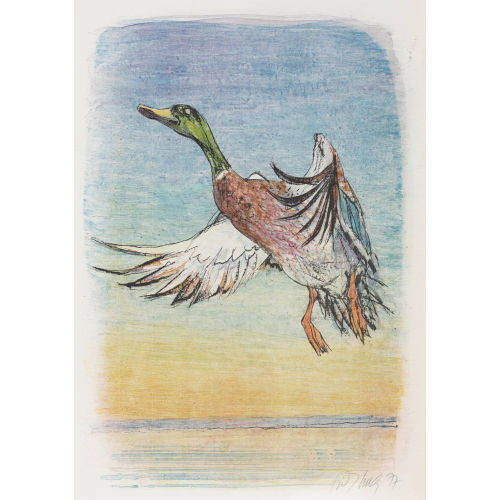
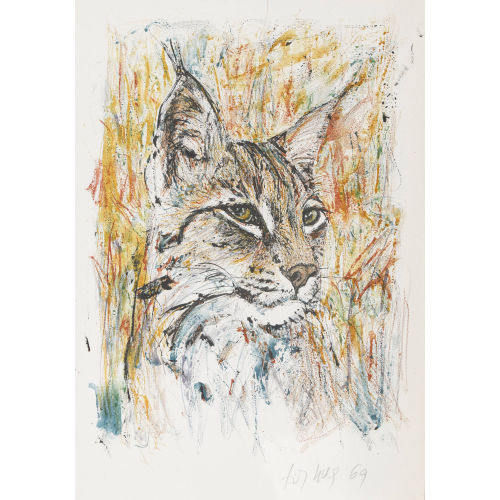
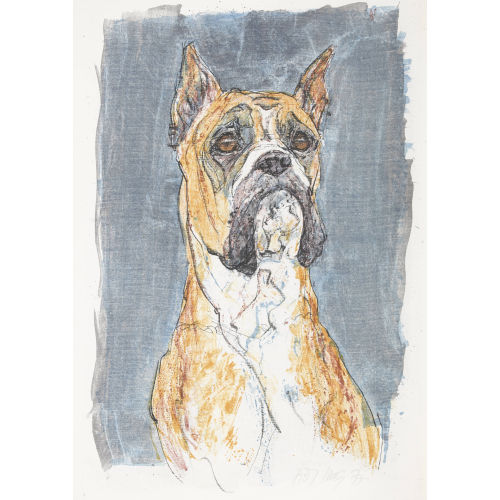
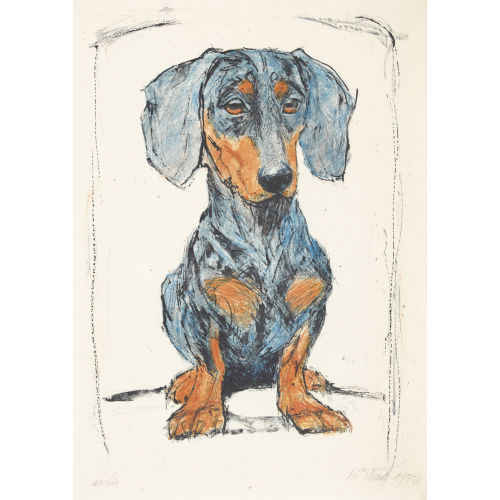
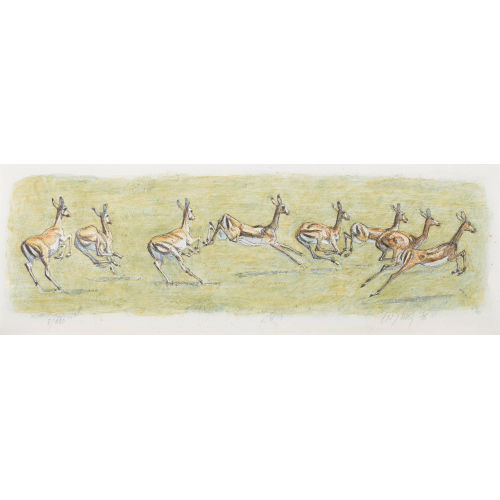
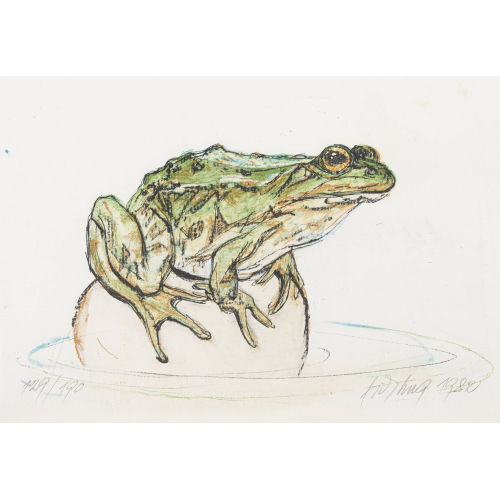
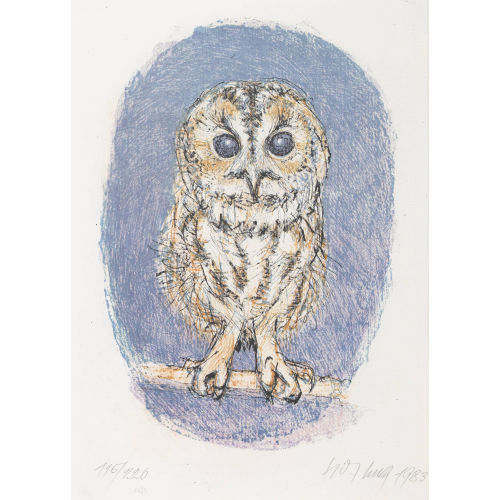
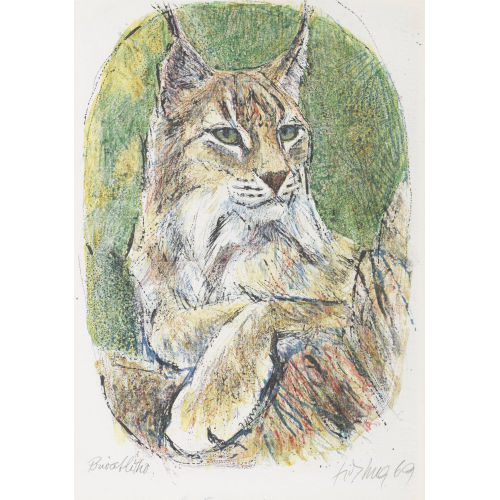
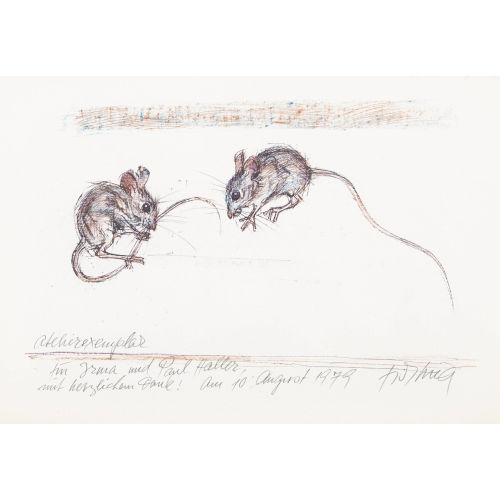
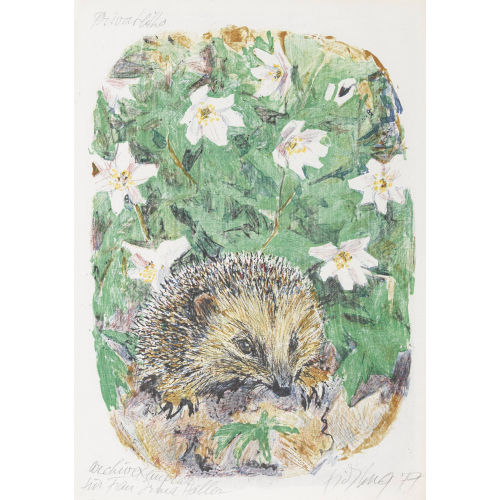
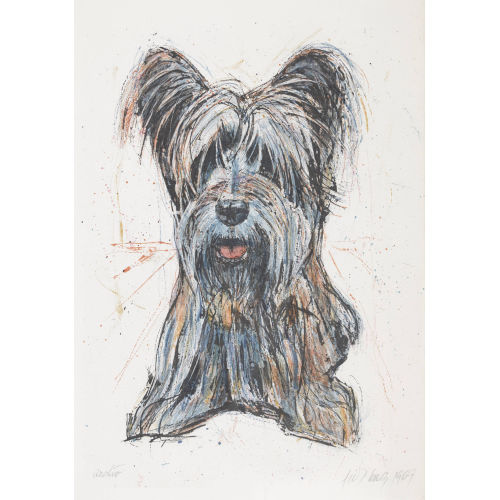
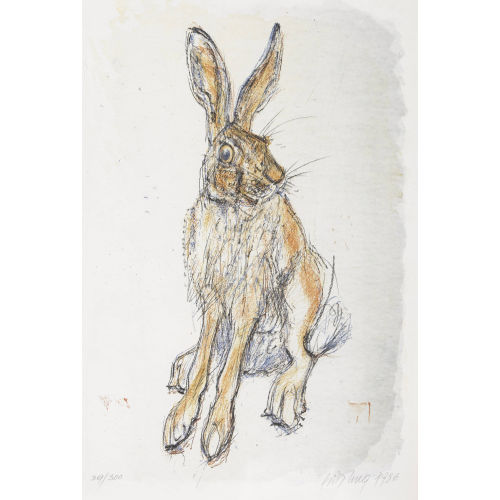
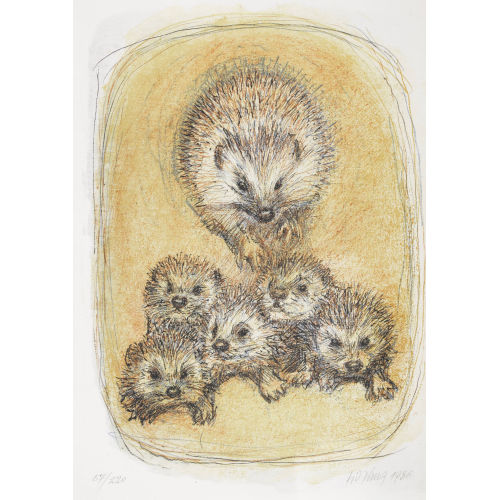
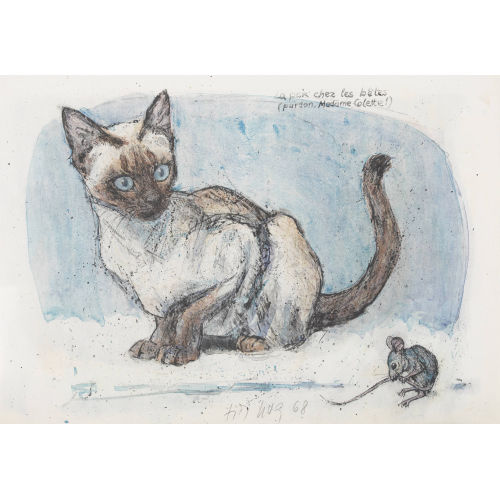
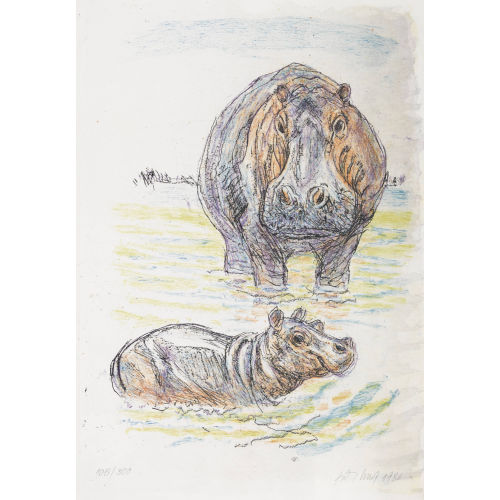
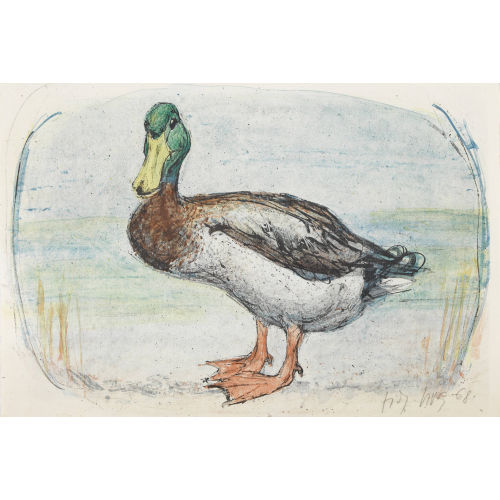
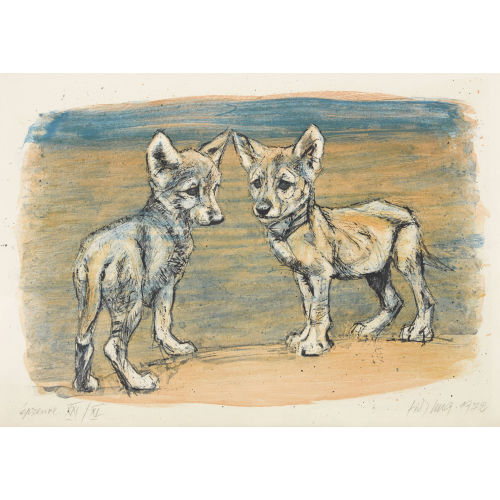
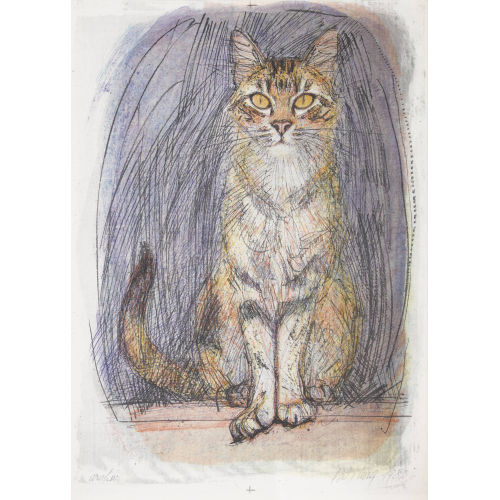
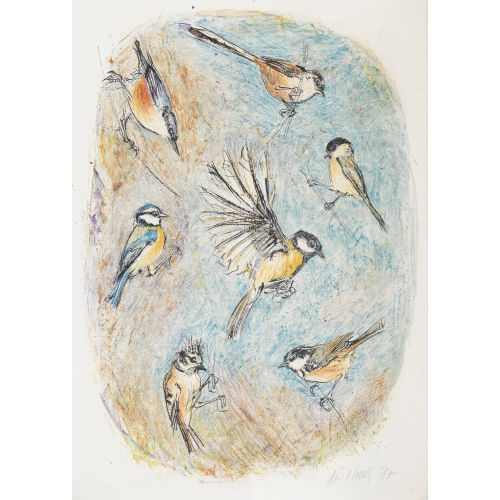
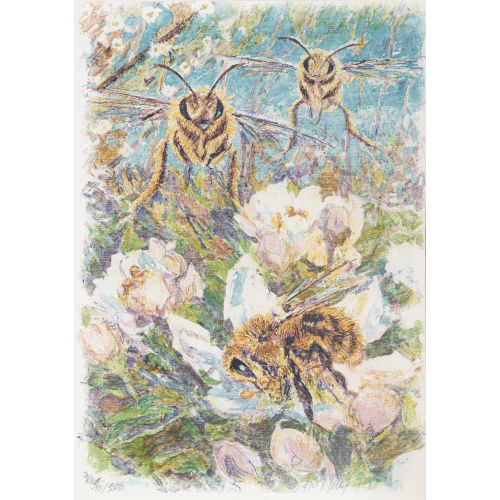
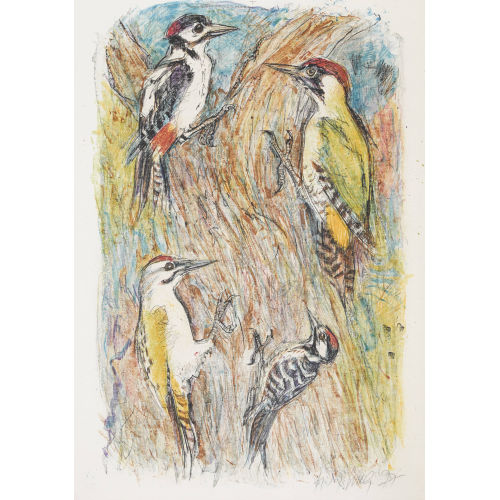
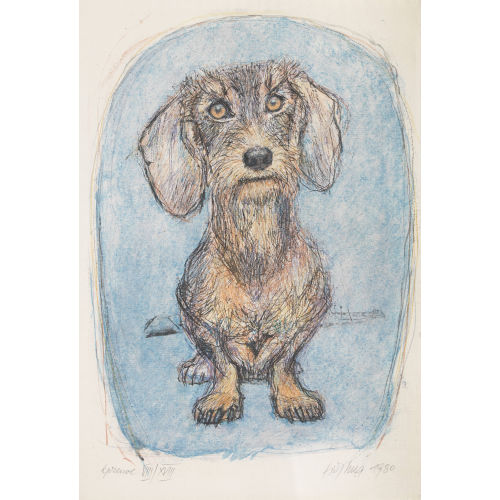
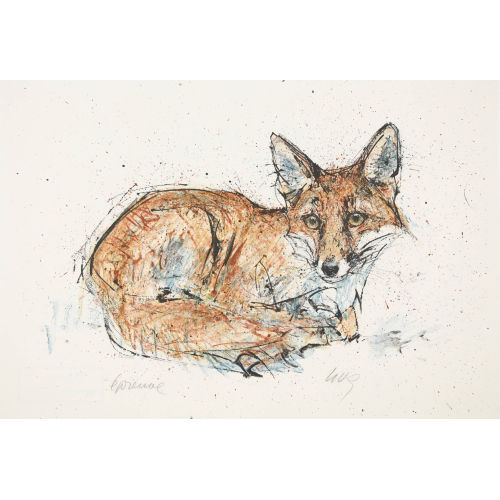
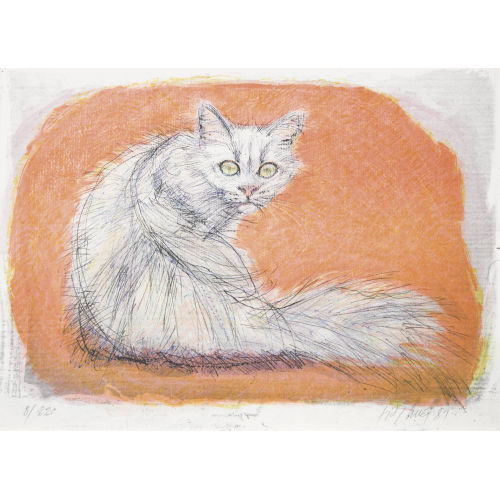
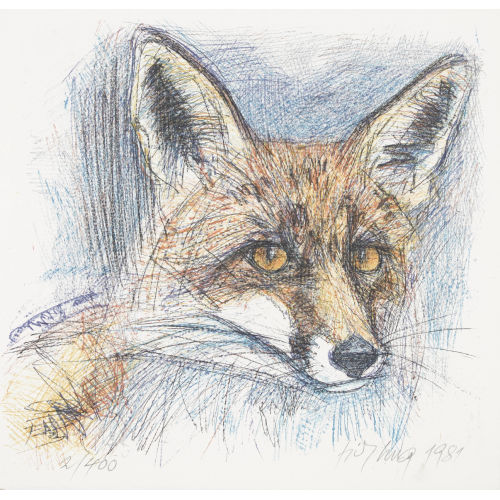
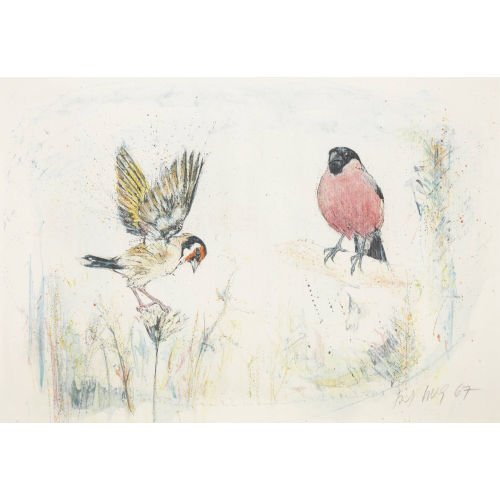
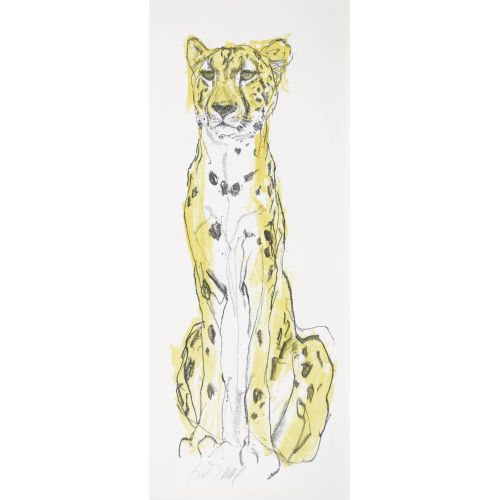
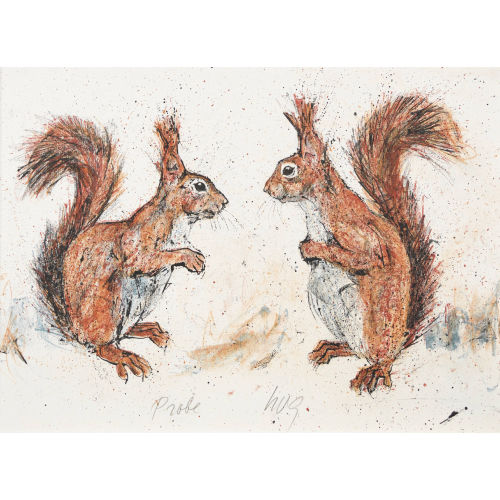
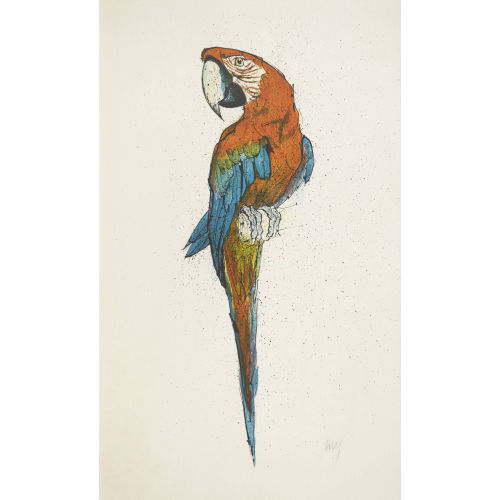
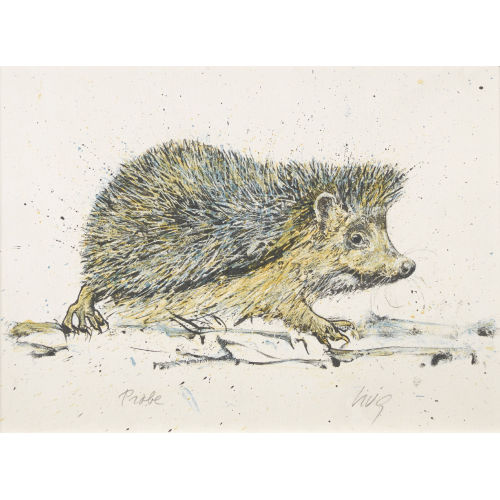
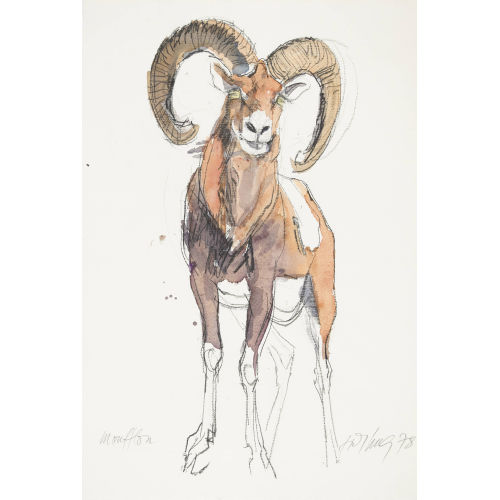
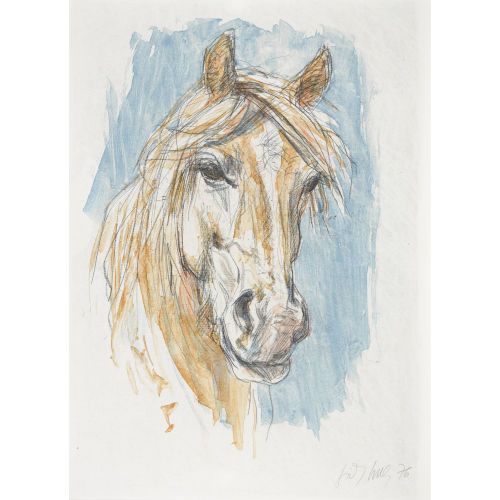
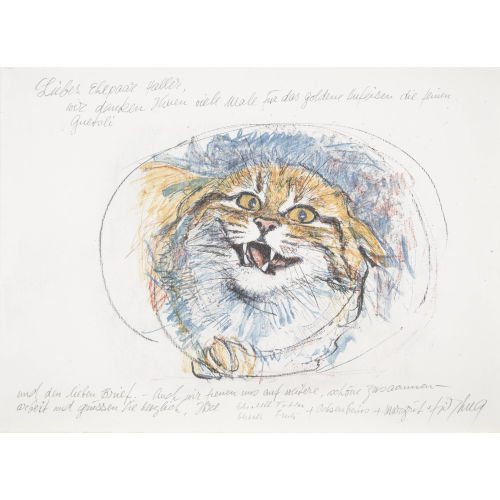
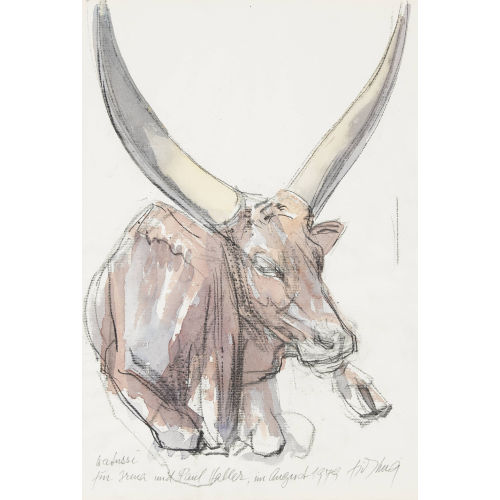
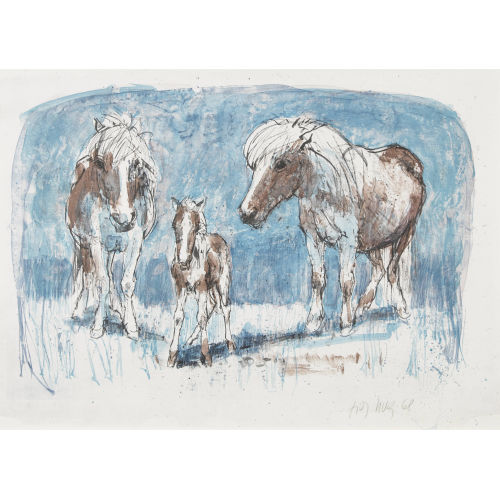
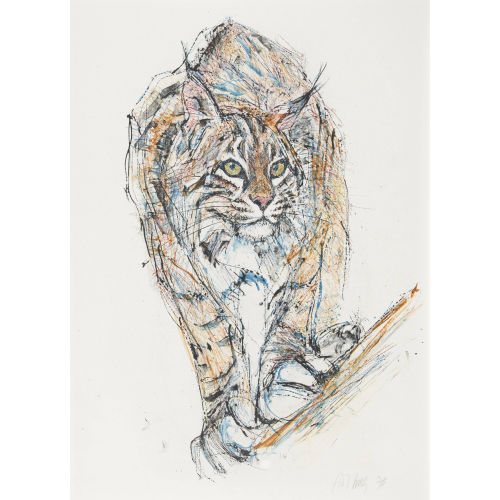
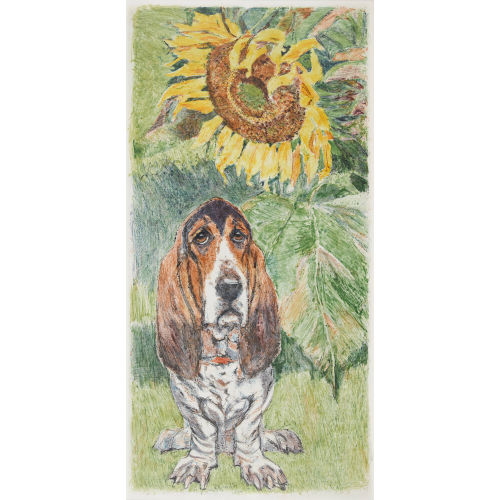
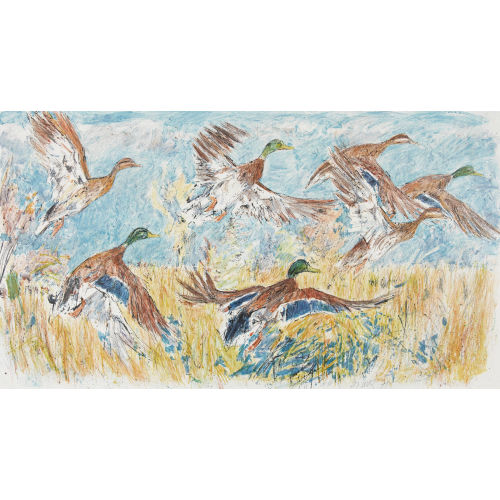
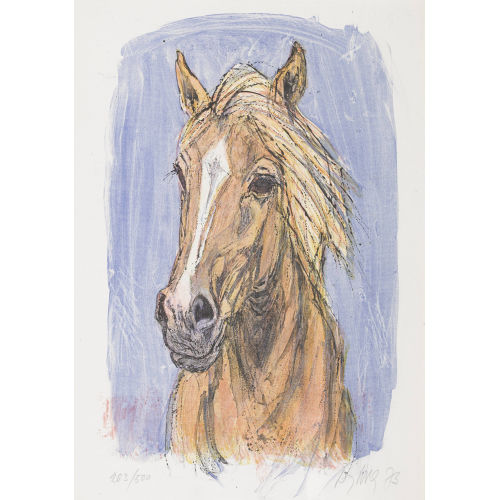
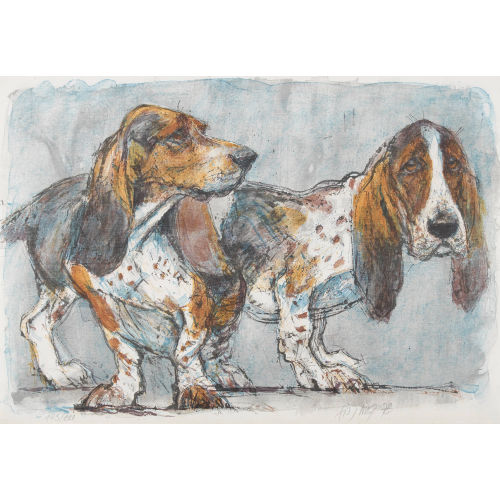
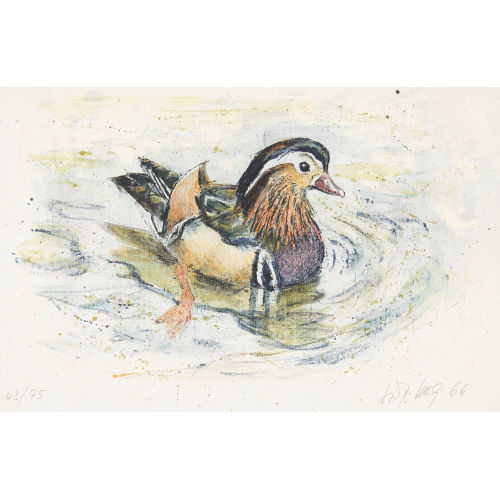
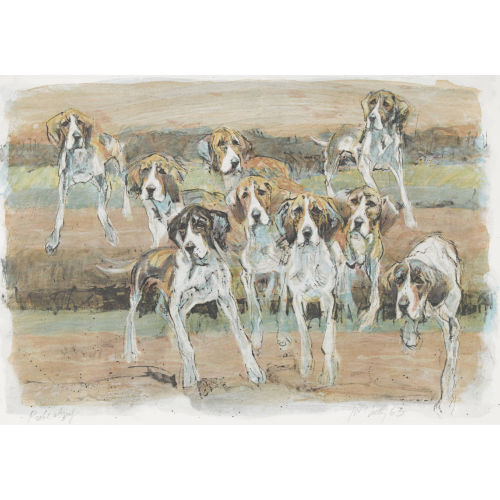
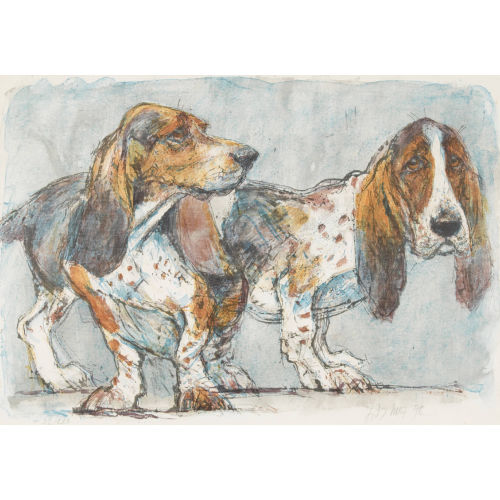
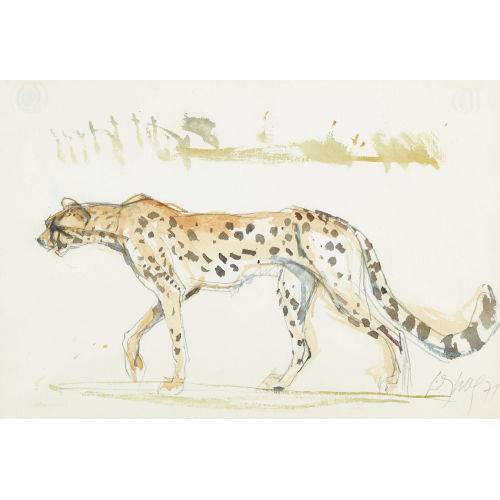
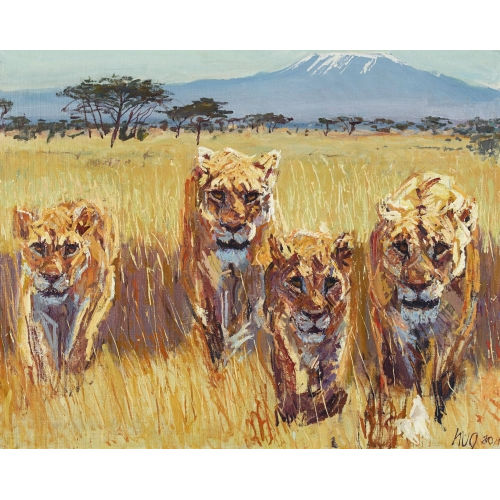
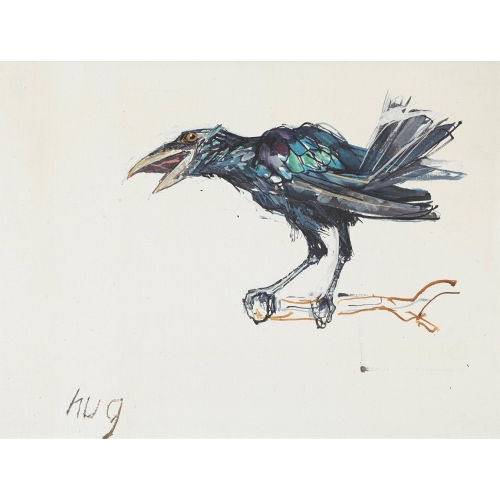
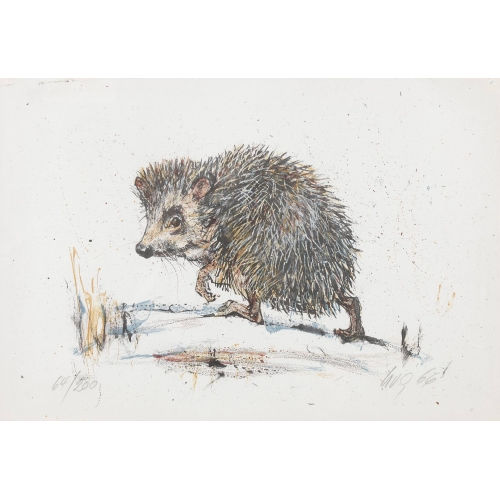
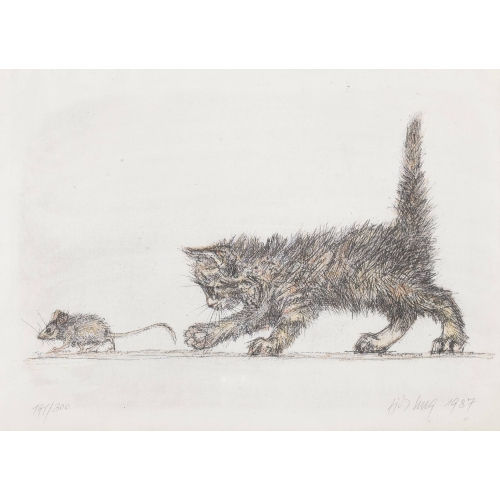
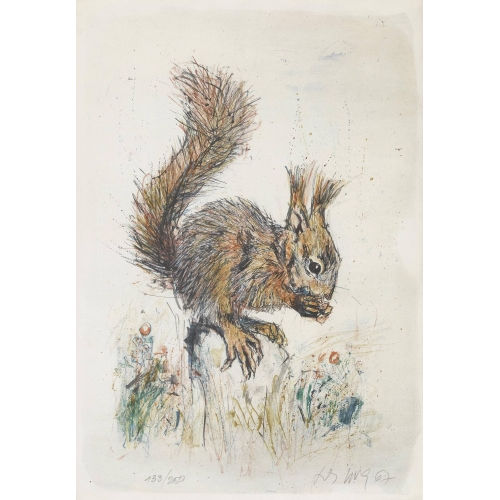
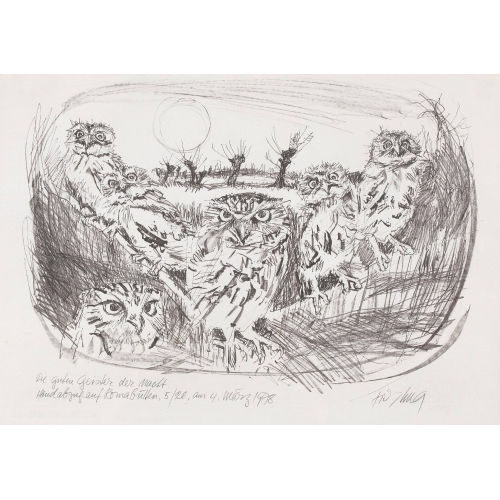
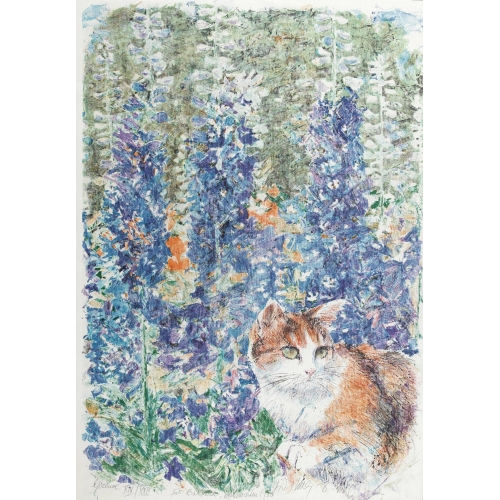
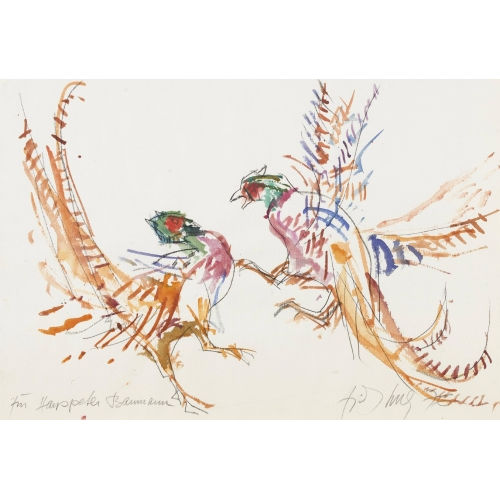
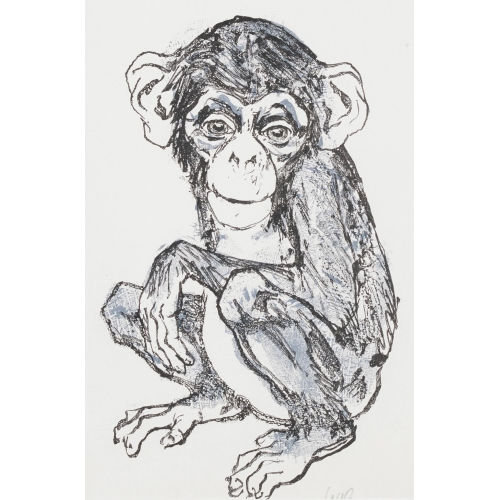
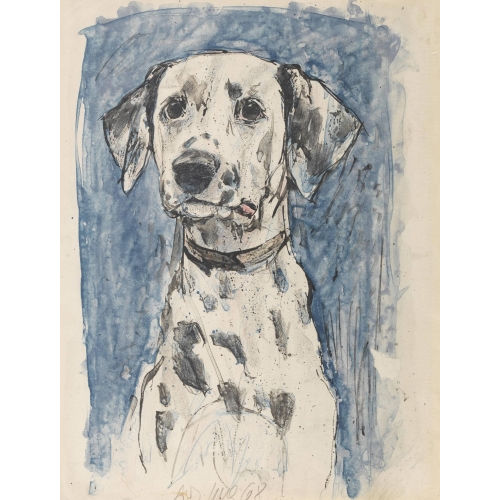
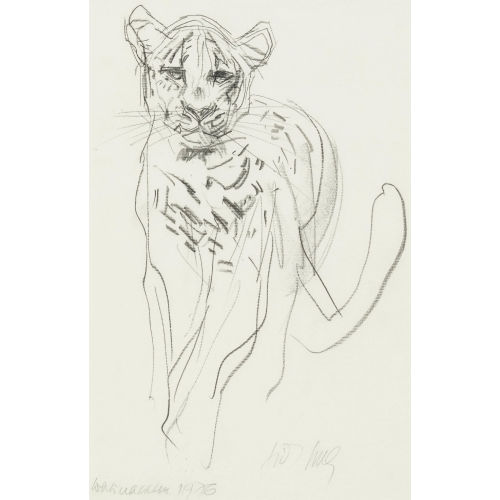
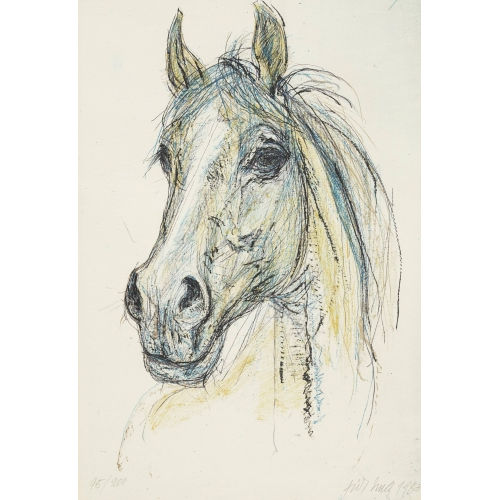
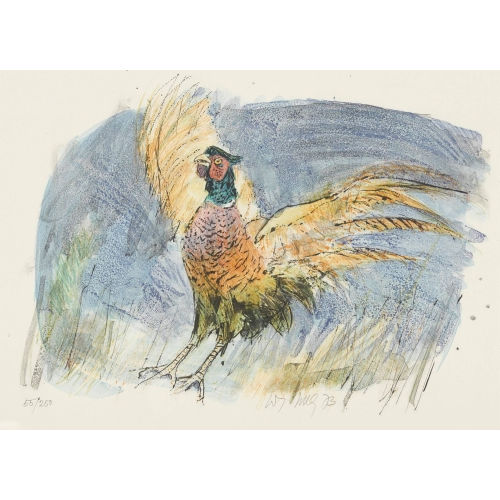
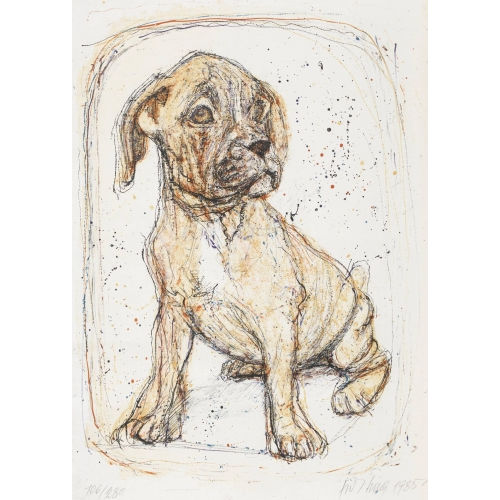
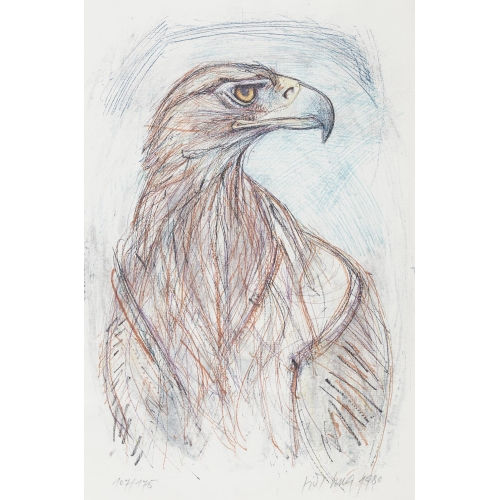
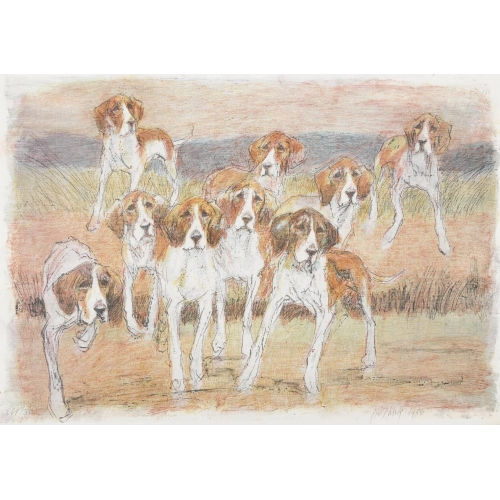
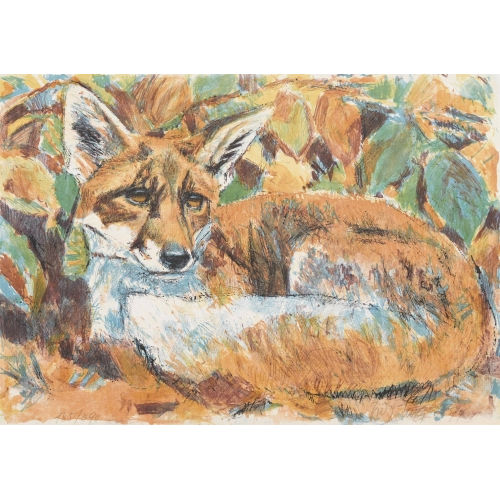
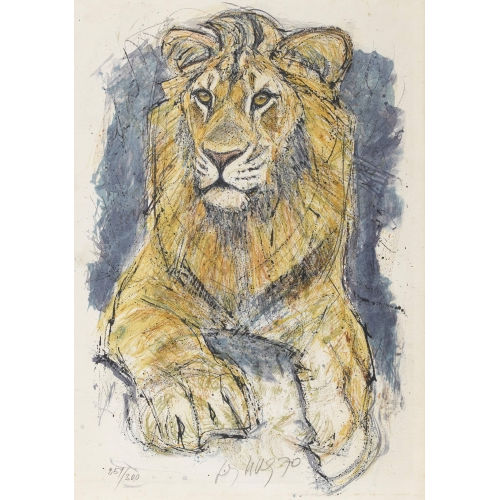
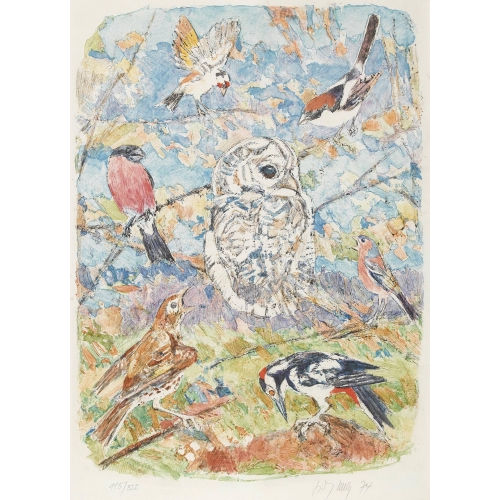
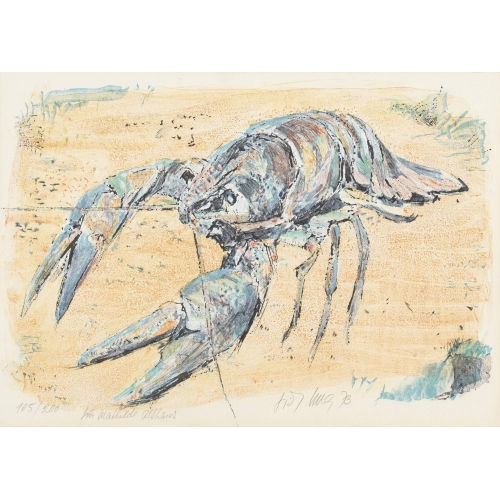
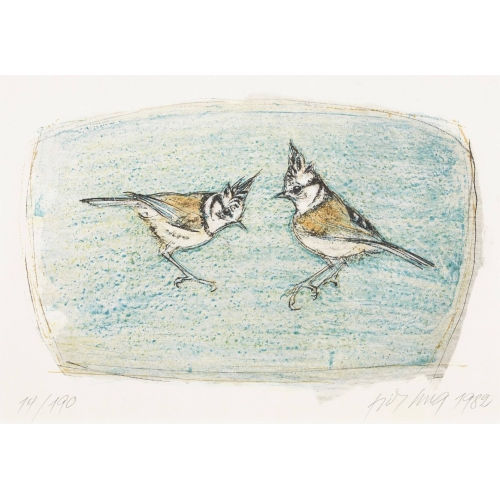
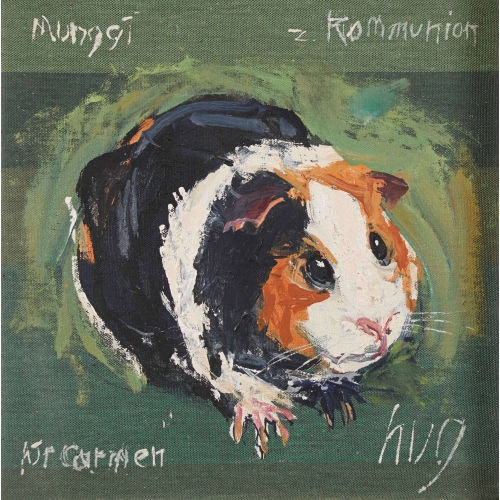
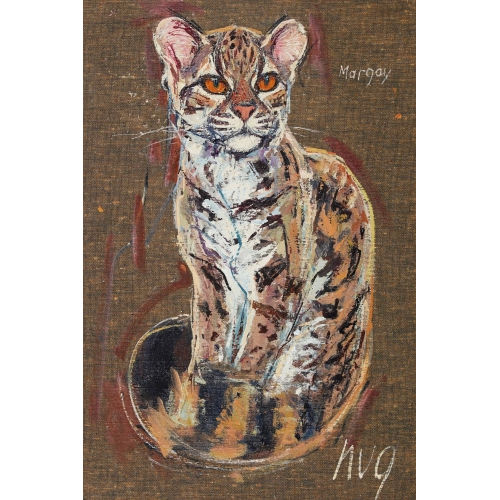
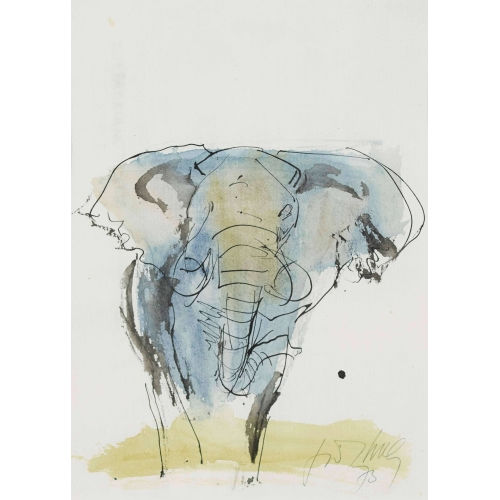
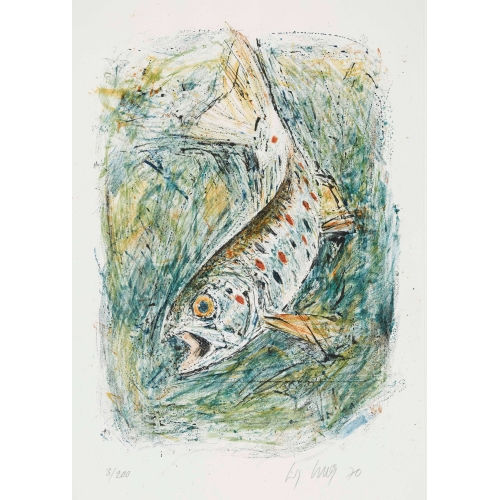
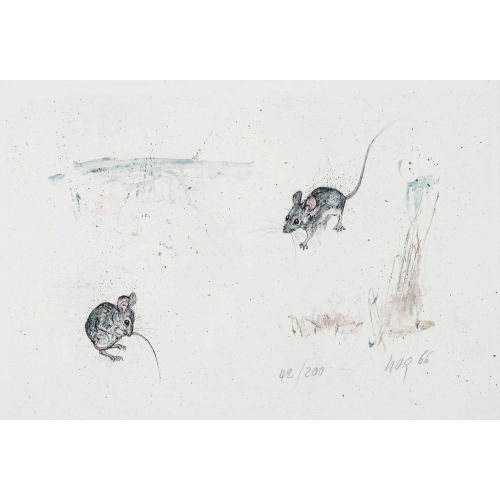
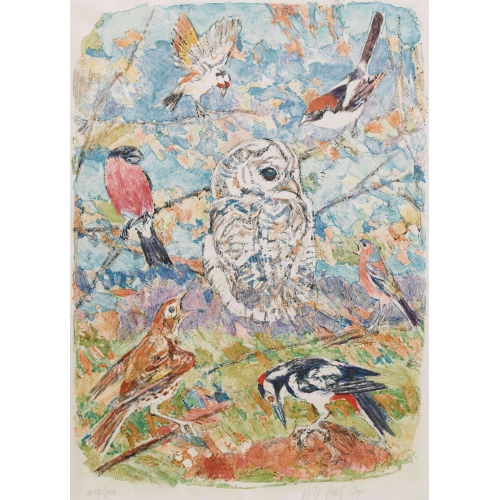
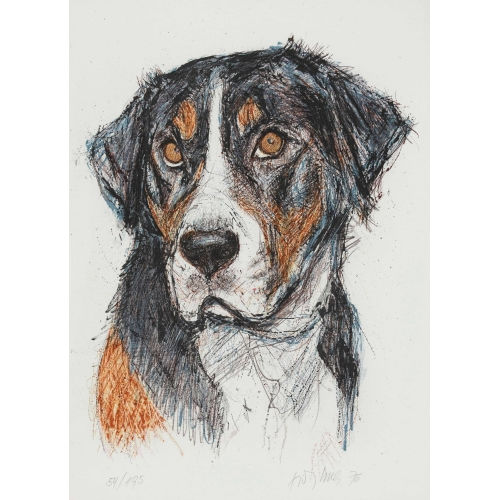
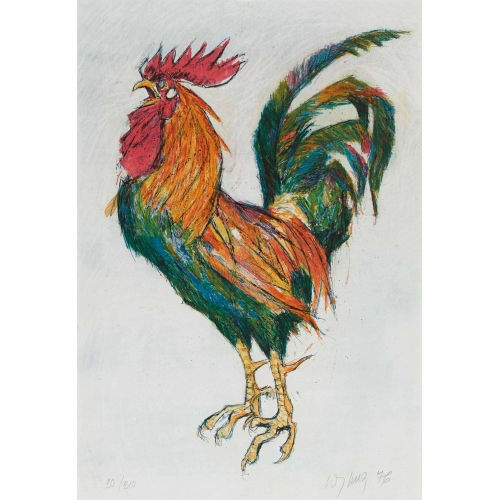
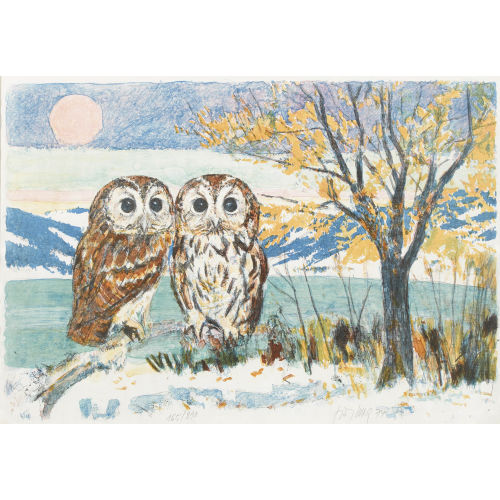
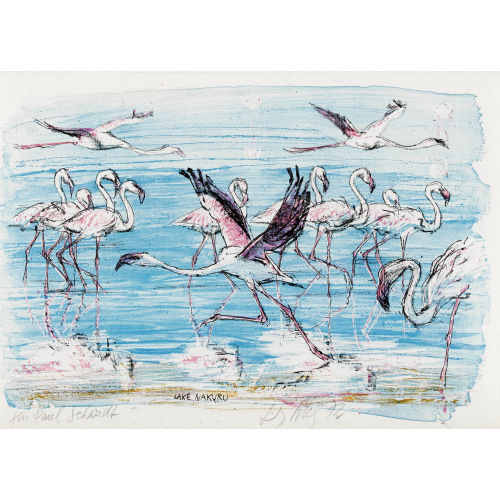
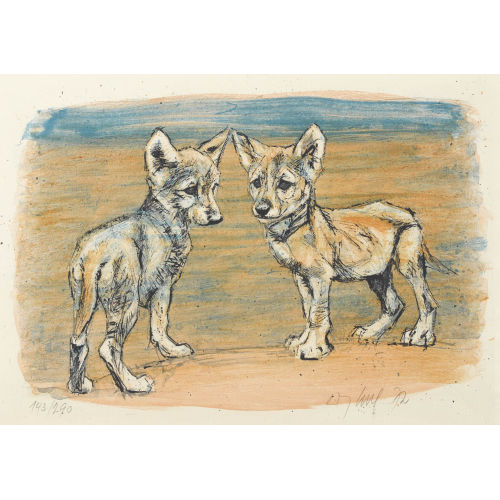
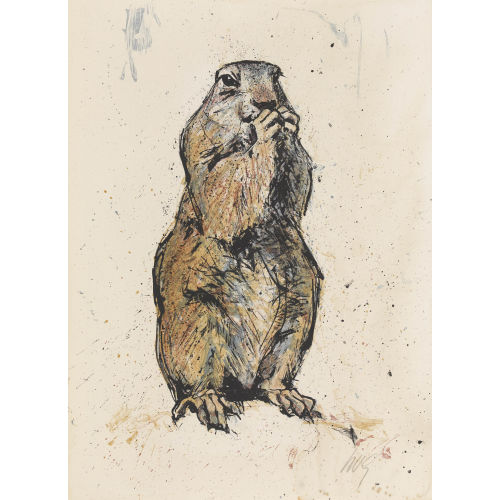
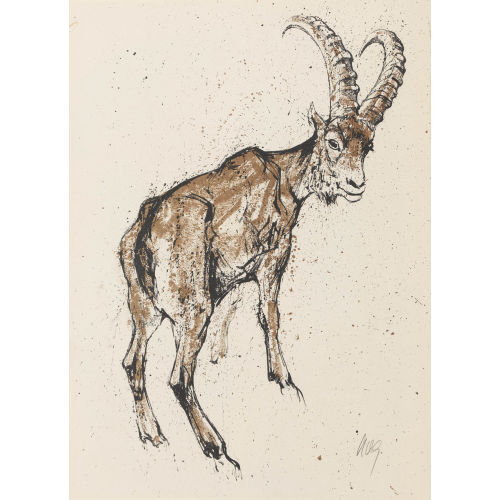
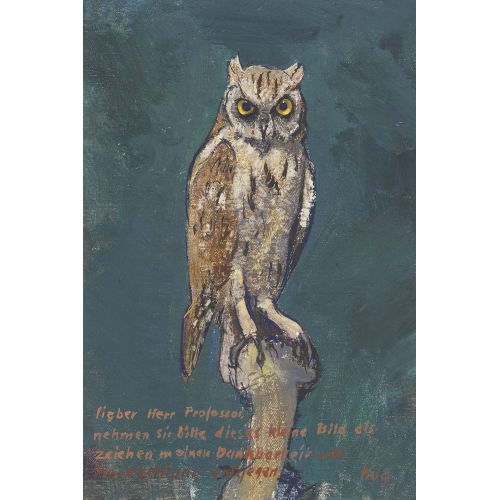
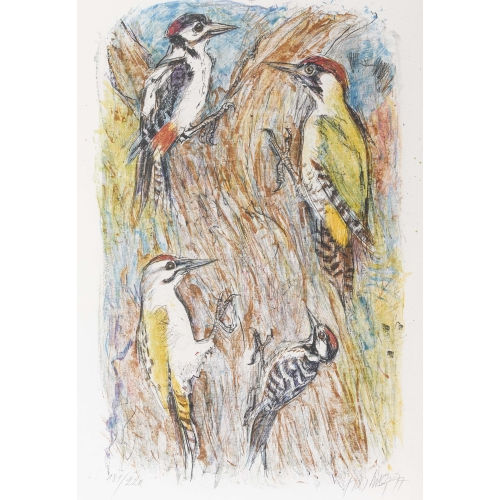
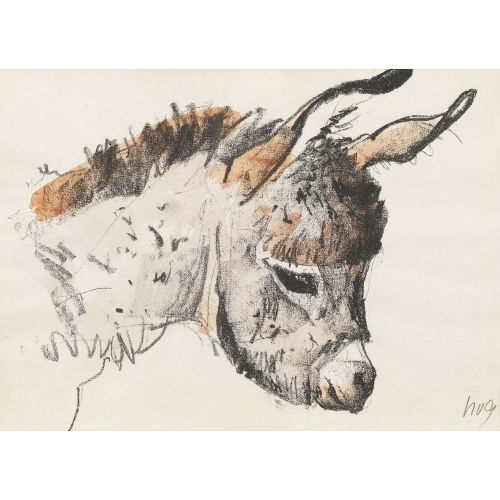
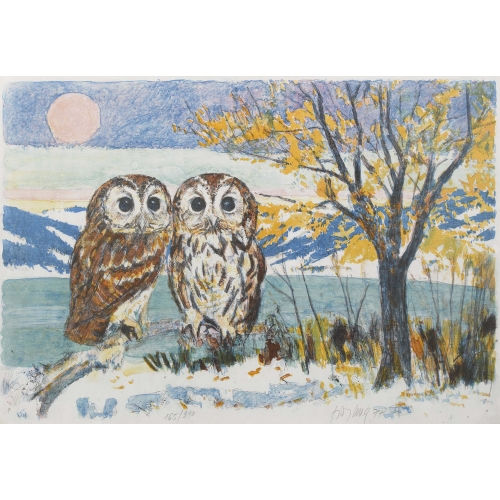
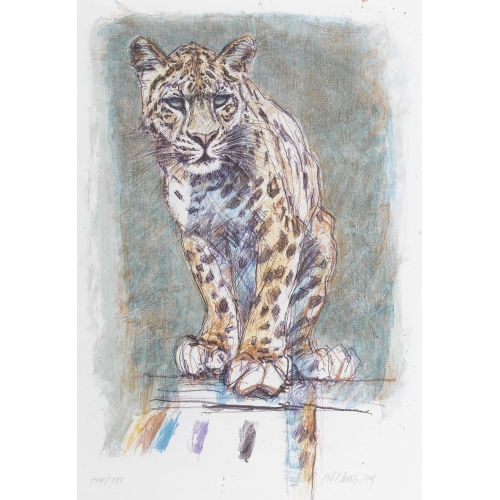
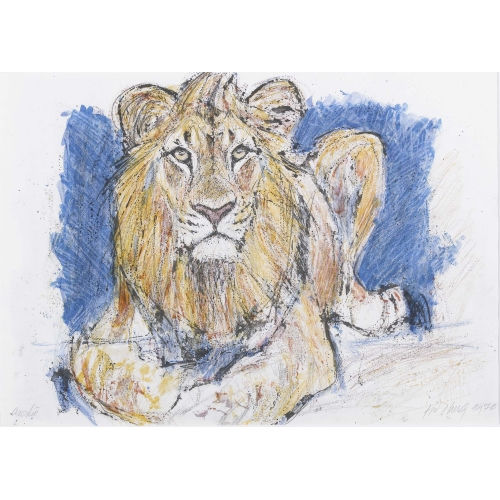
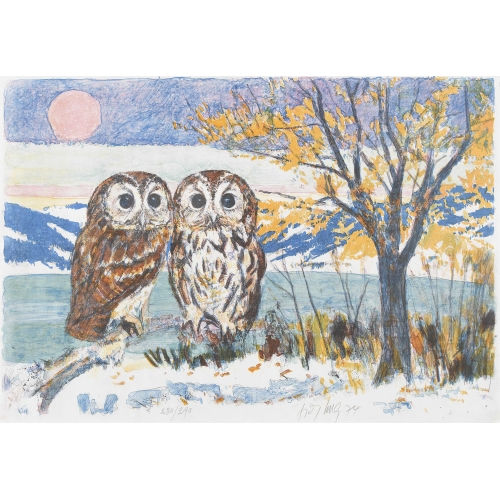
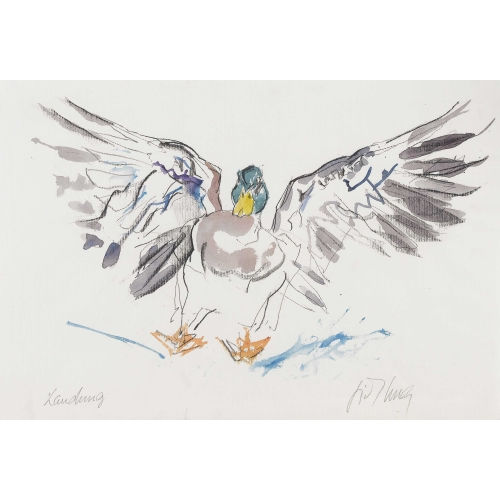
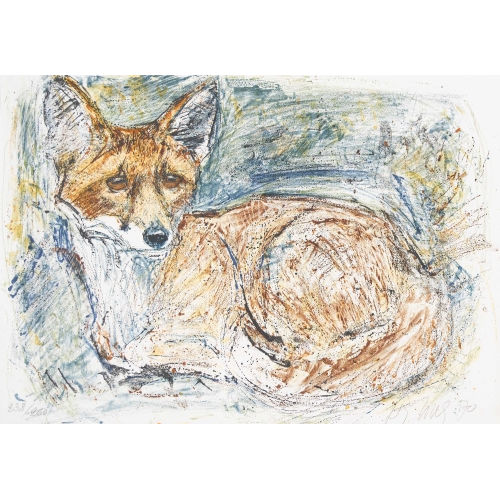
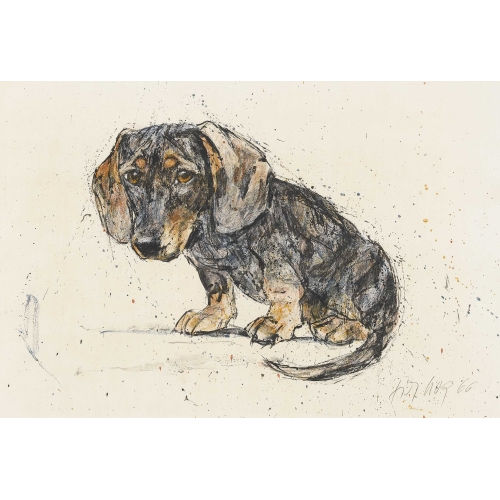
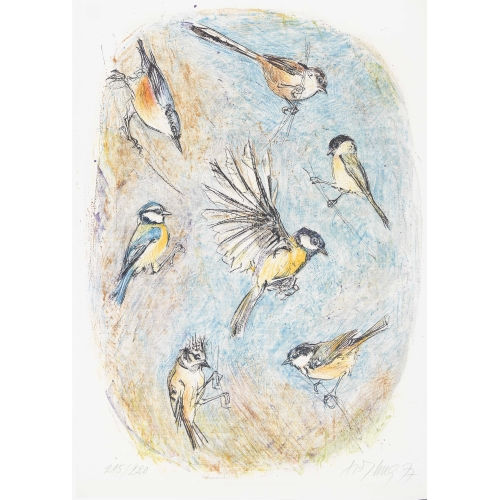
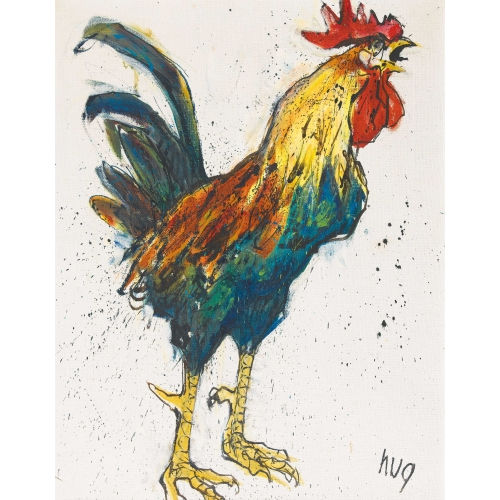
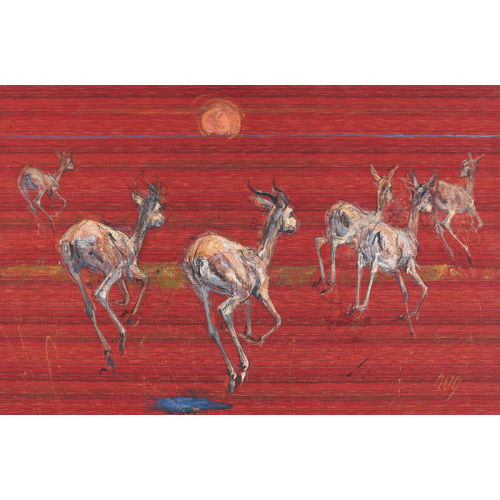
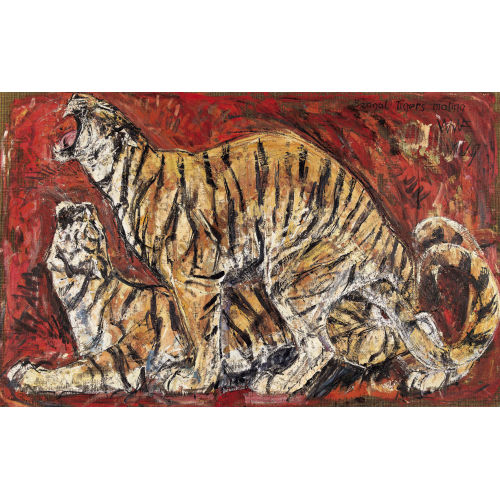
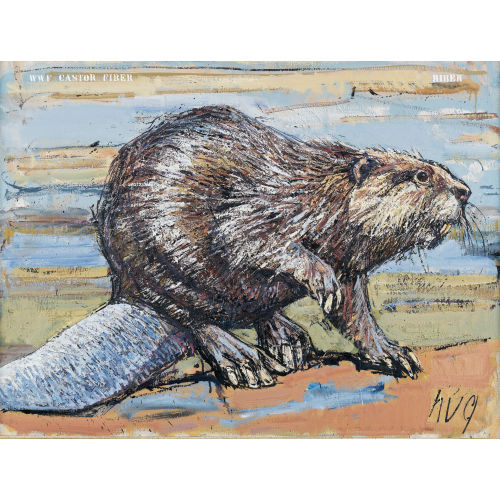
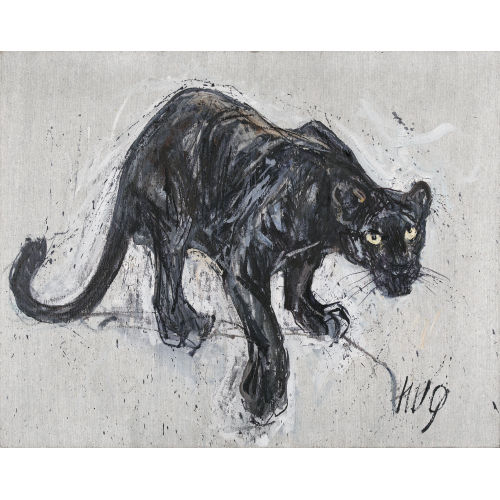
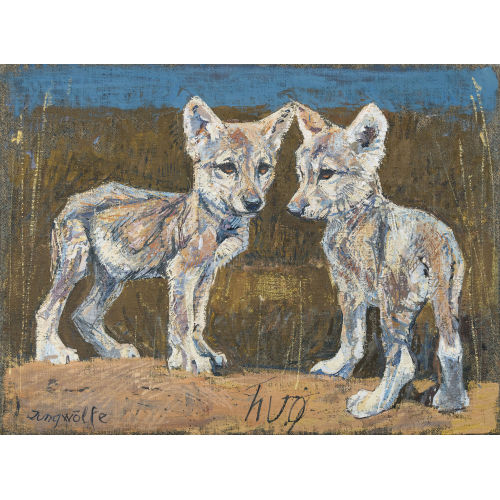
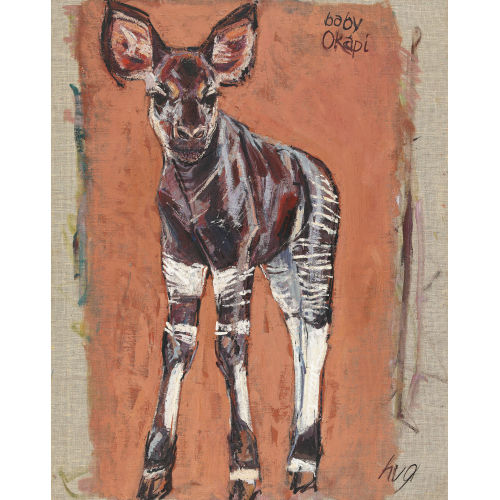
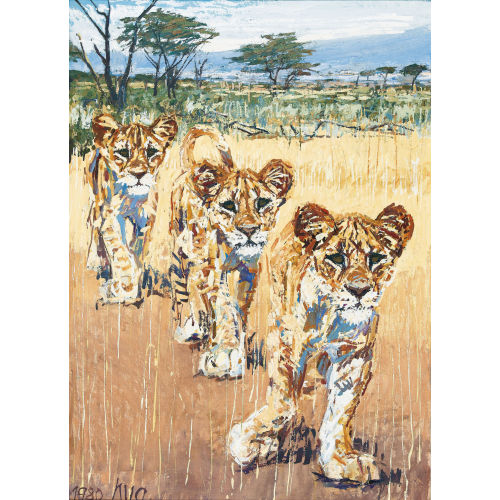
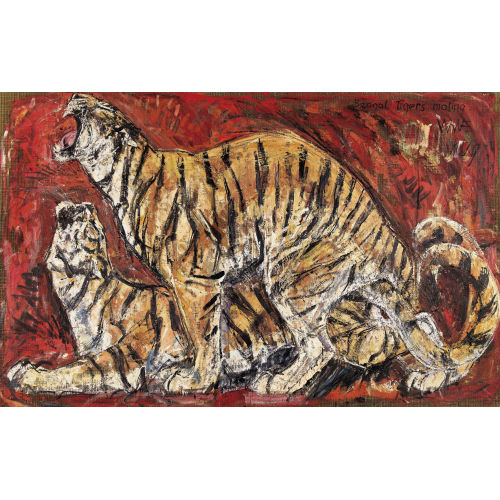
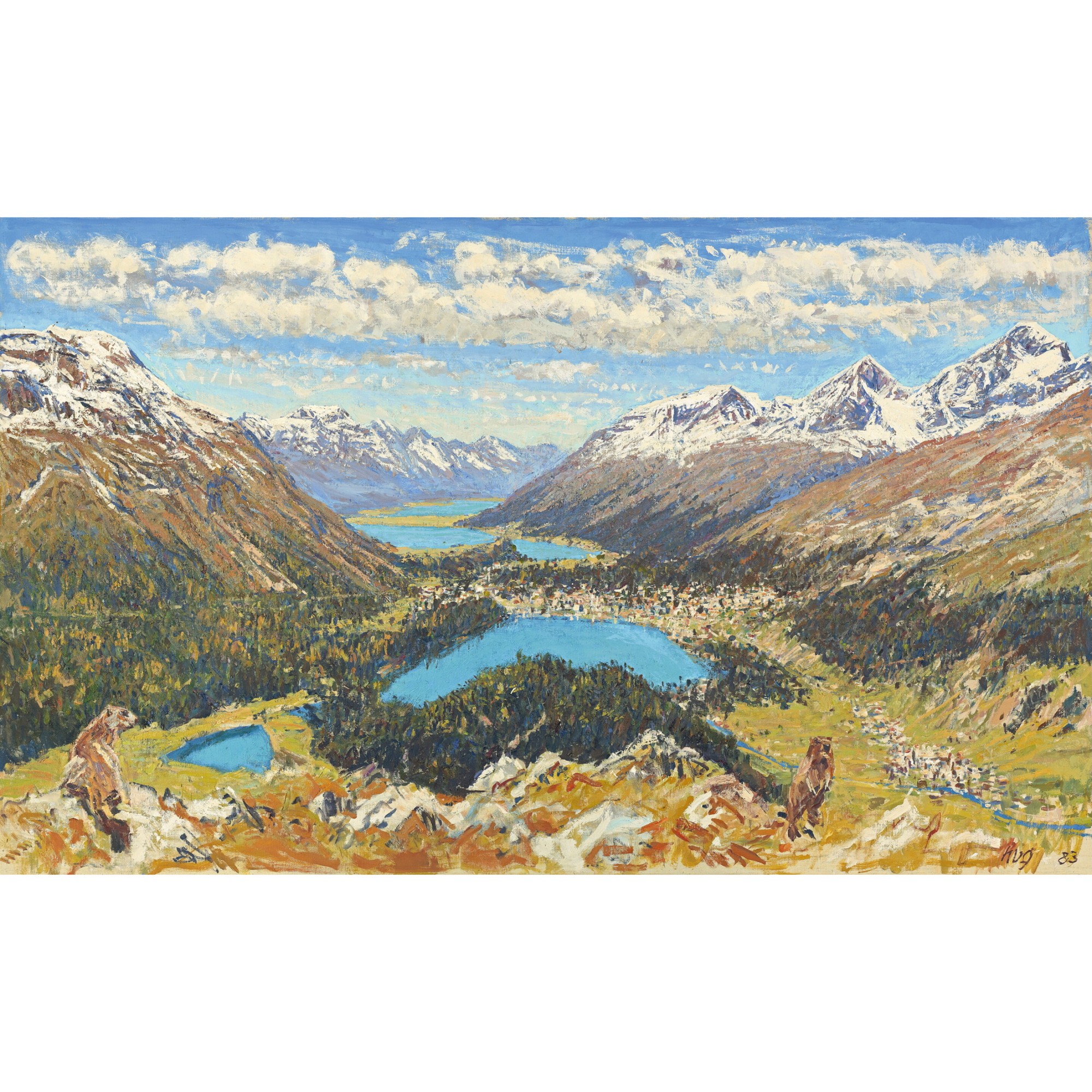
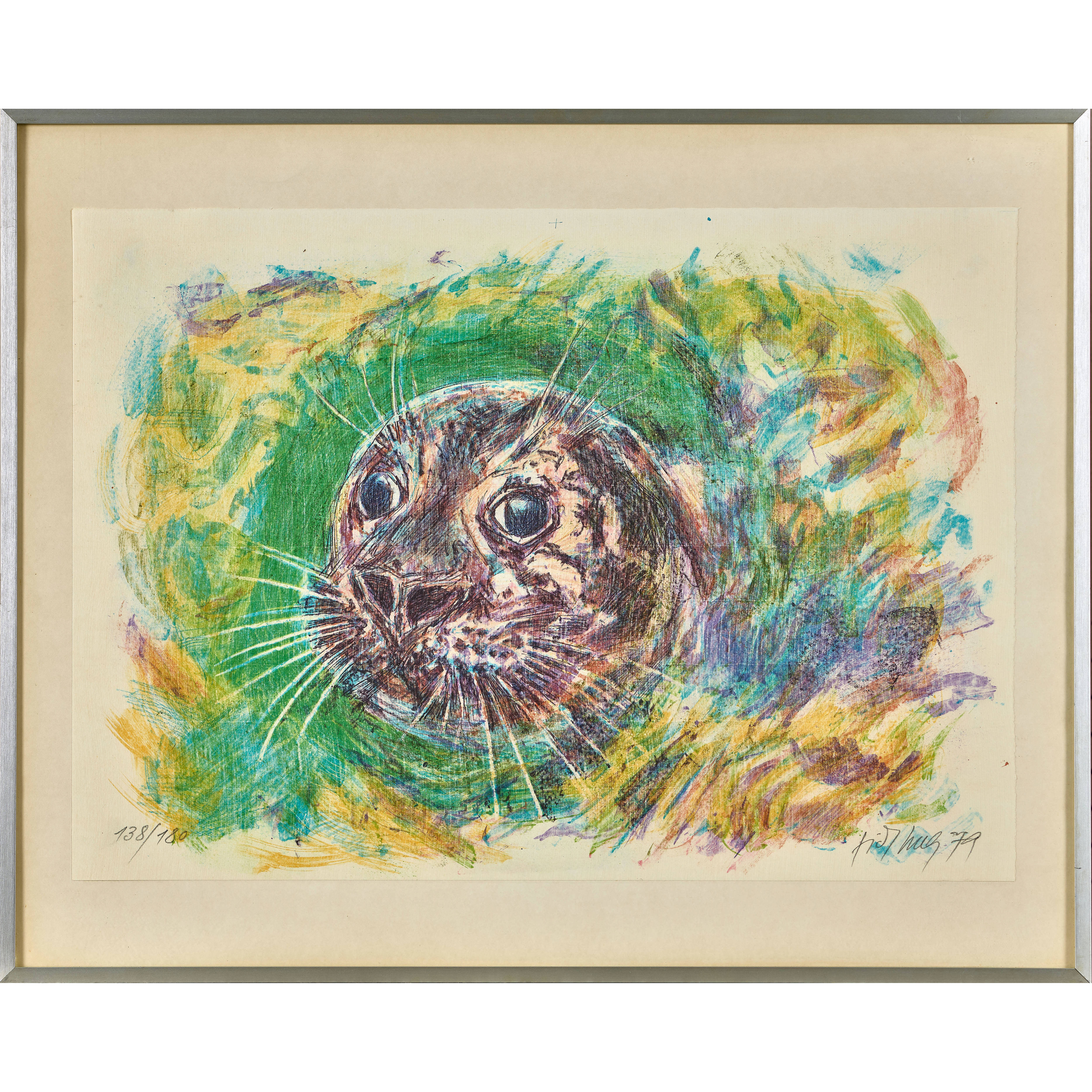
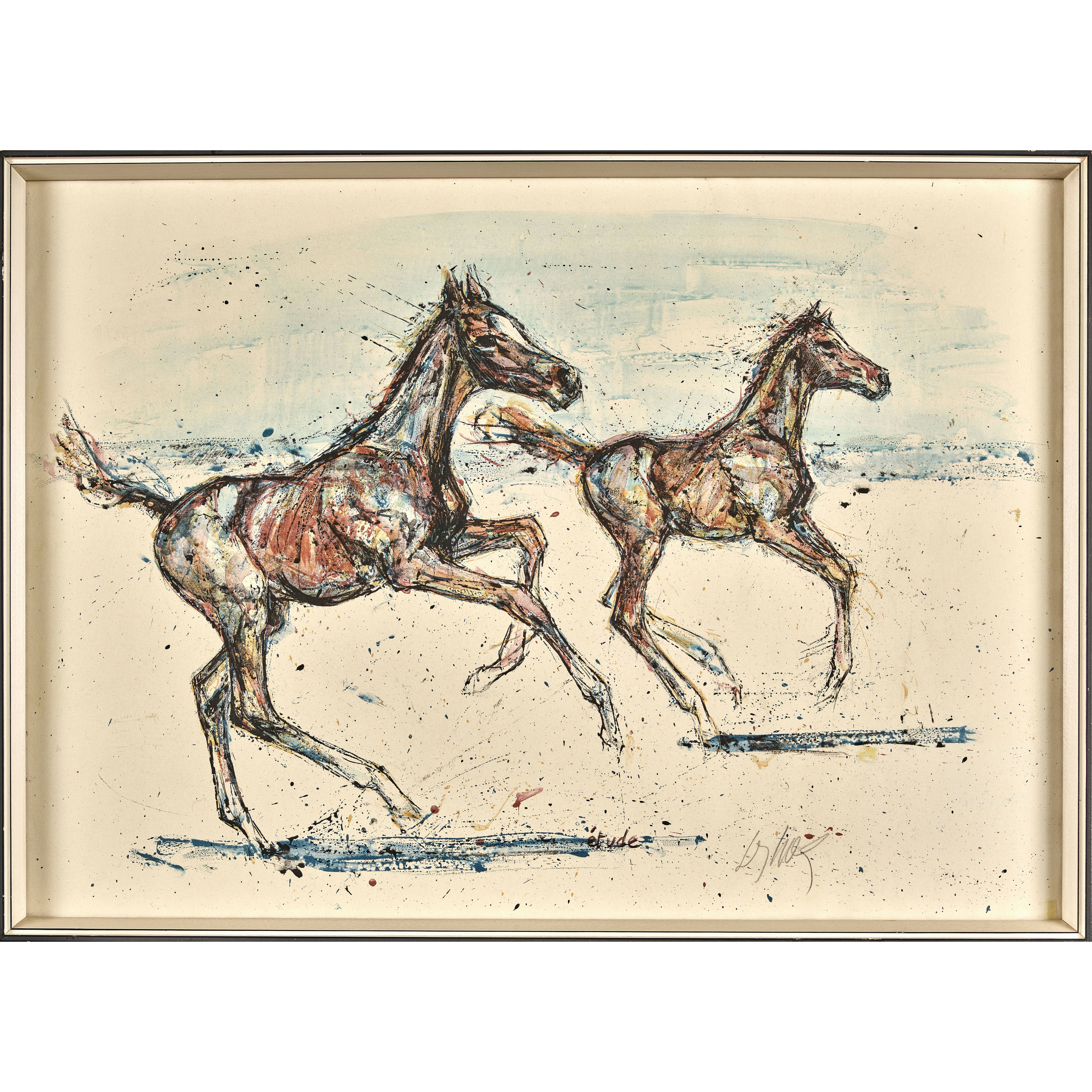
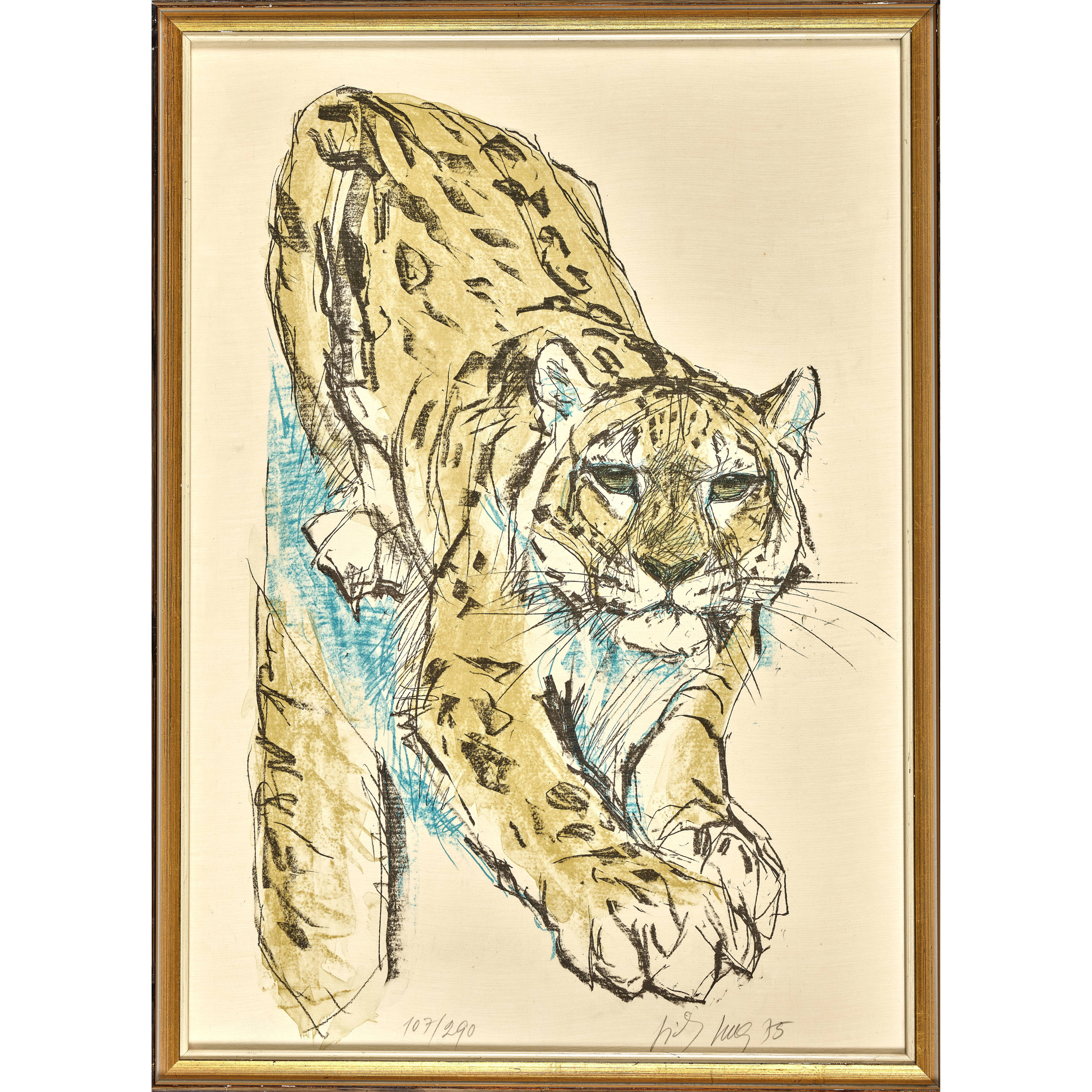
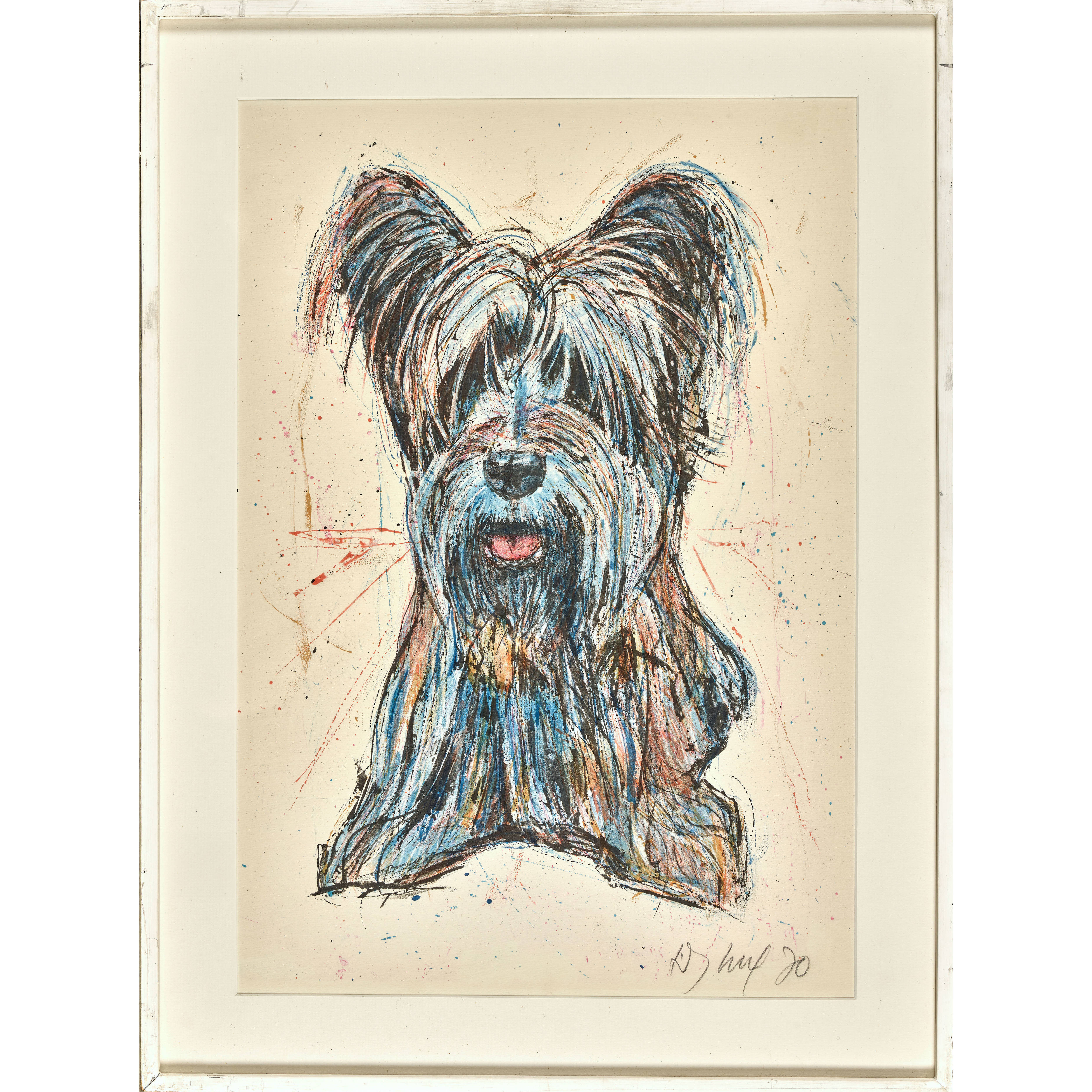
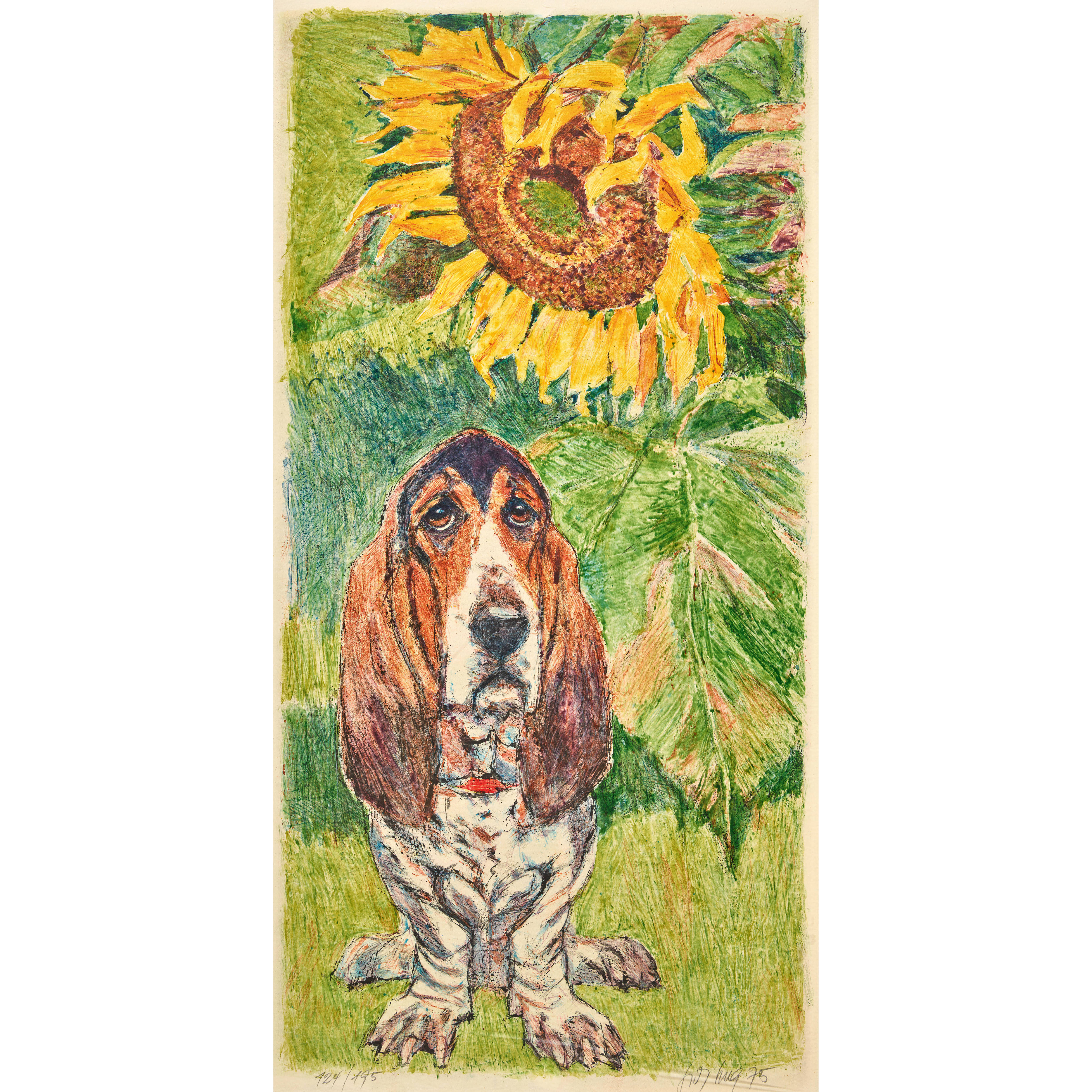
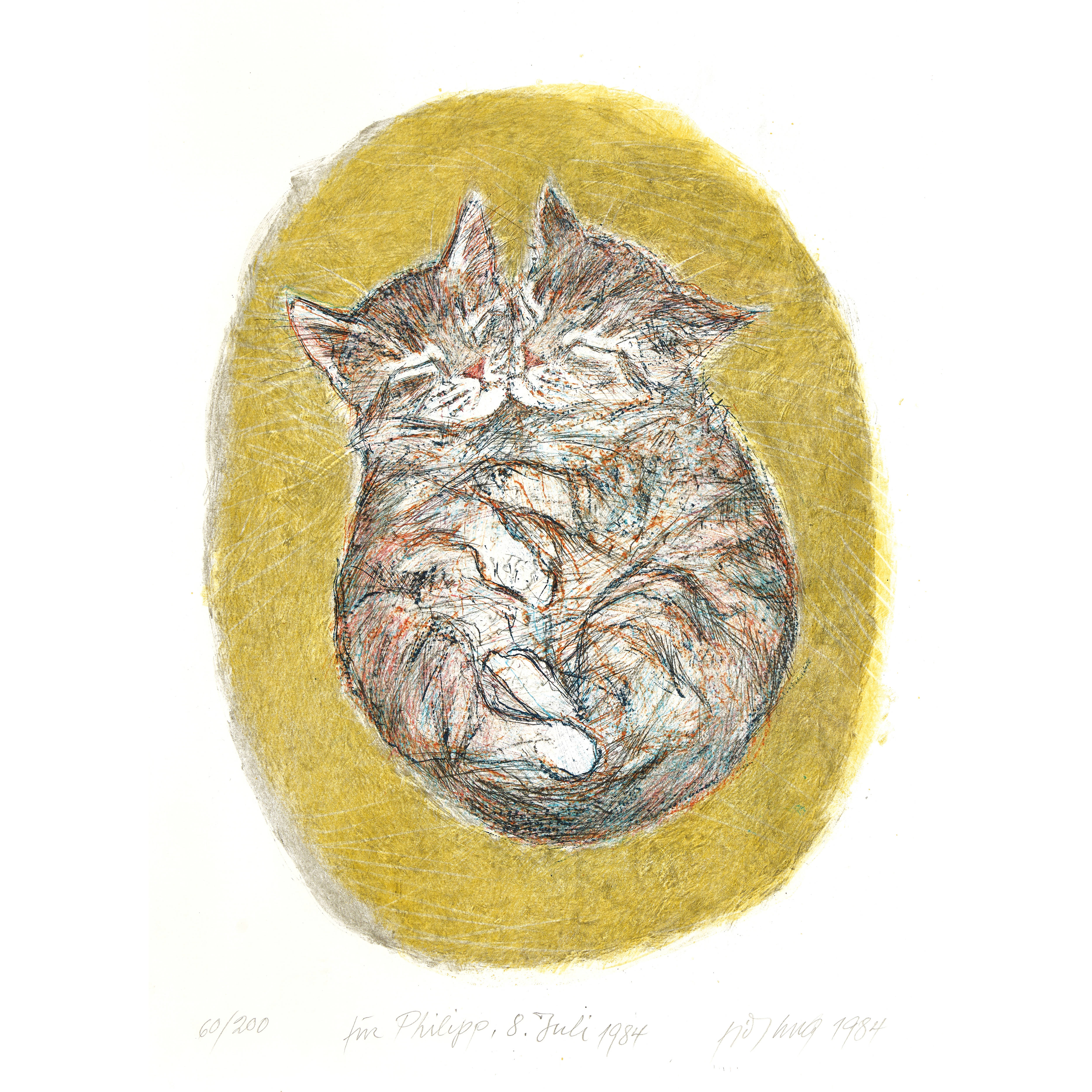
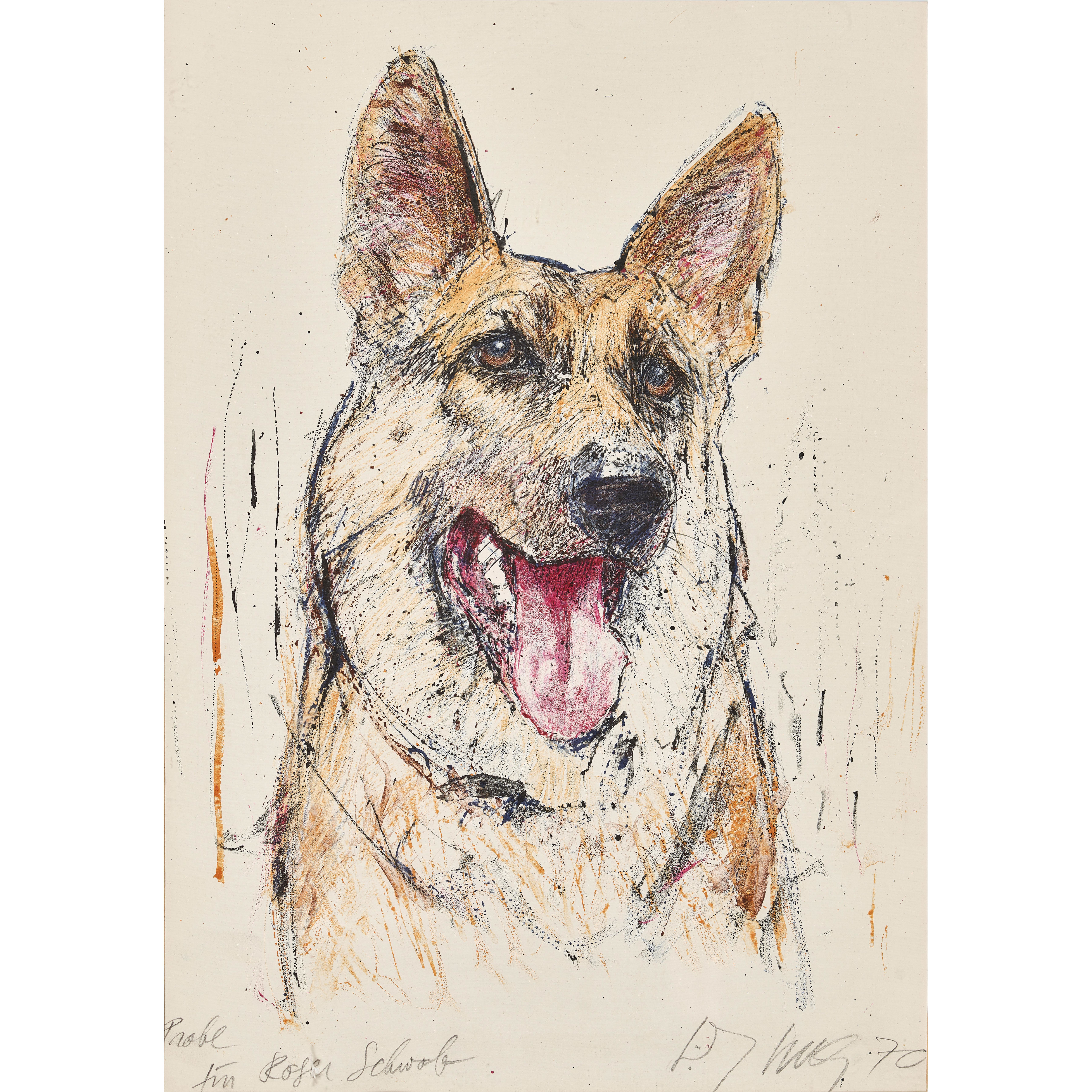
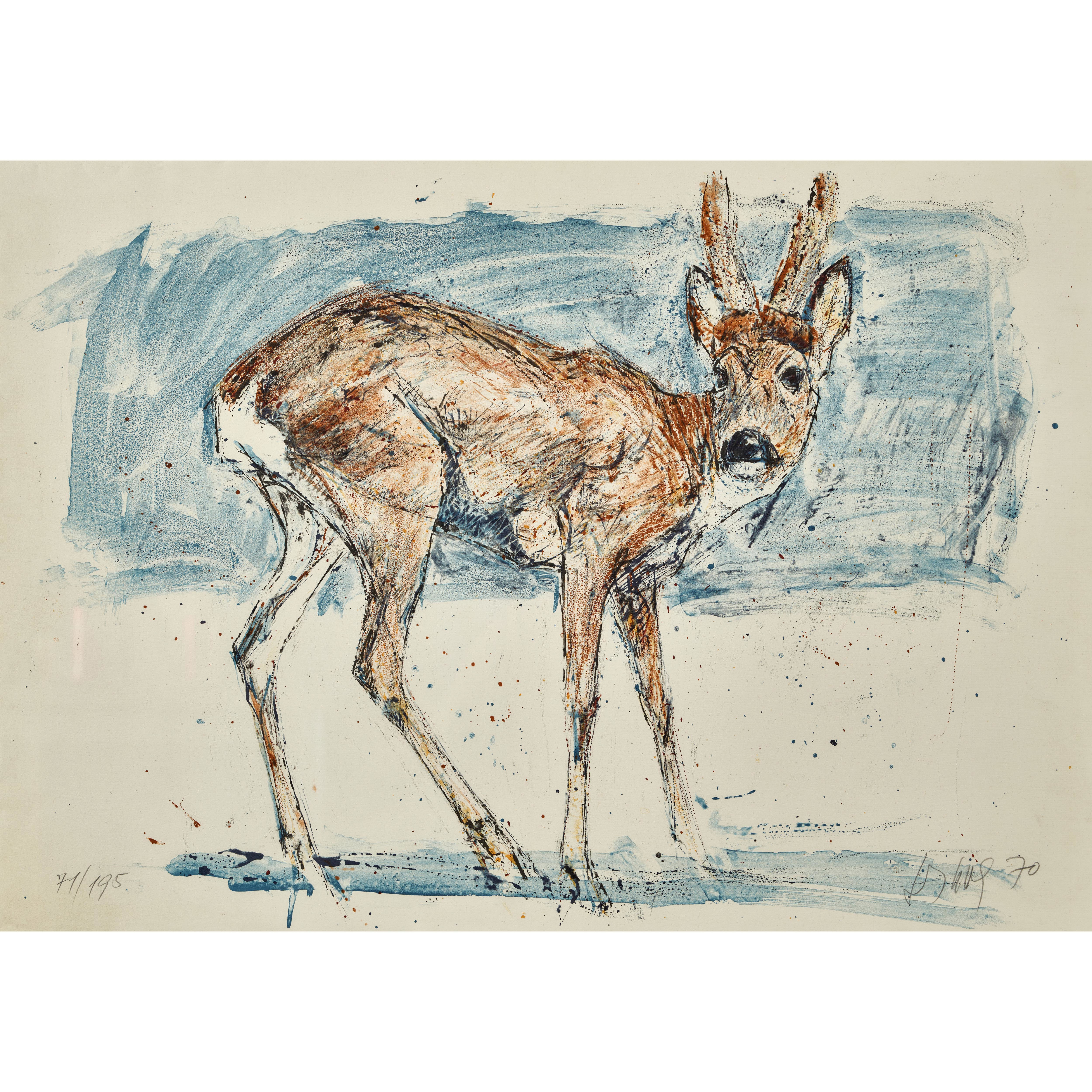
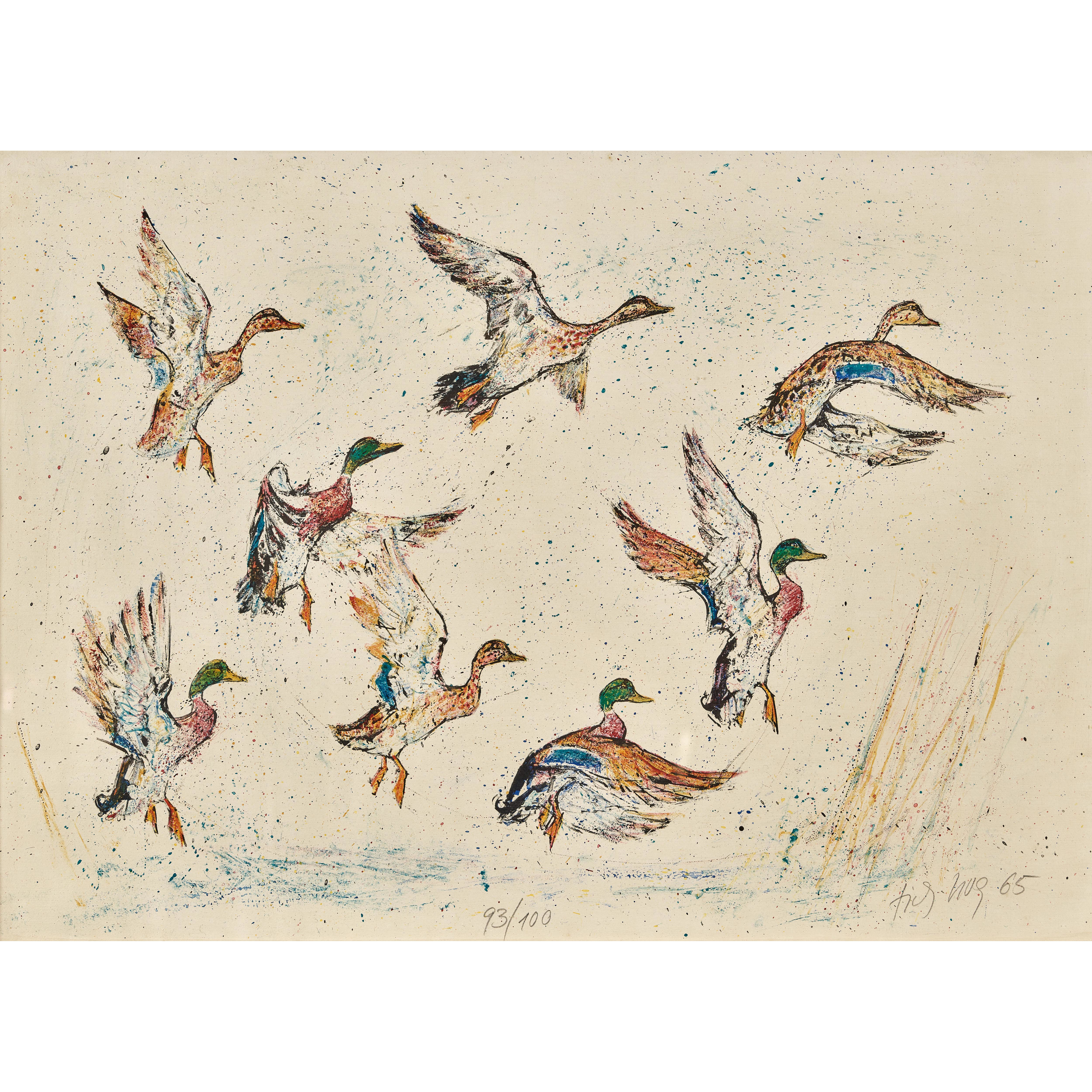
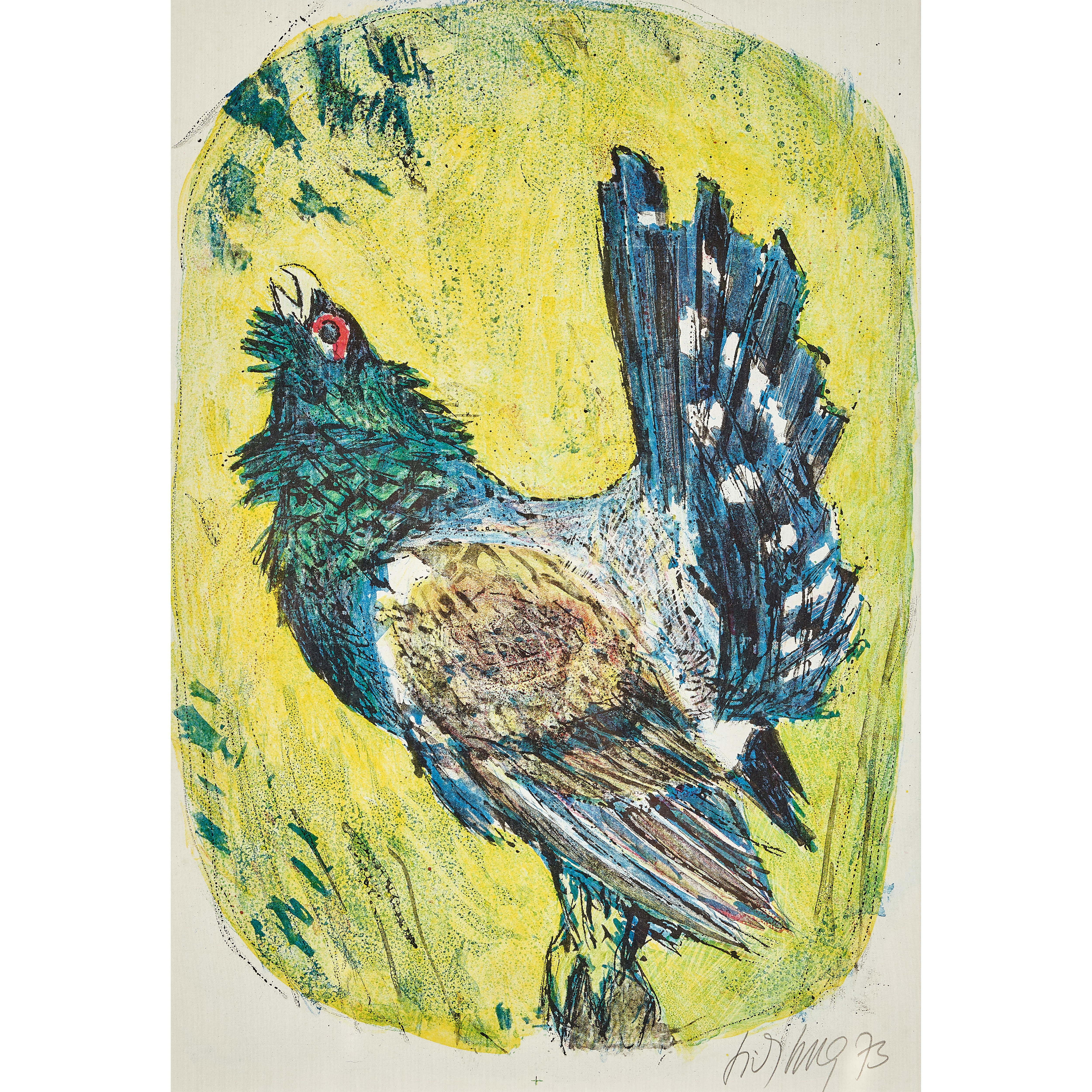
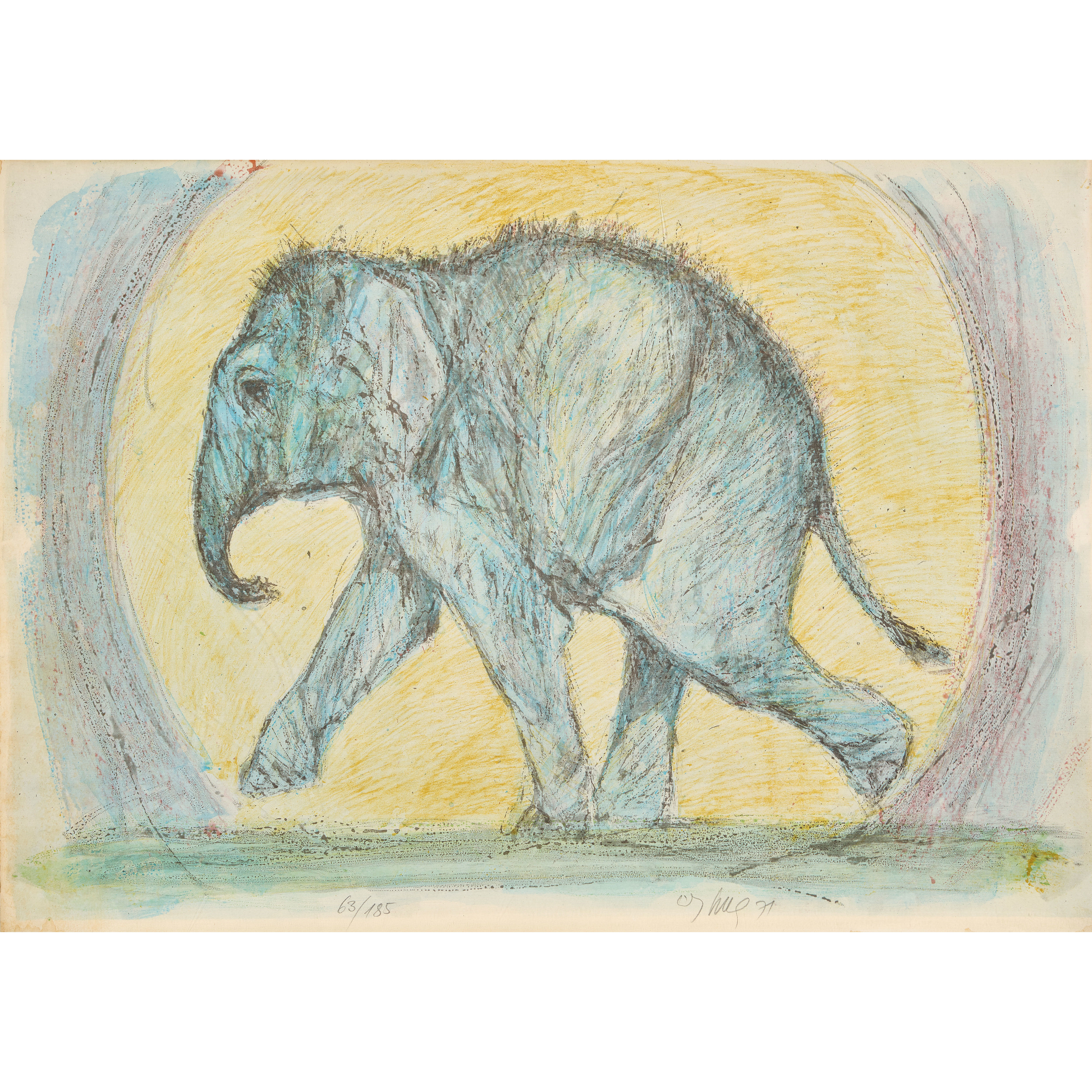
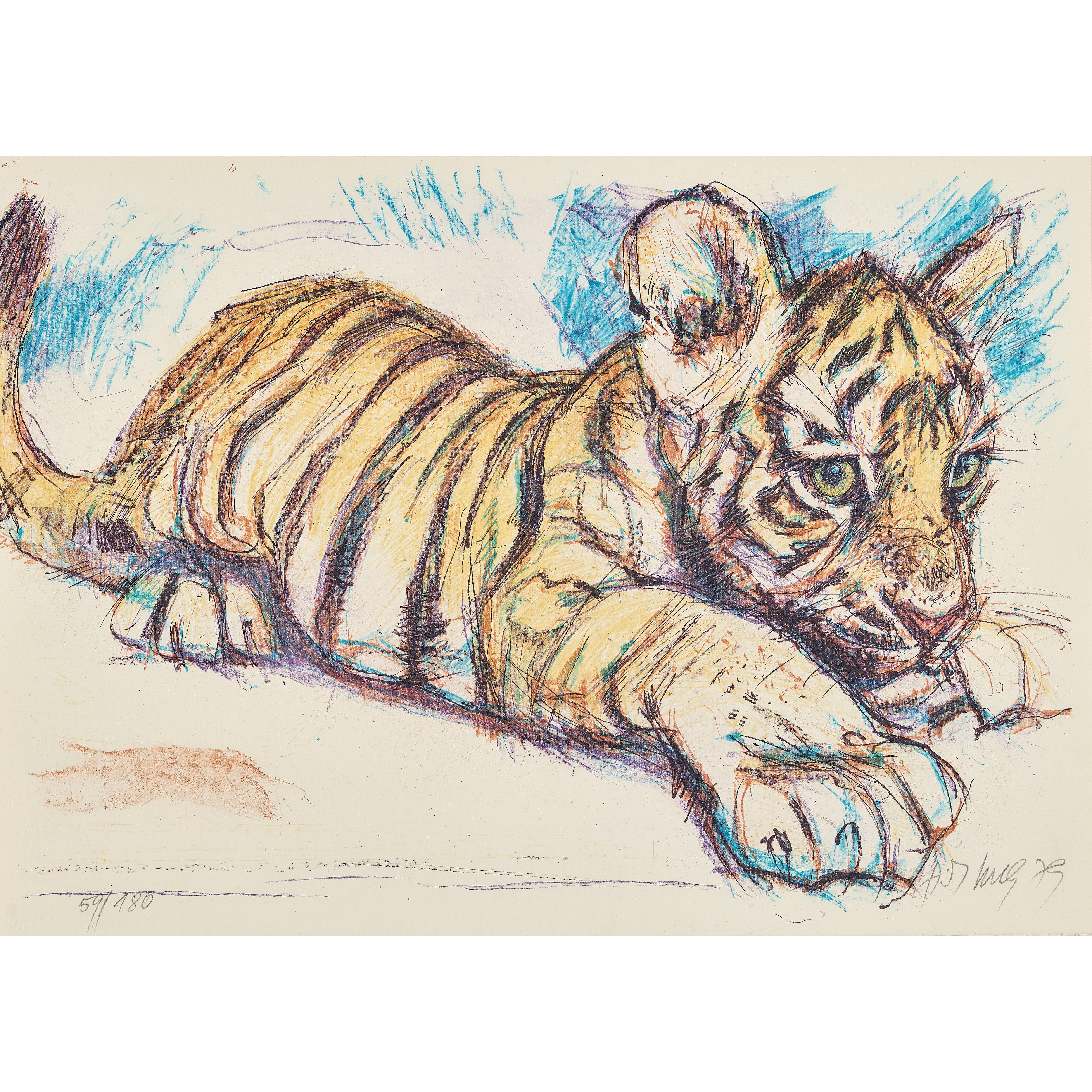
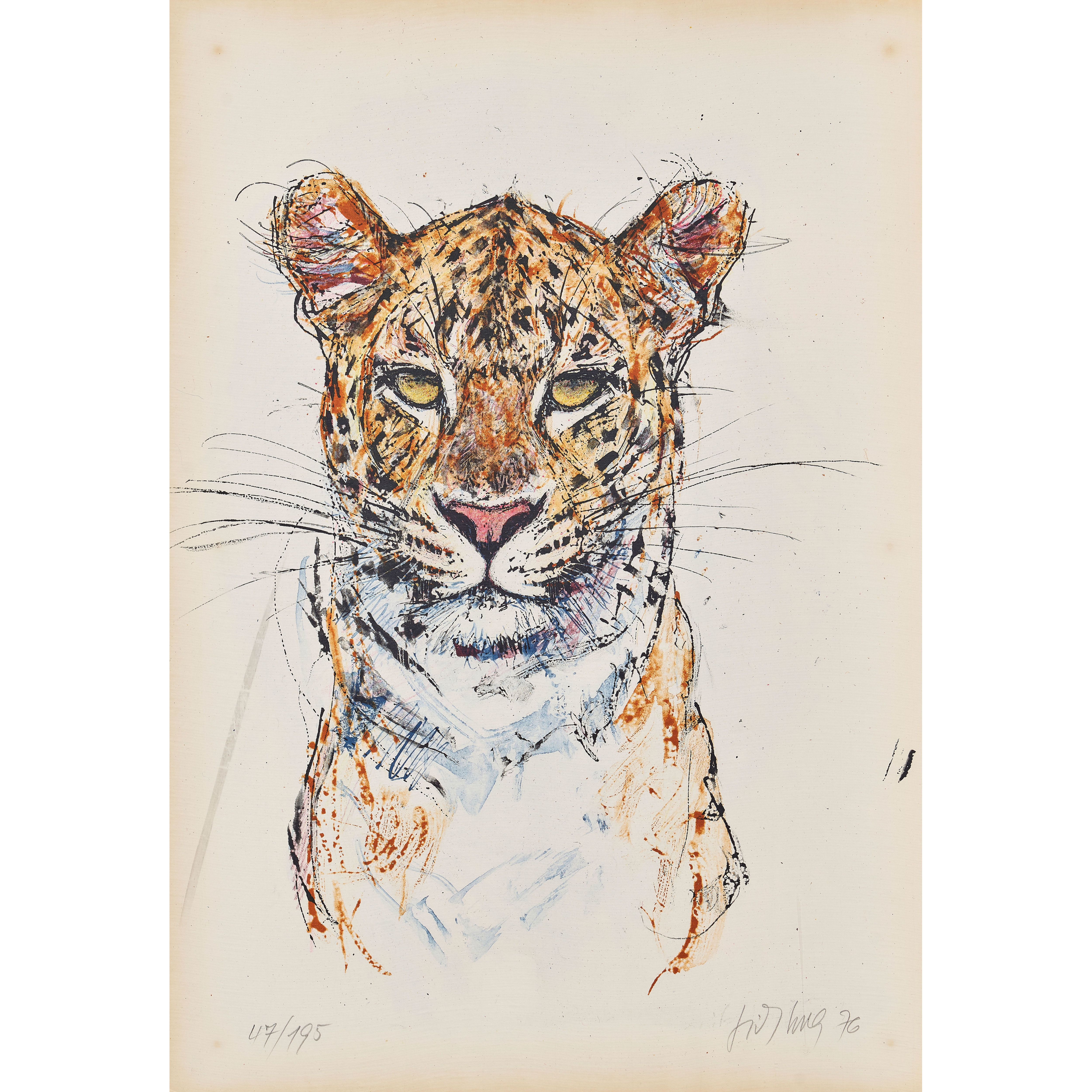
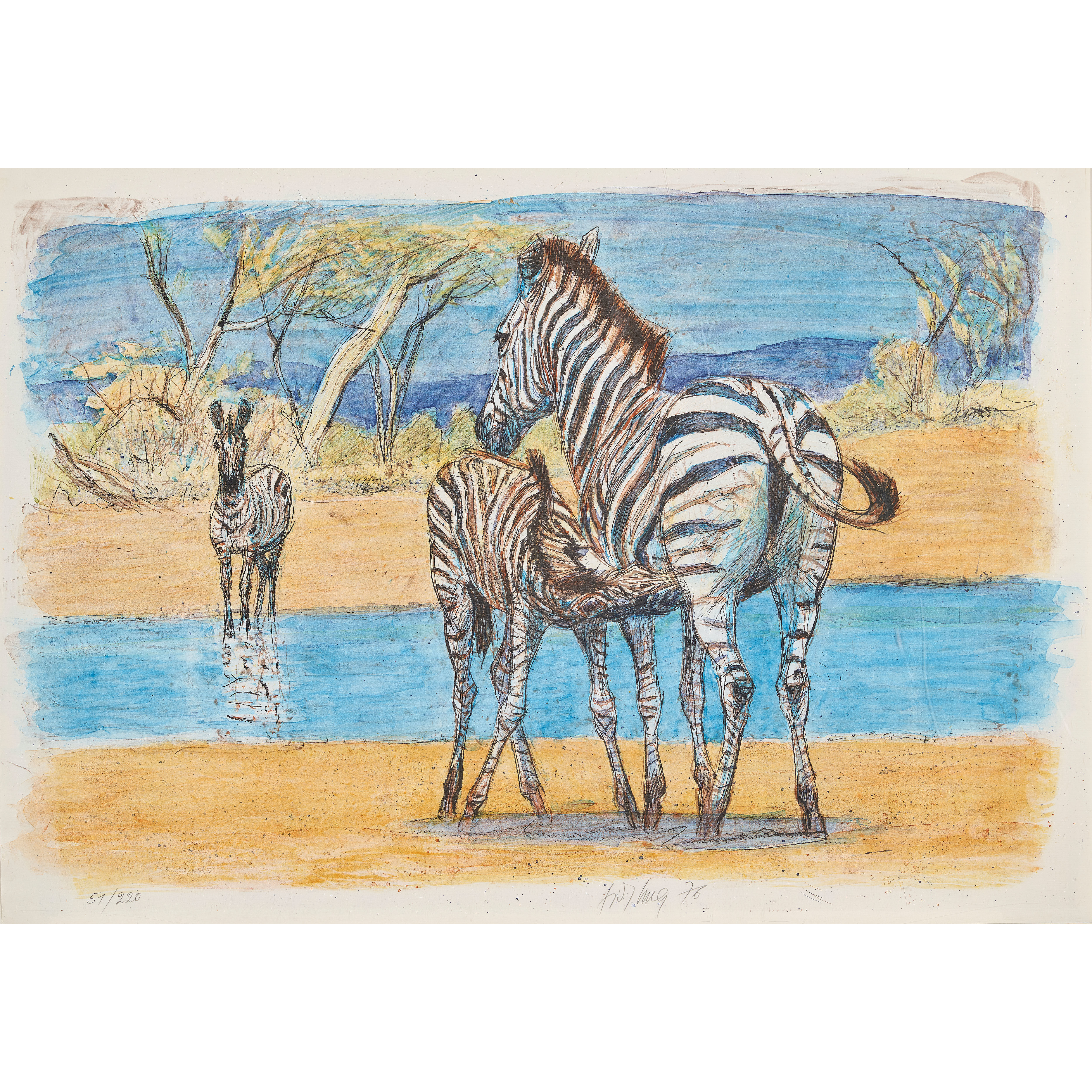
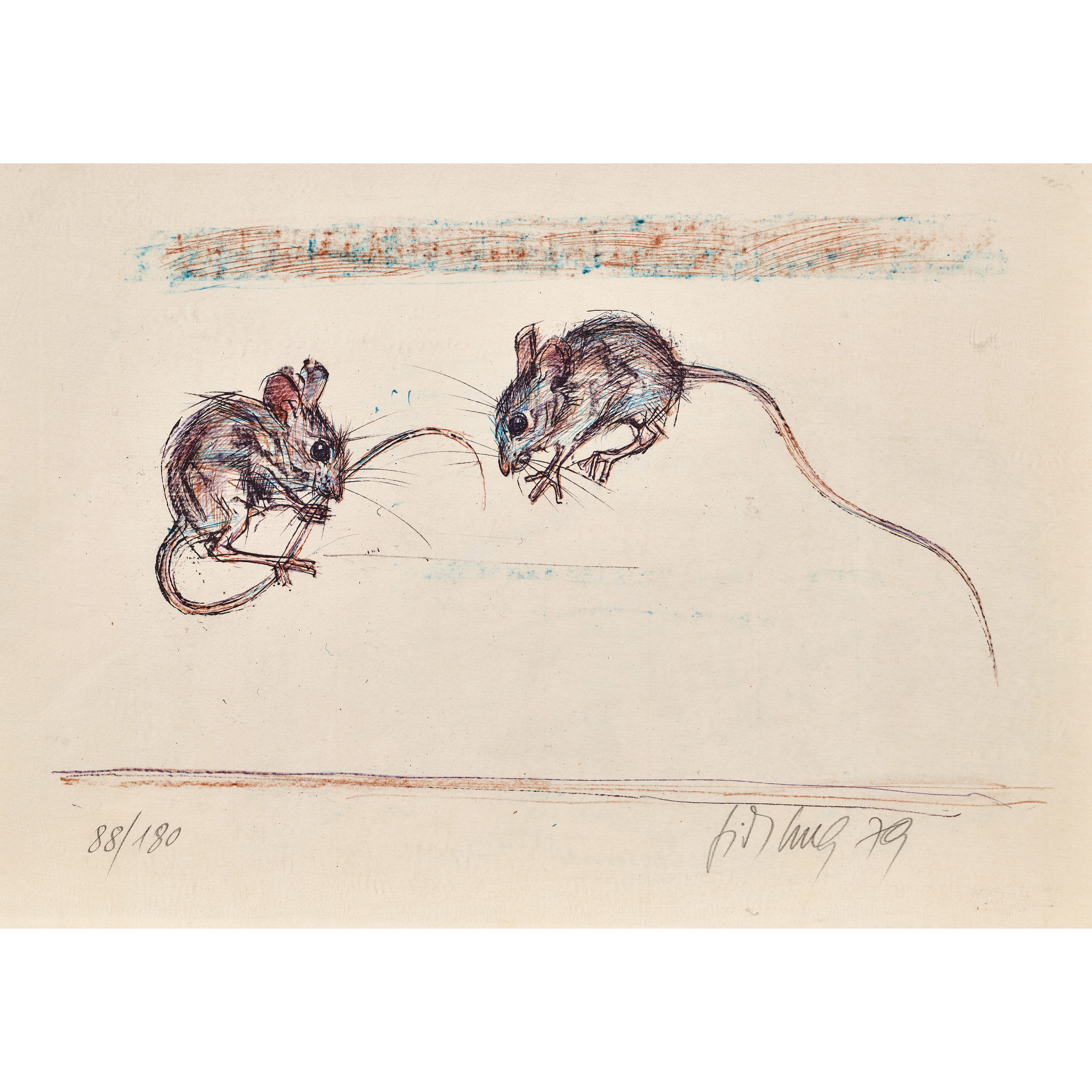
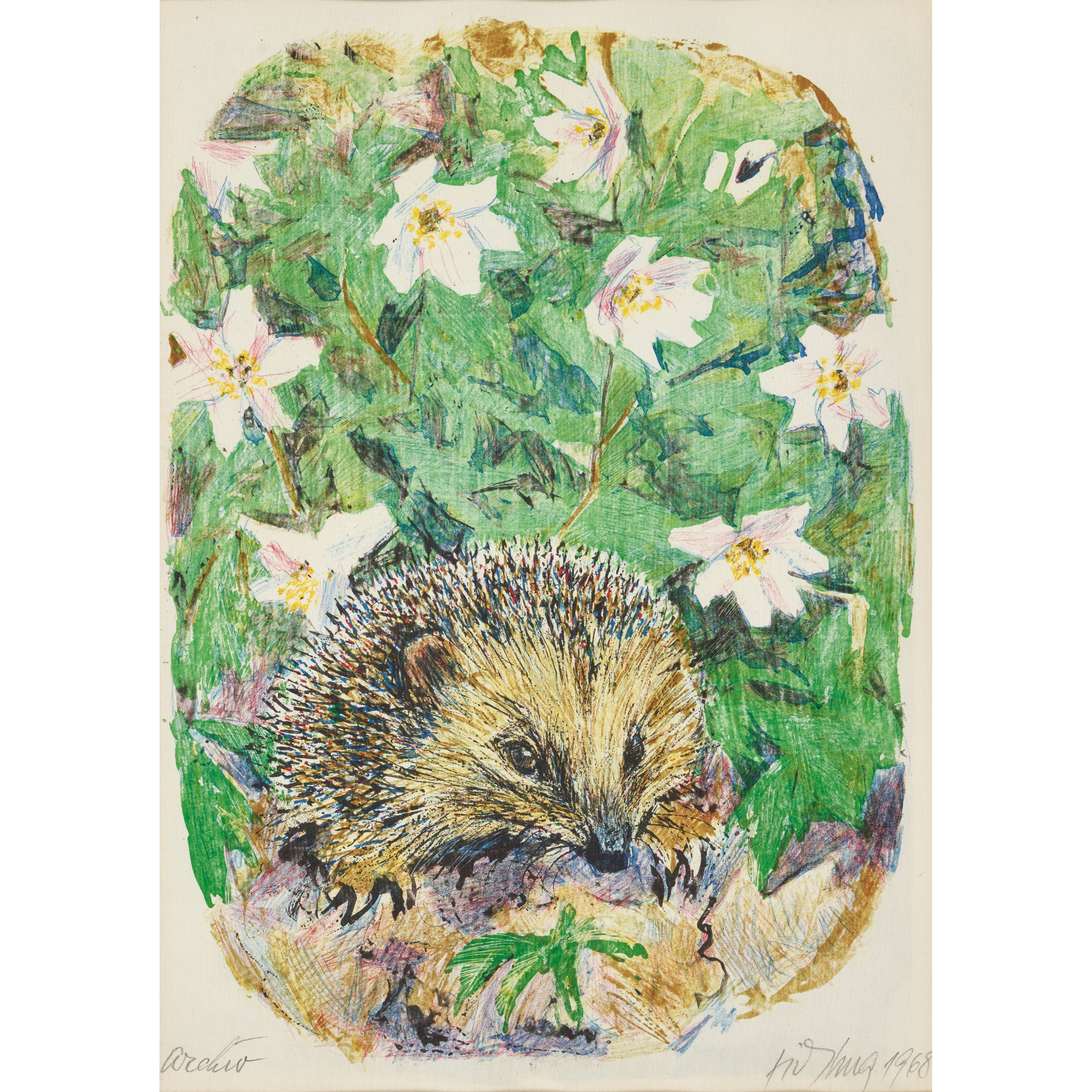
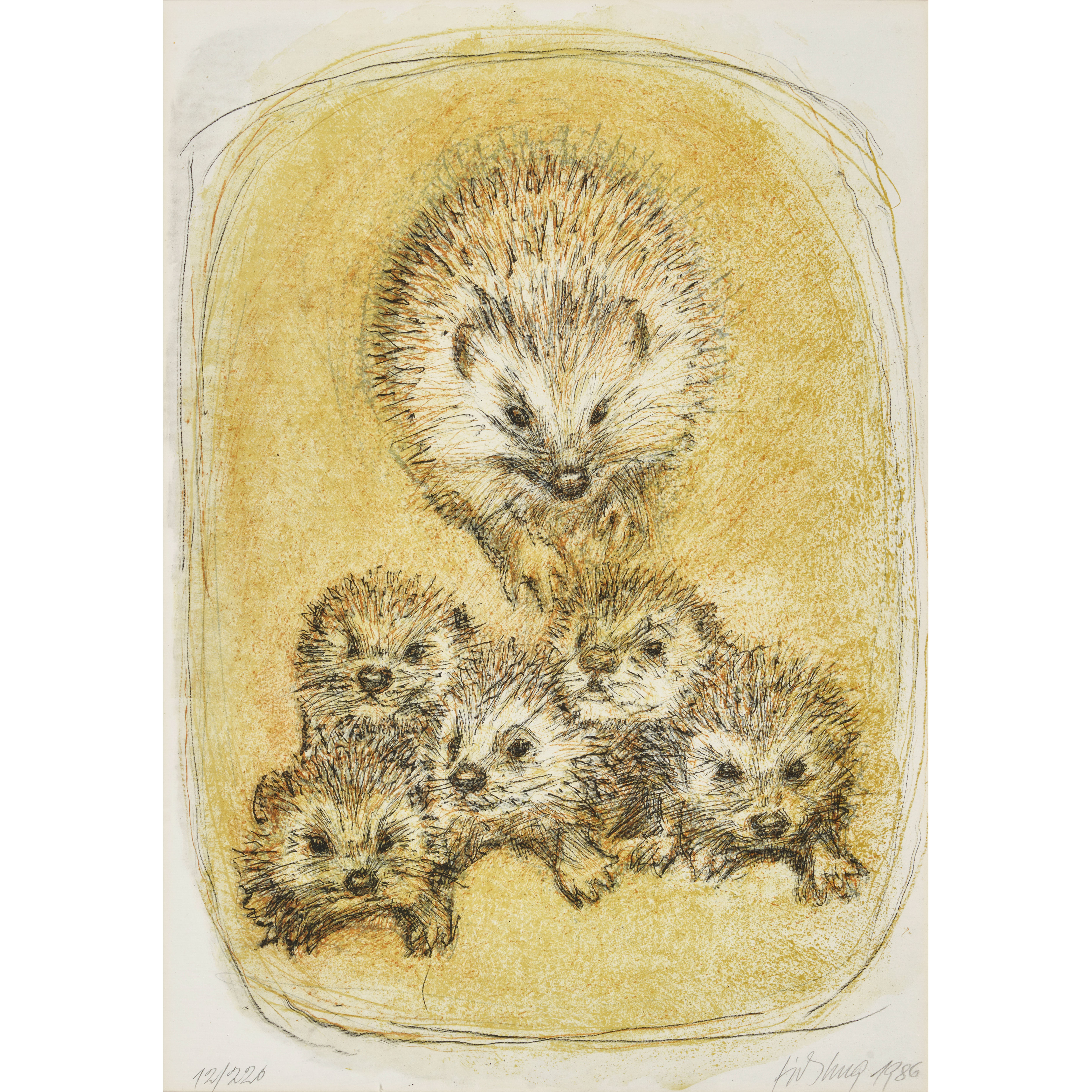
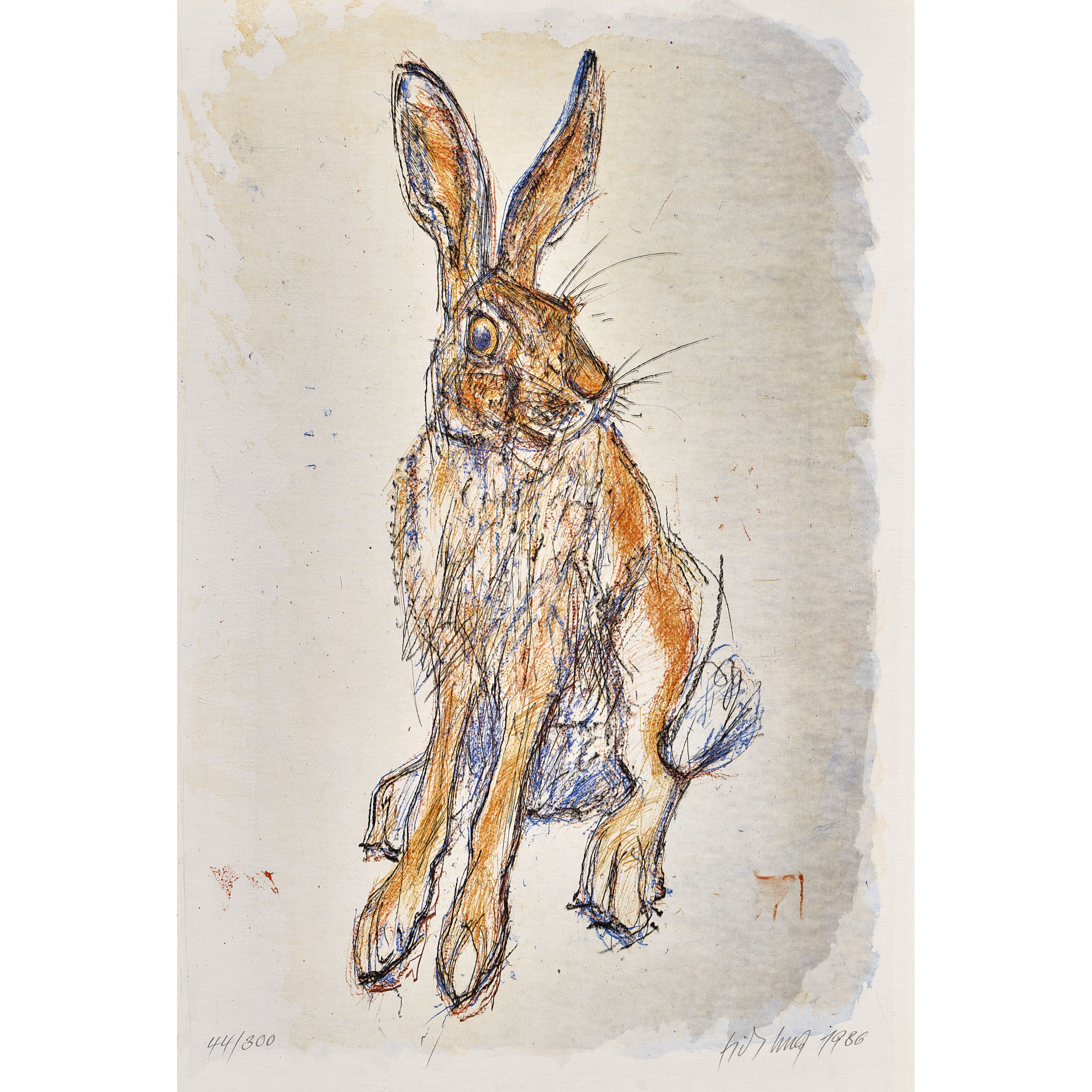
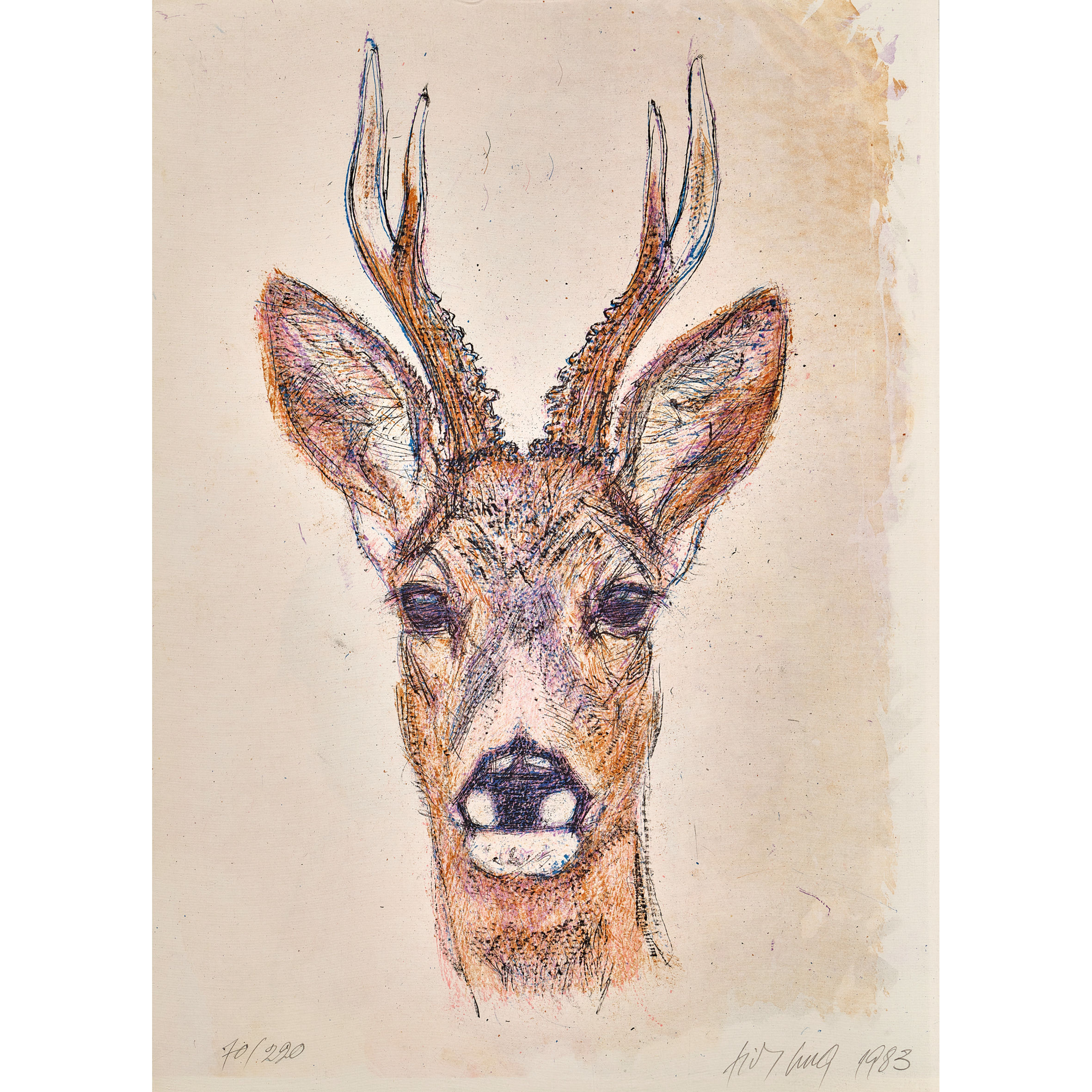
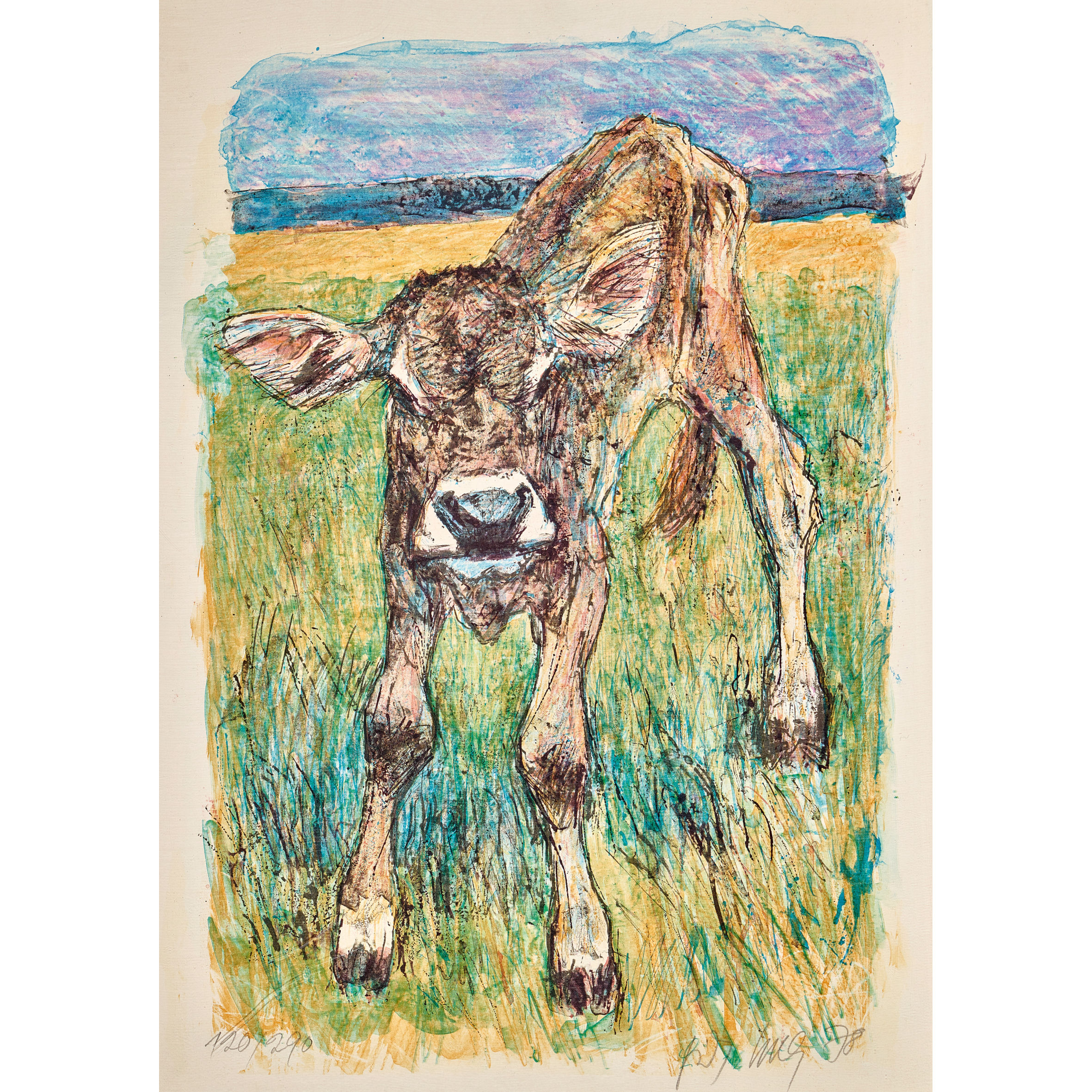
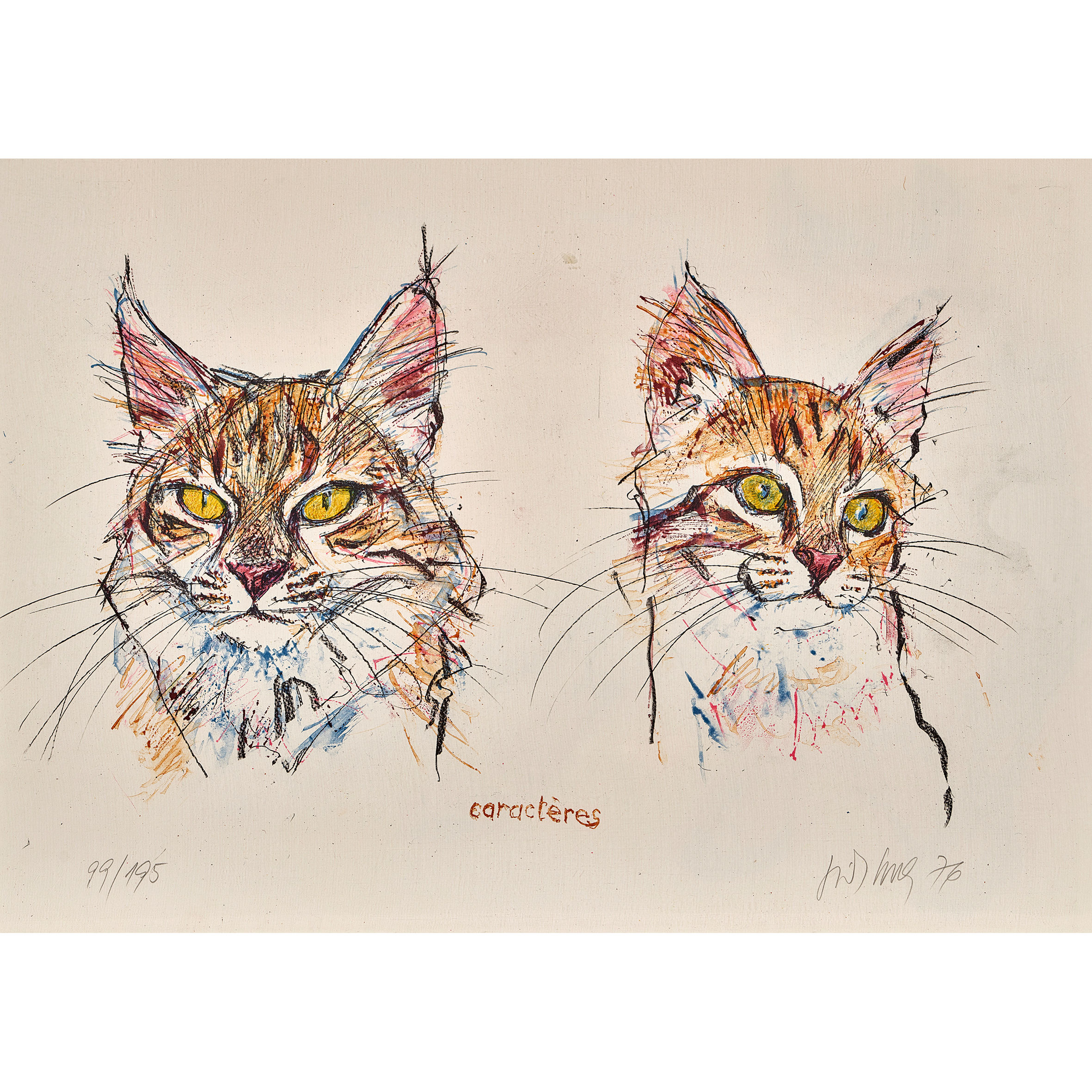
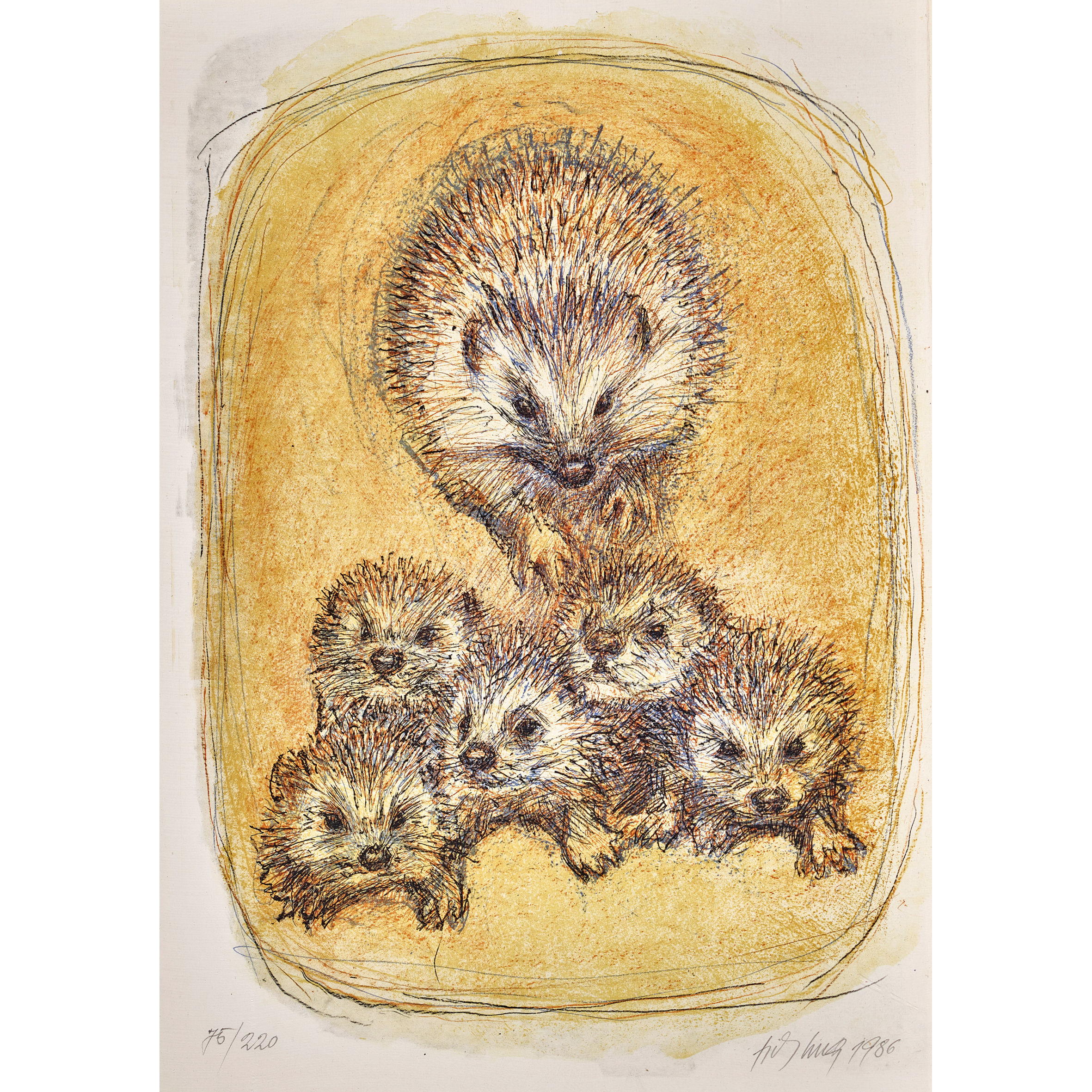
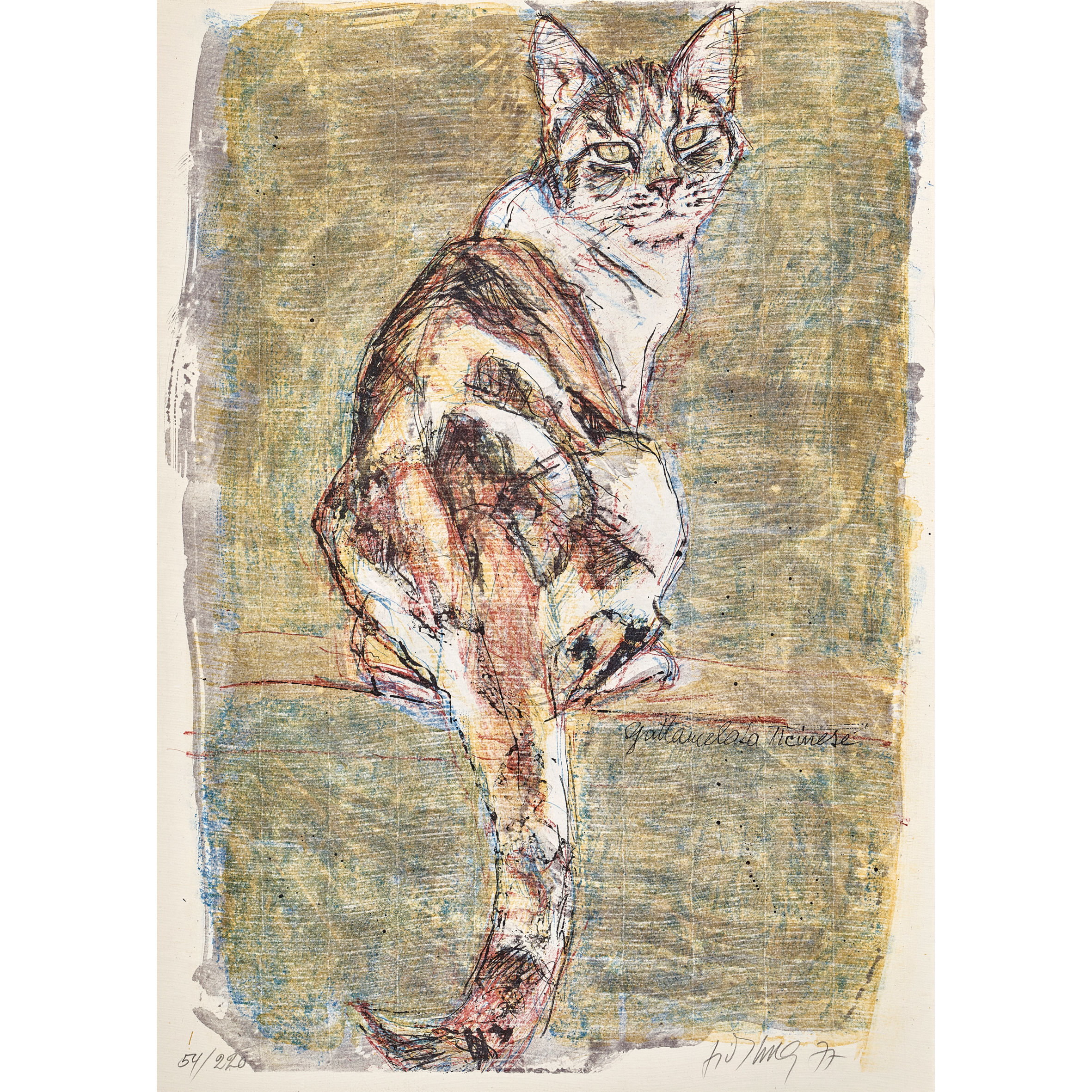
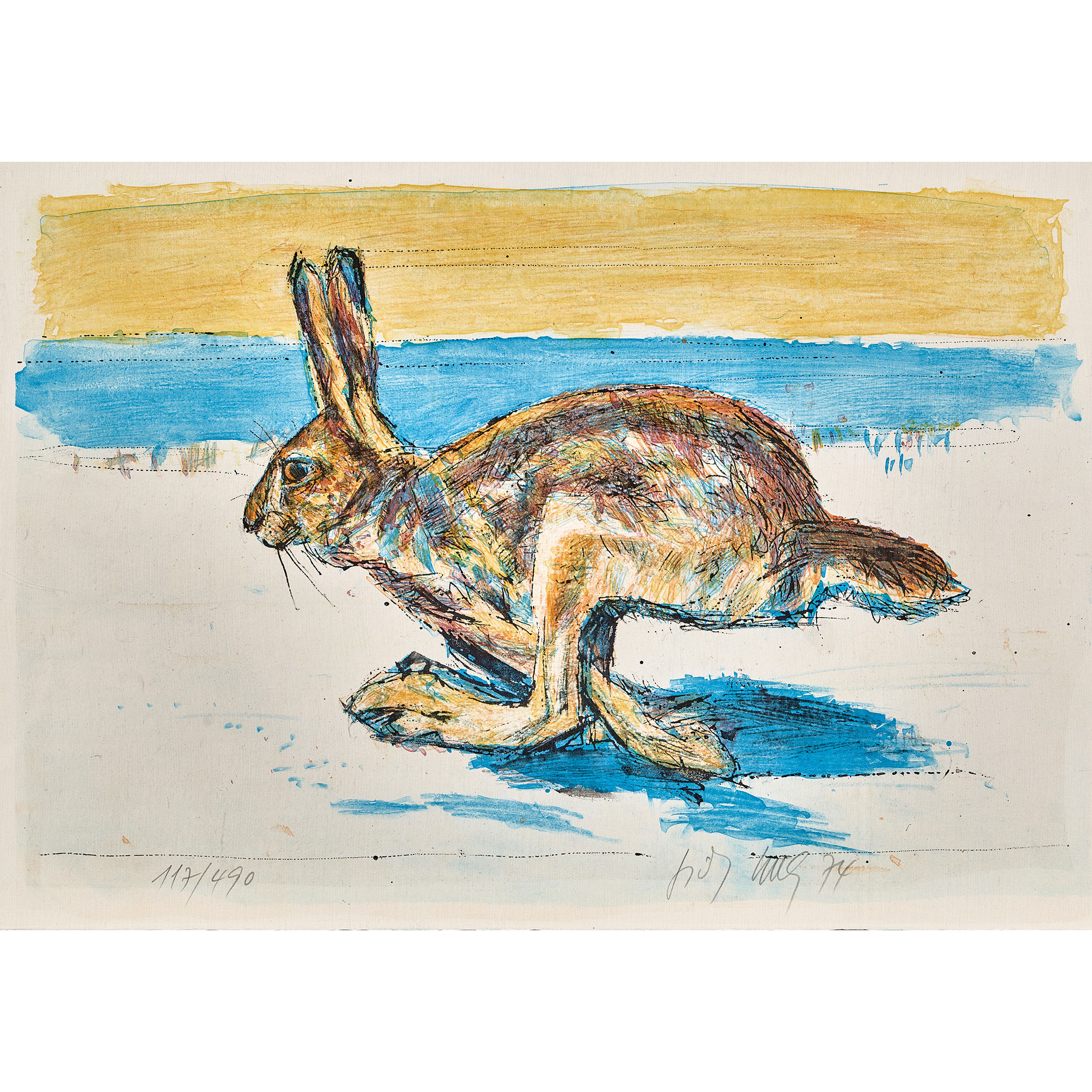
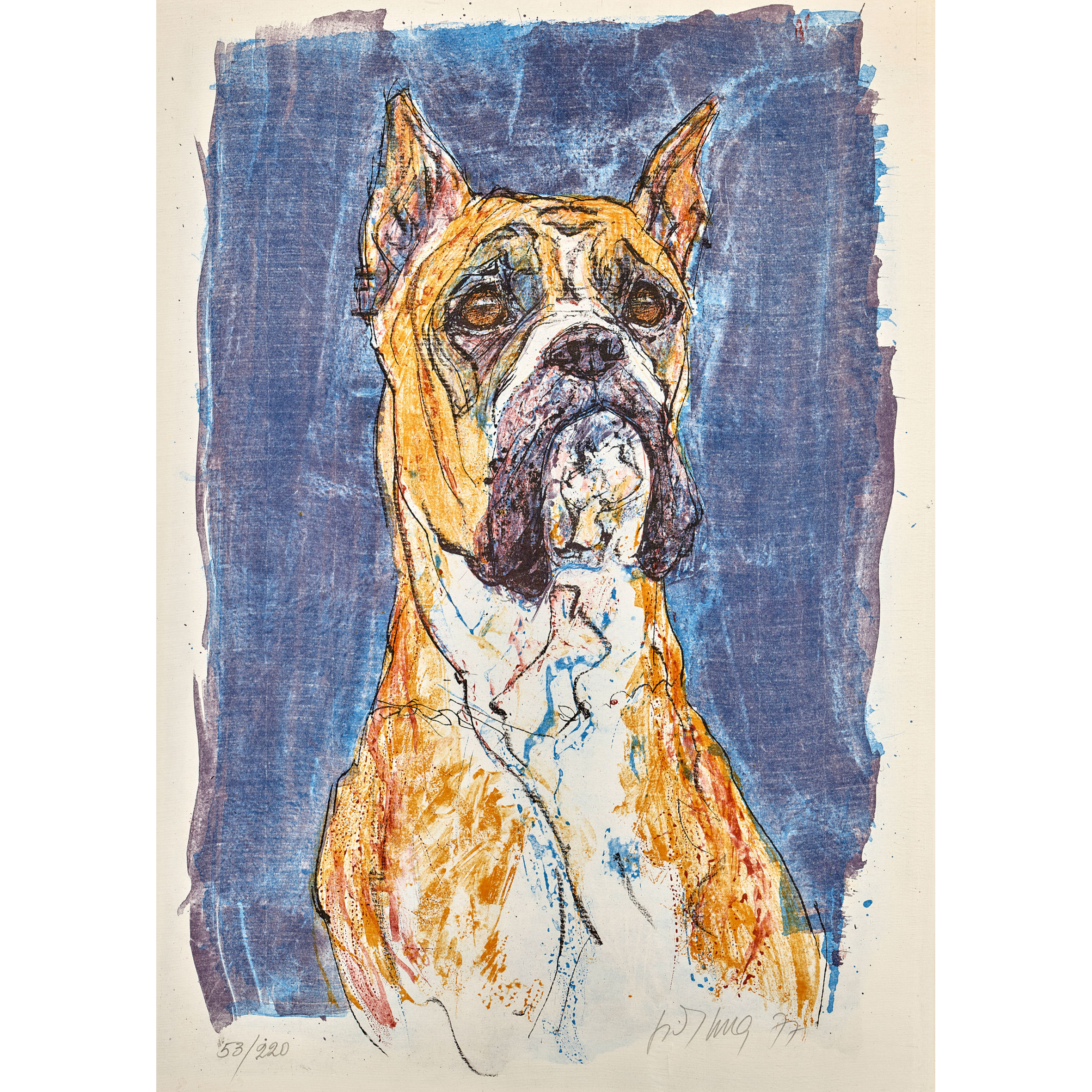
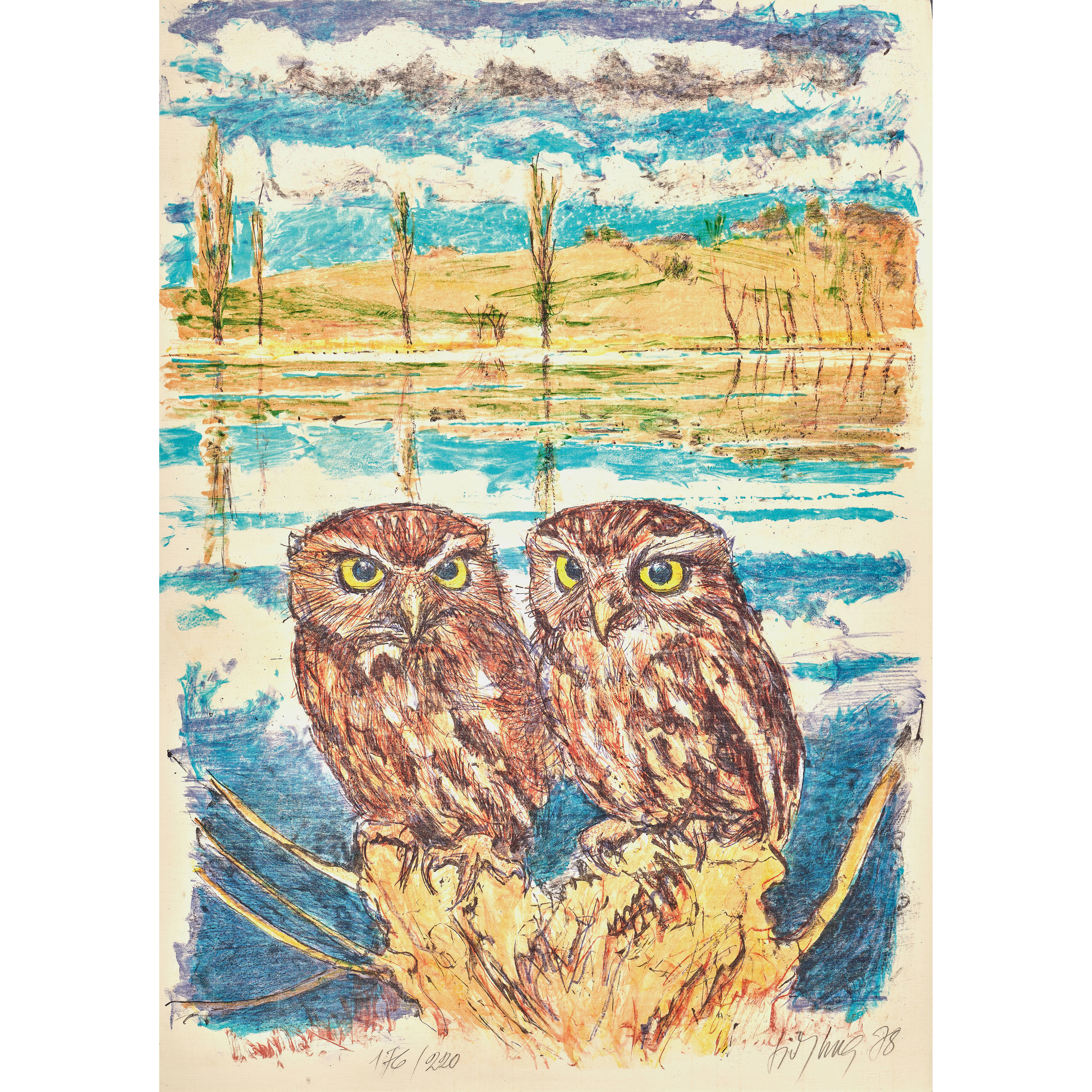
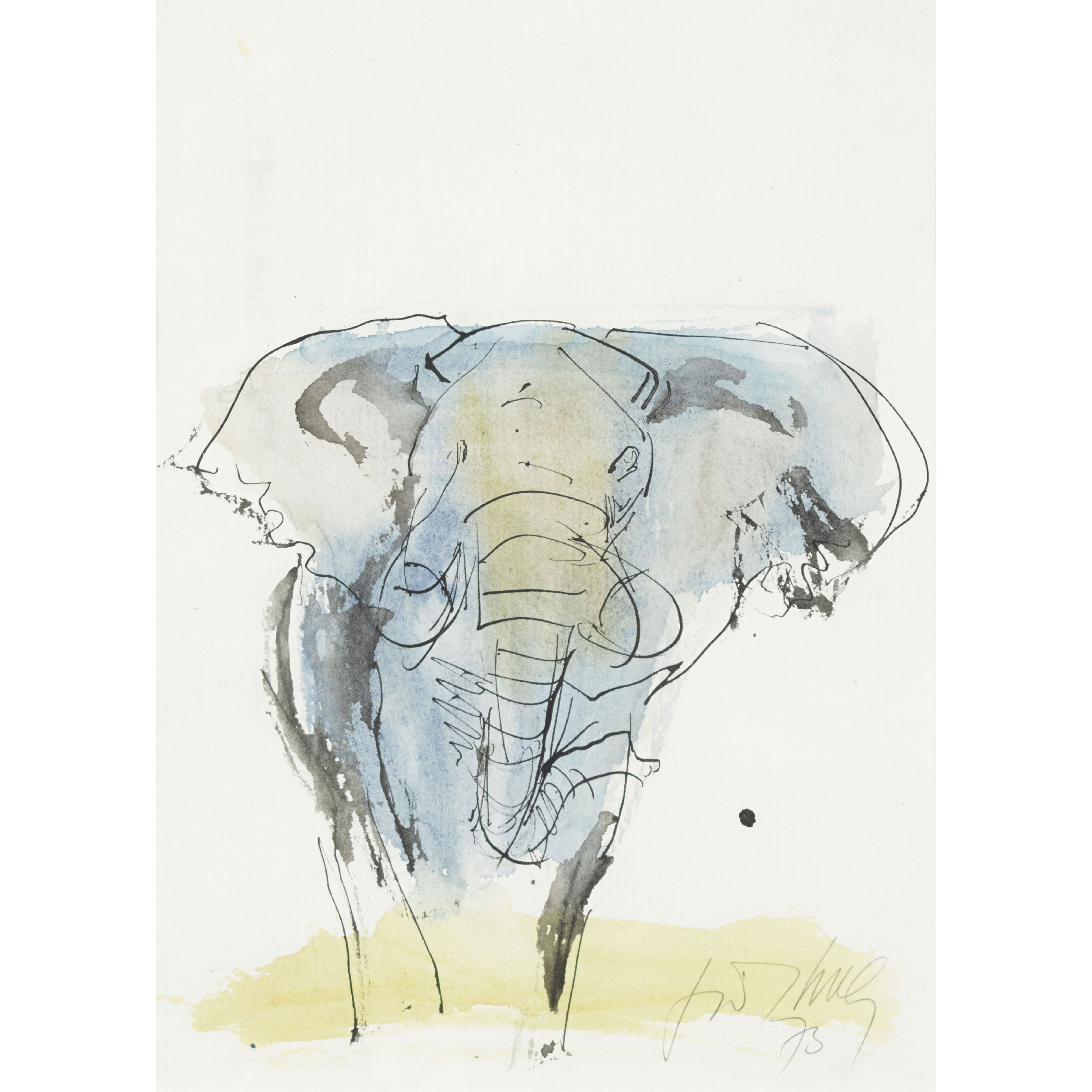
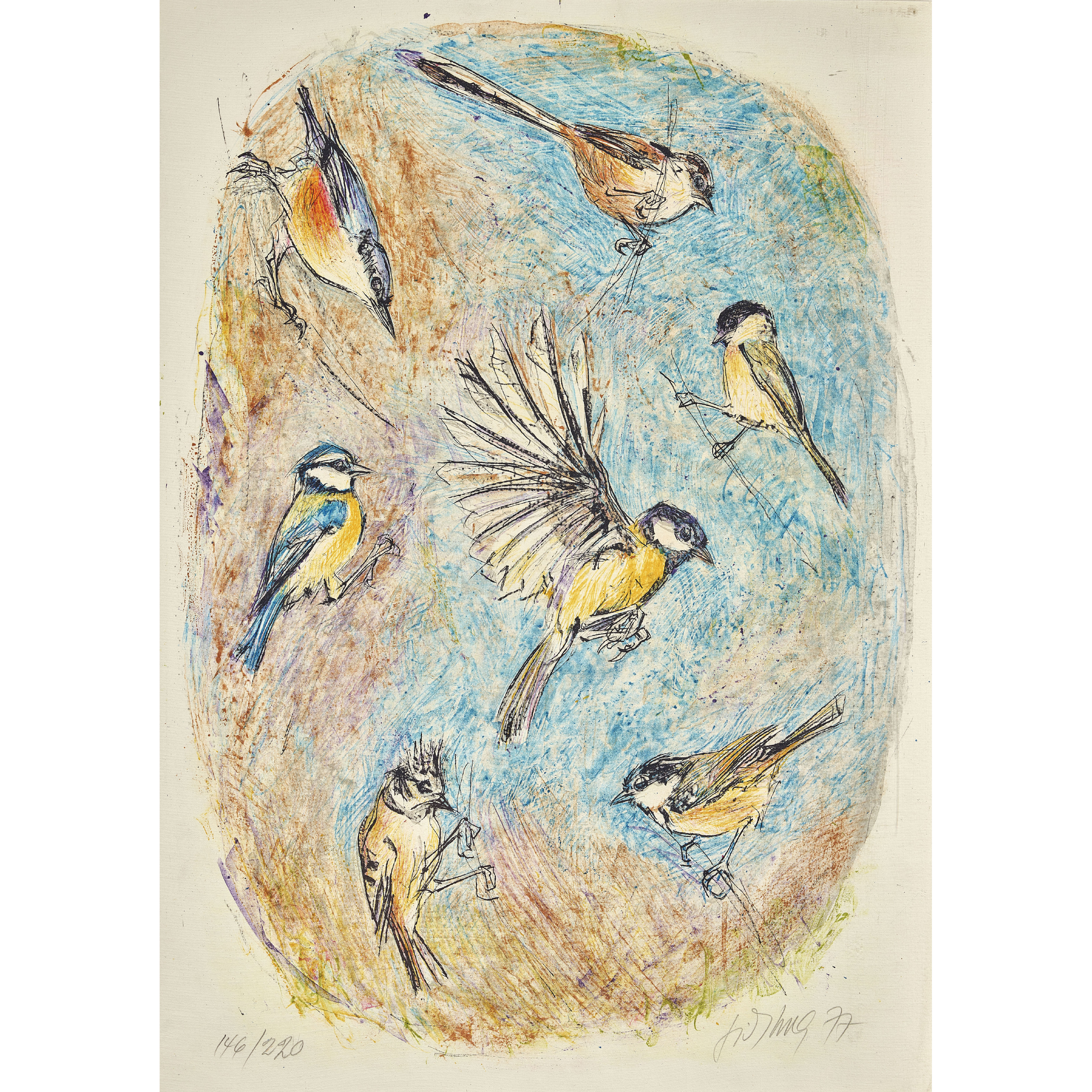
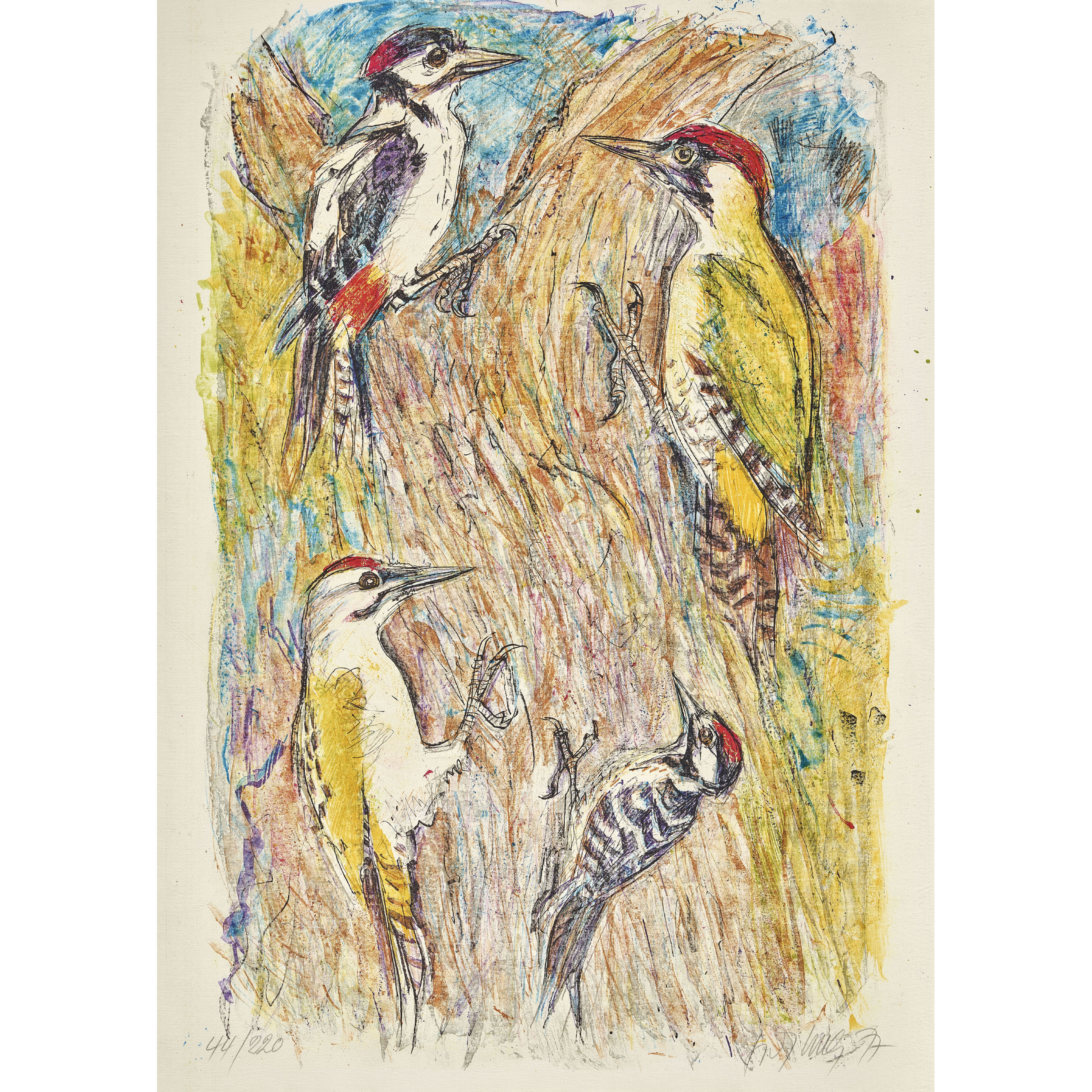
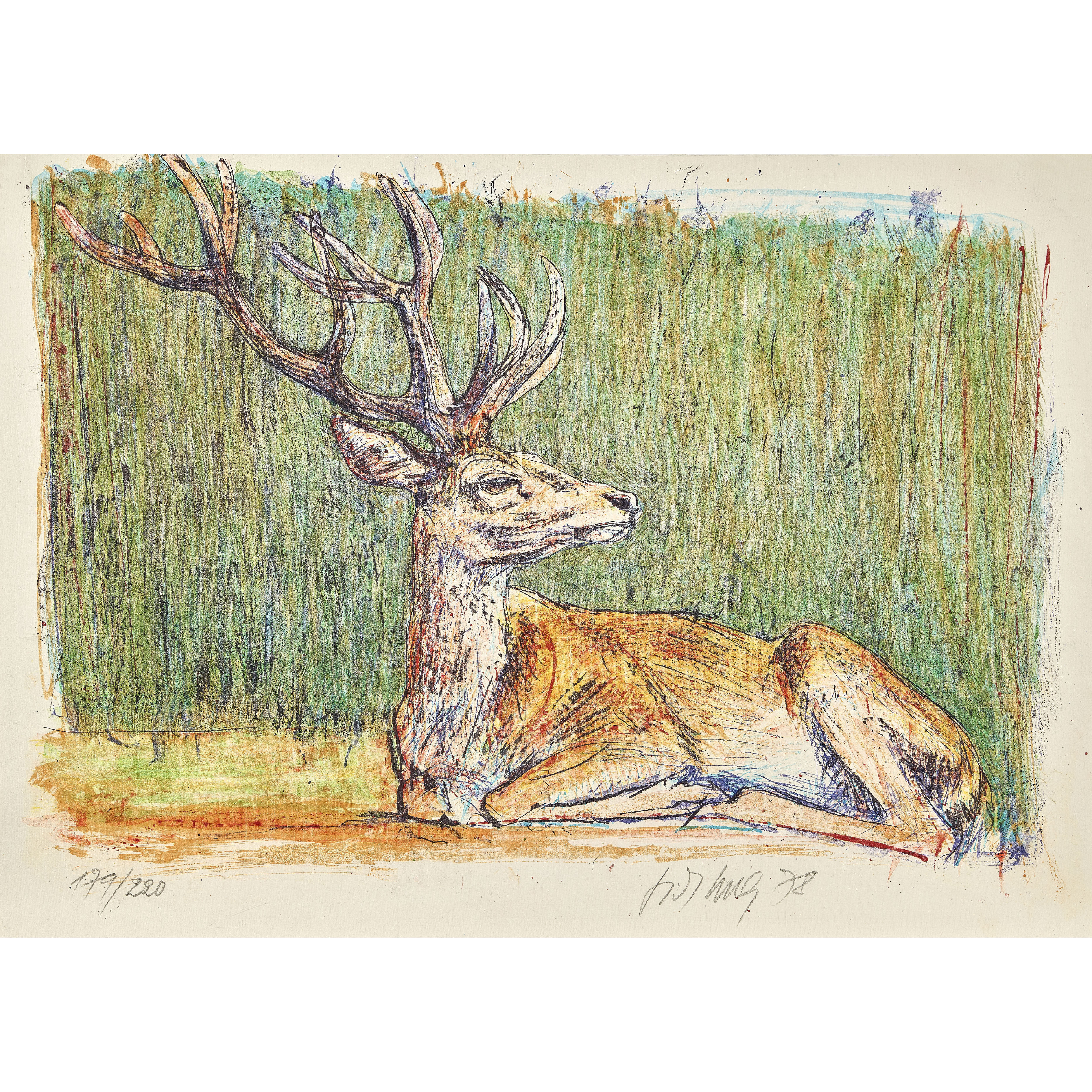
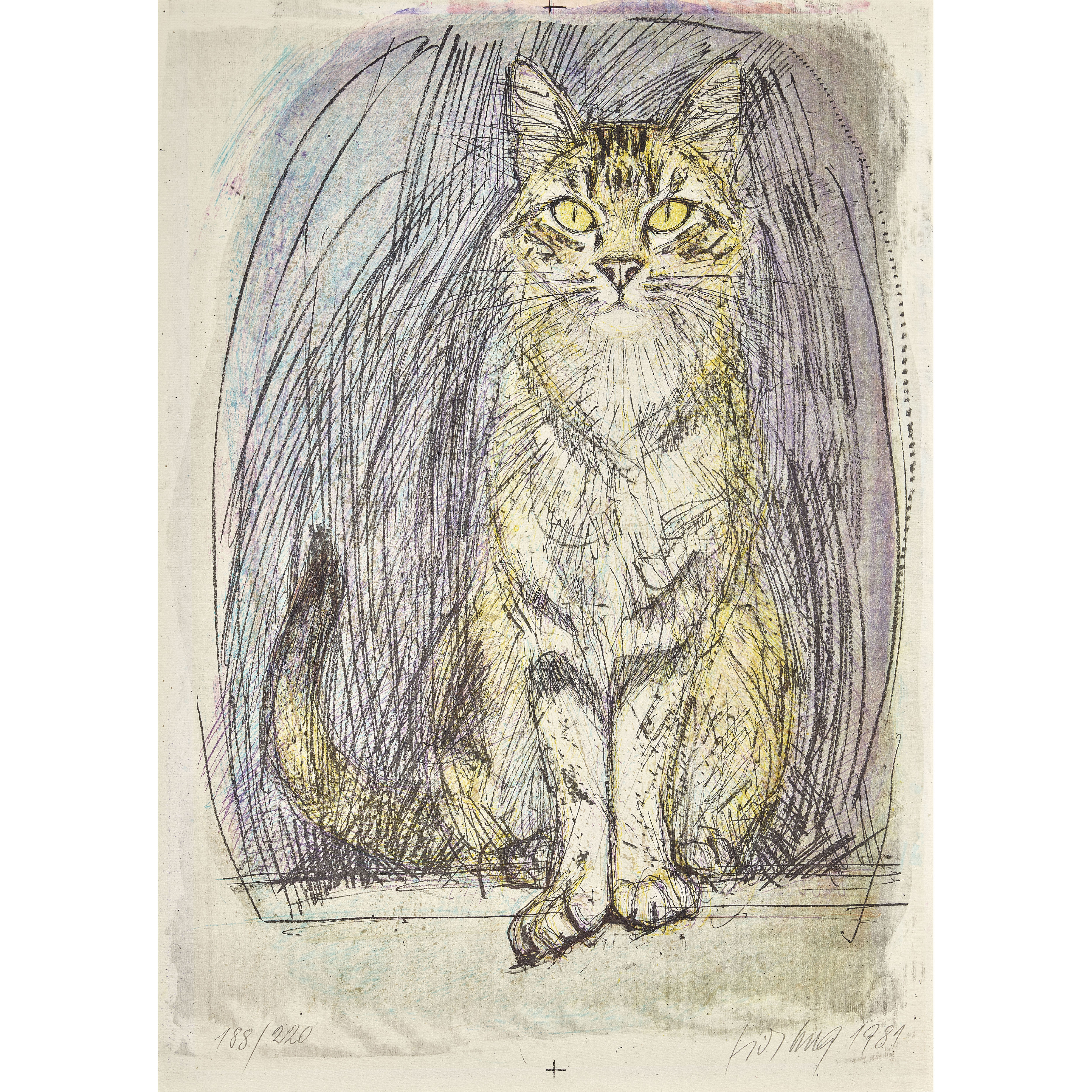
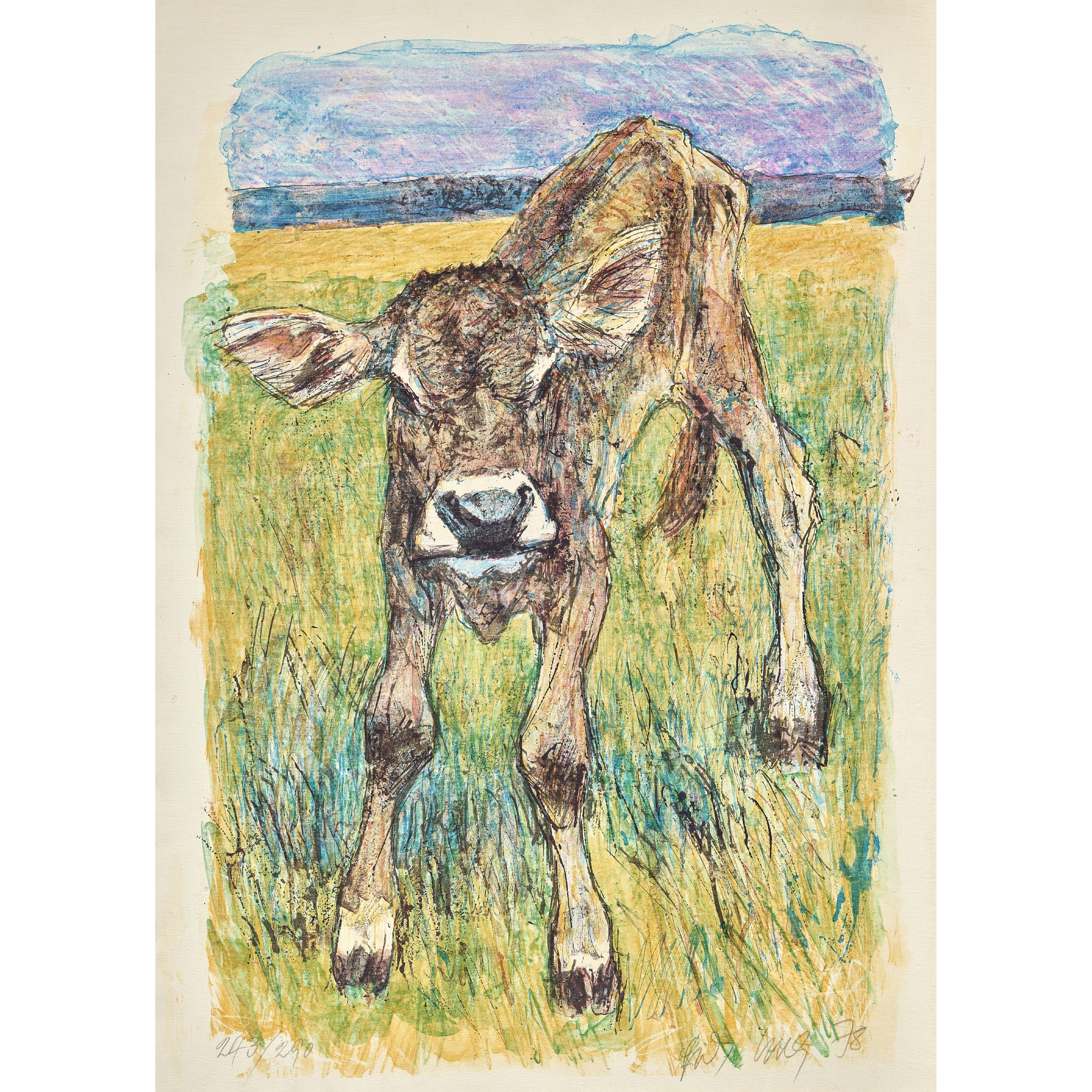
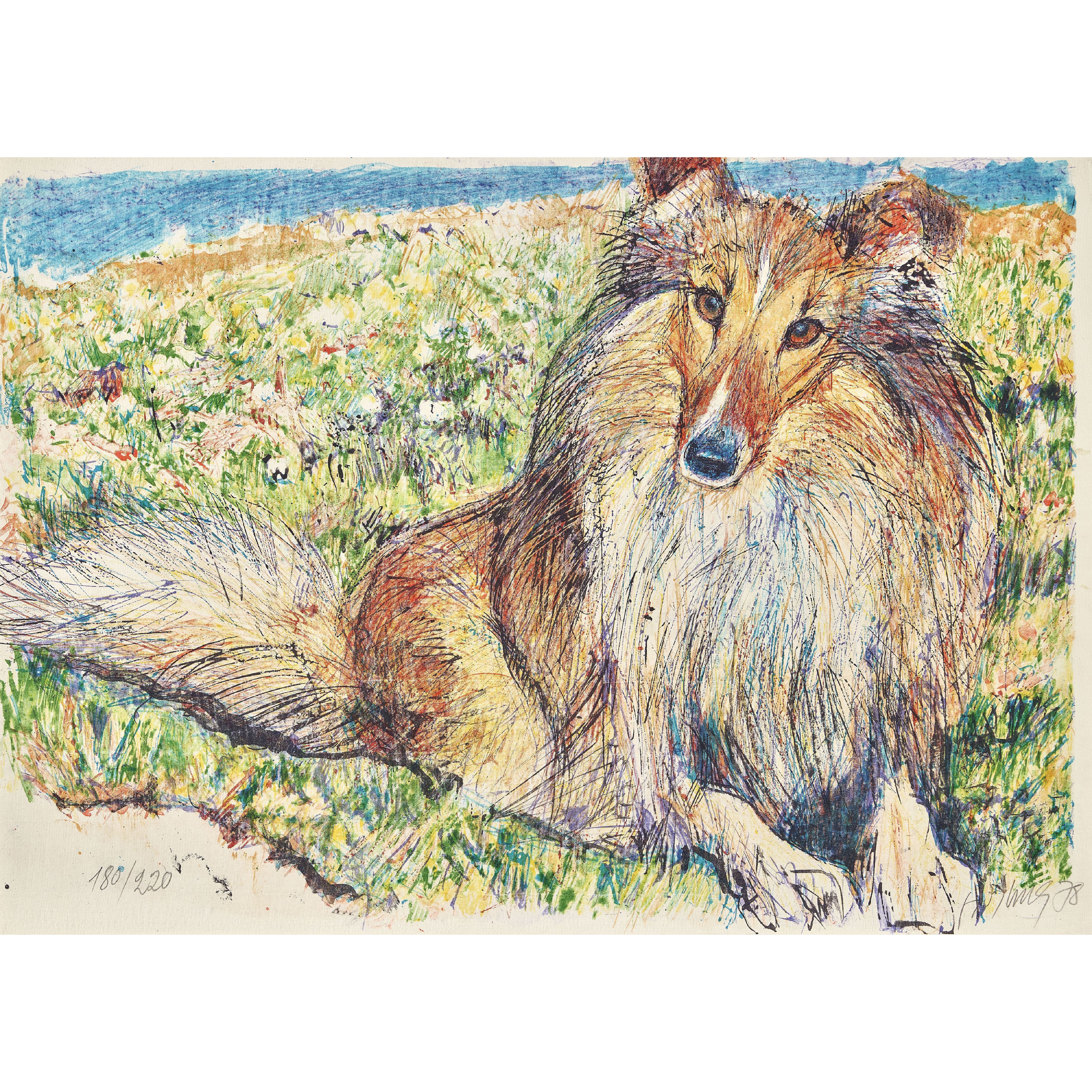
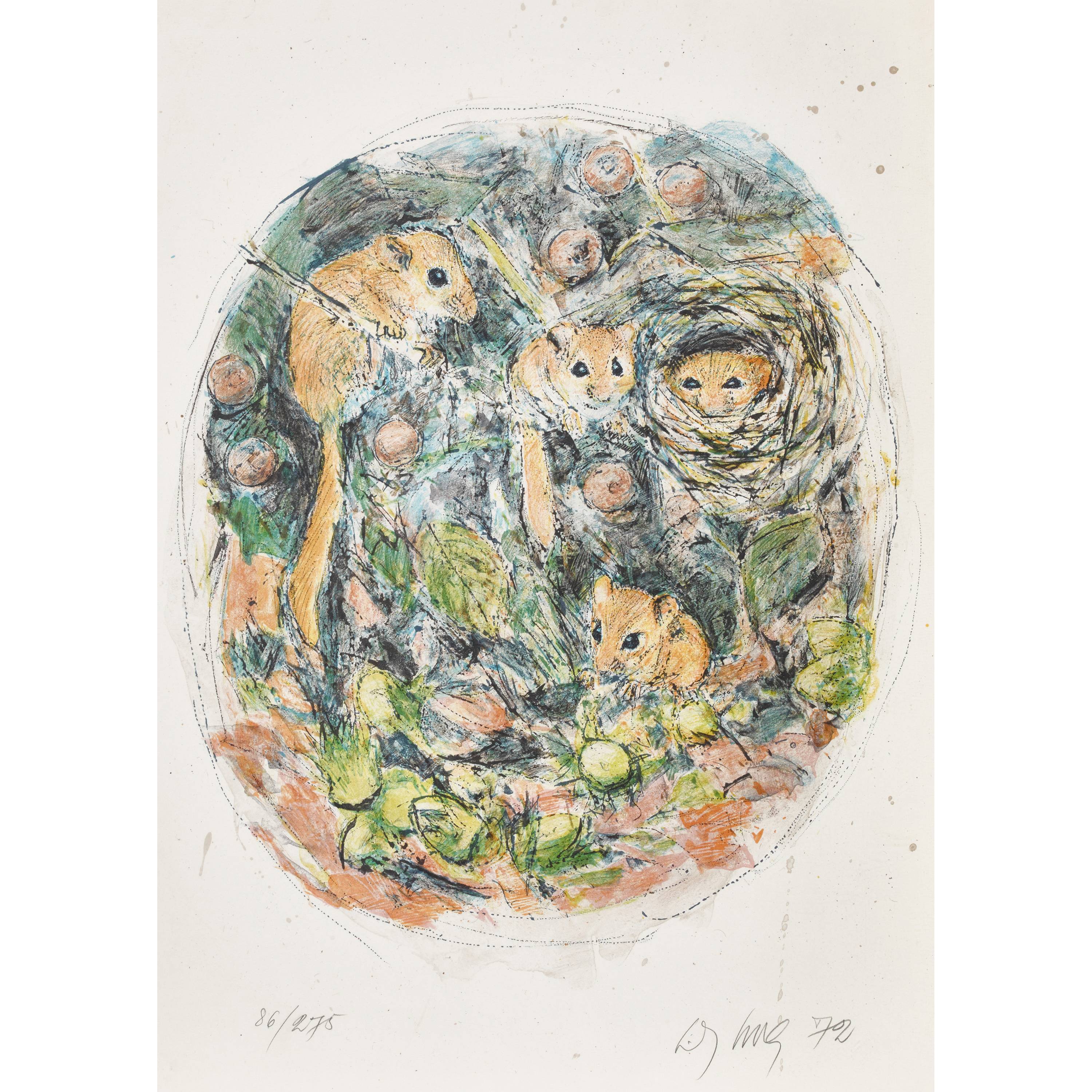
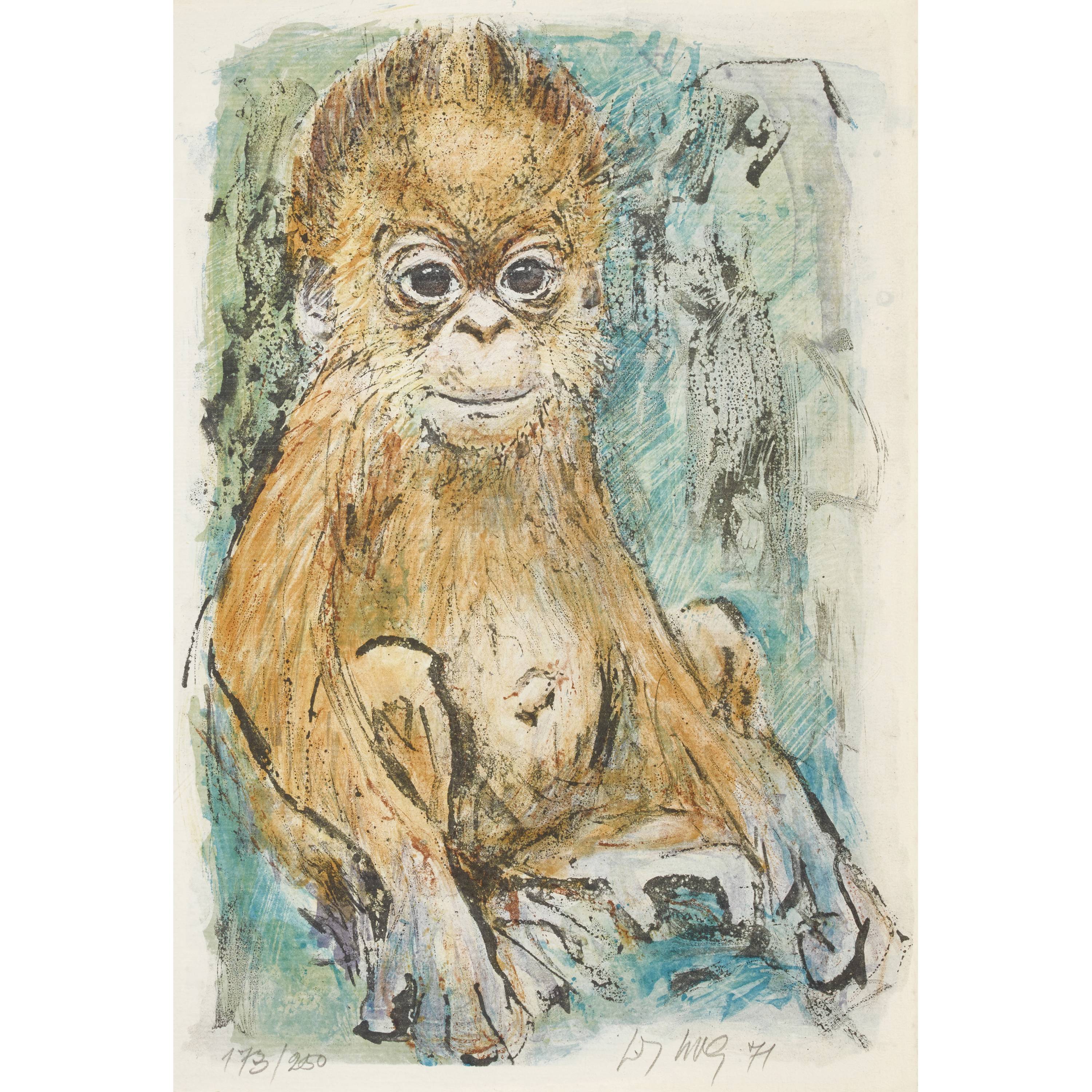
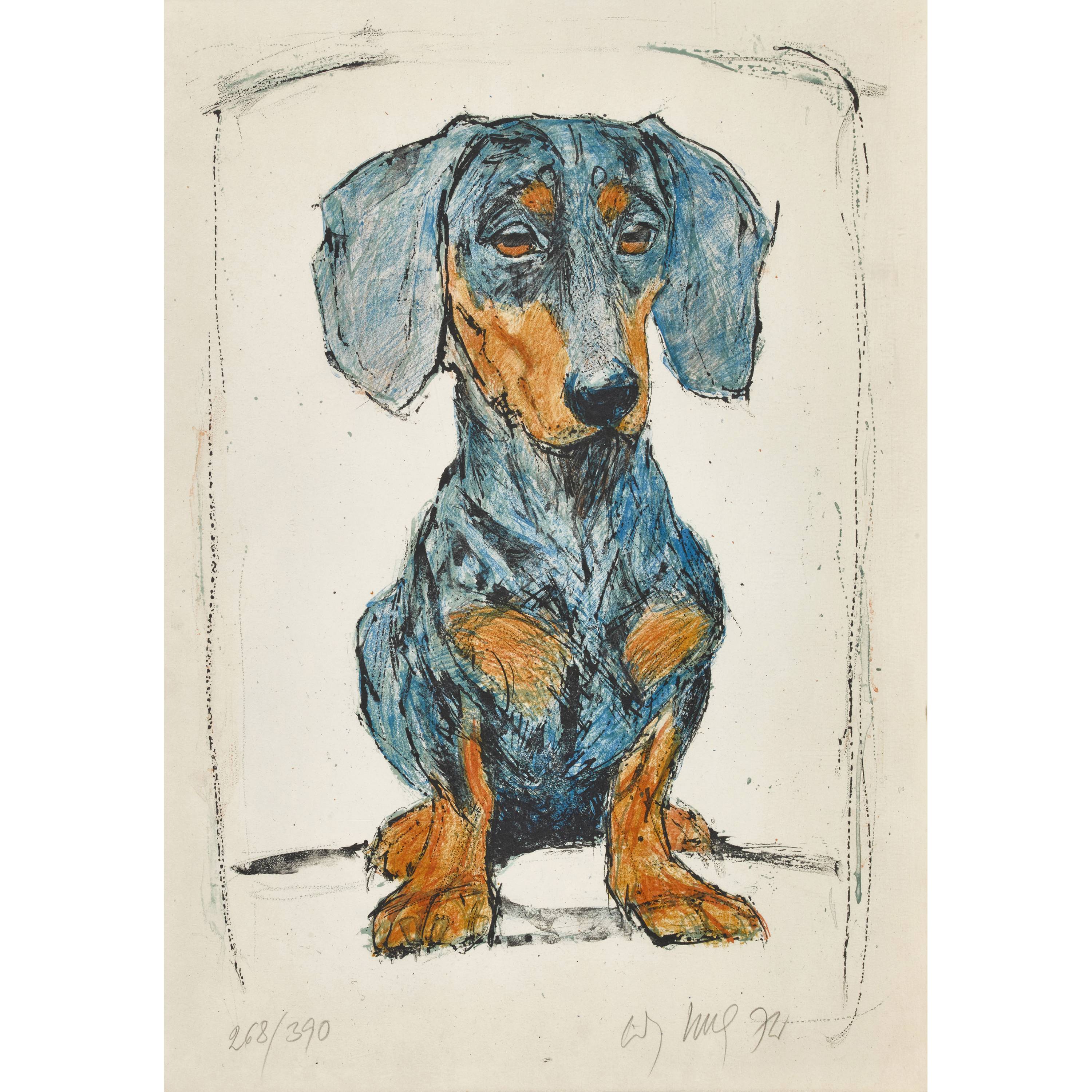
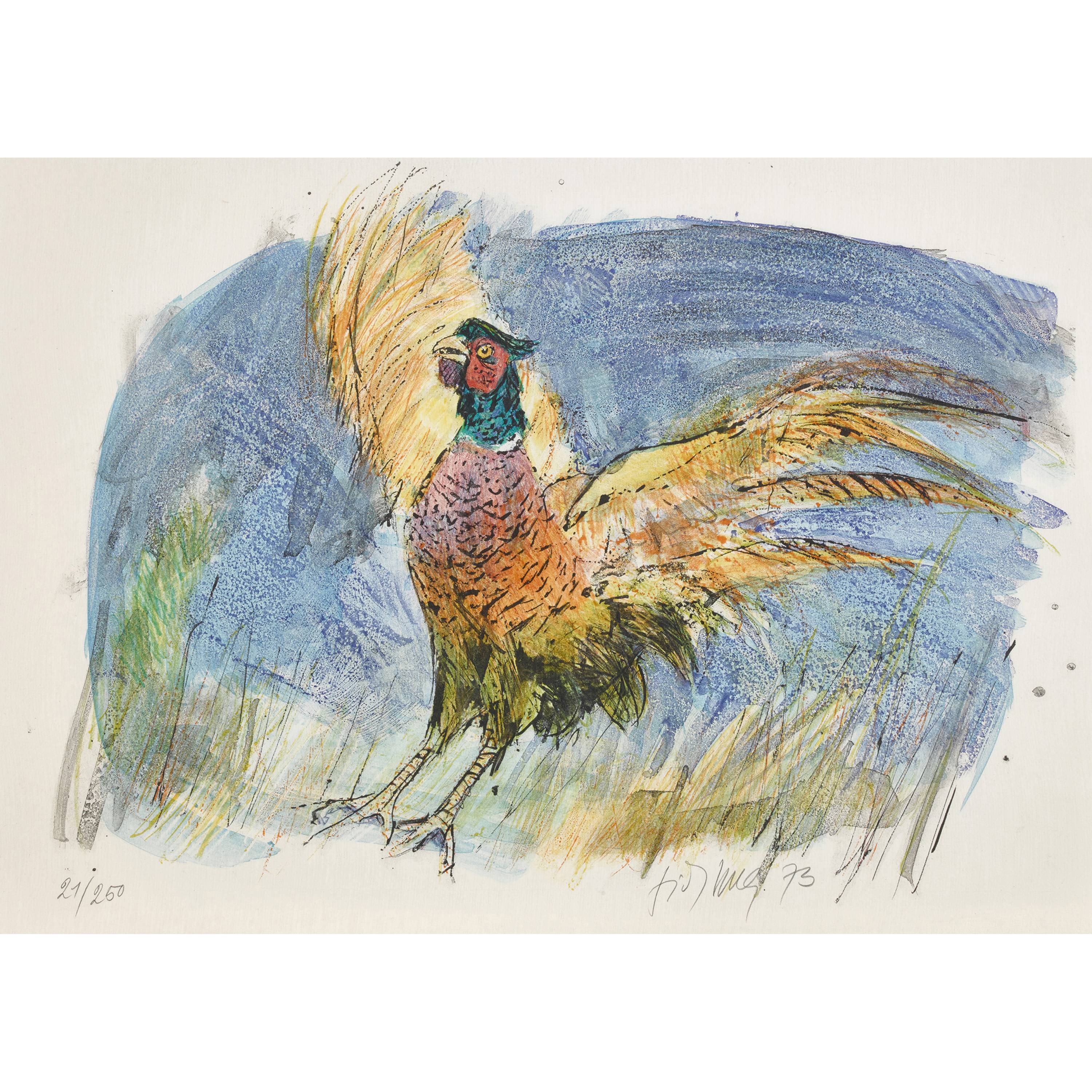
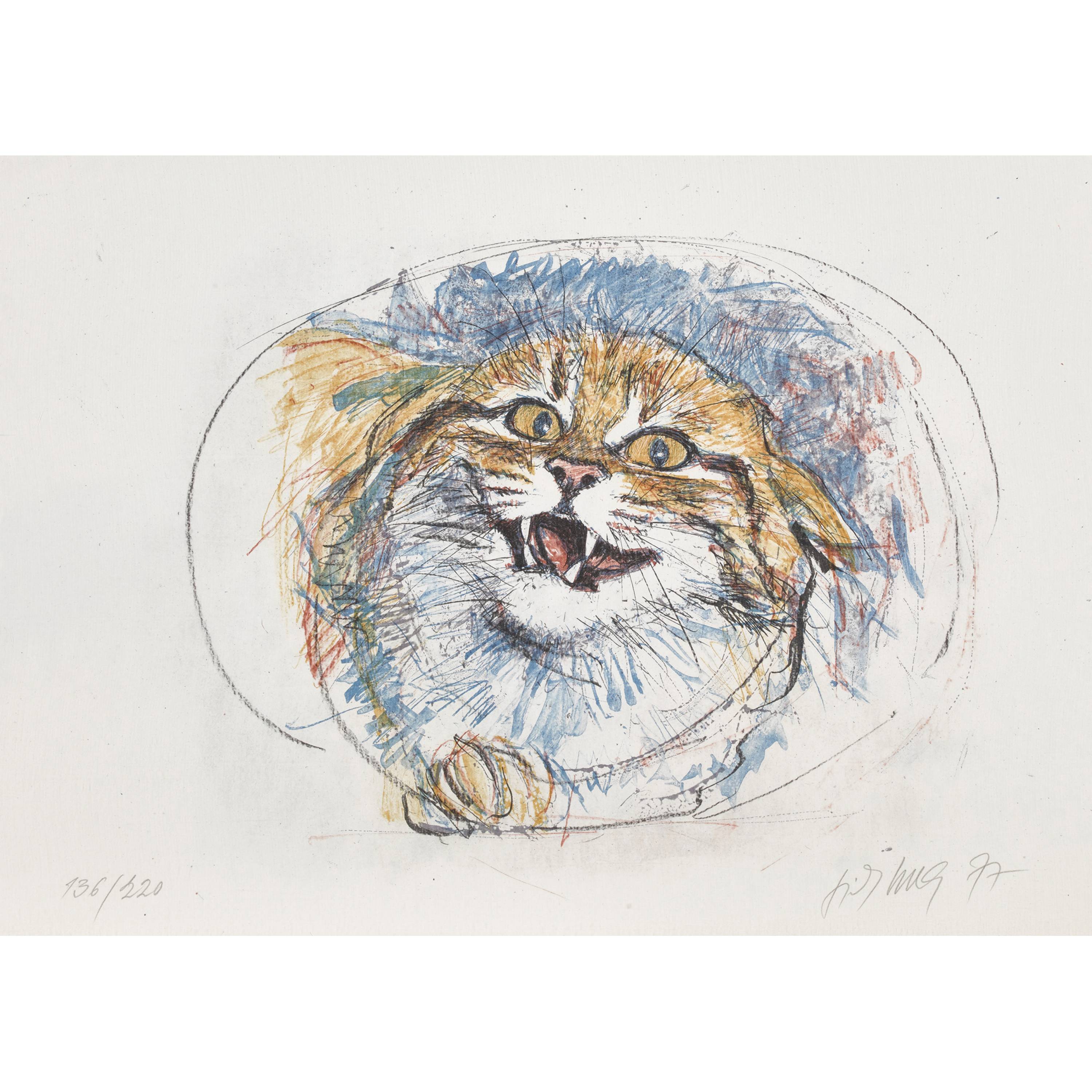
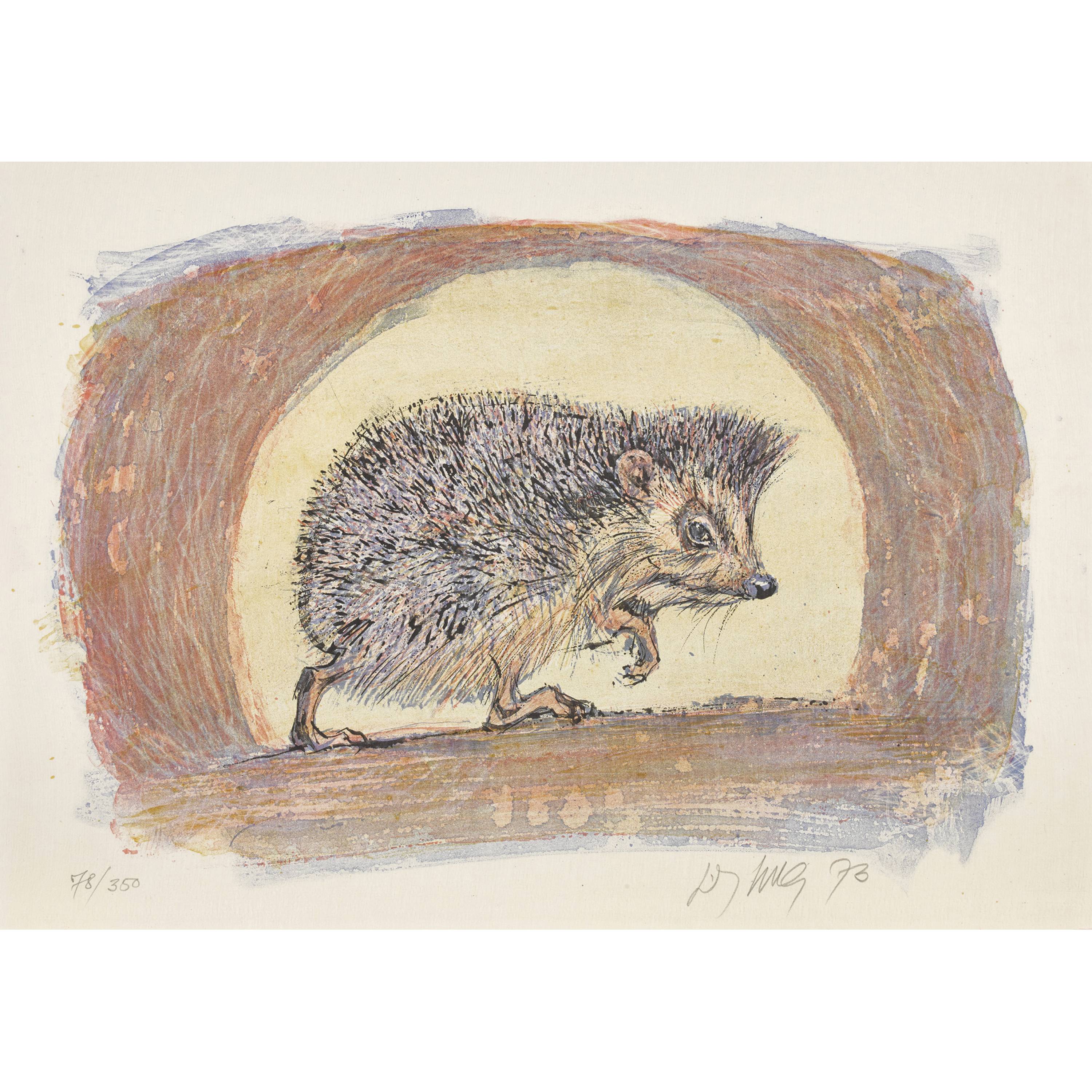
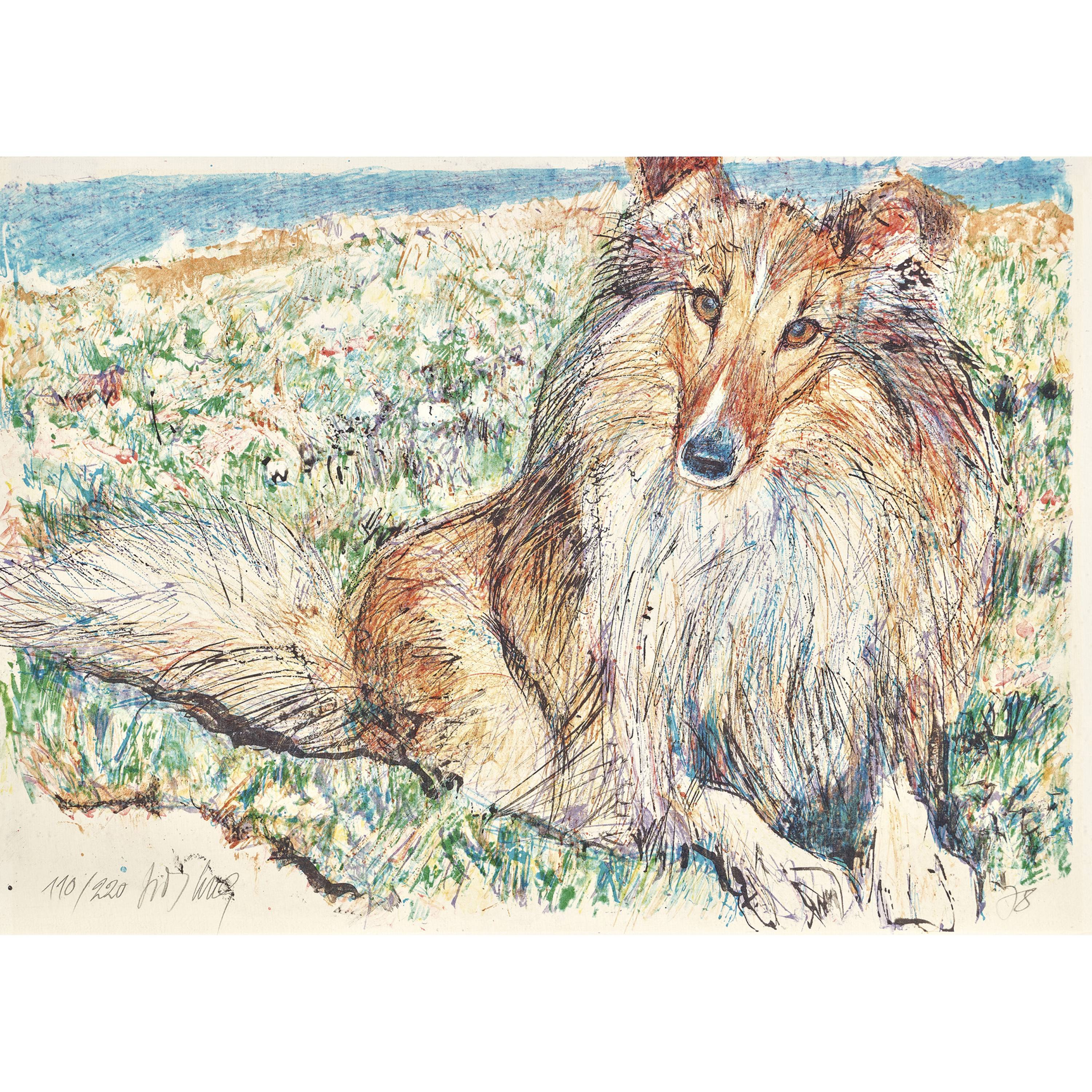
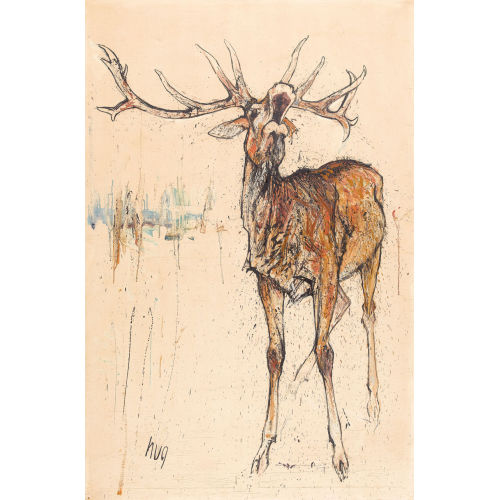
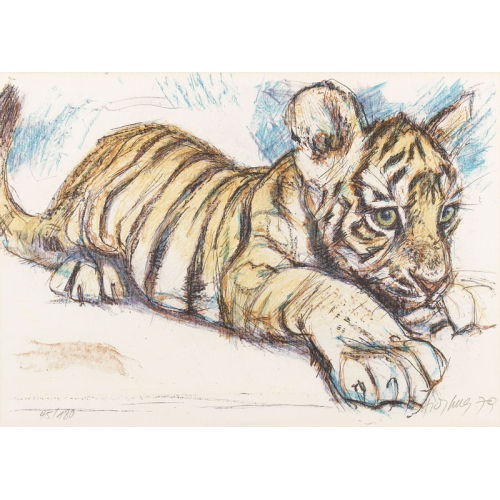
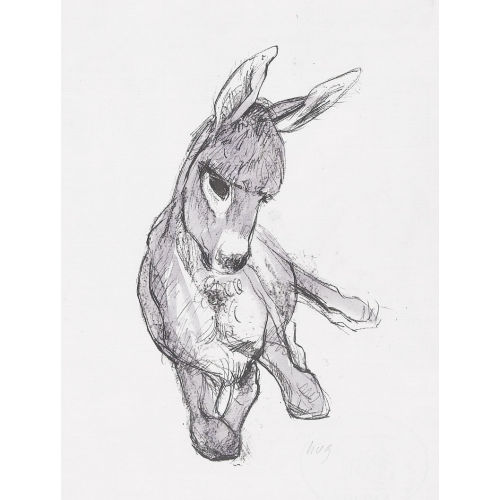
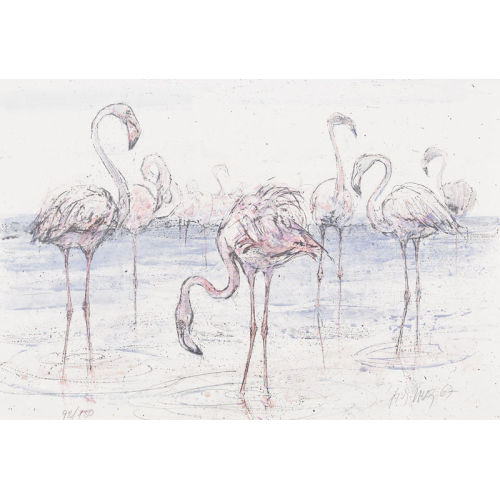
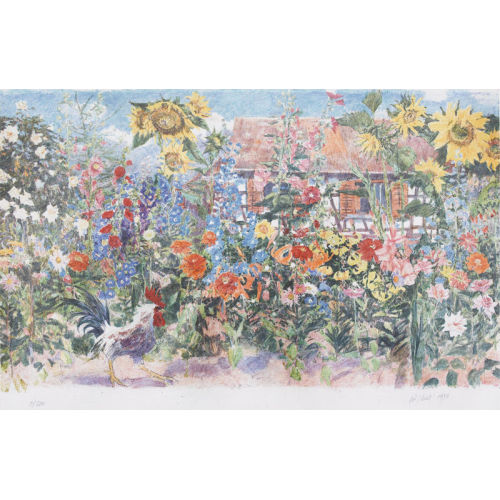
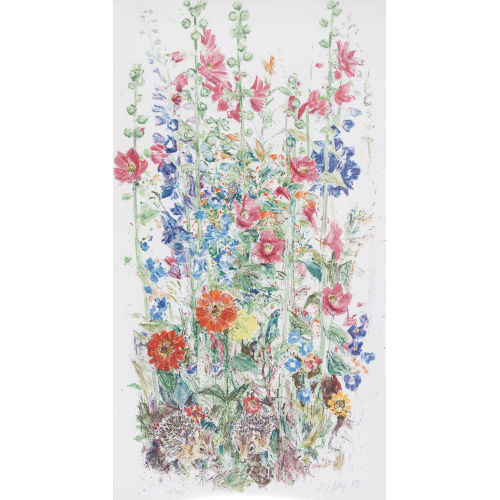
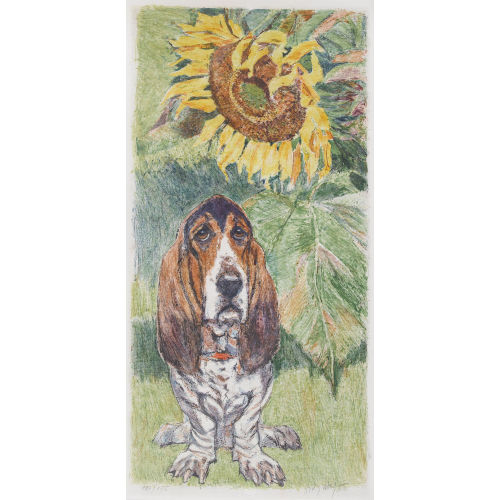
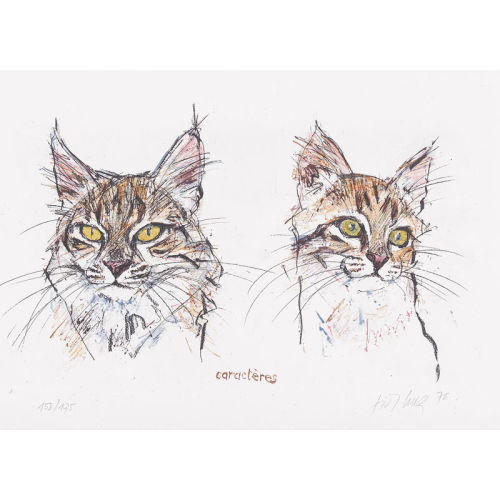
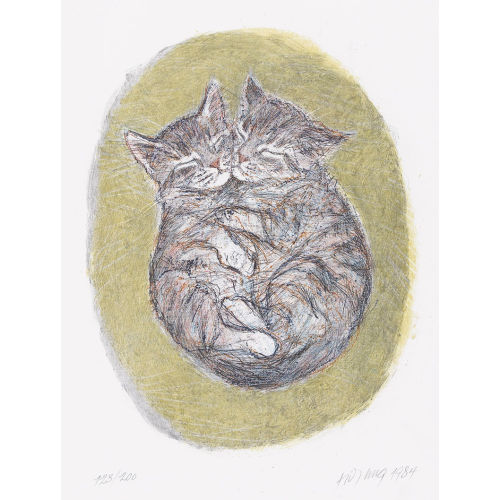
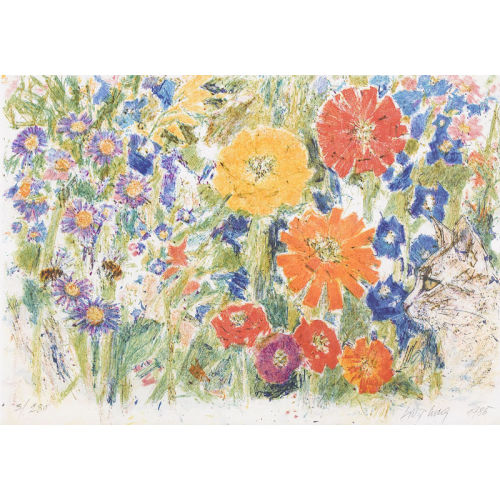
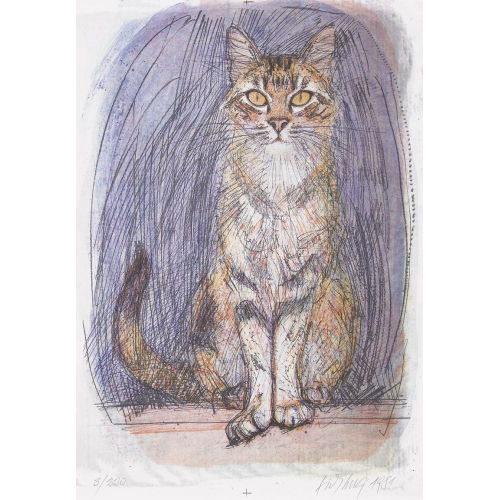
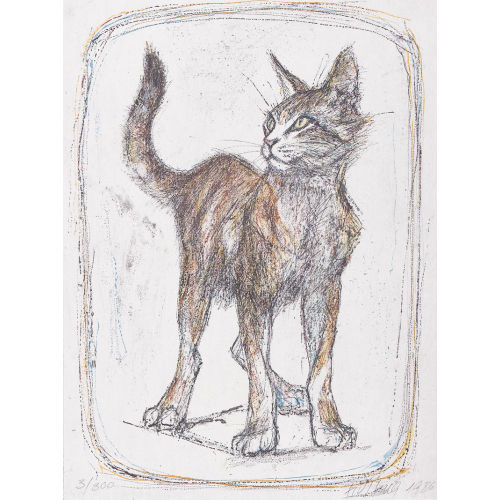
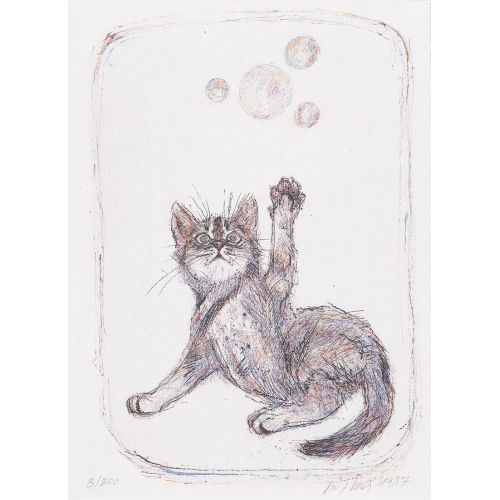
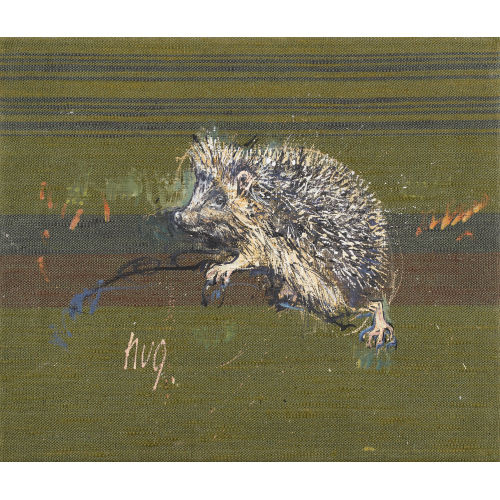
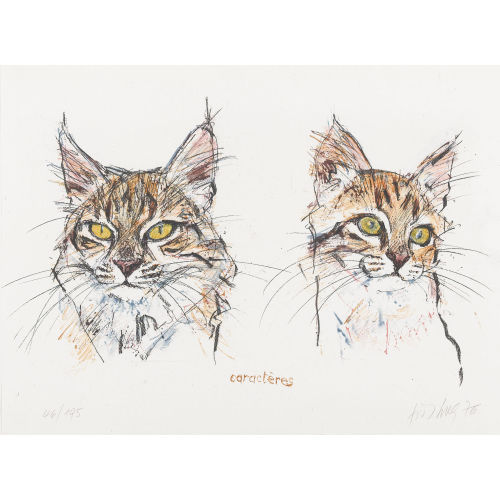
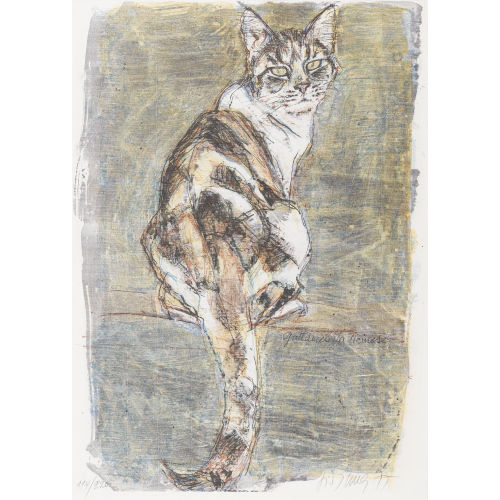
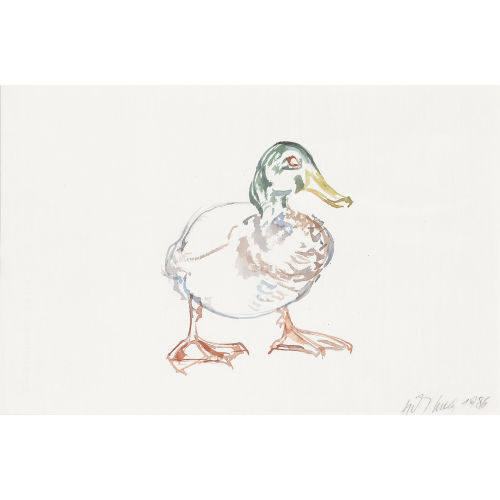
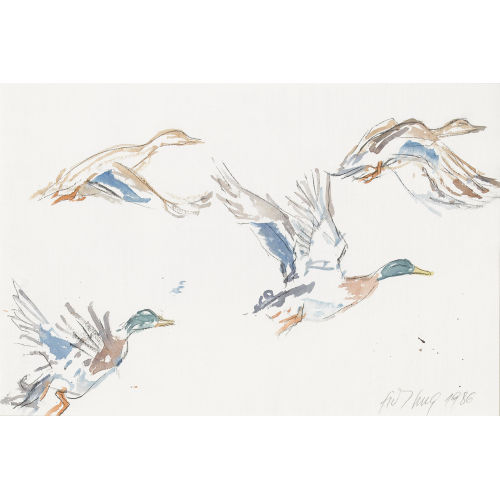
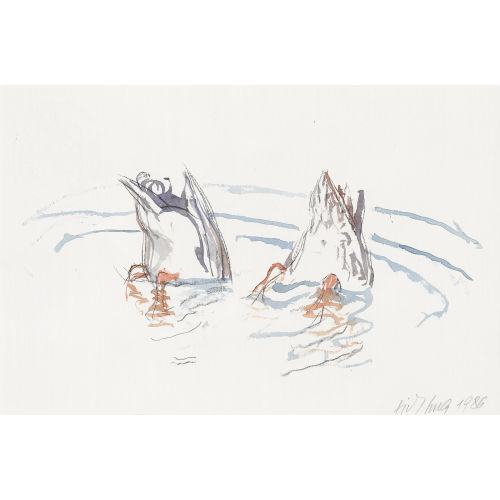
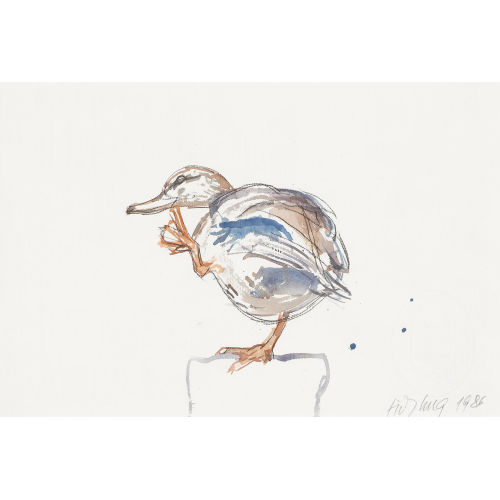
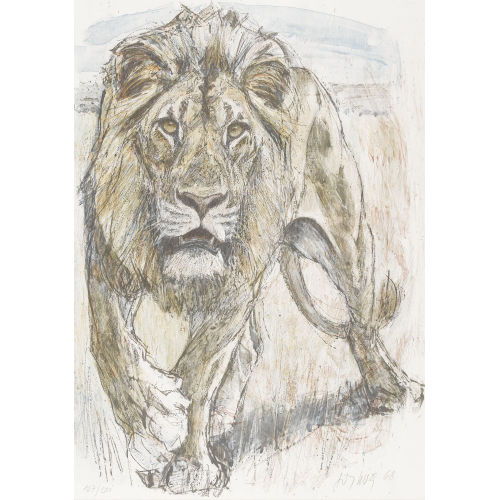
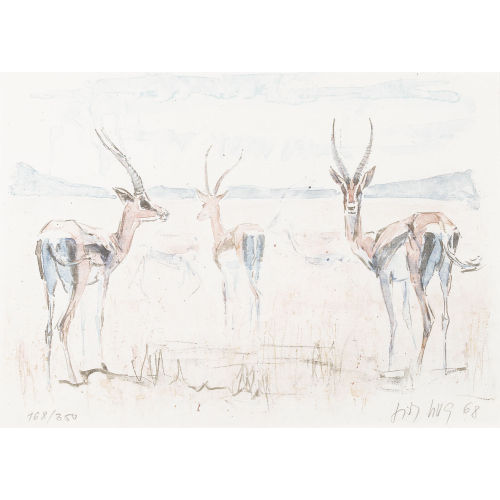
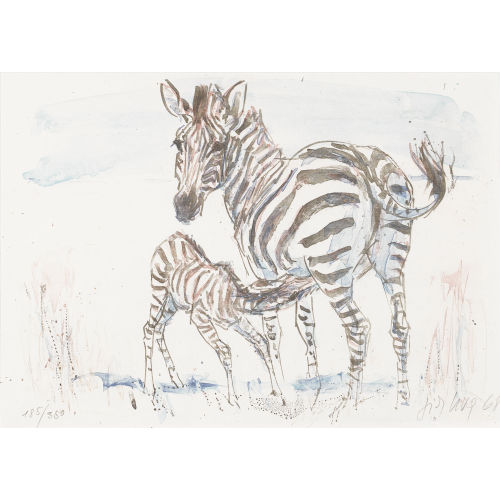
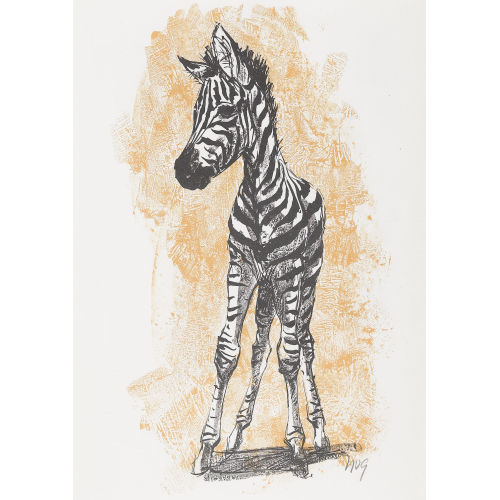
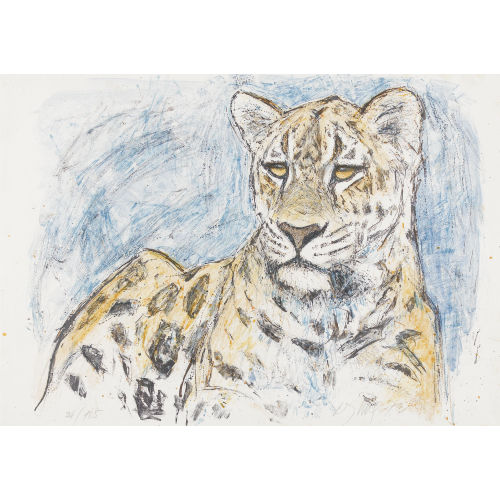
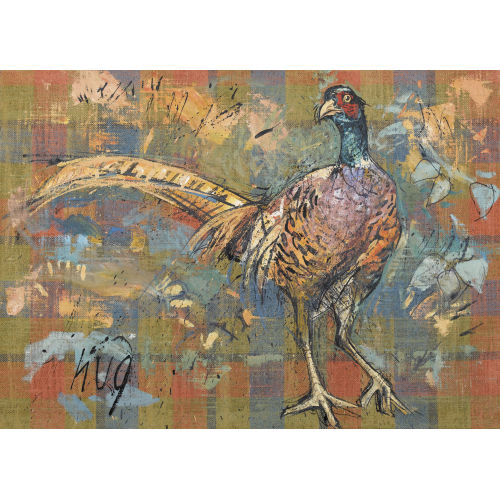
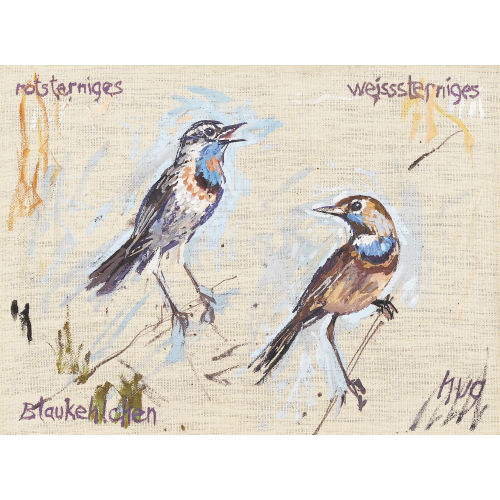
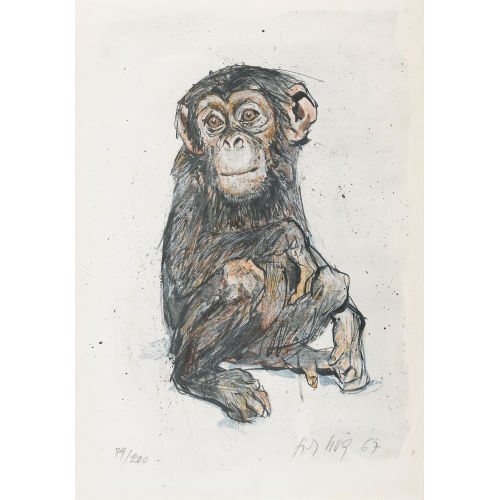
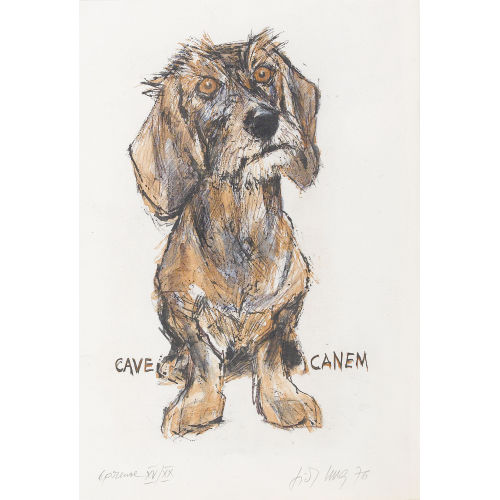
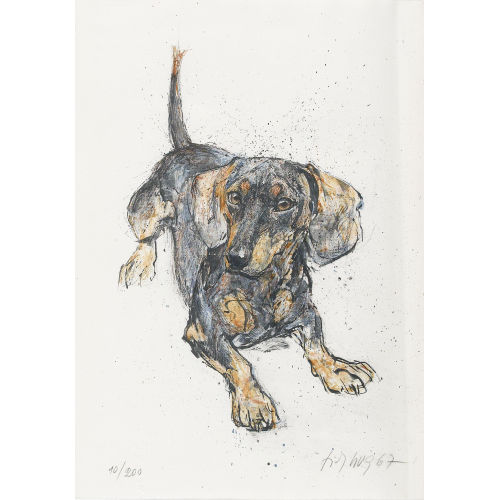
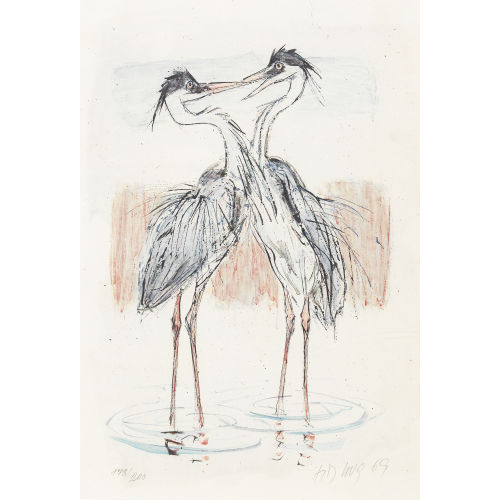
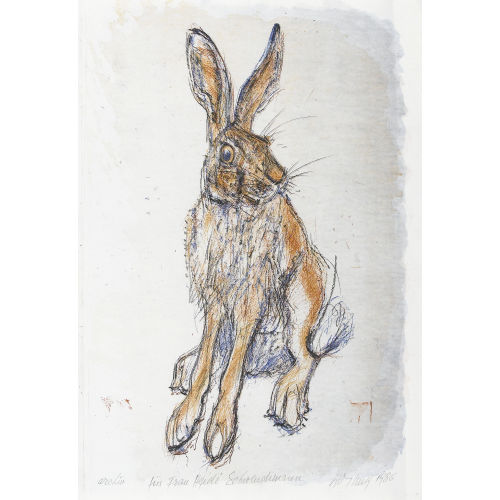
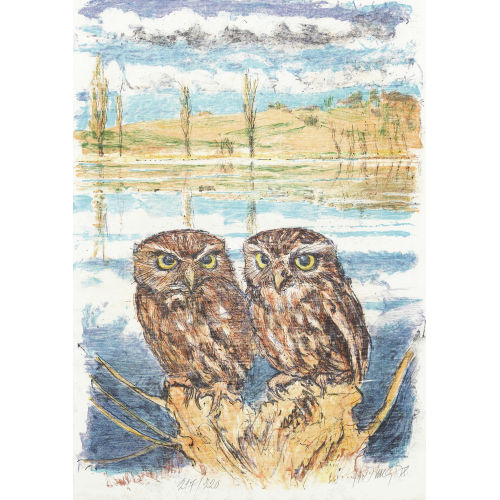
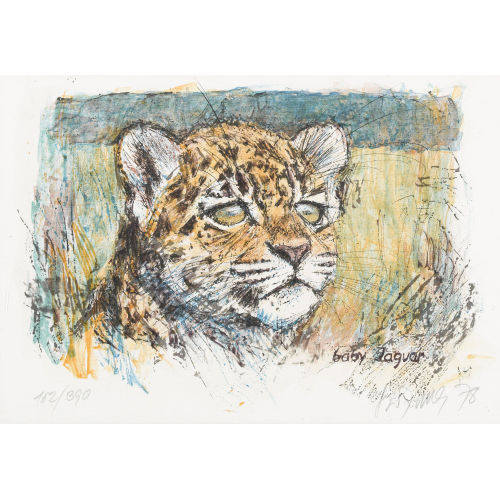
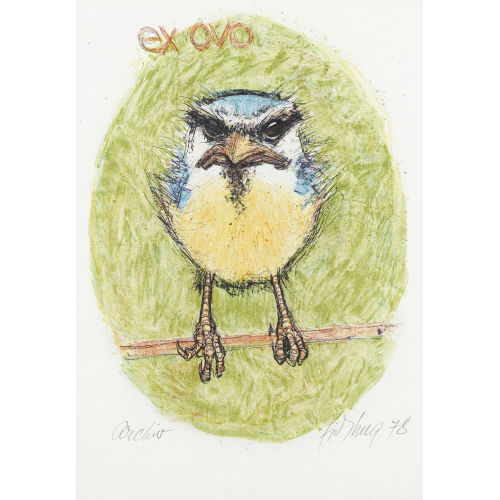
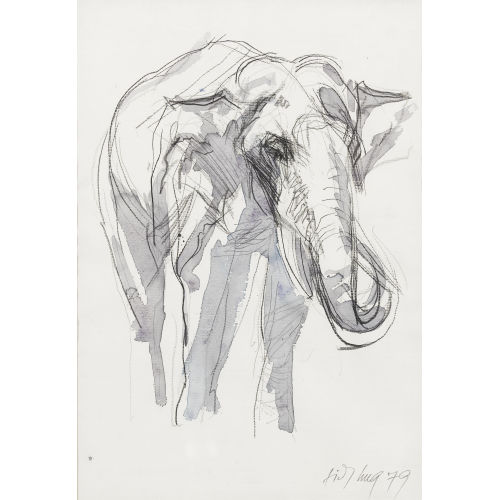
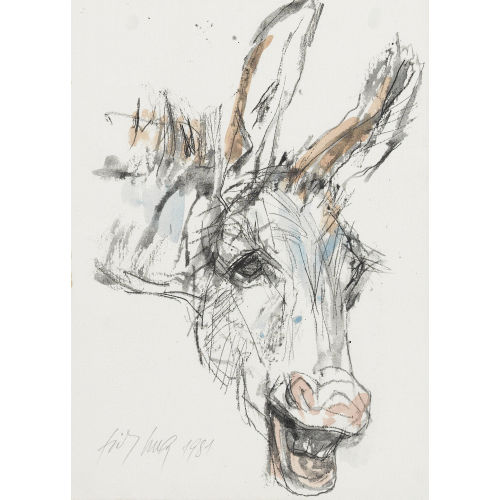
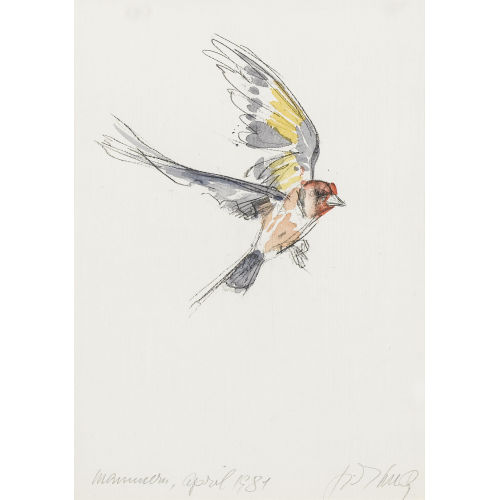
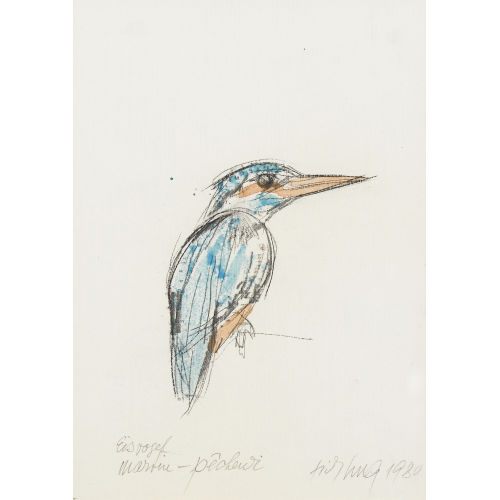
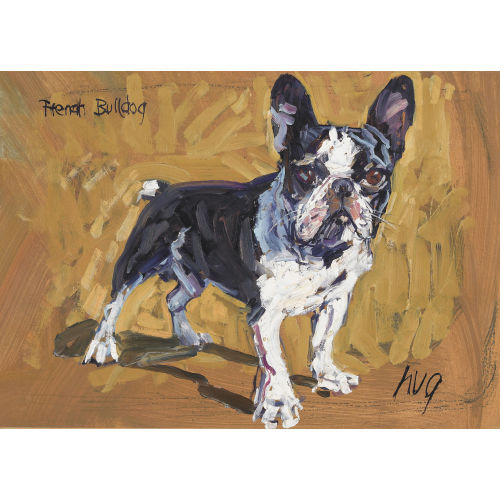
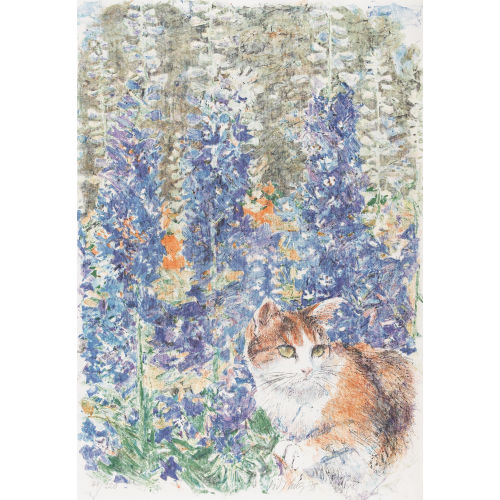
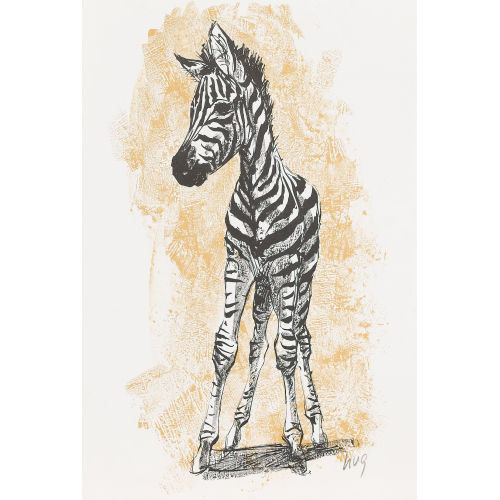
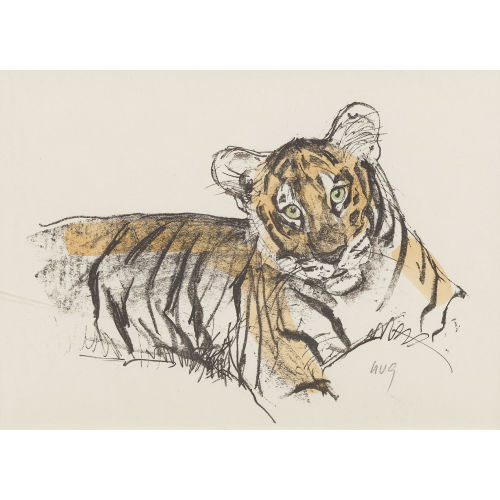
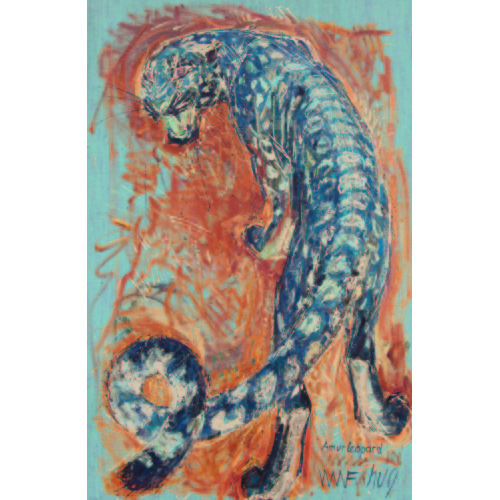
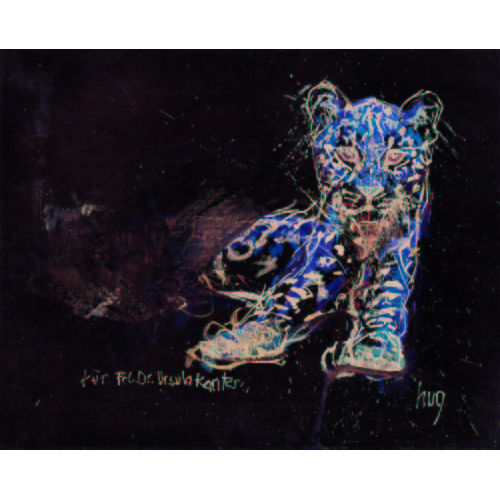
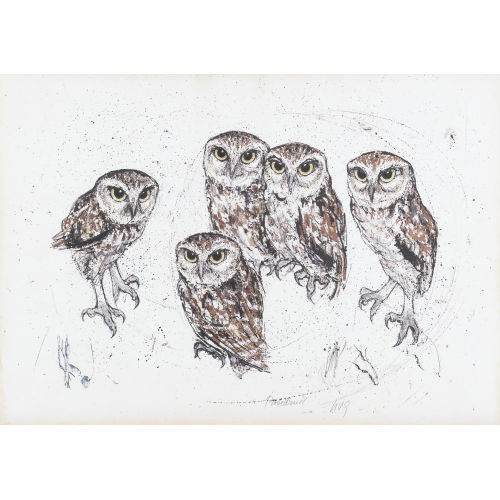
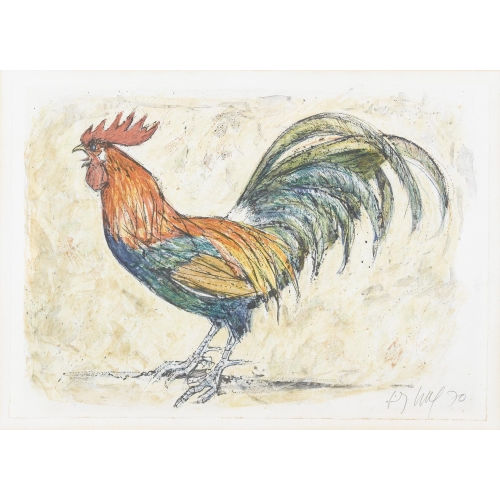
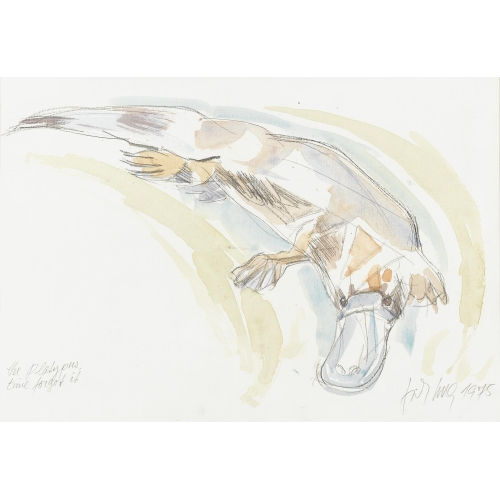
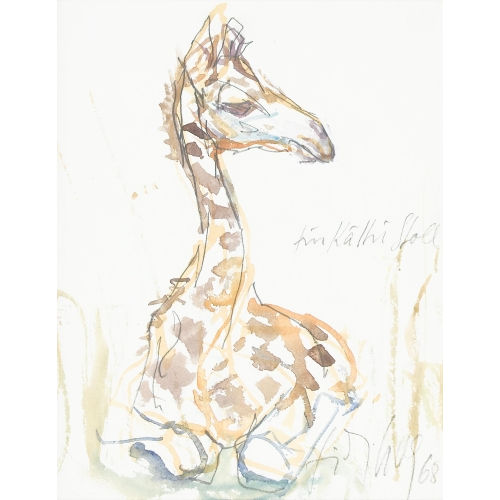
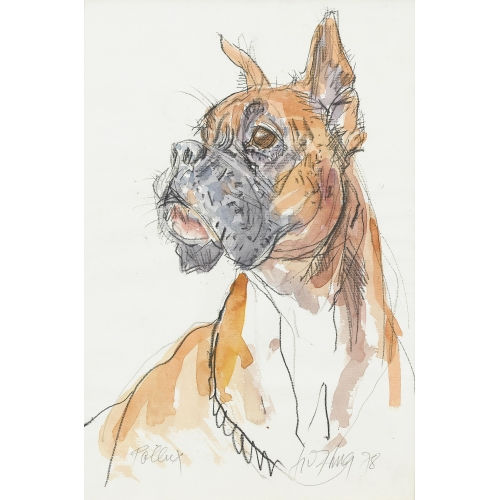
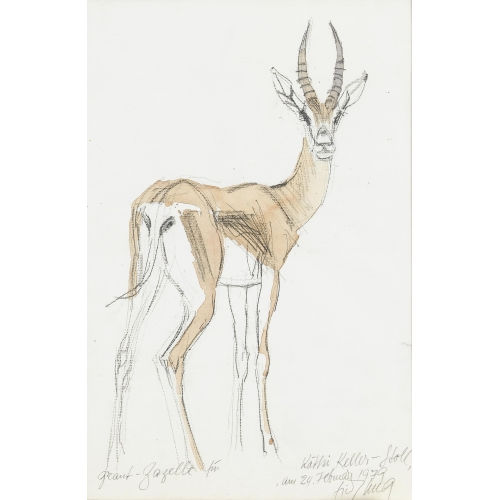
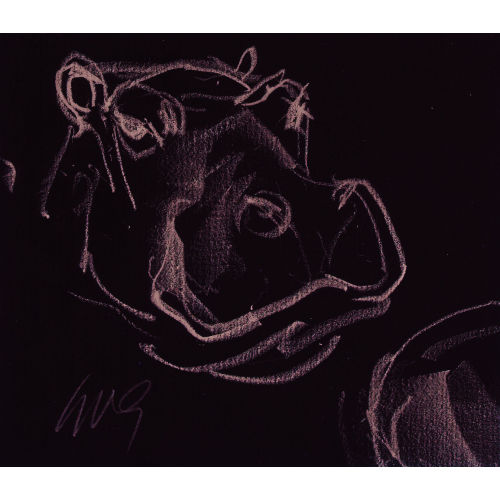
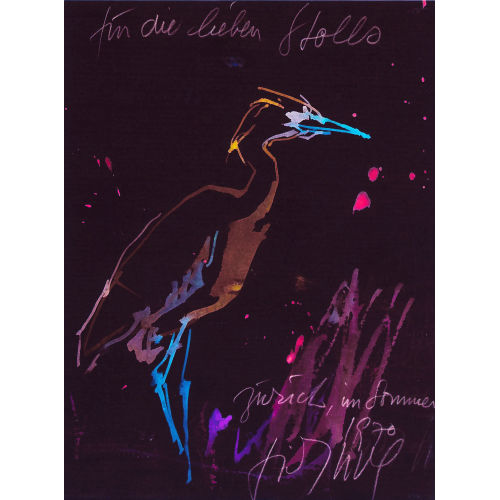
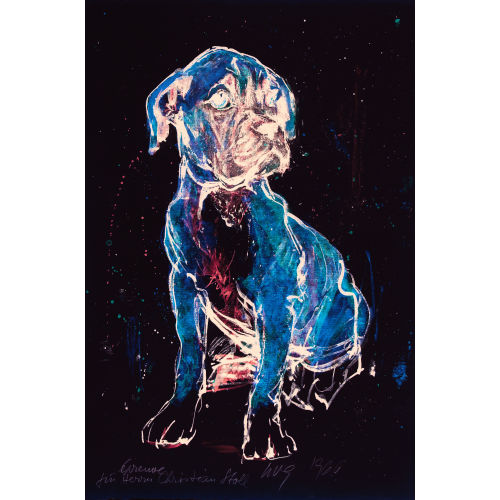
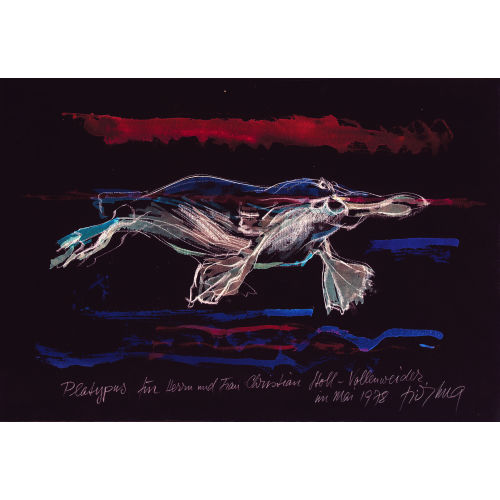
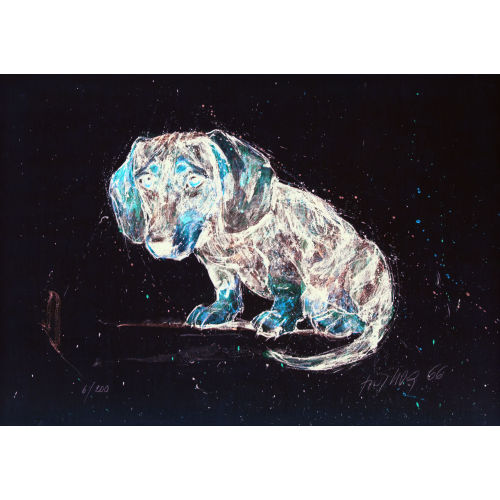
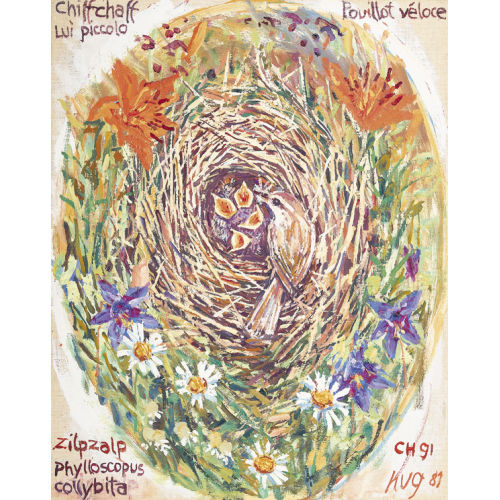
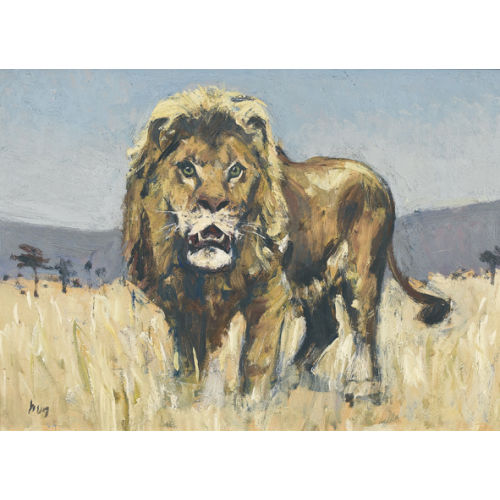
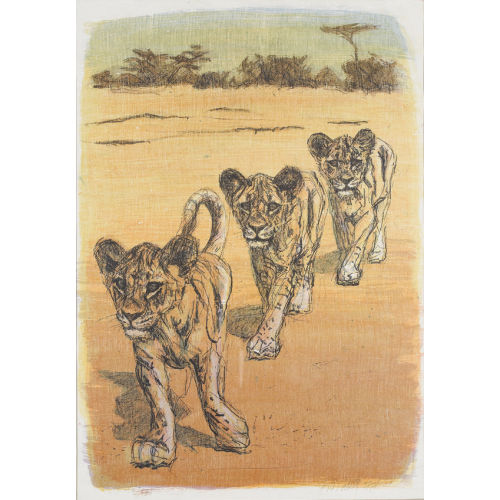
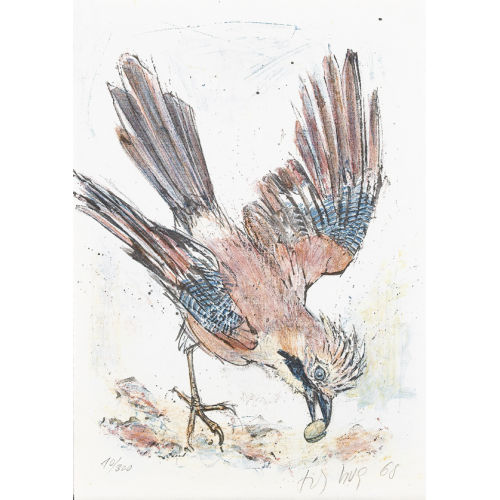
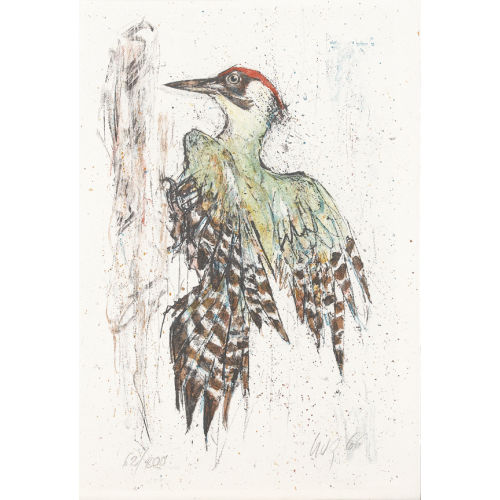
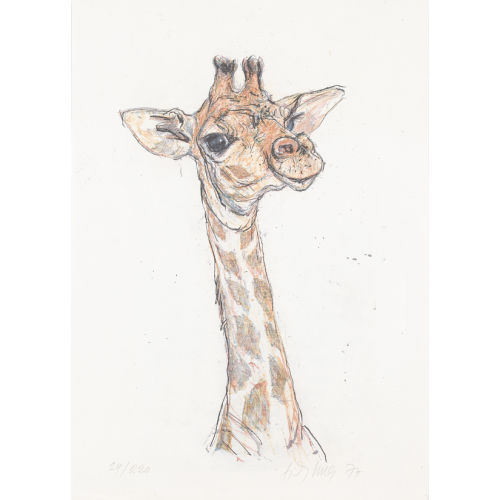
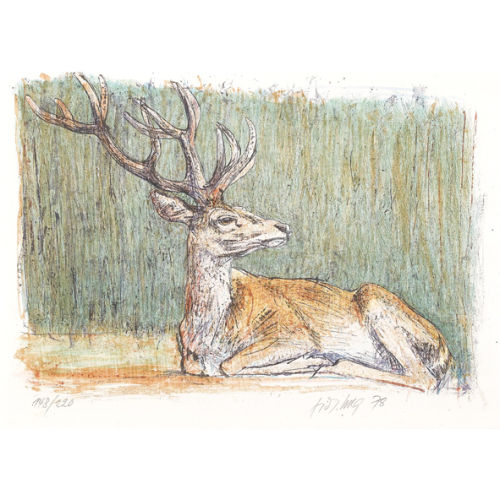
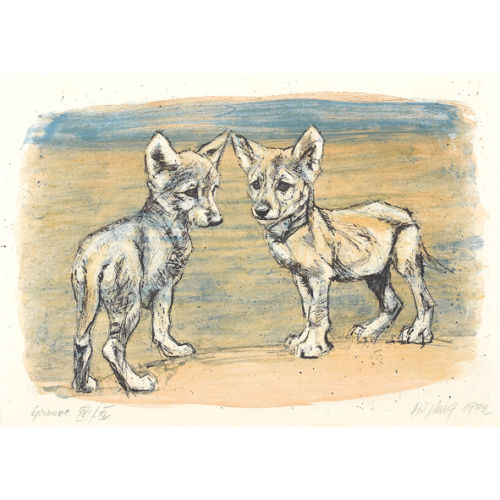
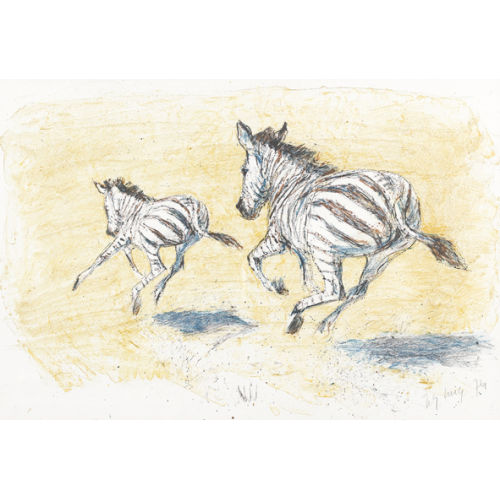
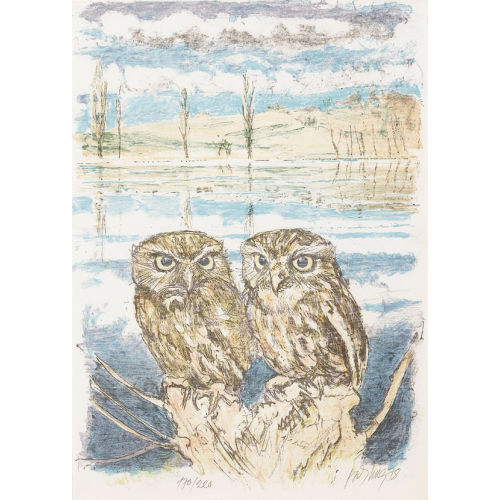
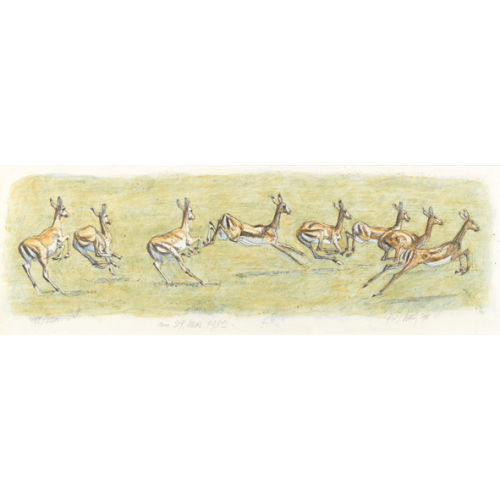
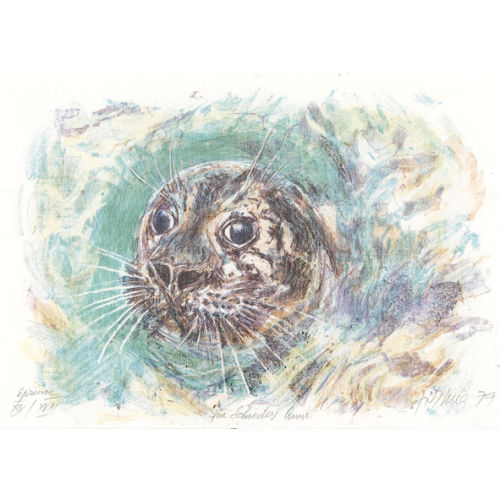
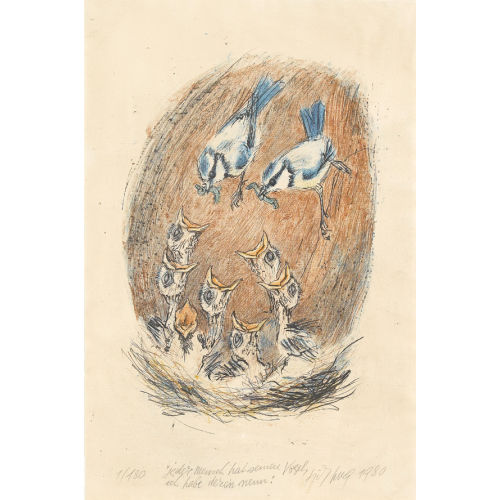
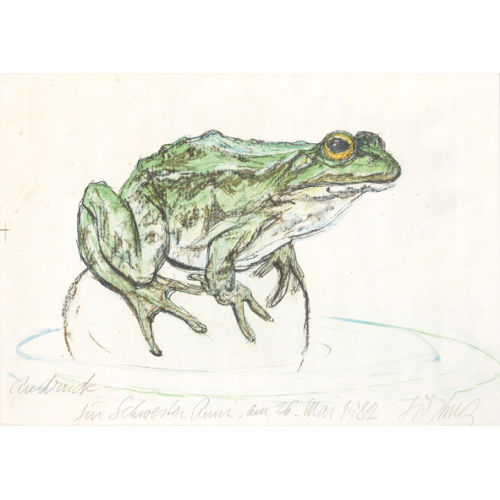
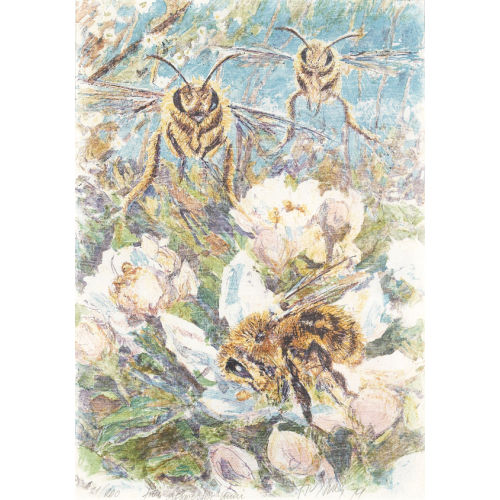
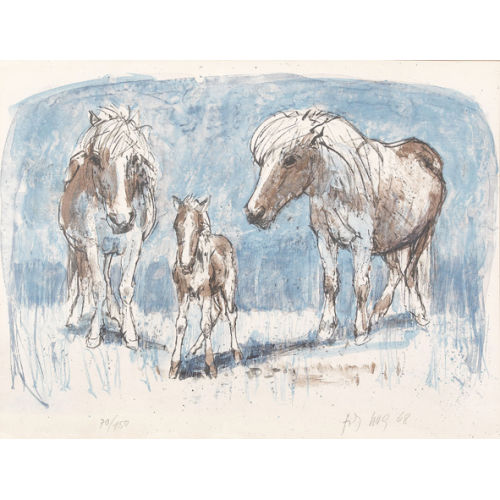
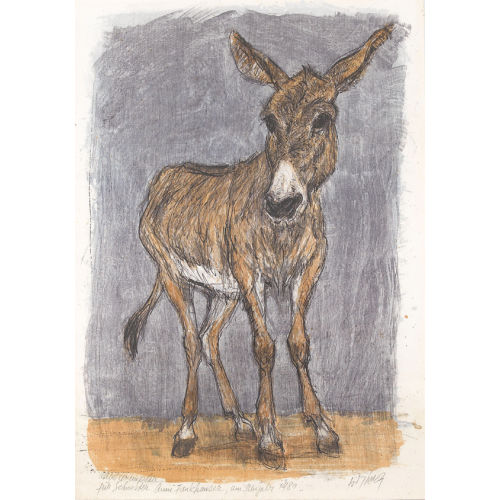
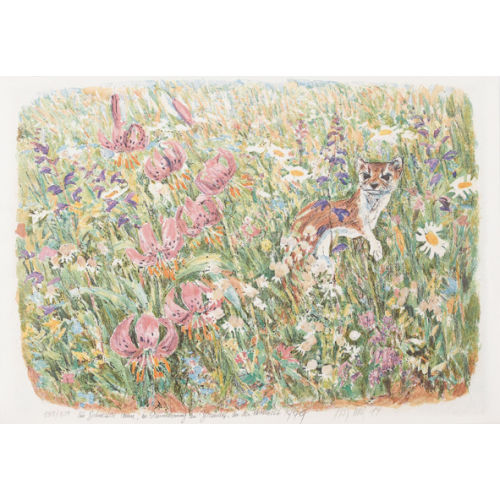
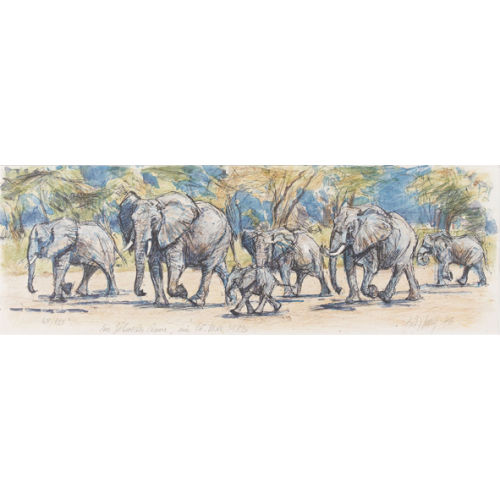
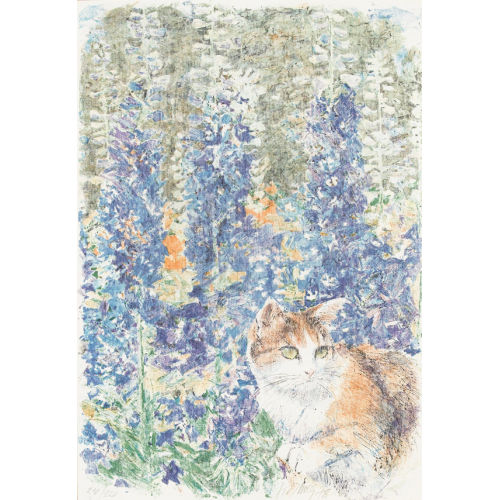
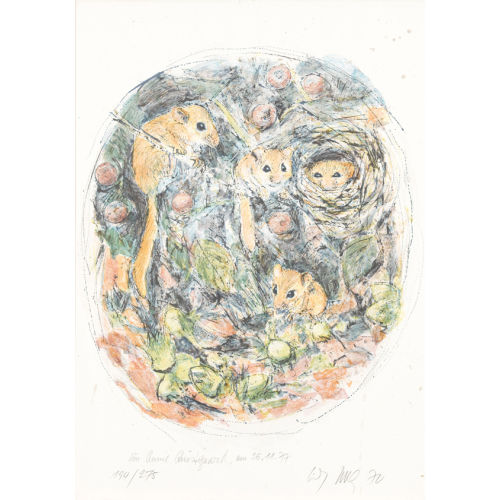
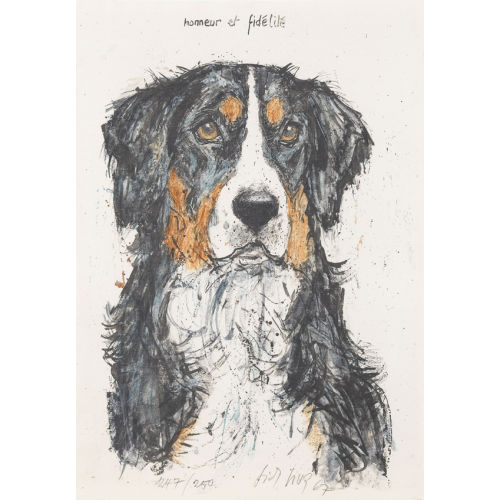
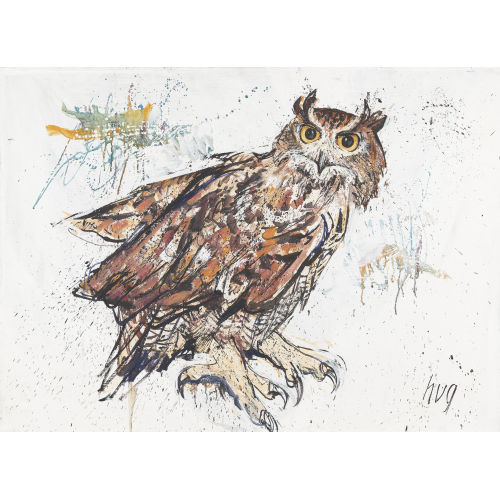
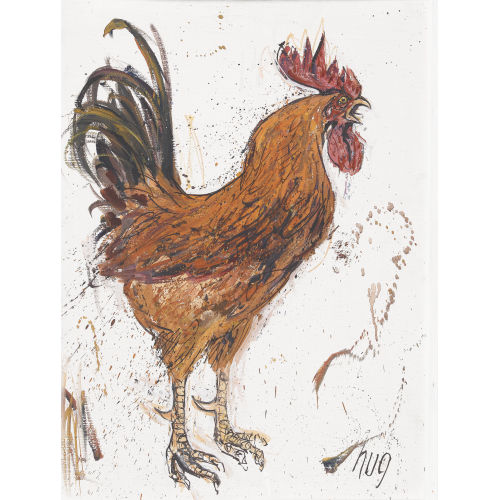
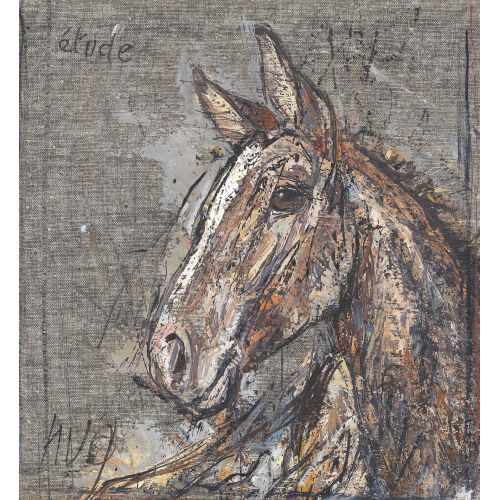
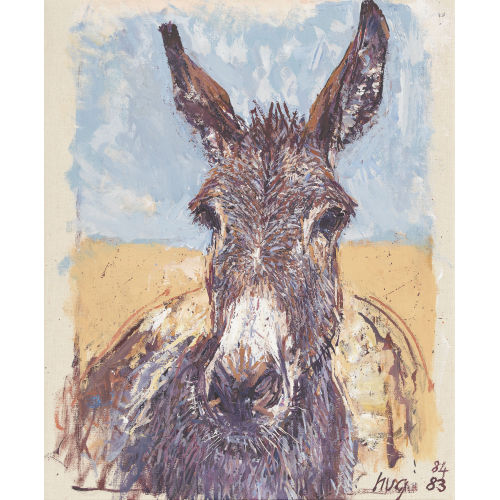
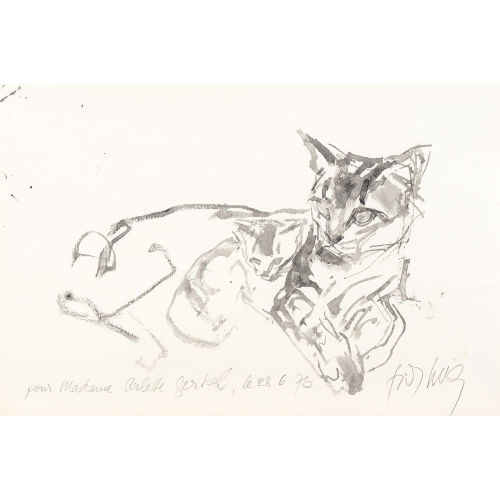
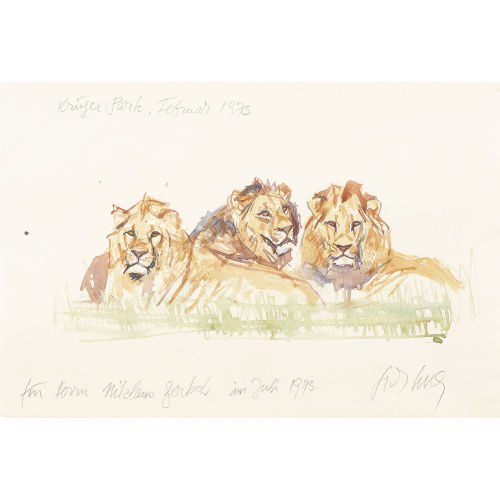
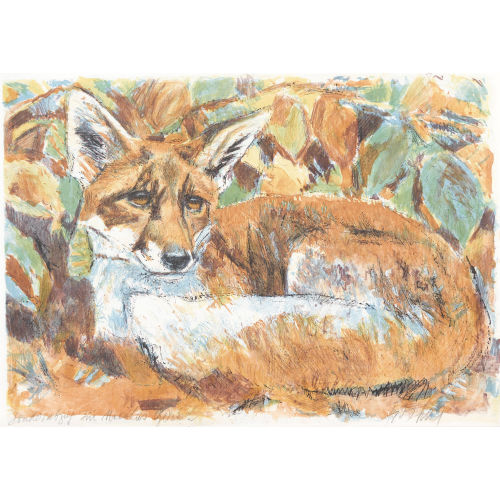
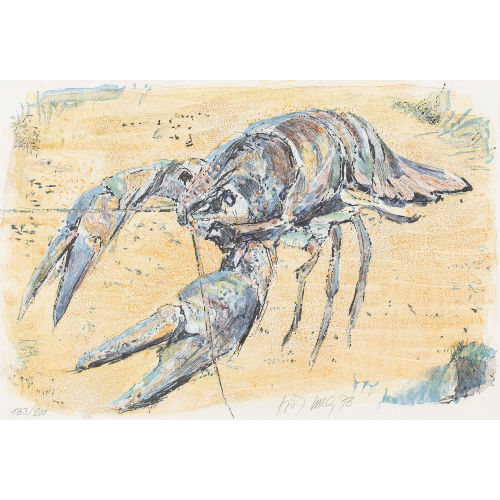
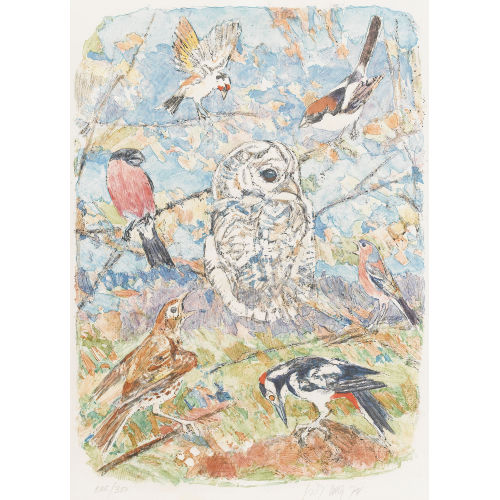
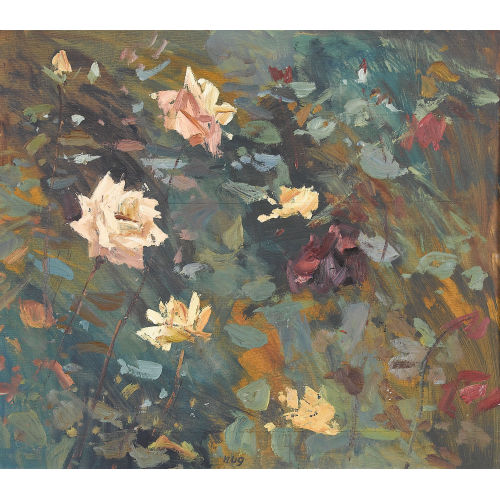
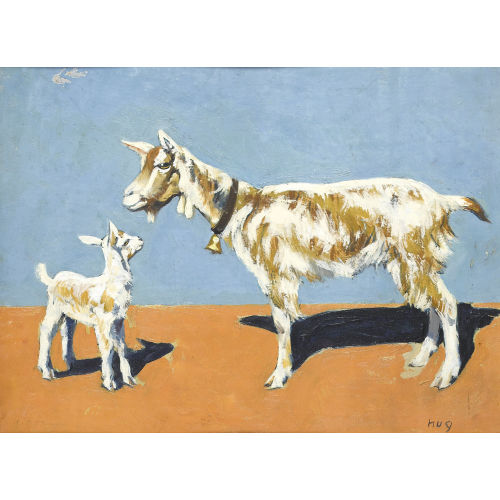
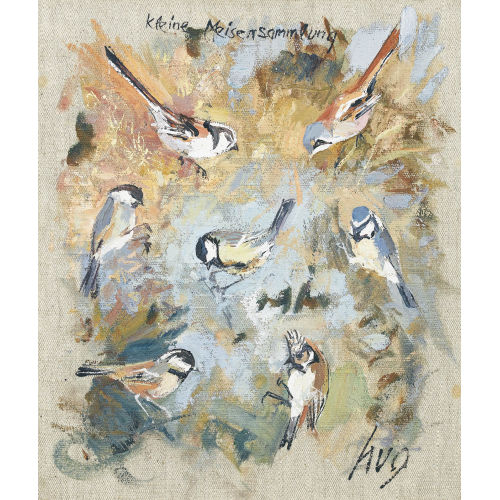
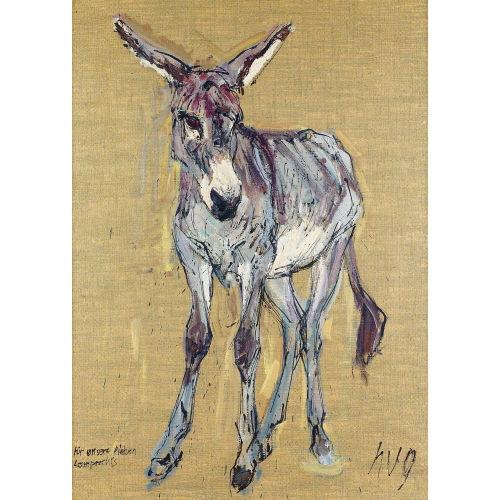
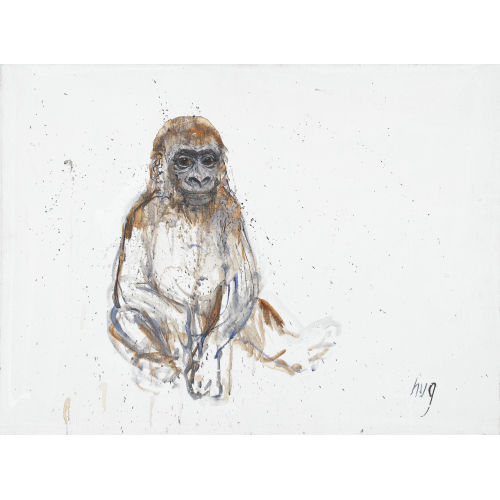
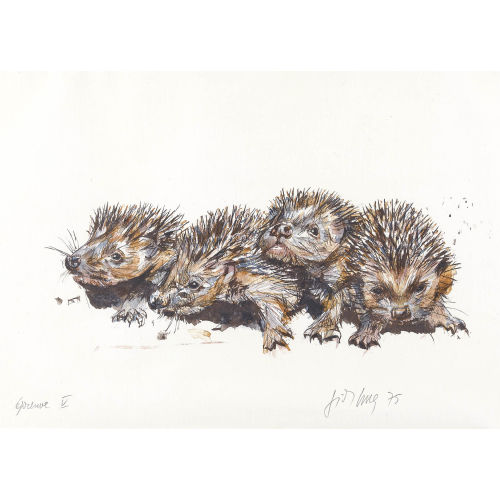
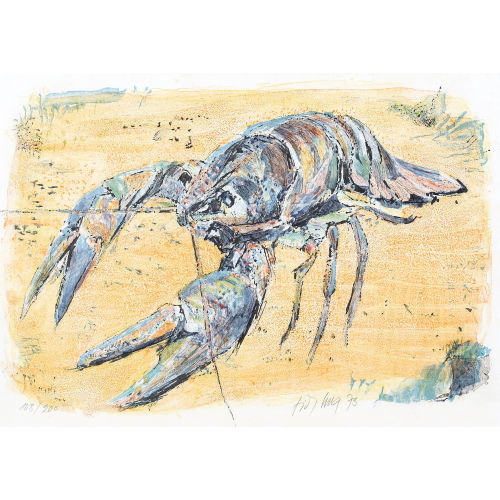
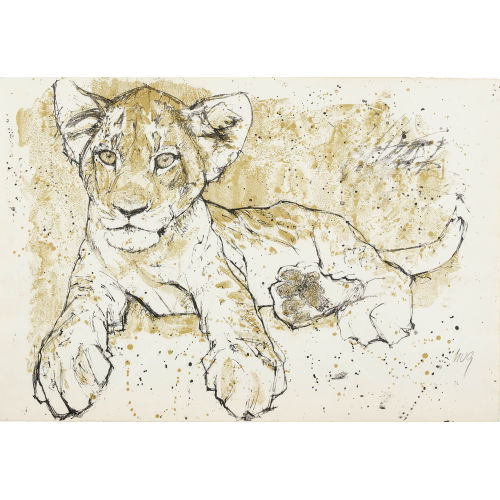
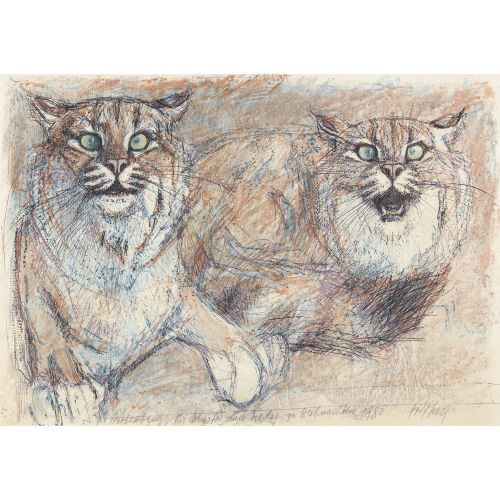
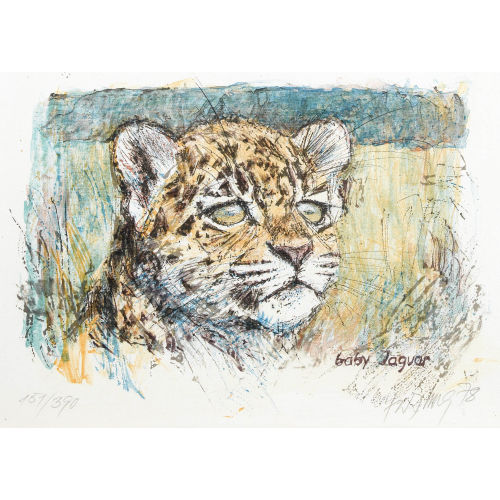
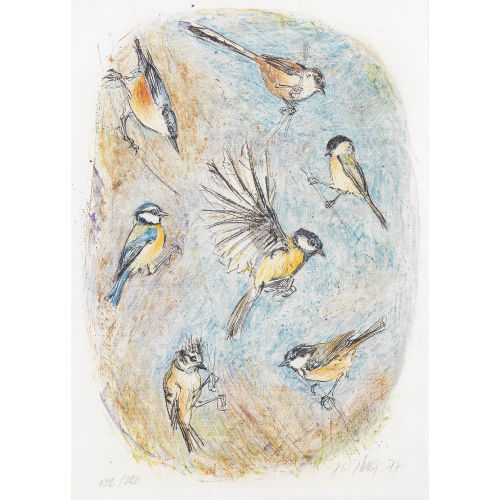
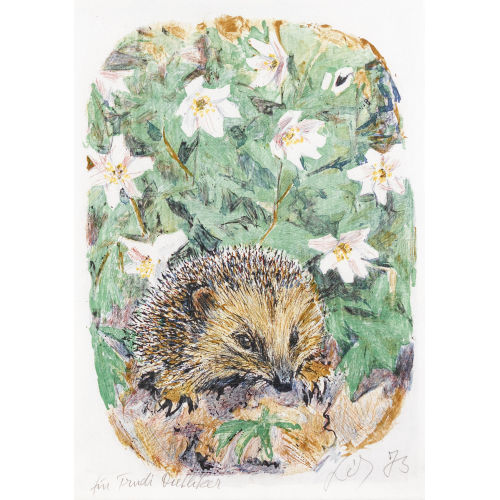
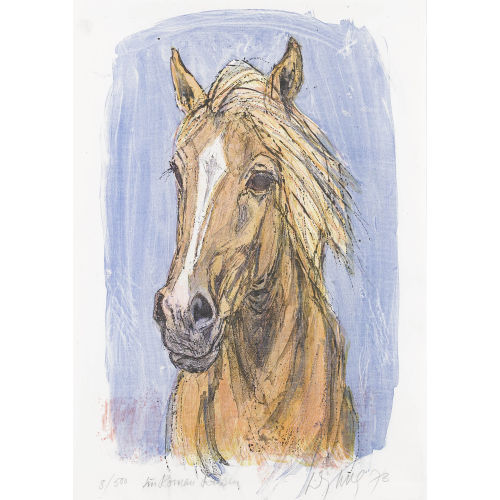
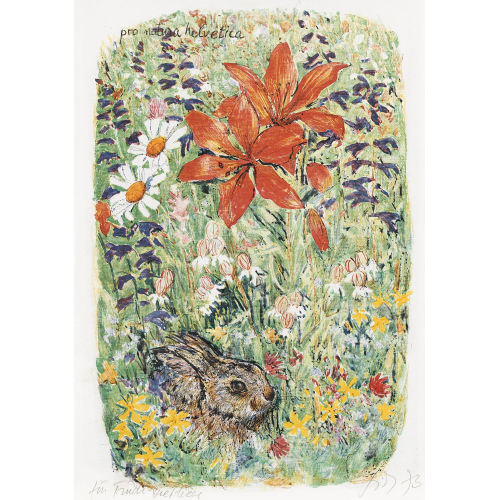
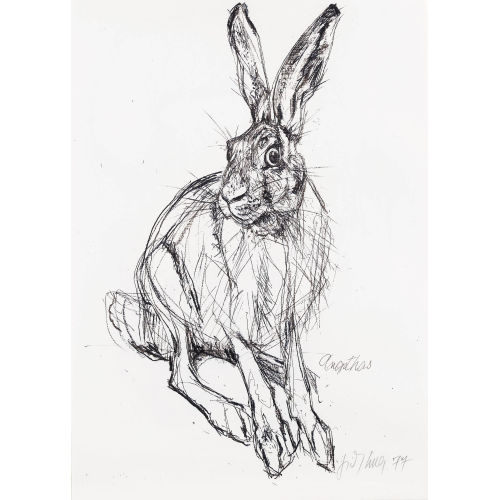
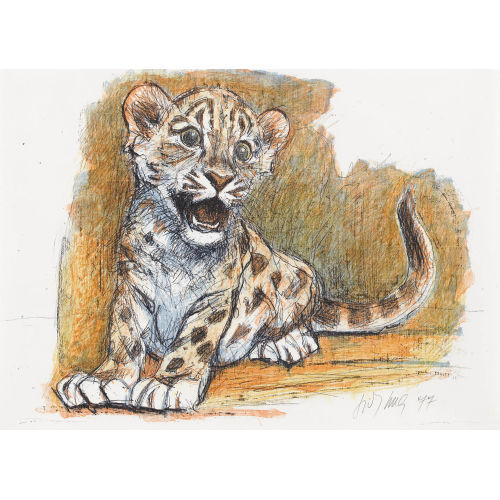
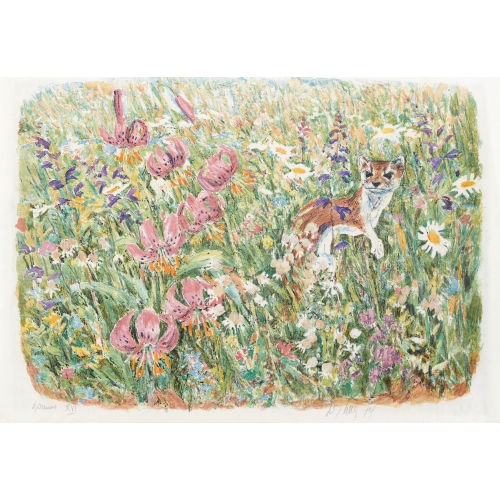
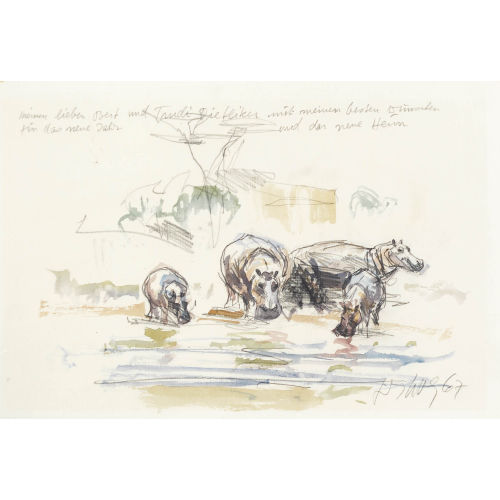
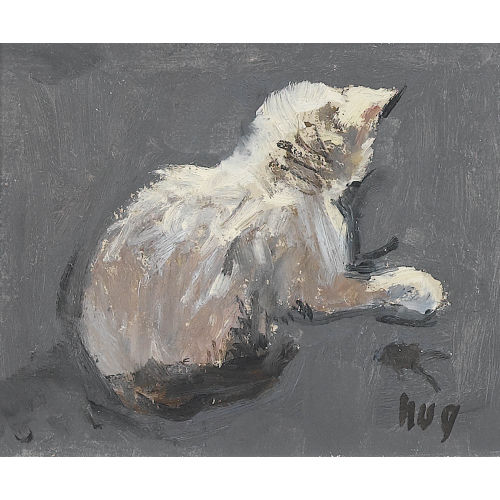
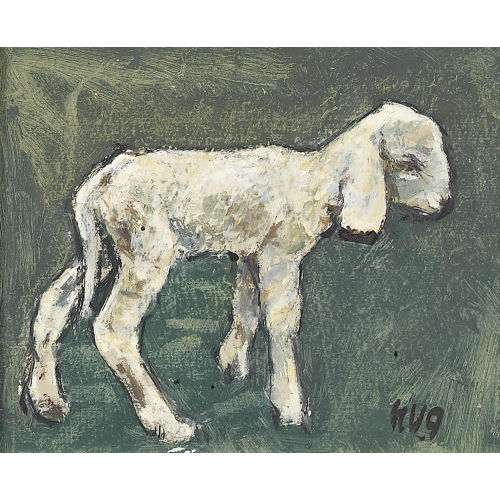
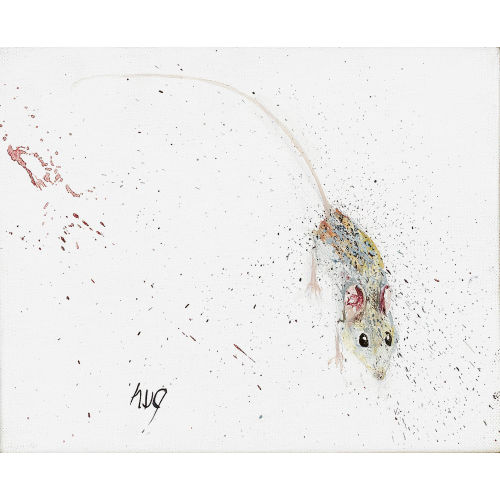
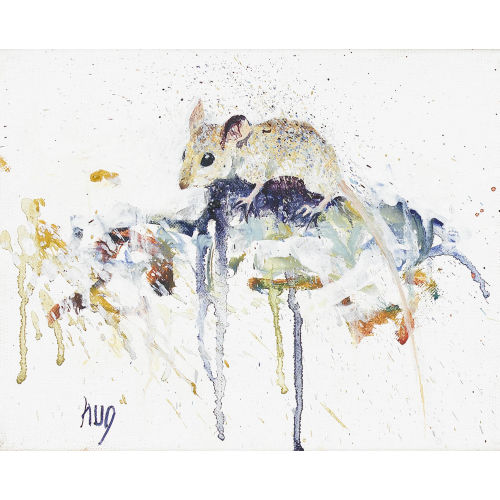
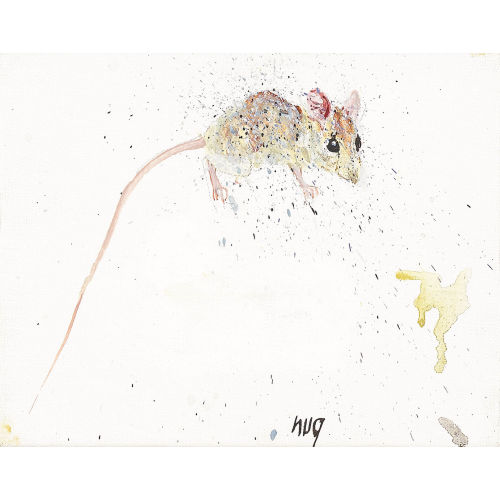
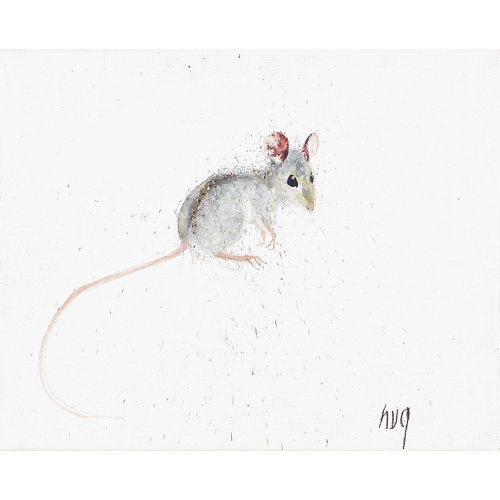
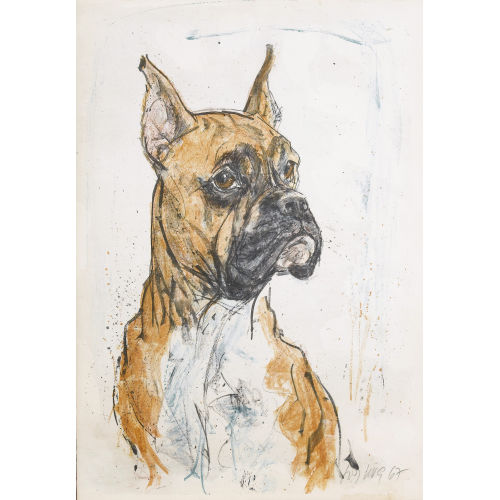
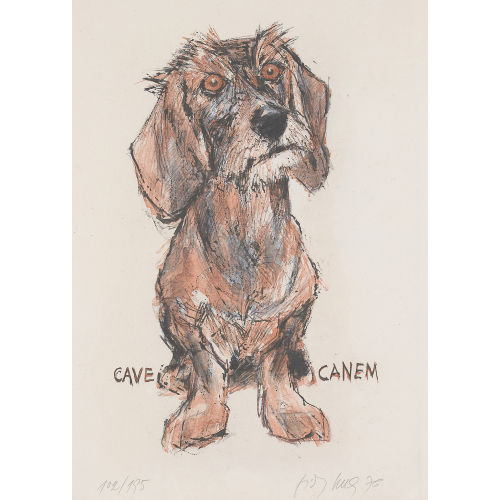
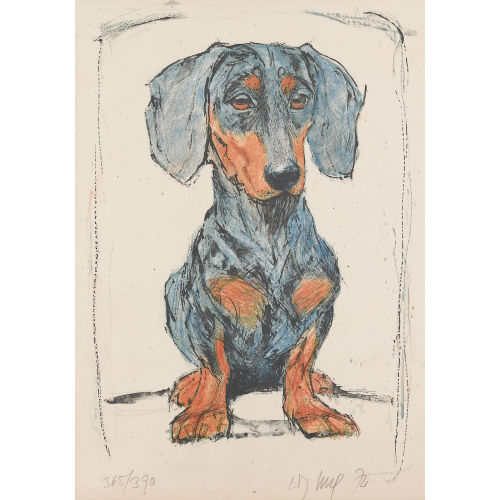
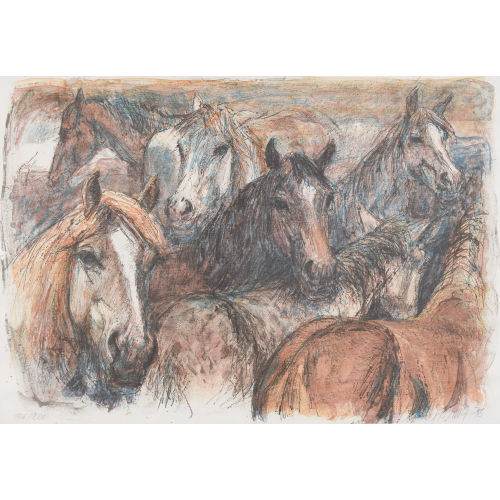
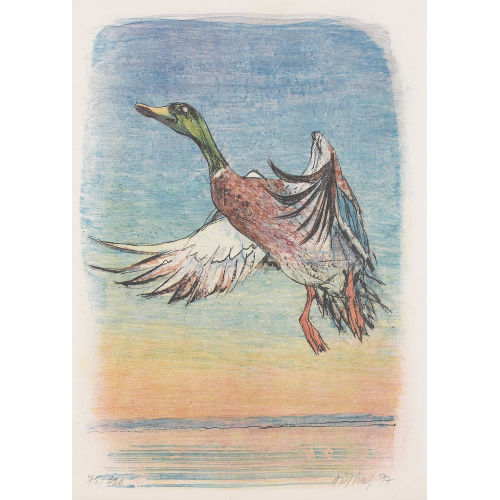
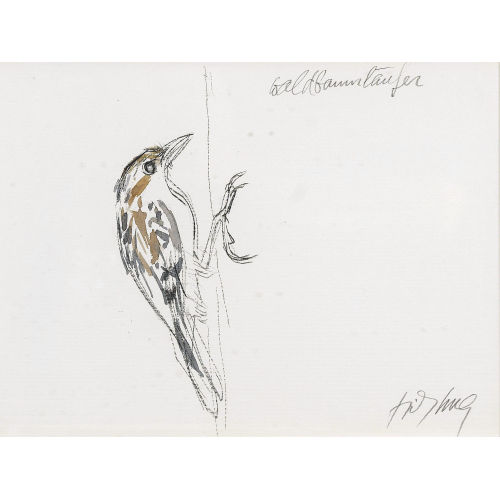
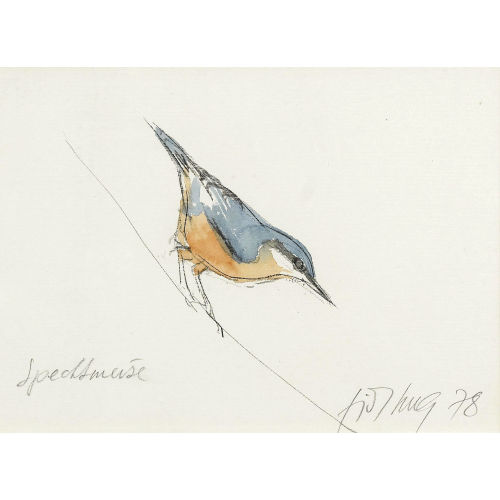
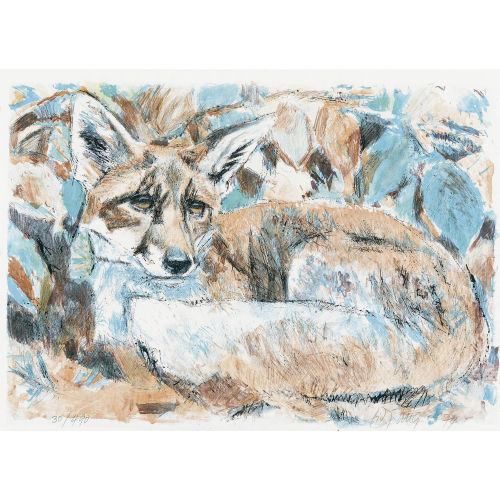
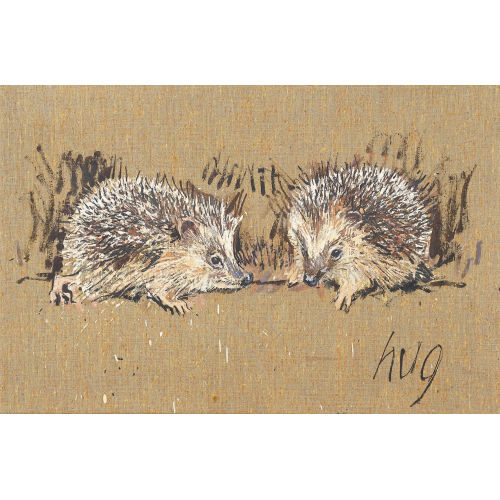
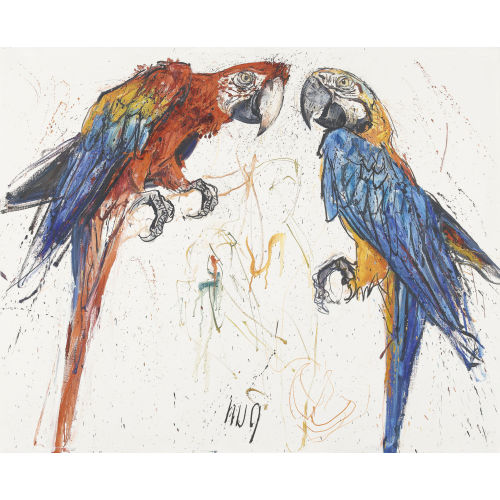
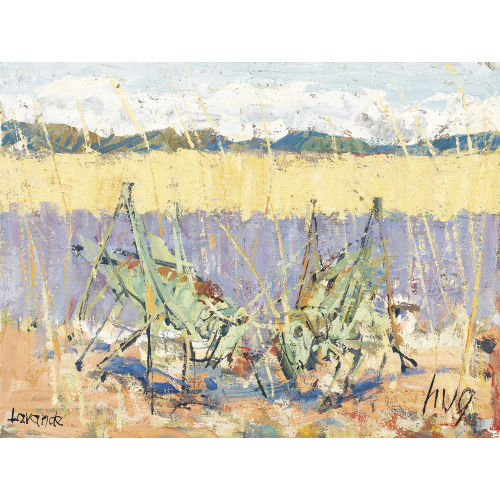
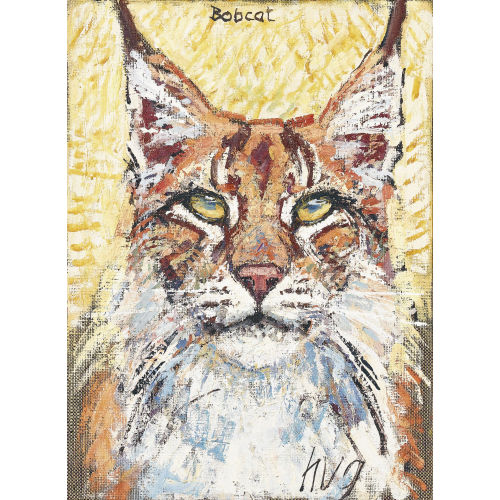
In the work of Fritz Hug (1921–1989), the animal occupies centre stage. His approach combines close attention to the characteristics of a species with the singular presence of an individual. This encounter between observation and sensitivity explains the appeal of his images, which invite us to look at the living world with greater attentiveness.
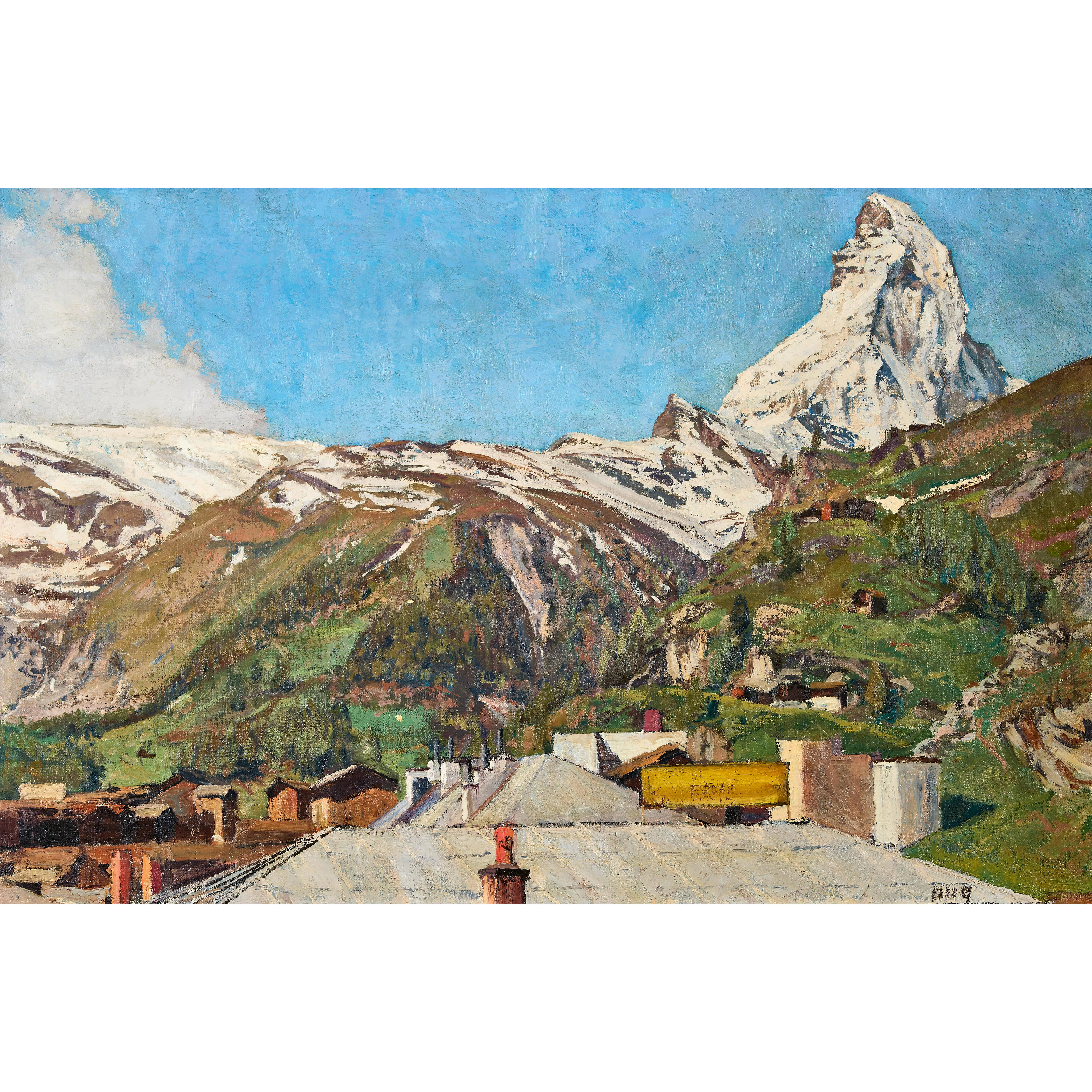
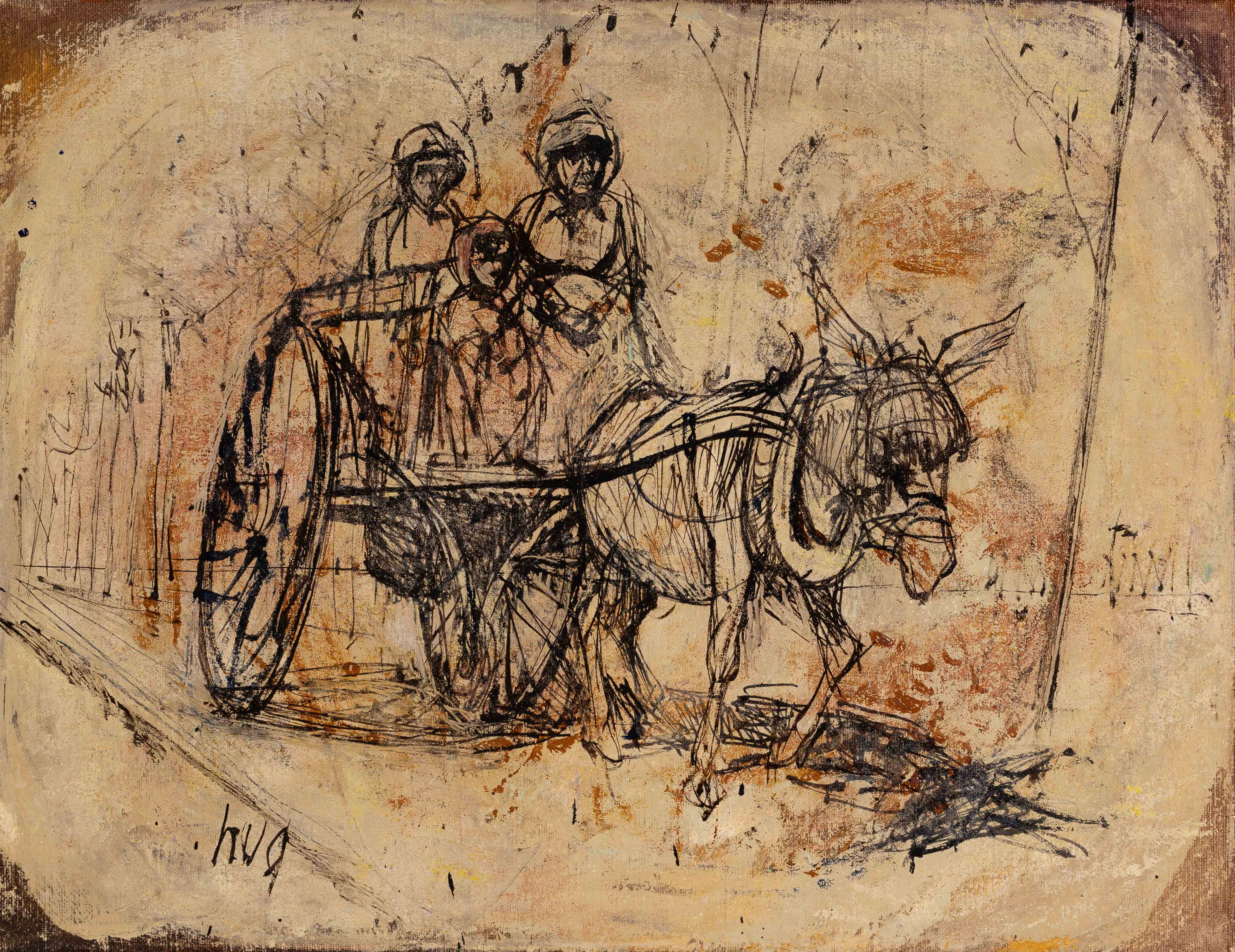
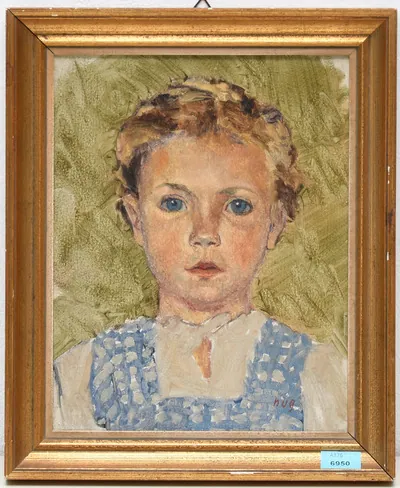
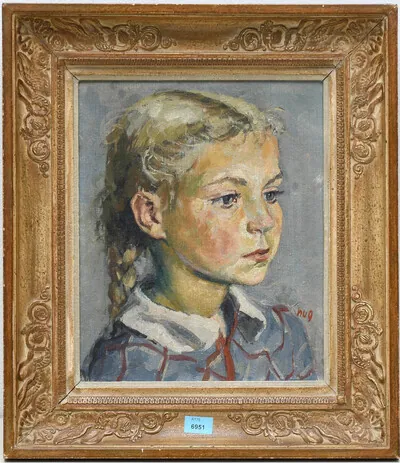
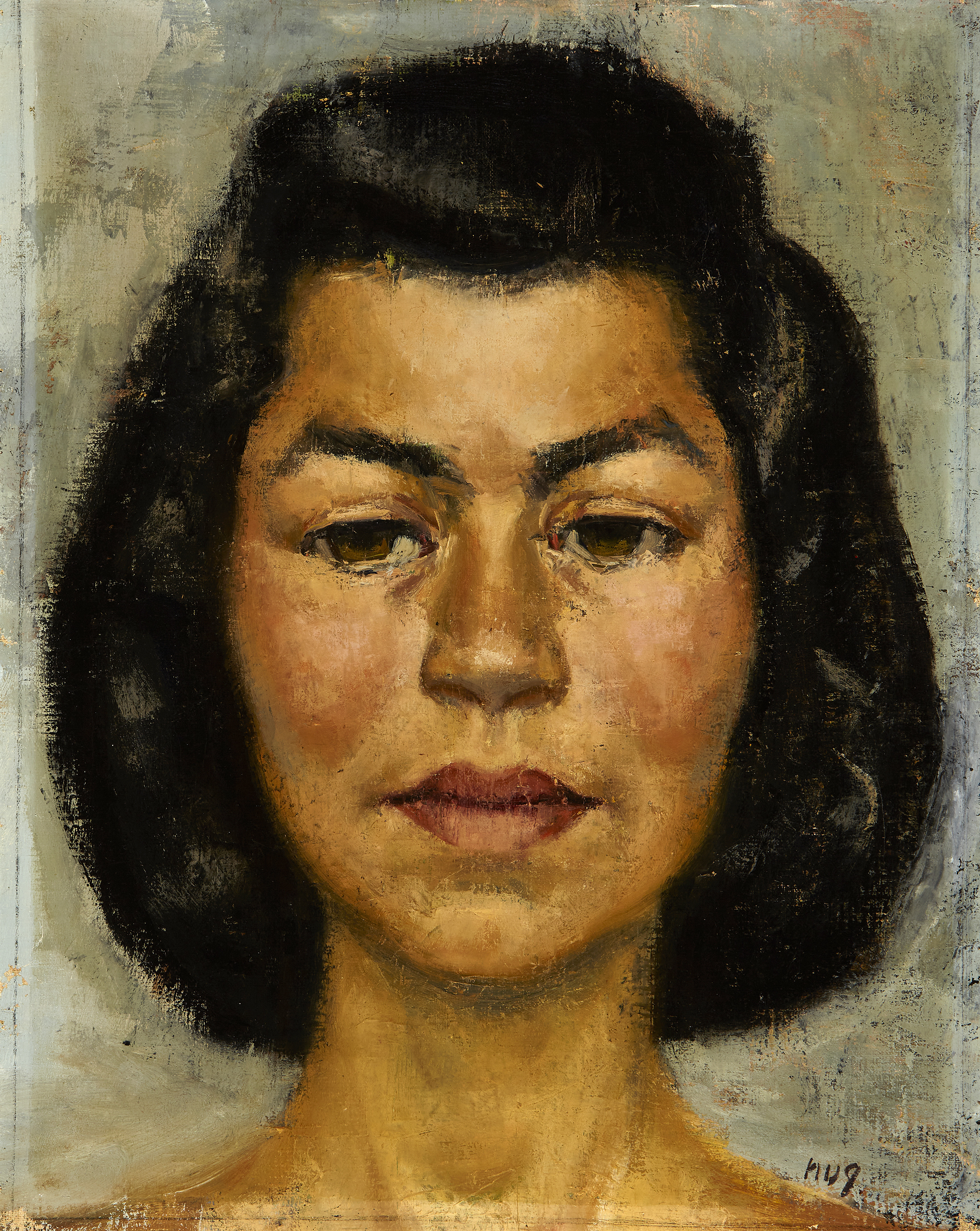
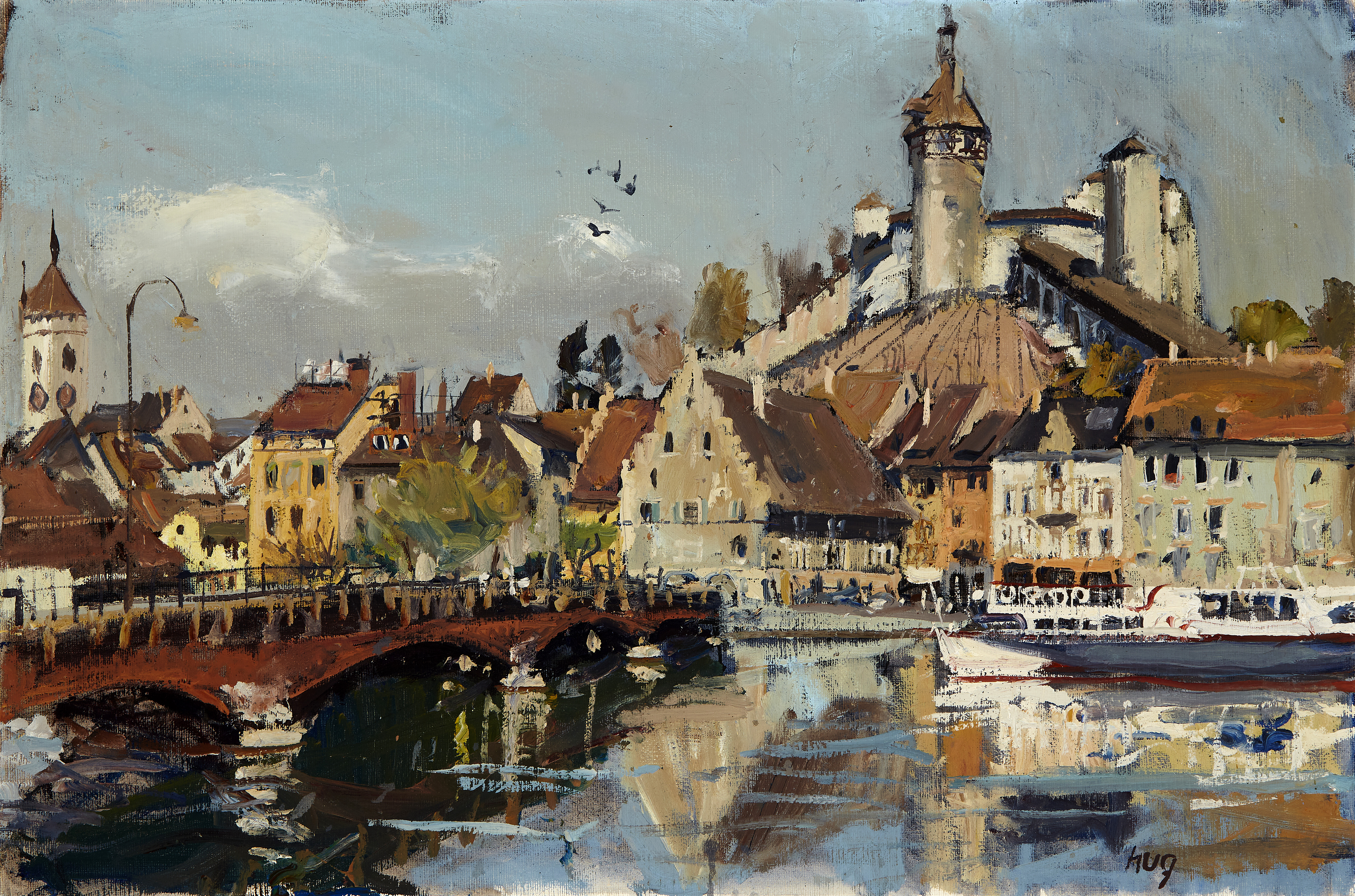
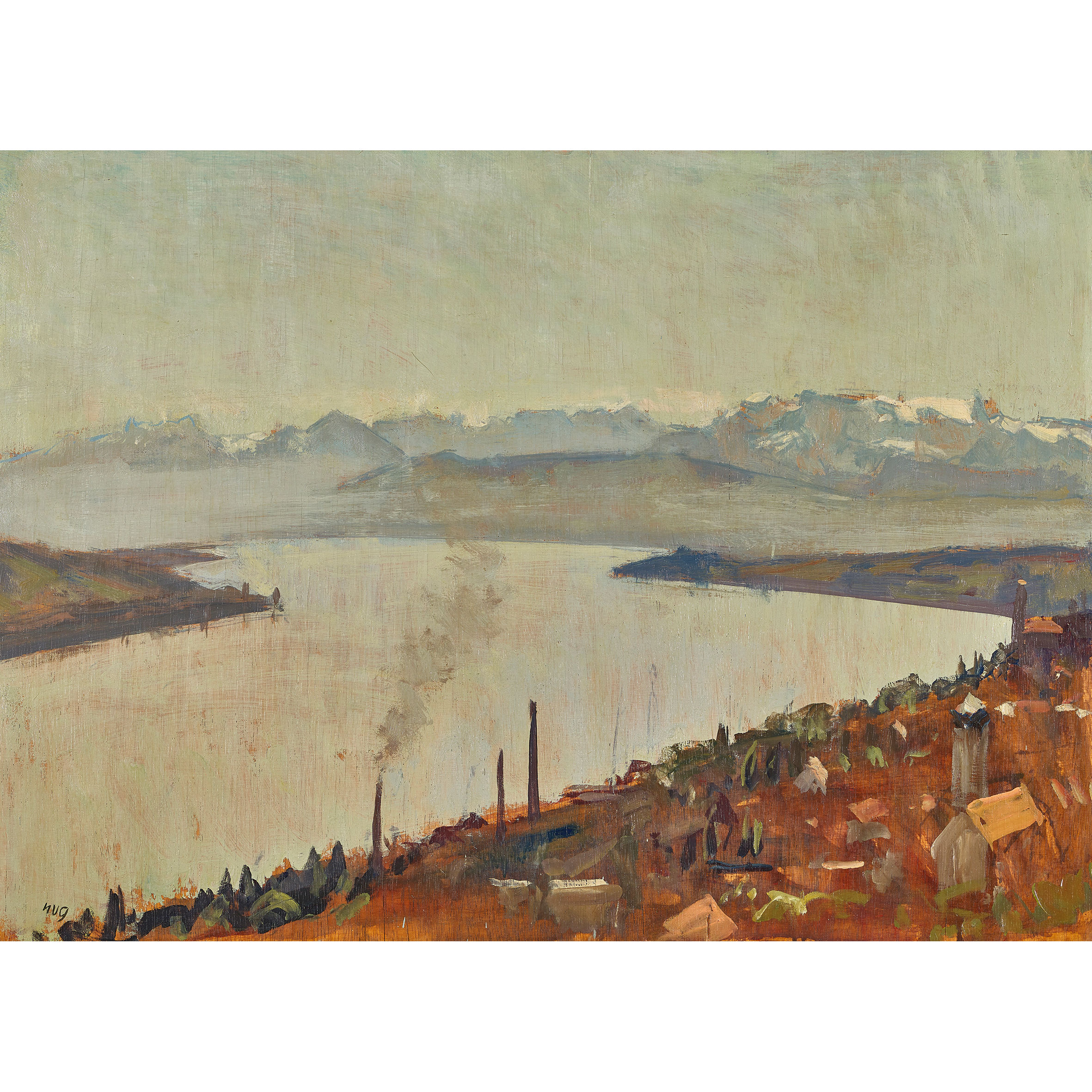
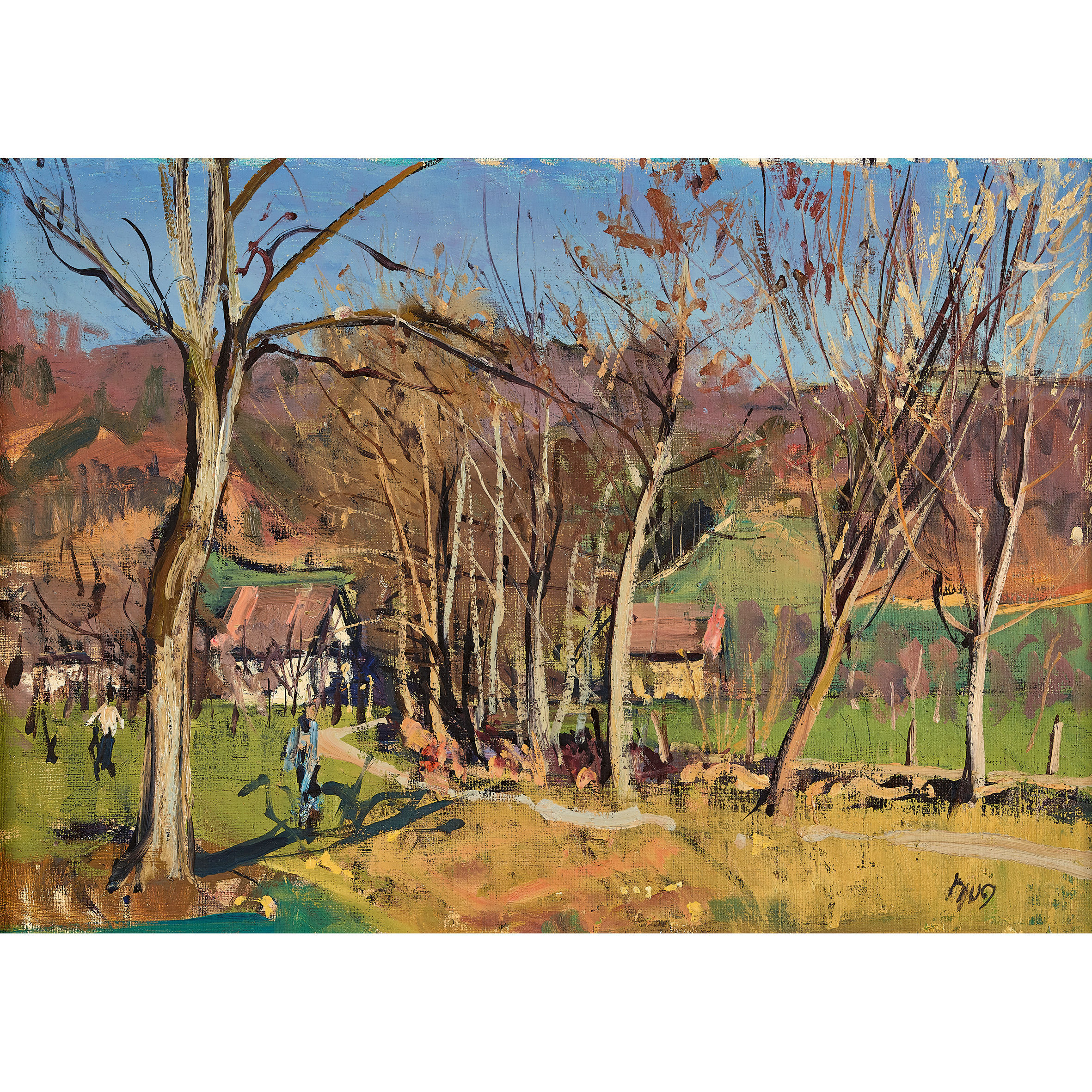
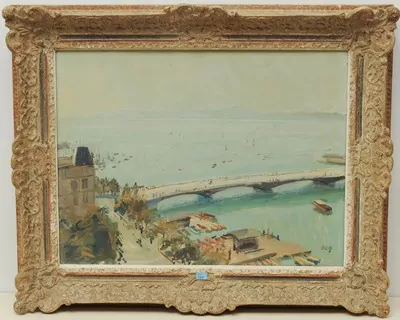
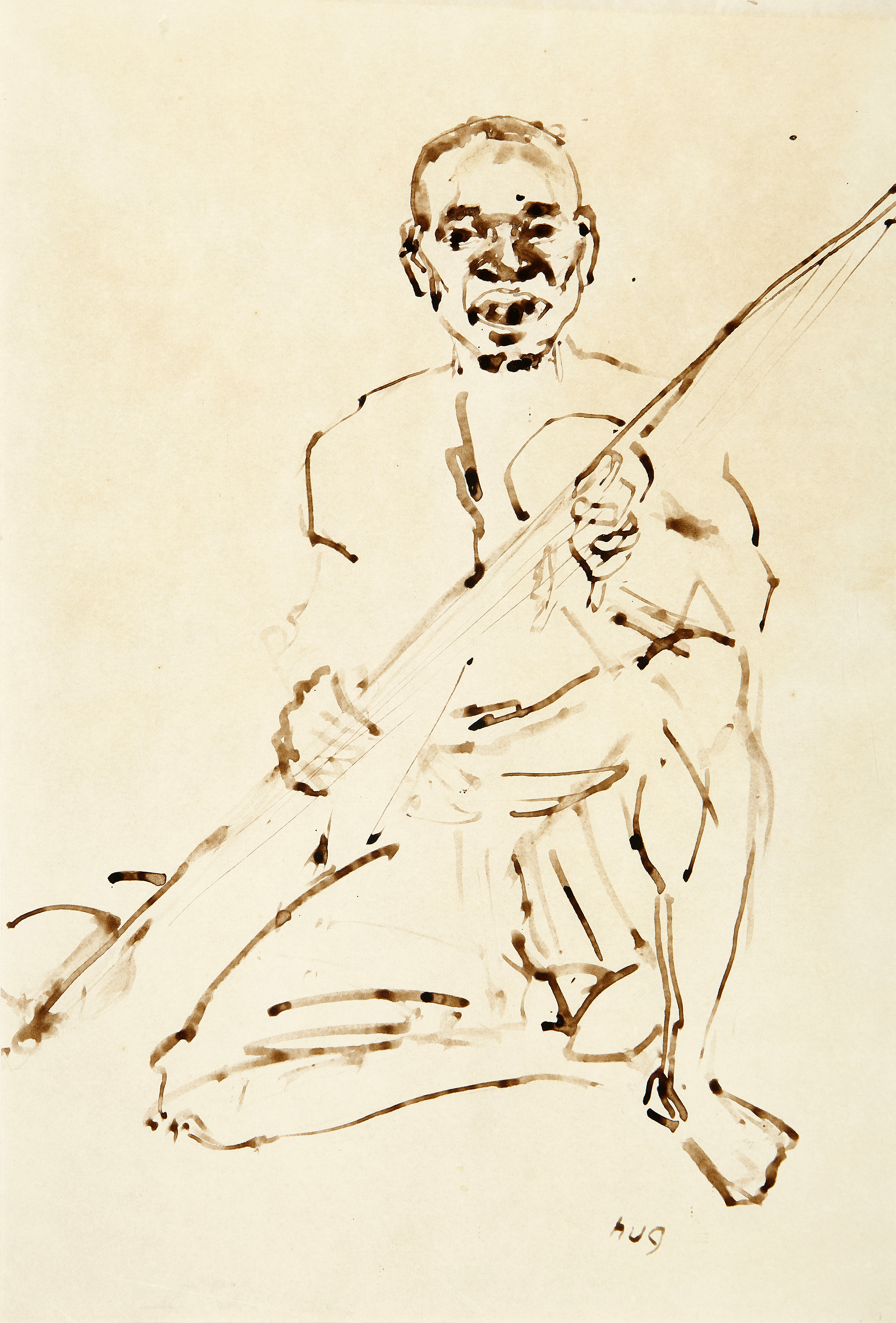
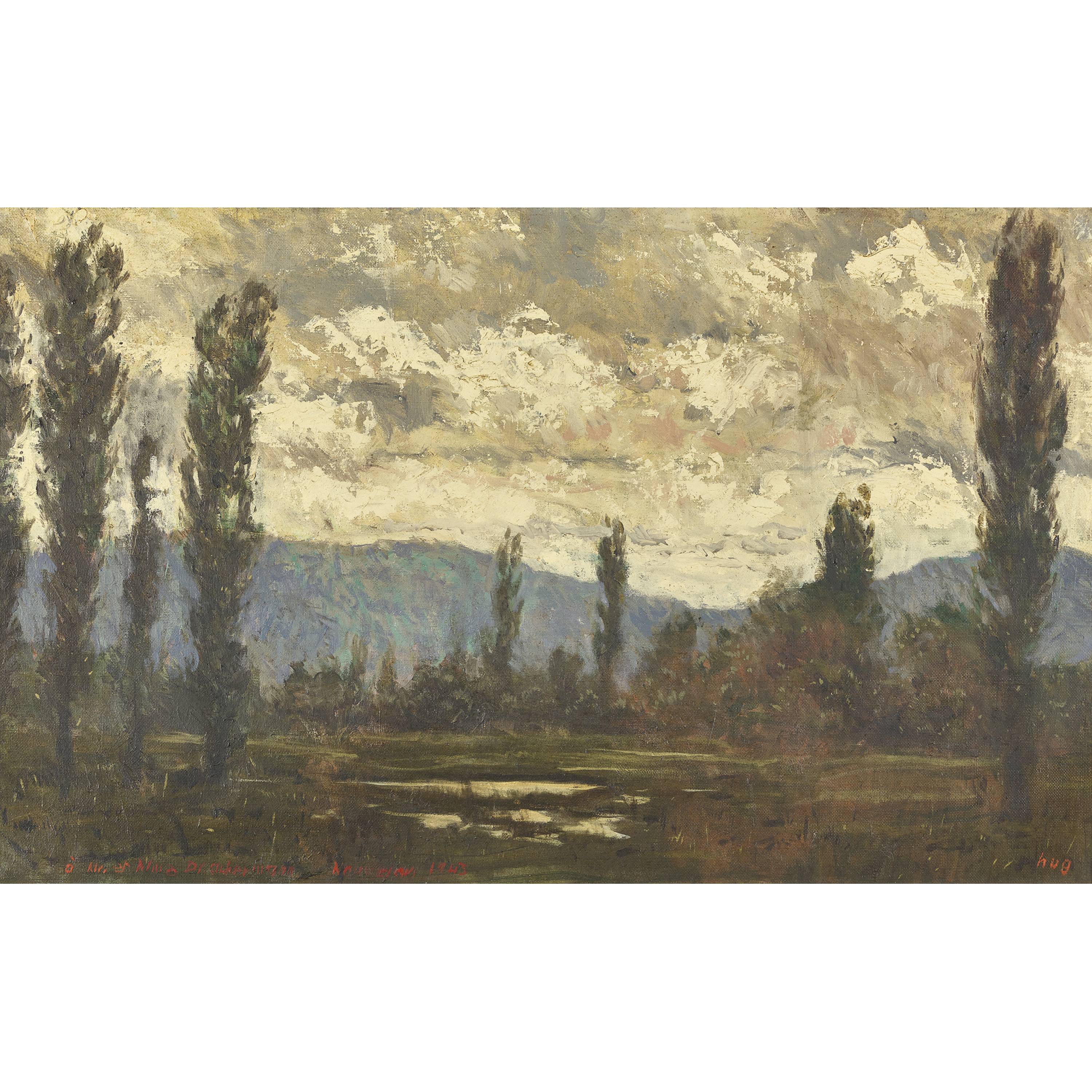
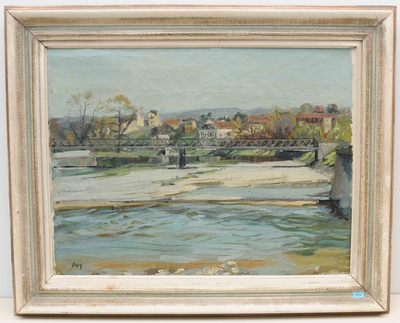
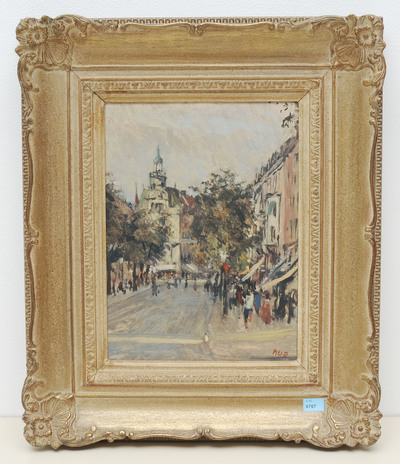
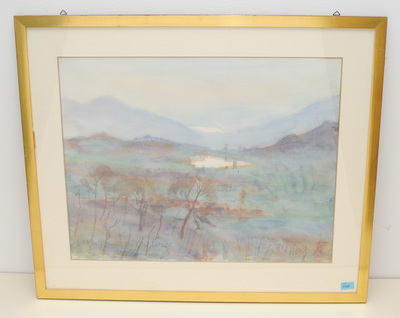
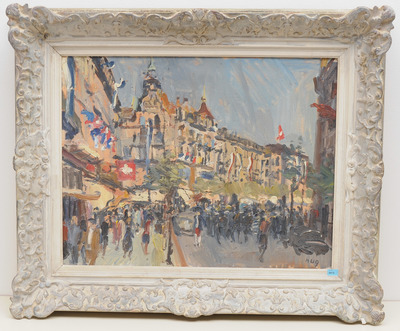
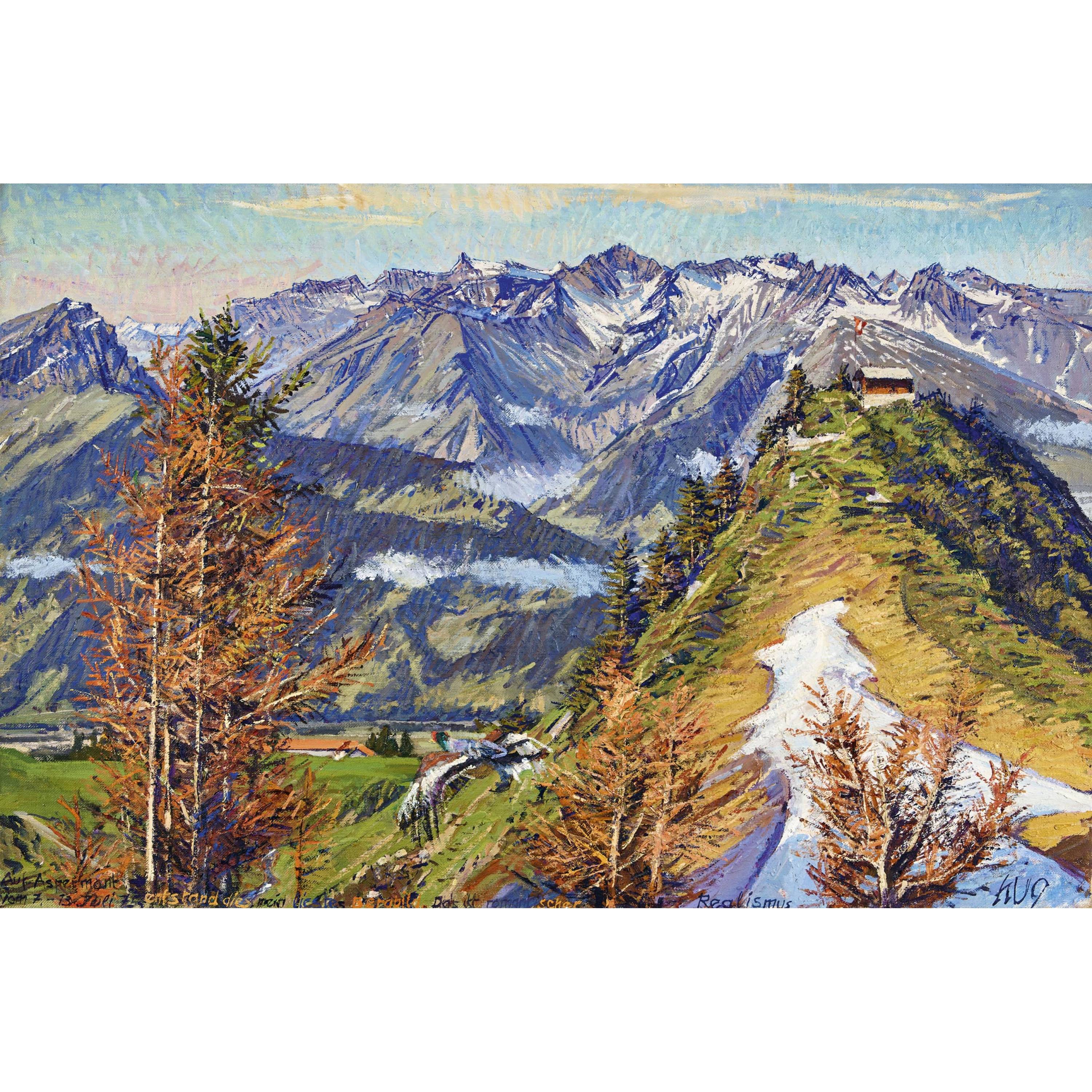
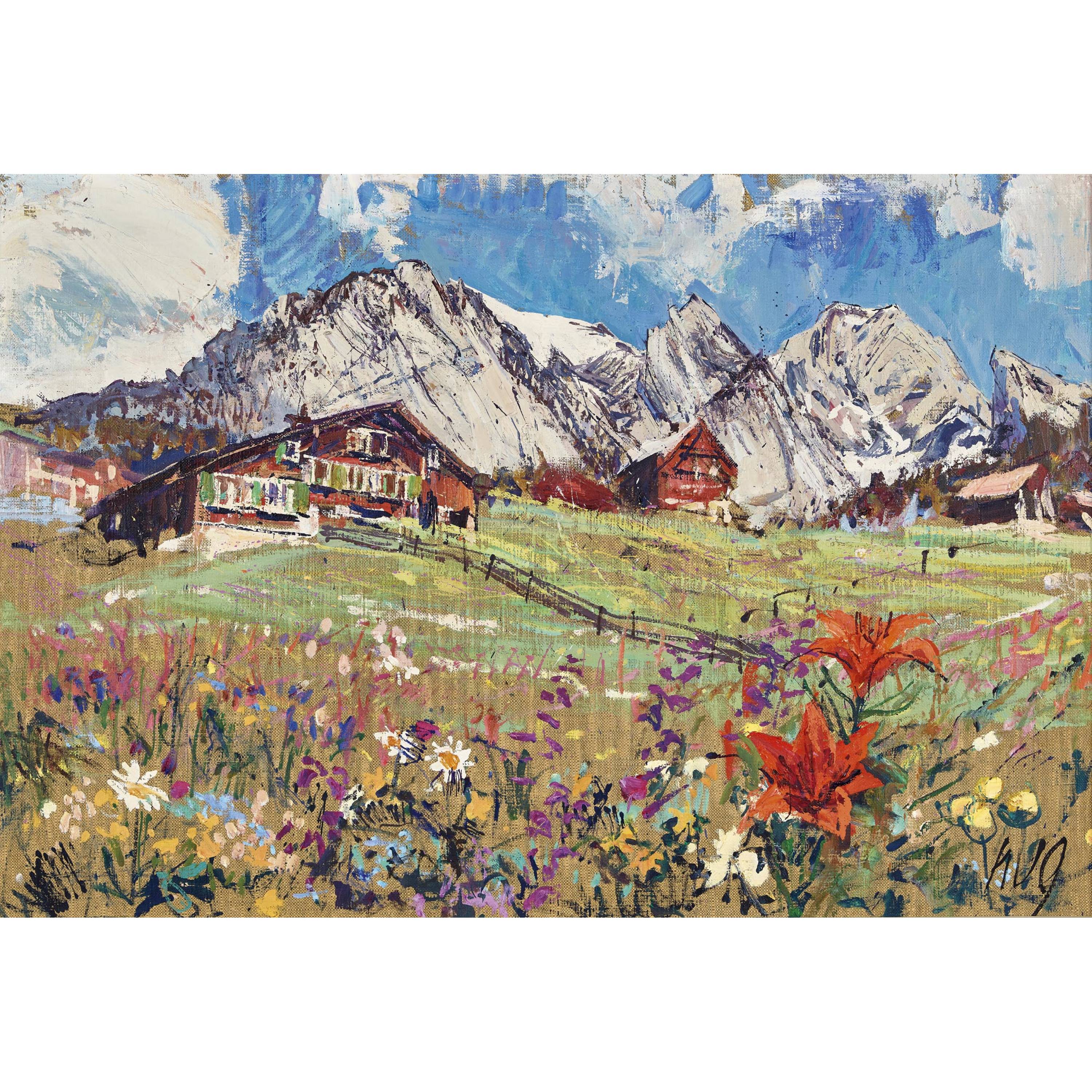
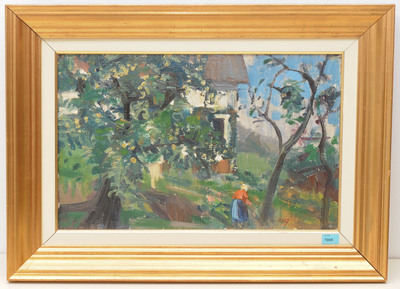
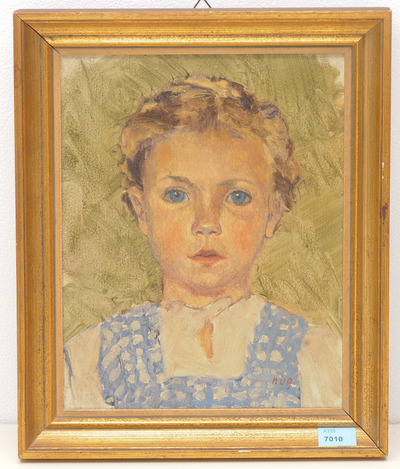
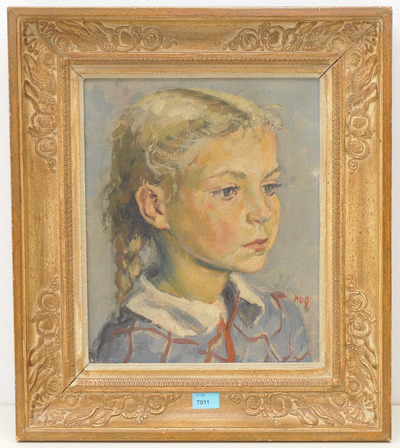
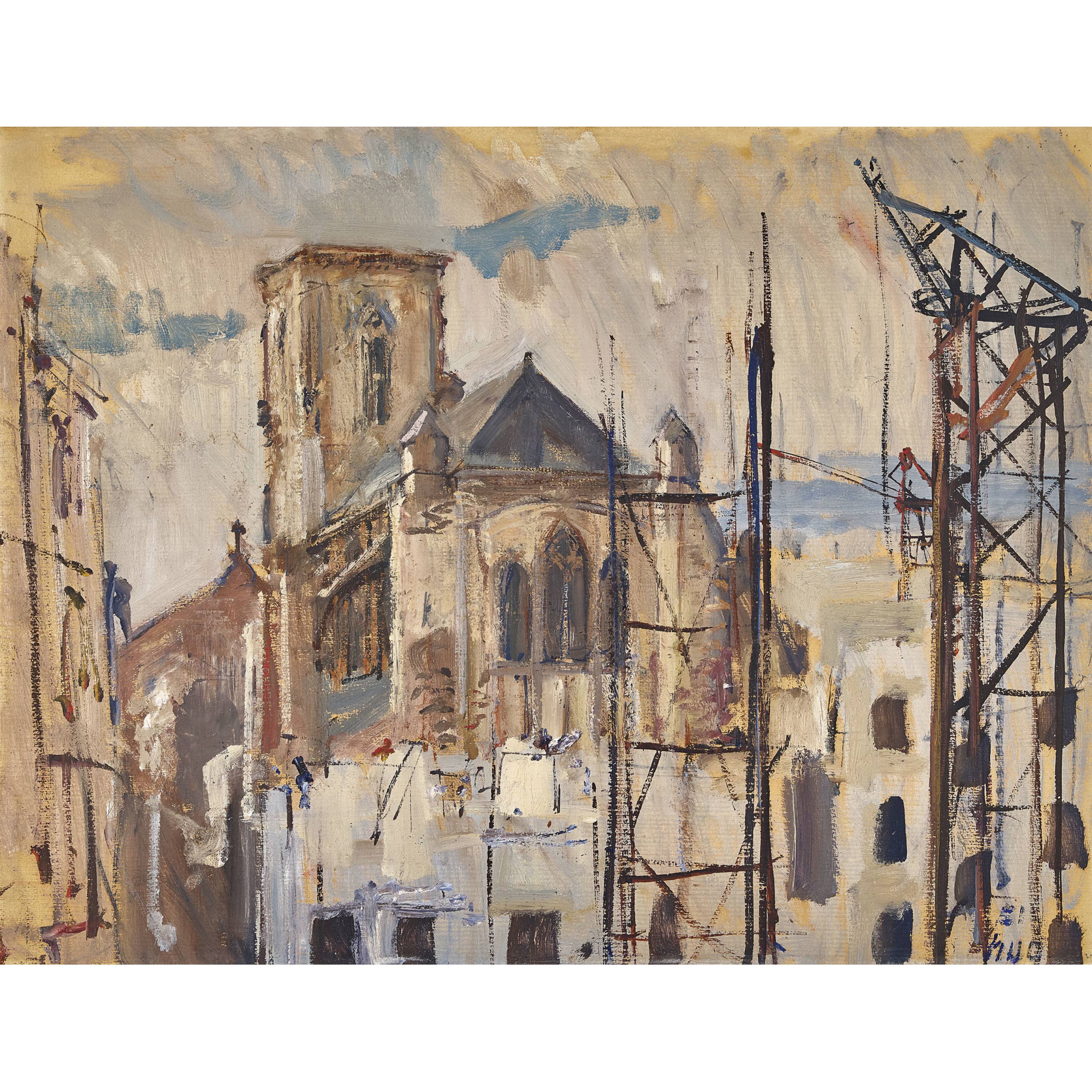
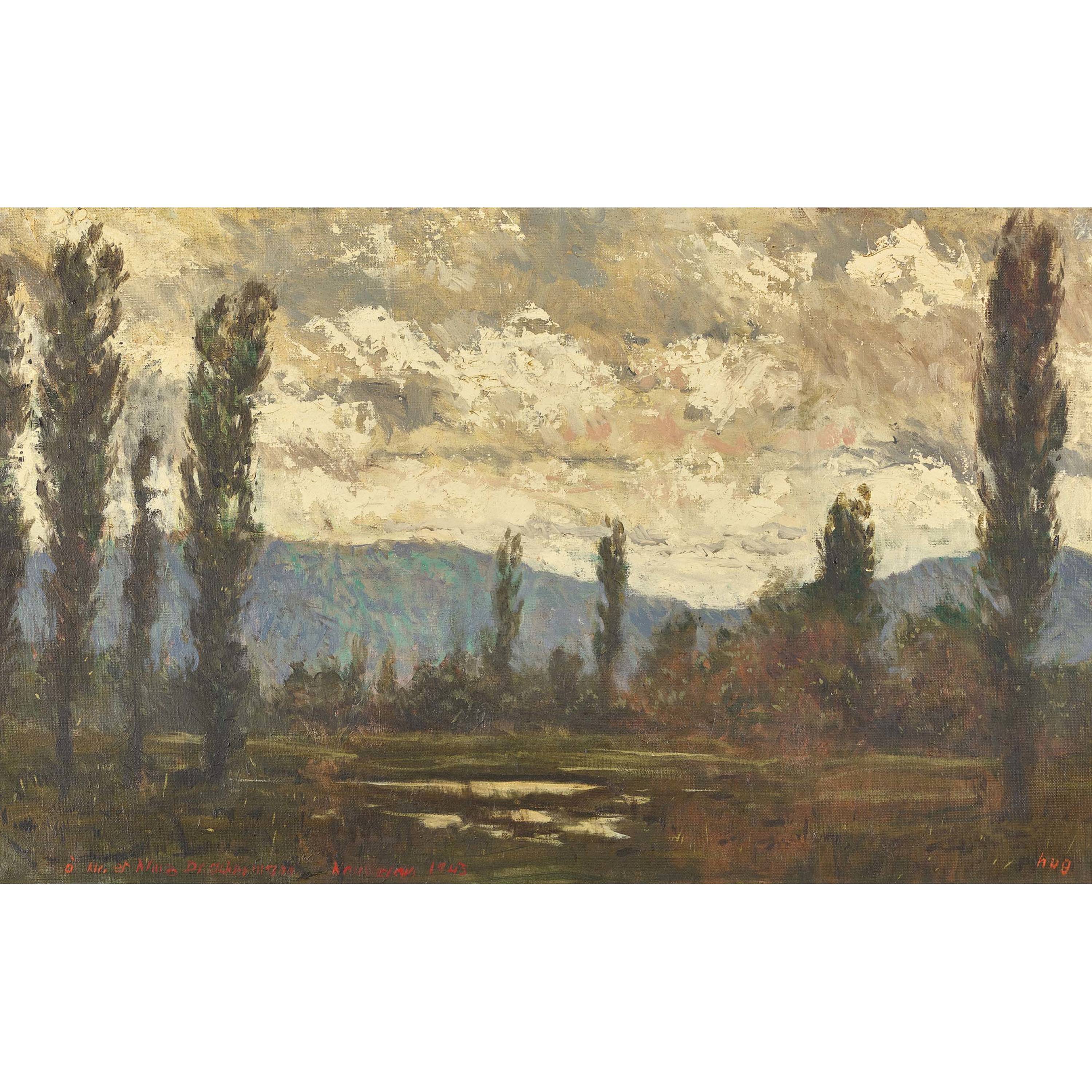
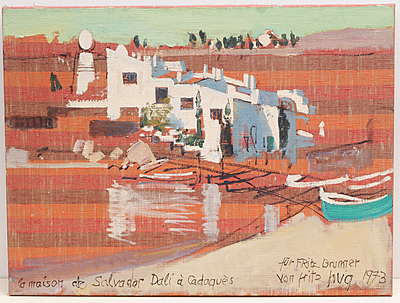
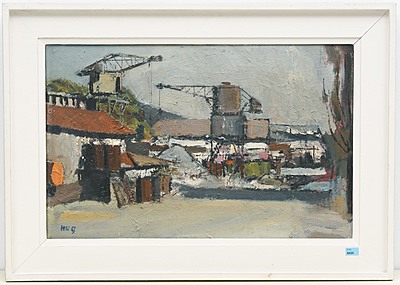
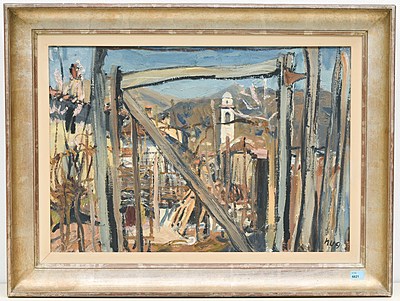
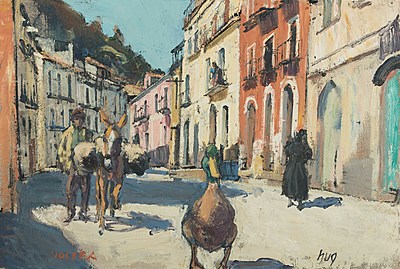
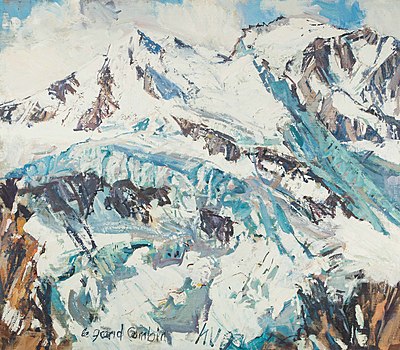
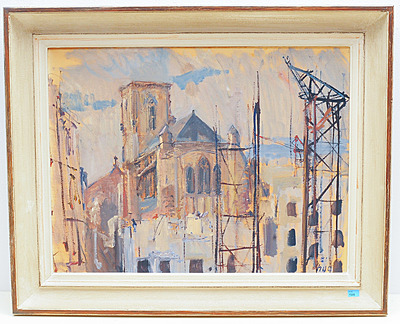
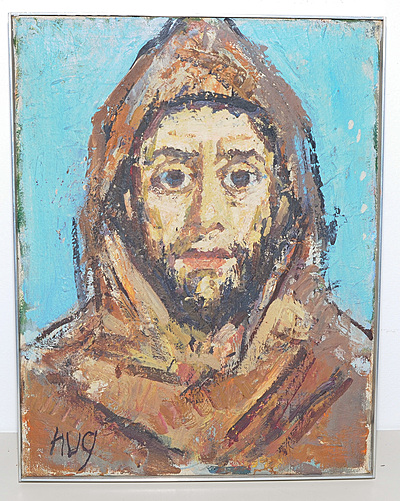
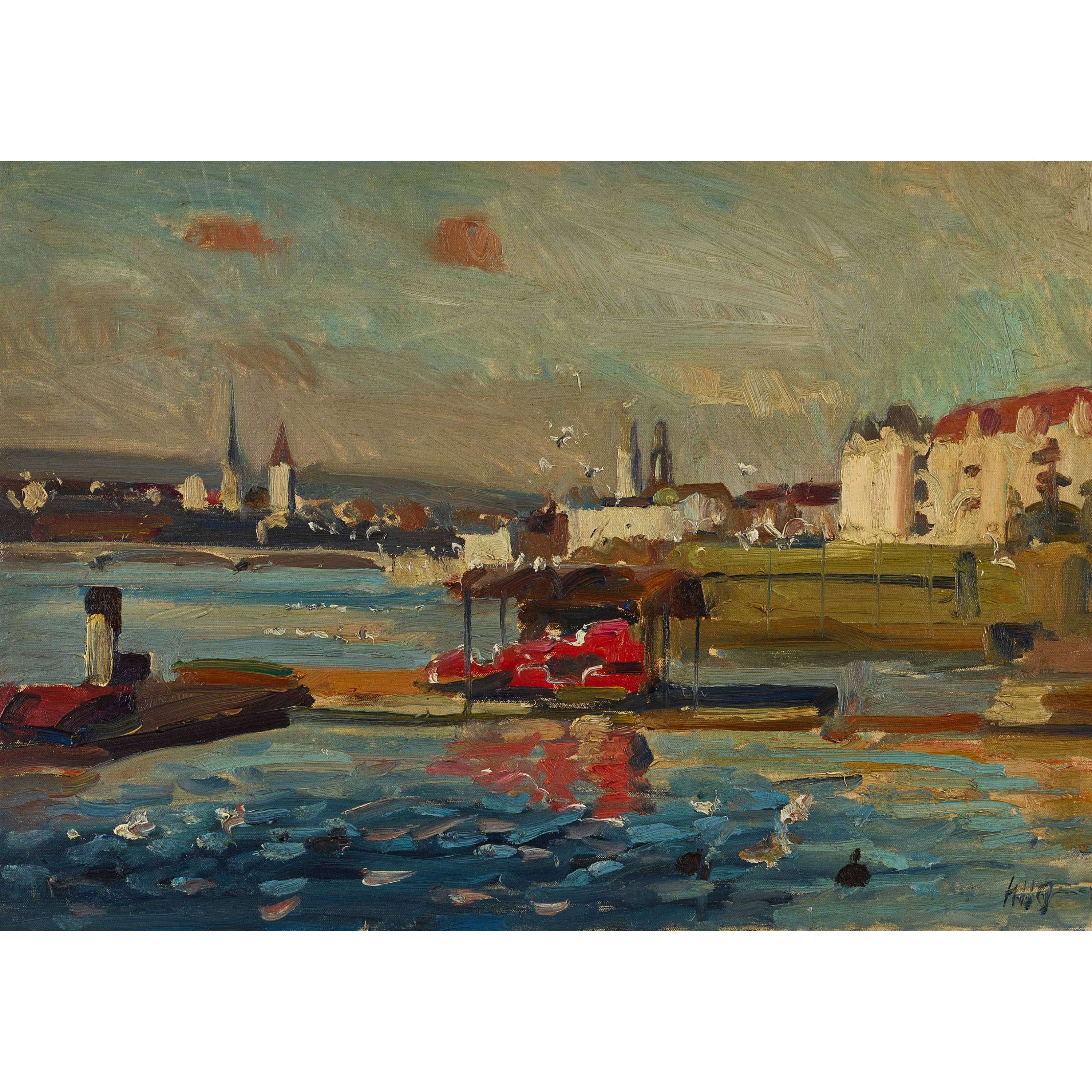
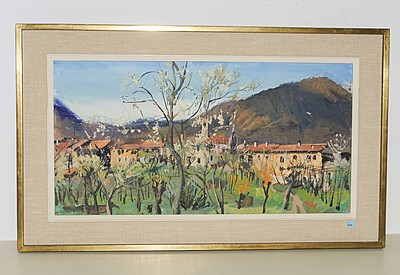
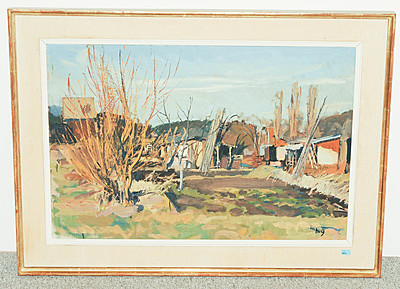
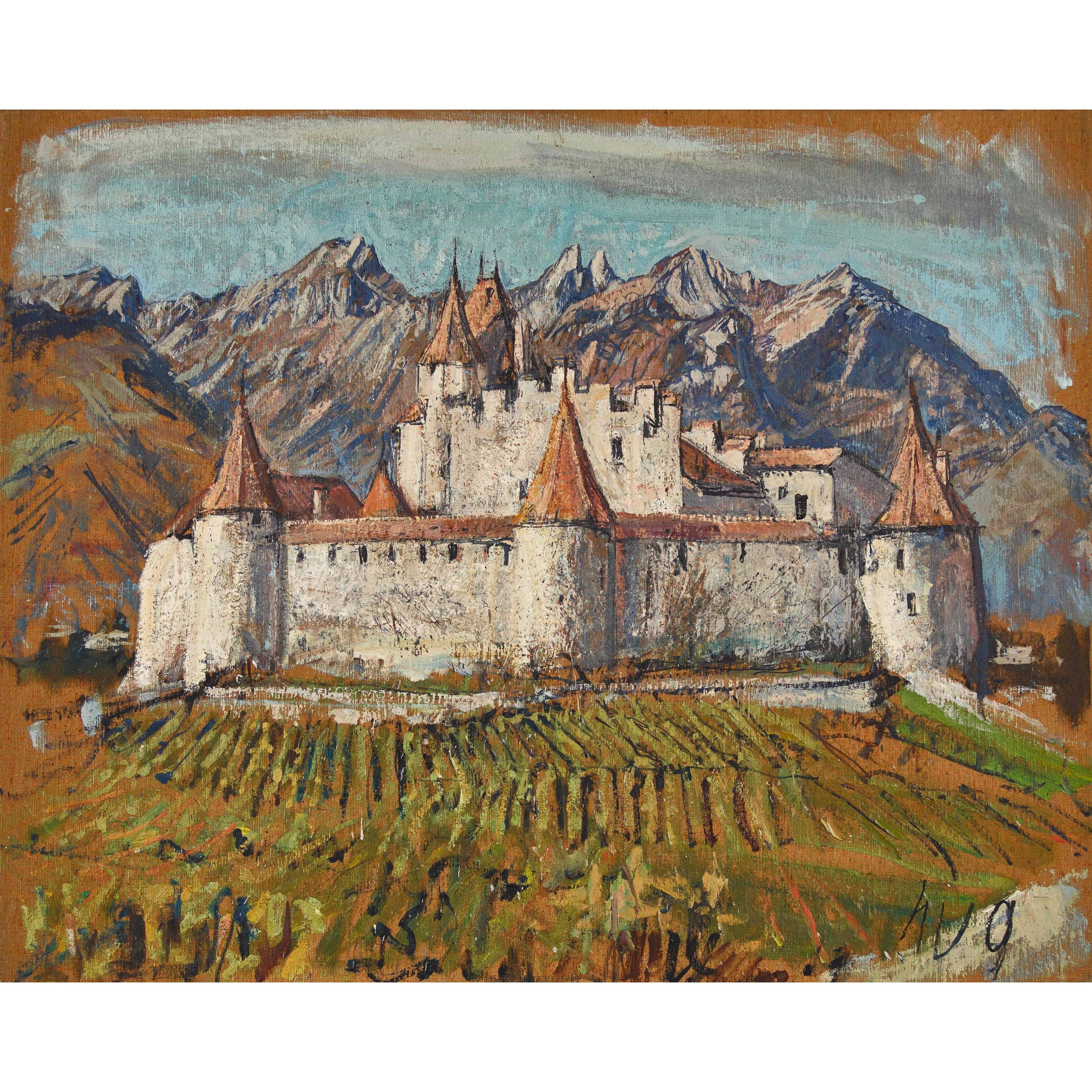
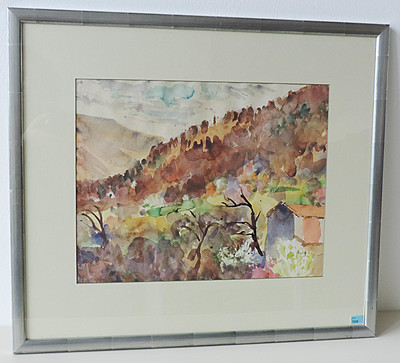
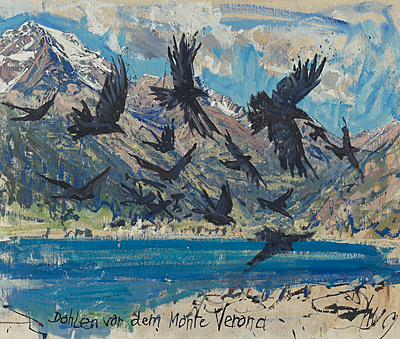
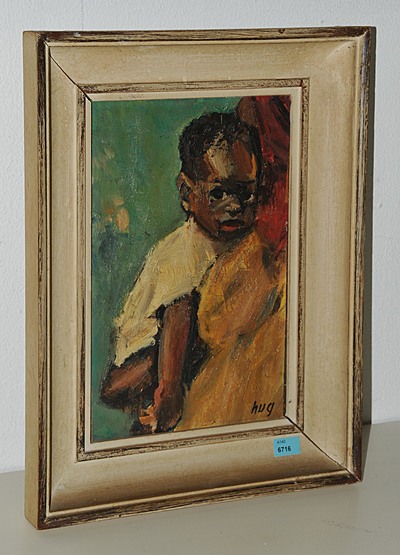
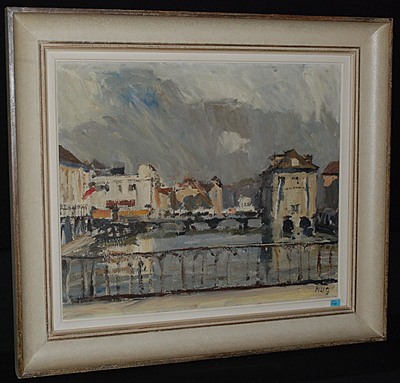
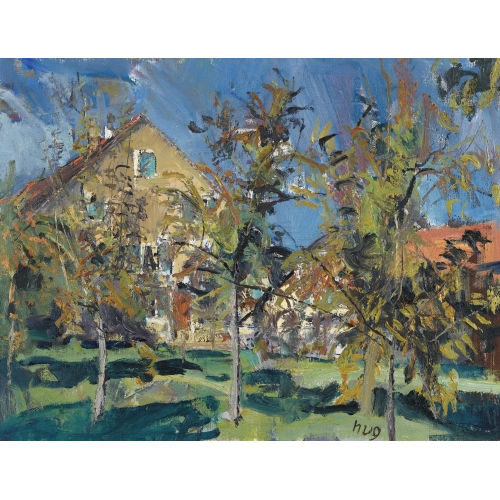
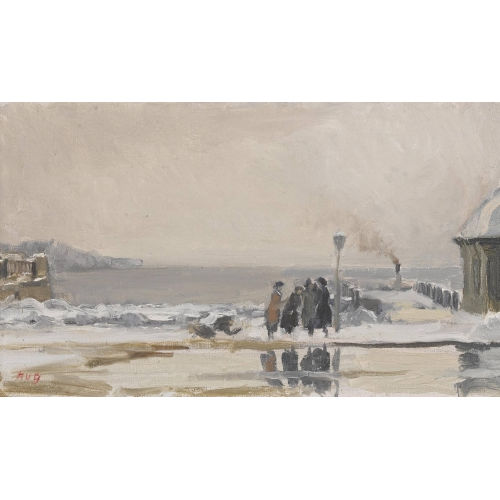
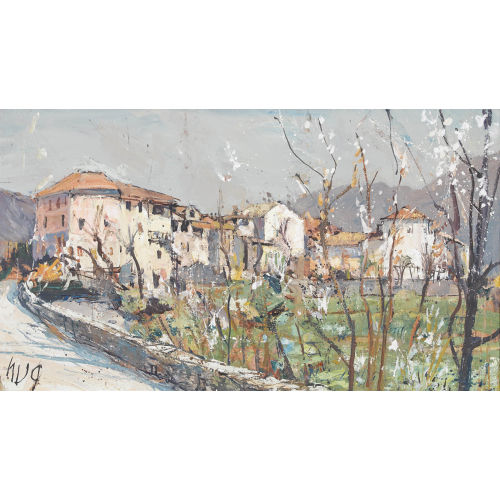
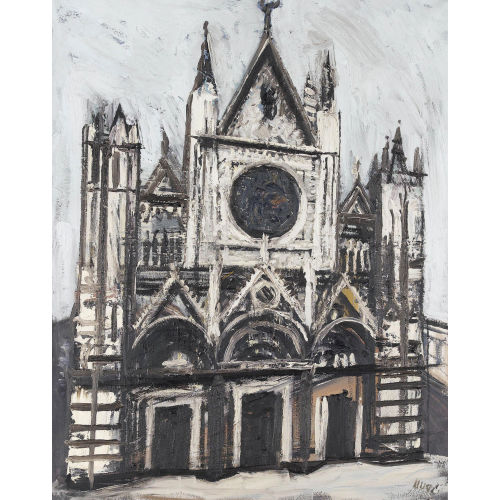
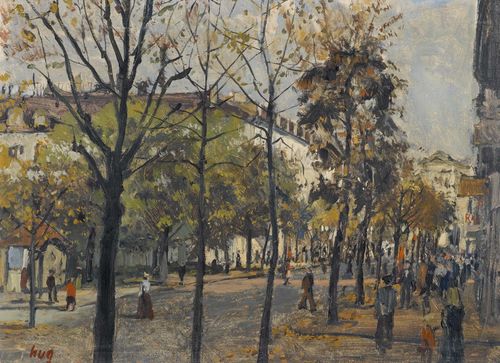
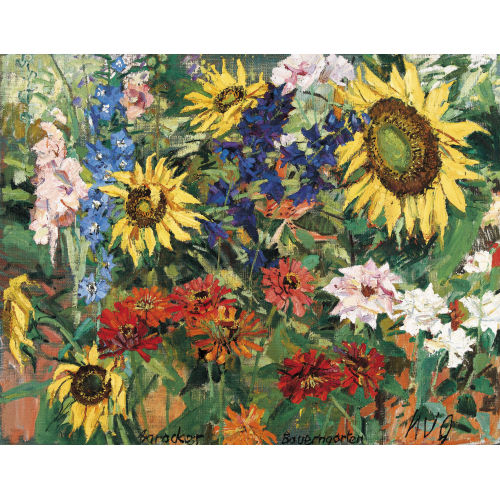
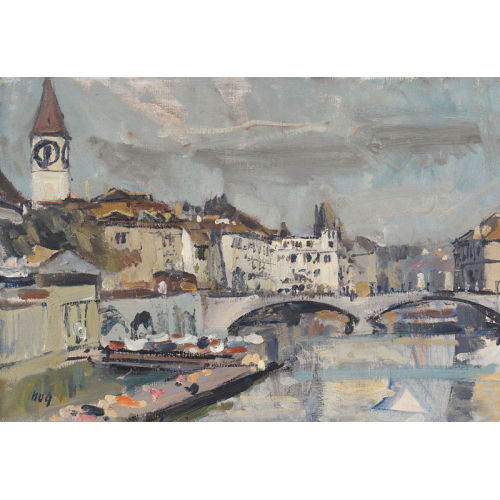
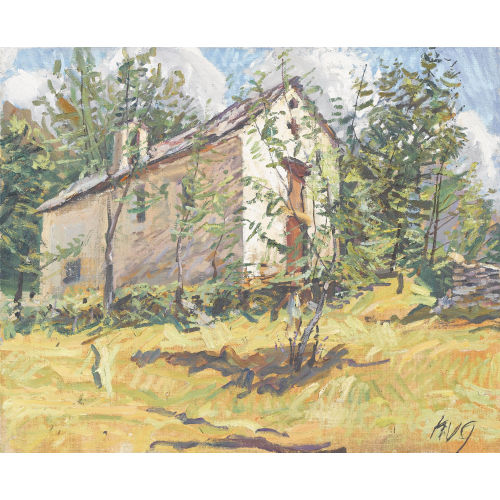
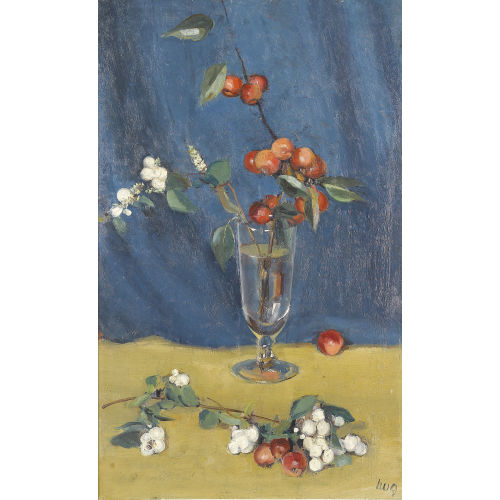
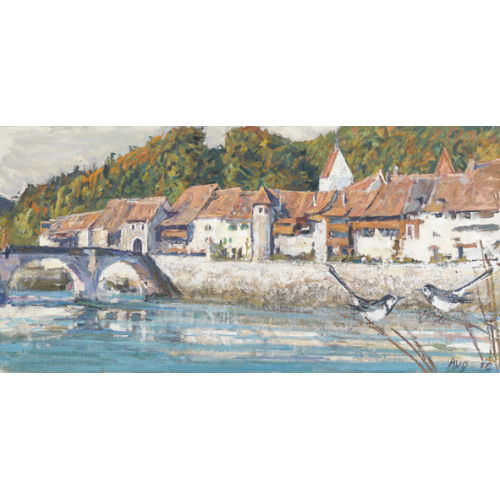
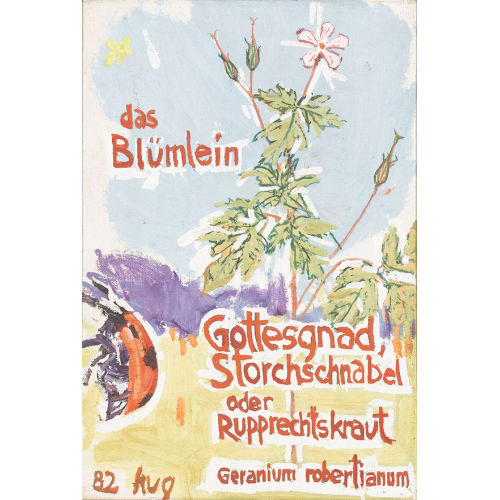
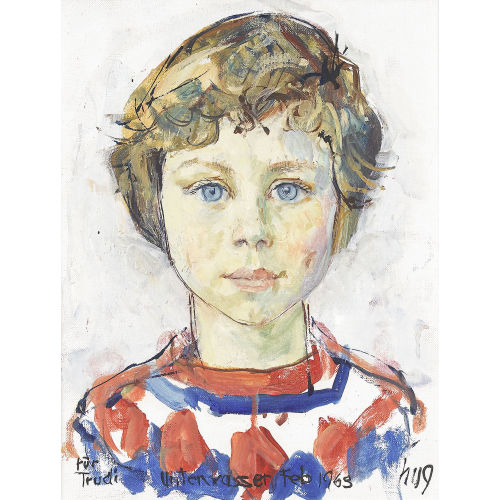
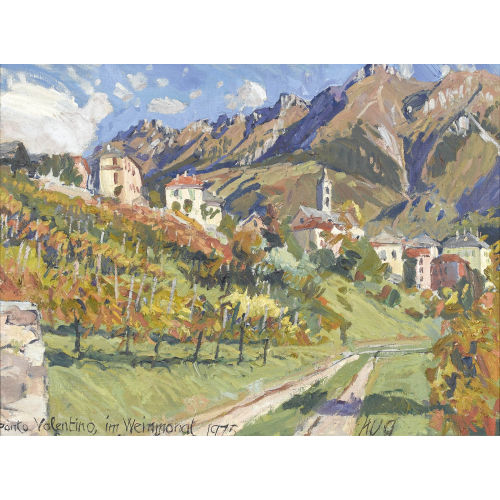
Born in Dornach, Hug spent part of his childhood in Java and then grew up in Thalwil. He attended the Zurich School of Arts and Crafts in 1935–1936 and devoted himself seriously to painting from 1940 onwards. From 1941, Léon Bollag supported his first exhibition in Zurich, which featured landscapes, urban views, portraits and interiors.
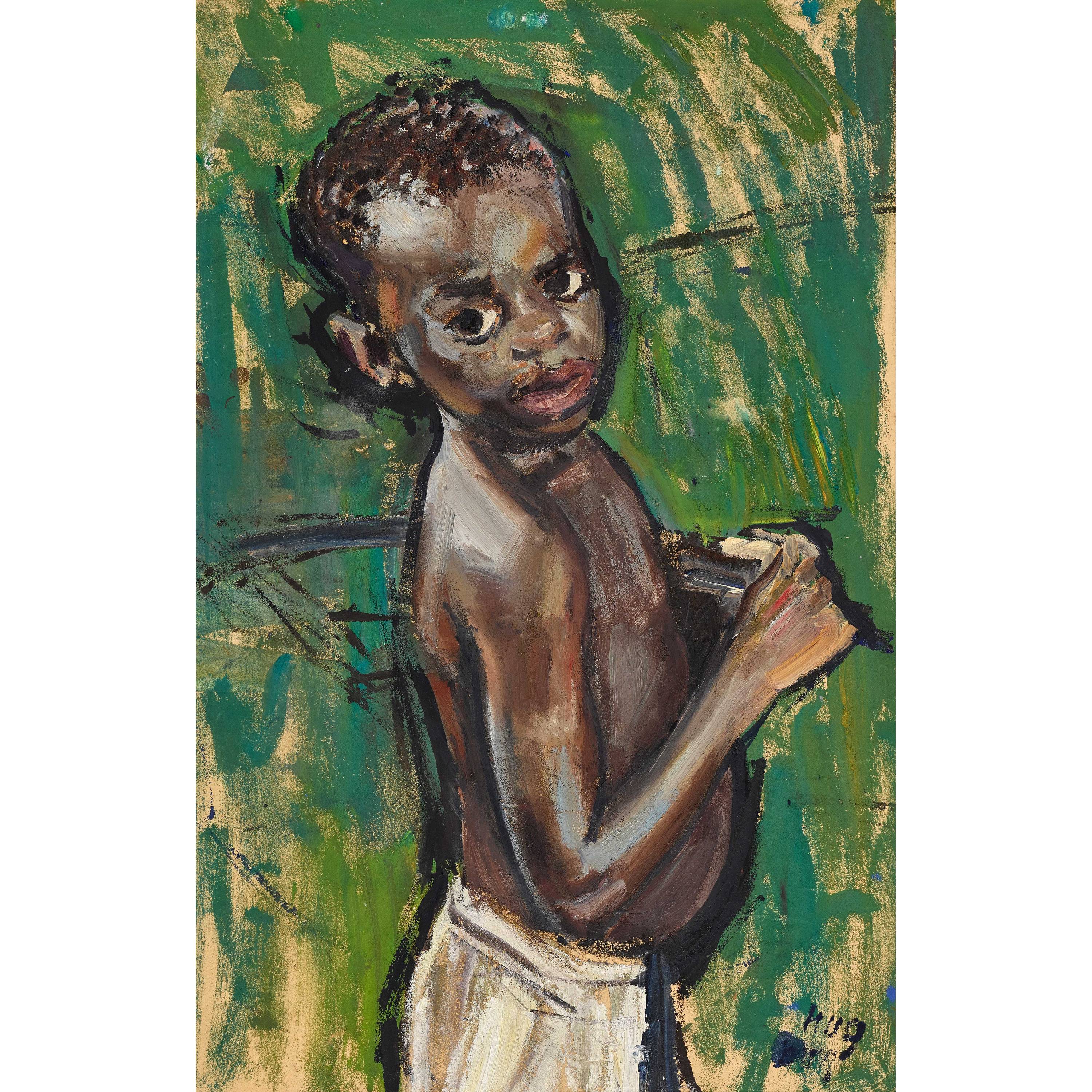
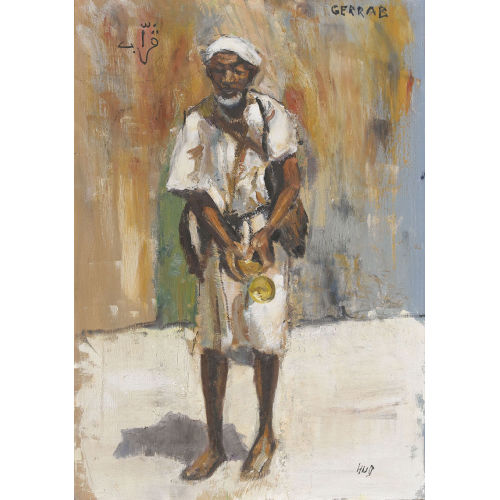
His travels took him to France, Morocco, Italy and Lambaréné in Gabon. In 1950–1951, he painted there in the environment of Albert Schweitzer. The representation of animals gradually assumed a central place in his work, without eclipsing the diversity of his early subjects.
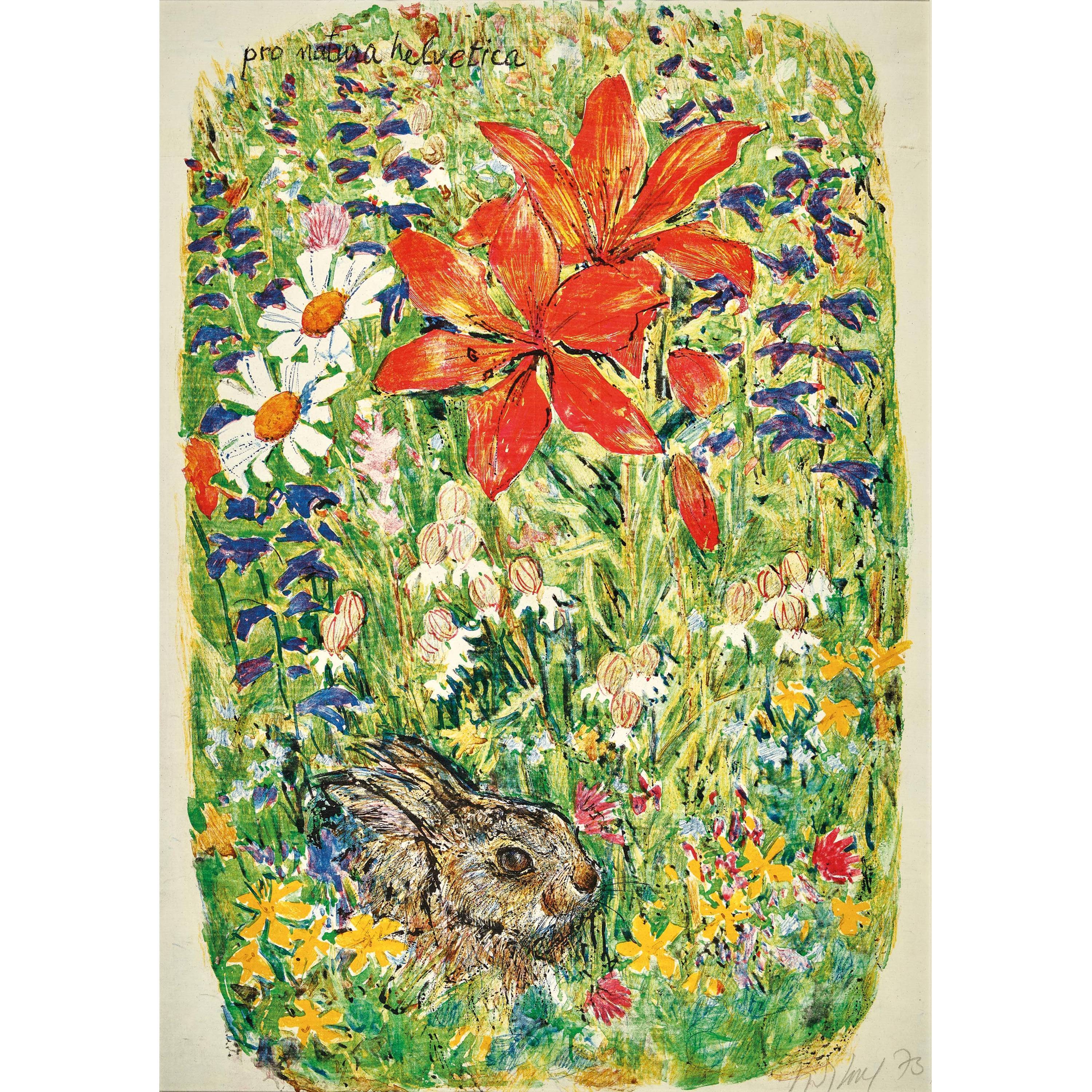
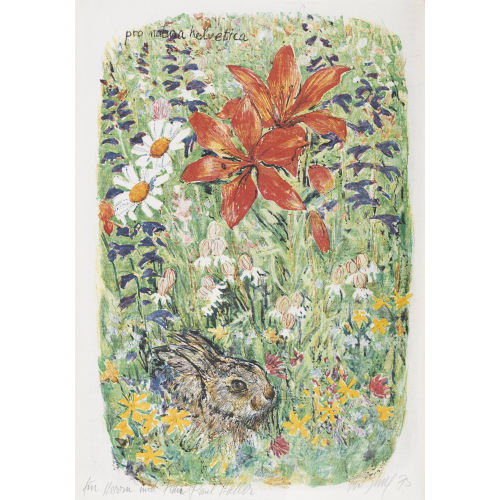
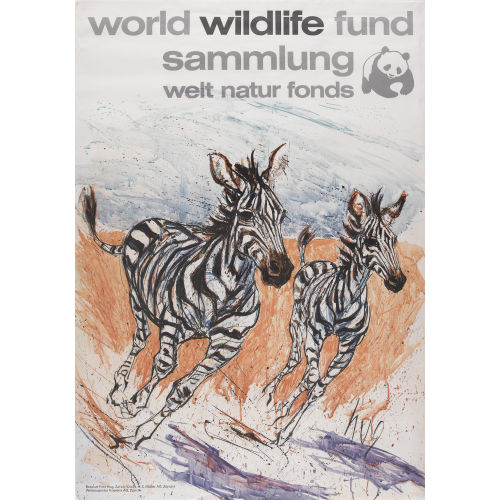
His commitment extended beyond representation alone. In 1967, WWF asked him to paint animals threatened with extinction. This work resulted in a group of works presented at Zurich’s Helmhaus in 1970.
Painting thus became a way of bringing the public closer to species whose existence deserved to be preserved.
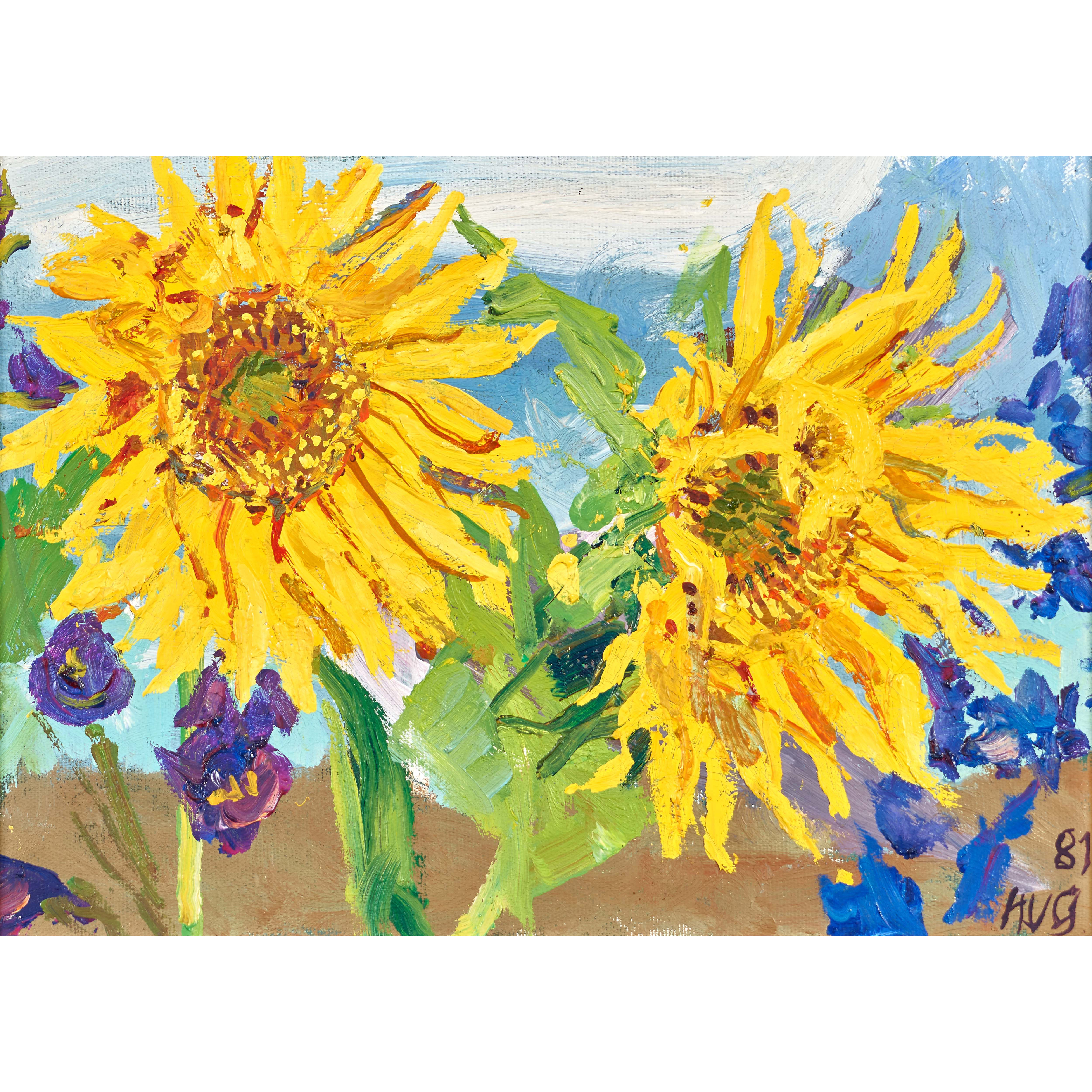
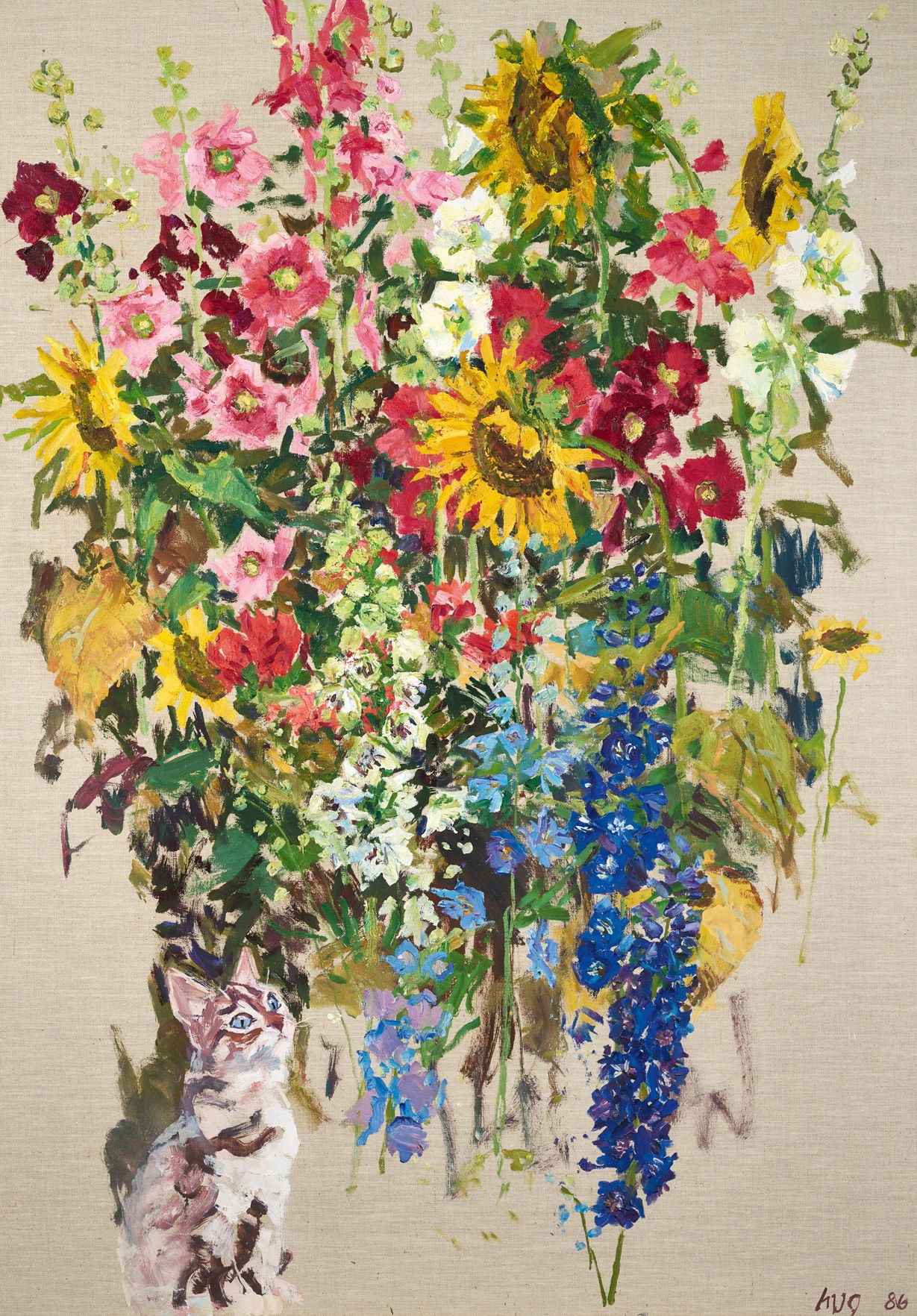
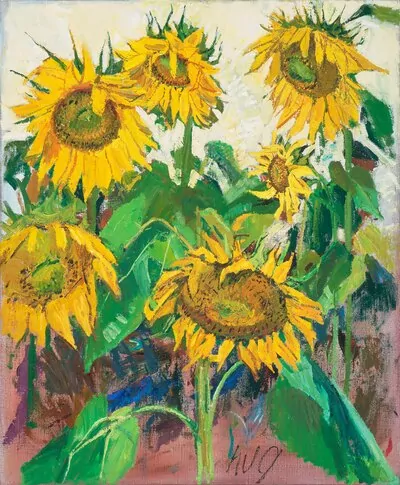
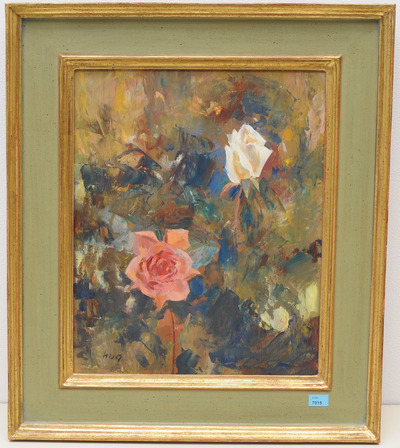
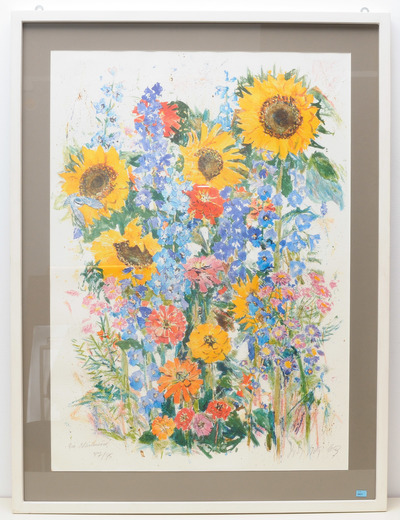
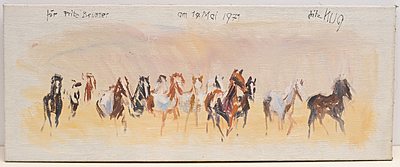
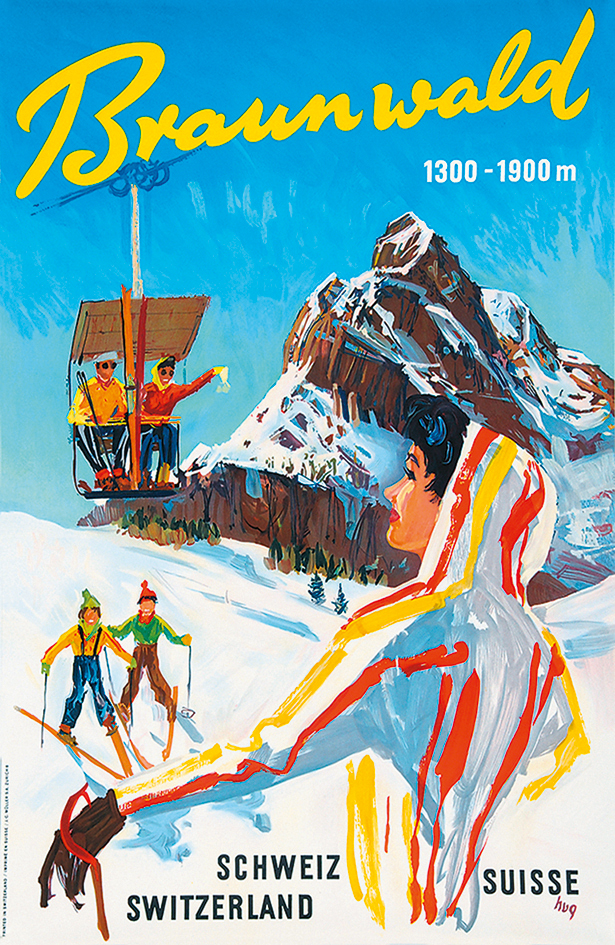
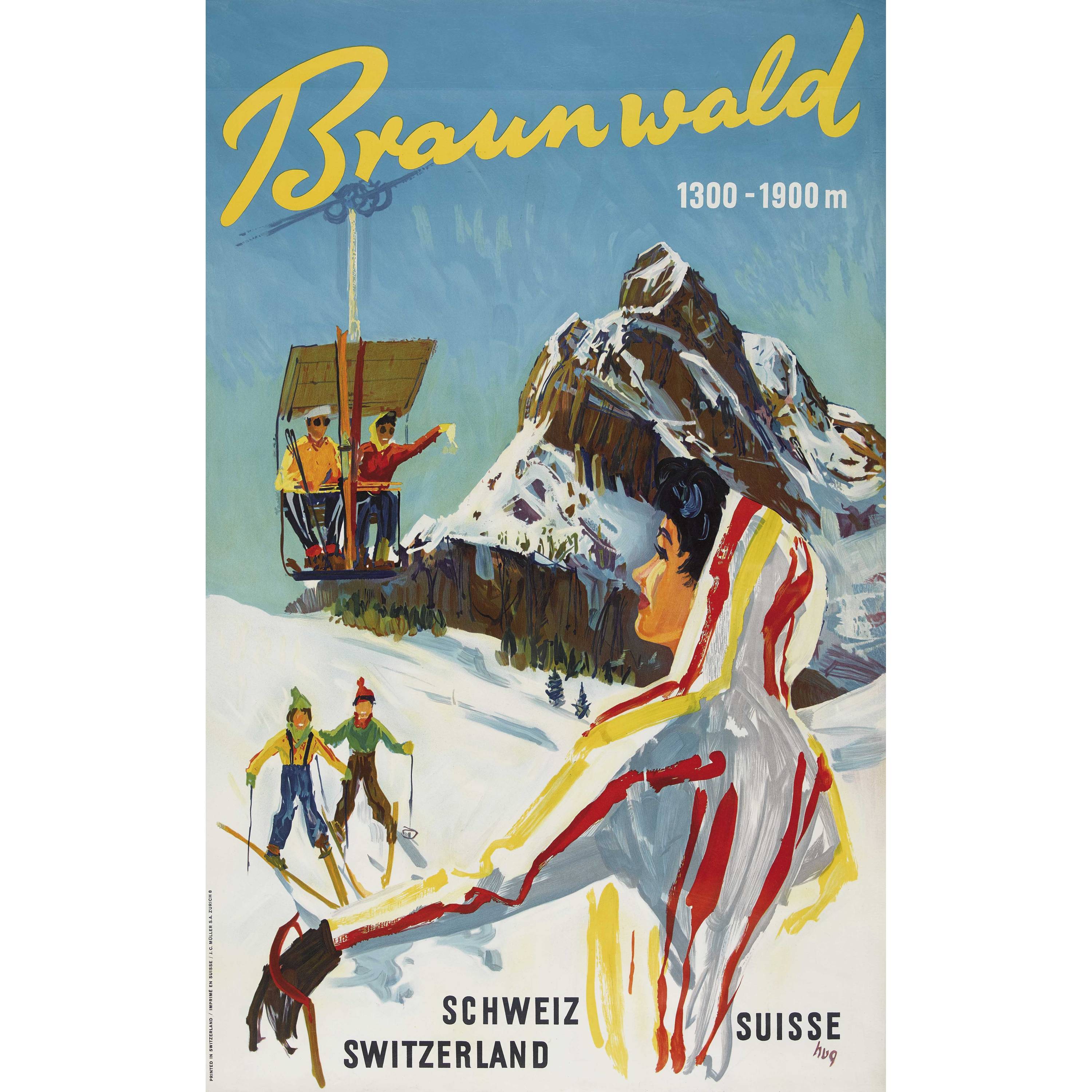
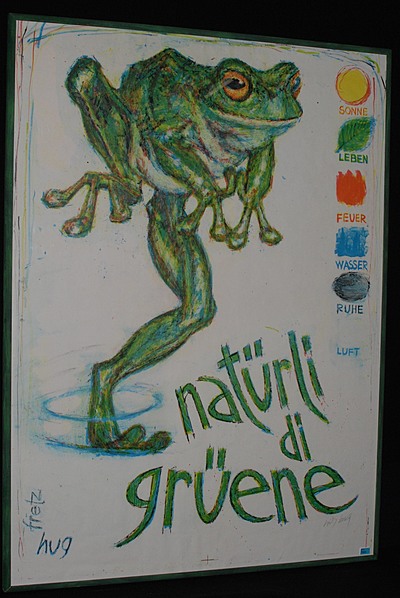
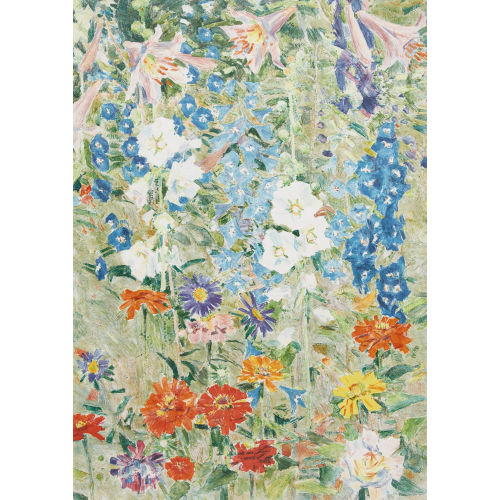
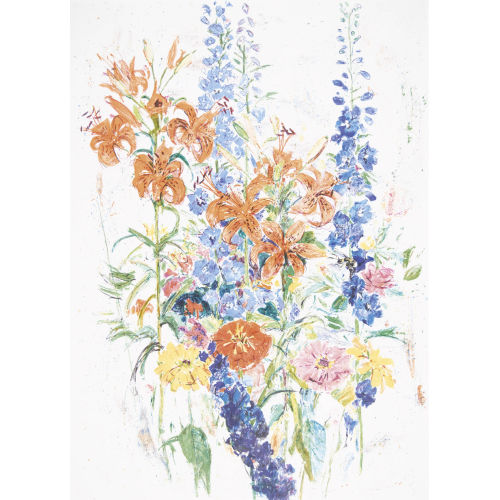
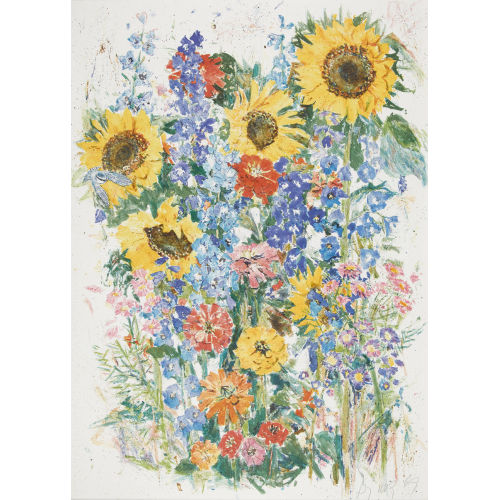
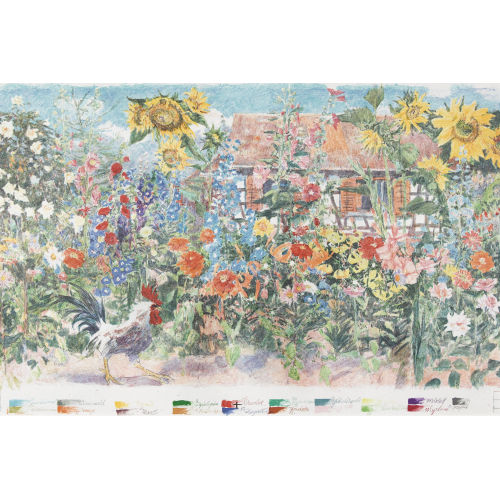
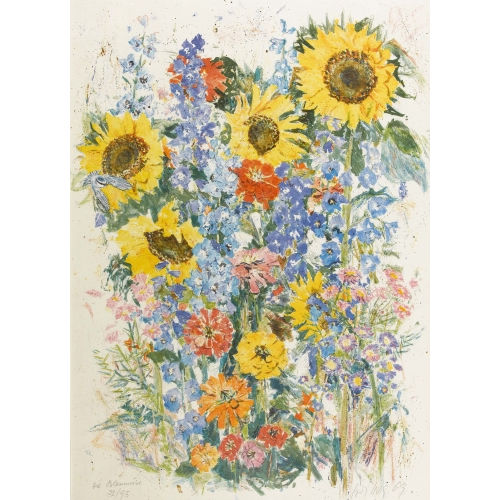
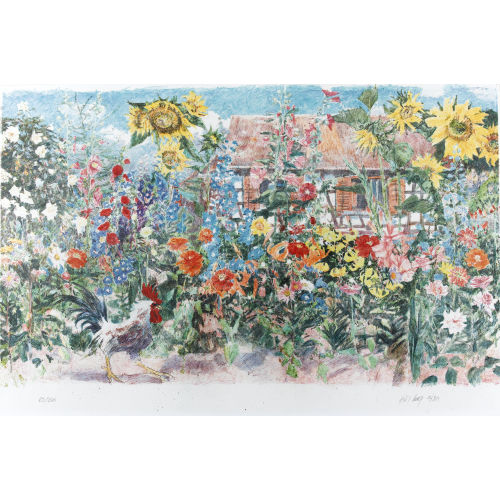
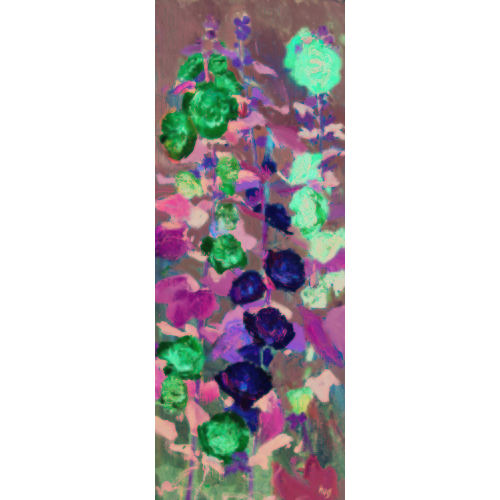
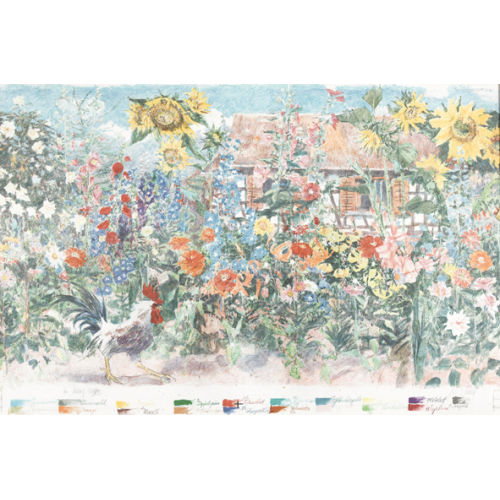
Hug worked in oil, watercolour, drawing and lithography; he also produced posters, mosaics and murals. Together with his wife, the writer Margrit Hug, he published three illustrated books devoted to biblical subjects. This variety of media is a reminder of how far his work extends beyond the familiar image of the animal painter.
To approach his work, one might linger over a posture, a silhouette or the space given to the subject within the composition. These details offer a sensitive entry point into a practice in which the animal becomes a true interlocutor of the gaze.