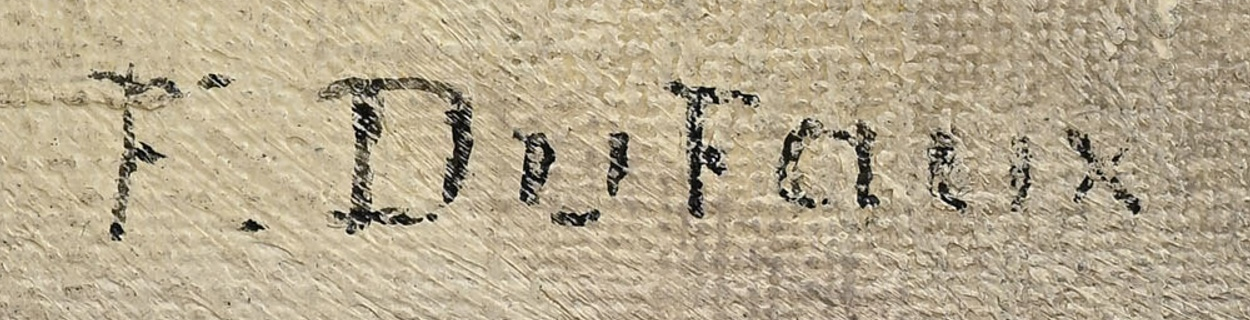
Frédéric Dufaux
Born in 1852.
Died in 1943.
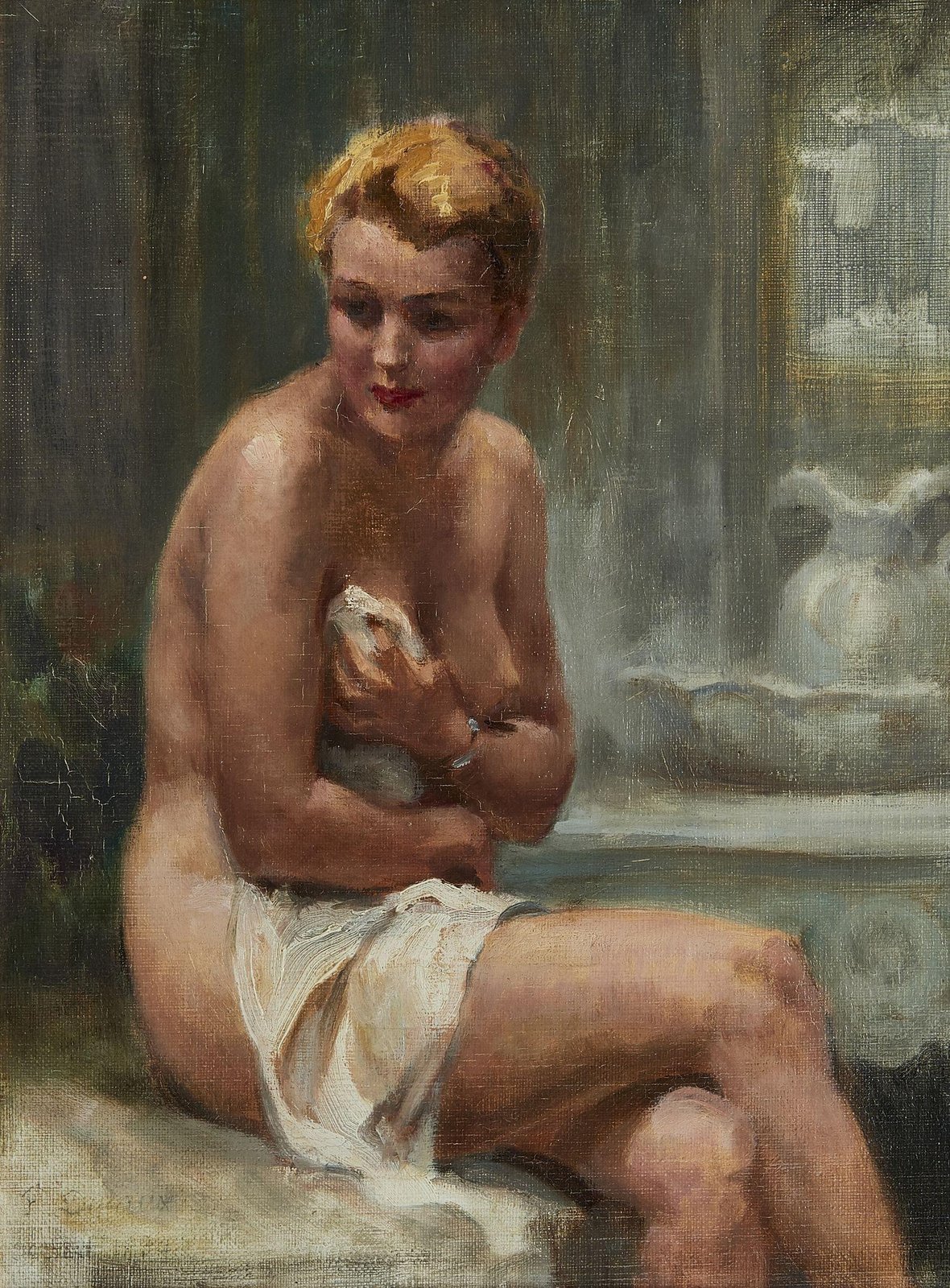
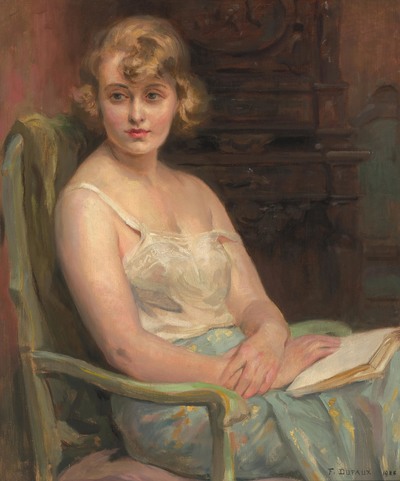
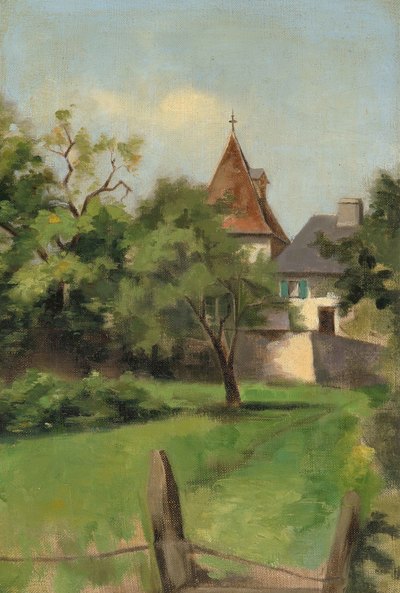
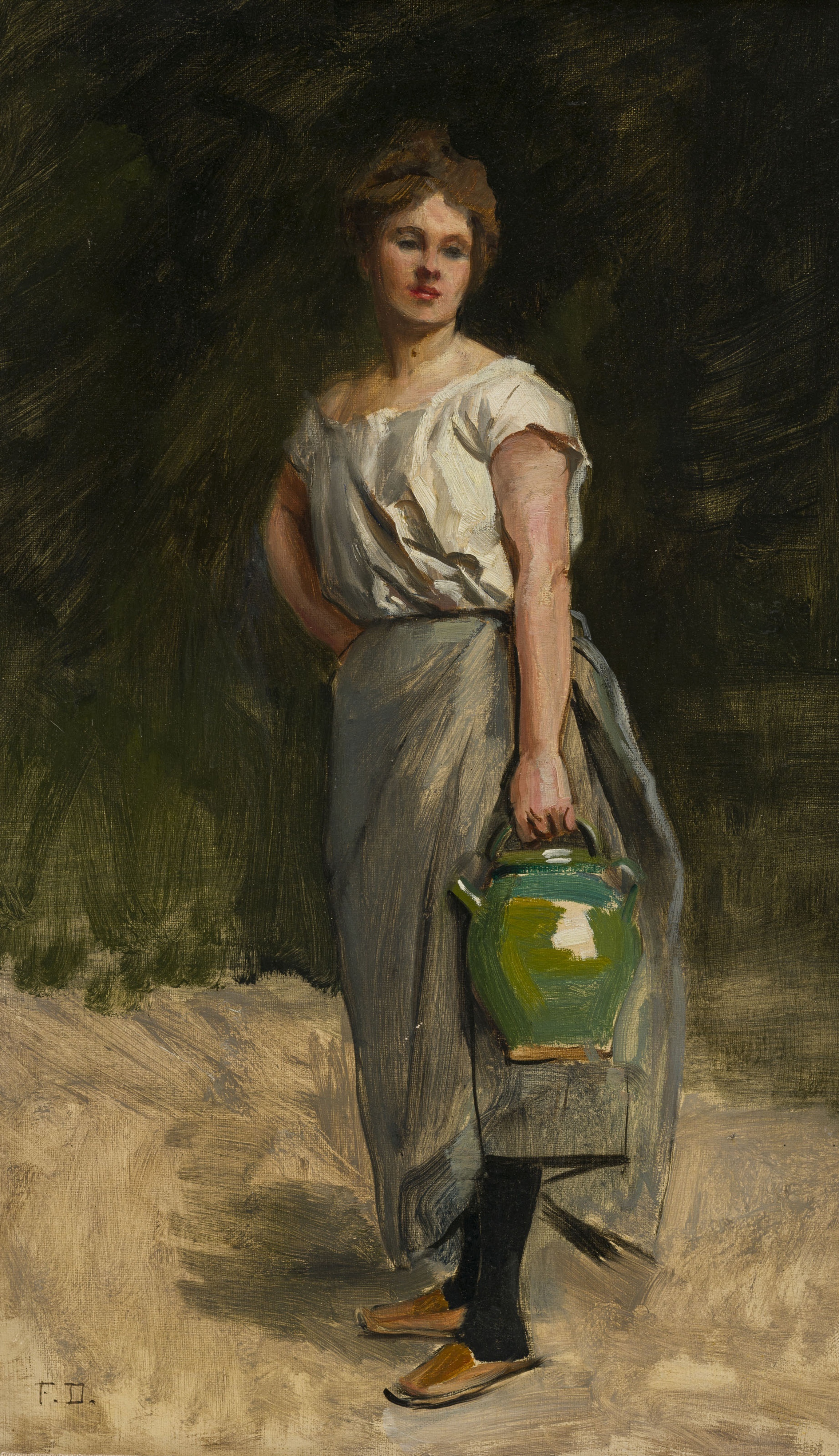
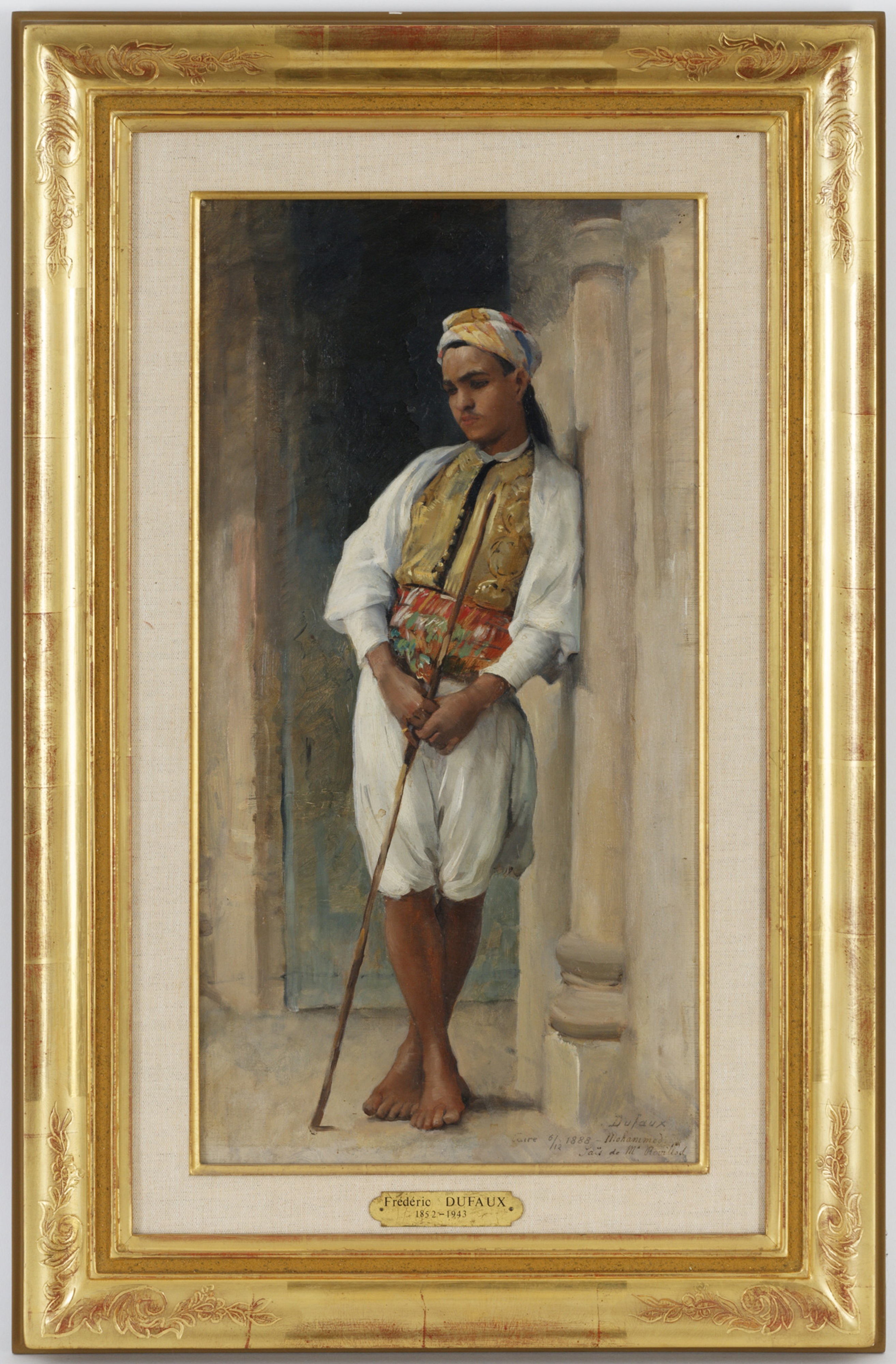
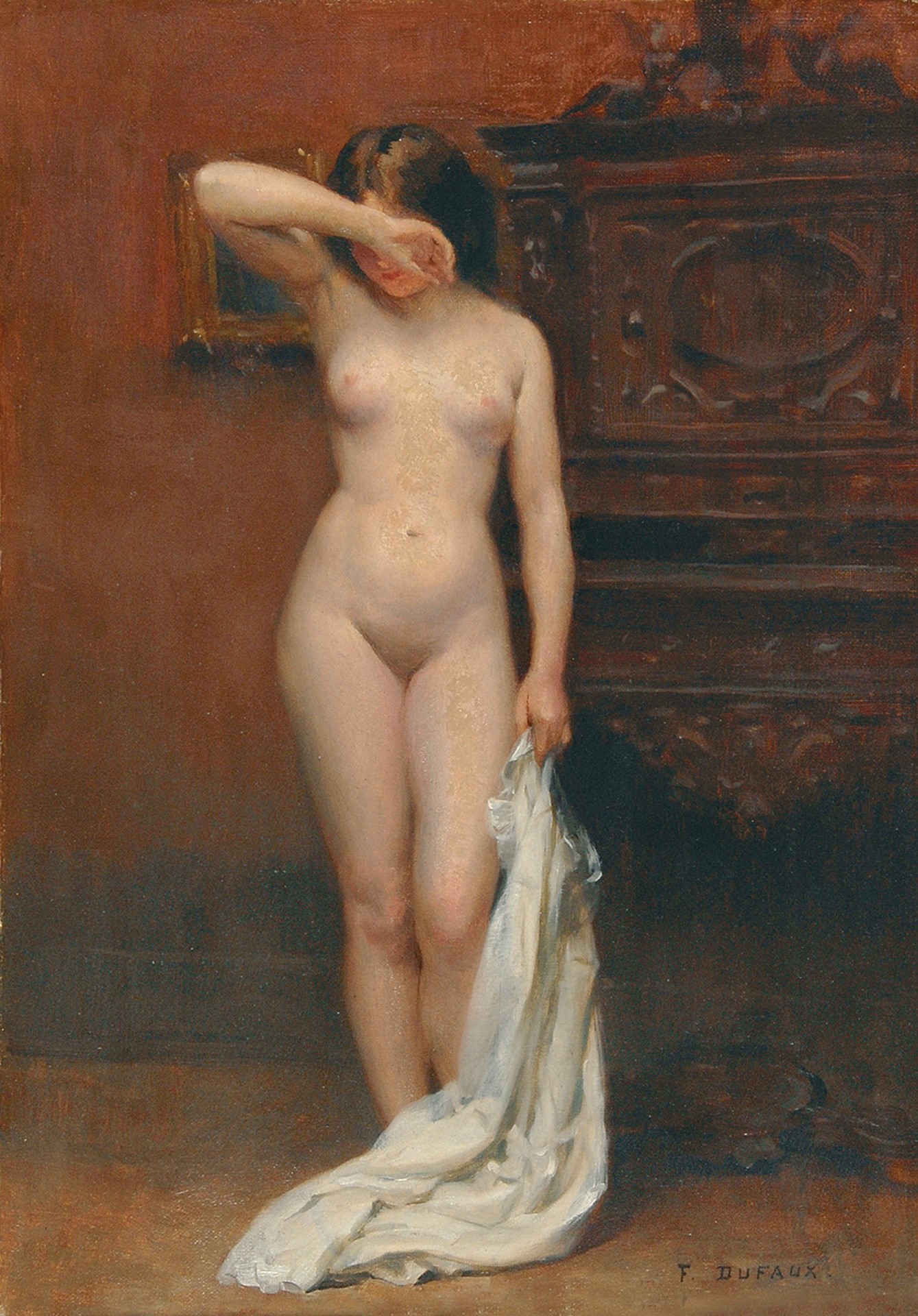
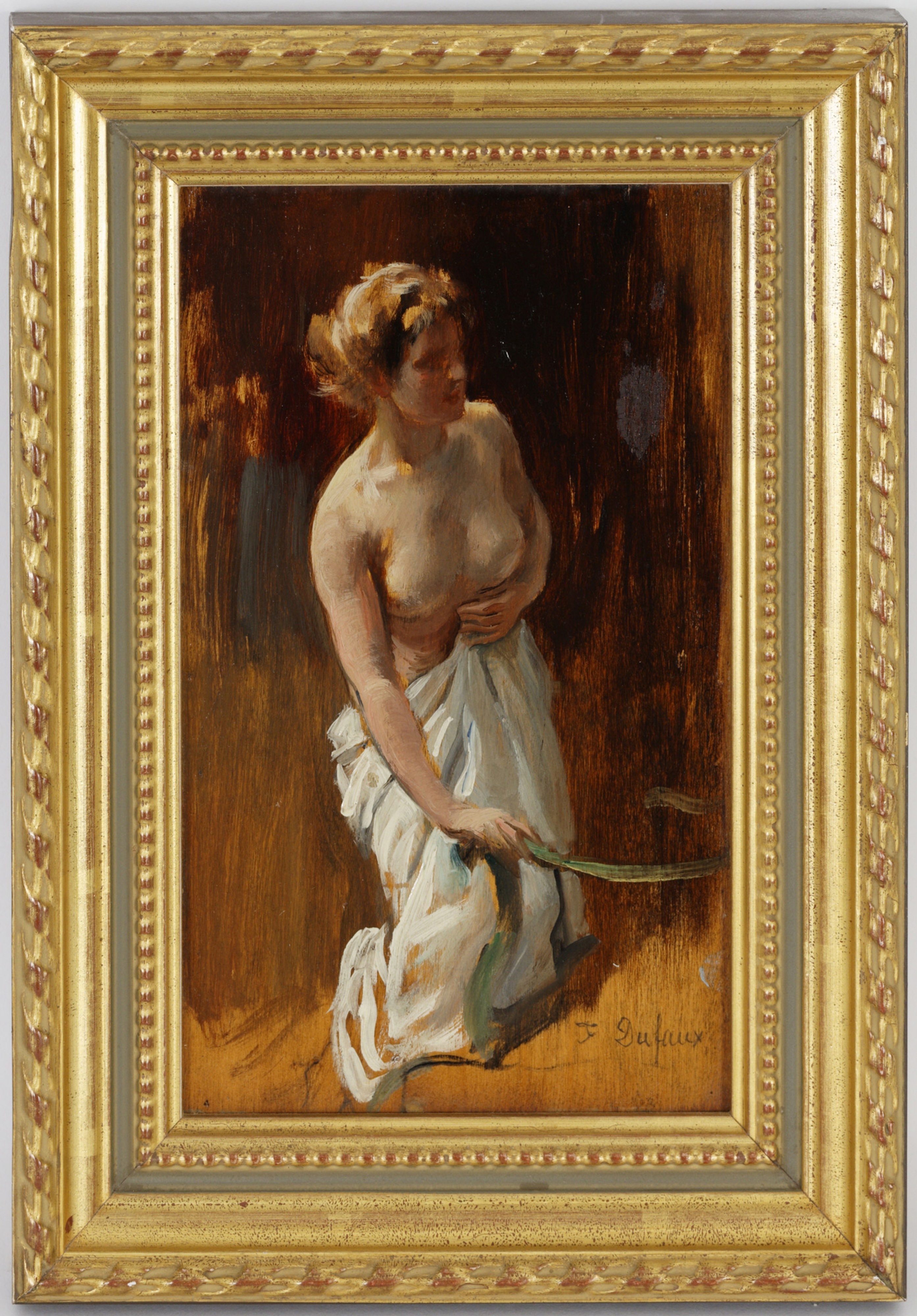
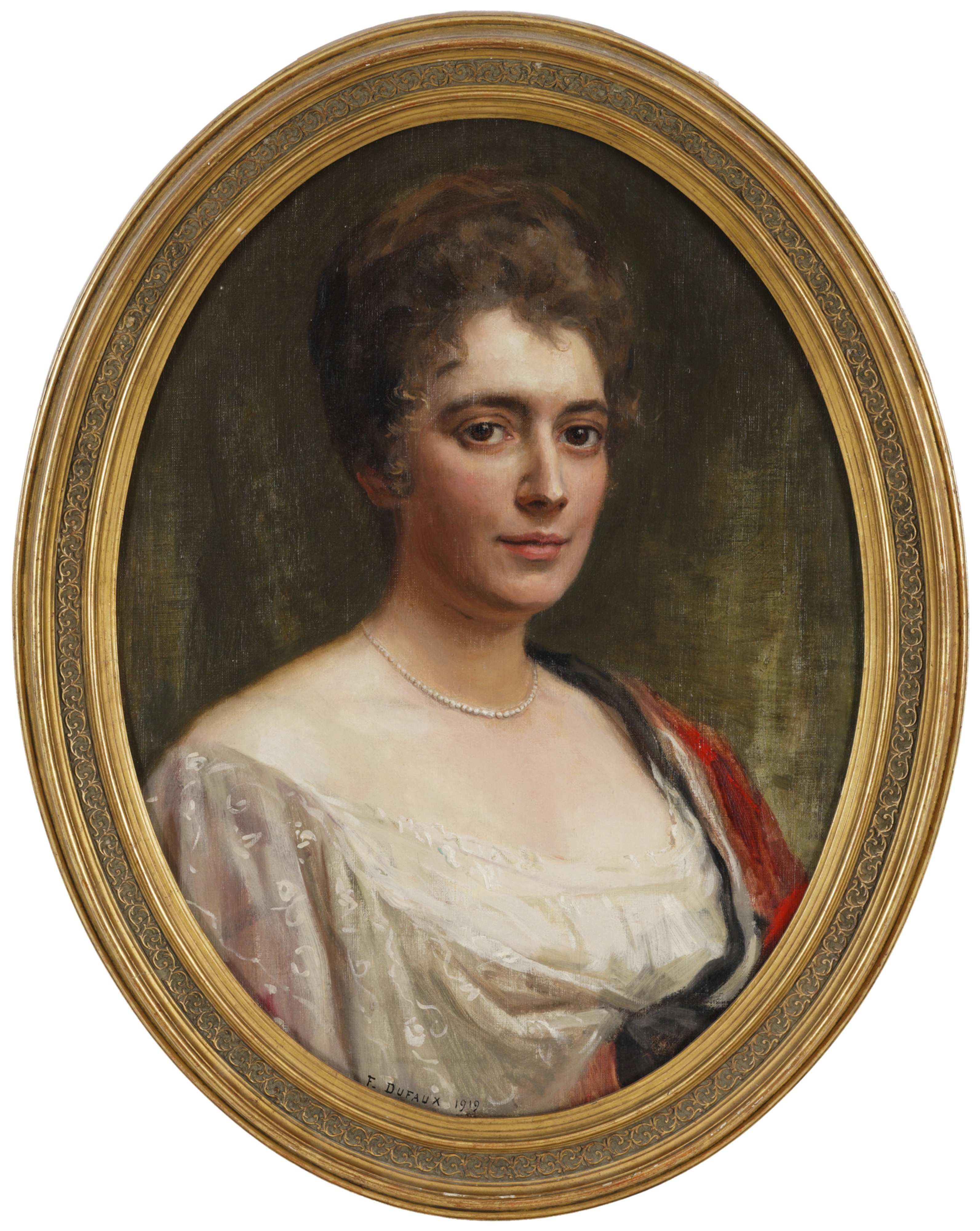
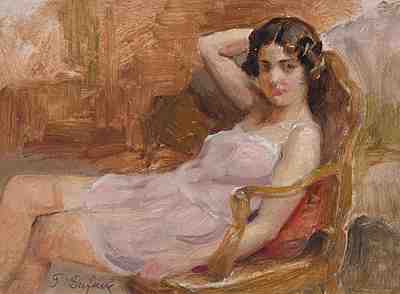
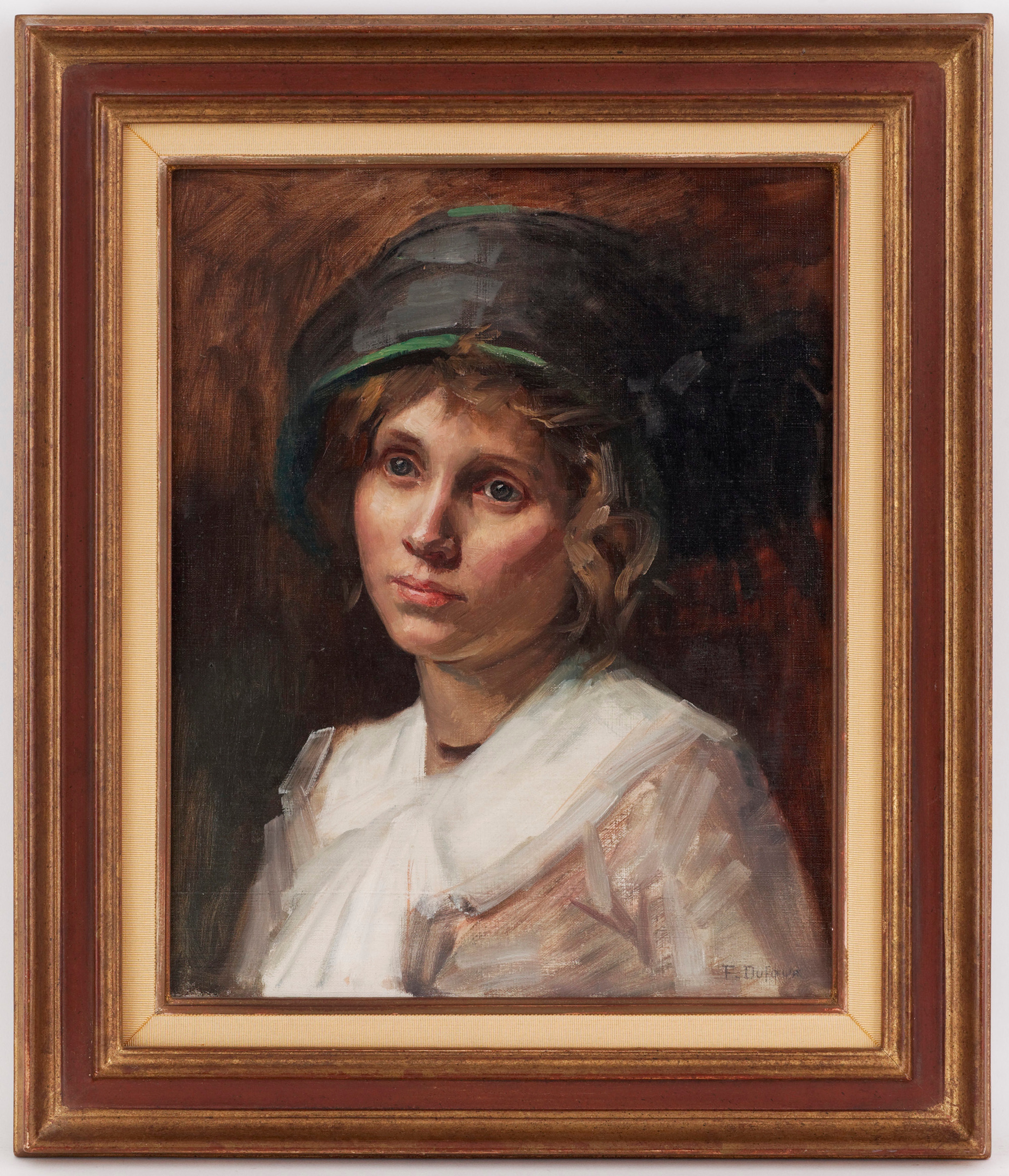
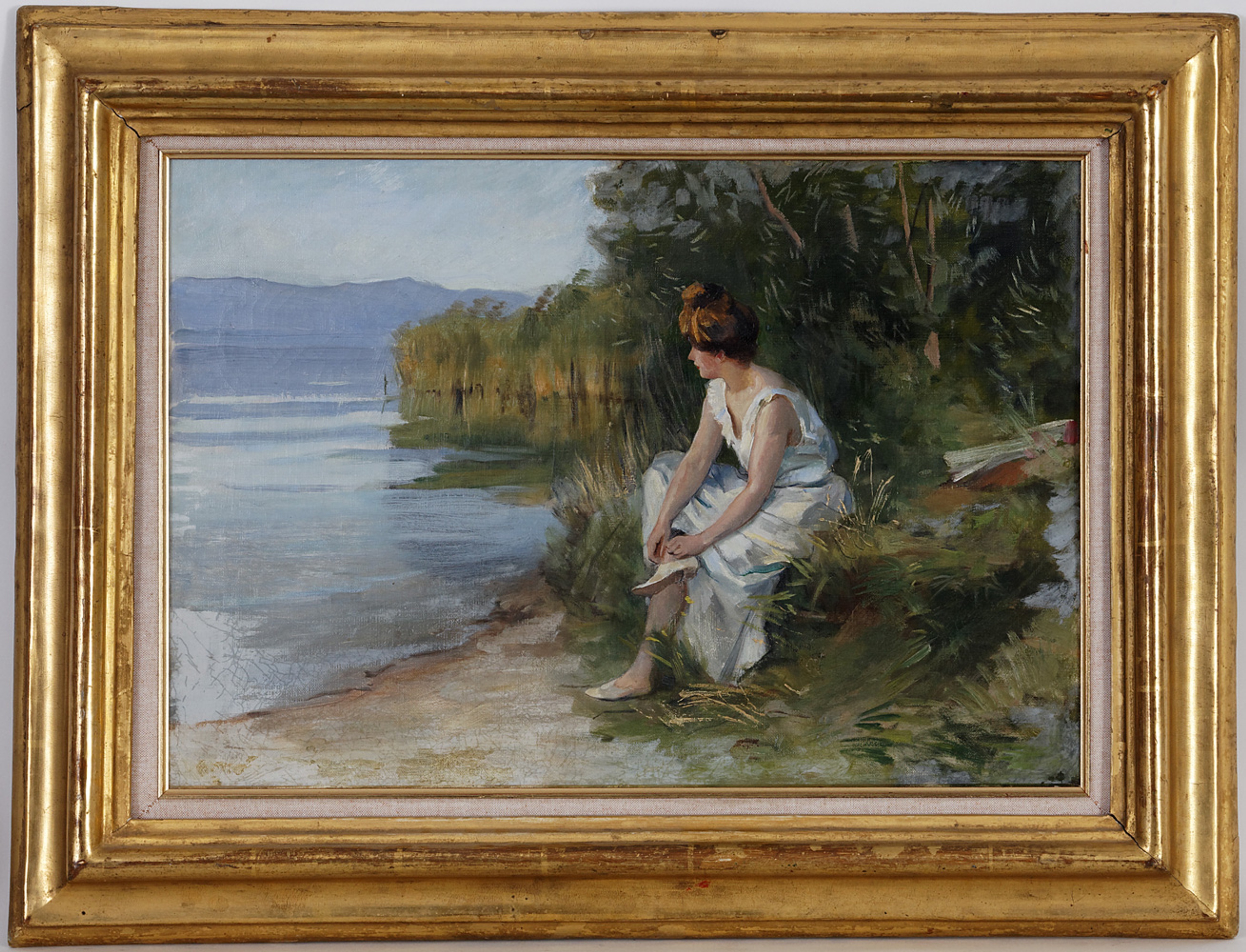
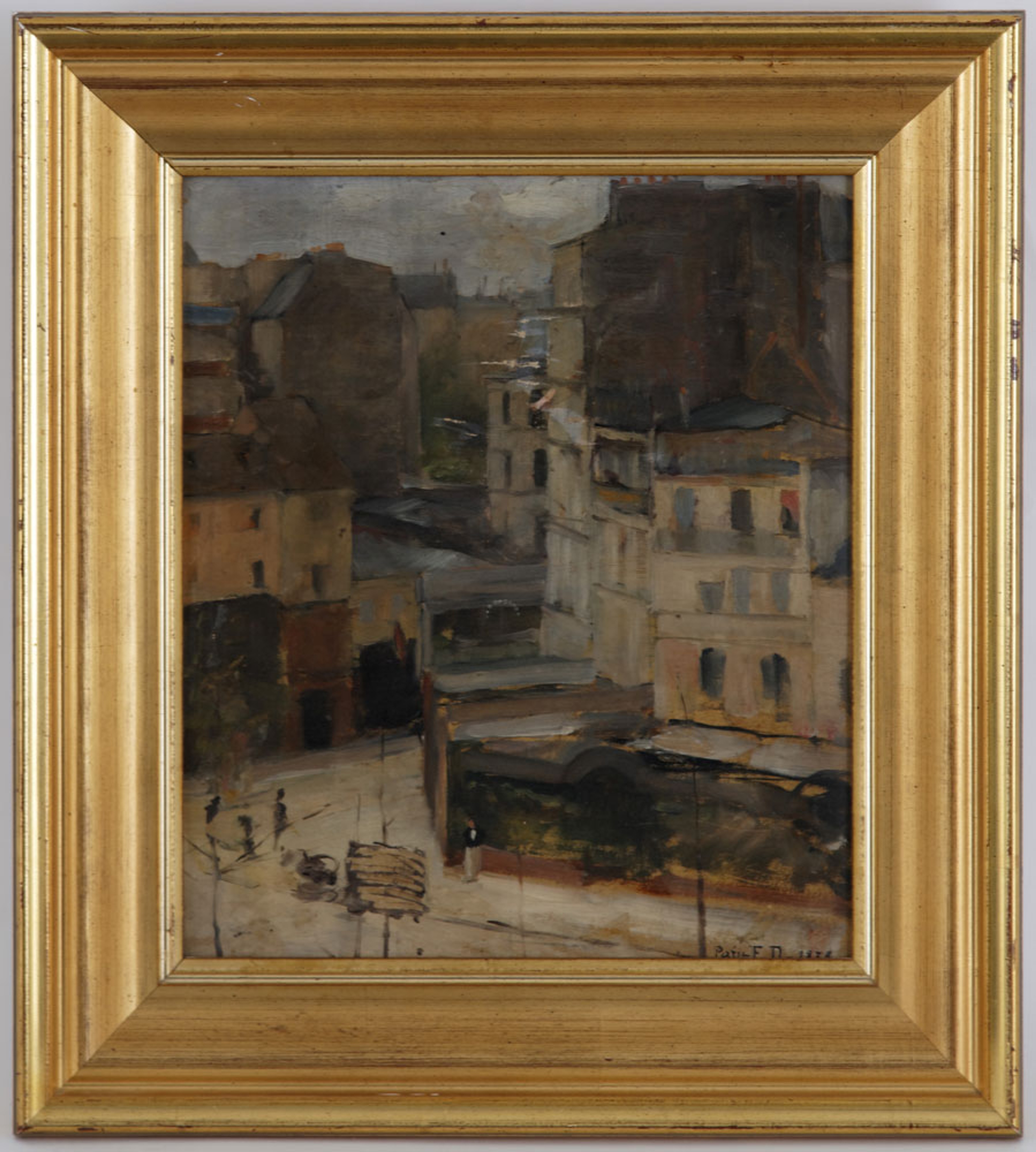
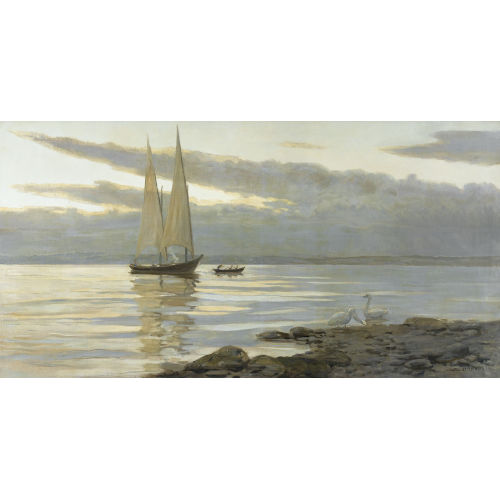
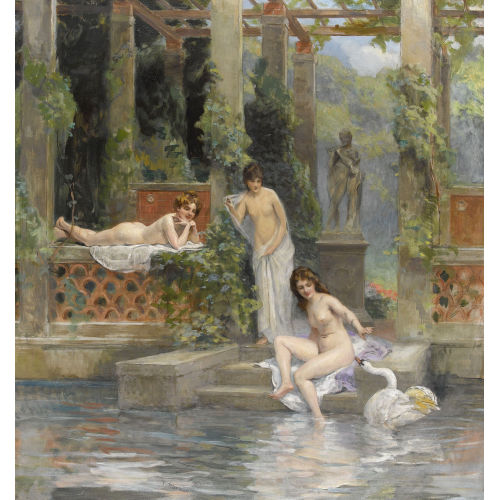
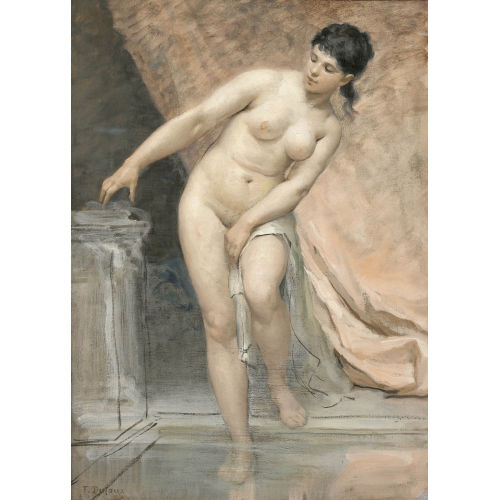
Auguste Frédéric Dufaux (commonly known as Frédéric Dufaux) is documented as an artist active in both painting and sculpture.
Trained at the École des beaux-arts de Genève as a pupil of Barthélemy Menn, he subsequently continued his studies in Paris and Florence, attending the Accademia degli Uffizi, where he worked with Luigi Rubio.
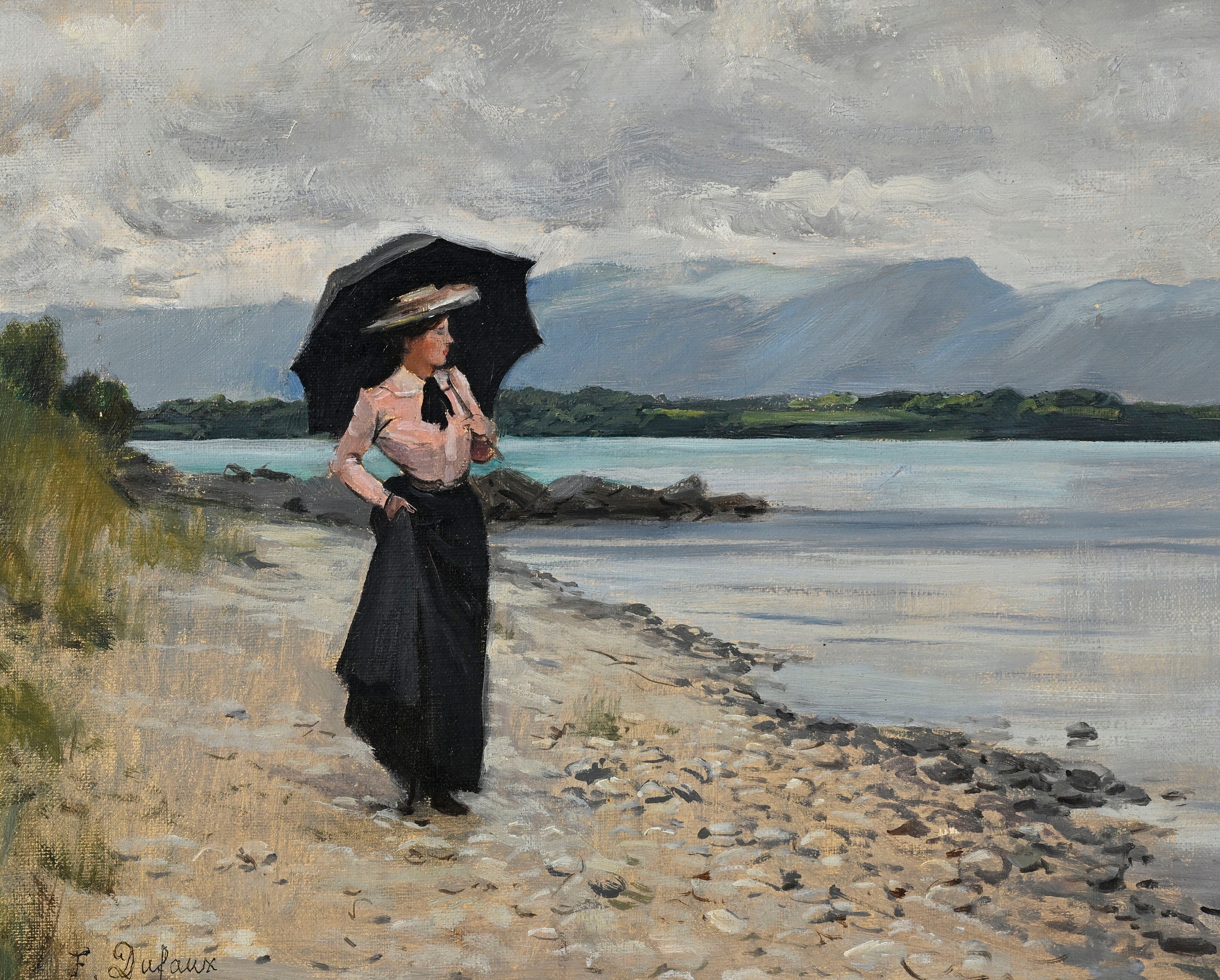
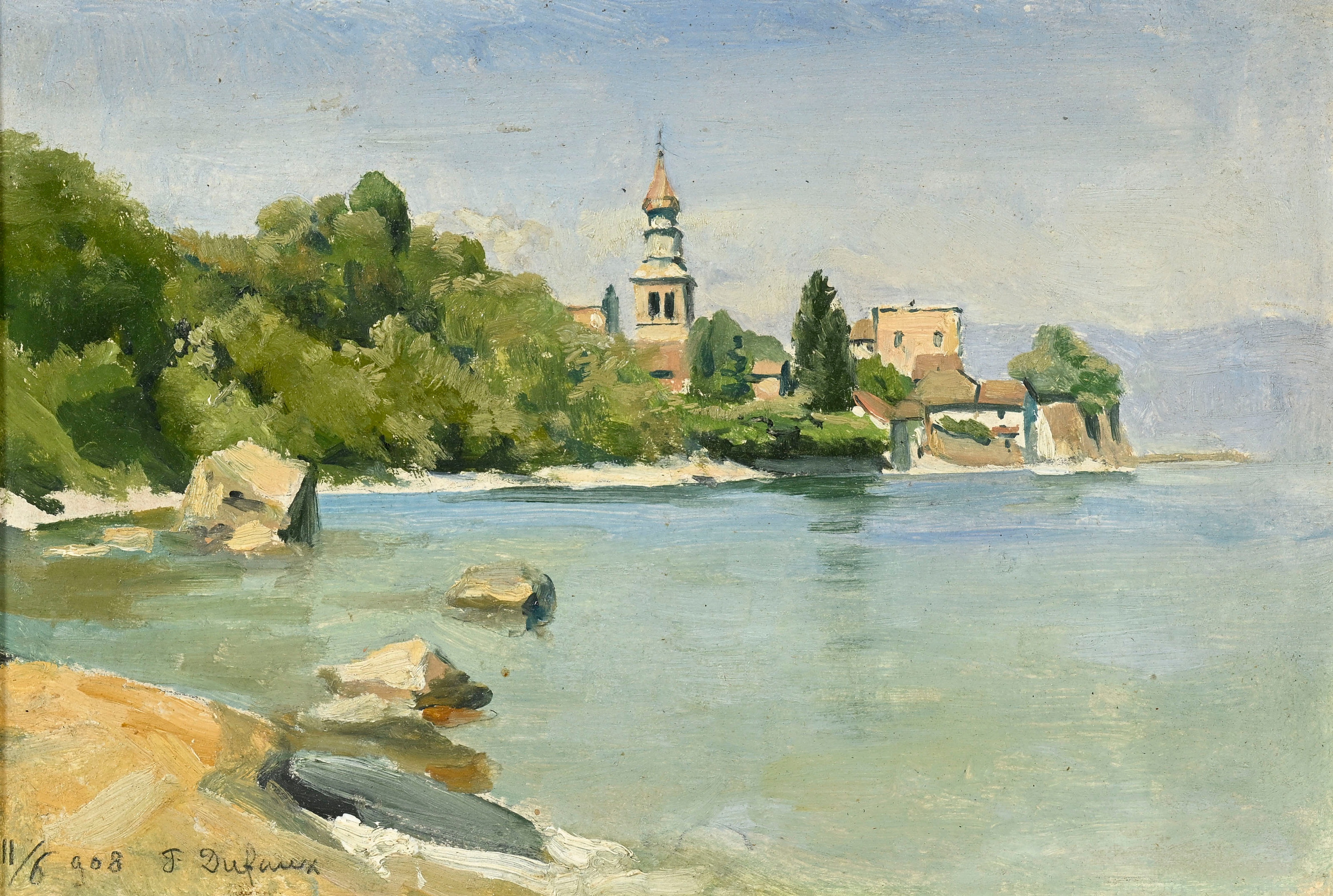
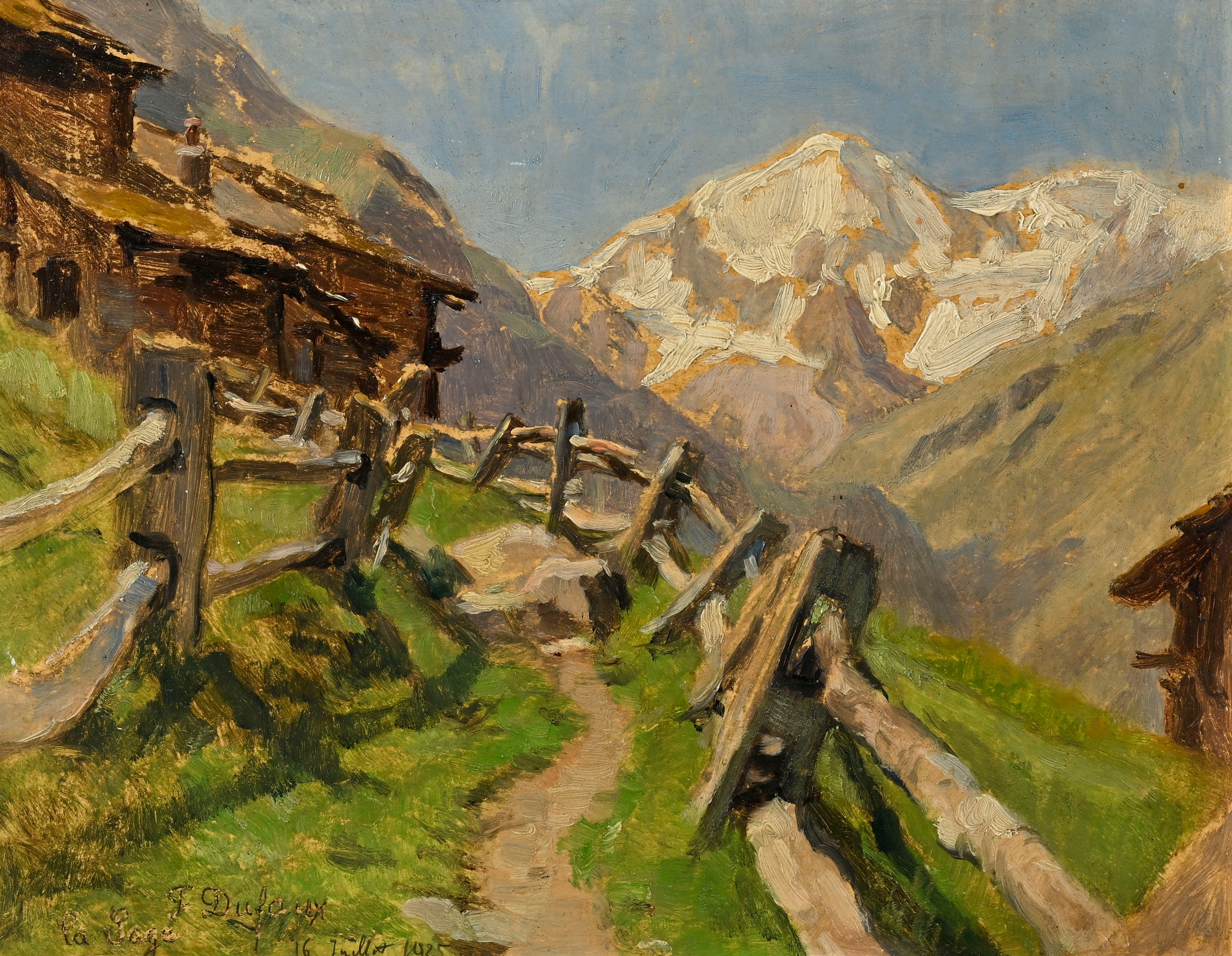
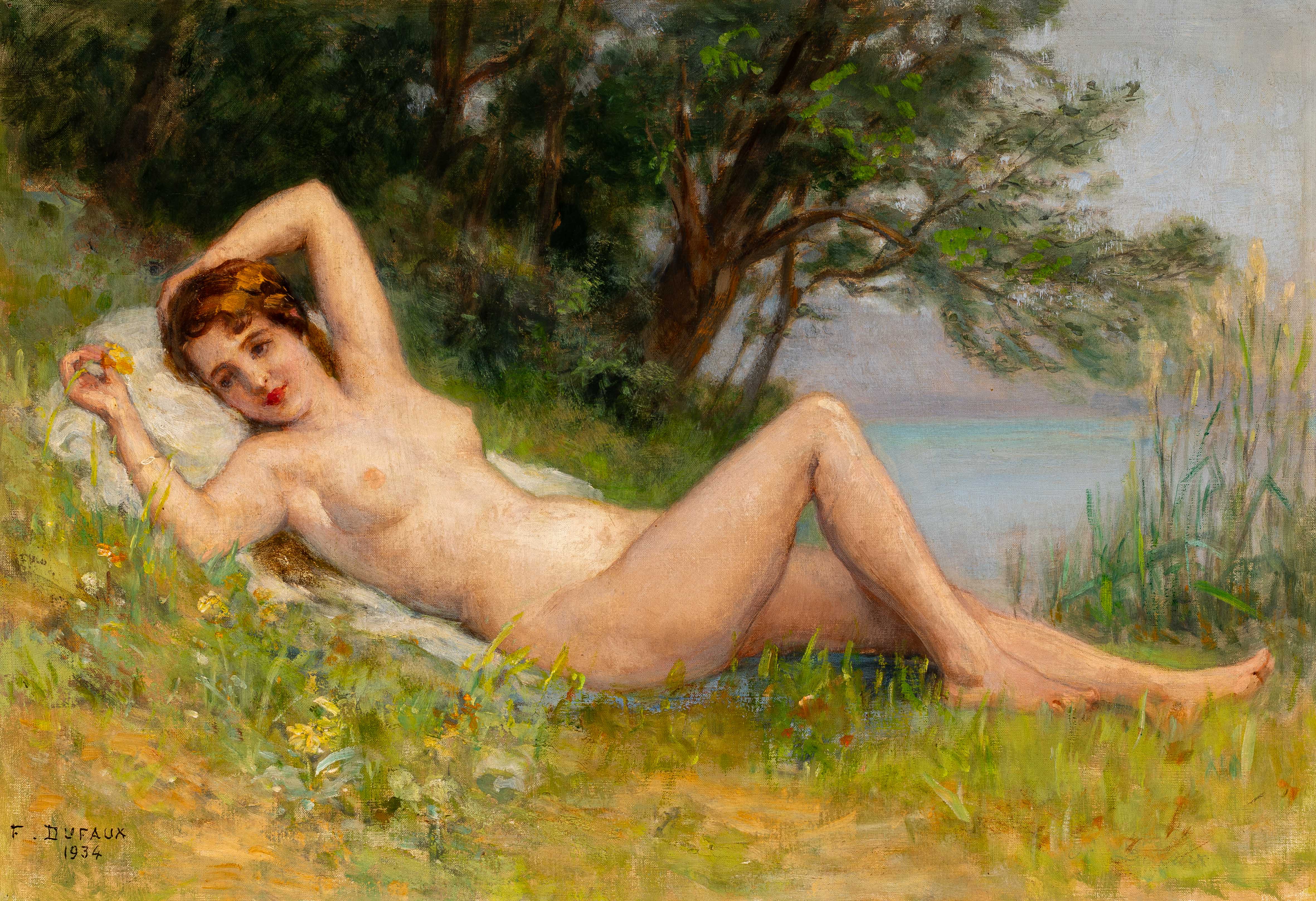
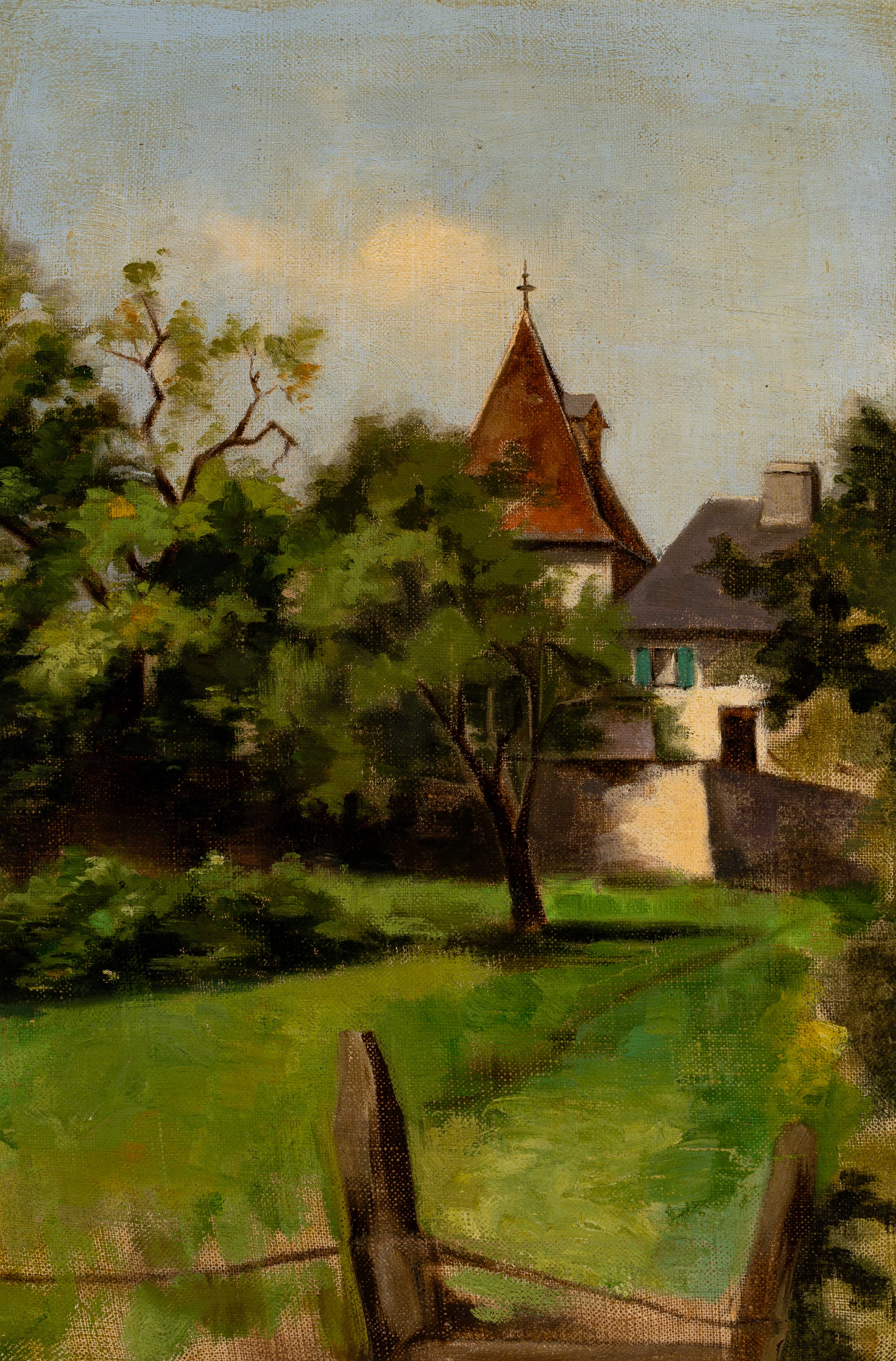
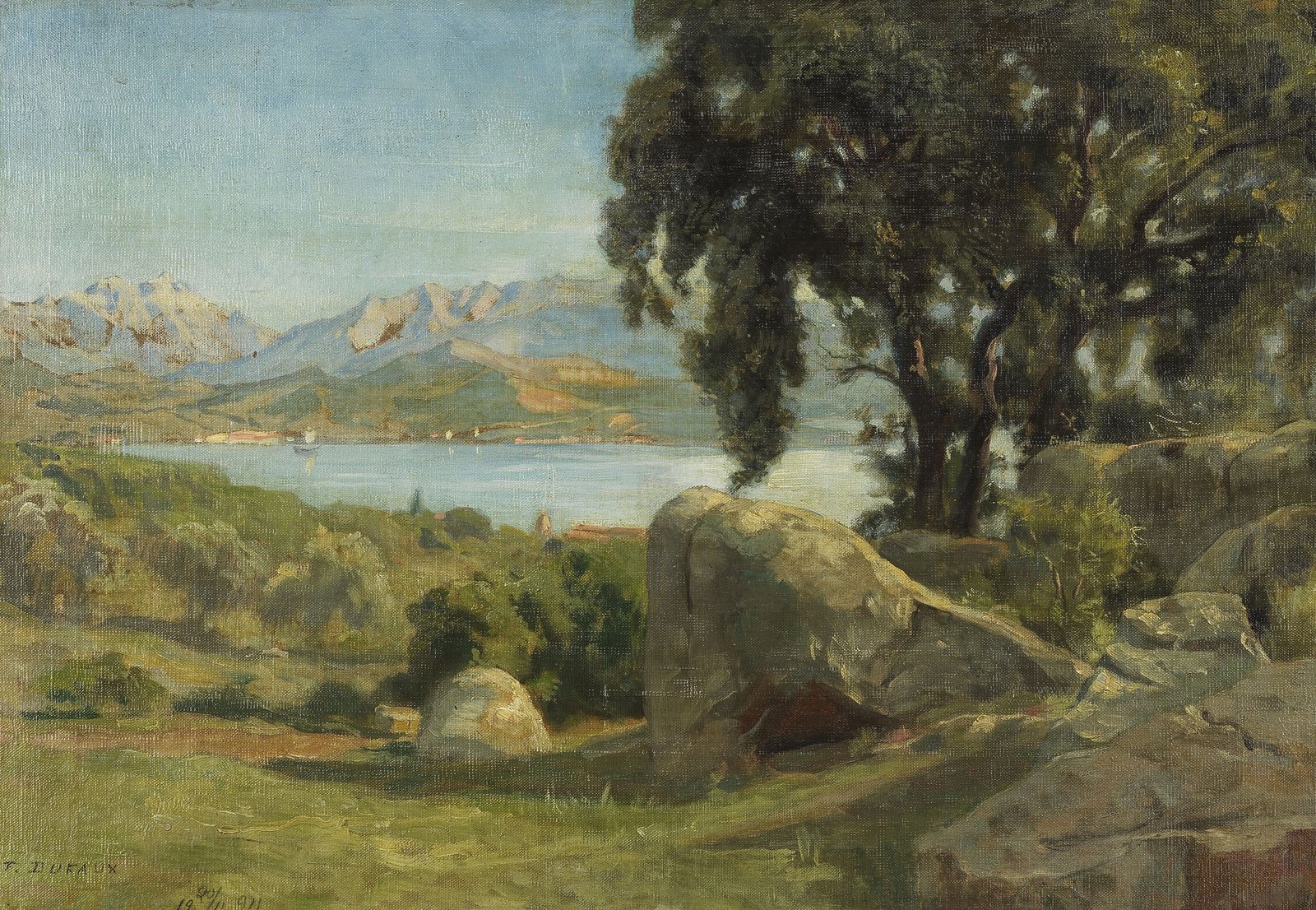
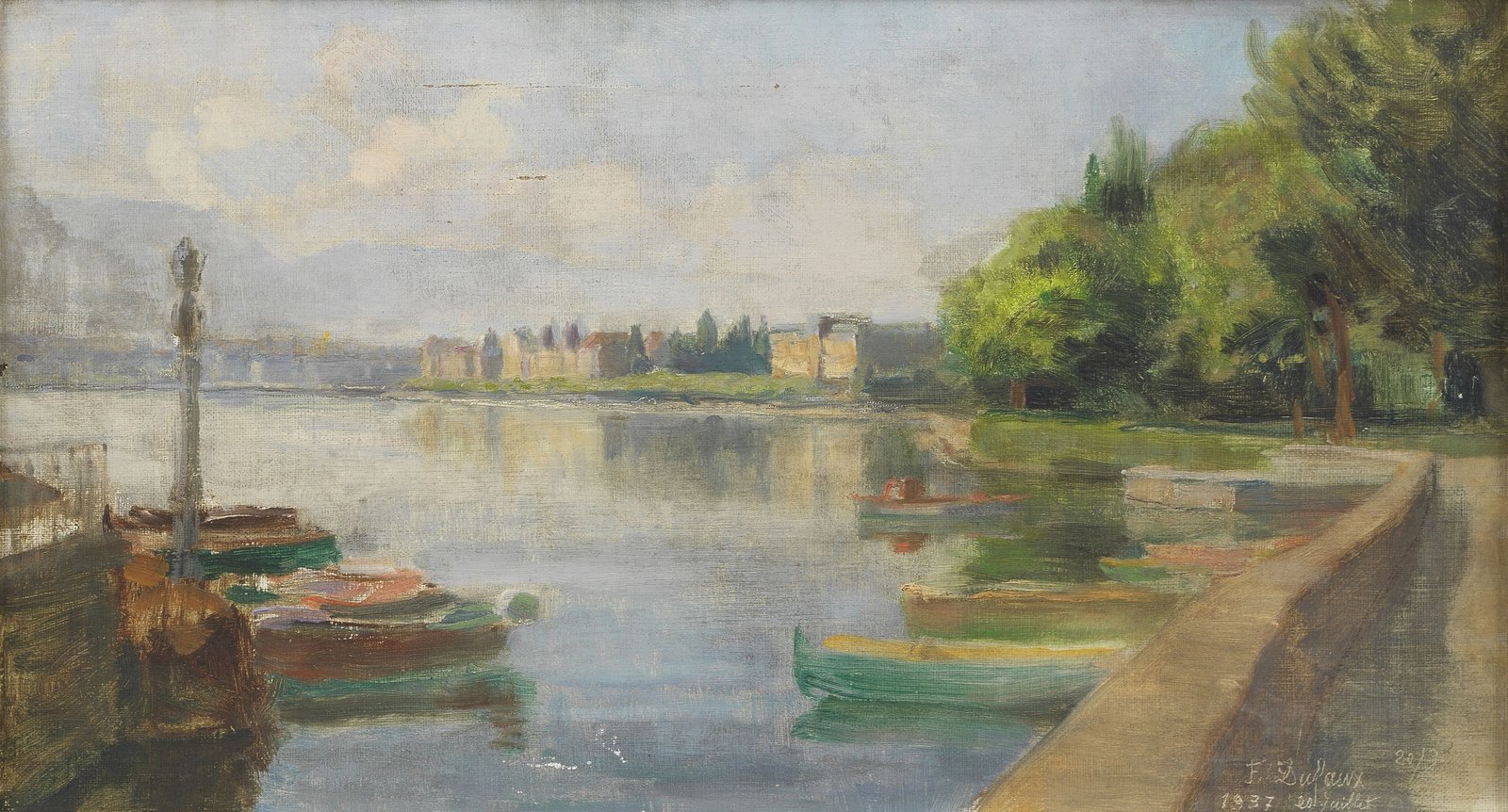
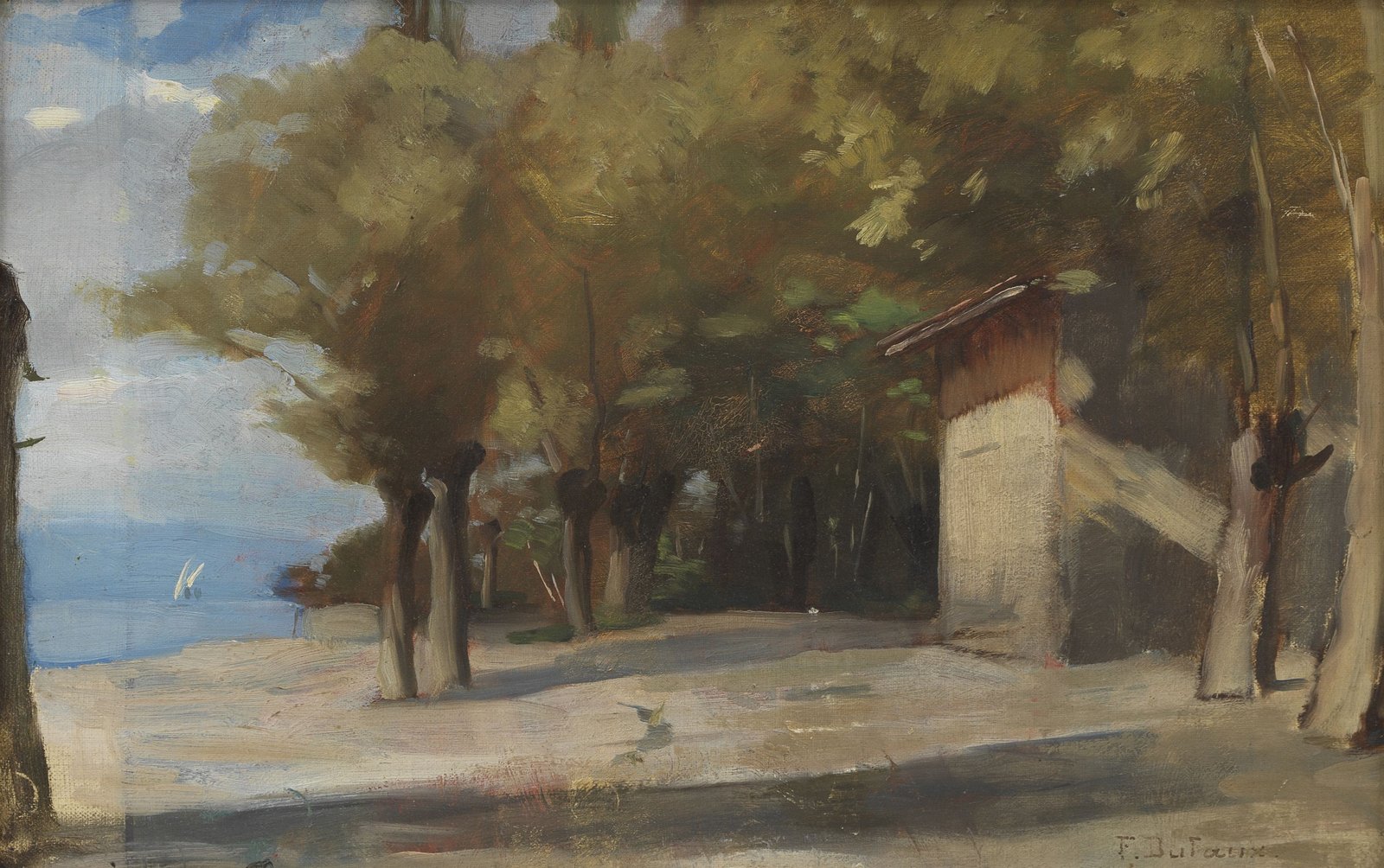
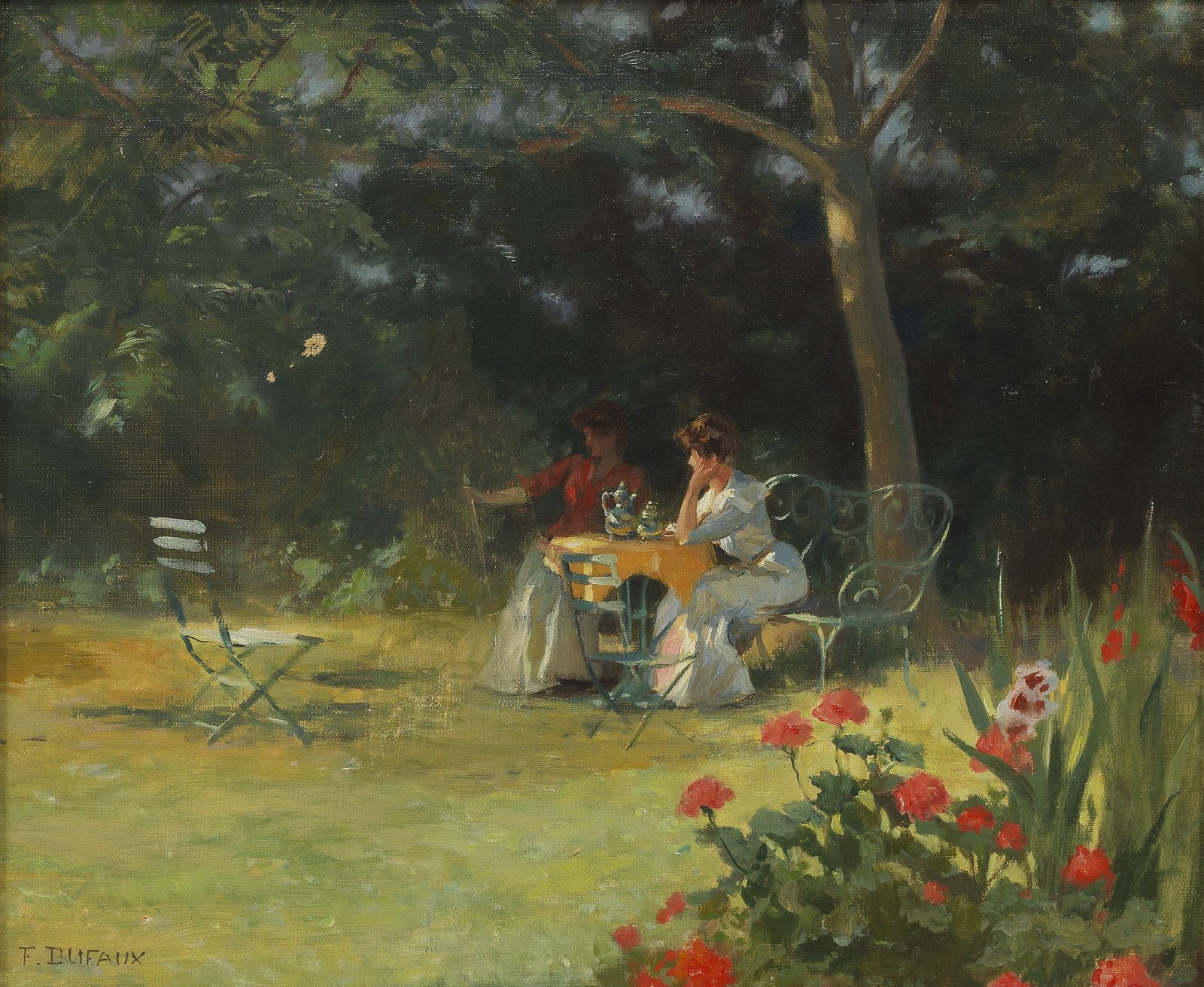
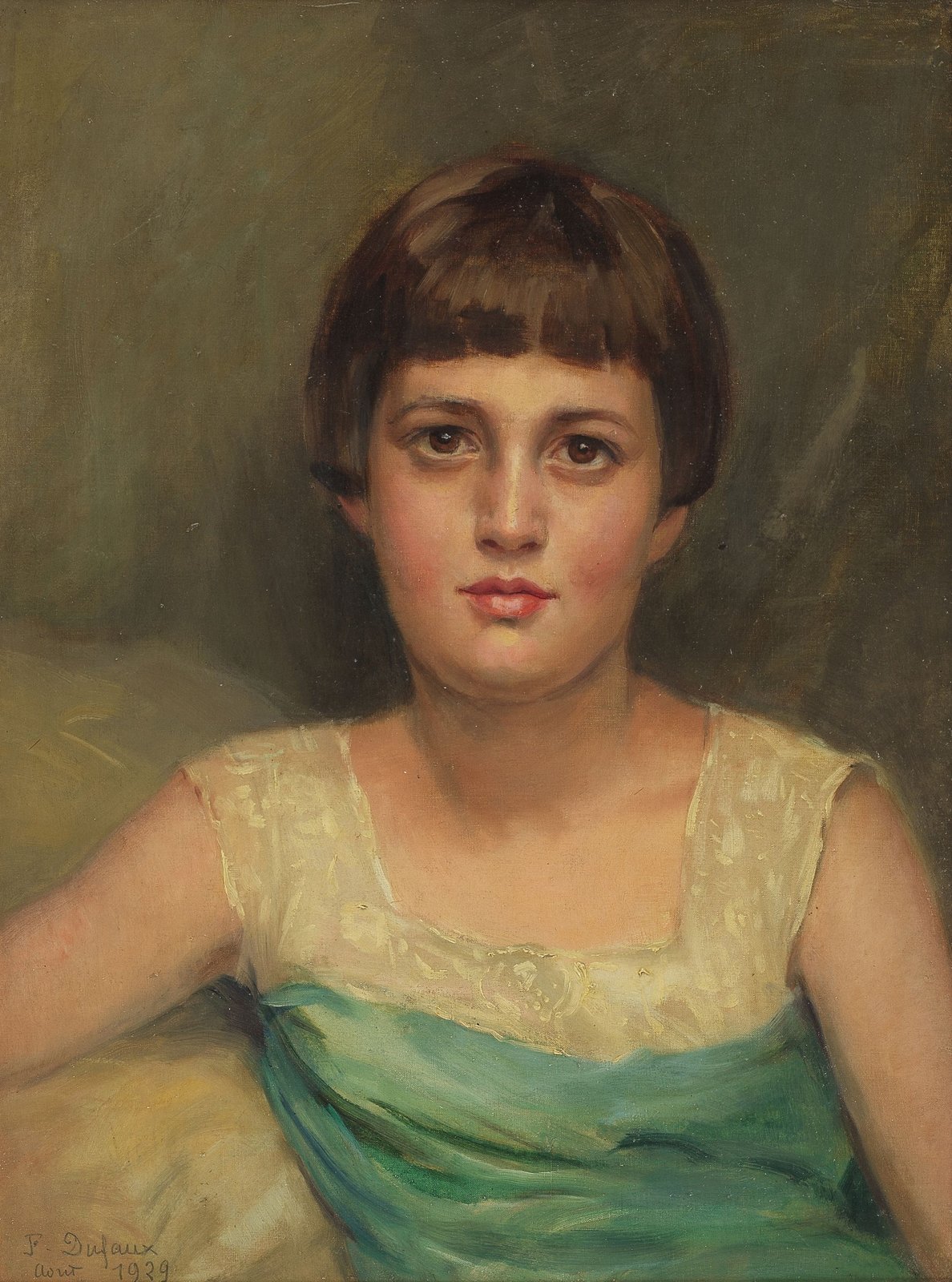
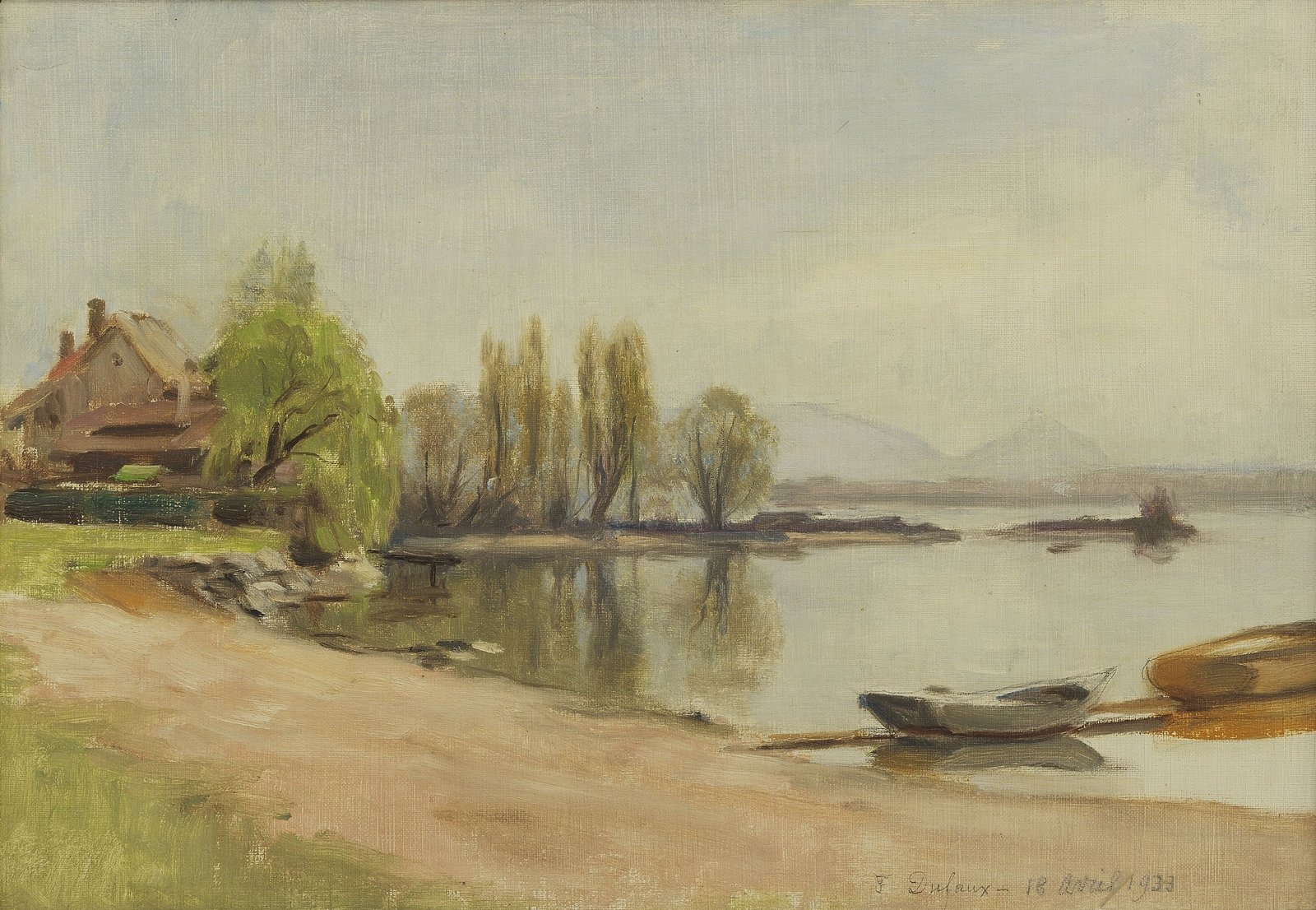
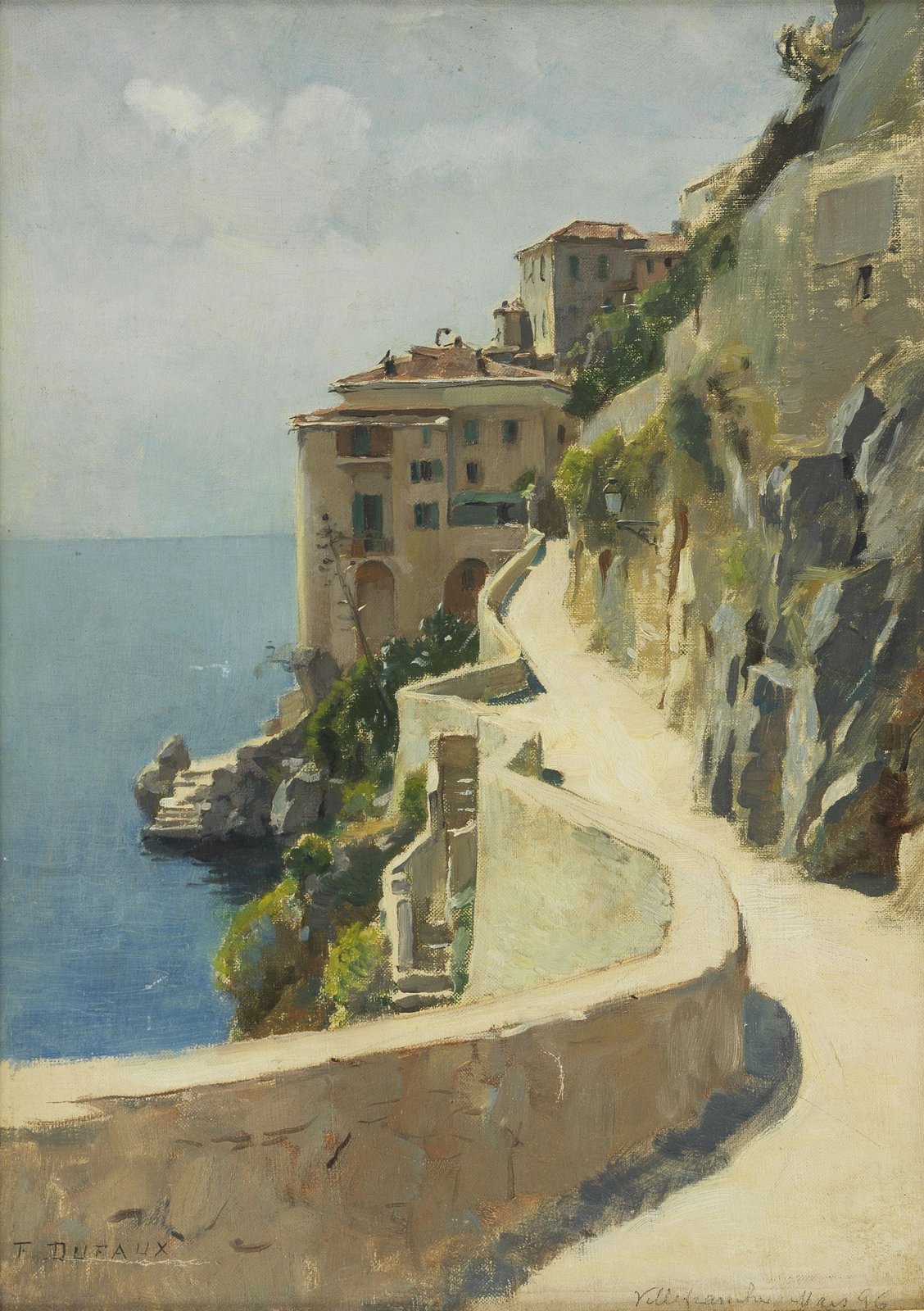
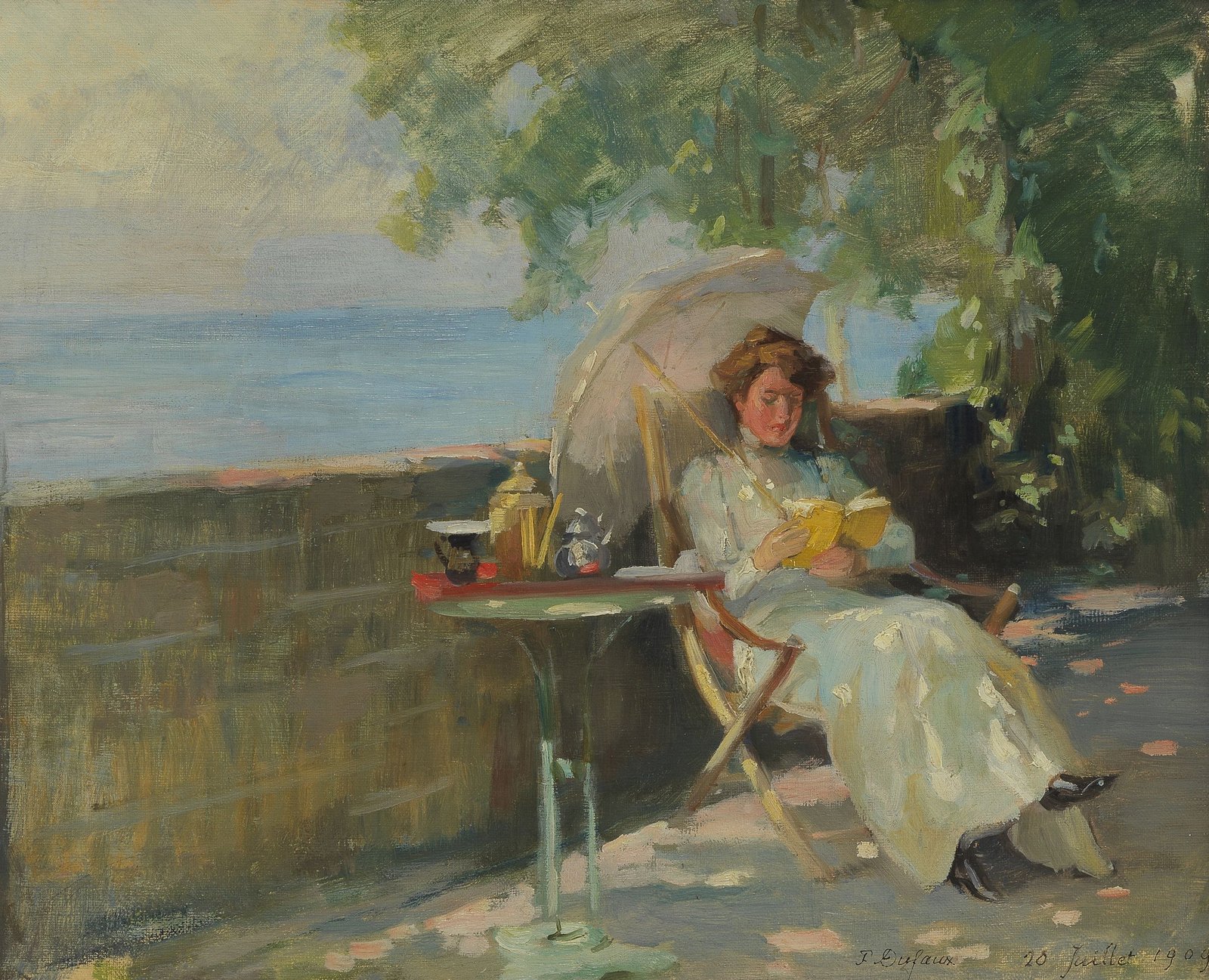
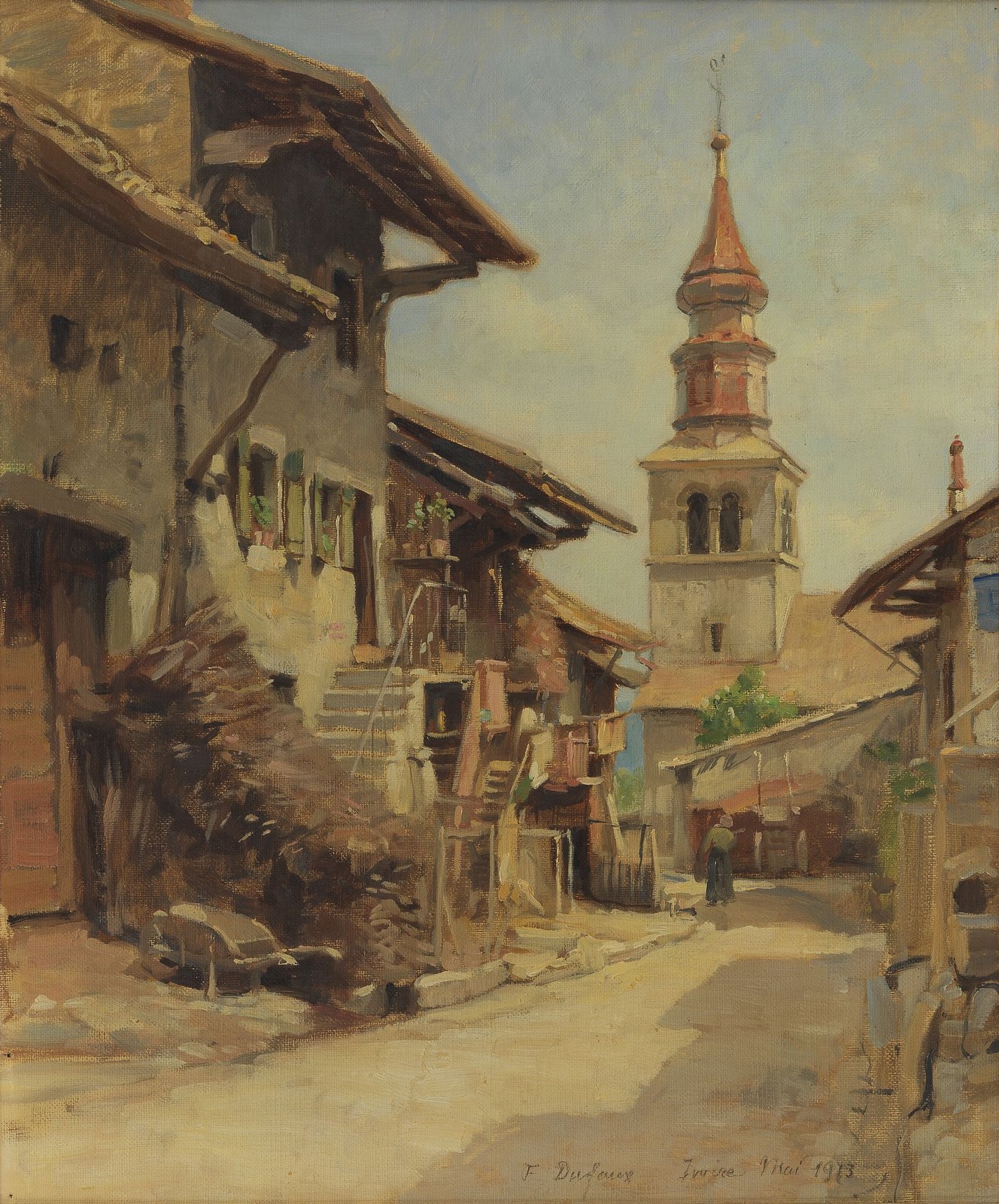
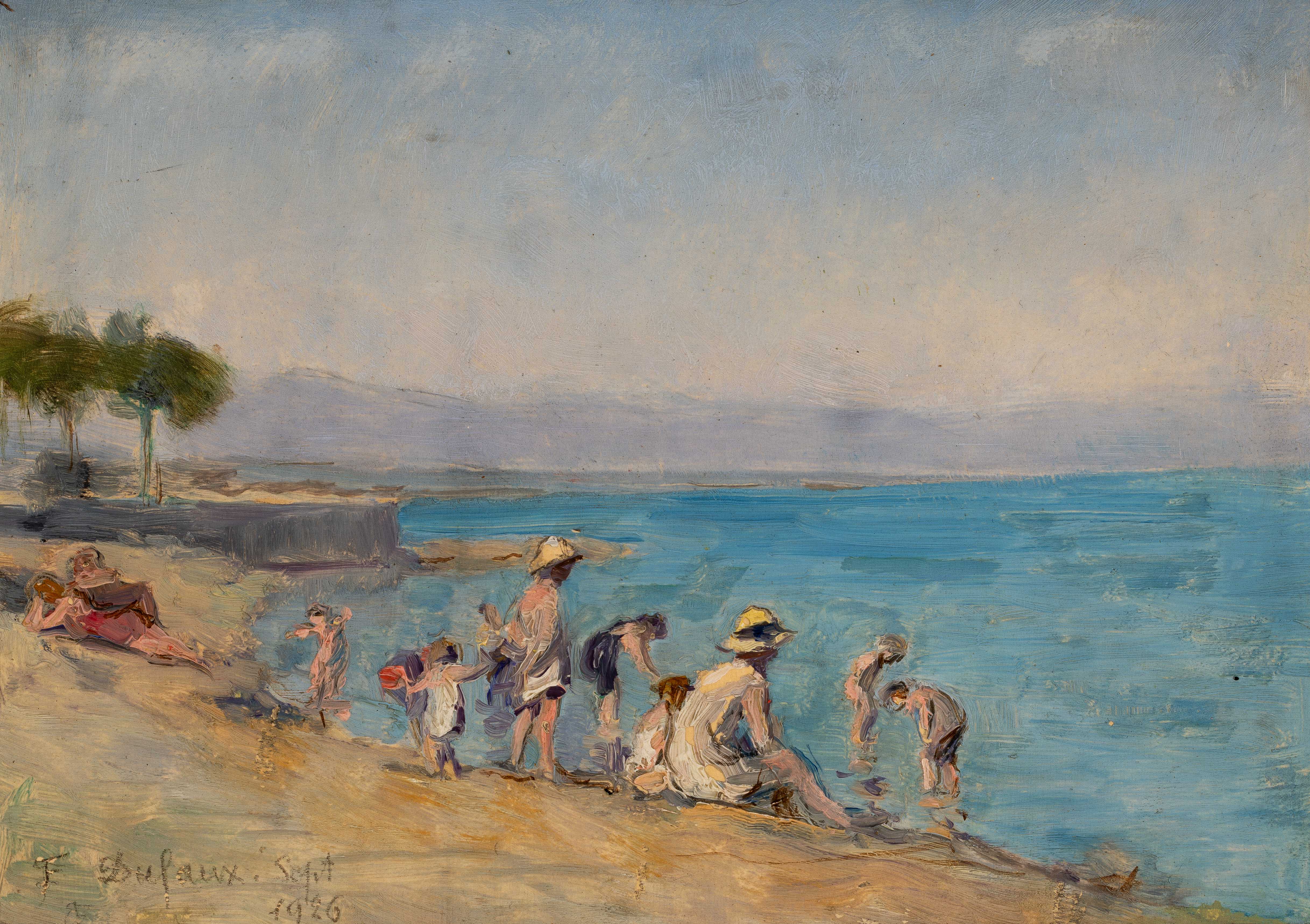
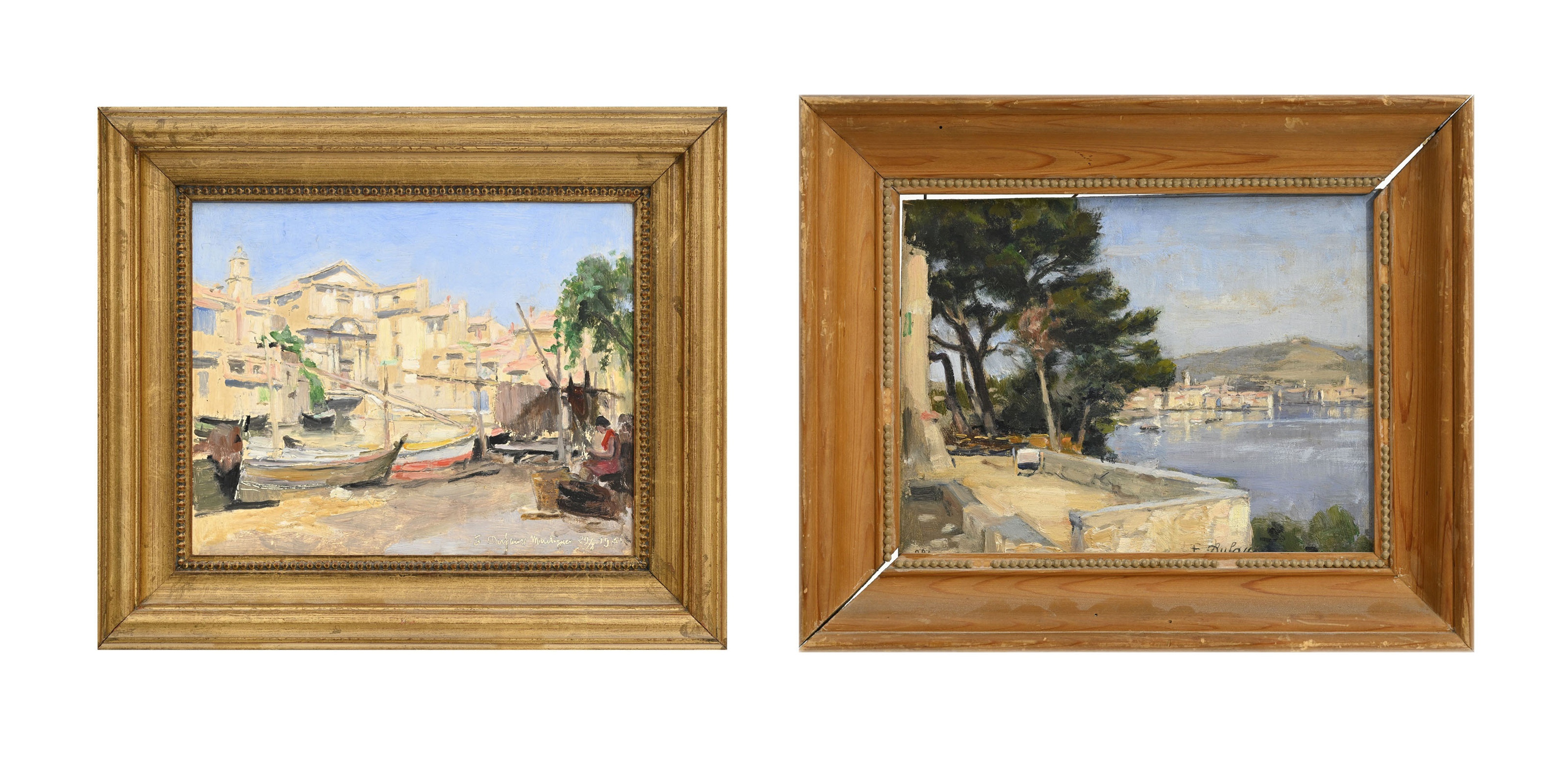
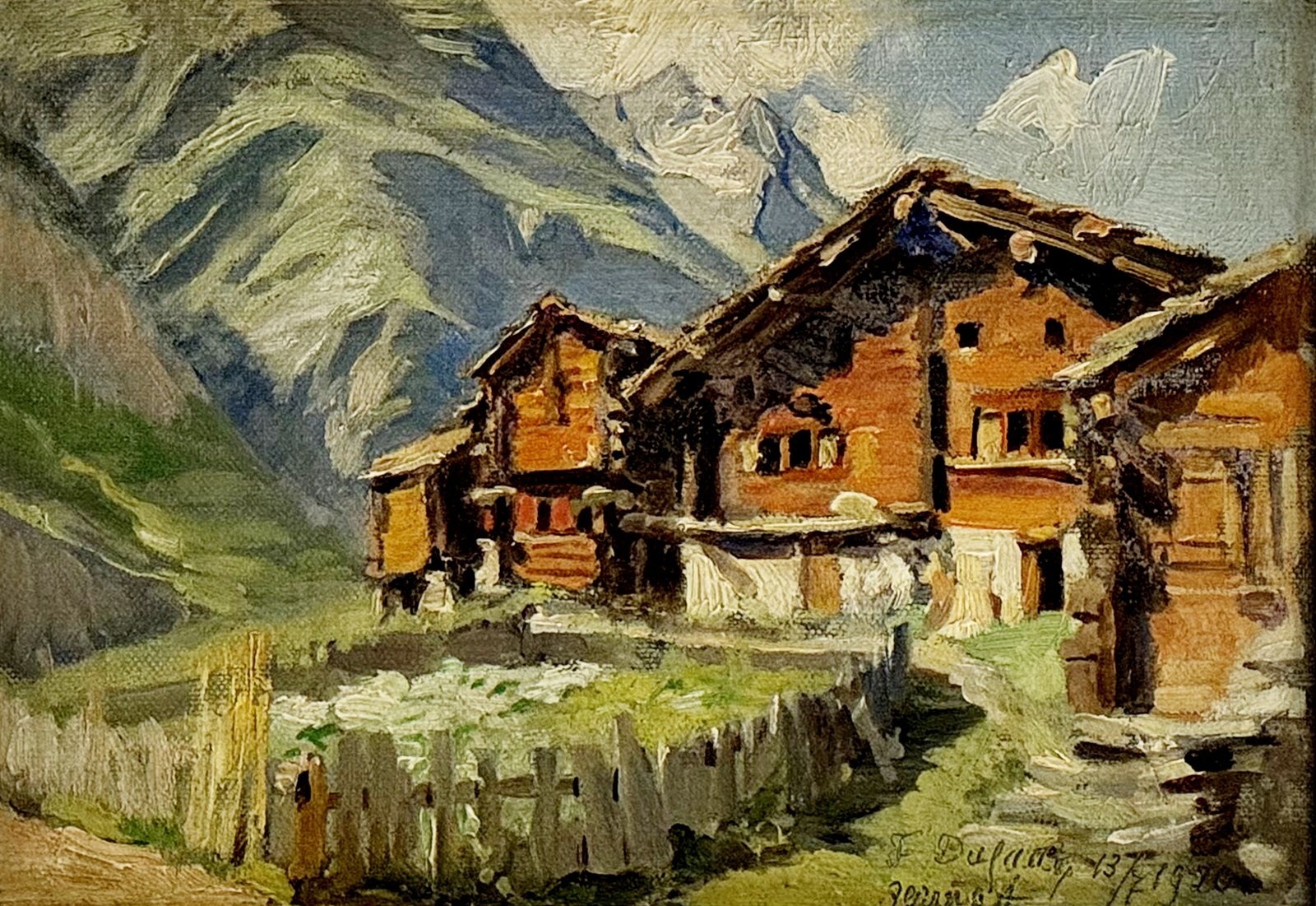
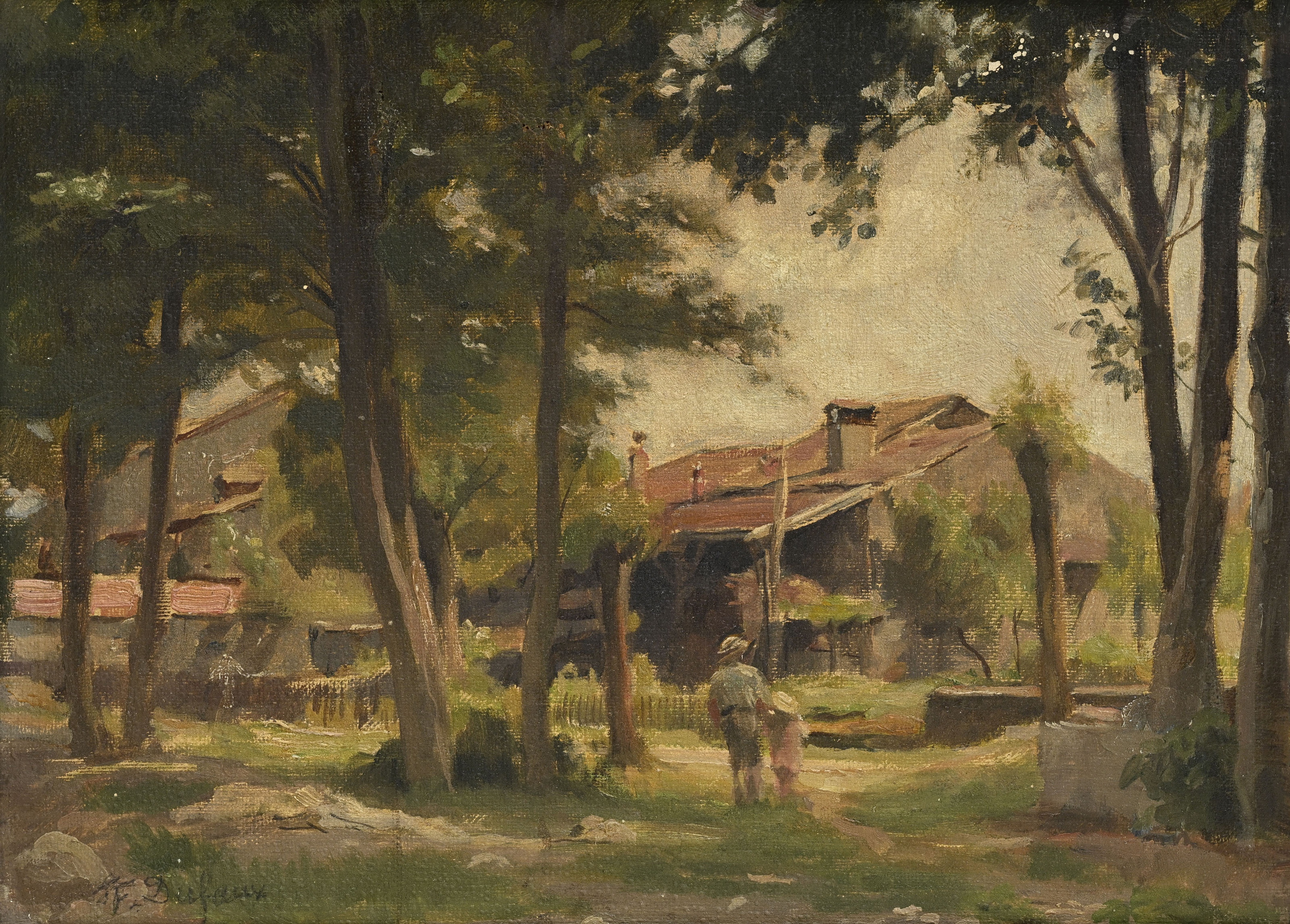
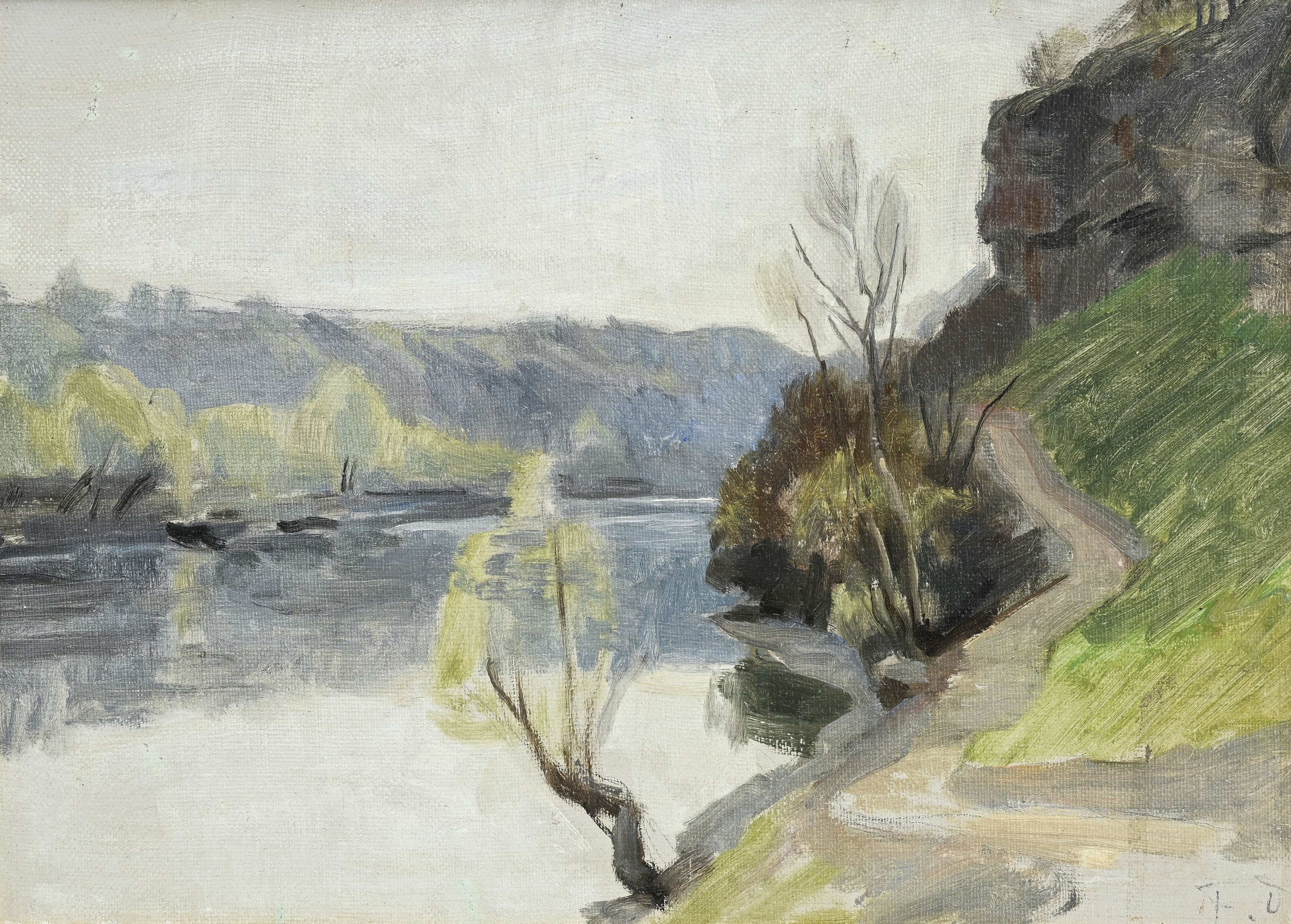
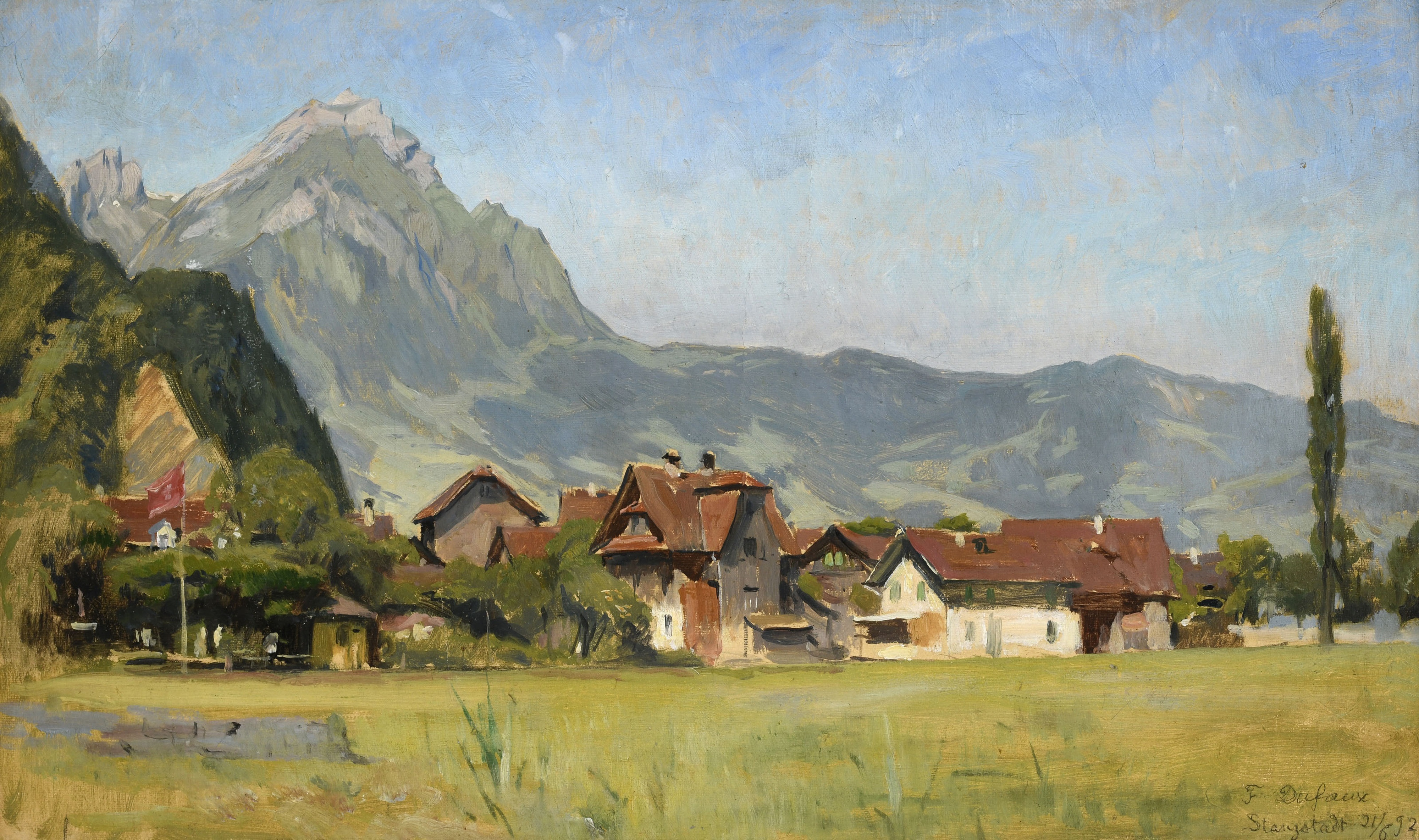
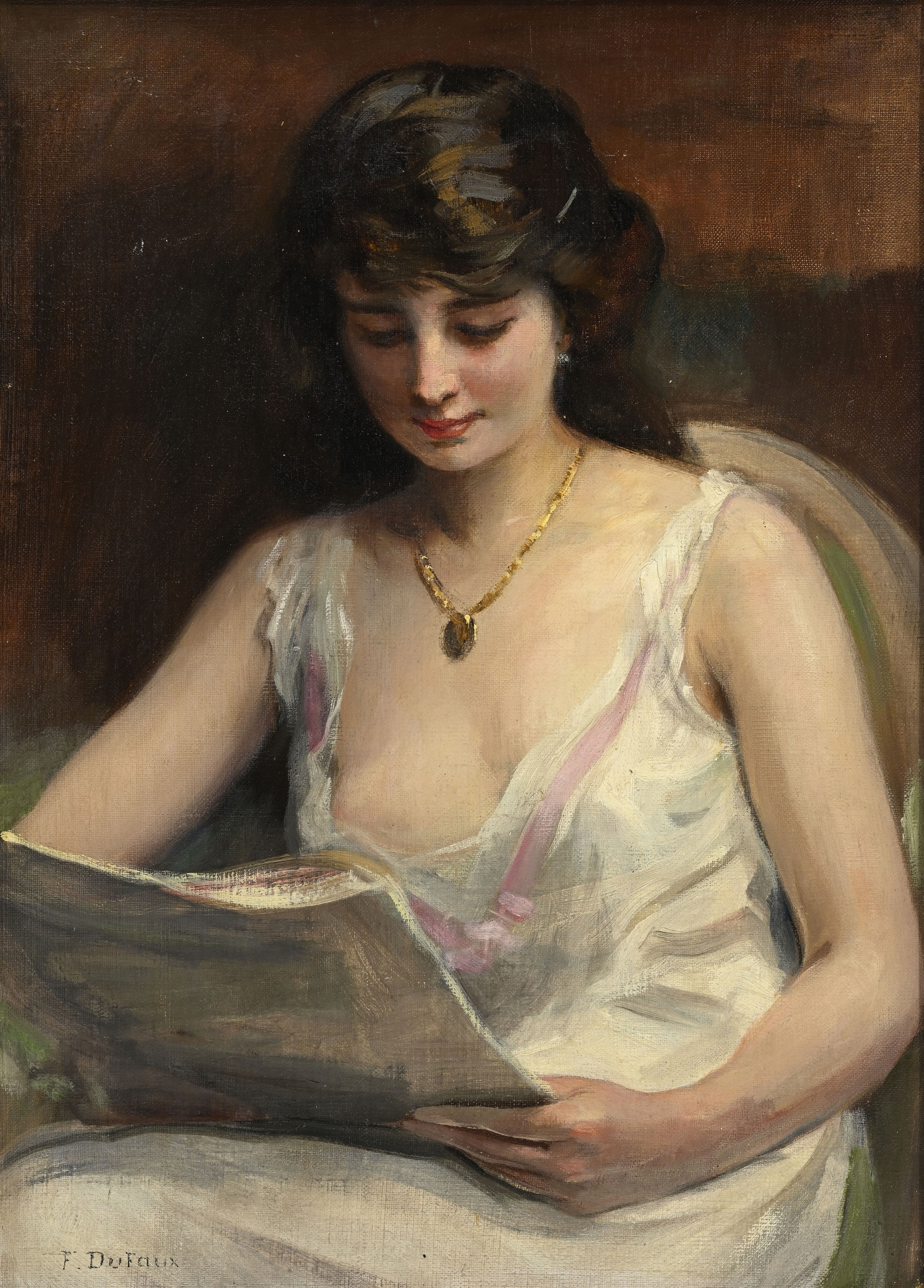
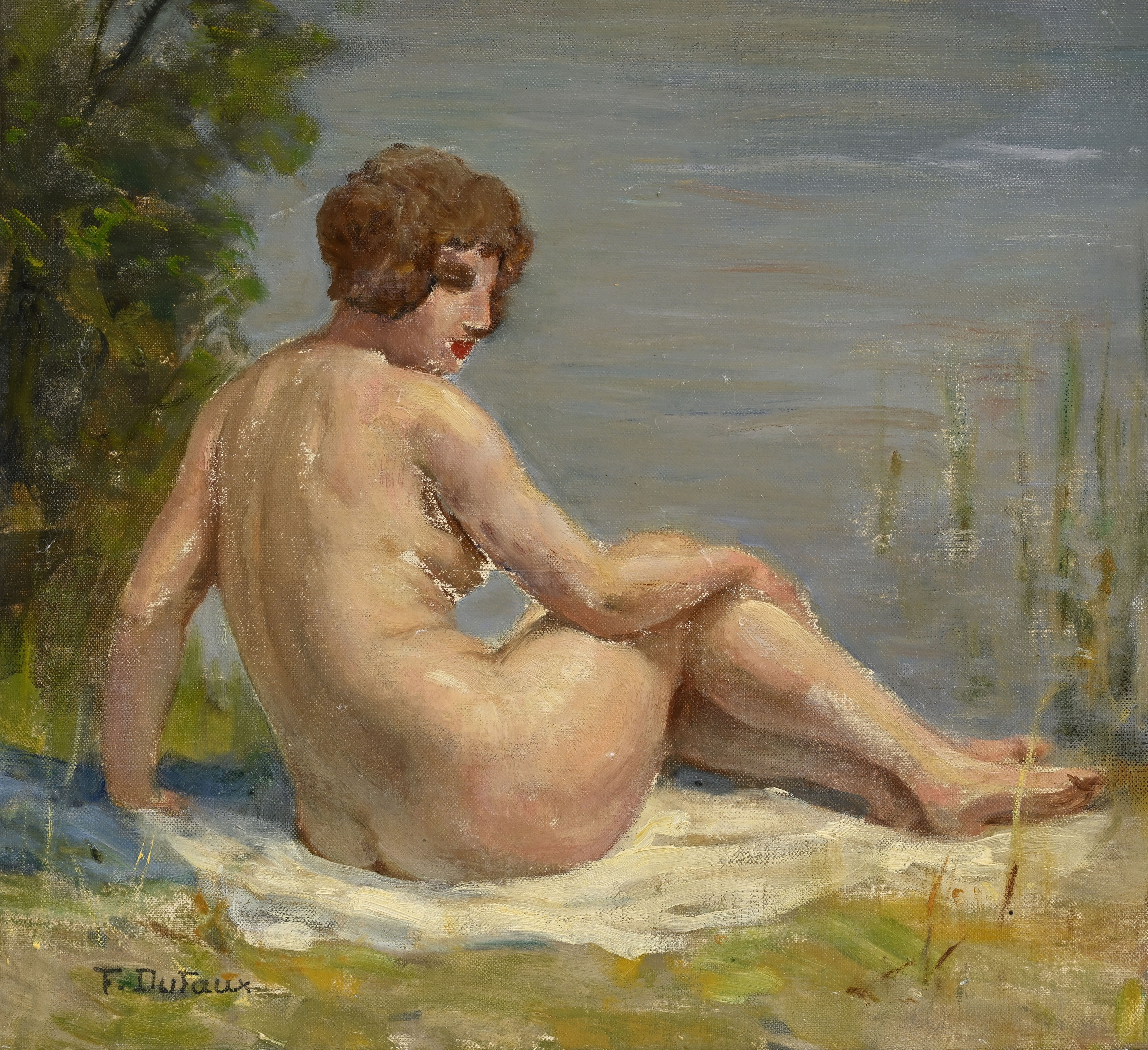
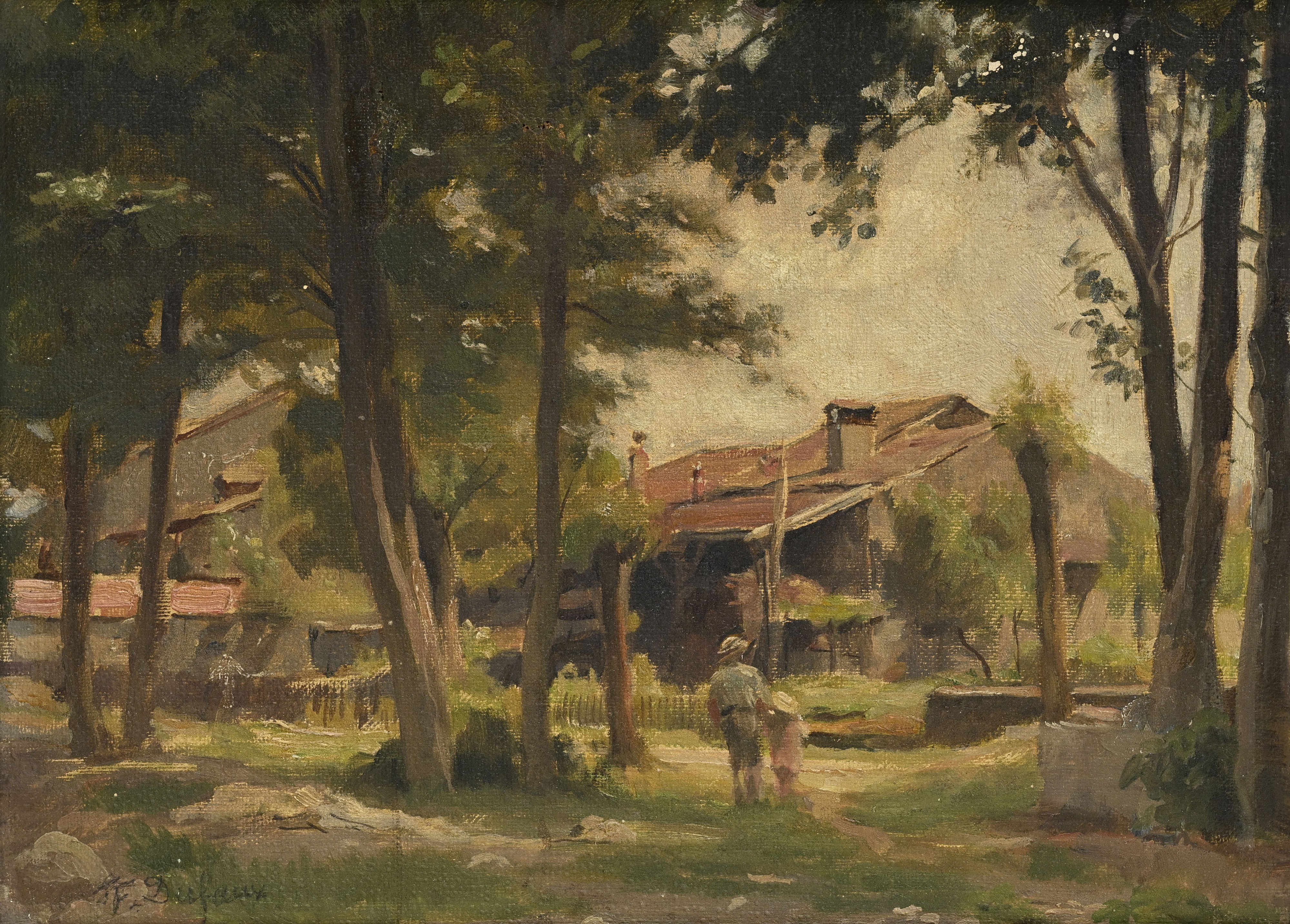
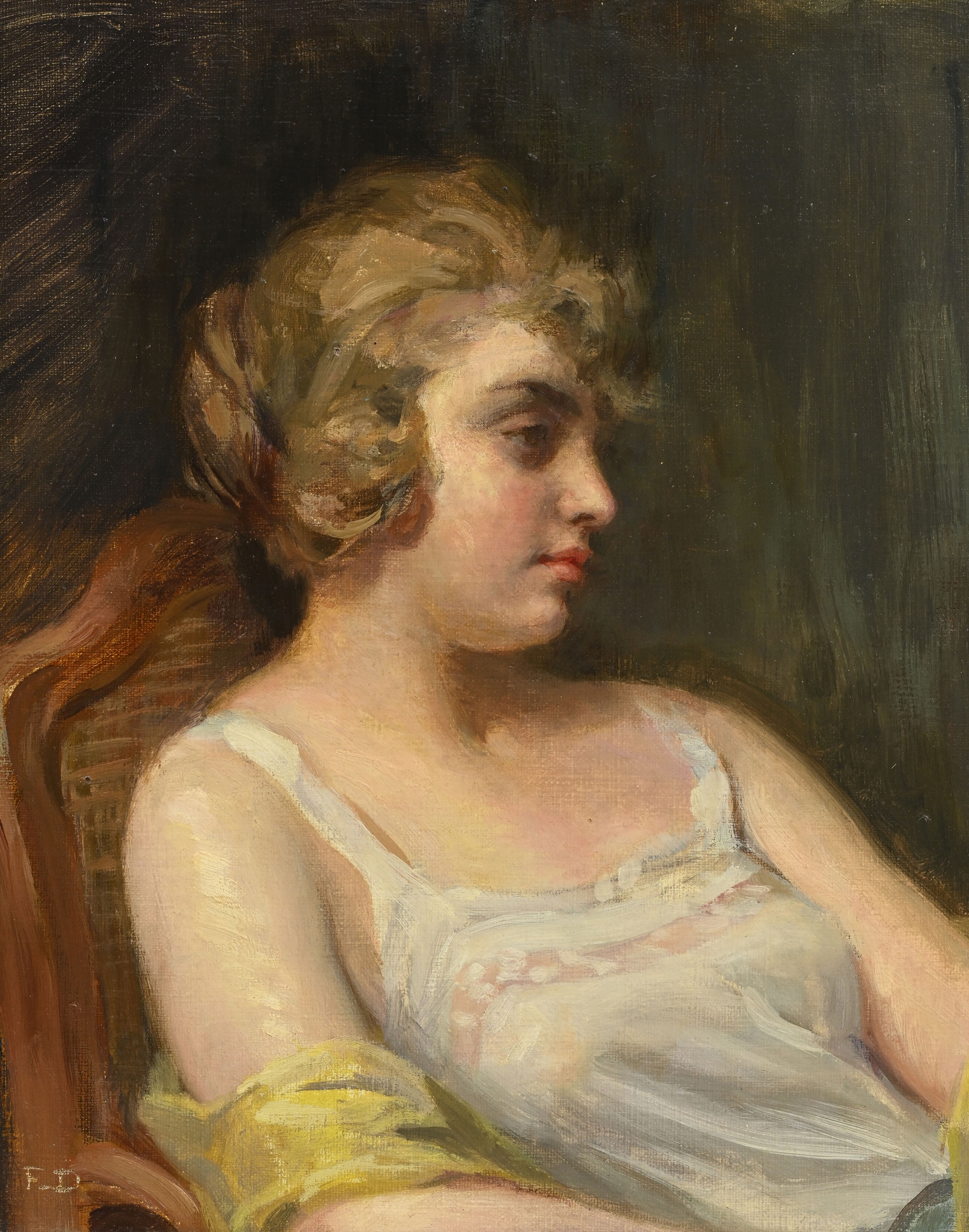
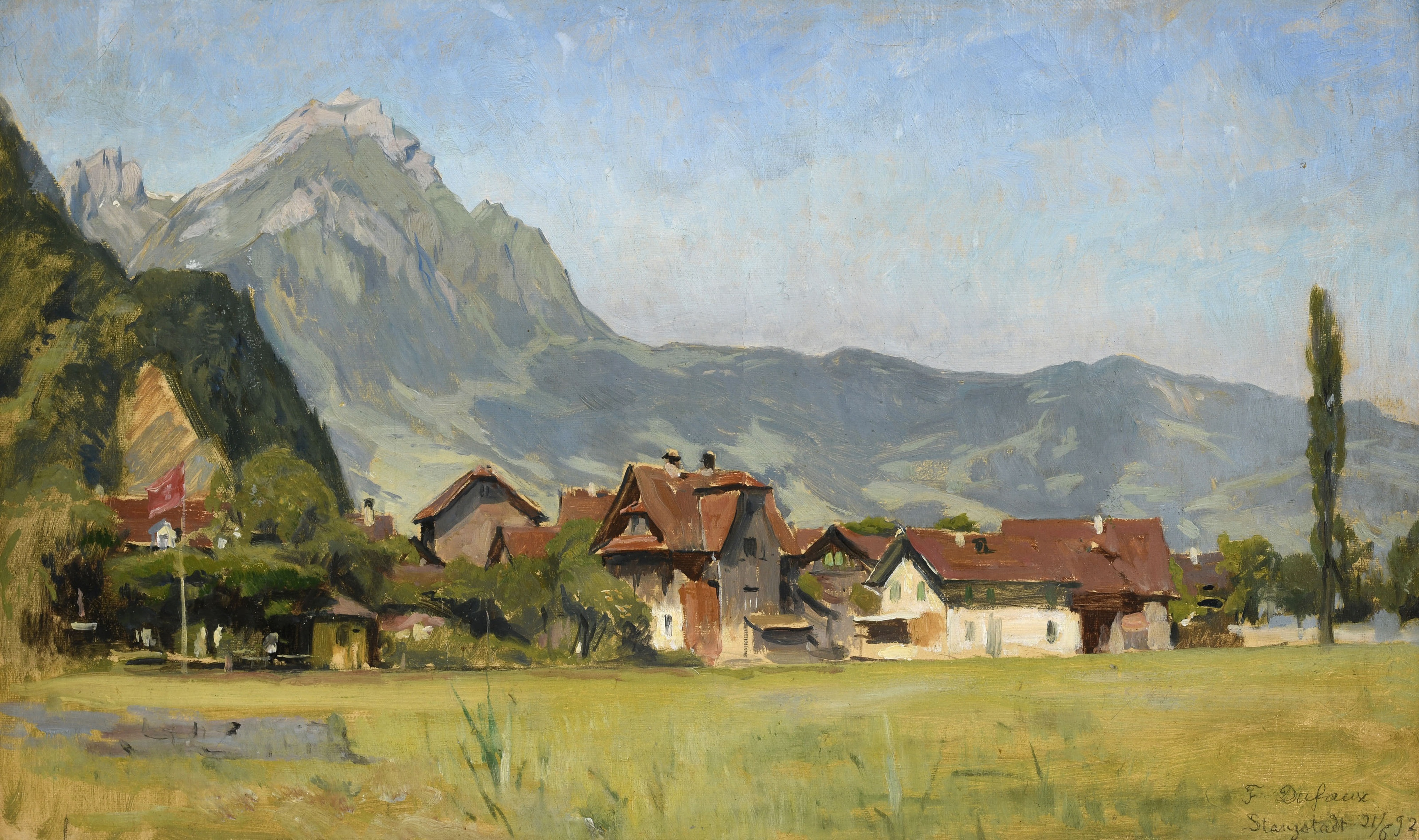
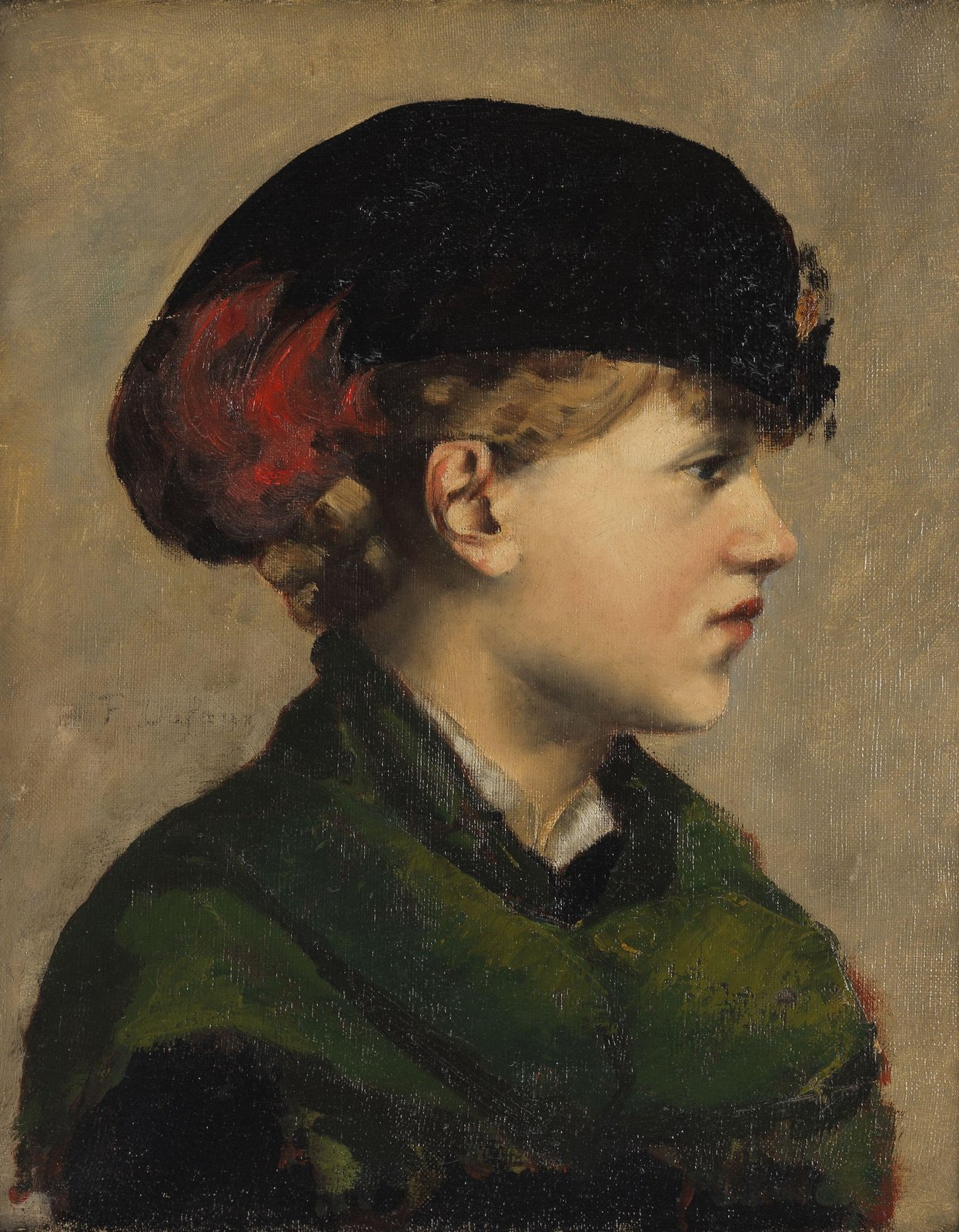
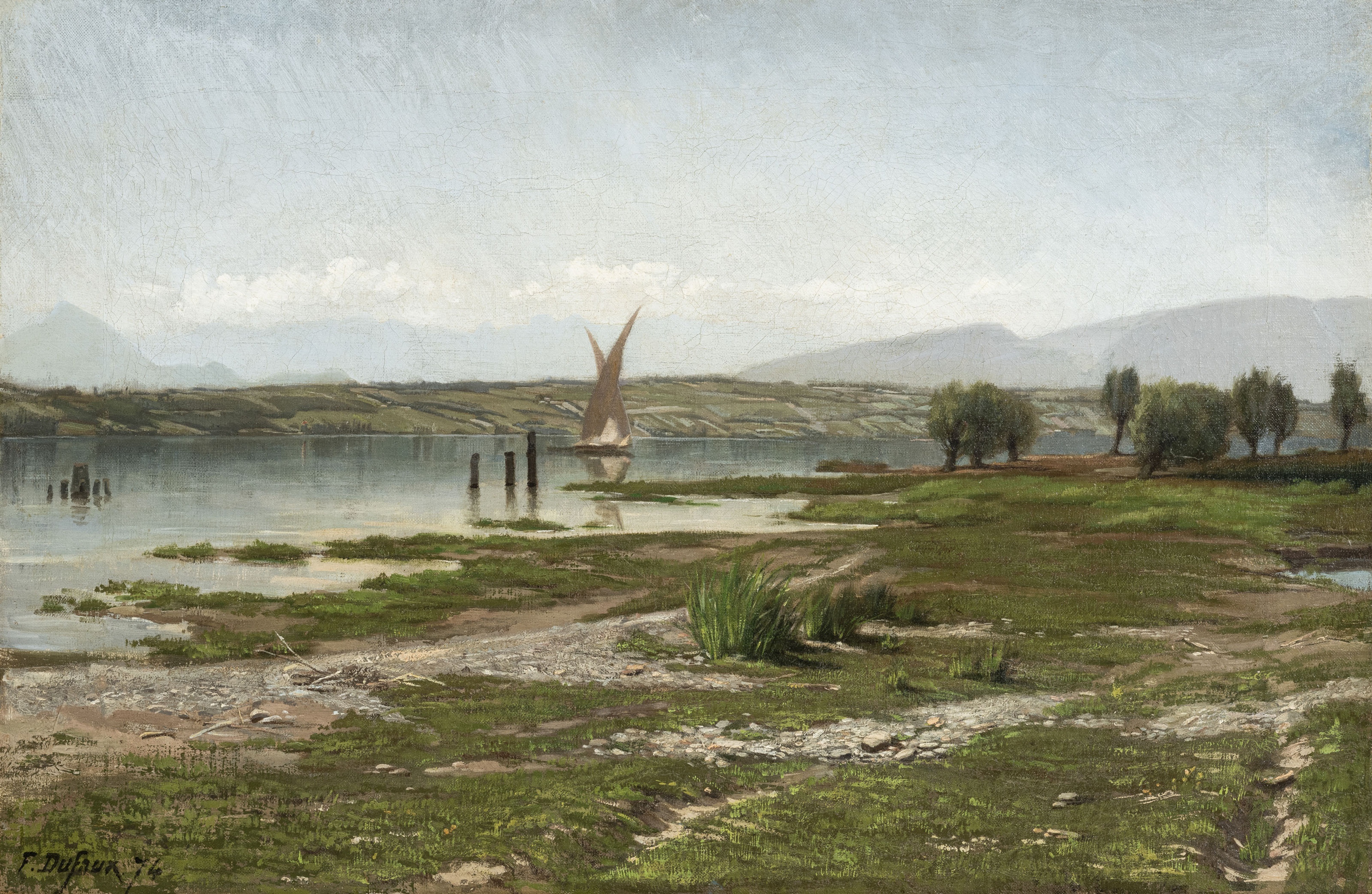
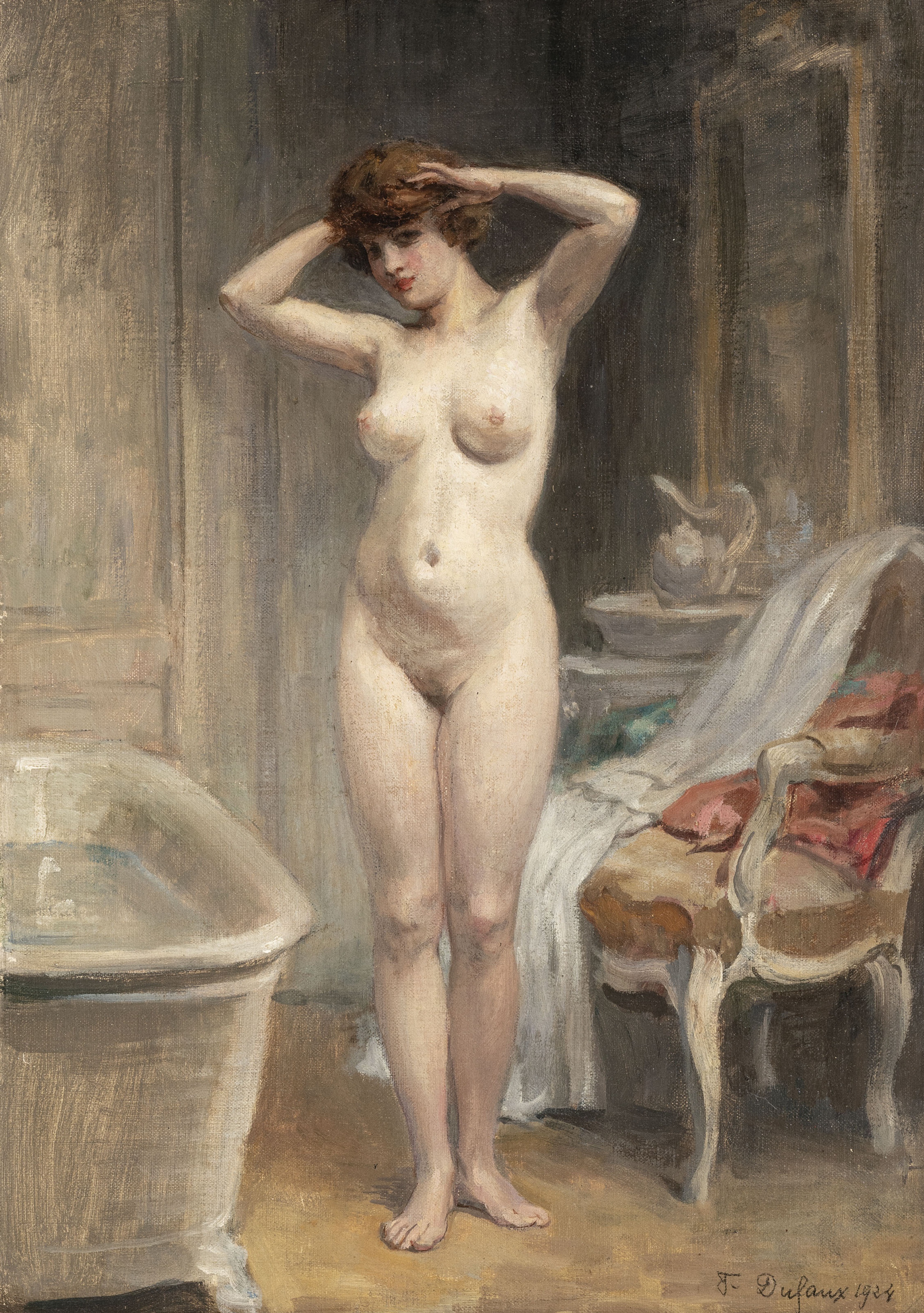
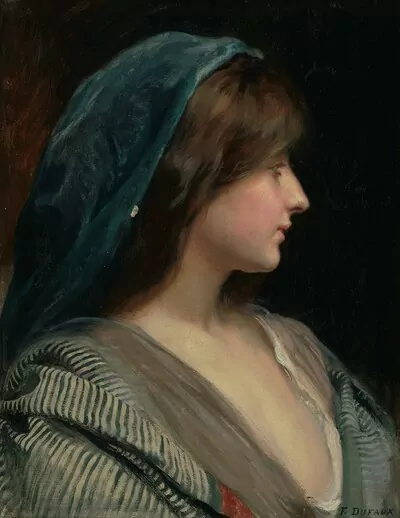
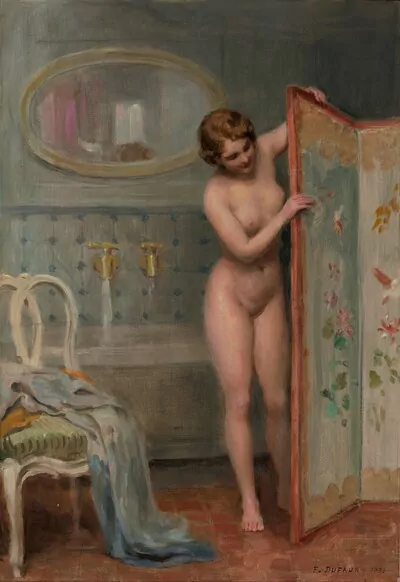
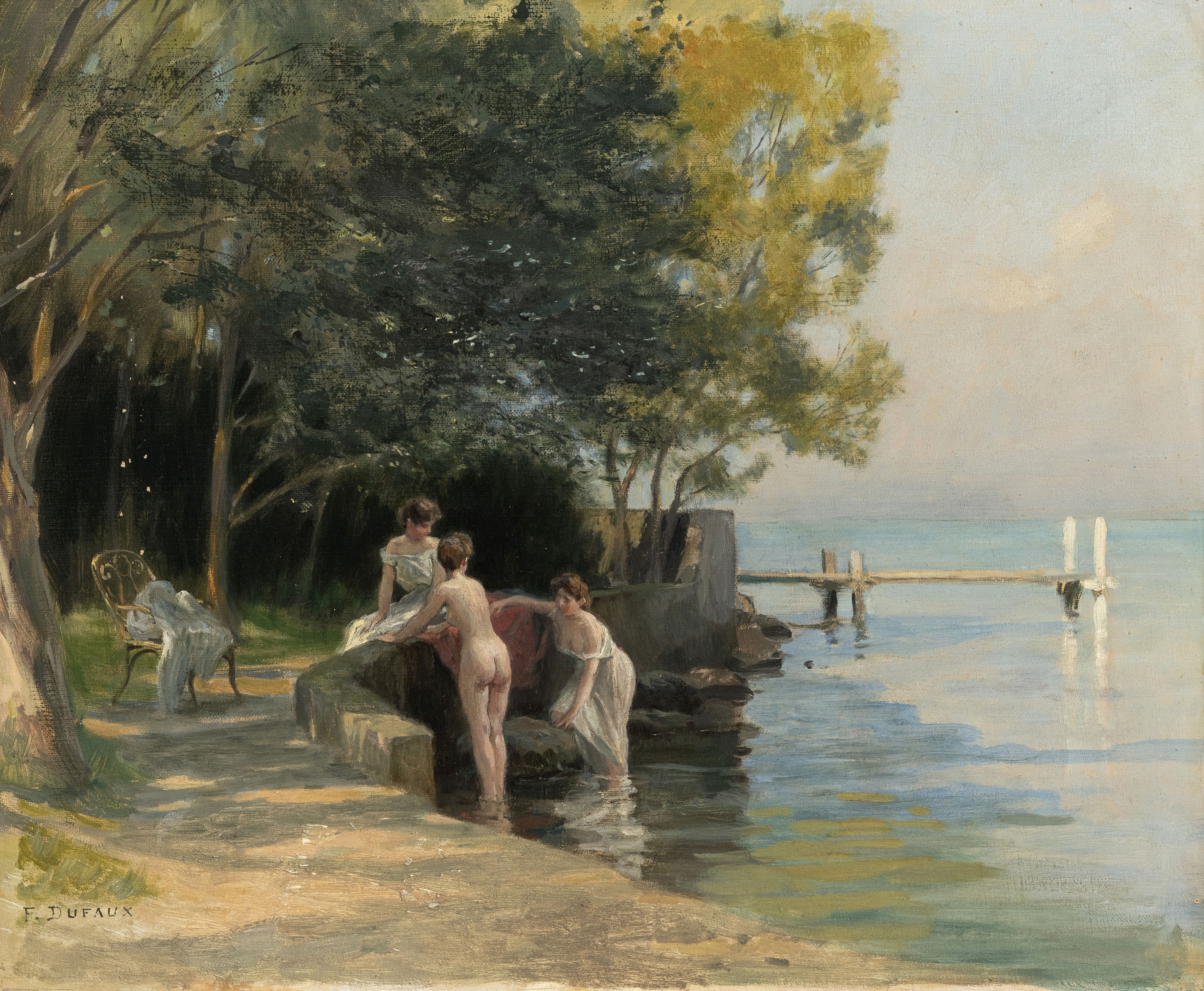
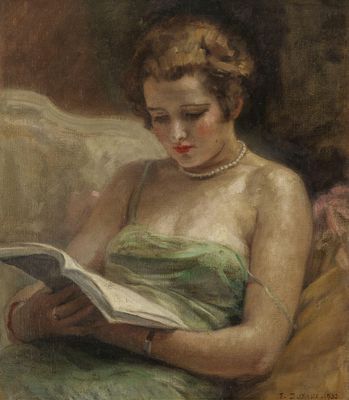
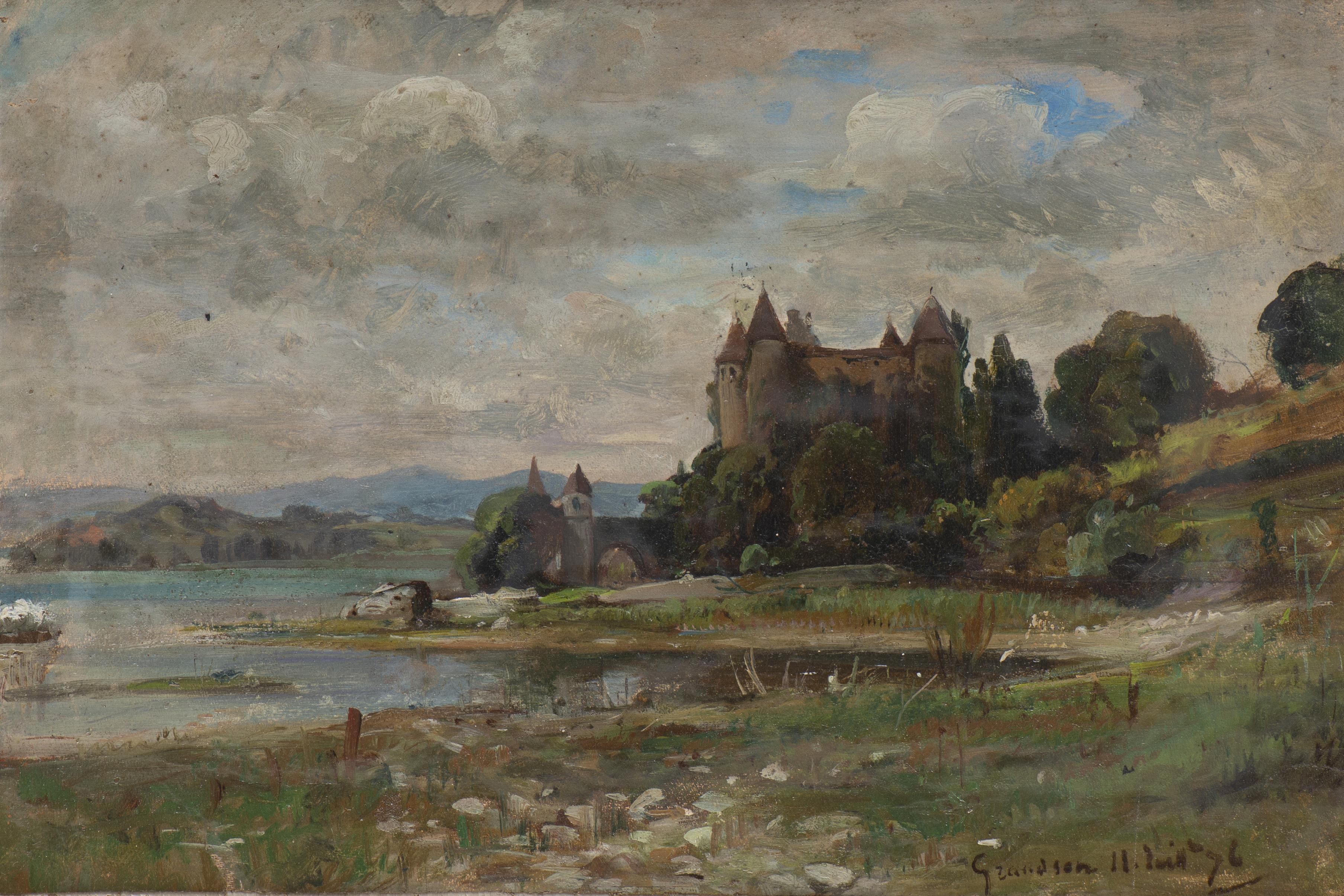
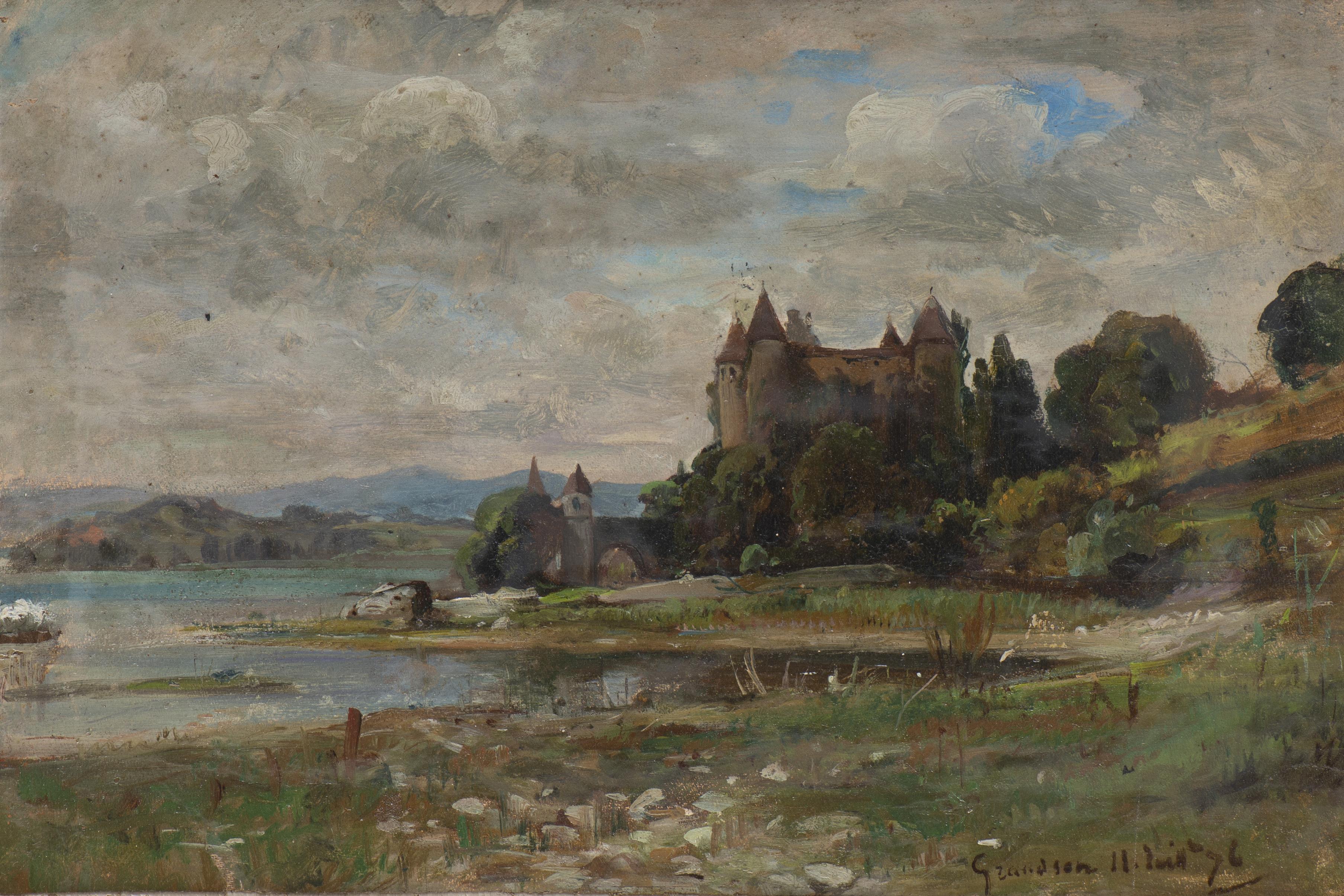
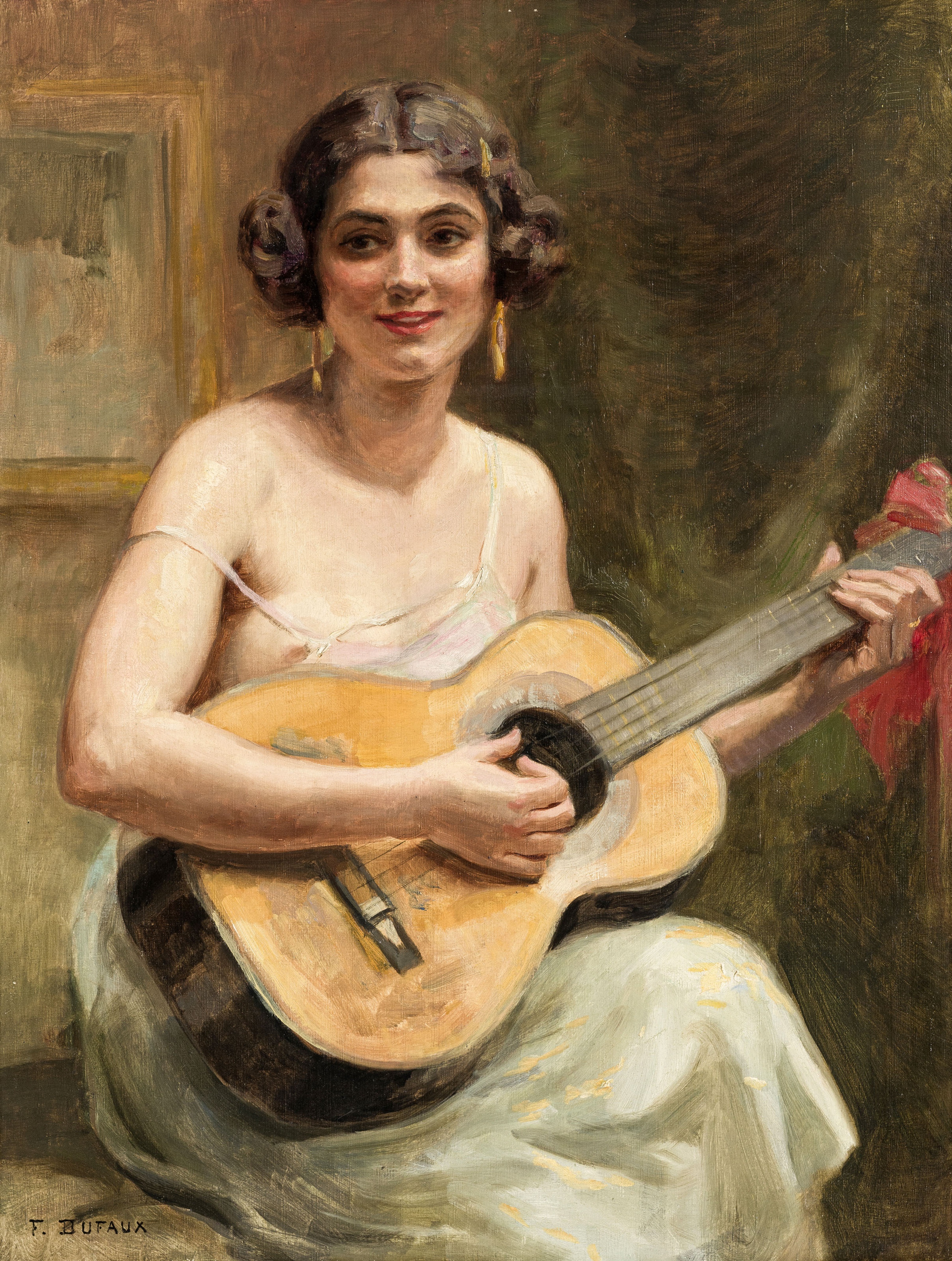
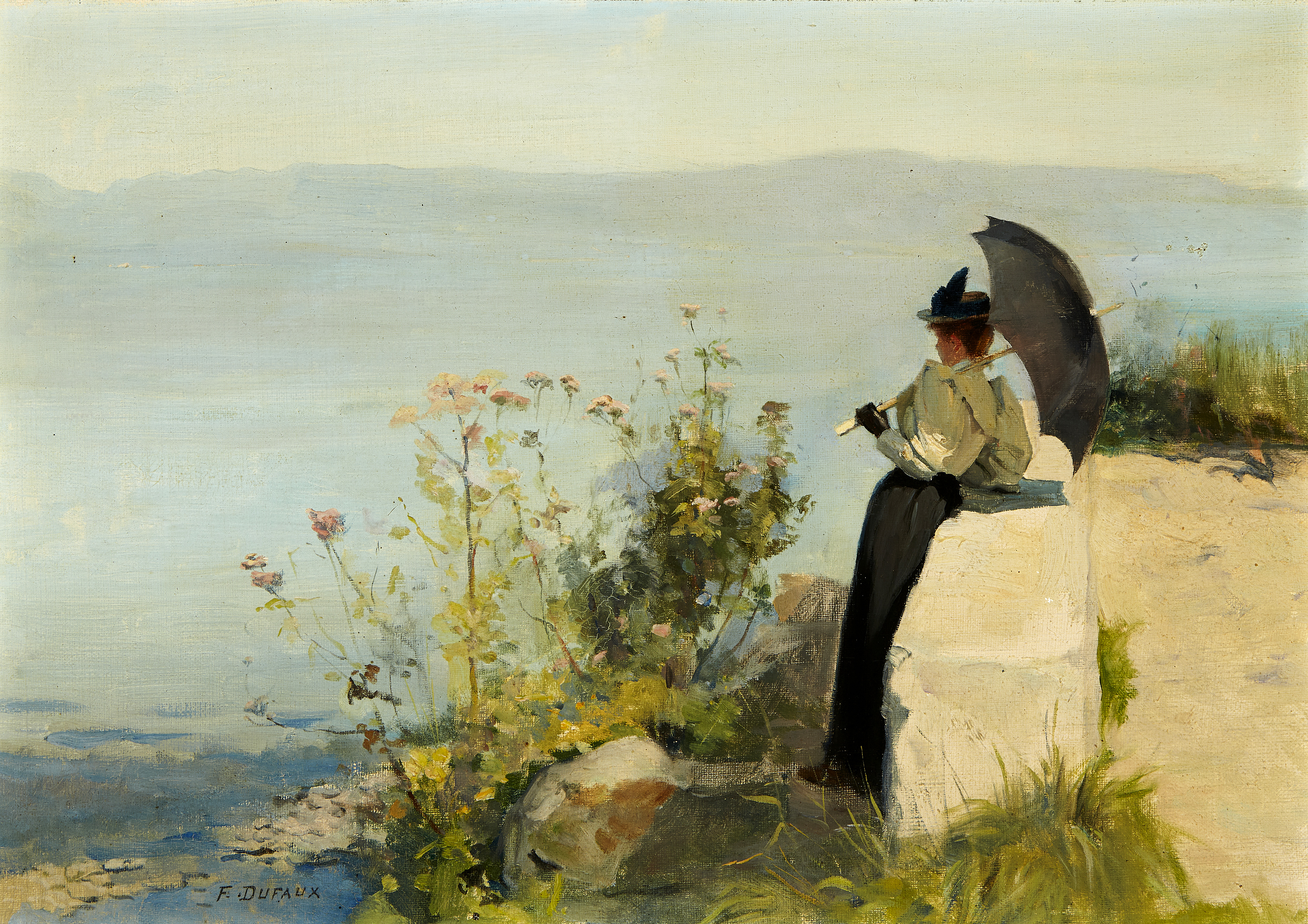
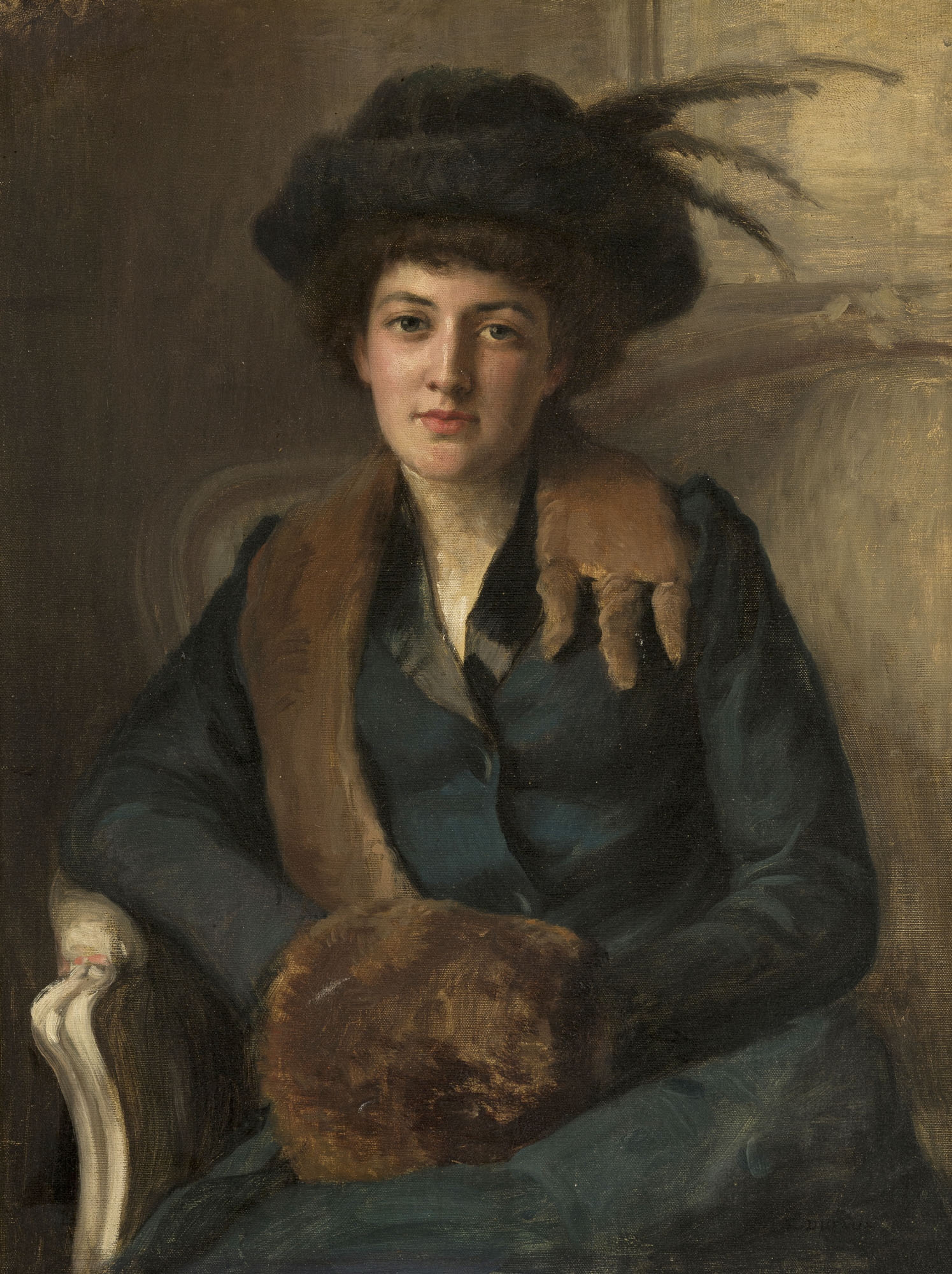
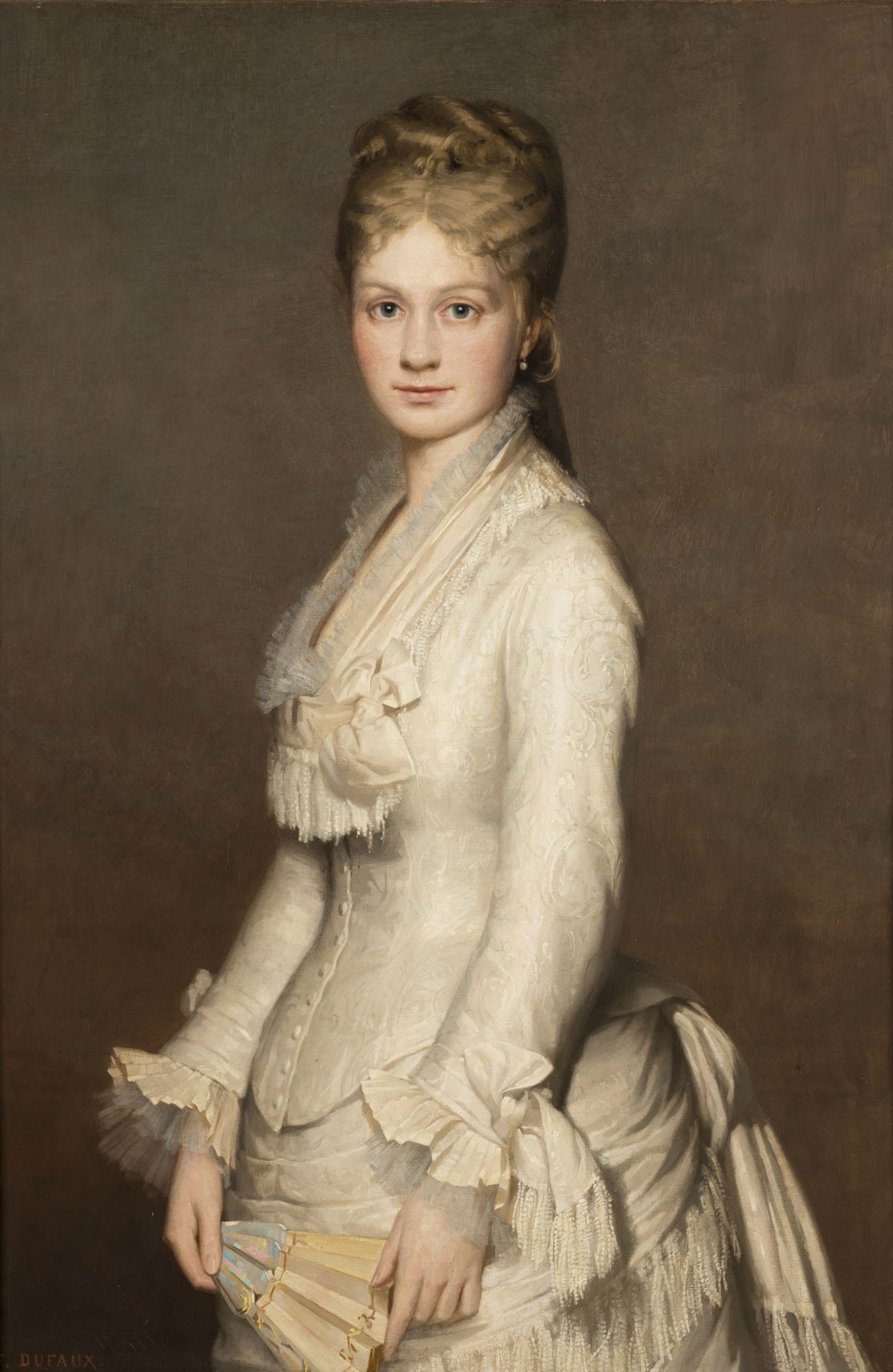
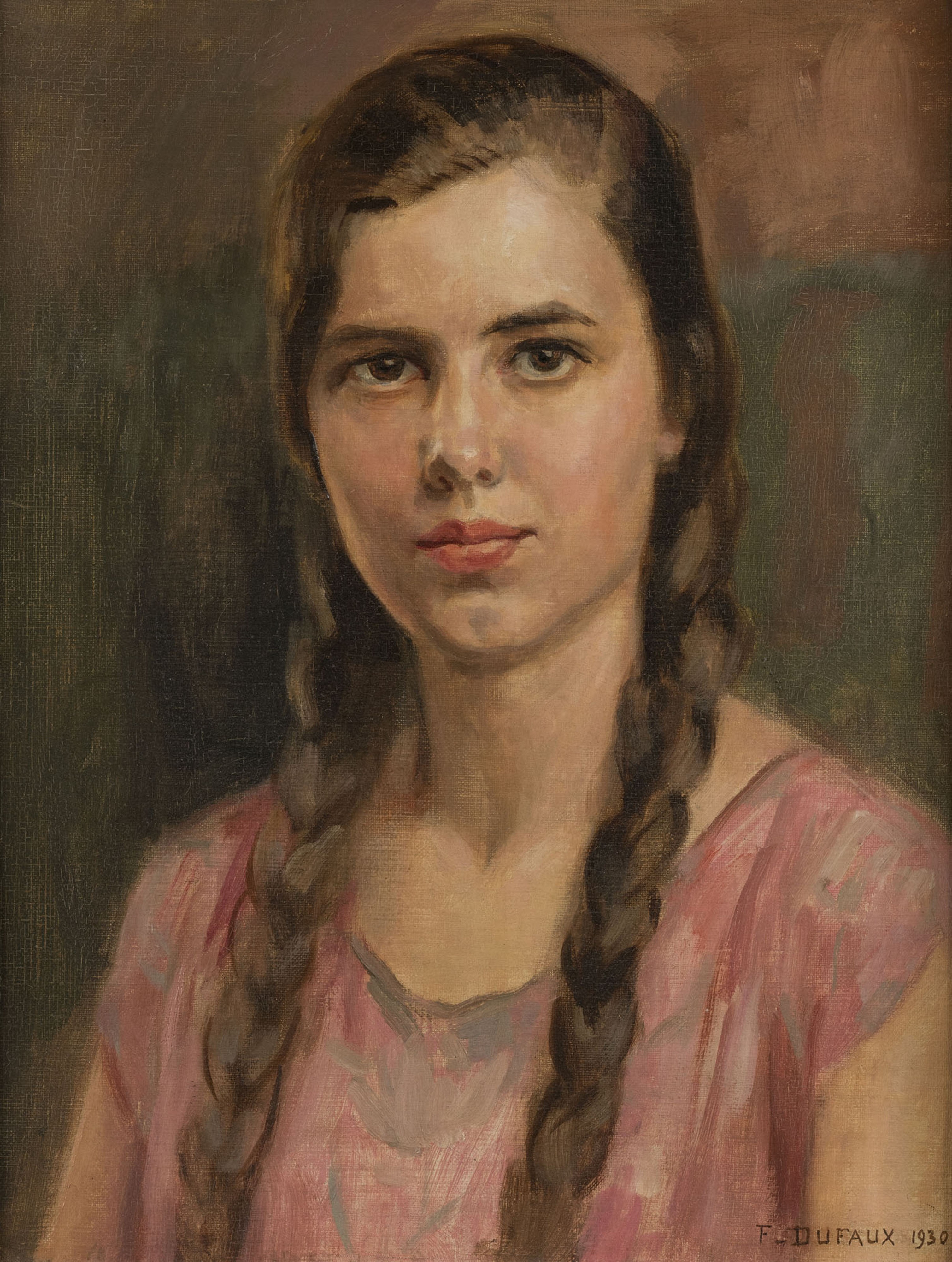
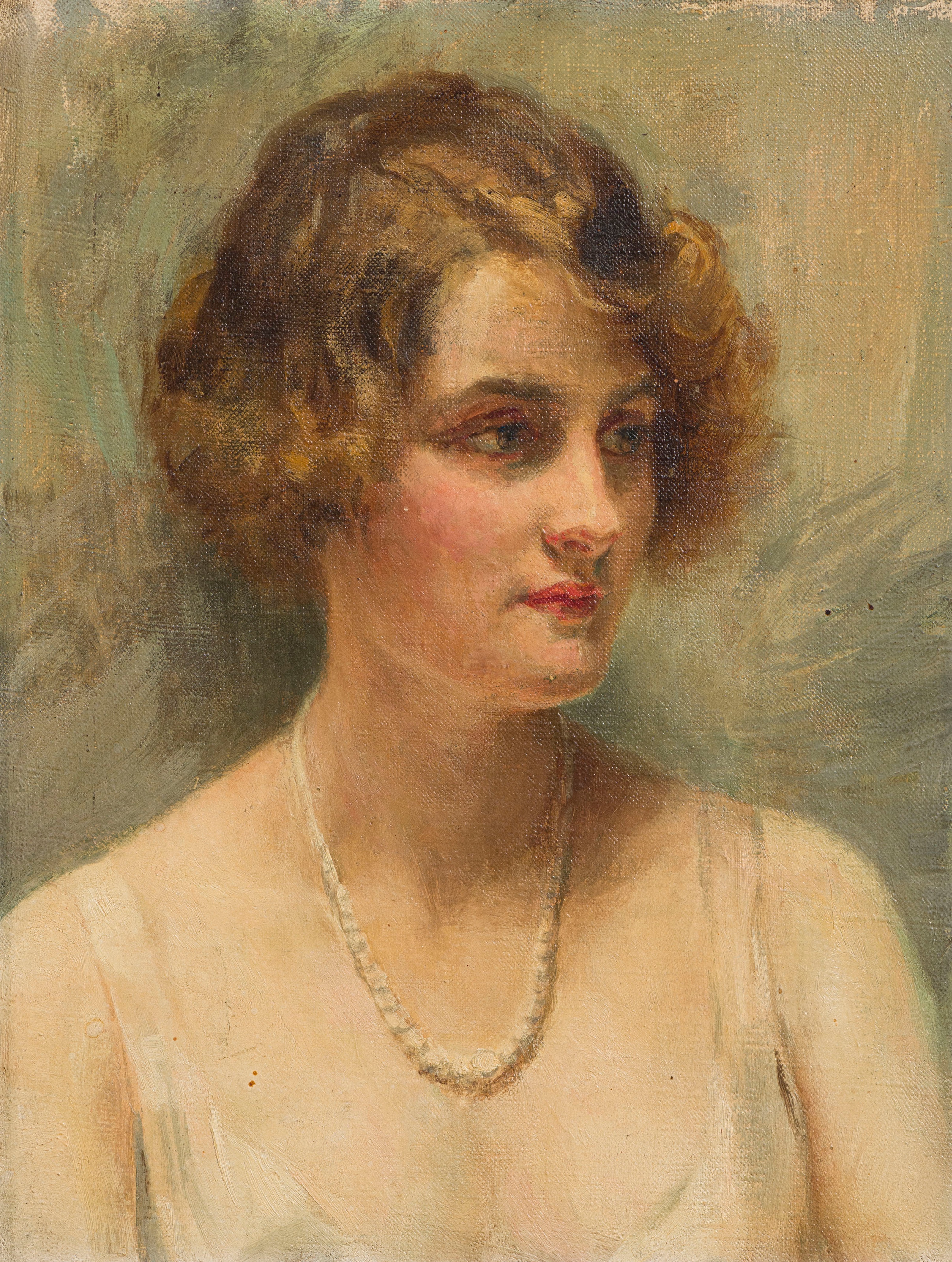
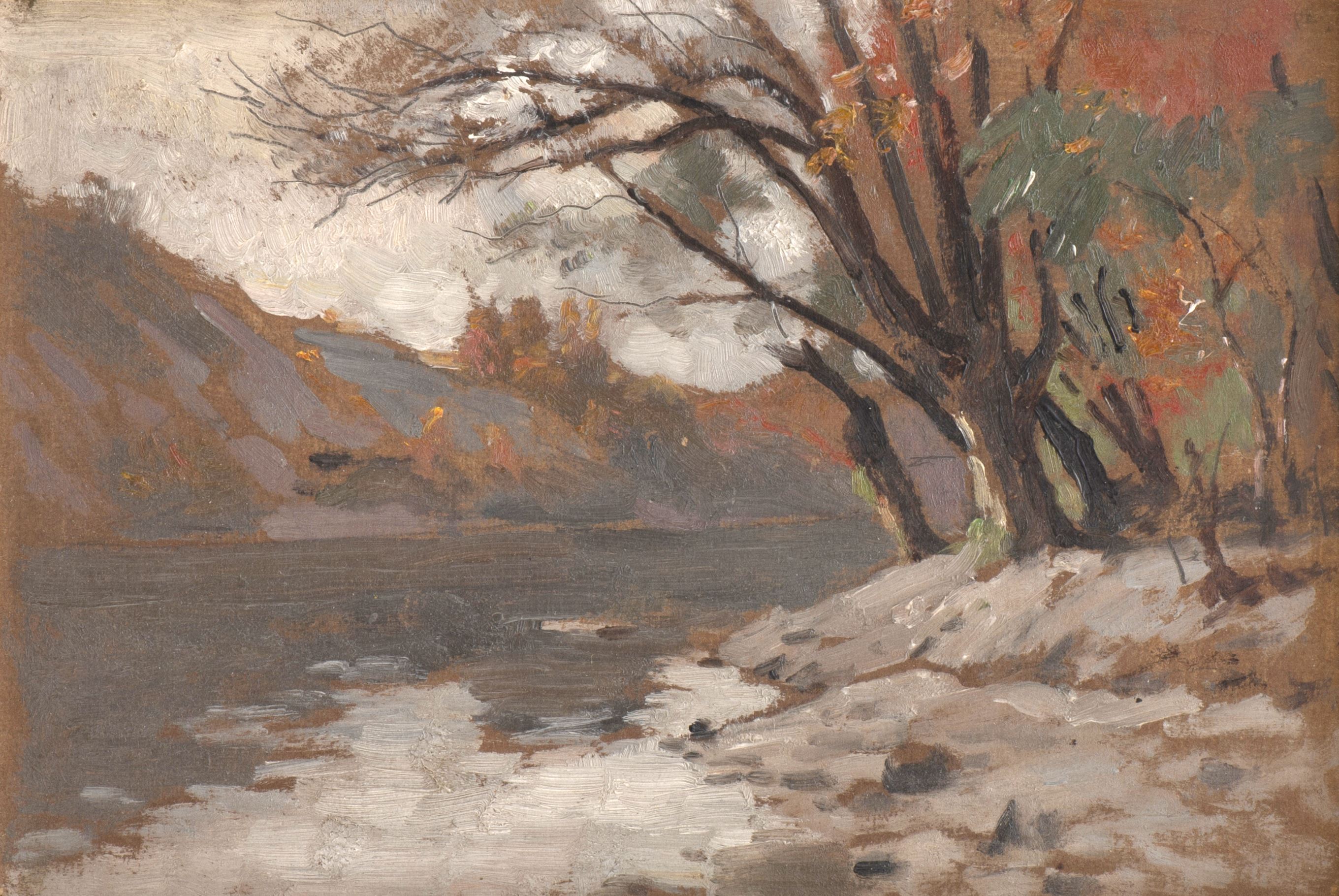
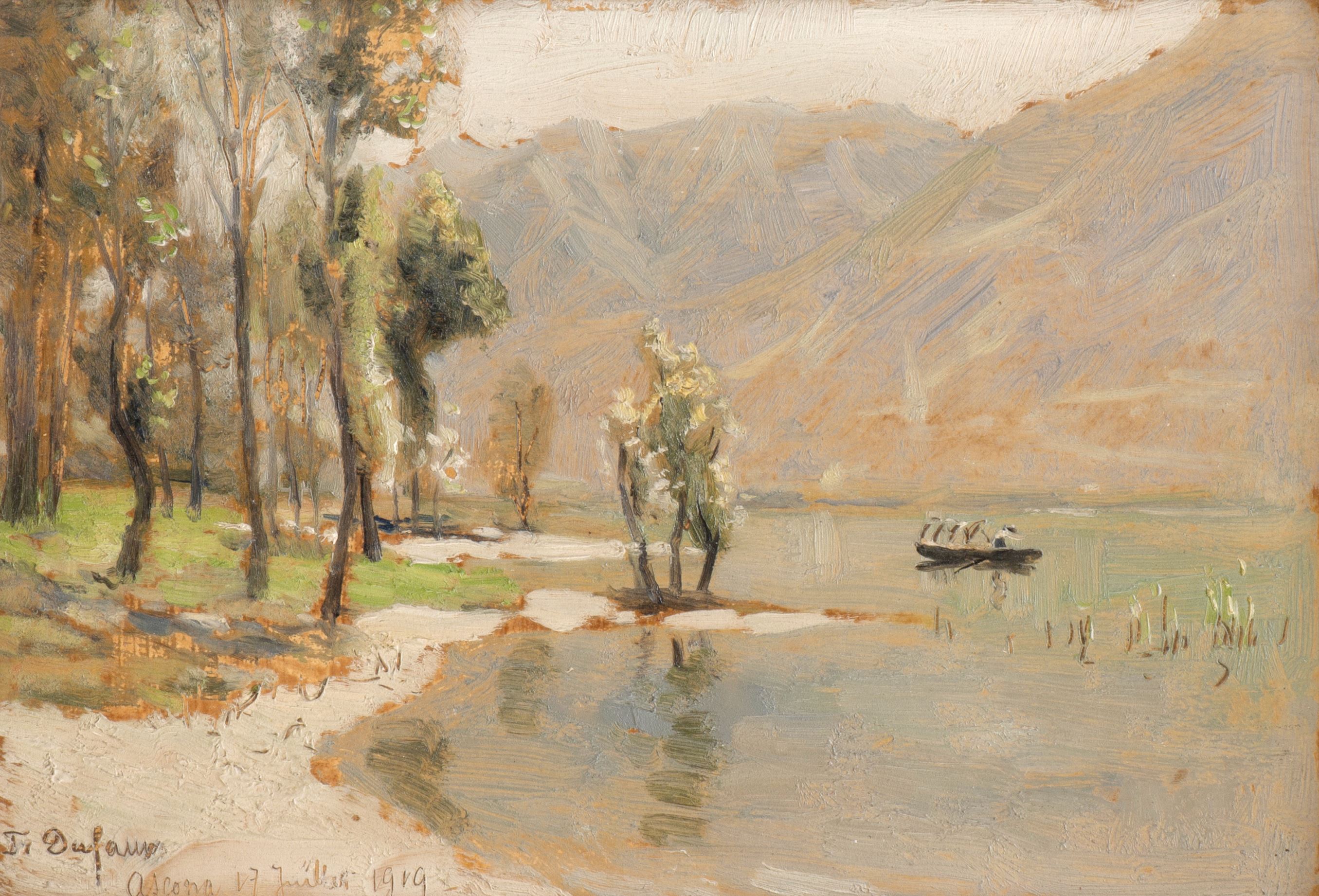
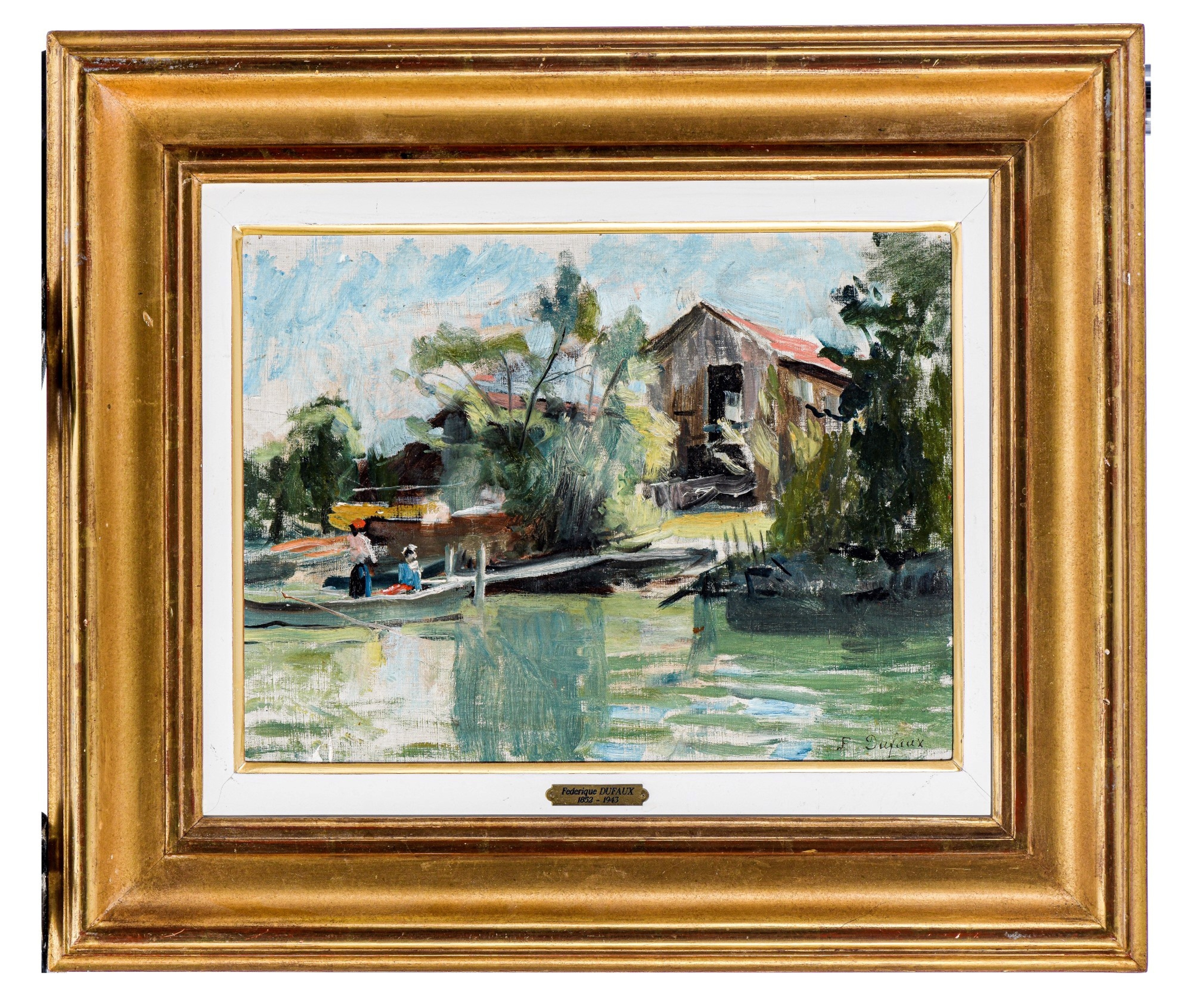
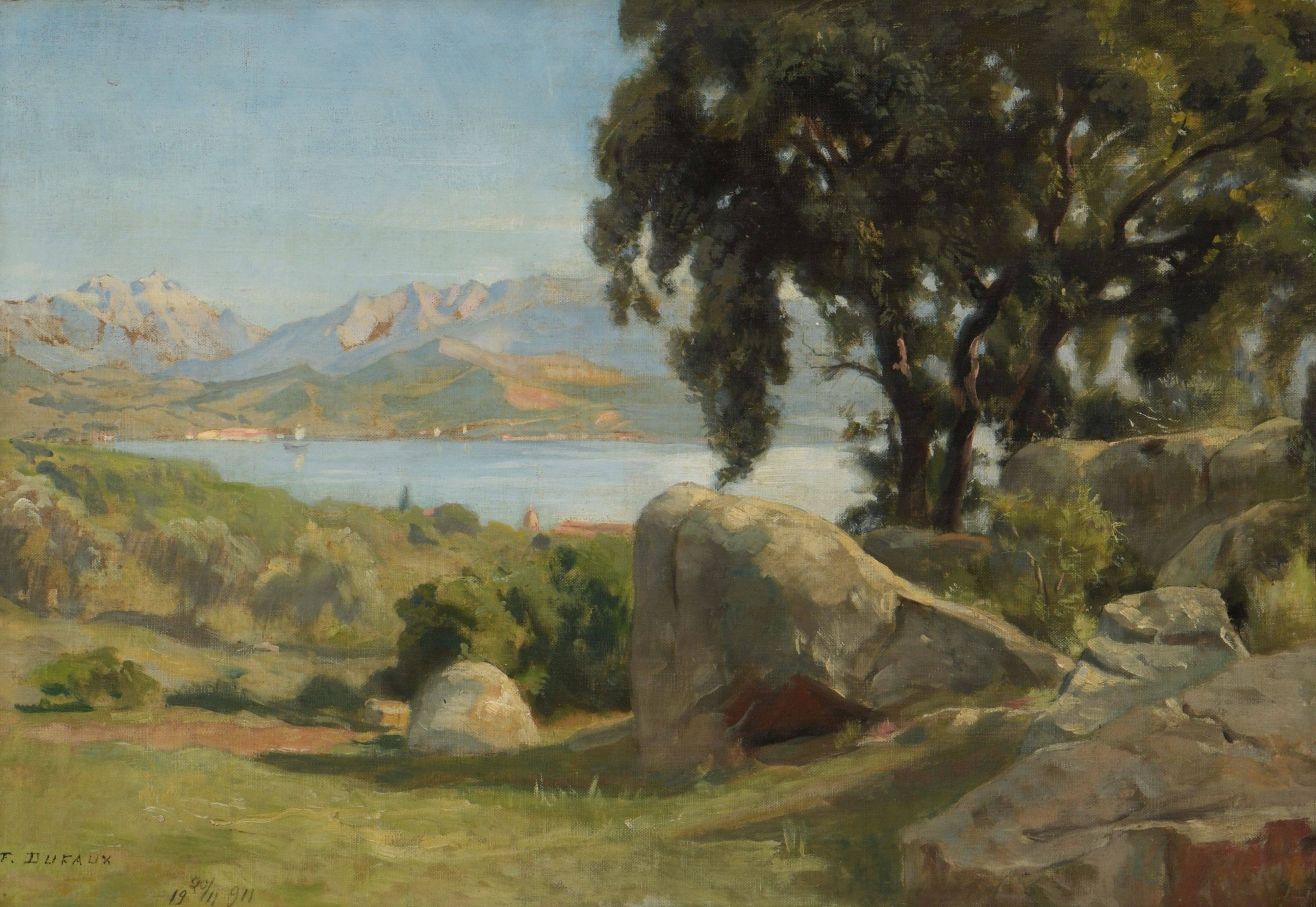
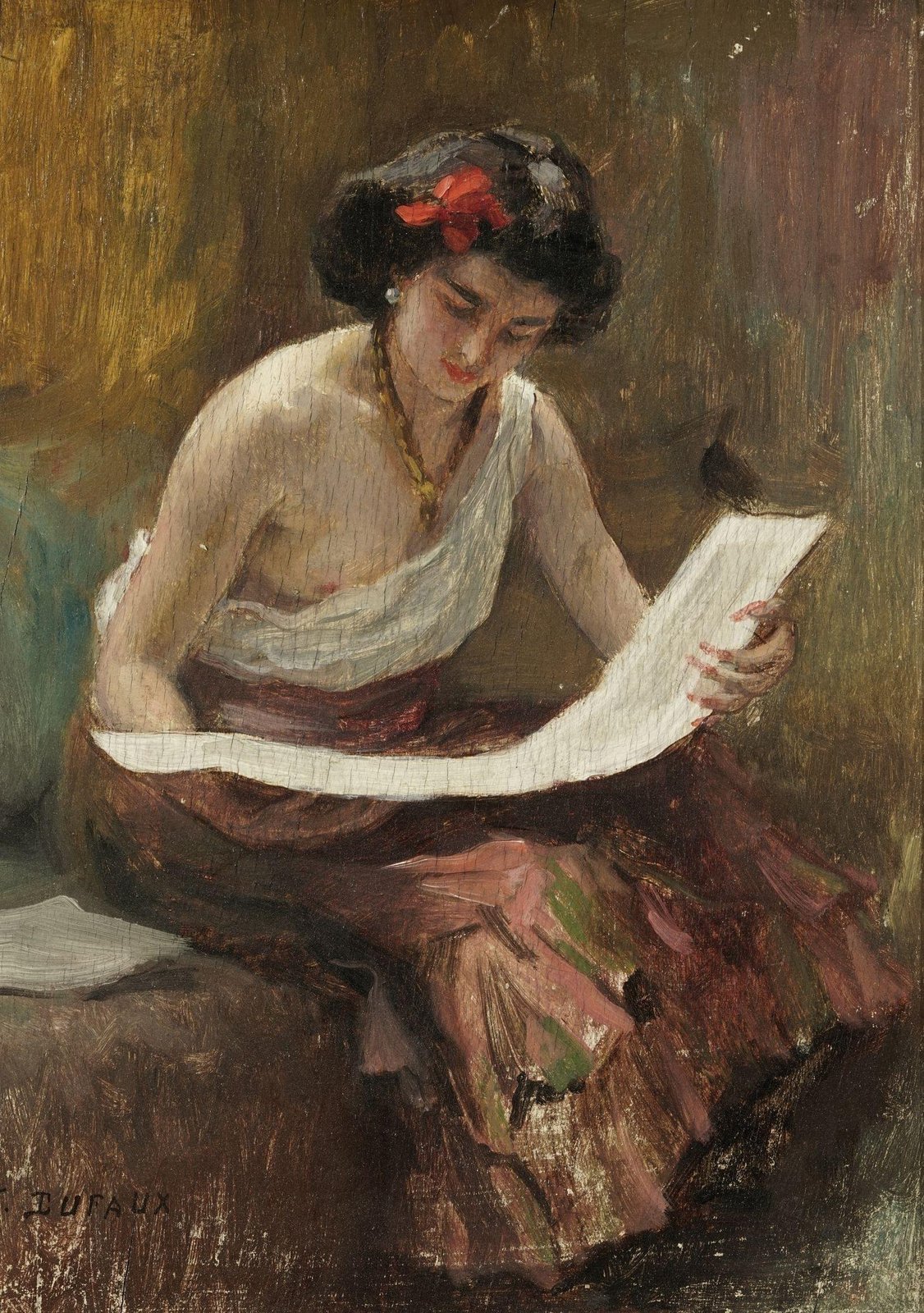
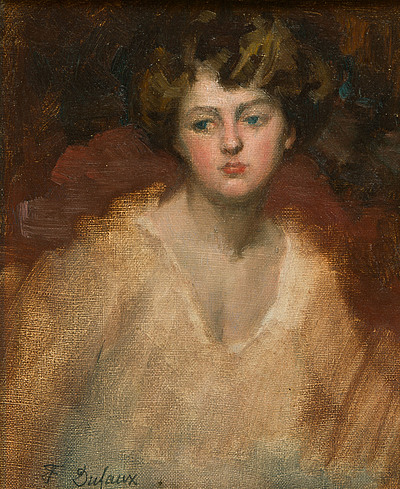
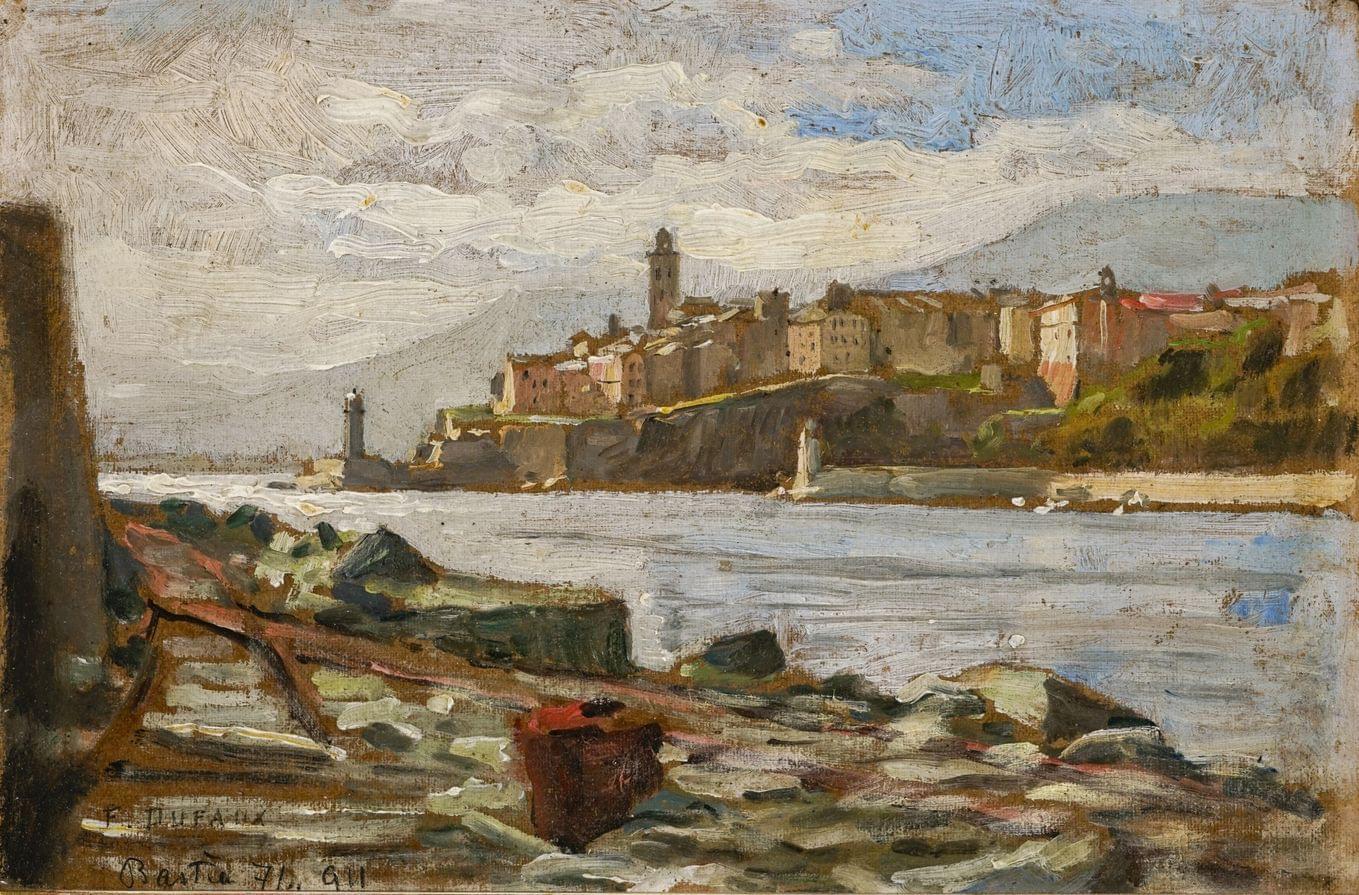
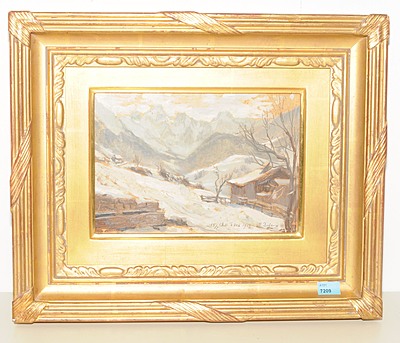
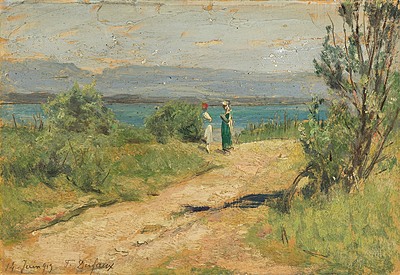
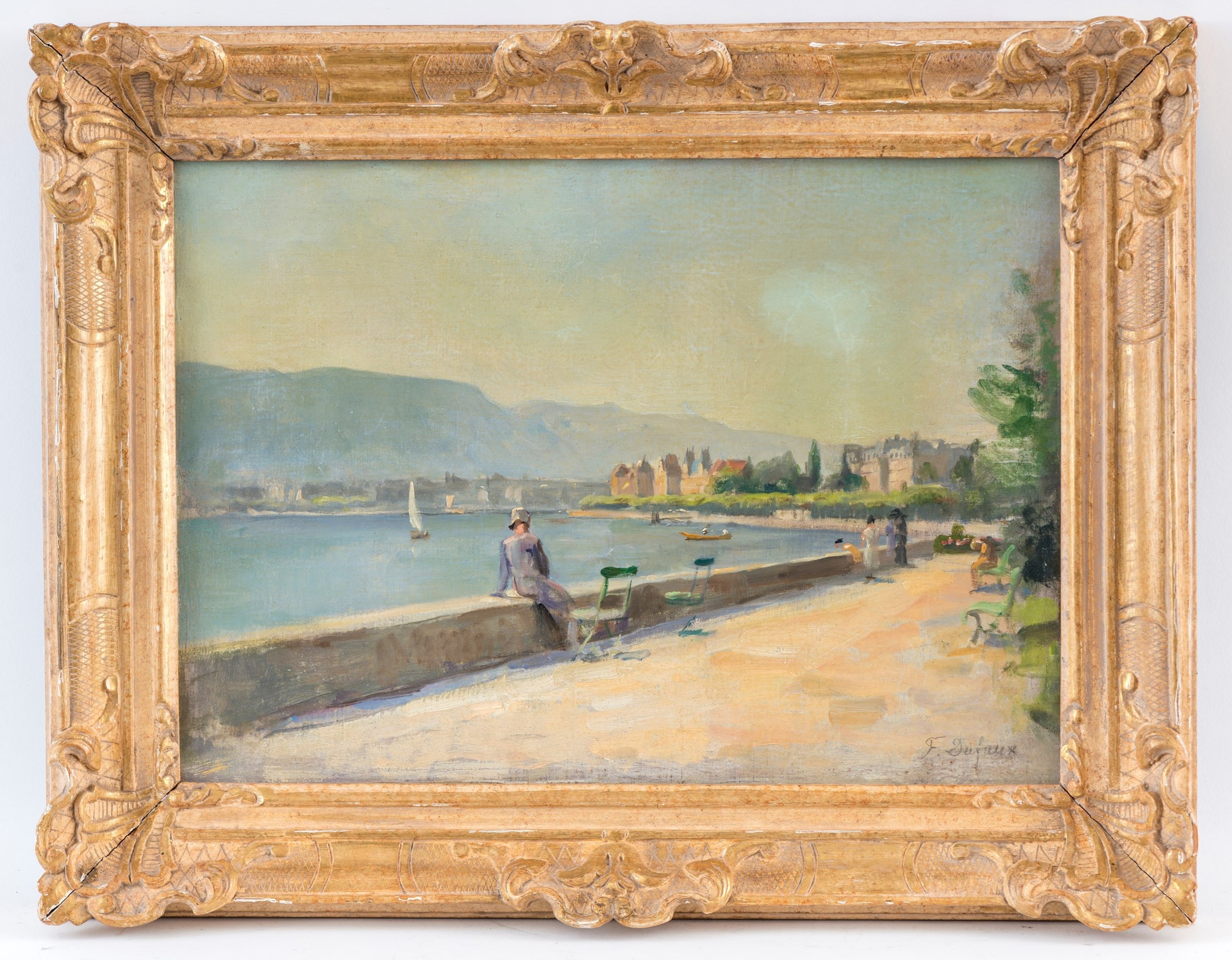
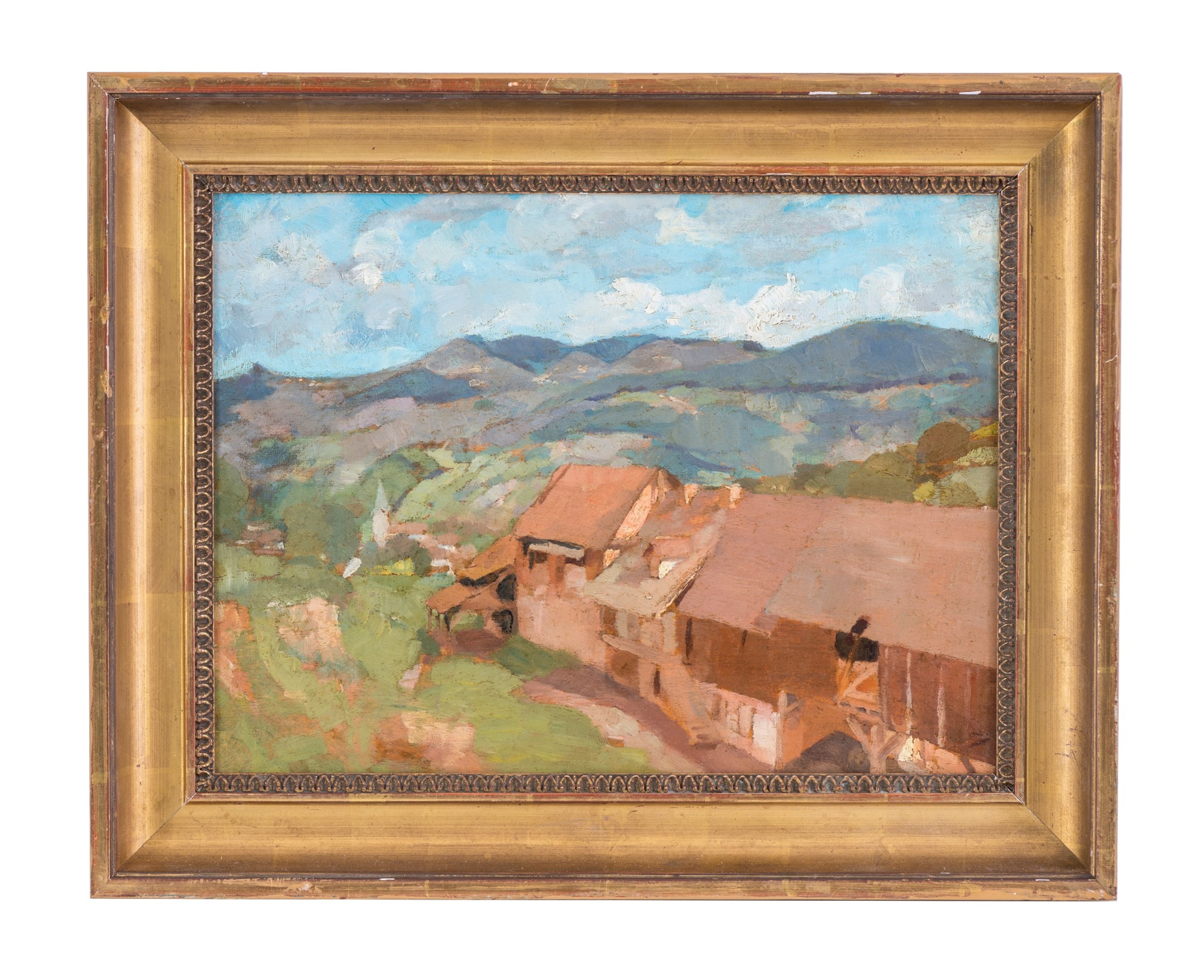
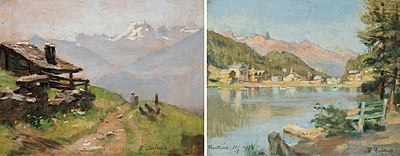
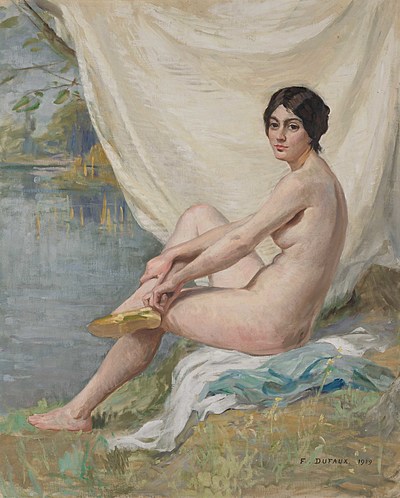
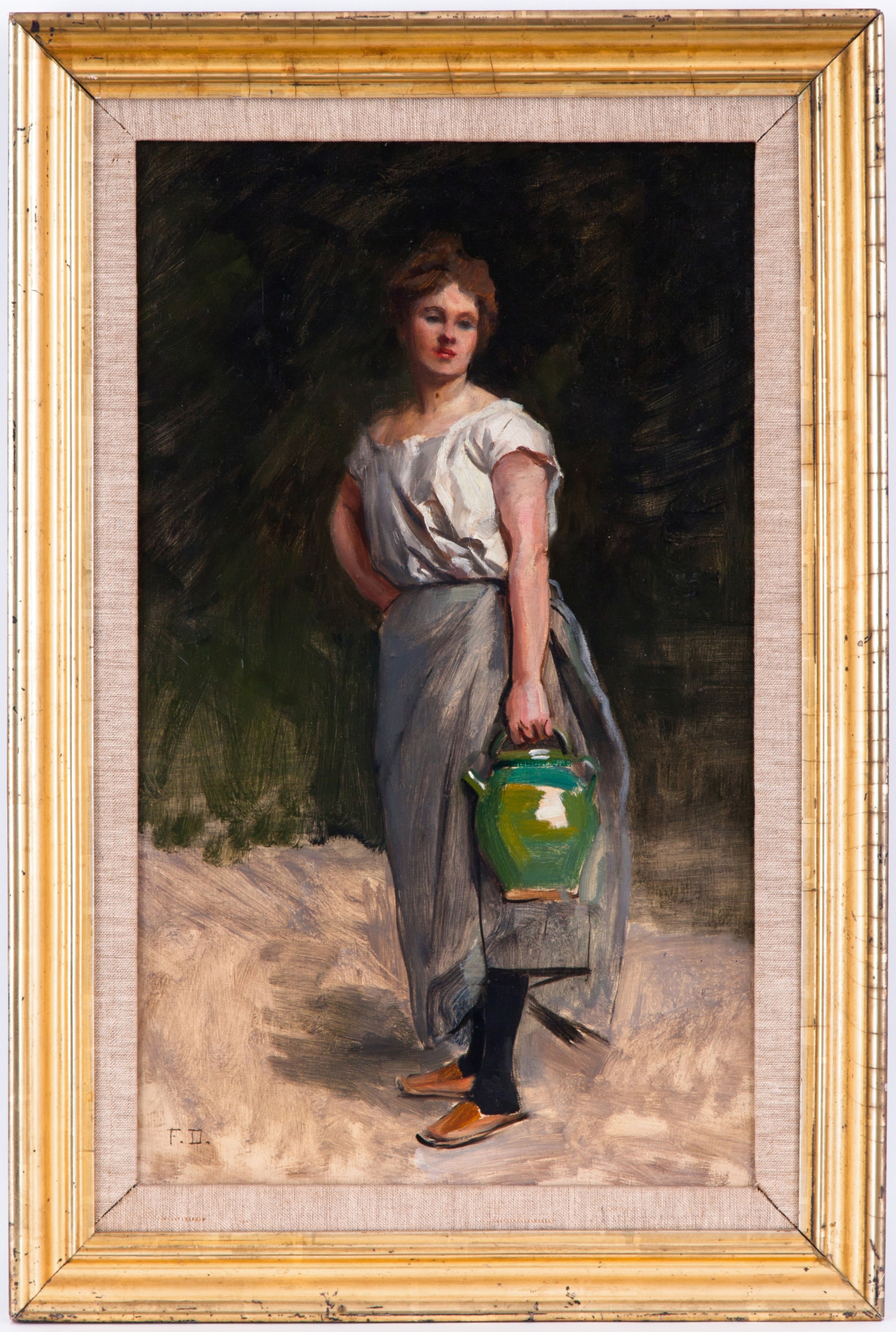
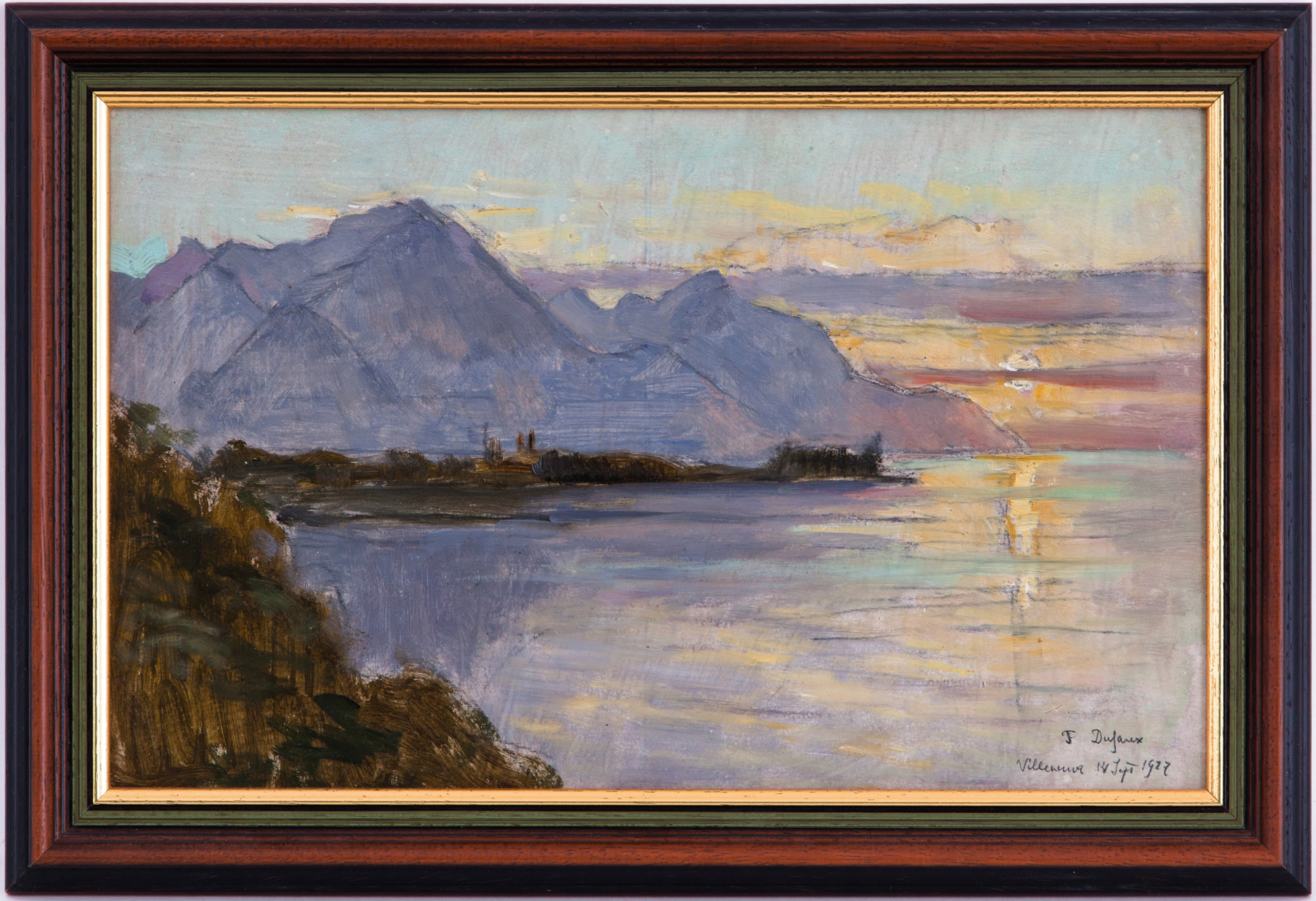
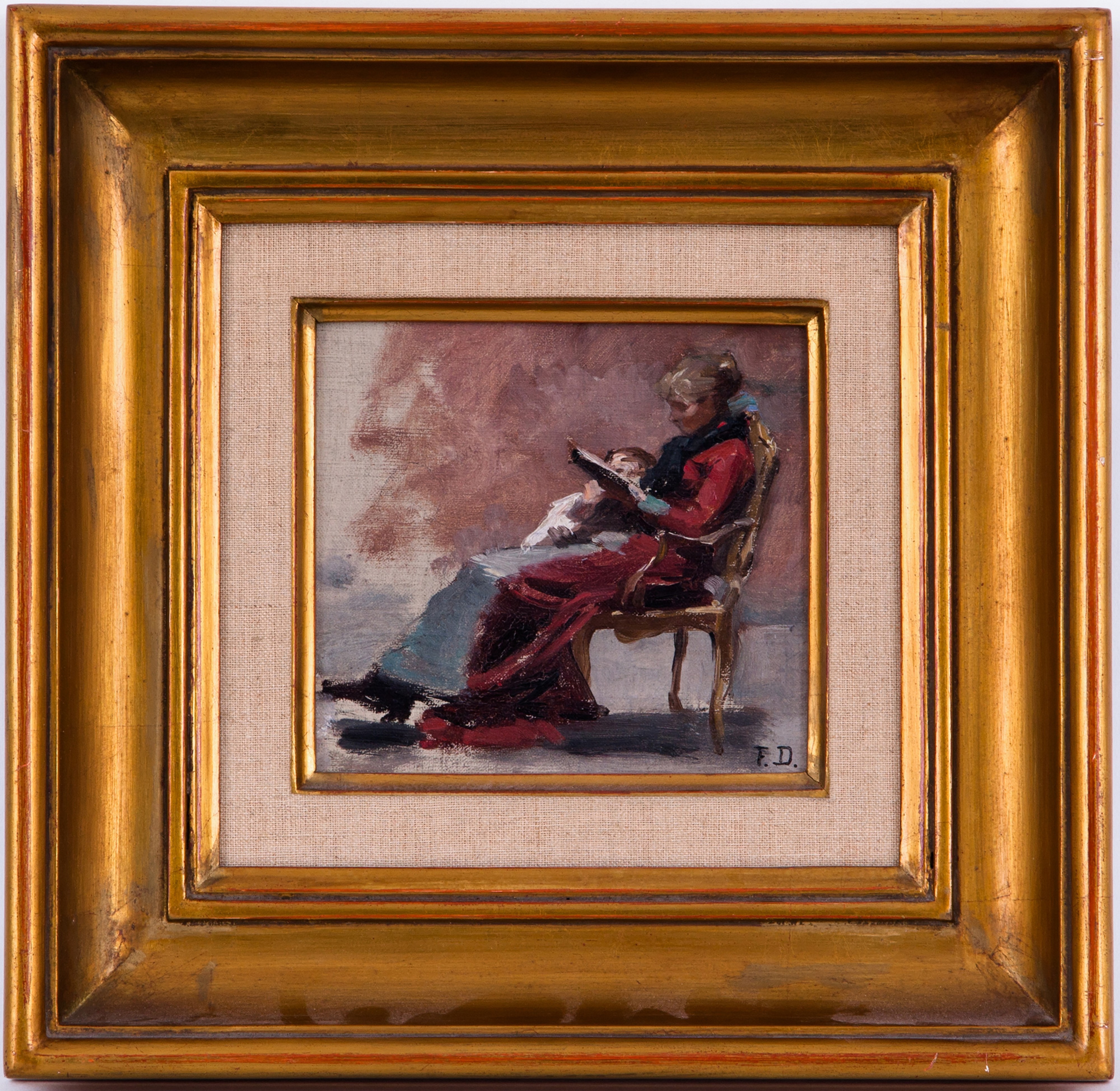
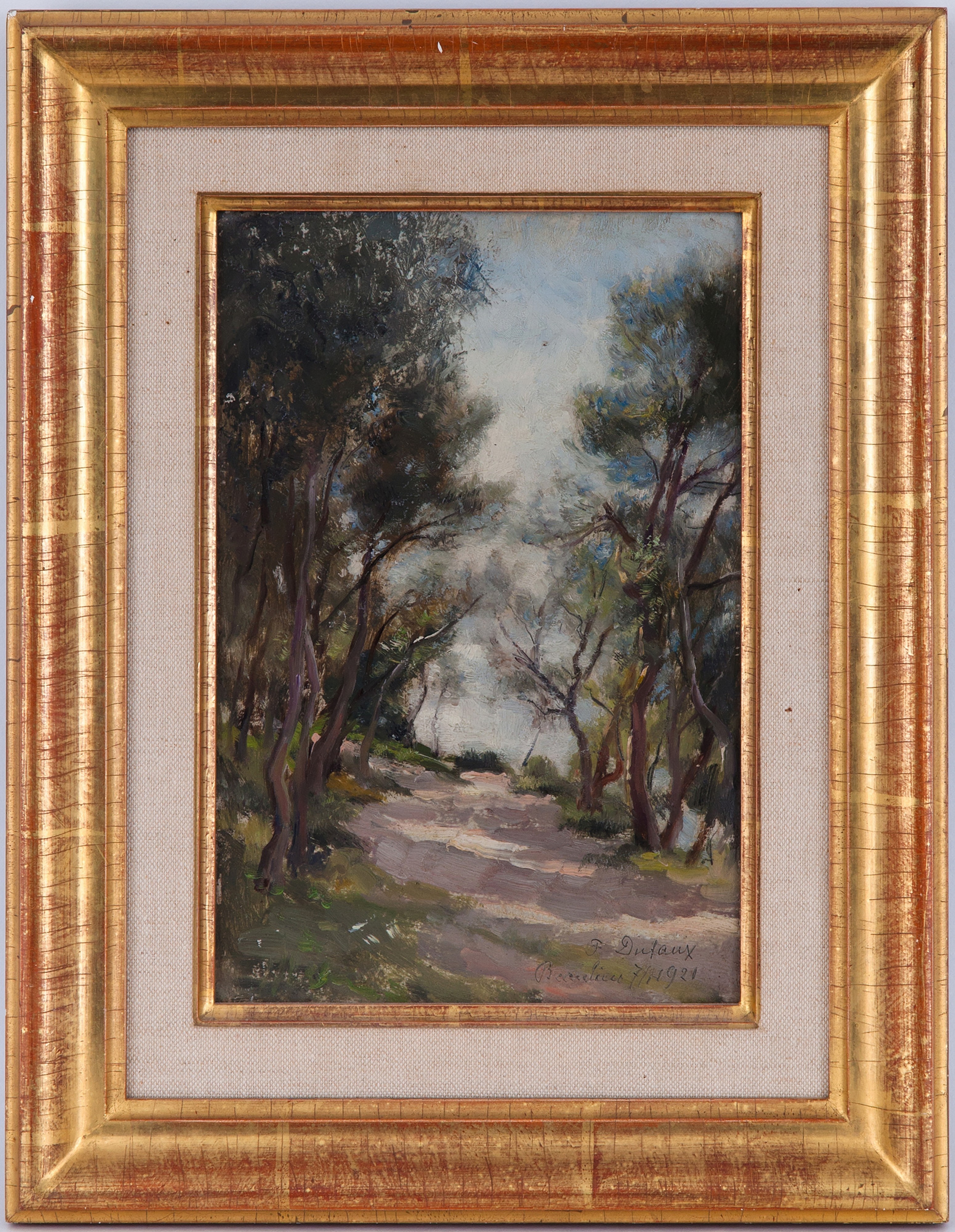
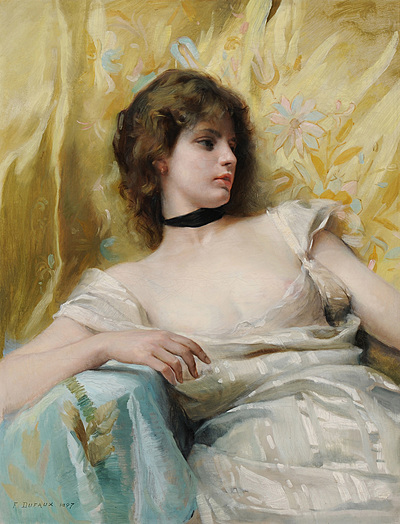
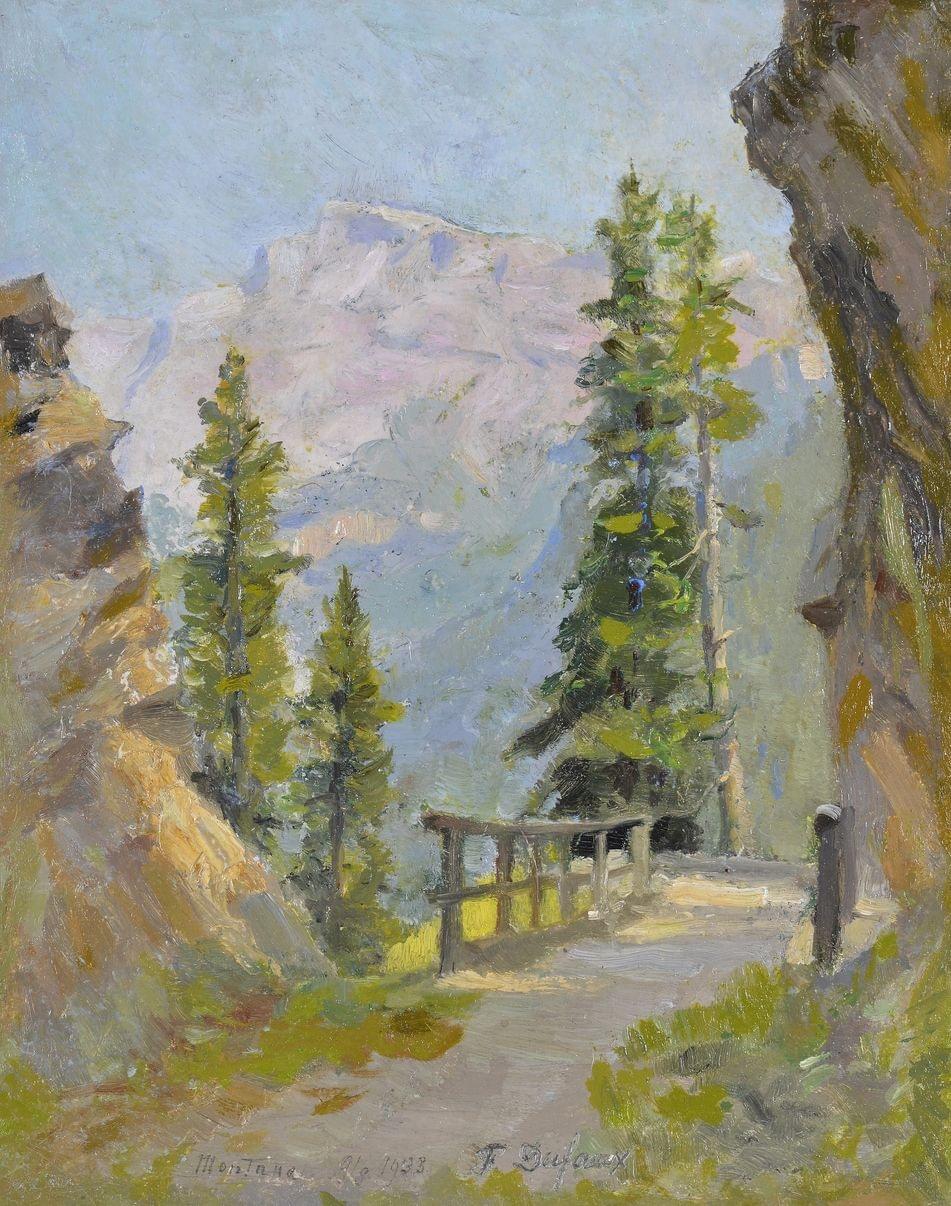
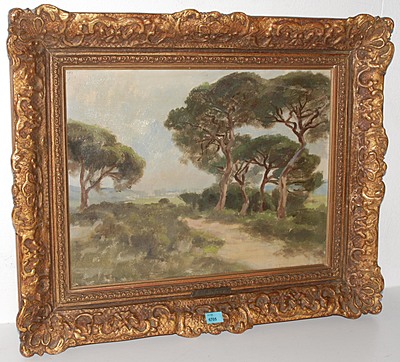
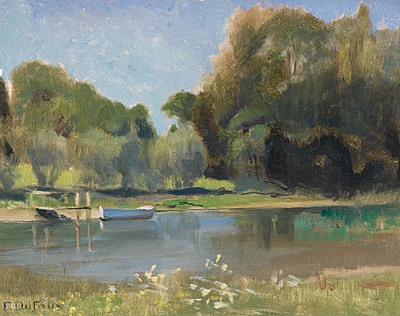
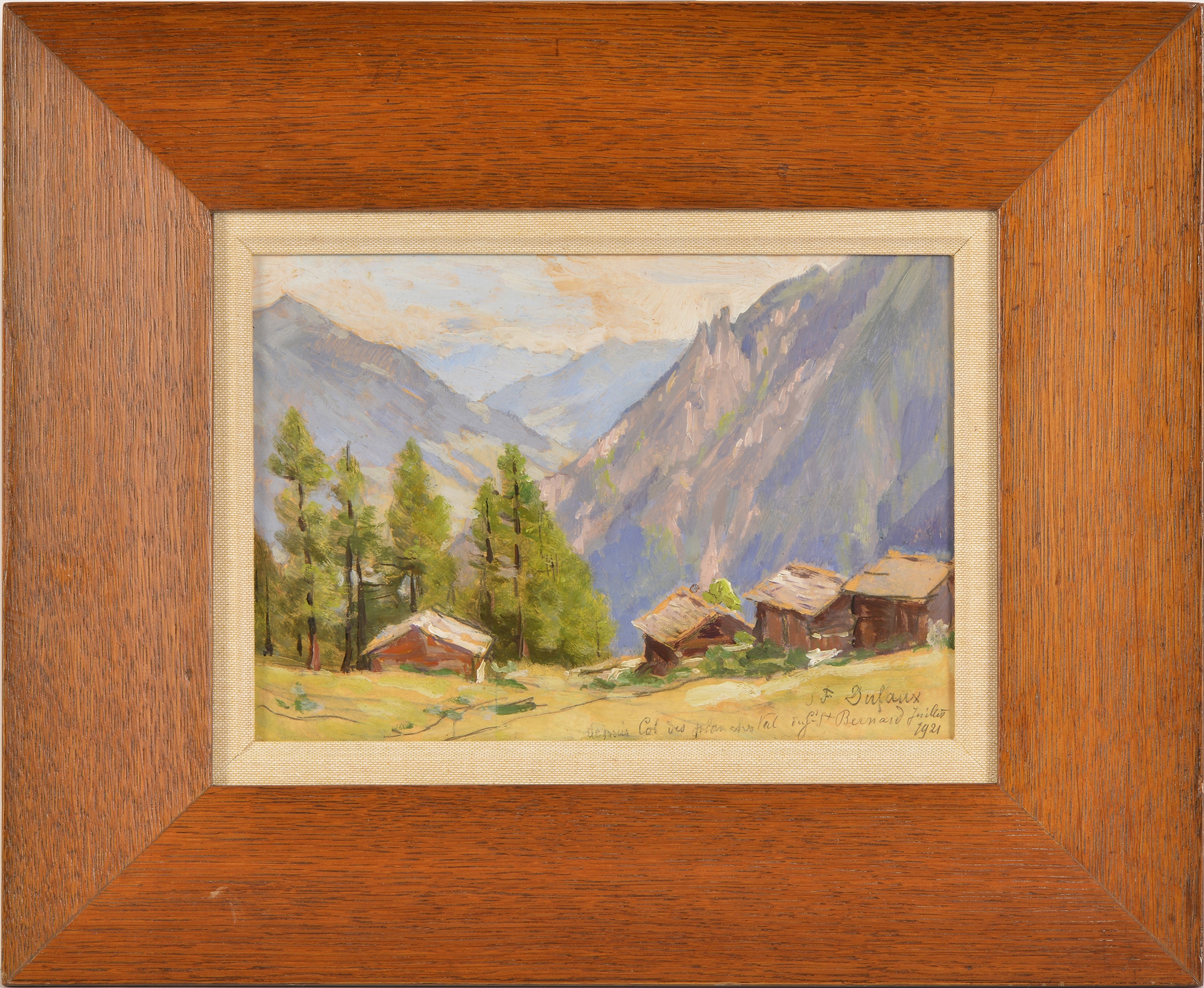
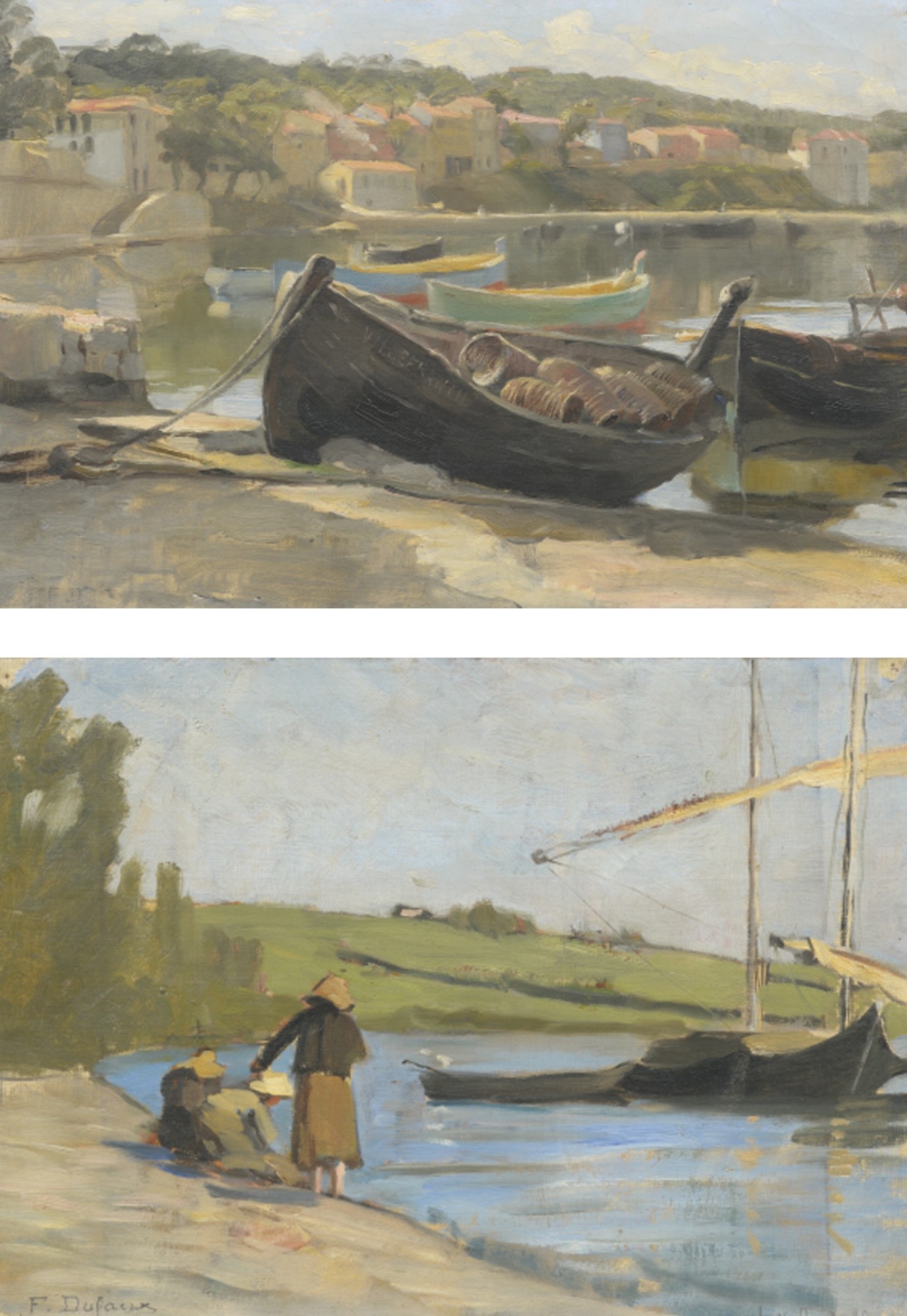
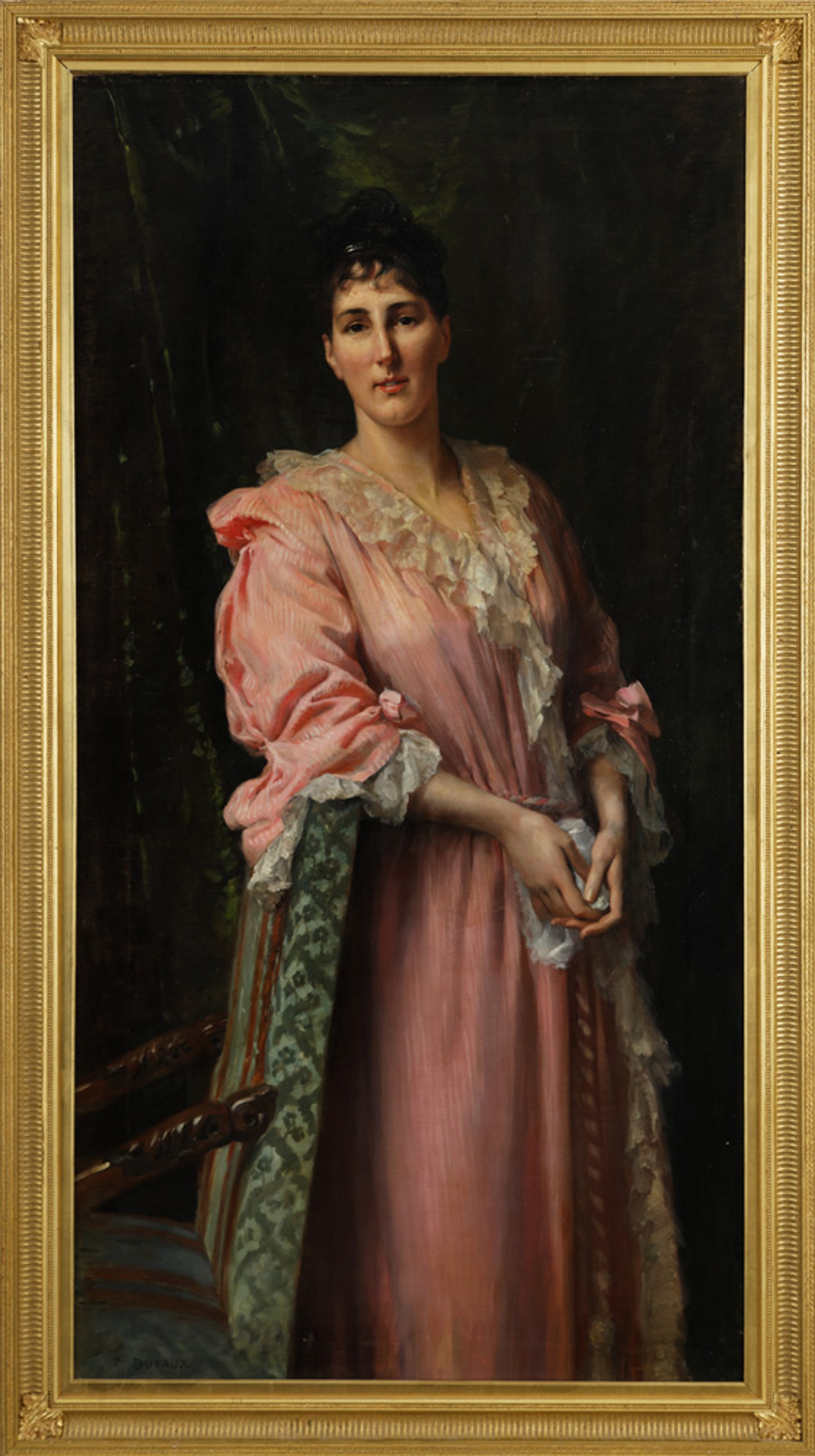
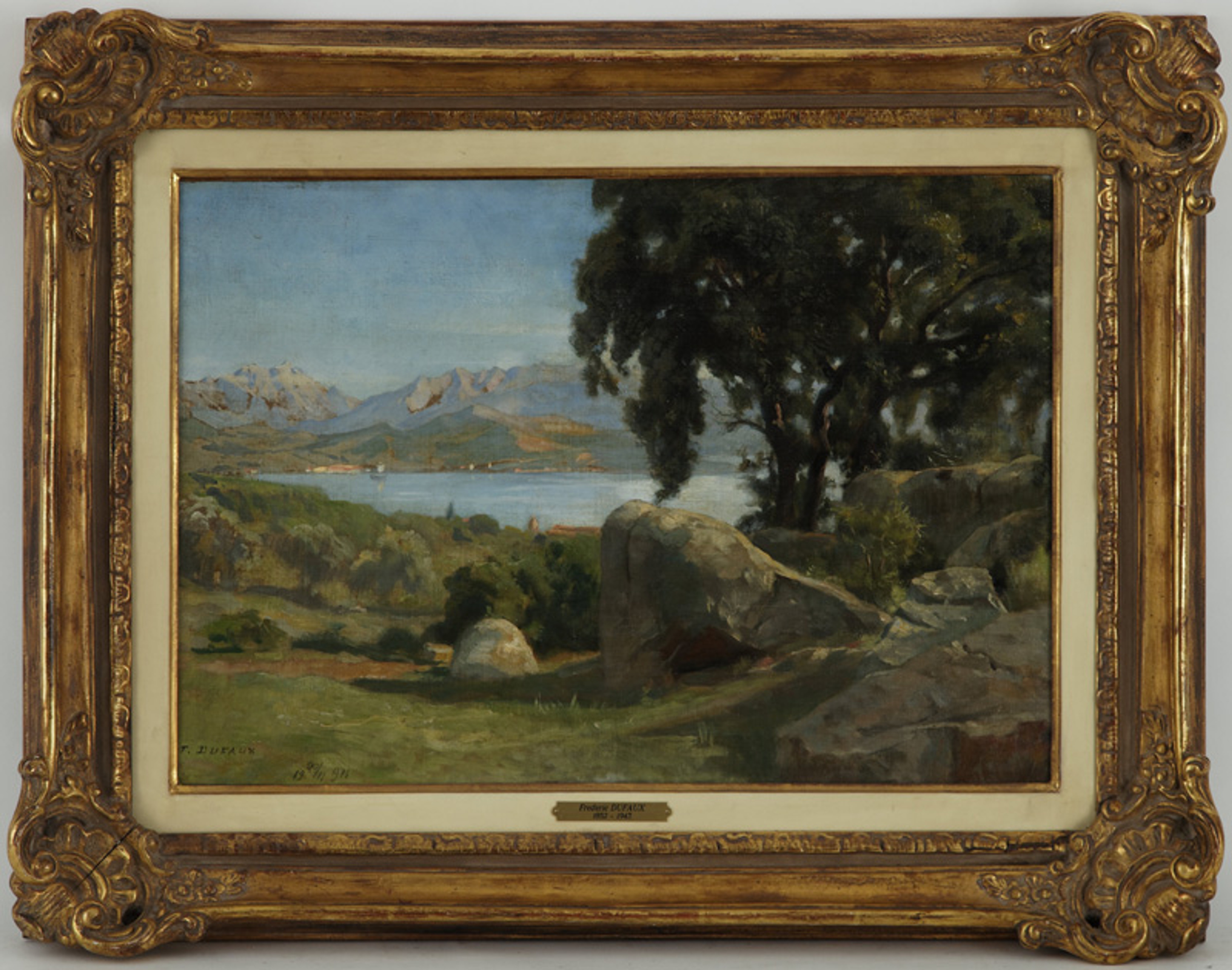
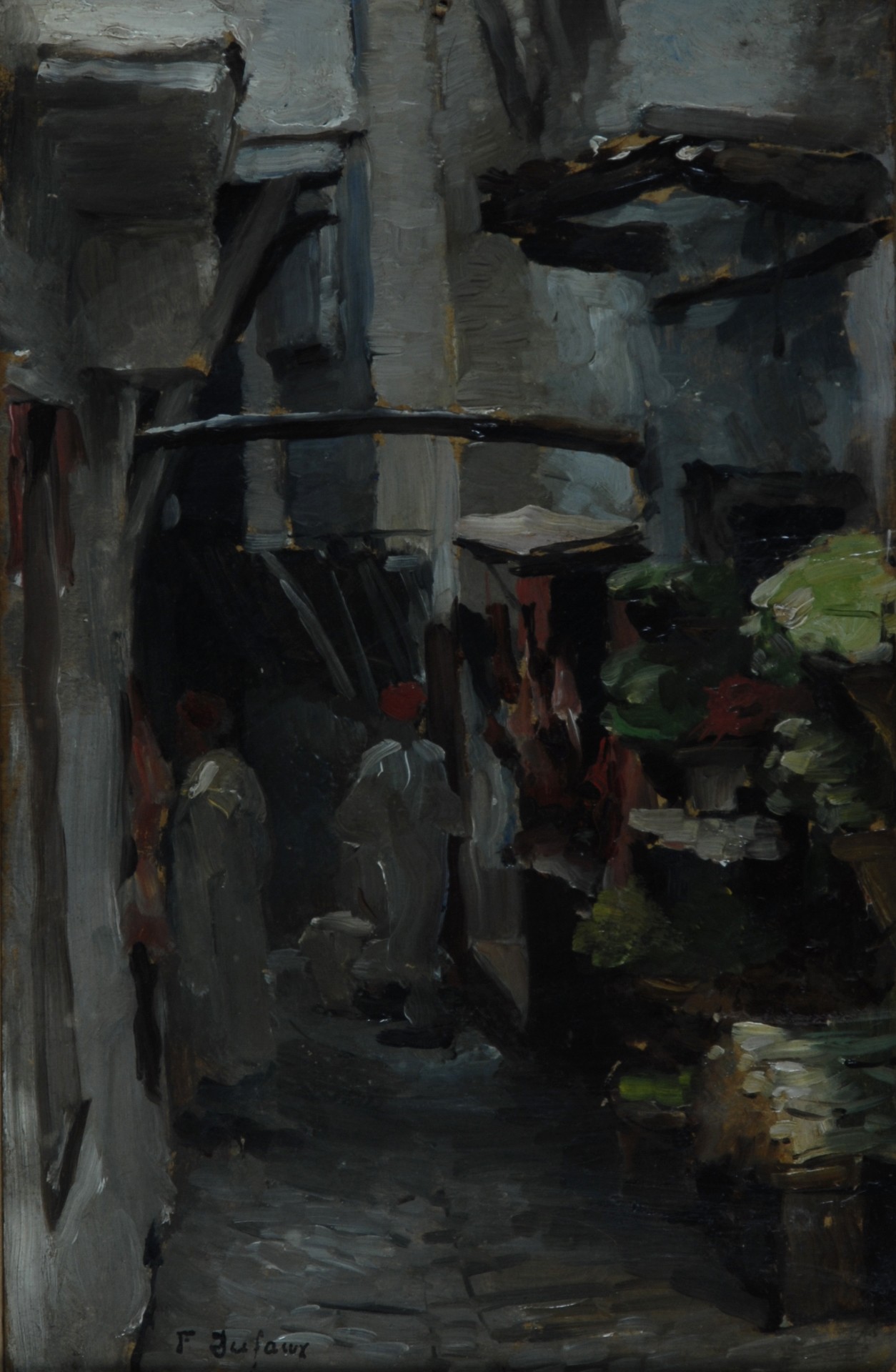
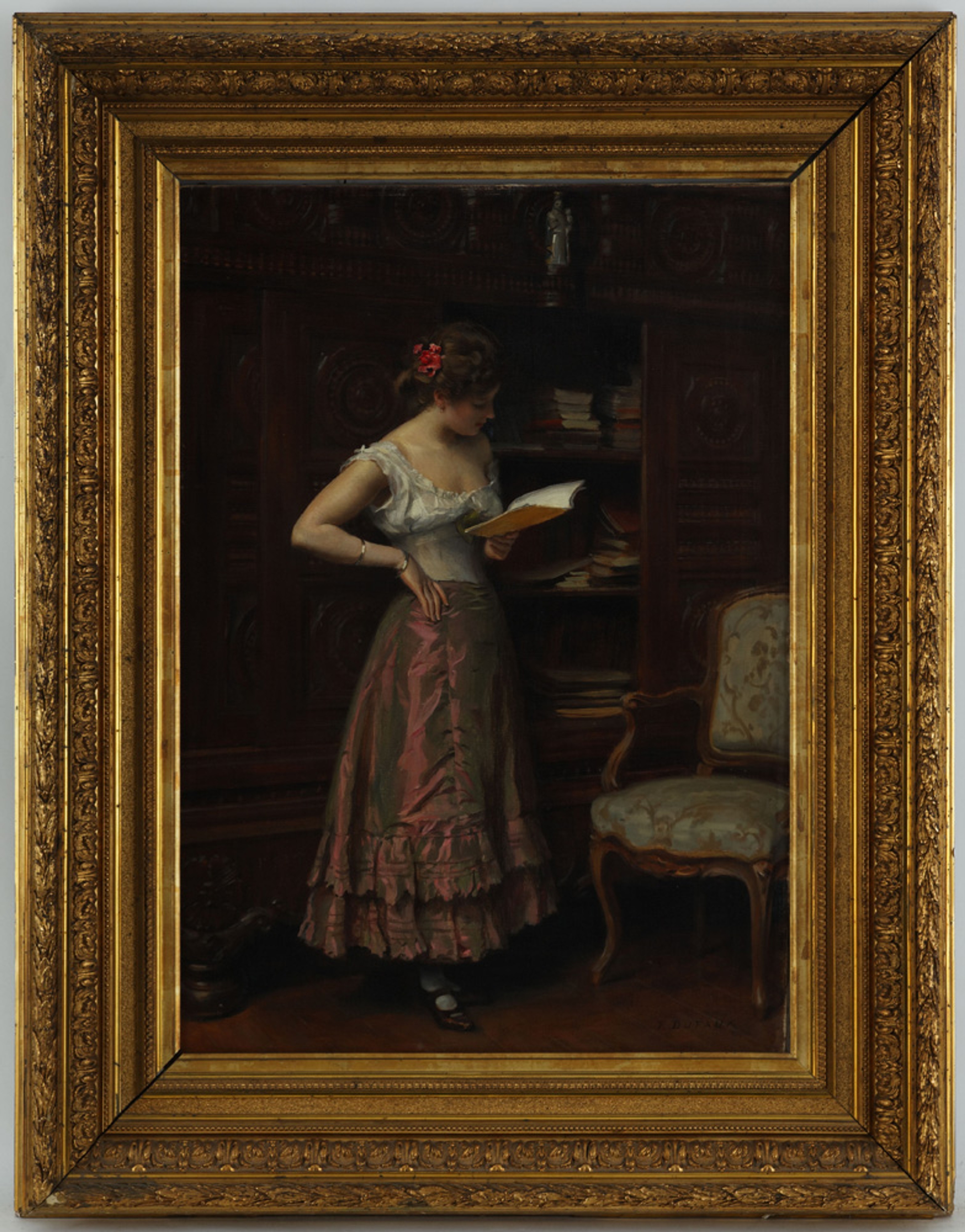
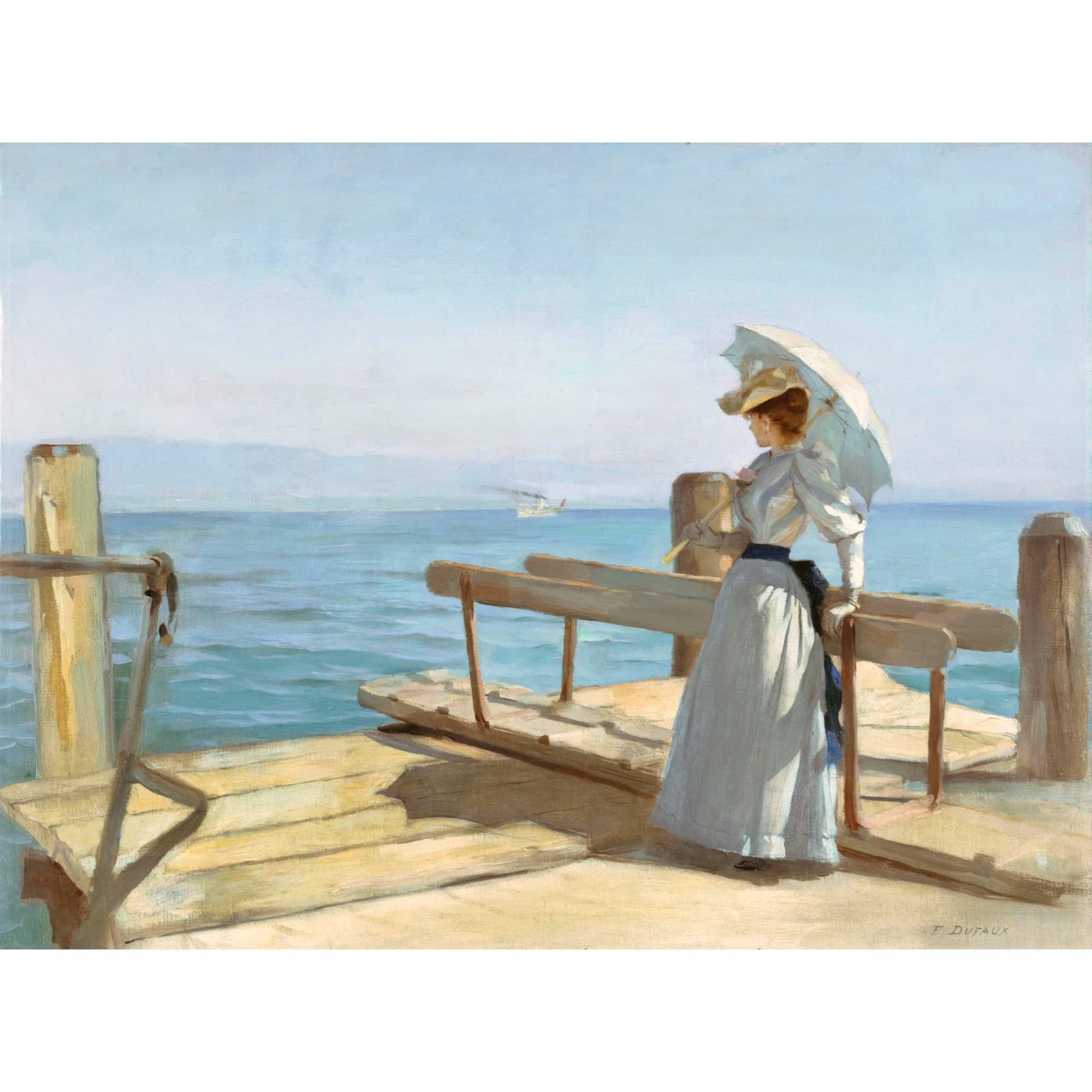
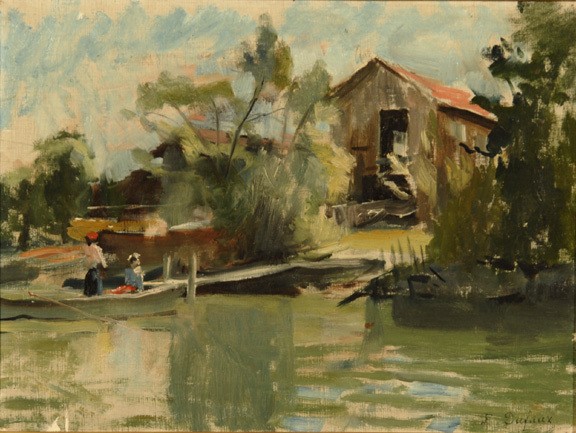
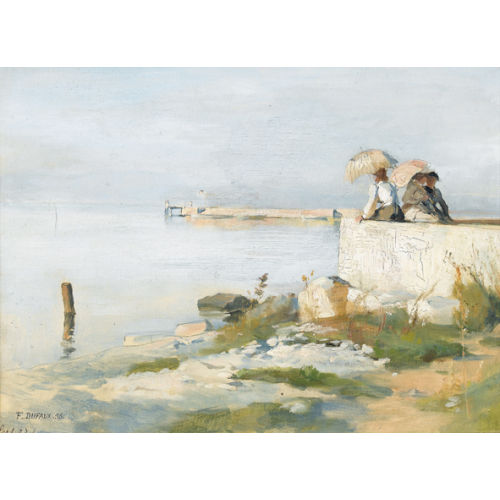
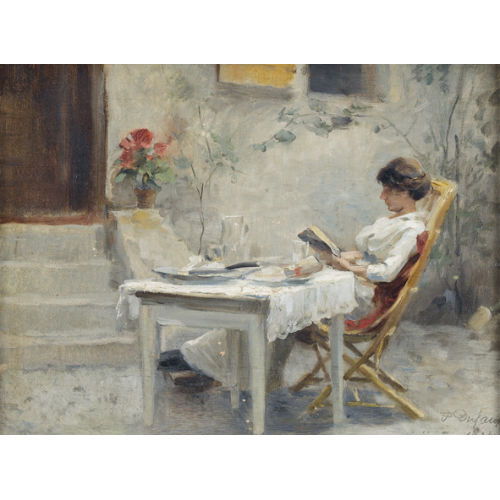
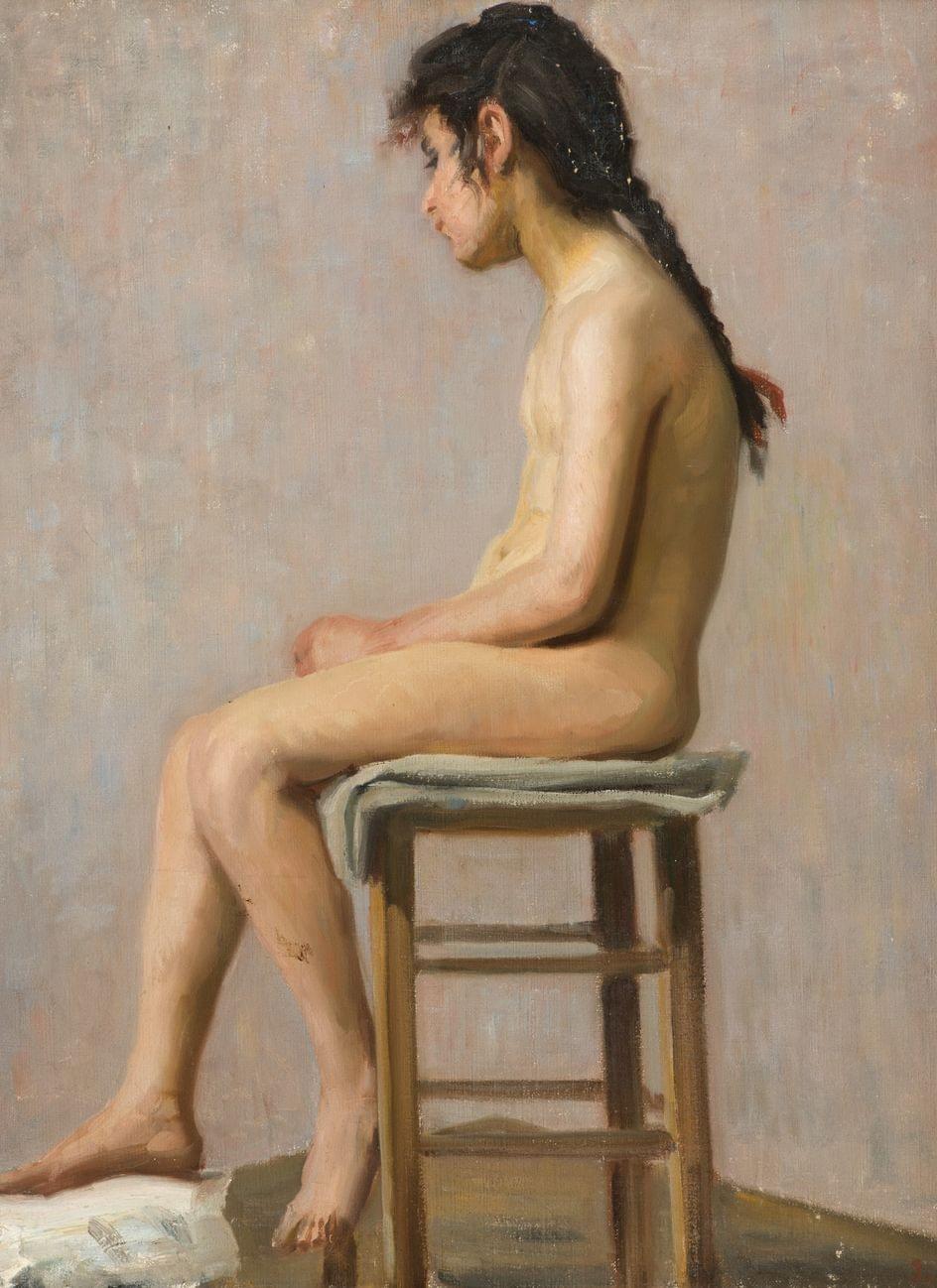
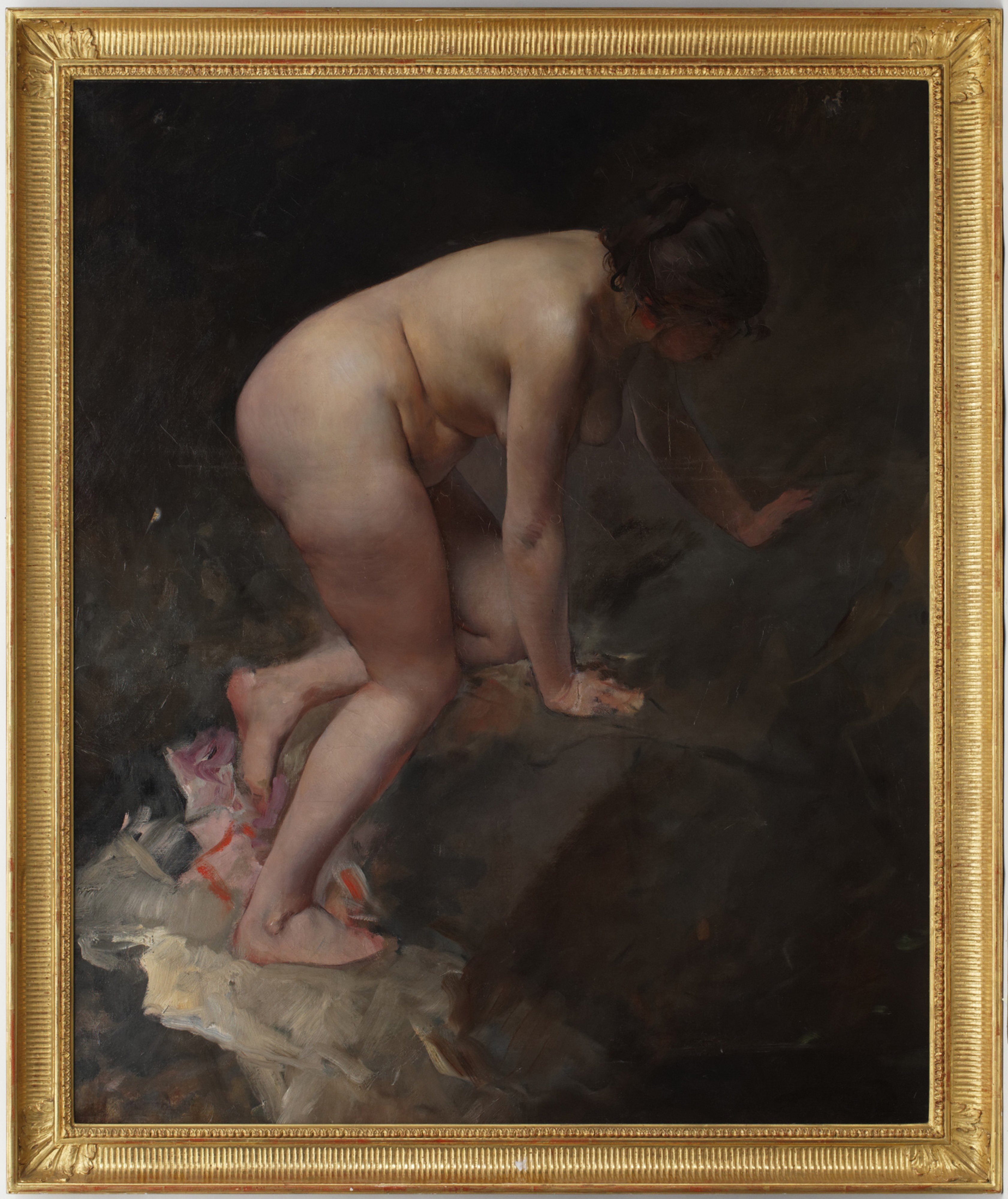
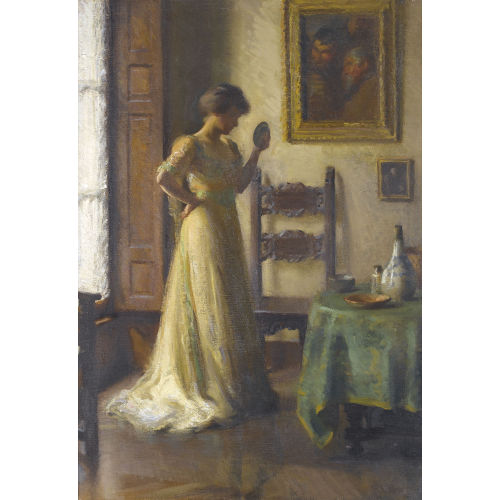
In the sphere of collective projects, he is listed among the collaborators on the panorama L'entrée de l'armée française aux Verrières, a project in which he participated alongside Édouard Castres. In the field of portraiture, a work is recorded under his name as Portrait de Gustave Revilliod (à l'âge de 70 ans), mentioned at the Musée Ariana. A small-format painting, an oil on panel dated 3 December 1911 (14 × 22 cm), was also offered for sale by a gallery, attesting to a pictorial production that circulated beyond museum institutions as well.
His participation in public exhibitions is documented, notably at the Swiss National Exhibition in Zurich in 1883 and the Exposition universelle in Paris in 1889.
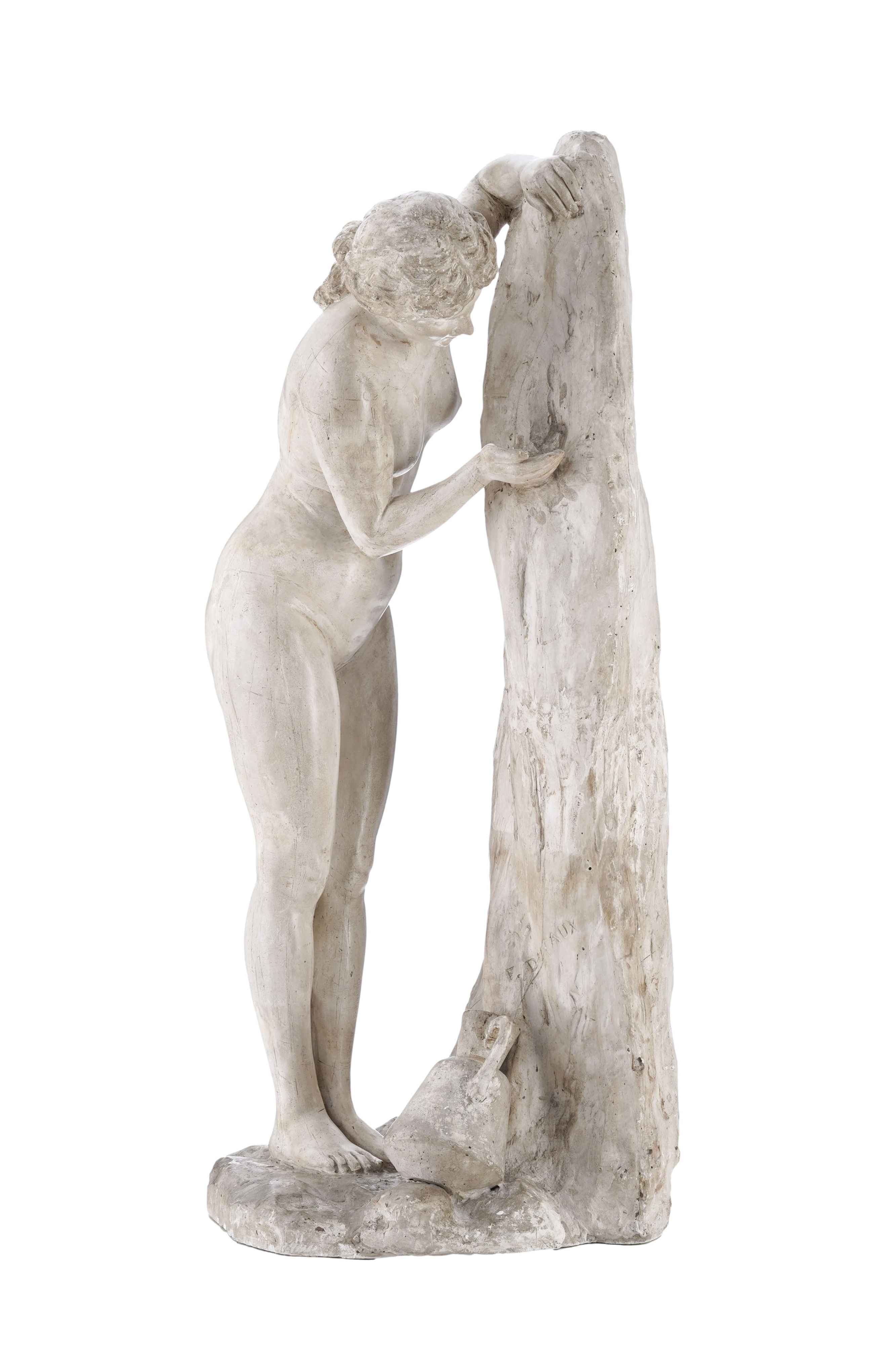
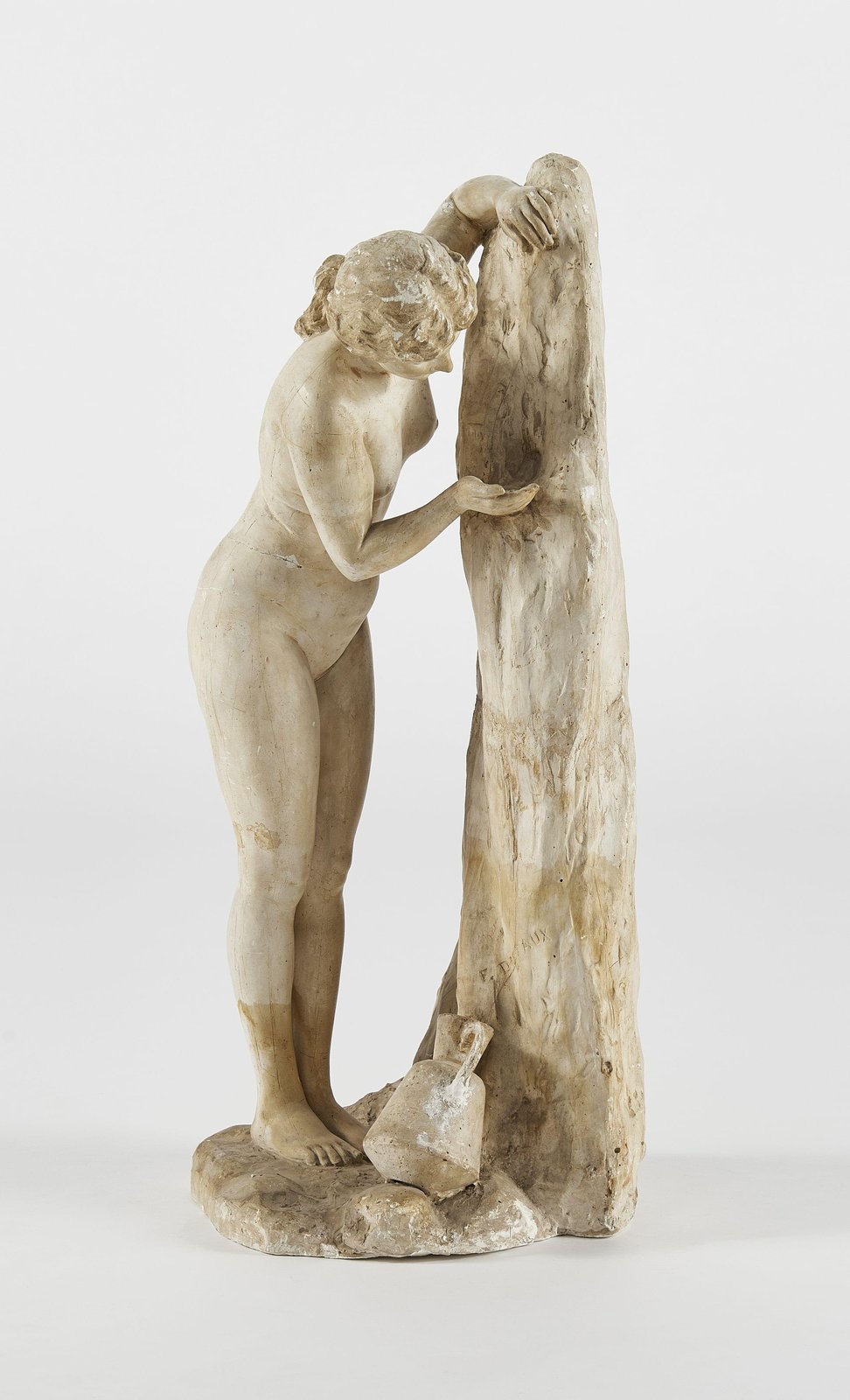
As a sculptor, he executed several busts intended for public or institutional settings, including a bust of François Diday held at the Musée Rath, a bust of Jean-Jacques Rousseau for the Grand Théâtre de Genève, a bust of Marc Monnier made for the University of Geneva, and a bust of Jean-Étienne Dufour for the Cimetière des Rois. Through his marriage to Noémie de Rochefort-Luçay, he was also connected to the family of Henri Rochefort, whose mortuary bust he made for the burial site at the Cimetière de Montmartre.
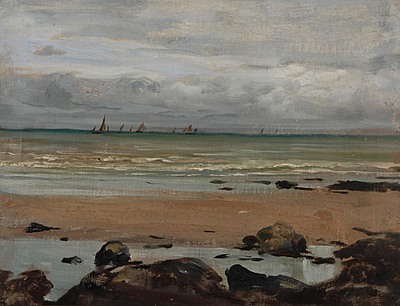
His distinctions include being named a laureate of the Concours Diday in 1886 for a work entitled Une barque en détresse, as well as receiving first prize in the same competition in 1892. Conservation records refer to works associated with the Musée d'art et d'histoire de Genève and the Fondation Oskar Reinhart in Winterthur, while the Musée des beaux-arts de Berne is also mentioned in the sources.
Overall, the documentation conveys the image of a career rooted in Geneva, combining local academic training with further study abroad and encompassing both pictorial and sculptural activities connected with public commissions and exhibition circuits.