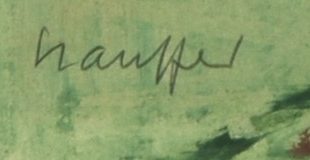
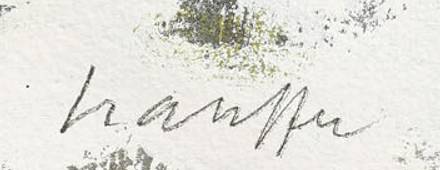
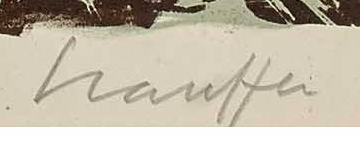
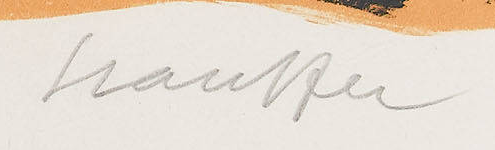
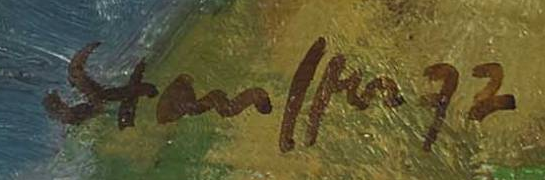
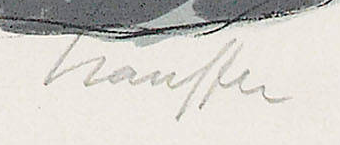
Fred Stauffer
Born in 1892.
Died in 1980.
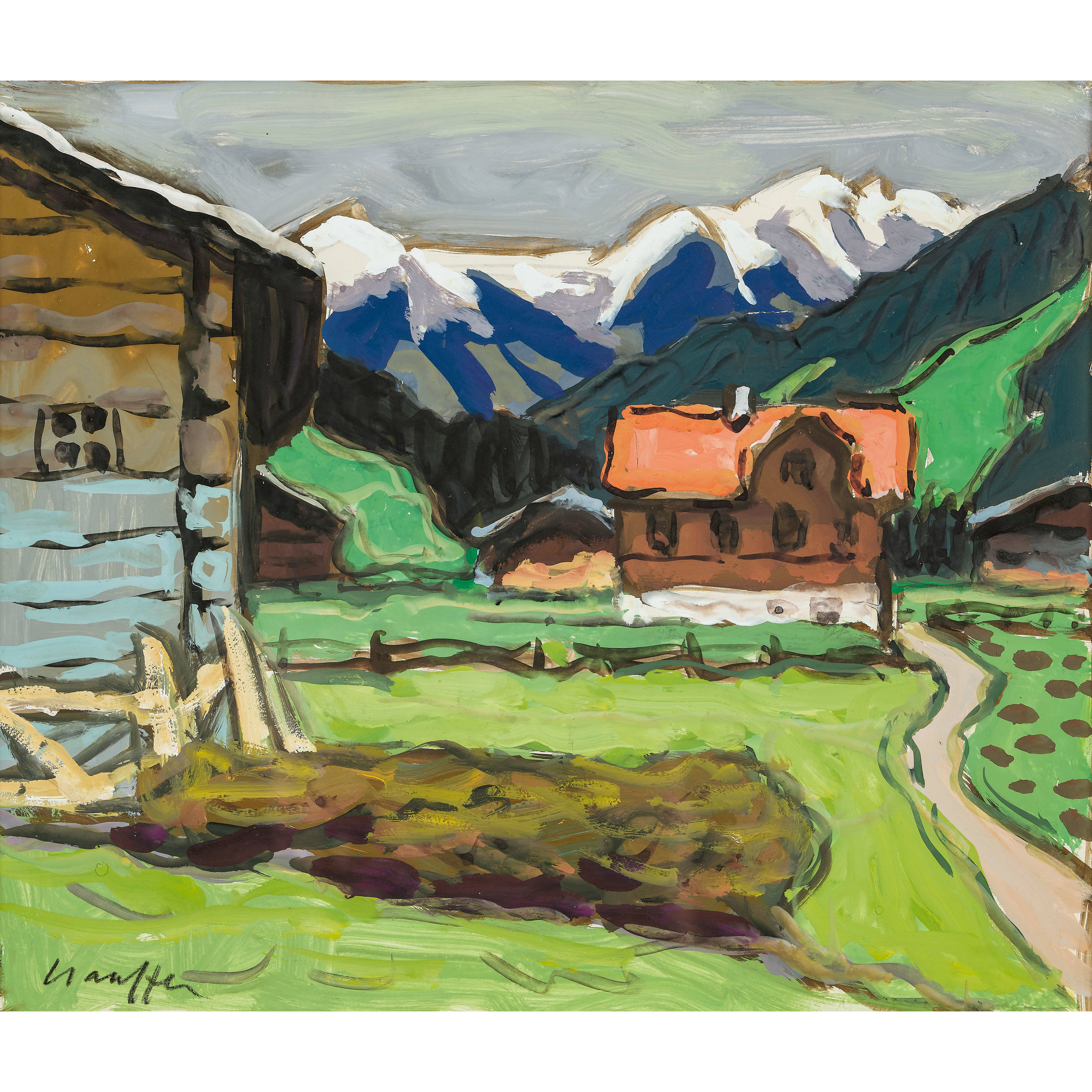
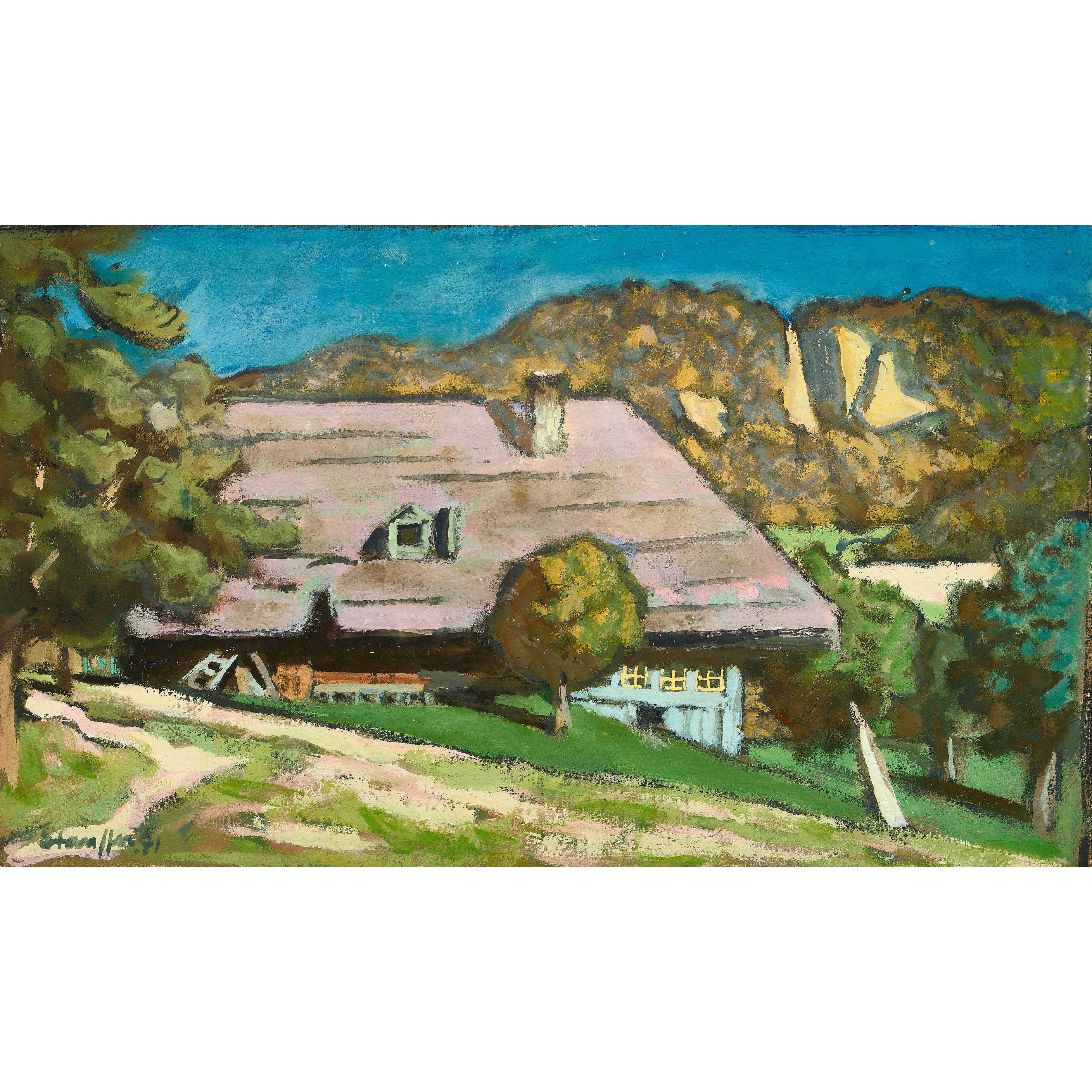
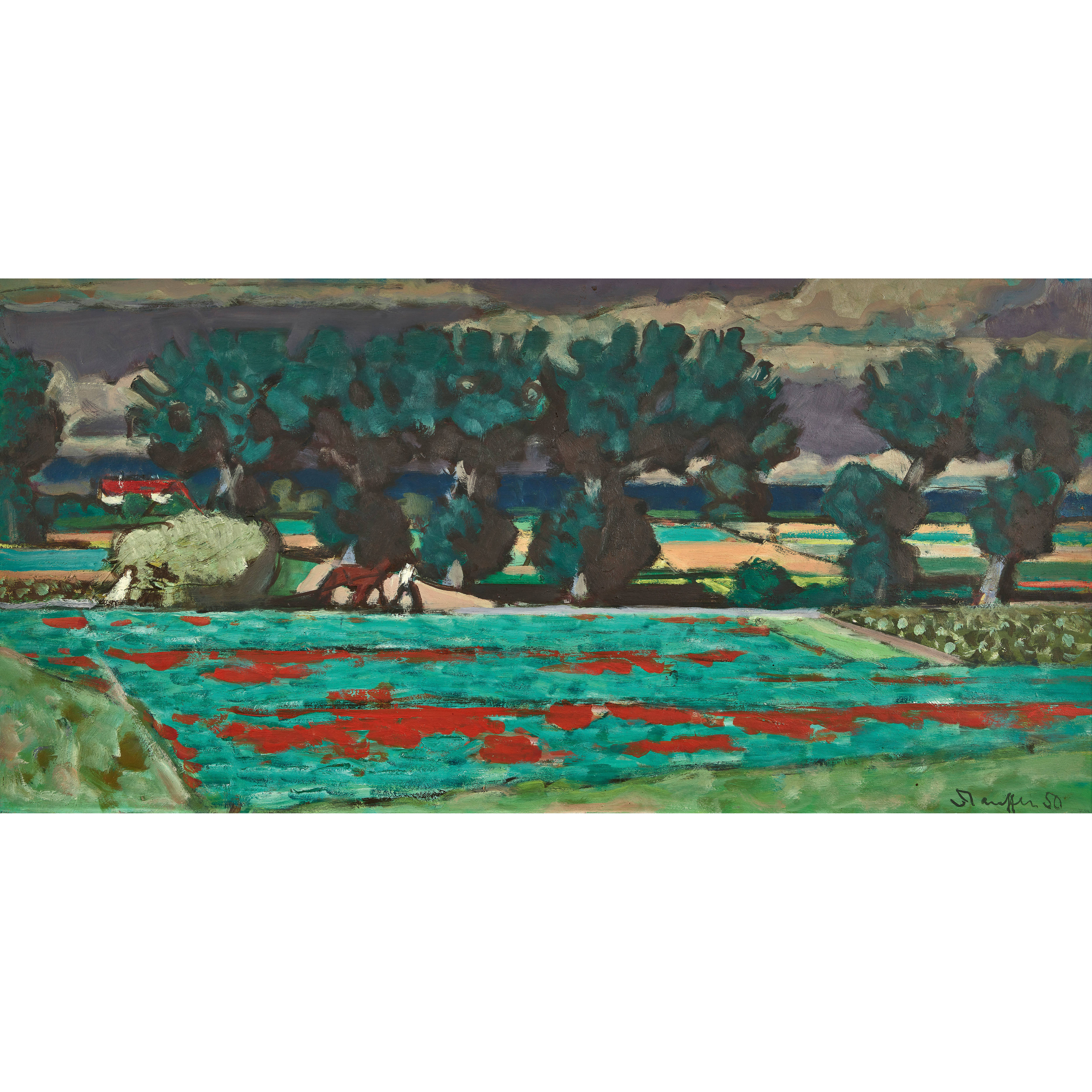
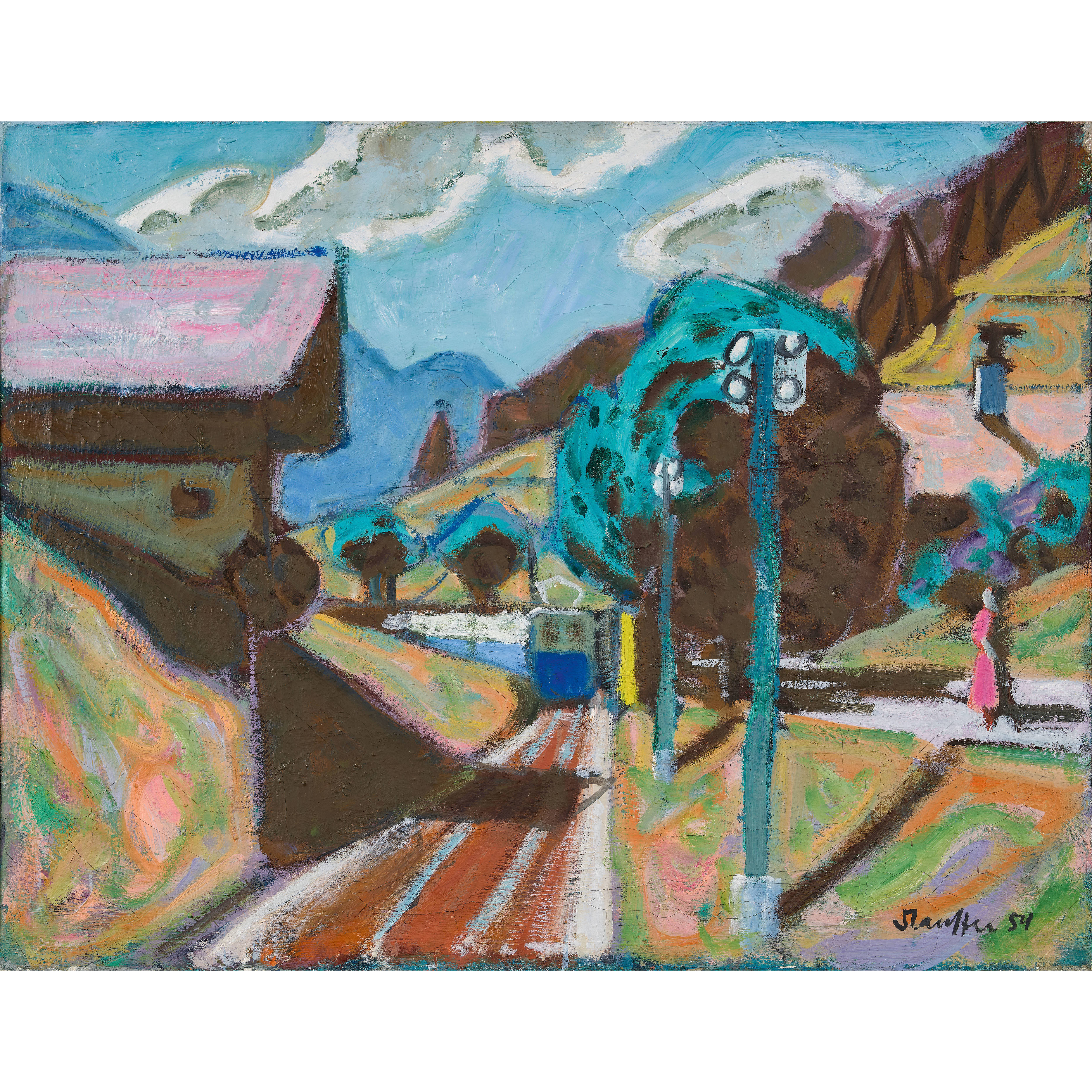
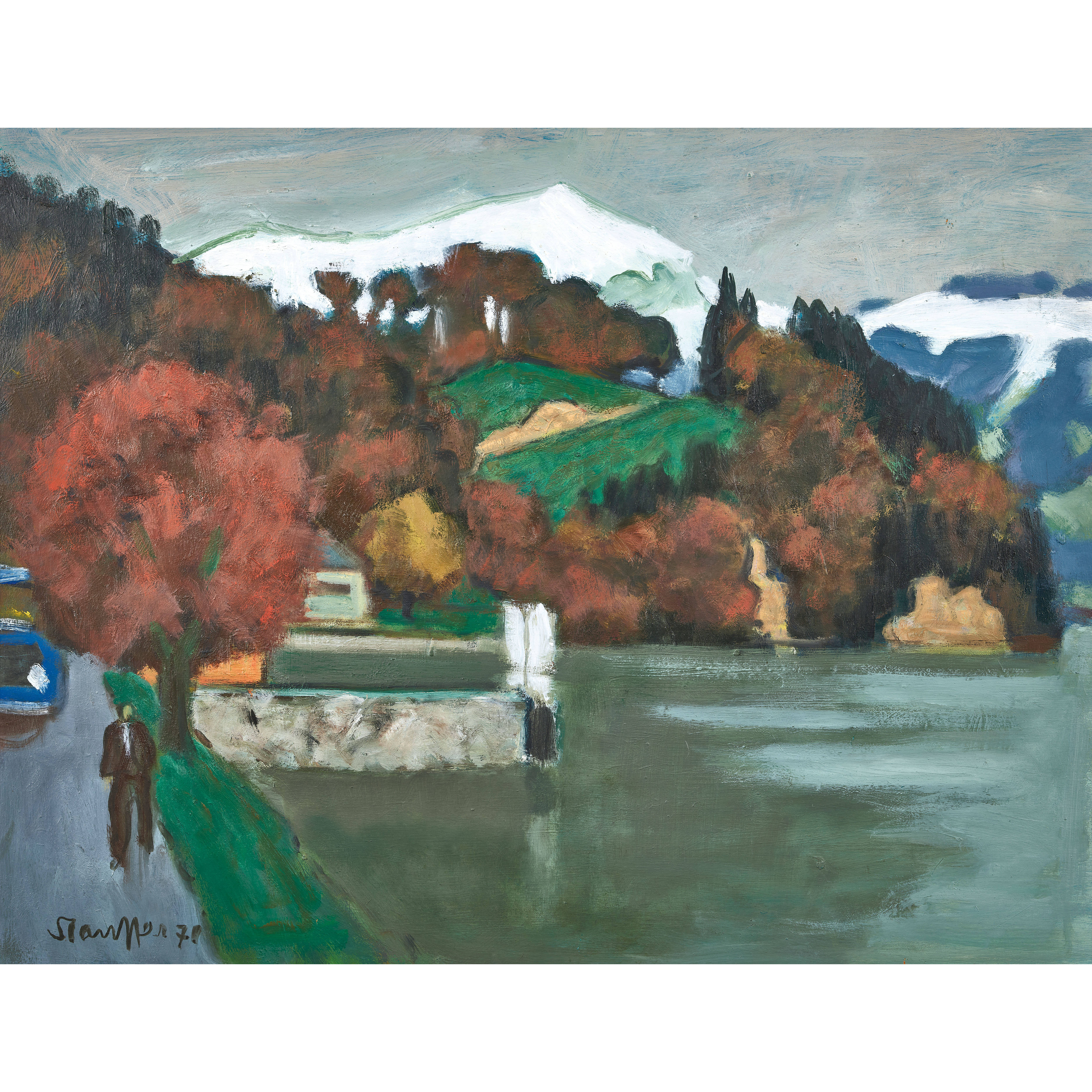
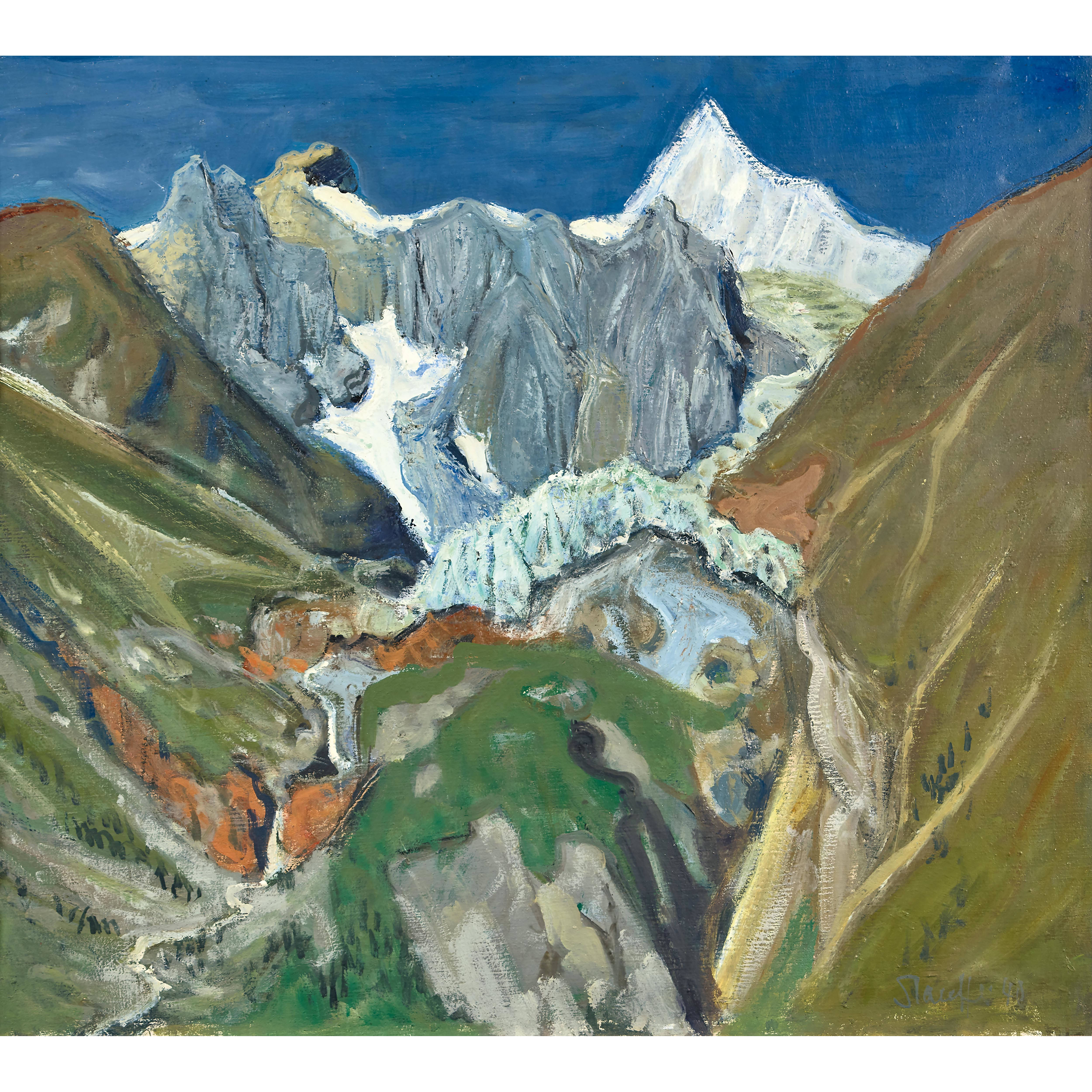
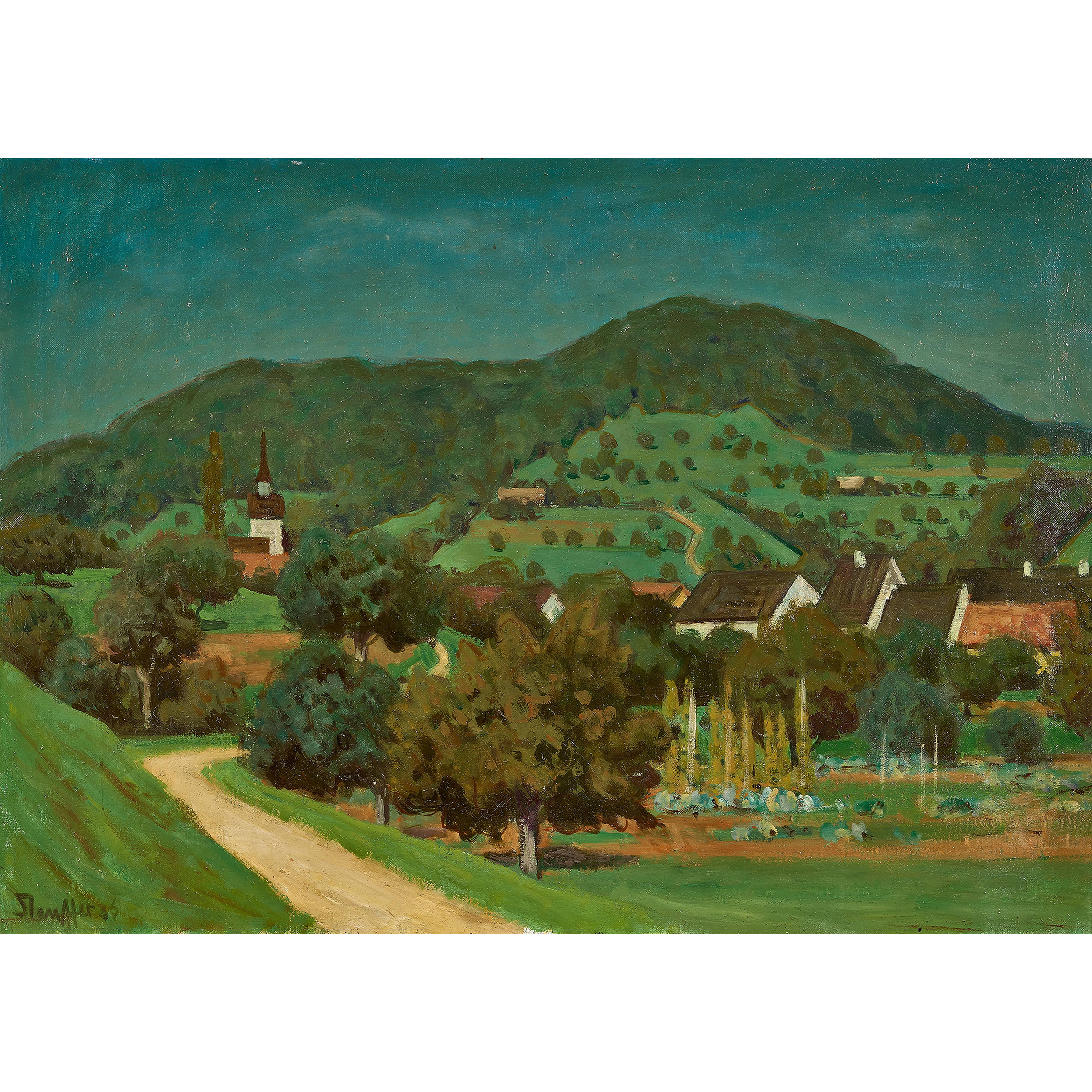
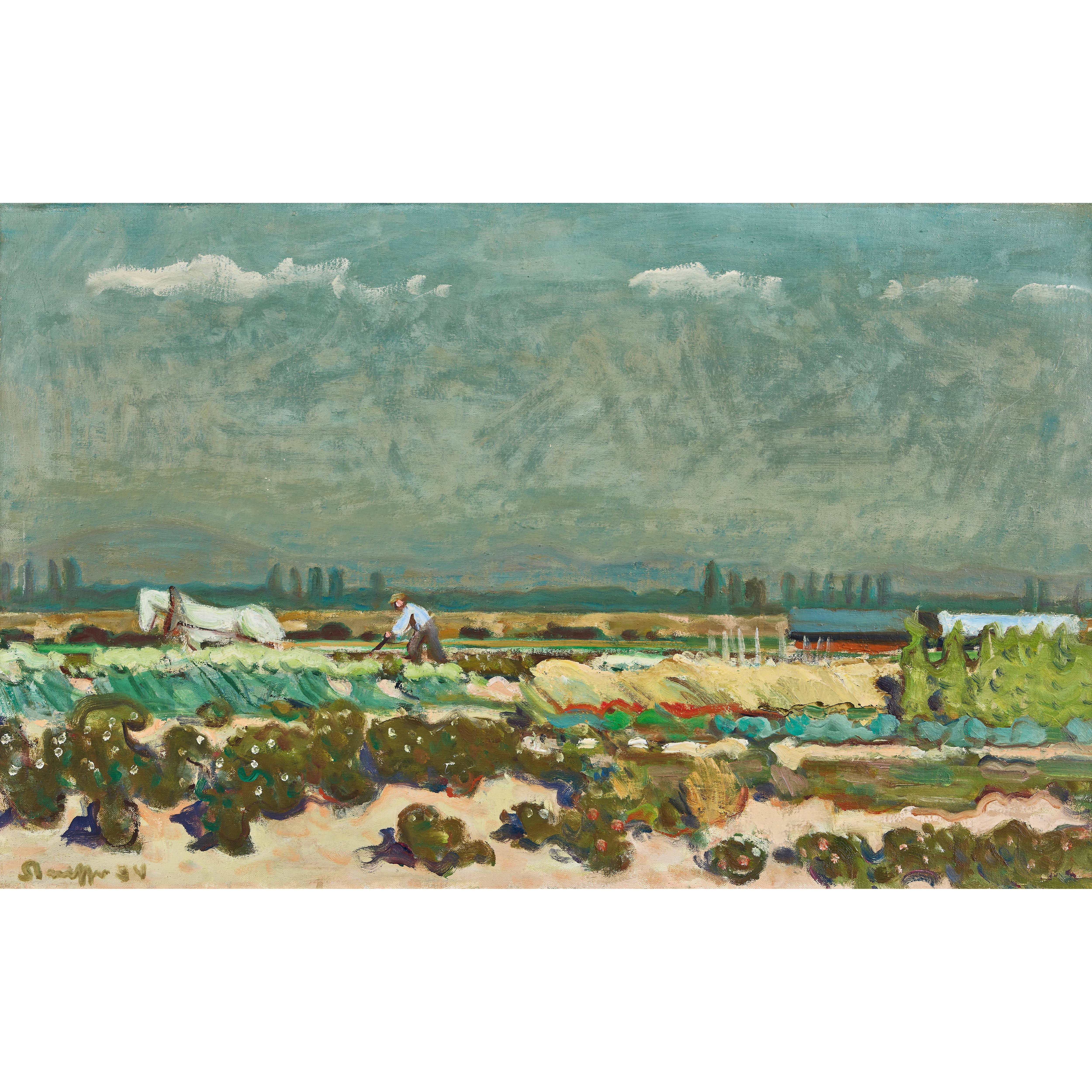
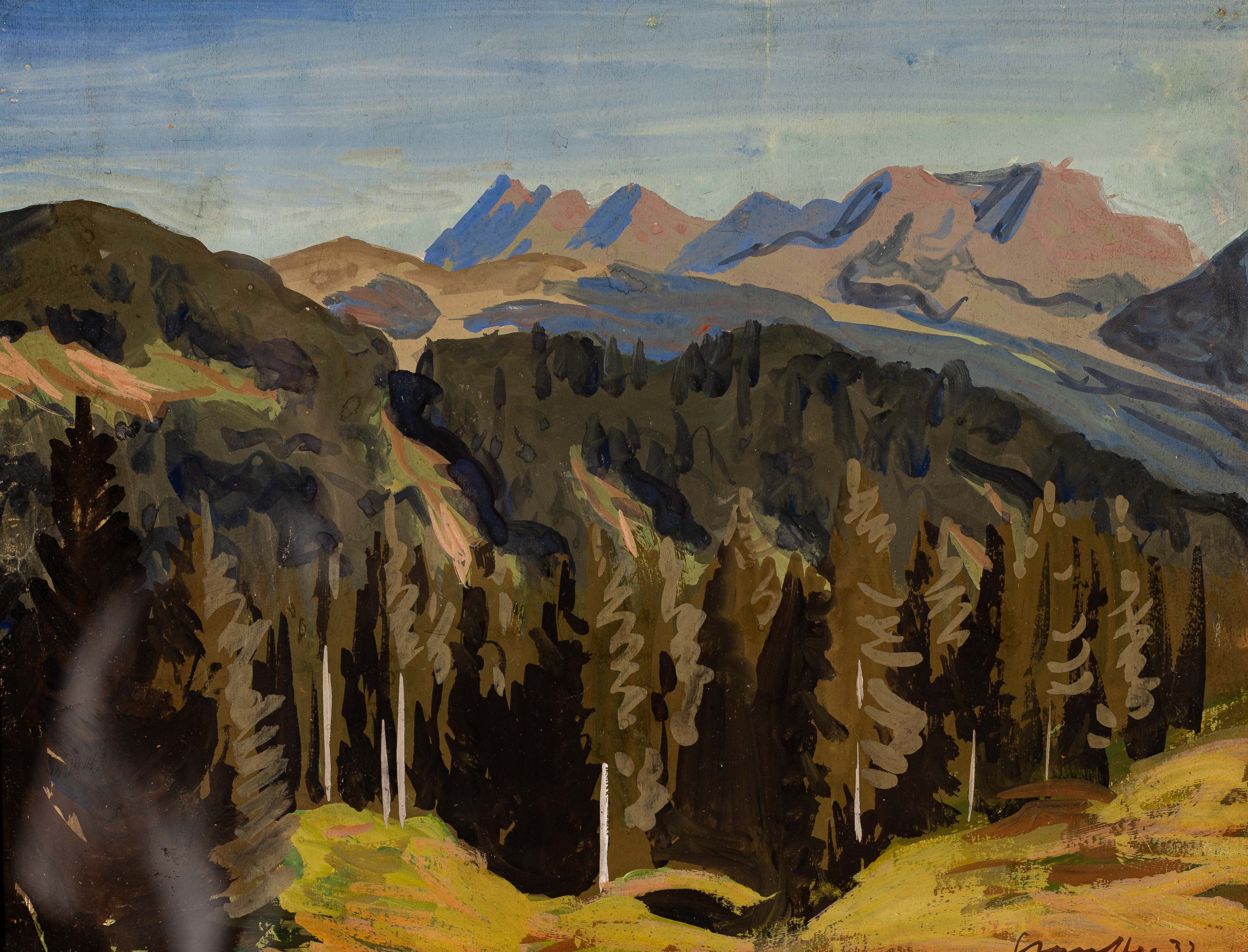
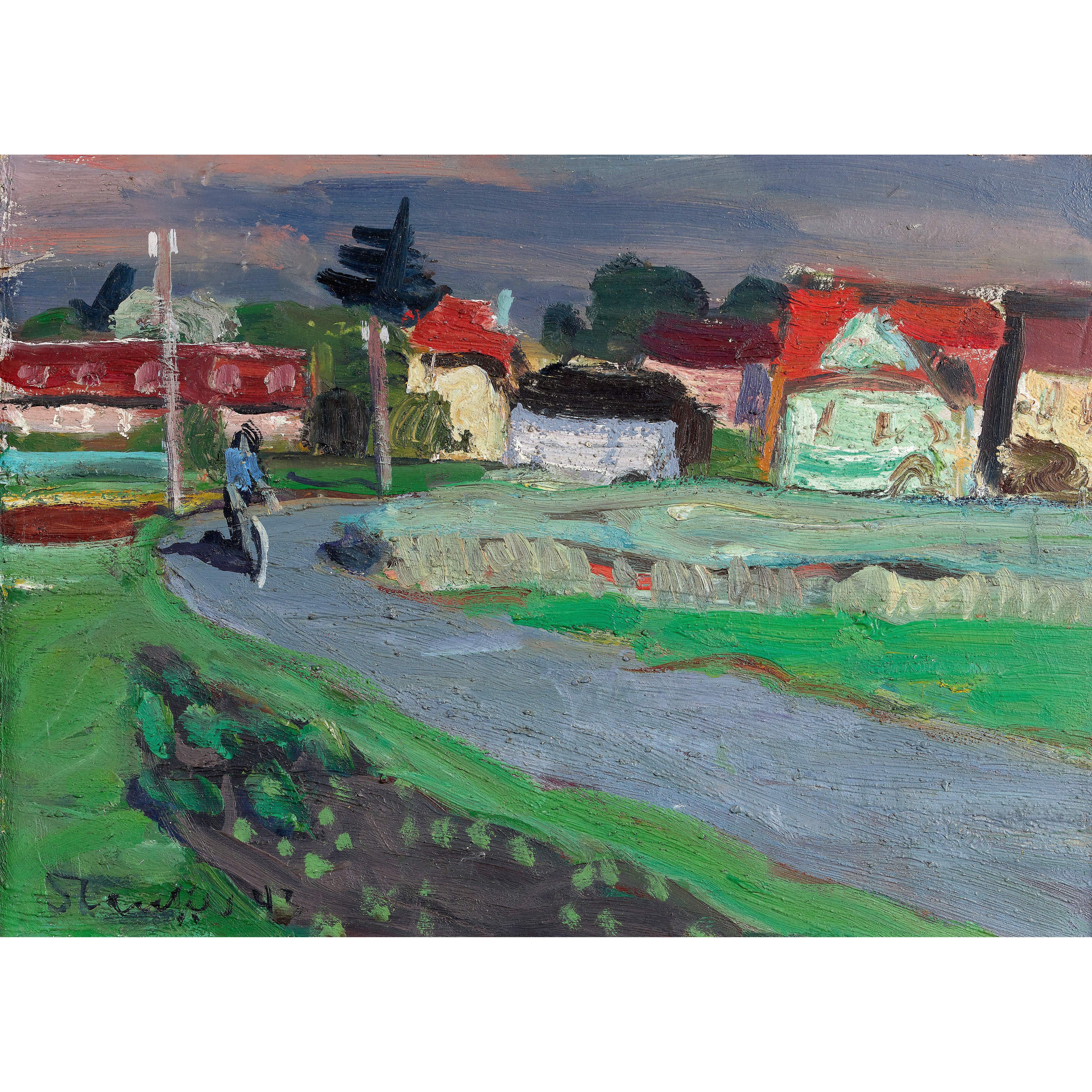
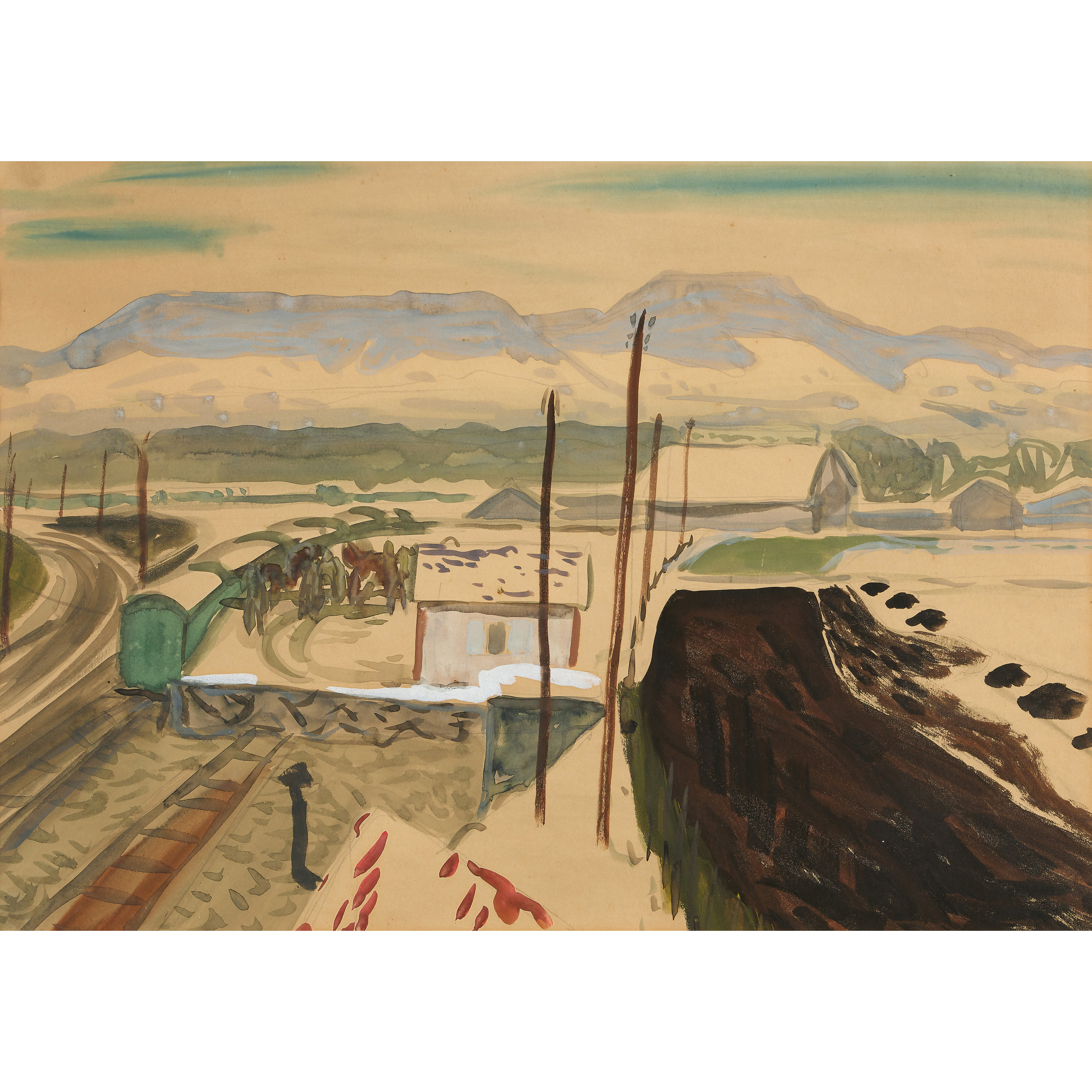
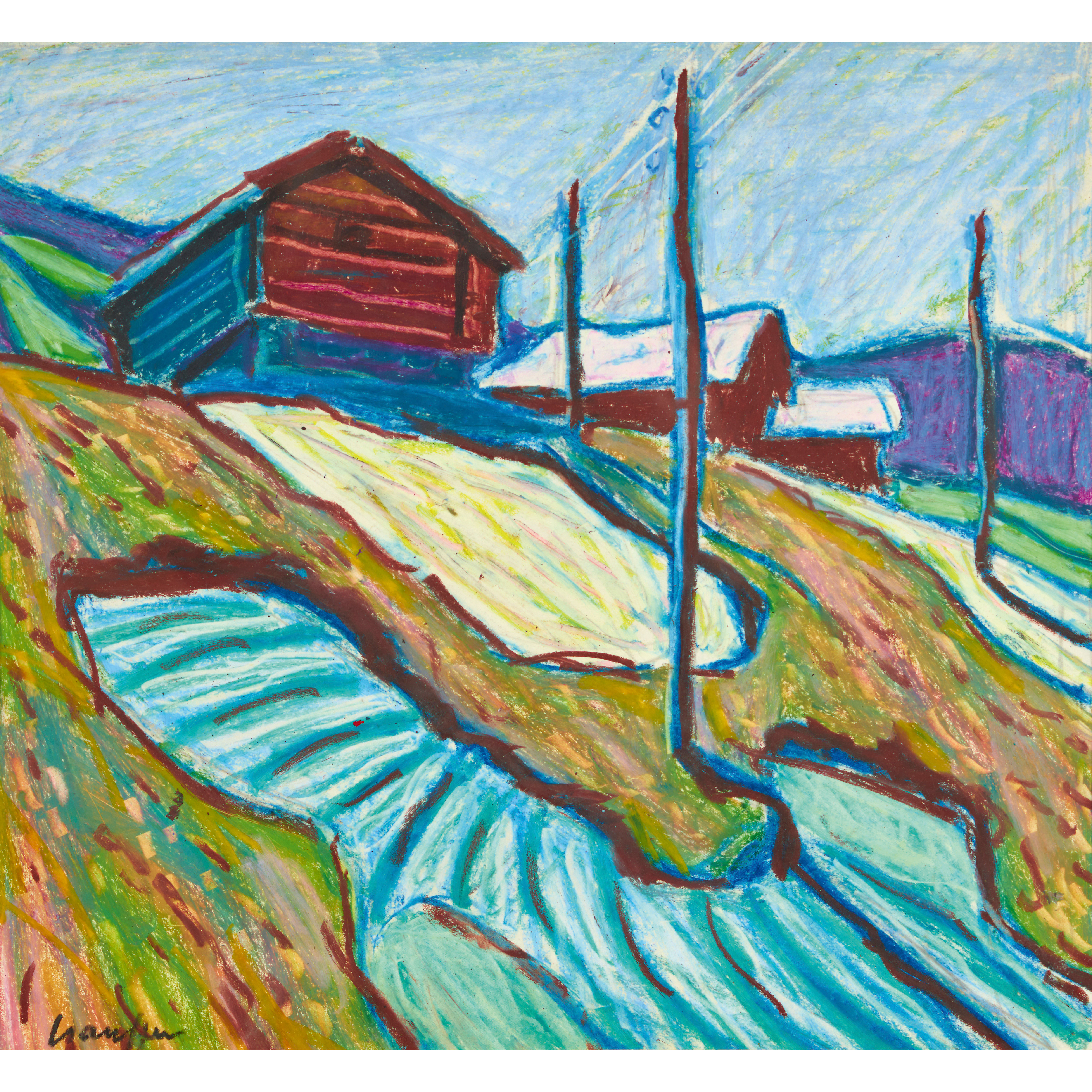
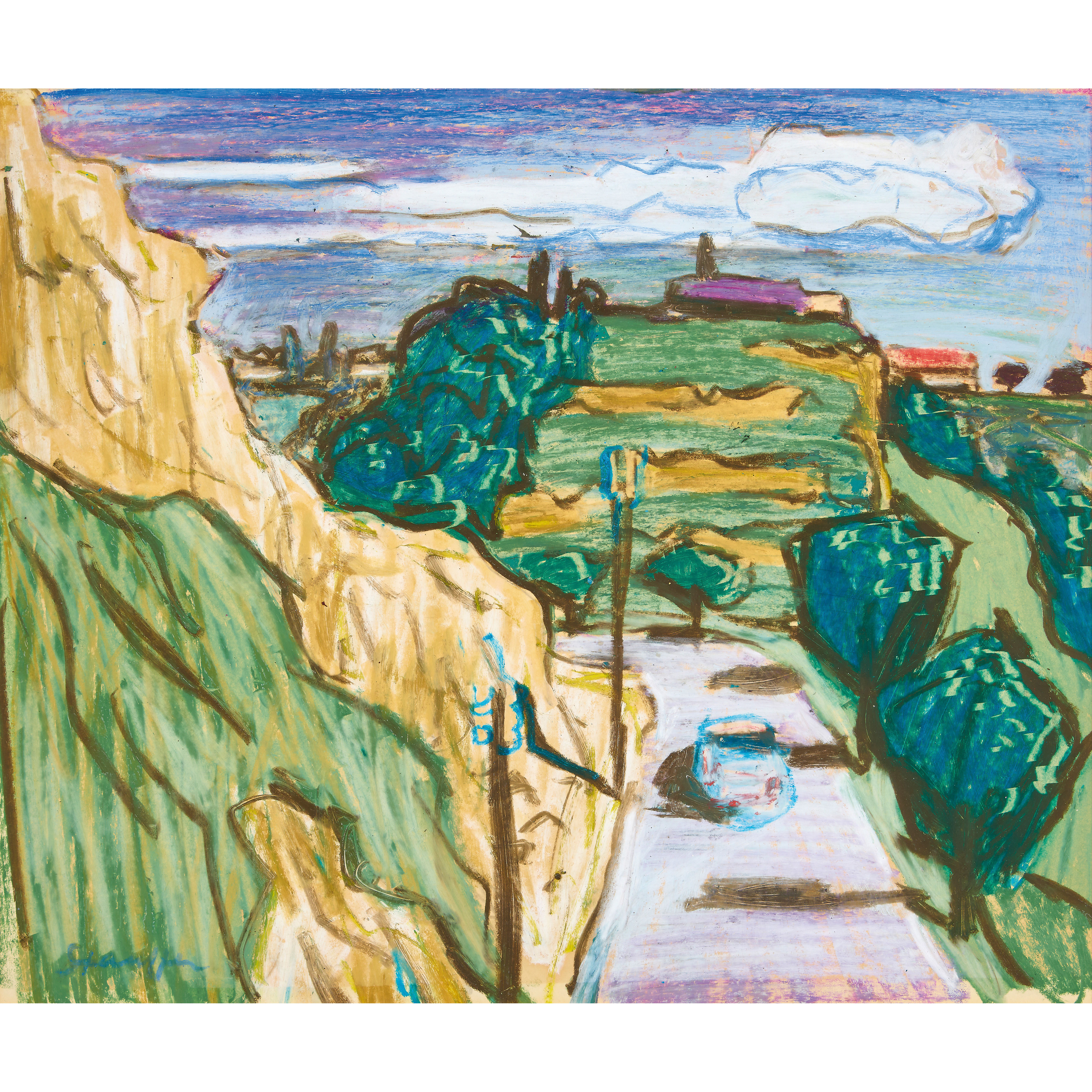
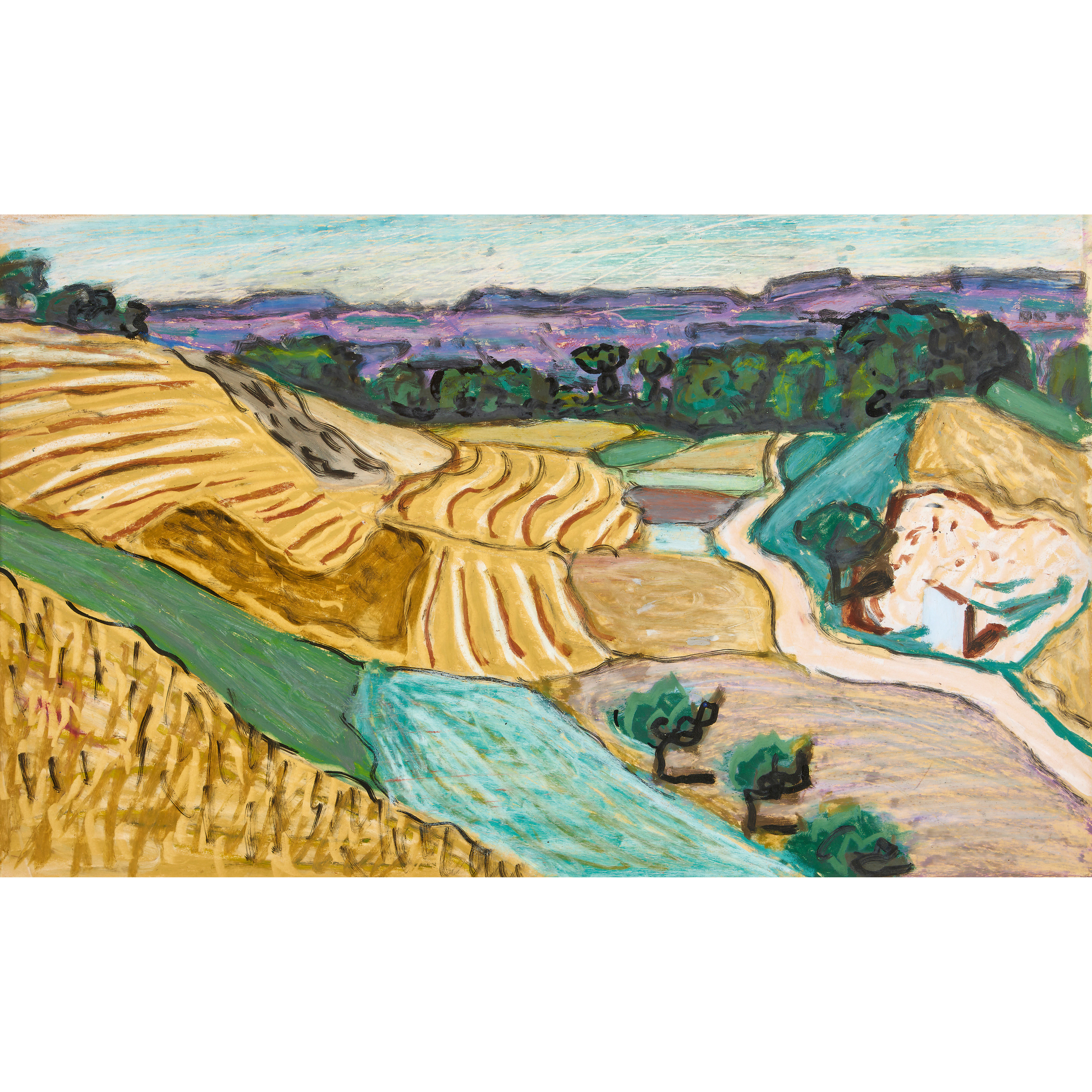
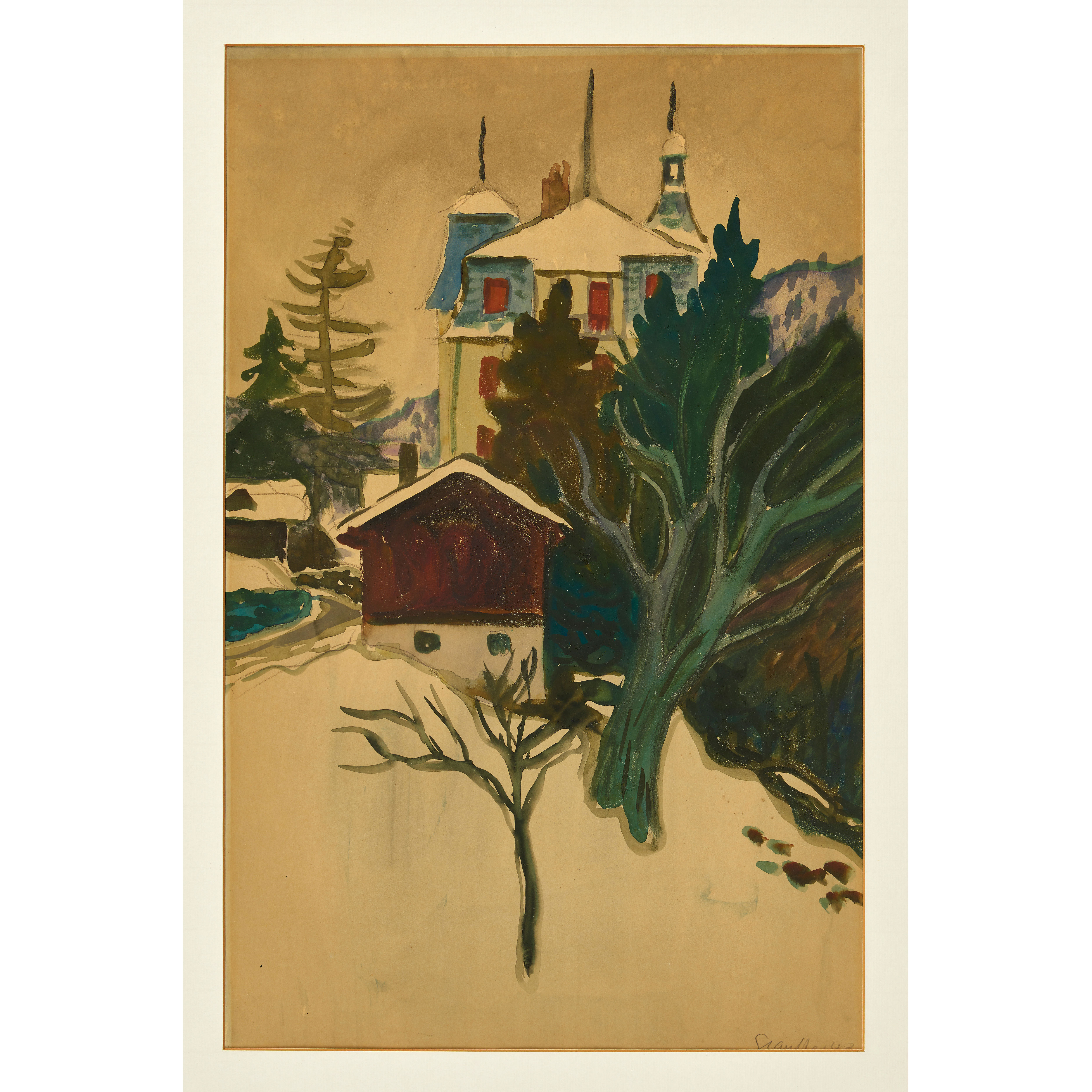
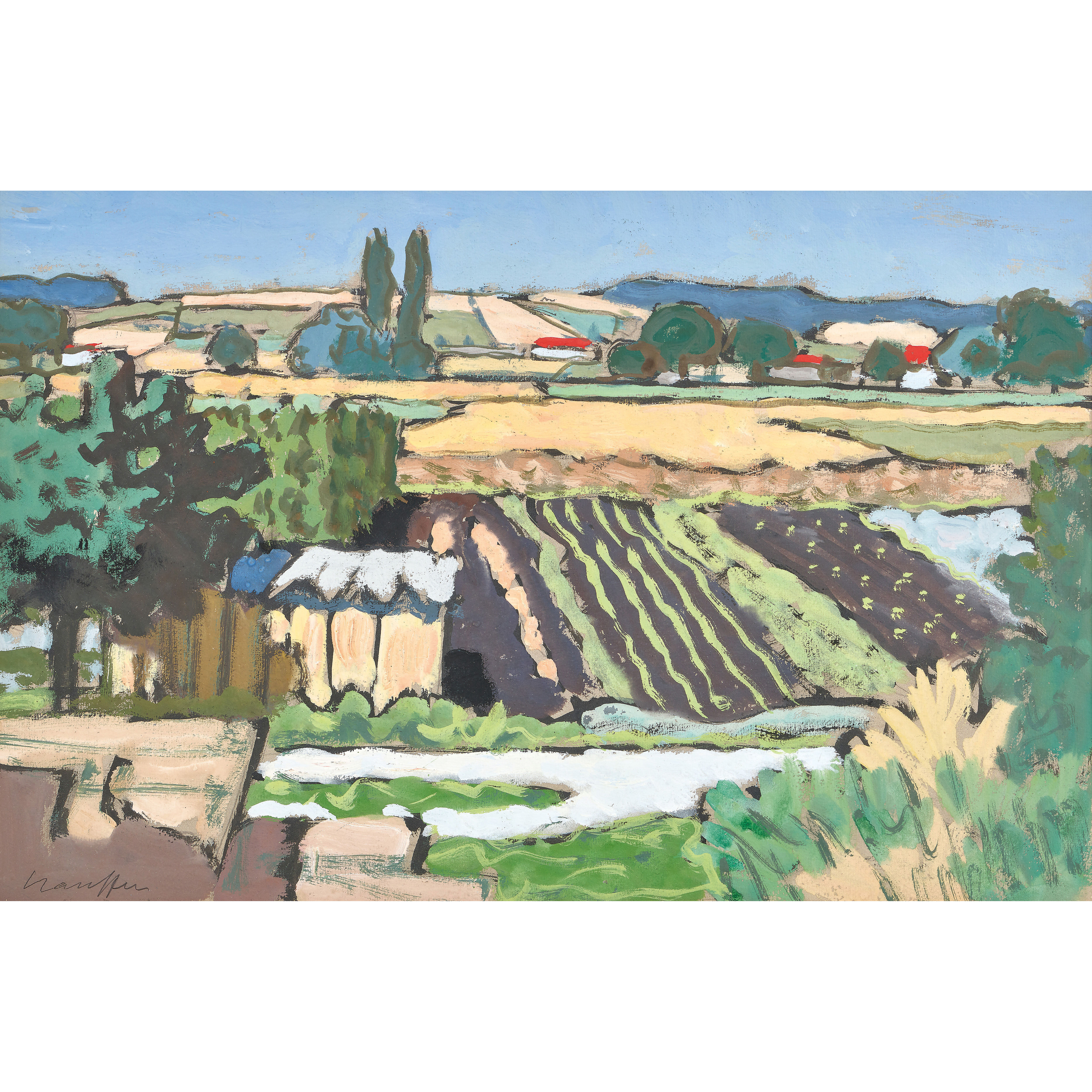
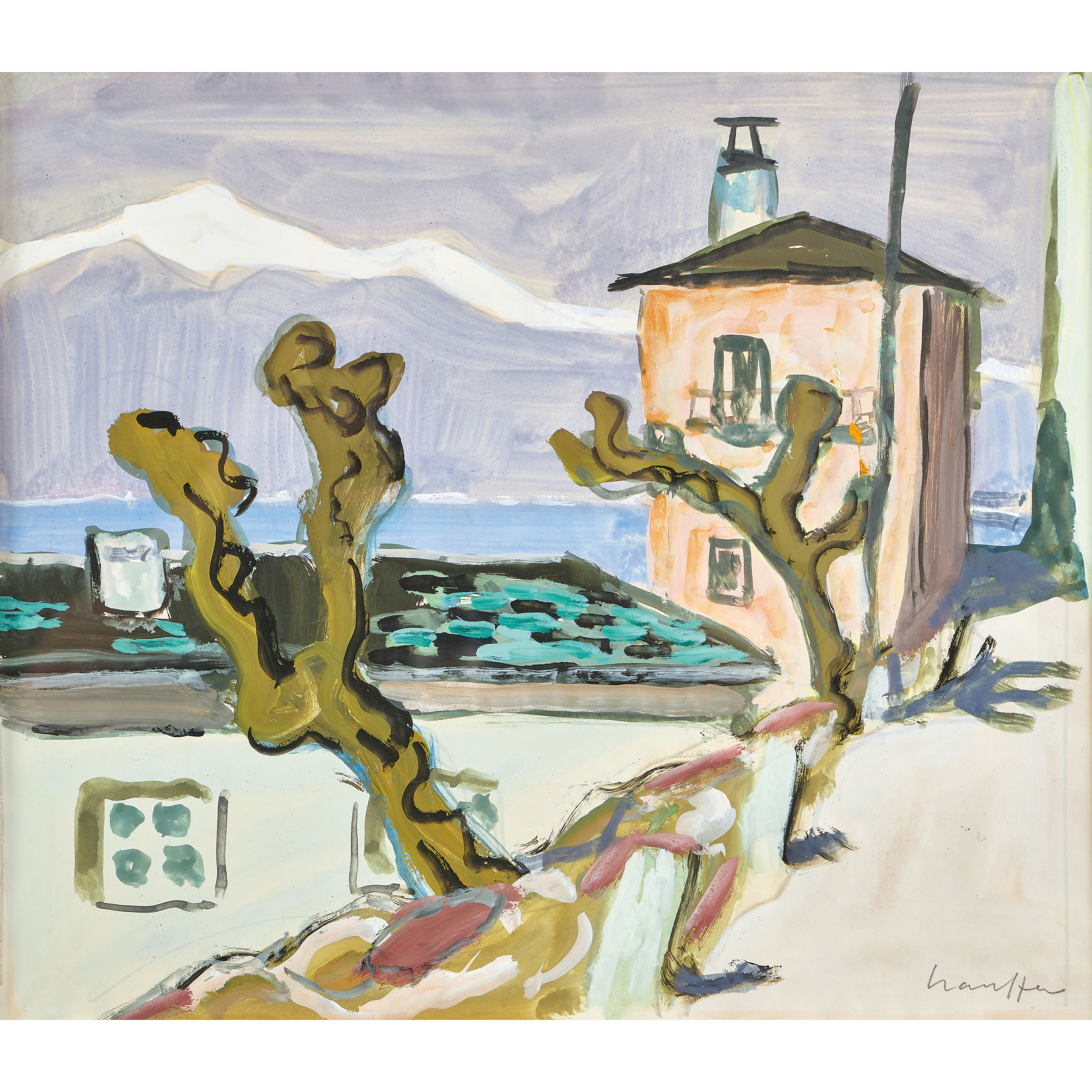
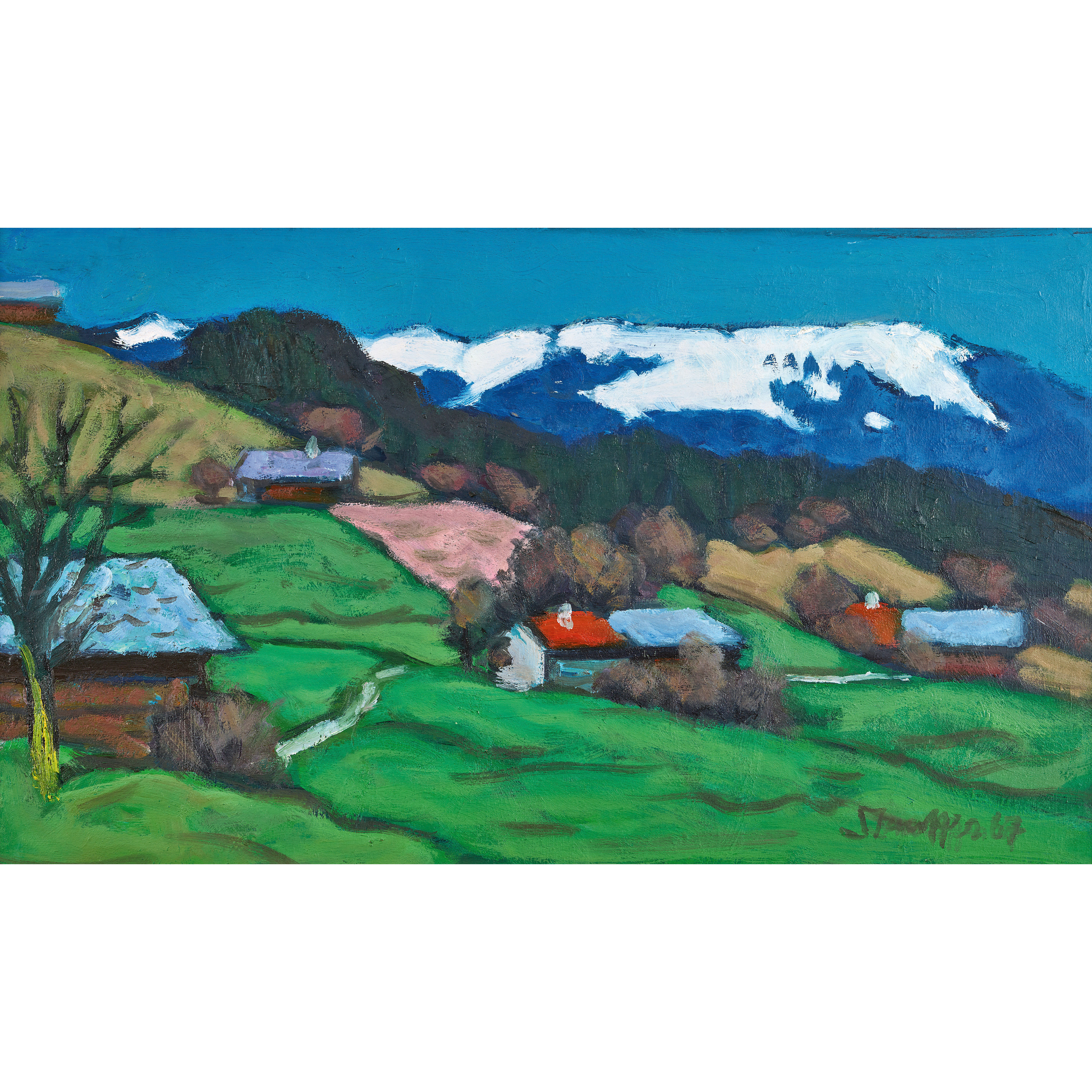
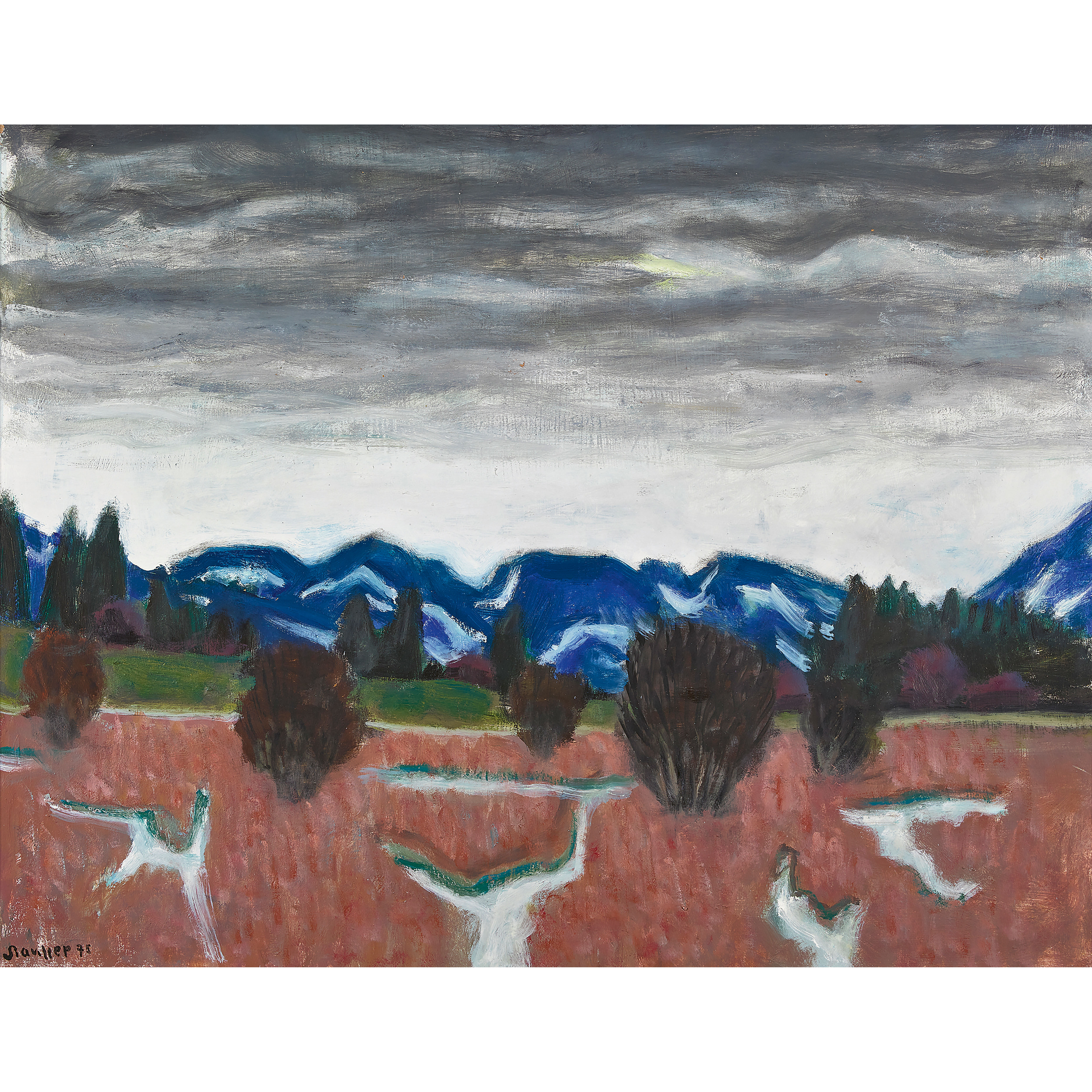
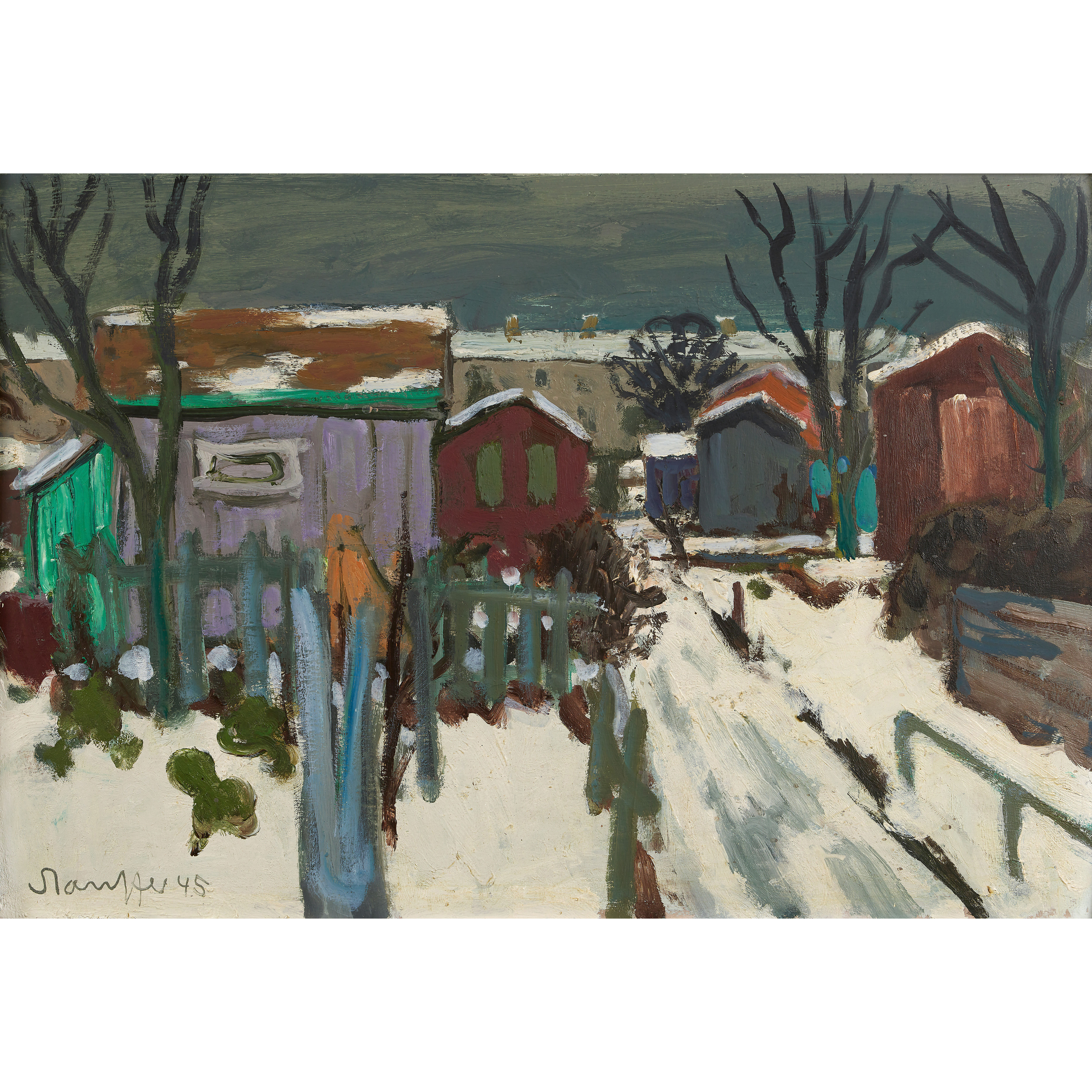
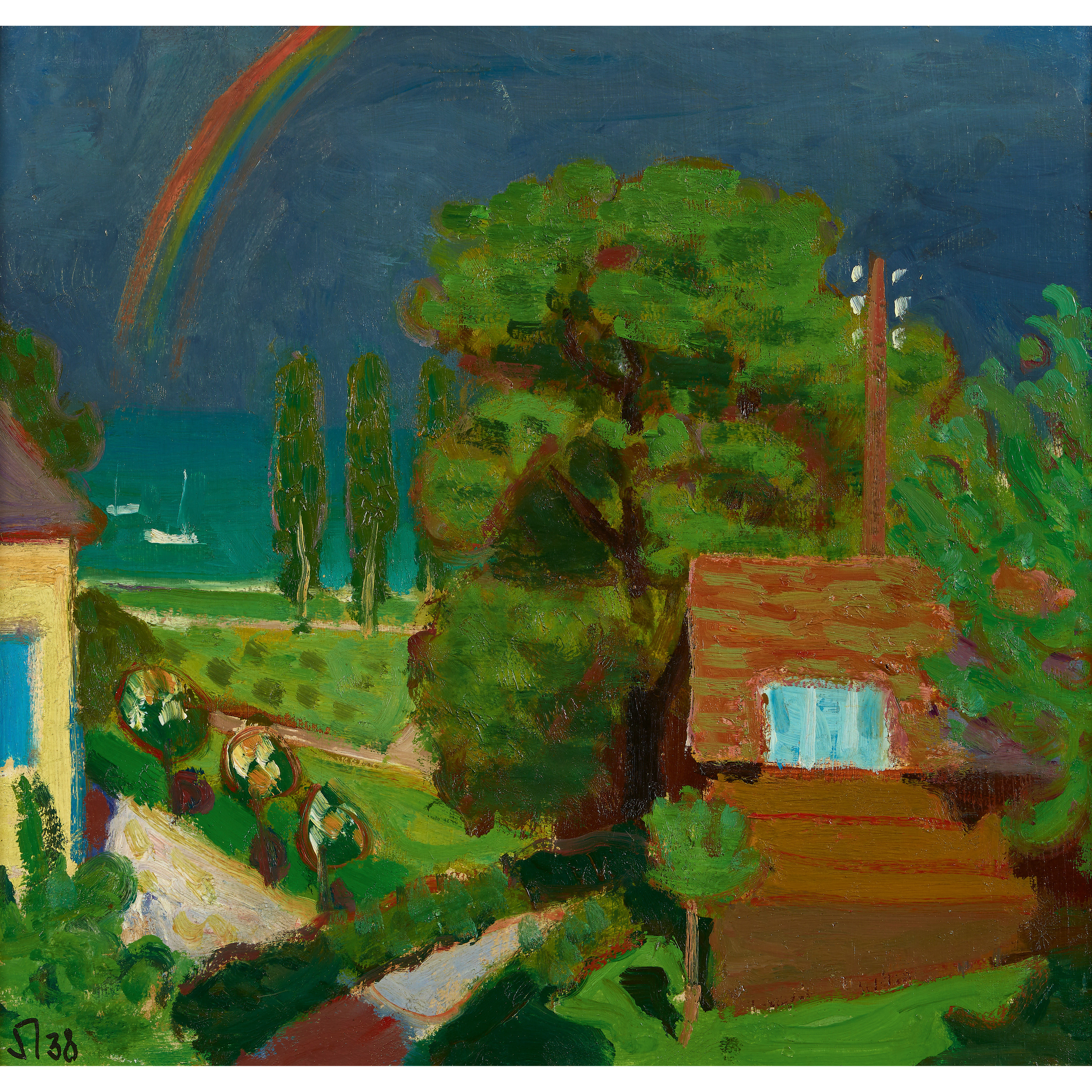
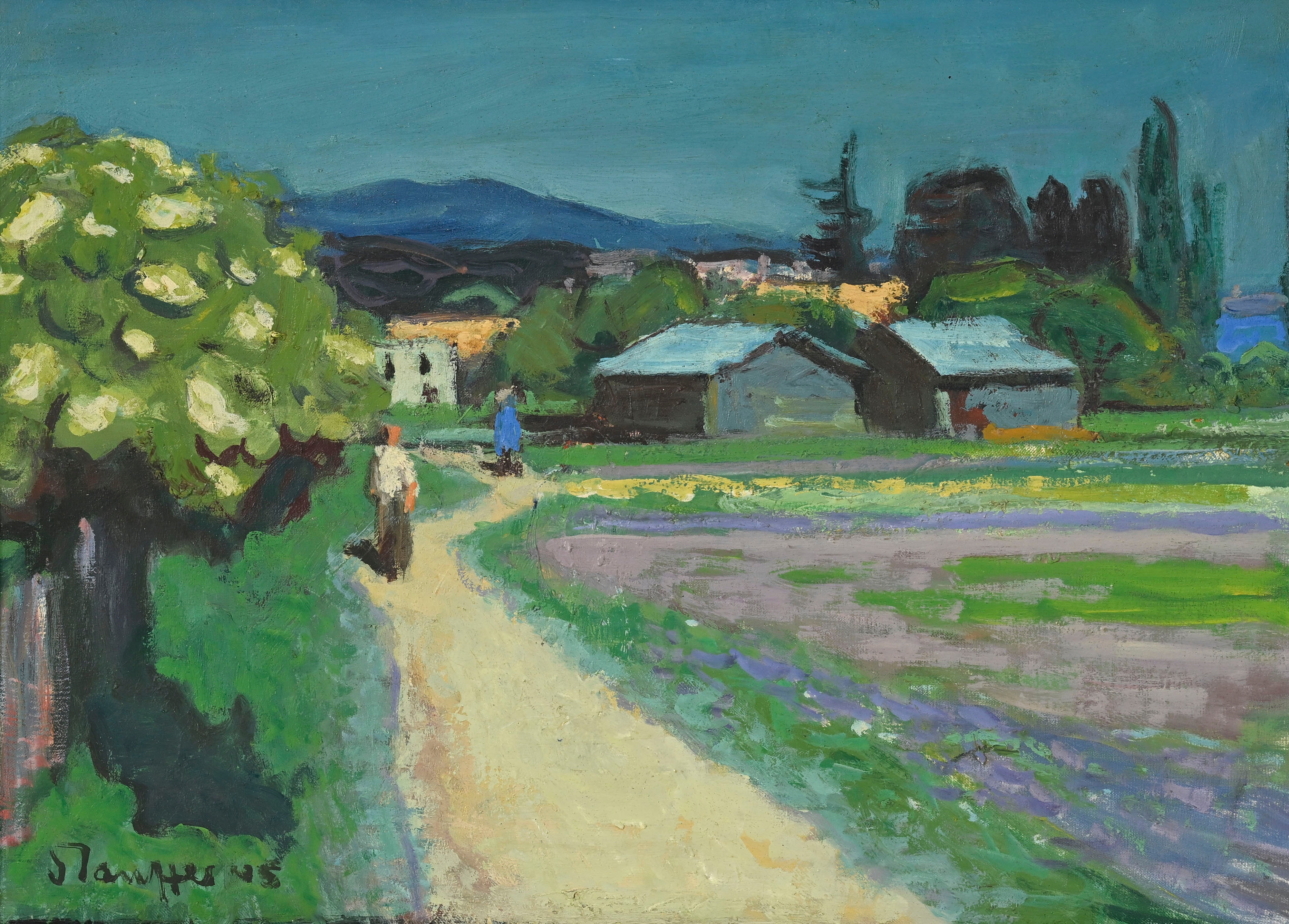
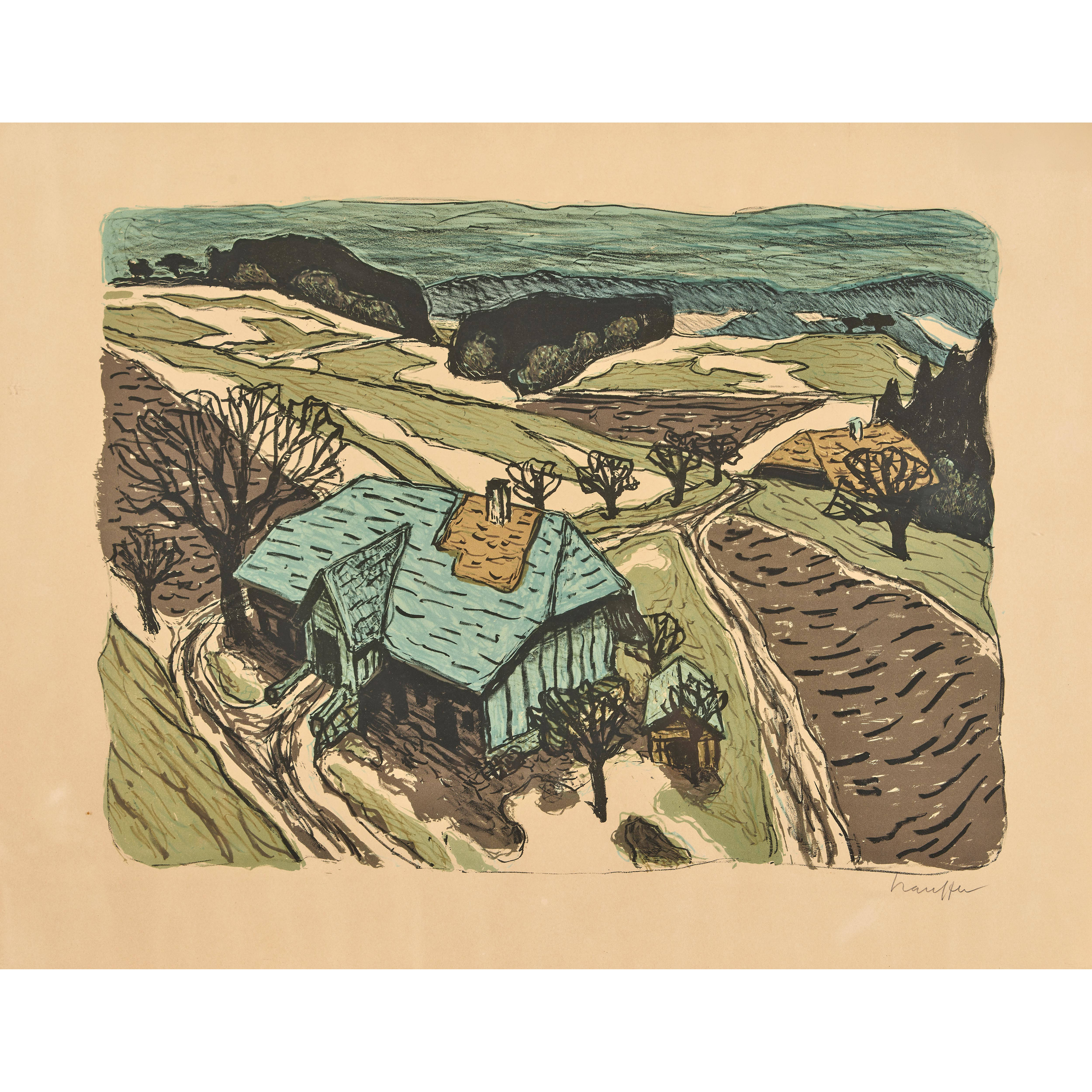
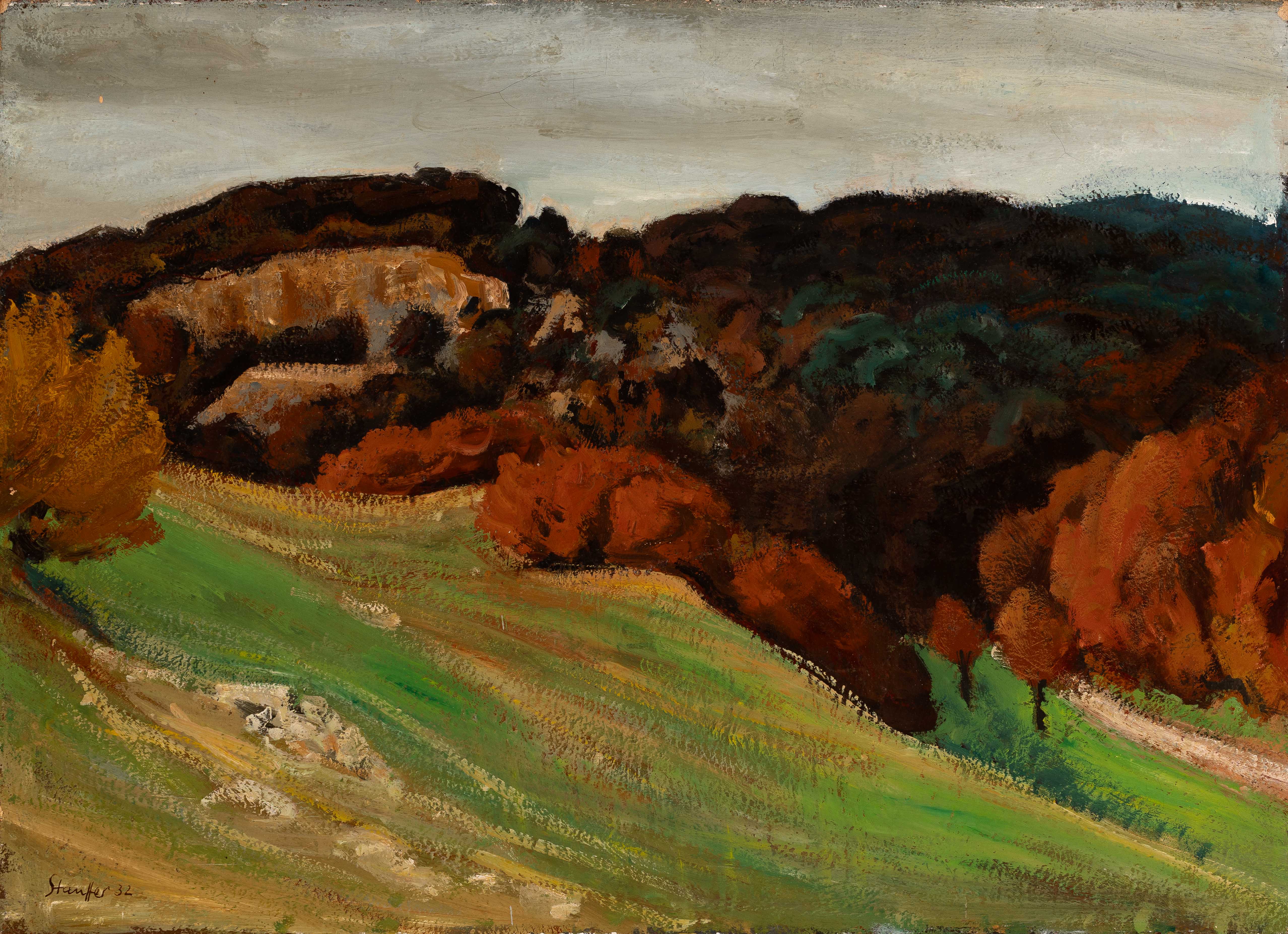
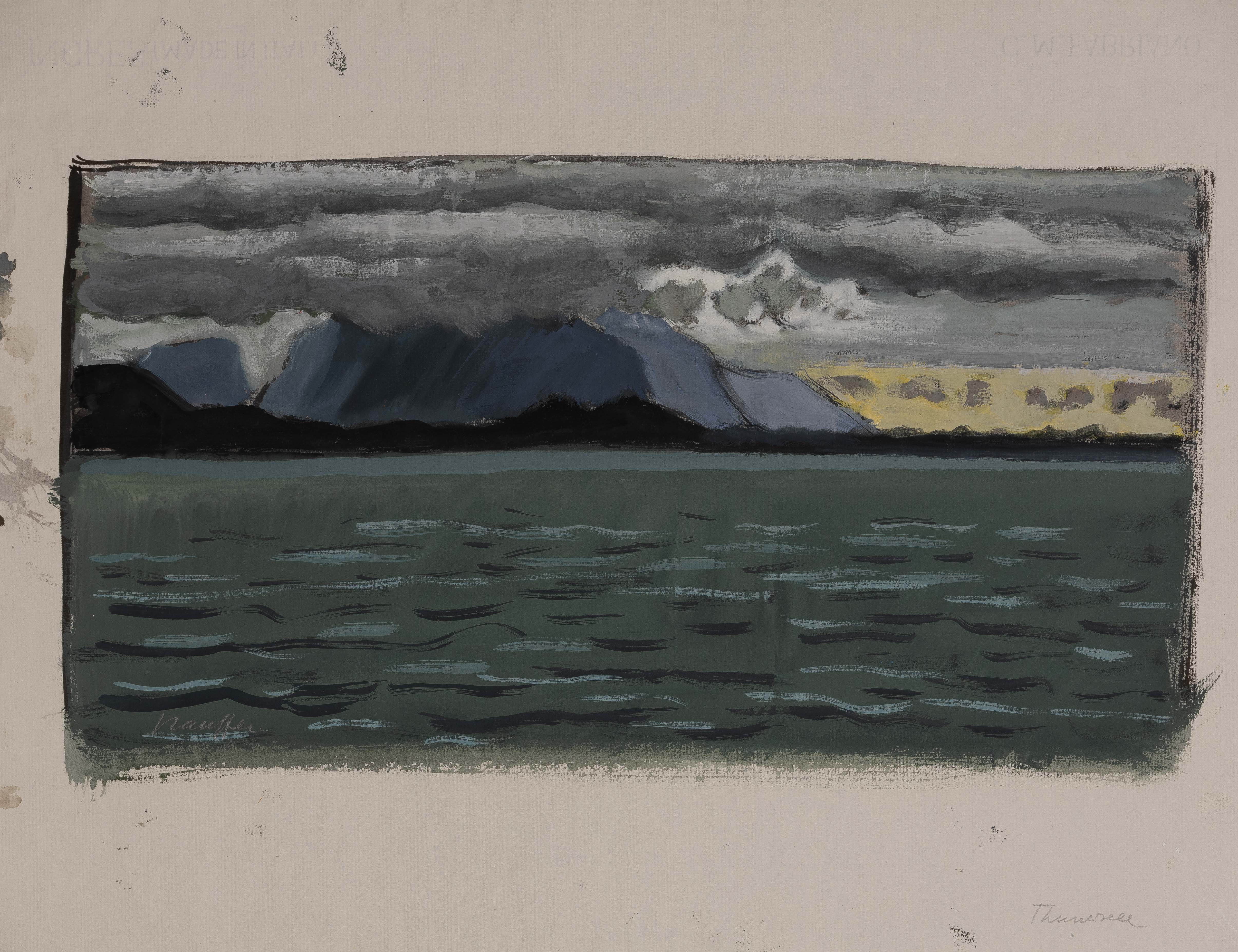
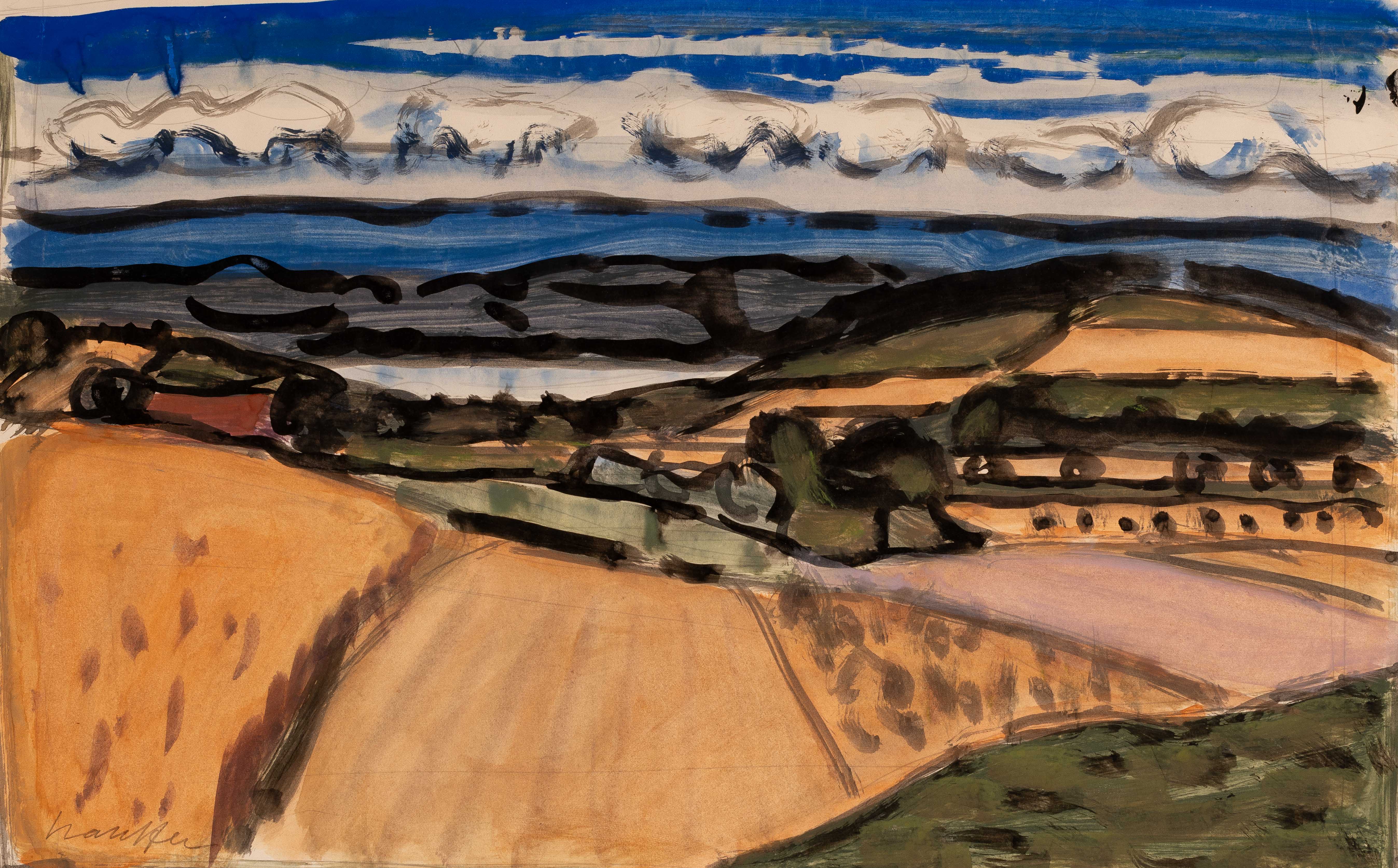
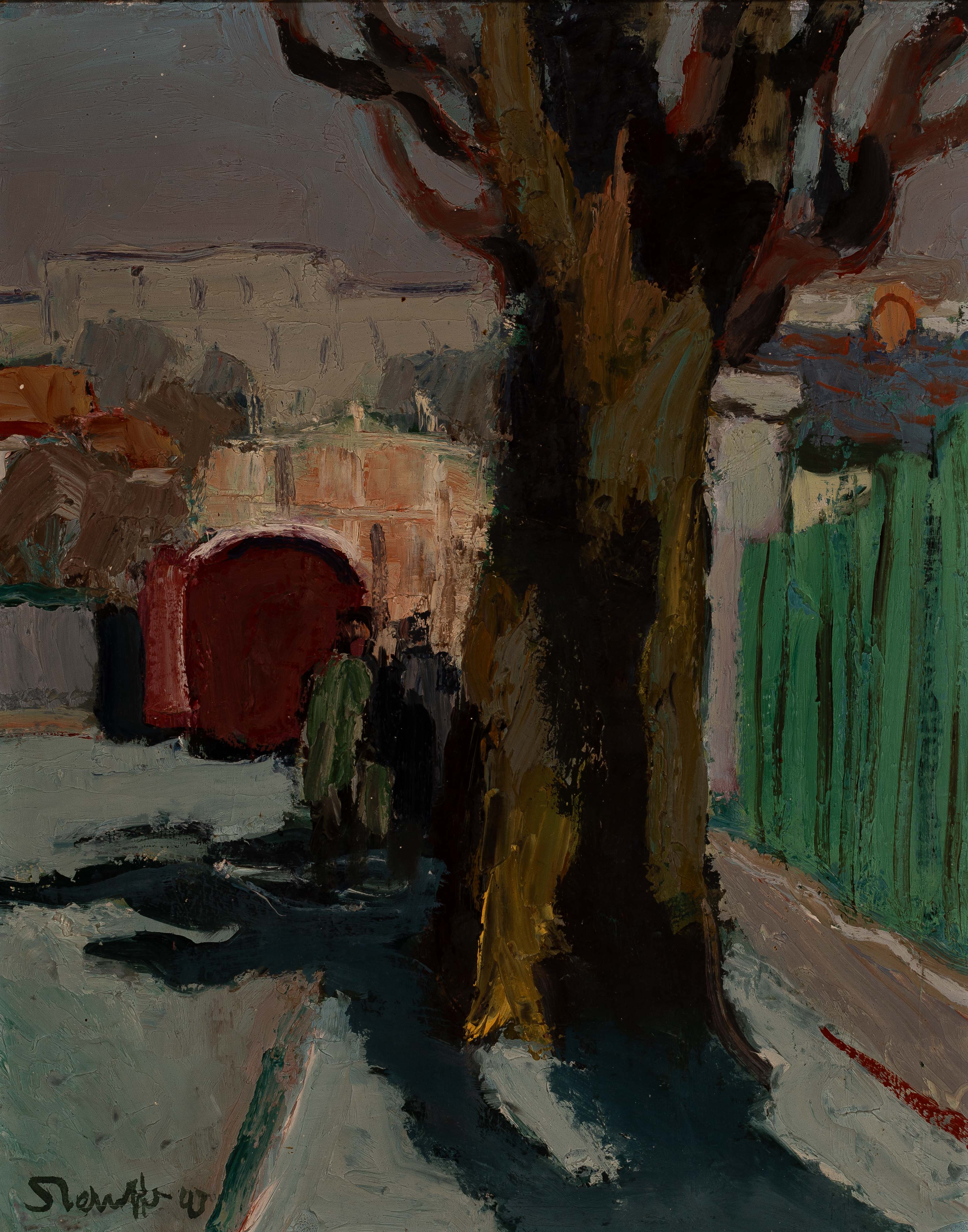
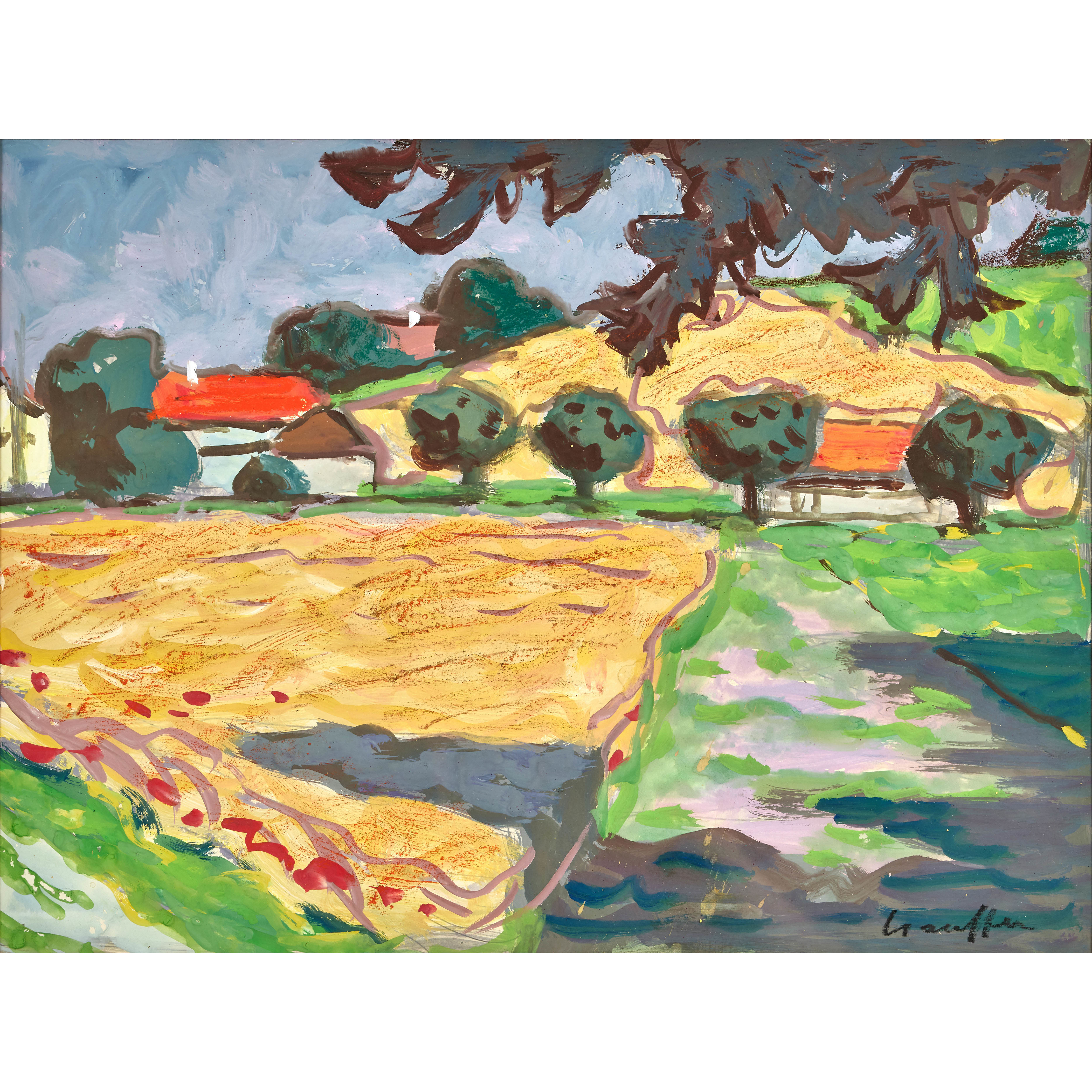
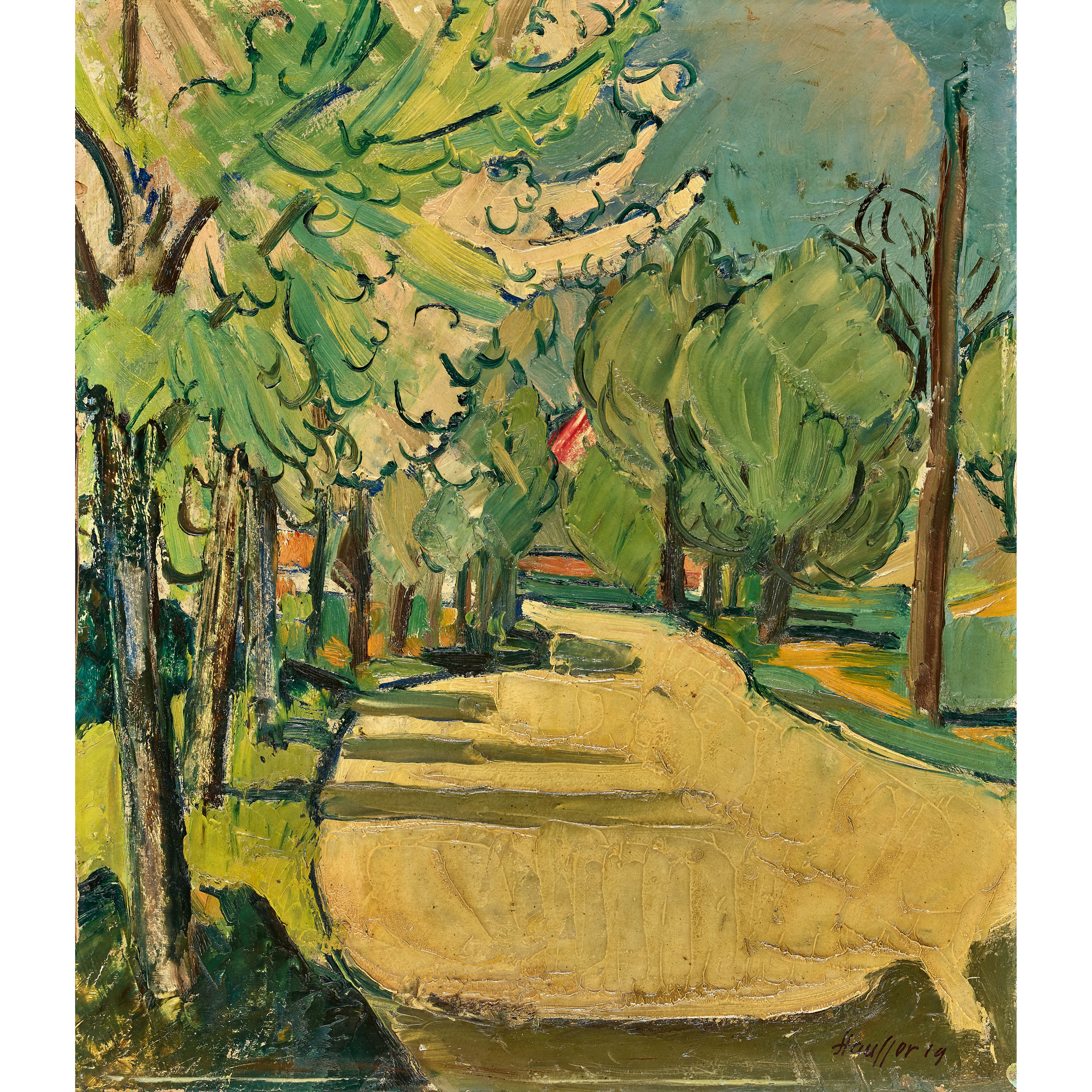
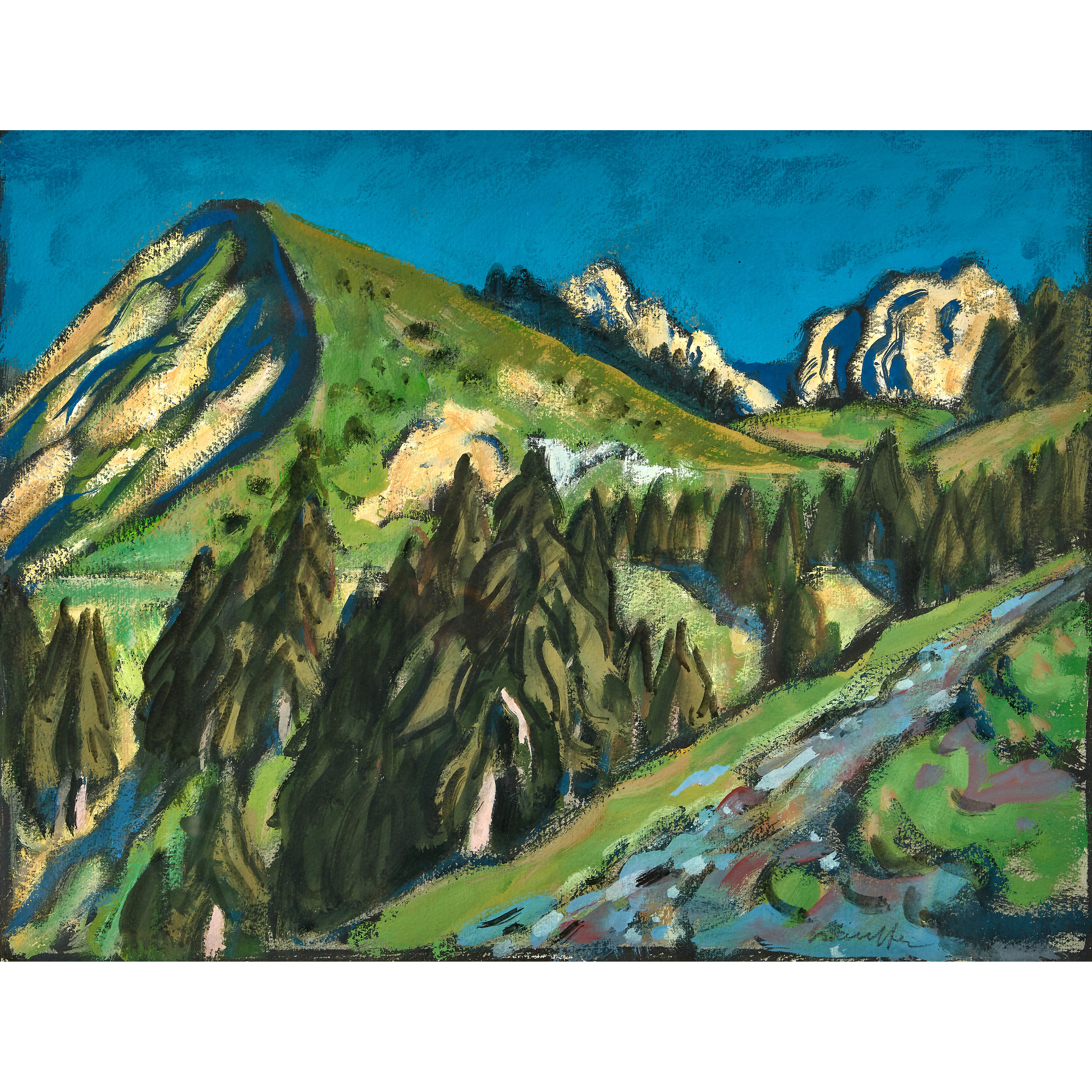
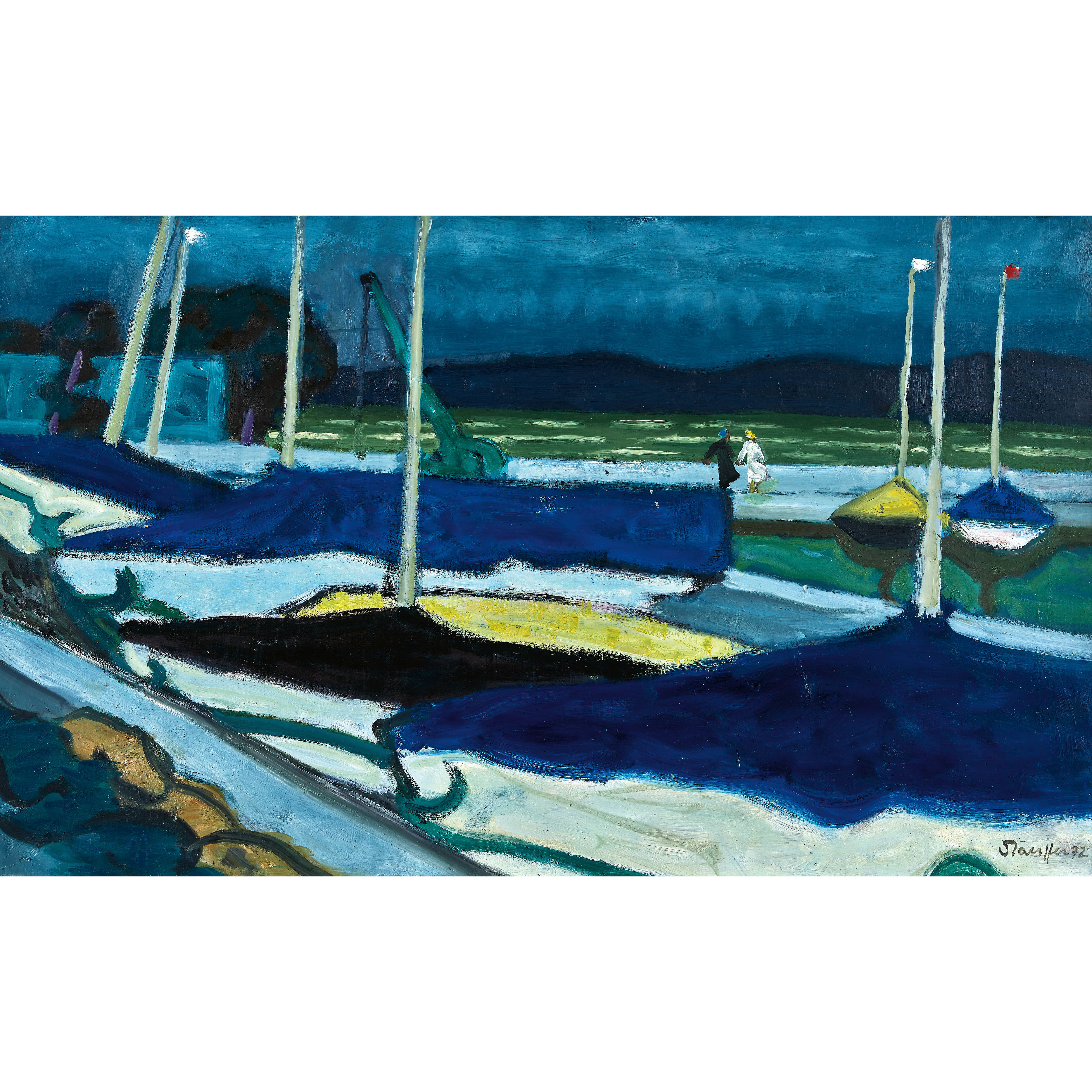
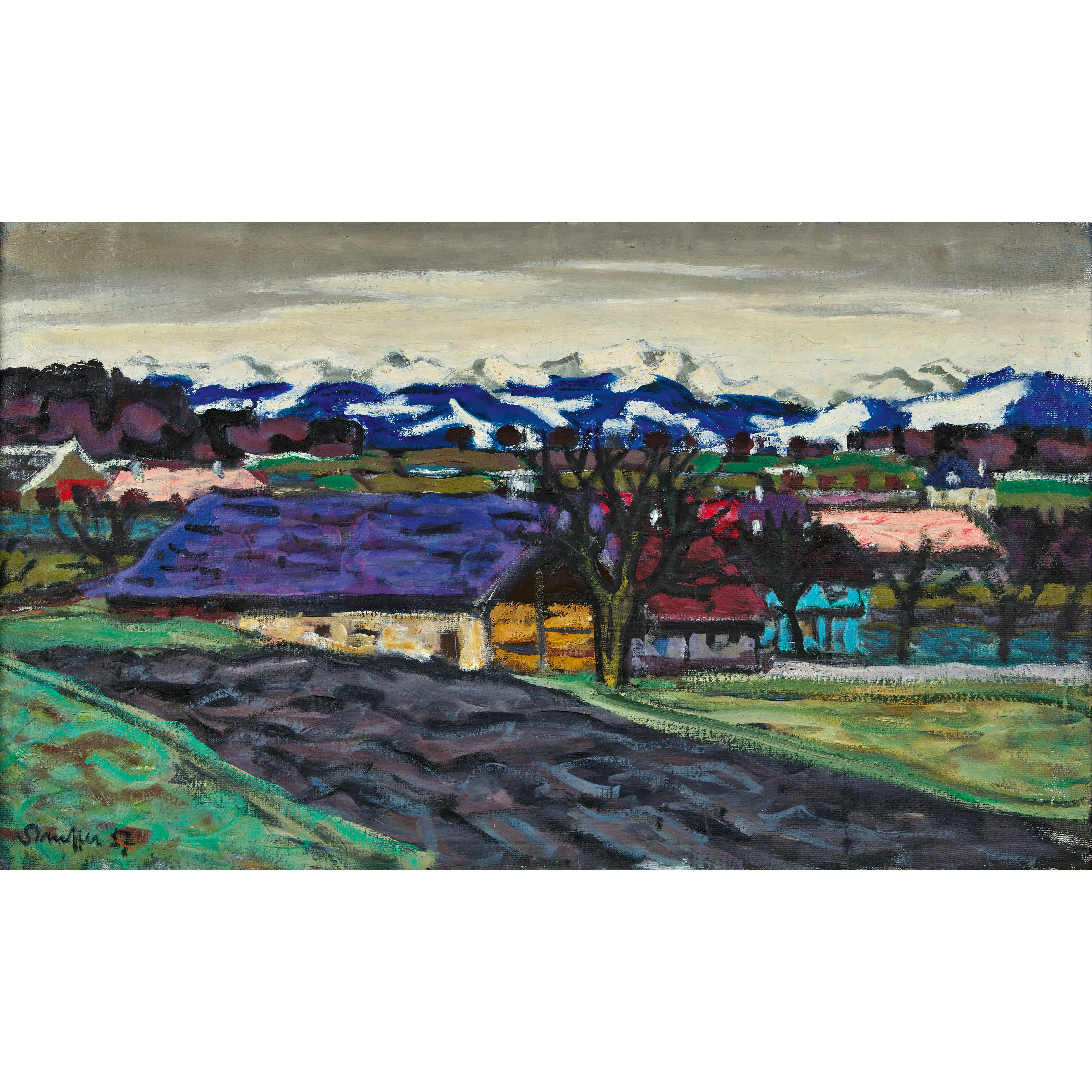
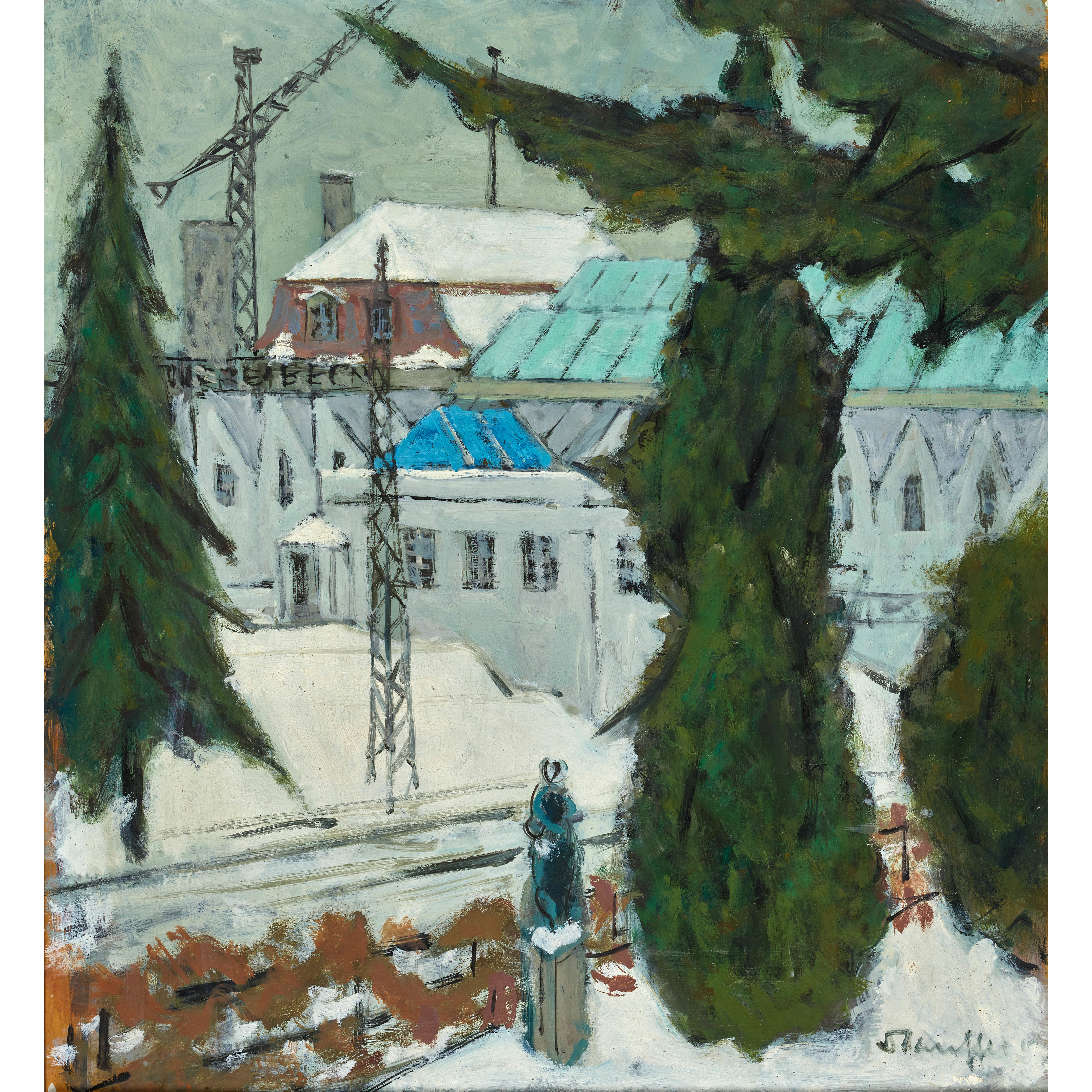
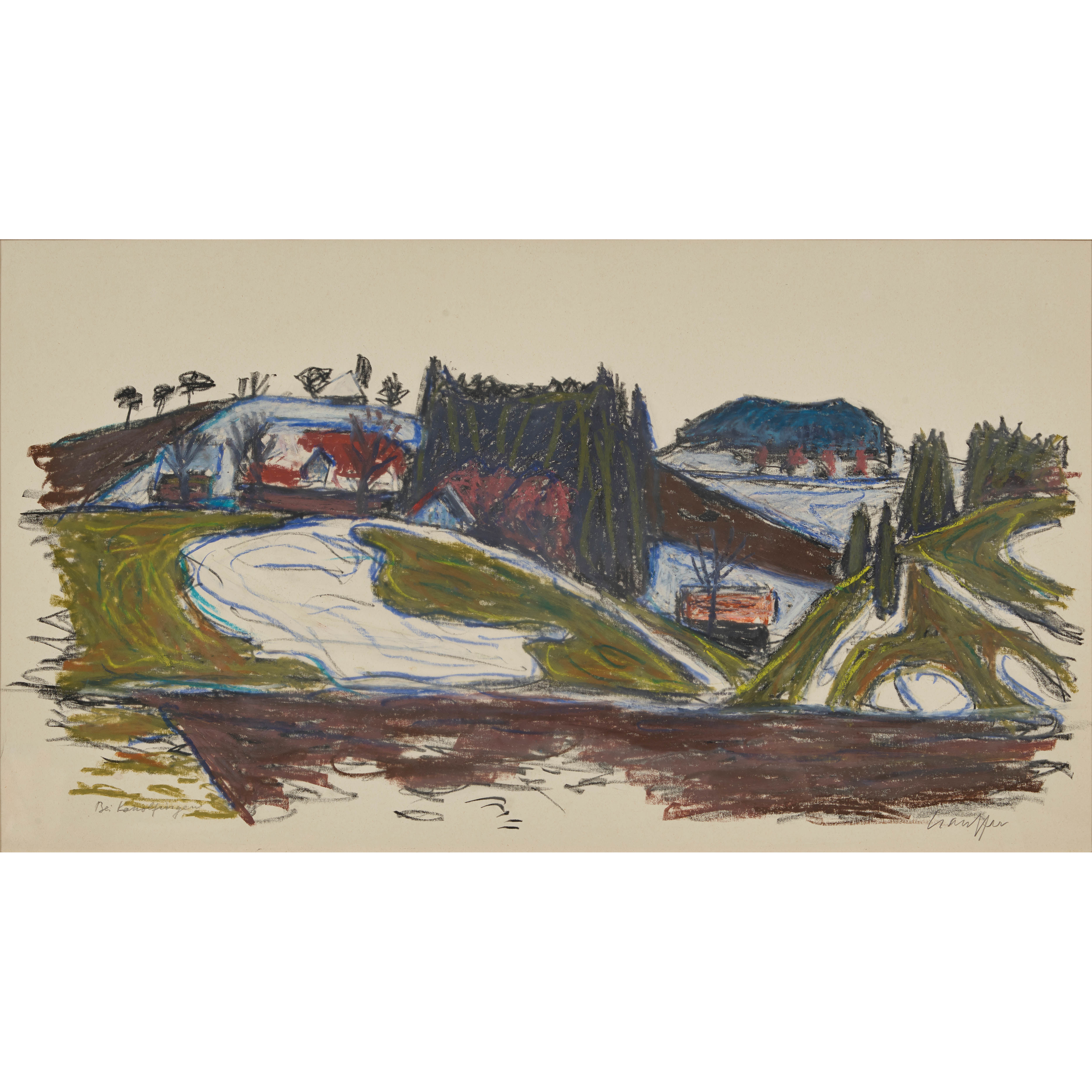
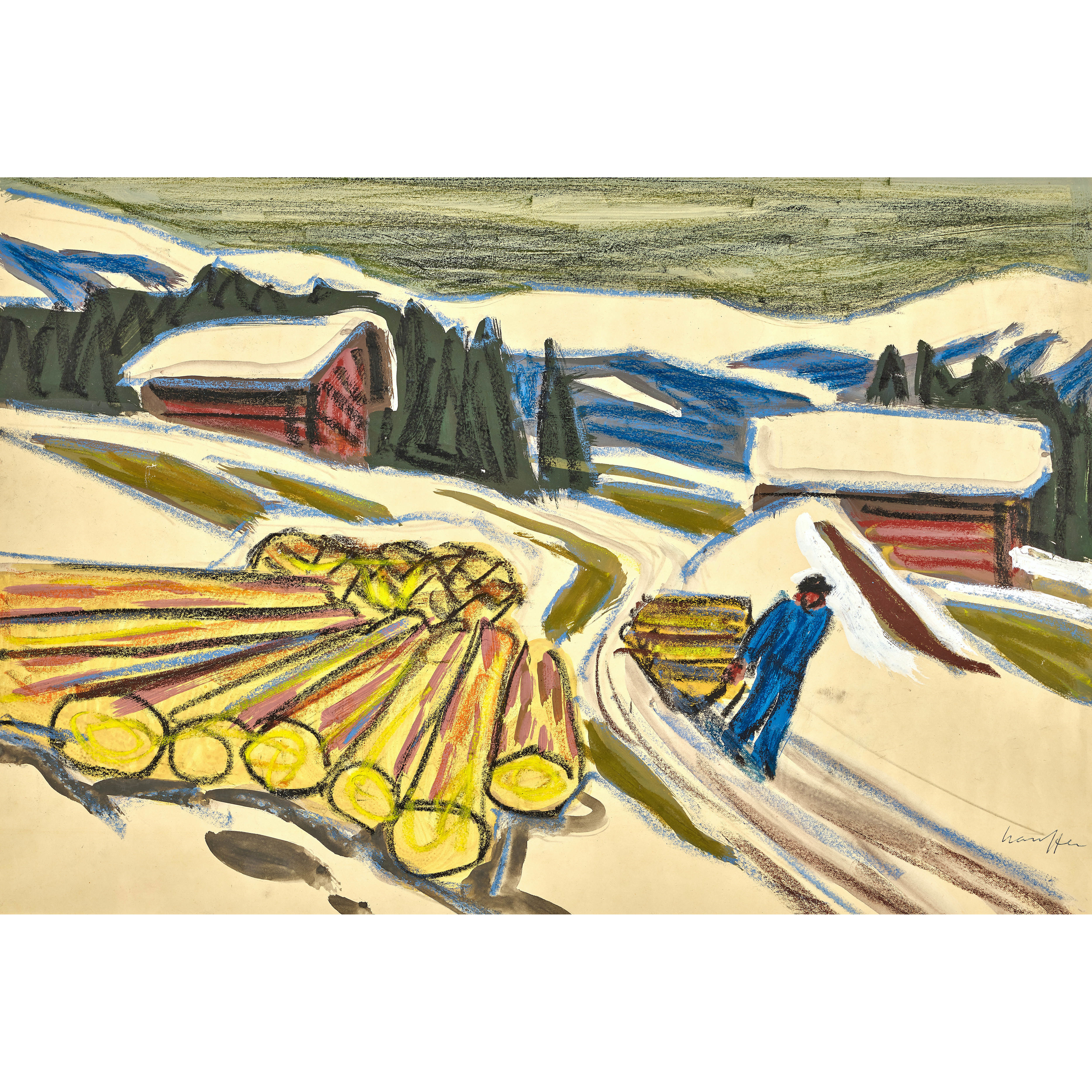
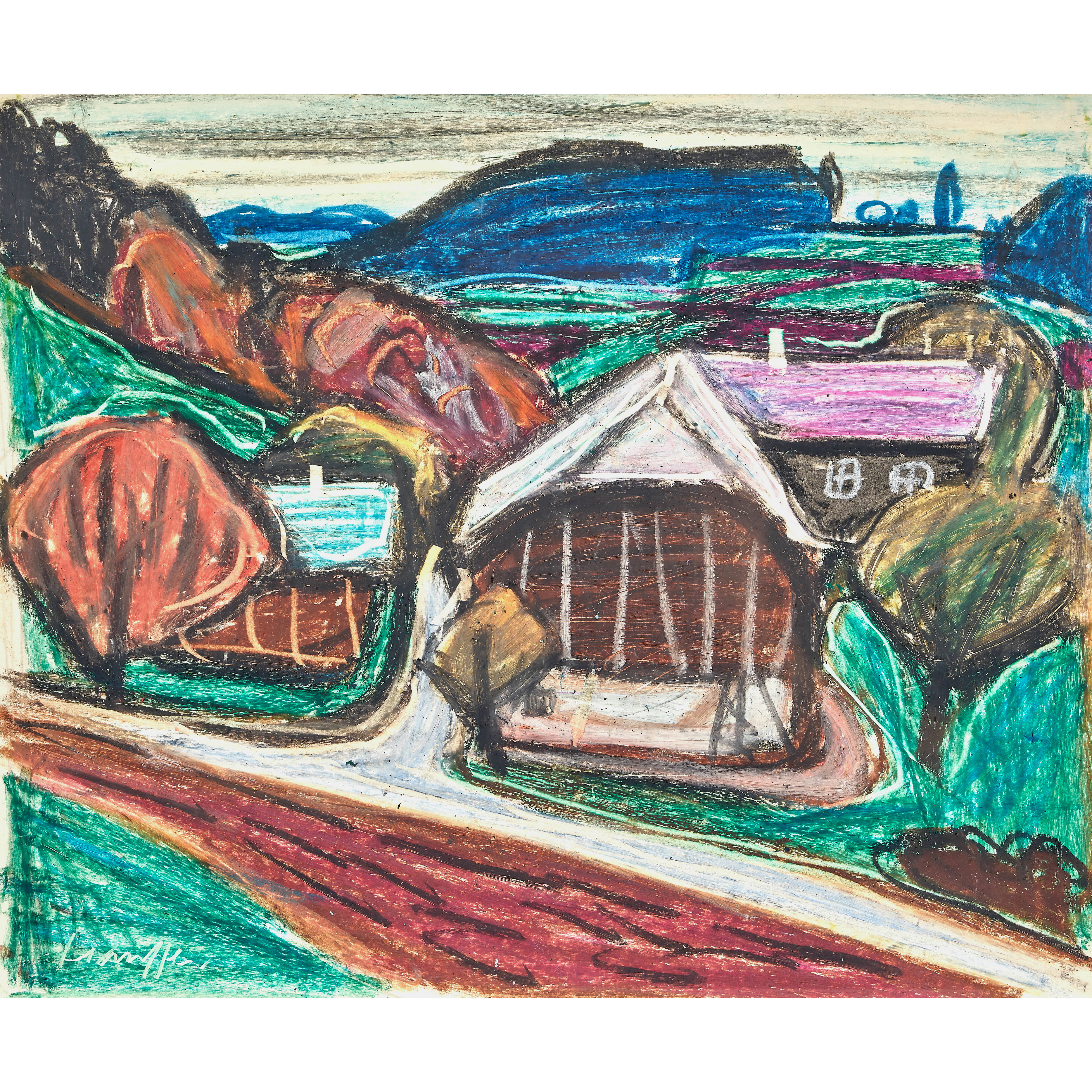
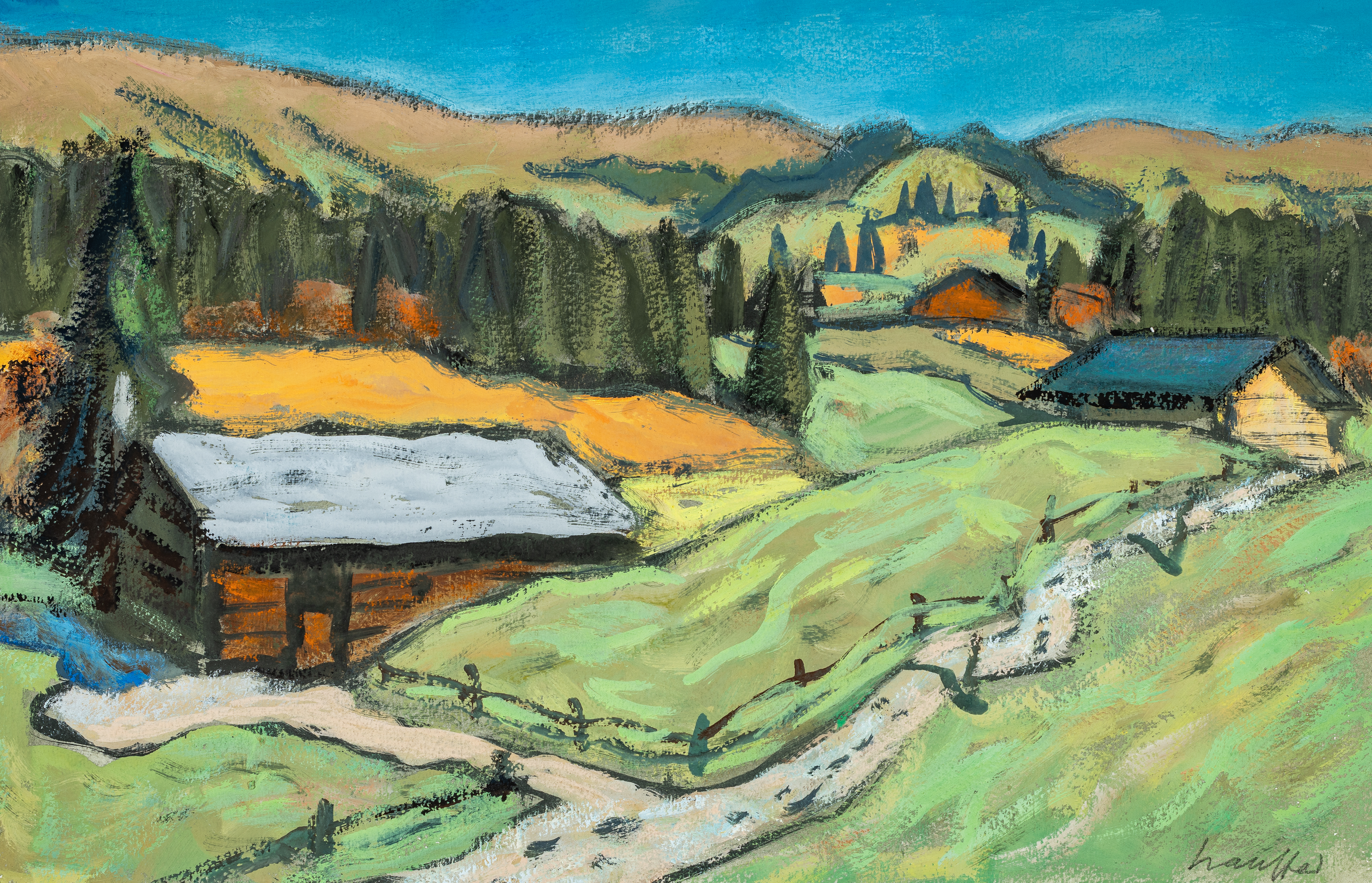
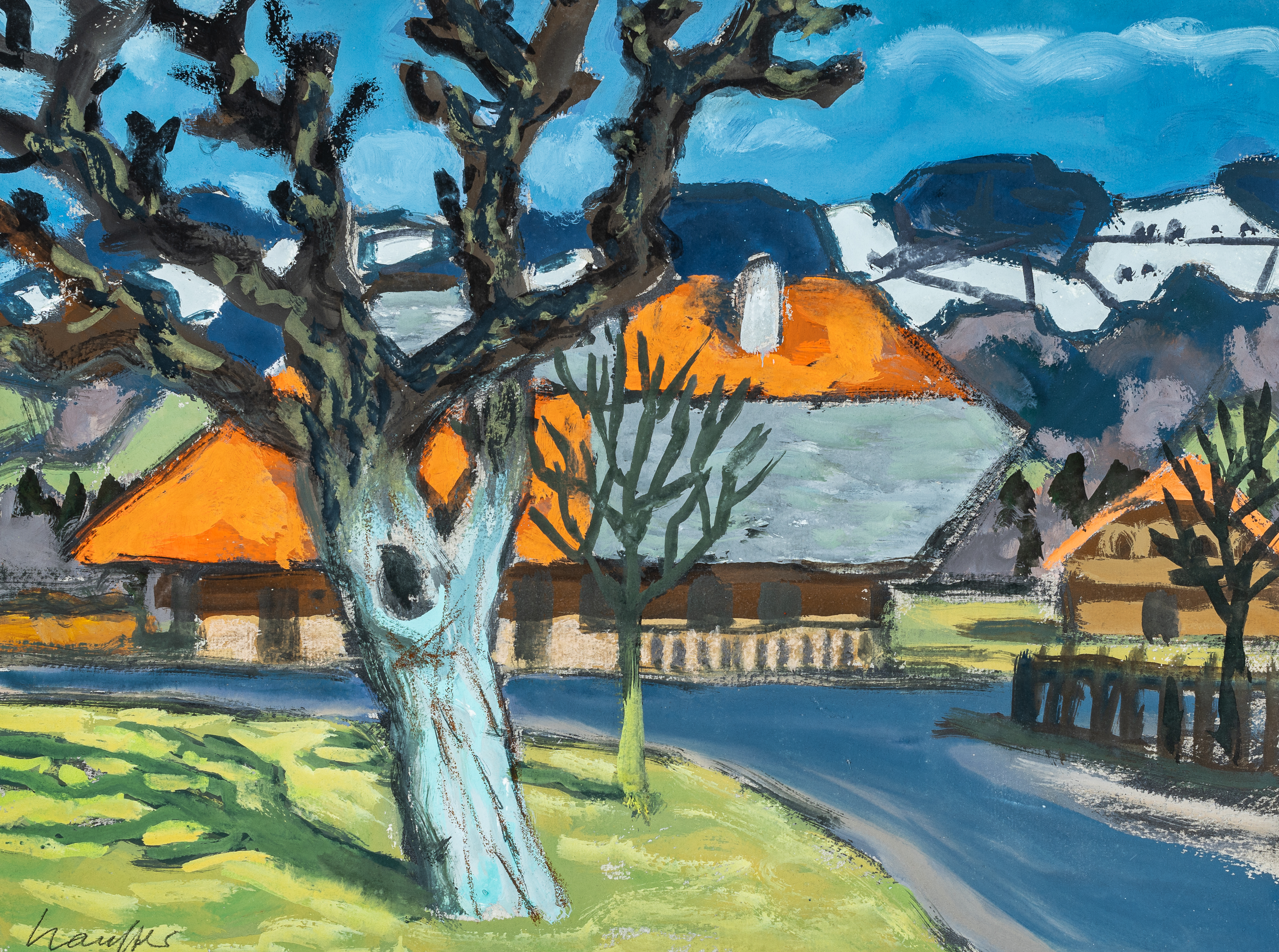
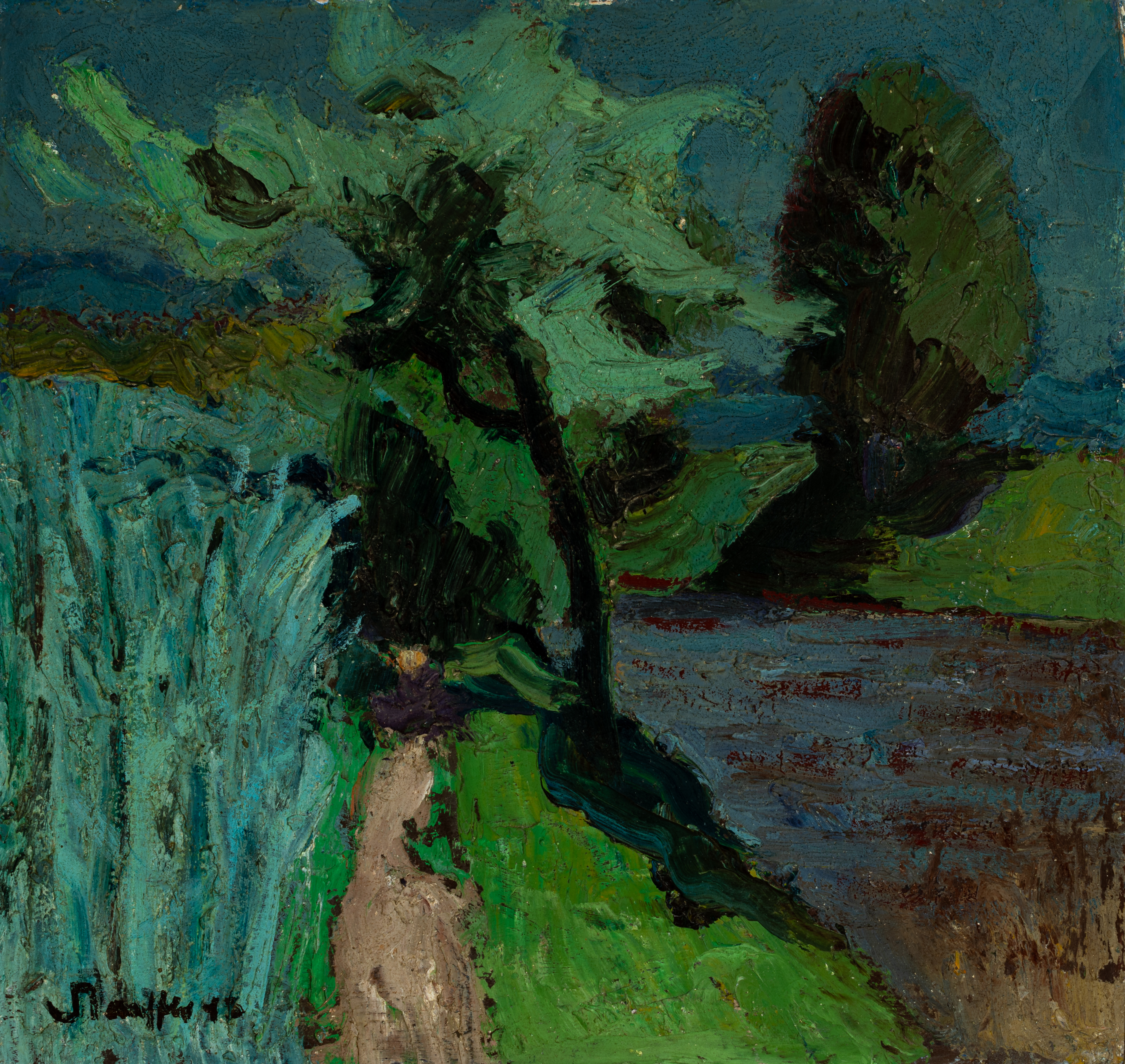
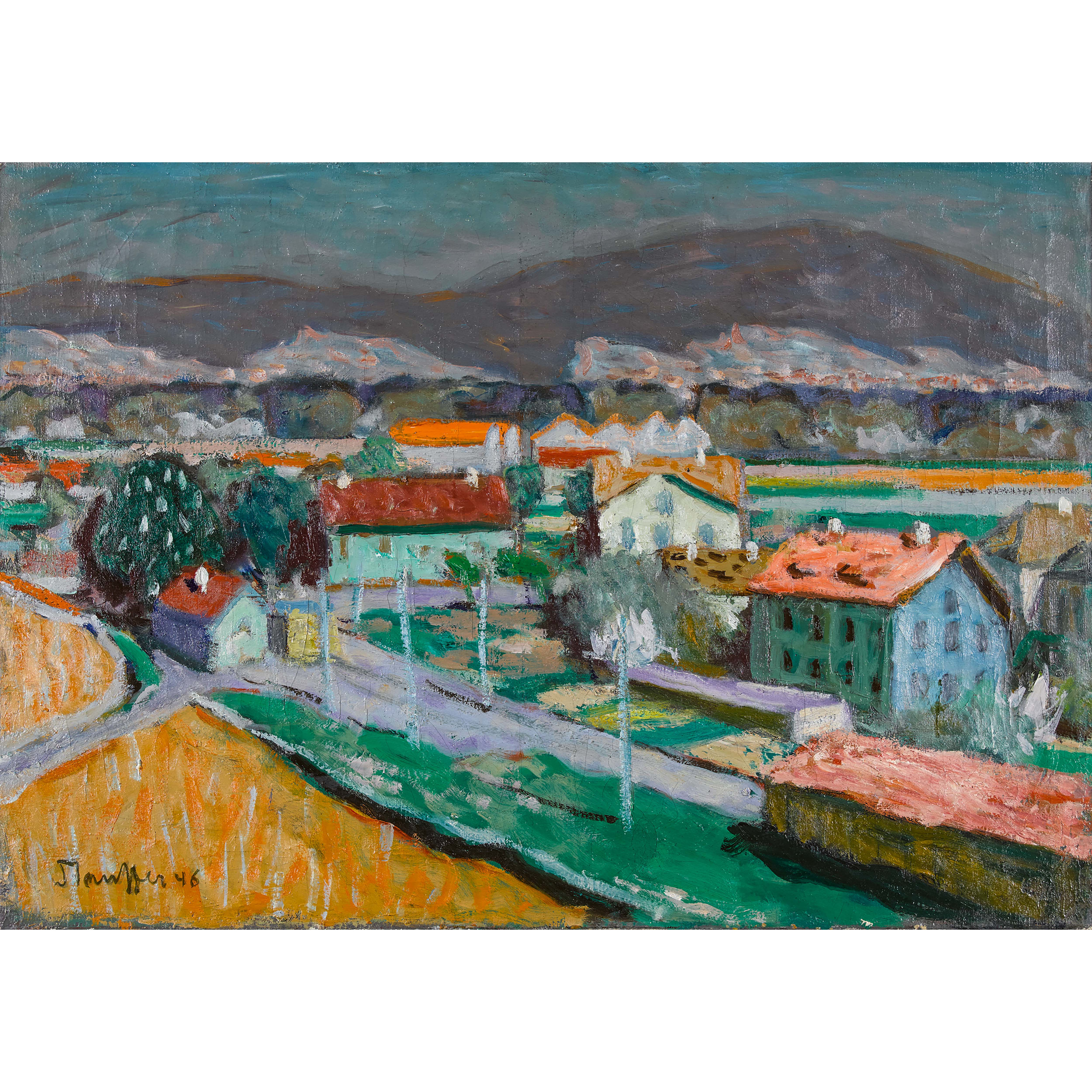
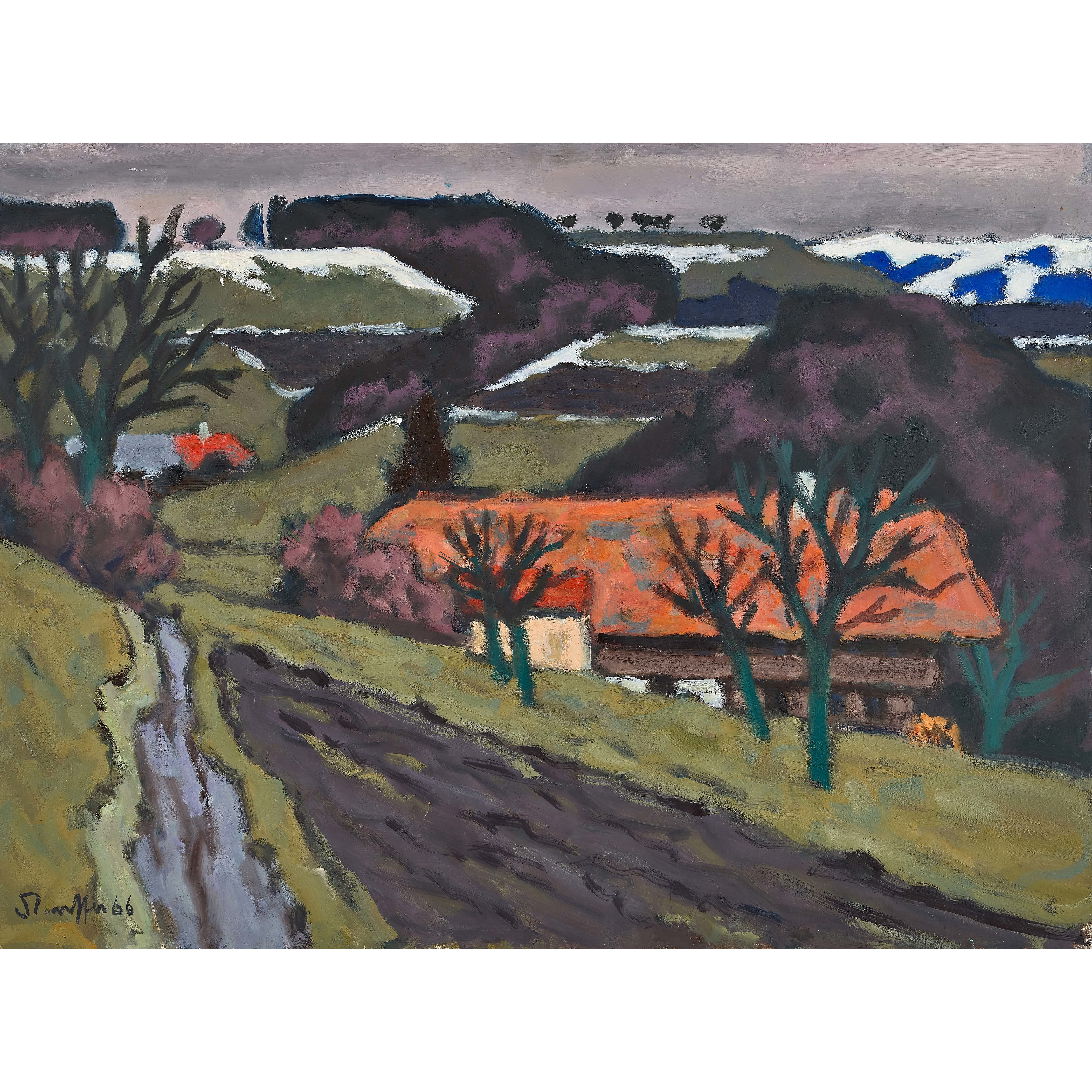
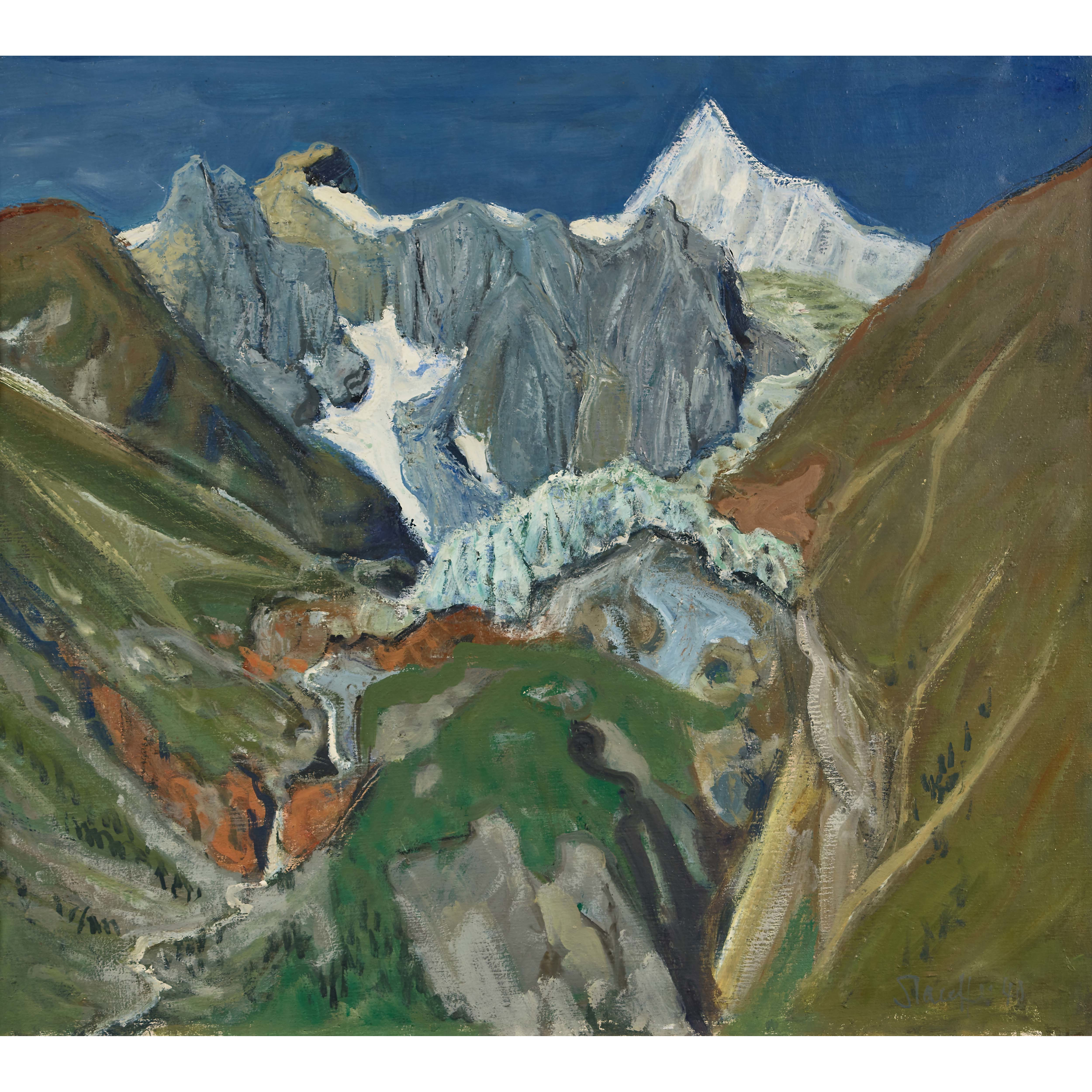
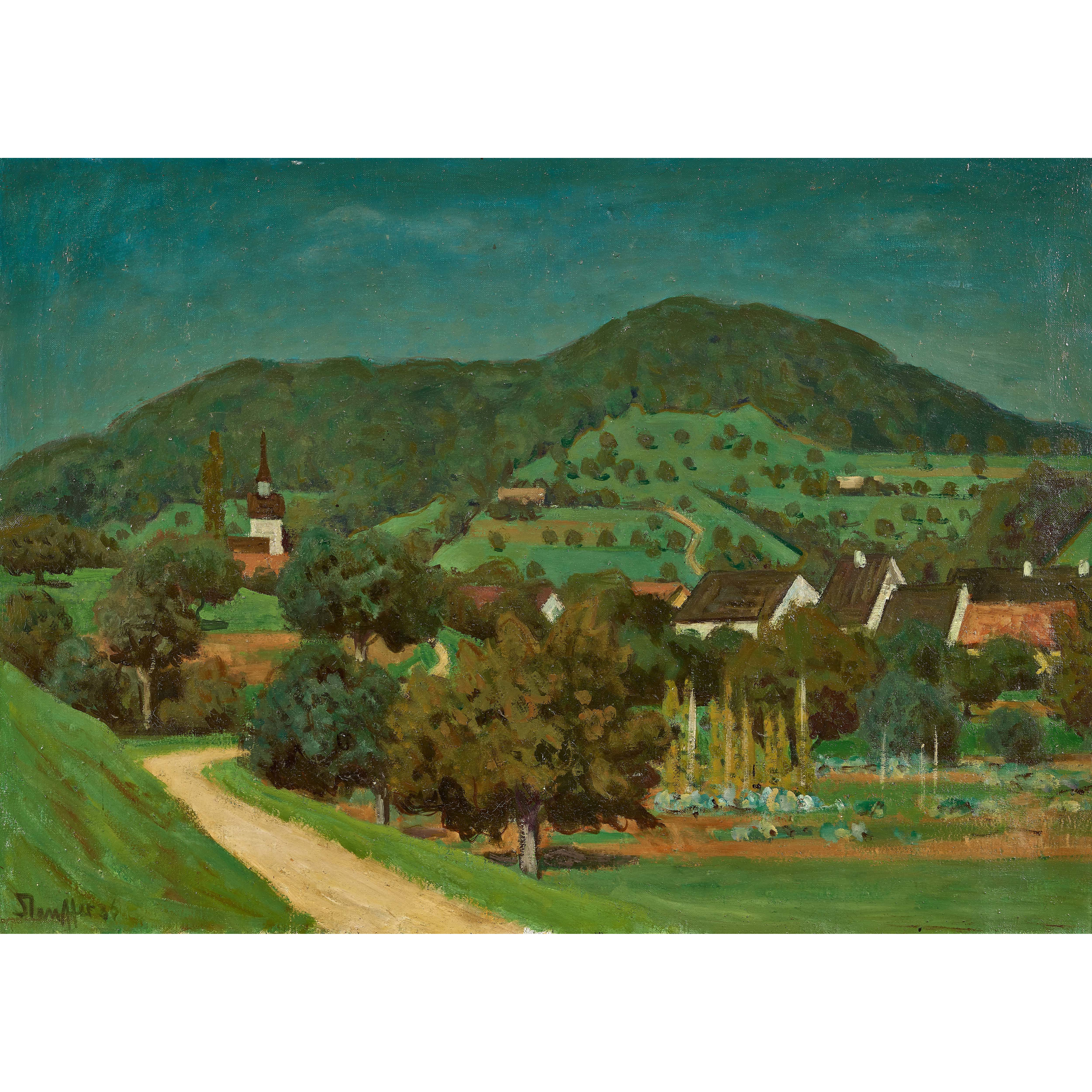
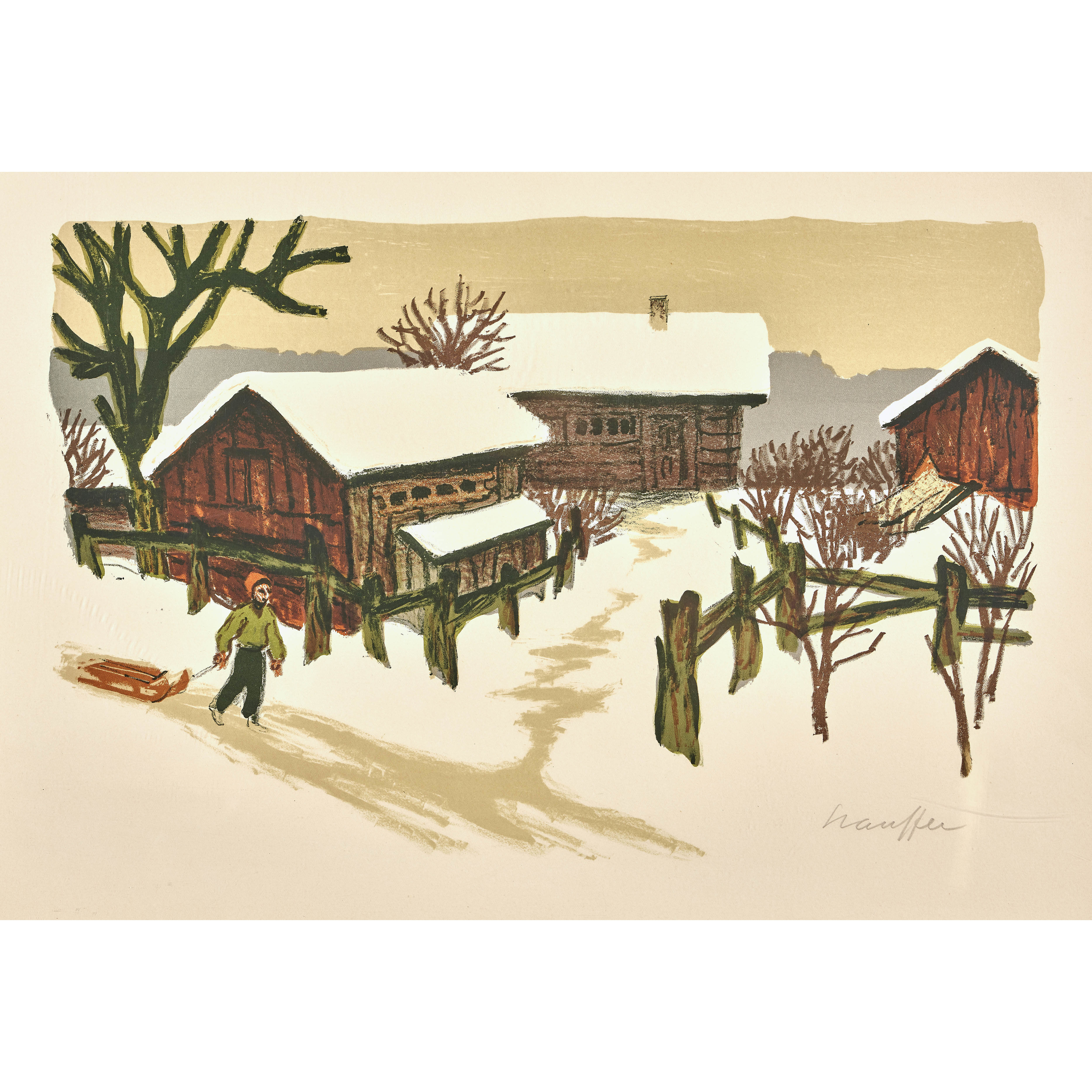
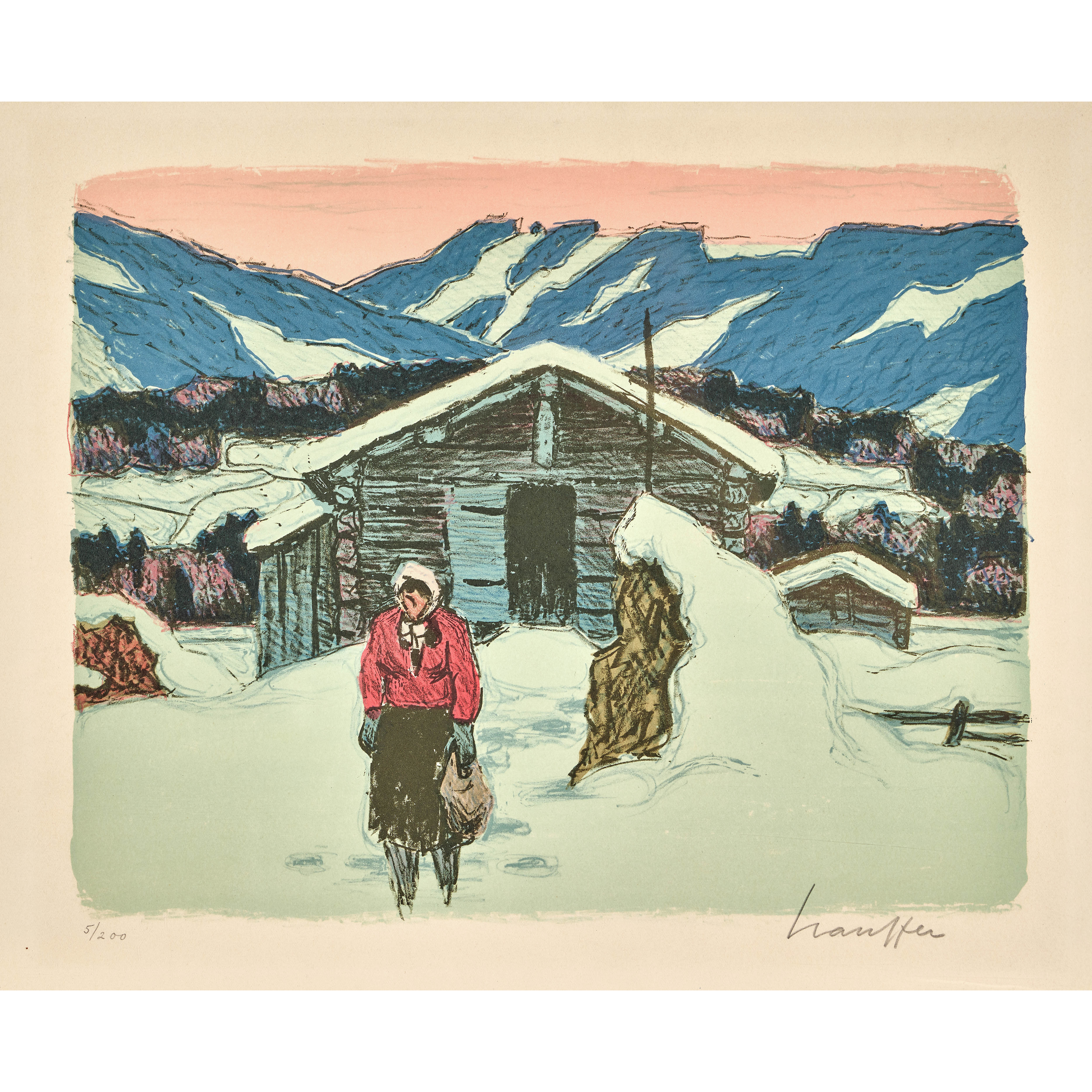
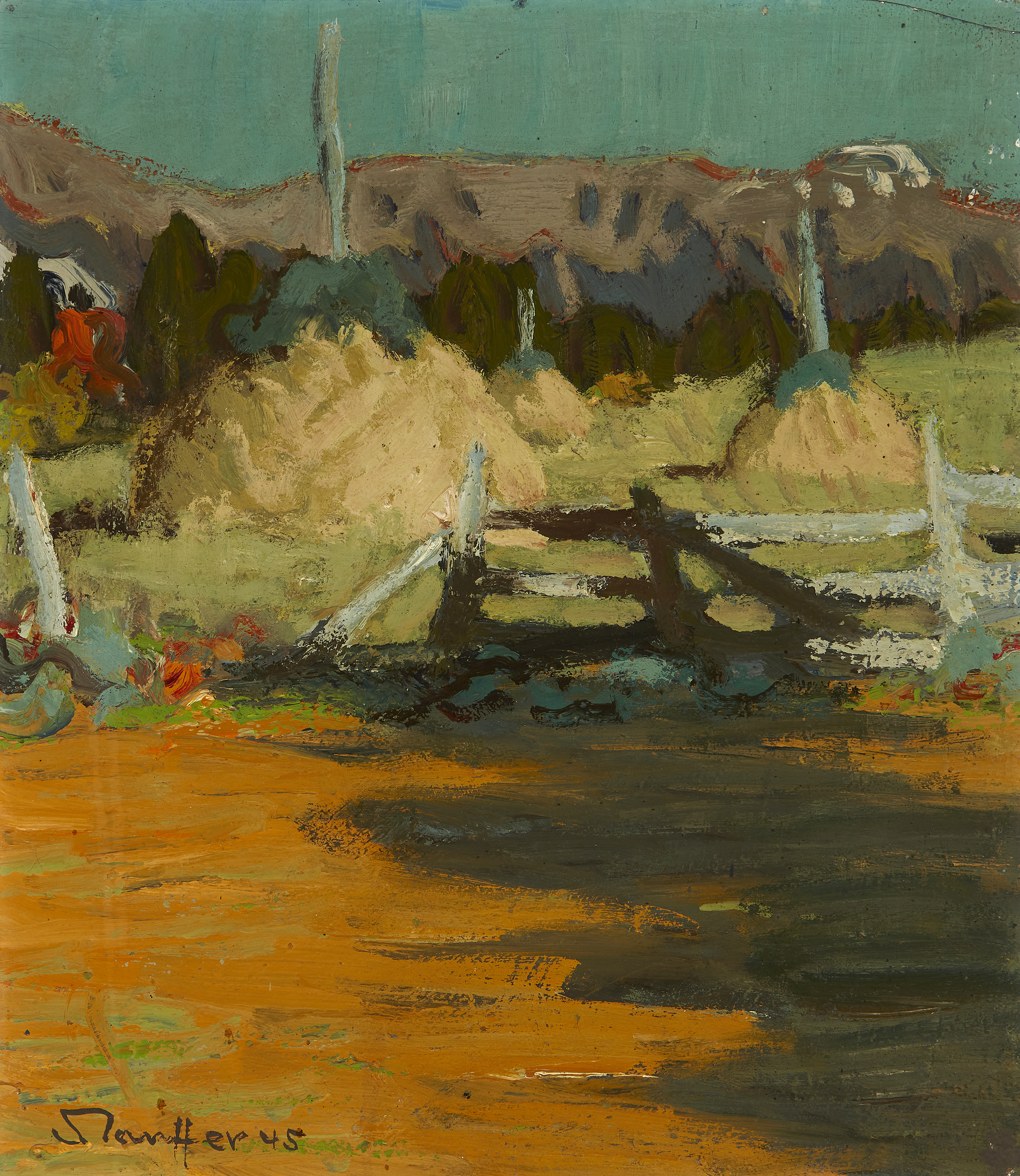
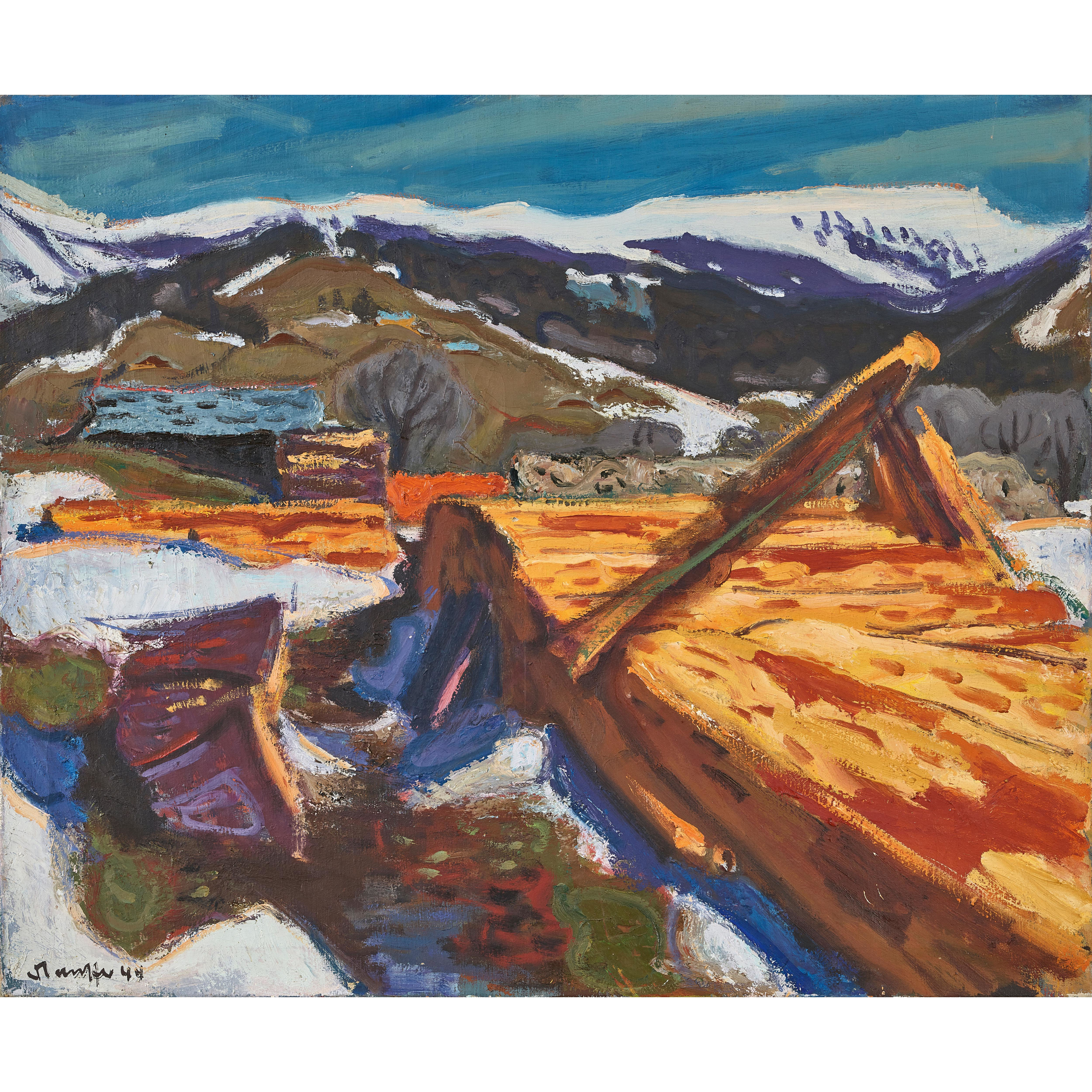
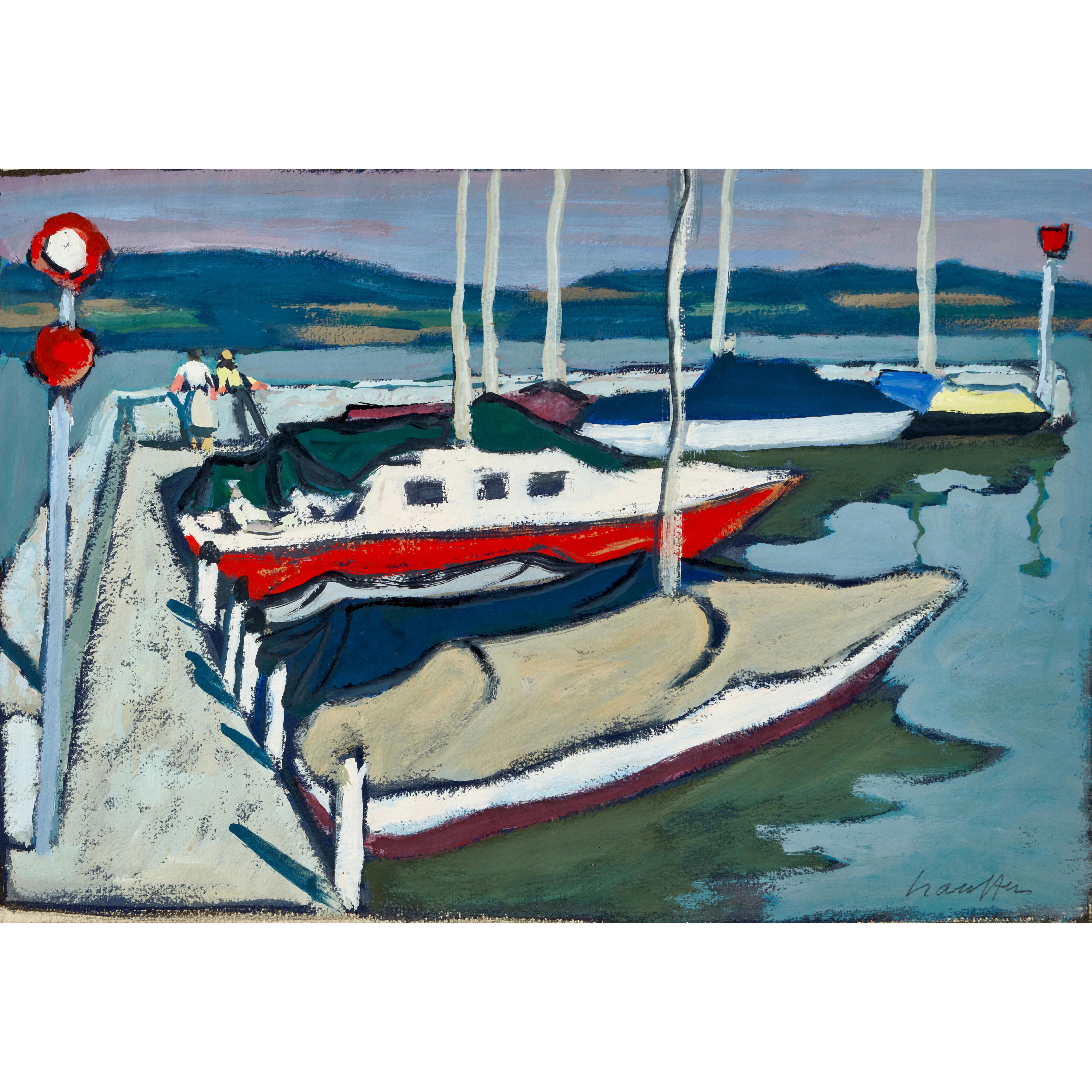
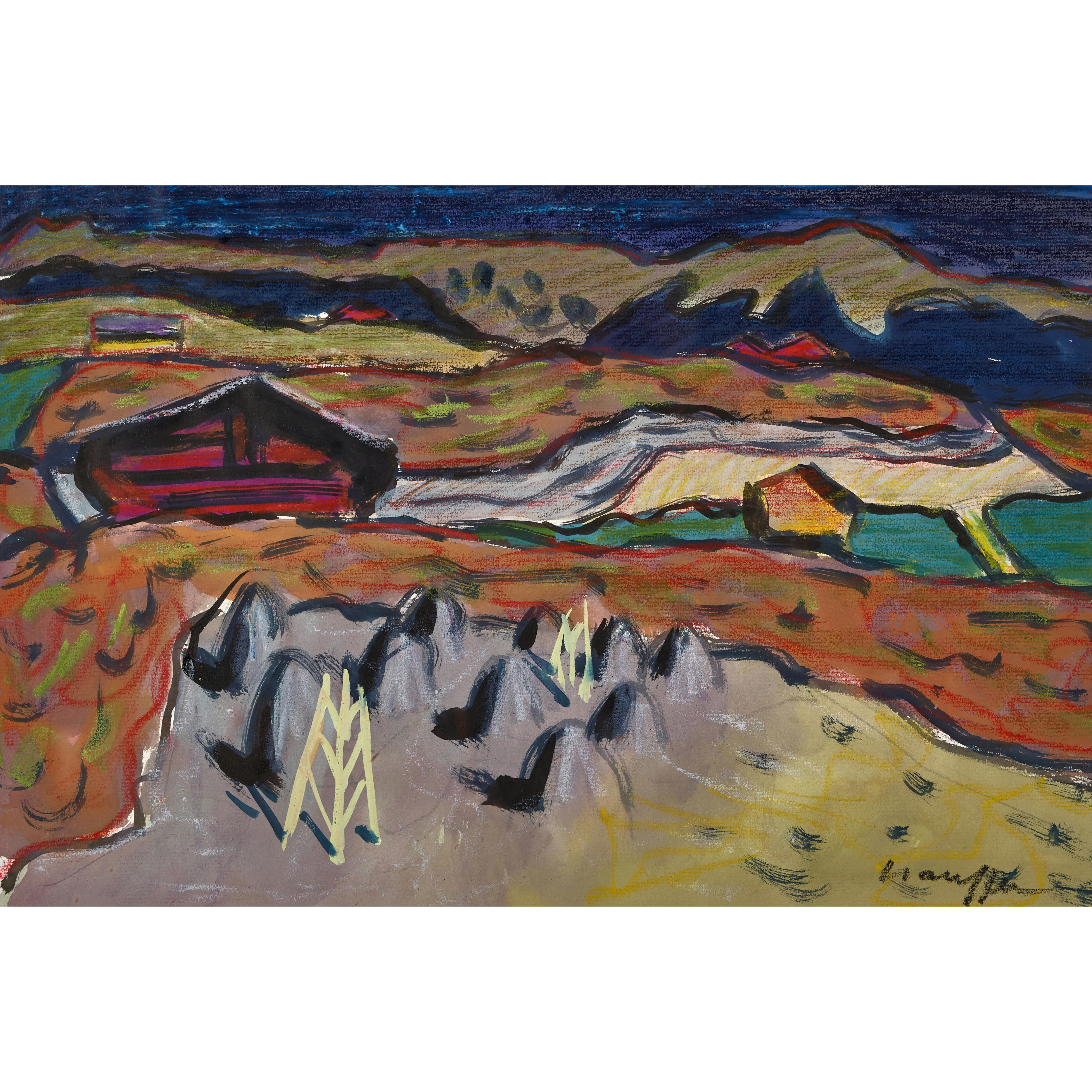
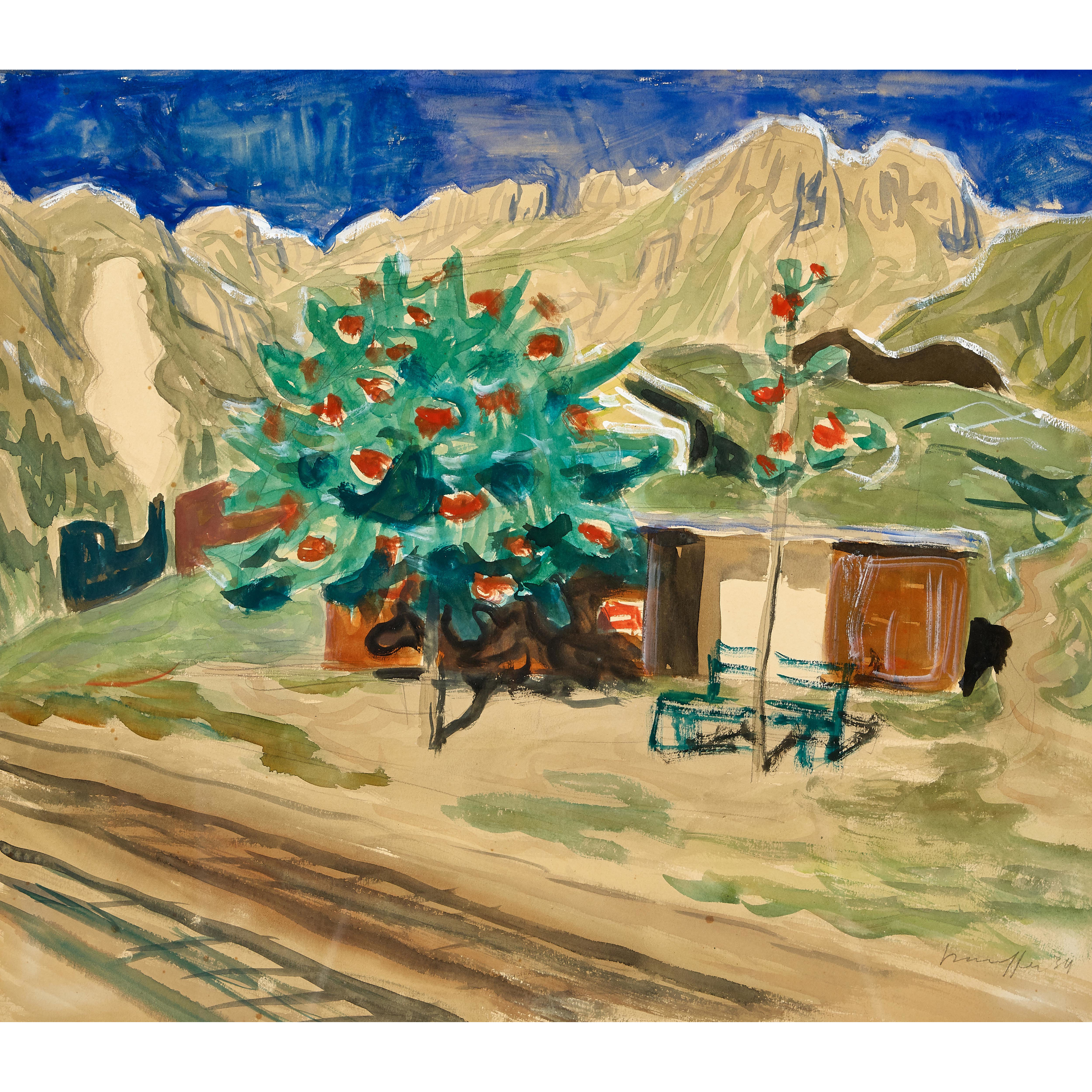
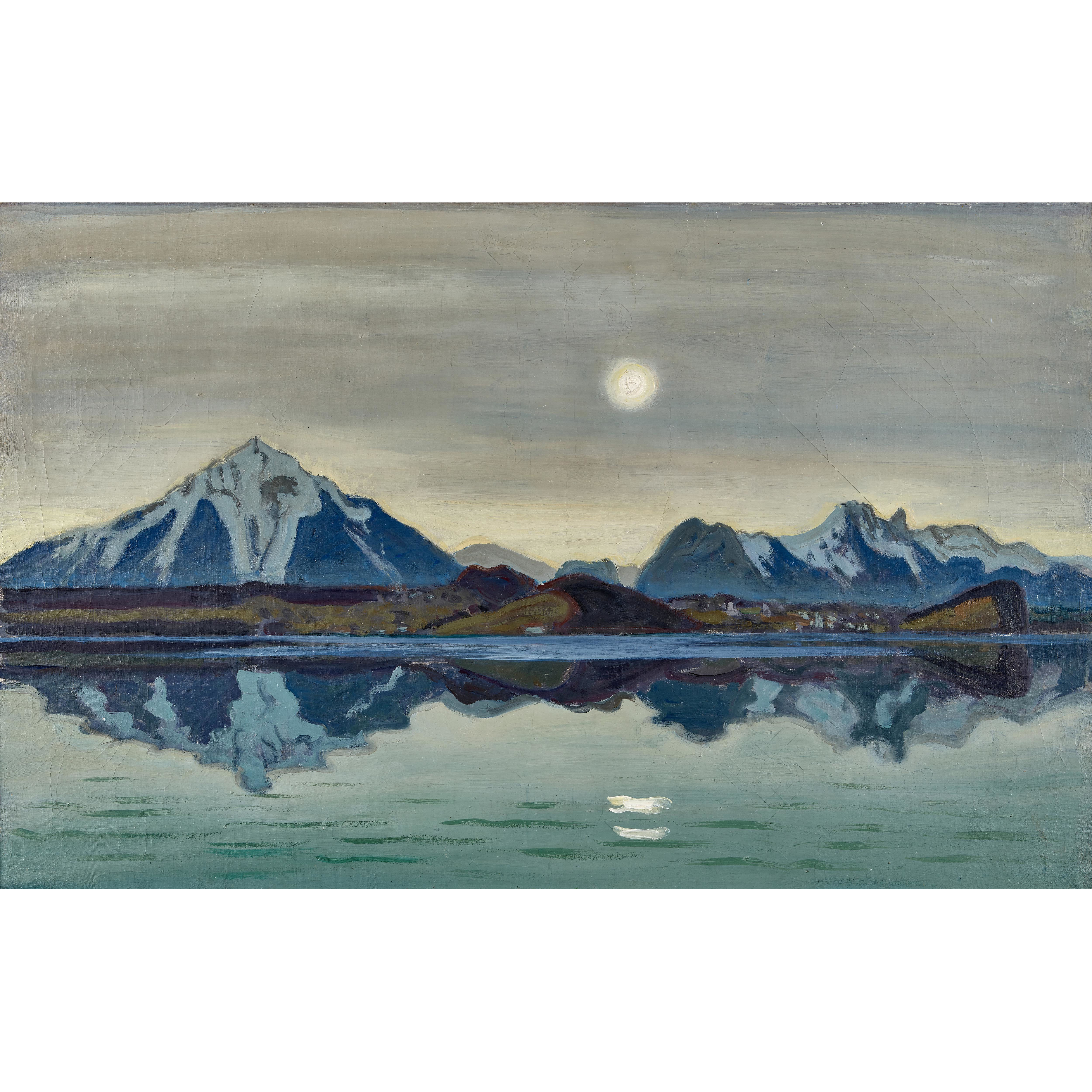
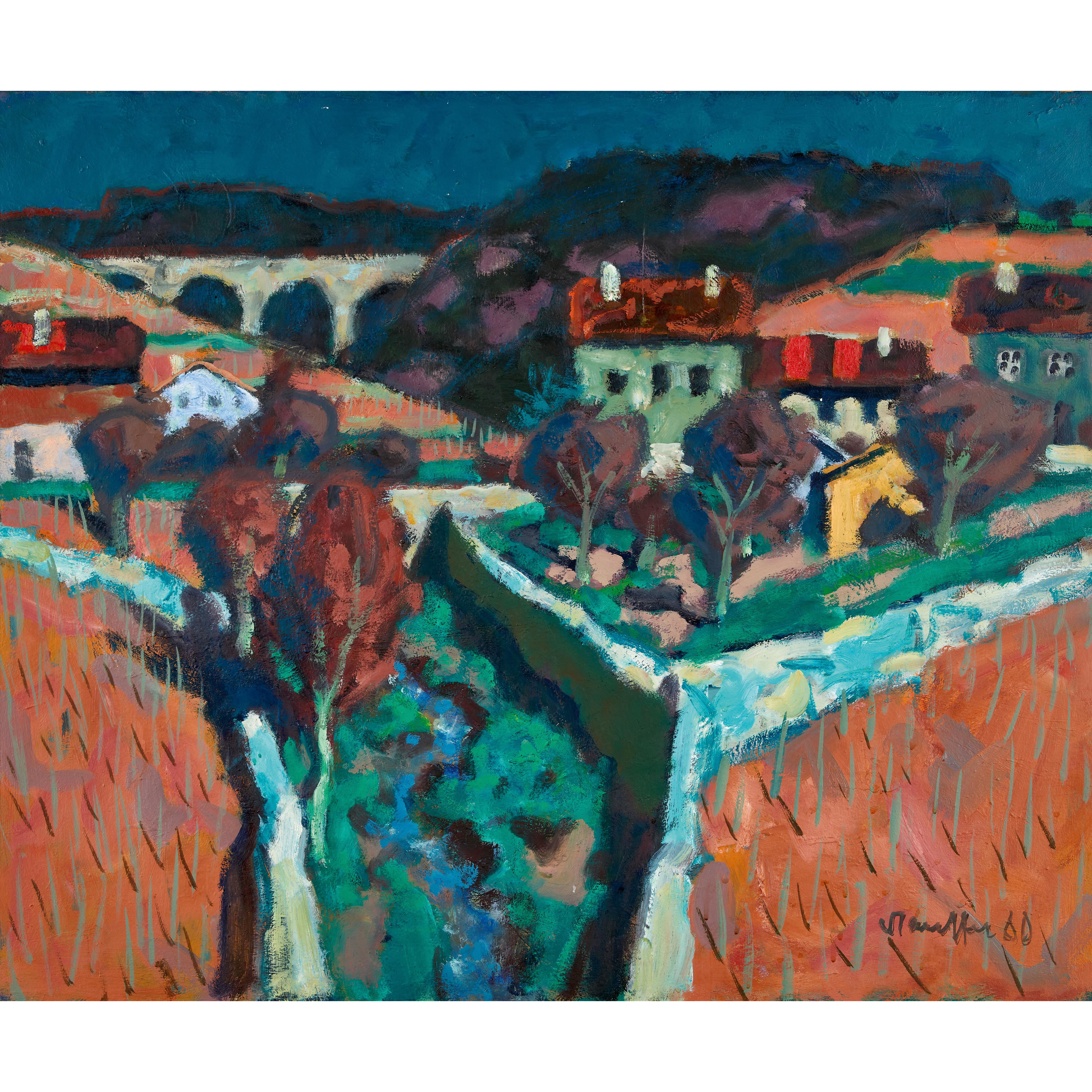
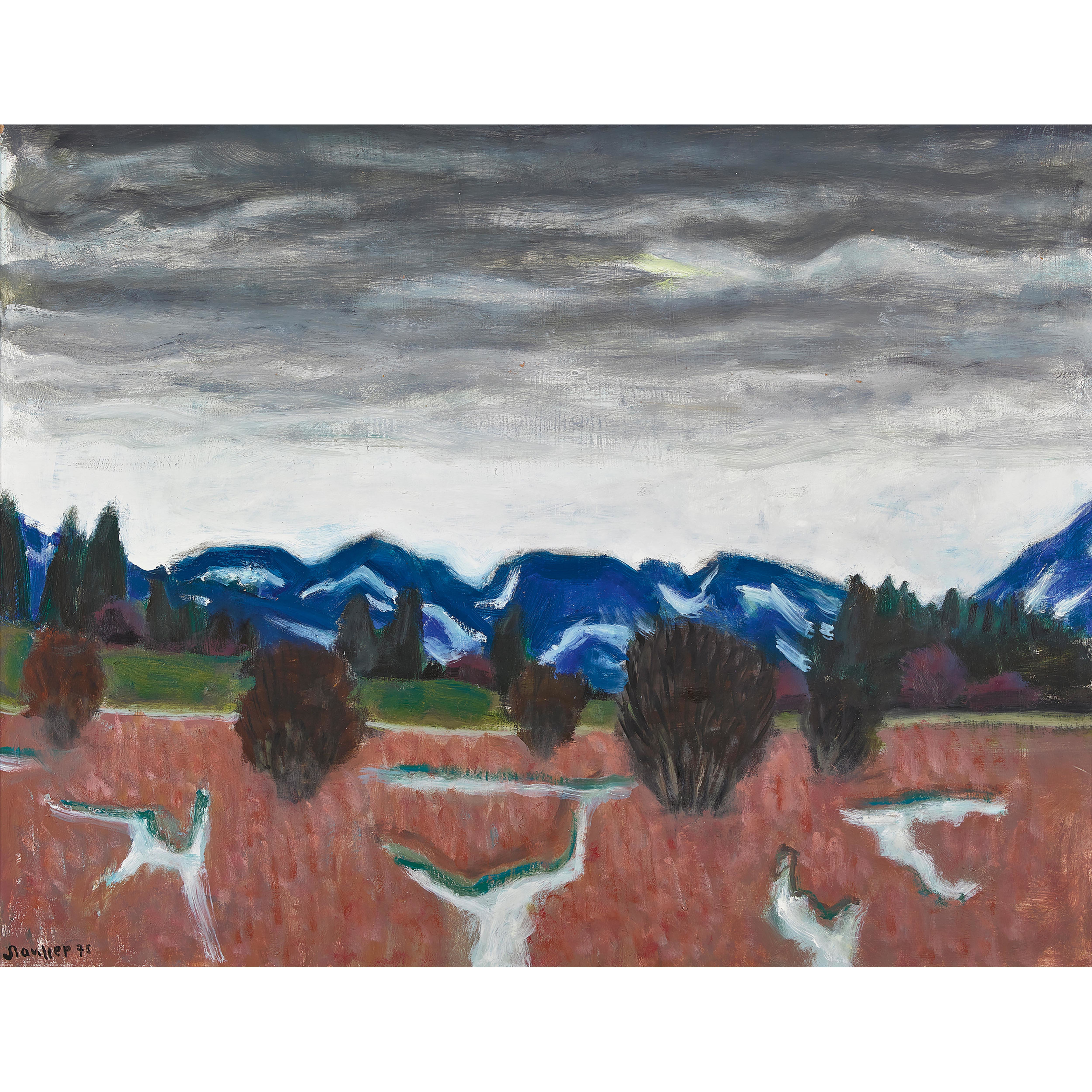
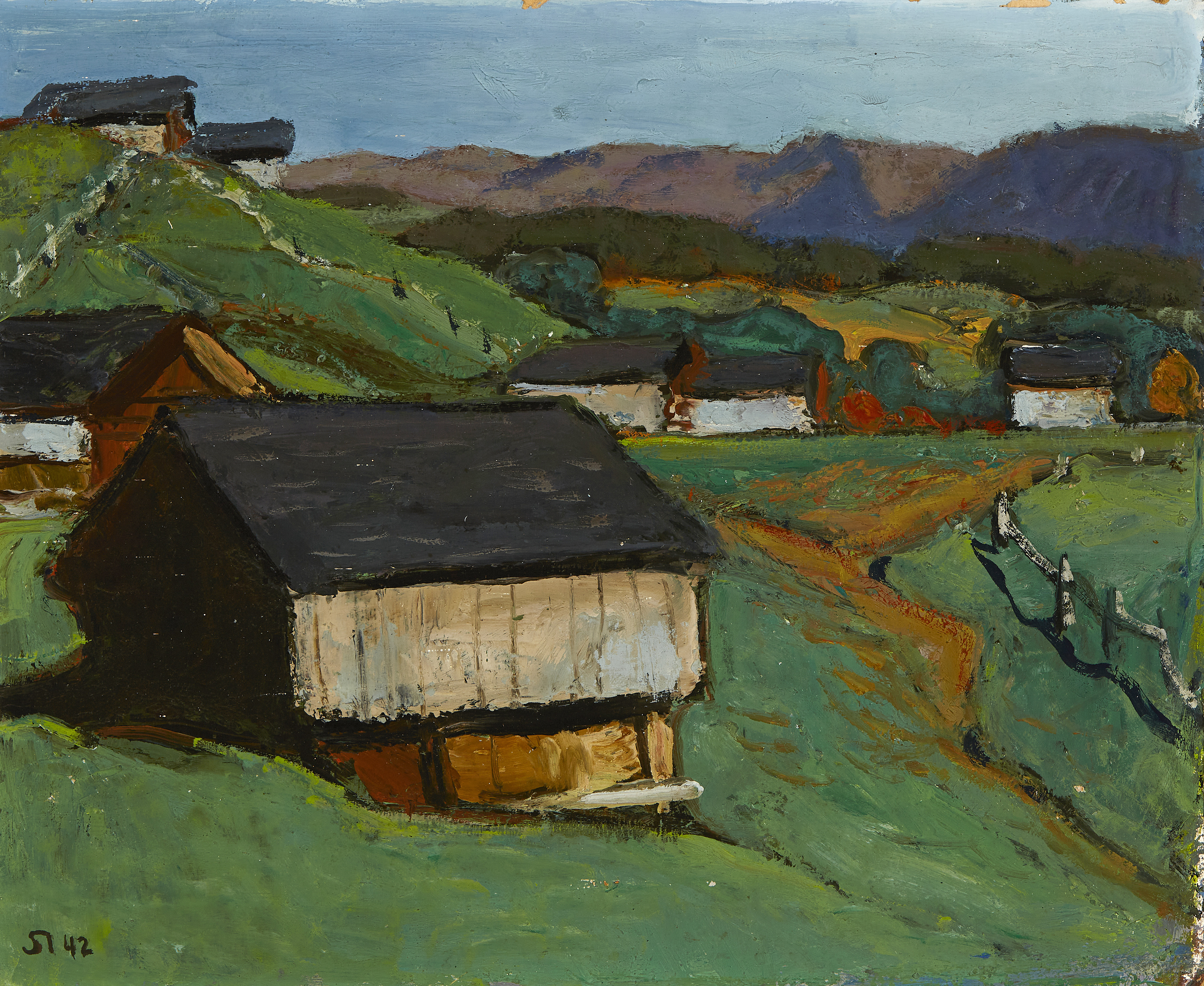
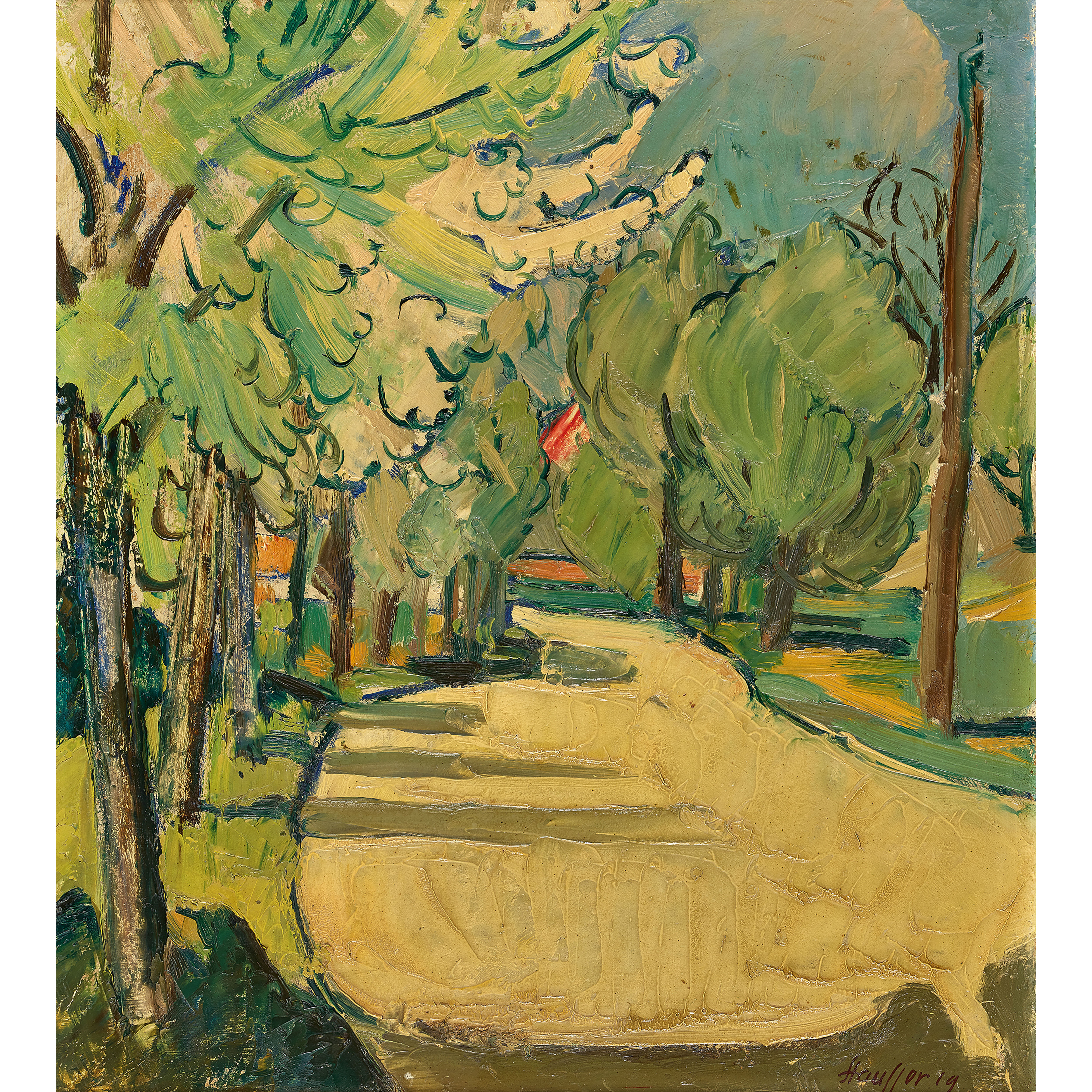
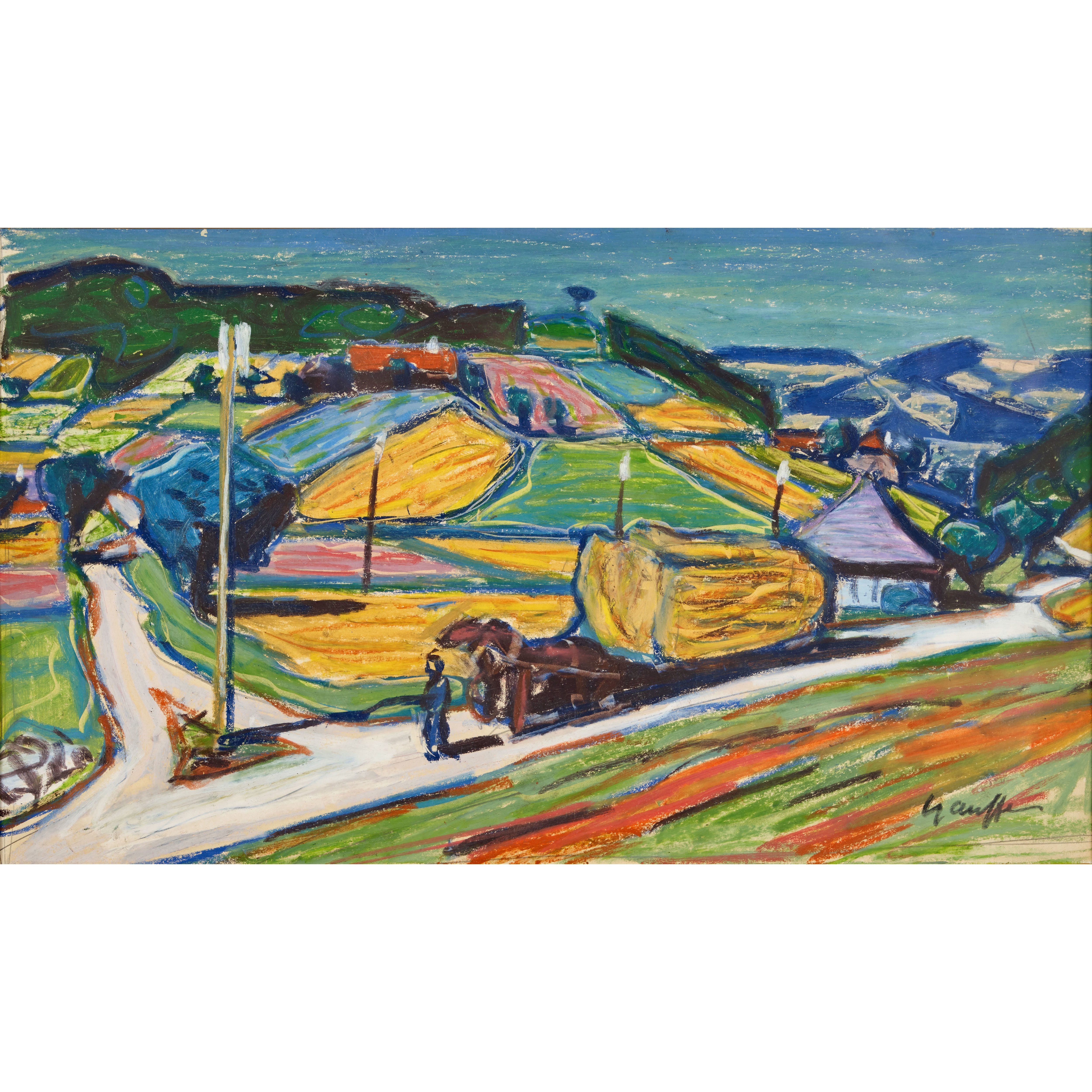
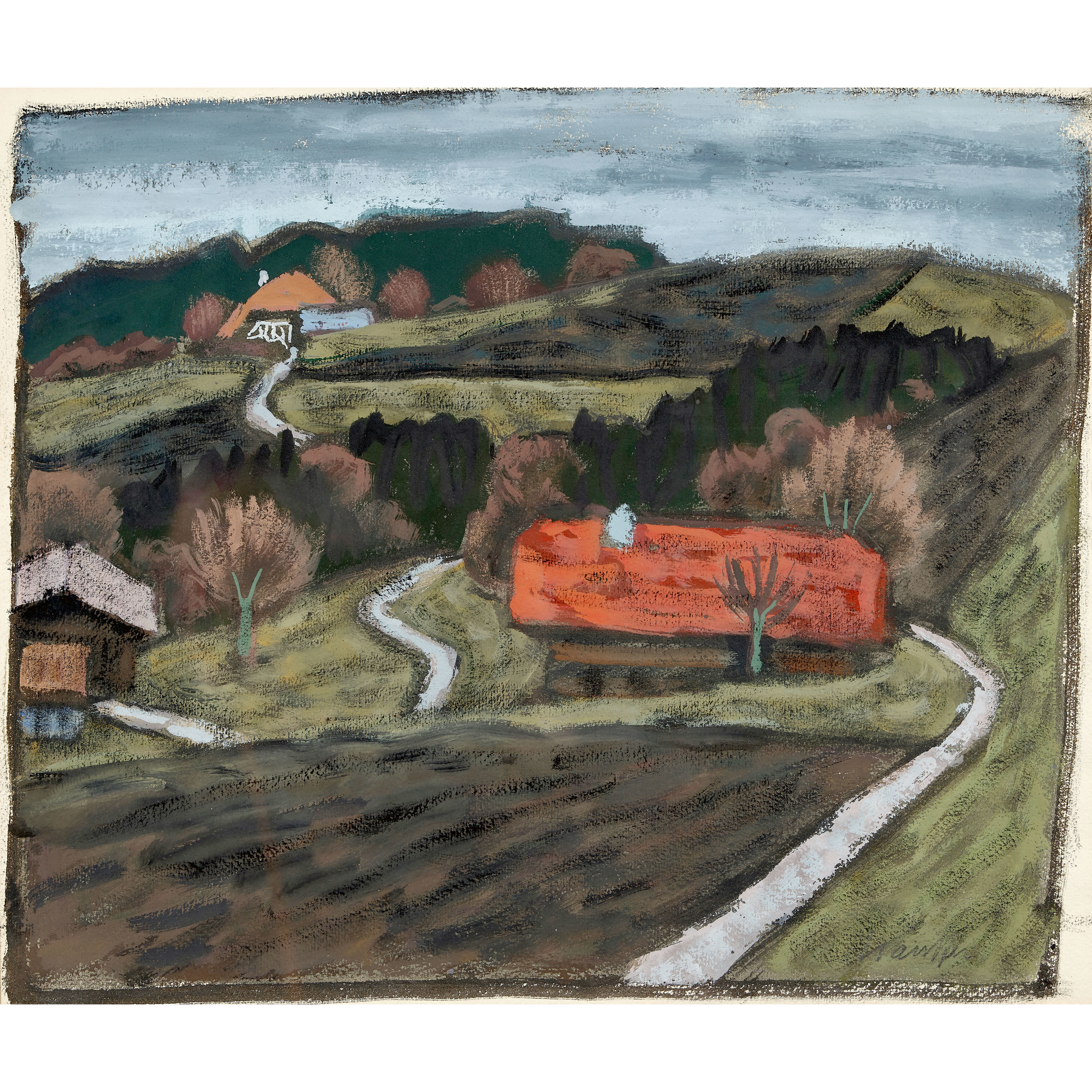
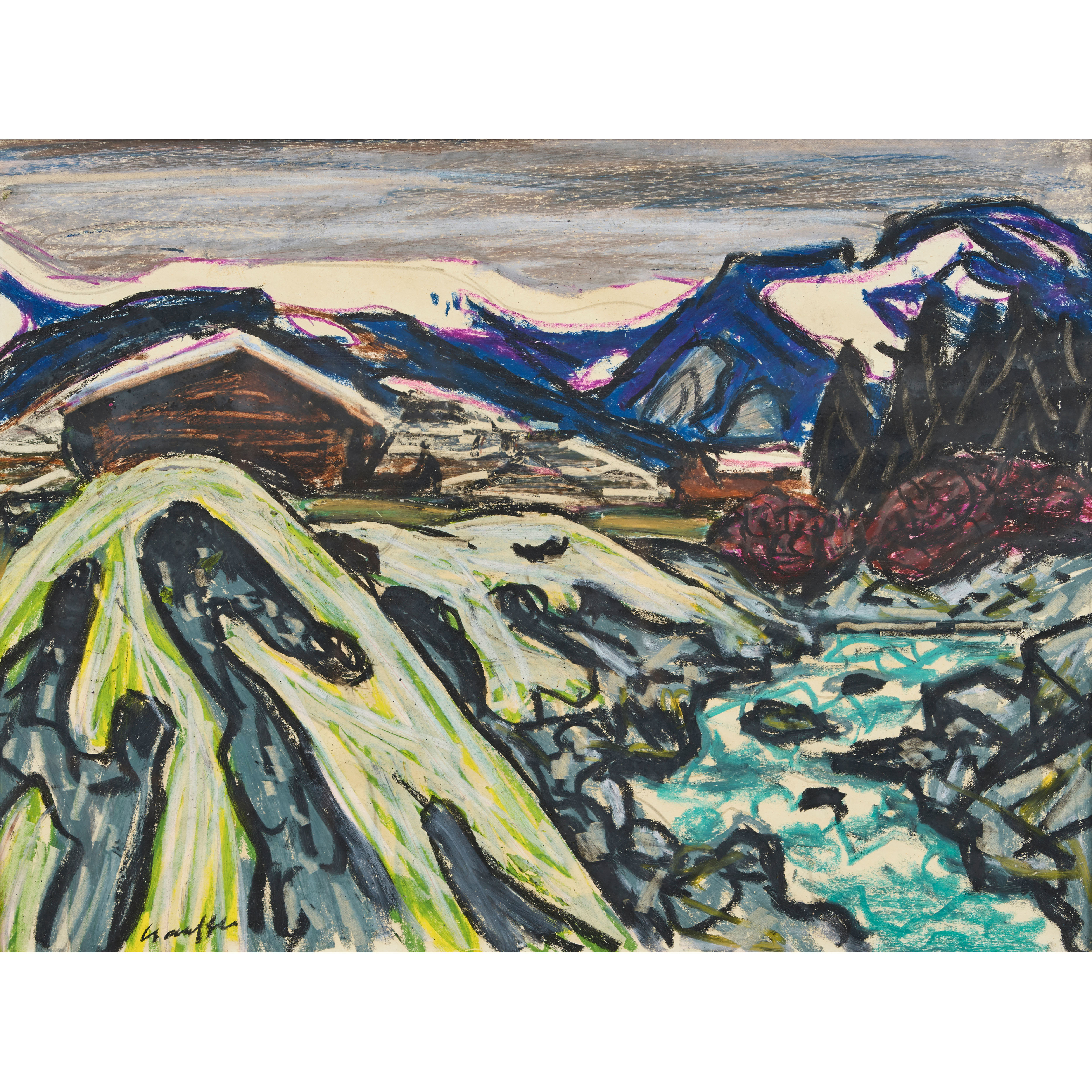
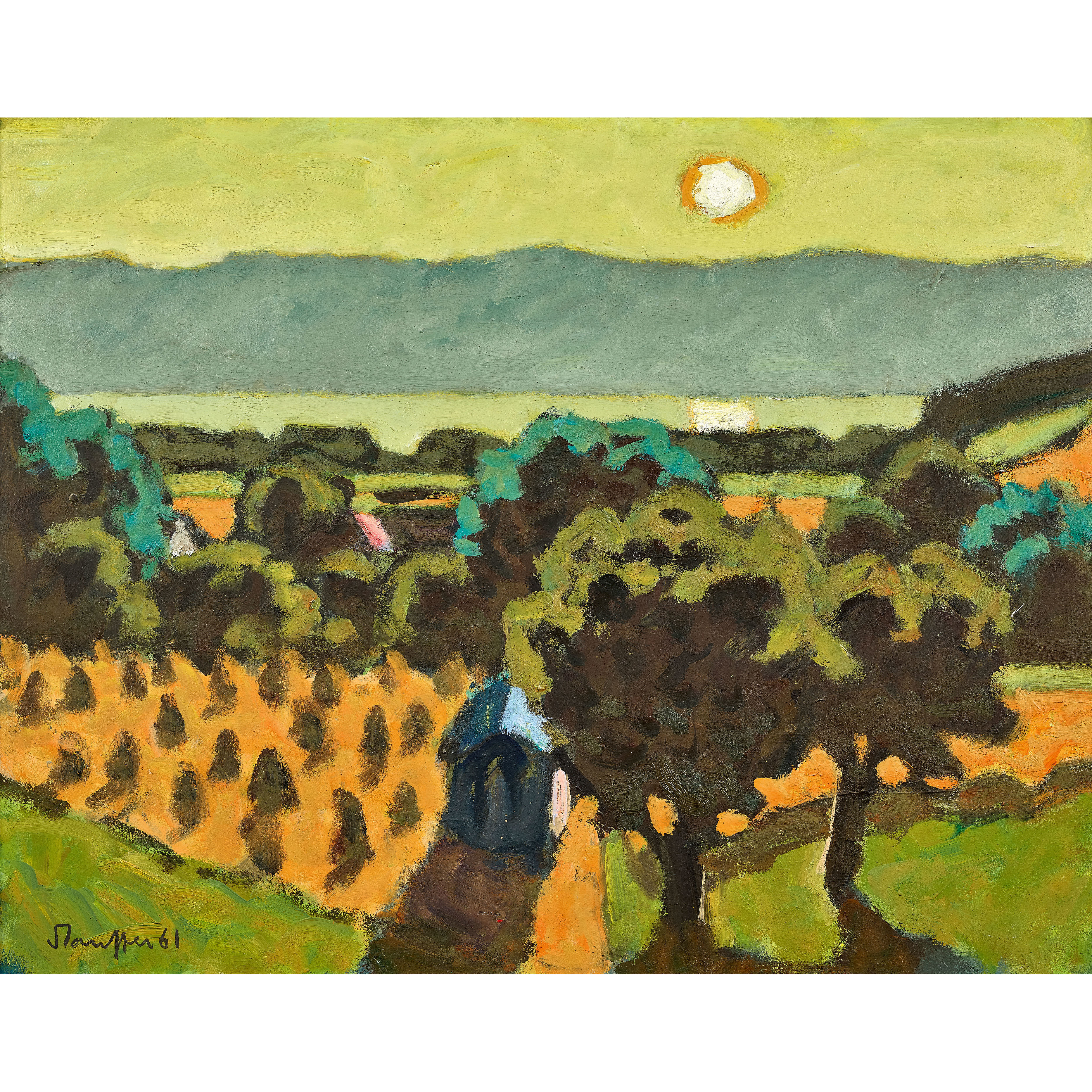
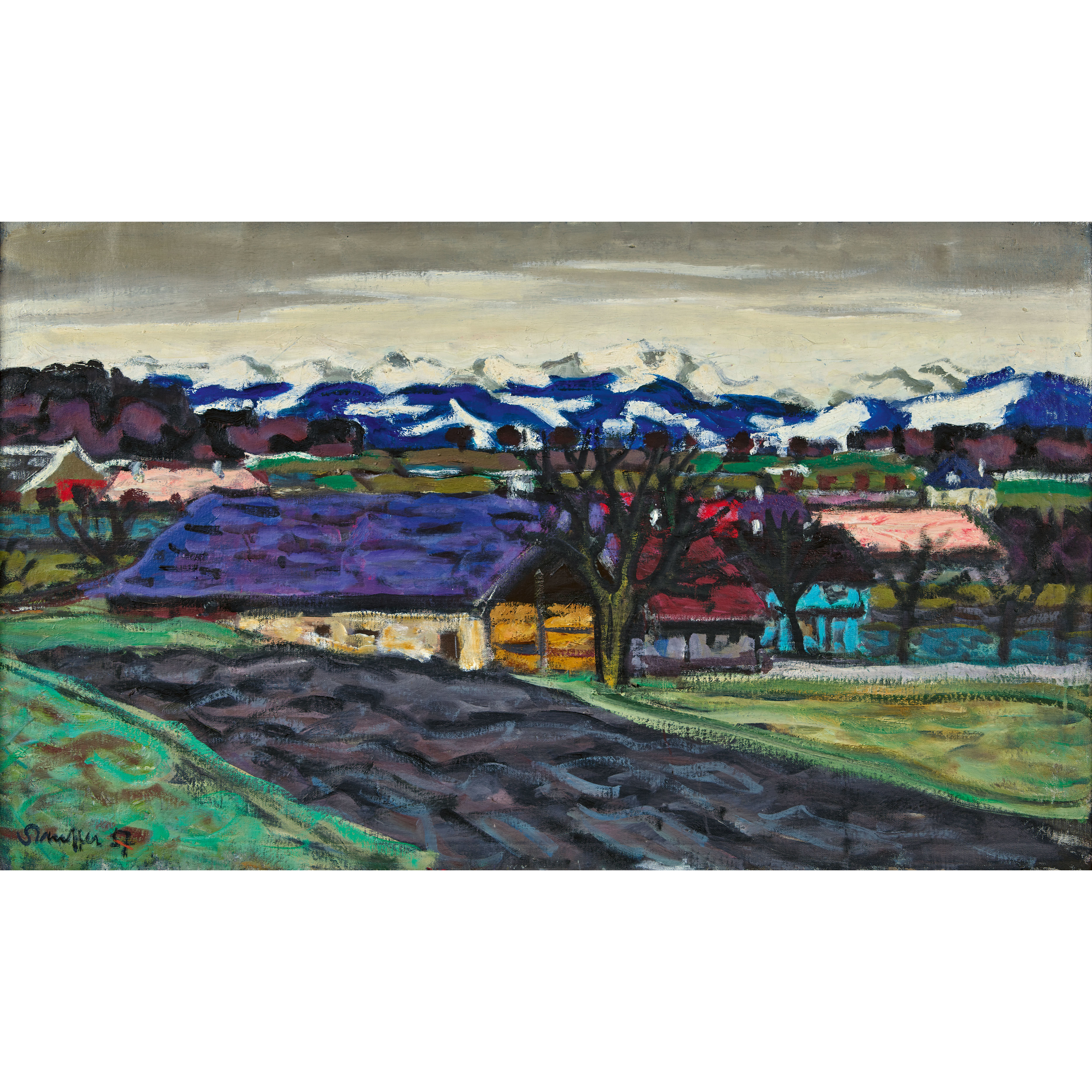
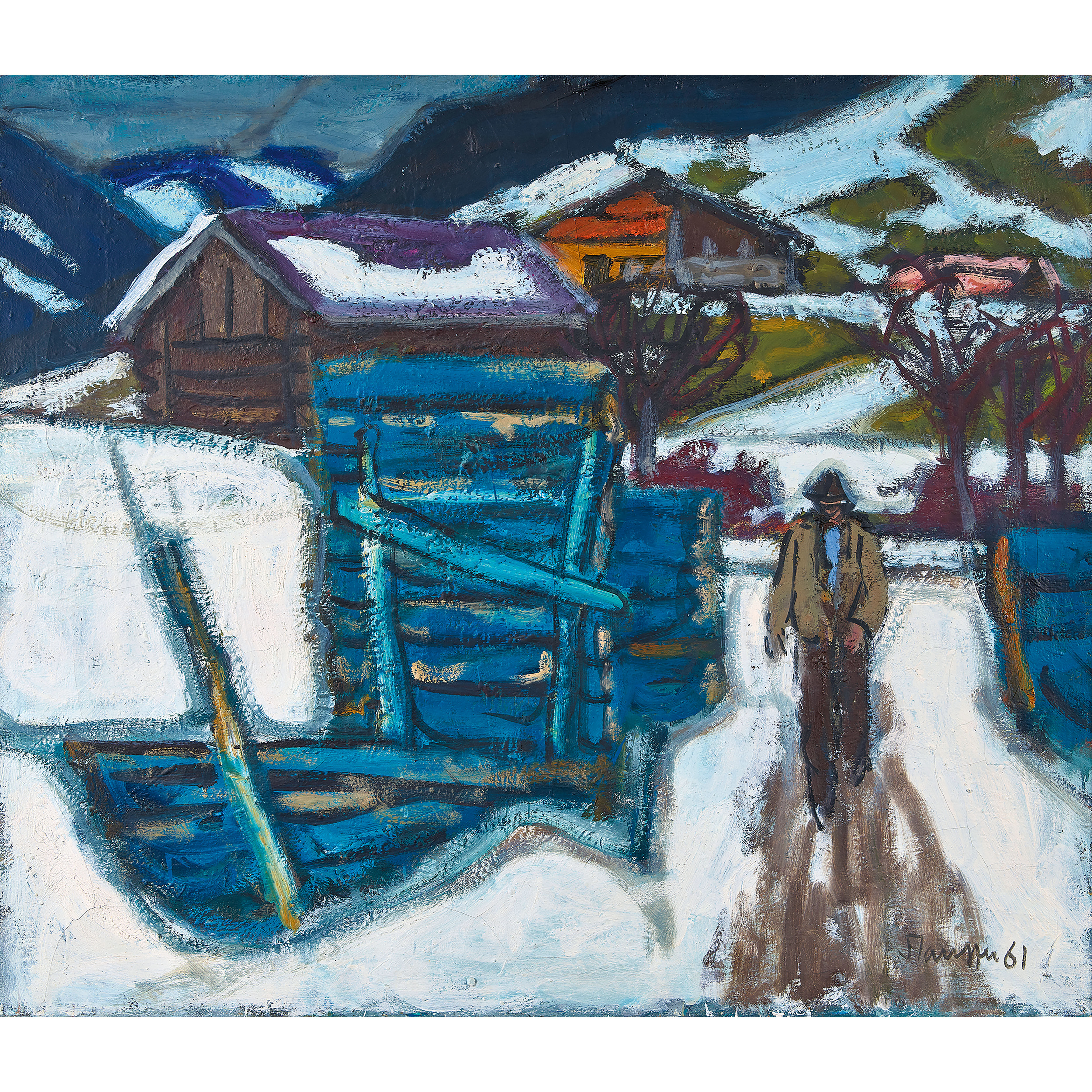
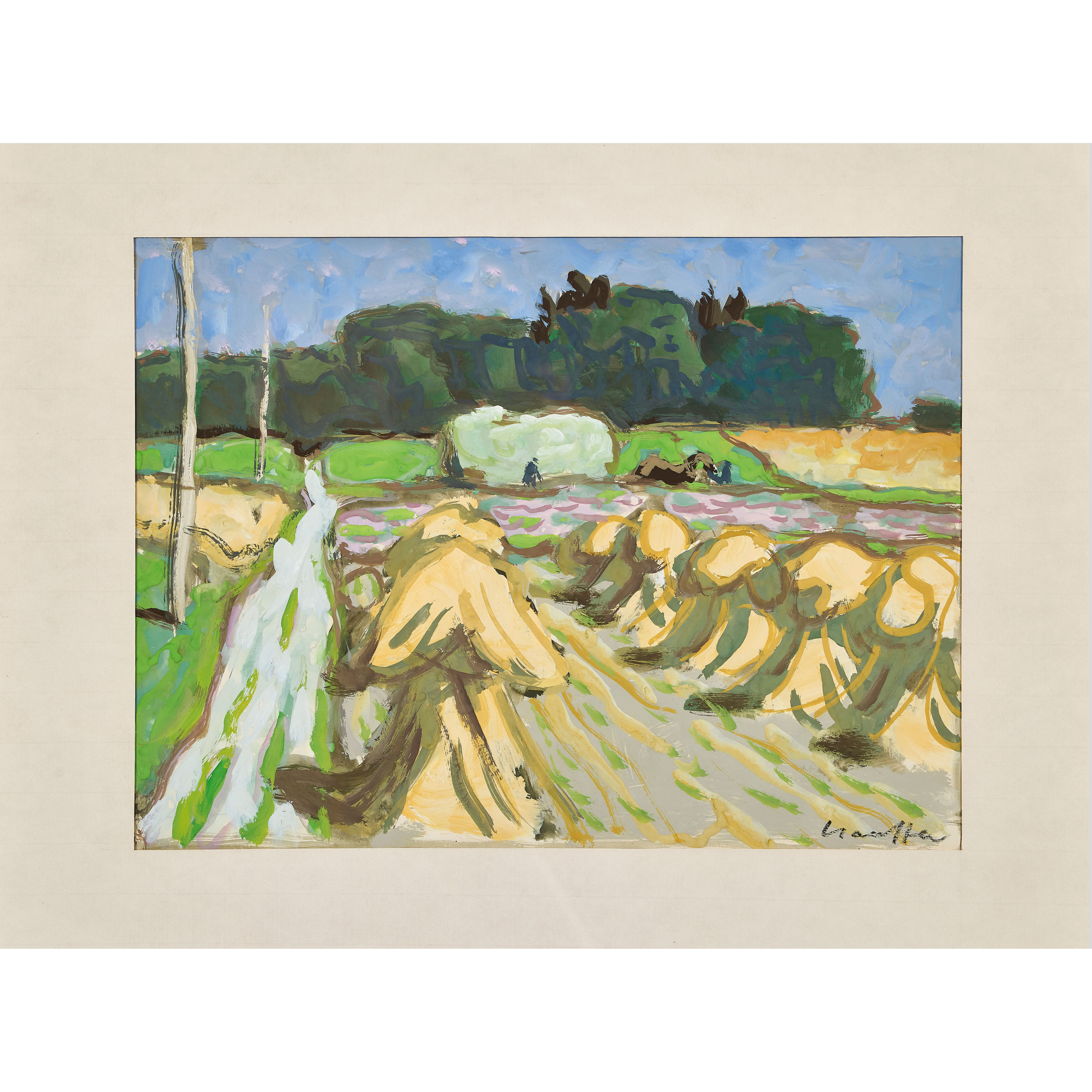
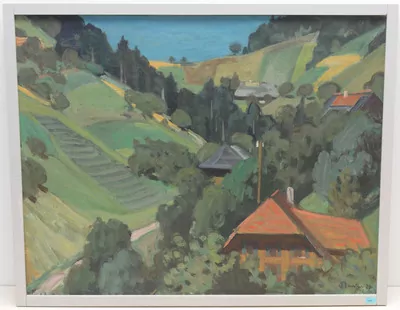
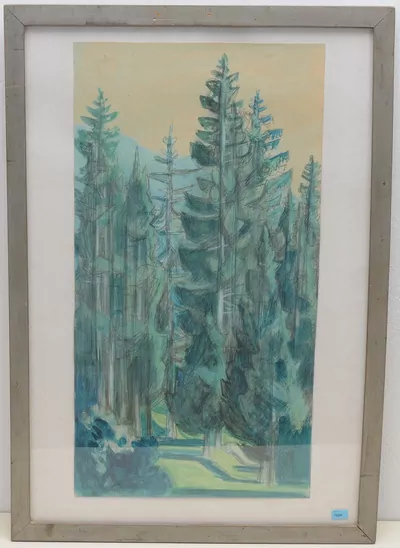
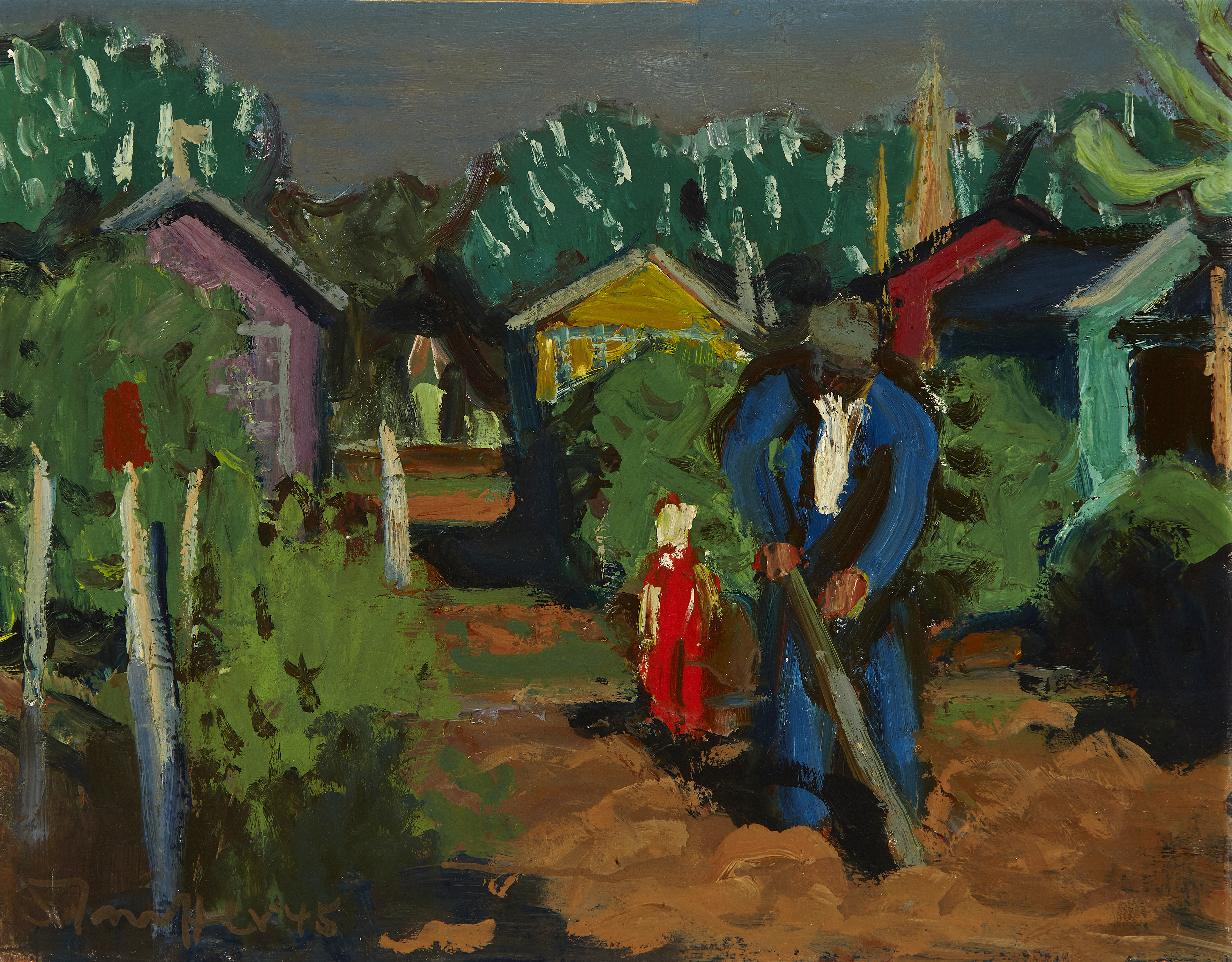
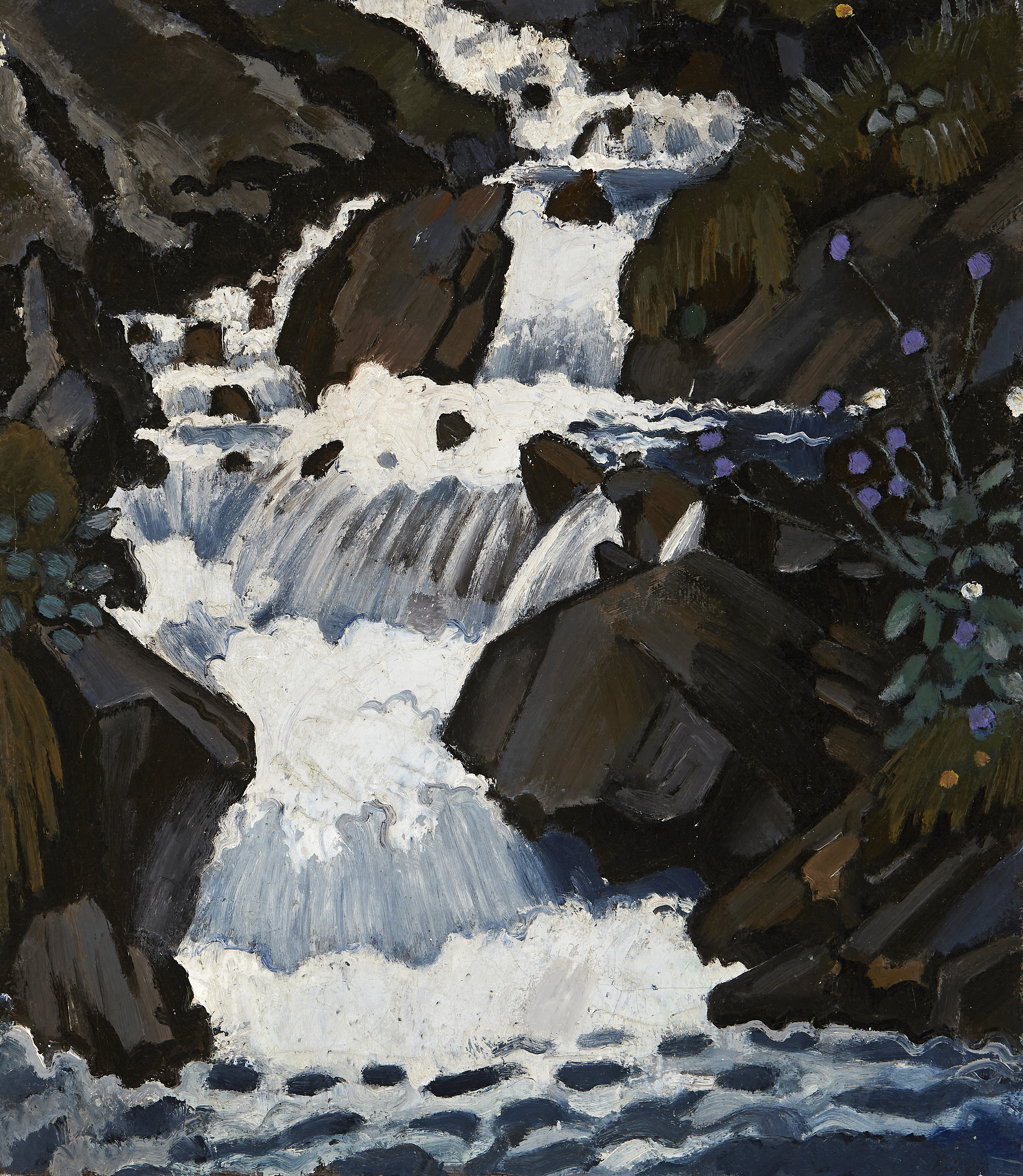
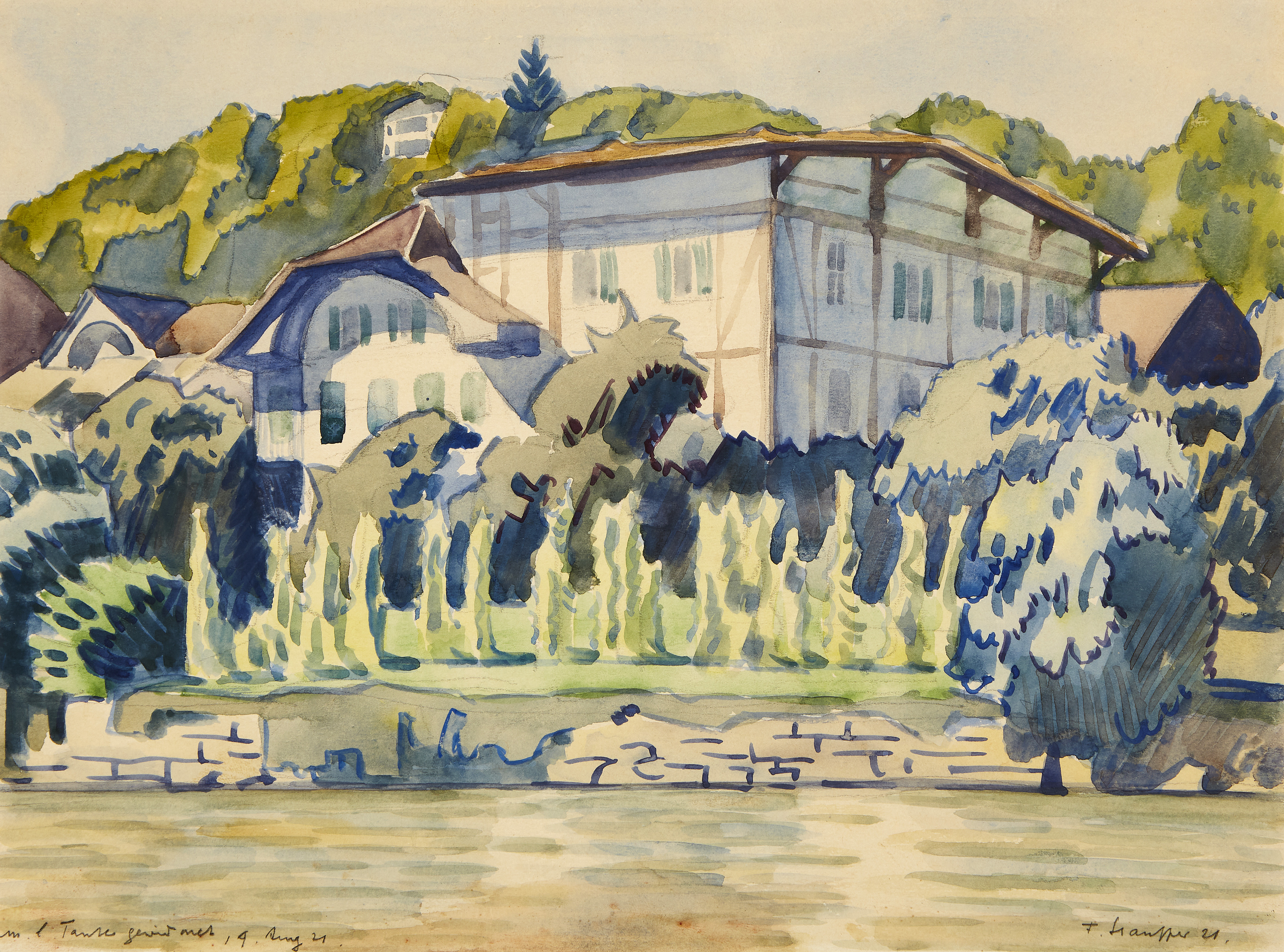
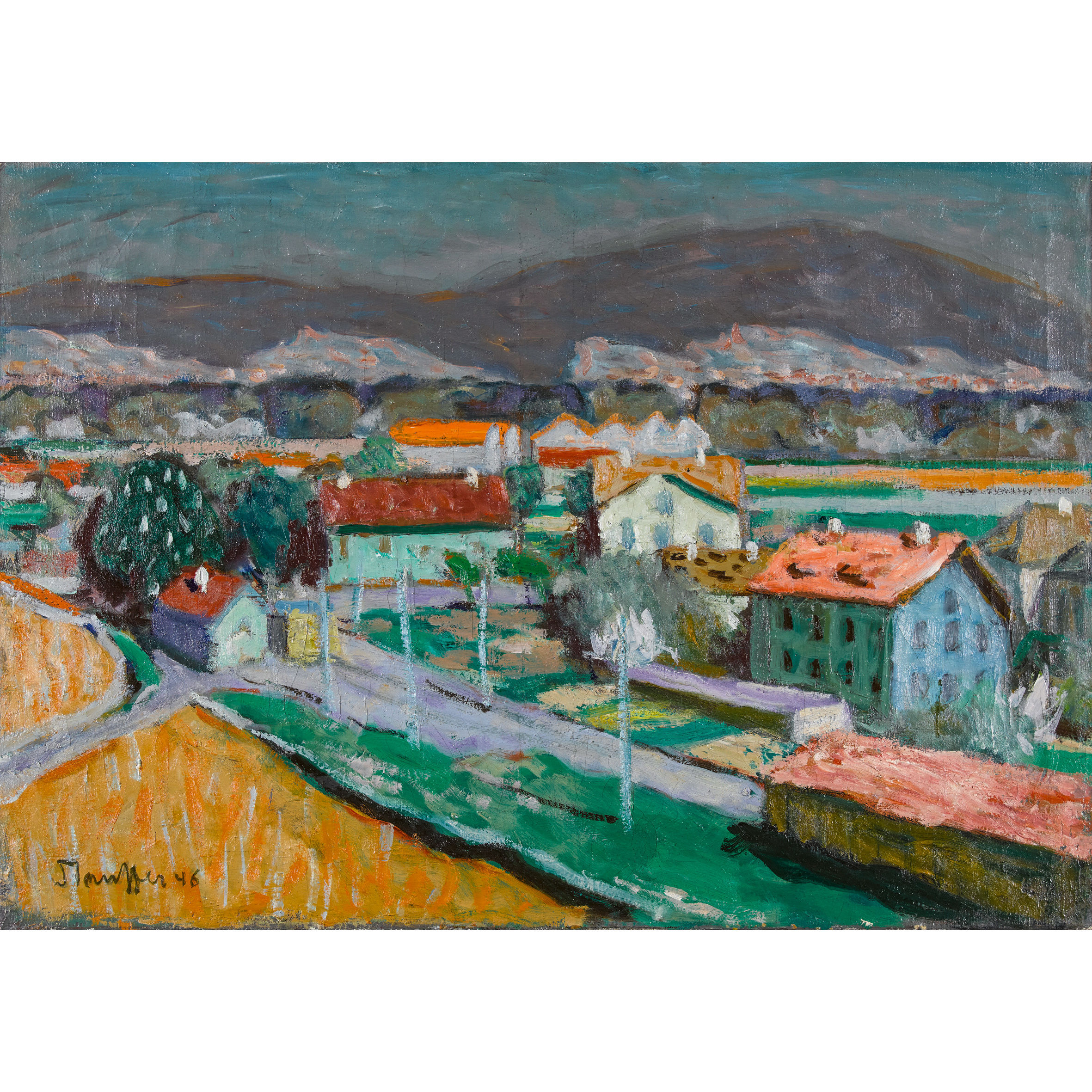
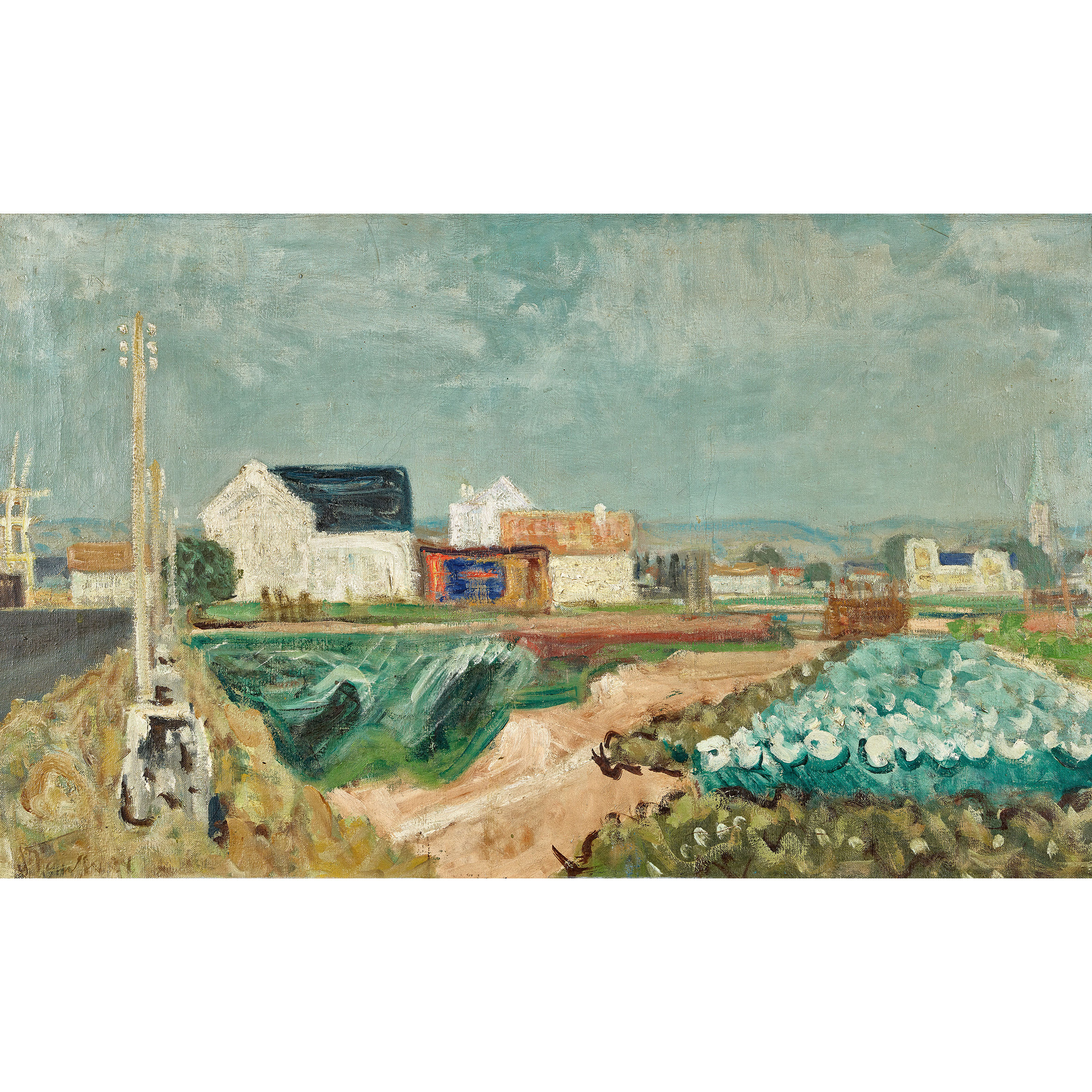
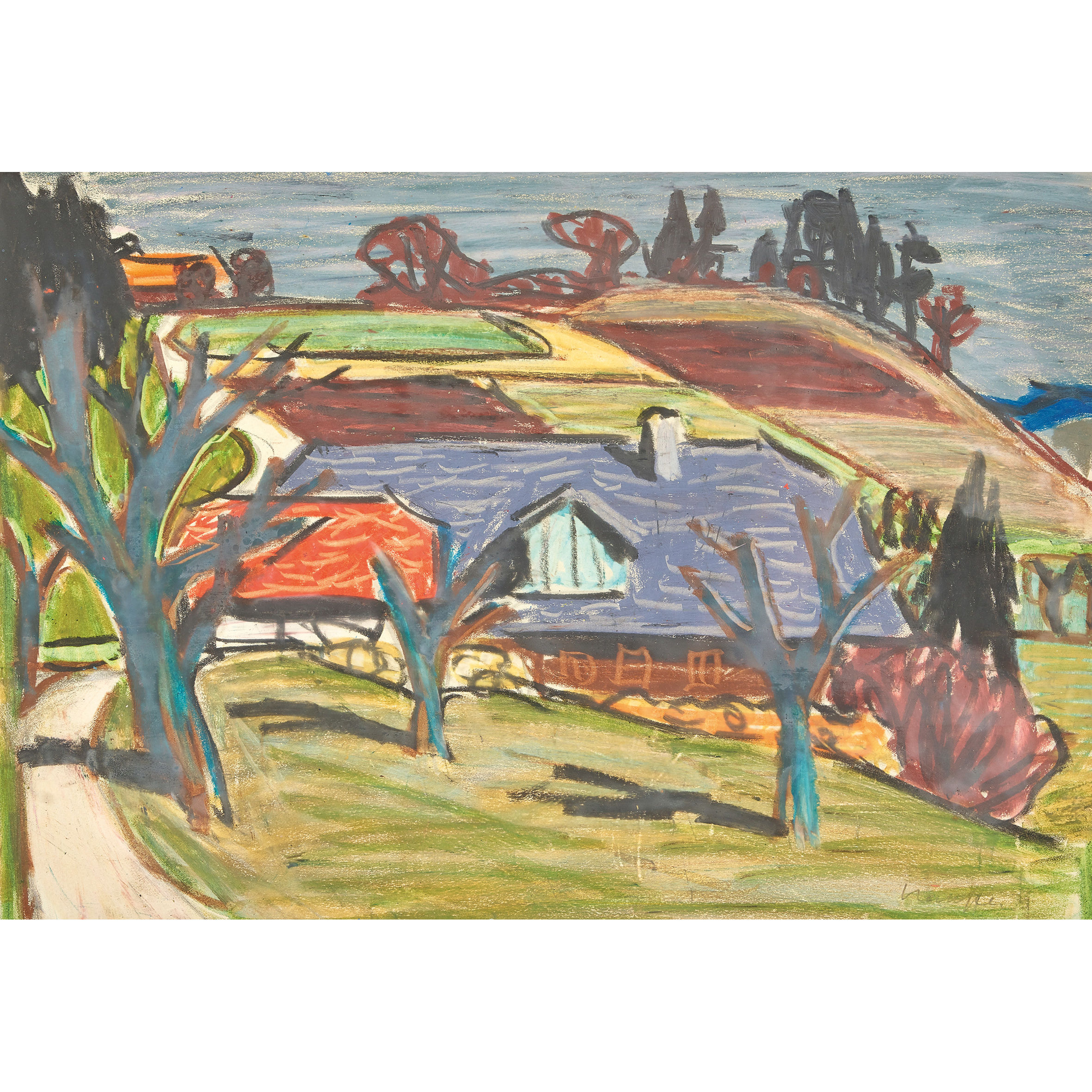
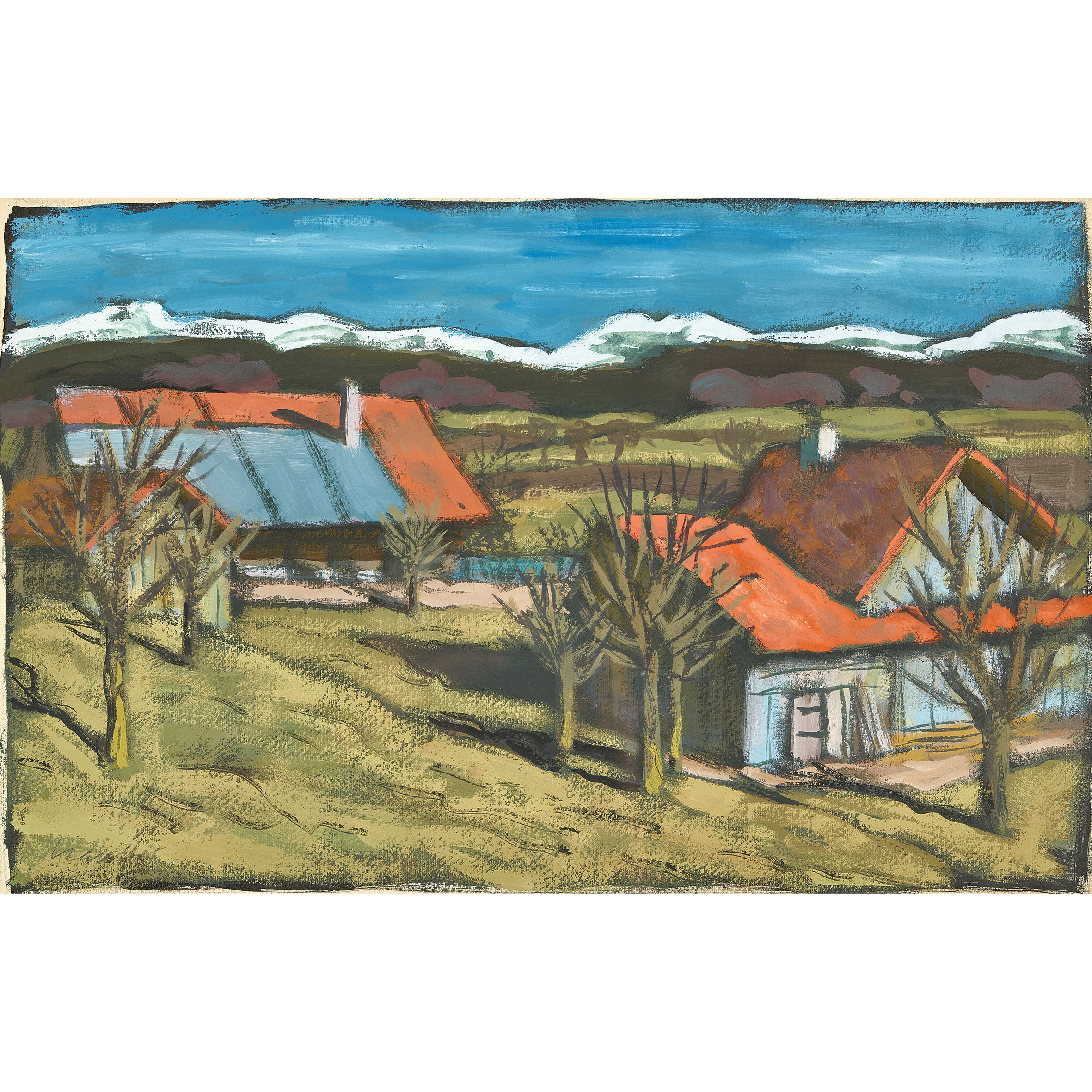
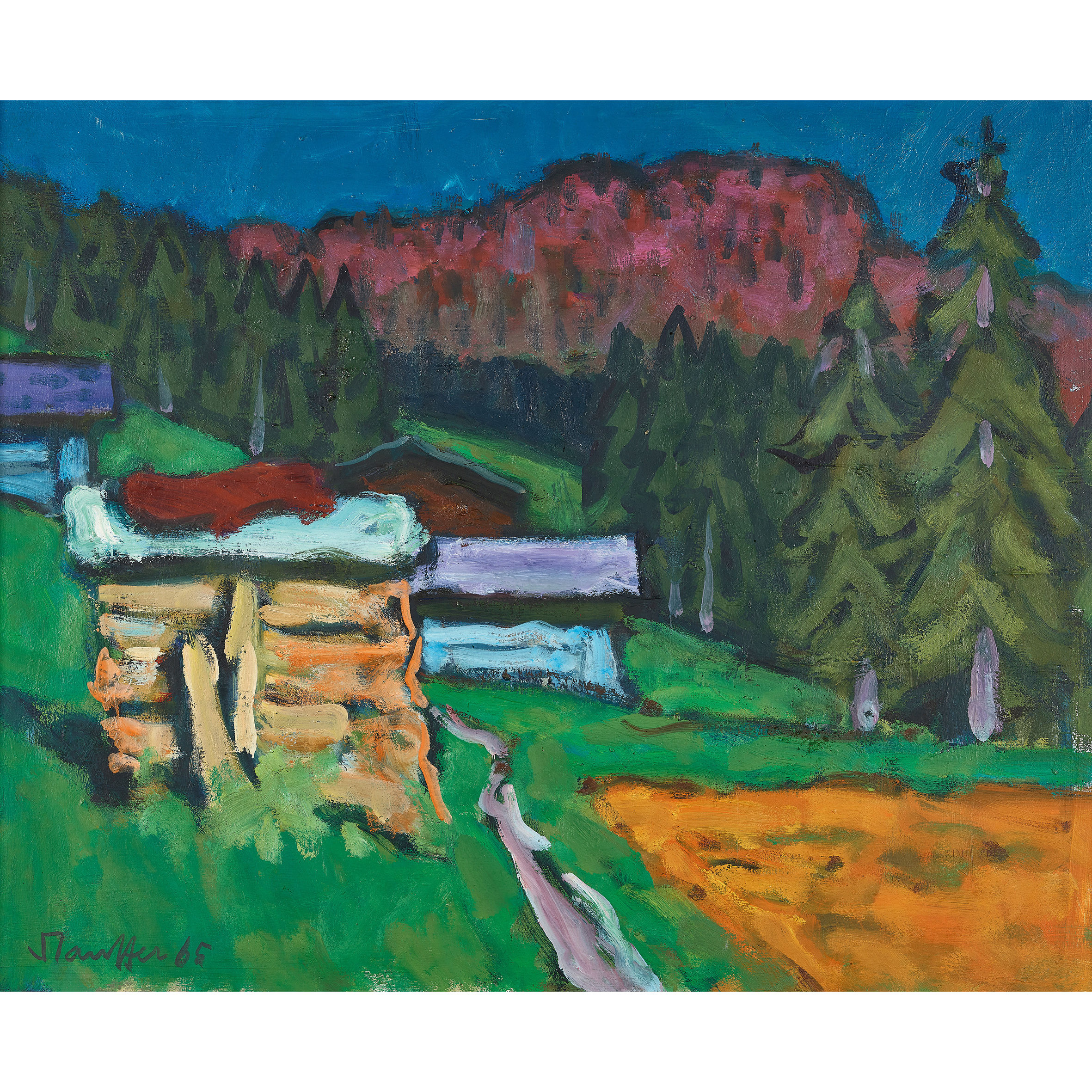
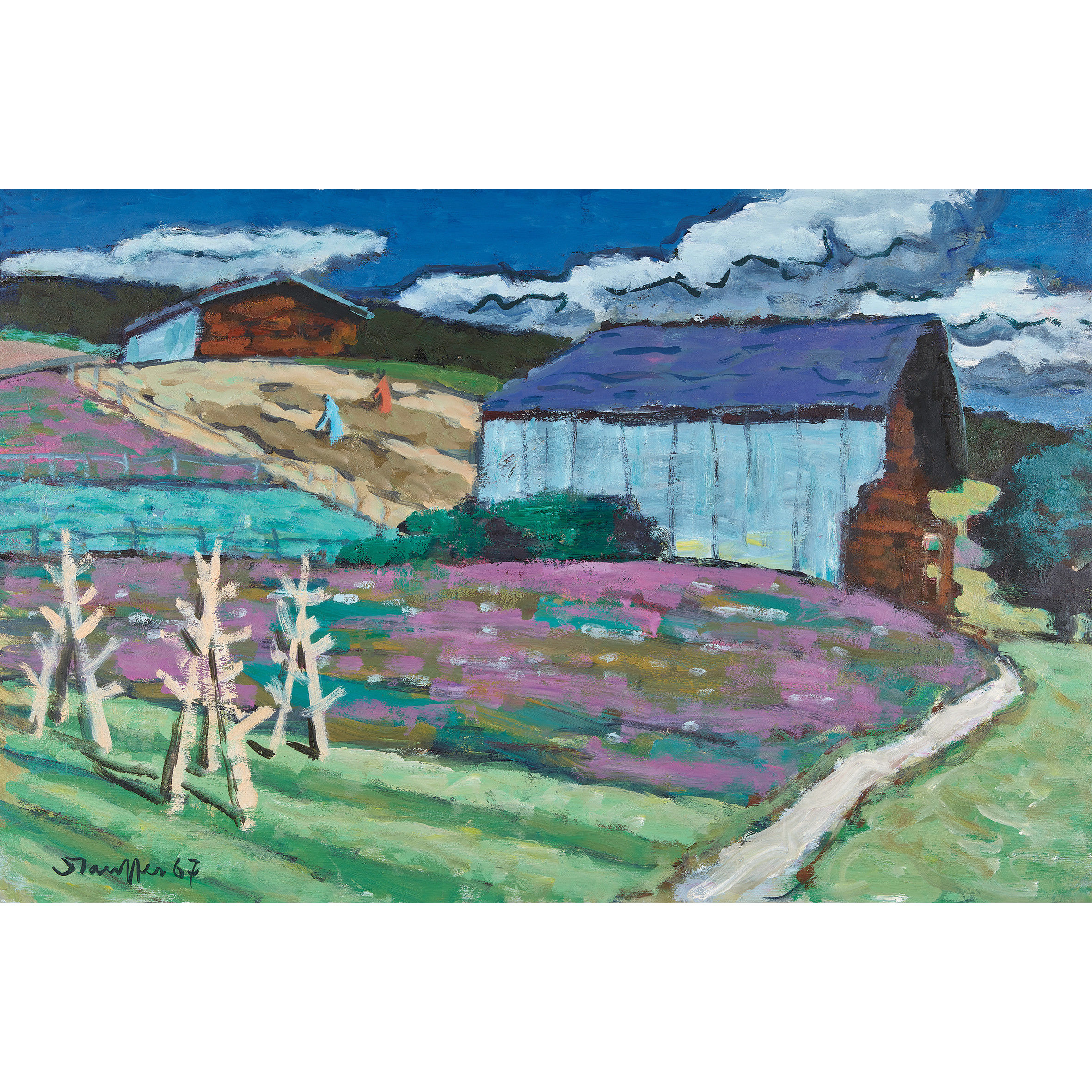
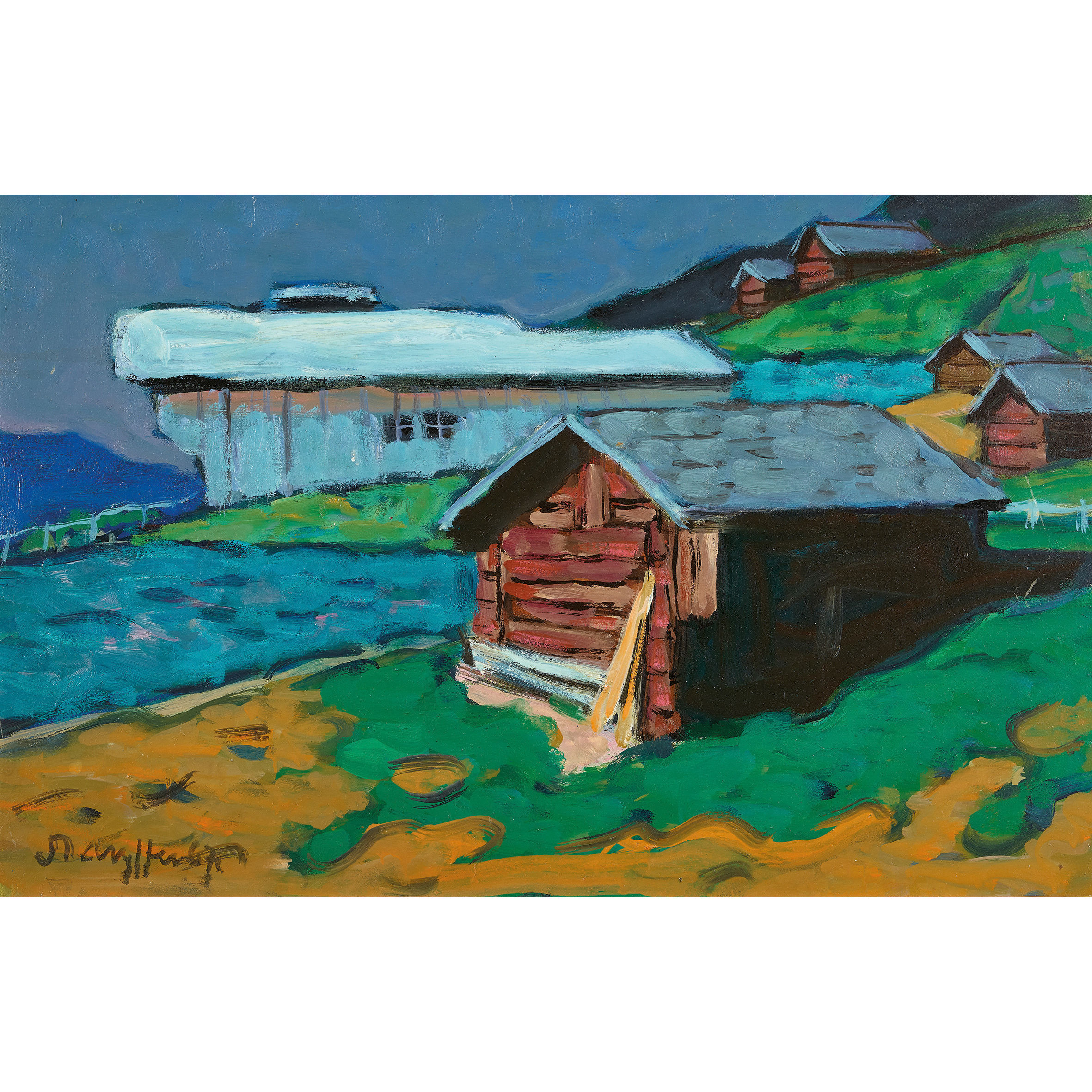
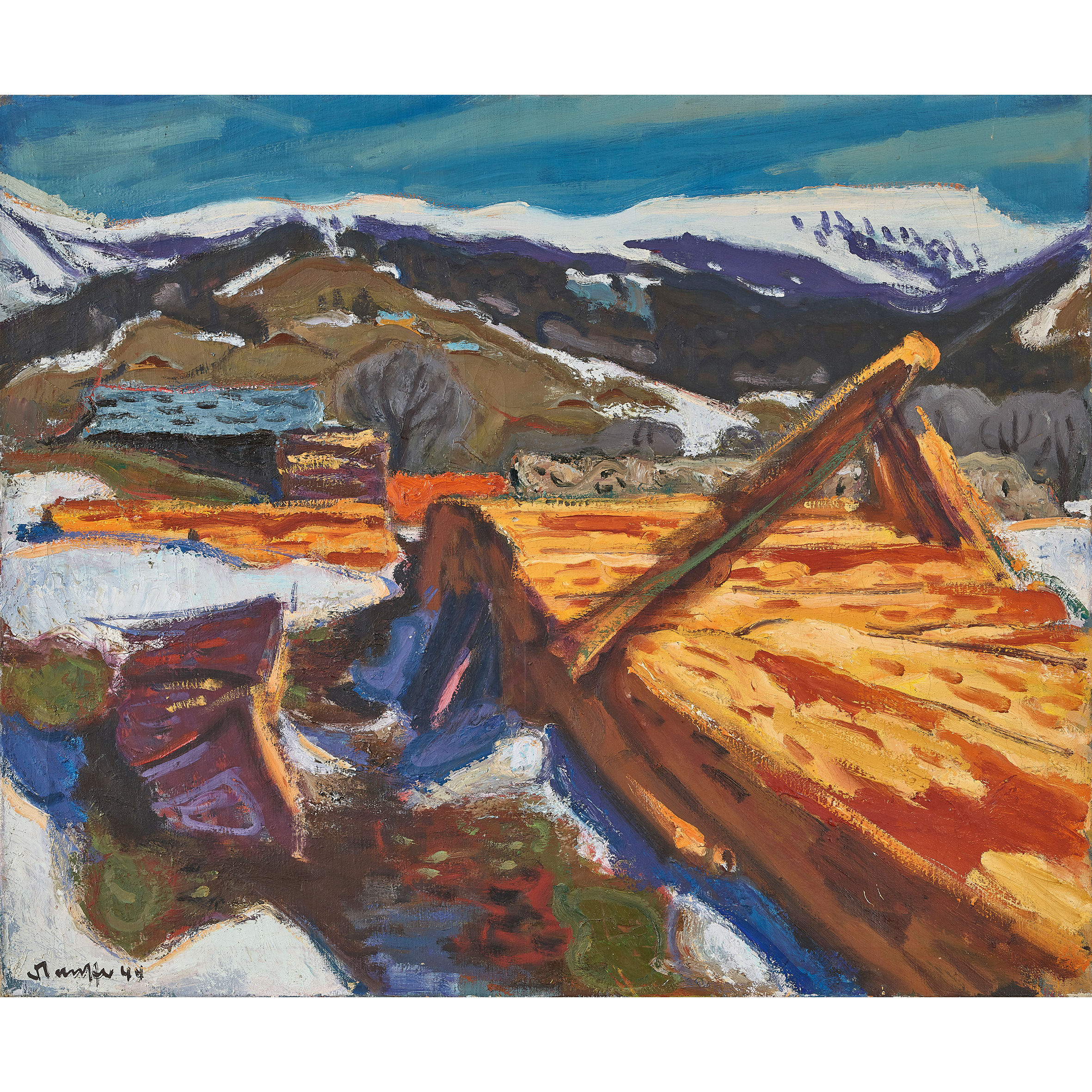
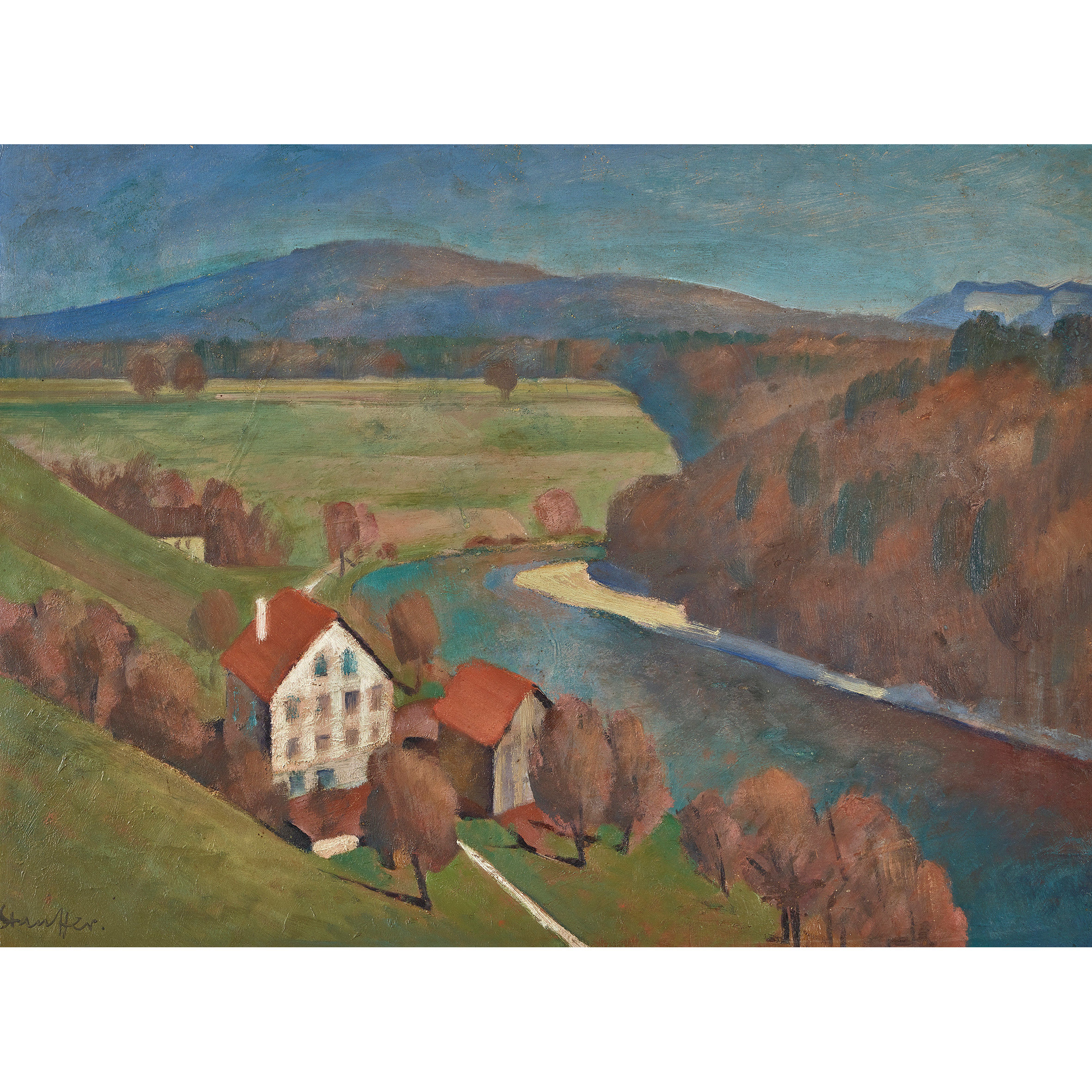
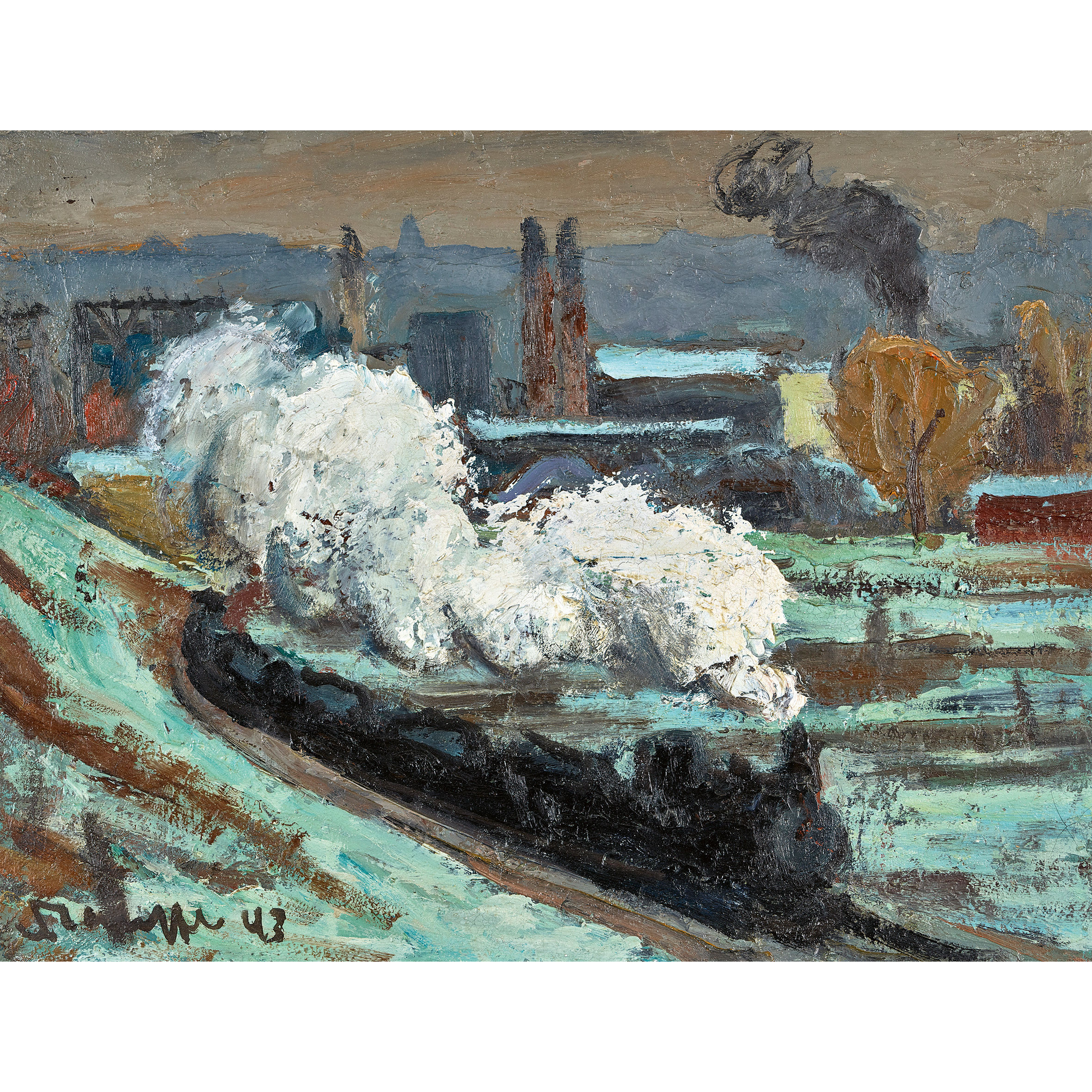
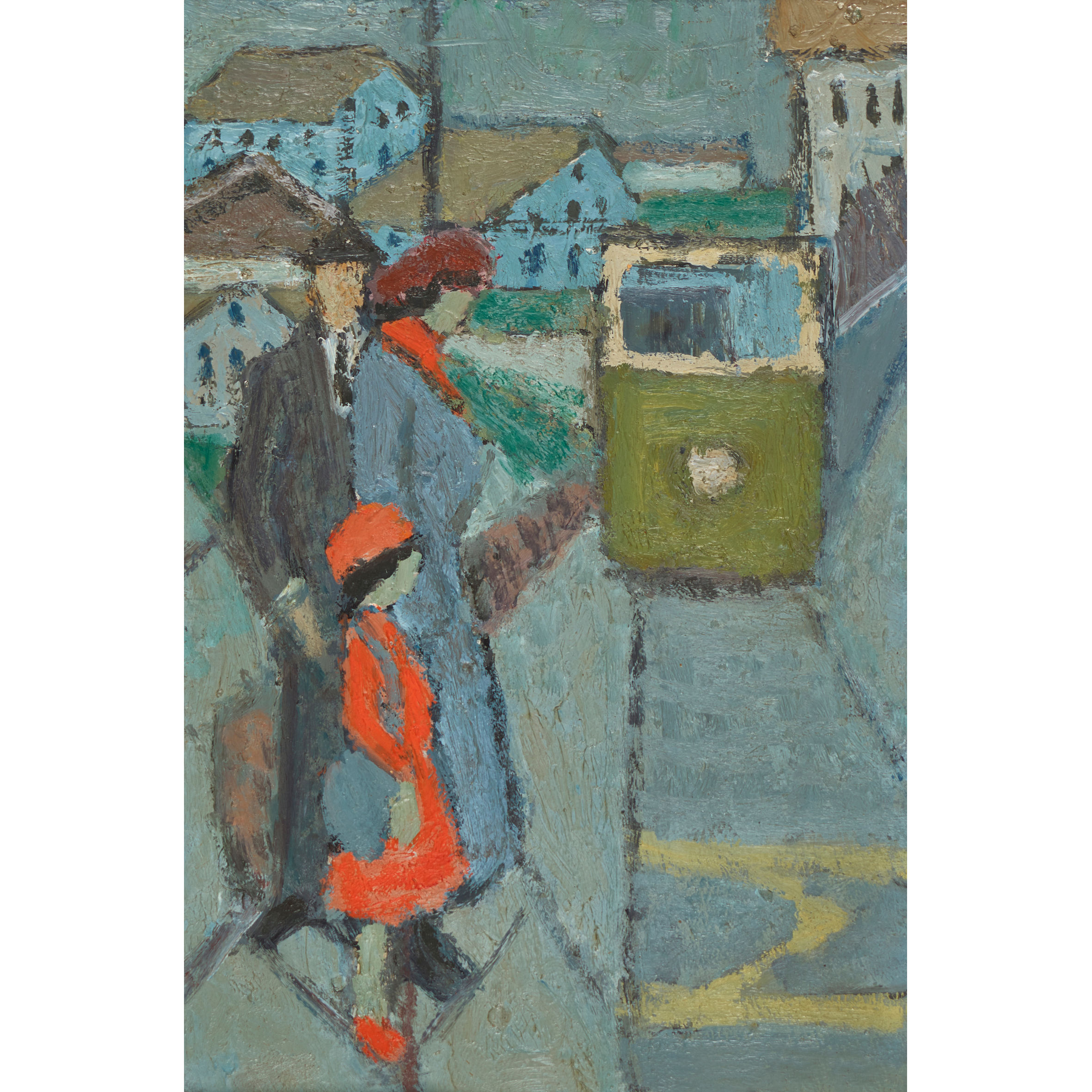
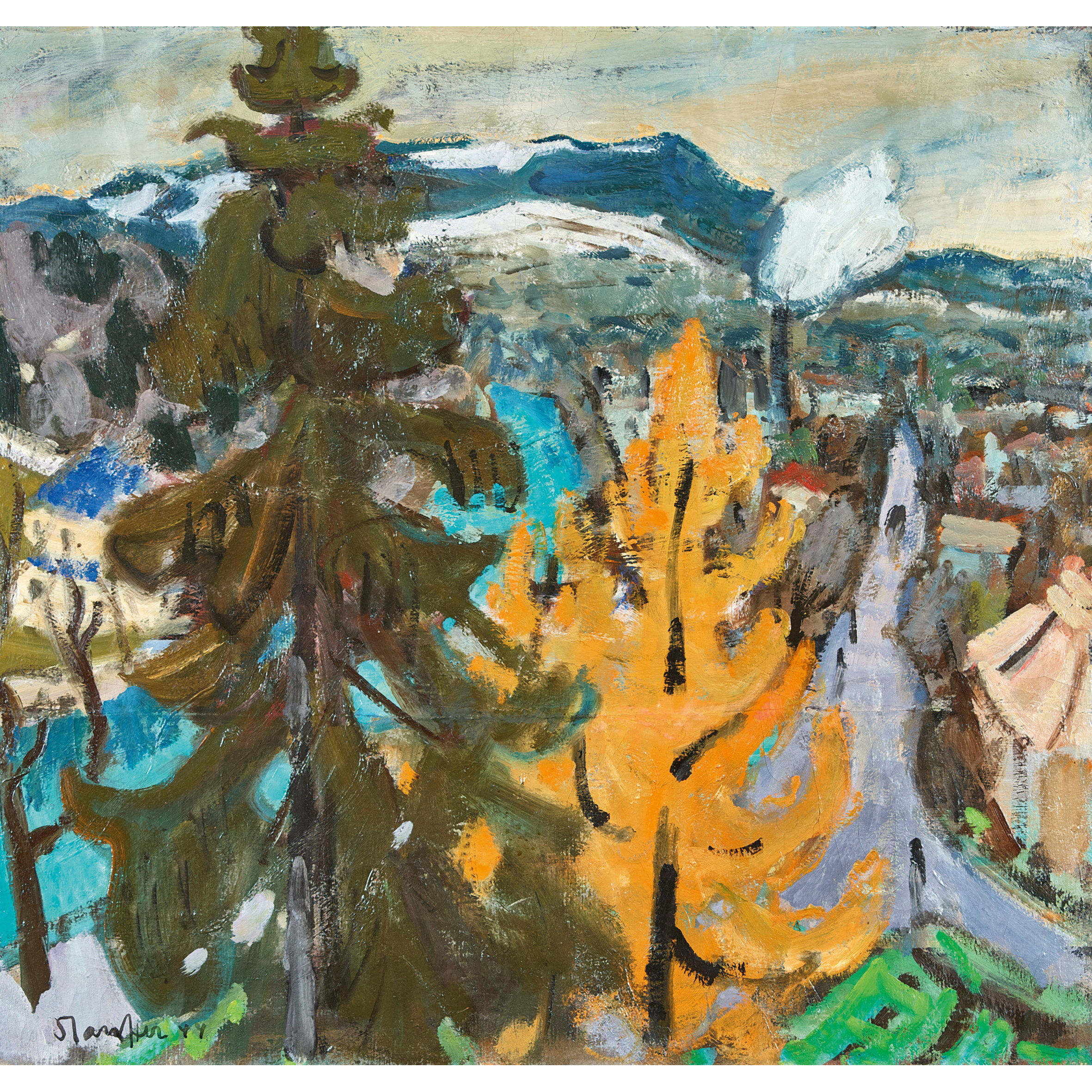
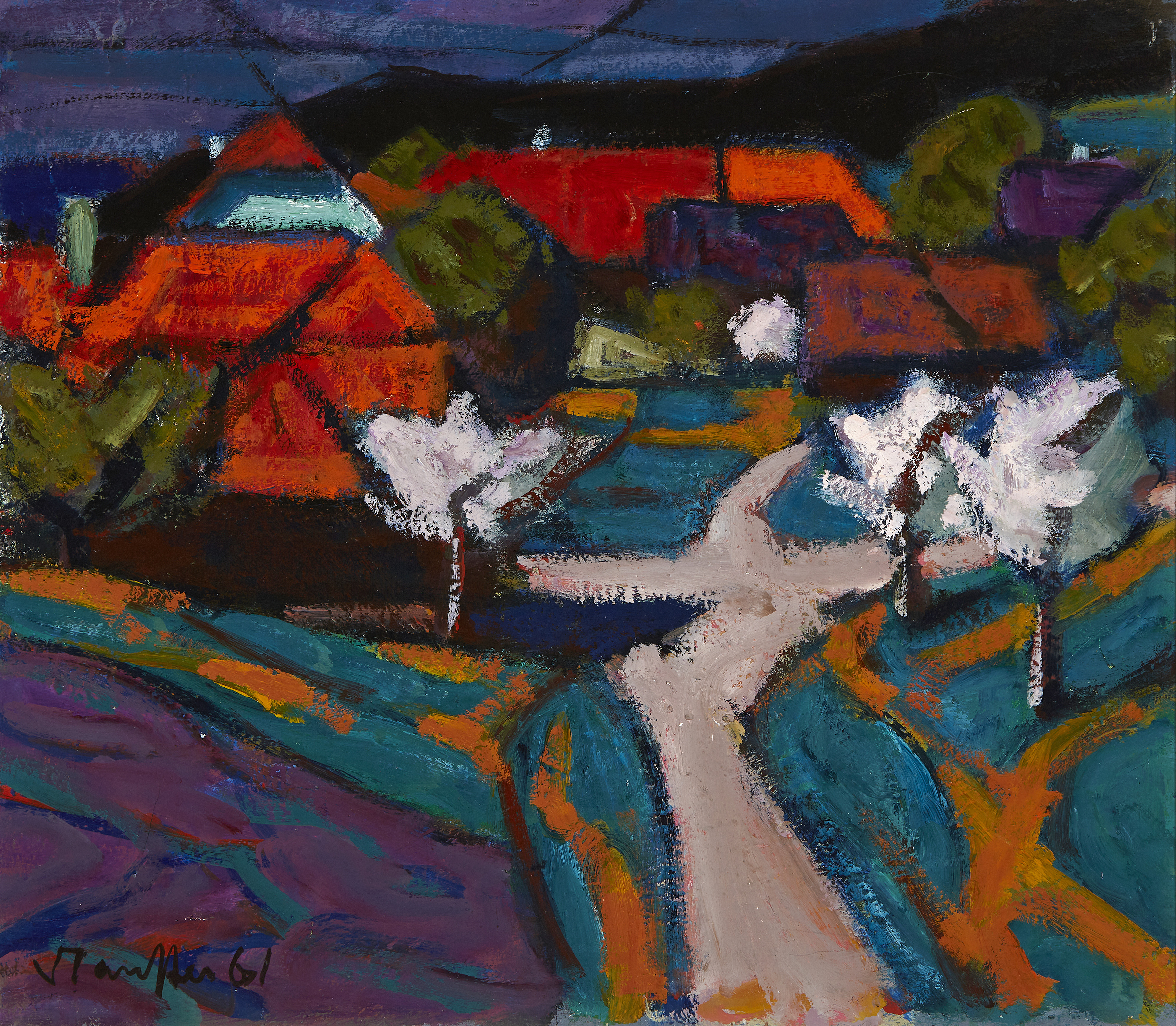
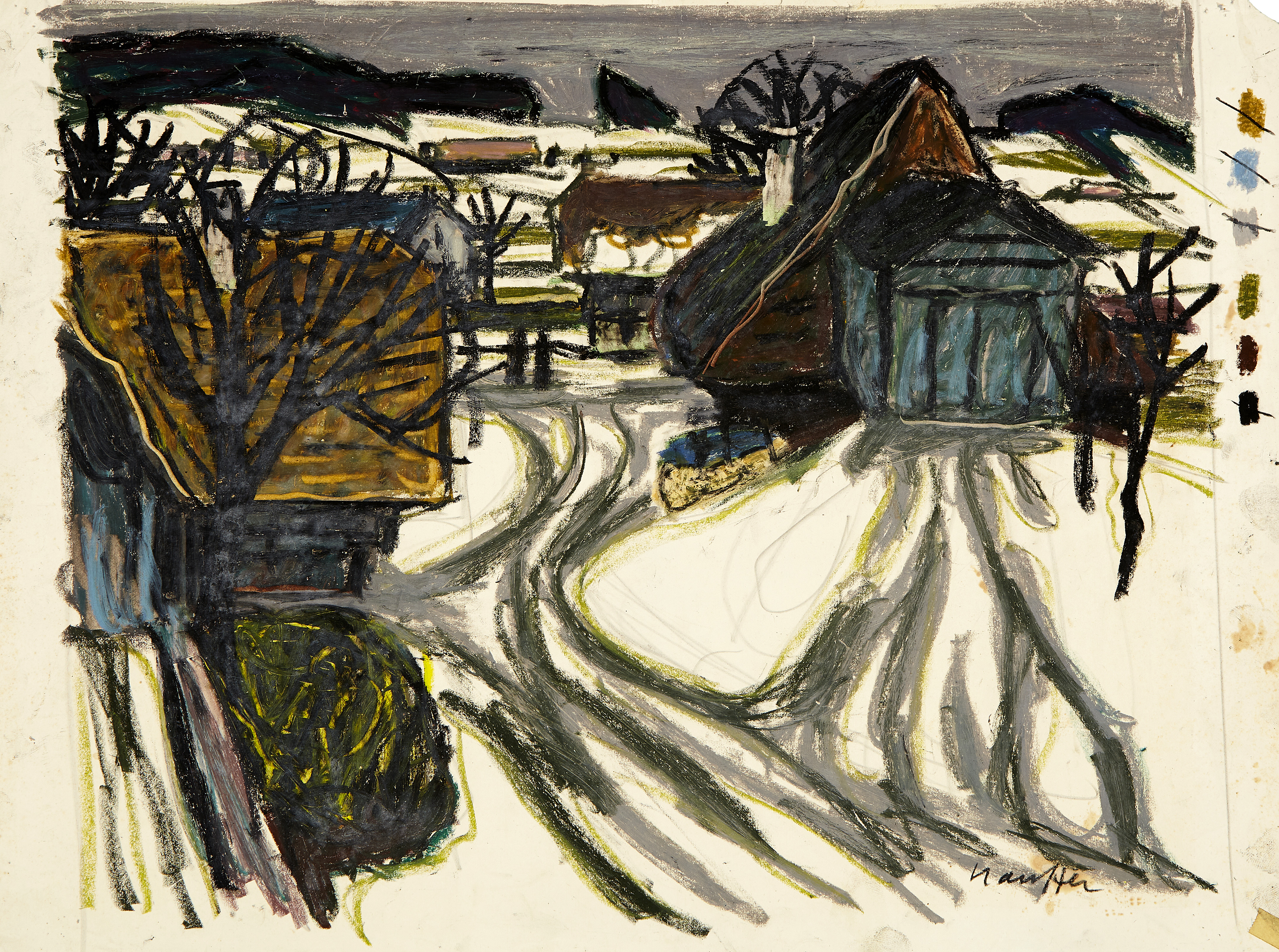
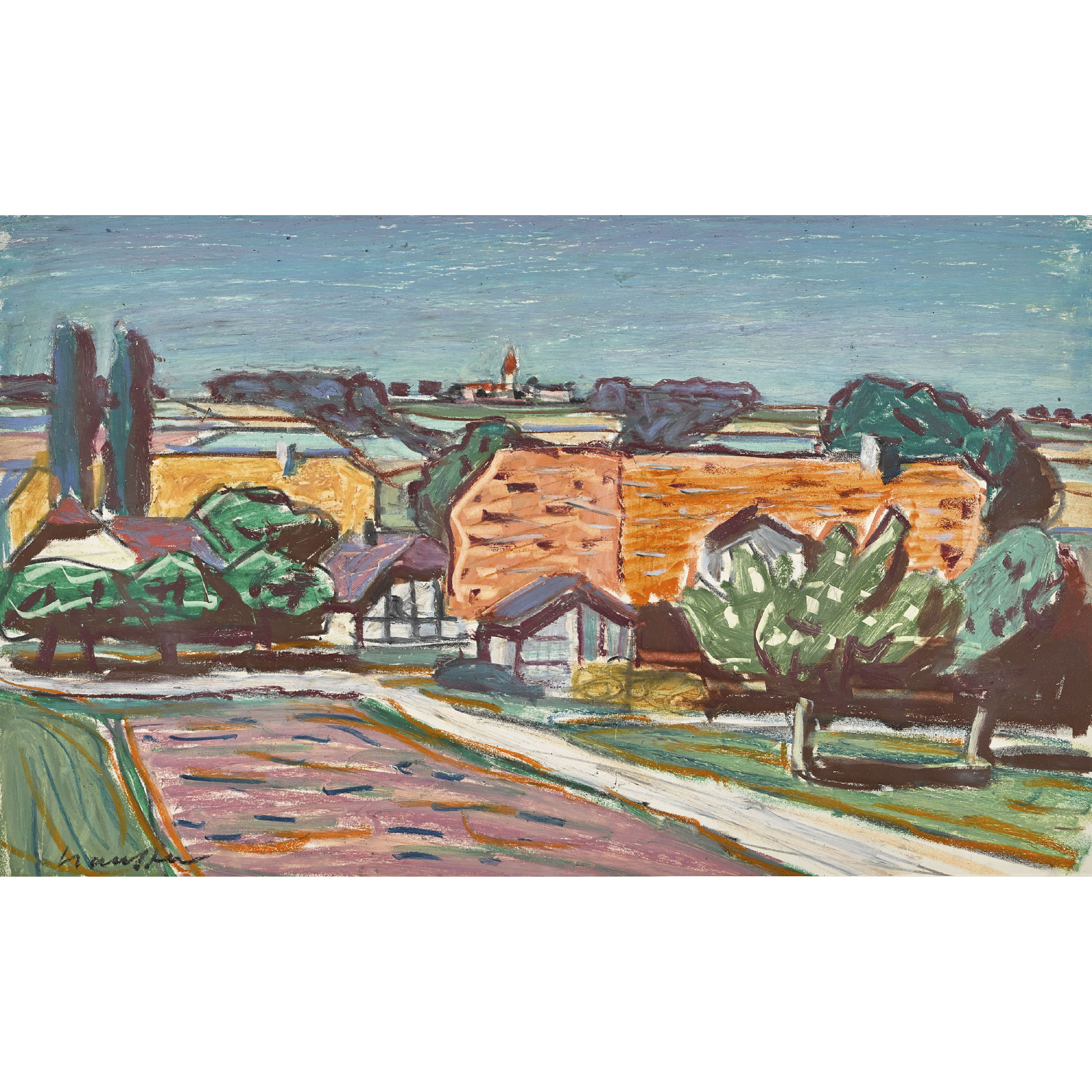
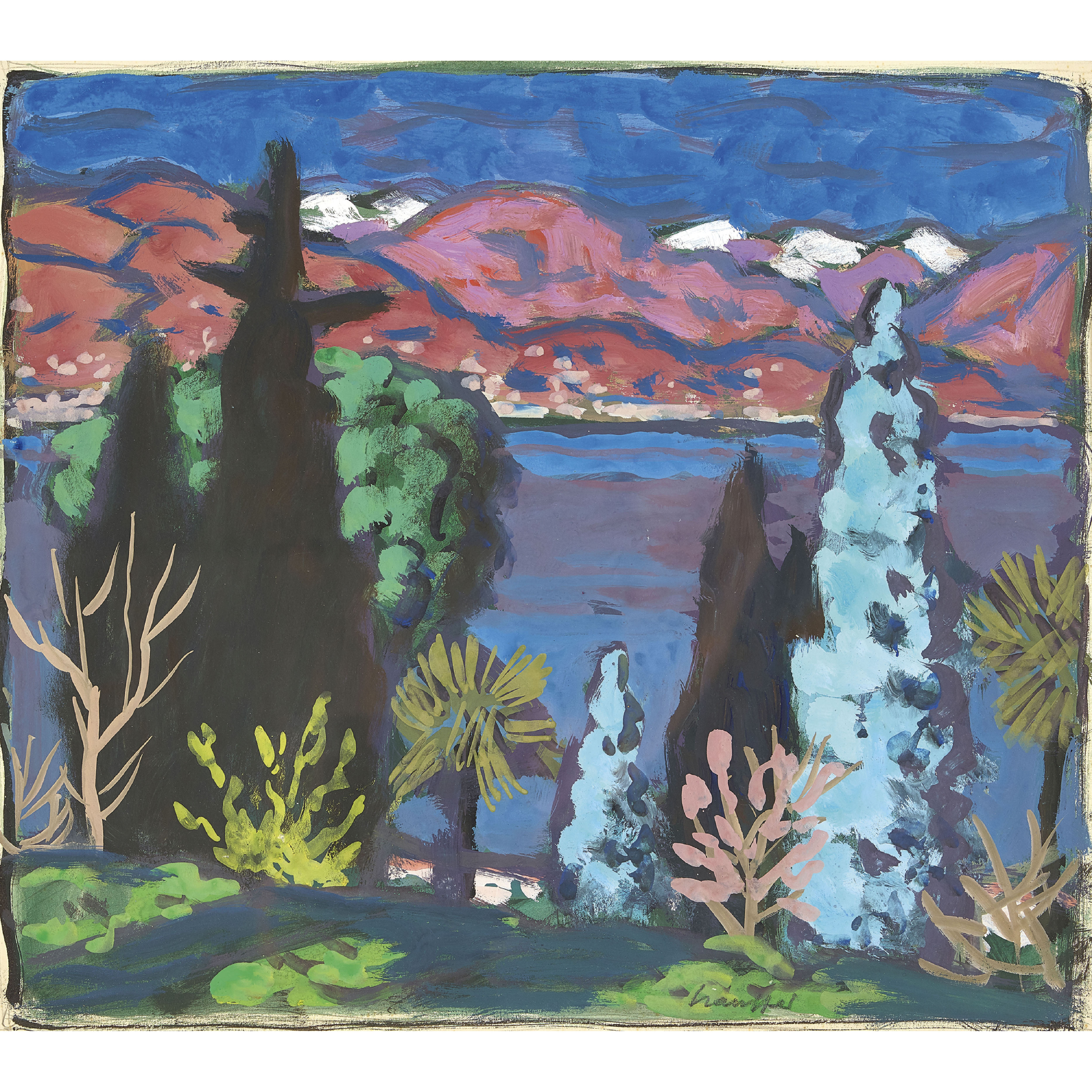
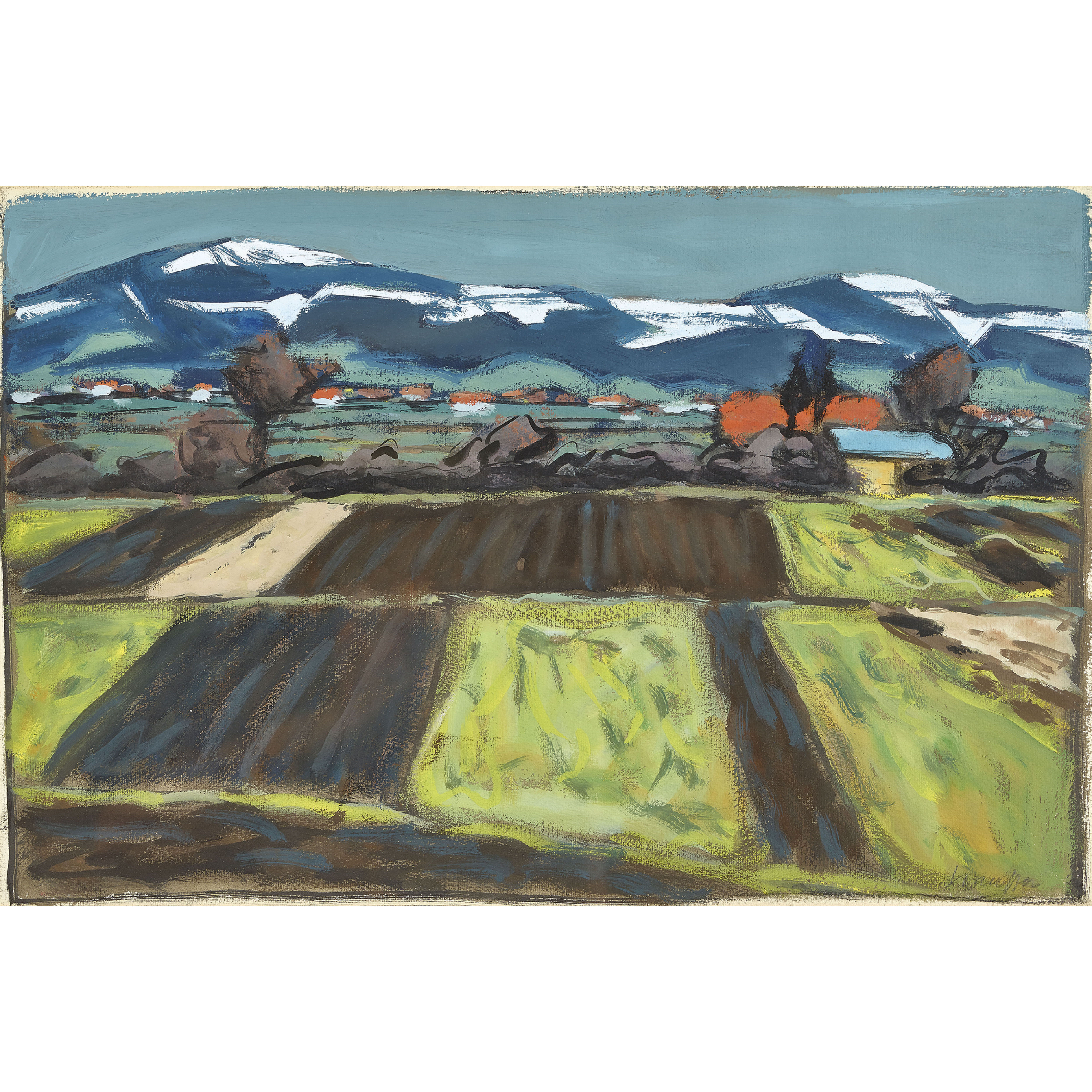
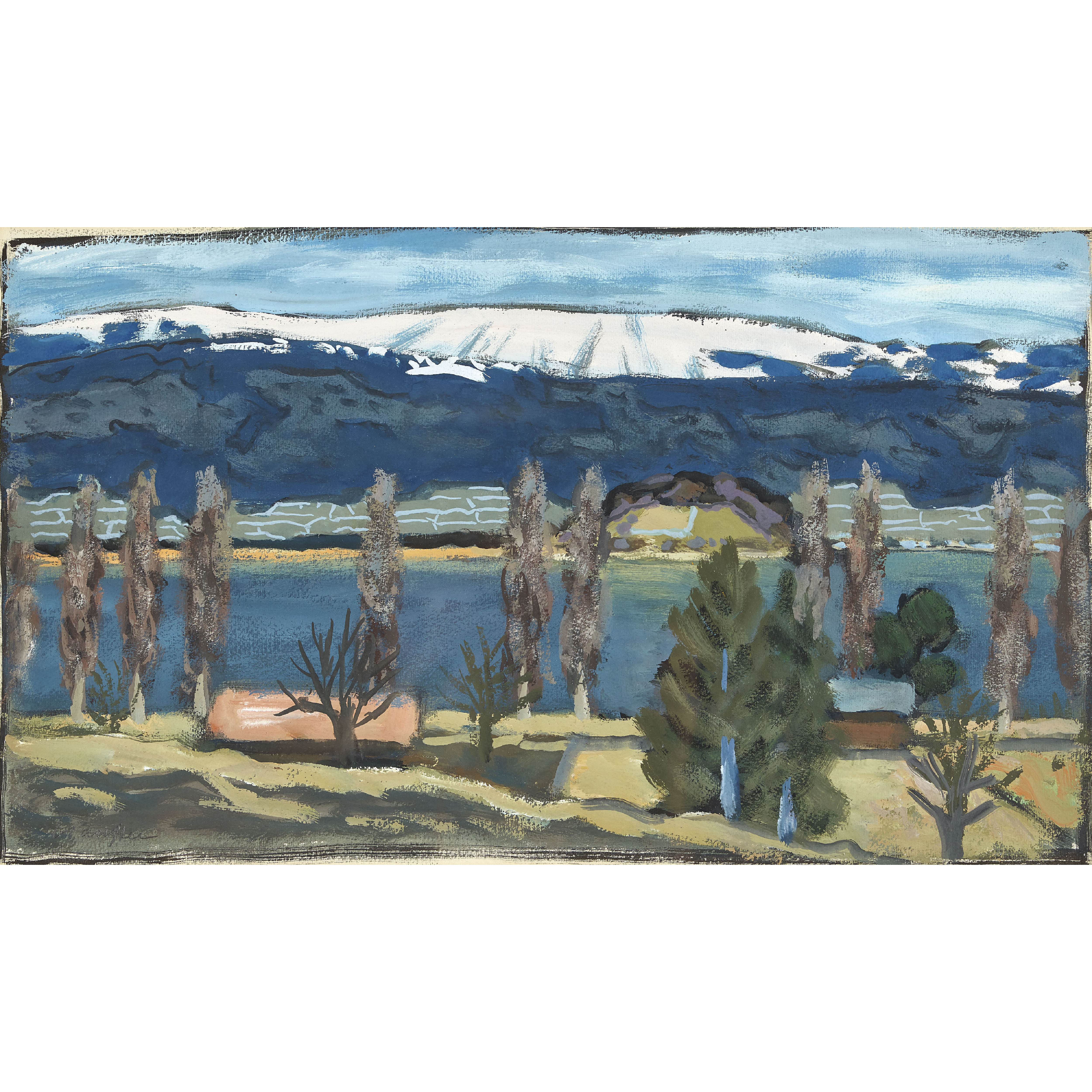
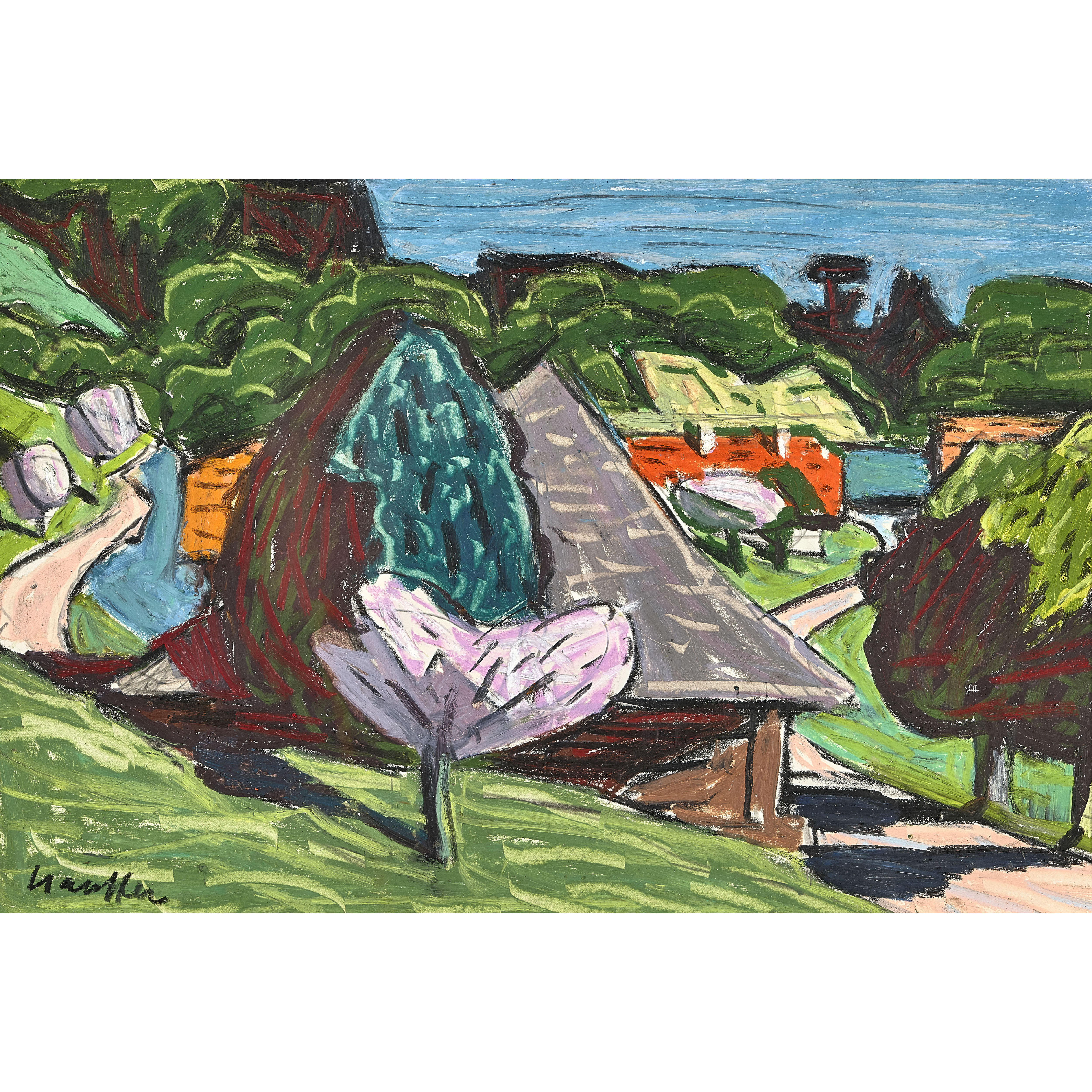
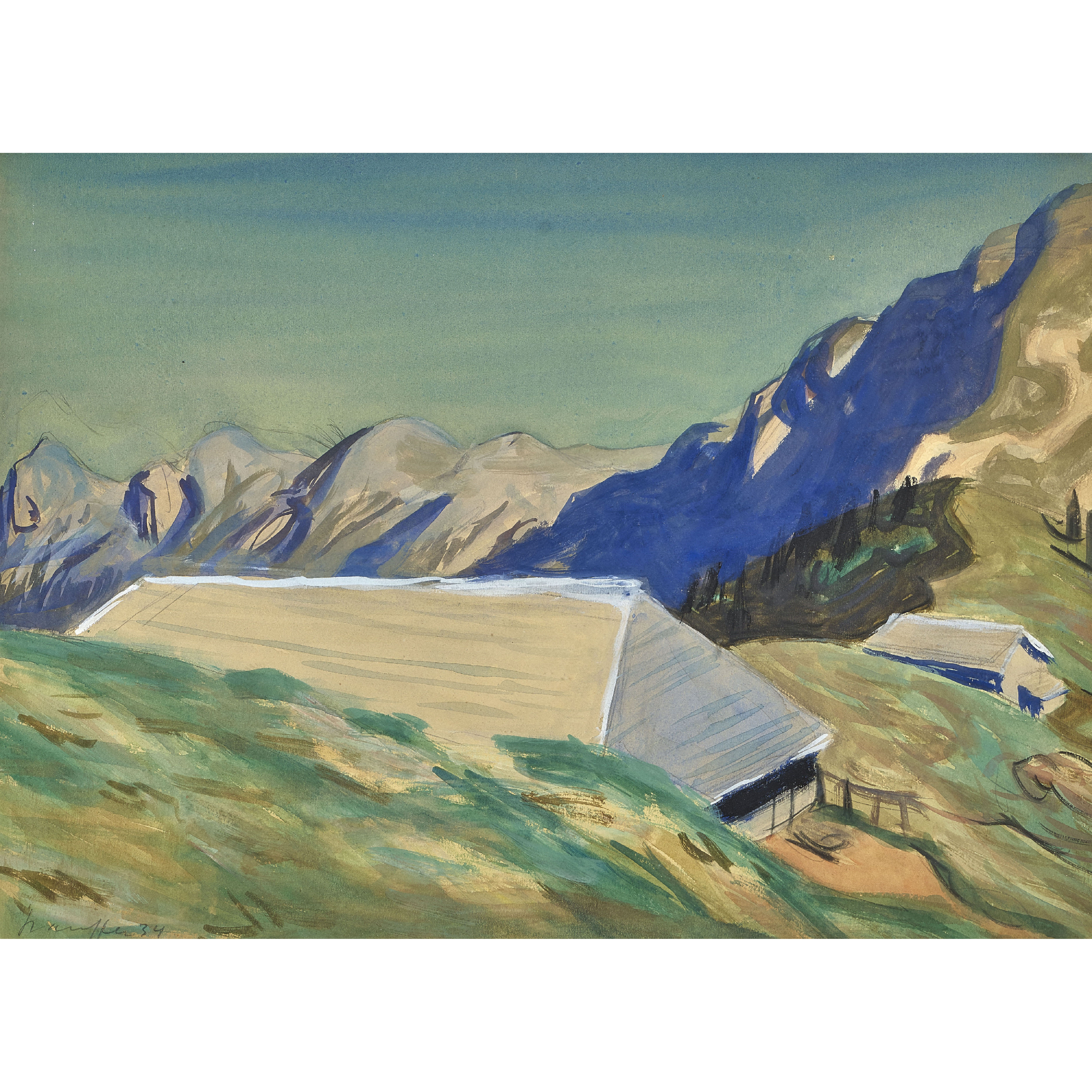
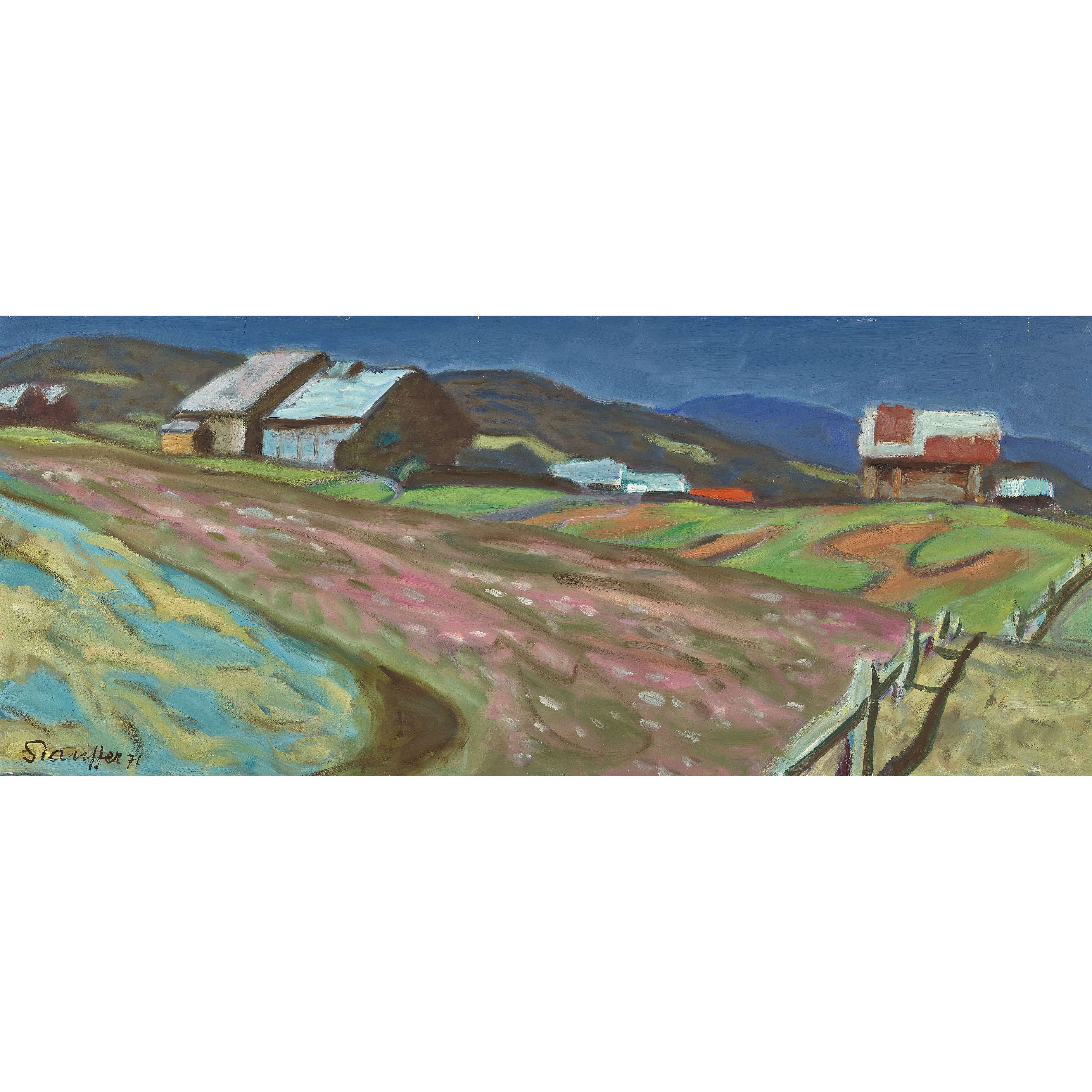
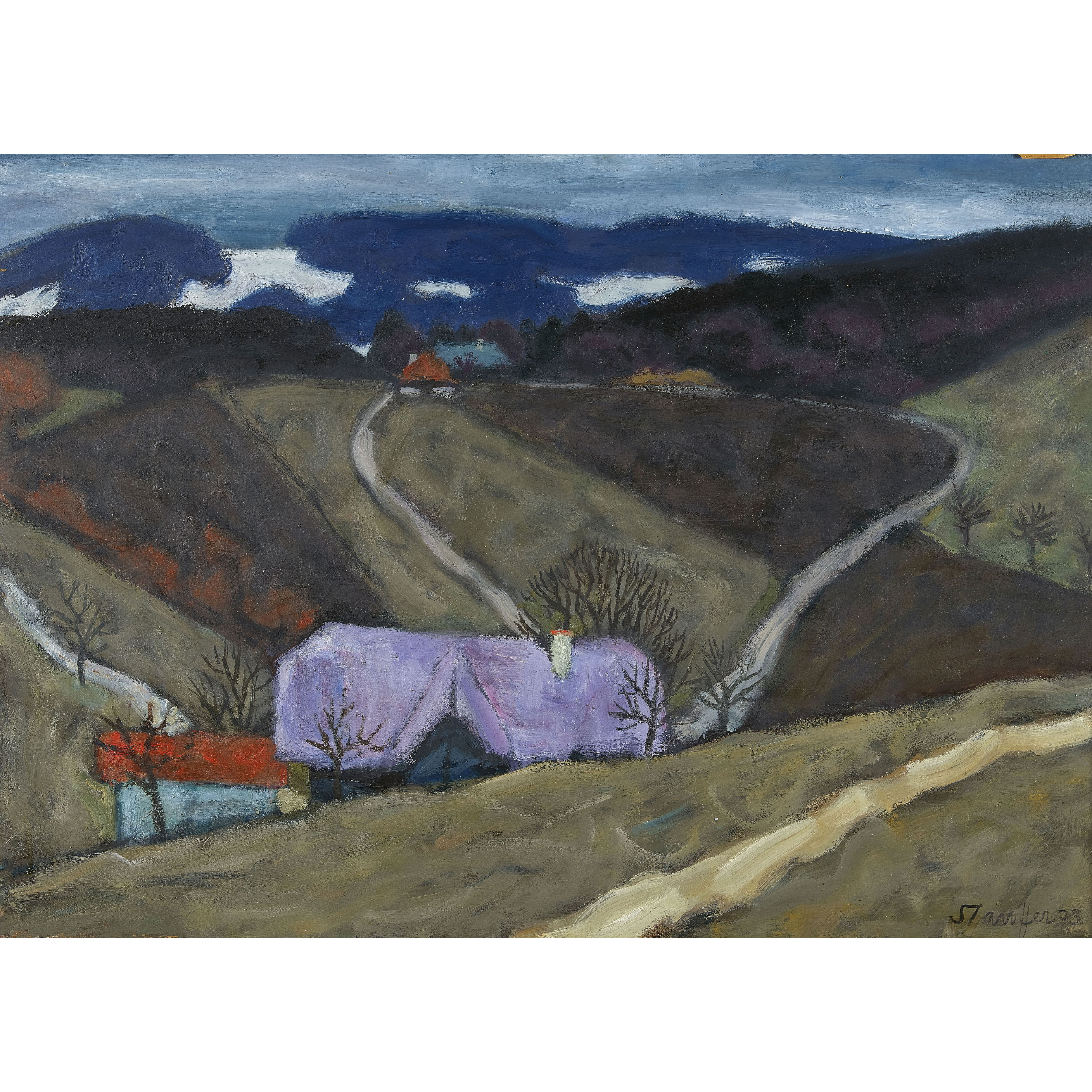
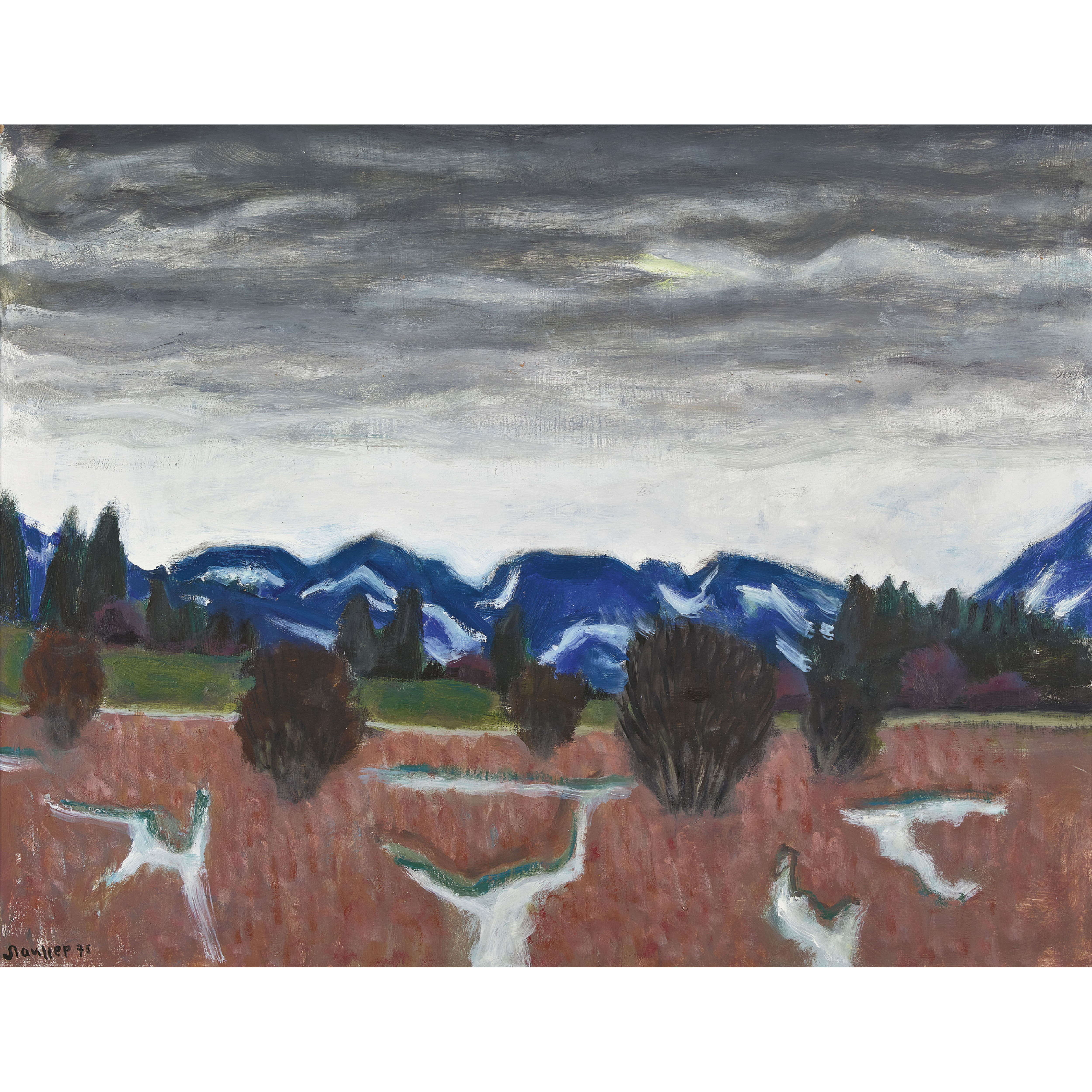
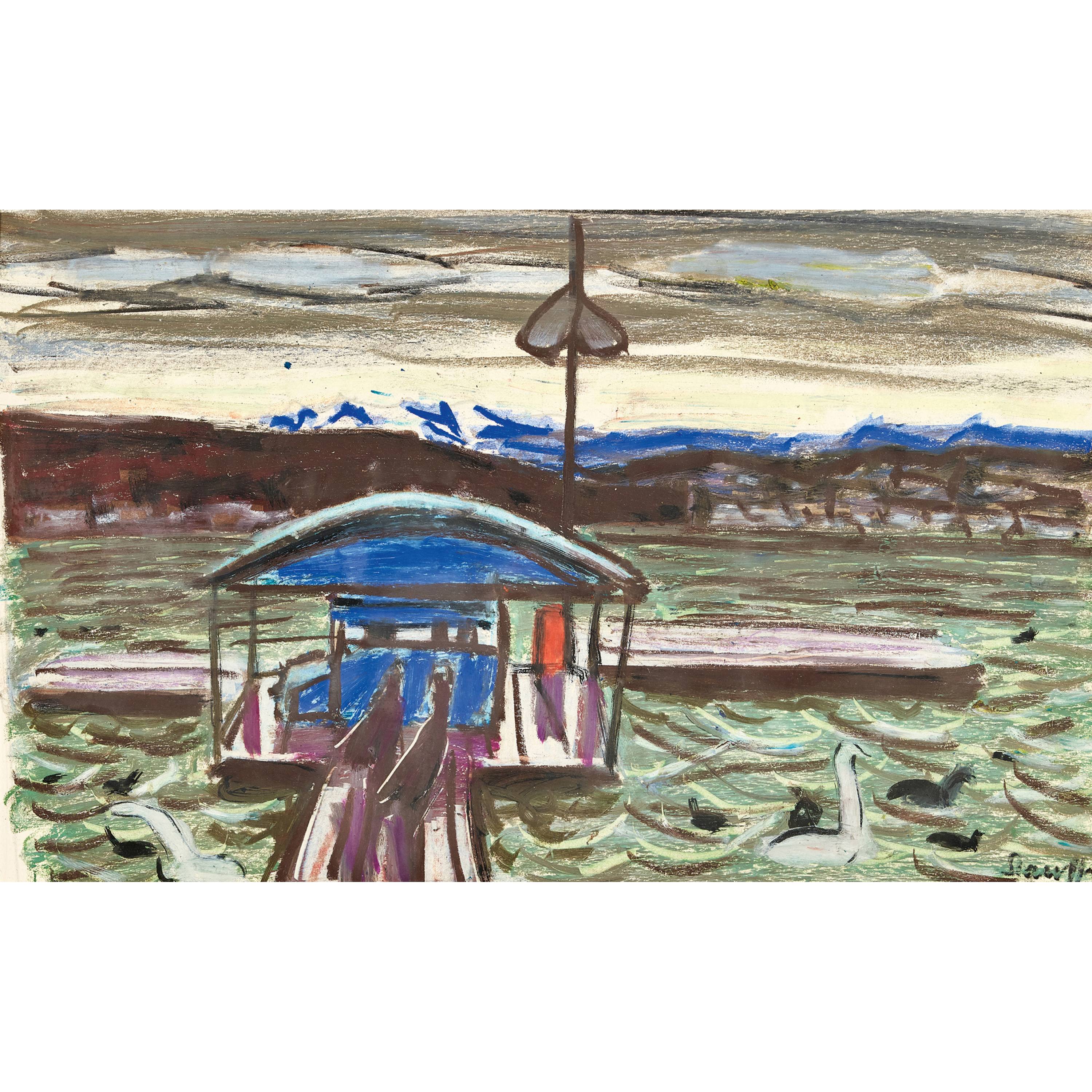
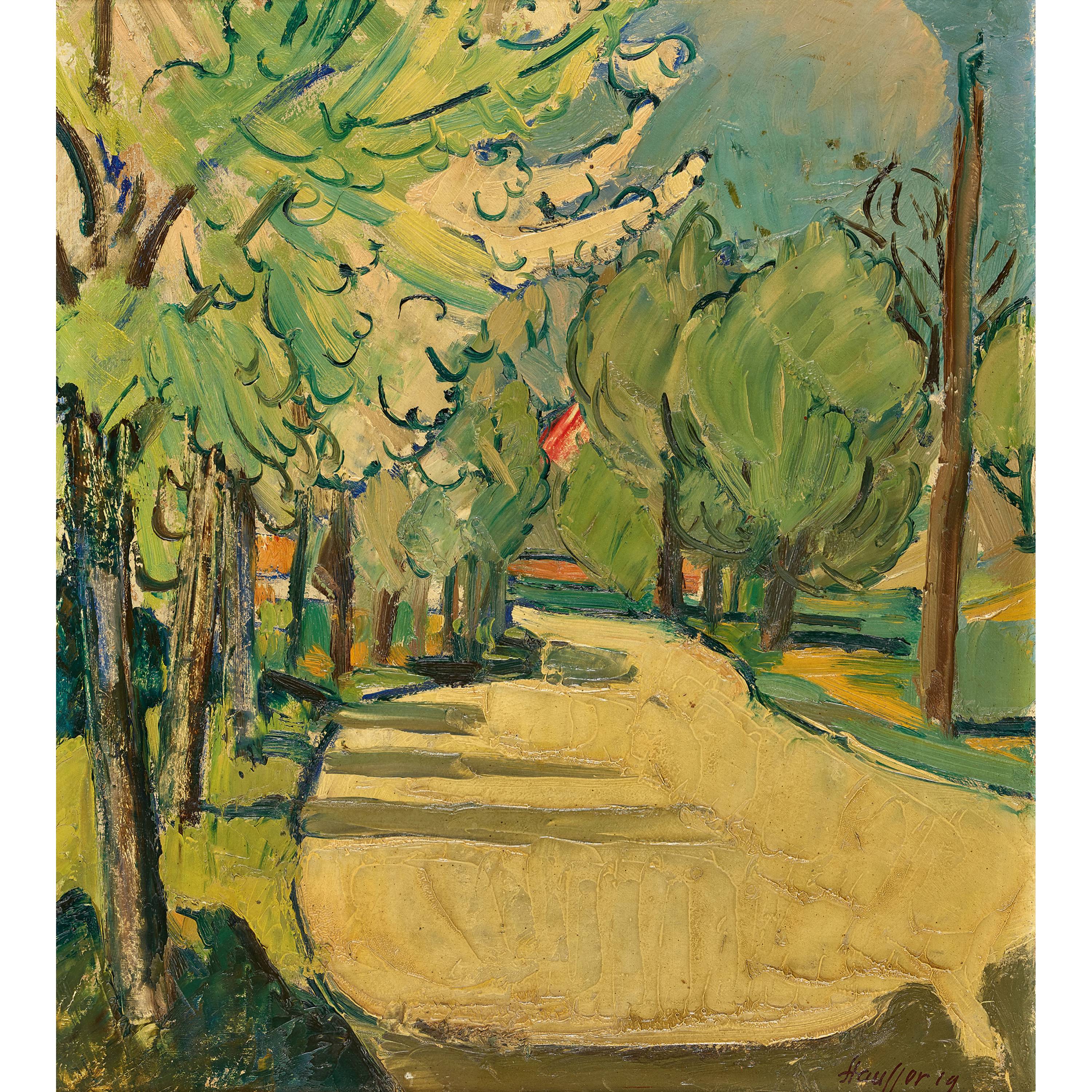
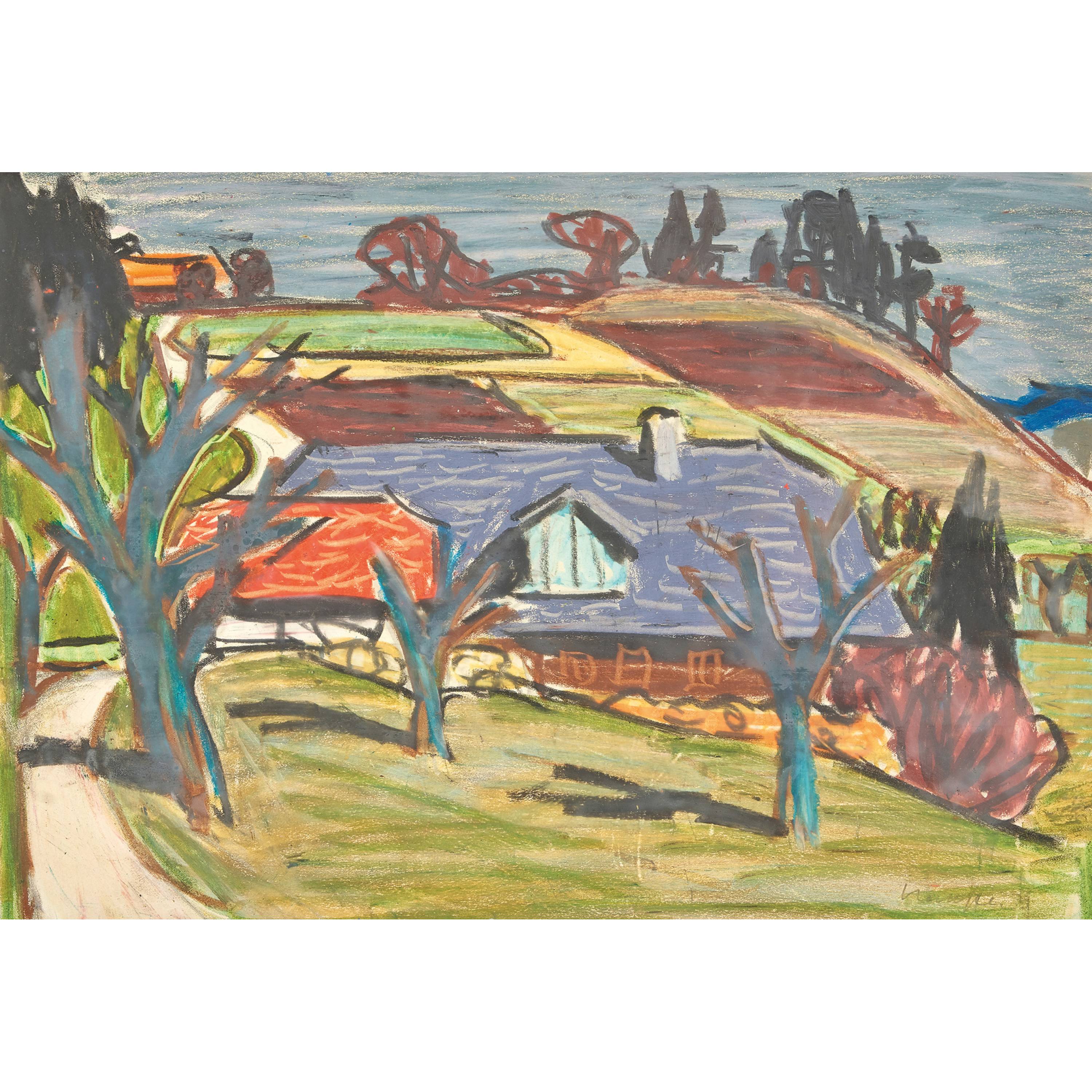
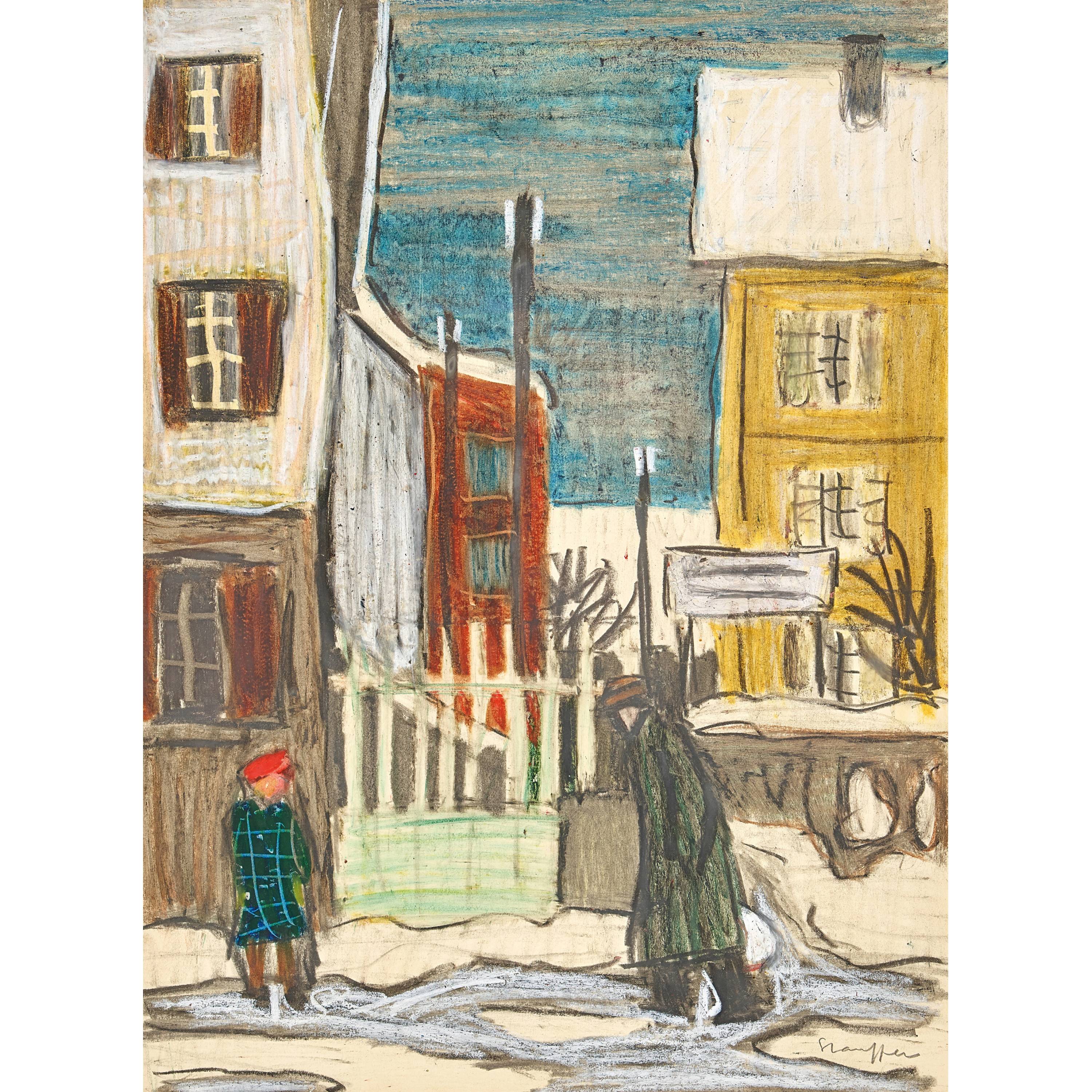
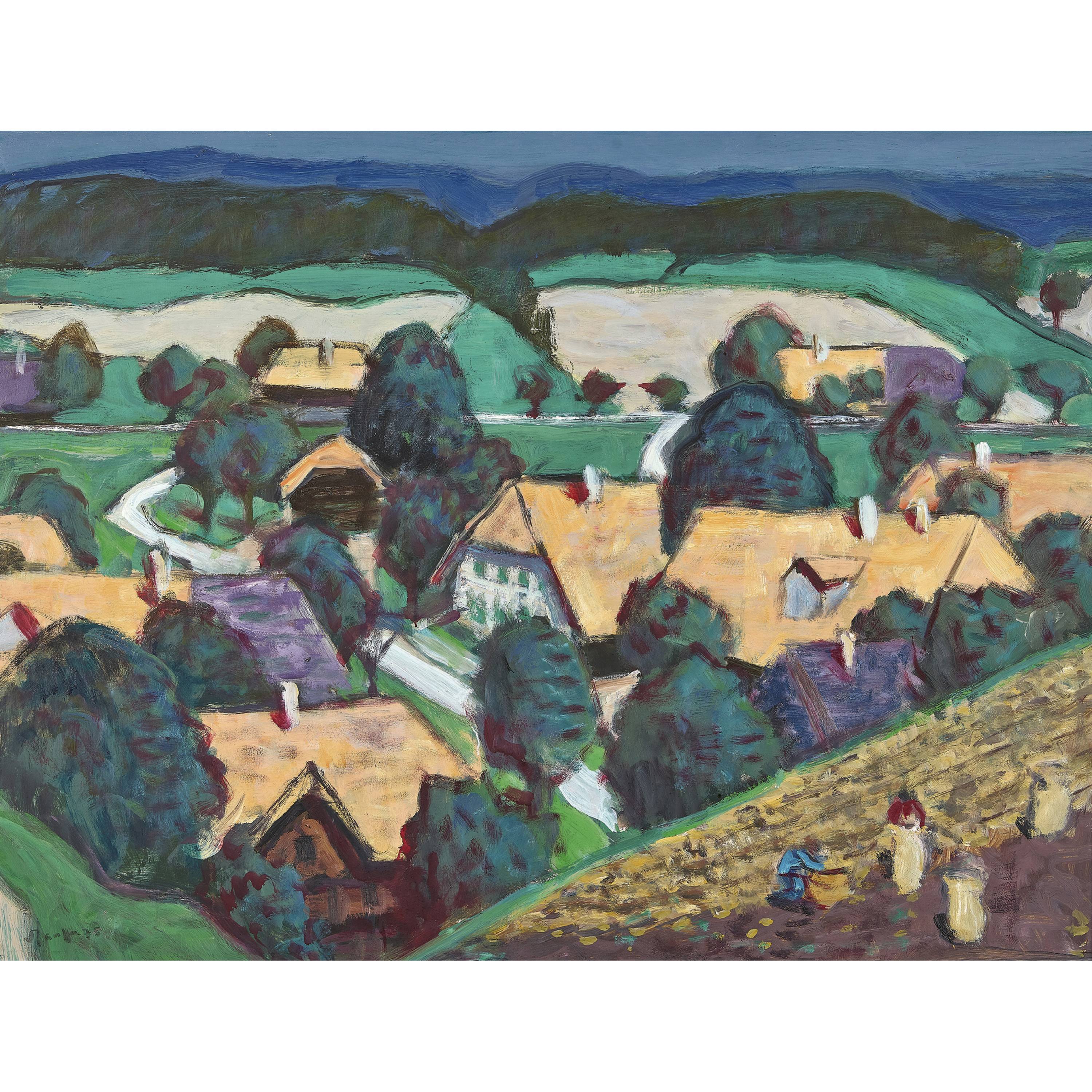
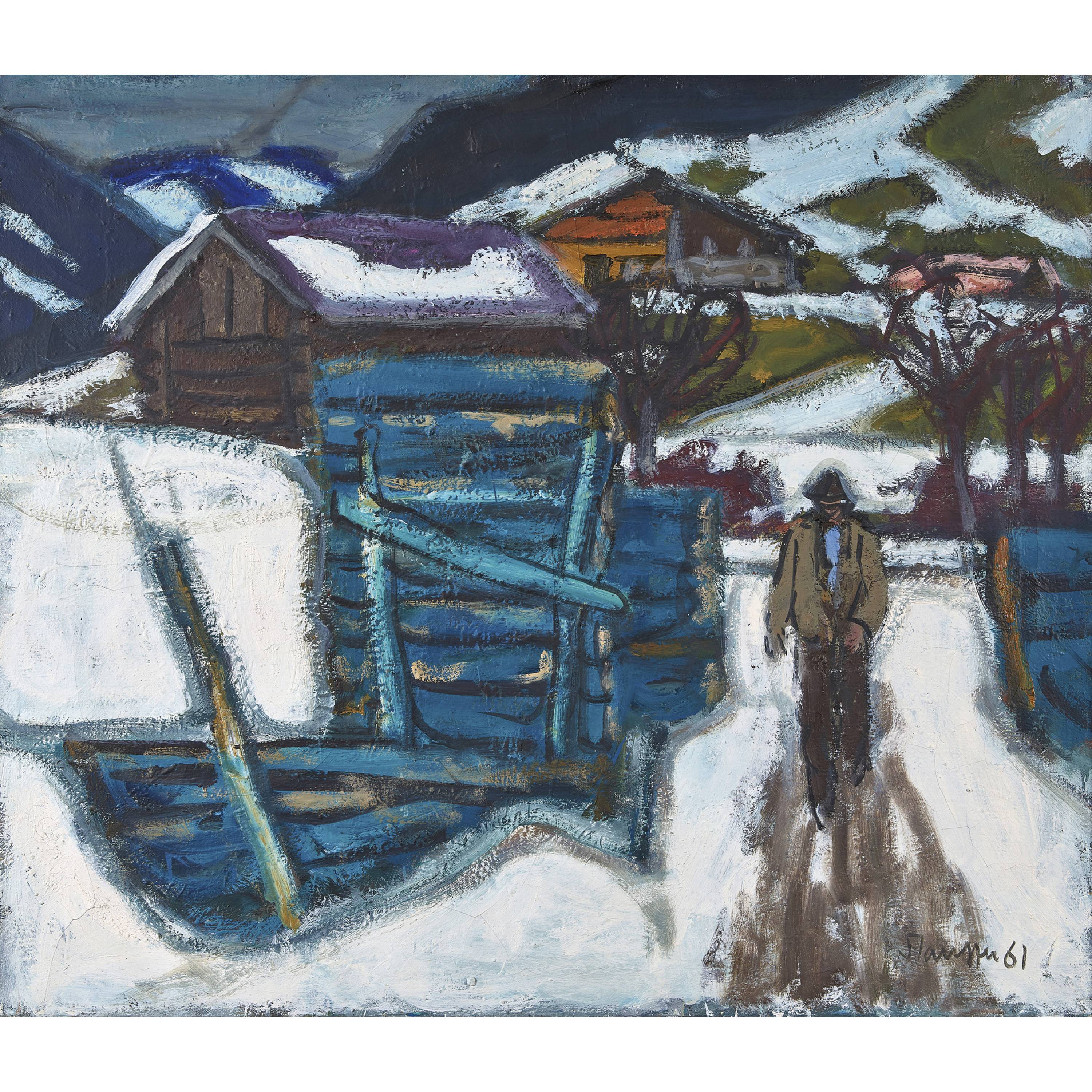
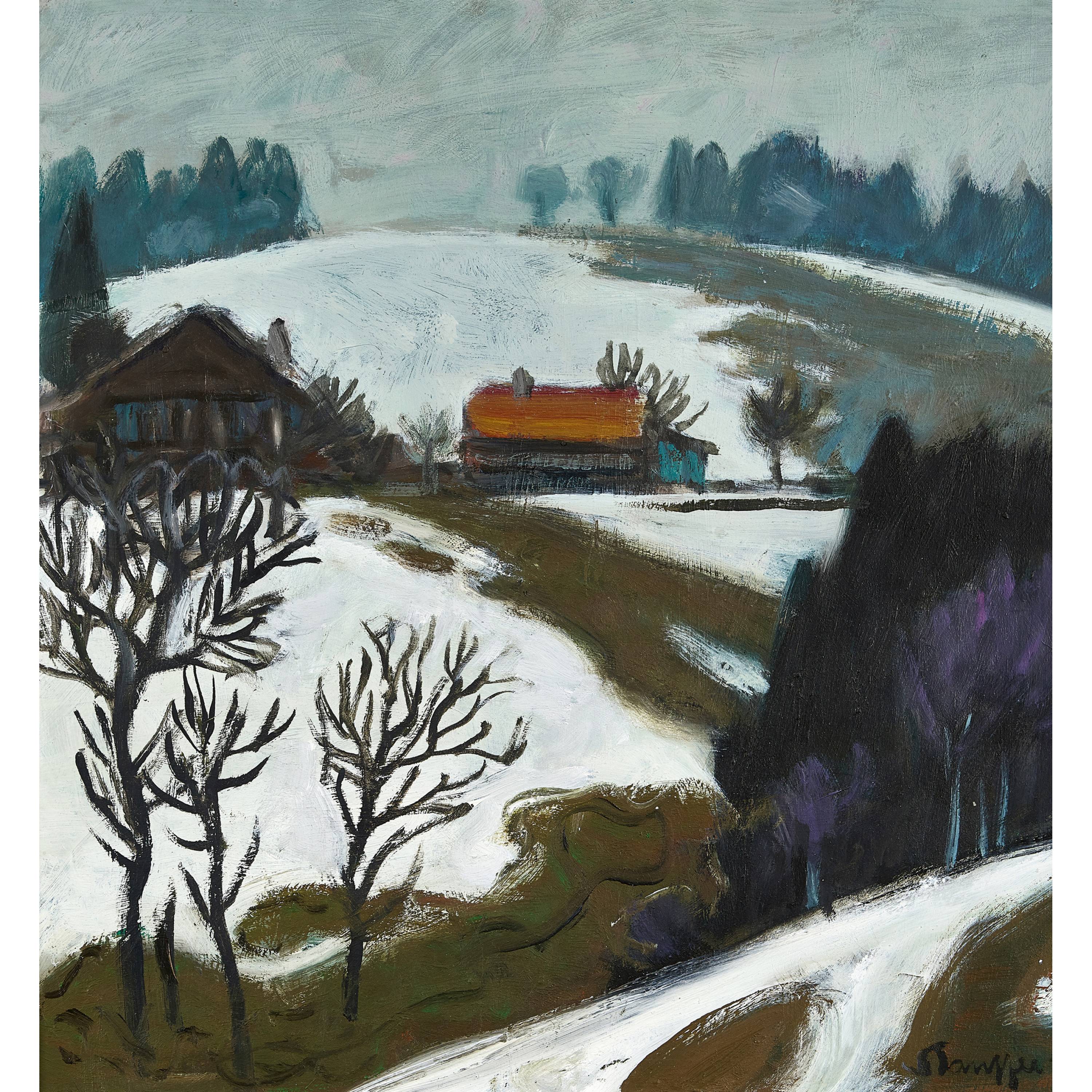
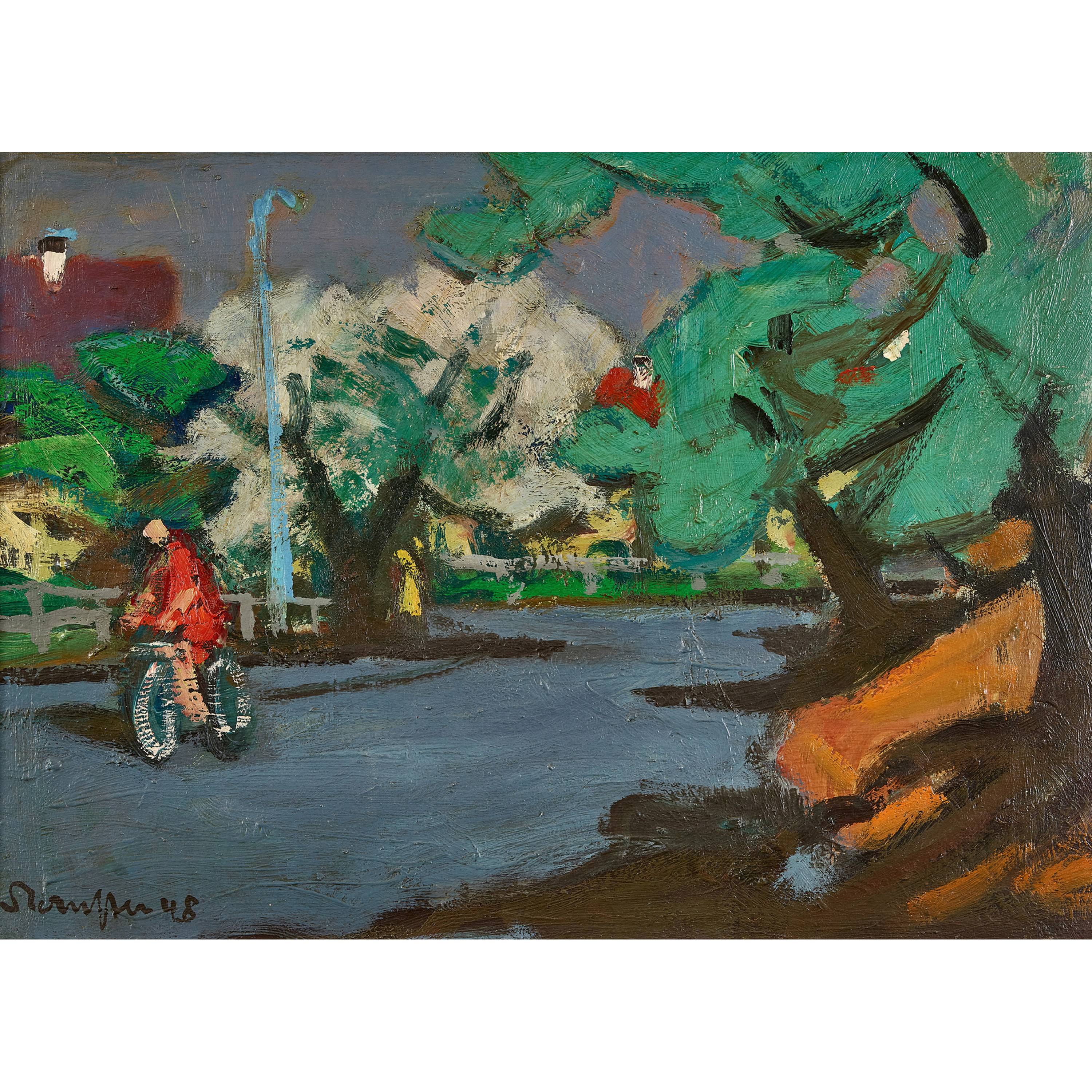
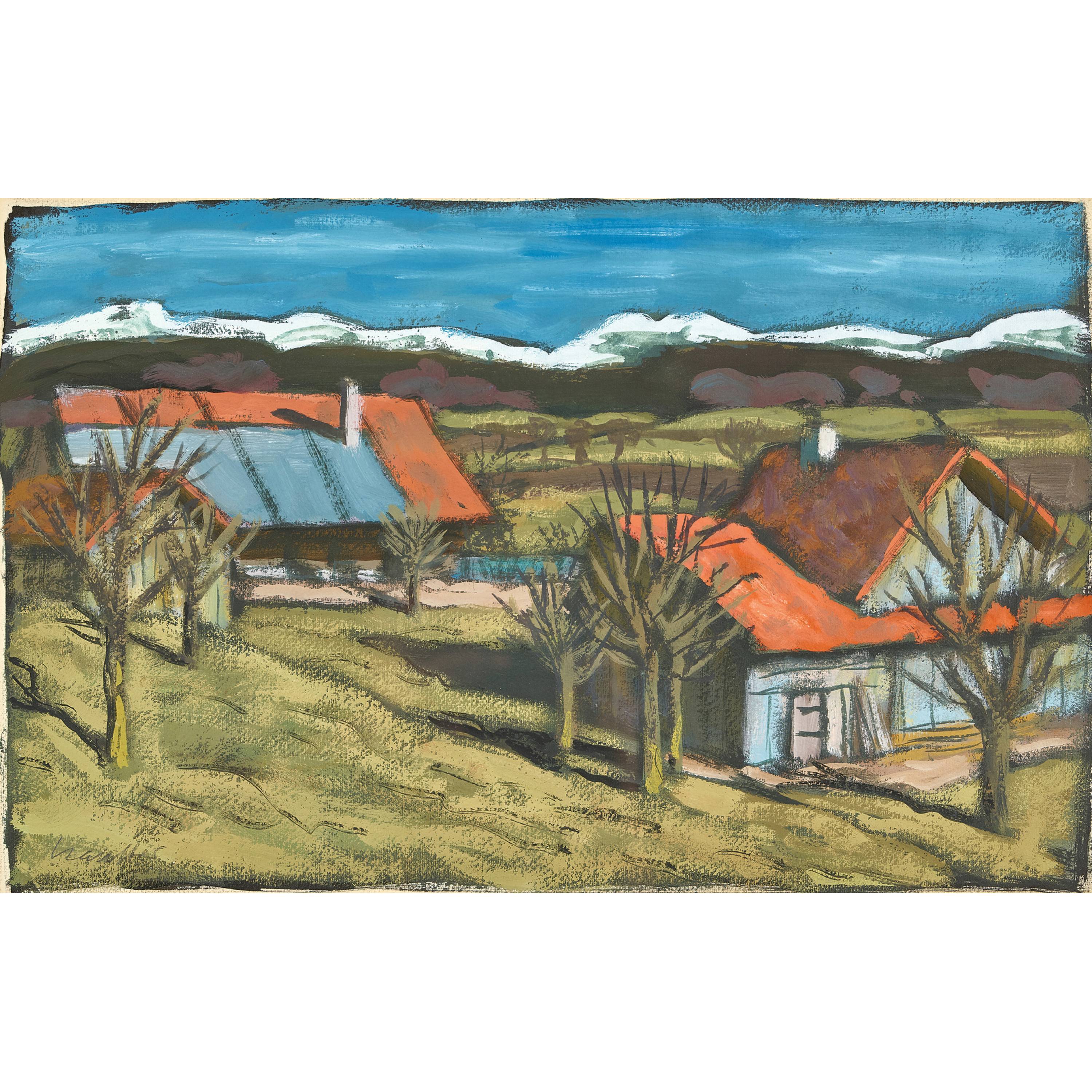
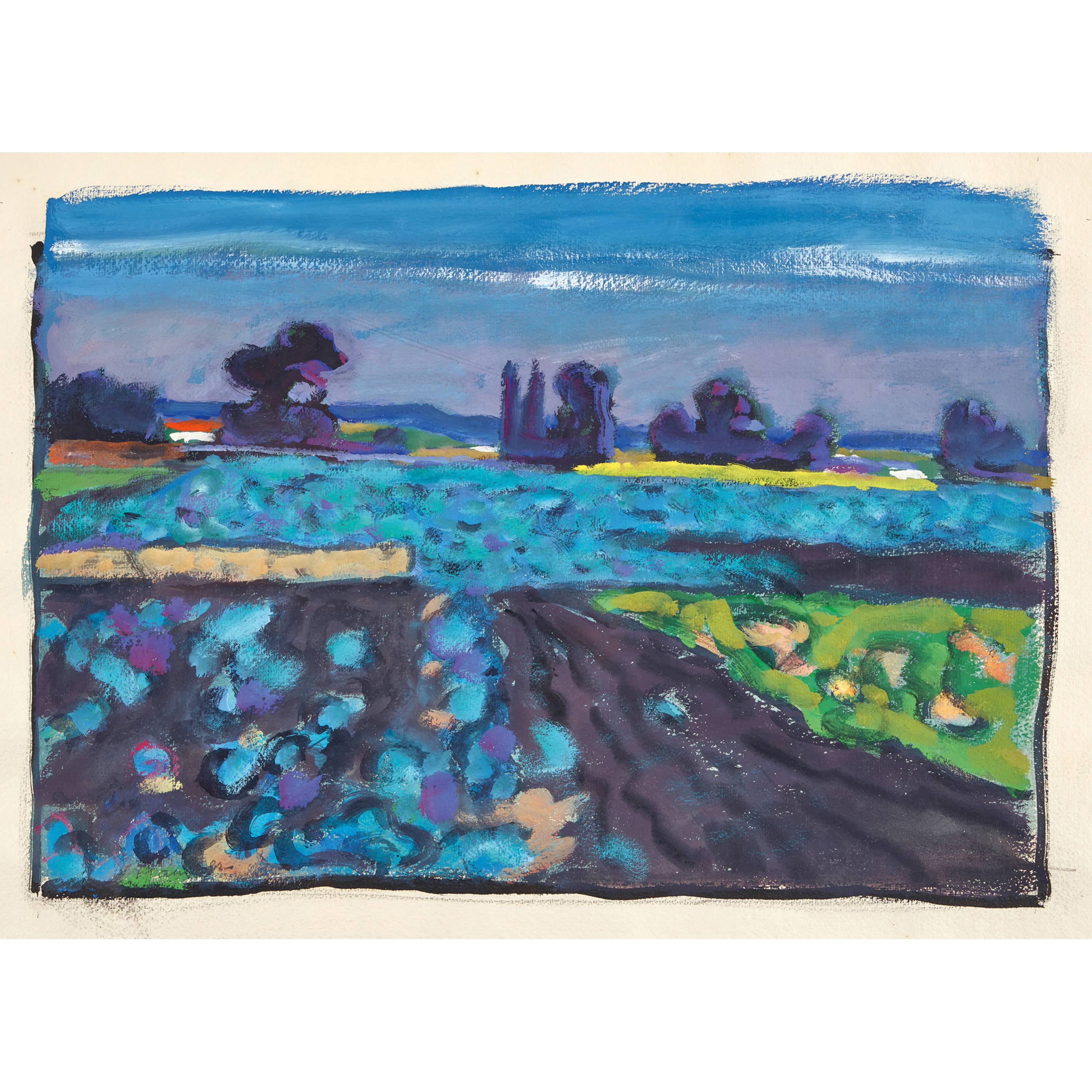
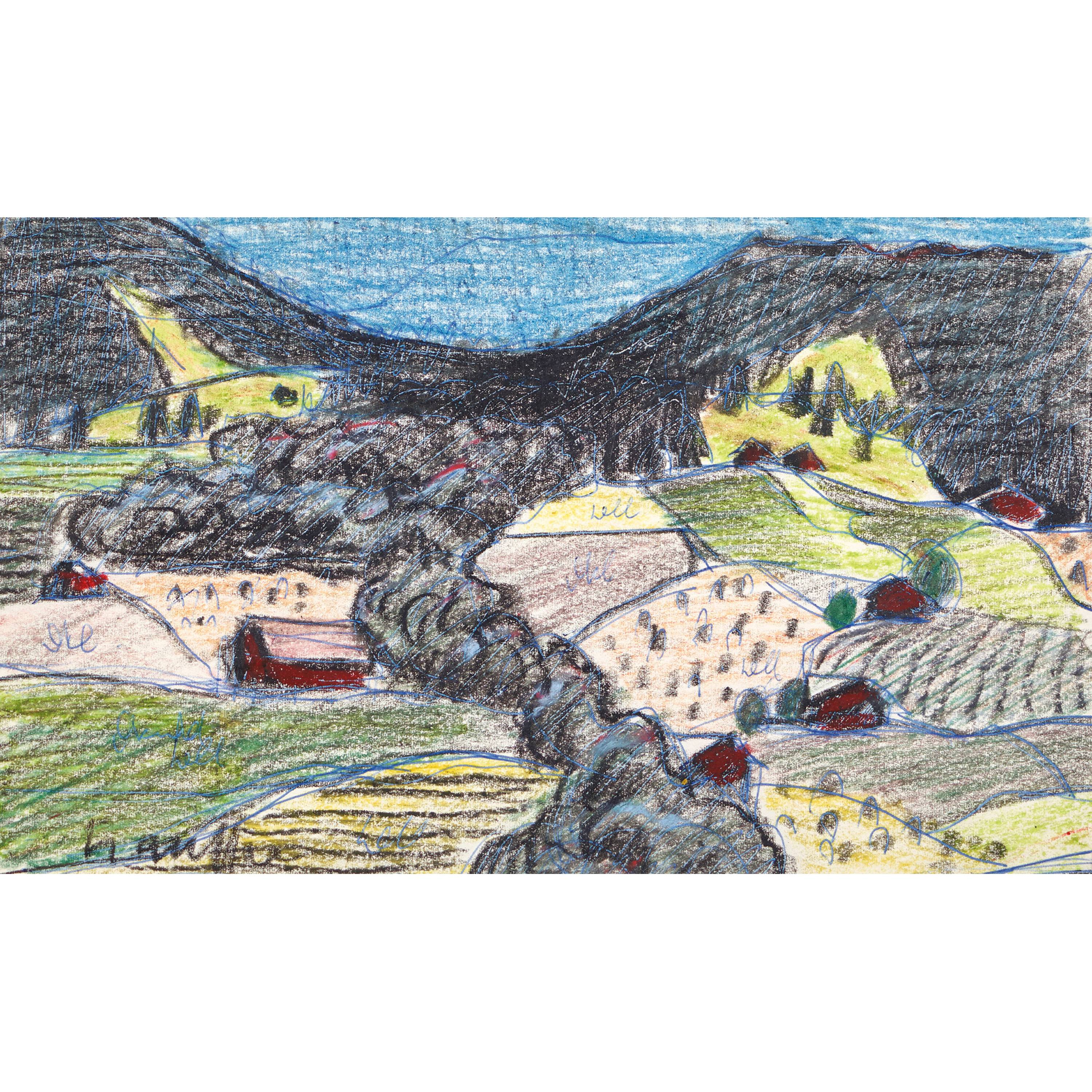
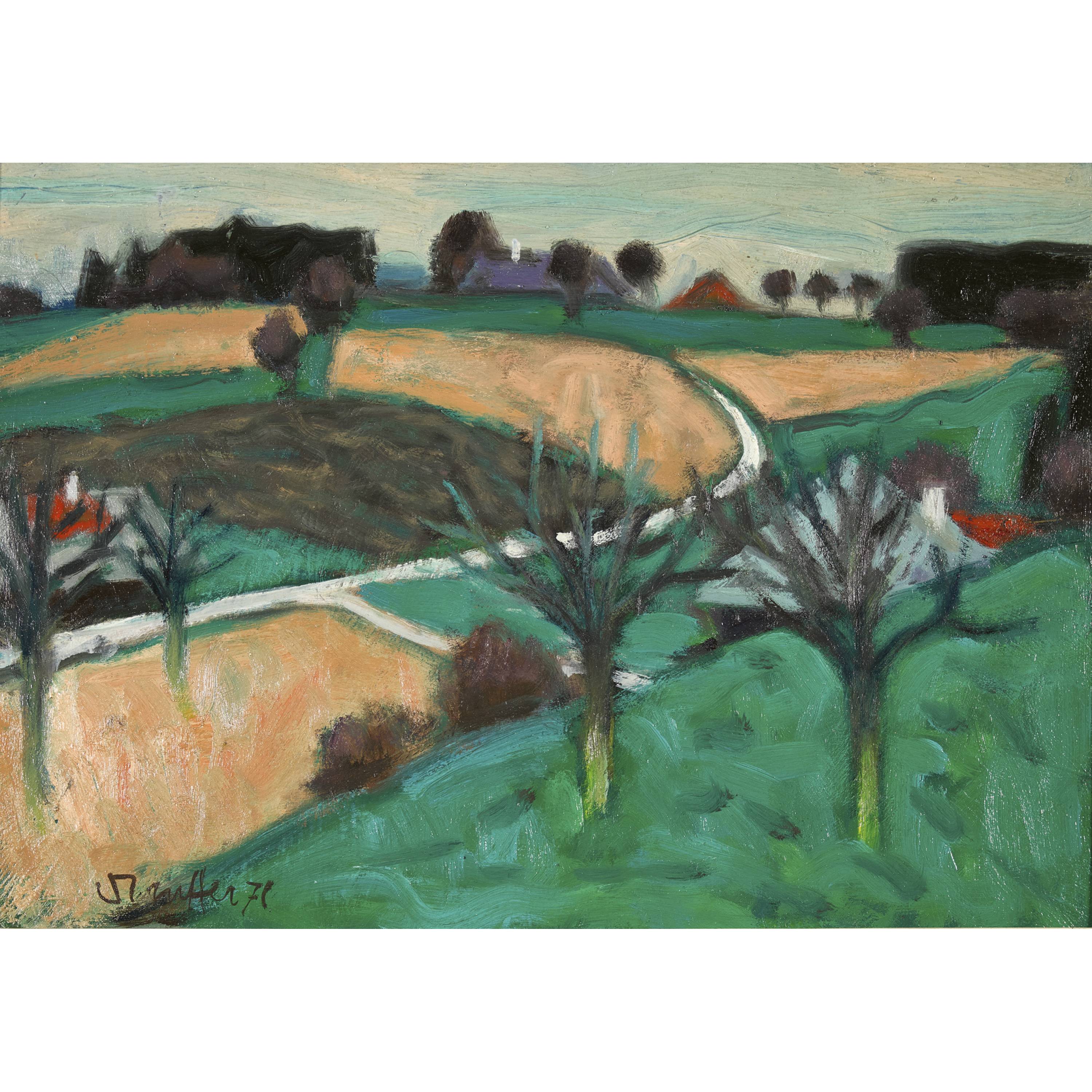
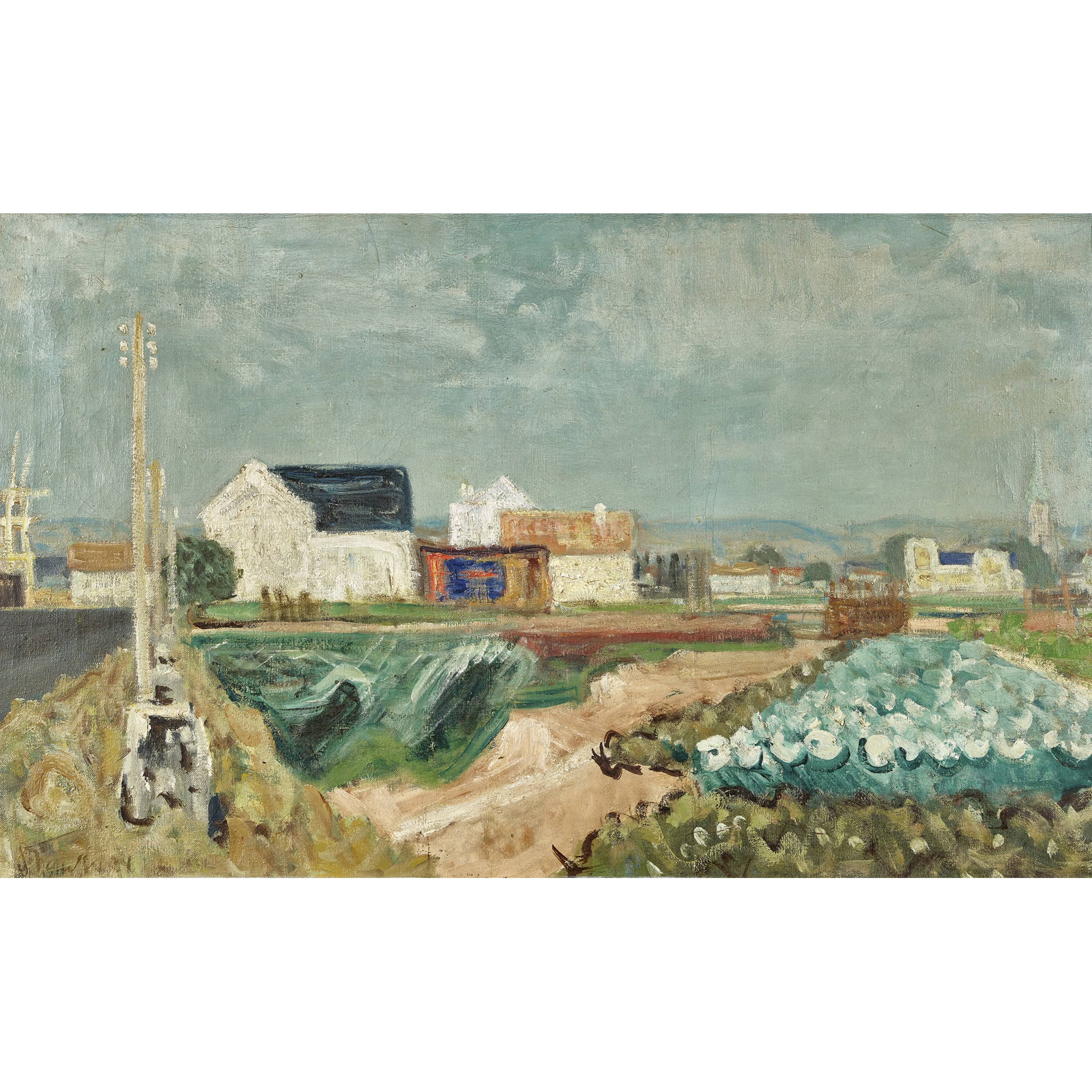
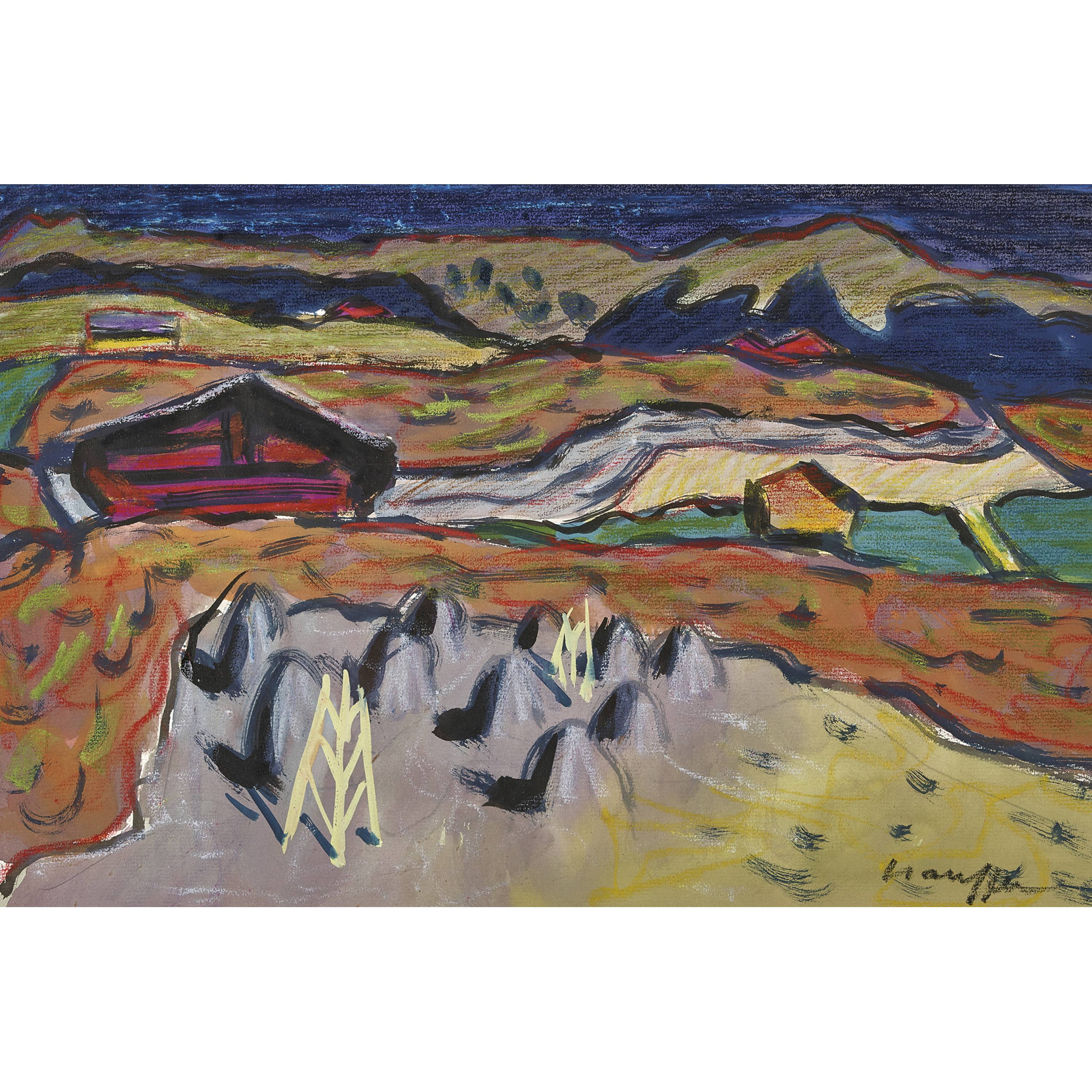
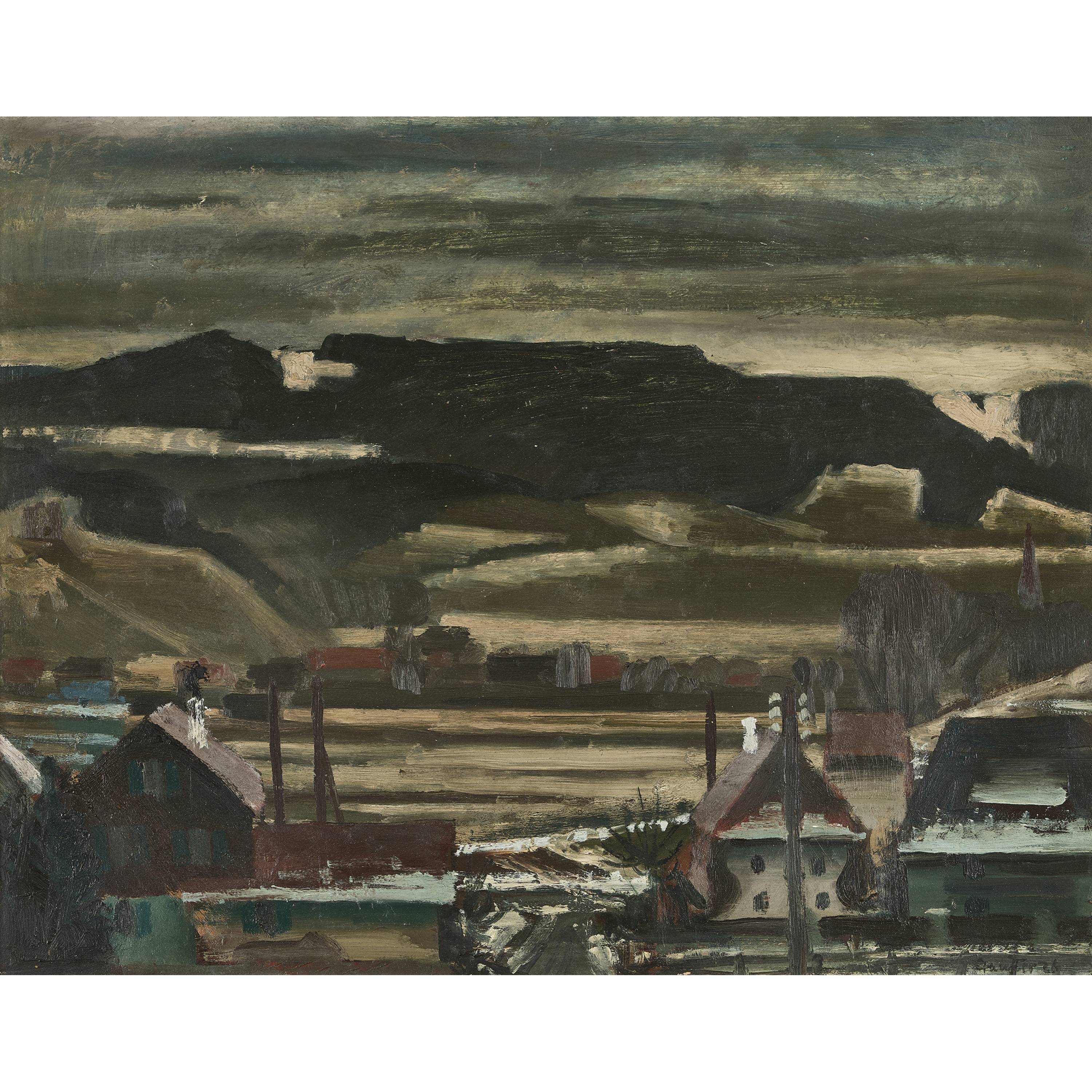
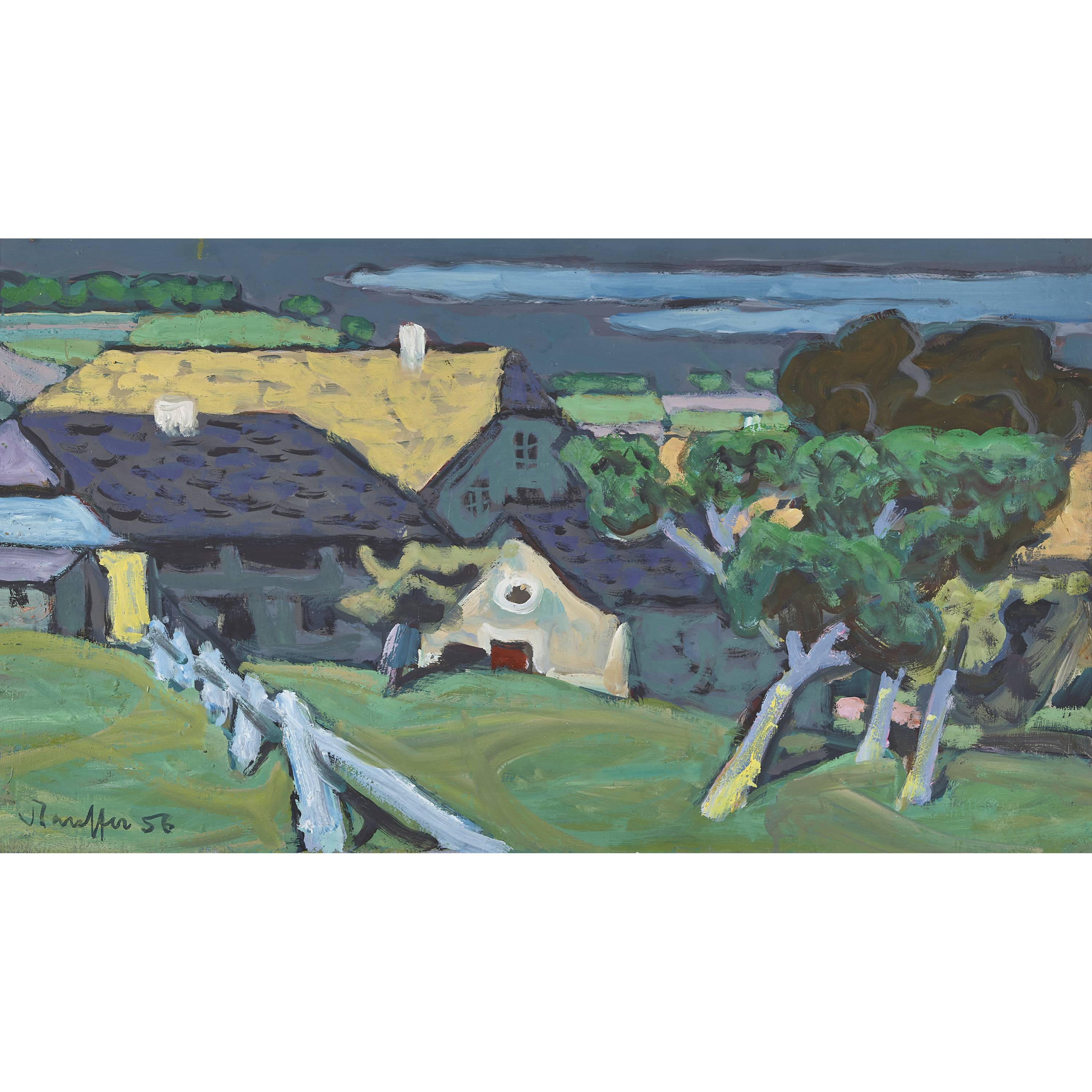
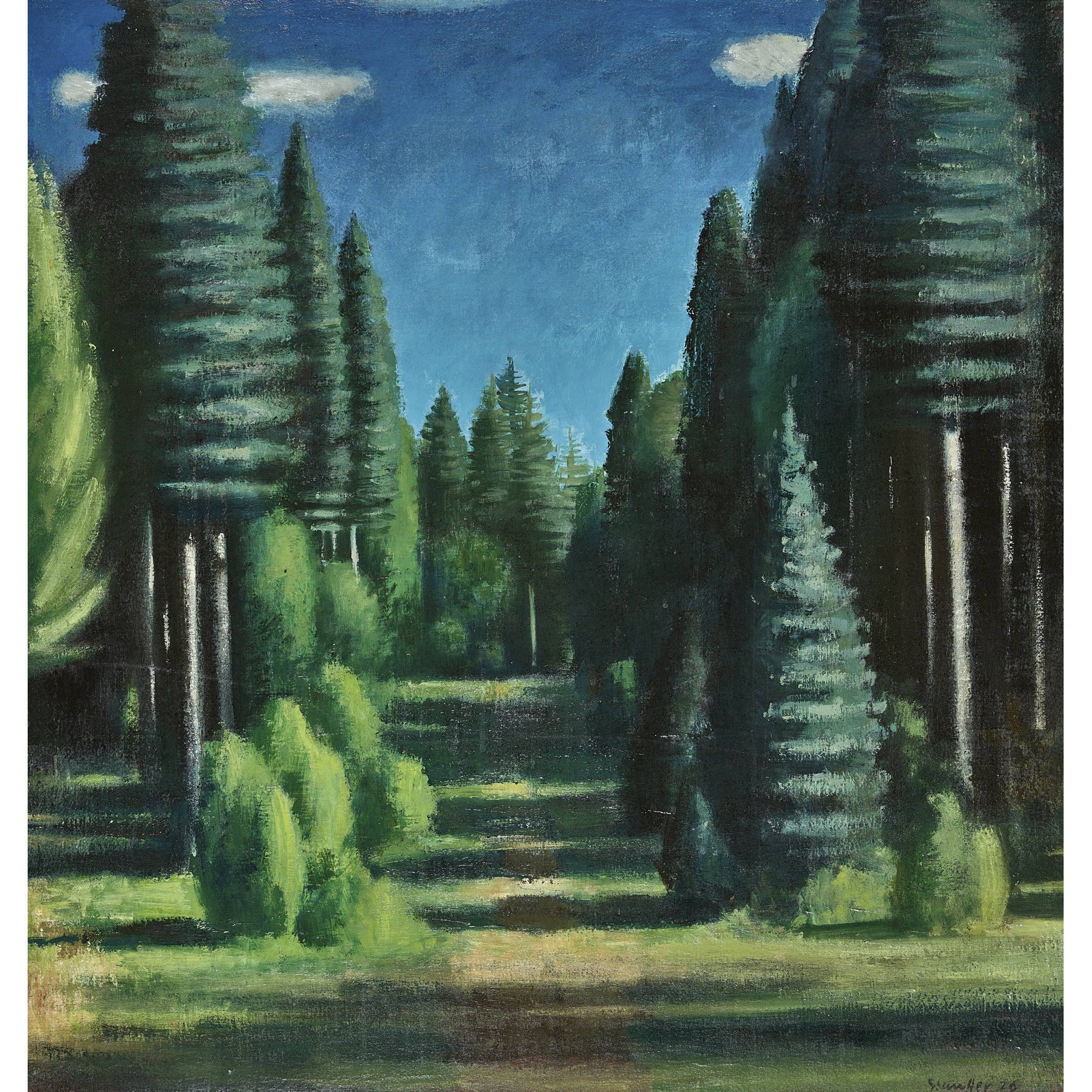
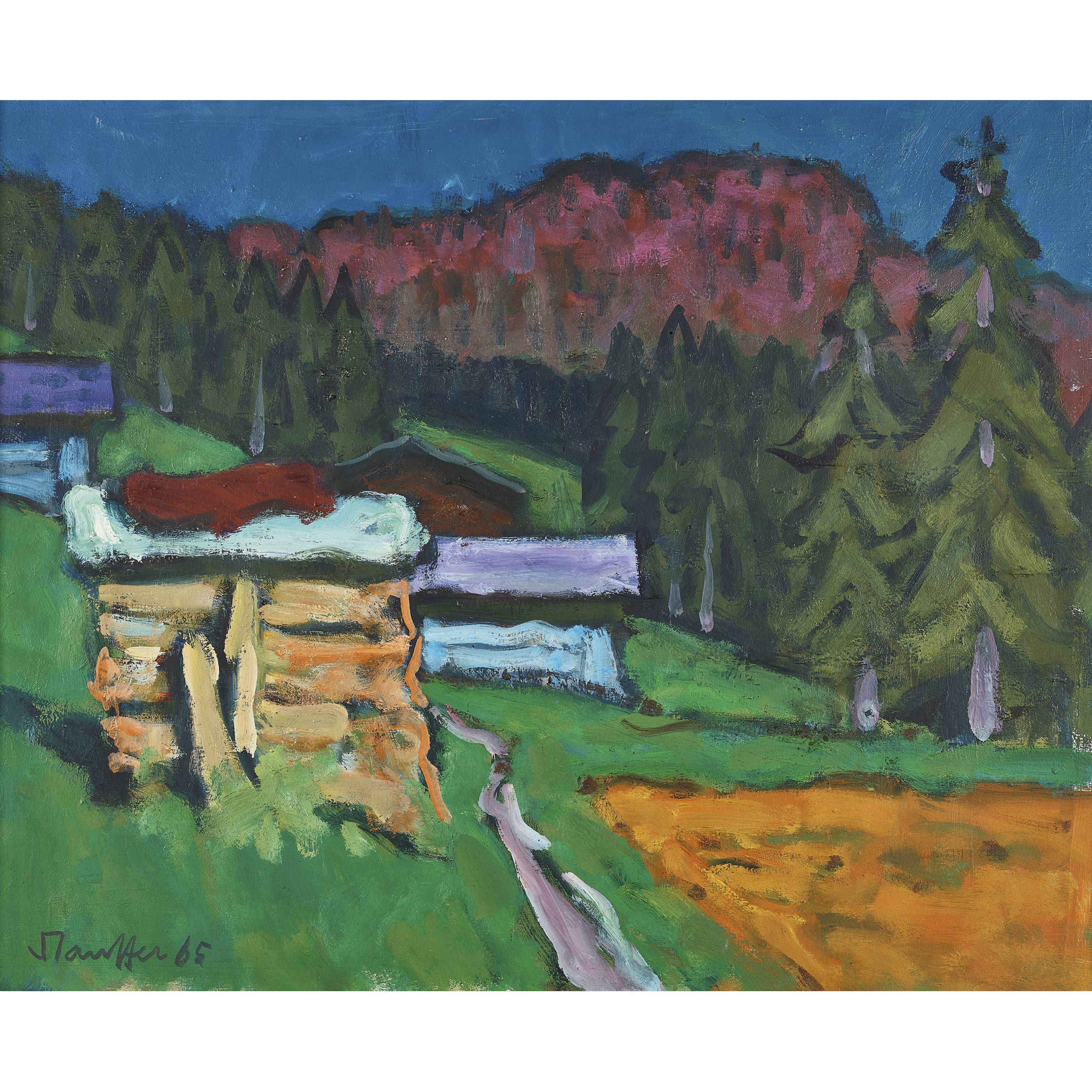
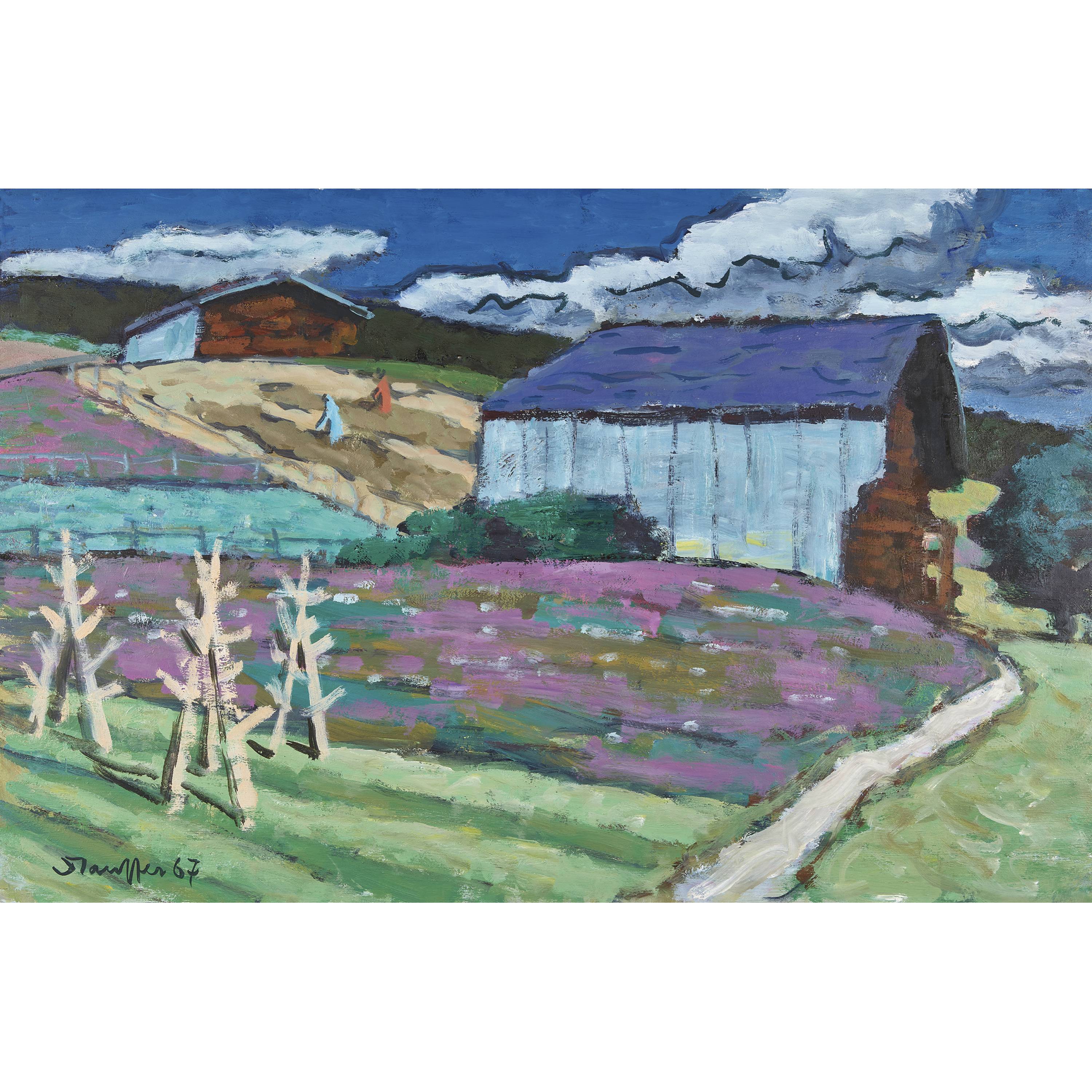
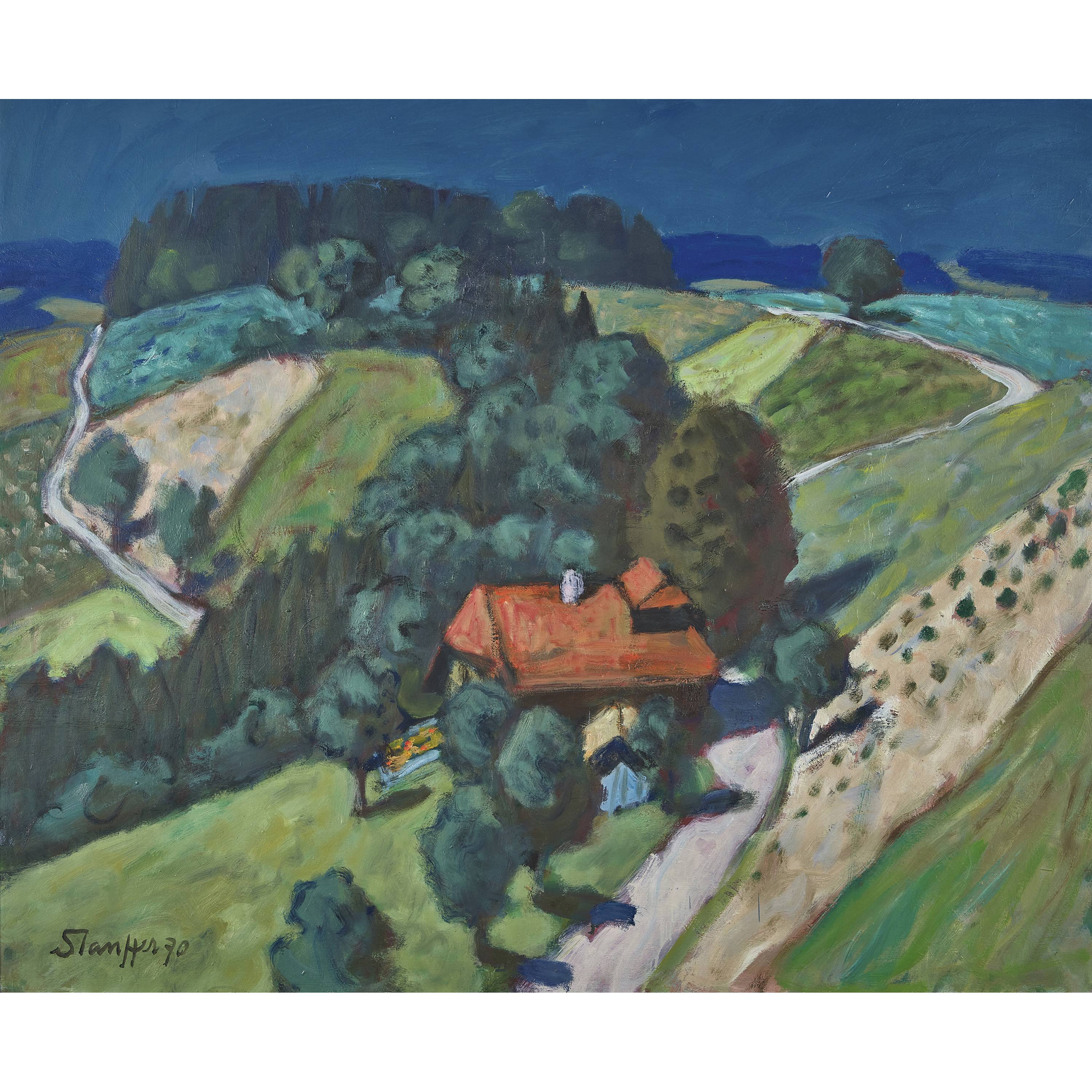
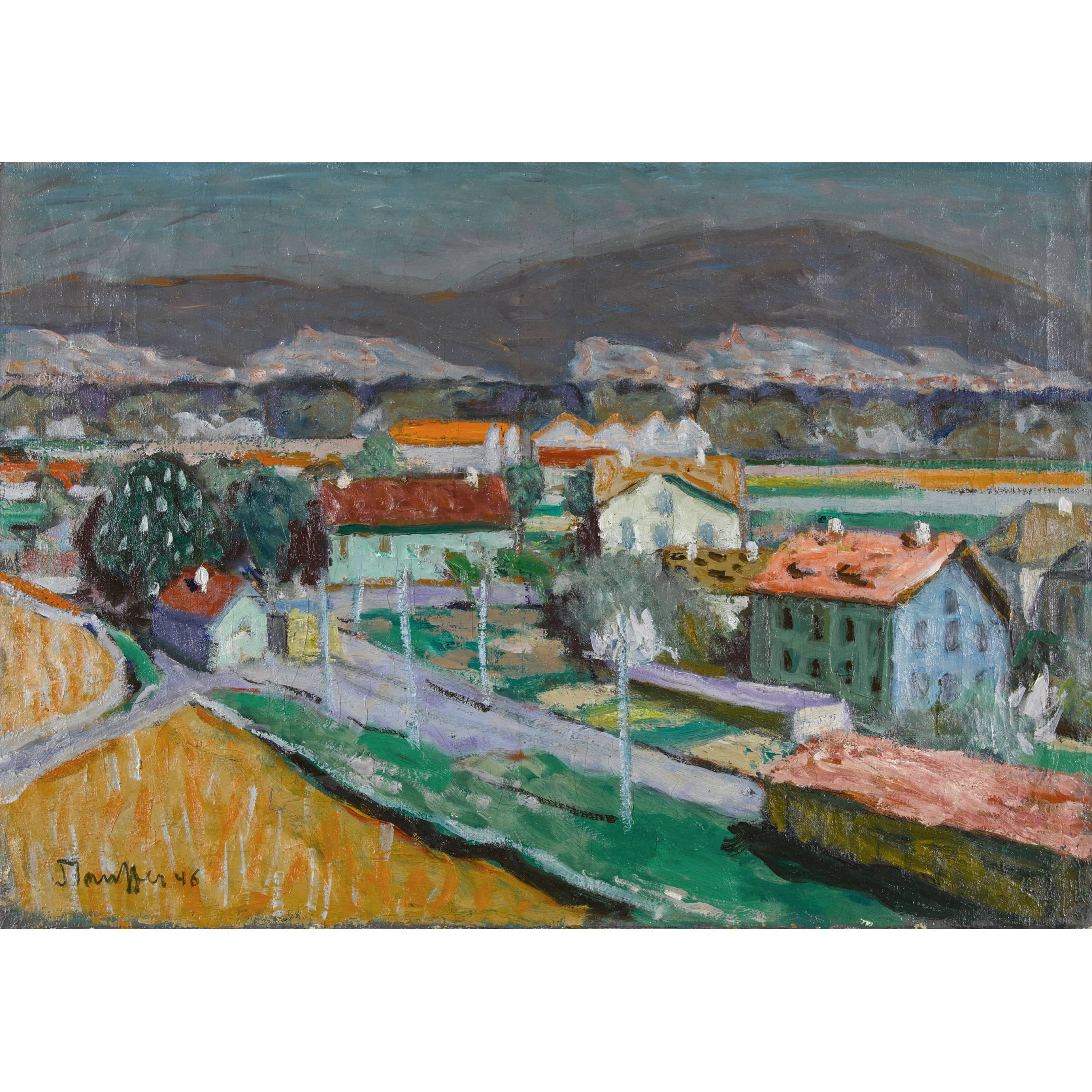
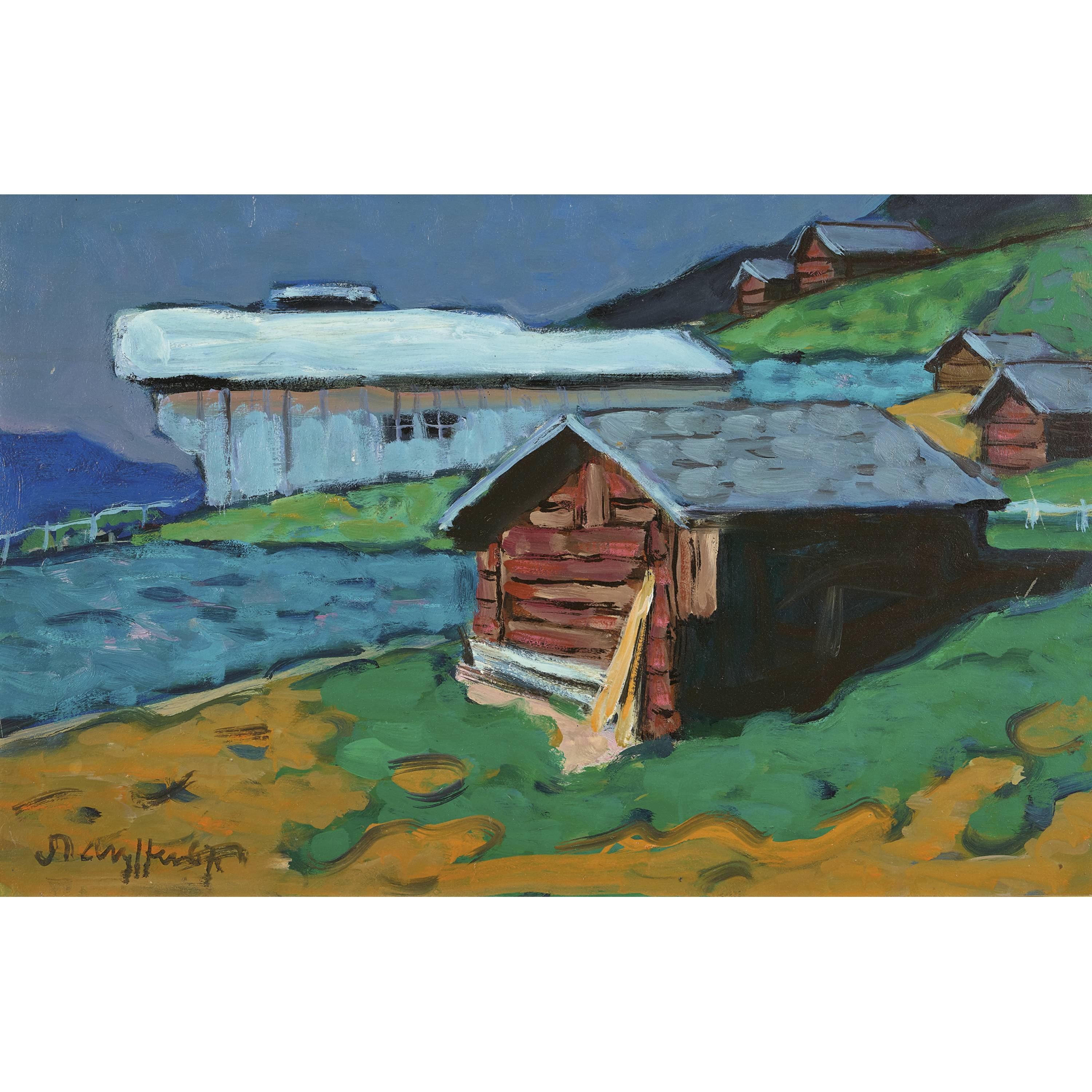
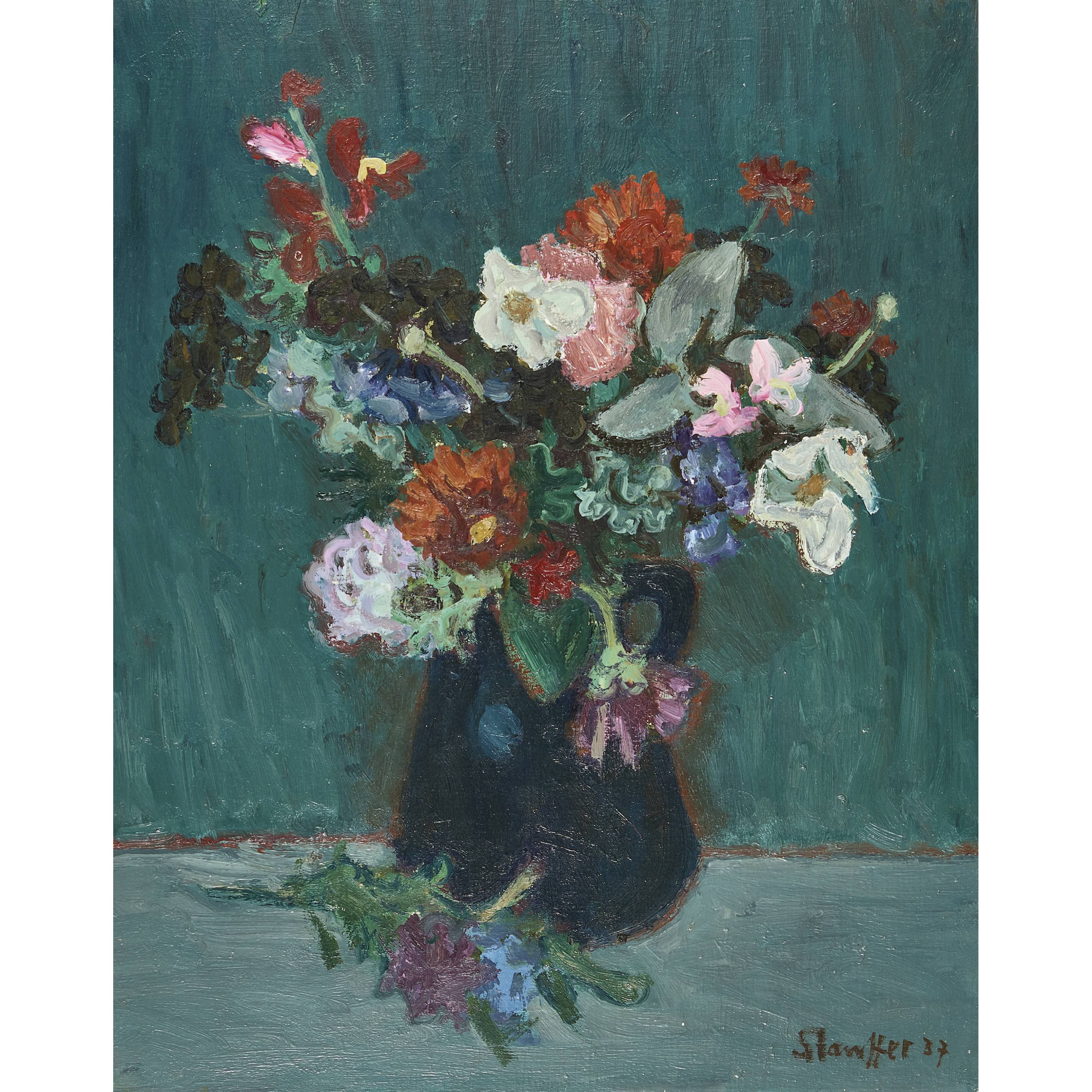
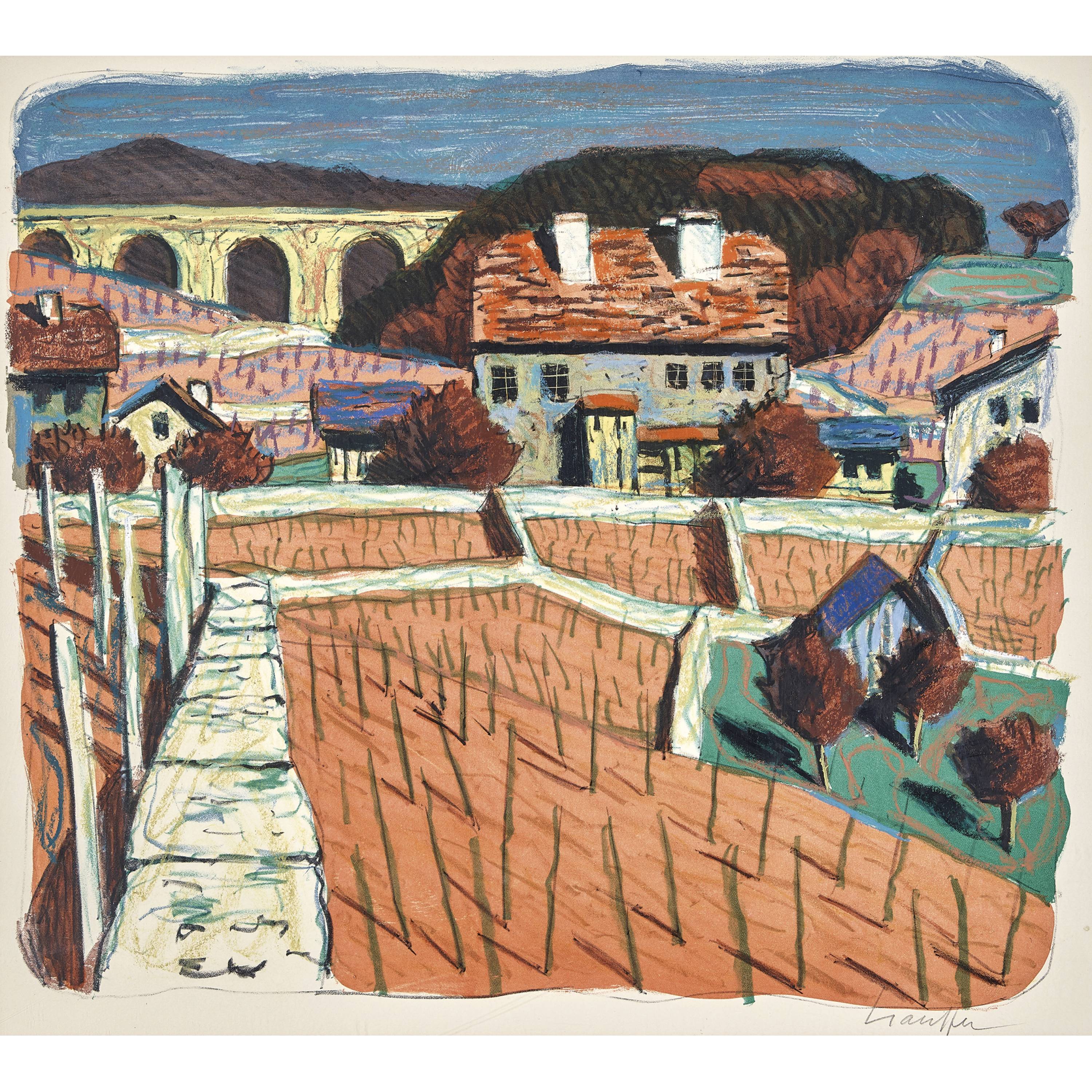
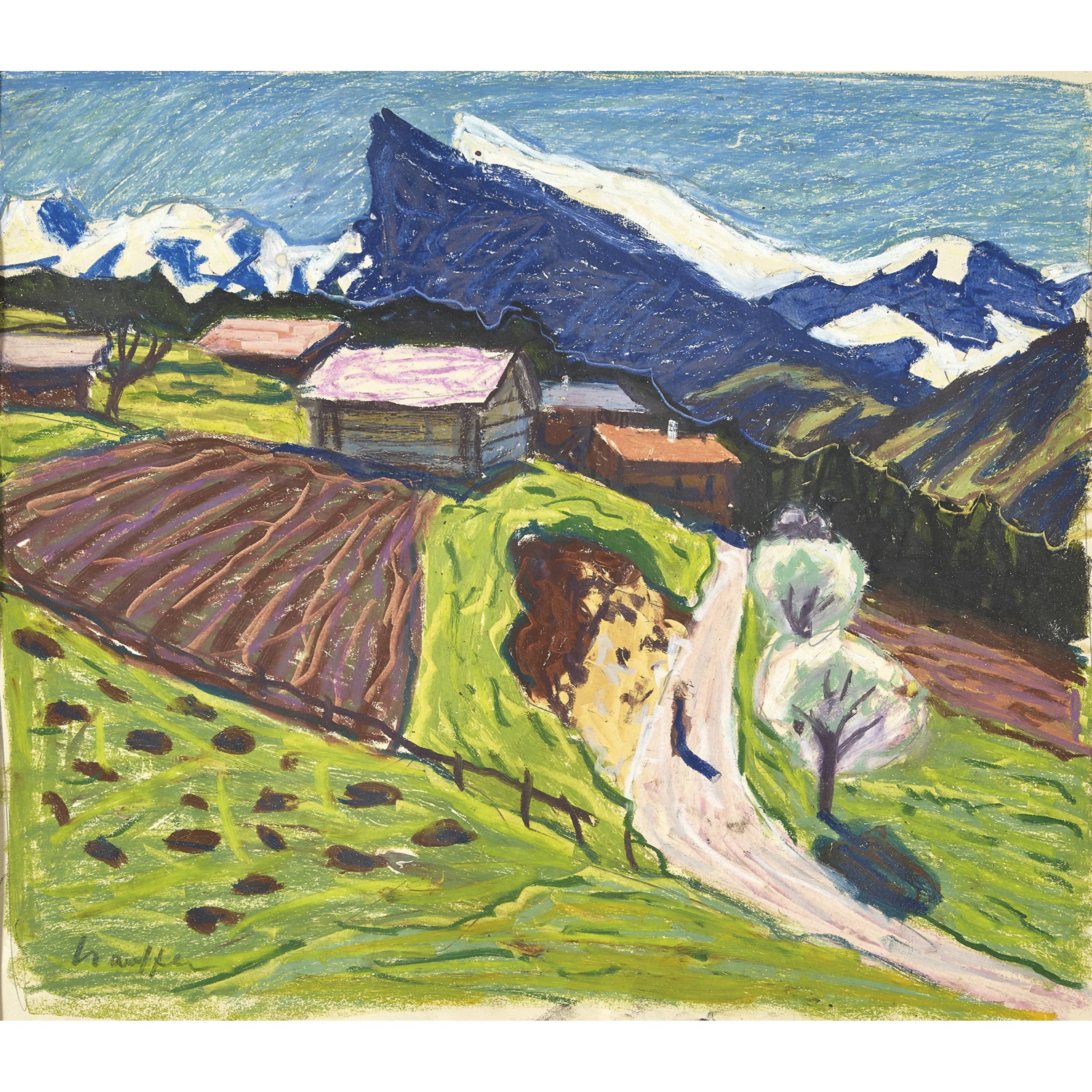
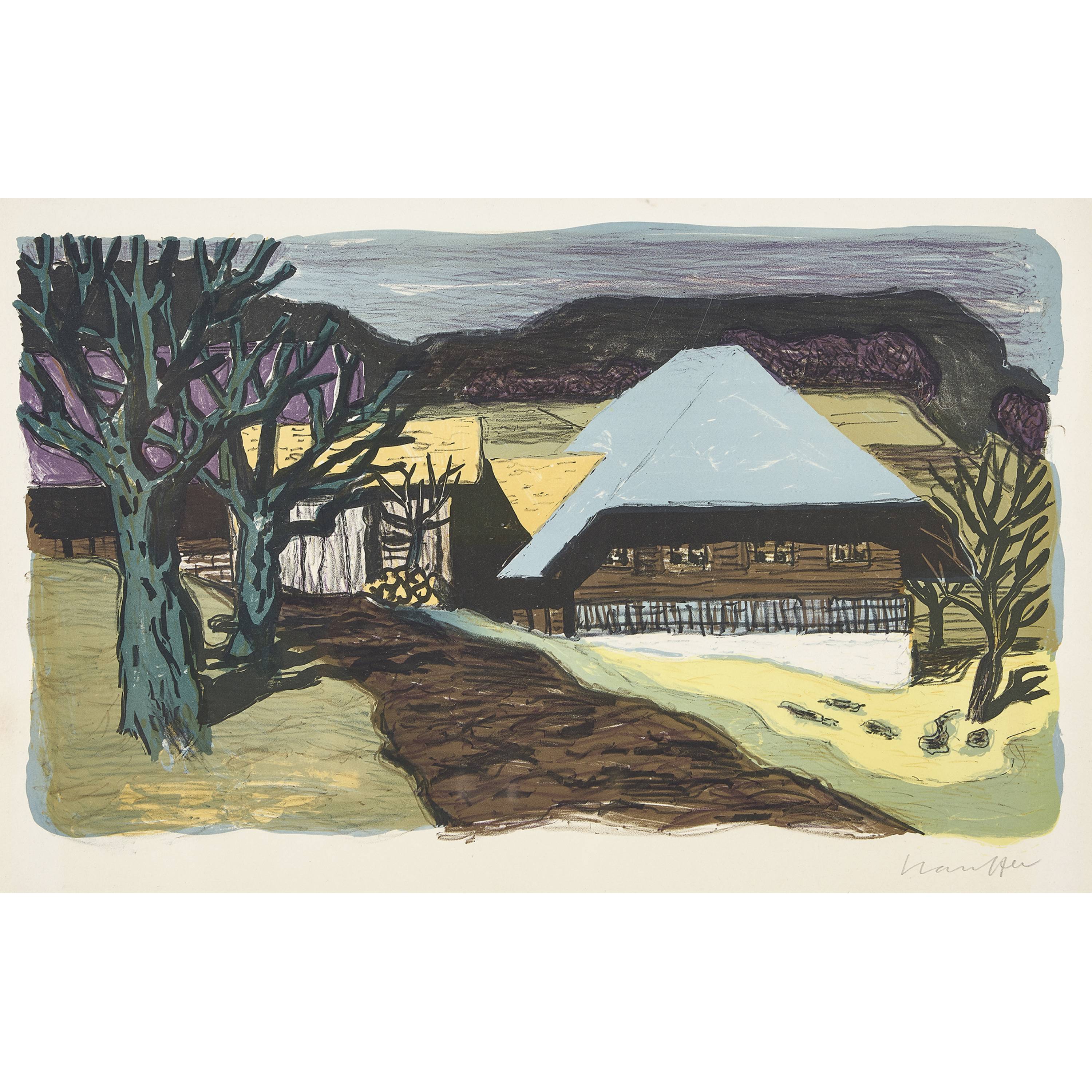
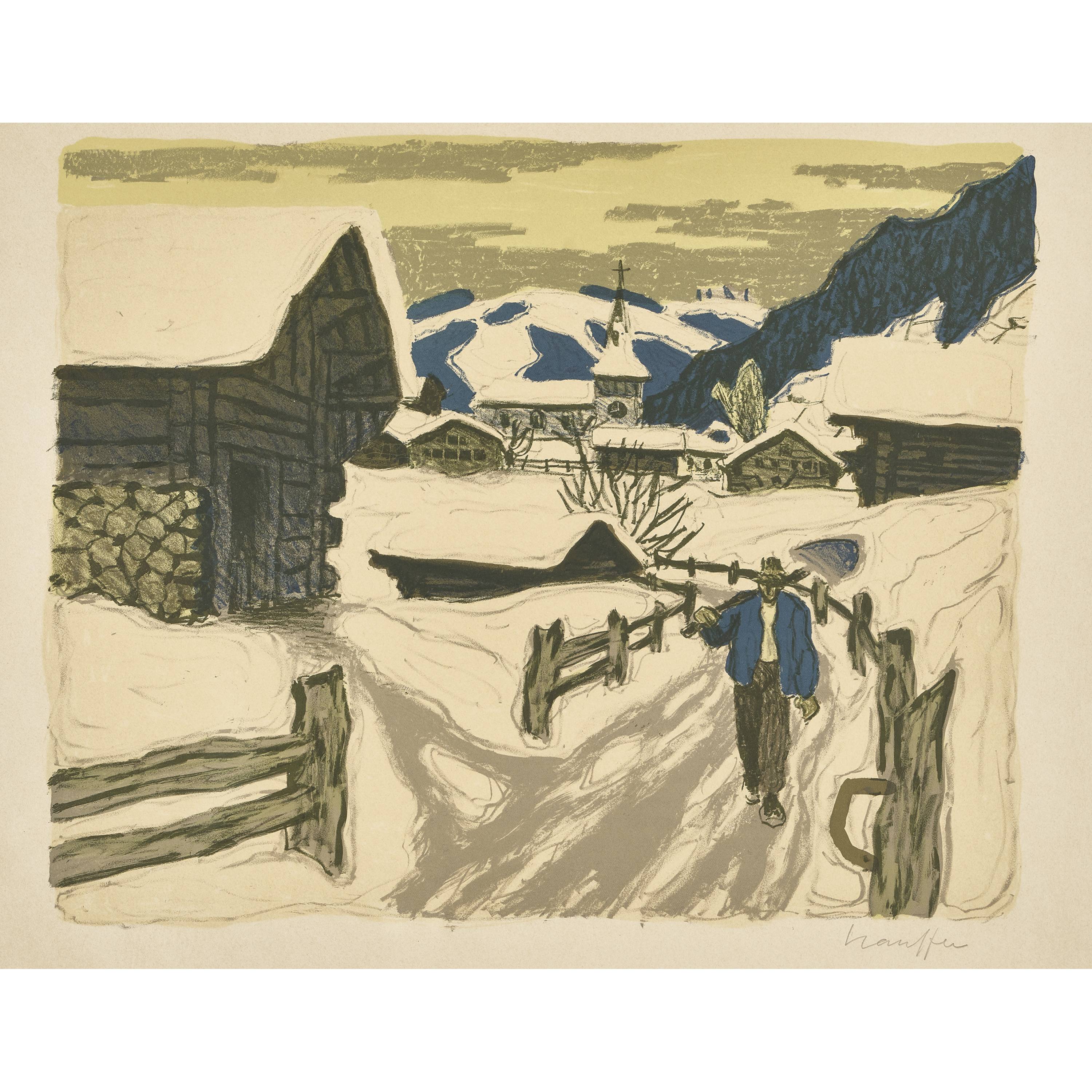
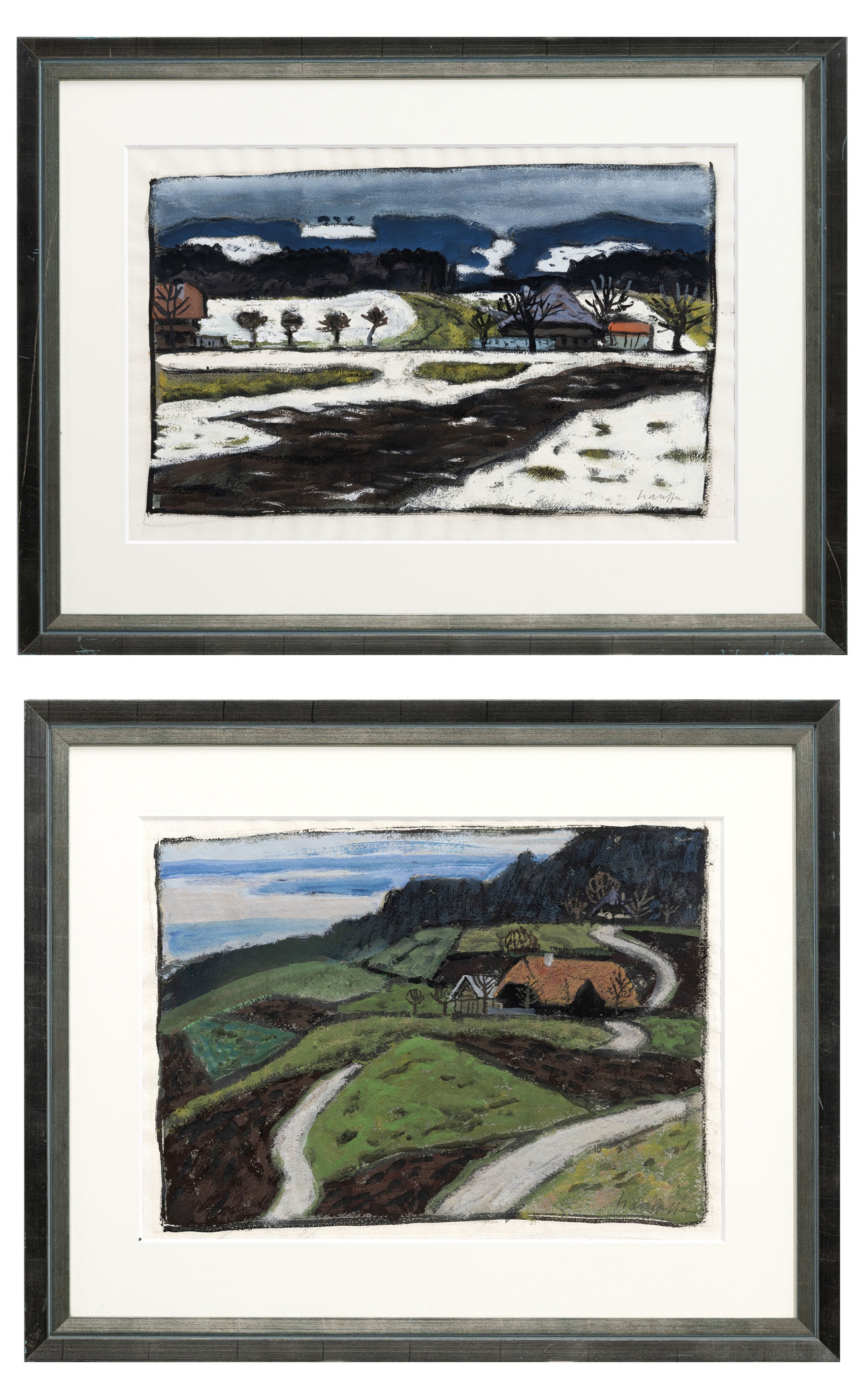
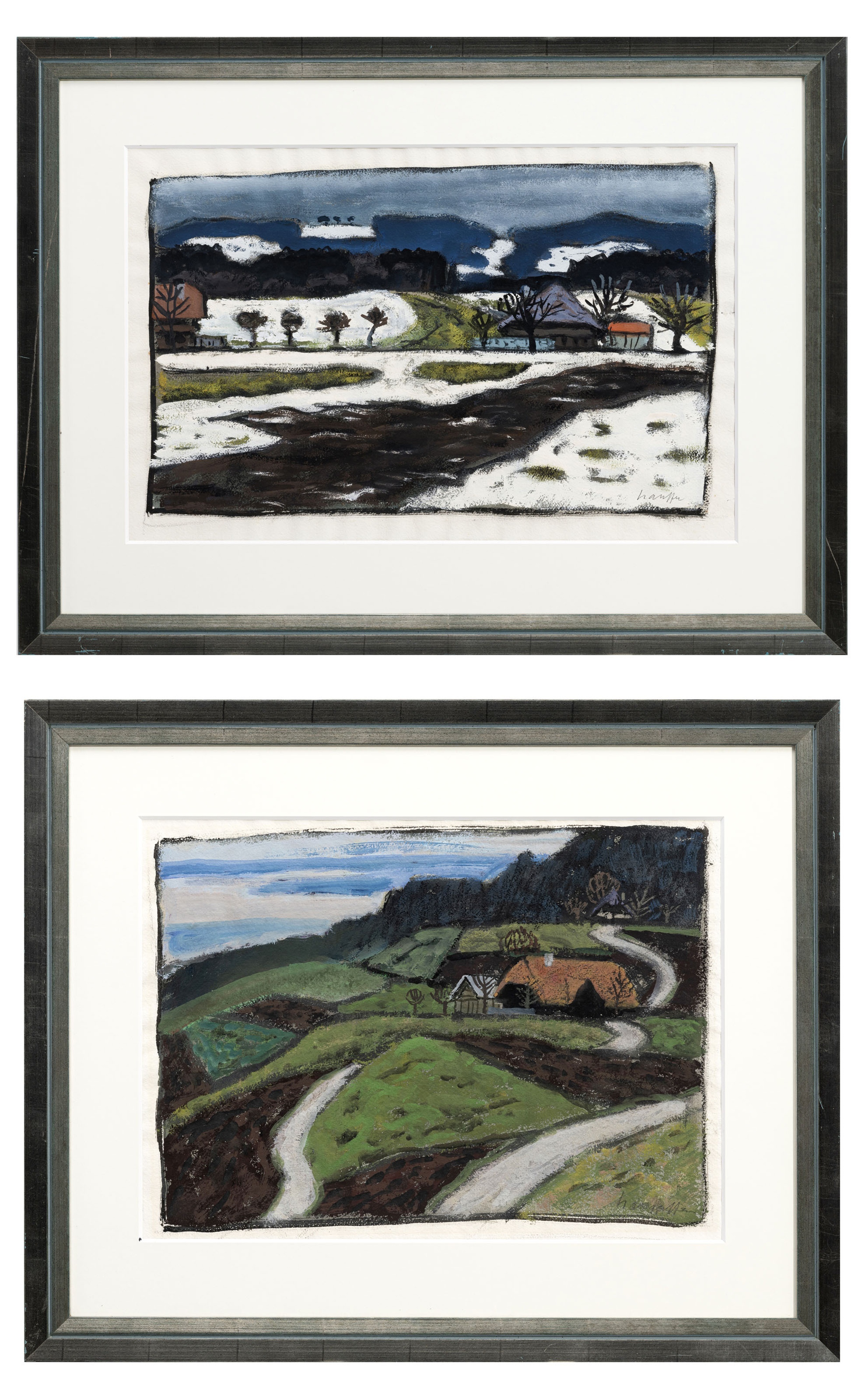
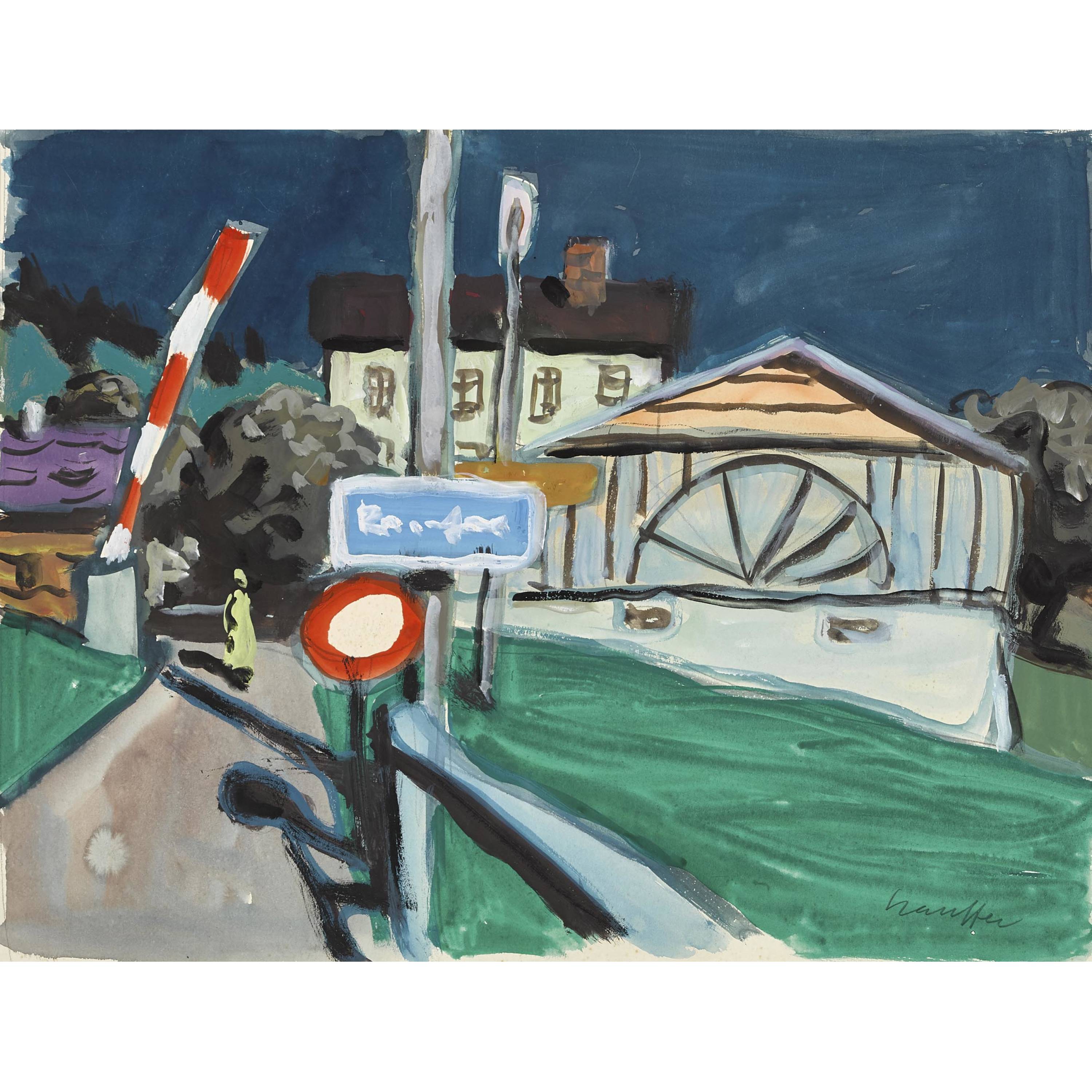
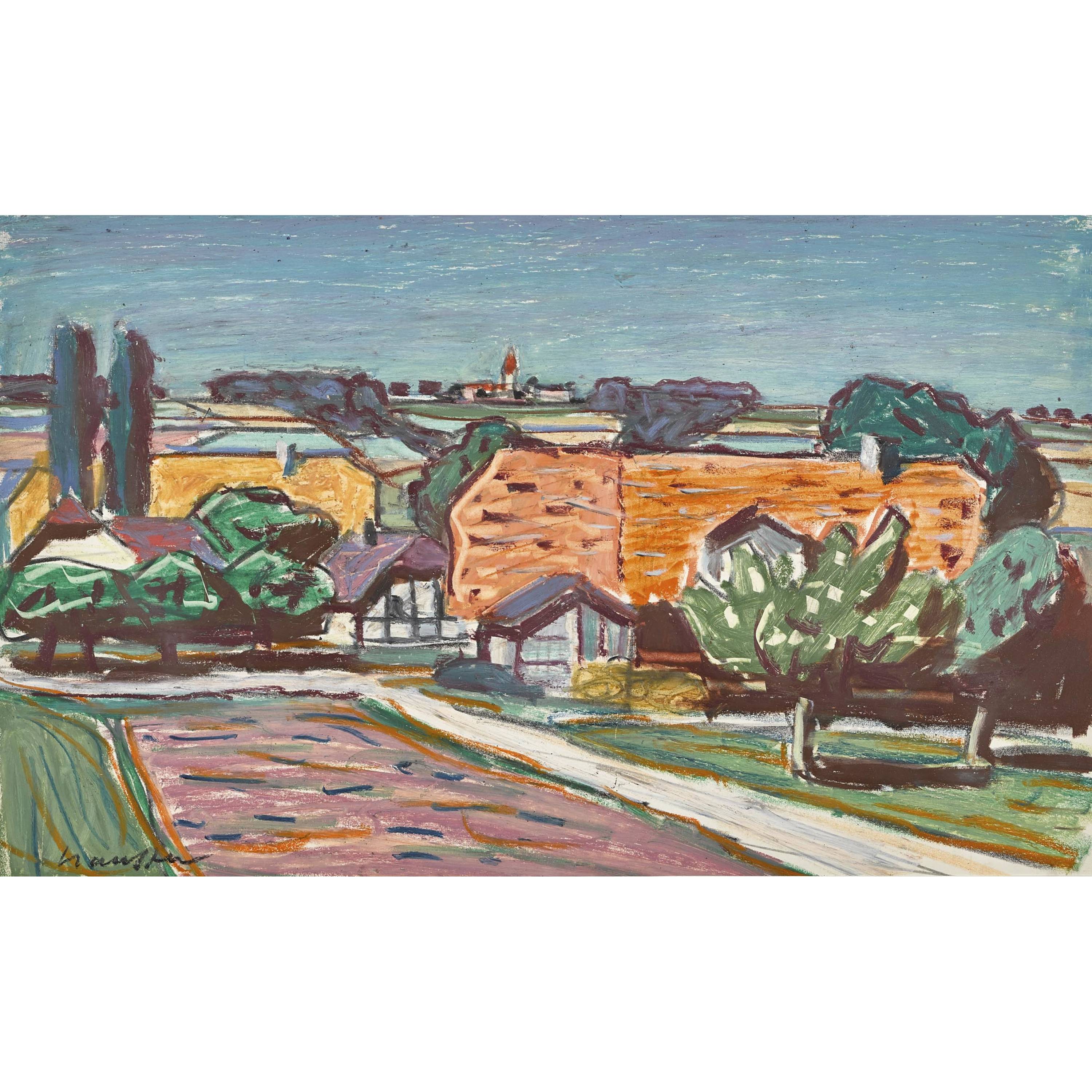
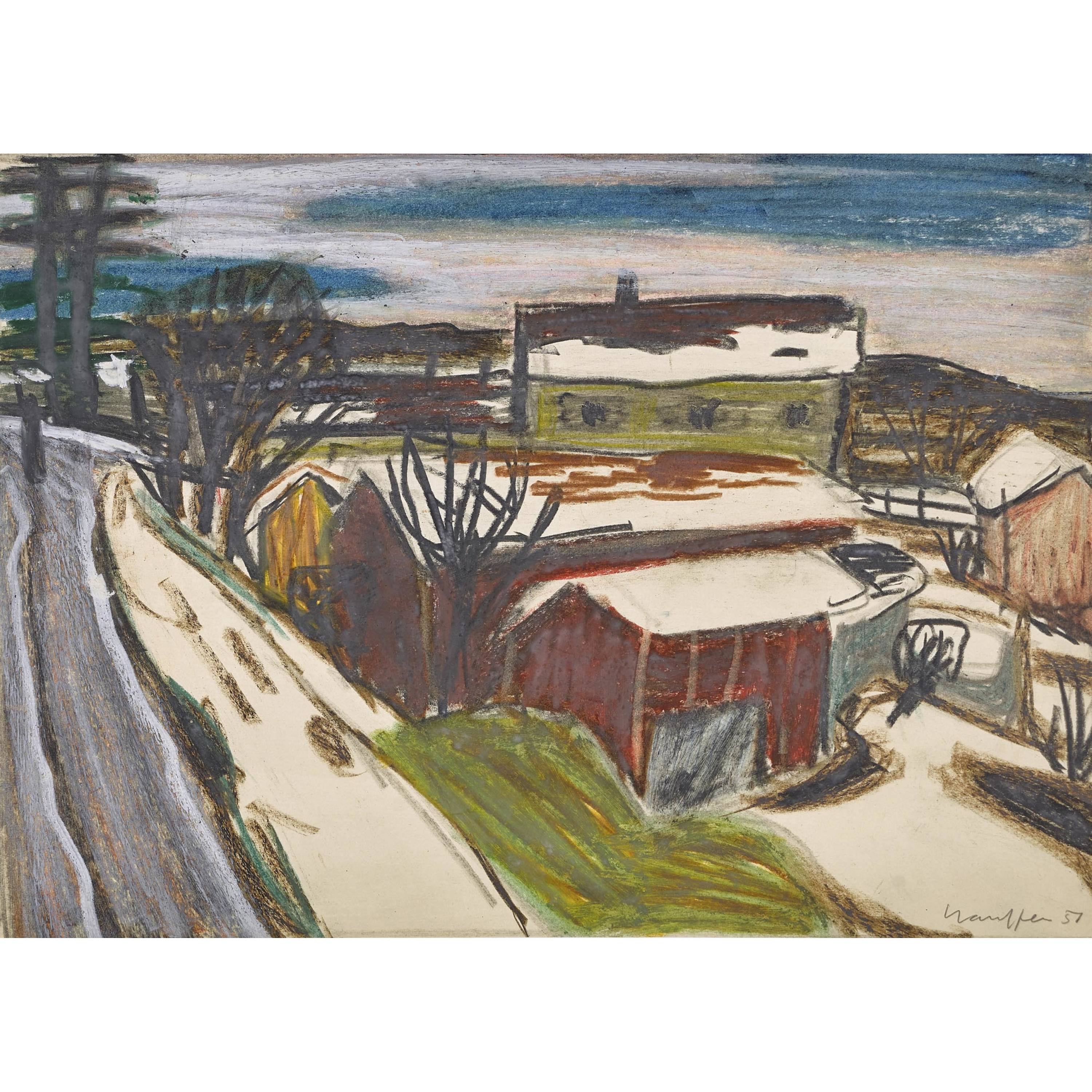
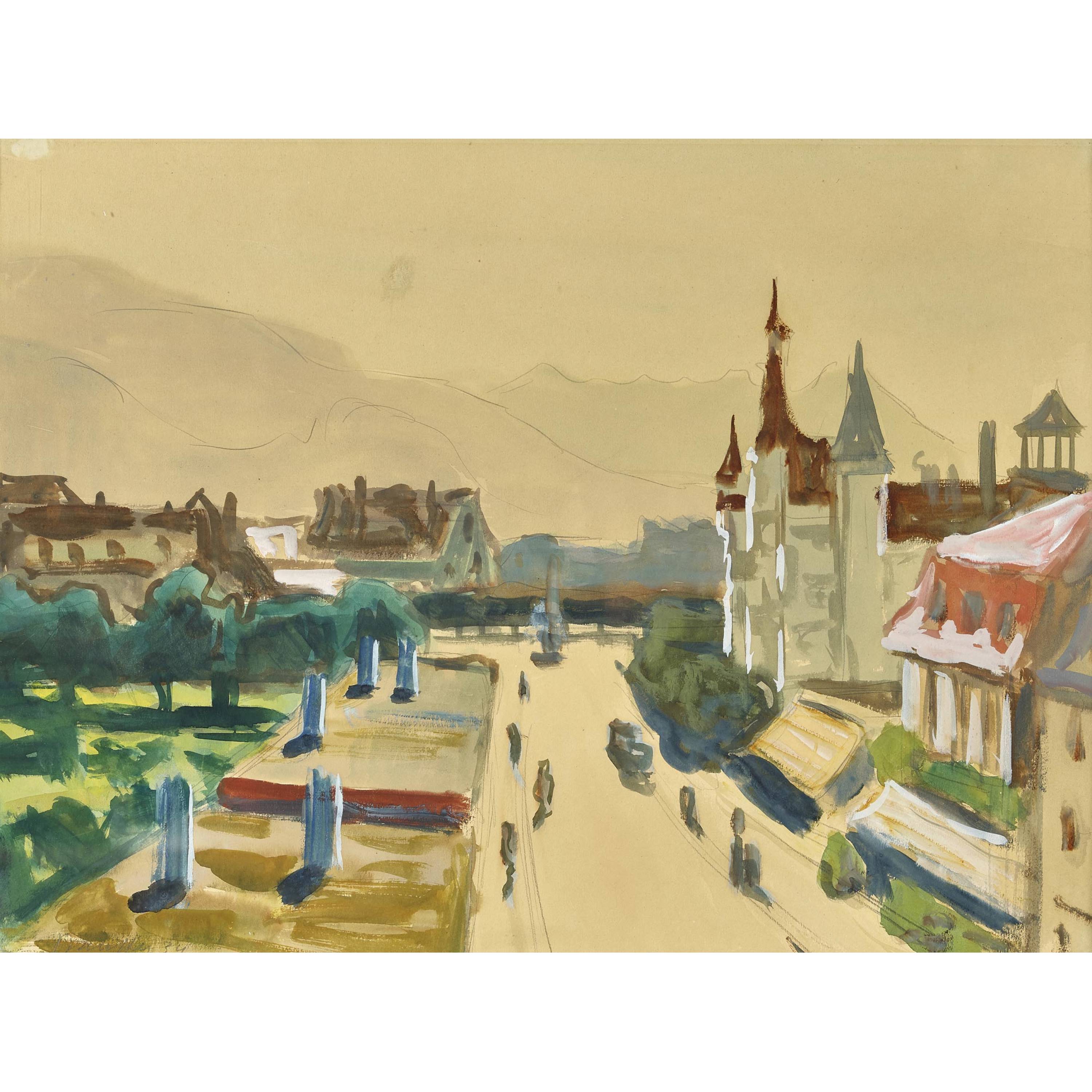
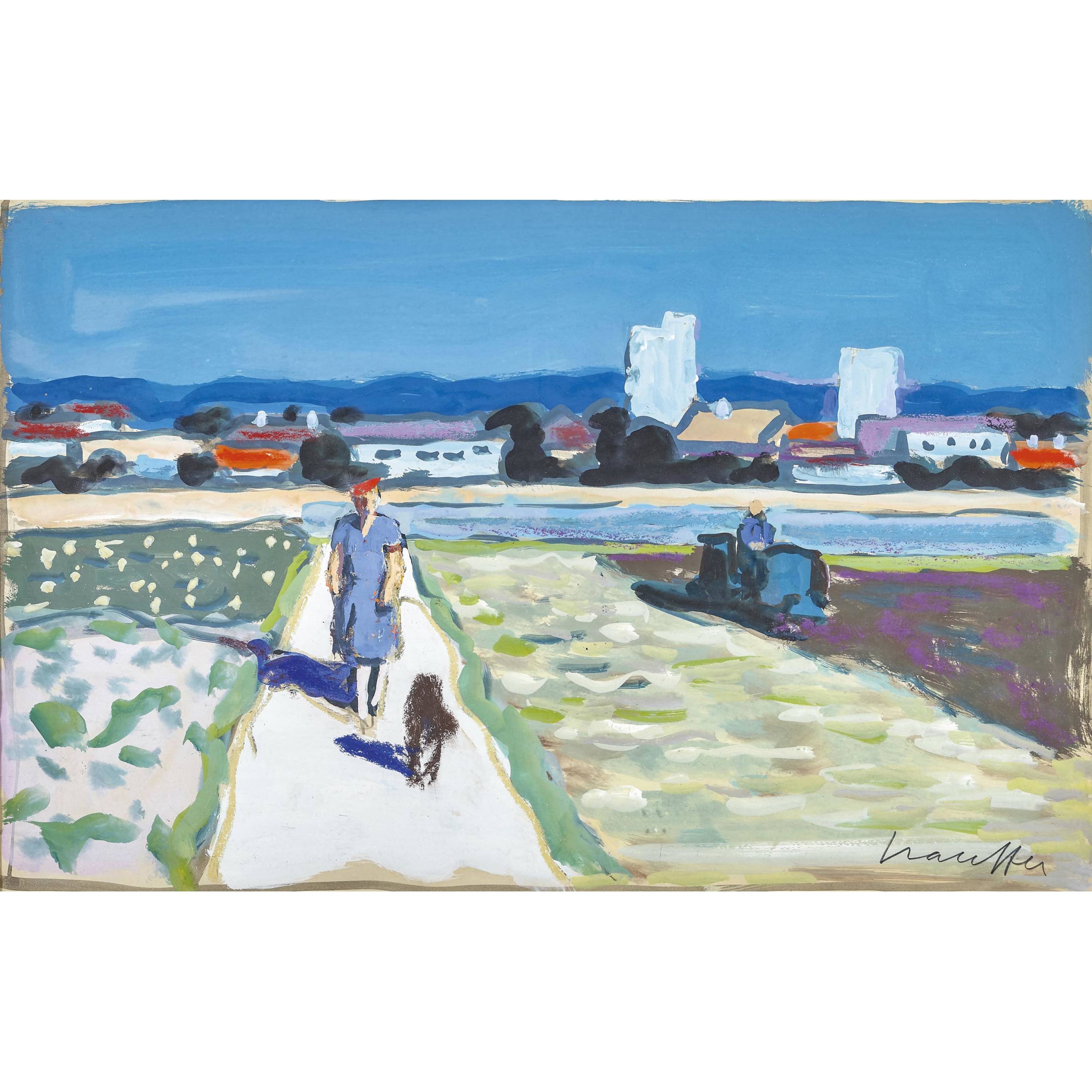
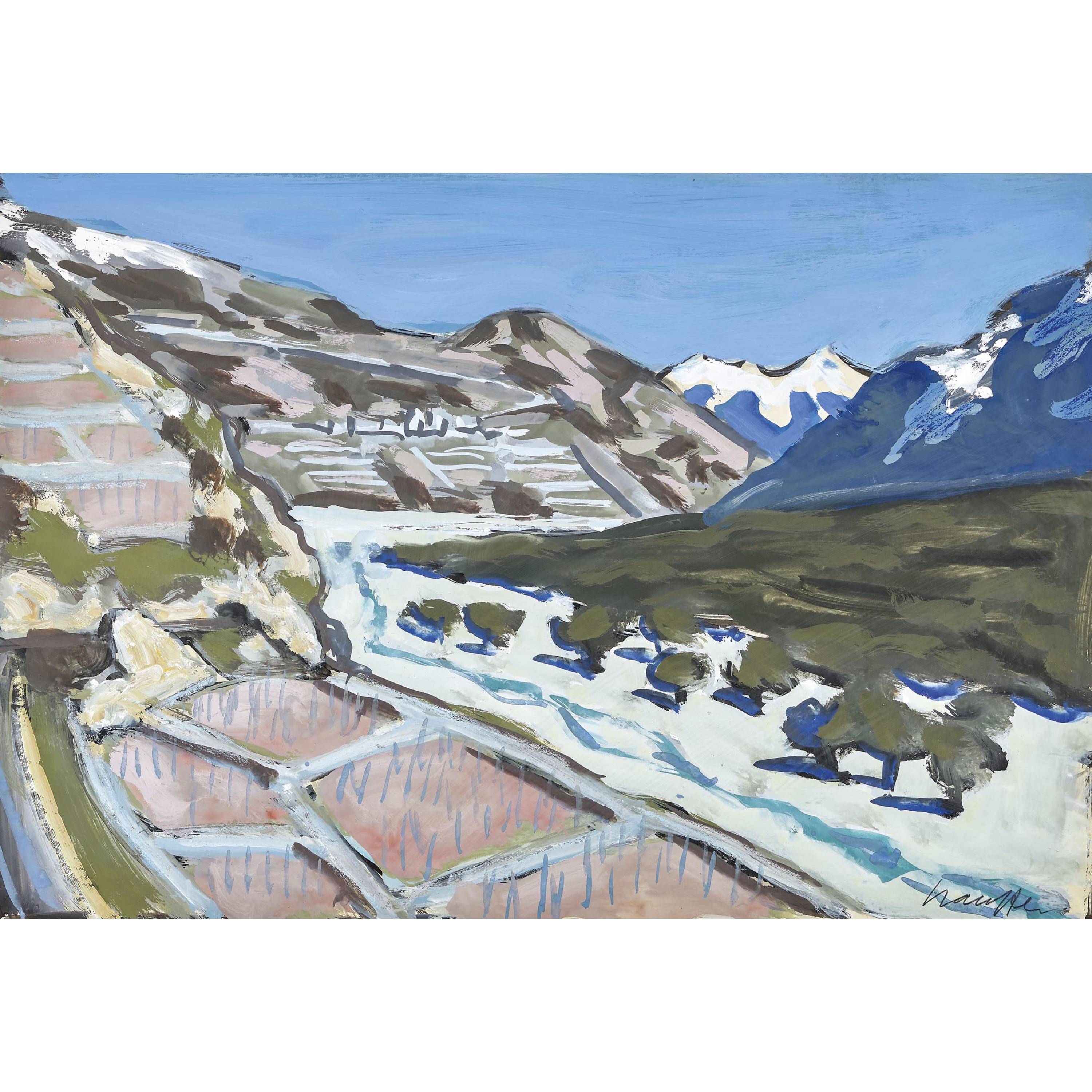
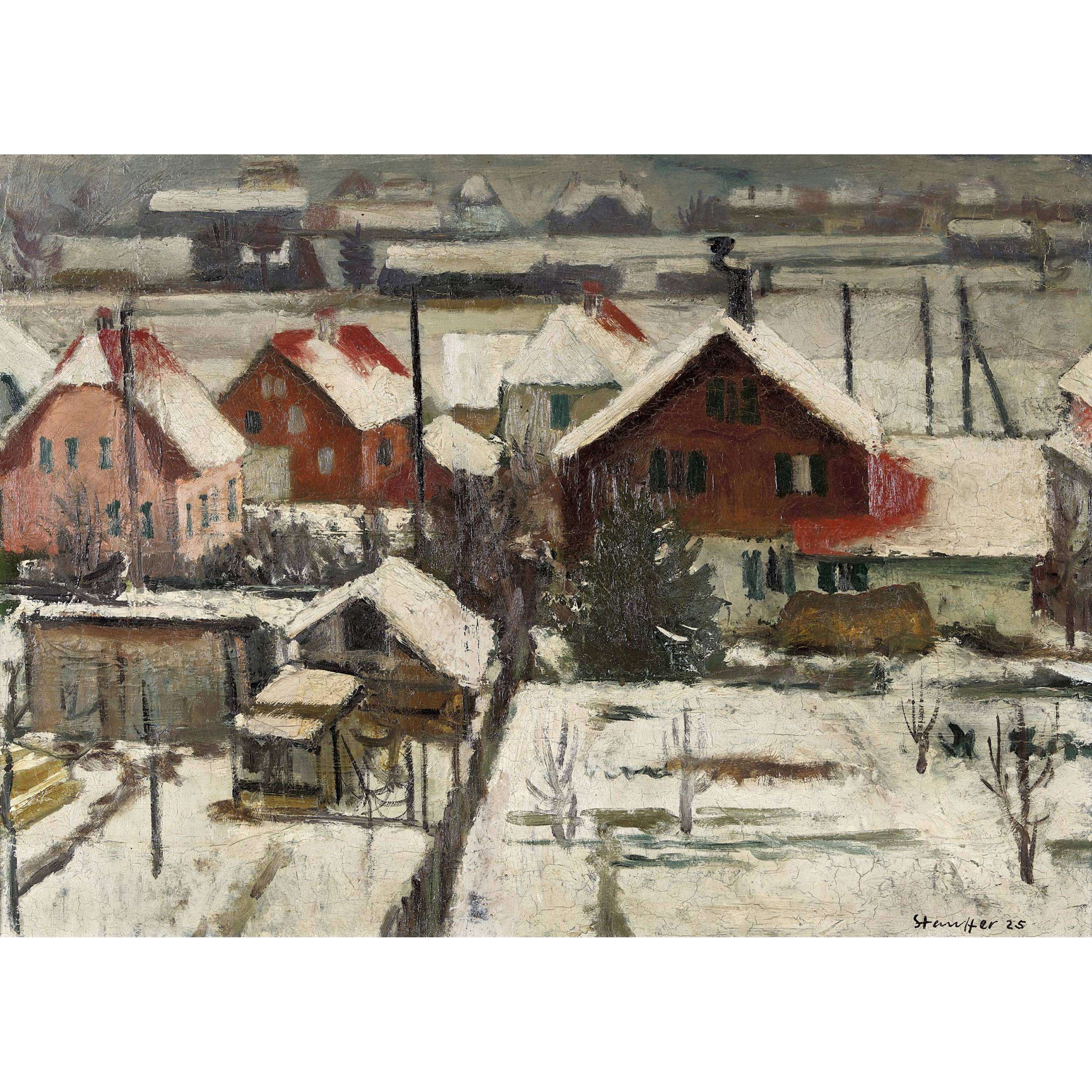
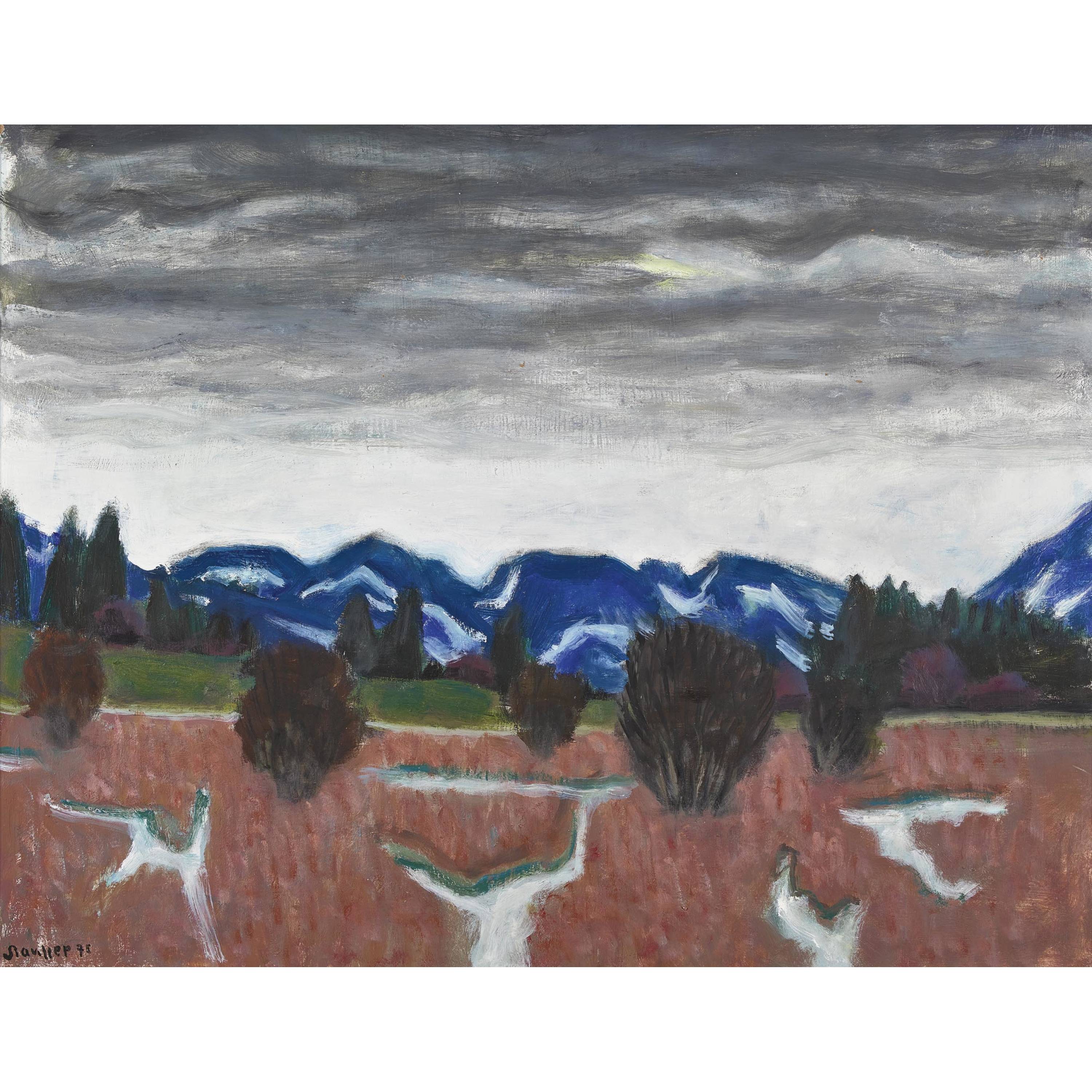
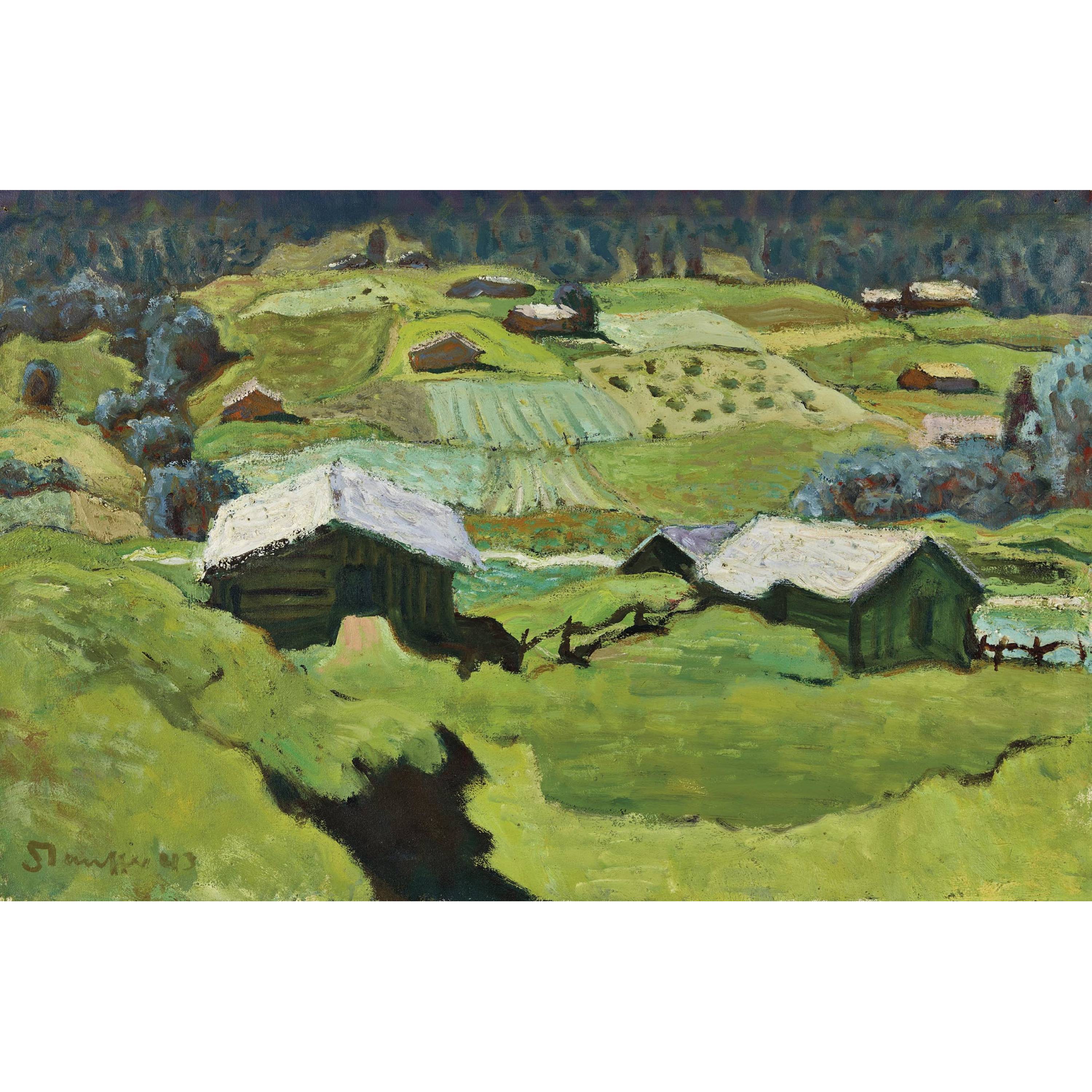
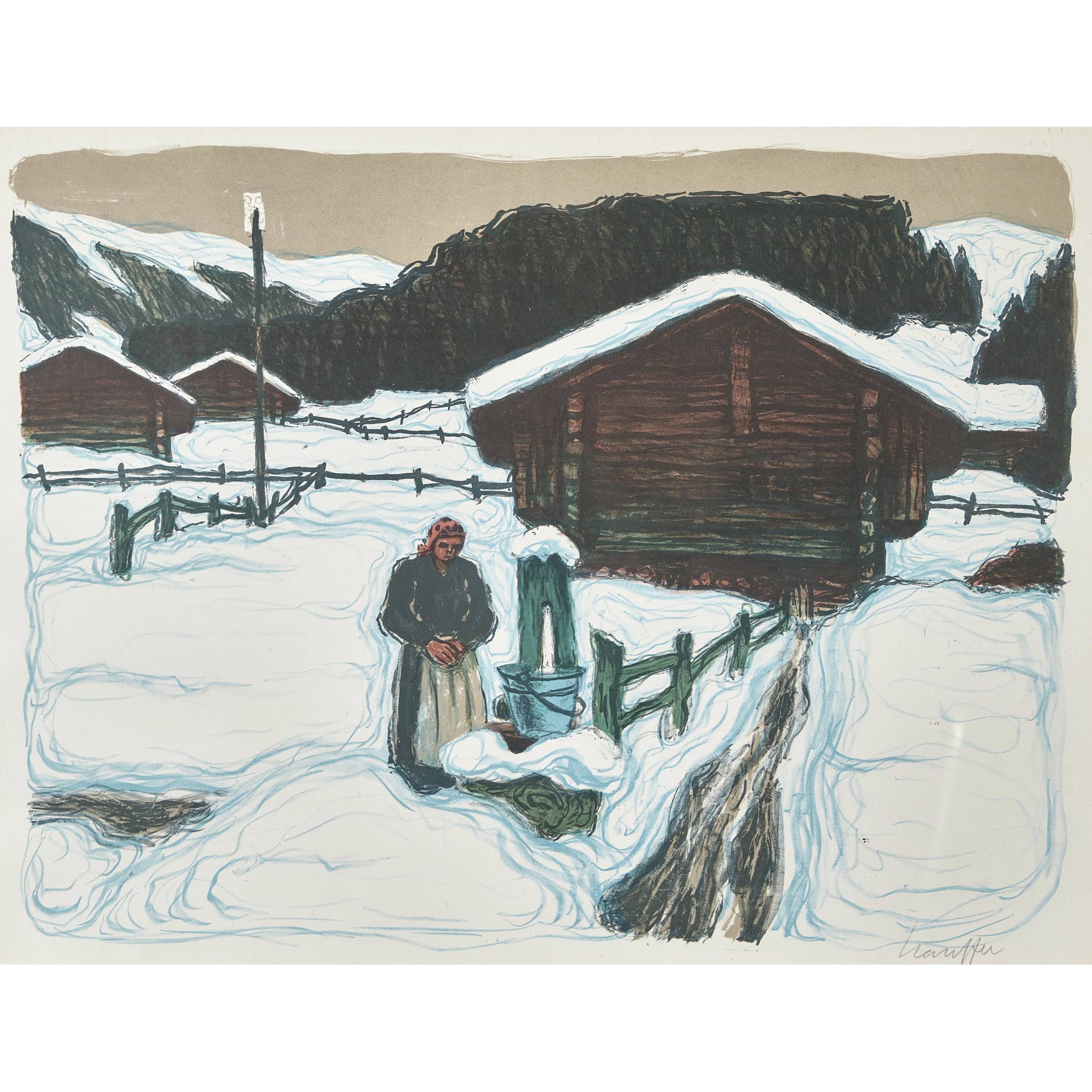
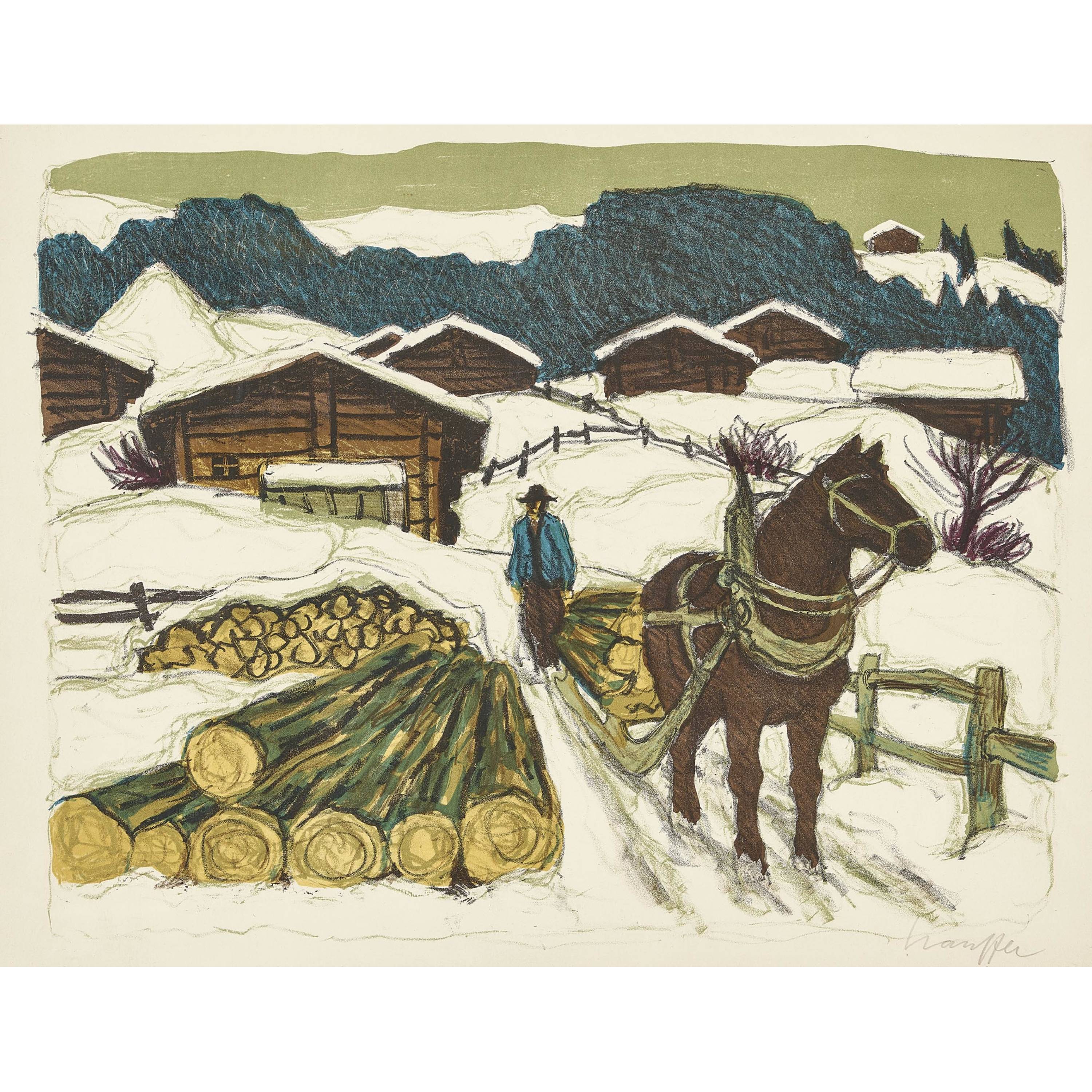
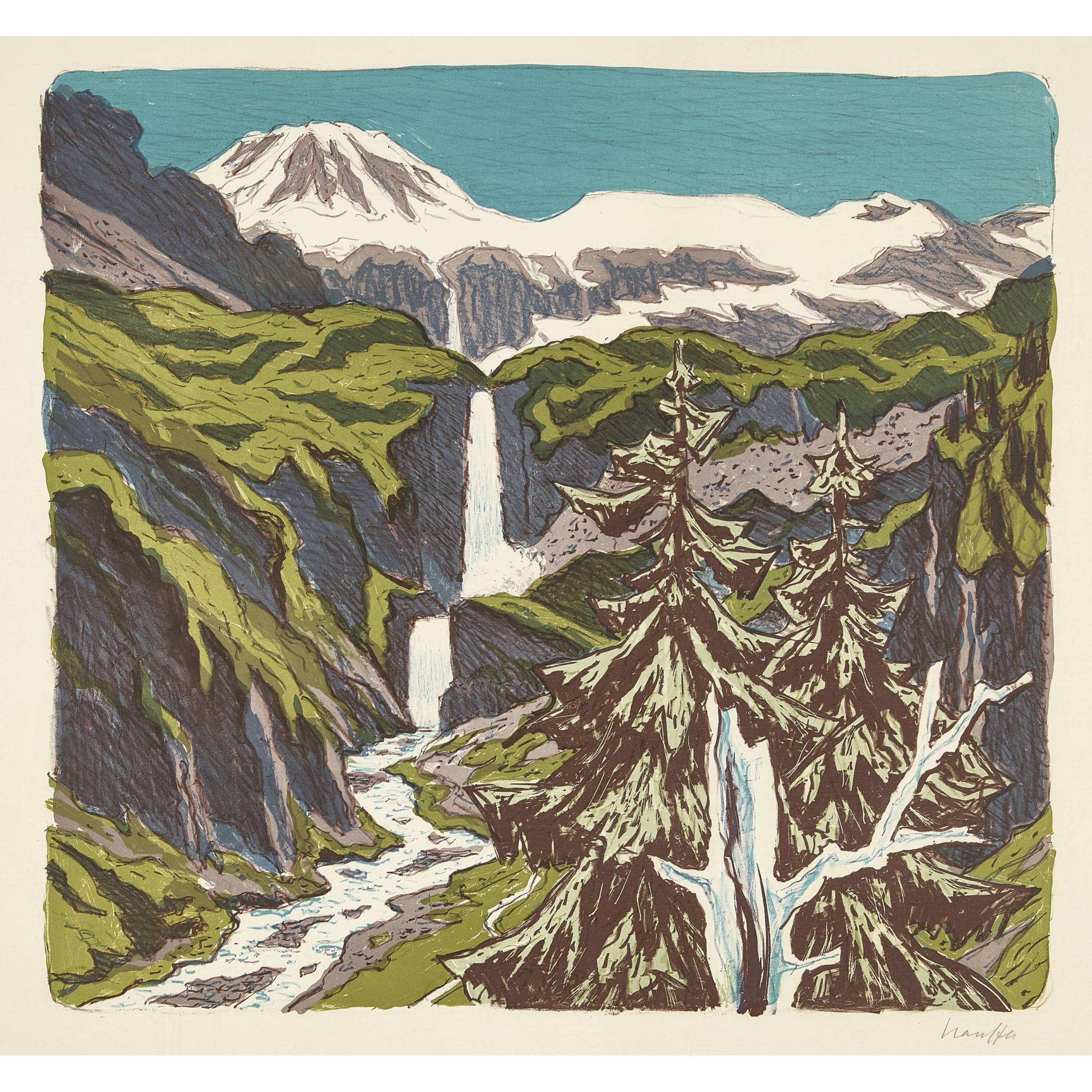
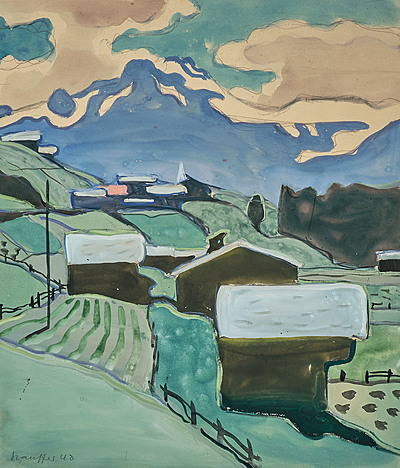
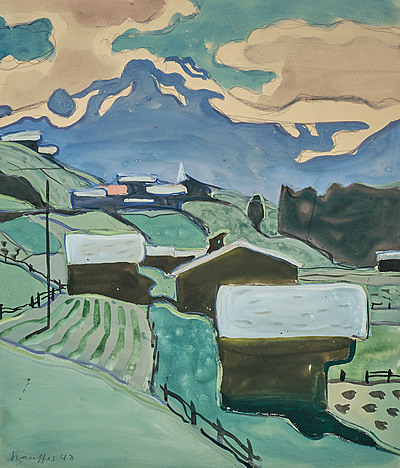
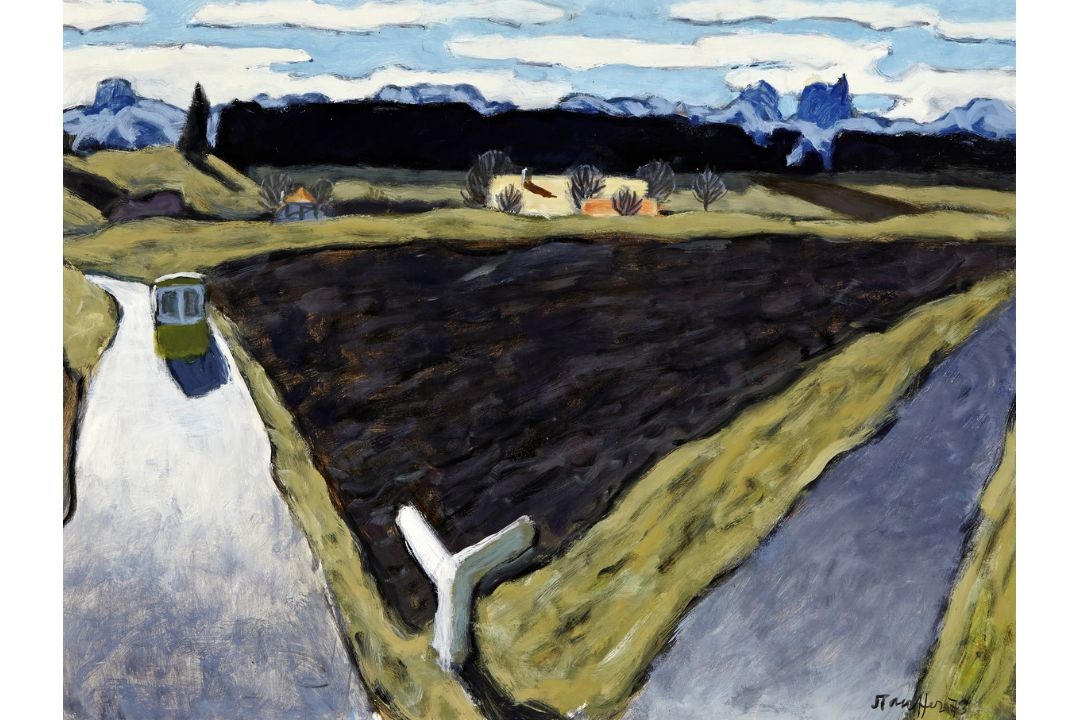
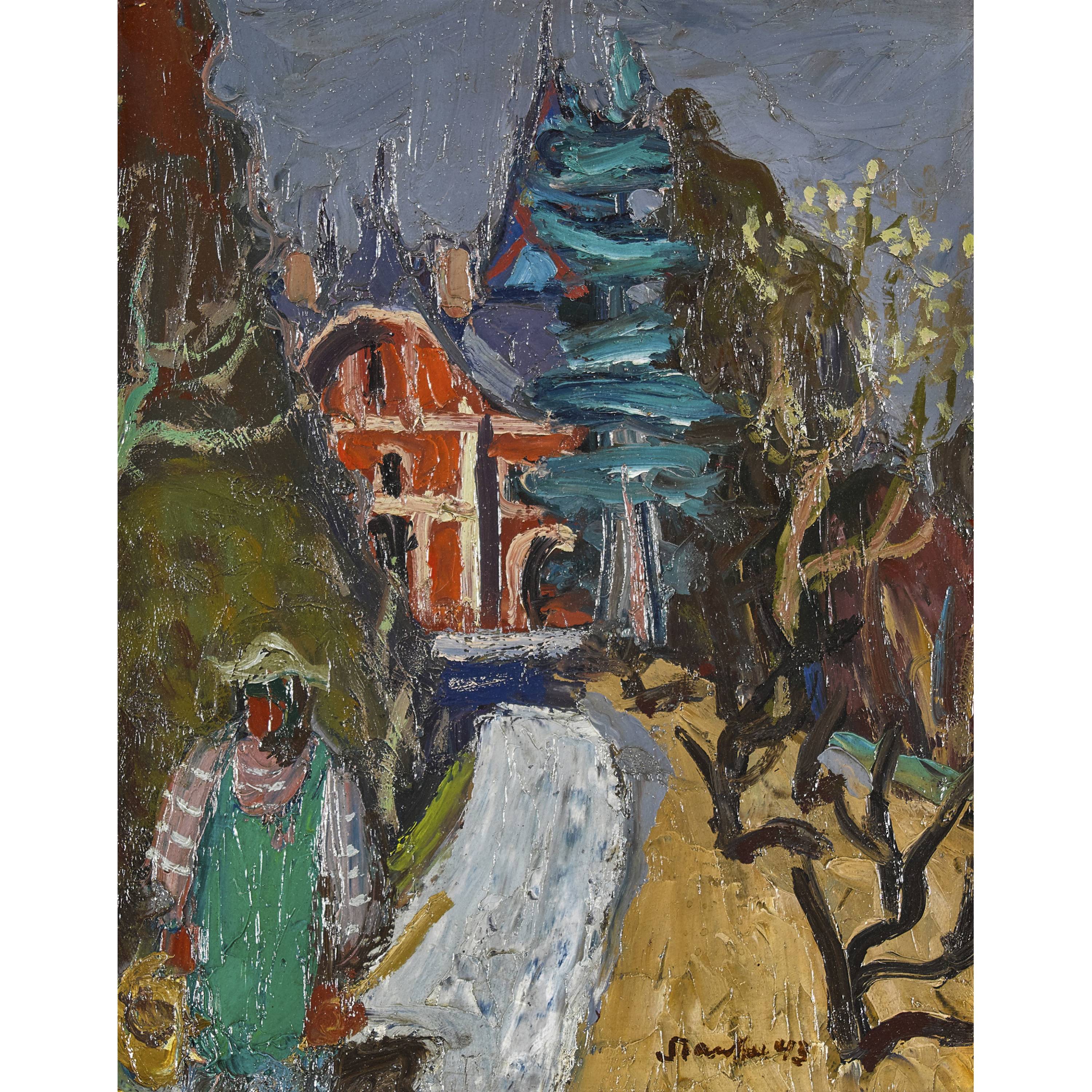
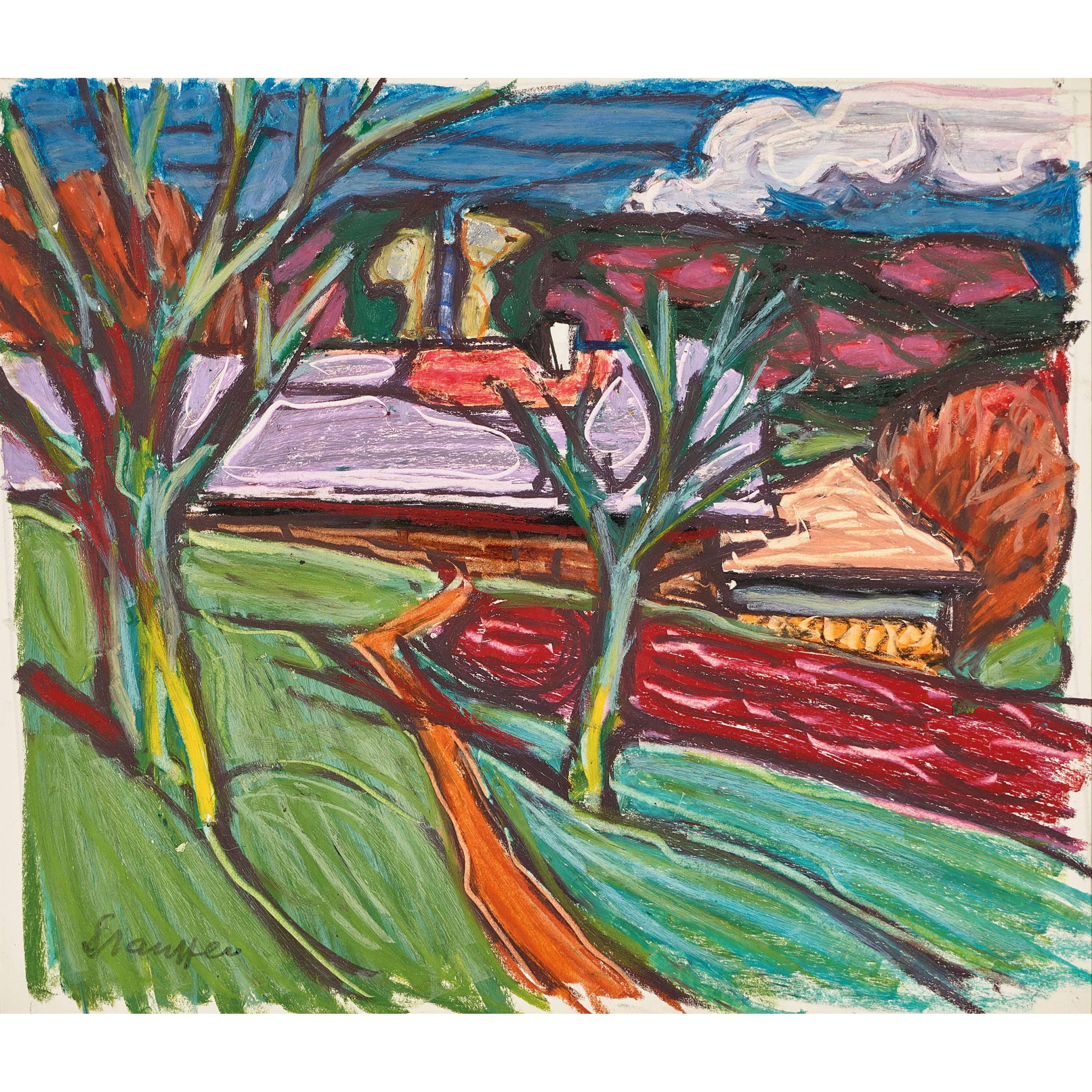
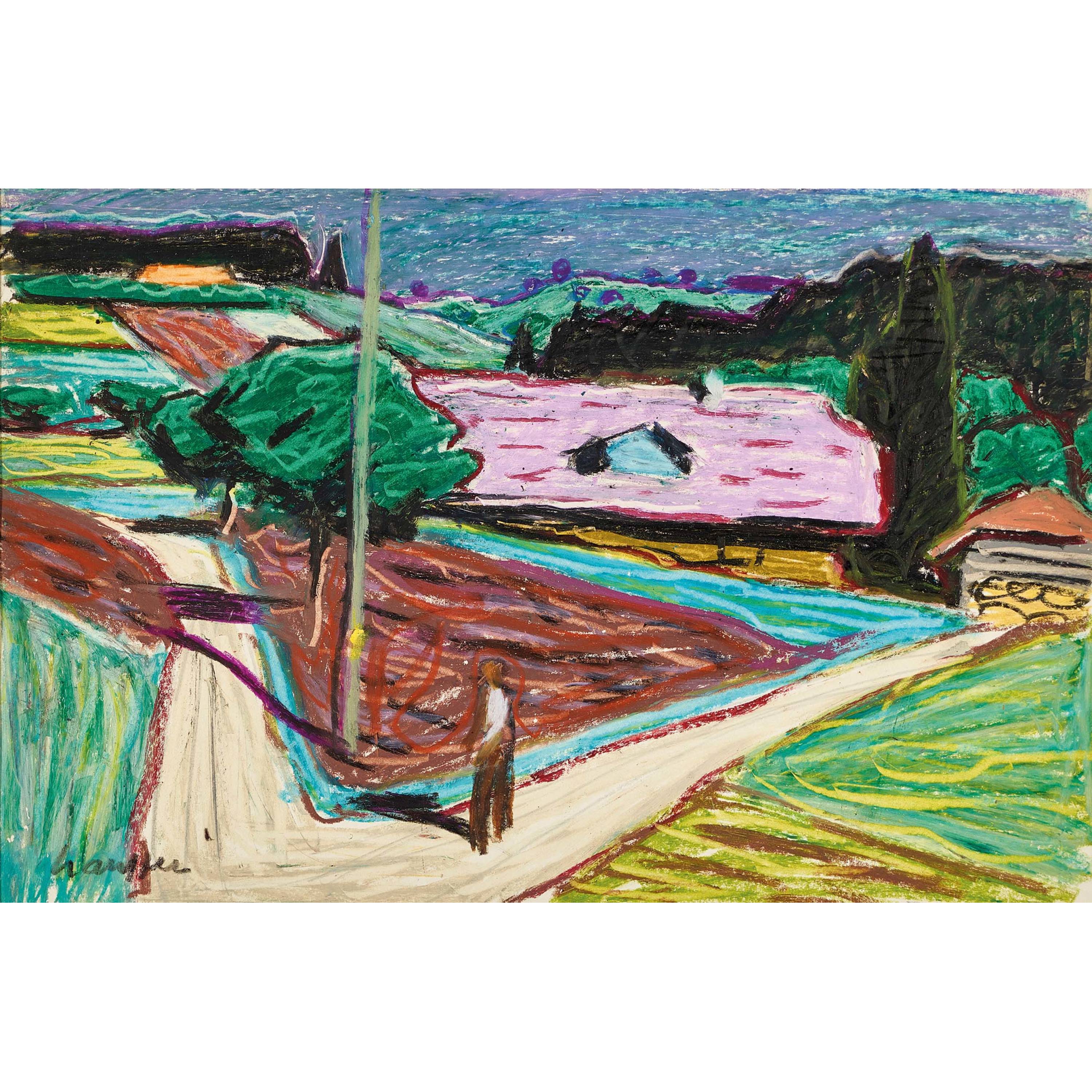
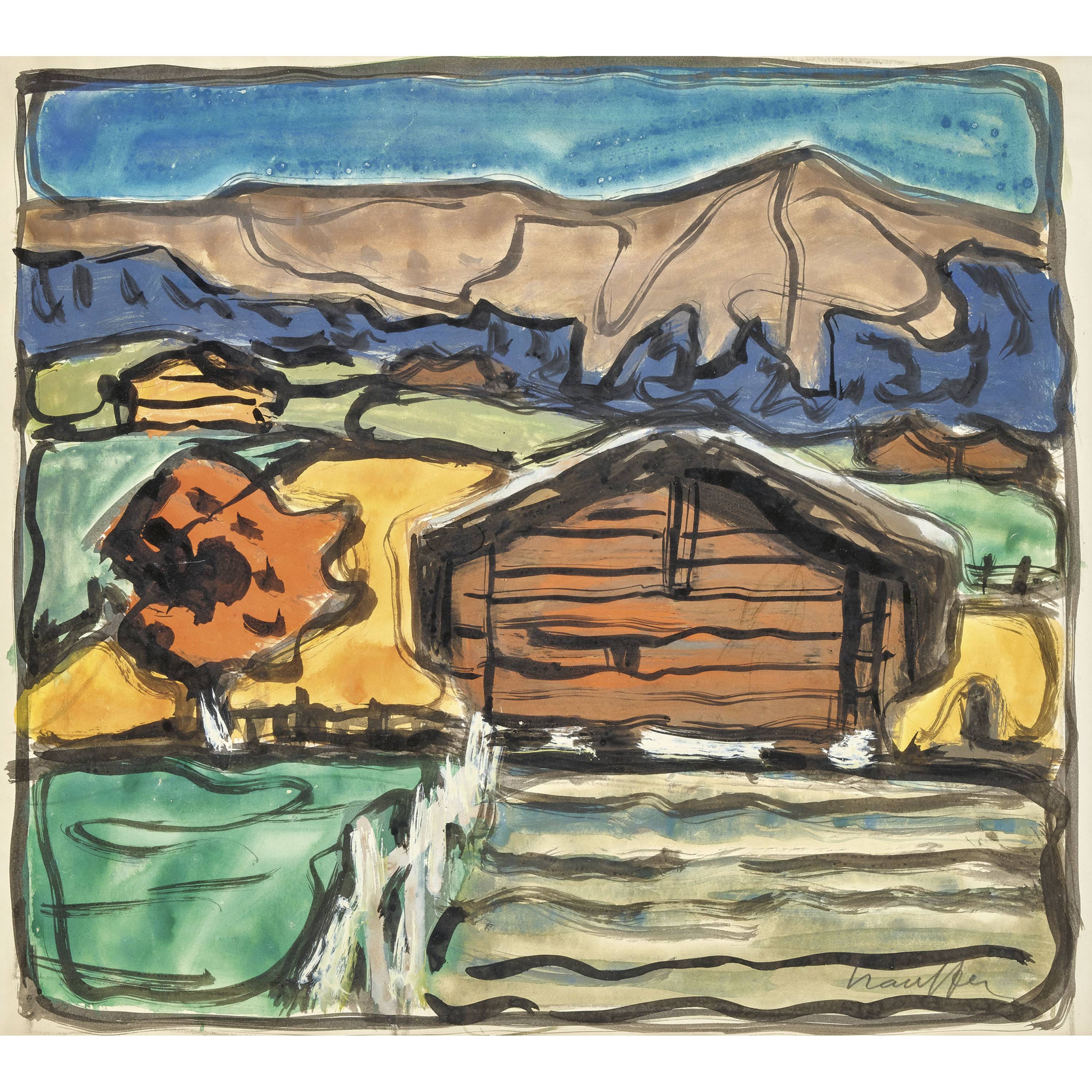
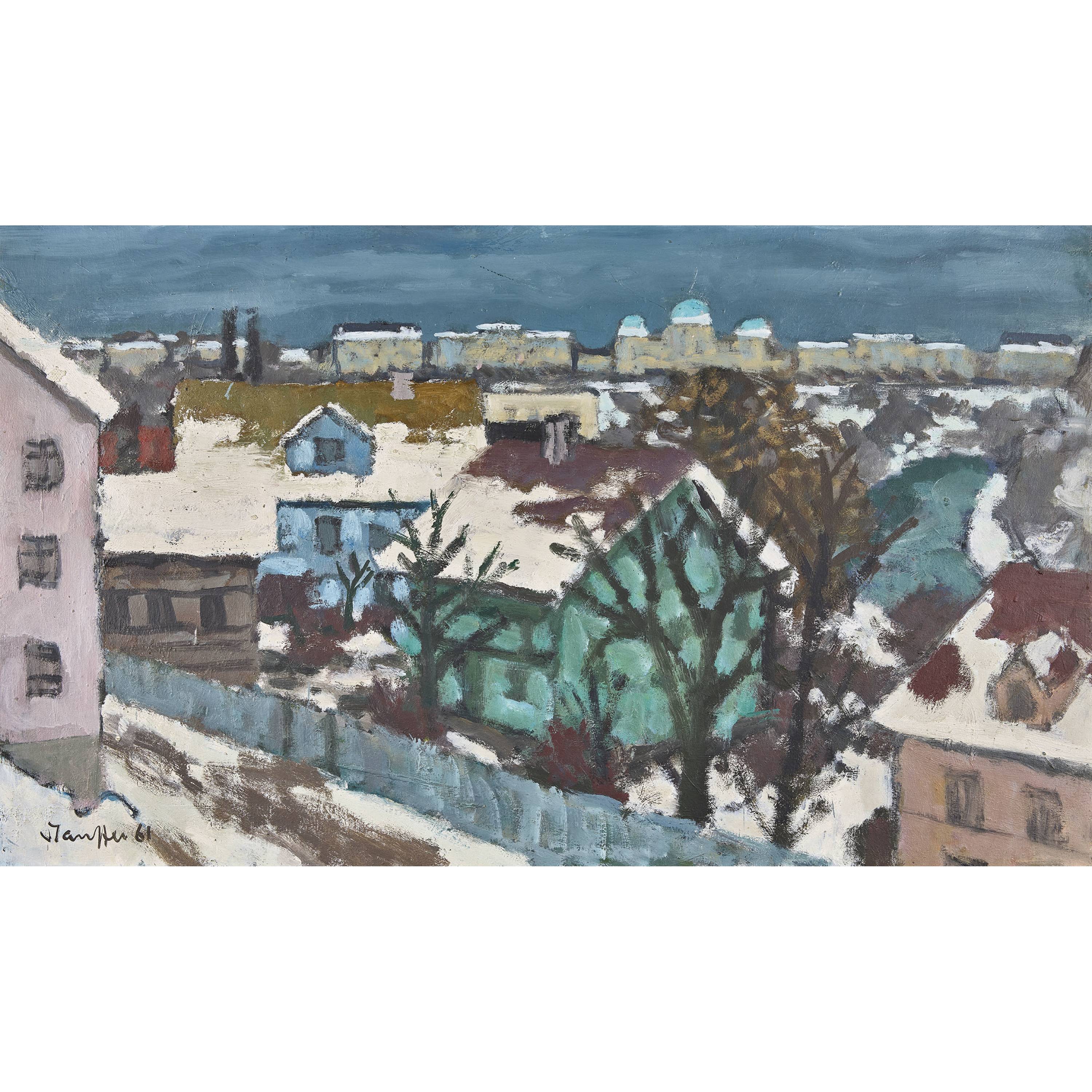
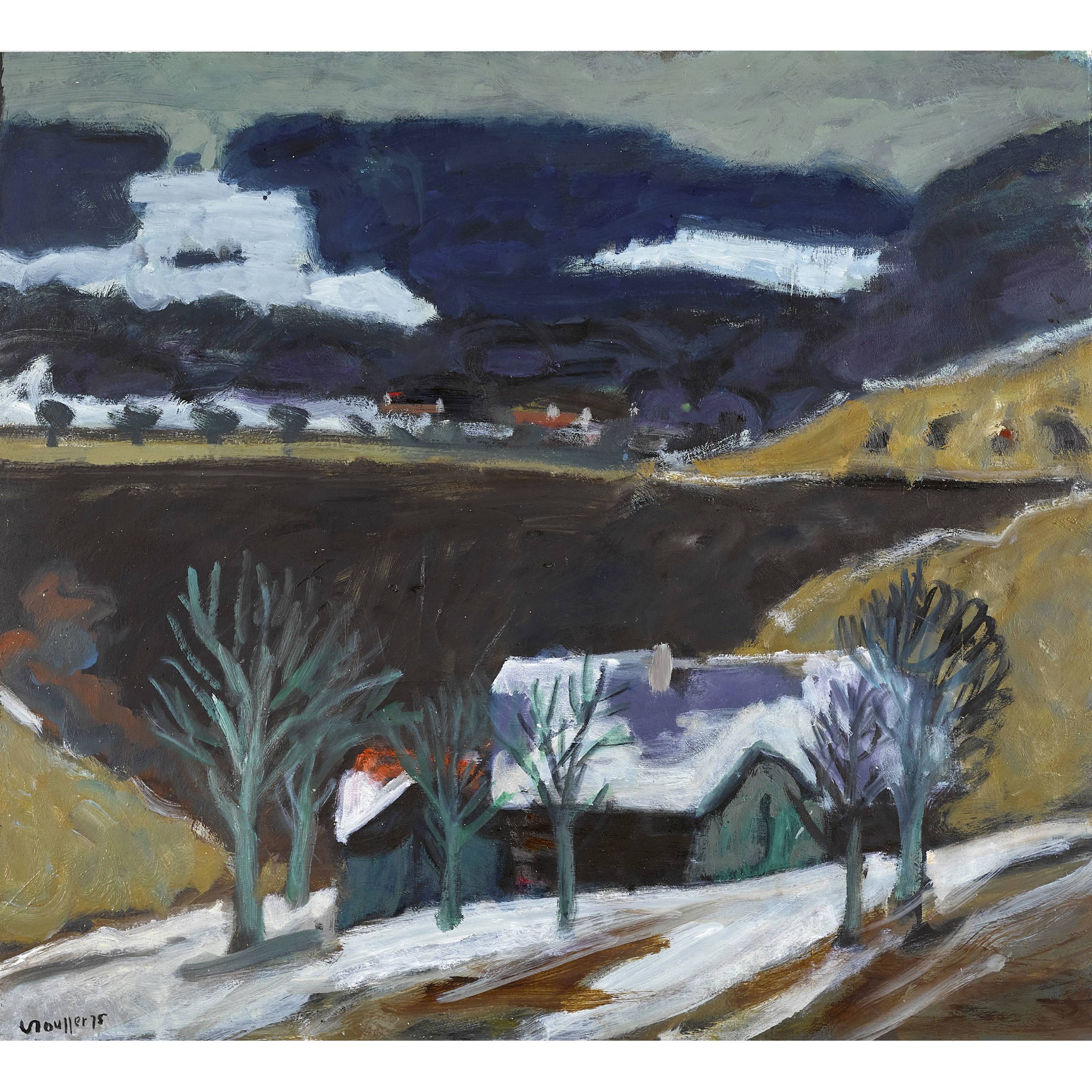
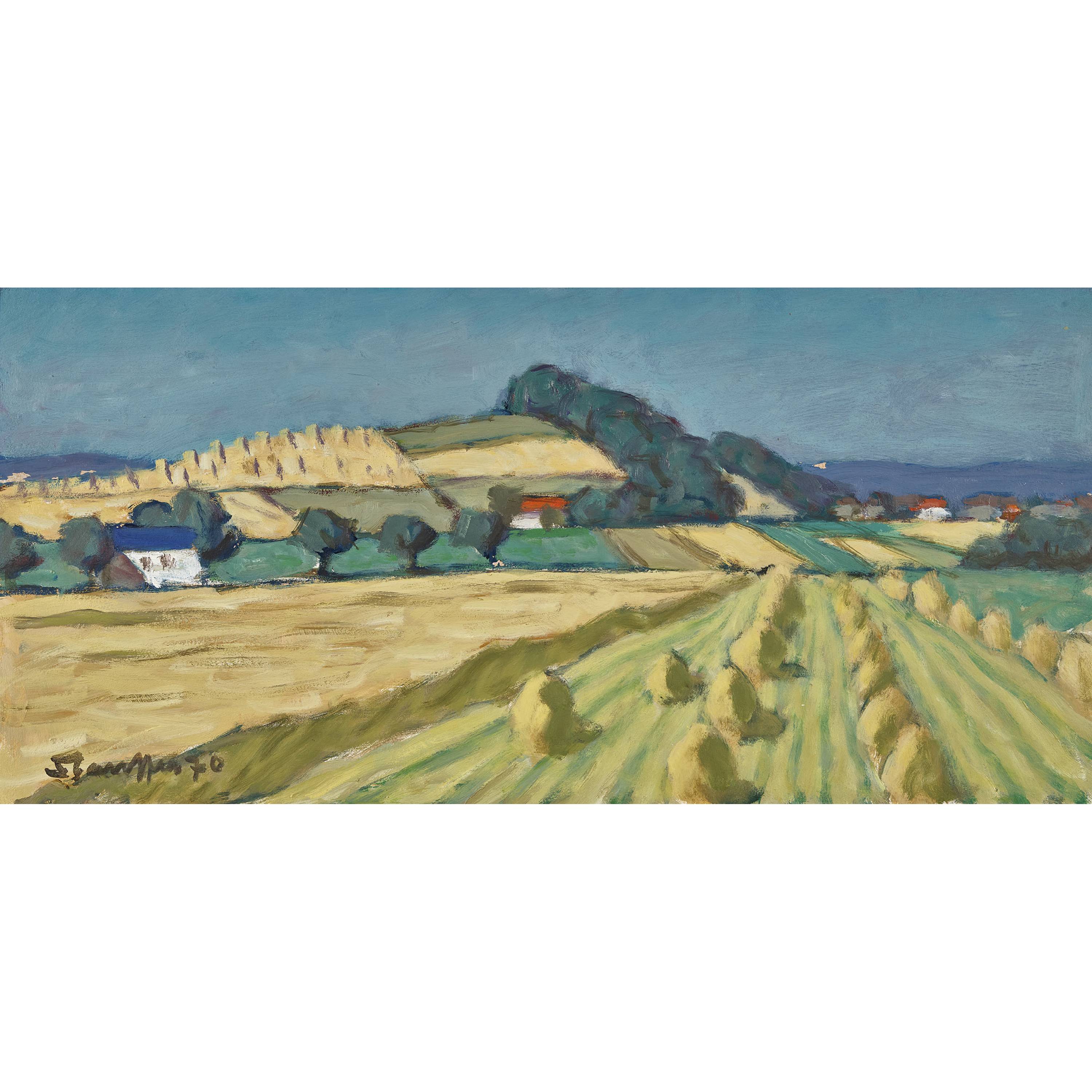
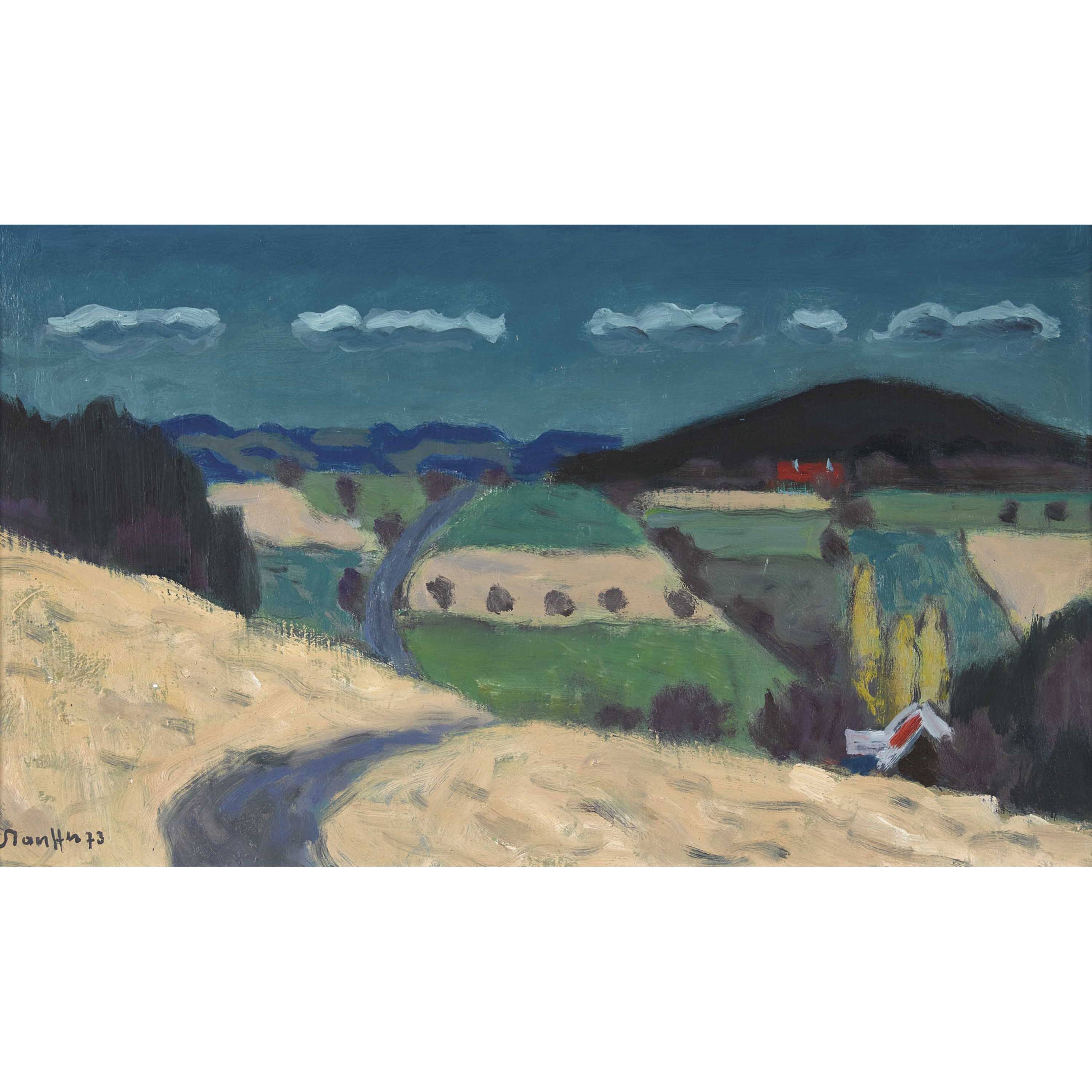
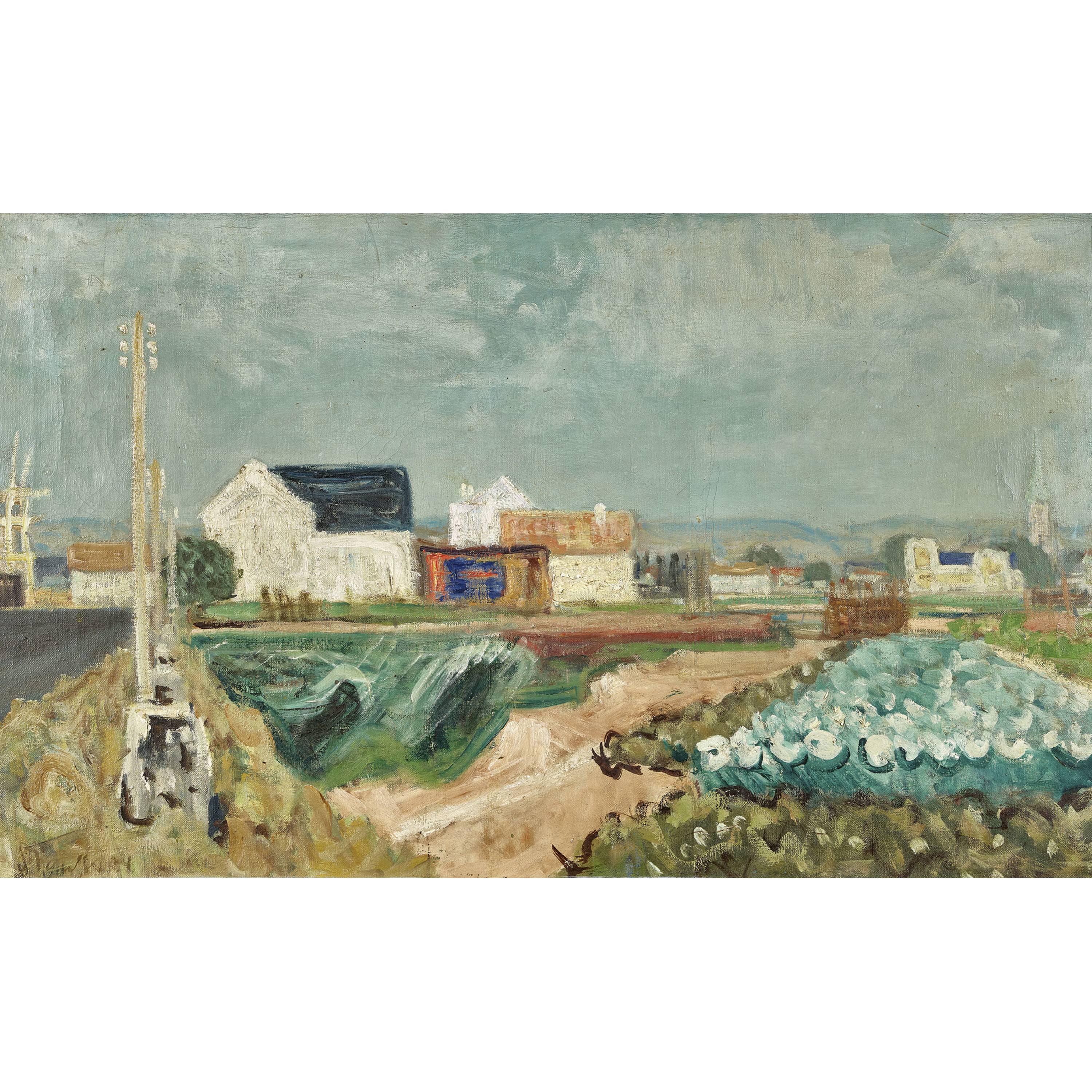
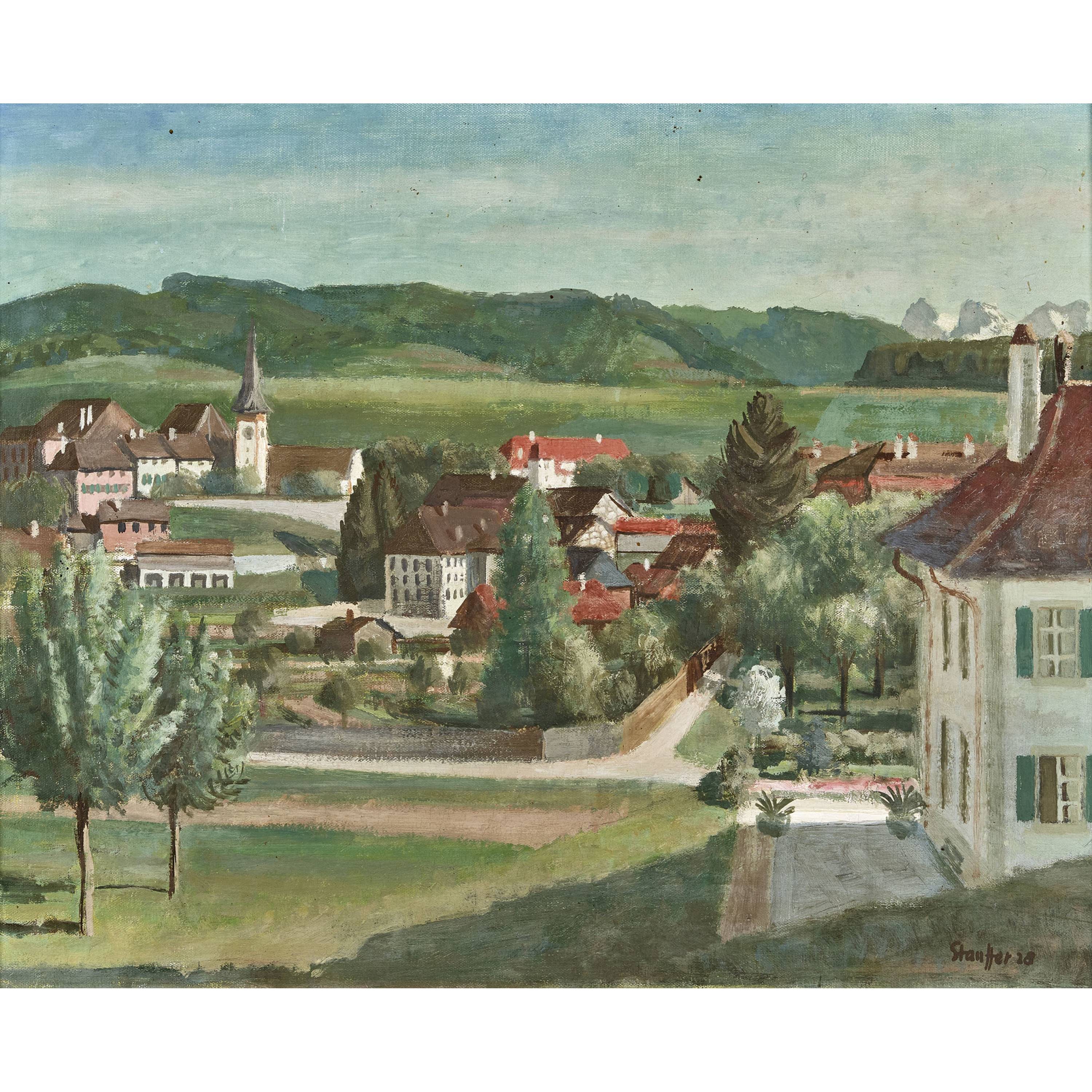
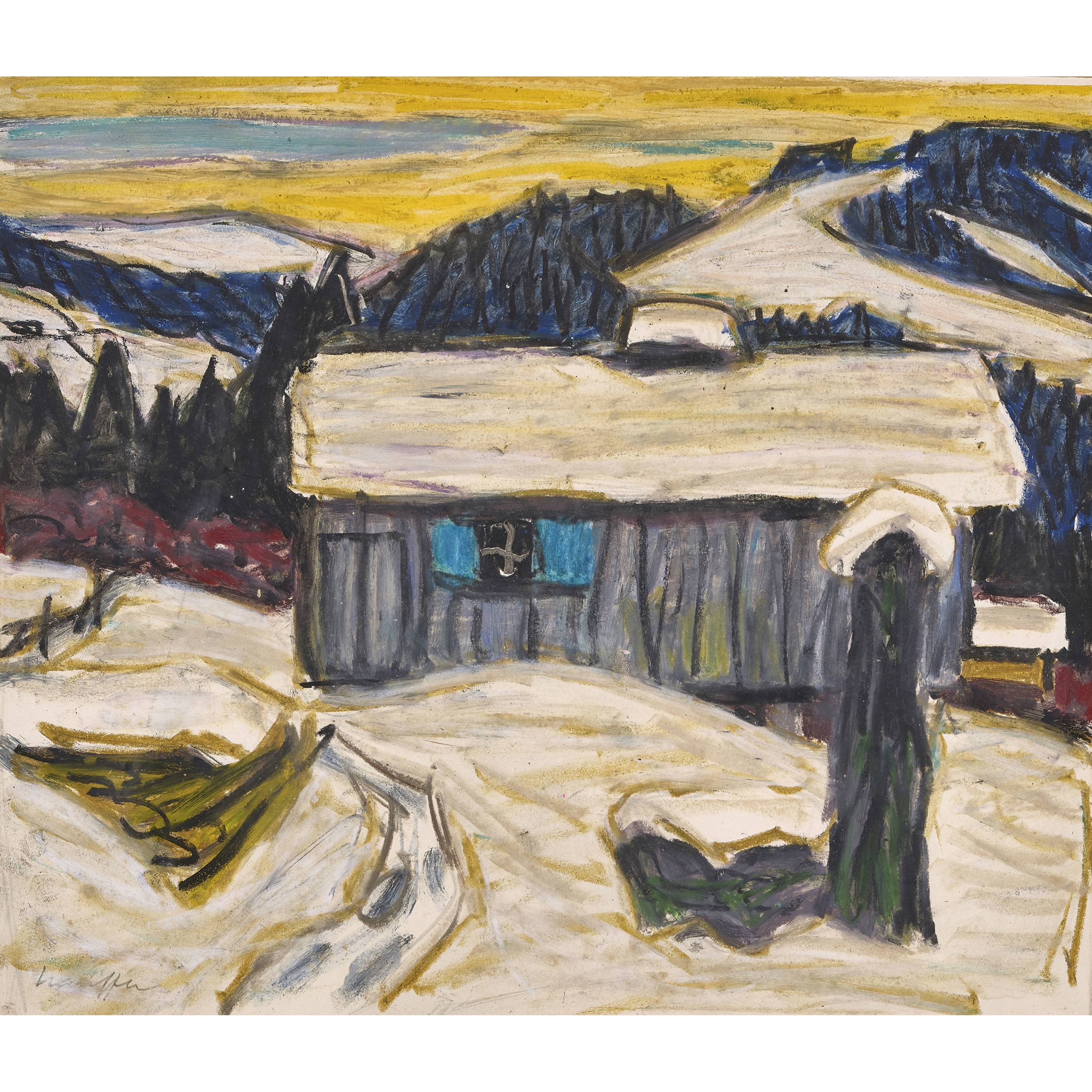
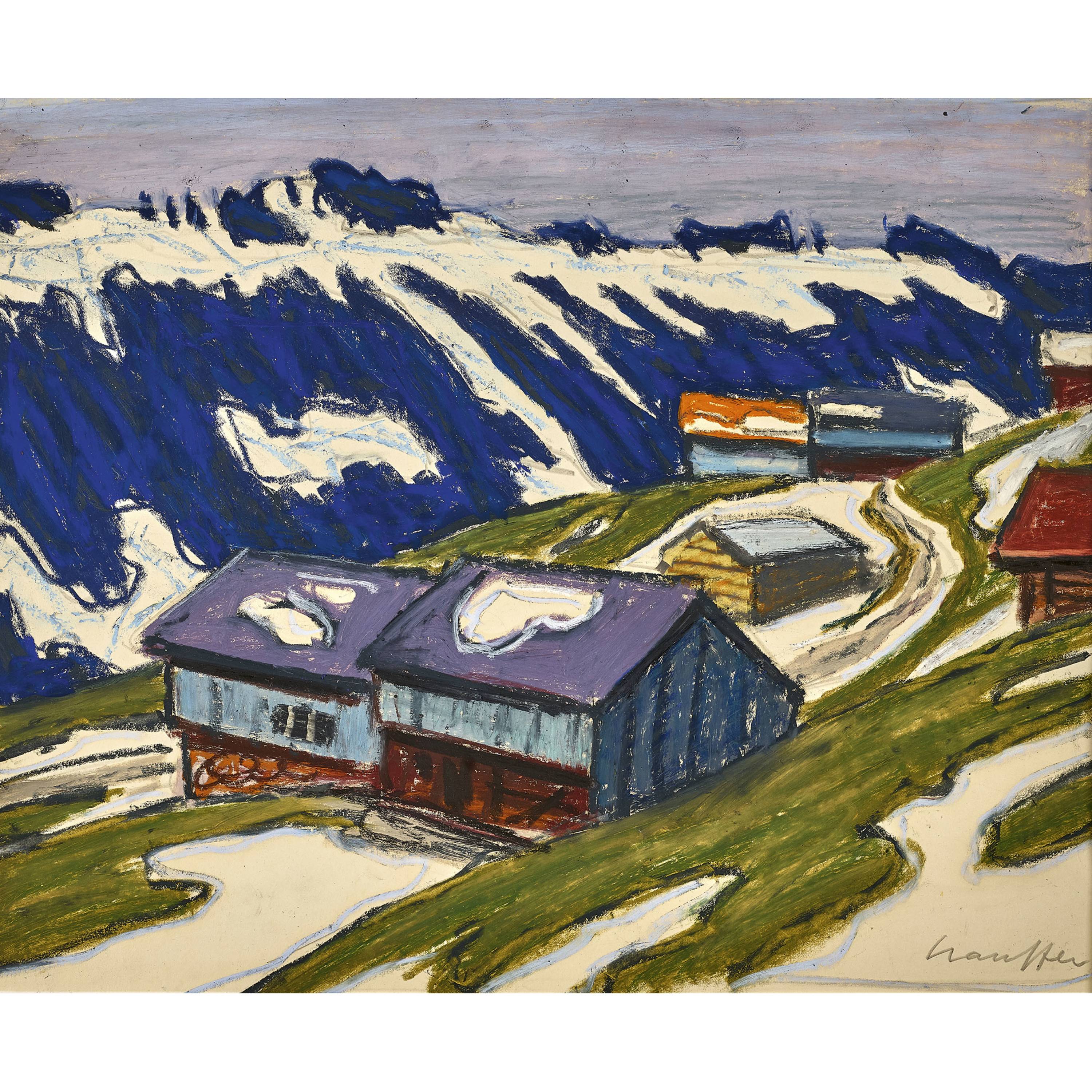
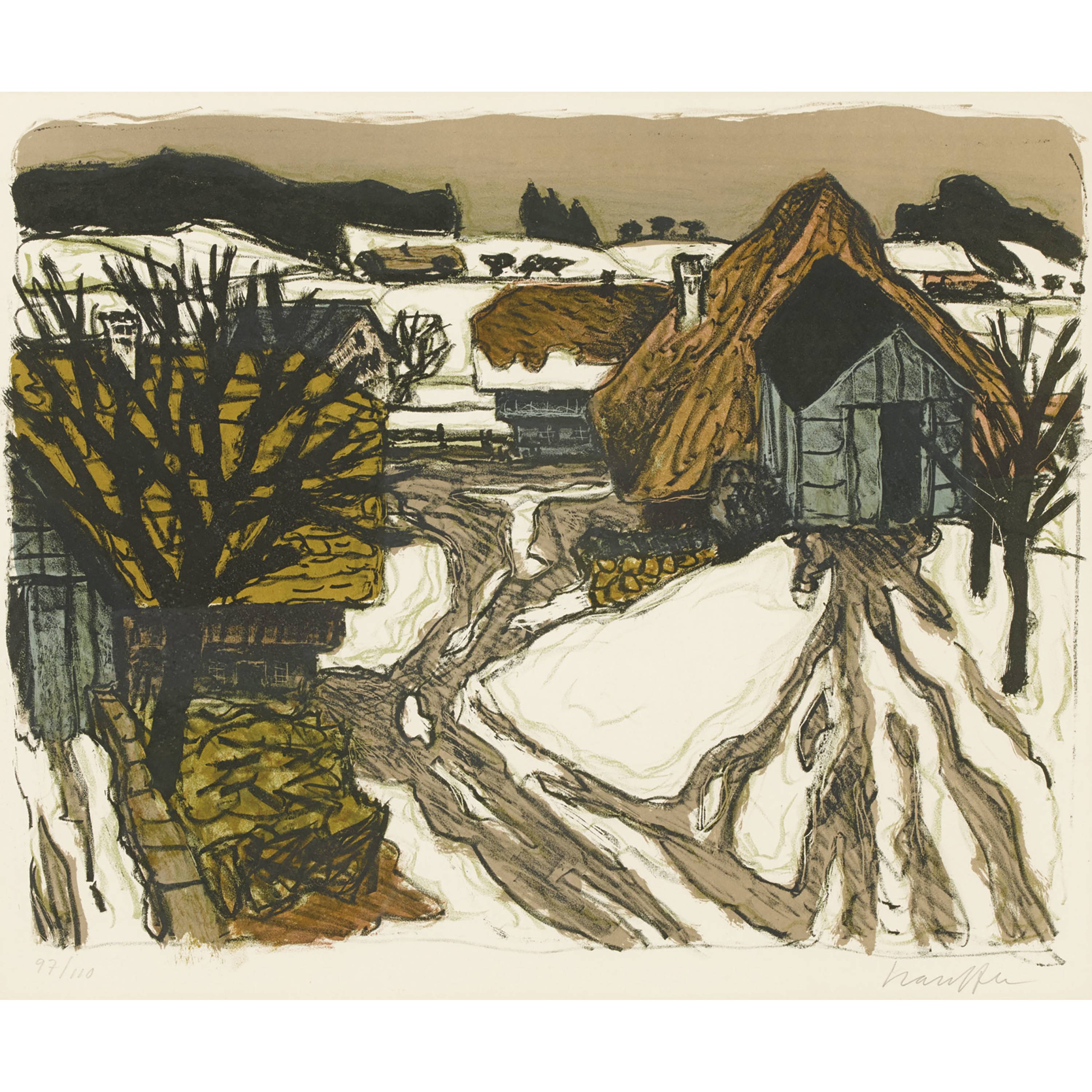
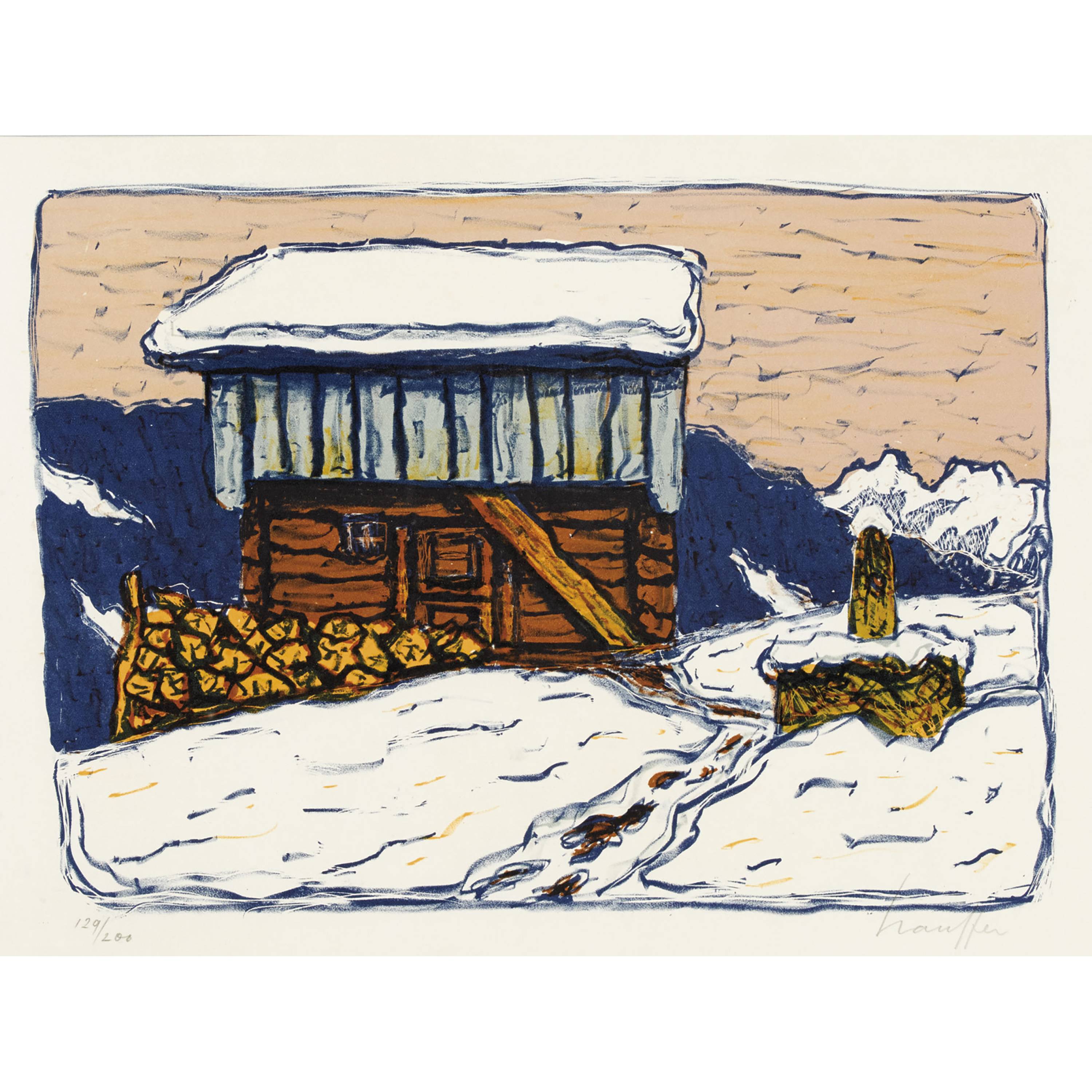
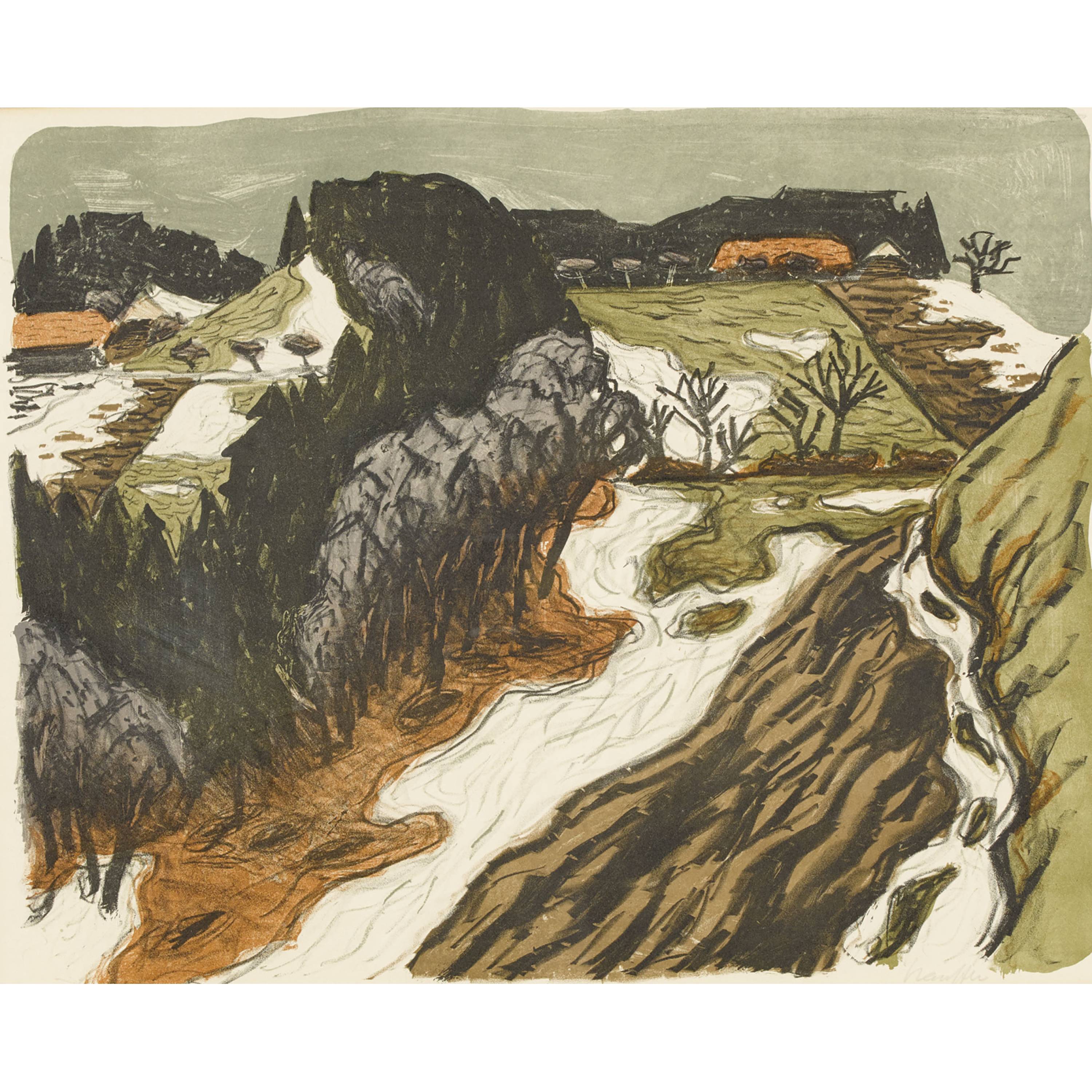
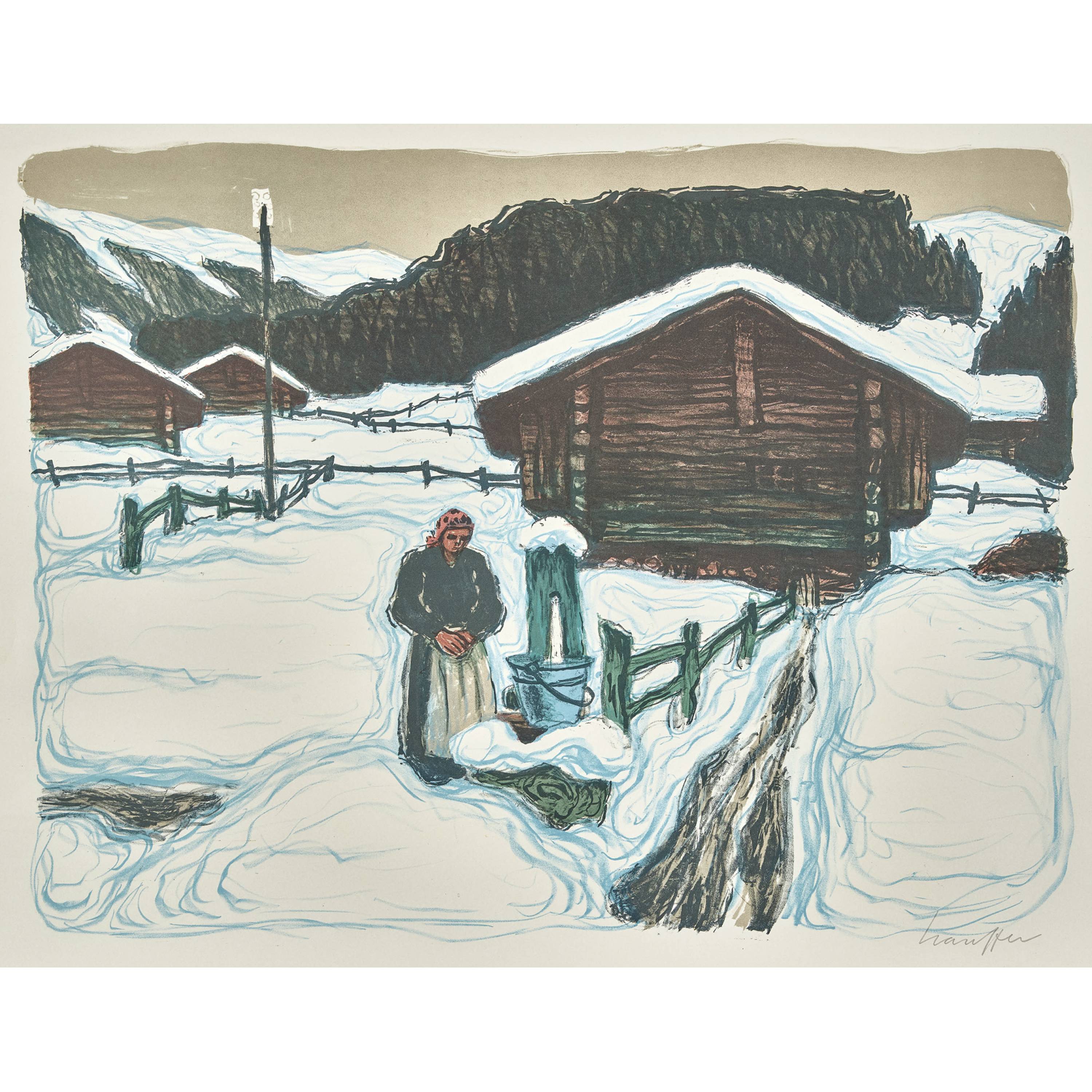
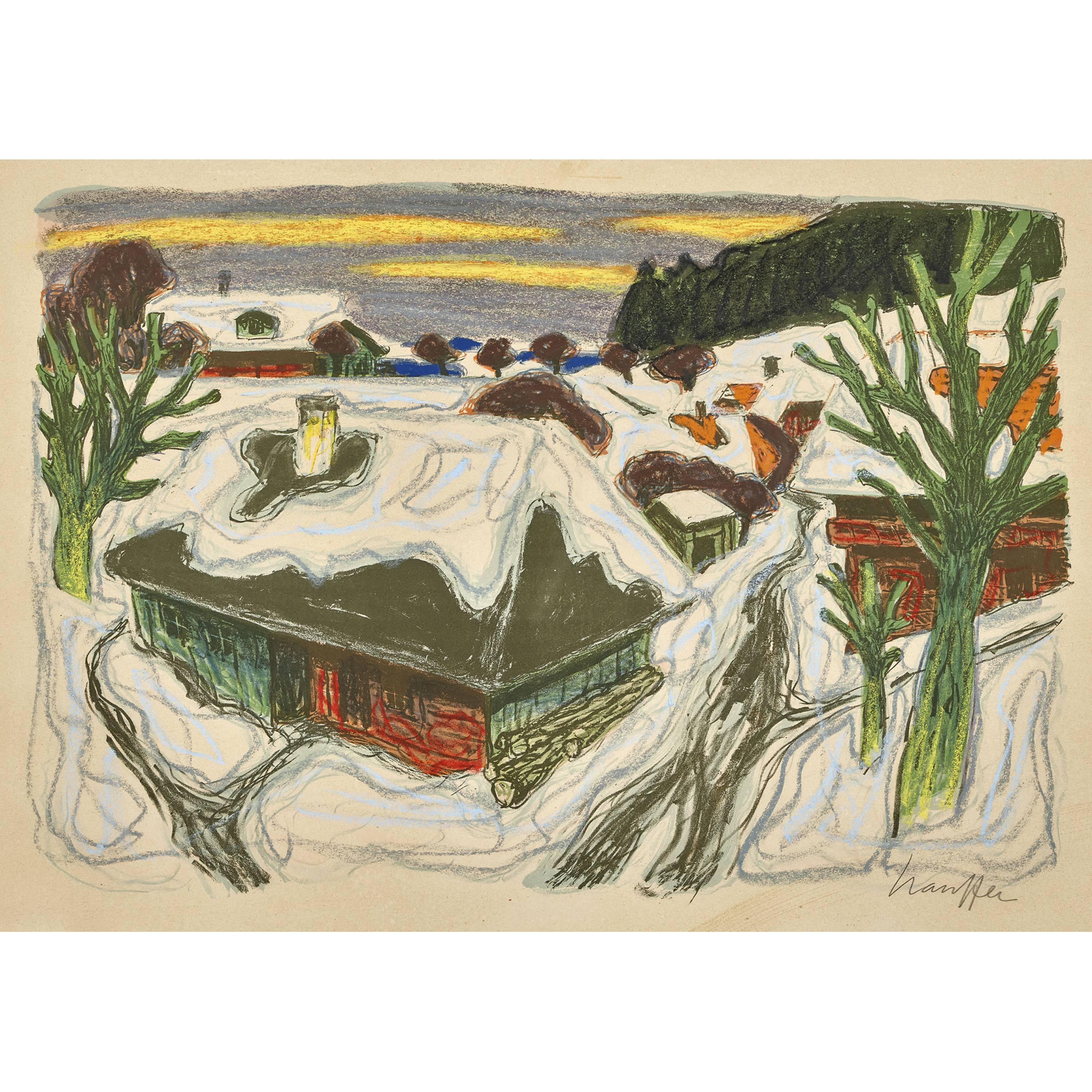
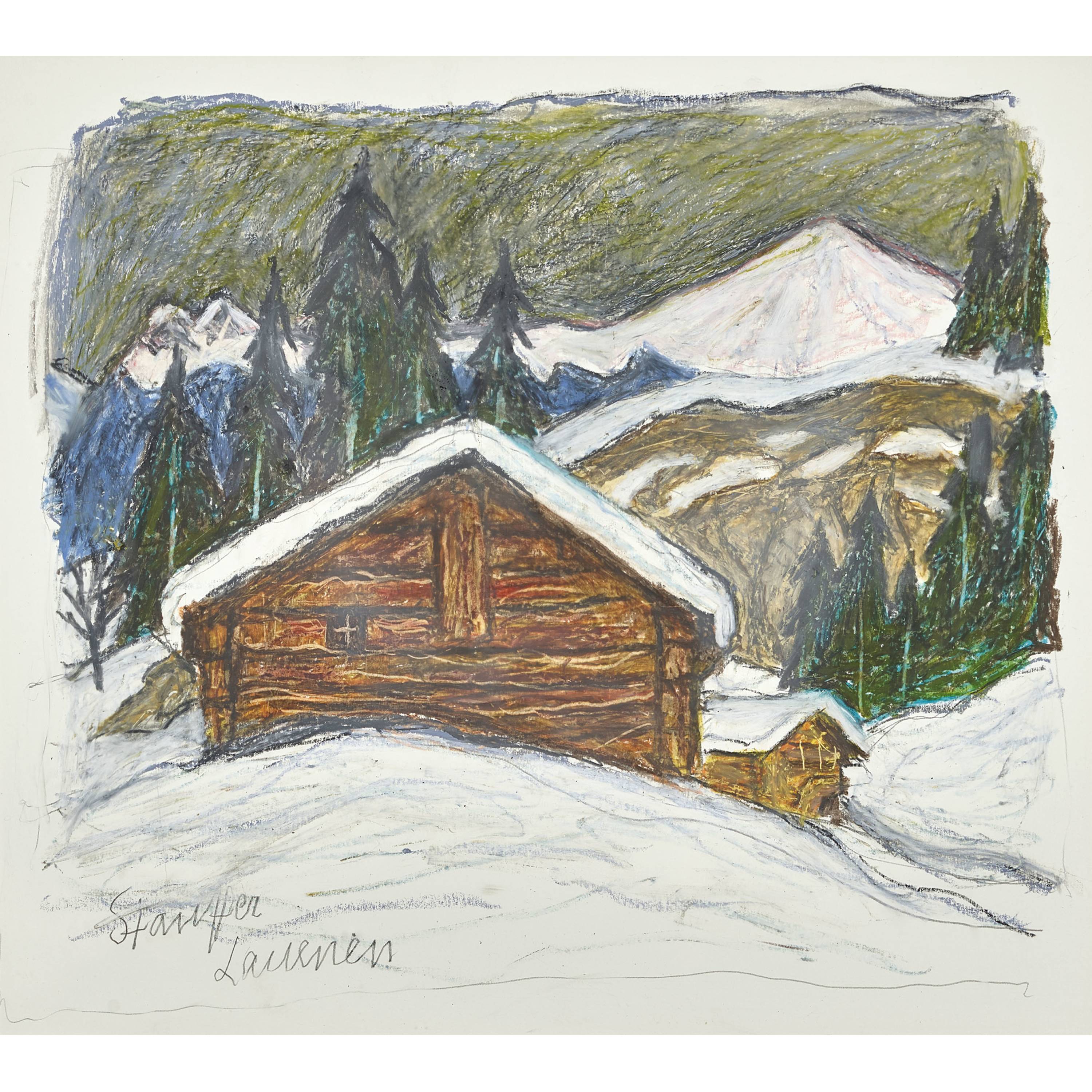
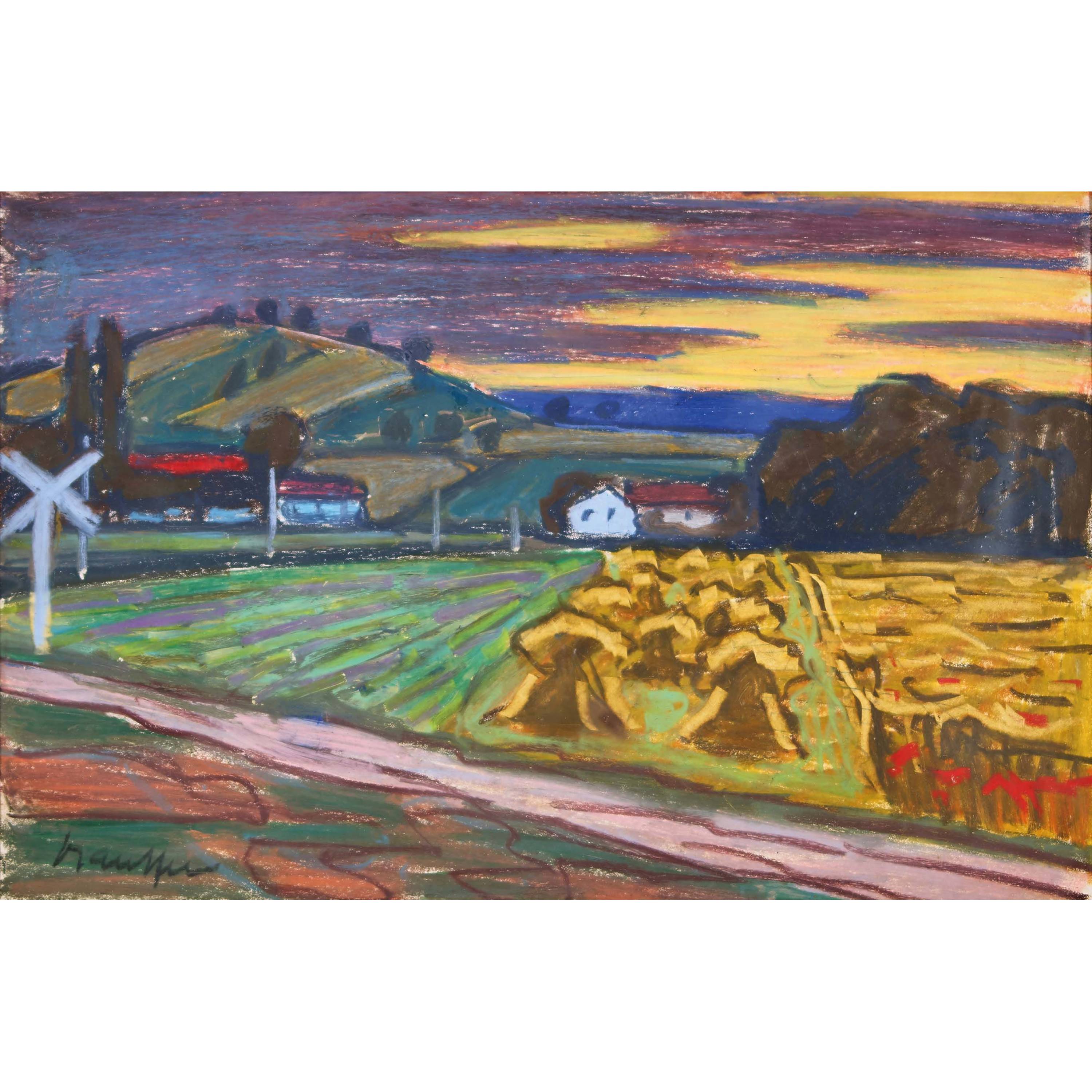
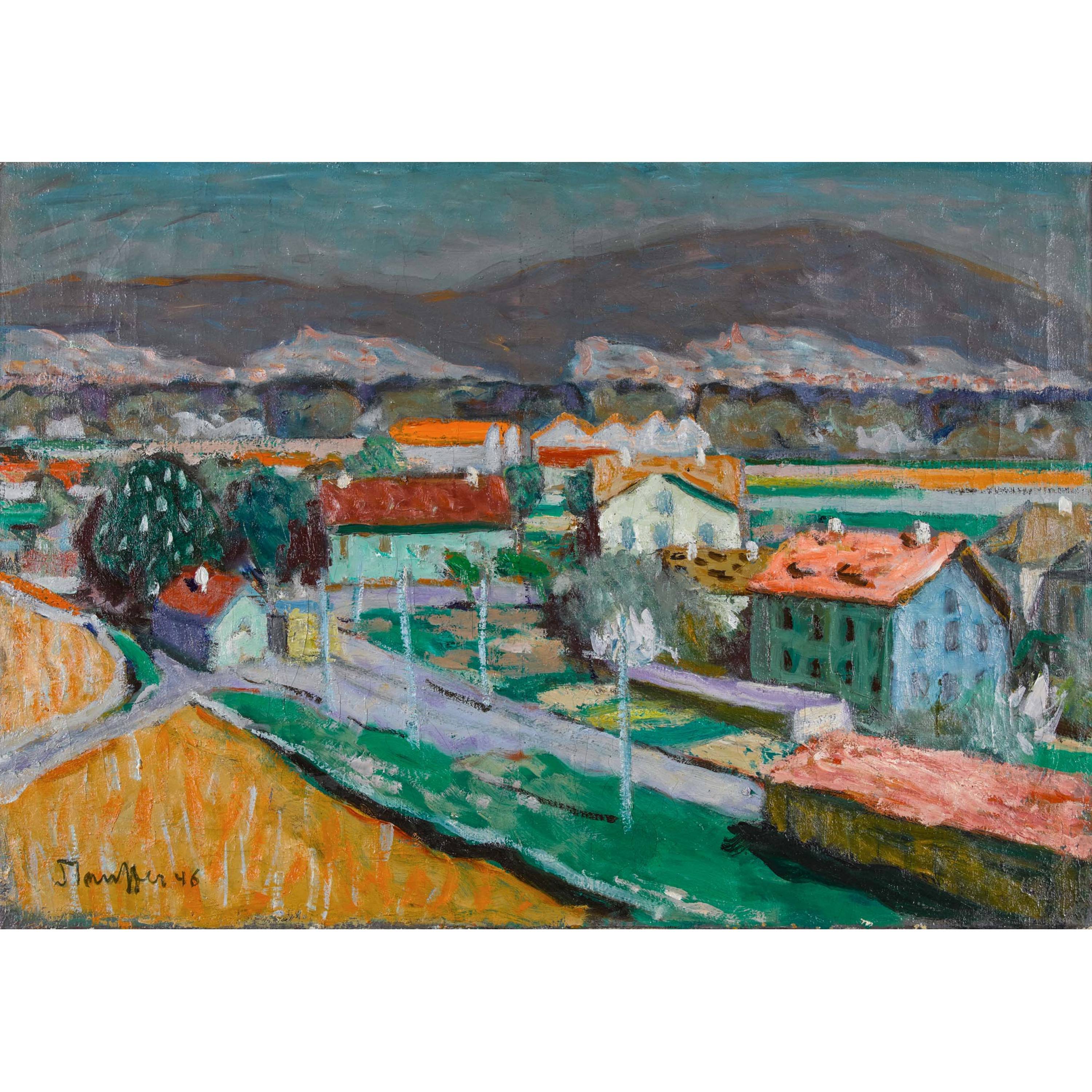
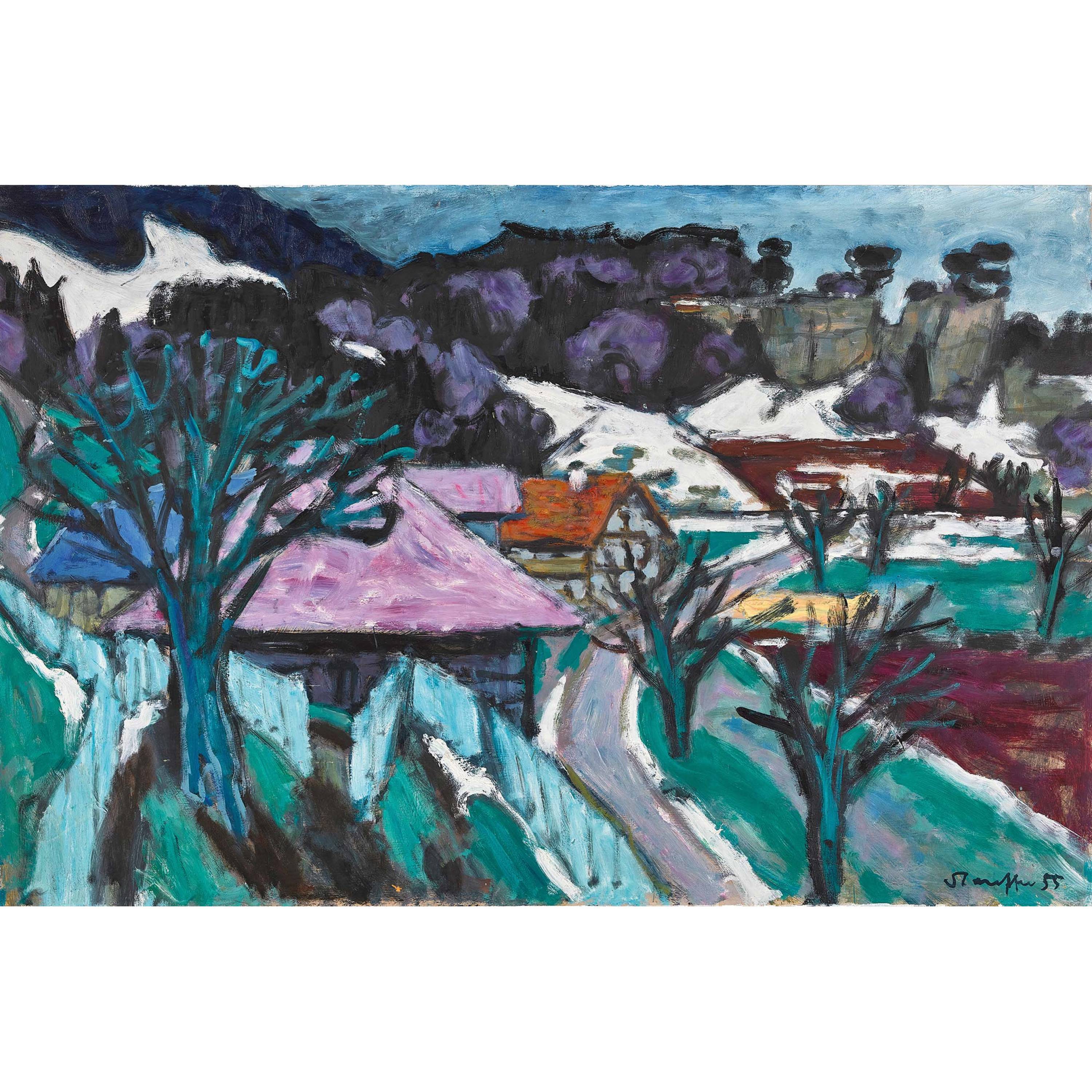
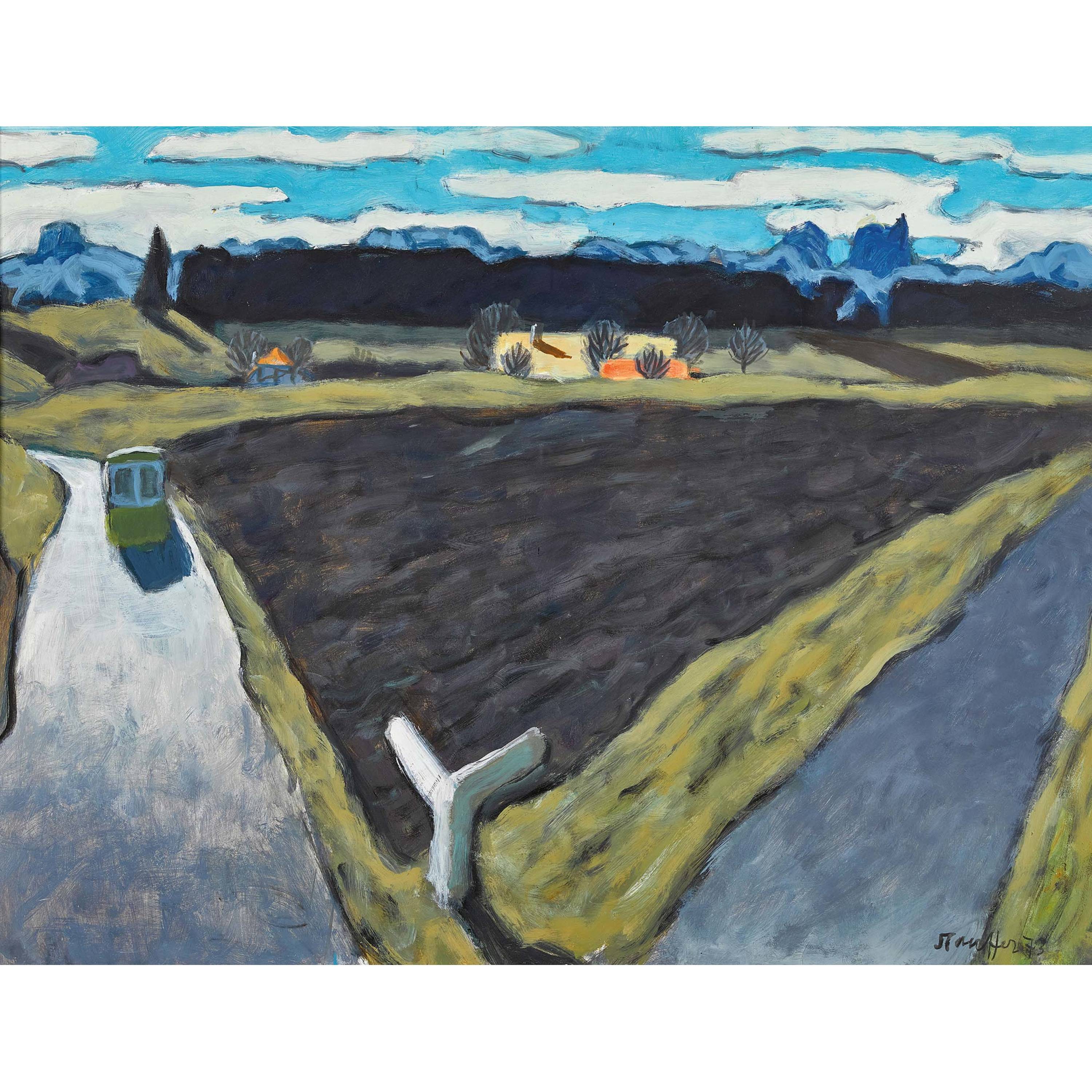
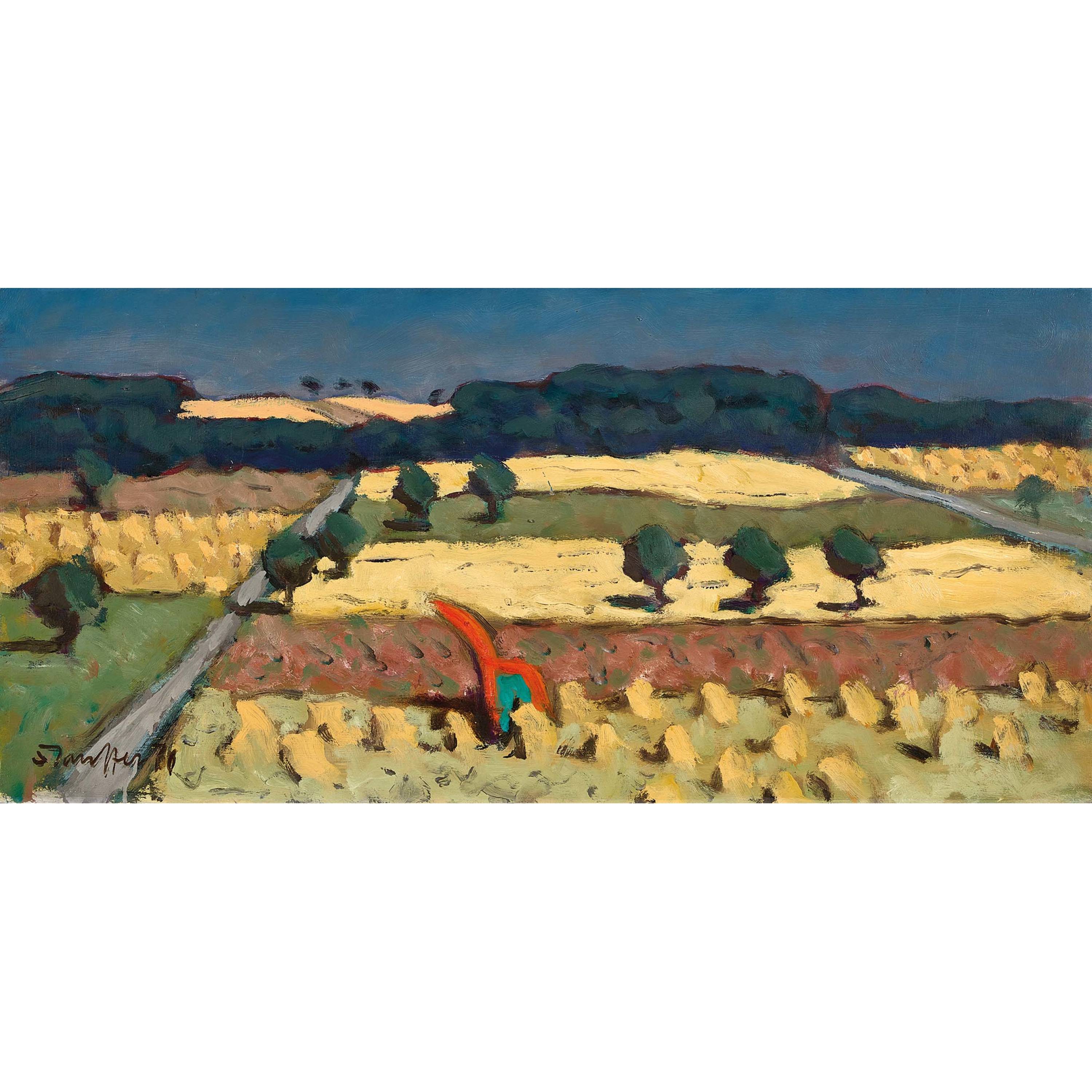
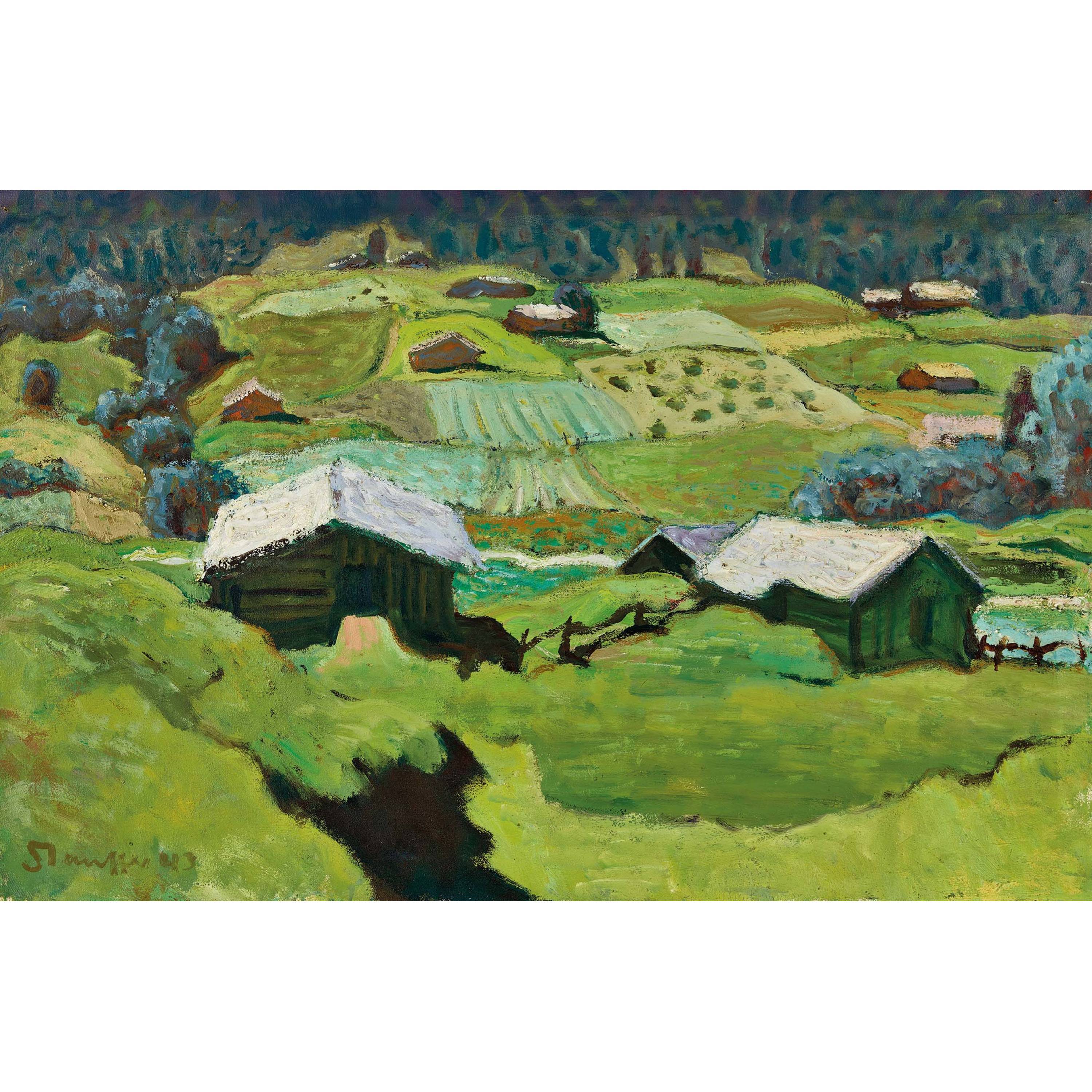
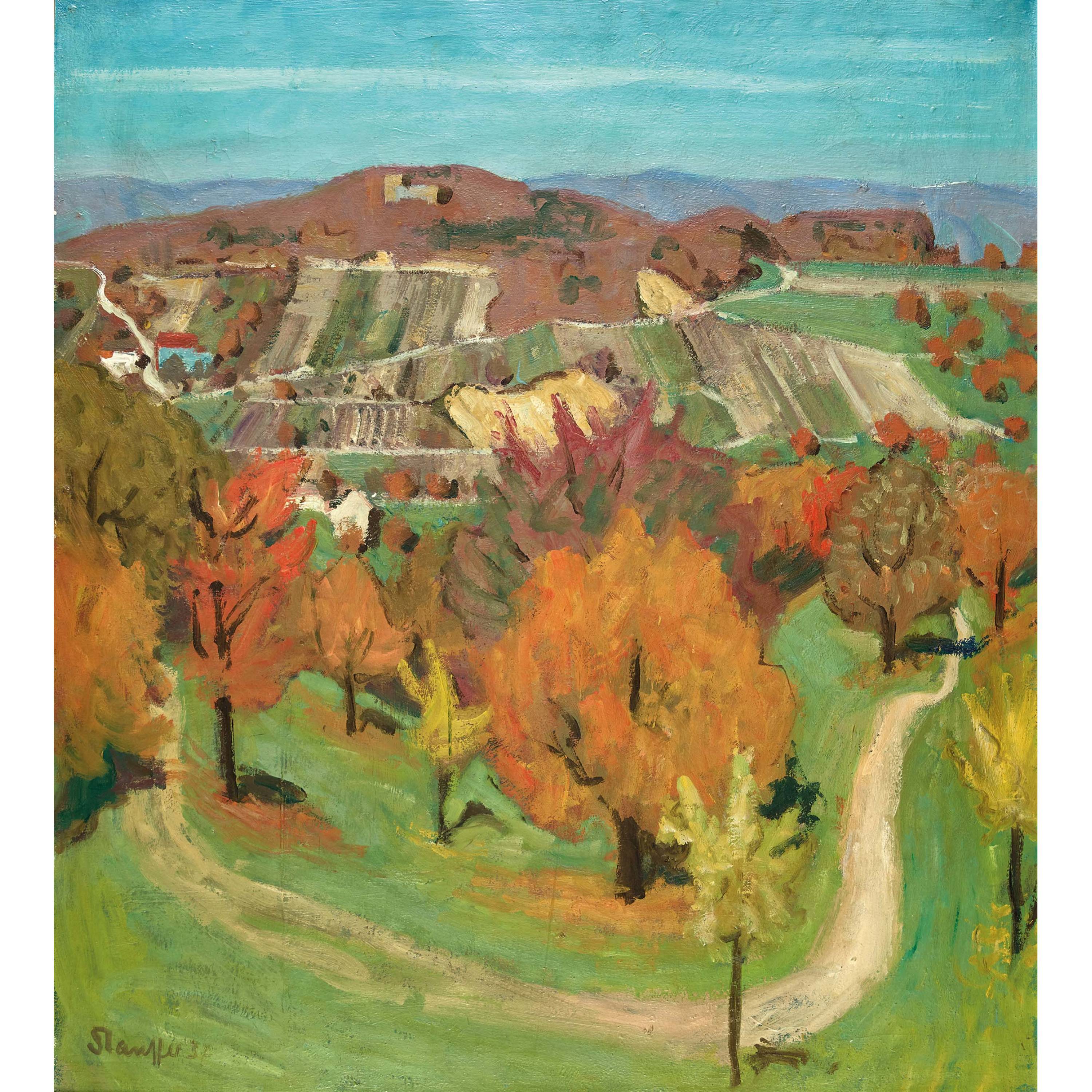
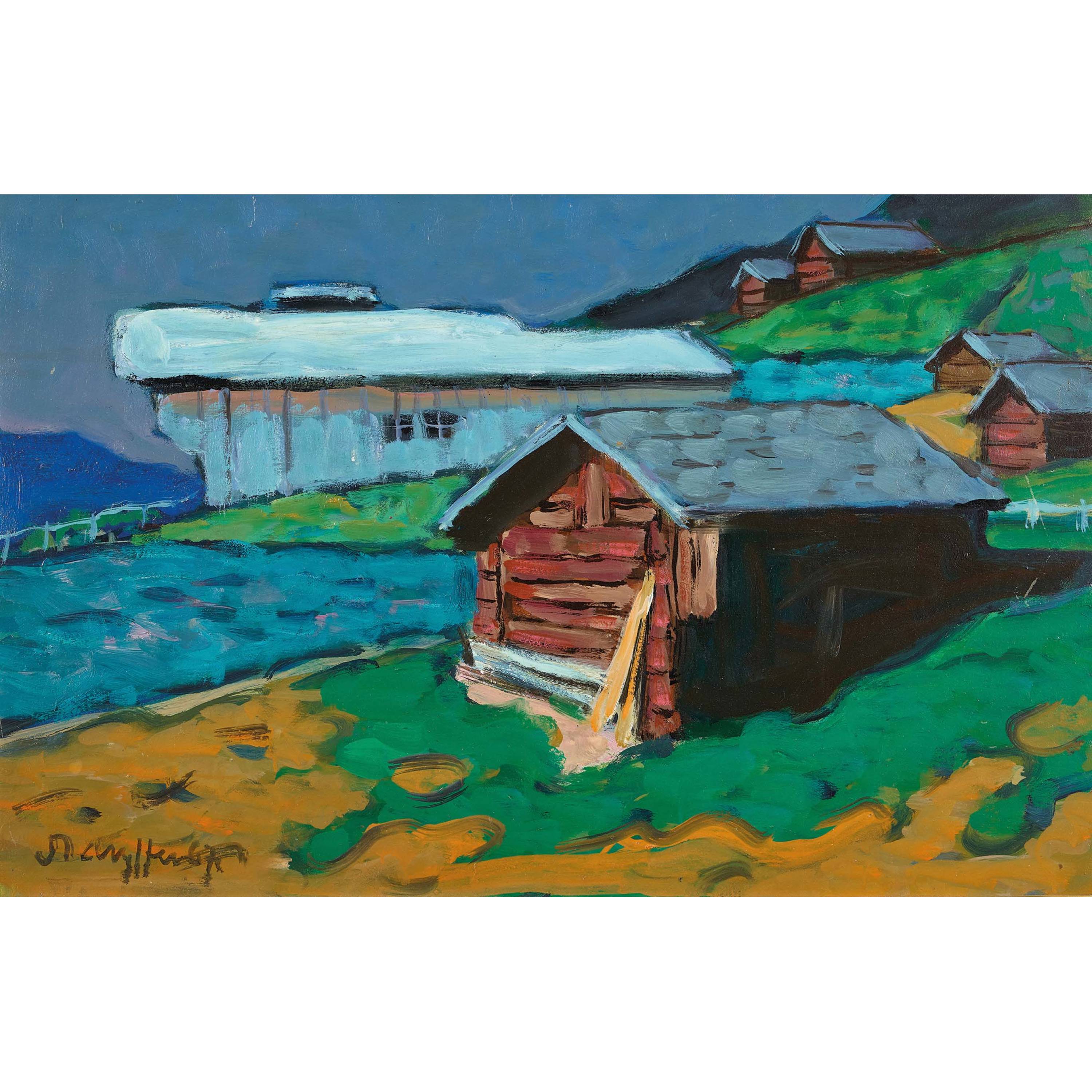
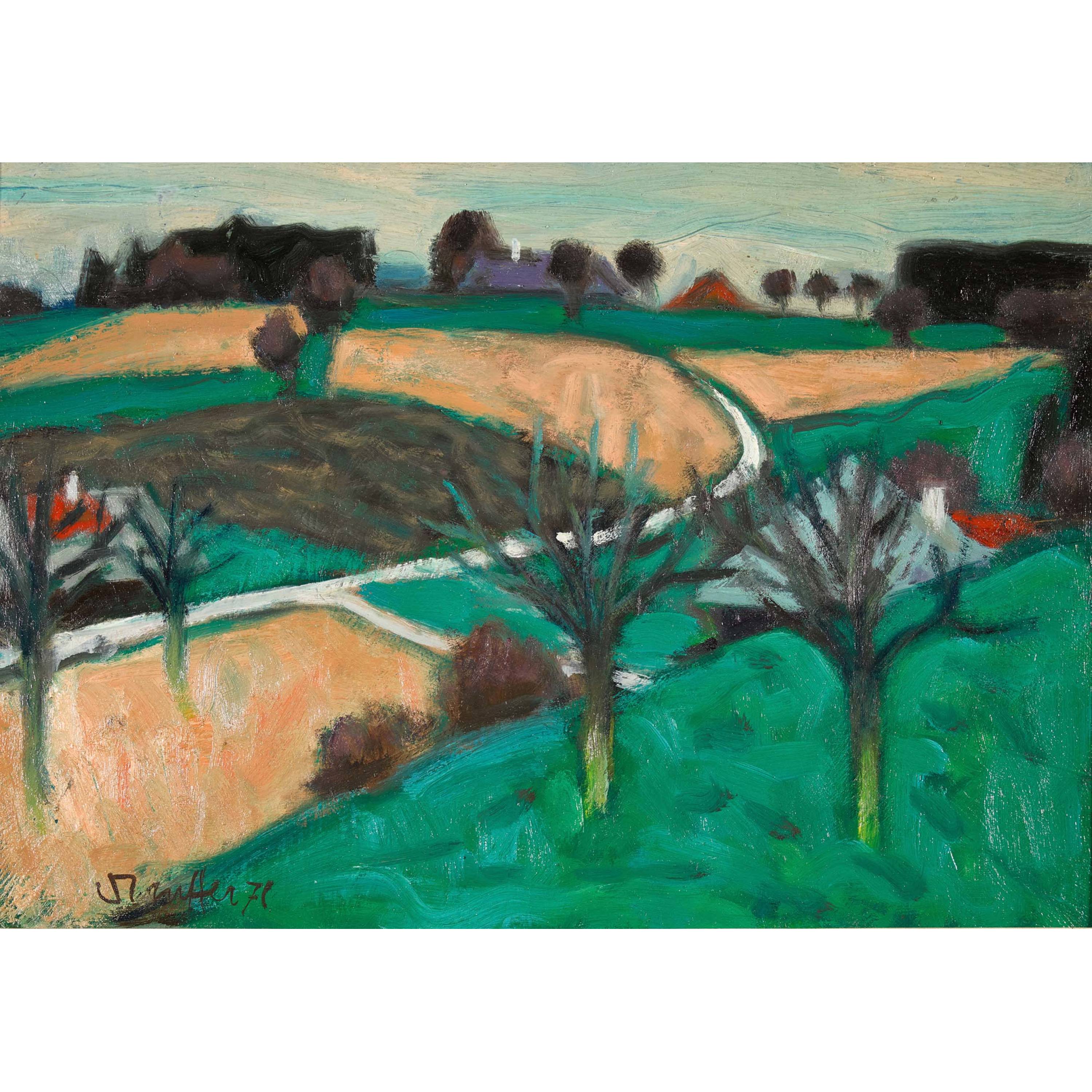
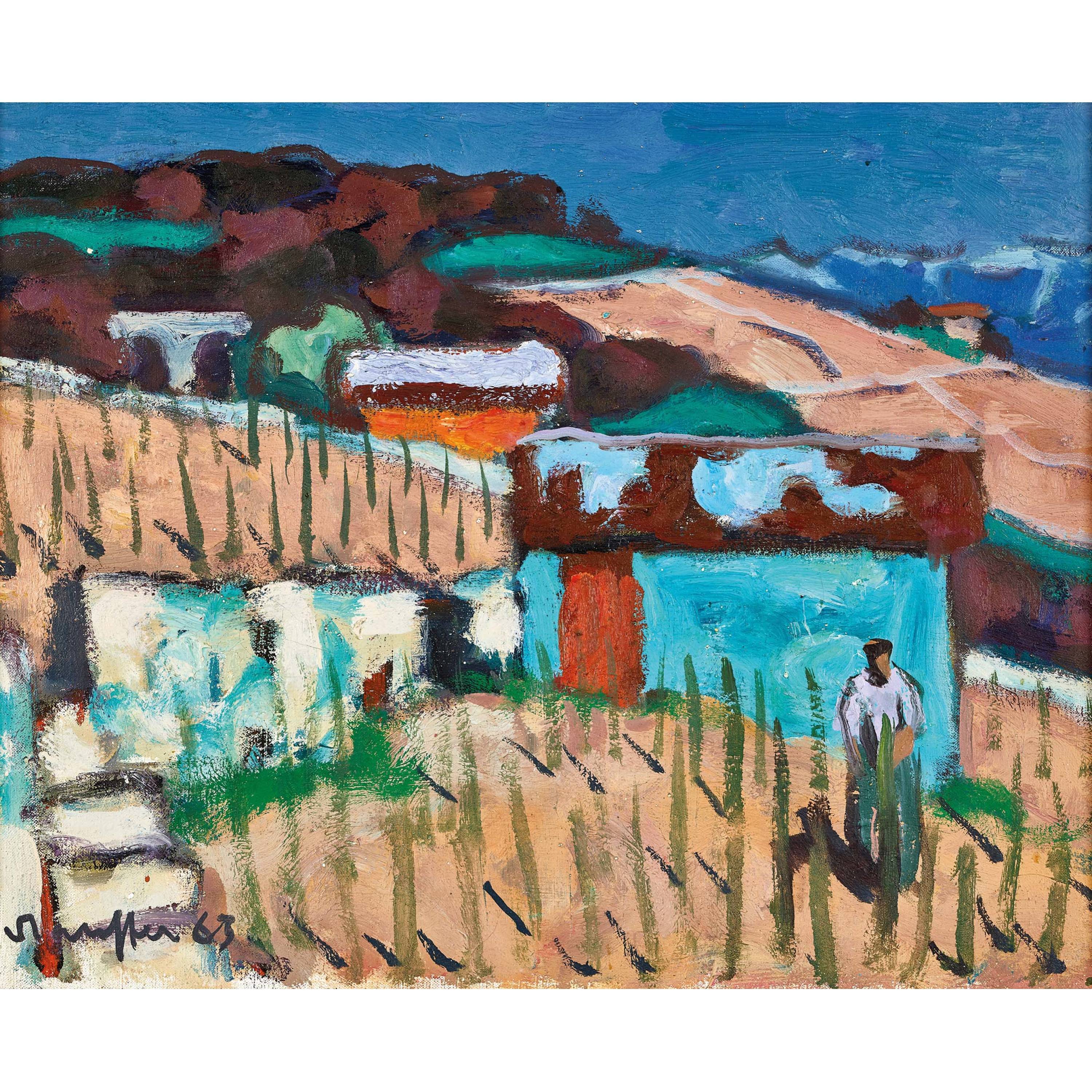
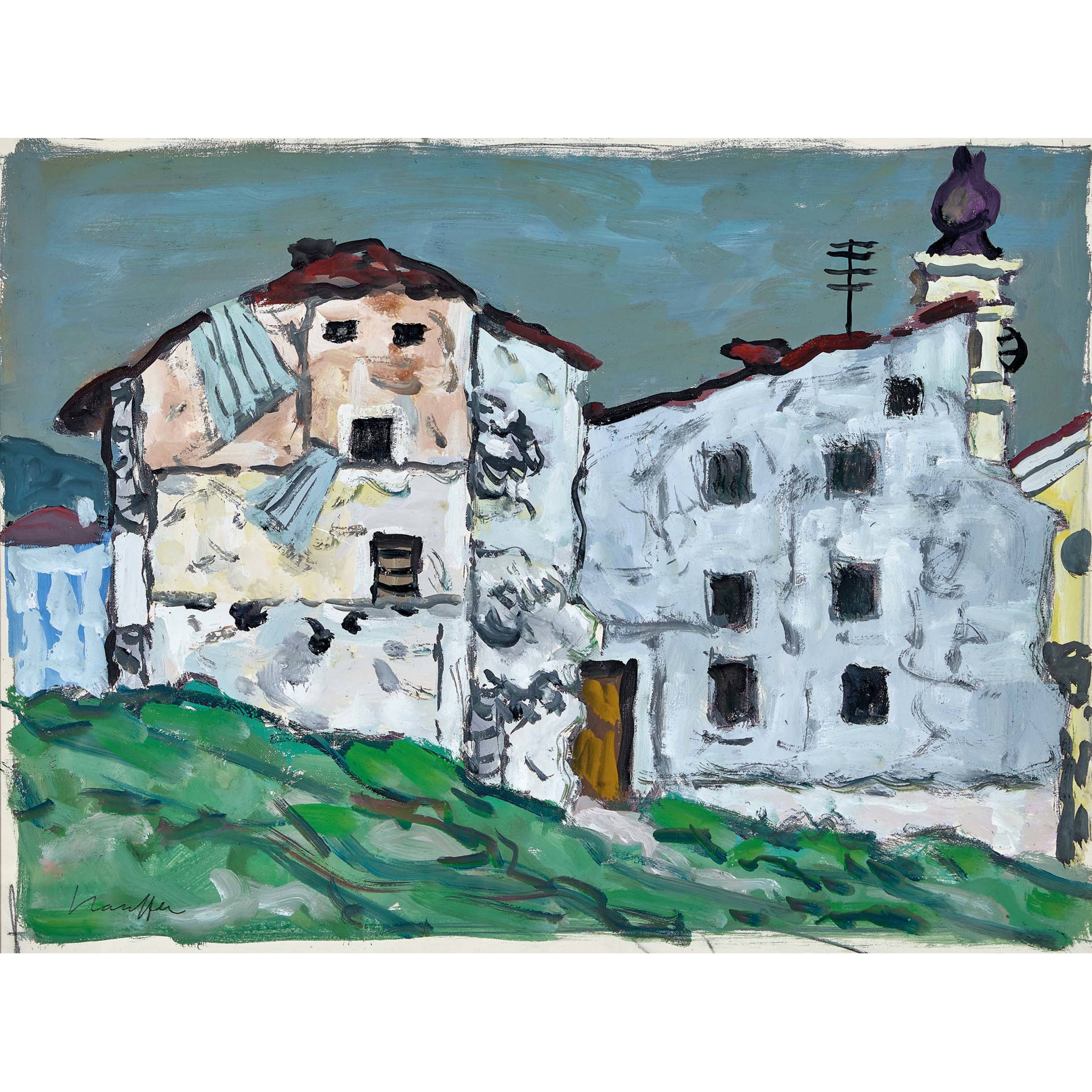
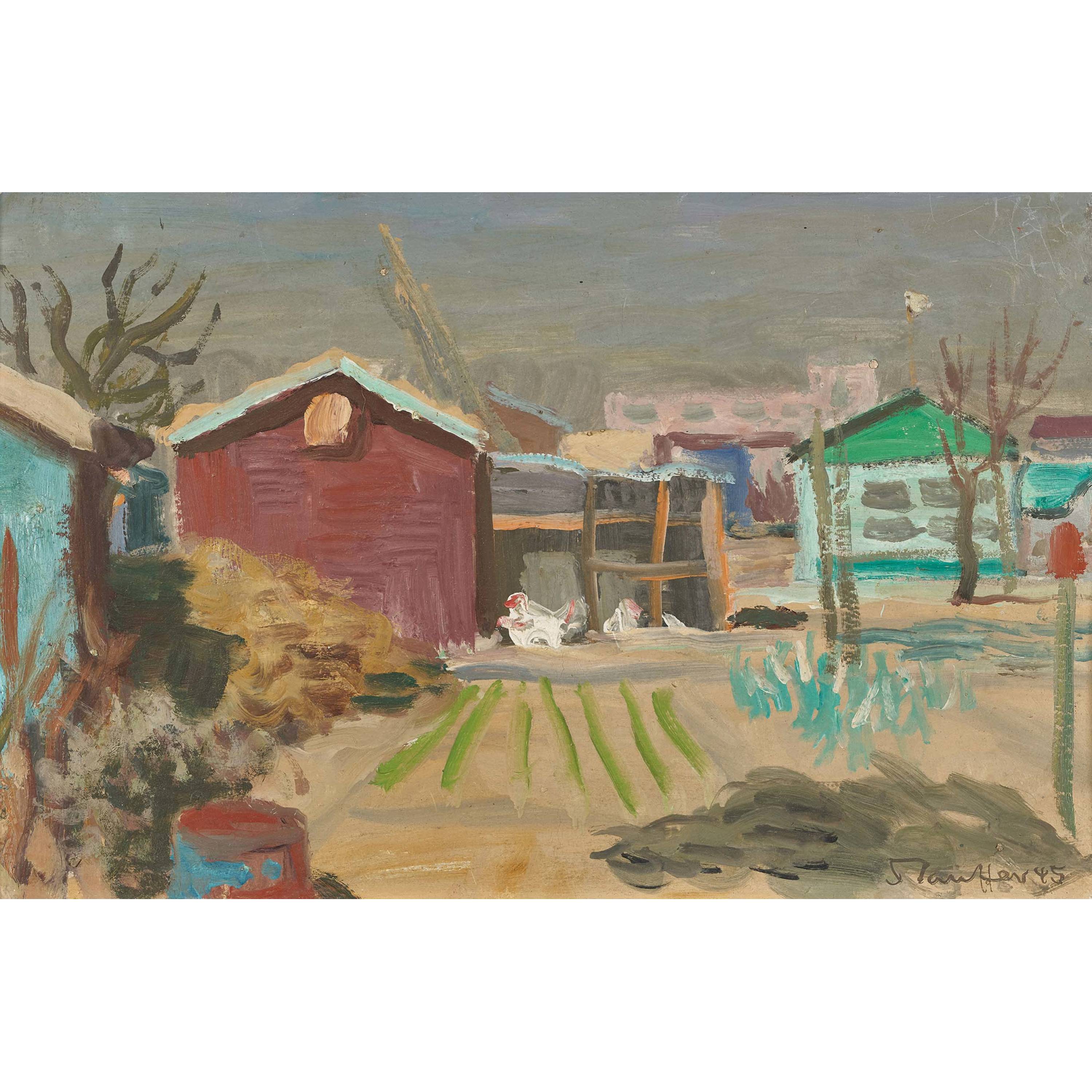
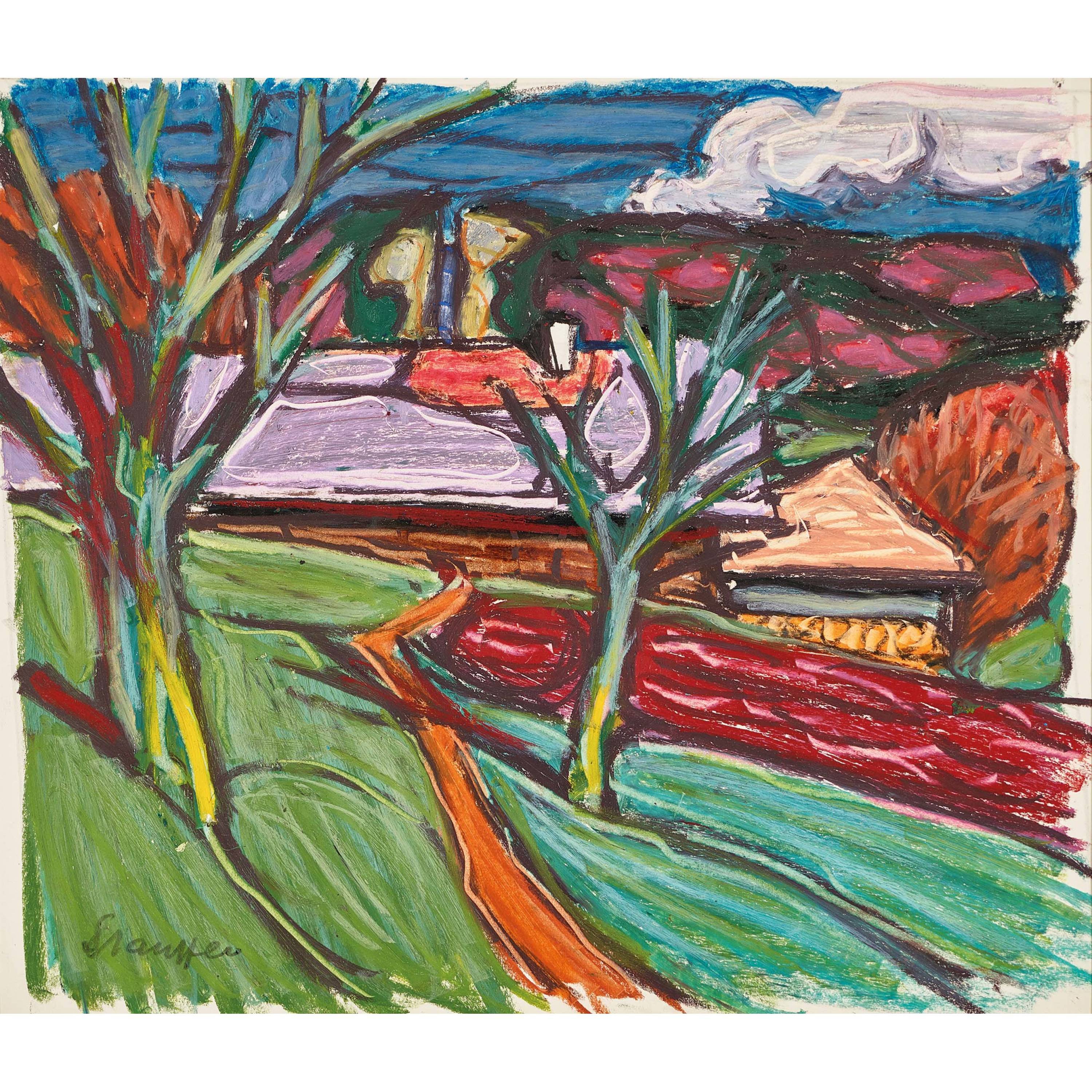
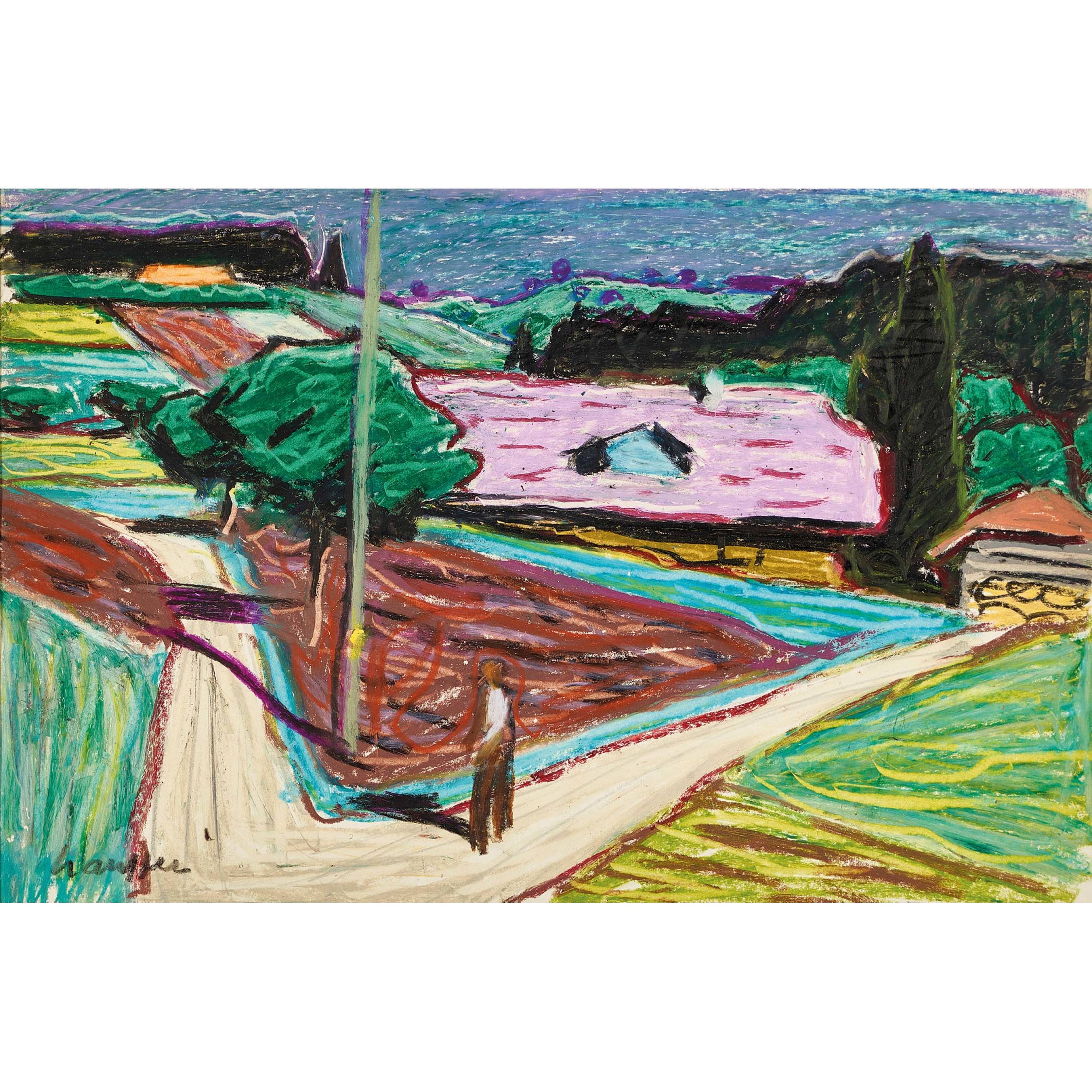
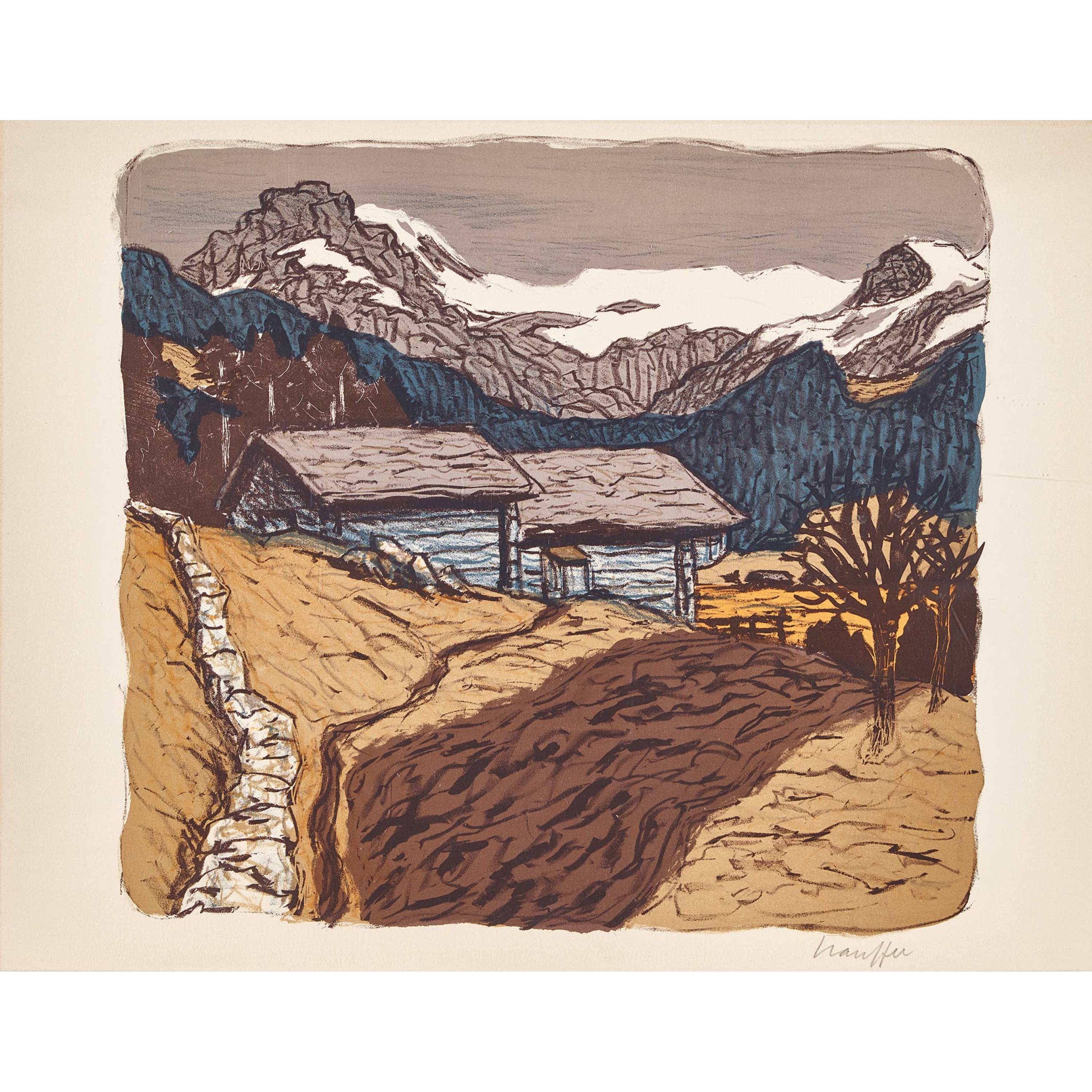
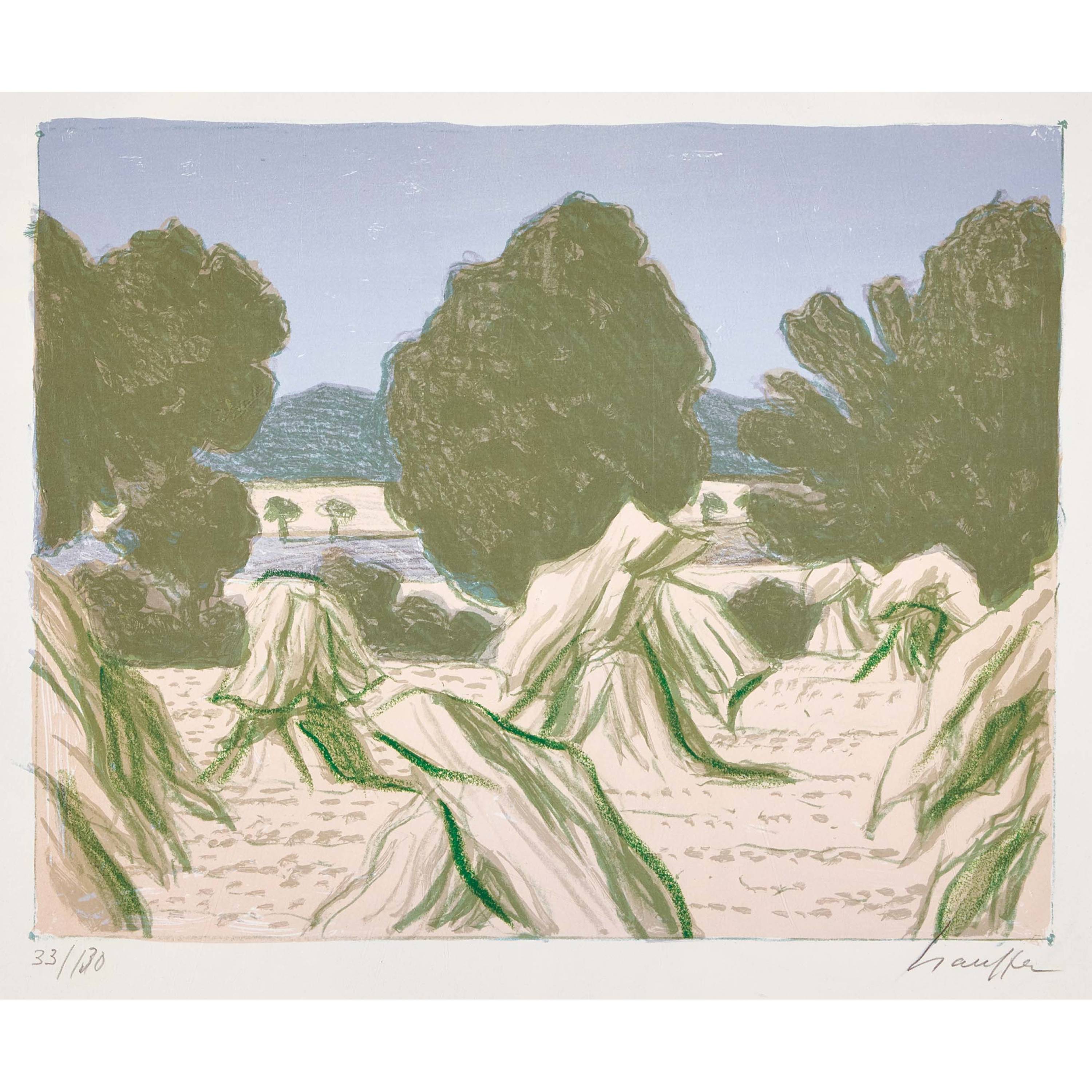
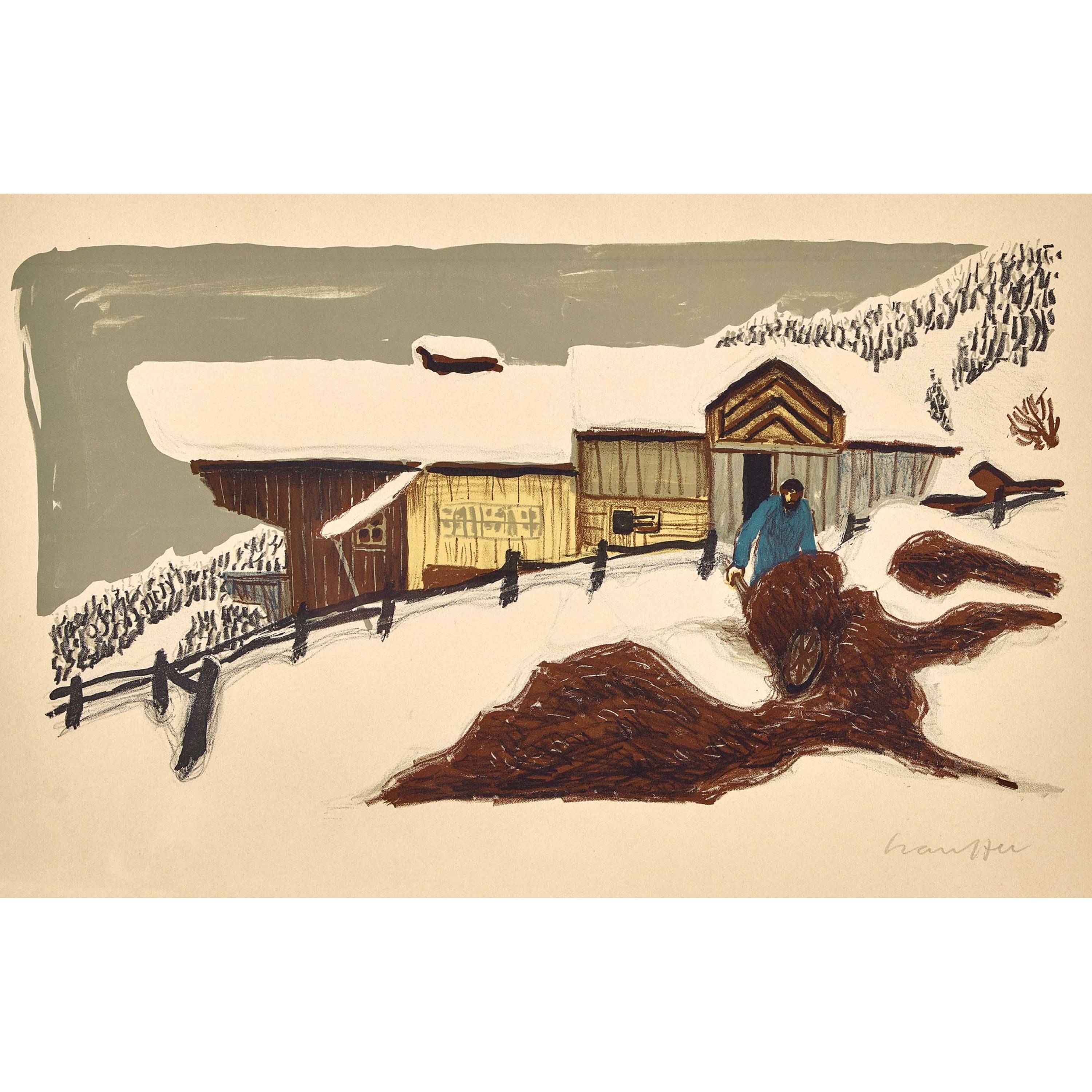
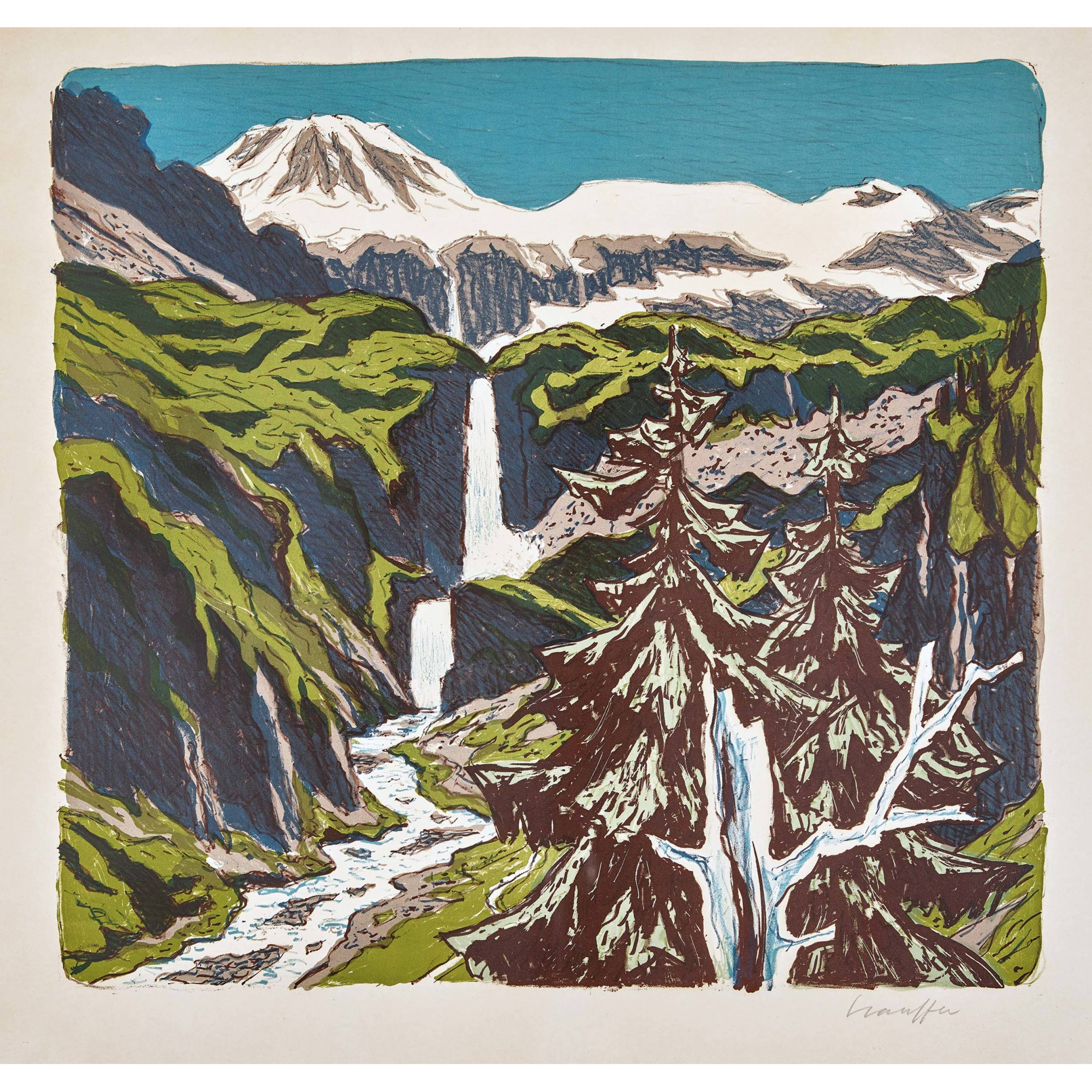
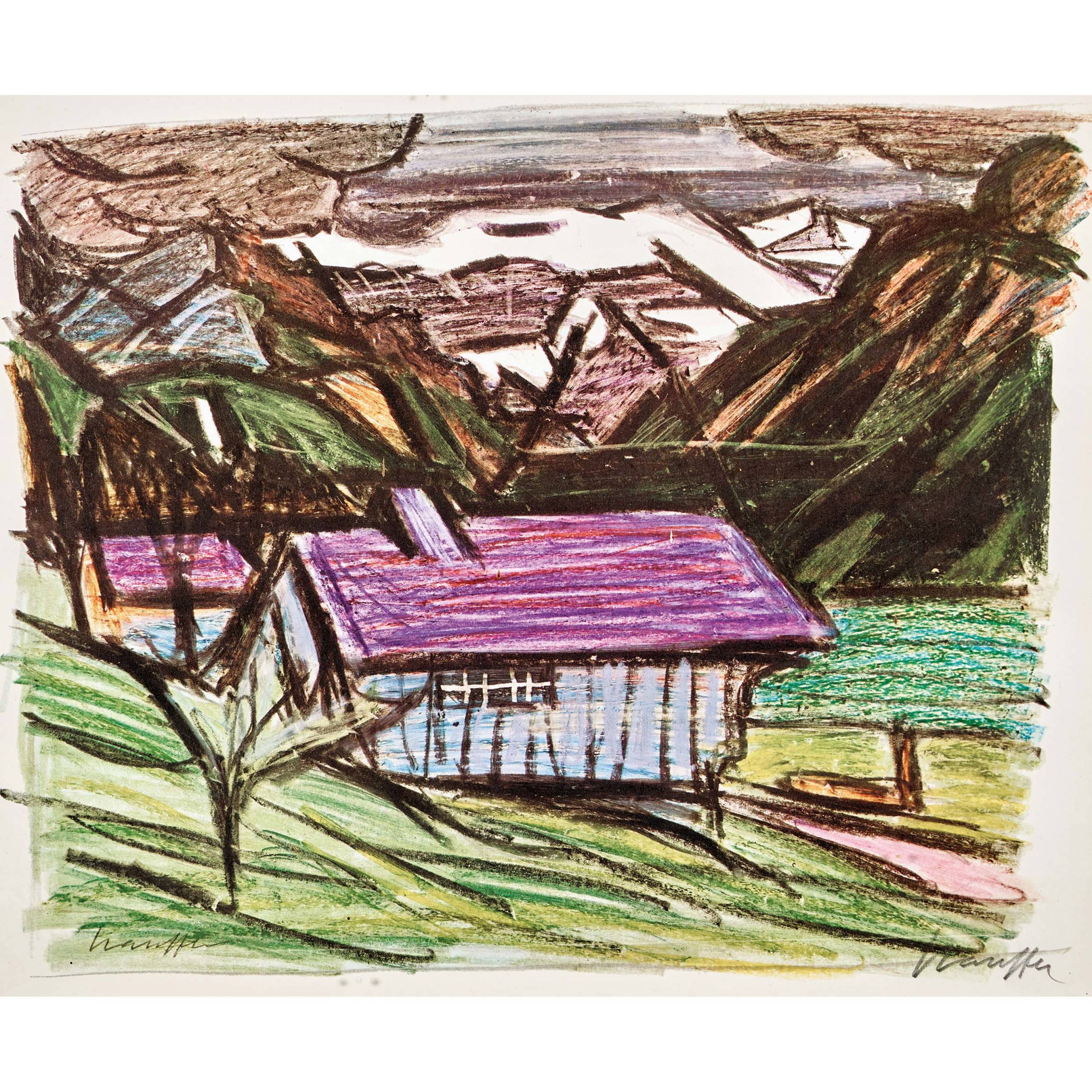
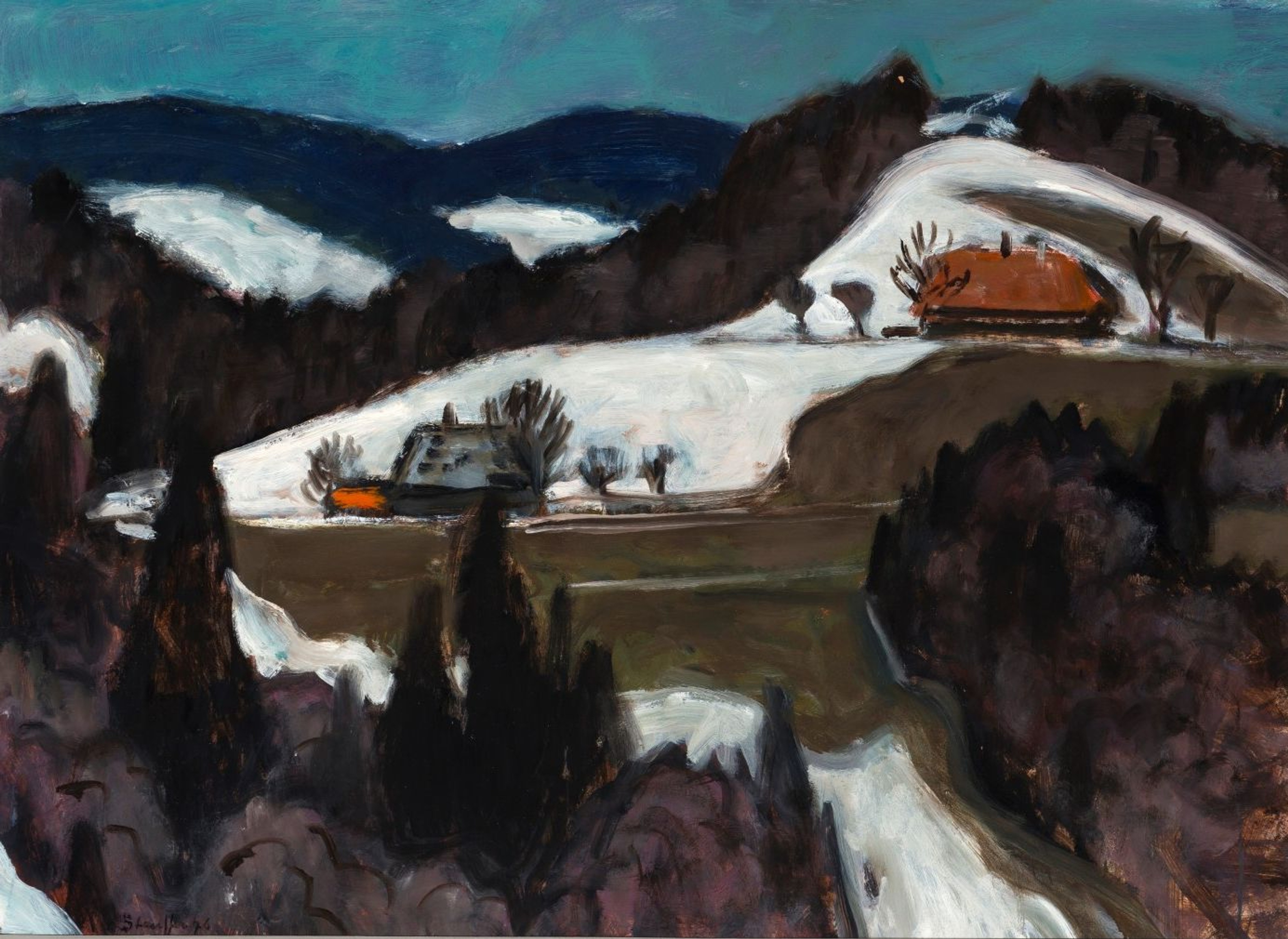
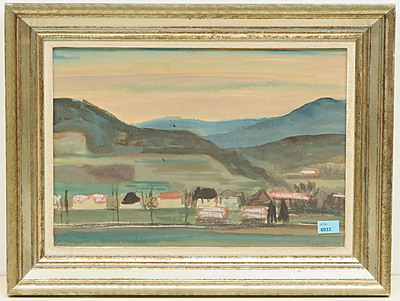
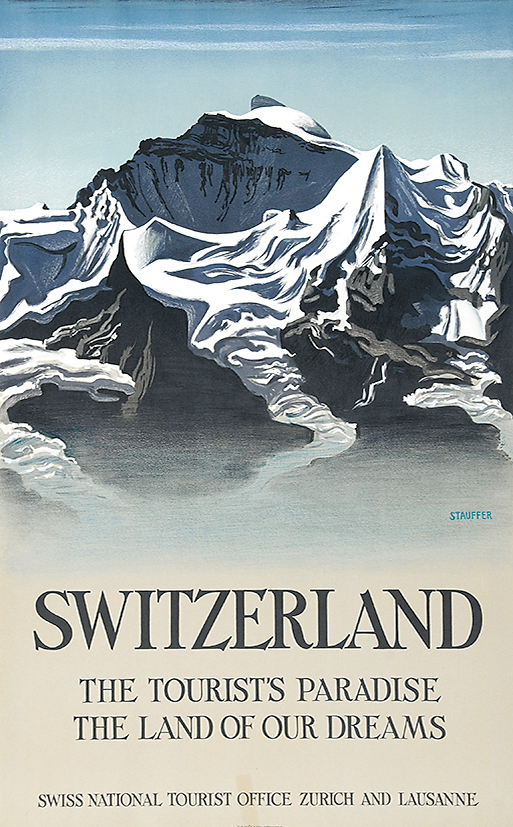
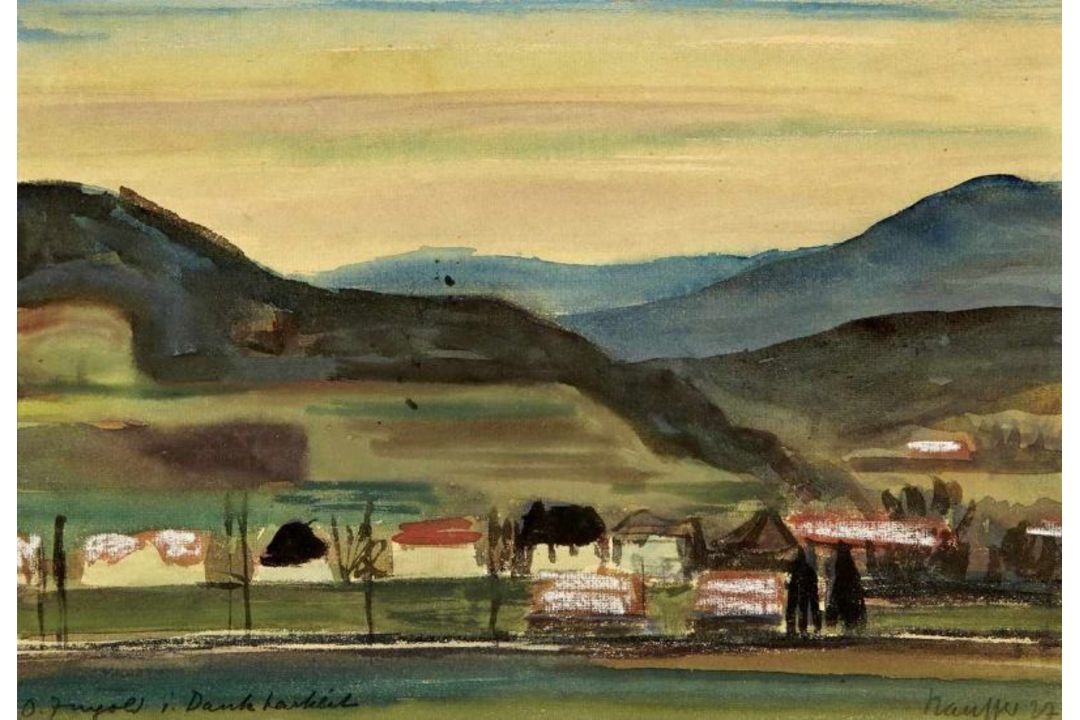
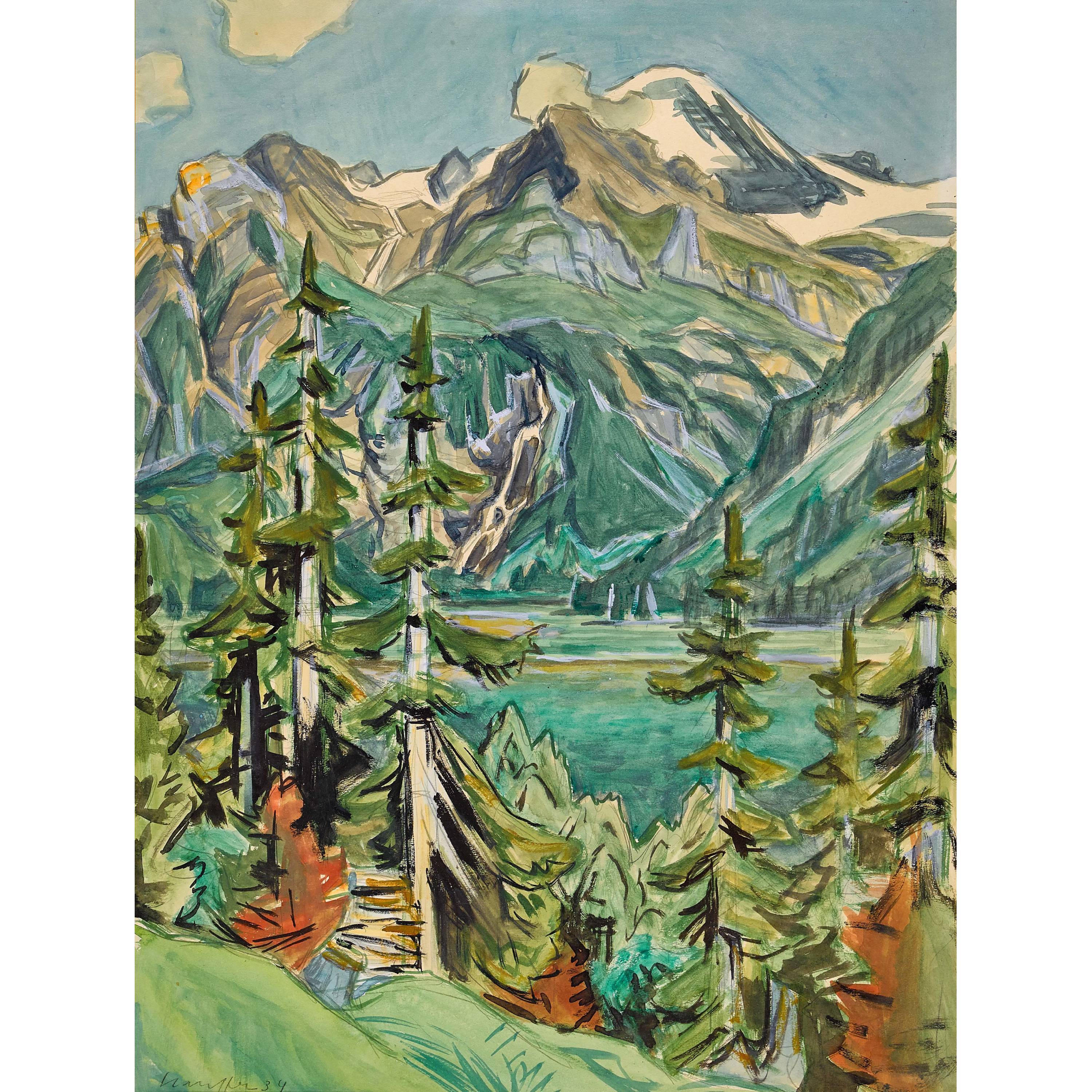
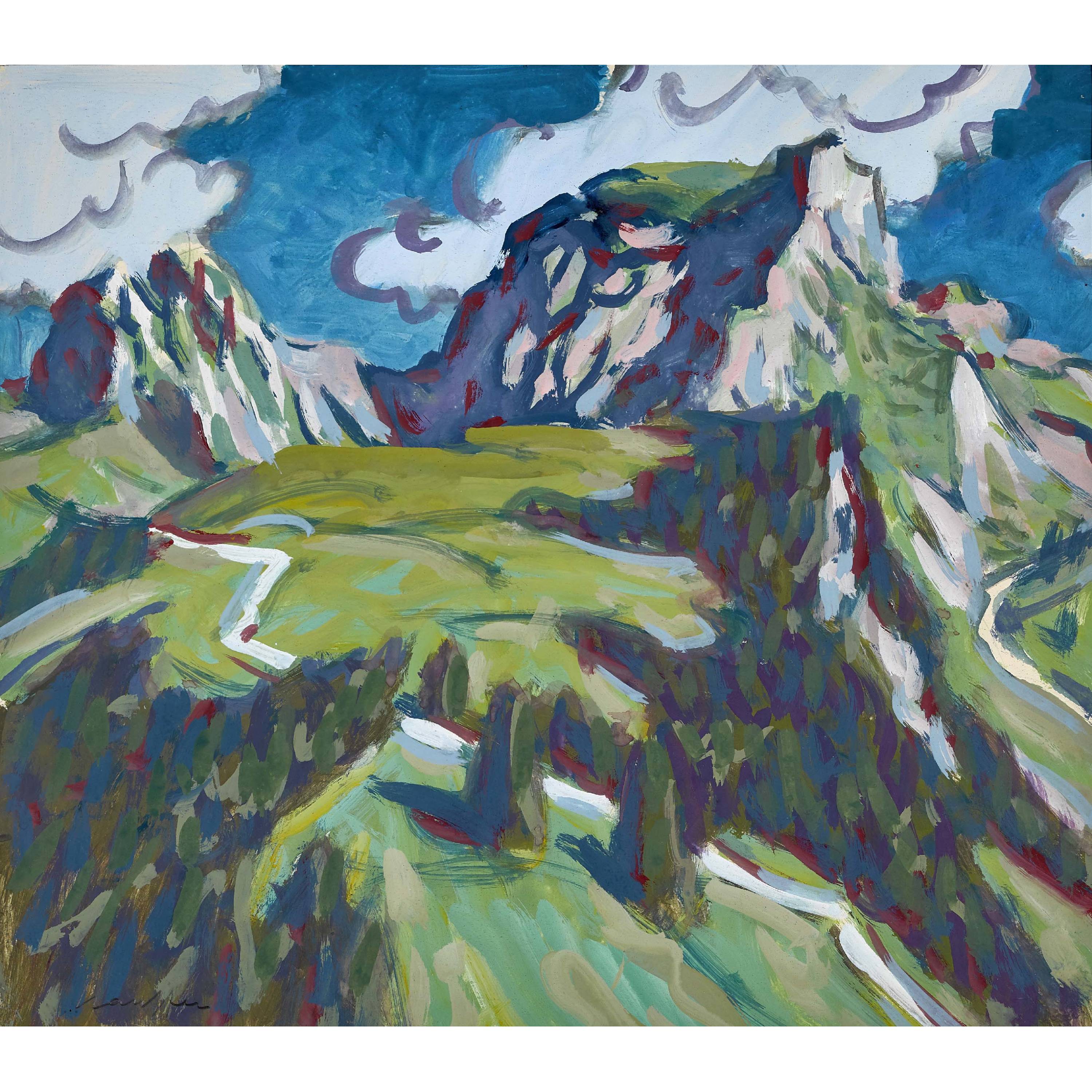
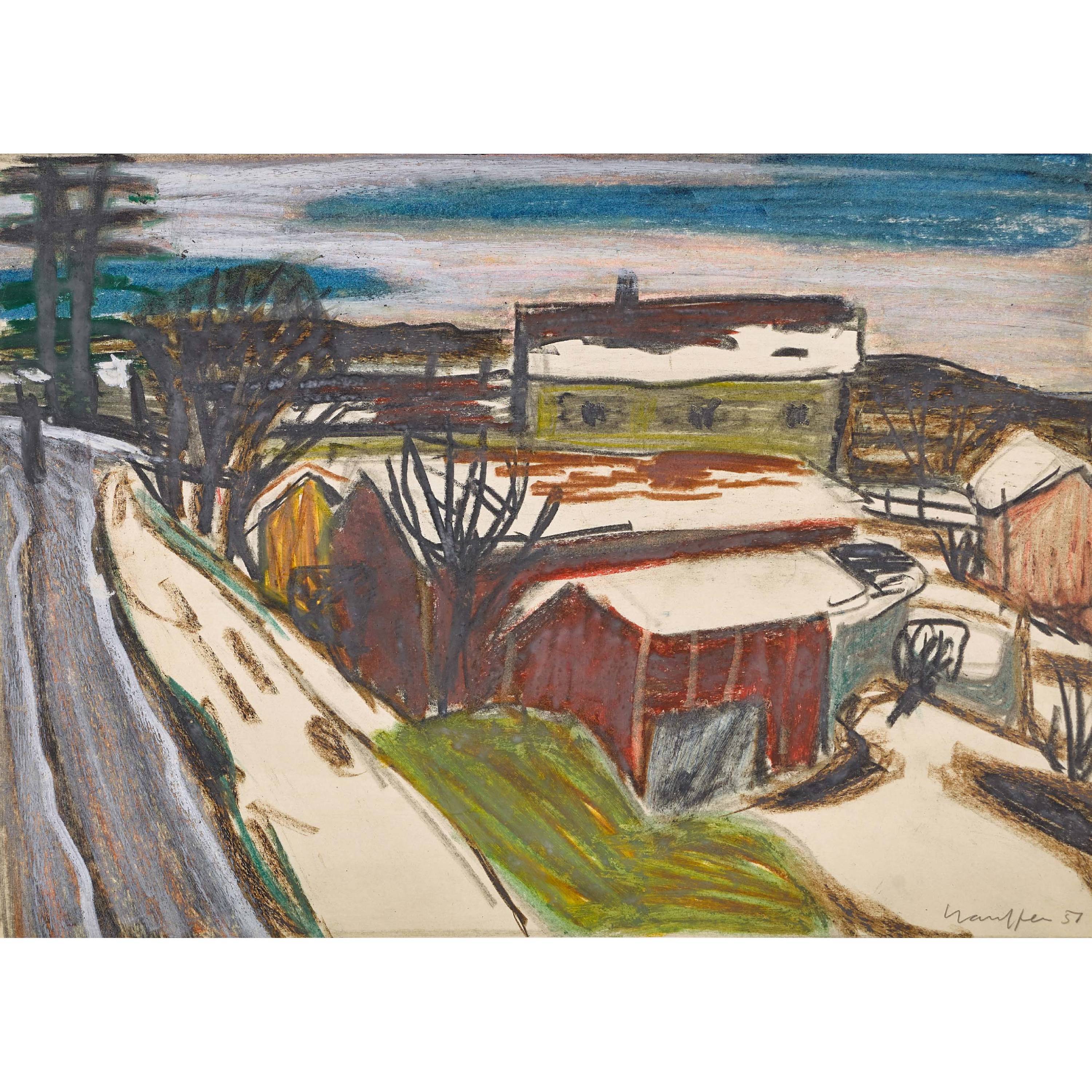
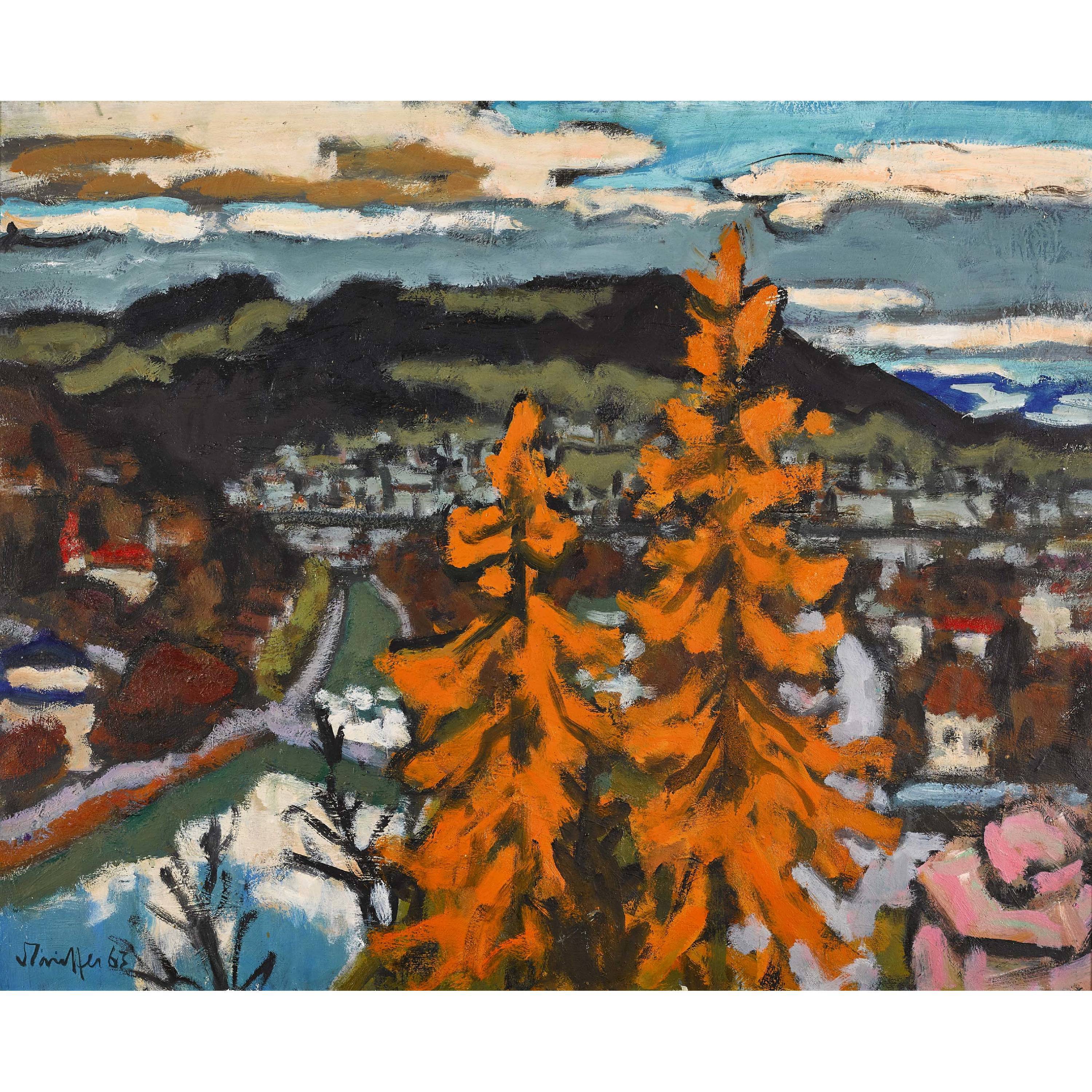
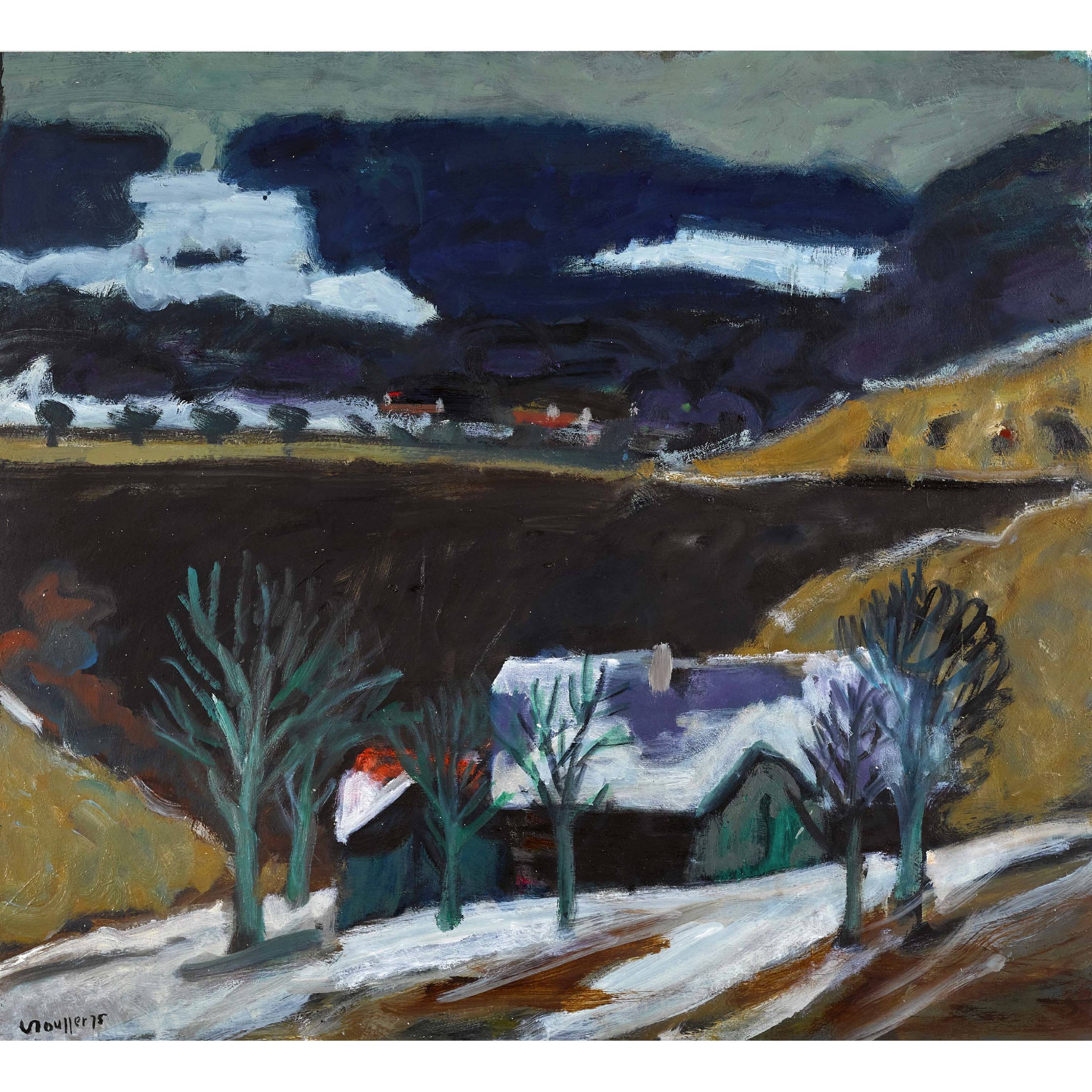
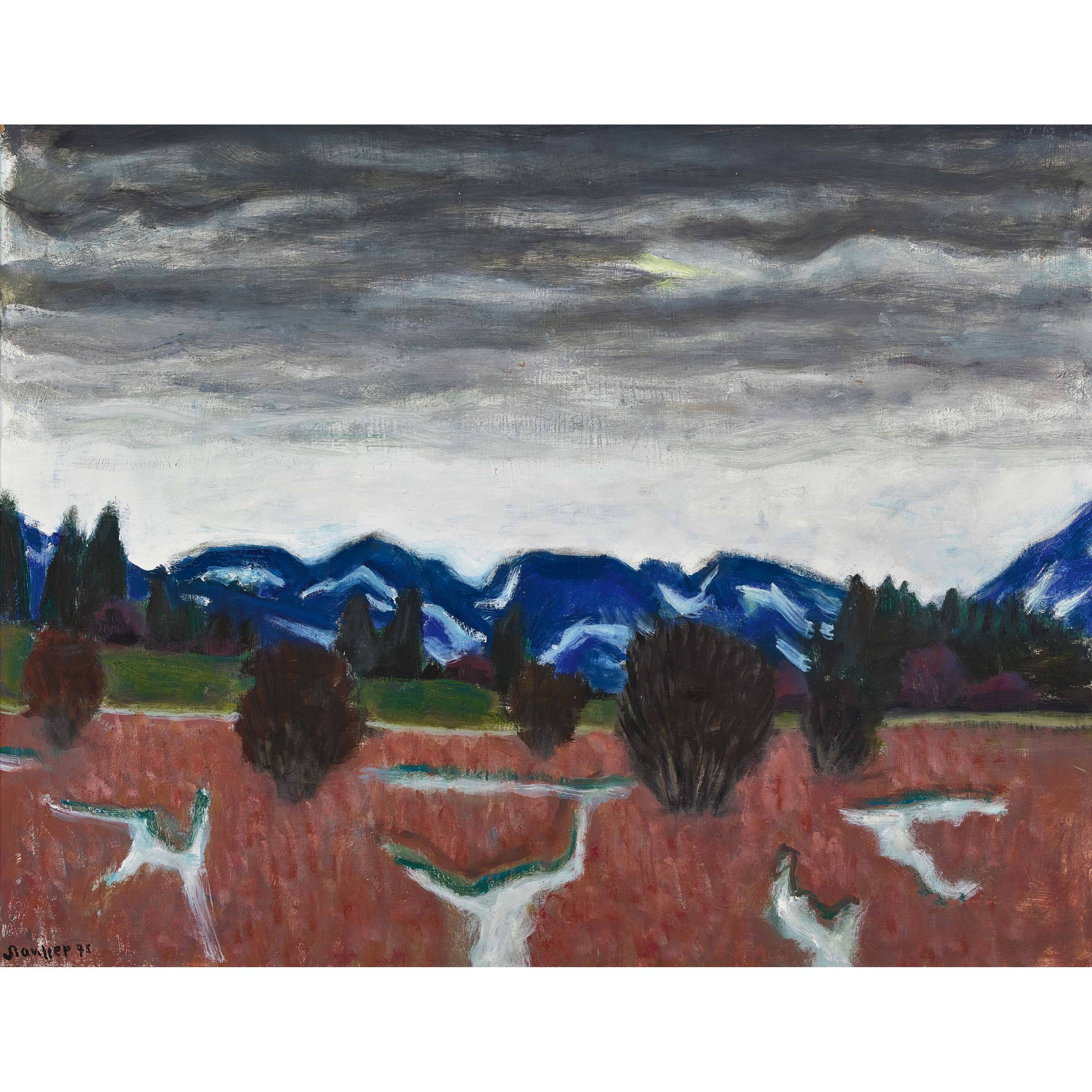
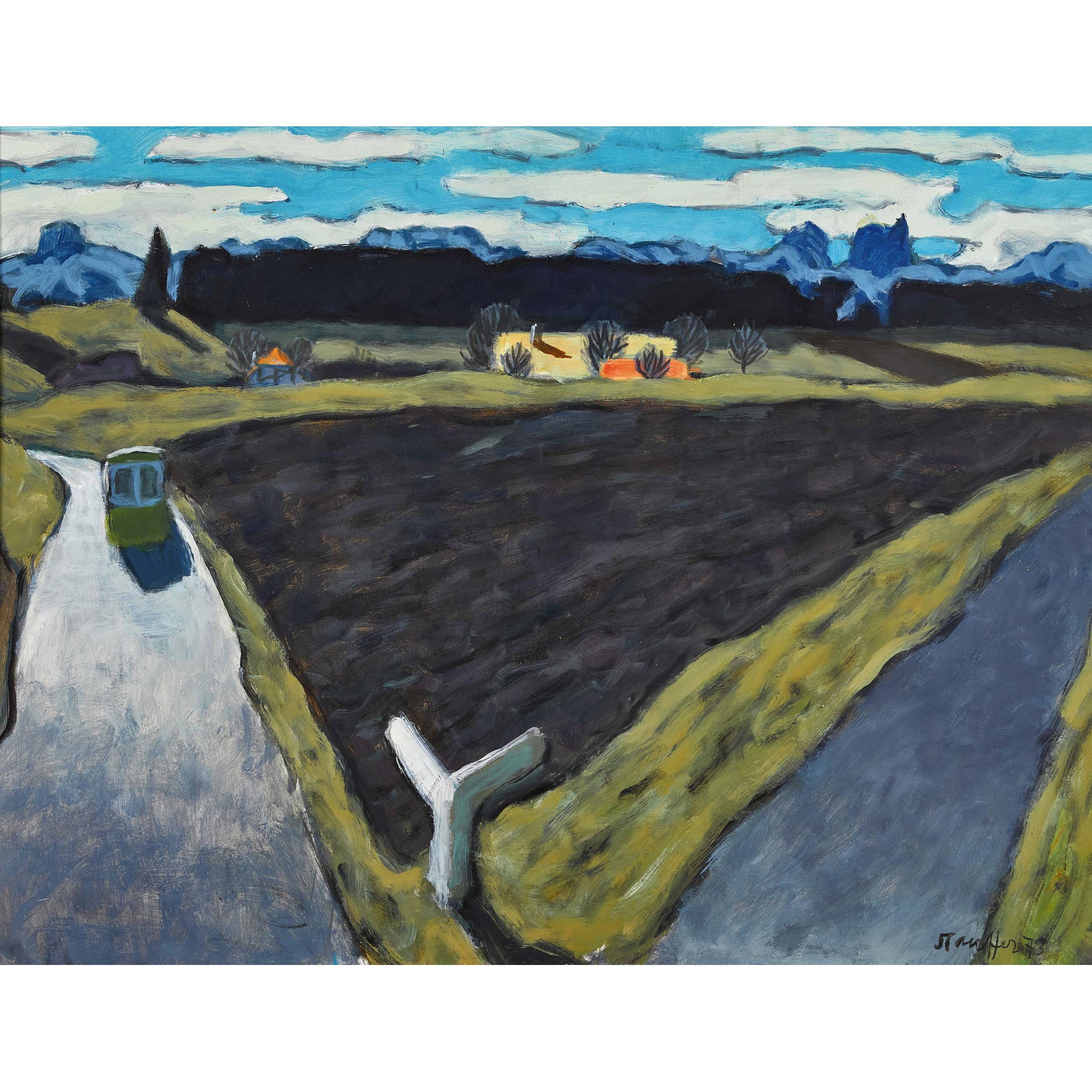
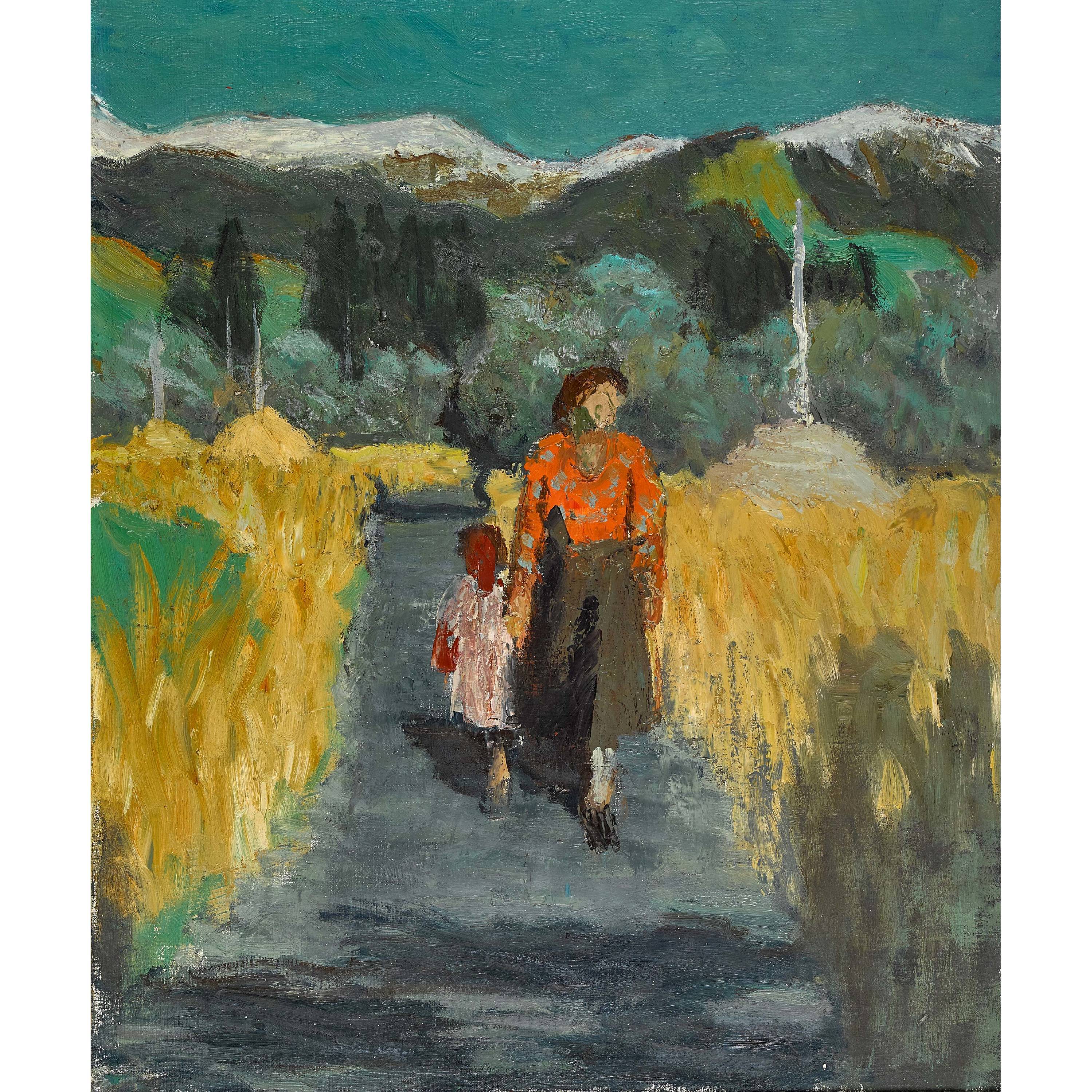
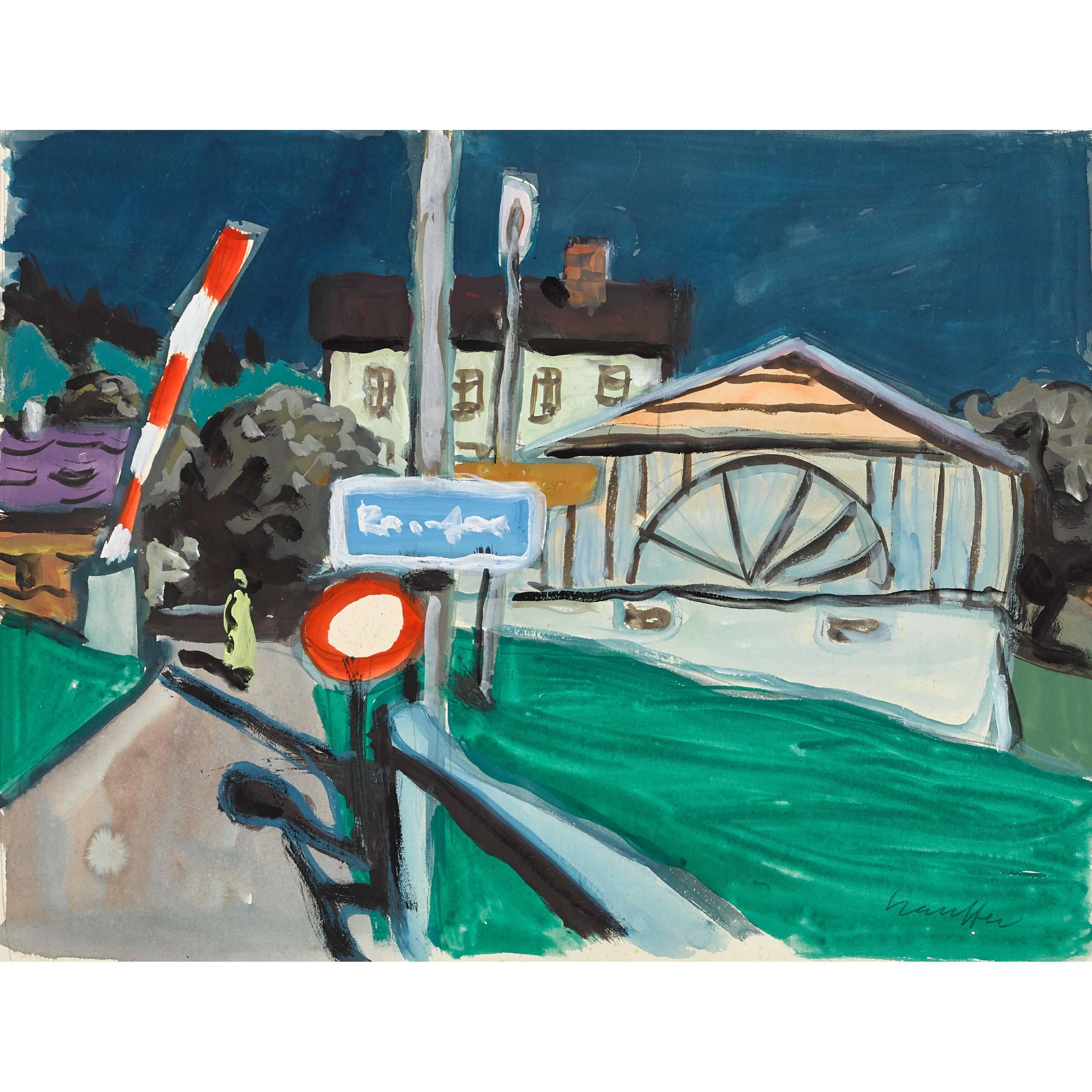
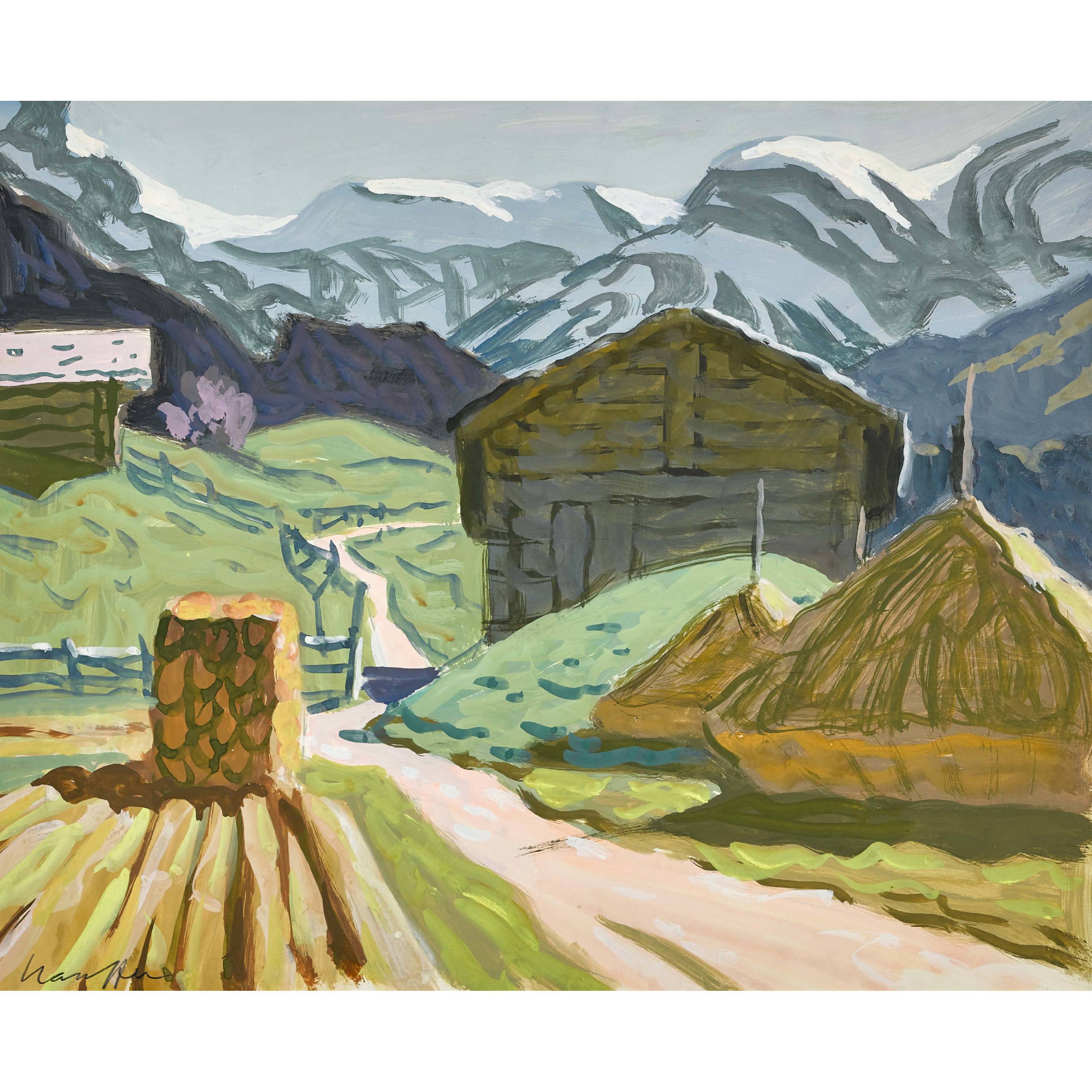
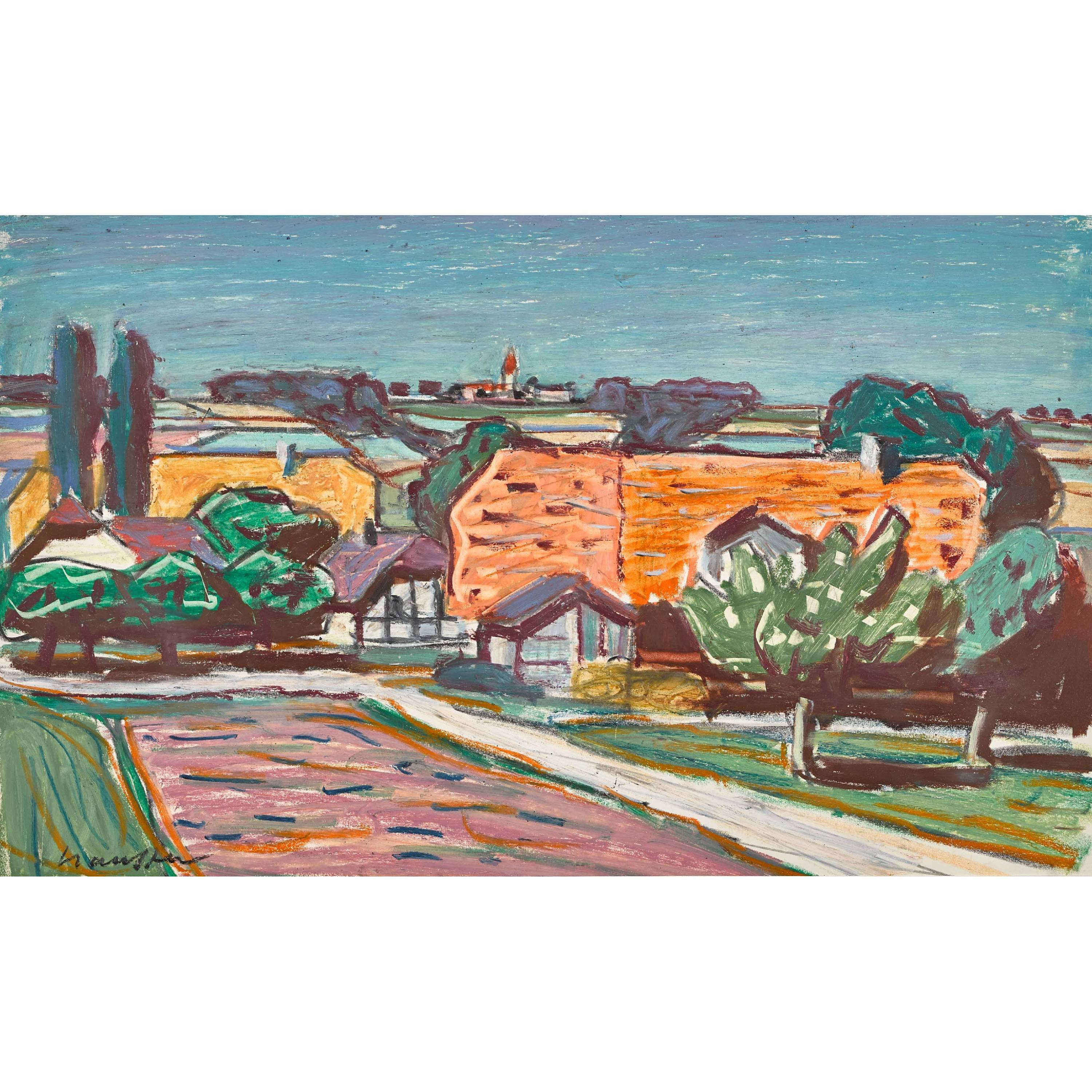
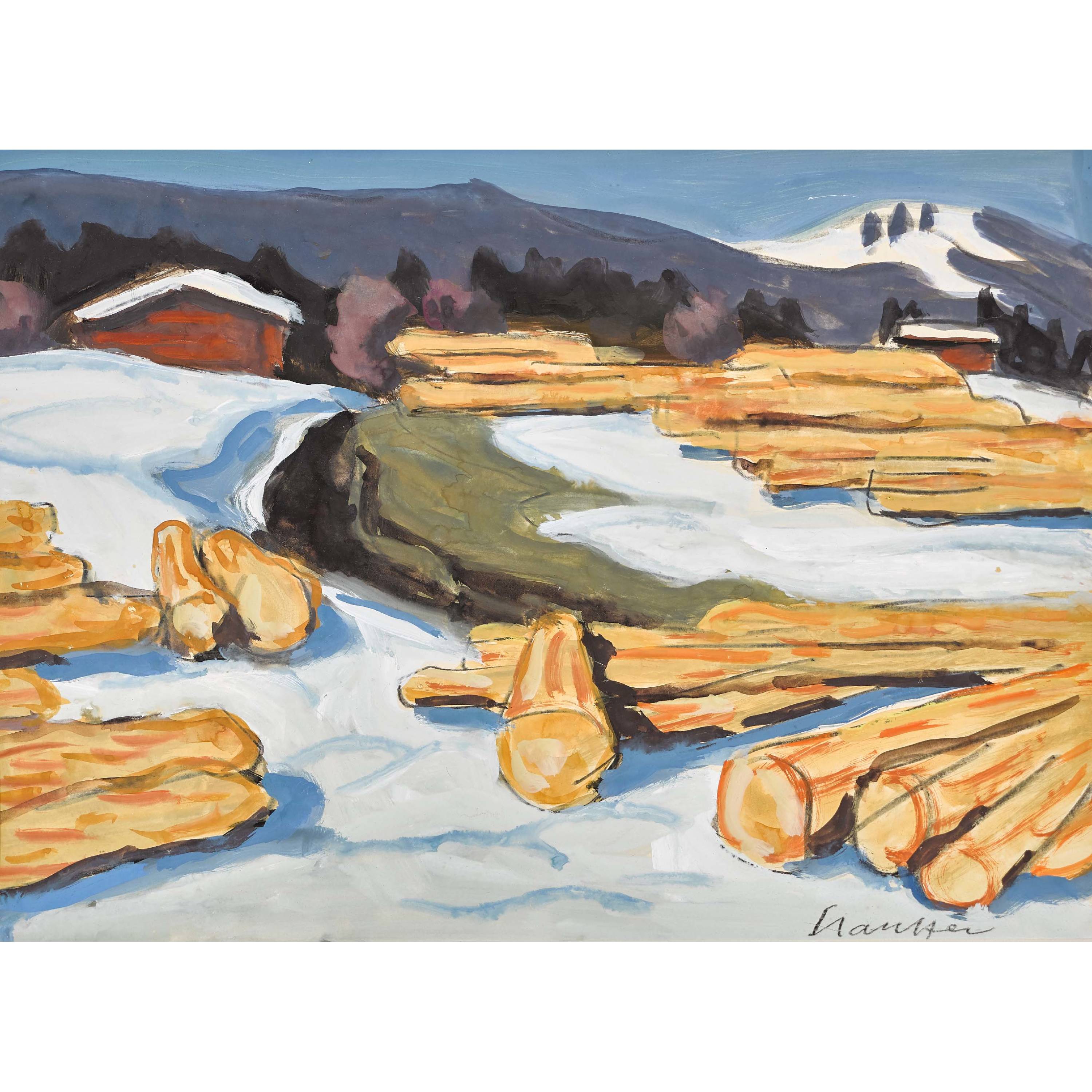
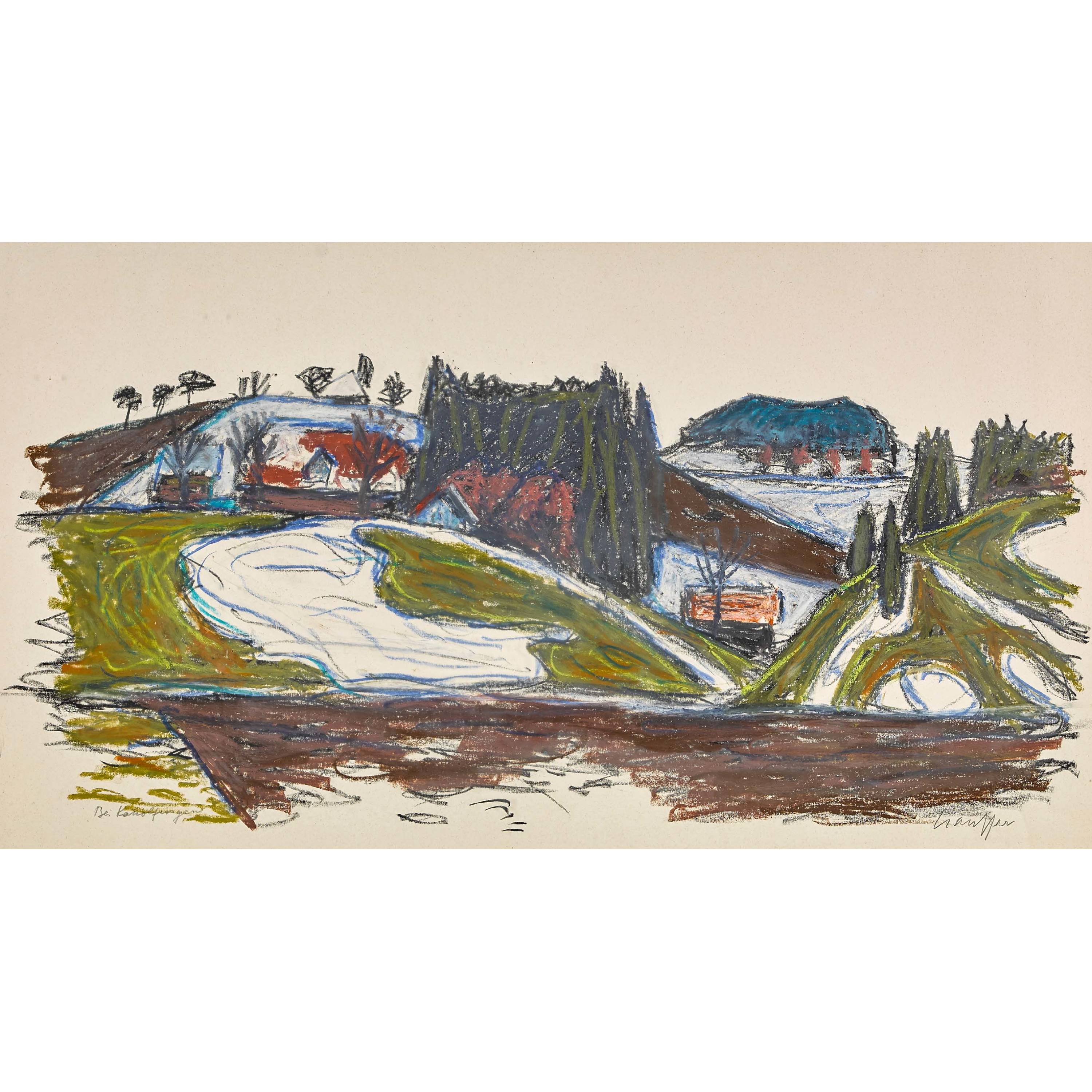
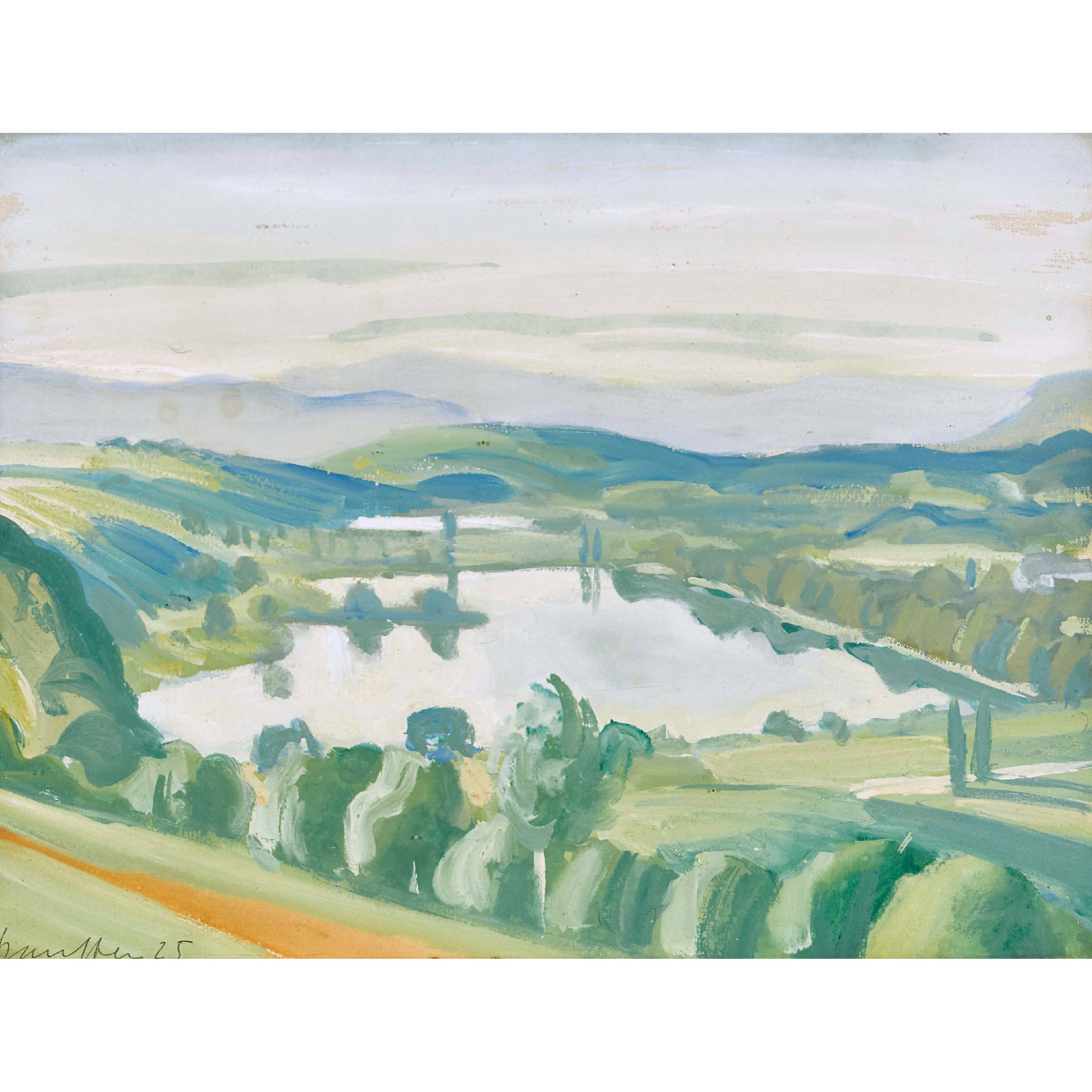
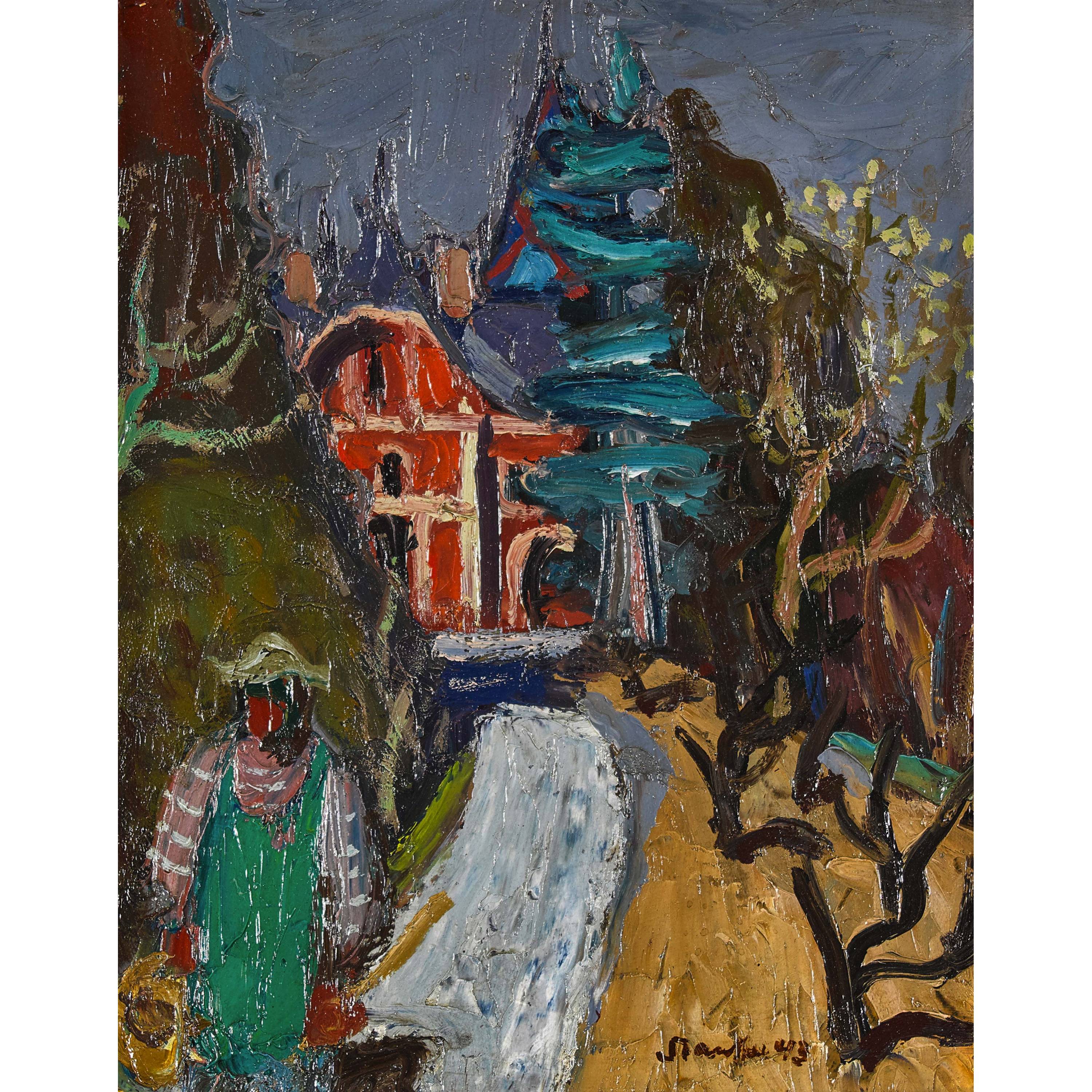
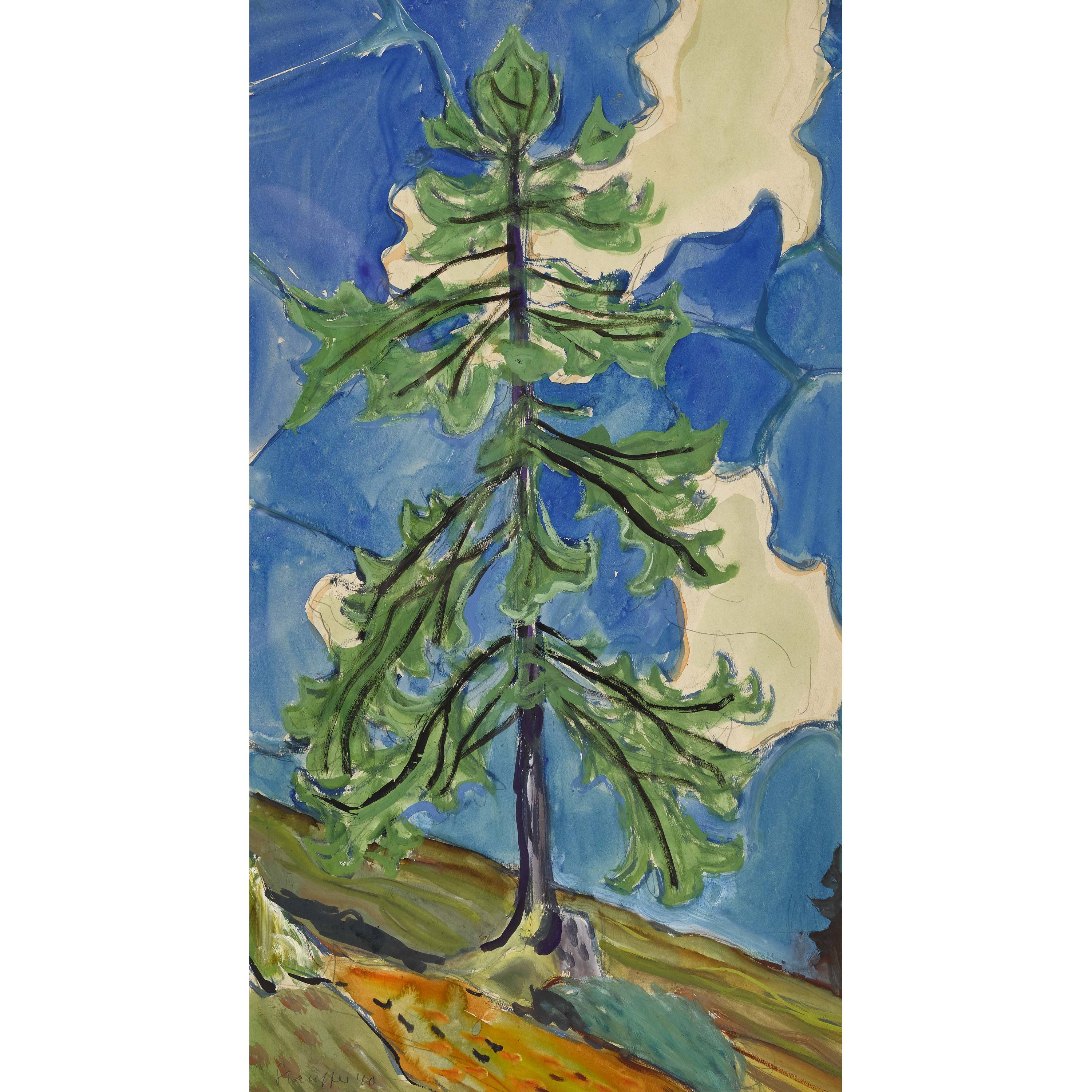
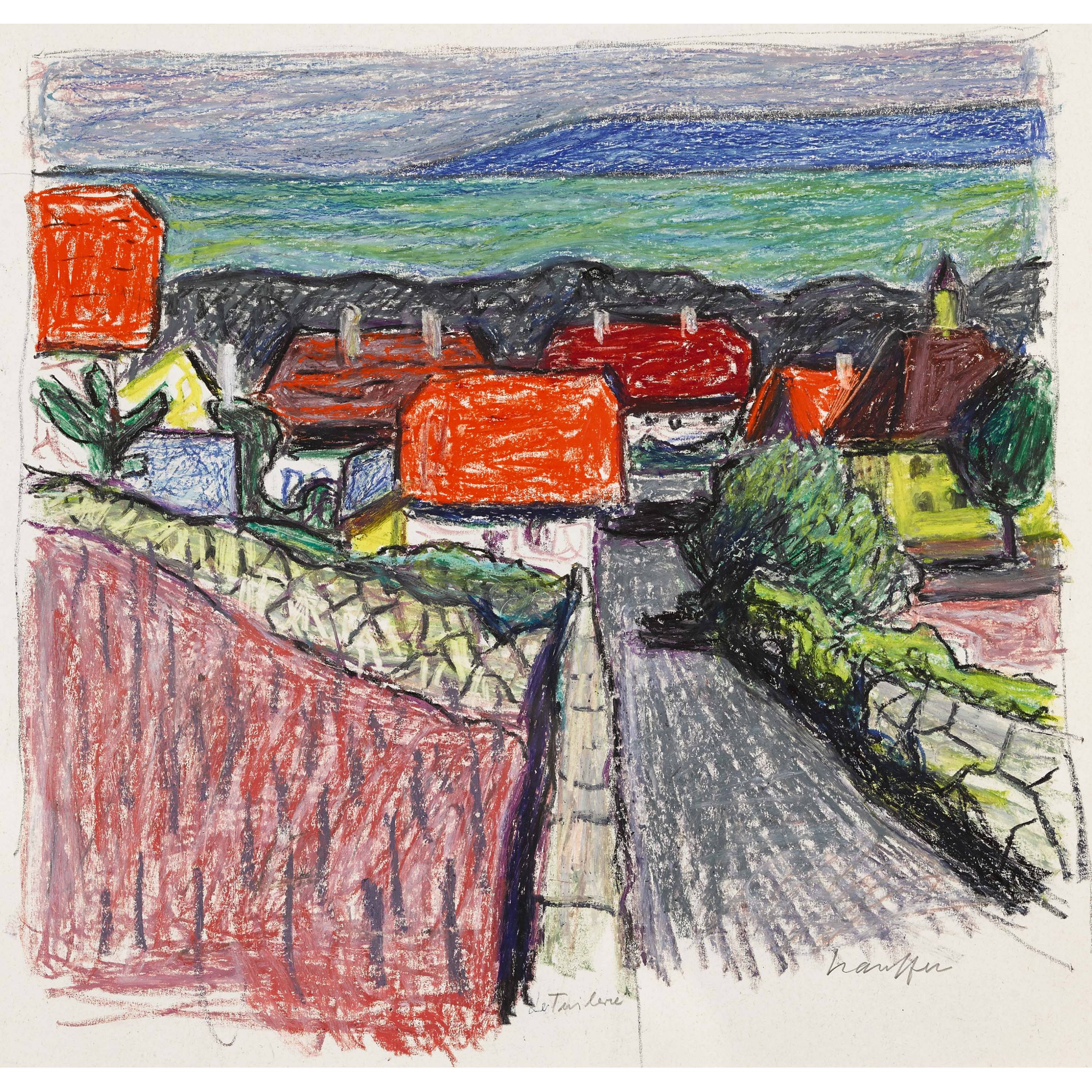
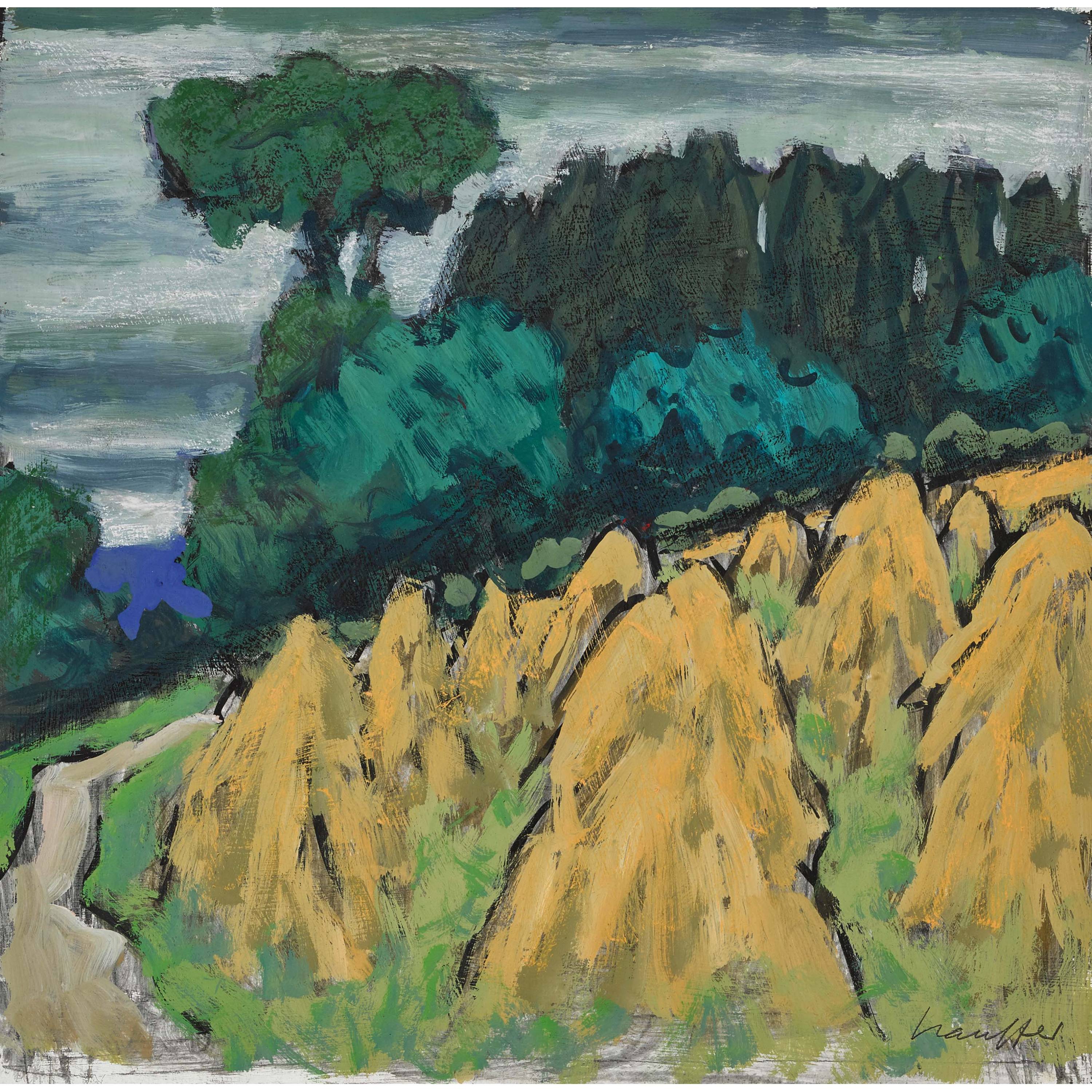
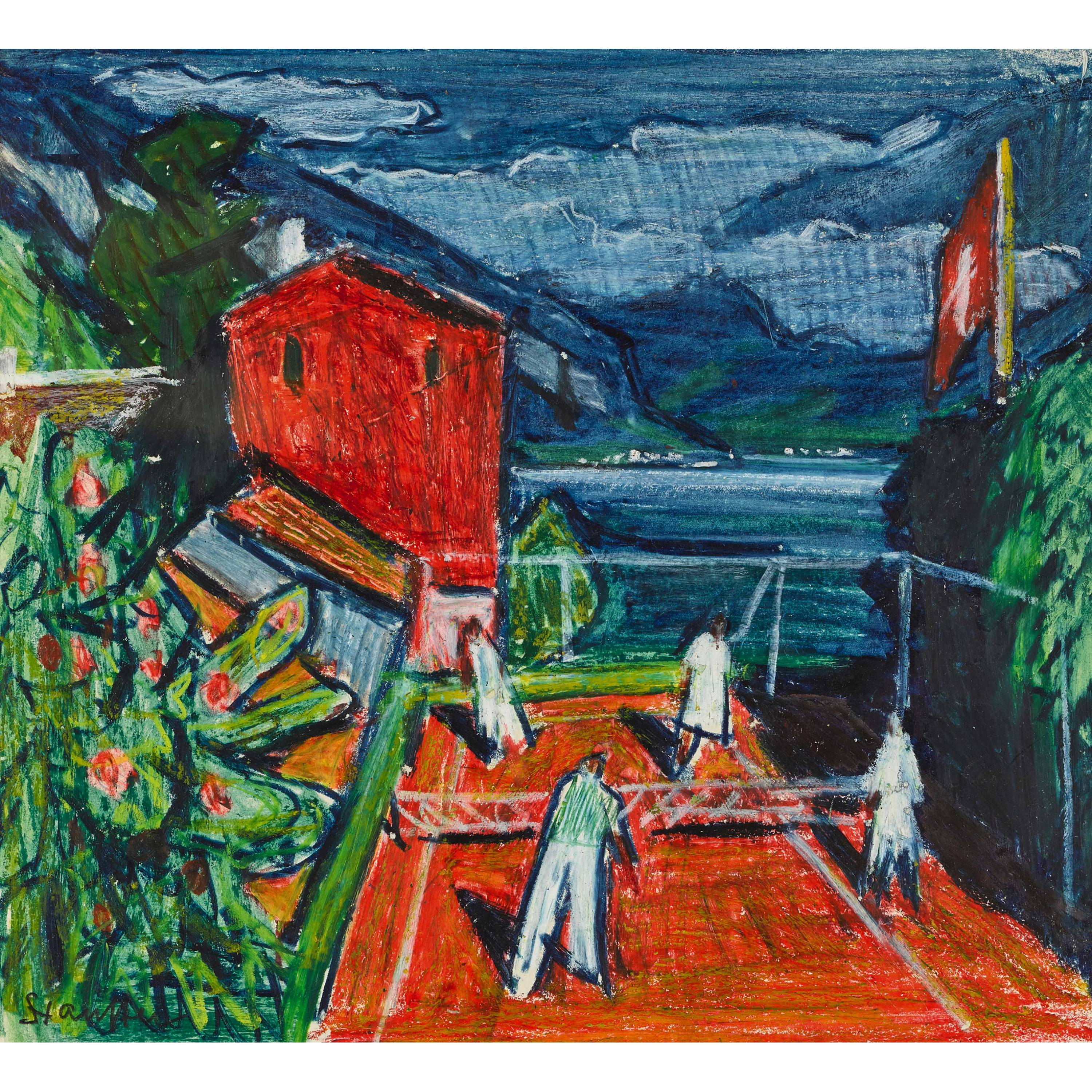
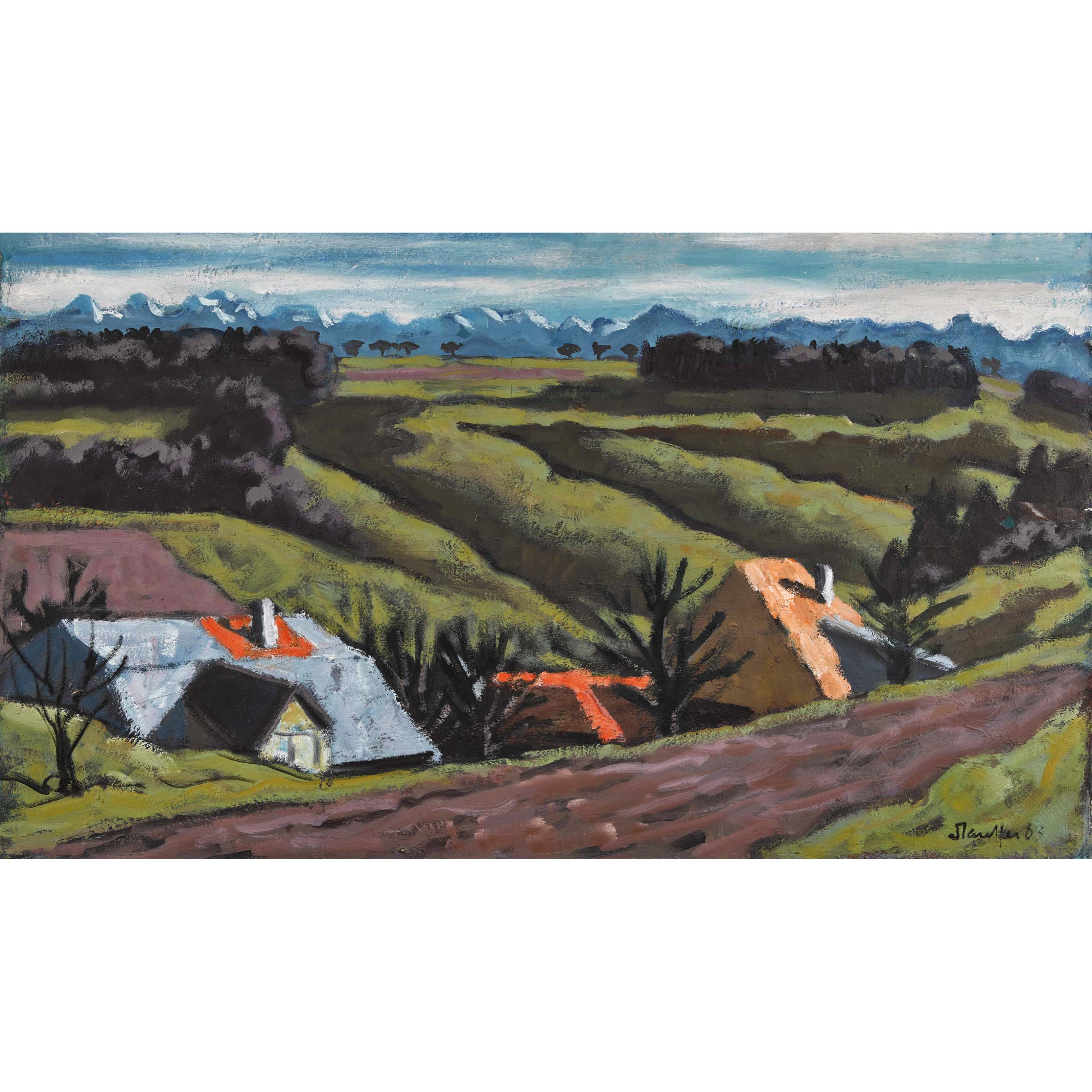
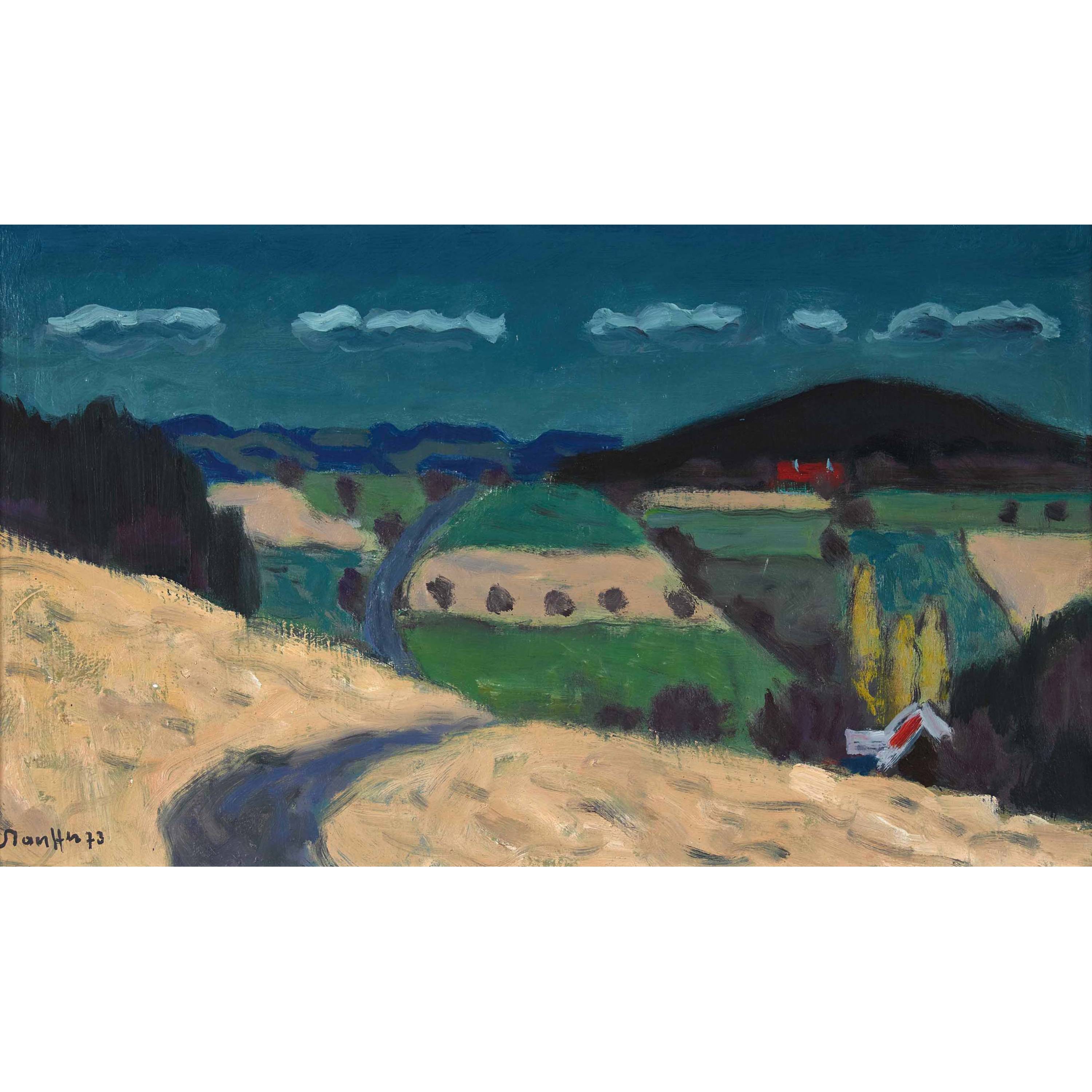
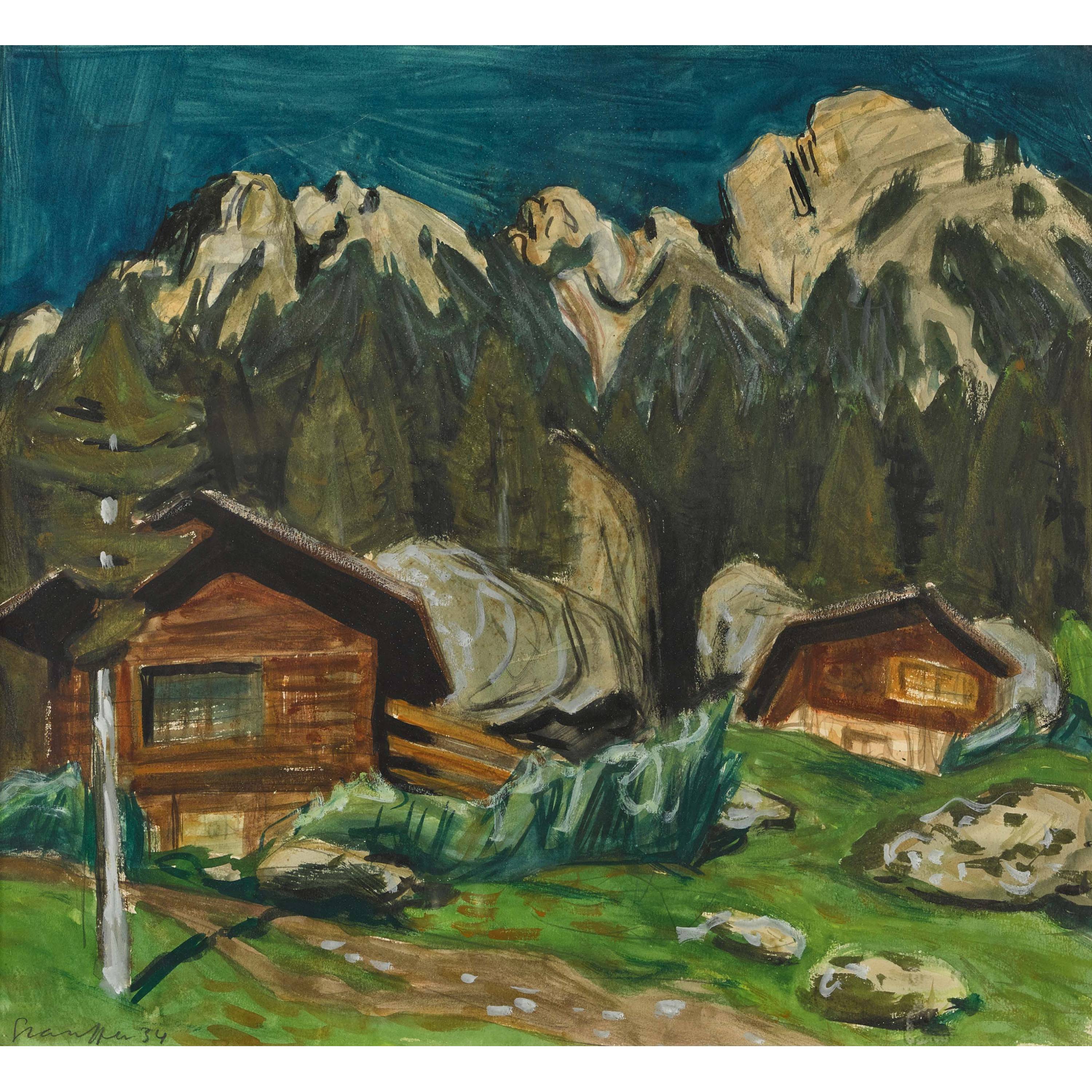
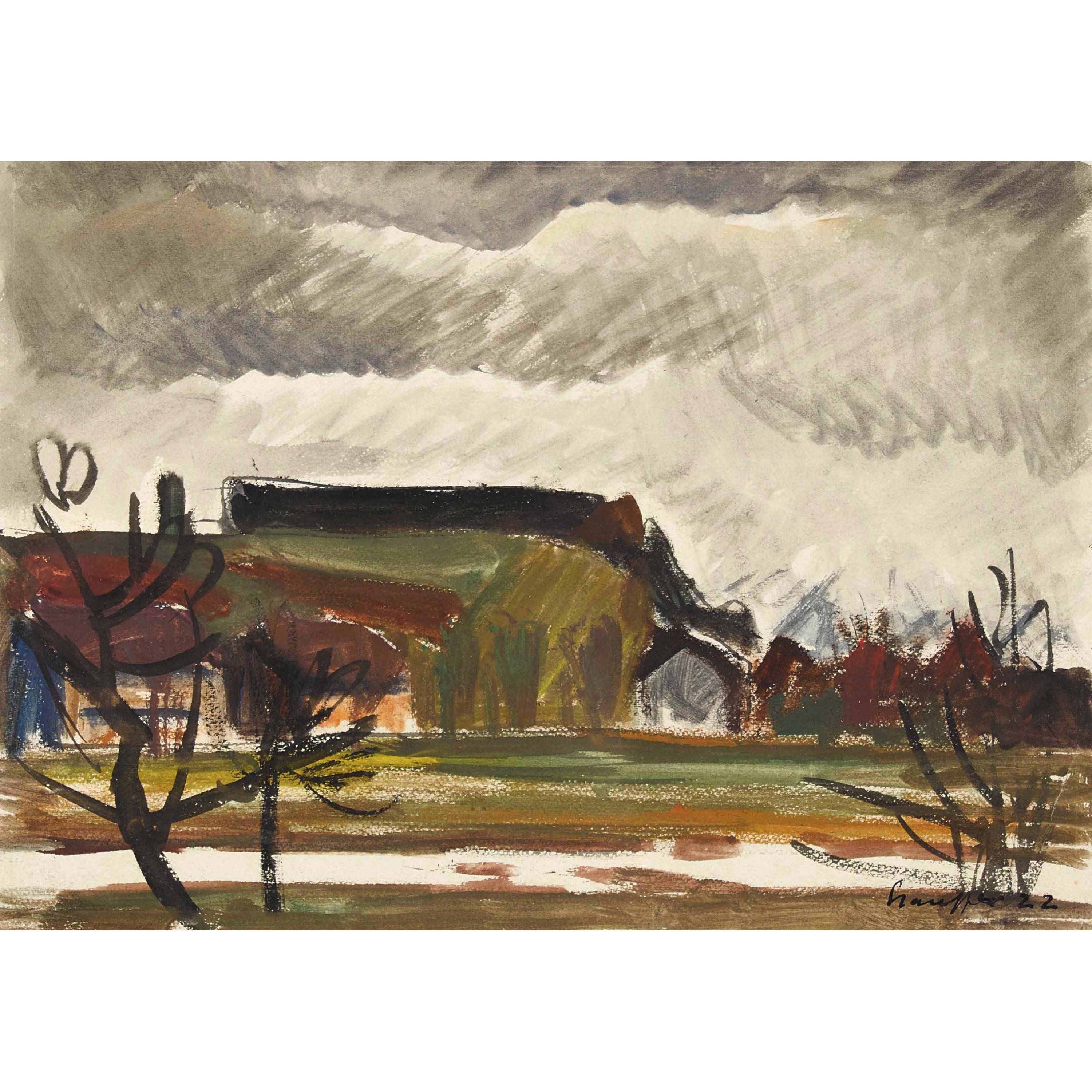
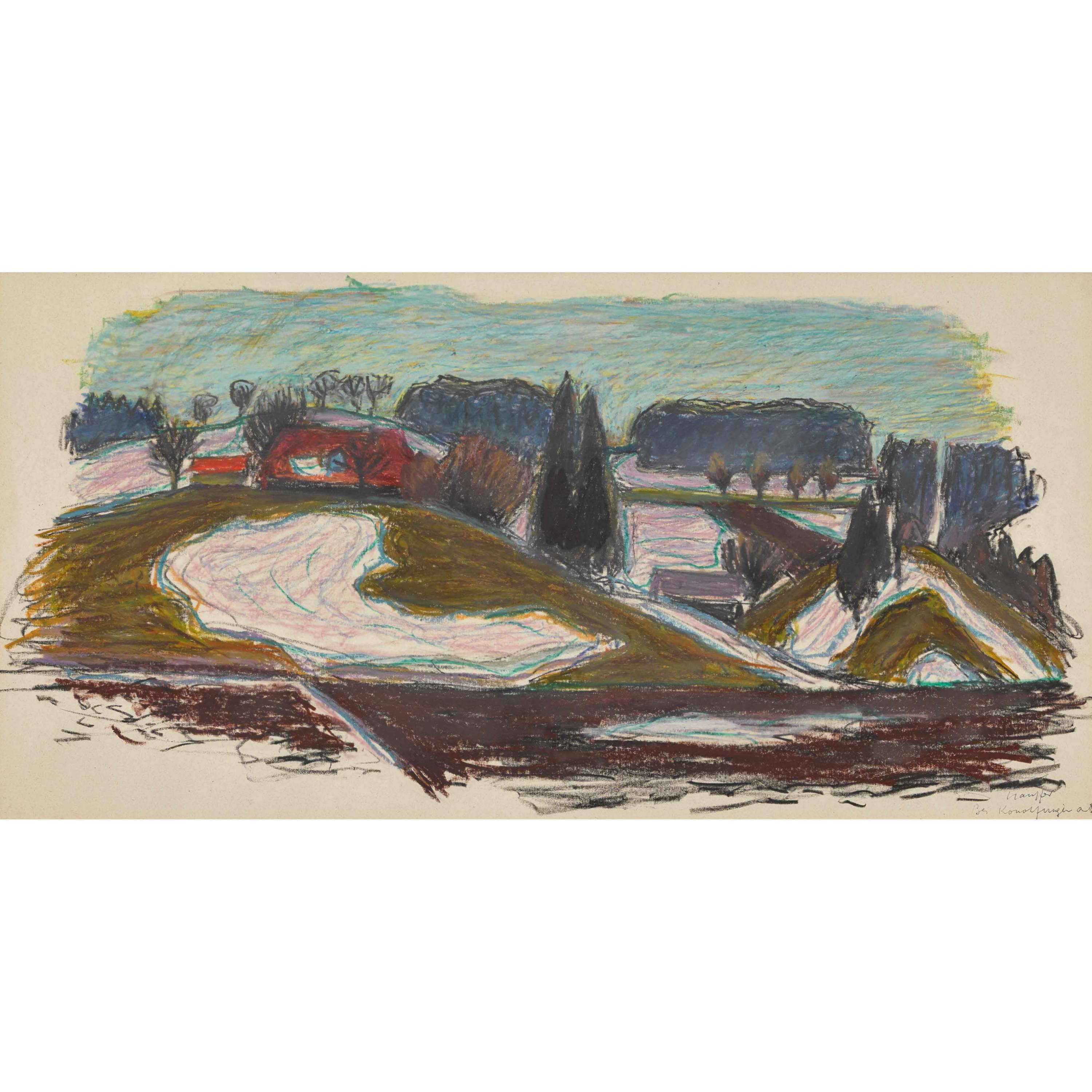
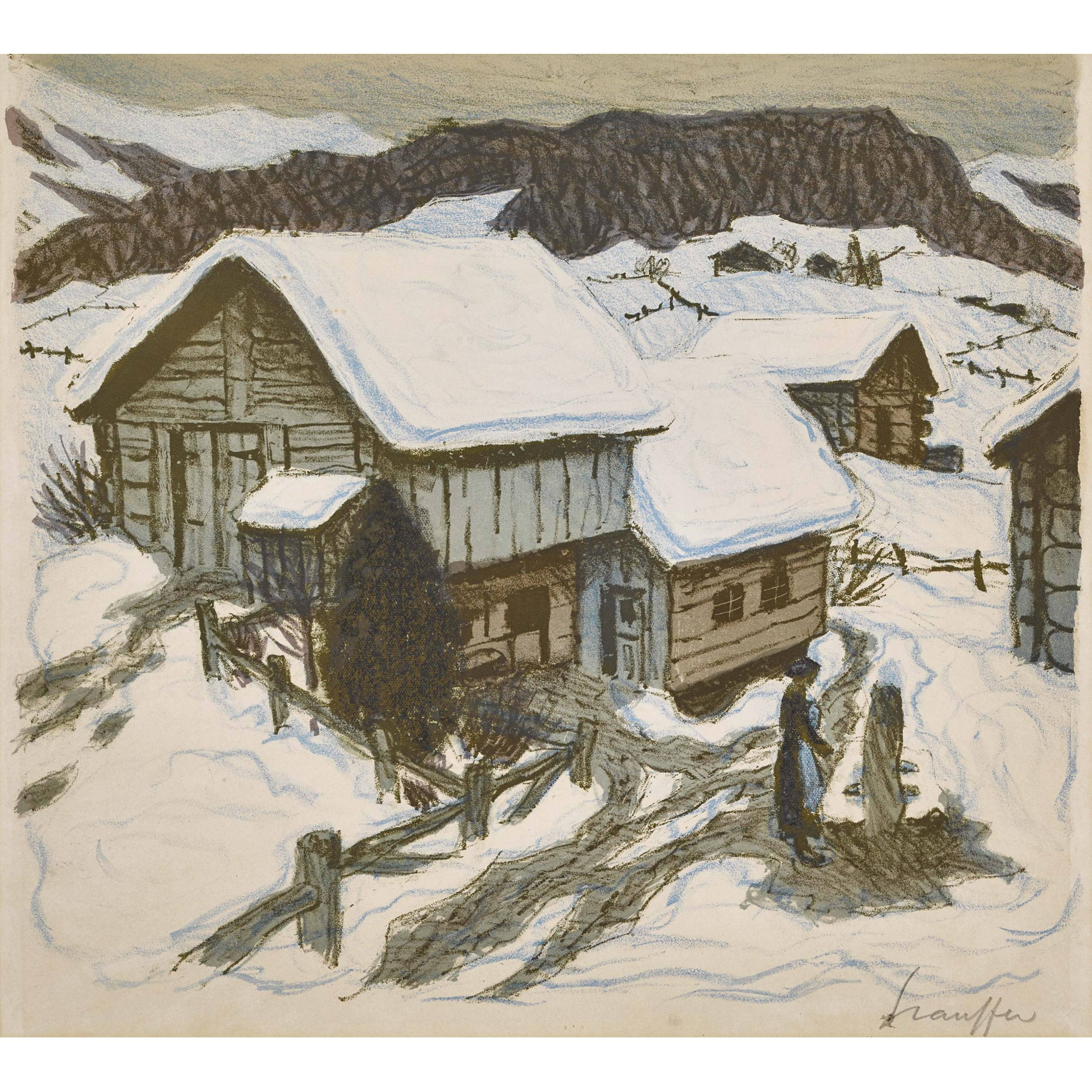
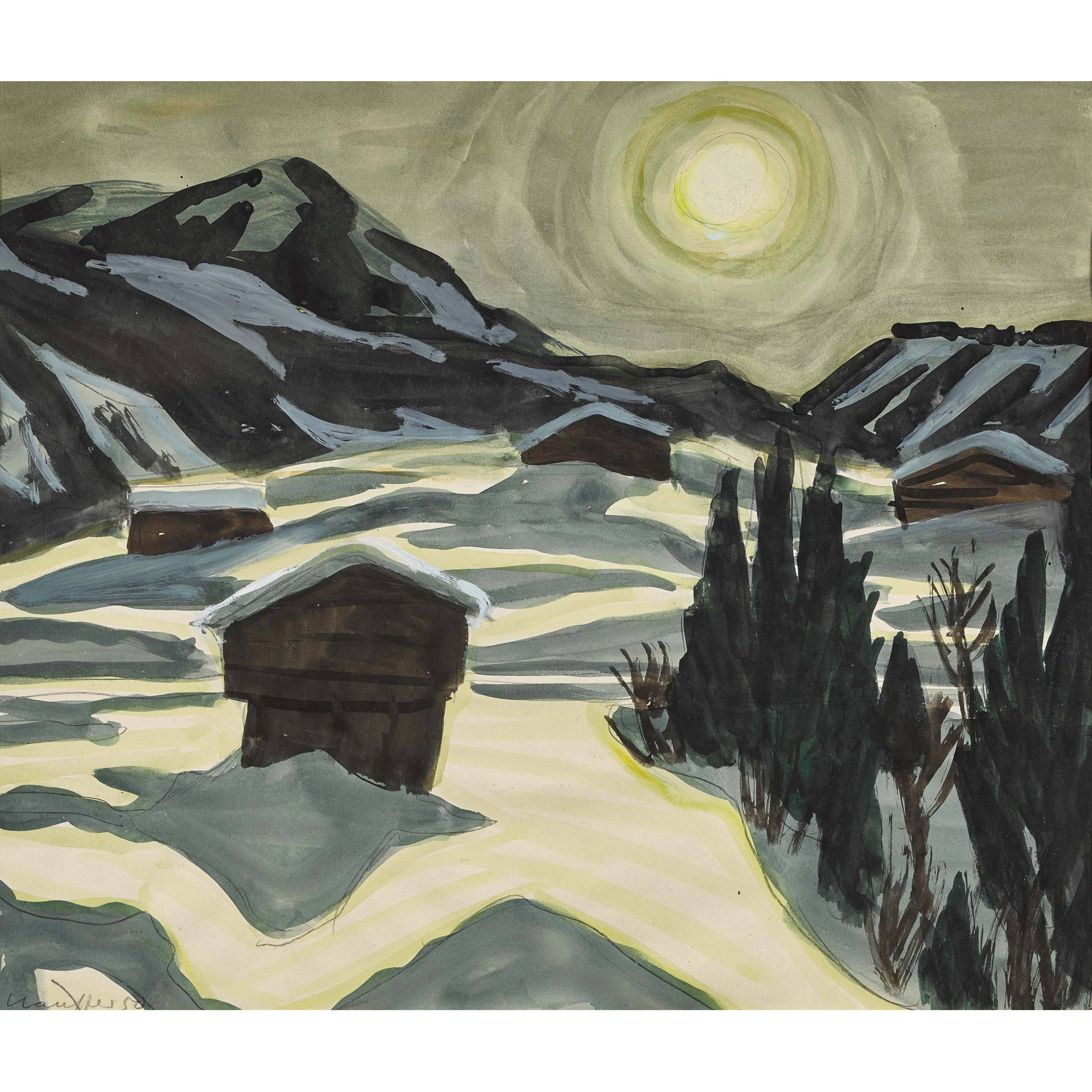
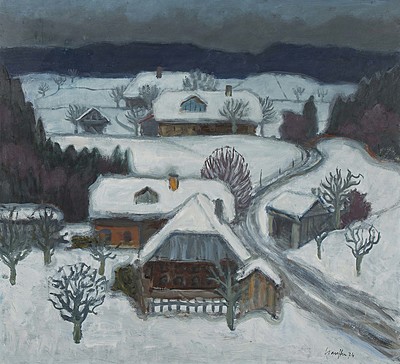
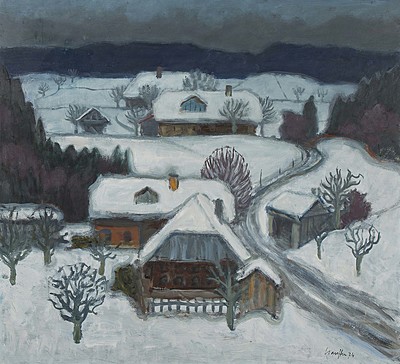
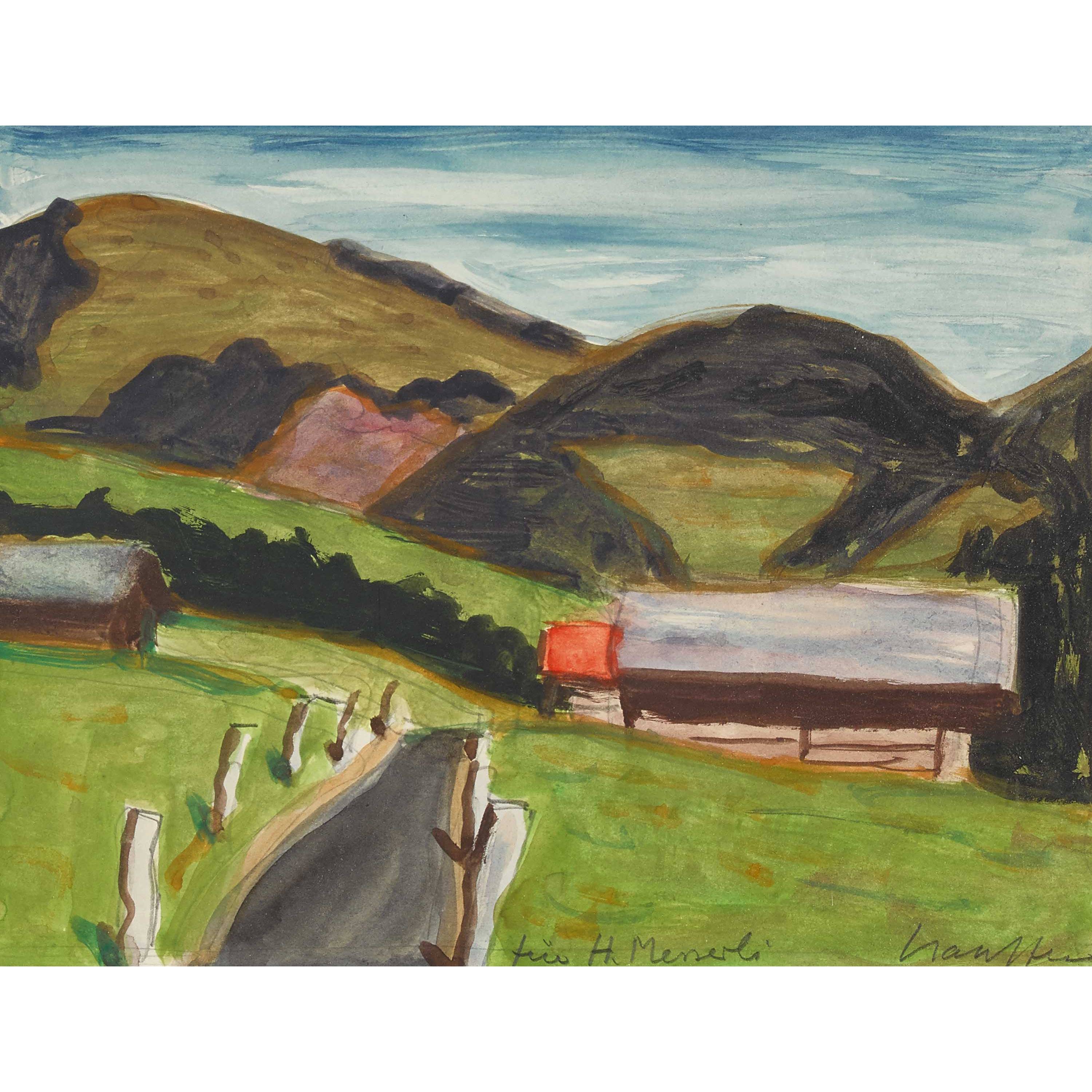
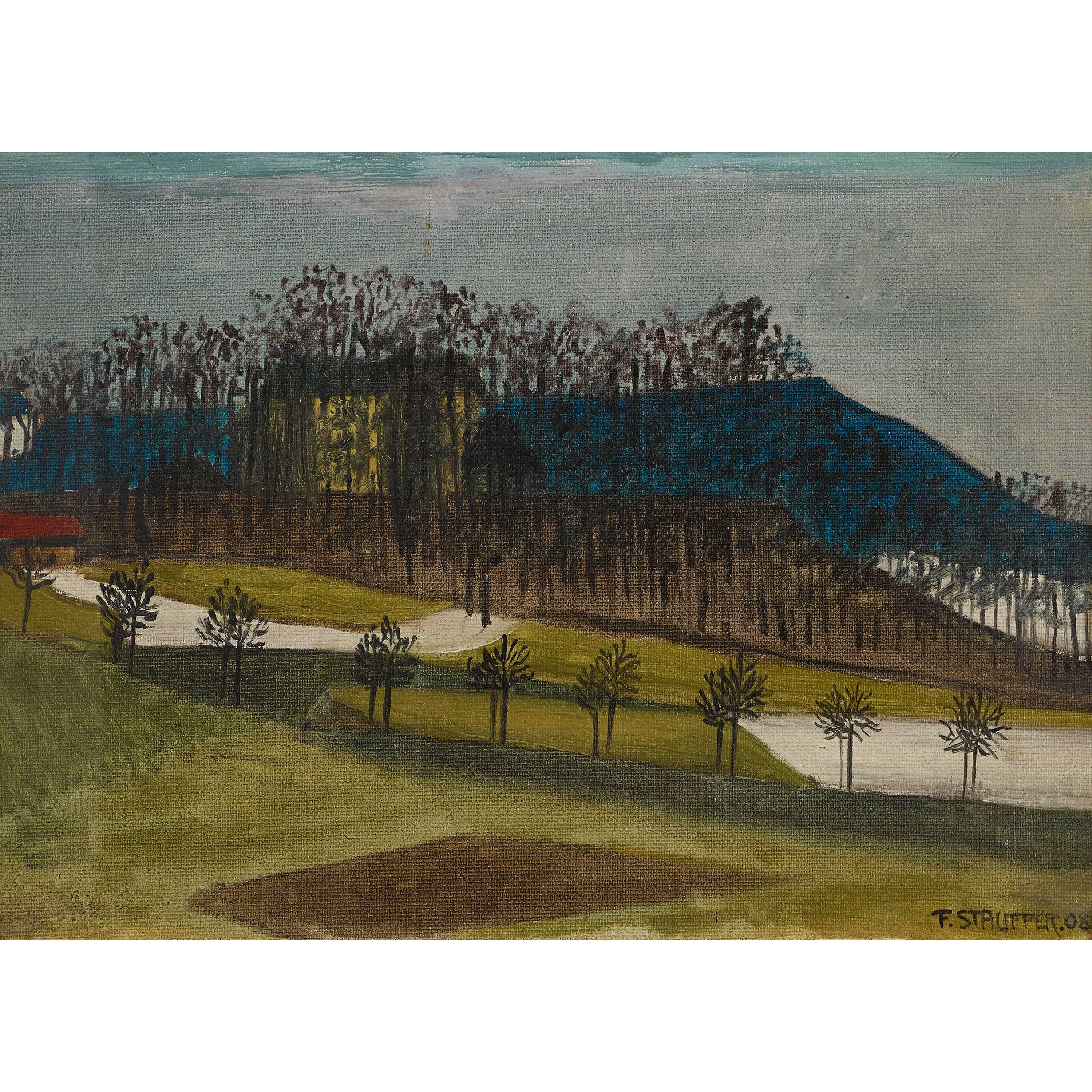
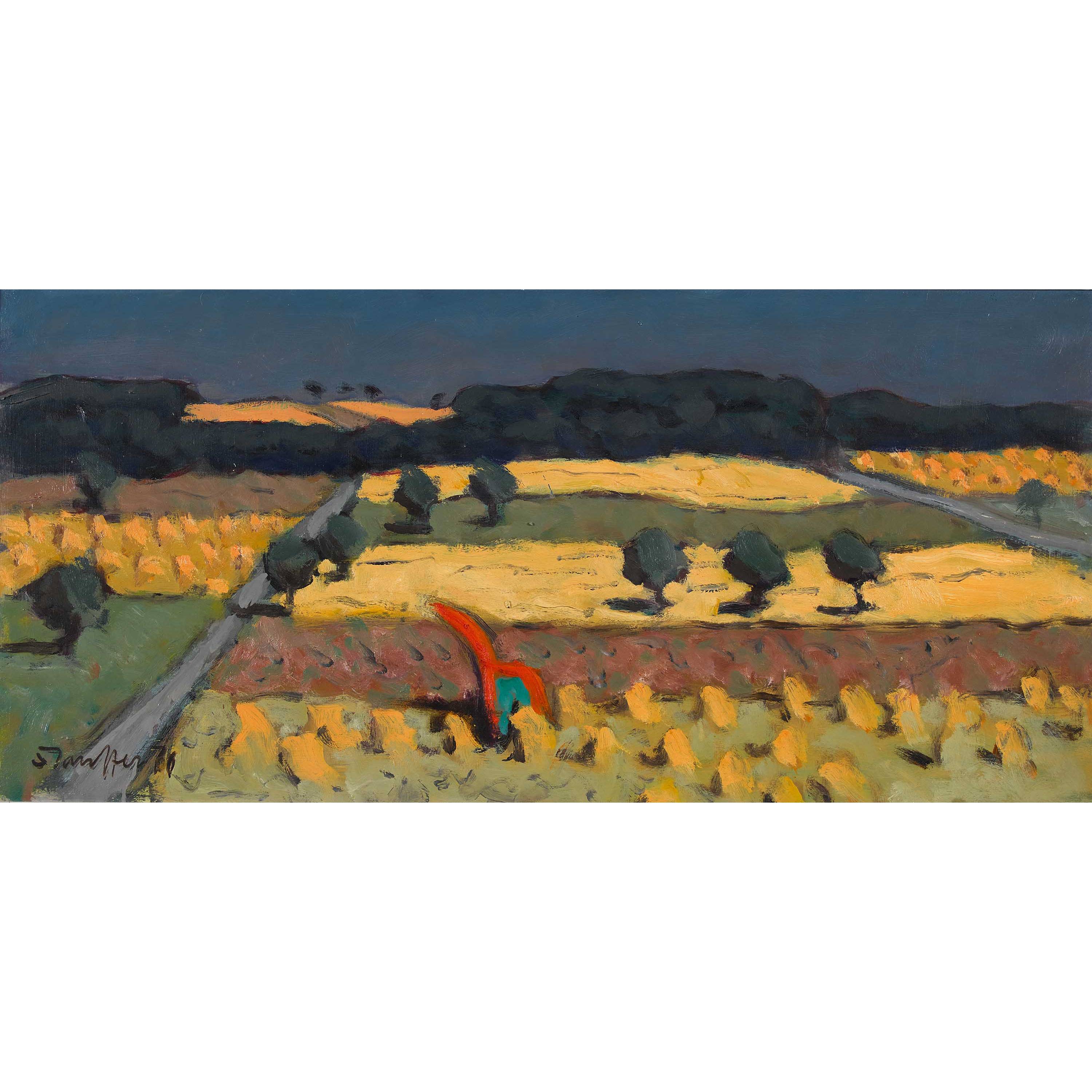
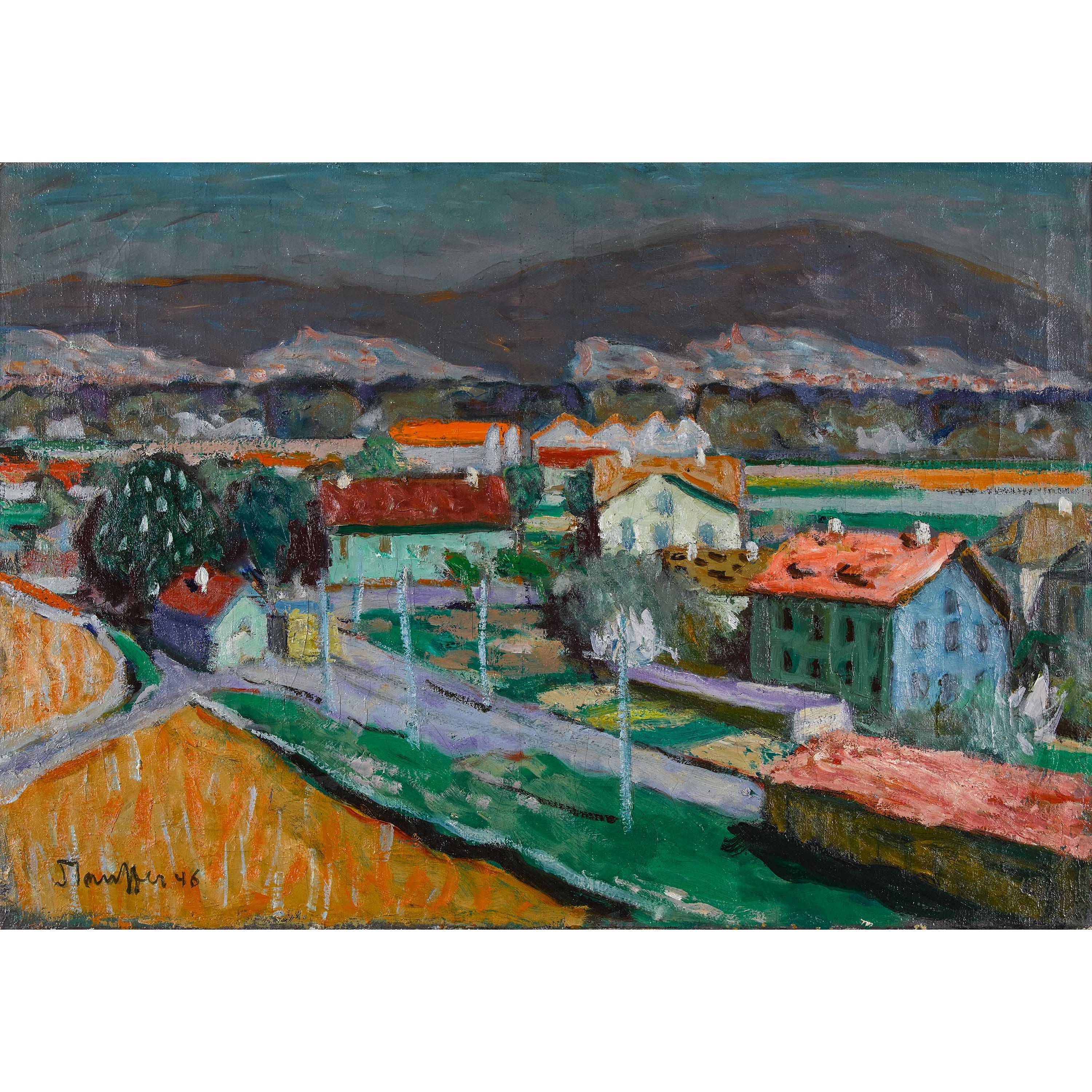
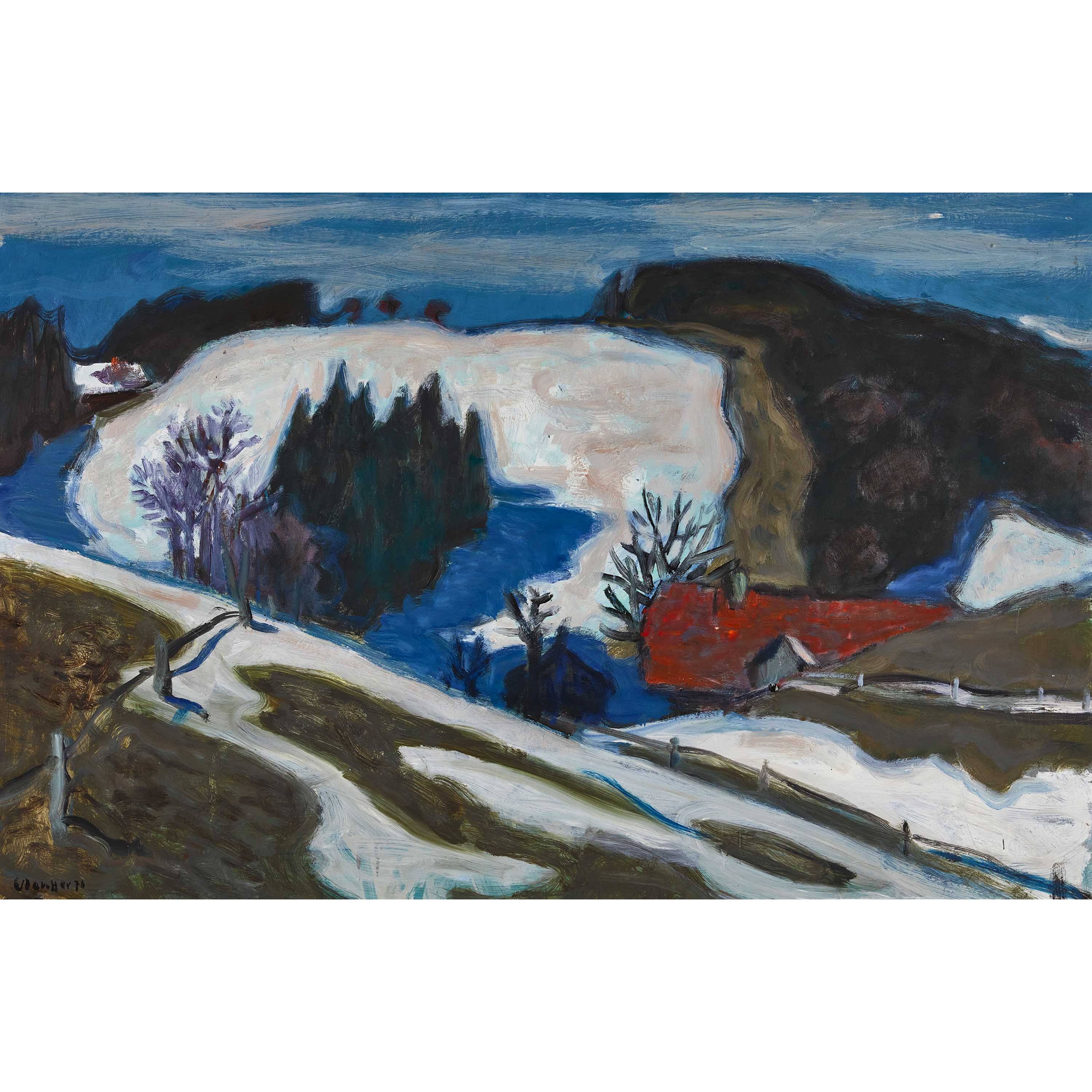
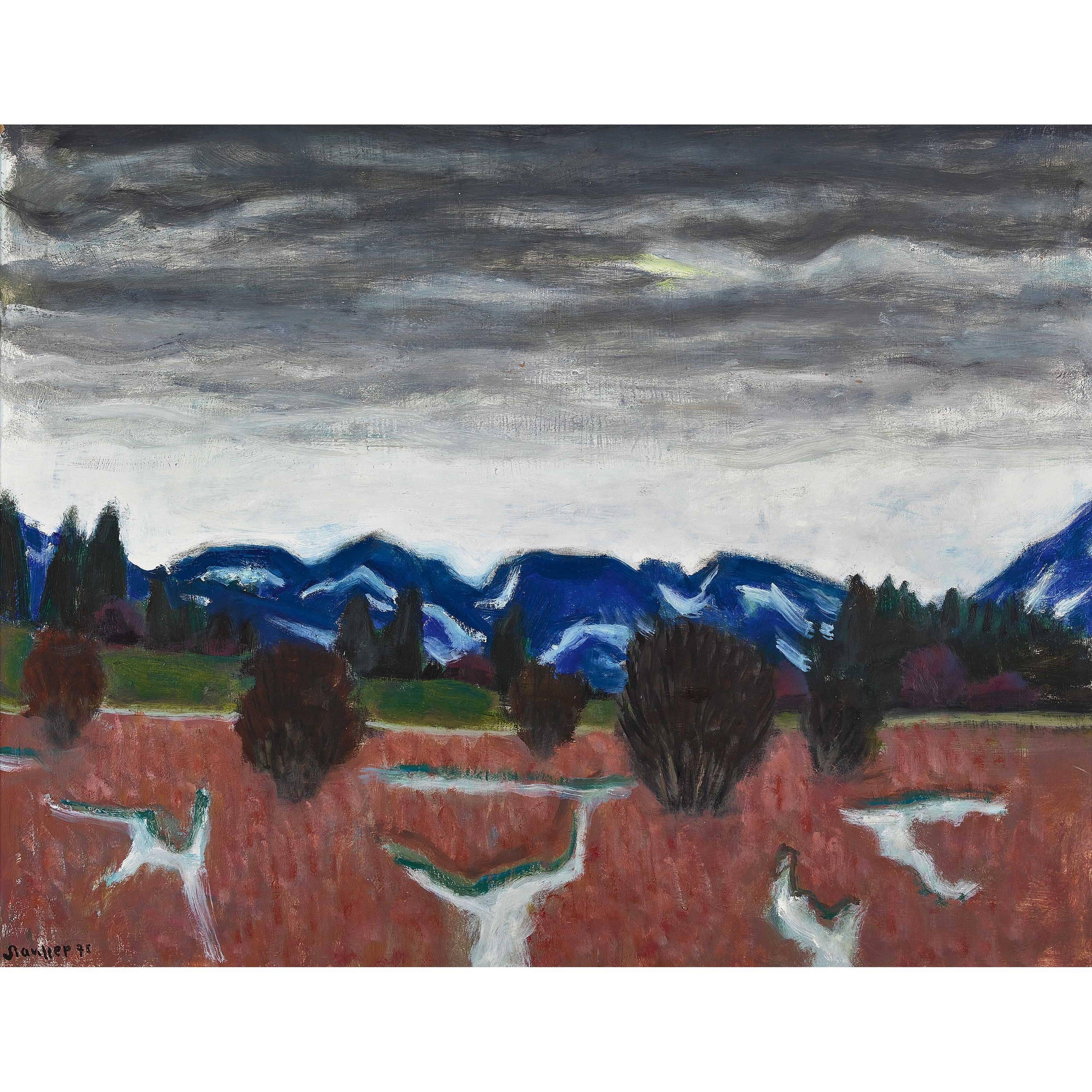
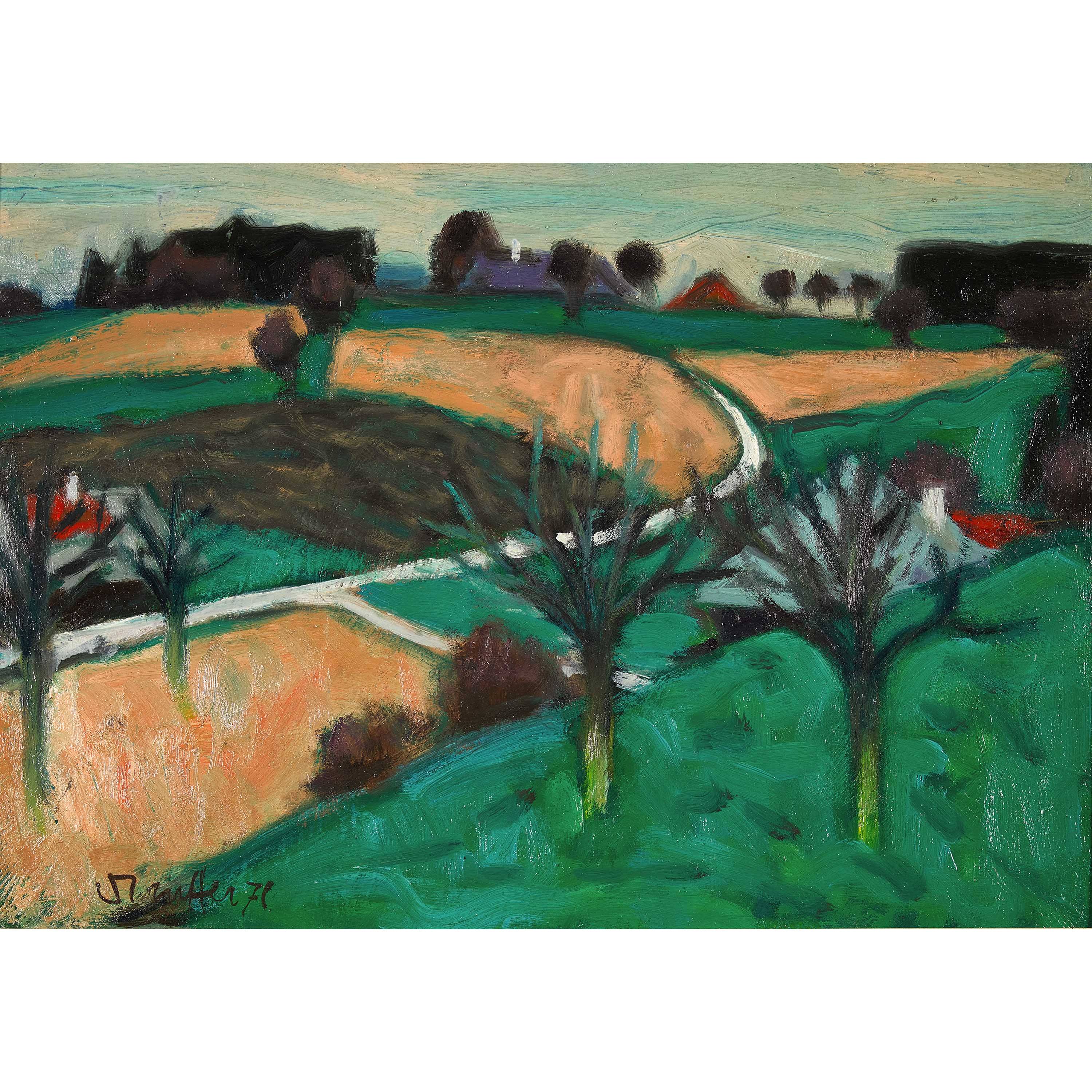
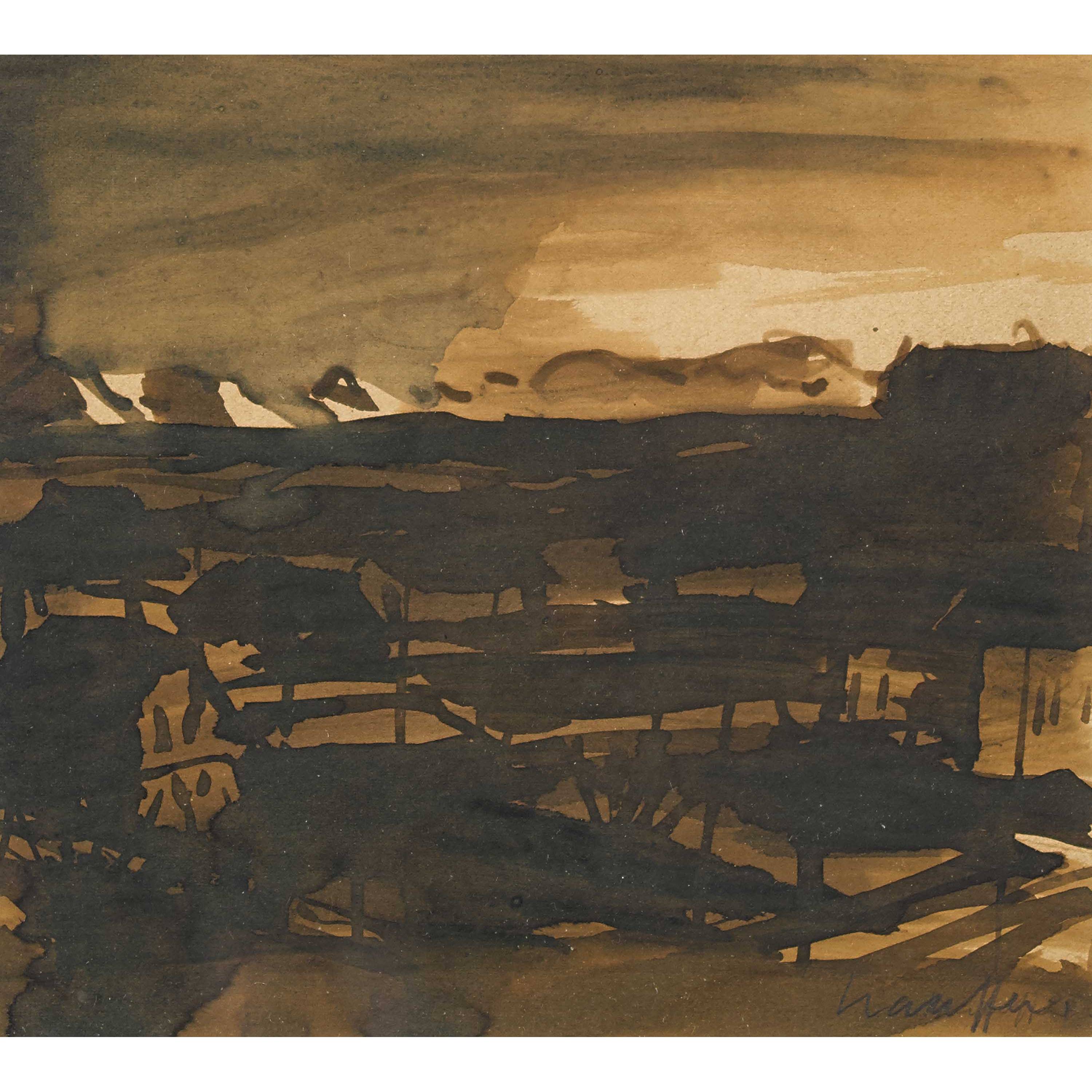
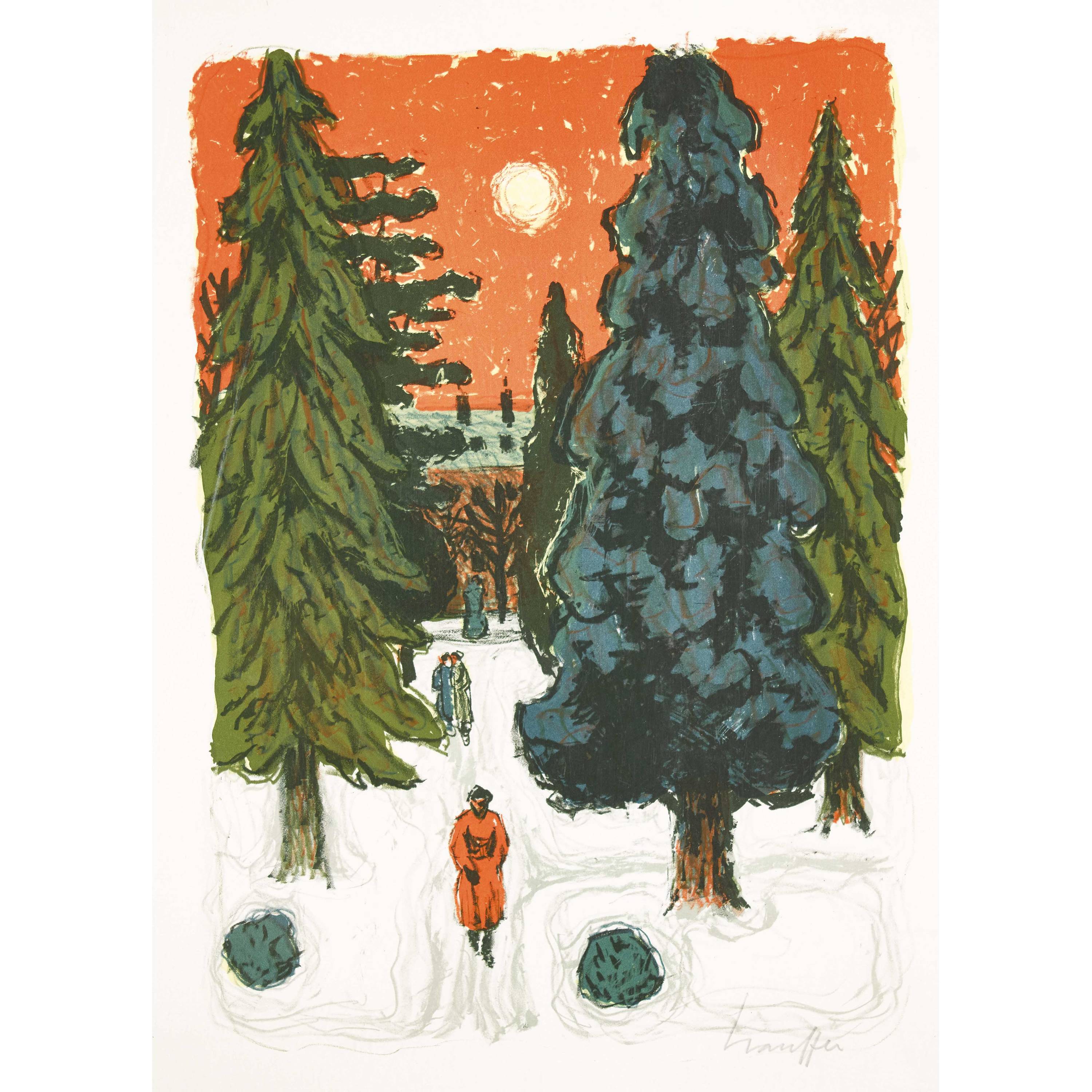
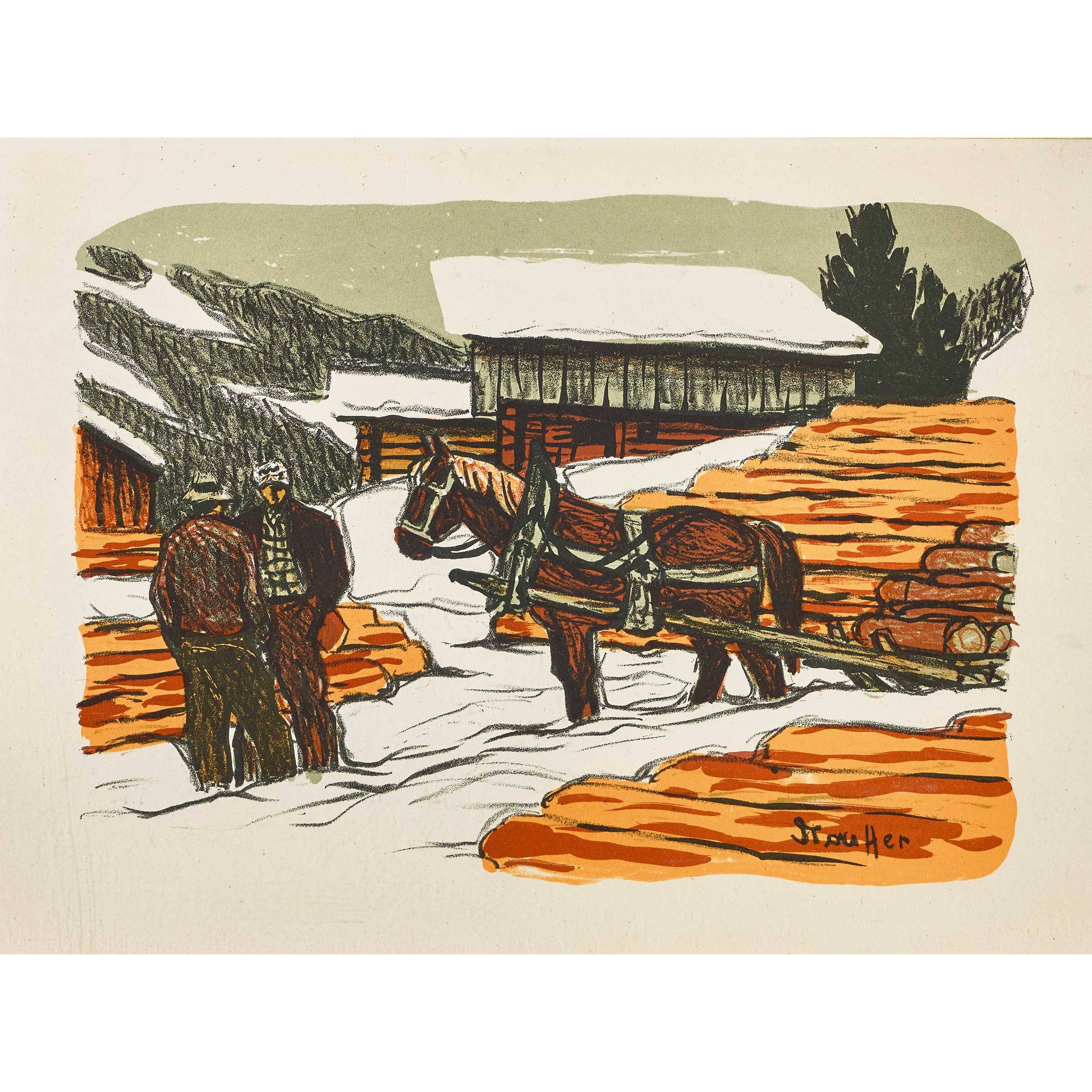
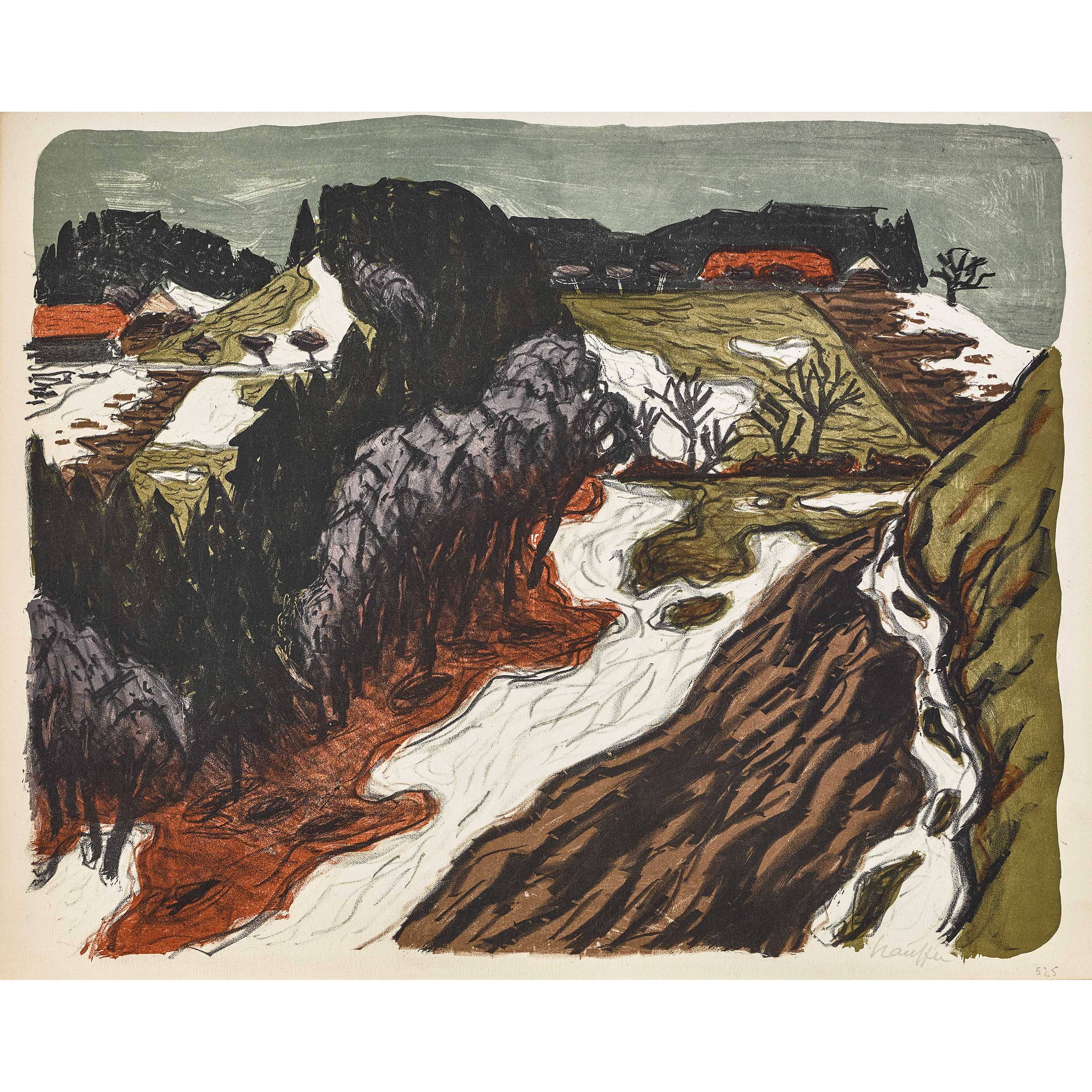
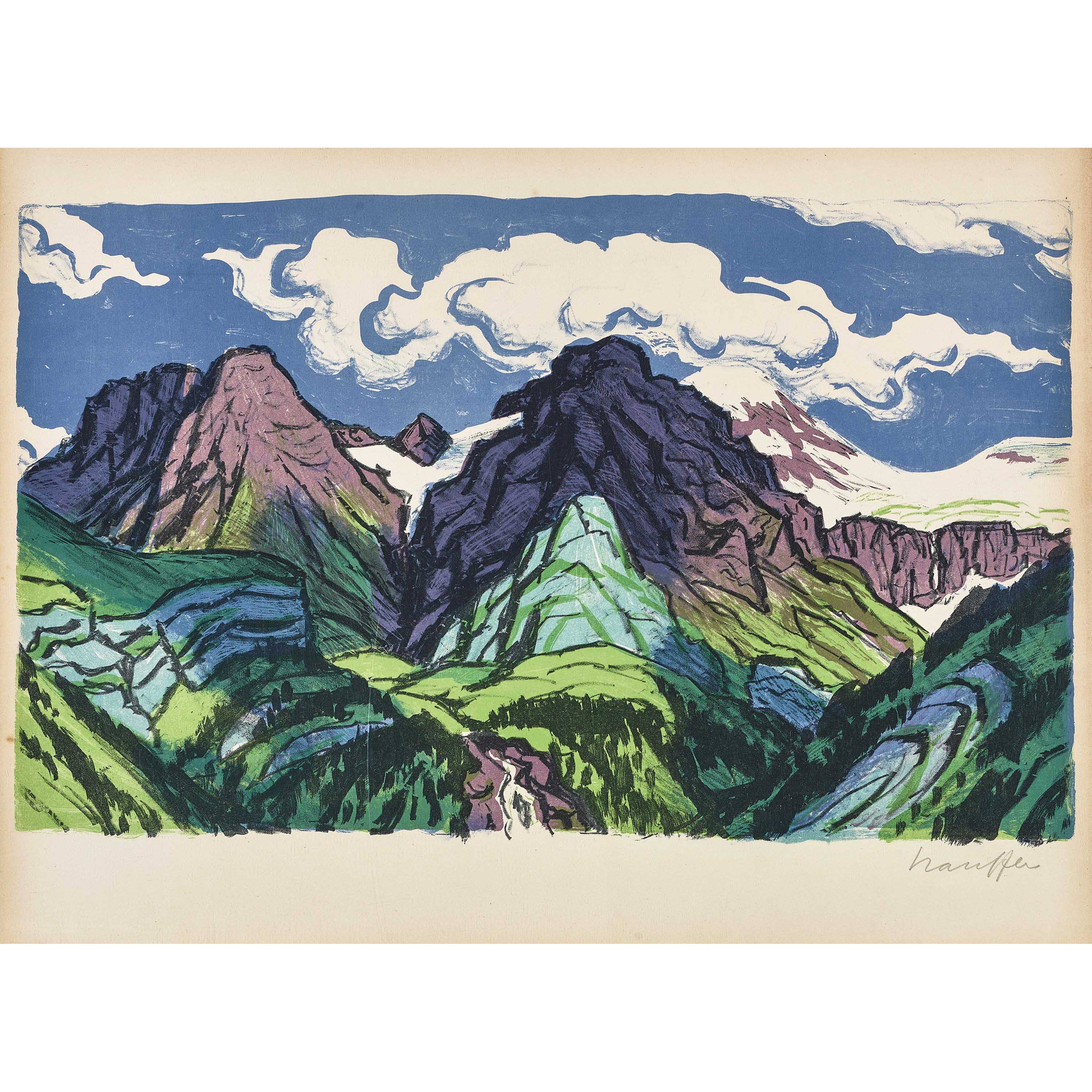
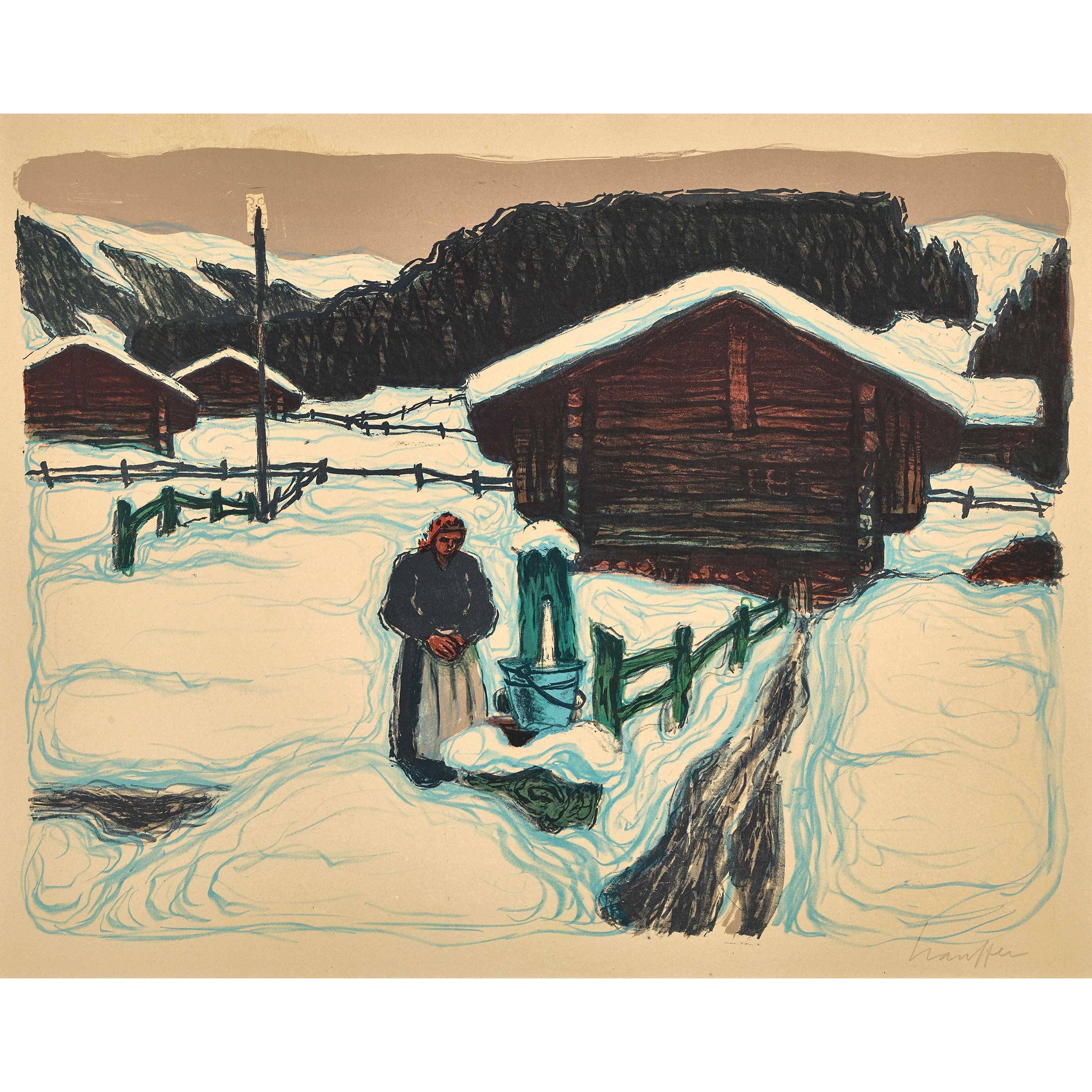
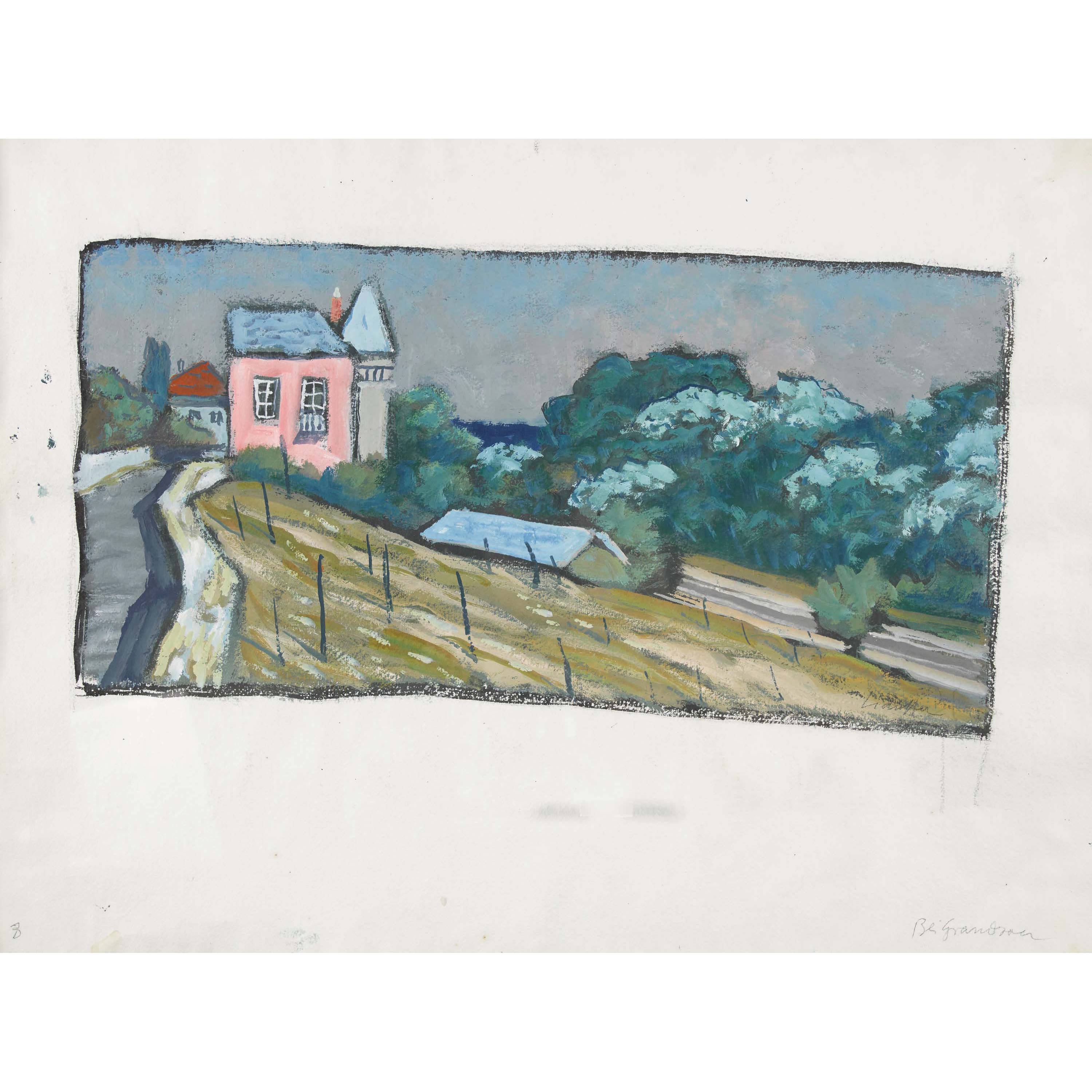
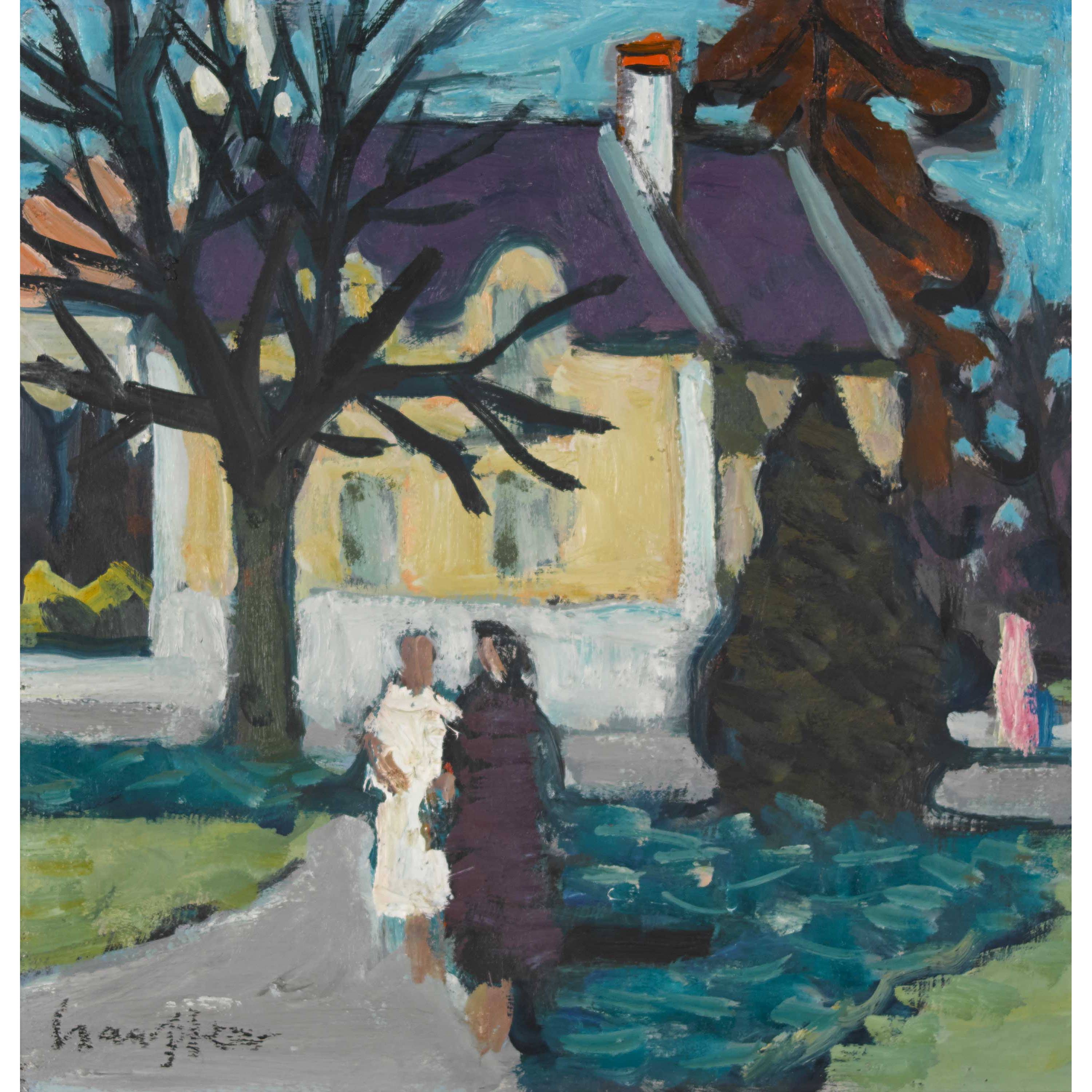
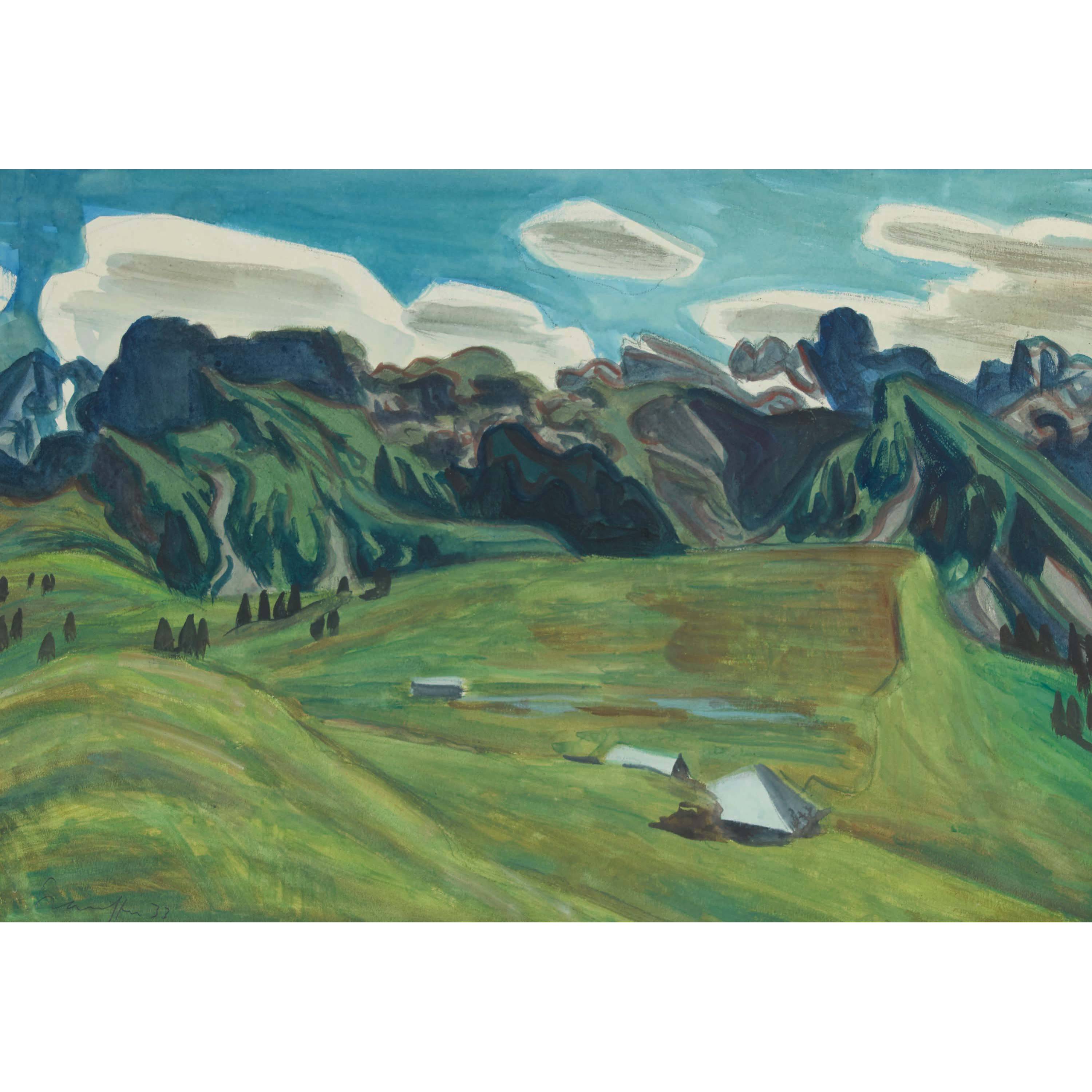
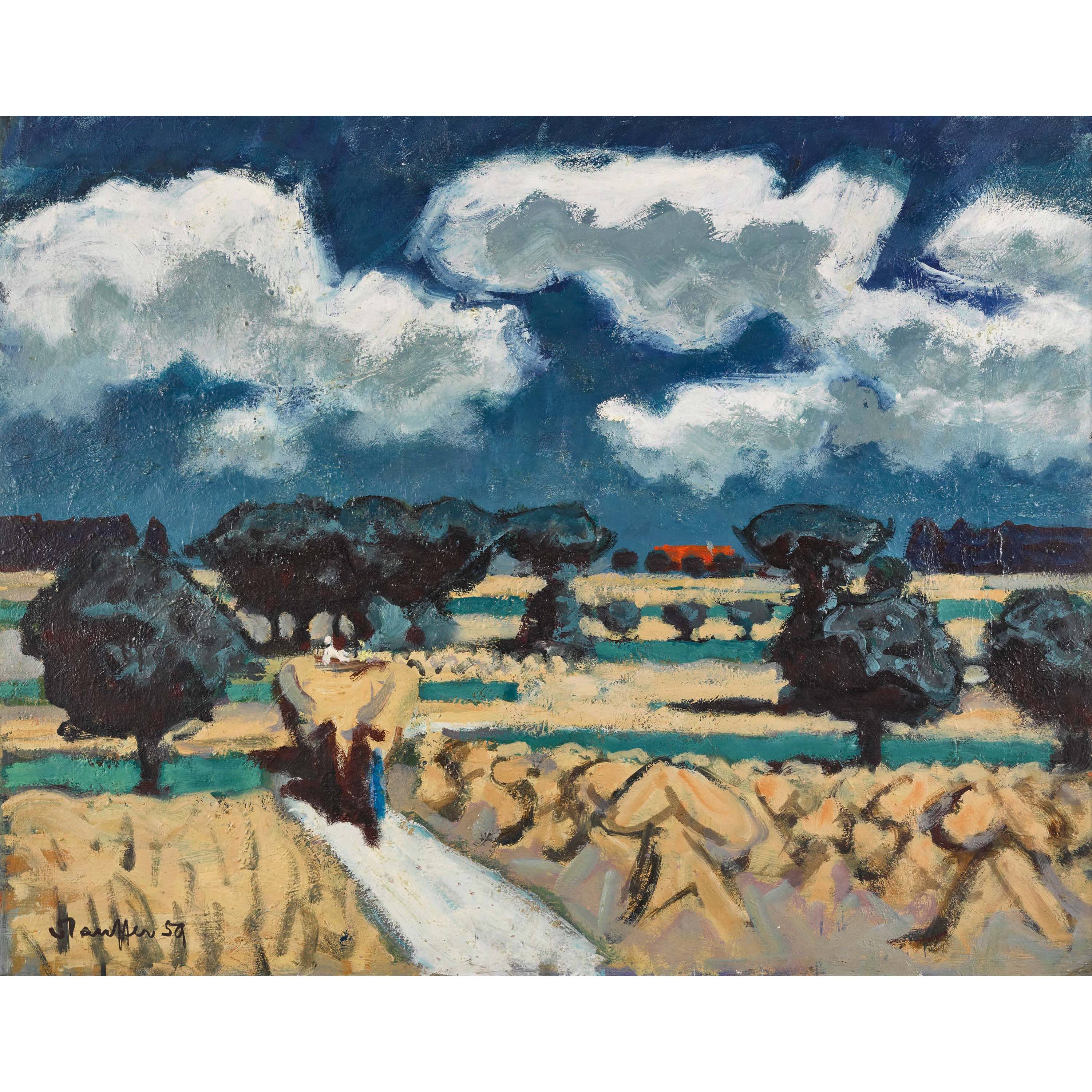
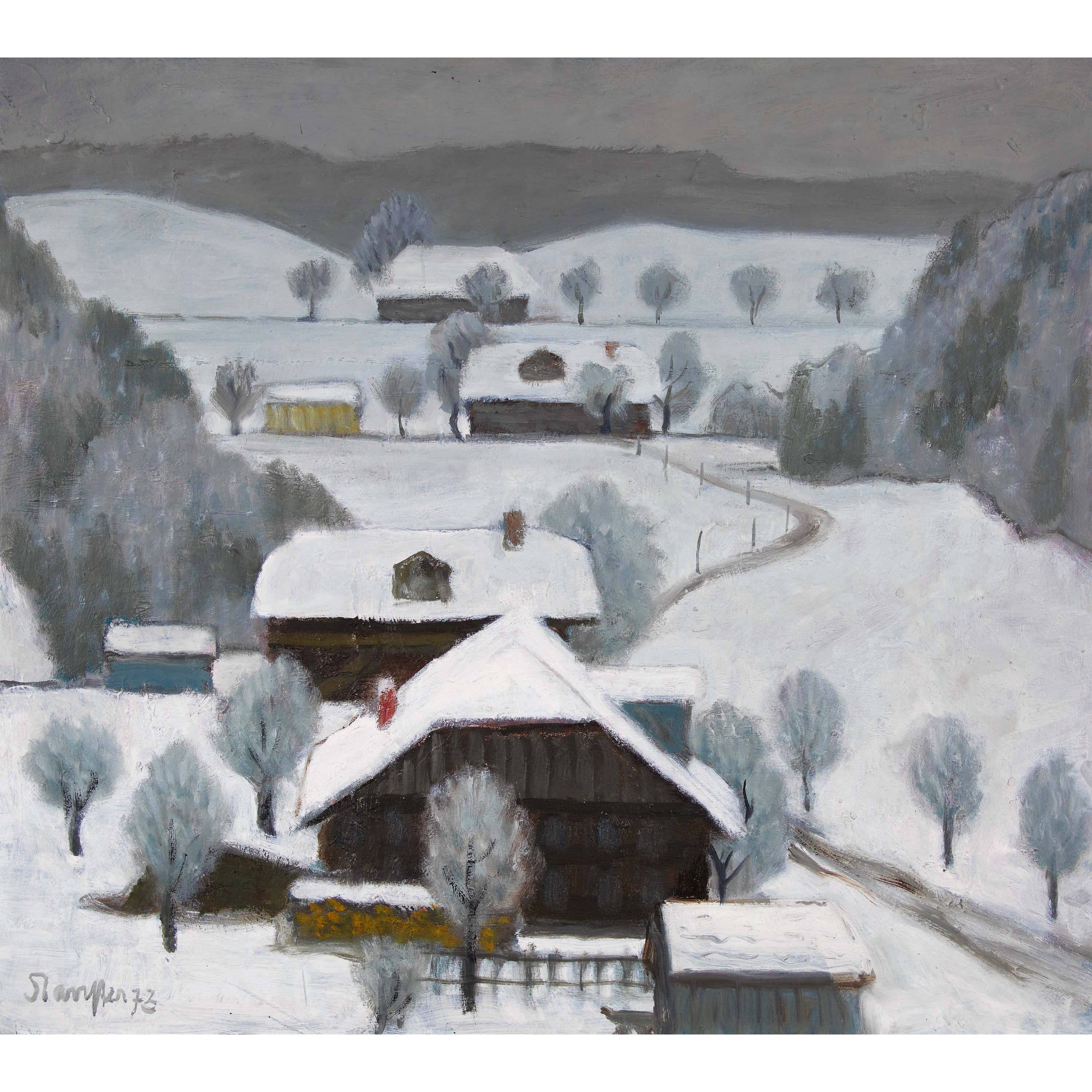
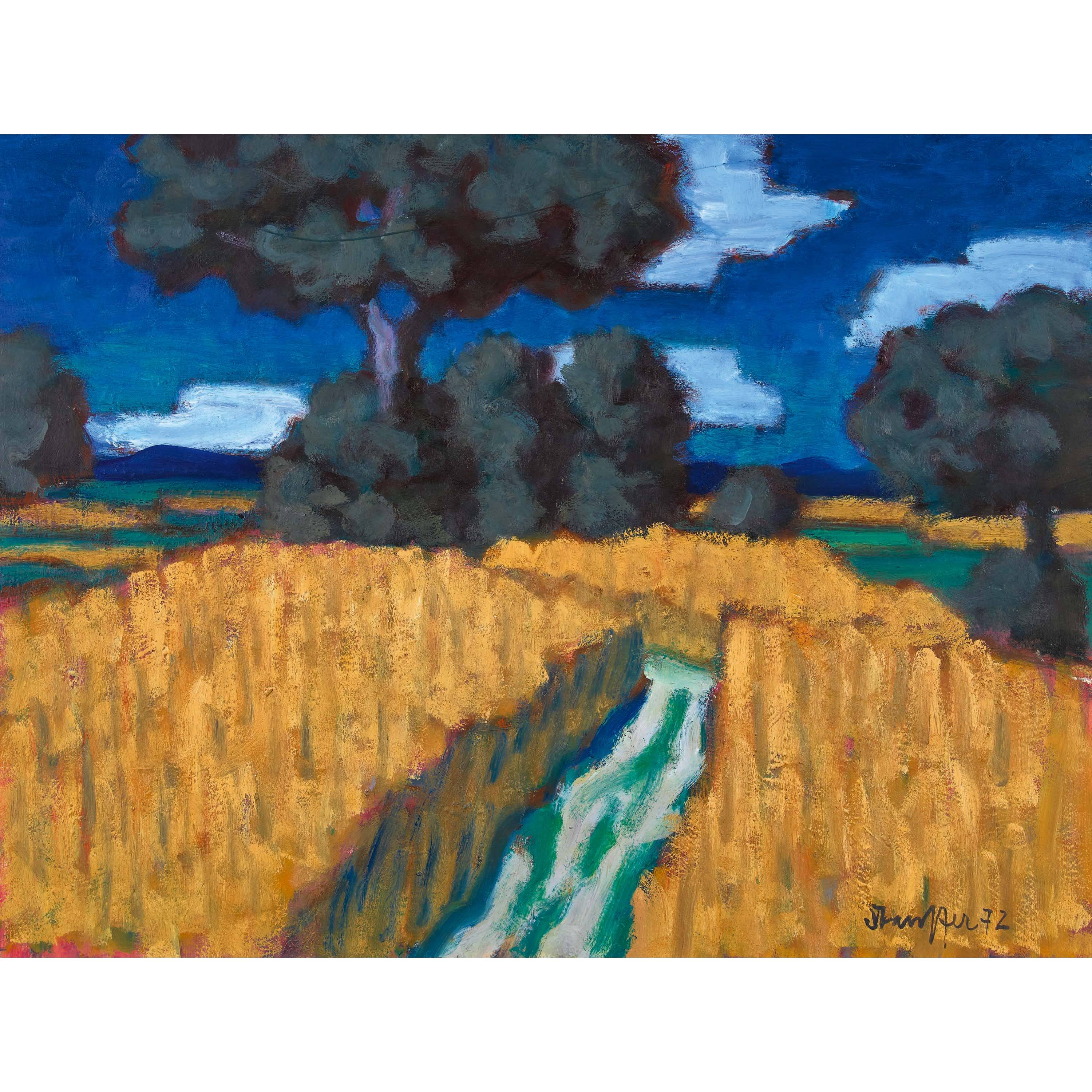
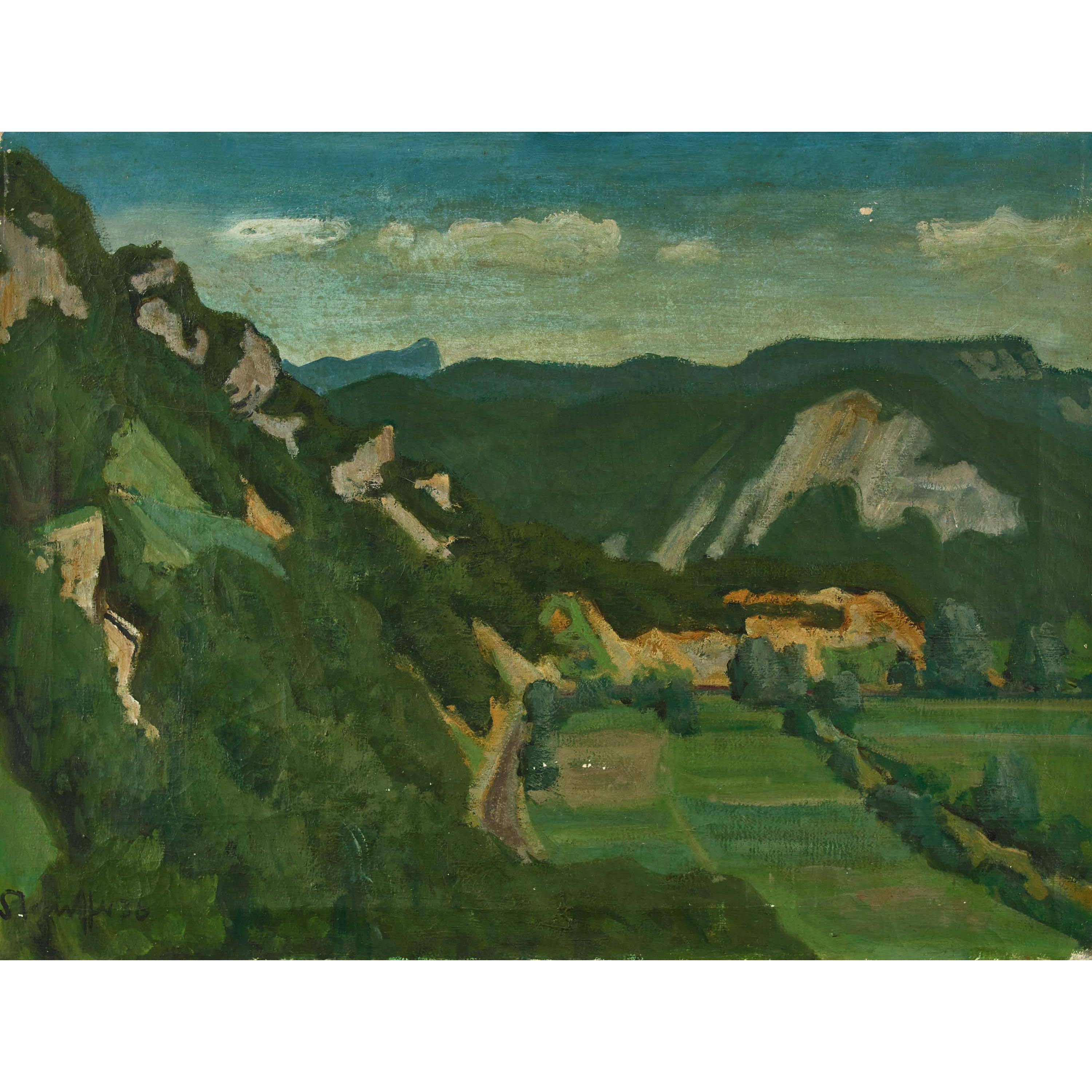
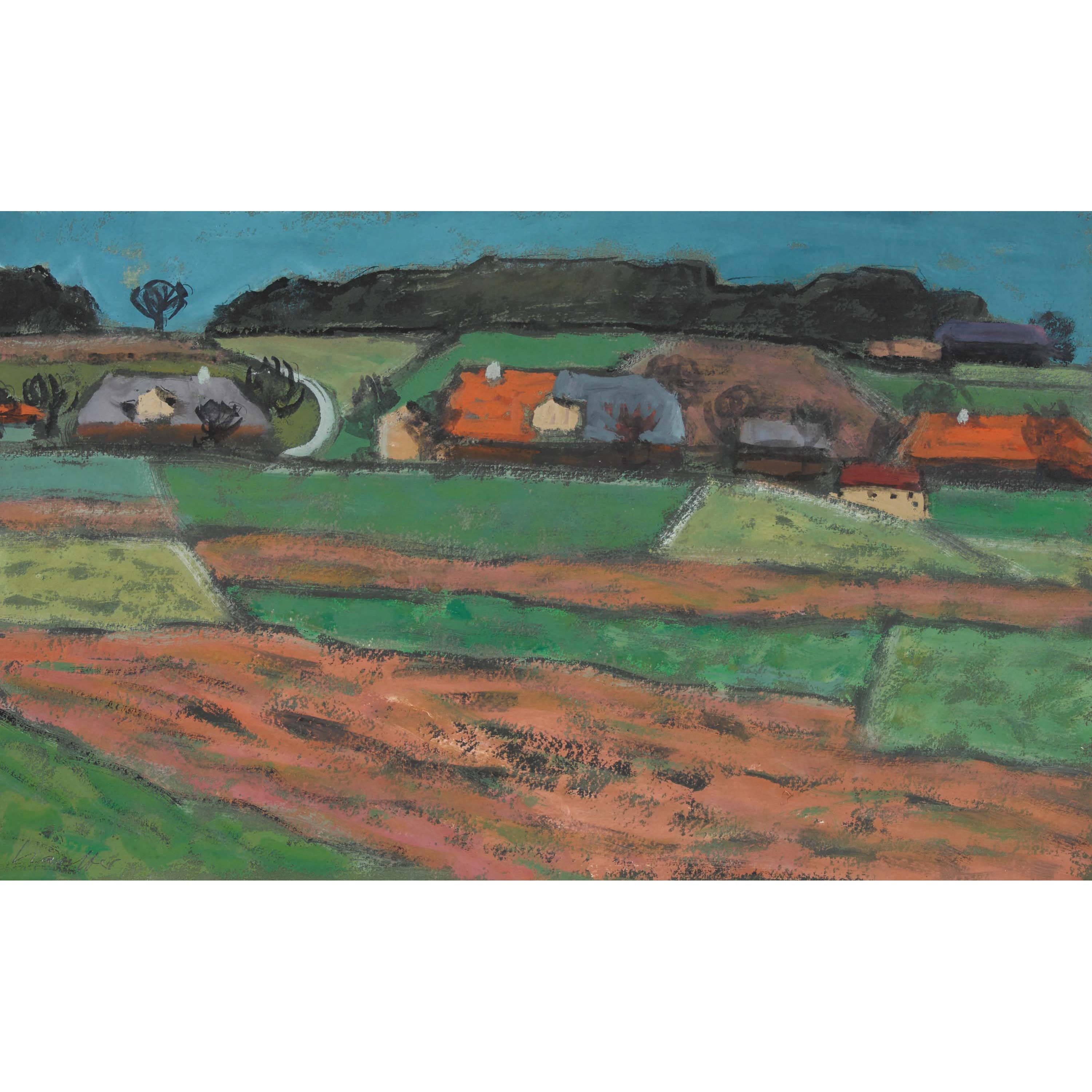
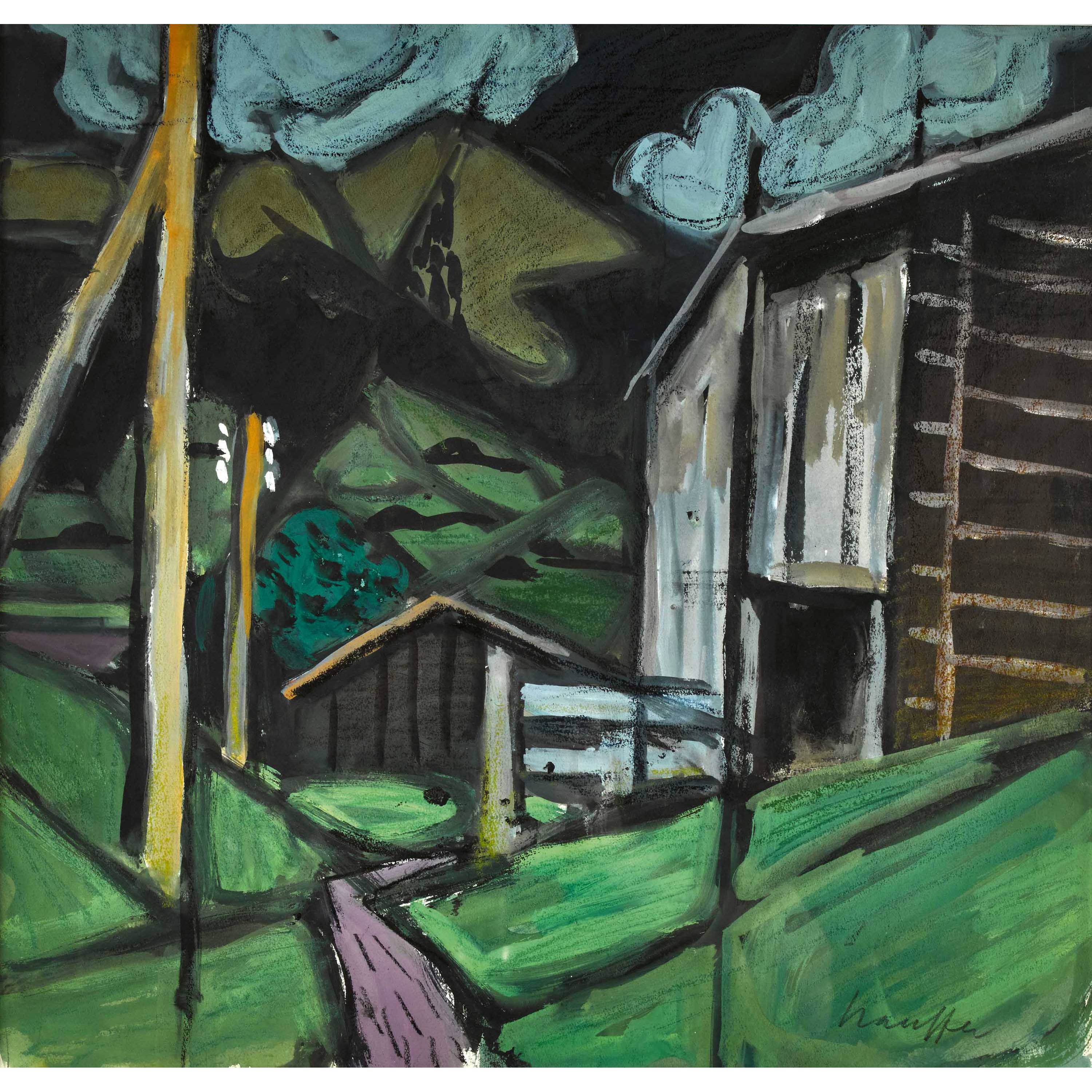
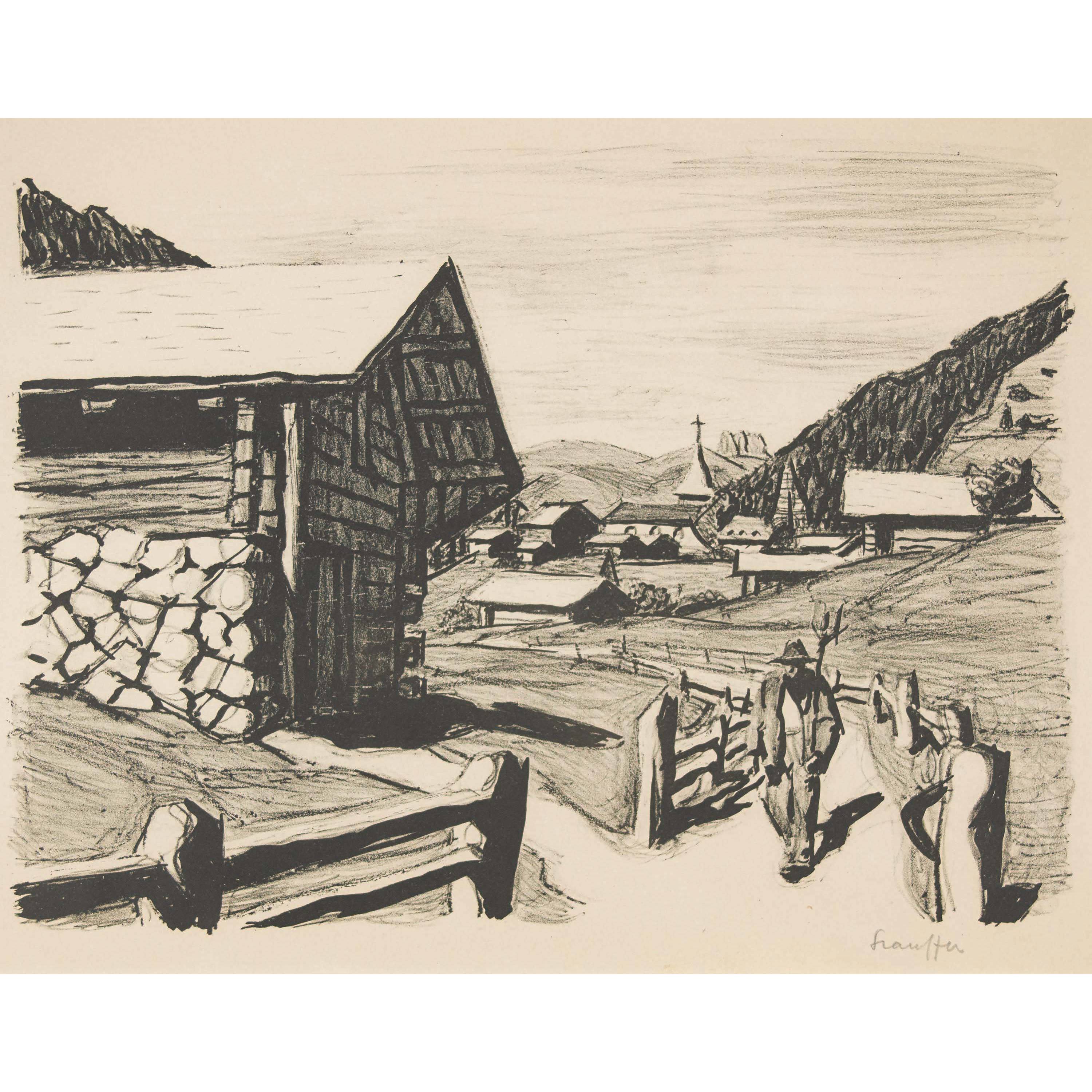
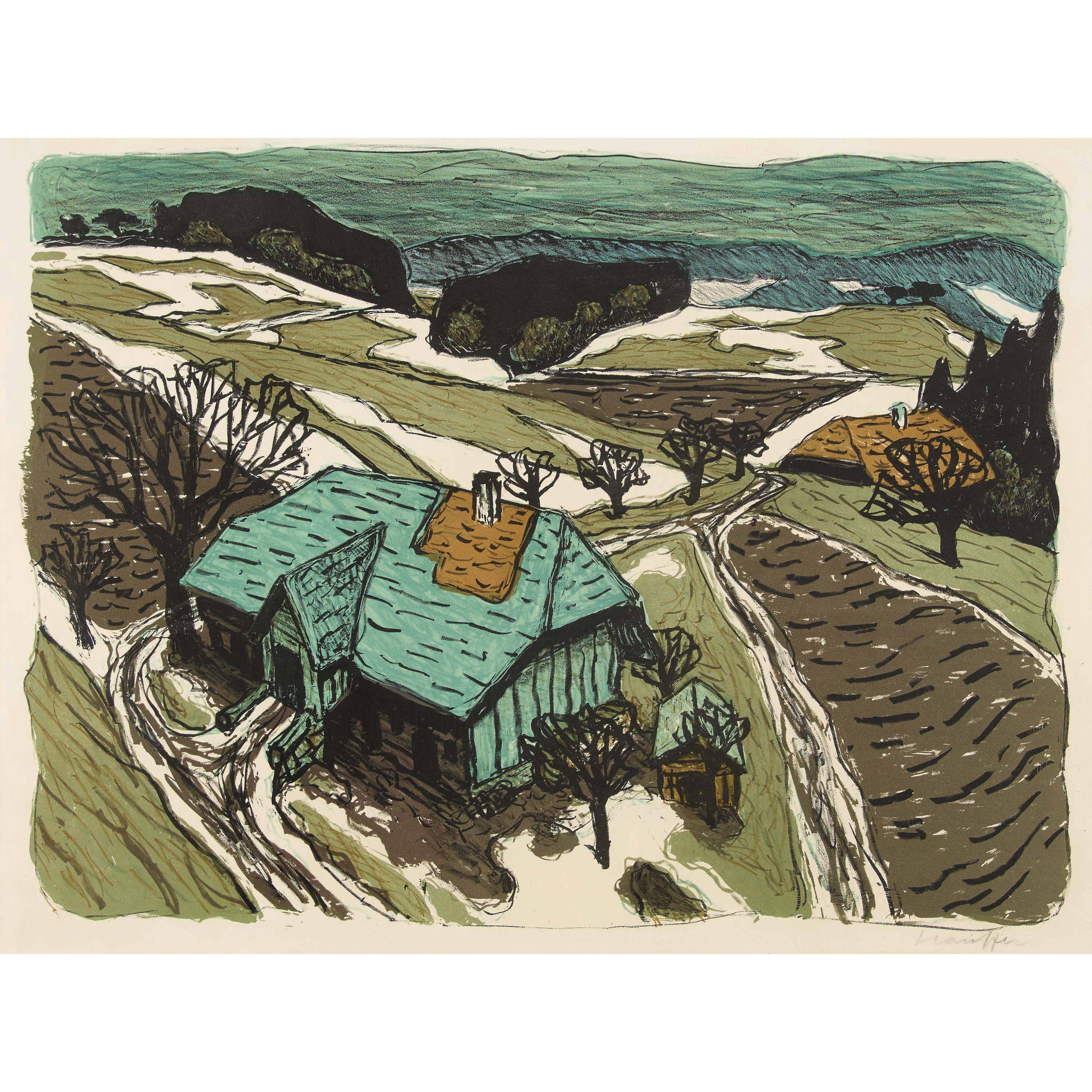
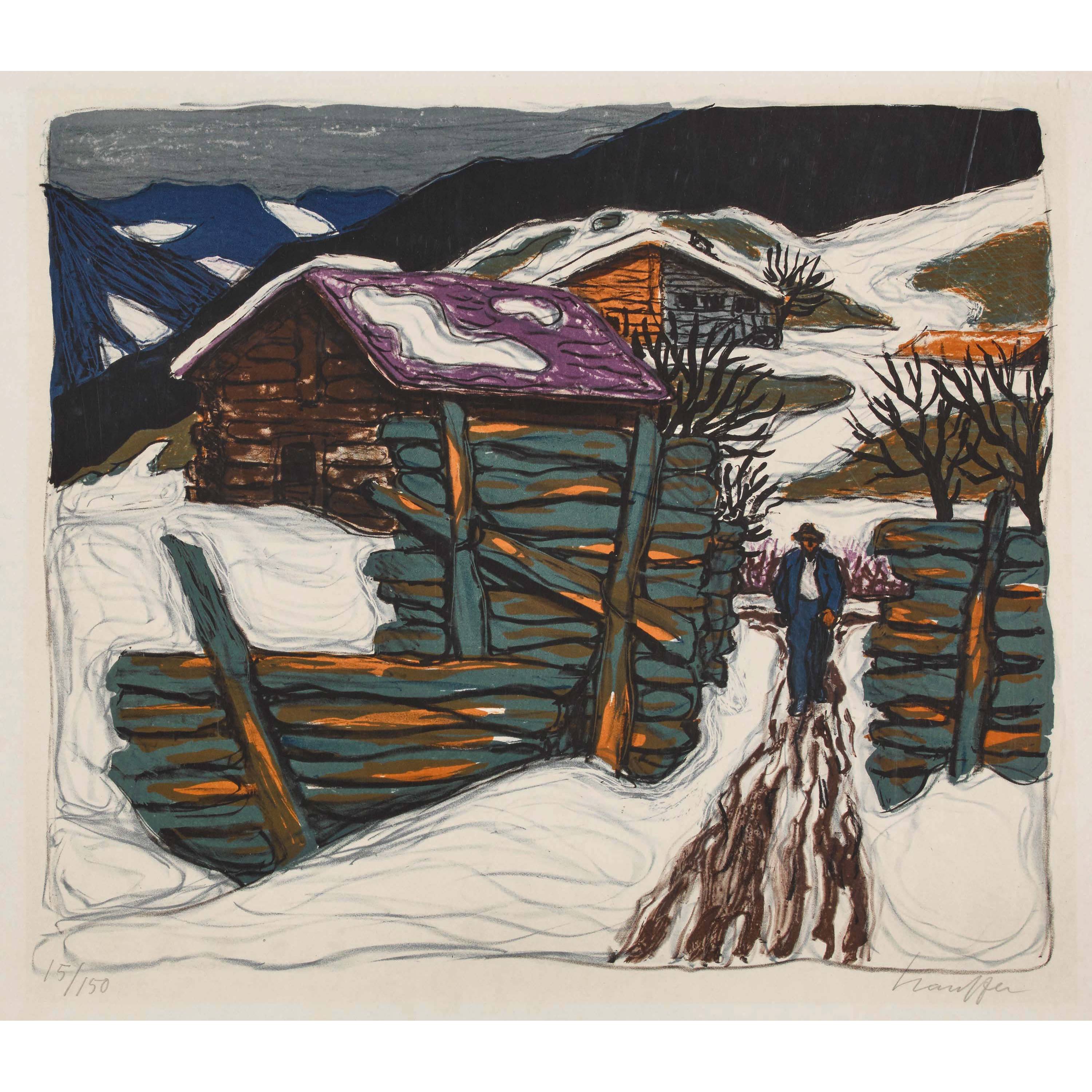
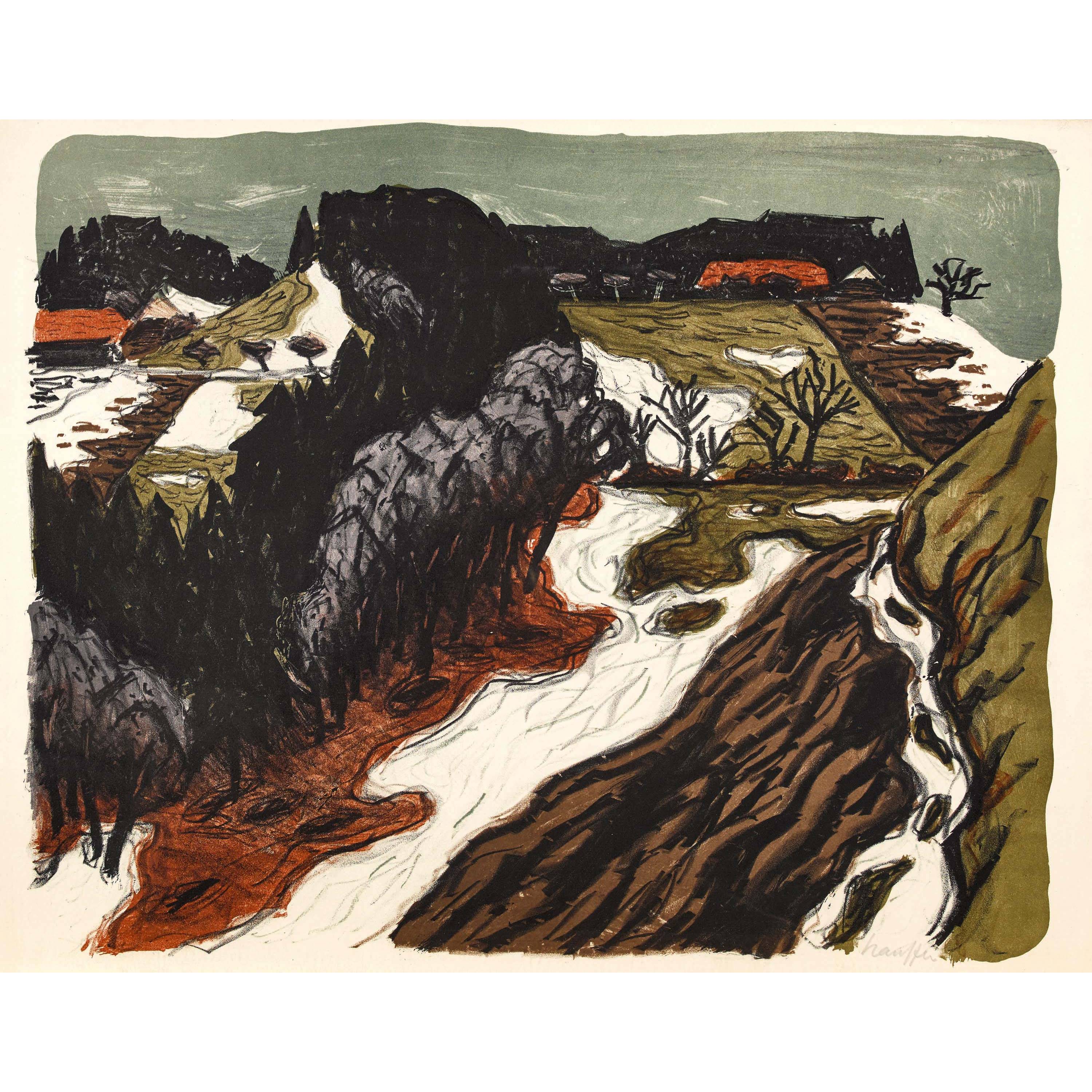
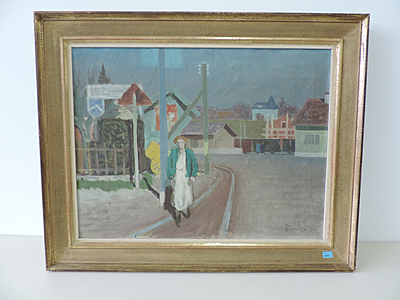
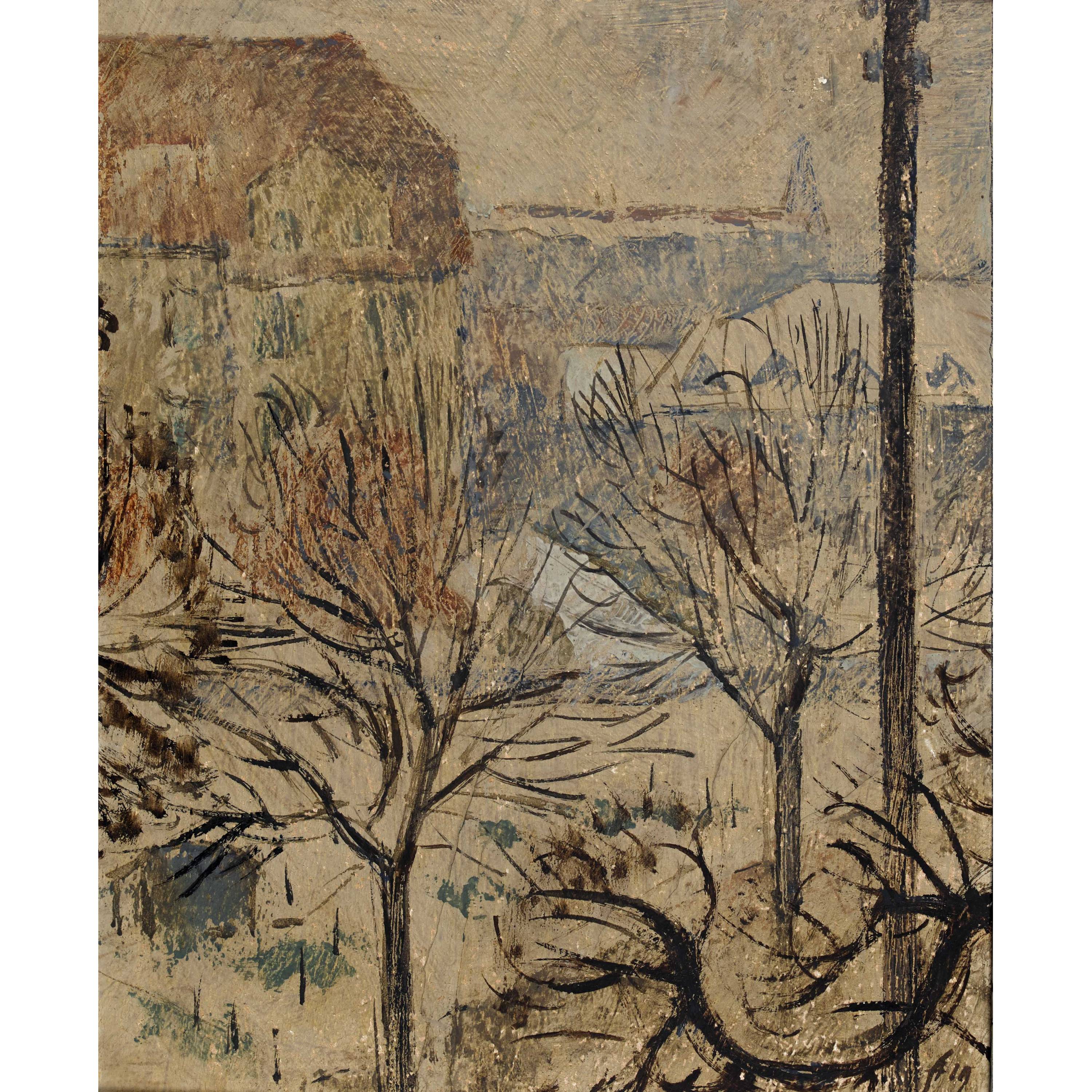
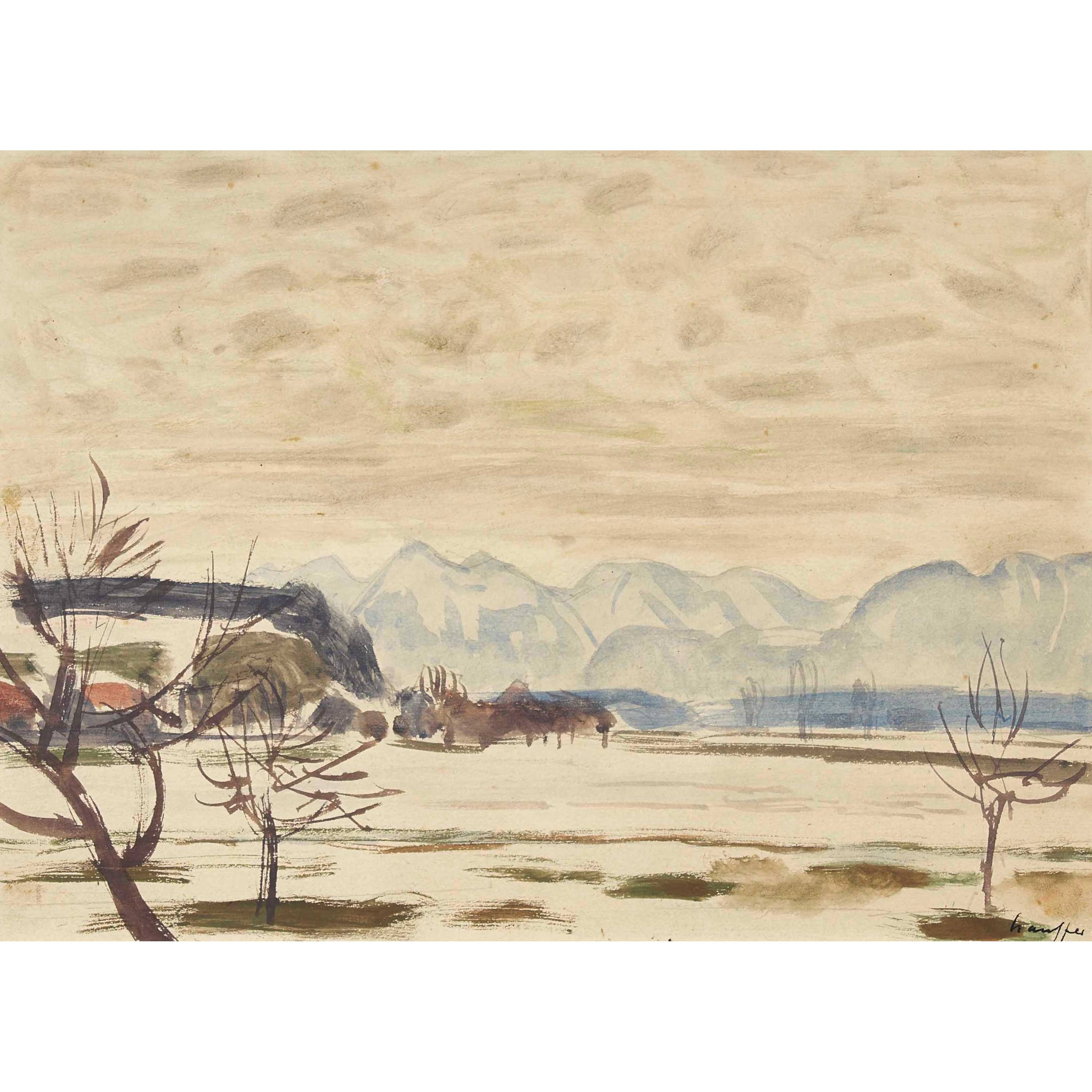
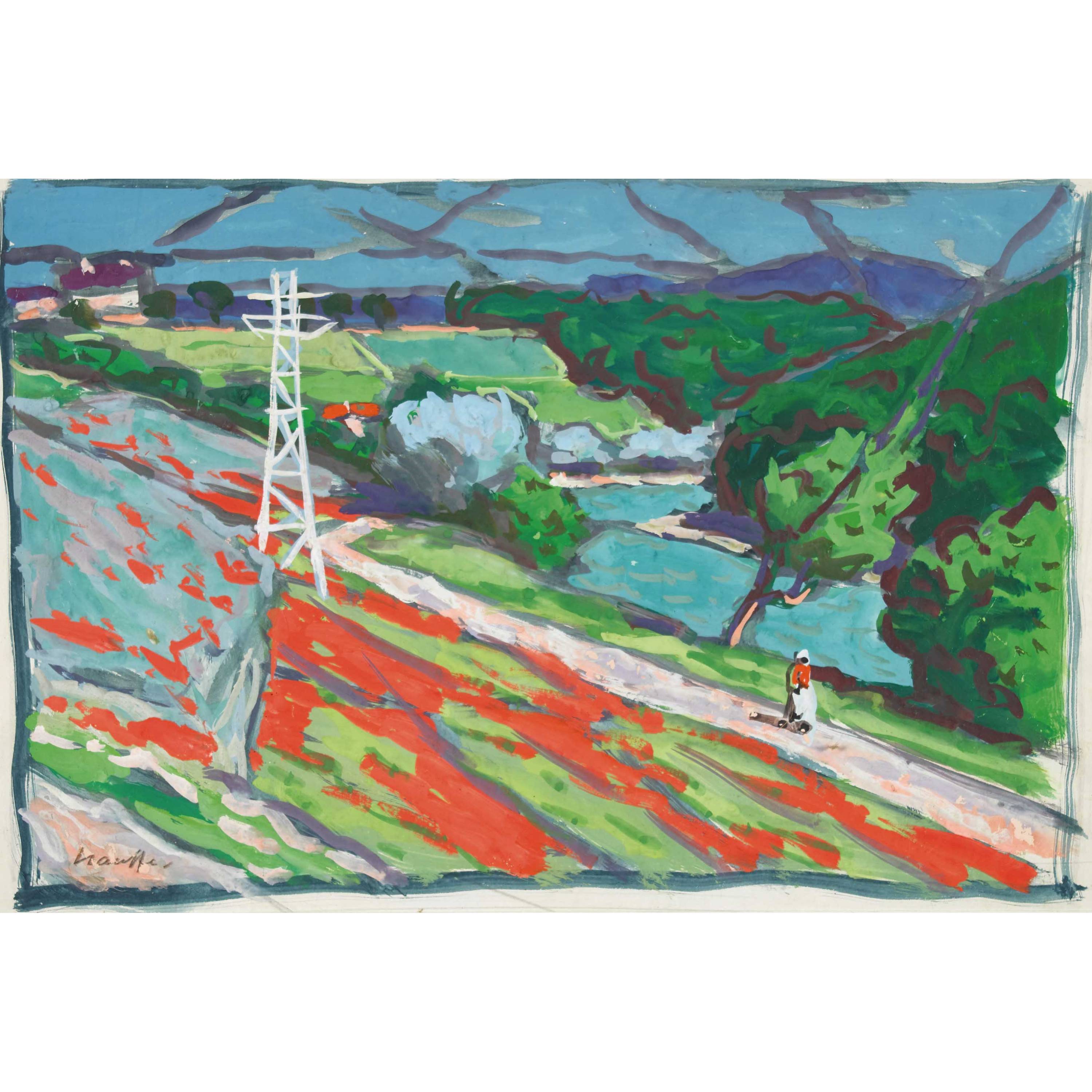
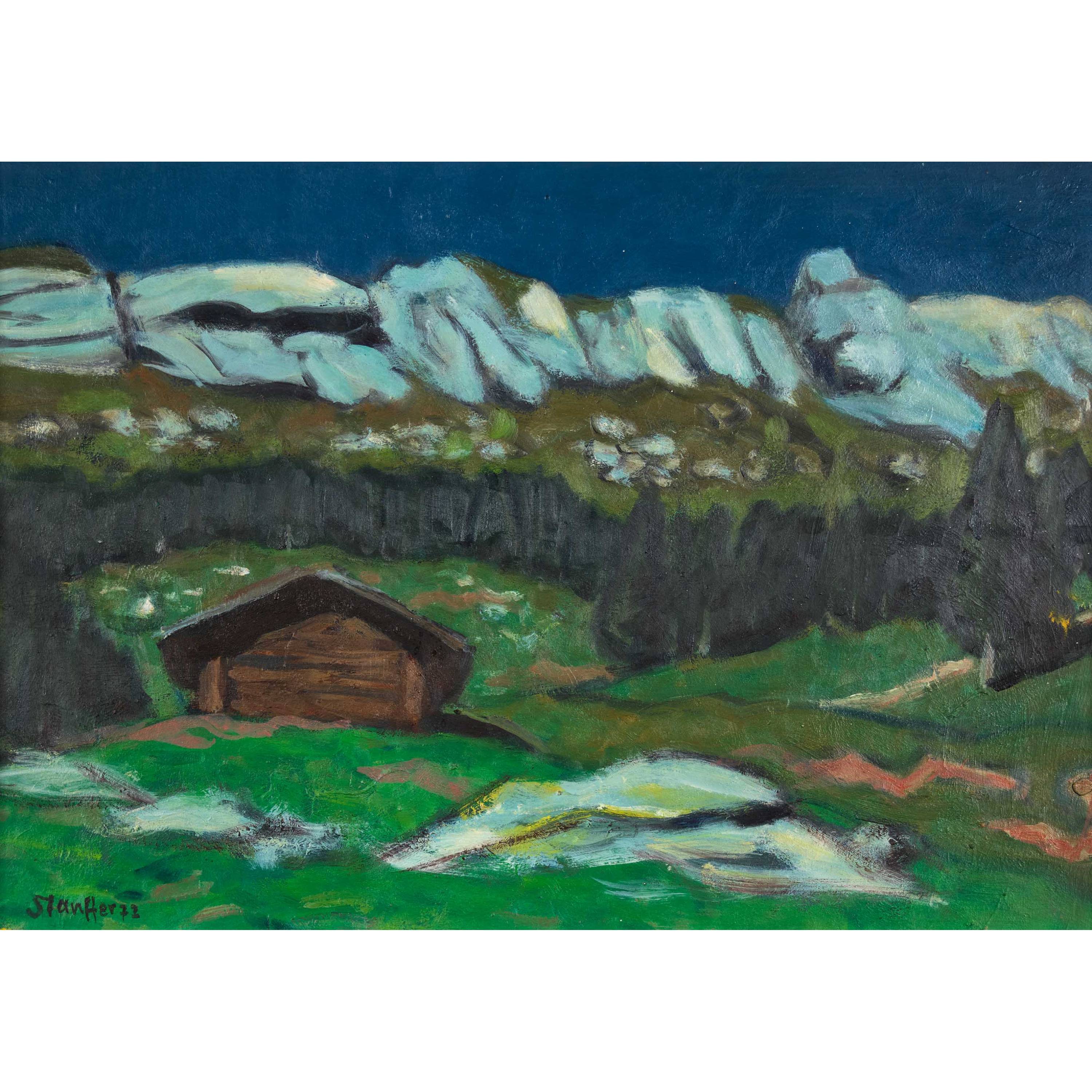
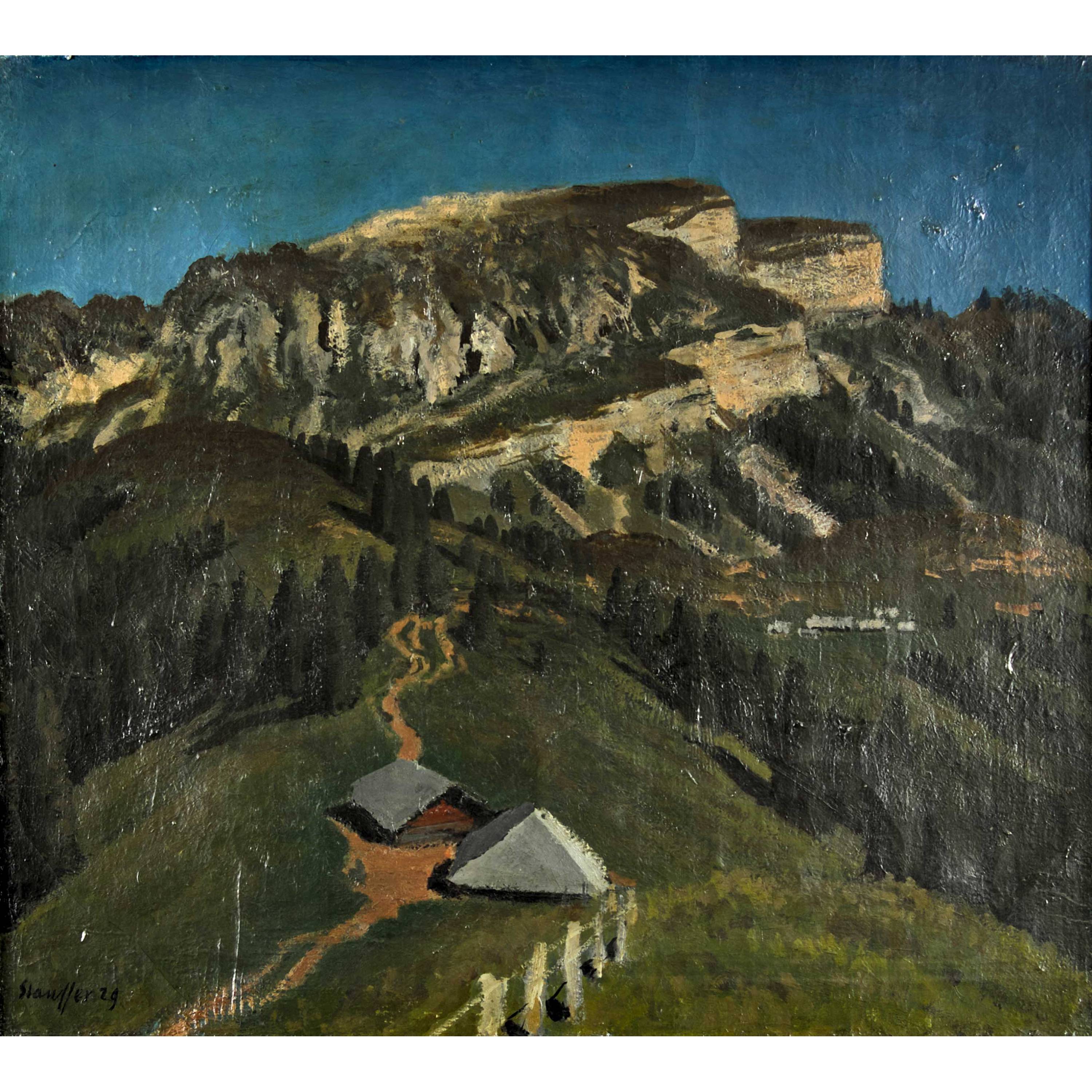
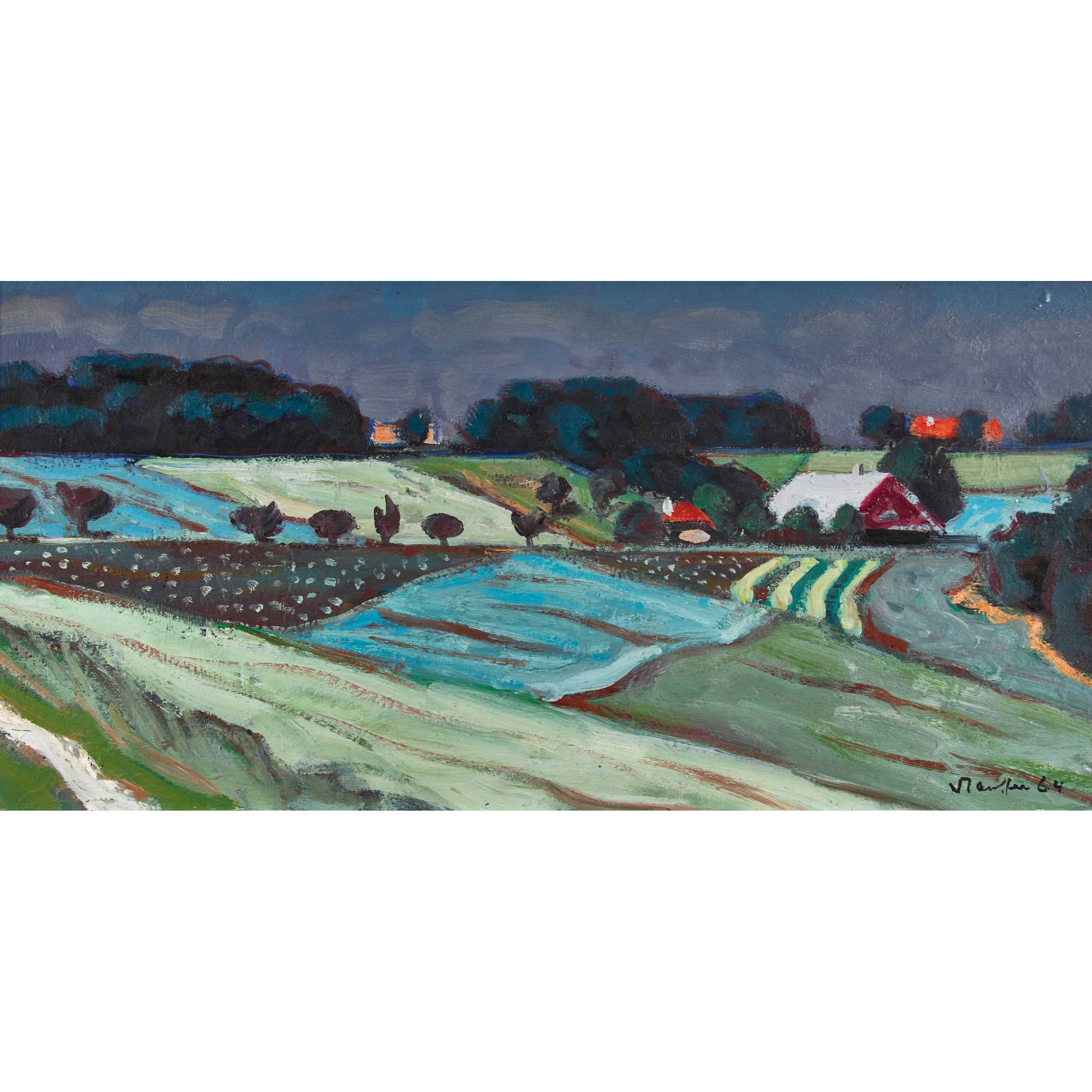
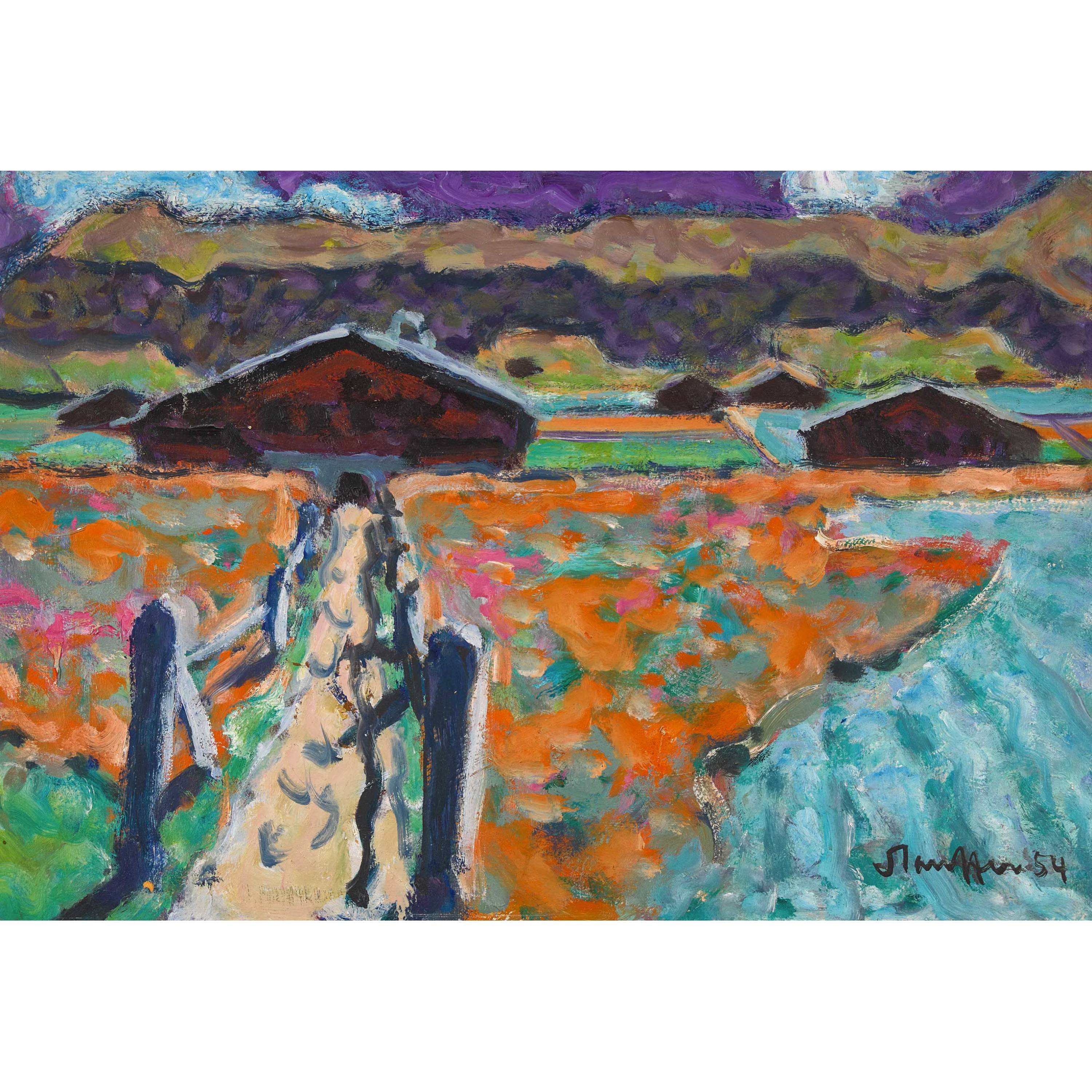
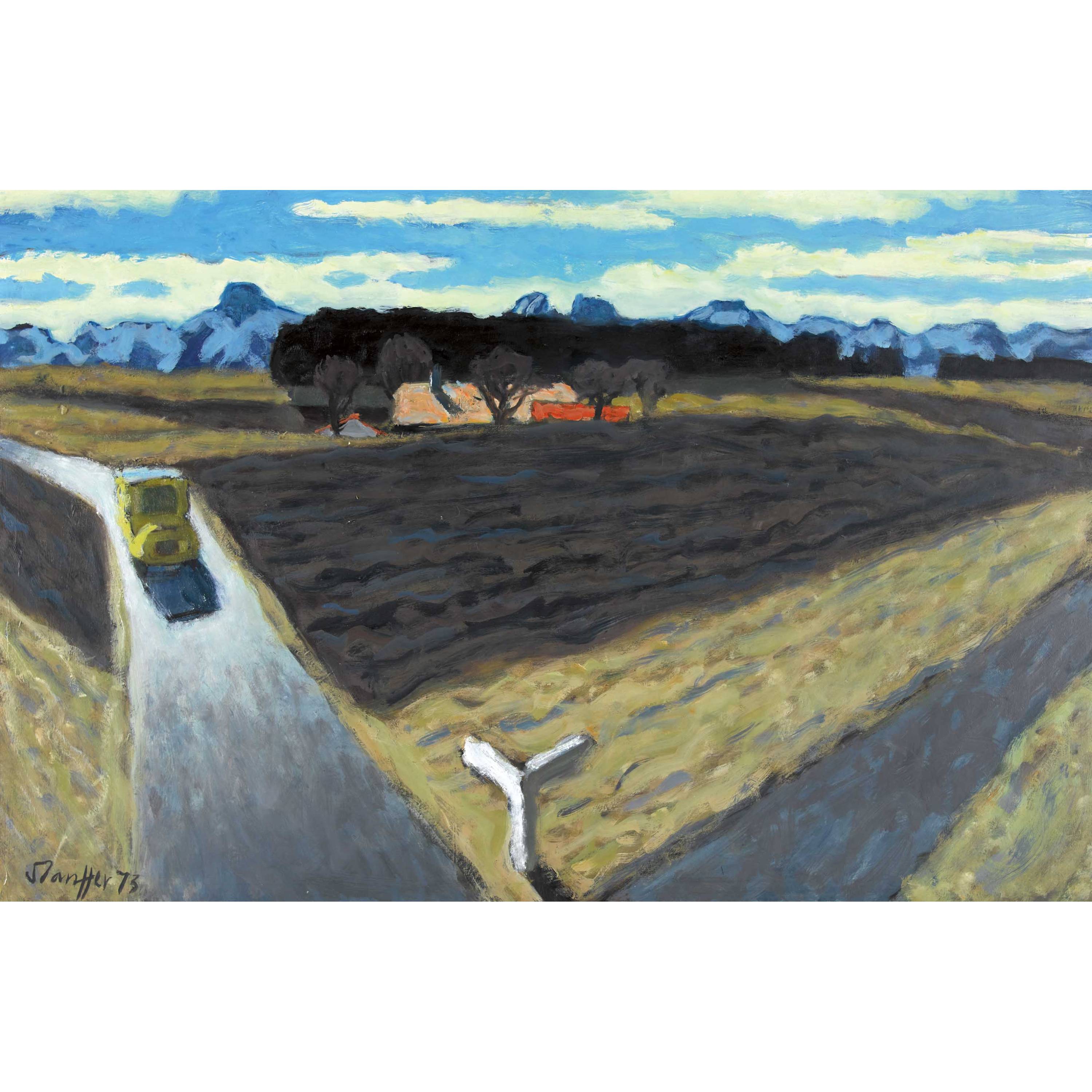
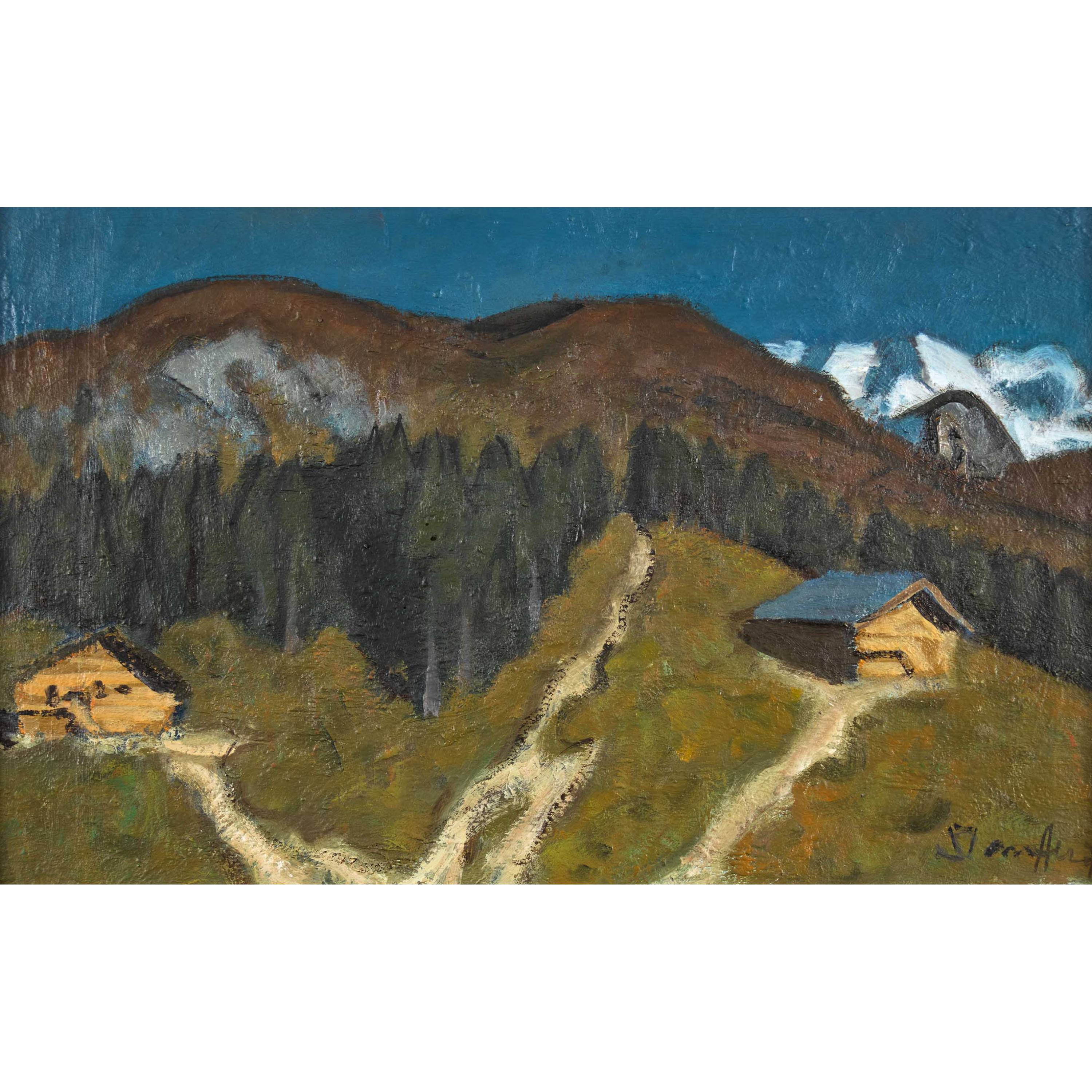
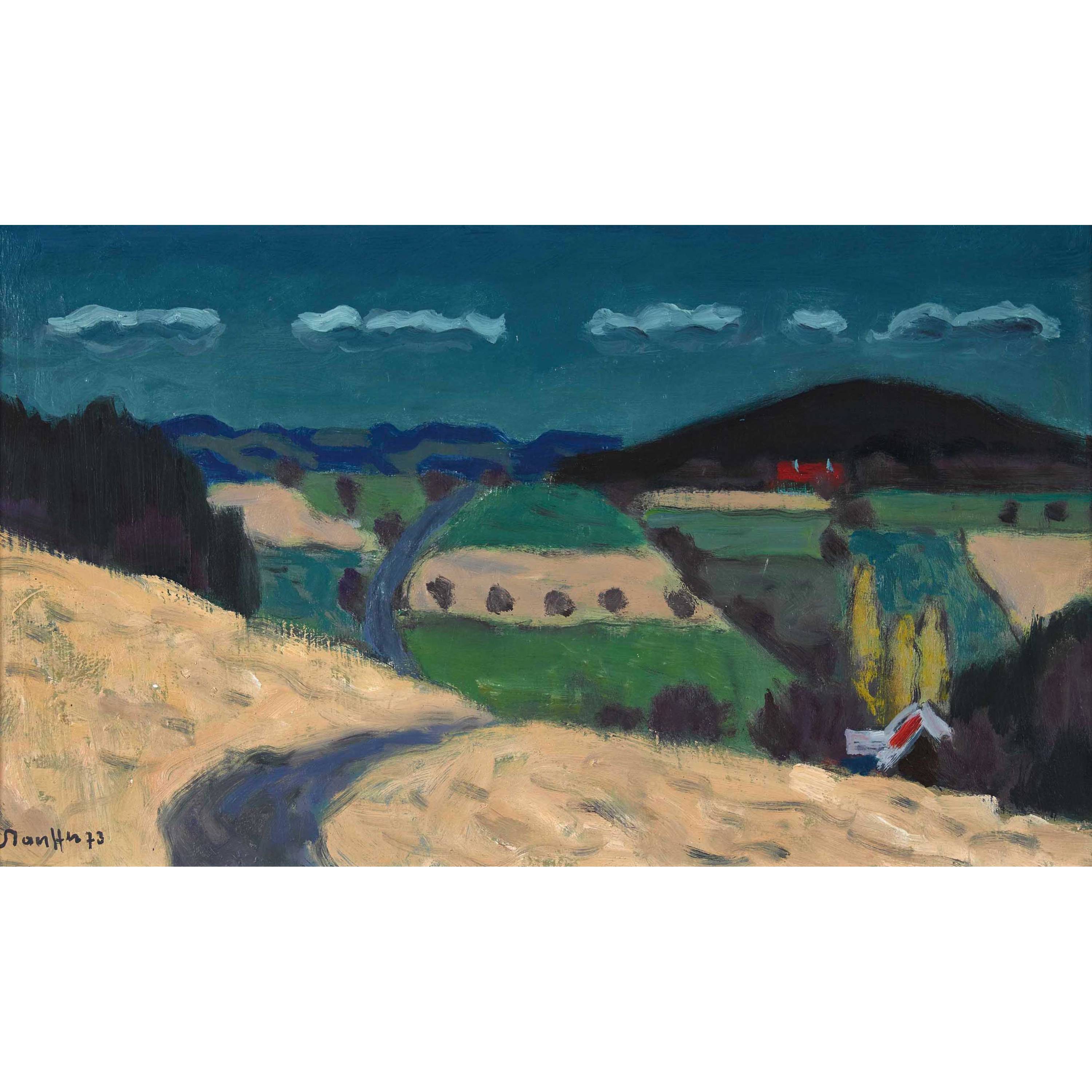
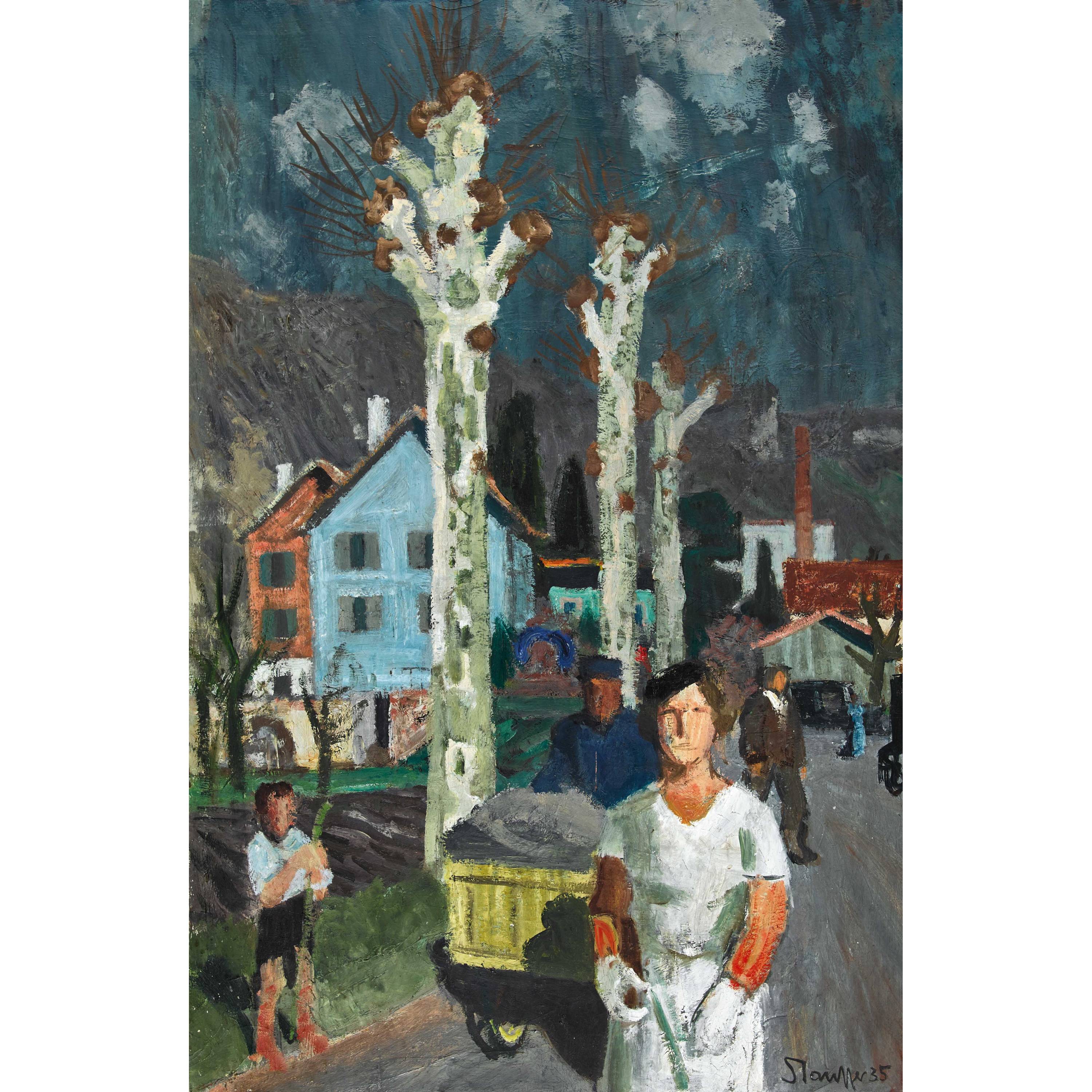
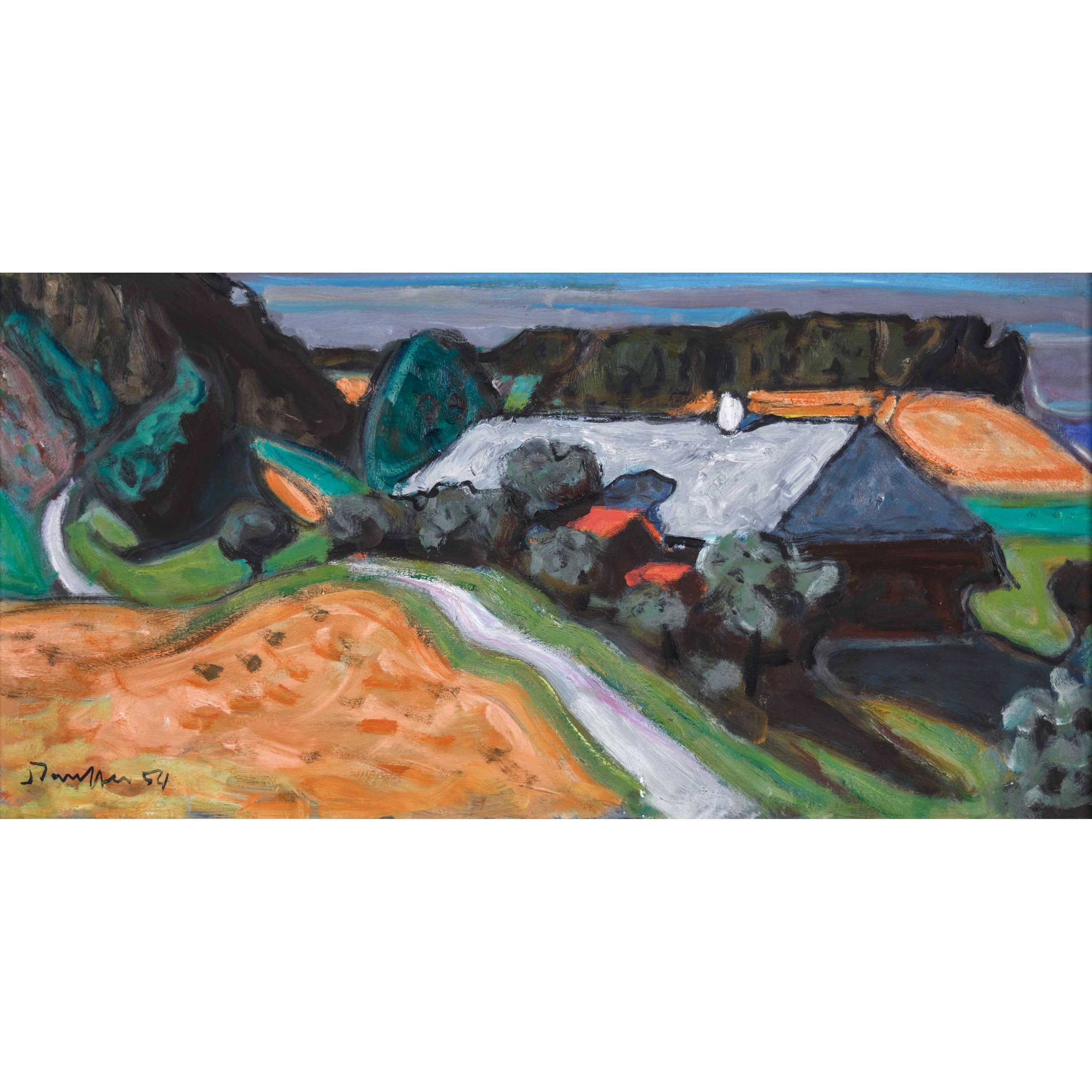
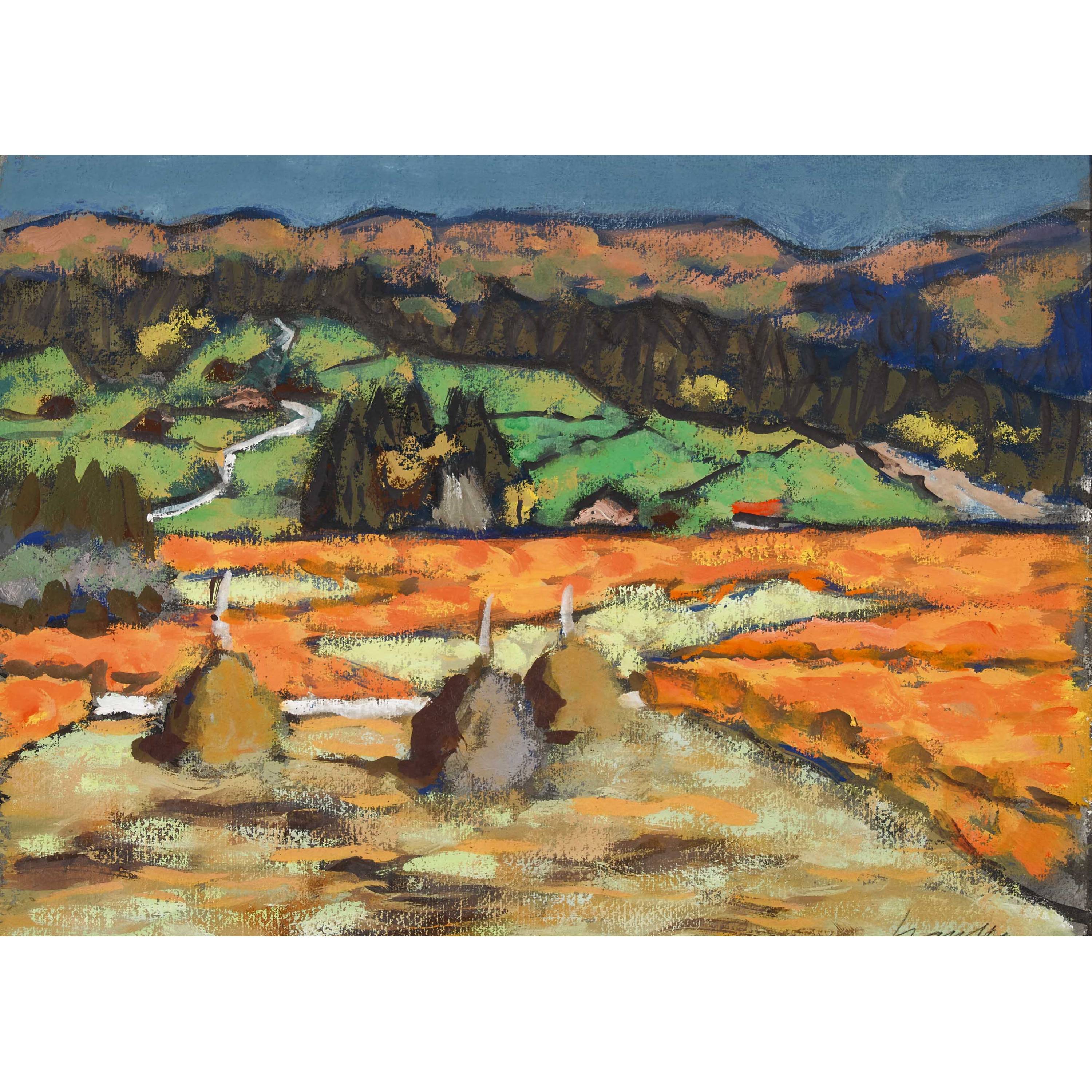
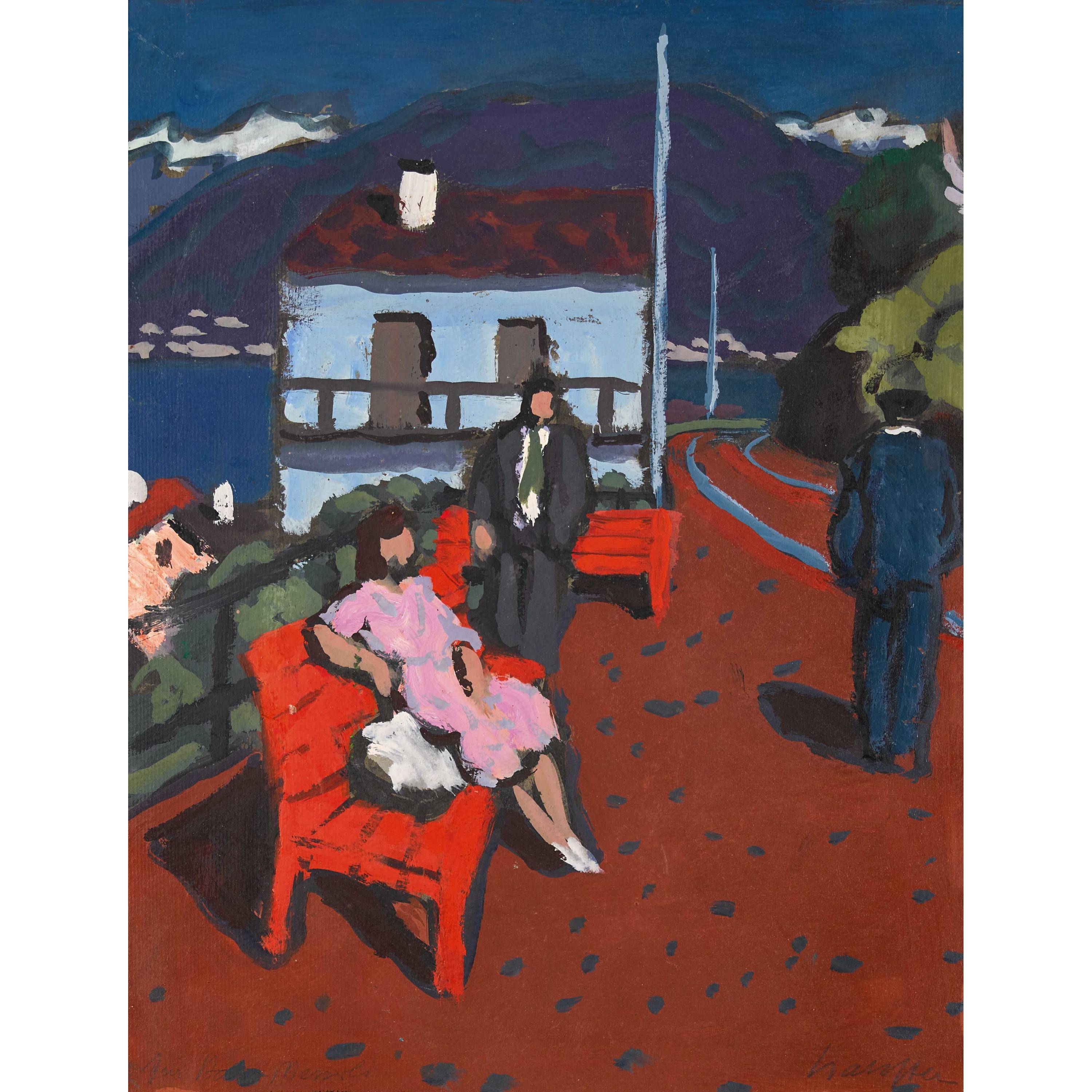
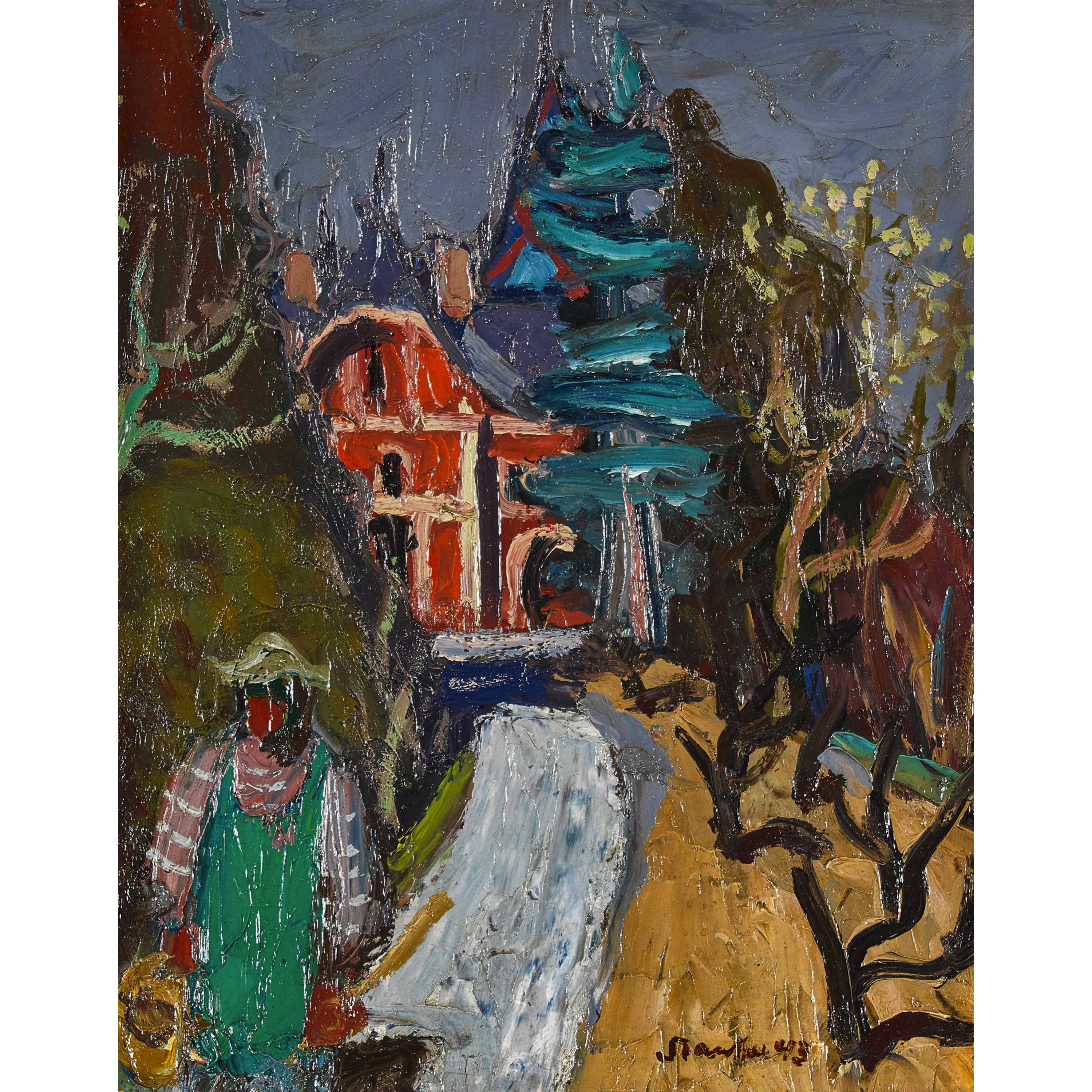
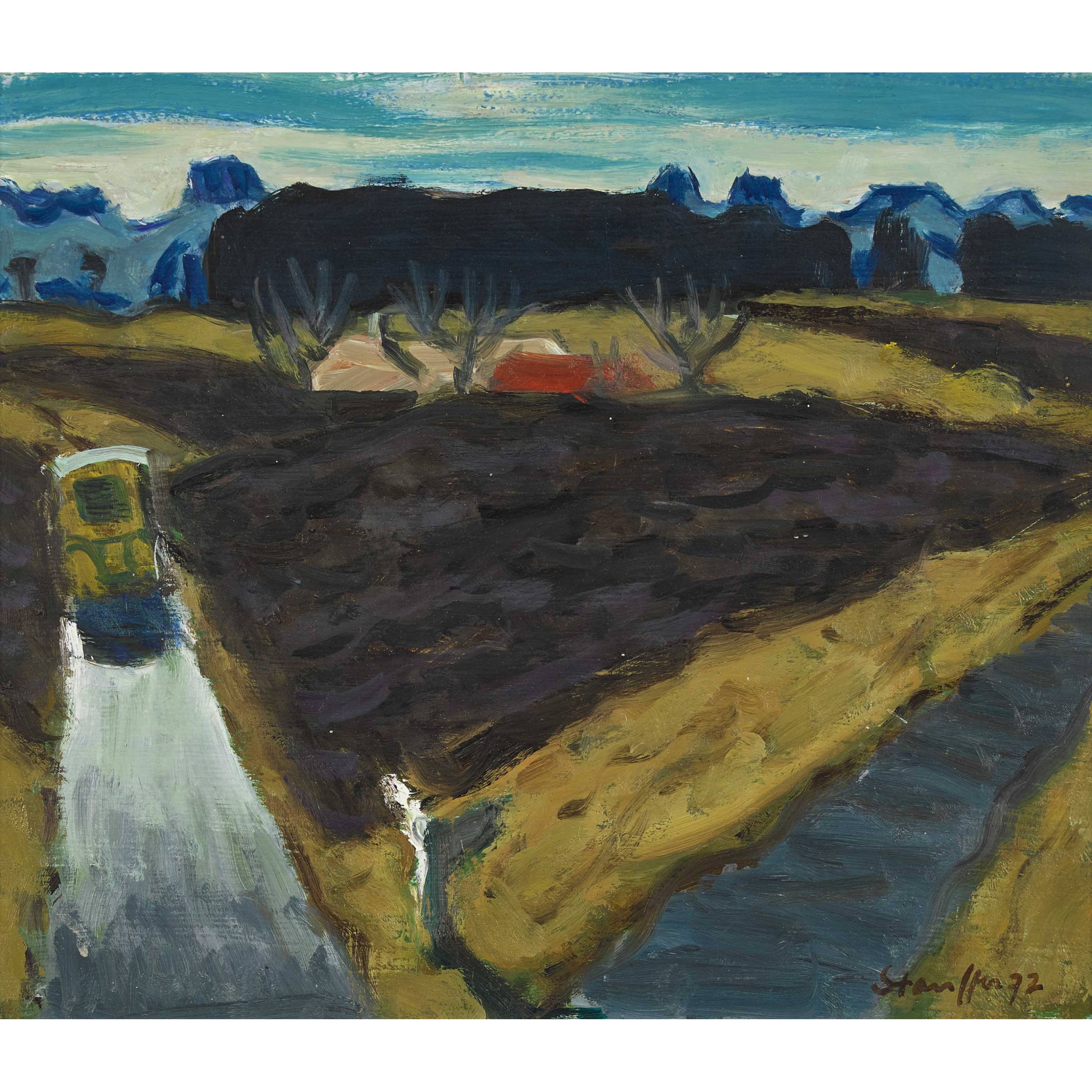
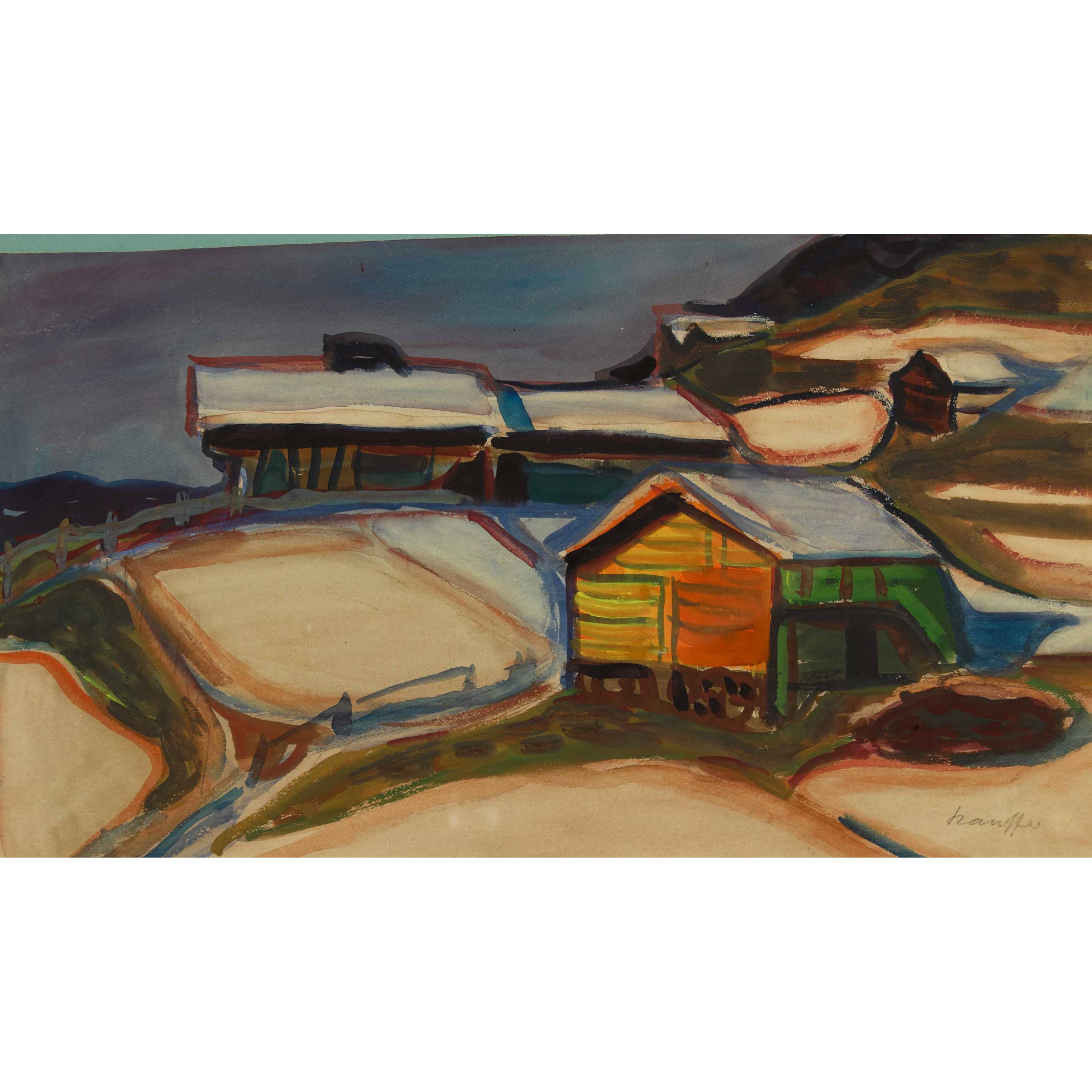
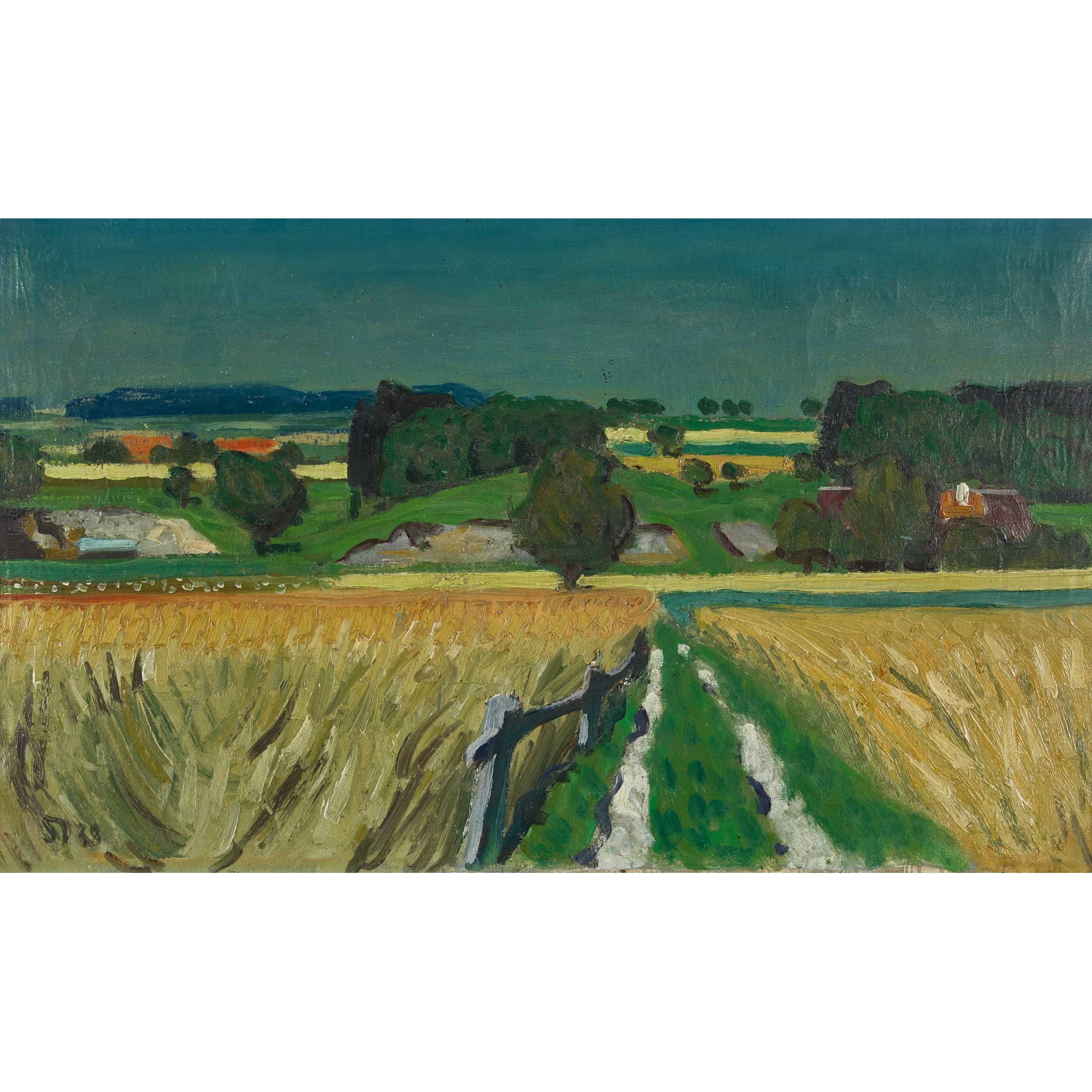
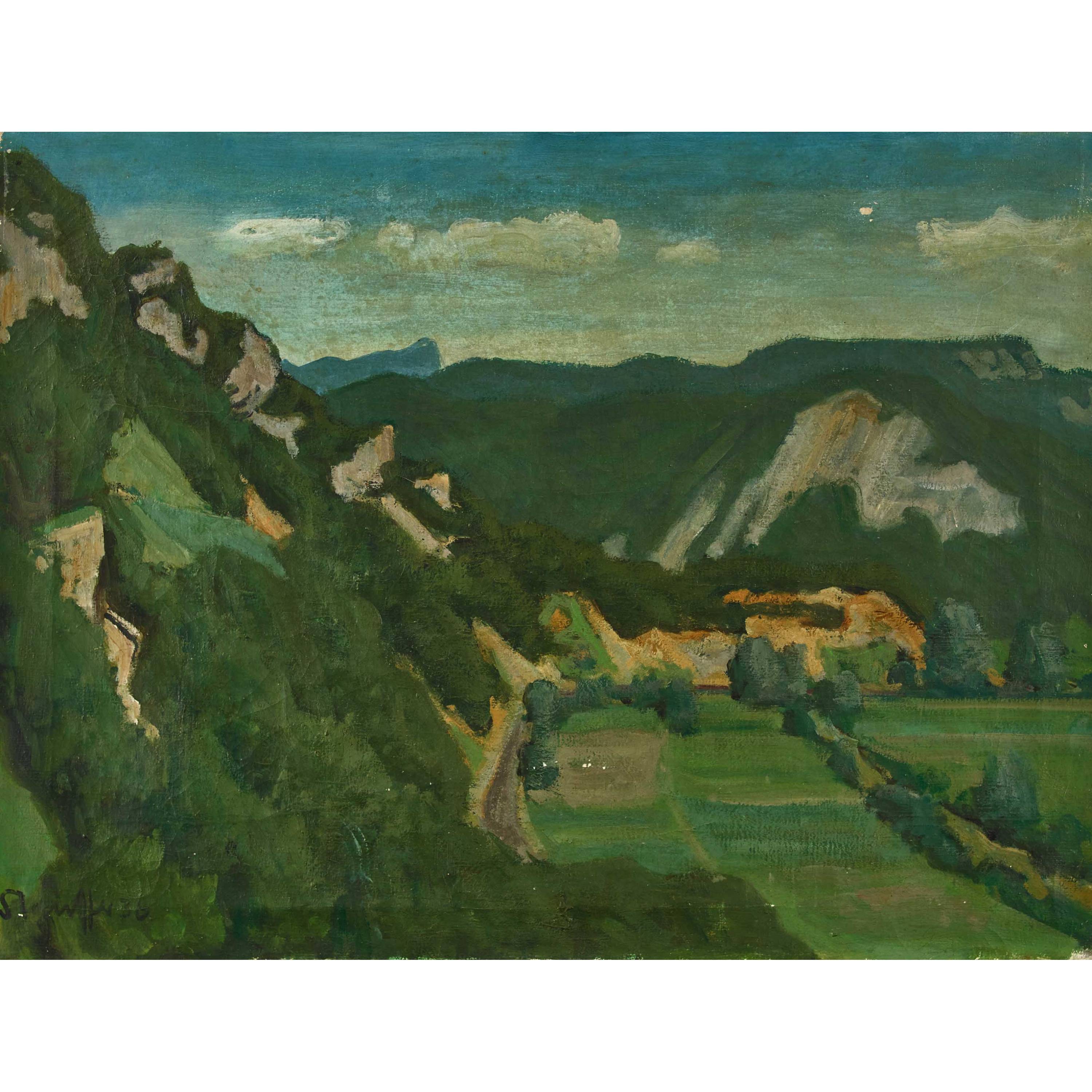
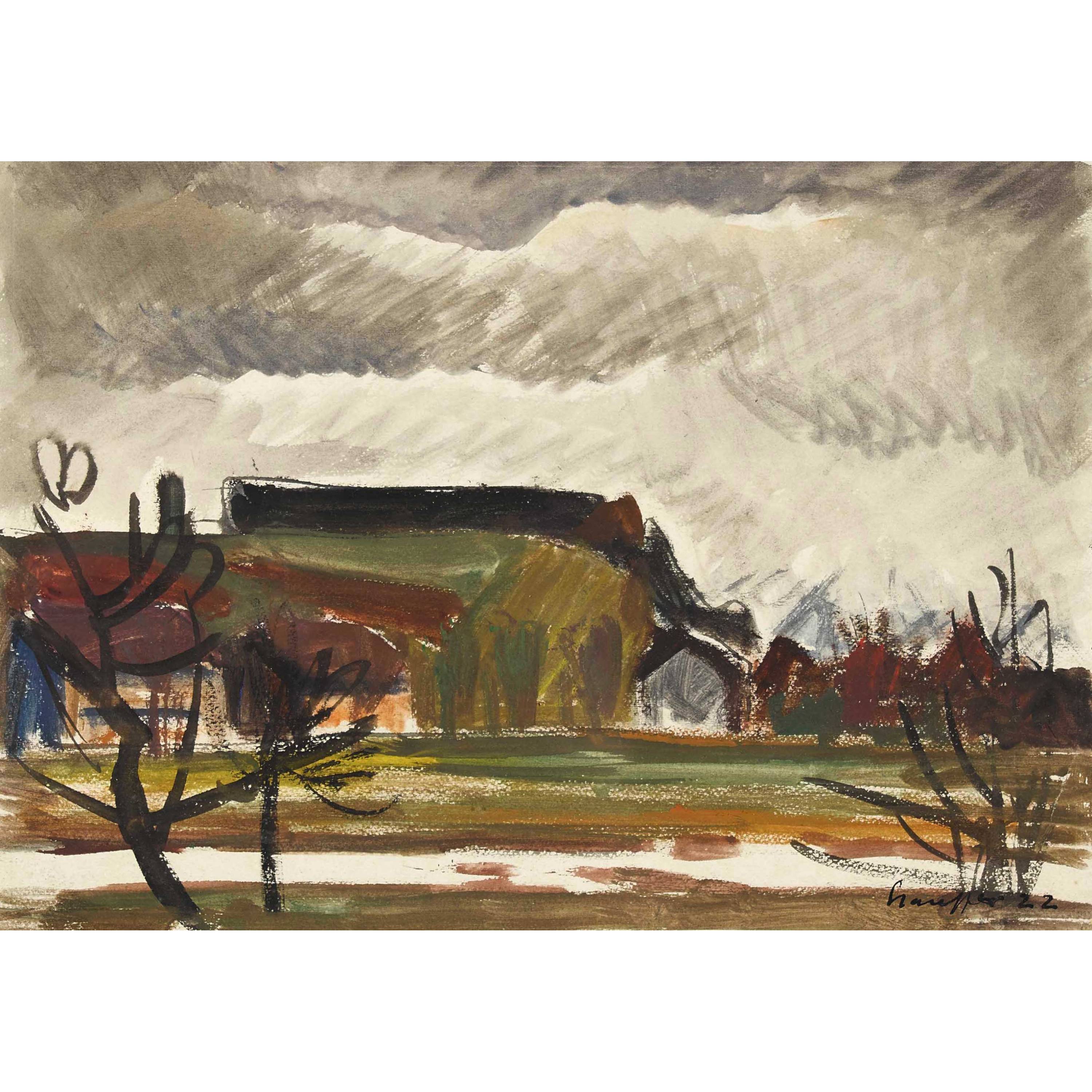
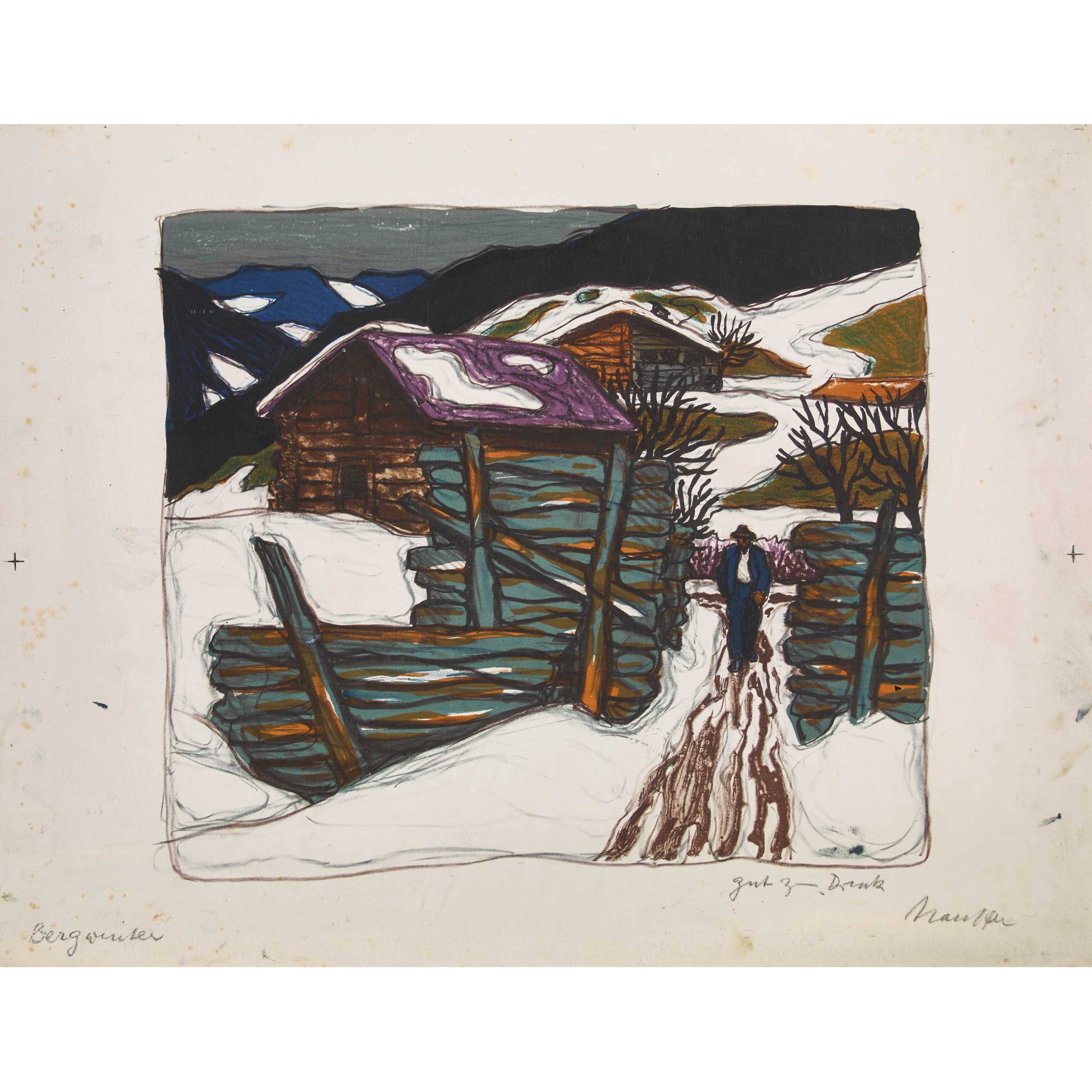
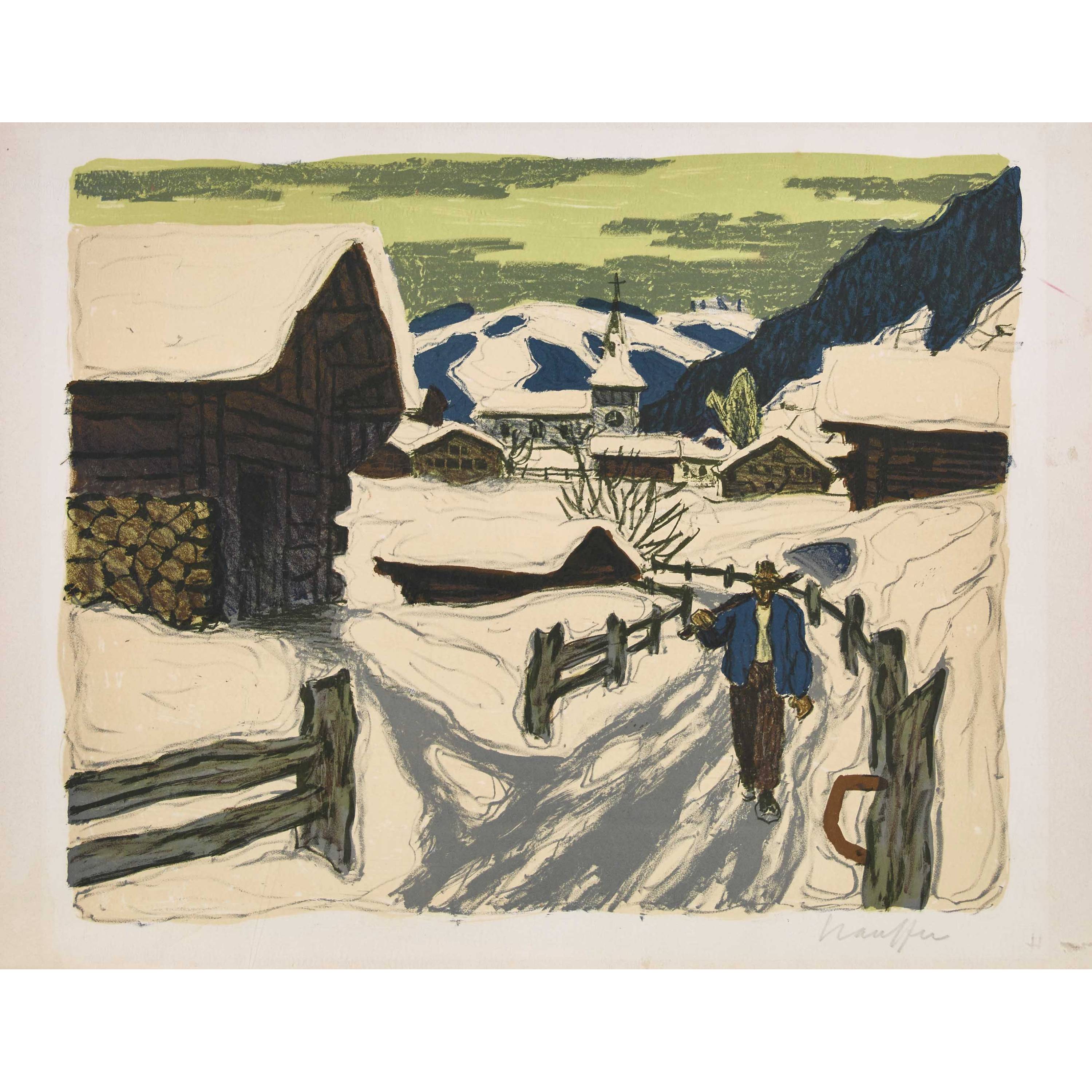
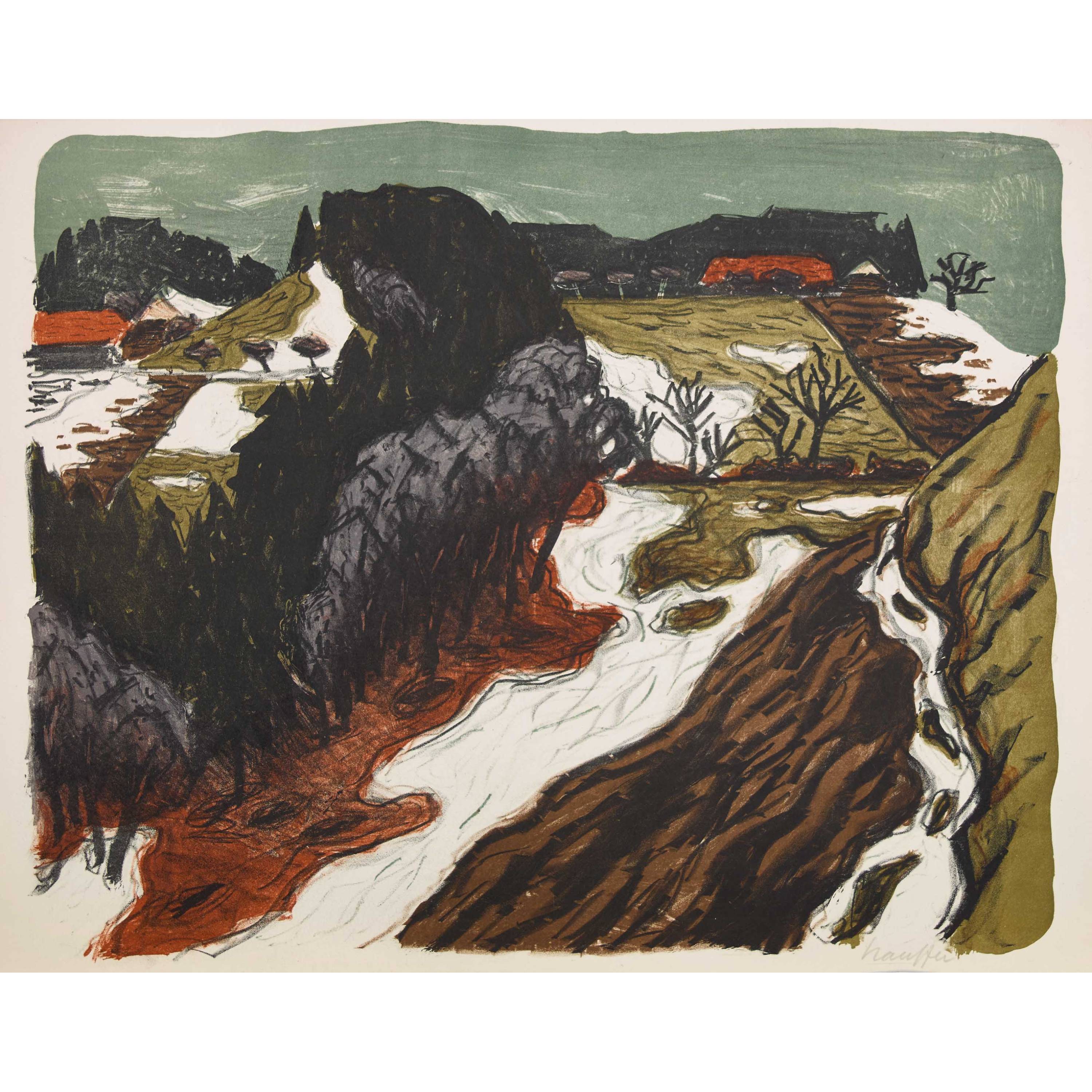
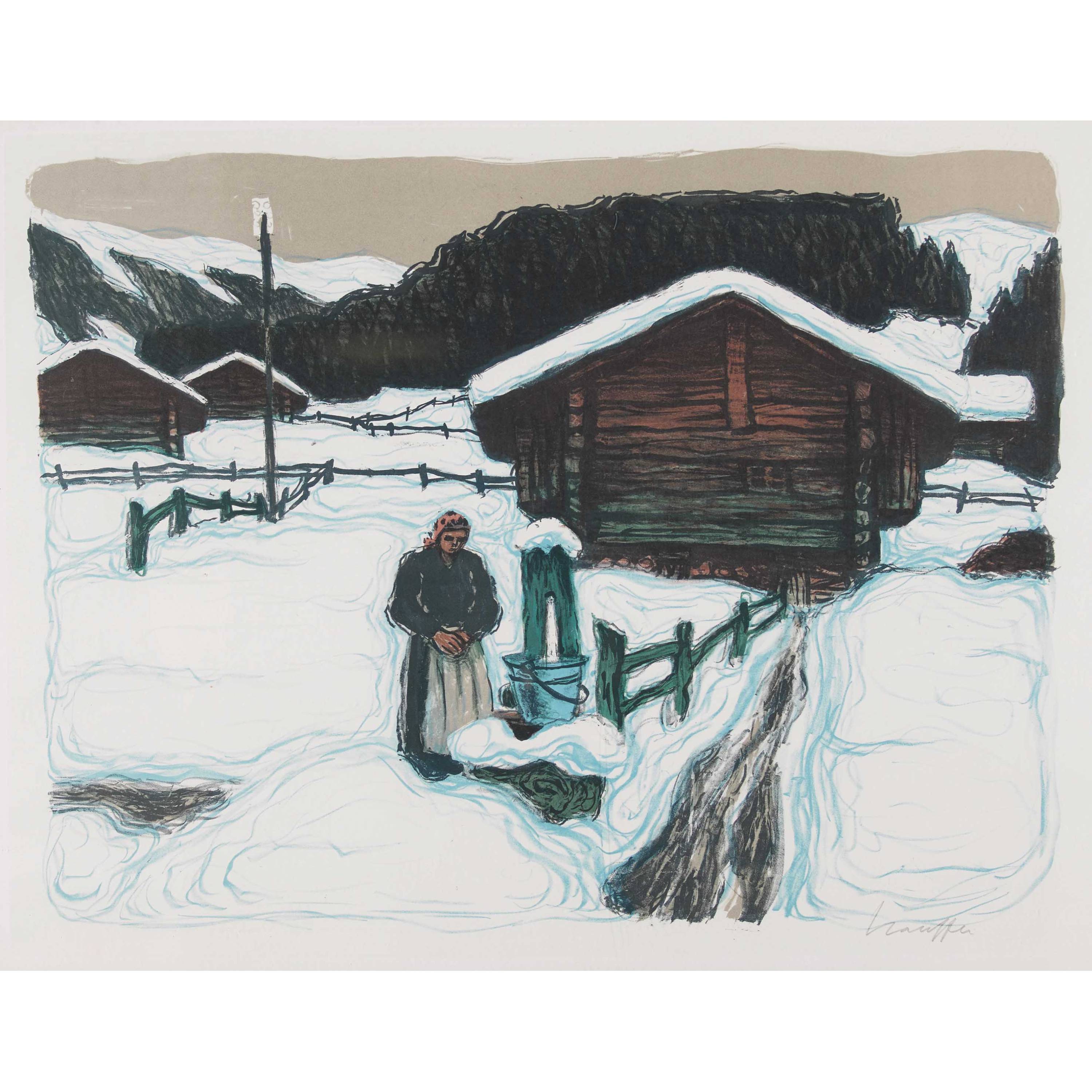
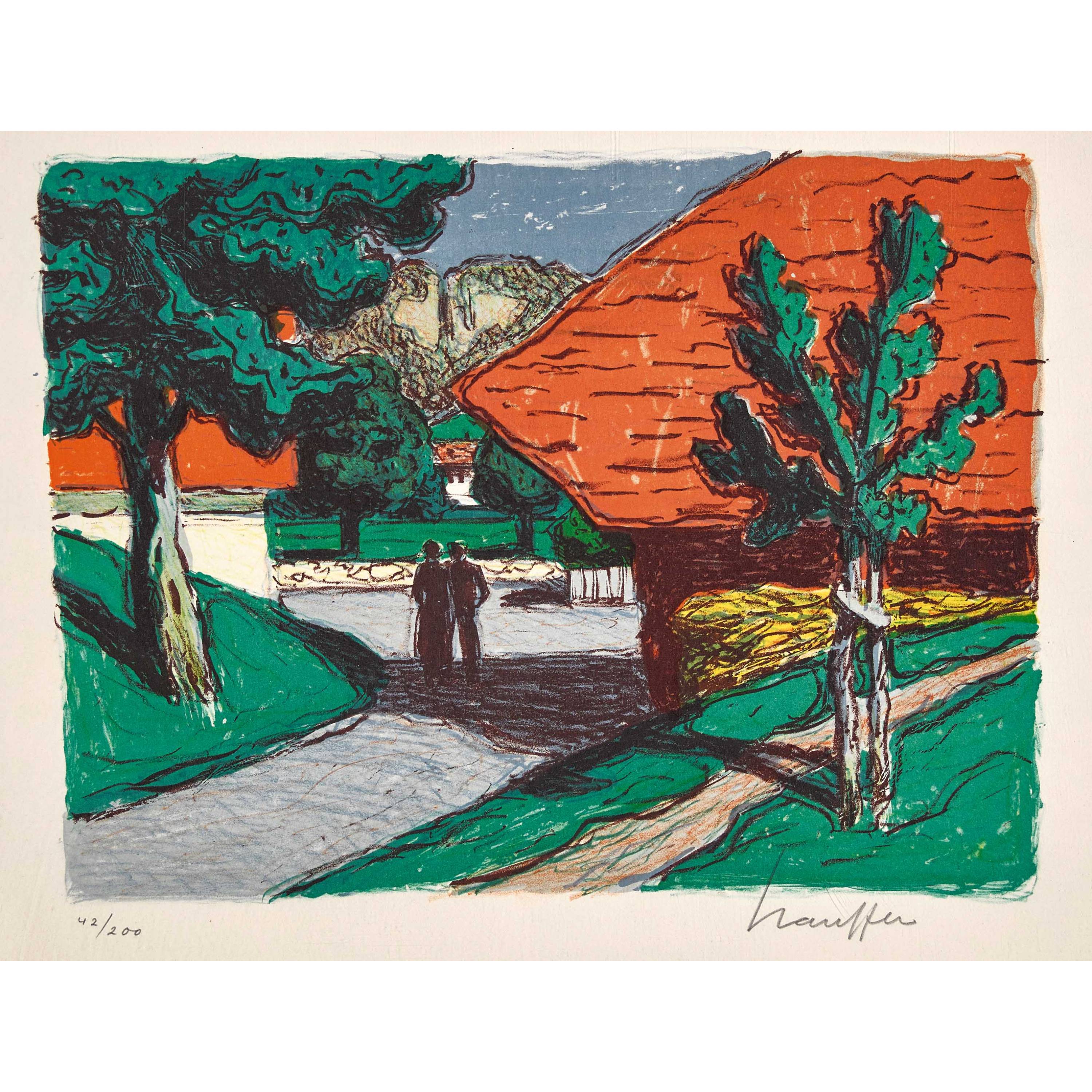
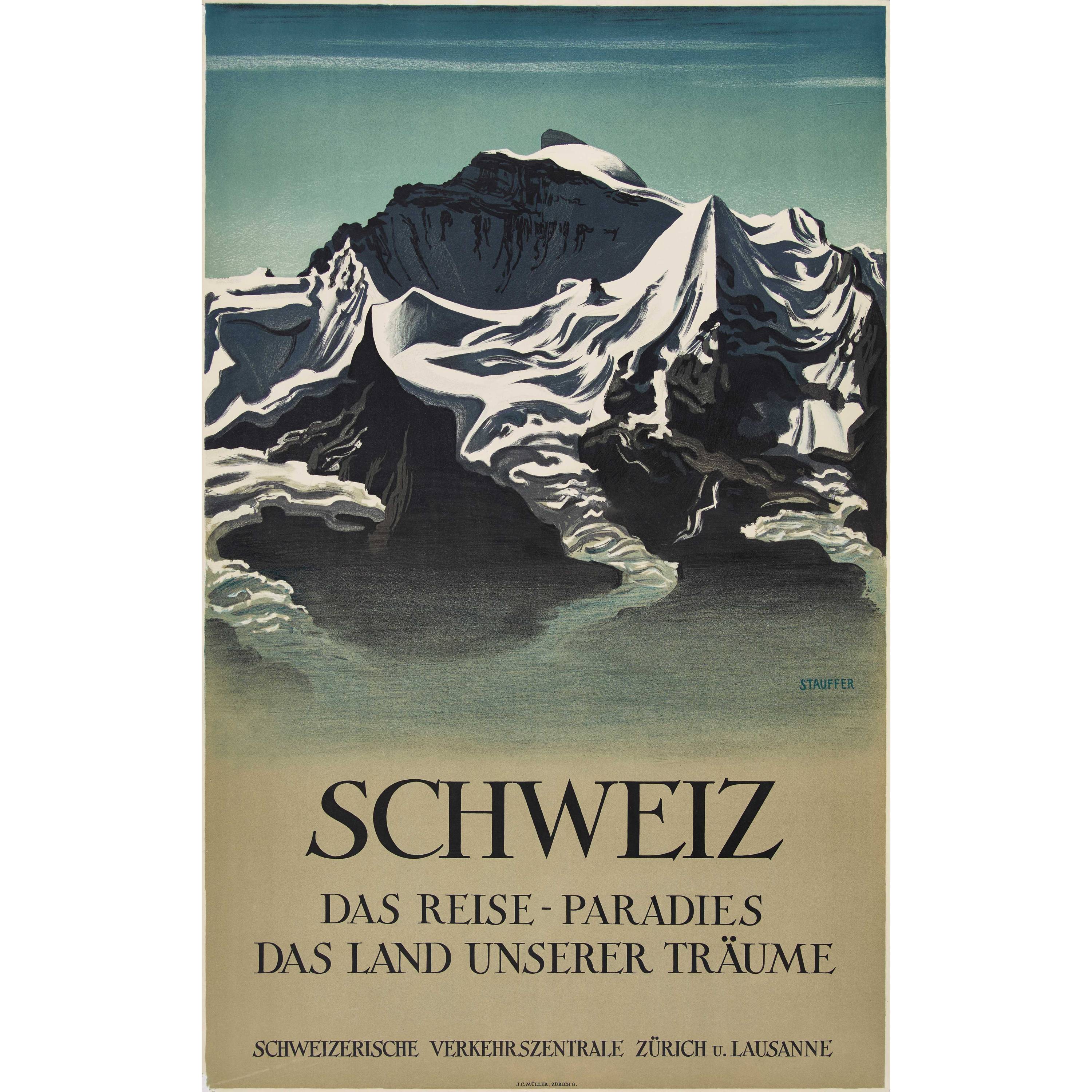
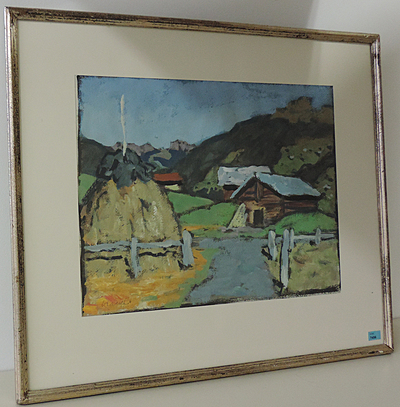
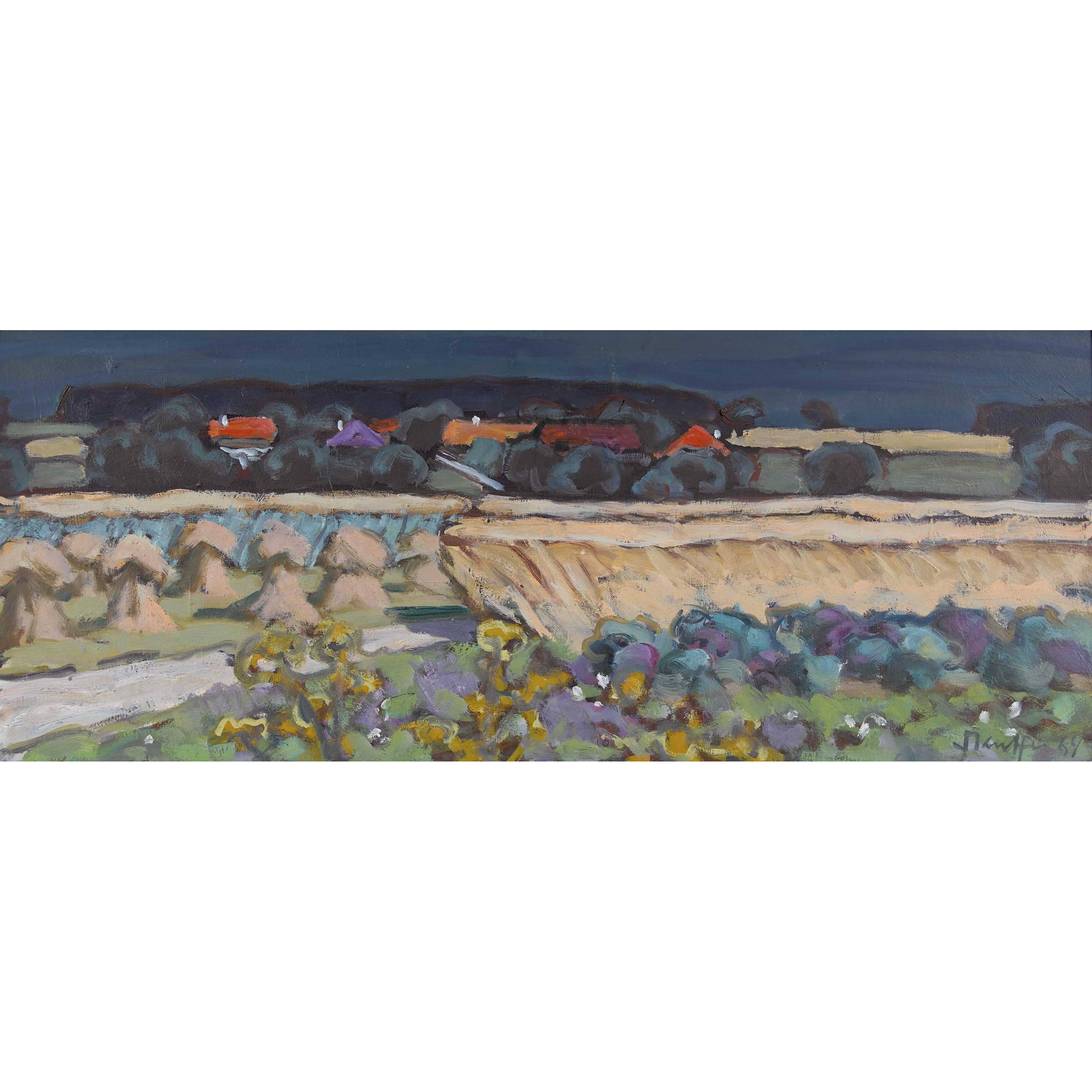
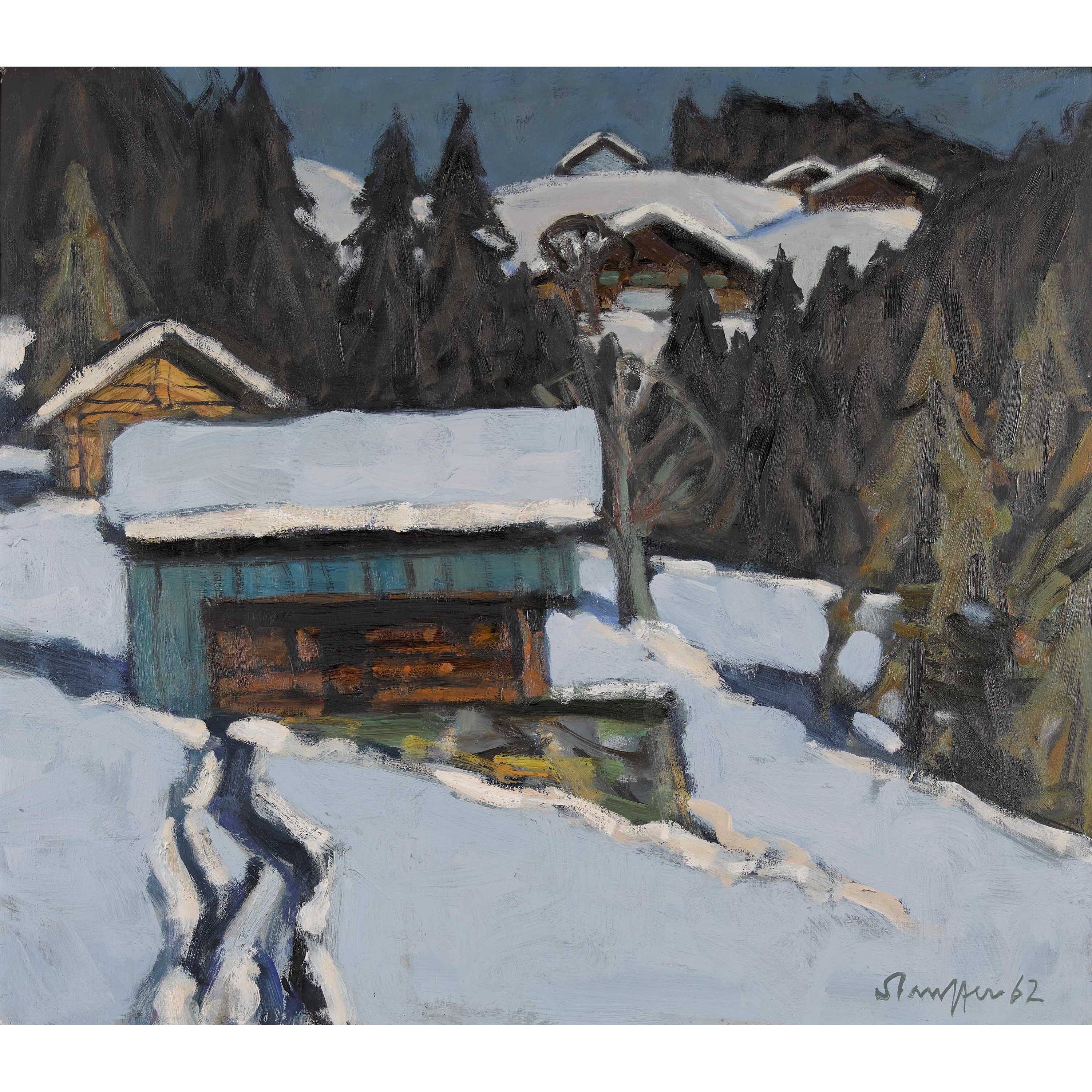
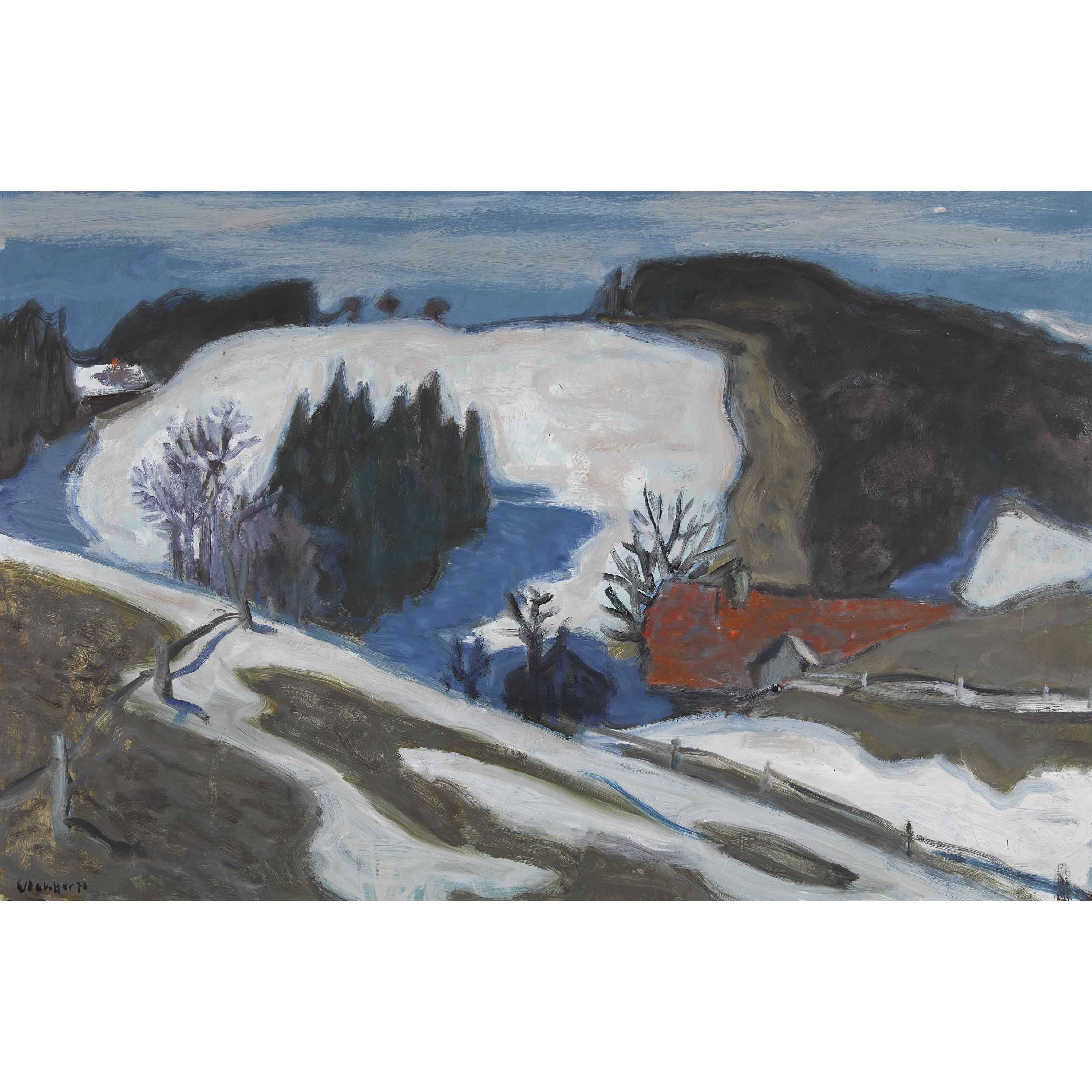
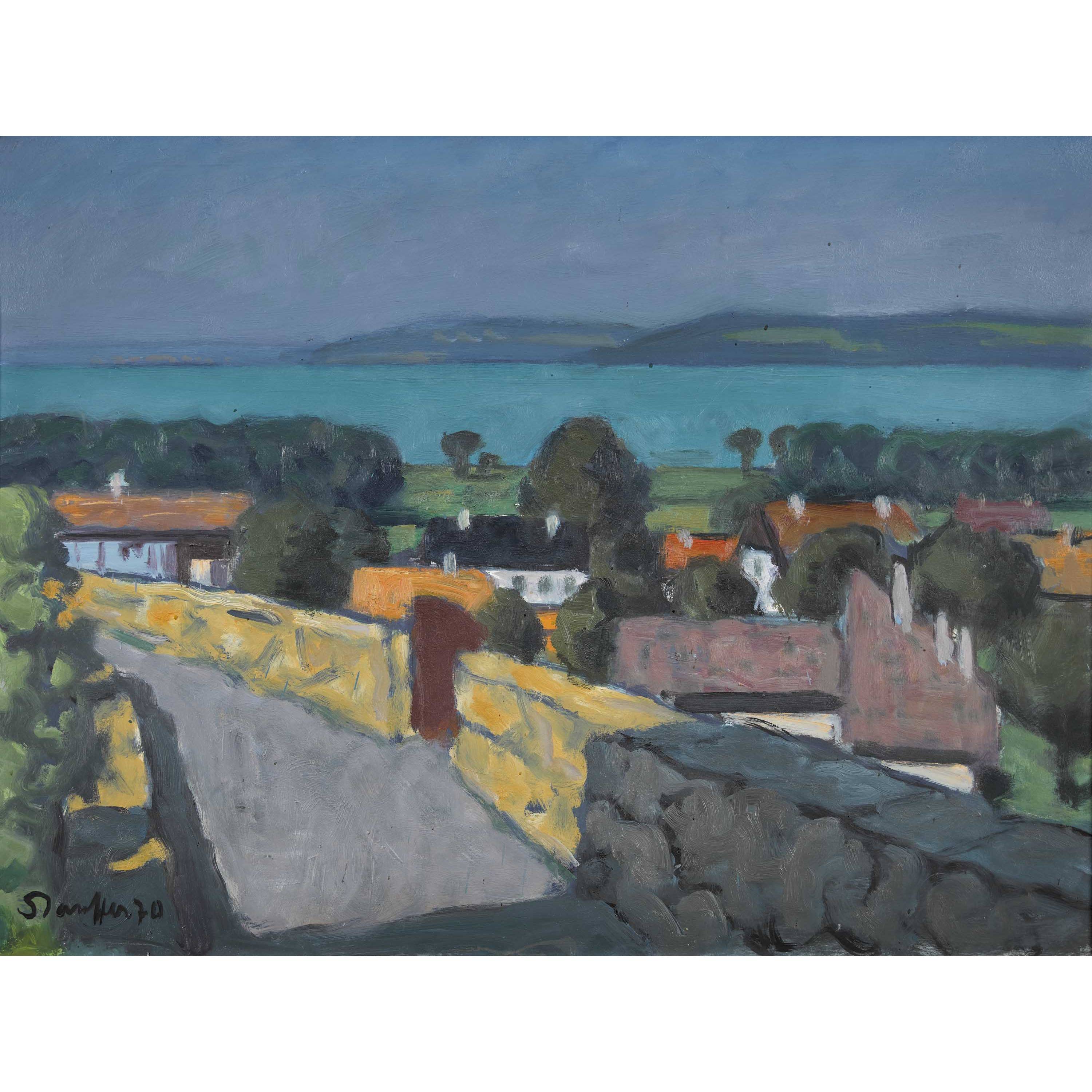
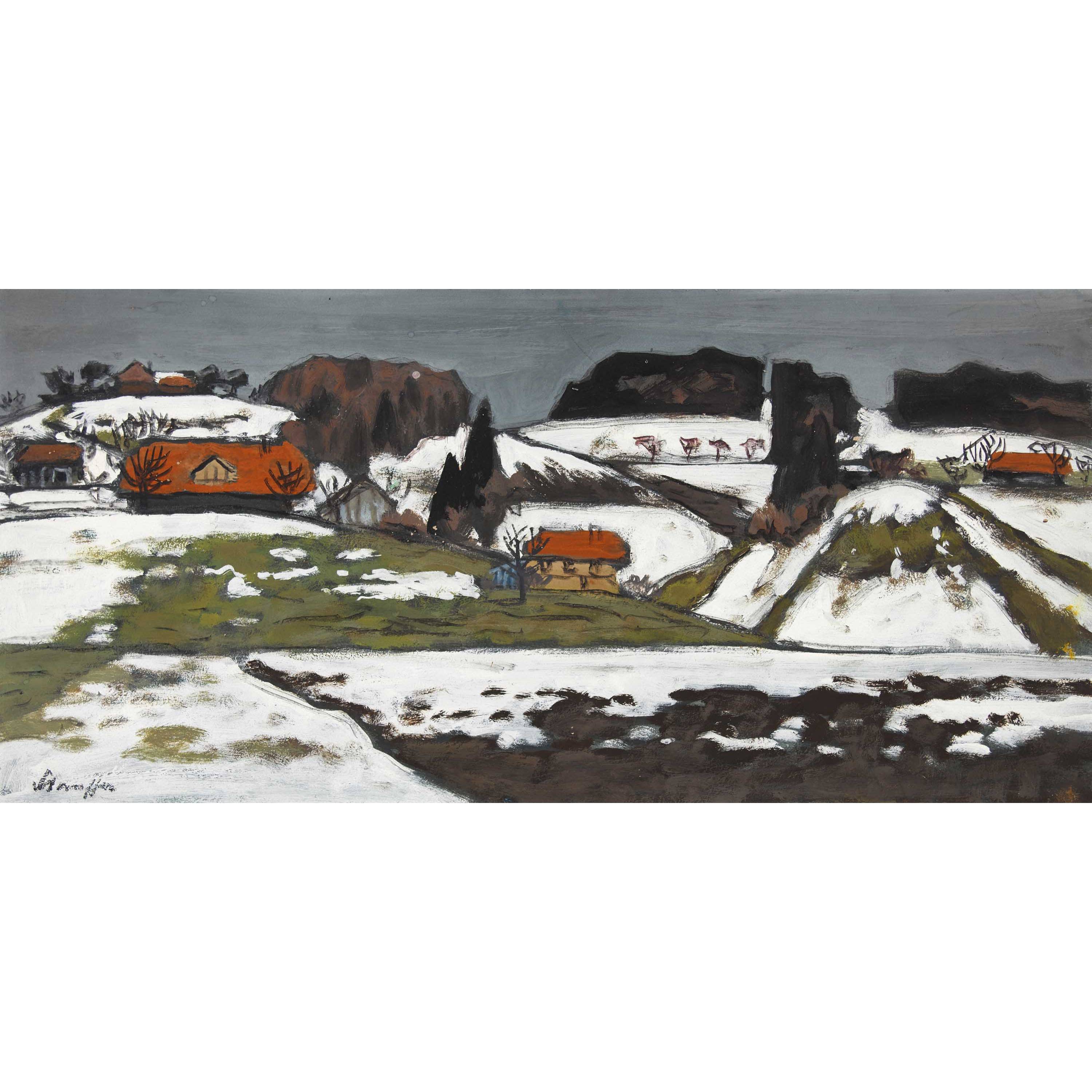
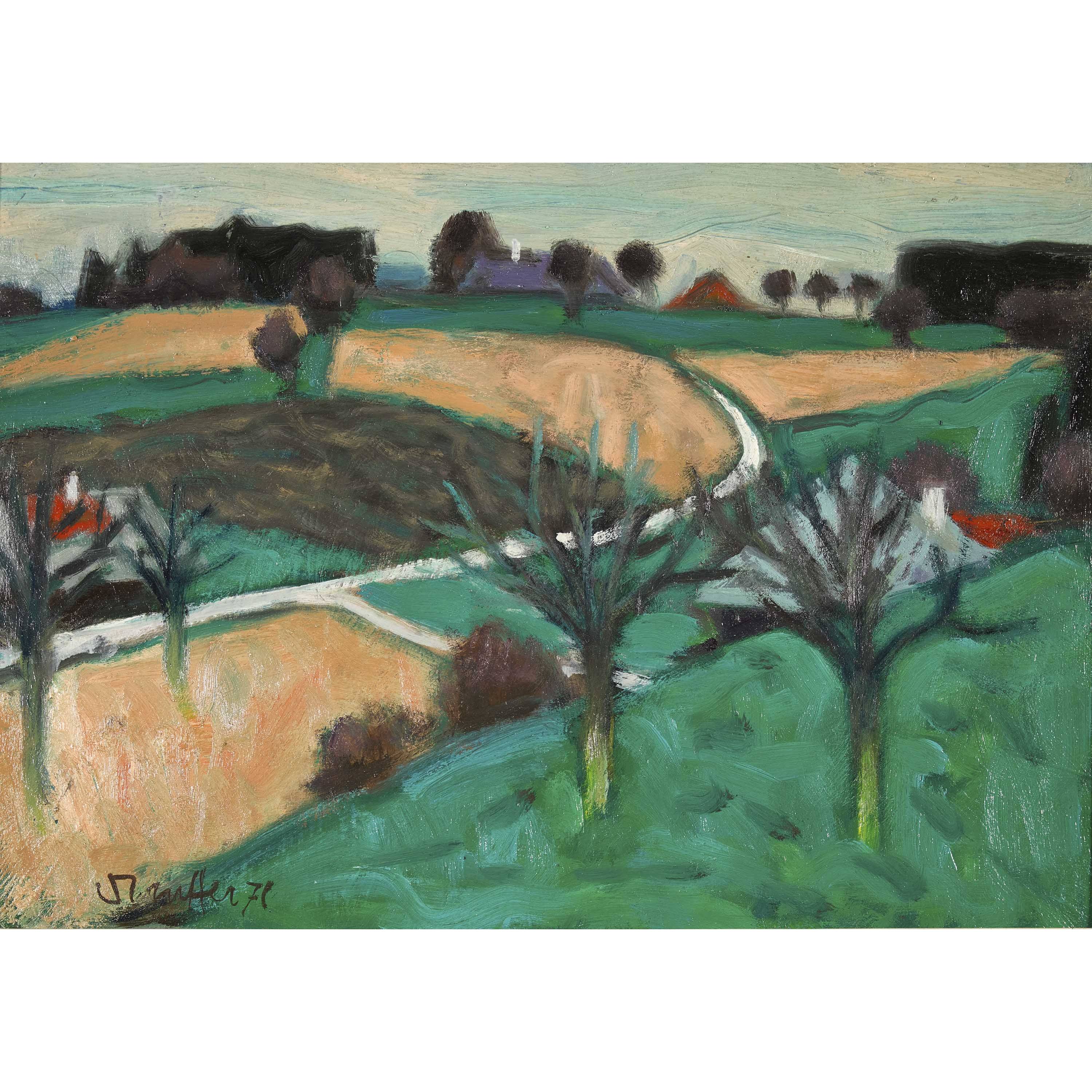
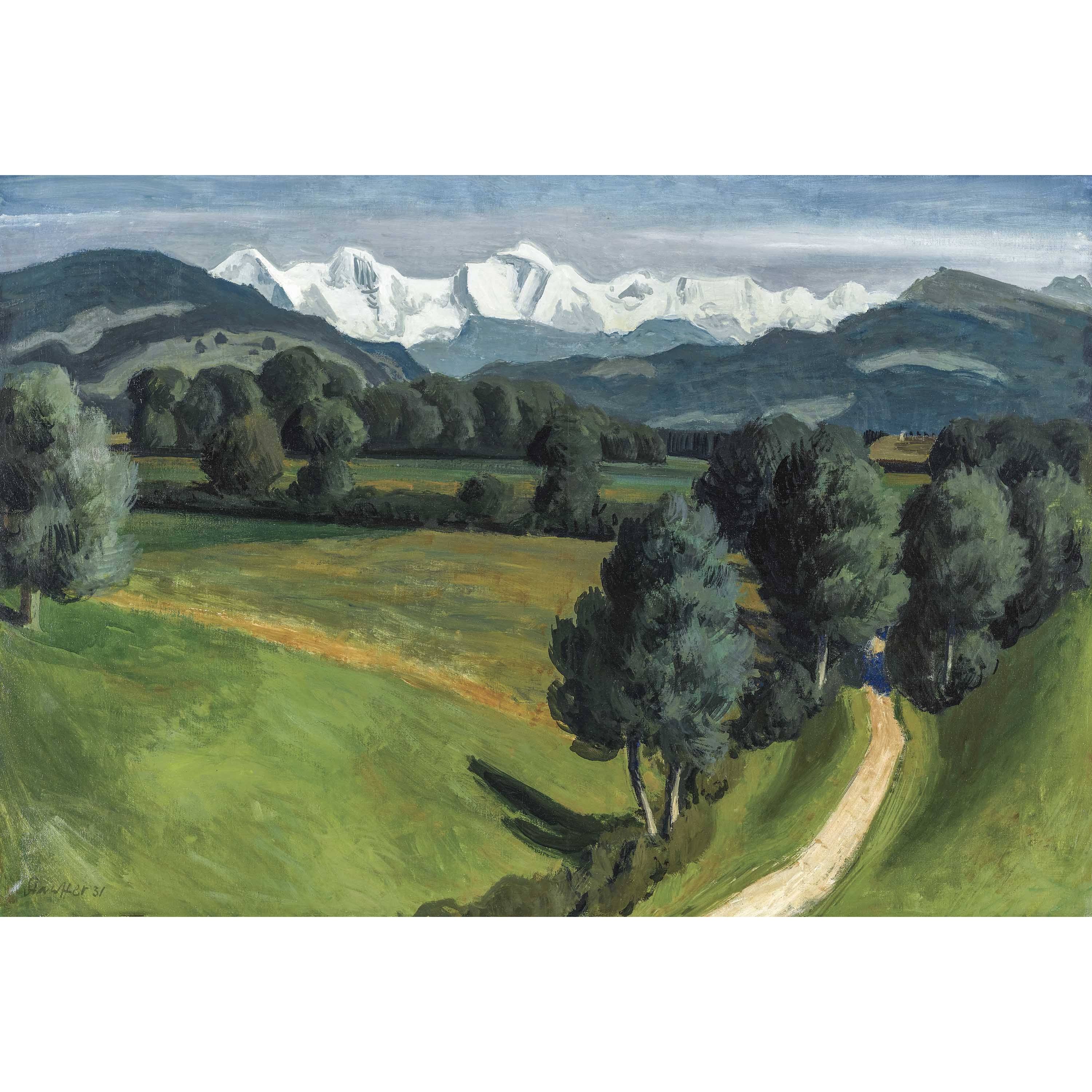
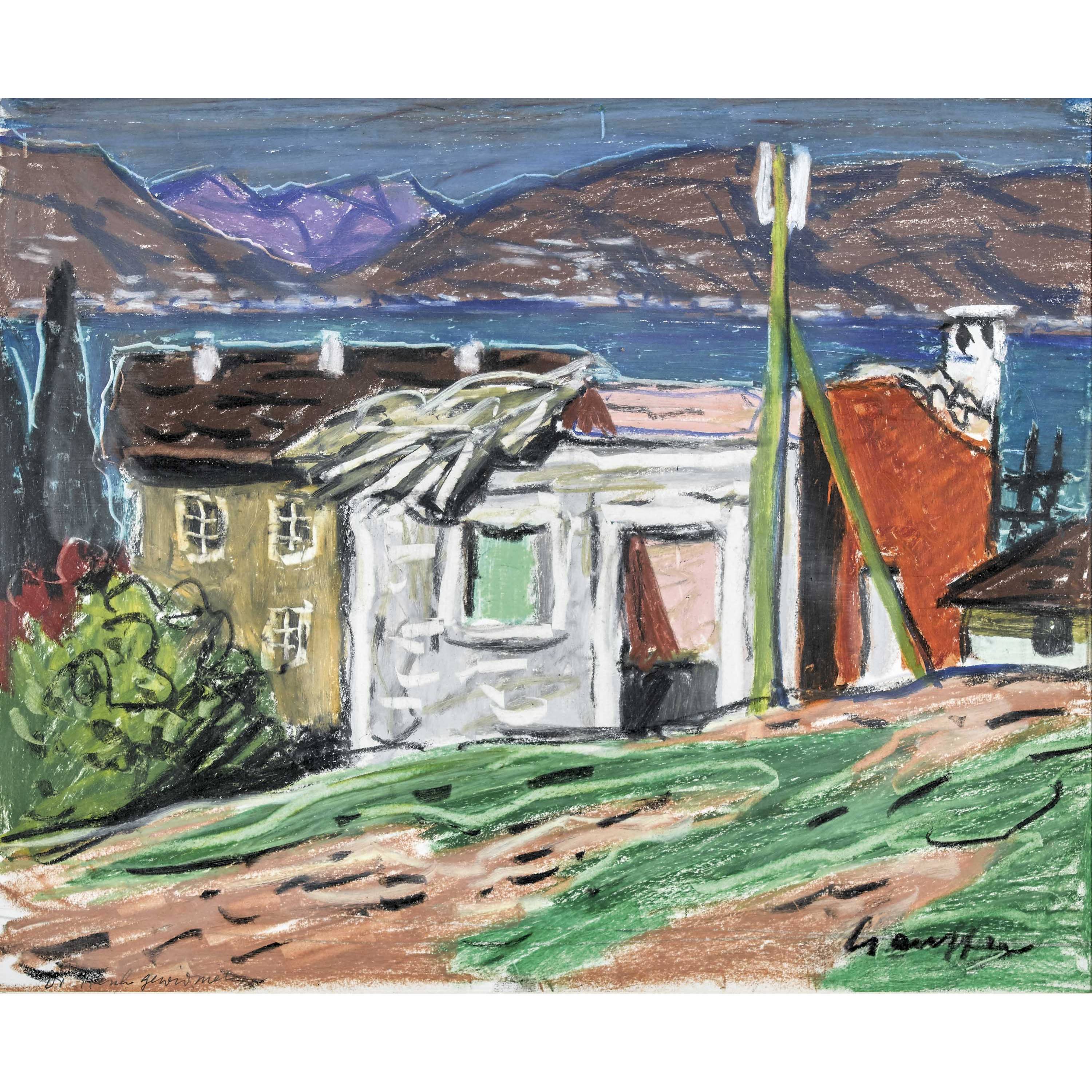
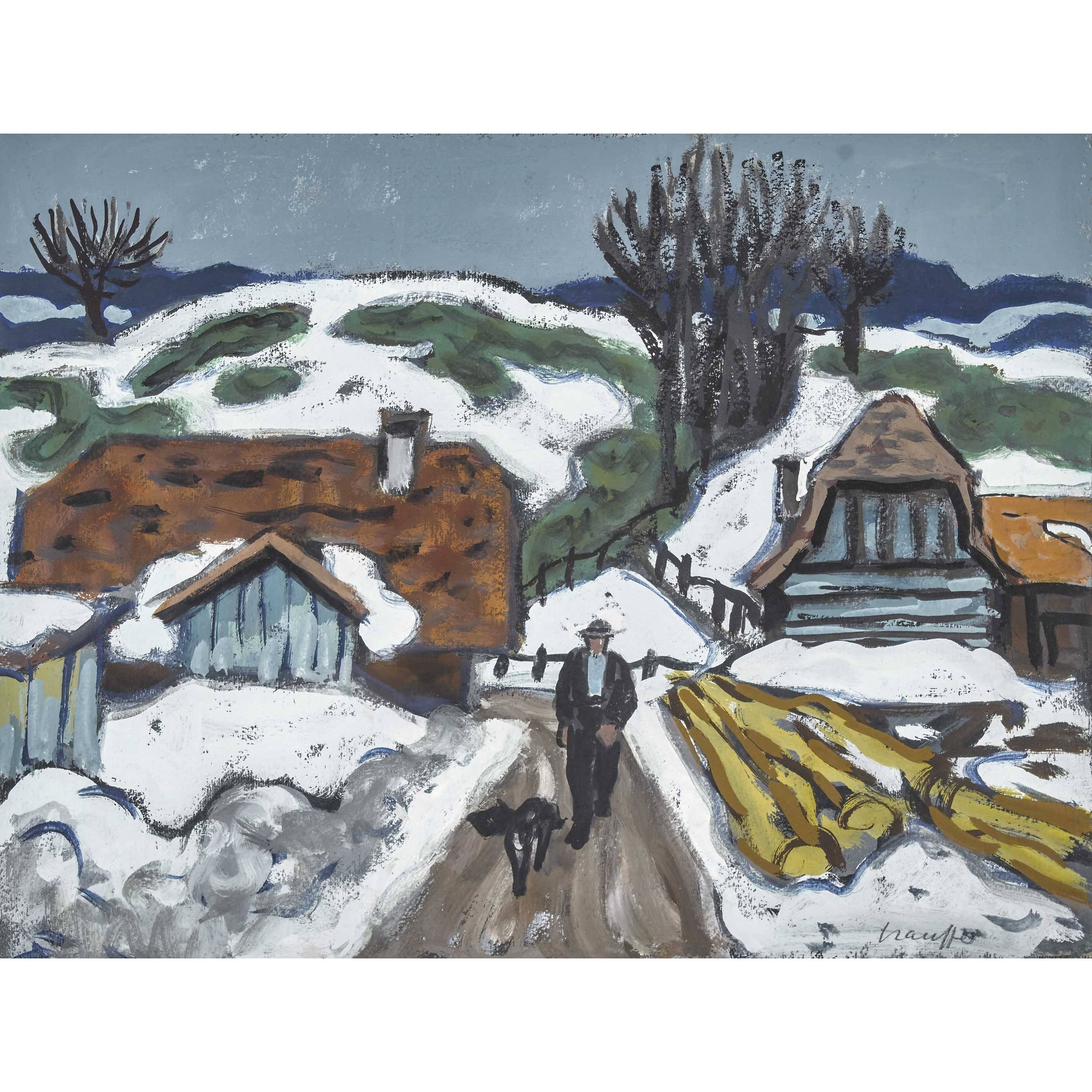
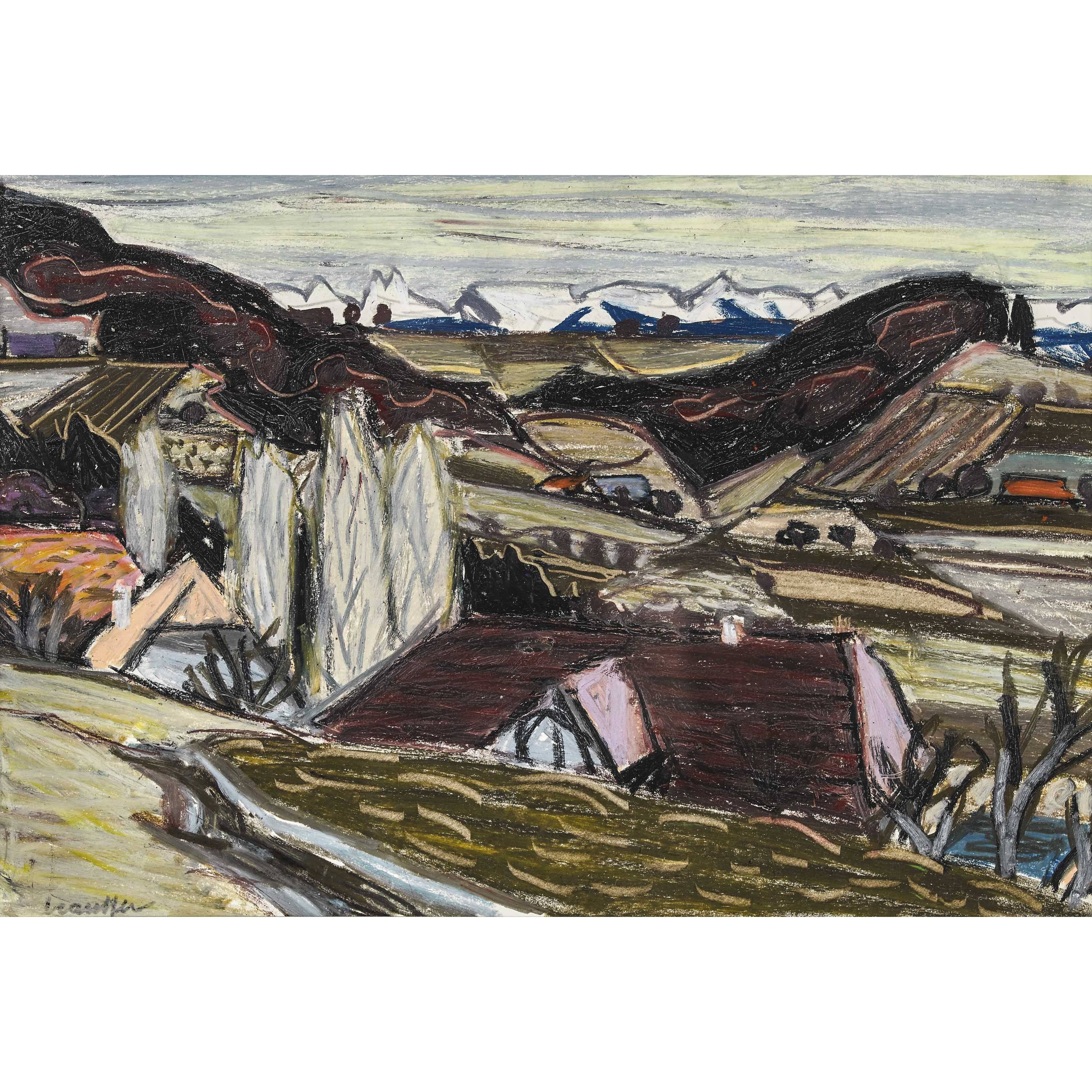
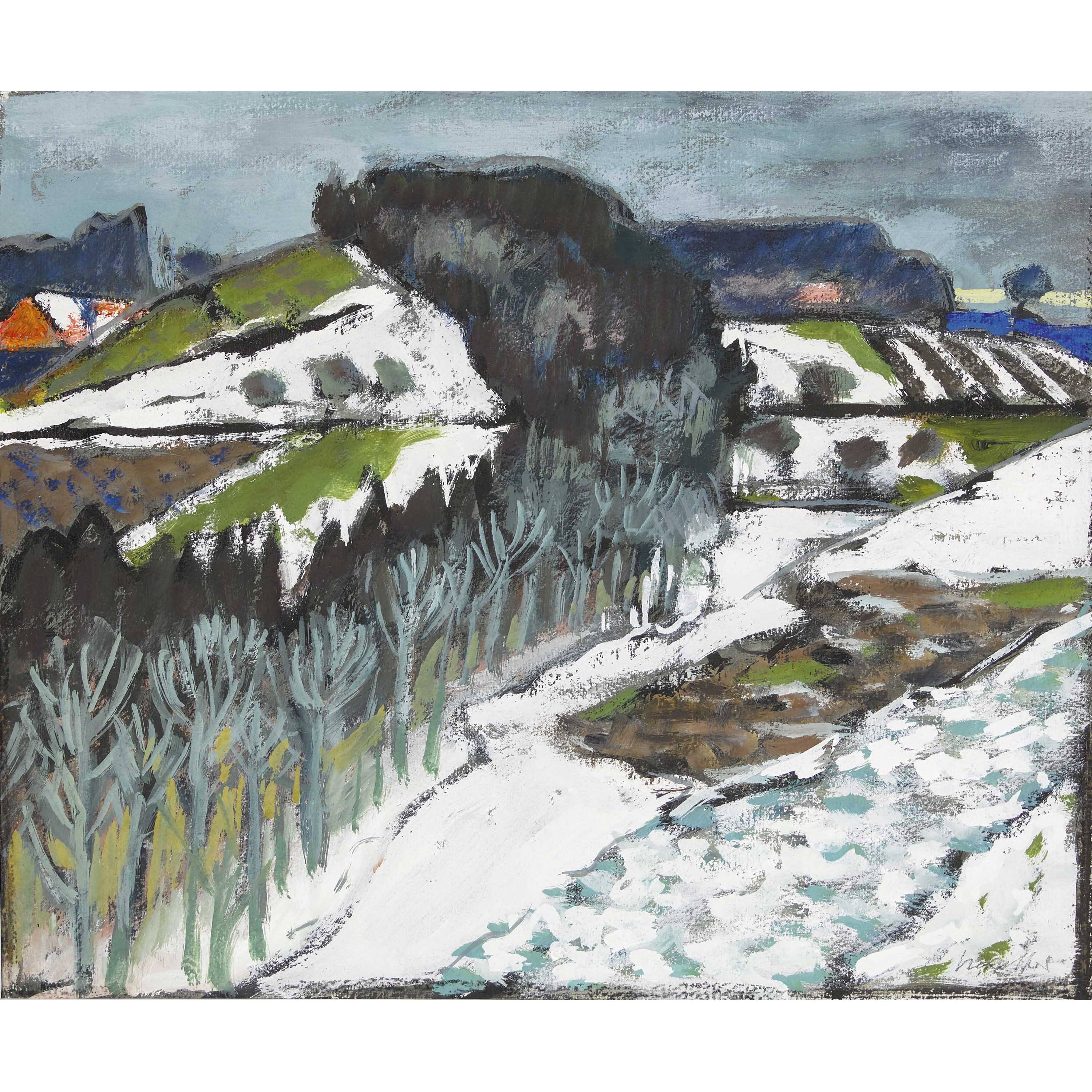
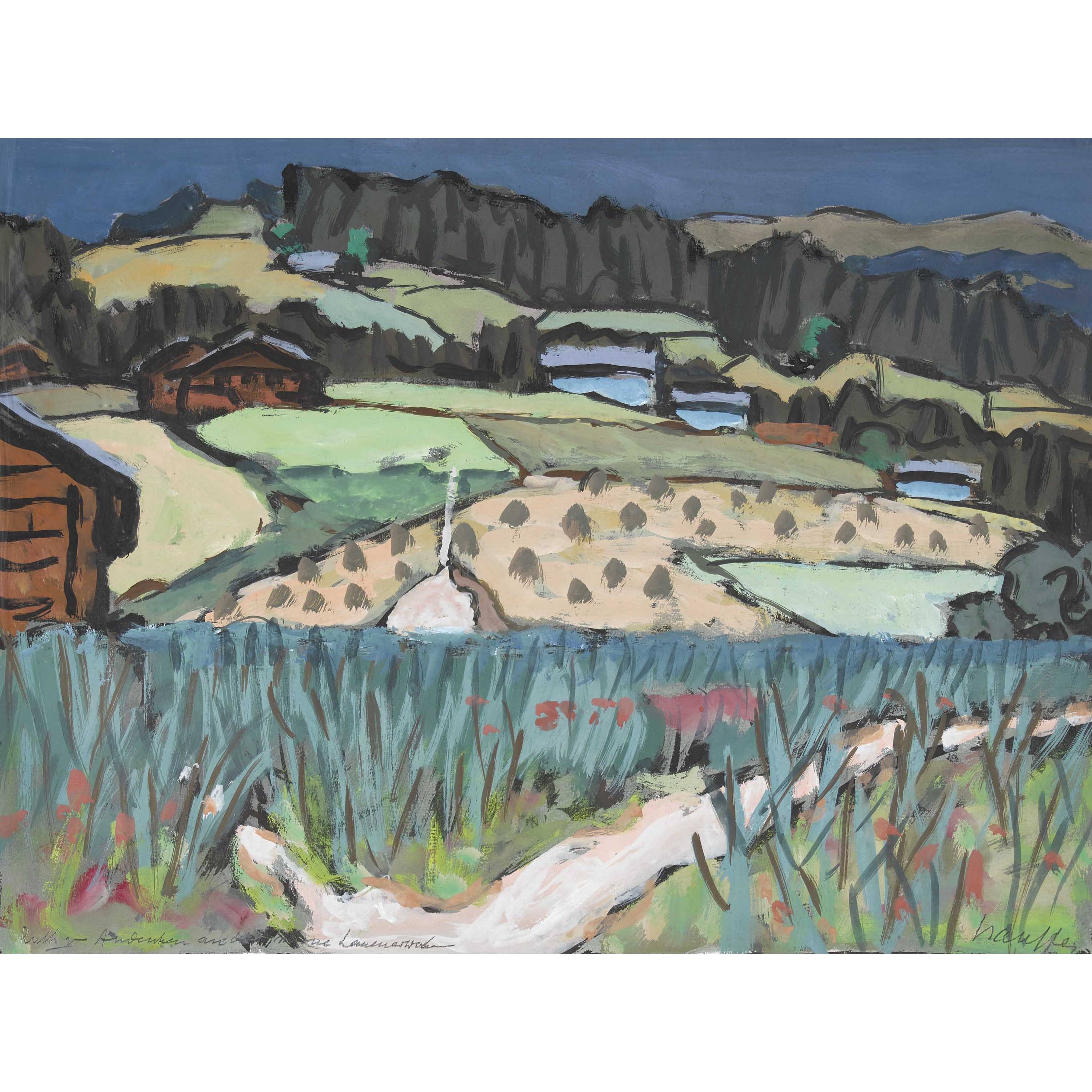
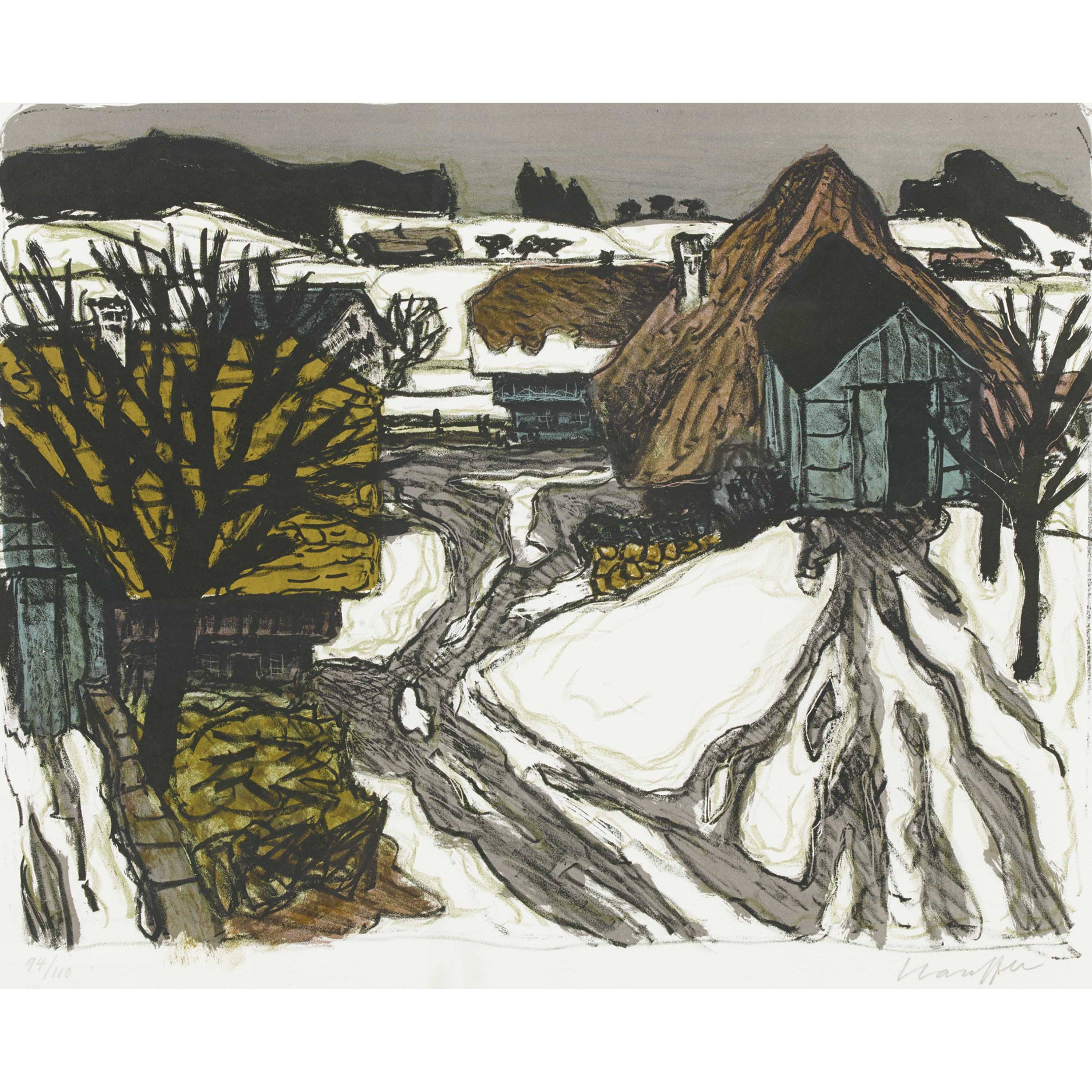
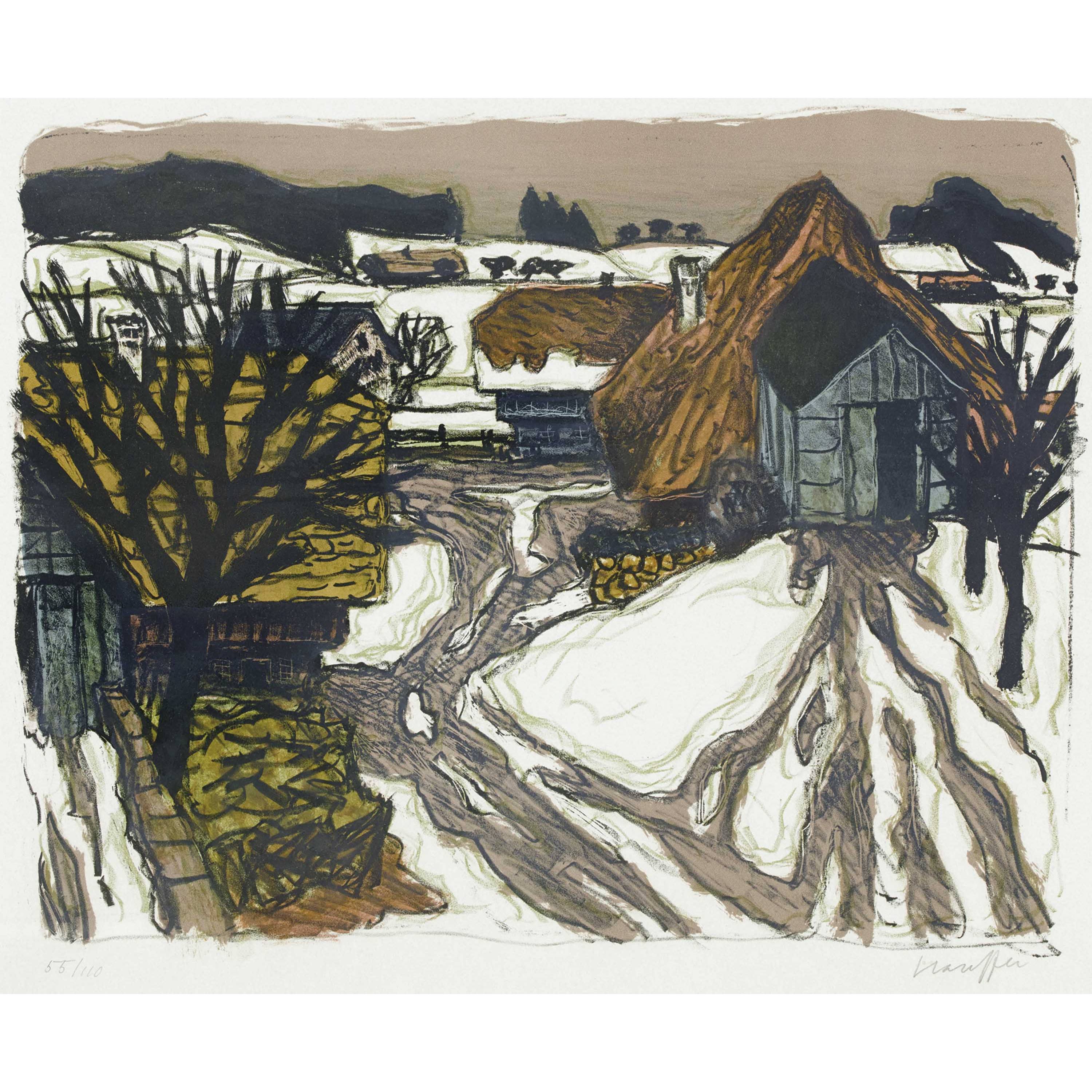
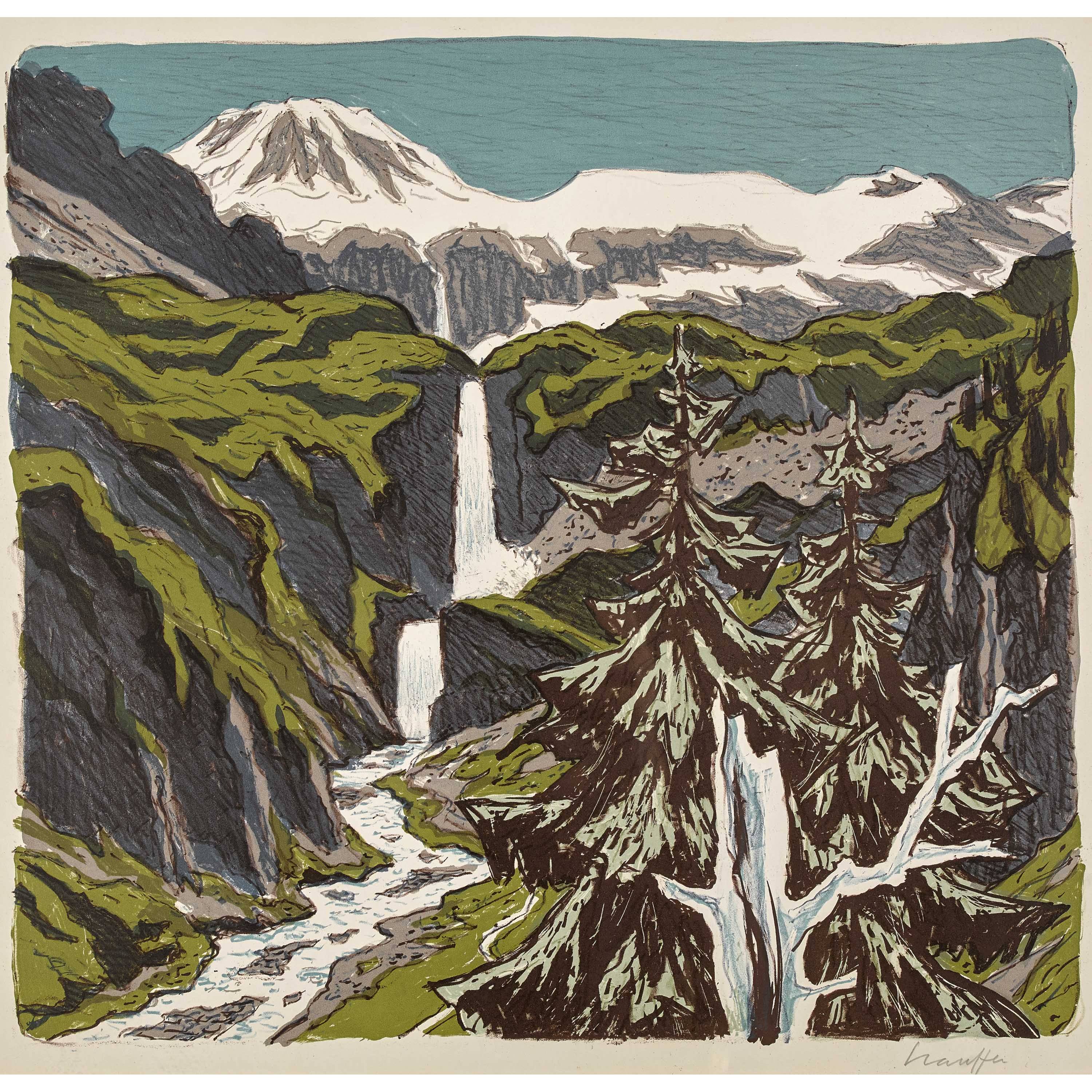
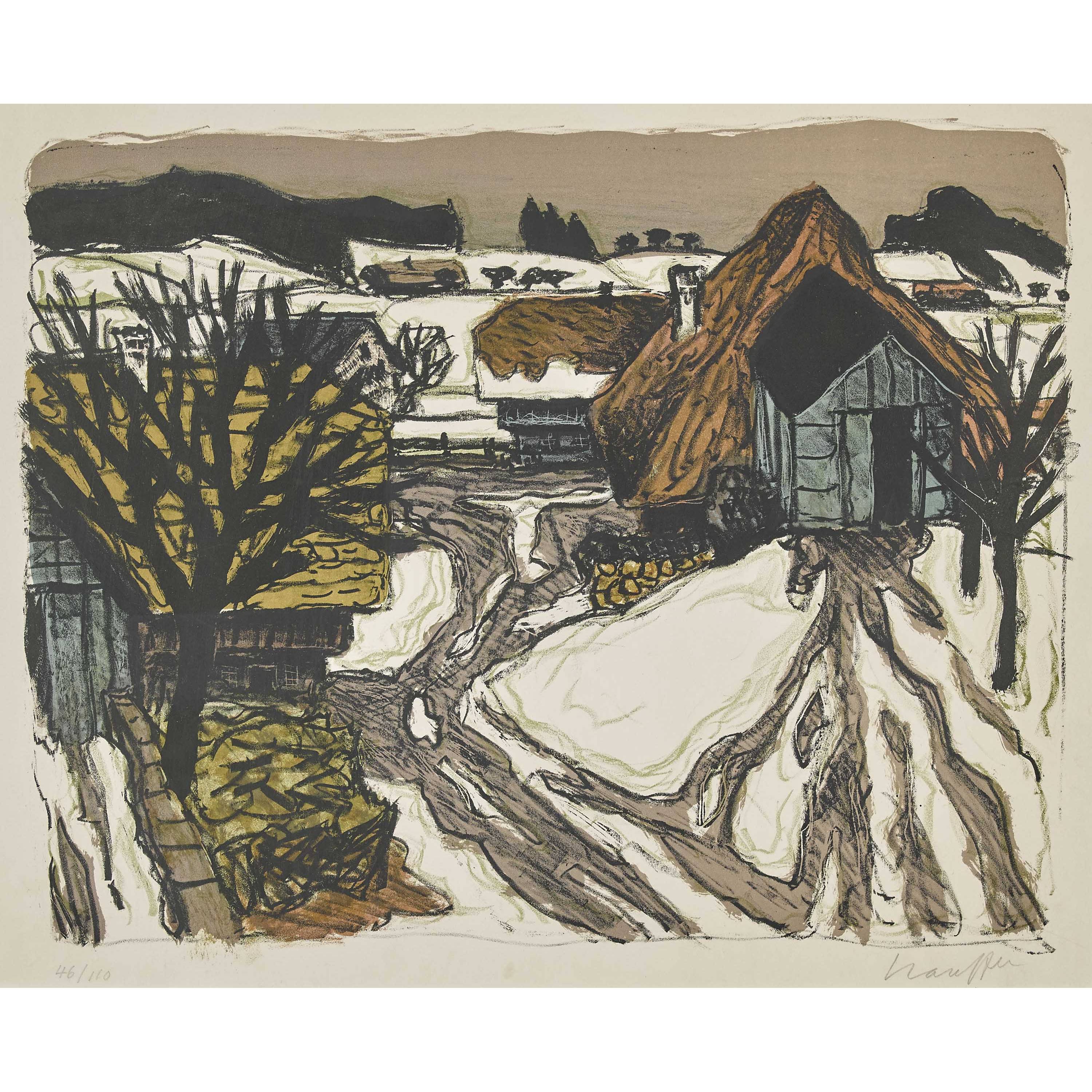
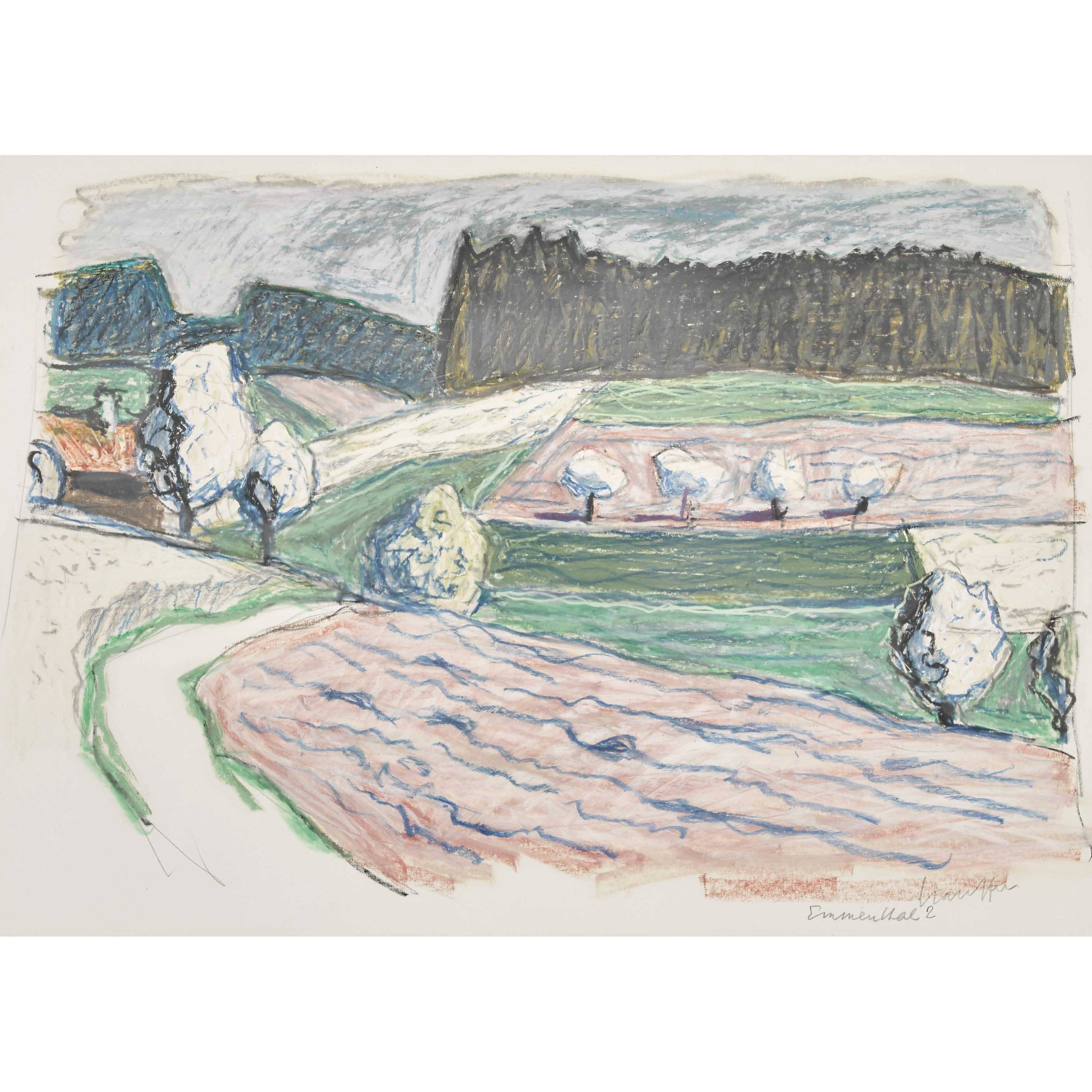
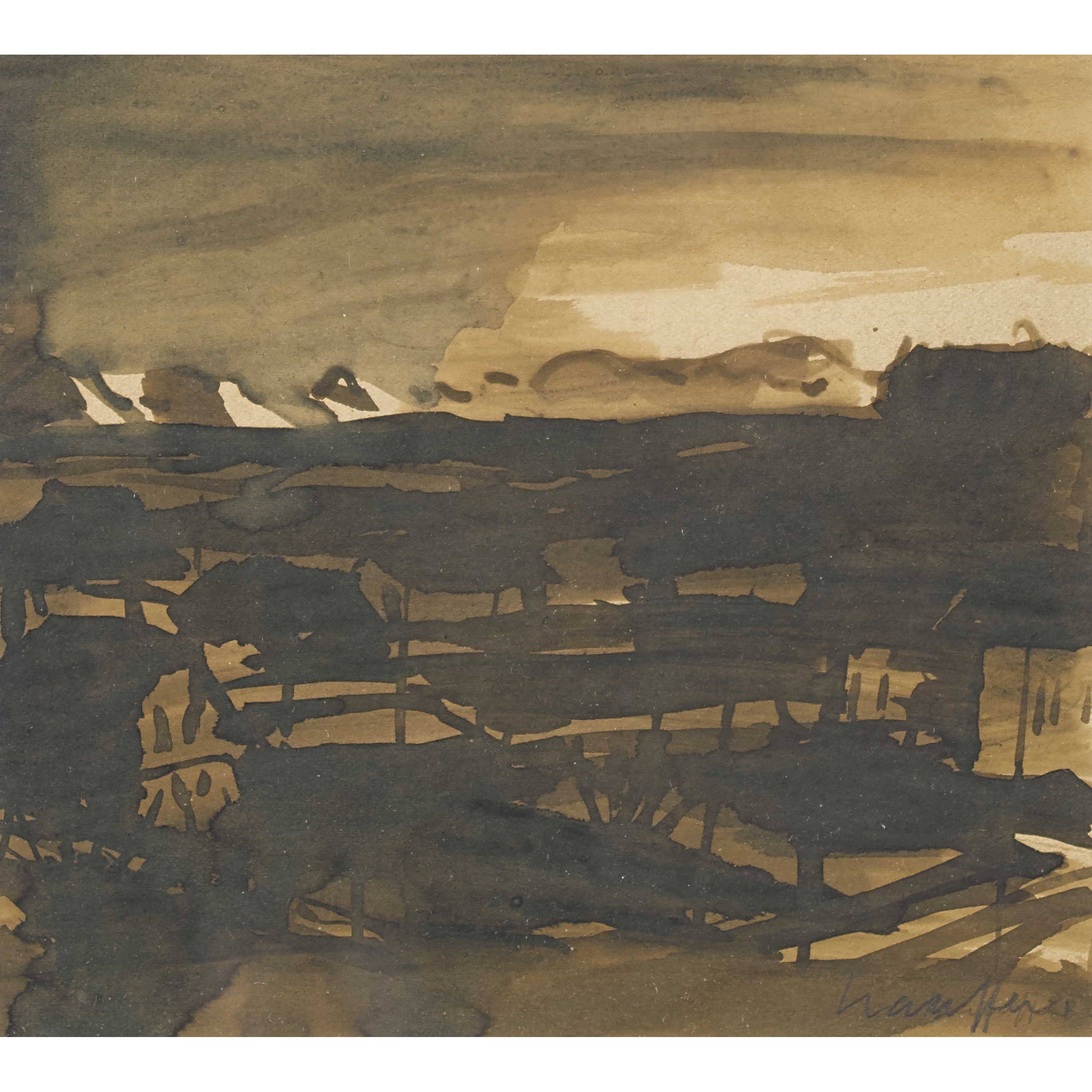
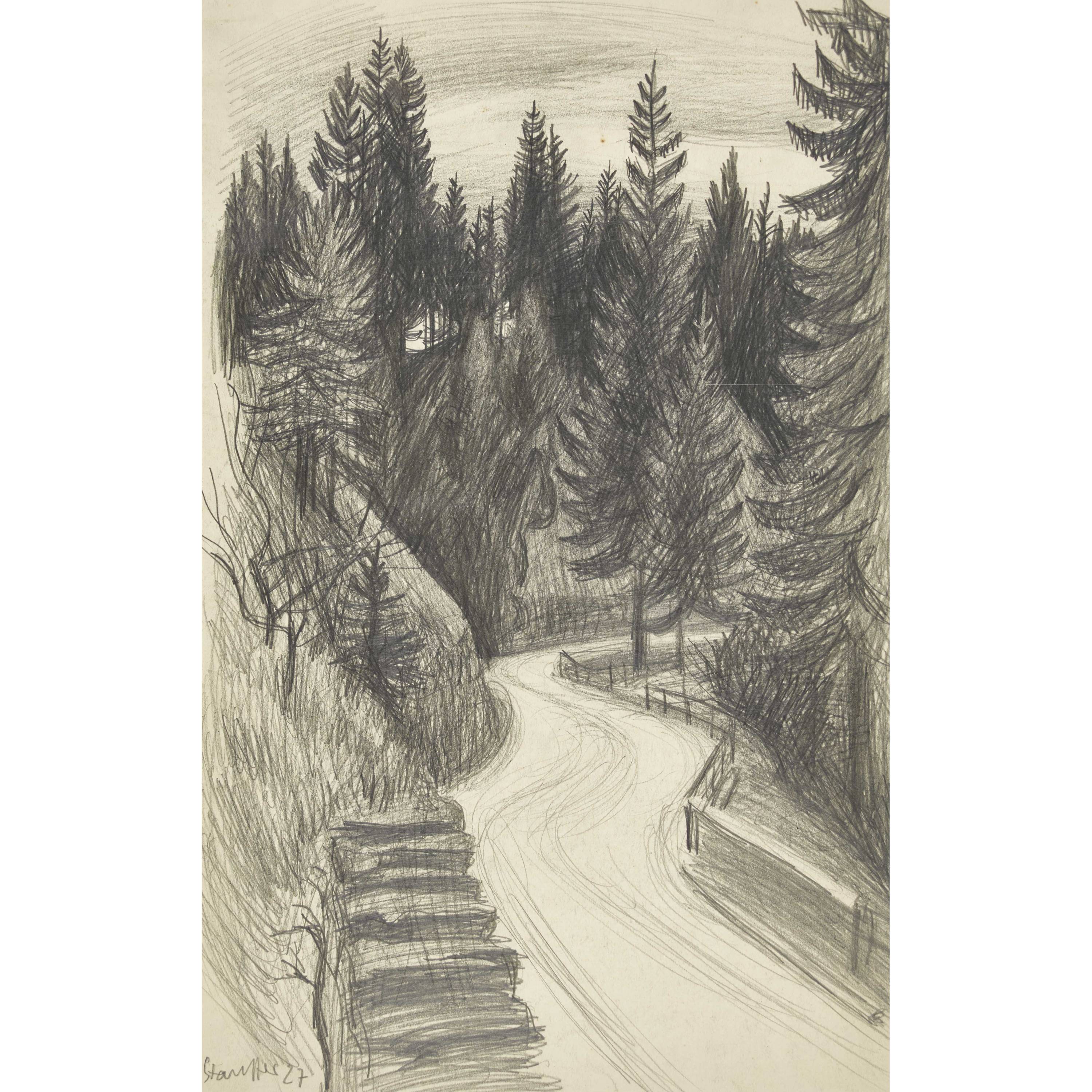
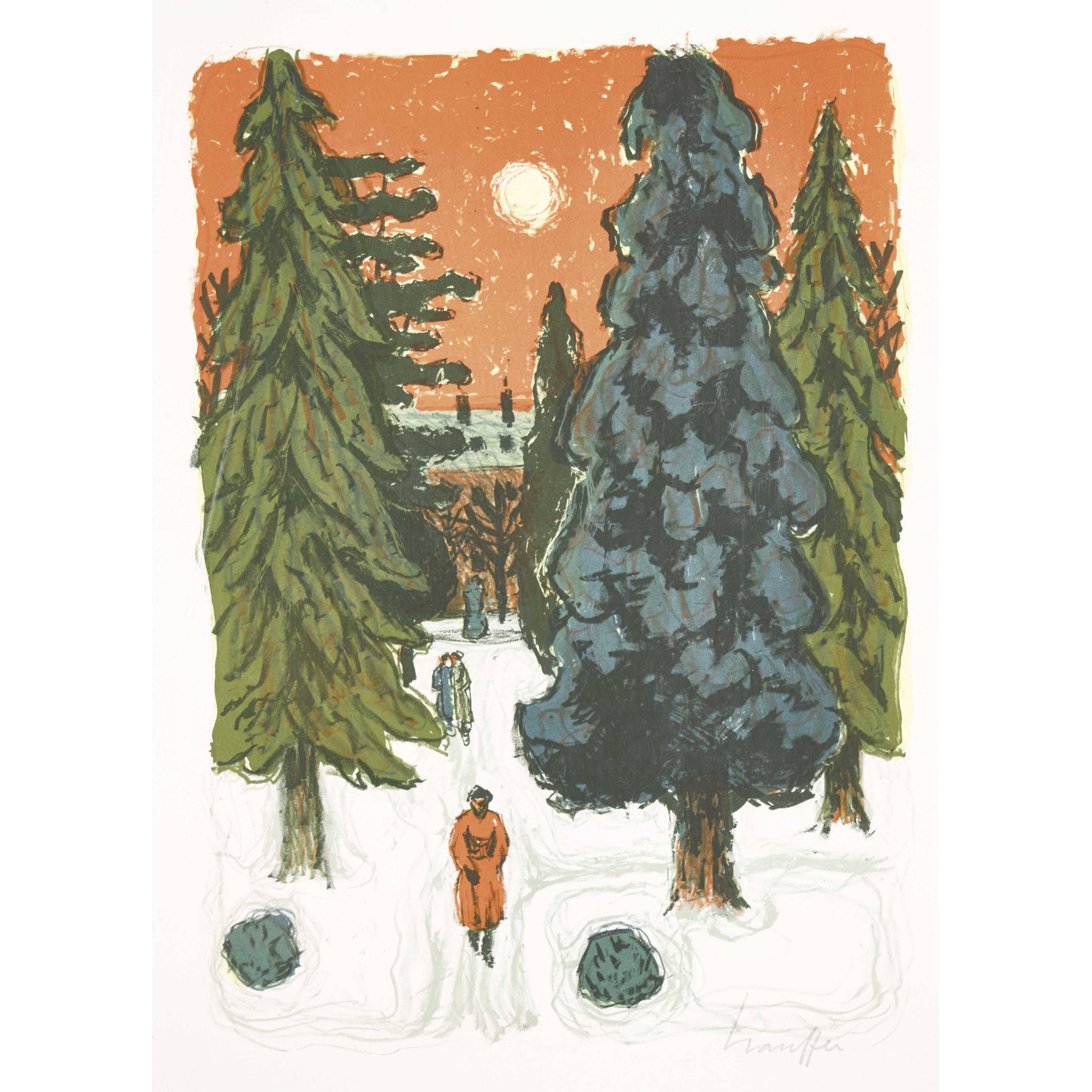
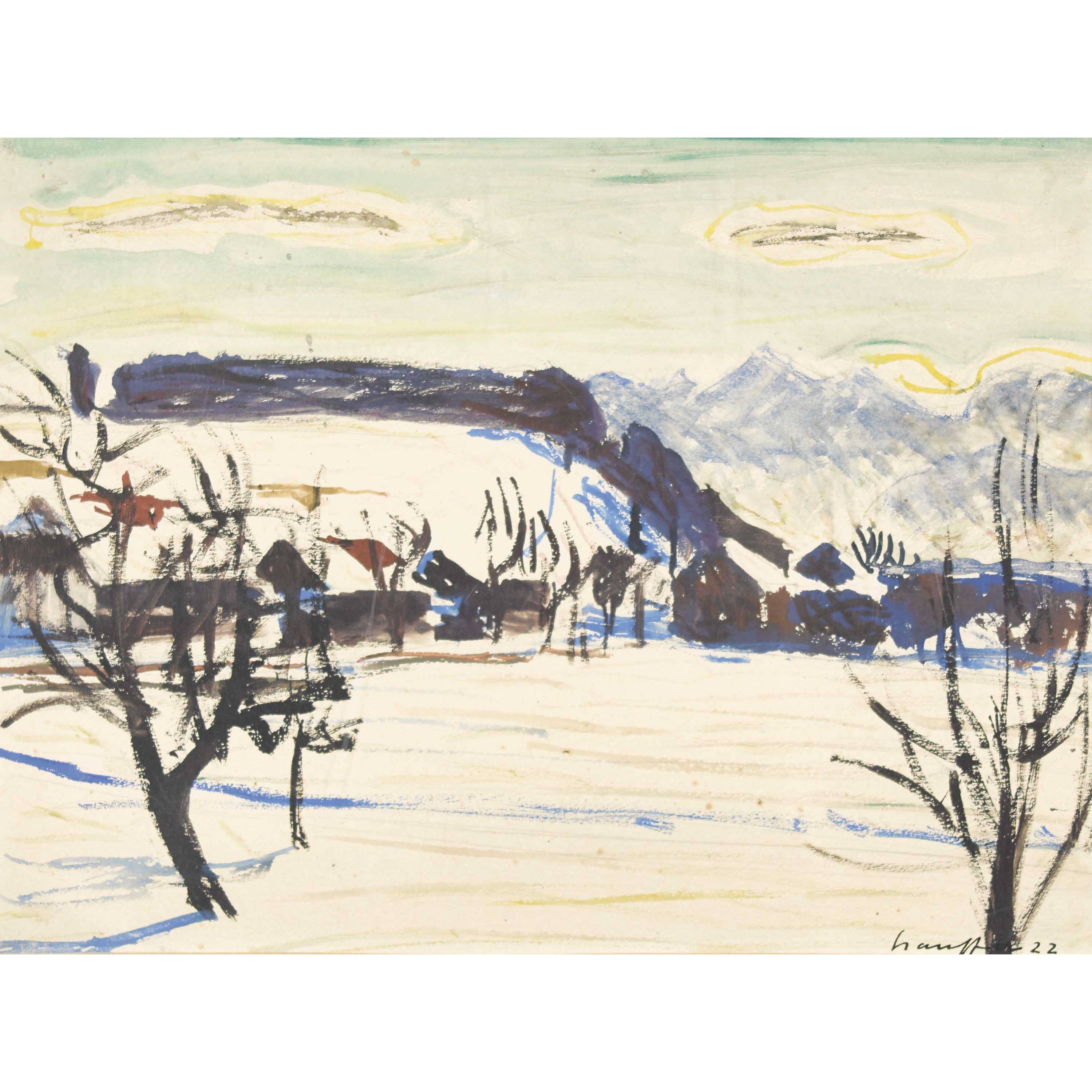
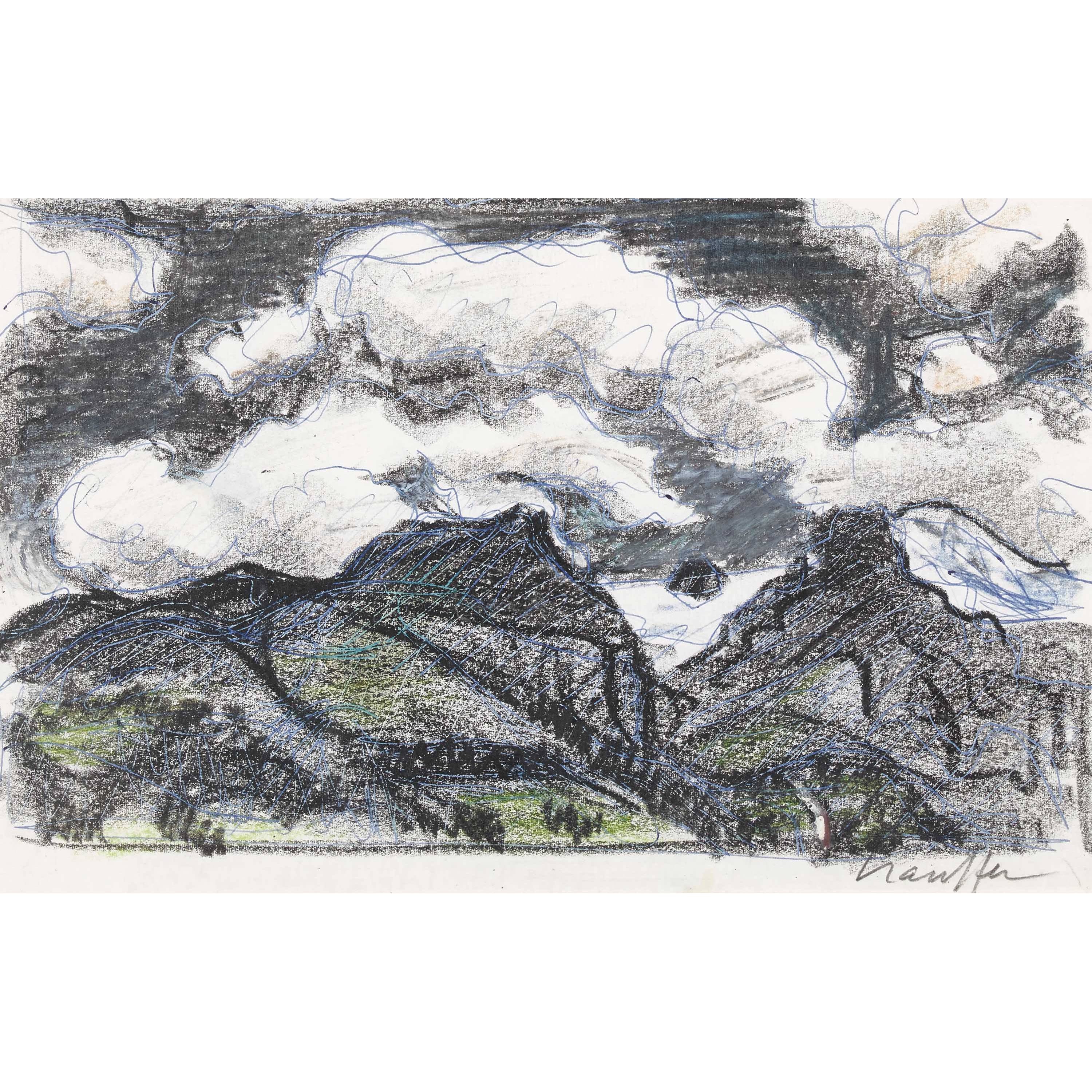
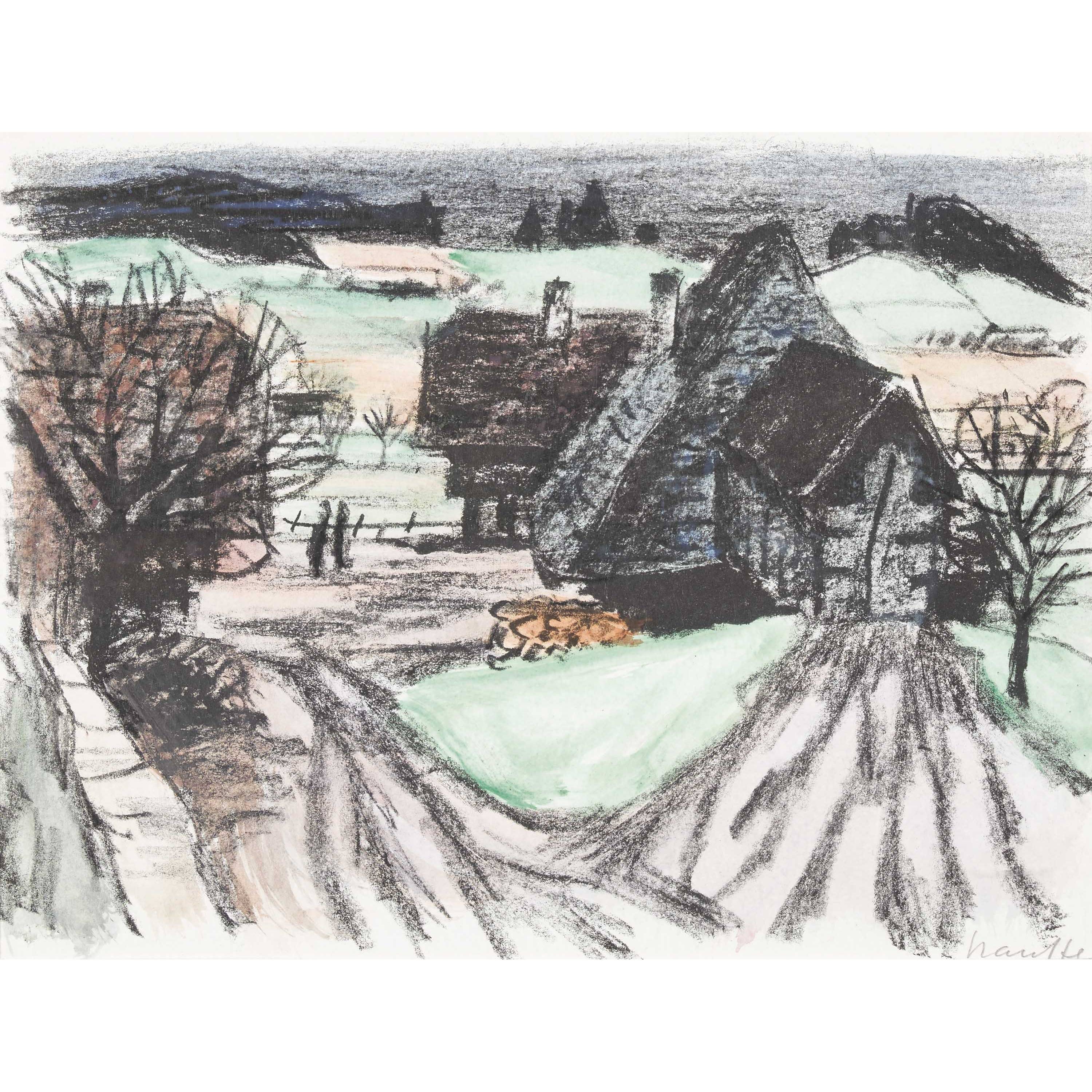
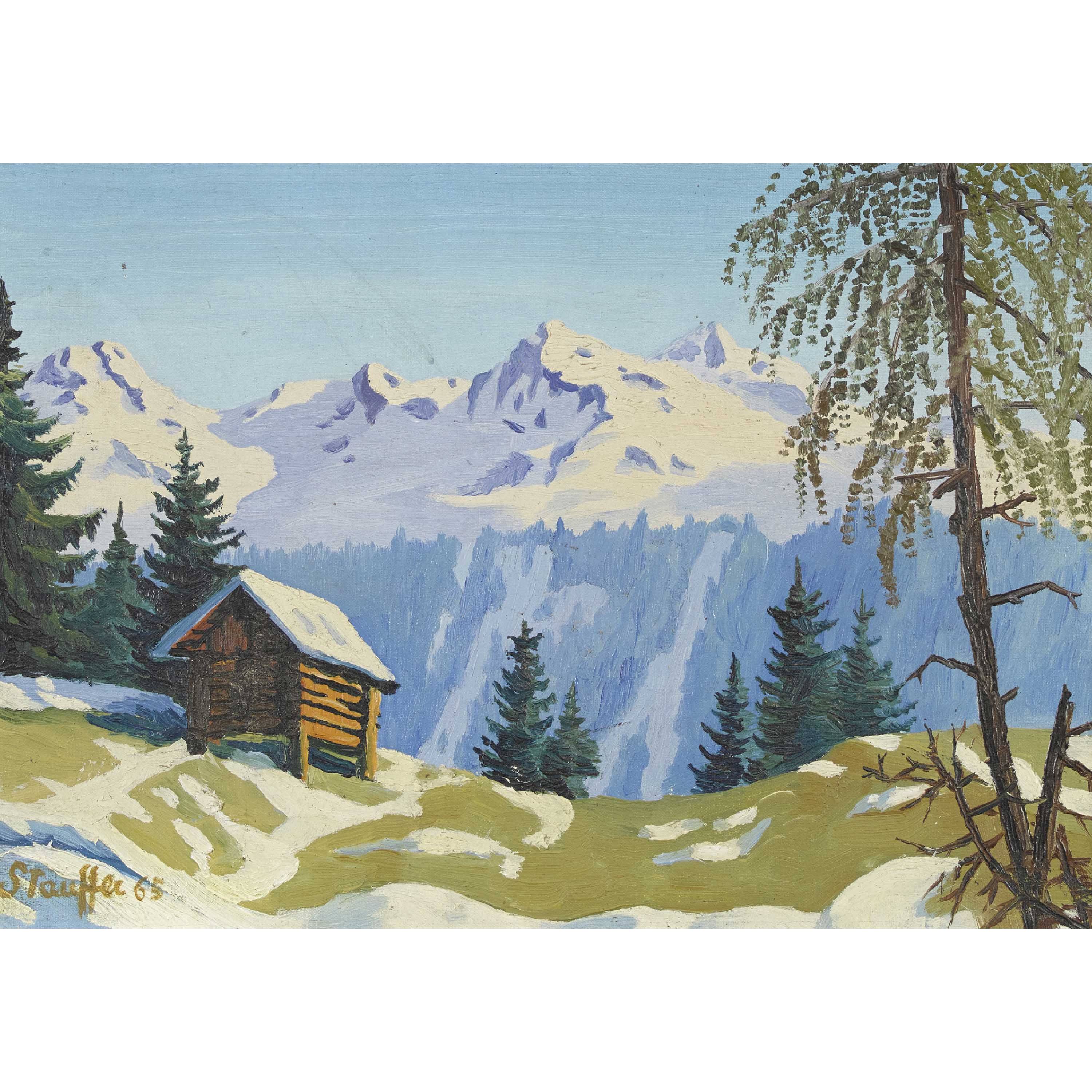
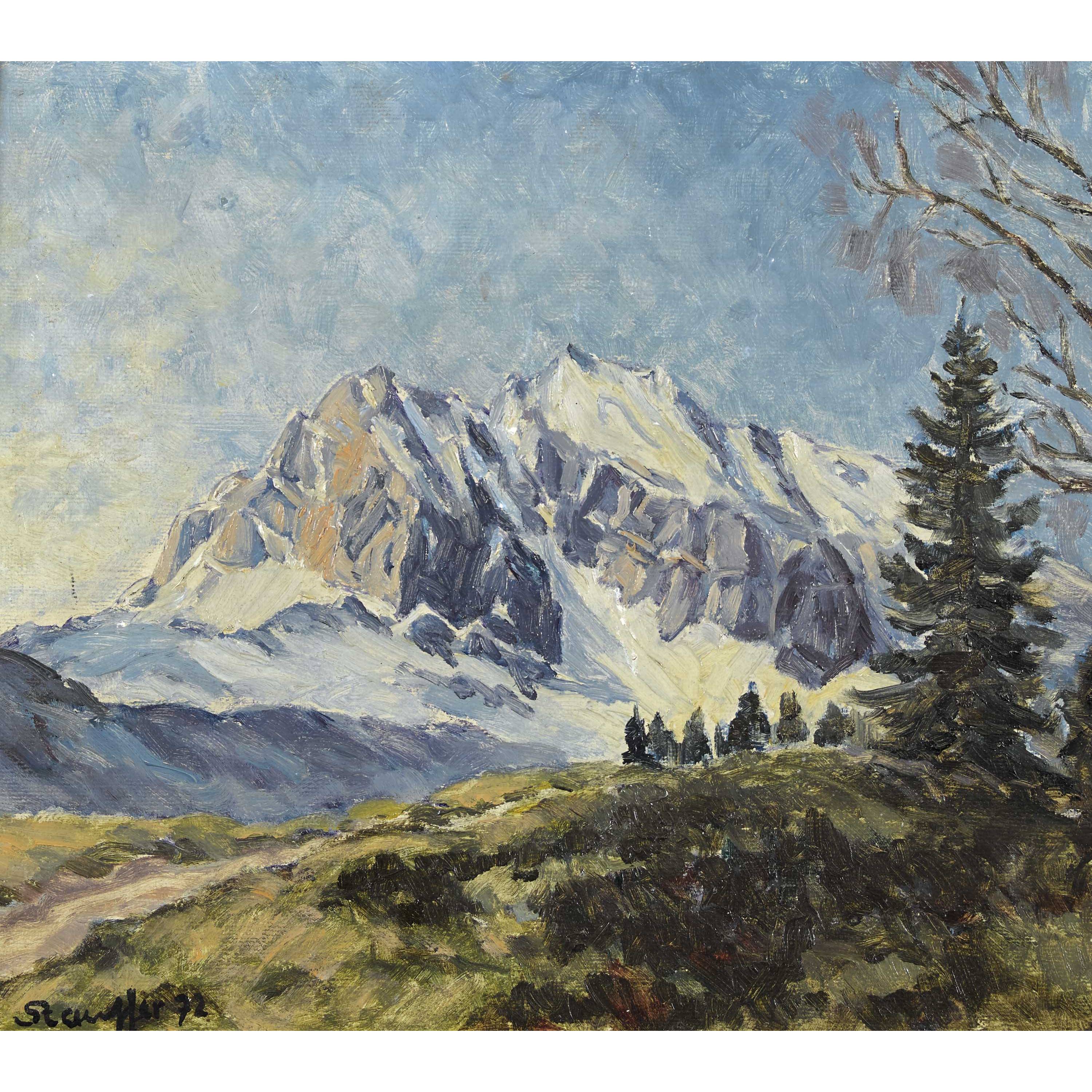
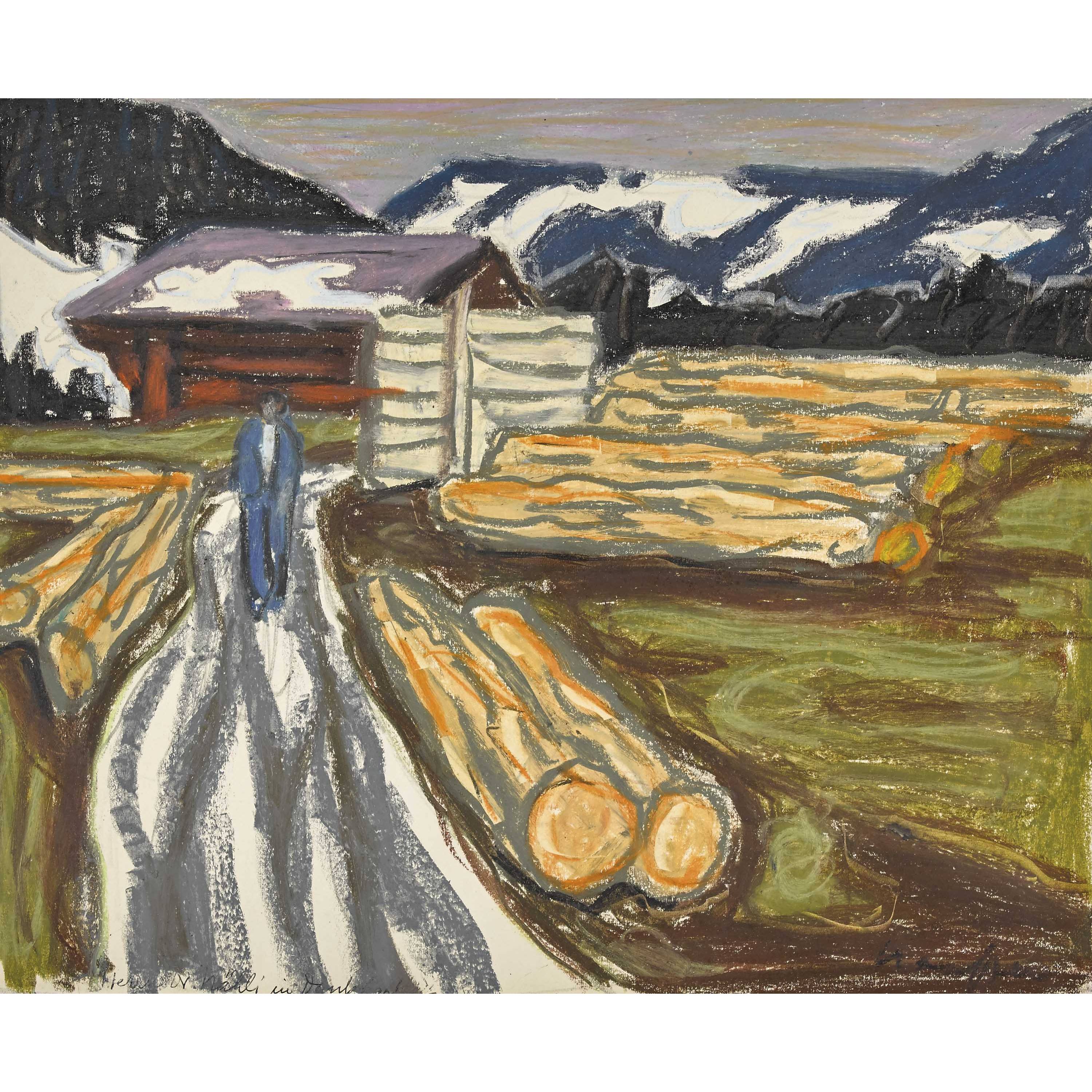
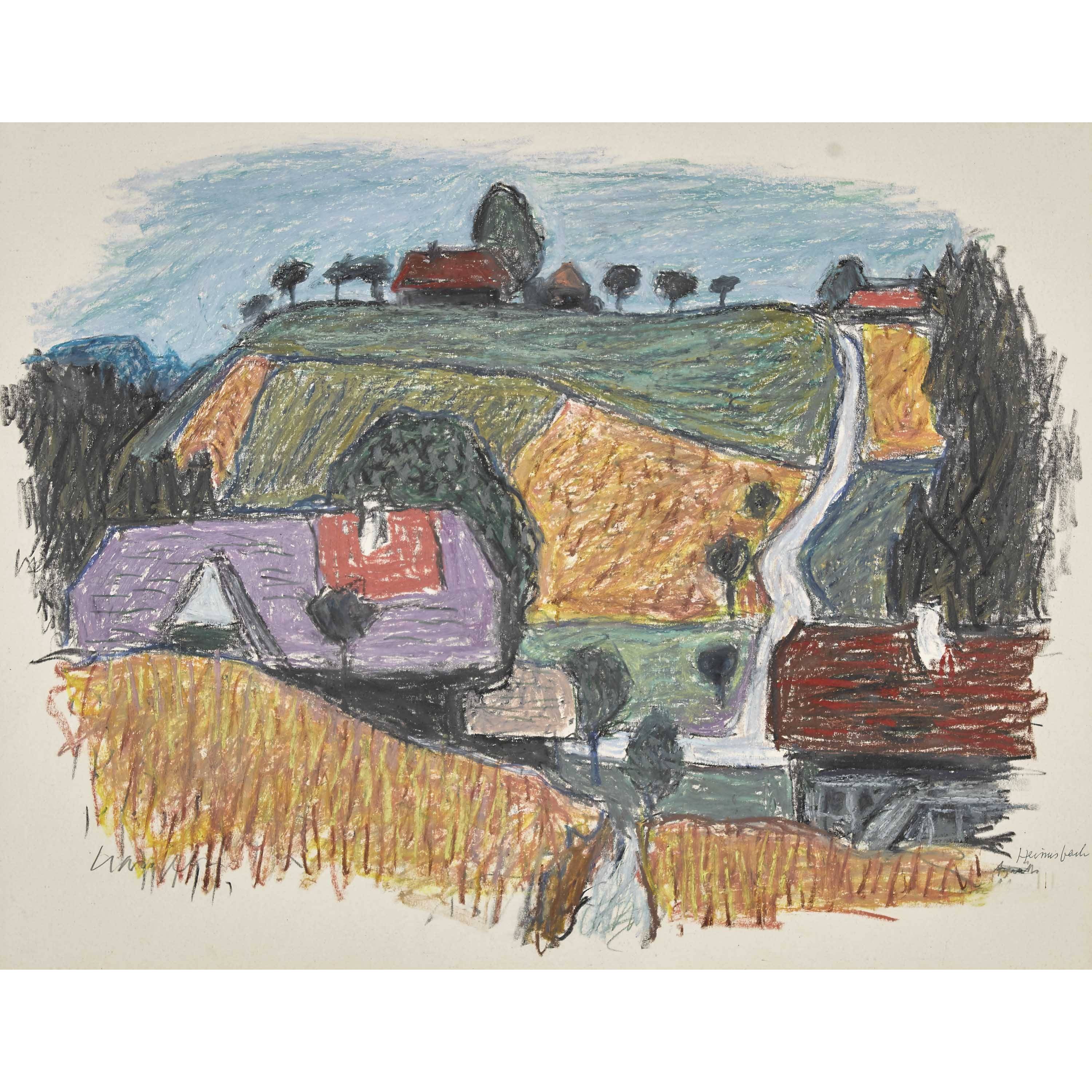
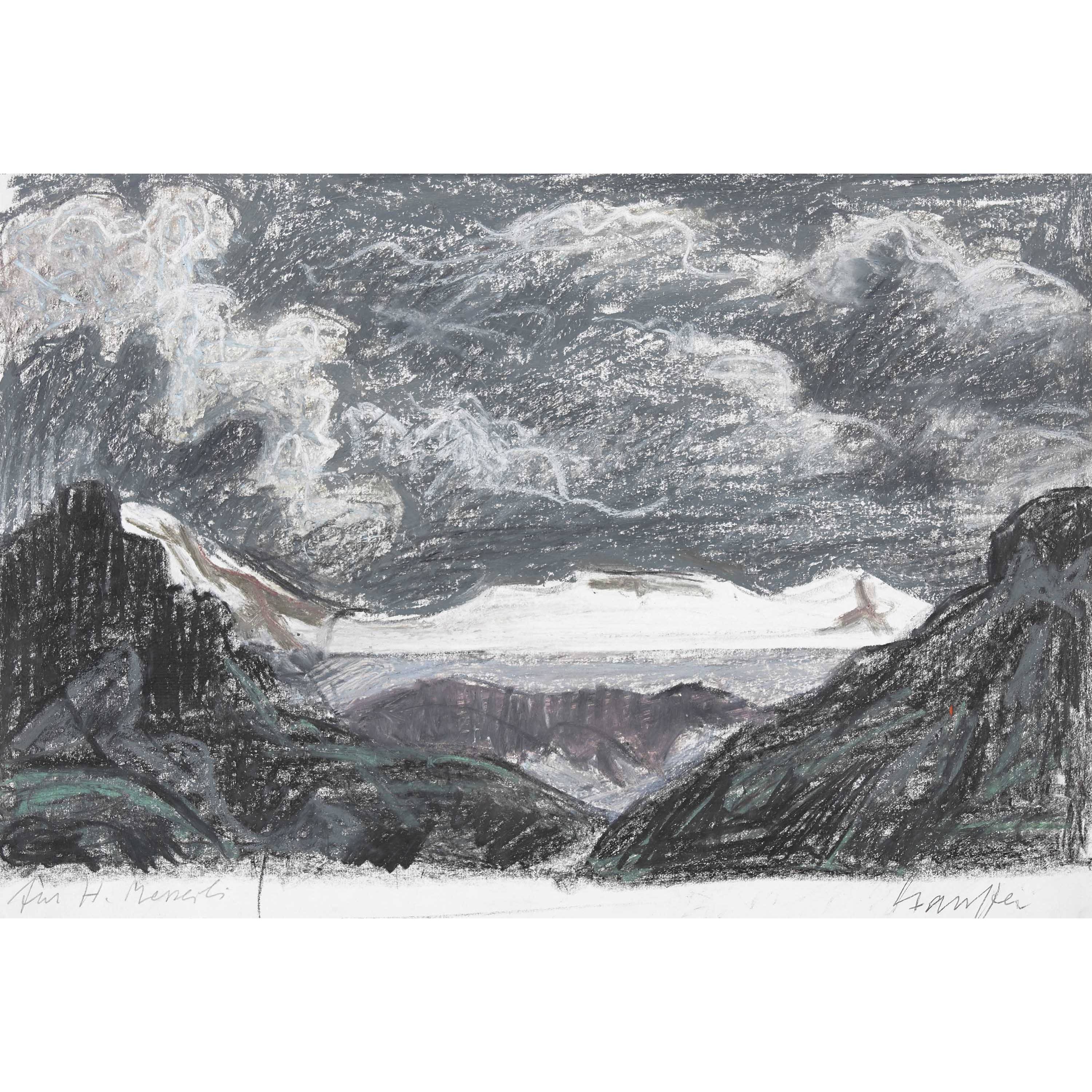
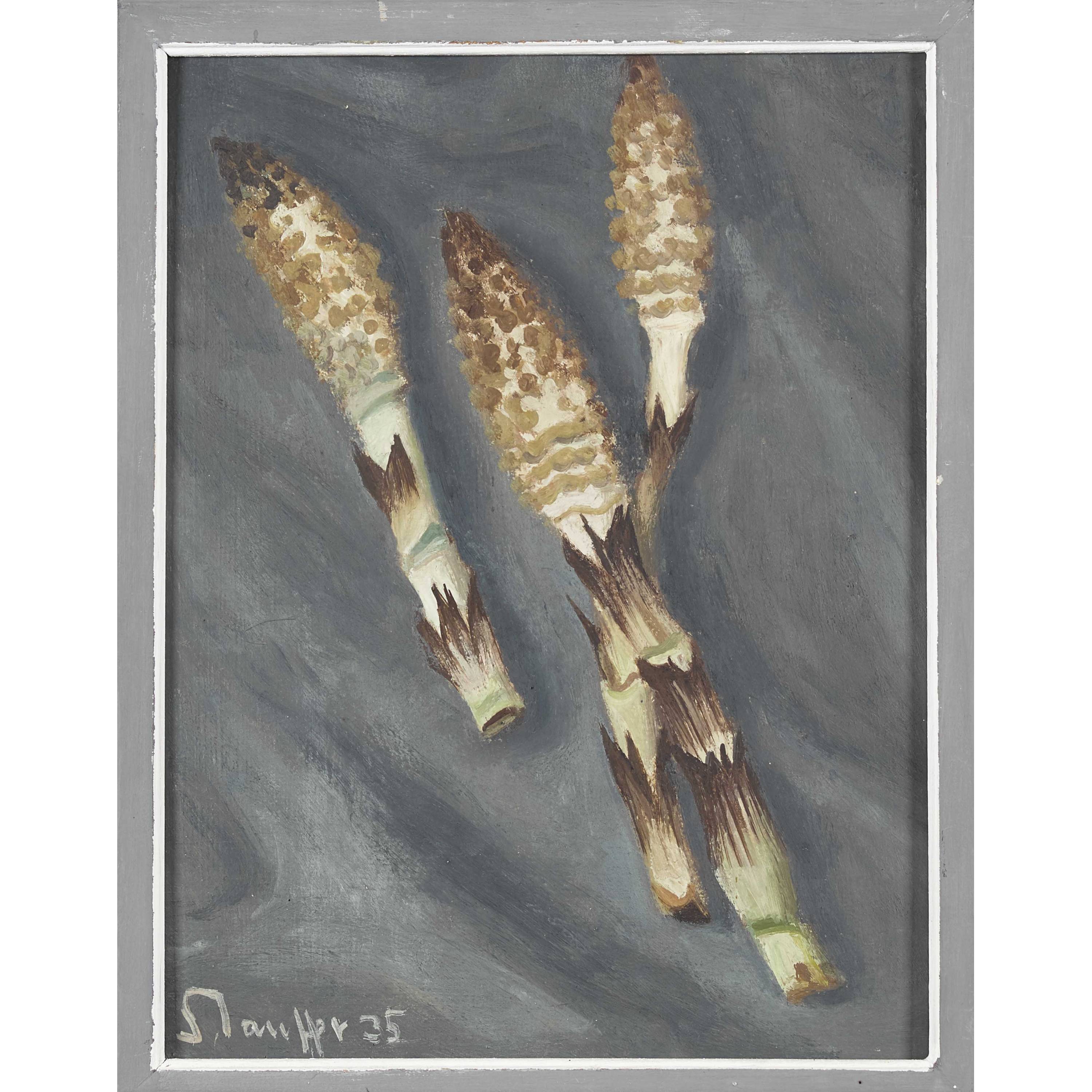
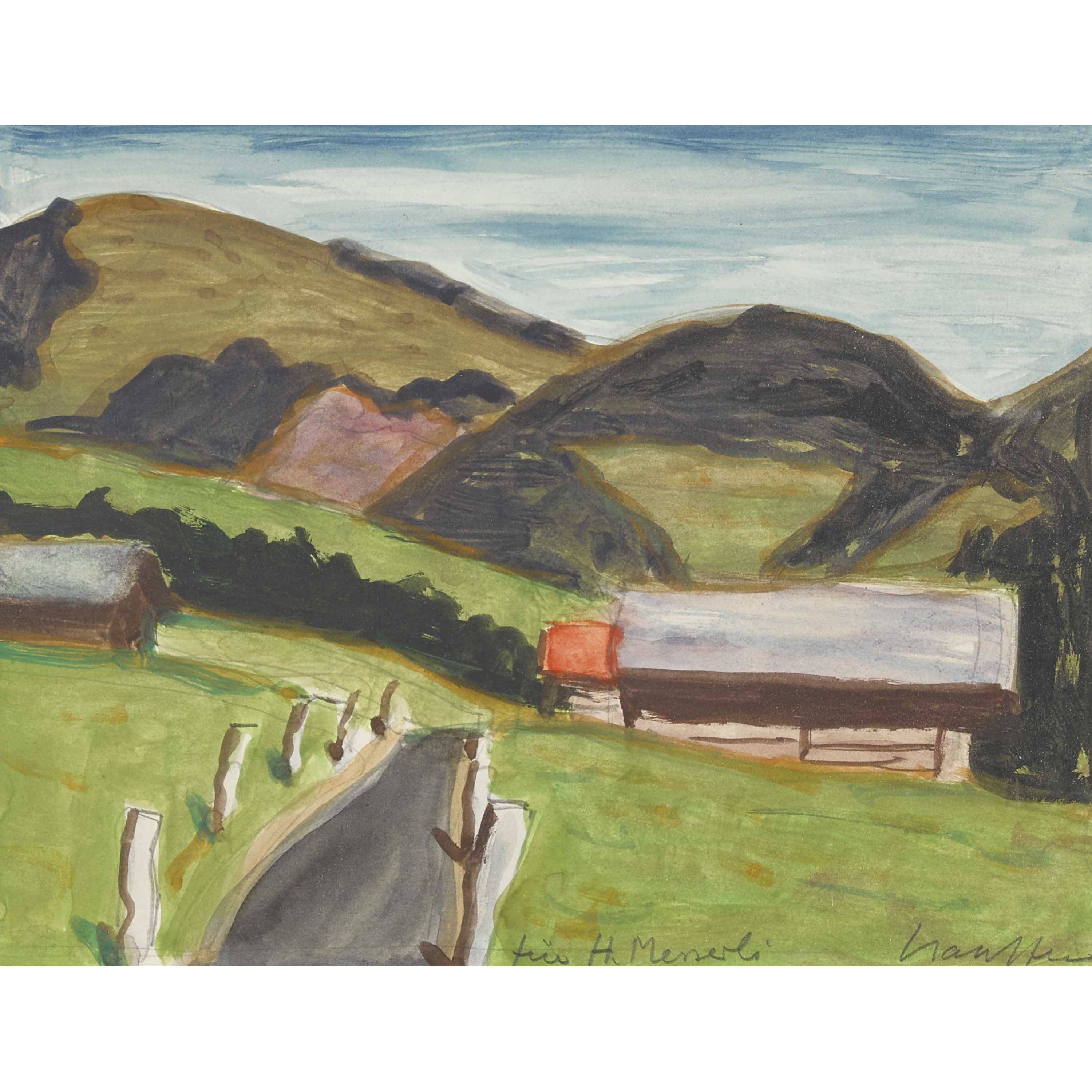
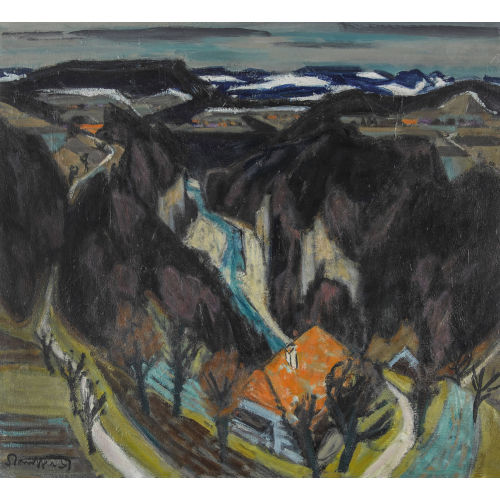
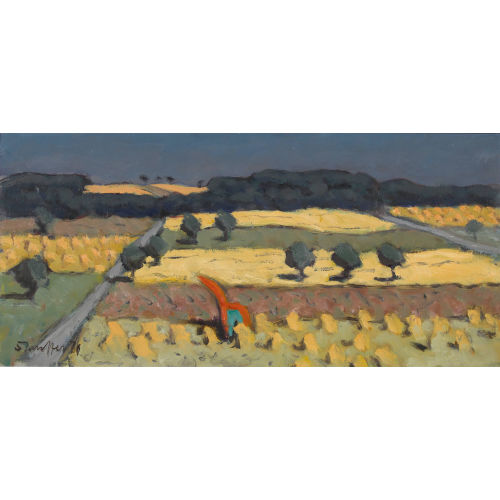
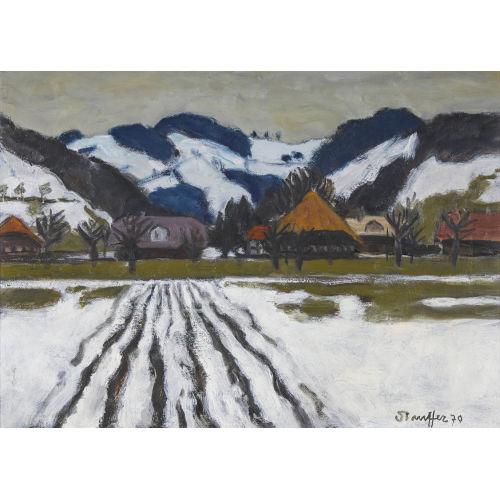
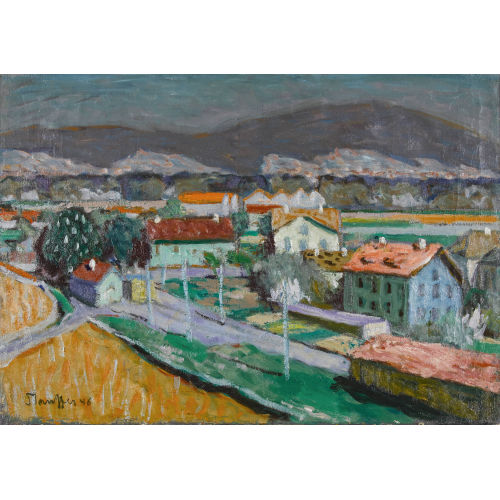
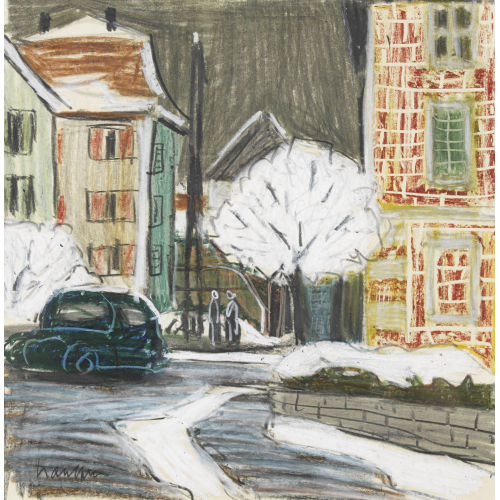
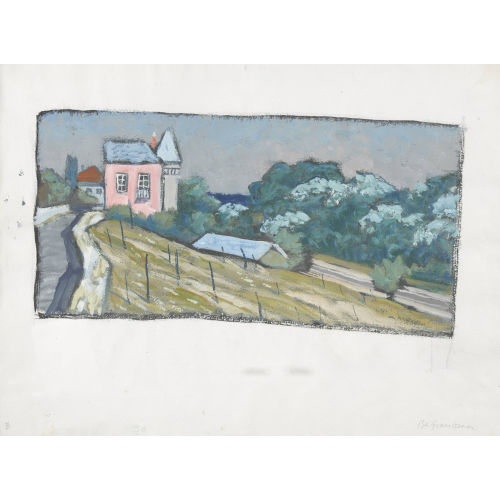
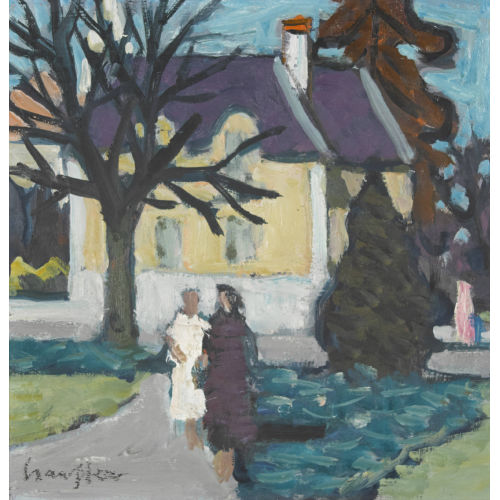
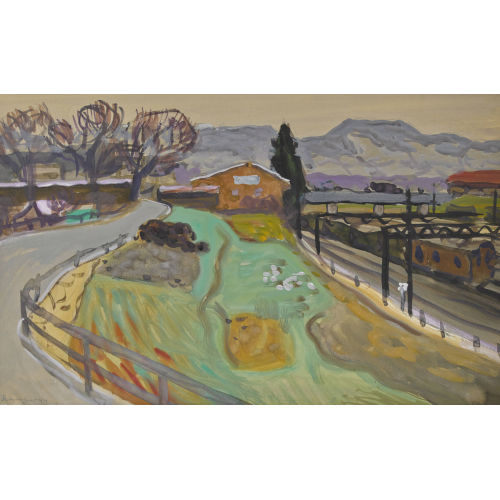
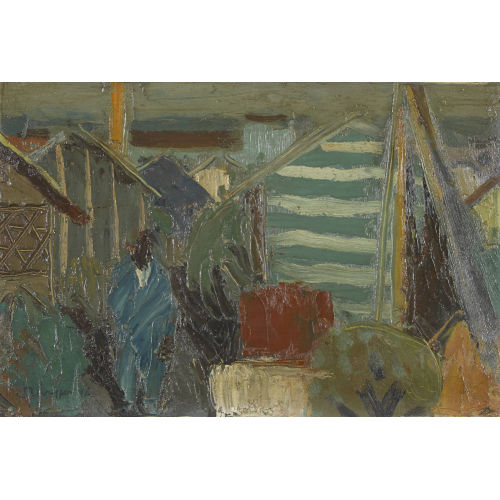
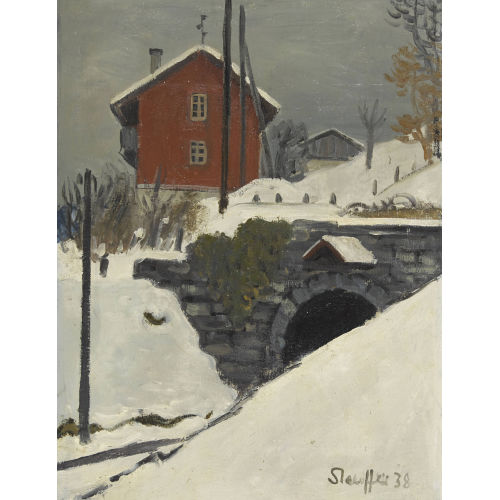
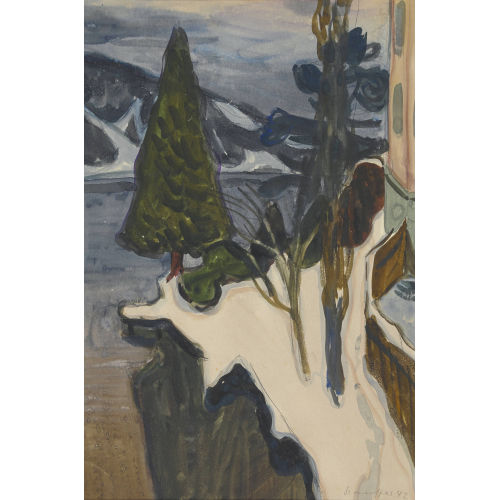
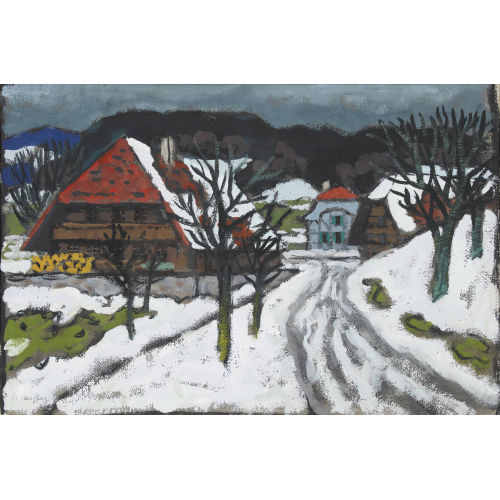
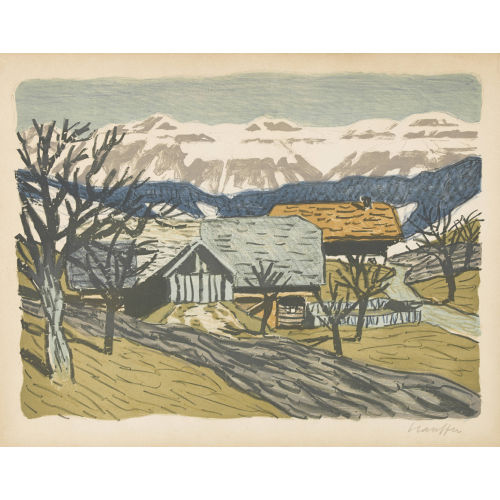
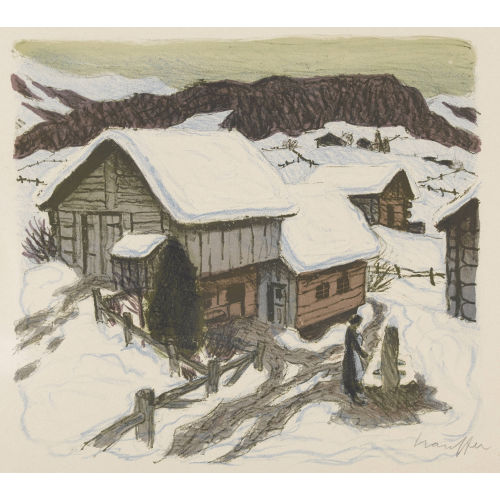
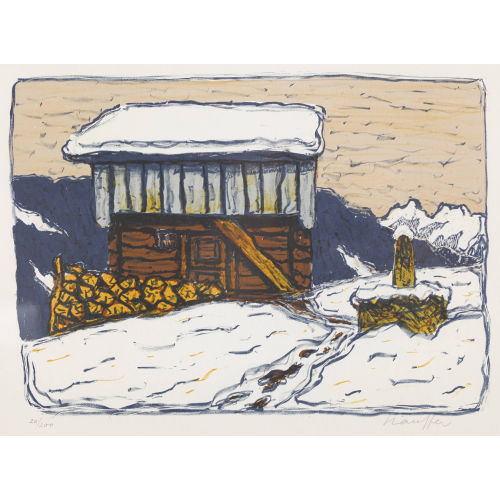
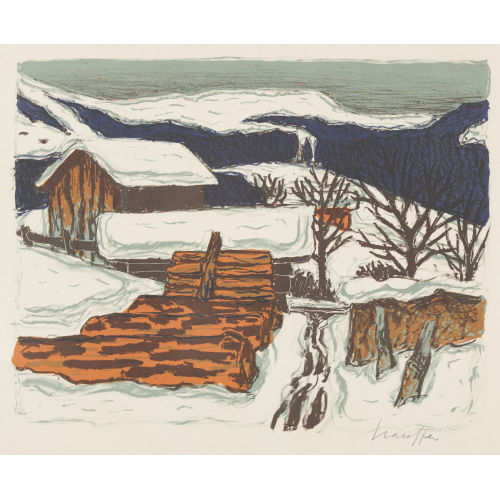
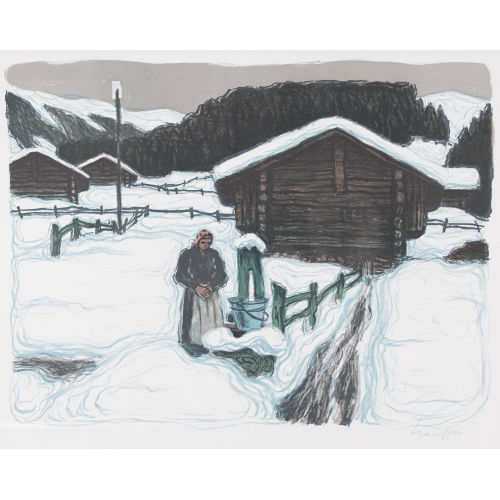
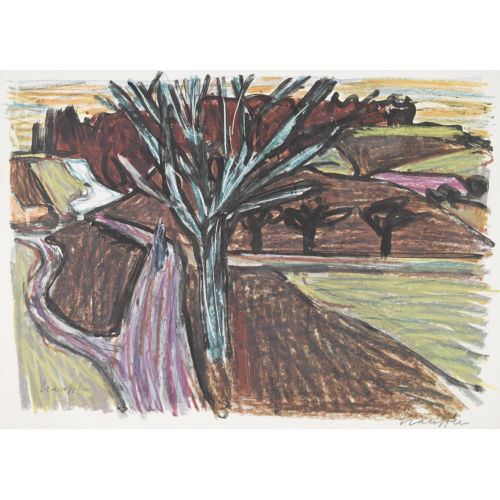
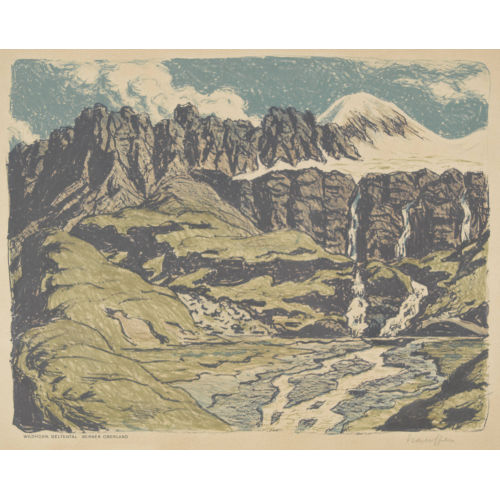
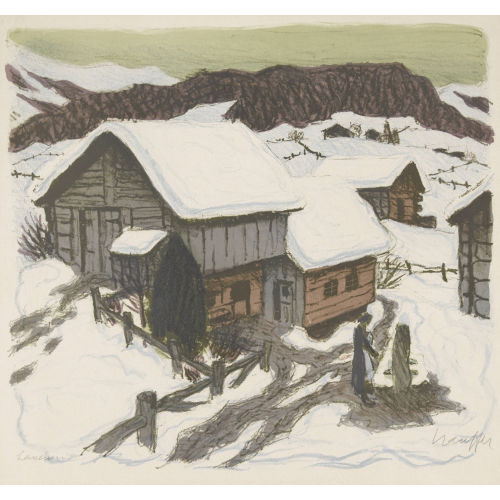
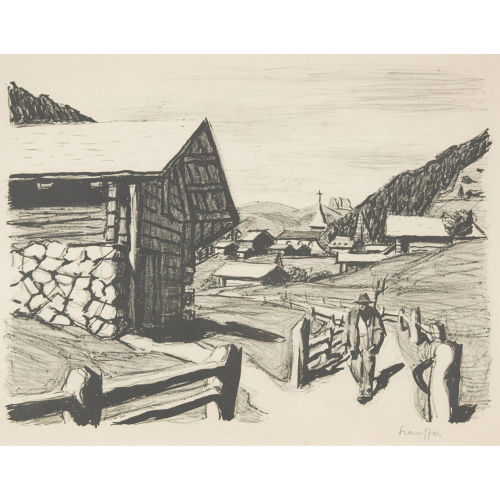
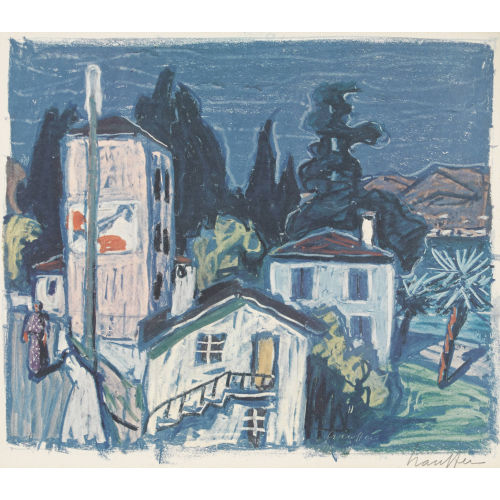
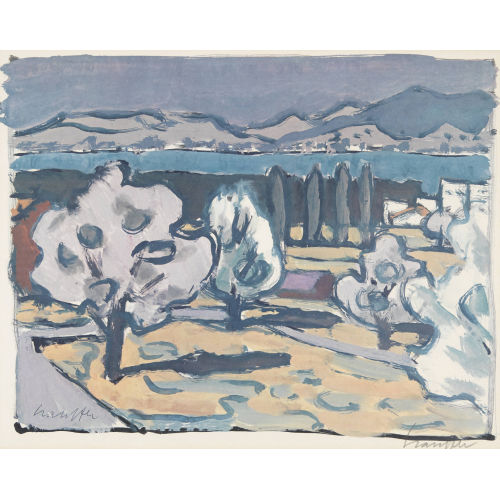
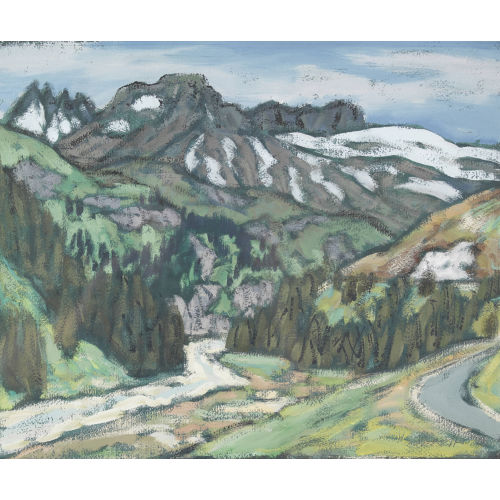
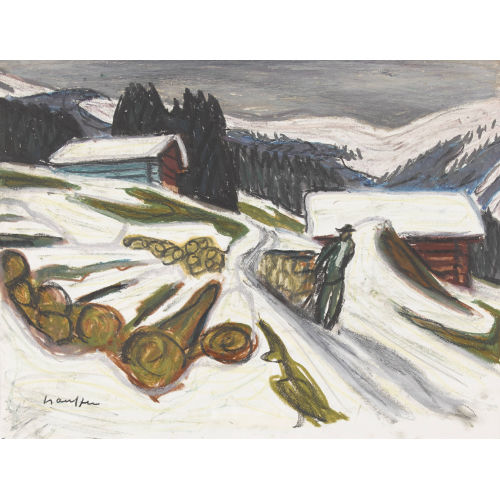
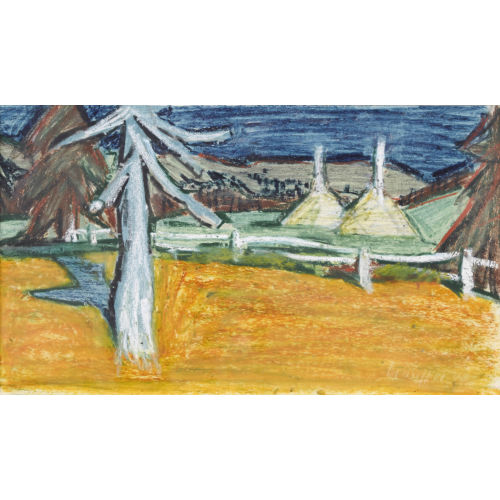
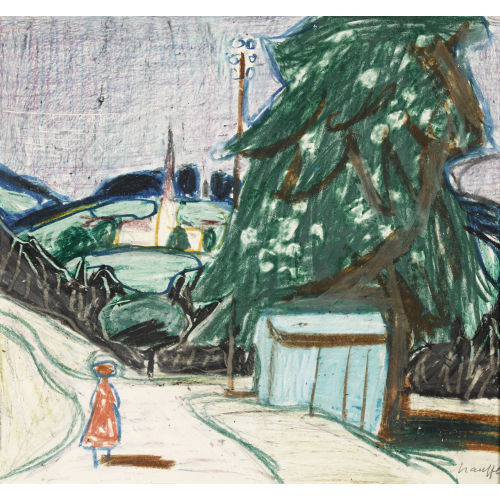
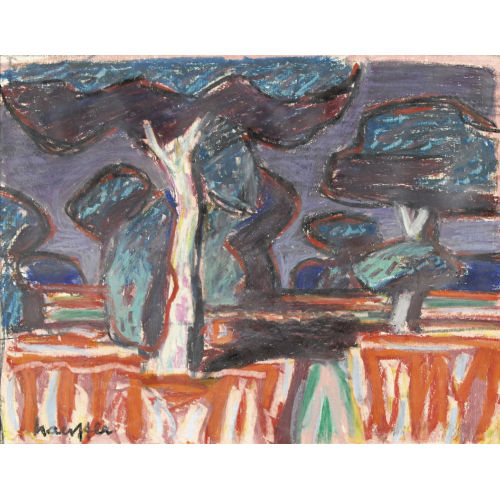
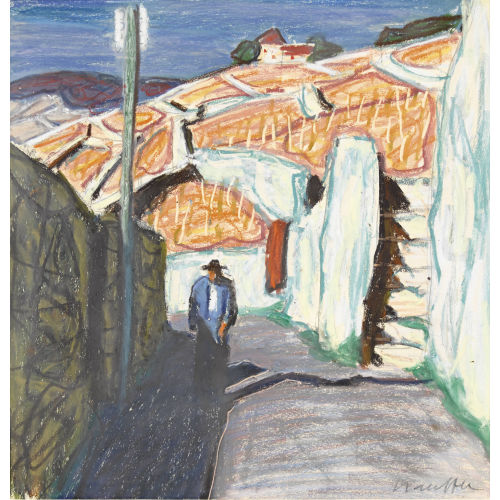
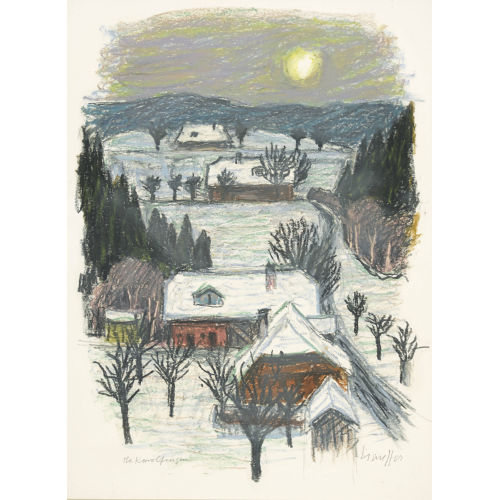
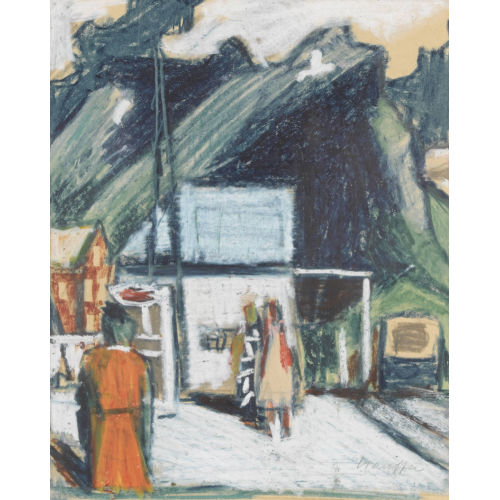
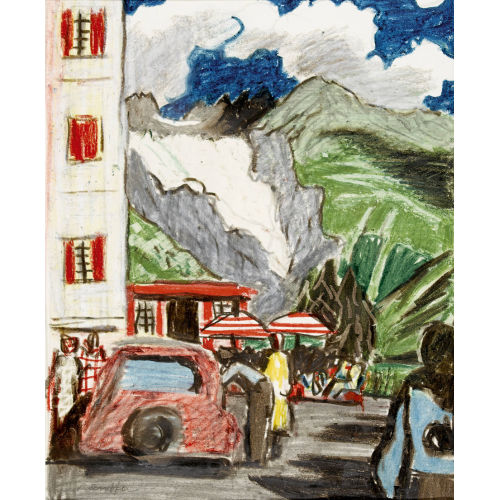
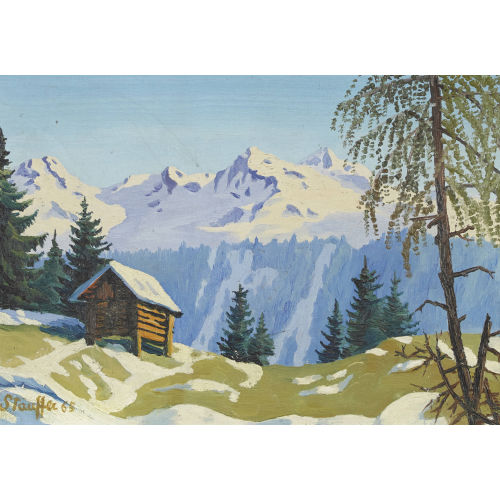
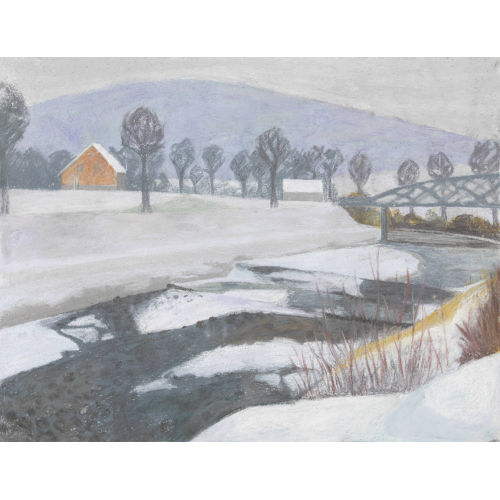
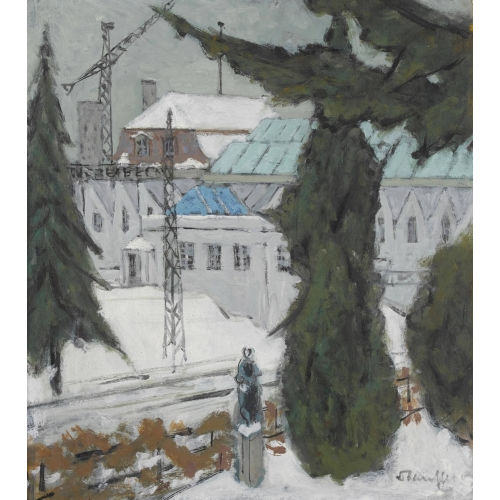
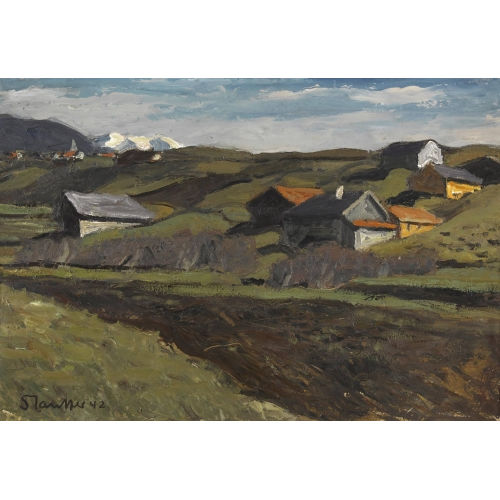
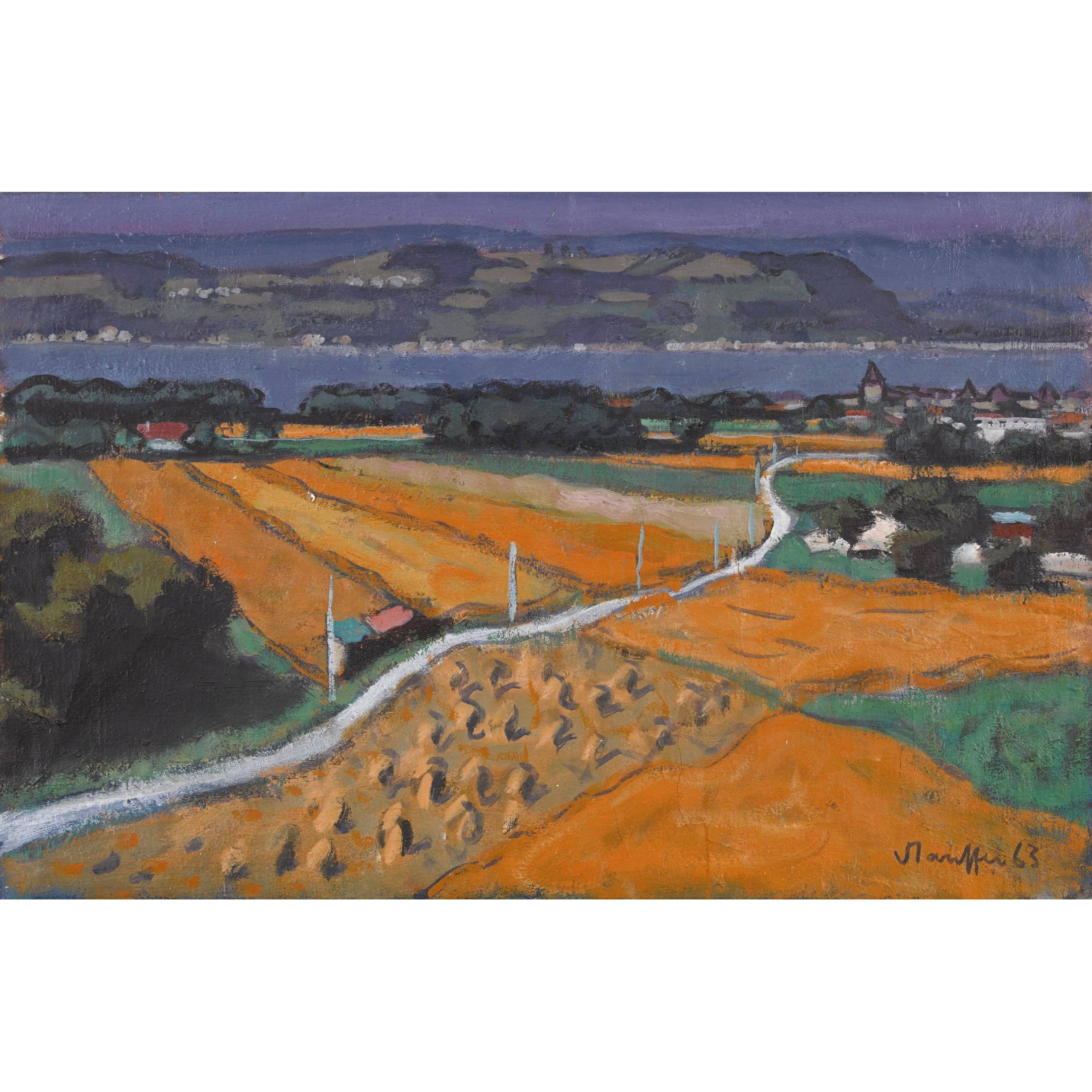
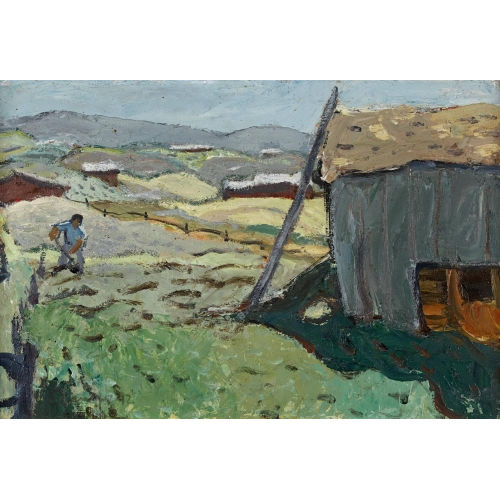
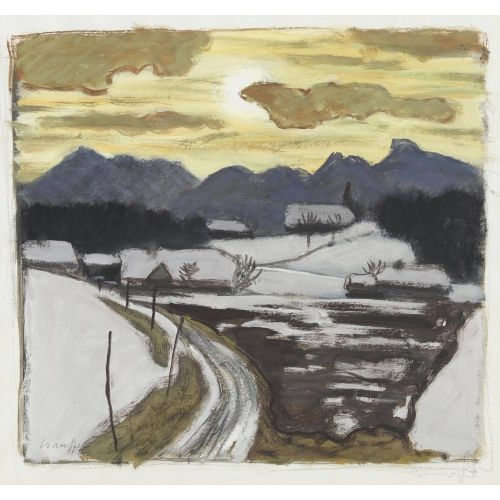
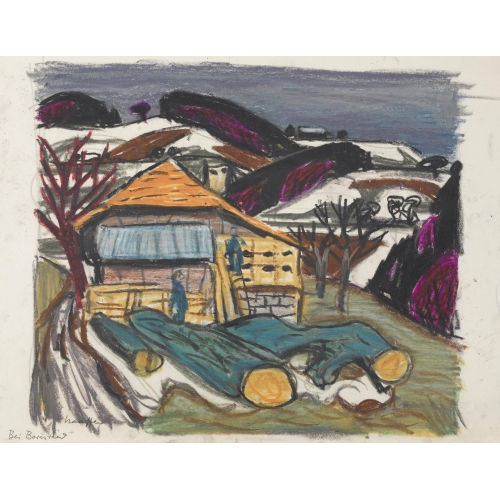
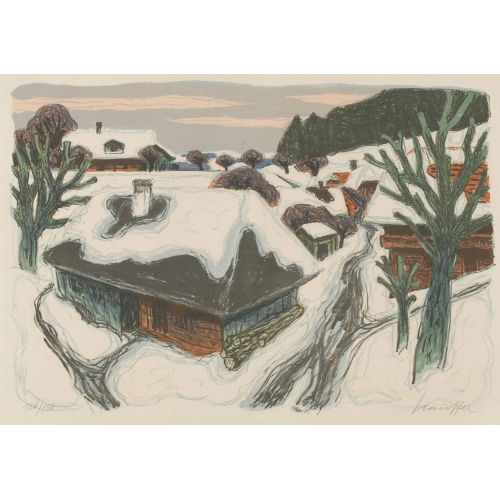
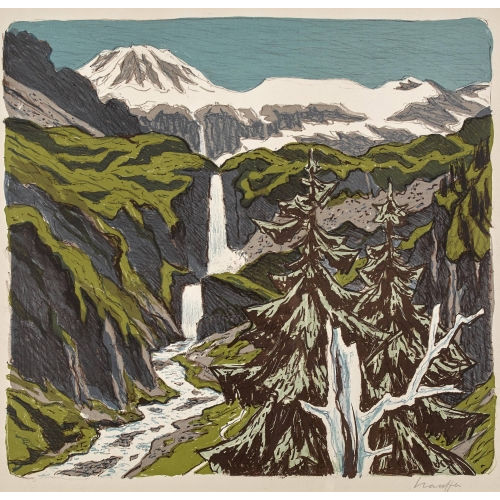
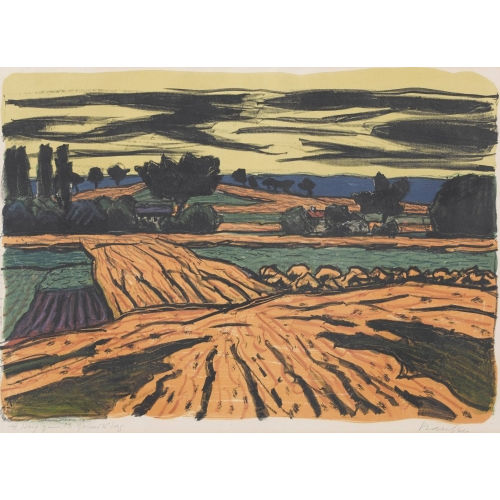
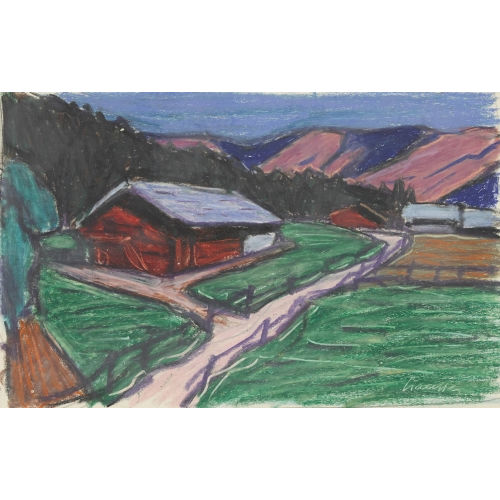
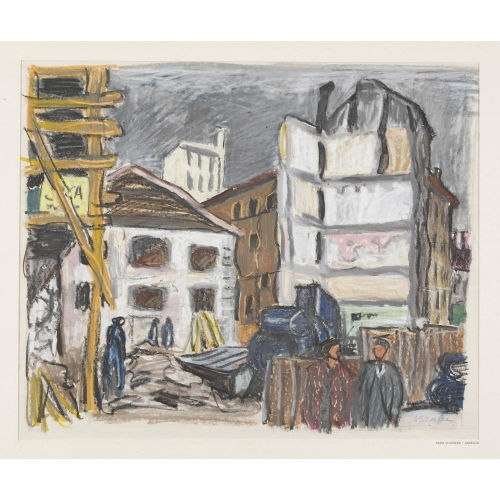
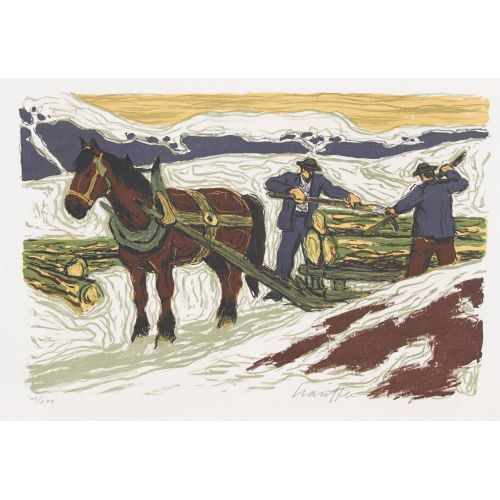
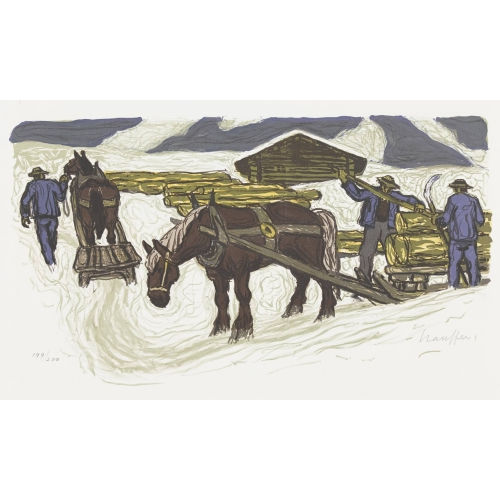
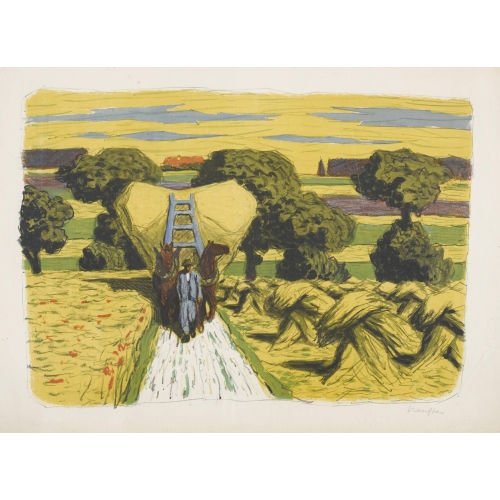
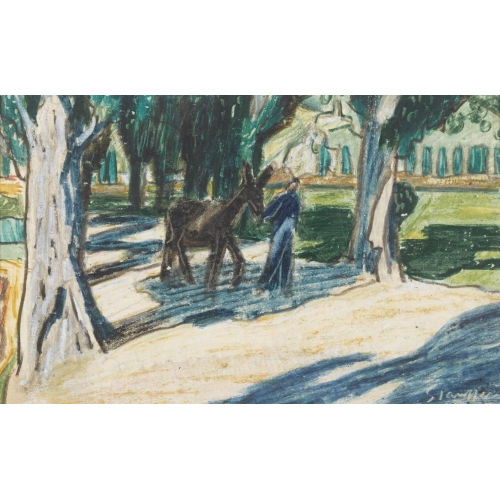
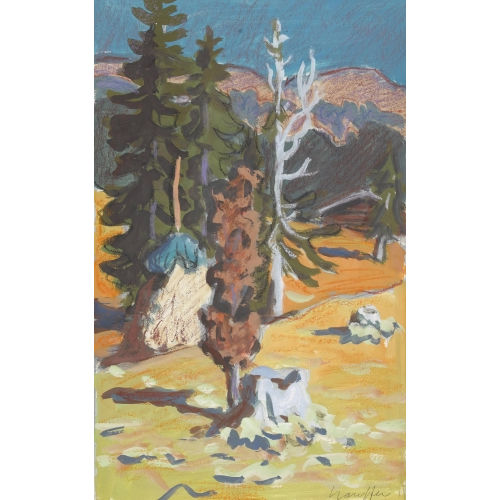
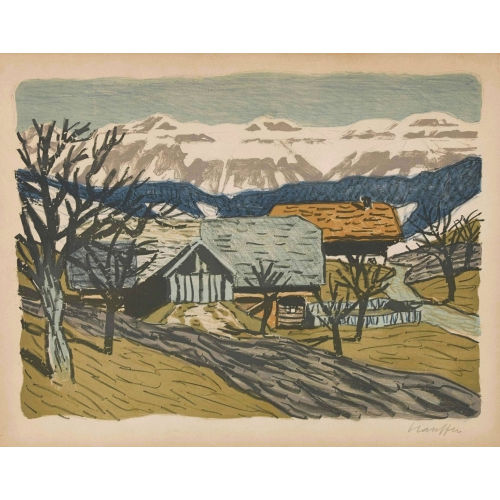
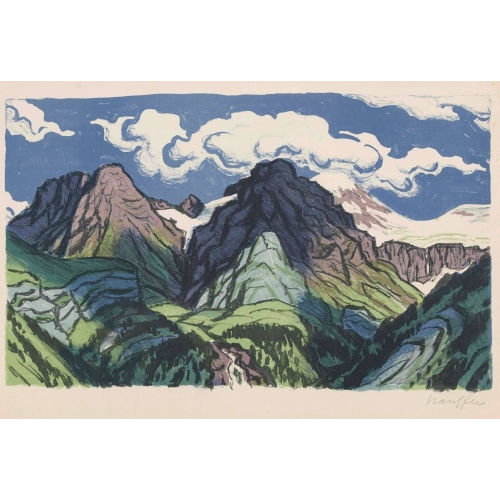
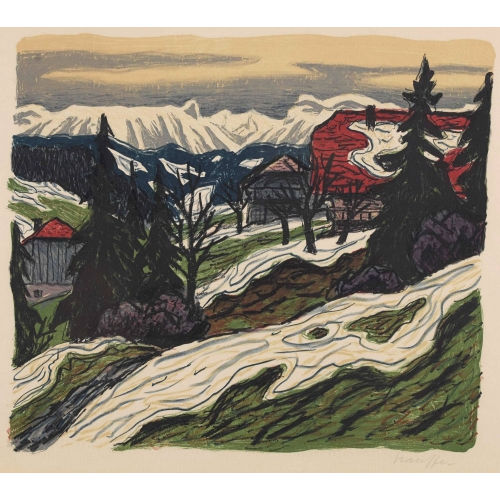
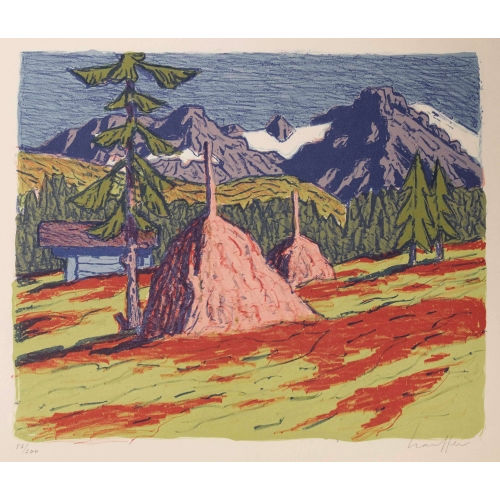
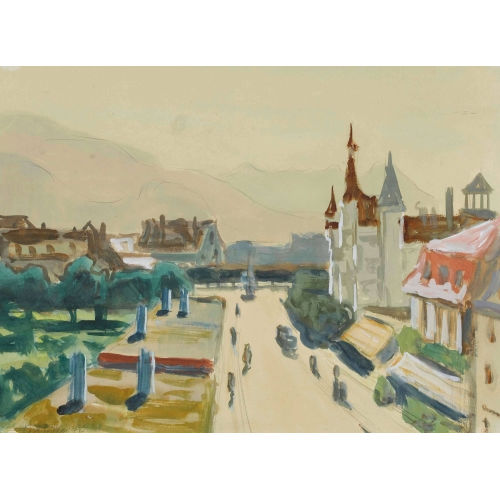
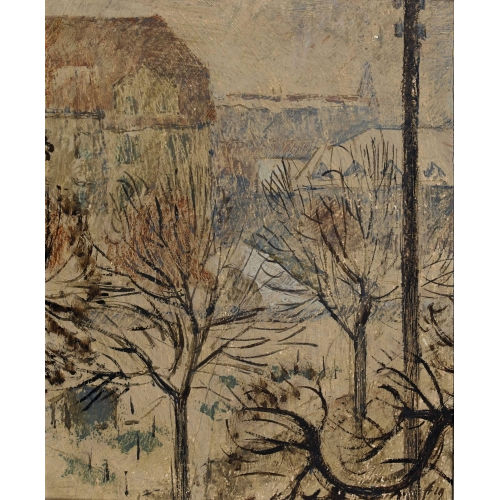
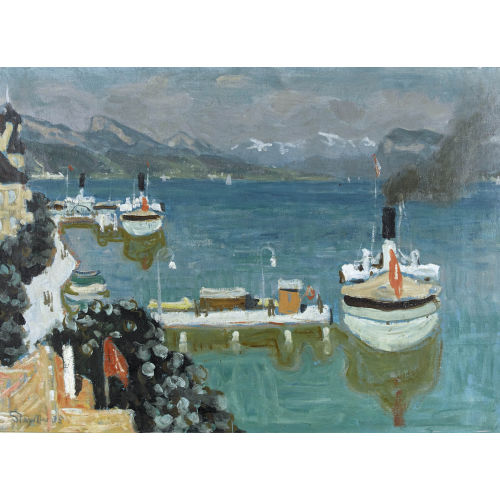
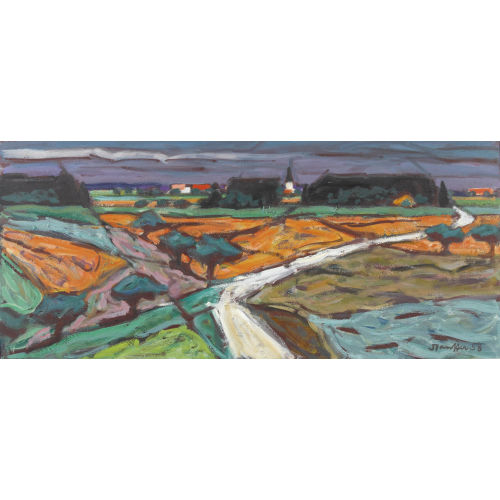
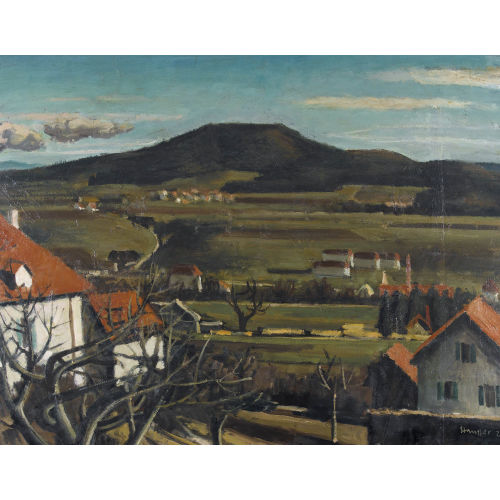
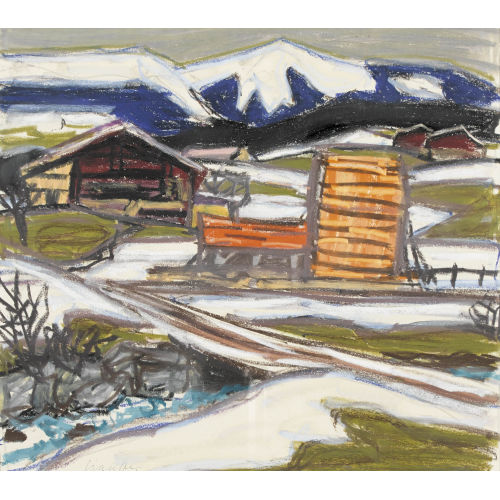
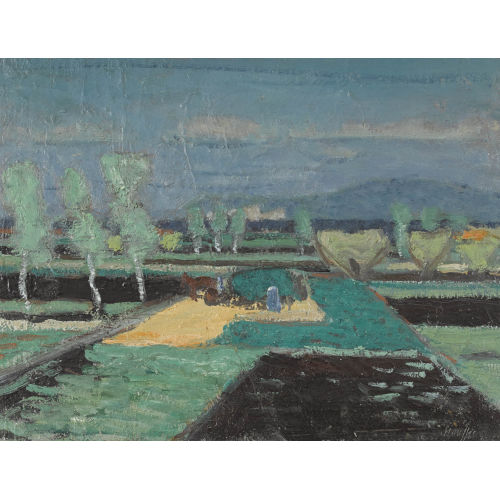
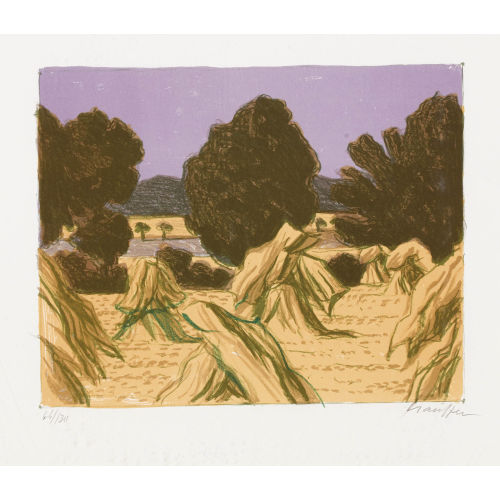
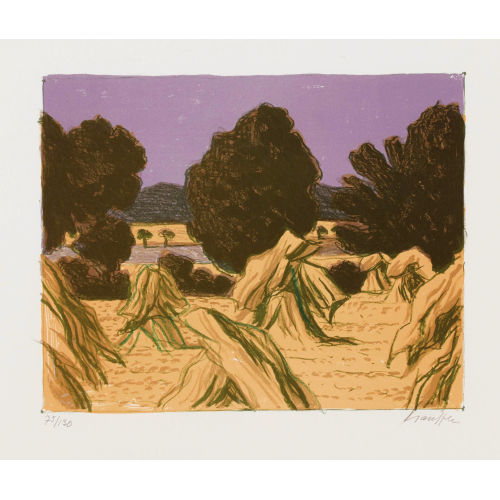
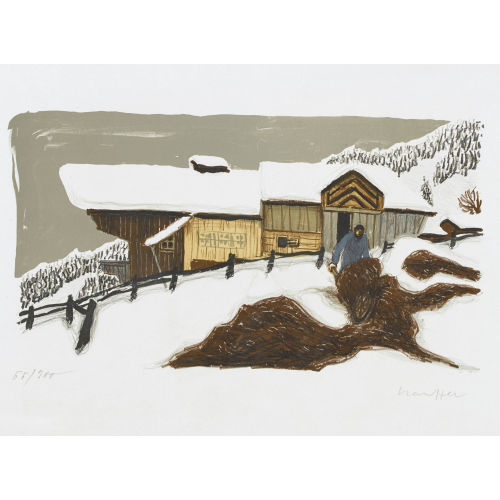
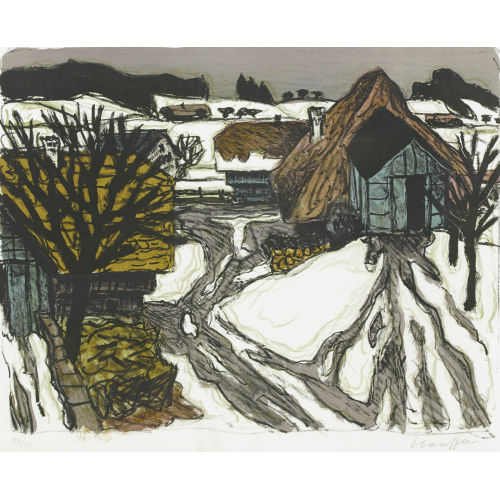
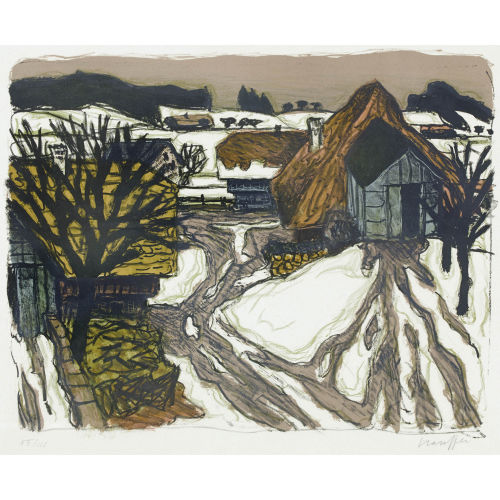
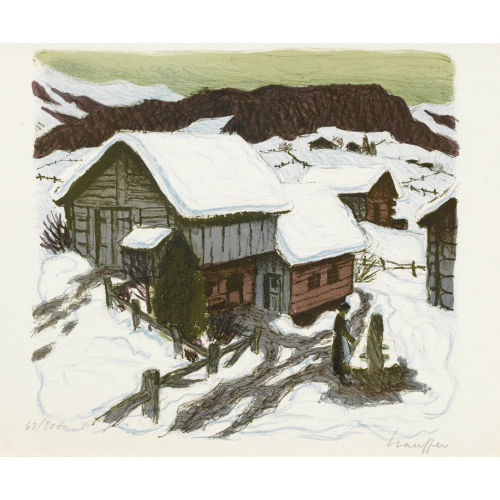
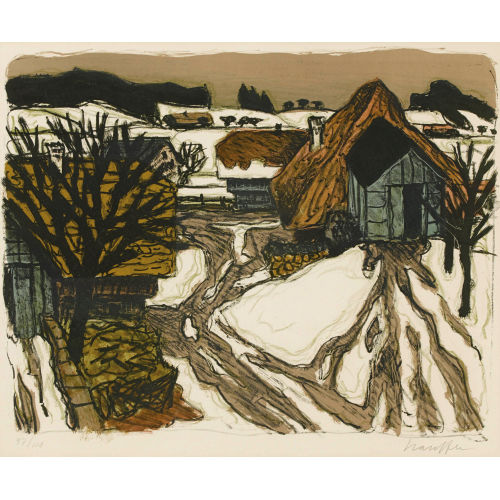
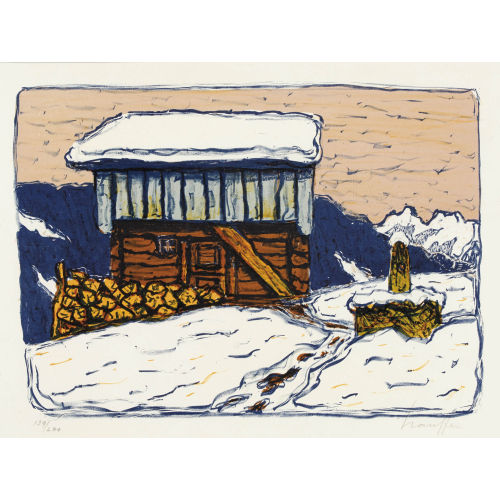
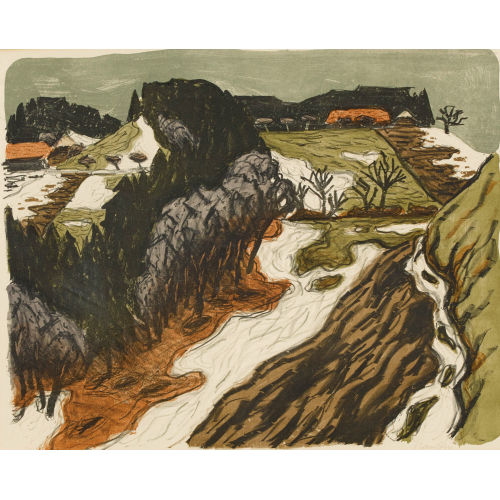
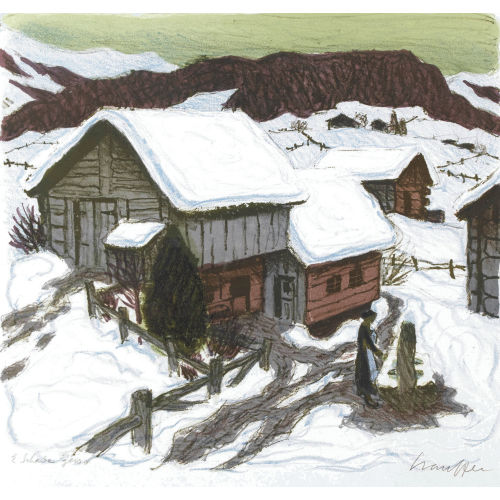
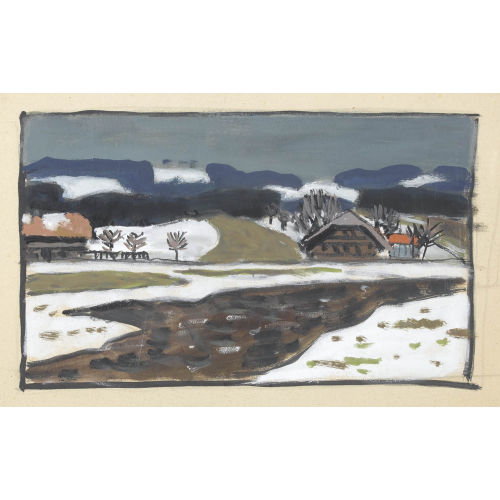
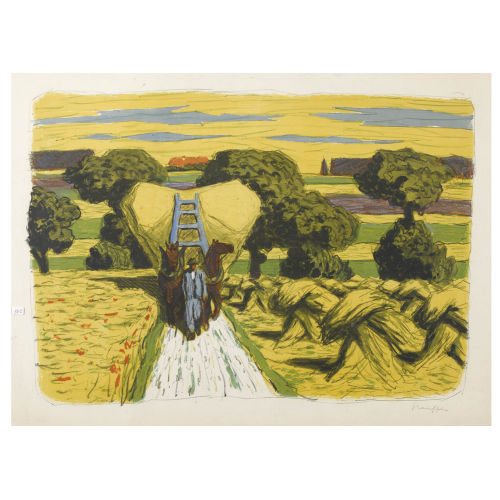
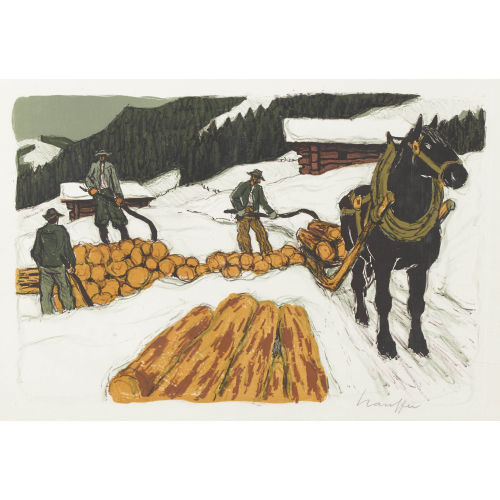
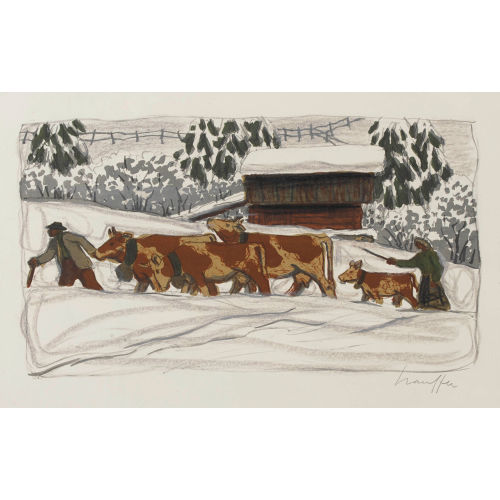
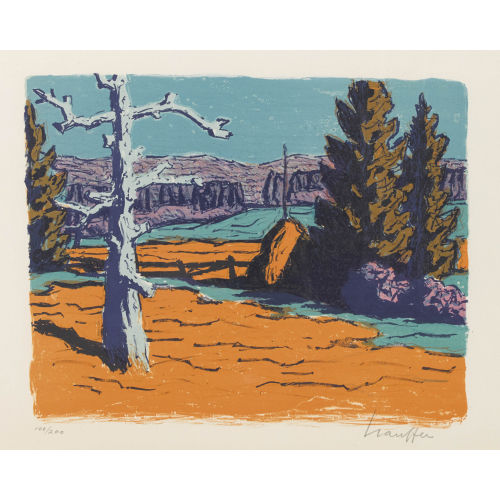
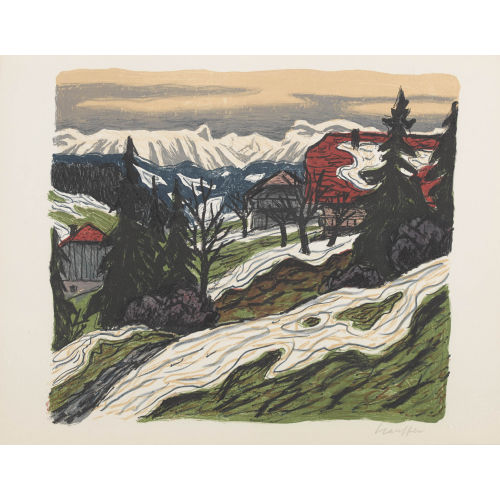
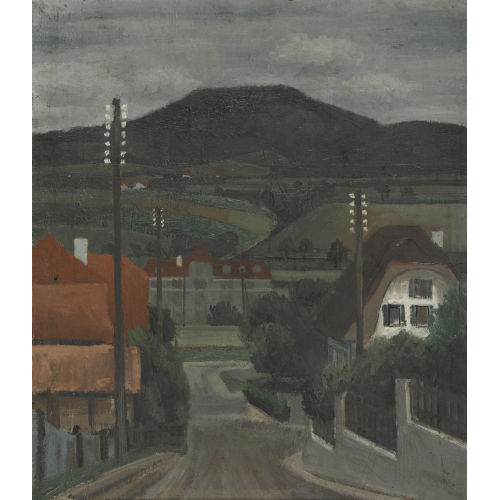
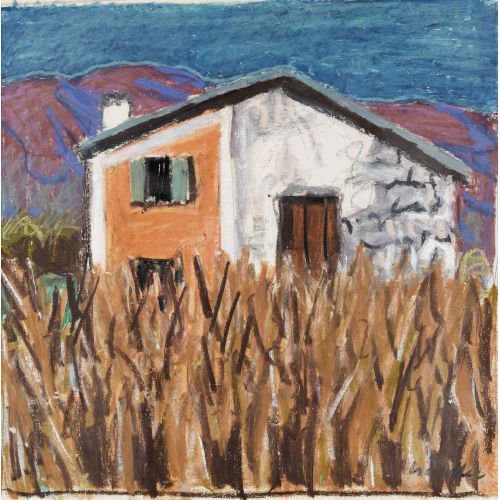
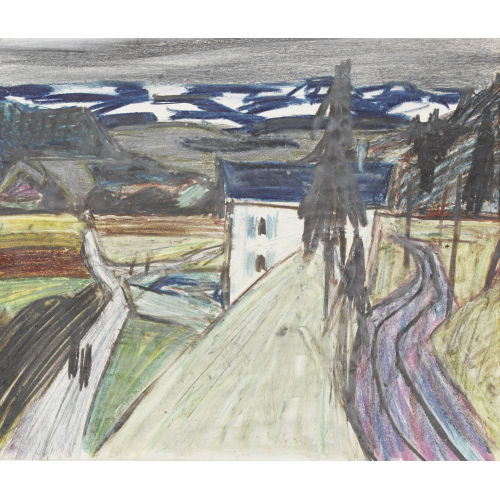
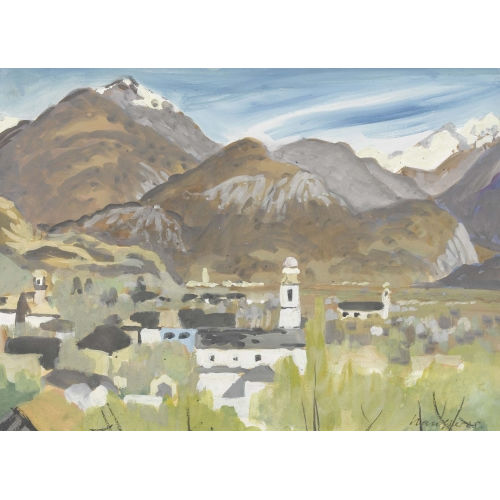
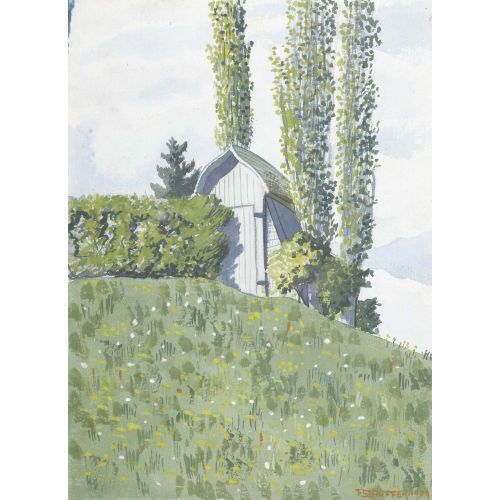
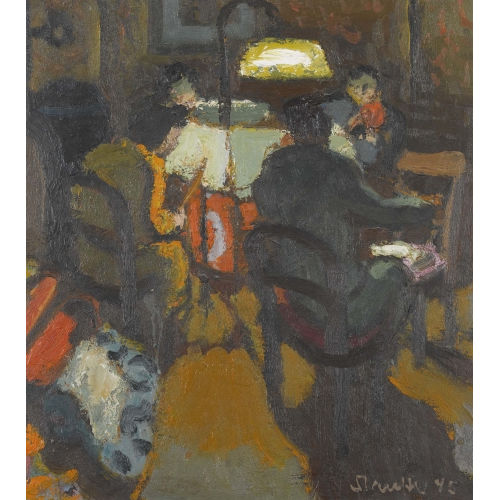
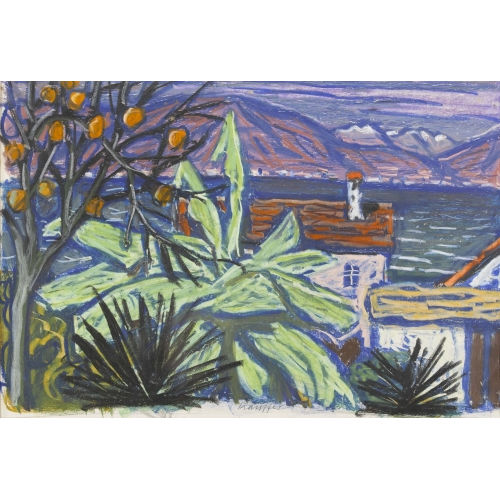
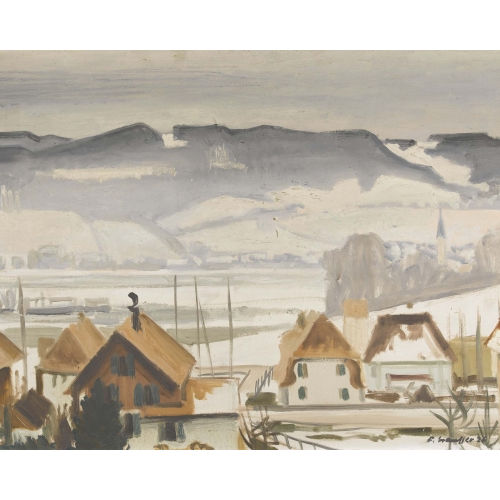
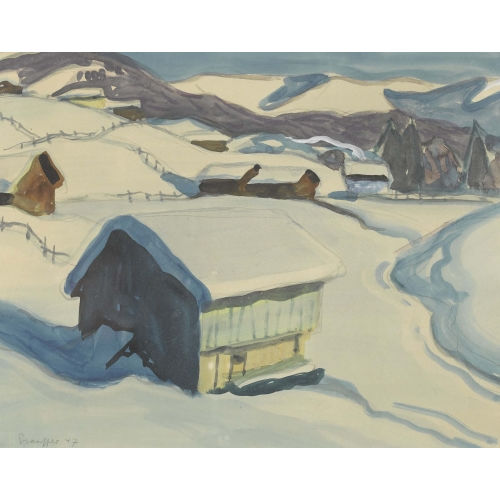
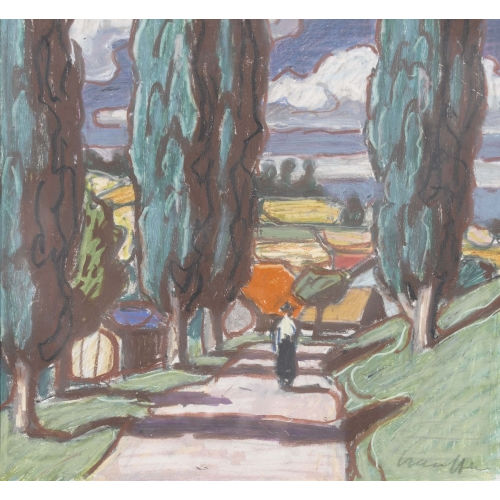
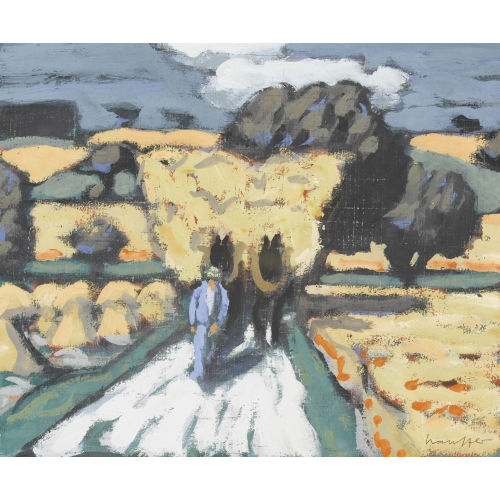
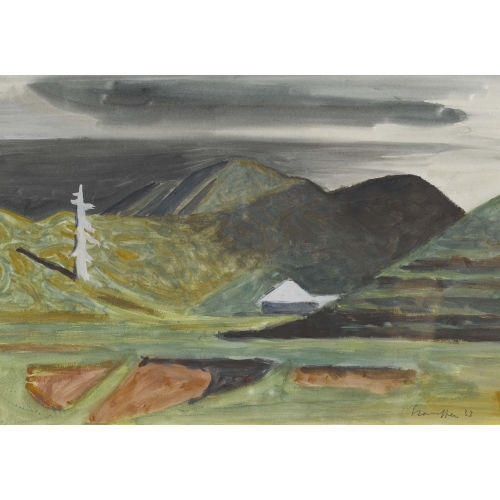
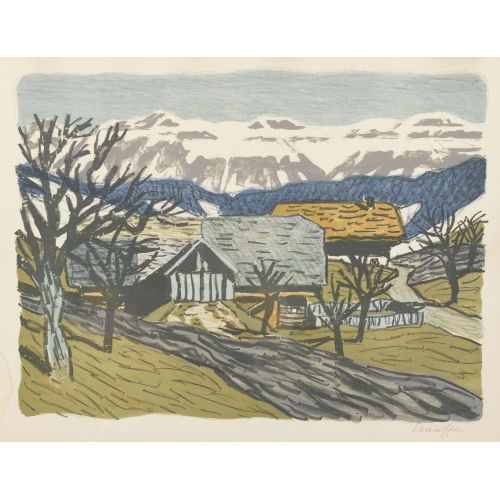
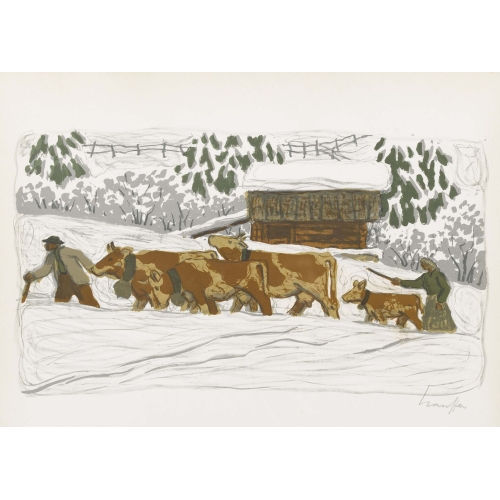
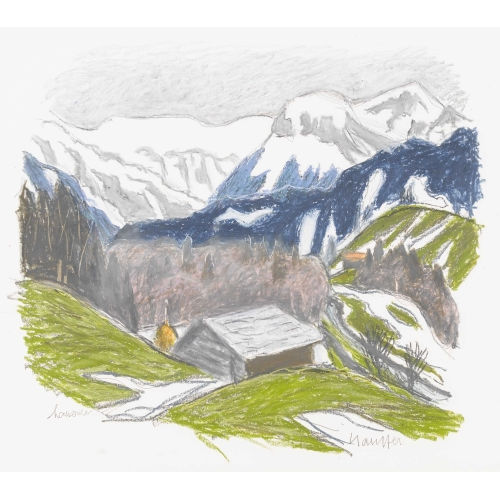
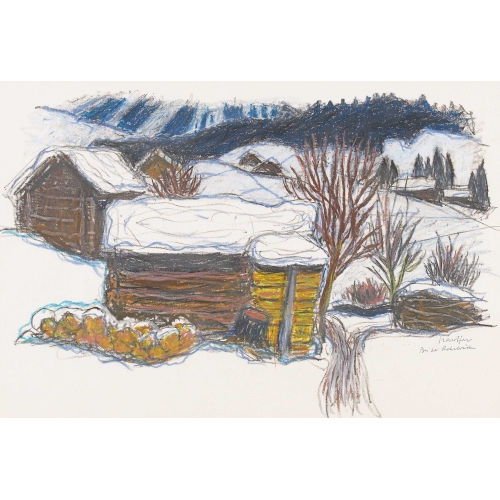
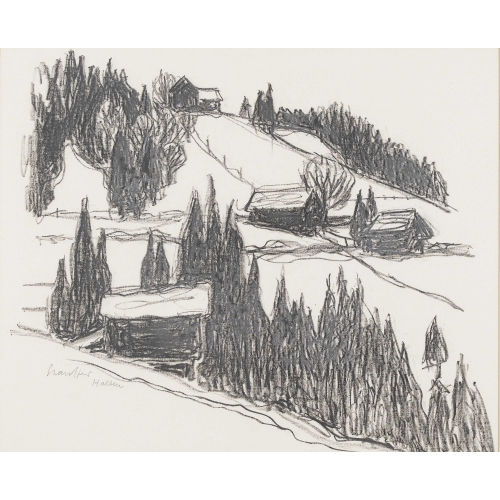
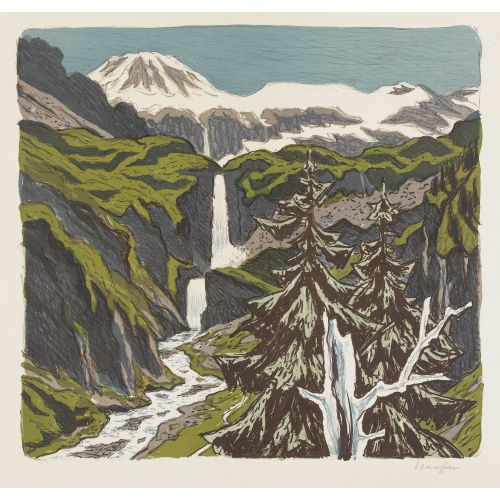
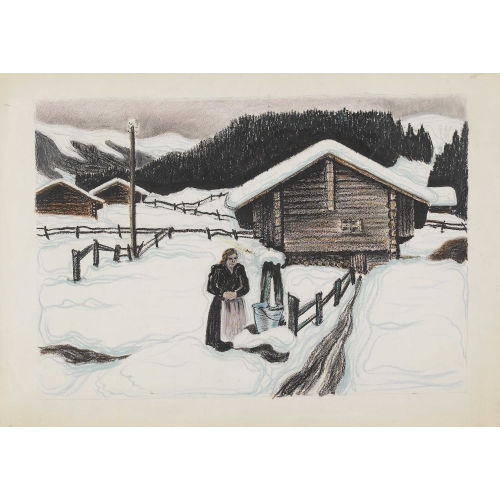
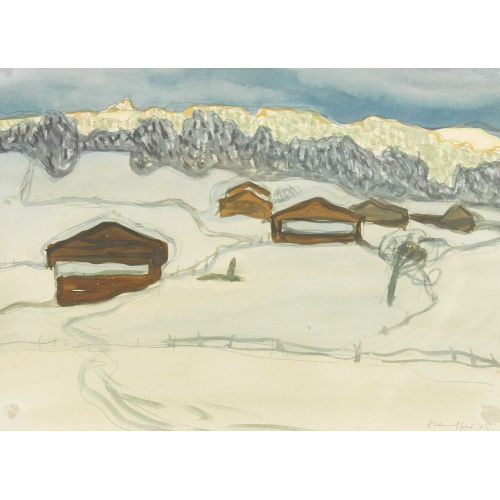
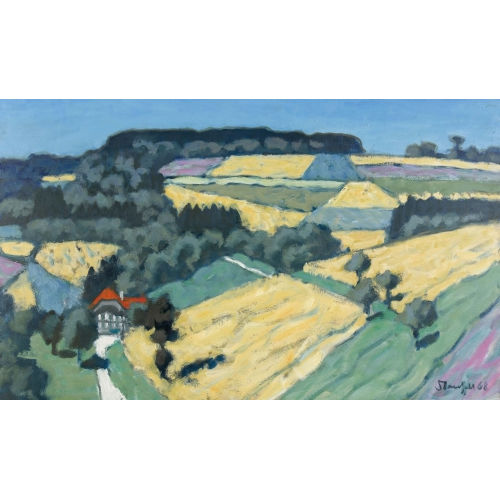
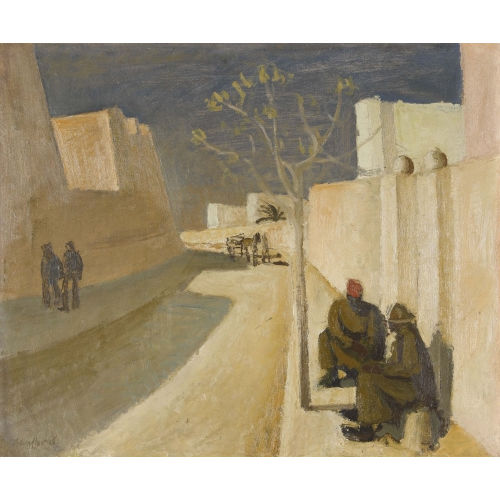
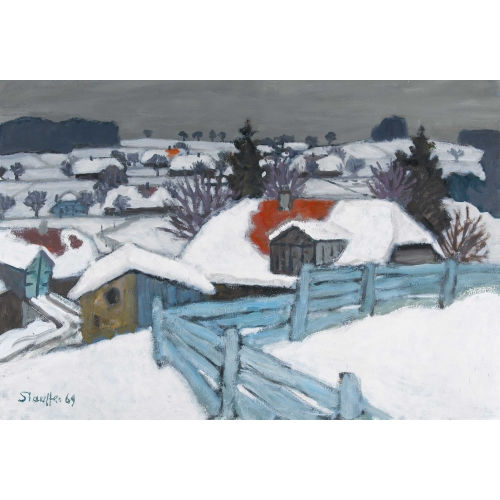
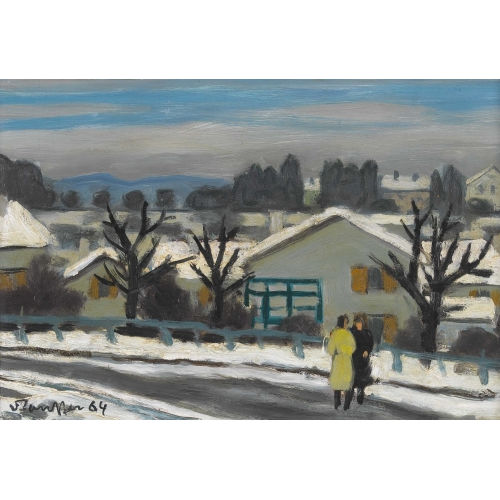
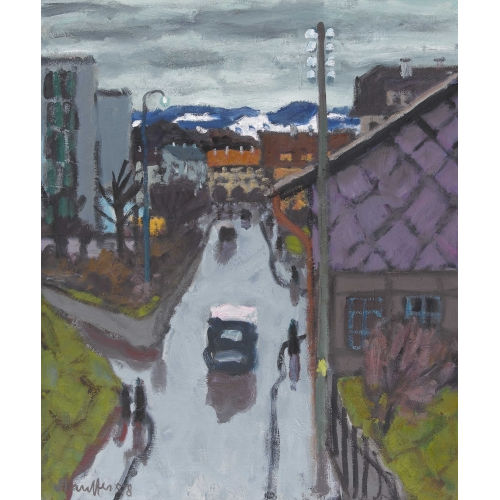
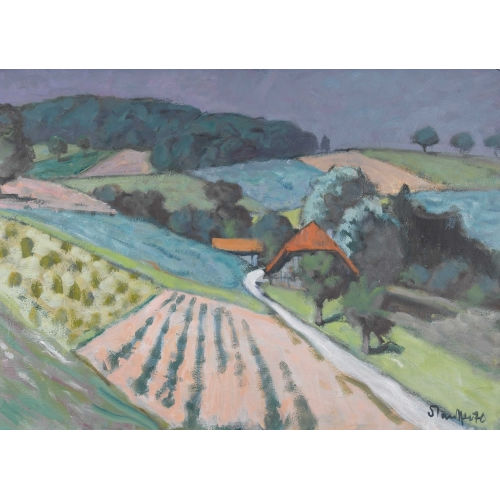
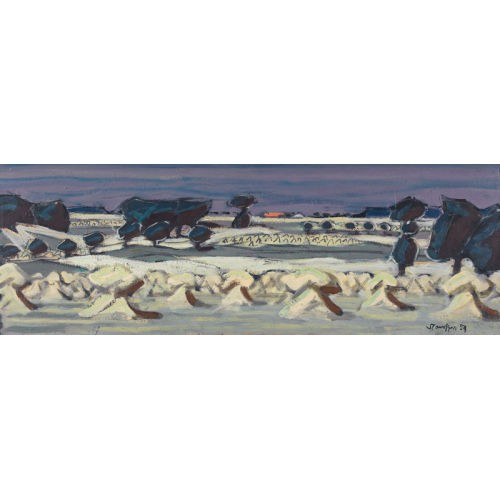
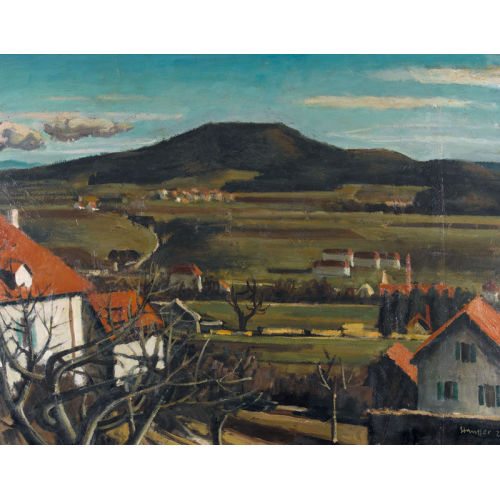
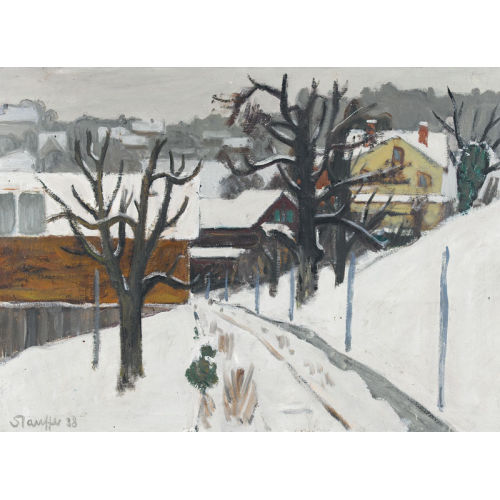
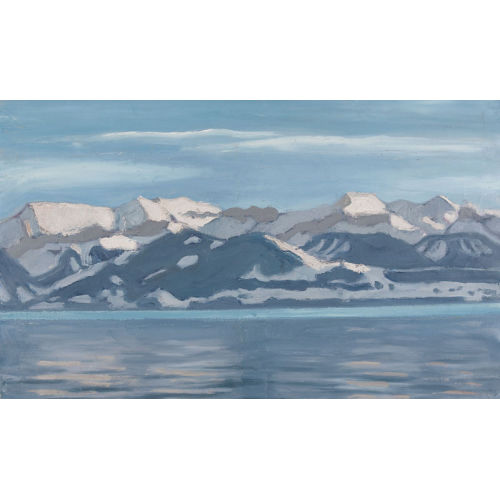
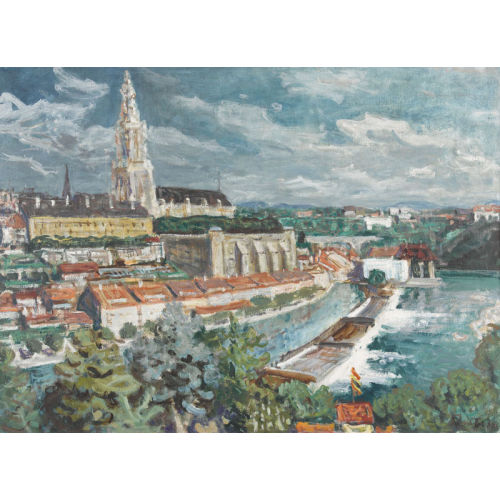
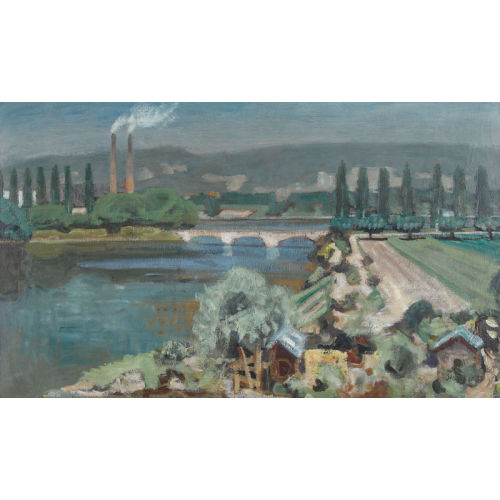
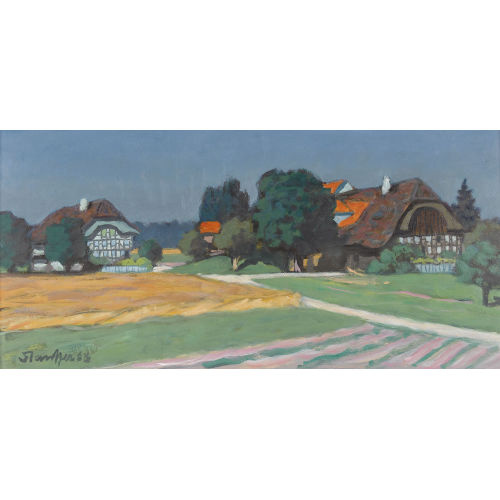
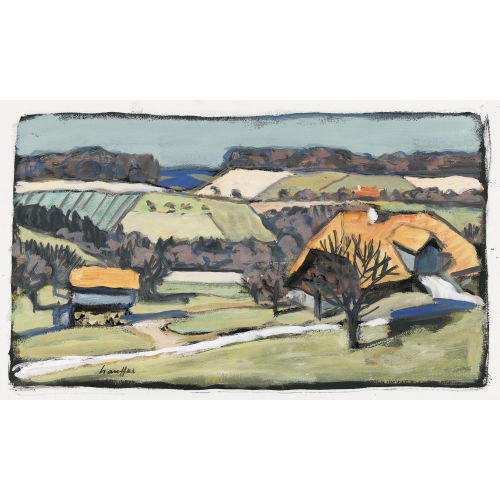
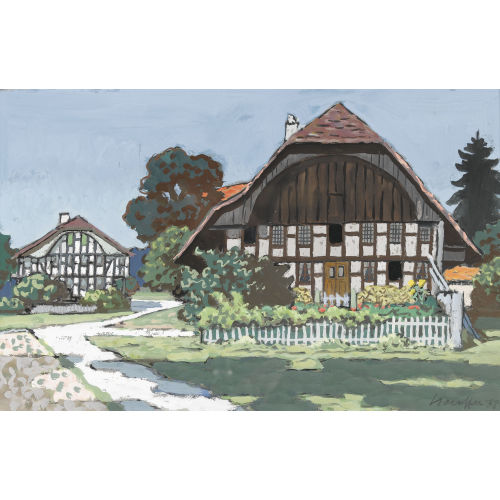
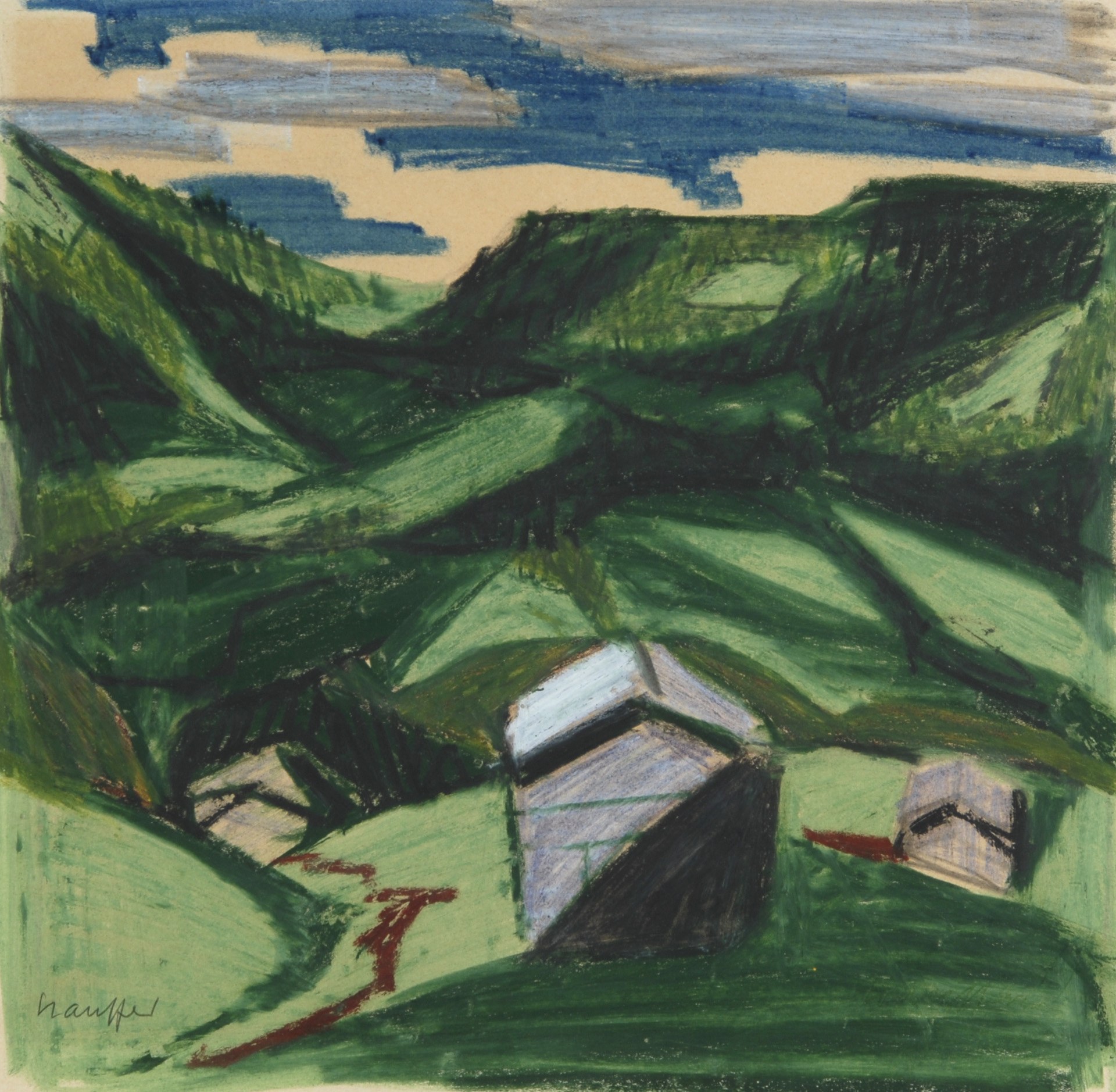
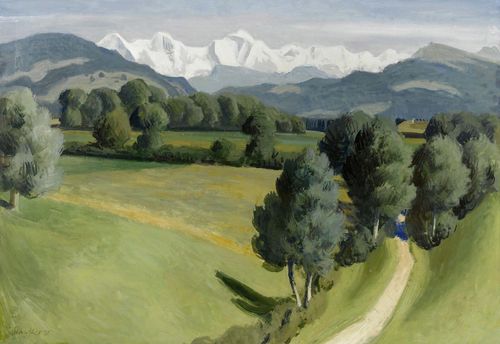
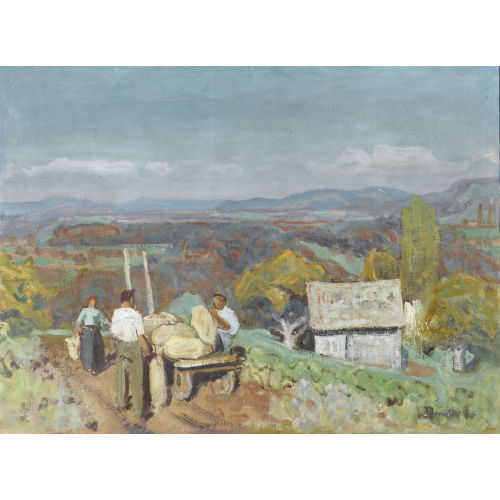
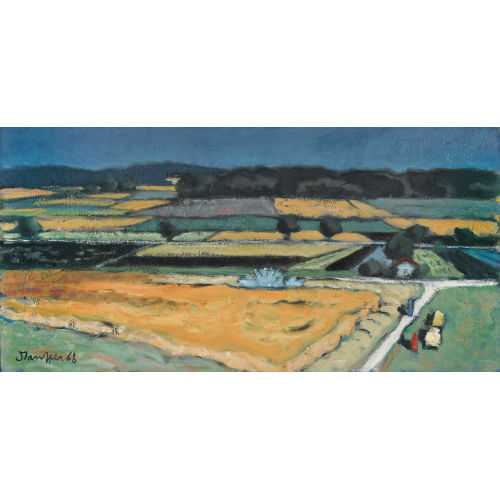
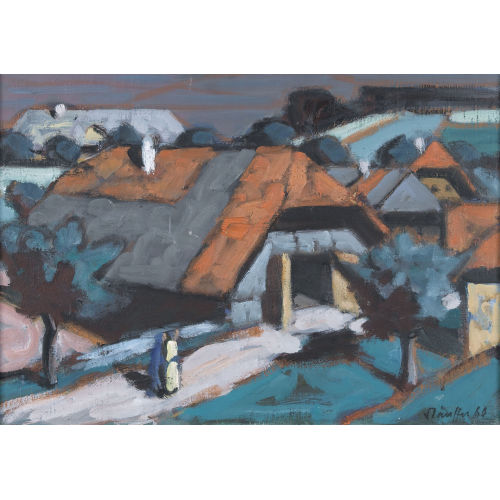
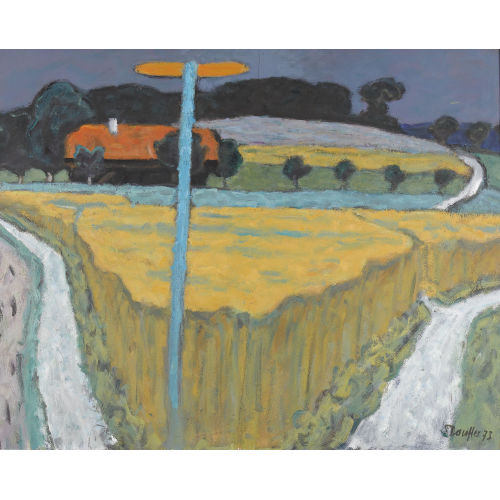
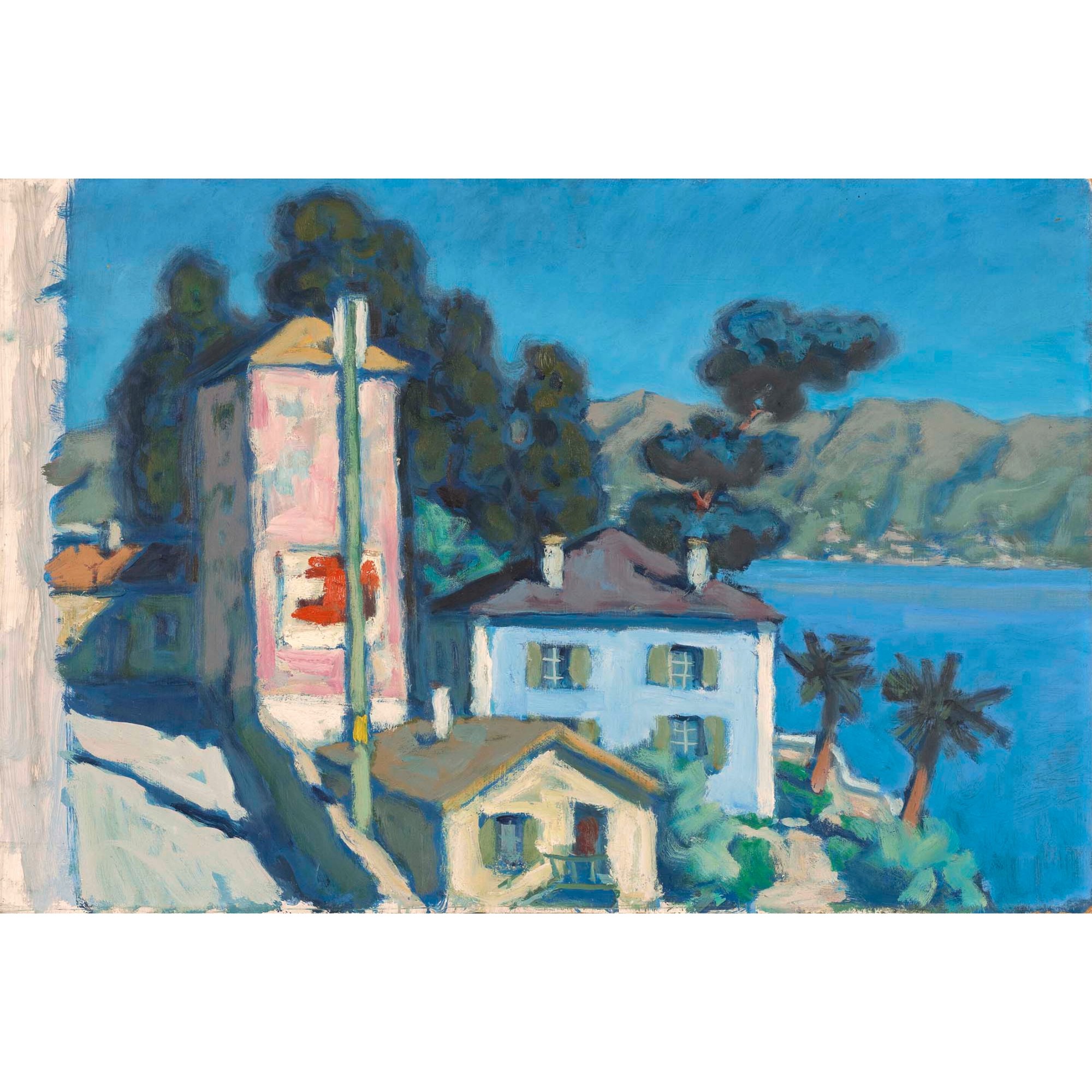
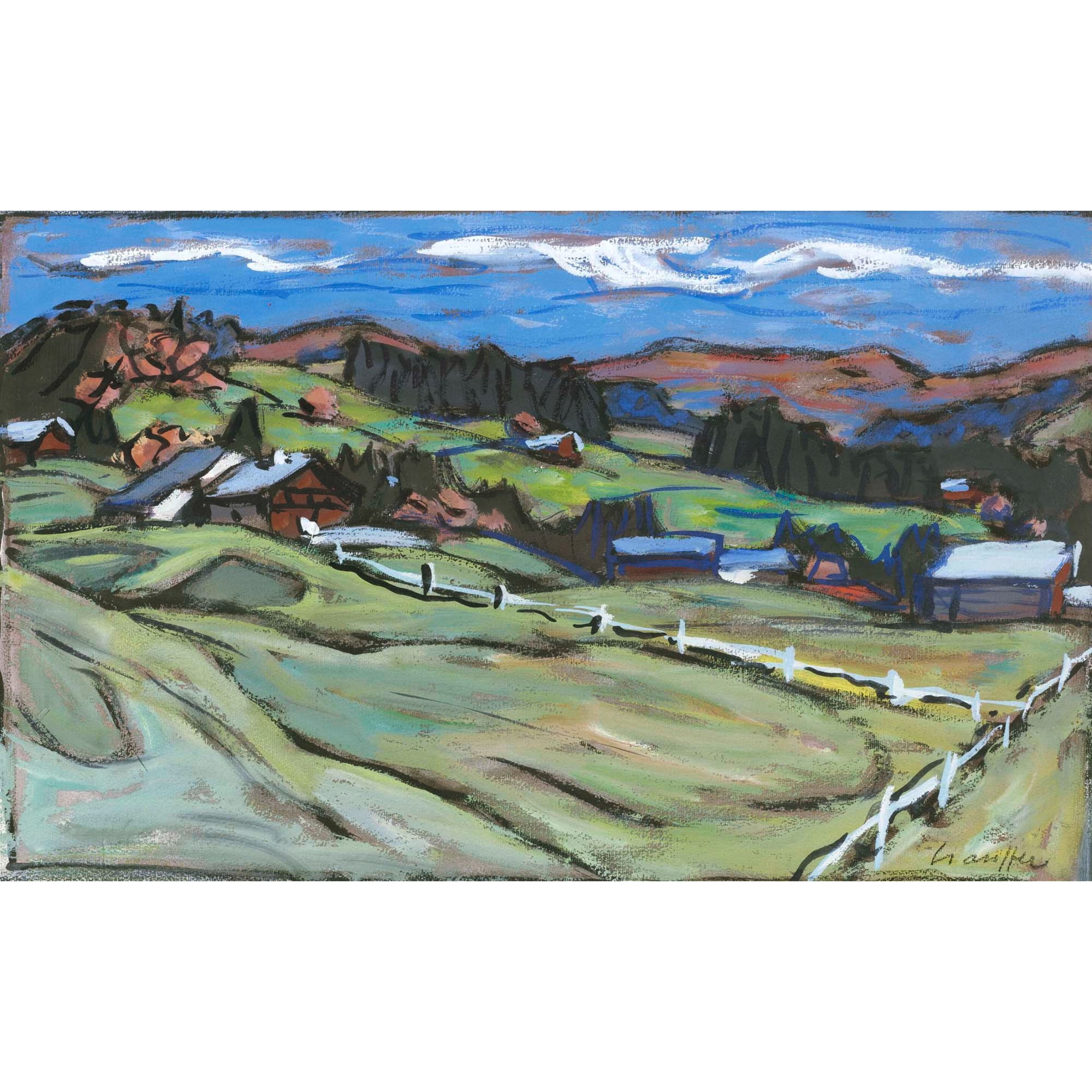
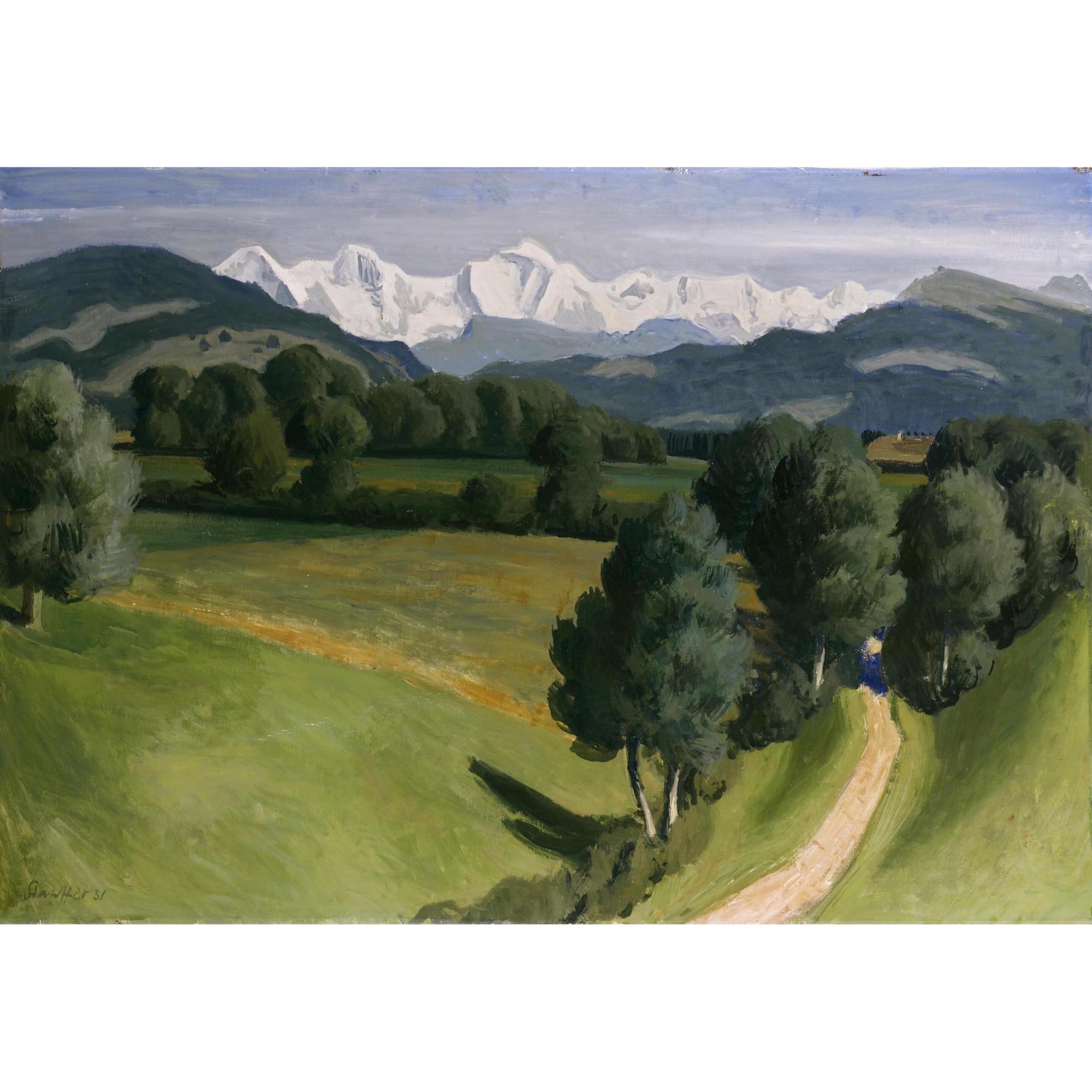
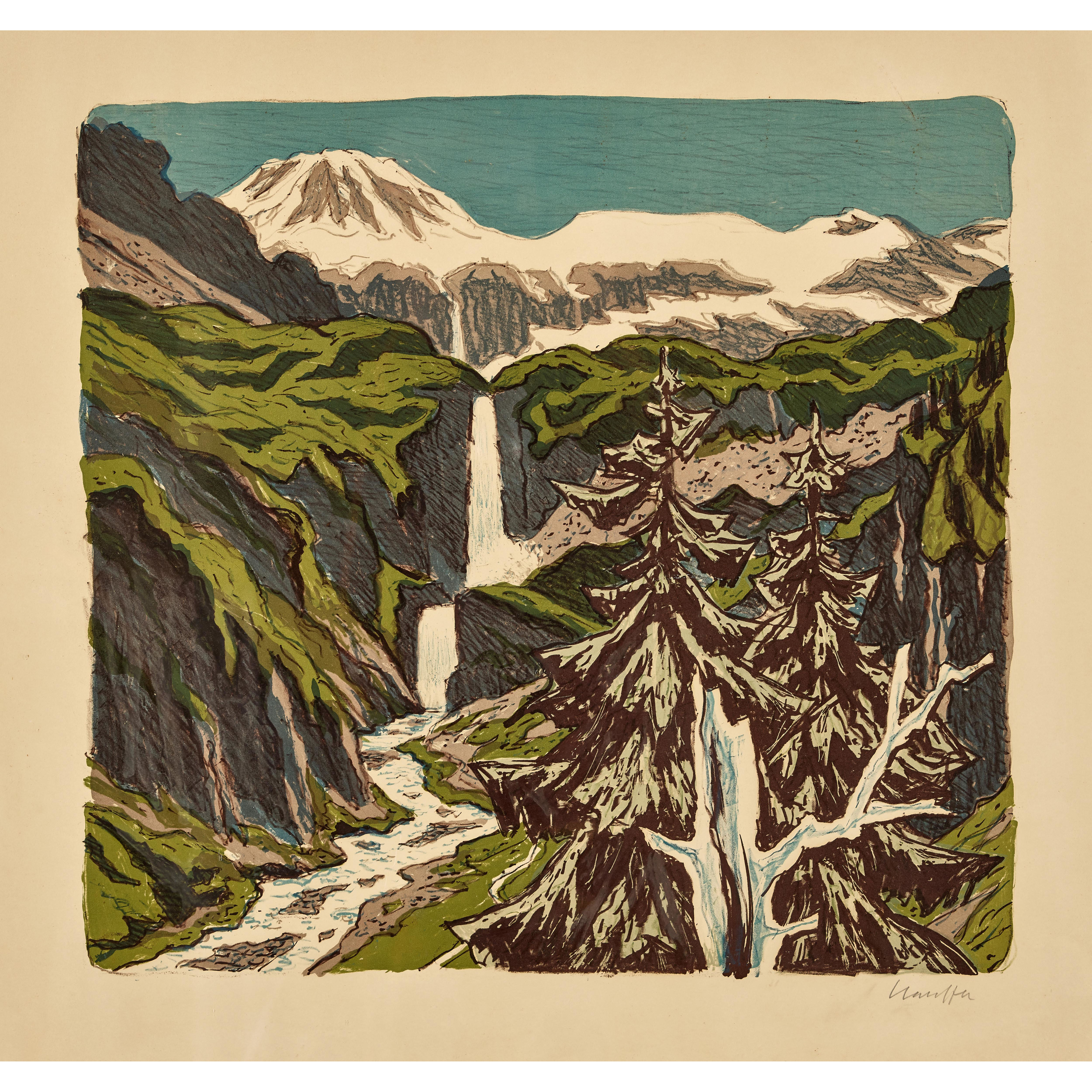
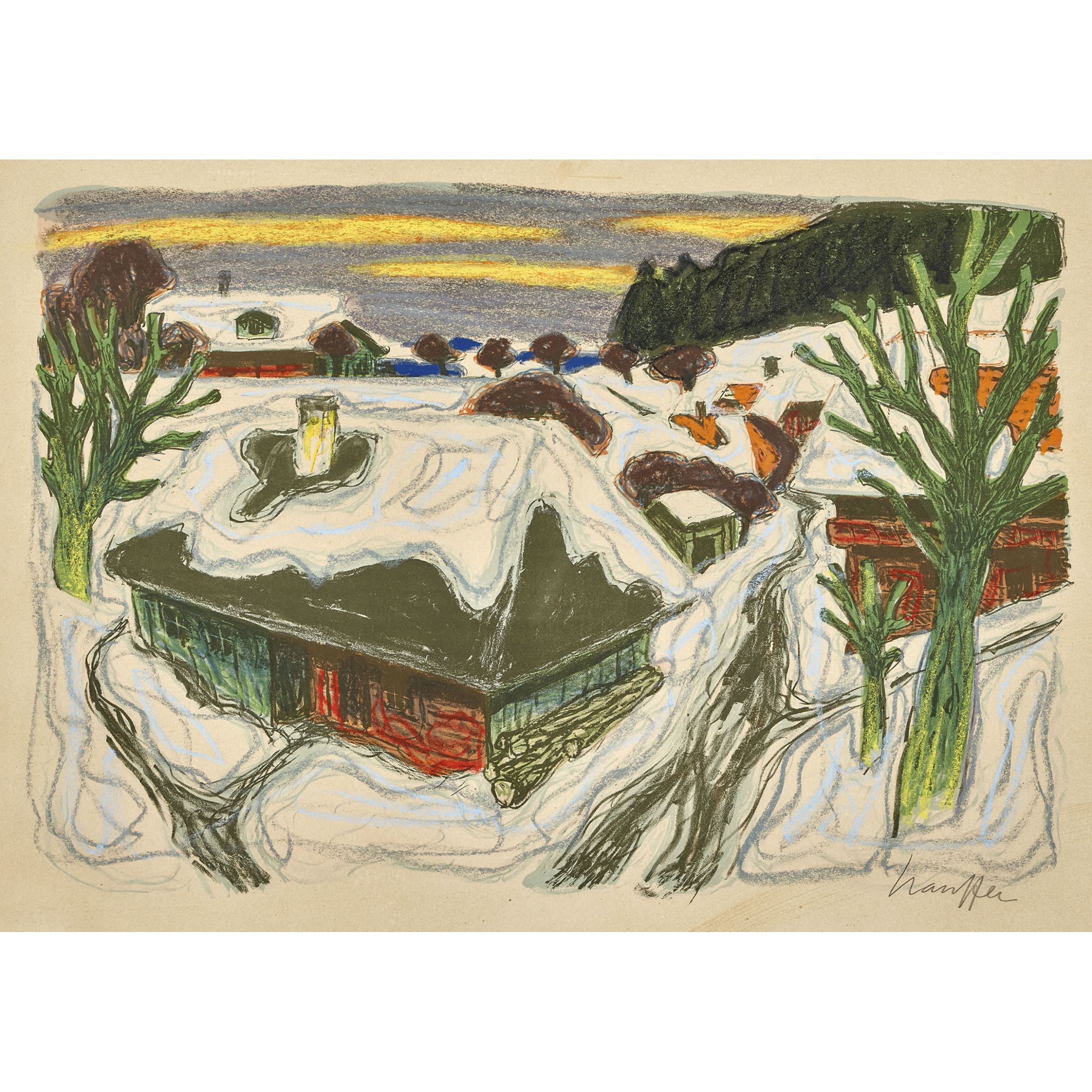
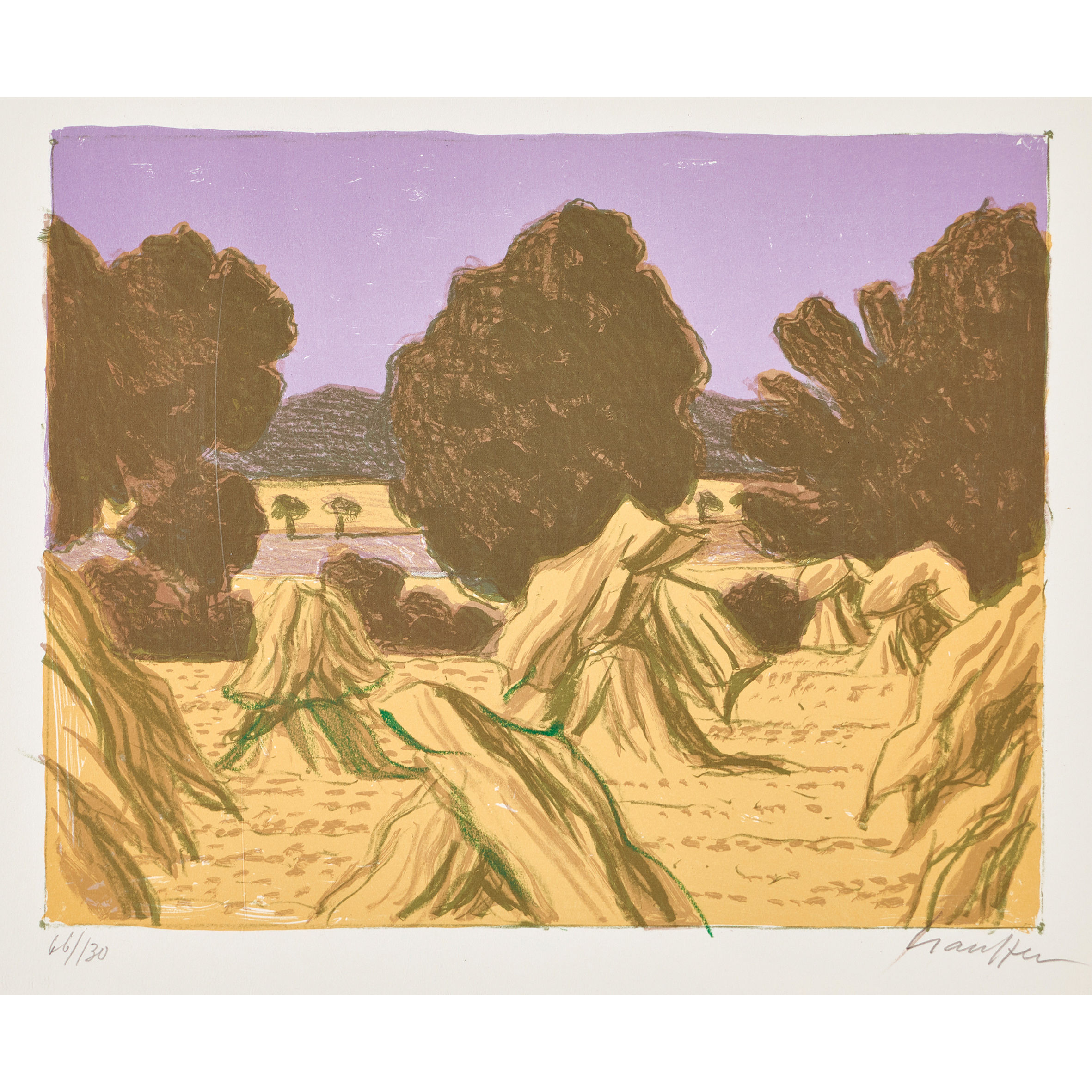
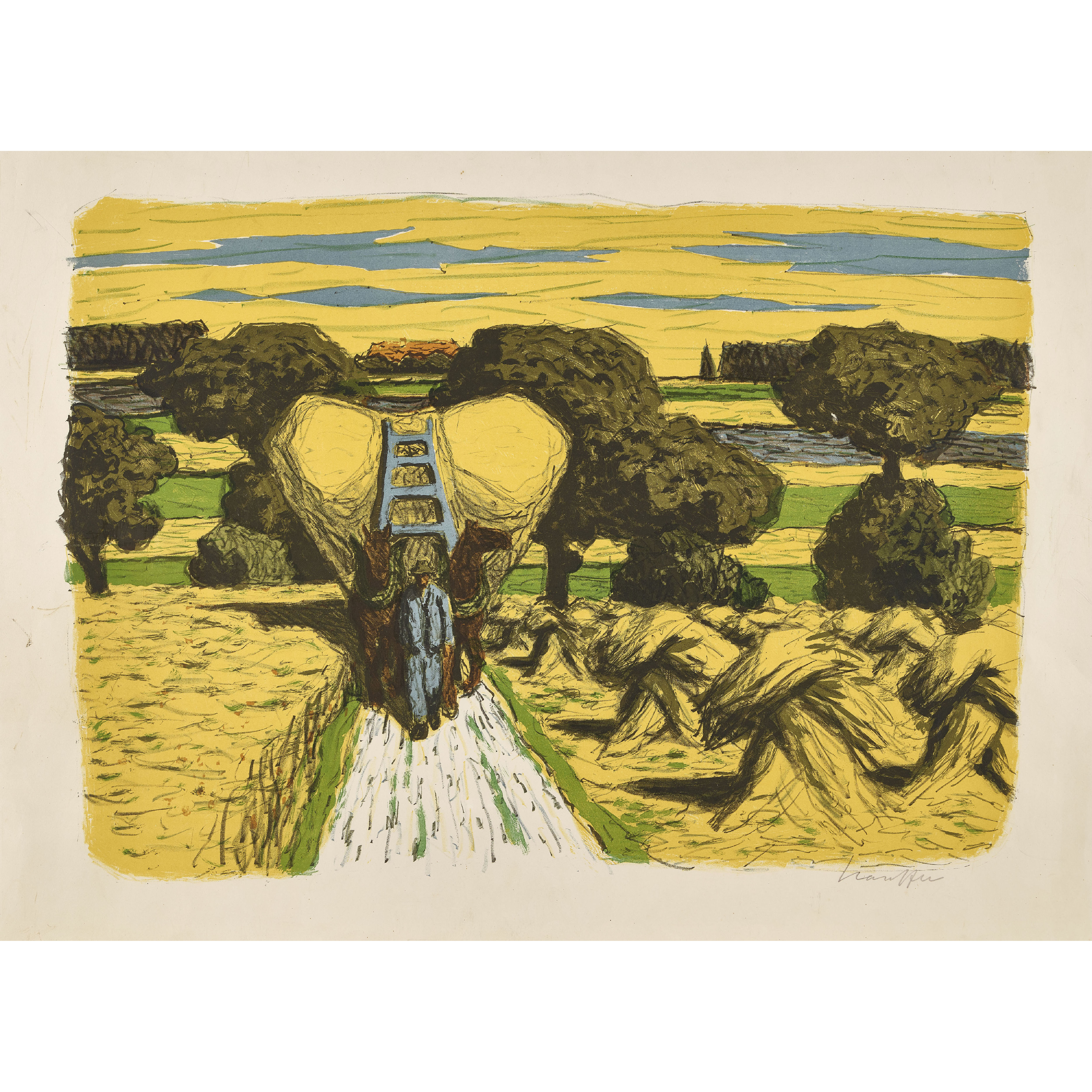
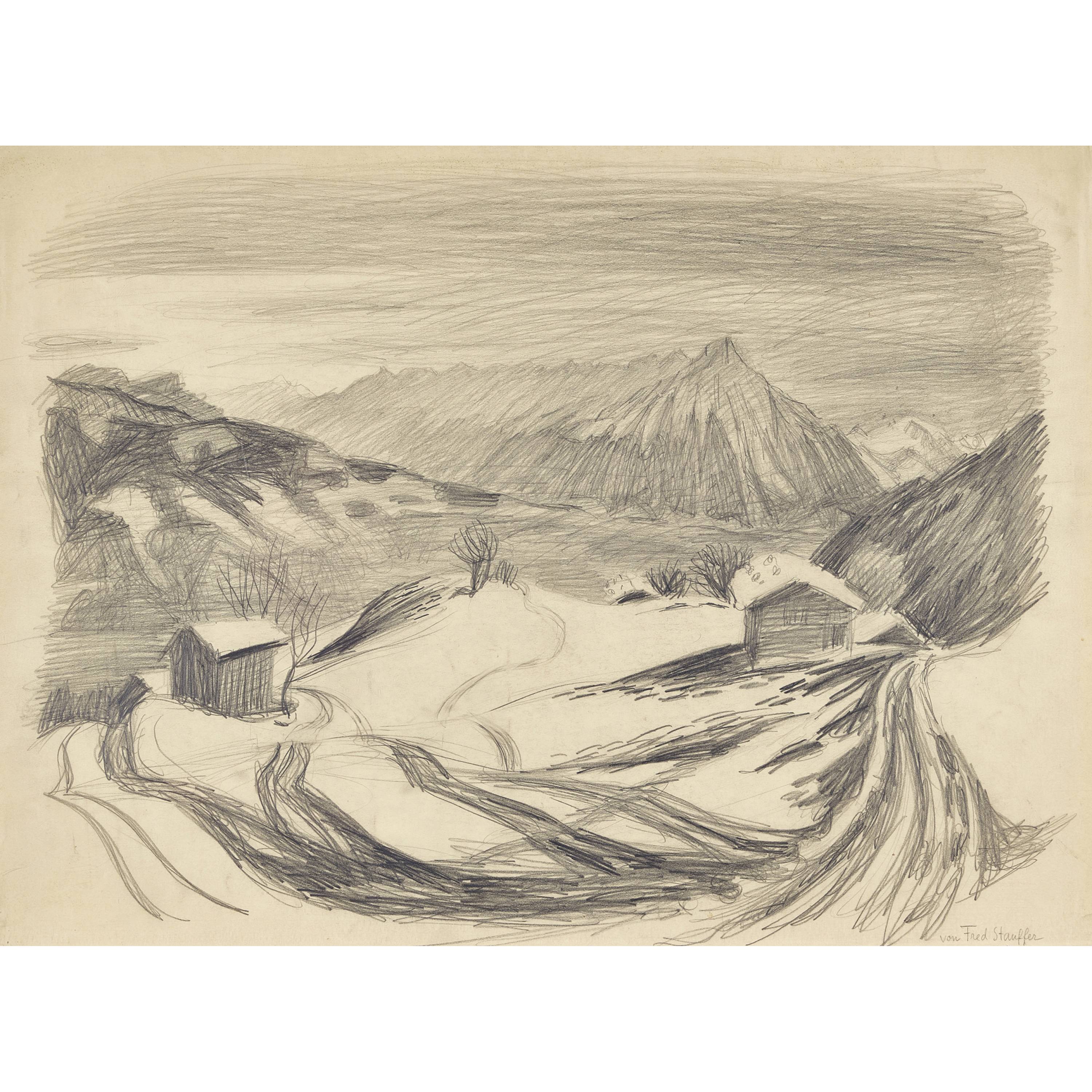
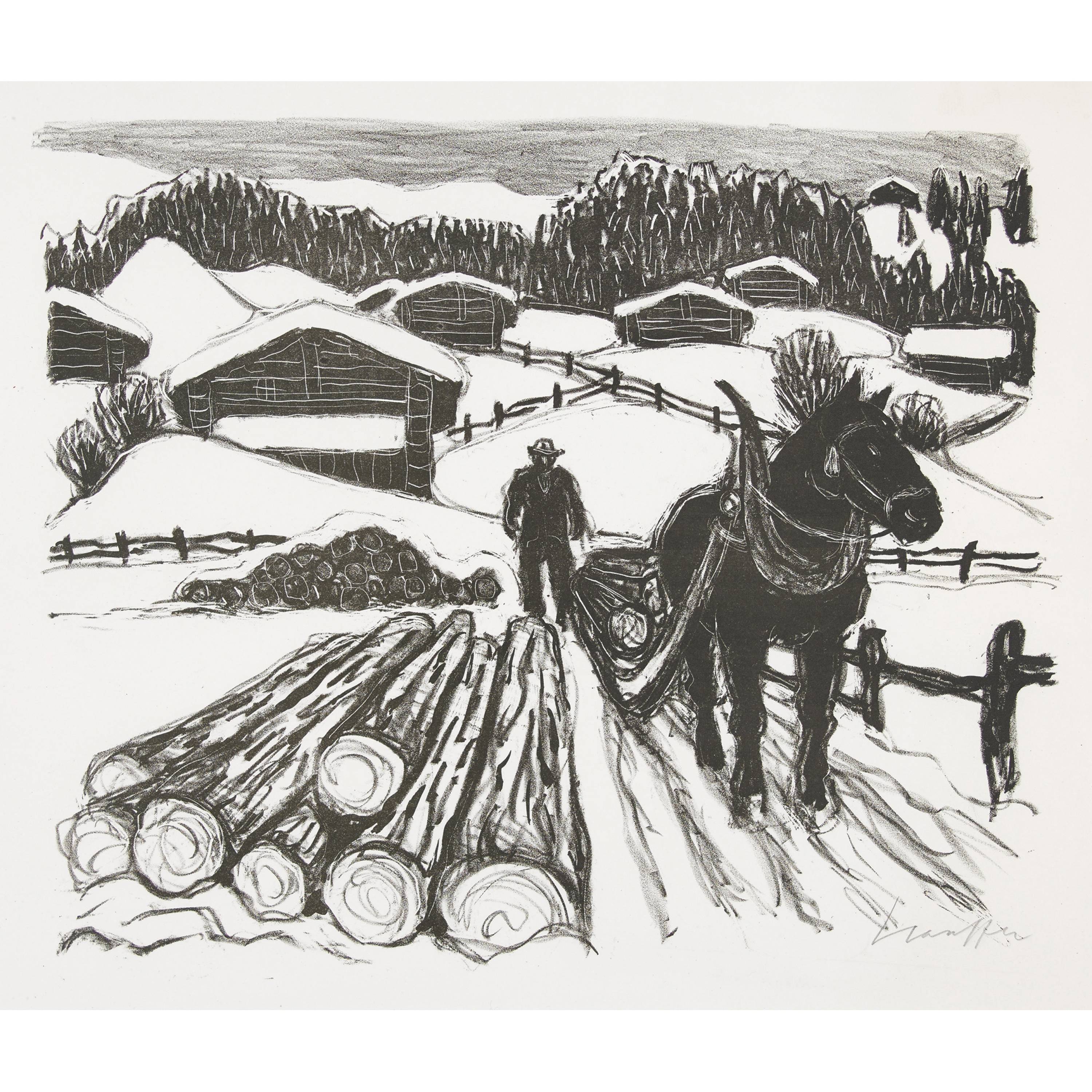
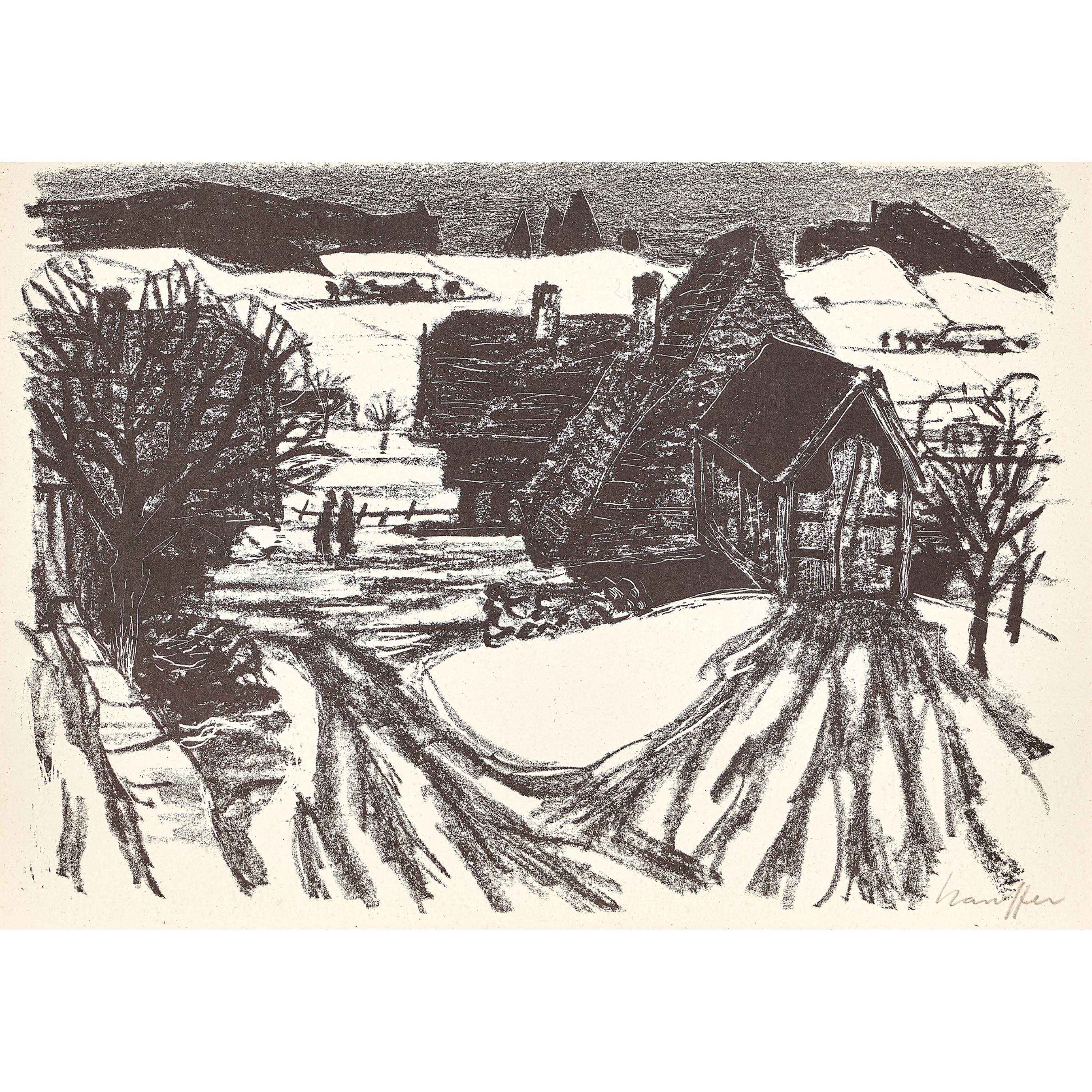
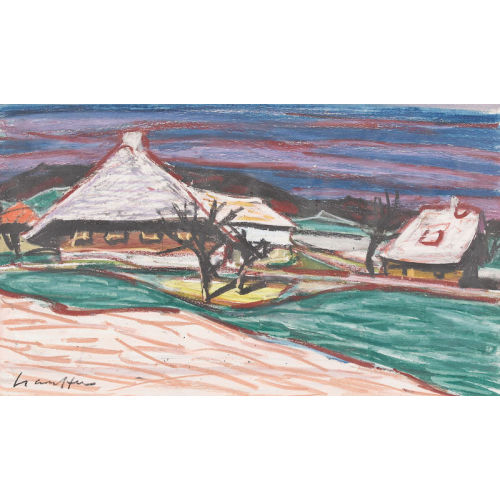
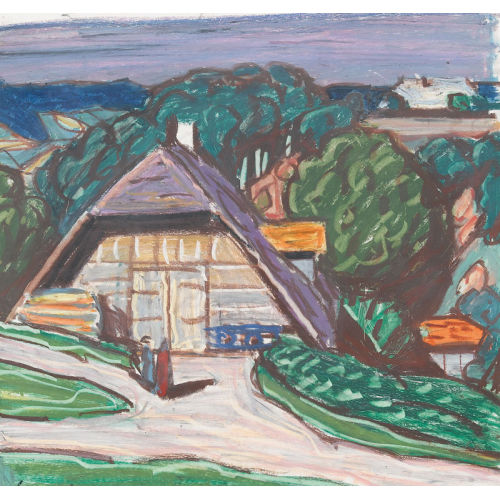
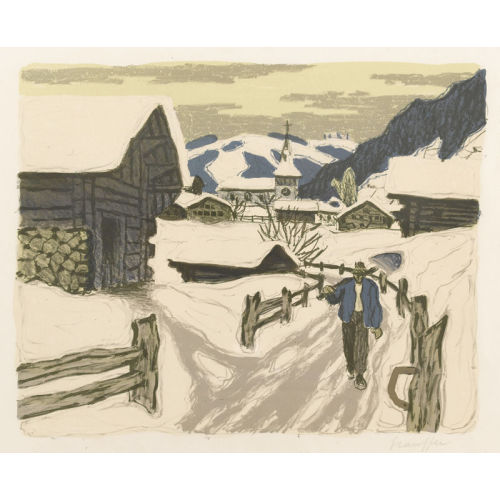
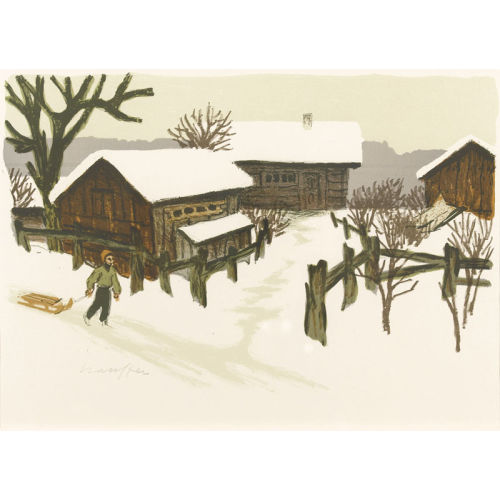
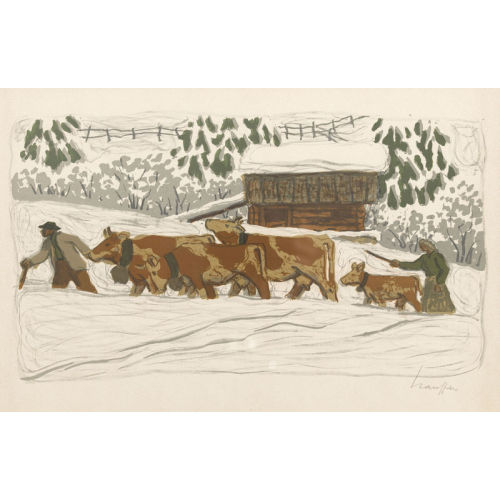
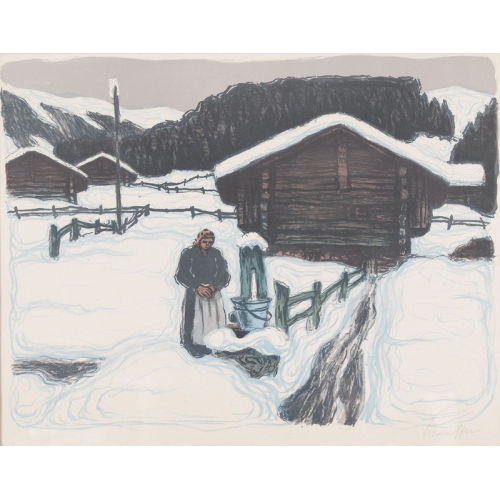
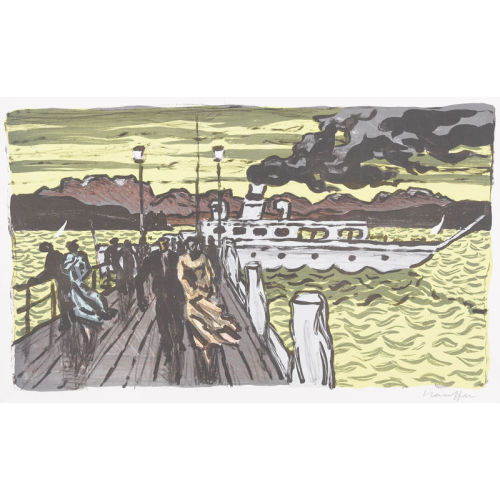
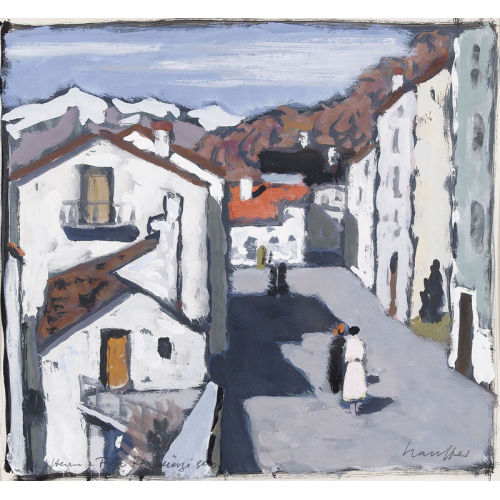
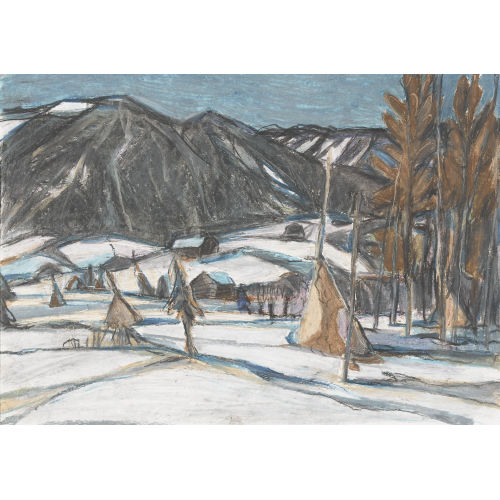
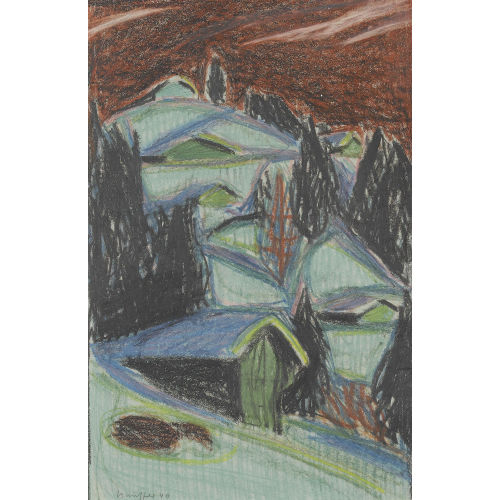
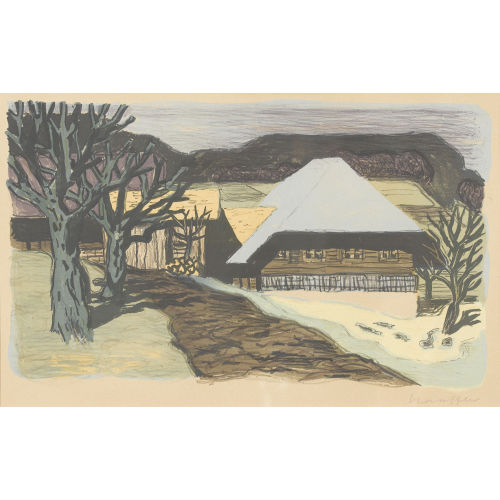
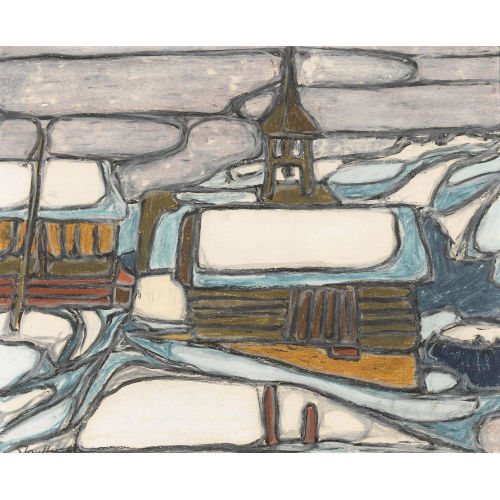
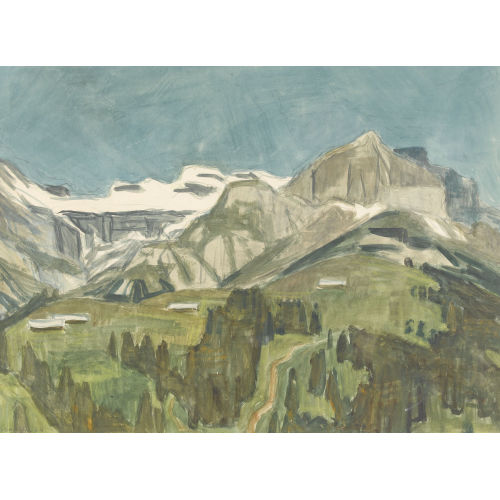
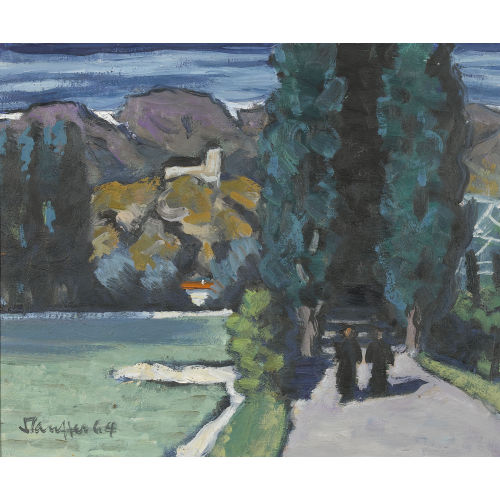
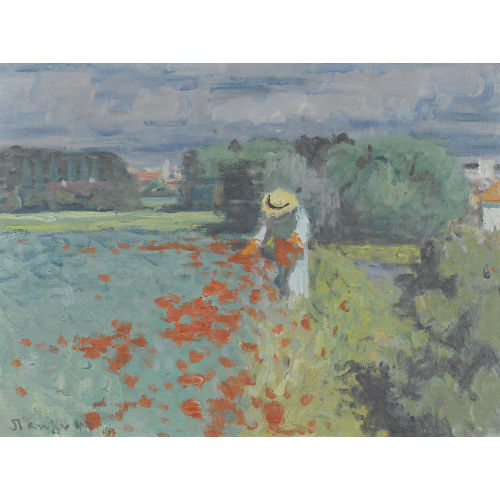
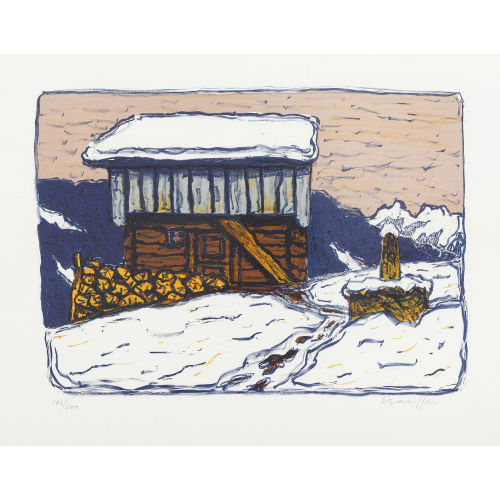
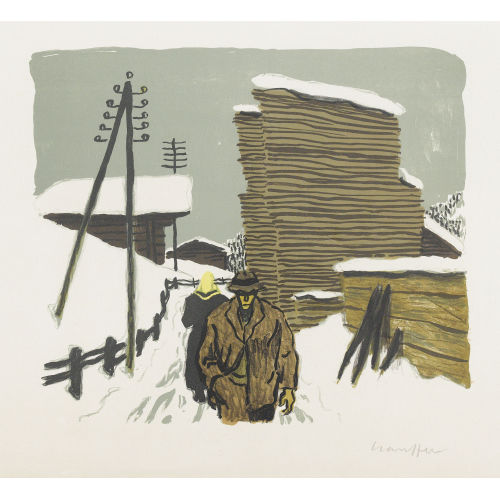
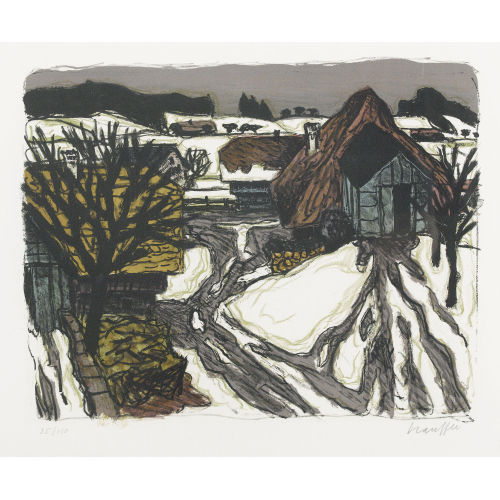
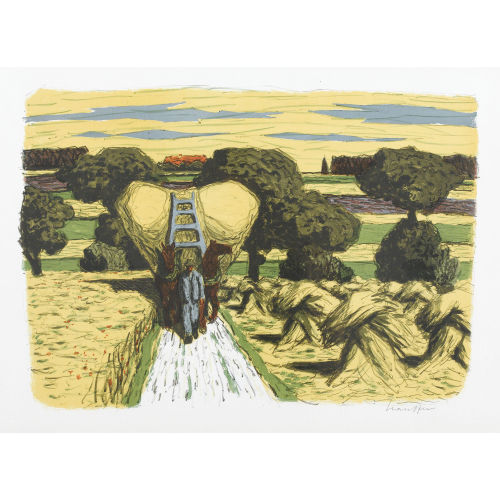
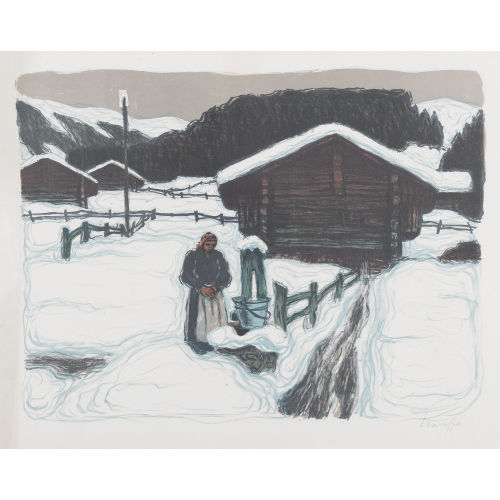
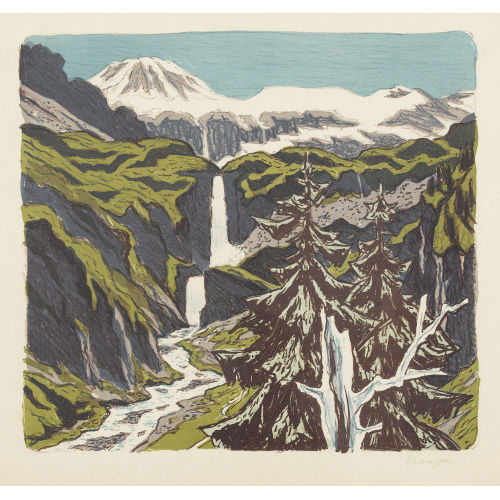
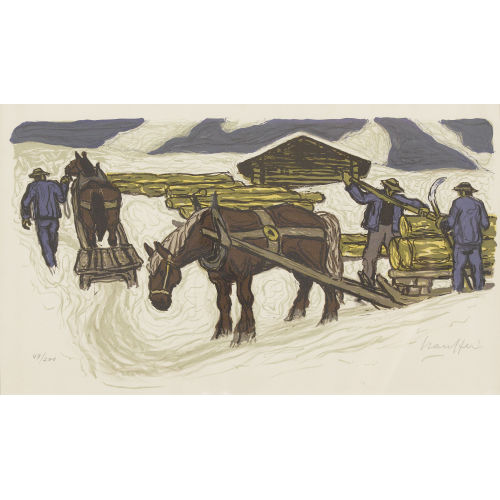
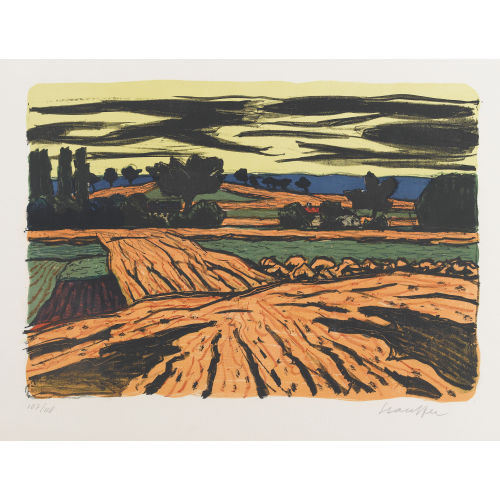
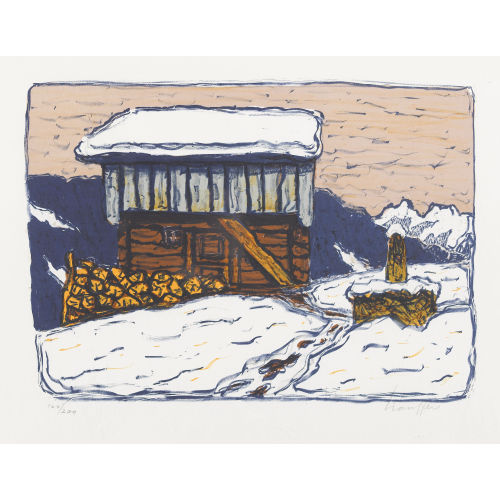
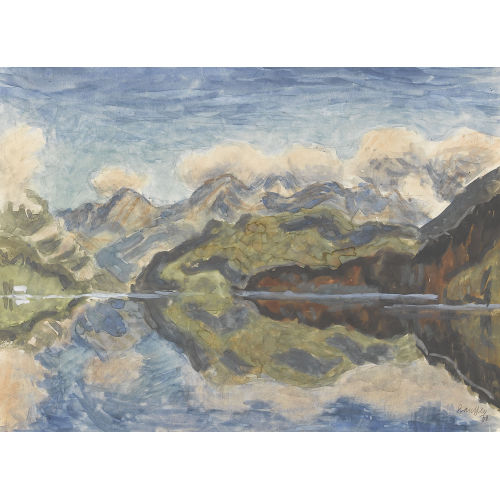
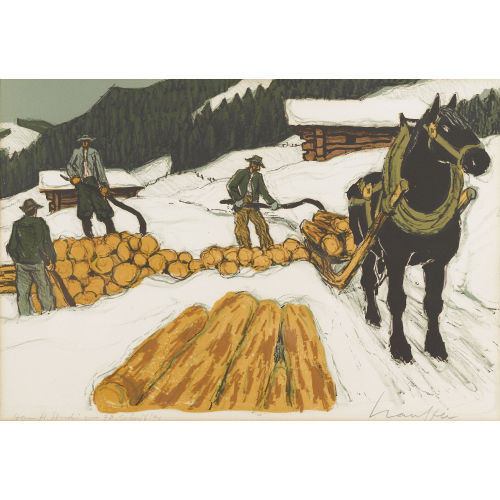
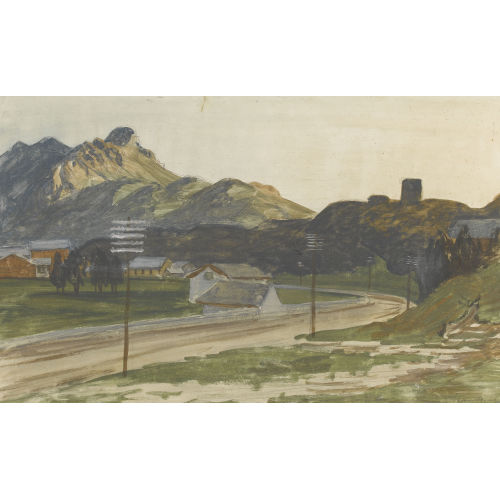
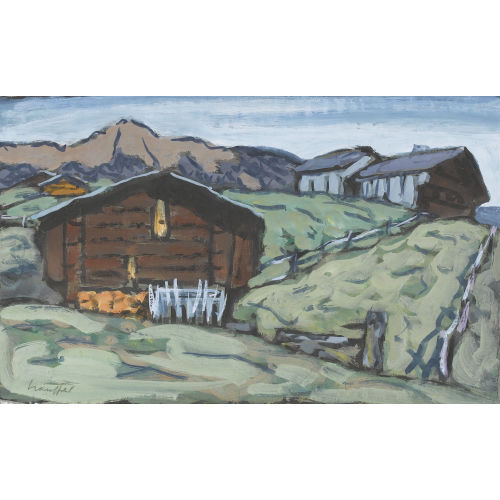
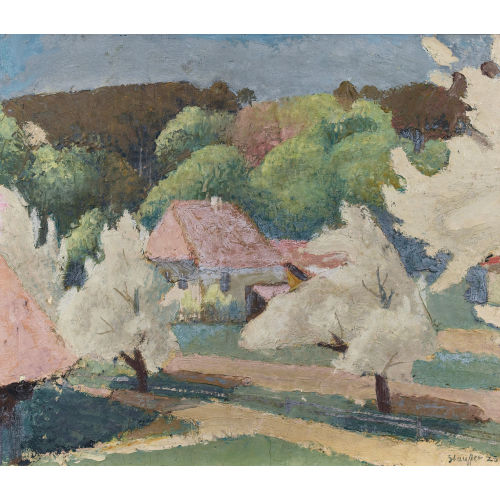
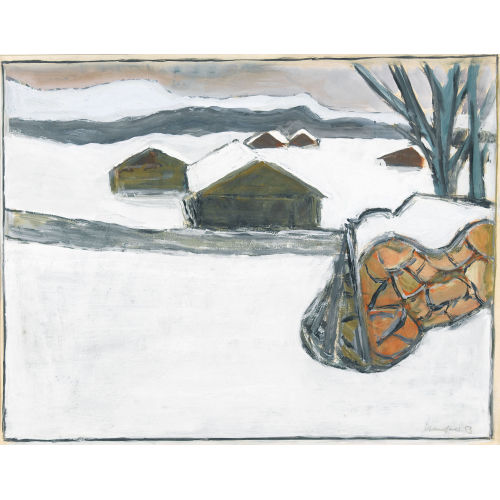
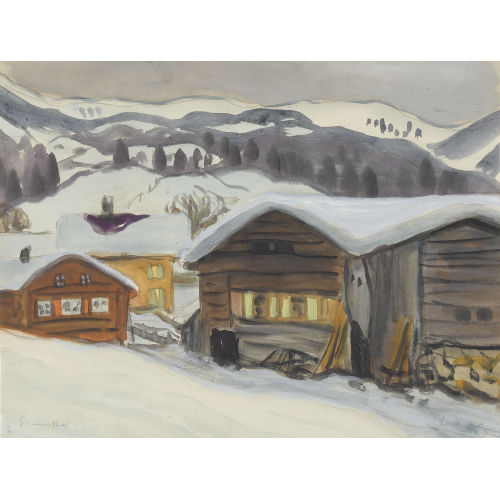
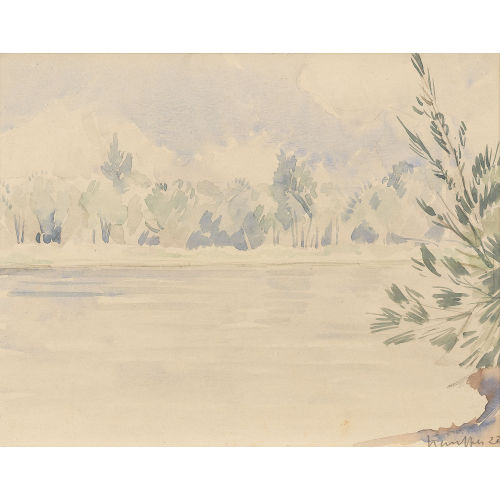
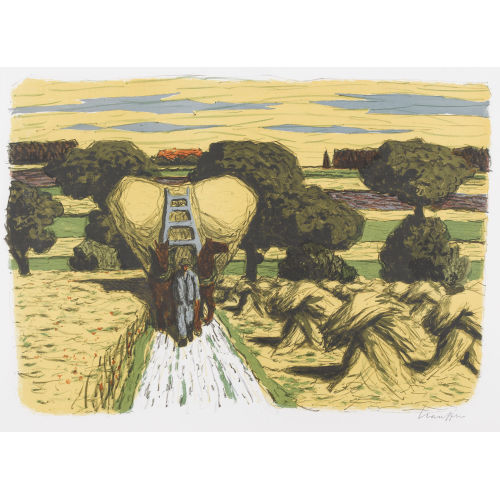
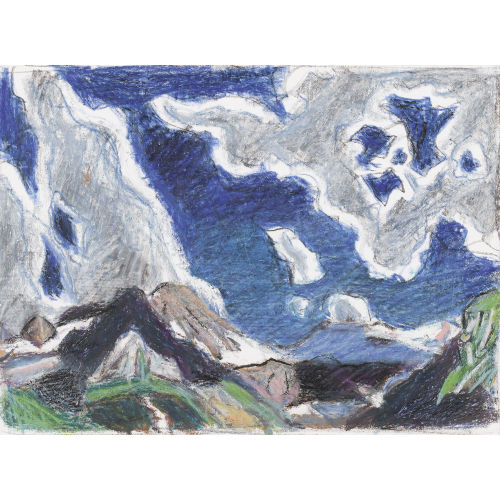
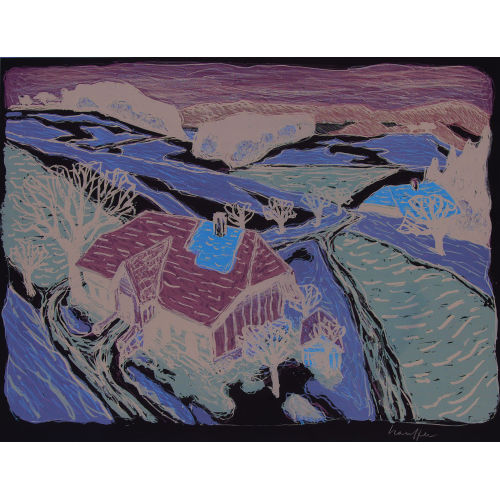
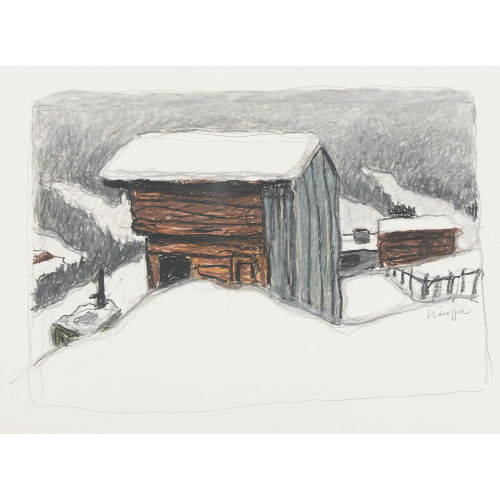
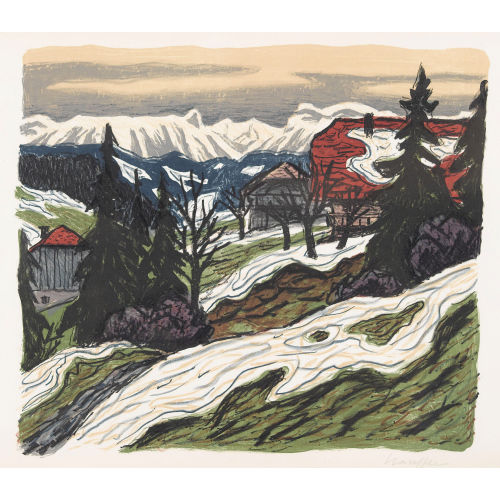
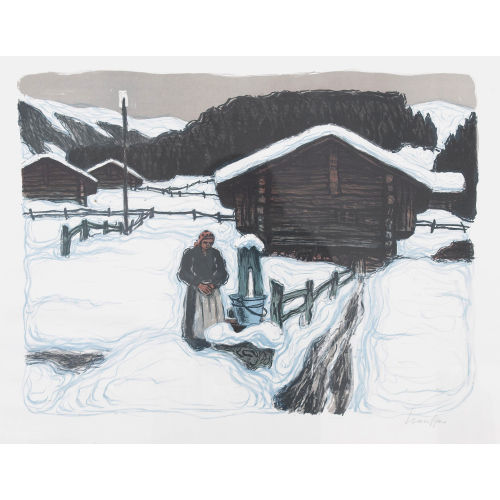
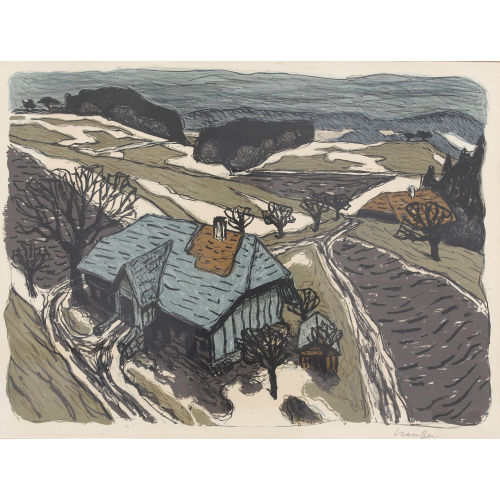
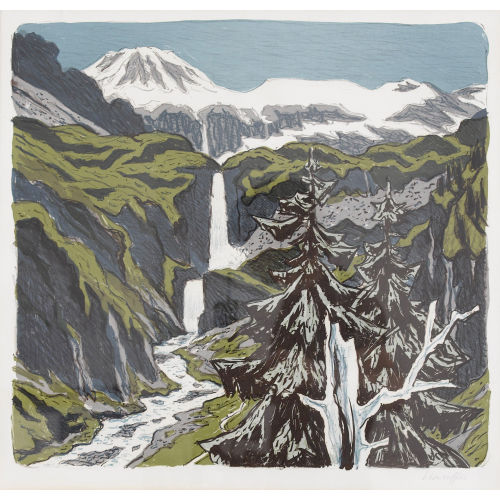
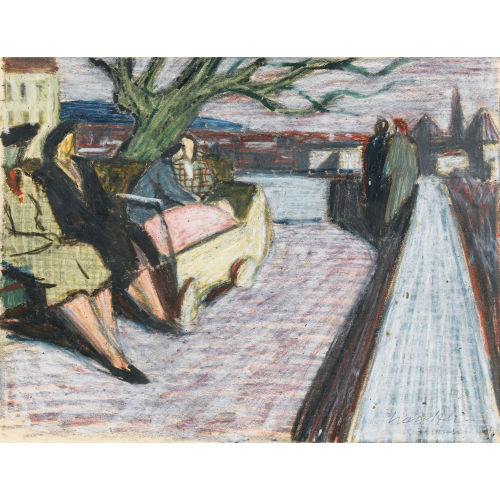
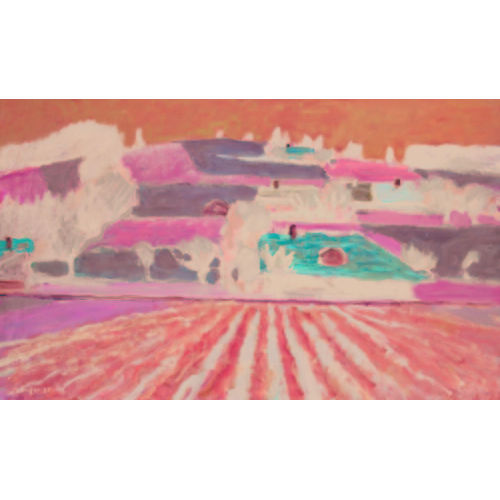
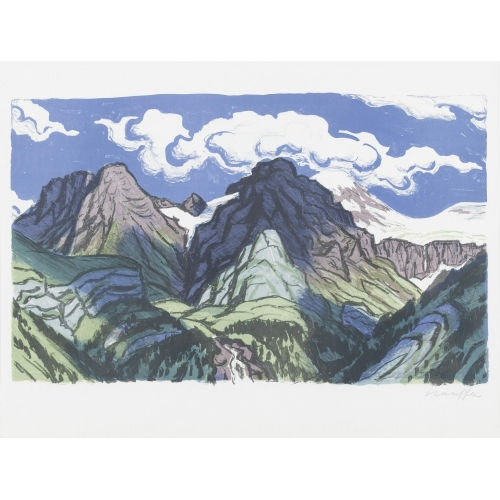
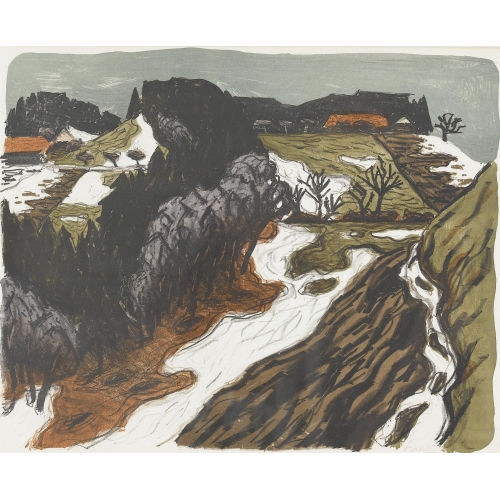
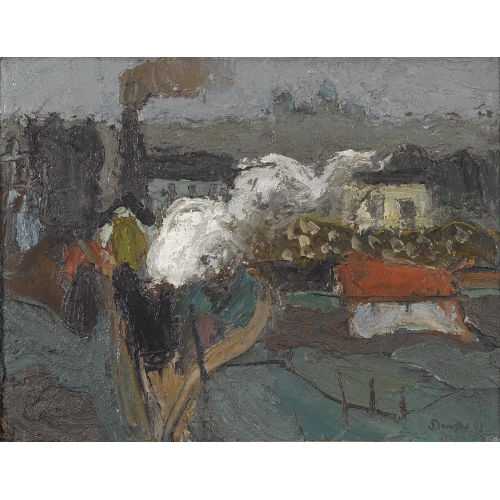
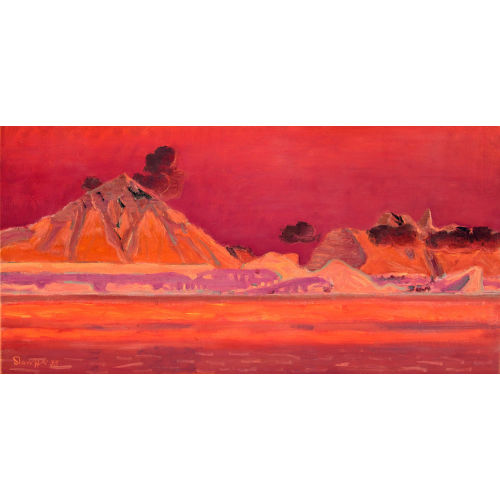
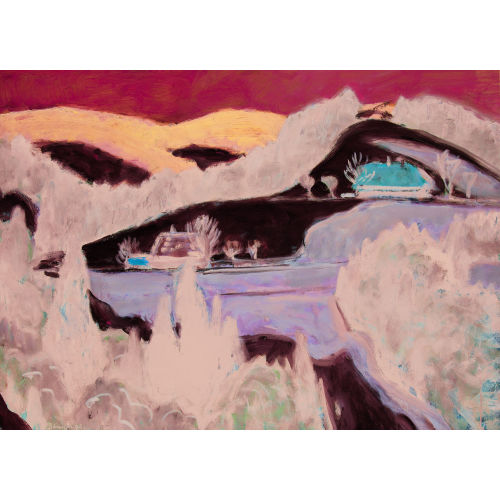
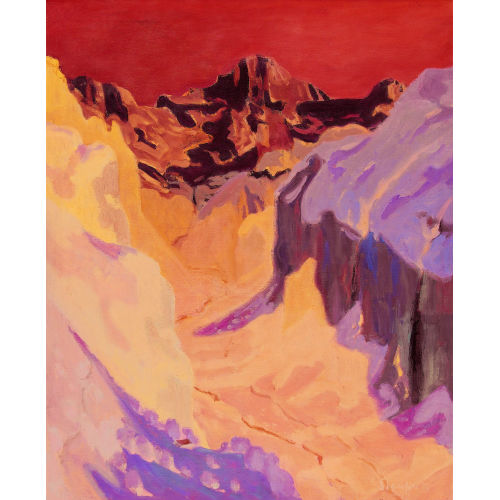
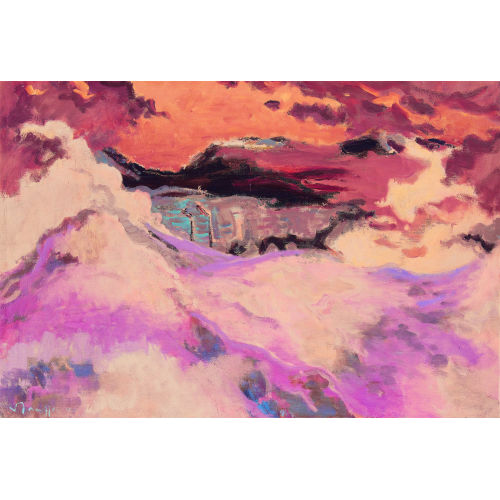
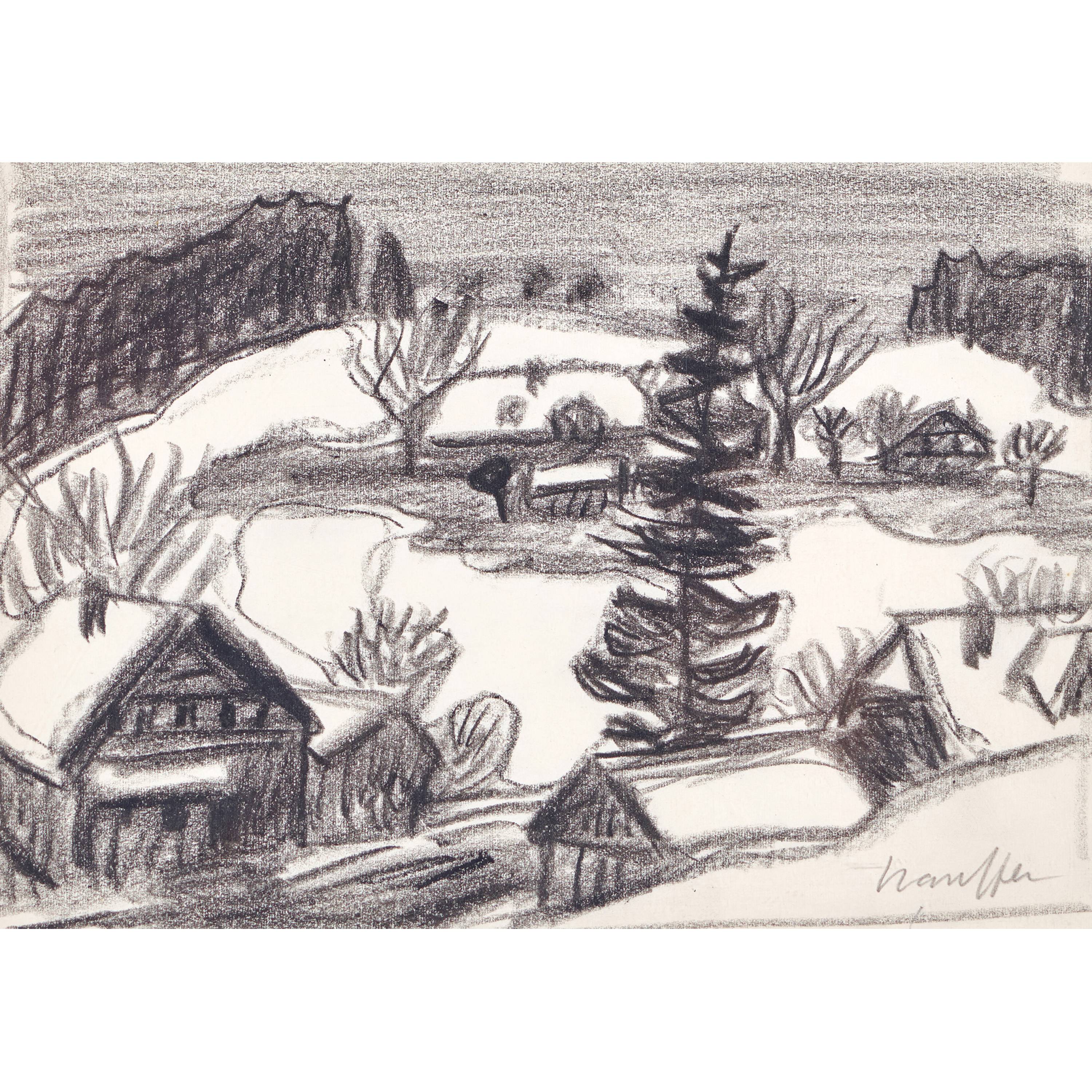
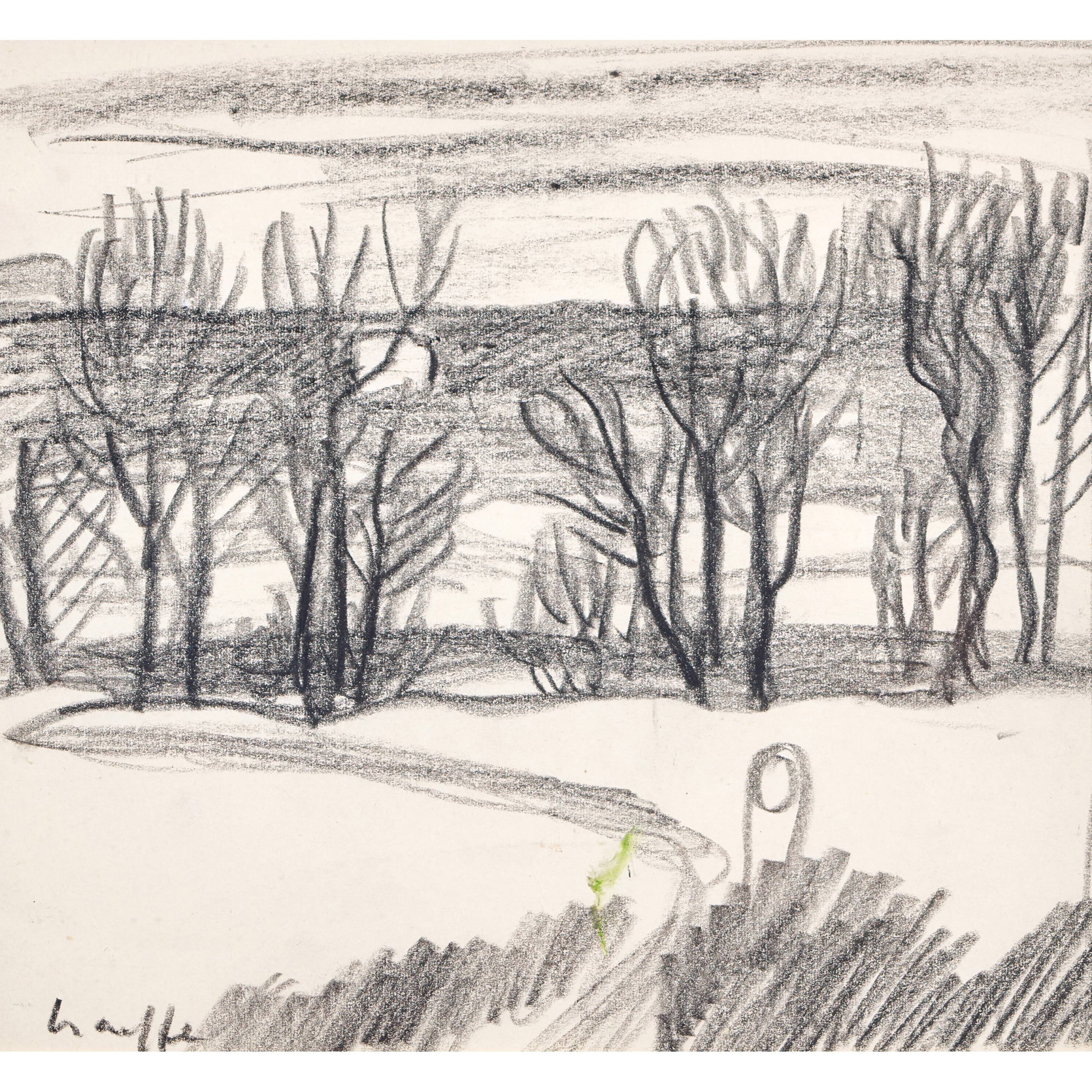
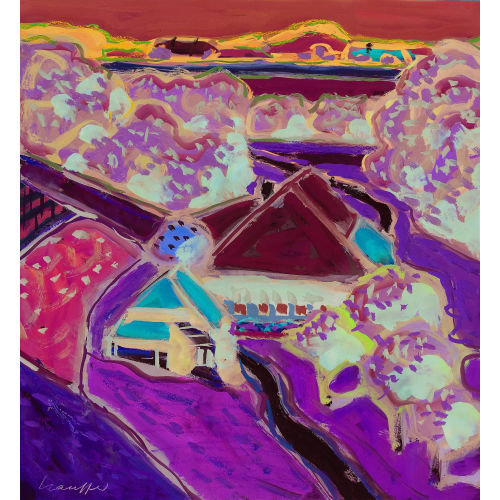
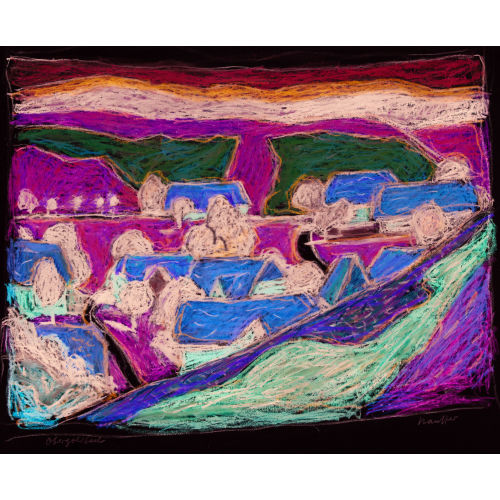
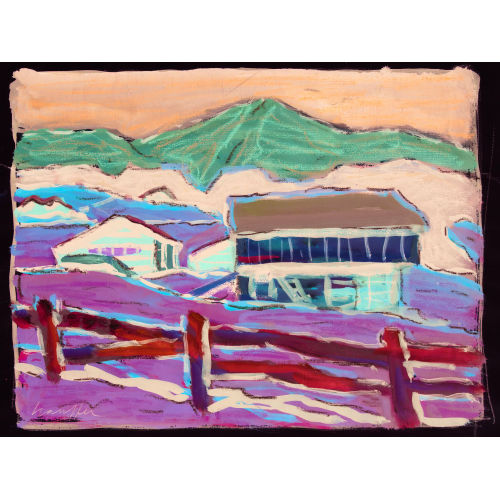
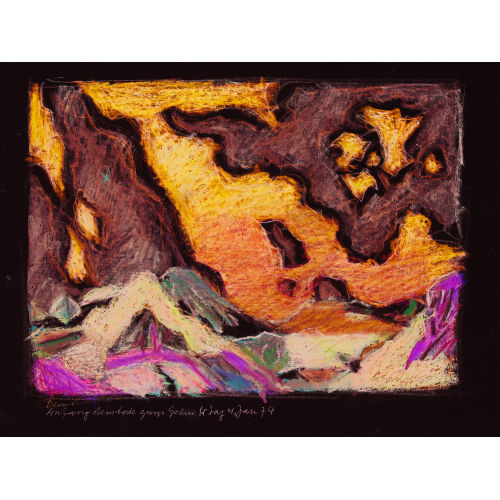
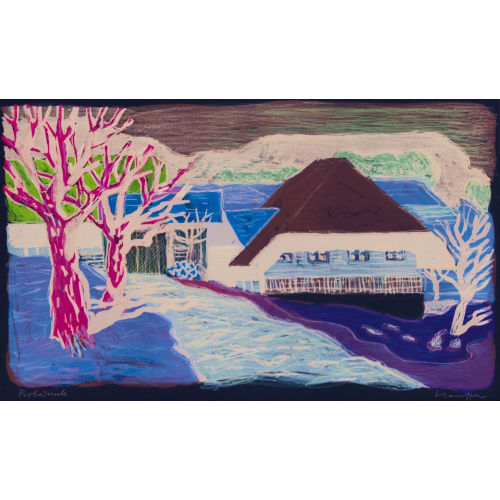
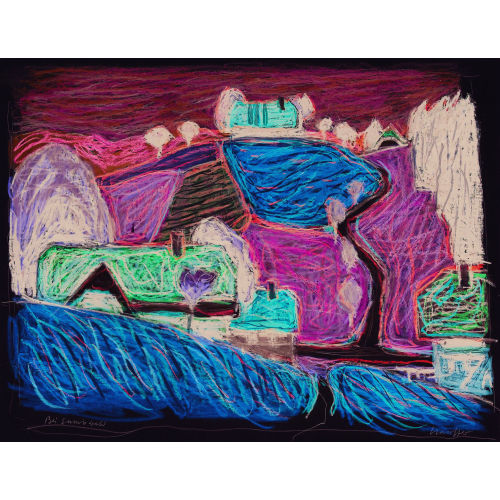
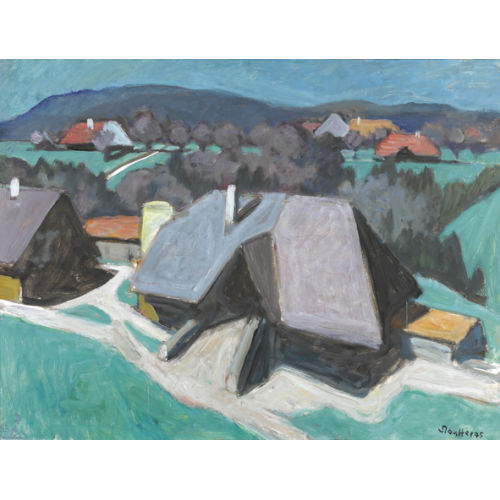
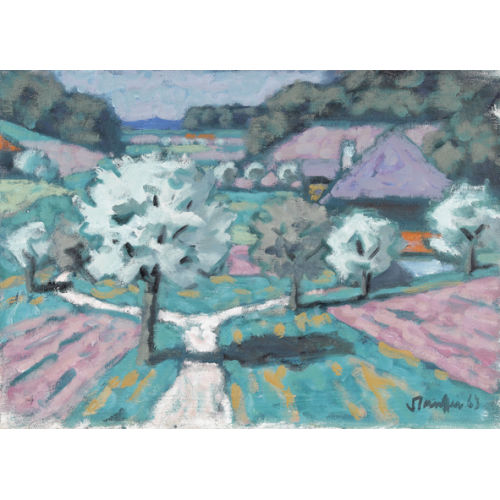
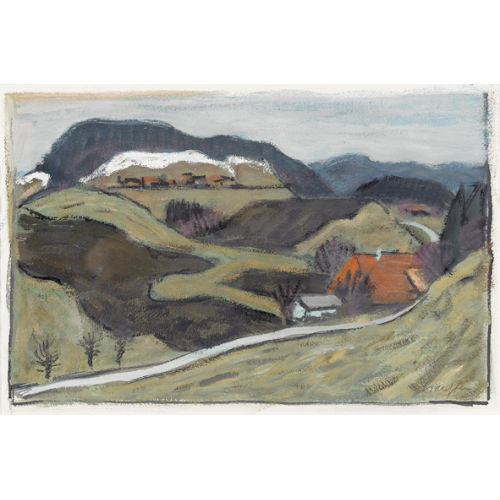
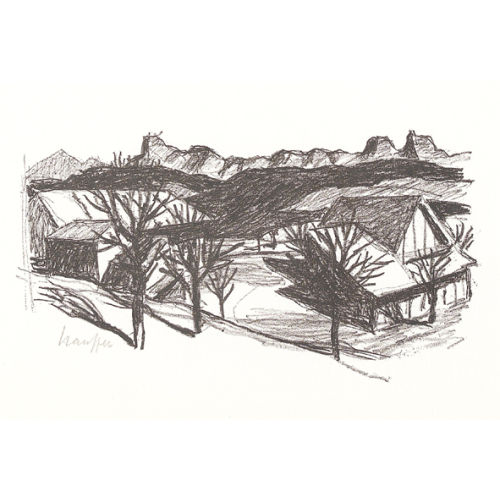
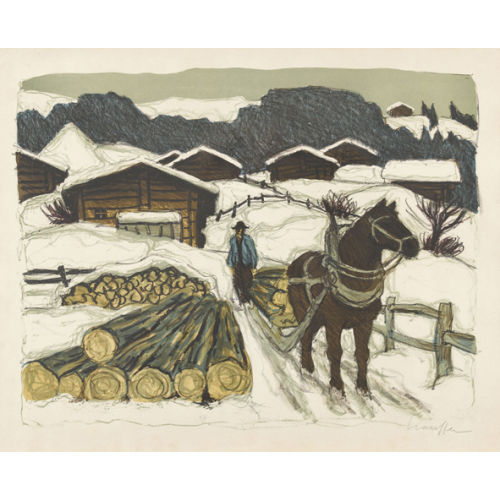
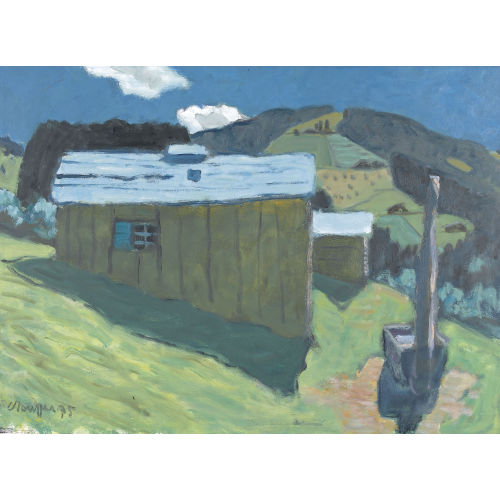
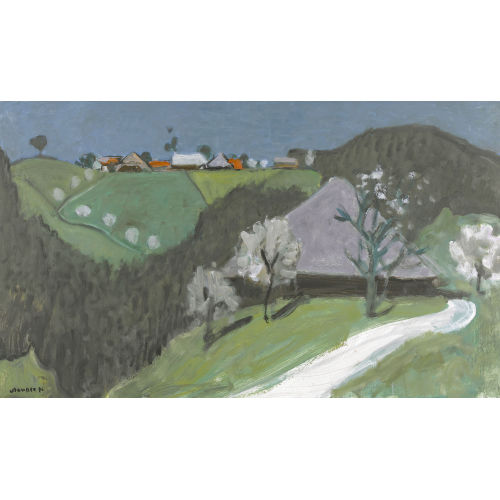
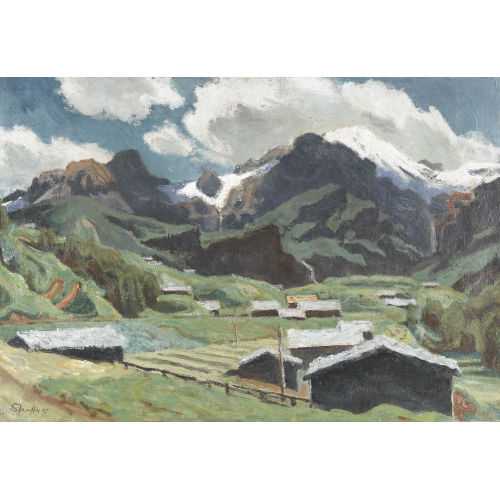
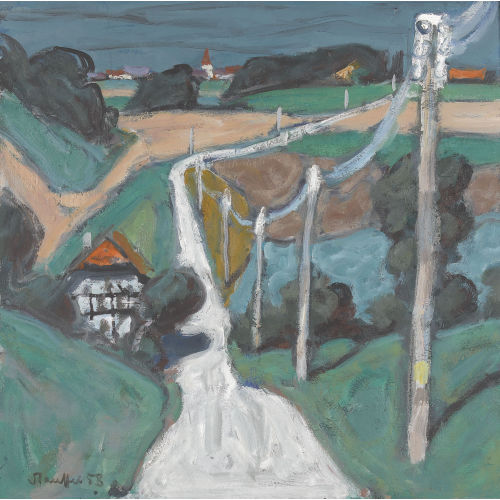
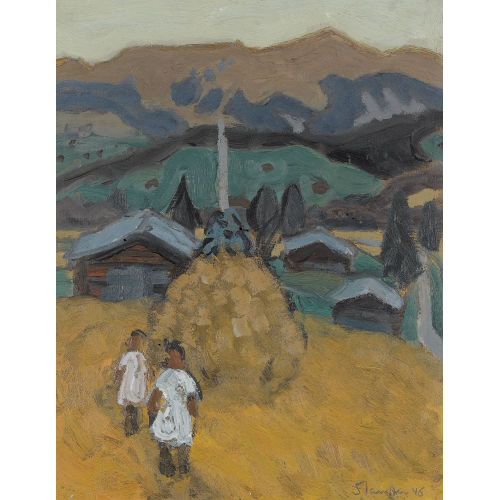
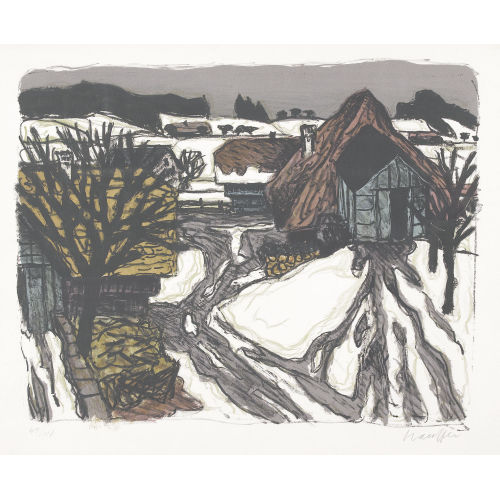
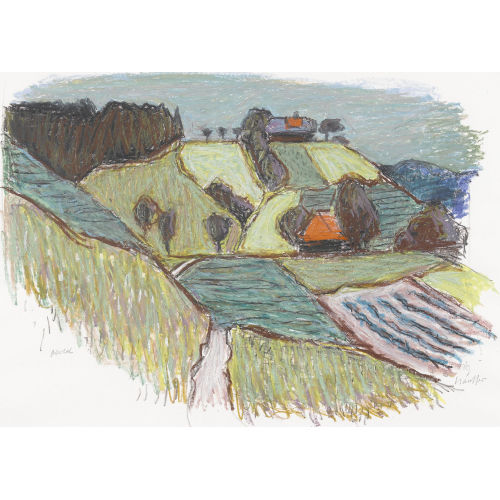
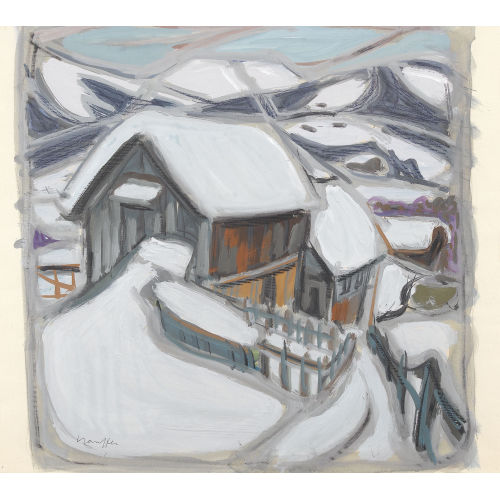
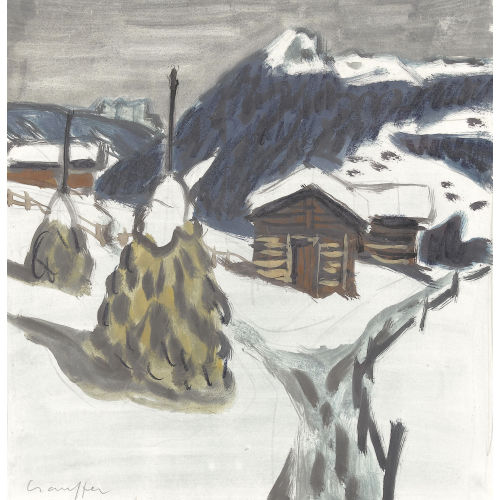
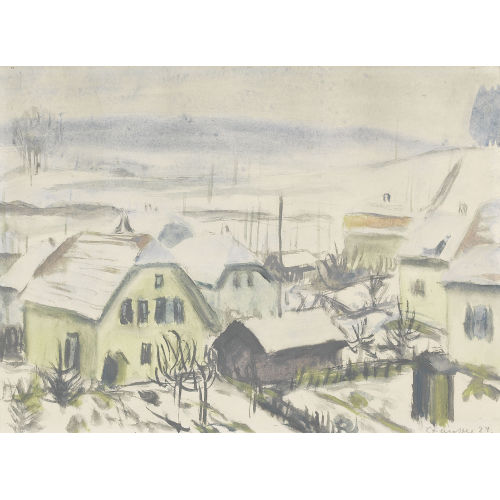
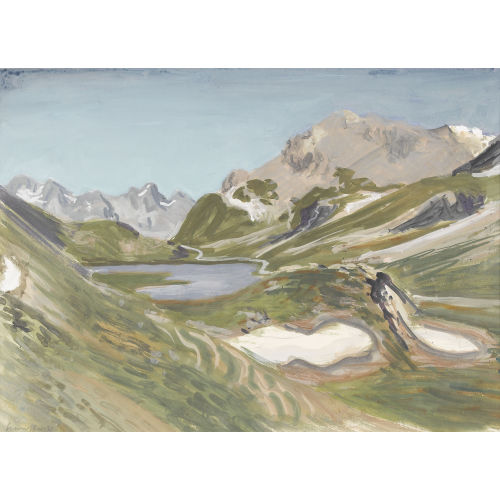
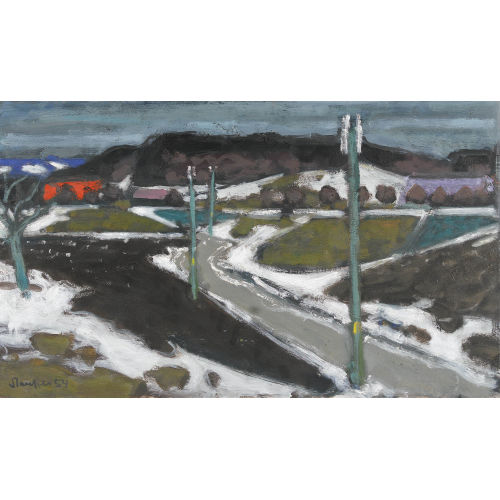
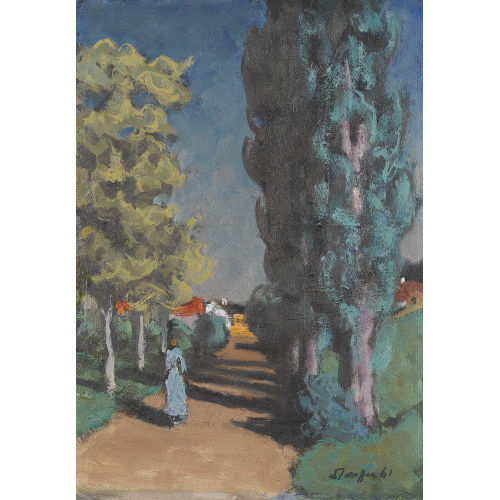
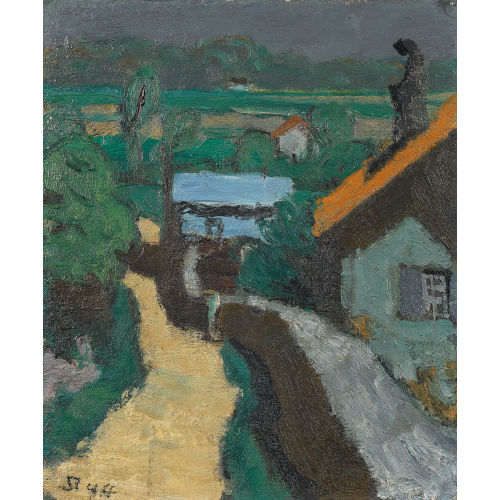
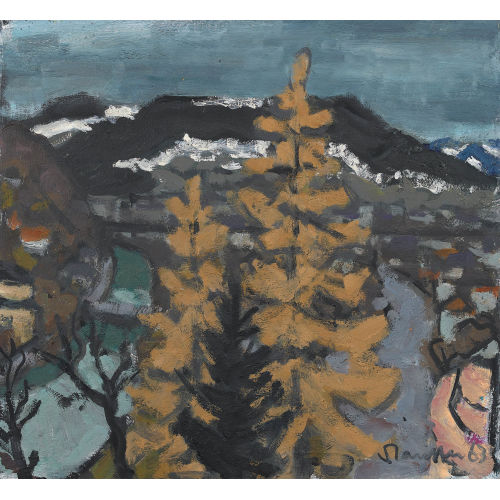
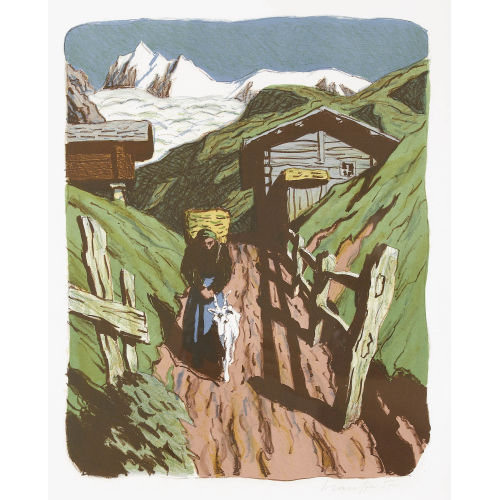
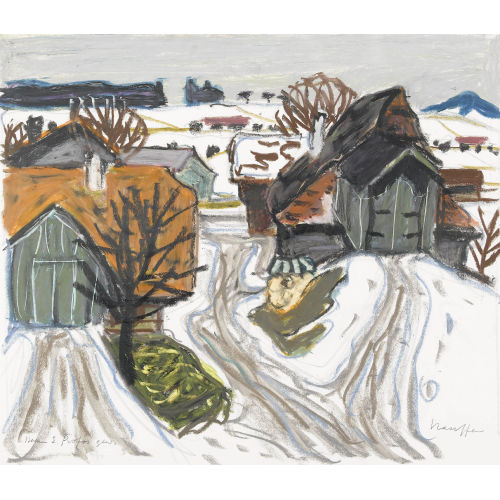
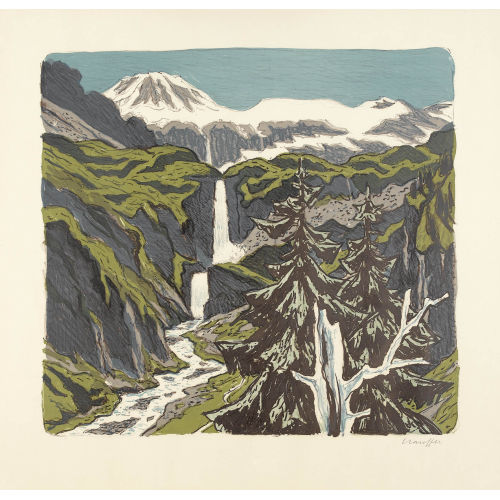
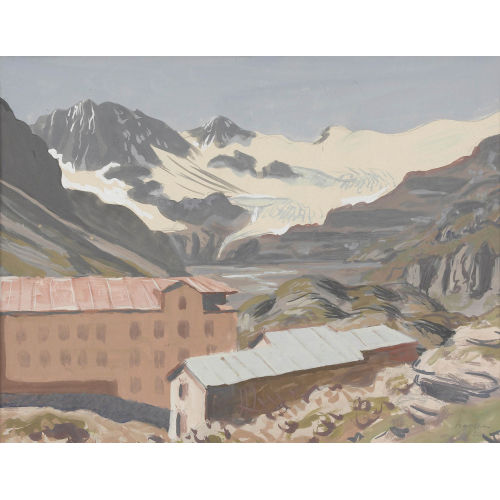
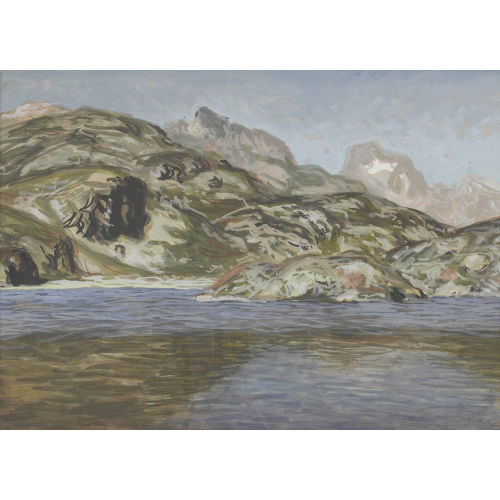
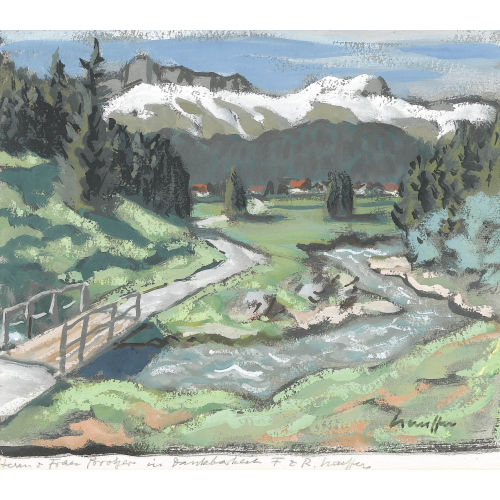
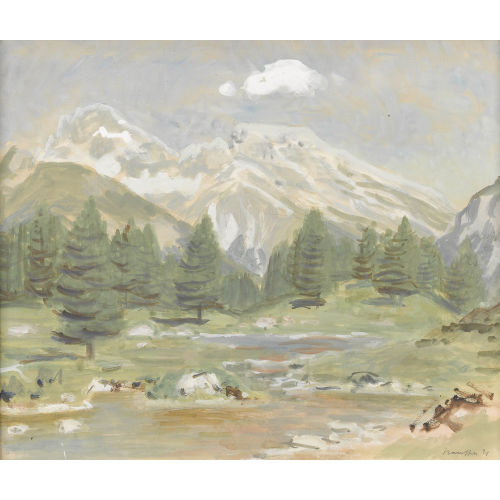
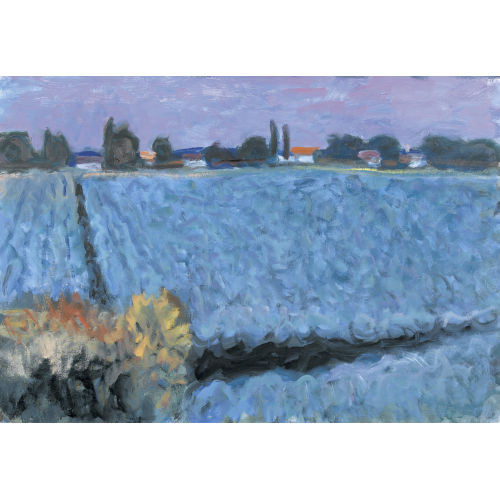
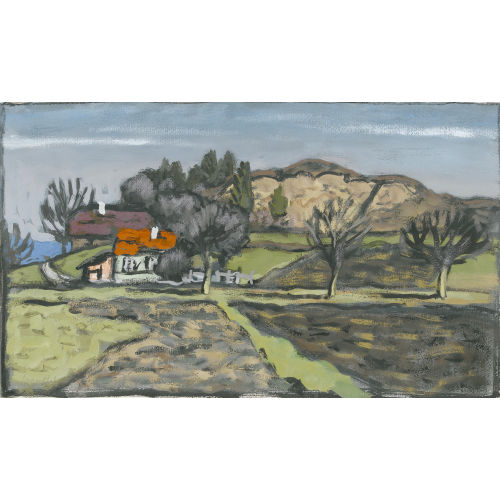
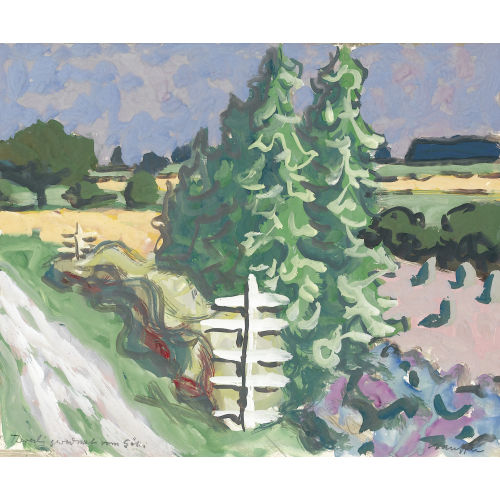
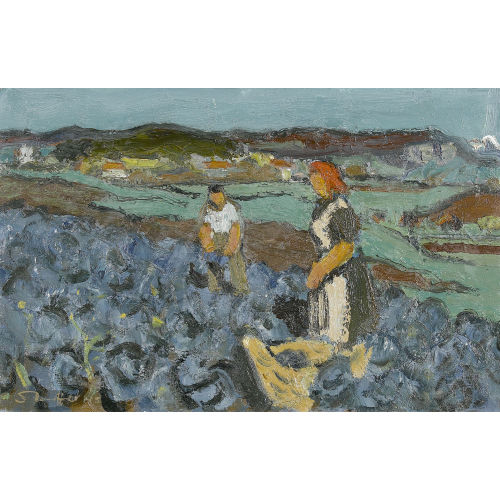
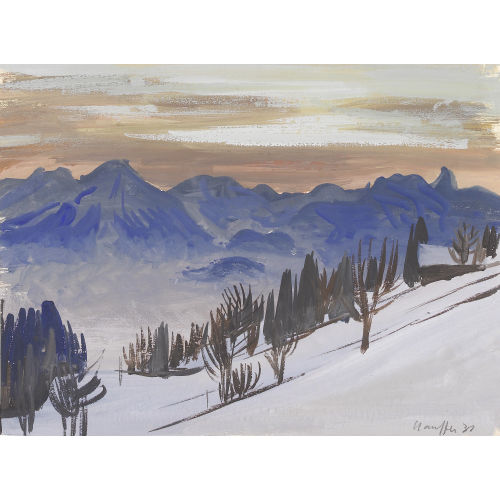
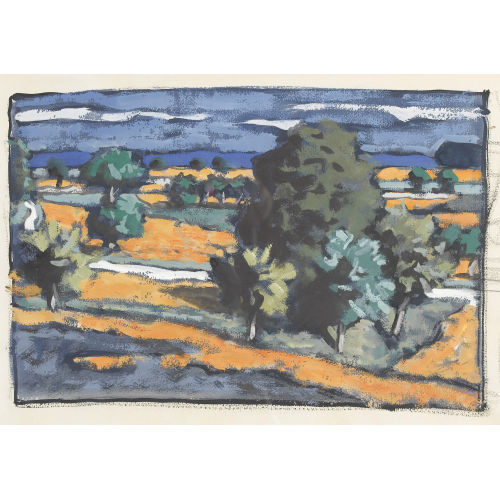
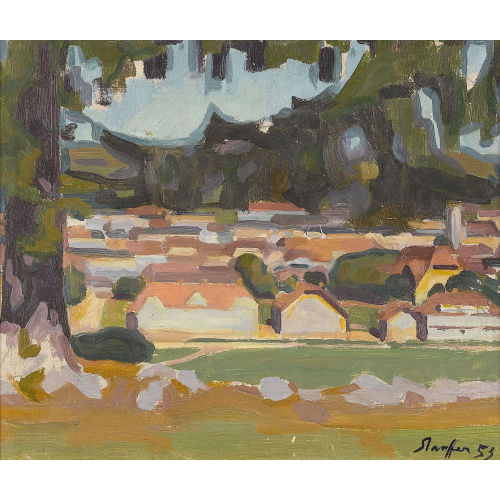
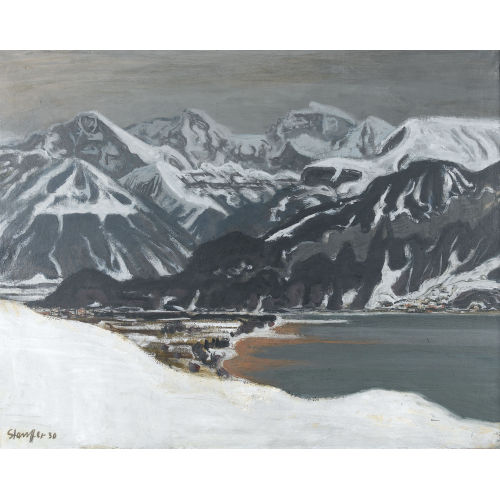
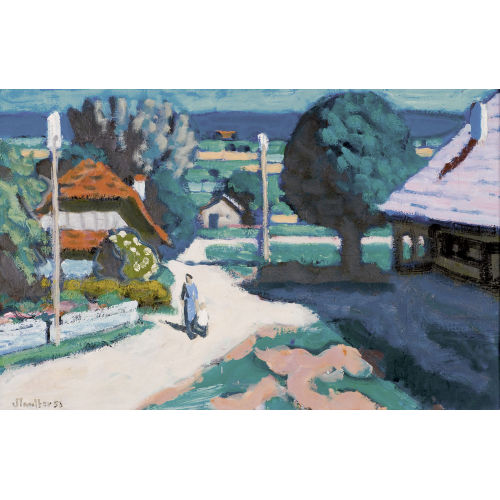
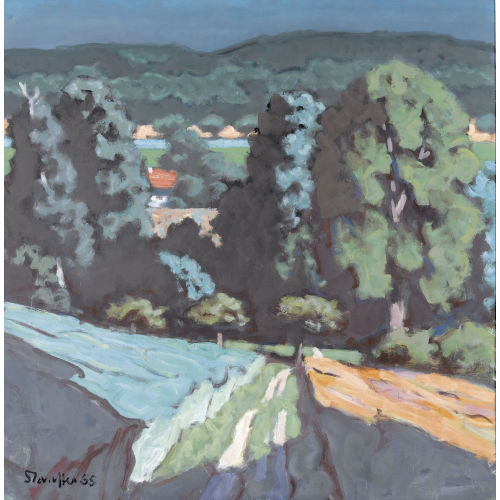
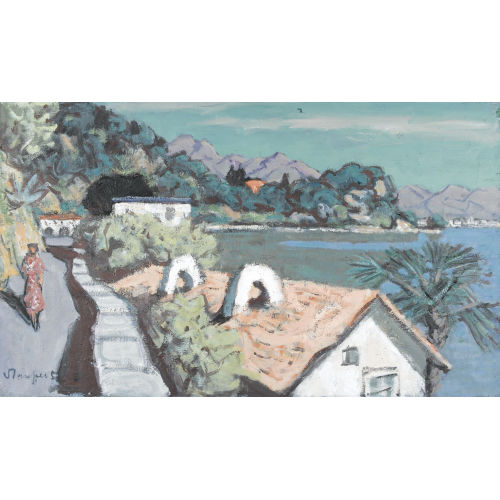
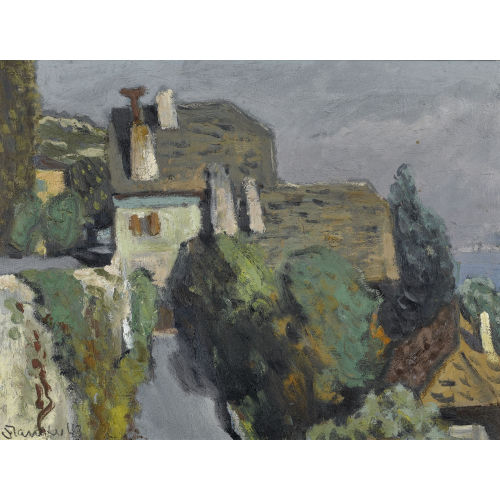
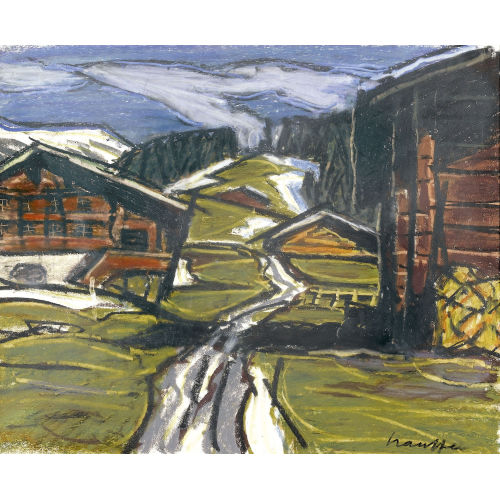
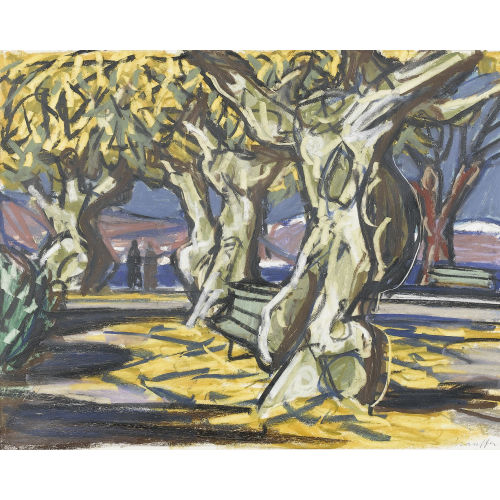
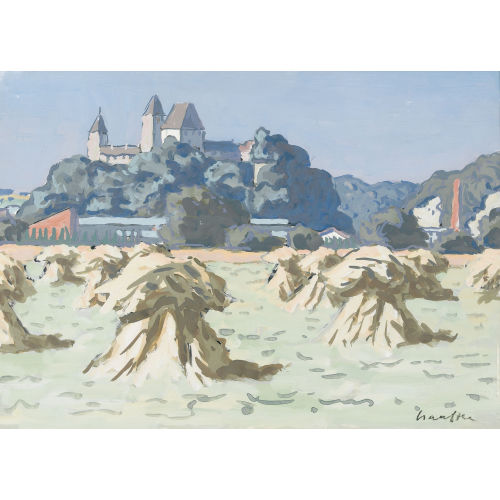
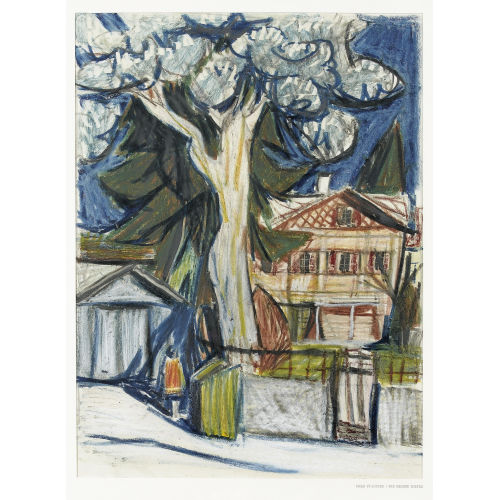
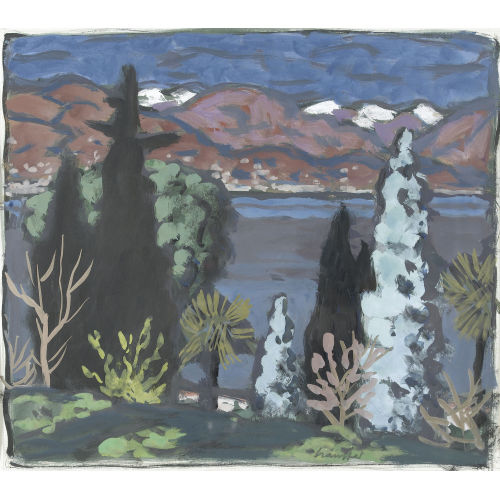
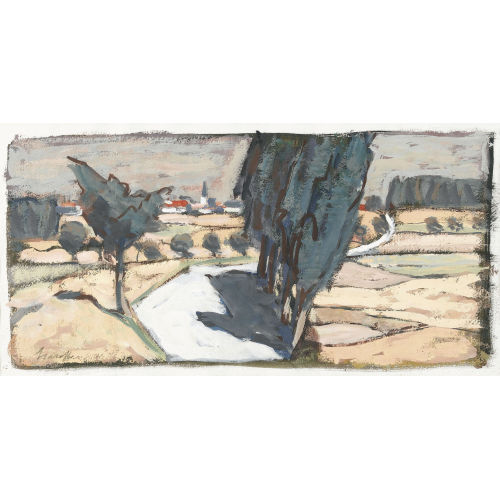
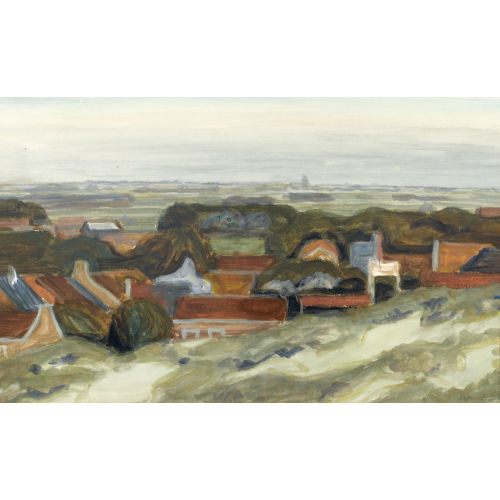
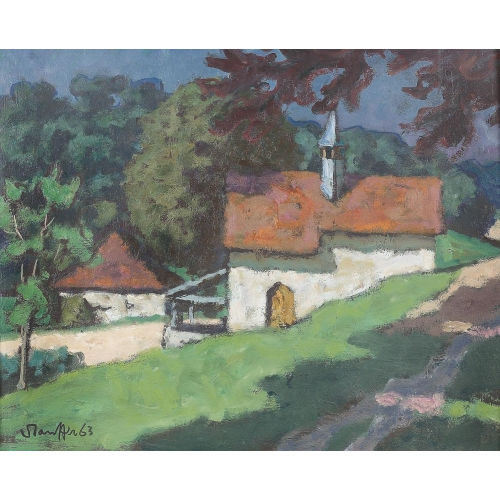
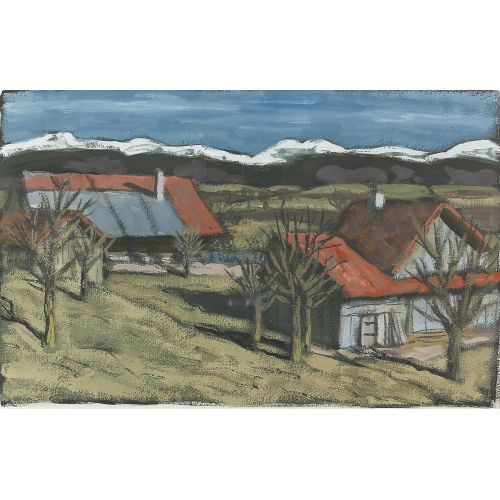
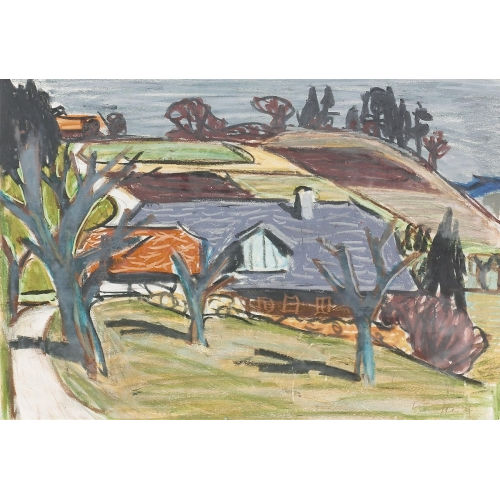
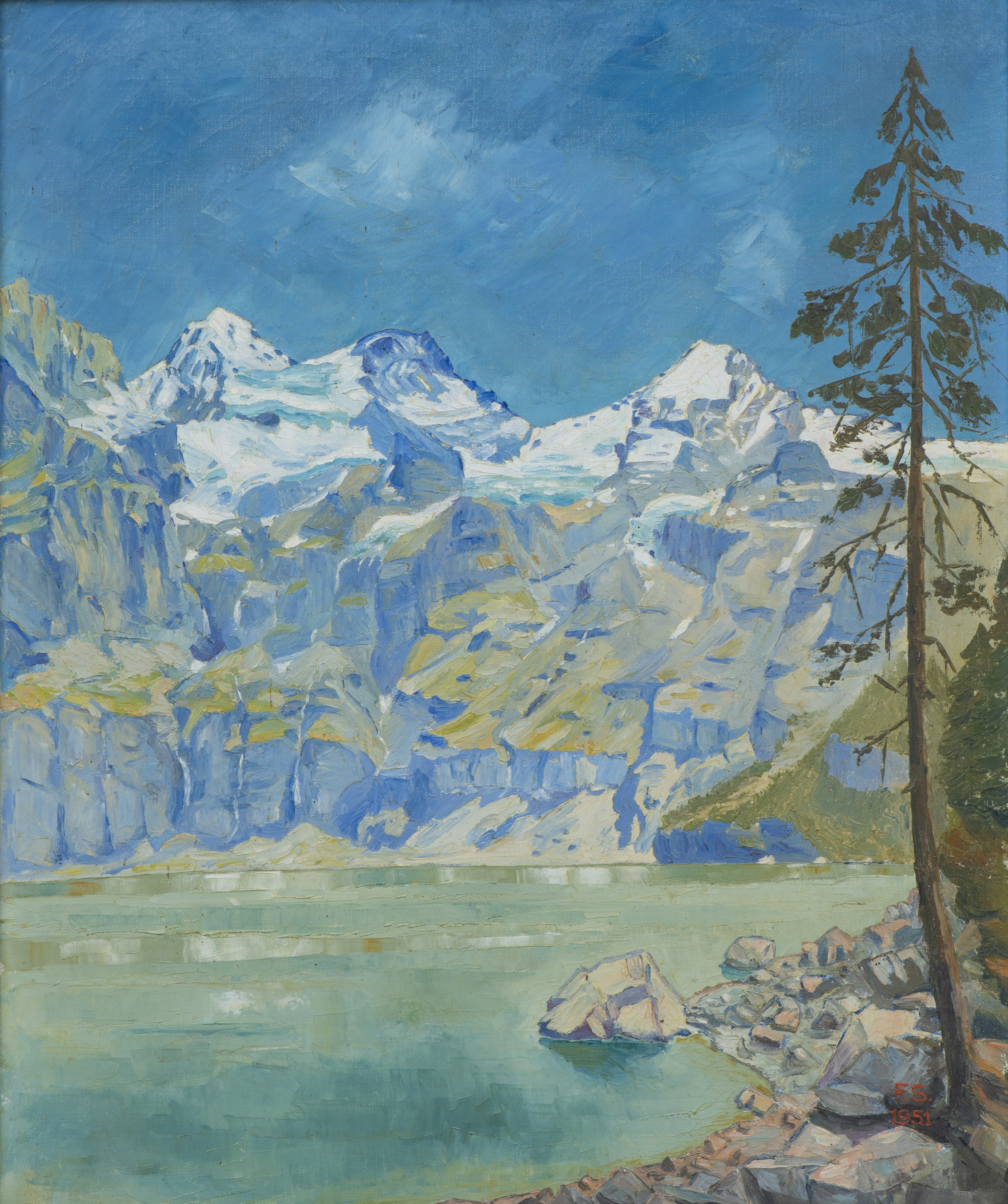
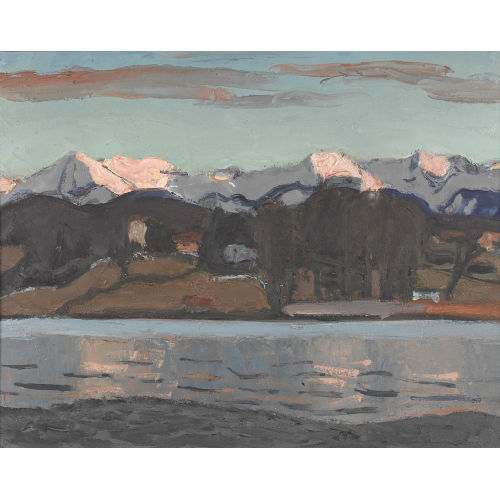
Fred Stauffer (Gümligen, 1892 – Thörishaus, 1980) finds in the Swiss landscape a field of experimentation where the familiarity of places meets the freedom of colour. The Bernese Oberland and the Emmental occupy a central place in his oeuvre. He returns to them with an attentive eye for forms, lines and atmospheres, making landscape as much a pictorial construction as a memory of place.
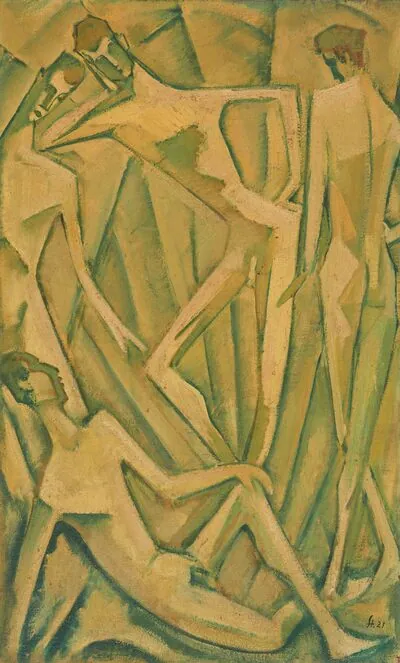
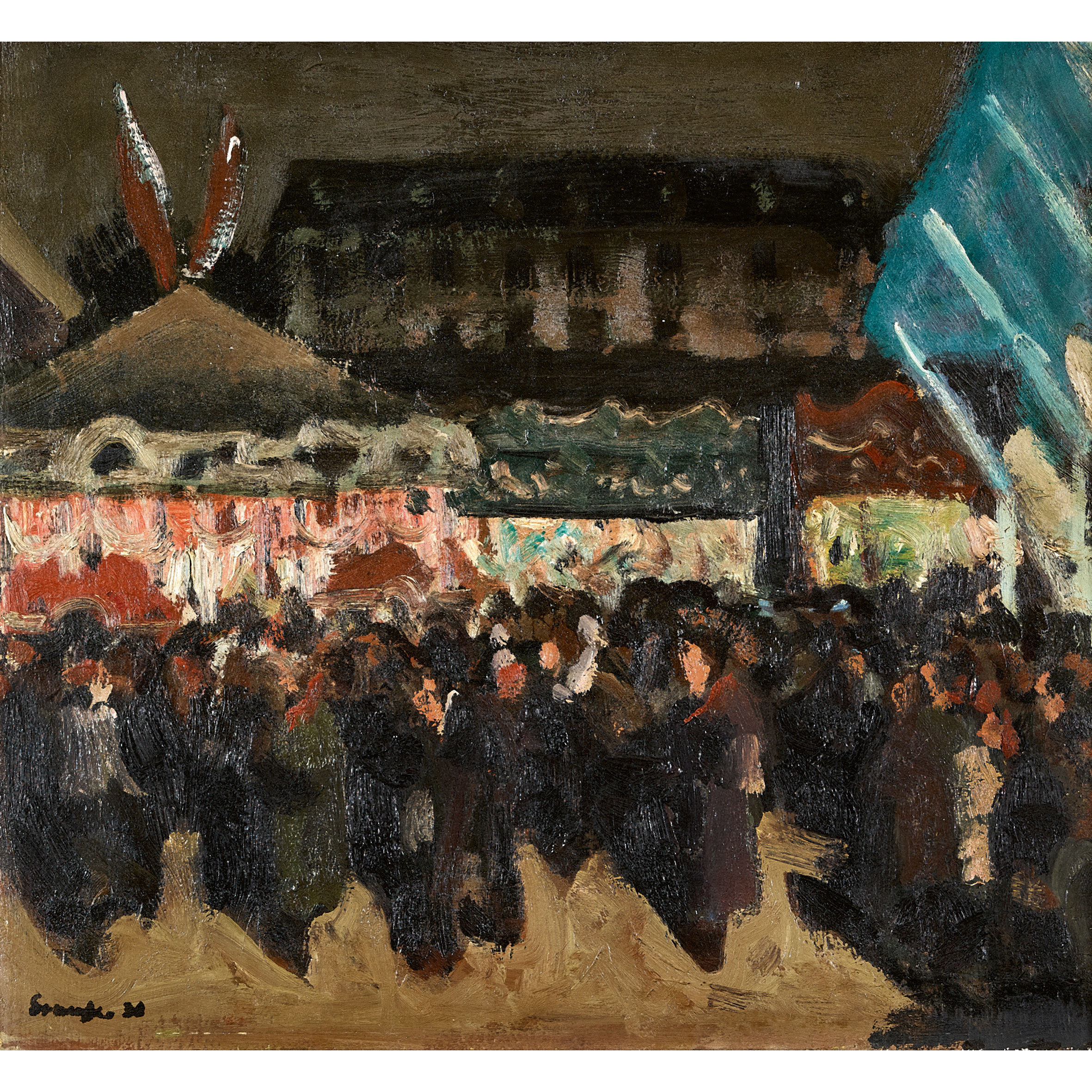
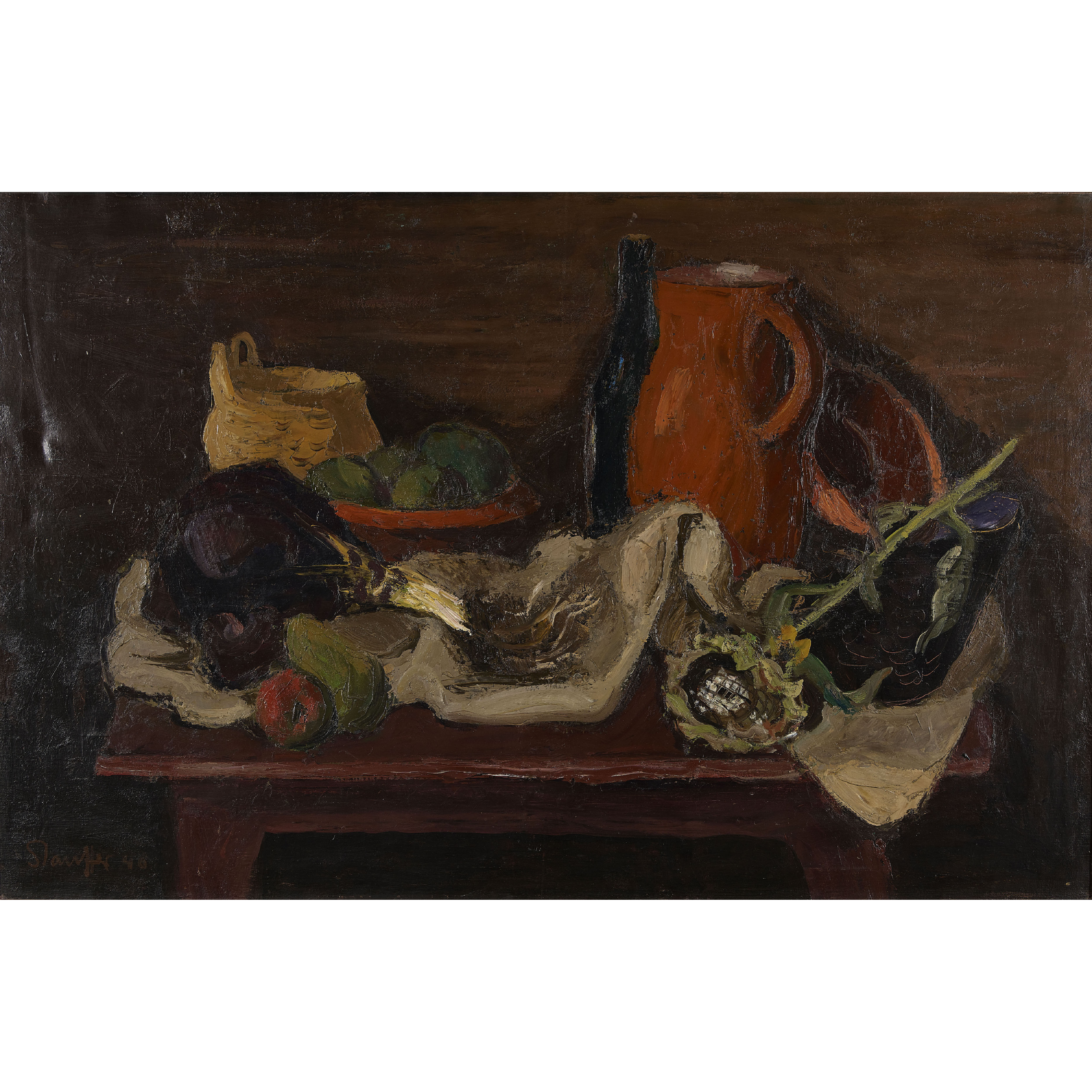
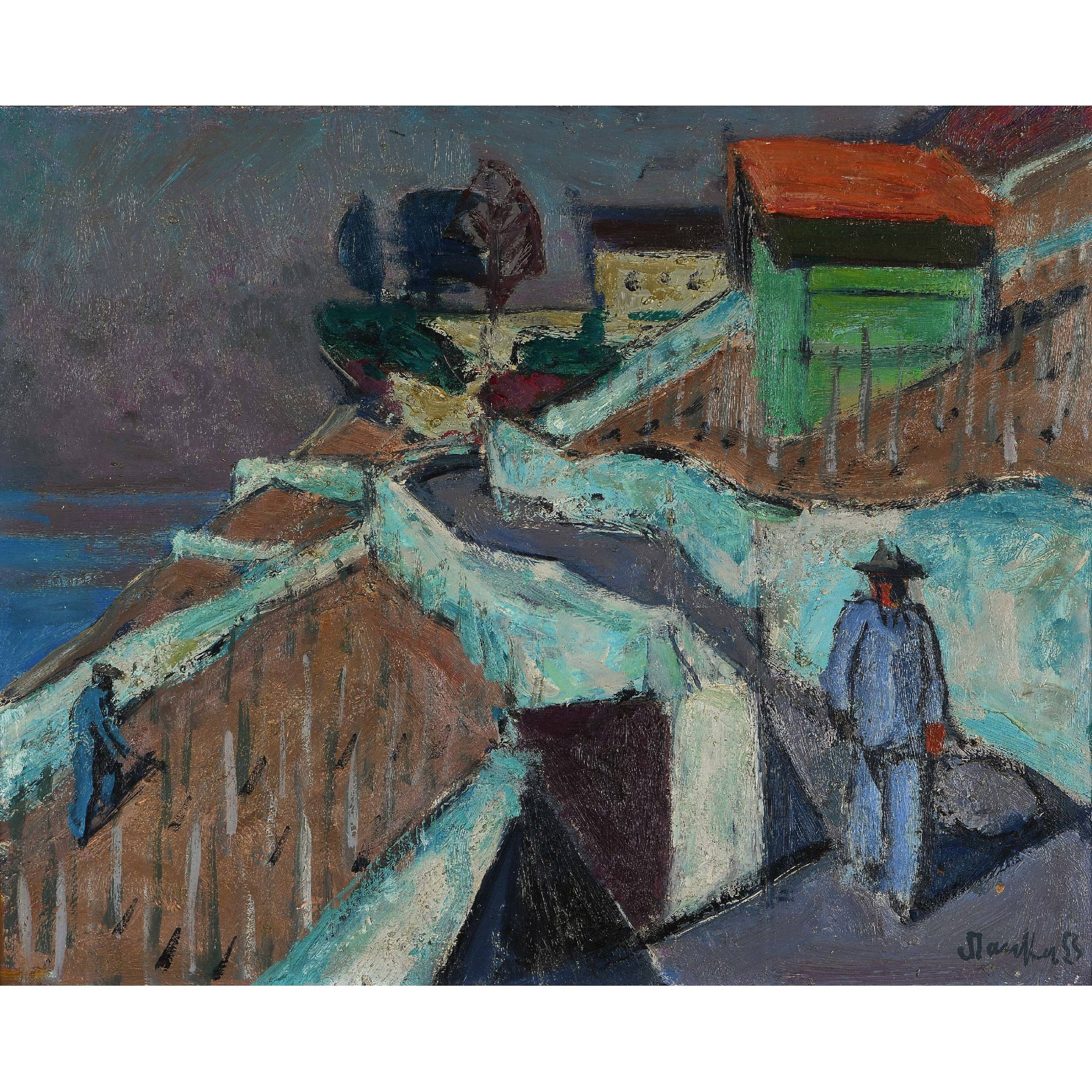
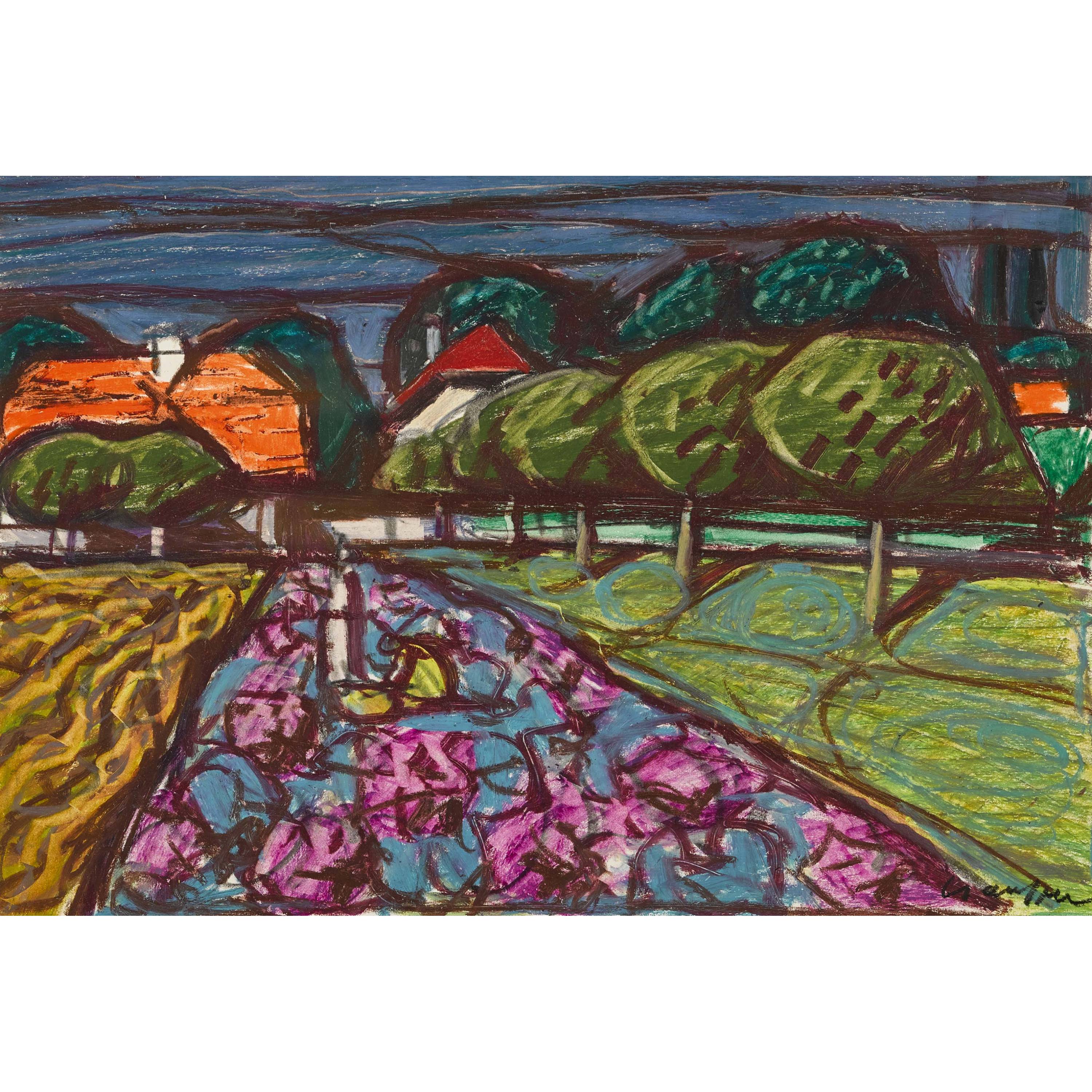
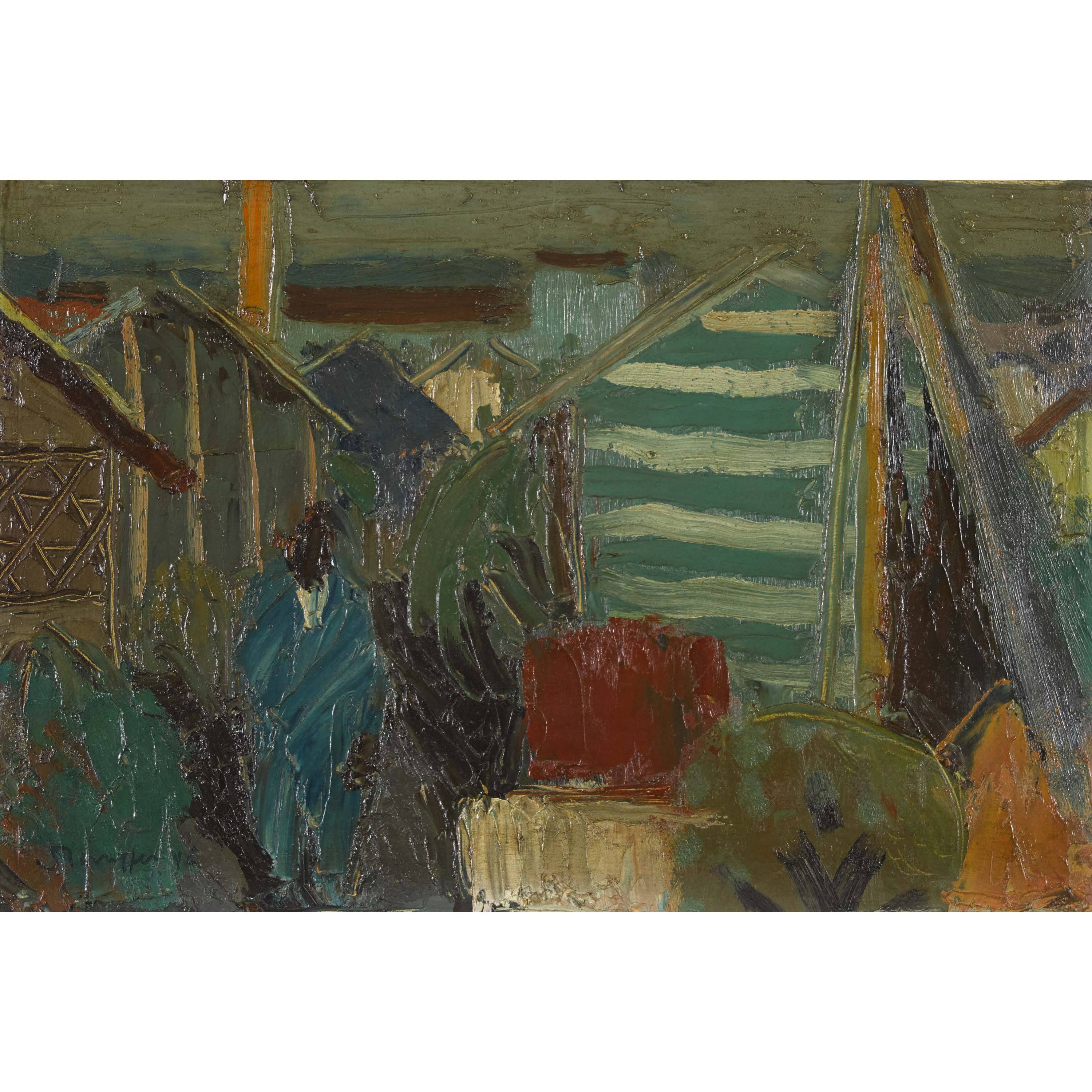
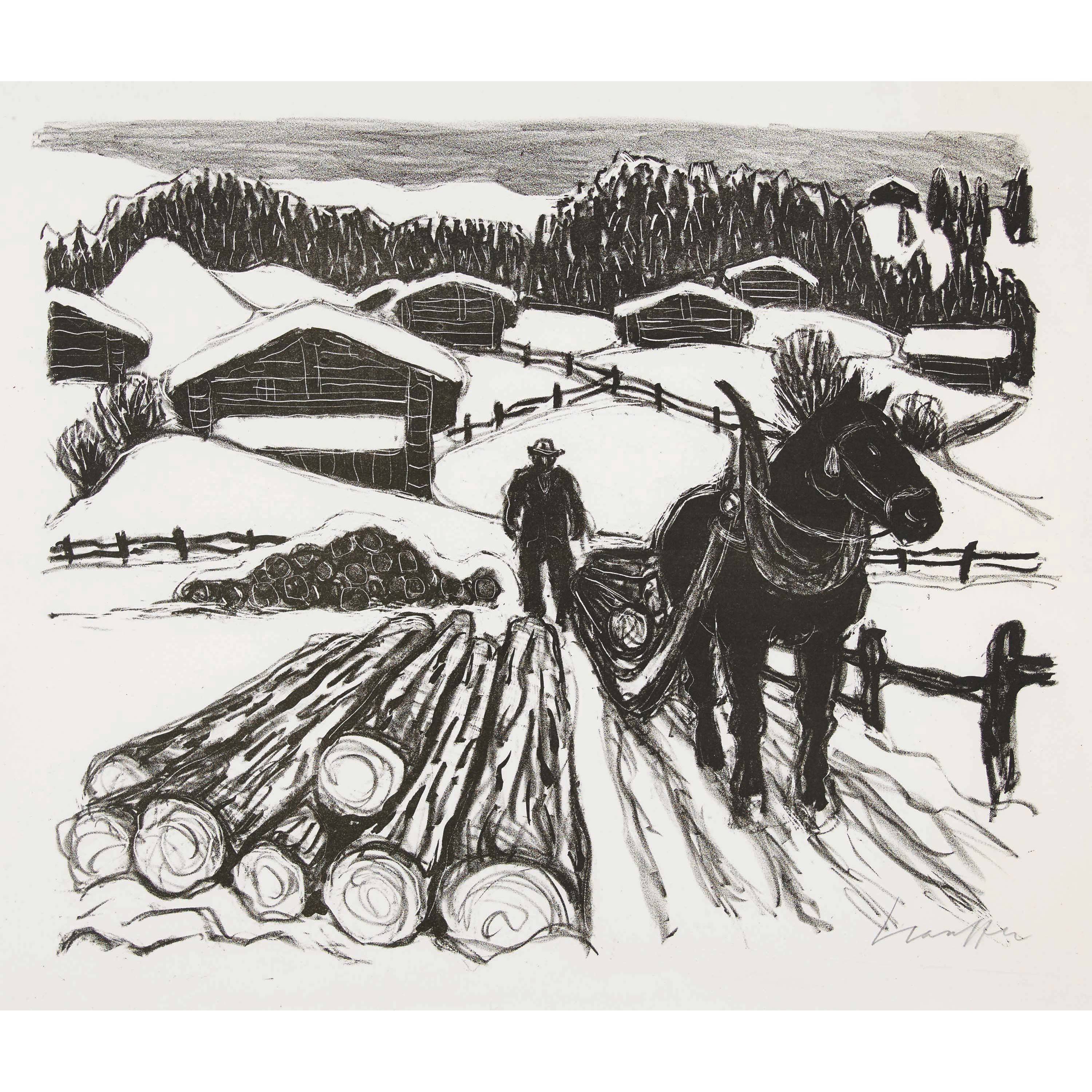
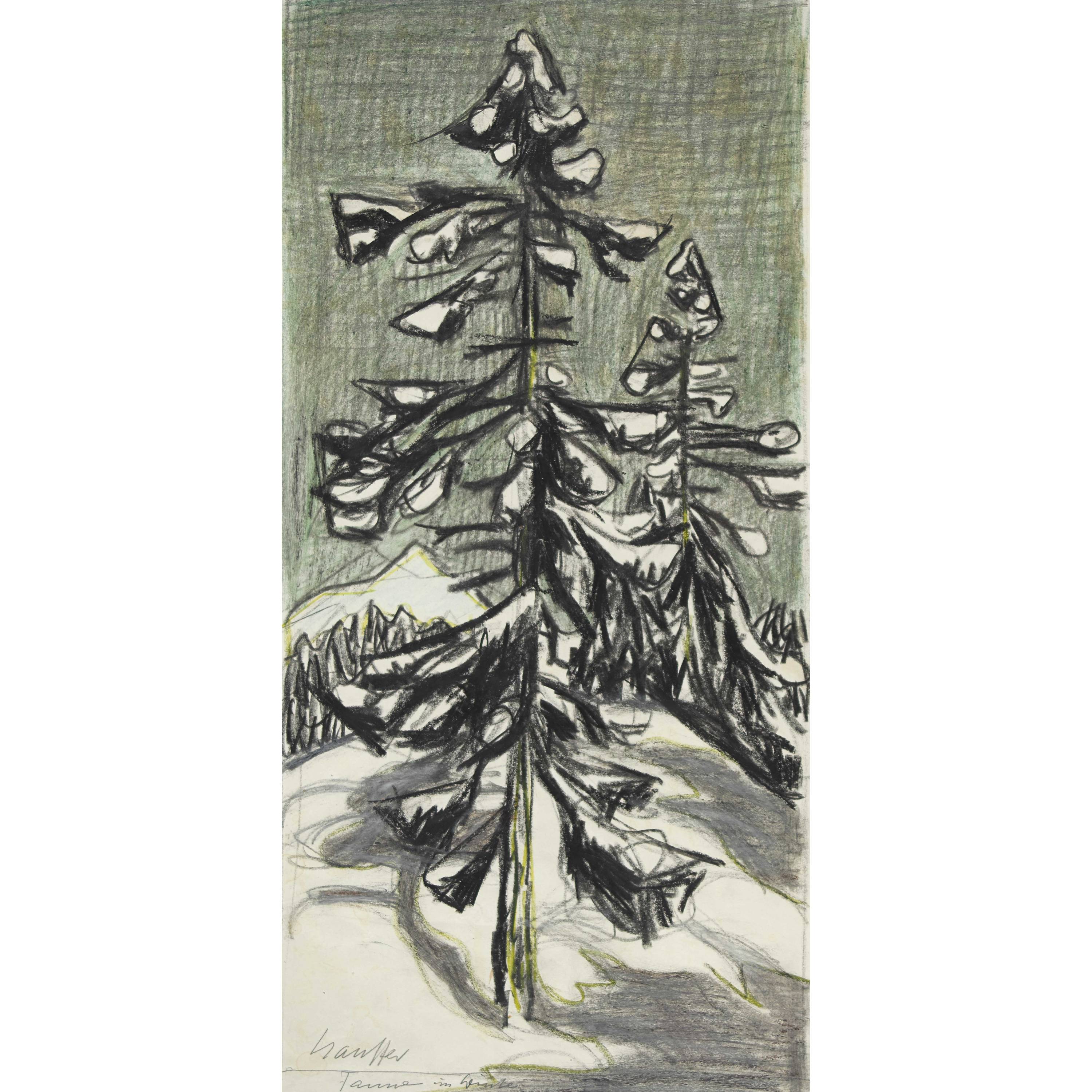
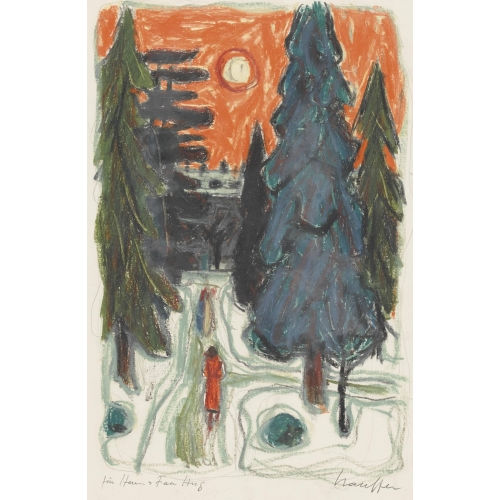
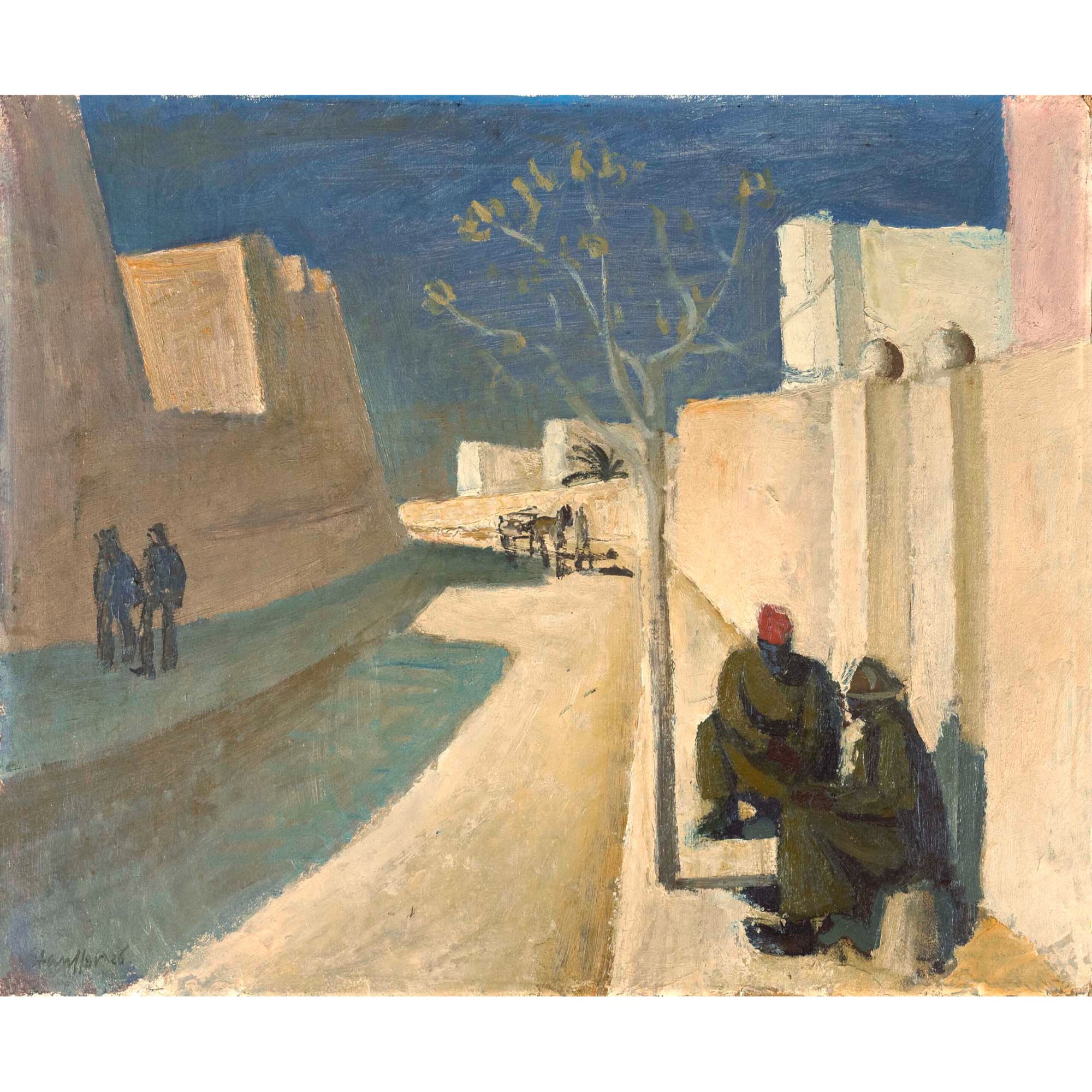
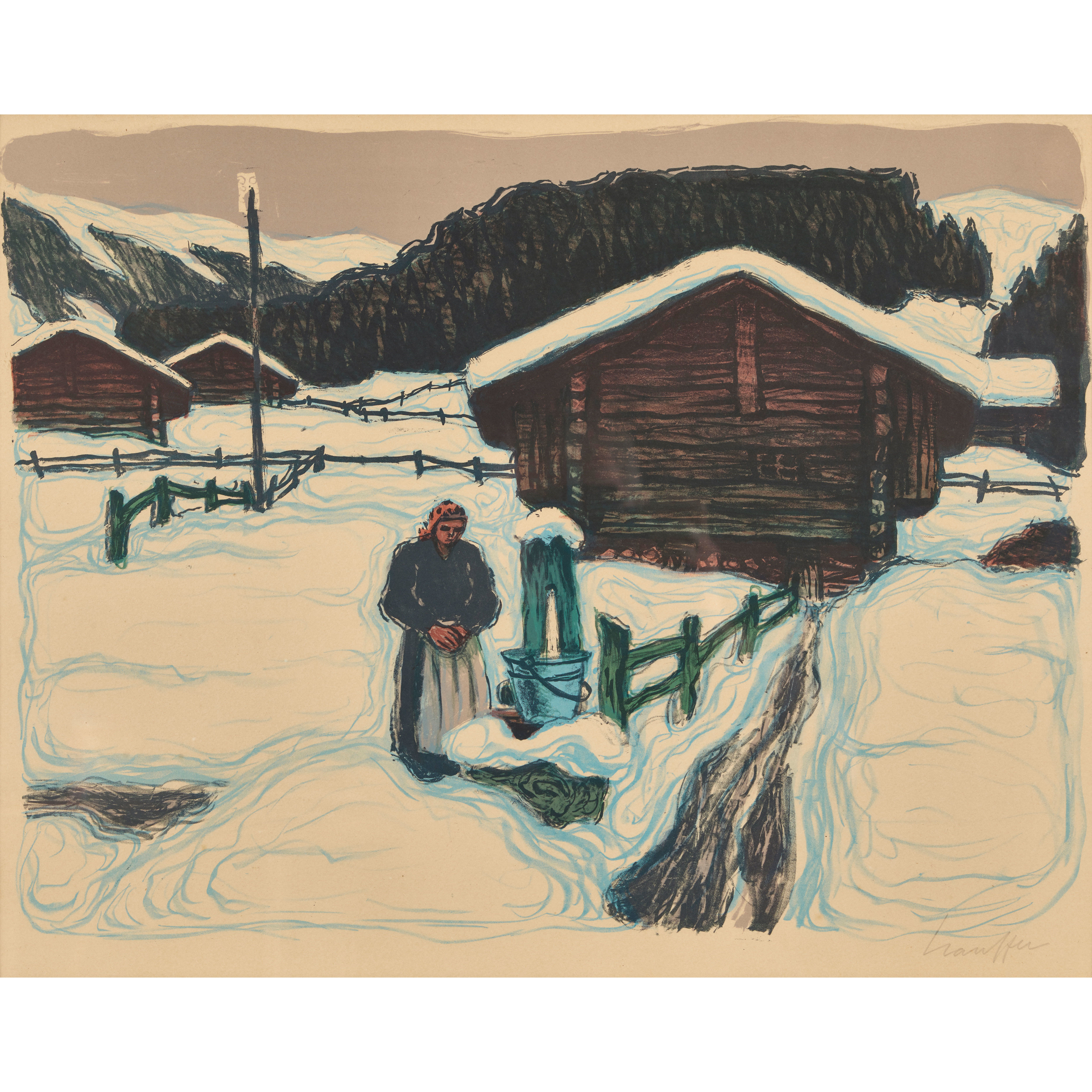
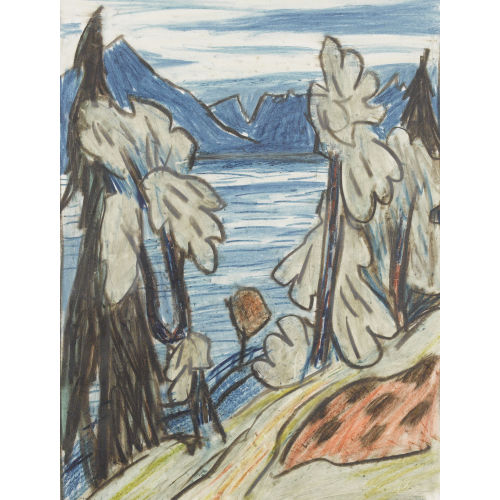
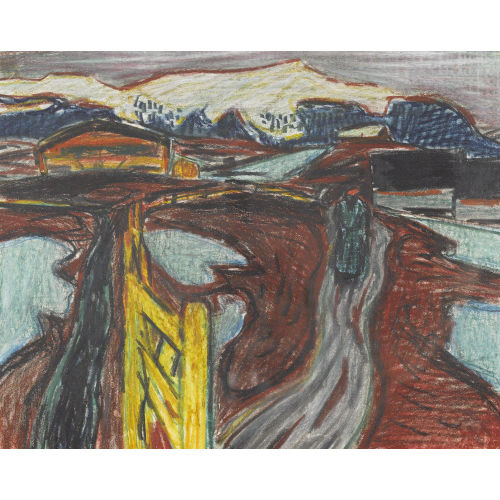
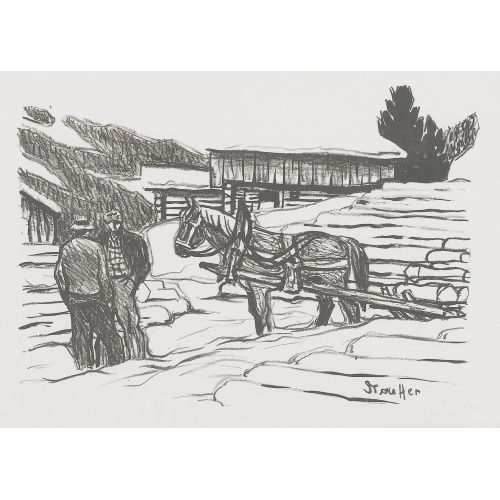
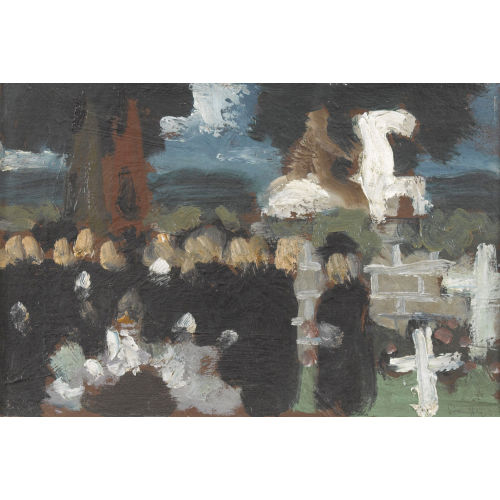
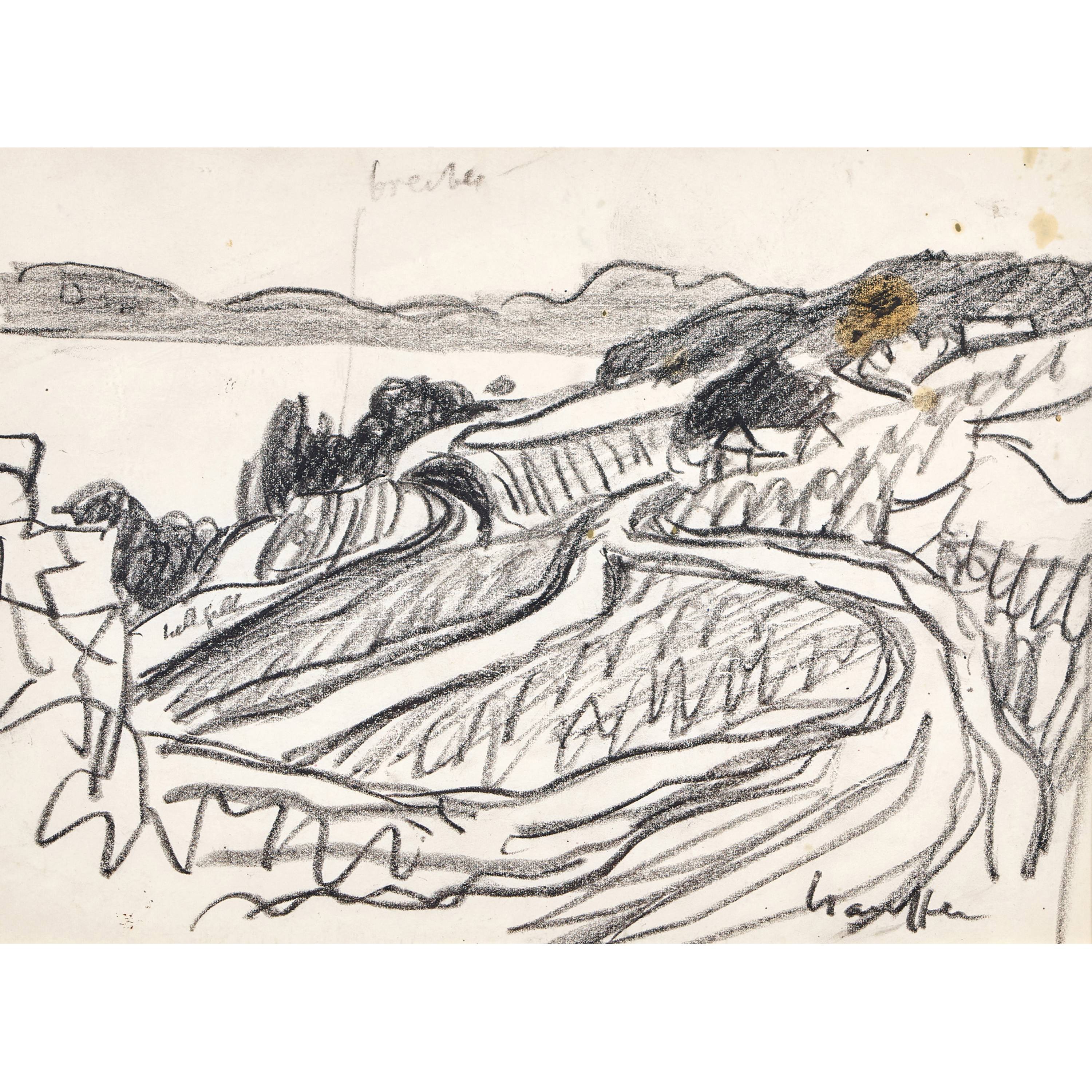
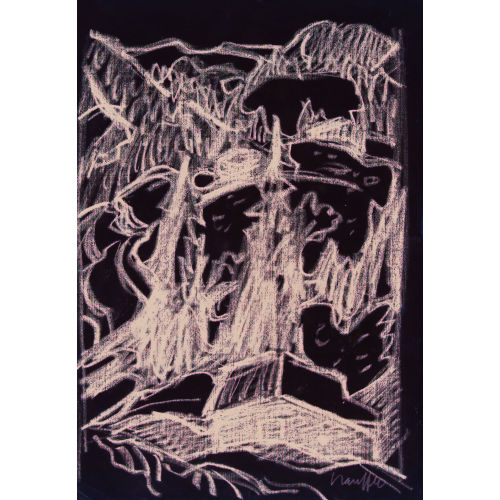
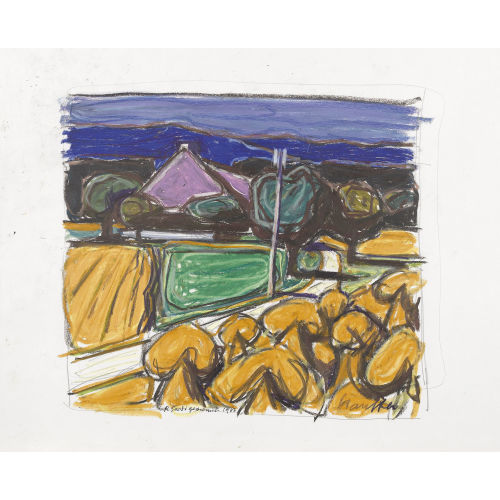
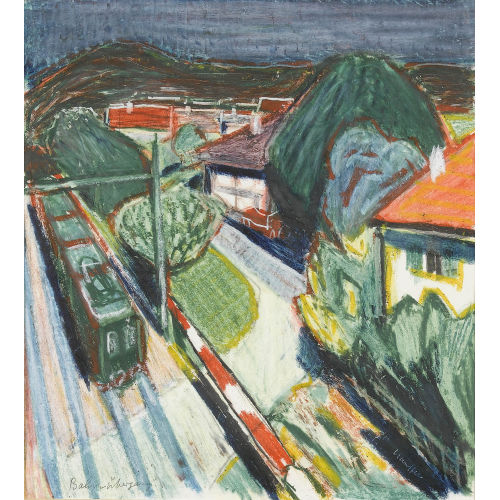
After training at the Hofwil teacher-training college, Stauffer chose painting and continued his studies in Munich under Franz von Stuck. The discovery of Edvard Munch left a profound mark on him: above all, he retained the power of simplified surfaces and the structuring role of drawing. This interest in modernity nourished a personal visual language that nevertheless remained attached to the visible world.
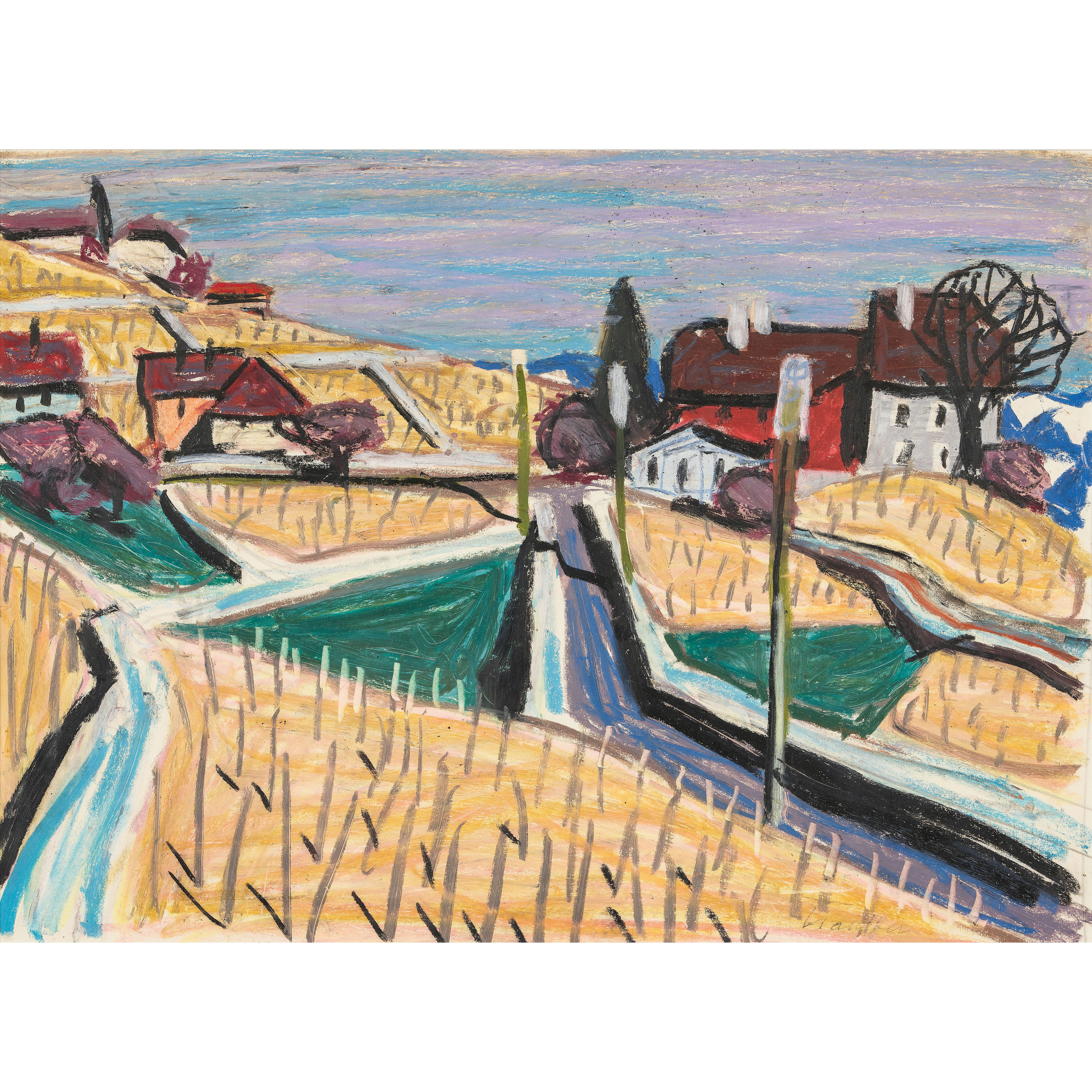
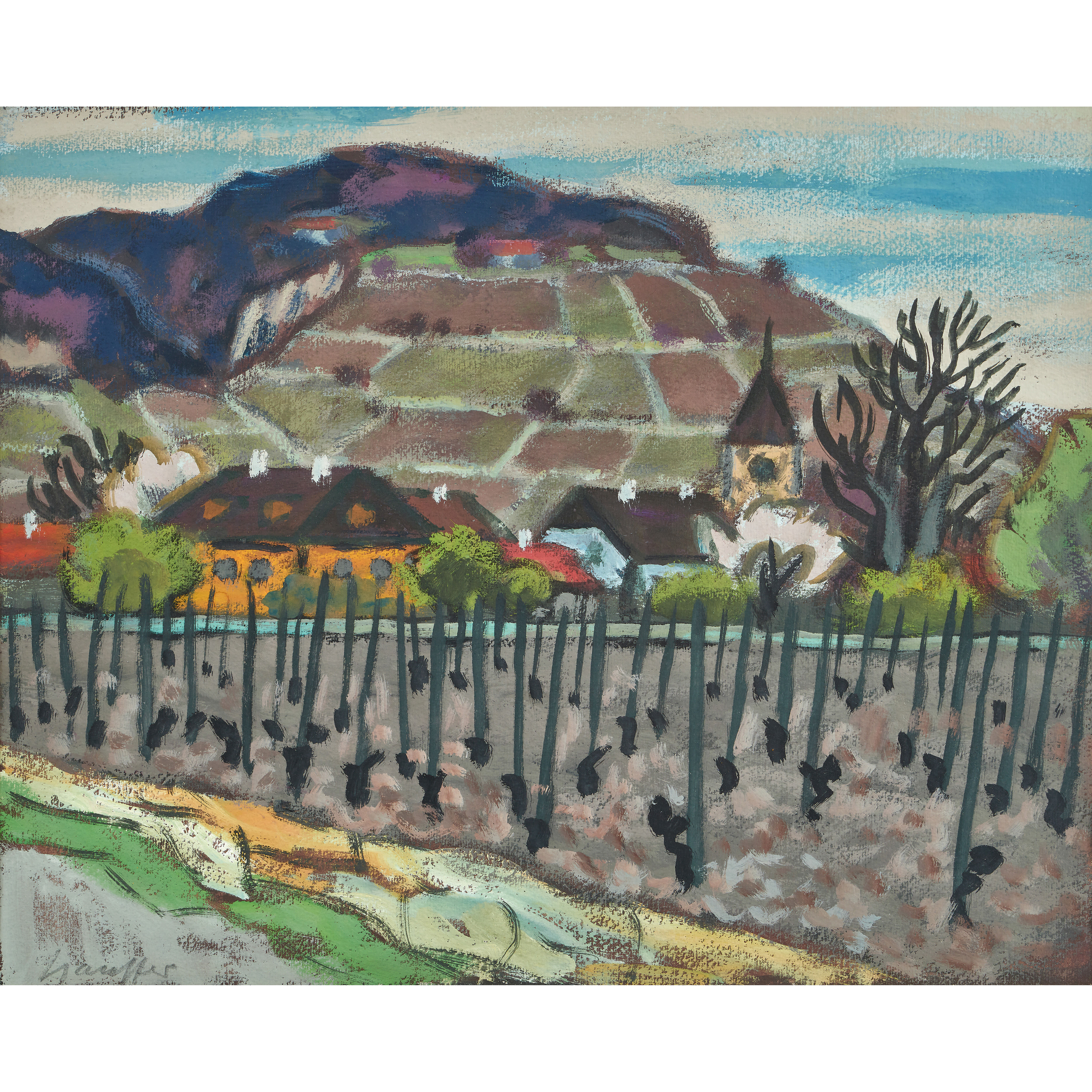
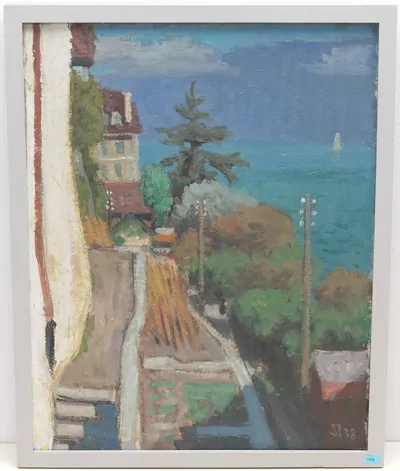
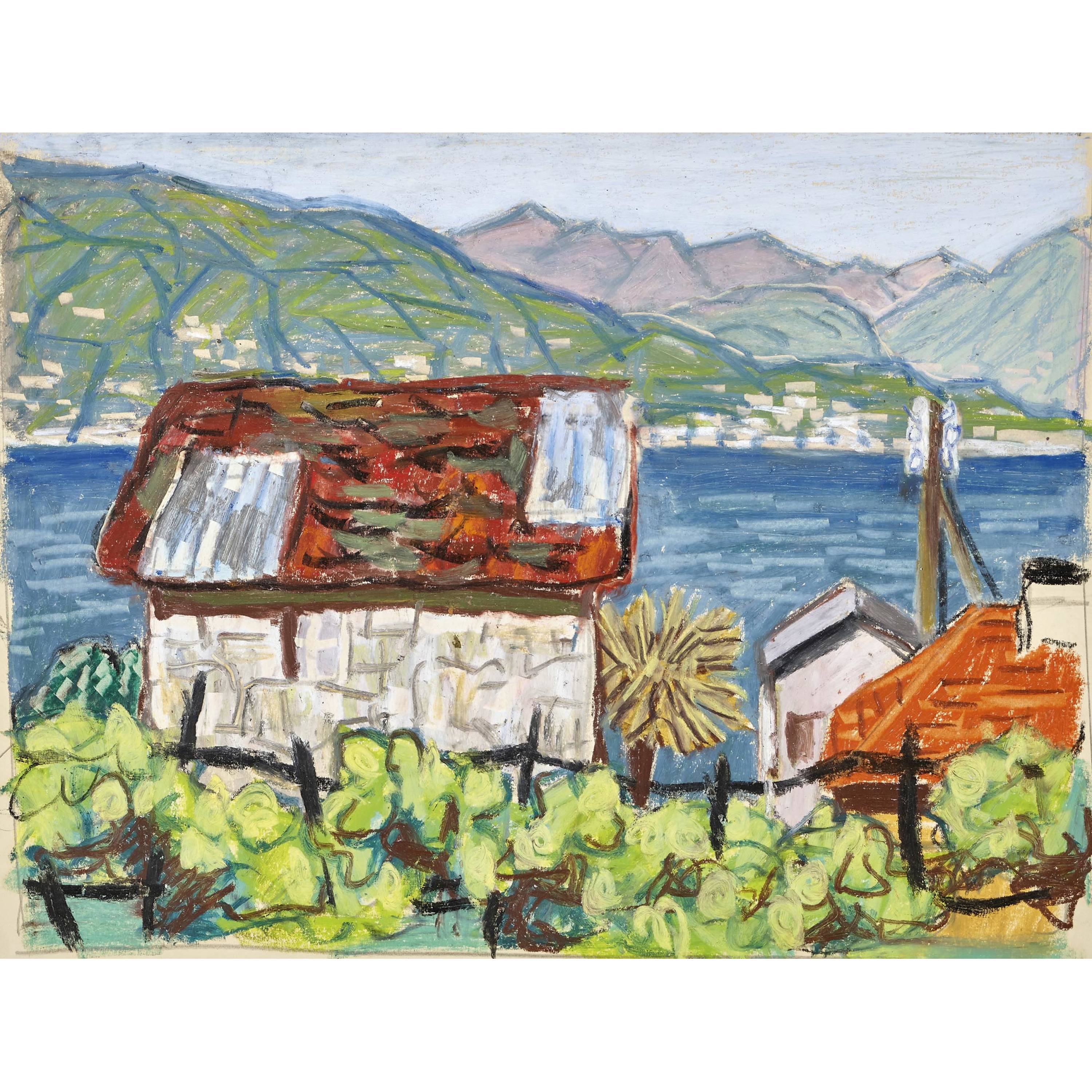
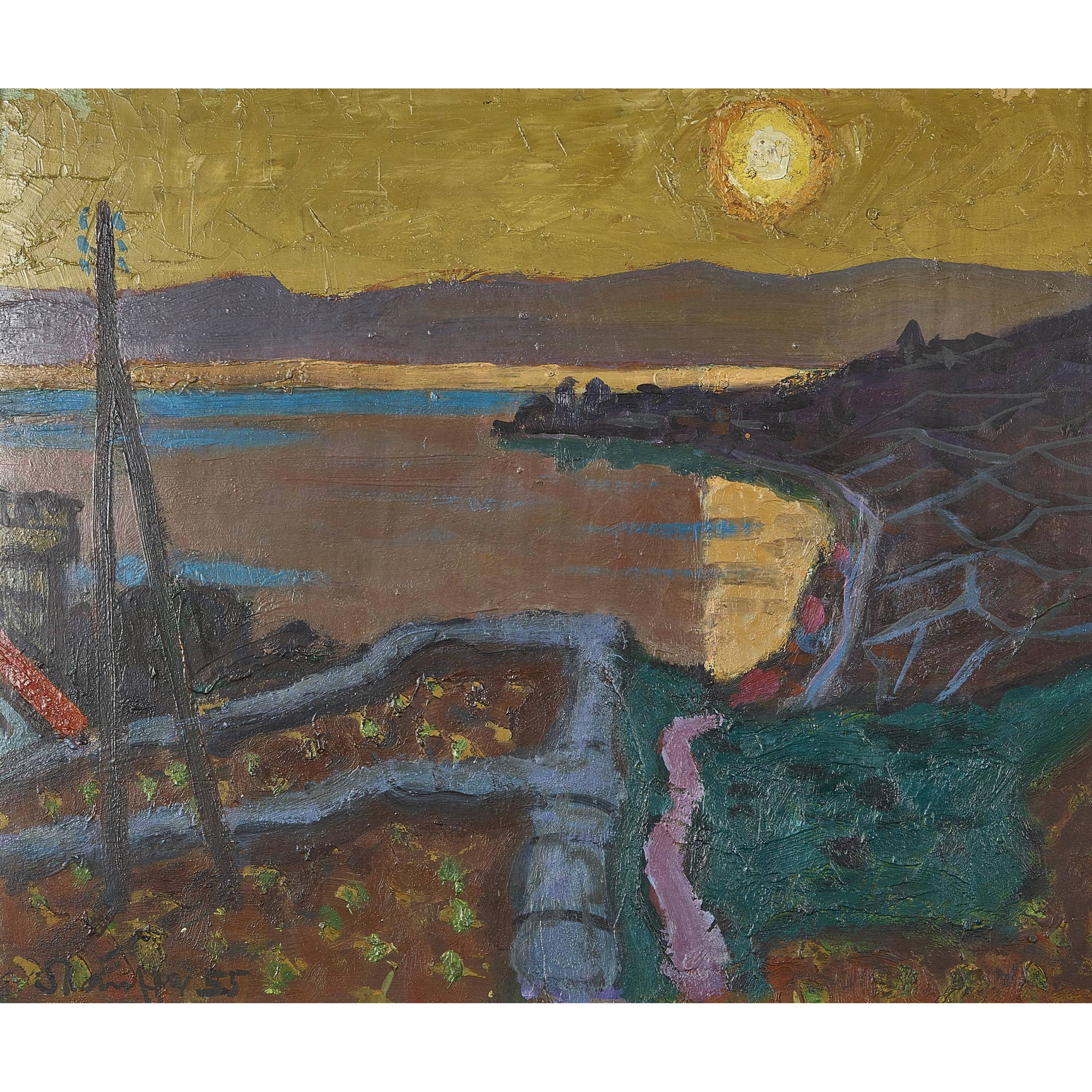
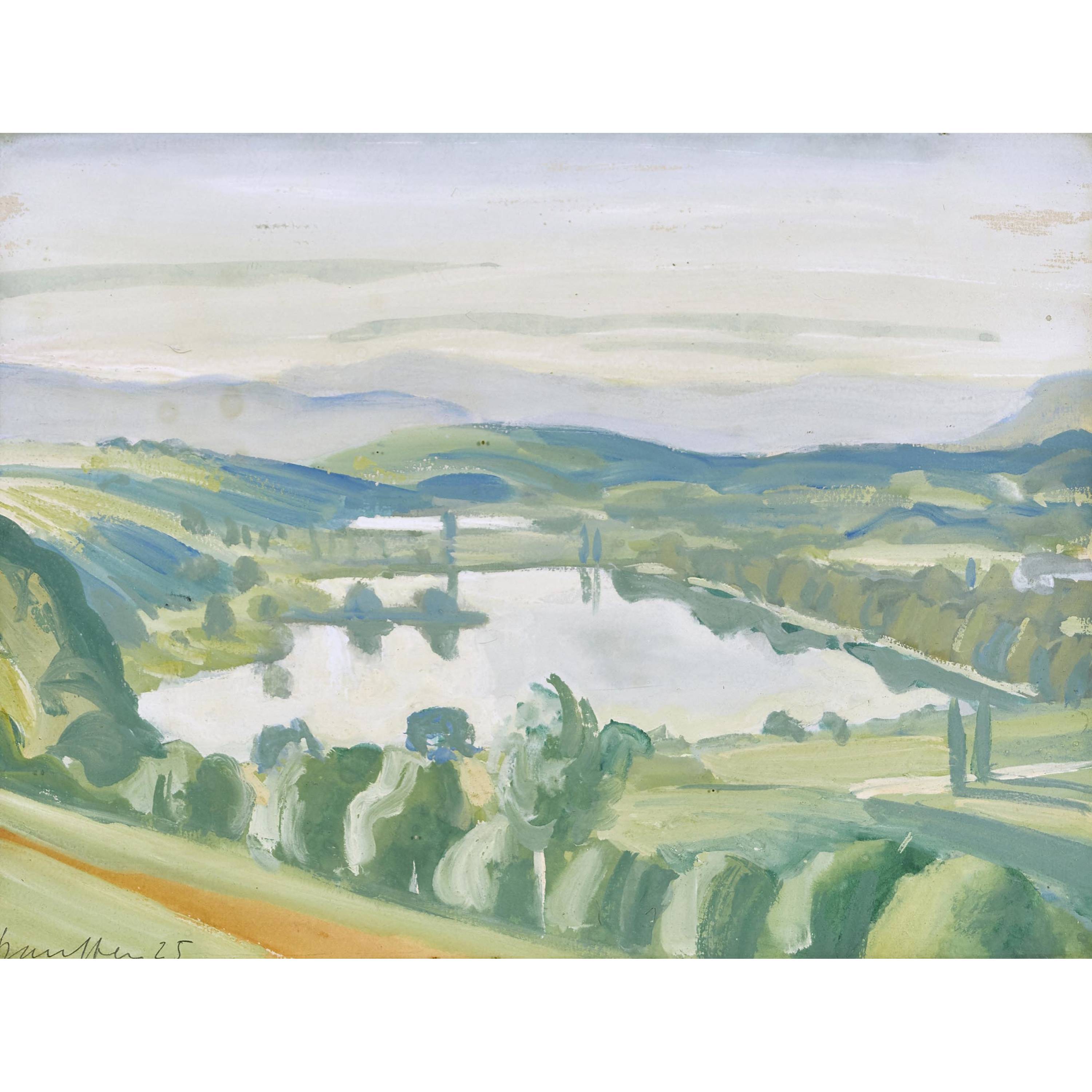
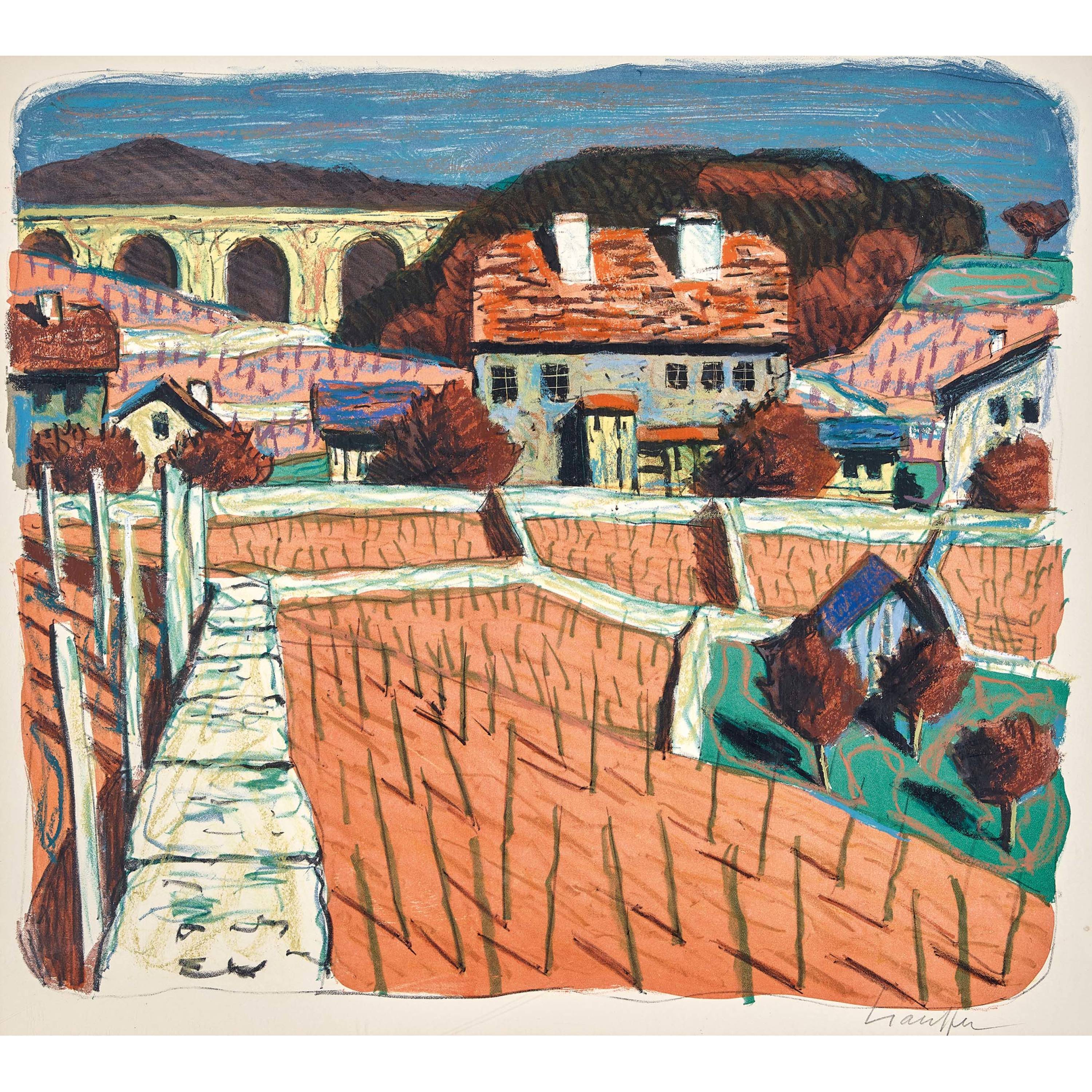
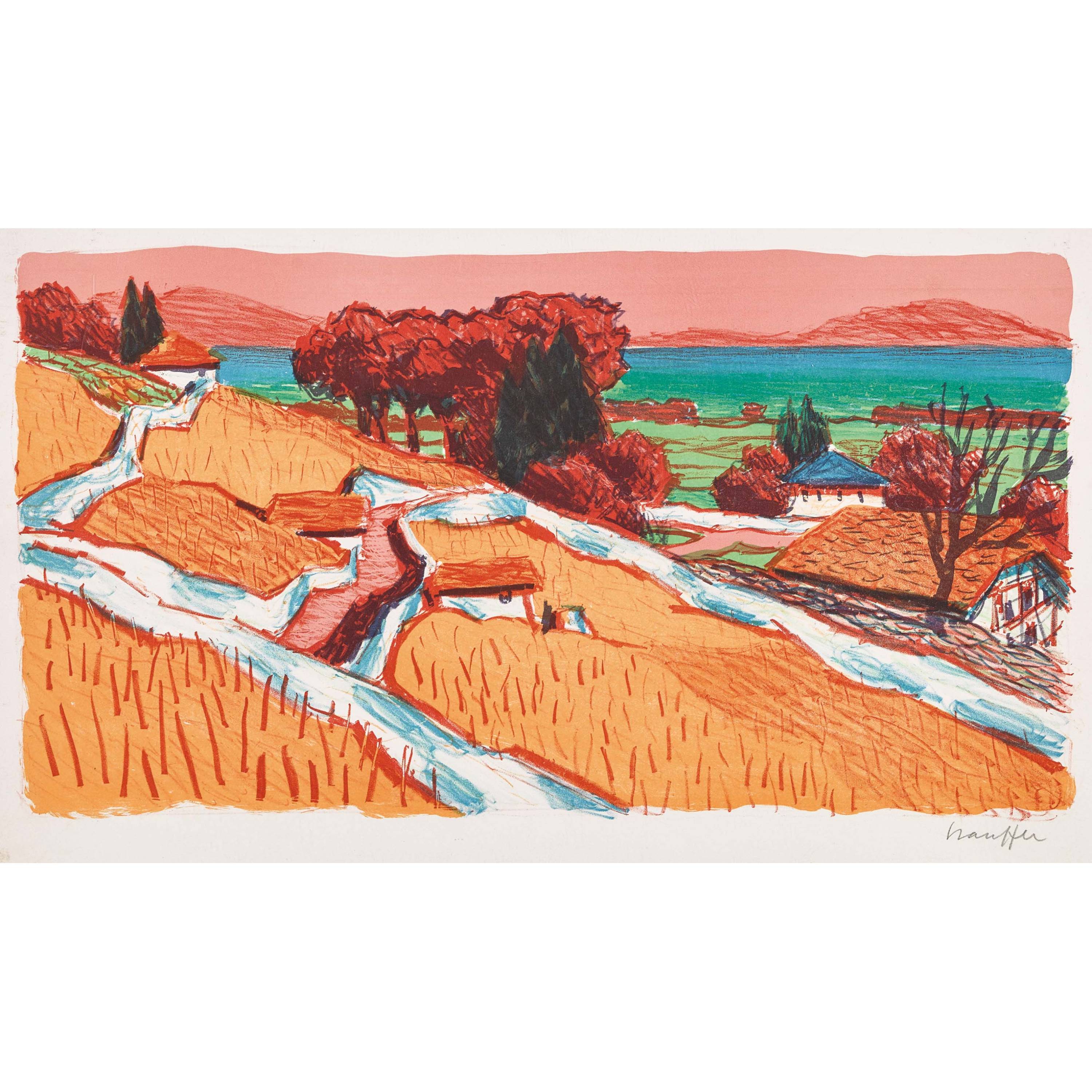
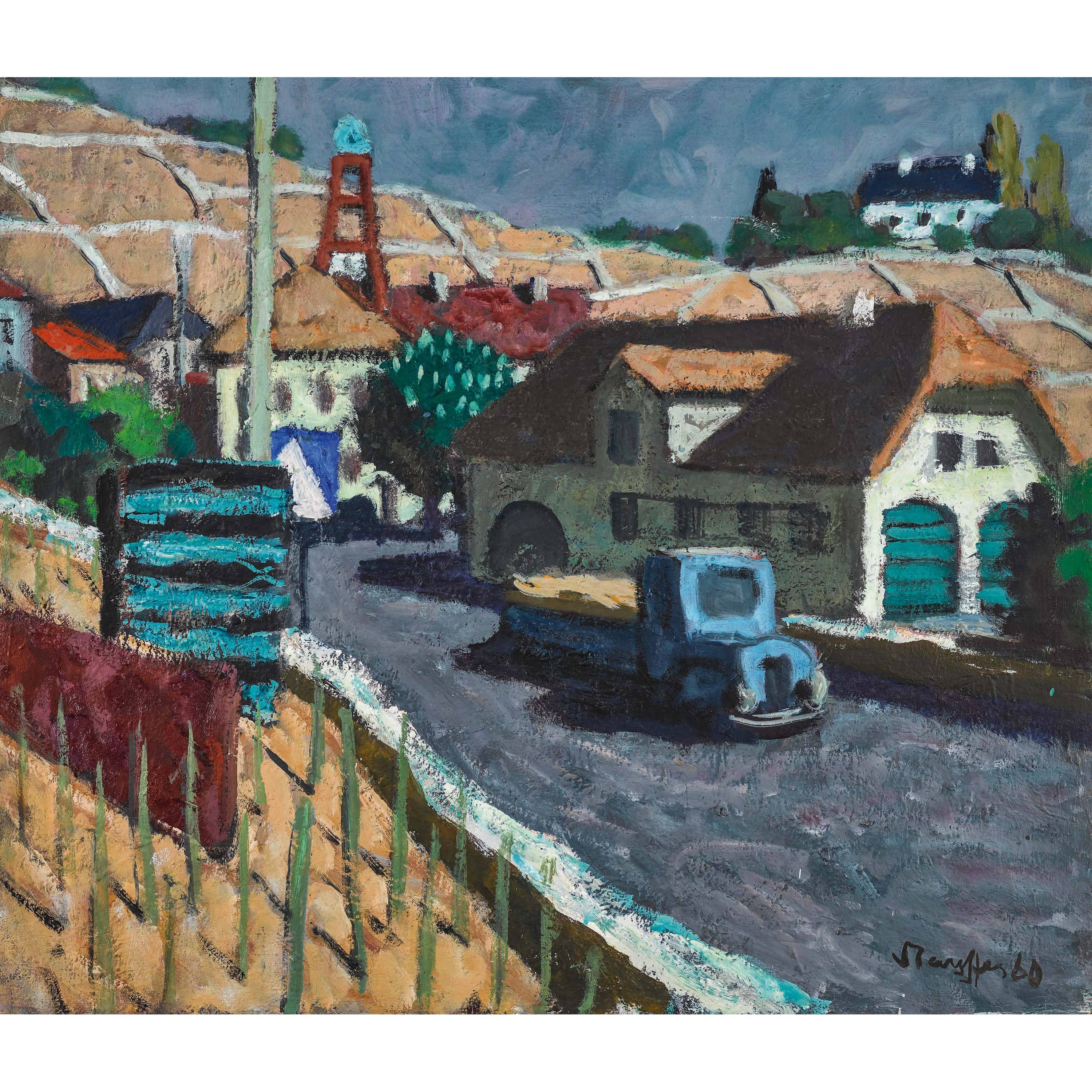
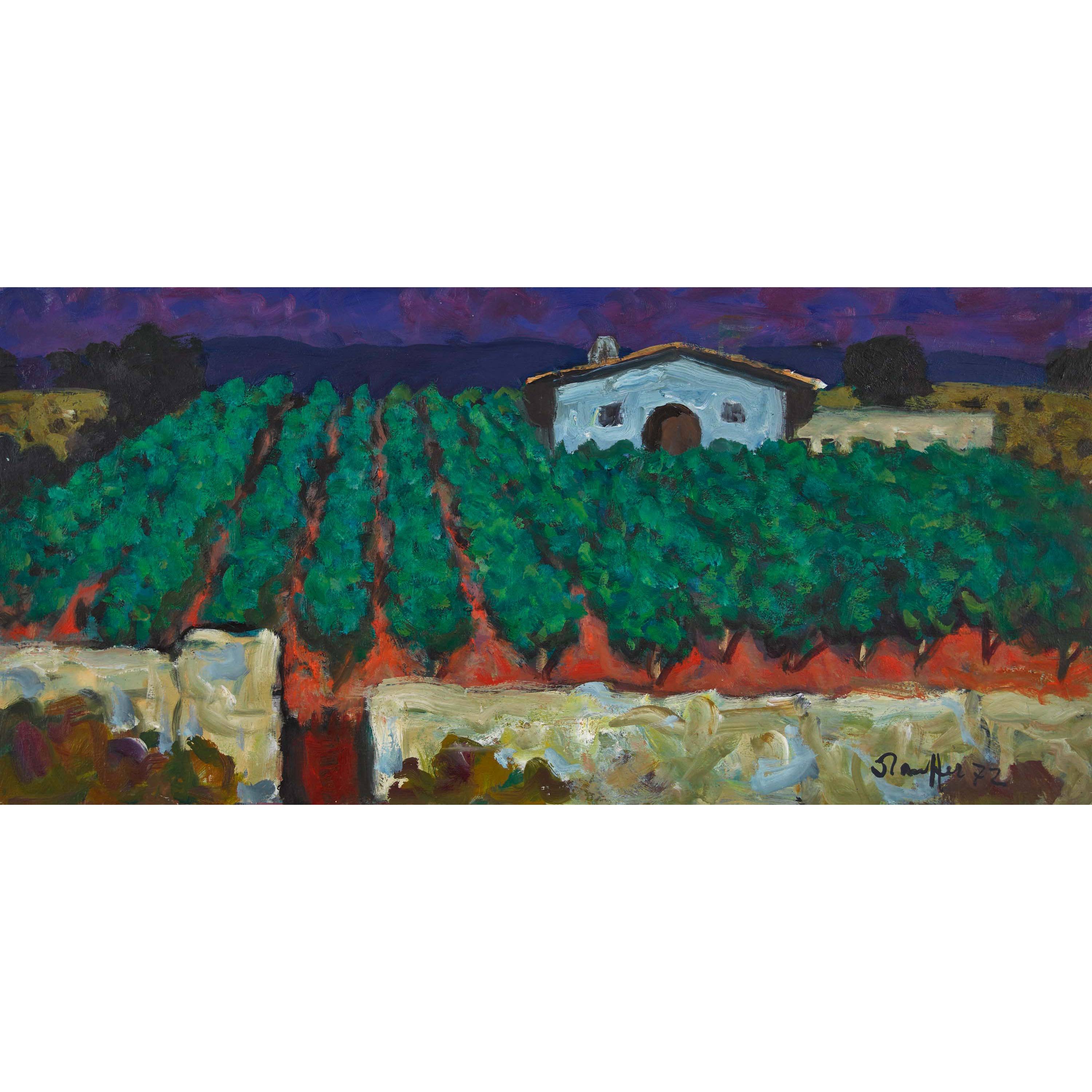
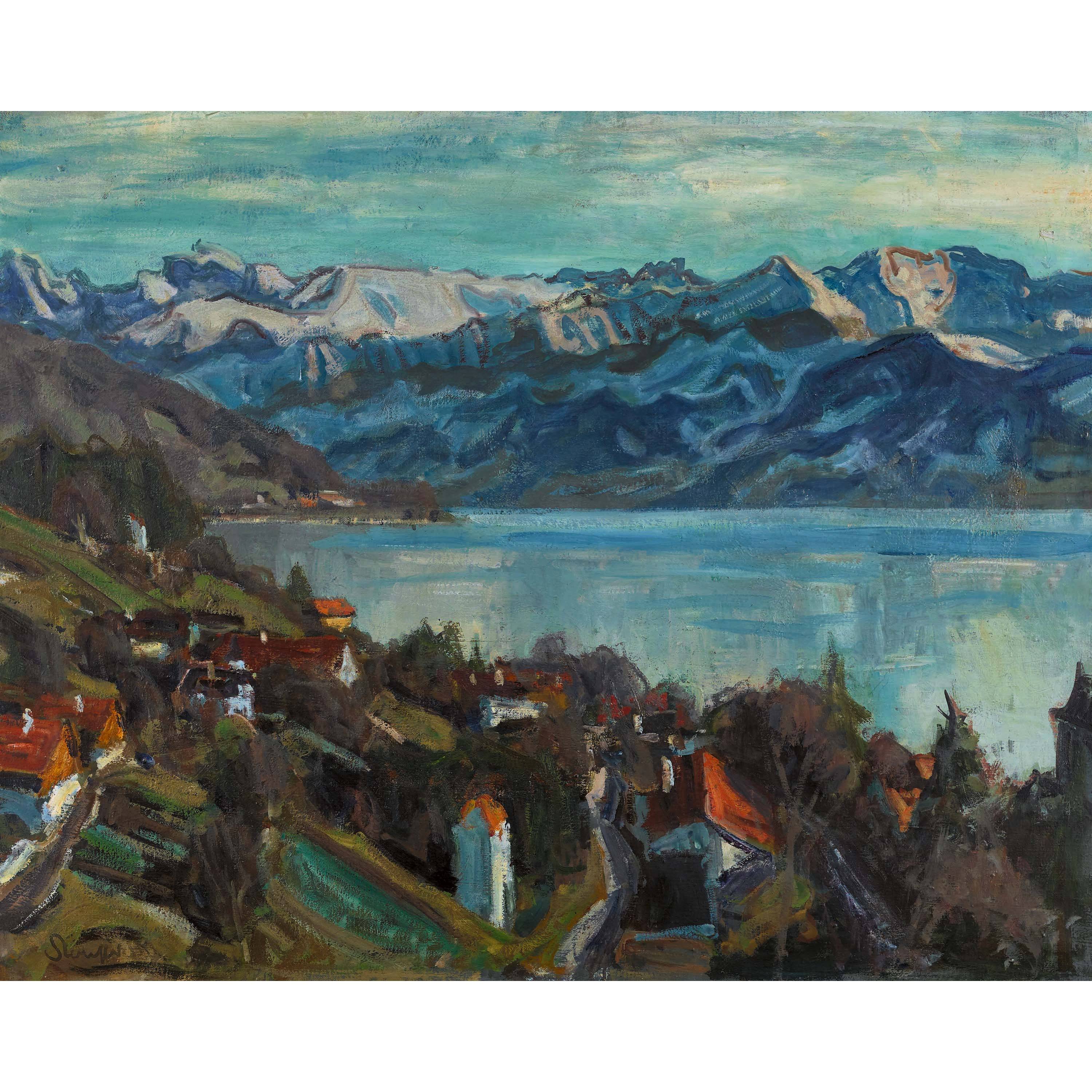
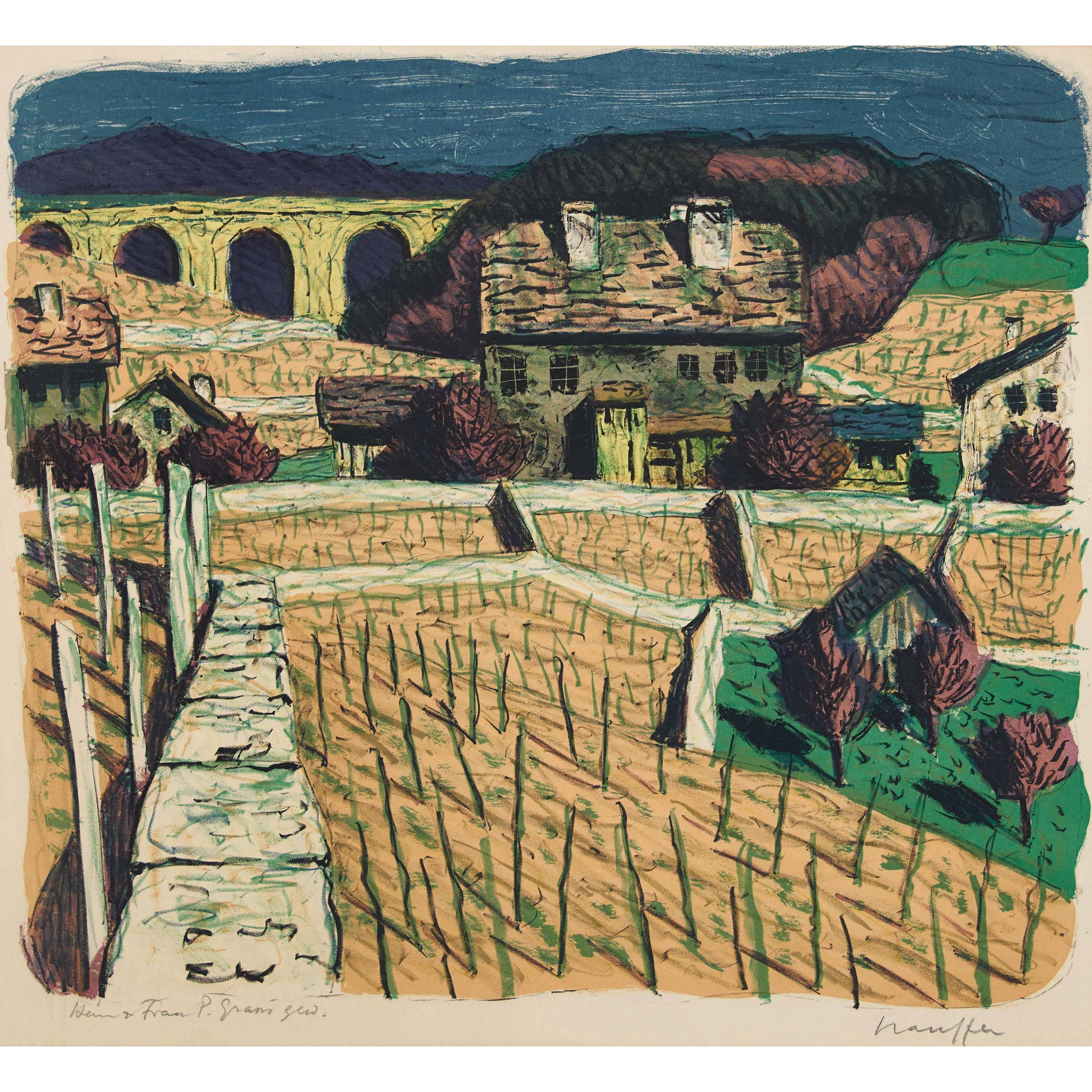
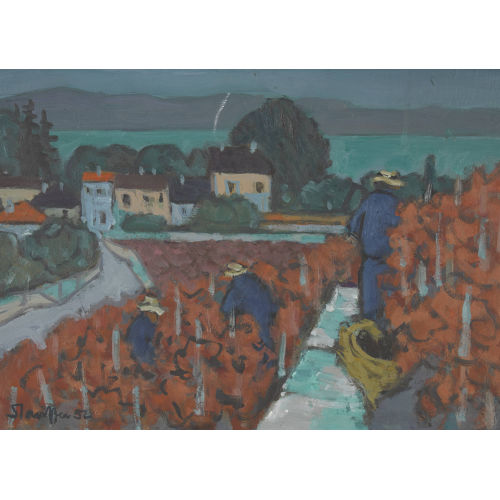
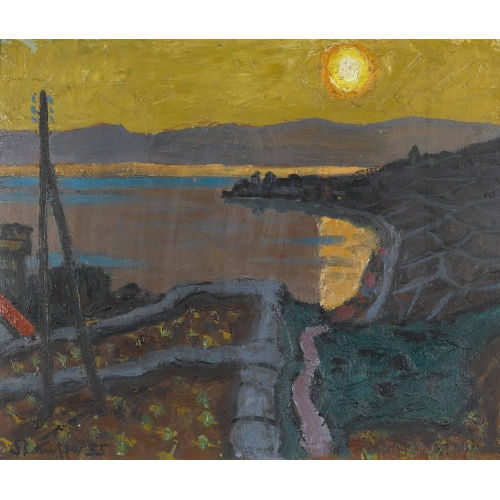
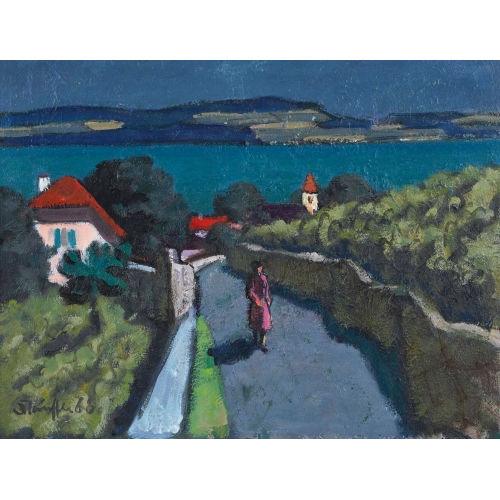
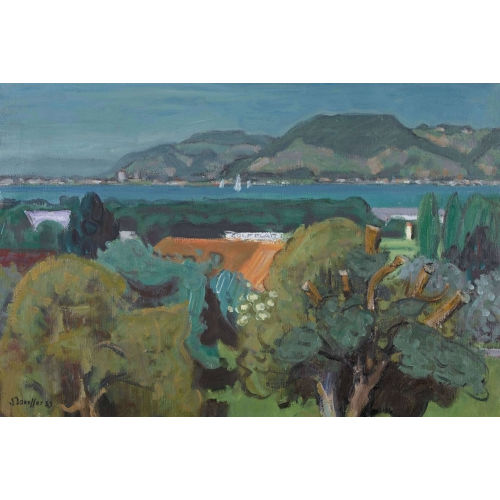
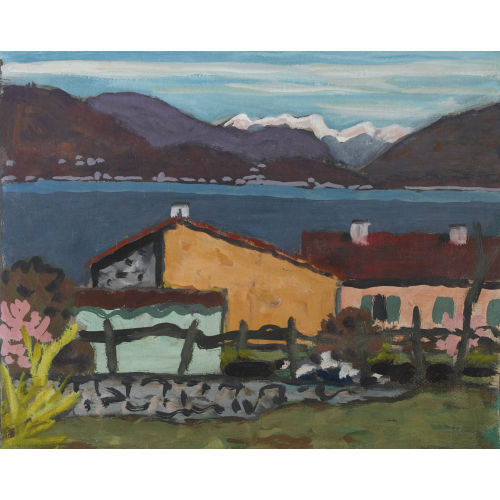
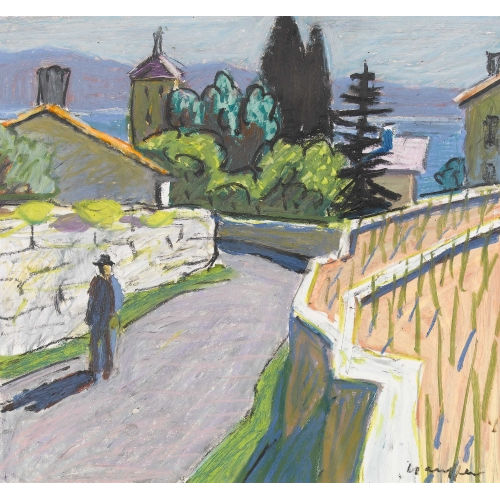
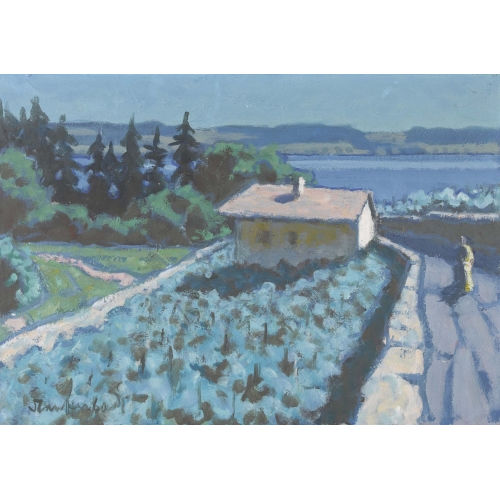
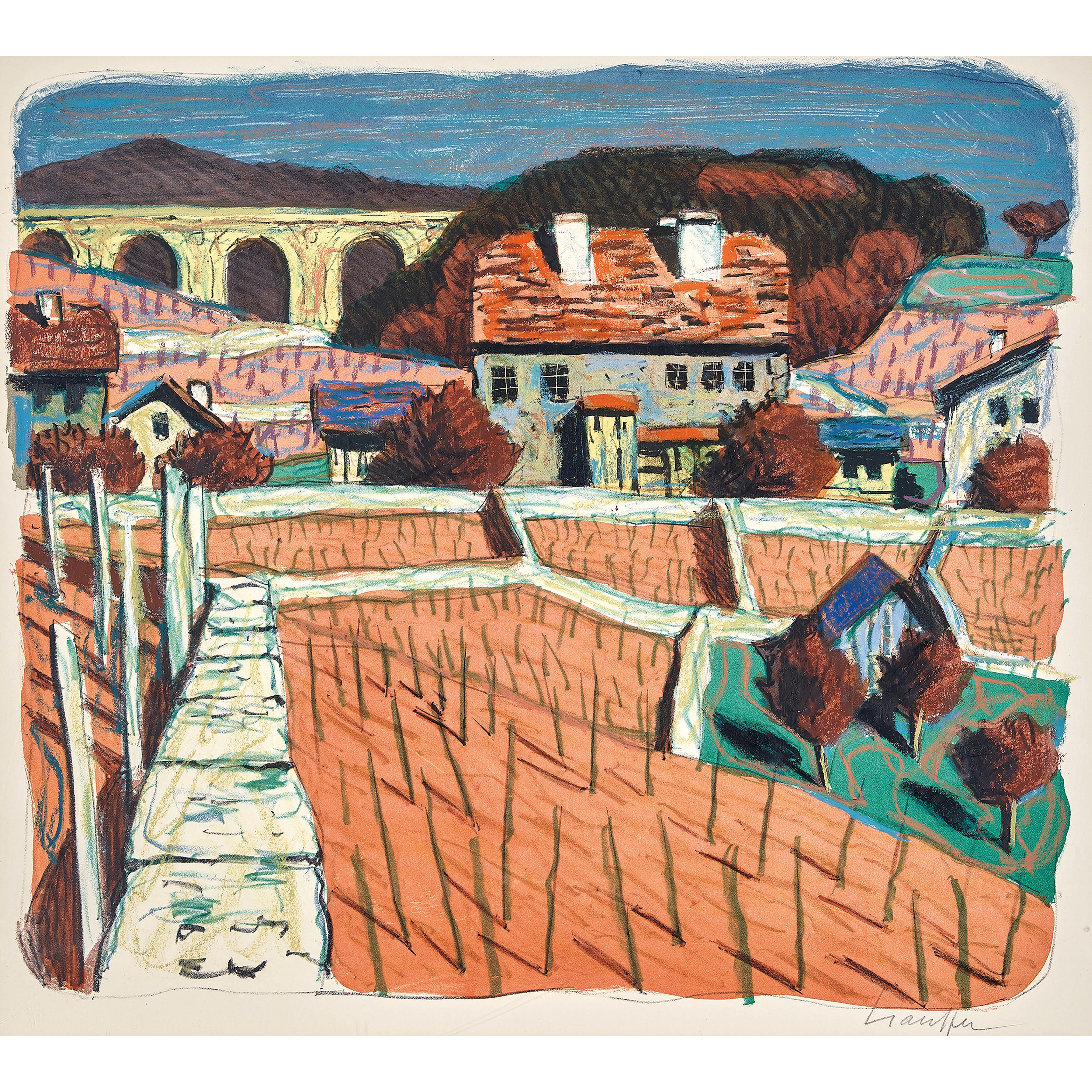
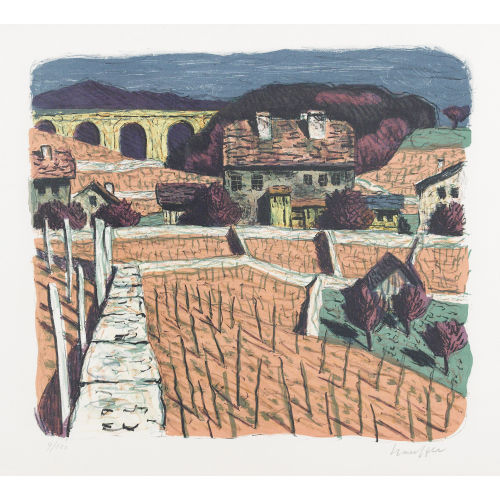
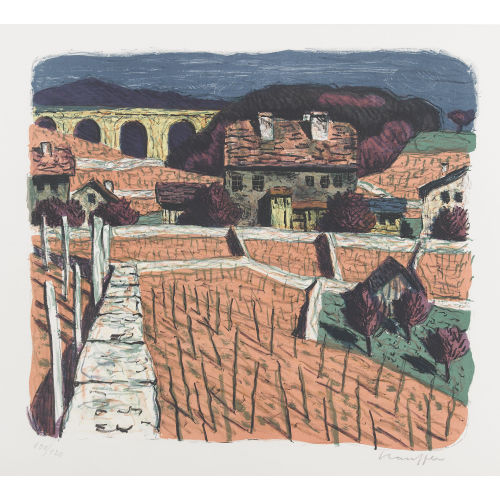
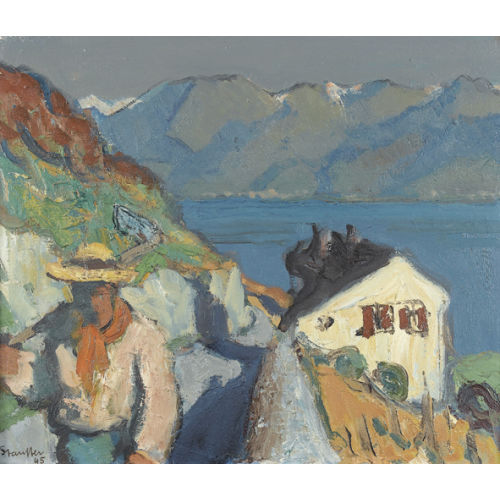
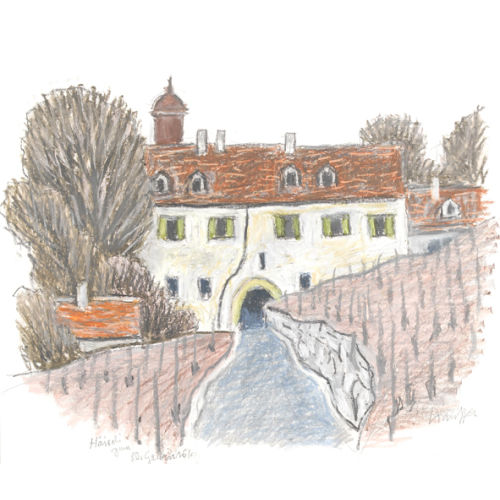
His painting Près de Chexbres, held in the Mobilière collection, offers an illuminating example. The vineyards and low stone walls organise the space, while Lake Geneva and the softness of the distant landscape create an atmosphere of early spring. The eye thus moves between the geometry of the terrain and the subtle variations of light.
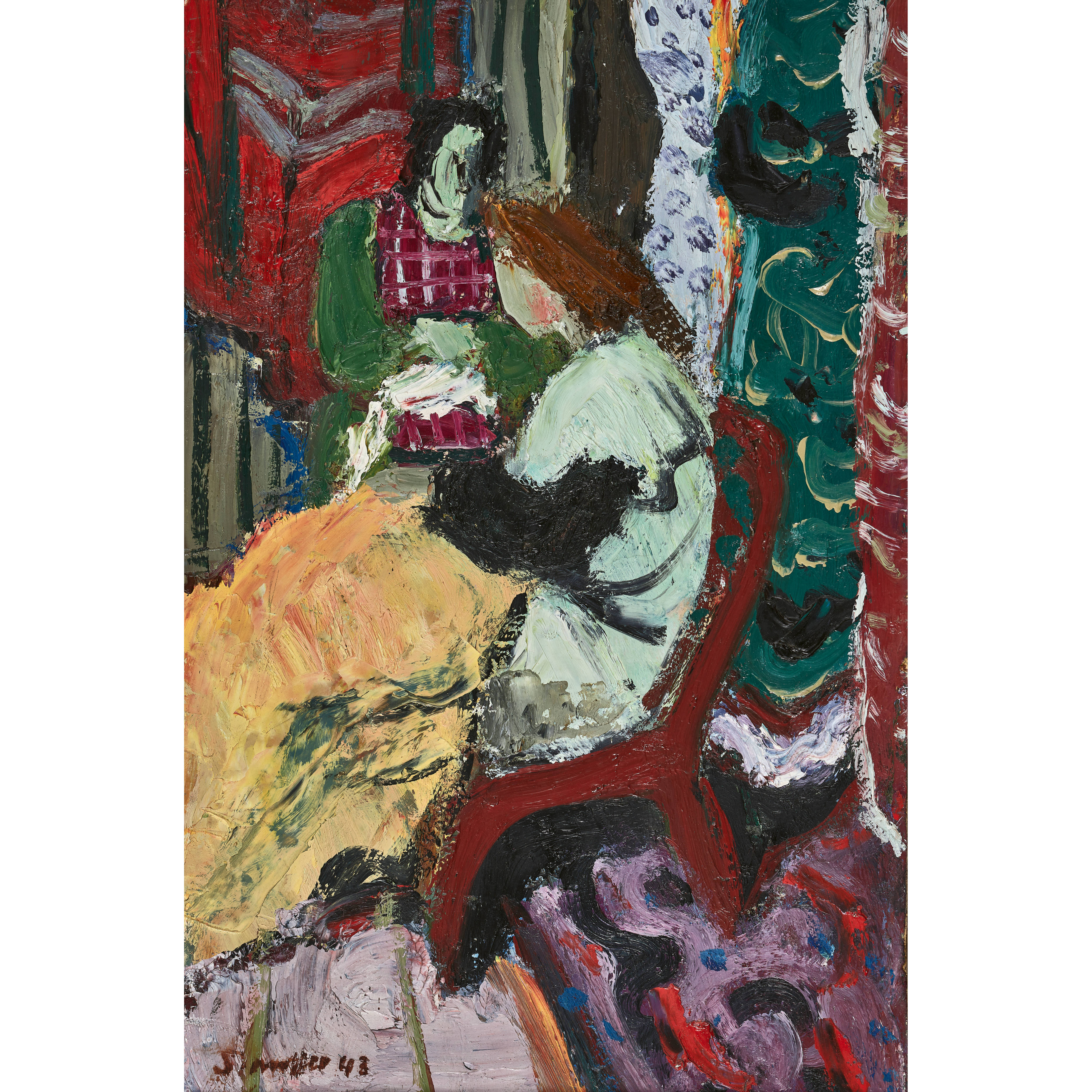
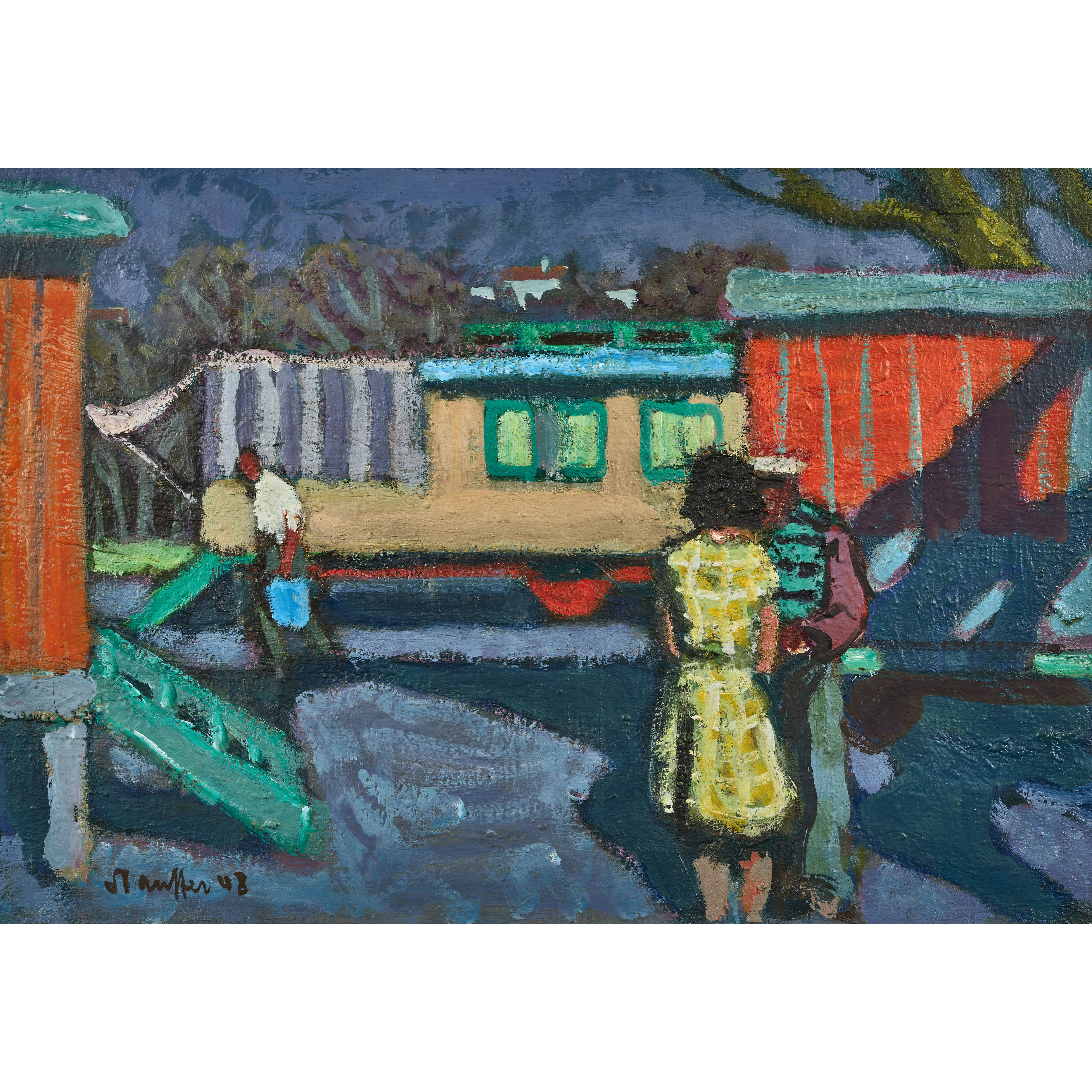
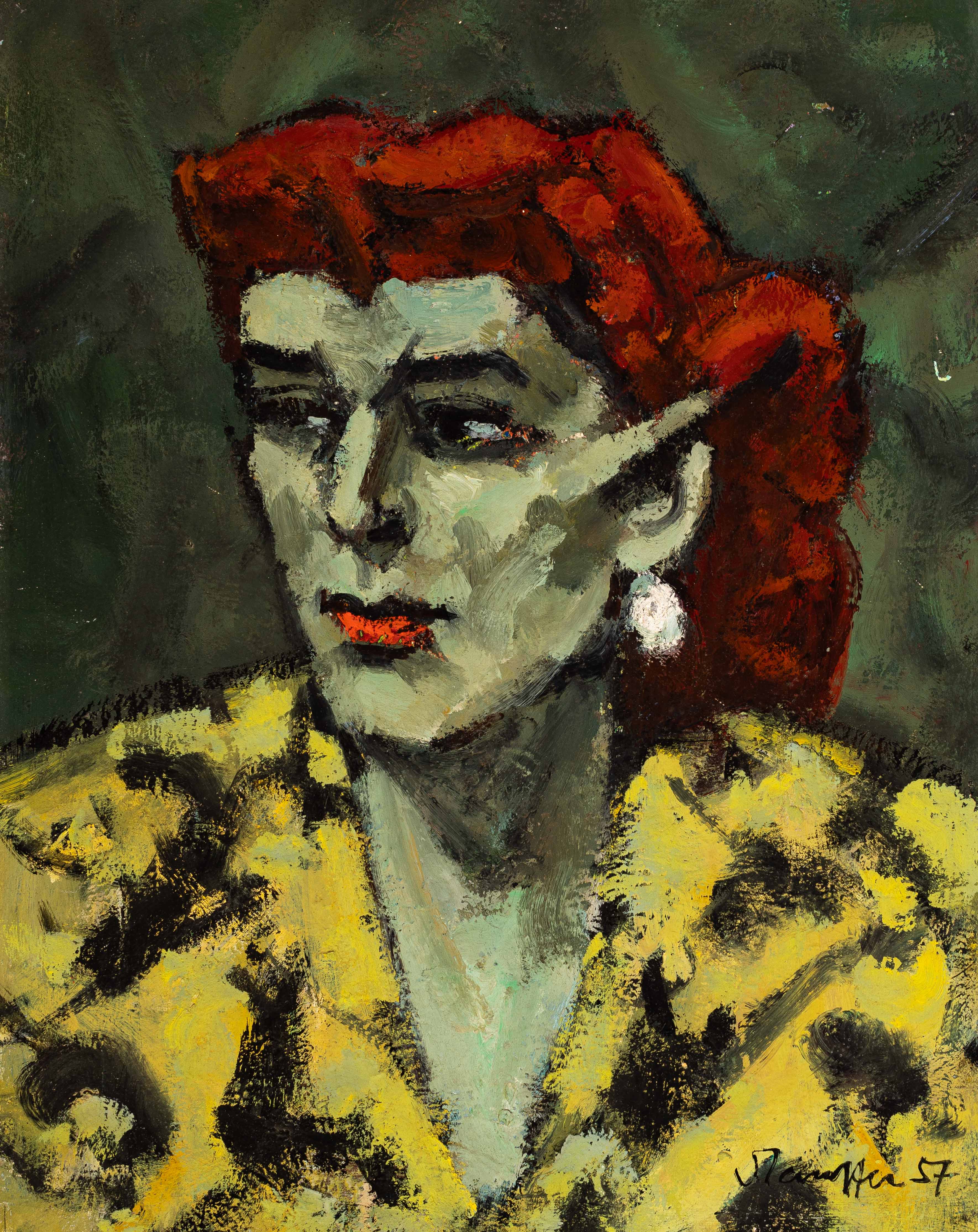
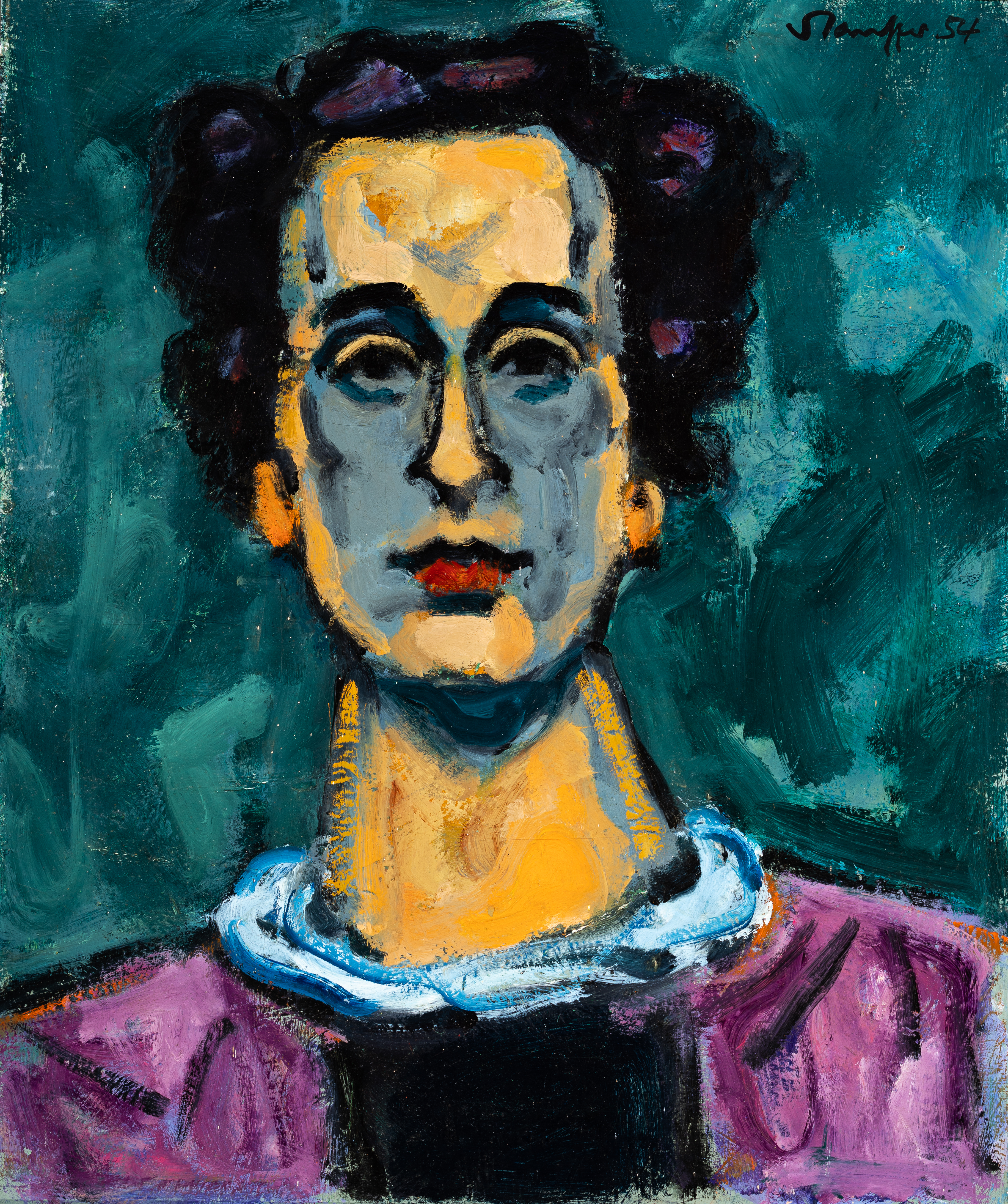
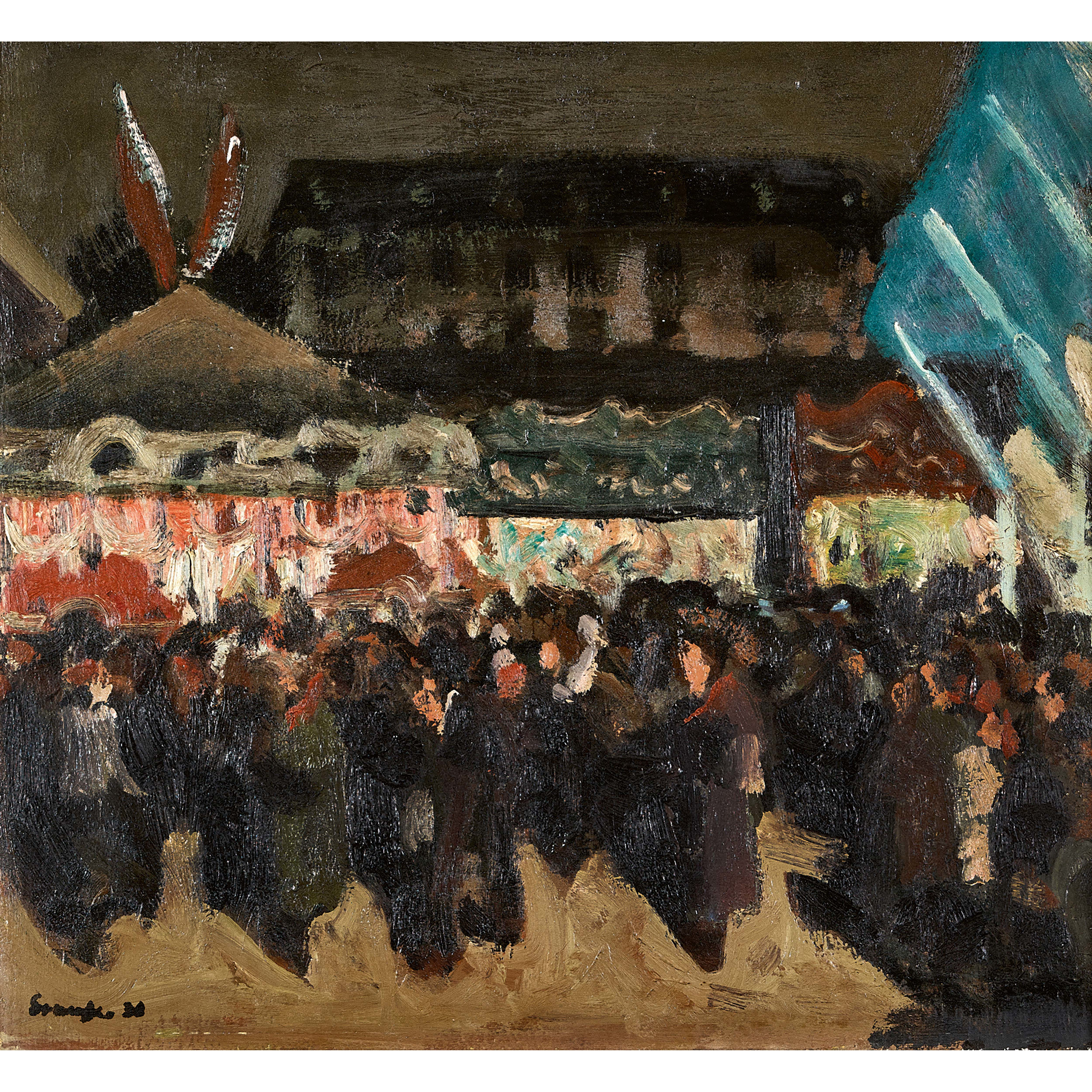
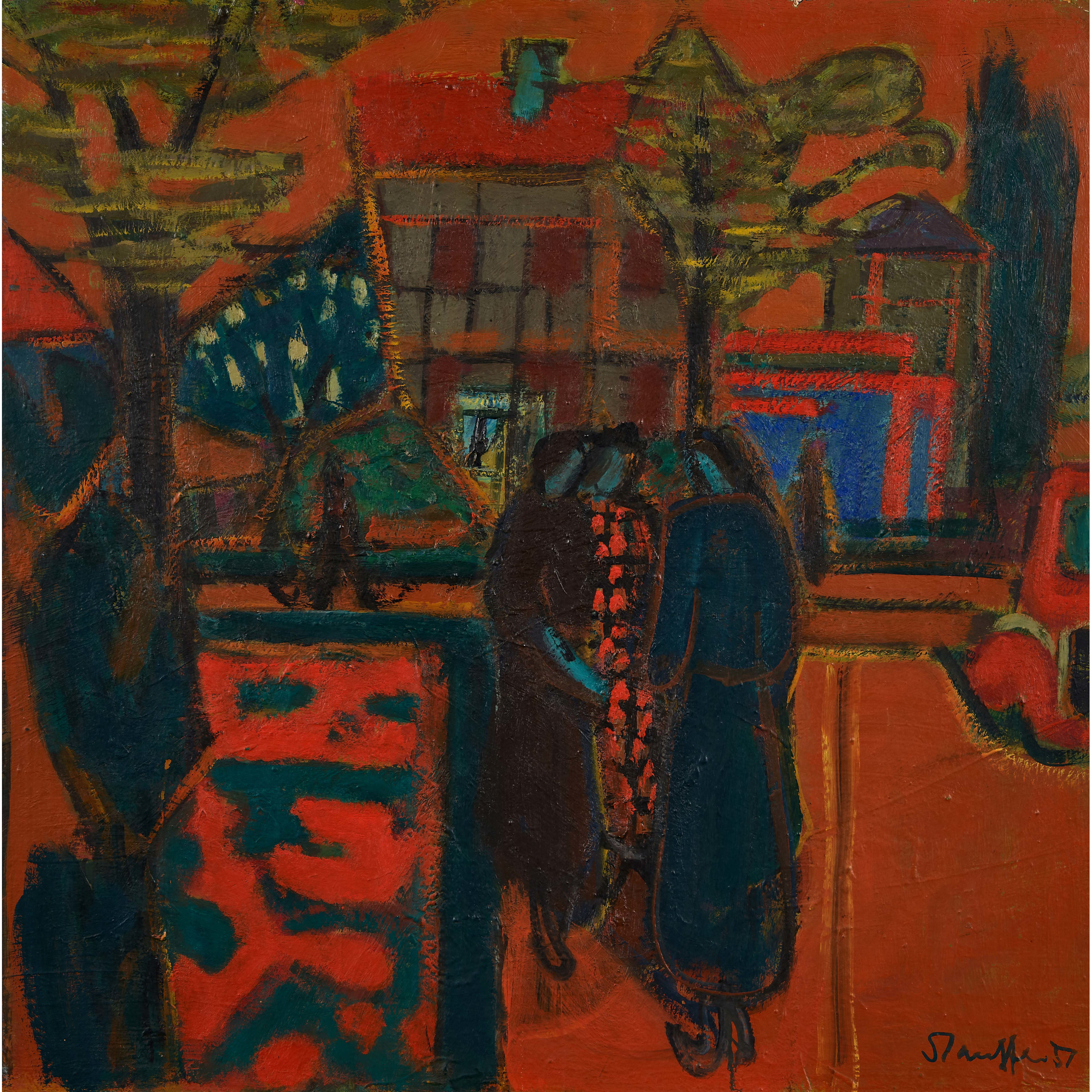
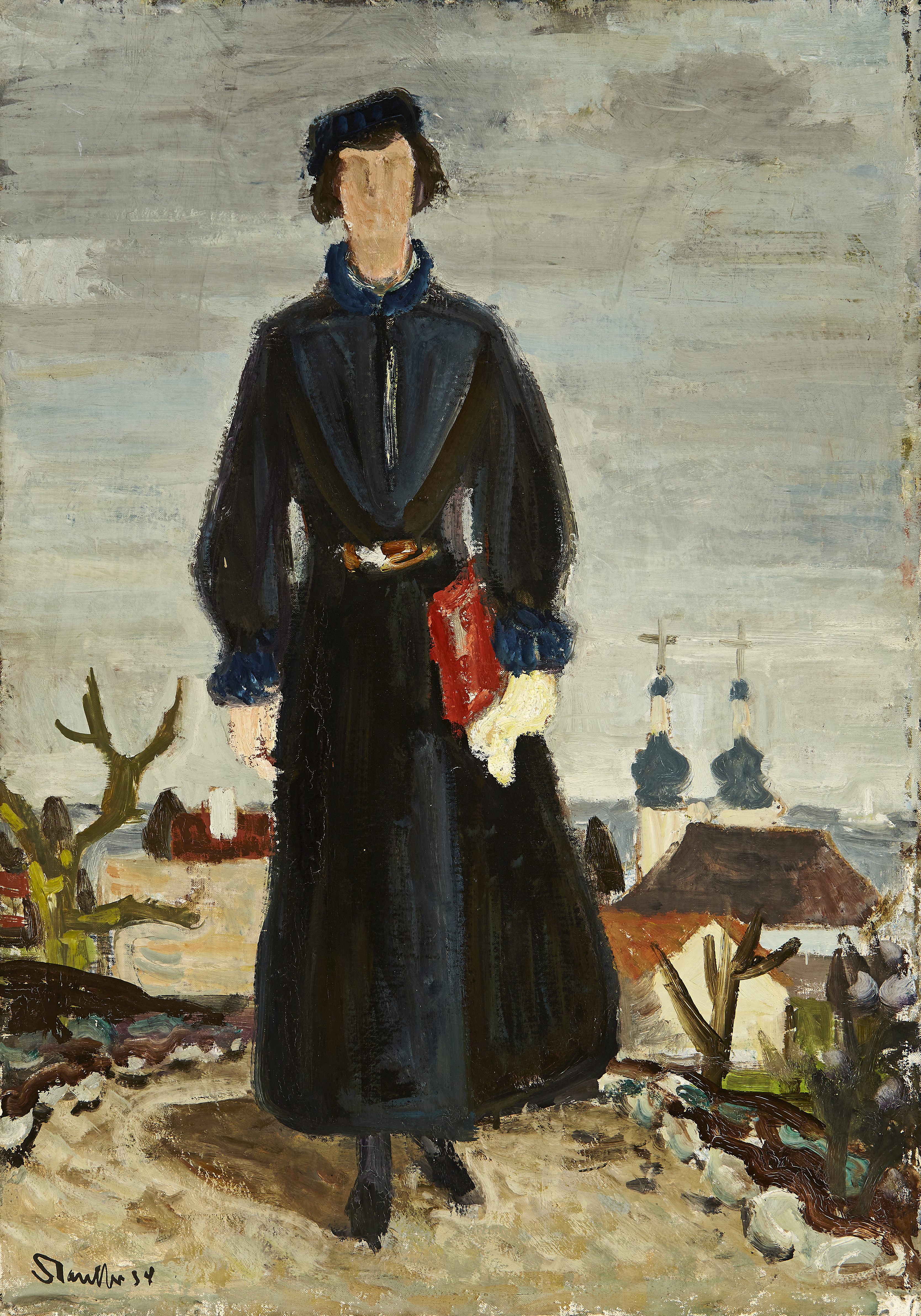
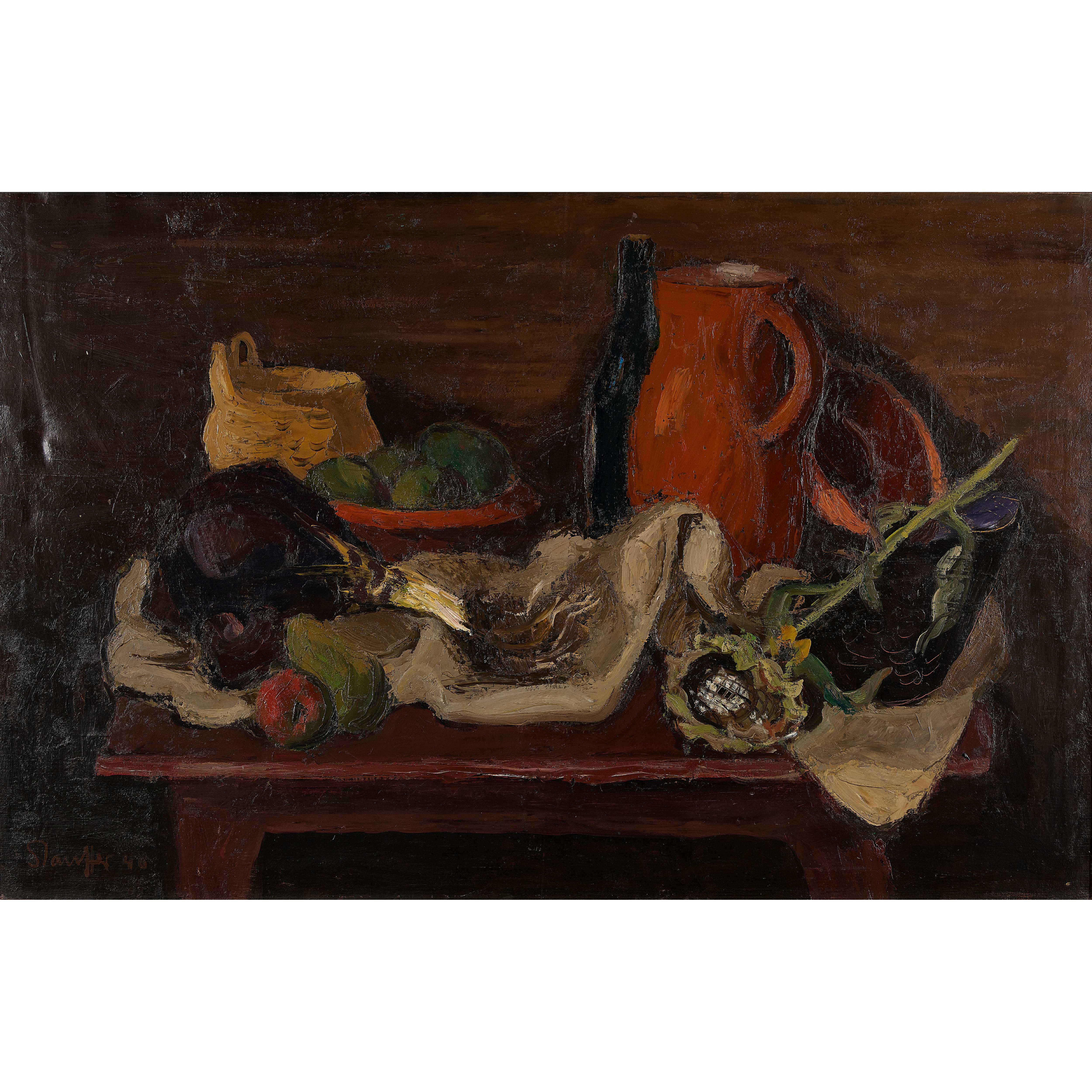
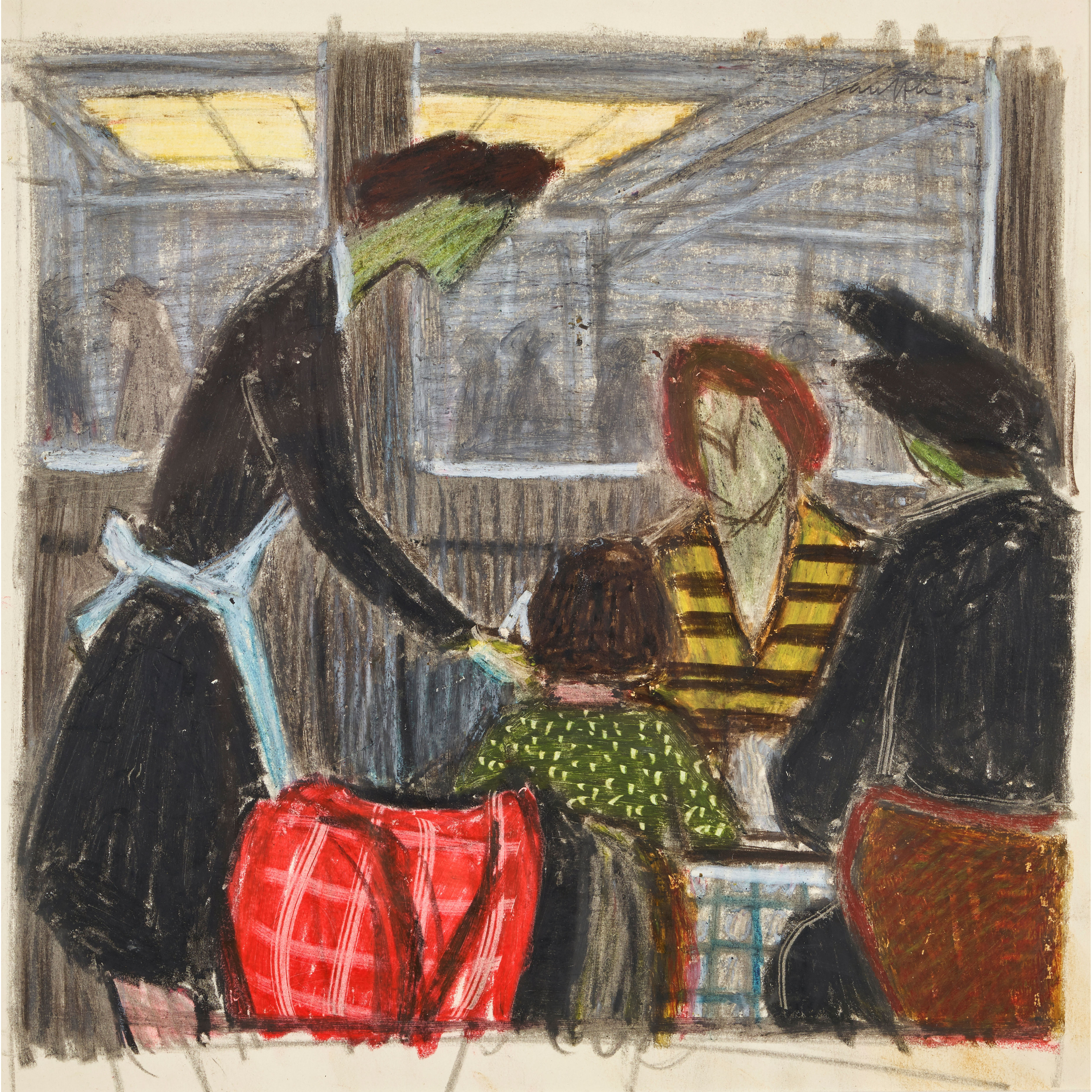
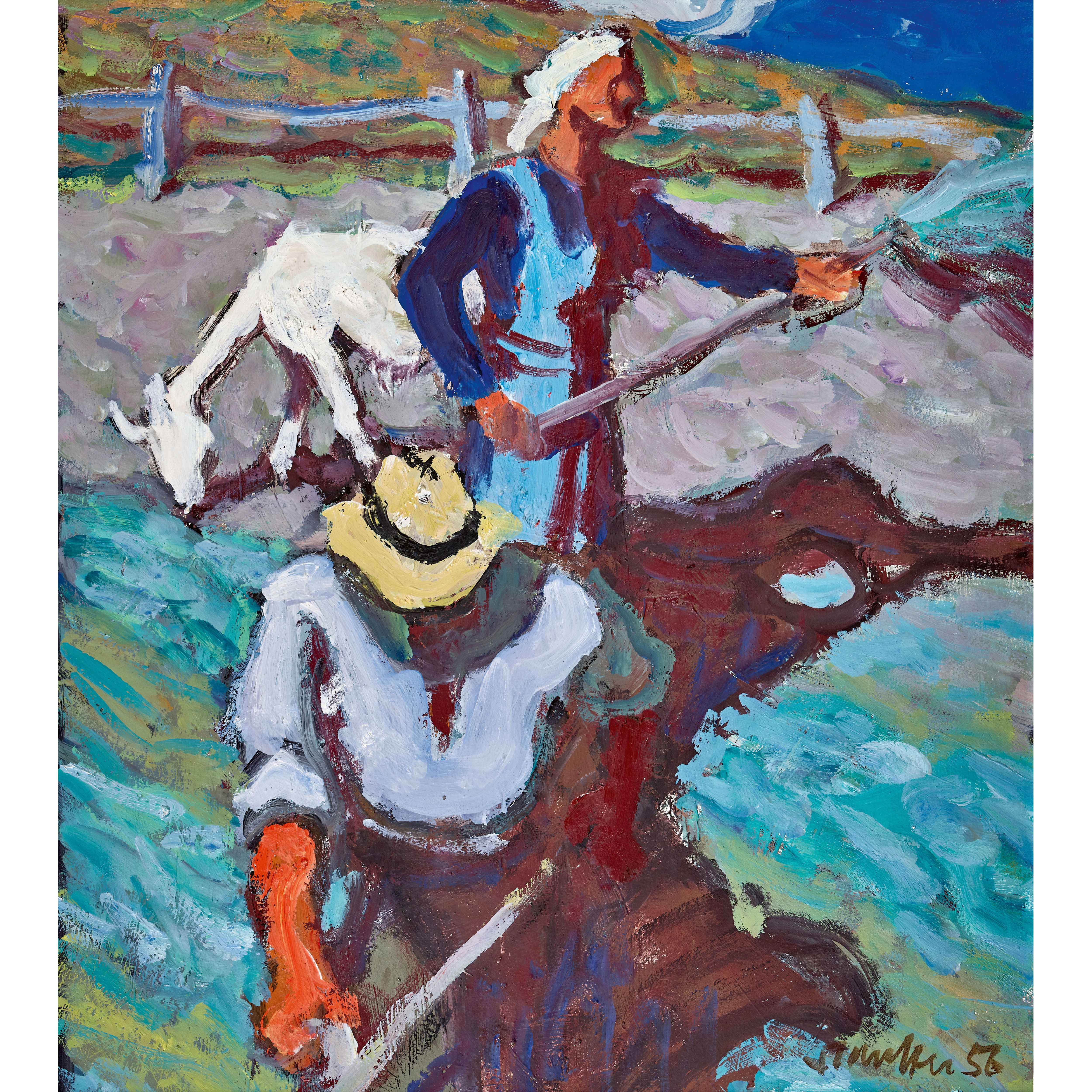
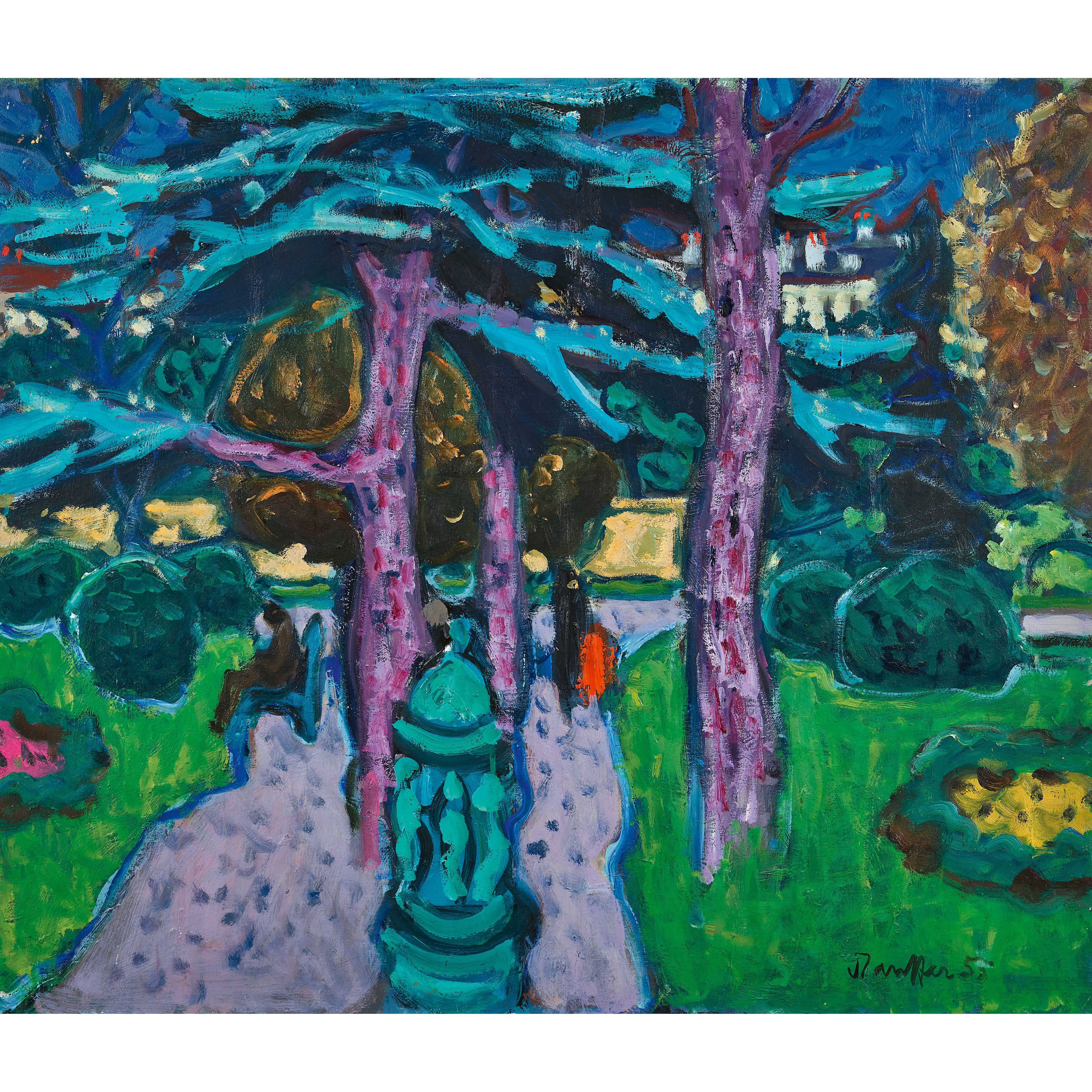
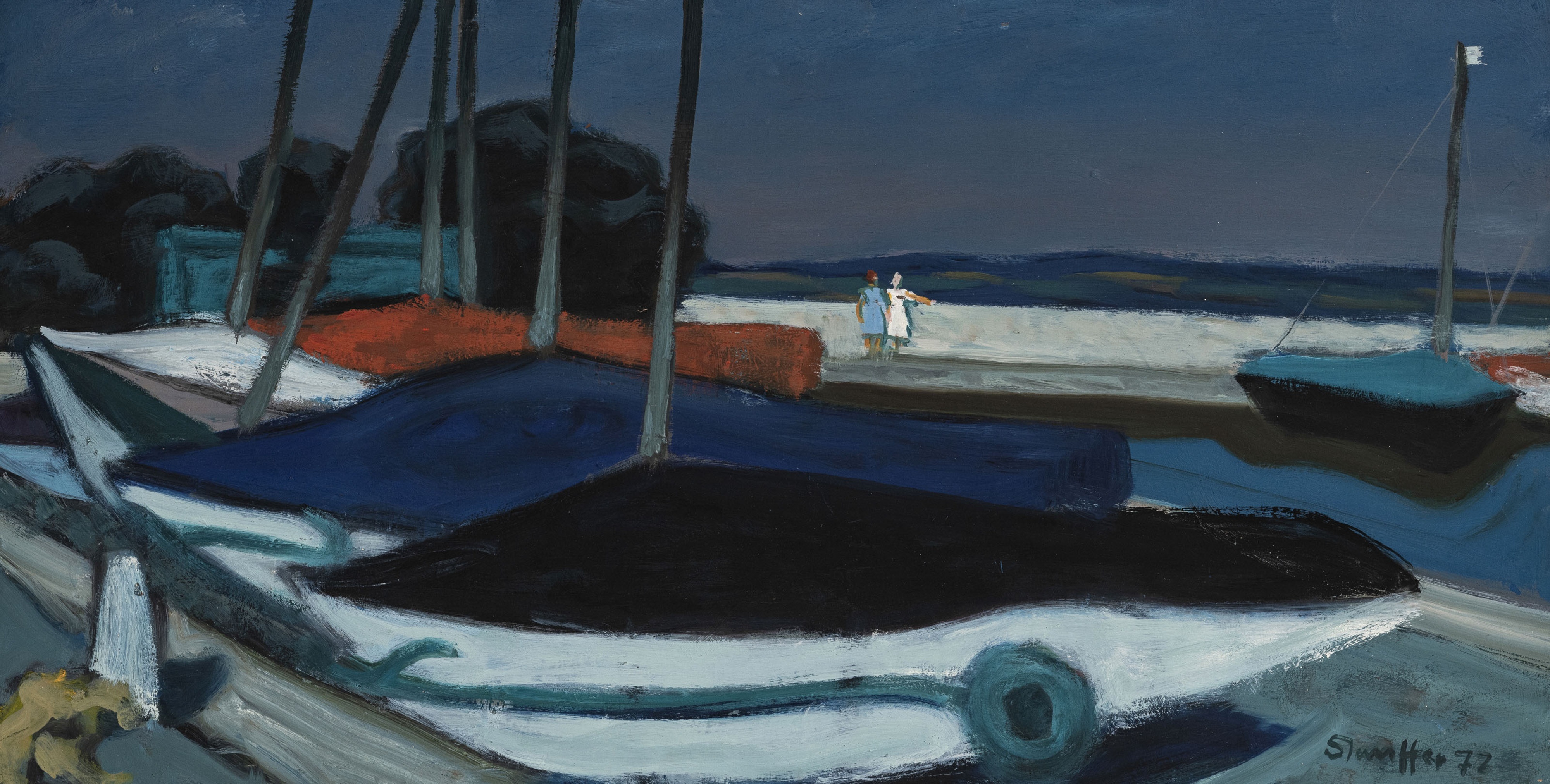
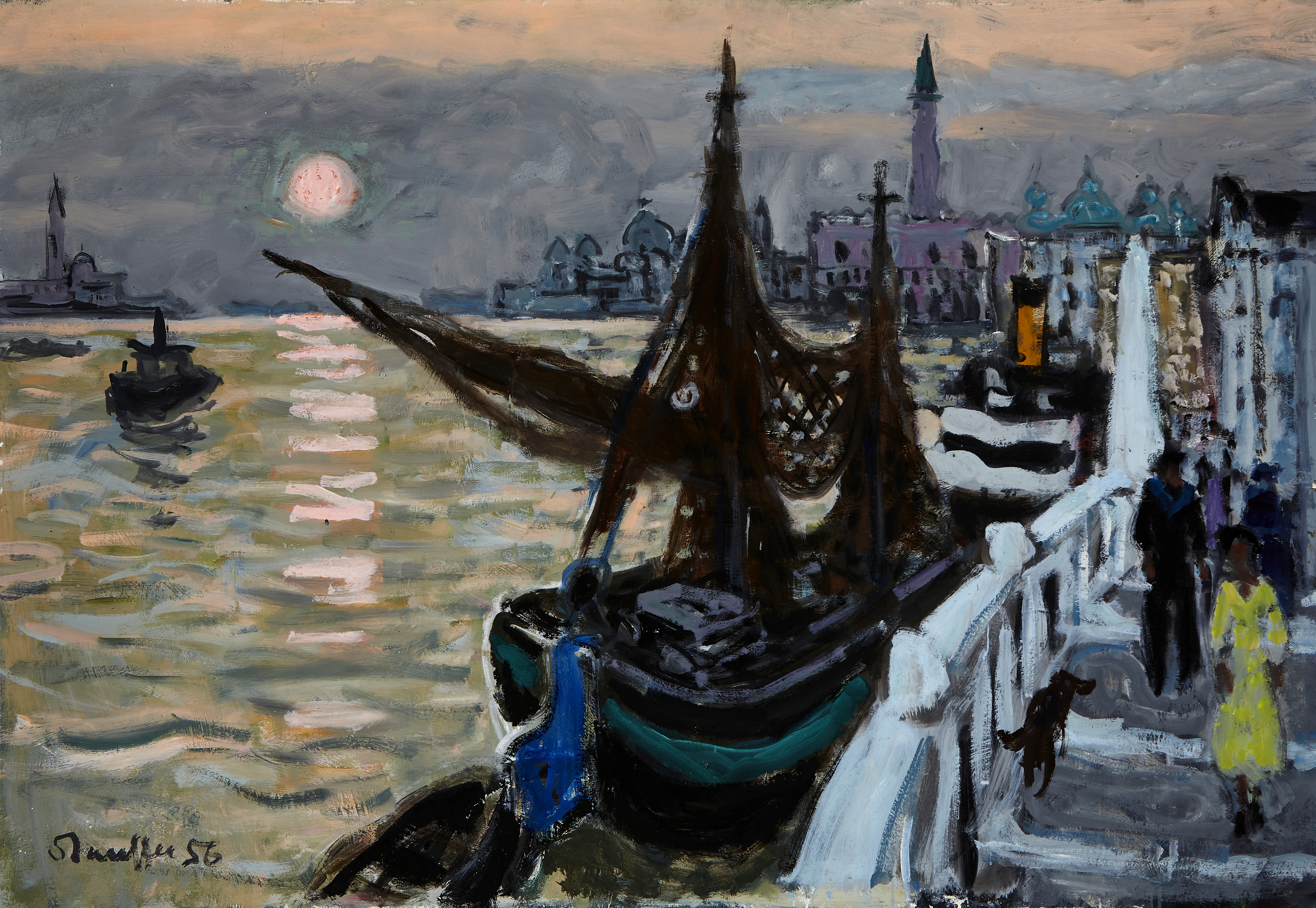
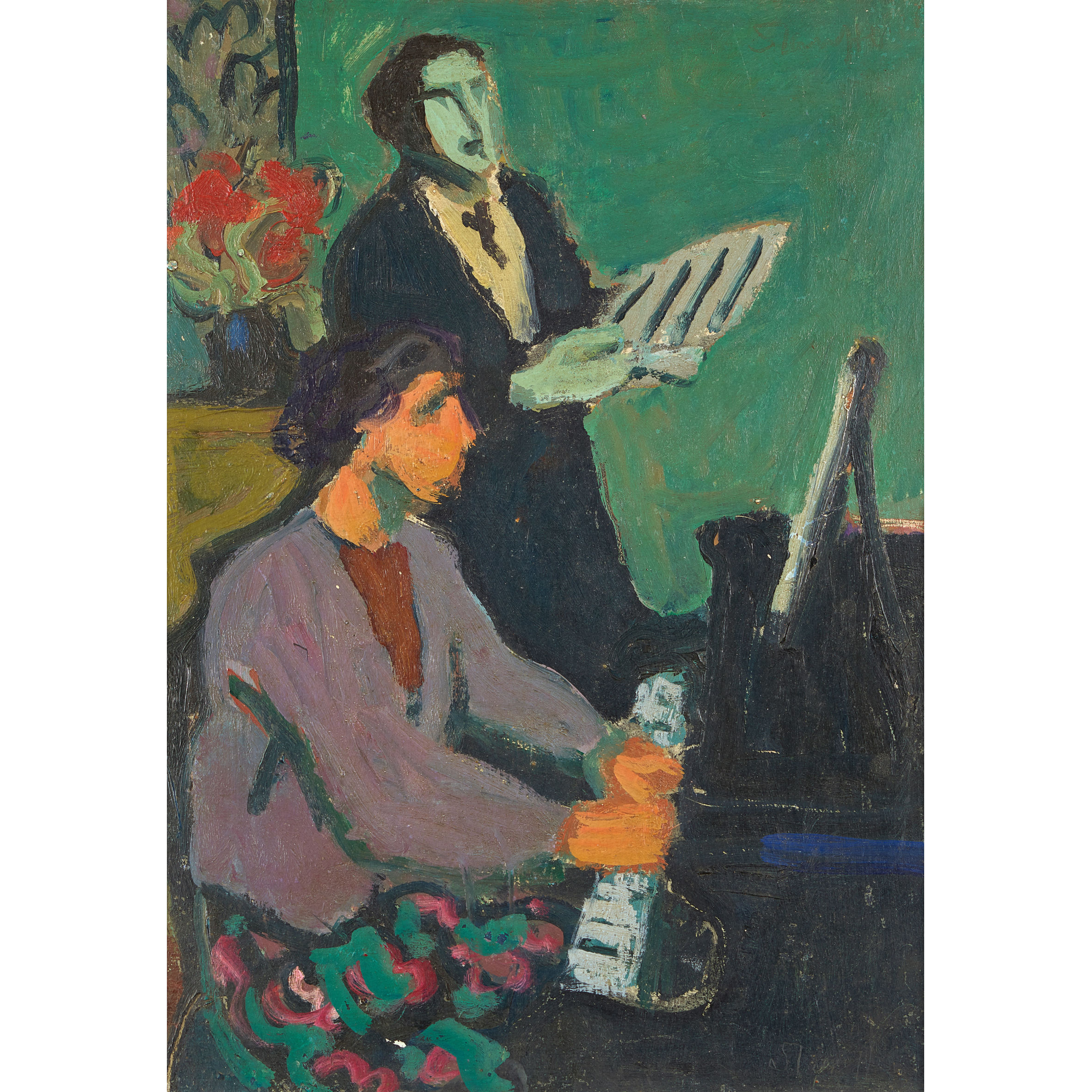
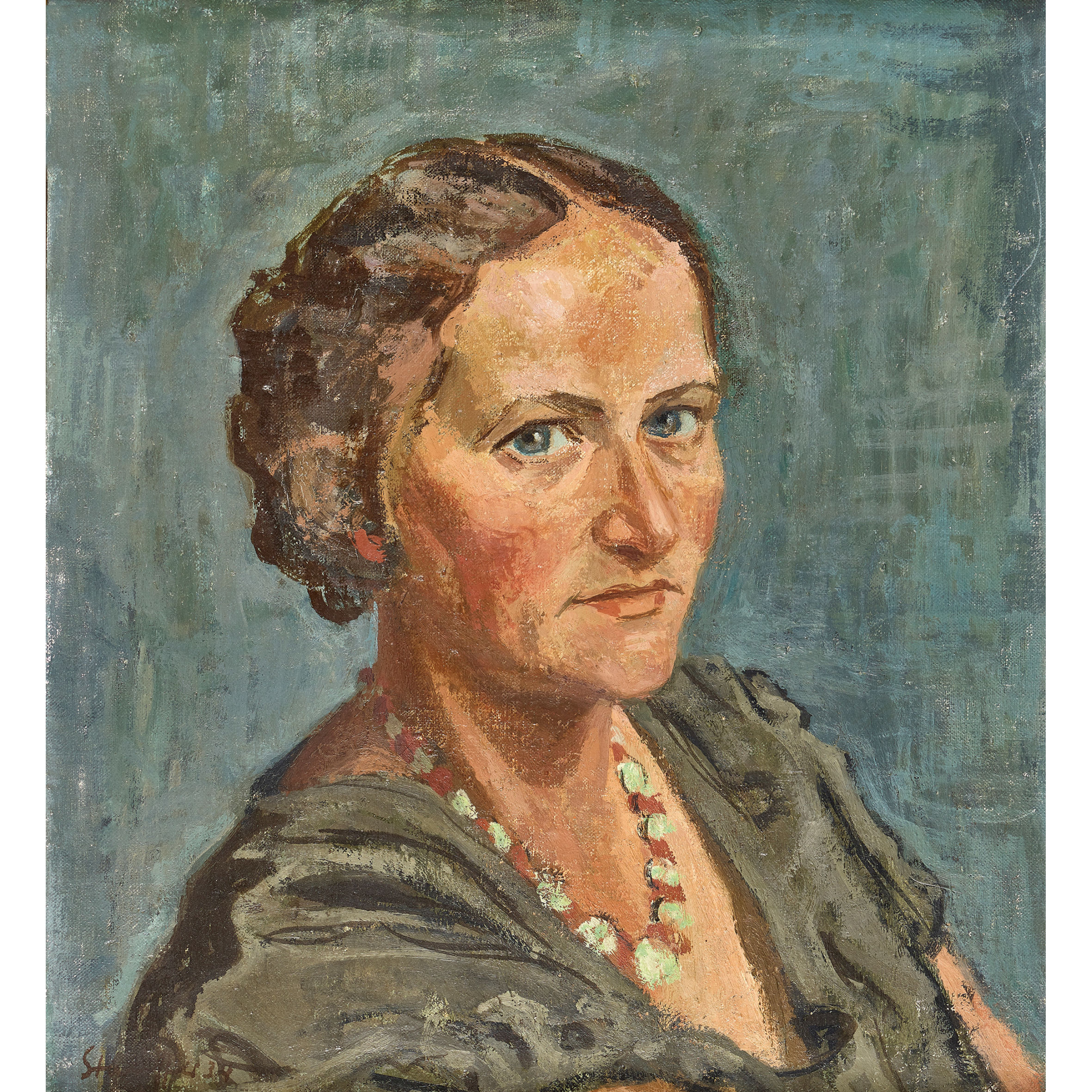
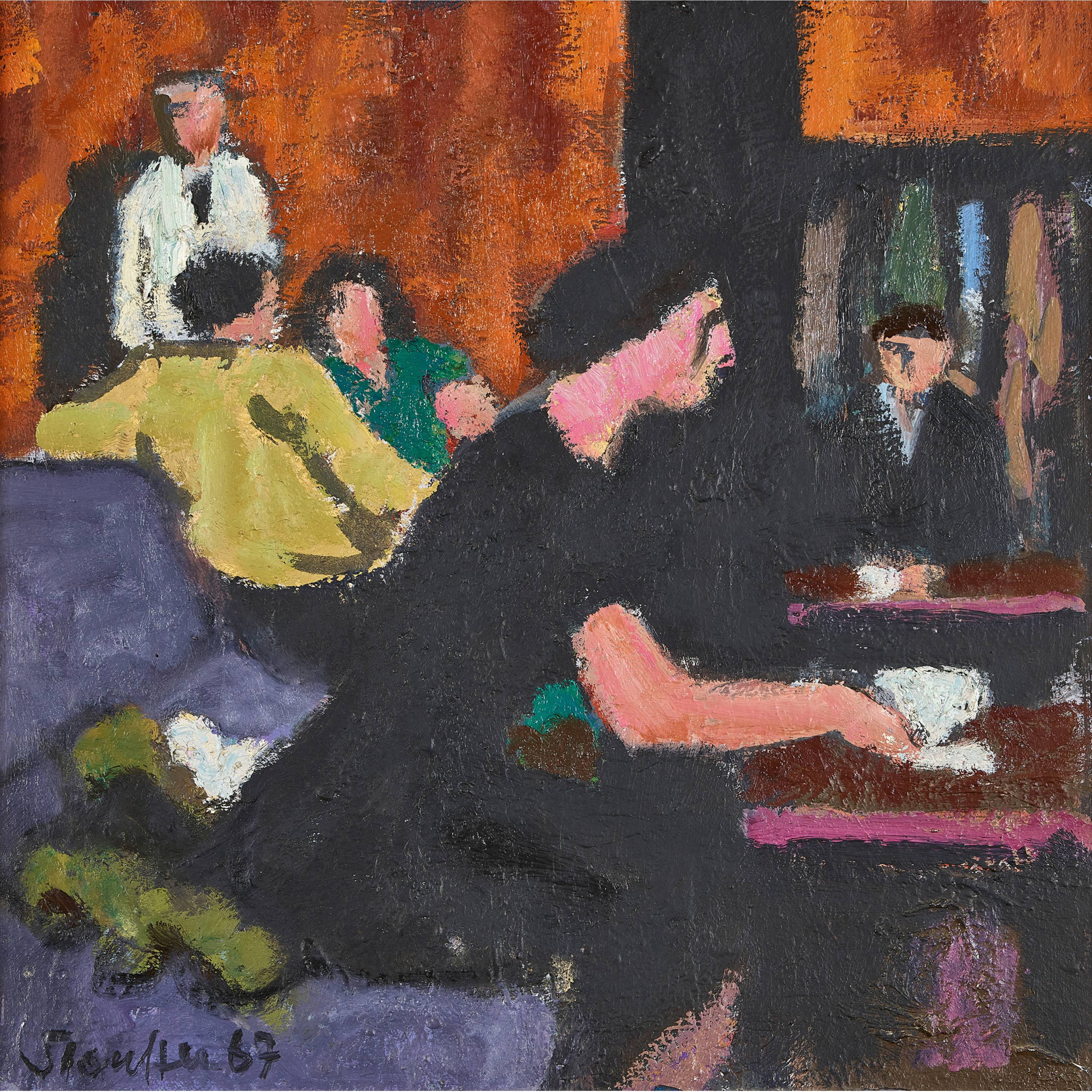
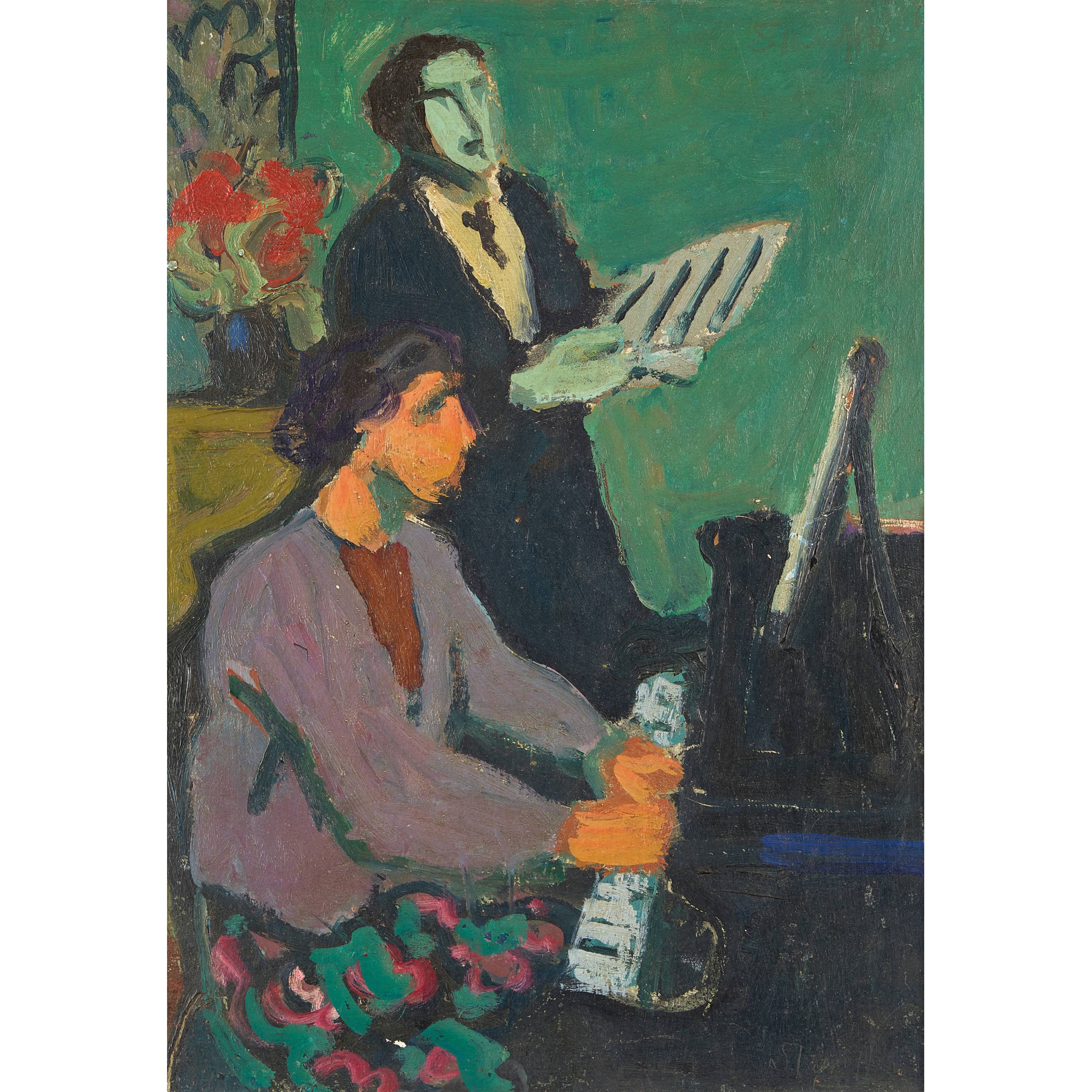
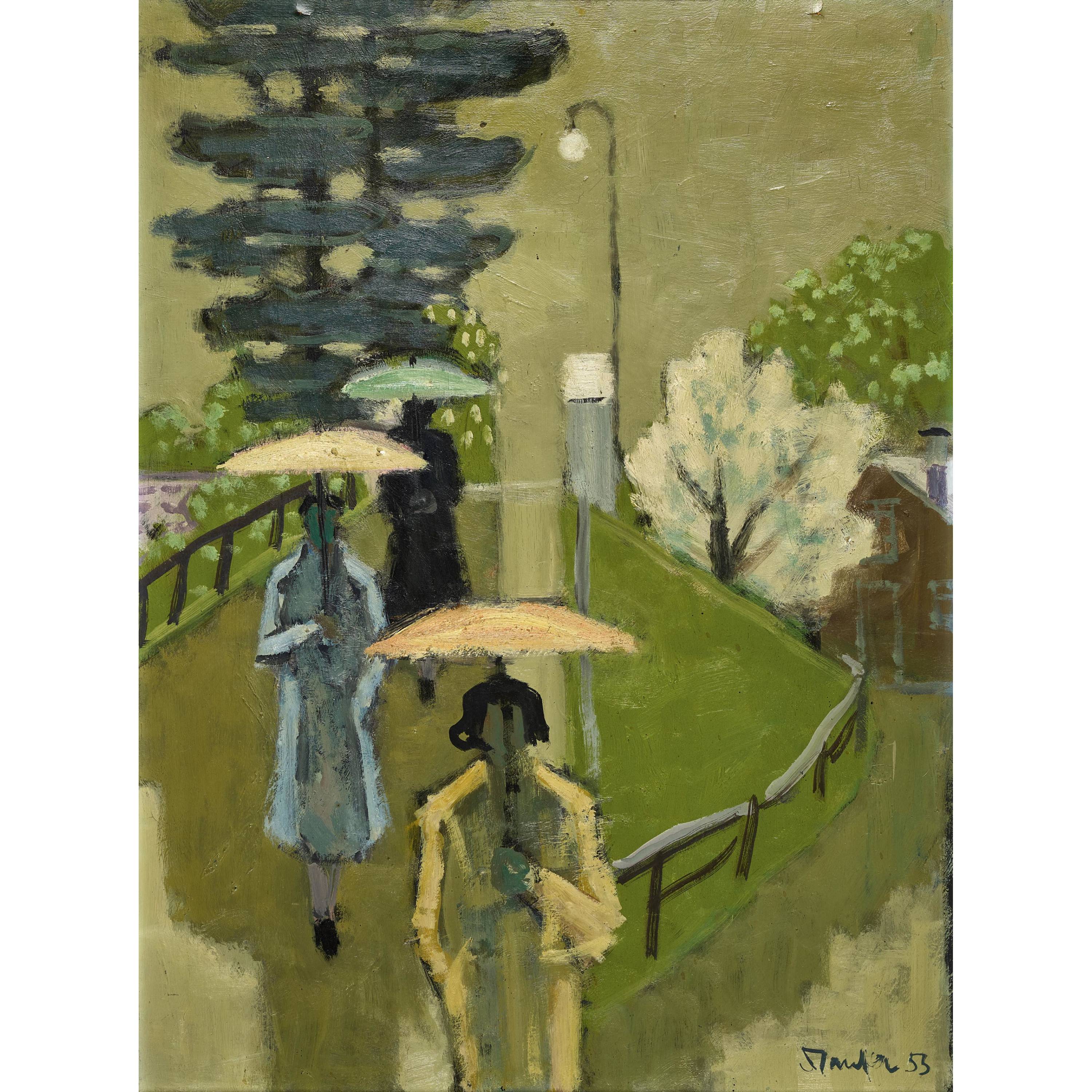
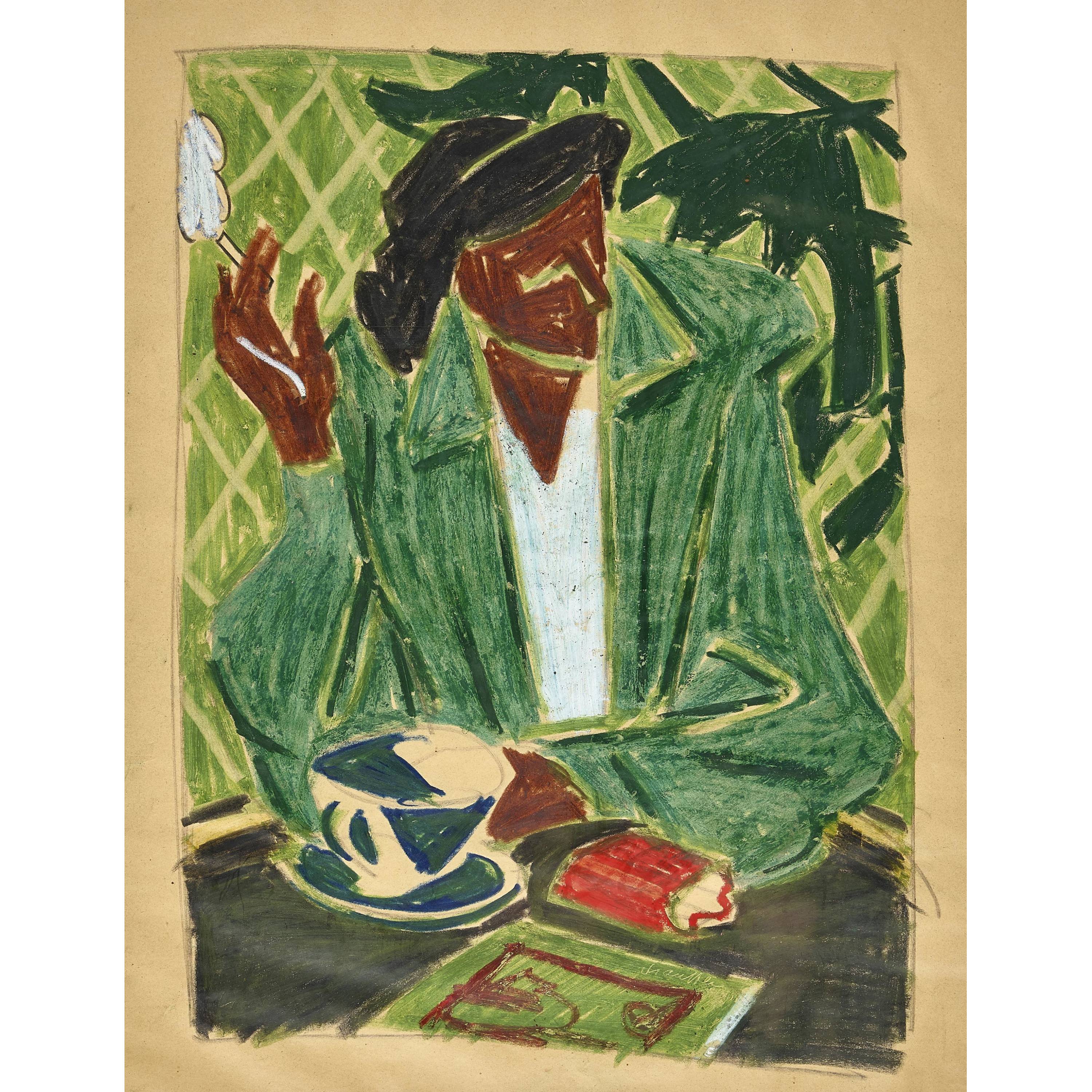
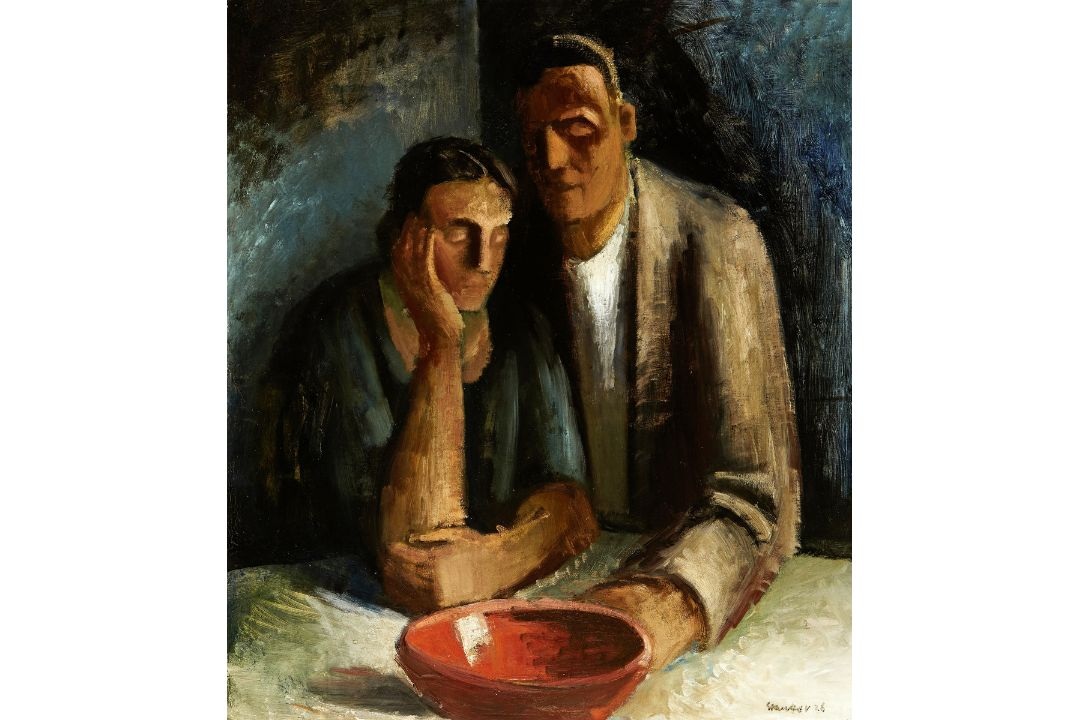
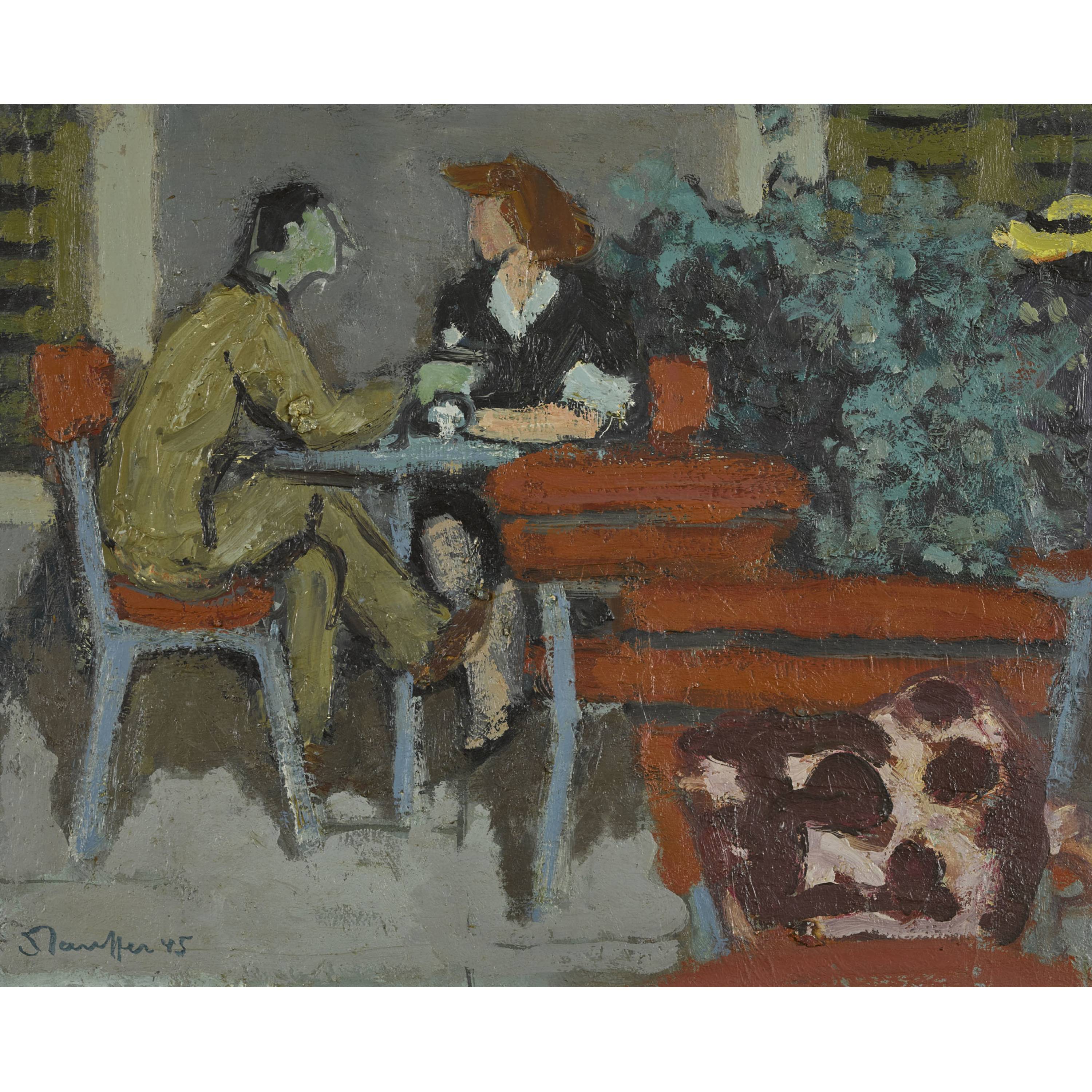
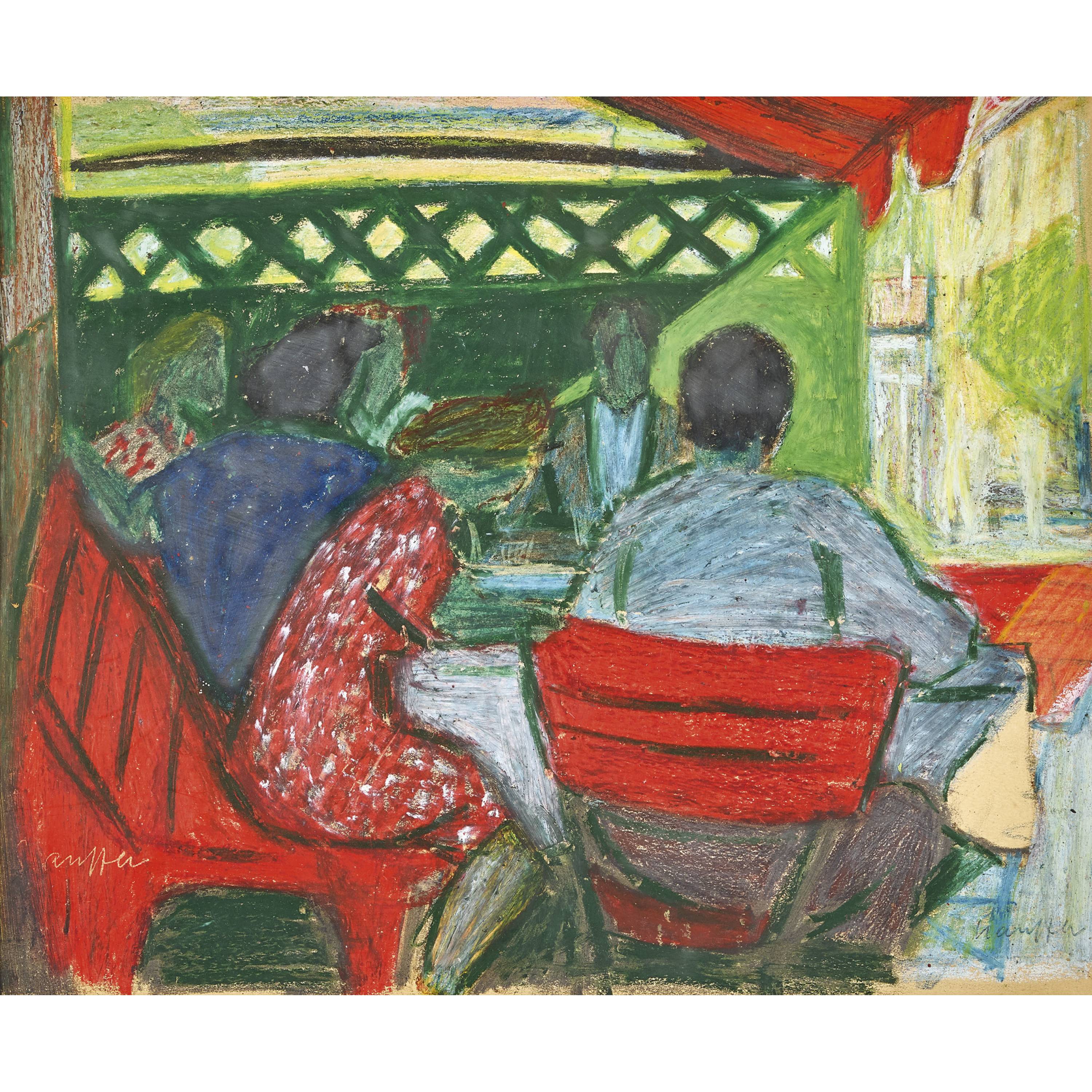
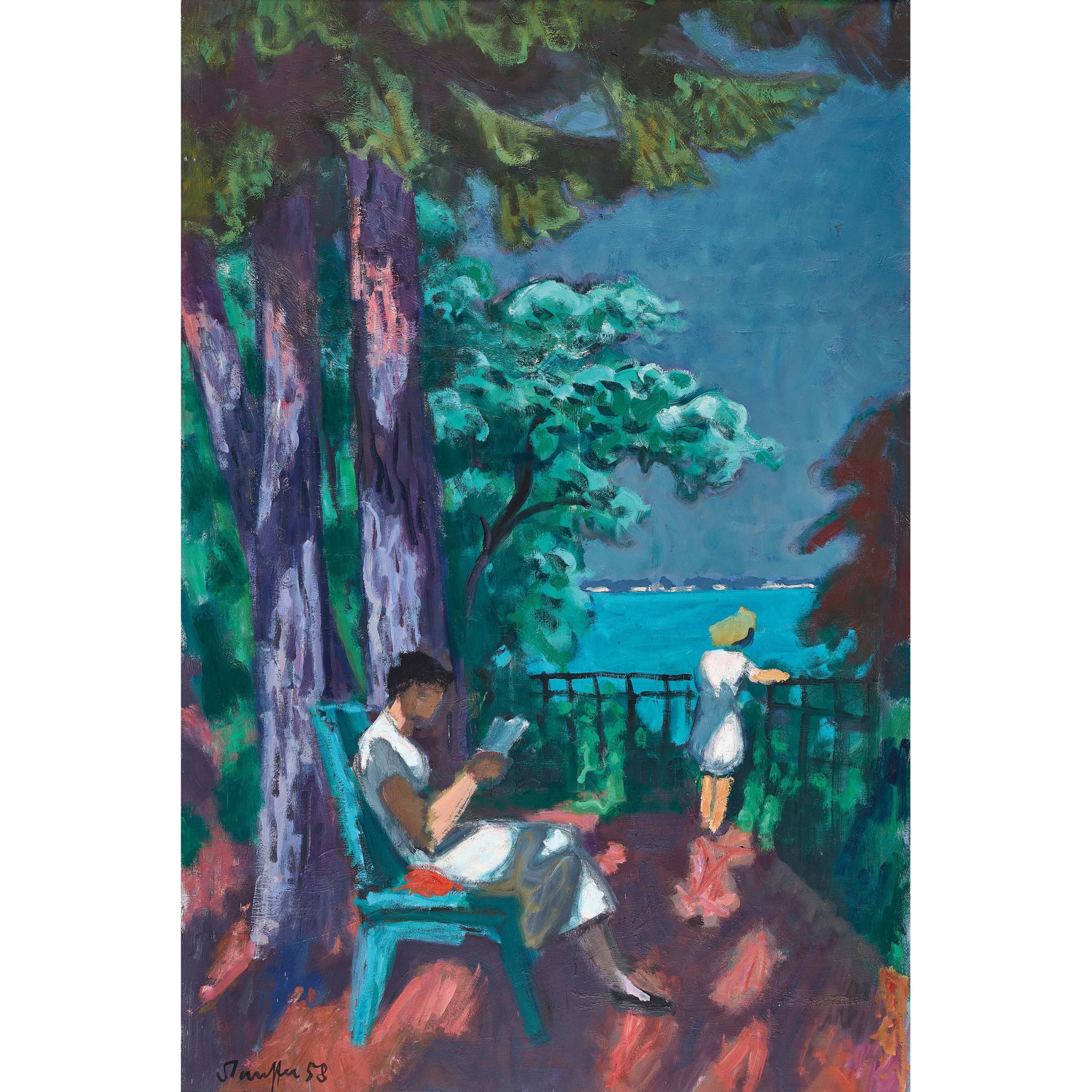
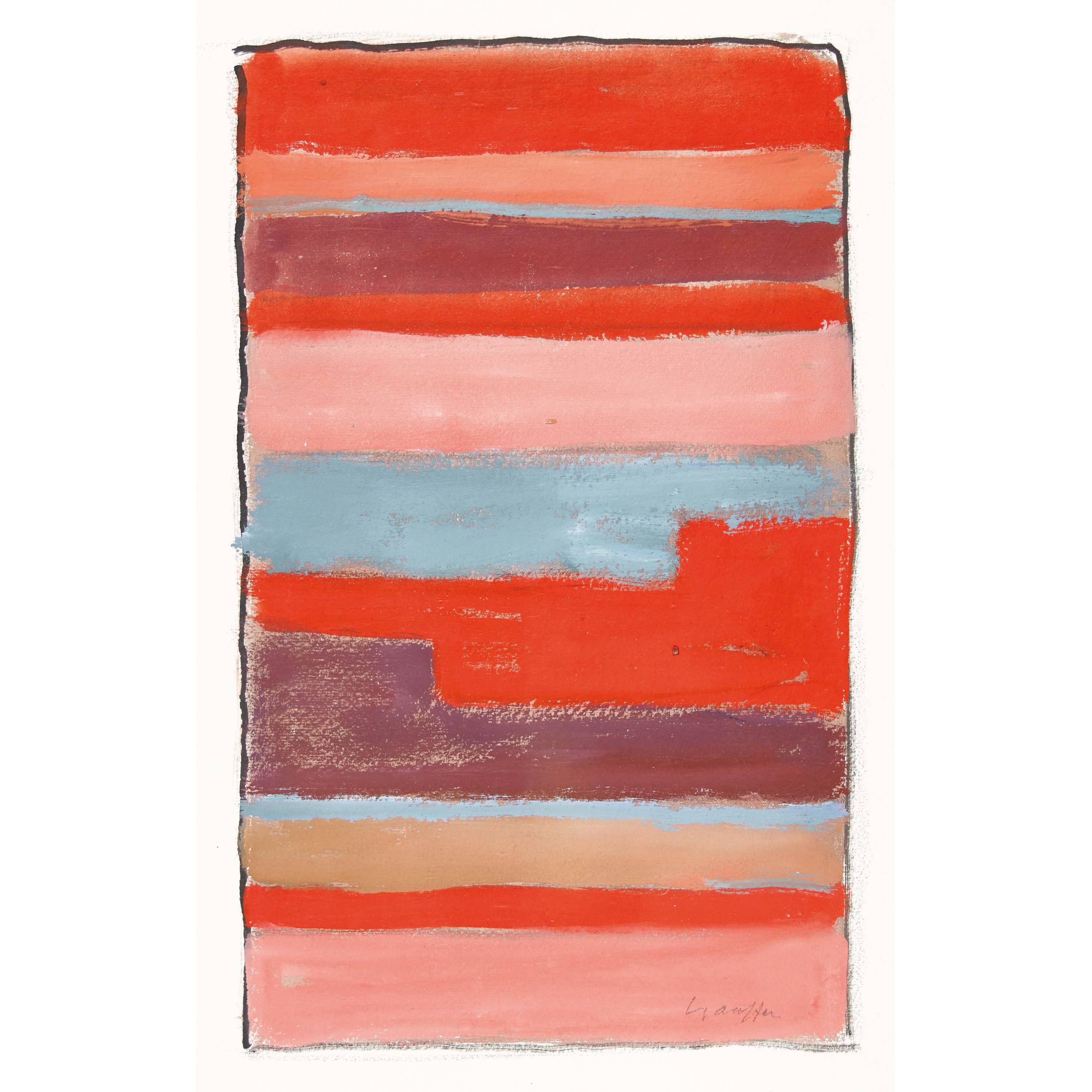
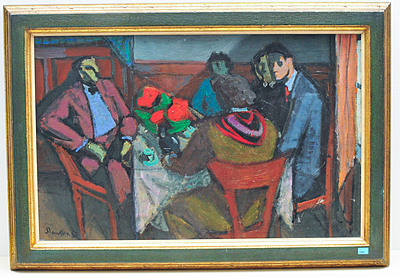
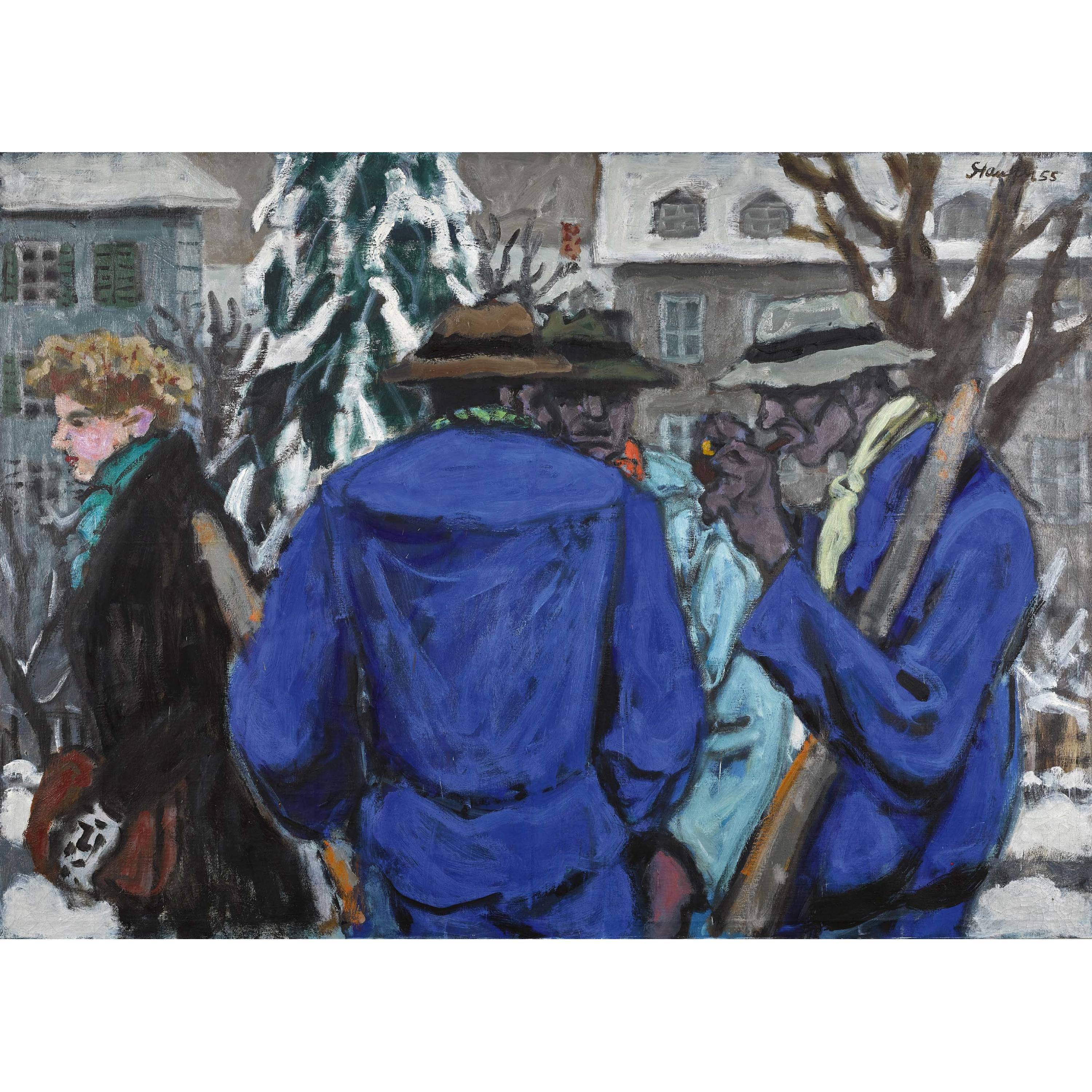
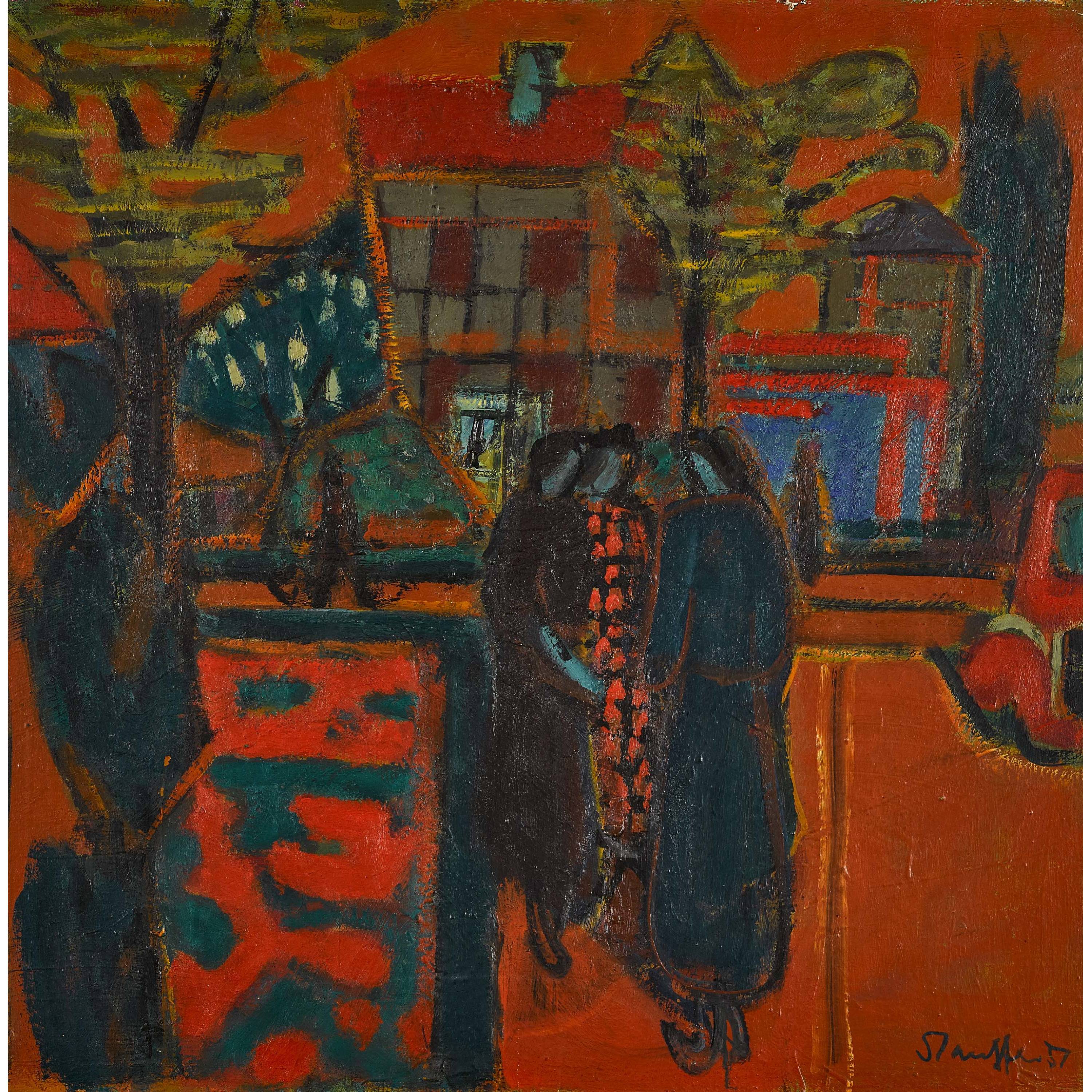
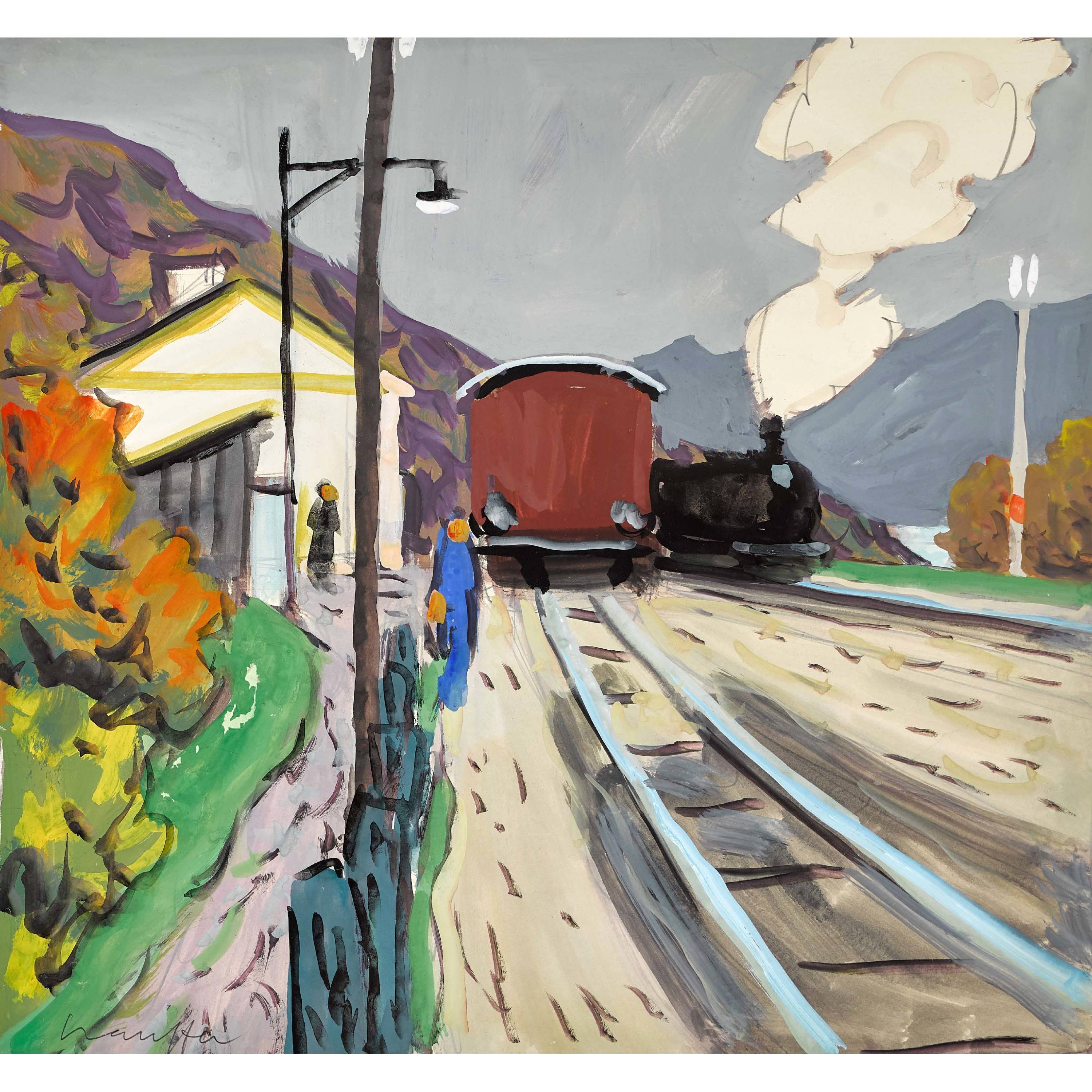
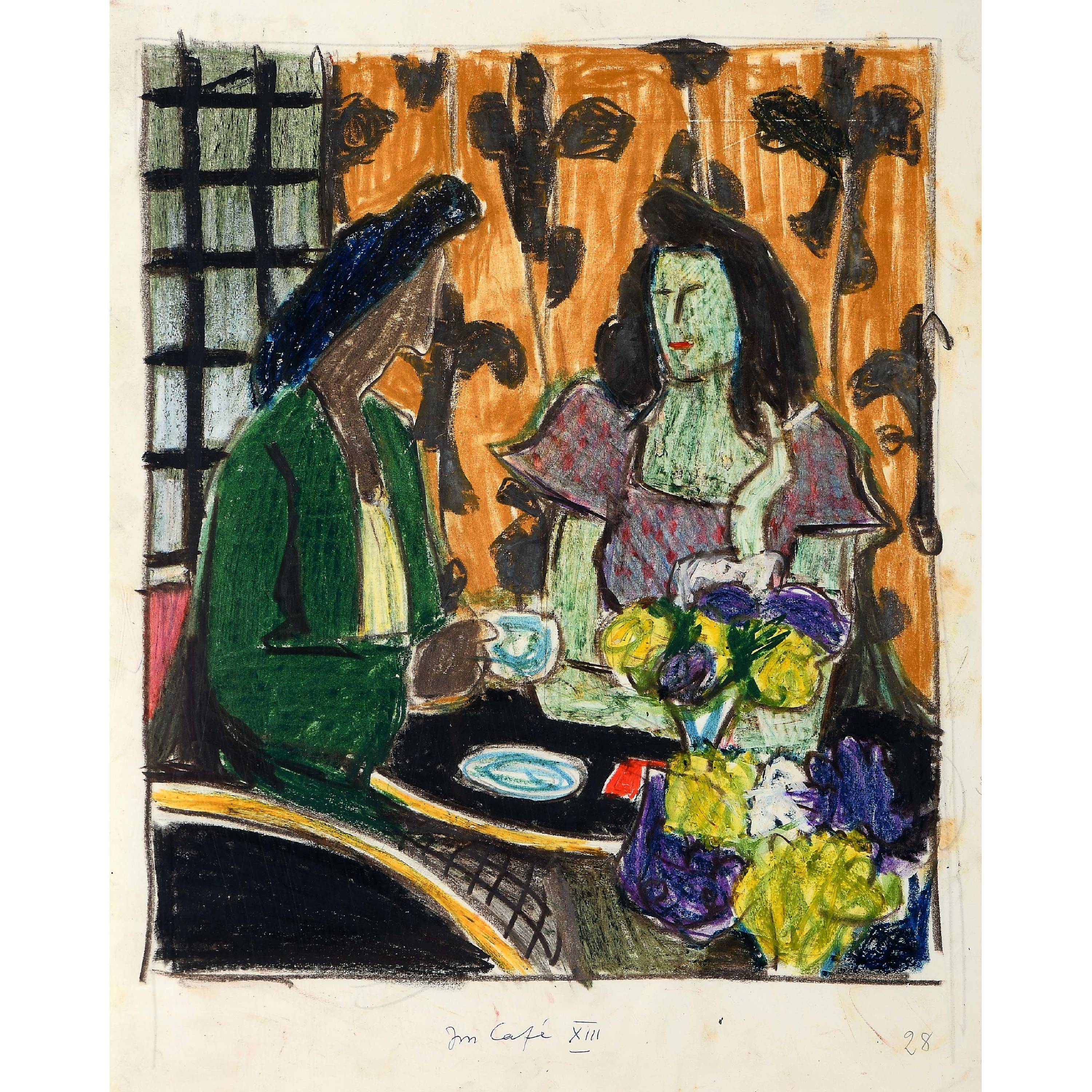
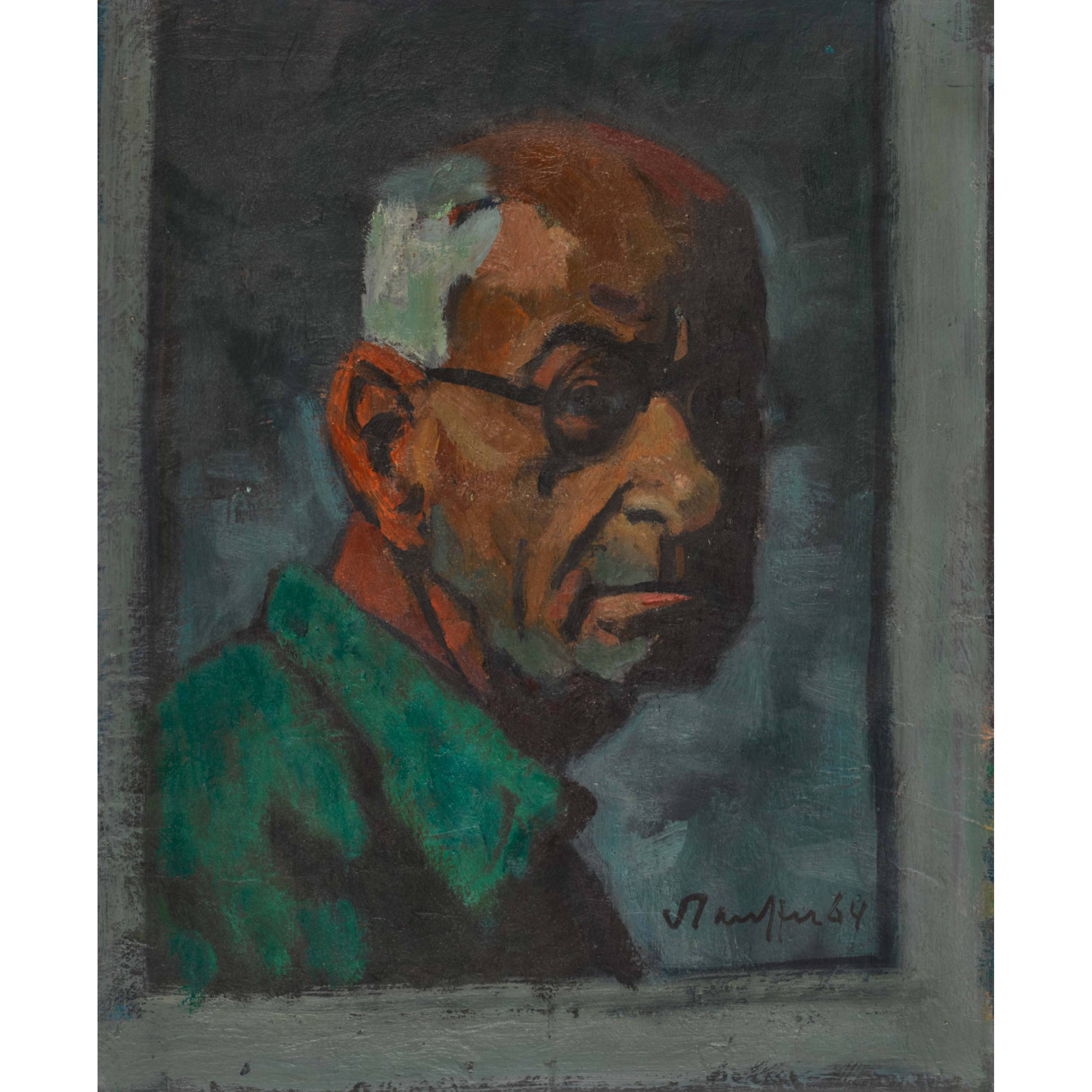
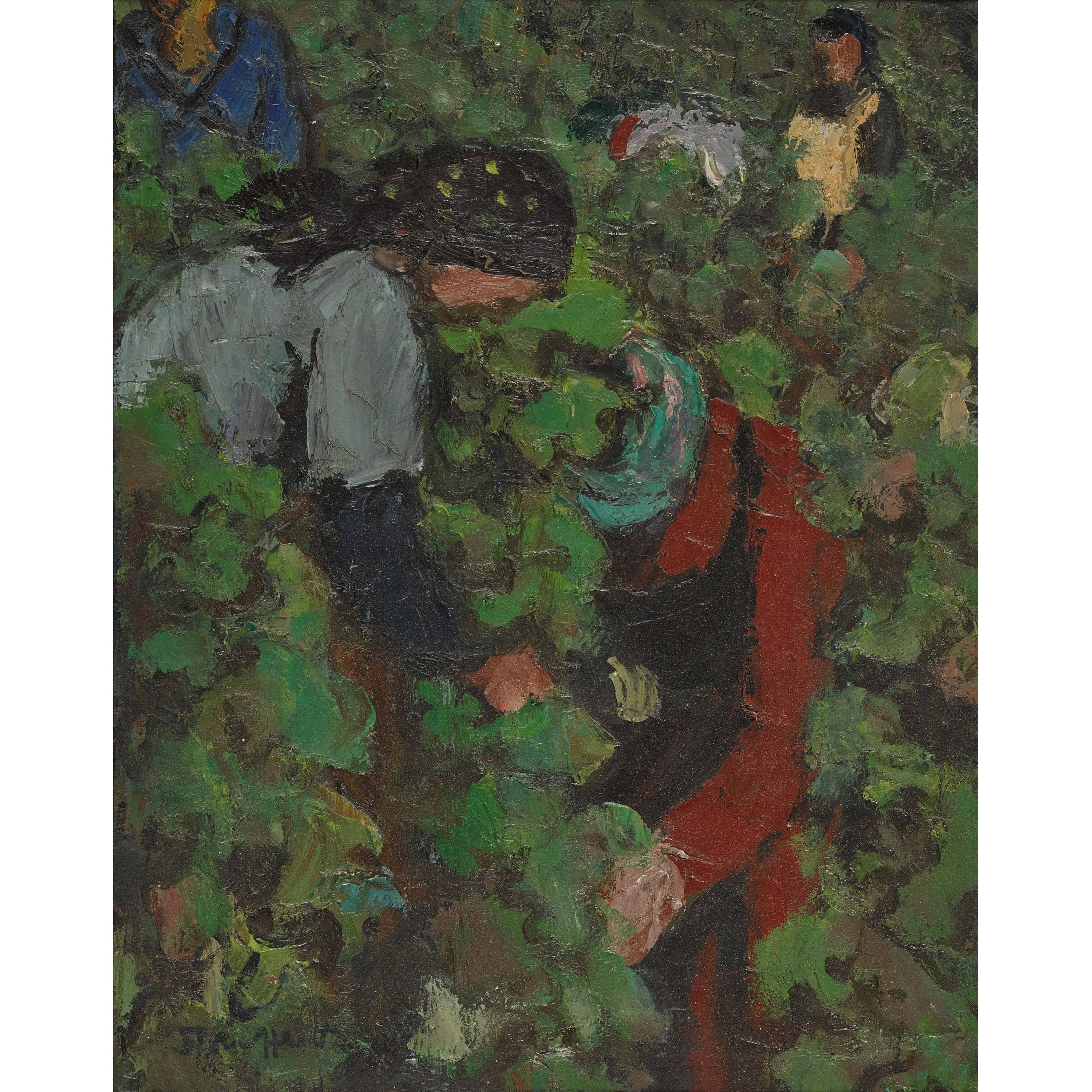
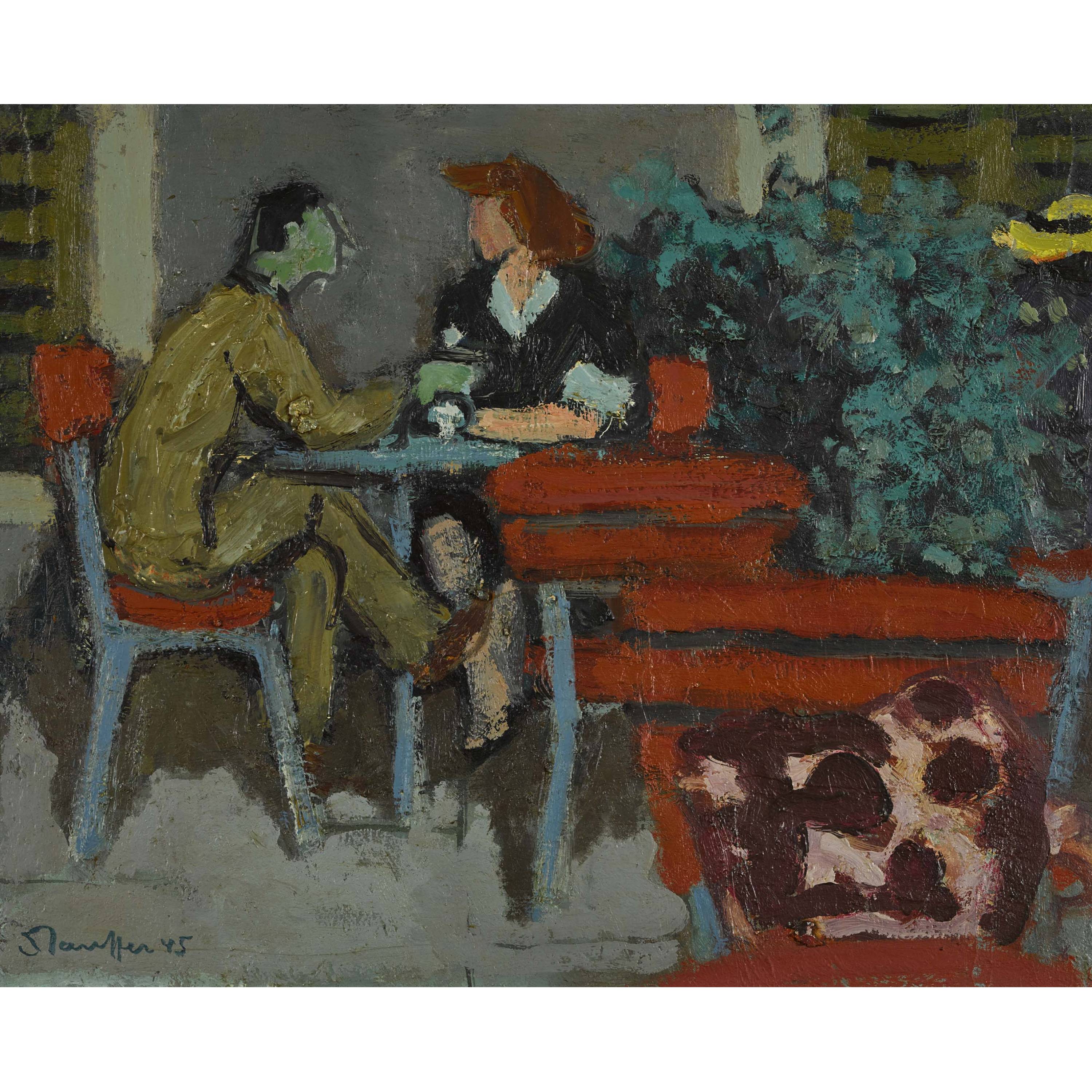
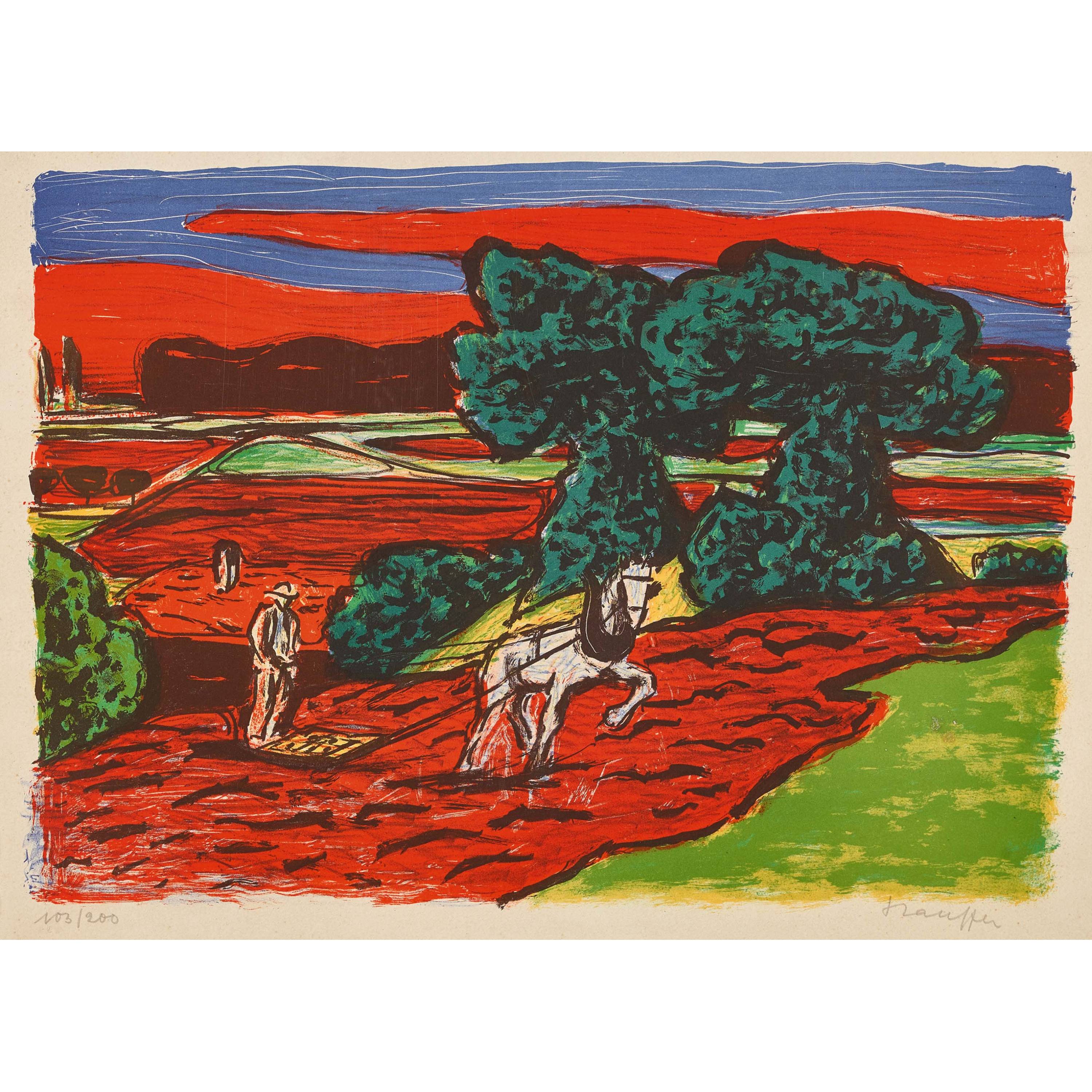
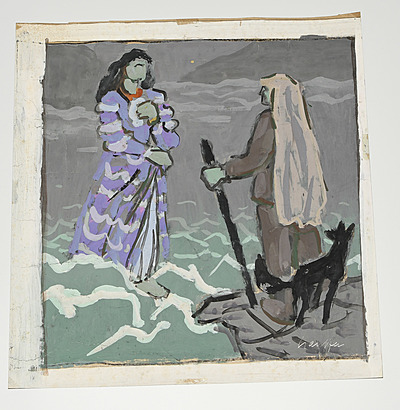
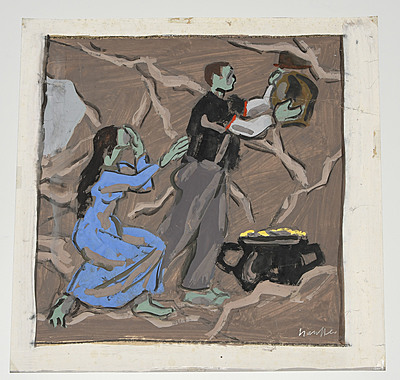
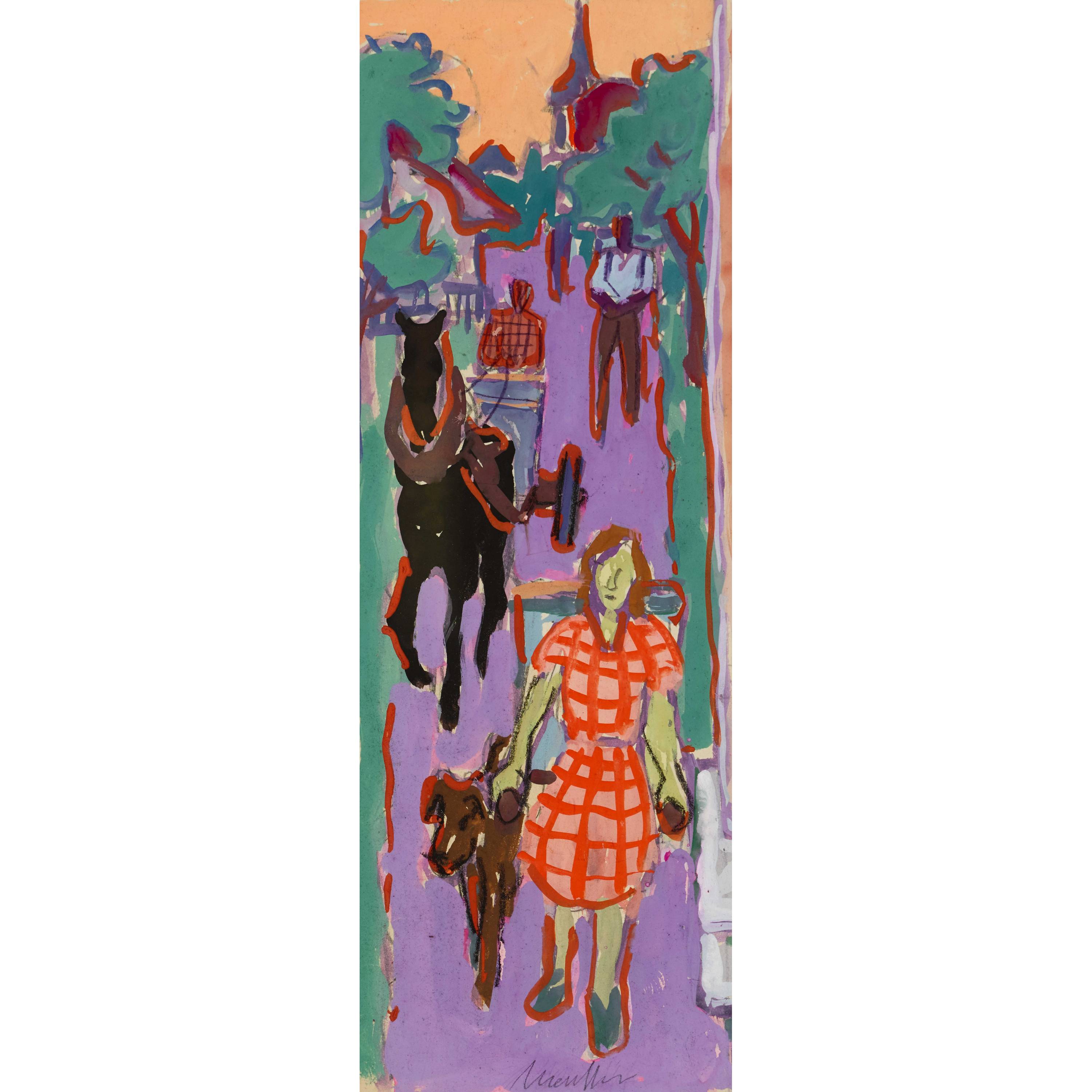
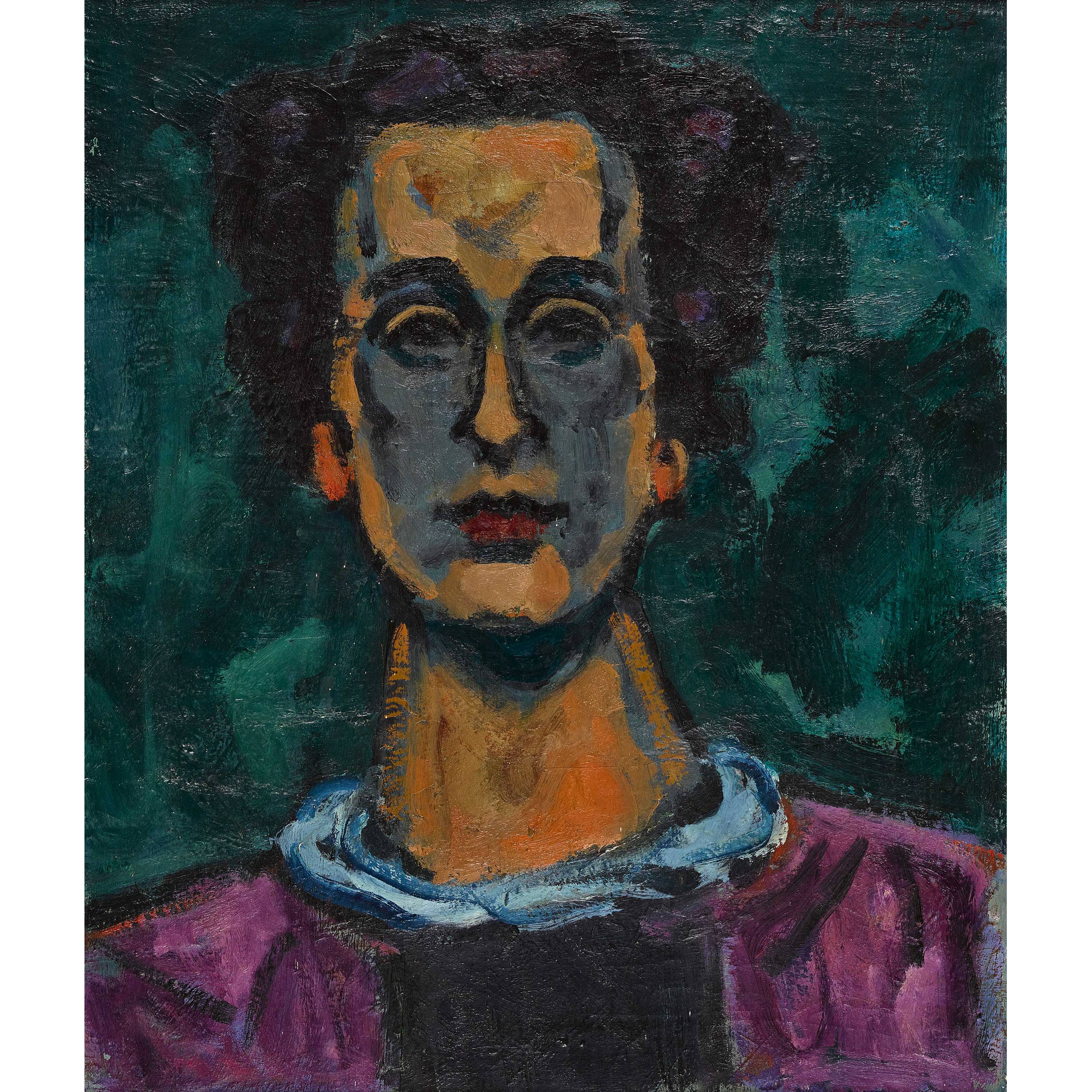
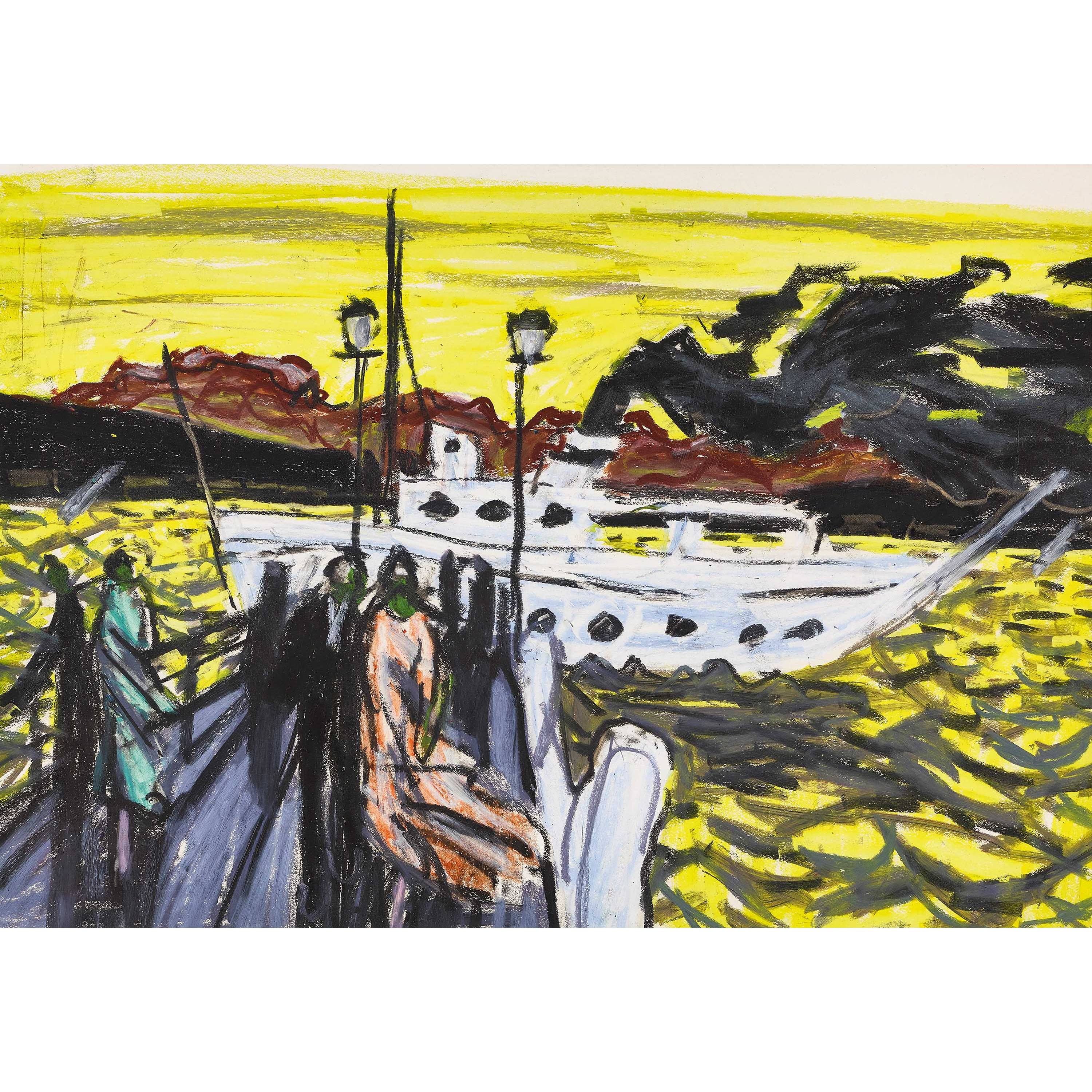
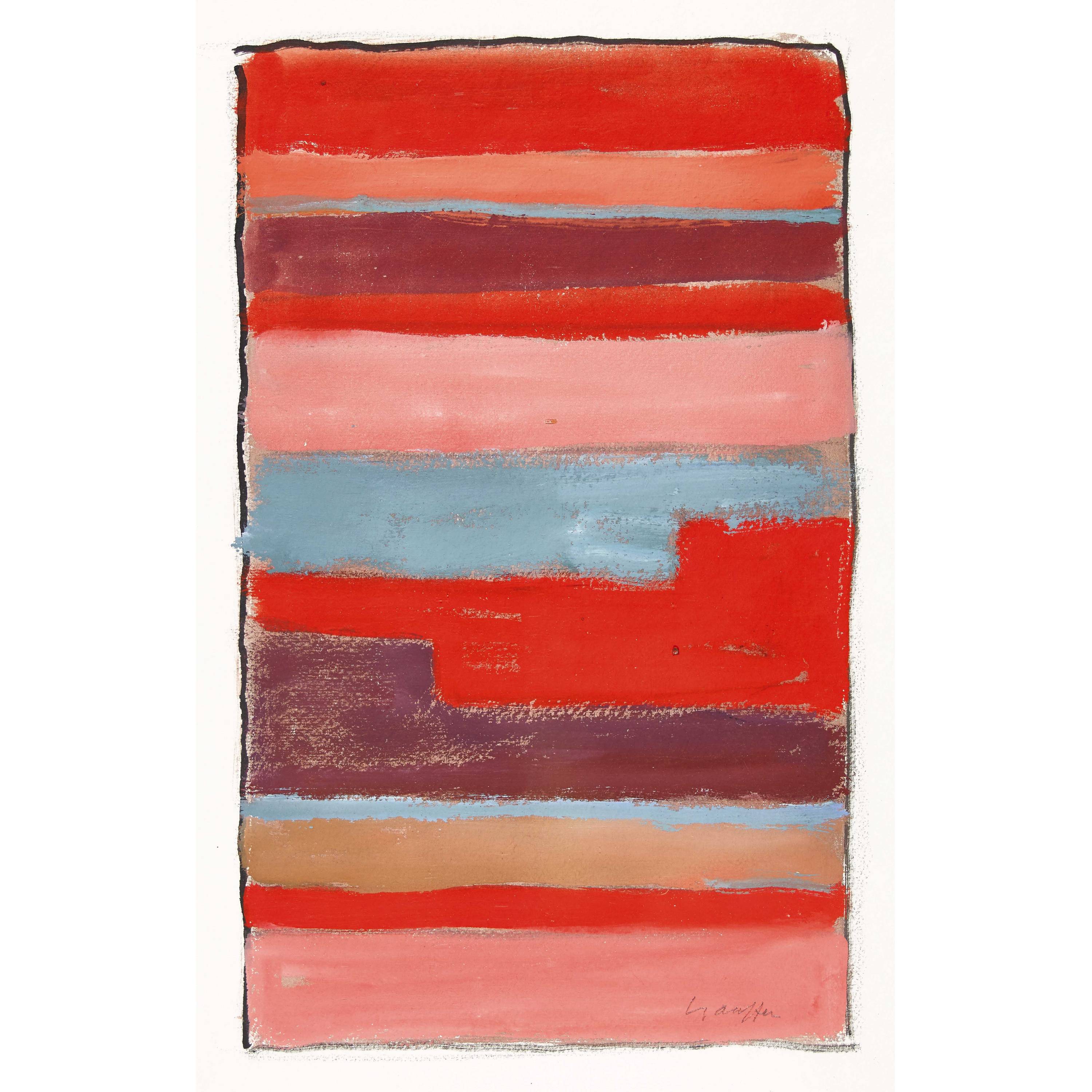
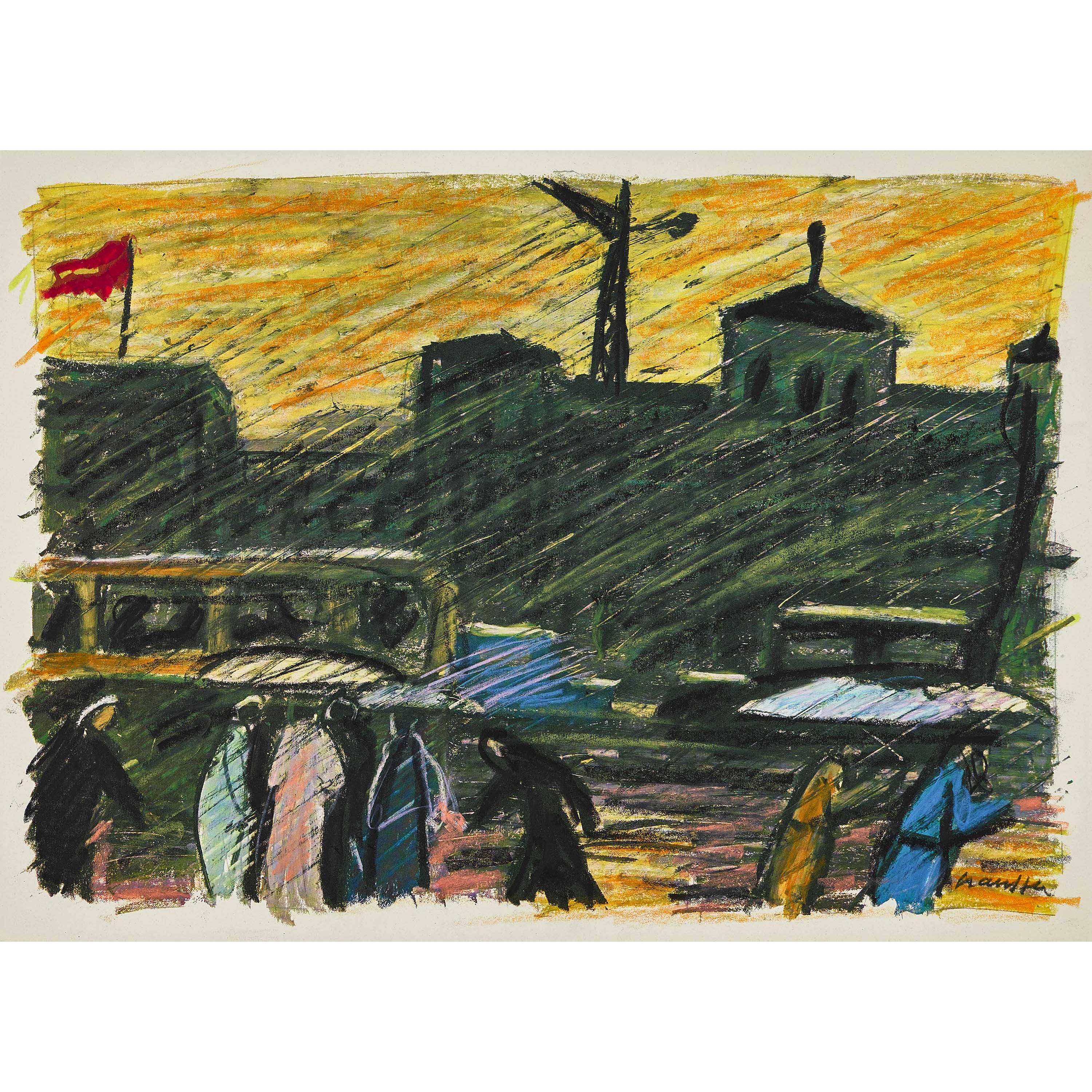
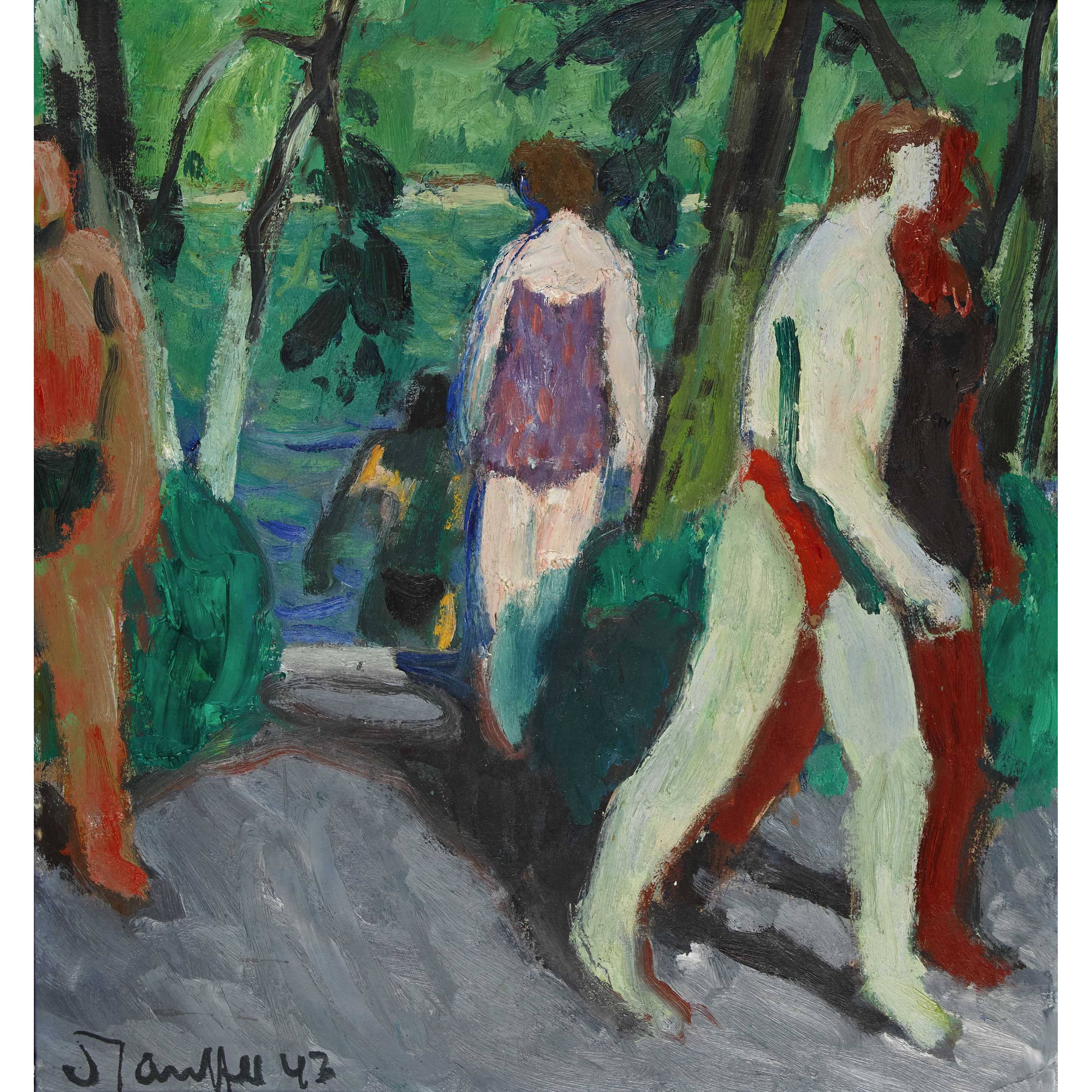
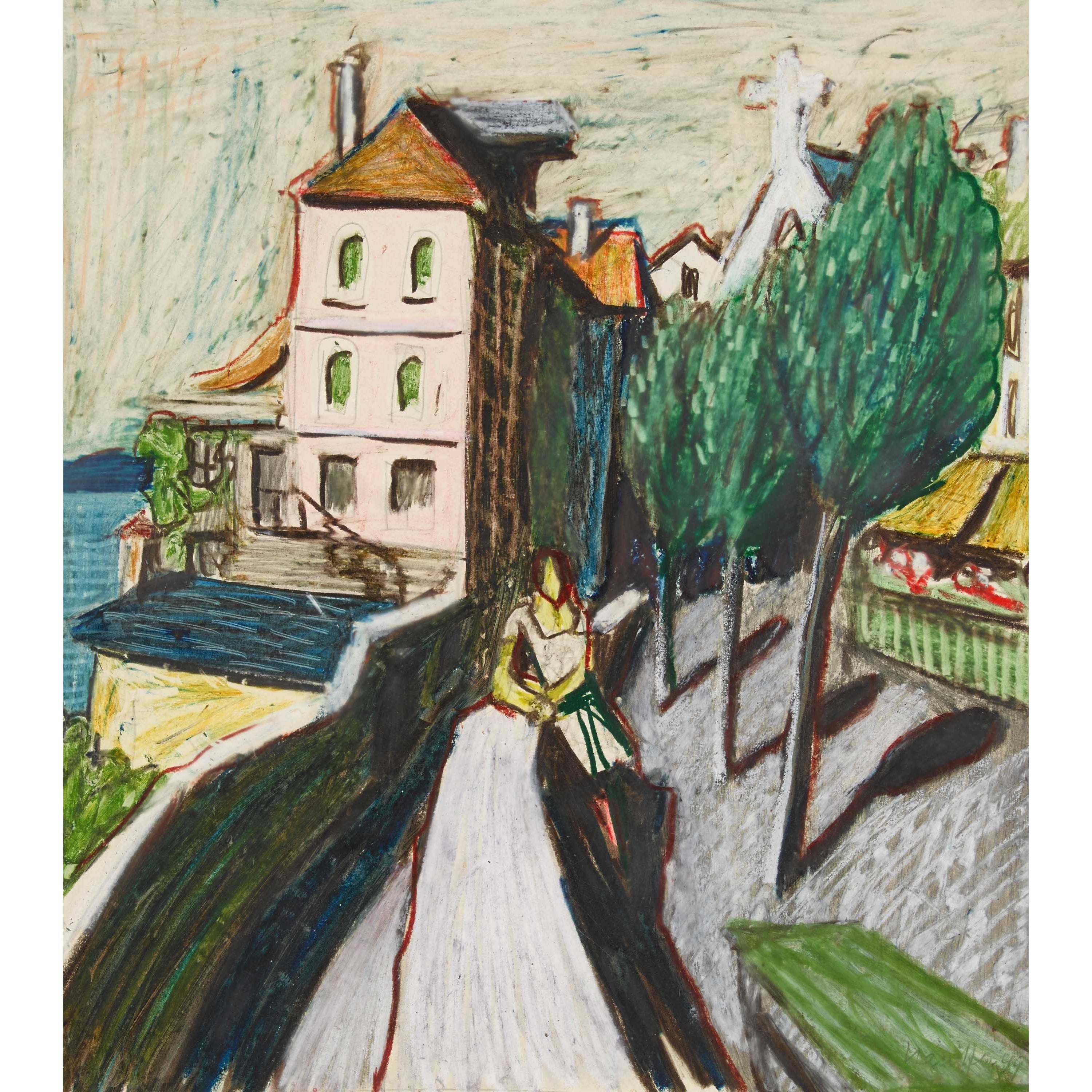
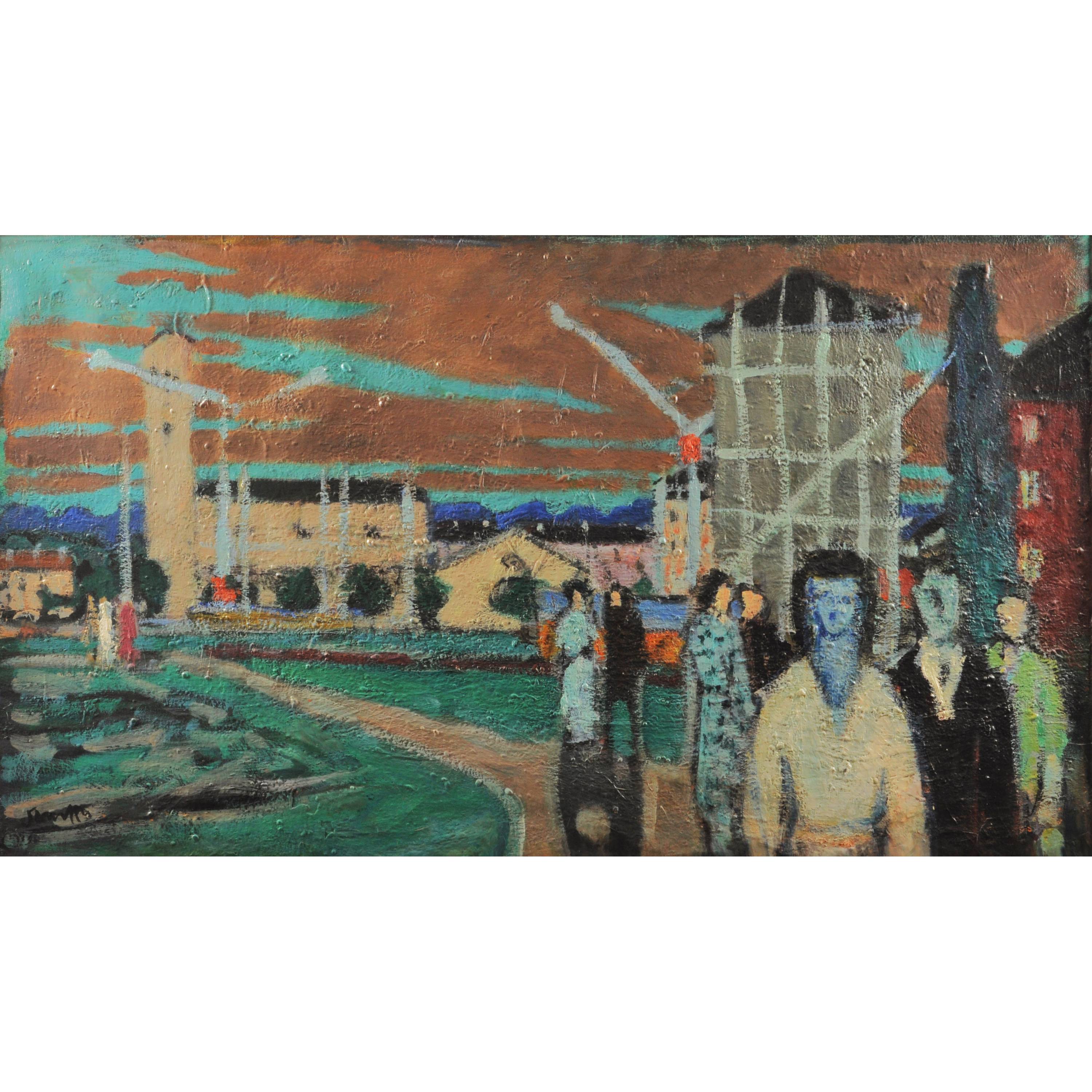
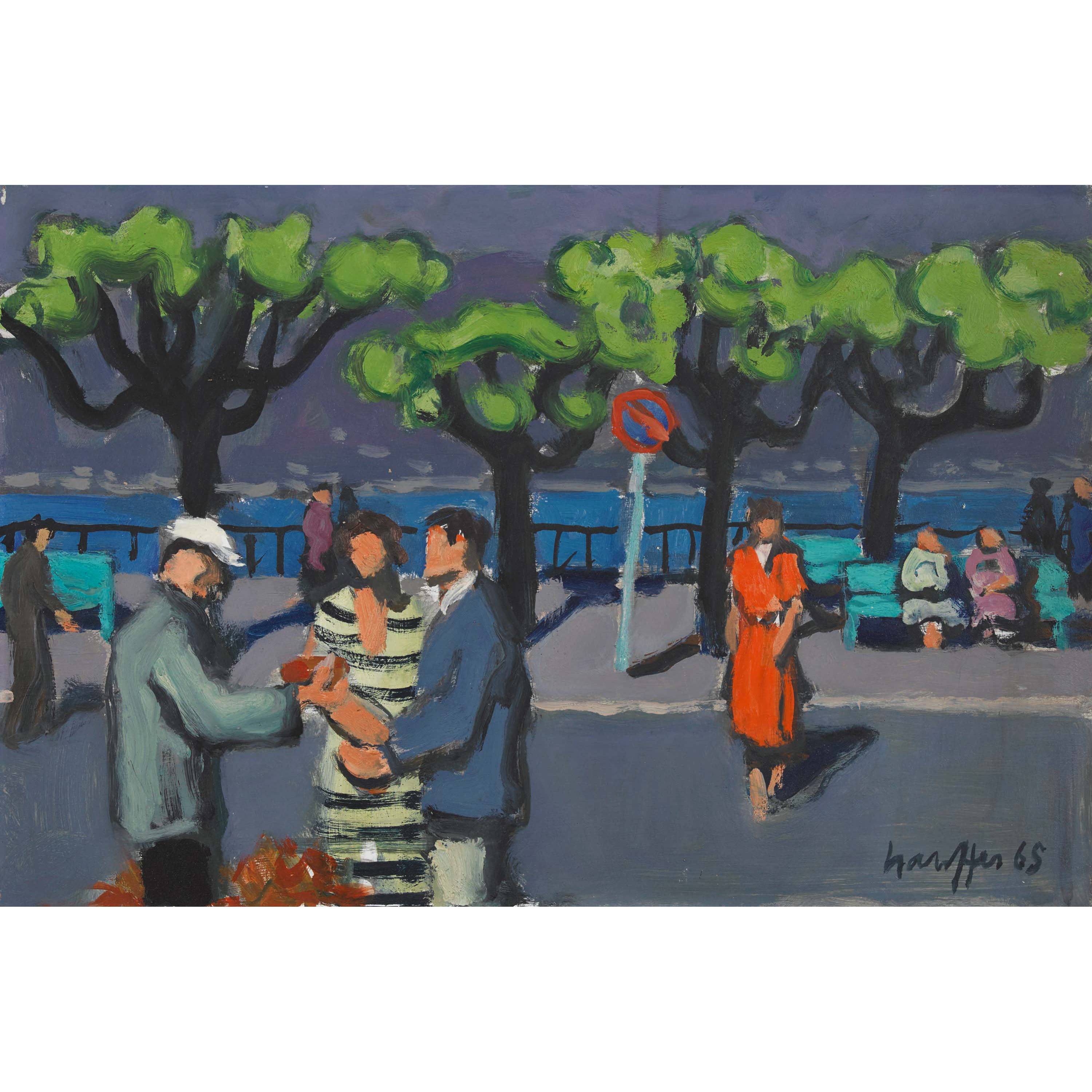
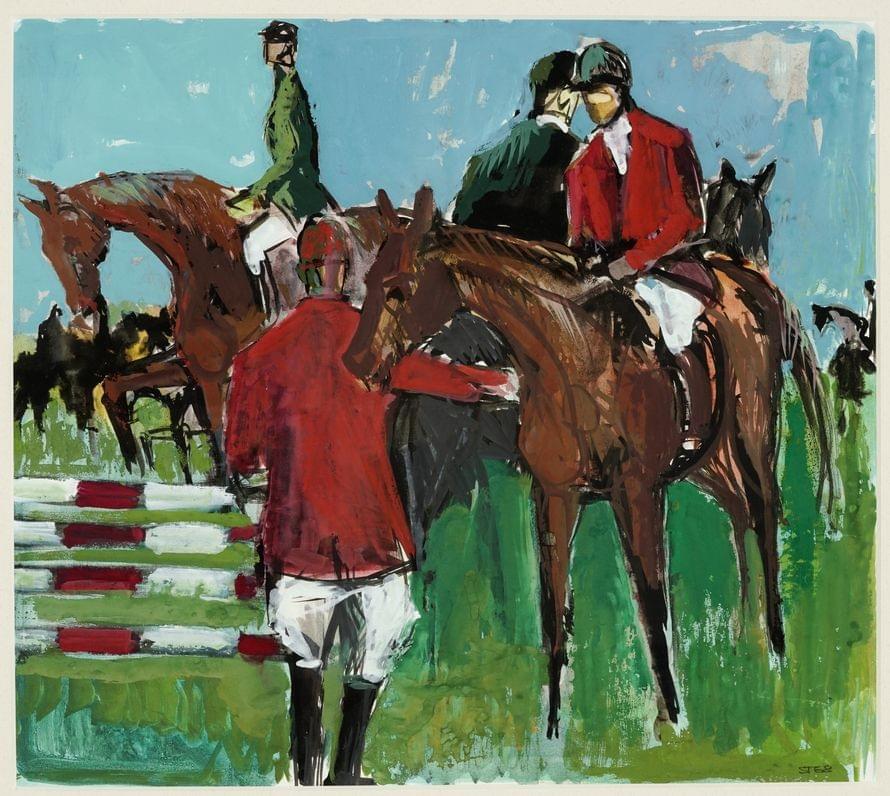
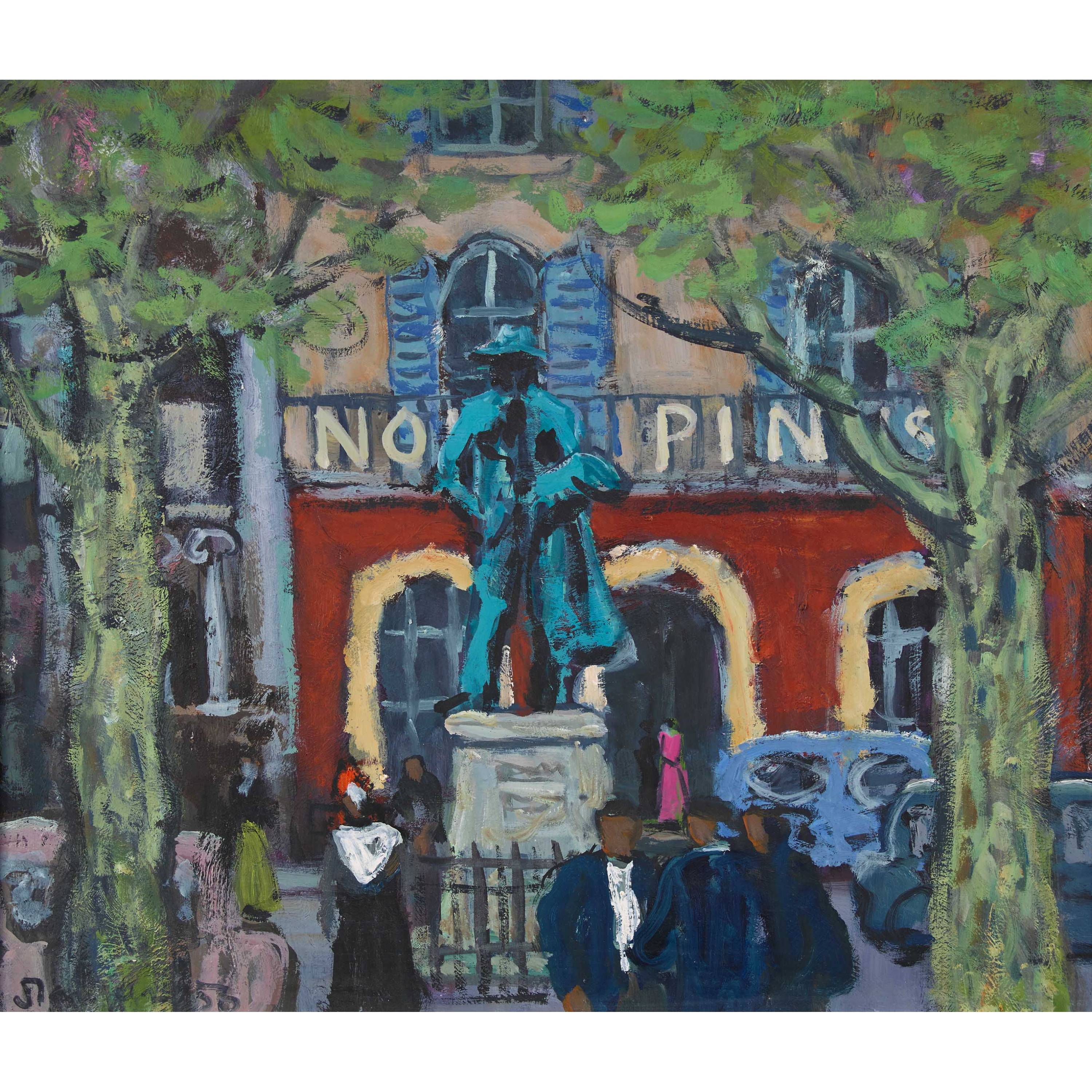
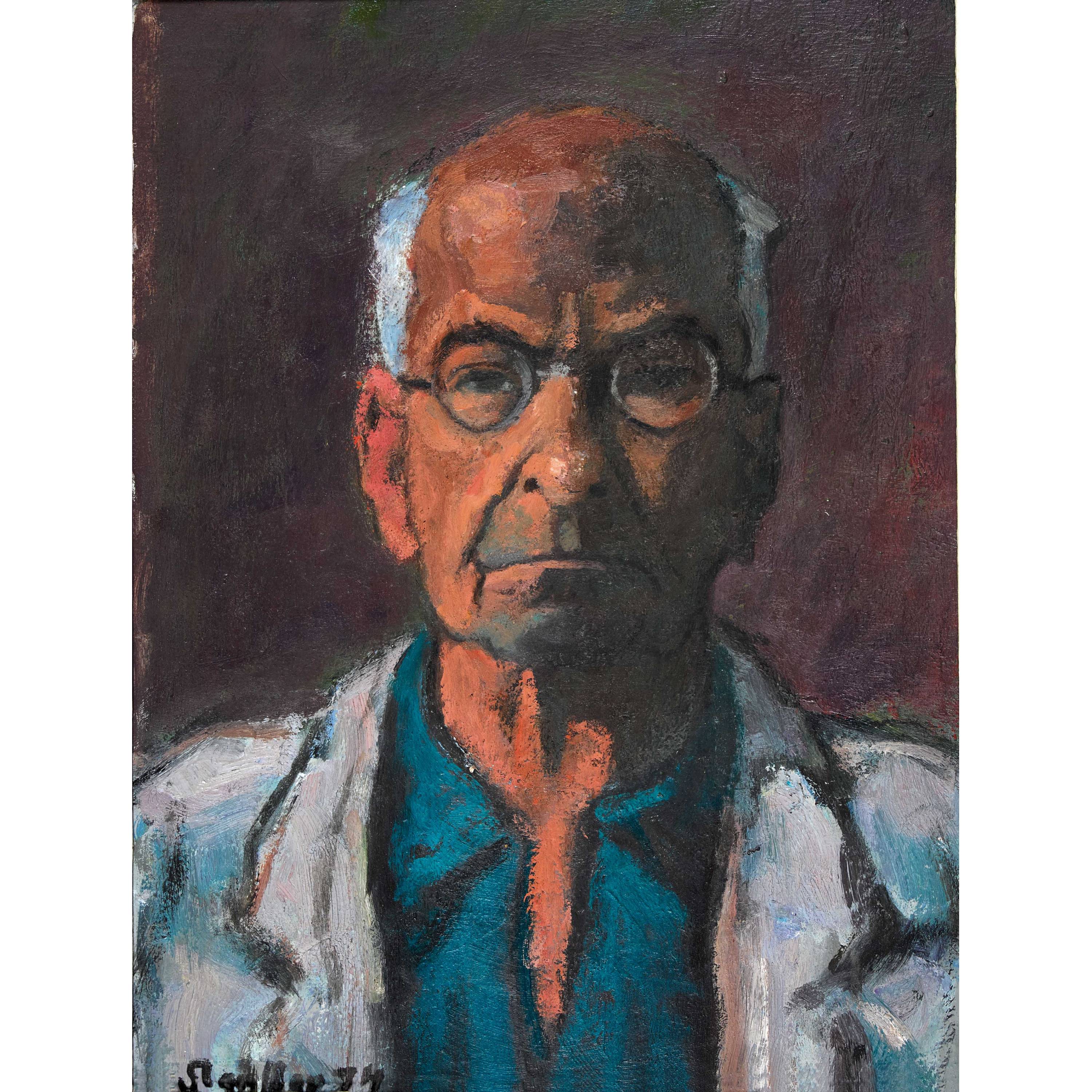
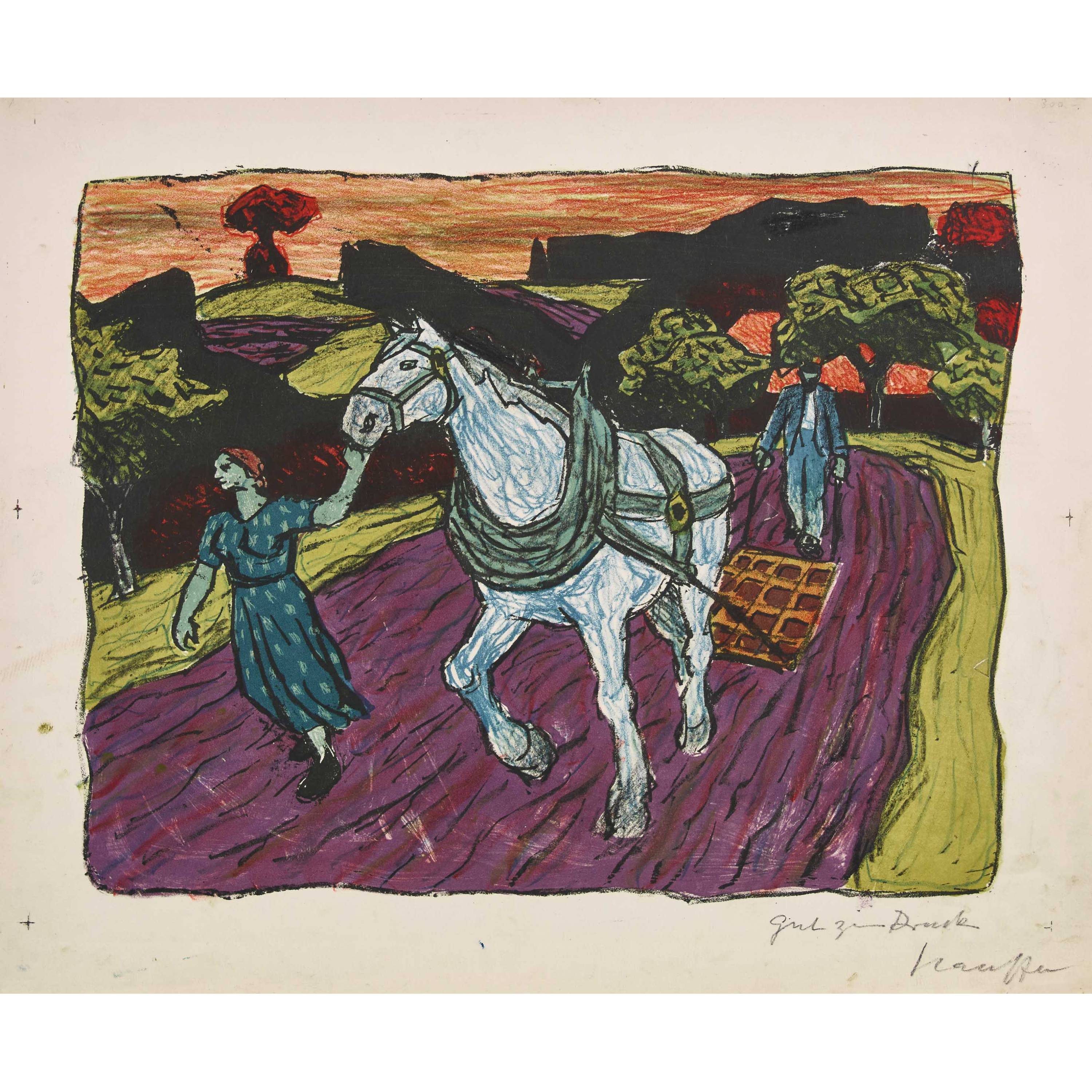
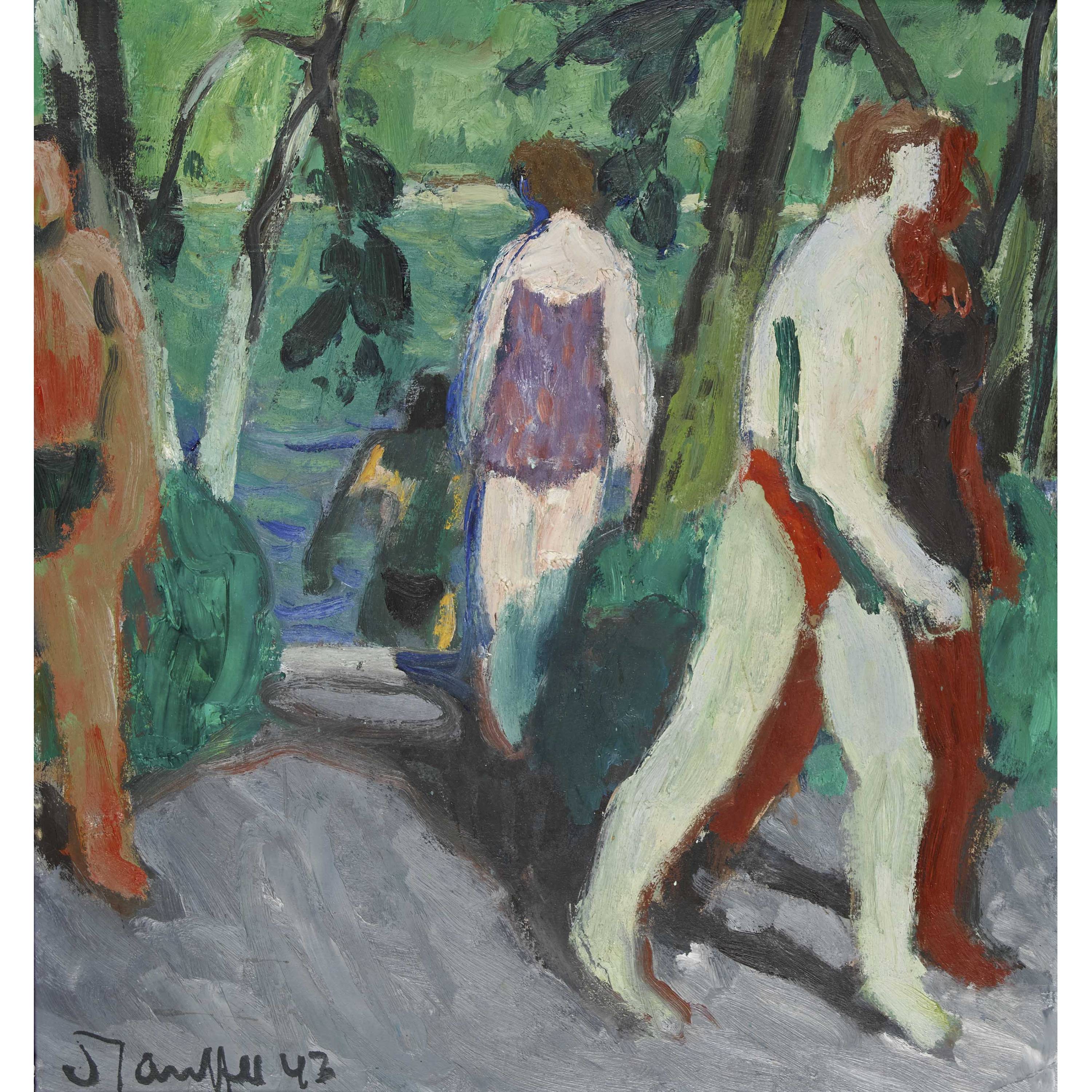
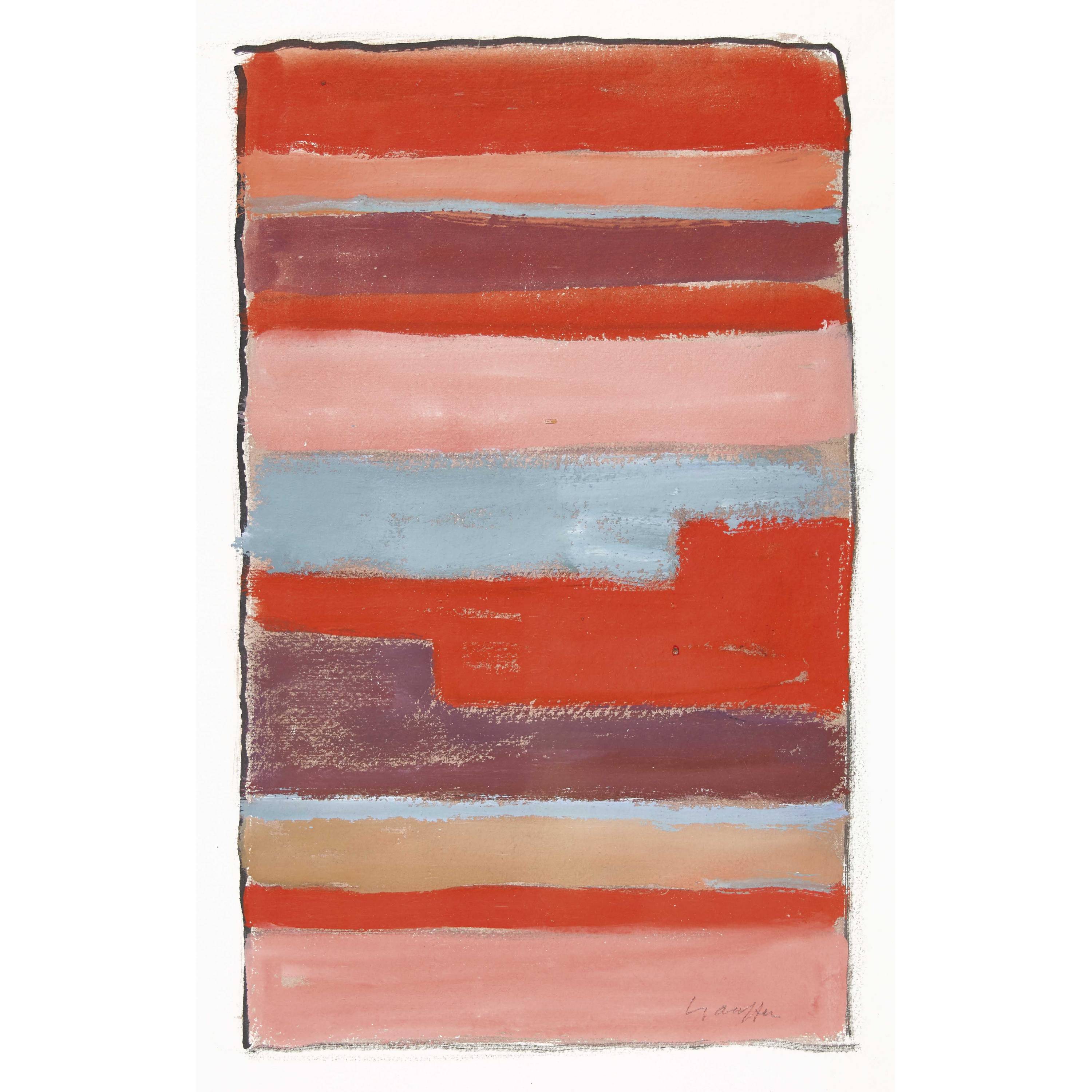
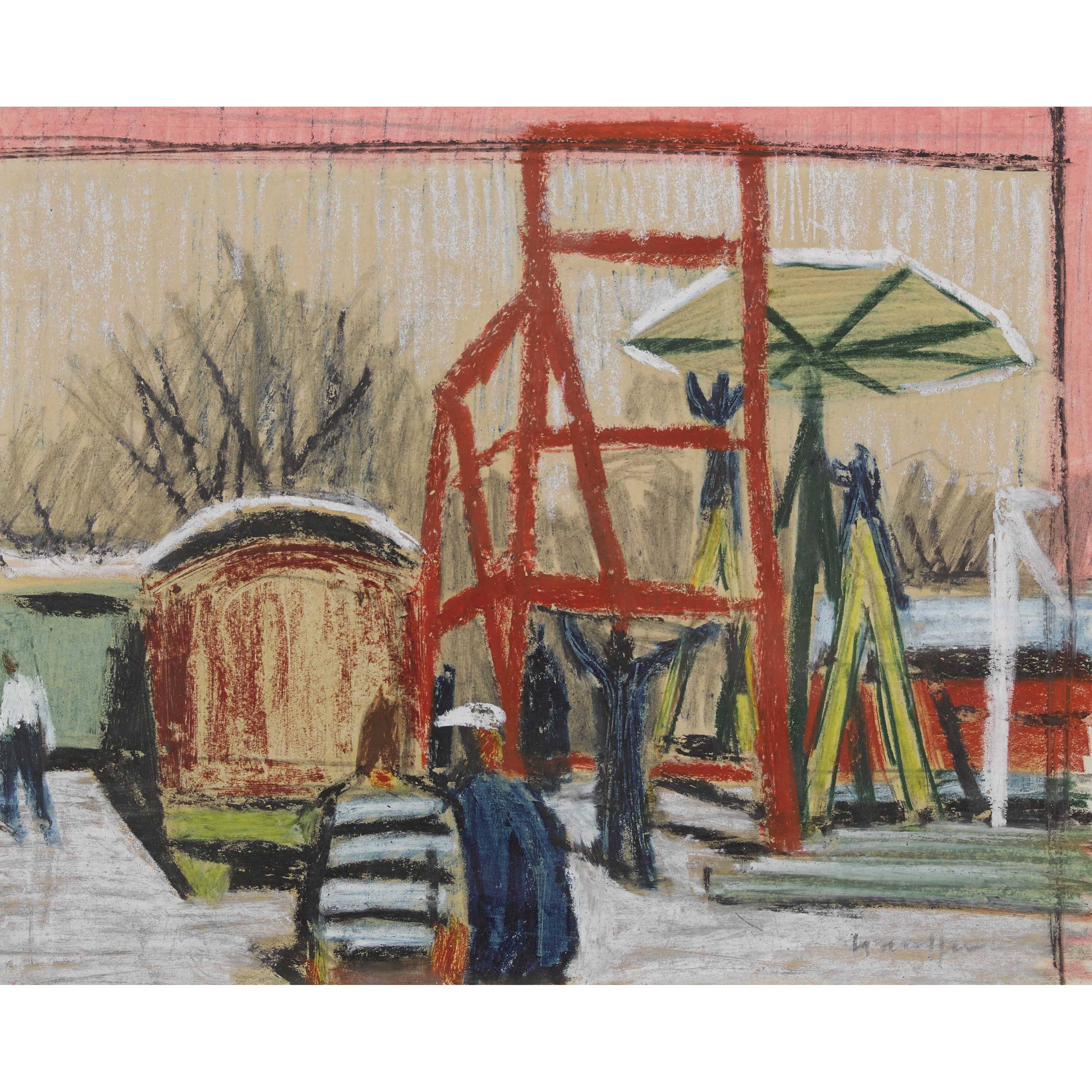
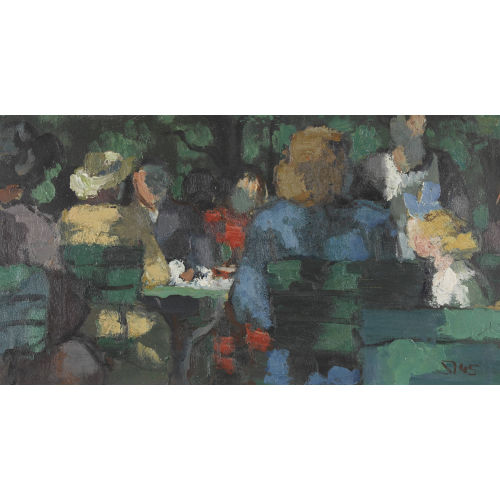
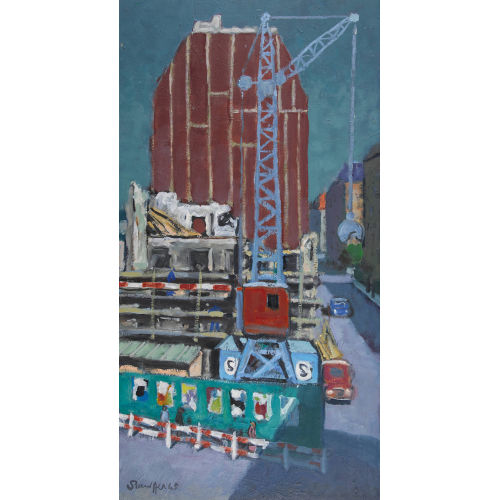
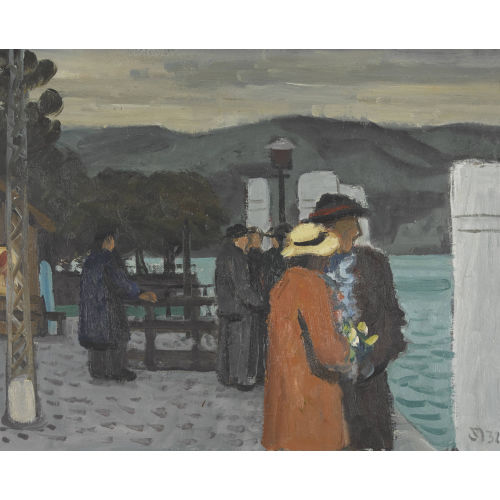
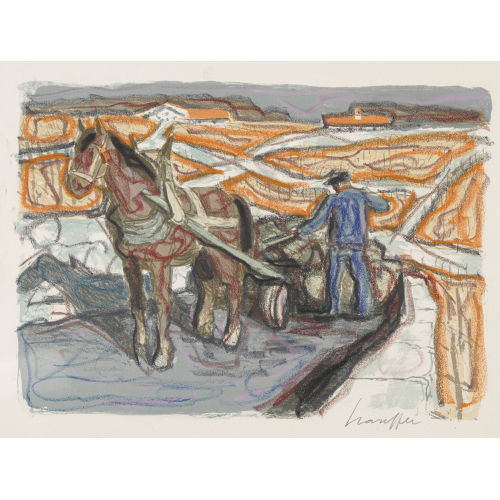
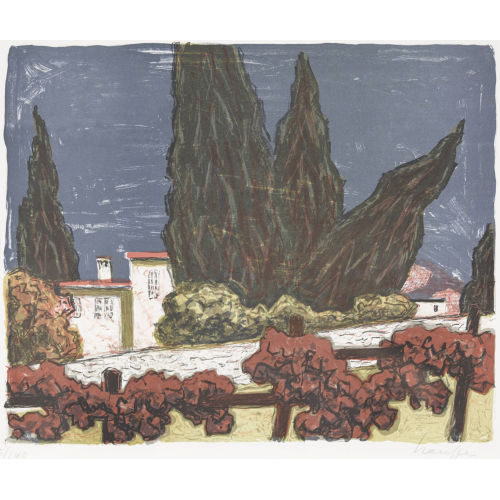
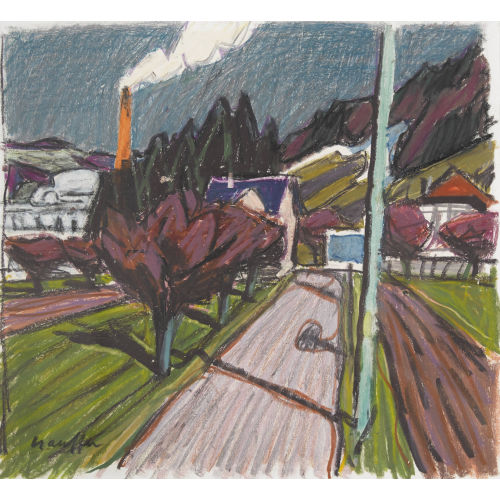
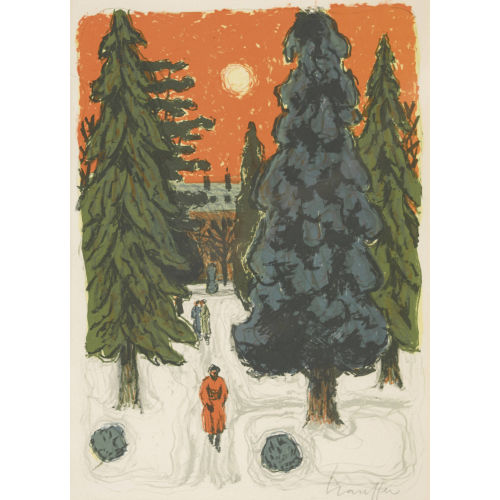
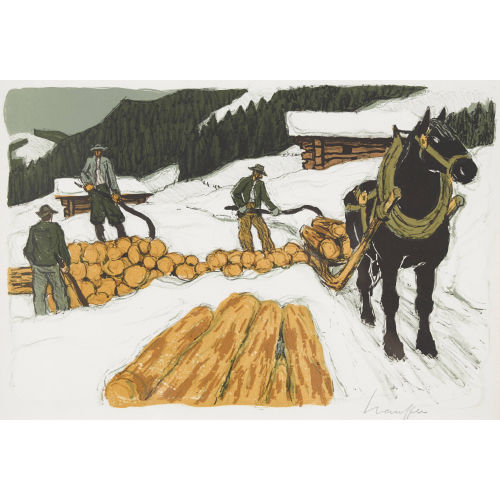
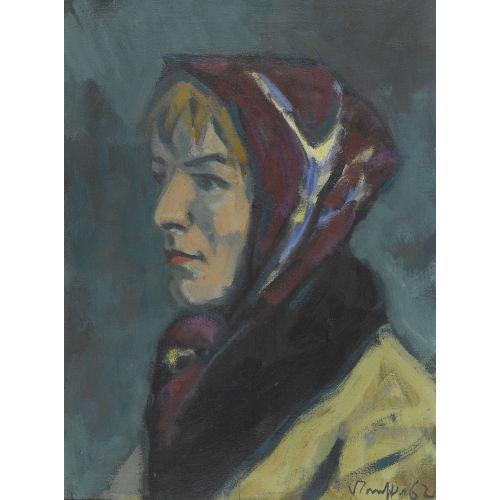
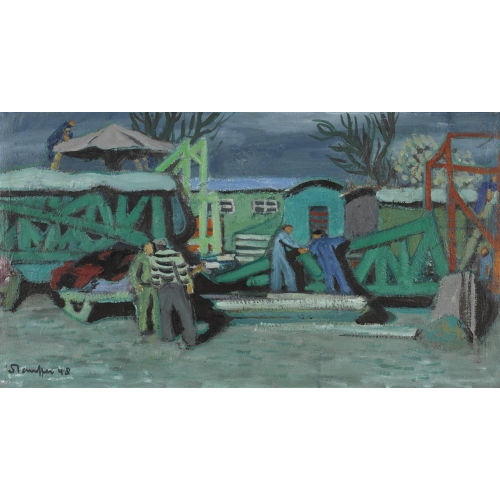
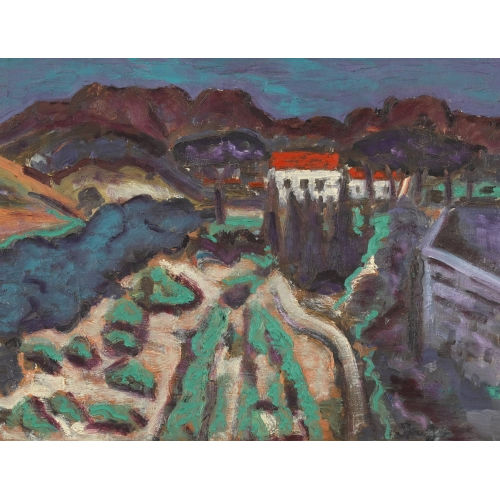
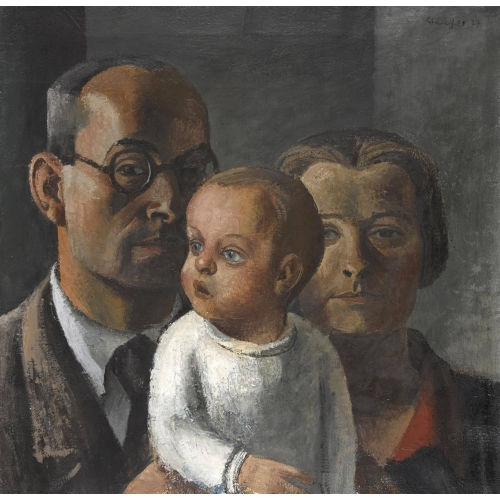
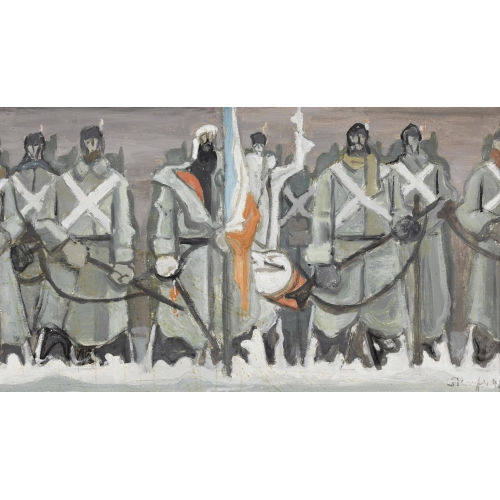
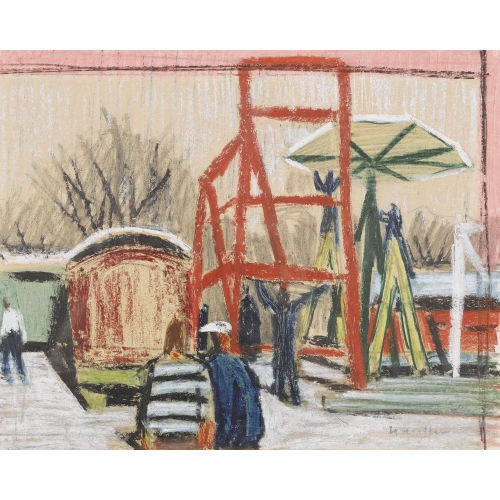
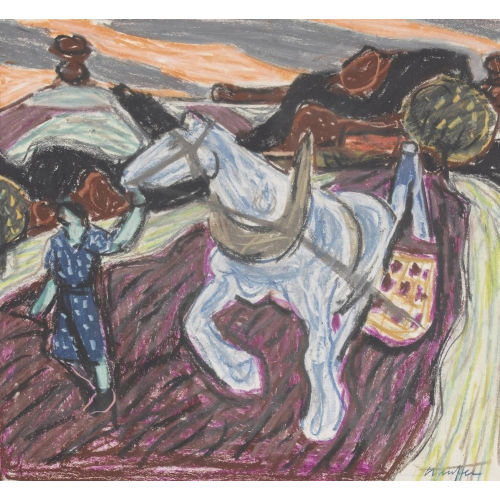
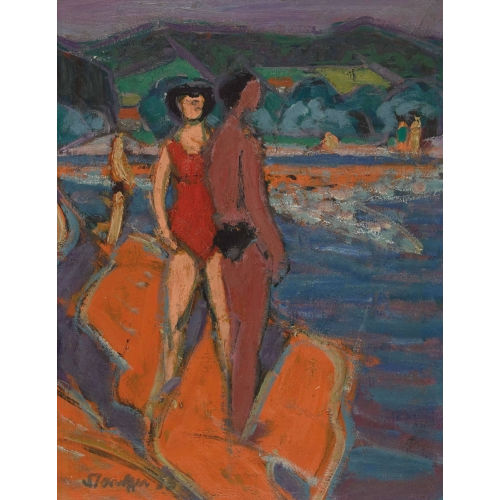
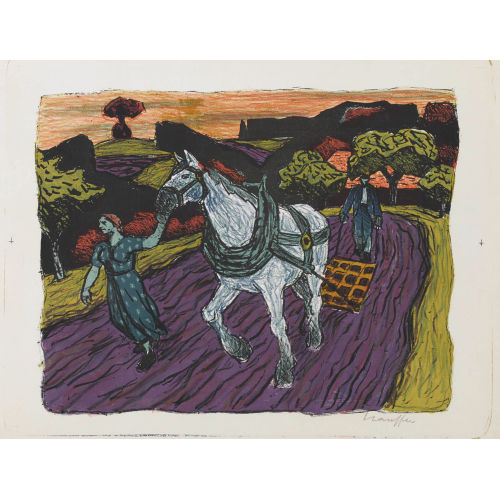
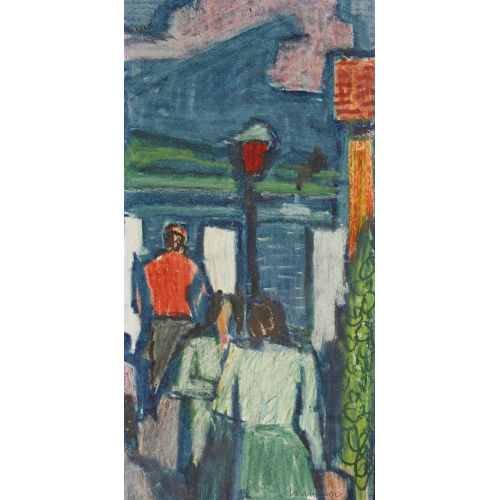
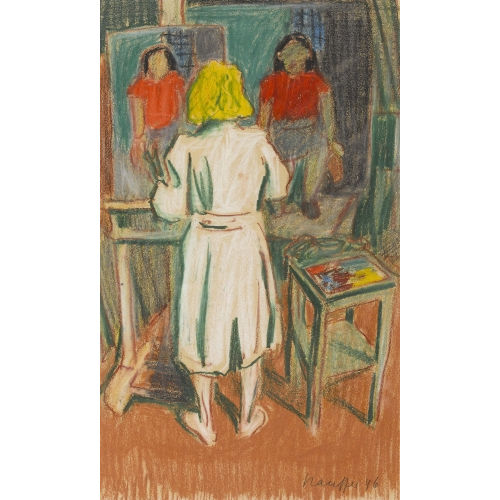
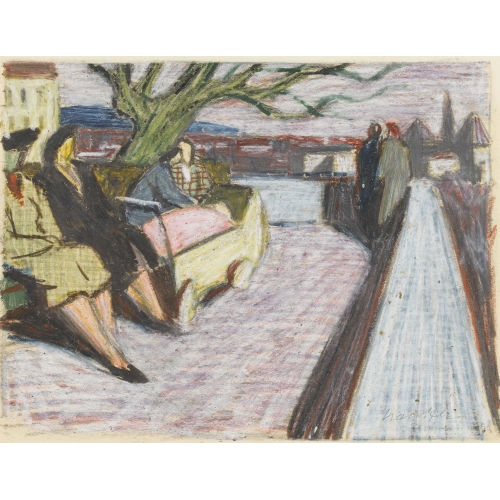
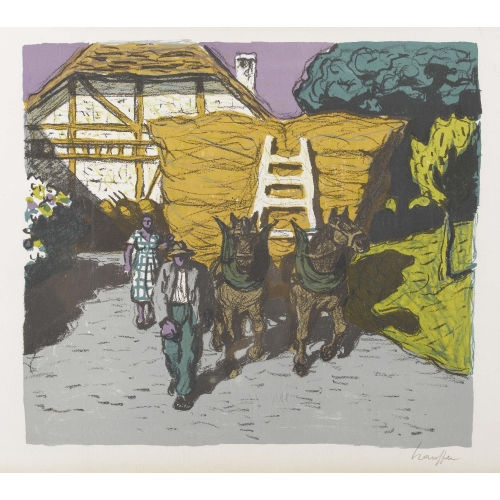
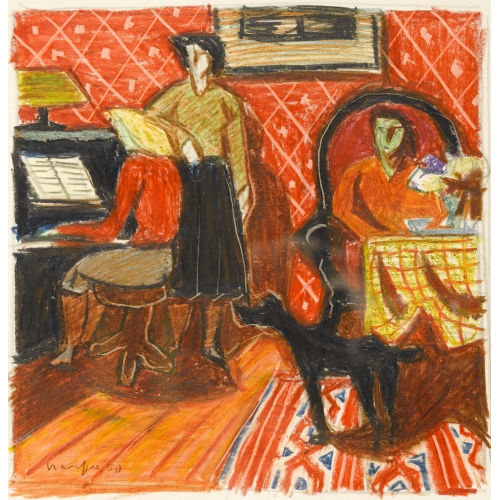
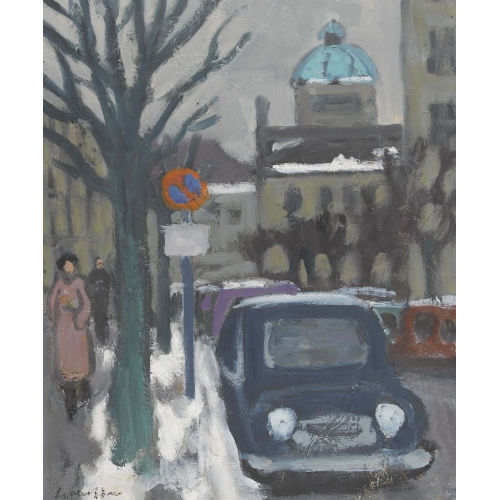
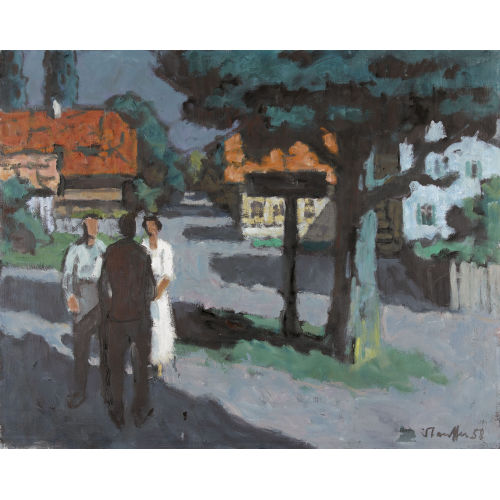
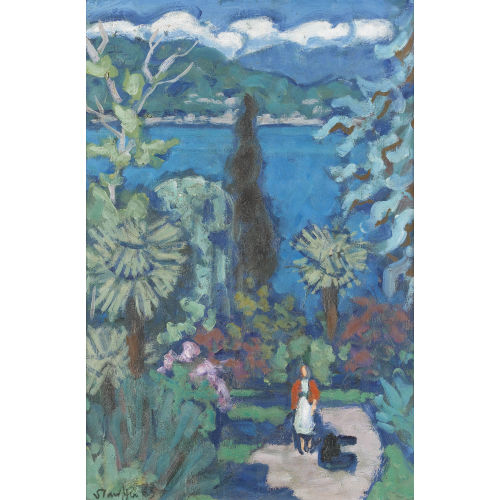
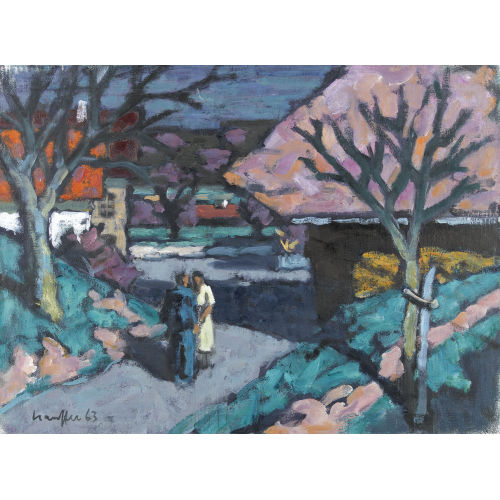
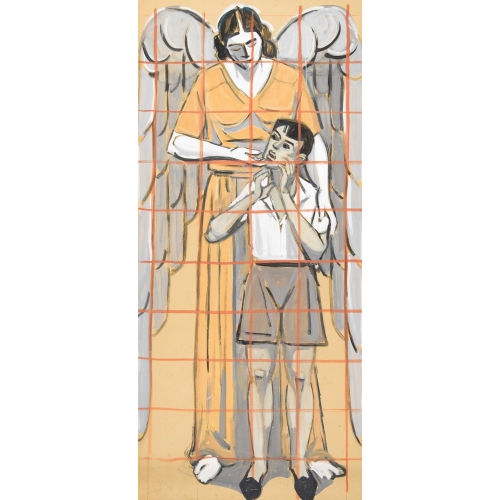
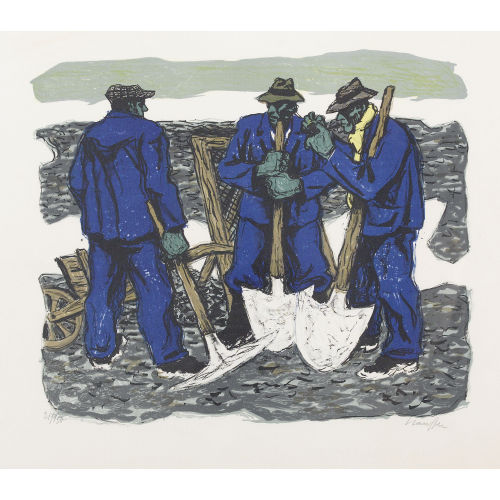
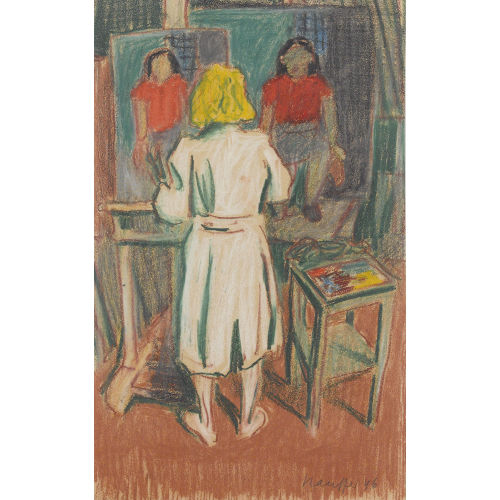
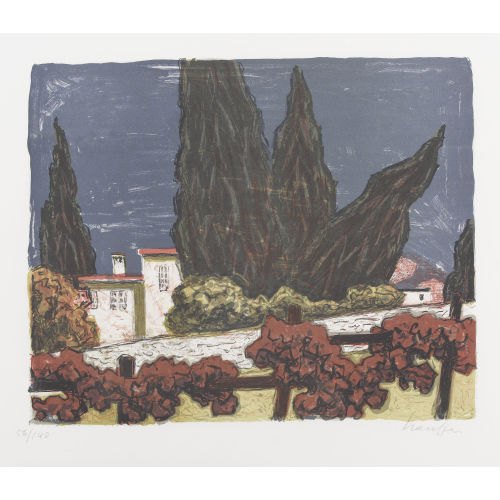
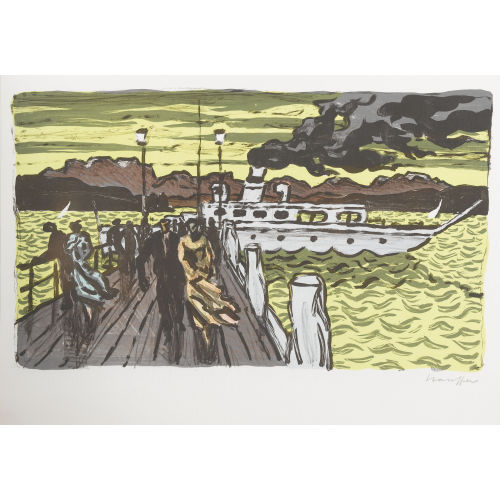
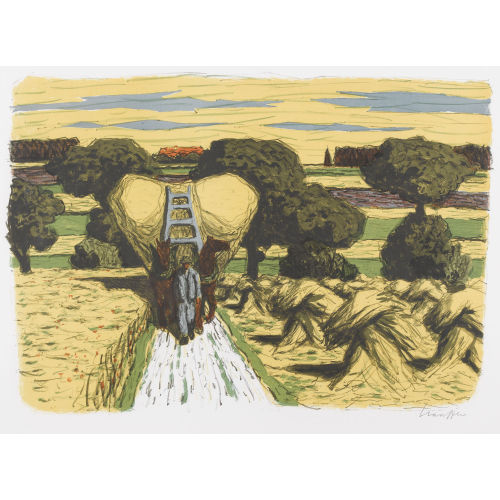
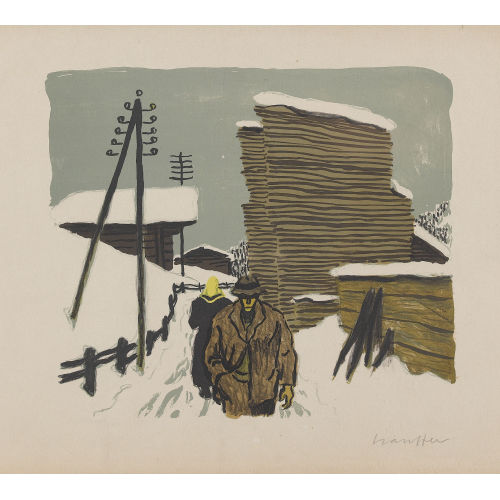
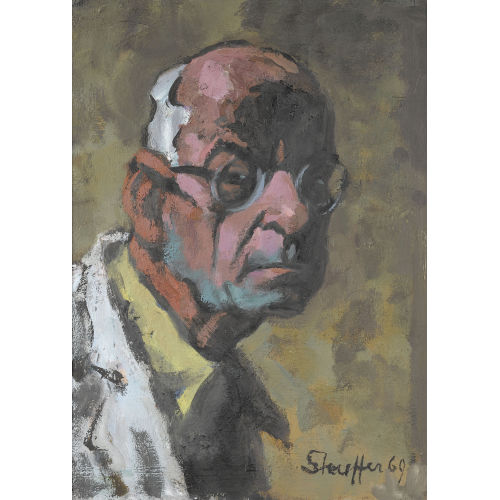
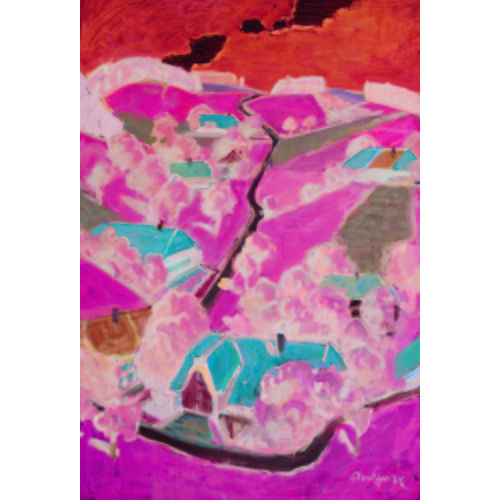
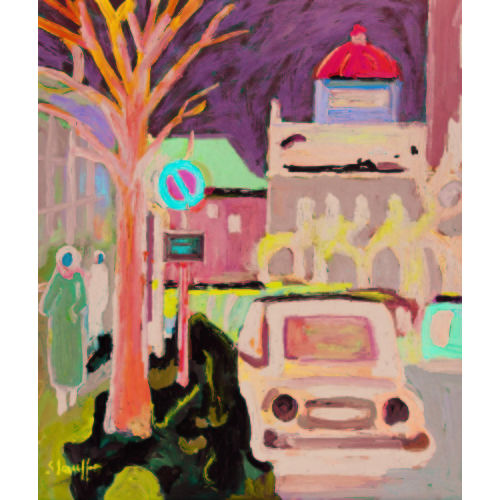
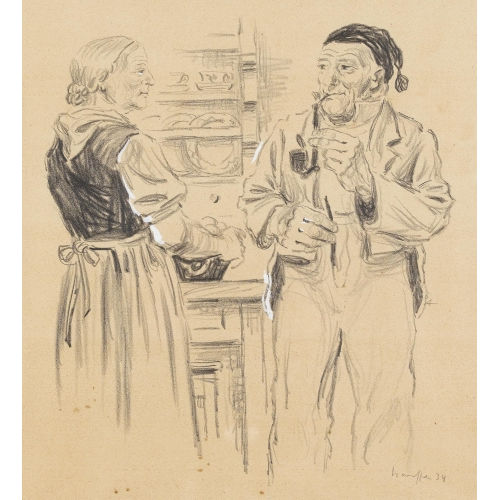
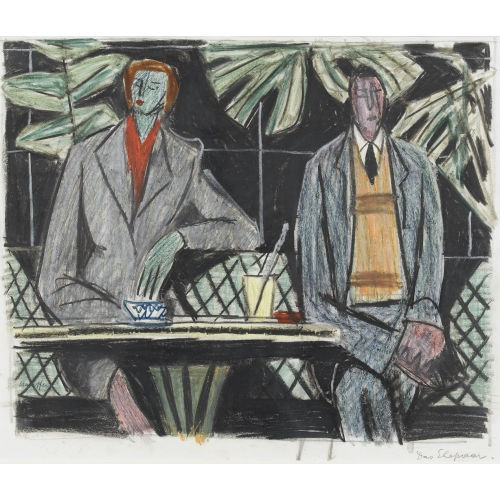
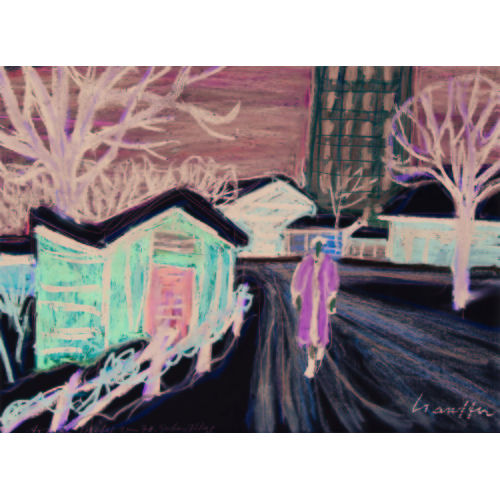
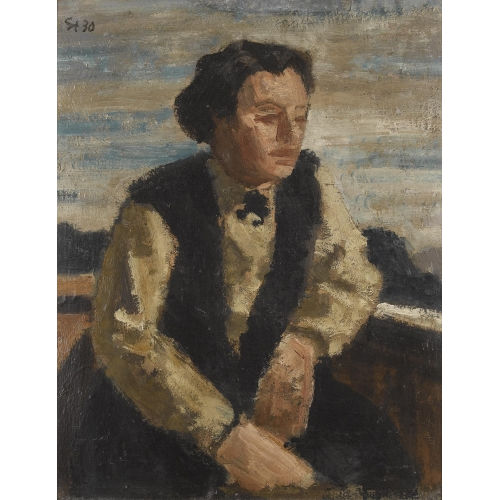
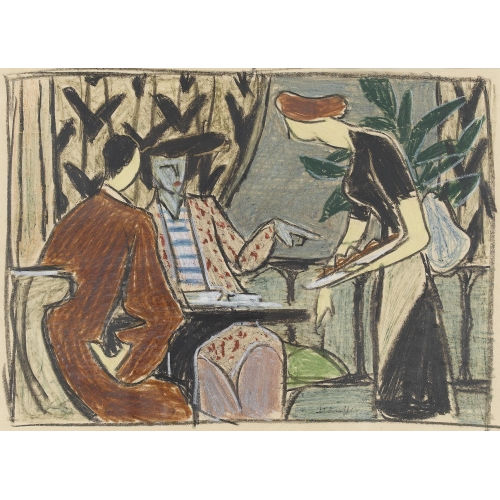
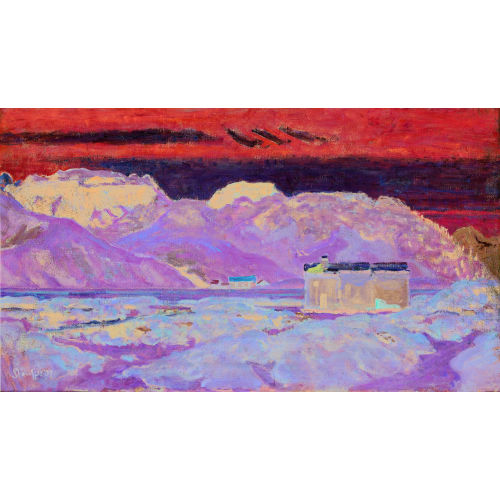
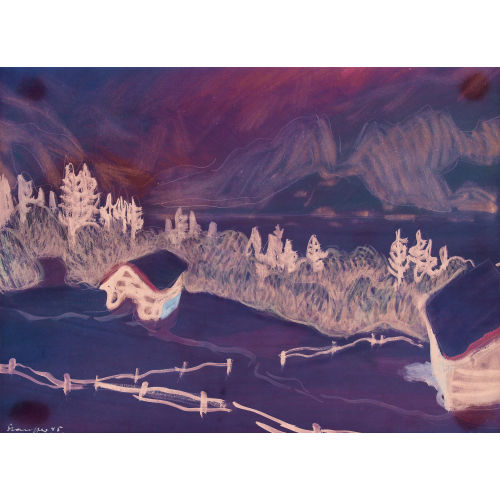
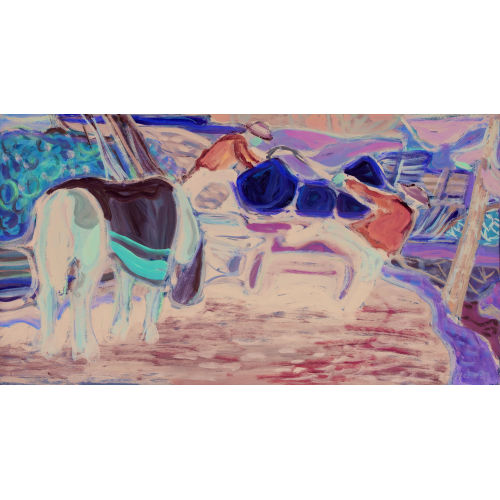
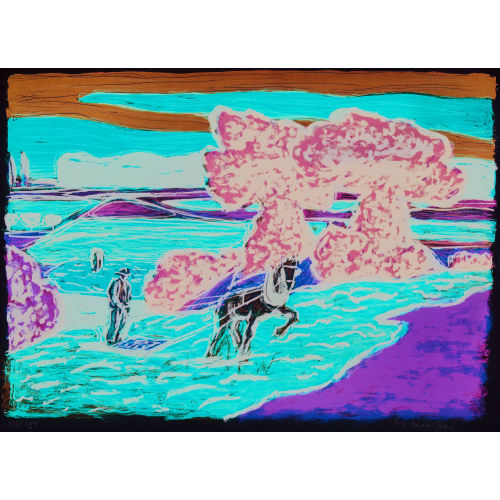
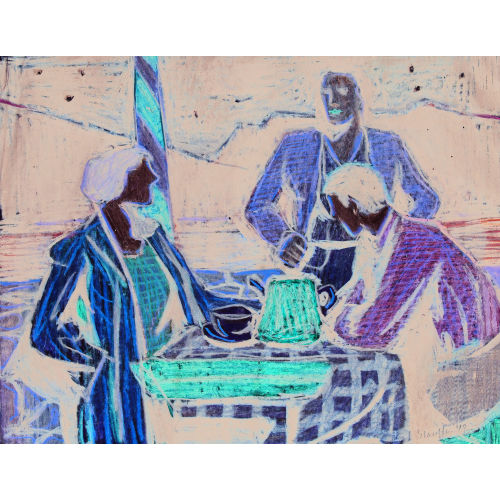
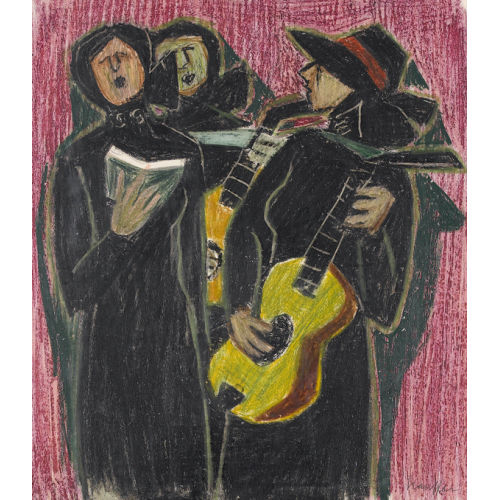
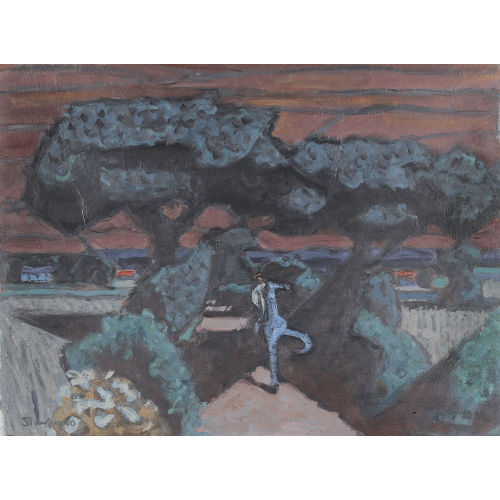
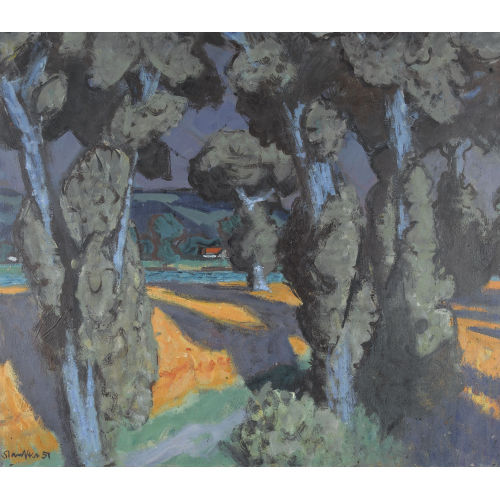
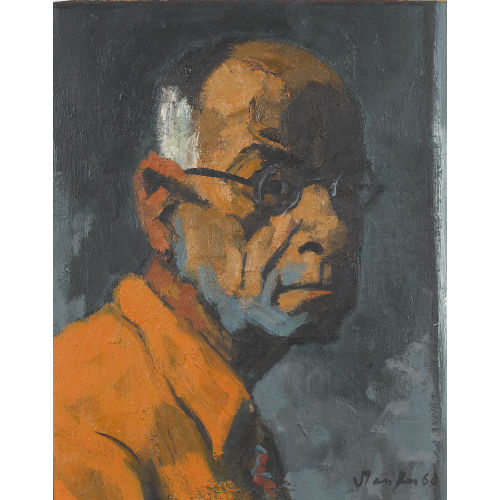
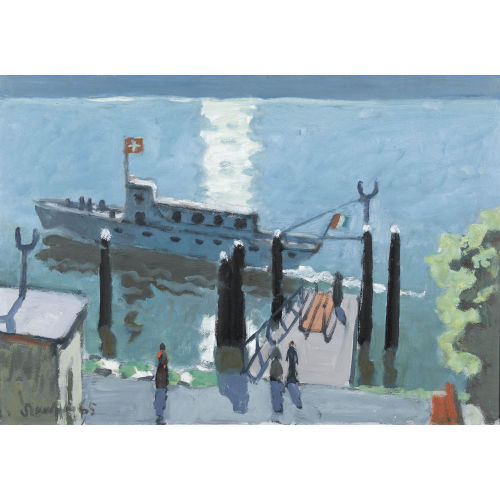
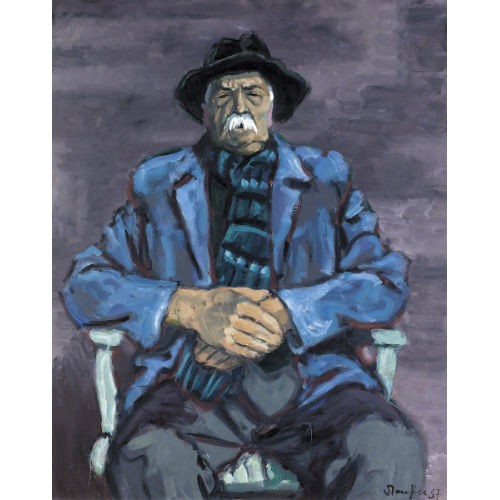
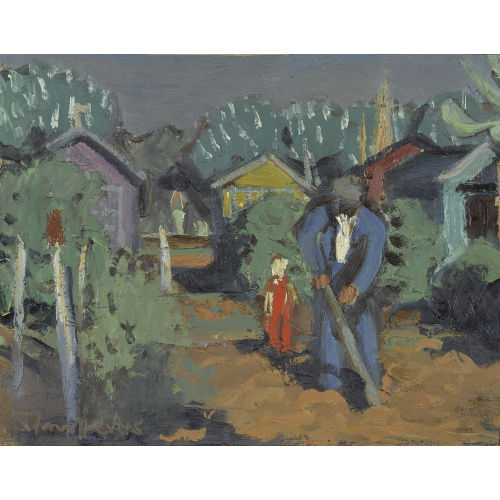
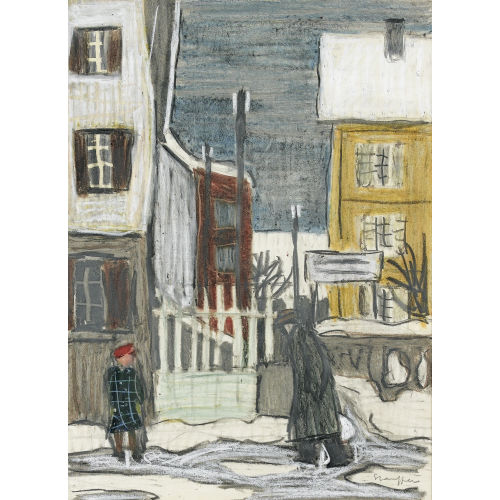
The Fondation Saner places Stauffer within late Swiss Expressionism and emphasises his contribution to the representation of nature after Ferdinand Hodler. From the 1950s onwards, his palette often became more vivid, without effacing the naturalistic nuances present elsewhere in his work. His depictions of the human figure likewise combine gravity and irony, broadening an oeuvre known above all for its landscapes.
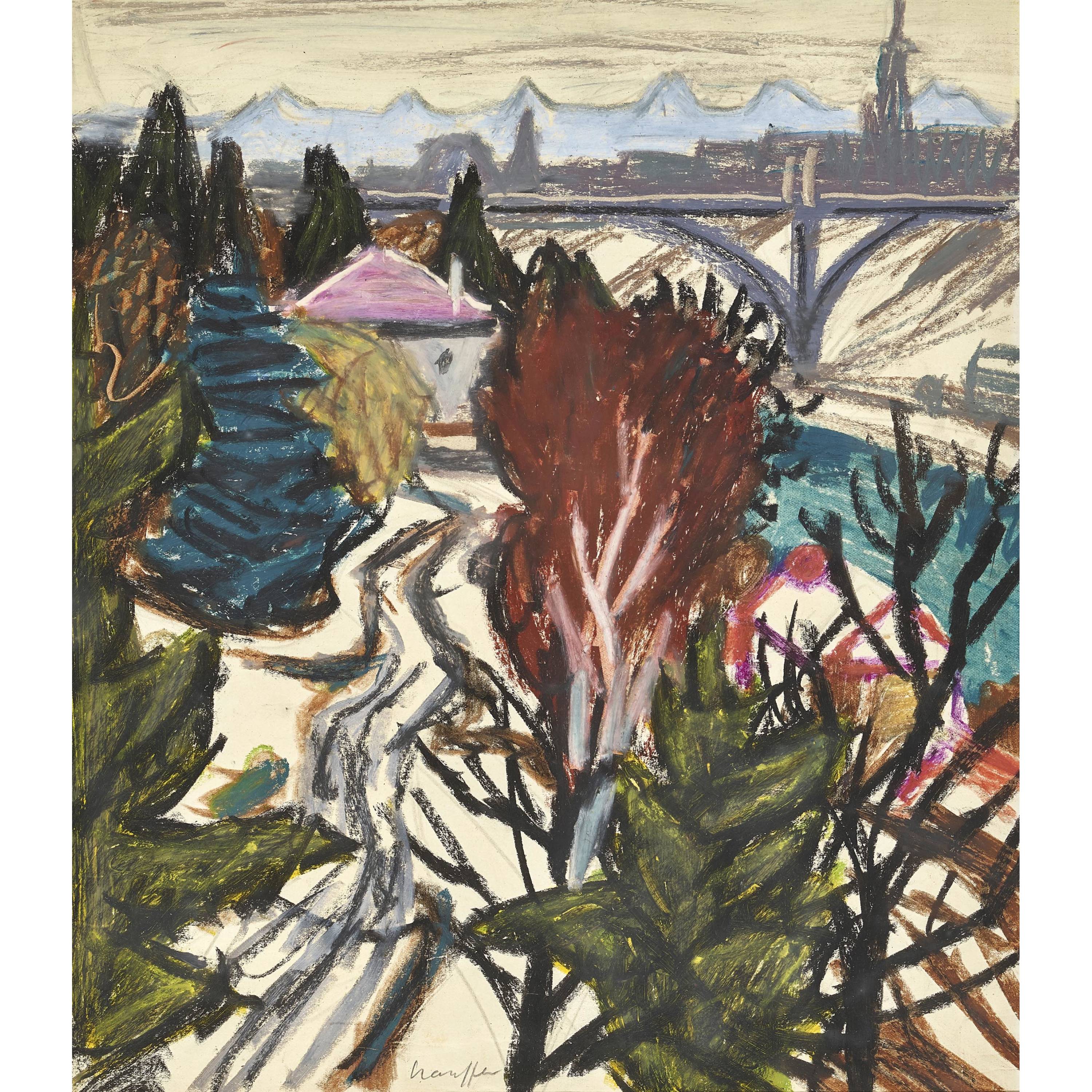
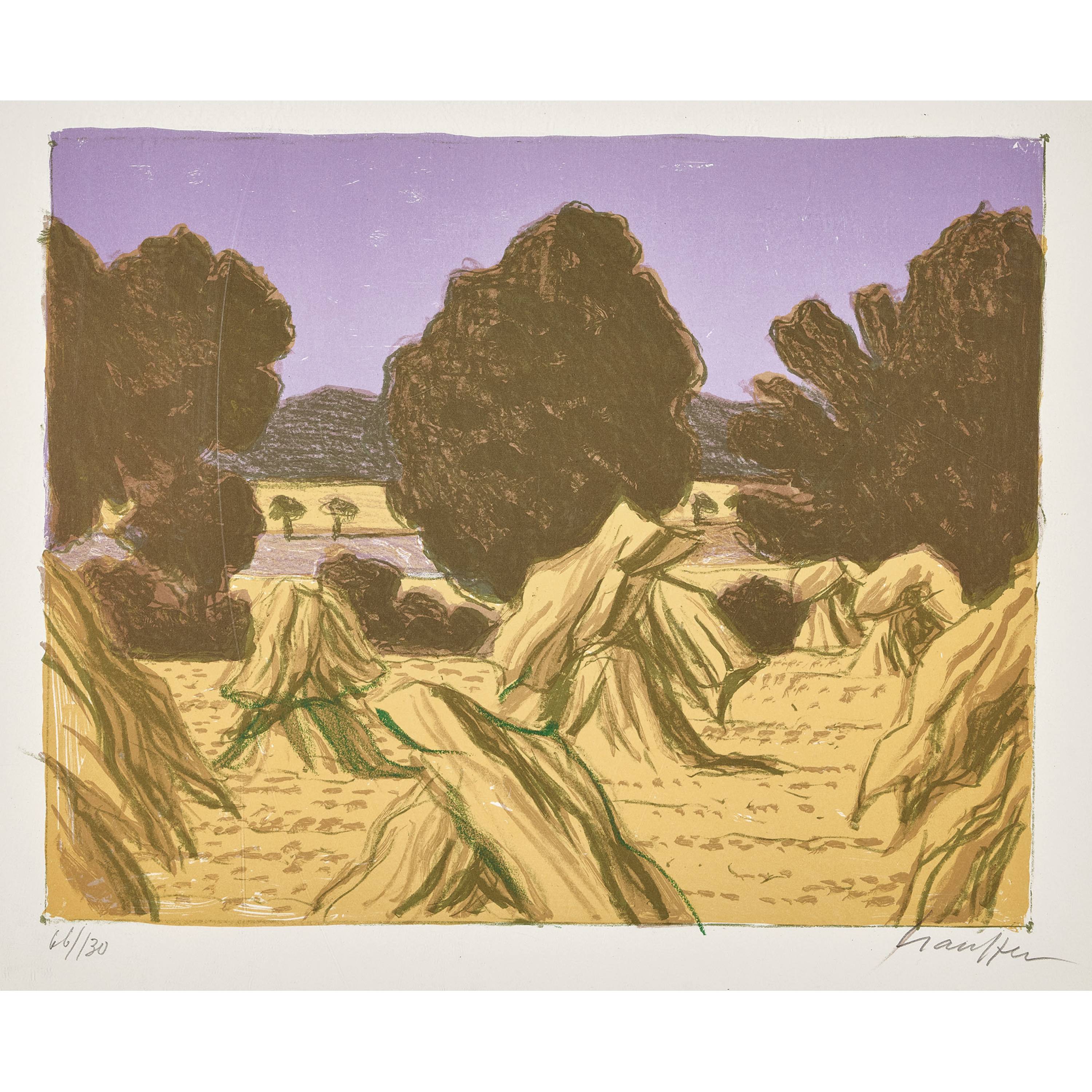
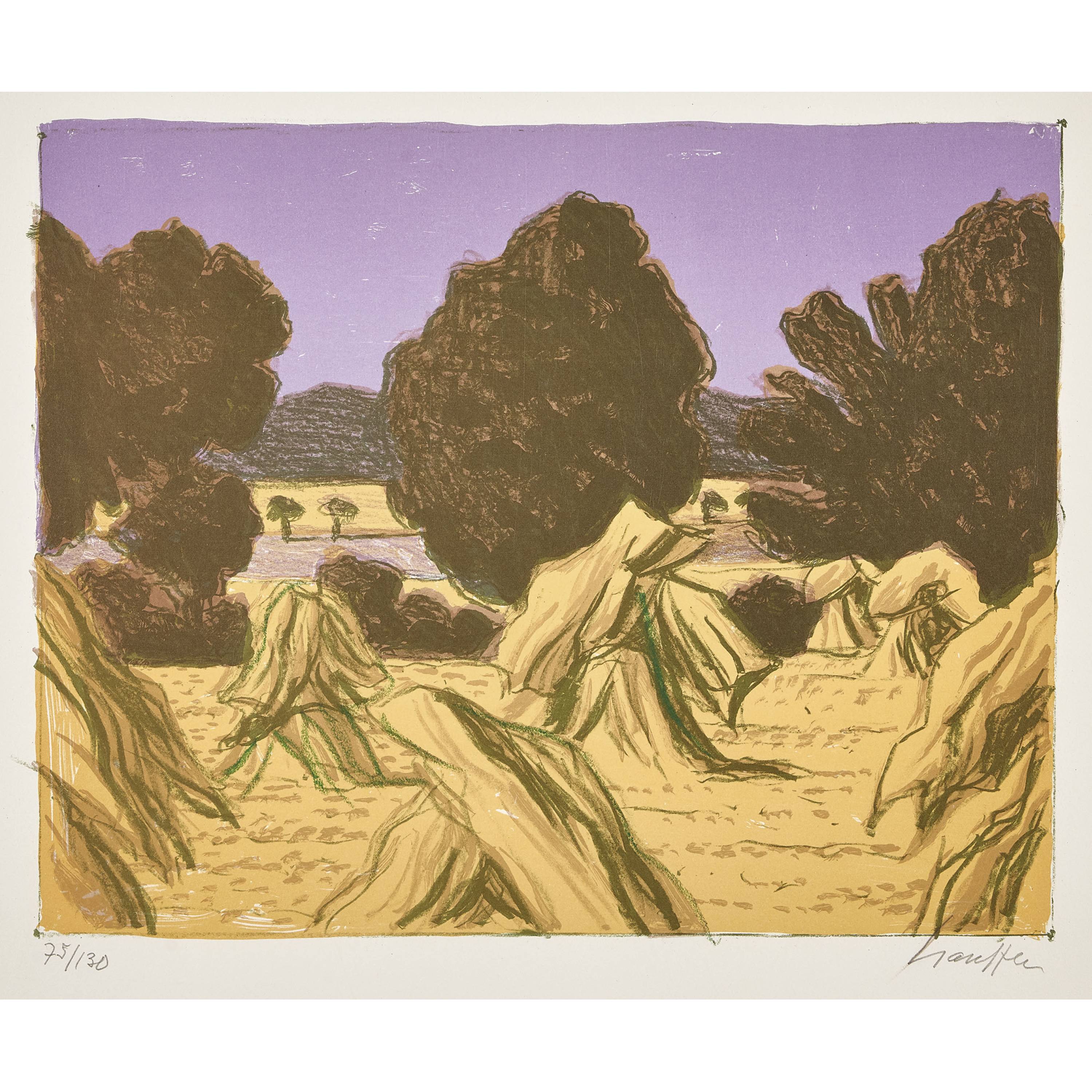
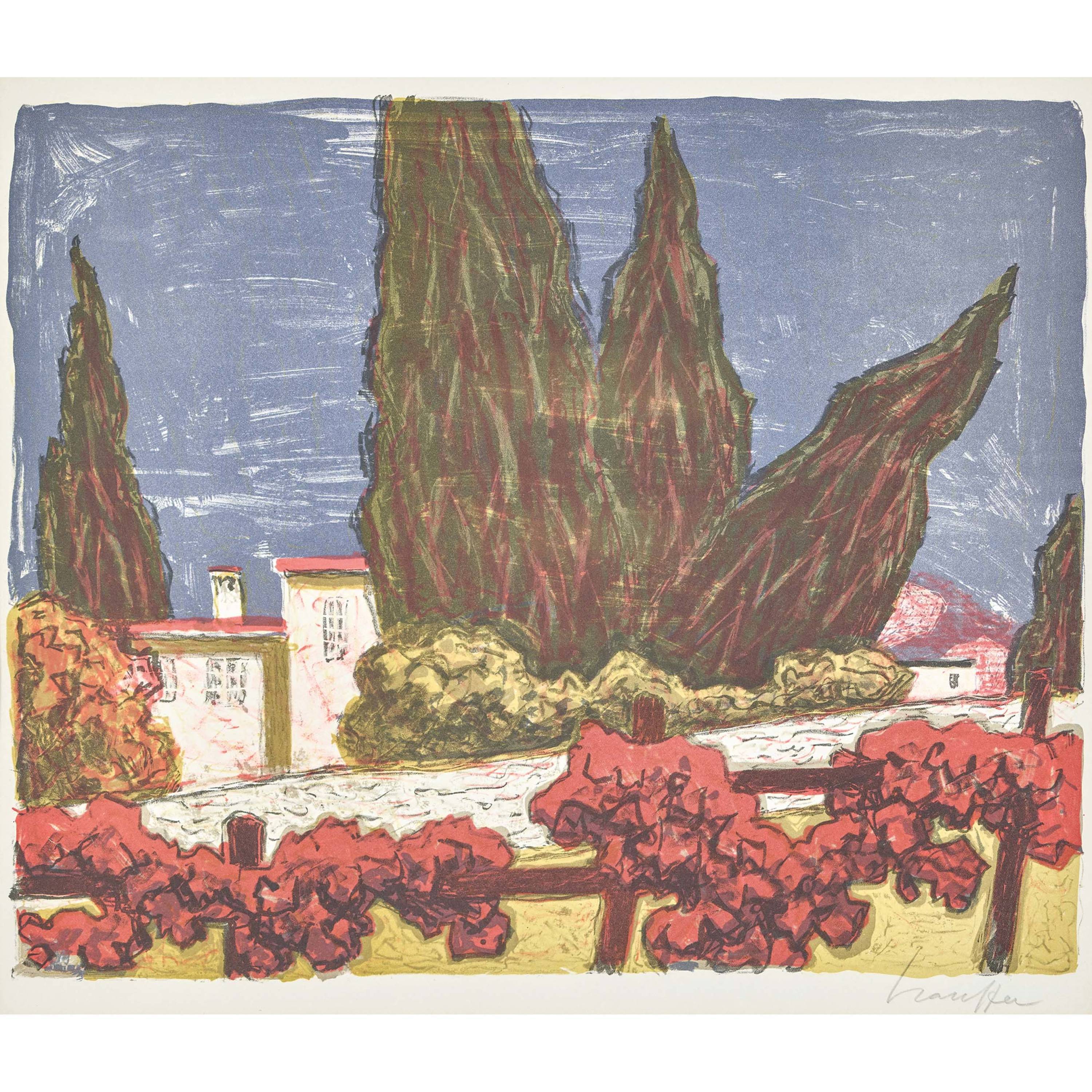
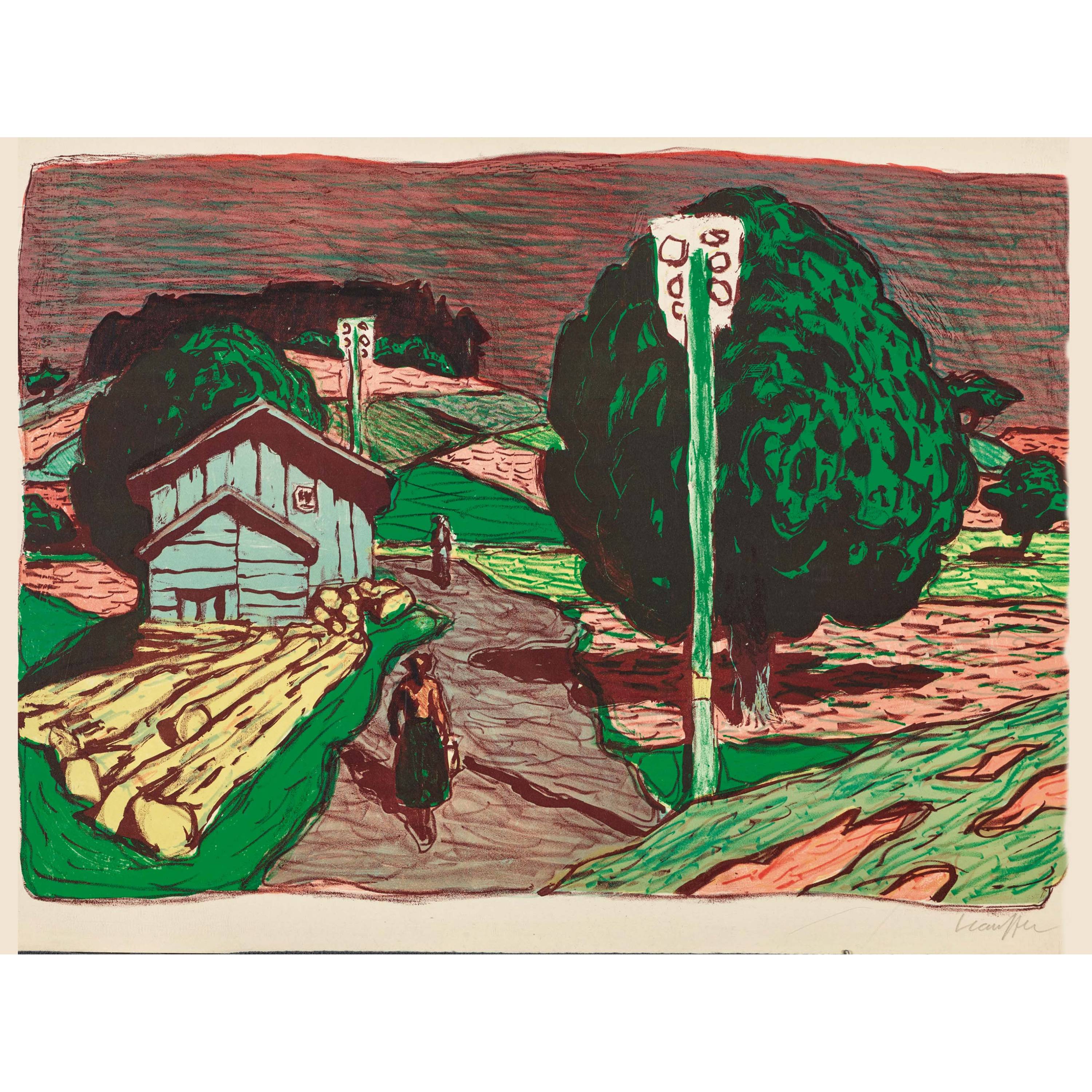
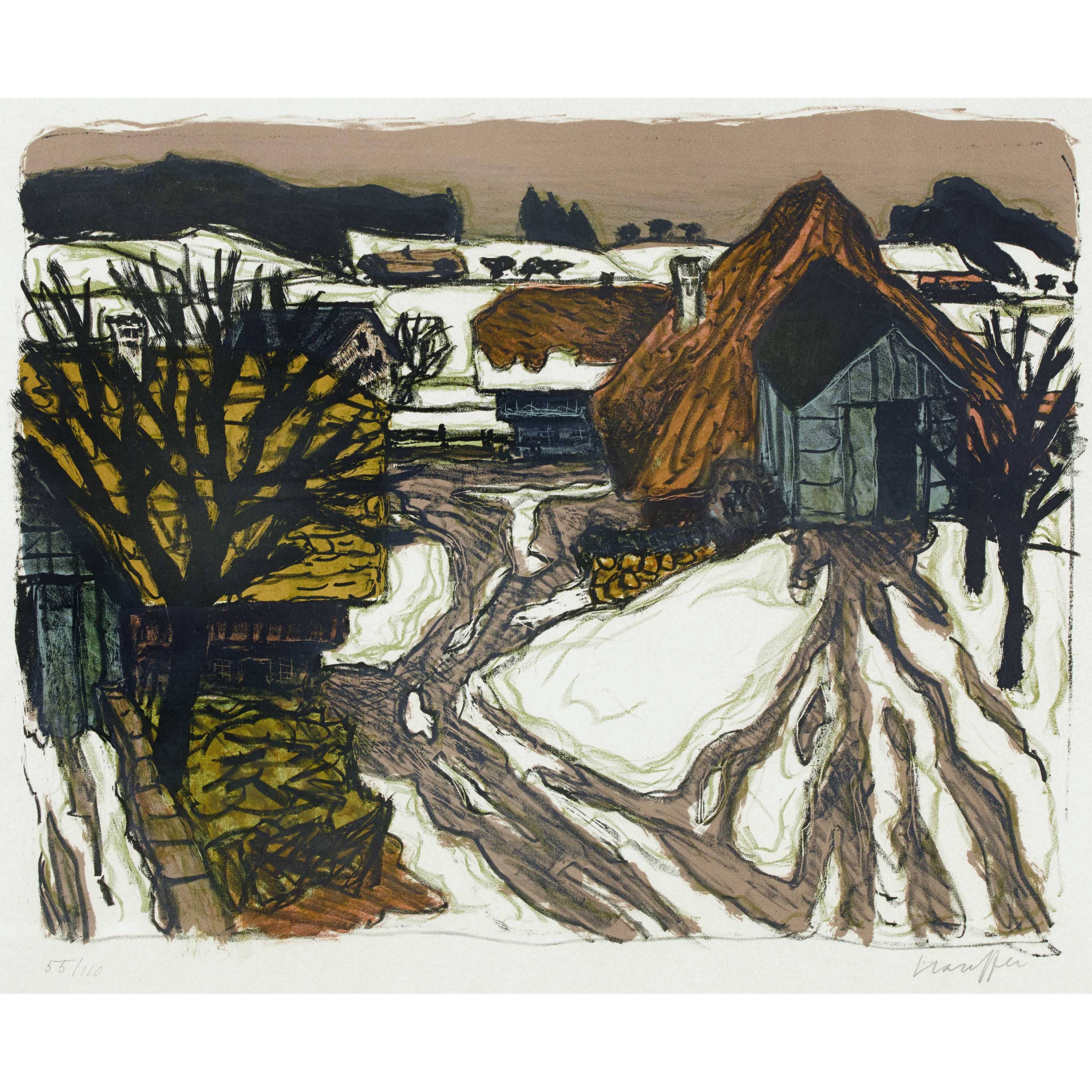
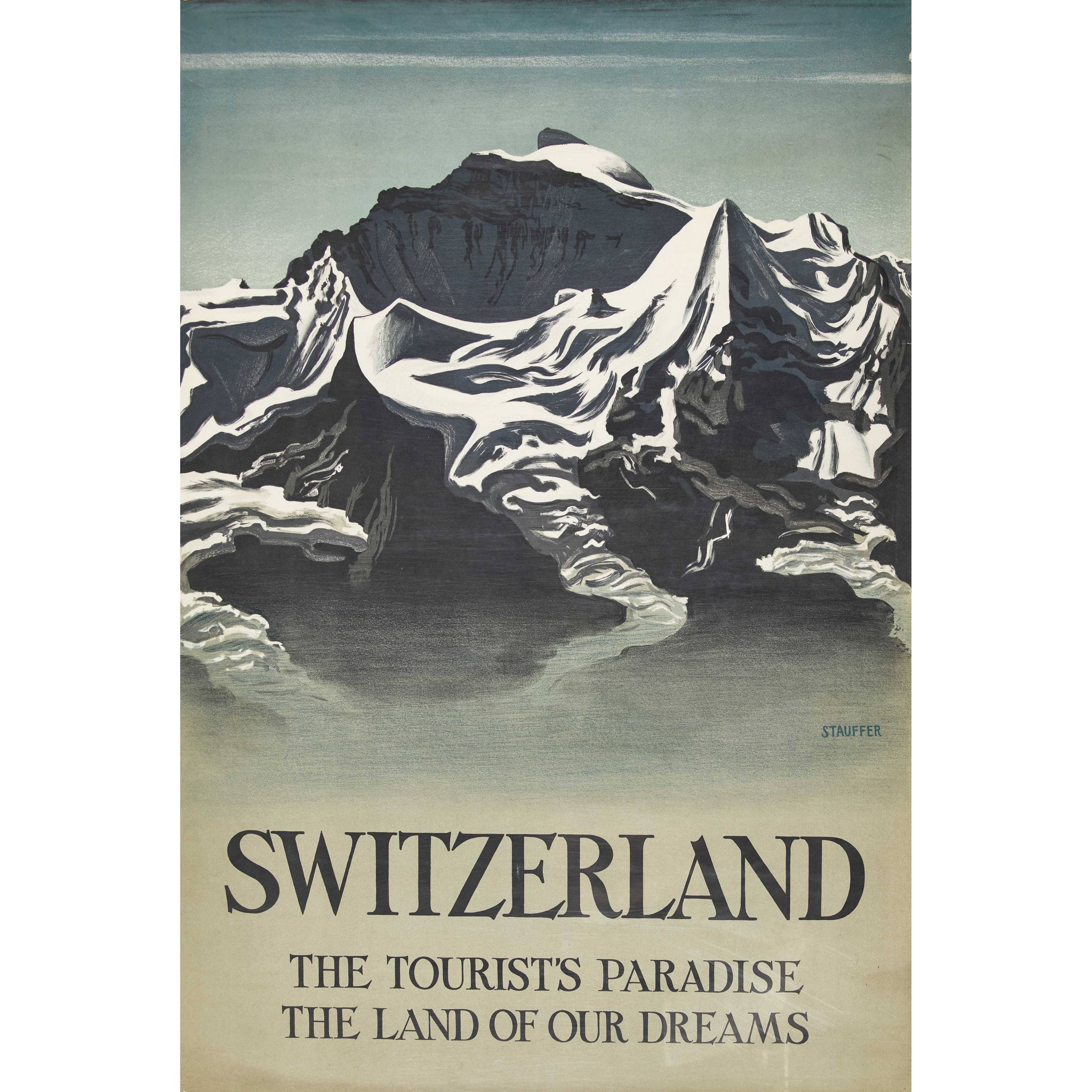
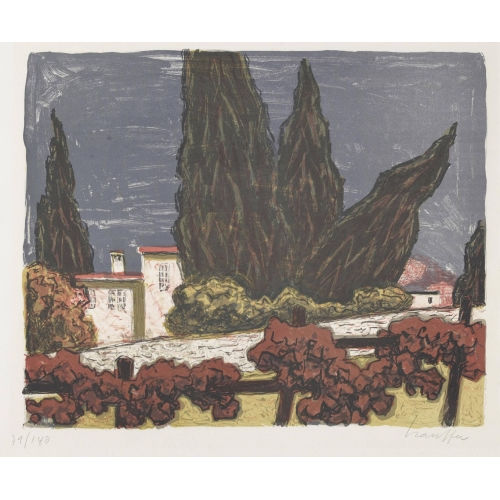
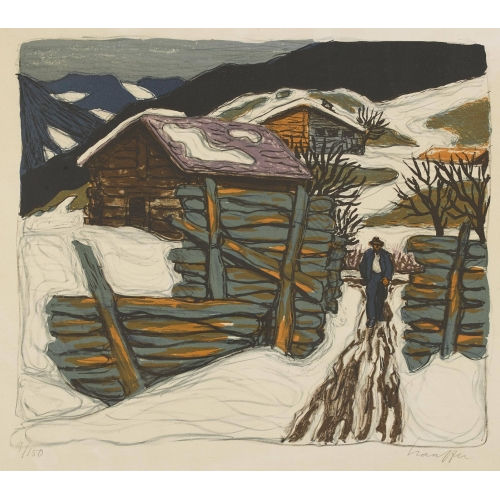
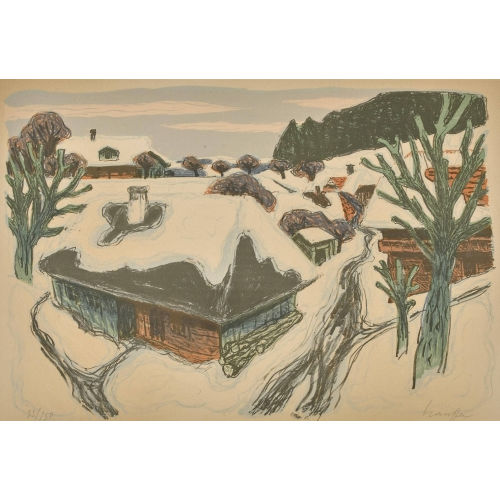
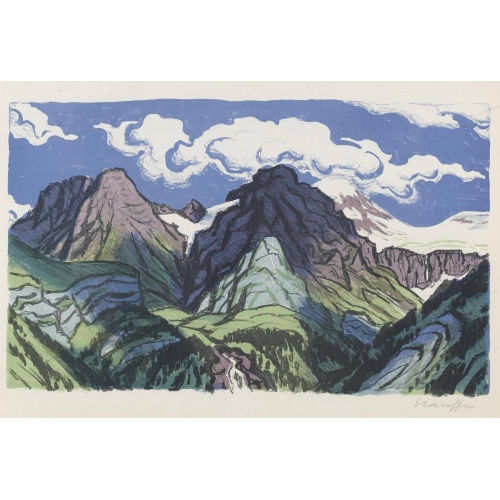
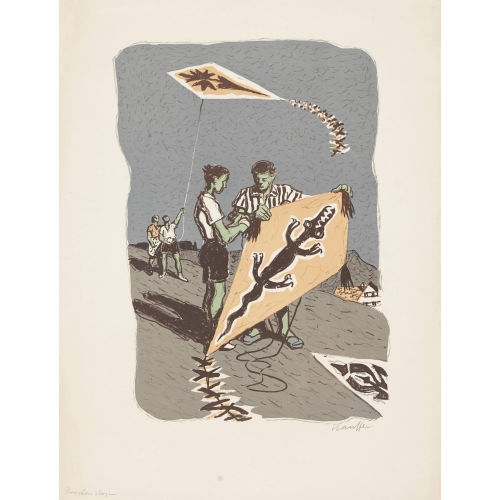
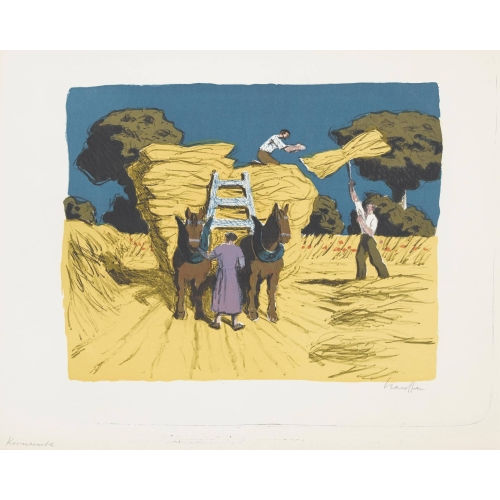
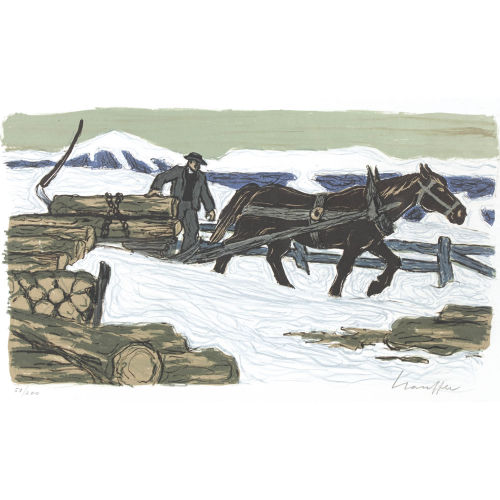
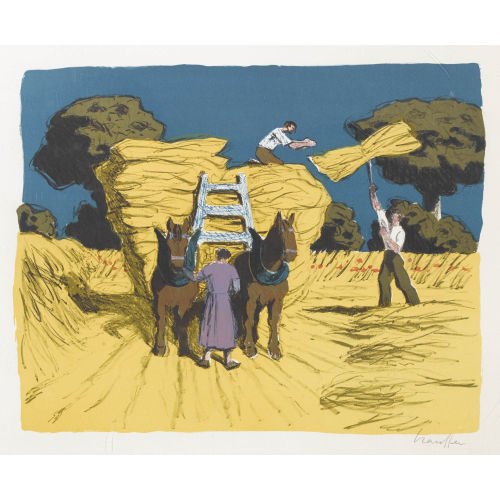
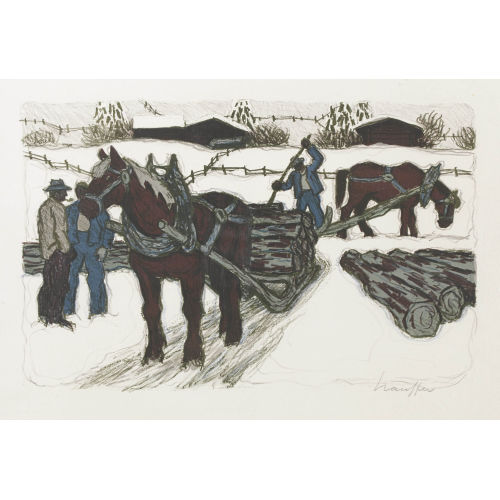
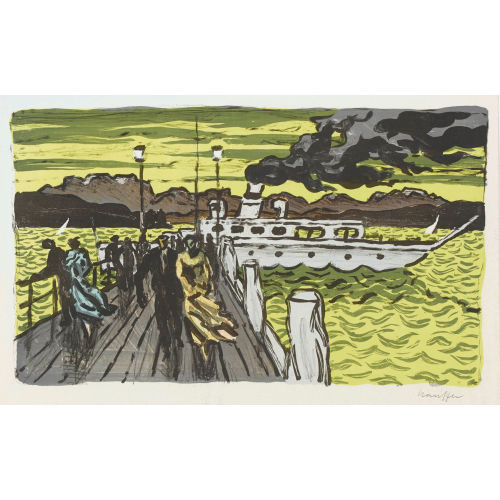
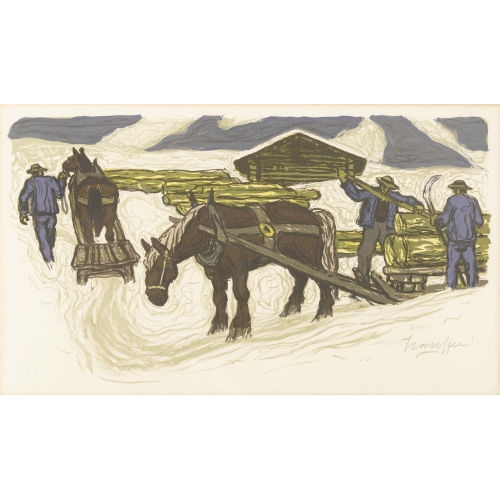
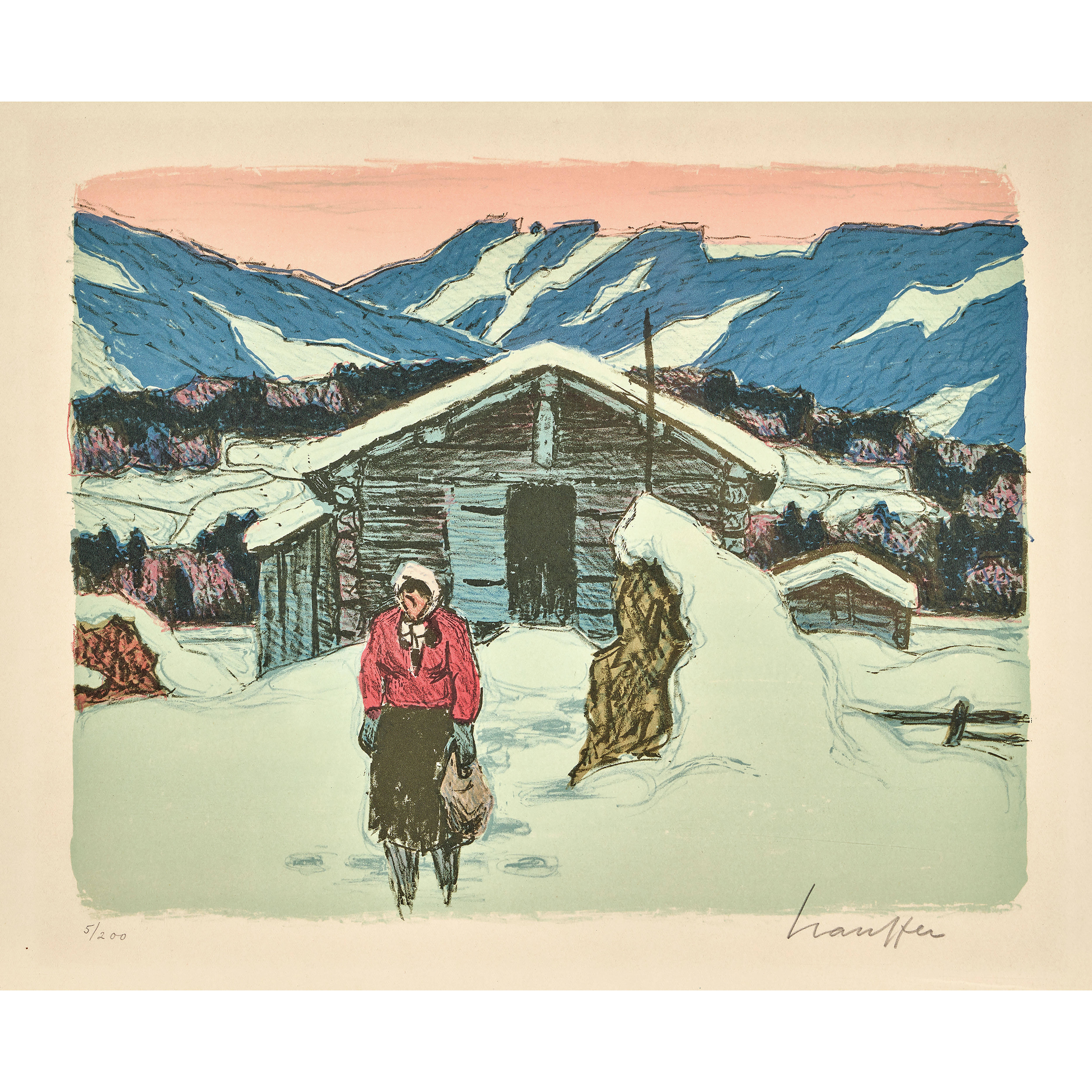
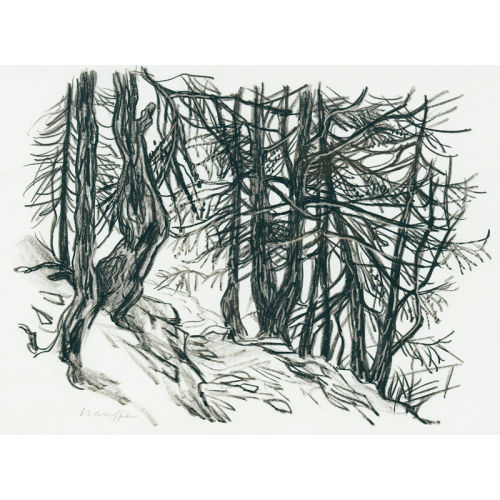
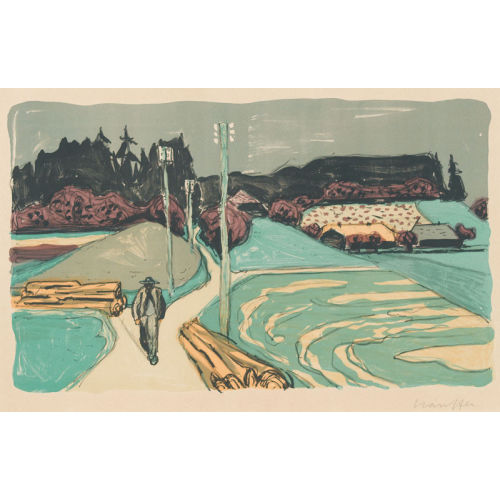
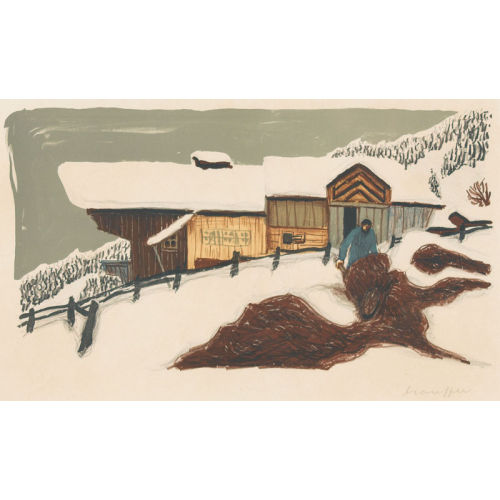
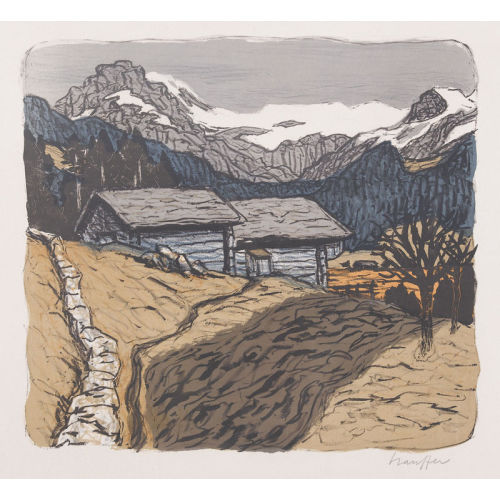
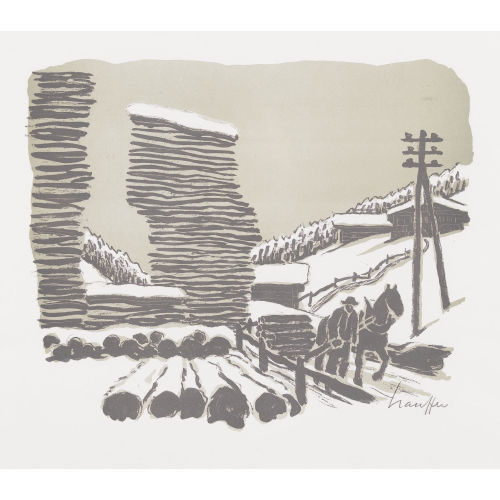
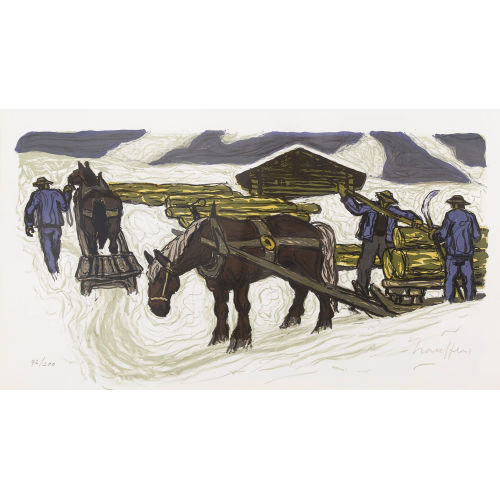
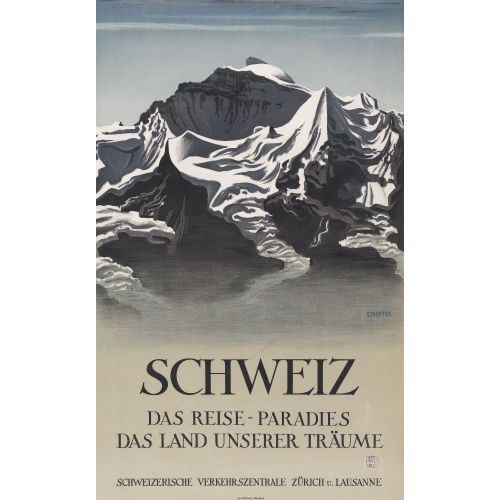
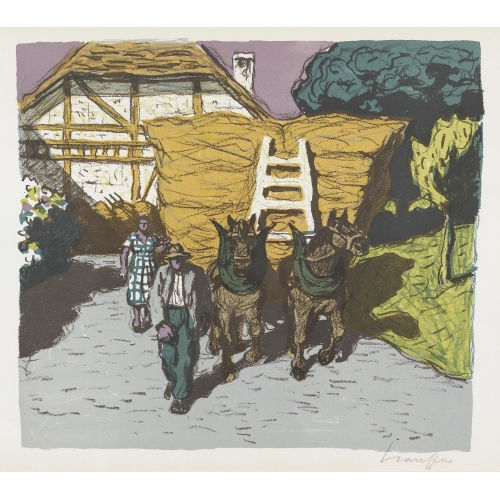
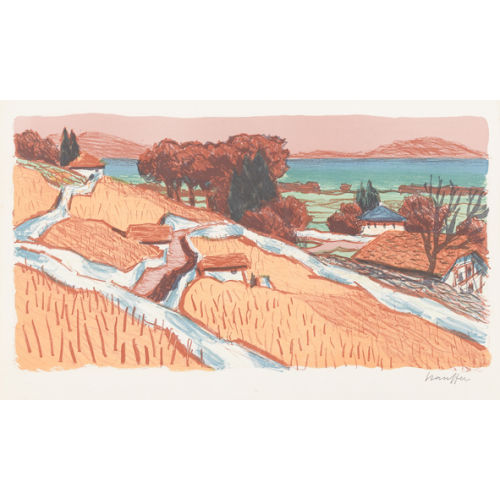
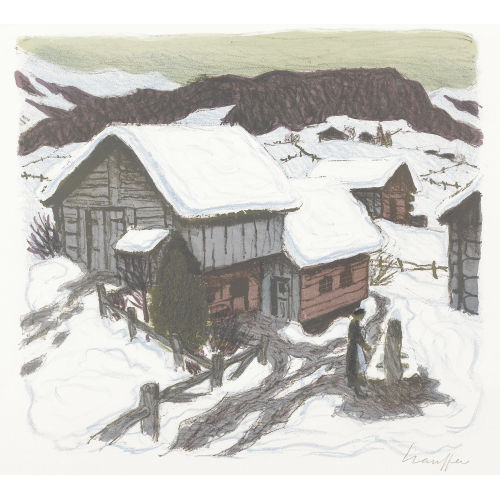
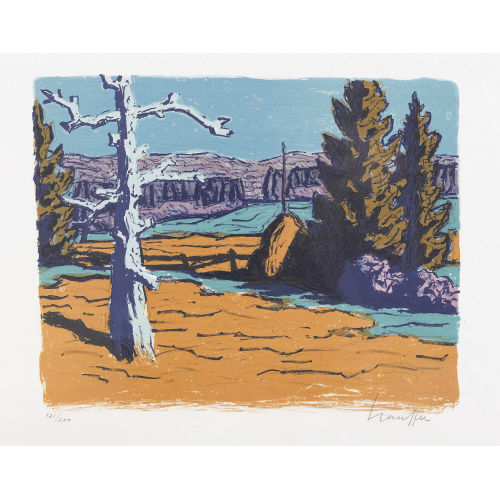
Lithography ensured a wide circulation for his compositions. To discover Stauffer, one can follow this dialogue between the line that orders and the colour that animates. An exhibition accompanied by a monograph, organised by the Fondation Saner in 2007, contributed to renewing the reading of his oeuvre.