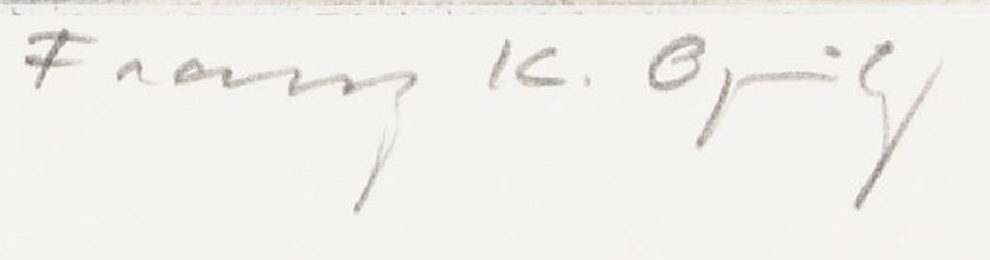
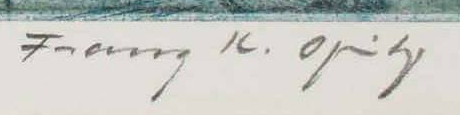
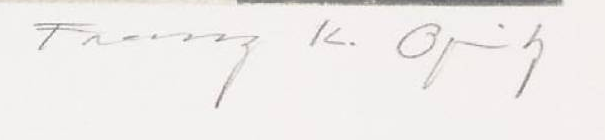
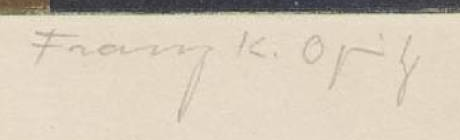
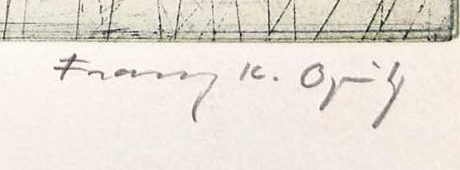
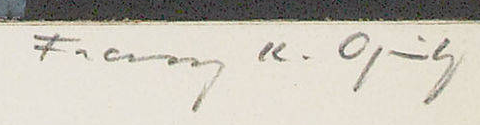
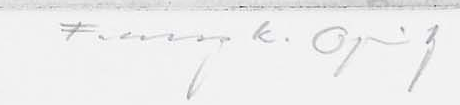
Franz Karl Opitz
Born in 1916.
Died in 1998.
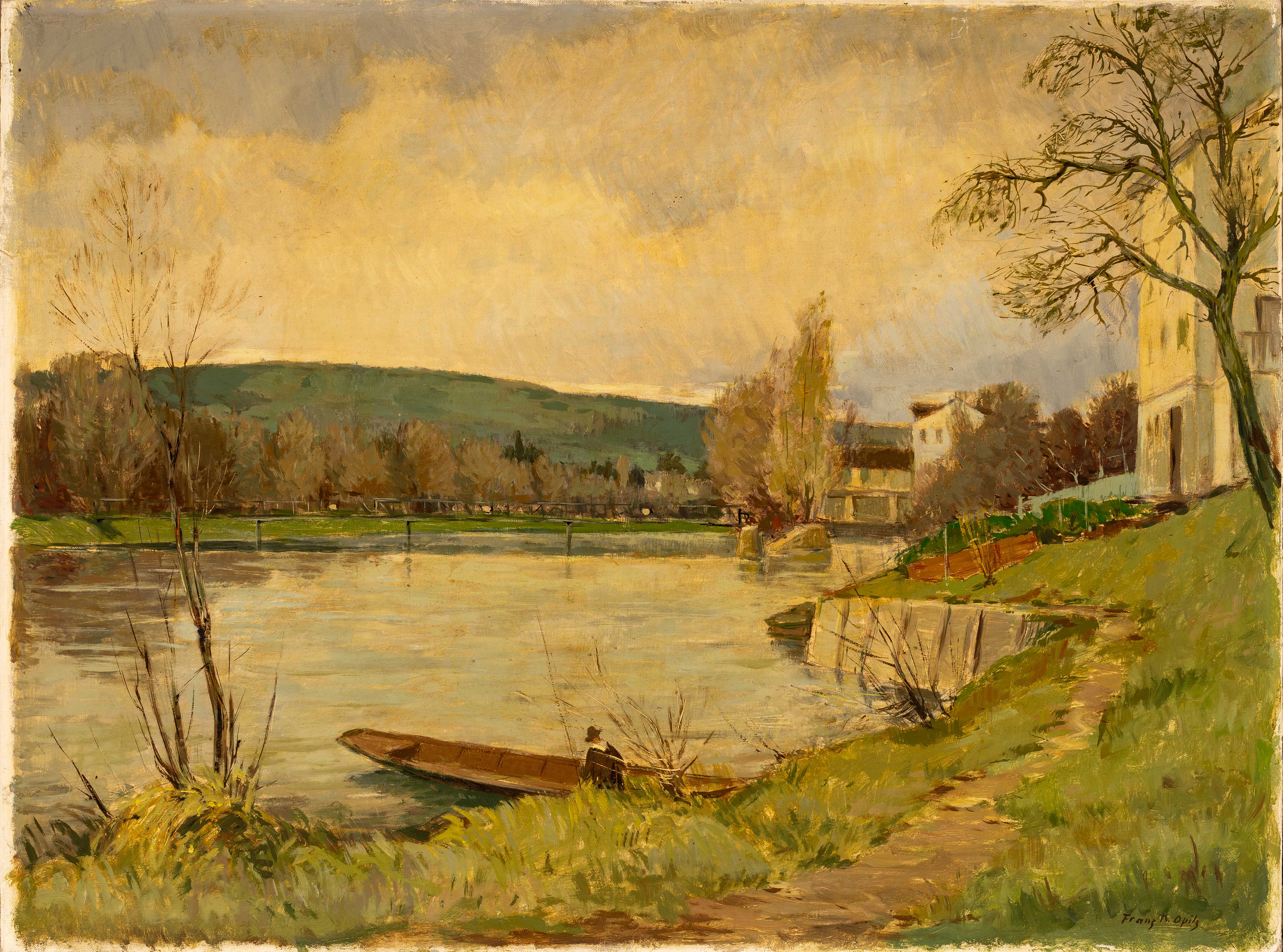
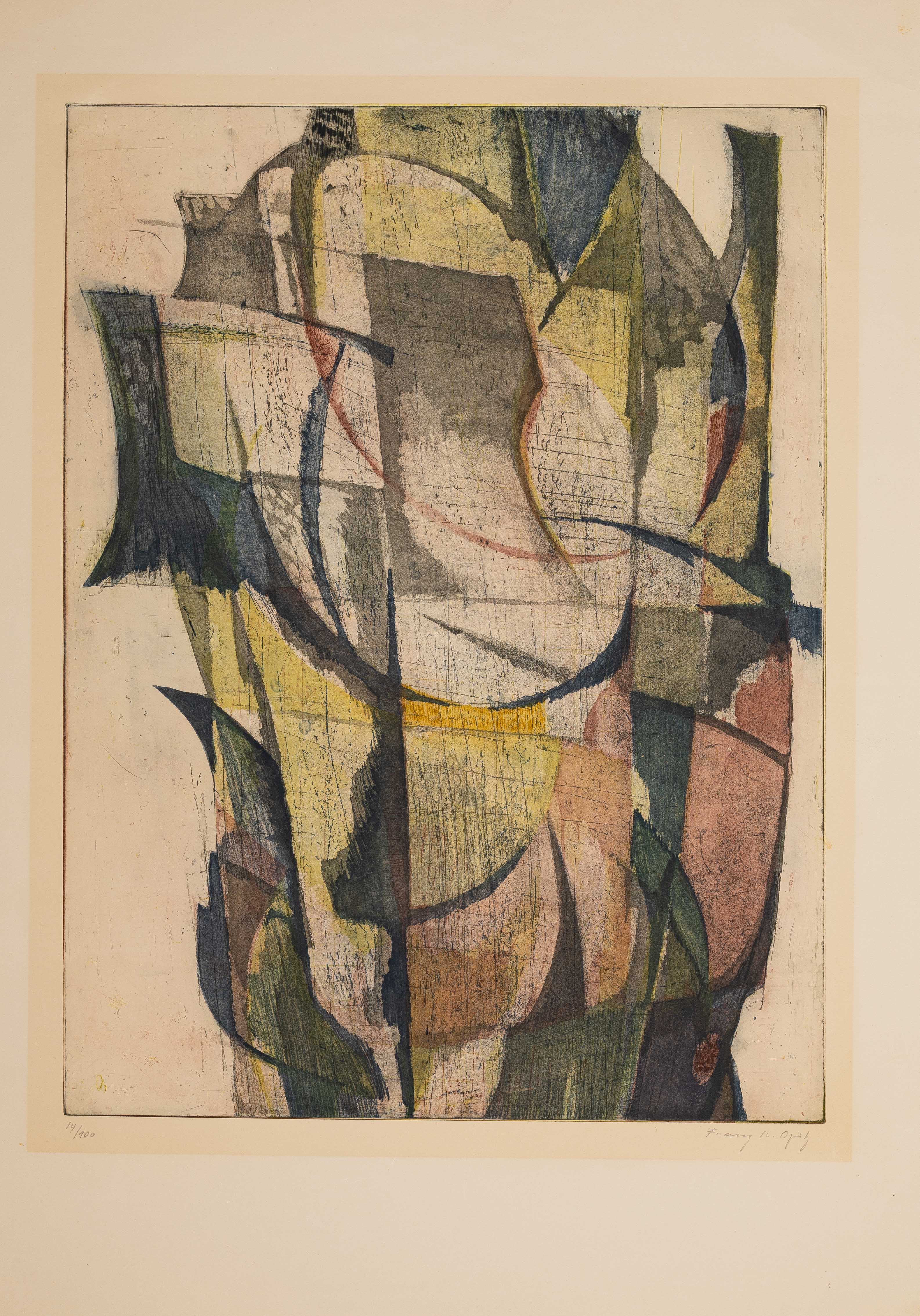
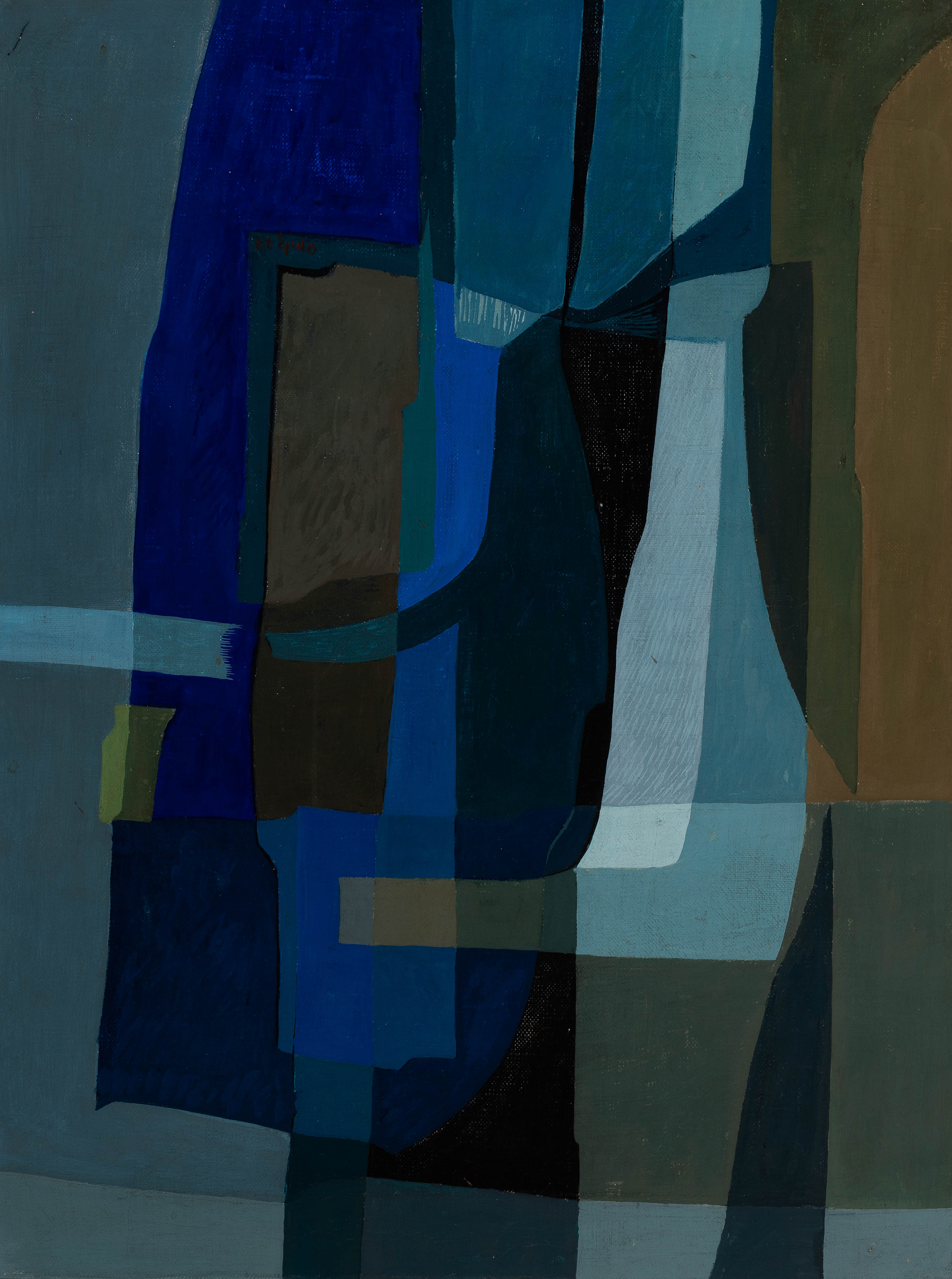
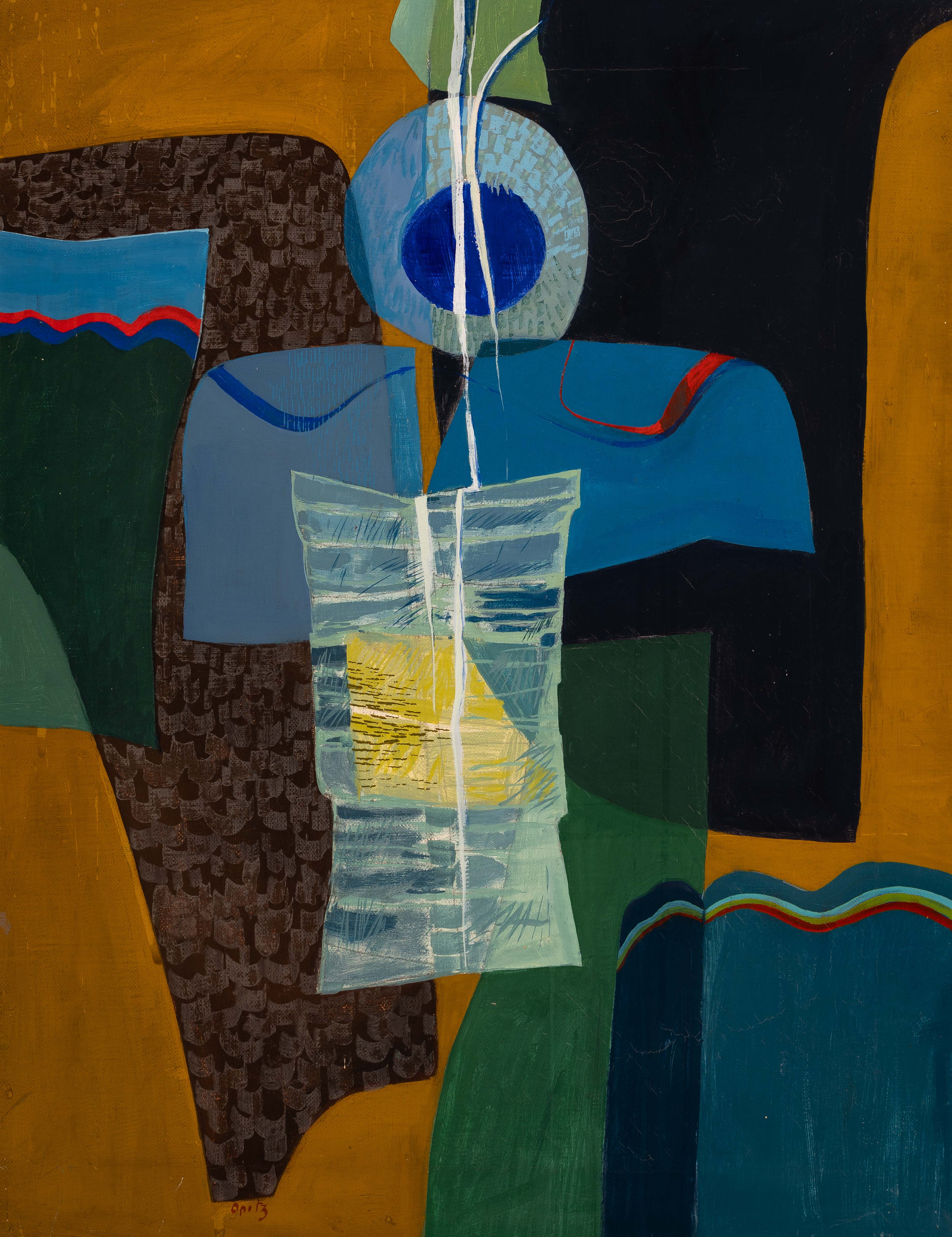
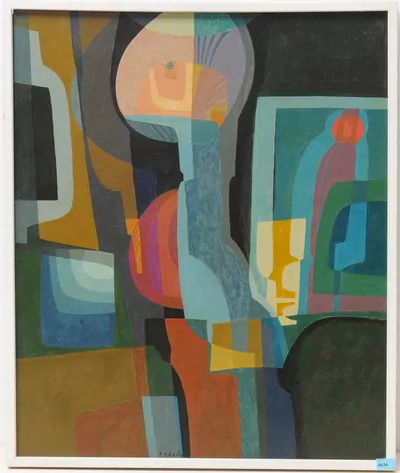
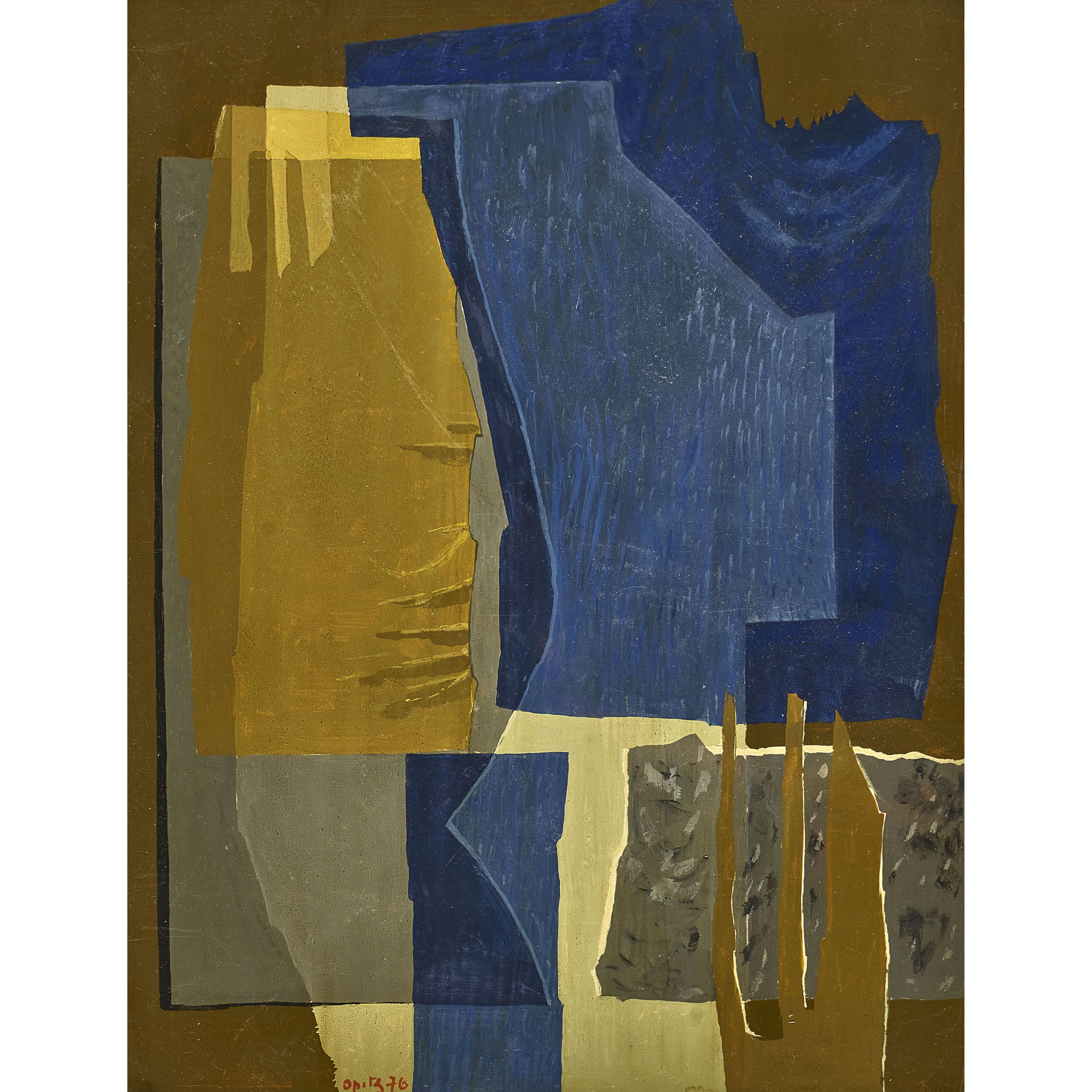
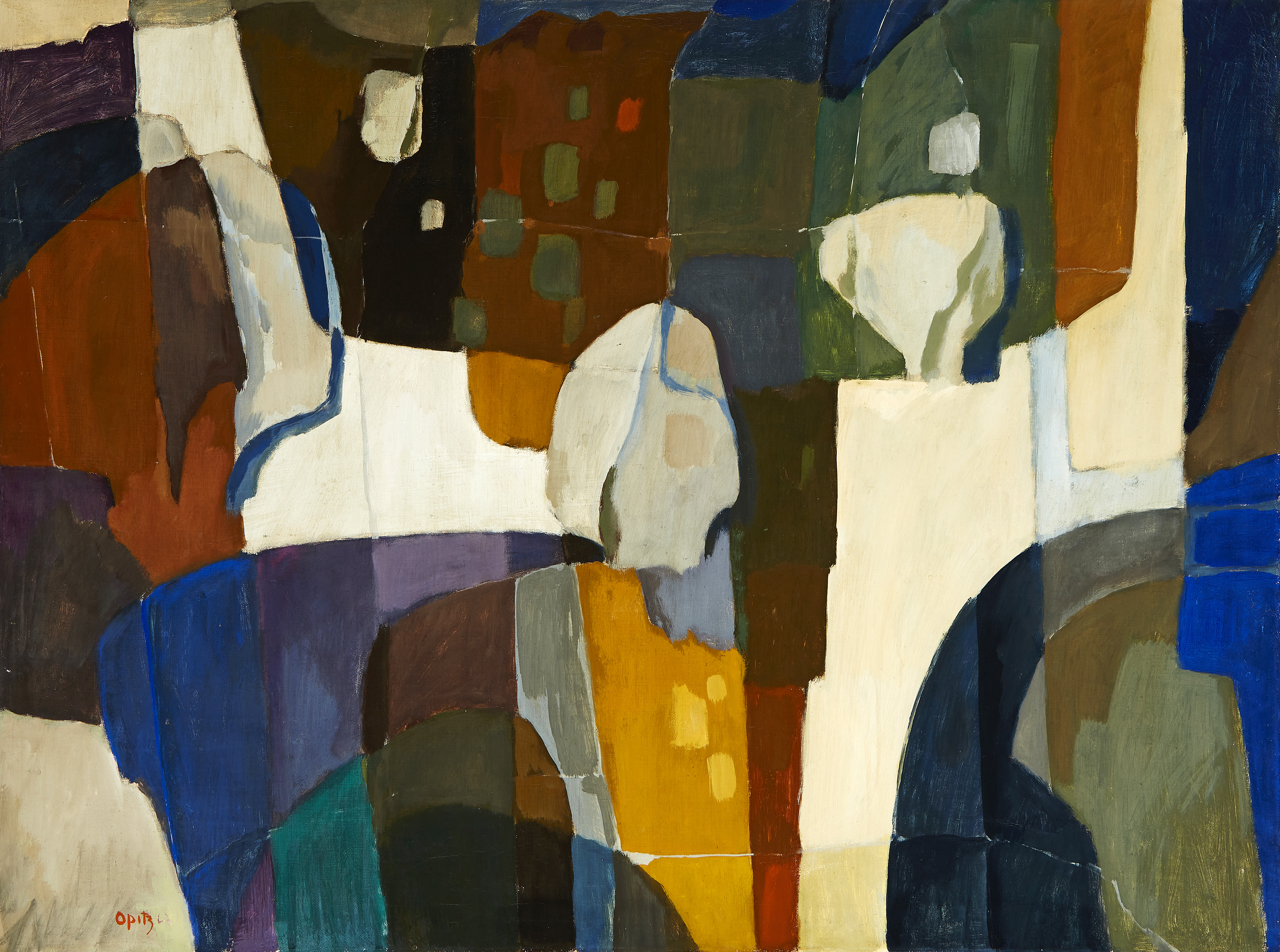
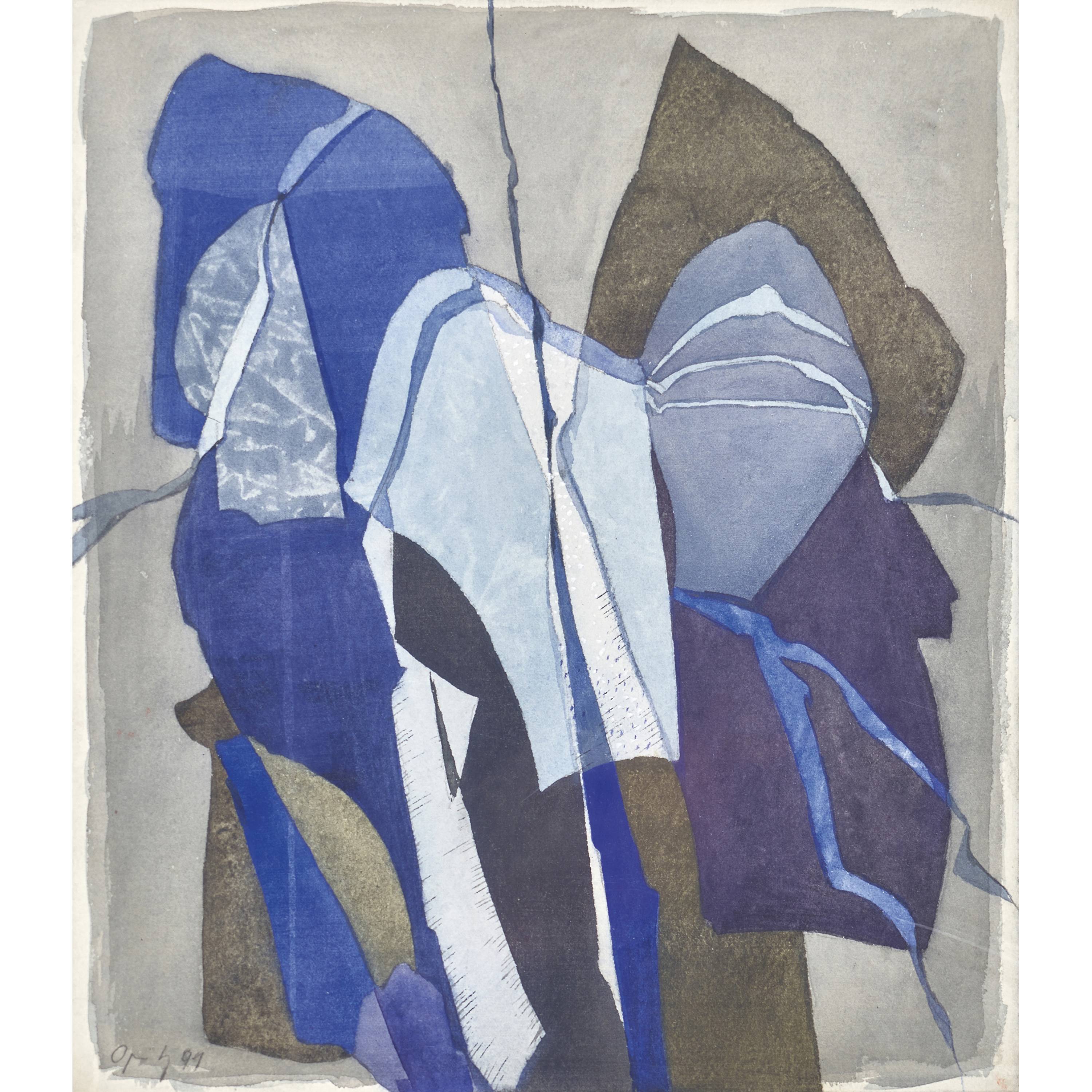
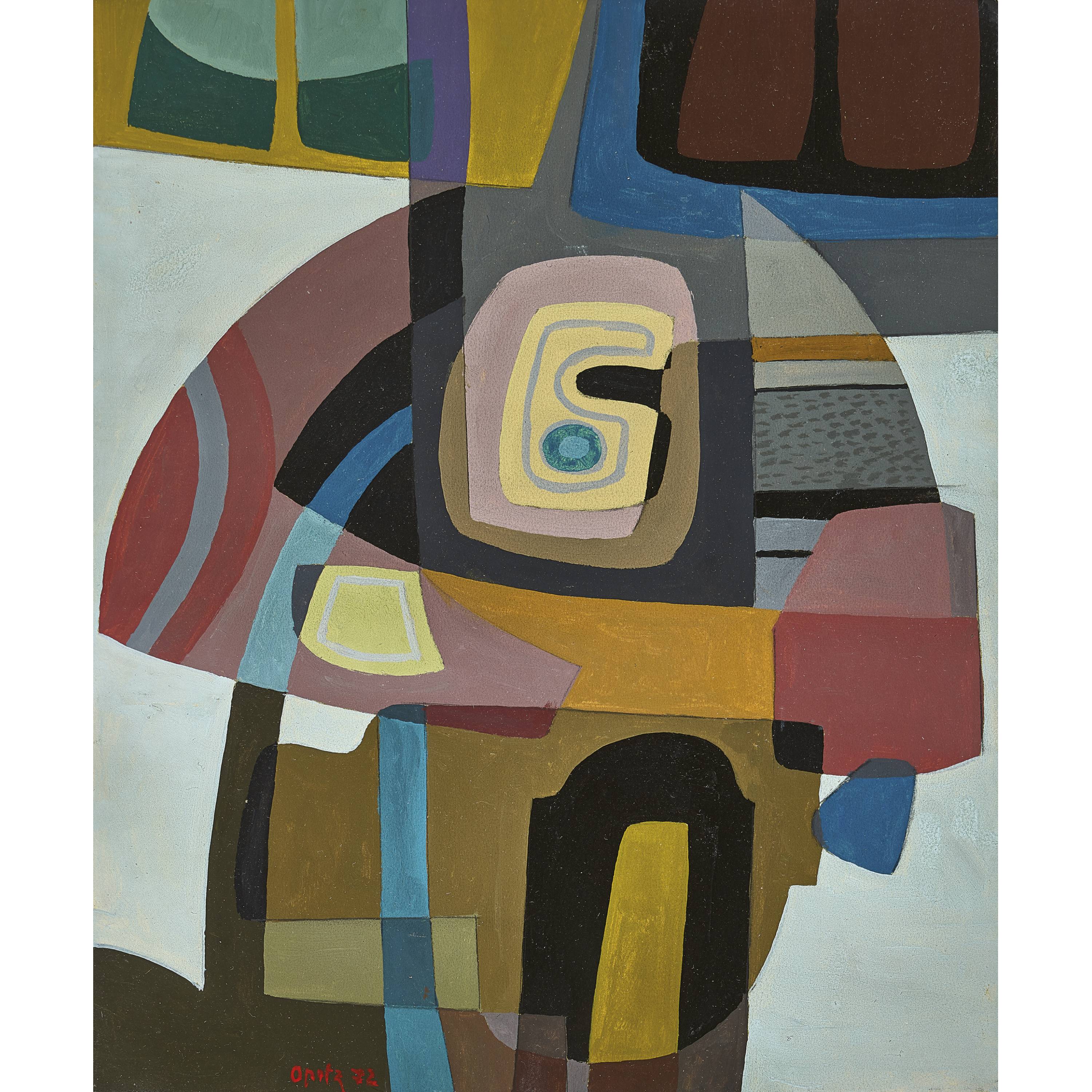
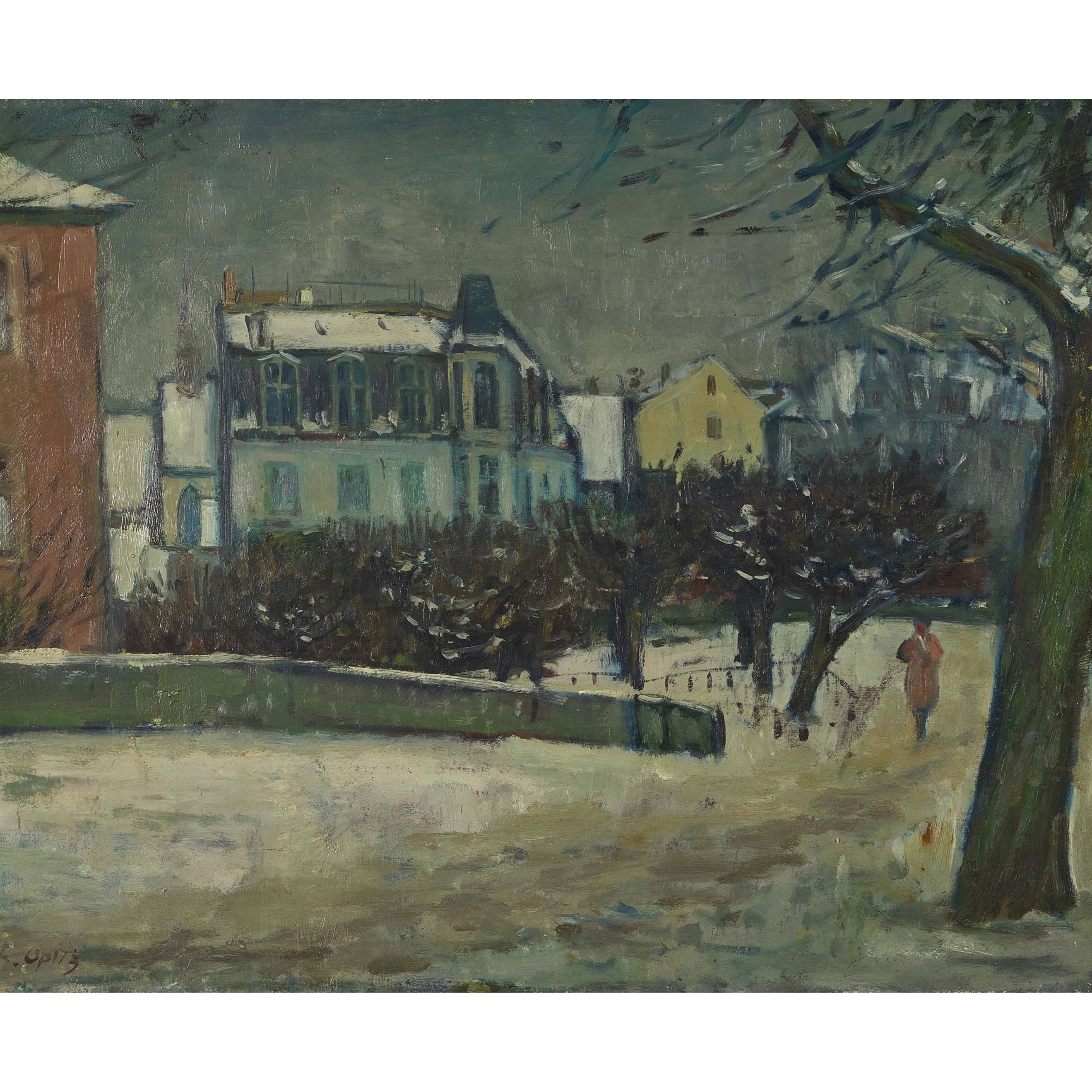
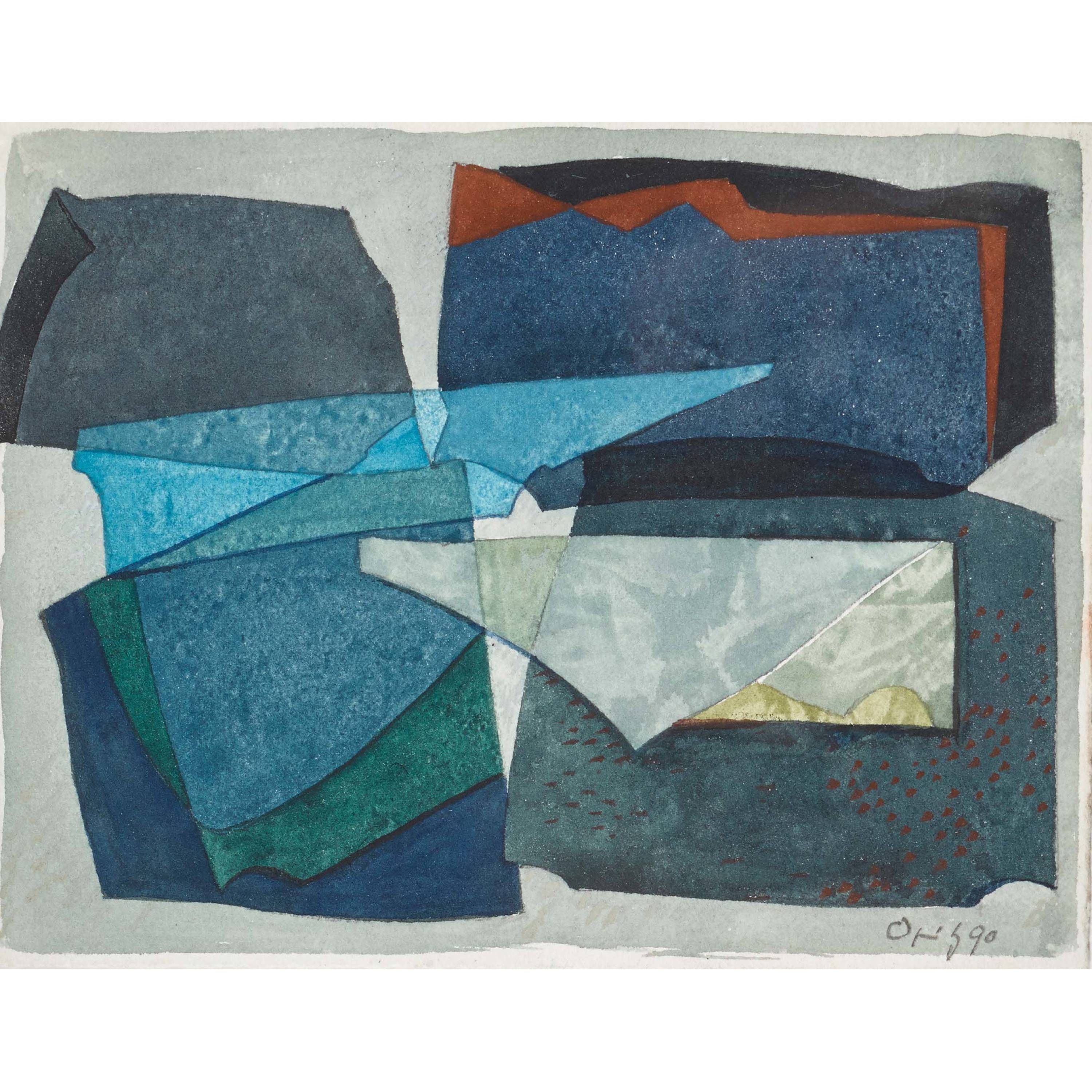
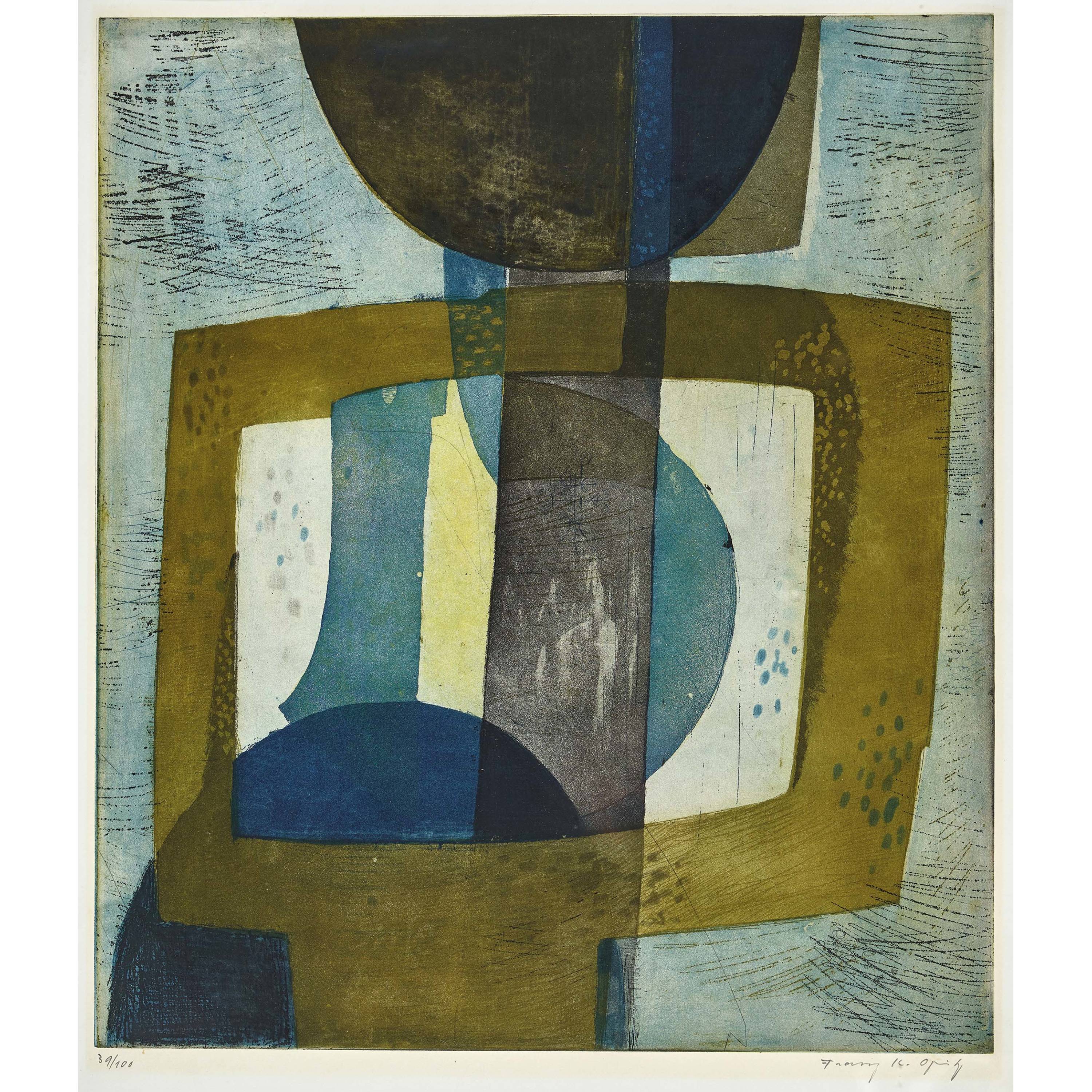
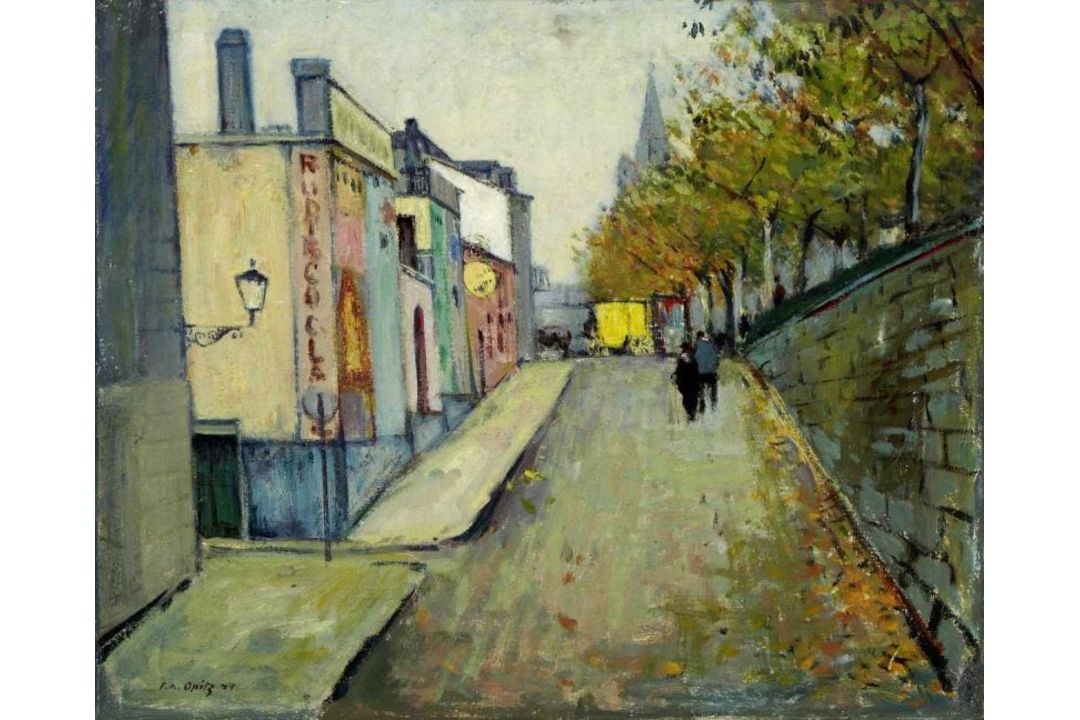
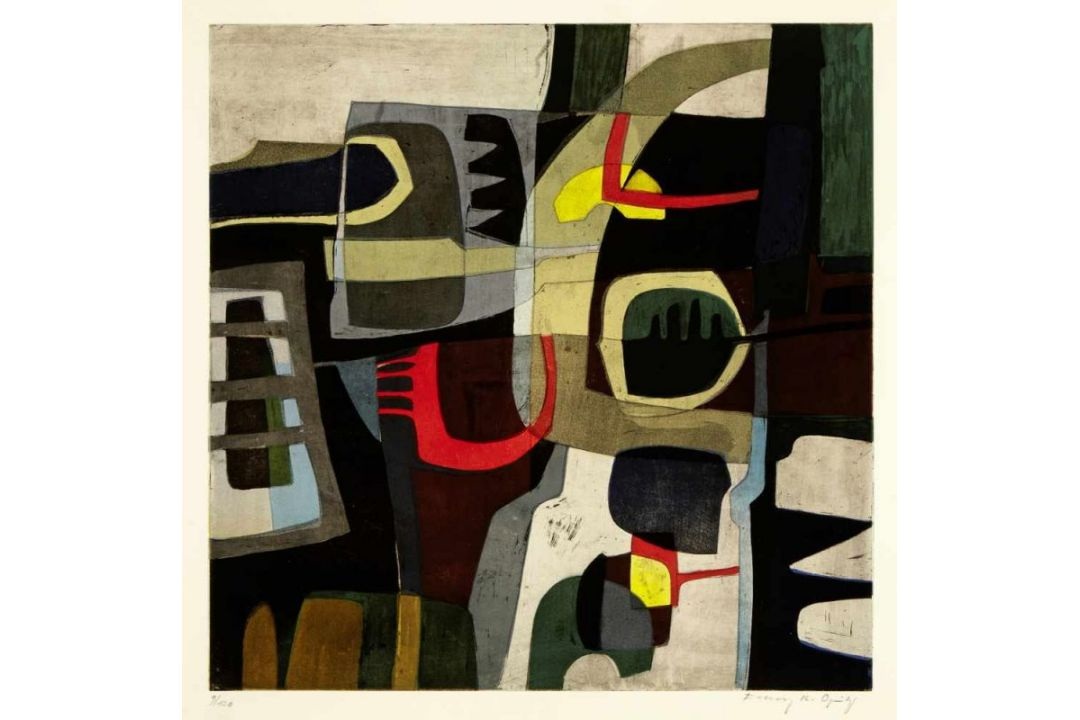
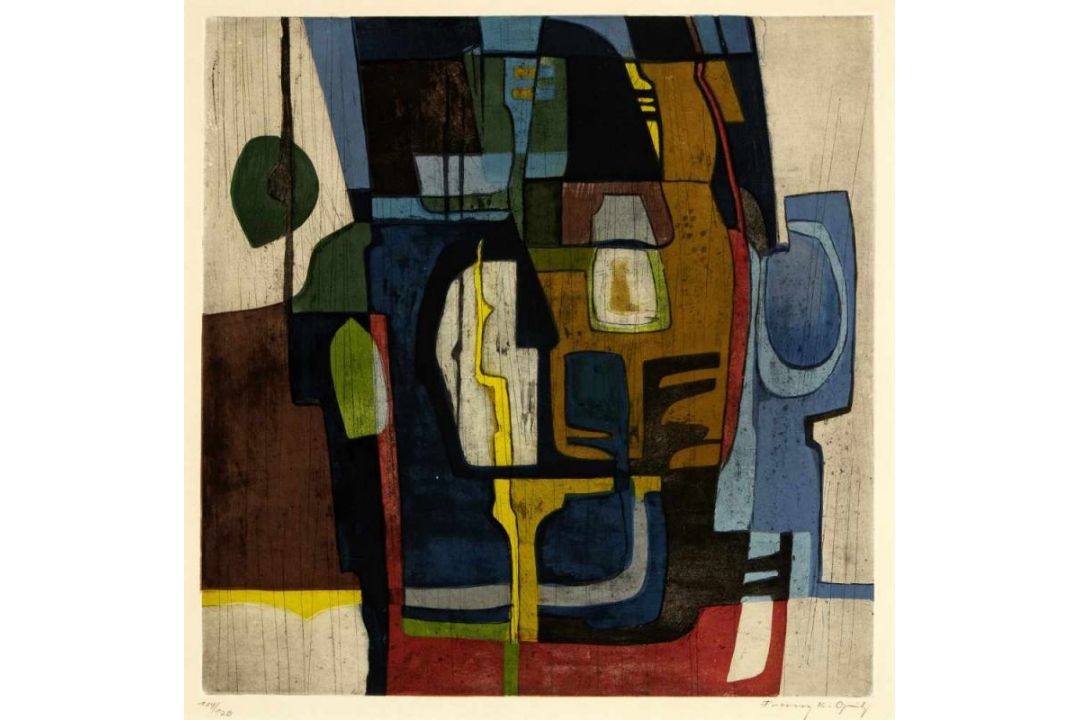
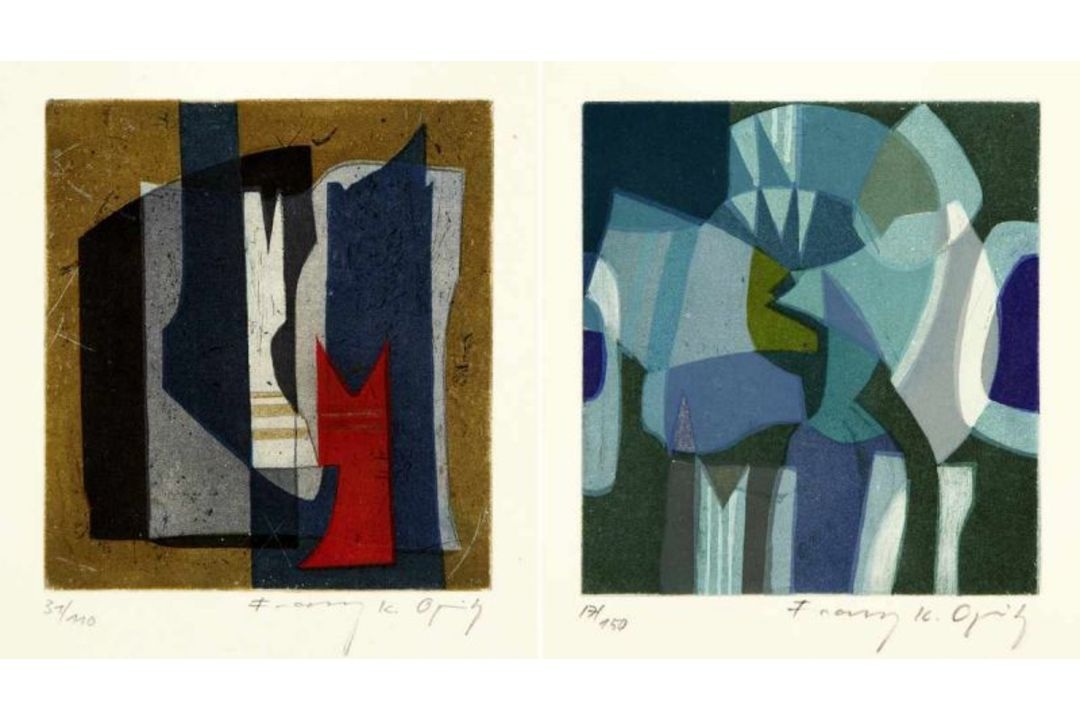
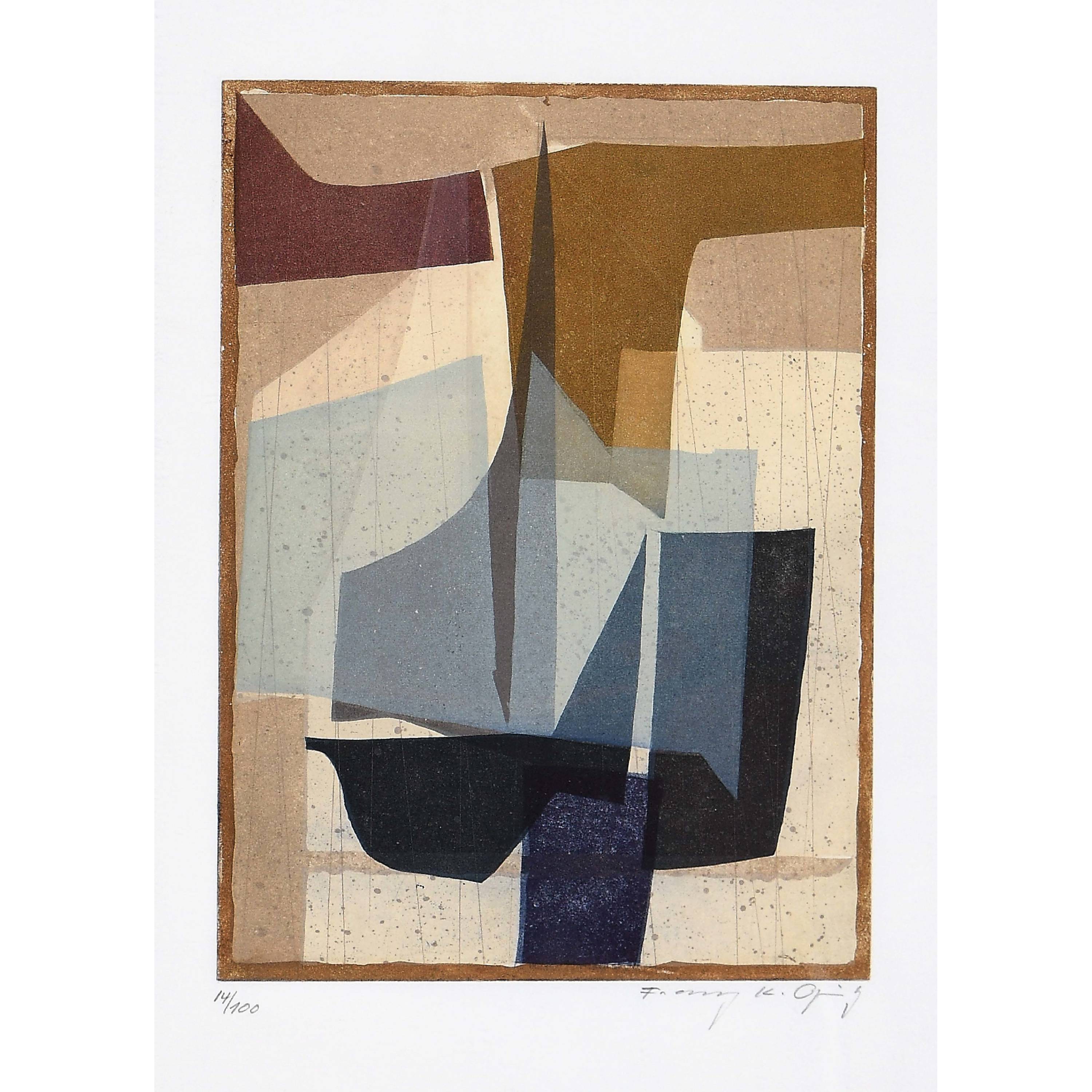
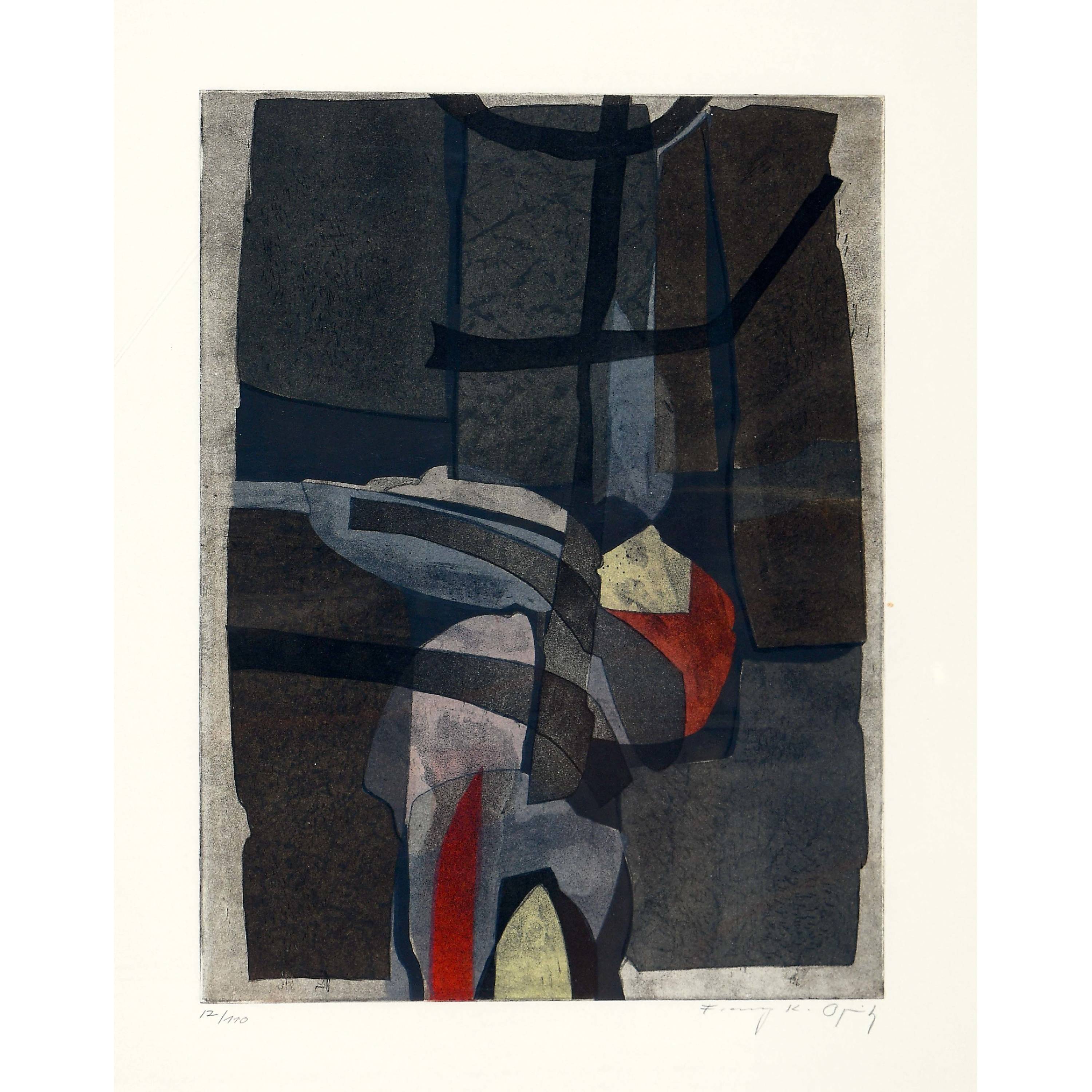
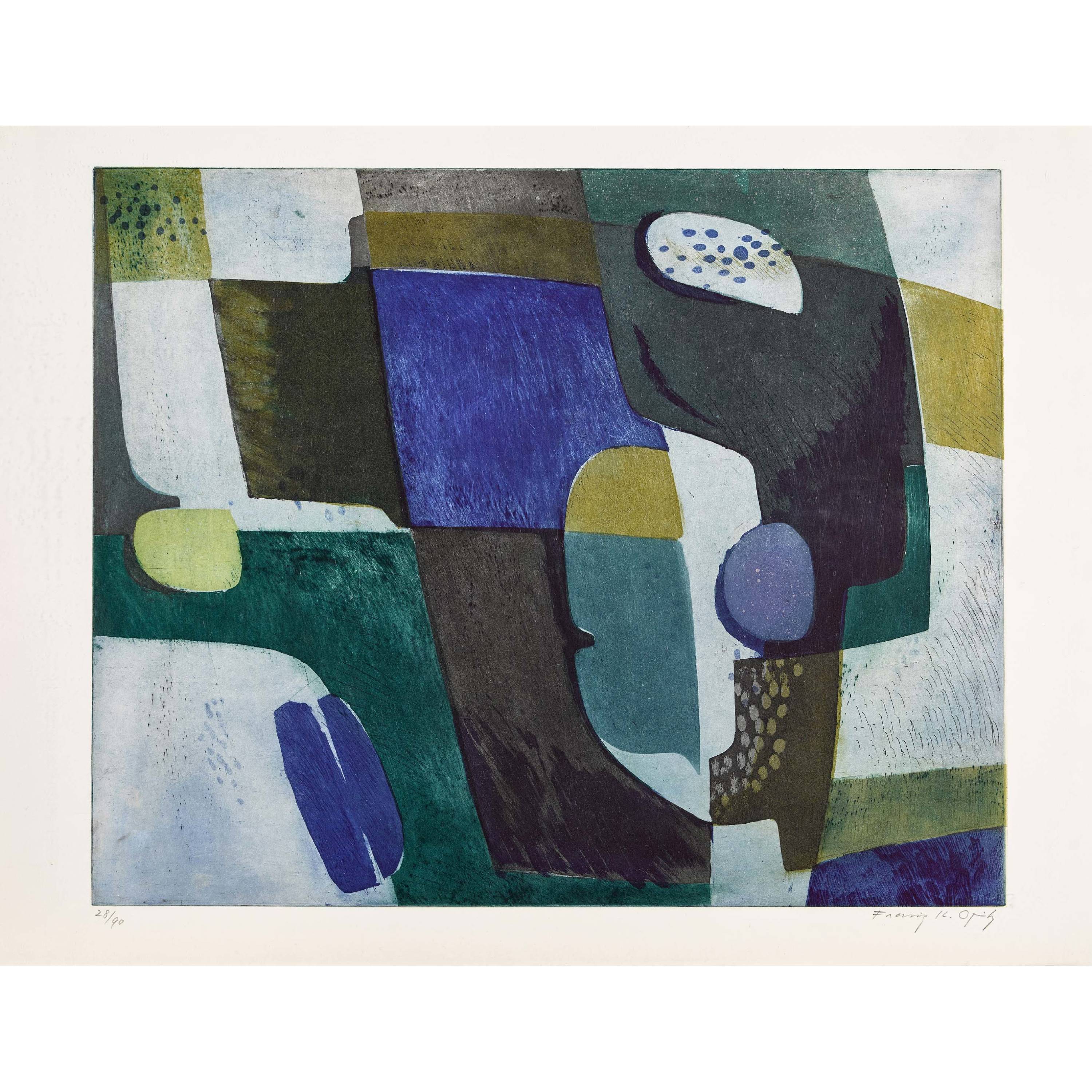
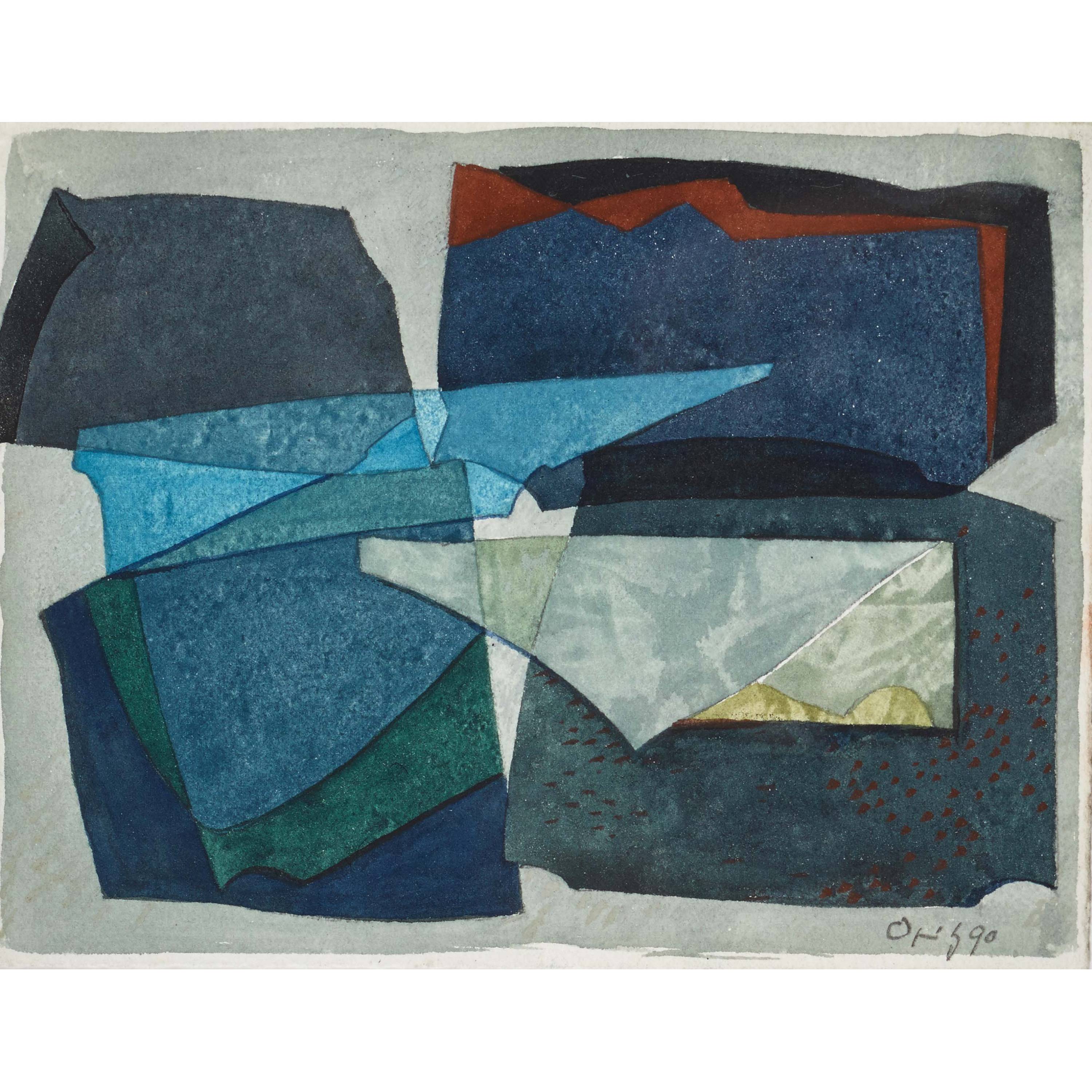
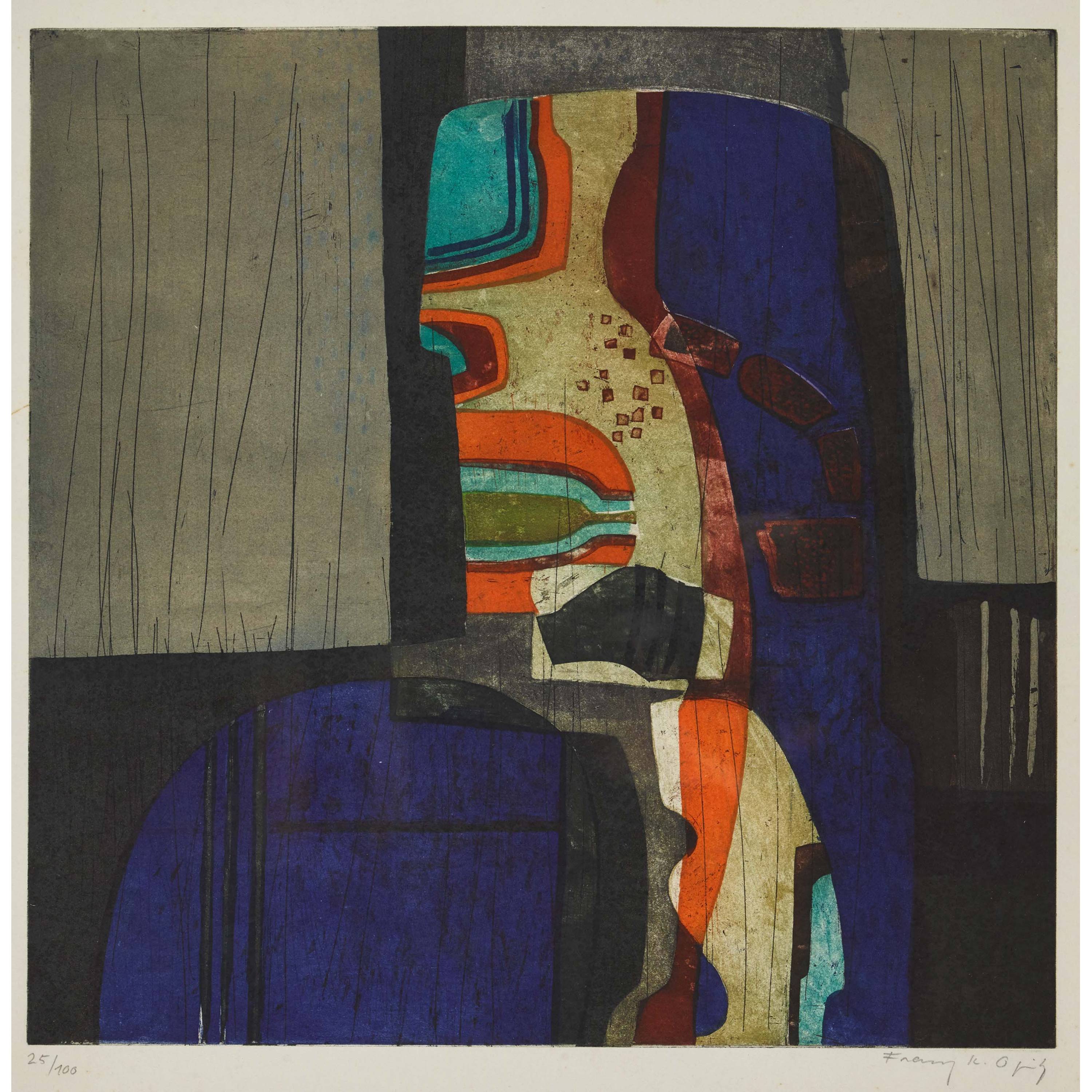
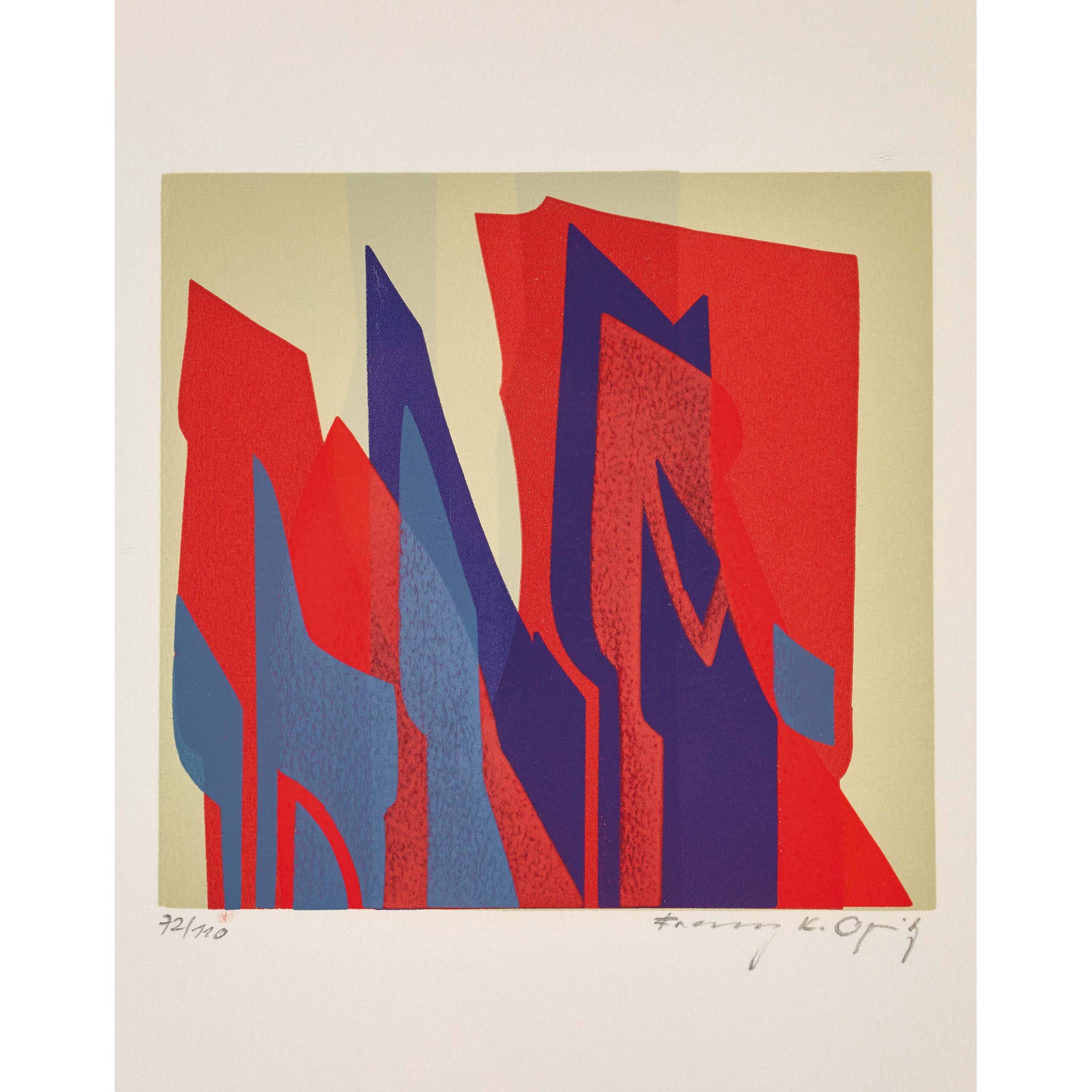
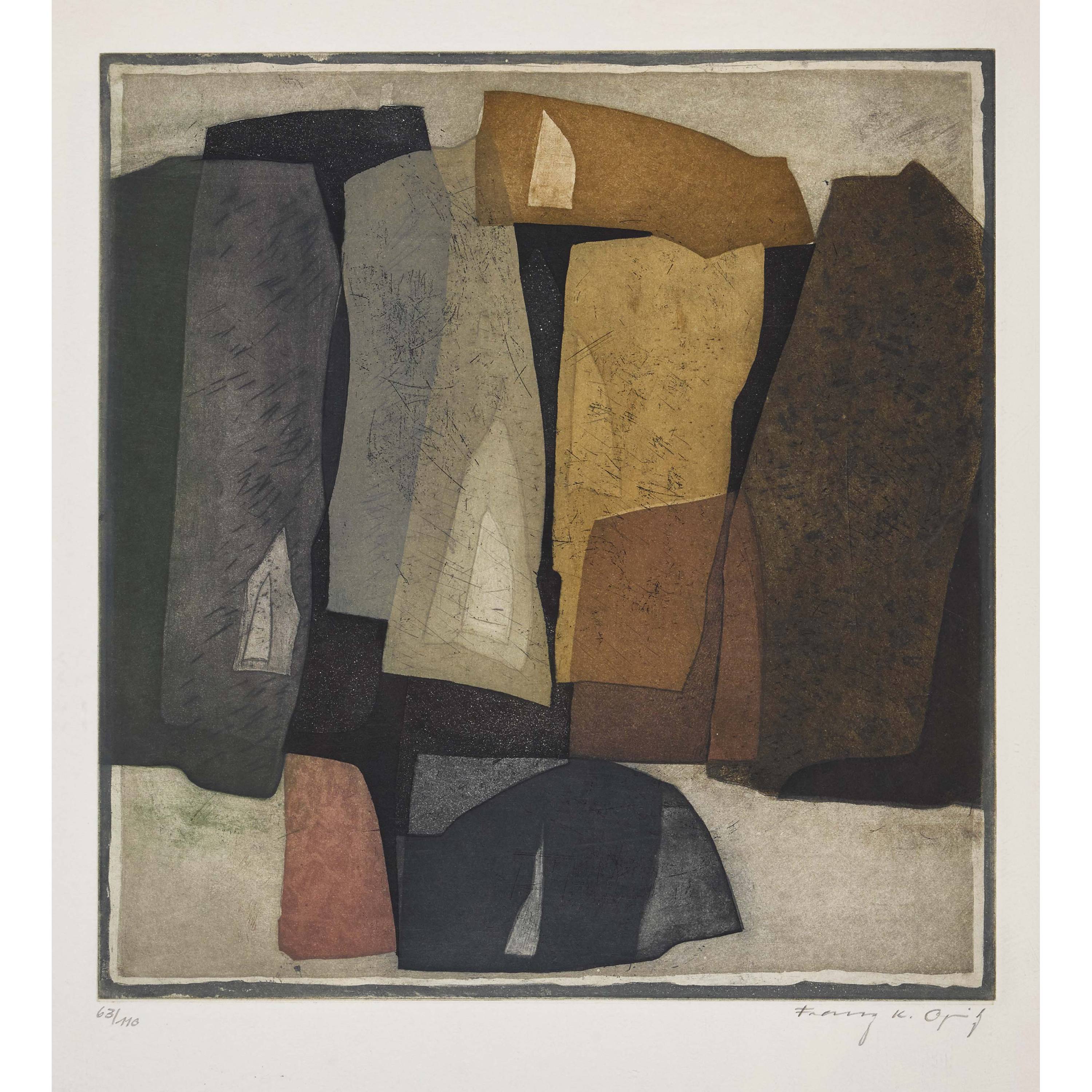
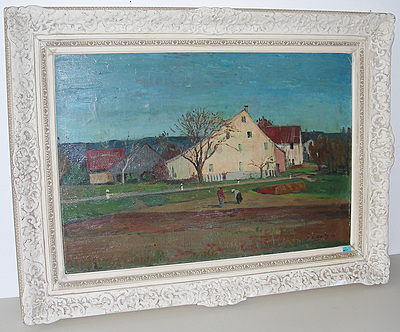
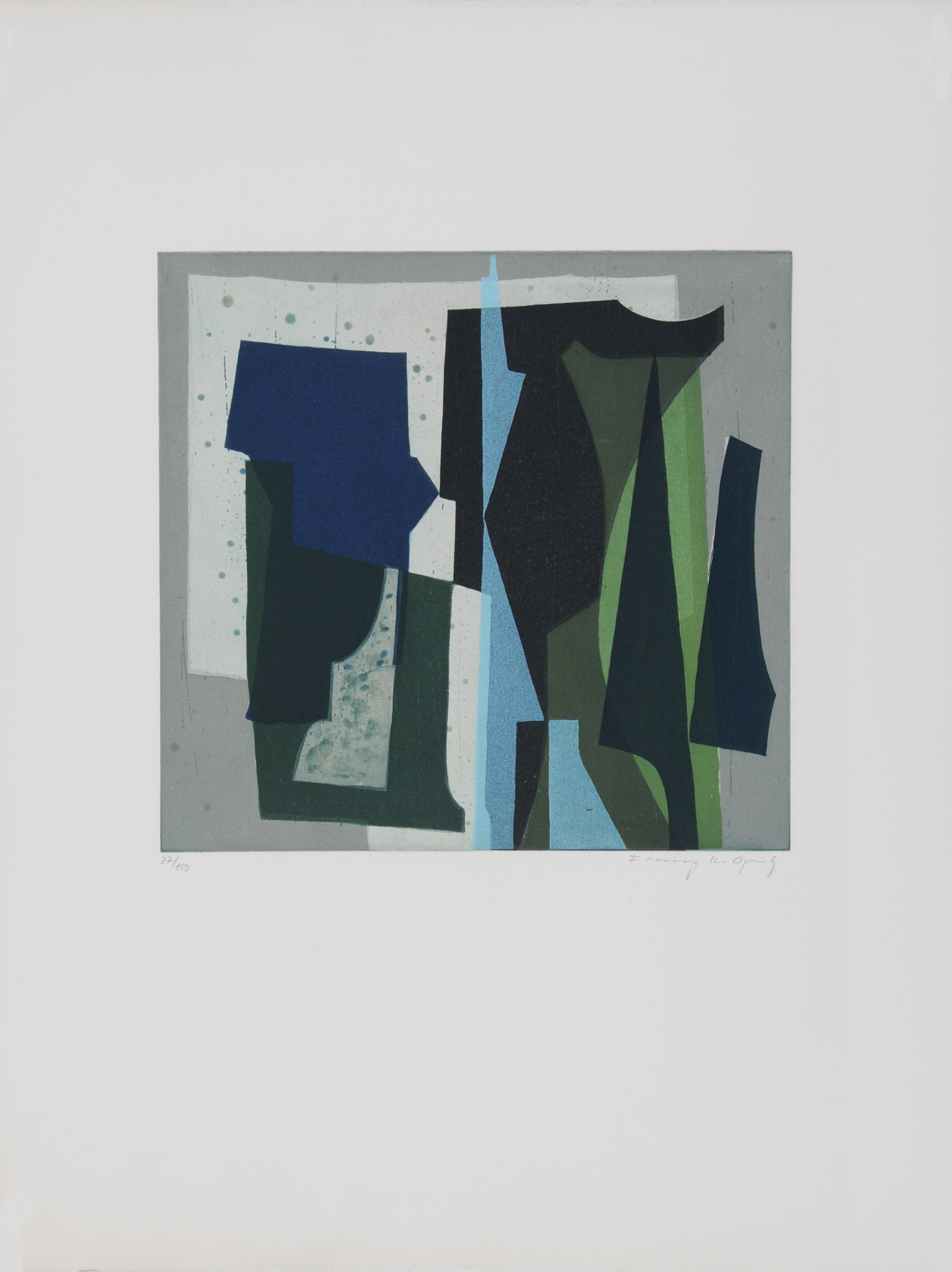
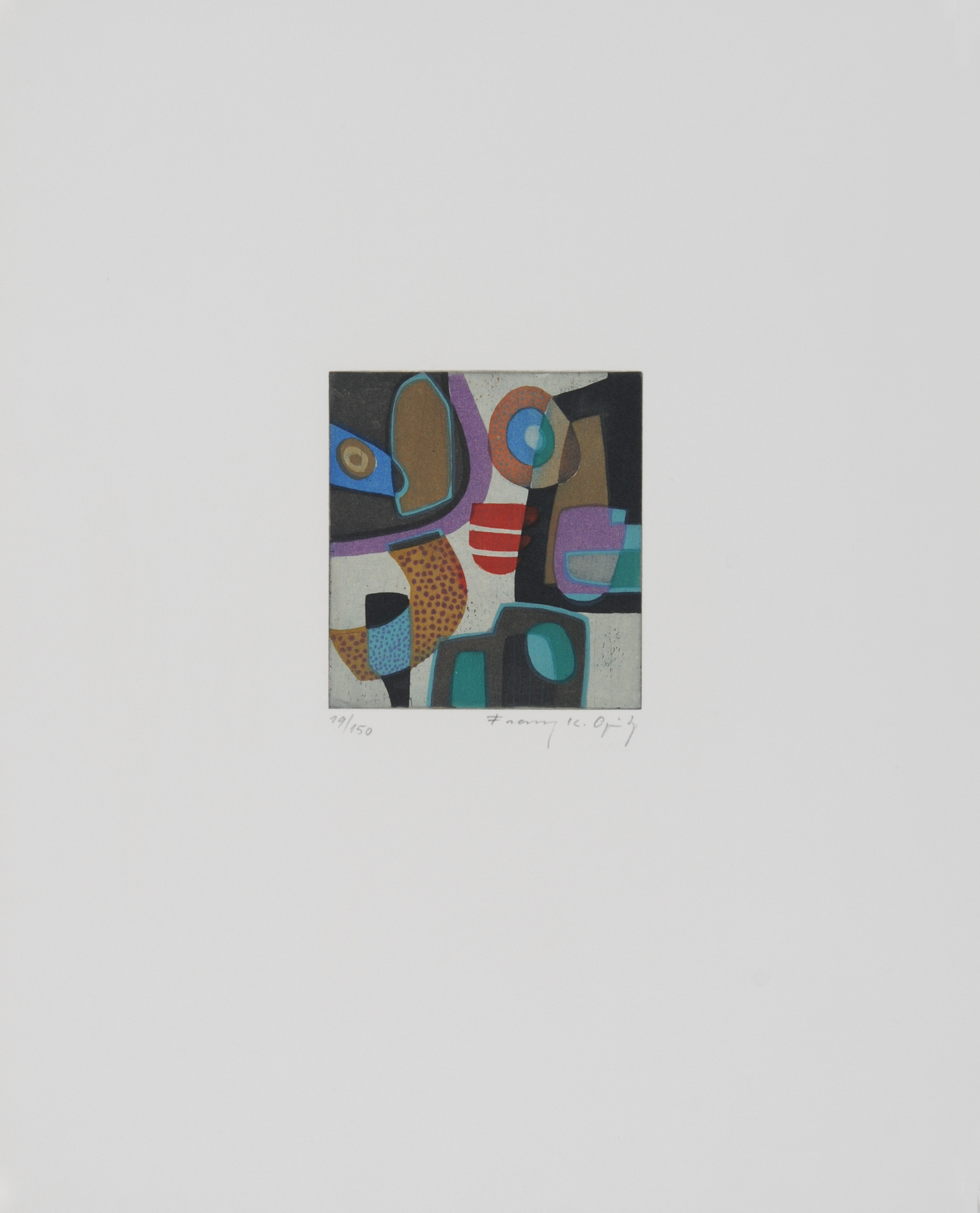
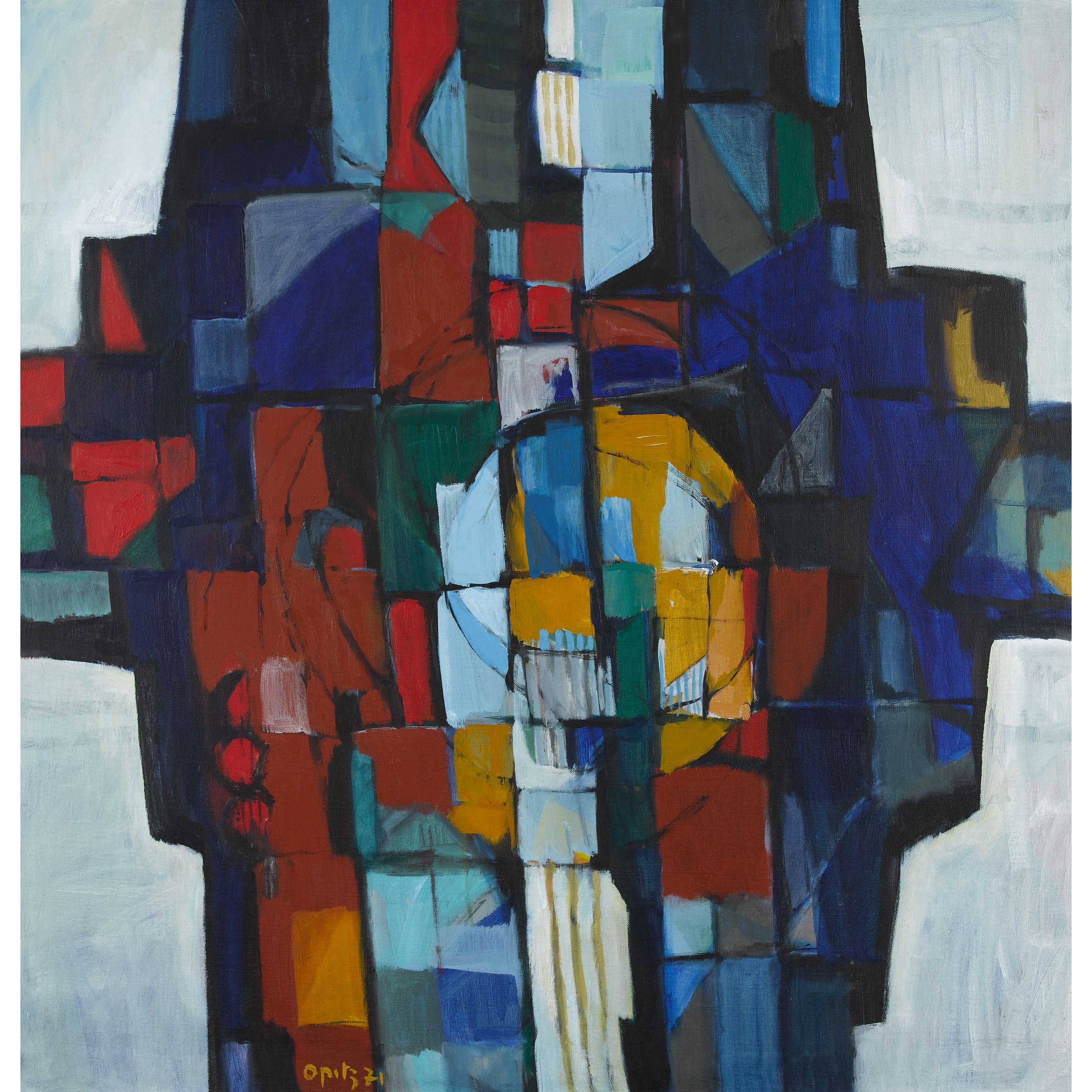
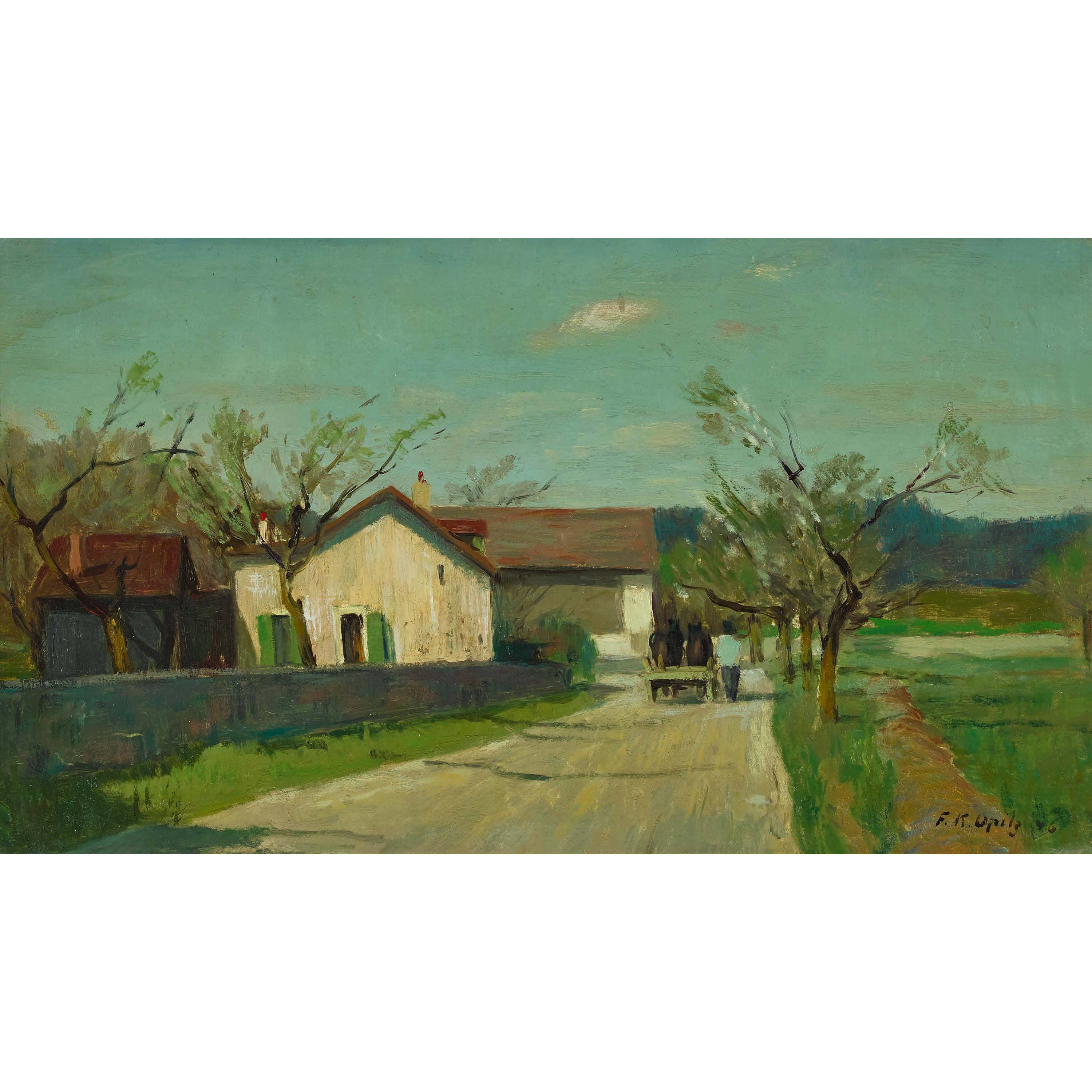
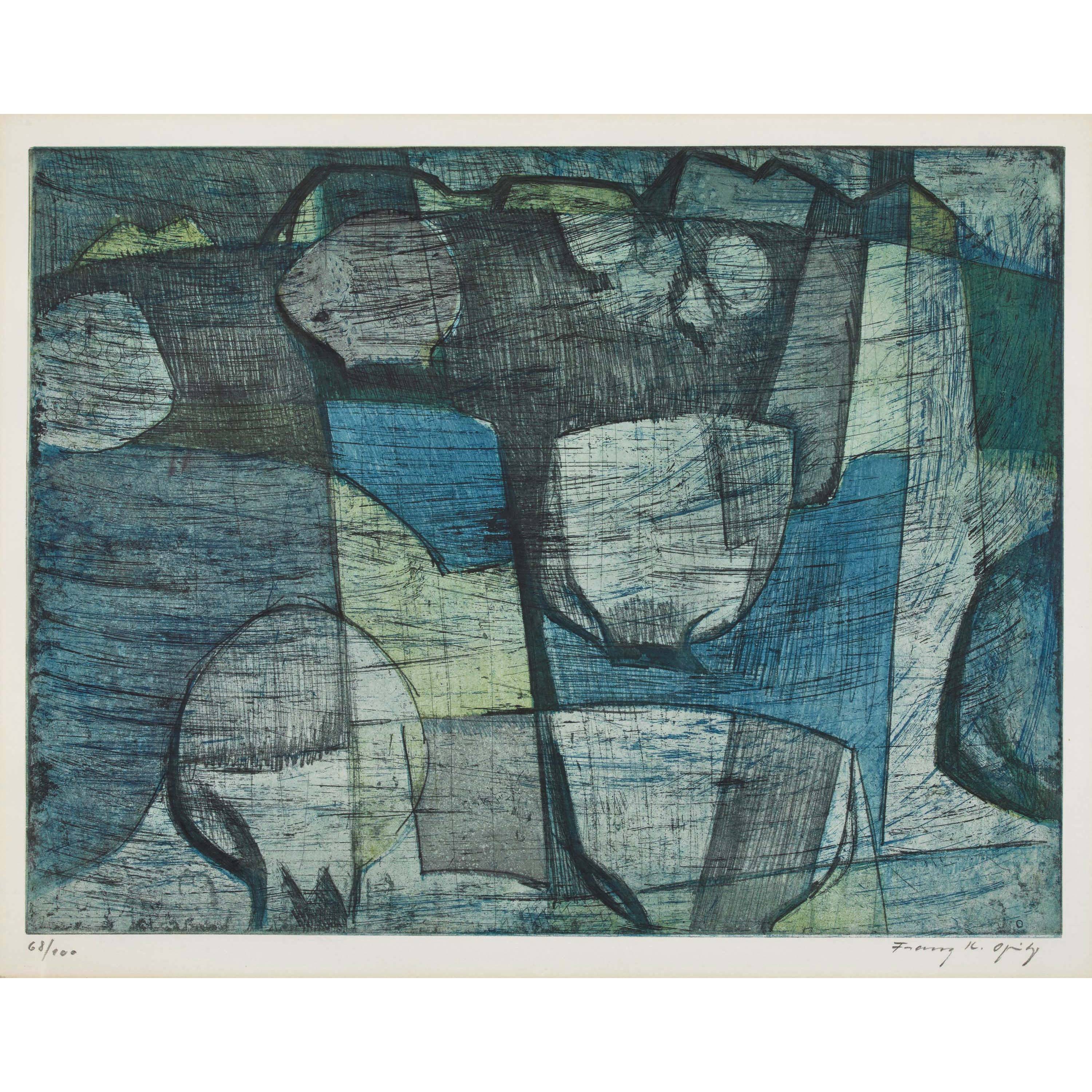
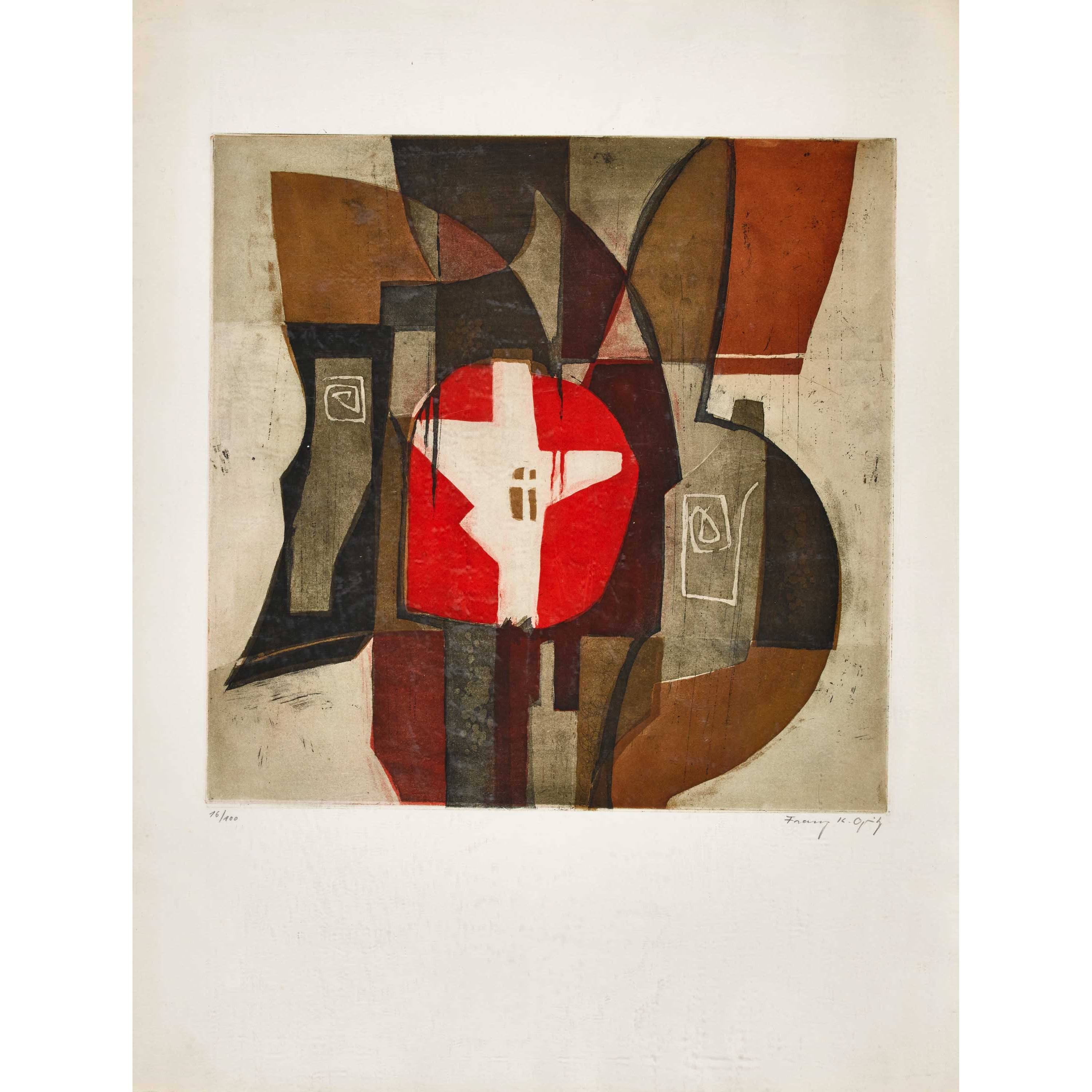
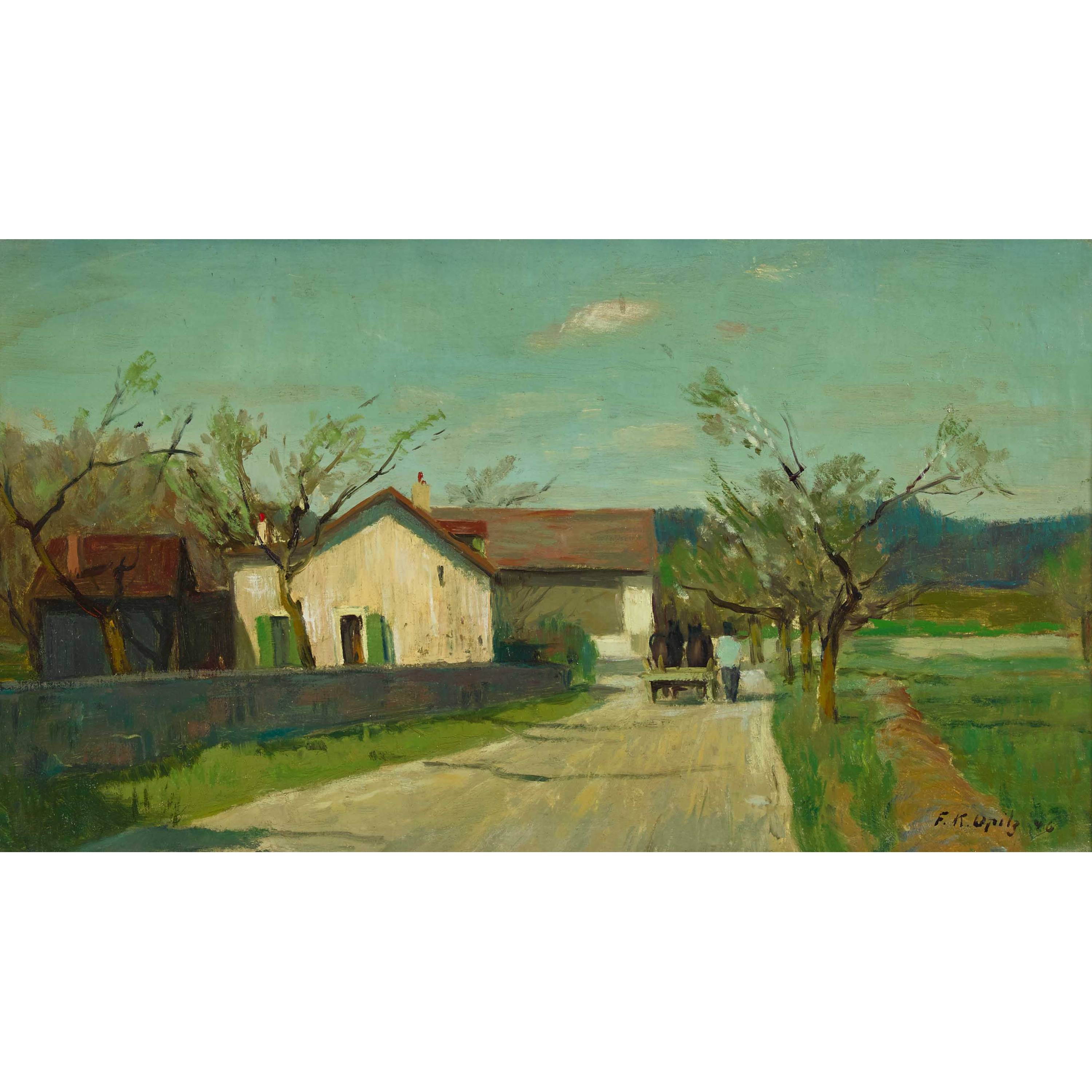
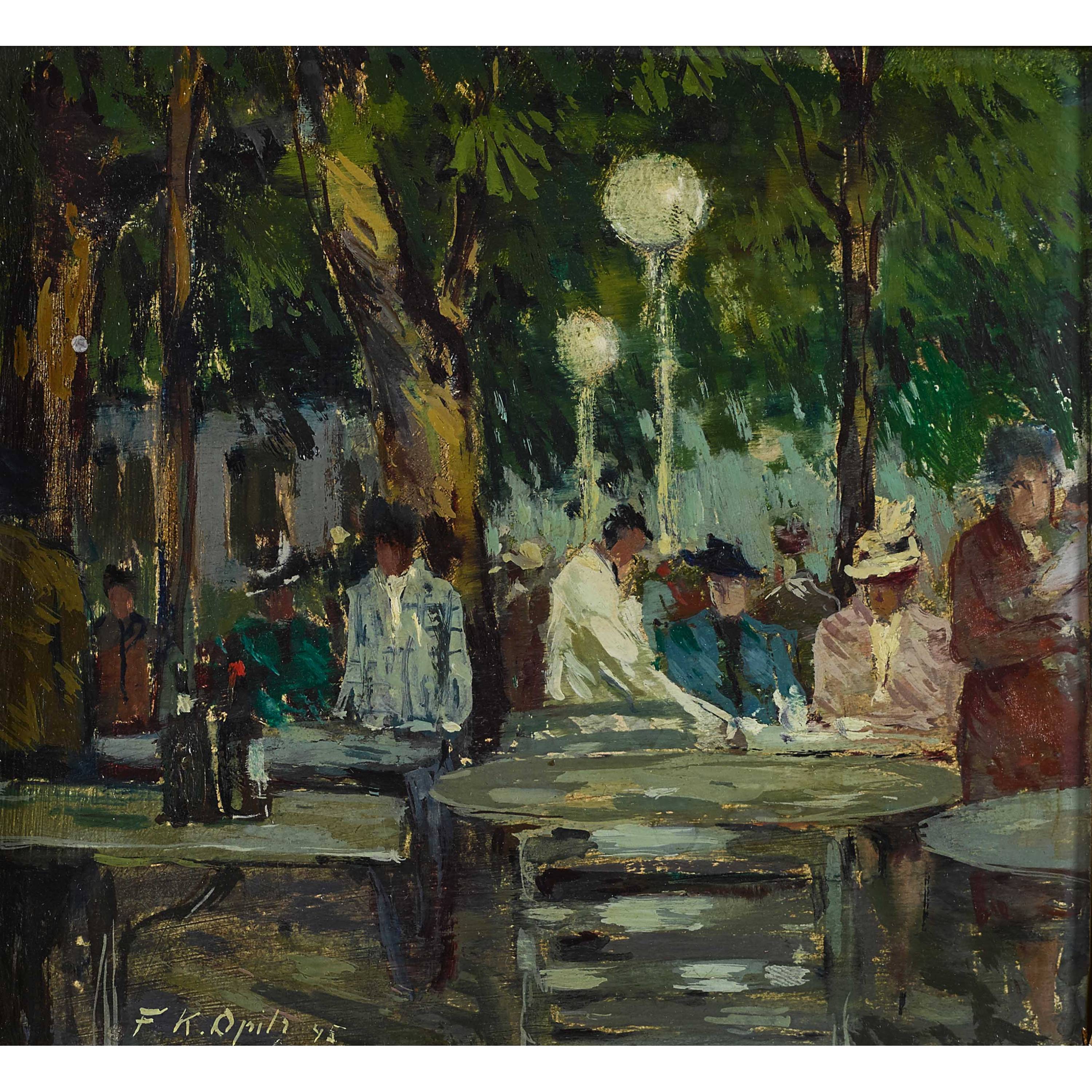
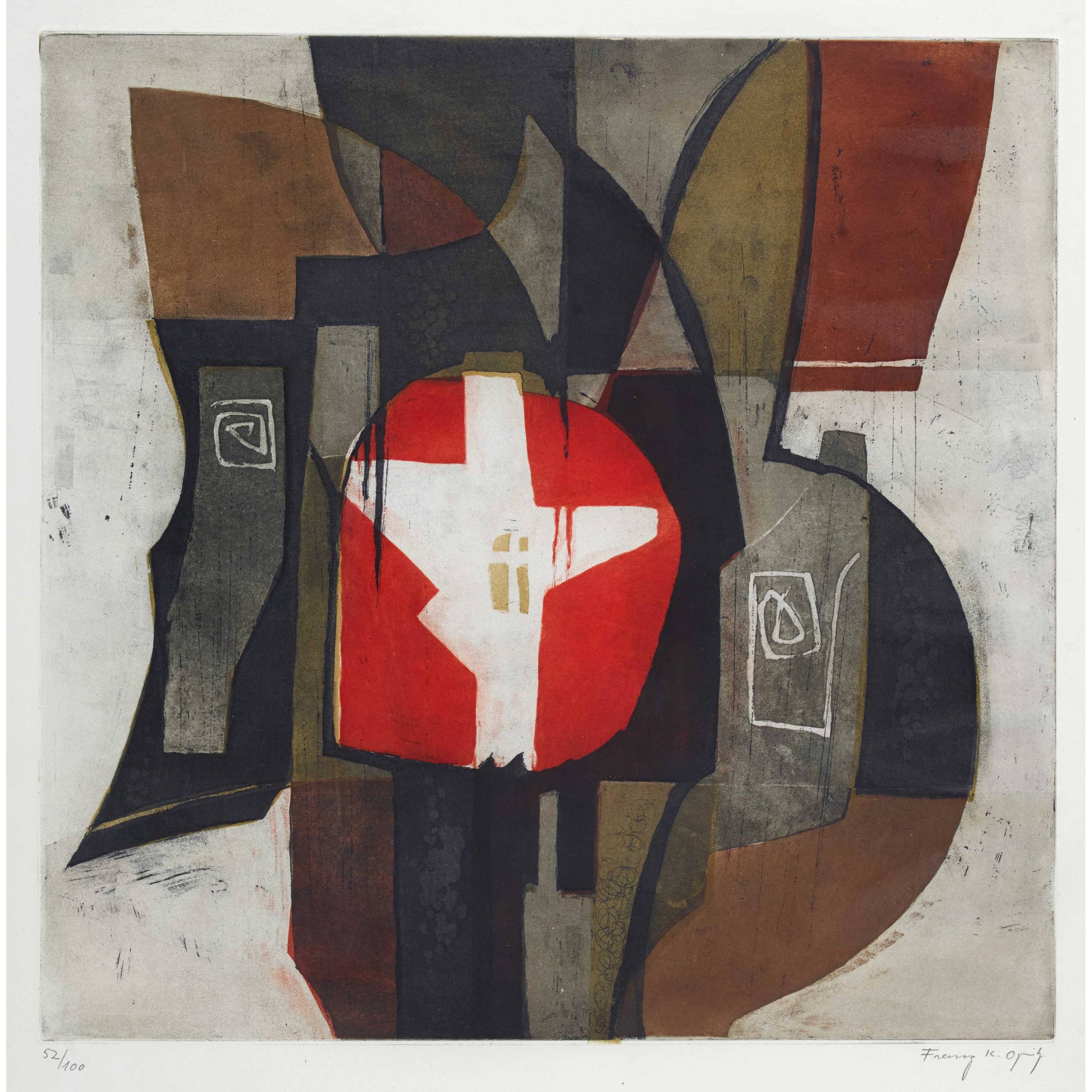
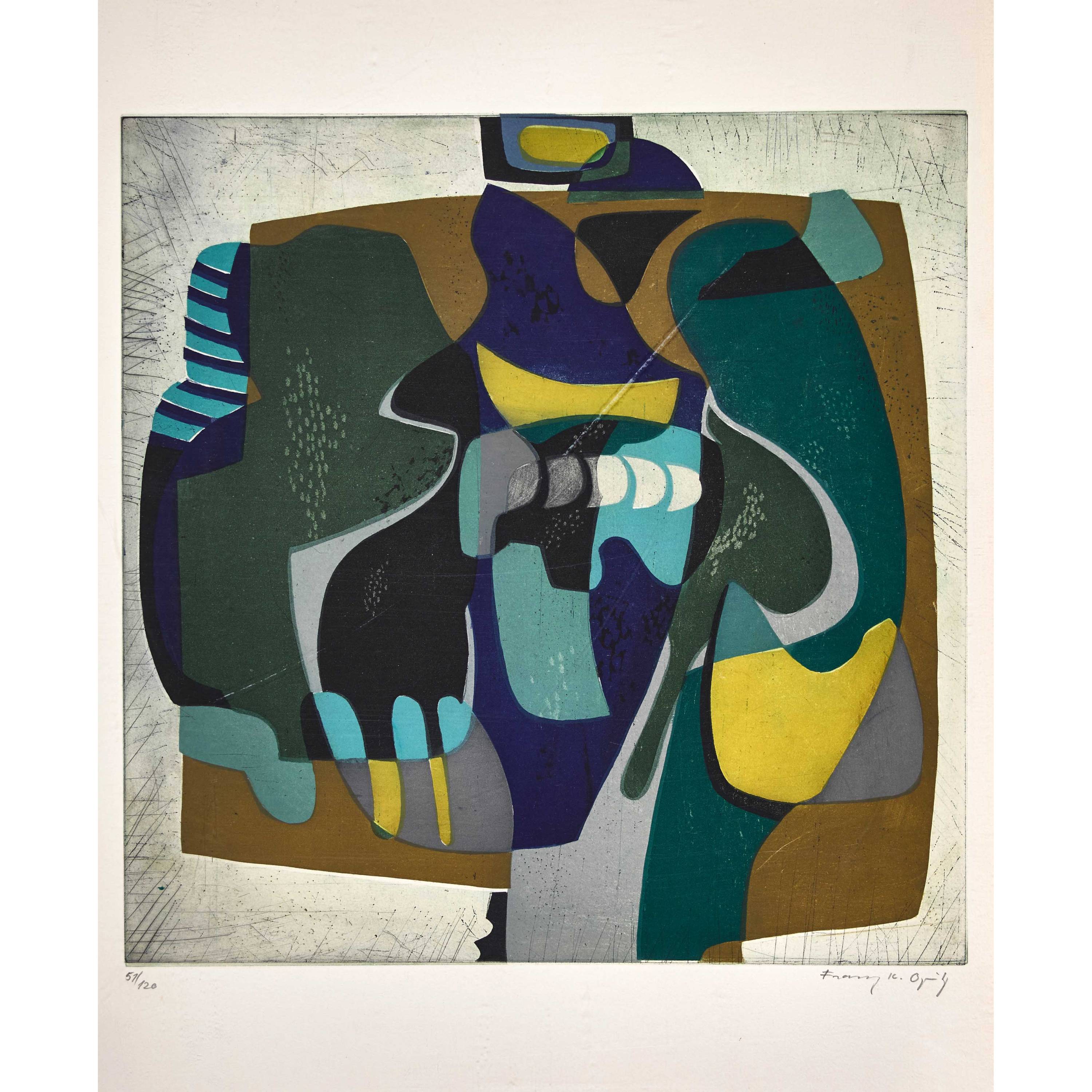
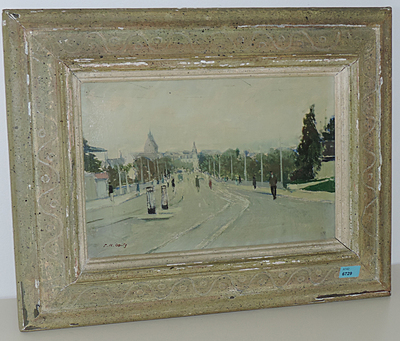
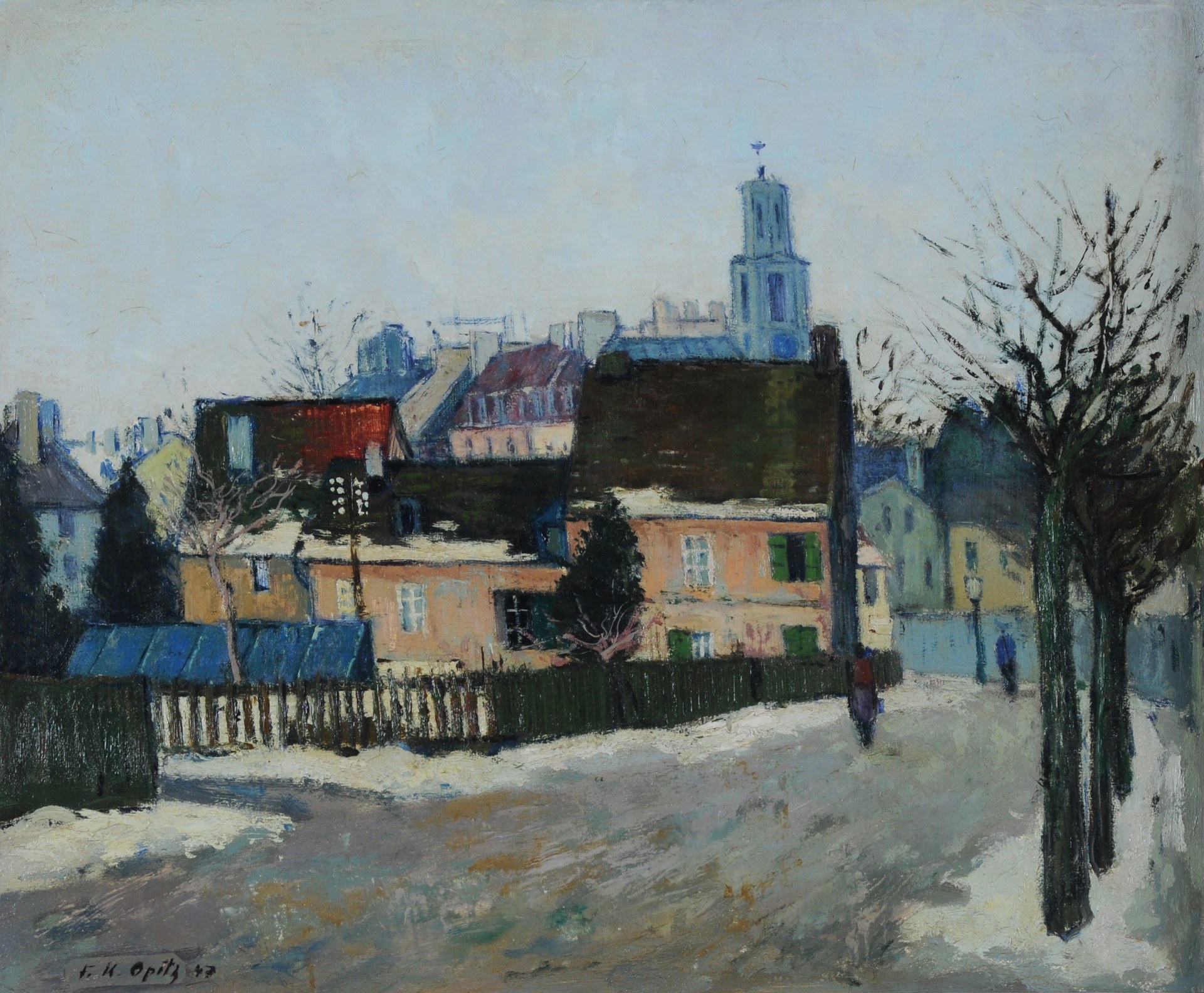
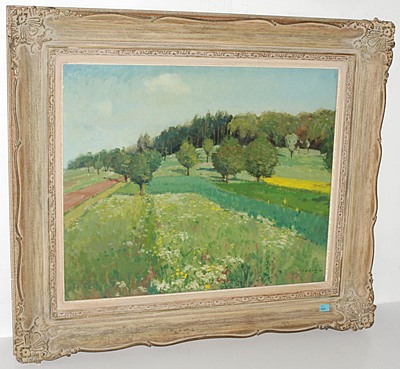
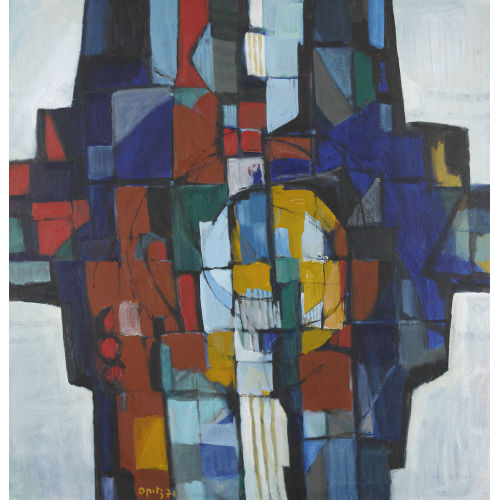
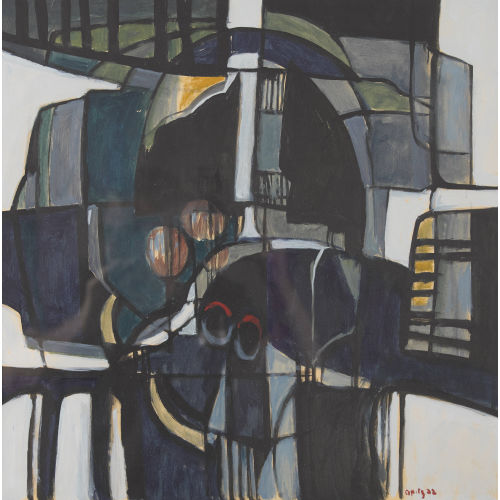
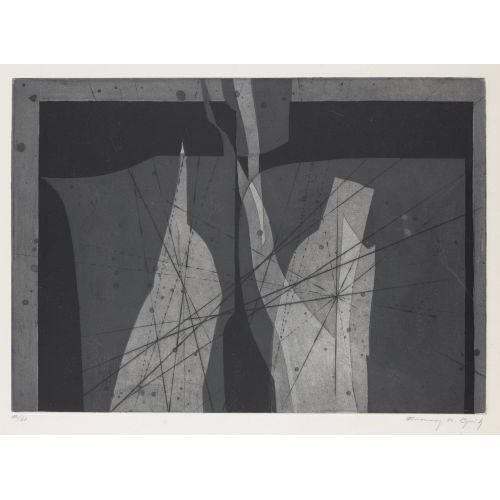
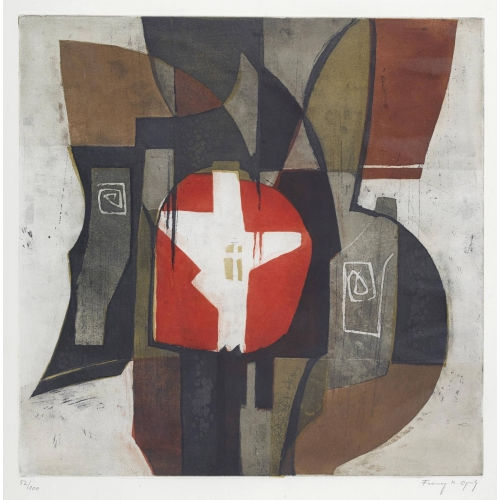
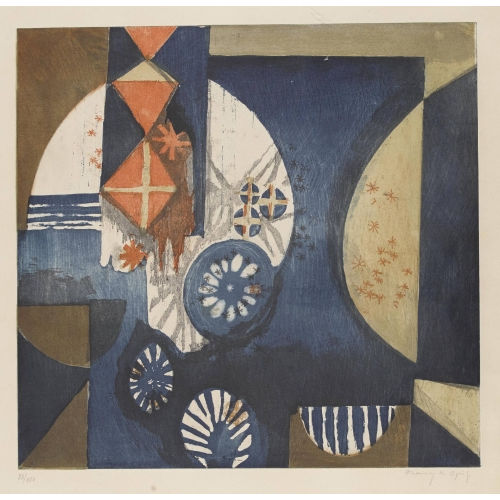
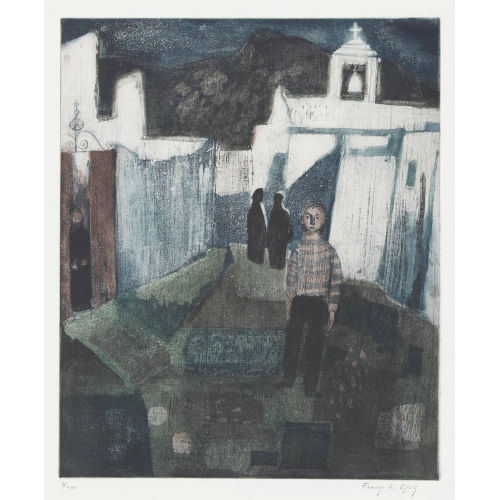
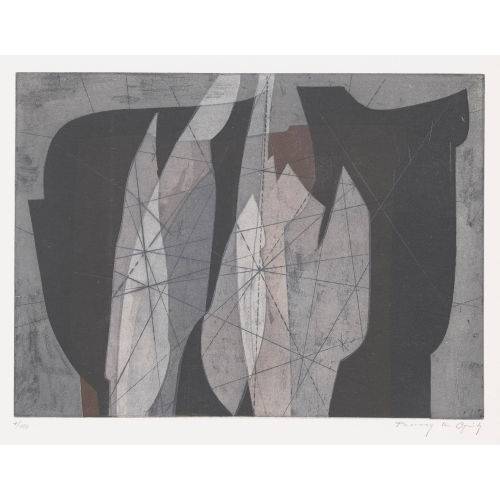
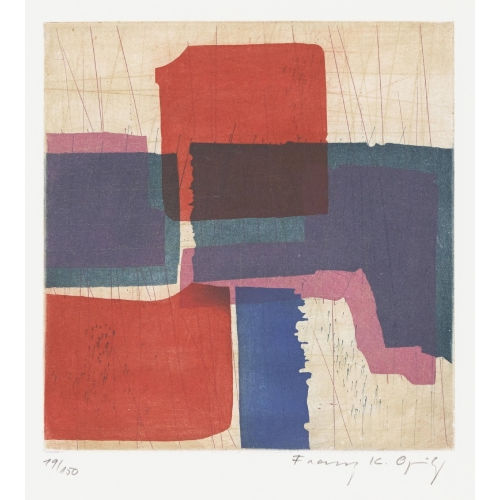
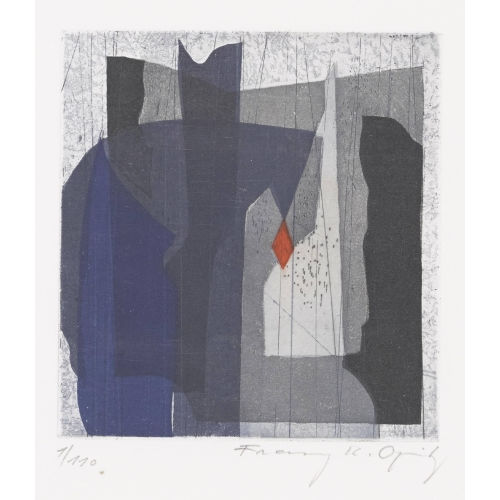
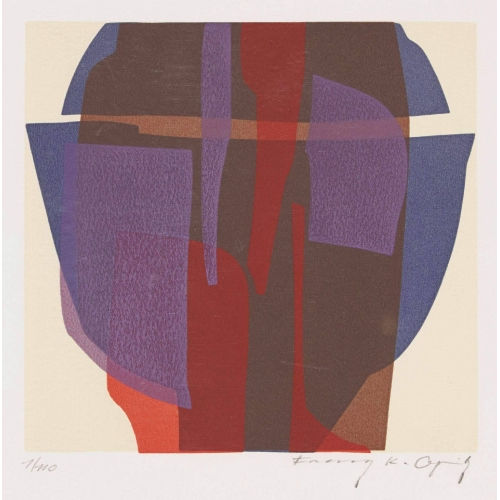
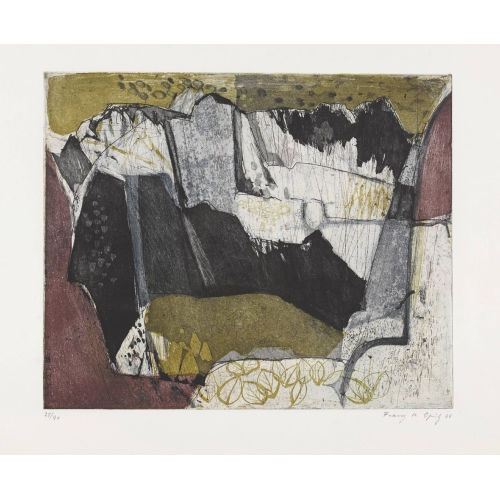
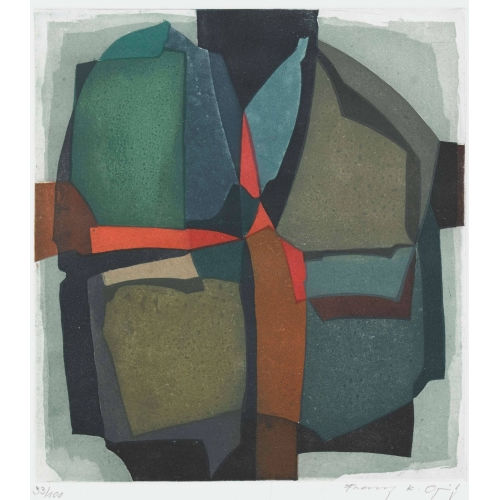
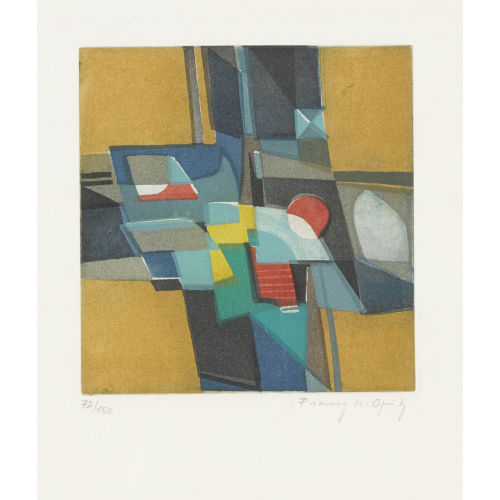
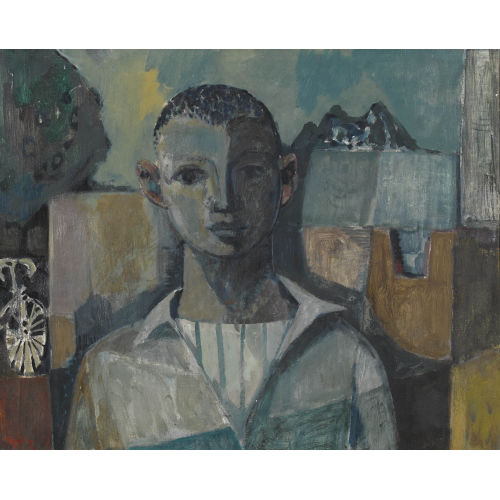
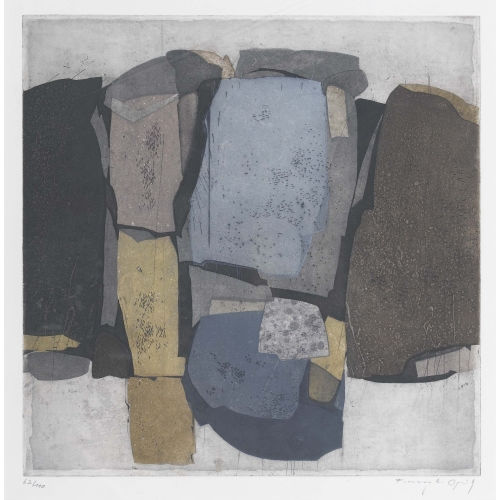
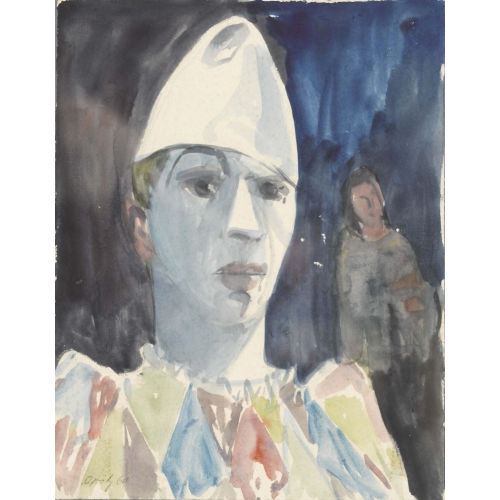
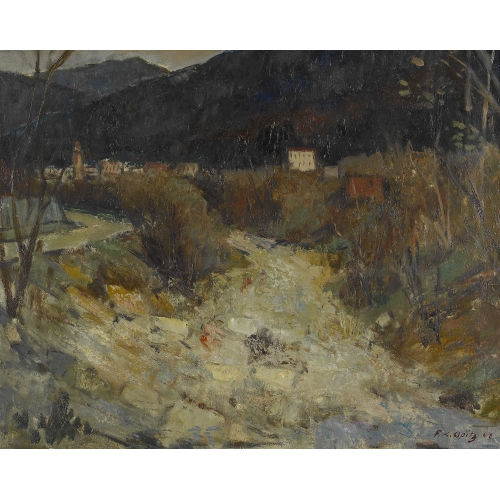
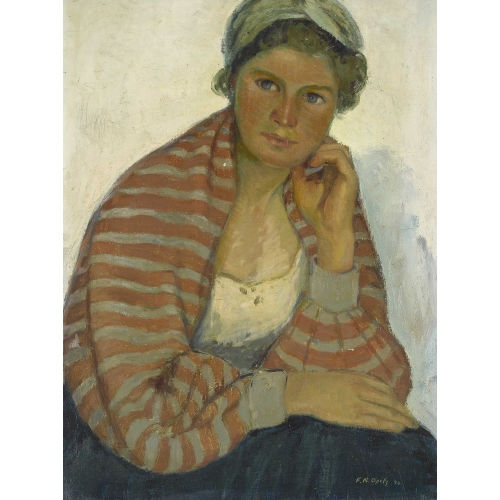
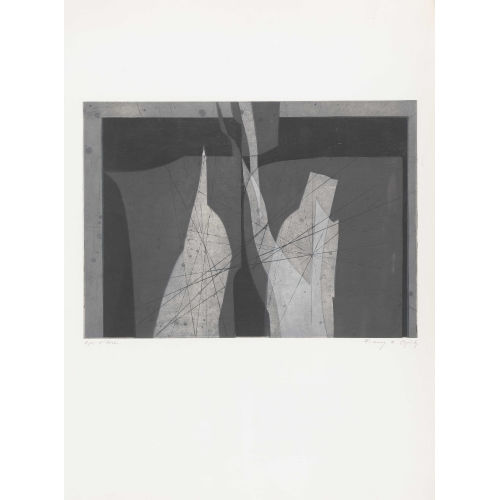
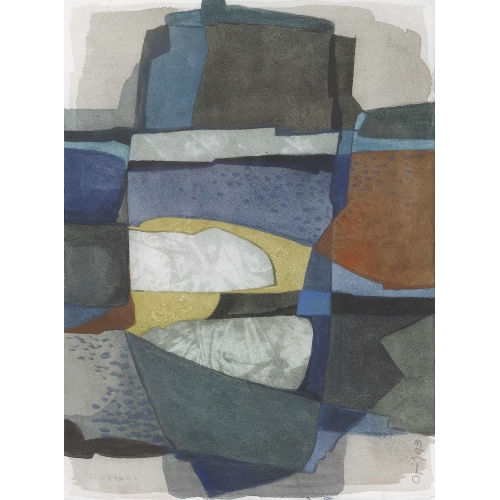
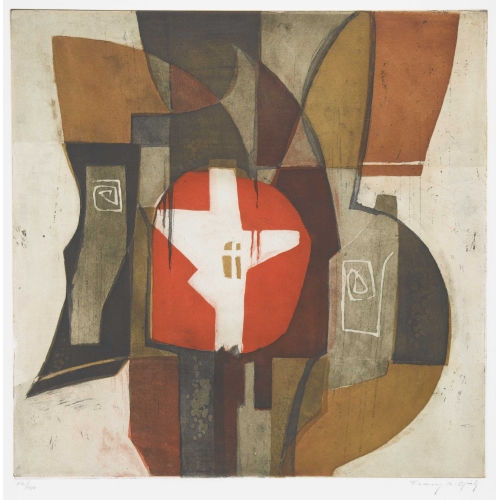
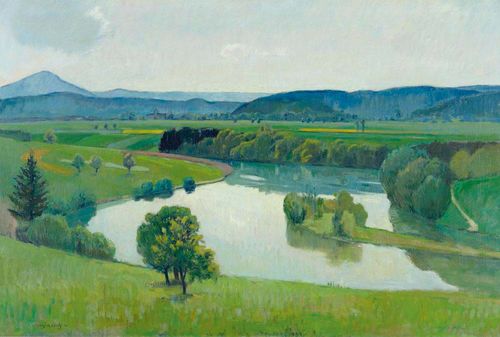
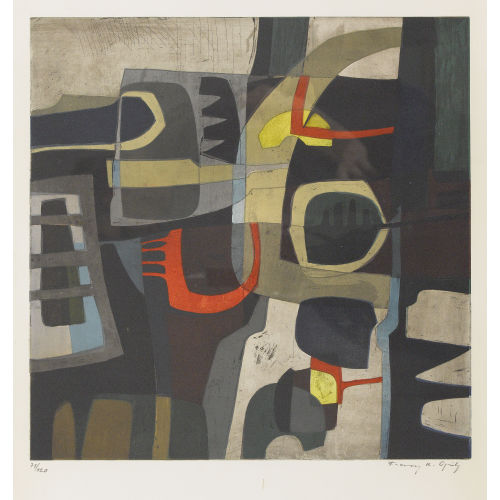
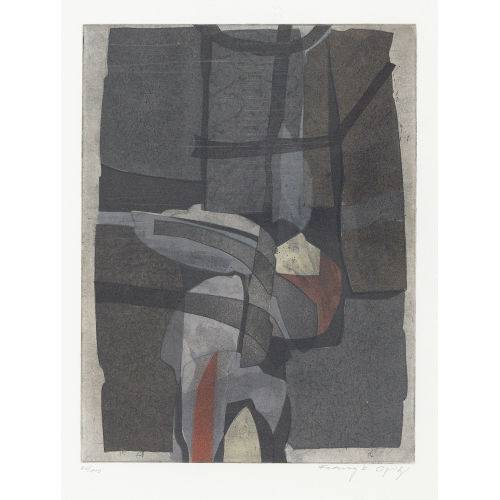
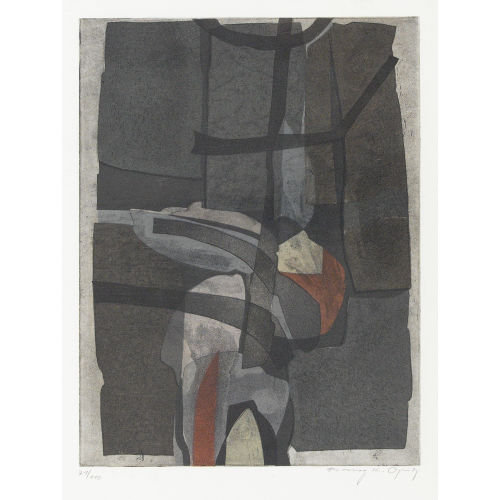
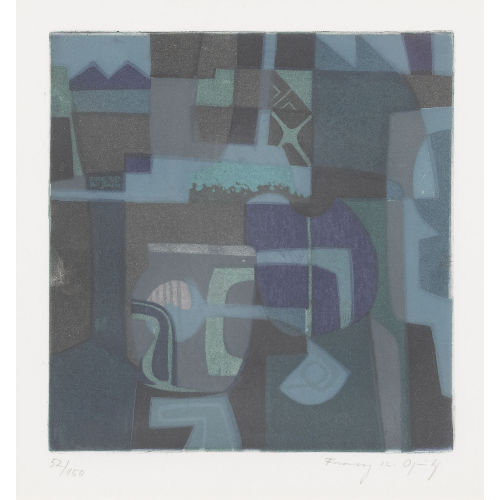
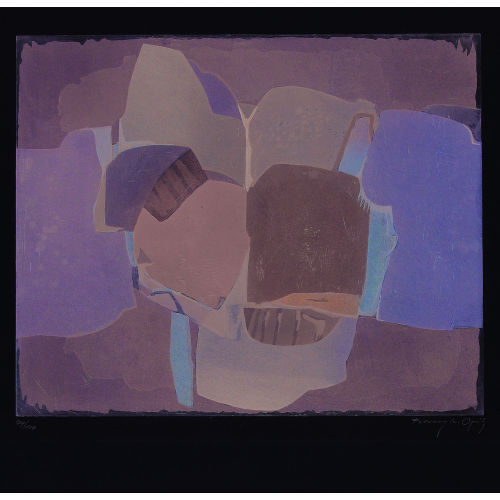
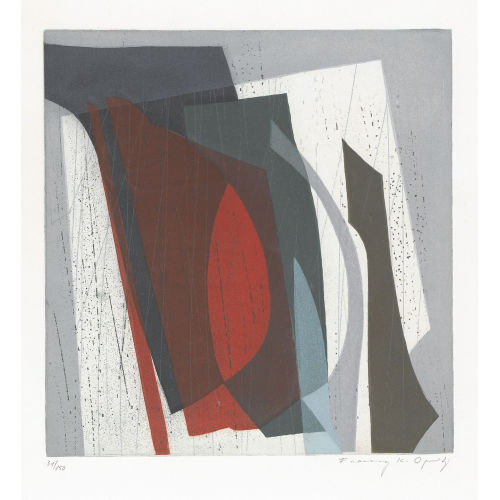
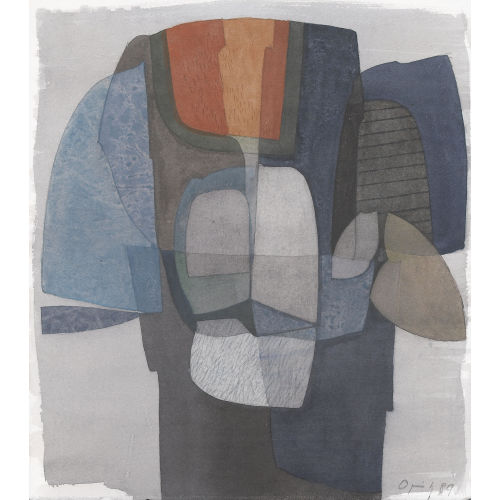
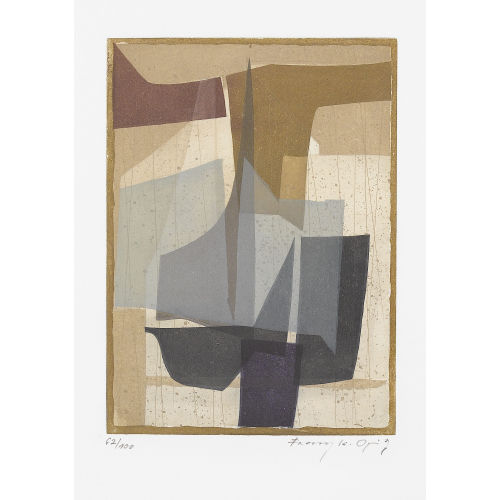
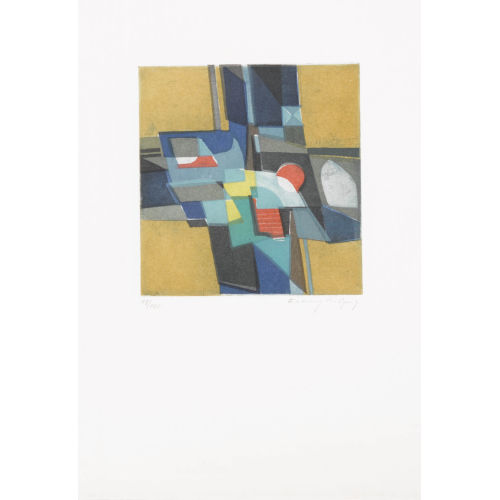
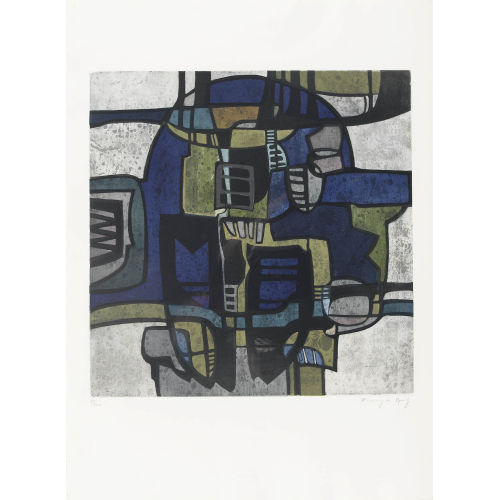
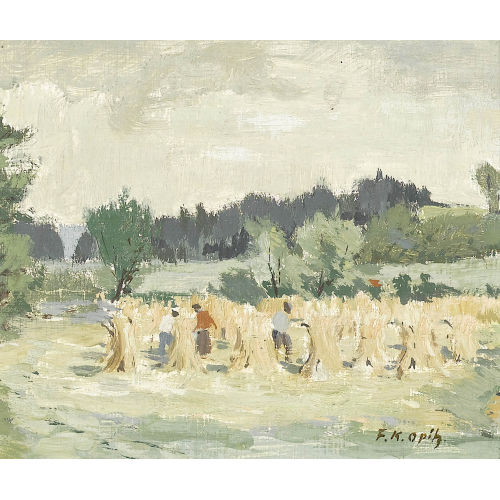
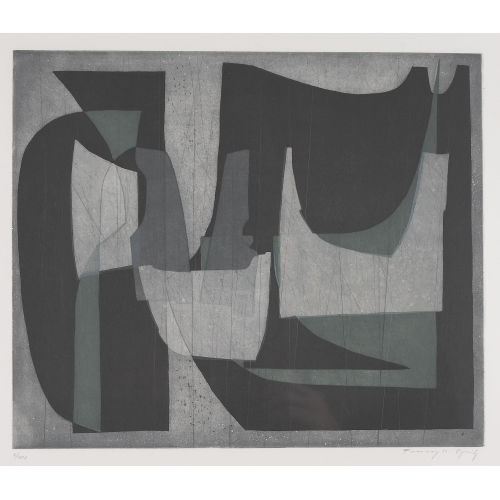
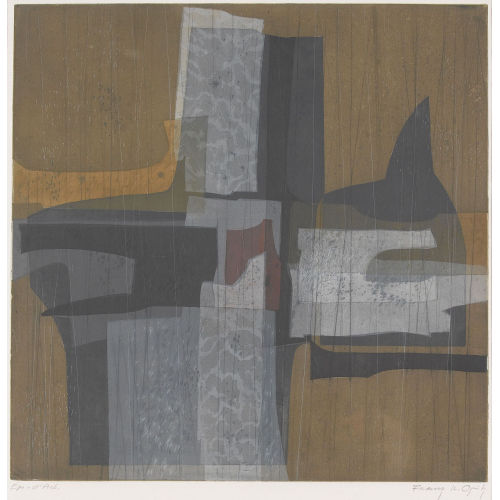
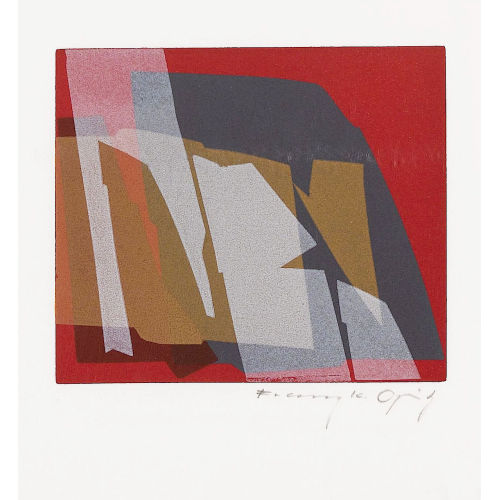
Franz Karl Opitz (1916–1998) developed an artistic practice characterised by diversity—painting, photography, poetry, stained glass, natural-stone mosaics and commissioned murals—and, between 1965 and 1970, made a transition towards pure abstraction.
Initially trained as a shoemaker, he simultaneously attended his first painting classes from the age of 16, studying with Willy Fries and subsequently with Otto Friedrich Emil Sequin in Zurich.
In 1940, at the age of 24, he decided to earn his living from his art and henceforth devoted himself to painting as an independent artist. A member of the Künstlergruppe Octogon from 1951, he was also affiliated with the GSMBA for nearly thirty years, serving on its council for several years before leaving in 1985. In 1965 he left Zurich-Witikon to settle in Obfelden, in the Säuliamt.
Alongside his artistic practice, he pursued music: in 1931 he joined the Orchestergemeinschaft Unterstrass and subsequently played violin for thirty years in the Orchestergesellschaft Zürich.
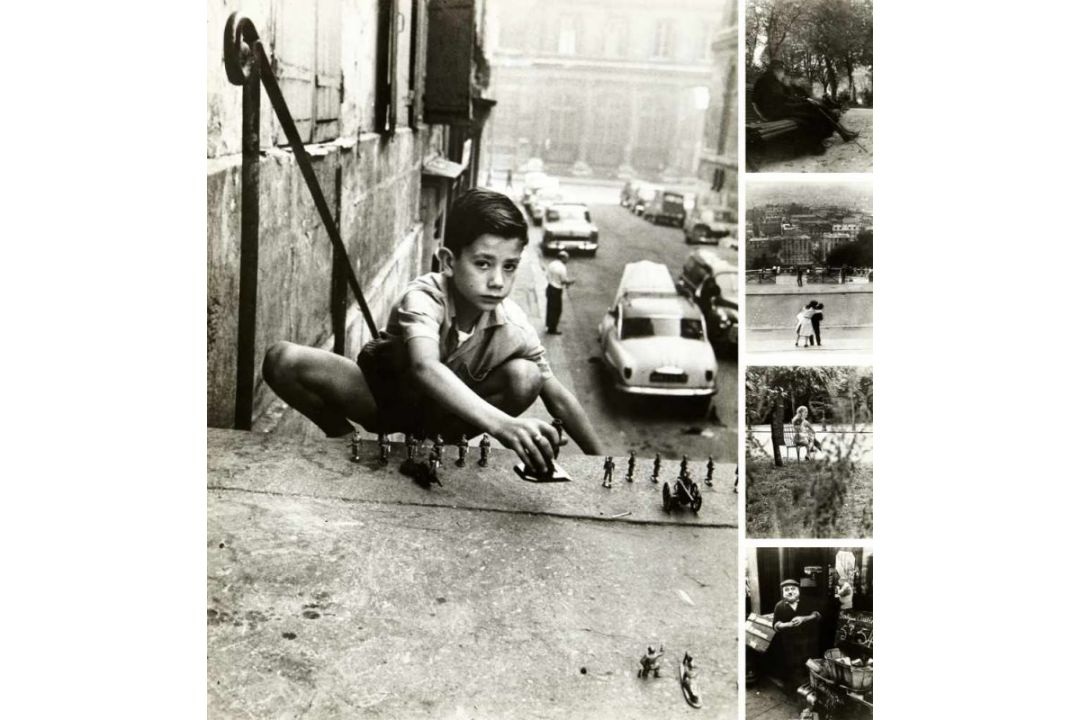
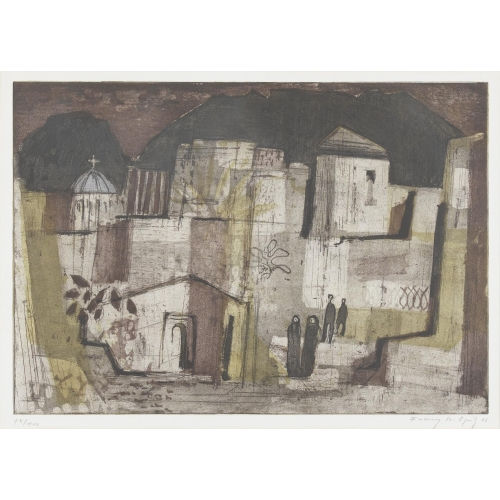
His graphic practices, documented since 1938, include wood engraving, lithography, intaglio (radierung) and aquatint. From 1950 onwards, he produced natural-stone mosaics and accepted numerous commissions for stained-glass windows and murals. Photography occupied a recognised place in his work—the notice mentions the title «Meister der Leica» in 1961—and he published several books presenting his images.
In the literary field, he published a first collection of poems, Heitere Gedichte, in 1982, followed by a second, Der Gartenzwerg, in 1997.
During his lifetime, he presented his works in more than 75 exhibitions in Switzerland and abroad. For his artistic activity, he received the Eidgenössisches Kunststipendium on two occasions.