Franz Eggenschwiler
Born in 1930.
Died in 2000.
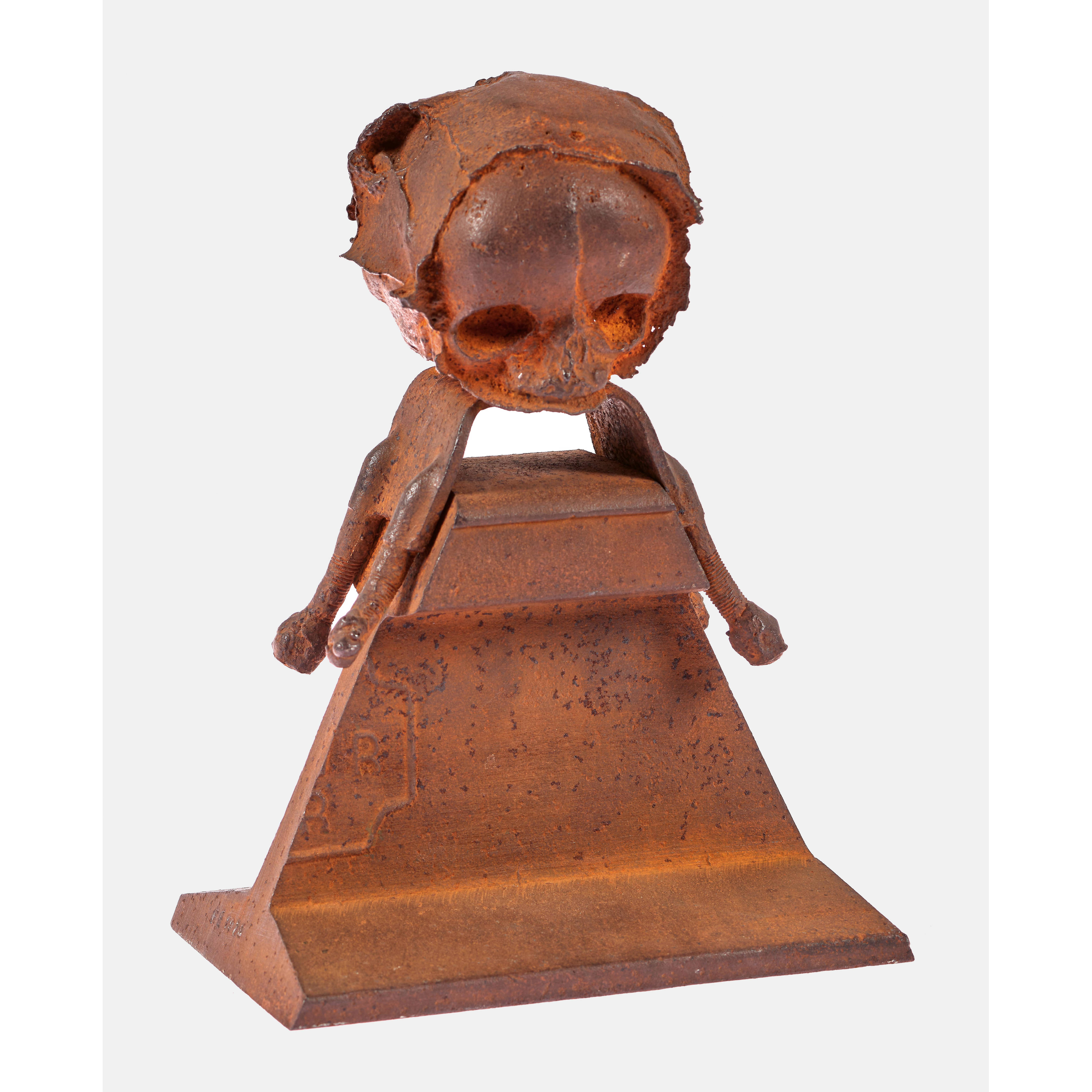
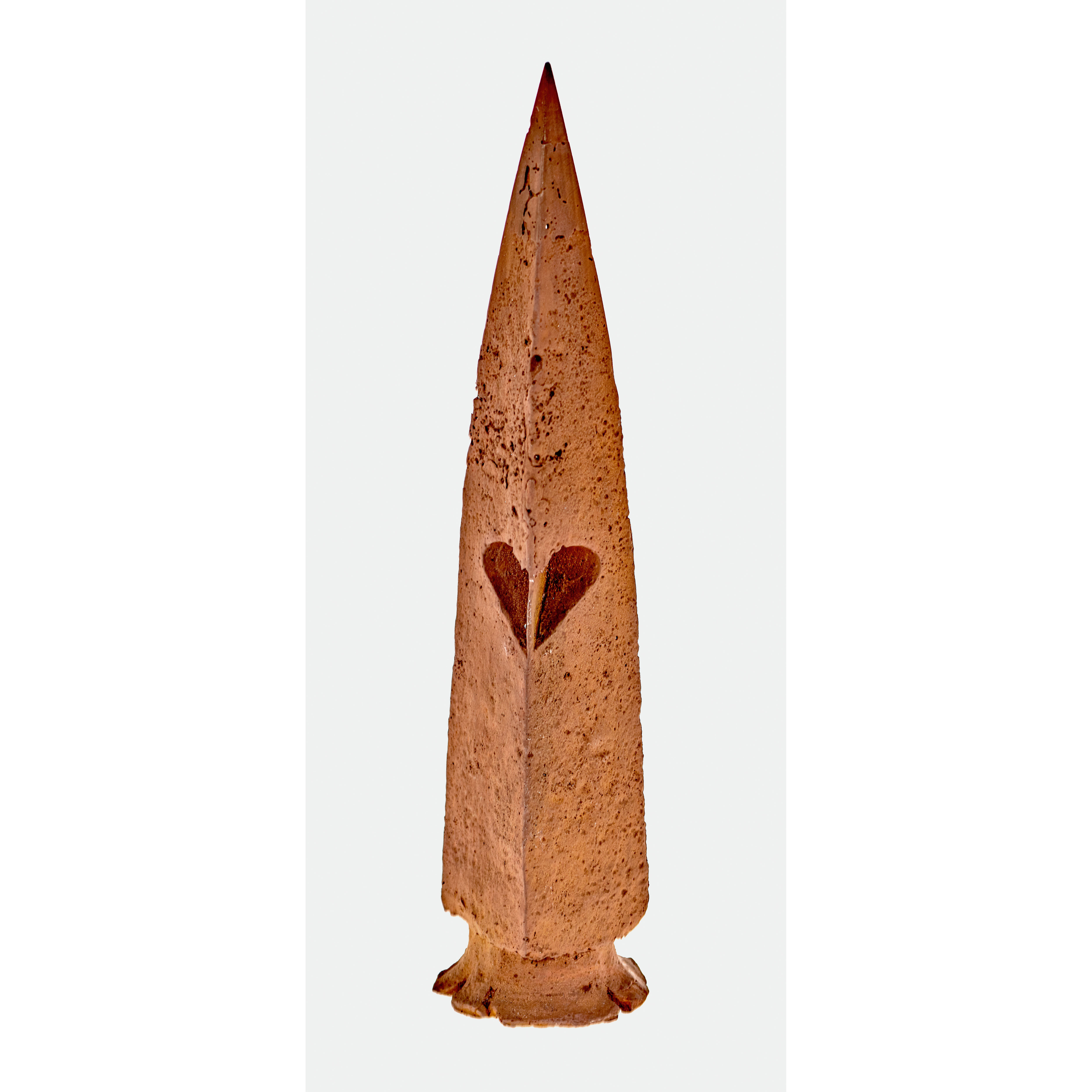
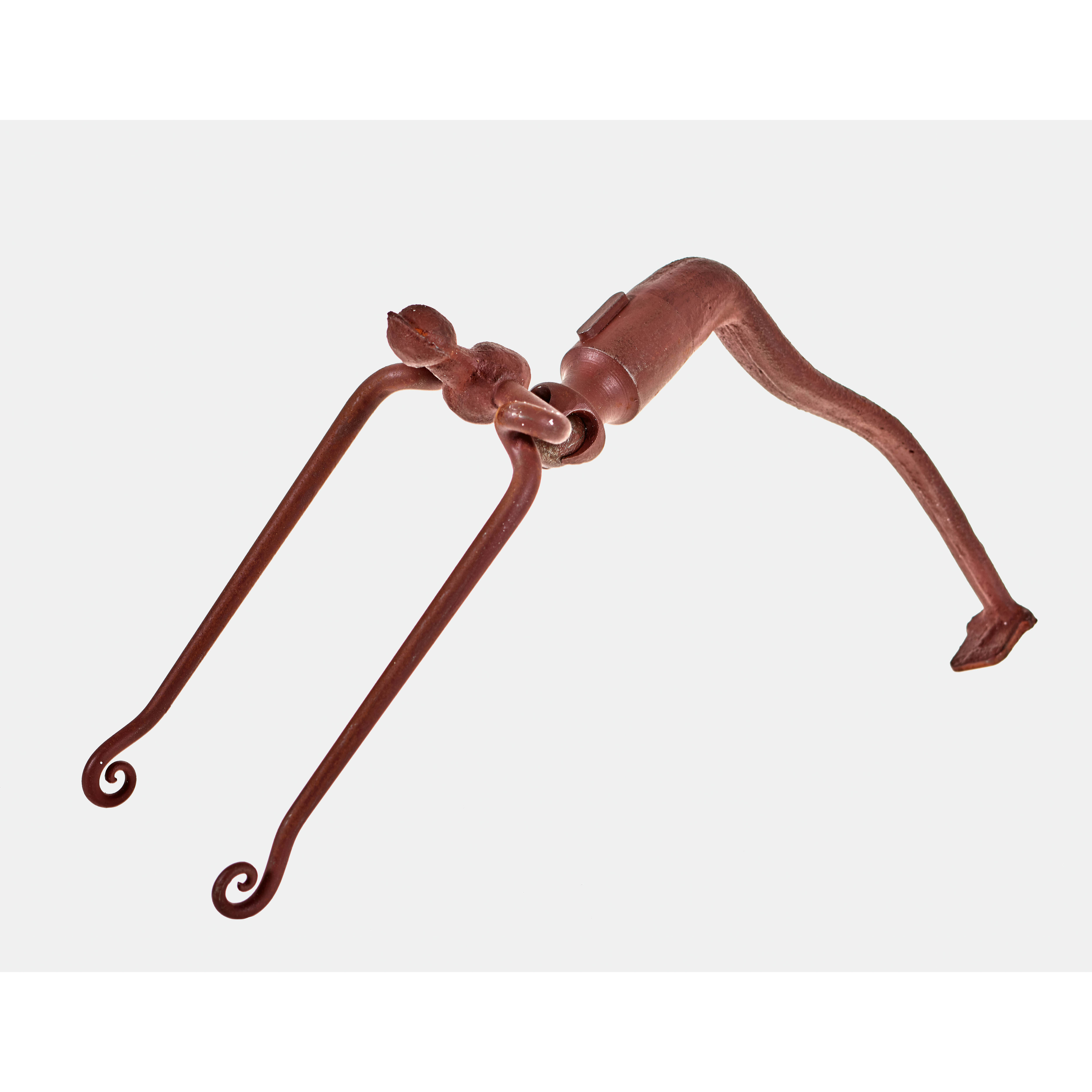
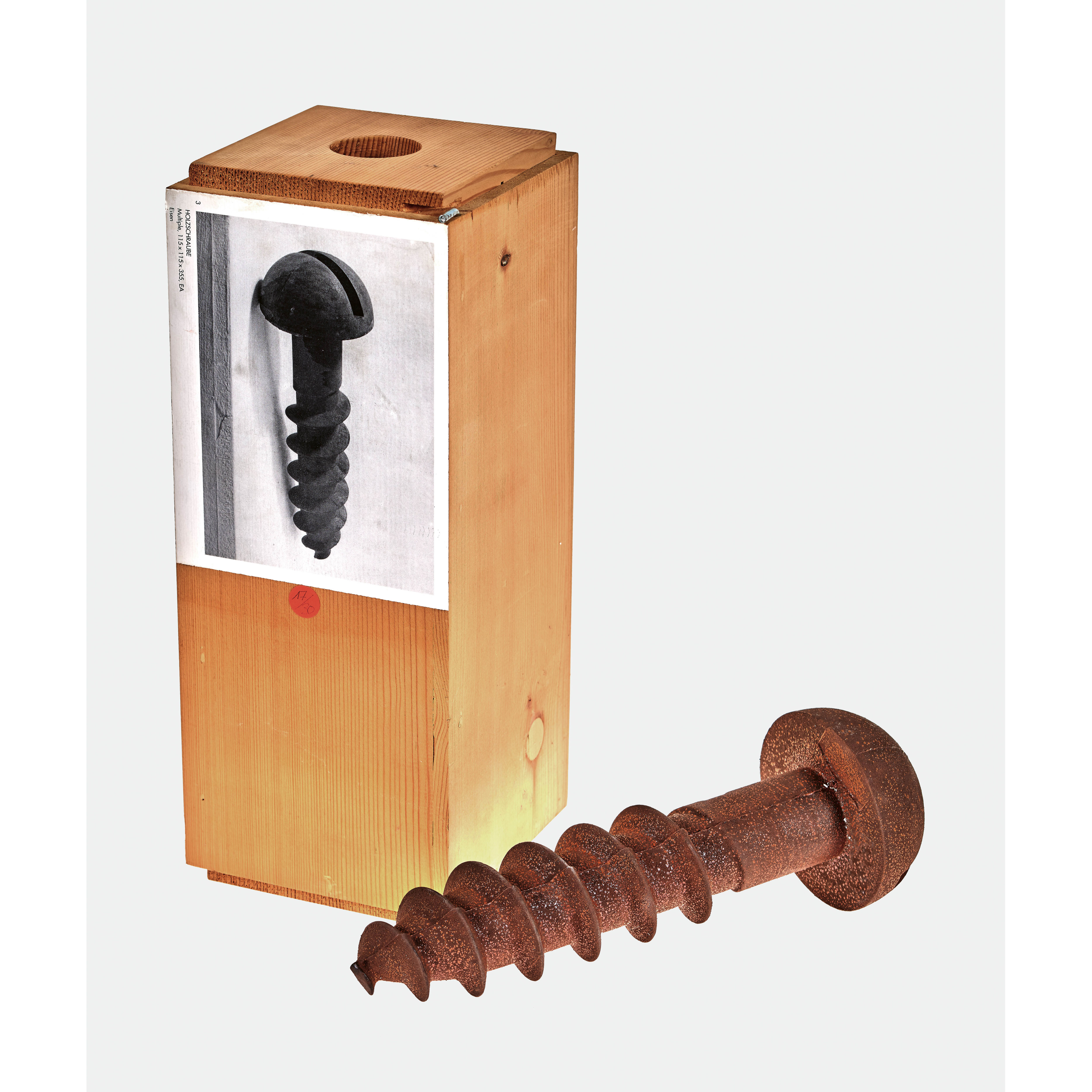
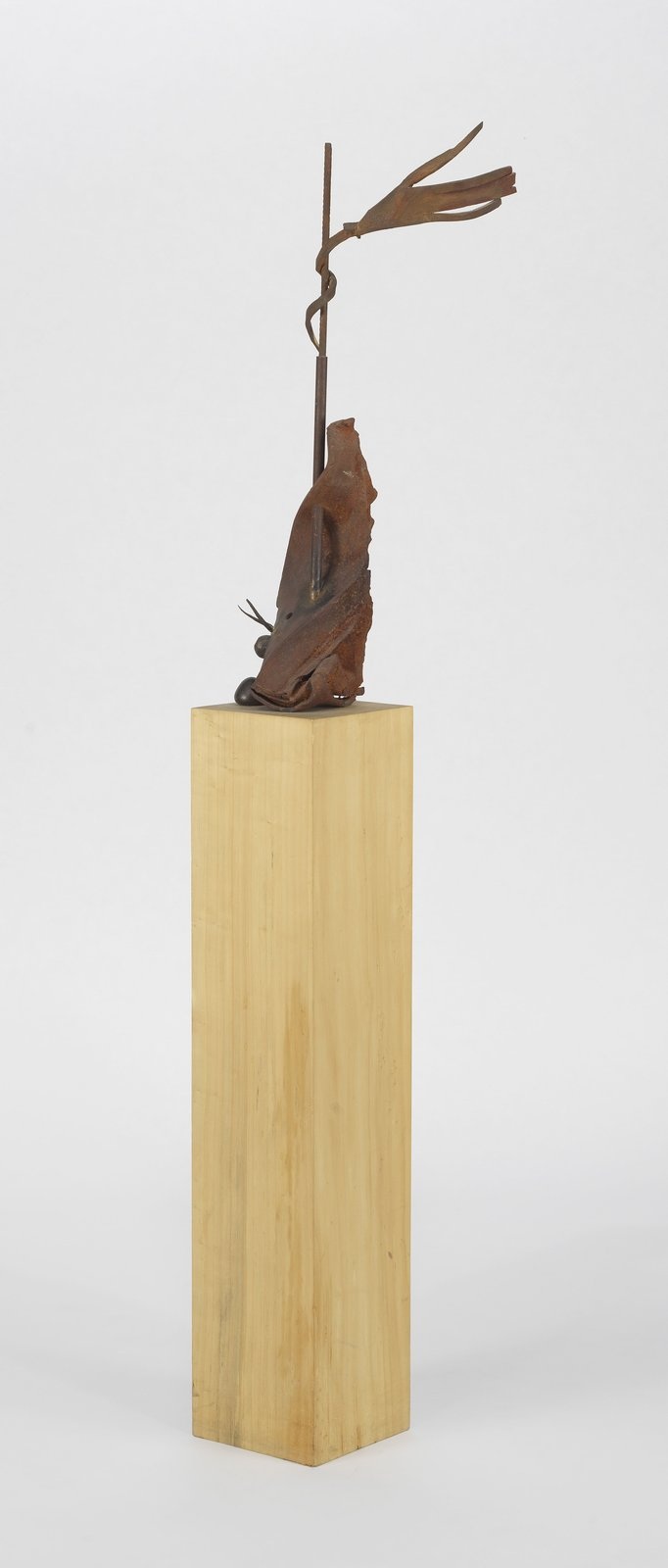
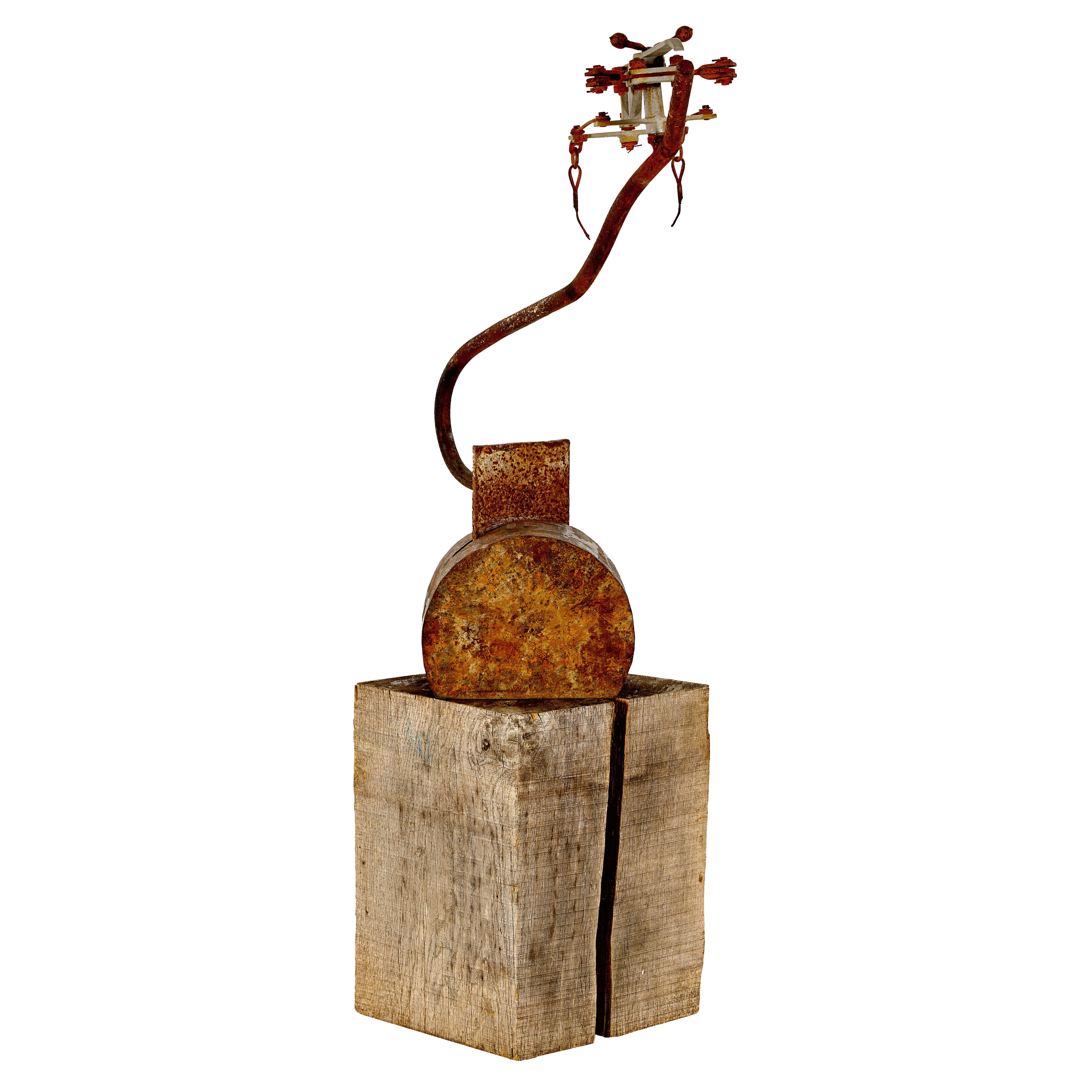
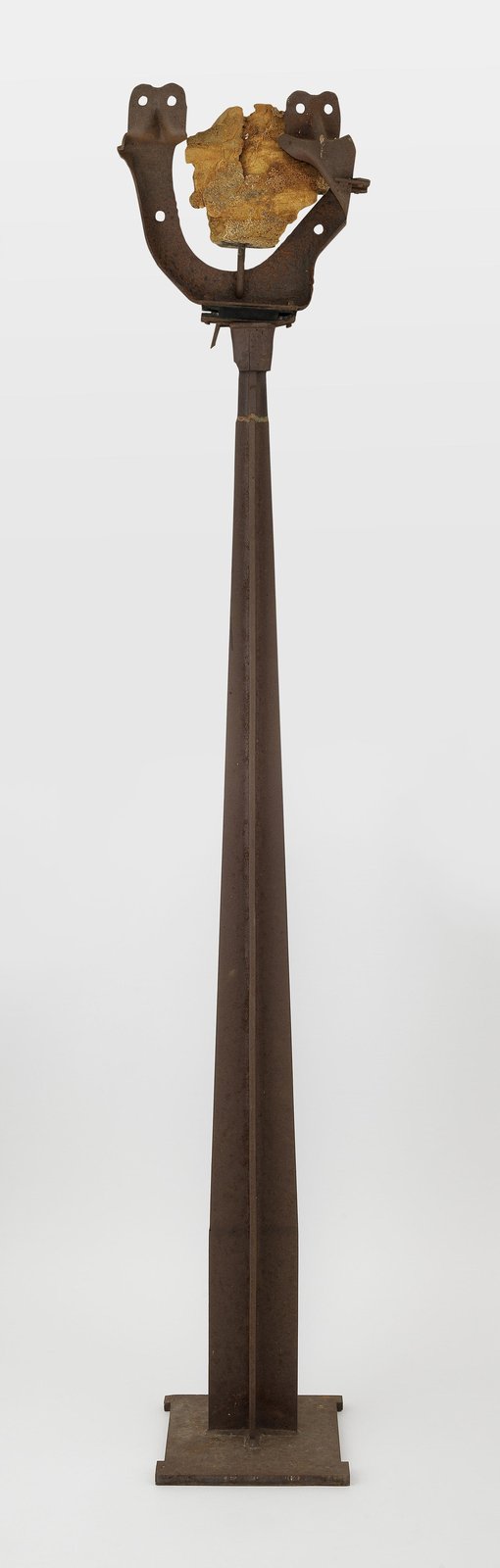
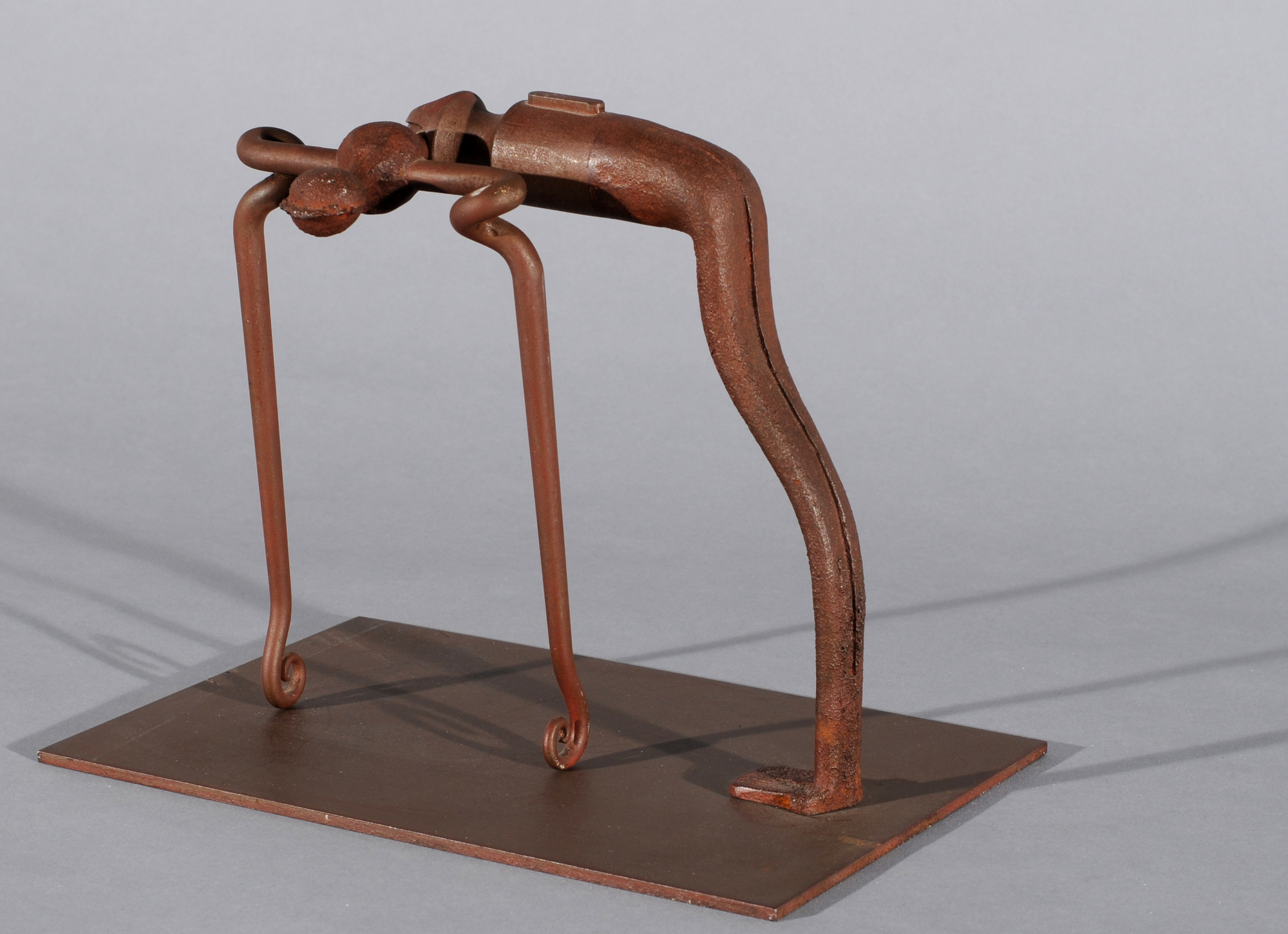
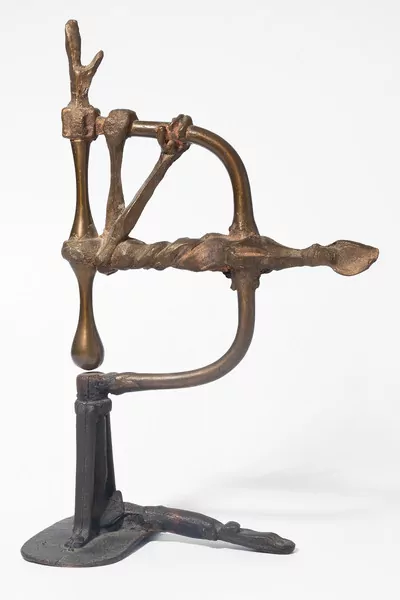
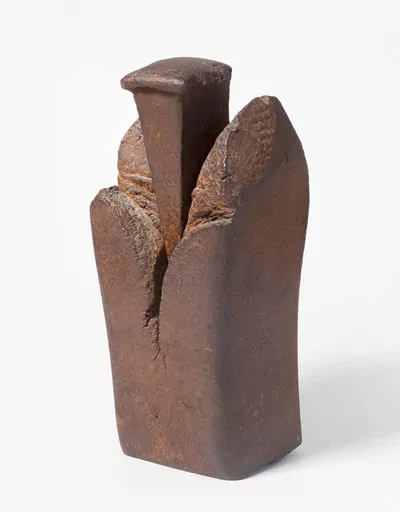
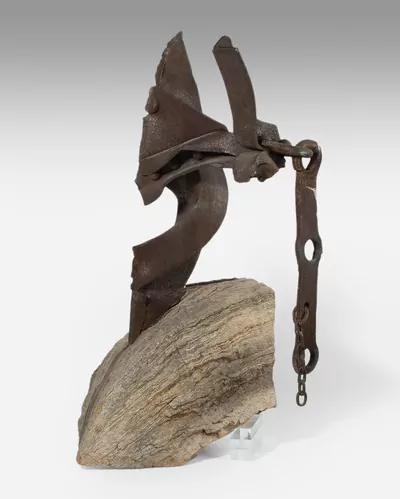
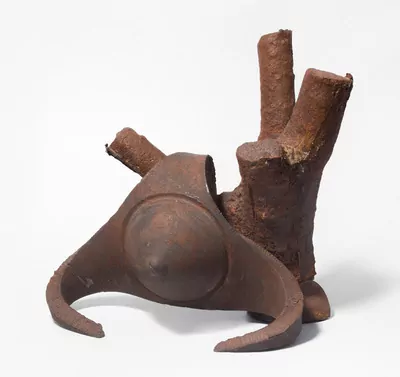
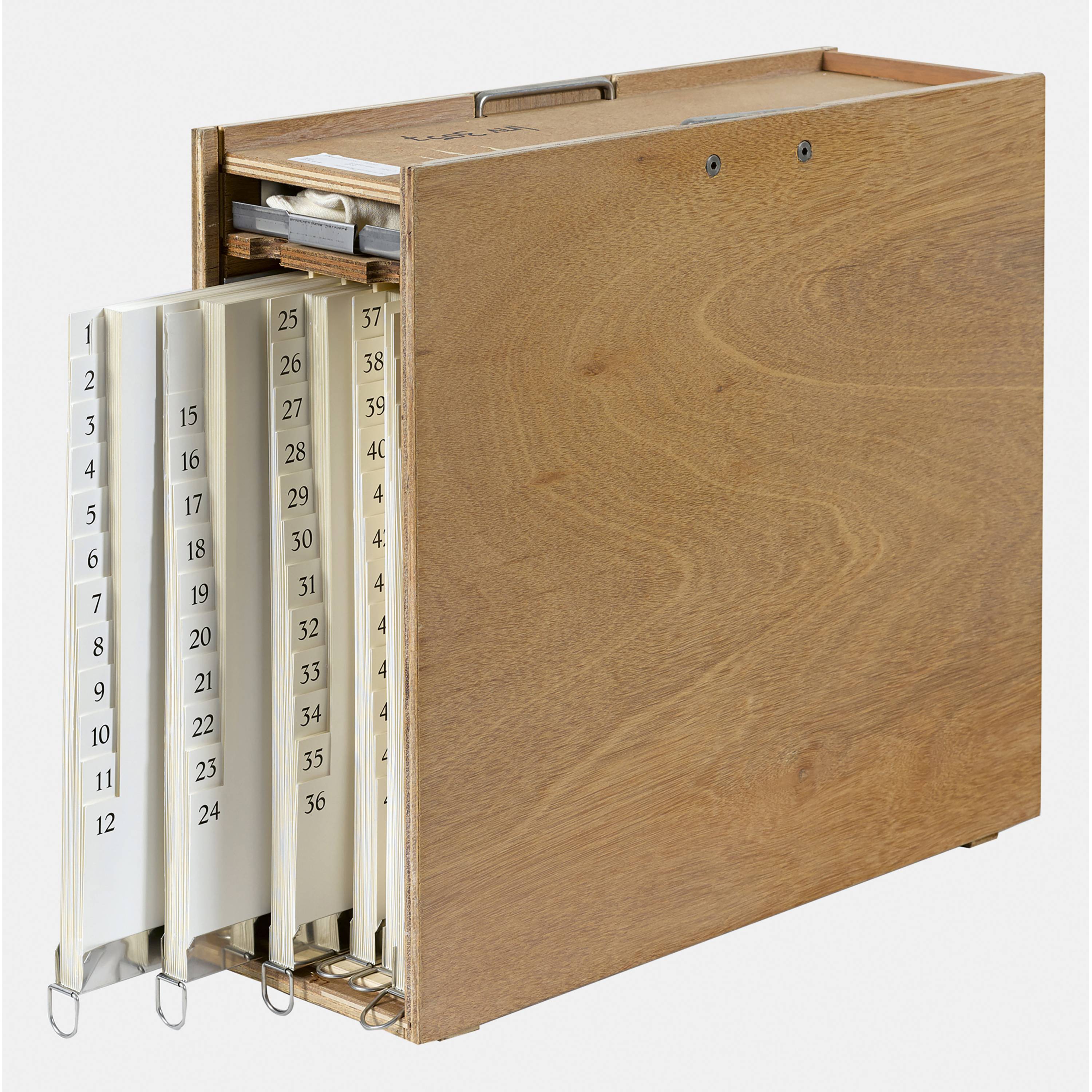
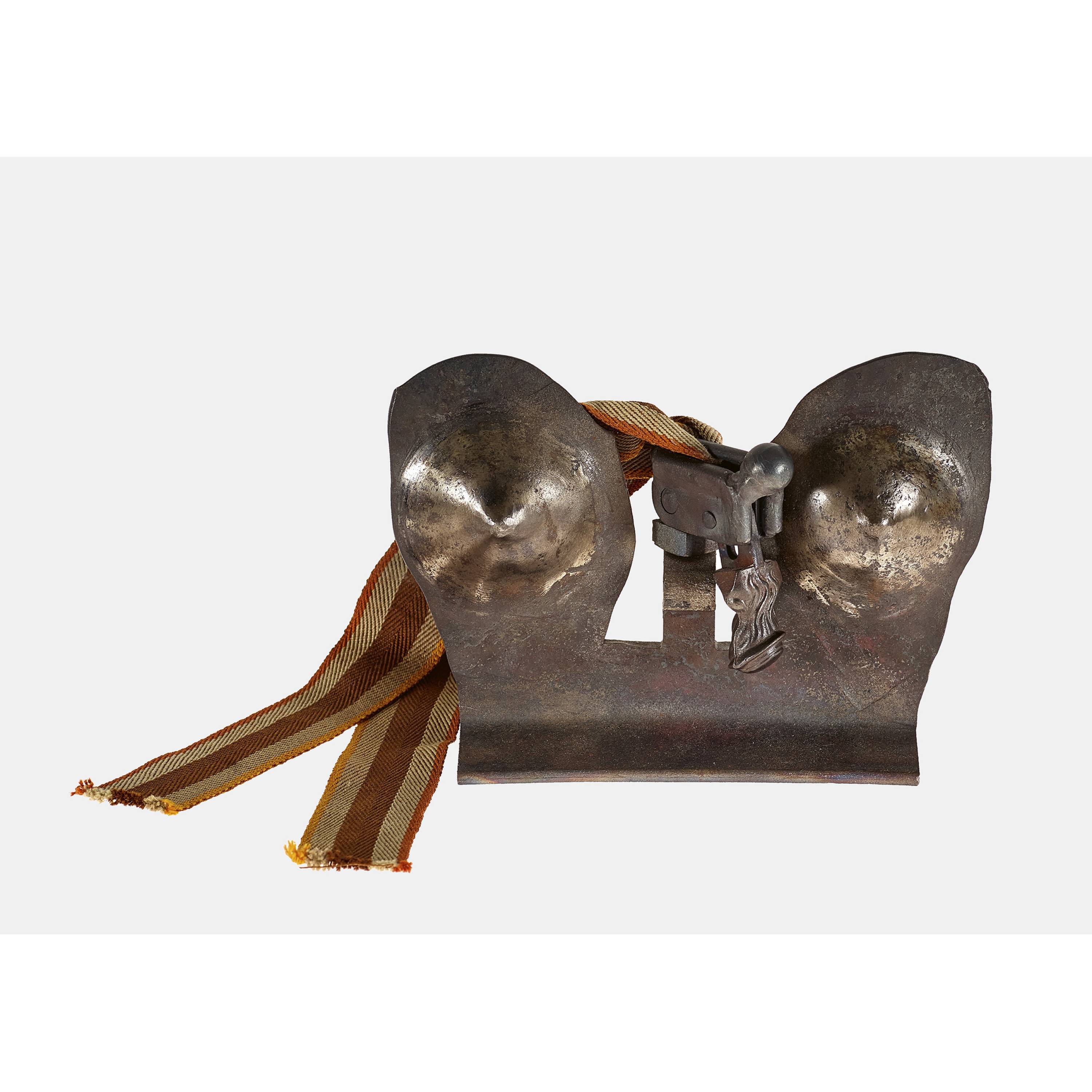
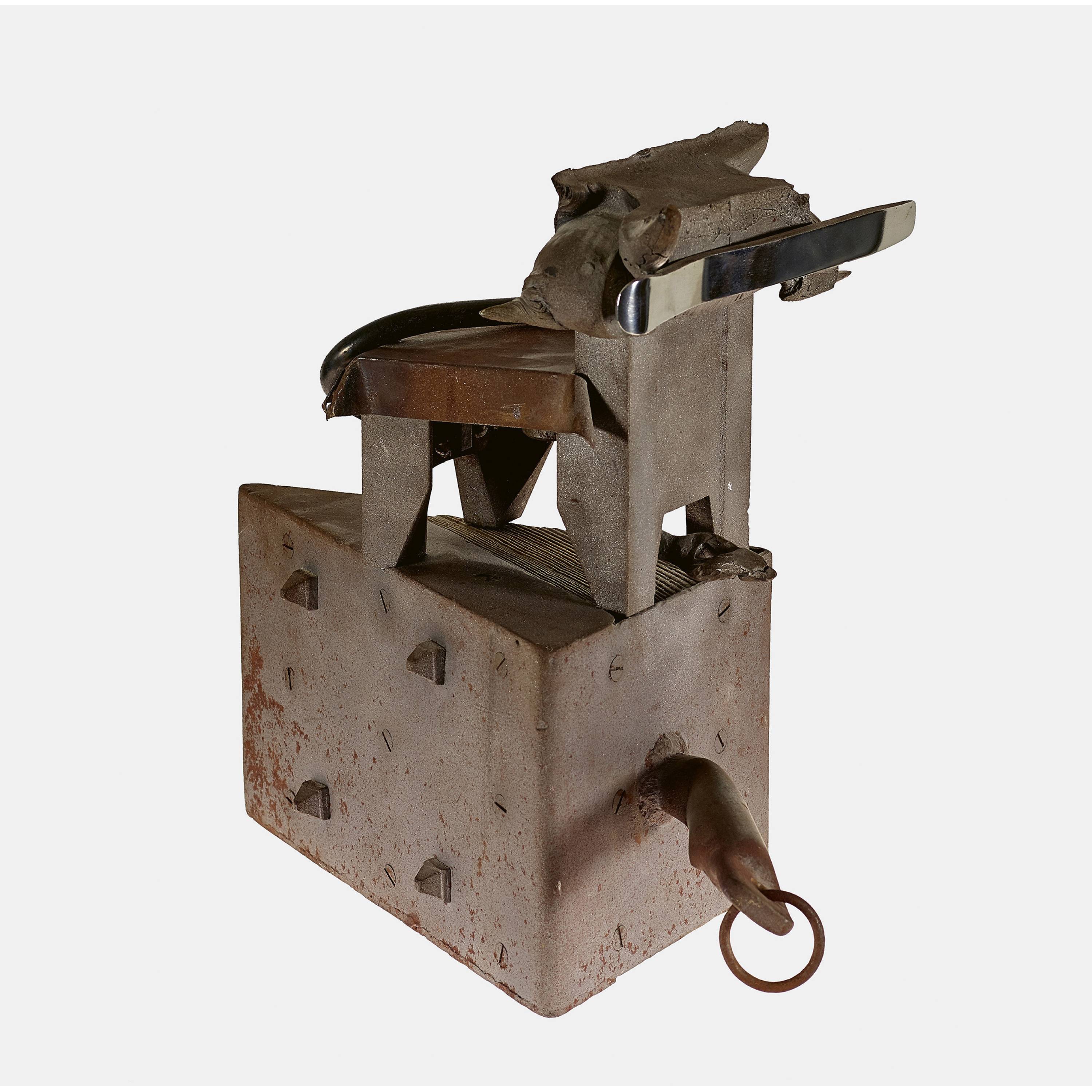
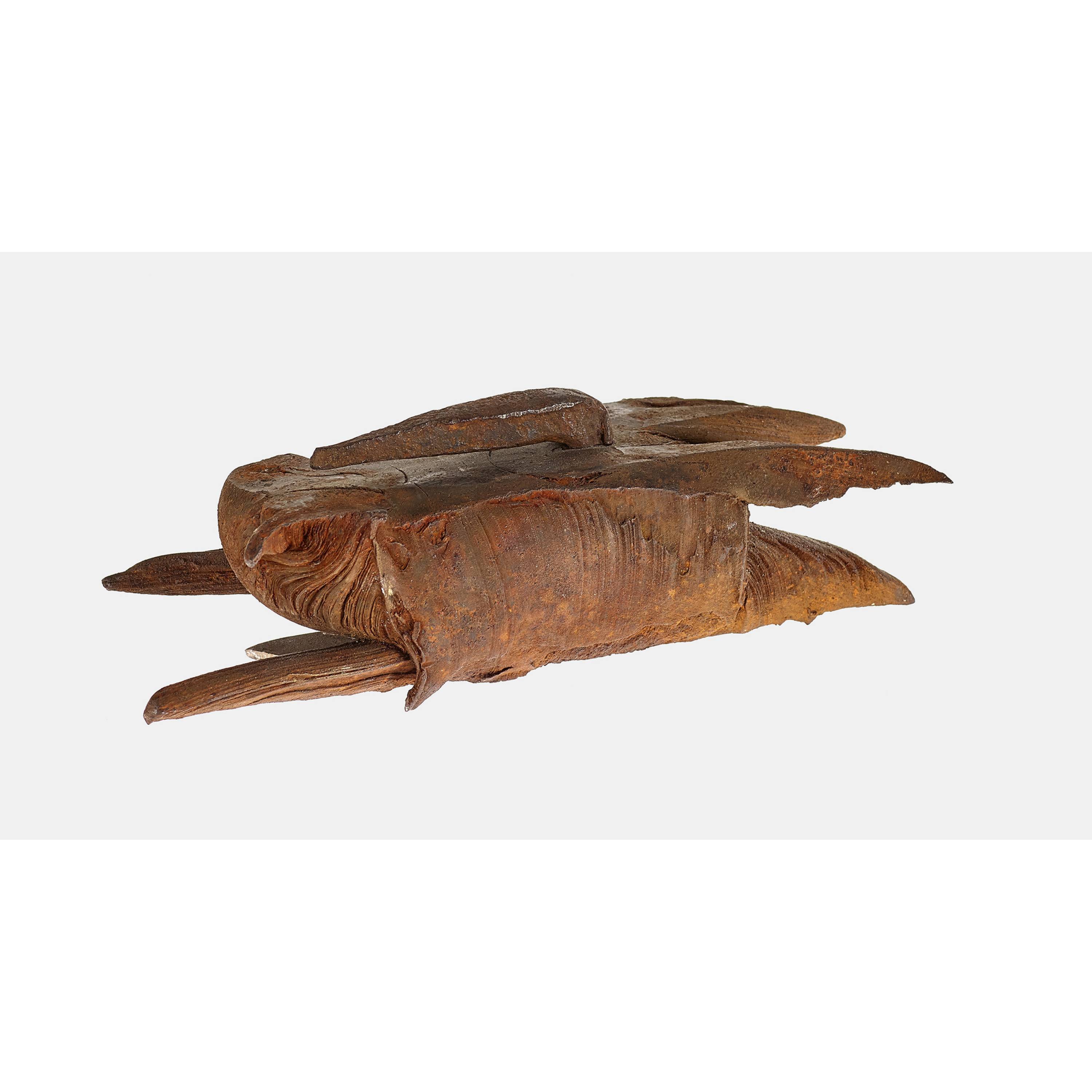
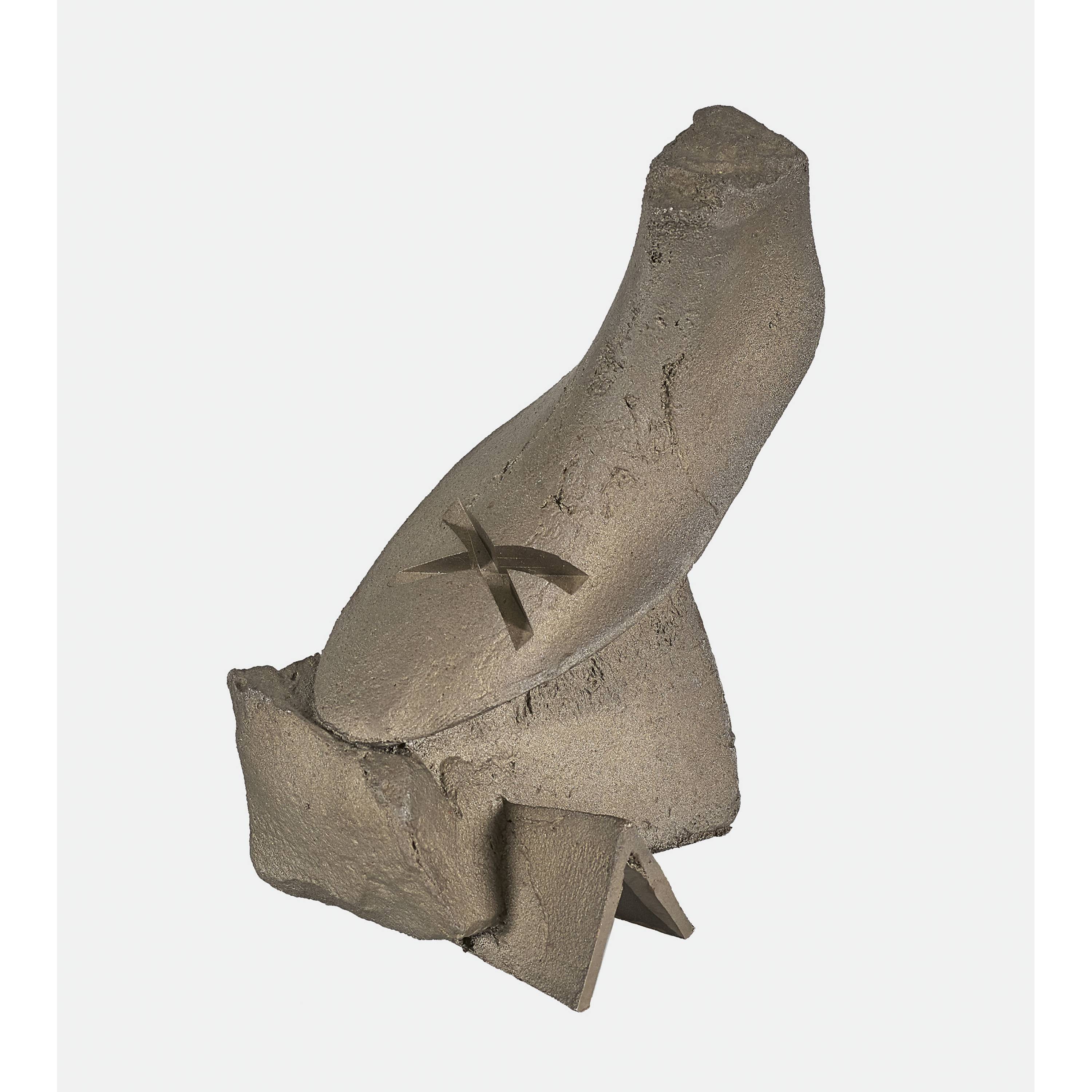
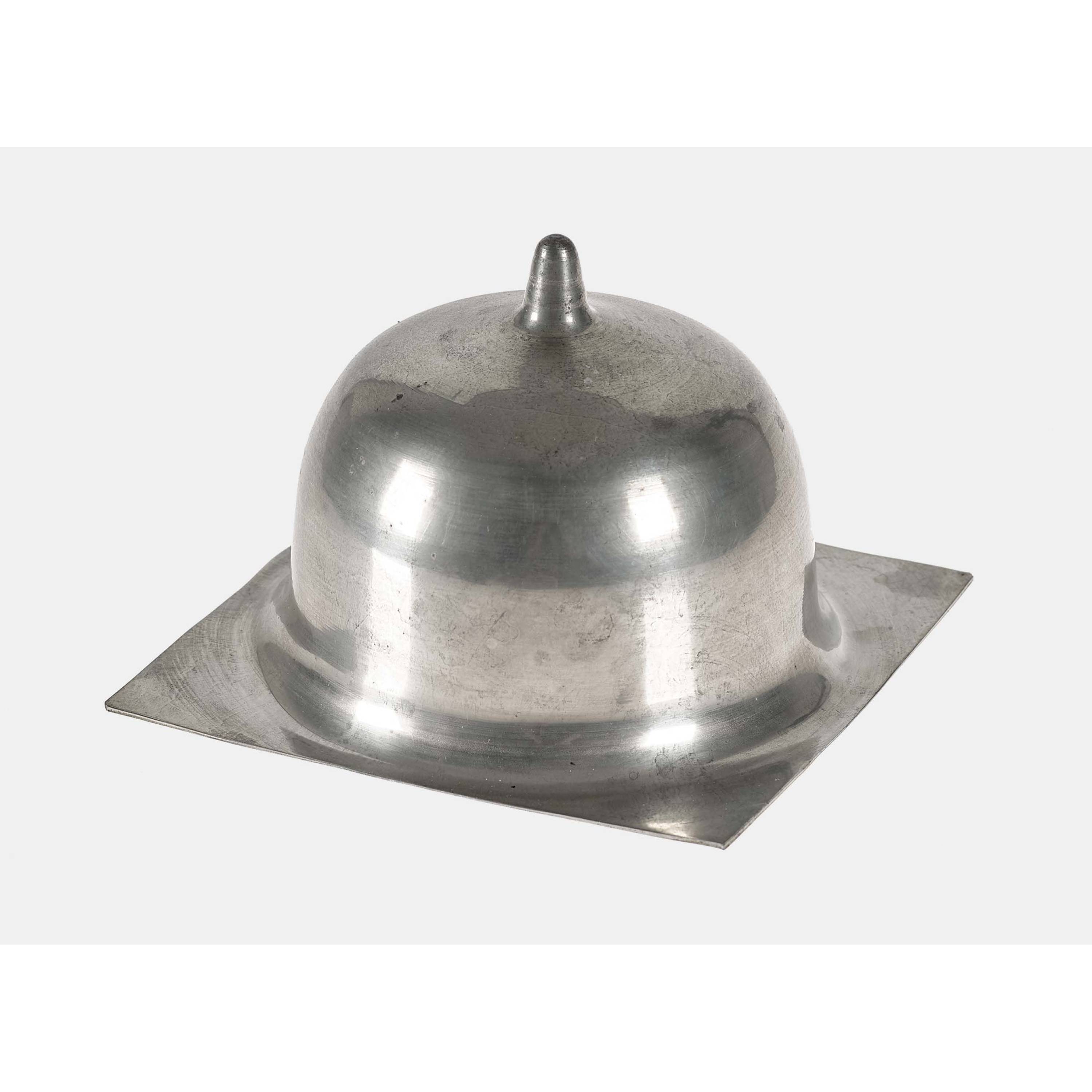
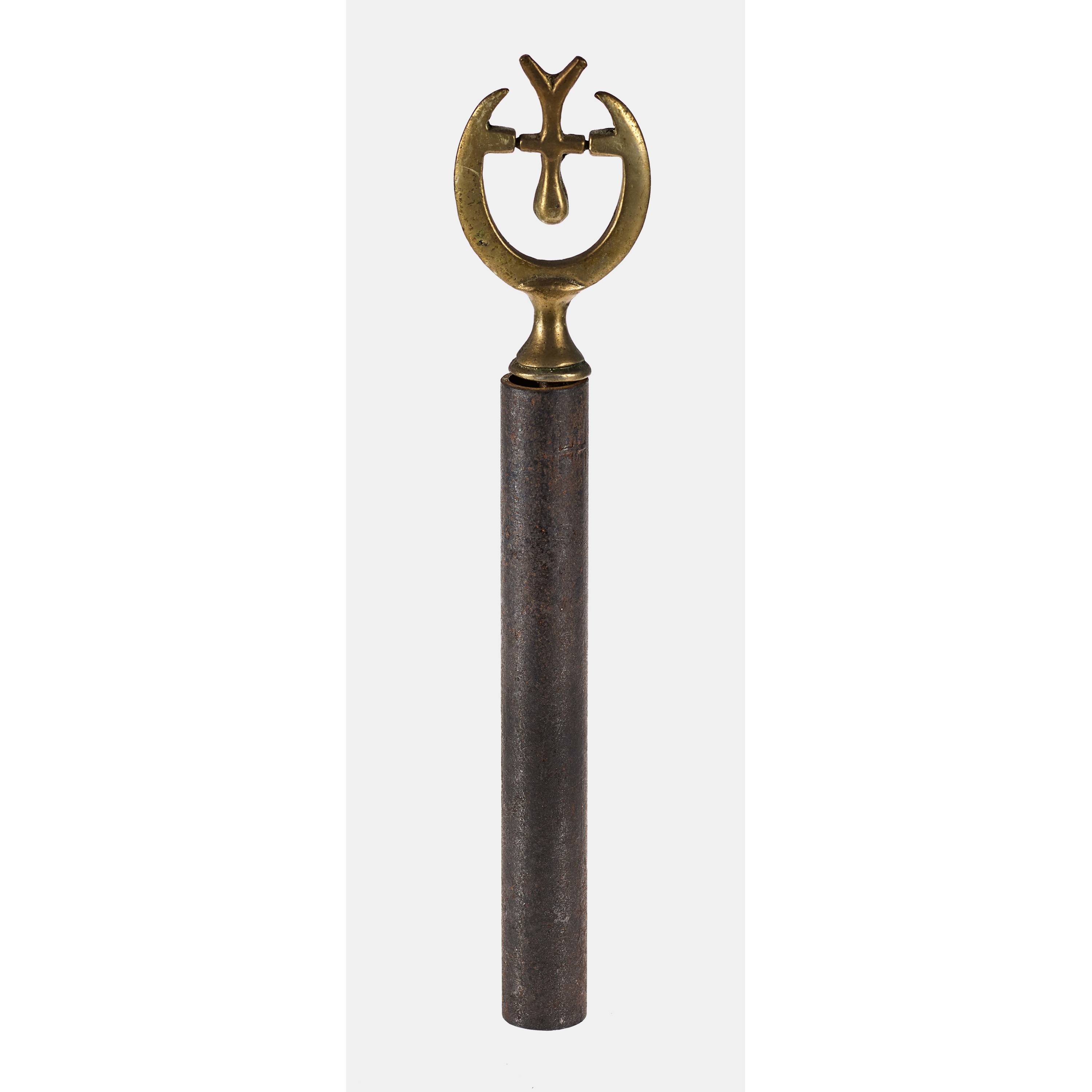
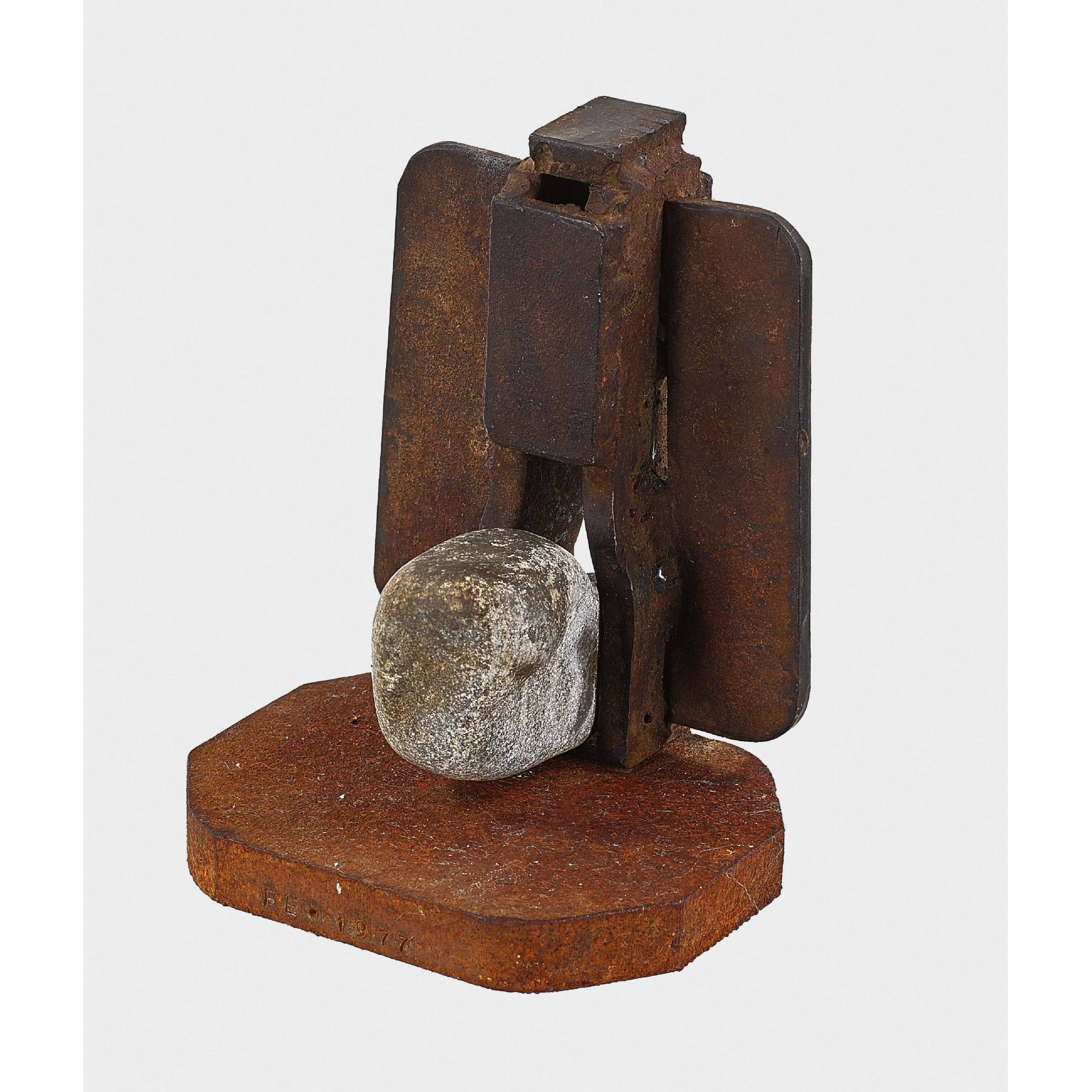
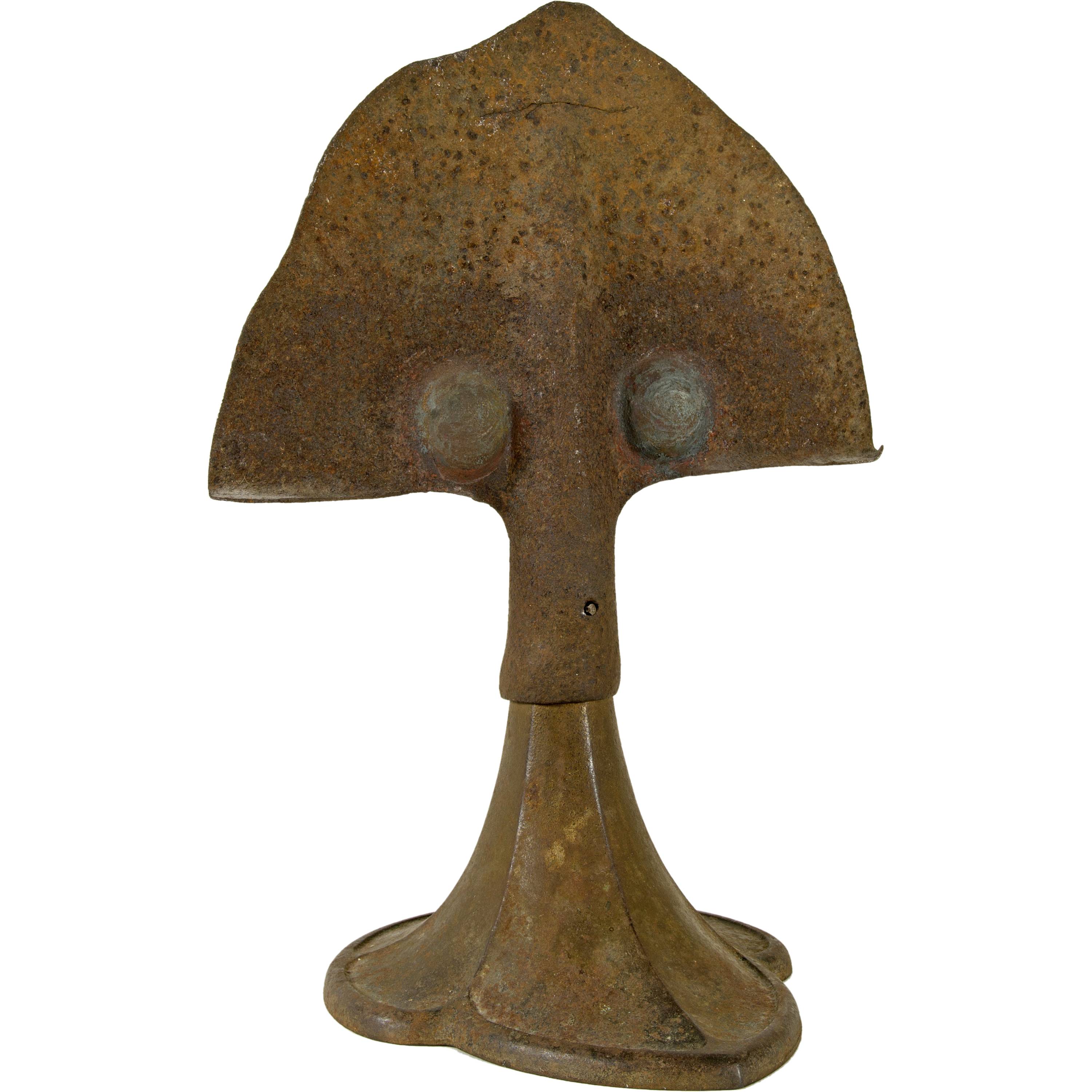
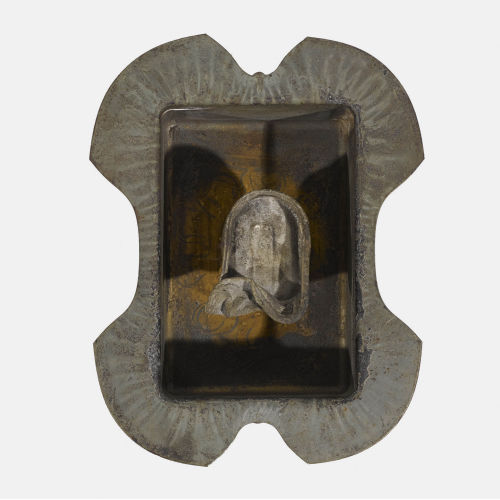
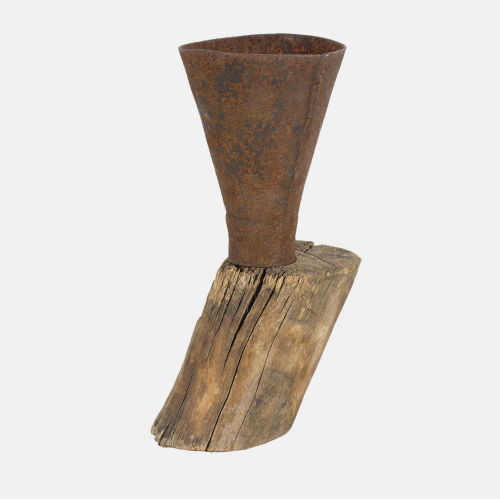
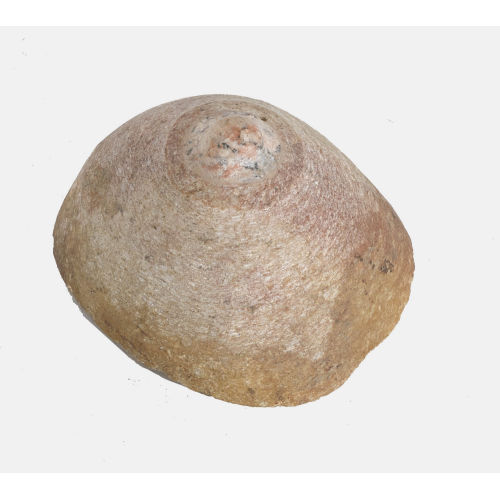
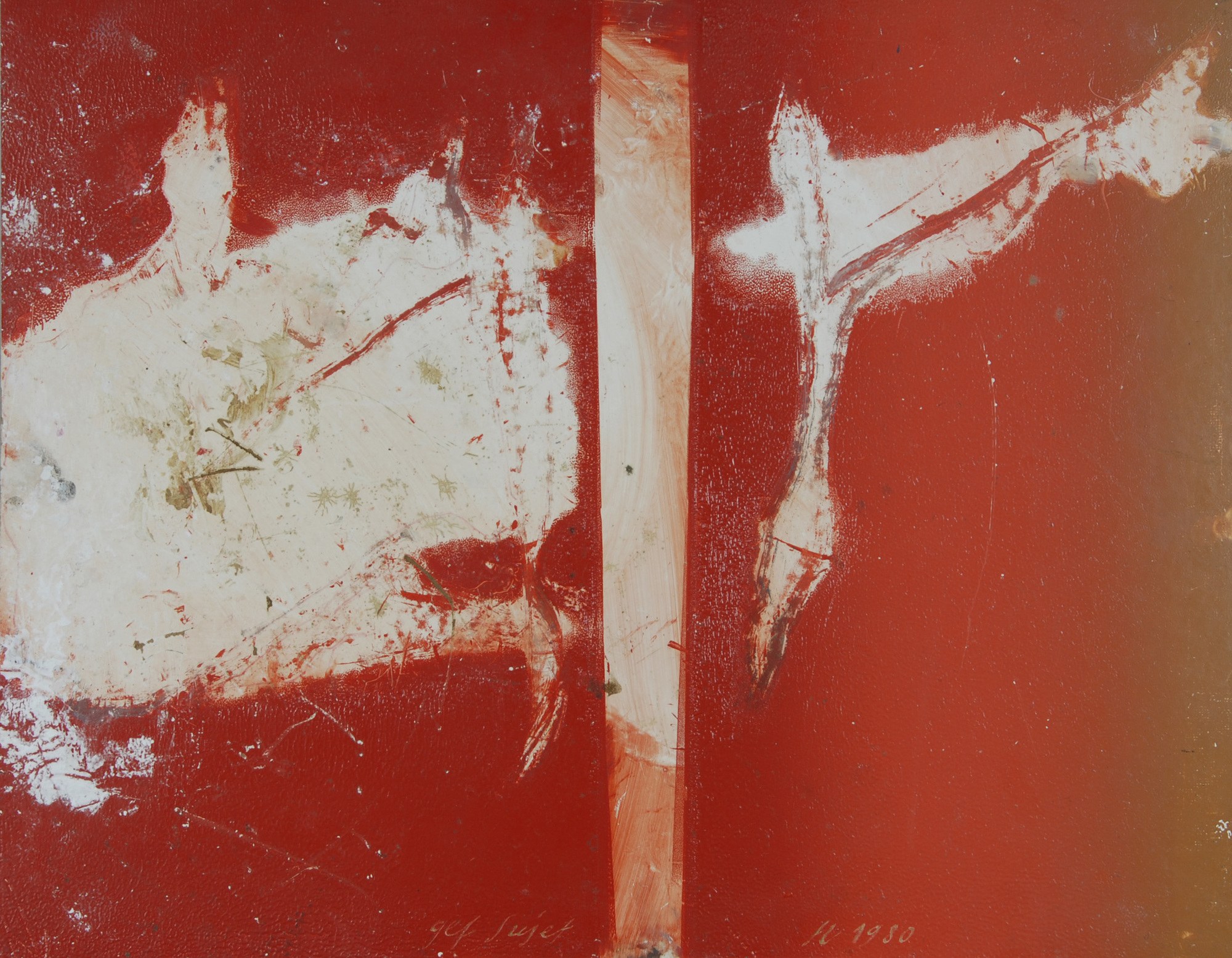
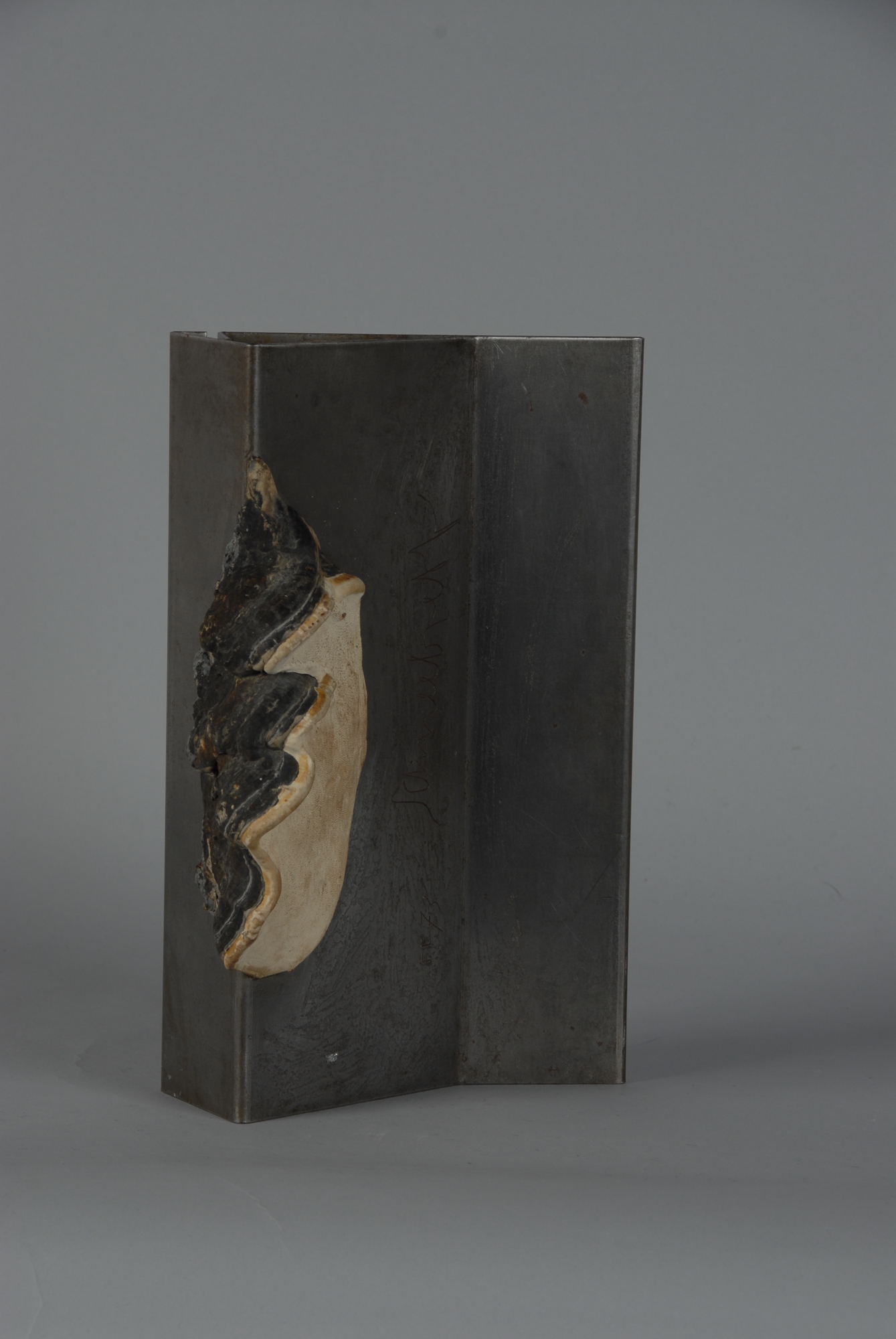
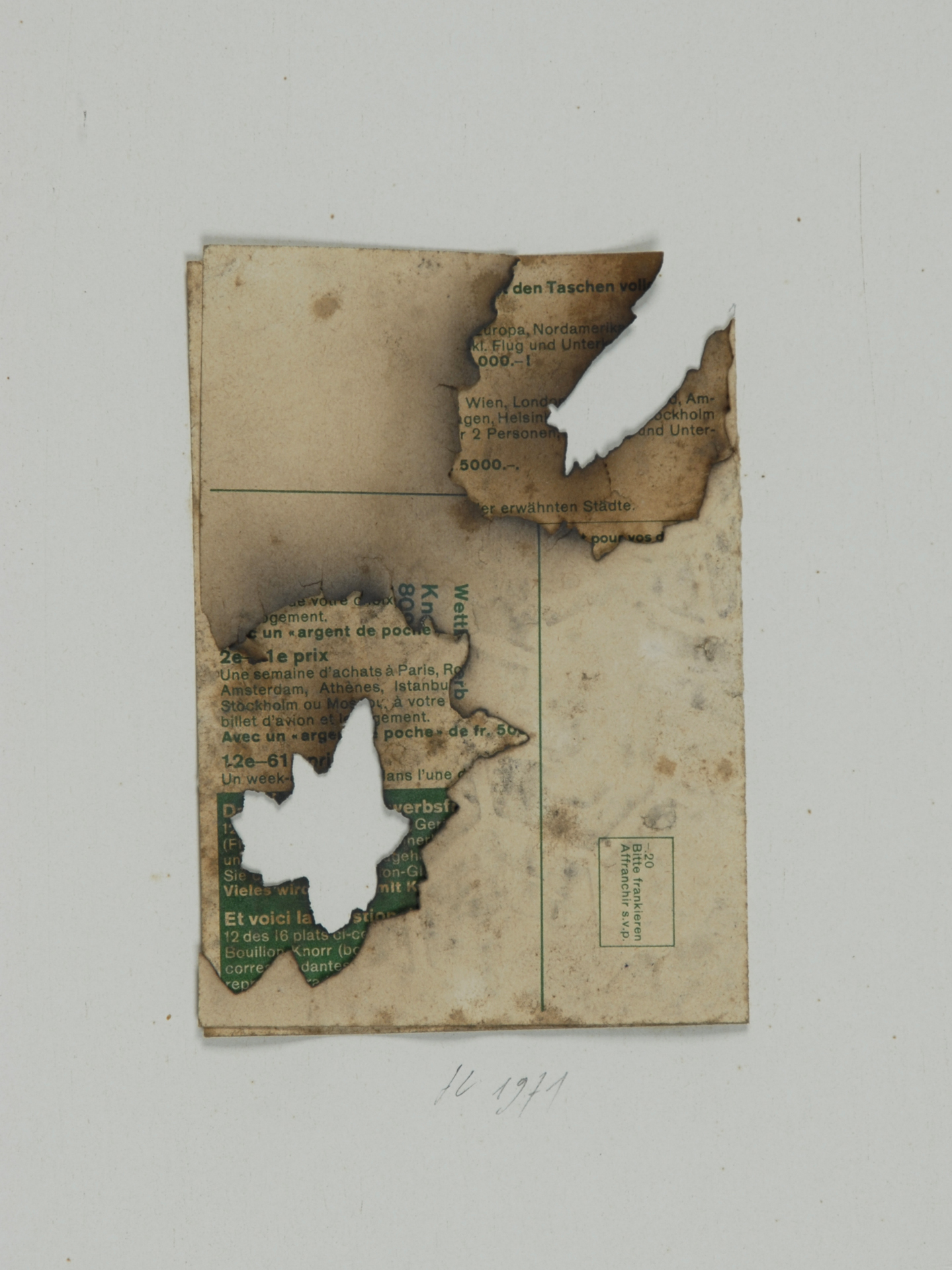
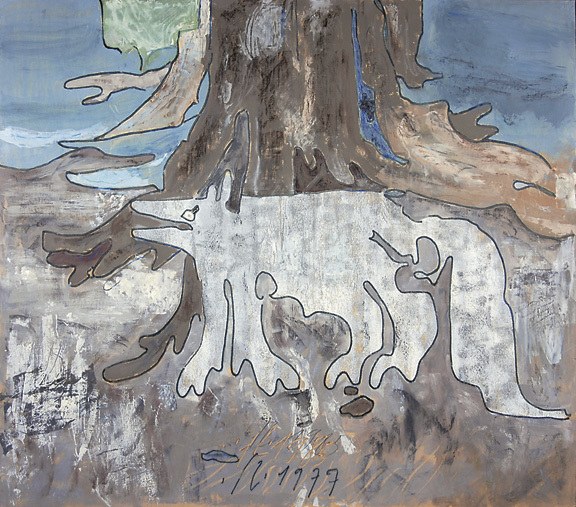
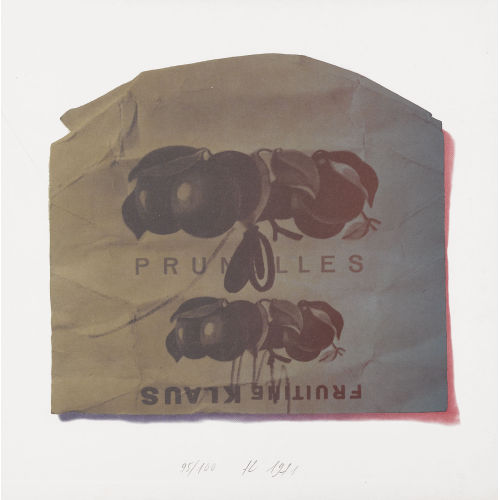
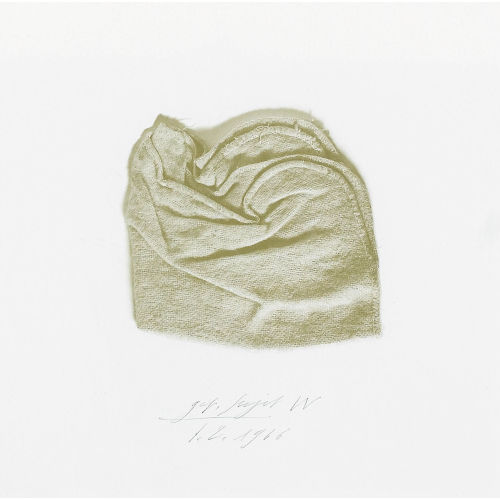
Franz Eggenschwiler (1930–2000) made gleaning a method of creation. In dumps, abandoned factories, riverbeds and scree fields, he collected discarded objects, then classified them and brought them into relation with one another. A screw, a farming tool or a pebble lost its original function in order to enter a new ensemble of forms and signs.
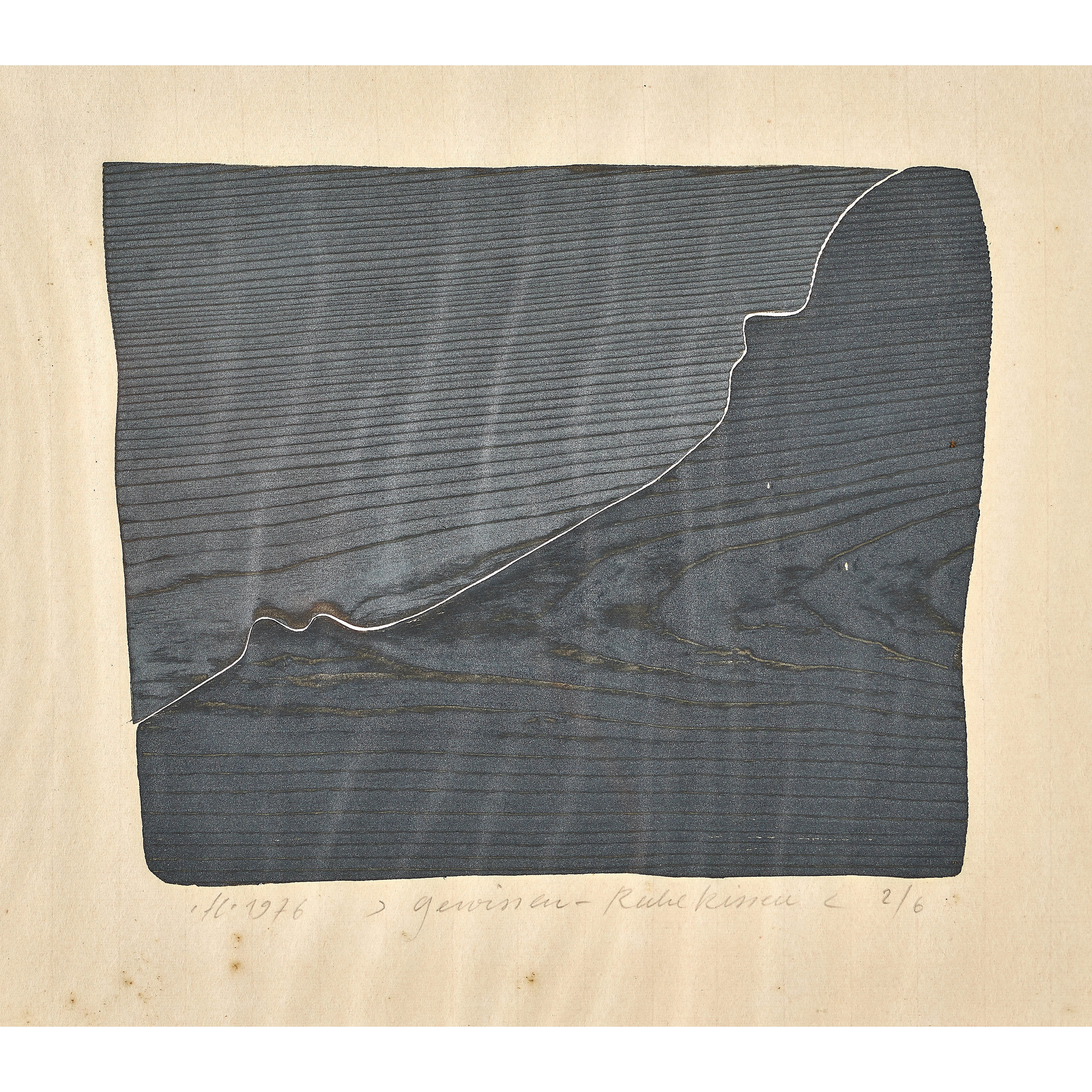
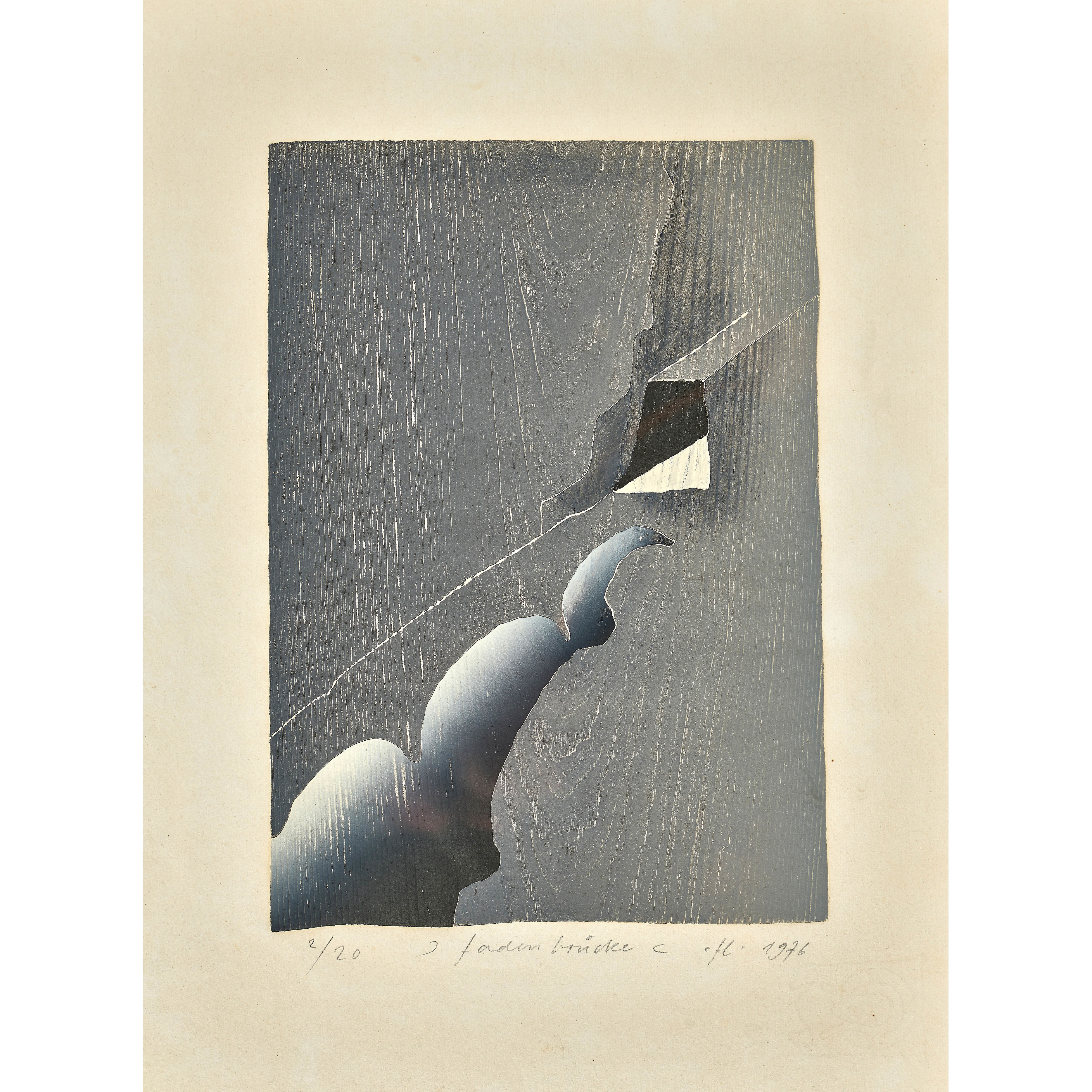
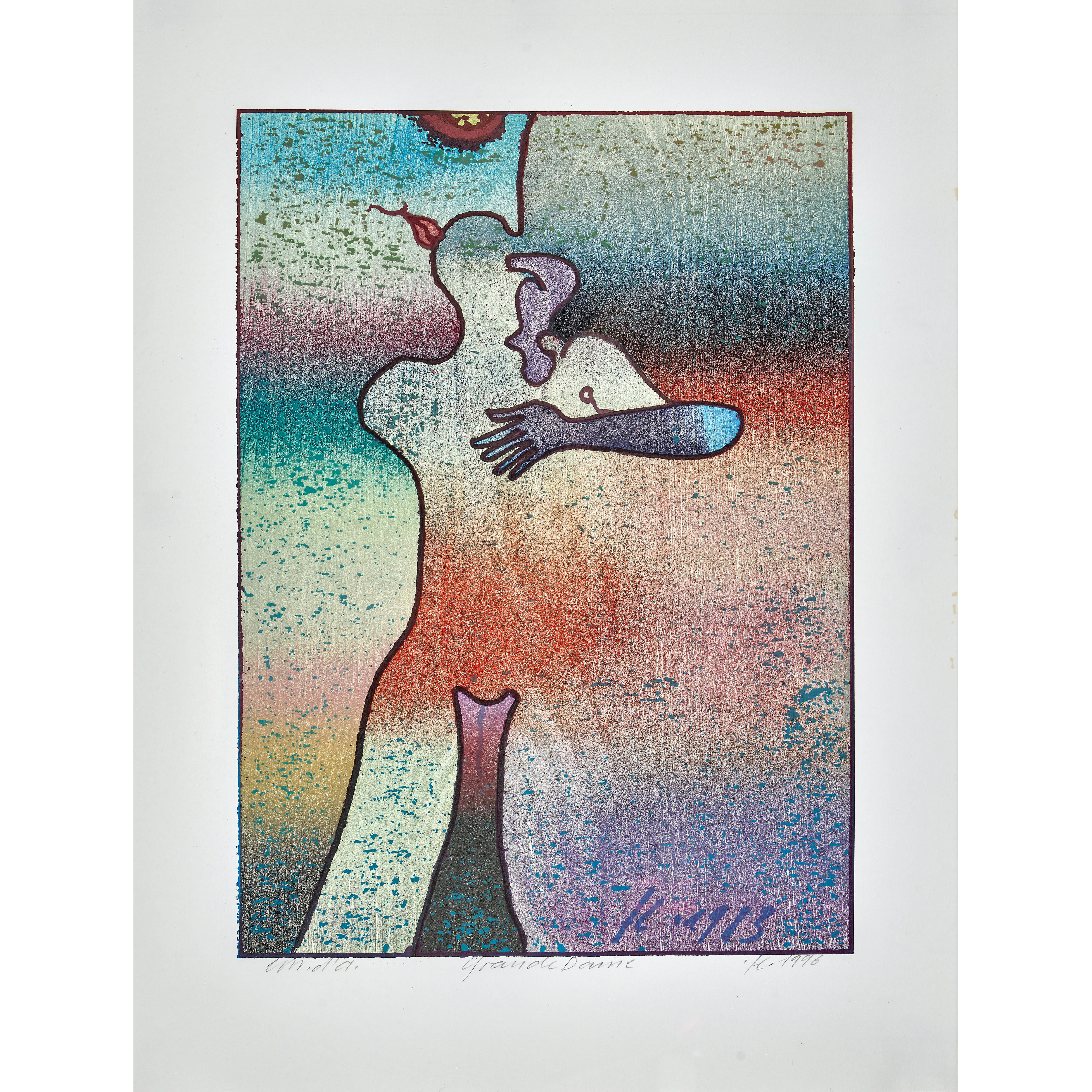
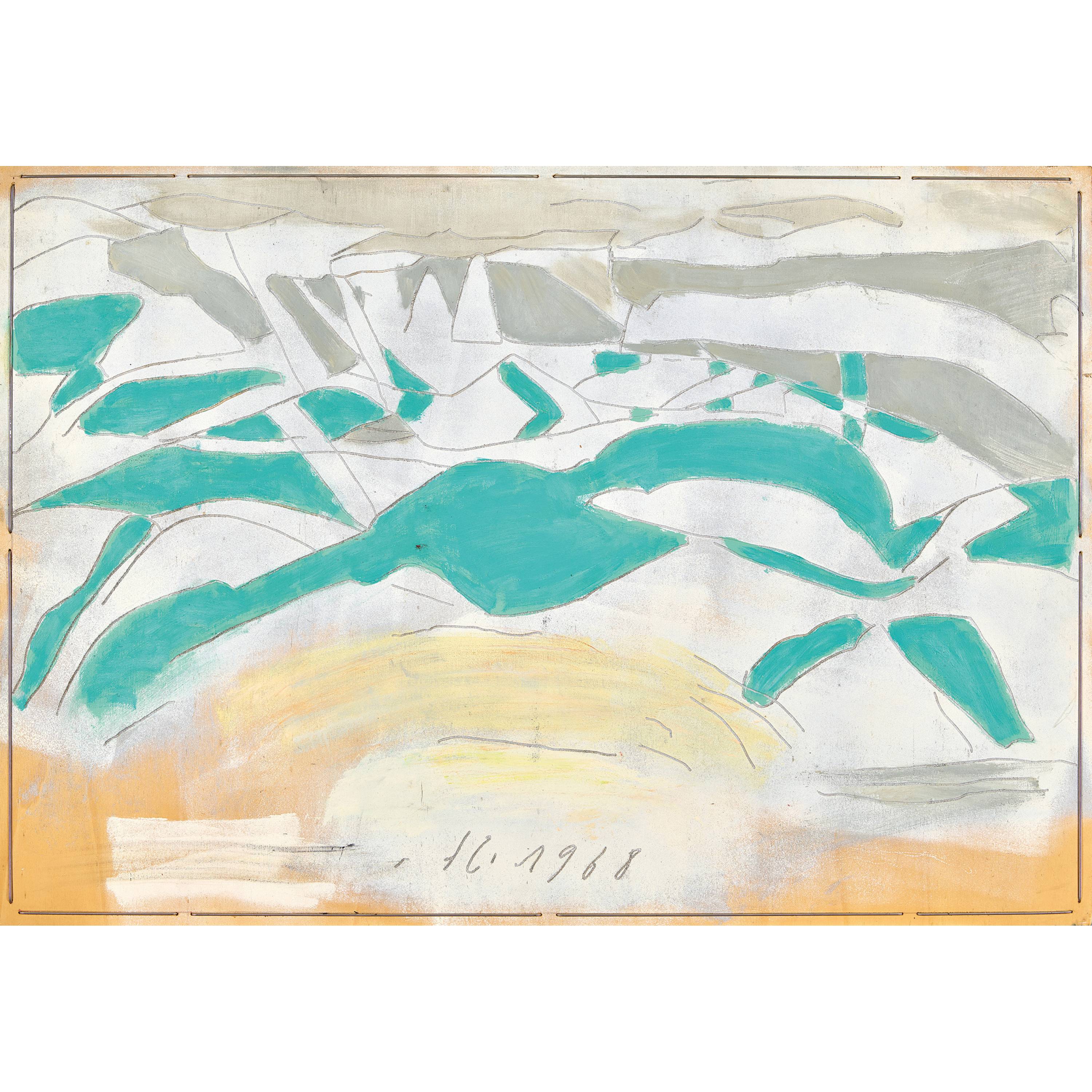
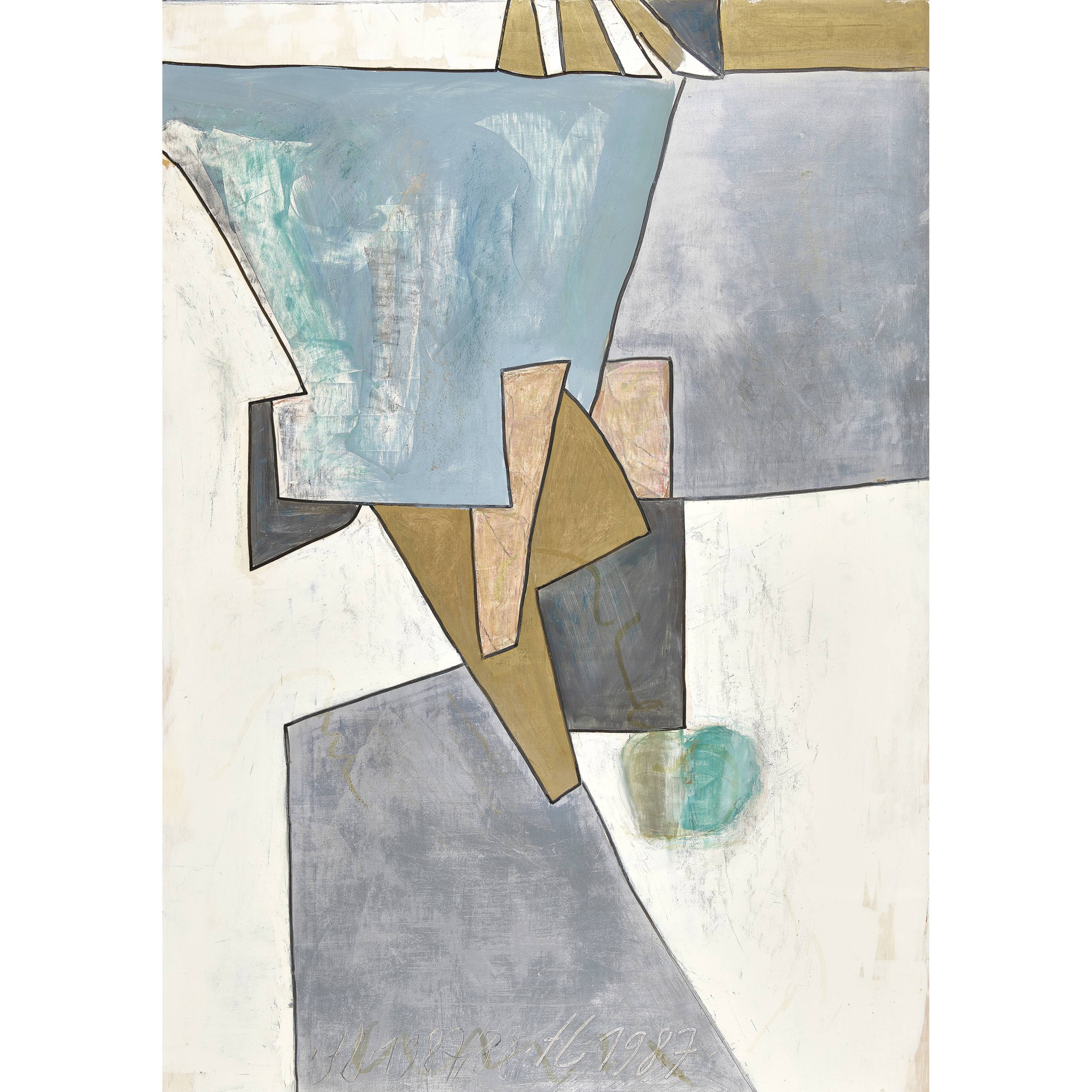
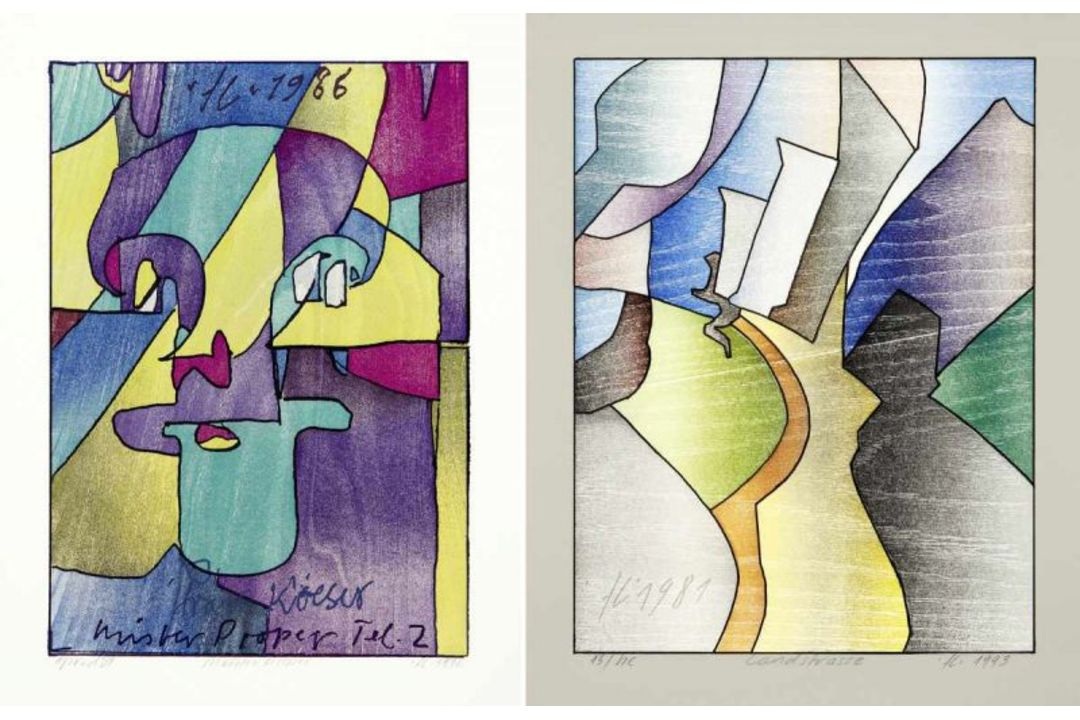
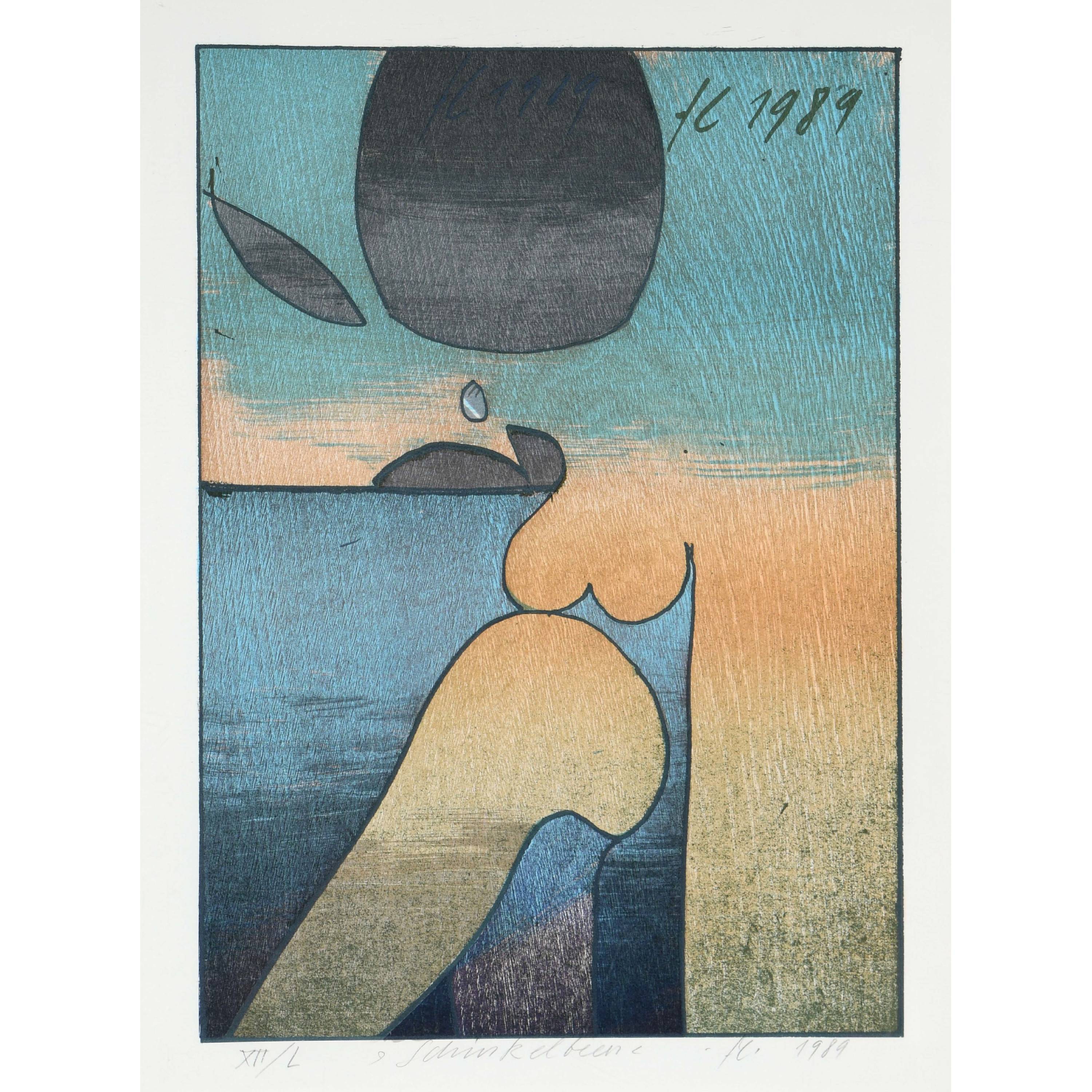
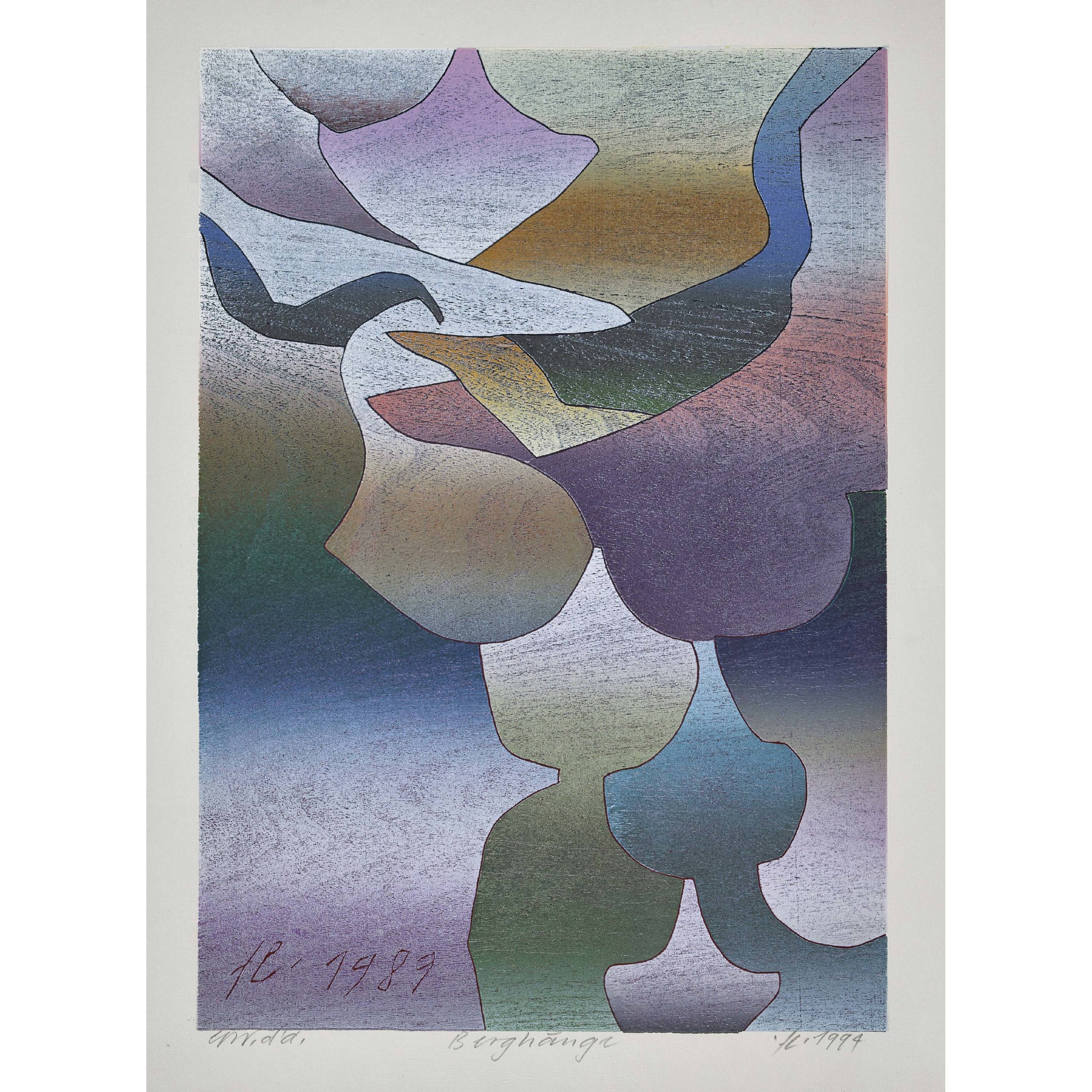
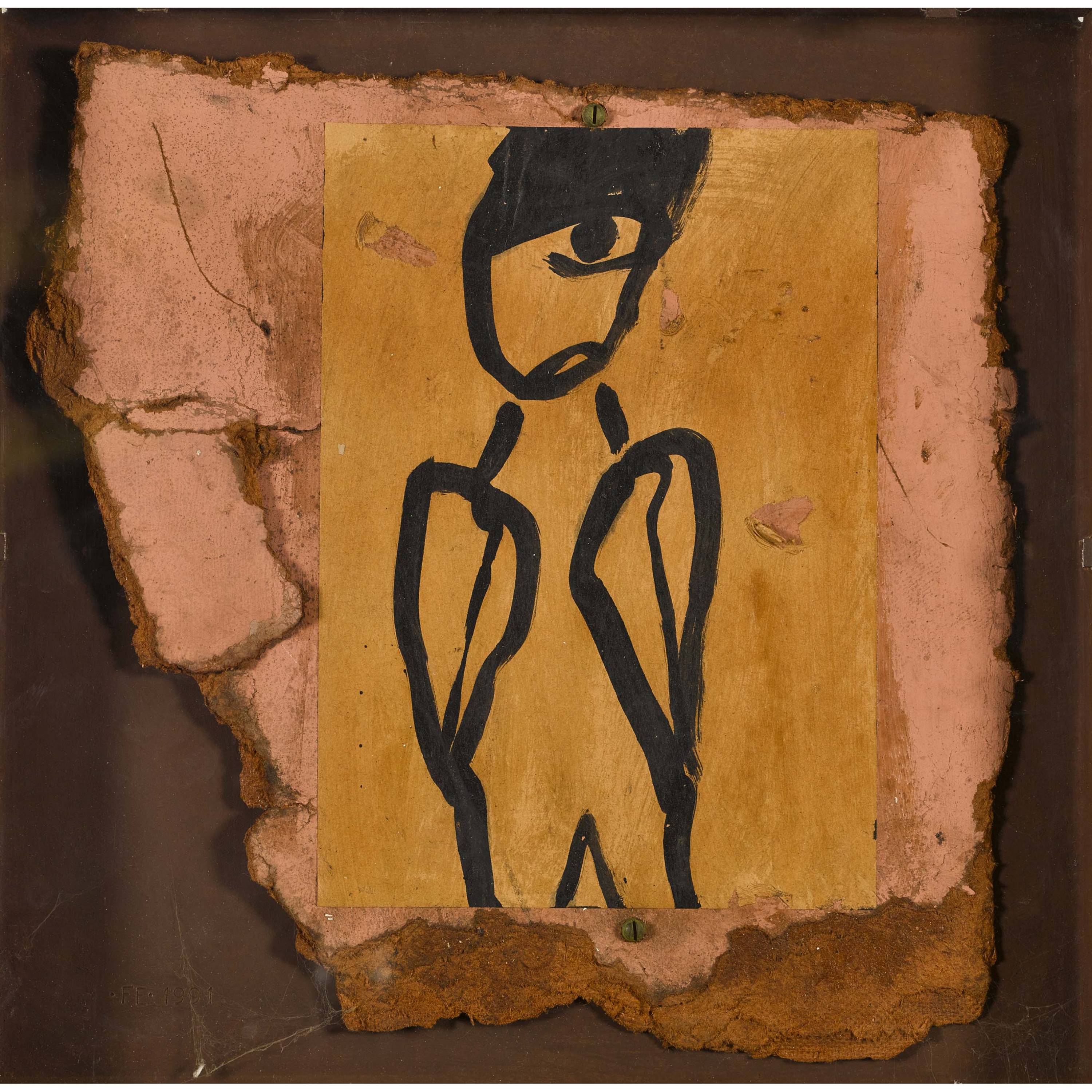
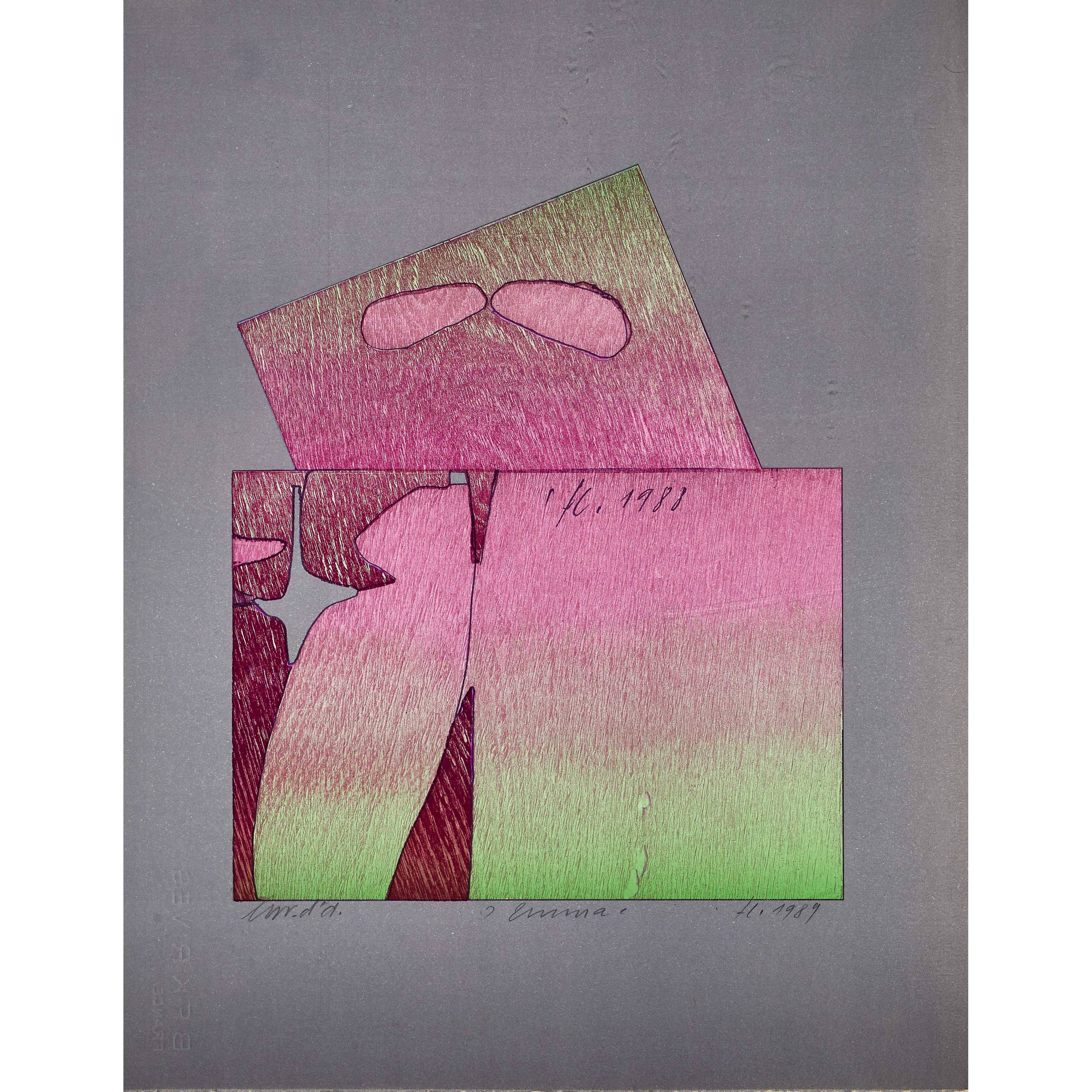
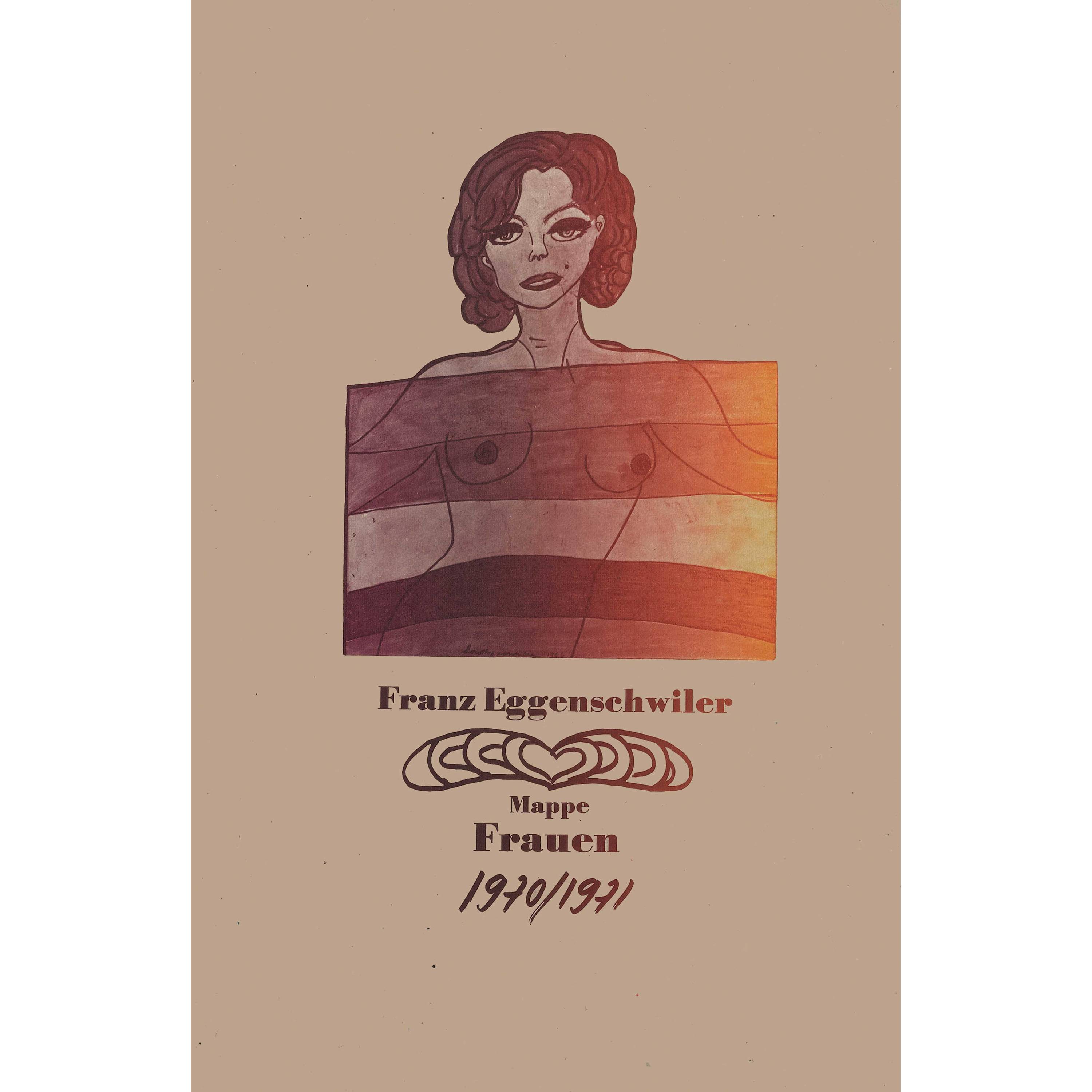
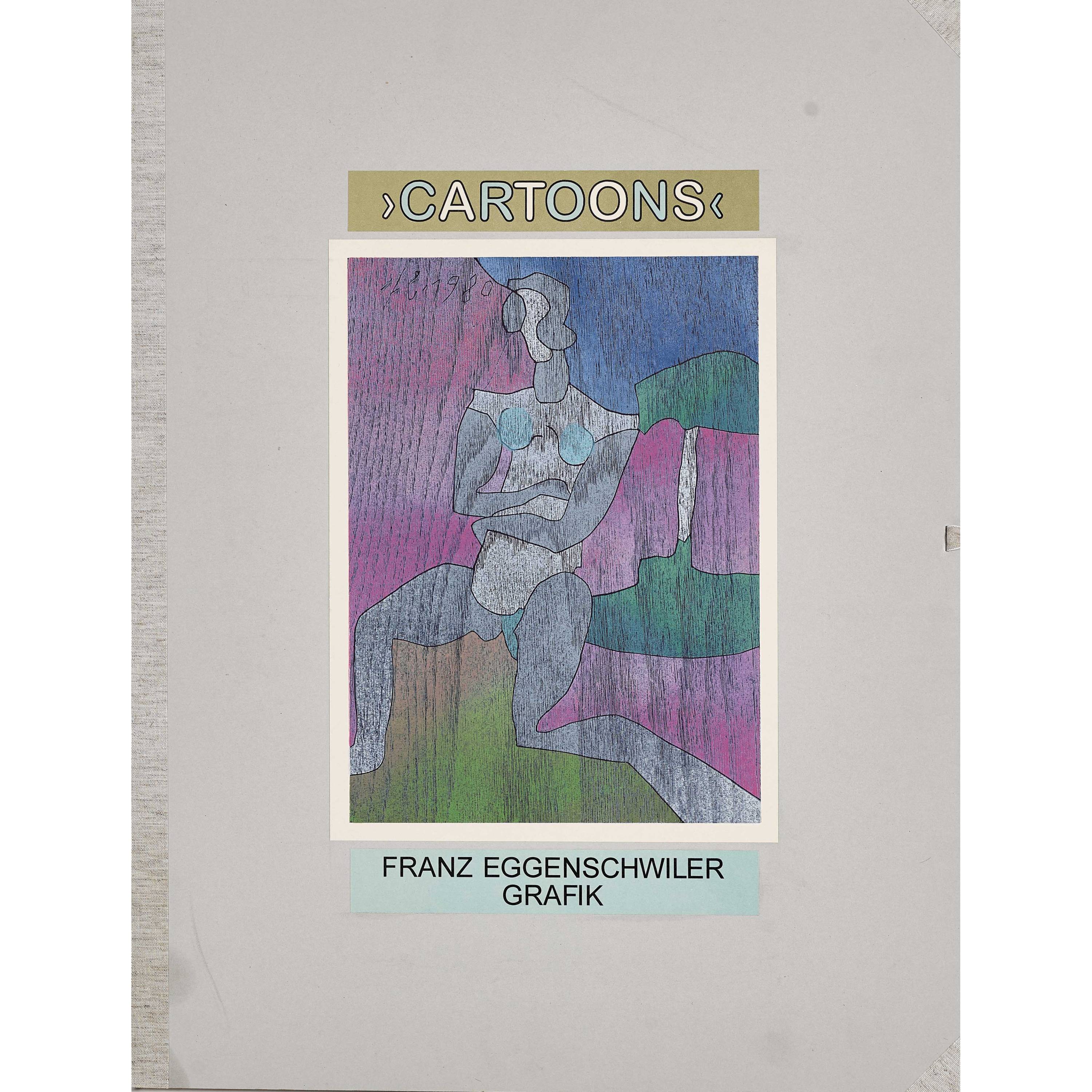
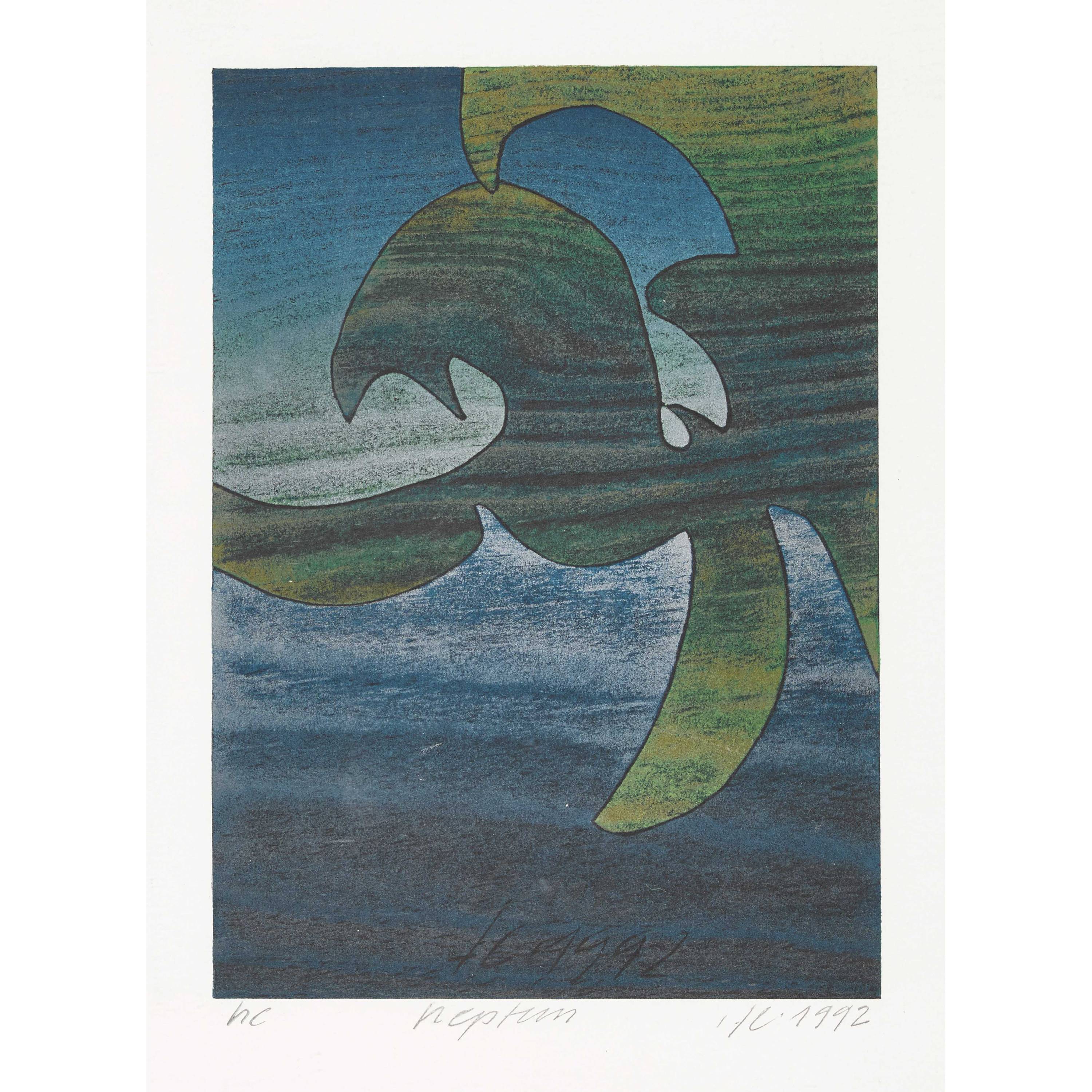
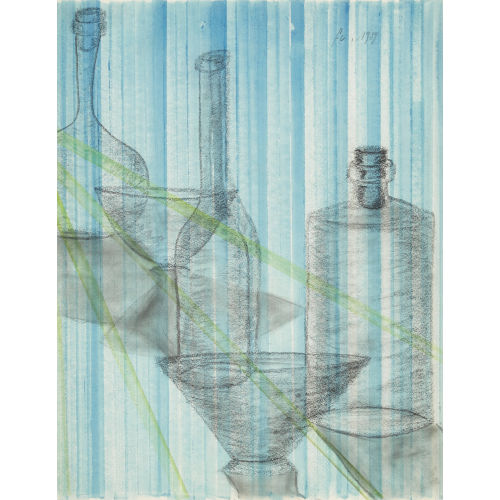
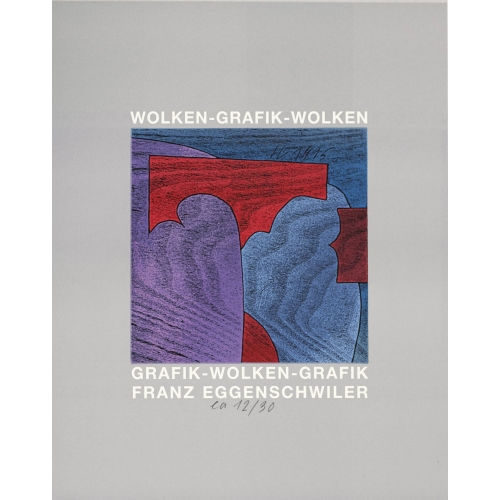
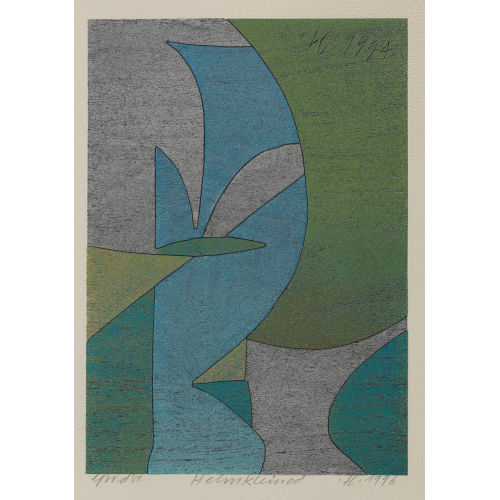
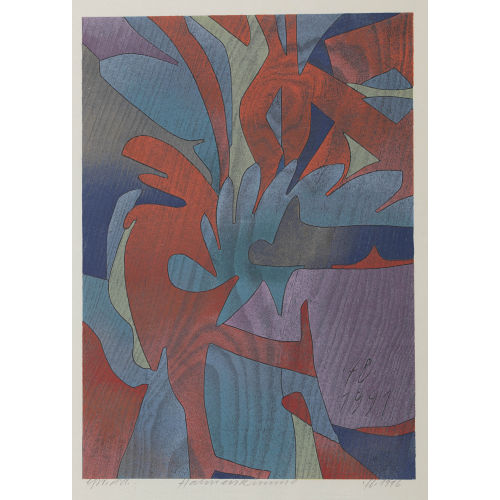
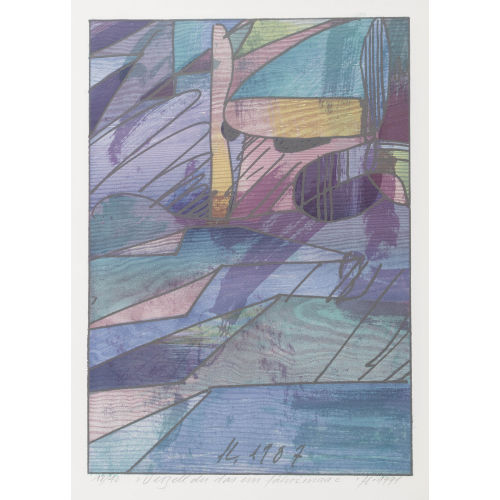
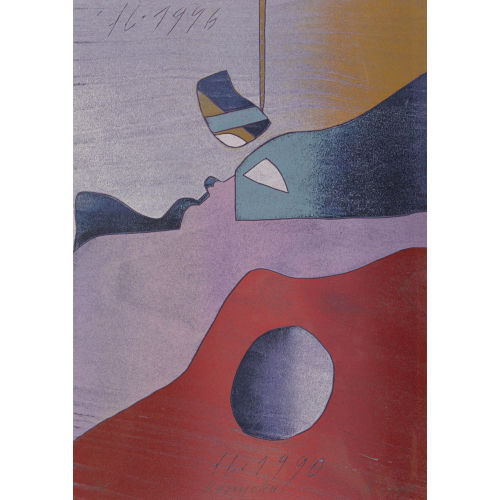
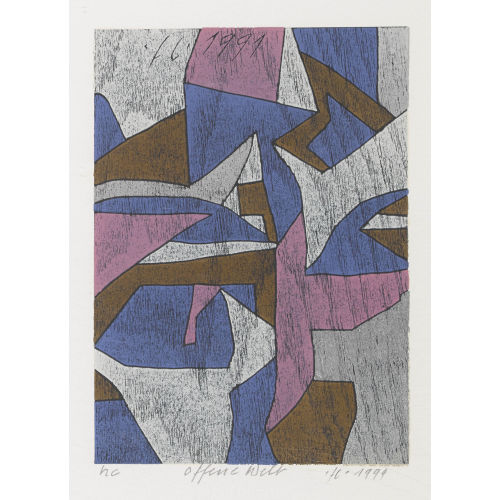
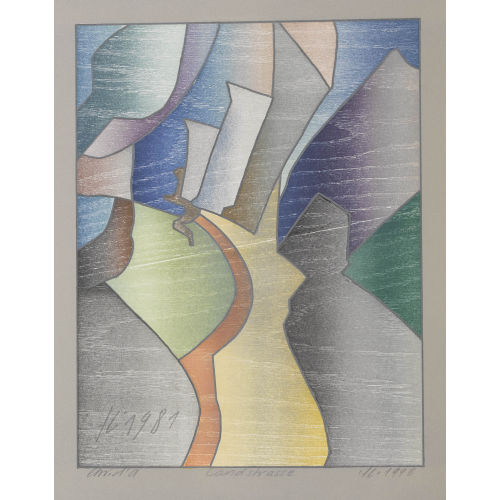
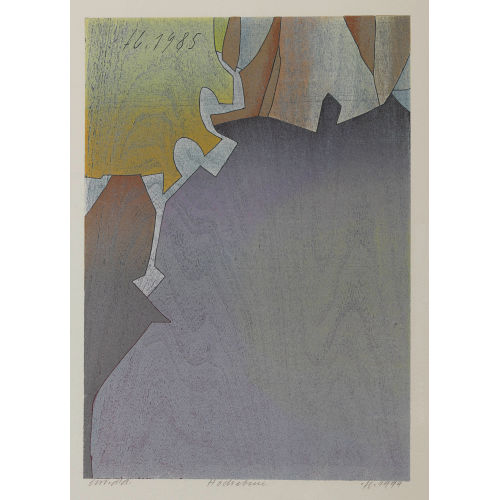
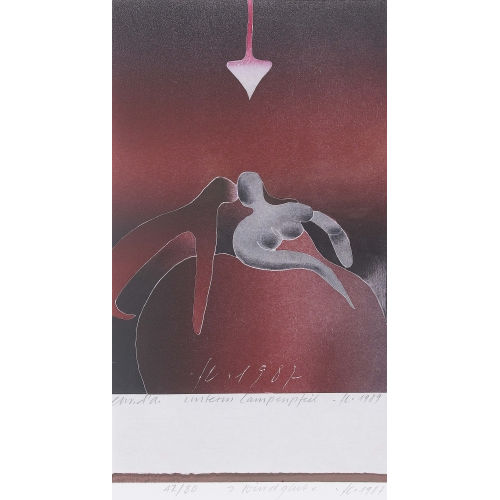
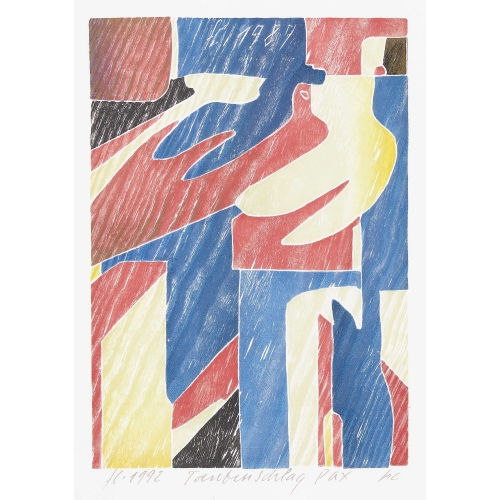
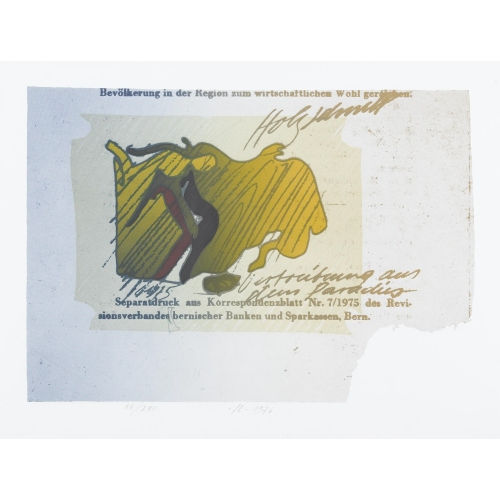
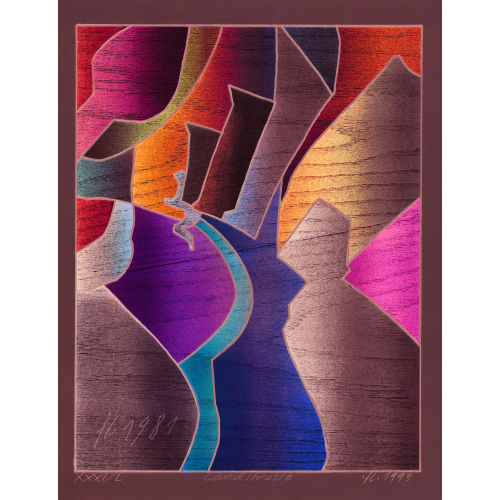
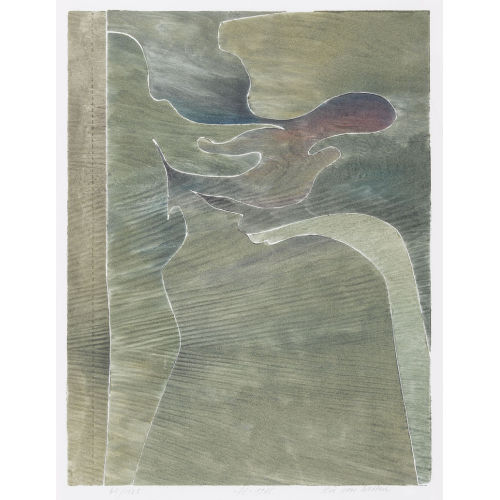
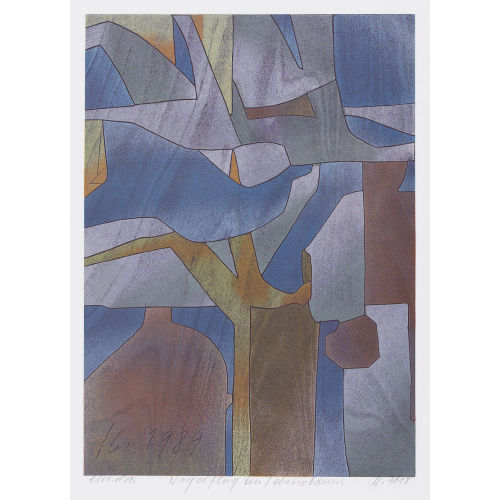
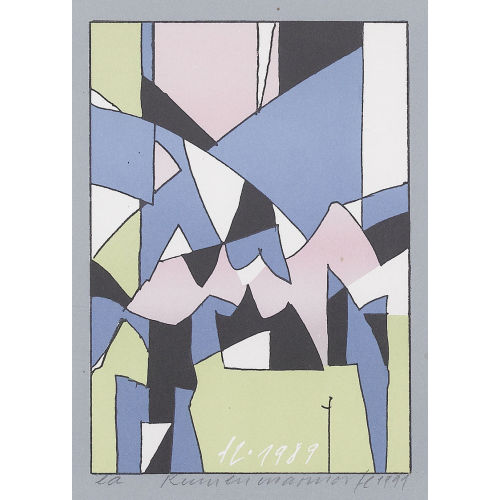
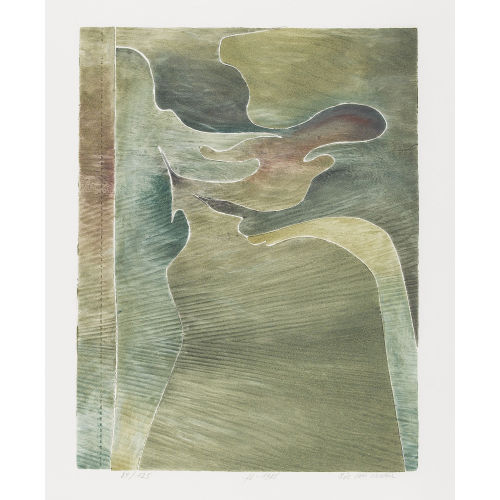
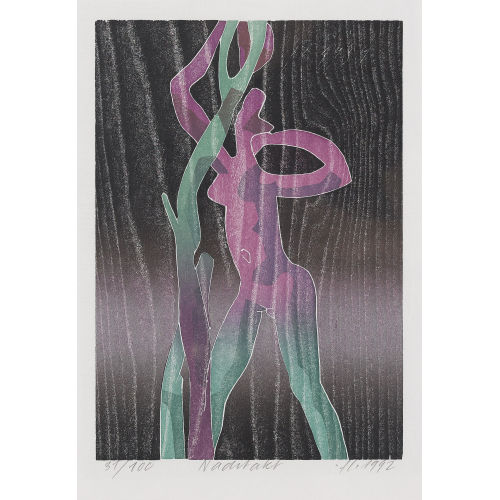
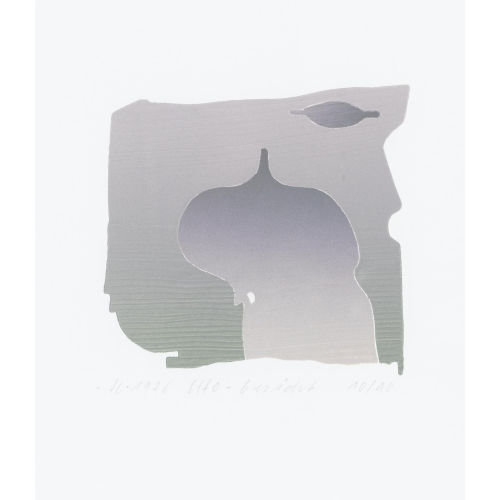
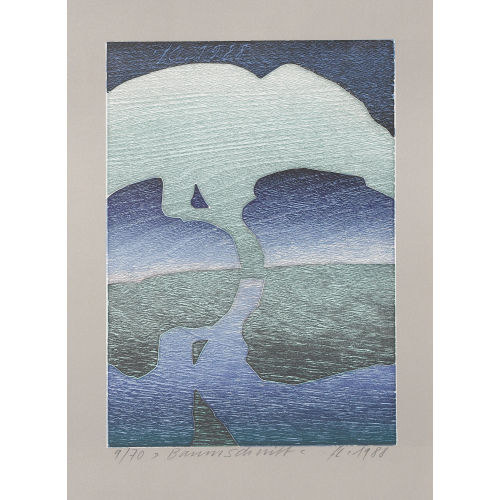
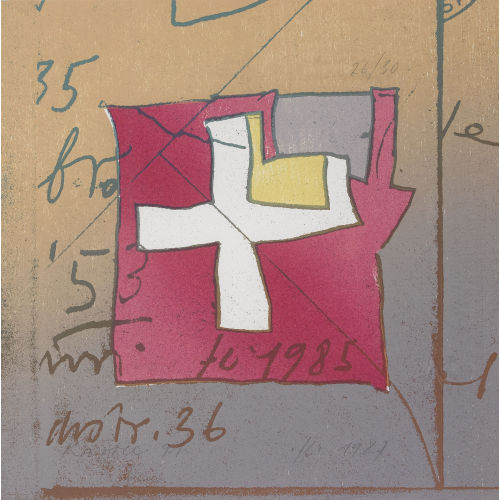
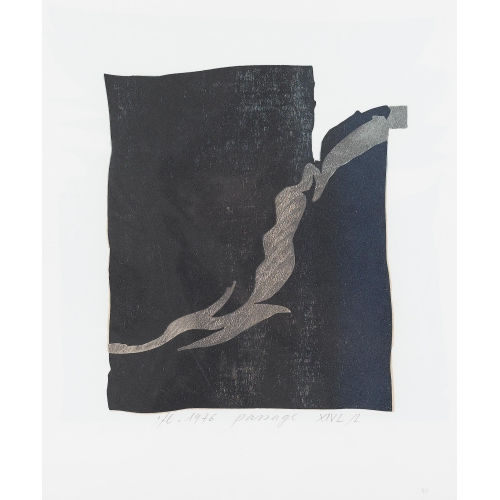
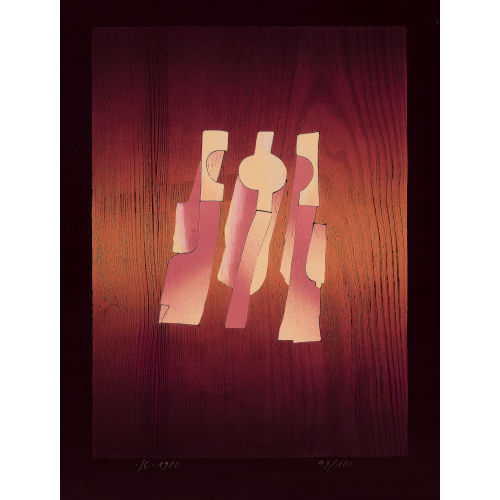
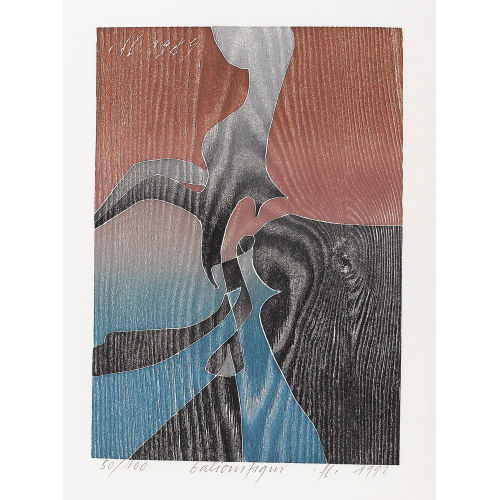
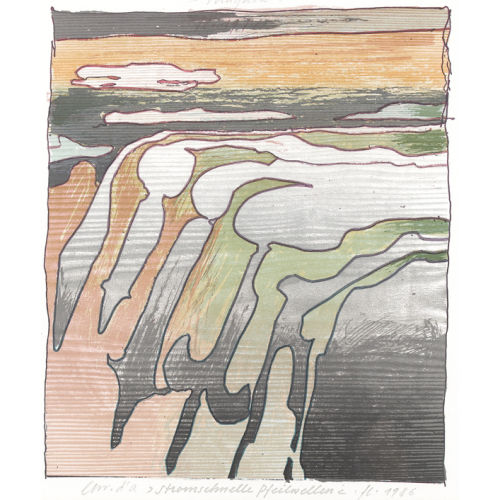
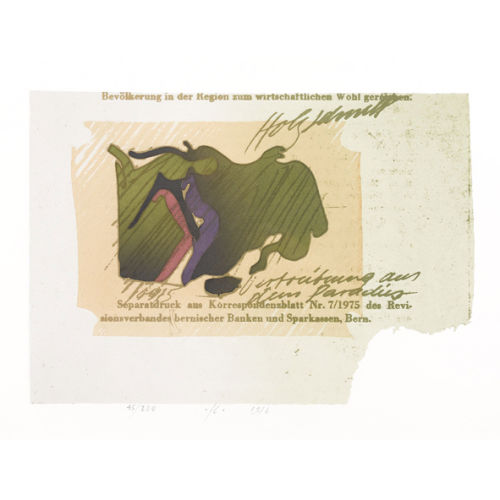
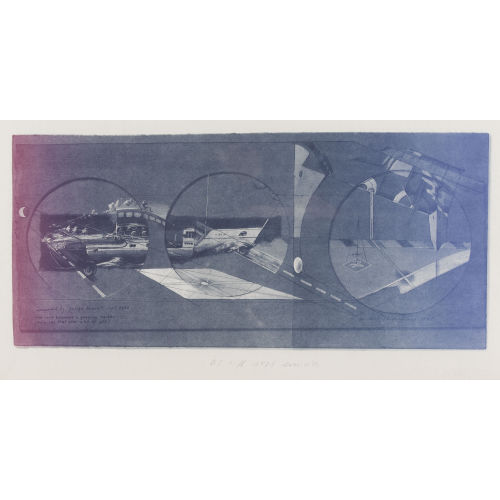
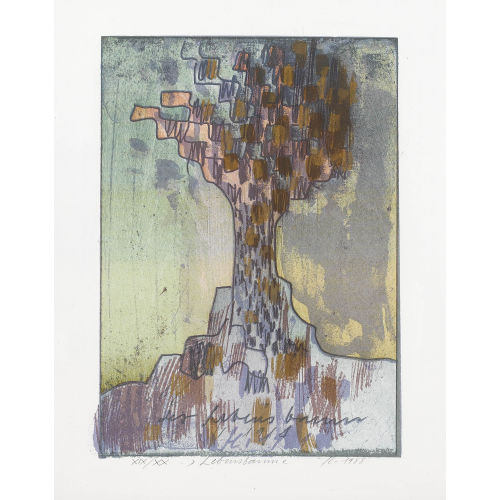
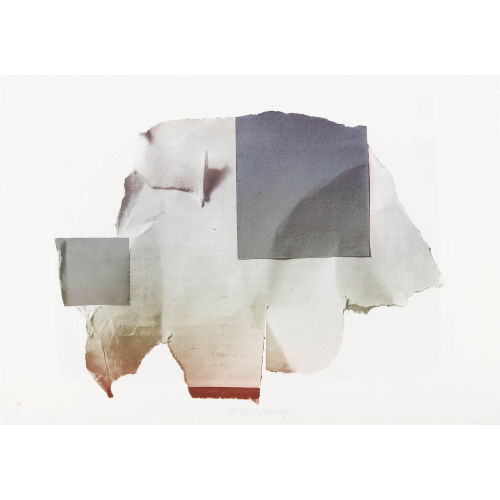
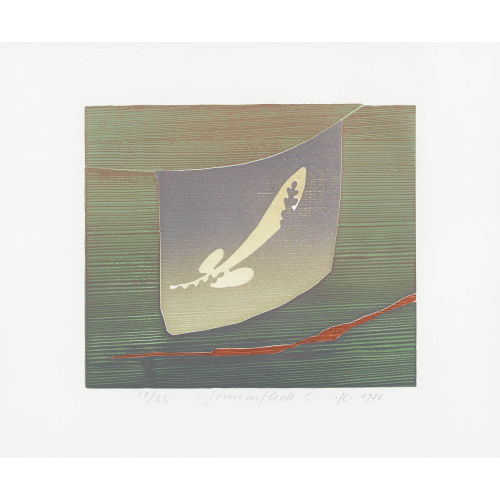
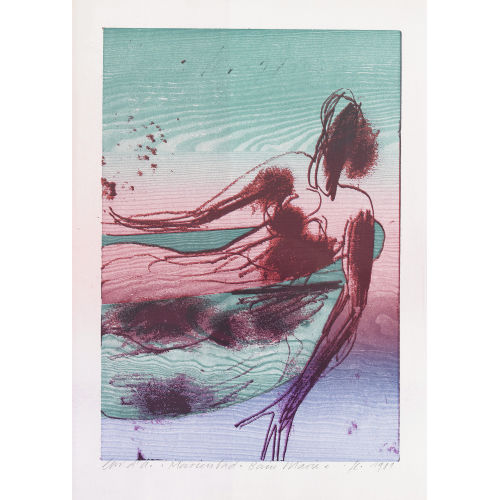
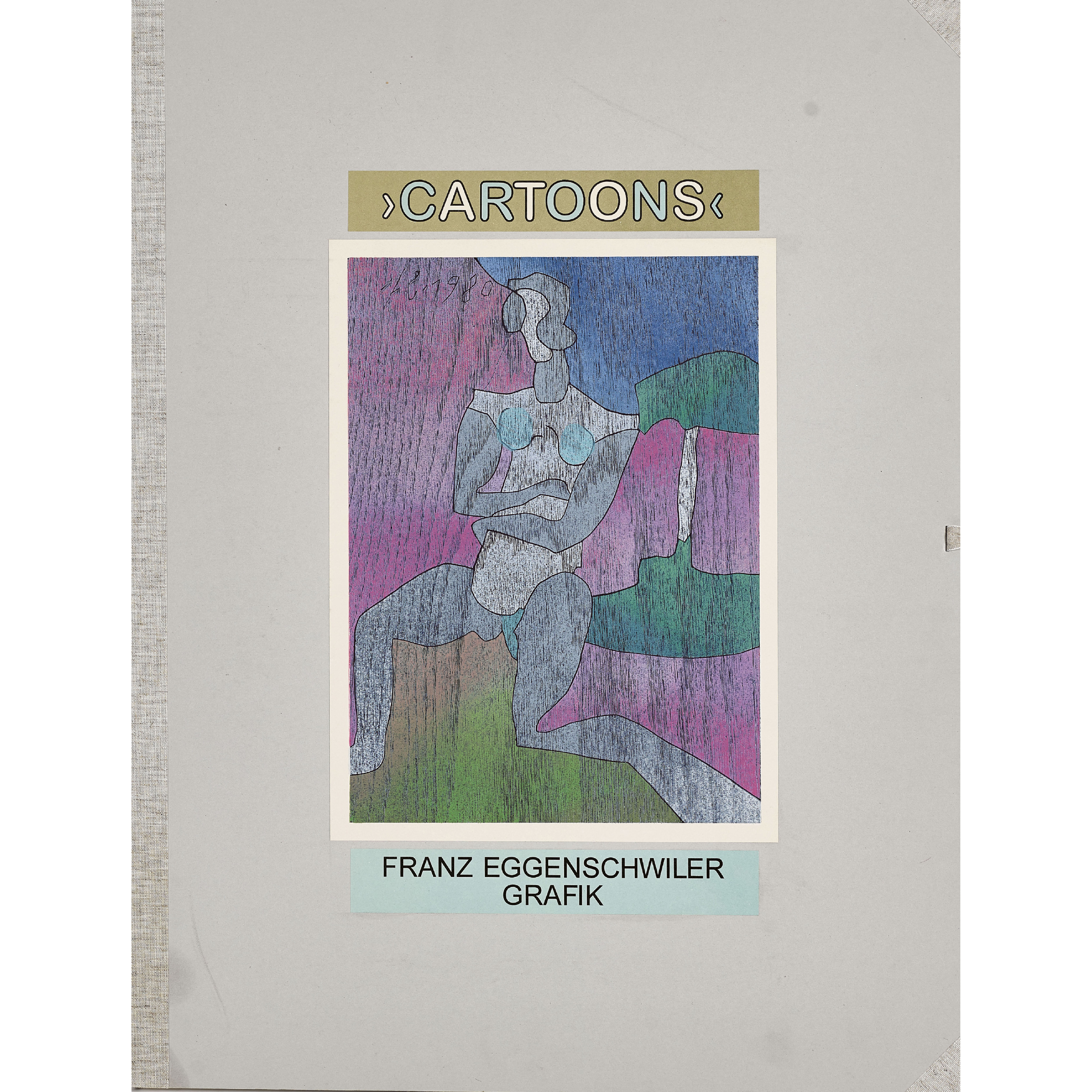
This attentiveness to discarded matter runs through a body of work that combines sculpture, assemblage, printmaking, drawing and jewellery.
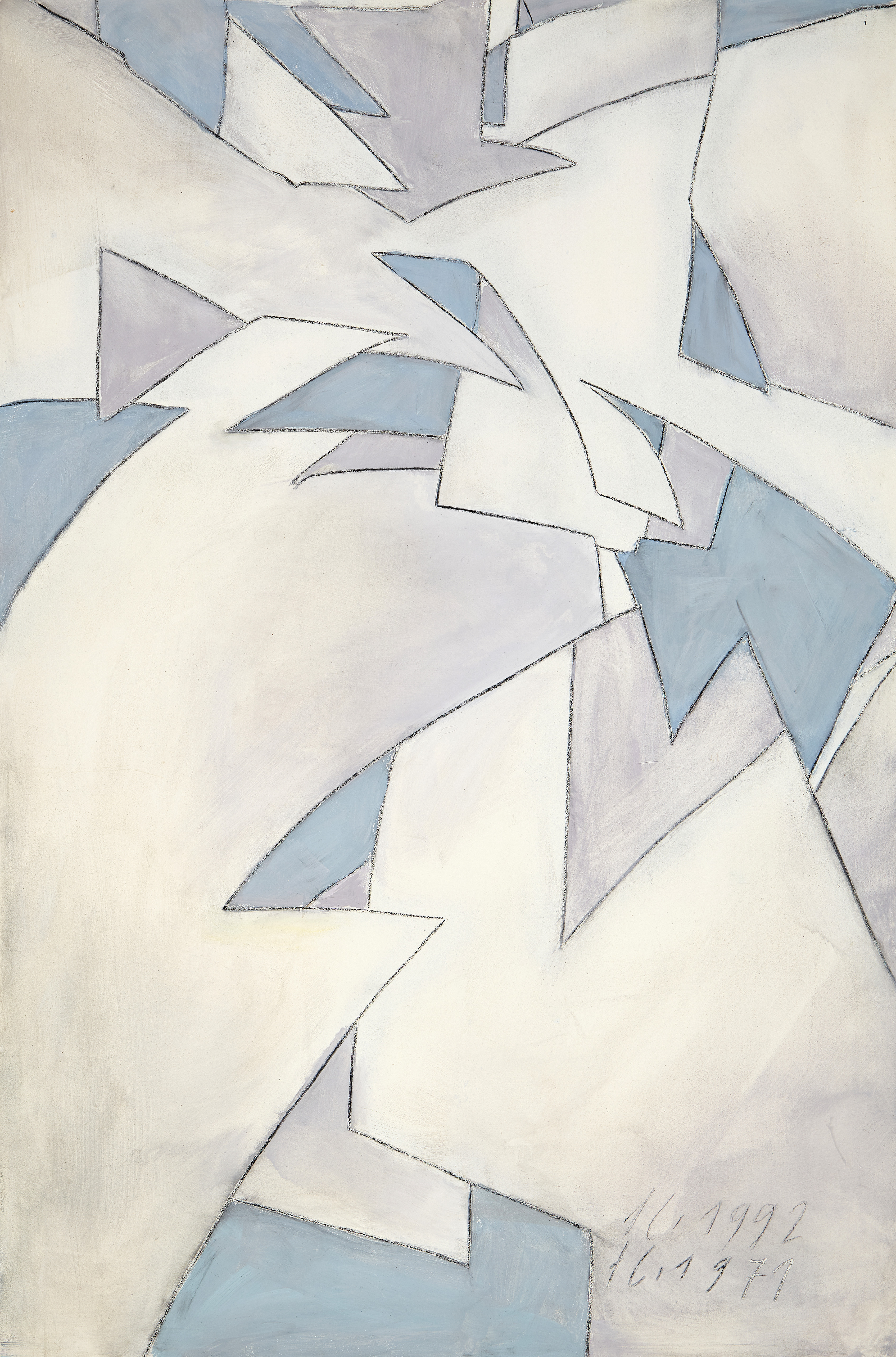
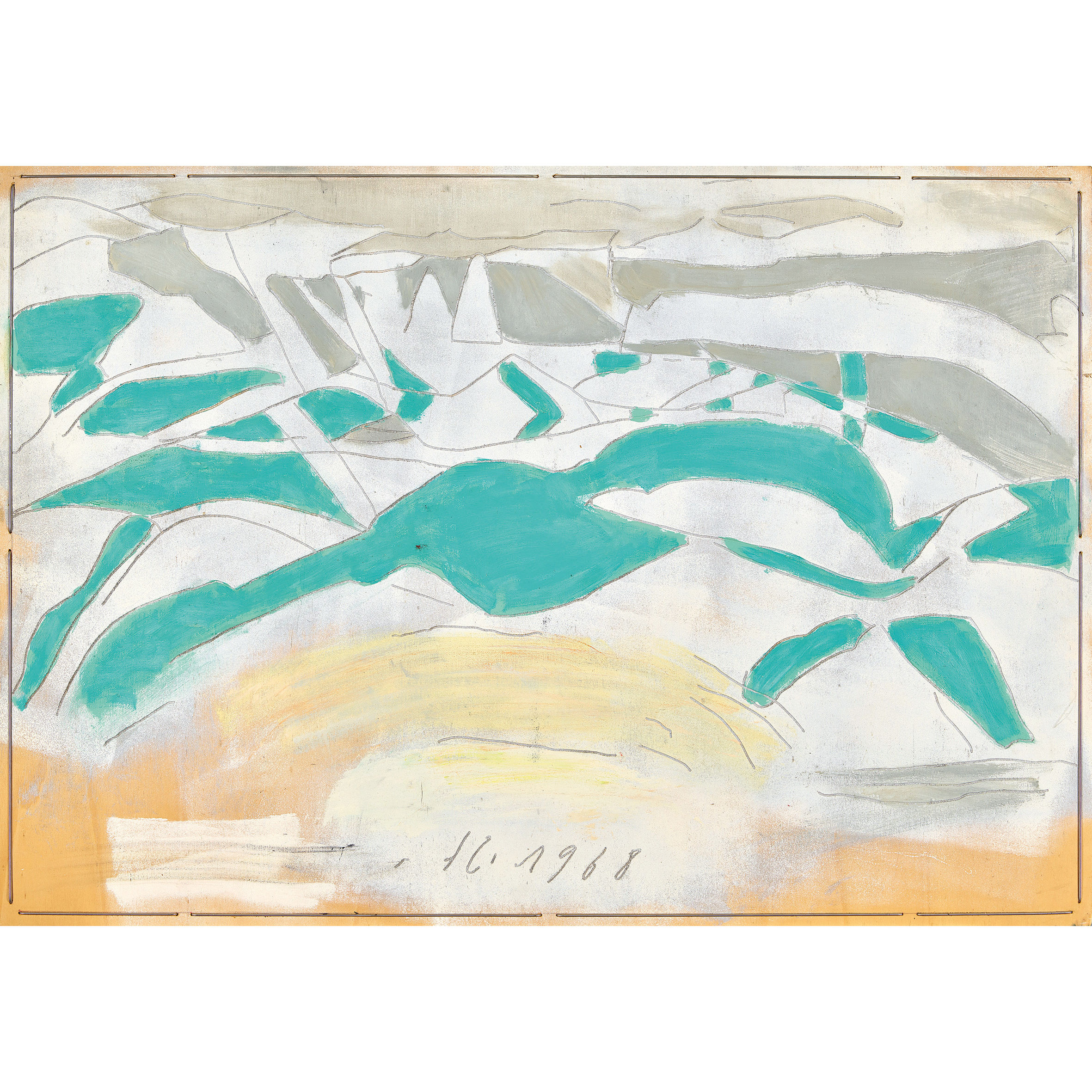
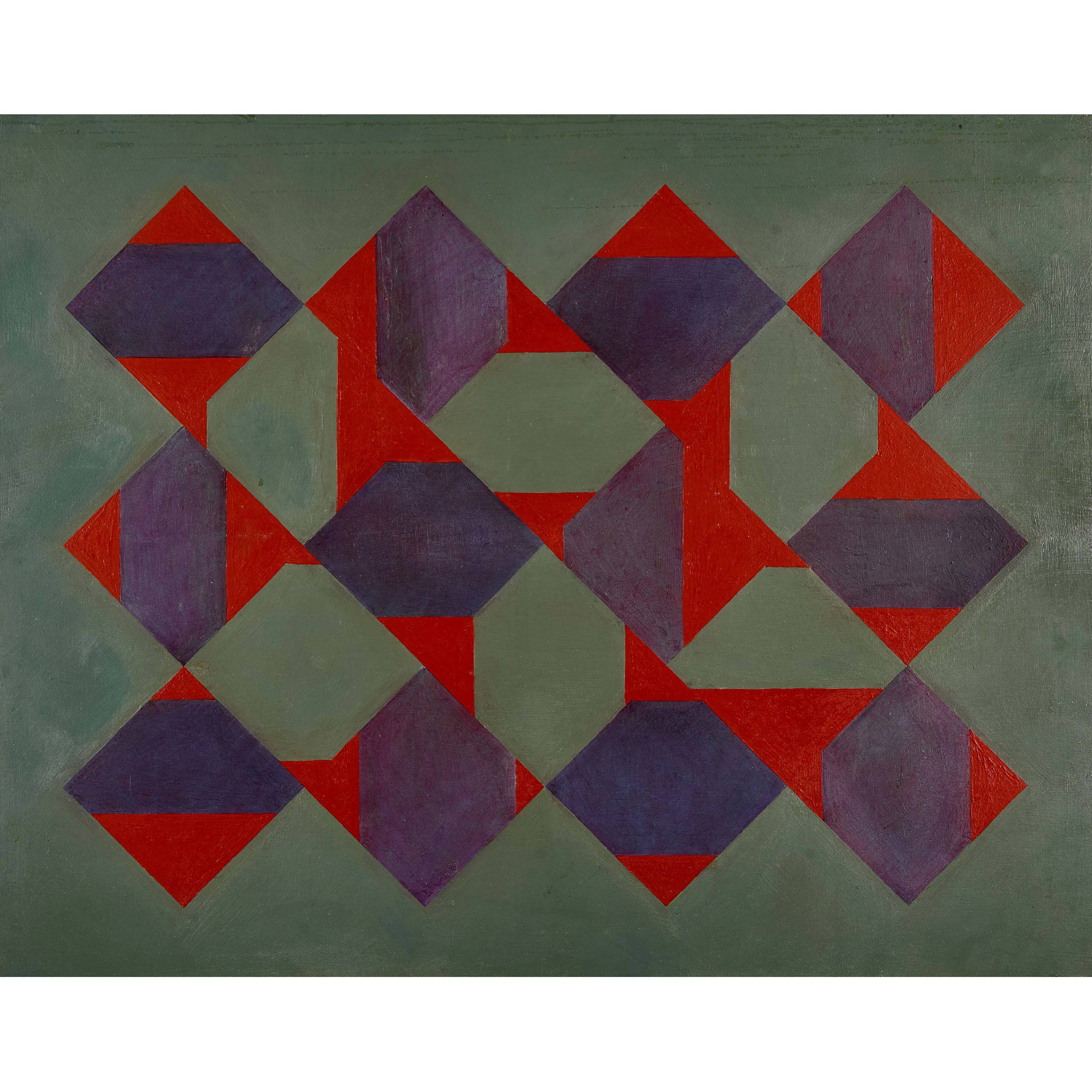
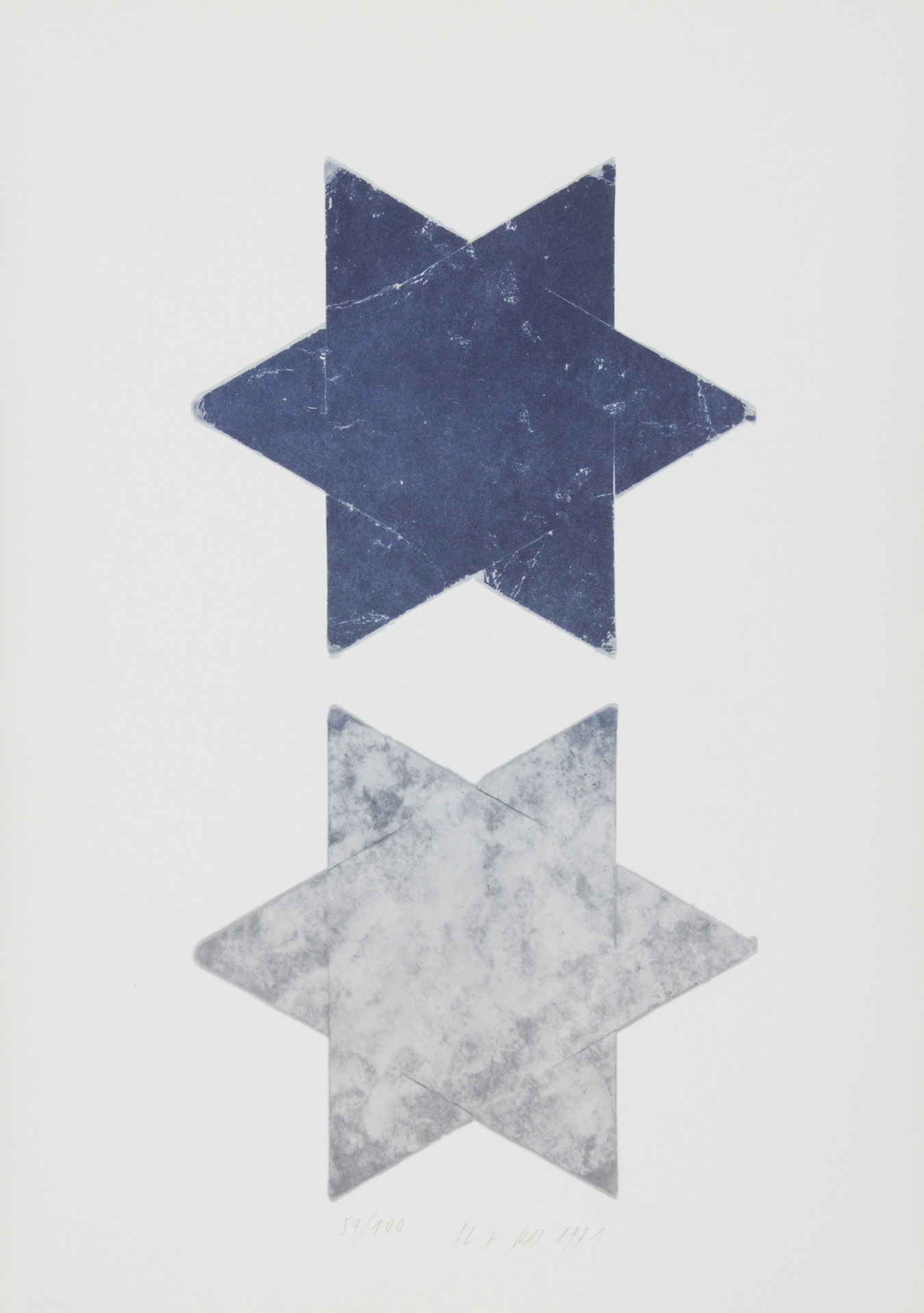
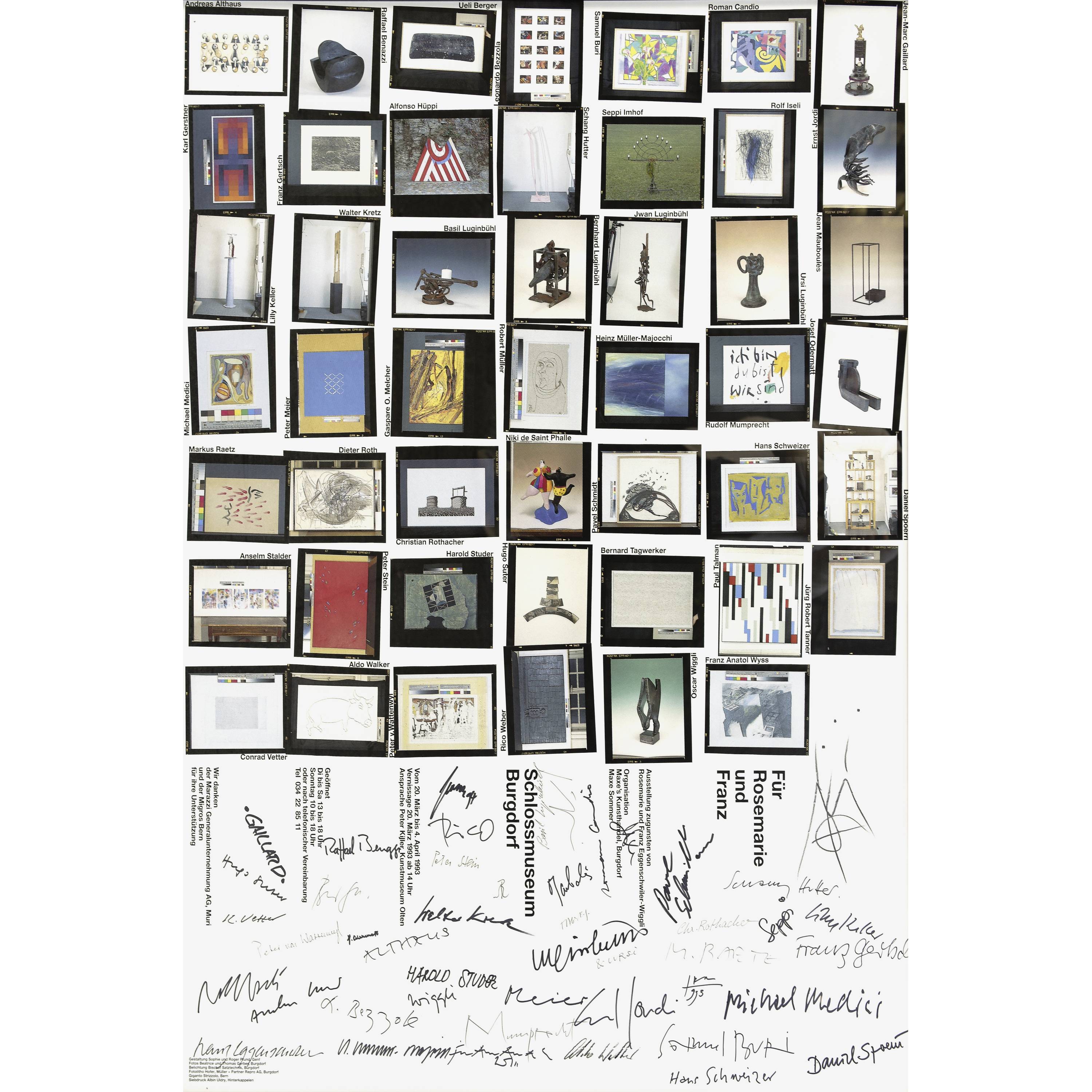
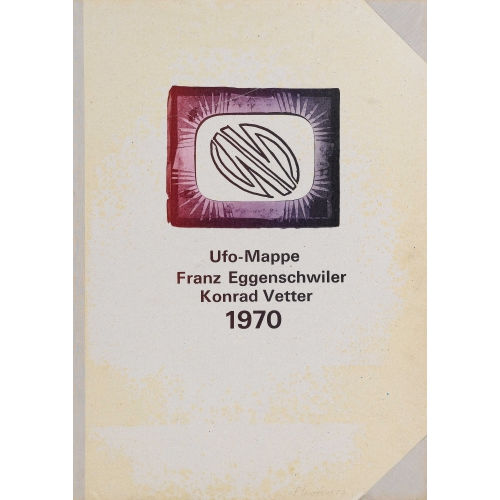
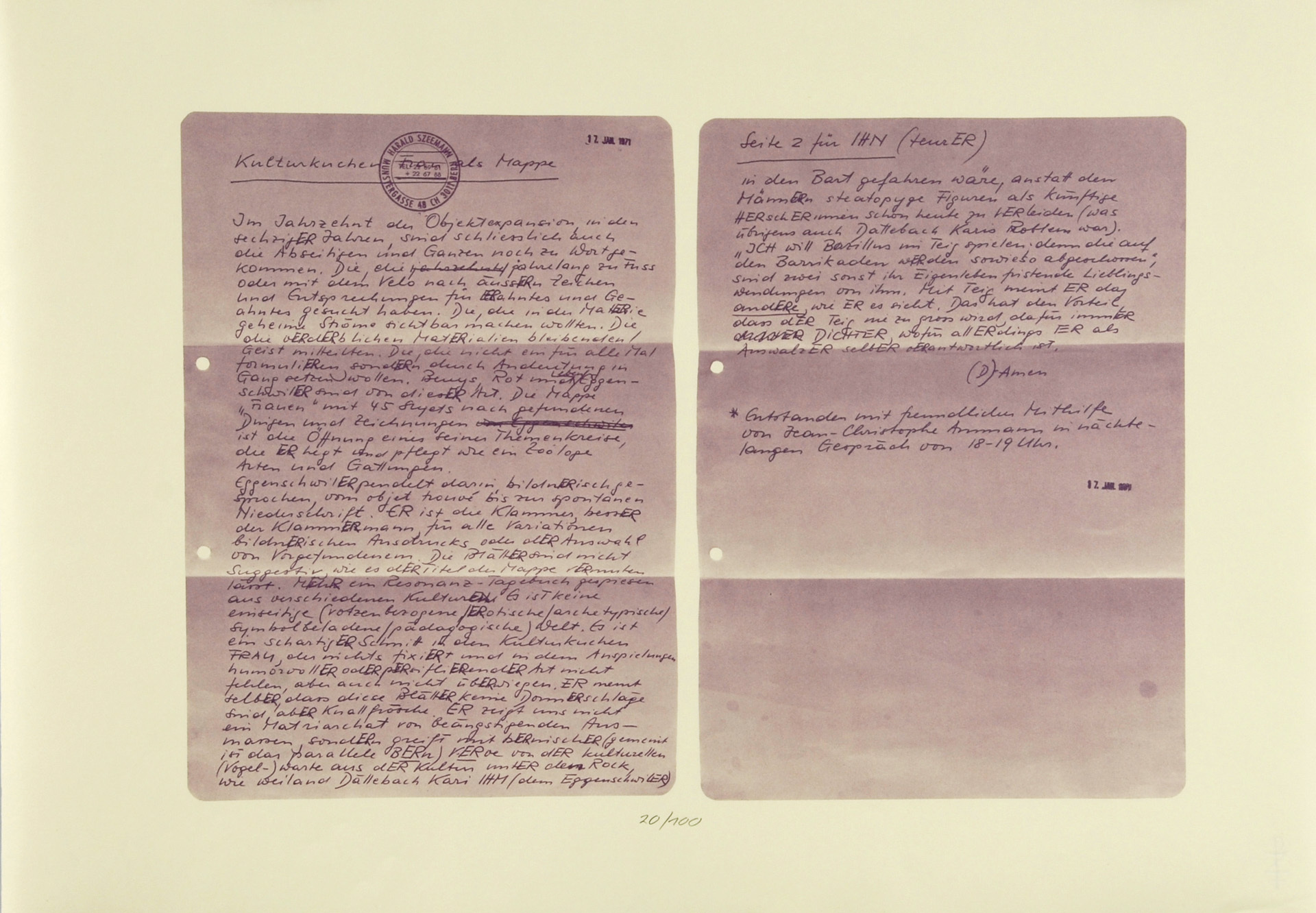
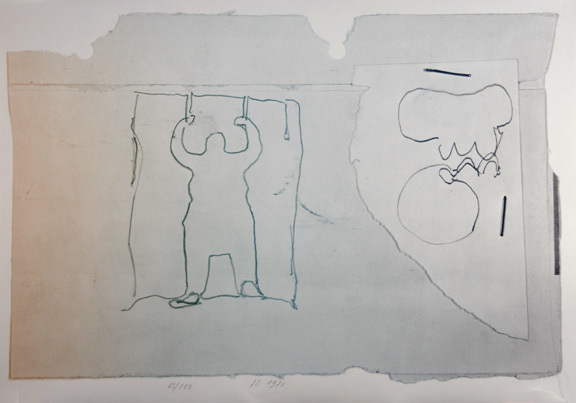
Born in Solothurn, Eggenschwiler trained as a stained-glass painter and studied in Bern, notably under Max von Mühlenen. From 1955 to 1971, together with Peter Meier, Konrad Vetter and Robert Wälti, he took part in the Berner Arbeitsgemeinschaft, a collective studio open to graphic experimentation. His early compositions question geometric order; from the late 1960s onwards, found objects and waste assumed an increasingly important place in his assemblages.
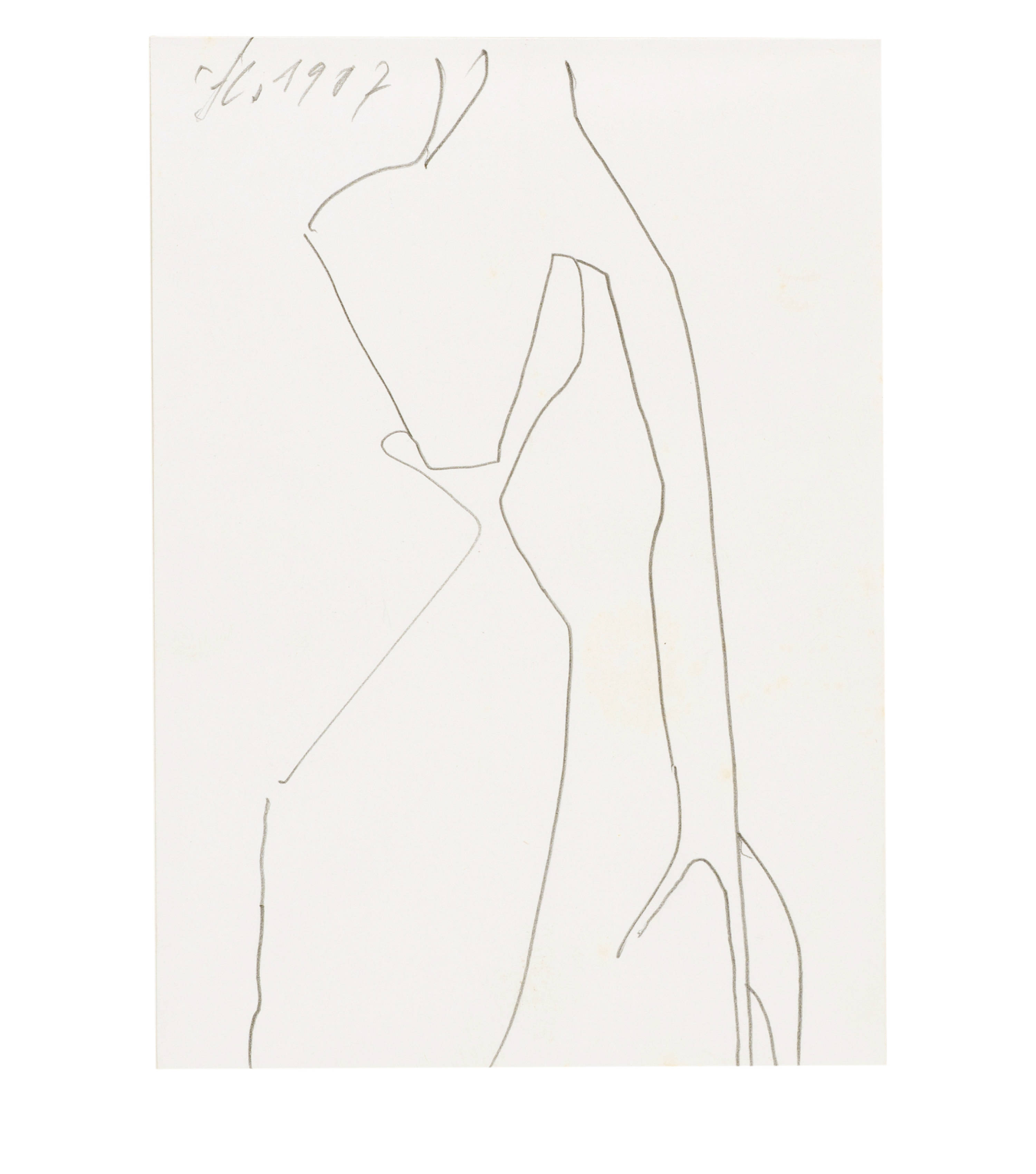
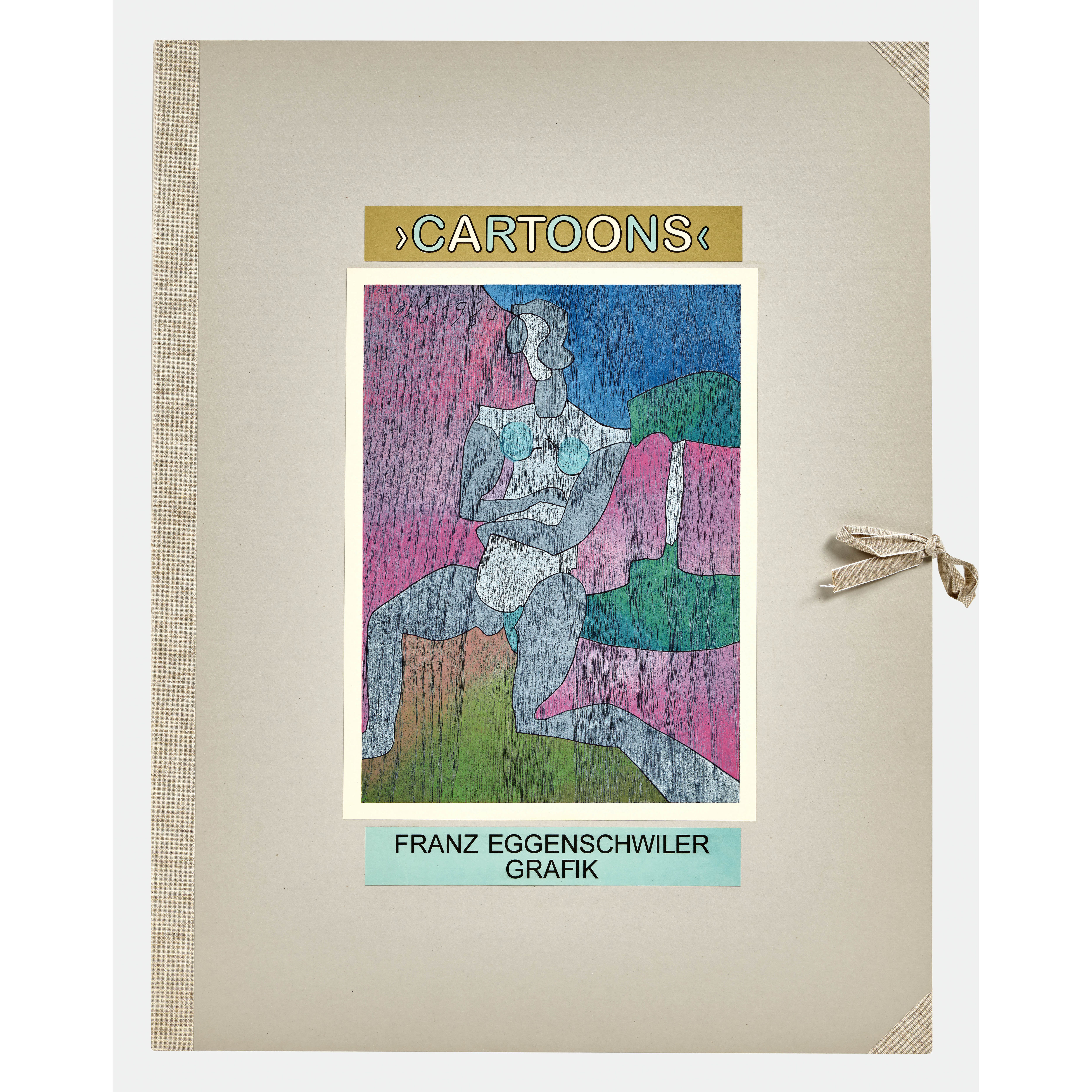
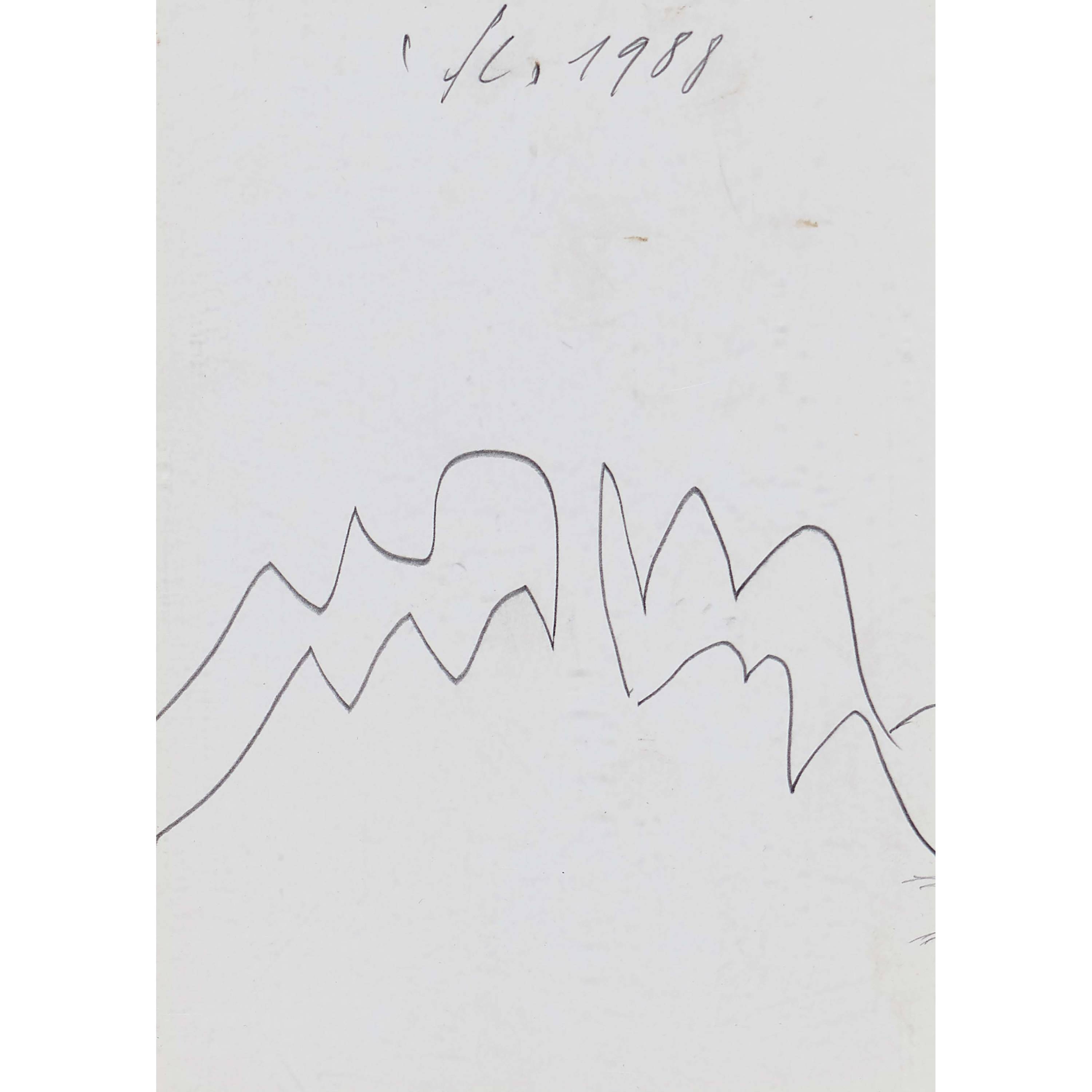
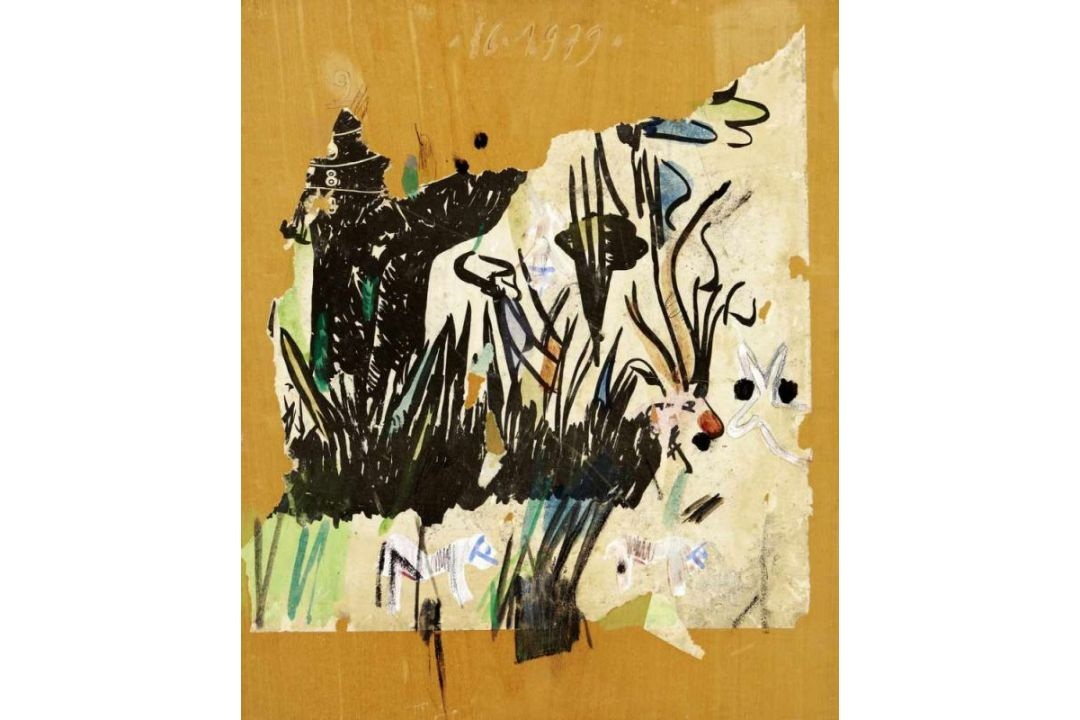
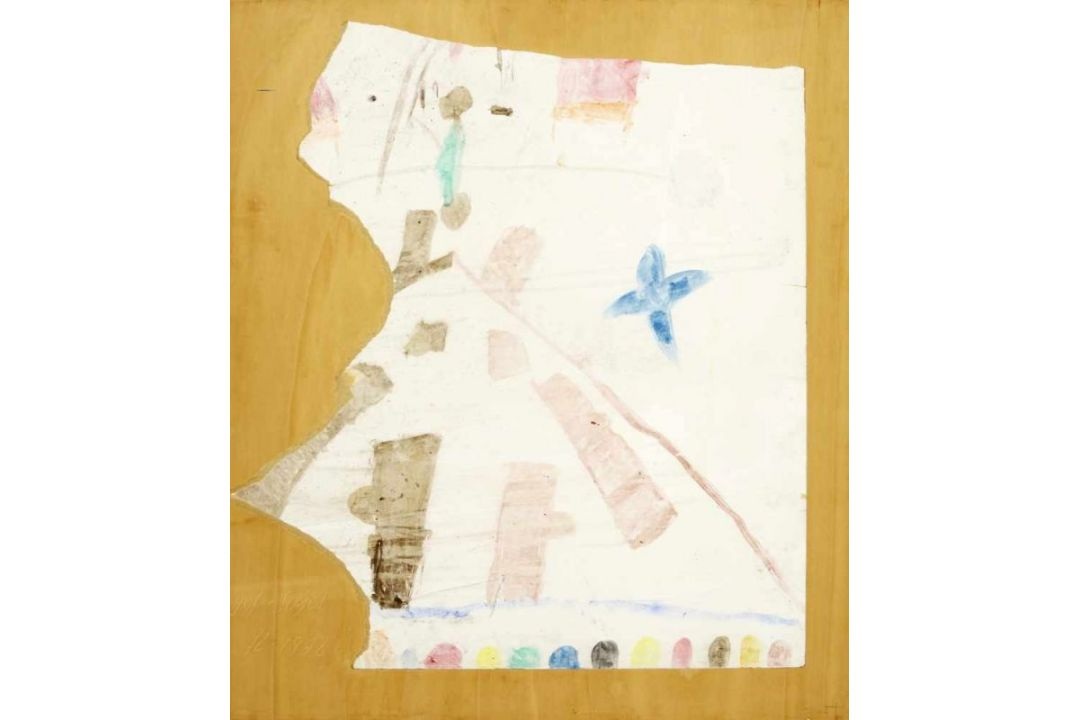
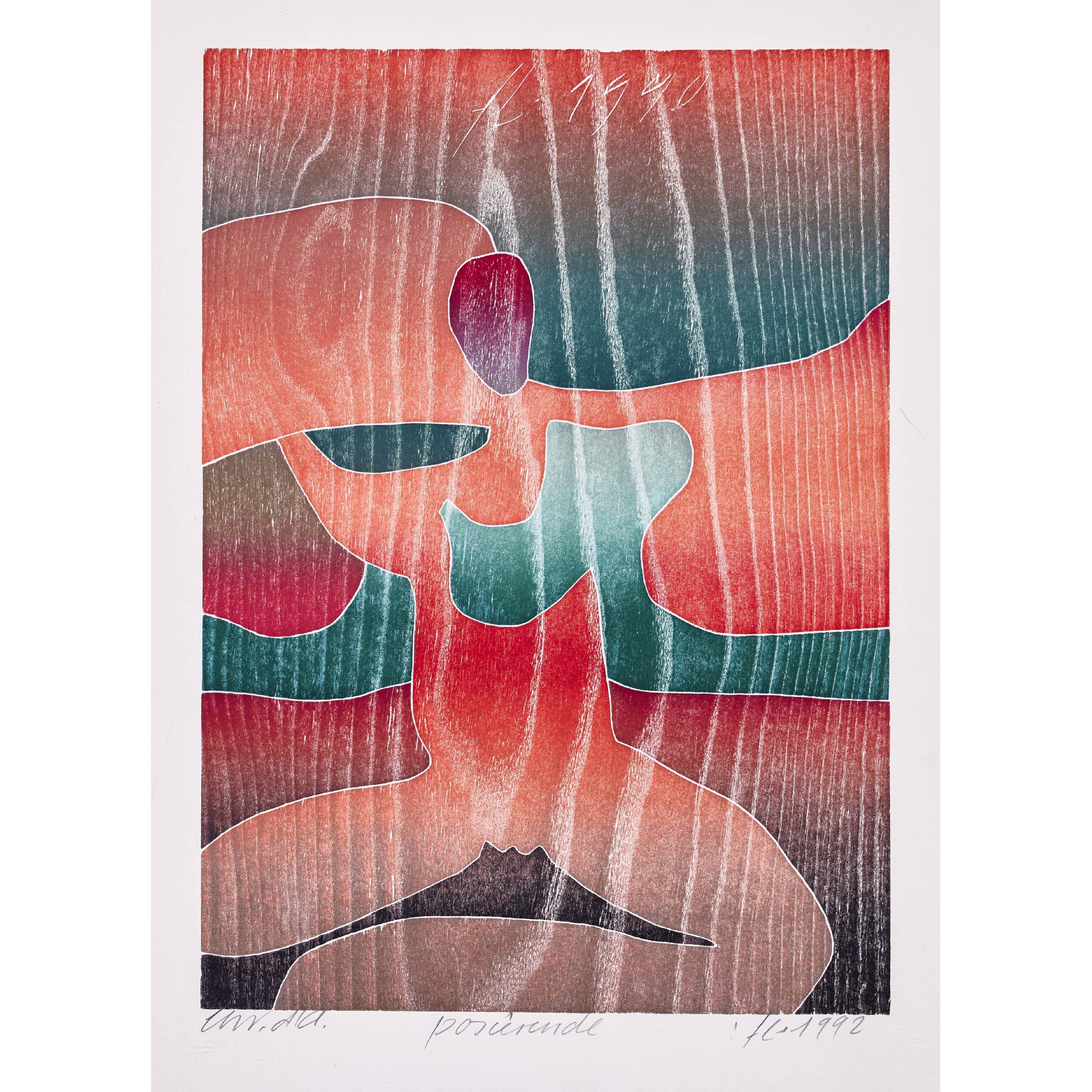
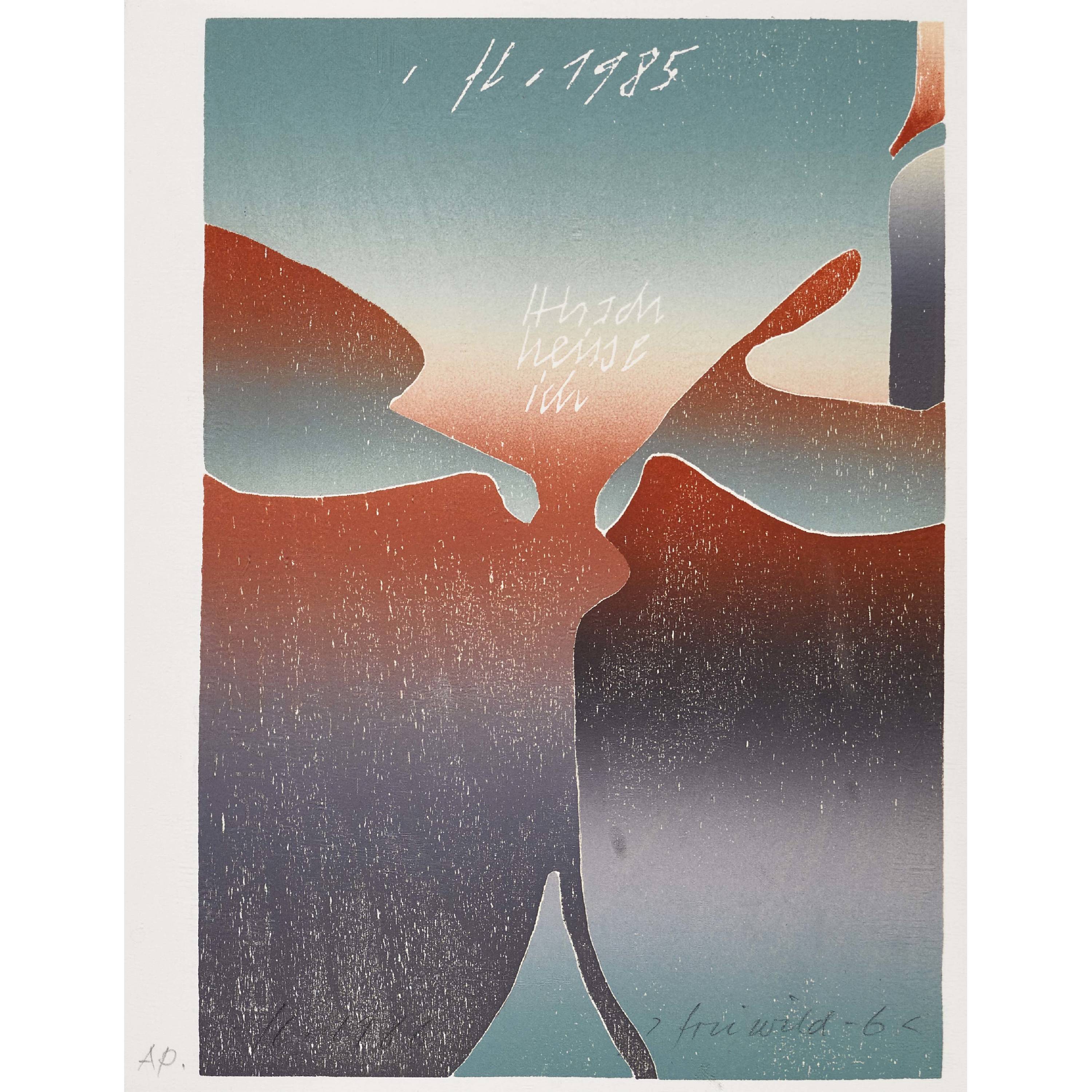
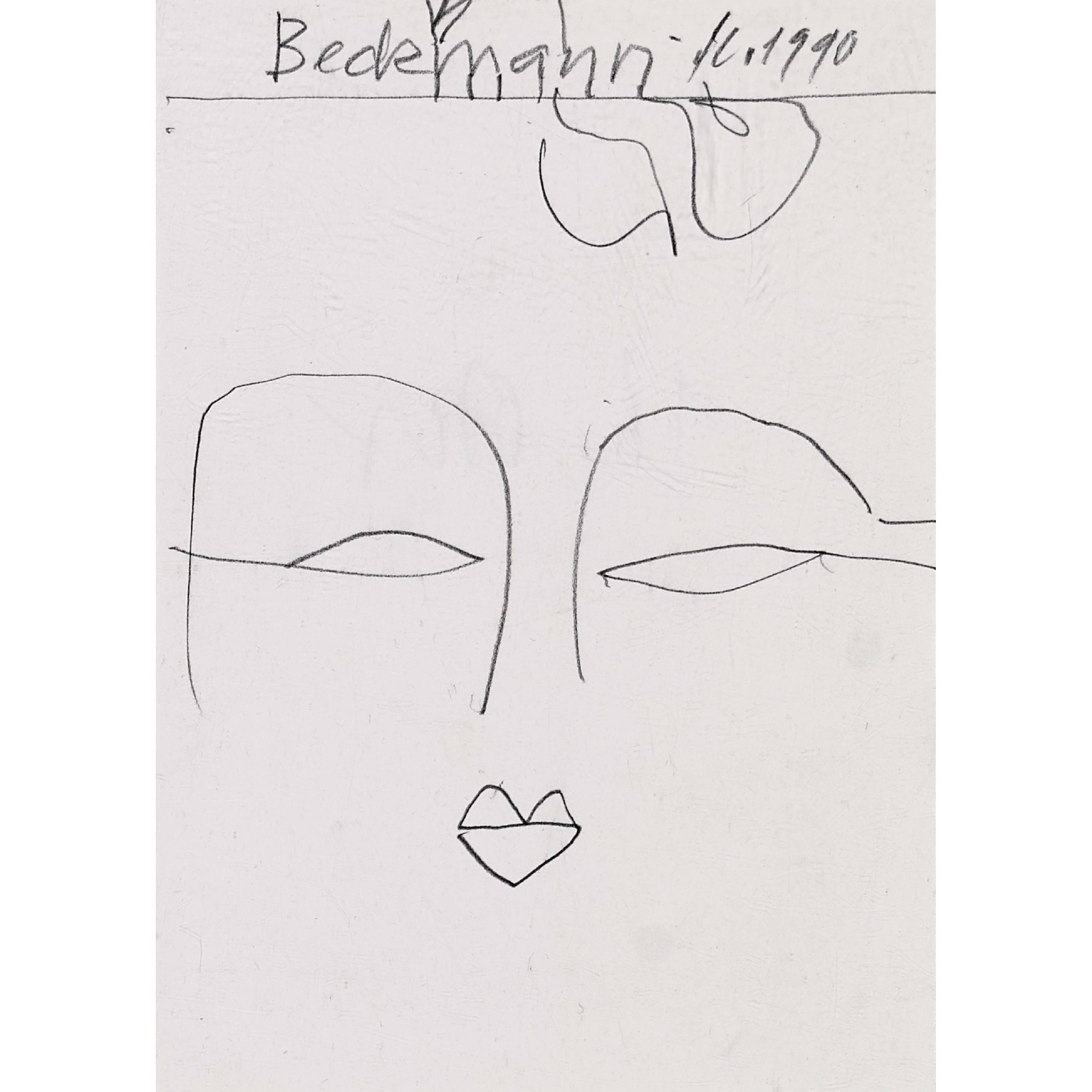
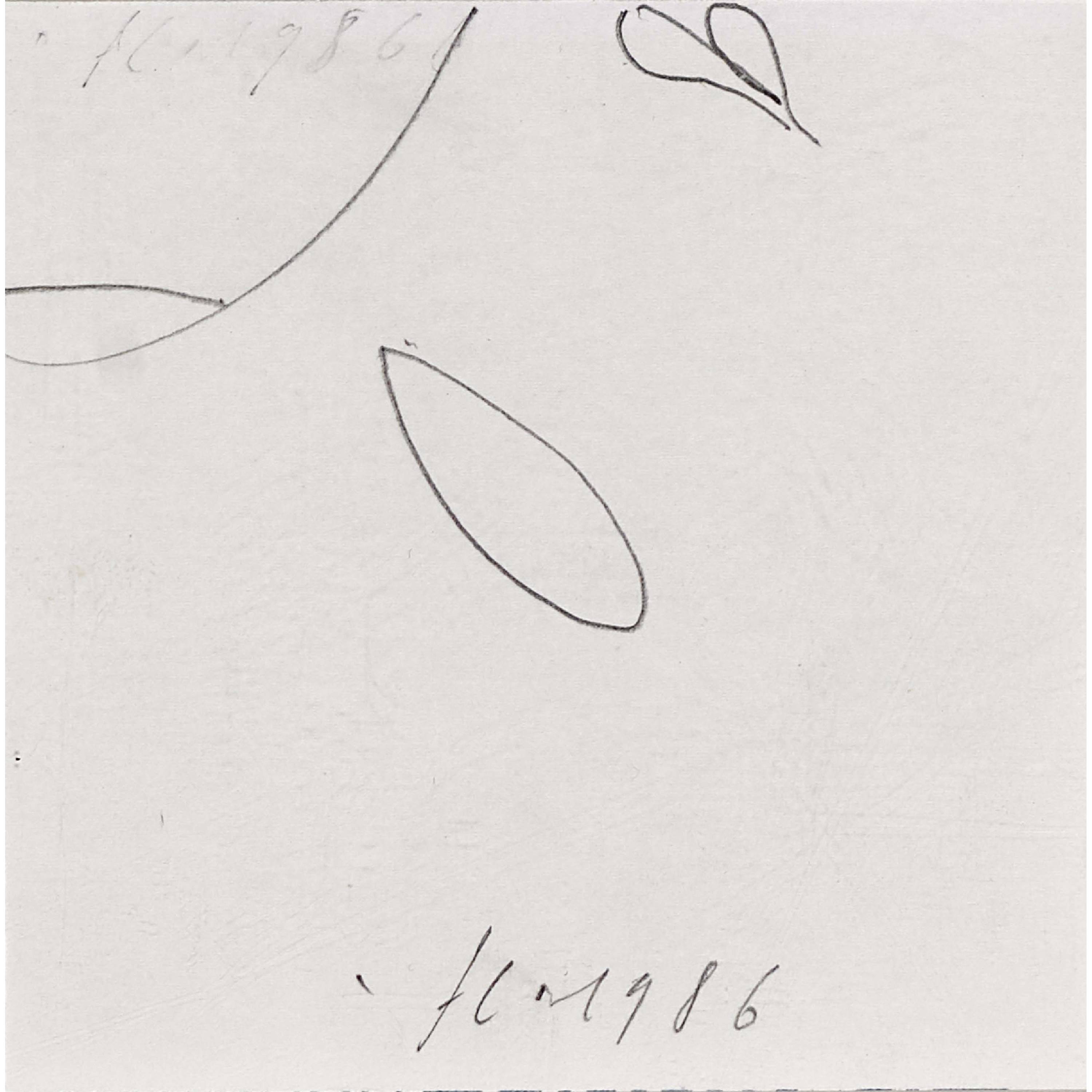
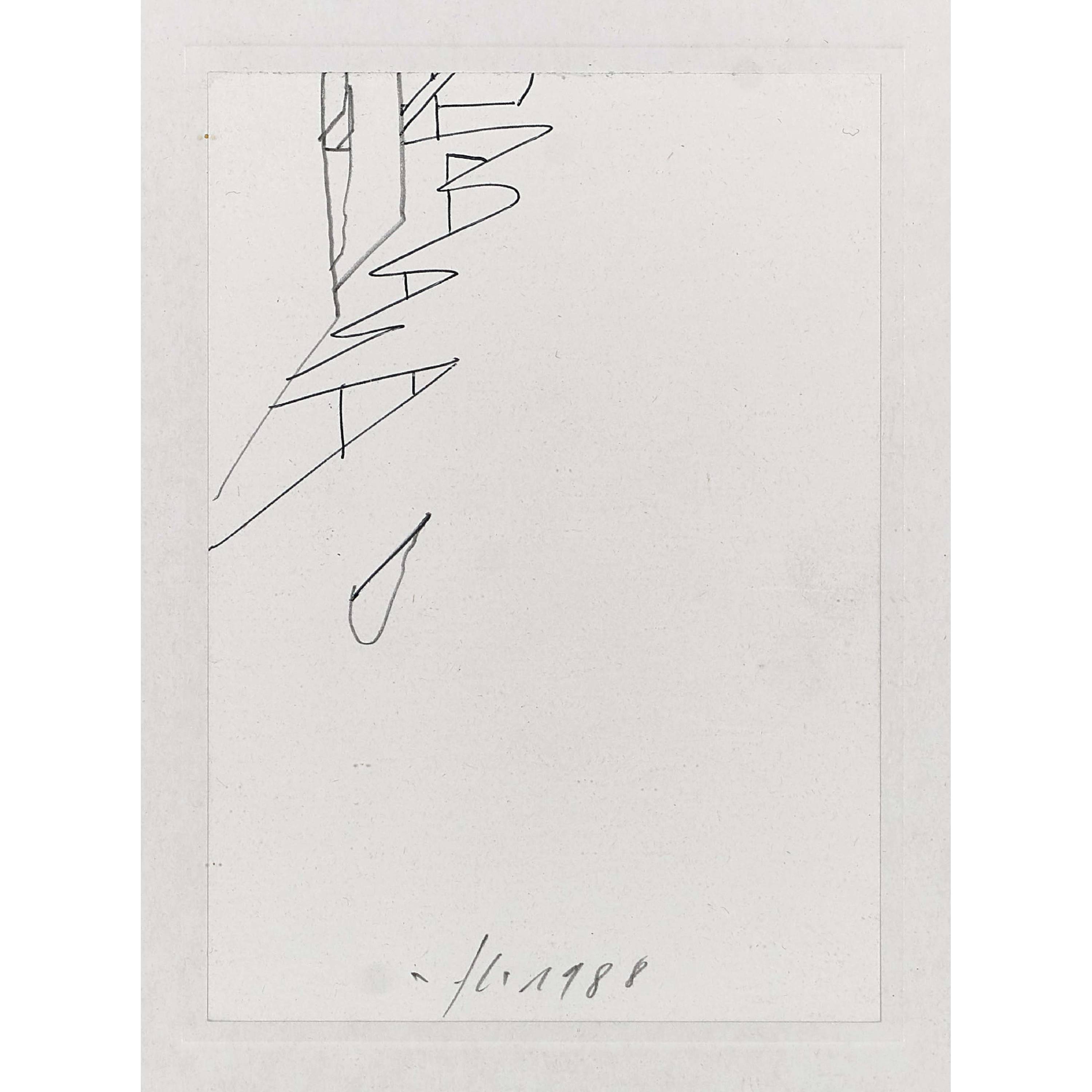
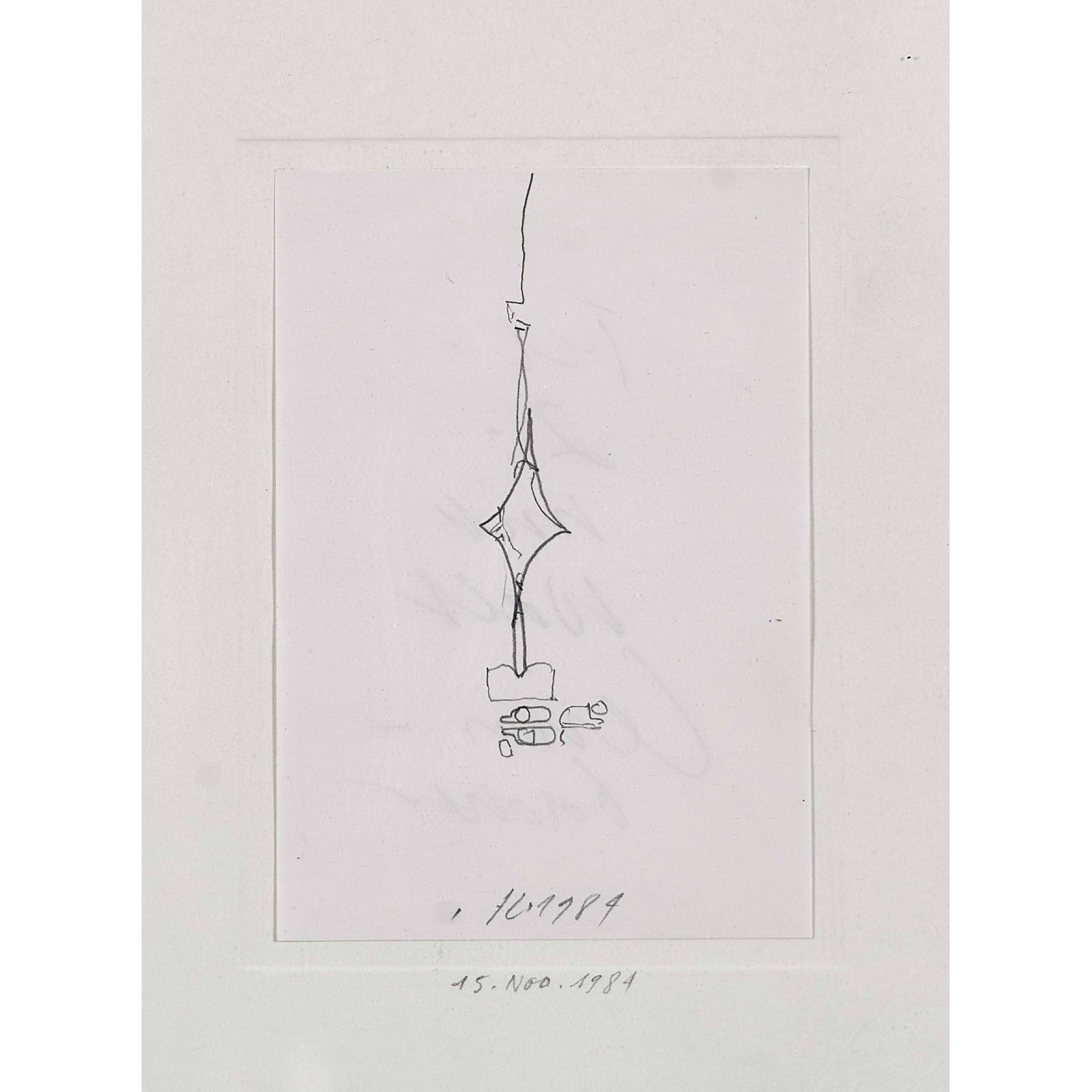
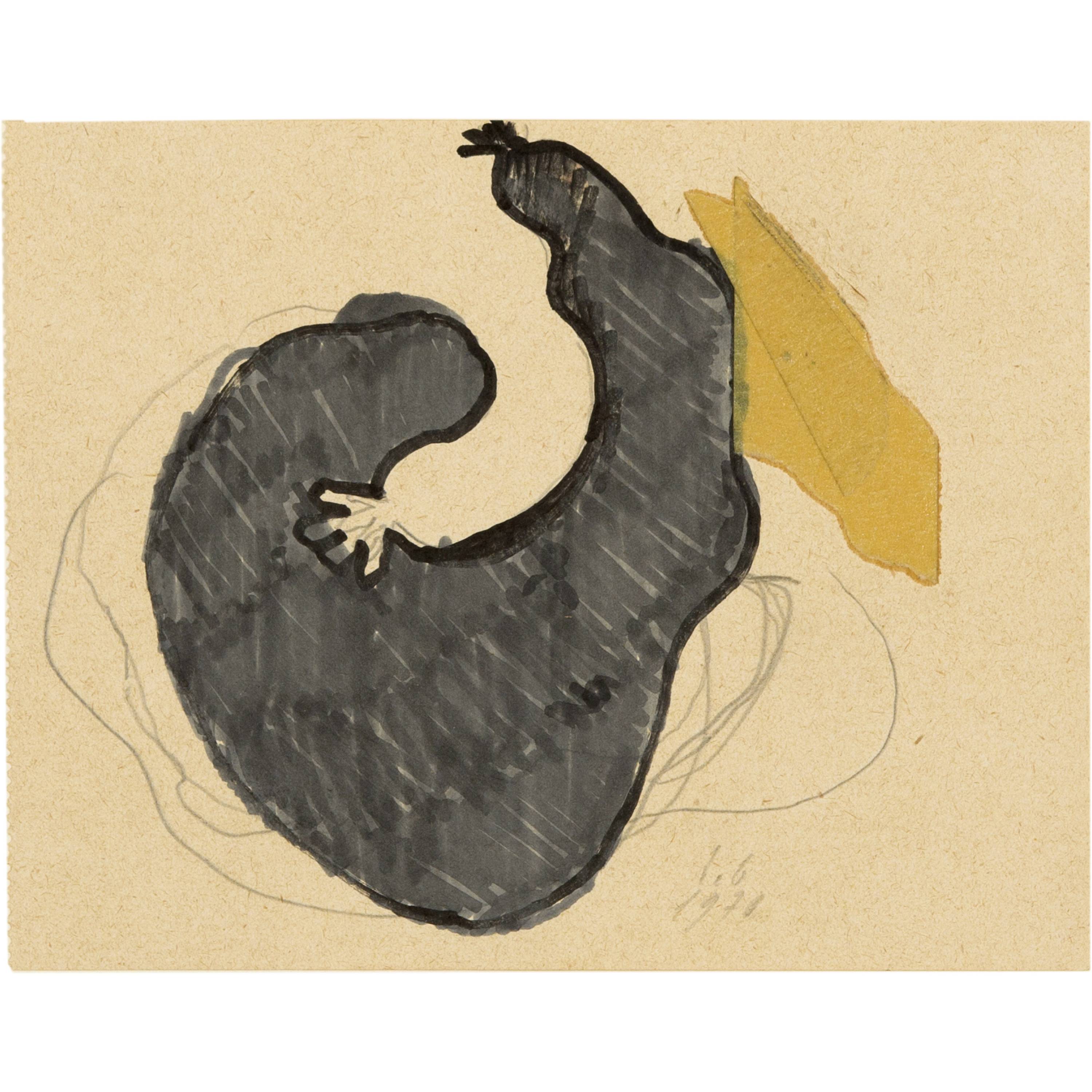
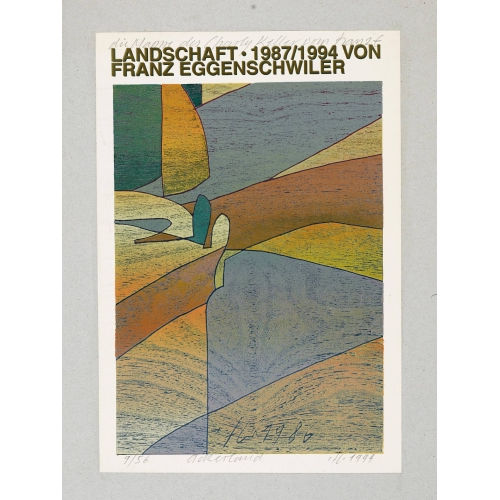
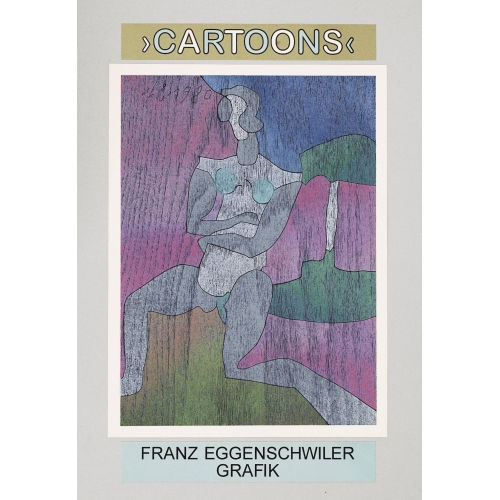
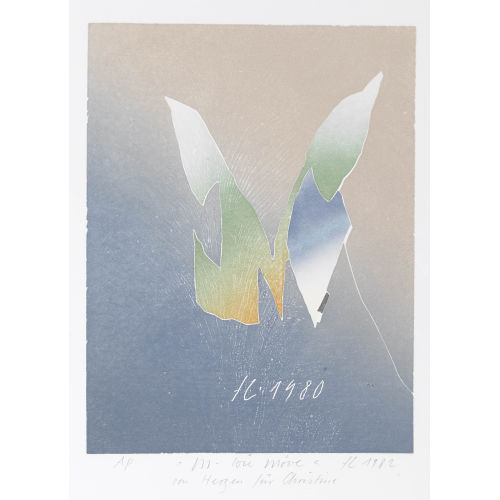
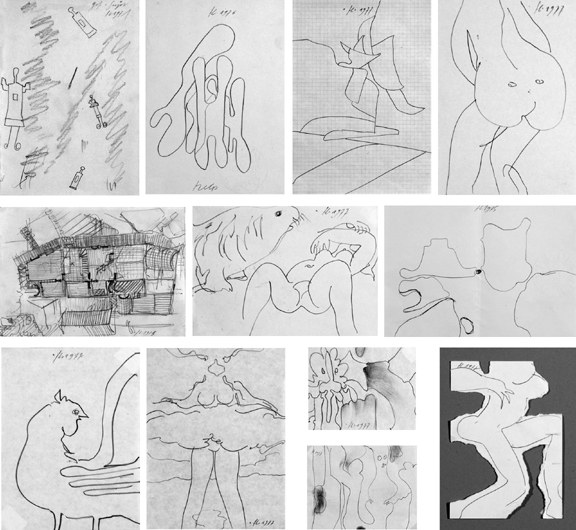
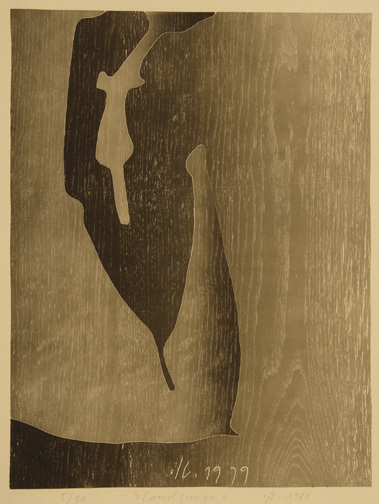
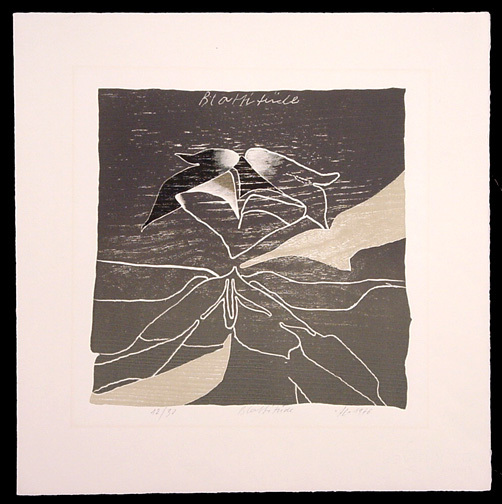
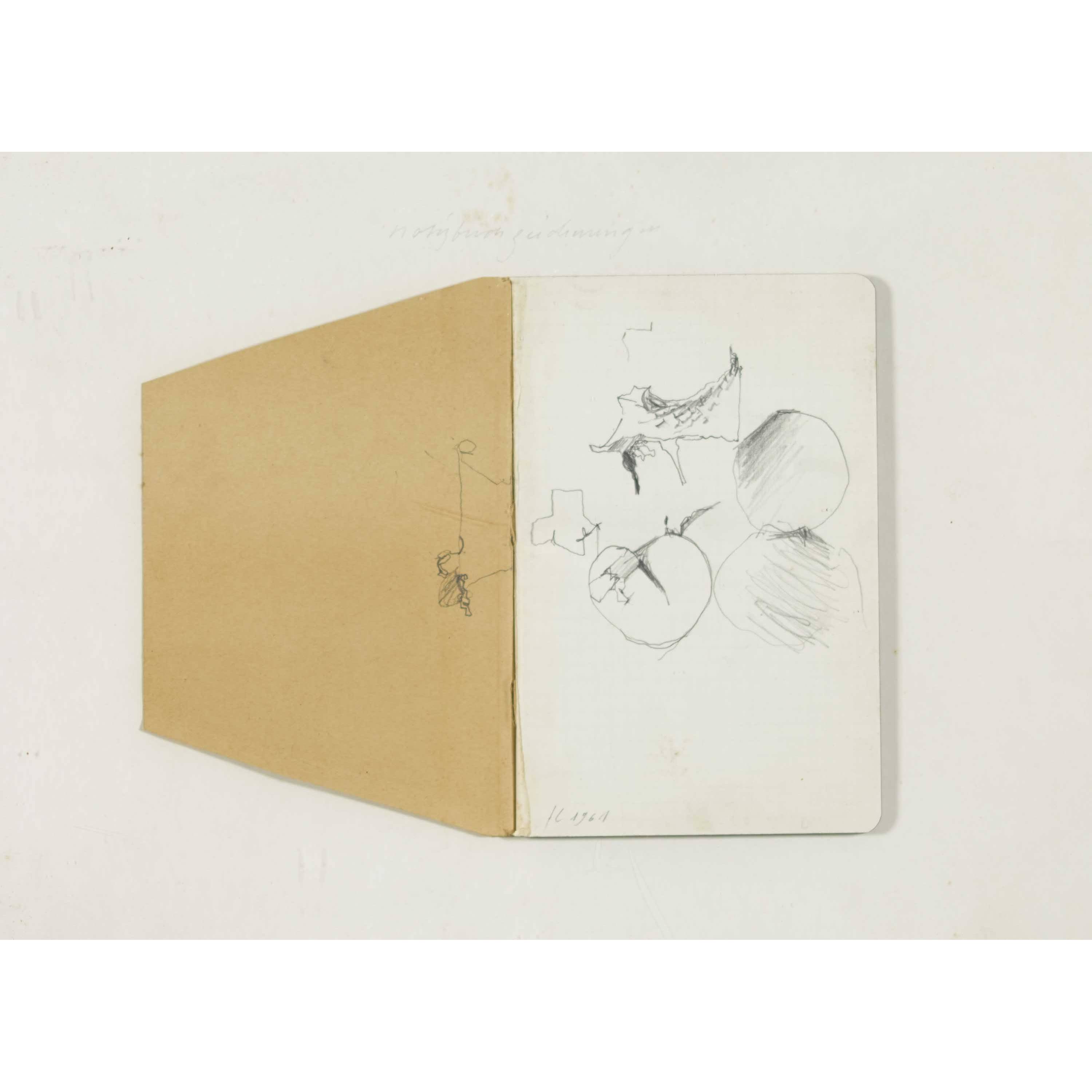
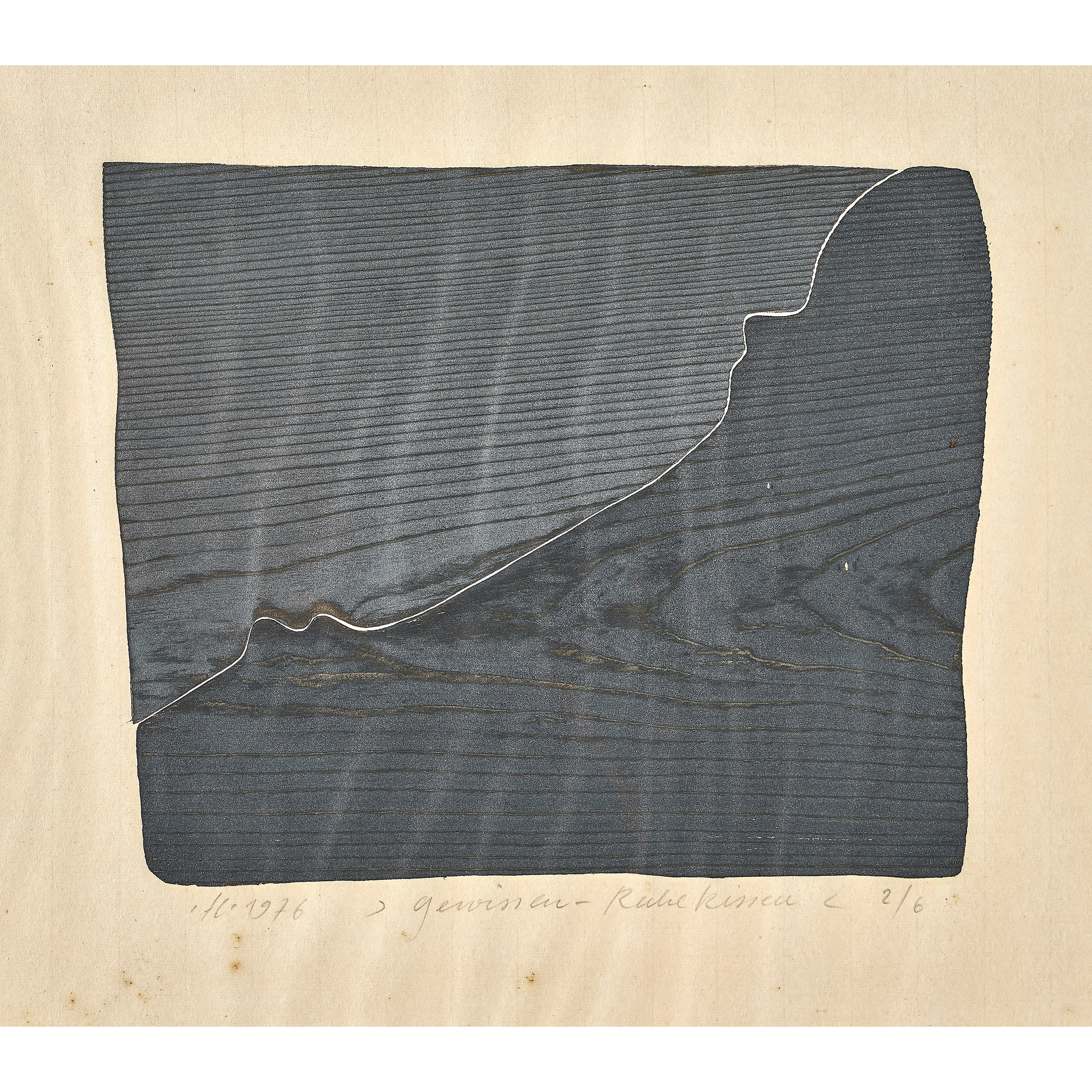
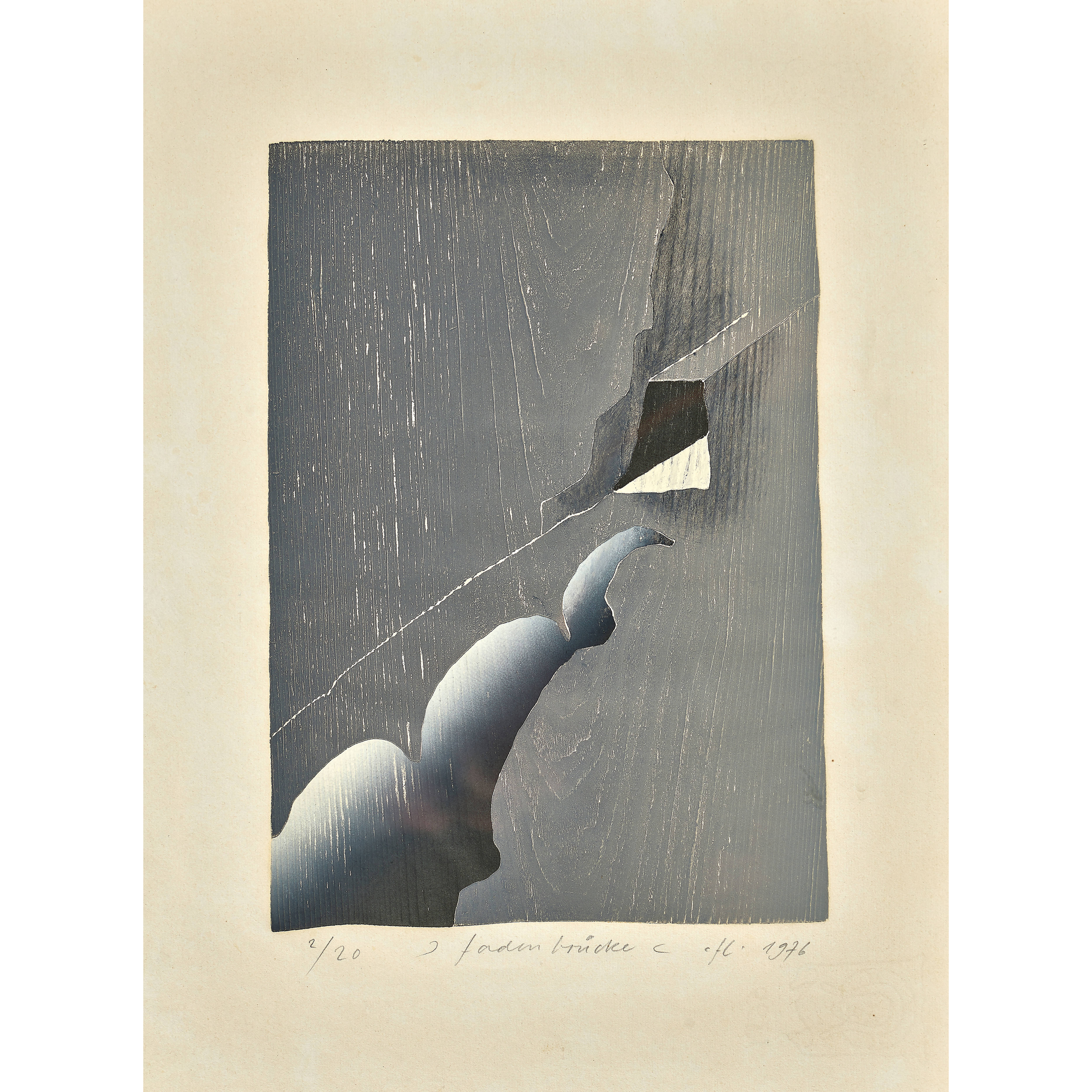
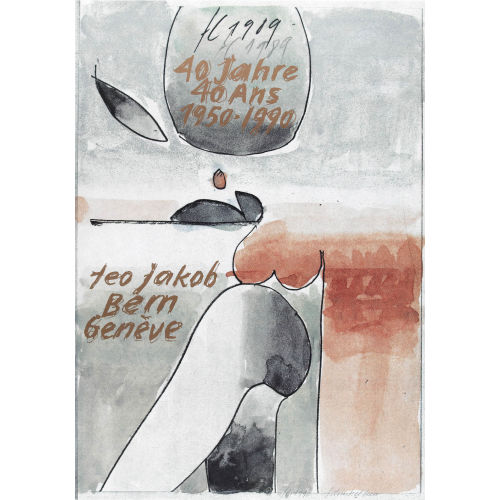
He also explored offset printing and woodcut, as well as small drawings made during telephone conversations. Chance provides an impetus, but selection, assemblage and repetition give the fragments their structure.
The monumental relief with compartments, «Mensch, Sicherheit und Gefahr» («Man, Safety and Danger»), held by La Mobilière’s art collection, makes this approach particularly legible. In a form evocative of the map of Switzerland, found objects stand alongside elements made specifically for the work: signs, figures and materials compose a teeming landscape between threat and protection. The collection inventory identifies the technique as mixed media and gives the format as 280 × 500 cm.
In Eggenschwiler’s work, the recovered object is never merely a curiosity: displaced and placed in relation to other things, it opens up a new reading of the everyday world.